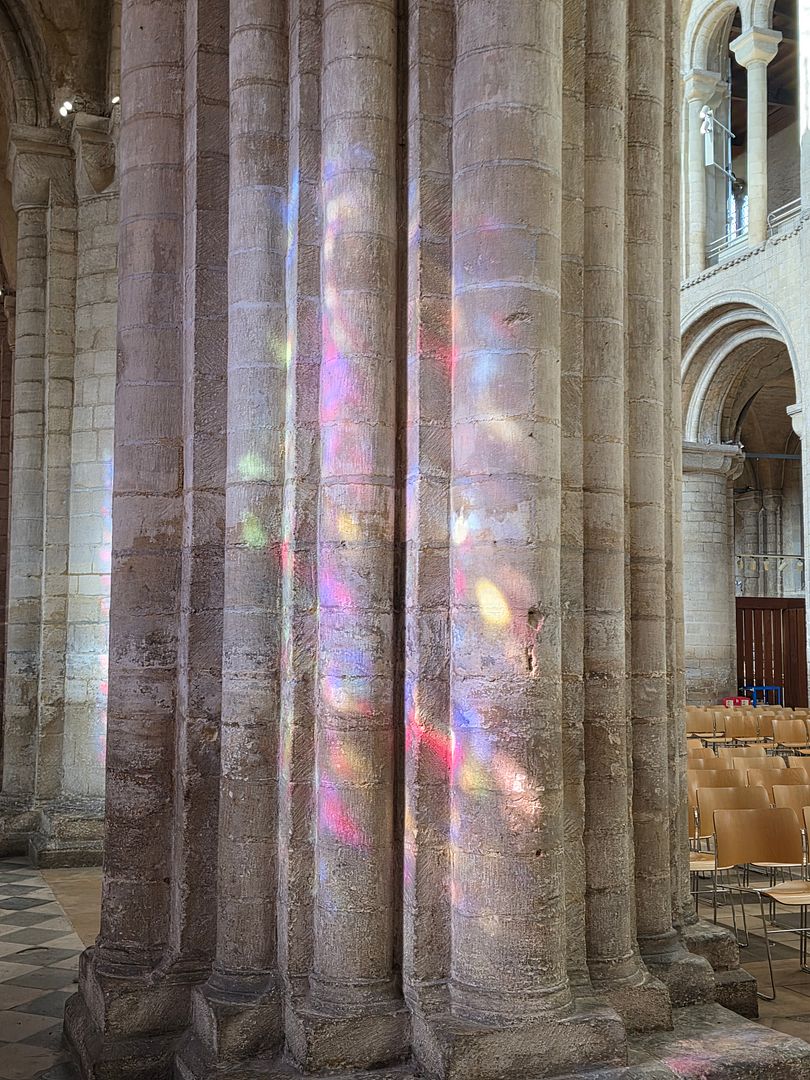
This will be the last post of our travel journal for our time in Cambridge from March 8th-March 14th, 2026. This post will cover Friday late afternoon and evening into Saturday March 14th.
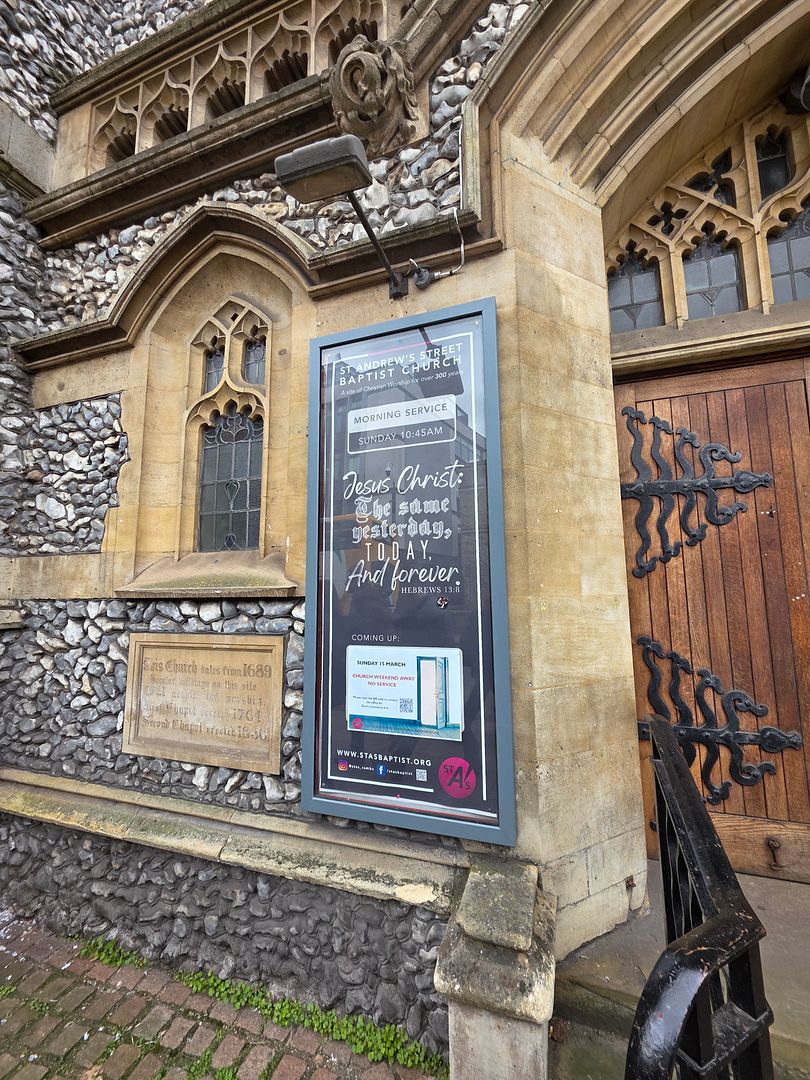
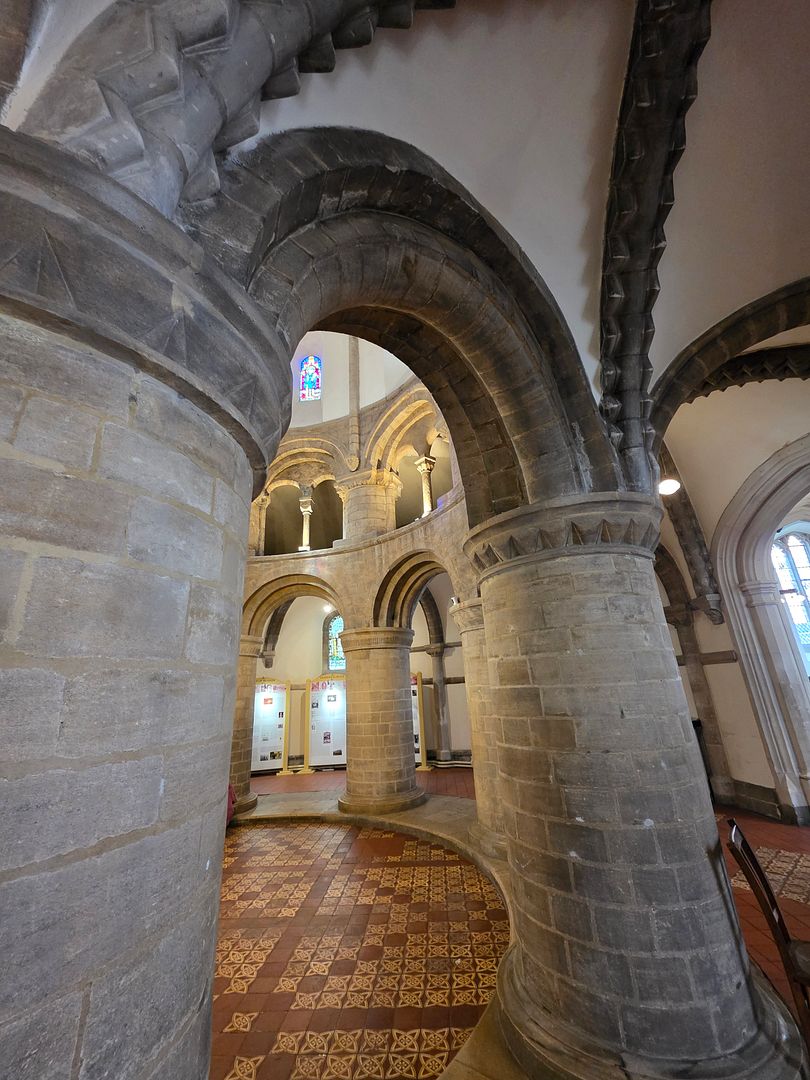
On Friday afternoon as we made our way back to The Wilde, we noticed the Round Church was open to visitors.
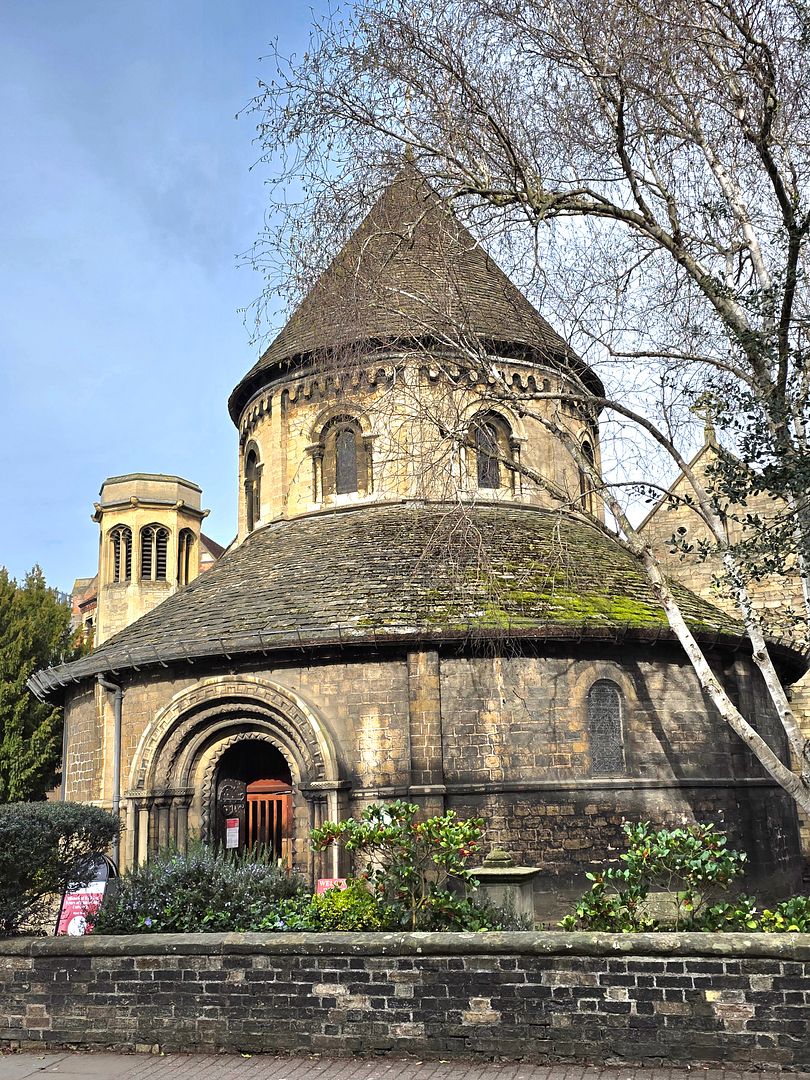
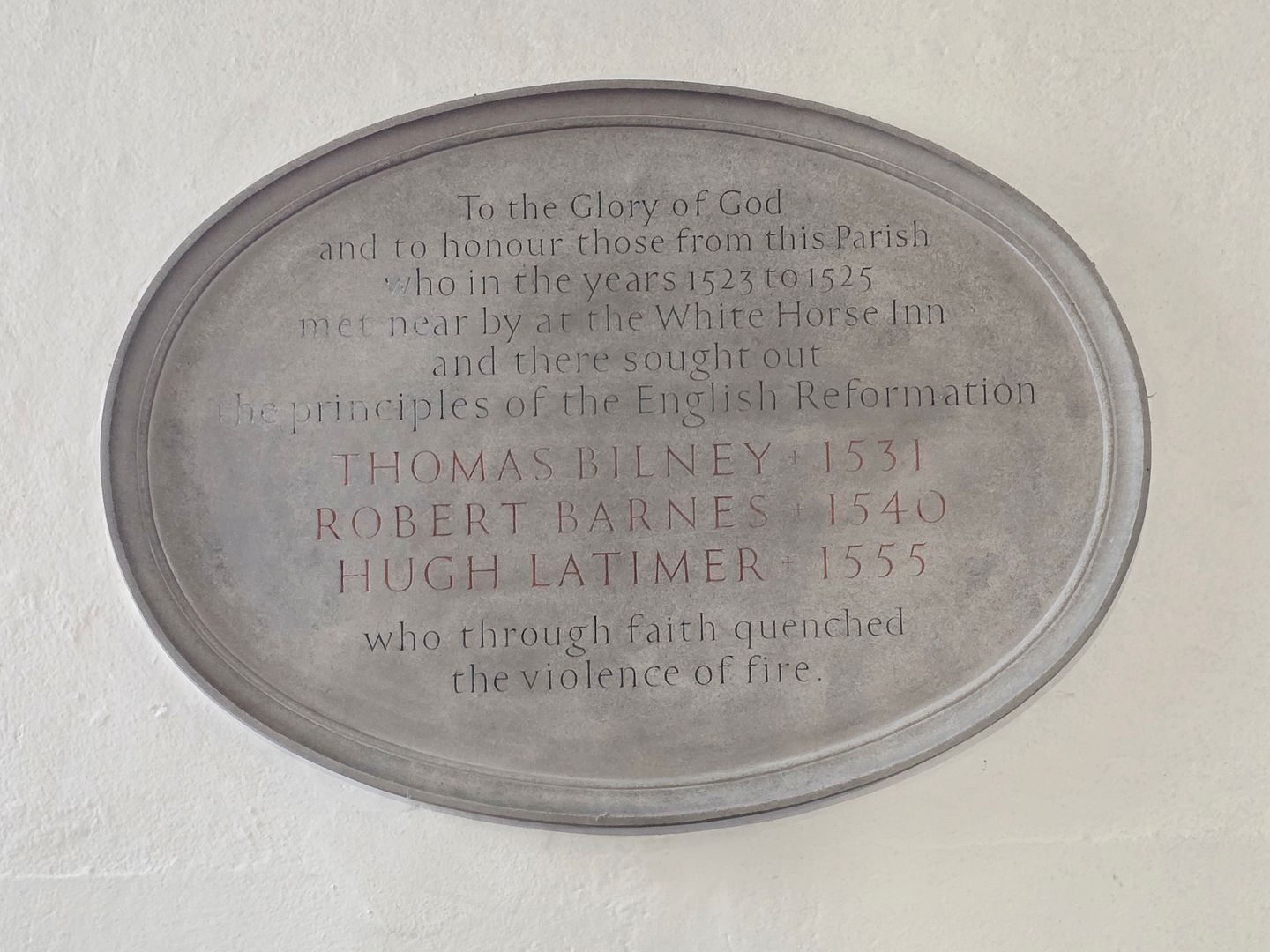
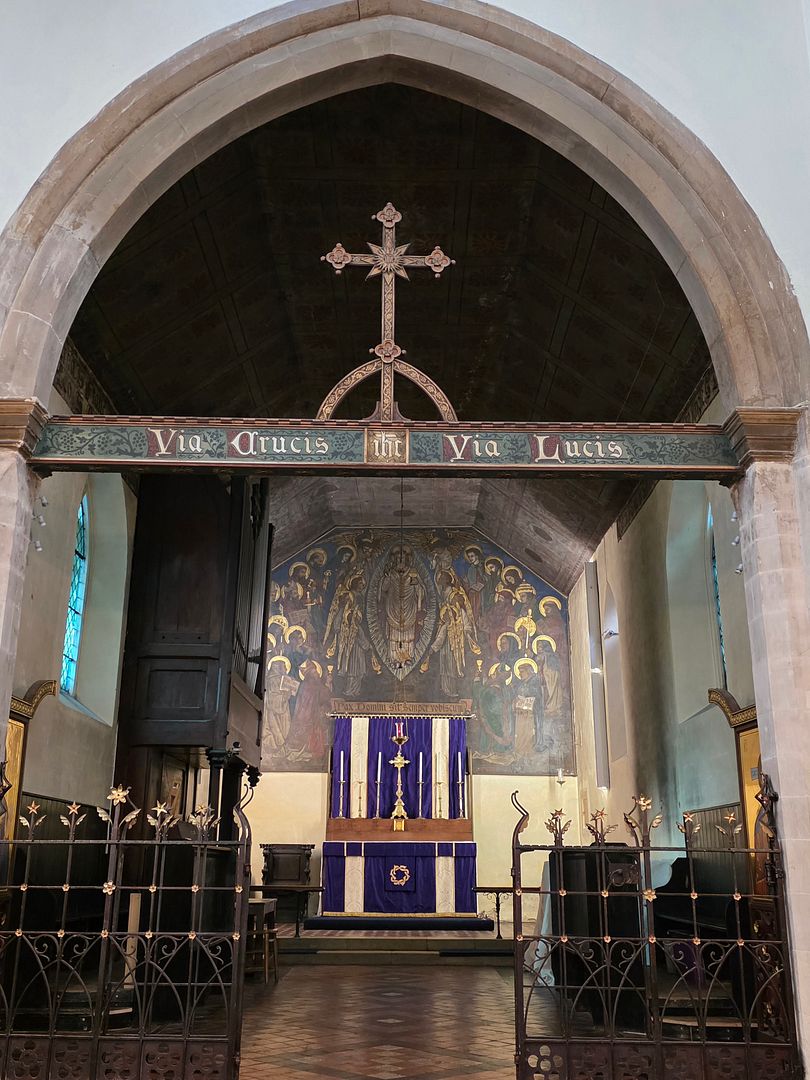
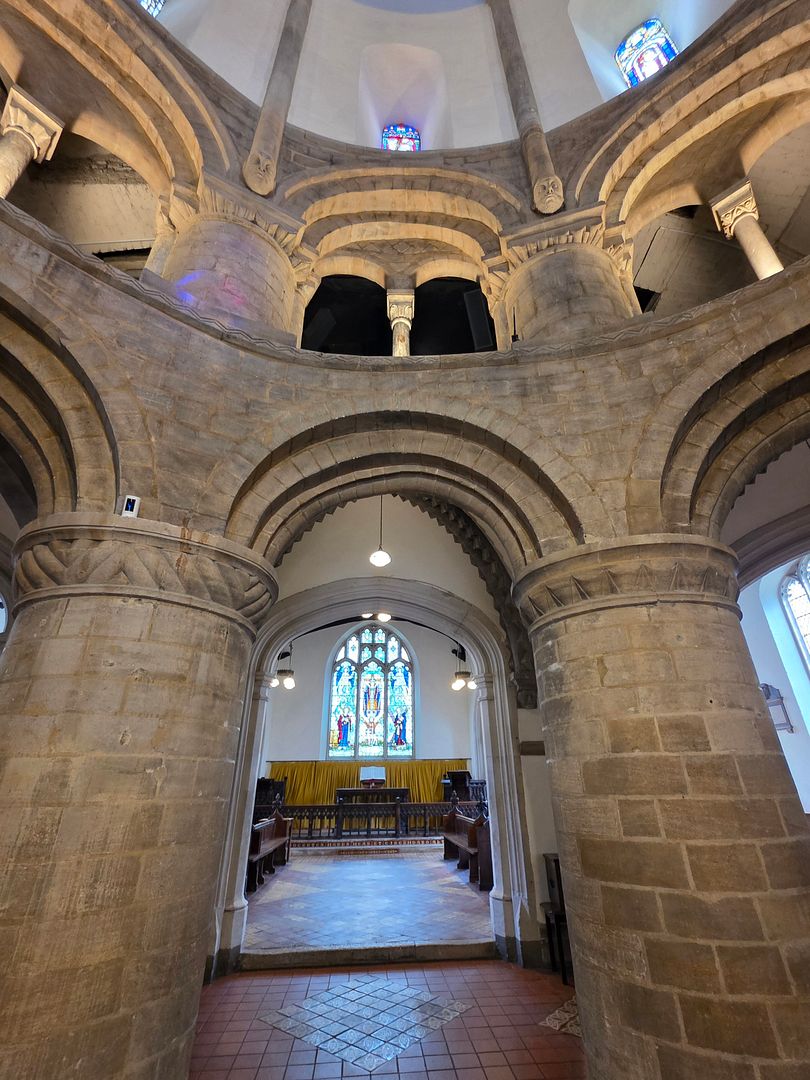
The Church of the Holy Sepulchre, universally known as the Round Church, is one of only four surviving medieval round churches in England. Built around 1130 by the Fraternity of the Holy Sepulchre, its iconic circular design was directly modeled on the Church of the Holy Sepulchre in Jerusalem. It is currently managed by the educational charity, Christian Heritage.
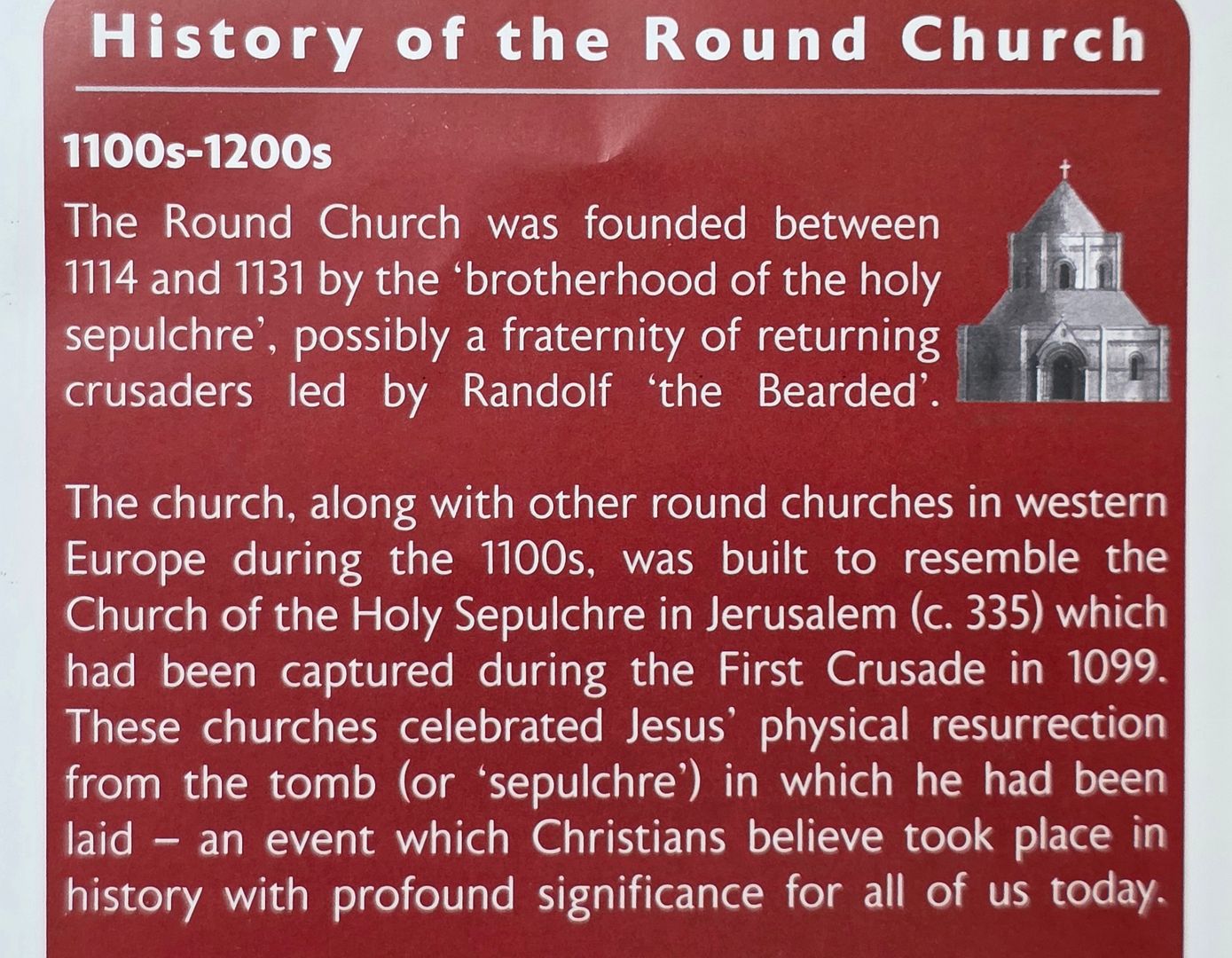
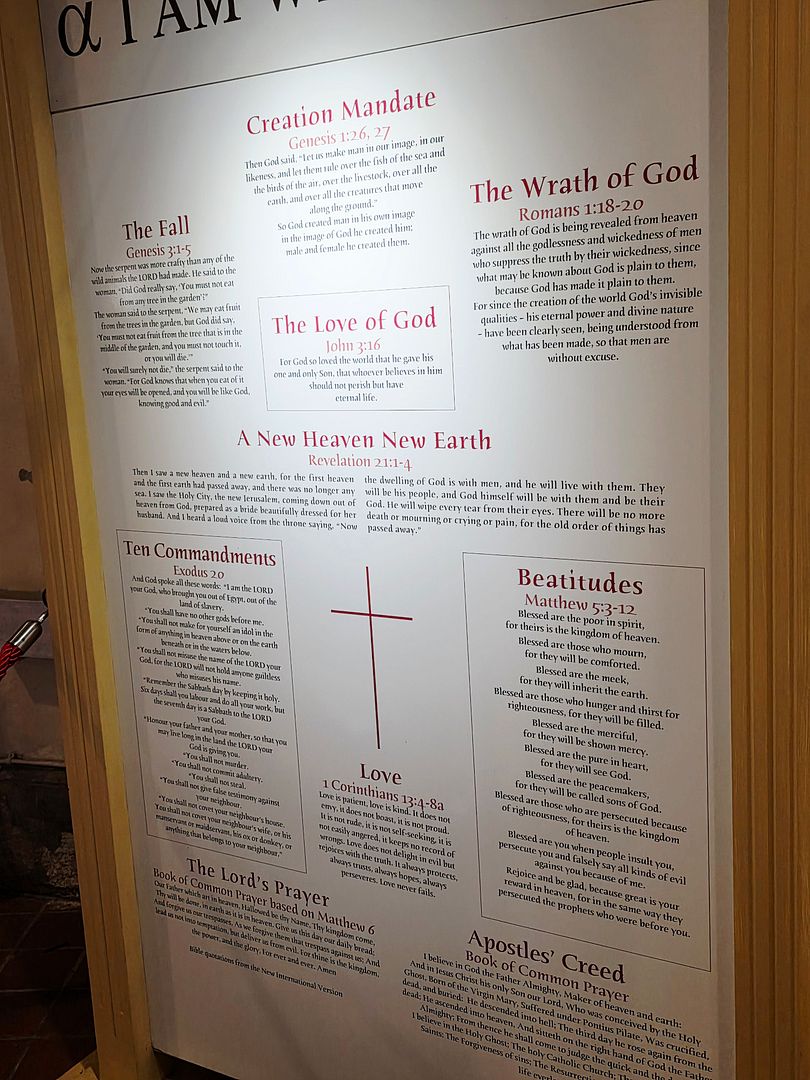
This panel was such a great presentation of Christianity.
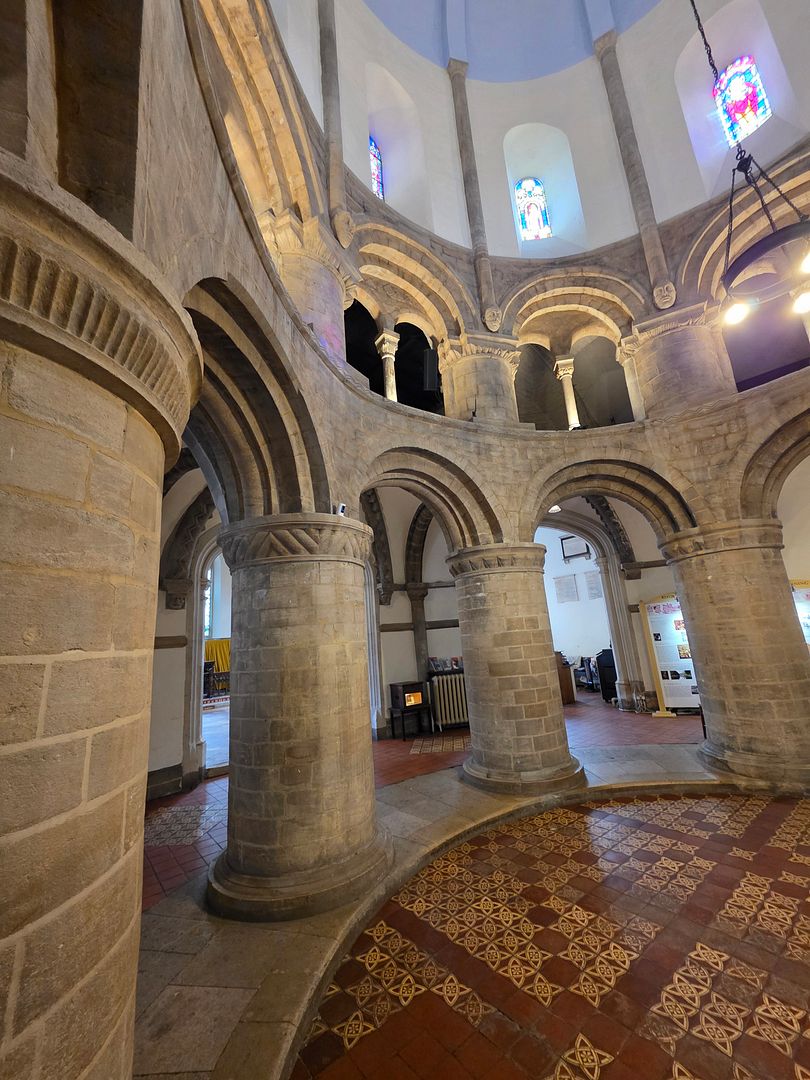
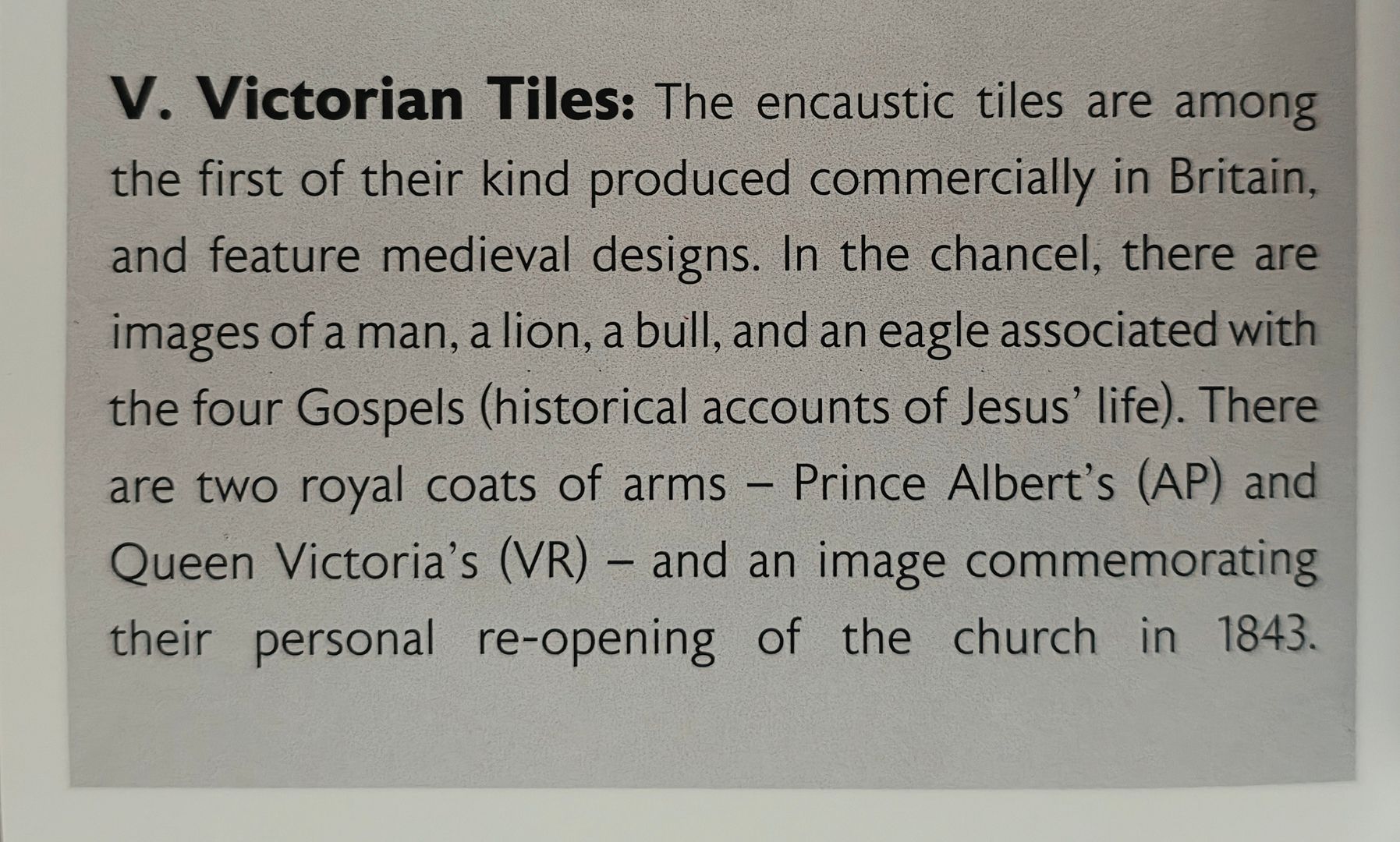
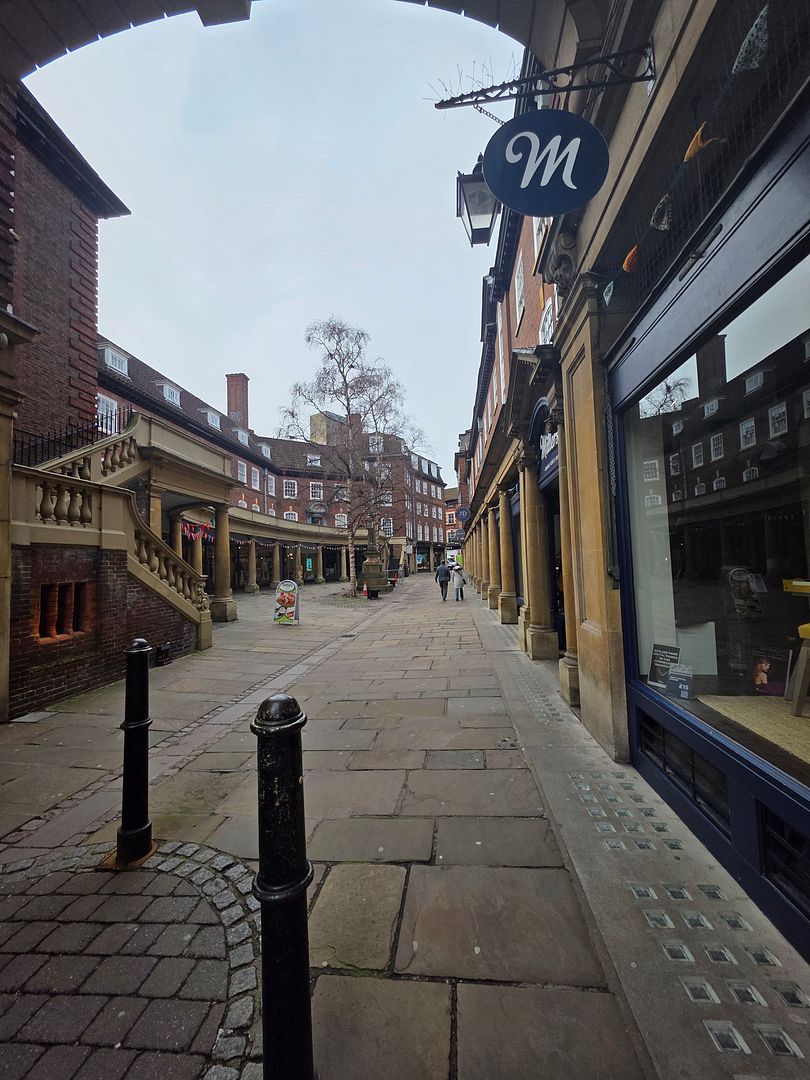
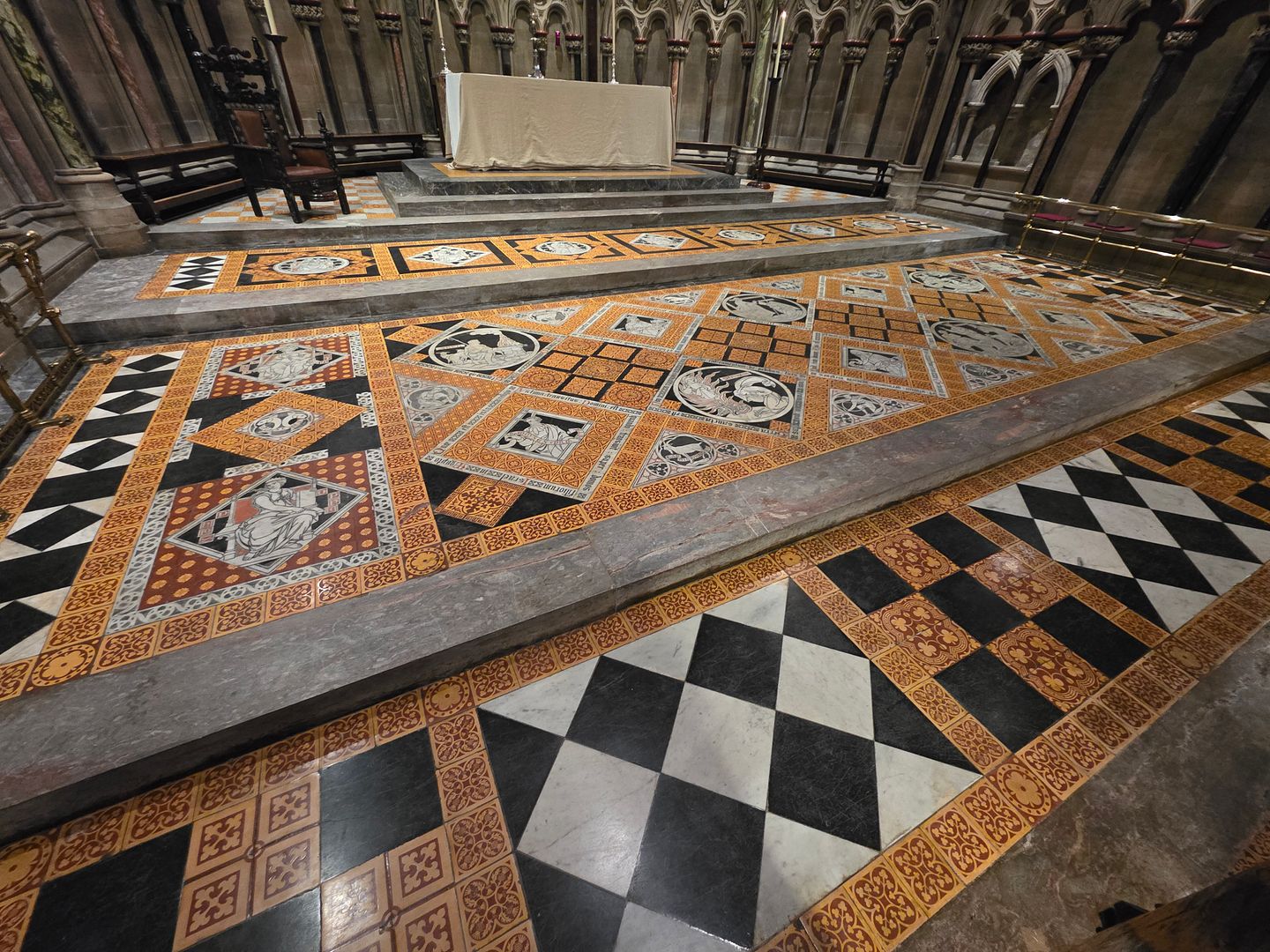
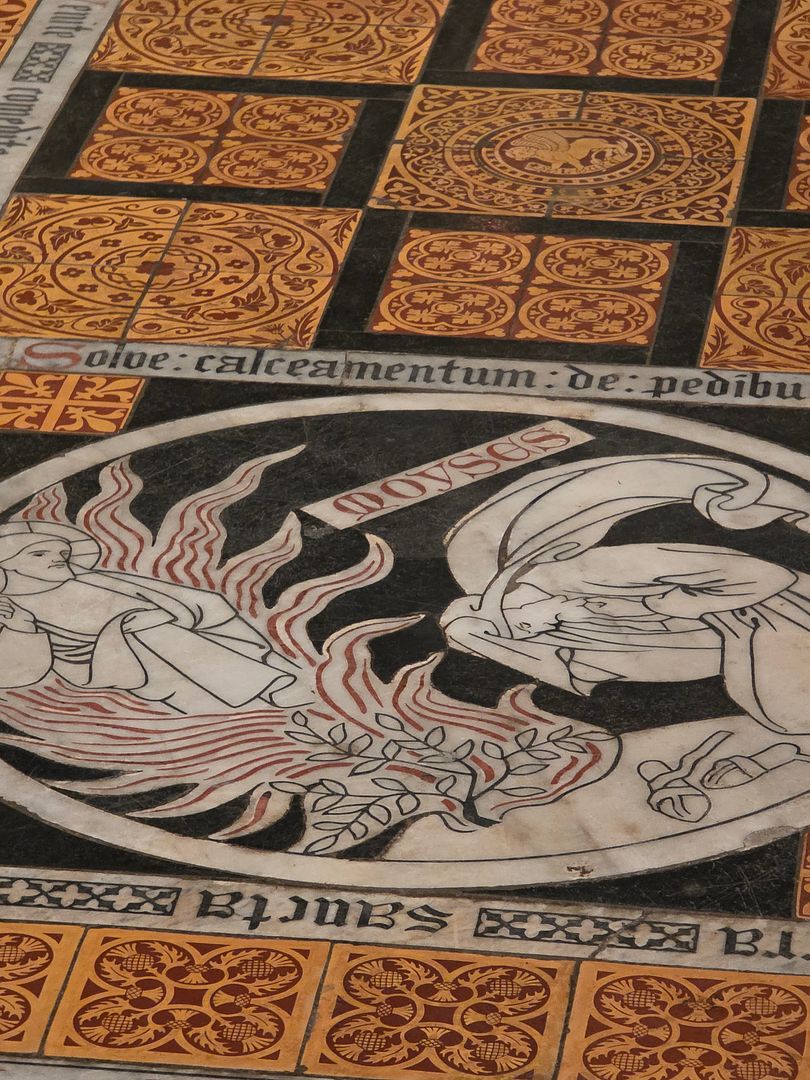
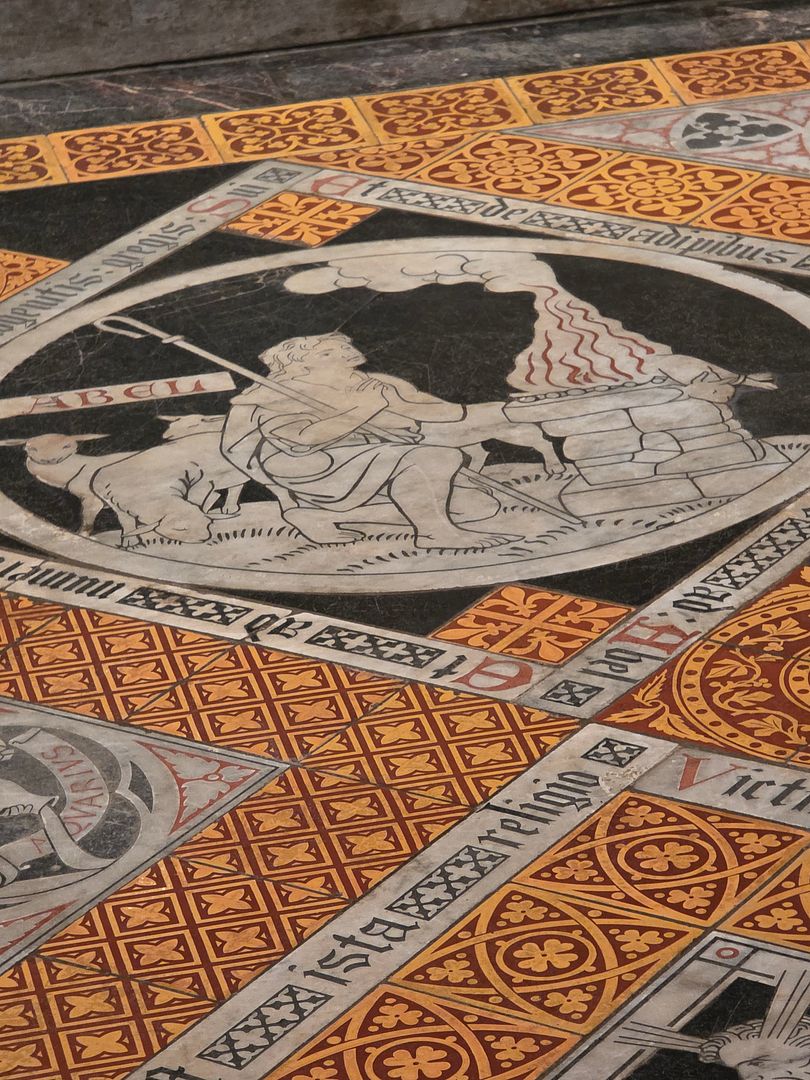
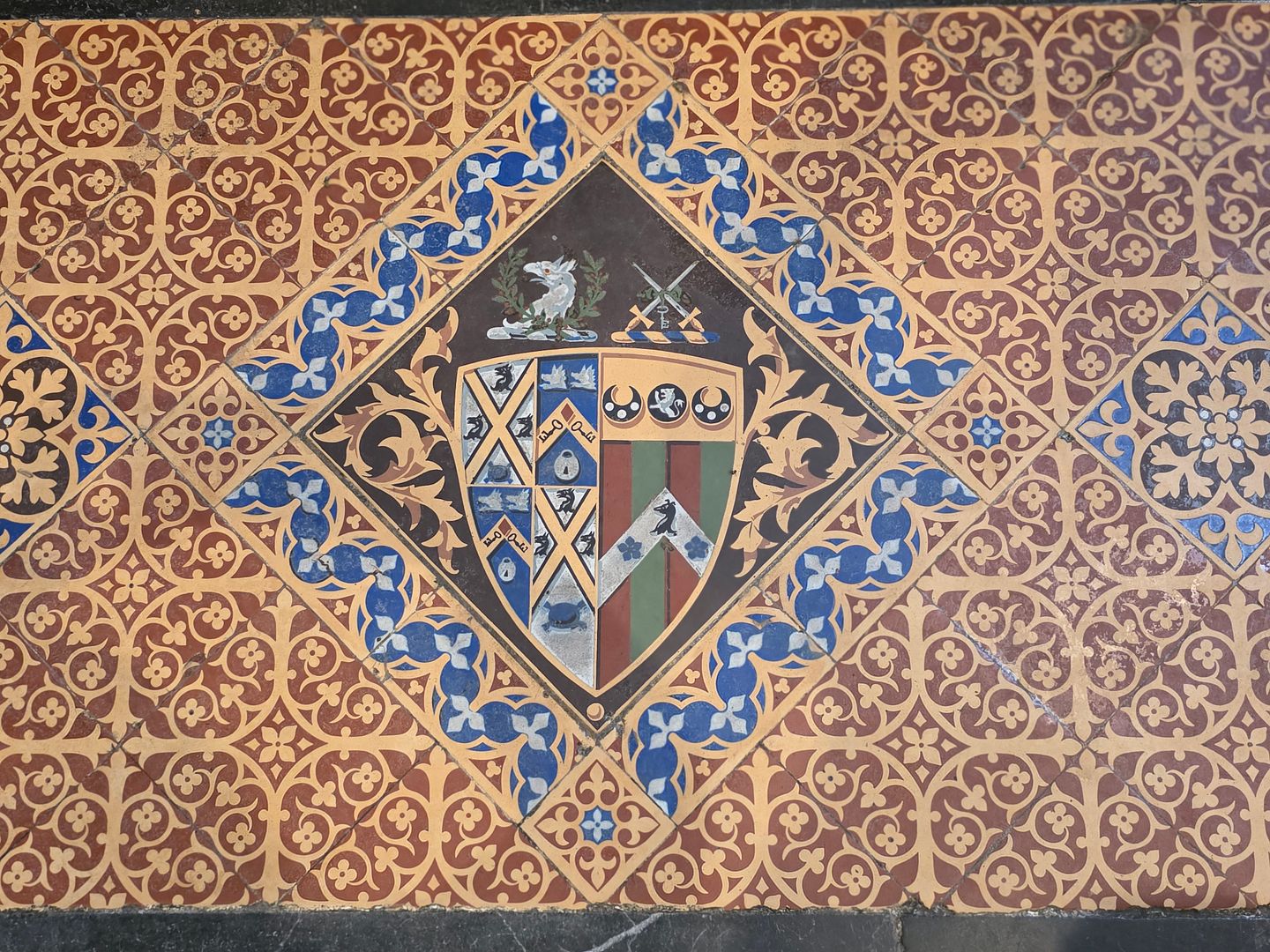
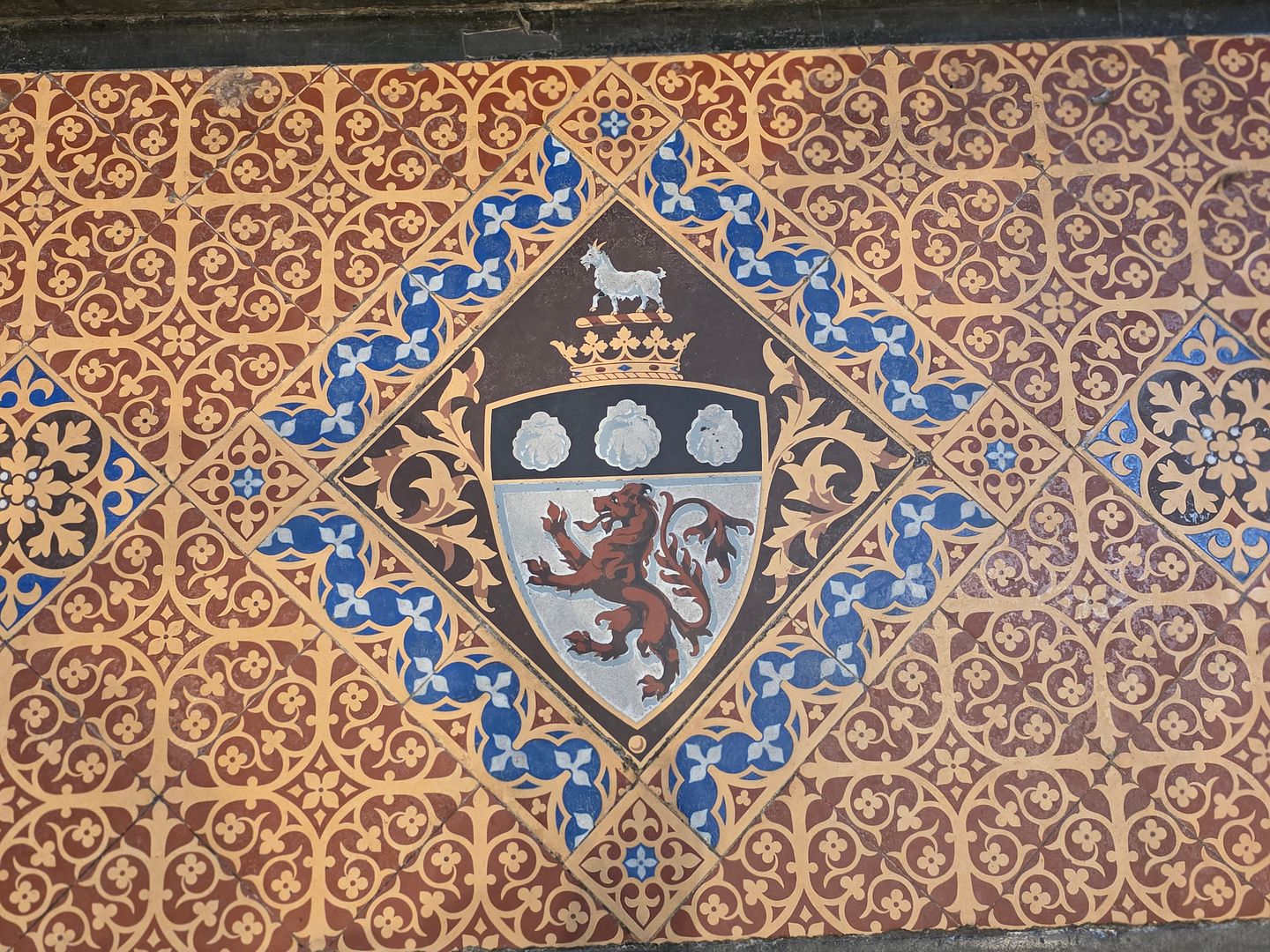
I missed seeing the images in the tiles.
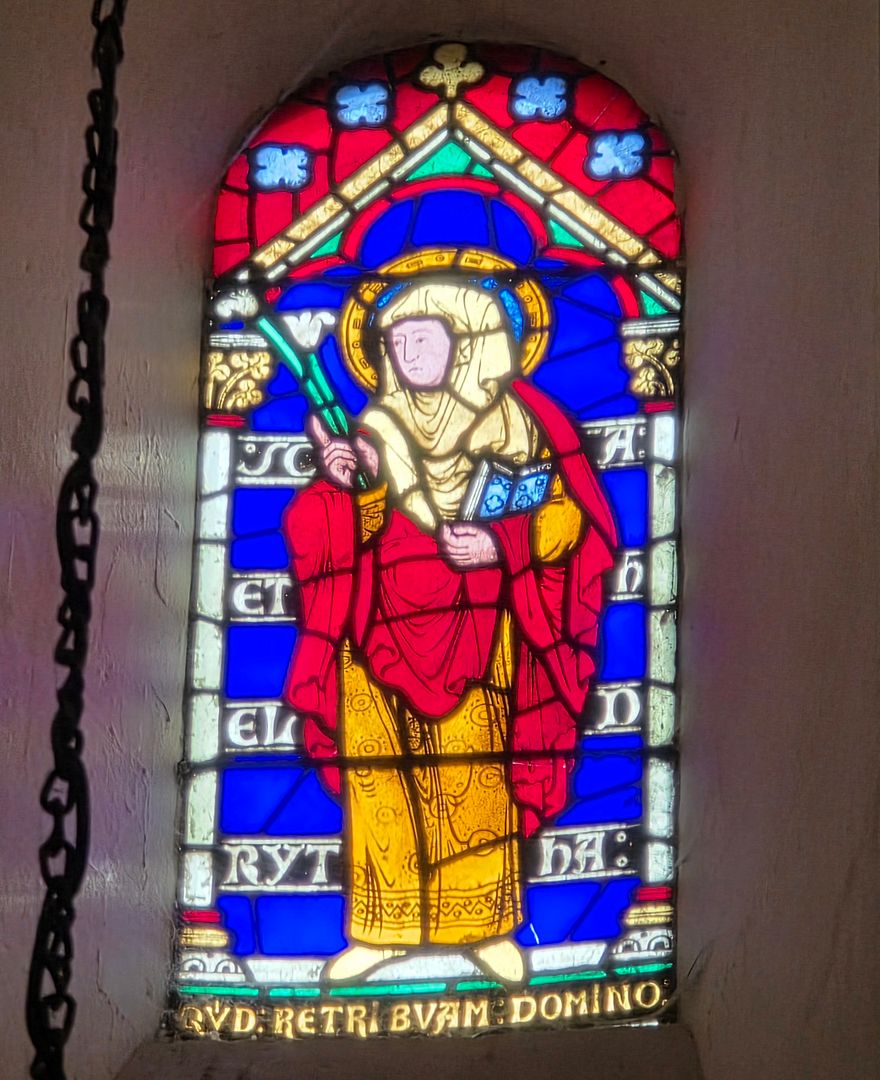
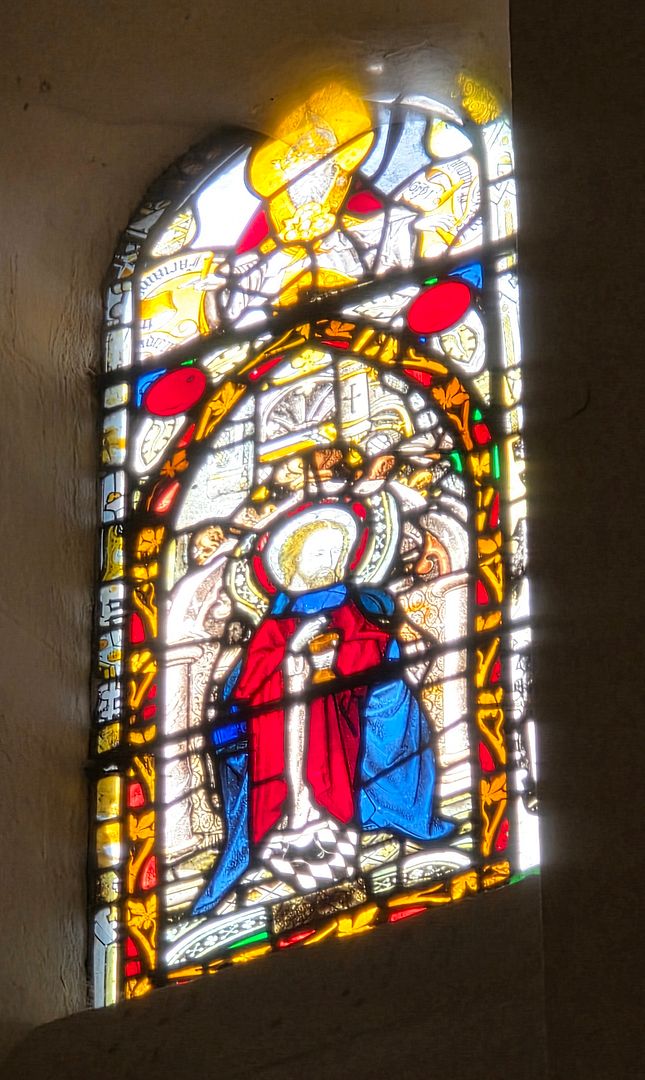
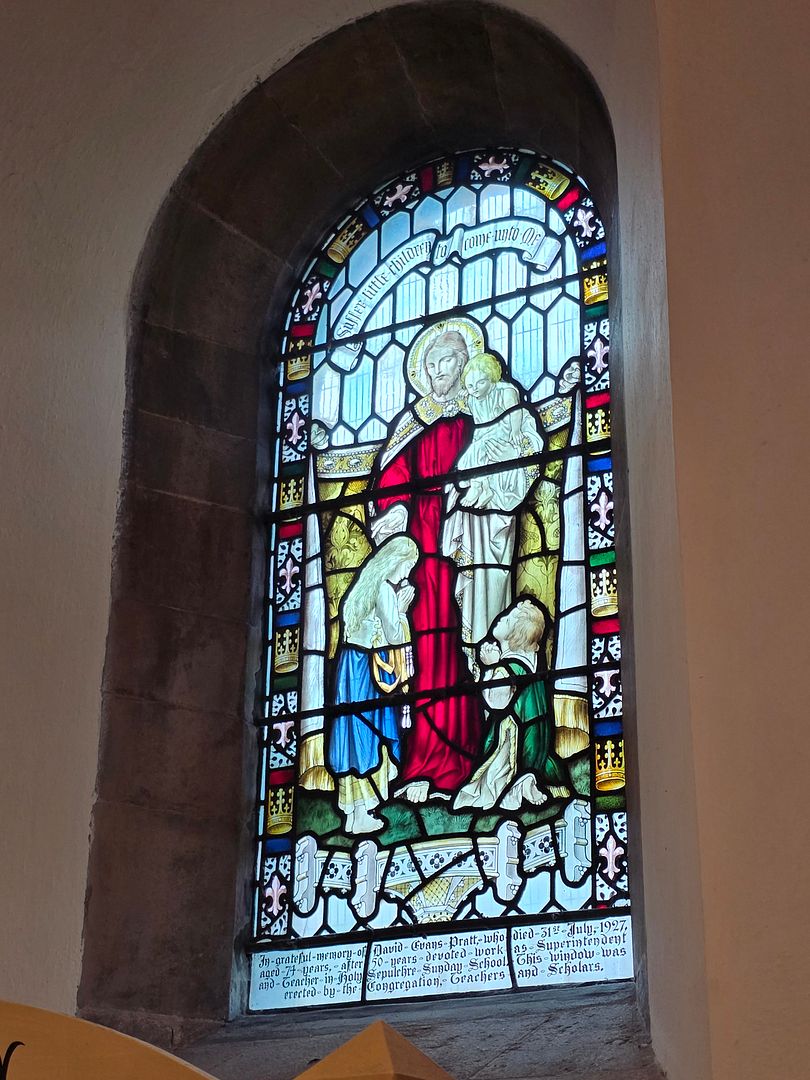
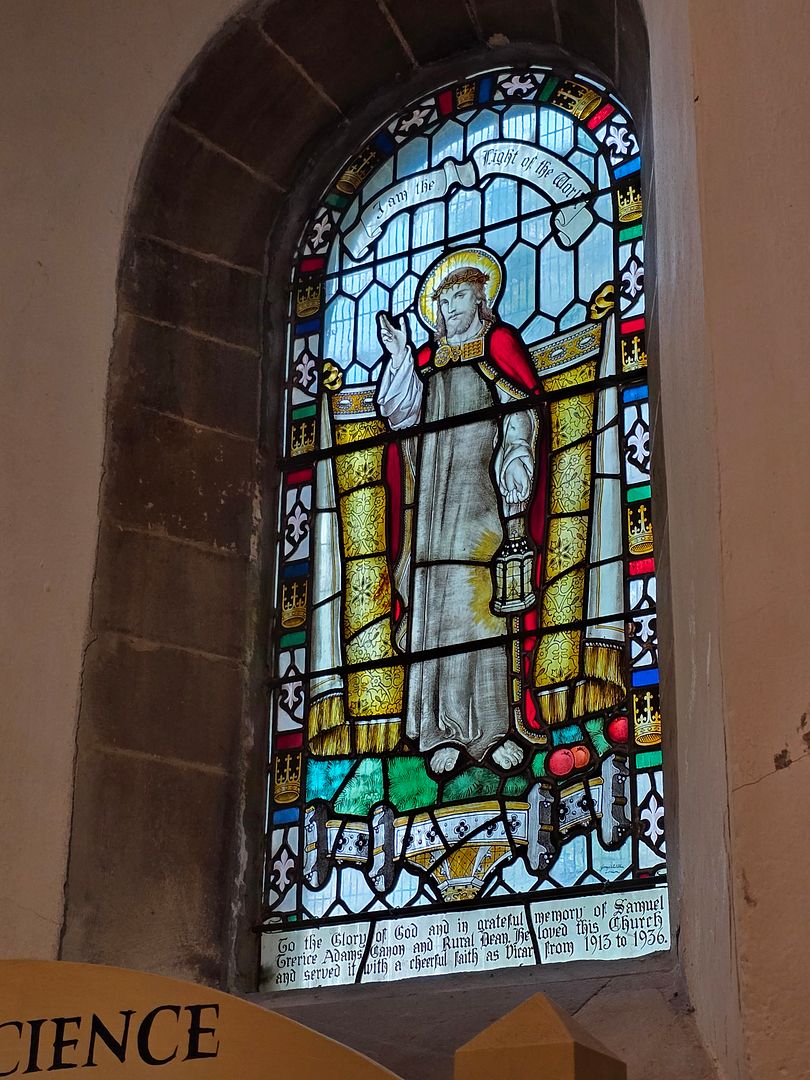
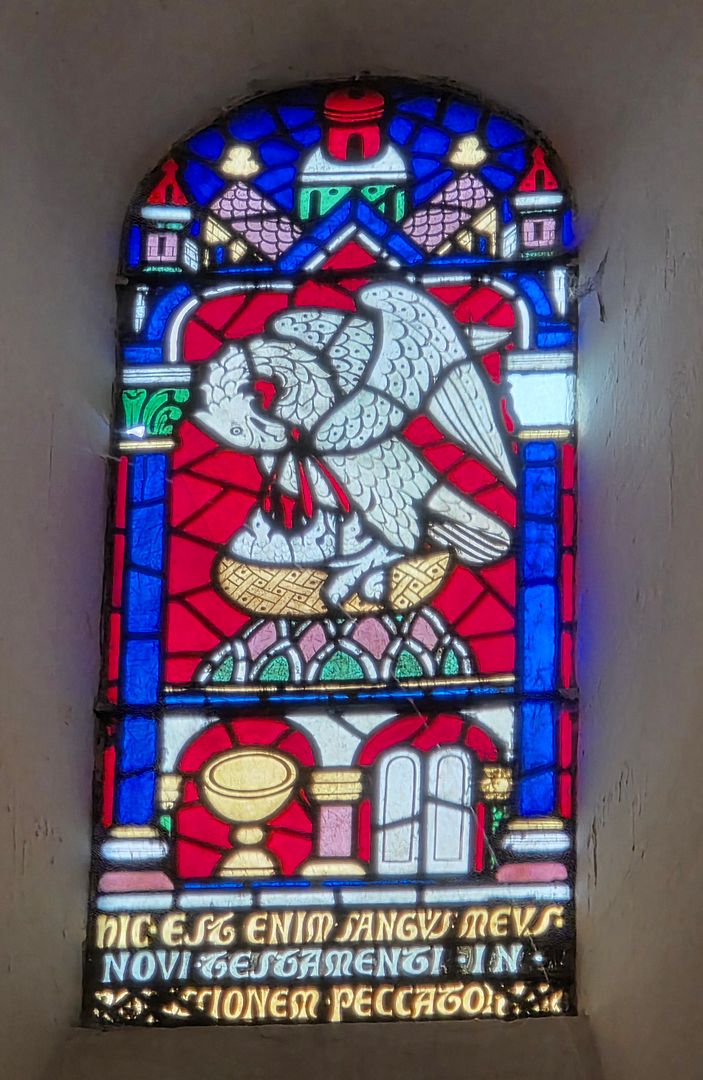
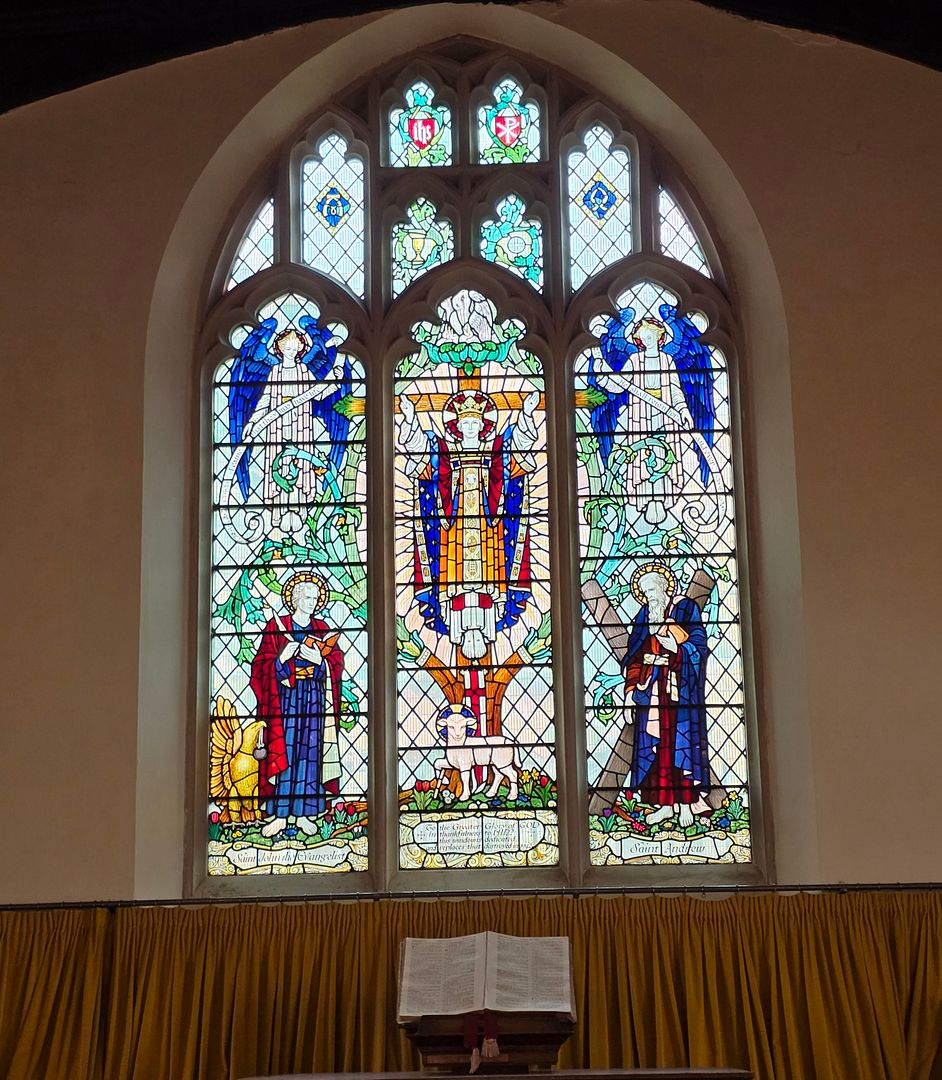
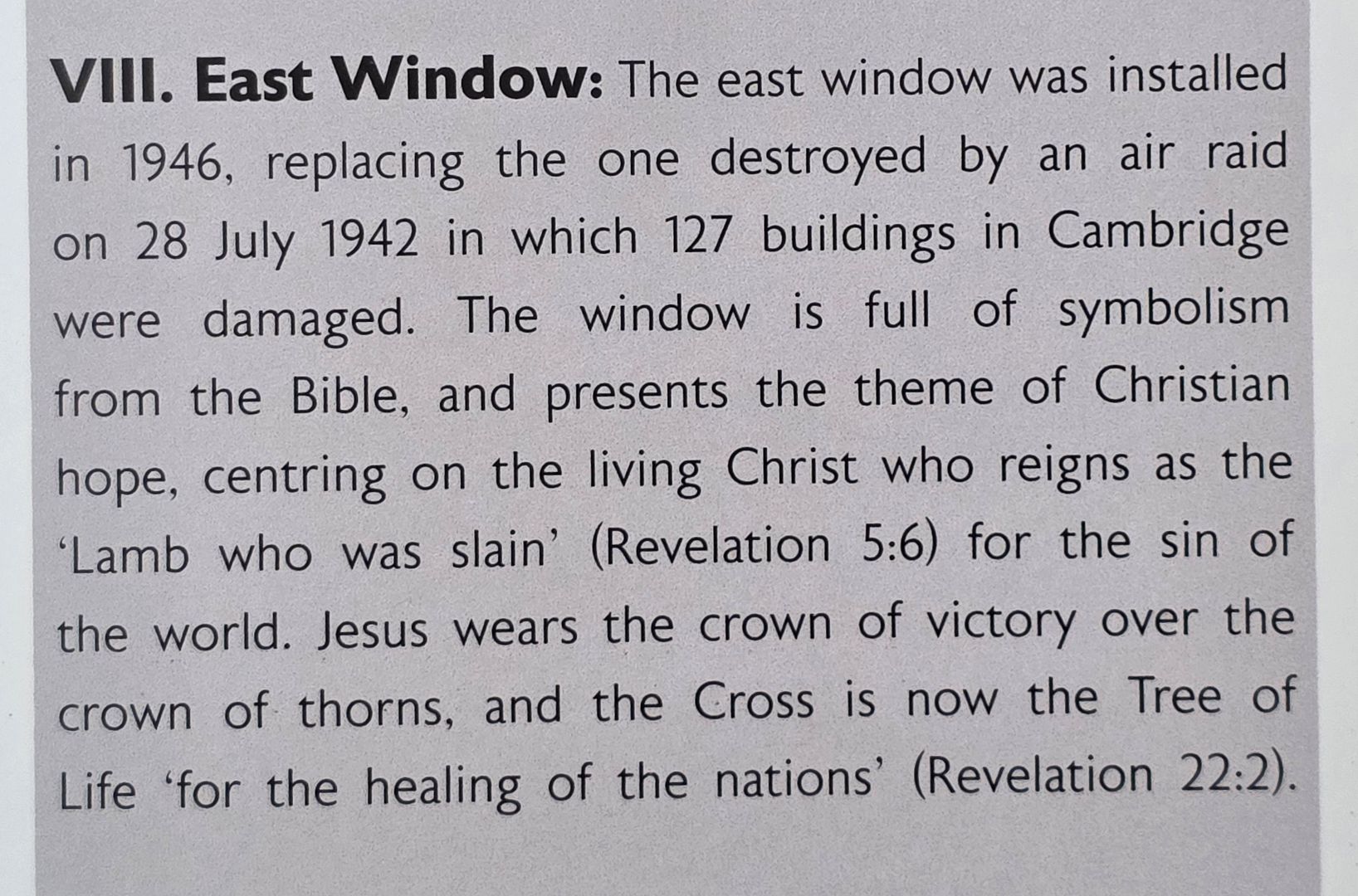
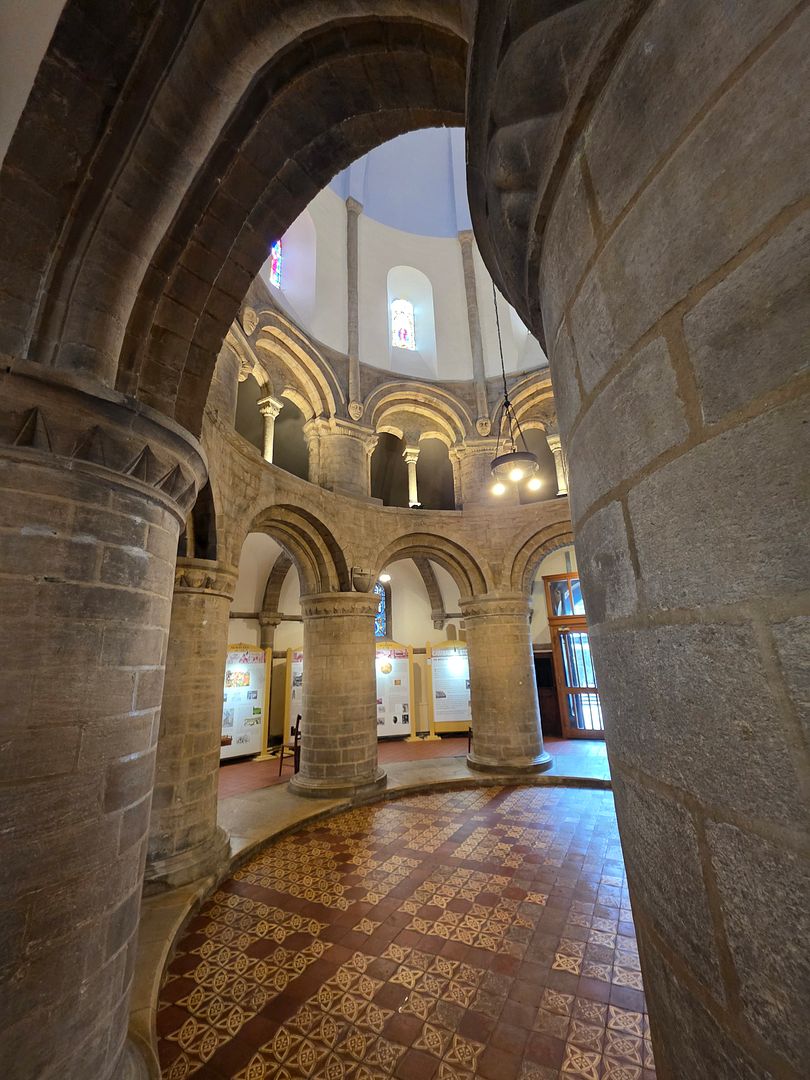
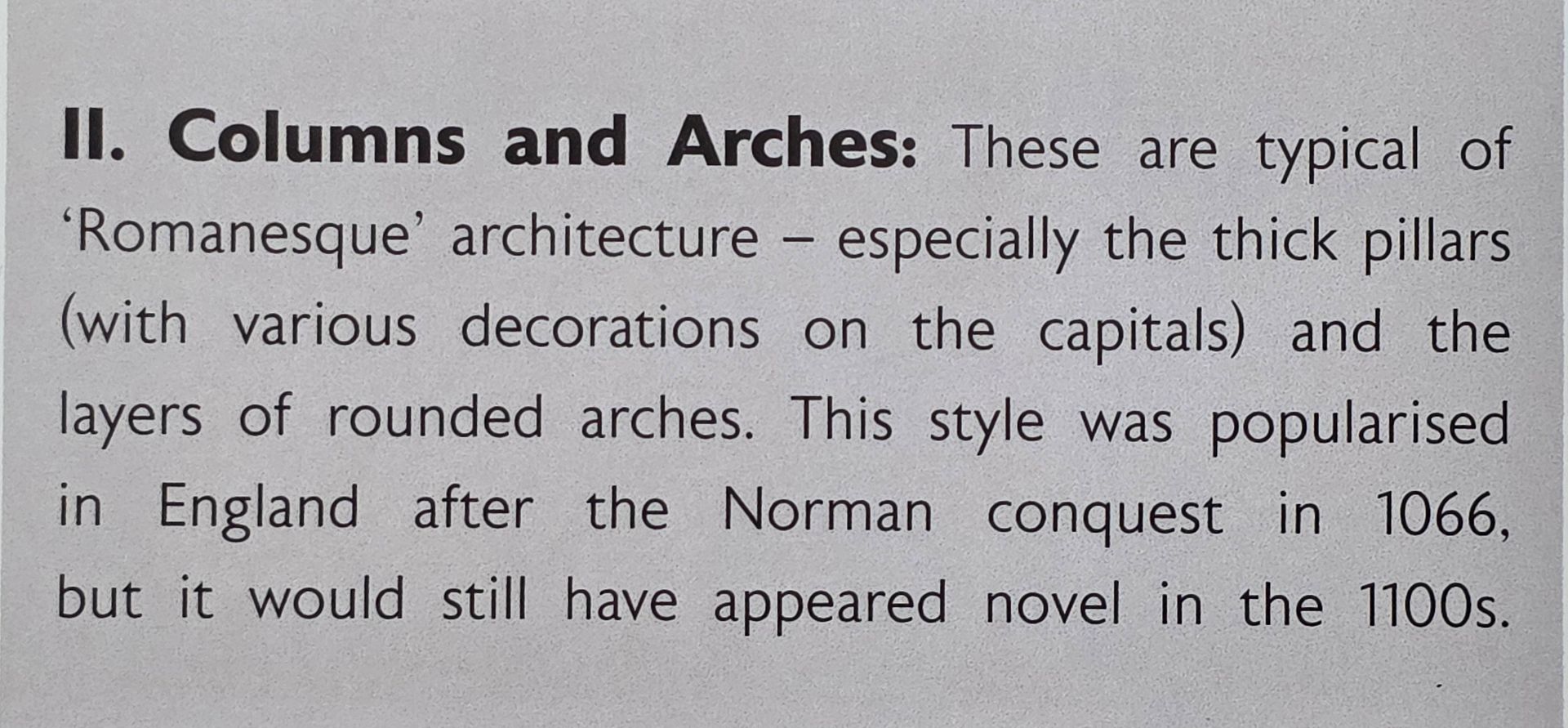
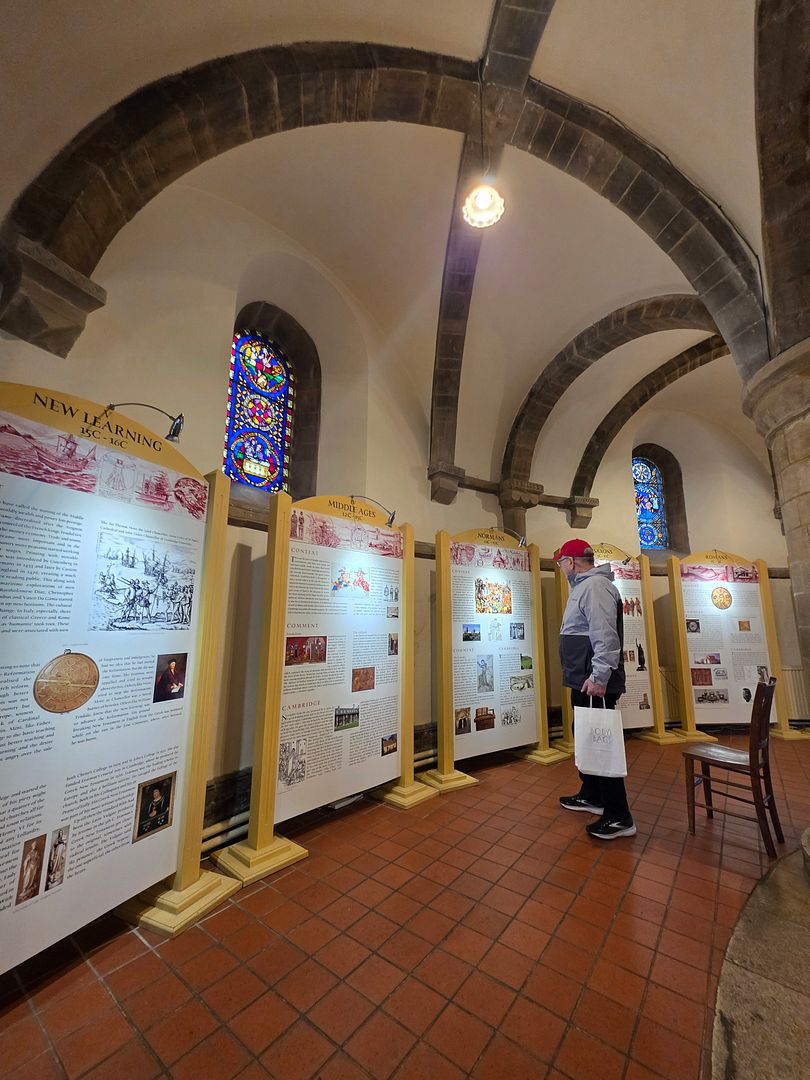
The historical panels were extensive and so well done. You could spend a lot of time reading the history through the centuries.
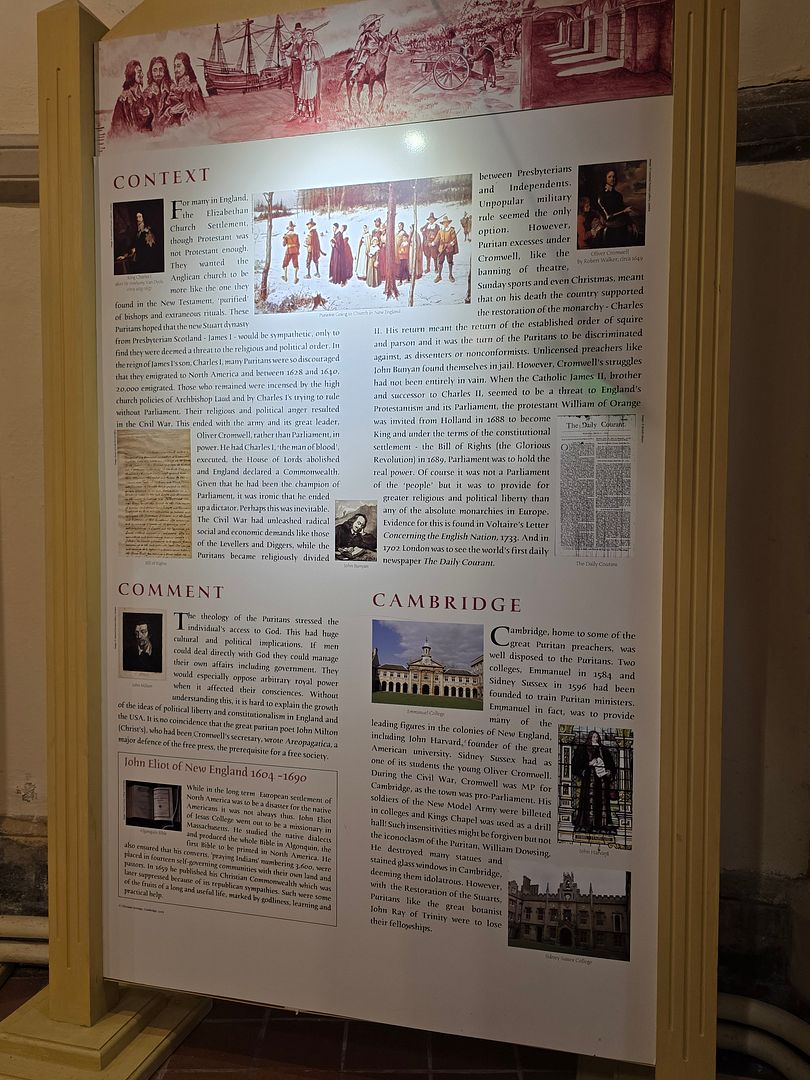
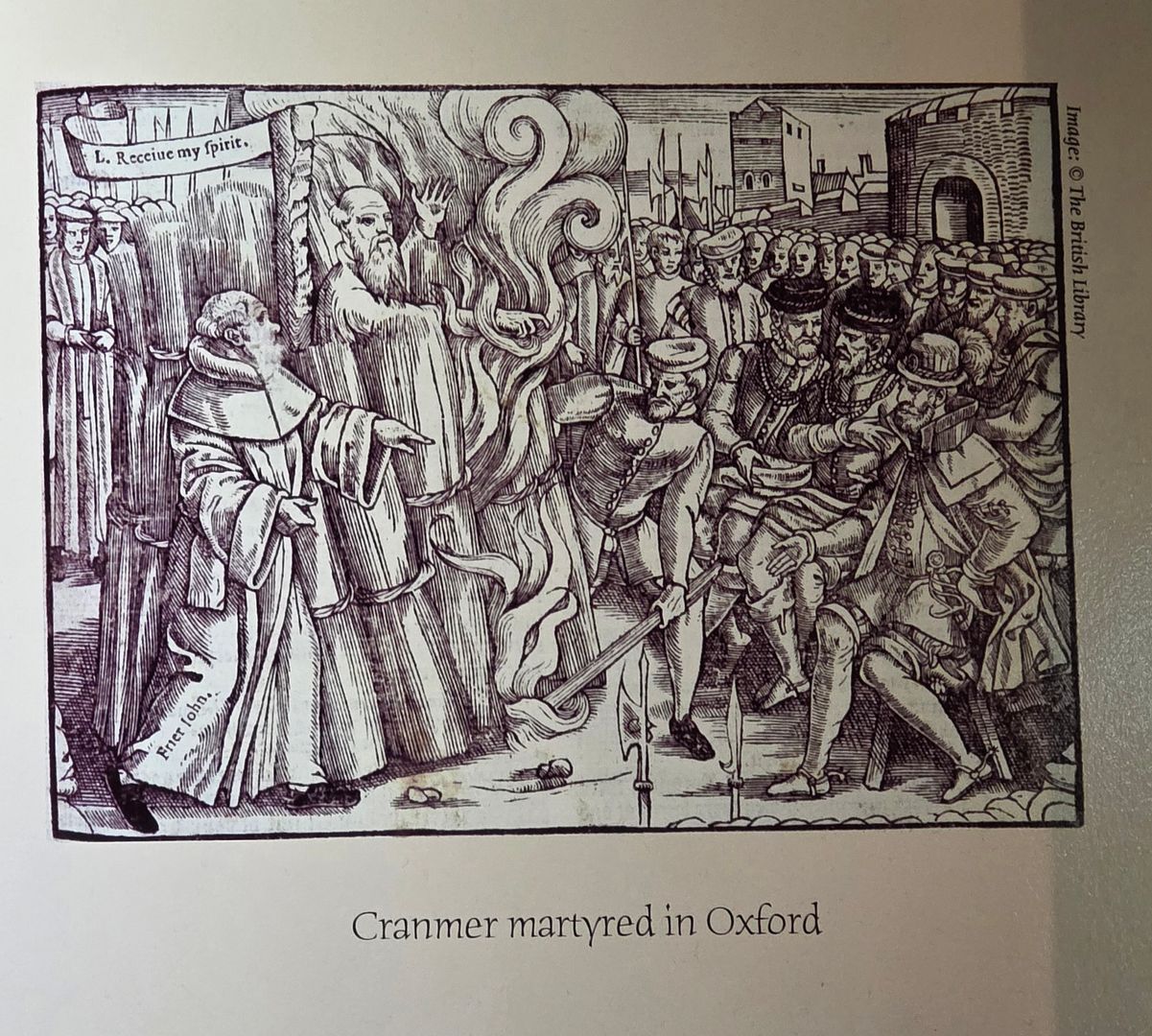
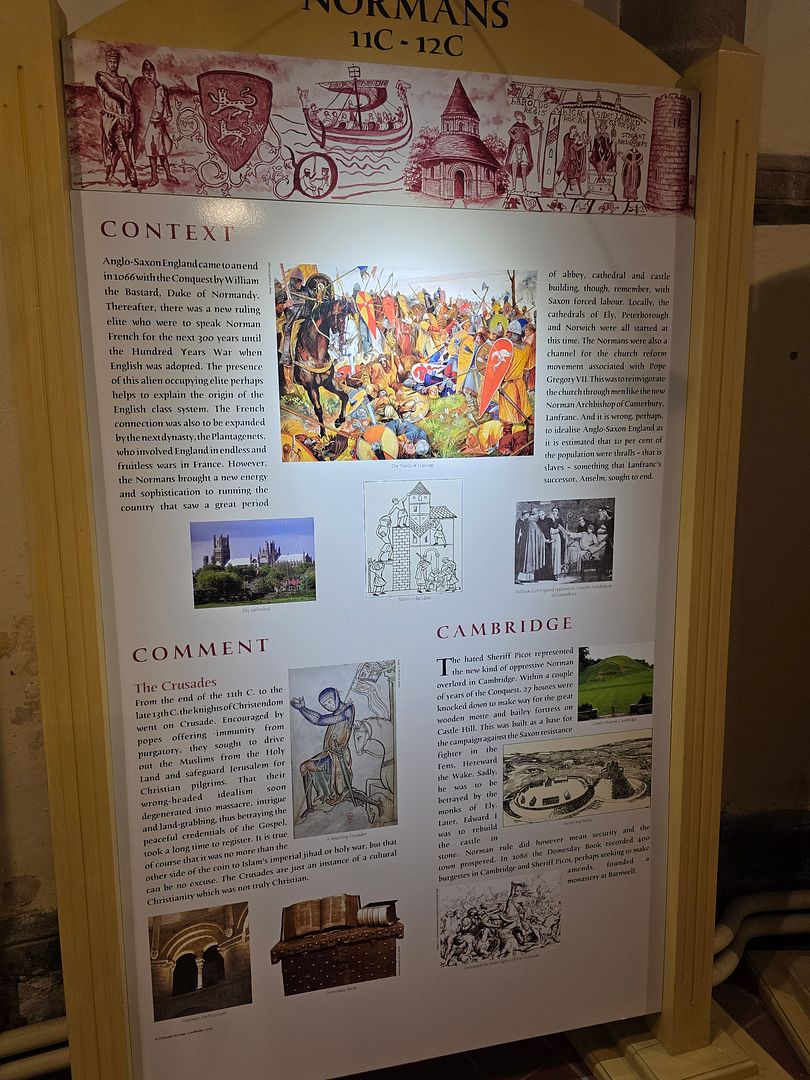
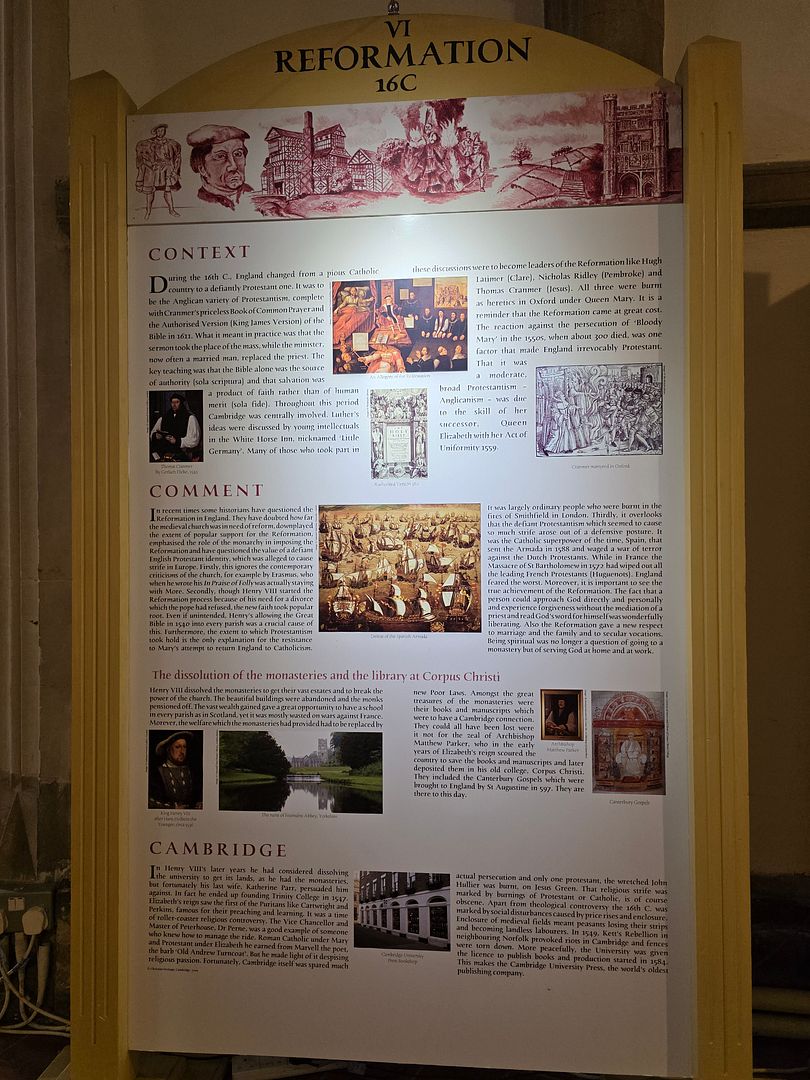
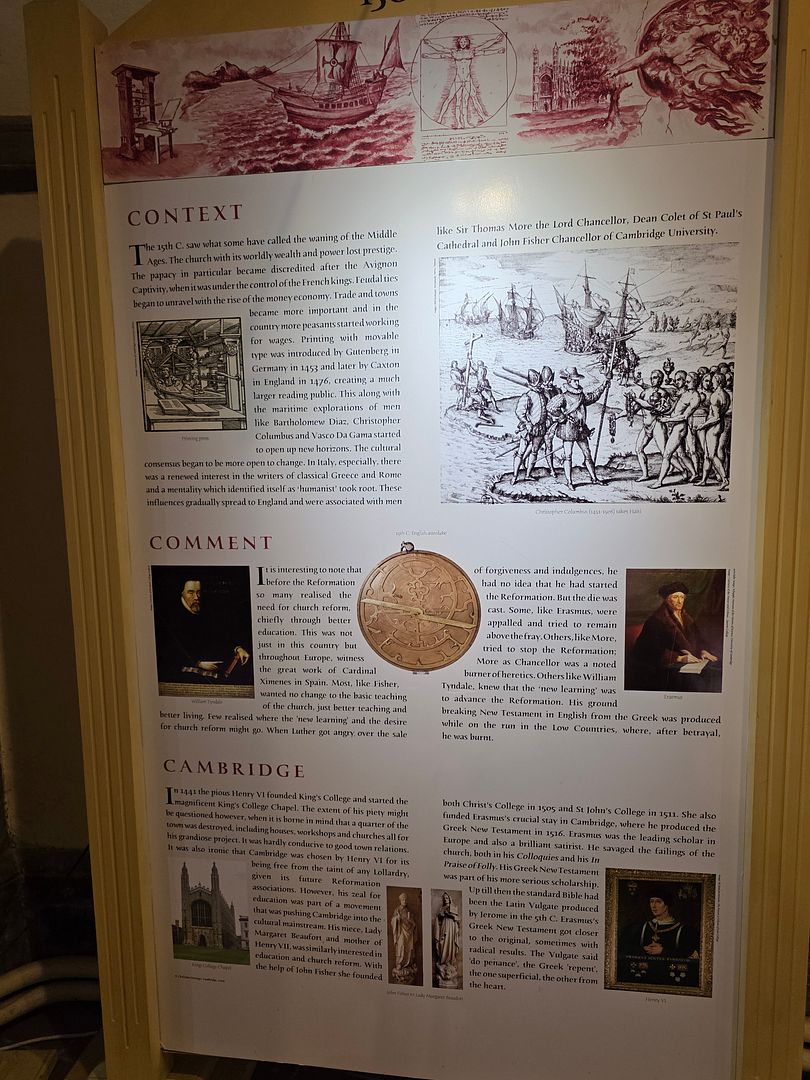

This brings me to the wrap up of our Cambridge travel journal.
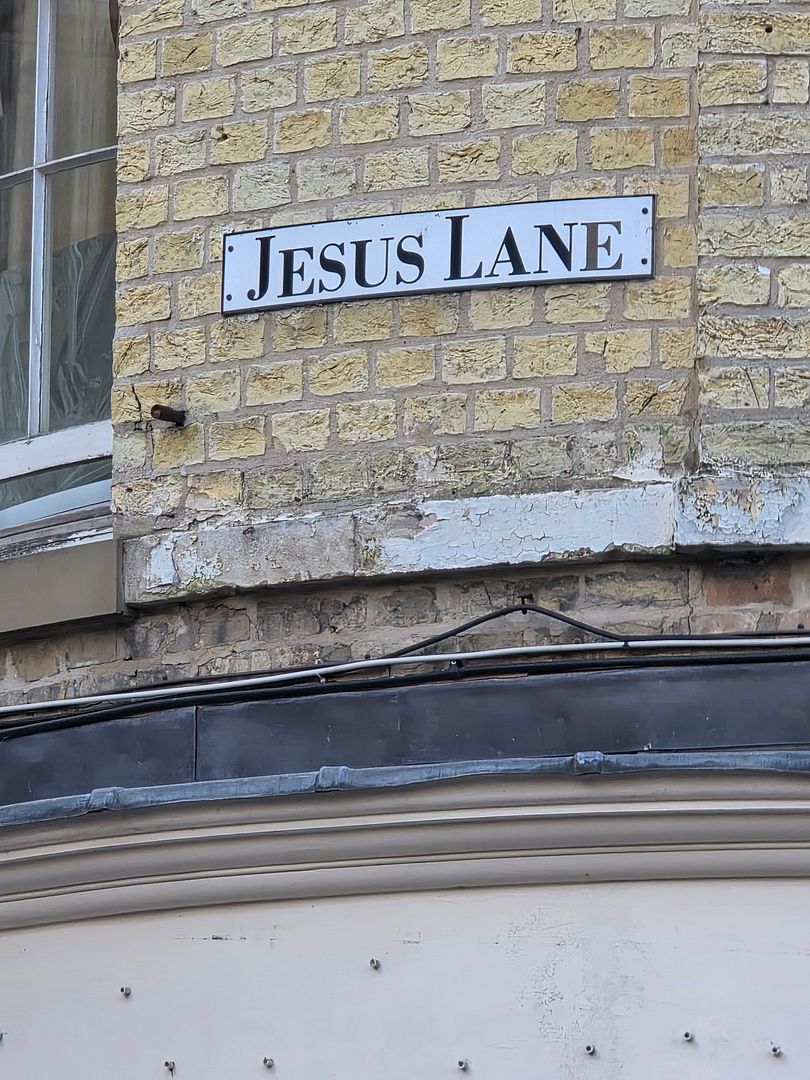
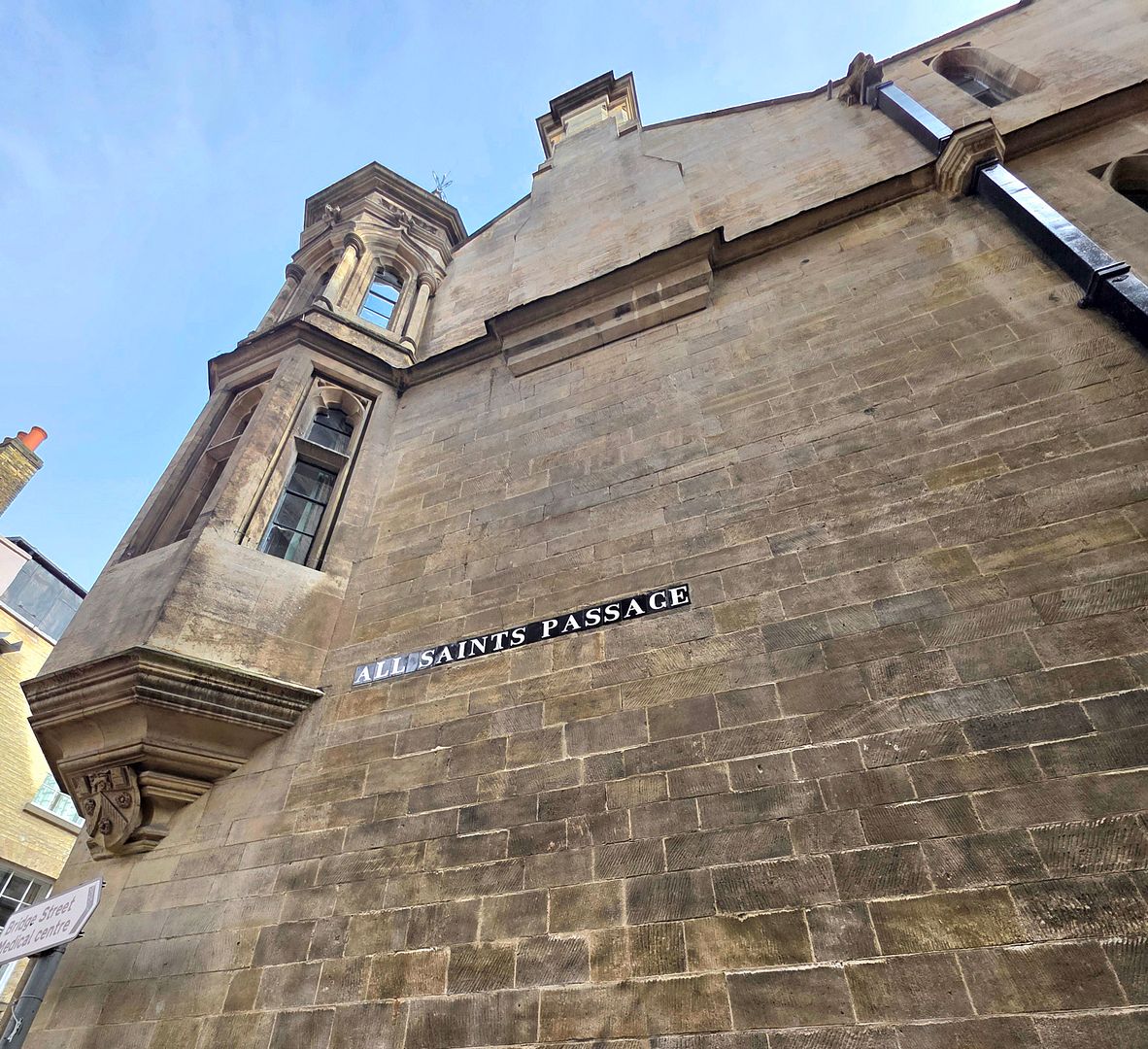
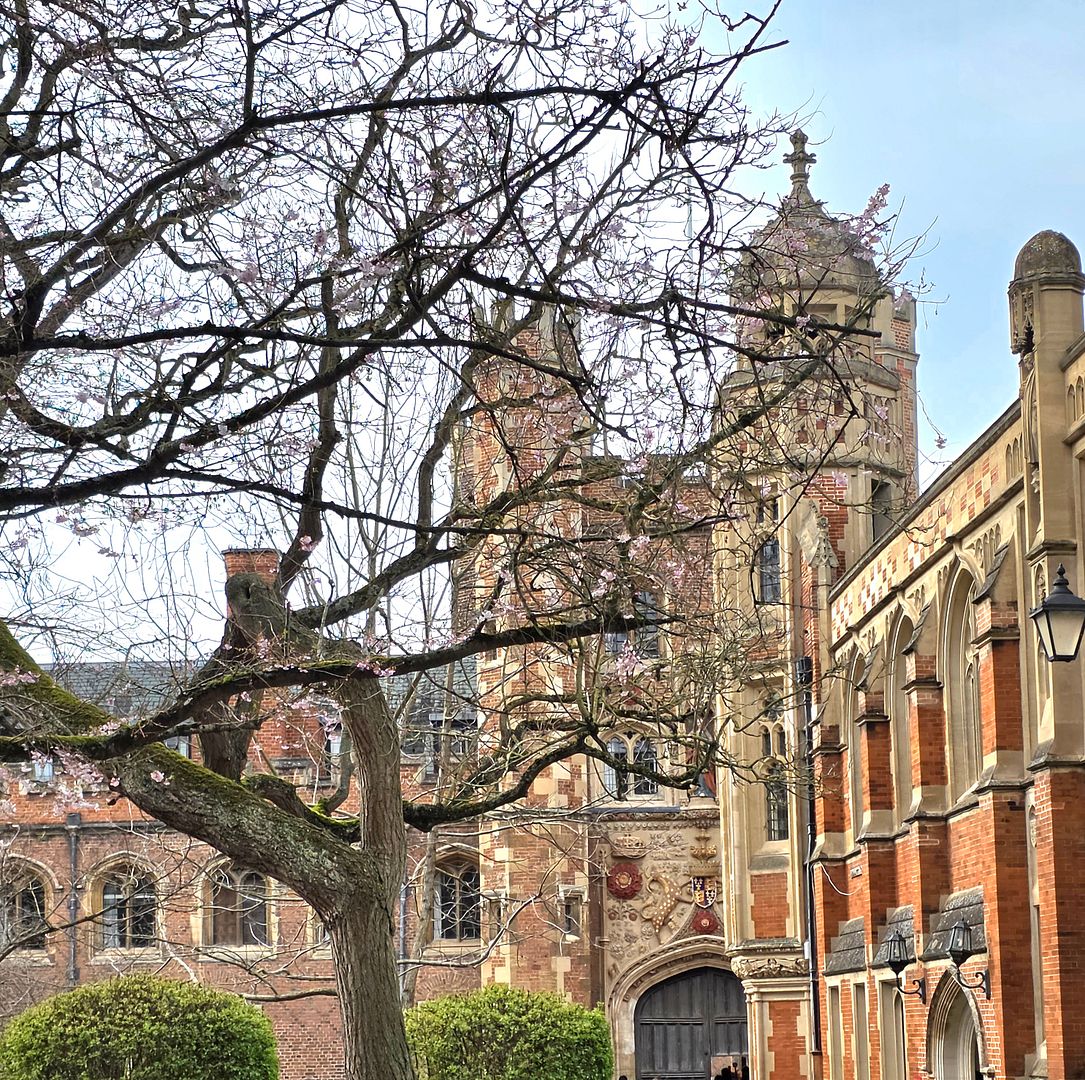
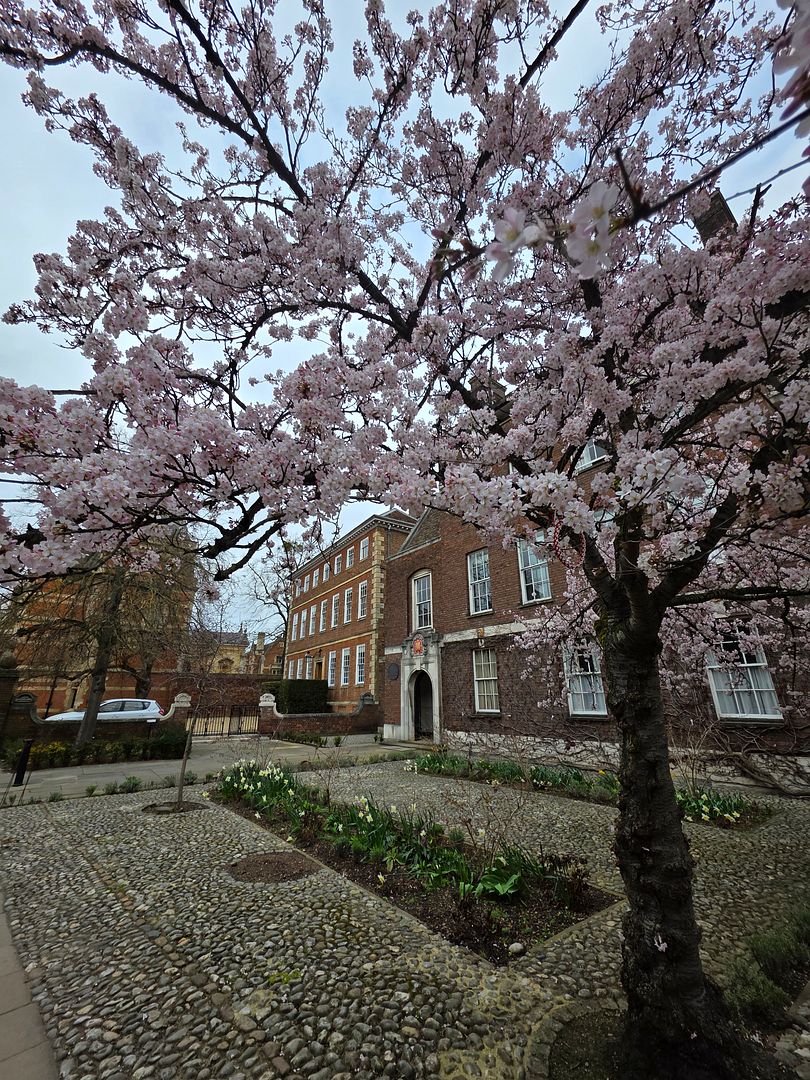
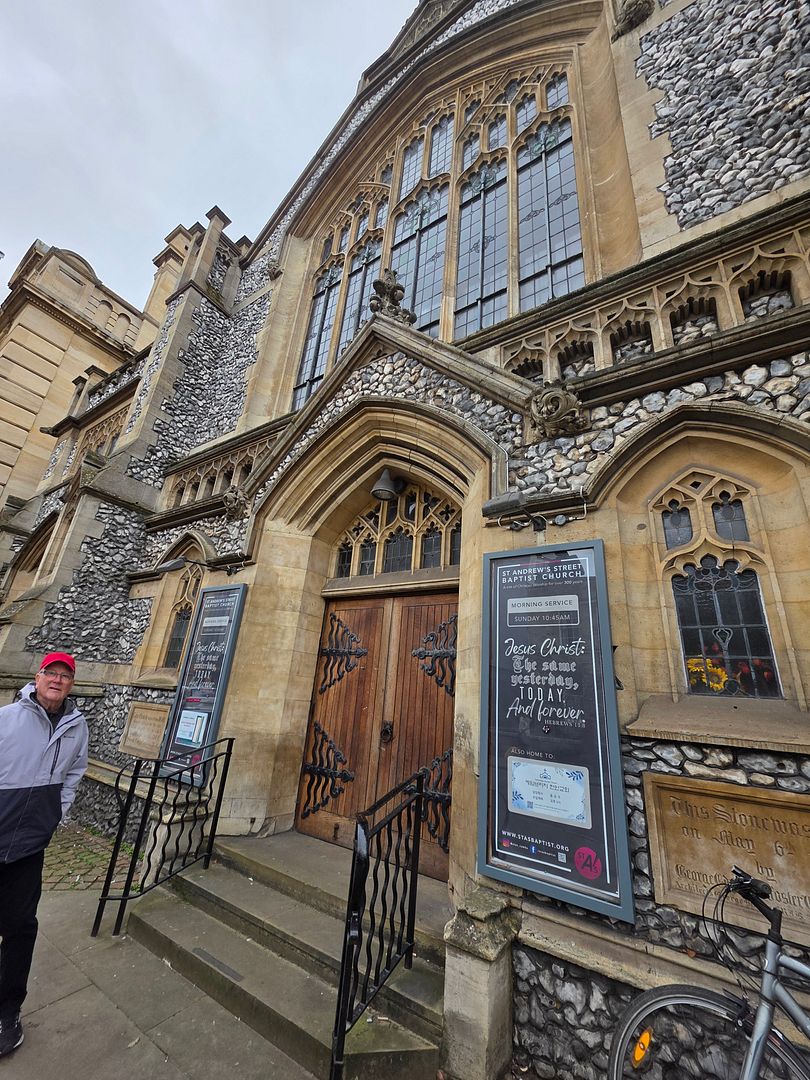
I loved walking in a town with Jesus Lane, All Saints Passage, Jesus Green, Trinity Lane, Trinity College, Christ College, Emmanuel College, Jesus College.
Such rich history and foundation of Christianity in the past. In the present day you wonder how many students have an inkling of all of this.
As is always the case, we came, we wandered, and in no way did we see all there is to see or learn all there is to learn. We are grateful for what we did see and what we did learn. Time will tell if we will ever return.
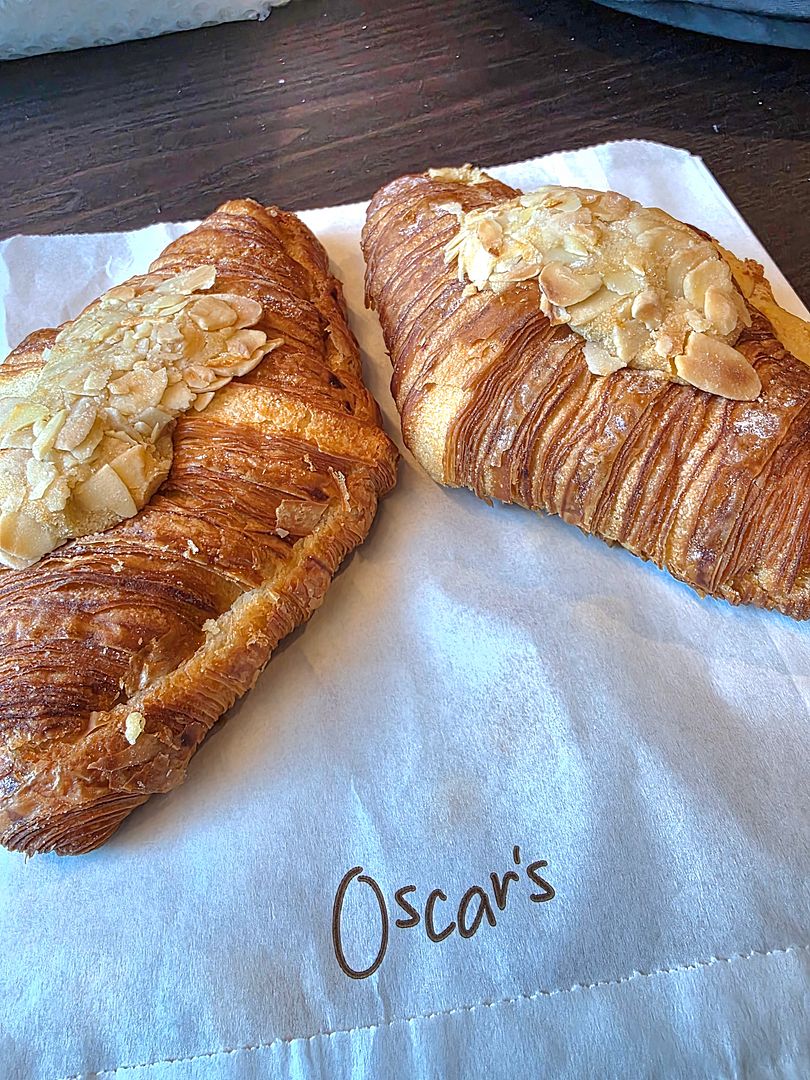
Our bus ticket was for 9:20 on Saturday March 14th. We were up early and had our showers and were all packed up and ready to go. I went down to the lobby to see what pastries were available to purchase to have with our coffee. The almond croissants were huge. (One would have been good to split) March 14th happens to be my birthday so the hotel manager of the morning gave us two on the house!
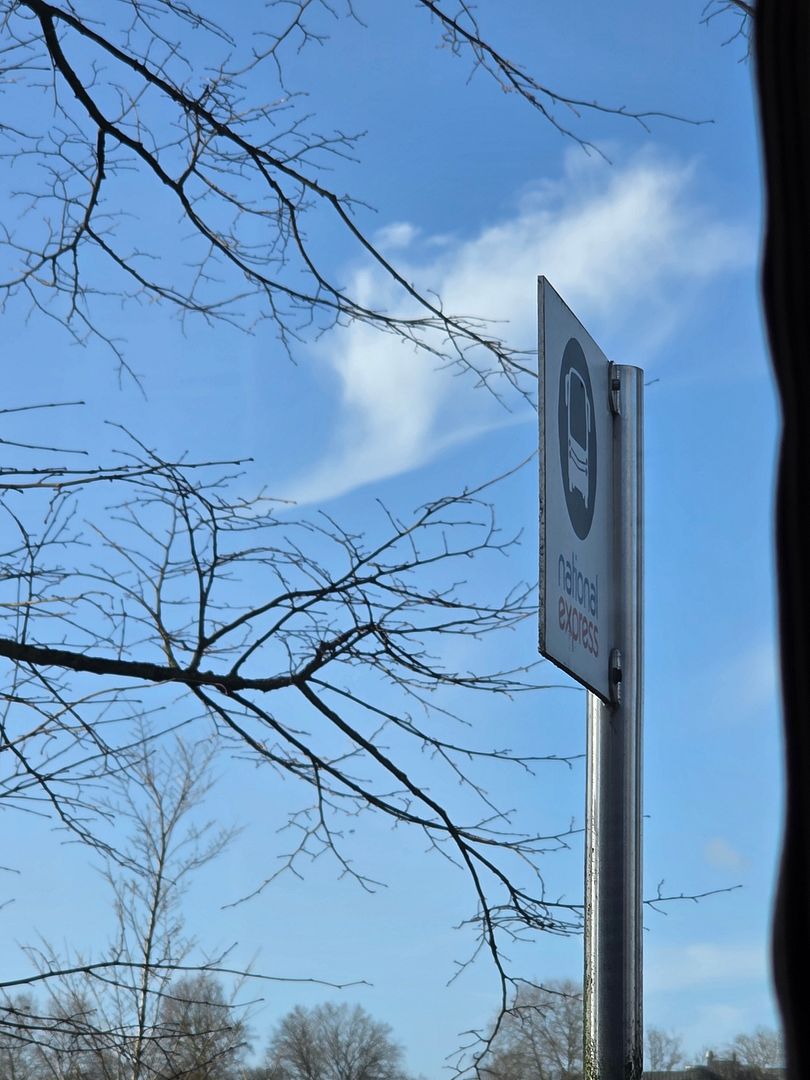
Our taxi got us to the National bus stop on Parkside and we were off for our 2-1/2 hour bus ride to Heathrow Airport.
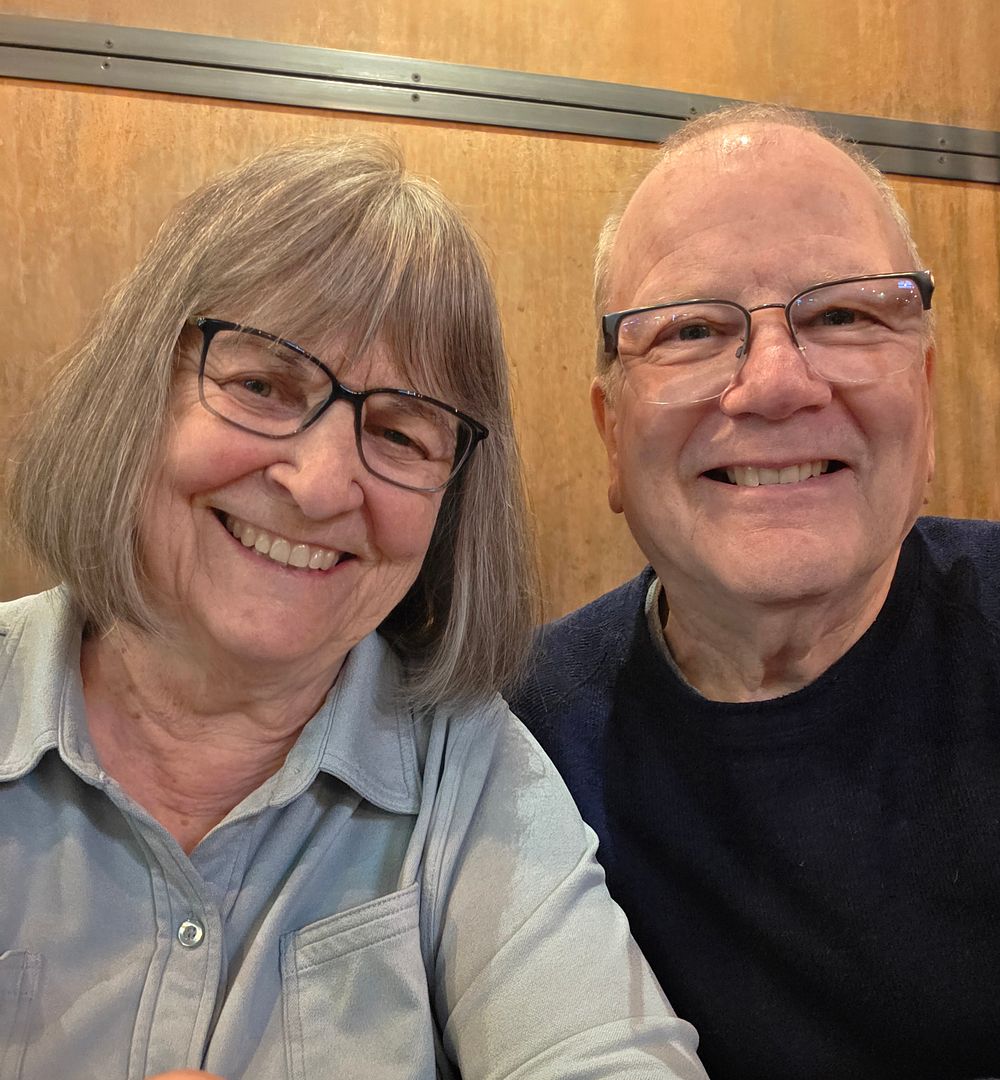
We had time at the airport to enjoy a bite to eat before boarding our plane for our 11+ hour flight home. One weird thing about our boarding was that we were bused to the plane and had to climb up the stairs to board. Thinking back on that, we should have asked for assistance with our carry-ons! (Being over 70)
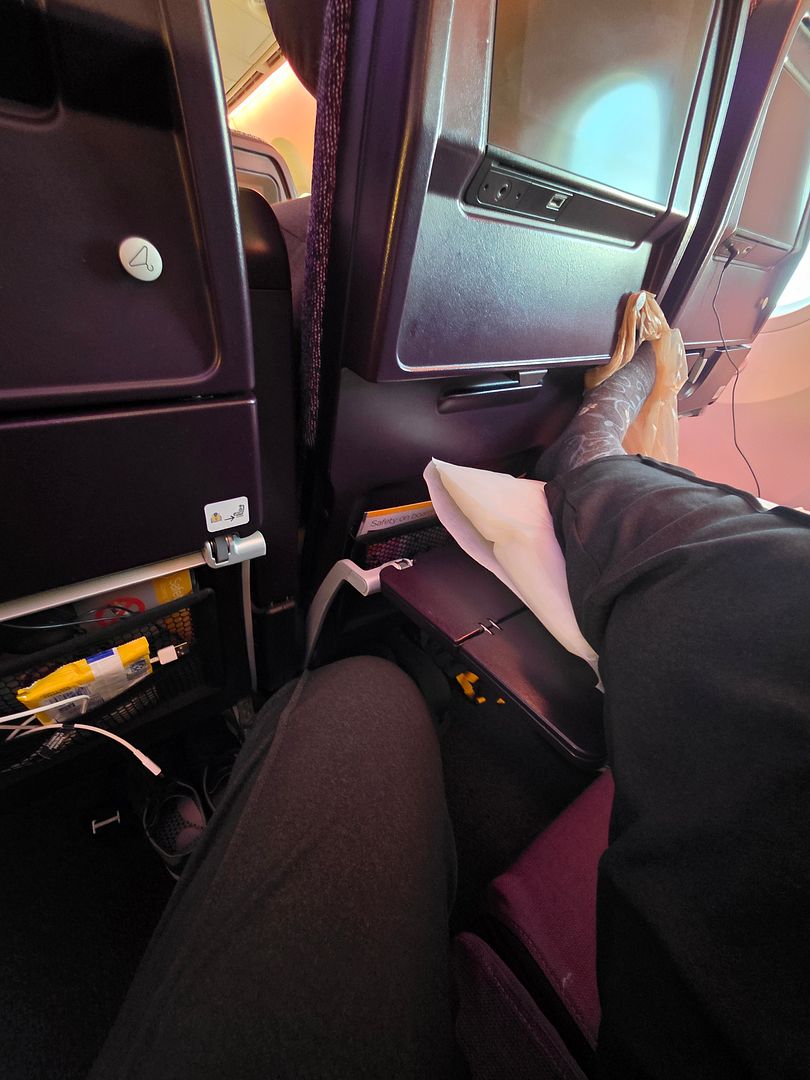
Woohoo! We had a window row to ourselves so we were able to stretch out our legs over the course of the flight. The attendants found out (I told them) that it was my birthday so champagne arrived almost immediately and then when we got off the plane in Seattle, a Happy Birthday announcement was made over the speakers. Arriving in Seattle, we went through customs and then waited for our short hop flight to Spokane.
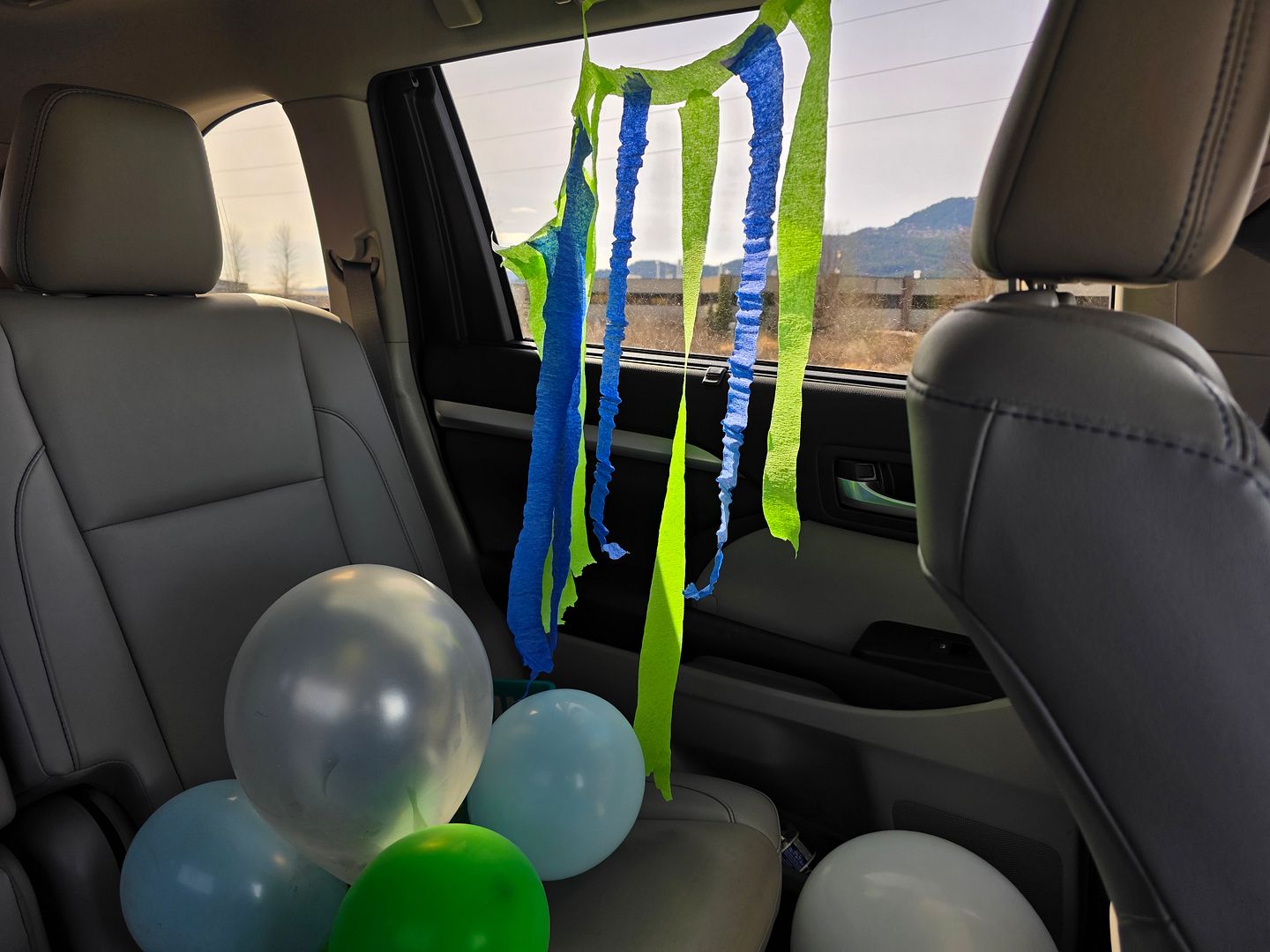
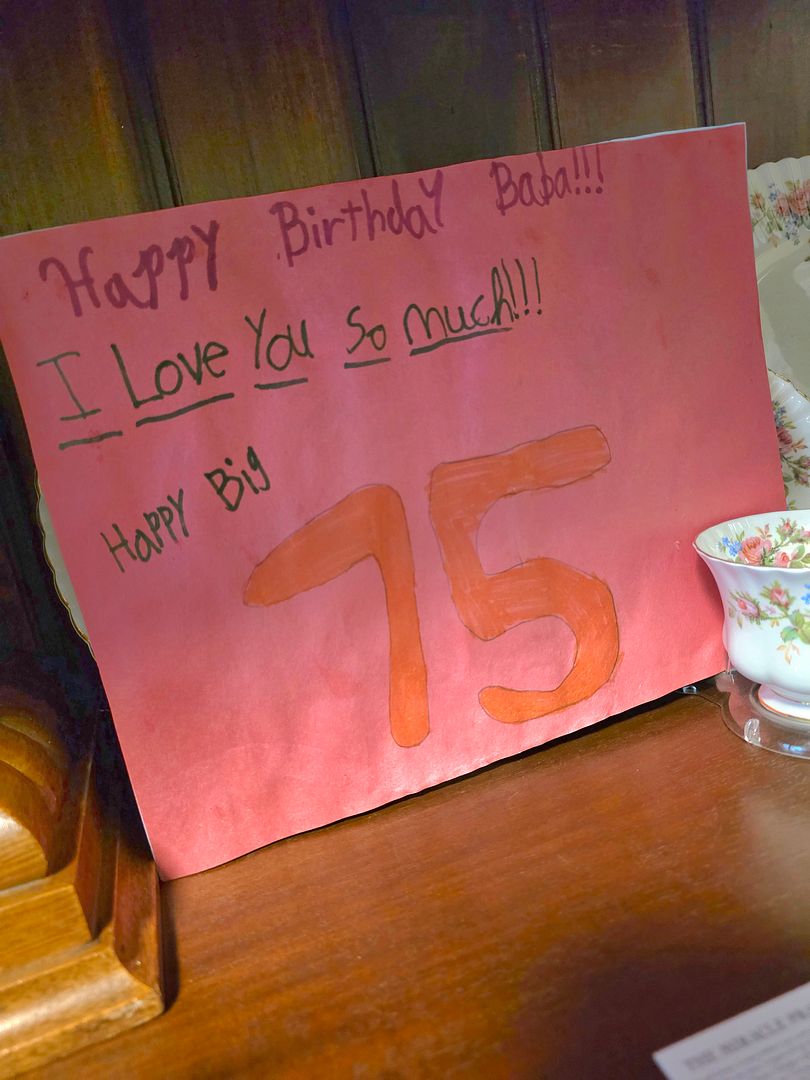
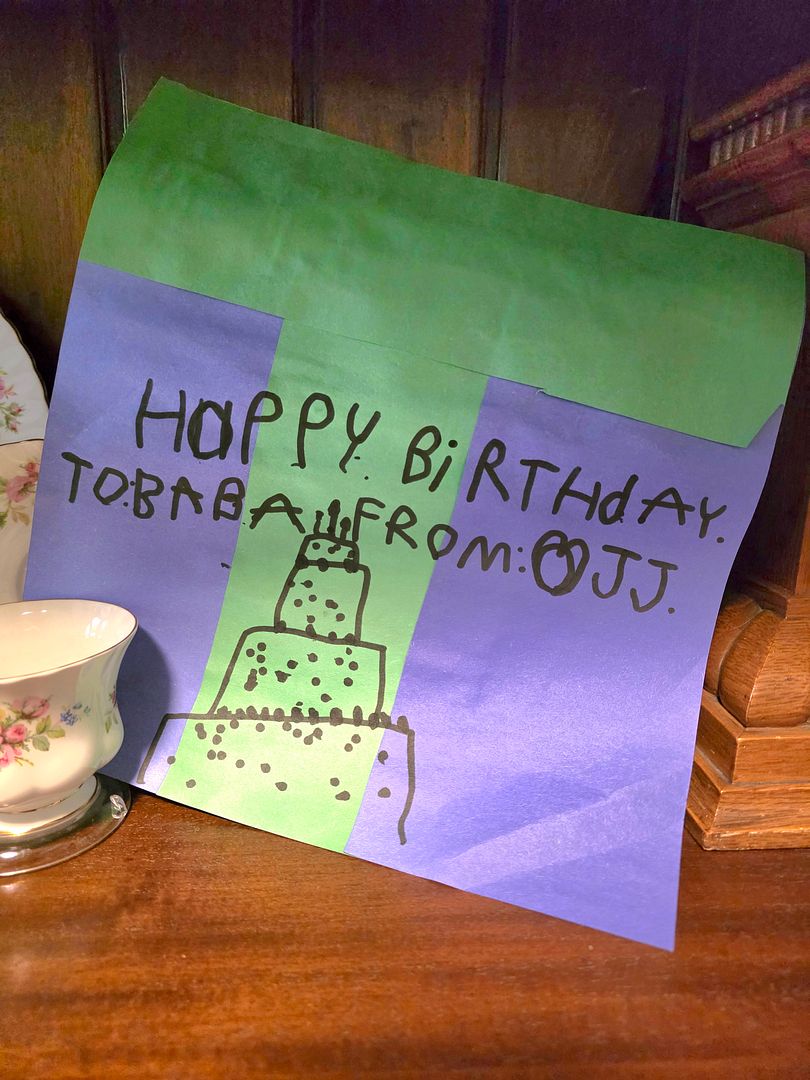
In Spokane, our son was waiting to drive us home with our car decorated and stuffed with balloons to wish me a Happy Birthday. Our Grands included these sweet cards.
And that my friends, is the end of this travel story.
Life goes on and the ordinary continues and we thank God for that, too.