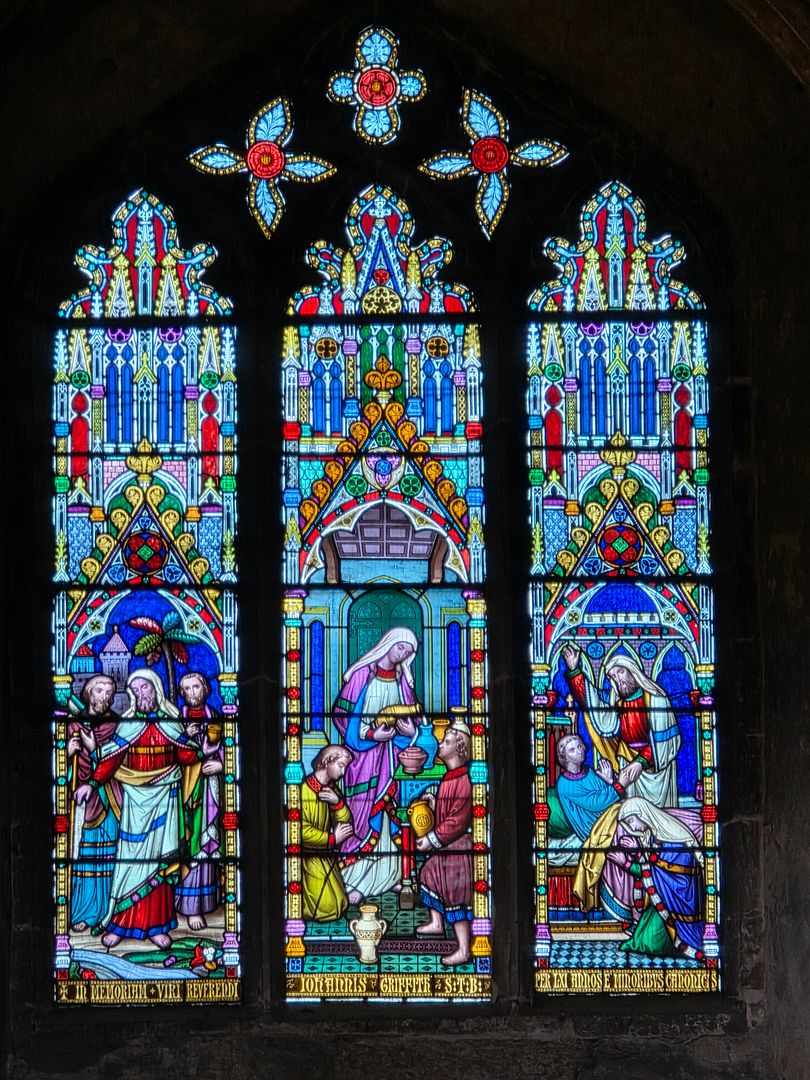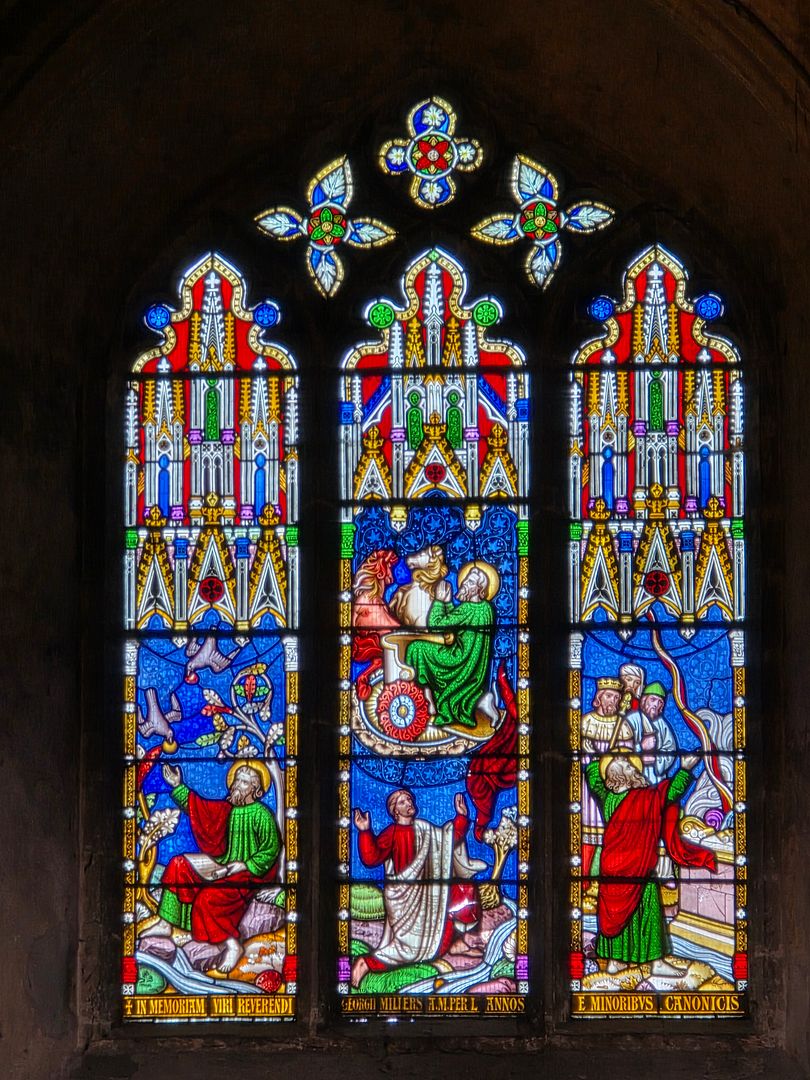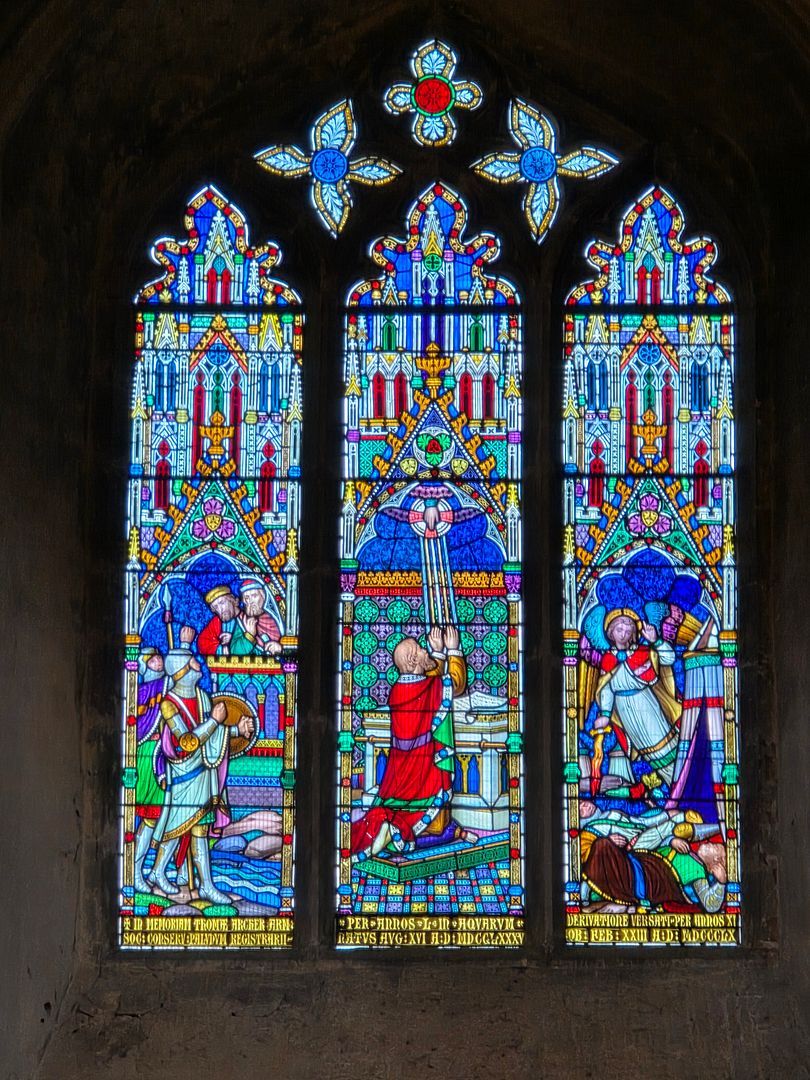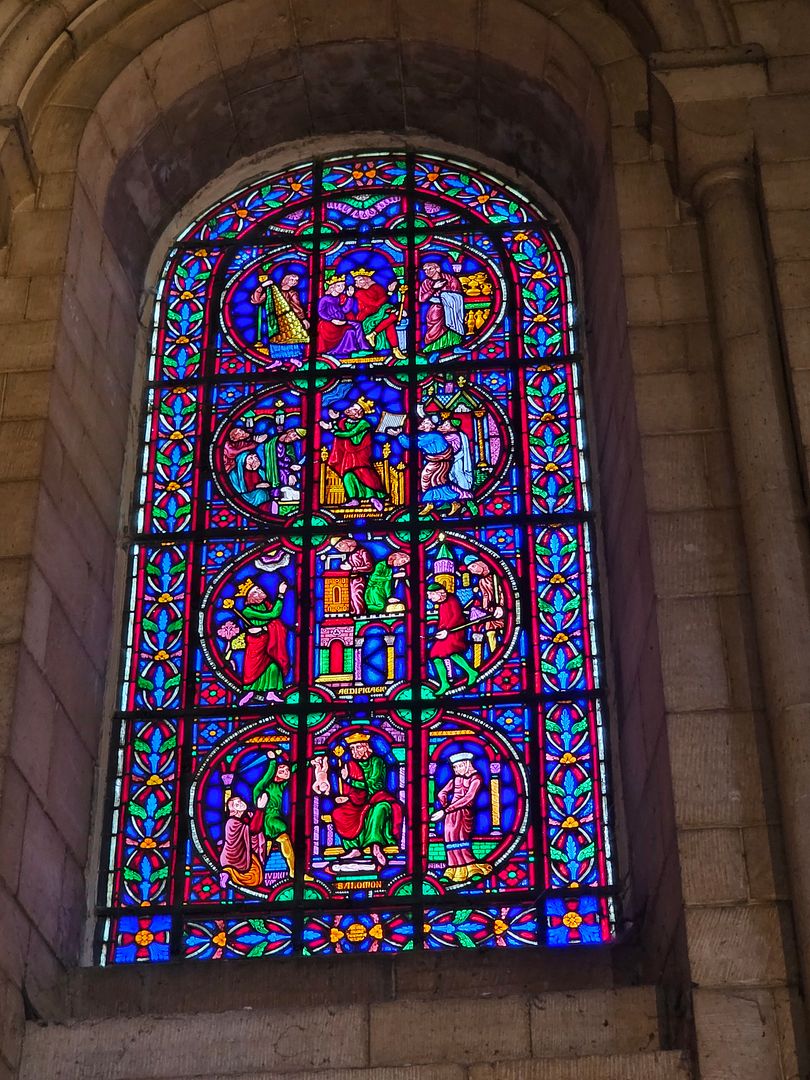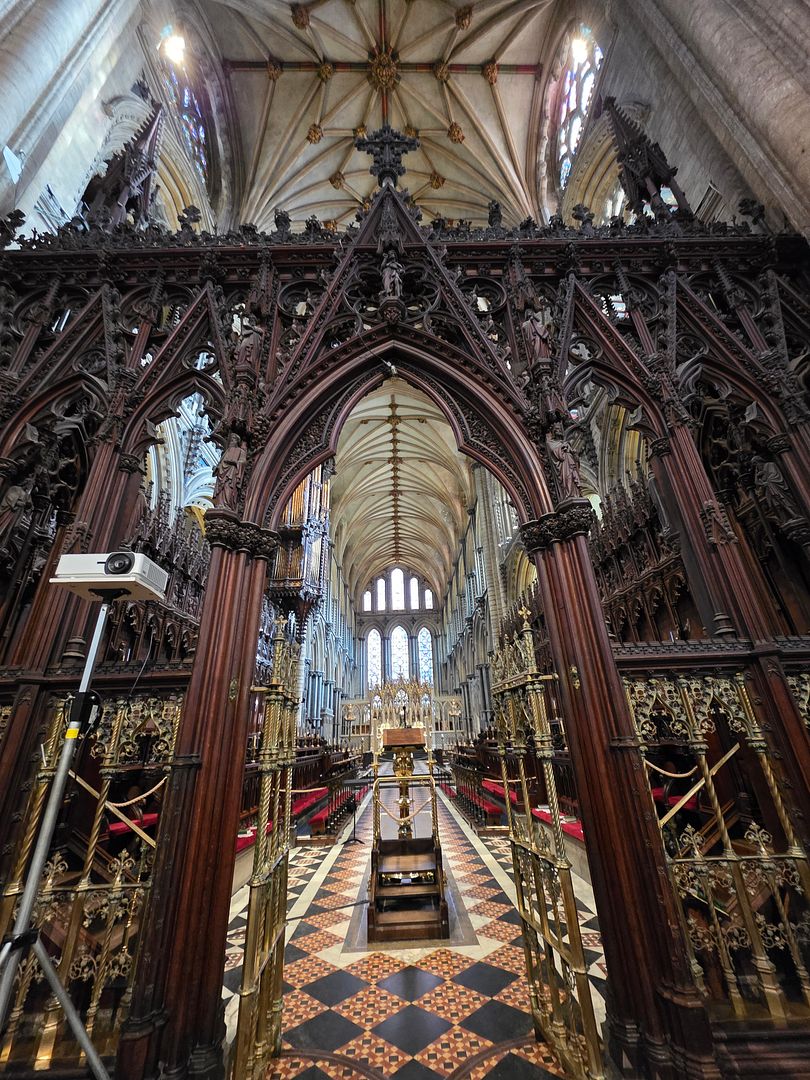
Vienna Part 3 ~ St. Stephen’s Cathedral

After our carriage ride on Thursday March 5th we followed our tour guide to the center of the city ending our tour with St. Stephen’s Cathedral. In the first photos below you can see the steeple of the church.

This was a very busy central section of Vienna with shops and restaurants and cafes.

A different reminder of what Austria and Vienna are famous for. Later in the evening of this day we would be attending a concert at the House of Strauss.

St. Stephen’s Cathedral is not only Austria’s most important Gothic building. The Steffl, as it is affectionately known in Vienna, is much more than that. It is a landmark, a symbol of identity and synonymous with the reconstruction of the Republic after the Second World War. Construction of St. Stephen’s Cathedral began in the 12th century and its interior changed repeatedly over the centuries until it was finally given its current Baroque appearance. The tallest of its four towers is the south tower at 136 meters. The tower room, from which there is a gigantic view across Vienna, is reached via 343 steps. A total of 13 bells hang here. However, the best known of them, the Pummerin, hangs in the 68 meter-tall north tower. It is the second-biggest free-swinging chimed church bell in Europe.

I added a link to the details on the roof.

On the roof of St. Stephen’s Cathedral, colorful roof tiles were laid to create the Royal and Imperial double-headed eagle and the coat of arms of the city of Vienna.

At this point our guide left us on our own for a time before she would return and meet us to take us back to our bus stop for the return to the boat.

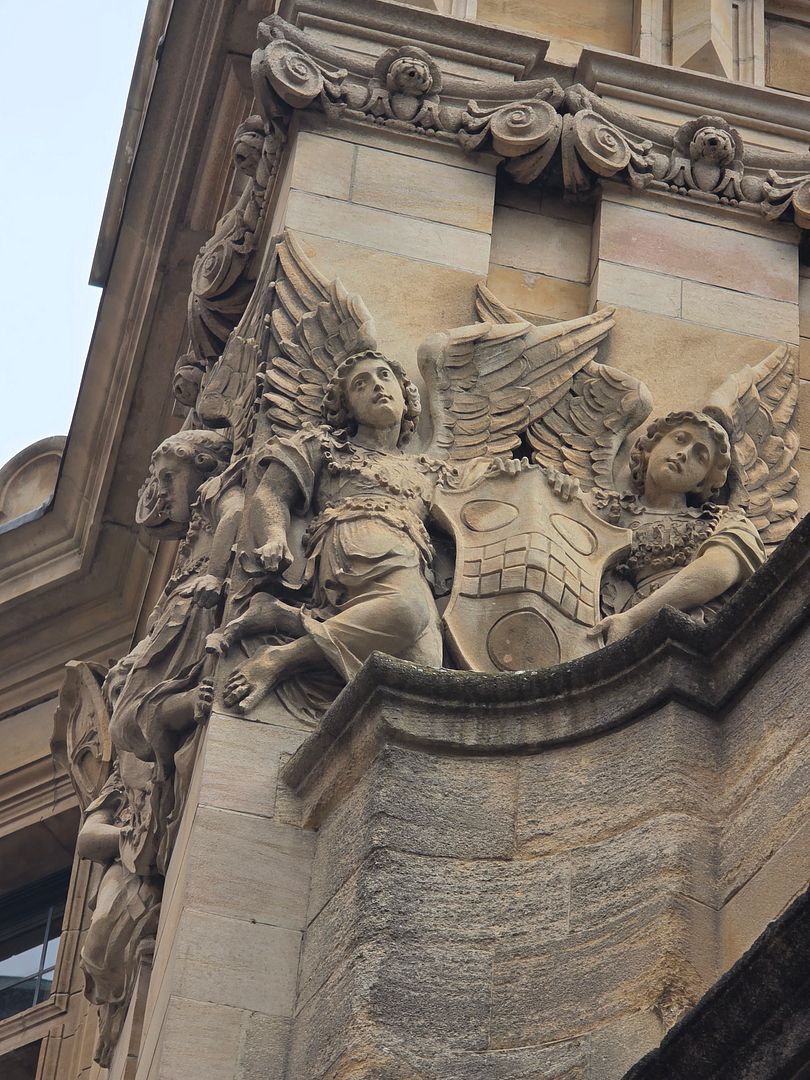
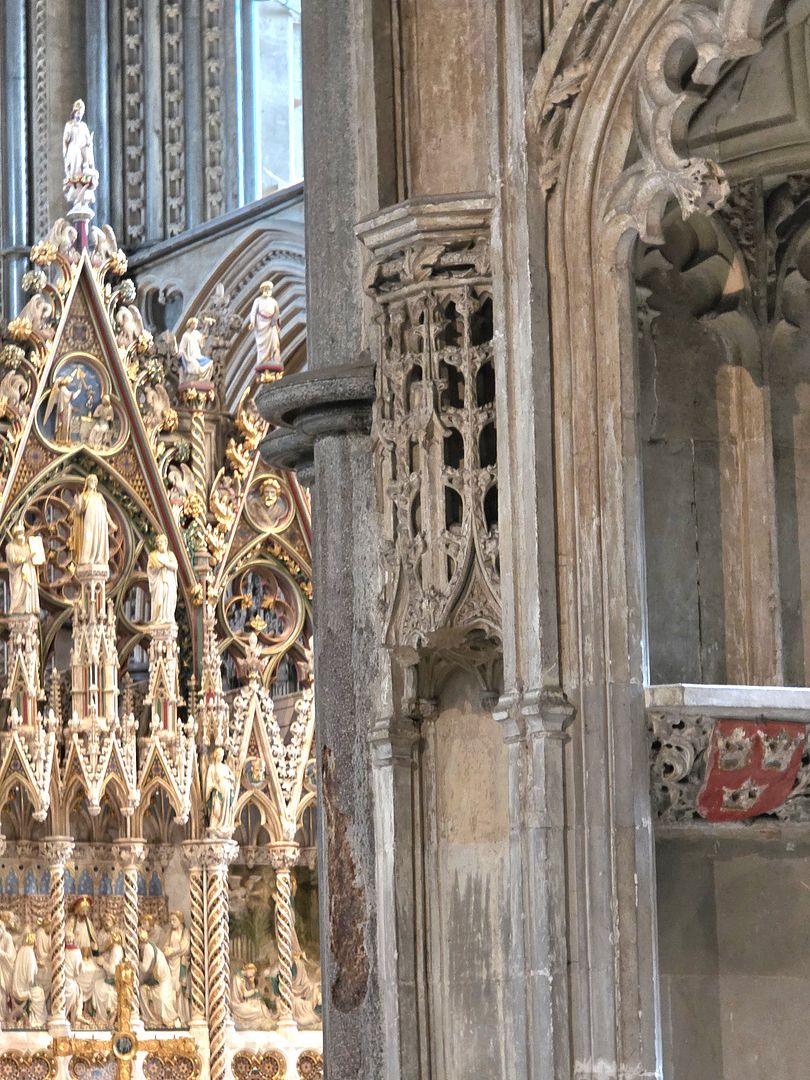
So many statues and gargoyles on the outer walls of the cathedral.

From a video by Rick Steve’s on St. Stephen’s Cathedral,

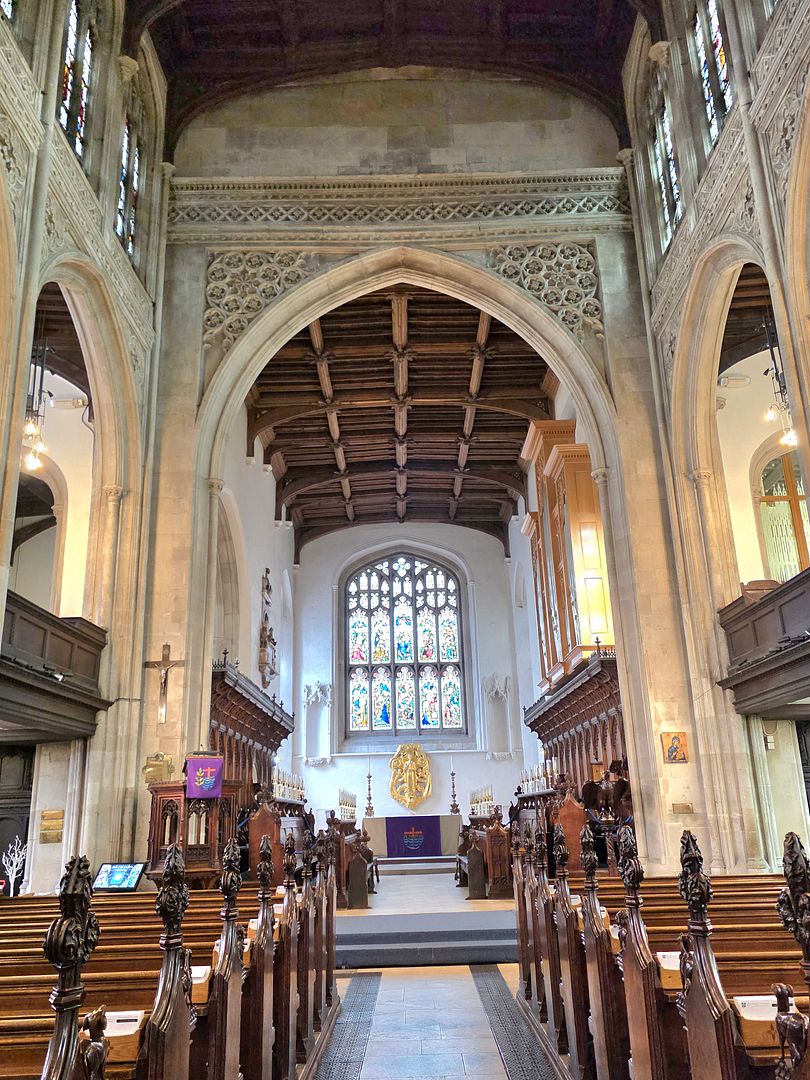
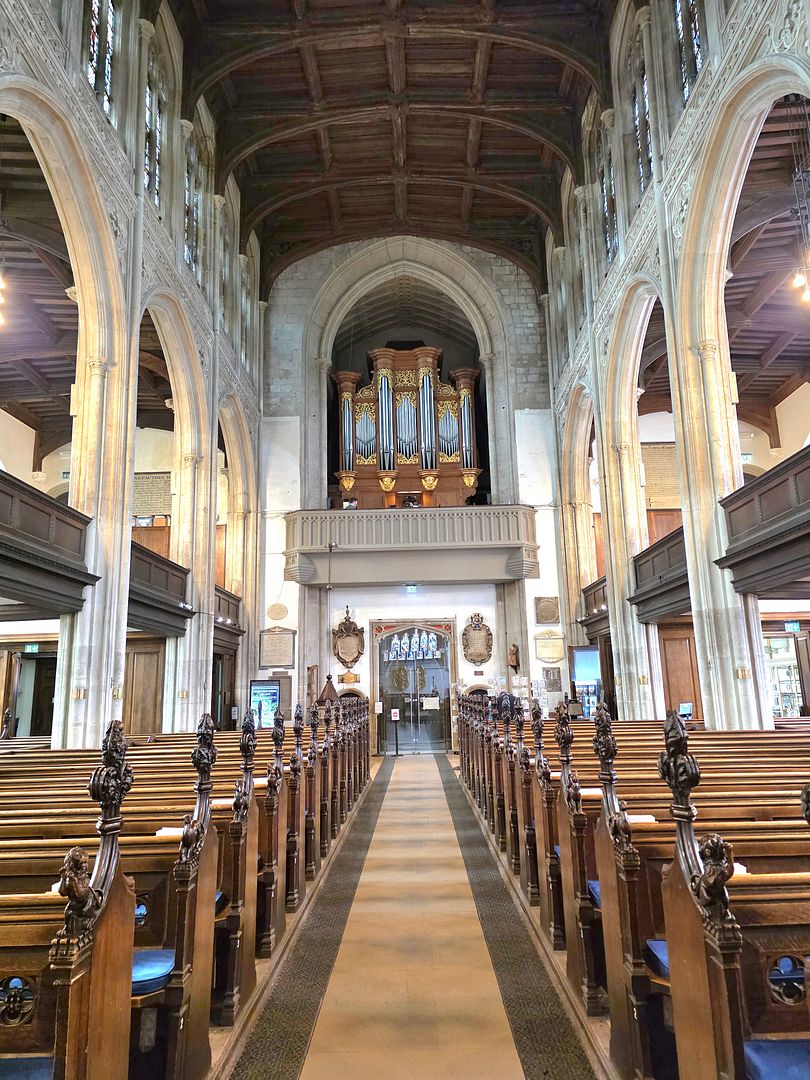
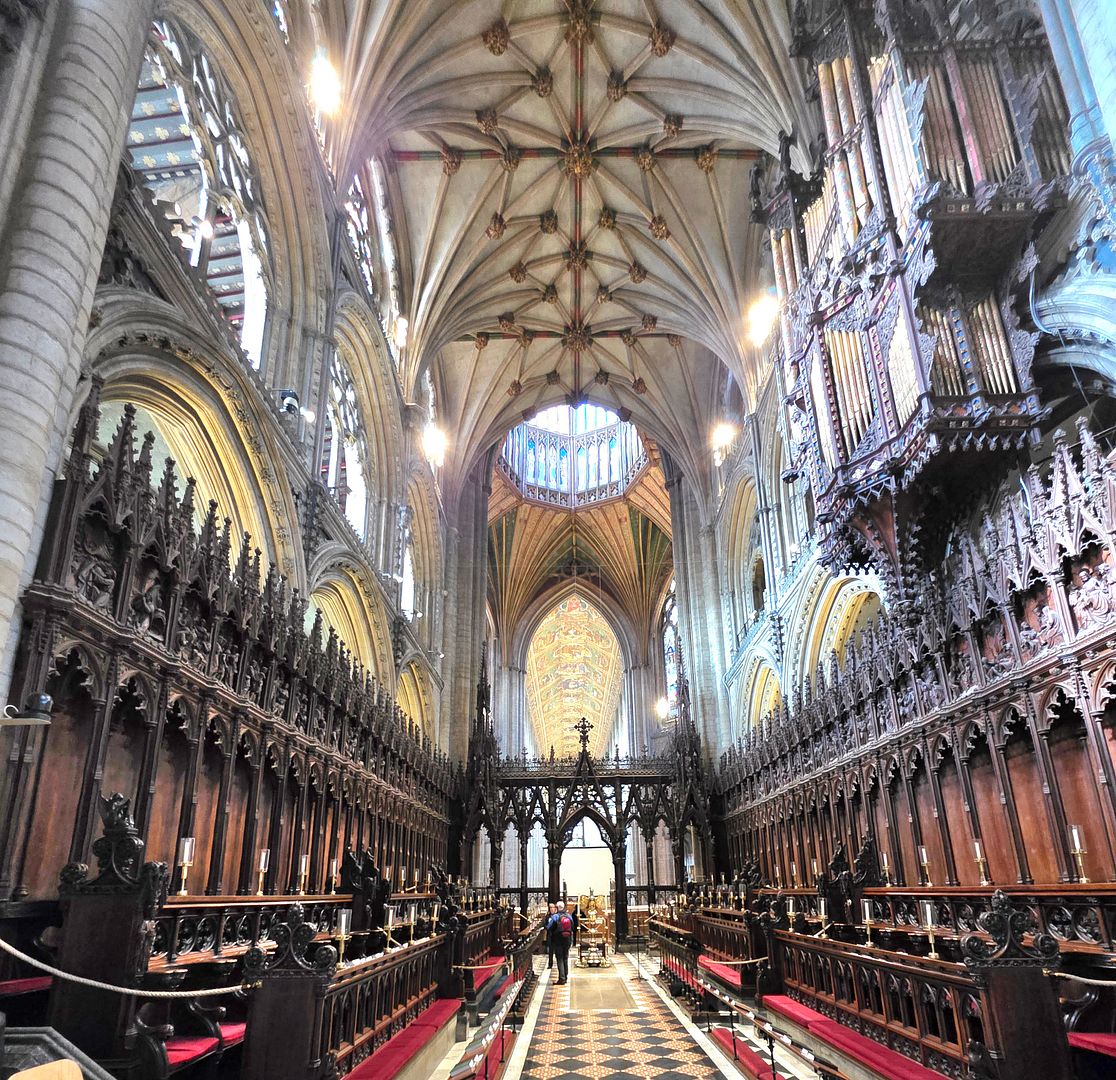
The ornate nave is Gothic with a Baroque overlay. While the columns support the roof, they also tell a story. Richly populated with statues, they make a saintly parade that leads right up to the high altar…

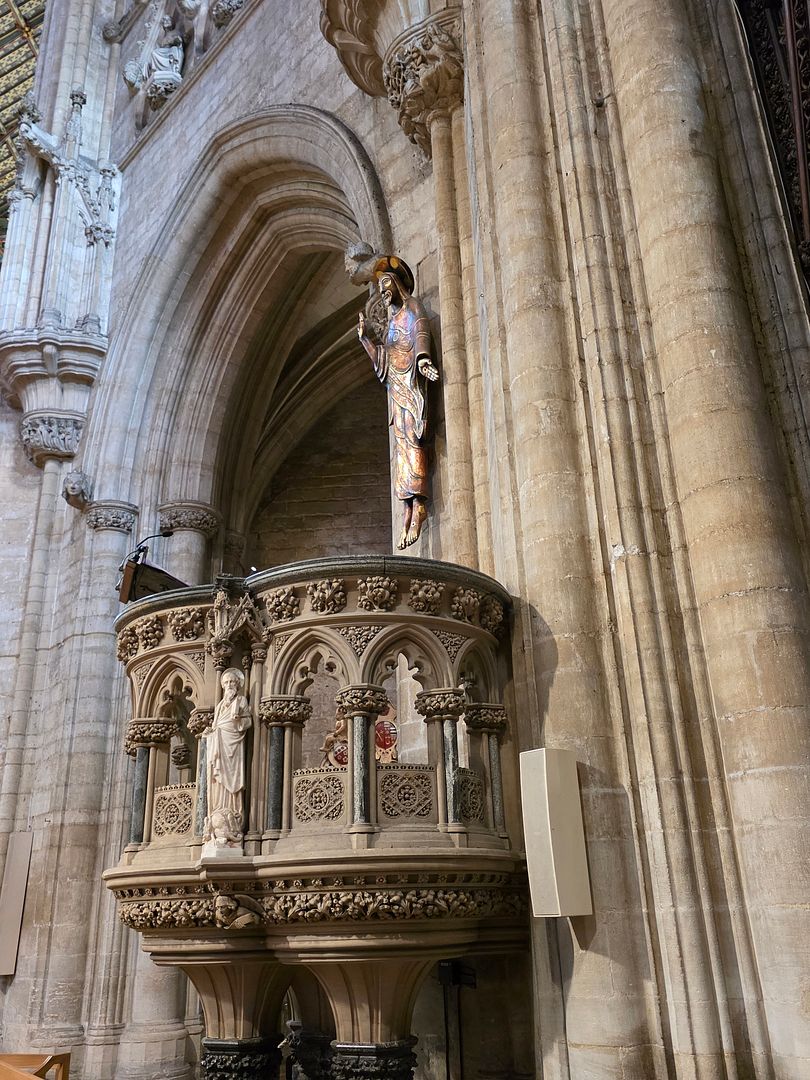
The Gothic pulpit, carved from sandstone, is a masterpiece.

I took this photo of the painting but I could not find a description anywhere. Is it supposed to be Stephen?

This code ‘O5’ is placed at the right side of the main entrance of St Stephen’s Cathedral. It was the code of an Austrian resistance group during World War II. It stands for Ö (Österreich) built by O and the 5th letter of the alphabet (= OE).

Originally the code was just painted but after World War II it has been engraved and covered by a transparent plate.

On the way back to our bus stop we saw another interesting plaque.

President John F. Kennedy met Soviet Premier Nikita Khrushchev in Vienna, Austria, on June 3-4, 1961, for a 2-day summit aimed at easing Cold War tensions. The meeting was contentious, with Khrushchev bullying the new president, particularly over the status of divided Berlin. The summit failed to produce agreements, leading to heightened tensions.

Kudos to guides who know about these details in cities because most probably on our own we would miss them totally.

There are so many churches in Vienna that I would have liked to visit.

This was another beautiful winter day on our river cruise.

We made it back to the bus and back to the Danube where the AmaMagna was docked. On this night we would have an earlier dinner because we were booked for a concert in the evening at The House of Strauss.


Český Krumlov ~Part 2

Continuing our time in Český Krumlov on Wednesday March 4th, after we broke off from our tour group we made our way to the Tavern of Two Maries.

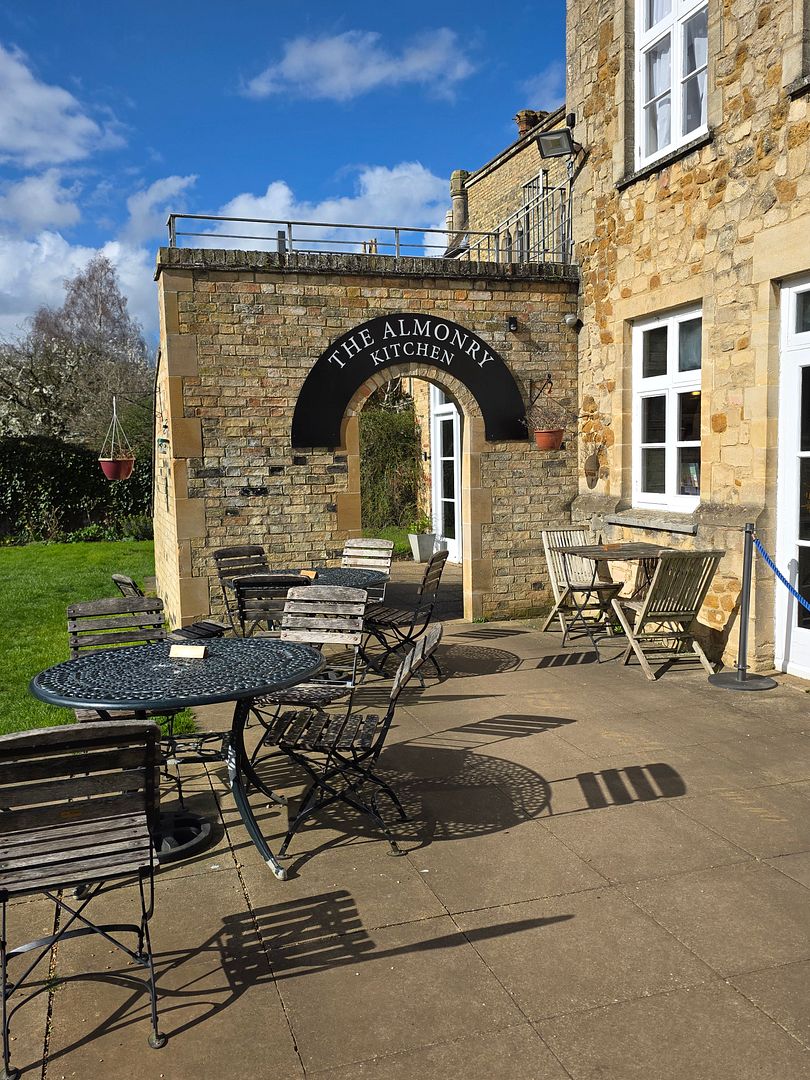
This short door on the left side was the entrance to the Tavern. We opened the door hesitantly.

There was no welcome party as we entered, in fact we wondered if they were open. As we considered which way to turn a tall woman appeared and pointed us upstairs, upstairs. We went all the way to the top and then she caught us and pointed downstairs. We had gone up one floor too many.

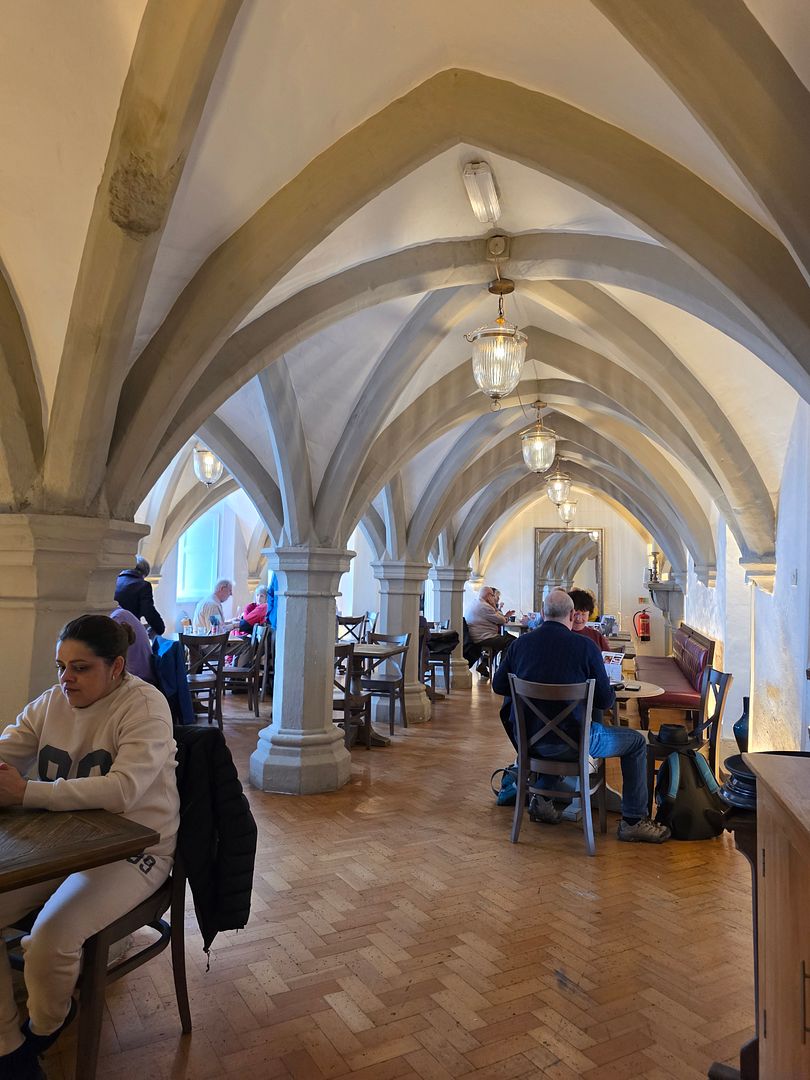
Whew! We made it into the wall of tapestries dining room.

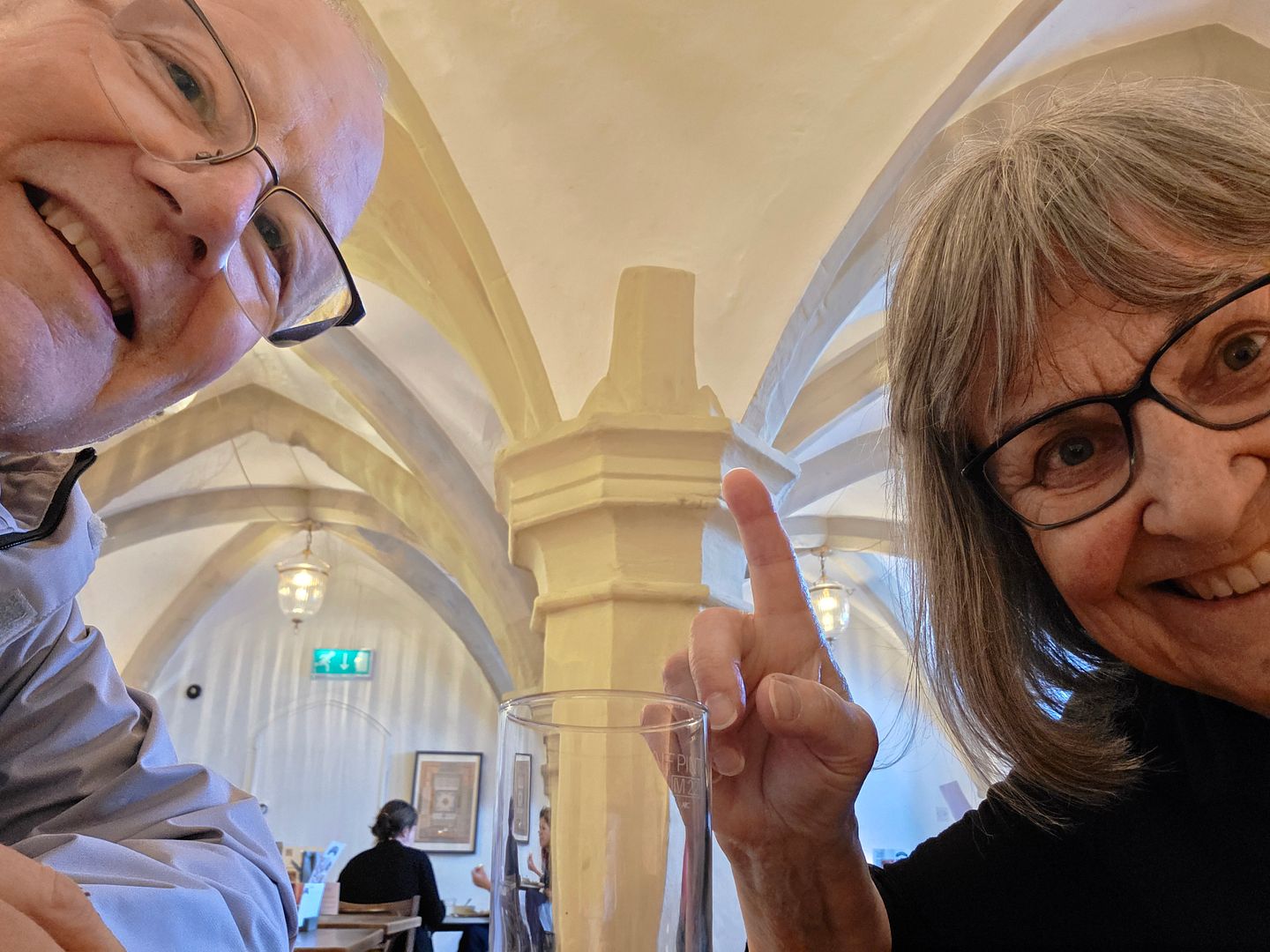
I’m never quite sure what to do with my hands when posing for a photo.

The two gals sitting behind us were also from our cruise and this encounter was the beginning of a few more where we would look at each other and say, “Great minds think alike.” We found out over lunch that these two were friends from their youth. Their mom’s were best friends and their moms had taken this cruise in the past and they decided to join up and do this very cruise in honor of their moms who since were both deceased. What a sweet journey they were on. One of them lives in Oklahoma and the other in Colorado.

Our tour guide suggested ordering the Feast but to make sure we only ordered one and it would be plenty to share. We ordered the Old Bohemian Feast for one with rabbit meat.

Two house beers, a light draft and dark draft.

After lunch we first headed to the main square to get our bearings for where we would meet up with the tour group again for our departure.

Just as we imagined, it was not difficult to find the main square, Svornosti, in old town.

At the heart of the Old Town is the main square, lined with a mix of Renaissance and Baroque homes of burghers (all built on 12th-century Gothic foundations). Lékárna, with a fine red Baroque facade on the lower corner of the square, is still a pharmacy, as it has been since 1620.

The main artistic landmark of the square is the plague column topped with the statue of the Virgin Mary and eight saints, the patron saints of the town and believed protectors against plague. In the upper row there are statues of St. Wenceslas, St. Vitus, St. John Evangelist, St. Judas Thaddeus, and in the lower row St. Francis Xavier, St. Sebastian, St. Gaetano and St. Rochus.

The wind aided temps at this point to drop and we decided to try to find someplace for warmth and a hot drink. We ended up at a counter service for sweets and decided on hot chocolate for our drink and a couple sweets for the road. Heading back to the square we saw St. Vitus church and decided to climb up the stairs for a visit.

Church of Saint Vitus is a Roman Catholic church in Český Krumlov, Czech Republic. It is dedicated to Saint Vitus. It is an important late-Gothic monument built in 1407–1438, with later modifications. In 1995, it was declared a national cultural monument.

In our travels we visit lots of churches and I share photos from them. I can appreciate the history and the art but to be clear, although I love my Roman Catholic friends, my Christian faith differs in practice and beliefs with regards to assurance of salvation, authority of scripture, communion, prayer, intercessors, Mary, Saints, authority of the Pope, etc.

After our walk through this church we made it to the old town square to meet up with our guide and walk back to the bus for our journey back to the Danube (Grein) and dinner on the boat. Before dinner we gathered in the Lark Bar and Lounge for a briefing on our time in Vienna. The AmaMagna would leave this port for Vienna at 9:15 PM. Our arrival in Vienna would be at approximately 2pm on Thursday the 5th of March.

Tiny Tiger is Seven

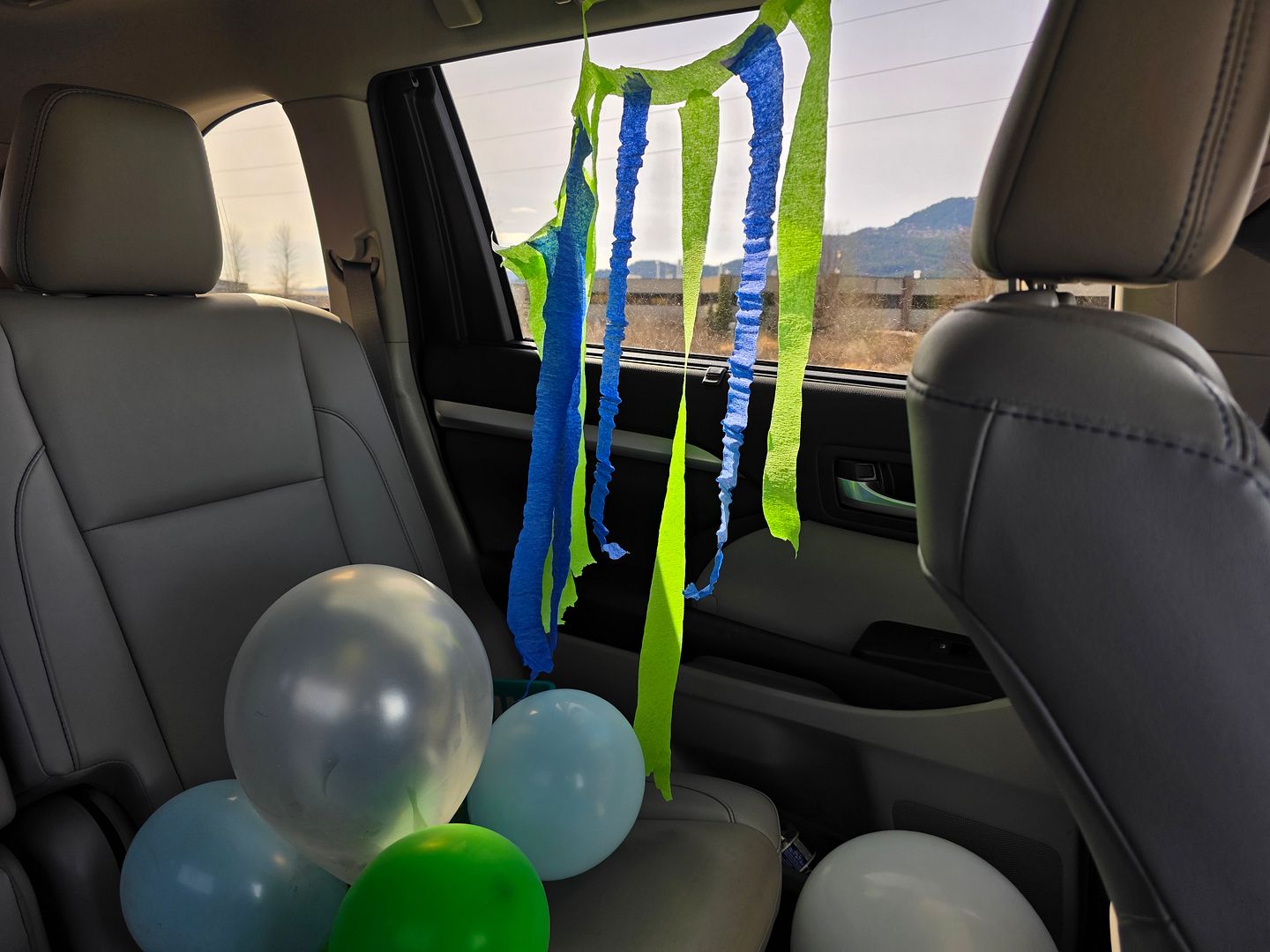
All the usual suspects gathered for JJ’s Taekwondo/Korean themed birthday party on Saturday at noon. Another amazing cake with a green stripe belt in honor of JJ’s promotion that his mom created.

Two pros helped all of us tie our belts.

JJ showed me his moves.

The food was Korean themed.

JJ enjoyed opening all his presents and he didn’t forget to thank each one of us for his gifts.

There was a high kick contest! I won for low kick!

Last but not least, our Taekwondo pro taught us the 14 moves he is tested on. Everyone was a good sport but none of us got a prize for doing this correctly.

We had glorious sunshine and blue skies for our celebrations.

We moved on to our home for dinner and another birthday celebration.

We celebrated Andrew and by the way, he won high kick earlier in the day!

The weather was beautiful and there was a lot of fun playing ‘tag’ out doors.

We slowed down long enough for a family photo but then played games into the night. We all met up at church on Sunday morning and Addy played a special number during the service, Unashamed by Matthew West. I’m adding the chorus below.

I’m unashamedOf the gospel of Jesus ChristAnd the truth that changed my lifeFor the name above all namesI’m unashamedAnd I will live my faith out loudTake a stand and stand my groundFor the One who took my shameI’m unashamed

After church we all went to our own homes. For some that meant 5-6 hours on the road. Another wonderful weekend celebrating together. We don’t take that for granted.

The weather on this Monday is supposed to be unseasonably warm. We have a couple teens coming to help with our windstorm yard clean-up!

I hope your weekend was good and peaceful and that your Monday is starting out well.

Scenic Sailing Wachau Valley

On Tuesday March 3rd we had scenic sailing all morning in the Wachau Valley. This is an UNESCO Heritage site. We cruised by small villages, churches and terraced vineyards. This is some of the more beautiful stretches of the Danube.

It would be more colorful and lovely in a different season of the year. Early March is still winter and can be quite stark.

This was a confusing traveling day, I missed the fact that we had sailed past Vienna but then watched as we sailed past Krems and then while we were touring the boat came back to Krems to dock before sailing back to Vienna.

We docked in Weibenkirchen for a short time. Our final docking on this day would be in Melk.

This little village was pretty sleepy with few shops and of those shops, nothing was open. I’m guessing they cater to late Spring and summer traffic. On this day we were bussed to Durnstein for an hour visit of this village and then to the Benedictine Melk Abbey overlooking the Danube. Those excursions will be another post.

While we were on those excursions the Magna sailed on to Melk where we met up after our tour and had dinner.

Bratislava, Slovakia

On Monday March 2nd, we were up early and the views along the river were moody until the sun broke through. We had sailed all night and into the morning. It was 140 miles from Budapest to Bratislava. We passed through the largest lock on our journey, Gabcikovo Lock & Hydroelectric Powerplant. We wouldn’t arrive to Bratislava until after lunch.

We are in the lock in this photo.

We were recuperating from our rude wake up call because of the fraud on our credit card.

We decided on having lunch in Jimmy’s Restaurant on this day.

We had signed up for Tastes of Slovakia excursion but decided against it since we docked early and we didn’t want to have to come back to the boat to join the excursion.

Bratislava is the capital of Slovakia. It was a short distance from the vessel. We enjoyed the old town and then were on a quest to find the Bratislava Flagship Restaurant, which proved to be a little difficult to navigate.

We headed to Michael’s Tower and Gate.

Of the original four gates to the original city walls, only the northern Michalská gate has been preserved. It was completed in the 14th century. It was named after the Gothic church of St. Michal, which was located before the fortification and was demolished in the 16th century during incursions of Turkish troops. Since its creation, it has been extended several times until it got its final appearance in the 18th century, shortly before almost all of the city’s fortifications were demolished.

The Statue of St. Michael the archangel with the dragon sits on top.

In the head of the statue, there is a time box from 1758.

Other statues caught my eye.

Along our haphazard journey we saw the Church of the Annunciation.

The Franciscan Church is the oldest existing religious building in the Old Town of Bratislava. The church was consecrated in the year 1297 in the presence of King Andrew III of Hungary. In the past, the church building served for larger gatherings of townspeople or Hungarian nobles.

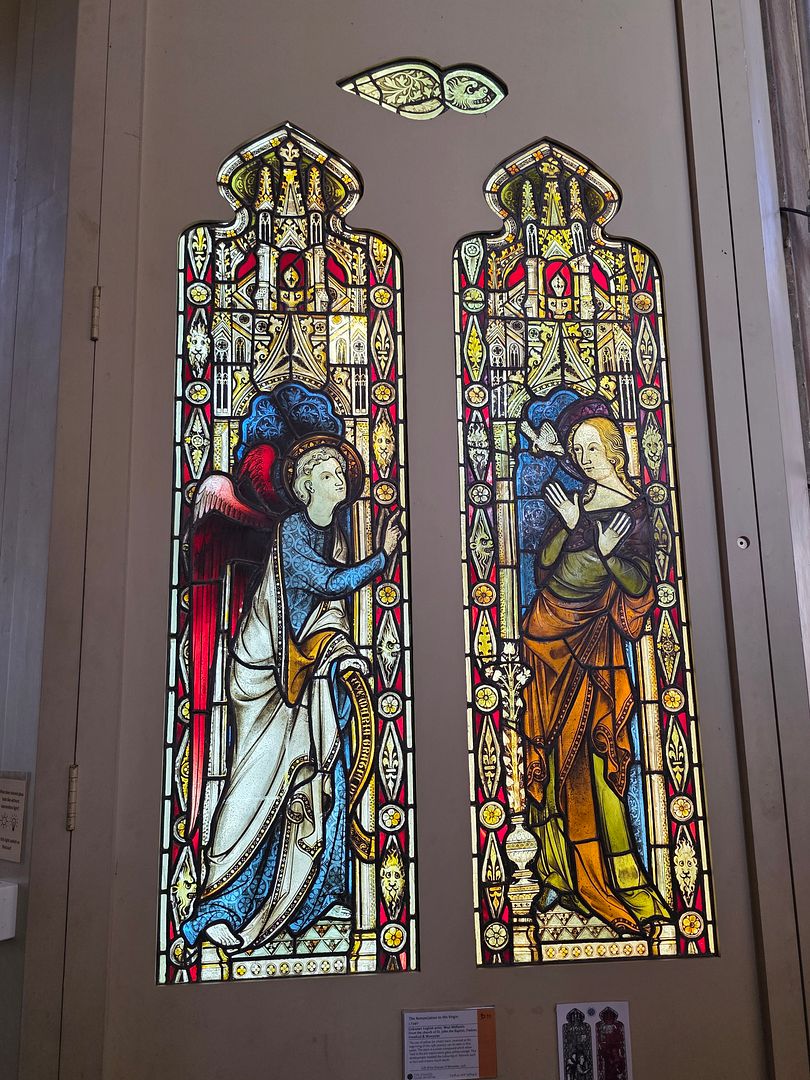
Stained glass window depicting the Annunciation, The Angel Gabriel foretelling the birth of Jesus to Mary.

We continued on our way…

We thought this might be our destination, but it wasn’t. There was an amazing looking bakery here and we were too focused on our quest to buy something.

Finally we found the correct entrance to this 18th century monastery and theater that houses the Bratislava Flagship Restaurant.

We followed the signs.

Up the stairs? Yes, up the stairs.

We sat in this space next to the bar below at a community table. This part of the building was a theater. It also has history as being a hospital at some point in time. On what was possibly the stage of the theater is a huge clay model of Bethlehem.

We were exhausted at this point from the zigzag course we took to get to the restaurant and were happy to have these two mugs set in front of us. These were their signature brews.
The cold brew in these dimpled glass beer steins were appreciated. There were two other folk sitting at the other side of the table, a father and daughter from Ireland. We had a nice conversation with them.

Reading a little about Bratislava before we arrived had me curious about what people called the Blue Church. That was our next quest on the way back to our boat.

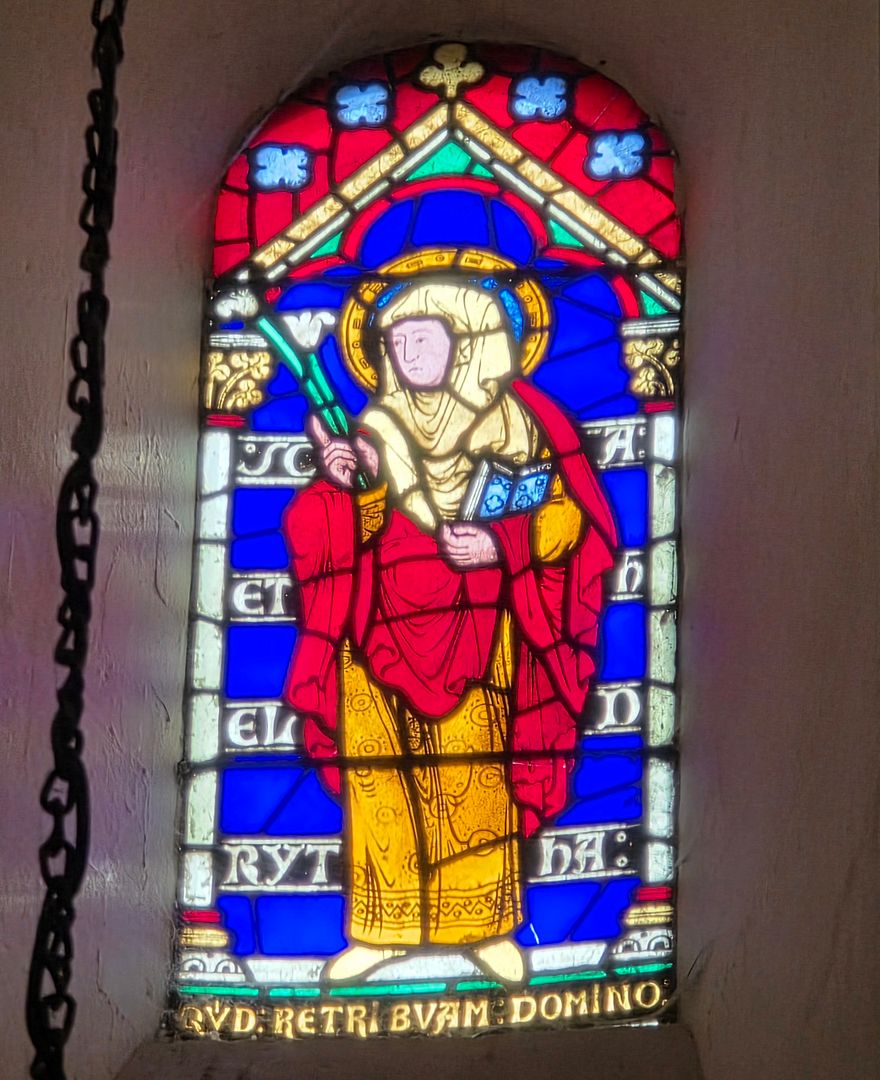
The Church of St. Elizabeth, commonly known as Blue Church, is a Hungarian-Secessionist Catholic church located in the eastern part of the Old Town in Bratislava, present-day Slovakia. It is consecrated to Elisabeth of Hungary, daughter of Andrew II, who grew up in the Pressburg Castle.

Constructed in the early 20th century, it was built during a time when Art Nouveau was at its peak in Europe. The church is named after St. Elizabeth of Hungary, reflecting the town’s historical ties with Hungarian culture.

The church, consecrated in 1913, is known for its fairytale appearance and is often regarded as one of the most unique examples of early 20th-century religious architecture in Central Europe.

Mosaic of St. Elizabeth: Located above the gate, this 2.6-meter diameter mosaic depicts St. Elizabeth of Hungary and the “Miracle of the Rose.”

We were able to just get inside a little vestibule area with locked iron gates so we couldn’t walk in amongst the pews. I think Blue church is a very appropriate name for this gem. As you can see even the pews are blue. The walls are blue, too, except for the Altar area.

The painting depicts St. Elizabeth distributing food to the poor.

We made it back to the boat anxious for a restroom (TMI). It was not easy to find public restrooms in the European towns we visited and local currency was necessary for those public restrooms in most cases. We countered this problem for the most part with good timing for restaurants and museums, etc., where restrooms were available without cost.

Back on the boat I changed out my shoes for my slippers as my feet were yelling, especially my baby toe with a huge blister! It was nice to relax on the upper deck and watch the sun setting before our onboard Sip and Sail followed by dinner.

We would be cruising overnight to Krems in Austria-gateway to the beautiful Wachau Valley, known for vineyards and apricots!

Thank you for following along on our journeys from the beginning of March!

Easter Monday

We were in charge of the Easter Coffee Fellowship at our church for Easter Sunday. On Saturday we made a trip to Spokane to buy some of the goodies we would be serving. We had a very successful shopping trip at 6 stops.

Our first stop was at Kiev Market in Spokane and they were selling Kulich/Paska (Russian Easter Bread).

I knew it wouldn’t be as good as homemade but it was better this year than in previous years. After we dropped all the muffins, strawberries, yogurt and tulips off at church we had a quiet evening at home before our busy Easter Sunday.

I brought some of our outdoor daffodils inside to cheer up our kitchen space.

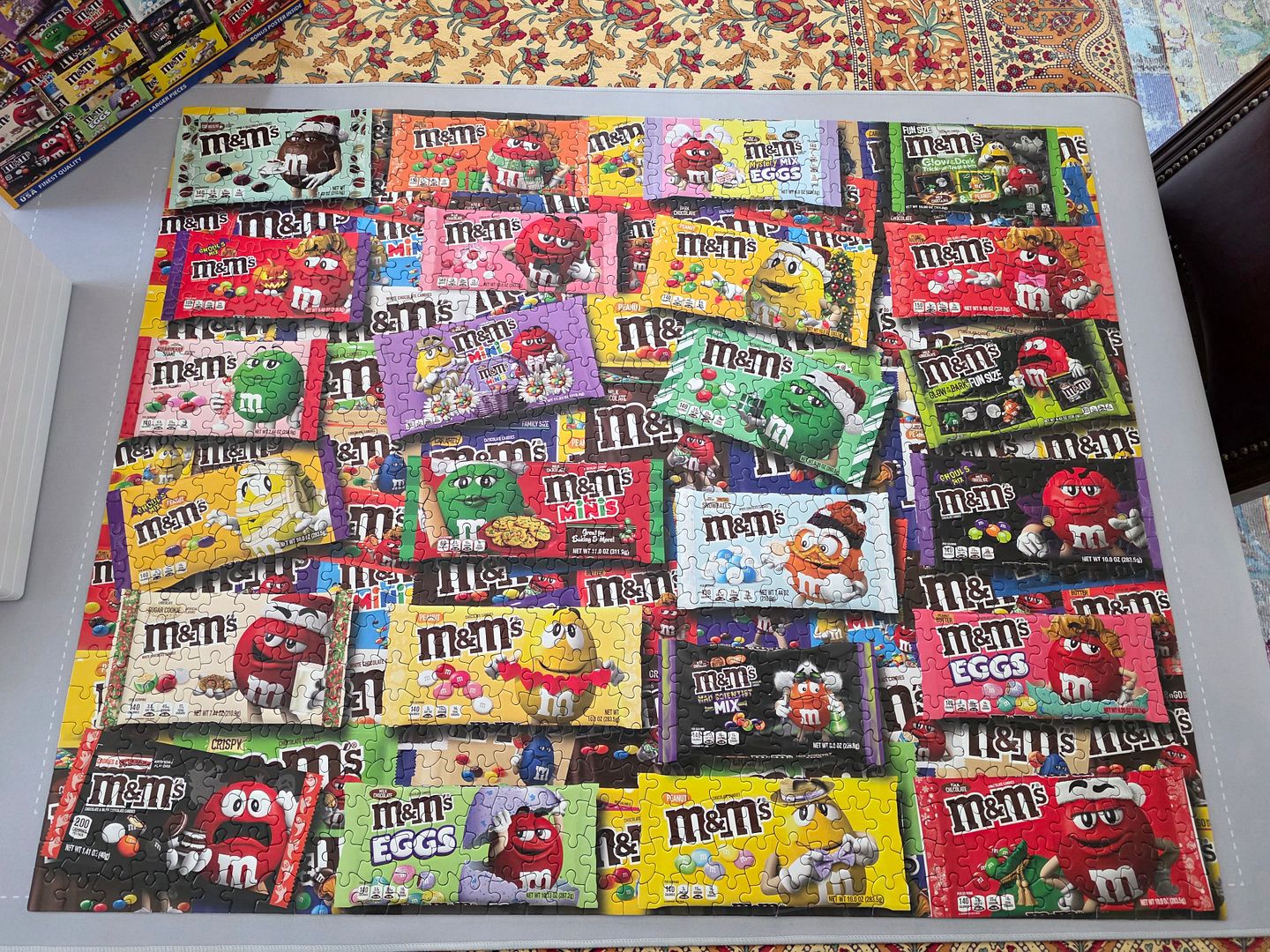
I’ve been working on this puzzle and only have the hardest part left.

Josh and Laura served at an Easter Service Saturday night helping with the photo area. They attended services on Sunday with Laura’s brother’s family.

Dan had to work on Easter but Jamie and her mom got this photo at the Easter service at our church. We were busy in the kitchen getting ready for the Coffee Fellowship in between both services. I did not think to get a photo of the presentation of the food tables. We got our photo with our Grands at our Easter lunch at Dan and Jamie’s.

Many Easter eggs were hidden and the kids were anxious to find them.

Ready, set, go!

Everyone had full baskets/bags of eggs and other vessels.

Three cute bunnies.

Dan got home after all the festivities and it was time for a family photo.

It was a wonderful day all around and a good weekend. I was on my feet for too many hours and will be giving them a rest for the next couple of days.

Hope your Easter was glorious, too.

Glorious Resurrection Day!


Easter Visits Earth Again

Easter visits earth again,
In the solemn spring;
Blossoms brighten hill and glen,
Notes of joy sweetly ring.

Refrain

Hail Him, vic­to­ri­ous,
King of love, throned above;
Tell the news o’er and o’er,
While the years go by:
Make His praise glo­ri­ous;
Sing again, earth and sky;
Tell the news ev­er­more,
Our Je­sus lives on high.

Every flower that lifts its head,
Breathes a message bright;
He is ris­en from the dead;
Happy day, day of light!

Refrain

Tell the story of the spring
With triumphant voice:
Jesus reigns, exalted King,
In His grace, we rejoice.

Refrain

Words: Eliza E. Hewitt, 1916.

Christ Is Risen!

Truly He is Risen!

Khristos voskrese!    Voistinu voskrese!

Христос воскрес!
воистину воскрес!

Blessings to all on this Glorious Easter Day!

Dohany Street Synagogue

On Sunday, March 1st, after another delicious breakfast at our hotel, The Matilde Palace, we packed up our belongings and left our suitcases outside our hotel room door to be collected by AmaWaterways. They would be curried to the boat and deposited in our room onboard. We would board AmaMagna later on this Sunday for the beginning of our cruise on the Danube.

But first, we had another walk ahead of us to the Jewish District in Budapest to visit the Dohany Street Synagogue.

The Dohány Street synagogue is one of Budapest’s touristic highlights as it is the largest synagogue in Europe and the second largest in the world. The synagogue was built in 1859 in the Moorish style and it can seat 3000 people. Its huge size demonstrates the significance and the high economic and cultural standards of the Budapest Jewry of the age.

It was another beautiful winter day in Budapest.

After we purchased our tickets for entry we had to go through security. This was the only place we visited on our entire time in Europe and England where we had to do this. I wasn’t surprised of this added security as the history of antisemitism around the world seems to be continuous.
The plaque and memorial reads; In memory of the 440,000 Hungarian Jews deported to their deaths between 15th May and 9th July 1944. Theodor Herzel Square, 5 May, 2024.

That is sobering and brings such sadness.
We got to the synagogue early and waited for it to open to visitors.
The temple was designed by Ludwig Förster (1797-1863), a German architect, professor of the Vienna Academy. The clerk of works was the architect Ignác Wechselmann (1828-1903) who later bequeathed his entire wealth to the Institute of the Blind. After Förster left, Frigyes Feszl, the famous architect of the Budapest Vigadó designed the temple’s inner sanctum. The official consecration of the synagogue took place on 6 September 1859. 

The interior of the synagogue is 1200 square metres, the towers are 44 metres high. There are 1497 seats for men downstairs and 1472 for women in the galleries, altogether the seating capacity of the flat-ceilinged inner space is nearly 3000 people.
The Synagogue is the temple of the Neolog Jewry. It was built in Budapest’s former Jewish quarter where many people of the Jewish faith still reside today.

The building is a holy place!

  • The building and the cemetery are holy places. Please comport yourself accordingly.
  • Men are forbidden to enter the synagogue without covering their heads. If you have a hat or cap, please put it on. After ticket validation you will be given a kippah at the entrance that you have to wear in the complex at all times.
  • Entry will be denied if you wear clothes inappropriate for a temple (e.g. sleeveless tops, short skirts or shorts). In such cases the ticket inspectors of the Synagogue will not grant you entry. Tickets are valid for 2 days. Clothing items can be purchased from the ticket inspectors.

The memory of the Holocaust is strongly connected to the old Jewish quarter where the Synagogue is situated. Dohány Street constituted the border to the ghetto during World War II. The area which was planned as a garden is the burial place of nearly 2600 Jewish people who perished during the Holocaust. 

Raoul Wallenberg was a Swedish architect, businessman, diplomat, and humanitarian. He saved thousands of Jews in German-occupied Hungary during the Holocaust from German Nazis and Hungarian fascists during the later stages of World War II.

According to Jewish tradition it is our duty to remember. To remember our martyrs and those non-Jewish people who did not fear for their lives but helped Jews during the holocaust, saving theirs.
The Emmanuel memorial tree was envisioned by Tony Curtis and completed by the sculptor Imre Varga. You can find memorial plaques of Hungarian and other nationality rescuers of Jewish people in the memorial park.

The cemetery in the synagogue’s yard is of particular significance as it is not usual in Jewish customs to situate cemeteries next to synagogues. The cemetery overlooking Wesselényi Street, however, was created during World War II, out of necessity.
When the ghetto was liberated on 18 January 1945, thousands of unburied corpses were lying in the streets, more than 3000 dead bodies were found on Klauzál Square alone. 1140 known and 1170 unknown martyrs were buried in 24 common graves in the yard of the Synagogue.

My information comes from the Synagogues website and from our Tour guide who was a practicing Jew from this Temple.

I was surprised by the interior of the Temple and especially the presence of an organ.

Unlike traditional, intimate synagogues, the Dohány is vast and longitudinal, resembling a Christian cathedral. It features a large, decorated ark and a massive organ designed to be played by non-Jews on the Sabbath.

I will save the Jewish Museum and the Heroes Temple for another post.

Back to the Present:

We are still experiencing freezing temps in the early hours. More blooms have opened up on our daffodils.

In our neck of the woods it is always a treat to have a new eatery open up. This month Buck 25 Roadhouse in Kettle Falls opened up. We decided to try lunch there after our church workday this past Saturday. We were pleased with the atmosphere and the light and friendly new spot to enjoy good food.

Yesterday was Palm Sunday and our service was good with a sermon from 1st John. This is the beginning of Holy Week culminating with Resurrection Sunday. It is a special week for Christians around the world. We are looking forward to our Good Friday Service and Resurrection Sunday service. Easter preparations are commencing here.

Spring Firsts

On our trip to Spokane on Tuesday we saw the new roadside sign from Williams Valley Mennonite Church as we drove through the little town of Clayton. Such a great verse for Spring!

Speaking of Spring we have a few signs on our property that Spring is springing before our eyes.

The birds have been very busy. Two nests in two of our roadside shrubs.

Greg spotted this mud lined nests on his way to our mailbox.

I wonder which birds made these nests.

Hooray for these sweet daffodils that are finally opening up. They make me smile. We’ve been dropping below freezing the mornings this week but the daffodils don’t seem to mind.

What signs of Spring are you enjoying as we head into Easter week?

Panorama Look-Out, St. Stephens Basilica

To get to the panorama views of St. Stephen’s Basilica and Budapest, there was an elevator option and stairs. We took the elevator up but when it was time to go down again we chose the stairs. Thankfully there were good railings and it was an open airy space so we didn’t get claustrophobic.

Saturday February 28th was a beautiful sunny day. We were so thankful.

This view is of the square in front of the Basilica with the pedestrian street beyond that takes you to the Danube. Looking beyond small slice of the Danube you can see the Buda side of Budapest.

On our way down to exit the Basilica we stopped at the Treasury. This painting of Peter and the Rooster caught my eye,  “the rooster will not crow till you have denied me three times“. This experience of Peter makes me emotionally as I consider times that I’ve denied or not stood up for my Lord and Savior.

The “Holy Family” was painted by Murillo (1682).

An artistic depiction of Jesus and the Samaritan Woman at the well.

Not quite busts but these circular heads of all the apostles were on an arched ceiling as we left the Treasury.


It was a narrower exit and walkway and I wasn’t able to get photos of all the apostles because of other people pressing in.

We exited the Basilica and found our way to the Jewish District for our lunch meal at Mazel-Tov. I wrote about our eating experience in Budapest and this restaurant in an earlier post.

This was a day that we were up on our feet and walking for the majority of the day. I was thankful that my Plantar Fasciitis was not an issue for me during this trip. I thanked the LORD several times. I did manage to get a nasty blister on my baby toe, though, that I had to doctor and pamper the next few days!