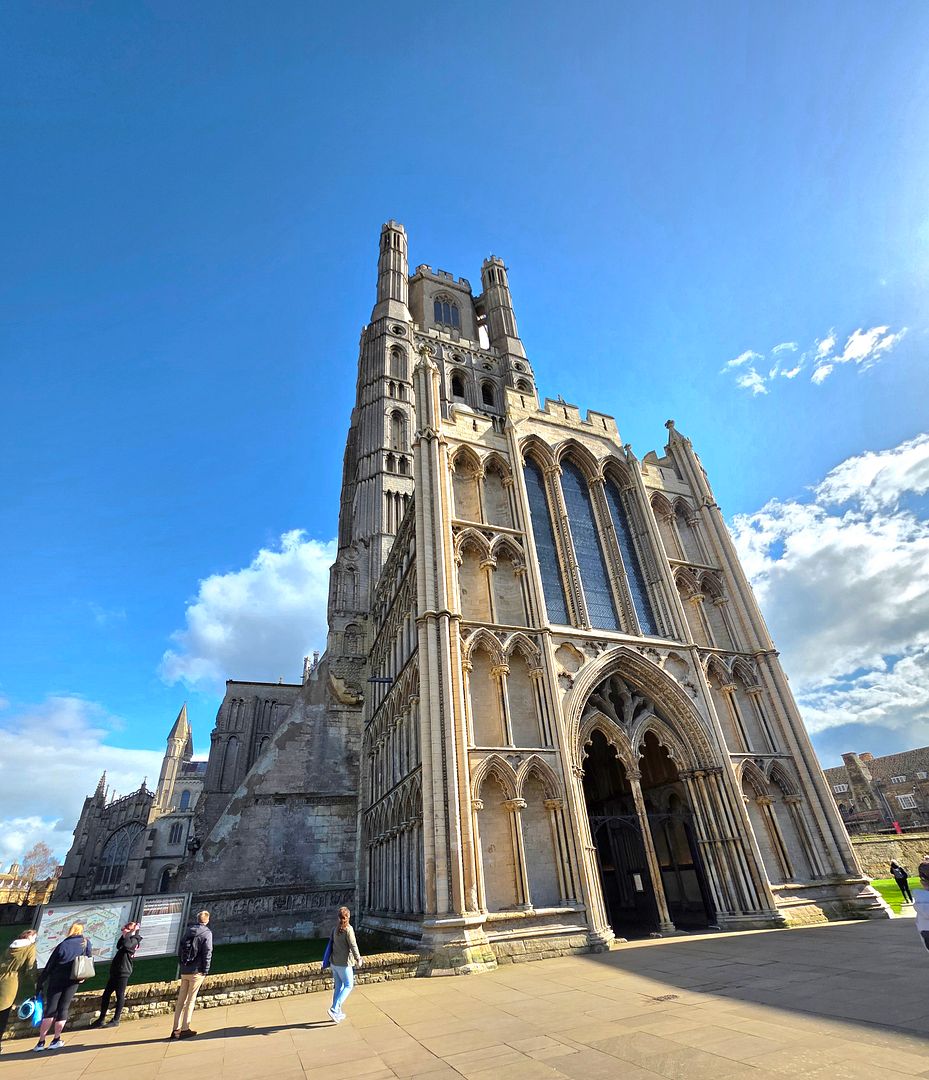
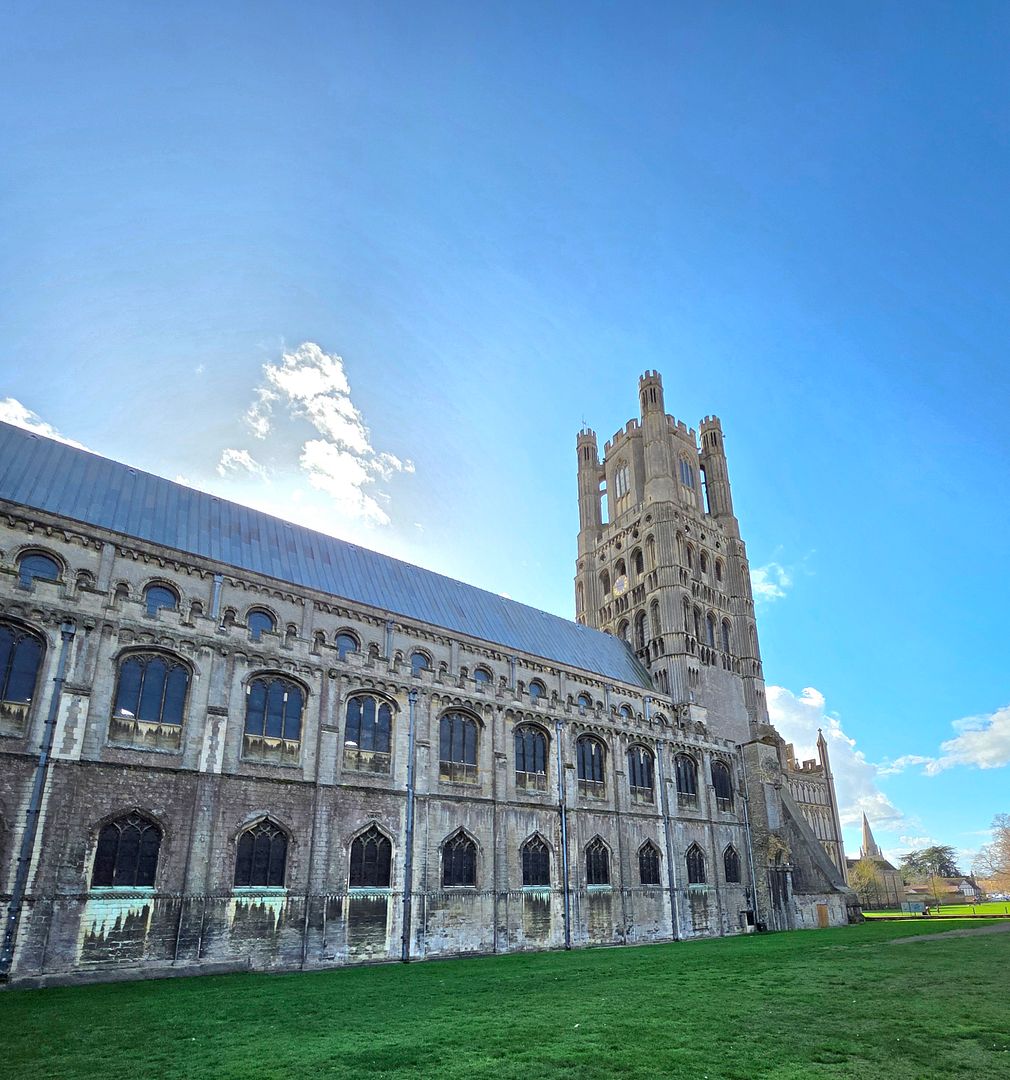
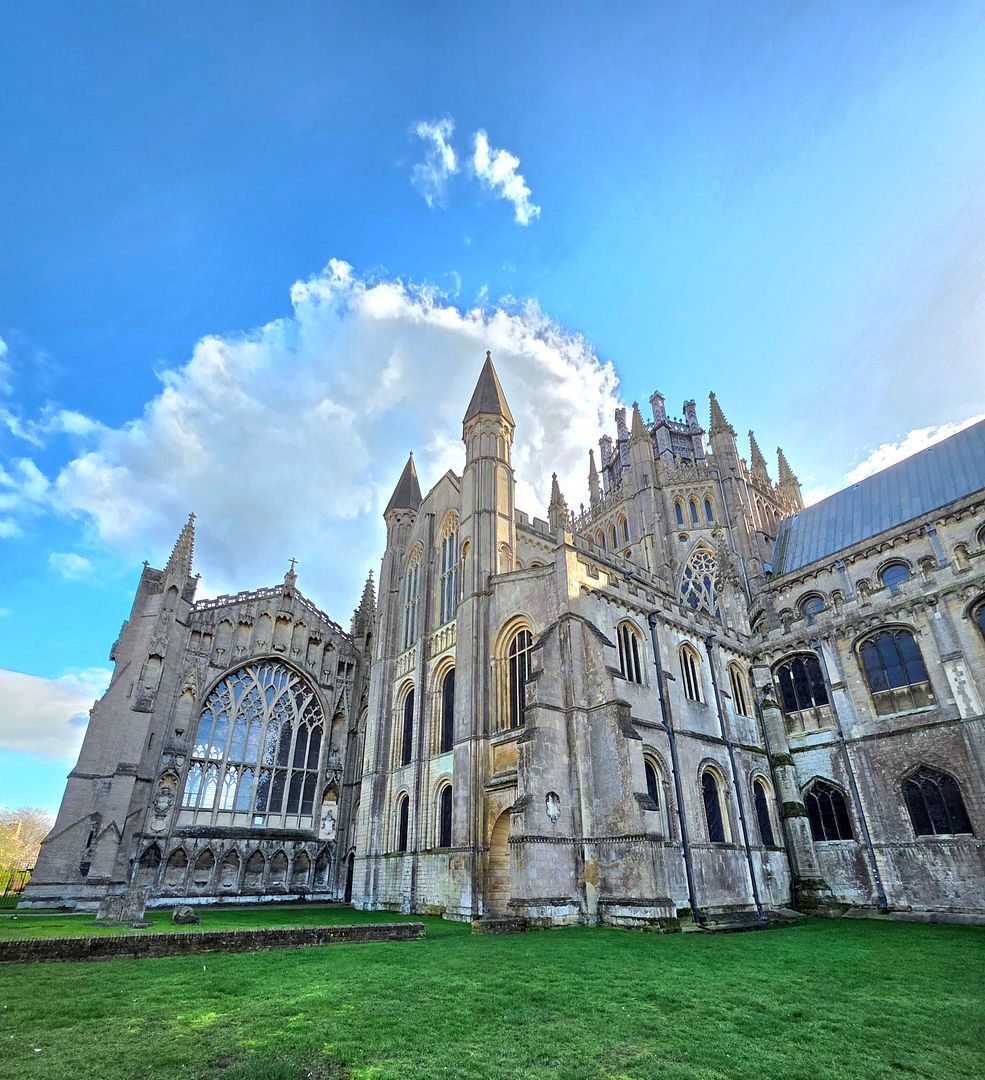
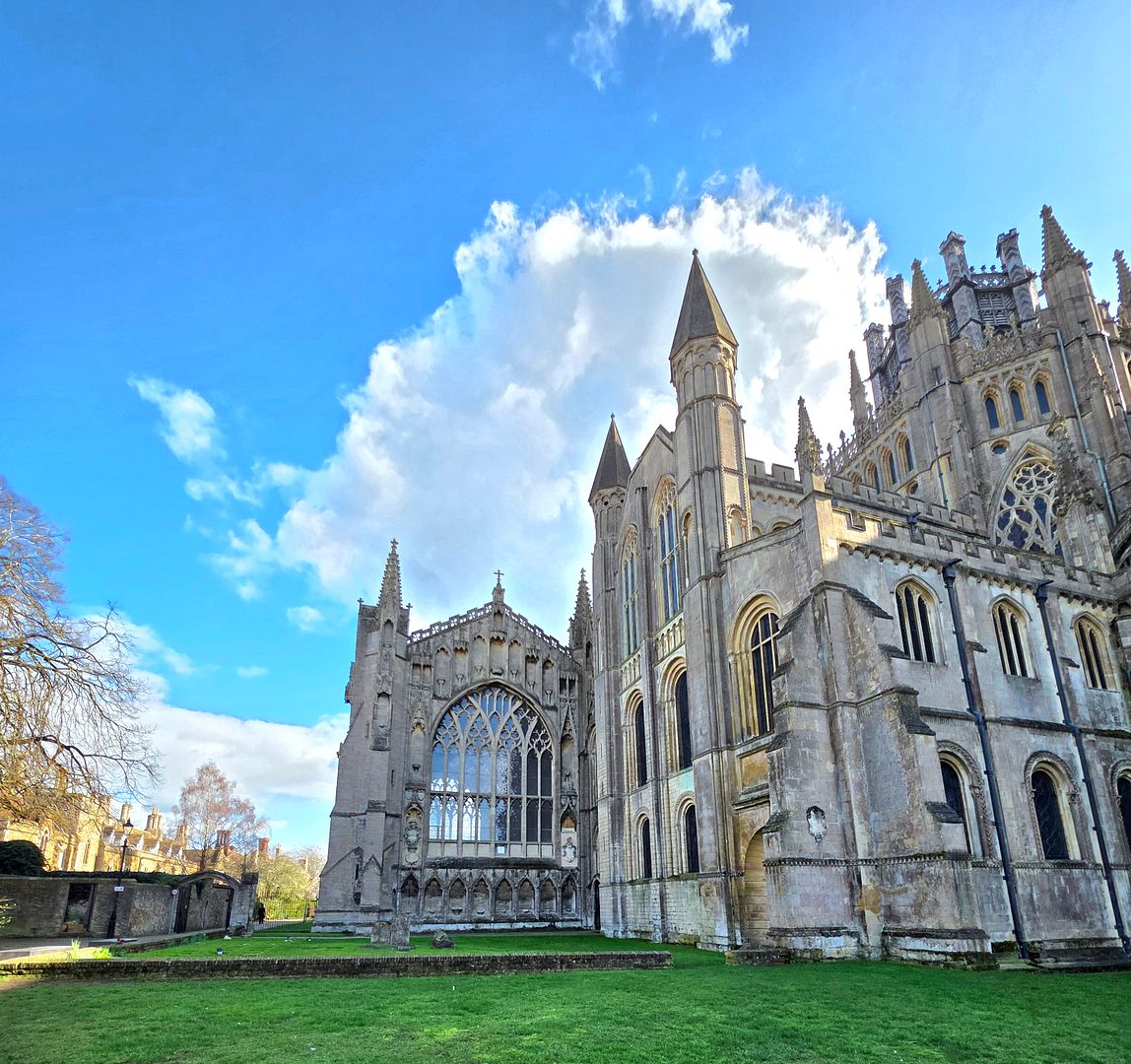
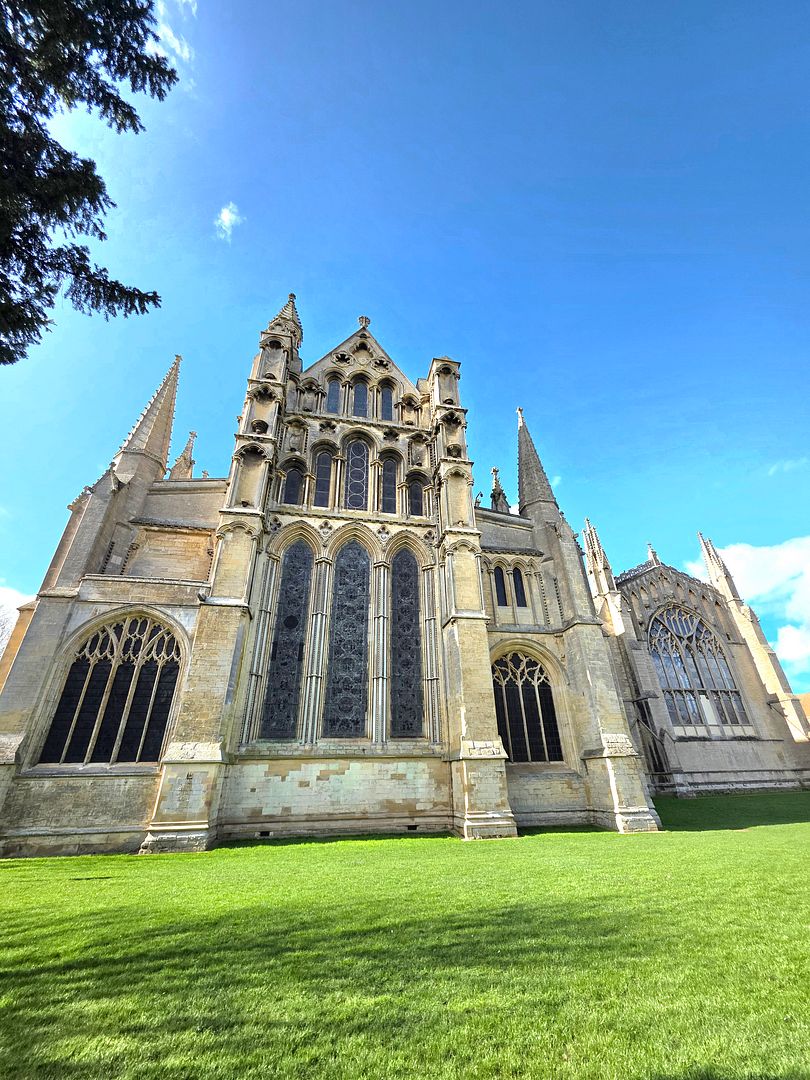
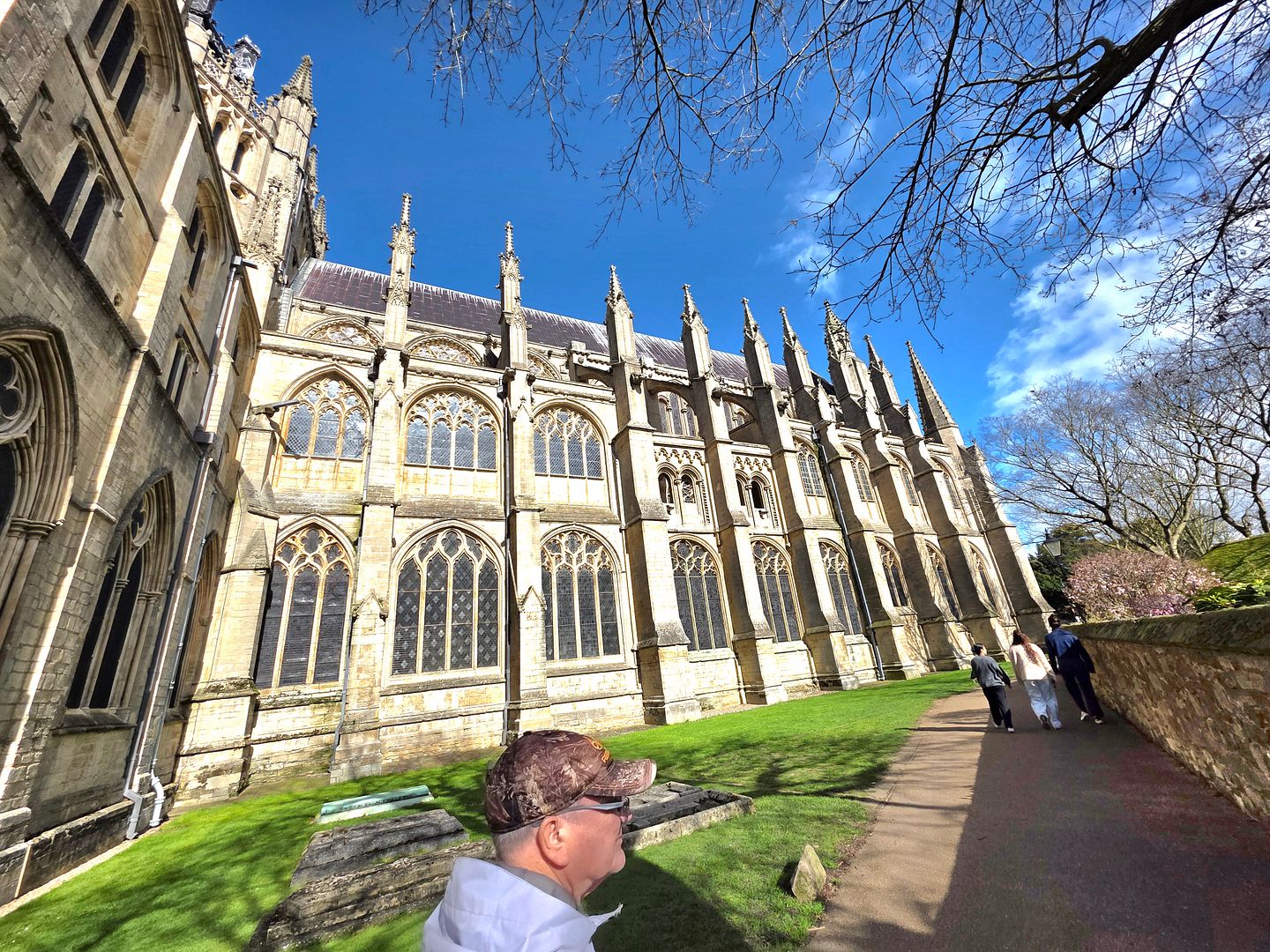
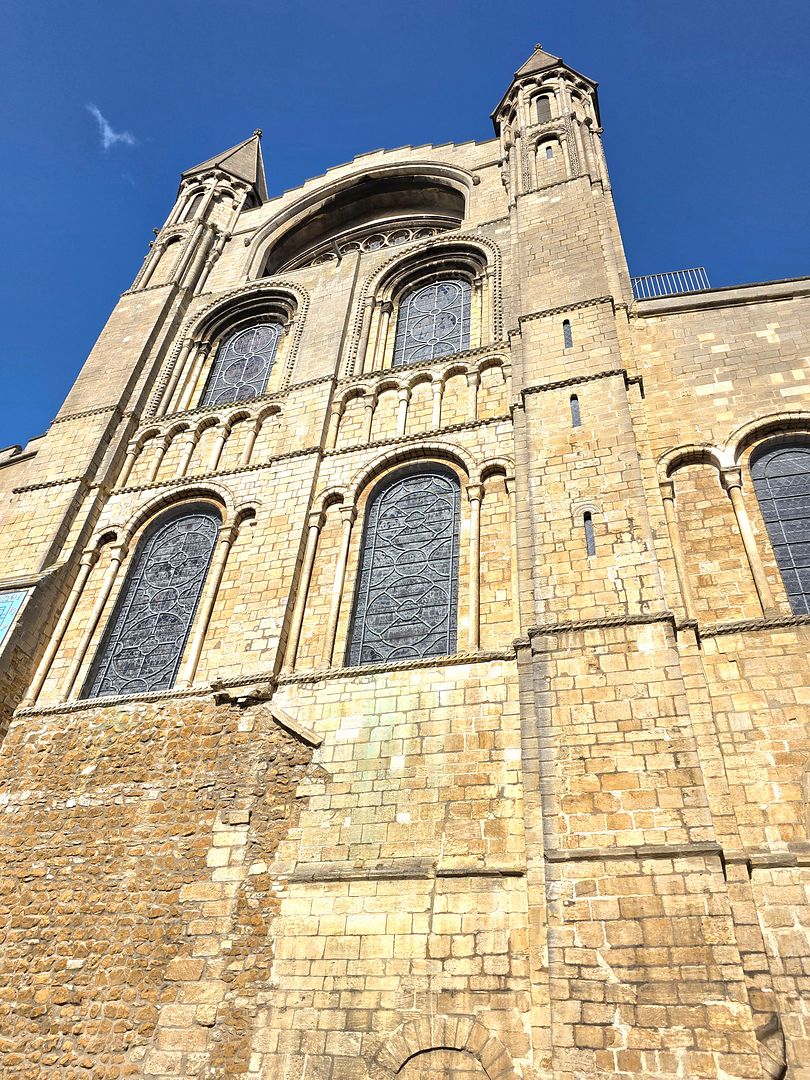
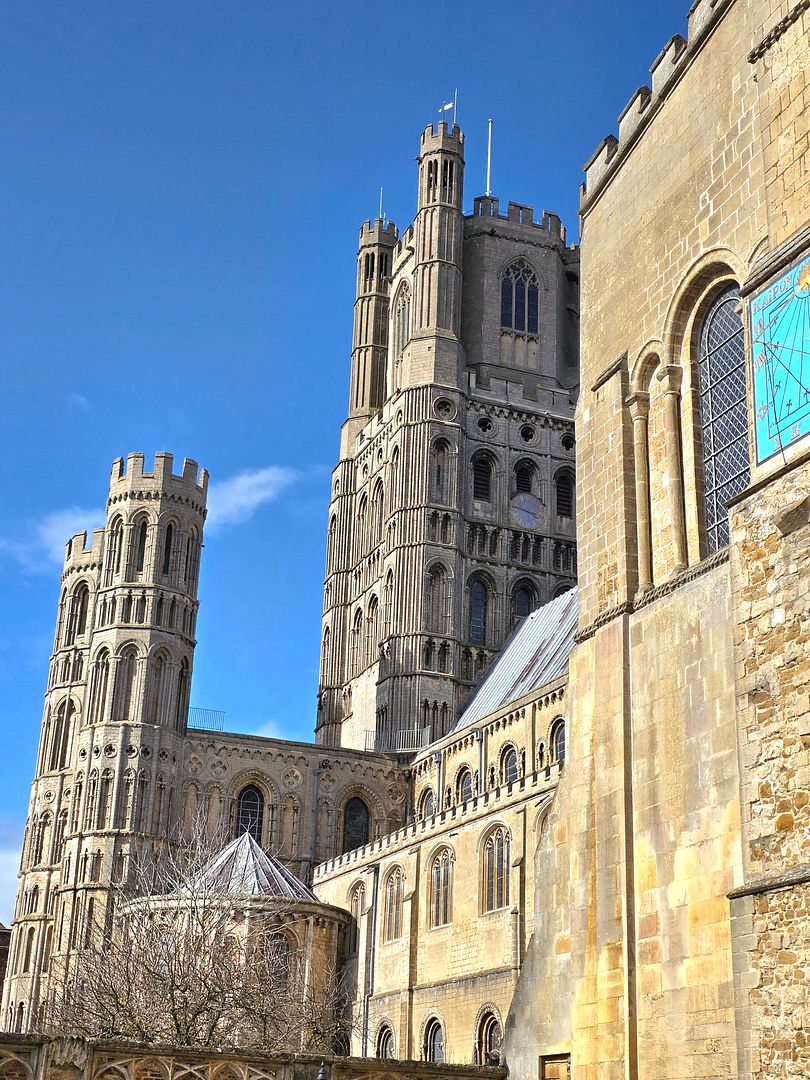
Melk Abbey

All my photos are from the outside areas of the abbey. We did tour several indoor rooms as well as the library and church. No photos were allowed inside the museum, library or church.

Stift Melk (Melk Abbey) is a renowned Benedictine monastery in Austria, located on a rocky outcrop overlooking the Danube River. Founded in 1089, it is a significant, UNESCO-listed Baroque architectural masterpiece that operates as an active monastery, school, and cultural center. The term Stift means abbey or foundation, and it represents a major center of faith and history.

The history of Austria is closely connected with the history of Melk Abbey. Some of the first rulers of Austria, the margraves Heinrich, Adalbert and Ernst are buried in the collegiate church. Also buried there is the first patron saint of the Babenbergs, St. Koloman, who was the patron saint of the country until the 17th century.

Melk Abbey is one of the most beautiful and largest unified Baroque ensembles in Europe. Its magnificent architecture is known worldwide and is a UNESCO World Heritage Site. The baroque building (1702 – 1739) on a rock above the Danube is one of the most visited art-historical sites in Austria.

Known for its active Benedictine community following the motto of Ora et Labora et Lege (pray, work, and learn).

The italicized parts of my posts are information from the Melk Abbey website.

Our group from the river cruise were divided into two groups and we were the only folk at the Abbey at this point in the late afternoon. Our group went through the Abbey last and our tour guide locked up each room as we exited the room.

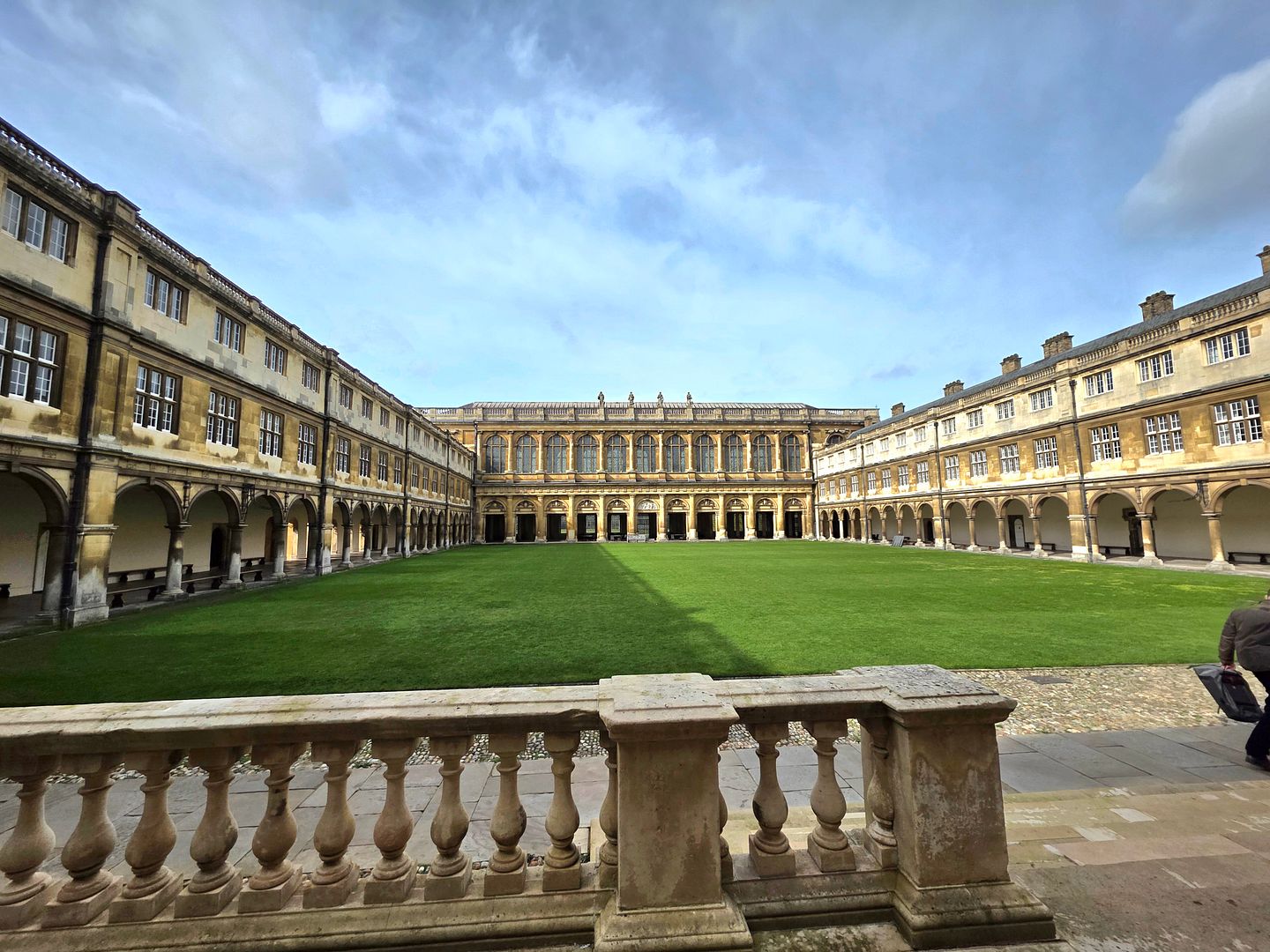
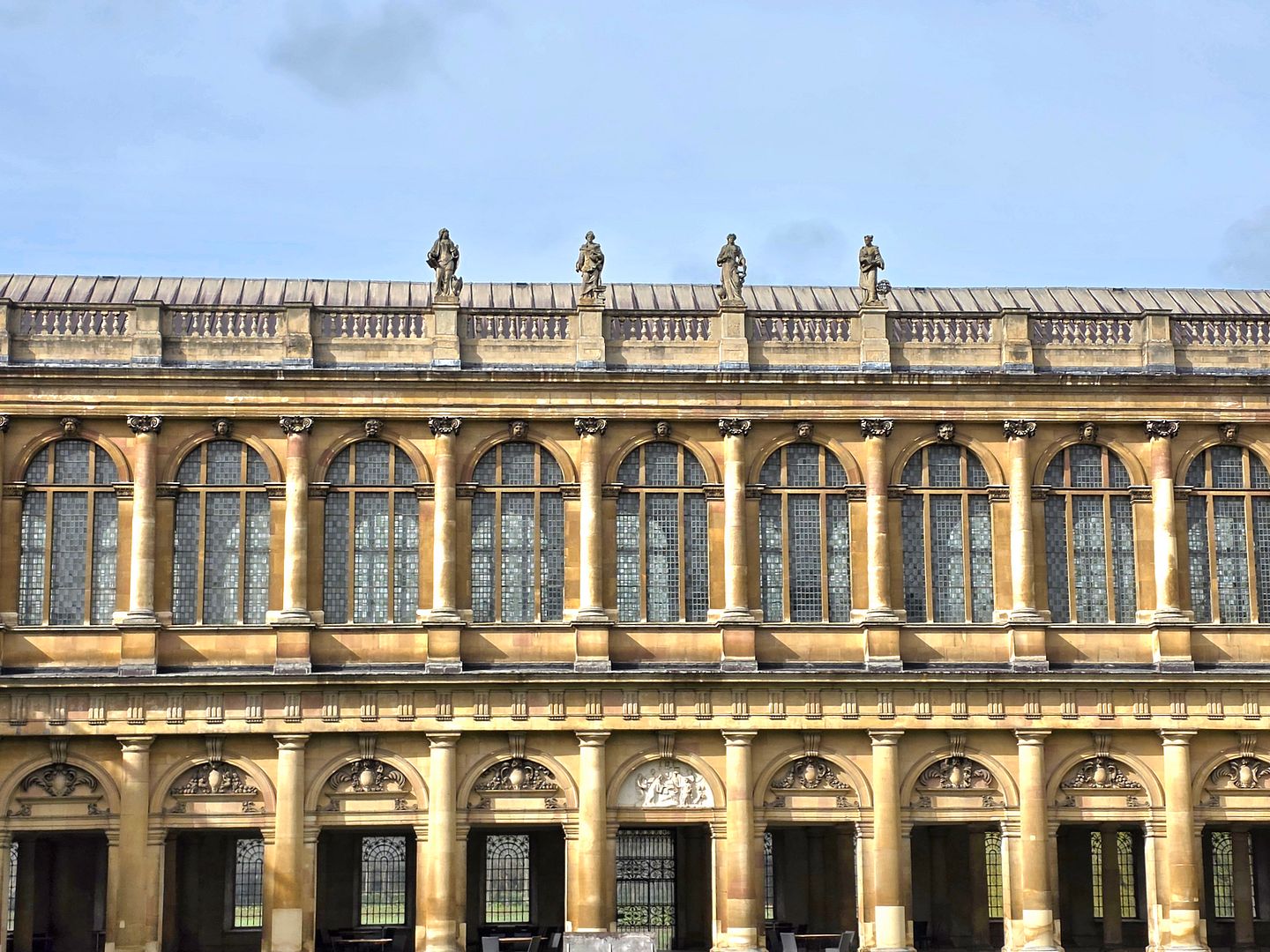
The Prelate’s Courtyard forms a trapezoid, 275 ft. long and 138 ft. wide. On the cornices on each of the four sides are statues of apostles and prophets. In the center of each cornice is an area framed by a round arch. These originally contained Baroque frescos by Franz Rosenstingl but, unable to be restored, were replaced recently (1988) with more contemporary forms by Peter Bischof and Helmut Krumpel.

The four murals in the courtyard represent four virtues: Prudence, Justice, Fortitude, and Temperance.

The four murals in the courtyard represent four virtues: Prudence, Justice, Fortitude, and Temperance.

Time to walk up all those stairs to our bus that would take us back to the AmaMagna for dinner. We turned right at the stairs and took the elevator instead.

This was the night we were slated for a smaller dinner group in the Al Fresco Restaurant and I’ll share that dinner event in another post.

Dürnstein, Austria

On Tuesday March 3rd we had a one hour walking tour of the little town of Durnstein before we continued by bus to Melk Abbey. I’m breaking up the posts on this day because of photo overload.

You could tell our tour guide has been doing this tour for a long time. Her younger sister was also another tour guide.

Dürnstein (German pronunciation: [ˈdʏʁnˌʃtaɪ̯n]) is a small town on the Danube river in the Krems-Land district, in the Austrian state of Lower Austria. It is one of the most-visited tourist destinations in the Wachau region and also a well-known wine growing area

The town gained its name from the medieval Dürnstein castle, which overlooked it. The castle’s name derived from the German duerr/dürr, meaning “dry”, and Stein, “stone”. The stone castle was dry because it was located on a rocky hill, high above the damp conditions of the Danube at the base of the hill. The modern town stands between the castle and the river.

Dürnstein was first mentioned in 1192 when, in the castle above the town, King Richard I of England was held captive by Leopold V, Duke of Austria, after their dispute during the Third Crusade. Richard the Lionheart had offended Leopold the Virtuous by casting down his standard from the walls at the Battle of Acre, and the duke suspected that King Richard ordered the murder of his cousin Conrad of Montferrat in Jerusalem. In consequence Pope Celestine III excommunicated Leopold for capturing a fellow crusader. The duke finally gave custody of the king to Henry VI, Holy Roman Emperor, who imprisoned Richard at Trifels Castle.


I don’t know if this is the kind of Copy Right I would want to market with. The chocolate covered treats and the apricot bits were good, though.

I enjoyed the signs for the shops and restaurants.

Interesting architecture and the cobbled streets were distinct.

In the vibrant heart of Dürnstein, our estate stands proudly, nestled beside the historic town hall and set against the tranquil backdrop of the lightly traveled village street. A charming courtyard leads you up a stone staircase into the embrace of an ancient gem, built in 1453. On the first floor, you will find cozy guest rooms with private bathrooms and modern TVs, as well as direct access to a dreamy garden paradise. Here, after an eventful day, you can unwind in an oasis of tranquility or lose track of time while savoring a fine glass of wine.

This little town boasts a 5 star hotel, Hotel Schloss Durnstein. Entrance to the courtyard above.

I posted several photos in another post of this blue tower when we passed it earlier on this day. While we were in Durnstein we didn’t walk to this former monastery but after the fact we realized it was a big part of historic Durnstein.

History of Stift Dürnstein

Stift Dürnstein was founded in 1410 as an Augustinian Canons monastery. It was part of a larger spiritual and religious network that played a significant role in the medieval region. However, Dürnstein was already famous by the 11th century, particularly due to the imprisonment of Richard the Lionheart, who was held captive in the nearby castle of Dürnstein.

The monastery experienced its golden age in the 18th century when it was rebuilt in the Baroque style. Under the direction of renowned Baroque architects Jakob Prandtauer and Joseph Munggenast, the monastery was transformed into the magnificent structure seen today. The distinctive blue-and-white church tower, visible from afar, has become one of the iconic landmarks of the Wachau Valley.

In 1788, the monastery was secularized, and the Augustinian Canons left. Today, the monastery serves as a venue for cultural events and is a popular destination for visitors eager to explore its rich history and Baroque splendor.

We headed back to the bus for our trip to Melk Abbey Visit. After our visit to Melk we would be bused to the AmaMagna that was now docked in Melk. We would reach the boat in time for dinner and on this night we were scheduled to enjoy the Chef’s Table.

Hero’s Temple and Jewish Museum ~ Budapest

We continued our tour of the Dohany Street Synagogue and other buildings on the grounds on Sunday, March 1st.

The Heroes’ Temple has become an inseparable part of the Dohány Street Synagogue.
The arcade and the Heroes’ Temple, designed by László Vágó, seats 186 people. It was built in 1931 and is used for religious services.
The Heroes’ Synagogue commemorates the 10.000 Hungarian Jewish soldiers who earned glory on the battlefields of World War I and died heroes’ deaths.

The museum was the last area we would visit.


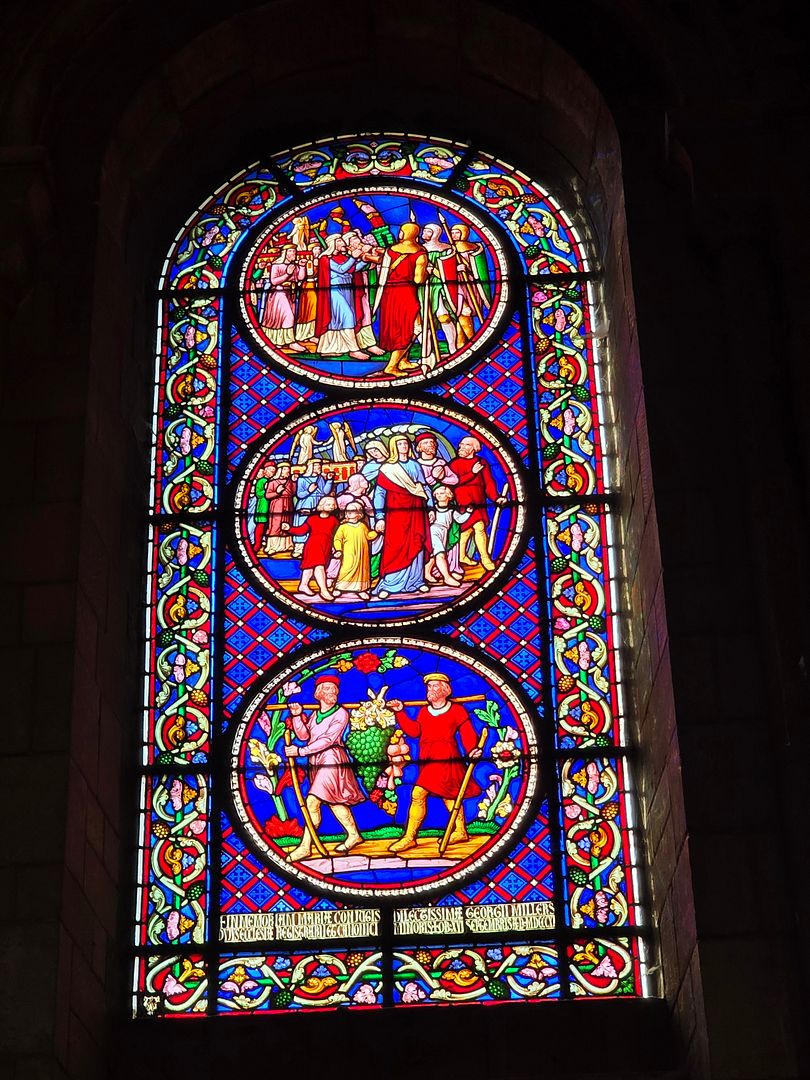
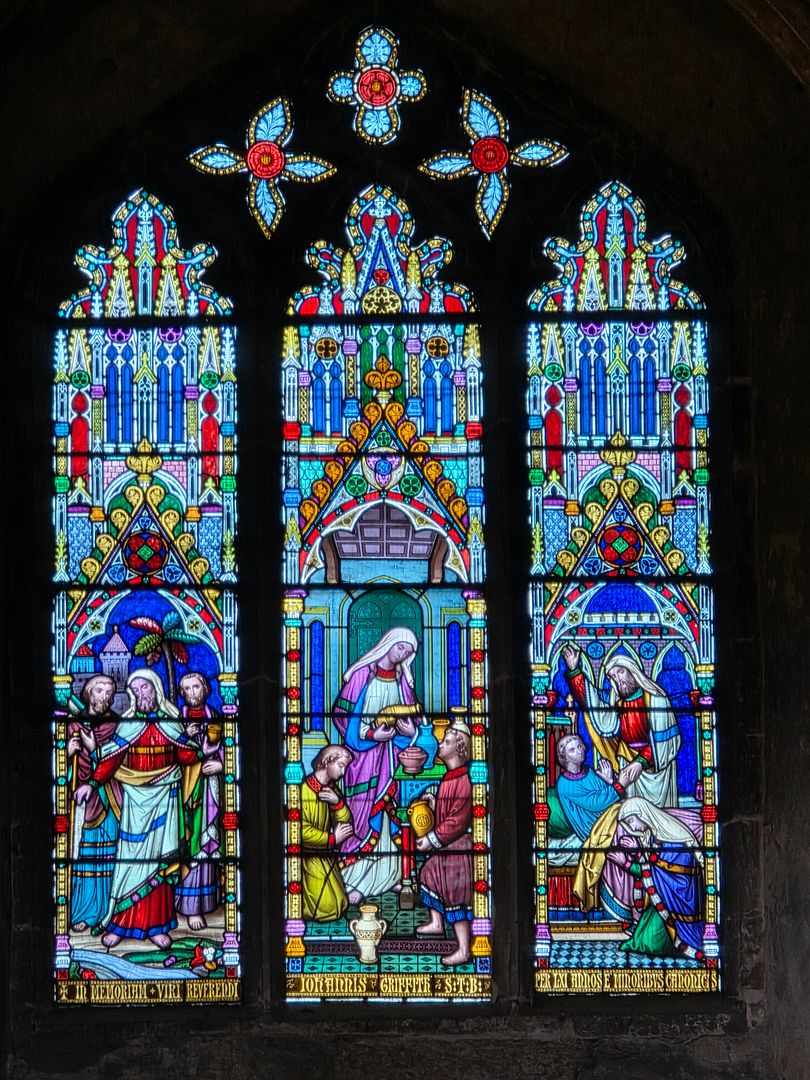
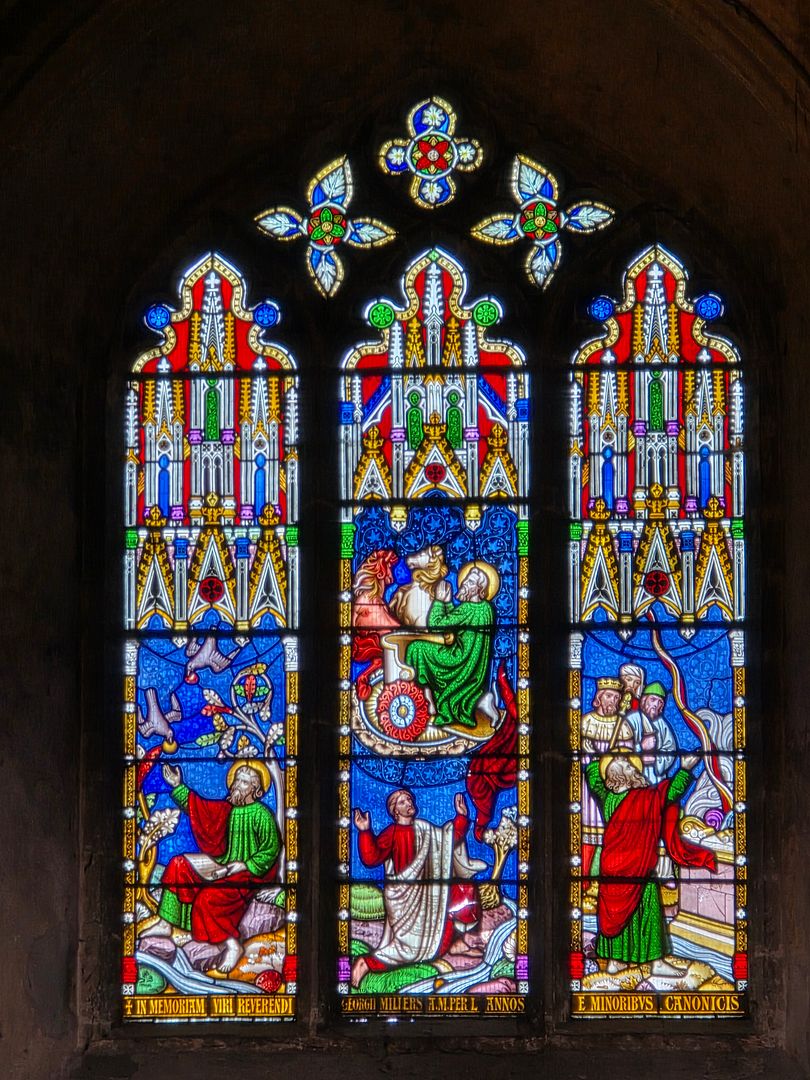
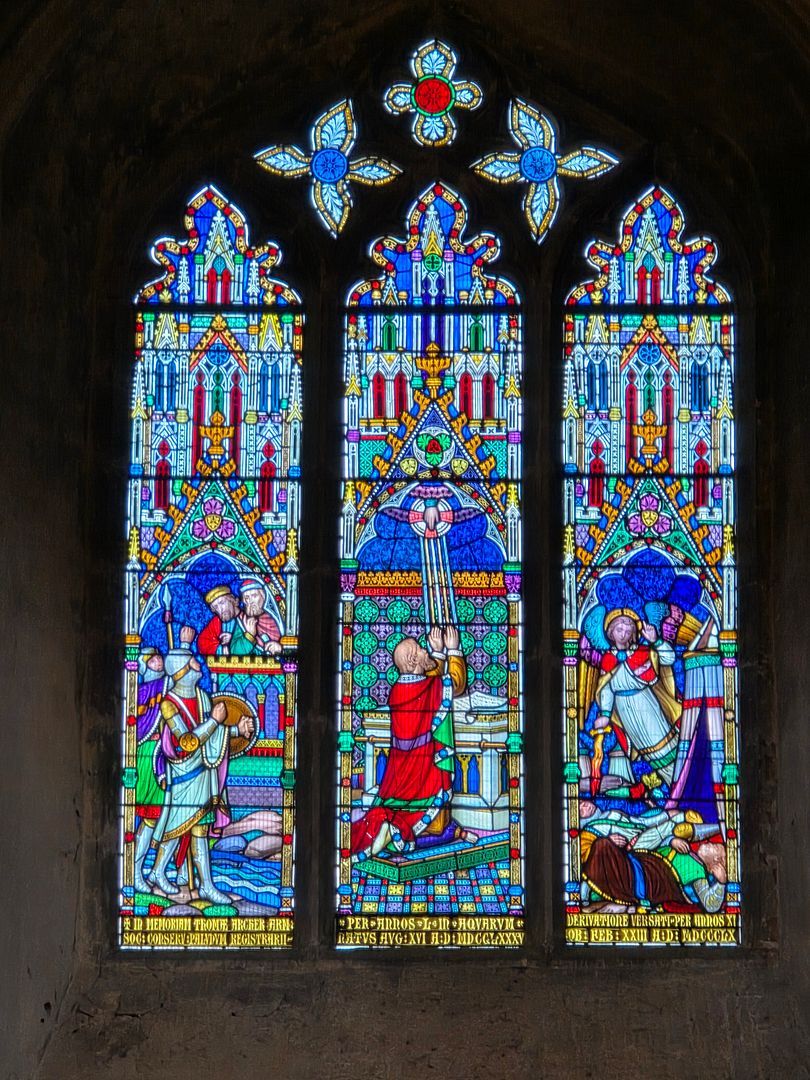
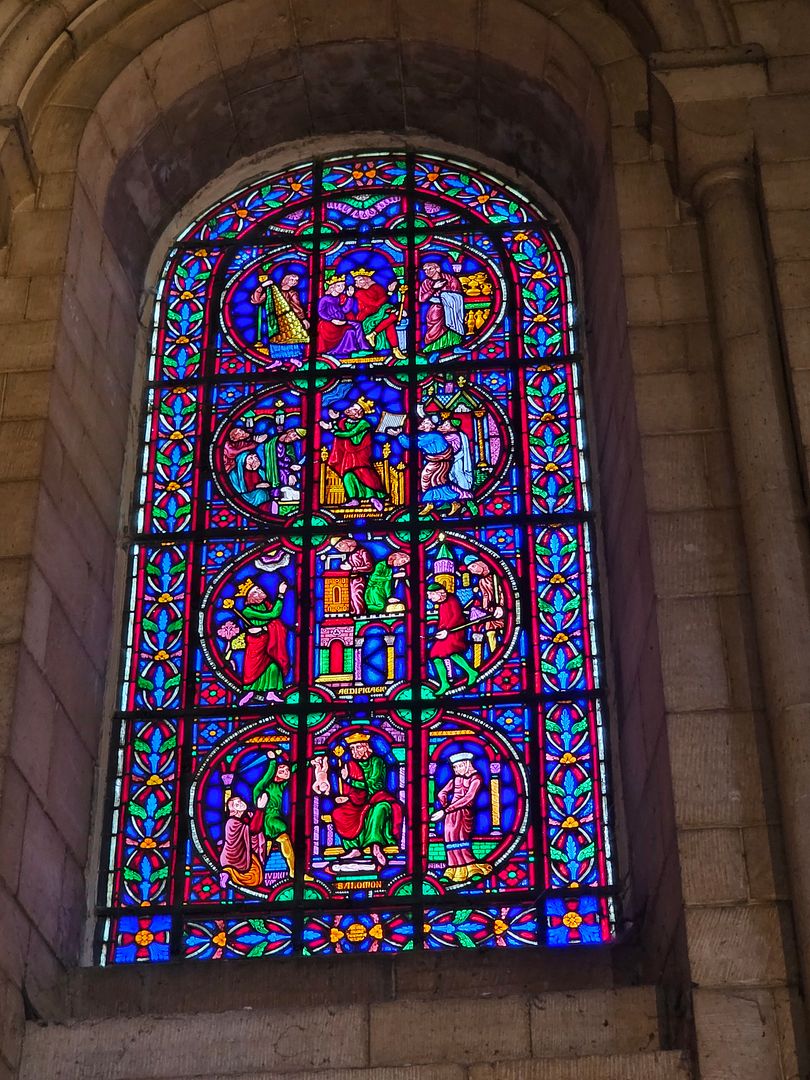
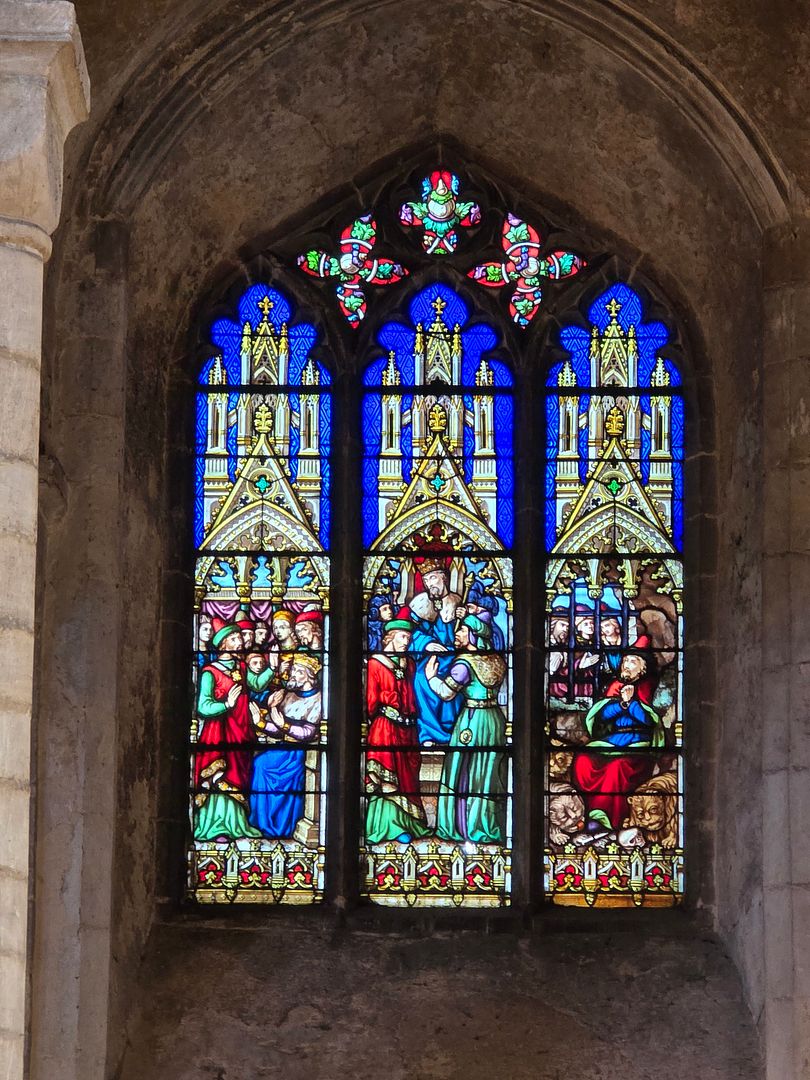
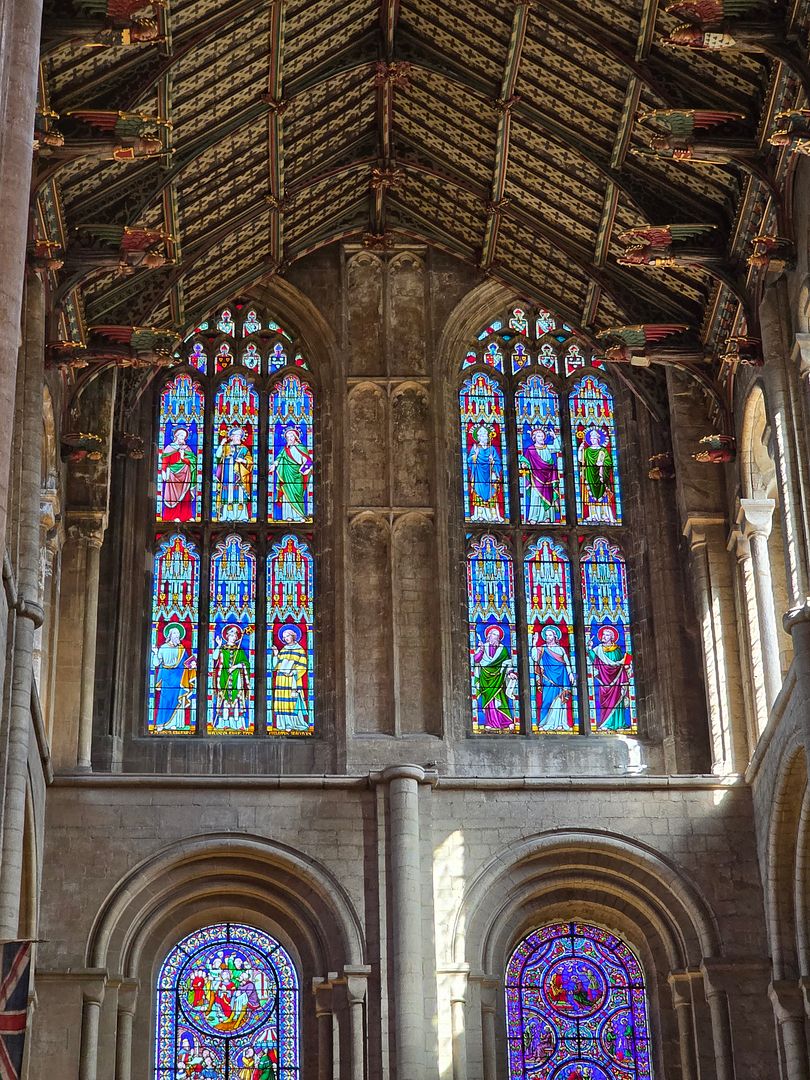
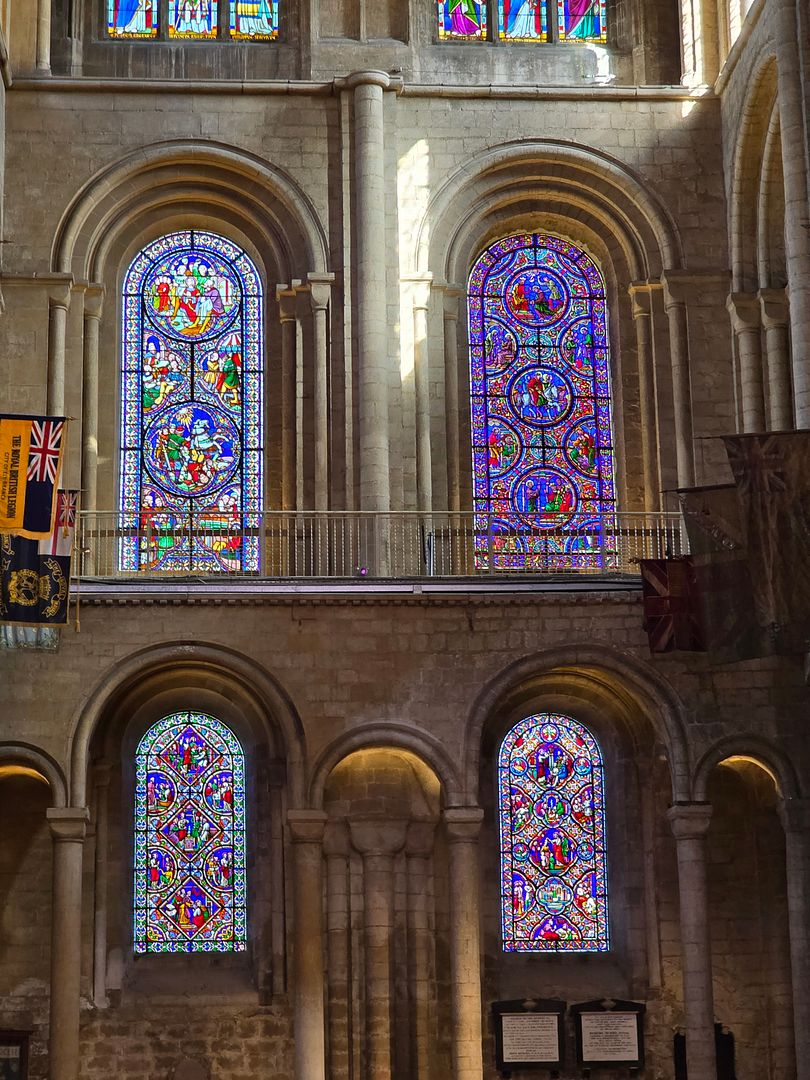
The Stained glass windows featured Moses, David and Saul and the last one pictured also featured Daniel in the Lion’s Den.

Speaking of Moses…

We left the Dohany Synagogue property and walked back to the hotel.

On the way we saw a few interesting doors and buildings.

We stopped to exchange our dollars for some Forints, Hungary’s currency.

Hungary has not bought into euros.

The Hungarian forint (HUF) consists of six banknote denominations (500, 1,000, 2,000, 5,000, 10,000, and 20,000 Ft) and six coin denominations (5, 10, 20, 50, 100, and 200 Ft). Banknotes feature famous Hungarian historical figures, while coins are used for smaller transactions, with the 200 forint being the highest-value coin. A 200 forint coin is what you need for public restrooms.

2000 forints converts to about $5.94.

We wanted to leave a tip for our room housekeeper at the hotel. It was hard to wrap our heads around such large sounding currency actually being such a small amount in our own currency.

We caught our AmaWaterways shuttle to take us to the boat for our embarkation. I took a video of us walking on to the boat instead of taking photos and never took photos of our room. I took a video of our room. Sad but true I cannot add those videos here.

We had a warm welcome when we arrived and made it to our room where we found our luggage waiting for us with welcome notes and other items.

Our room was one of the least expensive rooms and on the lower deck but we were impressed with the size and the conveniences it afforded. The bed was very comfortable and it was larger than a queen. Another notable thing is how quiet our room was. We never heard any noise from the rooms next to ours. We never heard load engine noises and anything of that kind while in bed for the night.

Our windows were at water level.

The journey would commence on the Danube as we were enjoying our first dinner aboard. We sat at a round table for eight and enjoyed getting to know total strangers that would become more familiar by the end of our seven day journey. We were told that the Captain would tell us when we were passing the Parliament Building in Budapest so we could go up on the upper deck and get some nice photos. I’ll share those photos in my next River Cruise post. This was more of an off season time and there were only 130 passengers on this cruise. The boat could have 190 if full.

Back to the present:

It is the last day of March and we are going full speed ahead to Good Friday and Easter Sunday. I finally brought our Easter Bin in. I started a new puzzle this week that Josh and Laura brought last weekend and I don’t think I’ll be able to complete it by Easter. It is a tough one because of the coloring. I’ve done the easiest parts, ha! I’m using my new puzzle mat that Andrew and Katie gifted me for my birthday. It is one of those that you can roll up with the puzzle intact if you need to move it before finishing.

The Empty Tomb!

Thanks for stopping by. Goodbye March and thank you, LORD, for a wonderful month filled with blessings galore!

Dohany Street Synagogue

On Sunday, March 1st, after another delicious breakfast at our hotel, The Matilde Palace, we packed up our belongings and left our suitcases outside our hotel room door to be collected by AmaWaterways. They would be curried to the boat and deposited in our room onboard. We would board AmaMagna later on this Sunday for the beginning of our cruise on the Danube.

But first, we had another walk ahead of us to the Jewish District in Budapest to visit the Dohany Street Synagogue.

The Dohány Street synagogue is one of Budapest’s touristic highlights as it is the largest synagogue in Europe and the second largest in the world. The synagogue was built in 1859 in the Moorish style and it can seat 3000 people. Its huge size demonstrates the significance and the high economic and cultural standards of the Budapest Jewry of the age.

It was another beautiful winter day in Budapest.

After we purchased our tickets for entry we had to go through security. This was the only place we visited on our entire time in Europe and England where we had to do this. I wasn’t surprised of this added security as the history of antisemitism around the world seems to be continuous.

The plaque and memorial reads; In memory of the 440,000 Hungarian Jews deported to their deaths between 15th May and 9th July 1944. Theodor Herzel Square, 5 May, 2024.

That is sobering and brings such sadness.

We got to the synagogue early and waited for it to open to visitors.

The temple was designed by Ludwig Förster (1797-1863), a German architect, professor of the Vienna Academy. The clerk of works was the architect Ignác Wechselmann (1828-1903) who later bequeathed his entire wealth to the Institute of the Blind. After Förster left, Frigyes Feszl, the famous architect of the Budapest Vigadó designed the temple’s inner sanctum. The official consecration of the synagogue took place on 6 September 1859. 

The interior of the synagogue is 1200 square metres, the towers are 44 metres high. There are 1497 seats for men downstairs and 1472 for women in the galleries, altogether the seating capacity of the flat-ceilinged inner space is nearly 3000 people.
The Synagogue is the temple of the Neolog Jewry. It was built in Budapest’s former Jewish quarter where many people of the Jewish faith still reside today.

The building is a holy place!

  • The building and the cemetery are holy places. Please comport yourself accordingly.
  • Men are forbidden to enter the synagogue without covering their heads. If you have a hat or cap, please put it on. After ticket validation you will be given a kippah at the entrance that you have to wear in the complex at all times.
  • Entry will be denied if you wear clothes inappropriate for a temple (e.g. sleeveless tops, short skirts or shorts). In such cases the ticket inspectors of the Synagogue will not grant you entry. Tickets are valid for 2 days. Clothing items can be purchased from the ticket inspectors.

The memory of the Holocaust is strongly connected to the old Jewish quarter where the Synagogue is situated. Dohány Street constituted the border to the ghetto during World War II. The area which was planned as a garden is the burial place of nearly 2600 Jewish people who perished during the Holocaust. 

Raoul Wallenberg was a Swedish architect, businessman, diplomat, and humanitarian. He saved thousands of Jews in German-occupied Hungary during the Holocaust from German Nazis and Hungarian fascists during the later stages of World War II.

According to Jewish tradition it is our duty to remember. To remember our martyrs and those non-Jewish people who did not fear for their lives but helped Jews during the holocaust, saving theirs.
The Emmanuel memorial tree was envisioned by Tony Curtis and completed by the sculptor Imre Varga. You can find memorial plaques of Hungarian and other nationality rescuers of Jewish people in the memorial park.

The cemetery in the synagogue’s yard is of particular significance as it is not usual in Jewish customs to situate cemeteries next to synagogues. The cemetery overlooking Wesselényi Street, however, was created during World War II, out of necessity.
When the ghetto was liberated on 18 January 1945, thousands of unburied corpses were lying in the streets, more than 3000 dead bodies were found on Klauzál Square alone. 1140 known and 1170 unknown martyrs were buried in 24 common graves in the yard of the Synagogue.

My information comes from the Synagogues website and from our Tour guide who was a practicing Jew from this Temple.

I was surprised by the interior of the Temple and especially the presence of an organ.

Unlike traditional, intimate synagogues, the Dohány is vast and longitudinal, resembling a Christian cathedral. It features a large, decorated ark and a massive organ designed to be played by non-Jews on the Sabbath.

I will save the Jewish Museum and the Heroes Temple for another post.

Back to the Present:

We are still experiencing freezing temps in the early hours. More blooms have opened up on our daffodils.

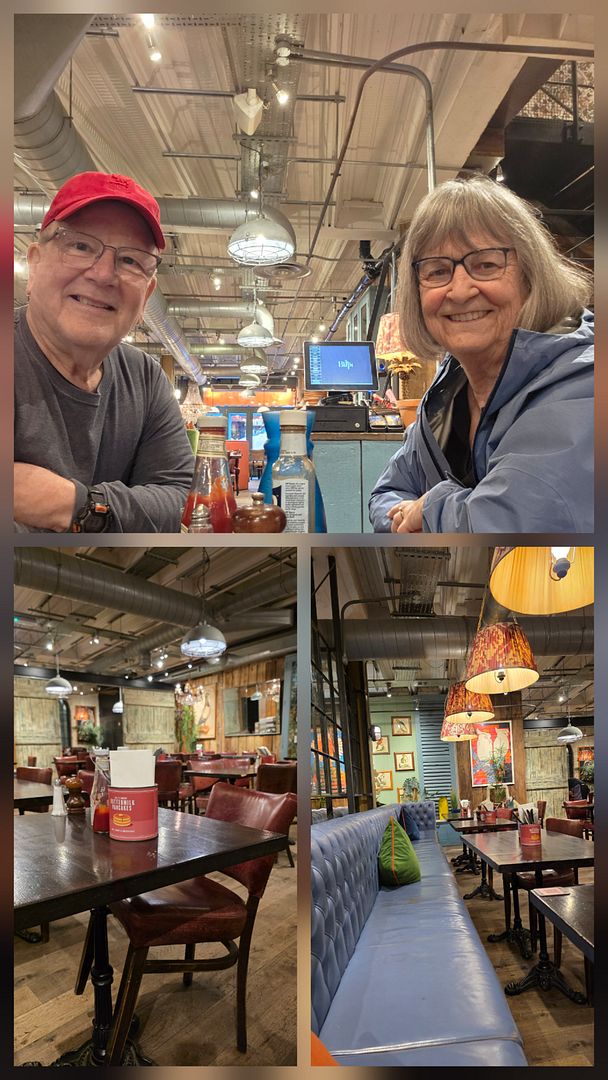
In our neck of the woods it is always a treat to have a new eatery open up. This month Buck 25 Roadhouse in Kettle Falls opened up. We decided to try lunch there after our church workday this past Saturday. We were pleased with the atmosphere and the light and friendly new spot to enjoy good food.
Yesterday was Palm Sunday and our service was good with a sermon from 1st John. This is the beginning of Holy Week culminating with Resurrection Sunday. It is a special week for Christians around the world. We are looking forward to our Good Friday Service and Resurrection Sunday service. Easter preparations are commencing here.

Eating in Budapest

On Saturday February 28th we walked from St. Stephen’s Basilica to the Jewish District looking for Mazel Tov. We had reservations for a meal at 4:30 but we wanted to see if they would slip us in at 1:30 instead since our dinner reservations at Retek Restaurant were for 7:30 on Saturday instead of Friday. (Did you follow that?)

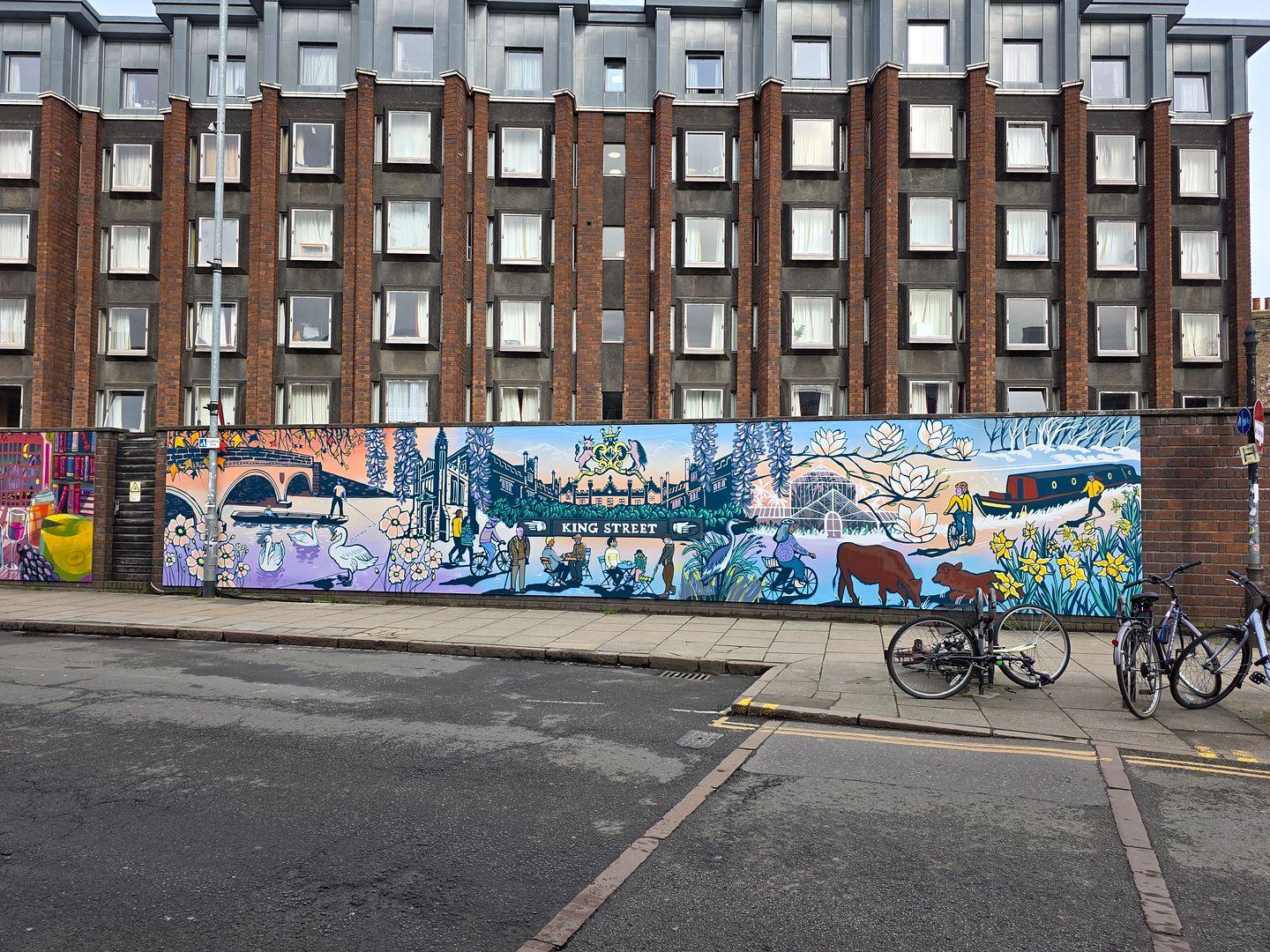
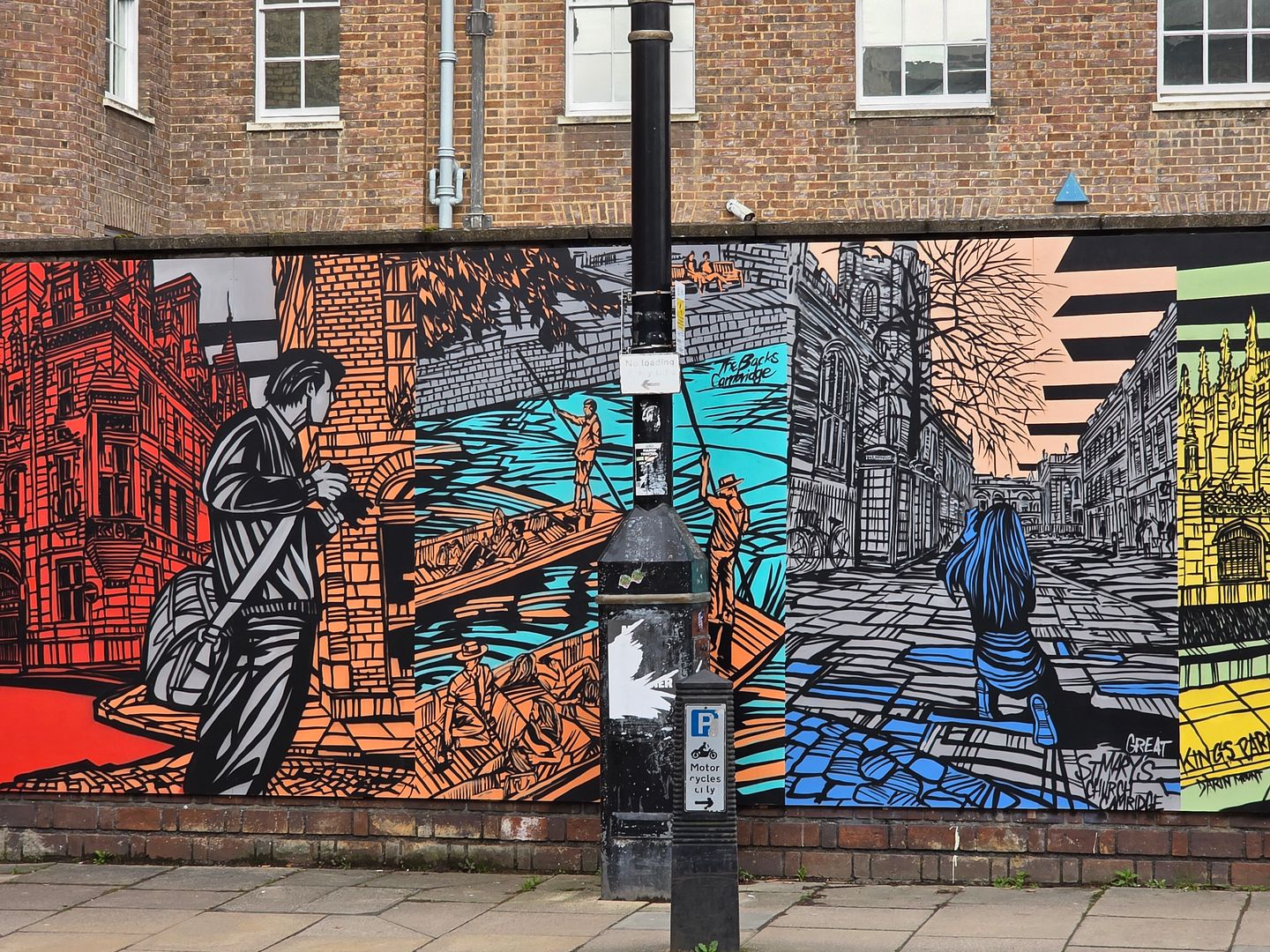
The area had a lot of interesting murals.

We arrived tired and thirsty from our 1.6 k walk in the sunshine. They graciously changed our reservation and we joined the crowd of diners for our meal. We met someone from Costa Mesa, California who is studying abroad. That was fun.


Our meals were both delicious. Greg ordered the DIY Falafel Sandwich and I ordered the spicy lamb shank ragout, couscous with root vegetables, raisins and red onion chutney.

We had another long walk (1.6k) ahead of us to get back to our hotel. We were entertained by interesting buildings on the way.

Our dinner reservations at Retek would be a 1 k walk so we opted for a taxi ride to the restaurant and then we’d walk back to the hotel after dinner.

We went traditional at this very popular restaurant.

Hungarian Beef Goulash with the fresh bread.

Chicken Paprikash

Cottage Cheese Dumpling and Grandmother’s apple pie for dessert.

A delightful all around experience. This was all my kind of comfort food.

This statue was the beginning of history we would learn all through our cruise about the Habsburg empire.

The year 1795 saw Archduke Josef, son of Emperor Leopold II and brother of Emperor Franz, being appointed Palatine of Hungary, a post he held for more than half a century. As such he was the deputy of the King of Hungary – who was of course none other than the Emperor in his capacity as the head of the house of Habsburg. 

The streets we walked at night in Budapest seemed safe.

I’m saving St. Stephen’s Basilica which we visited on this two restaurant day for another post.

The Eagle and DNA

Frances Crick’s brag in the Eagle. The pub where we habitually ate lunch, that we had indeed discovered that ‘Secret of life, struck me as somewhat immodest, especially in England, where understatement is the way of life. ~James Watson

The Eagle, Cambridge ~ Discovery of DNA~

On this spot on February 23, 1953, Francis Crick and James Watson made the first public announcement of the discovery of DNA with the words “We have discovered the secret of life.” Throughout their early partnership Watson and Crick dined in this room on six days every week. 

Greg and I dined in this room on Monday March 9th, 2026.

The other history that is special here is the ceiling covered in graffiti of British and American WWII pilots who burned their names and squadron numbers here using cigarette lighters, candles and lipstick.

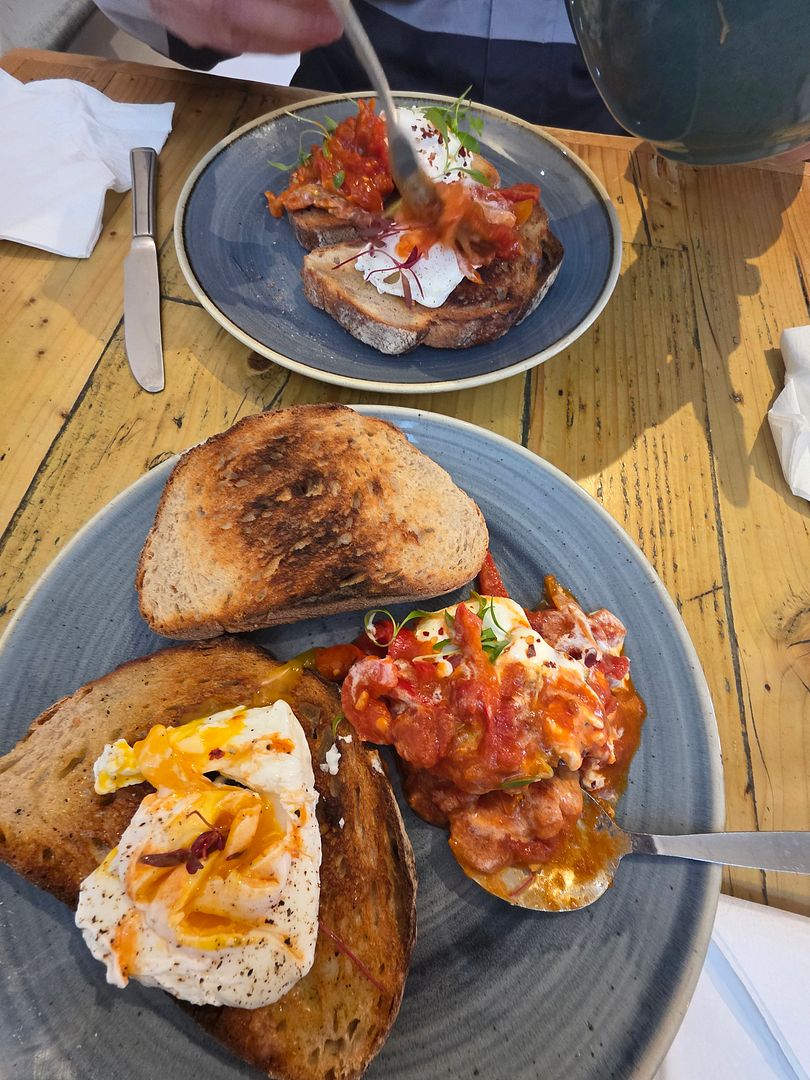
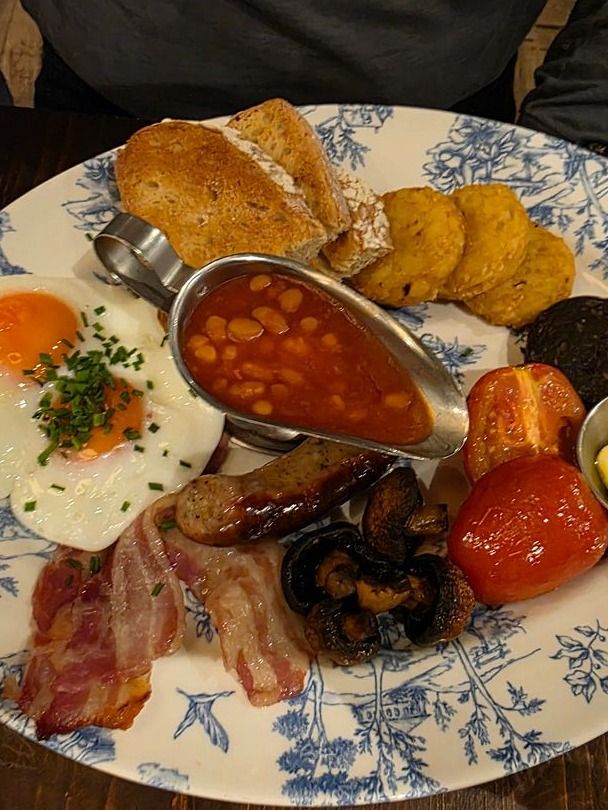
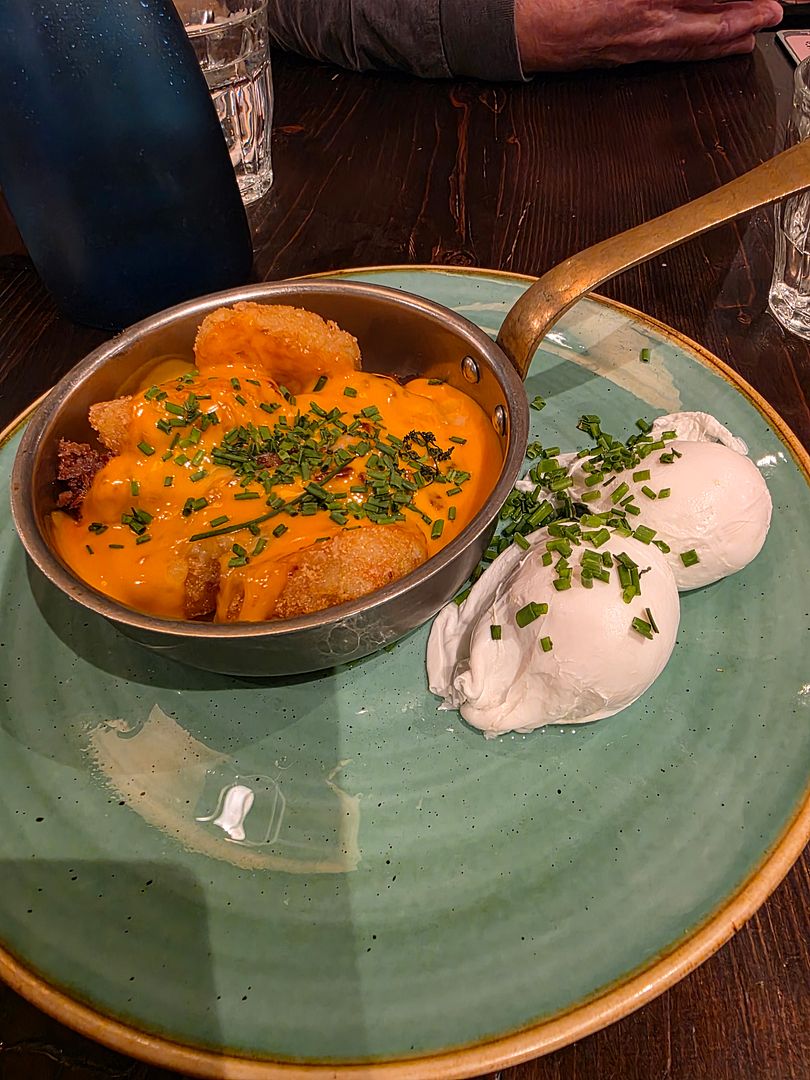
Cottage pie and duck hash were our choices for our meal.

From The Eagle we decided to trek over to the Wren Library in Trinity College. It has limited visiting hours and this was a good day to fit it in. That will be another post!

We are walking our feet off here in Cambridge. Thanks for following along on our travels and discoveries.

The Birthday Finale

Today is our firstborn’s birthday and that brings our family January birthdays to their finale. He is a joy to us and to so many others.

Happy birthday, dear Joshie! Here’s to a year filled with many good things and lots of love and growth in the Lord.

 Every good and perfect gift comes from above.

Glad we could celebrate you in person back in December.

Here’s a celebration from a few years back.

Seahawks are in the playoffs so this collage with you sporting your Seahawk Jersey seemed appropriate to share.

Of course soccer and the Sounders have a lot of extra loyalty for you and our whole family.

You are loyal fans when they are home and away.

15420786_10211421409552843_2489597613220187449_n

I love that you and Laura made it all the way to Toronto to see the Sounders win the MLS cup!

P1030567

Family times at the games are a great memory.

With FIFA World Cup coming to the USA again it brings memories from 1994 when the USA hosted this popular world event. Seeing prices and how hard it is to get tickets for games this year makes the fact that both you and Dan got ticket packages for less than $100 for a few games in each package seem like a miracle. Not only did you get tickets but we were able to meet the whole U.S. team at their practice field and their hotel. What fun that was to experience.

Hopefully, tickets will become available for you this time around!

Another memory is popping up for the year.

Looking ahead to October, this experience from 1997 comes to mind. You and Dan have been back to Hawaii since 1997 but it will bring back memories when we are all back there together again. I won’t be renting any beach rafts this time around!

Hope you have a special day today and that you know how much you are appreciated and loved.

Go Sounders…oops…Go Seahawks!

Hello October Hodgepodge

Speaking of Southern Charm and September…

The Rhett House Inn, Beaufort S.C.

Hello October Hodgepodge. Thank you, Joyce!

1. What’s your favorite fall scent?

Vanilla with just a hint of cinnamon.

Would we find this in or around your home right now? 

No

2. October is Country Music Month…are you a fan of country music? Do you have a favorite country artist? Ever been to Nashville?

I enjoy country music but I do not have a favorite artist and I’ve never been to Nashville.

In terms of lifestyle are you more country mouse or city mouse? 

I was raised and lived the city mouse lifestyle for 67 out of my 74 years but I’m adjusting to the country mouse lifestyle. We moved to the country in 2018 and we are enjoying the country life. I have bonded with Wal-Mart. 🙂

3. How about ‘country cooking’? (loosely defined as rich flavors, familiar foods, large portions, often fried, and often associated with the southern region of the US of A)? 

Fried Green Tomatoes were delicious at a restaurant called Wren in South Carolina. Katie and I were in South Carolina in 2010 staying in Beaufort to attend Andrew’s graduation from Marine Boot Camp at Parris Island.

chicken and dumplings-fried chicken-shrimp and grits-biscuits and gravy-mac and cheese-fried green tomatoes-cornbread-collard or turnip greens-deviled eggs-‘barbecue’-gumbo-banana pudding 

Which of the foods listed is your favorite? 

I would say that barbecue, deviled eggs, cornbread, biscuits and gravy are favorites.

Any on the list you haven’t tried or would say a firm no thank you to if offered? 

I would be fine with eating any of the items on the list once in a while.

4. What’s something that always has a positive impact on your mood? 

Good Christian Worship Music and Hymns. Music speaks to my heart.

“May I be singing when the evening comes.”

5. As we say so long to September share a noun, a verb, and an adjective that tells us something about how that month looked for you.

September had some fun travel and joyful events but the horrific assassination of Charlie Kirk hit me hard. His Memorial service reaffirmed my great hope in God and our Savior, Jesus Christ.

noun: assassination ~~verb: travel ~~adjective: horrific

6. Insert your own random thought here. 

September of 2010 was a memorable one in our family.

The photo above is from the Parish Church of St. Helena in Beaufort, S.C.

This wonderful old church and graveyard were around the corner from our lodgings in Beaufort. (Photo at the top of this post) I took several photos here of the grounds and of the fresh in love couple!

Beaufort is a city on Port Royal Island, one of South Carolina’s coastal Sea Islands. It’s known for its antebellum mansions, especially in the downtown historic district.

Being at Parris Island and experiencing all the ceremonies involved with Andrew officially becoming a Marine were amazing and unforgettable.

Katie and I stayed in Beaufort while we attended Andrew’s graduation from Parris Island Marine Bootcamp in September of 2010. Later that month on September 29, 2010, Katie said yes to Andrew’s proposal of marriage. The photo below was taken on that evening.

We are looking forward to some special times in October starting this Saturday with Marcus Cider Fest! It was fun to turn the calendar page this morning.

9/11 Spirit of America

We are heartbroken that Charlie Kirk was assassinated on a college campus in Utah yesterday. Such a fine young man who loved free speech and loved his God, family and country. So senseless and evil. May God comfort and hold his wife, children and family.  Praying this senseless act causes change in the political rhetoric of hate. I don’t know what else to say.
 

“All death can do to a believer is deliver him to Jesus.” ~ John MacArthur

Today is 9/11 and one of the most moving memorials we’ve seen was in Cashmere, Washington and I wanted to share it again on this anniversary.
God Bless America, Land that I love, Stand beside her and guide her thru the night with a light from above.

From the mountains, to the prairies, to the oceans white with foam. God bless America, My home, sweet home.

This to date has been the most elaborate memorial we have seen in remembrance of all the lives lost on that tragic day in 2001, a day we all remember as 9/11. The Official County of Chelan Memorial of 9/11 called 9/11 Spirit of America Memorial and The Cashmere Veterans War Memorial are both on this site.

“We Must Never Forget”

Pend Oreille County Road Trip


On Thursday June 12th we left our home bright and early to travel to the Metaline Falls area of our state. Instead of traveling highway 20 to Highway 31, we chose a back road that looked simple enough to navigate. The map showed that Aladdin Road would get us to an alternate route to the town of Ione. After a while we knew we had missed the turnoff. We turned around and saw a gentleman on his morning walk so we stopped to ask him if he knew where we went wrong and if he knew an alternate route to Ione. He said he did and he had just driven it the day before and if we didn’t mind getting our car dirty we could drive Smackout Creek Road for 14 miles and get to Ione. We found the primitive road and set out slow and easy. After several miles the road changed names to Smackout Pass Road. It was a pretty but very remote road.
We did not see another vehicle until we got to about mile 12. We were relieved to finally reach the small town of Ione.

Our first stop once we reached highway 31 was Box Canyon Viewpoint in Ione.

We were happy to see a nice parking area with a clean restroom.

We saw eagles besides the nice views up and down the Pend Oreille river. Pend Oreille is pronounced ‘Pond Array’.

We made a quick stop at Eagle Nest Viewpoint but we were only entertained by swallows.

Continuing on Highway 31 we crossed the bridge over the river into the little town of Metaline Falls.

The Farmhouse Cafe was the spot we picked for our breakfast. Since it was the only choice for food we were happy the food and service was good.

After breakfast we stopped at a Mercantile for a little shopping. We bought a puzzle for me and a hat for Greg.

We got some extra information about the area from the owners of the shop and set off north again on Highway 31. We had two planned stops that were about 1 mile from the U.S. – Canadian Border.

We knew the next two stops were something we’d enjoy seeing in person because our son, Dan, had been in this area last month and had sent photos via text of what he saw.

I’ll save those stops for another post.

Yesterday we had a nice Father’s Day starting with church and then we enjoyed a quiche for brunch.

Our Colville kids brought us a wonderful homemade Curry for dinner along with a Strawberry/Rhubarb Pie that Addy and JJ helped bake.

They forgot to bring a strawberry for the top so they improvised with the fresh cherries we were enjoying.

It was high time to take a fresh generations photo of the guys.

Enjoy the last days of Spring!