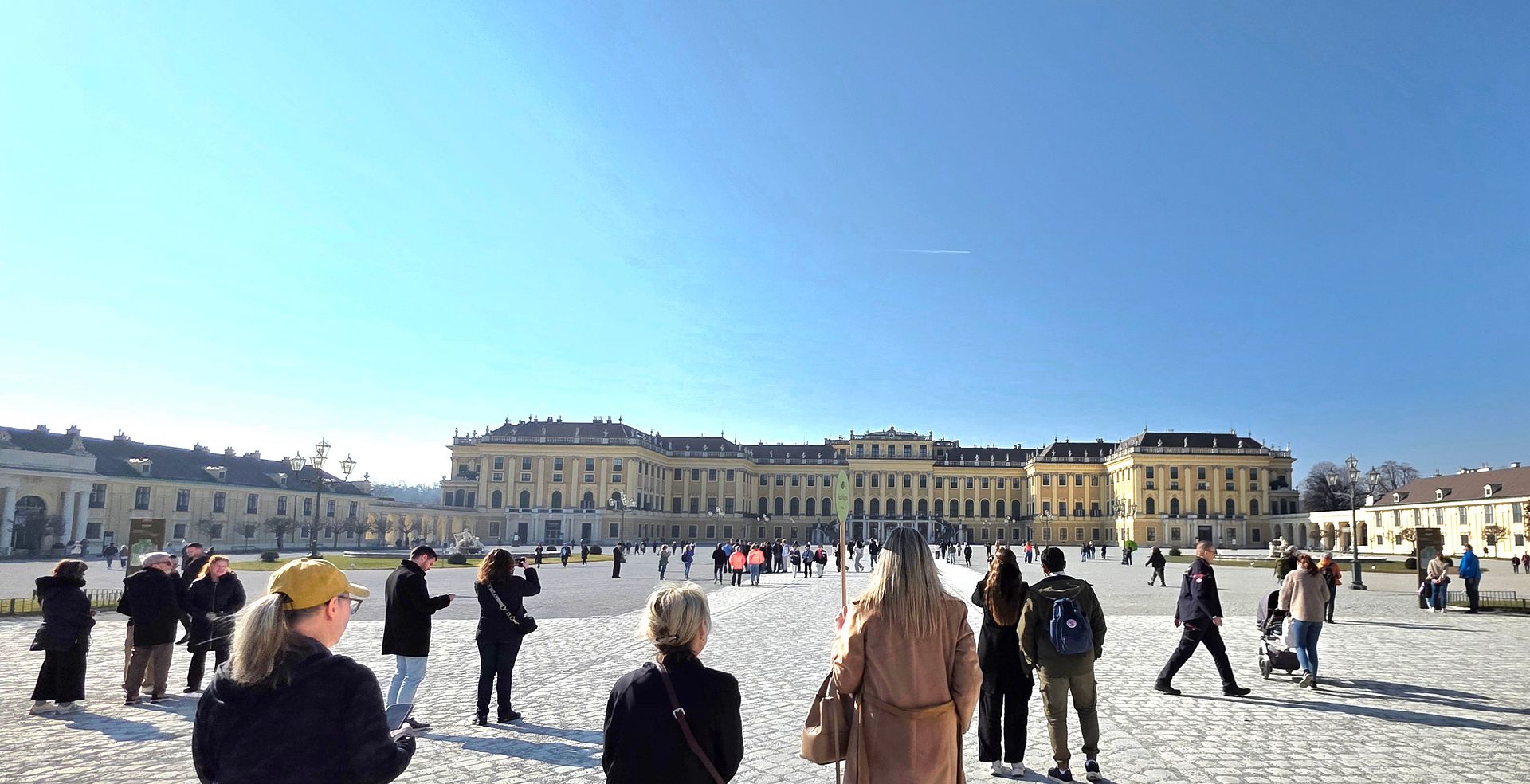
Vienna Part 5- Schönbrunn Palace

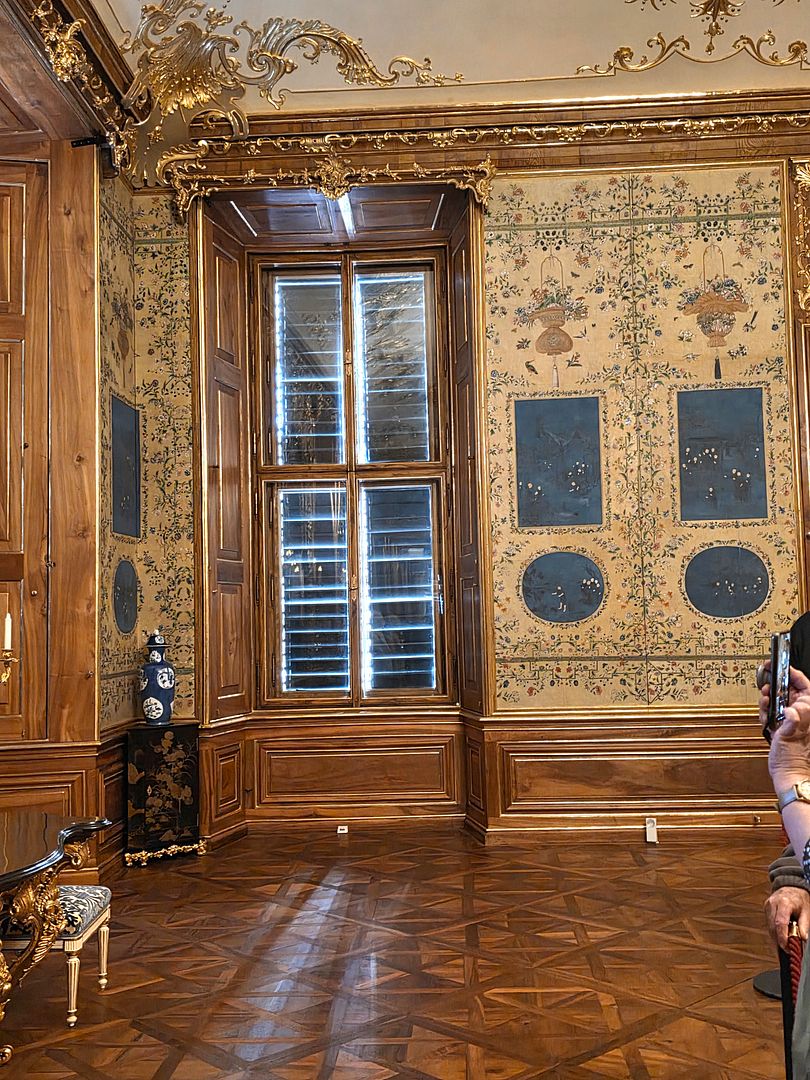
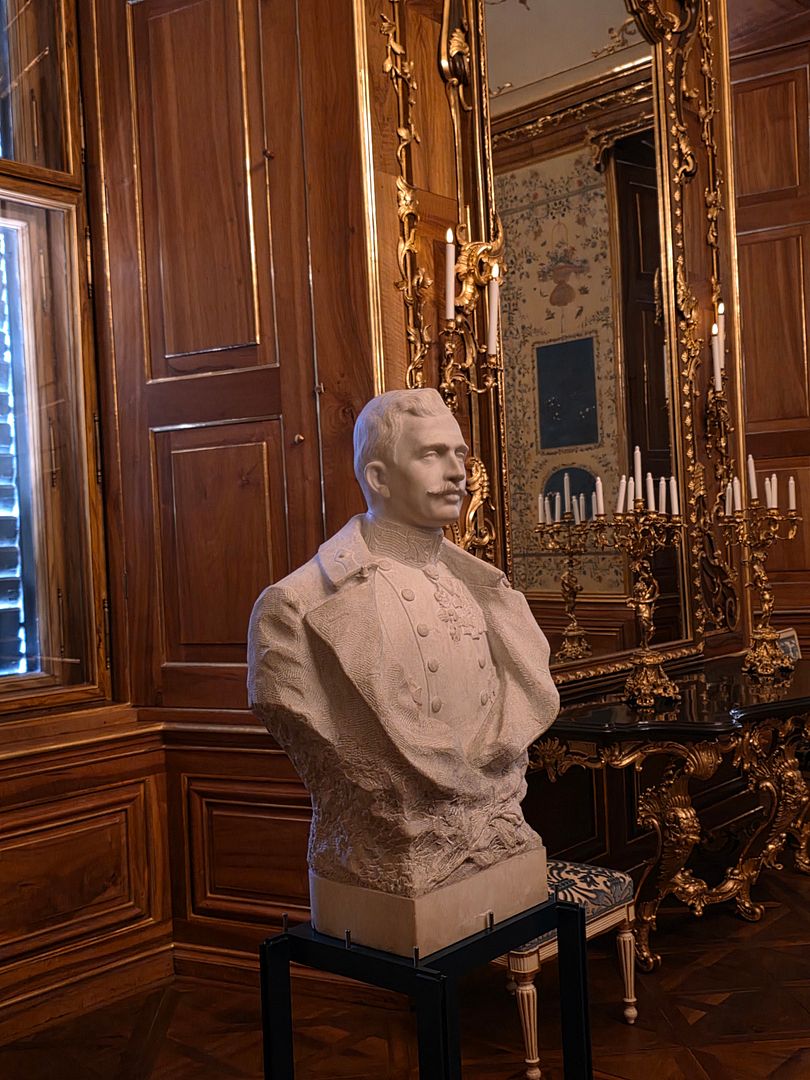
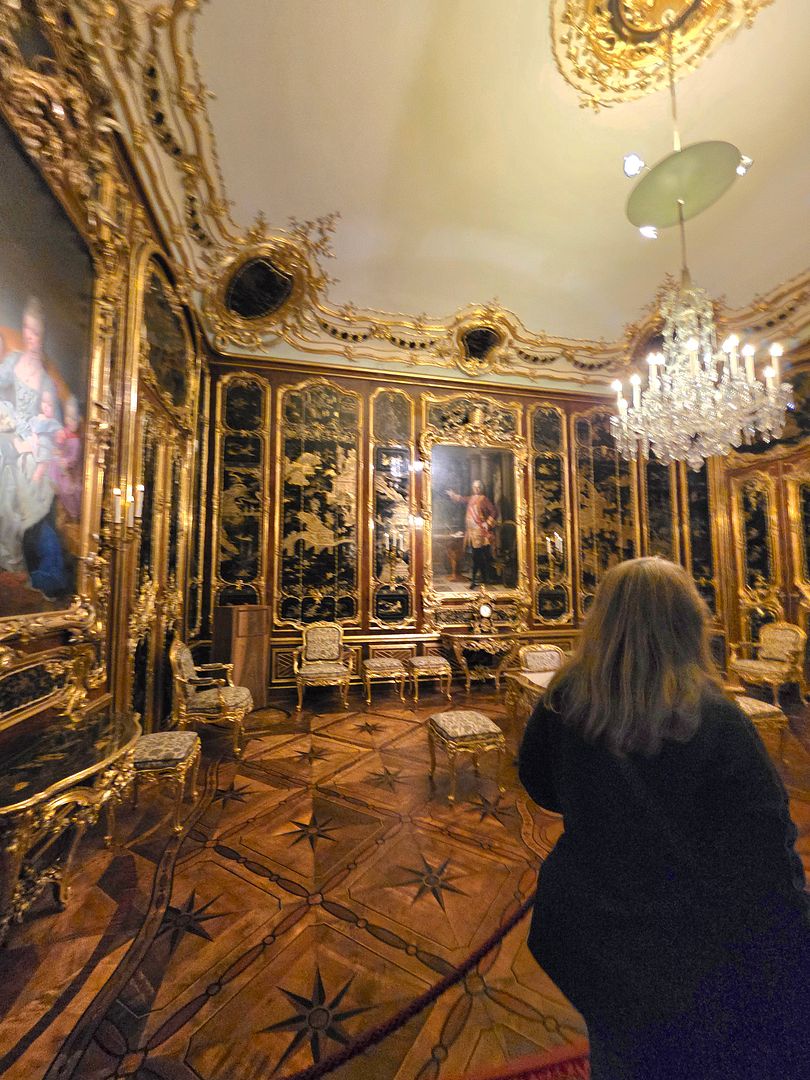
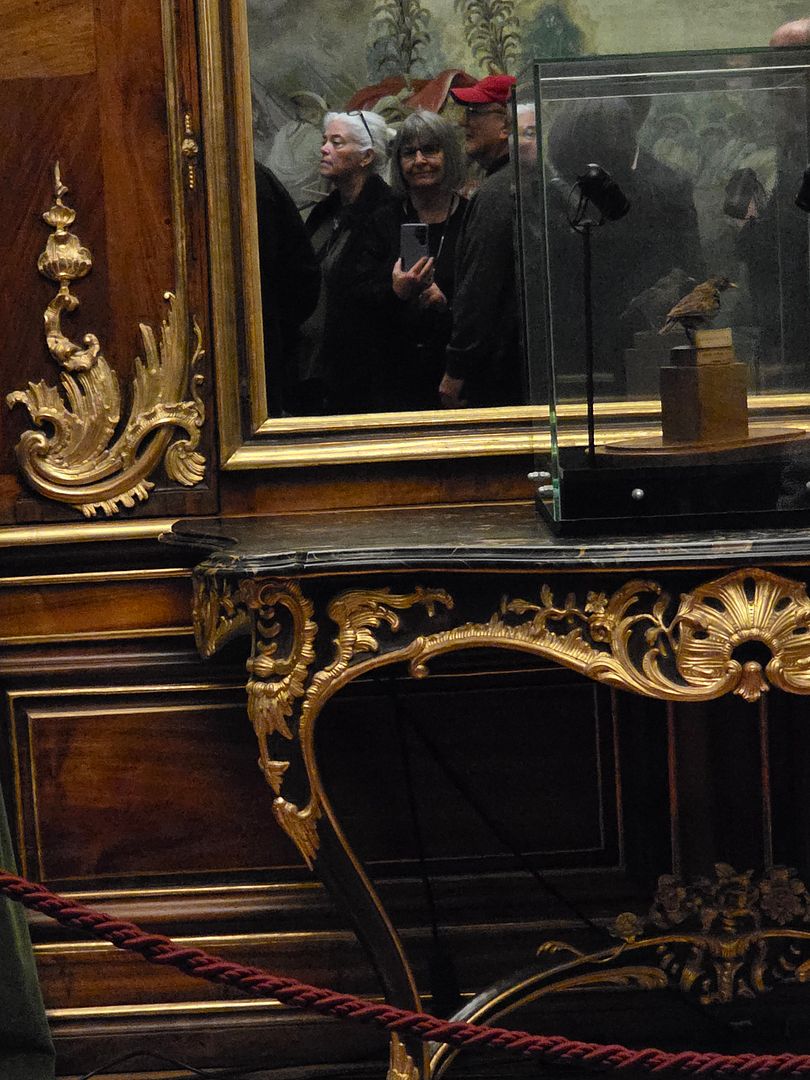
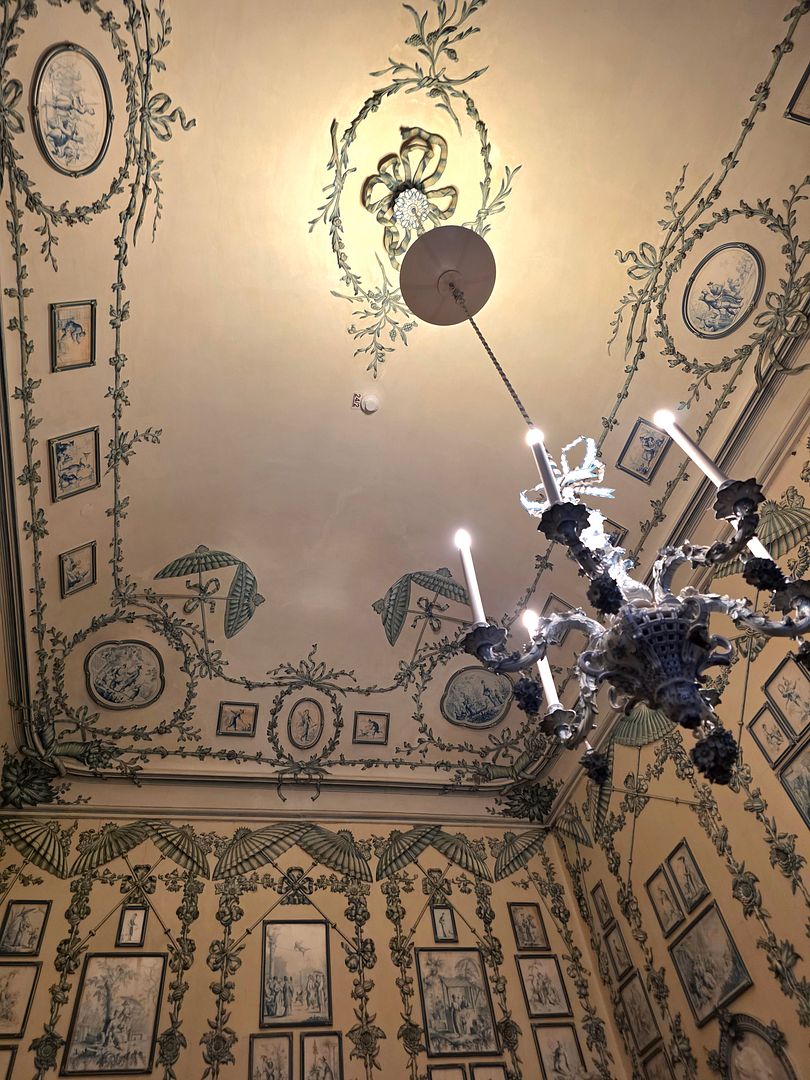
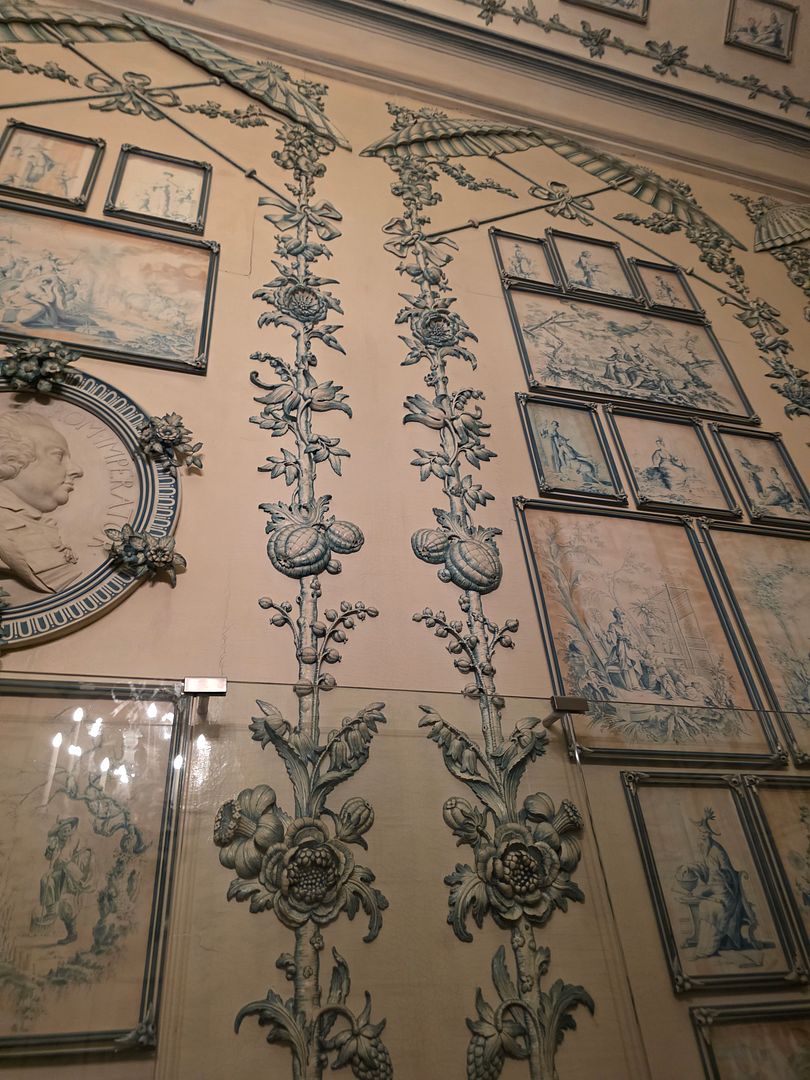
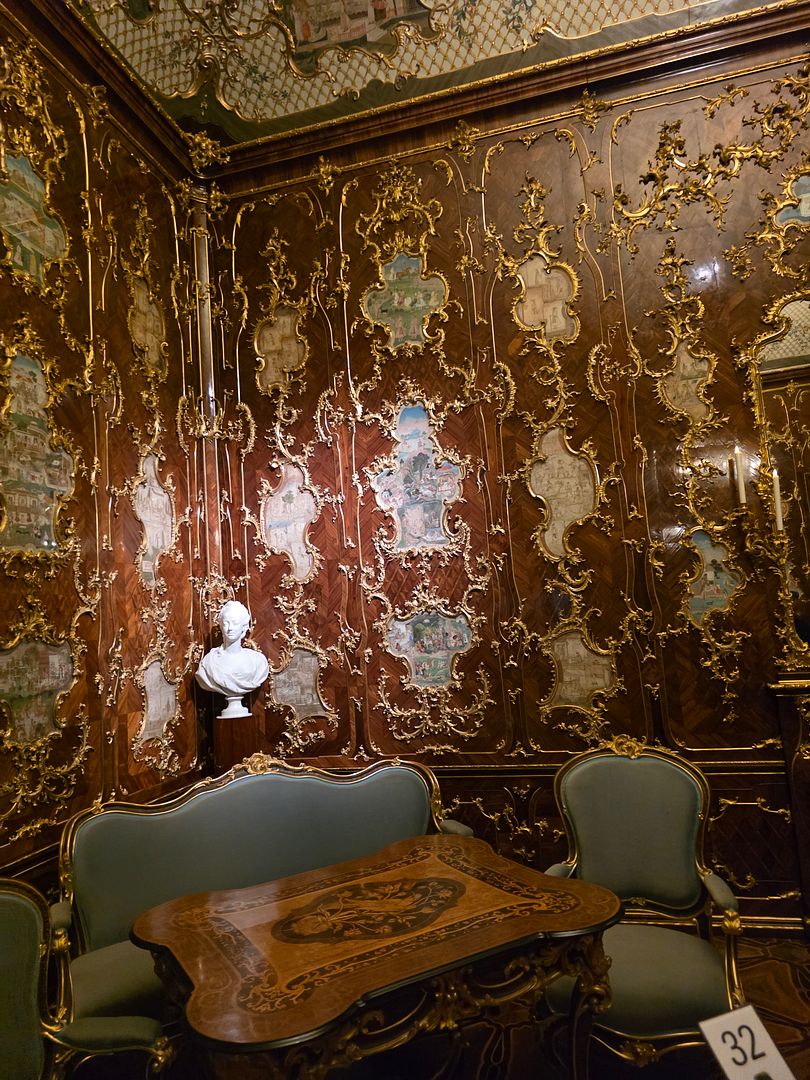
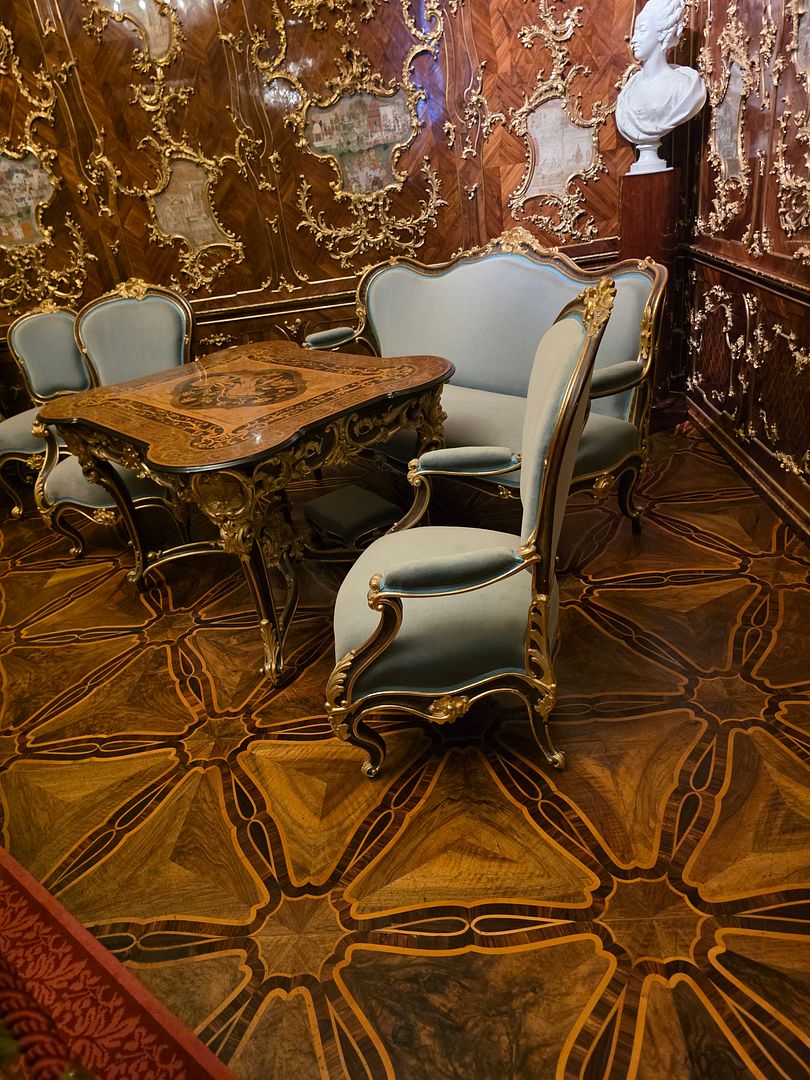
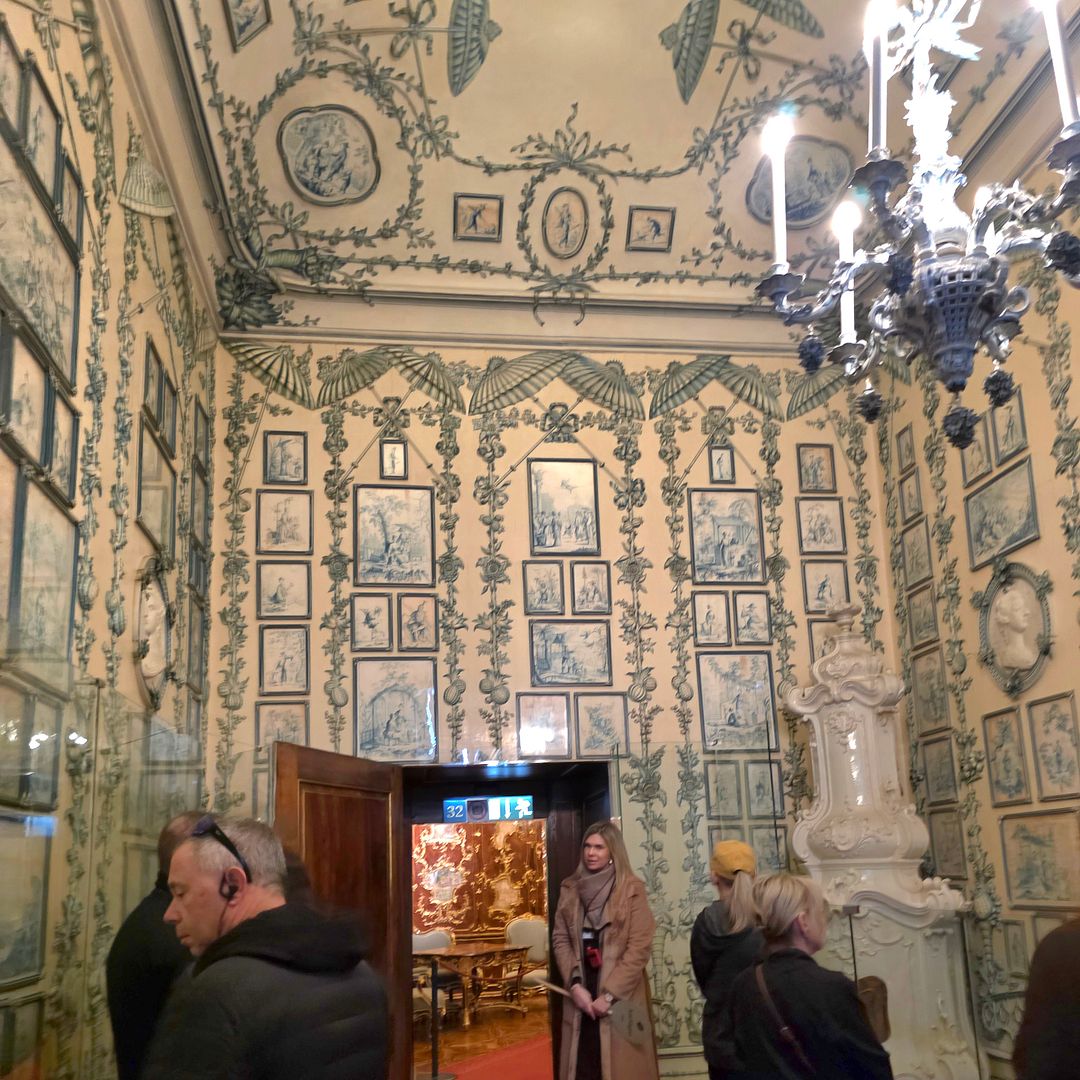
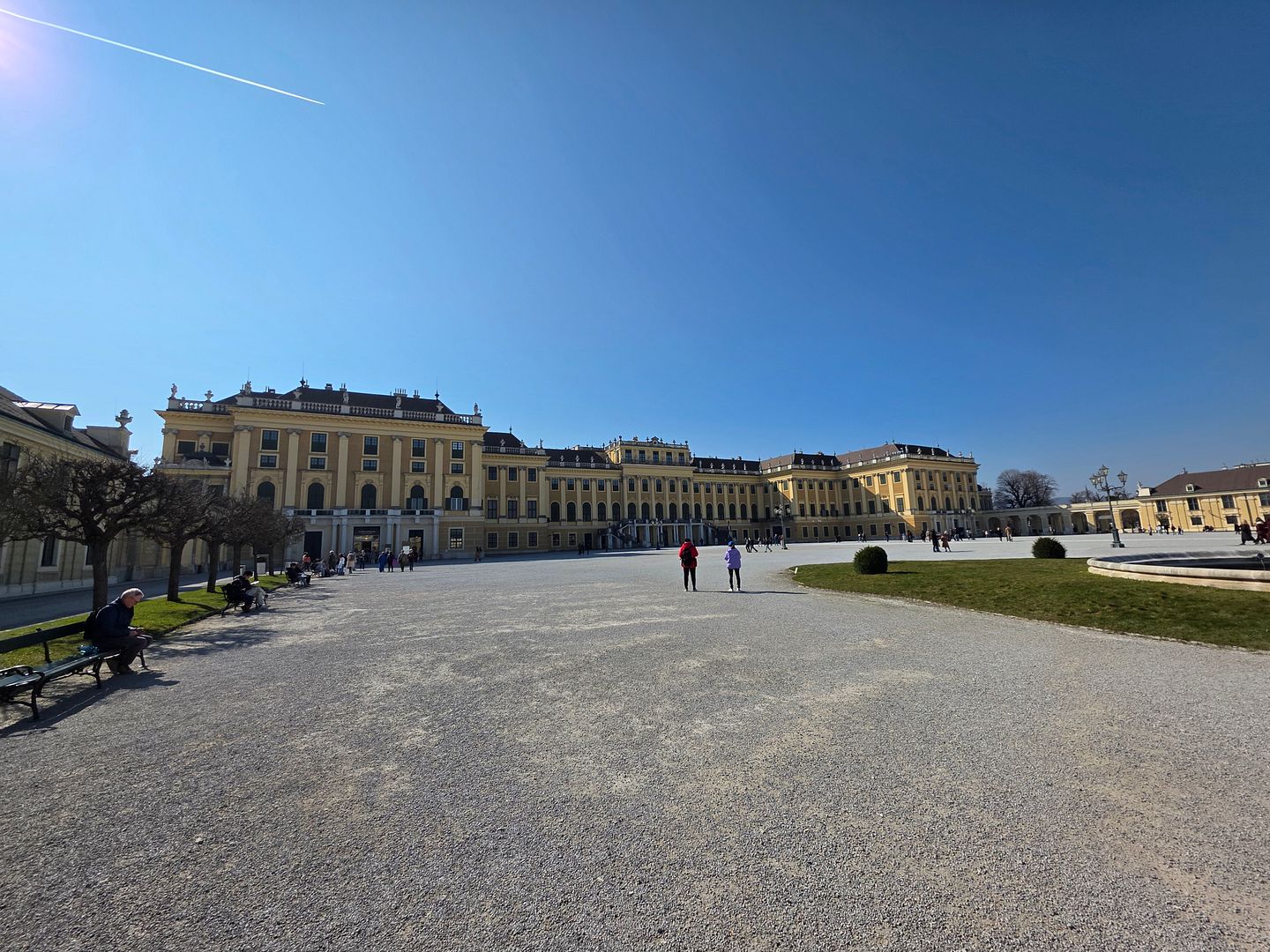
After breakfast aboard the AmaMagna on Friday March 6th we had a morning excursion to Schönbrunn Palace.

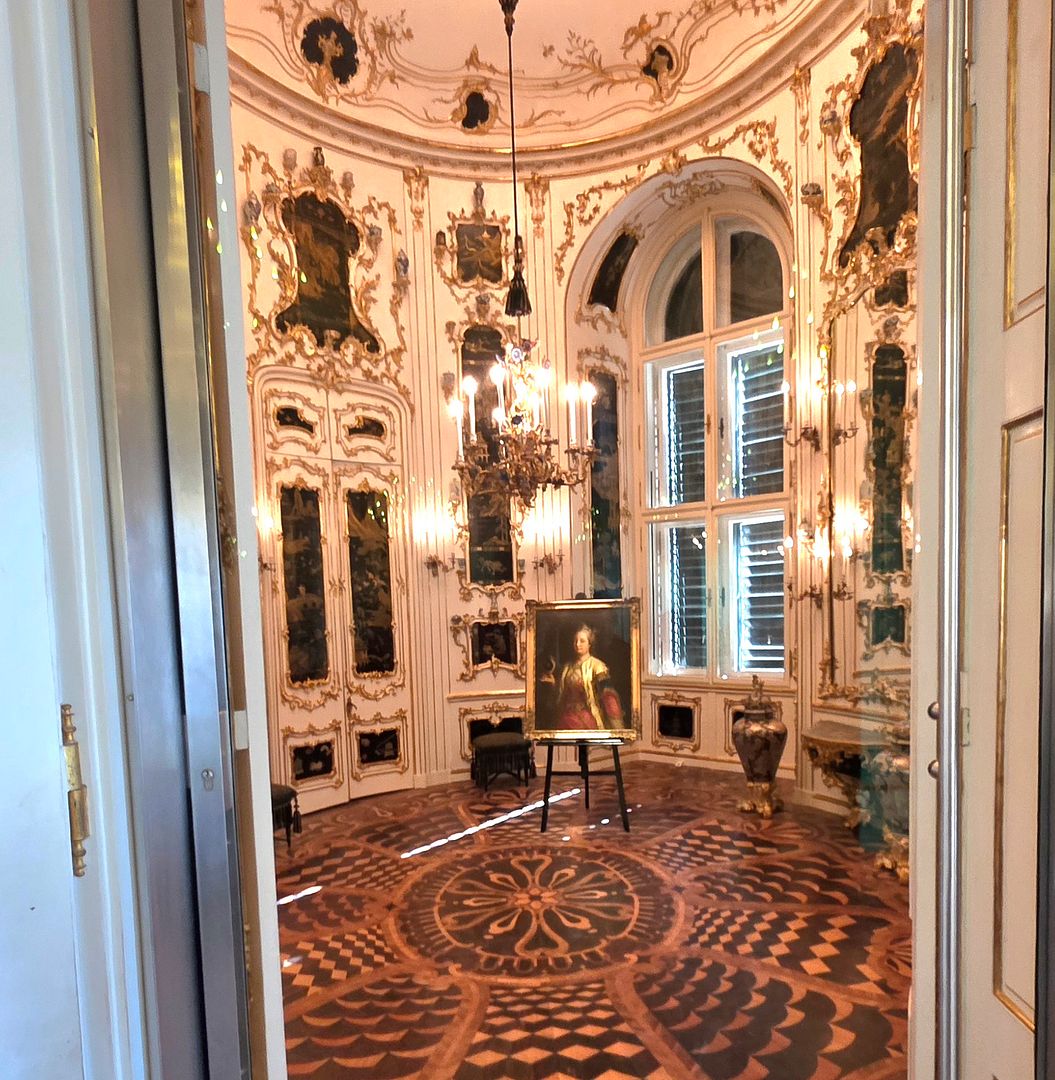
The palace is an exquisite example of Baroque architecture and opulence, illustrating the tastes, interests and aspirations of successive Habsburg monarchs. Built as a summer residence of the Habsburg Emperors and spanning an astounding 1441 rooms, this Rococo palace soon became one of their favorite homes. 

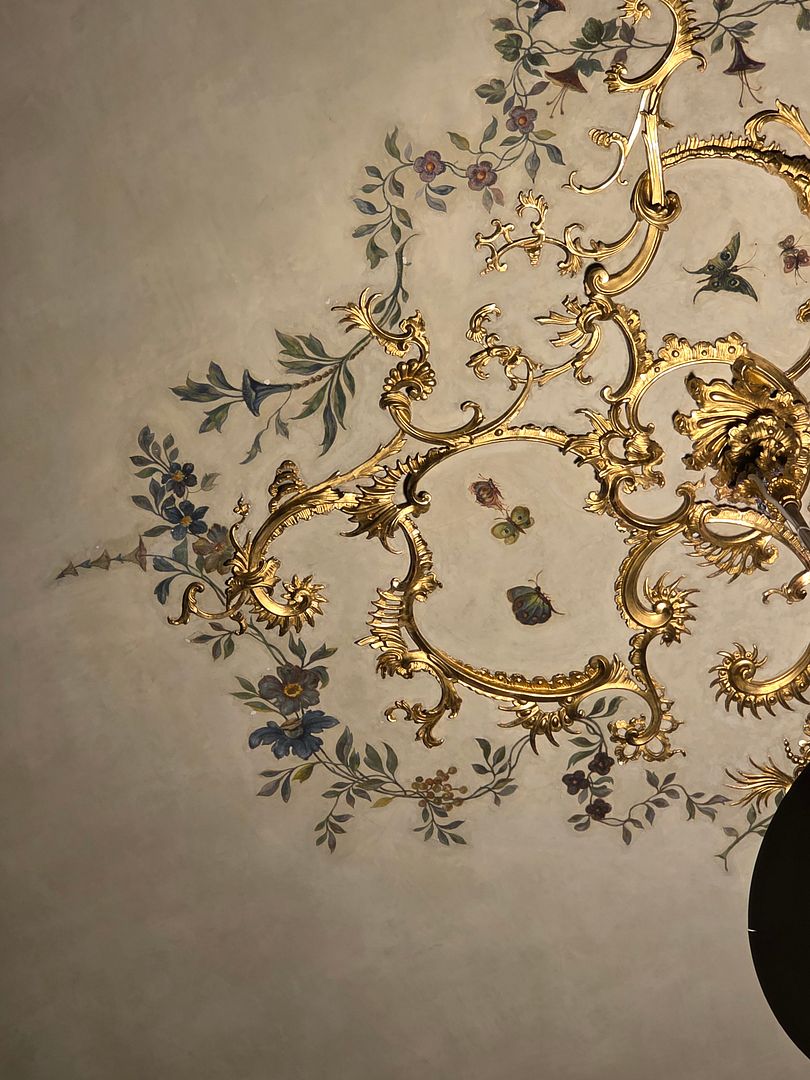
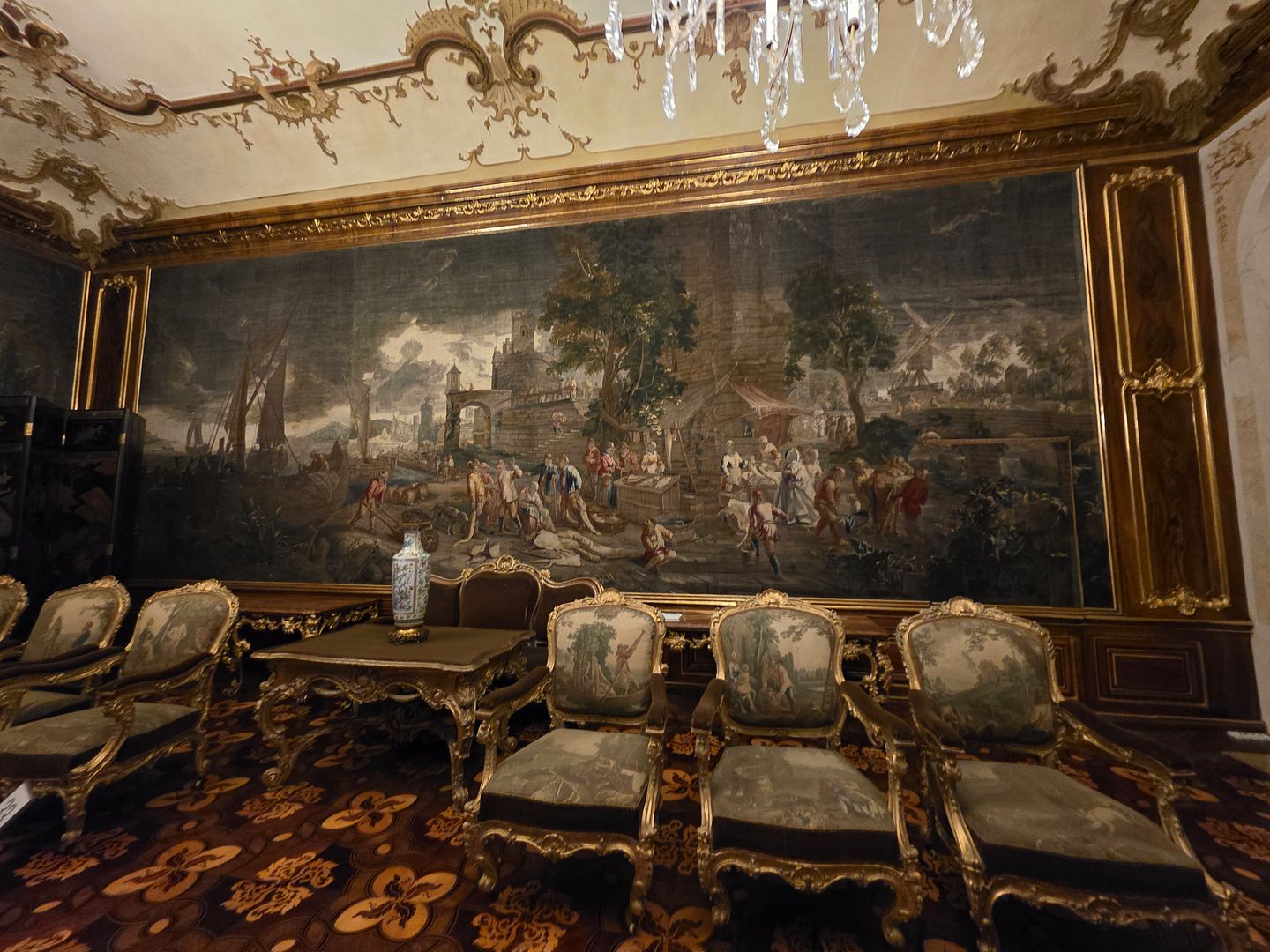
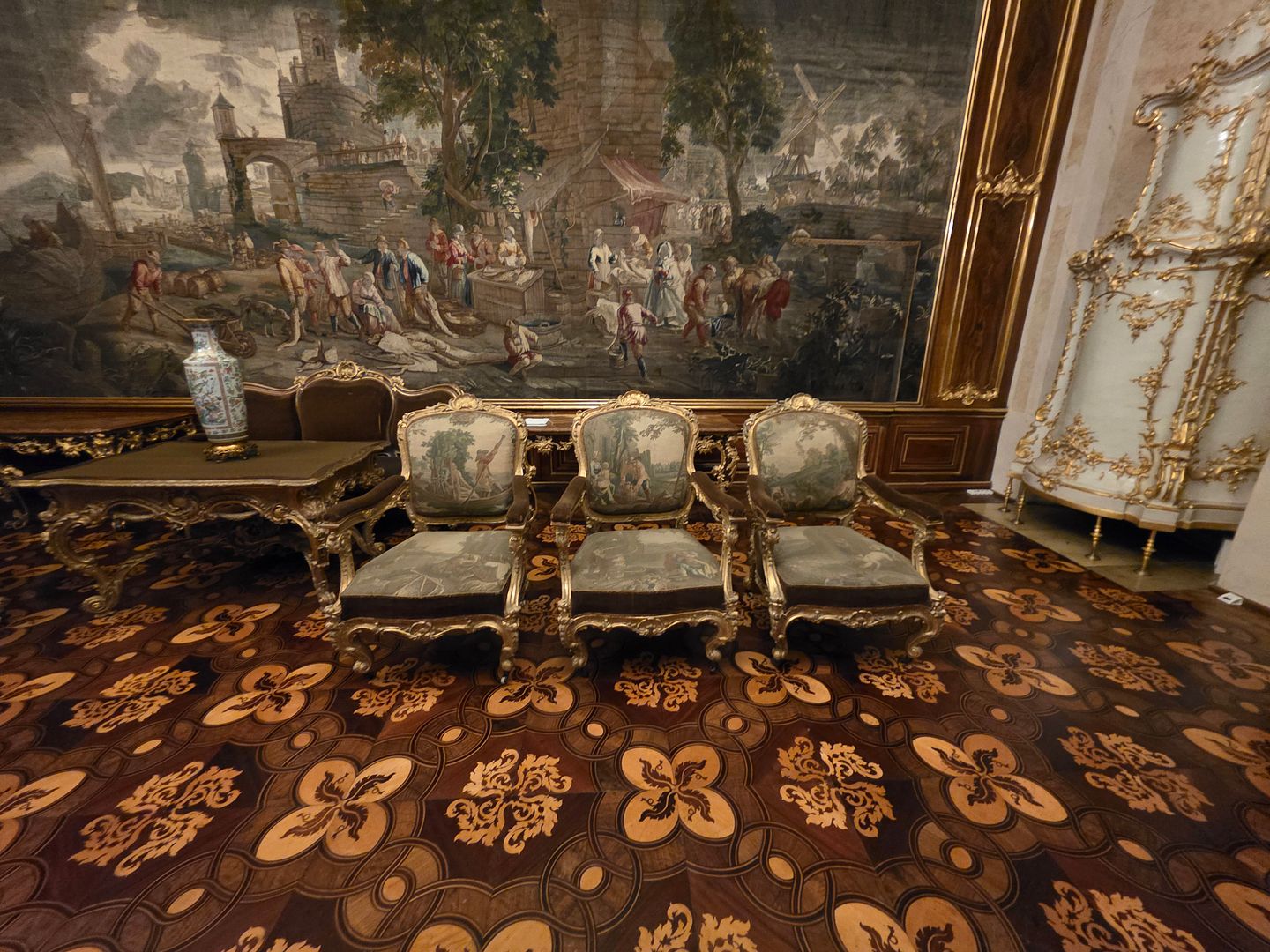
We entered the Grand or Great Gallery.
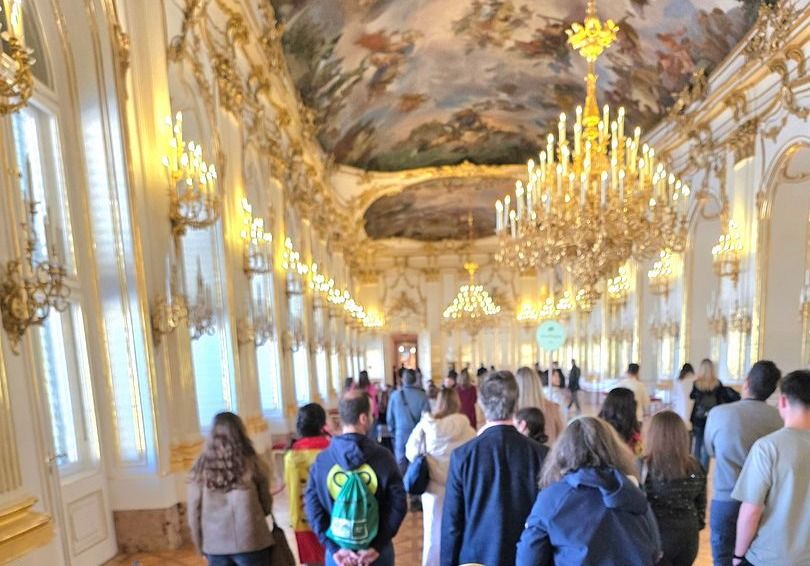
The most significant official event to have taken place in the Great Gallery in the international context was the legendary encounter between US President John F. Kennedy and the Soviet Prime Minister Nikita Khrushchev in 1961.
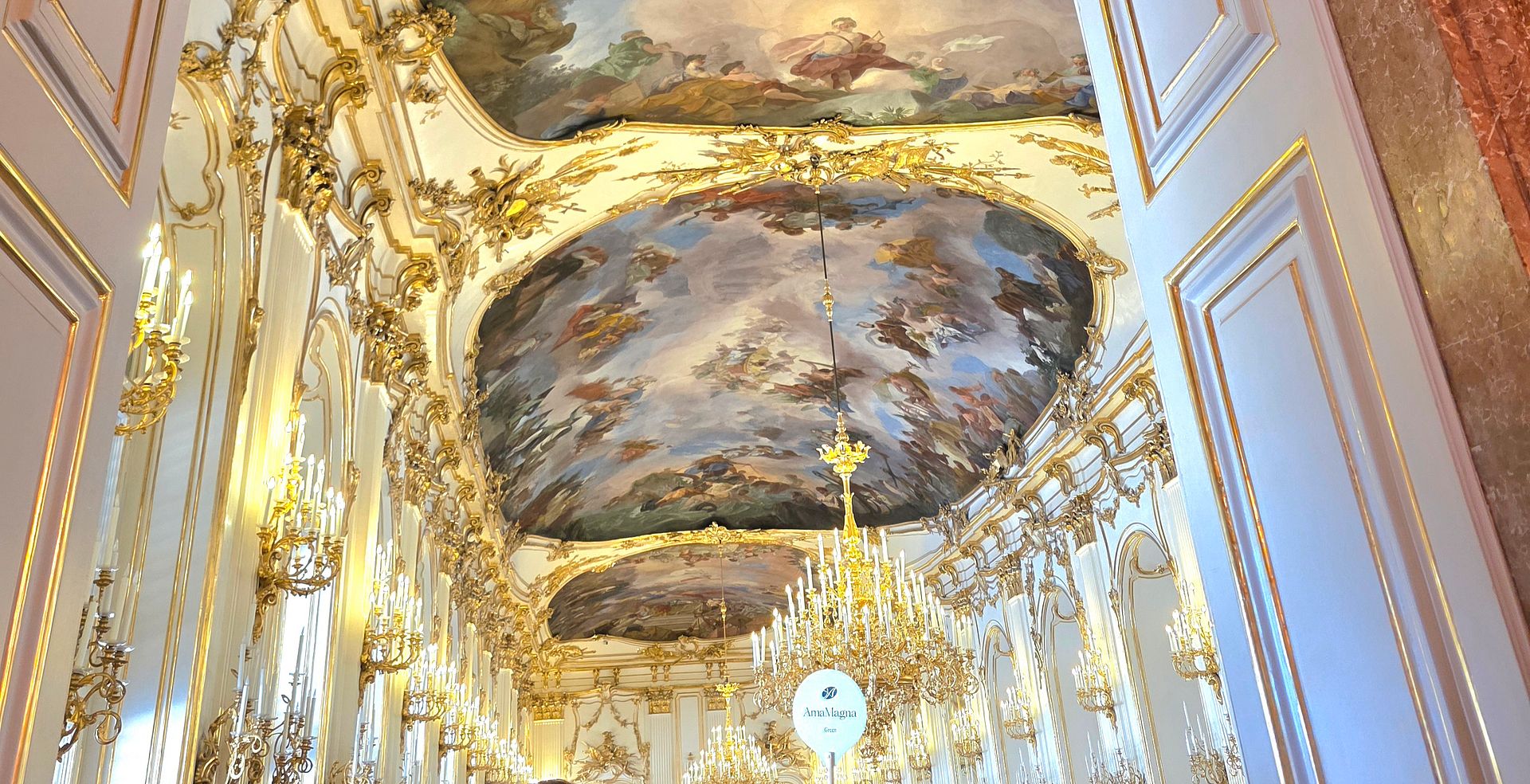
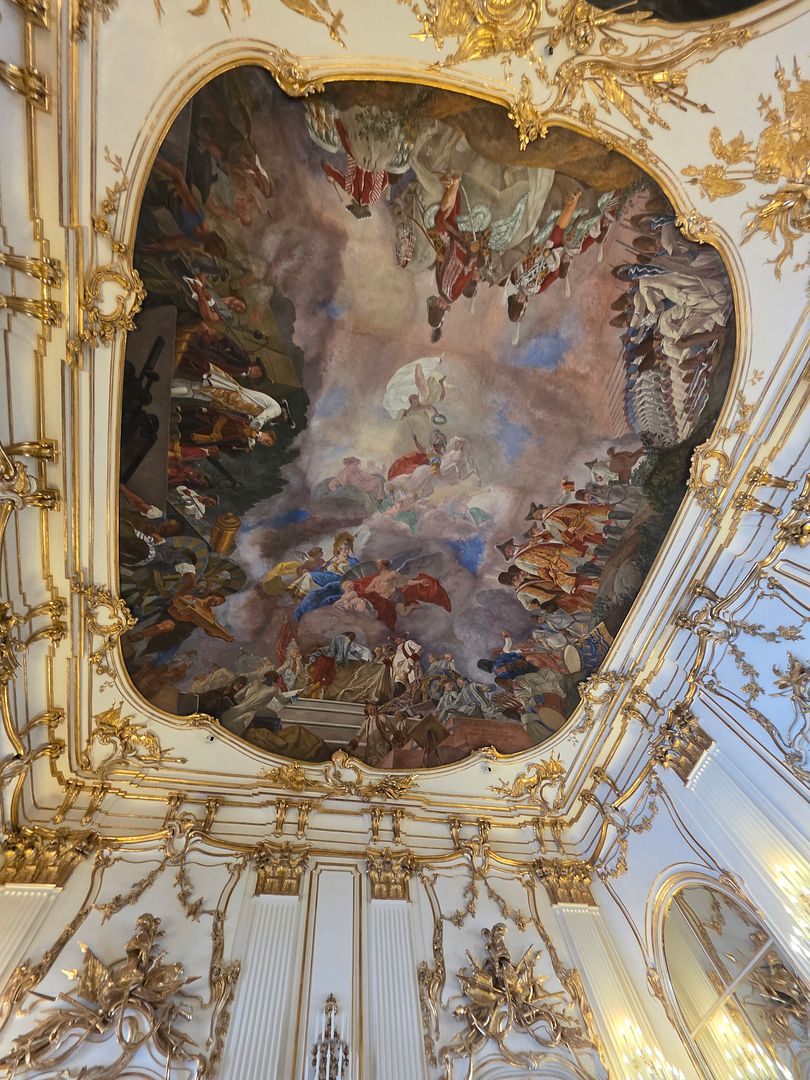
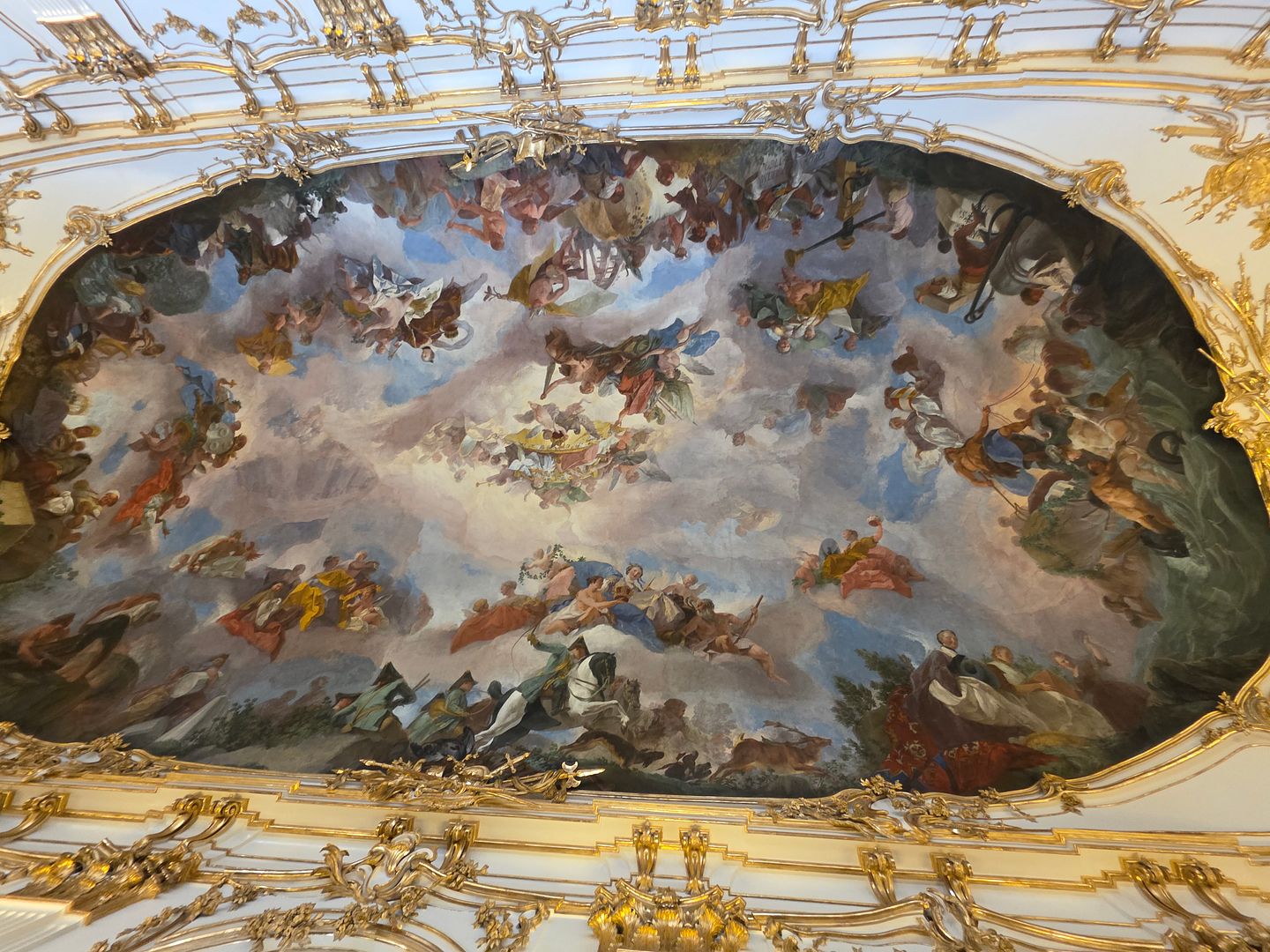
The Great Gallery is the palace’s ceremonial hall and is not merely the architectural centrepiece of the palace: its decorative programme glorifies Habsburg rule under Maria Theresa.
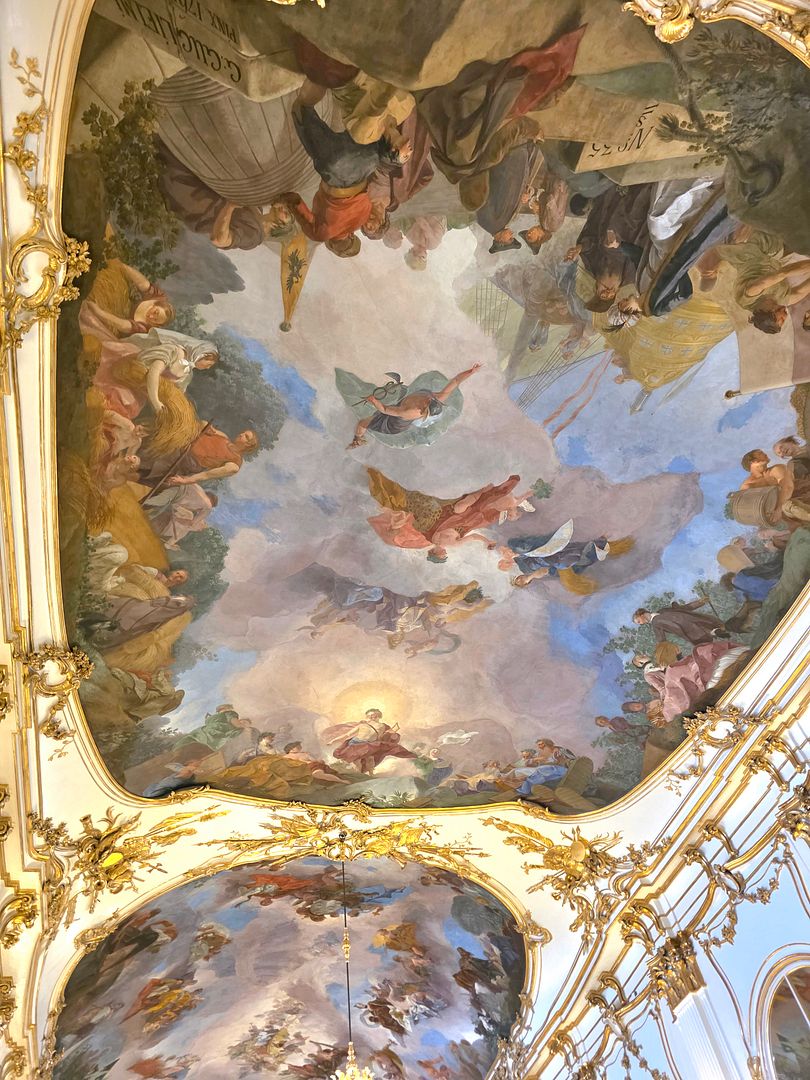
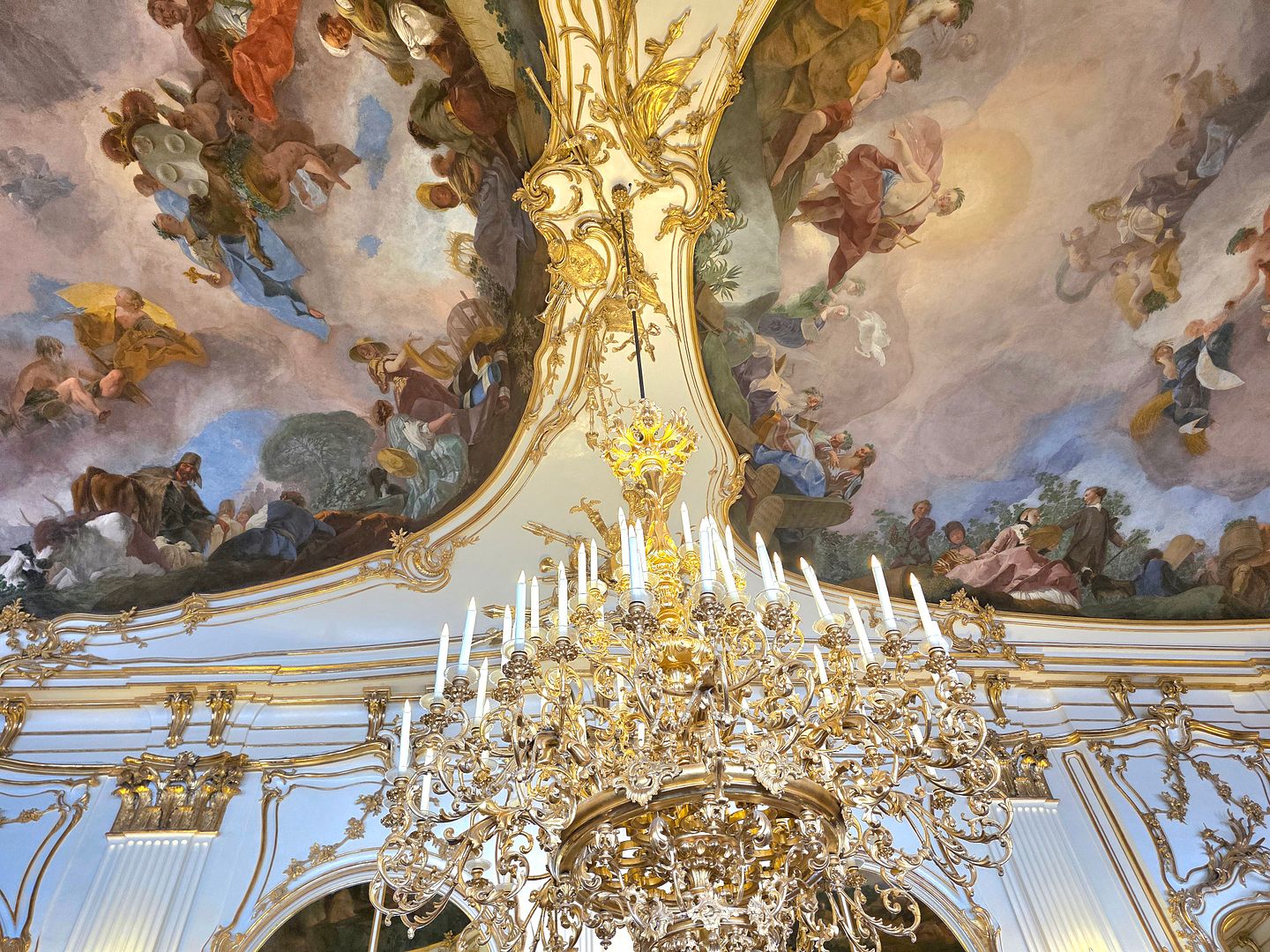
One of the frescoes fell victim to a bomb dropped in April 1945, in the final days of the Second World War. It was replaced with a copy painted by Paul Reckendorfer and Carl Krall in 1947/48.
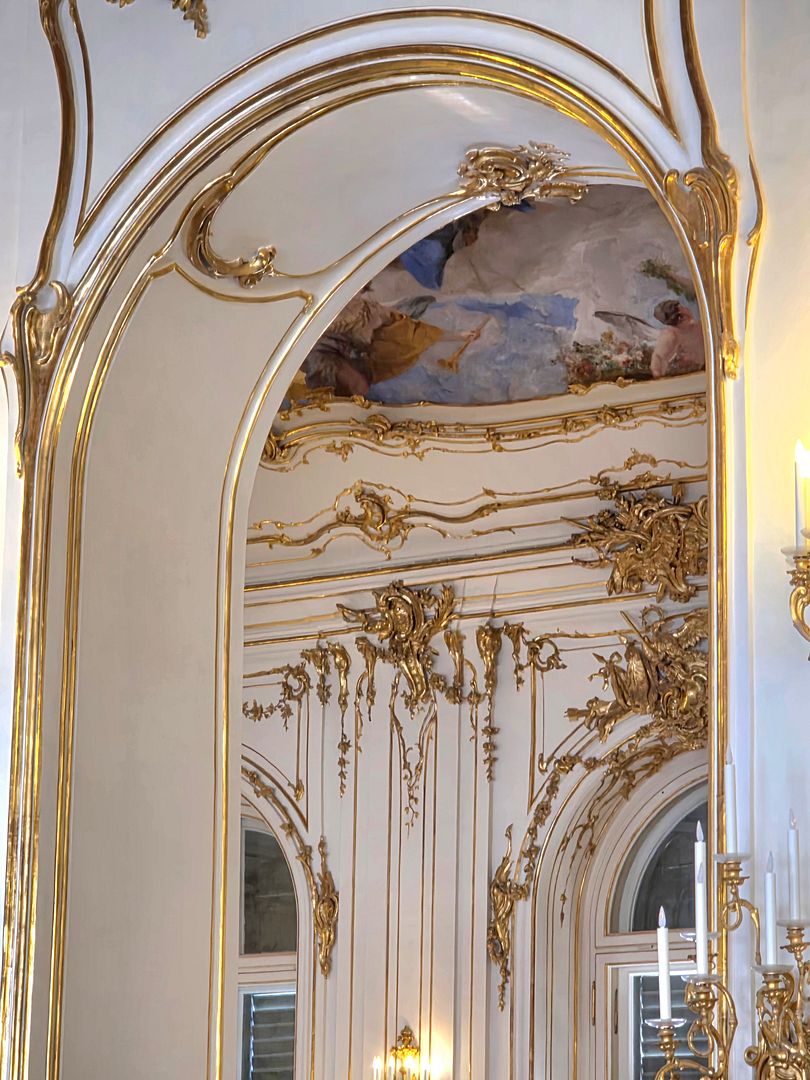
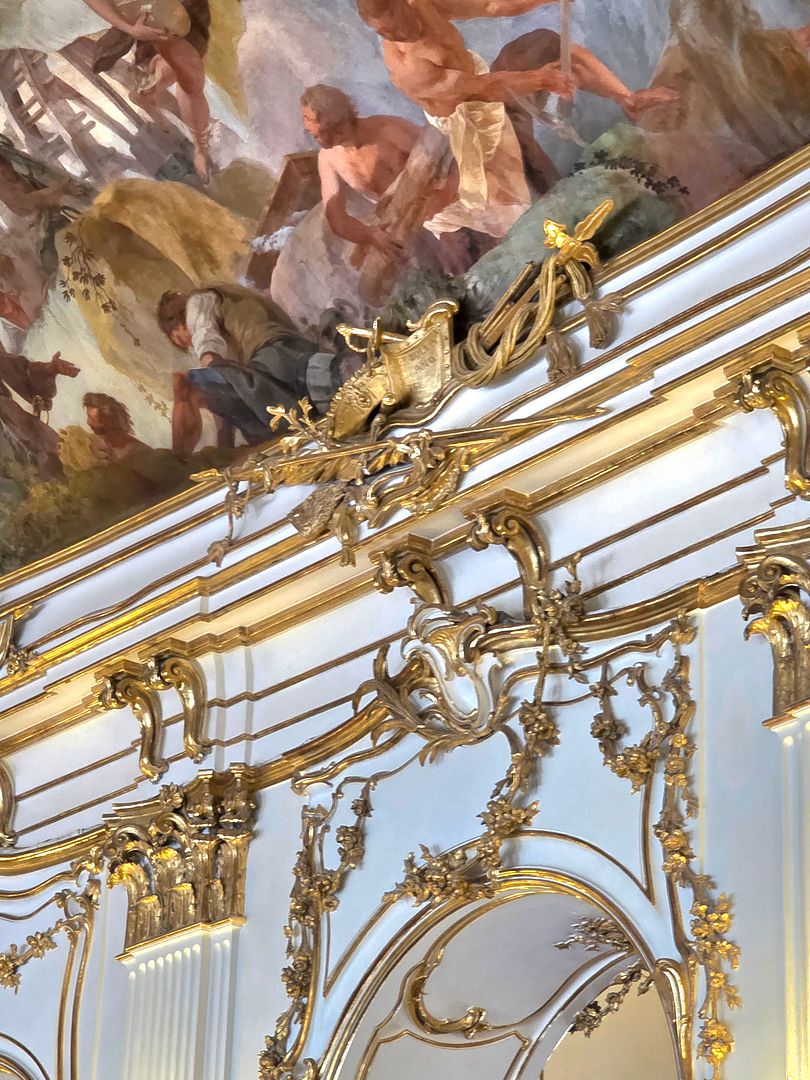
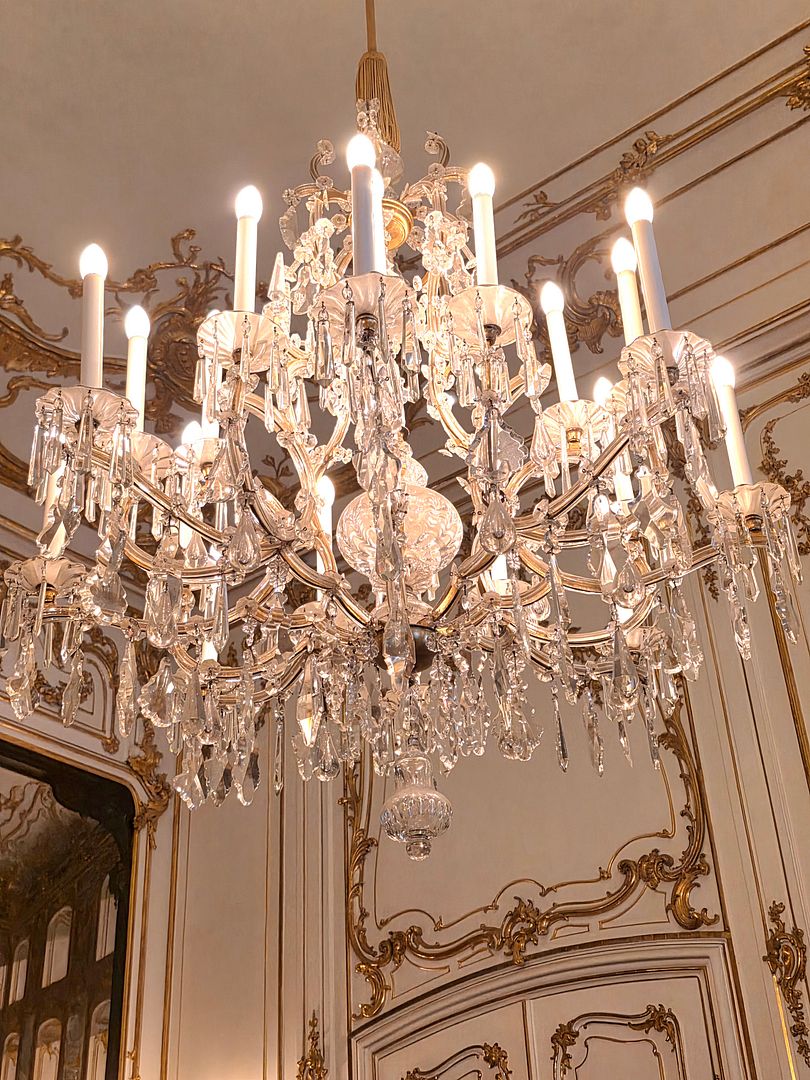
The chandeliers seen in the Great Gallery today are electrified versions of those that originally held candles, maintaining the historic aesthetic with modern technology. The link to the Great Gallery above has descriptions of the ceiling frescoes.
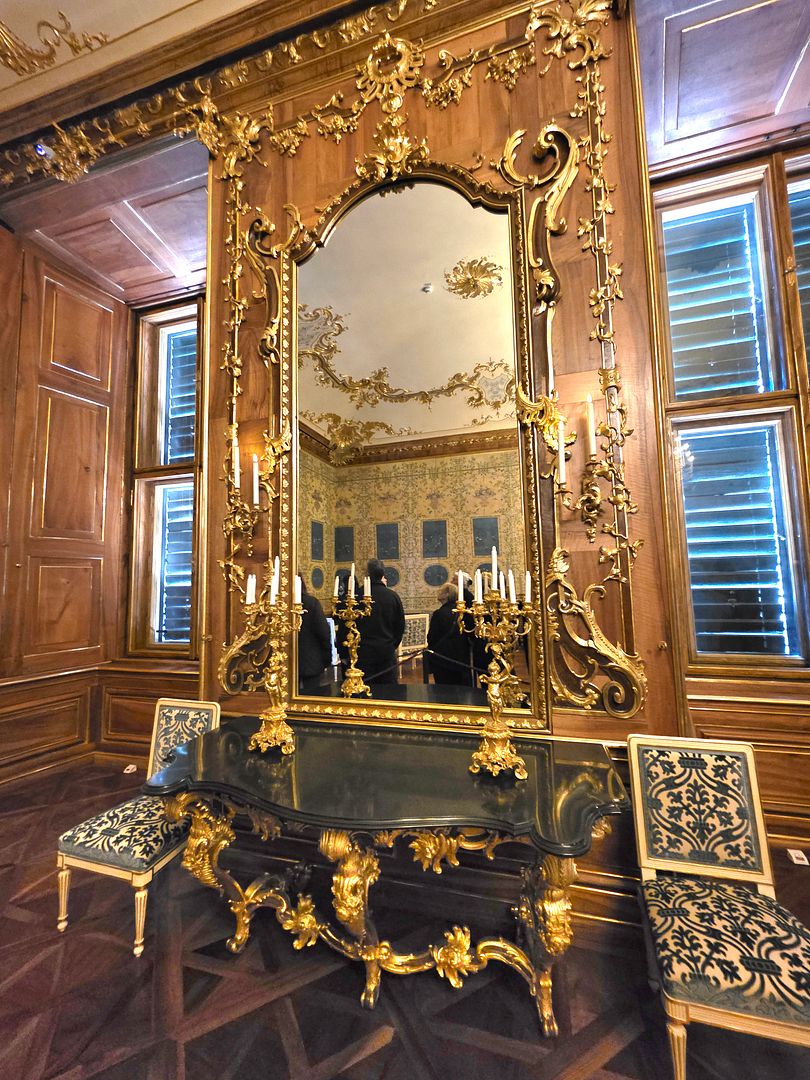
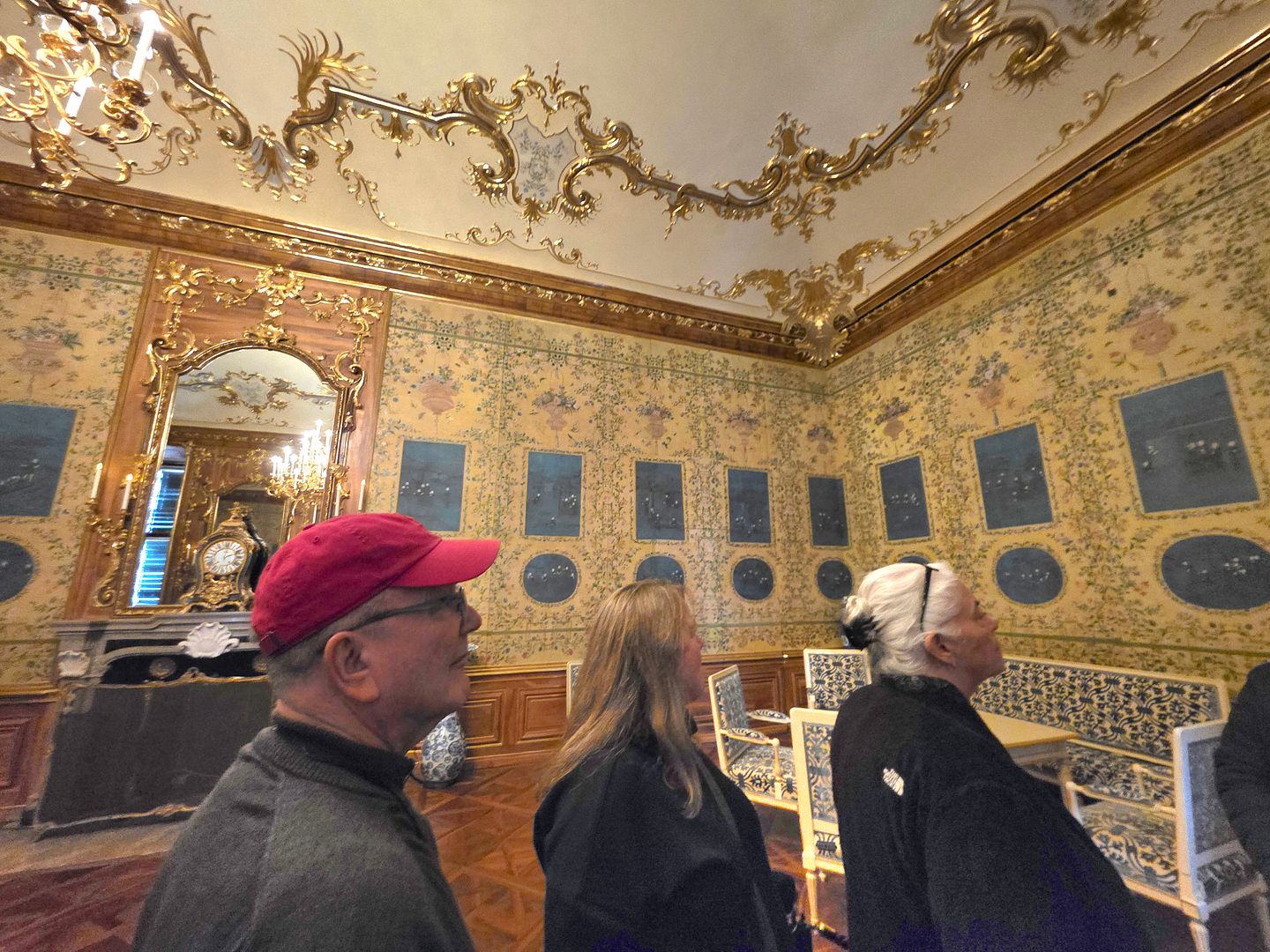
There I am alongside the man with the red hat. 🙂
As soon as the tour of the palace was over we made our way to another building that housed a restaurant that served the Palace’s famous Apple Strudel still baked in the Palace ovens in the basement. We had limited time before we had to be back at the bus.
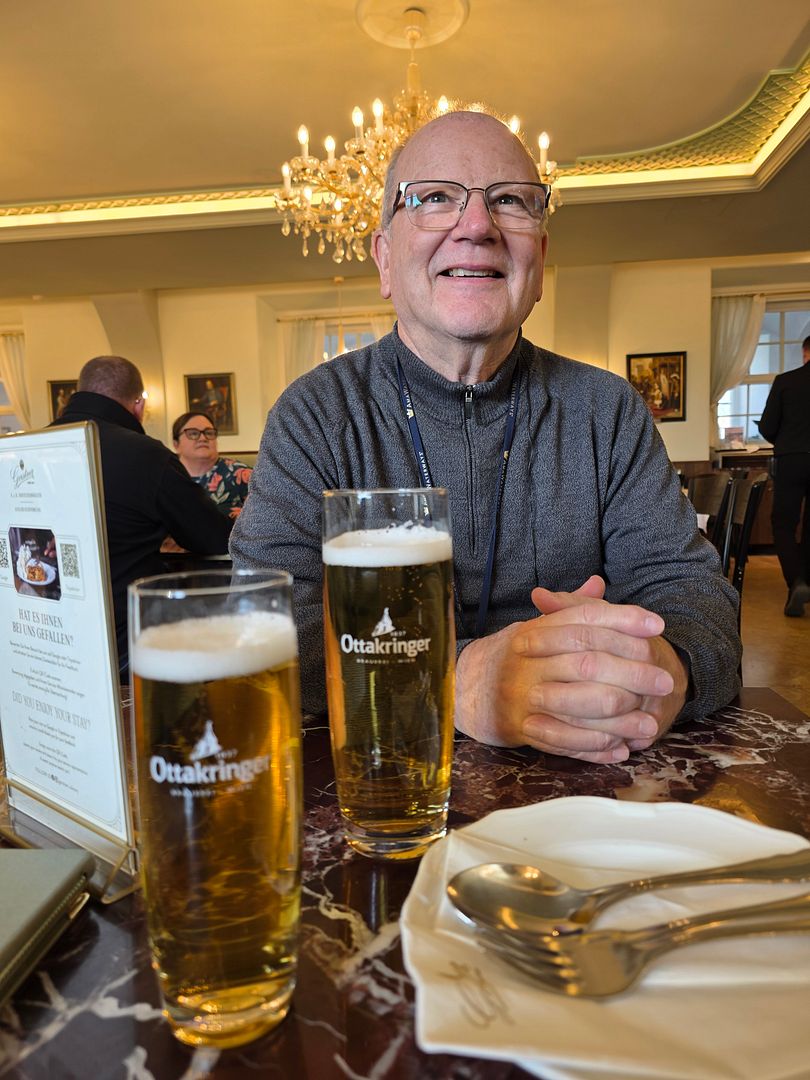
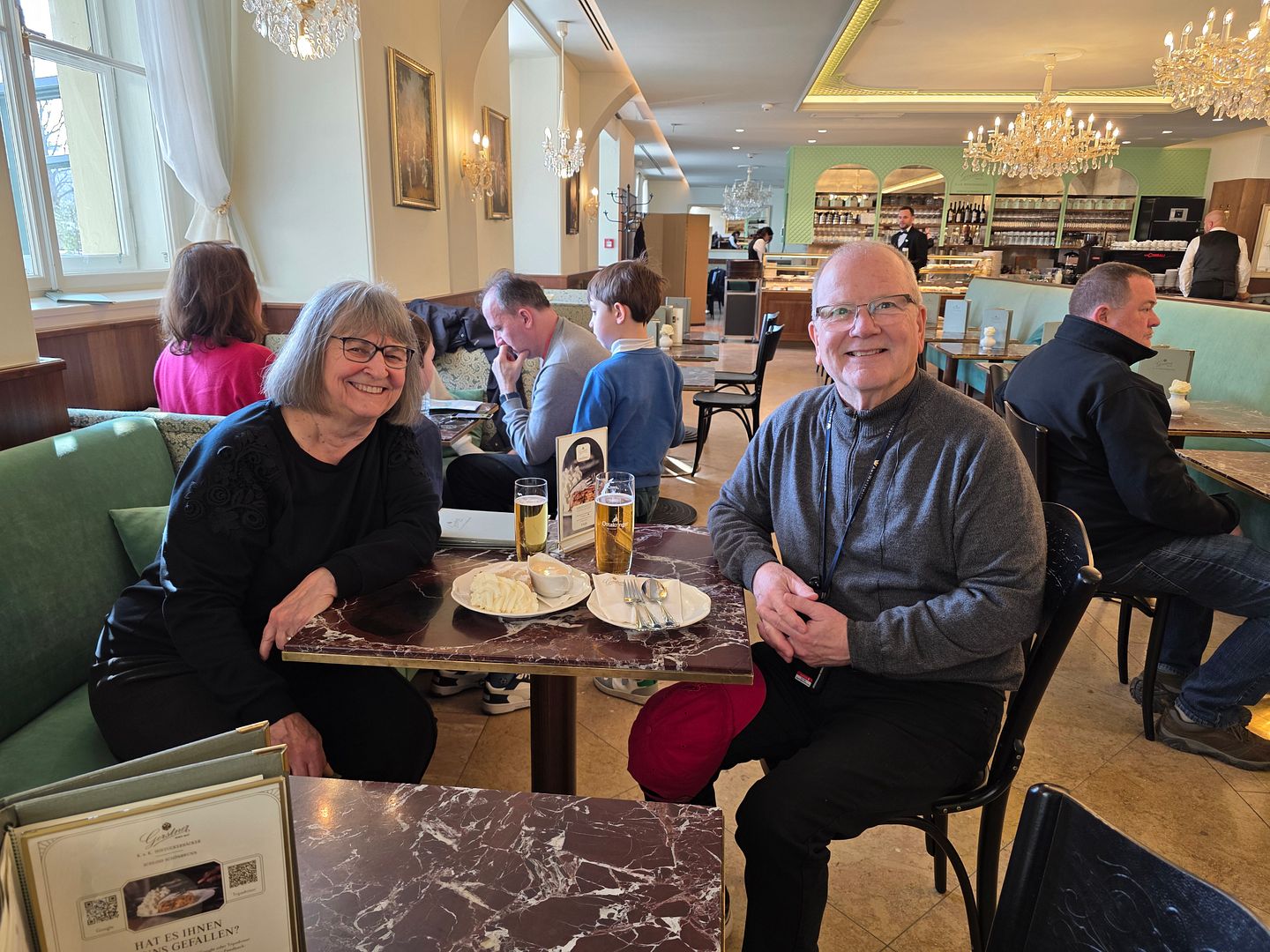
We had another ‘great minds think alike’ moment with the girls from Oklahoma and Colorado. We took each others photos.
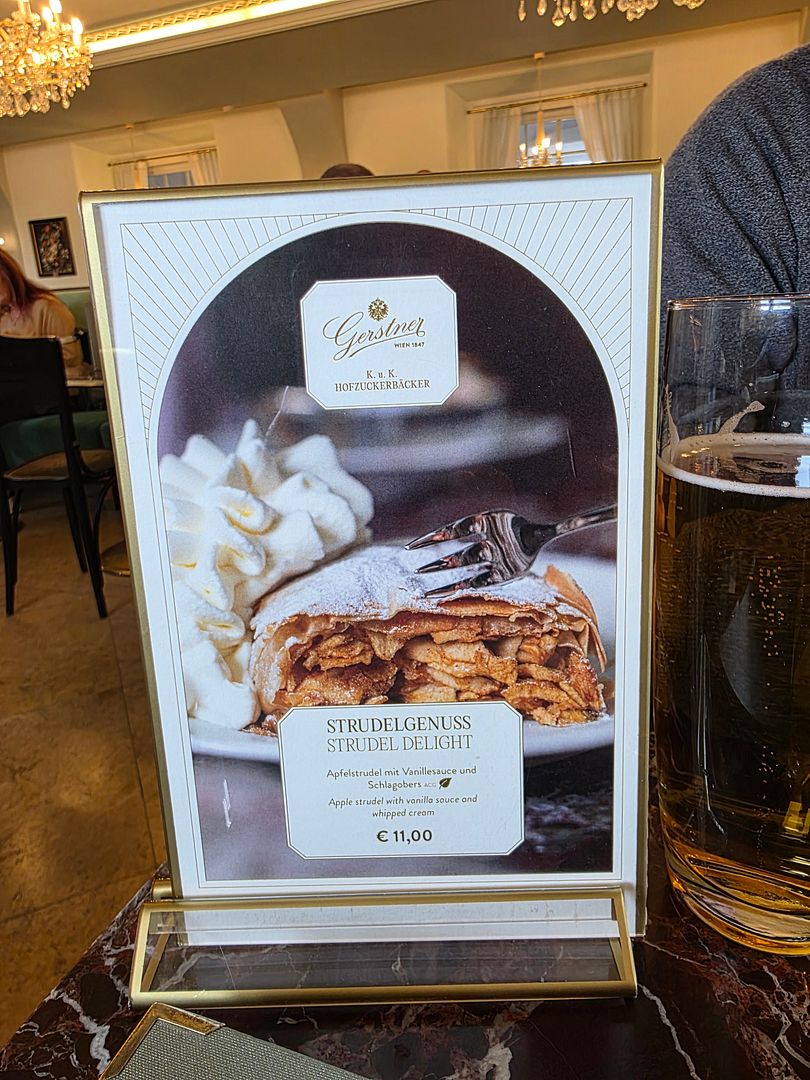
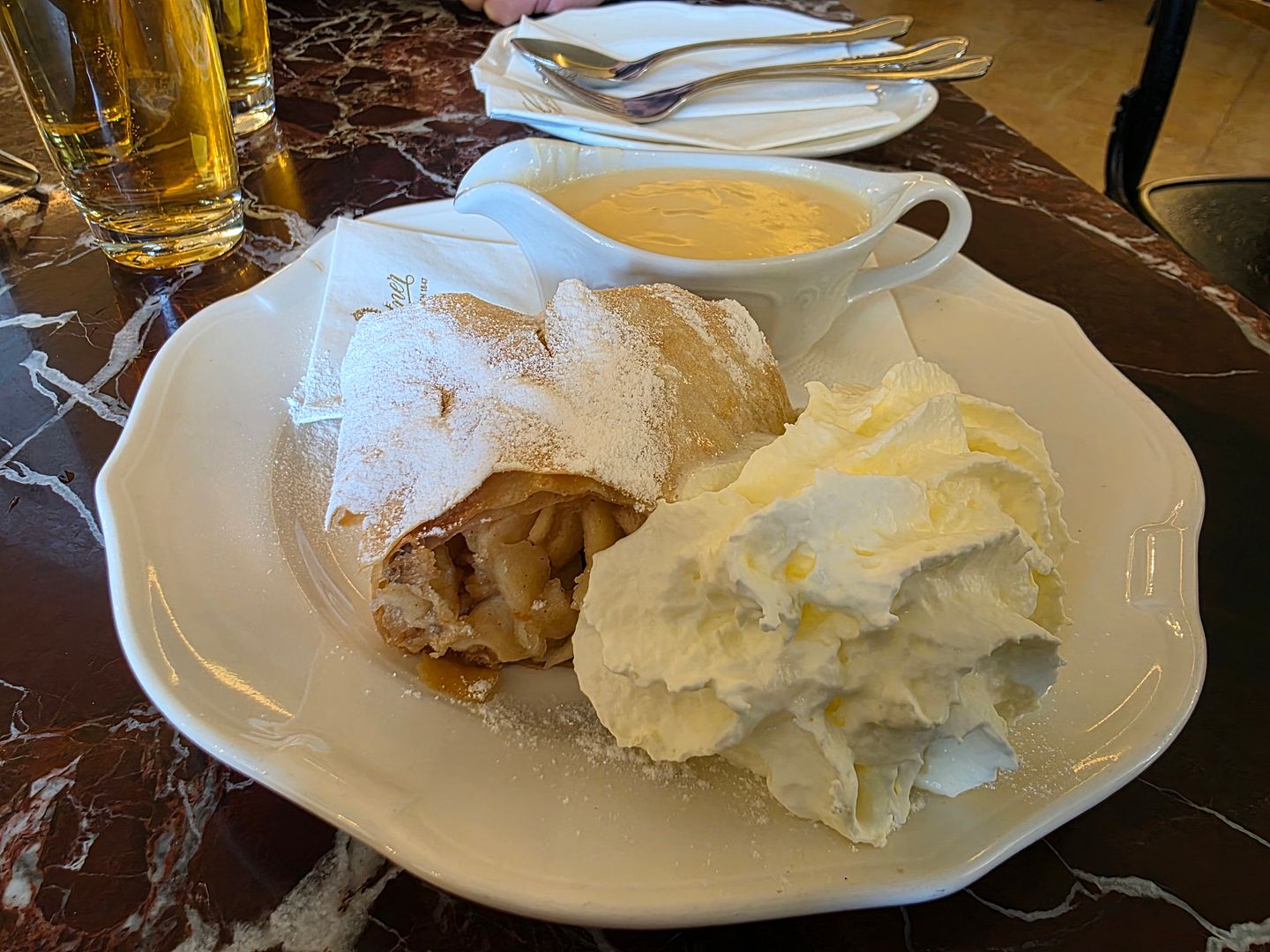
Our first apple strudel in Austria.
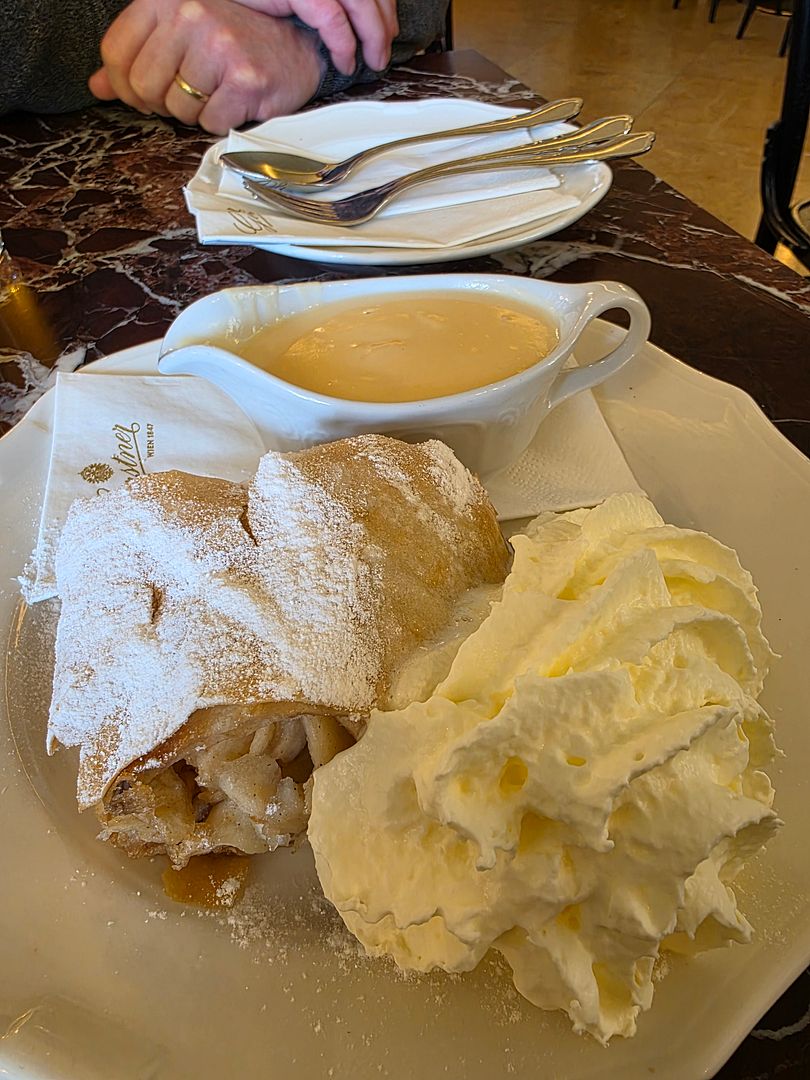
It was as good as it looks!!
We had an option to be dropped off in town instead of going all the way back to the boat and that is what we chose to do. There would be shuttle buses available downtown every half-hour to go back to the boat from 2:00 until the last shuttle at 4:00.

We wanted to find a authentic lunch spot and see some things on our own for the rest of the afternoon. That will be my final post for Vienna, Austria.
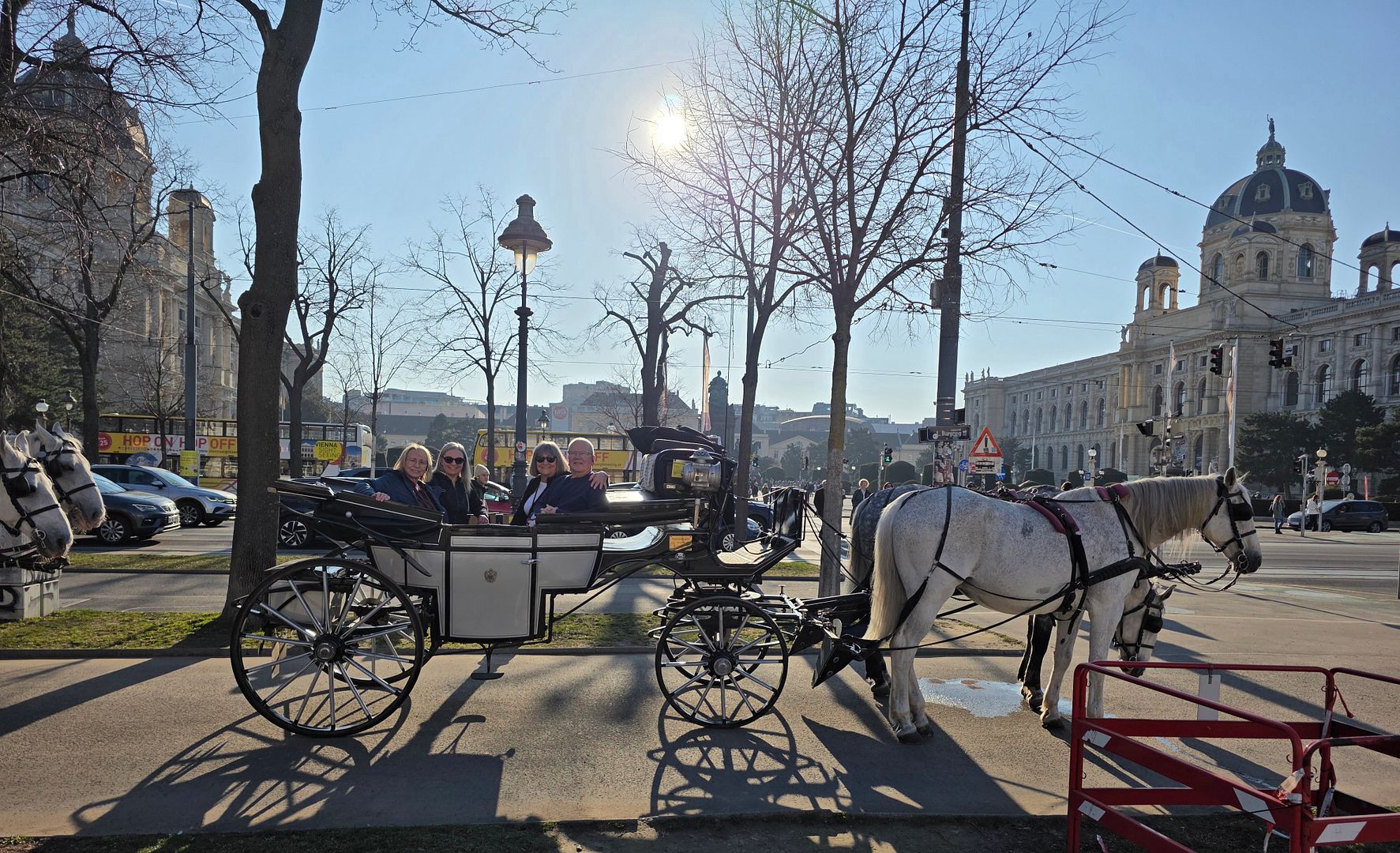
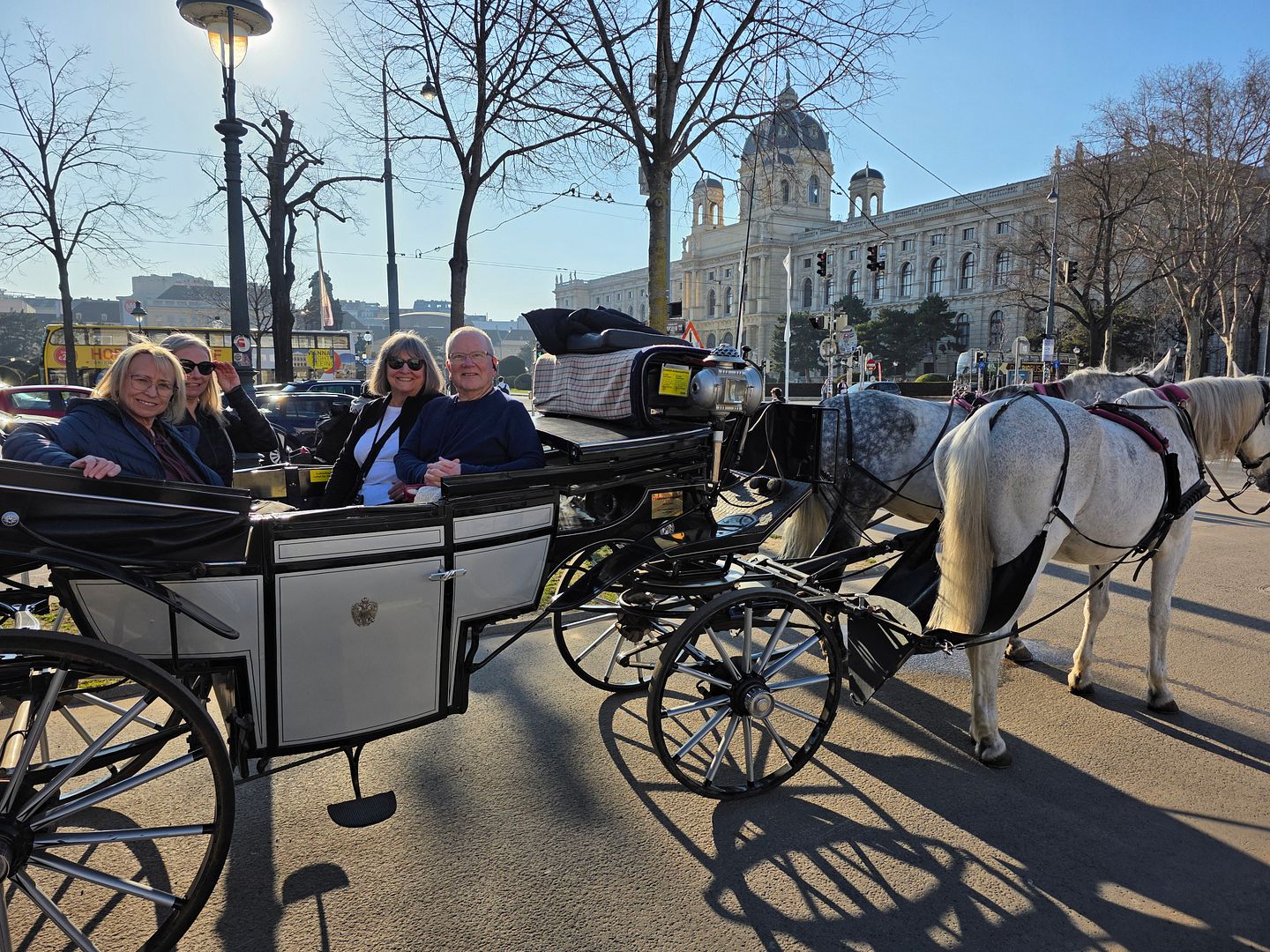
 

Vienna Part 2 ~ Carriage Ride

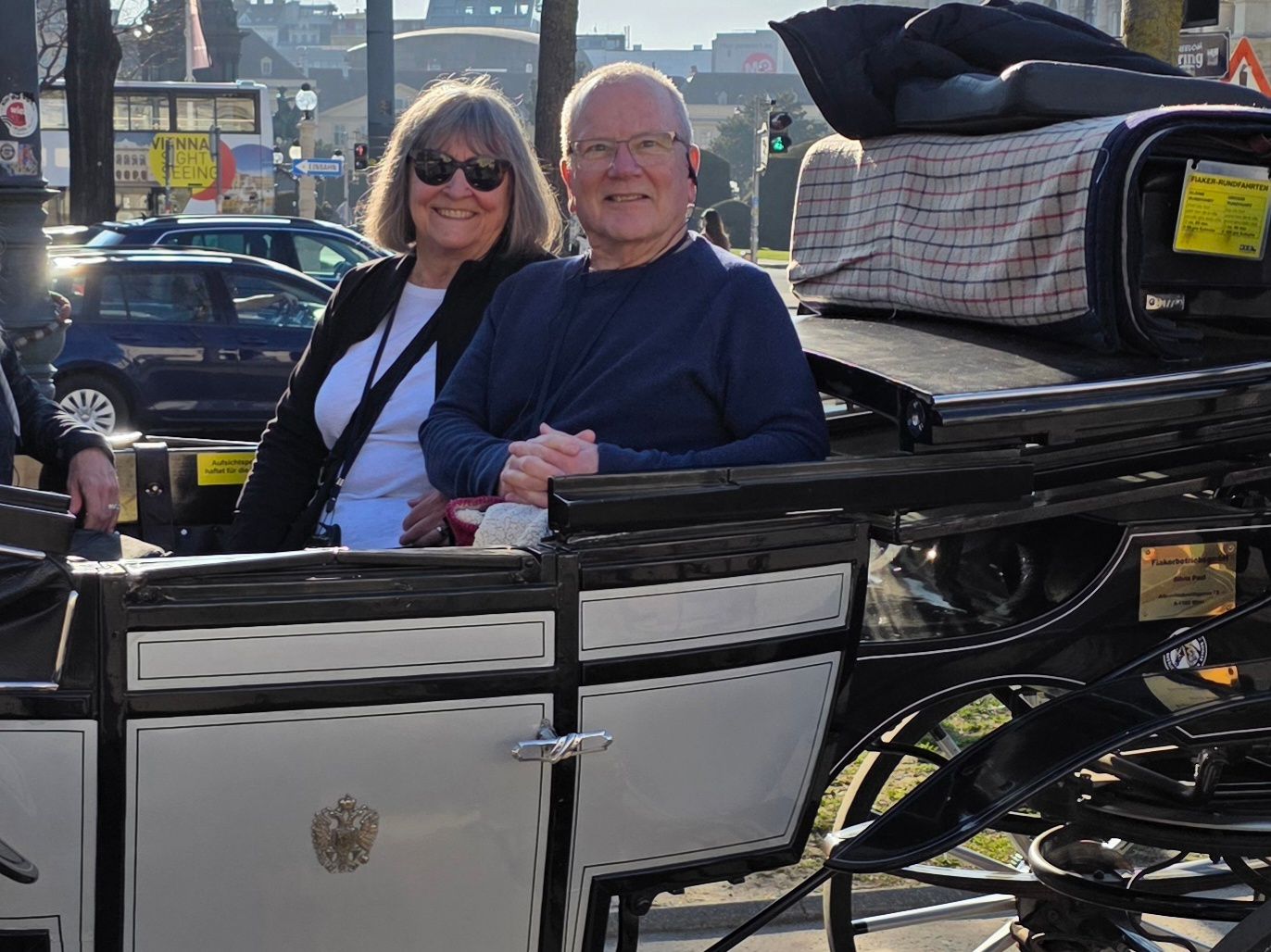
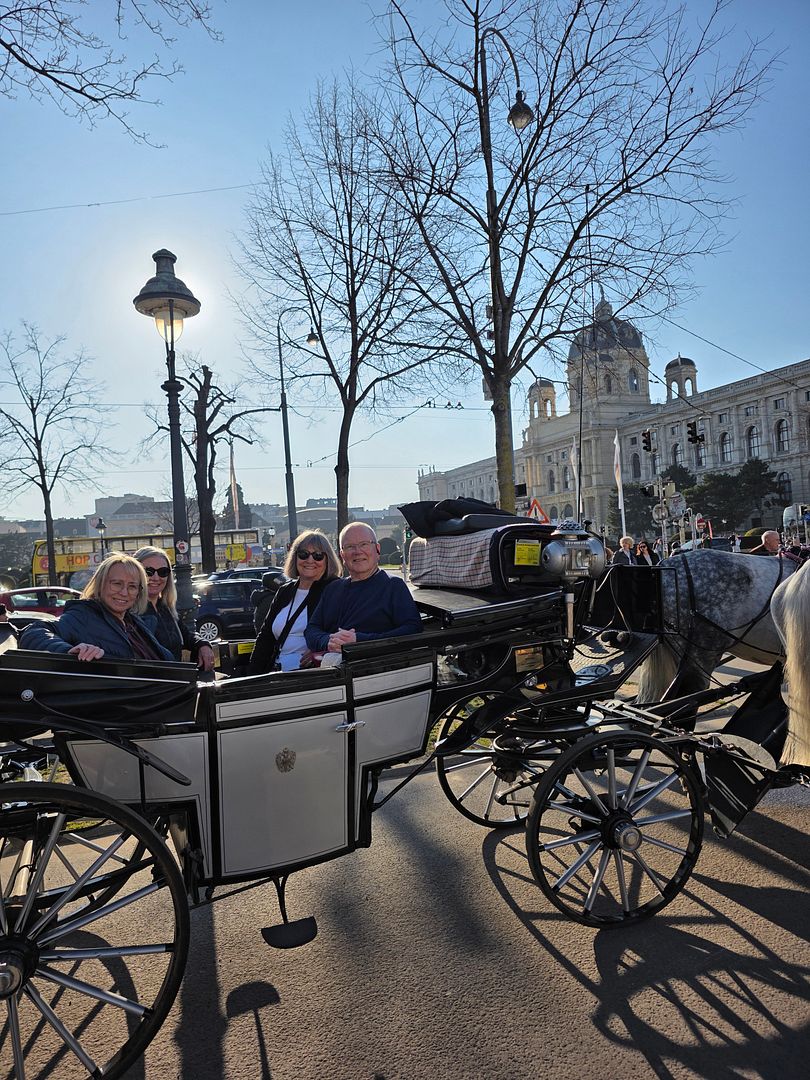
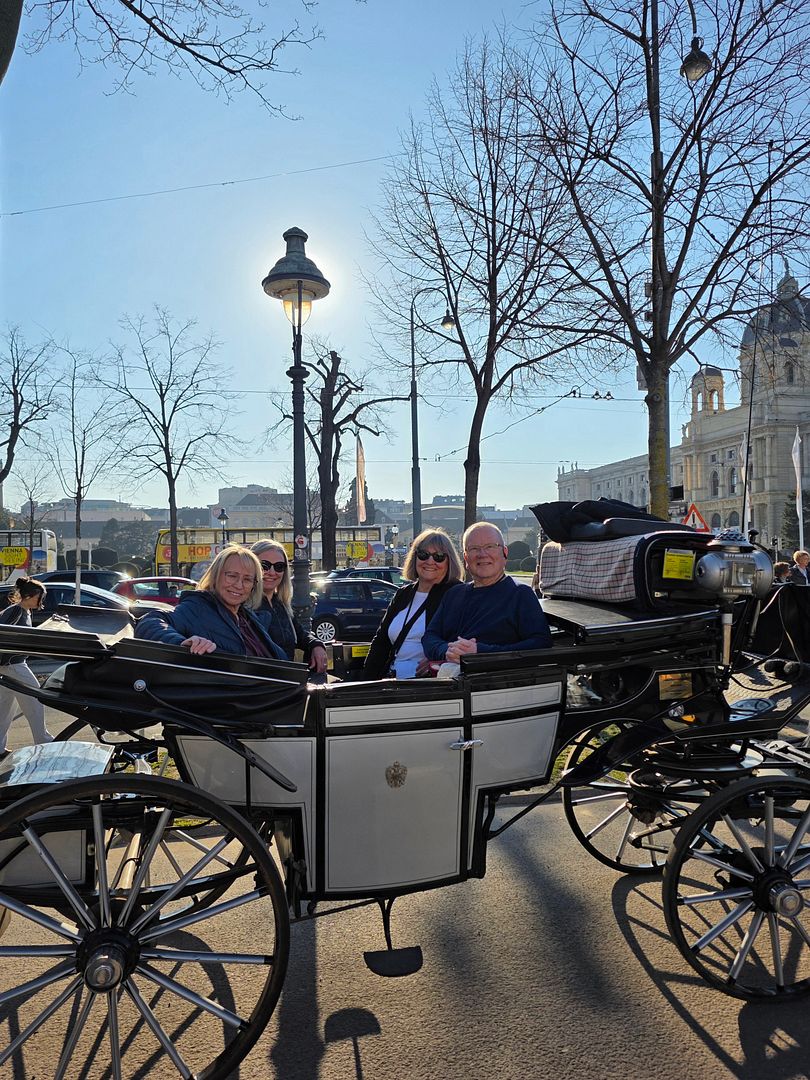
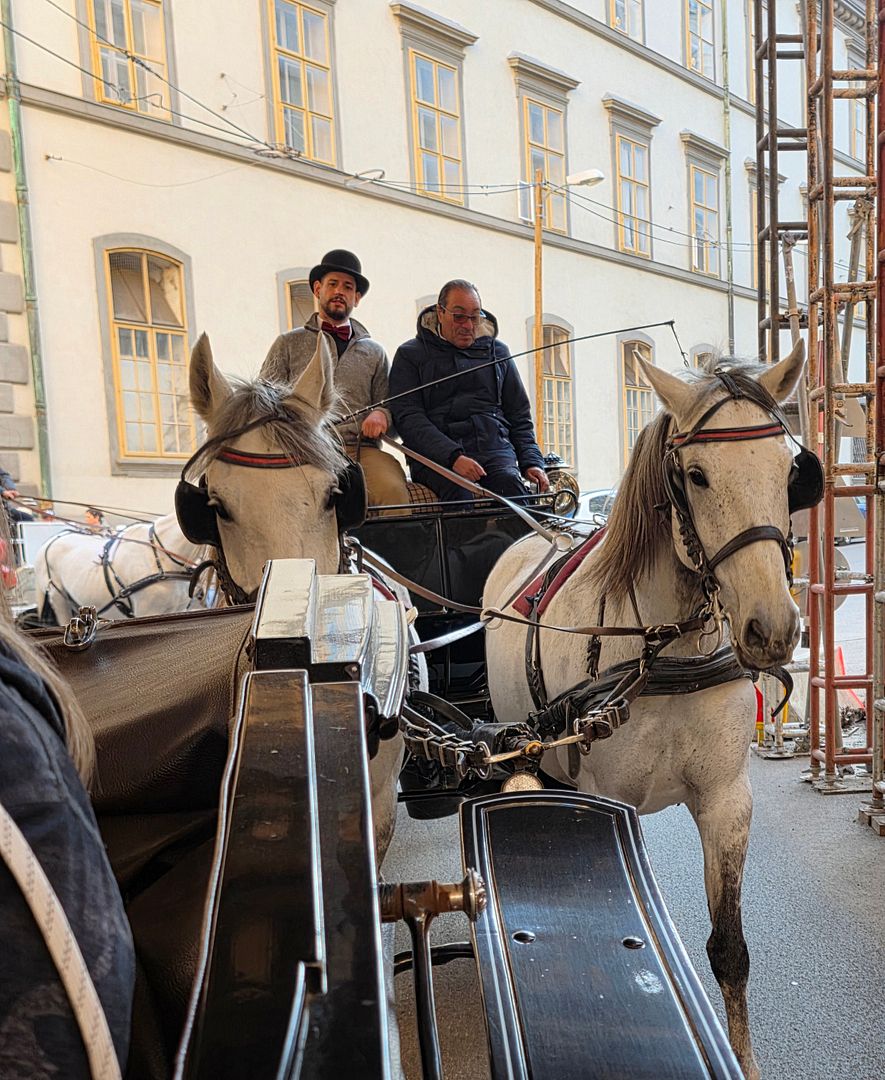
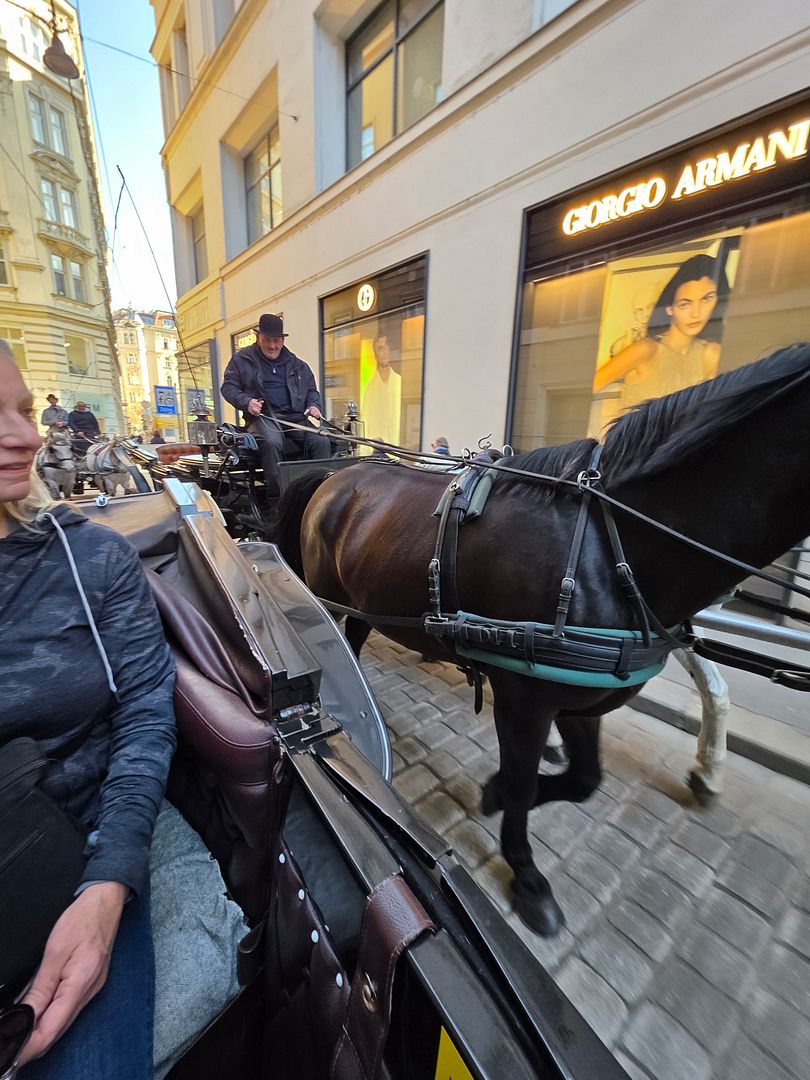
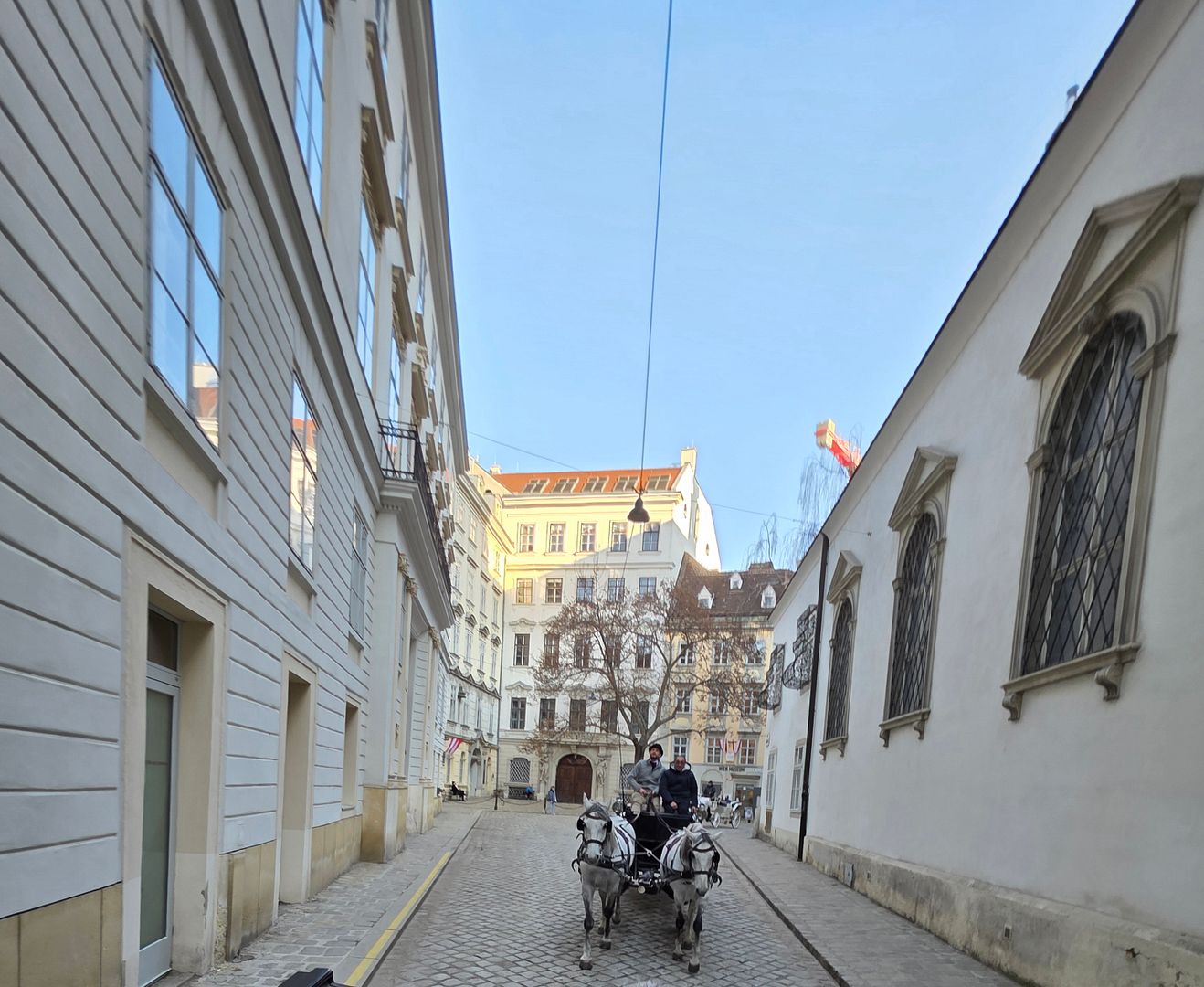
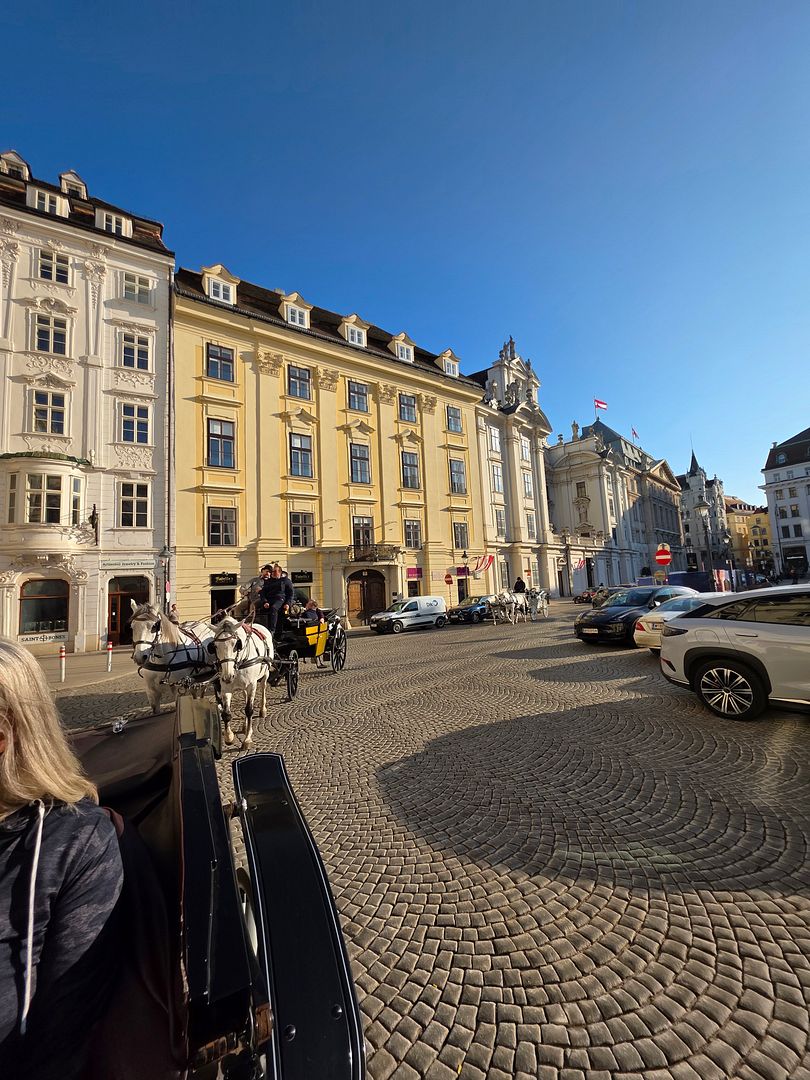
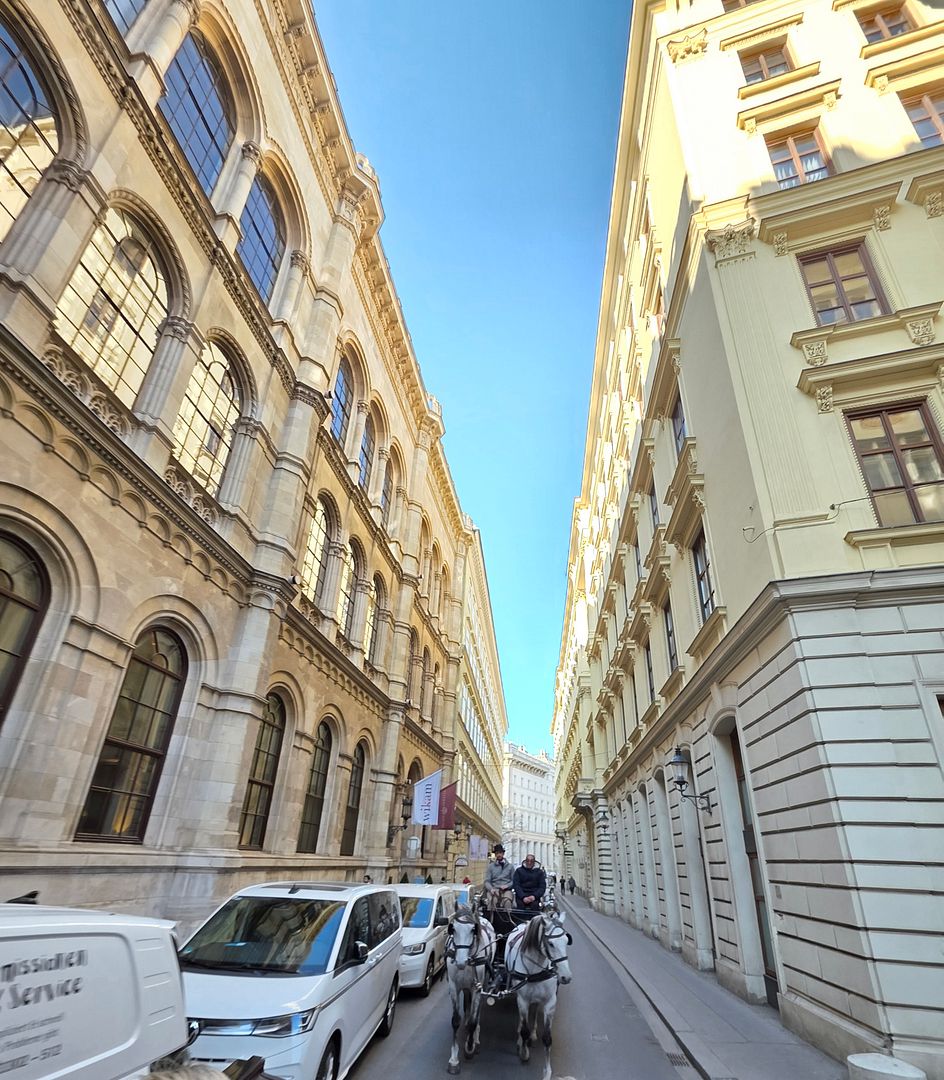
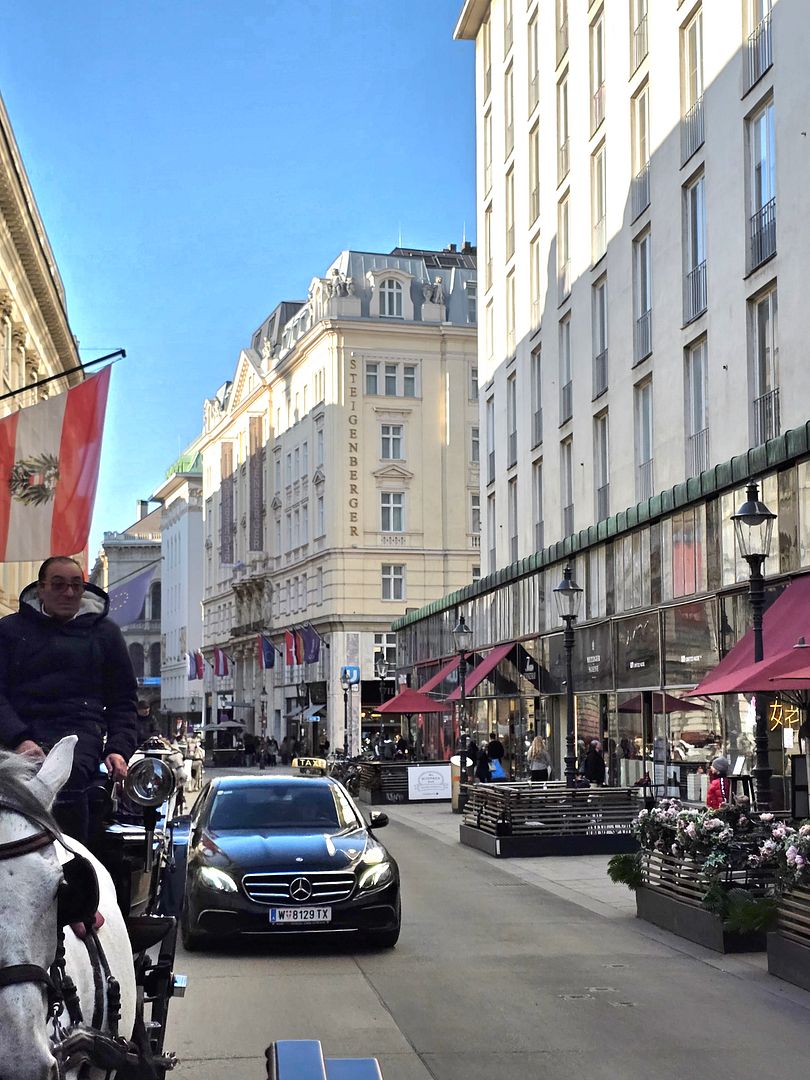
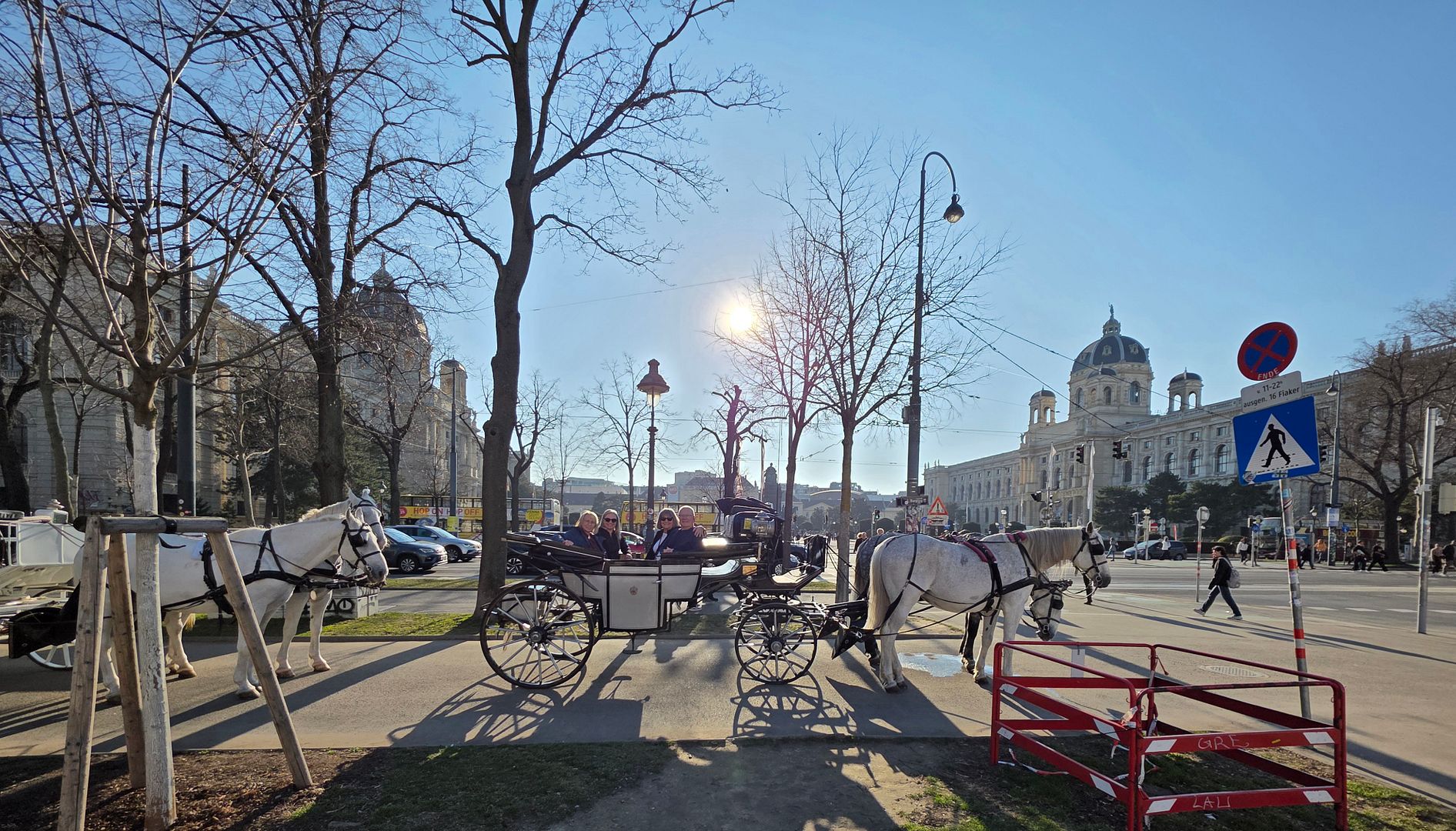
Our driver was determined to take a lot of photos of us in the carriage. The fun part is that we were paired with the girls we met in Cesky Krumlov from Oklahoma and Colorado for this ride through the streets of Vienna.
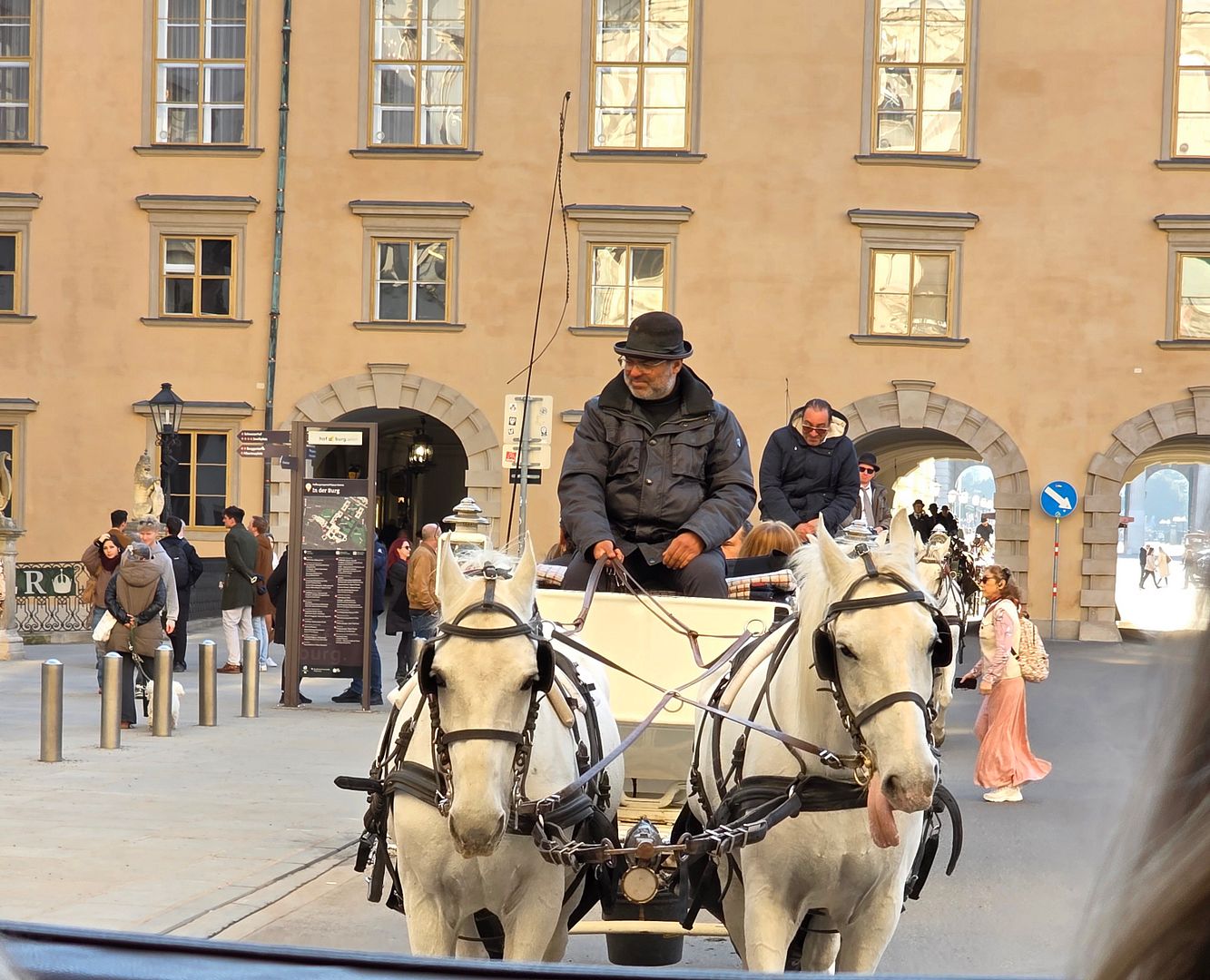
Looking behind at the other carriages.
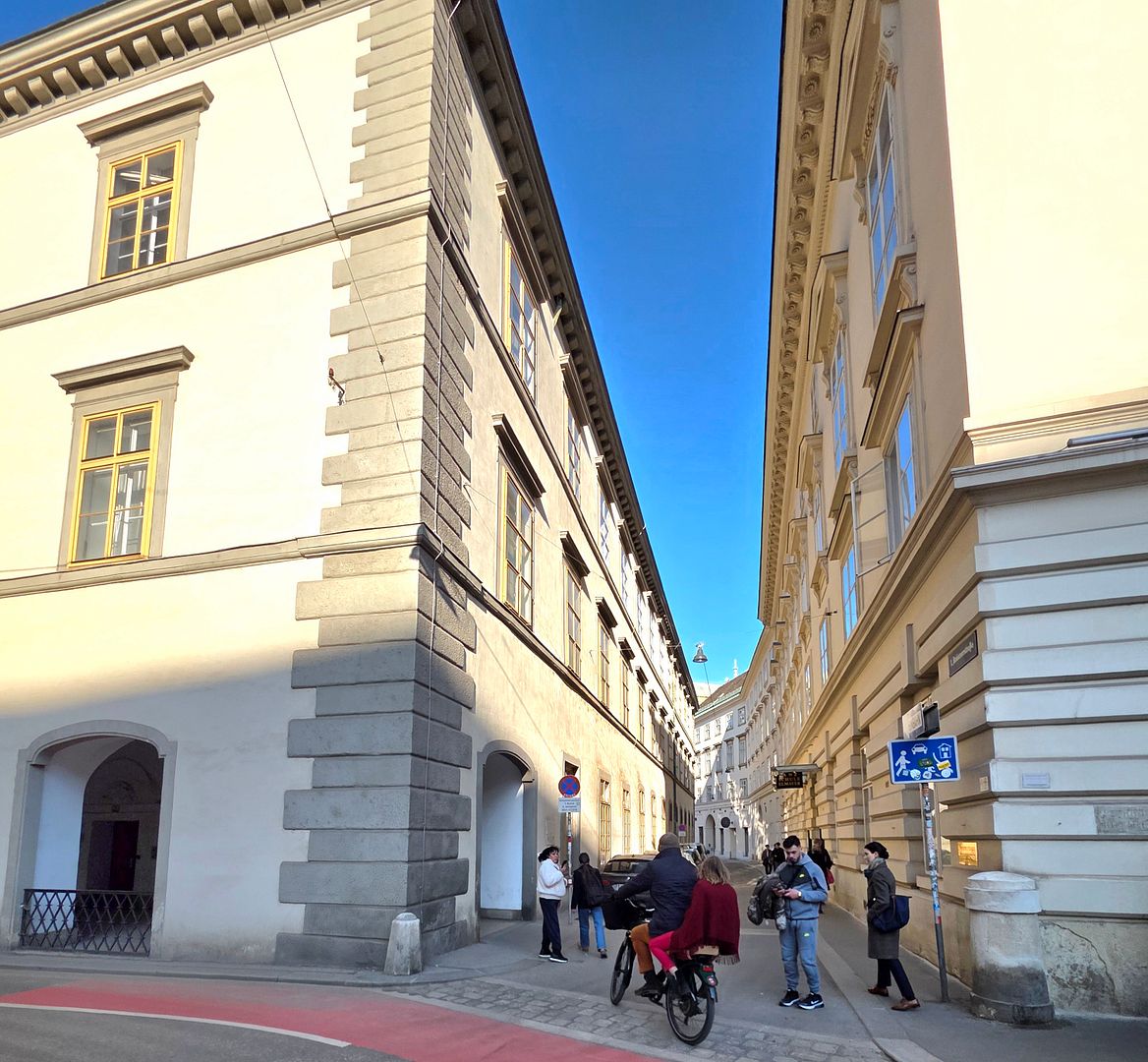
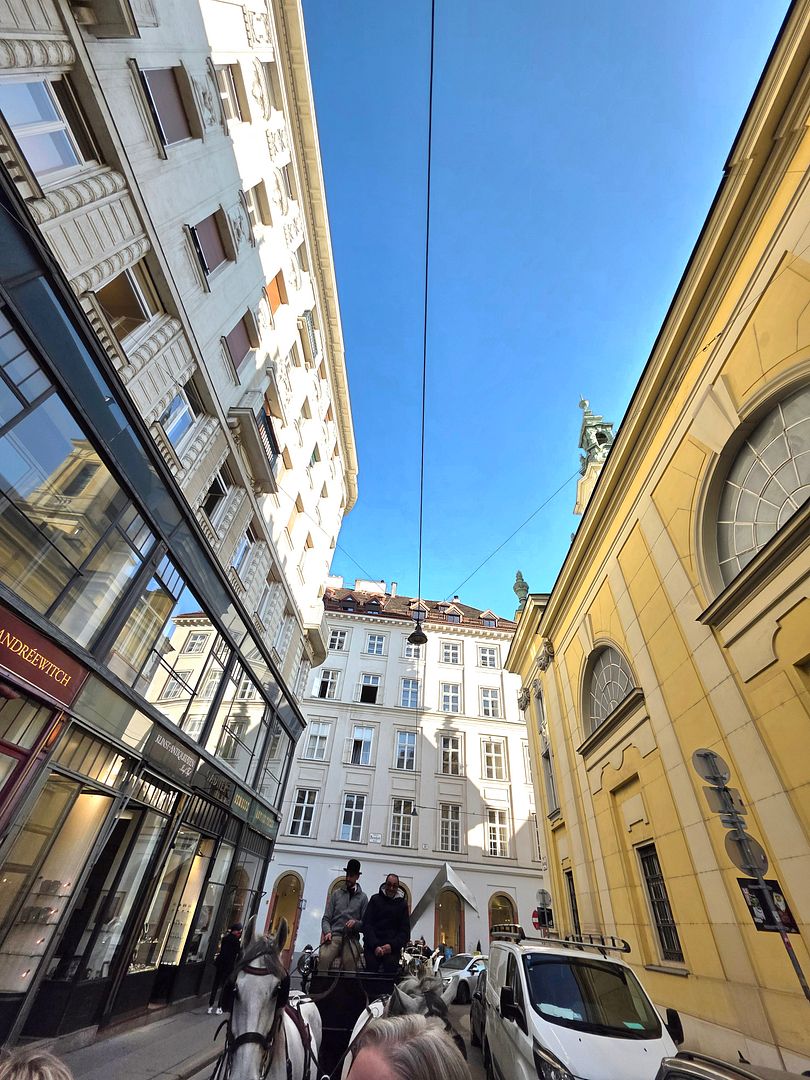
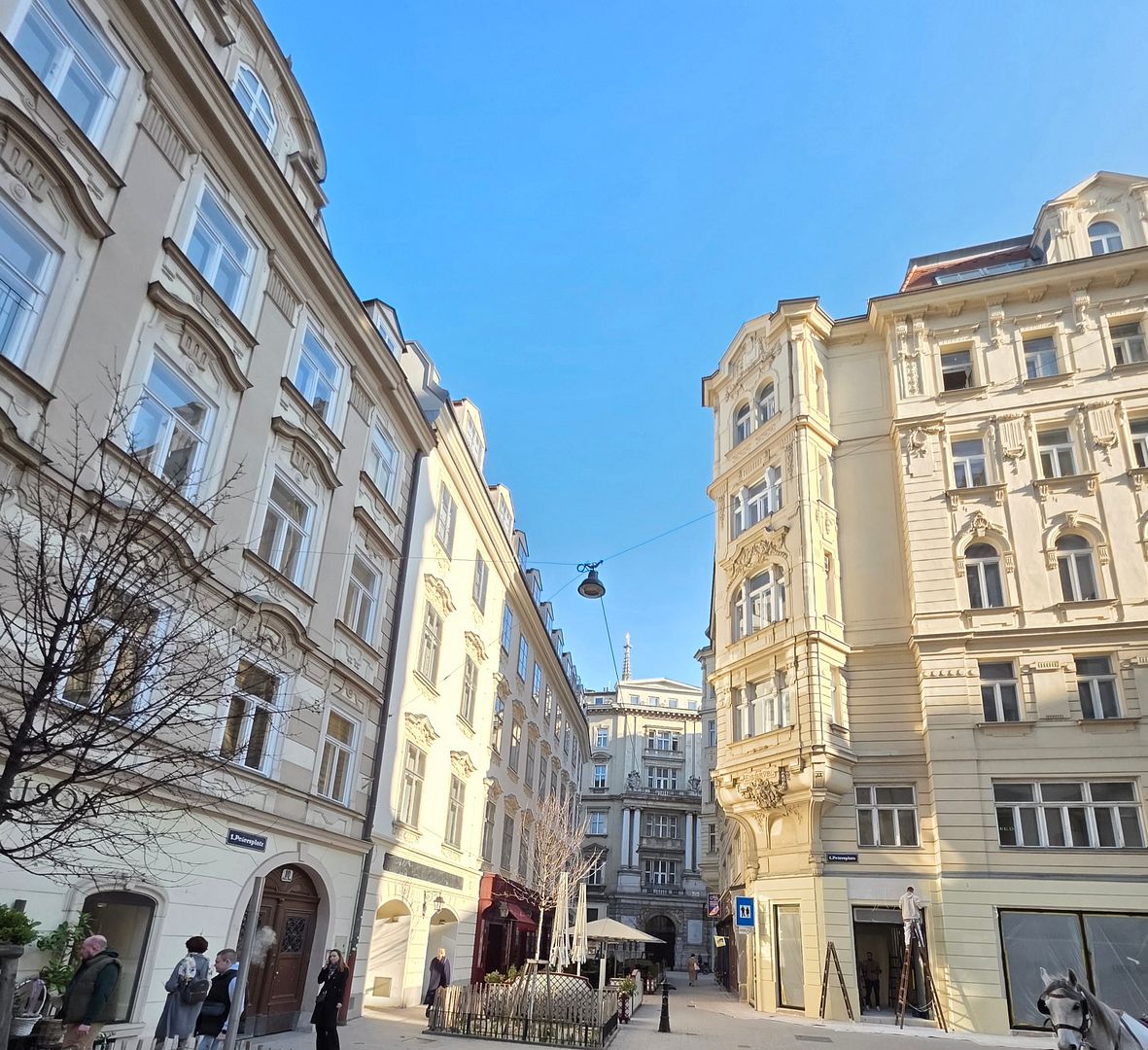
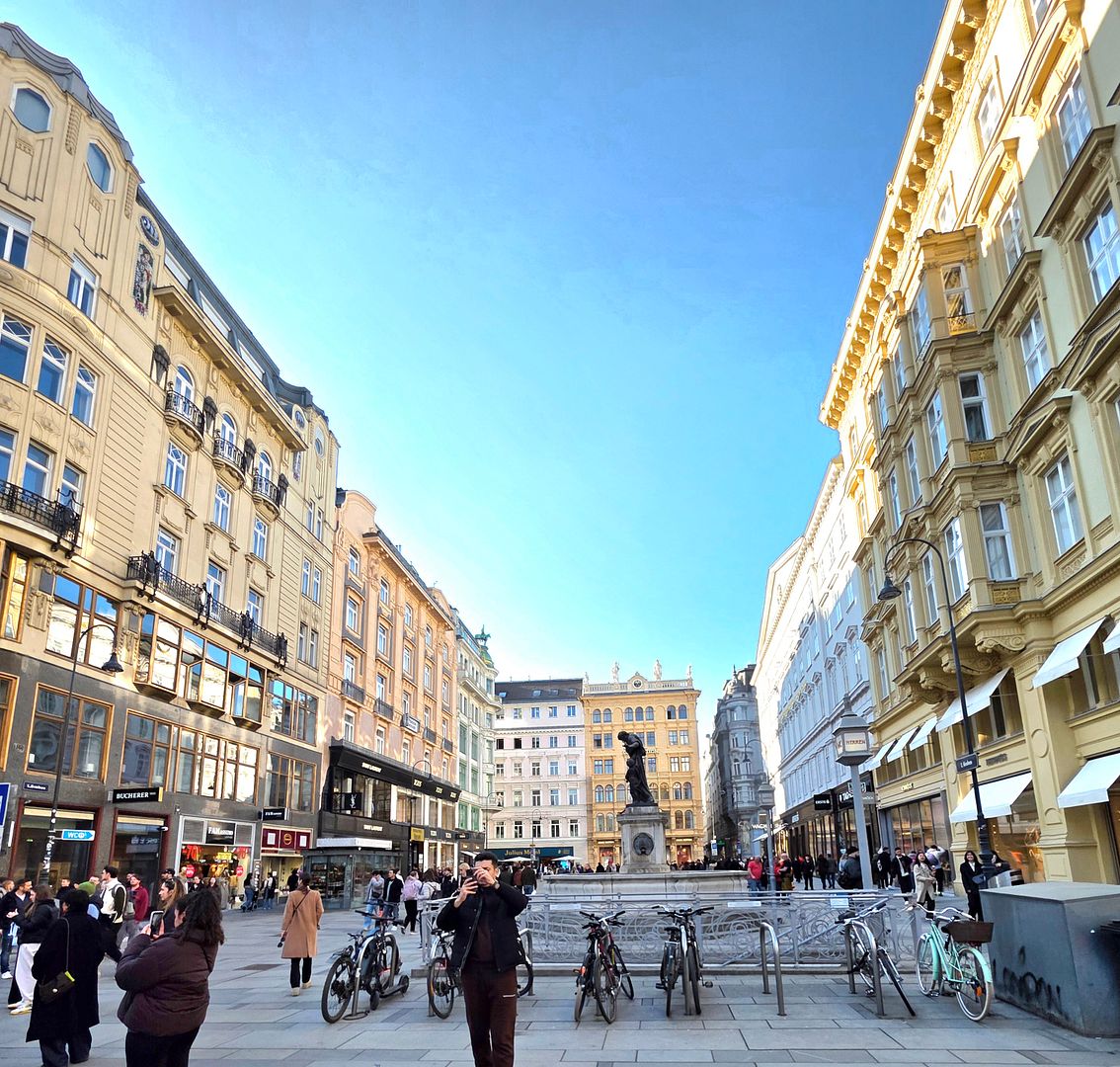
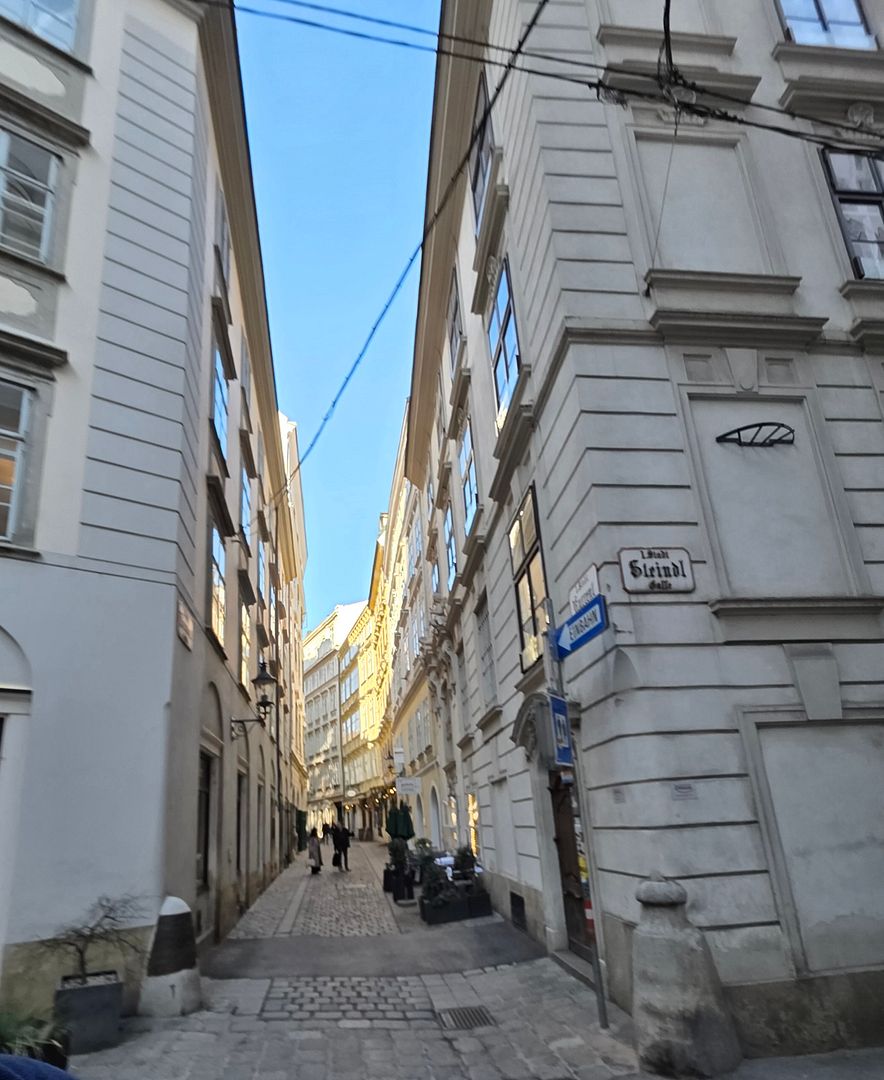
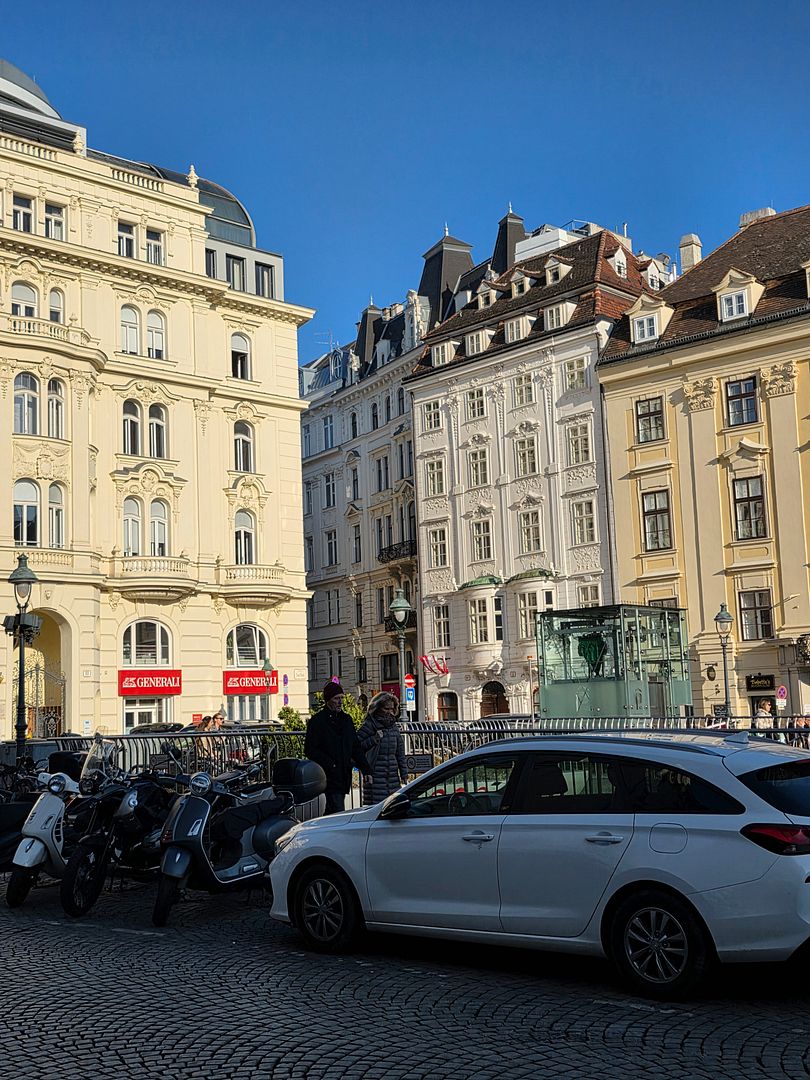
There was no commentary on our ride so we weren’t sure of what we were seeing but we enjoyed the architecture, the courts and streets we clip clopped through.


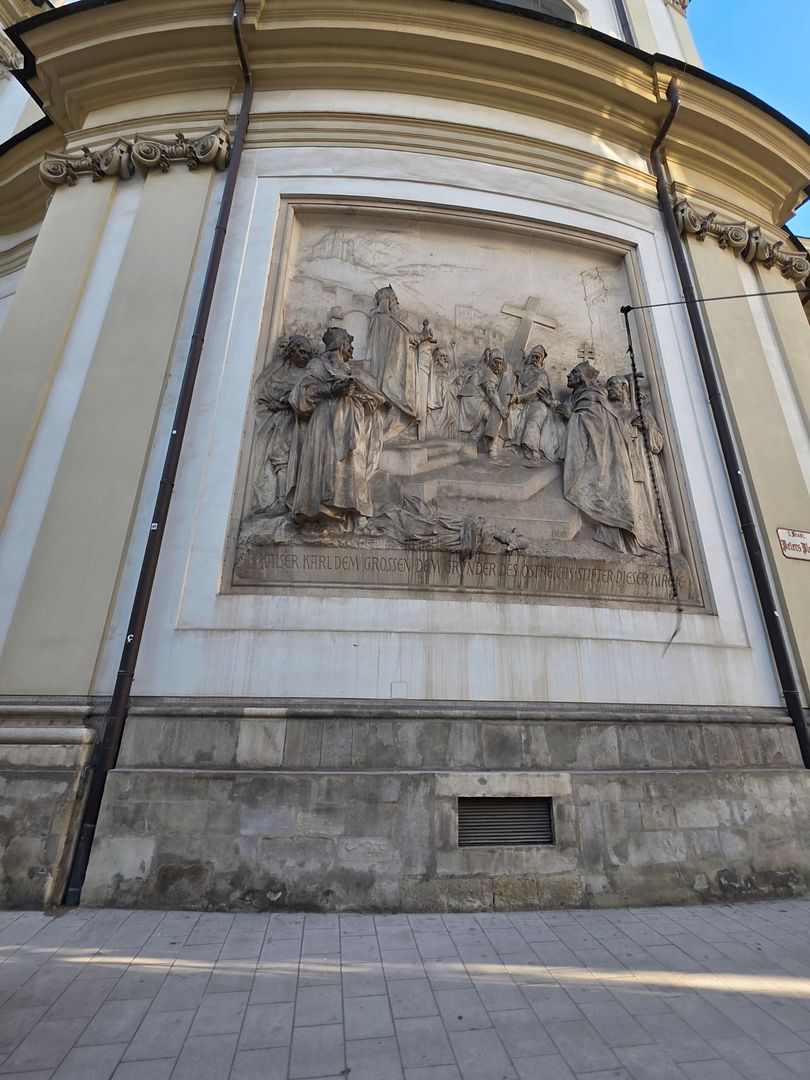
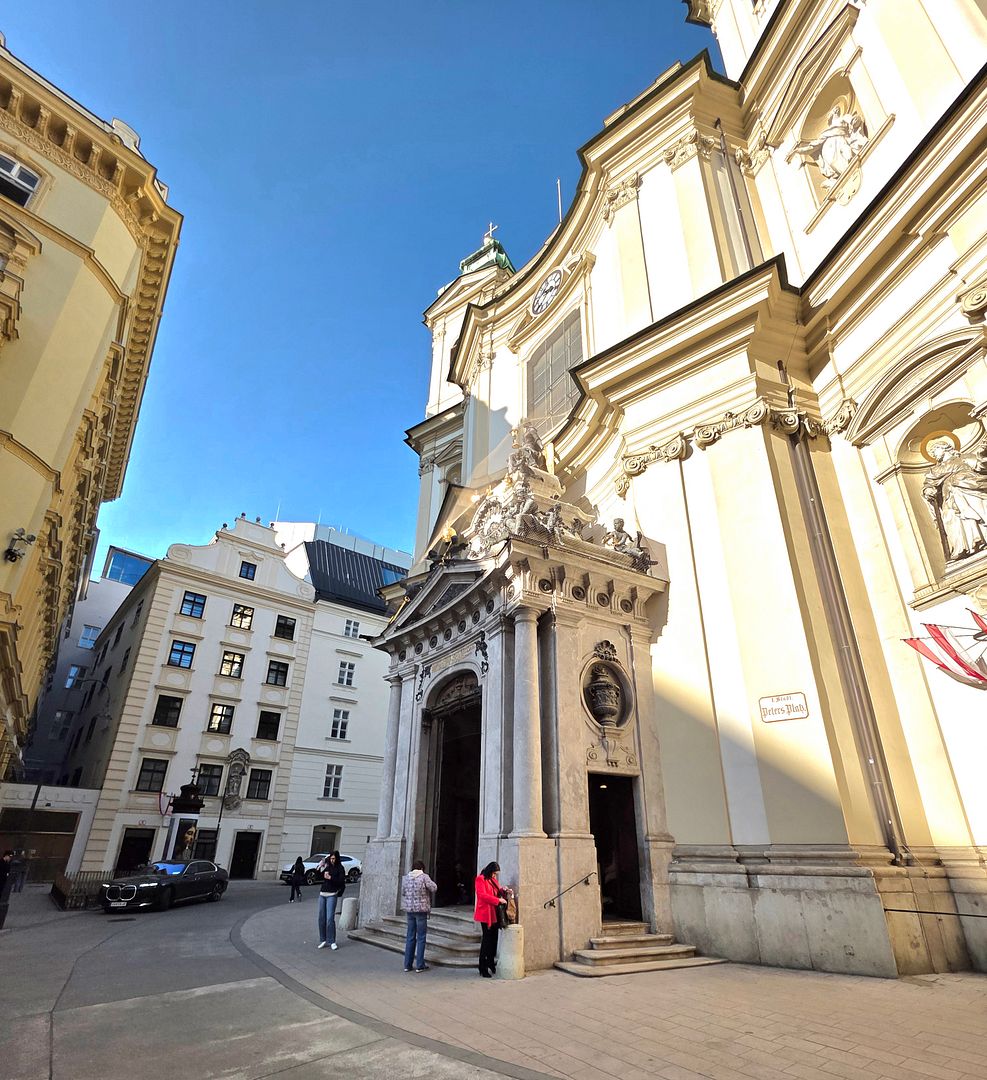
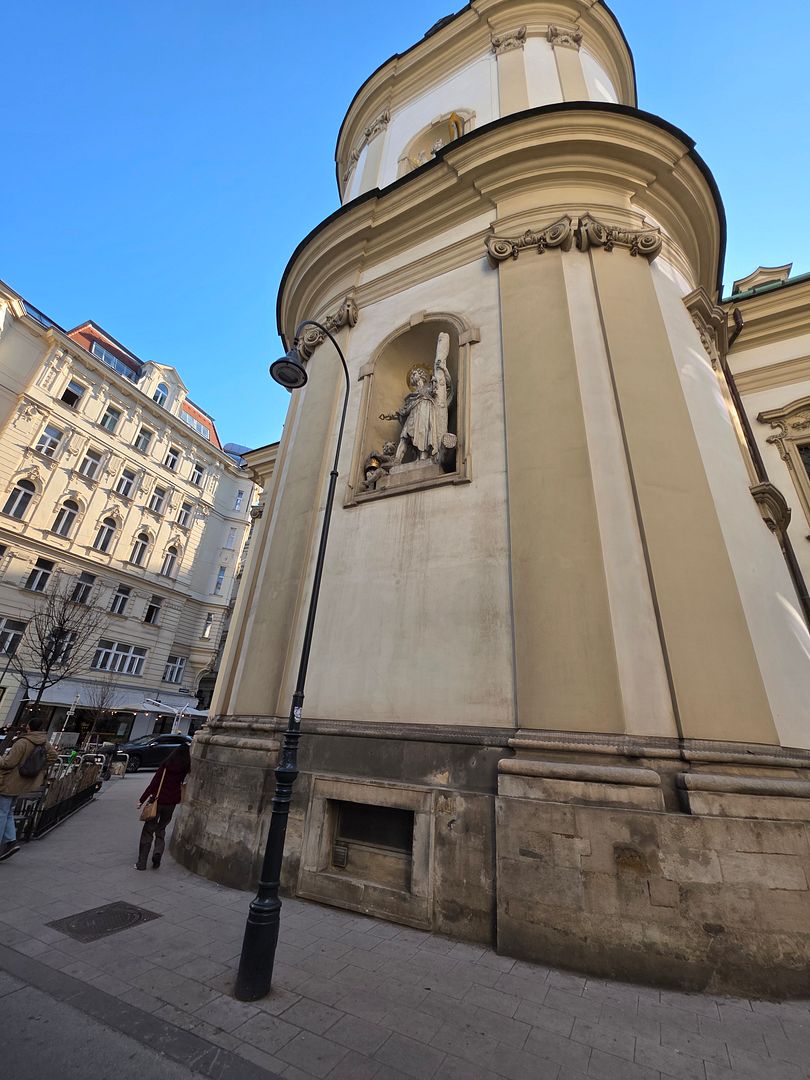
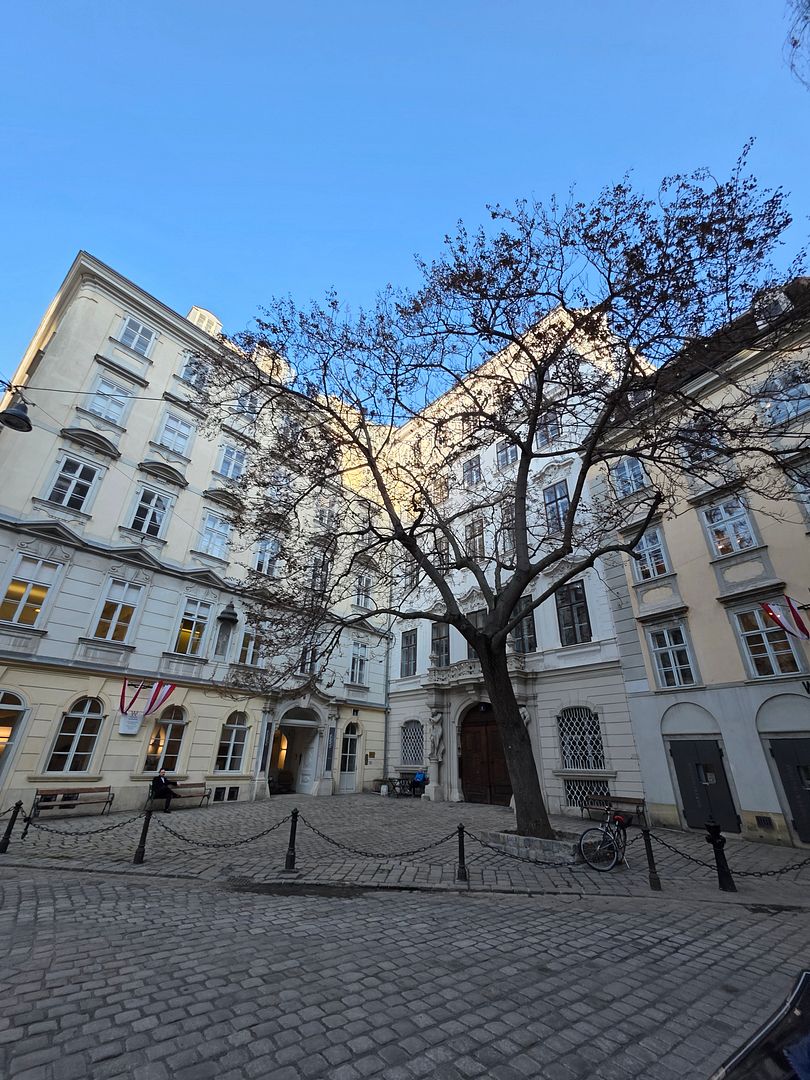
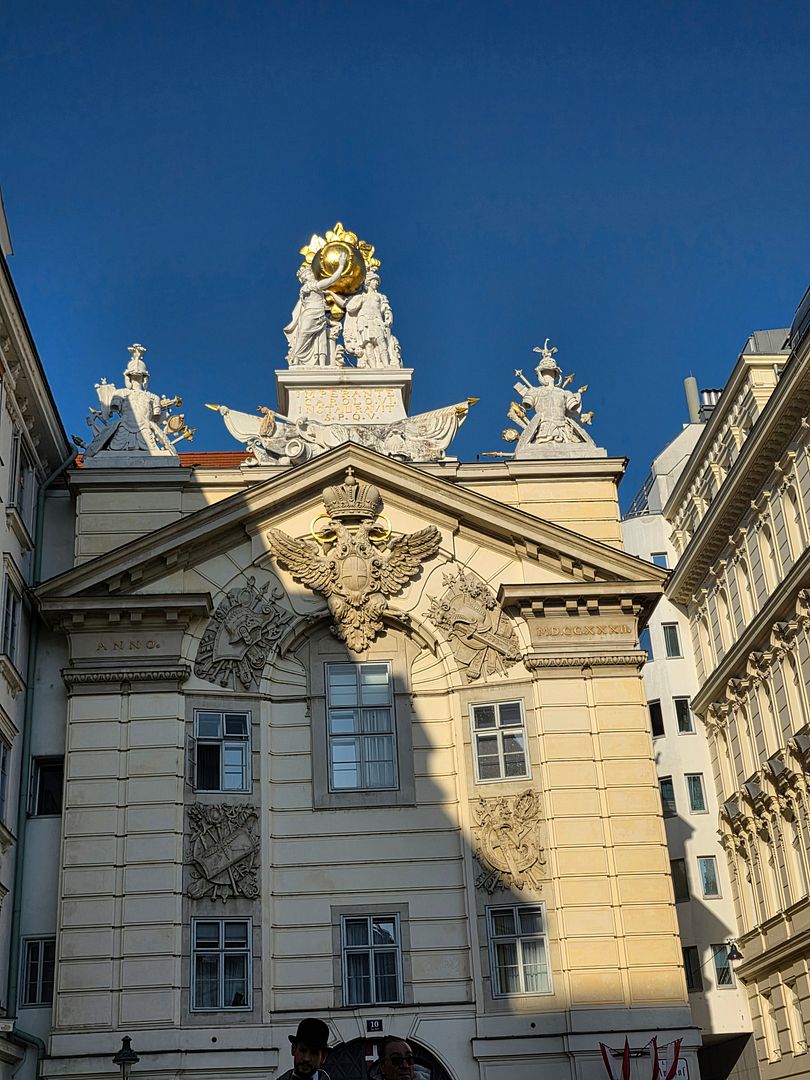
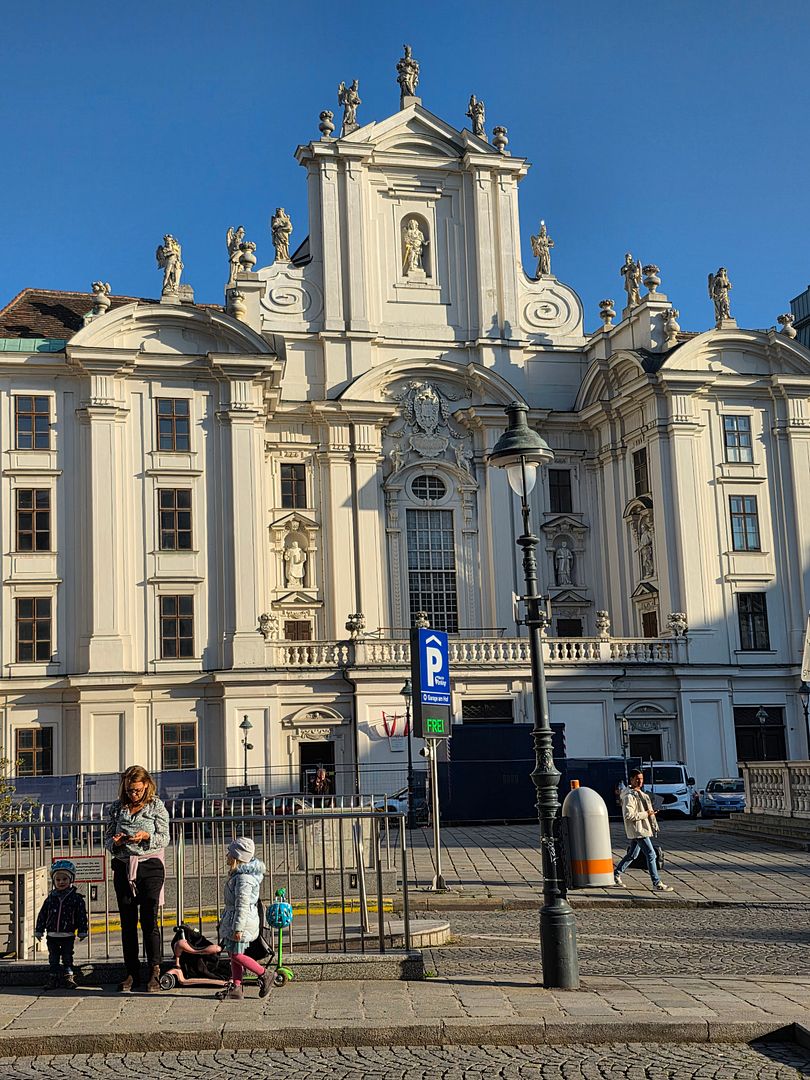
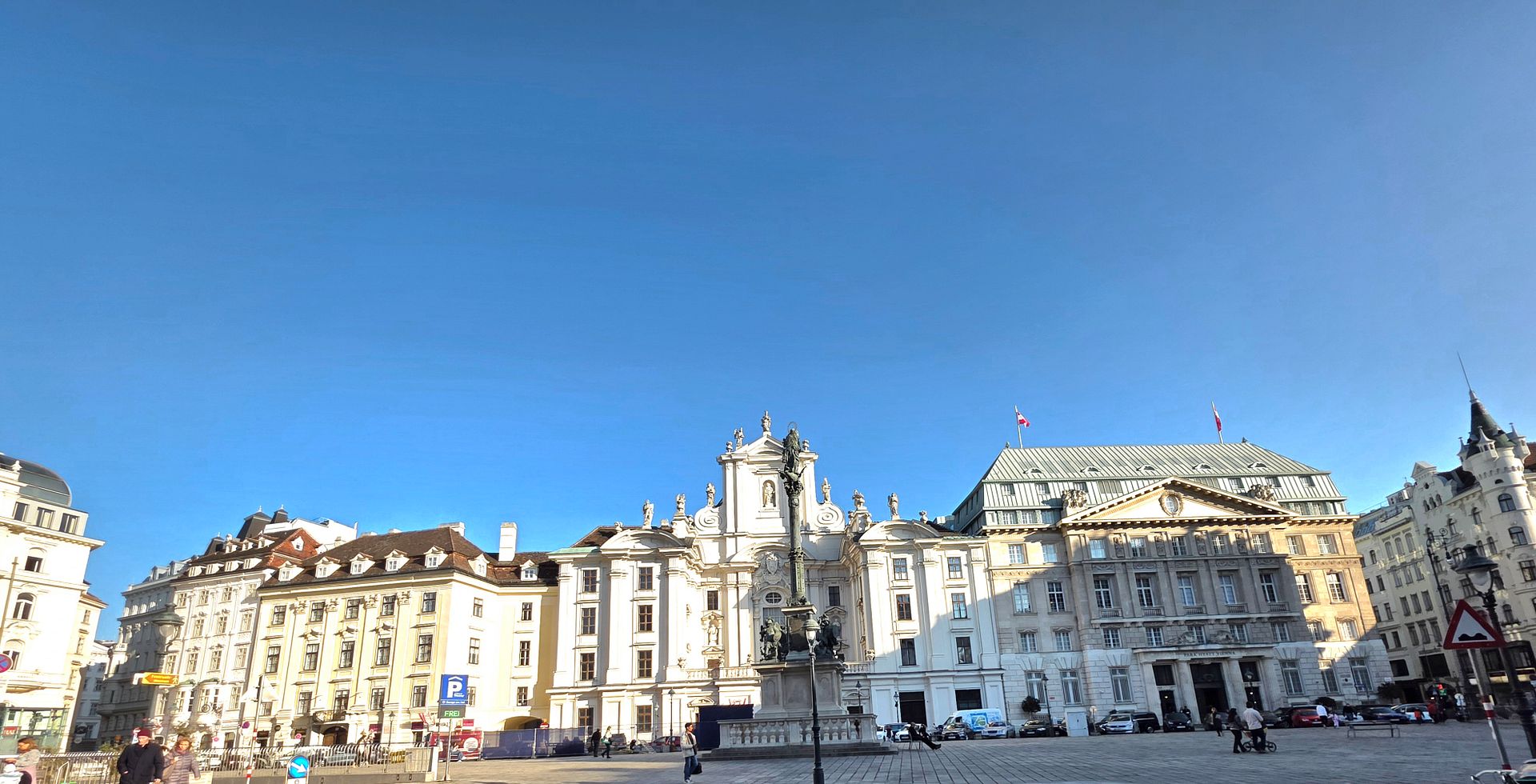
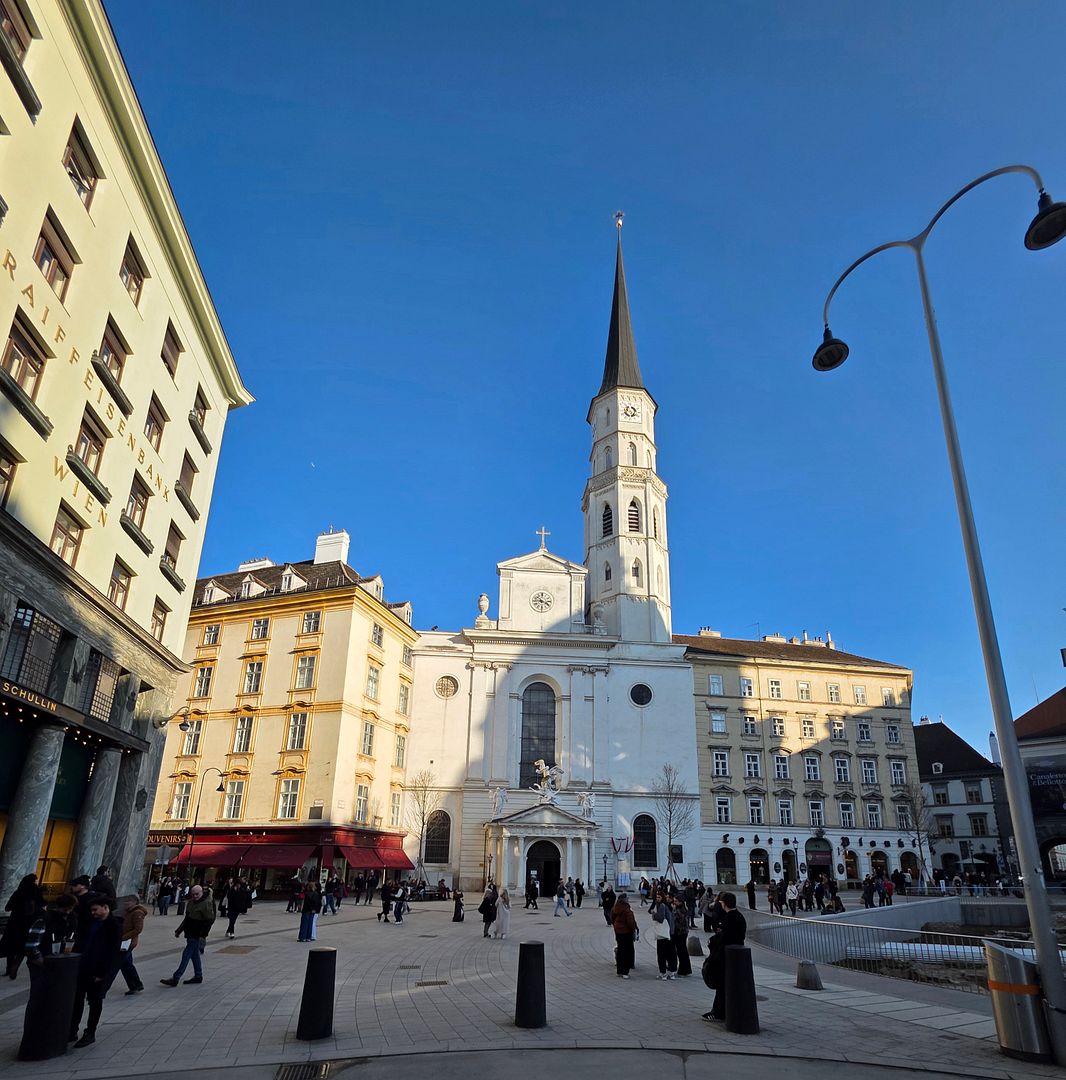
Kirche am hof, Vienna

Kirche am Hof Vienna (Catholic Church)

When the Carriage Ride was over we met up with our tour guide again and walked through some of the areas we just clip clopped through to St. Stevens Cathedral.

That will have to be another post.


Vienna Part 1

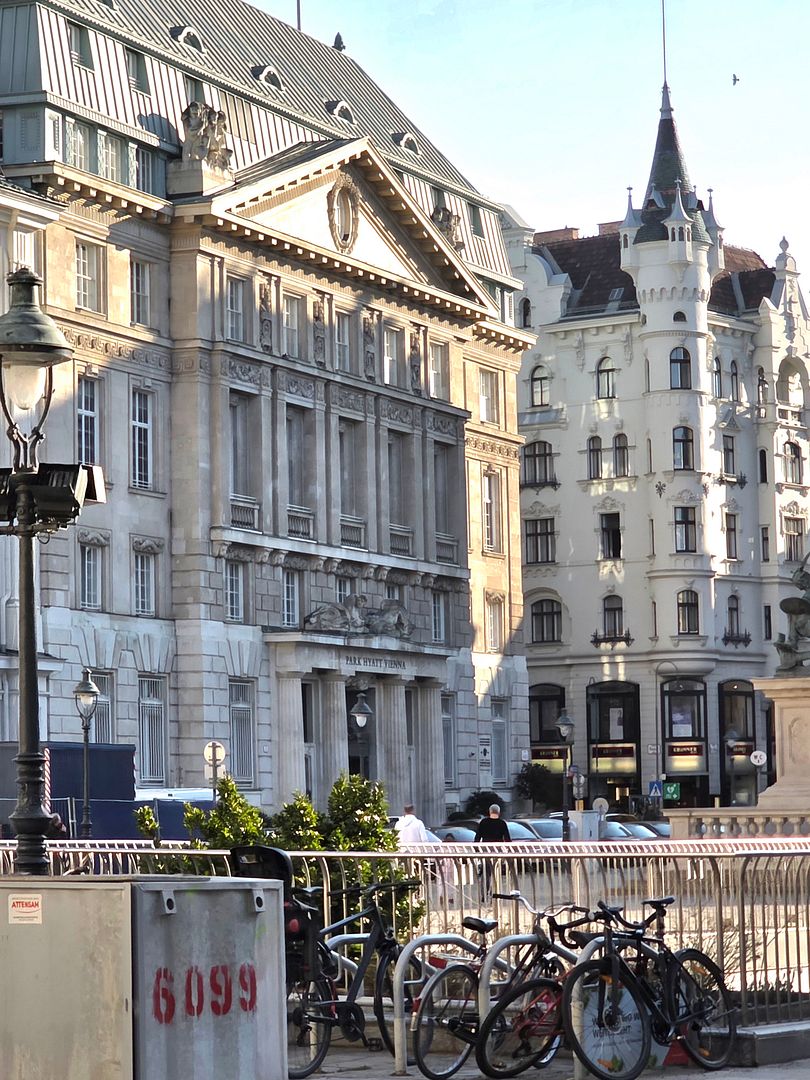
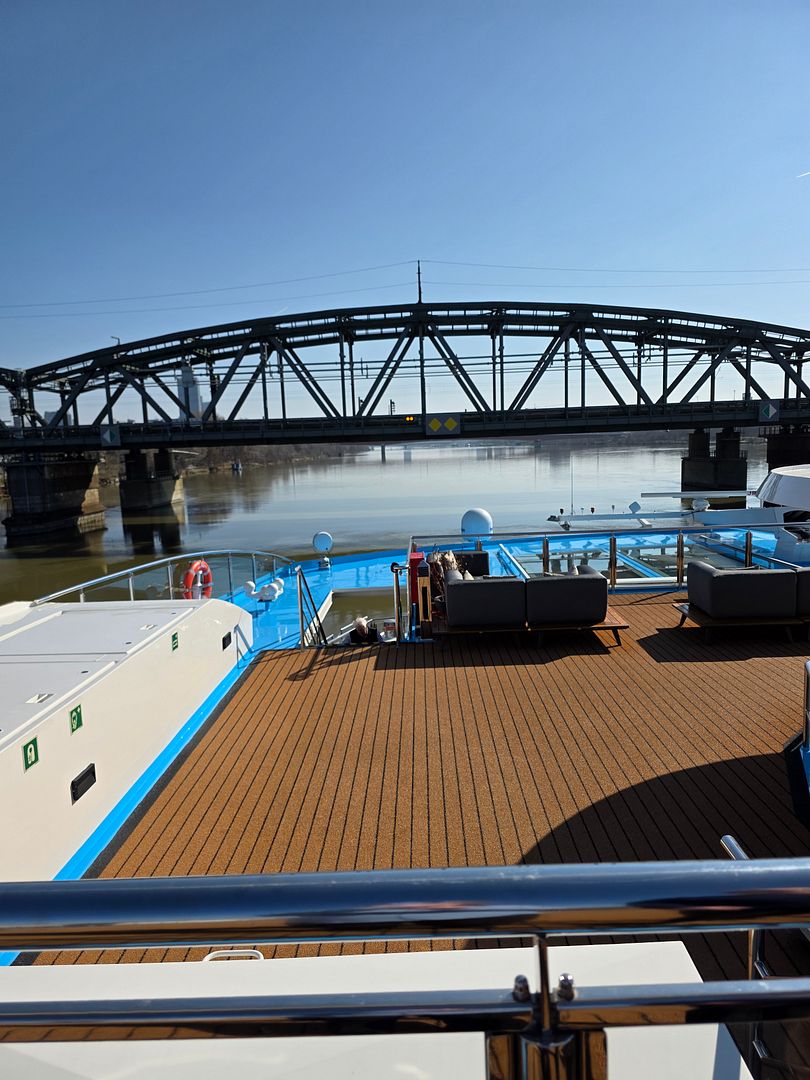
On Thursday March 5th our arrival to Vienna would be in the early afternoon. We enjoyed our usual breakfast on board and we also had lunch on board before we had our first excursion into Vienna, an Imperial Vienna tour and carriage ride. Before we docked, we were on the upper deck of the boat and it was fascinating to watch the boat dock in a kind of parallel parking move between two other cruise ships.

There were some bridges we went under where if we were on the upper deck we were advised to duck. It was eerie going under.  I took videos but I am unable to add them here.

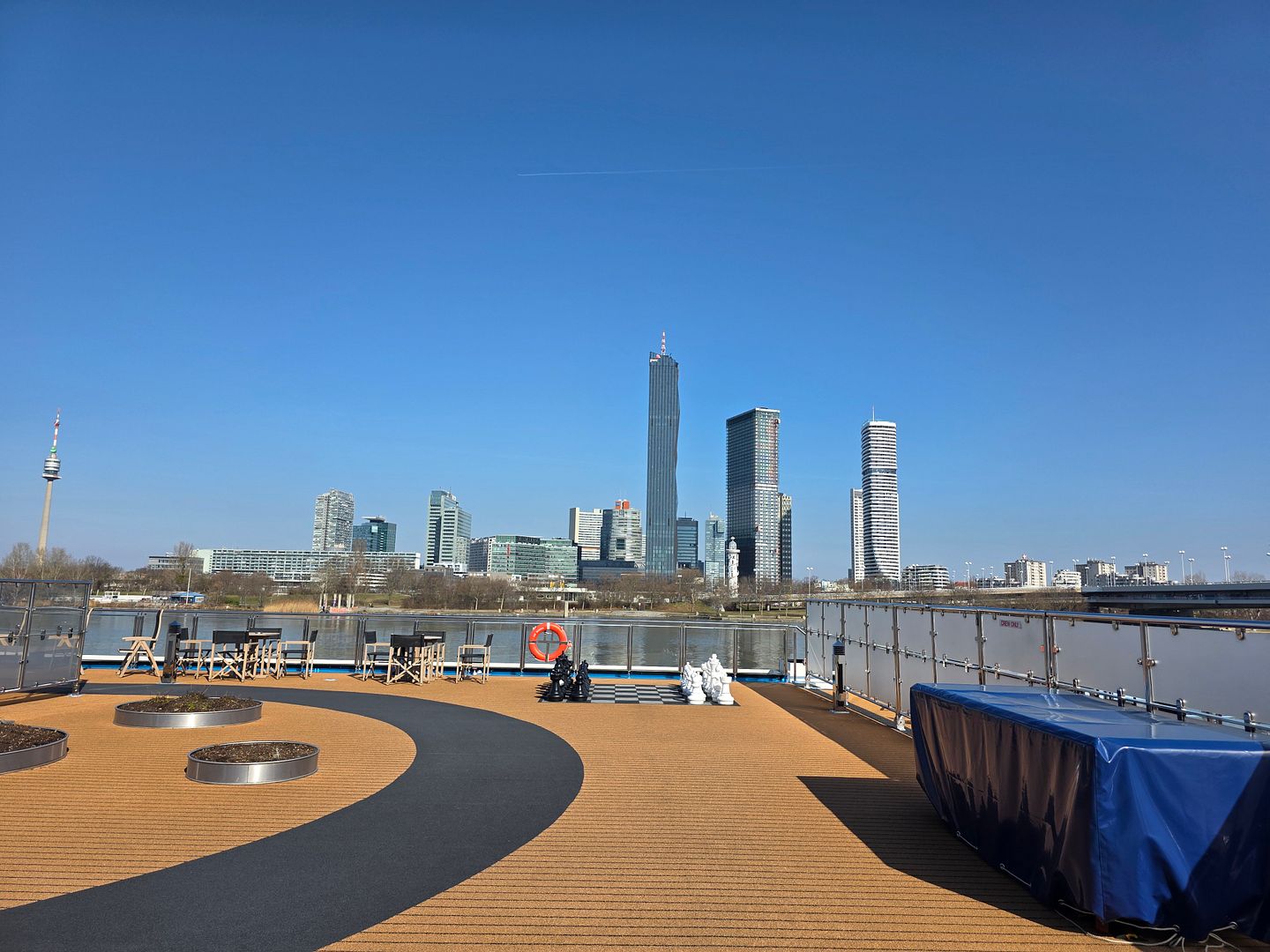
The more modern side of Vienna on the opposite side of the Danube from where we docked overnight. After lunch we grabbed our headsets for our first excursion into Old Vienna. A frustrating part of navigating these old cities in a bus is the miles you have to travel in a round about way to get to a designated bus stop. In hindsight walking into and around these cities would be a better option if you are fit and able. Staying in the city center would also be a good option.

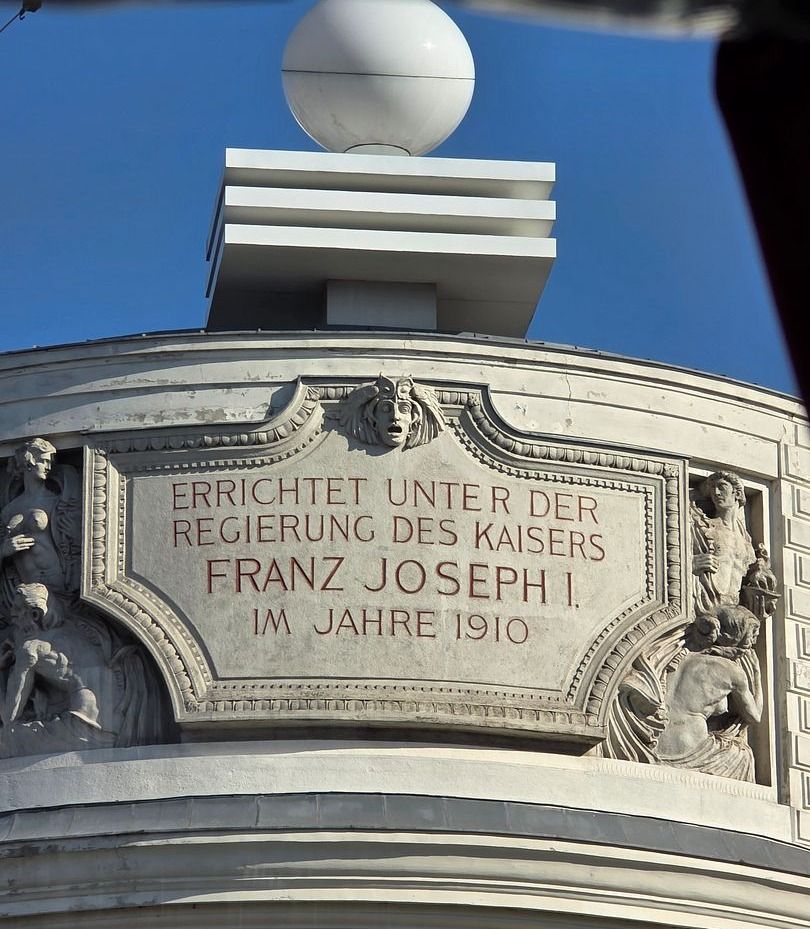
Franz Joseph I or Francis Joseph I was Emperor of Austria, King of Hungary, and the ruler of the other states of the Habsburg monarchy from 2 December 1848 until his death in 1916

Vienna’s imperial history is dominated by the Habsburg dynasty, which ruled for over 600 years (1278–1918)l. In their reign they transformed the city from a Roman outpost (Vindobona) into the glittering capital of the Holy Roman, Austrian, and Austro-Hungarian Empires. As a central European power hub, it became a global center of culture, music, and Baroque architecture.

We heard about the Habsburg dynasty everywhere we turned. Not surprising when you consider the extent of their reign.

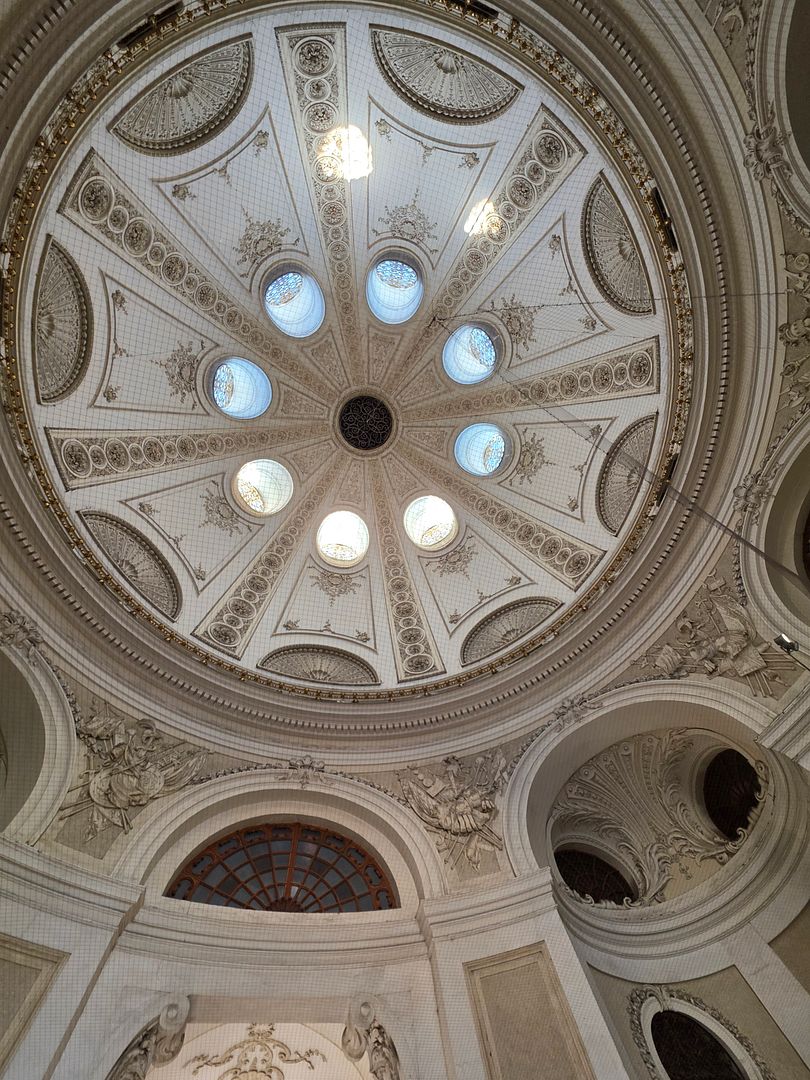
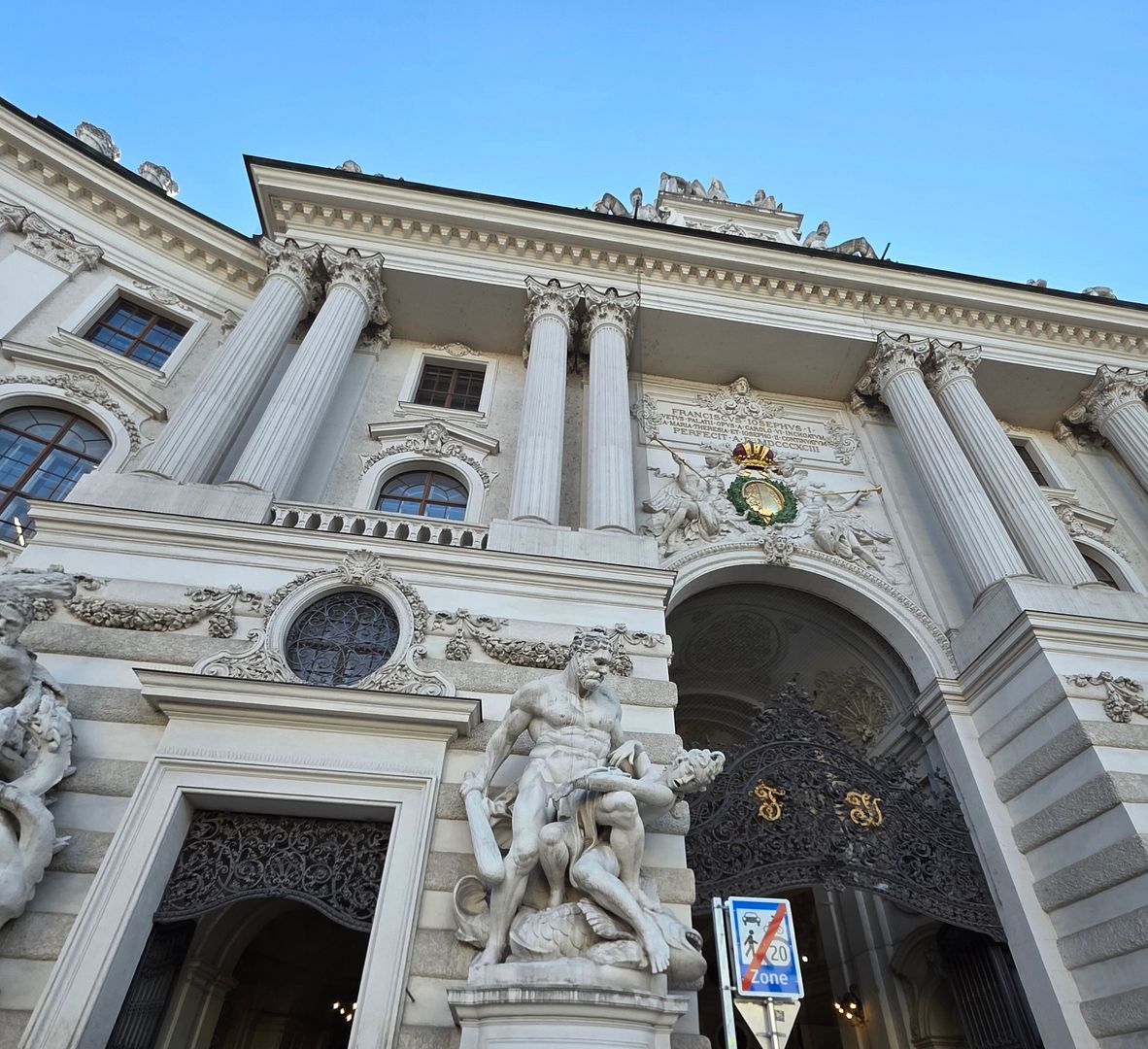
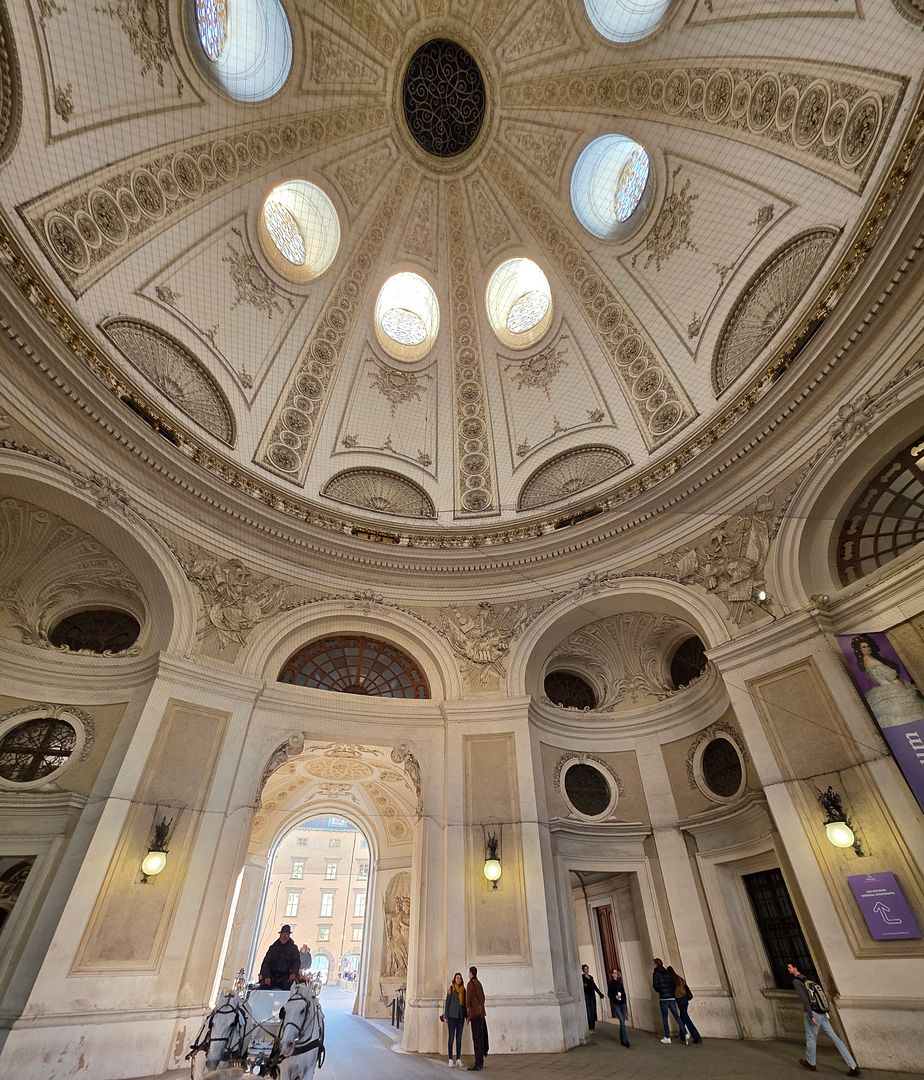
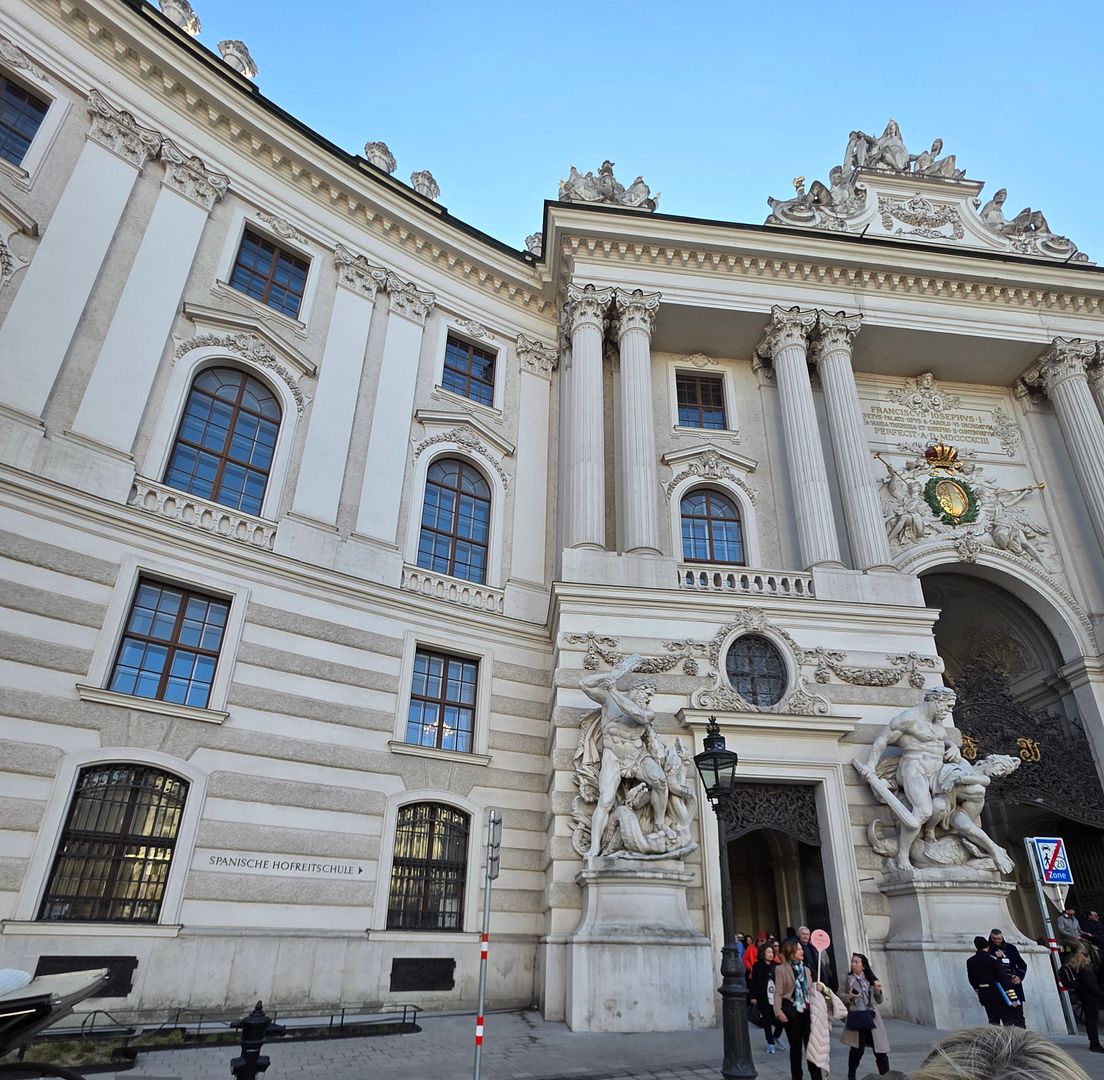
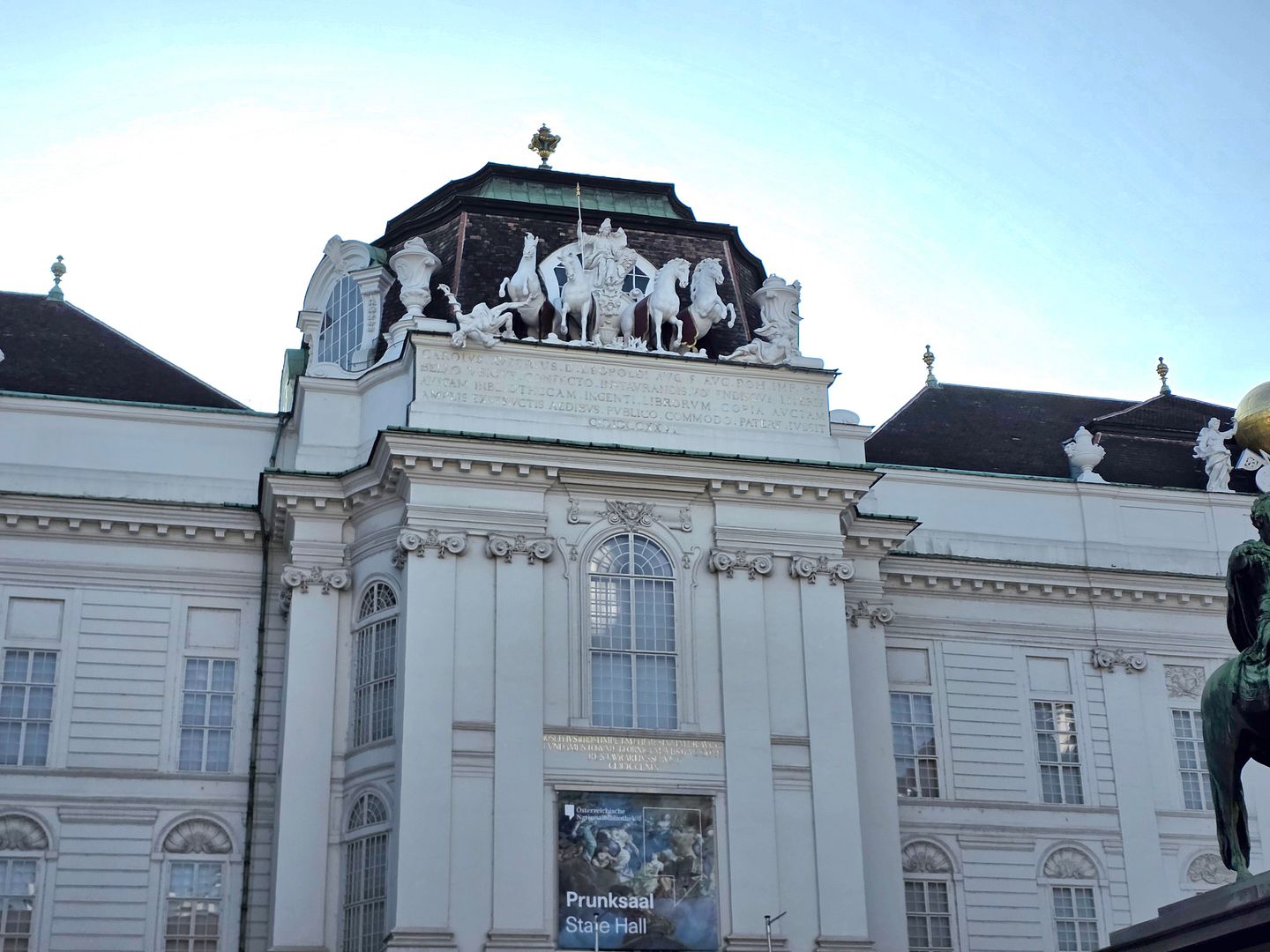
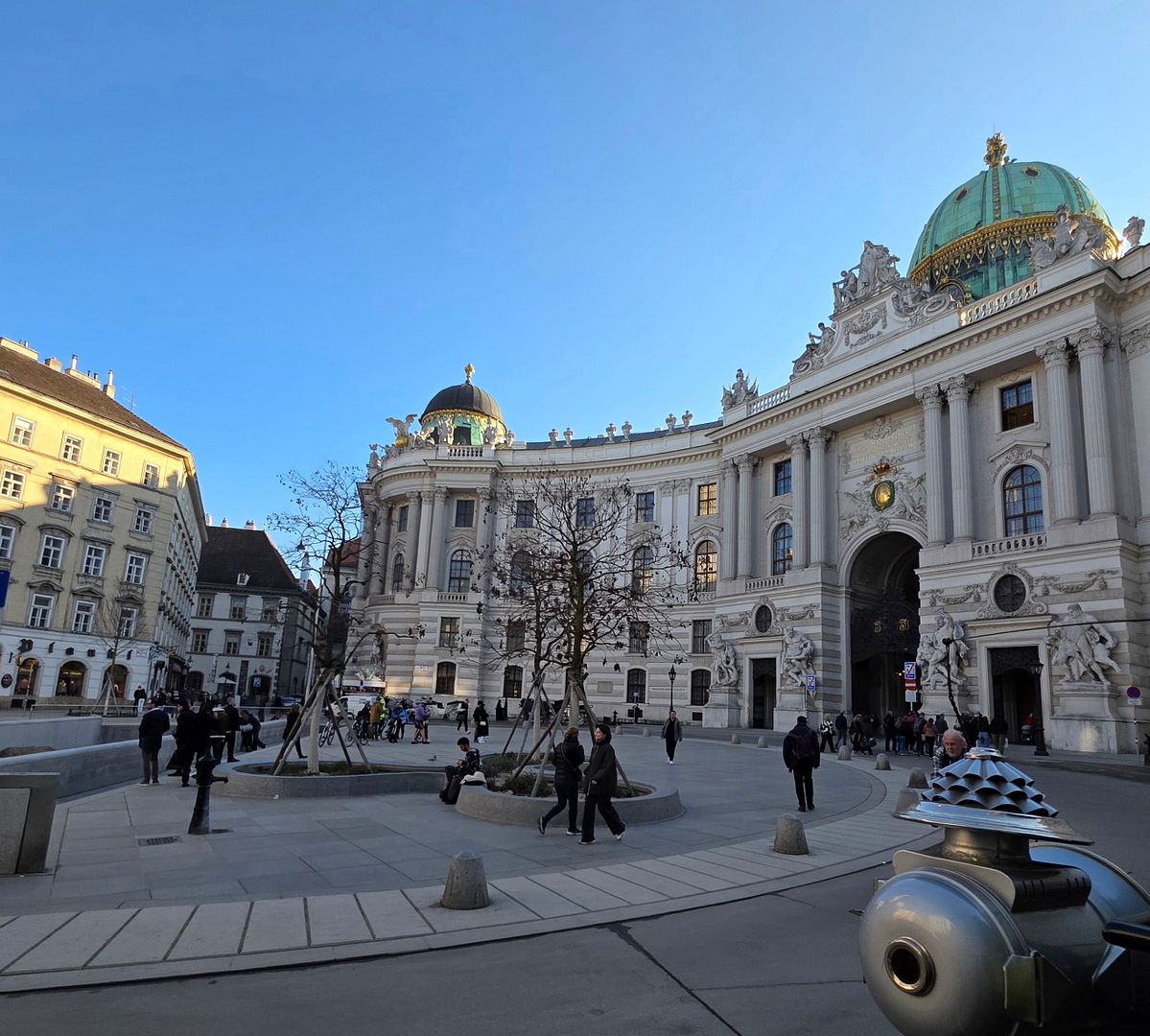
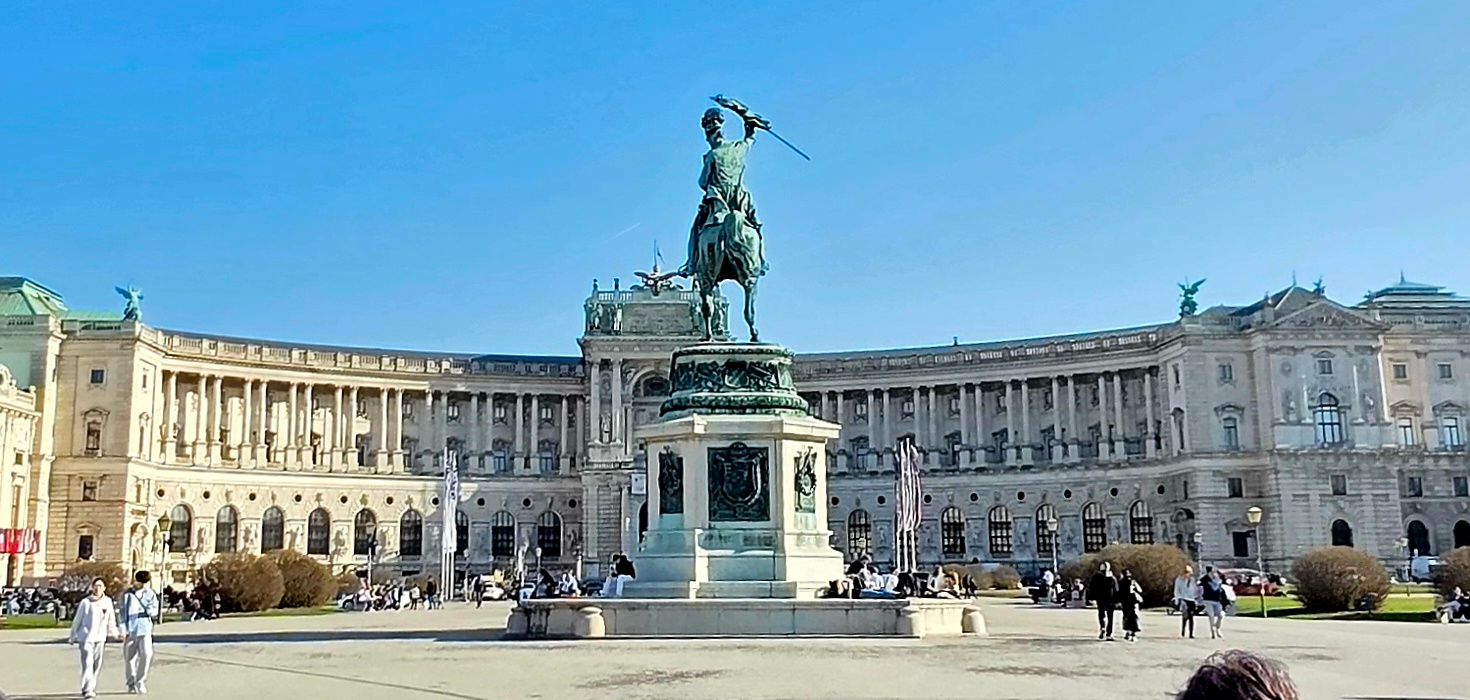
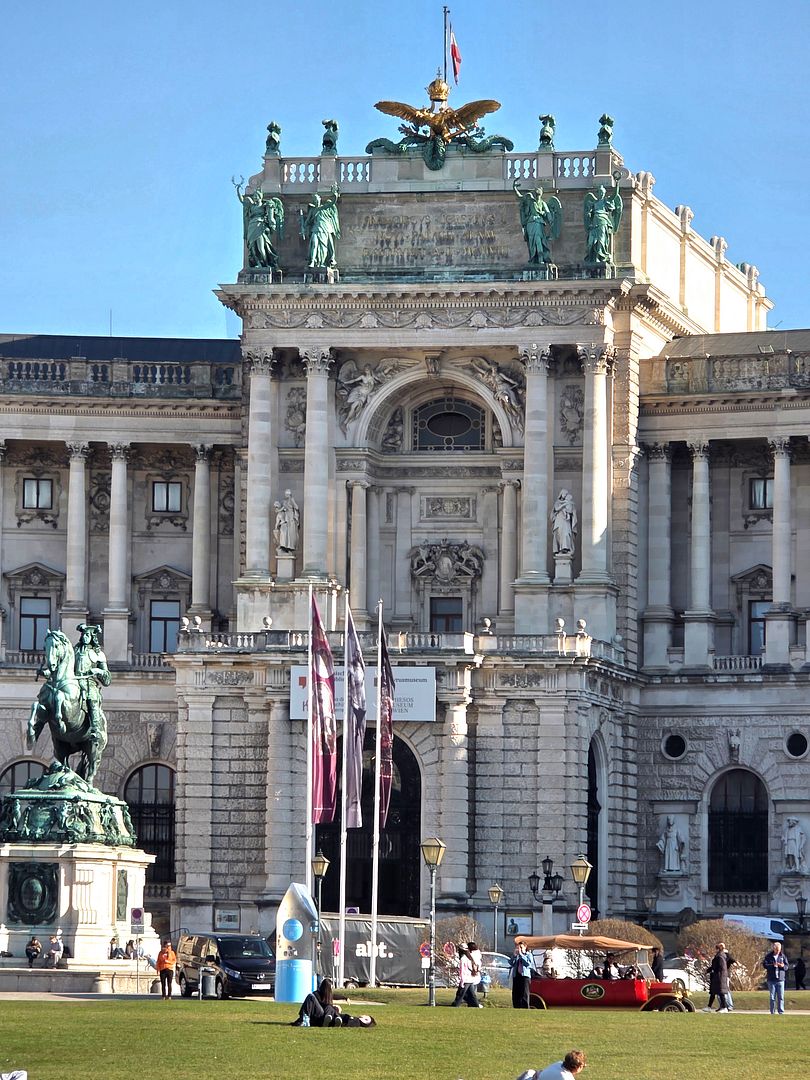
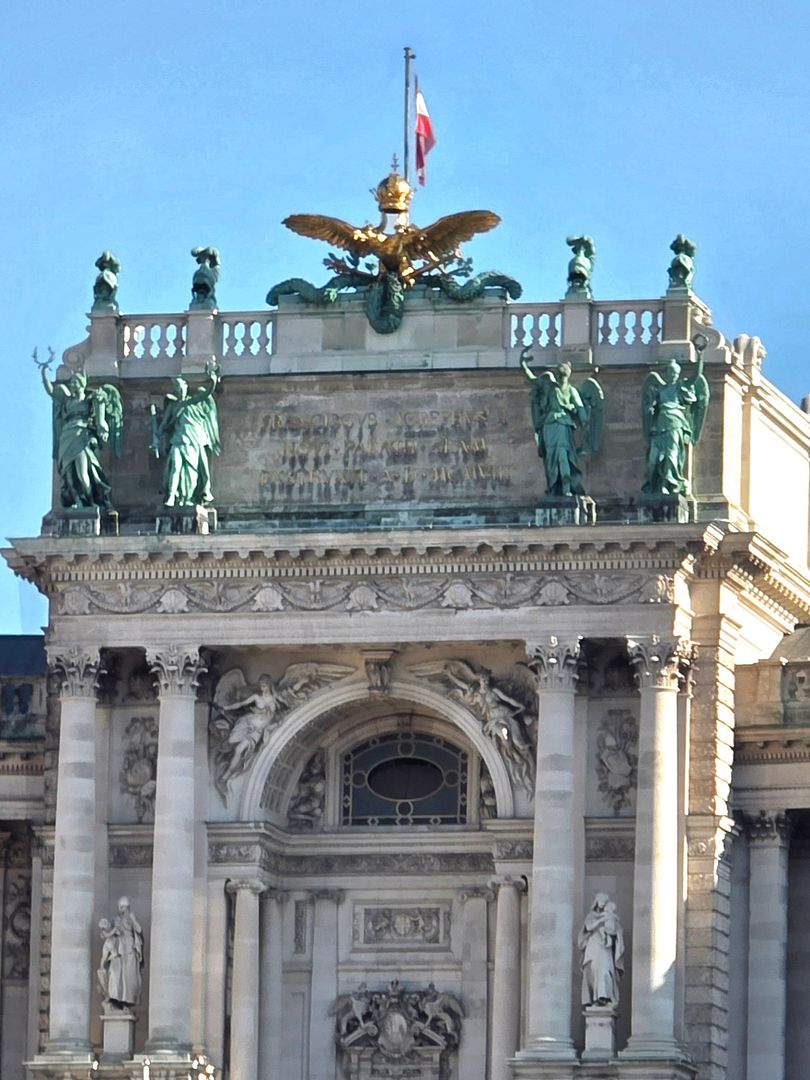
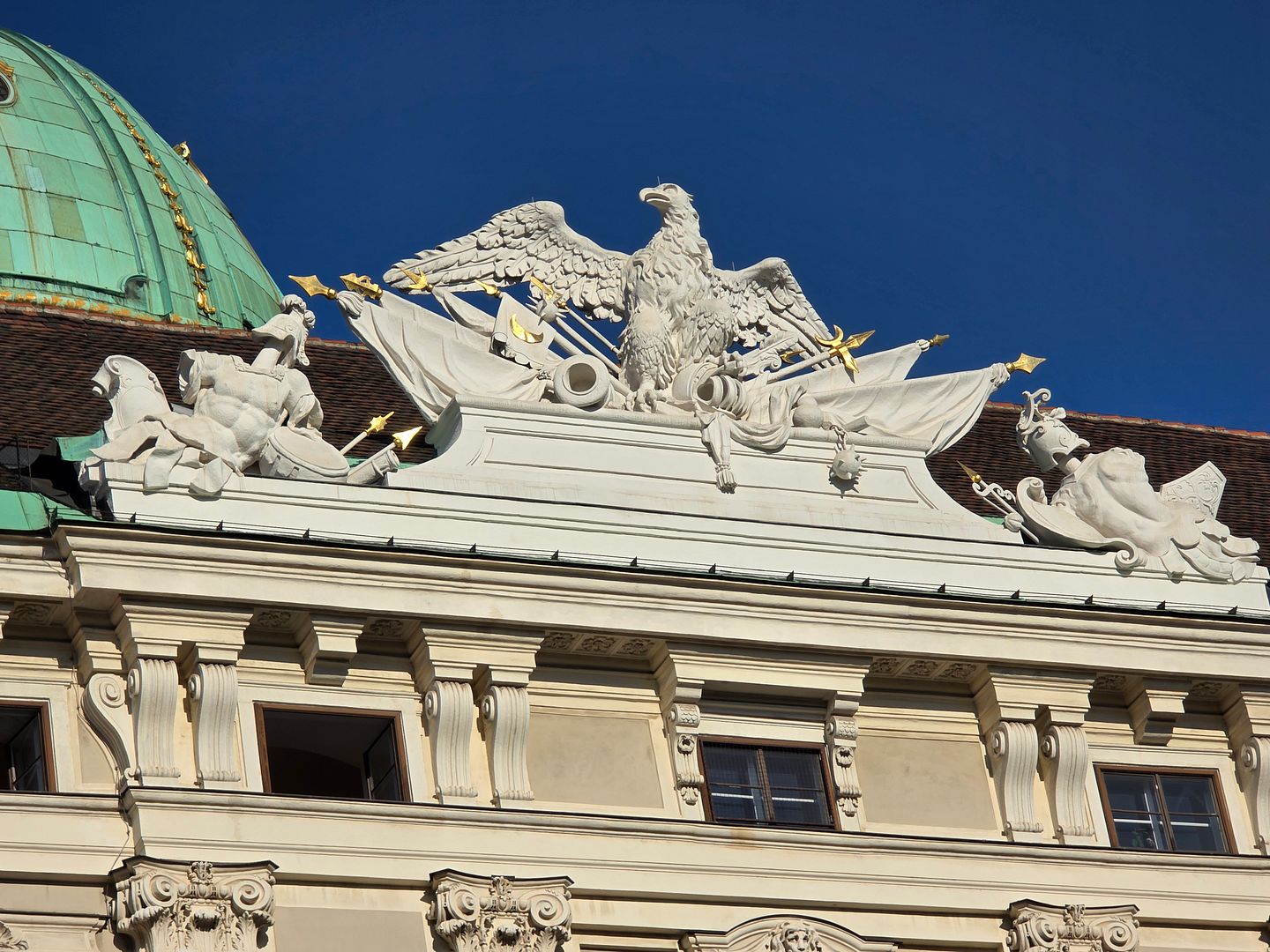
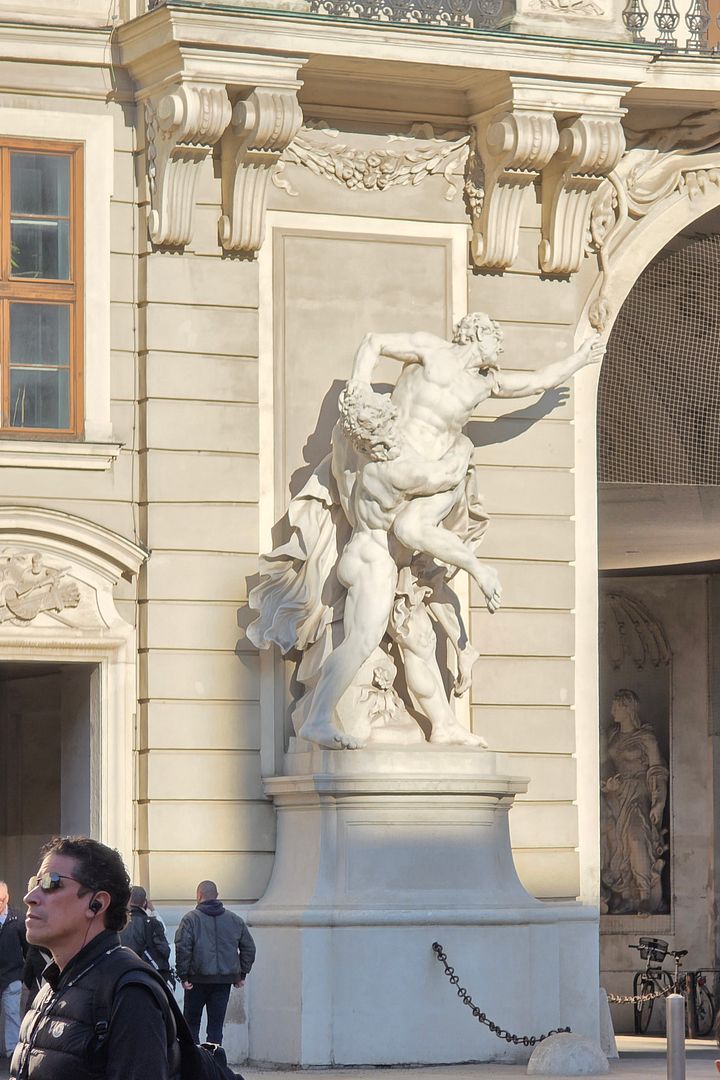
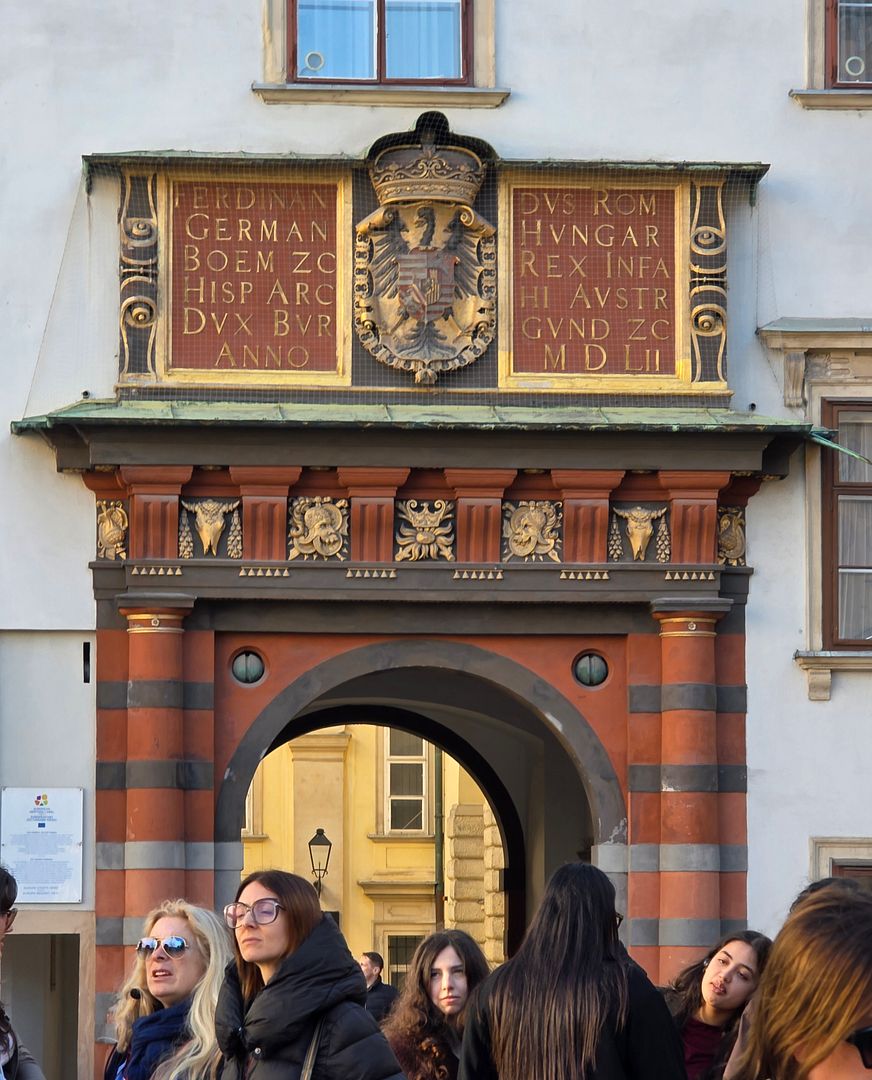
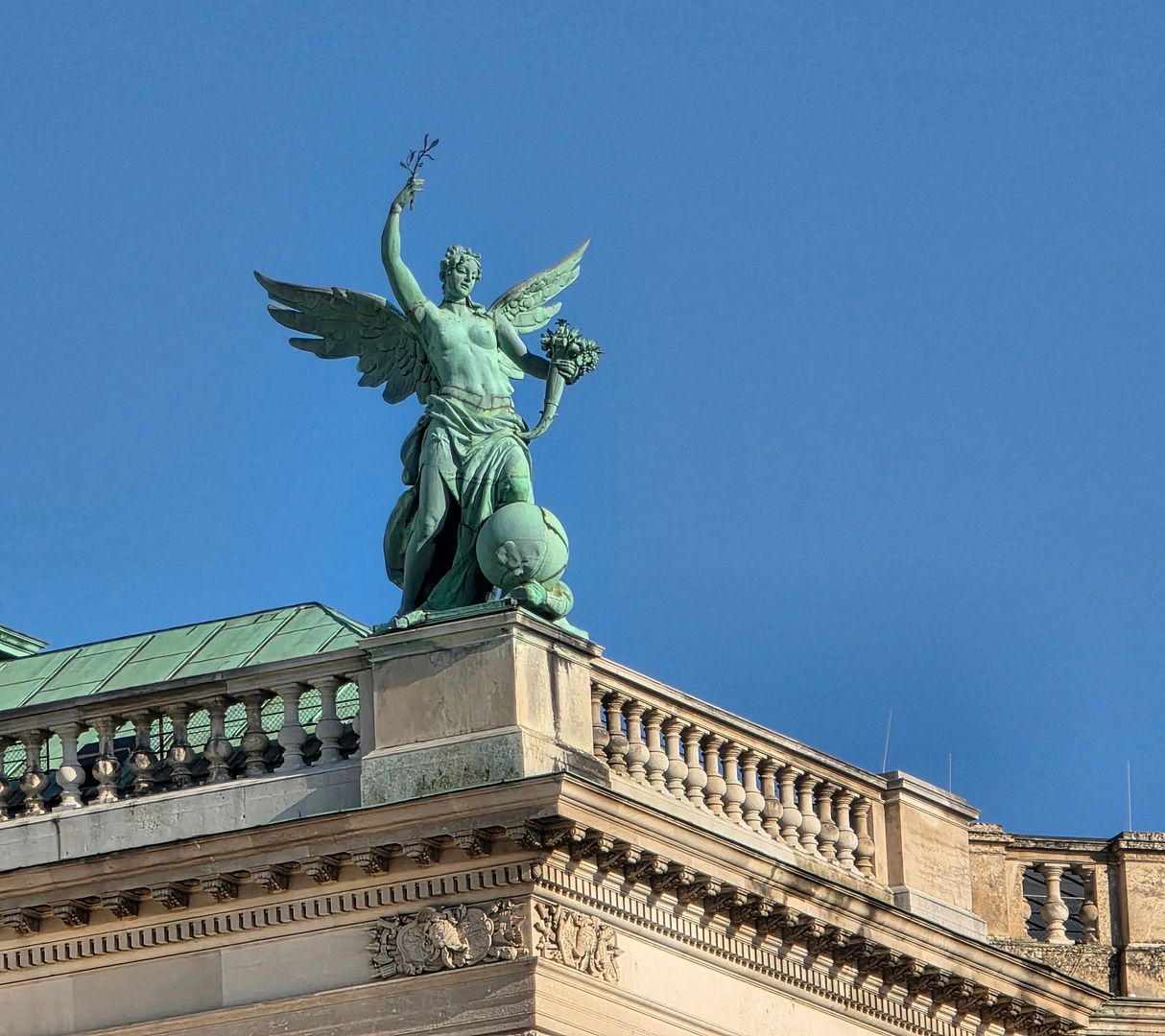
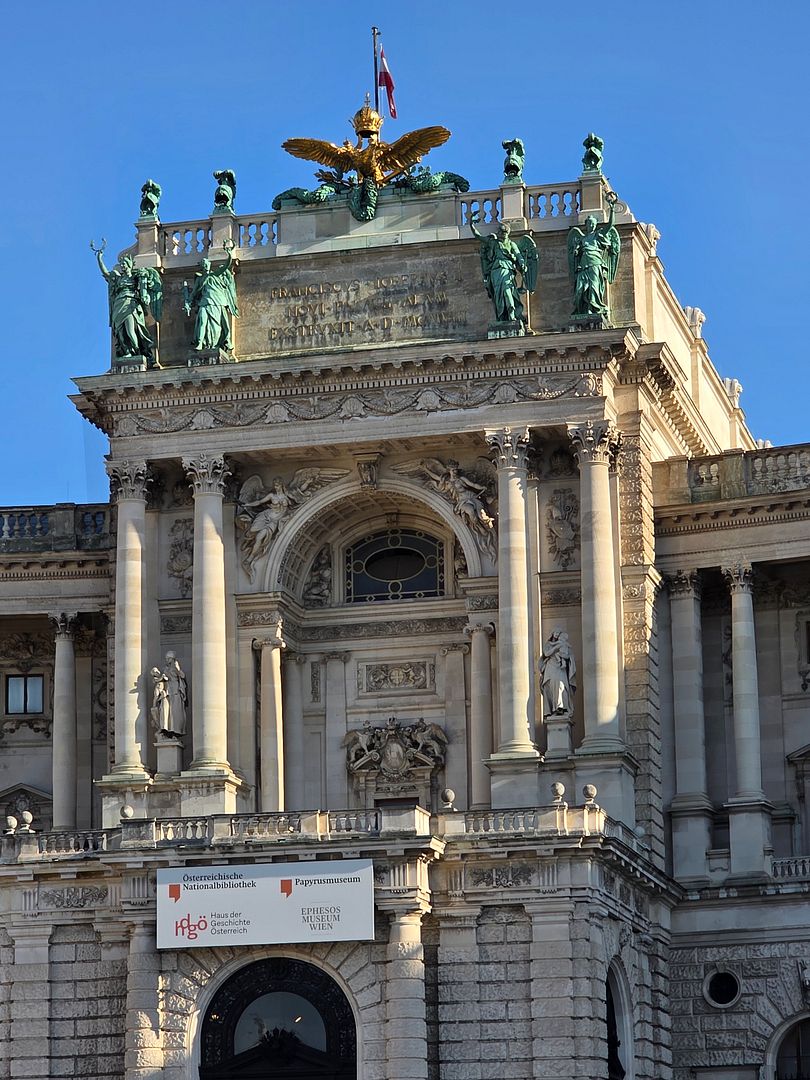
The Imperial Palace or Hofburg Palace. If there was one day Austria would like never to have happened, it might be March 15th, 1938. A distinct low point for the country: the day Hitler proclaimed the Anschluss with Germany from the balcony (actually a terrace) of the Neue Burg. That balcony remains closed off to any visitors.

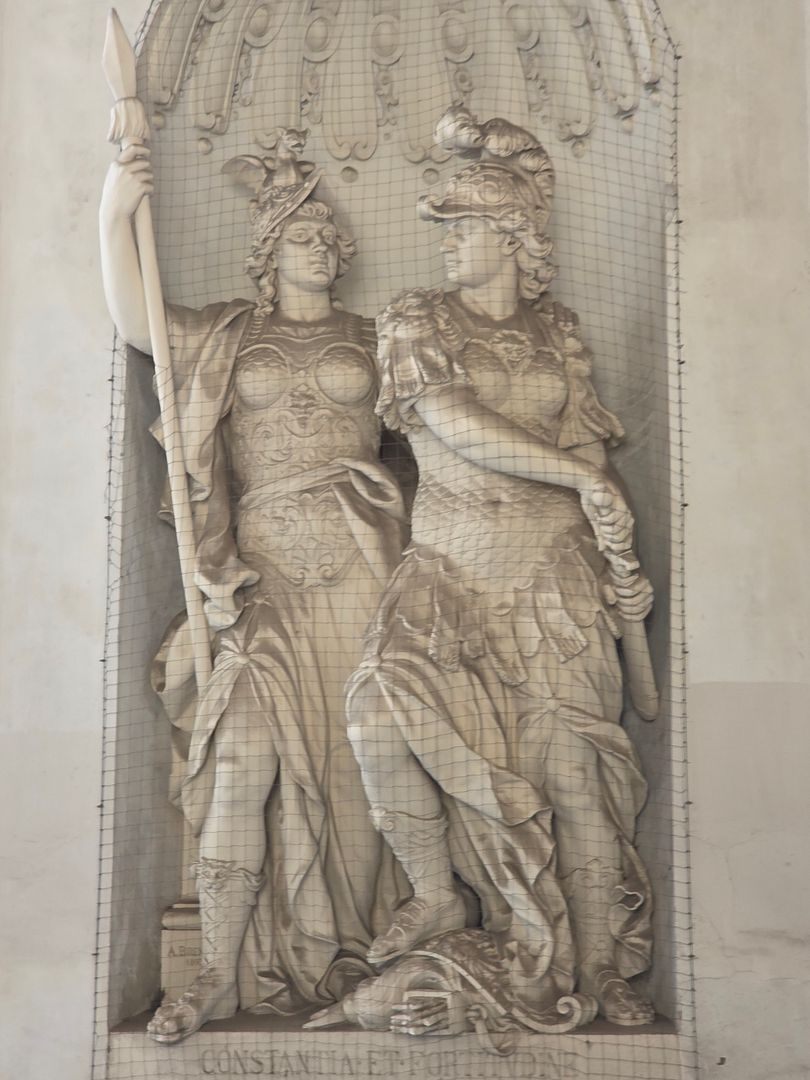
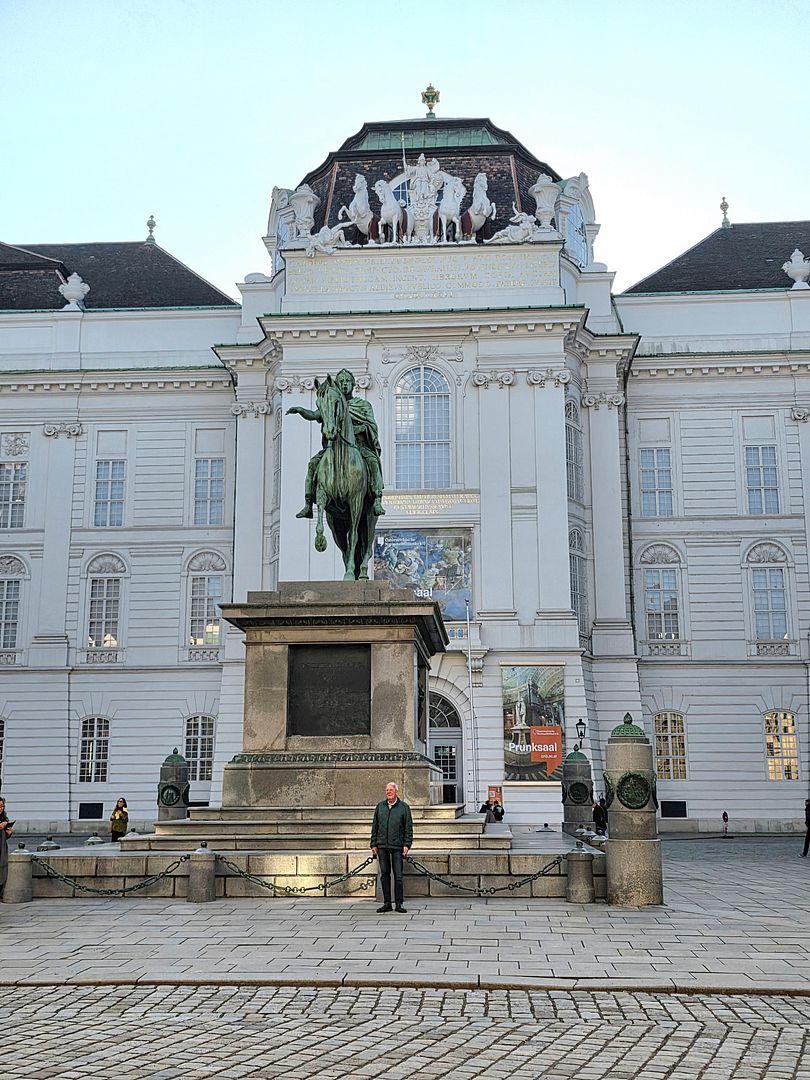
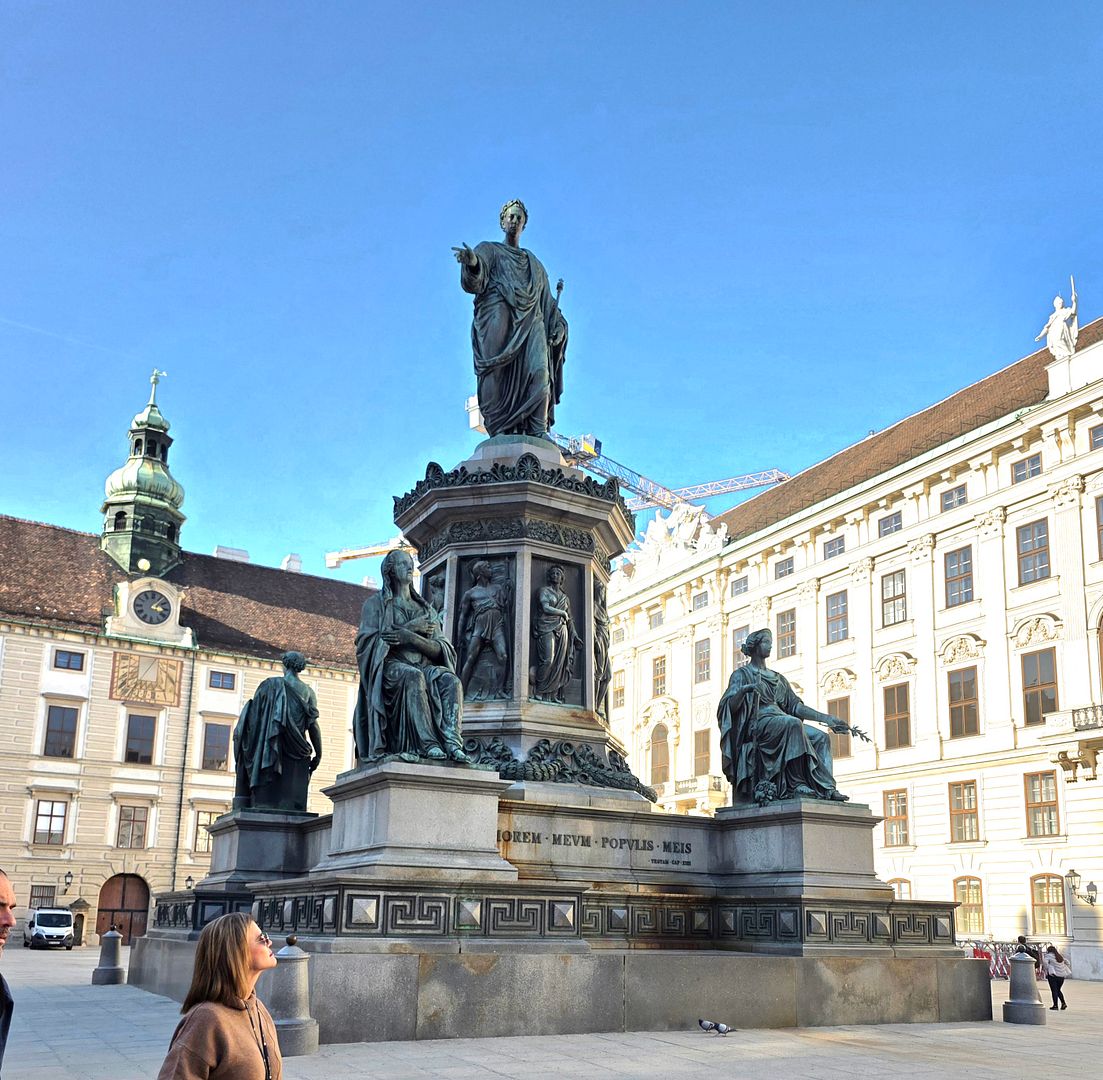
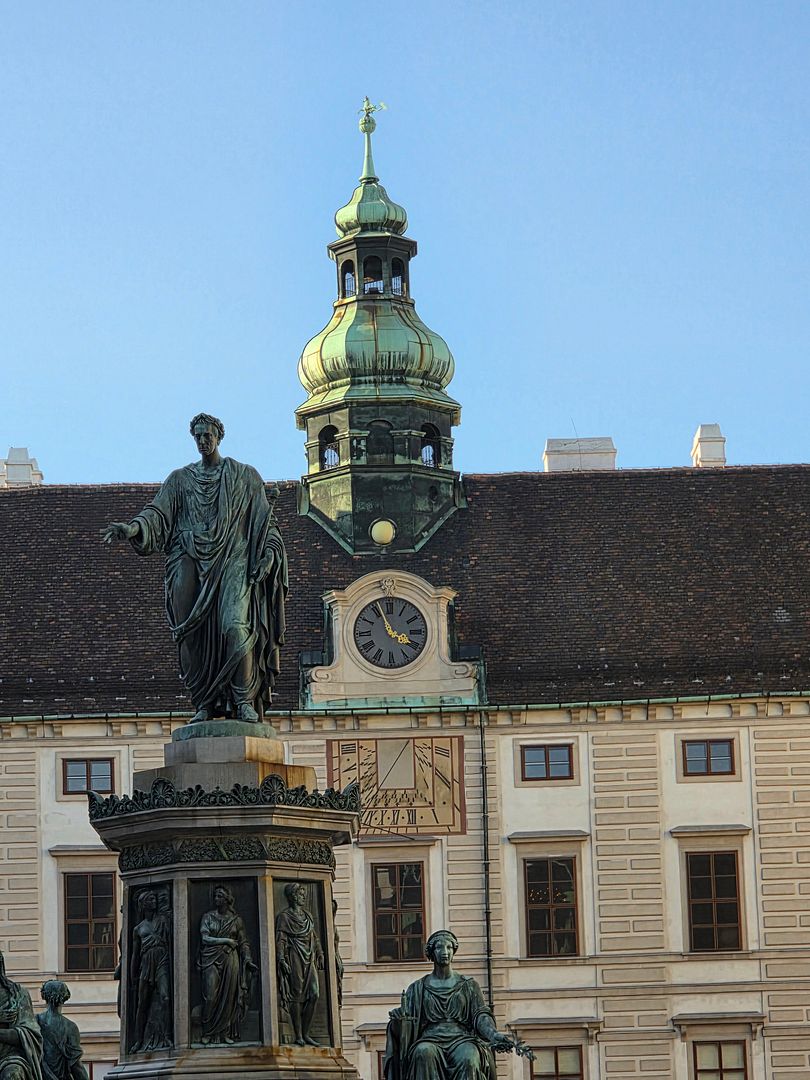
The Kaiser Franz II/I statue is a prominent 1846 bronze monument located in the inner courtyard of the Hofburg Palace in Vienna. Designed by Pompeo Marchesi, it honors Francis II, the last Holy Roman Emperor and first Emperor of Austria, featuring him in Roman attire, surrounded by figures representing Religion, Peace, Justice, and Strength

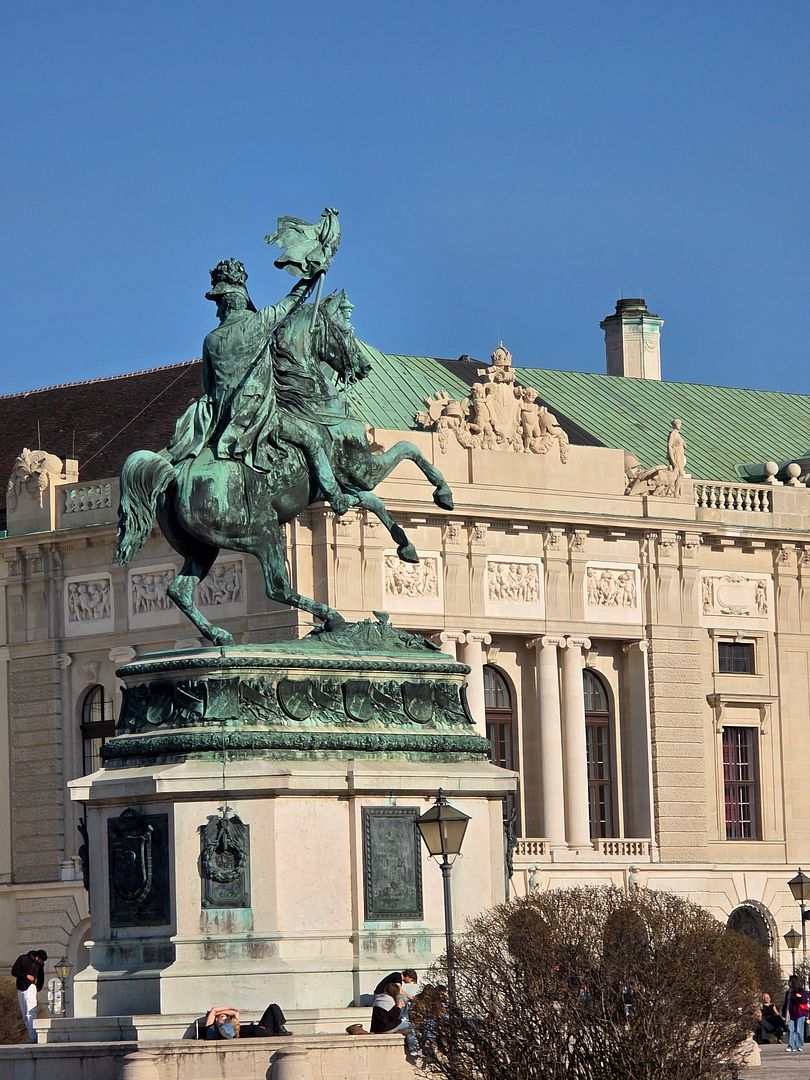
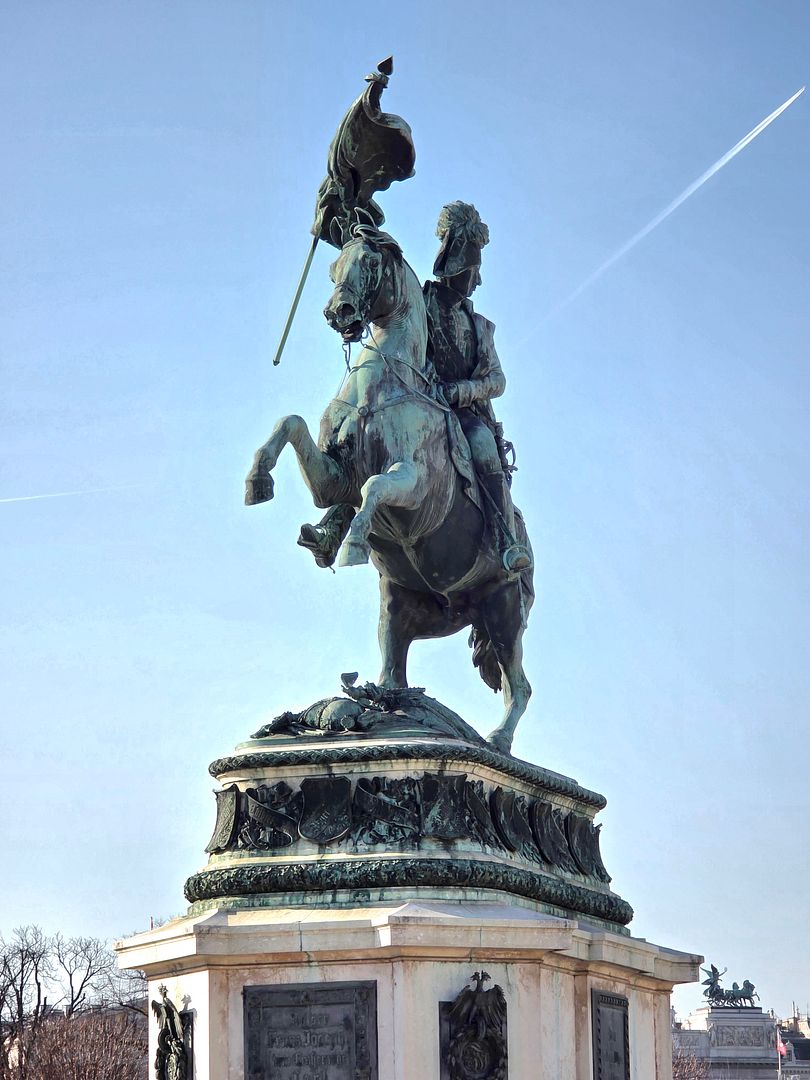
A huge equestrian statue dominates Heldenplatz square on one side of Vienna’s Hofburg palace complex. The monument honours the first man to hand Napoleon a significant military defeat: Archduke Karl.

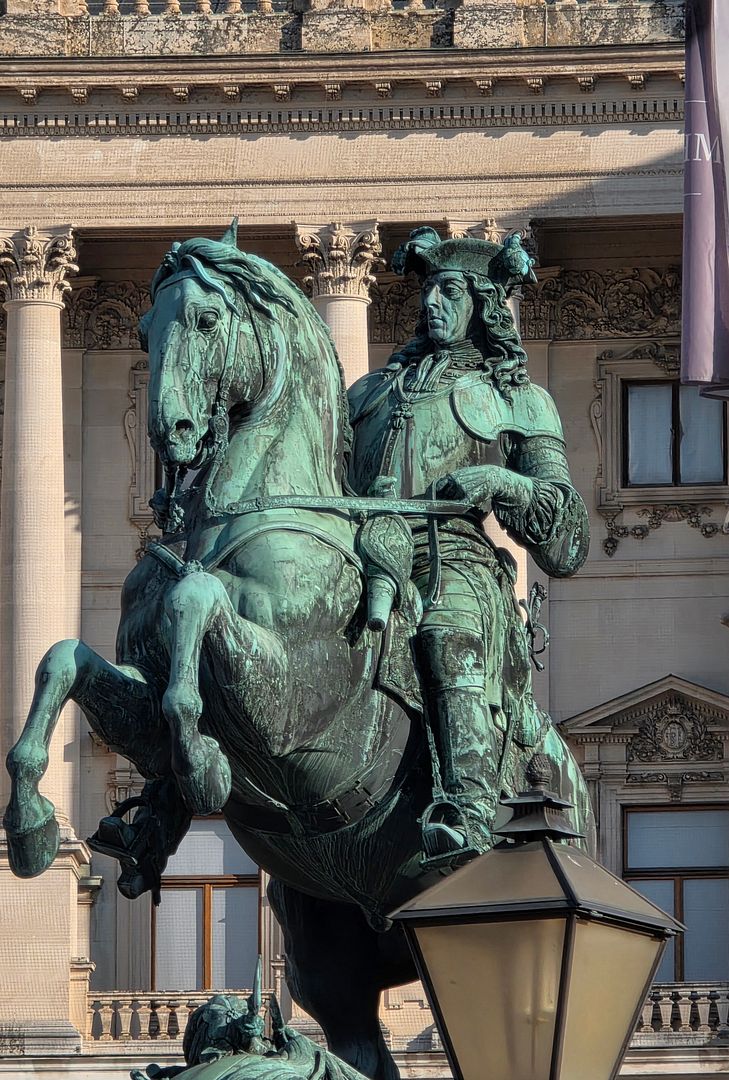
Eugene of Savoy (1663–1736), one of the most successful military commanders in modern European history, rose to the highest offices of state at the imperial court in Vienna. Born in Paris to aristocratic Italian parents, Eugene grew up around the French court of King Louis XIV, who rejected him for service in the French army. Eugene moved to Austria and transferred his loyalty to the Habsburg Monarchy. He secured his European-wide fame with a decisive victory against the Ottomans at the Battle of Zenta in 1697. Not only did he break the westward thrust of the Ottomans, liberating central Europe after a century and a half of Turkish occupation, but he also helped to save the Habsburg Empire from French conquest.

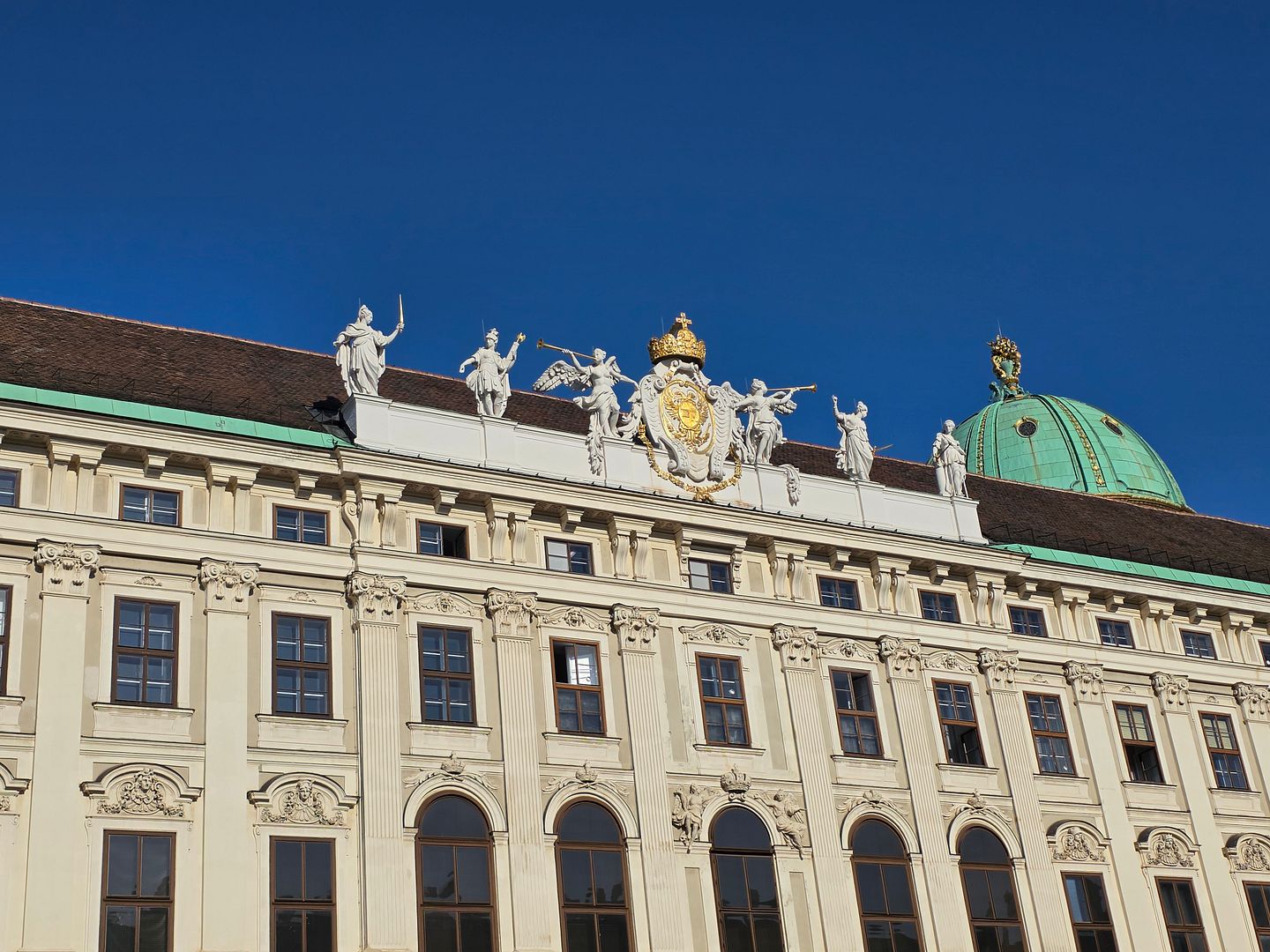
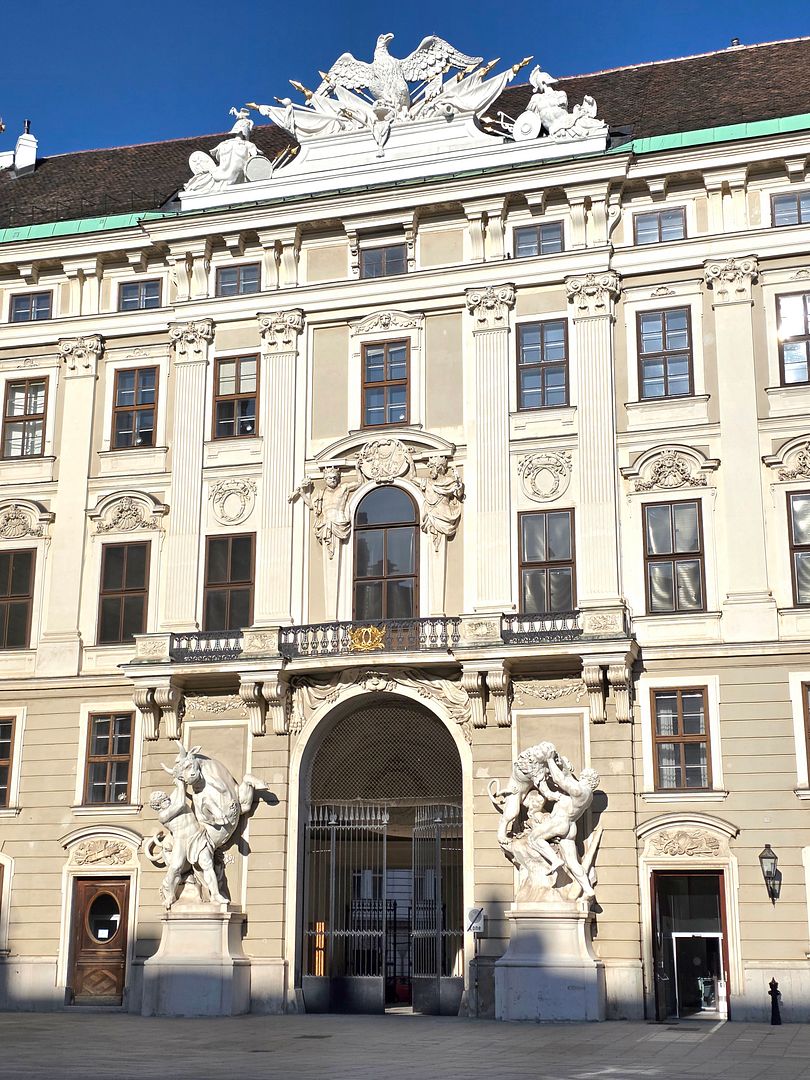
Habsburgs in the Hofburg Palace. All the burgs can get confusing.

After seeing these inner courts and outer squares and listening to so much amazing history it was time for our Carriage Ride. I’ll save what we saw from the carriage for another post.

Back to the present on this last day of April in 2026. Our Spring mowing has started in earnest and we are considering what to do with our weeds. Our underground critters are a worrisome concern as they are multiplying. It would be fascinating to see their underground world. It’s not all rosy to own property but we are thankful nevertheless.