On Thursday March 5th our arrival to Vienna would be in the early afternoon. We enjoyed our usual breakfast on board and we also had lunch on board before we had our first excursion into Vienna, an Imperial Vienna tour and carriage ride. Before we docked, we were on the upper deck of the boat and it was fascinating to watch the boat dock in a kind of parallel parking move between two other cruise ships.
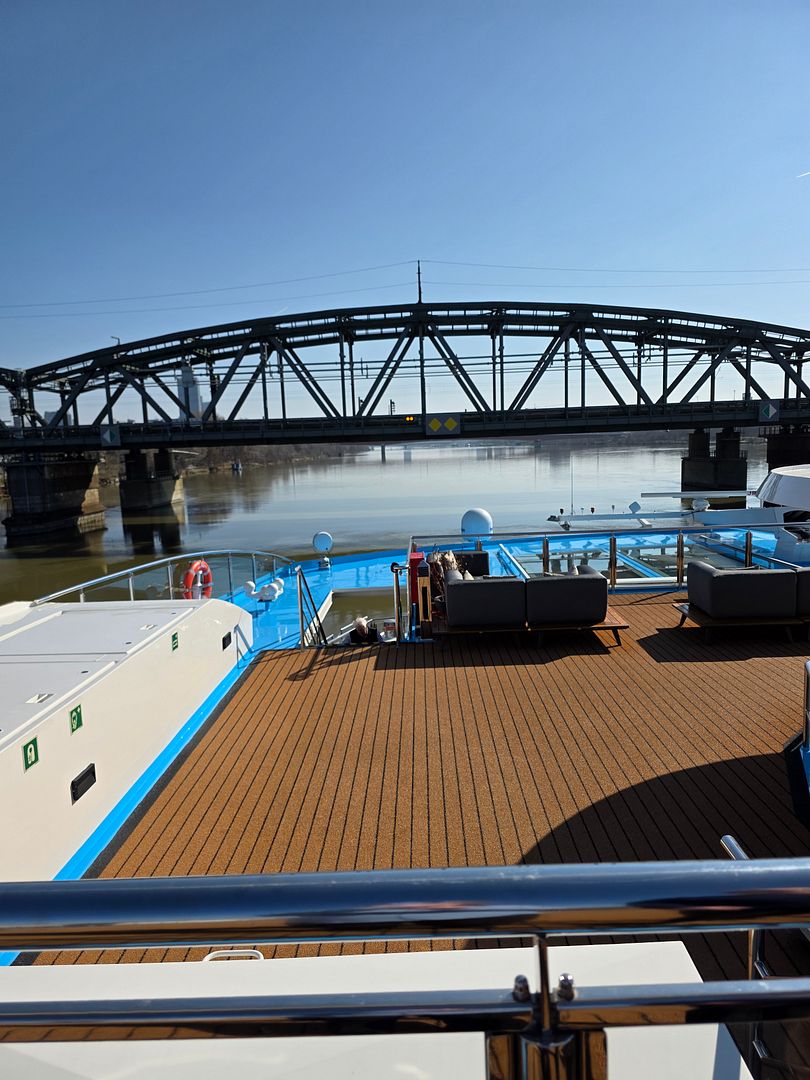
There were some bridges we went under where if we were on the upper deck we were advised to duck. It was eerie going under. I took videos but I am unable to add them here.
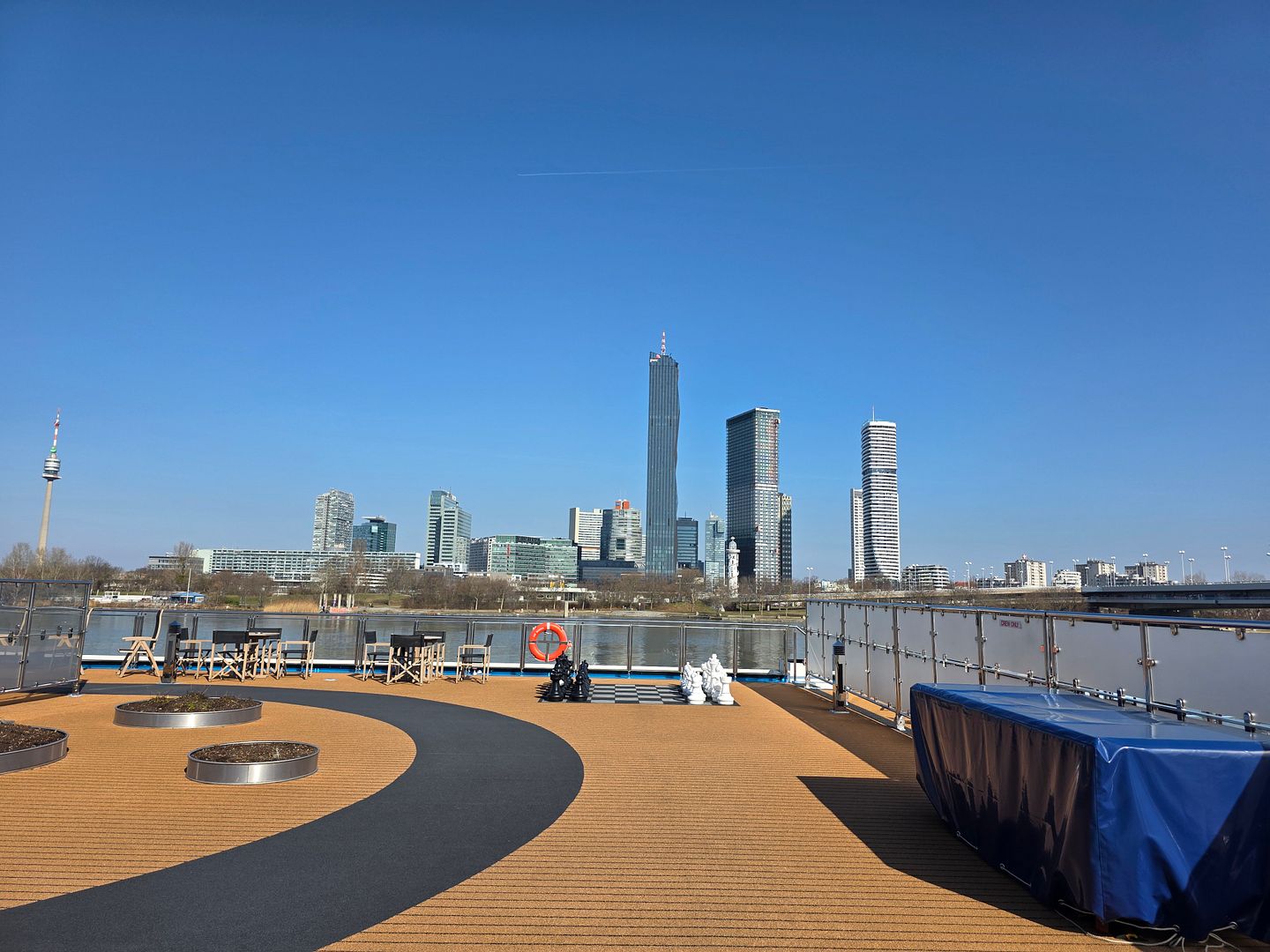
The more modern side of Vienna on the opposite side of the Danube from where we docked overnight. After lunch we grabbed our headsets for our first excursion into Old Vienna. A frustrating part of navigating these old cities in a bus is the miles you have to travel in a round about way to get to a designated bus stop. In hindsight walking into and around these cities would be a better option if you are fit and able. Staying in the city center would also be a good option.
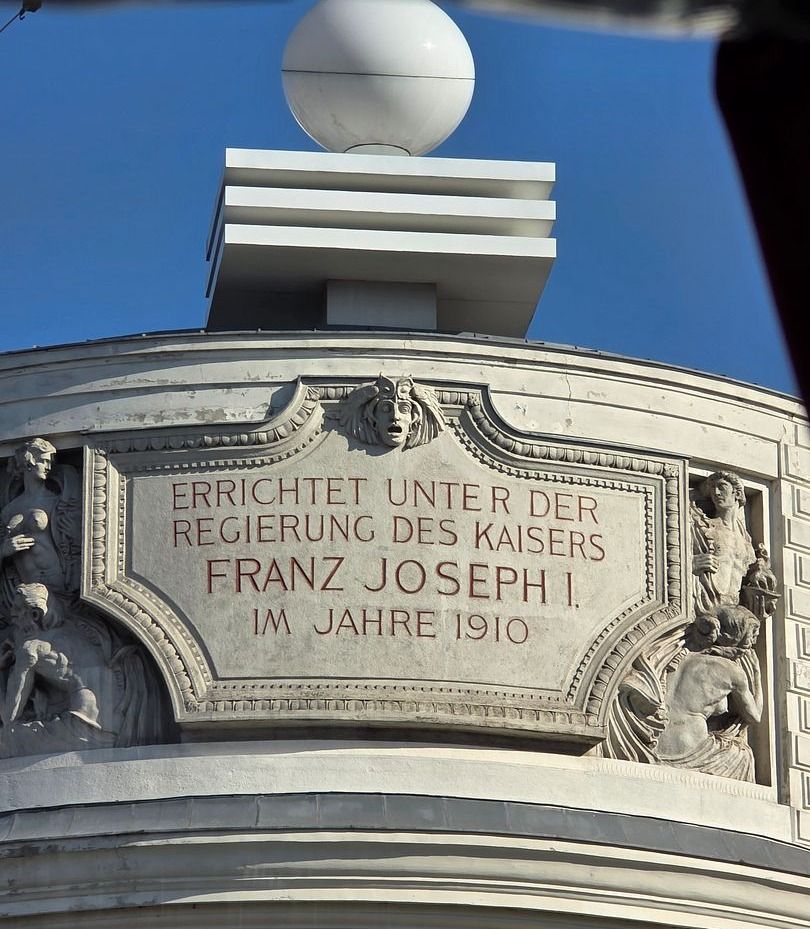
Franz Joseph I or Francis Joseph I was Emperor of Austria, King of Hungary, and the ruler of the other states of the Habsburg monarchy from 2 December 1848 until his death in 1916
Vienna’s imperial history is dominated by the Habsburg dynasty, which ruled for over 600 years (1278–1918)l. In their reign they transformed the city from a Roman outpost (Vindobona) into the glittering capital of the Holy Roman, Austrian, and Austro-Hungarian Empires. As a central European power hub, it became a global center of culture, music, and Baroque architecture.
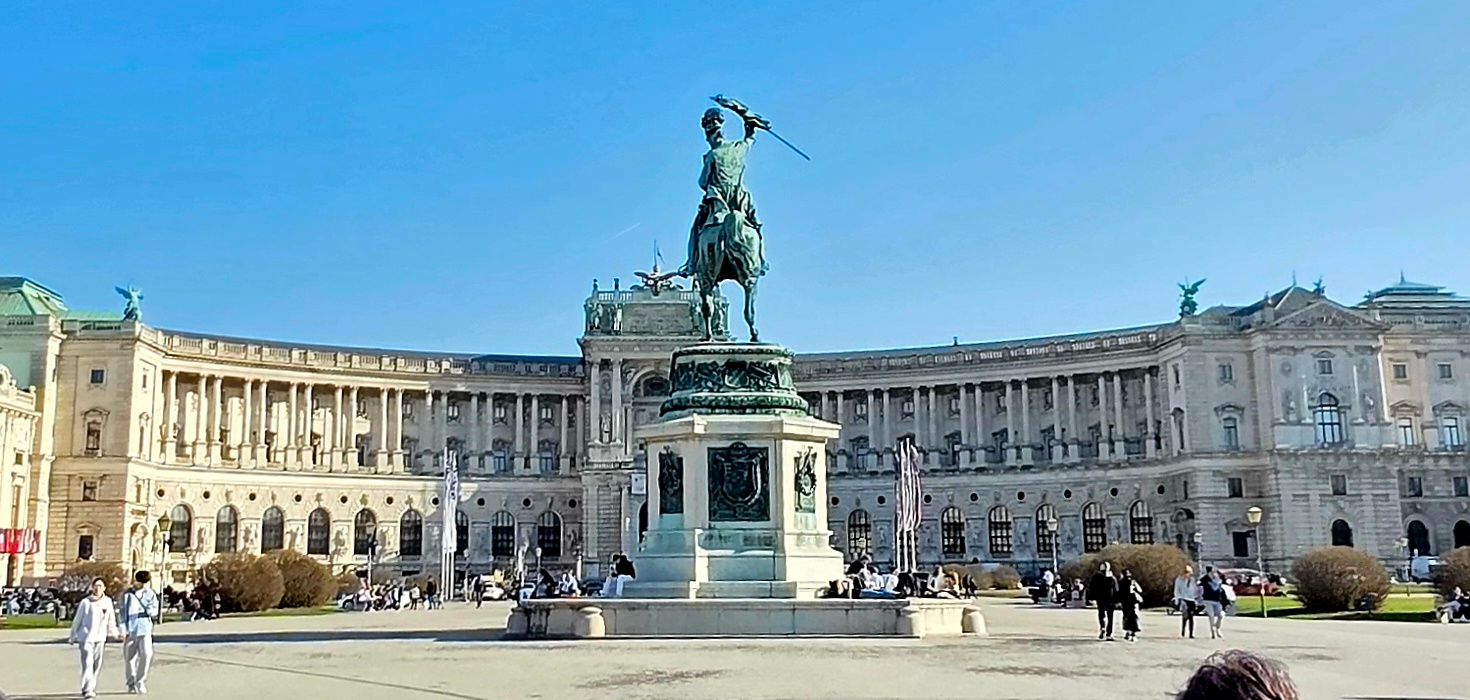
We heard about the Habsburg dynasty everywhere we turned. Not surprising when you consider the extent of their reign.
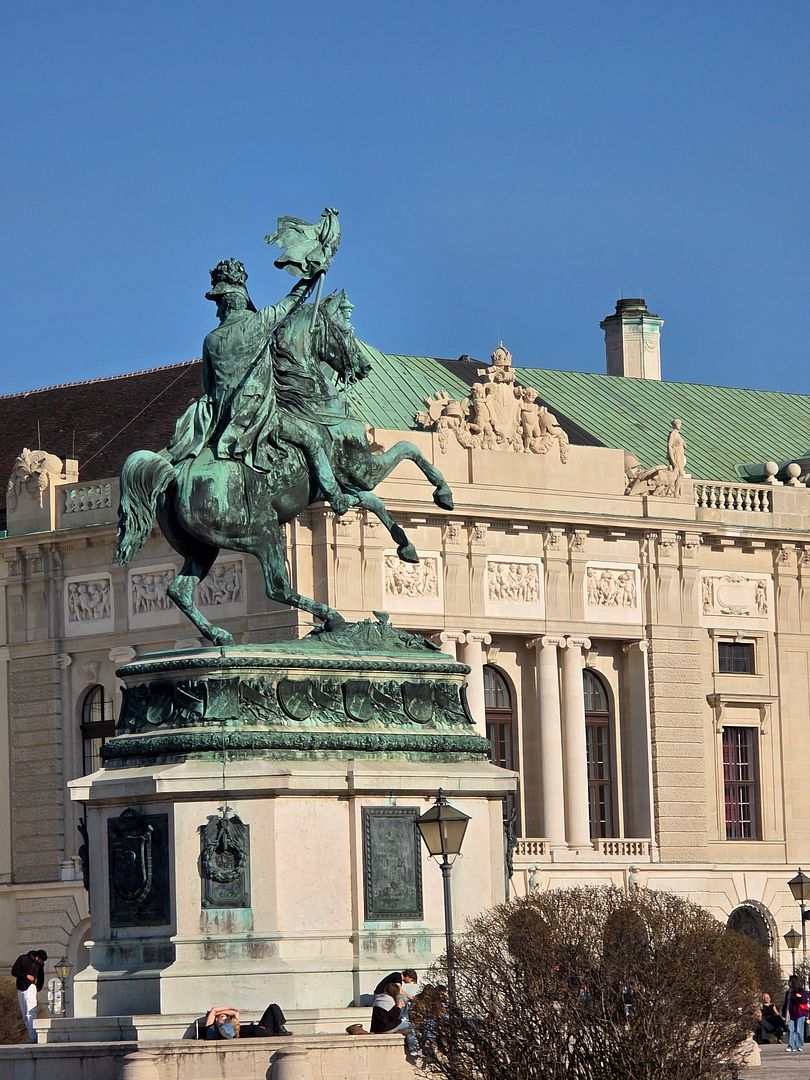
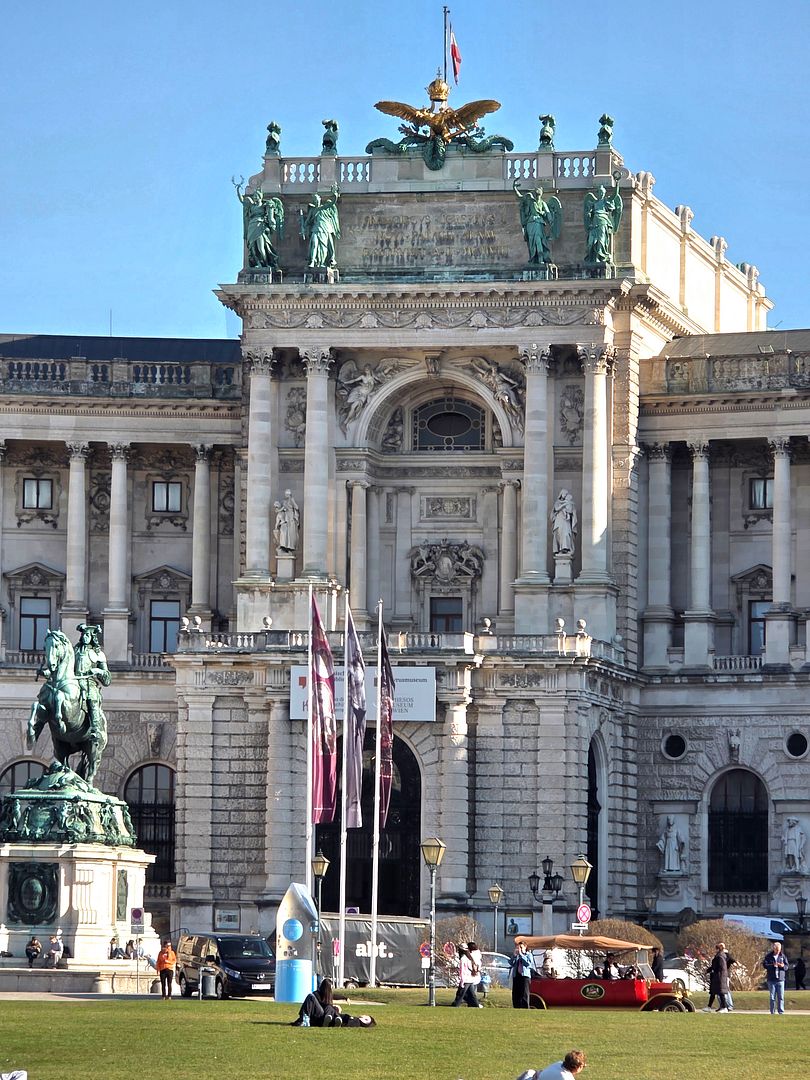
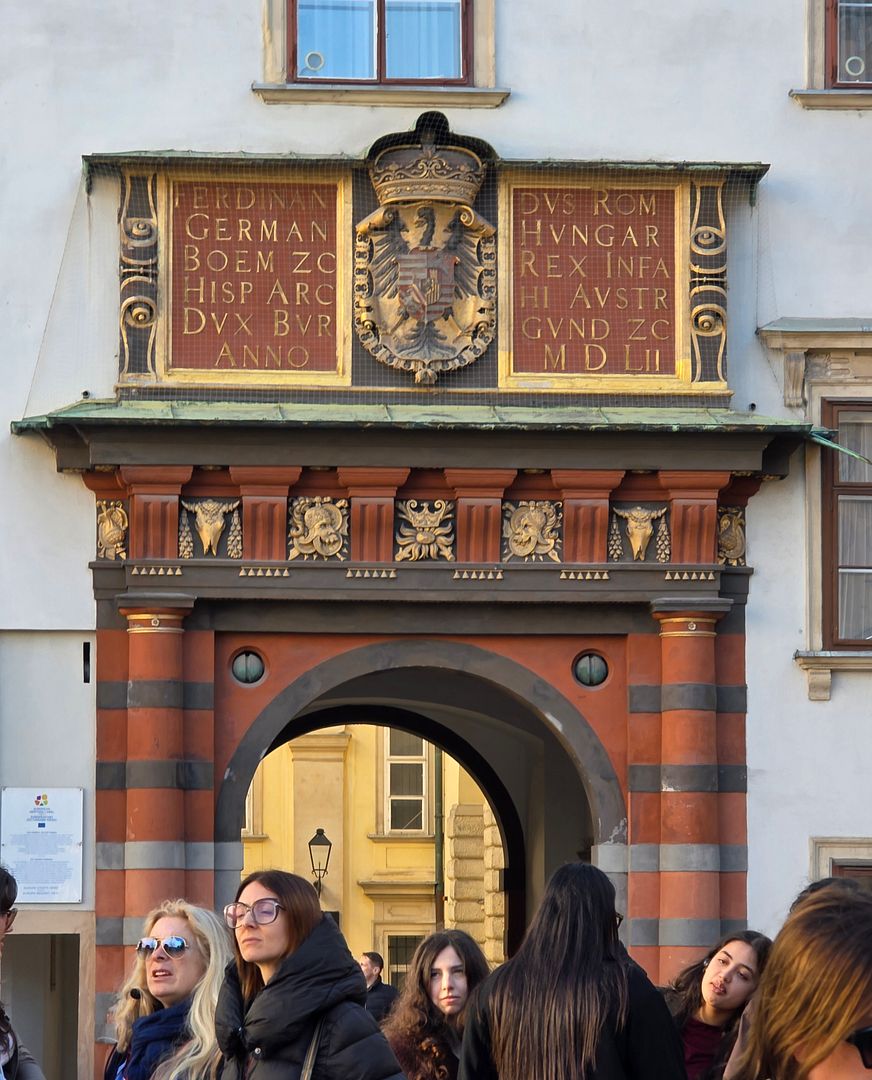
The Imperial Palace or Hofburg Palace. If there was one day Austria would like never to have happened, it might be March 15th, 1938. A distinct low point for the country: the day Hitler proclaimed the Anschluss with Germany from the balcony (actually a terrace) of the Neue Burg. That balcony remains closed off to any visitors.
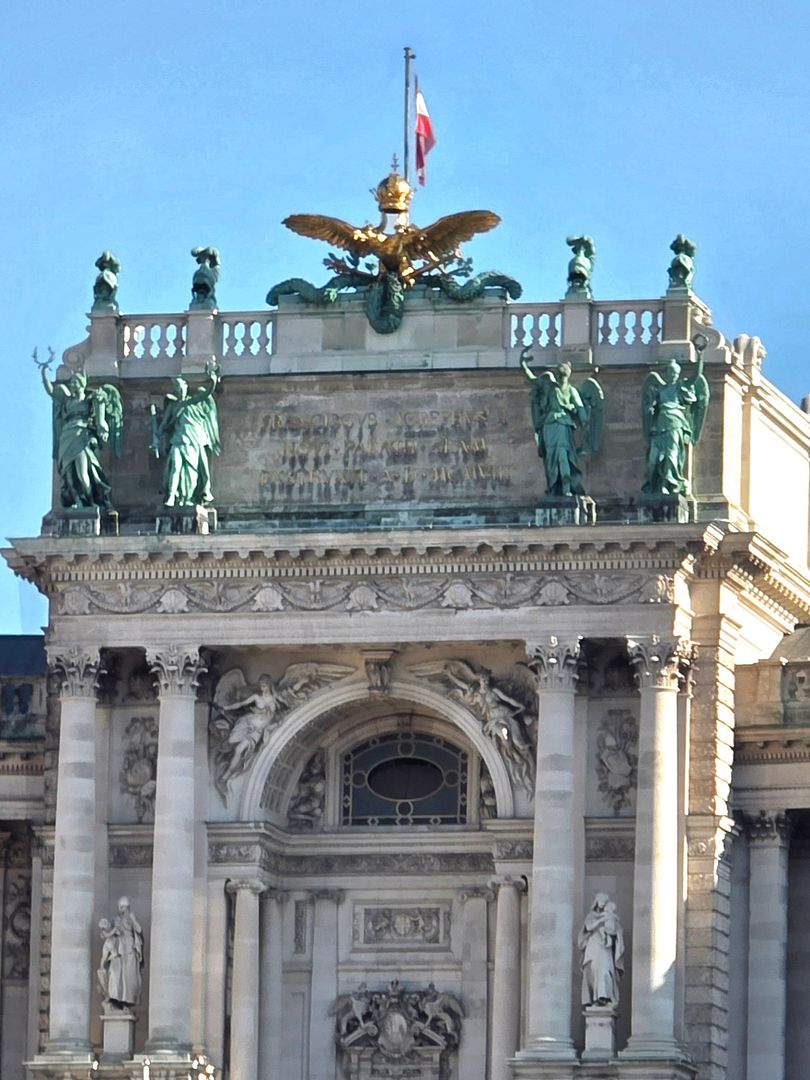
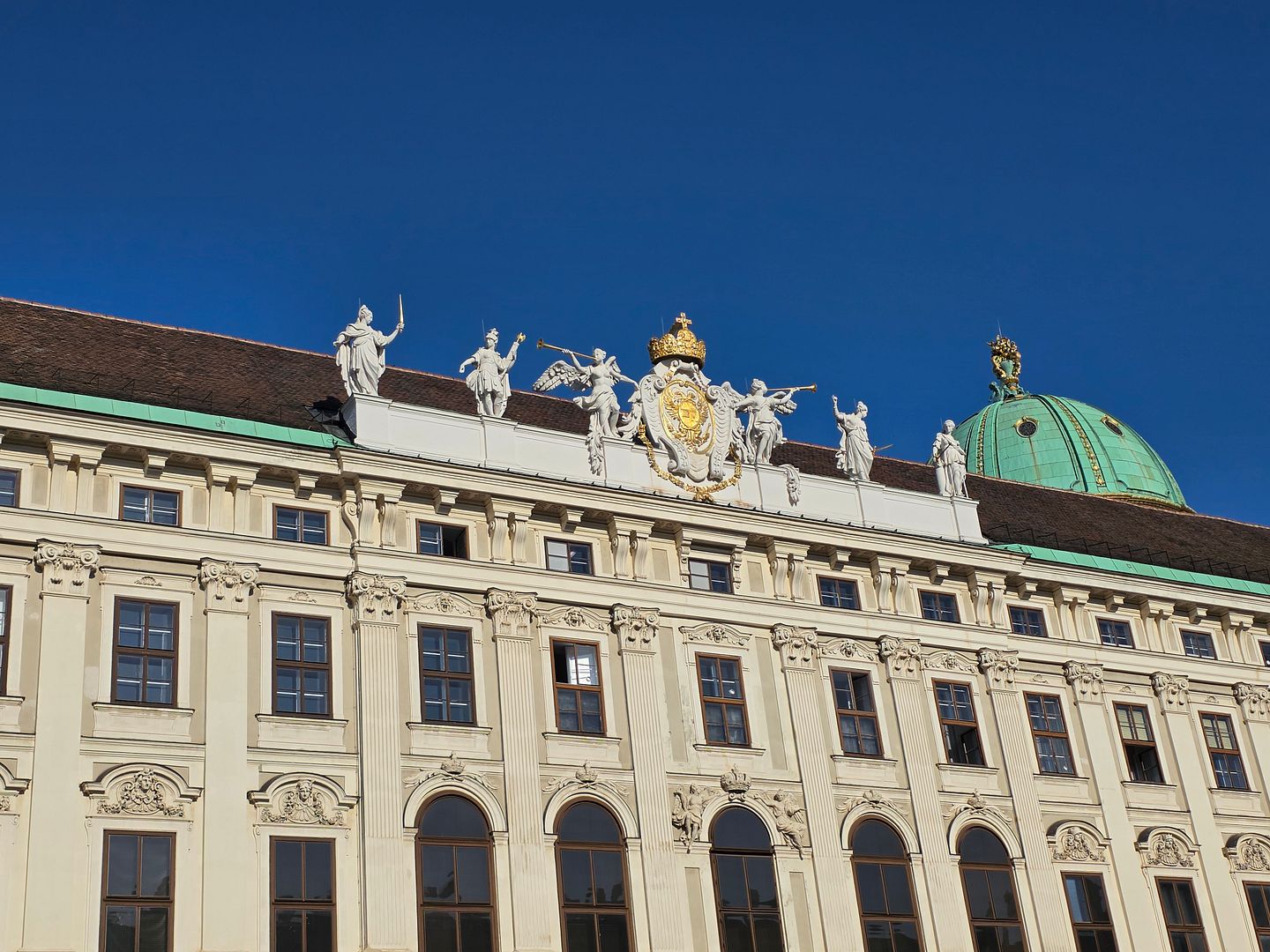
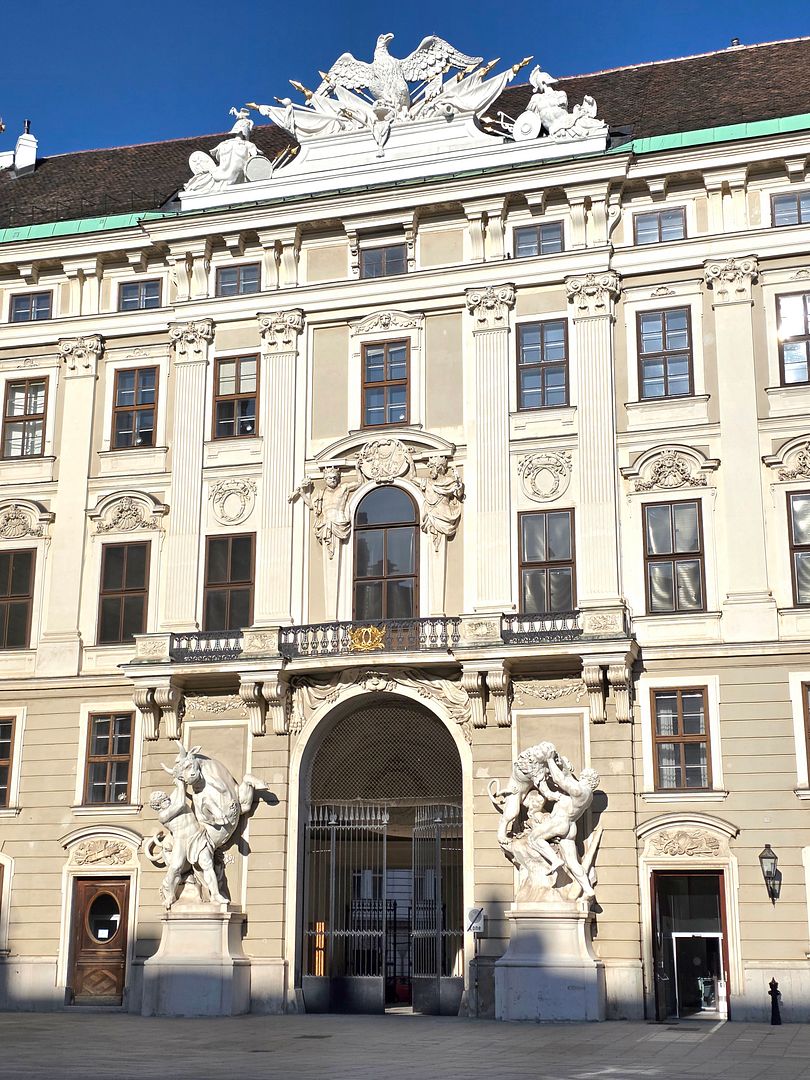
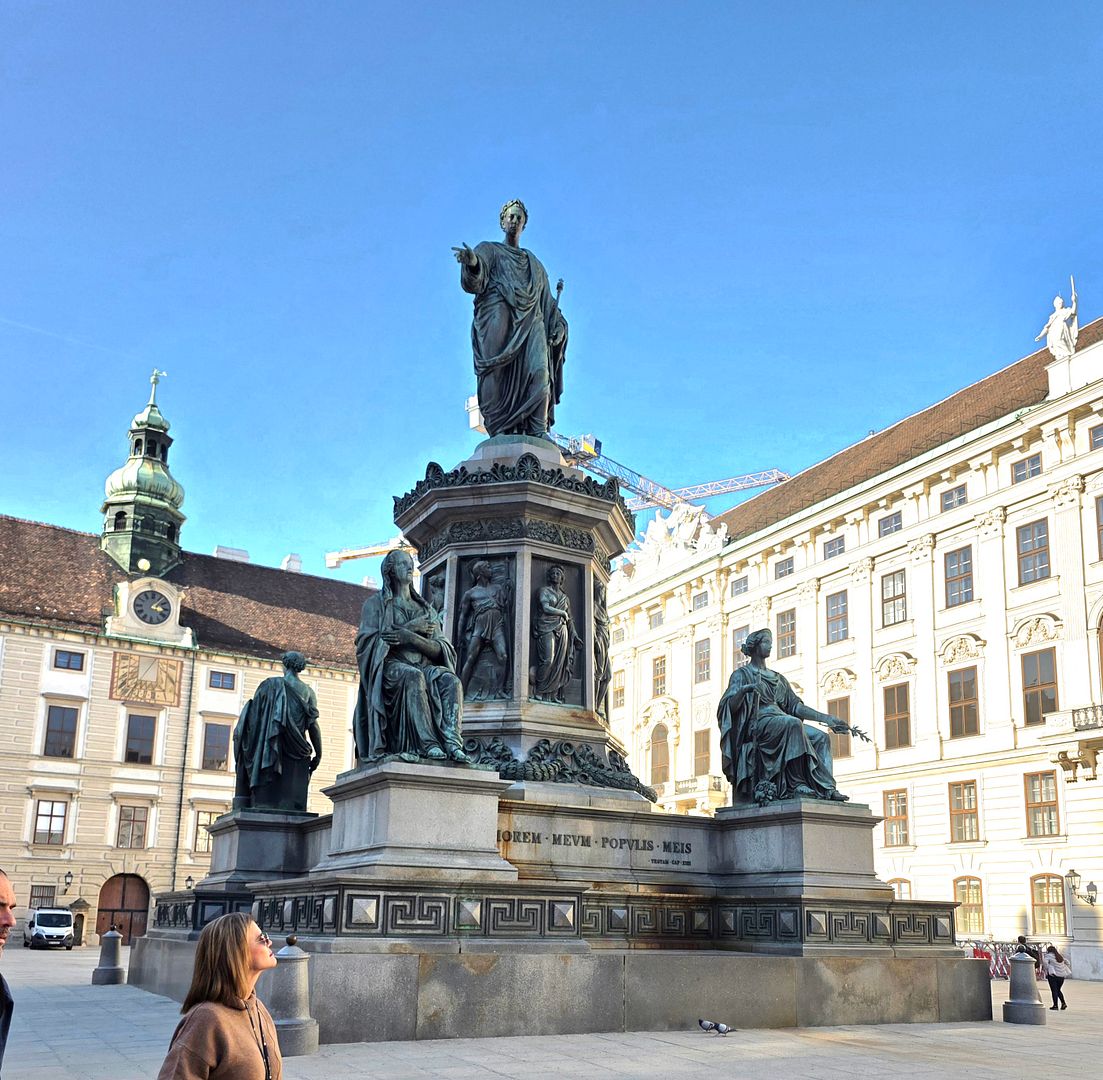
The Kaiser Franz II/I statue is a prominent 1846 bronze monument located in the inner courtyard of the Hofburg Palace in Vienna. Designed by Pompeo Marchesi, it honors Francis II, the last Holy Roman Emperor and first Emperor of Austria, featuring him in Roman attire, surrounded by figures representing Religion, Peace, Justice, and Strength
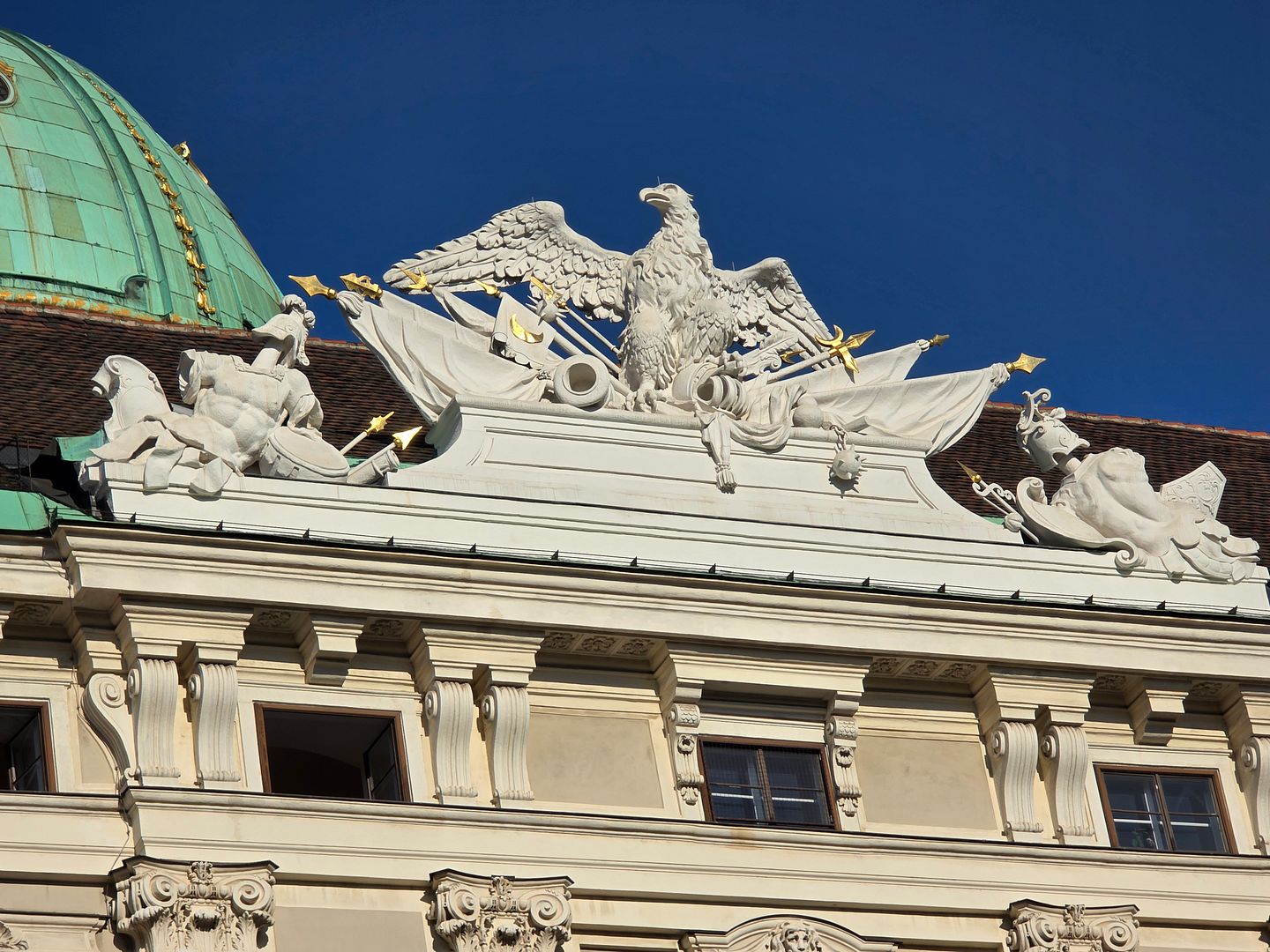
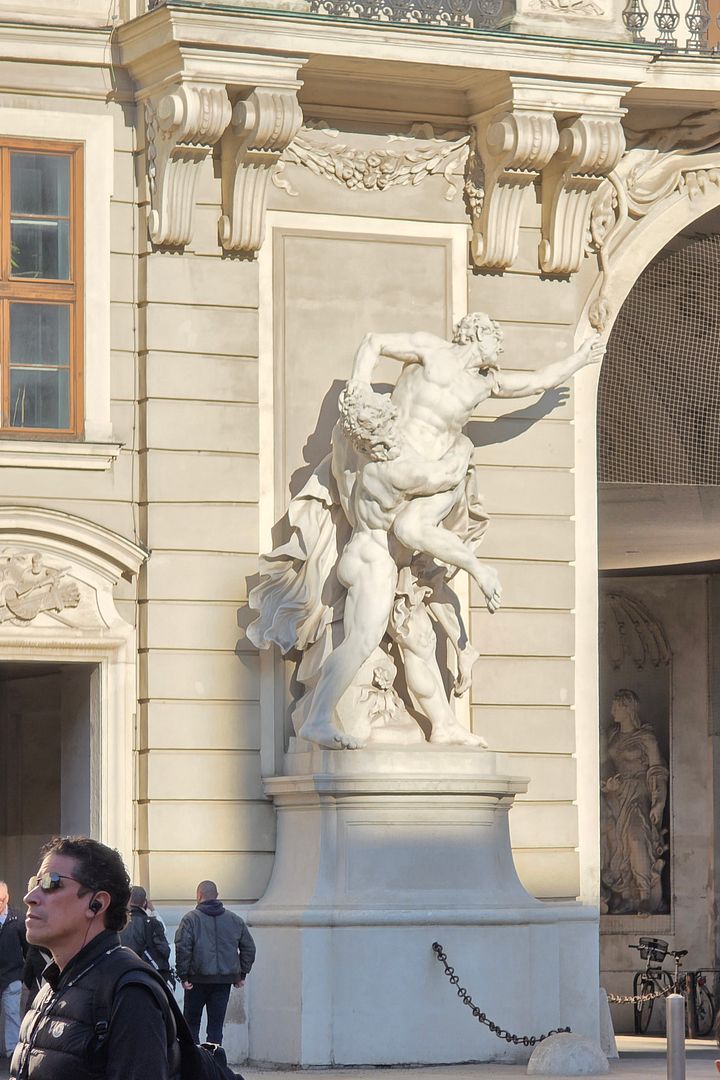
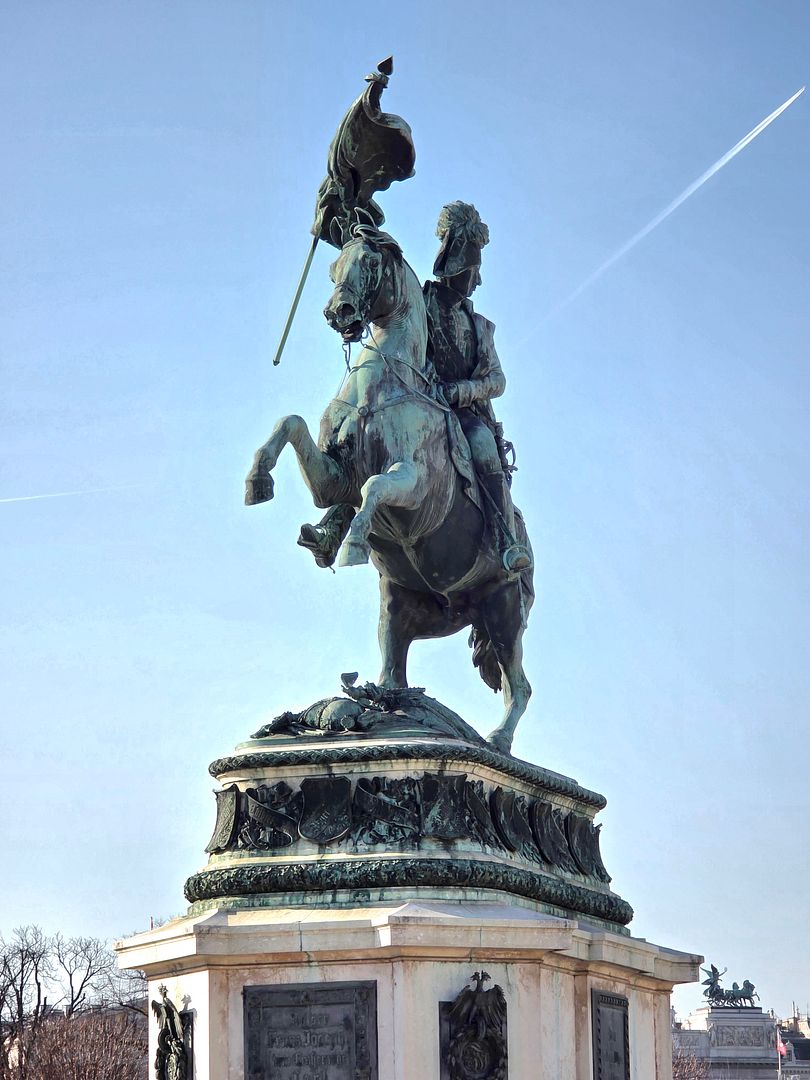
A huge equestrian statue dominates Heldenplatz square on one side of Vienna’s Hofburg palace complex. The monument honours the first man to hand Napoleon a significant military defeat: Archduke Karl.
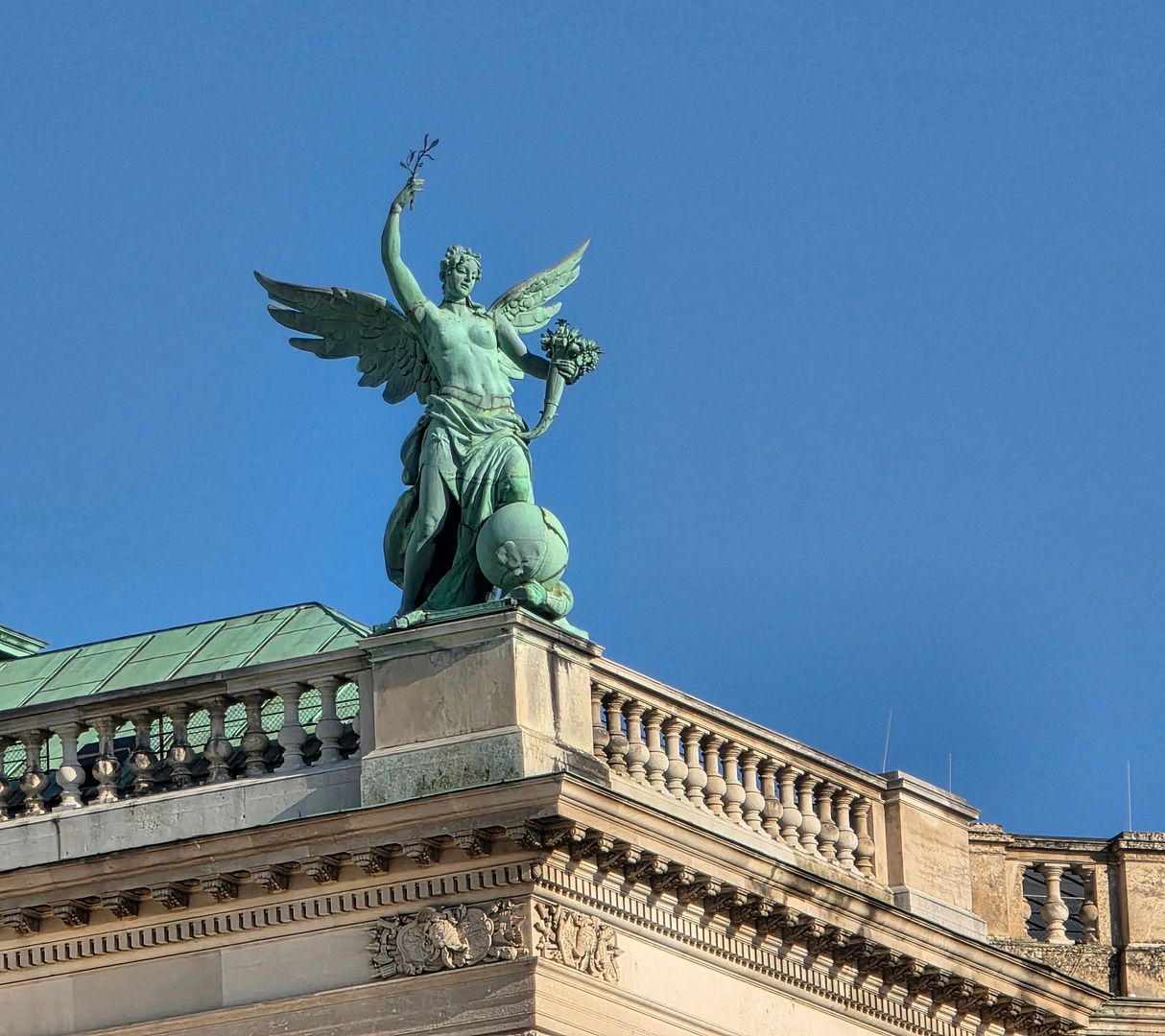
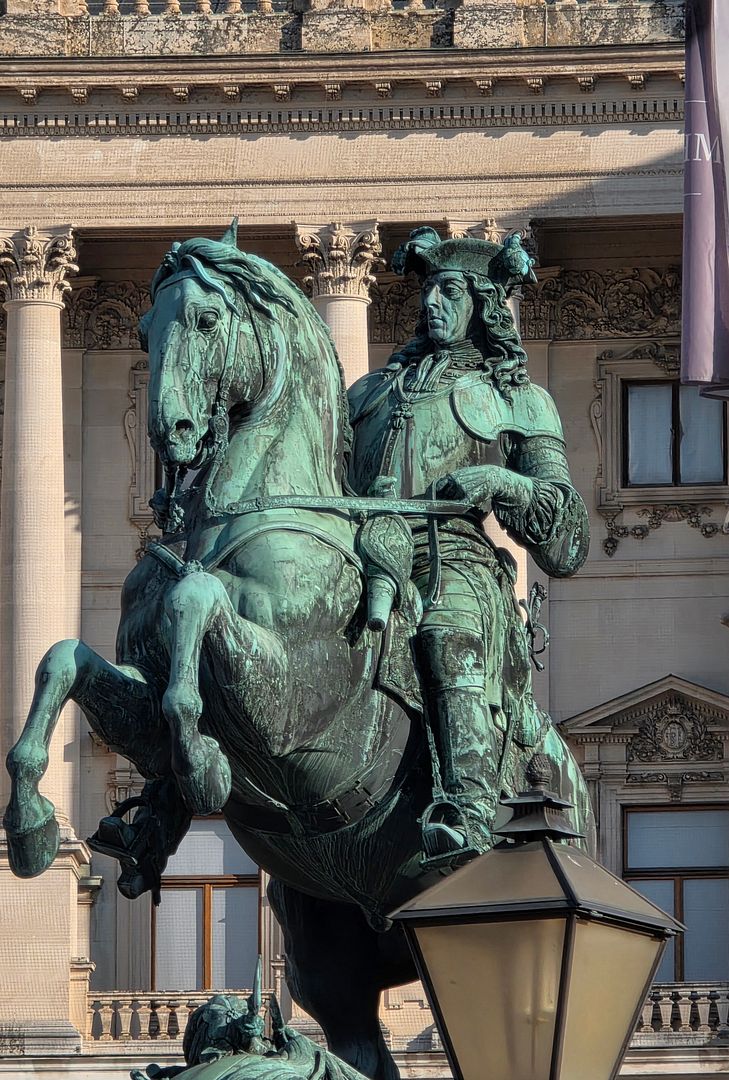
Eugene of Savoy (1663–1736), one of the most successful military commanders in modern European history, rose to the highest offices of state at the imperial court in Vienna. Born in Paris to aristocratic Italian parents, Eugene grew up around the French court of King Louis XIV, who rejected him for service in the French army. Eugene moved to Austria and transferred his loyalty to the Habsburg Monarchy. He secured his European-wide fame with a decisive victory against the Ottomans at the Battle of Zenta in 1697. Not only did he break the westward thrust of the Ottomans, liberating central Europe after a century and a half of Turkish occupation, but he also helped to save the Habsburg Empire from French conquest.
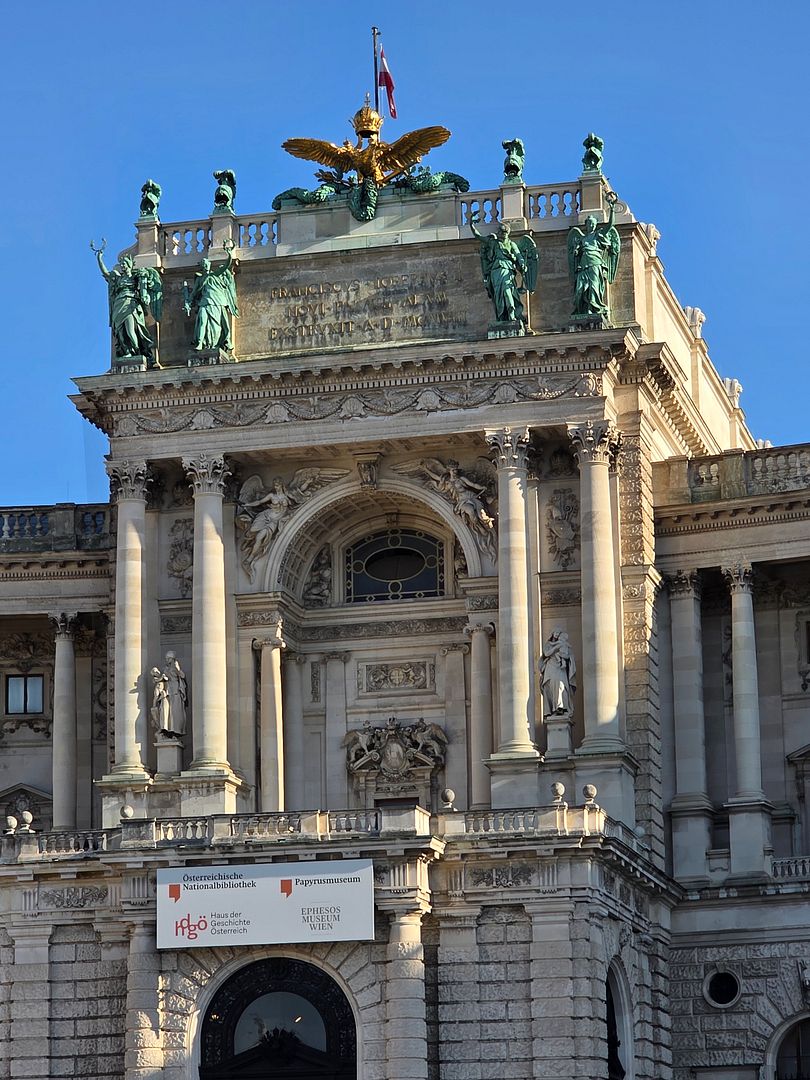
Habsburgs in the Hofburg Palace. All the burgs can get confusing.
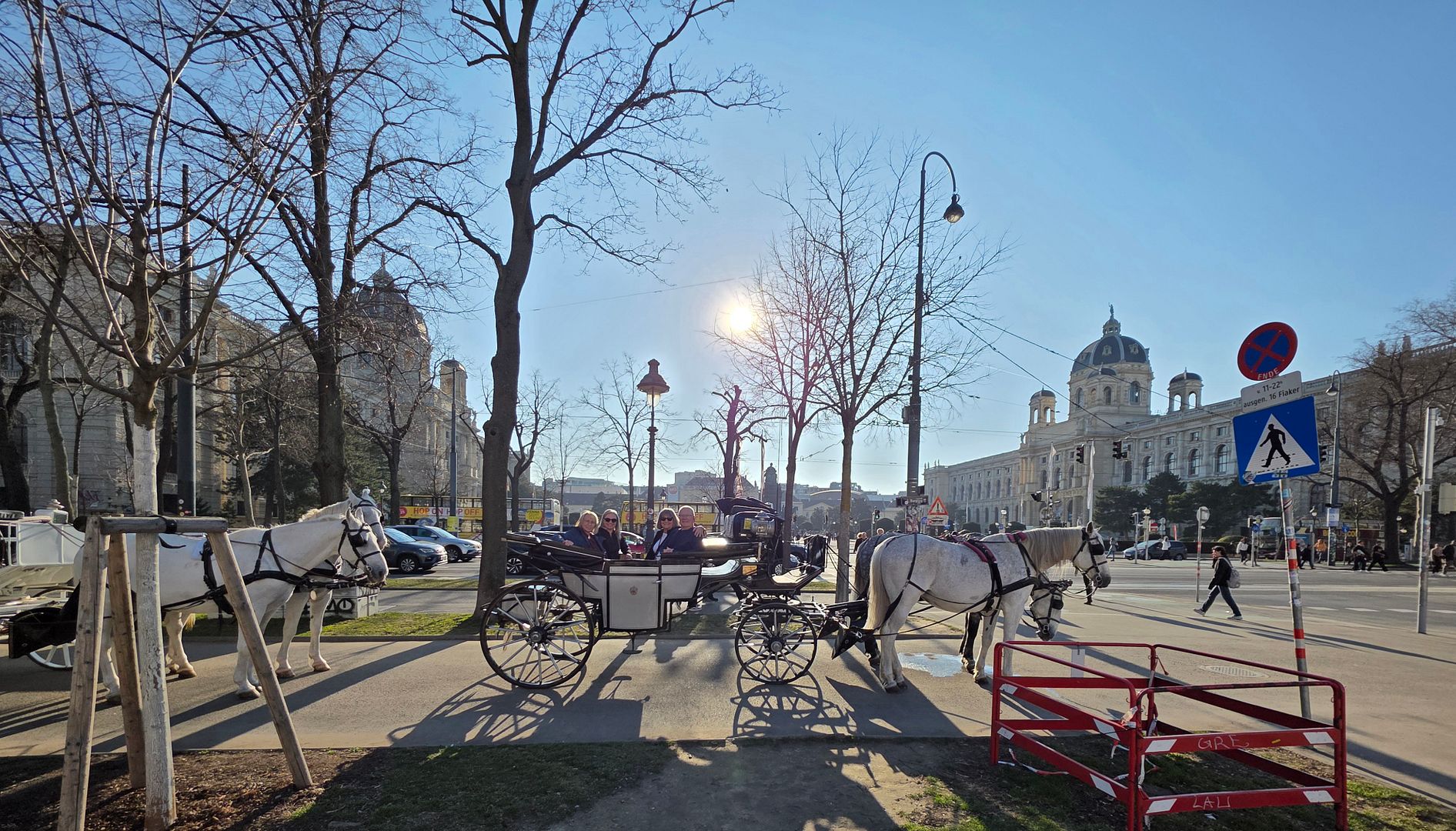
After seeing these inner courts and outer squares and listening to so much amazing history it was time for our Carriage Ride. I’ll save what we saw from the carriage for another post.
Back to the present on this last day of April in 2026. Our Spring mowing has started in earnest and we are considering what to do with our weeds. Our underground critters are a worrisome concern as they are multiplying. It would be fascinating to see their underground world. It’s not all rosy to own property but we are thankful nevertheless.

