Dürnstein, Austria

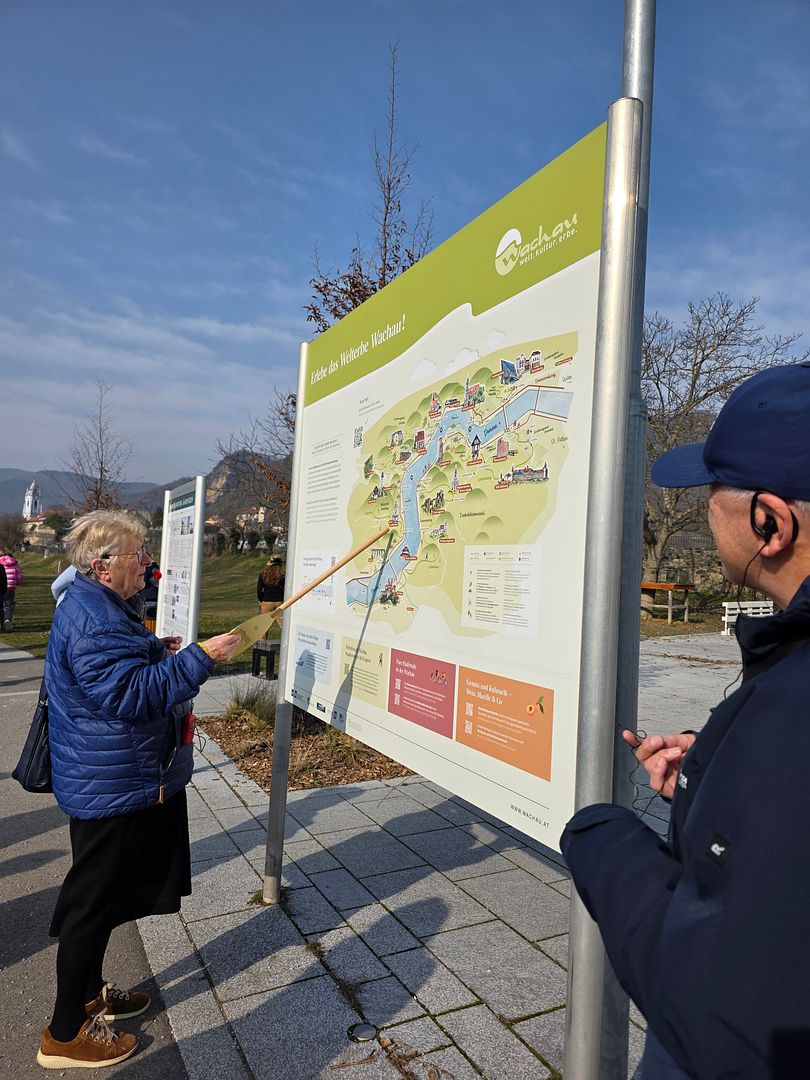
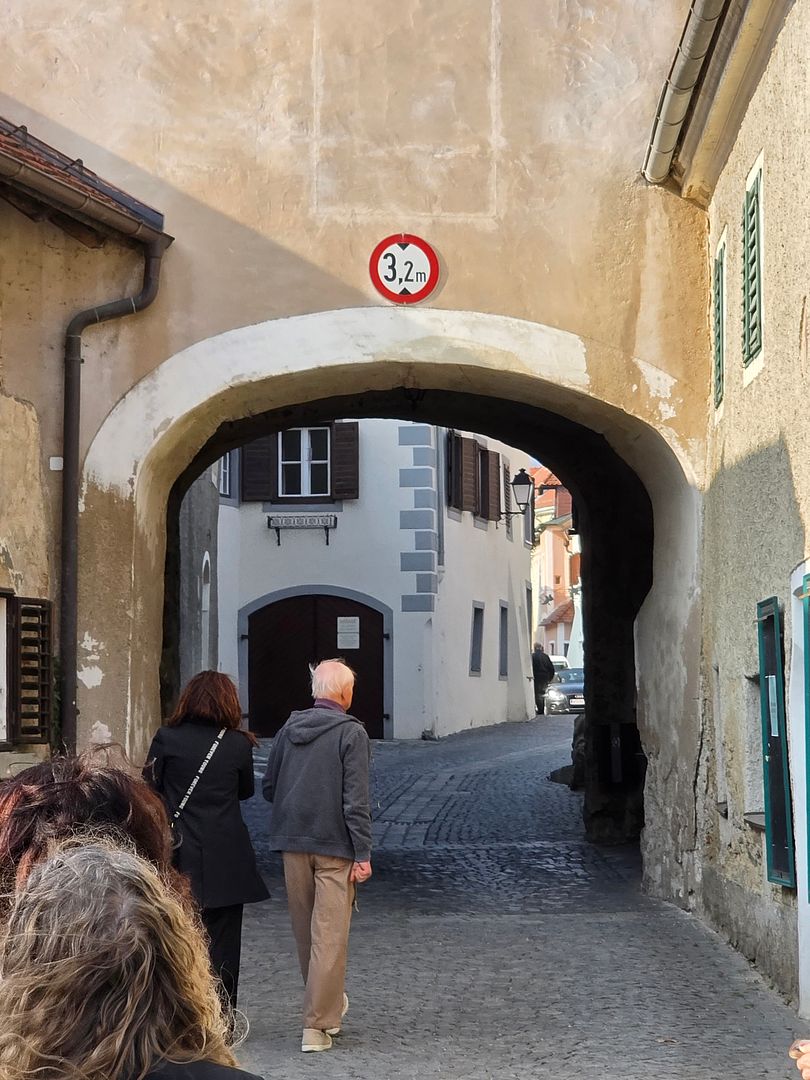
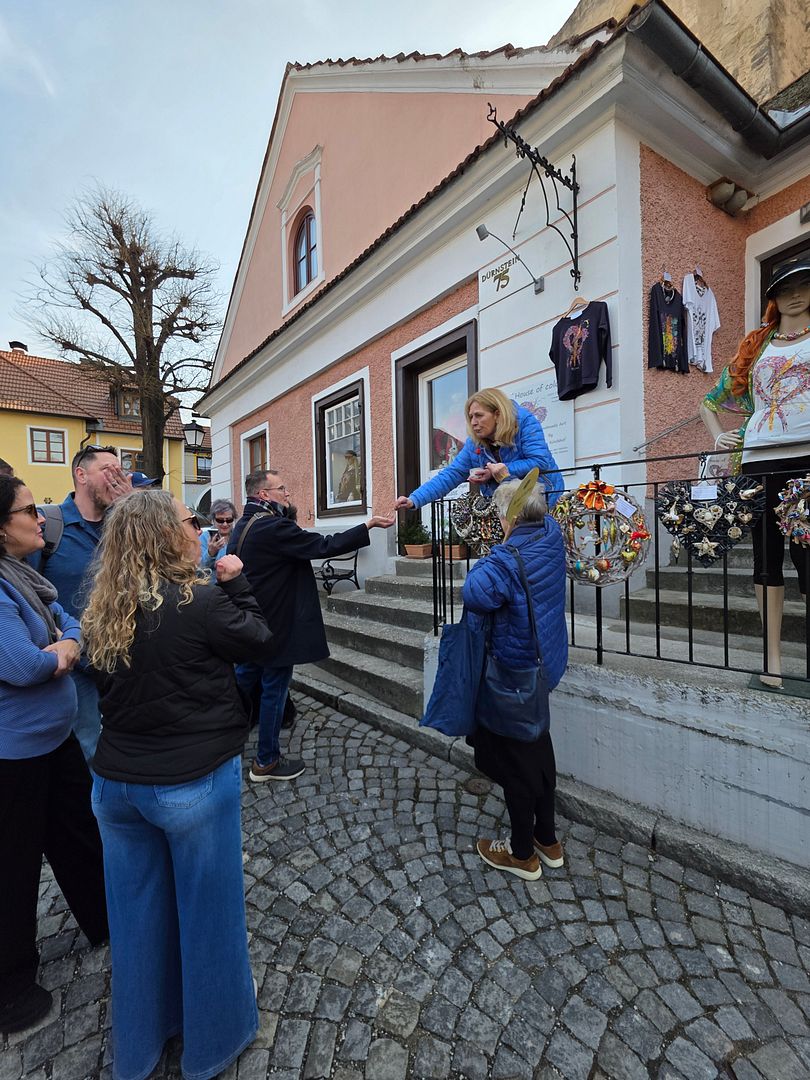
On Tuesday March 3rd we had a one hour walking tour of the little town of Durnstein before we continued by bus to Melk Abbey. I’m breaking up the posts on this day because of photo overload.

You could tell our tour guide has been doing this tour for a long time. Her younger sister was also another tour guide.

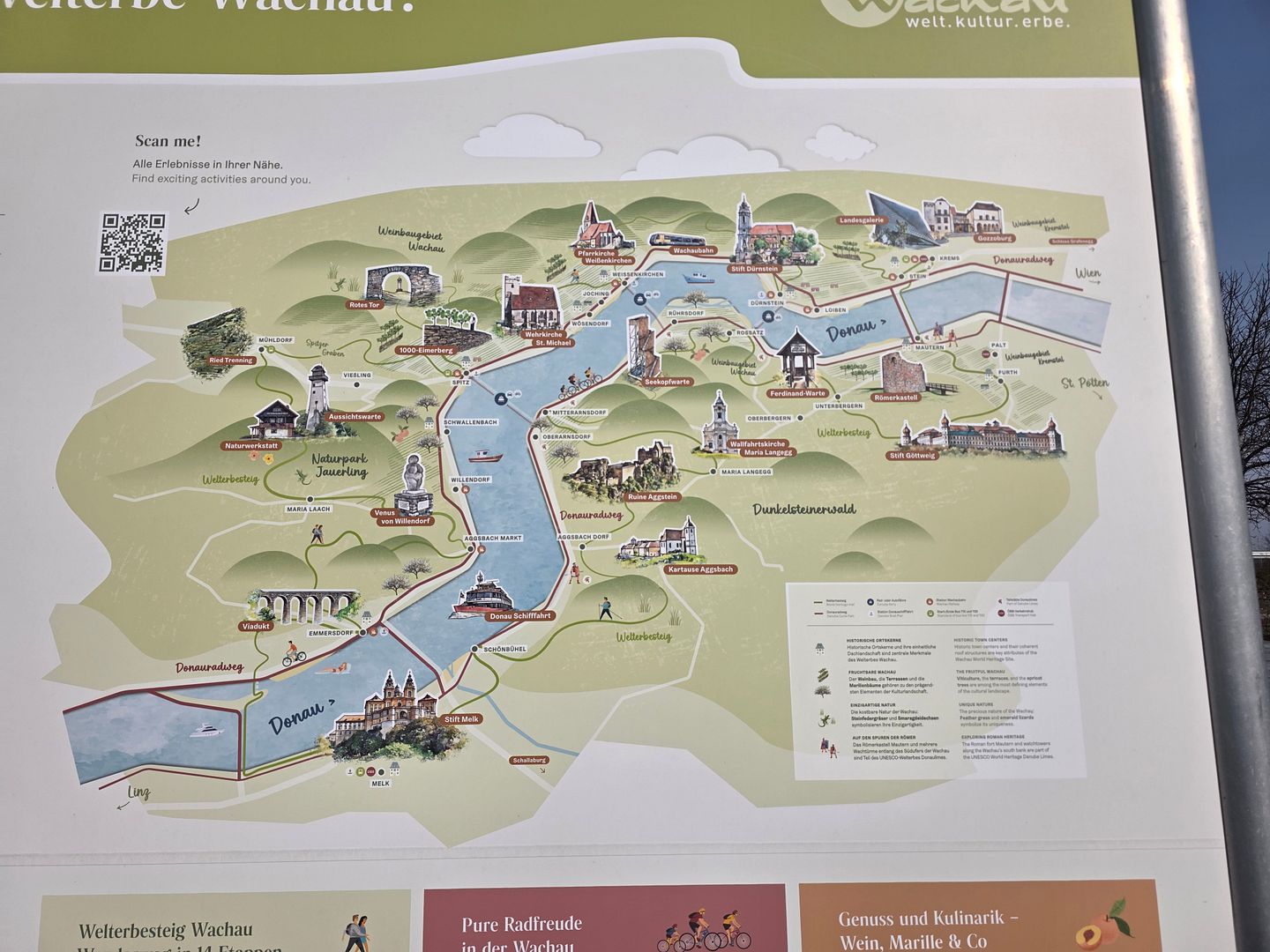
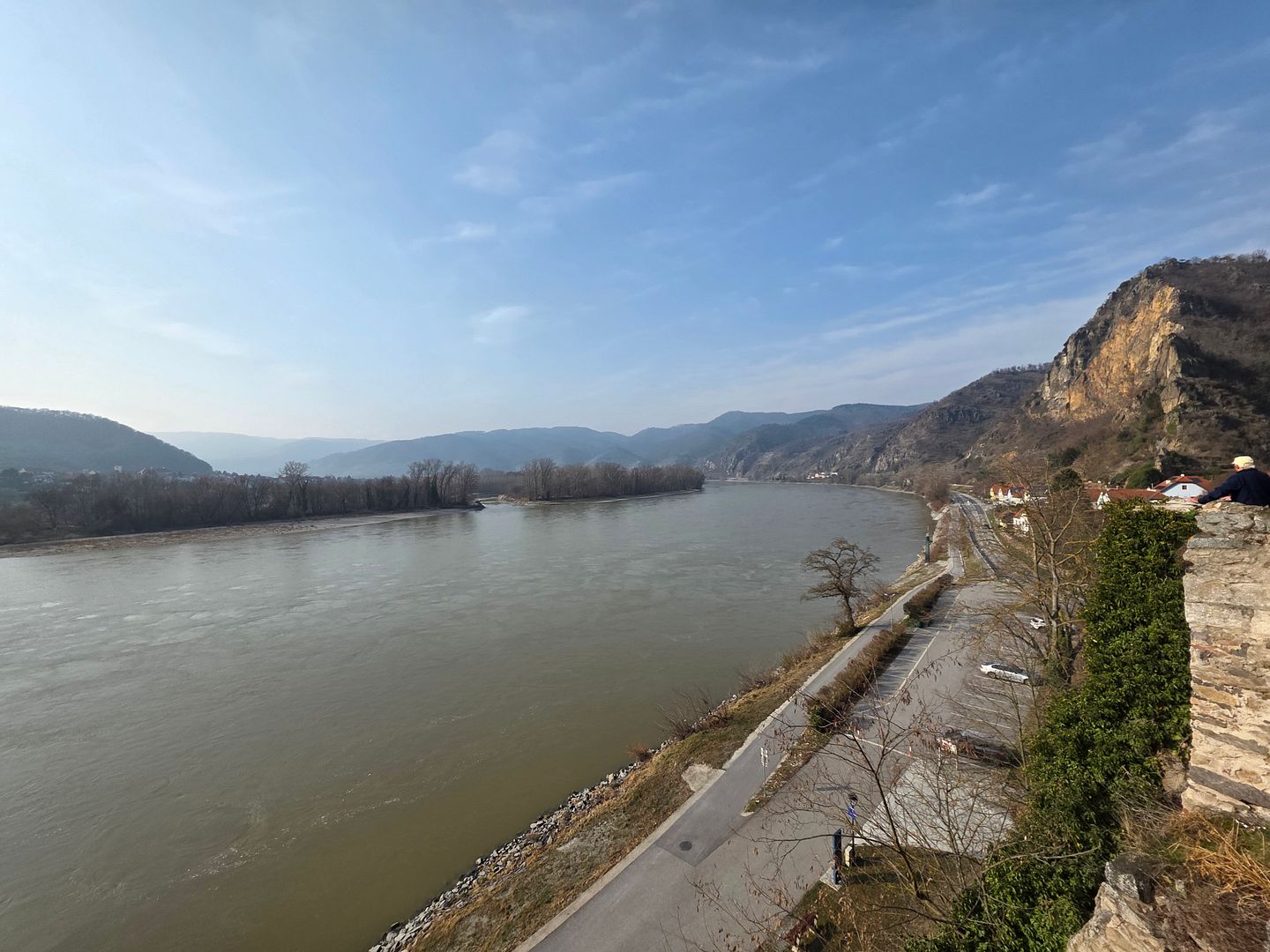
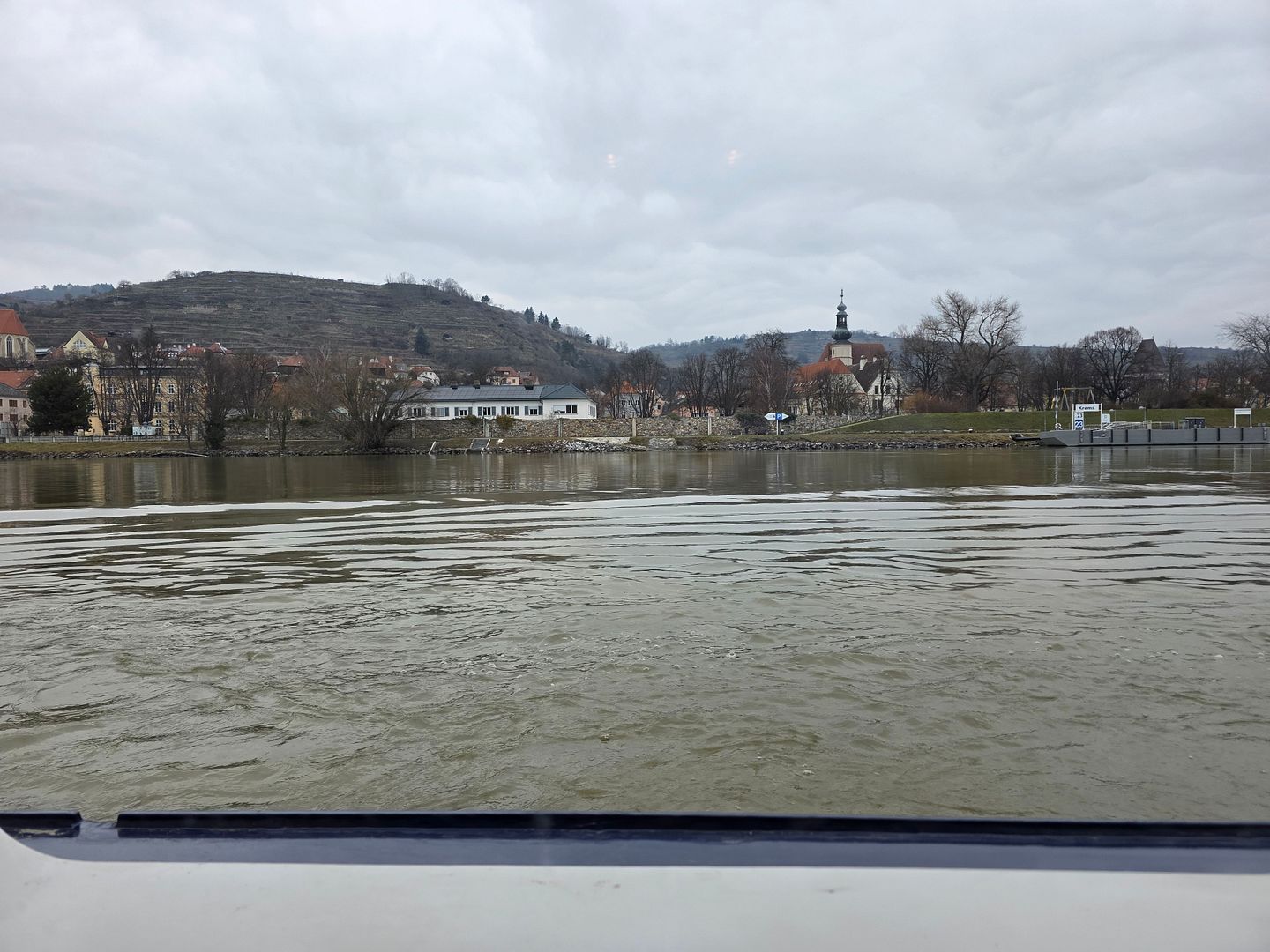
Dürnstein (German pronunciation: [ˈdʏʁnˌʃtaɪ̯n]) is a small town on the Danube river in the Krems-Land district, in the Austrian state of Lower Austria. It is one of the most-visited tourist destinations in the Wachau region and also a well-known wine growing area

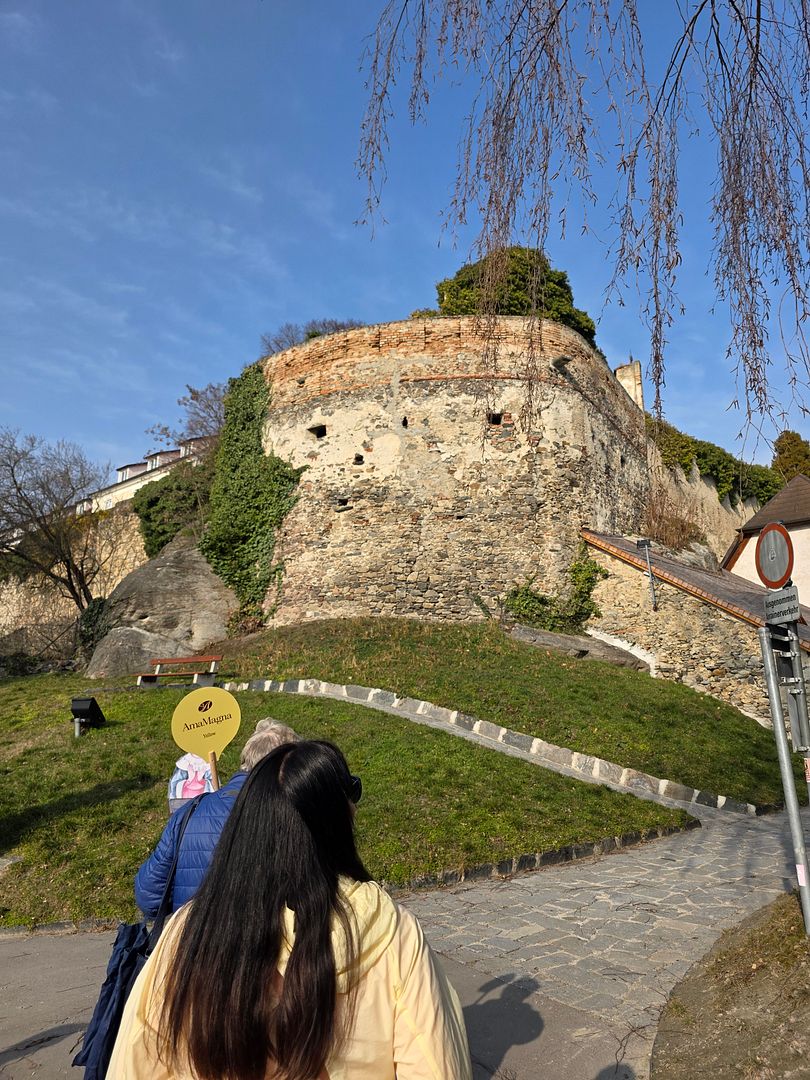
The town gained its name from the medieval Dürnstein castle, which overlooked it. The castle’s name derived from the German duerr/dürr, meaning “dry”, and Stein, “stone”. The stone castle was dry because it was located on a rocky hill, high above the damp conditions of the Danube at the base of the hill. The modern town stands between the castle and the river.

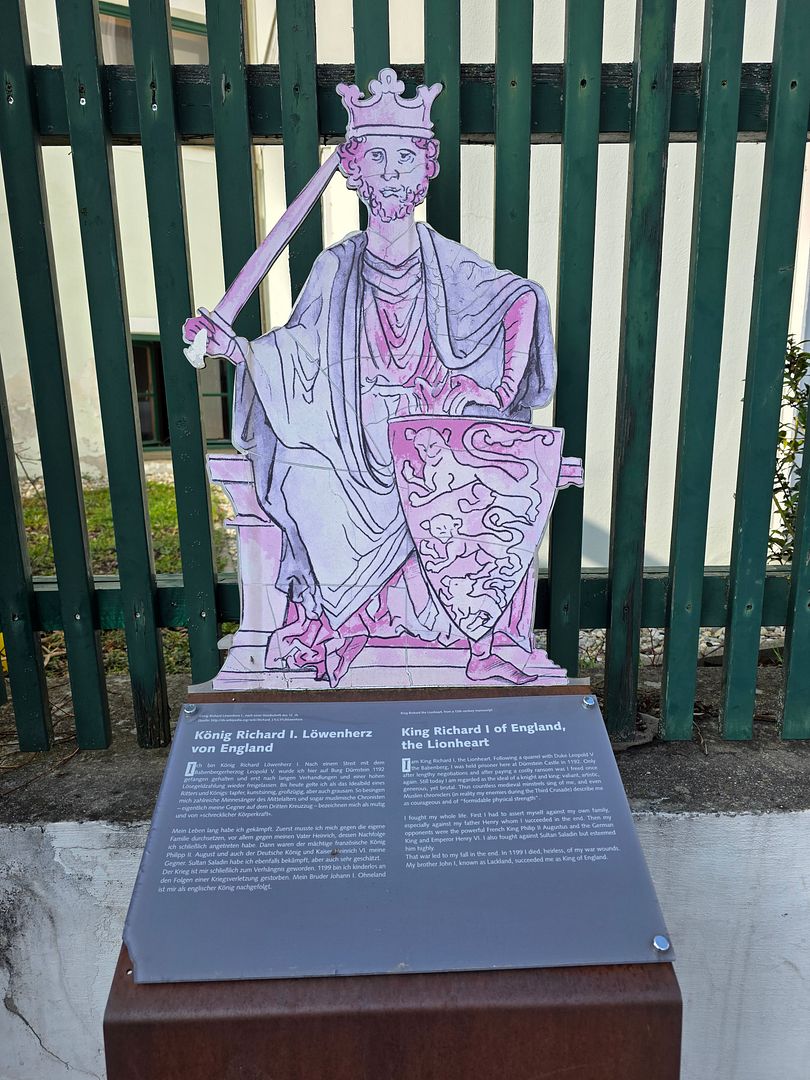
Dürnstein was first mentioned in 1192 when, in the castle above the town, King Richard I of England was held captive by Leopold V, Duke of Austria, after their dispute during the Third Crusade. Richard the Lionheart had offended Leopold the Virtuous by casting down his standard from the walls at the Battle of Acre, and the duke suspected that King Richard ordered the murder of his cousin Conrad of Montferrat in Jerusalem. In consequence Pope Celestine III excommunicated Leopold for capturing a fellow crusader. The duke finally gave custody of the king to Henry VI, Holy Roman Emperor, who imprisoned Richard at Trifels Castle.


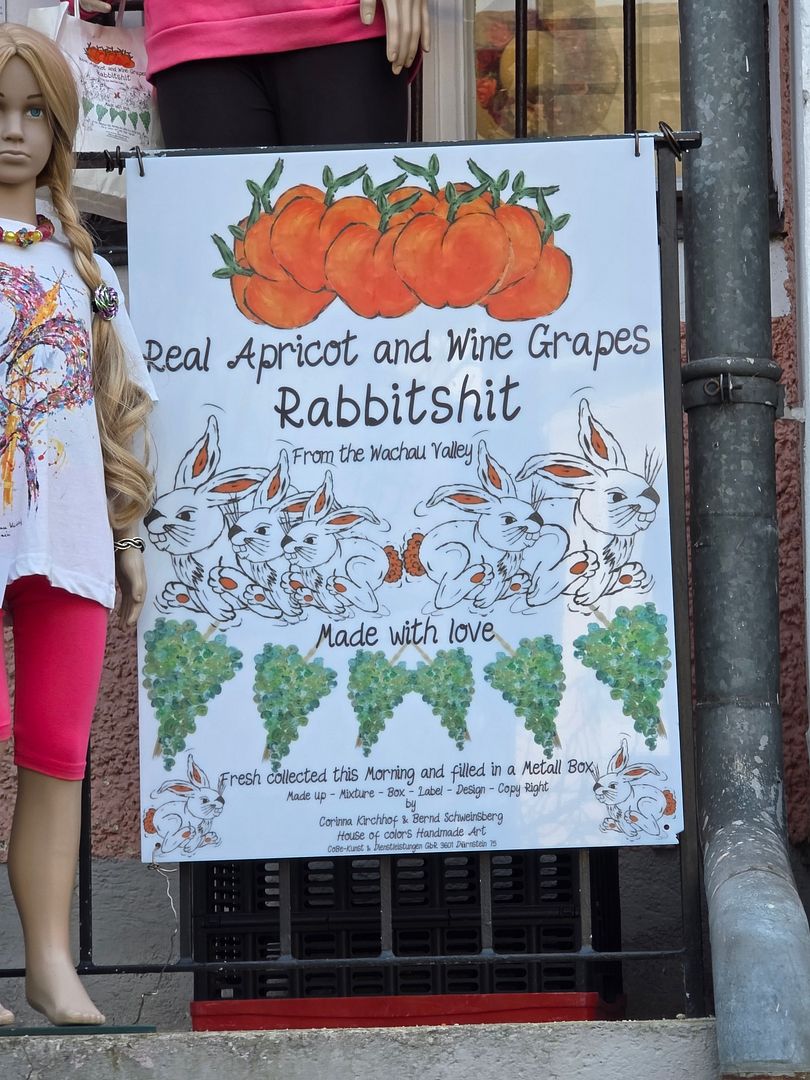
I don’t know if this is the kind of Copy Right I would want to market with. The chocolate covered treats and the apricot bits were good, though.

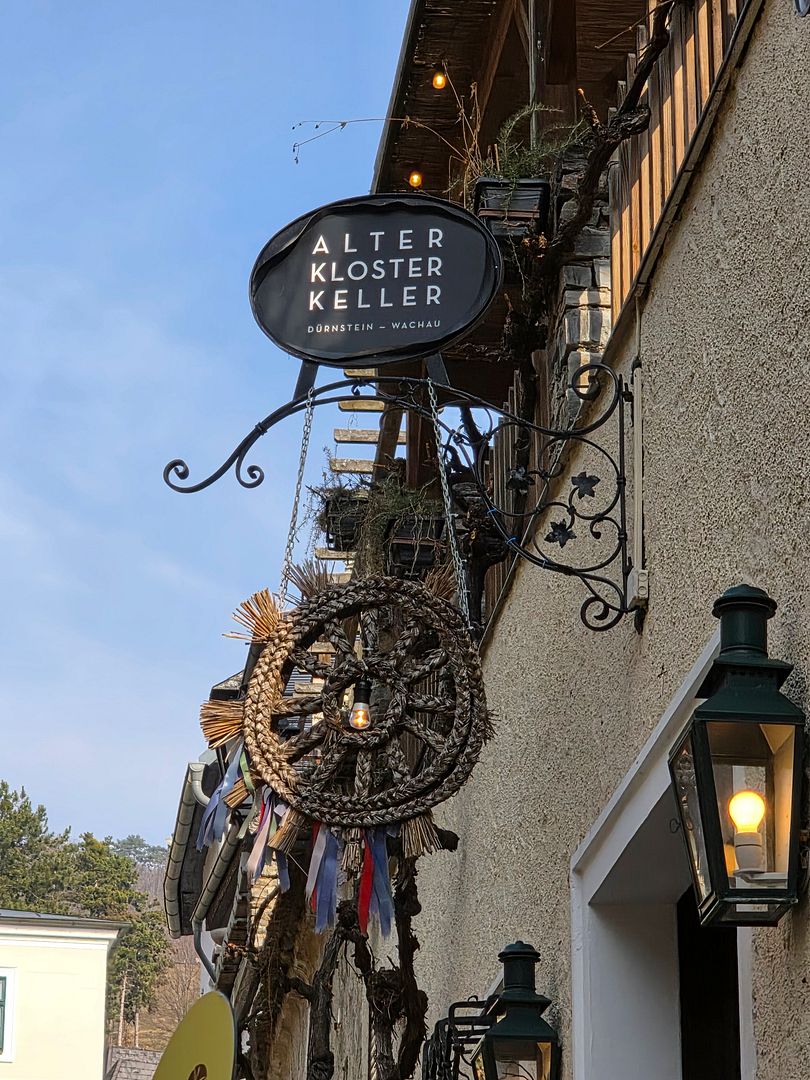
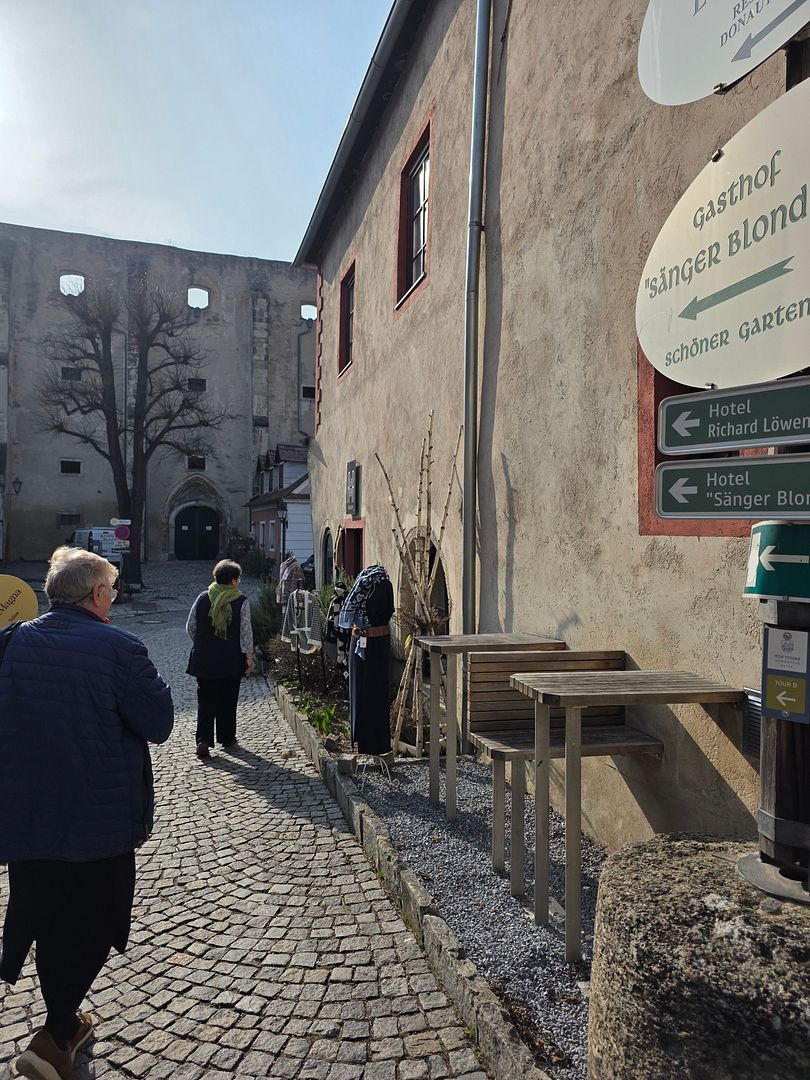
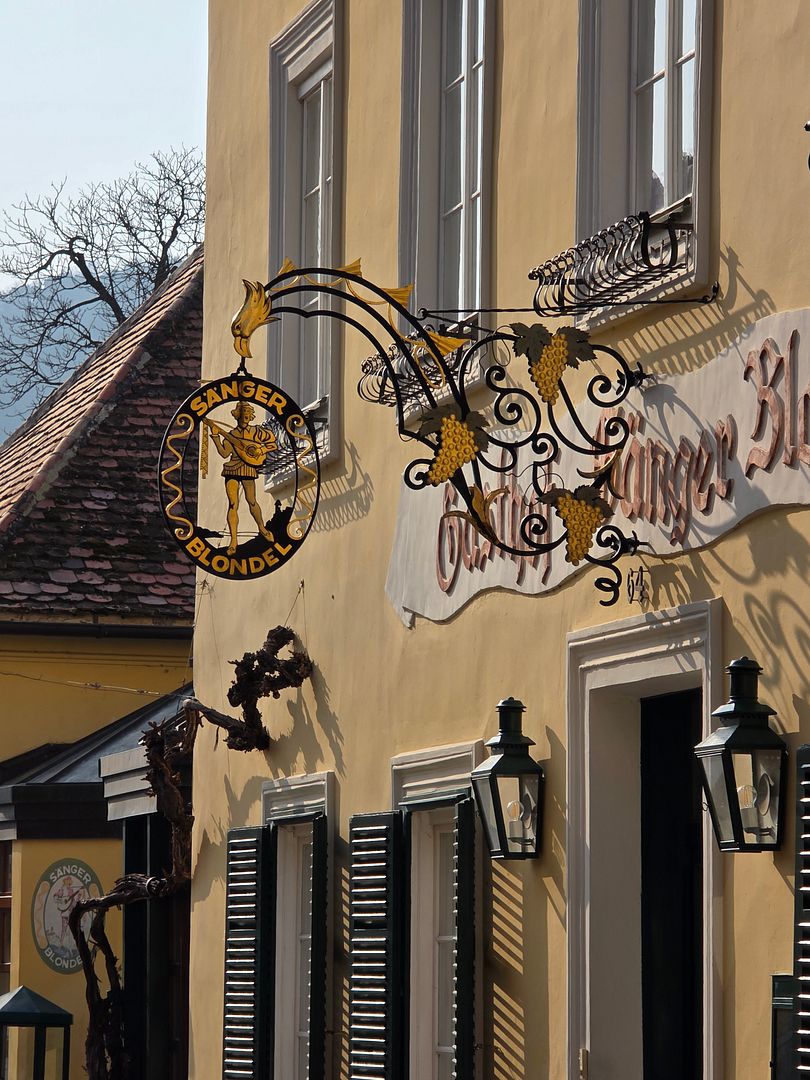
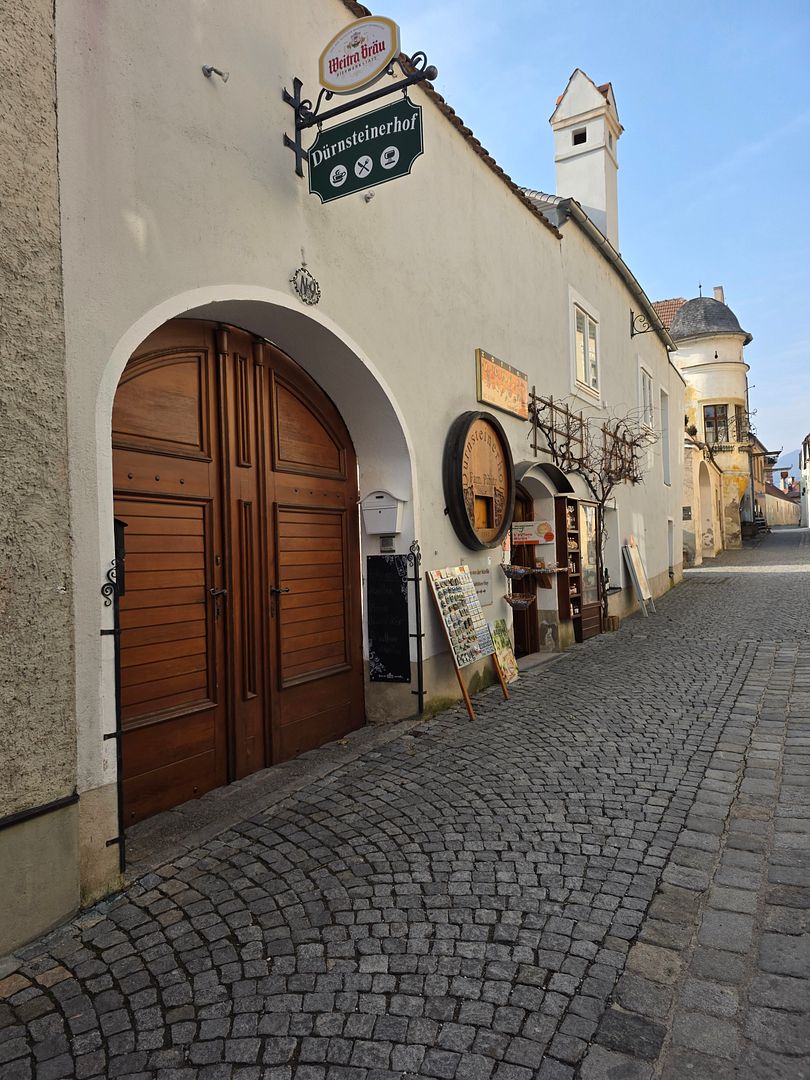
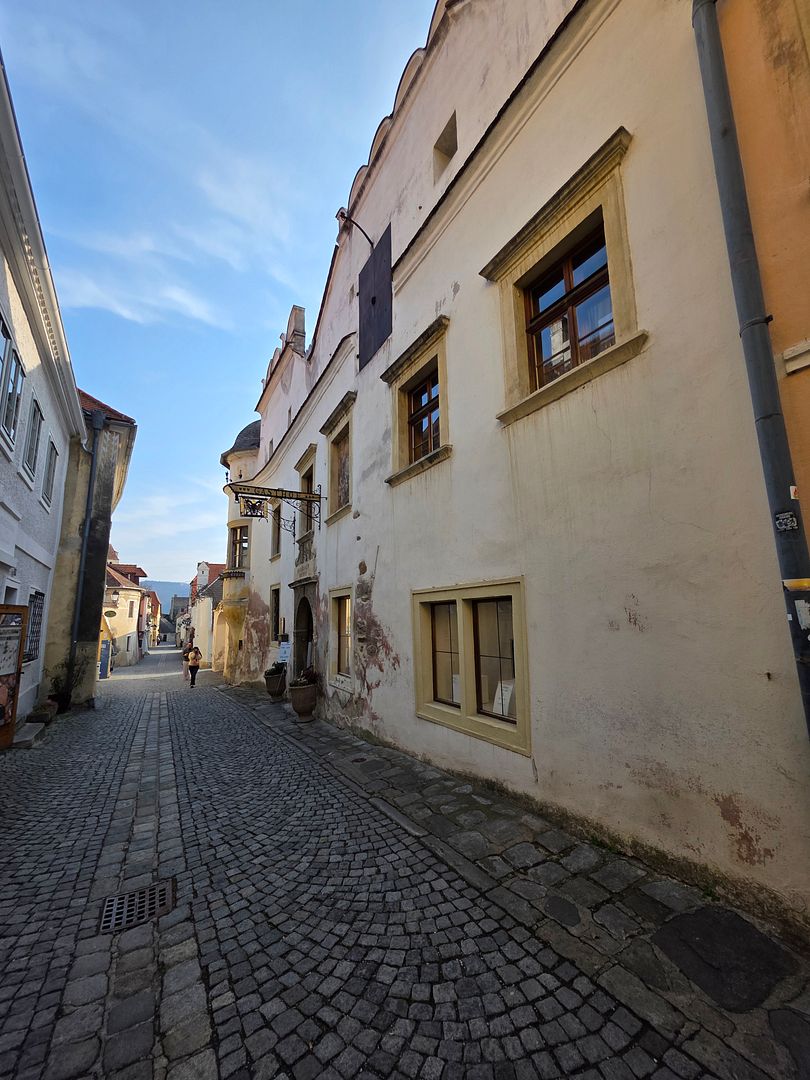
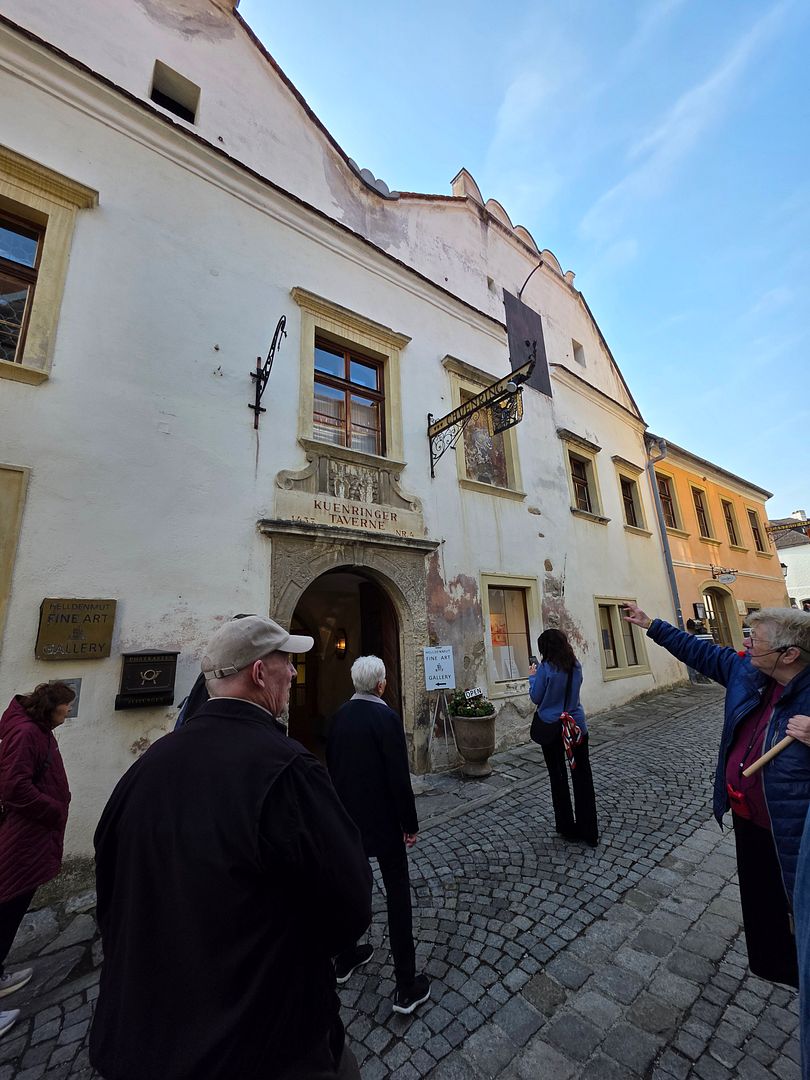
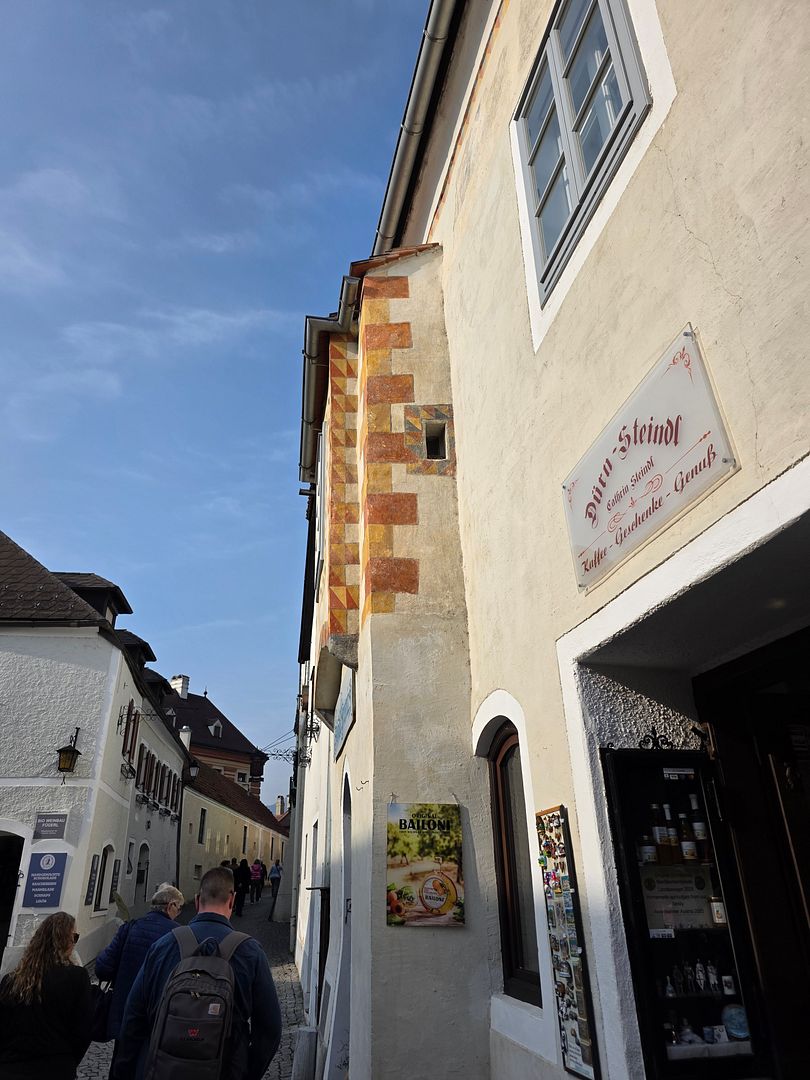
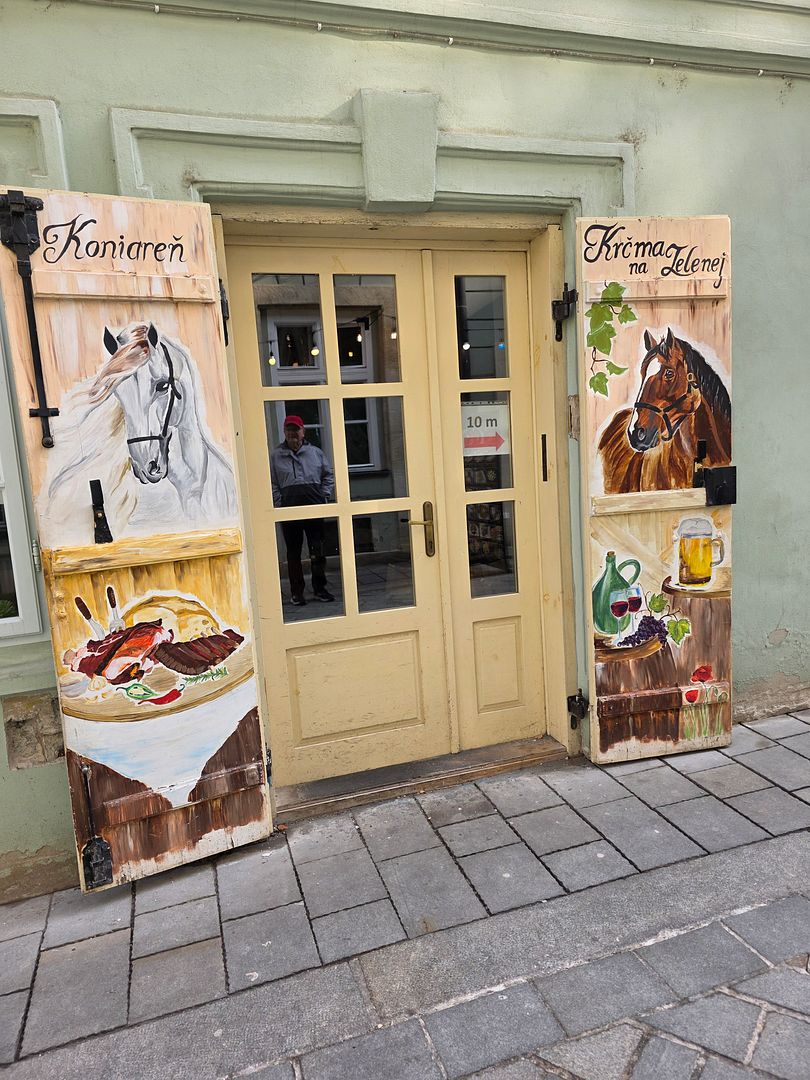
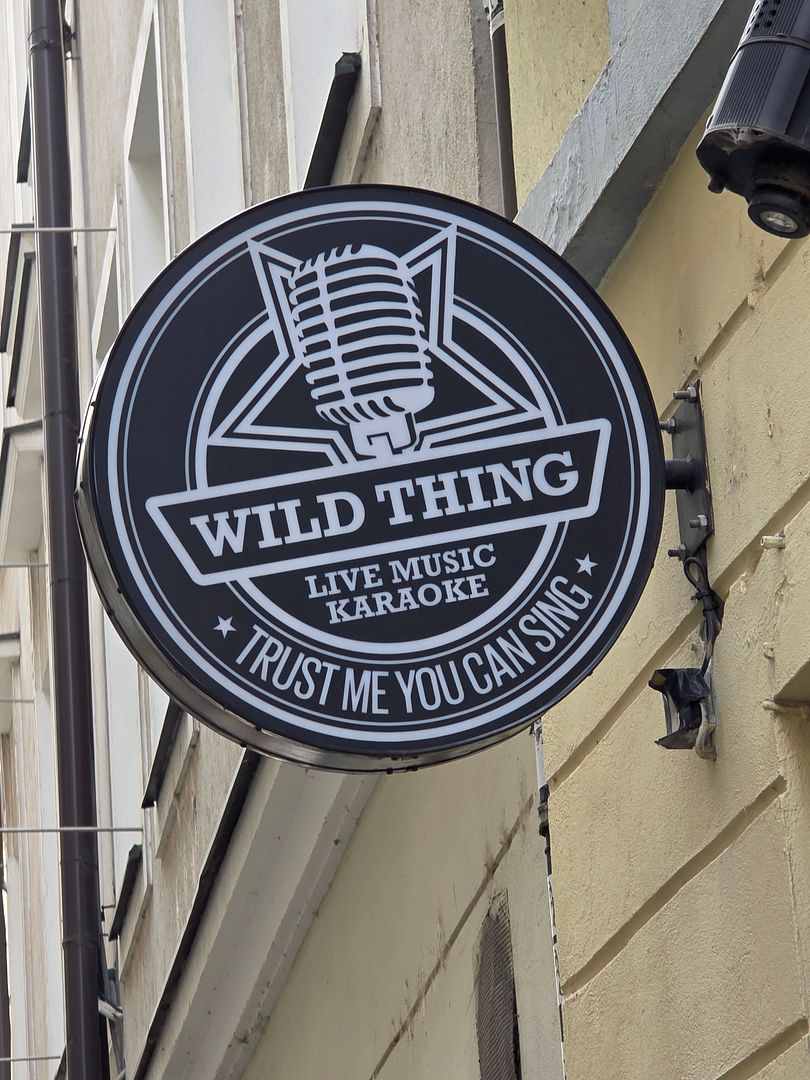
I enjoyed the signs for the shops and restaurants.
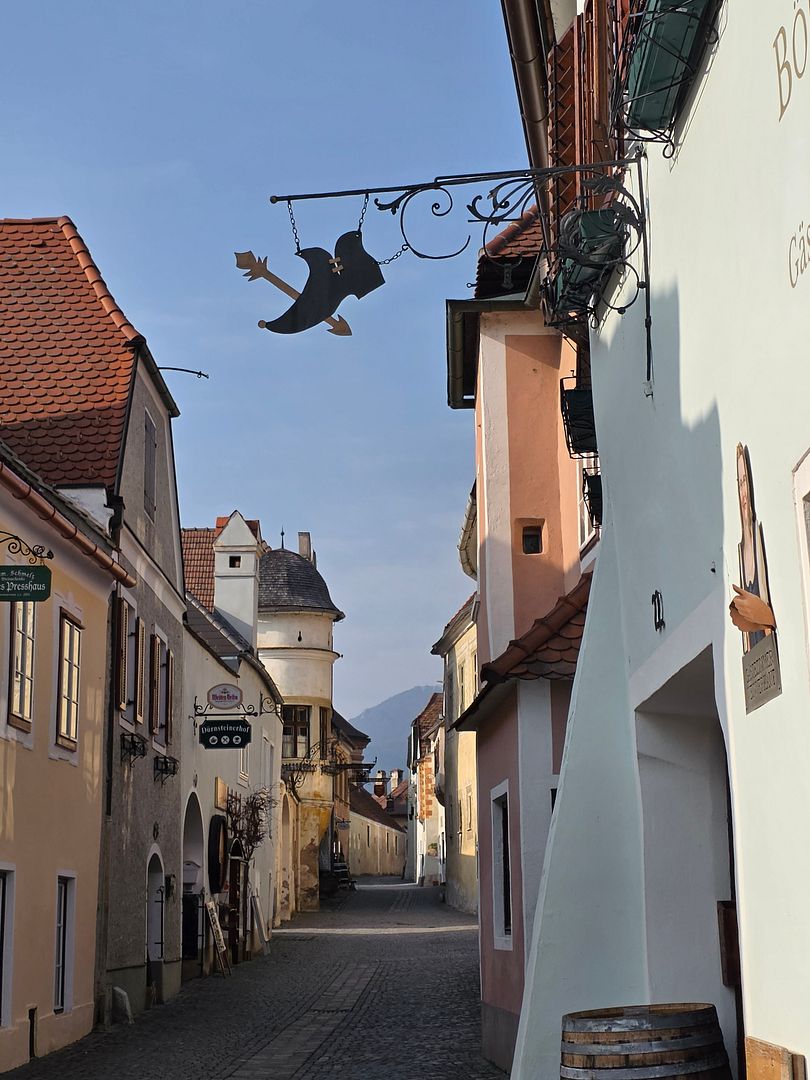
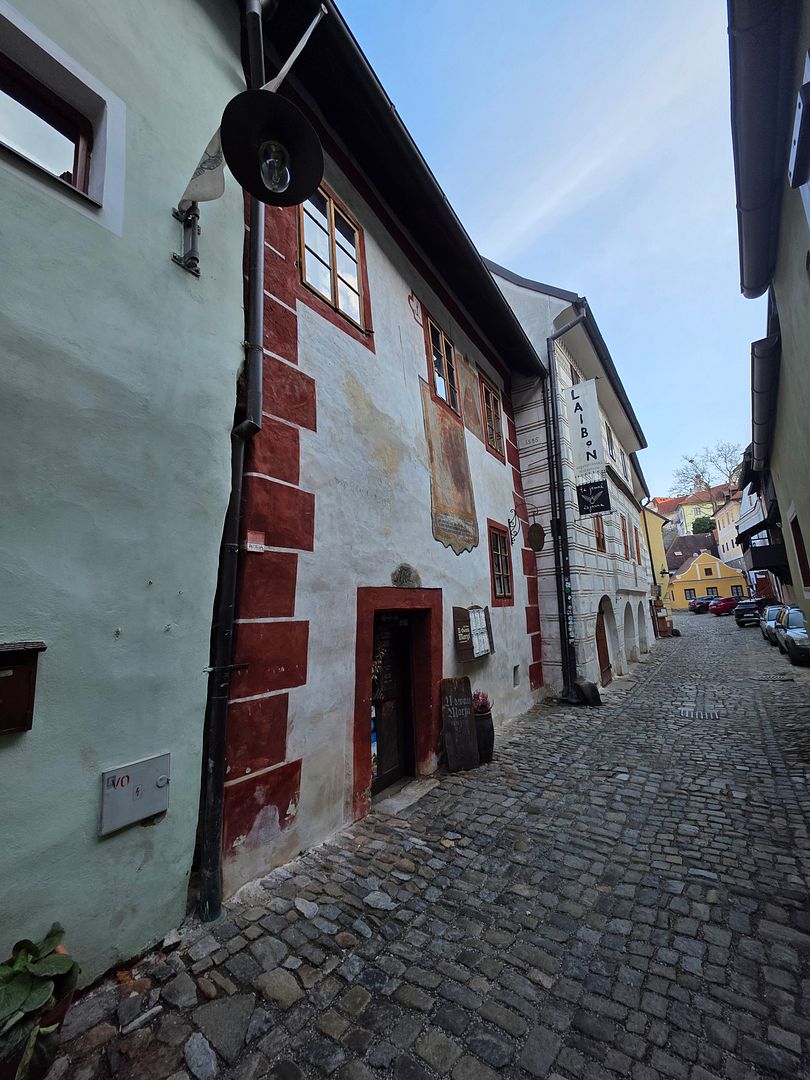
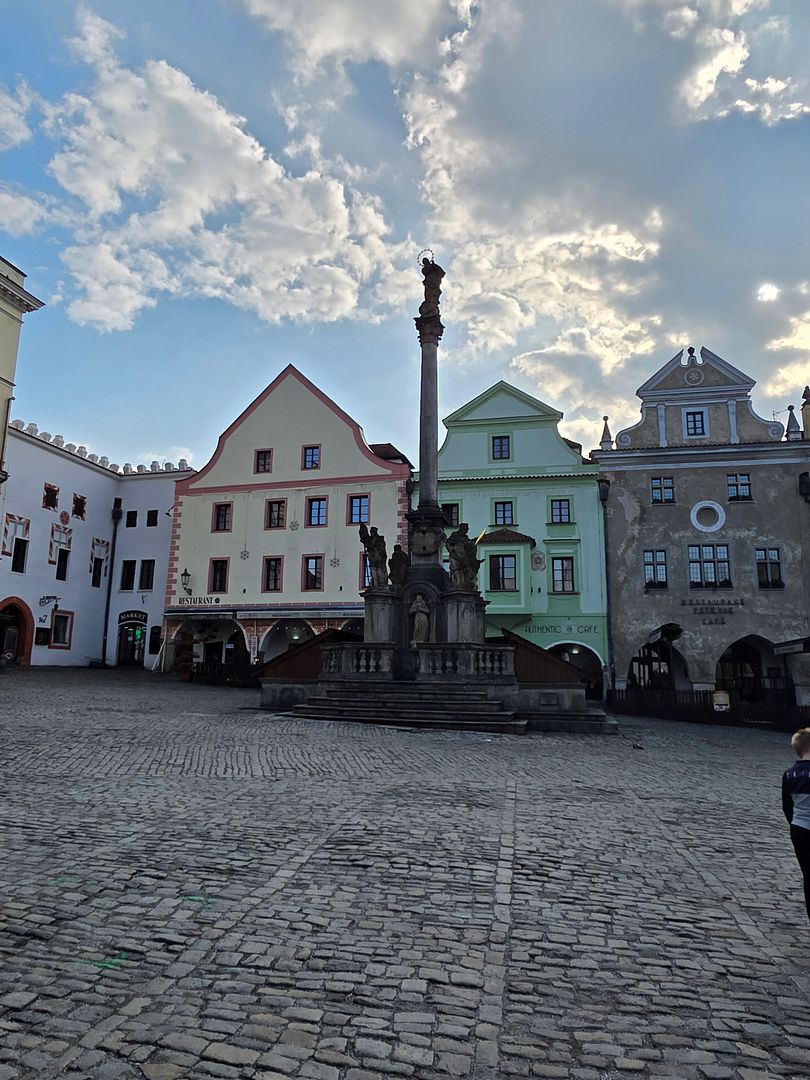
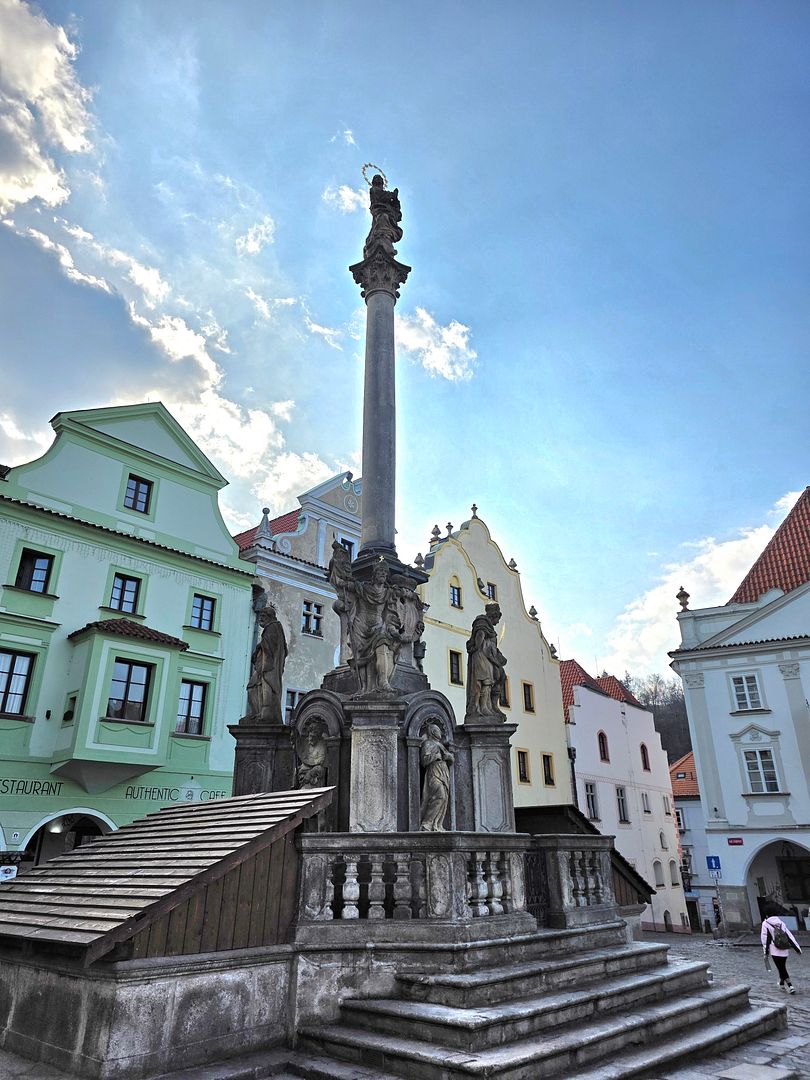
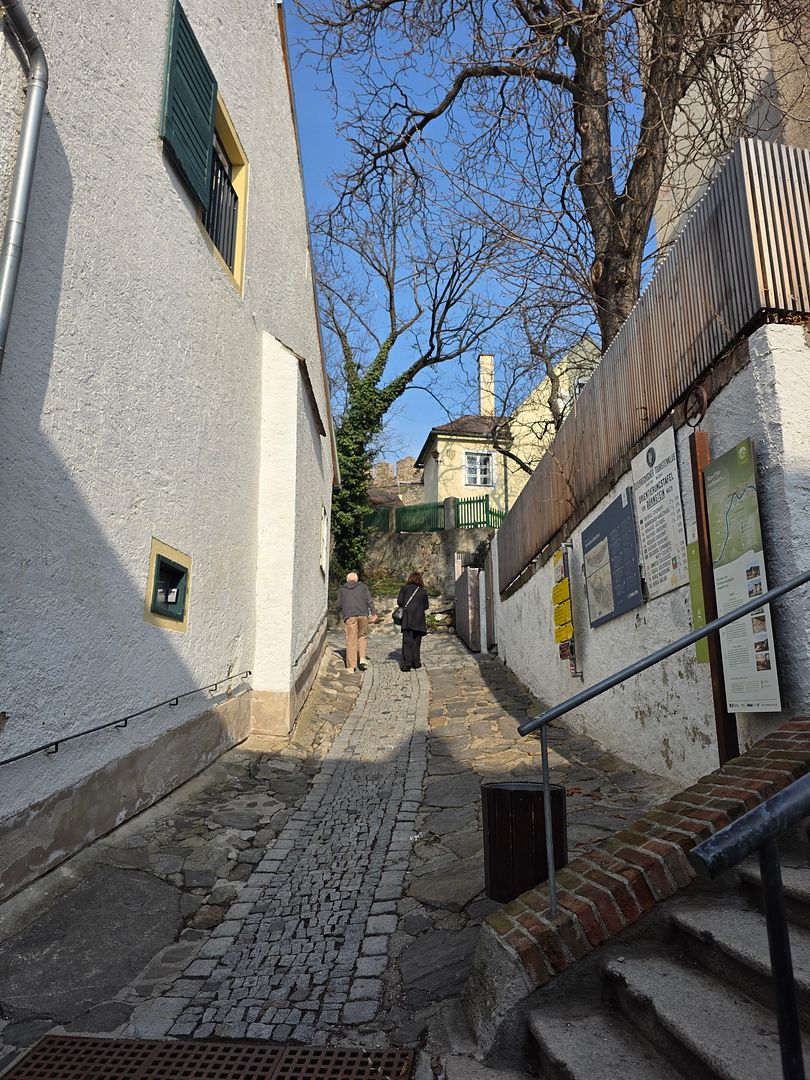
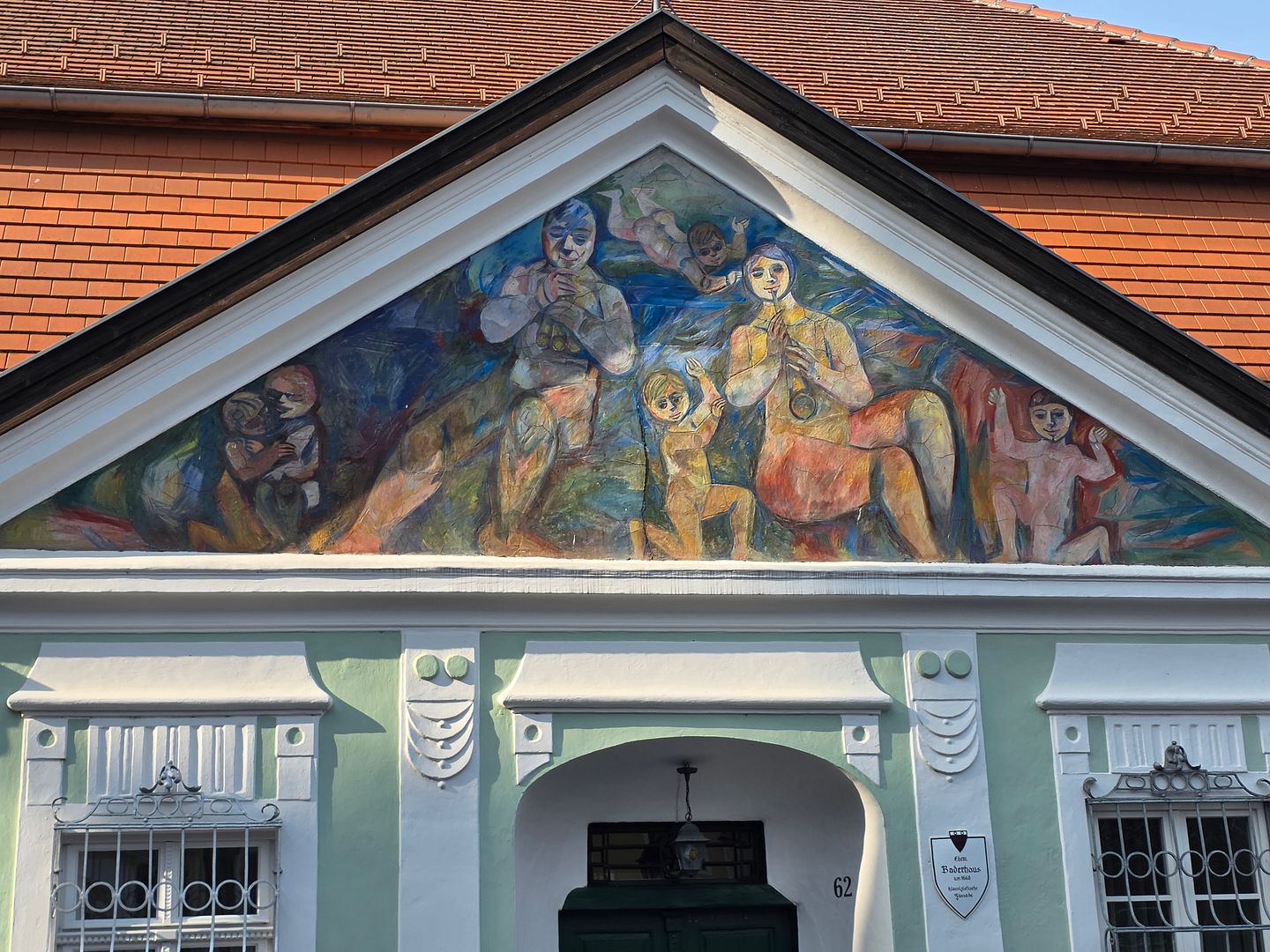
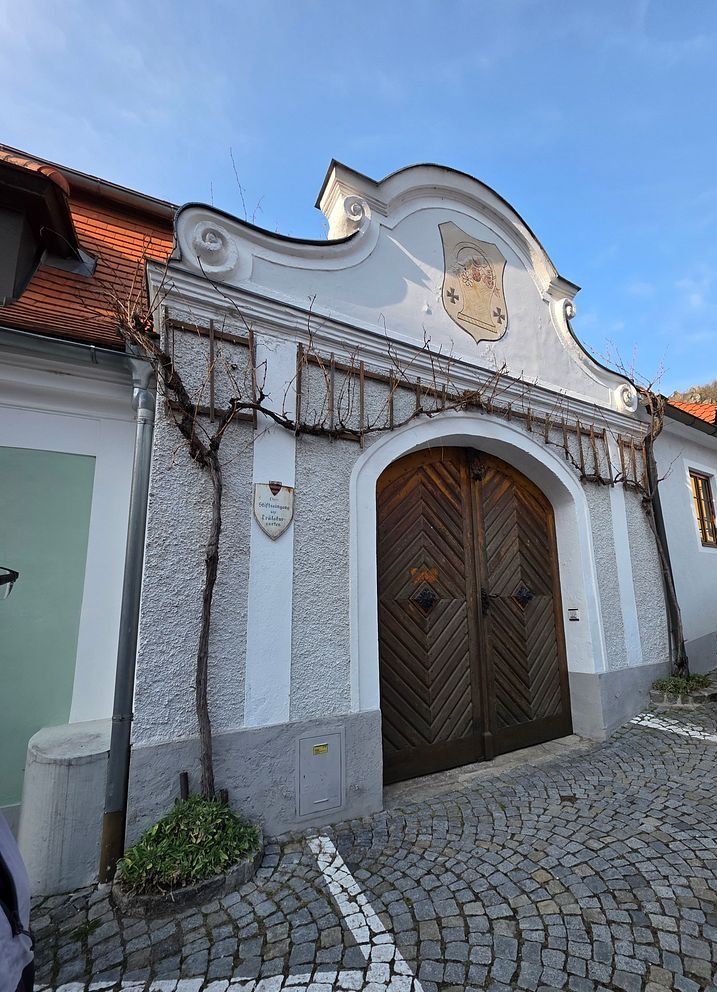
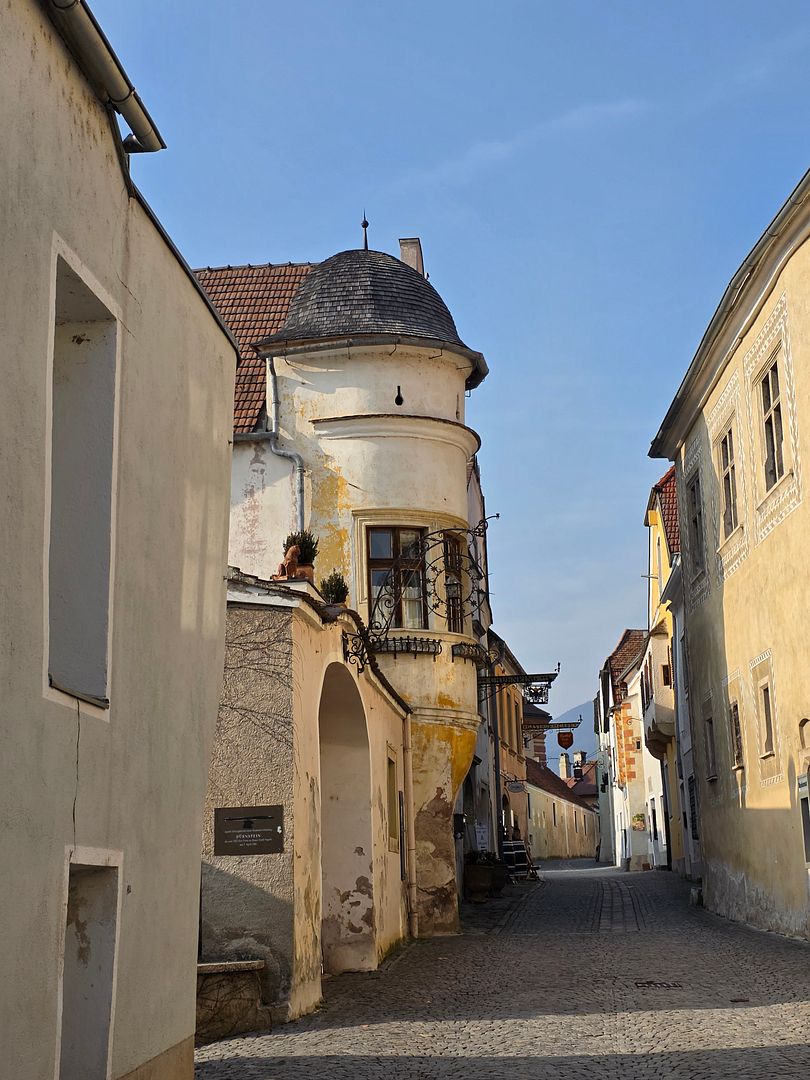
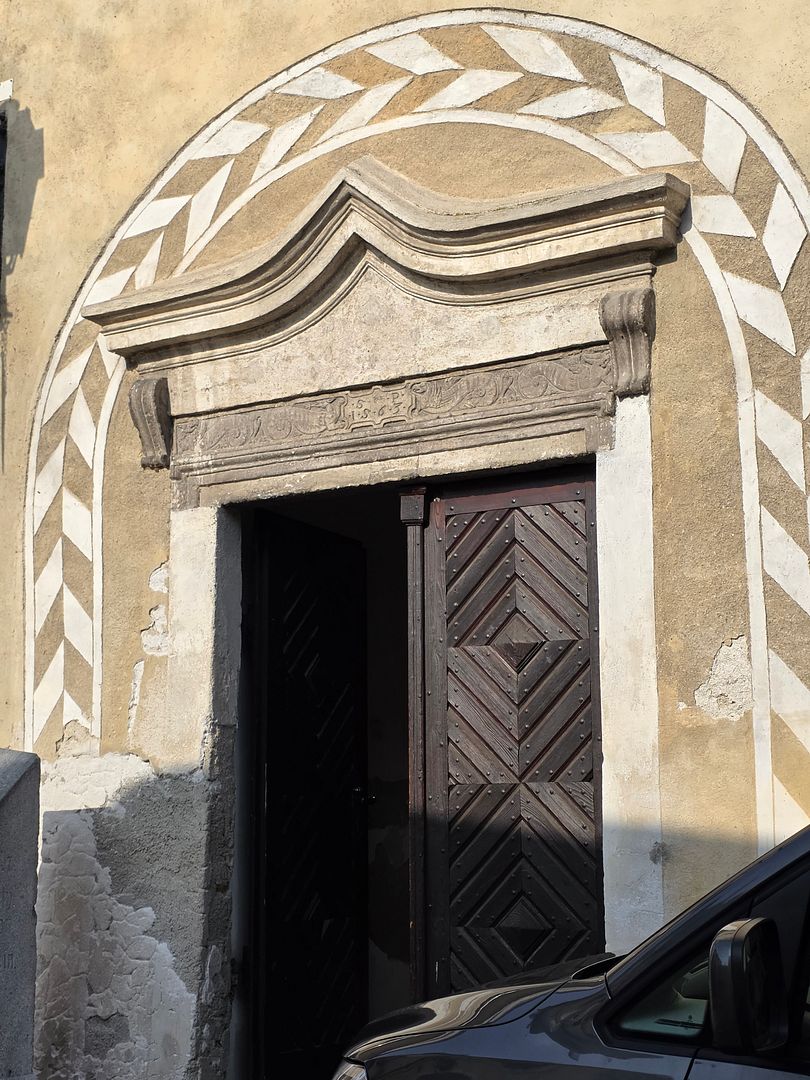
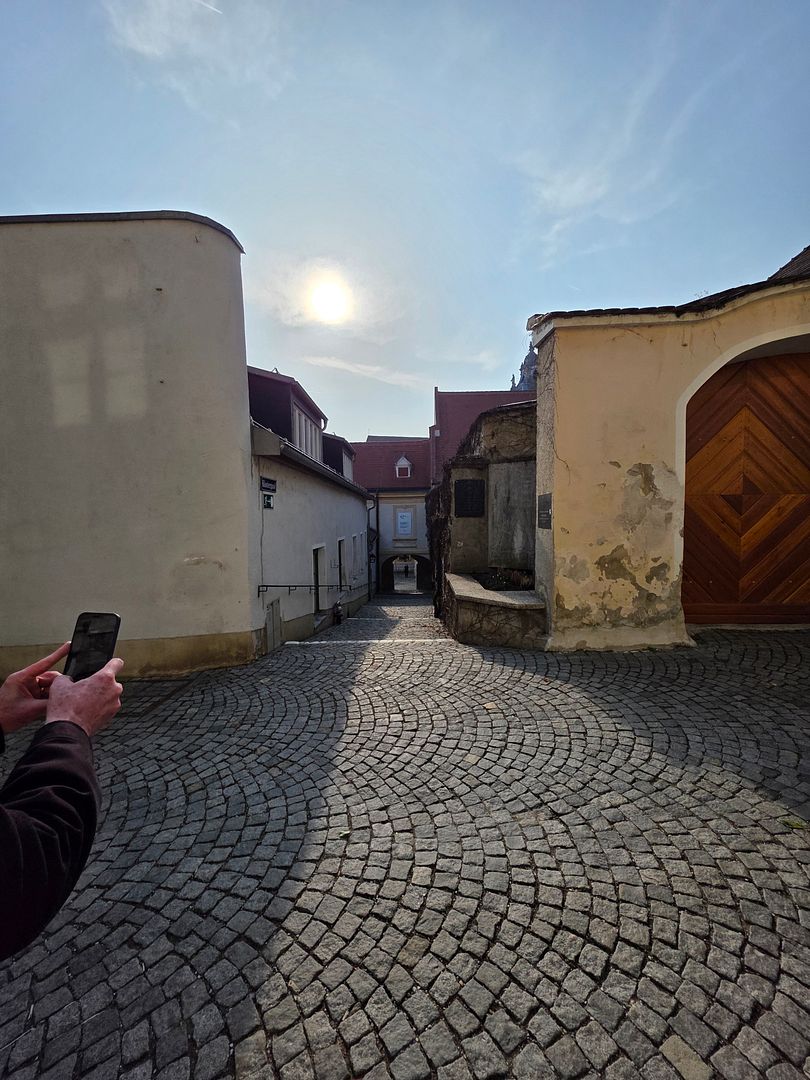
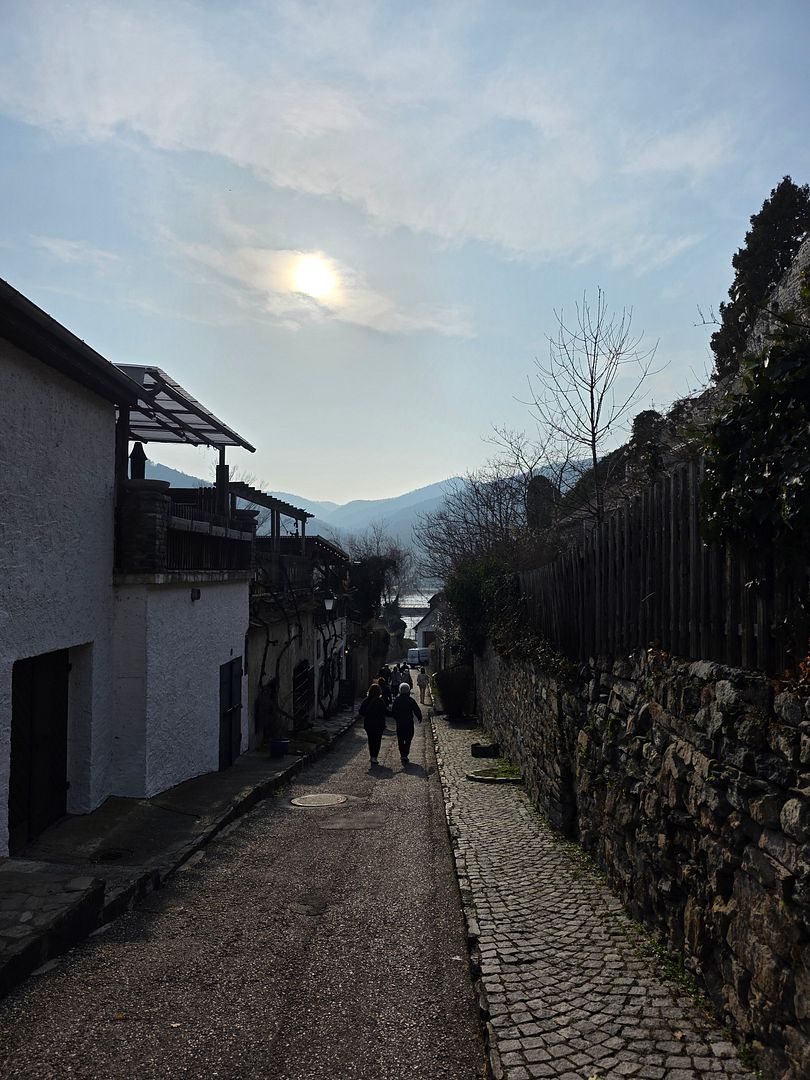
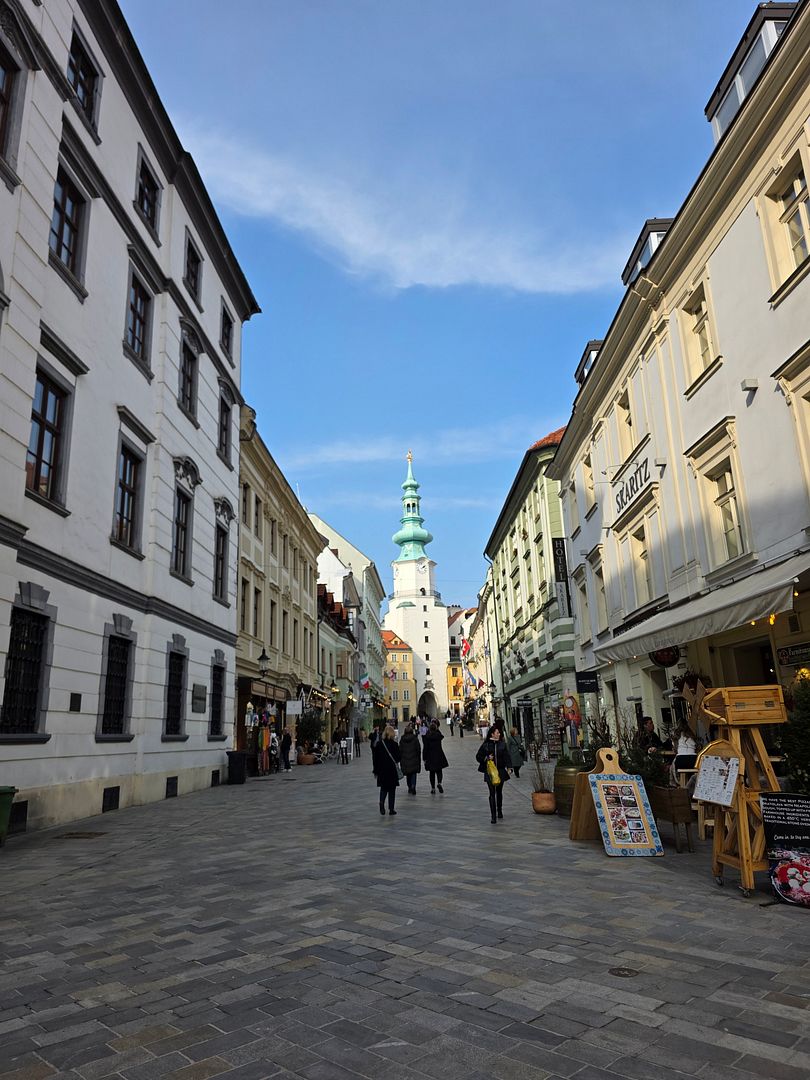
Interesting architecture and the cobbled streets were distinct.
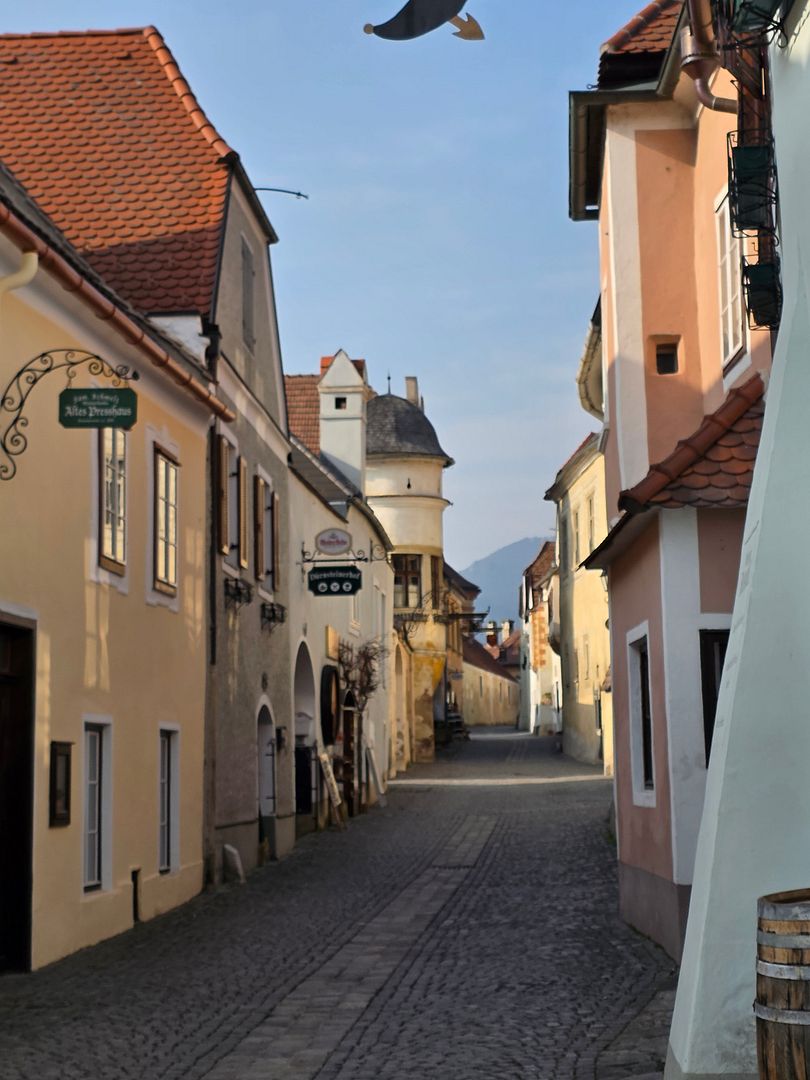
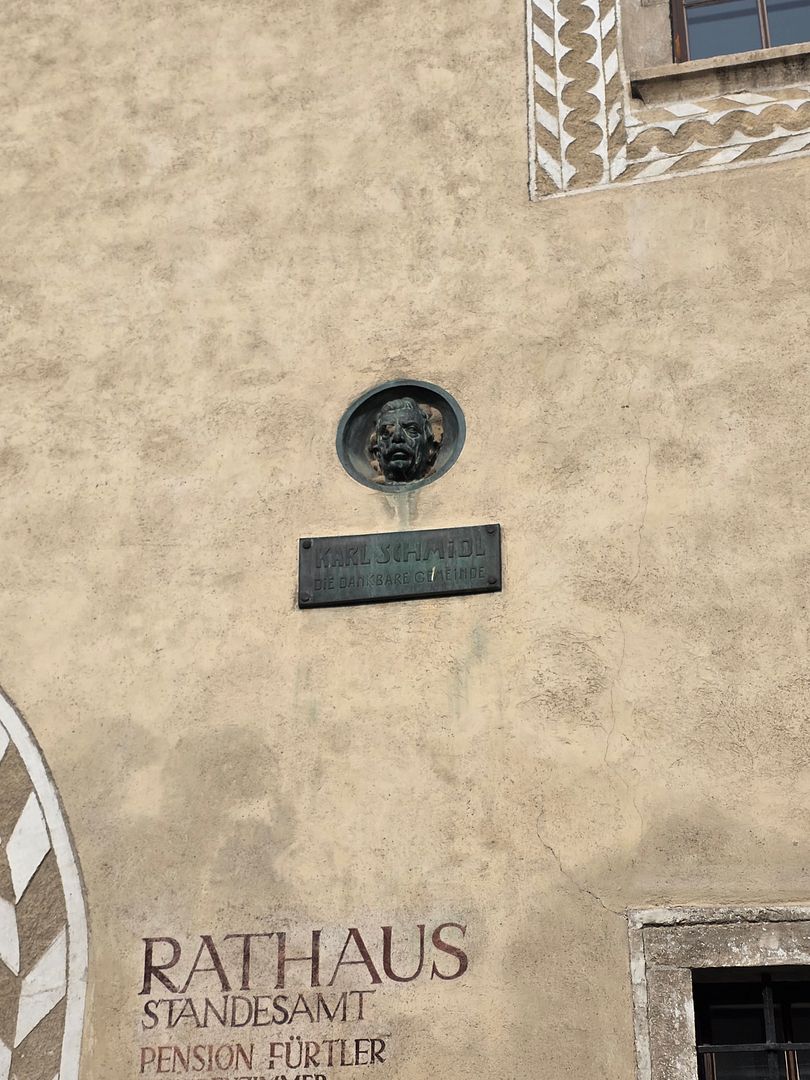
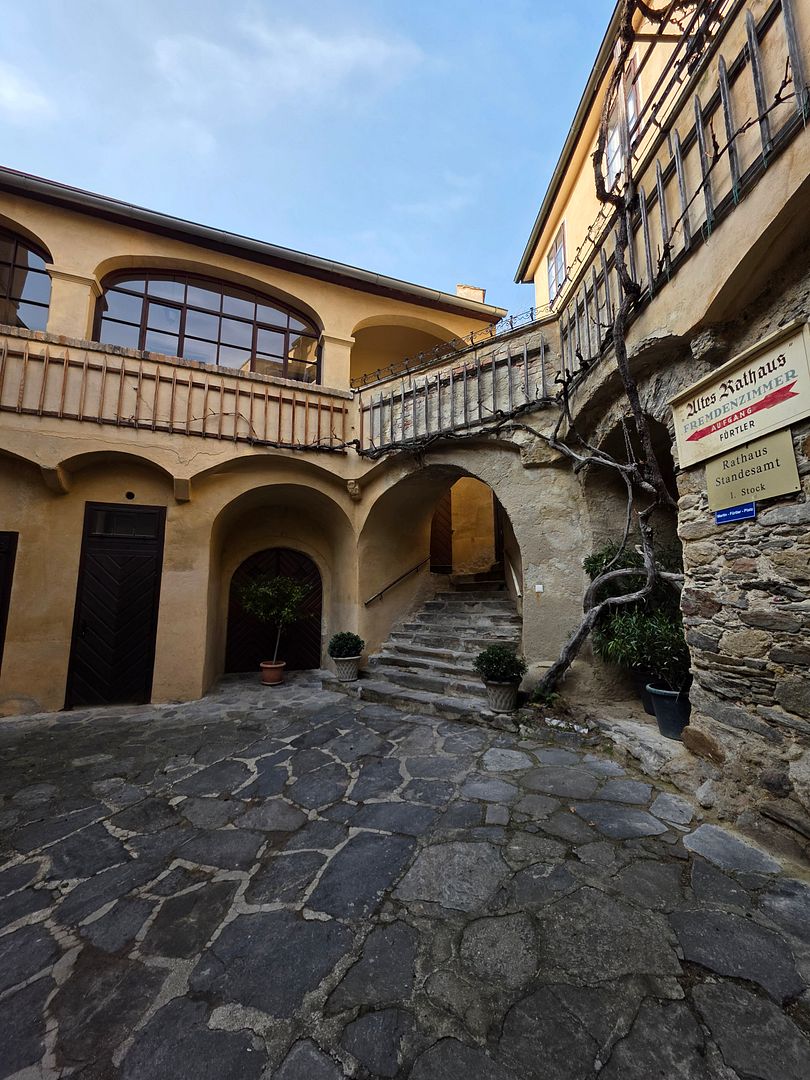
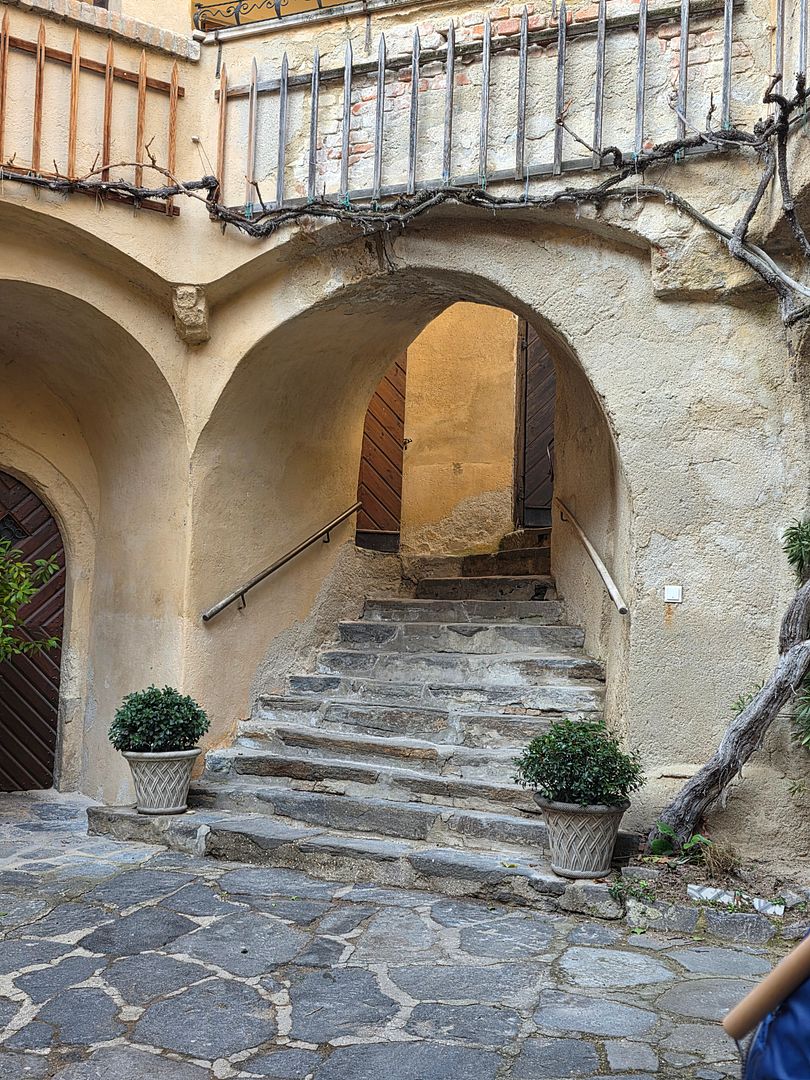
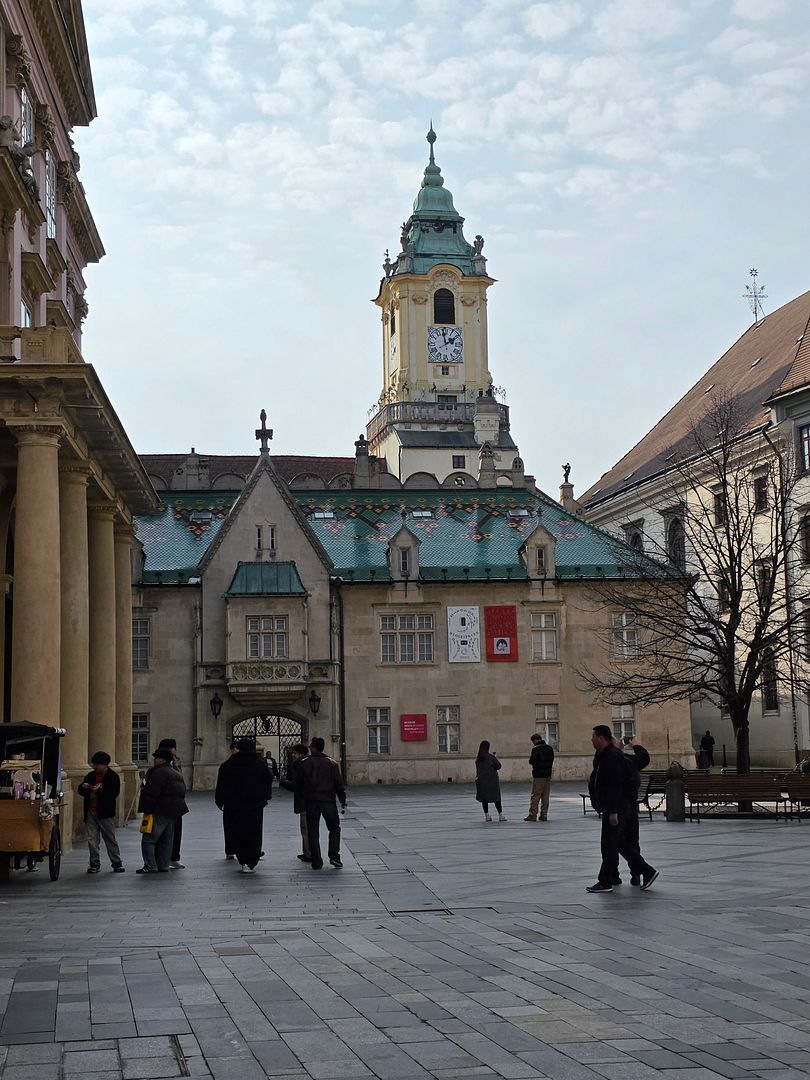
In the vibrant heart of Dürnstein, our estate stands proudly, nestled beside the historic town hall and set against the tranquil backdrop of the lightly traveled village street. A charming courtyard leads you up a stone staircase into the embrace of an ancient gem, built in 1453. On the first floor, you will find cozy guest rooms with private bathrooms and modern TVs, as well as direct access to a dreamy garden paradise. Here, after an eventful day, you can unwind in an oasis of tranquility or lose track of time while savoring a fine glass of wine.

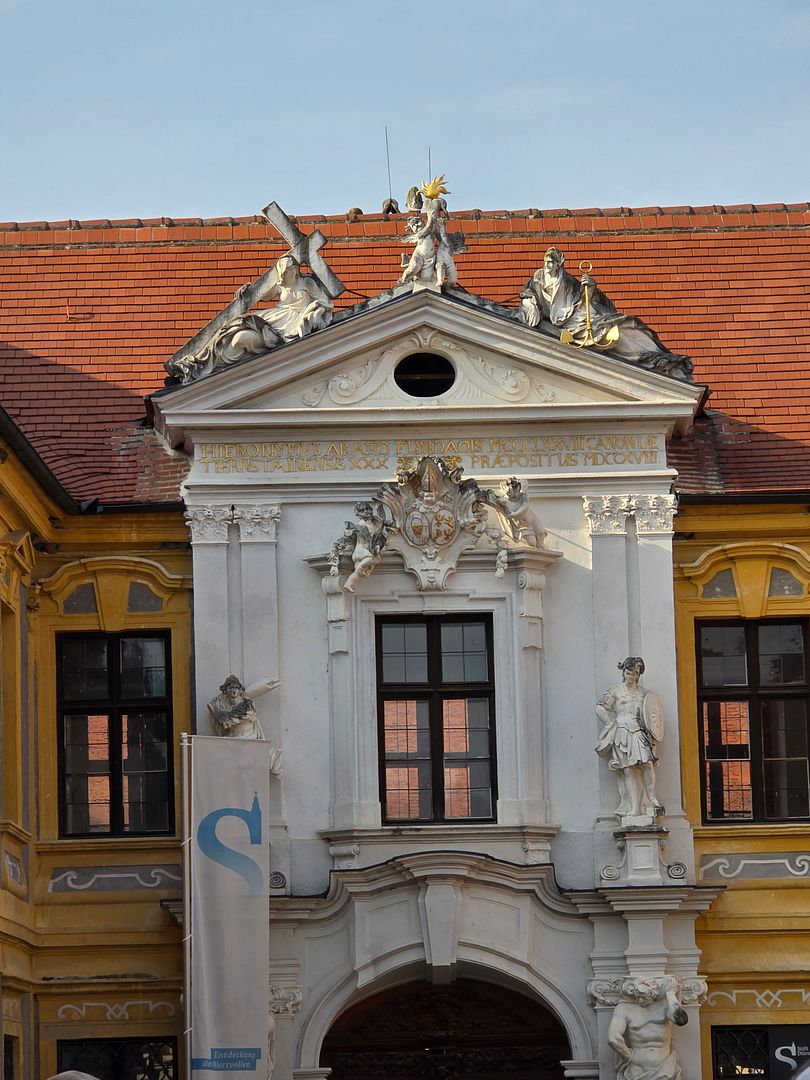
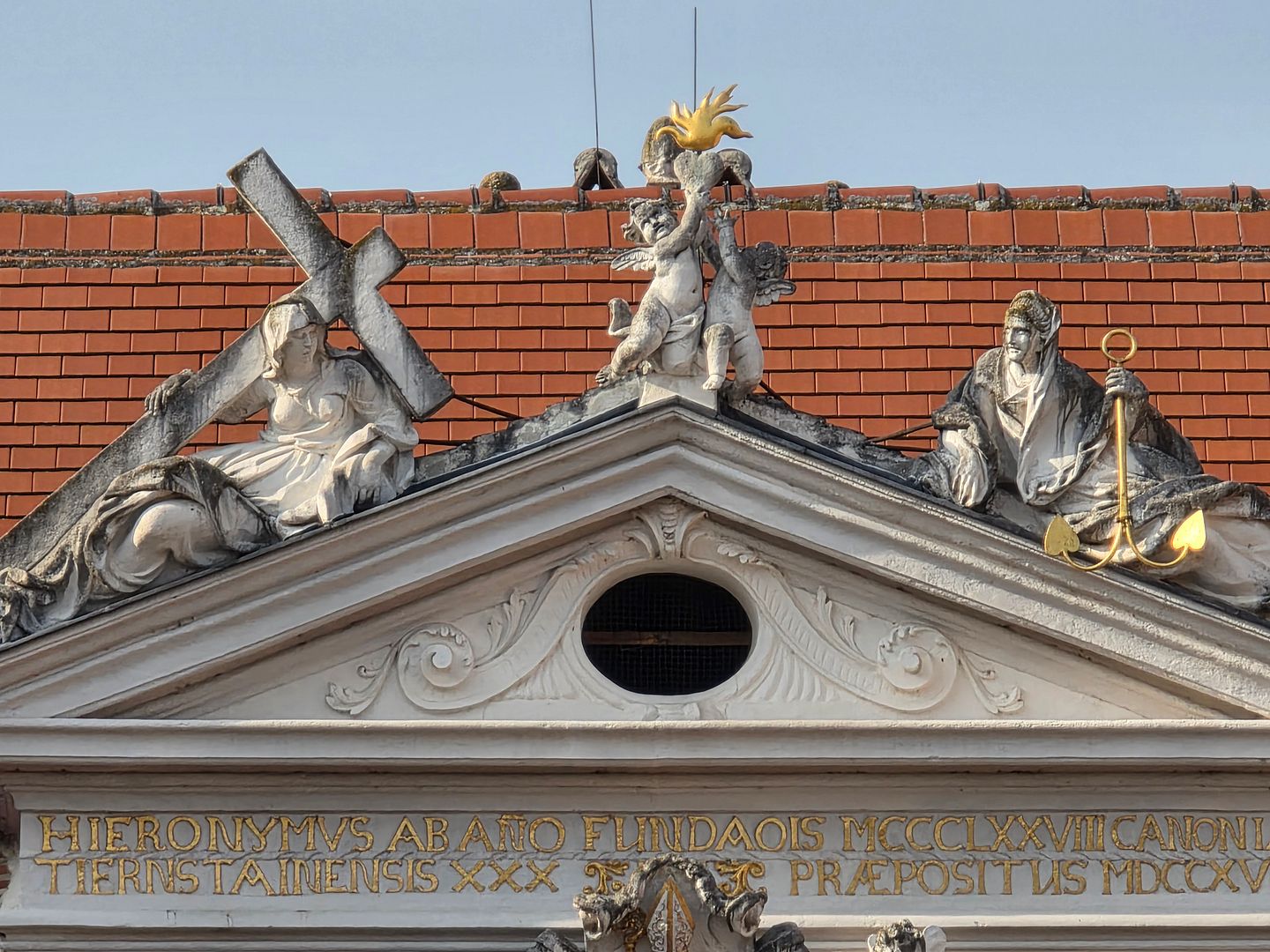
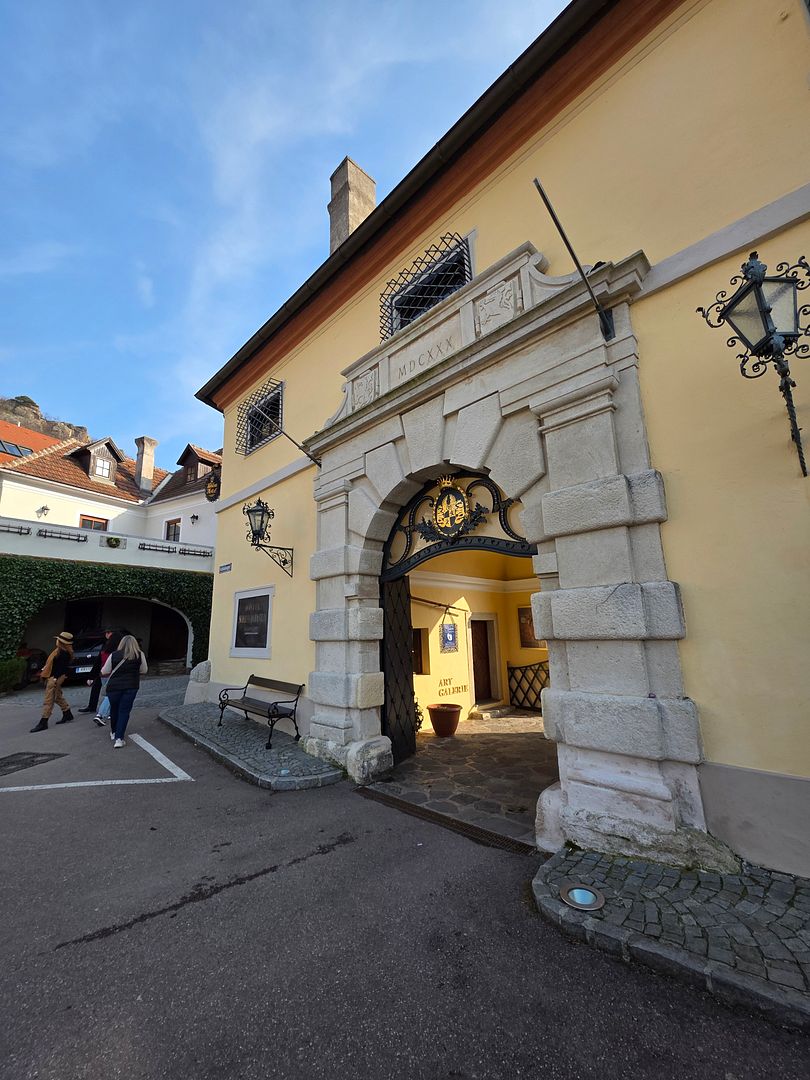
This little town boasts a 5 star hotel, Hotel Schloss Durnstein. Entrance to the courtyard above.

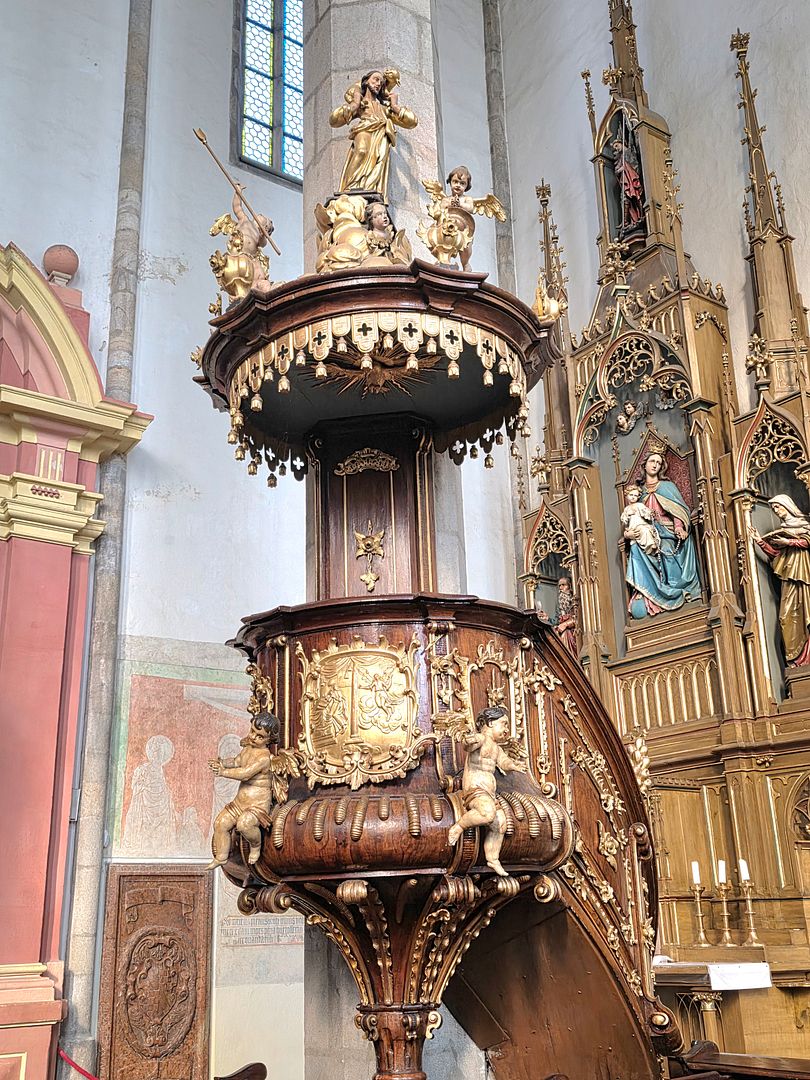
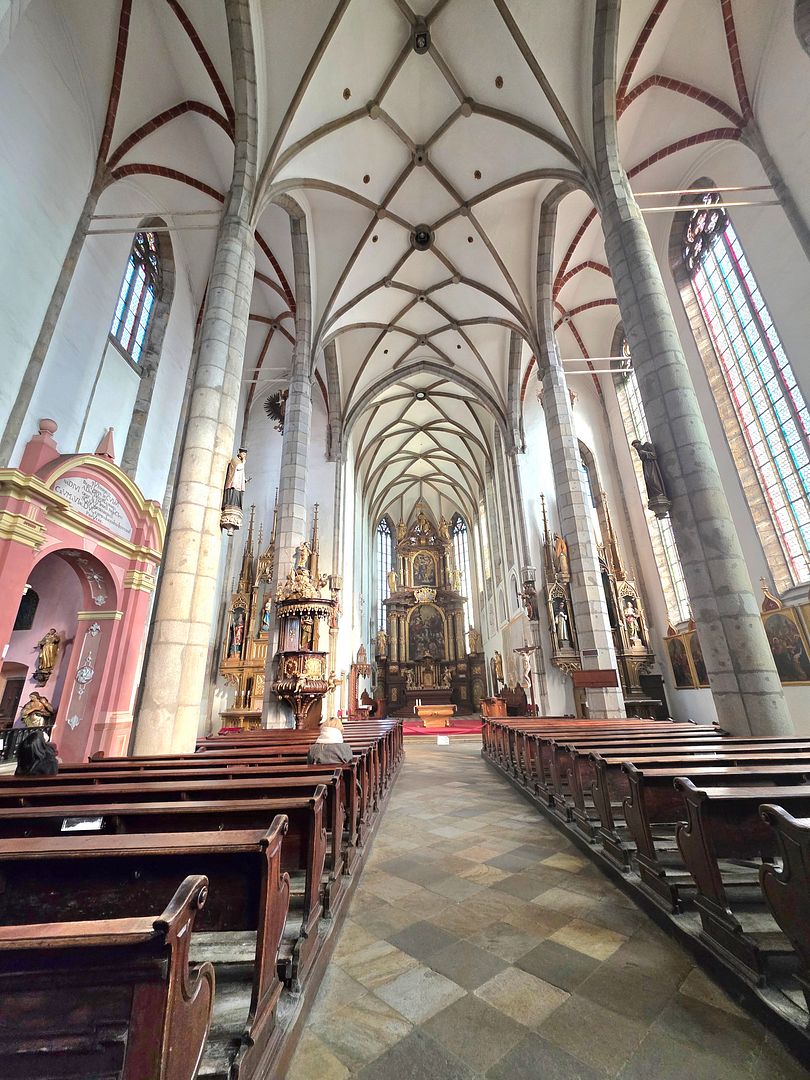
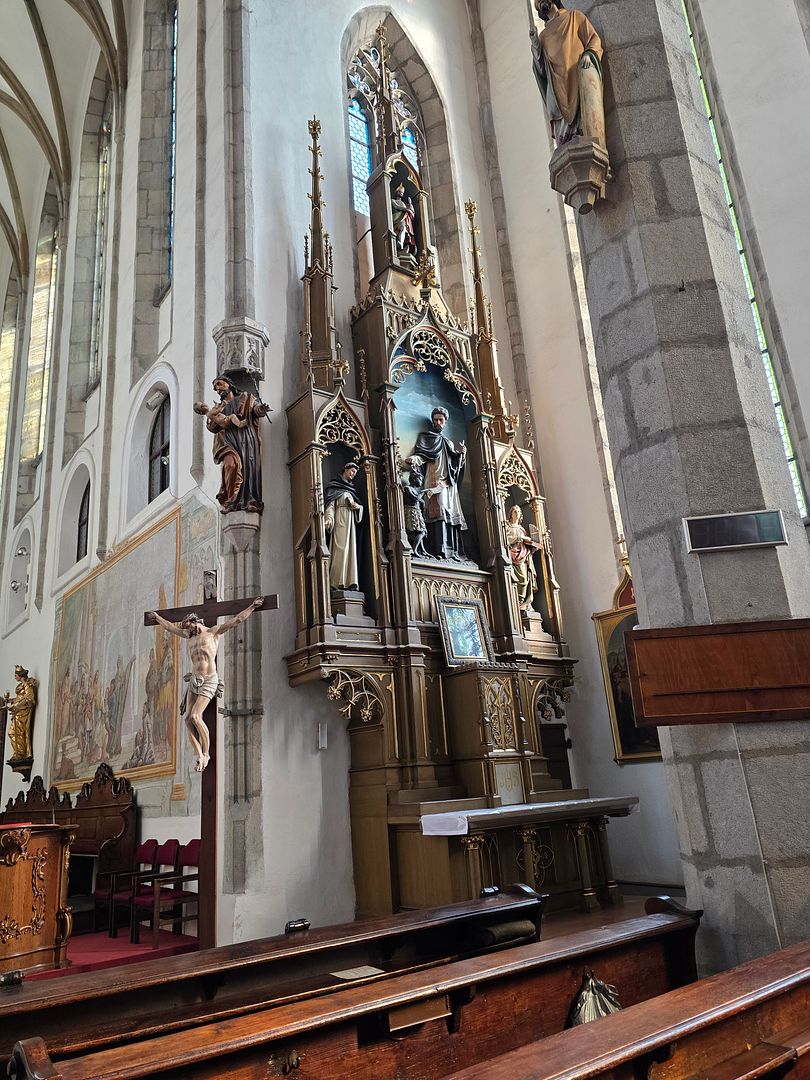
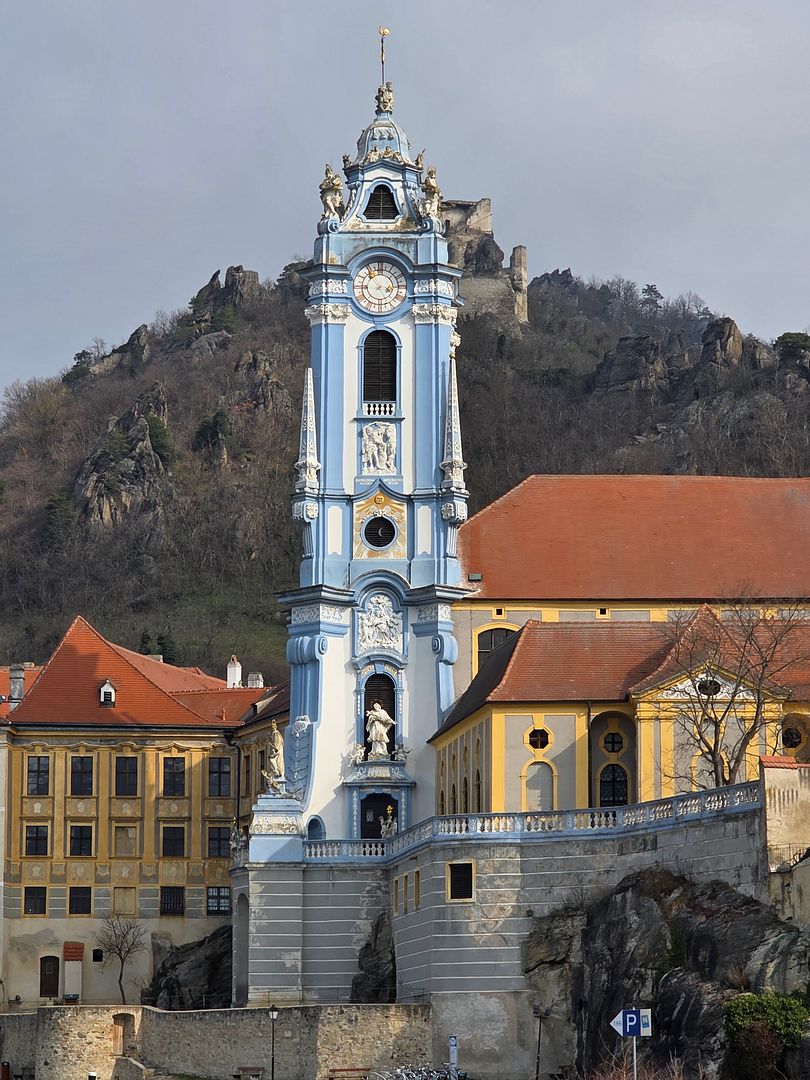
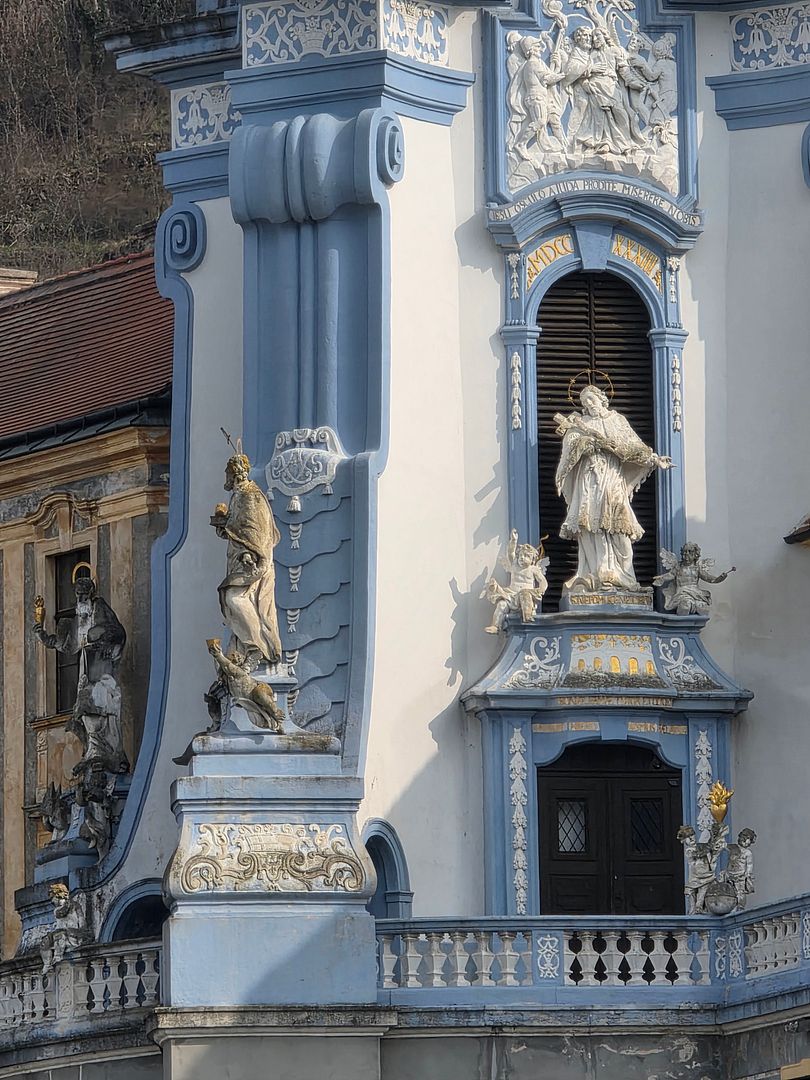
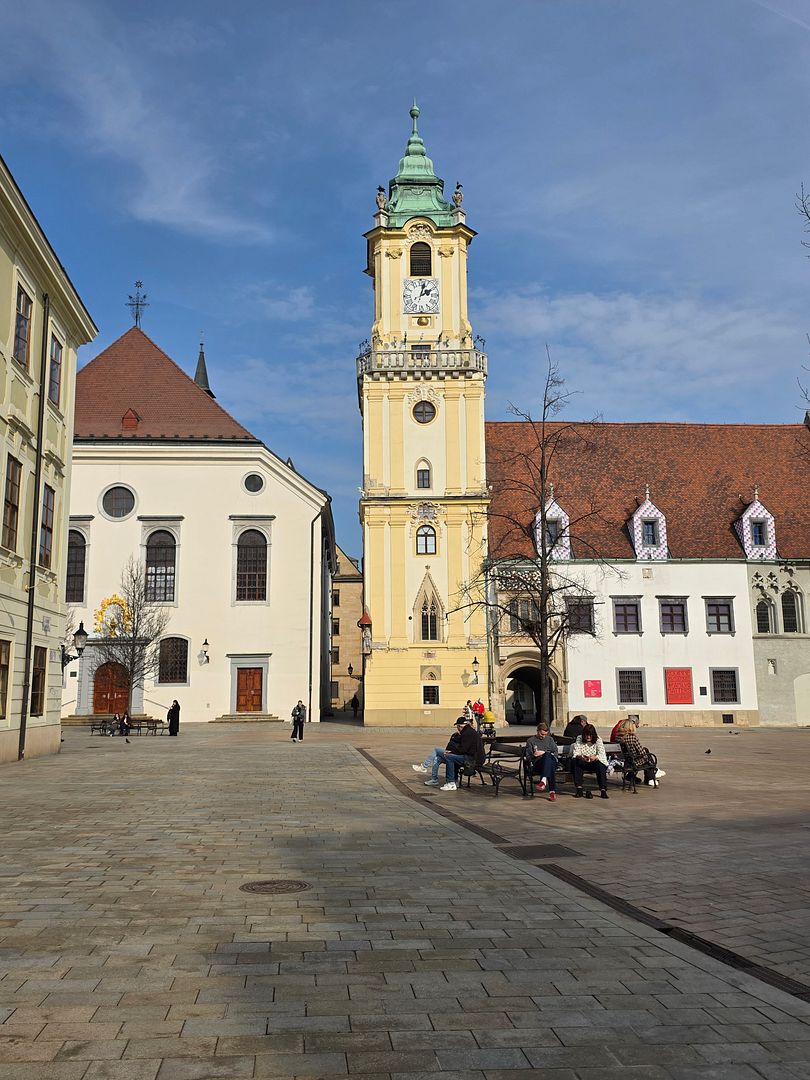
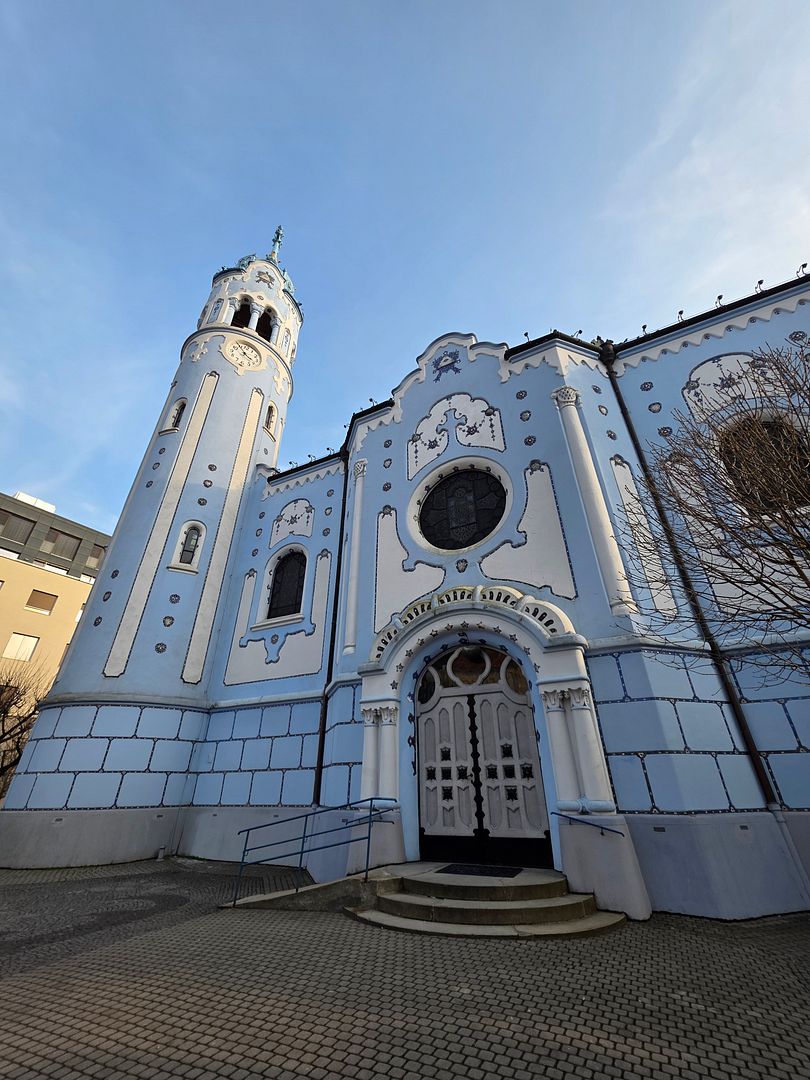
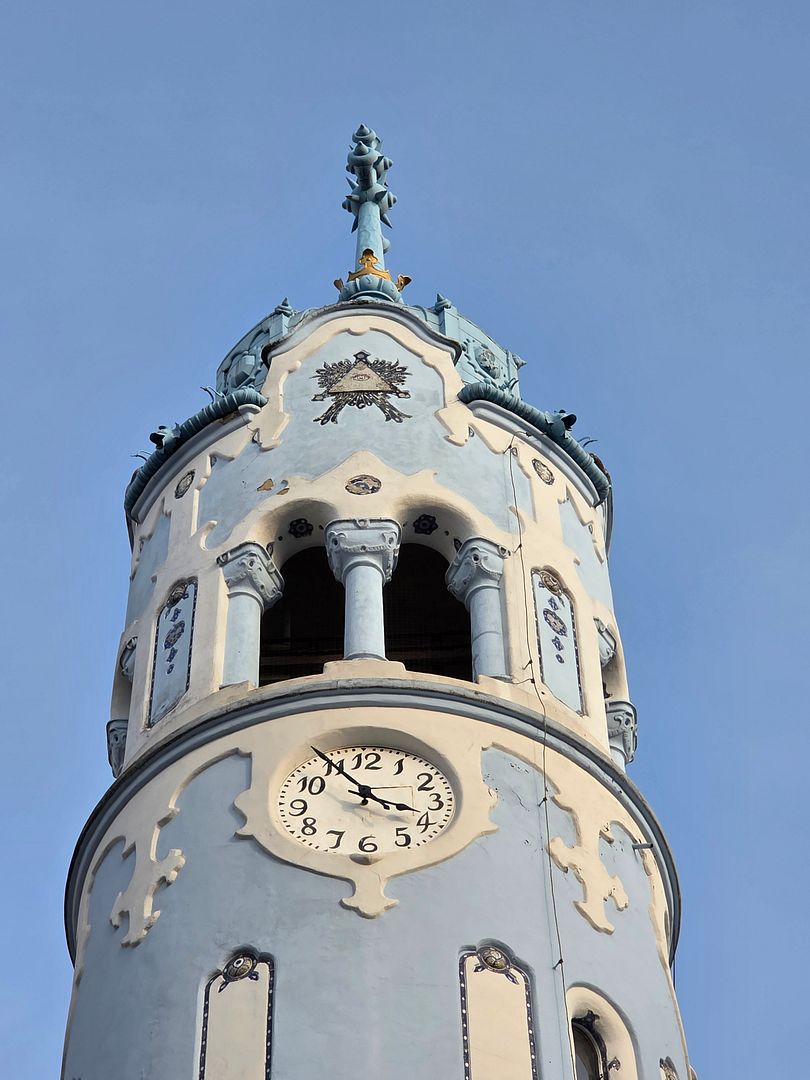
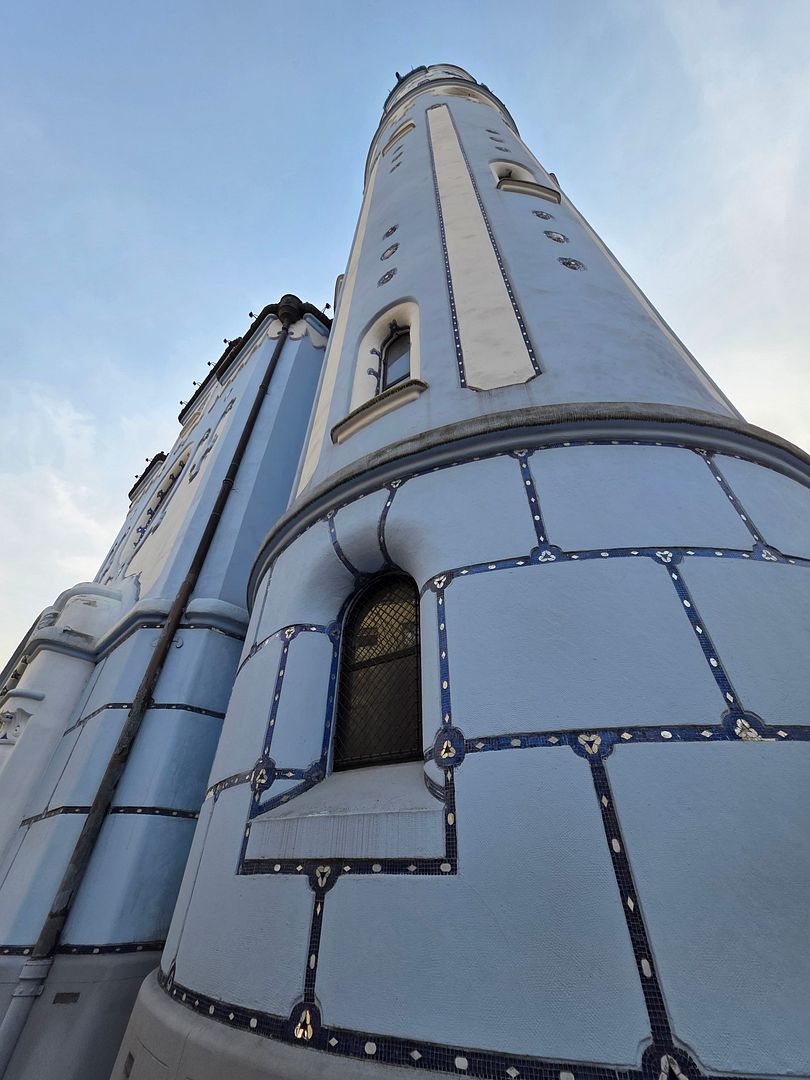
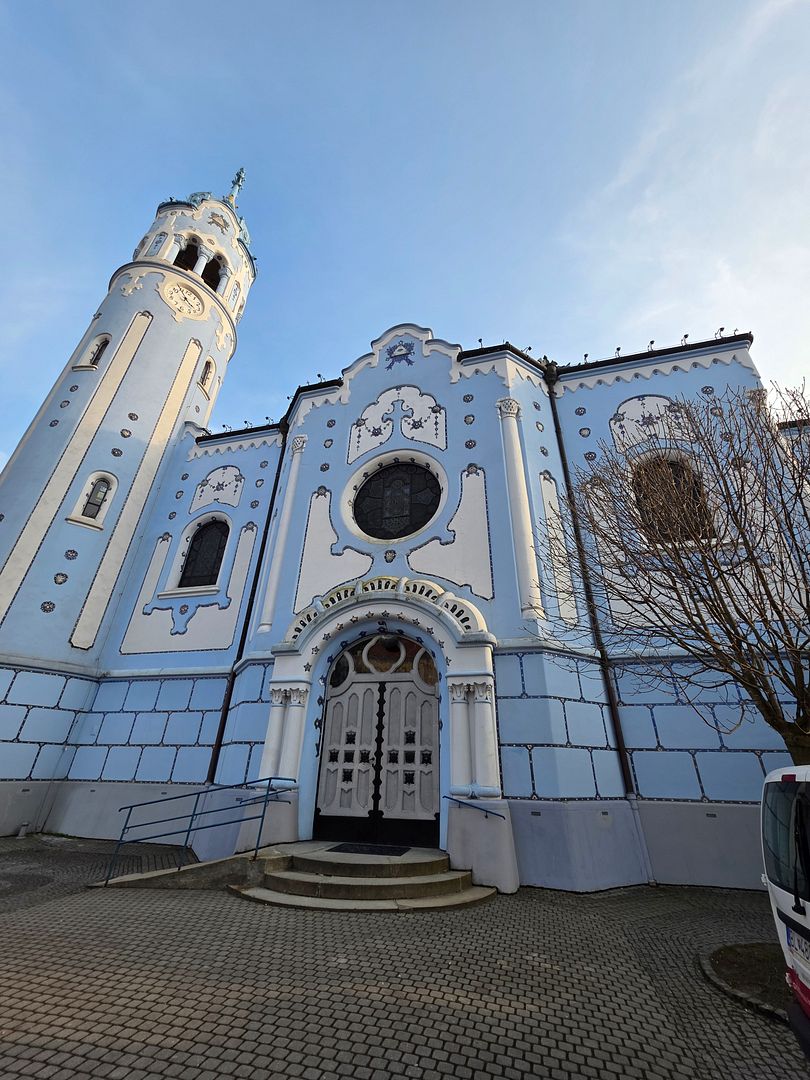
I posted several photos in another post of this blue tower when we passed it earlier on this day. While we were in Durnstein we didn’t walk to this former monastery but after the fact we realized it was a big part of historic Durnstein.

History of Stift Dürnstein

Stift Dürnstein was founded in 1410 as an Augustinian Canons monastery. It was part of a larger spiritual and religious network that played a significant role in the medieval region. However, Dürnstein was already famous by the 11th century, particularly due to the imprisonment of Richard the Lionheart, who was held captive in the nearby castle of Dürnstein.

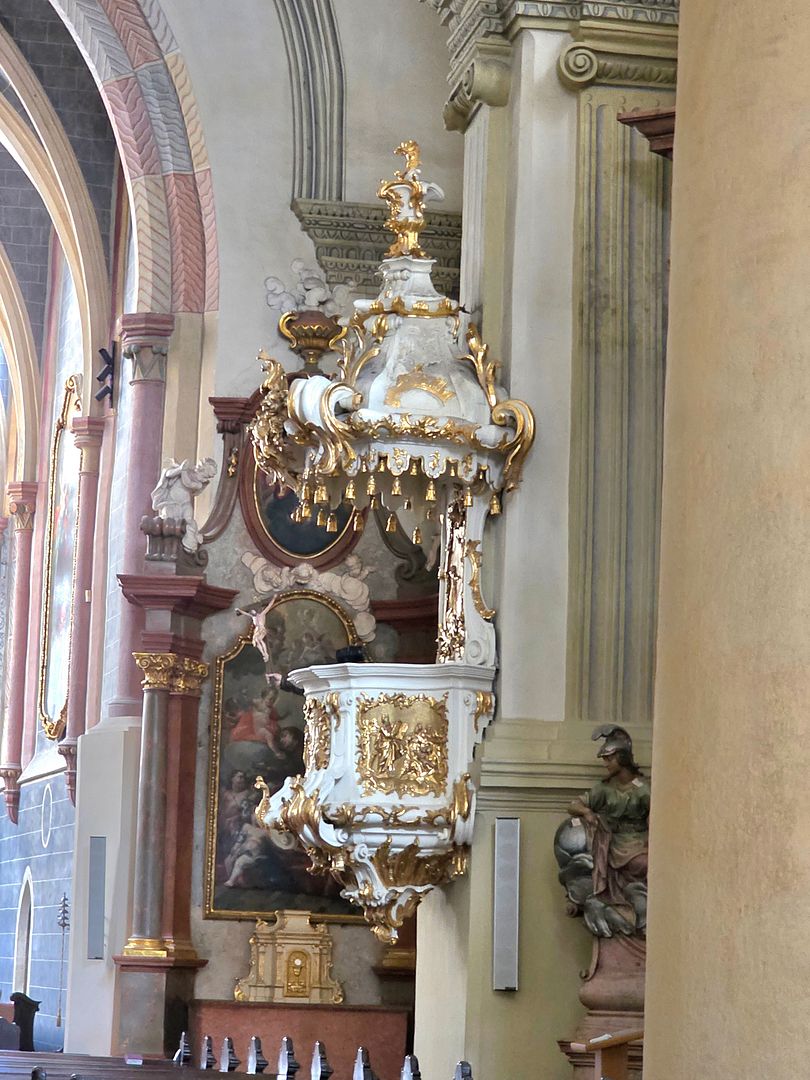
The monastery experienced its golden age in the 18th century when it was rebuilt in the Baroque style. Under the direction of renowned Baroque architects Jakob Prandtauer and Joseph Munggenast, the monastery was transformed into the magnificent structure seen today. The distinctive blue-and-white church tower, visible from afar, has become one of the iconic landmarks of the Wachau Valley.

In 1788, the monastery was secularized, and the Augustinian Canons left. Today, the monastery serves as a venue for cultural events and is a popular destination for visitors eager to explore its rich history and Baroque splendor.

We headed back to the bus for our trip to Melk Abbey Visit. After our visit to Melk we would be bused to the AmaMagna that was now docked in Melk. We would reach the boat in time for dinner and on this night we were scheduled to enjoy the Chef’s Table.

Bratislava, Slovakia

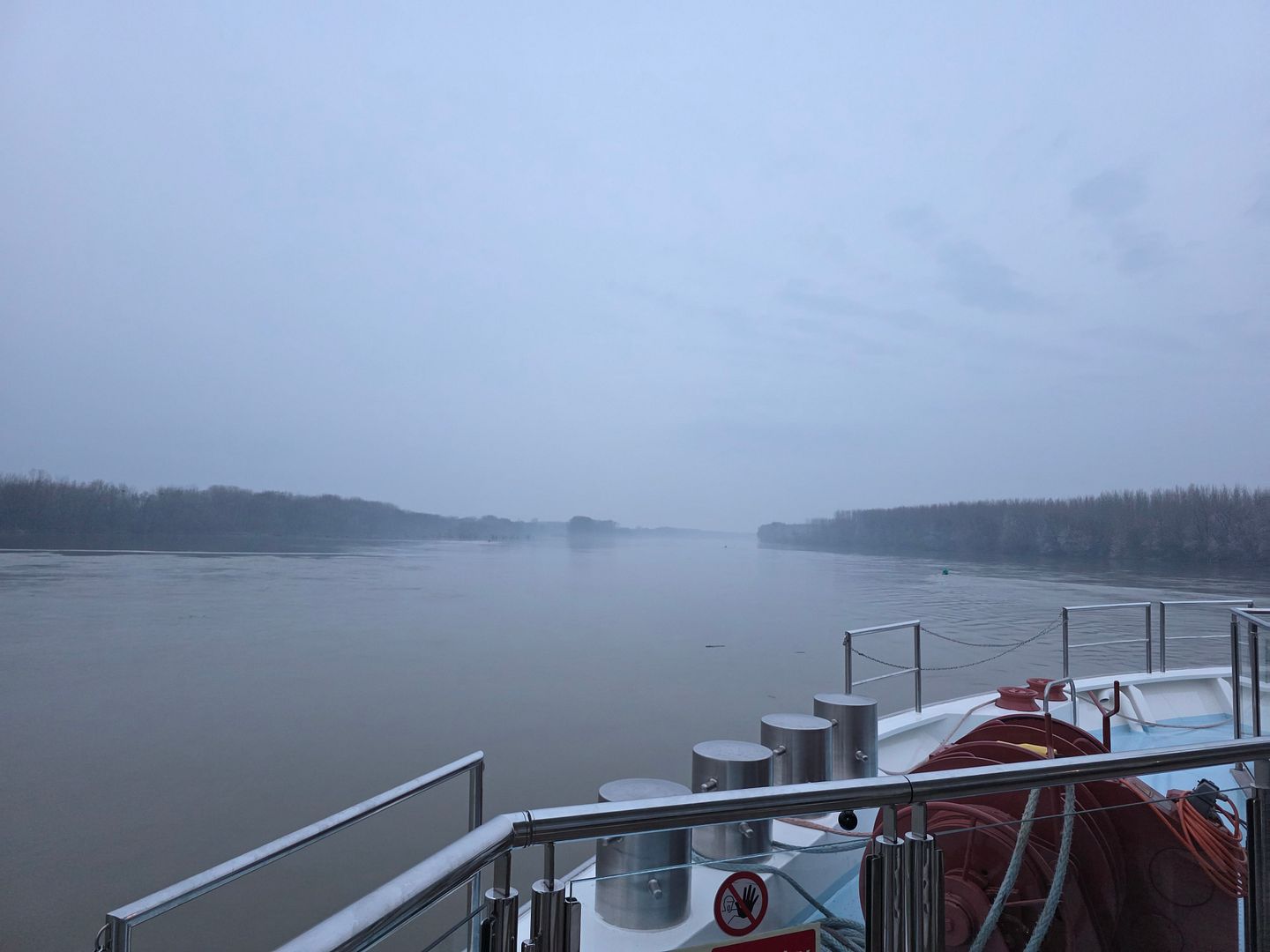
On Monday March 2nd, we were up early and the views along the river were moody until the sun broke through. We had sailed all night and into the morning. It was 140 miles from Budapest to Bratislava. We passed through the largest lock on our journey, Gabcikovo Lock & Hydroelectric Powerplant. We wouldn’t arrive to Bratislava until after lunch.

We are in the lock in this photo.

We were recuperating from our rude wake up call because of the fraud on our credit card.

We decided on having lunch in Jimmy’s Restaurant on this day.

We had signed up for Tastes of Slovakia excursion but decided against it since we docked early and we didn’t want to have to come back to the boat to join the excursion.

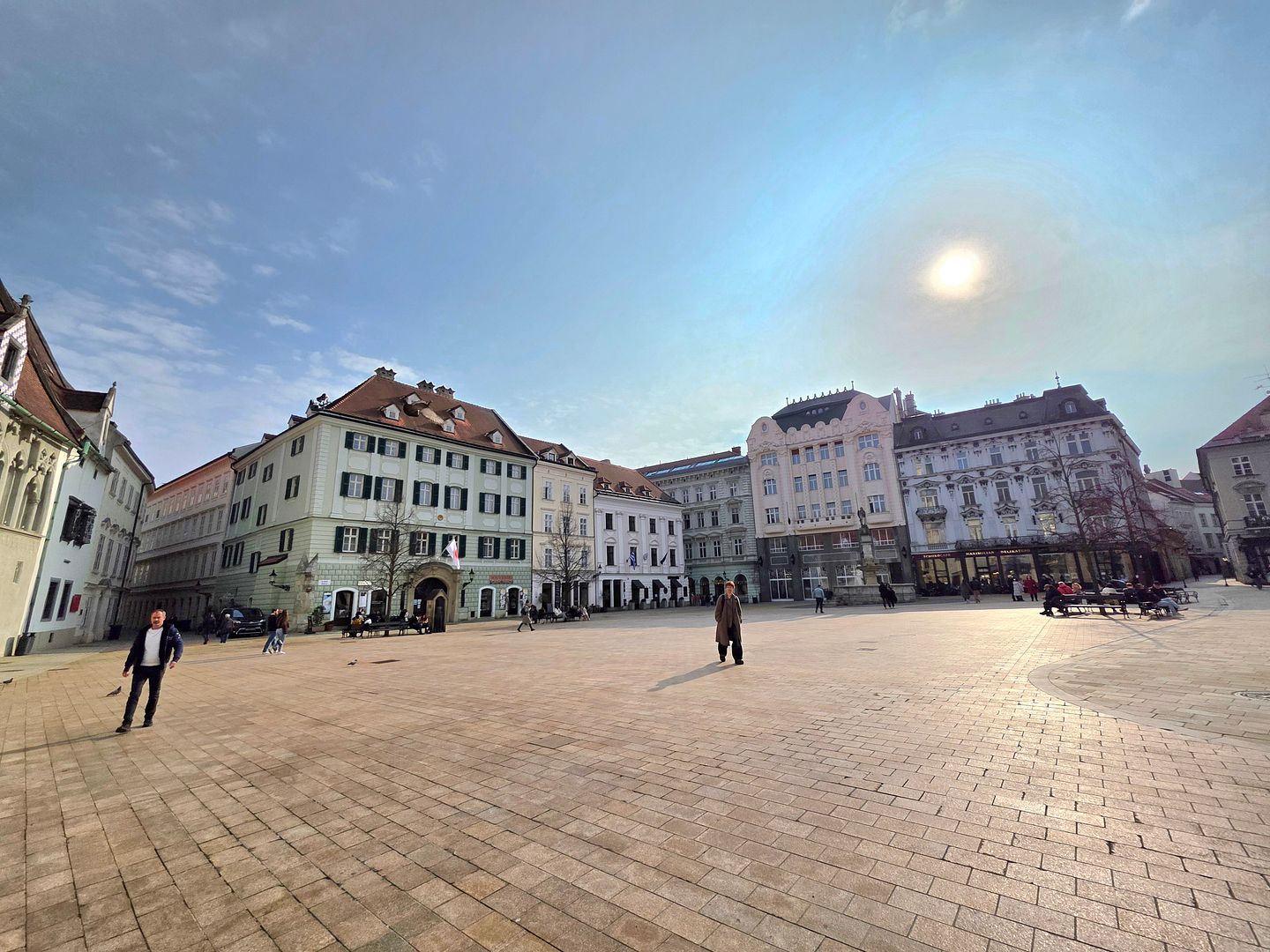
Bratislava is the capital of Slovakia. It was a short distance from the vessel. We enjoyed the old town and then were on a quest to find the Bratislava Flagship Restaurant, which proved to be a little difficult to navigate.

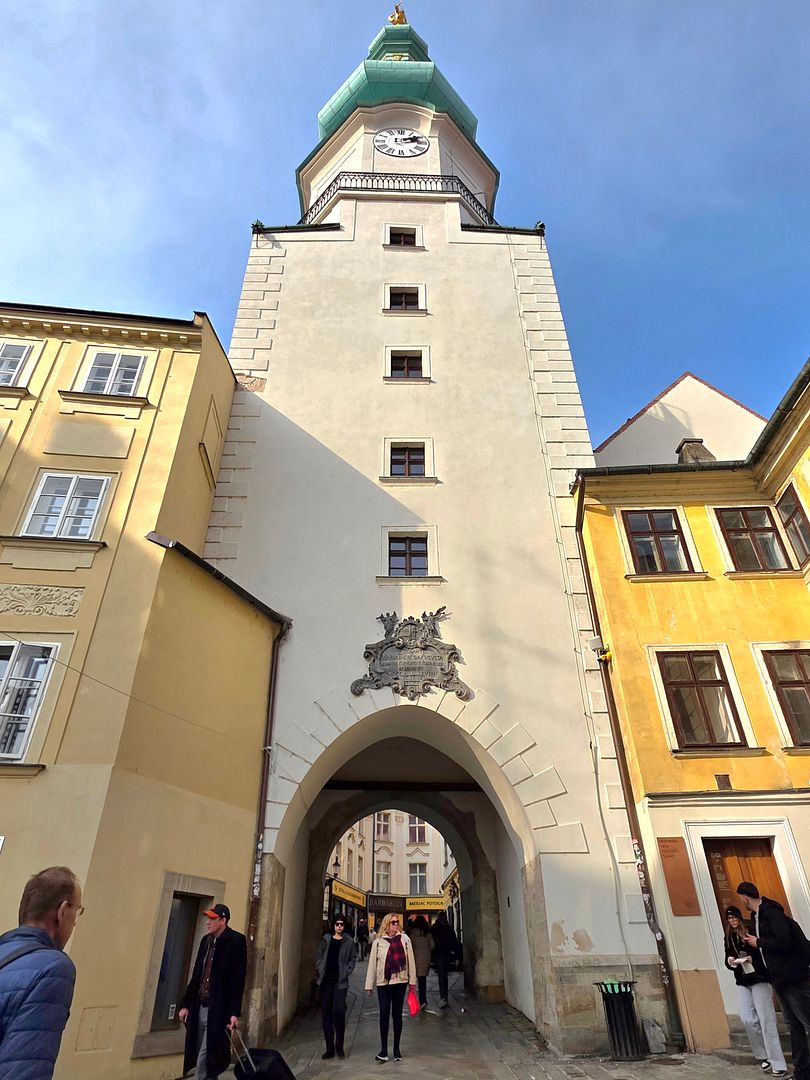
We headed to Michael’s Tower and Gate.

Of the original four gates to the original city walls, only the northern Michalská gate has been preserved. It was completed in the 14th century. It was named after the Gothic church of St. Michal, which was located before the fortification and was demolished in the 16th century during incursions of Turkish troops. Since its creation, it has been extended several times until it got its final appearance in the 18th century, shortly before almost all of the city’s fortifications were demolished.
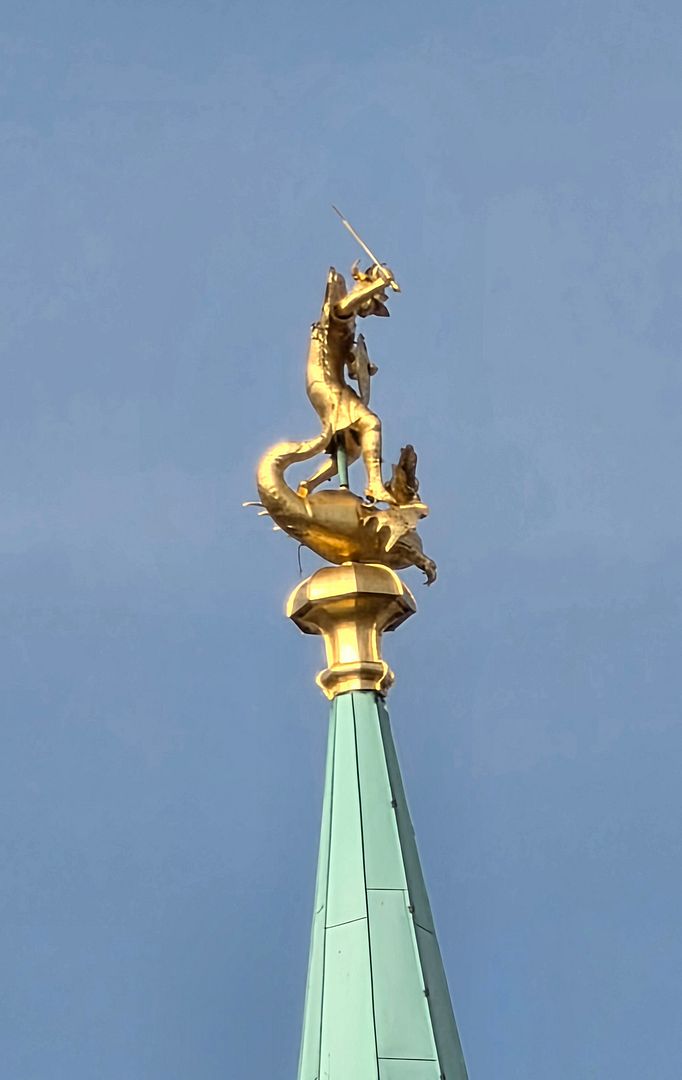
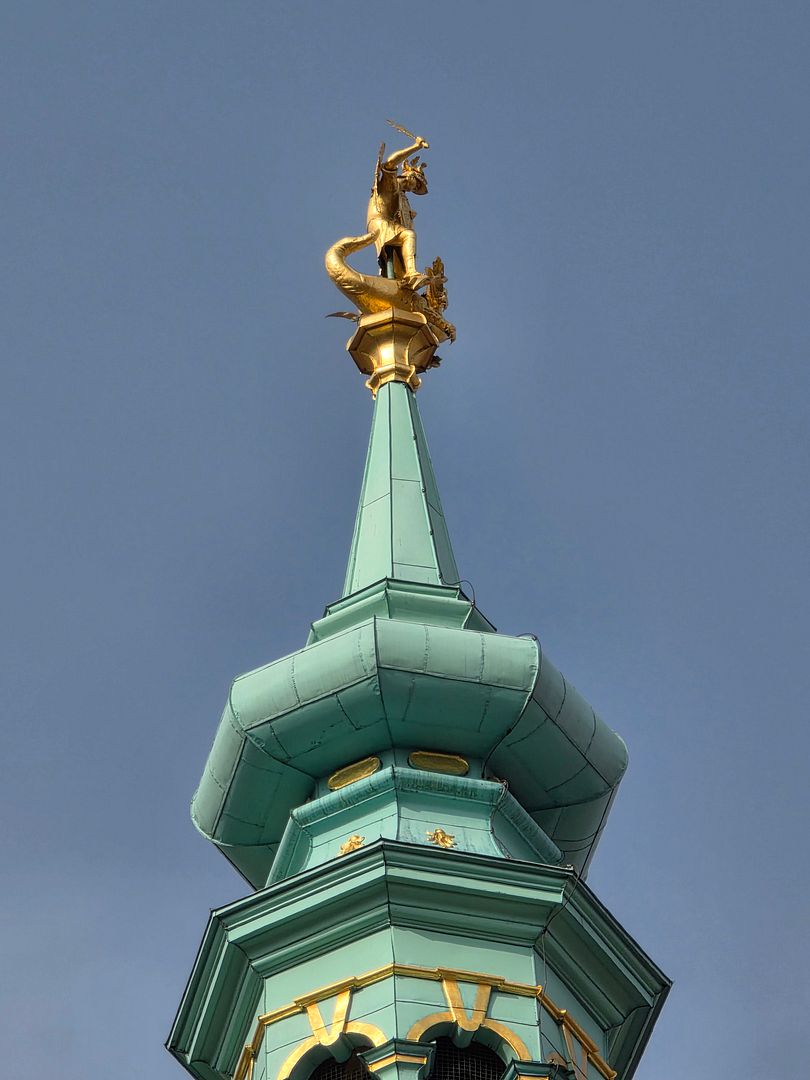
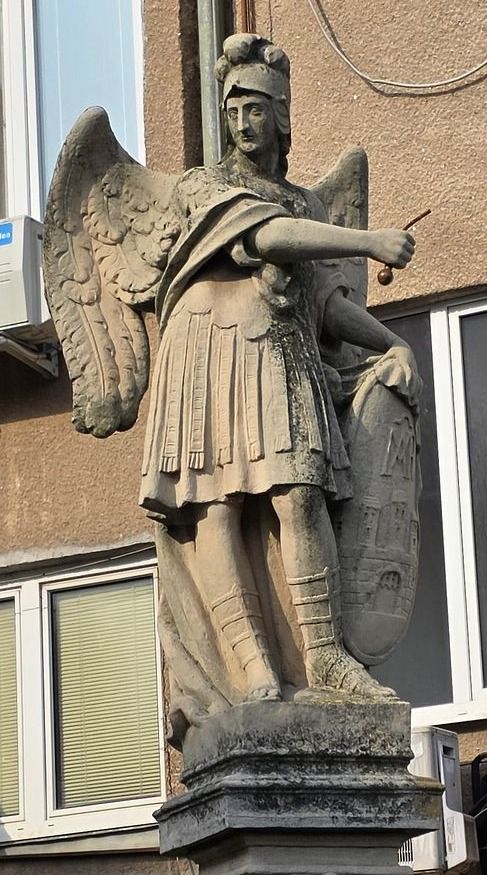
The Statue of St. Michael the archangel with the dragon sits on top.

In the head of the statue, there is a time box from 1758.

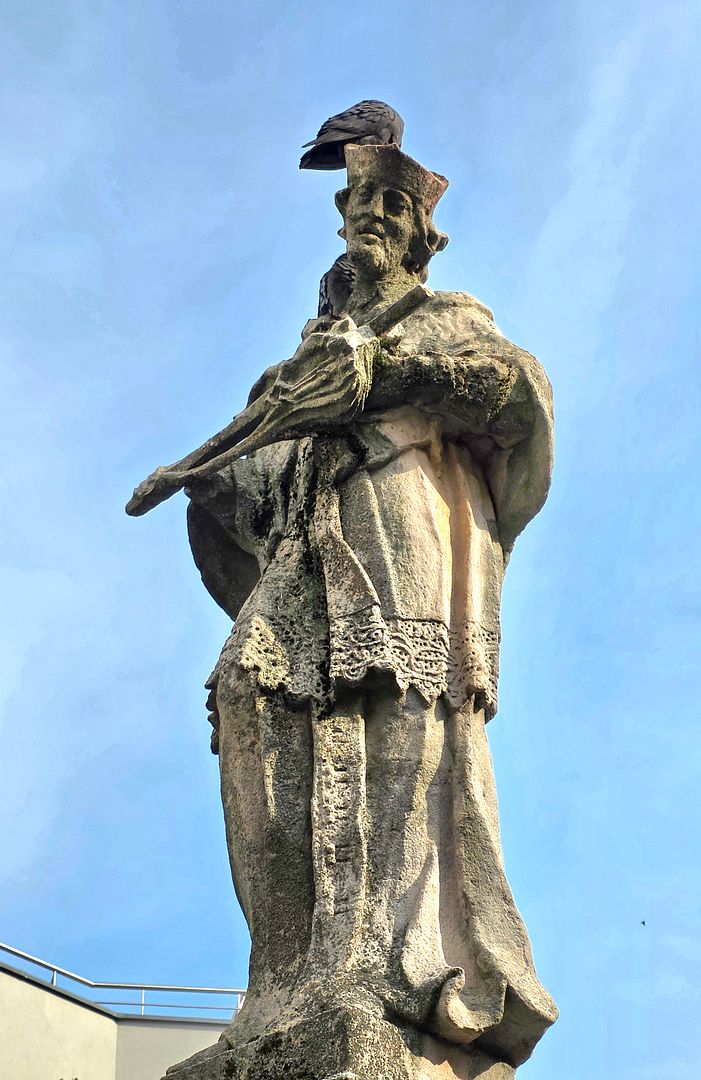
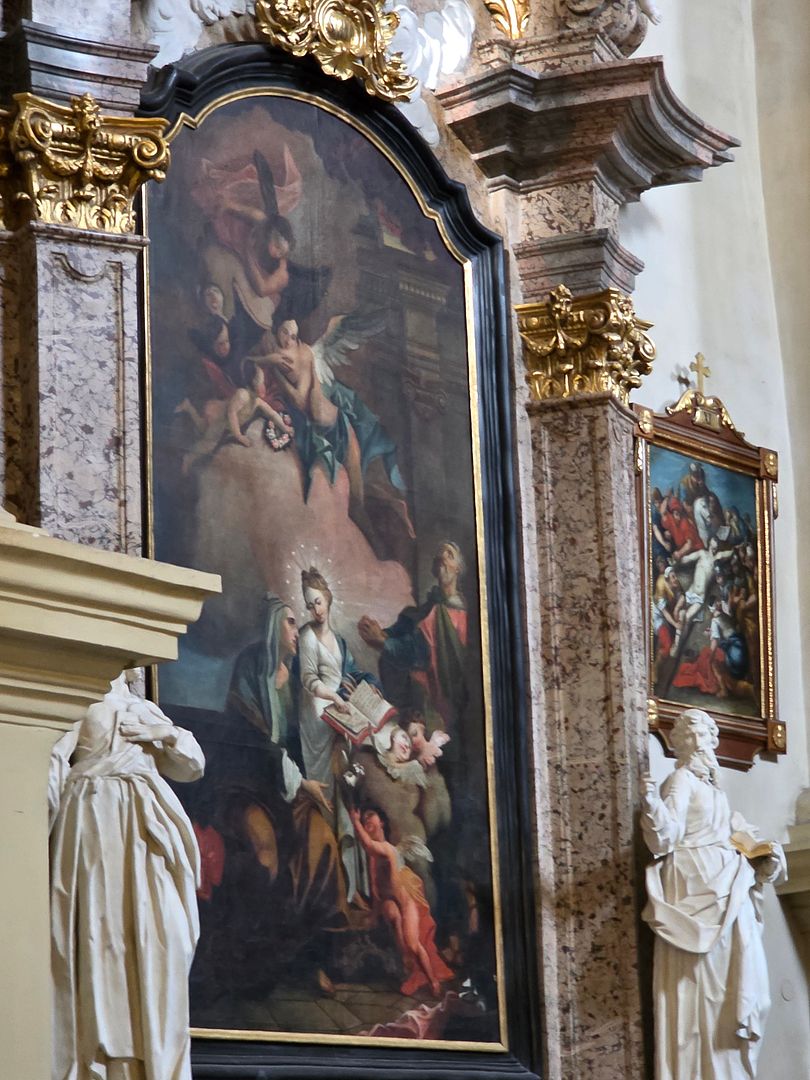
Other statues caught my eye.

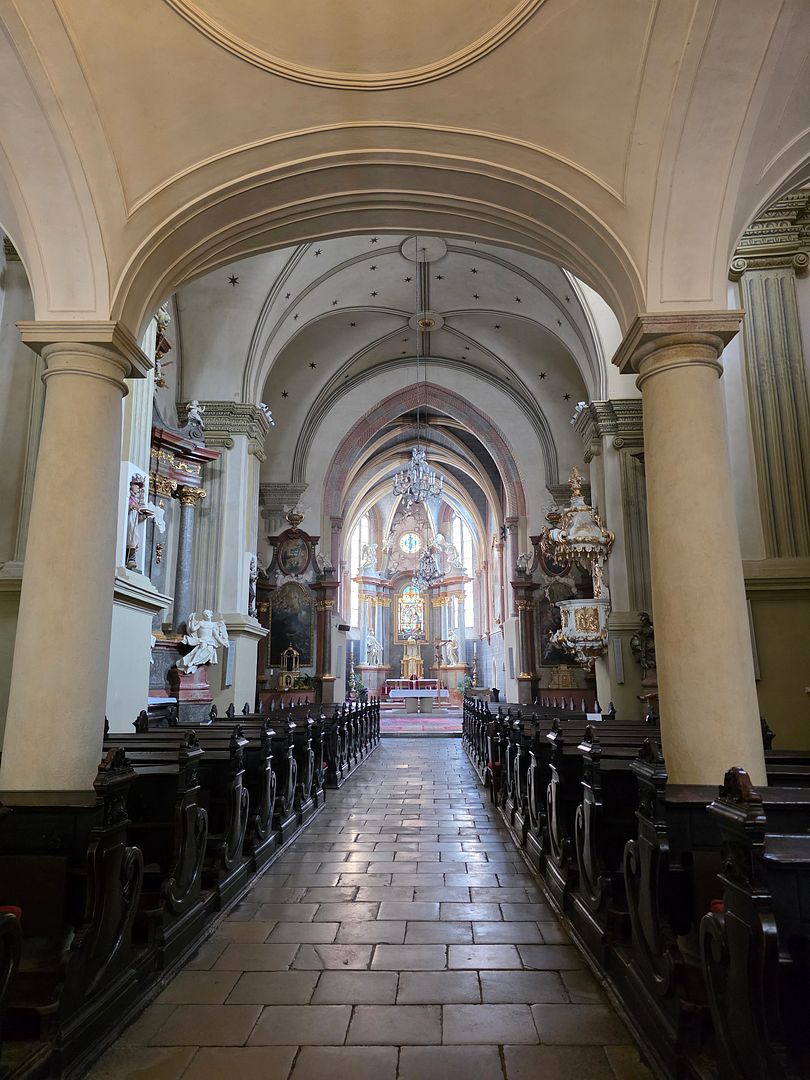
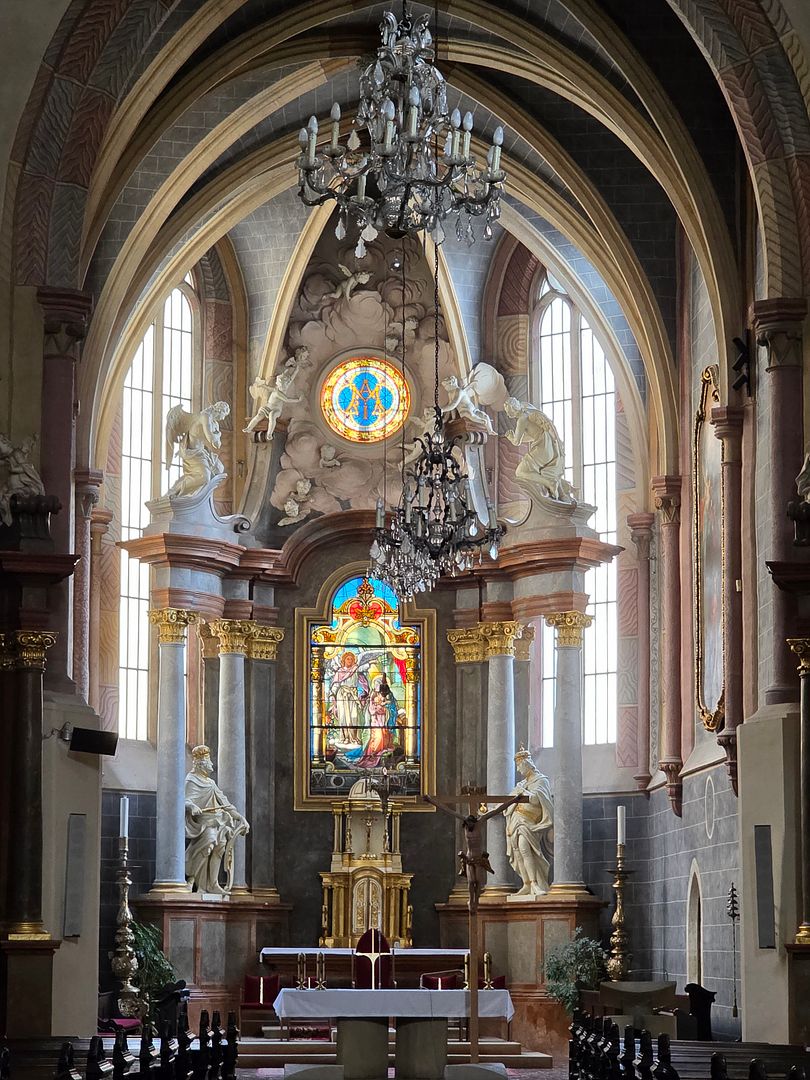
Along our haphazard journey we saw the Church of the Annunciation.

The Franciscan Church is the oldest existing religious building in the Old Town of Bratislava. The church was consecrated in the year 1297 in the presence of King Andrew III of Hungary. In the past, the church building served for larger gatherings of townspeople or Hungarian nobles.

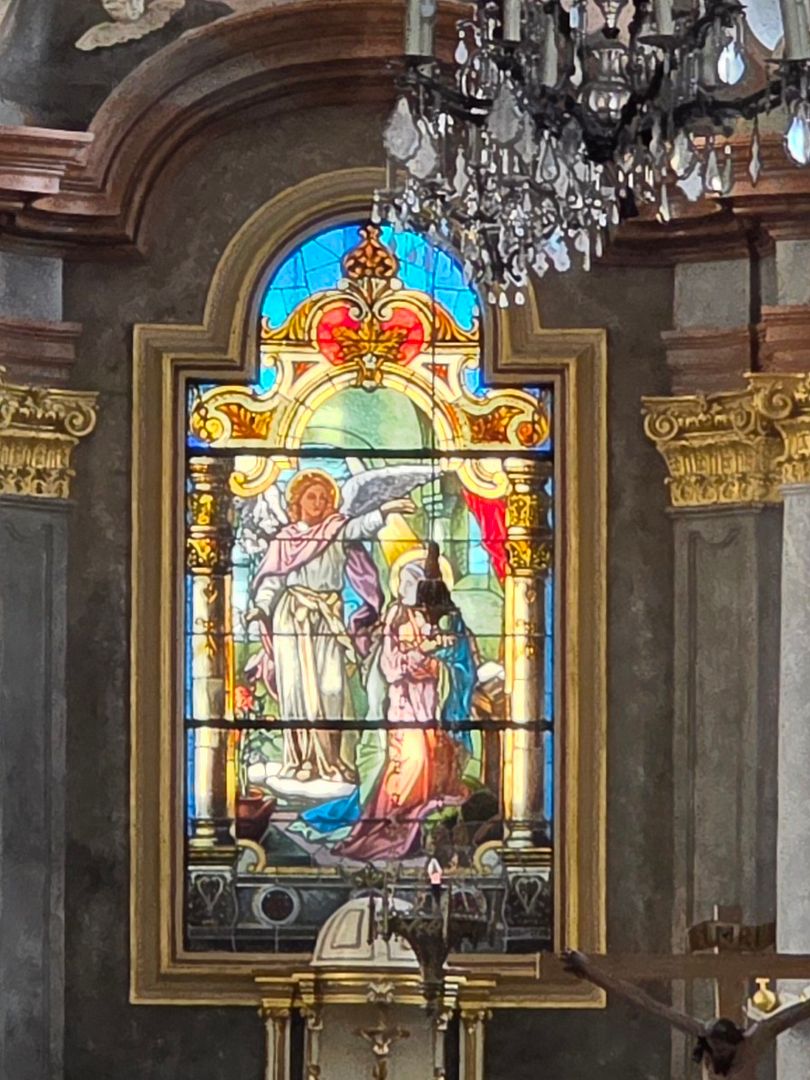
Stained glass window depicting the Annunciation, The Angel Gabriel foretelling the birth of Jesus to Mary.

We continued on our way…

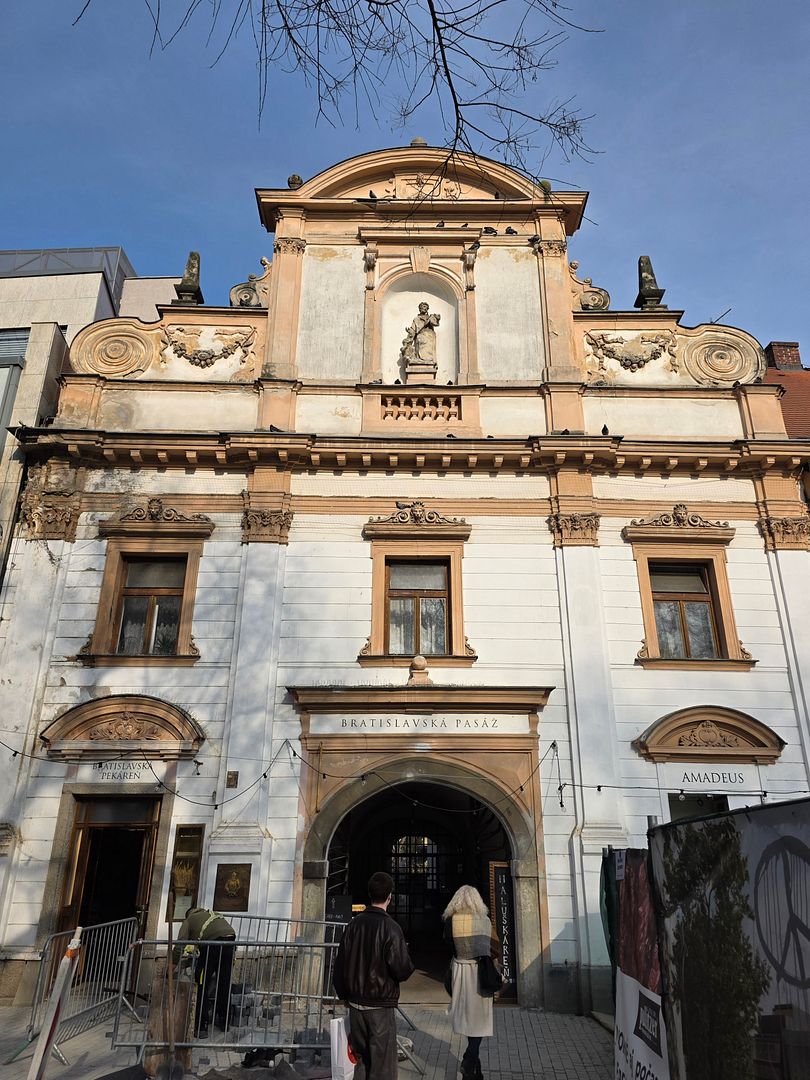
We thought this might be our destination, but it wasn’t. There was an amazing looking bakery here and we were too focused on our quest to buy something.

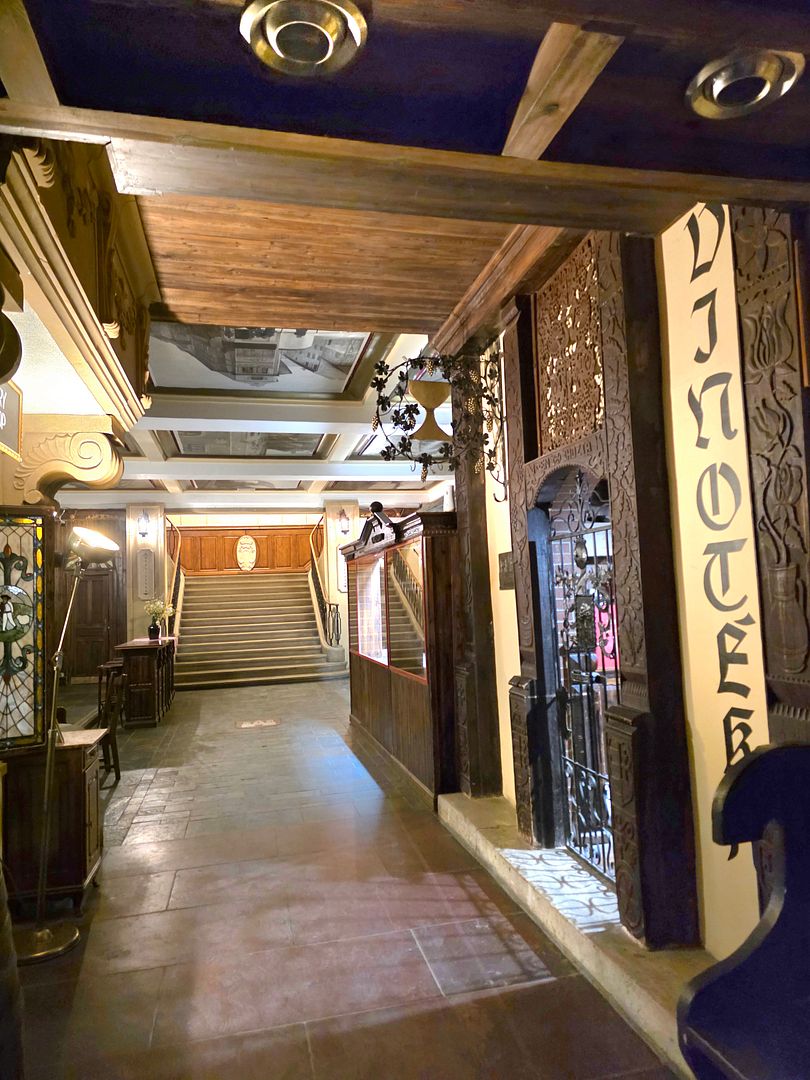
Finally we found the correct entrance to this 18th century monastery and theater that houses the Bratislava Flagship Restaurant.

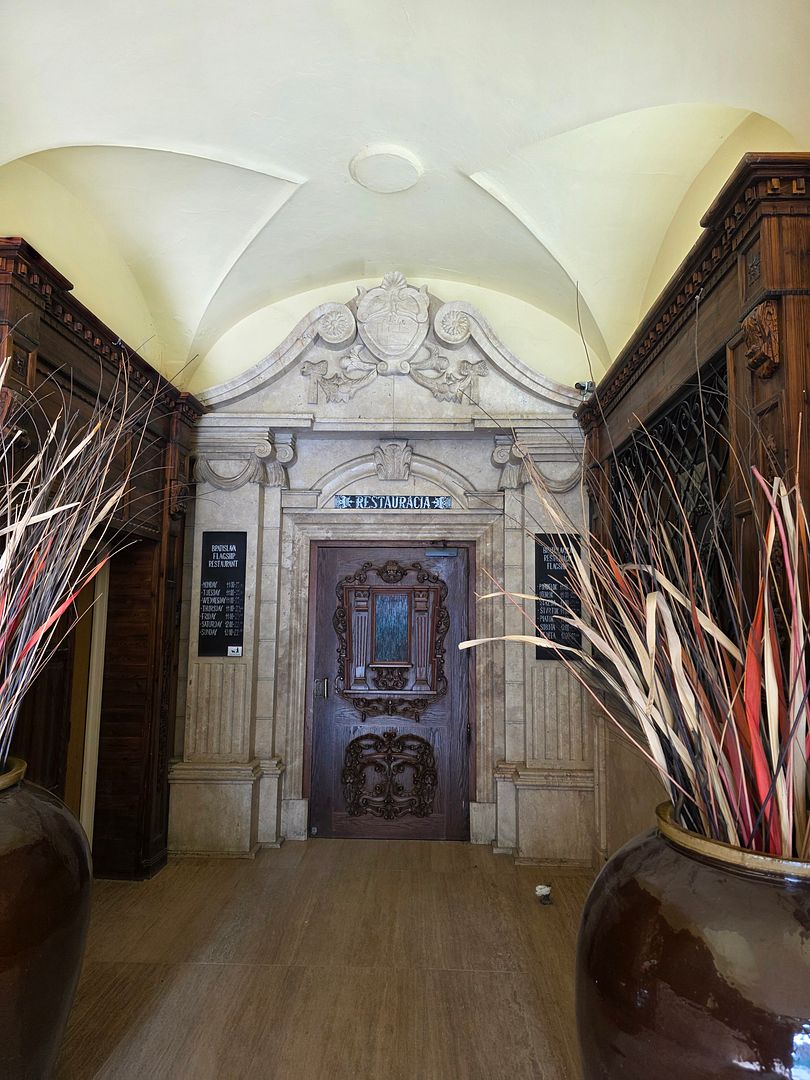
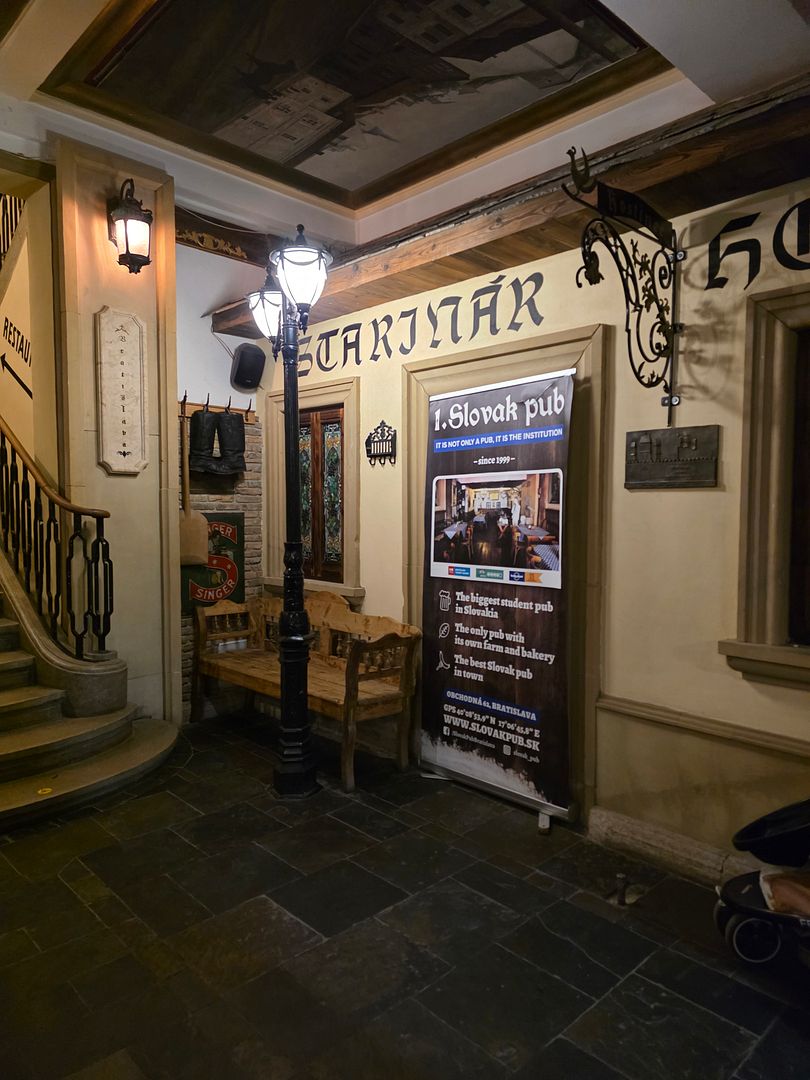
We followed the signs.

Up the stairs? Yes, up the stairs.

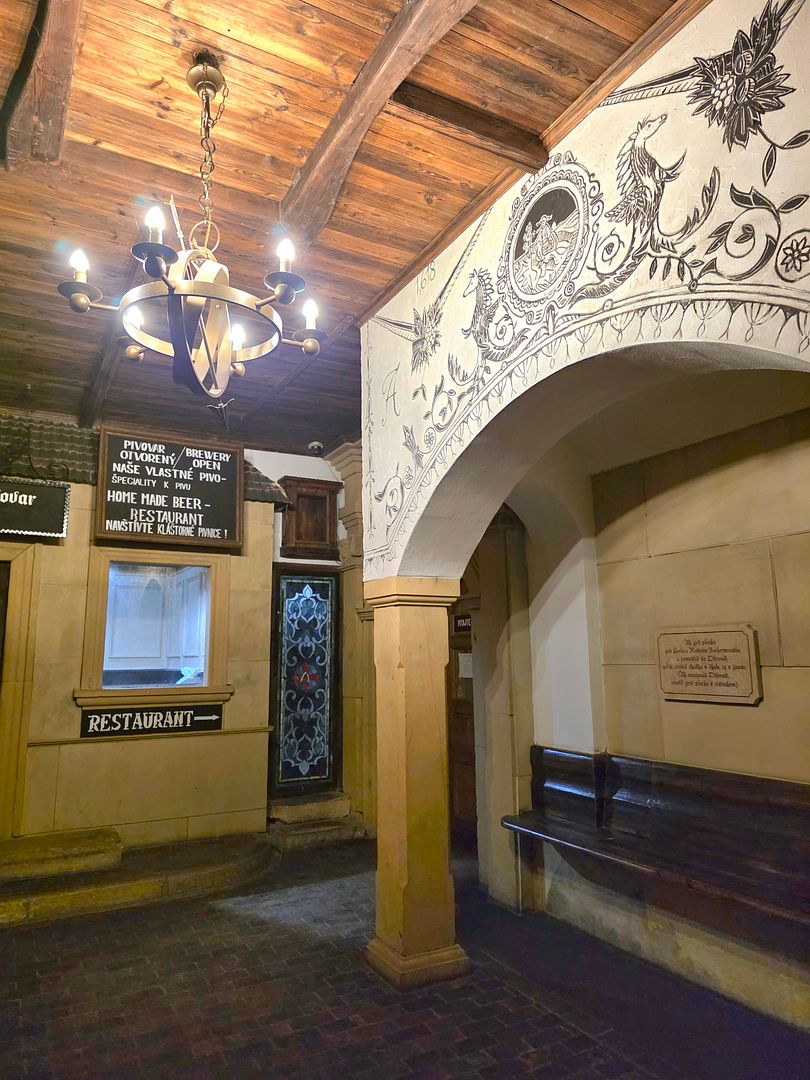
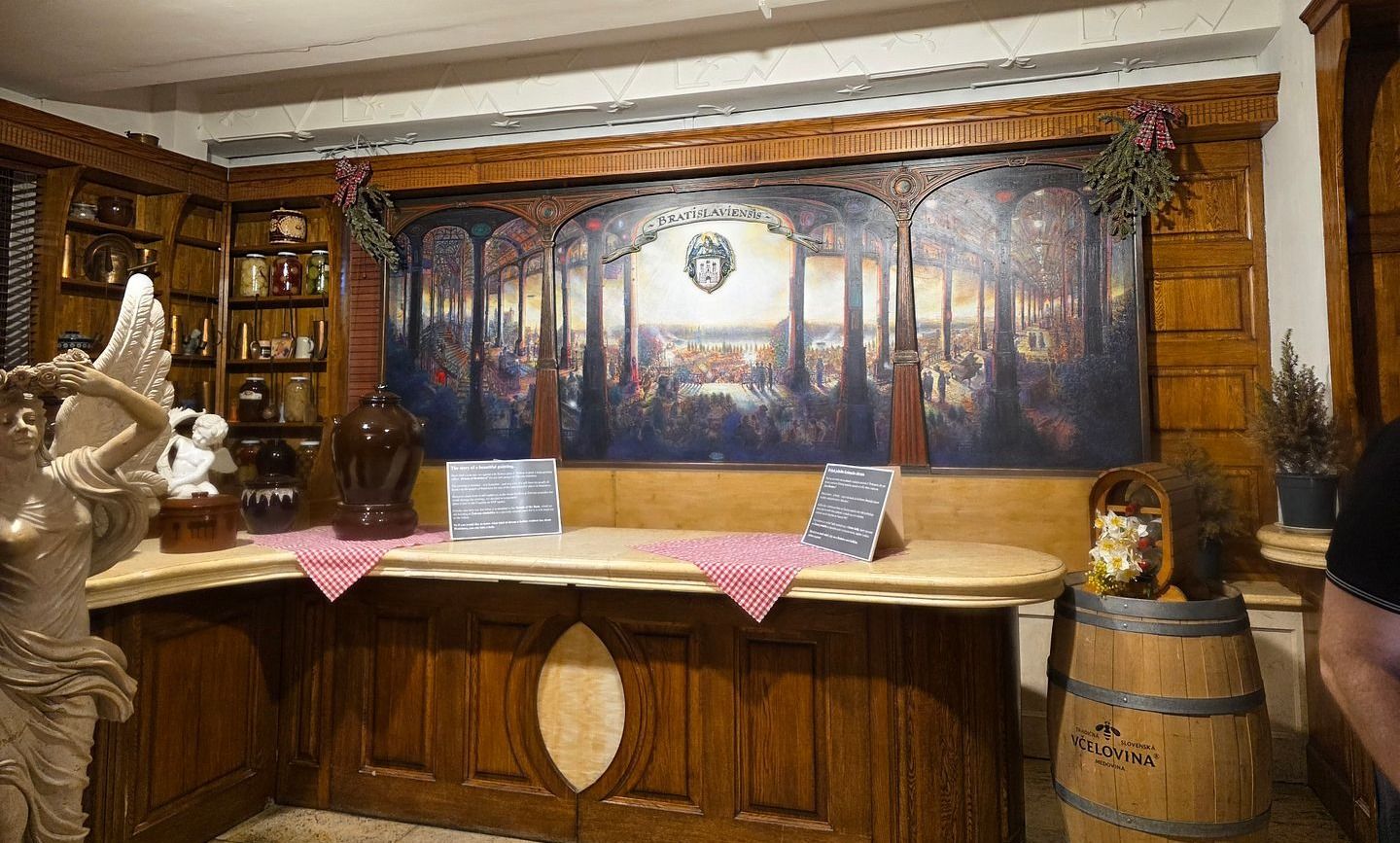
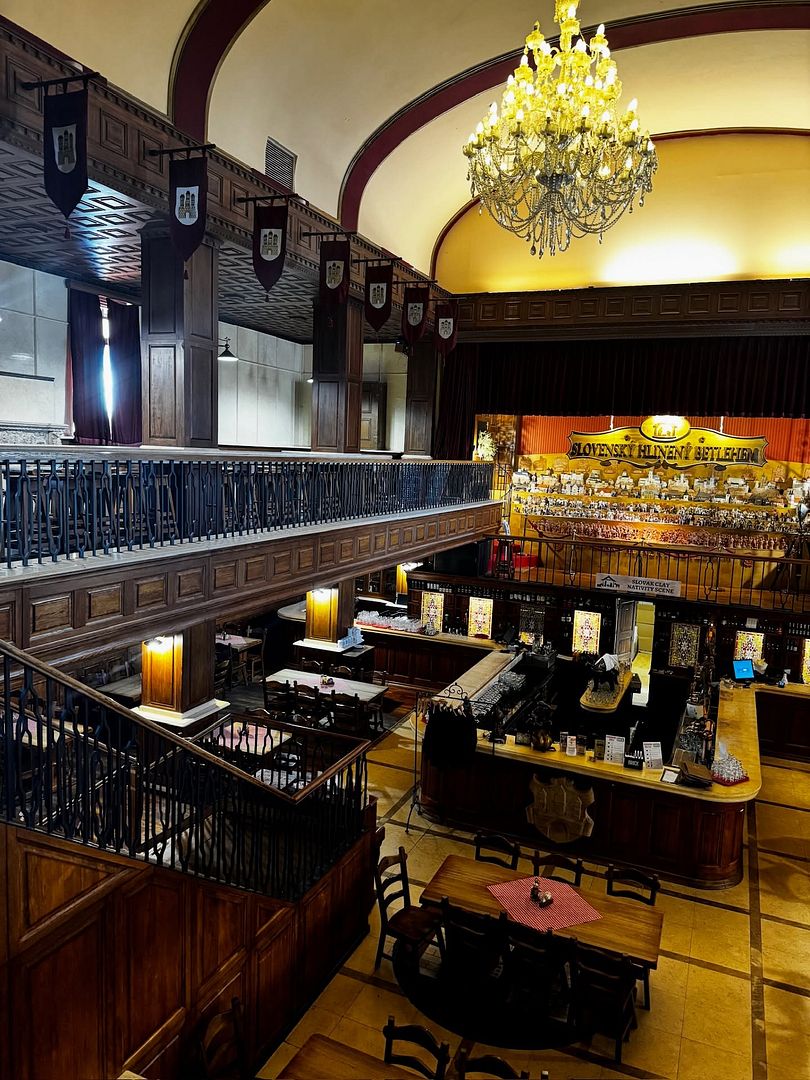
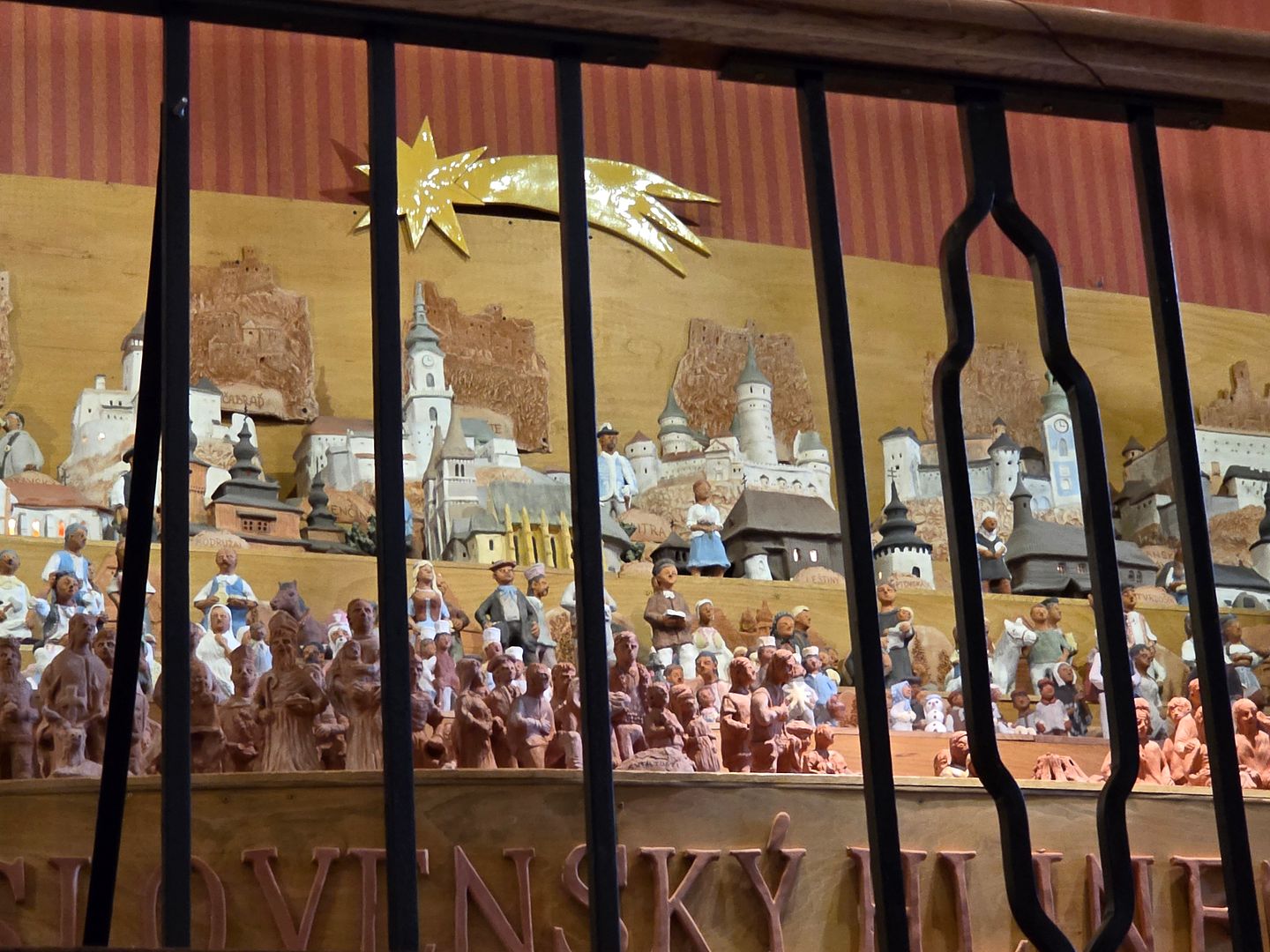
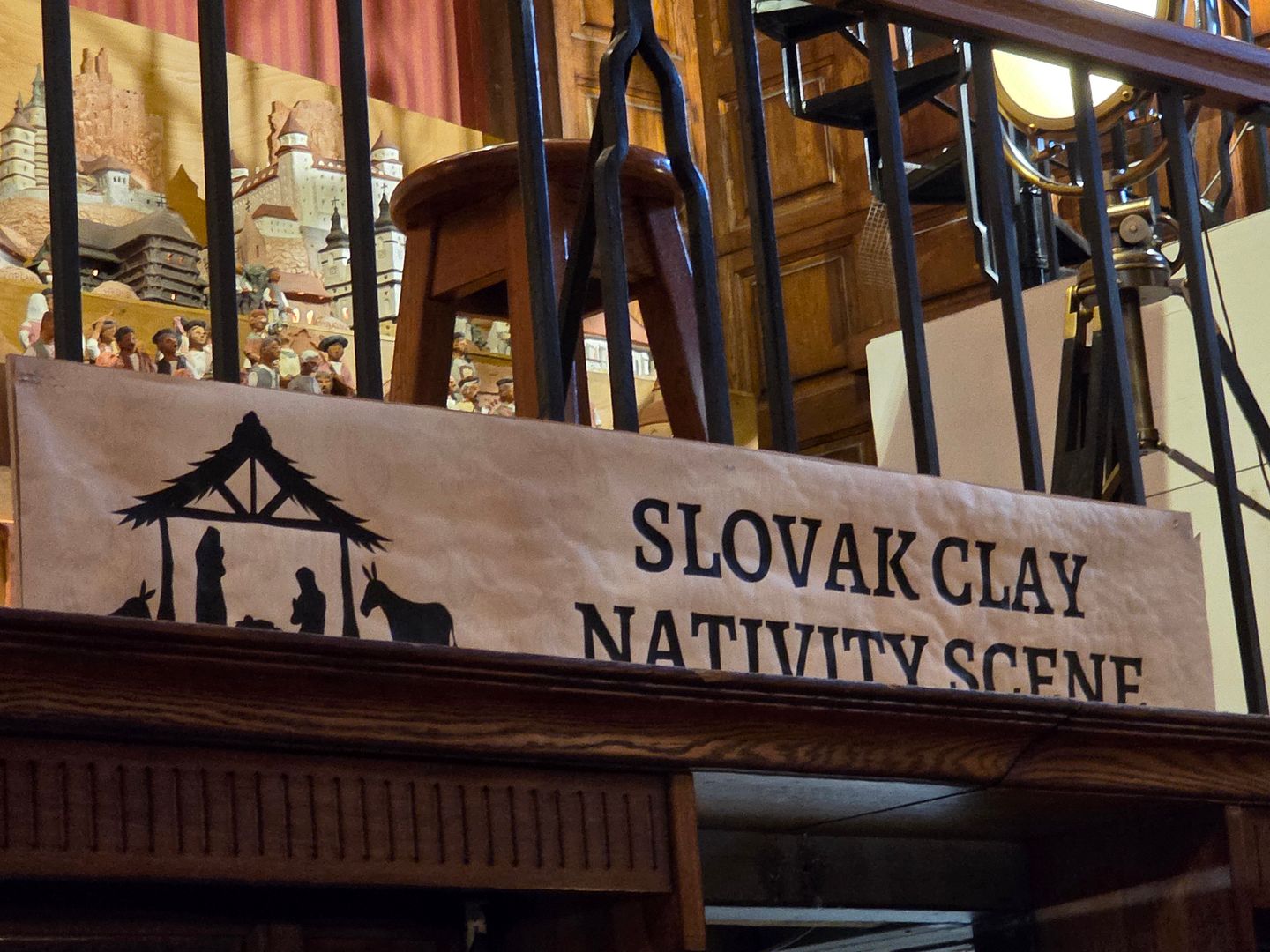
We sat in this space next to the bar below at a community table. This part of the building was a theater. It also has history as being a hospital at some point in time. On what was possibly the stage of the theater is a huge clay model of Bethlehem.

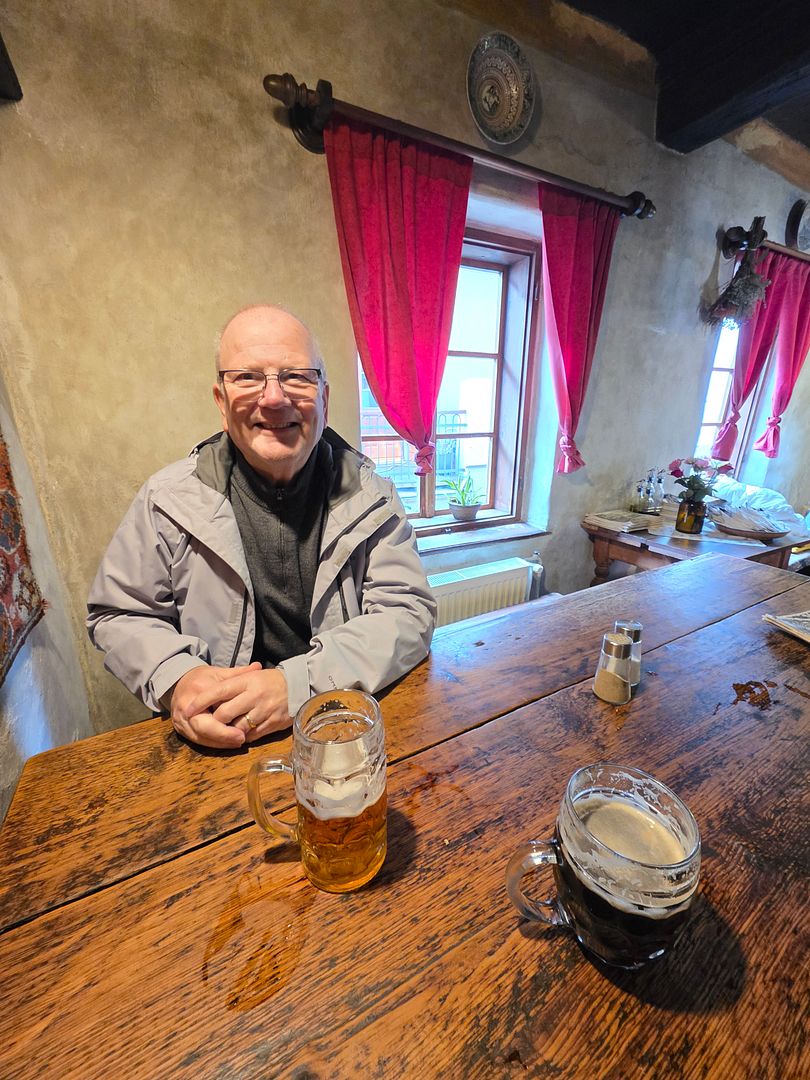
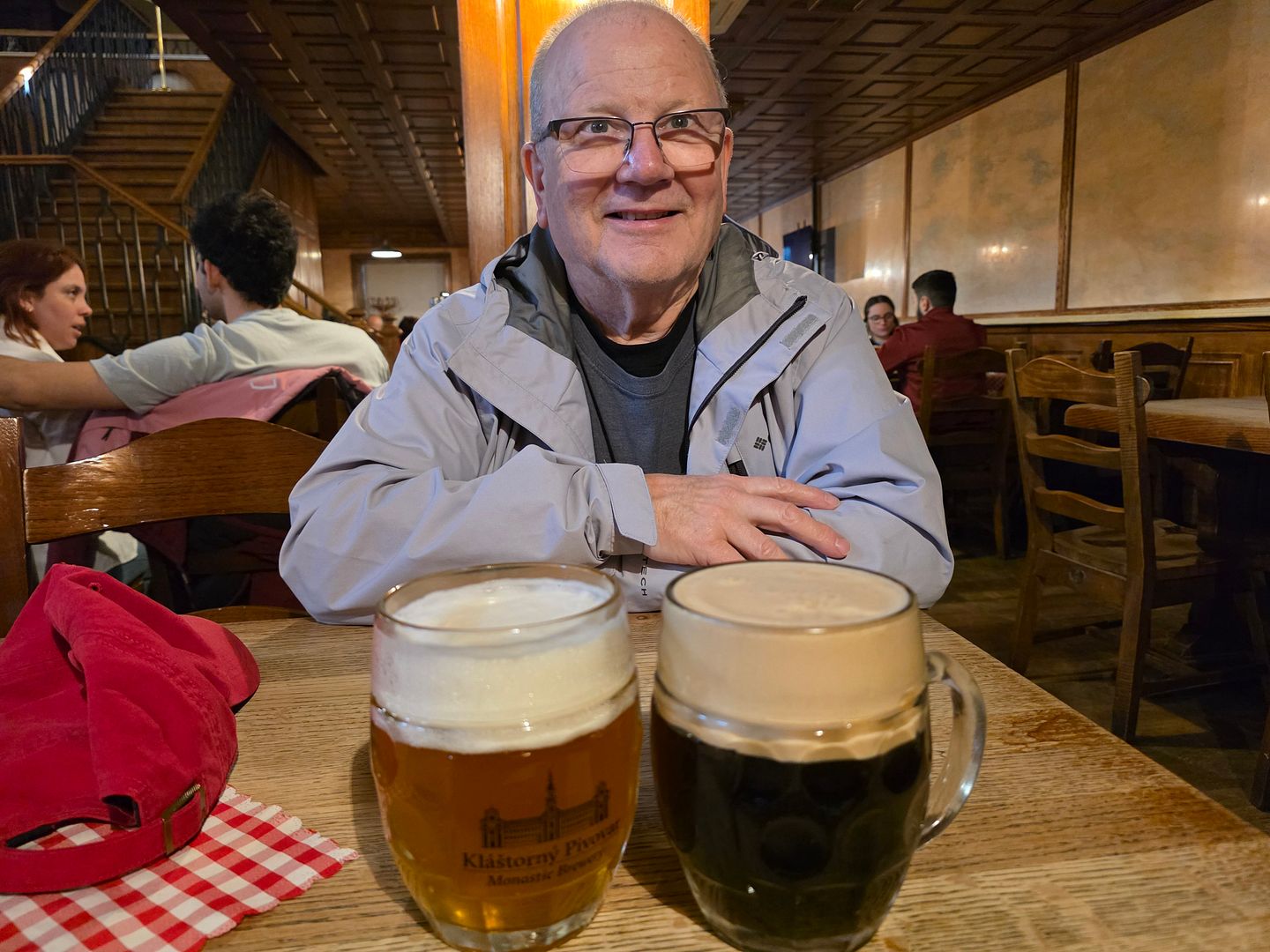
We were exhausted at this point from the zigzag course we took to get to the restaurant and were happy to have these two mugs set in front of us. These were their signature brews.

The cold brew in these dimpled glass beer steins were appreciated. There were two other folk sitting at the other side of the table, a father and daughter from Ireland. We had a nice conversation with them.

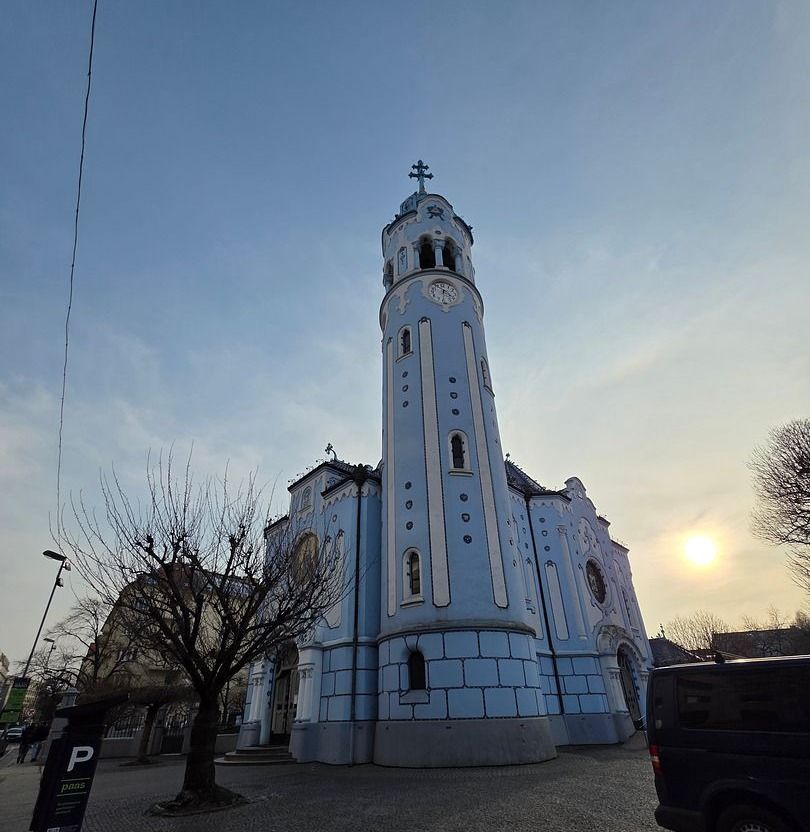
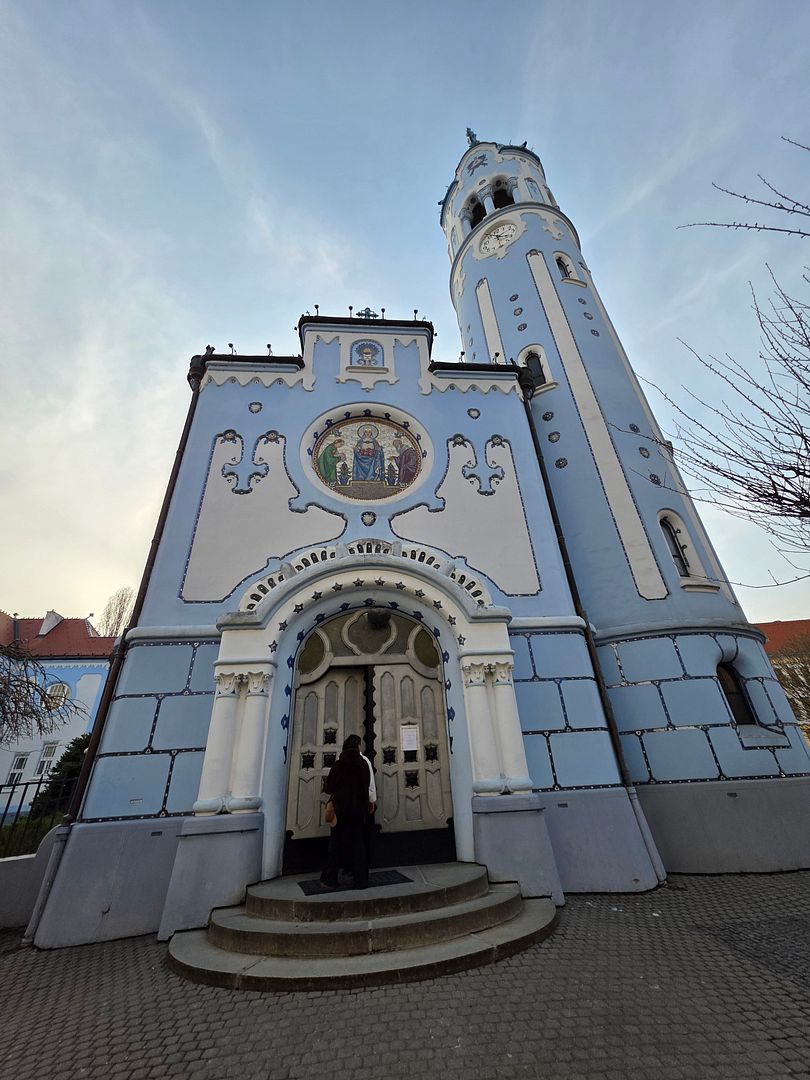
Reading a little about Bratislava before we arrived had me curious about what people called the Blue Church. That was our next quest on the way back to our boat.

The Church of St. Elizabeth, commonly known as Blue Church, is a Hungarian-Secessionist Catholic church located in the eastern part of the Old Town in Bratislava, present-day Slovakia. It is consecrated to Elisabeth of Hungary, daughter of Andrew II, who grew up in the Pressburg Castle.

Constructed in the early 20th century, it was built during a time when Art Nouveau was at its peak in Europe. The church is named after St. Elizabeth of Hungary, reflecting the town’s historical ties with Hungarian culture.

The church, consecrated in 1913, is known for its fairytale appearance and is often regarded as one of the most unique examples of early 20th-century religious architecture in Central Europe.

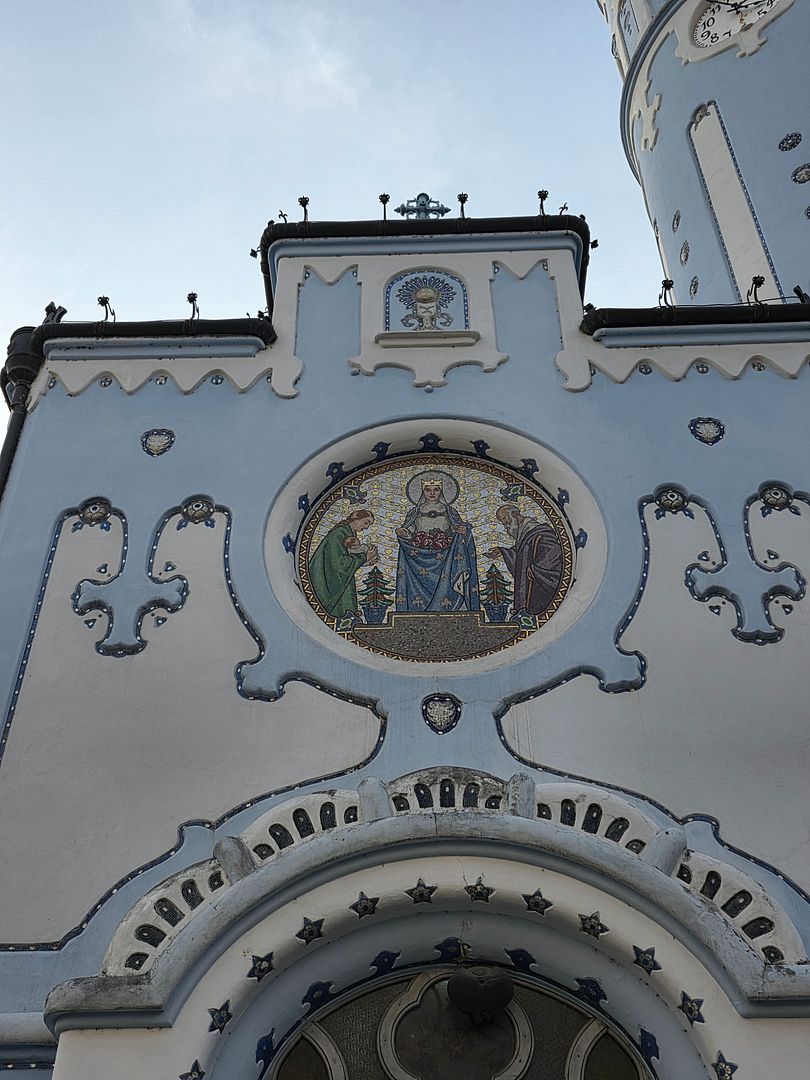
Mosaic of St. Elizabeth: Located above the gate, this 2.6-meter diameter mosaic depicts St. Elizabeth of Hungary and the “Miracle of the Rose.”

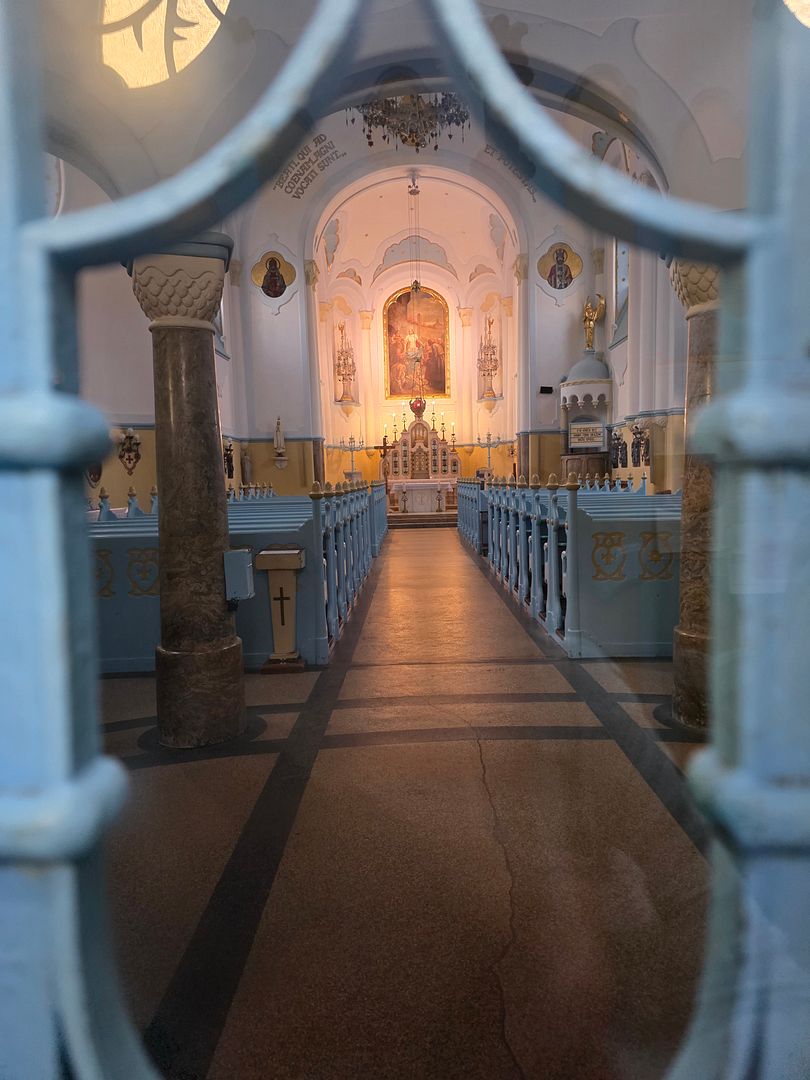
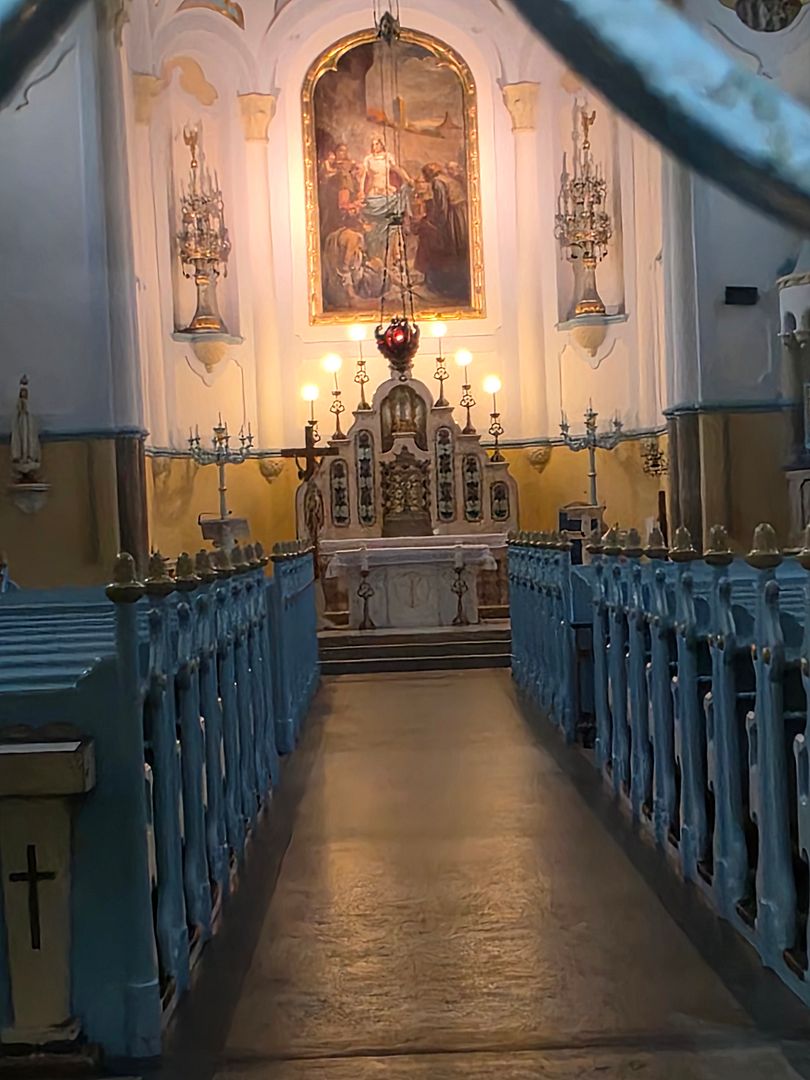
We were able to just get inside a little vestibule area with locked iron gates so we couldn’t walk in amongst the pews. I think Blue church is a very appropriate name for this gem. As you can see even the pews are blue. The walls are blue, too, except for the Altar area.

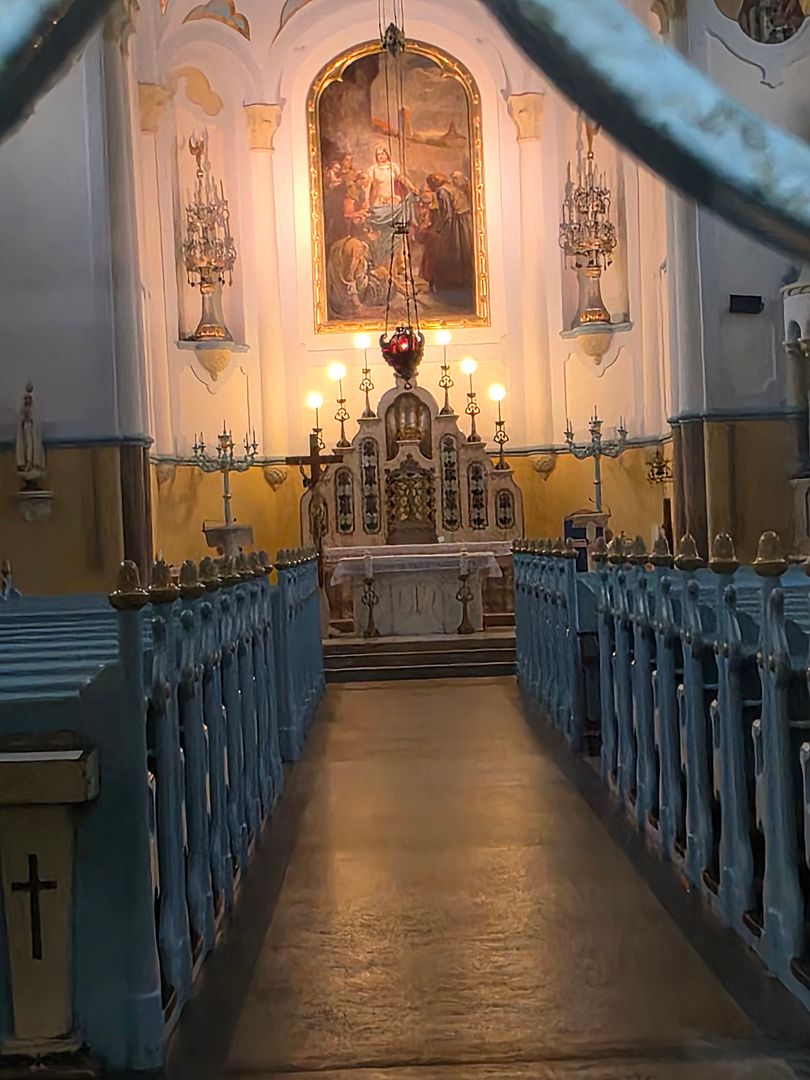
The painting depicts St. Elizabeth distributing food to the poor.

We made it back to the boat anxious for a restroom (TMI). It was not easy to find public restrooms in the European towns we visited and local currency was necessary for those public restrooms in most cases. We countered this problem for the most part with good timing for restaurants and museums, etc., where restrooms were available without cost.

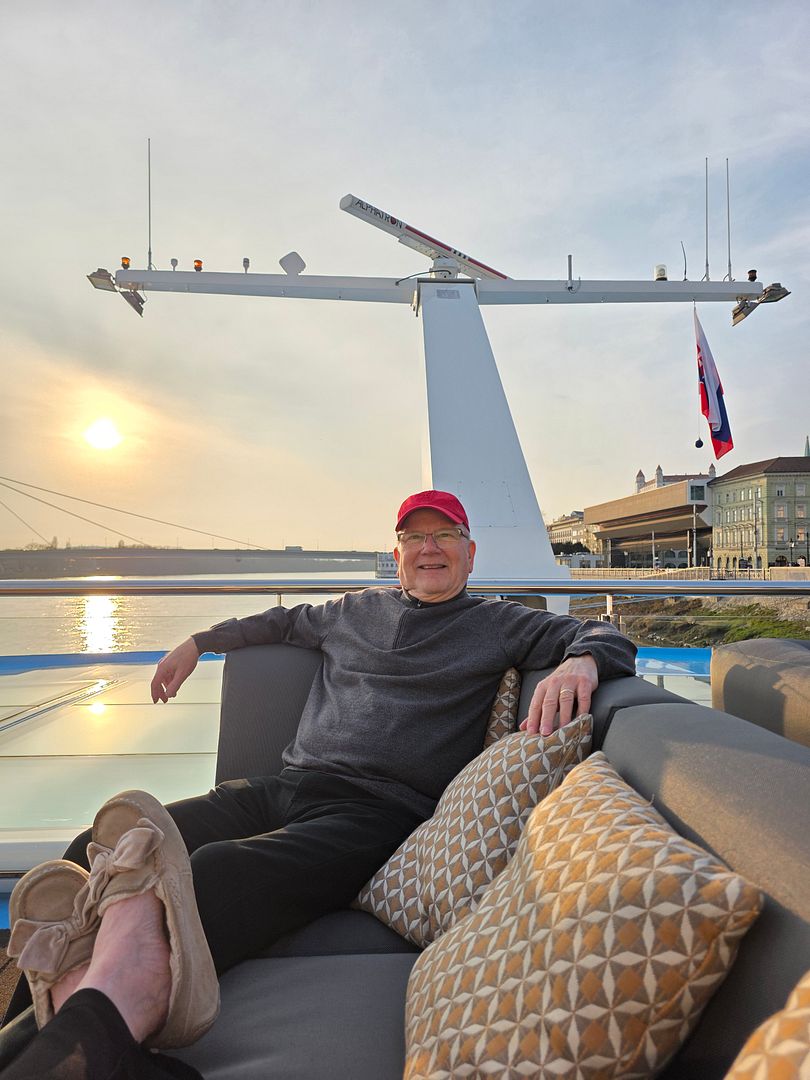
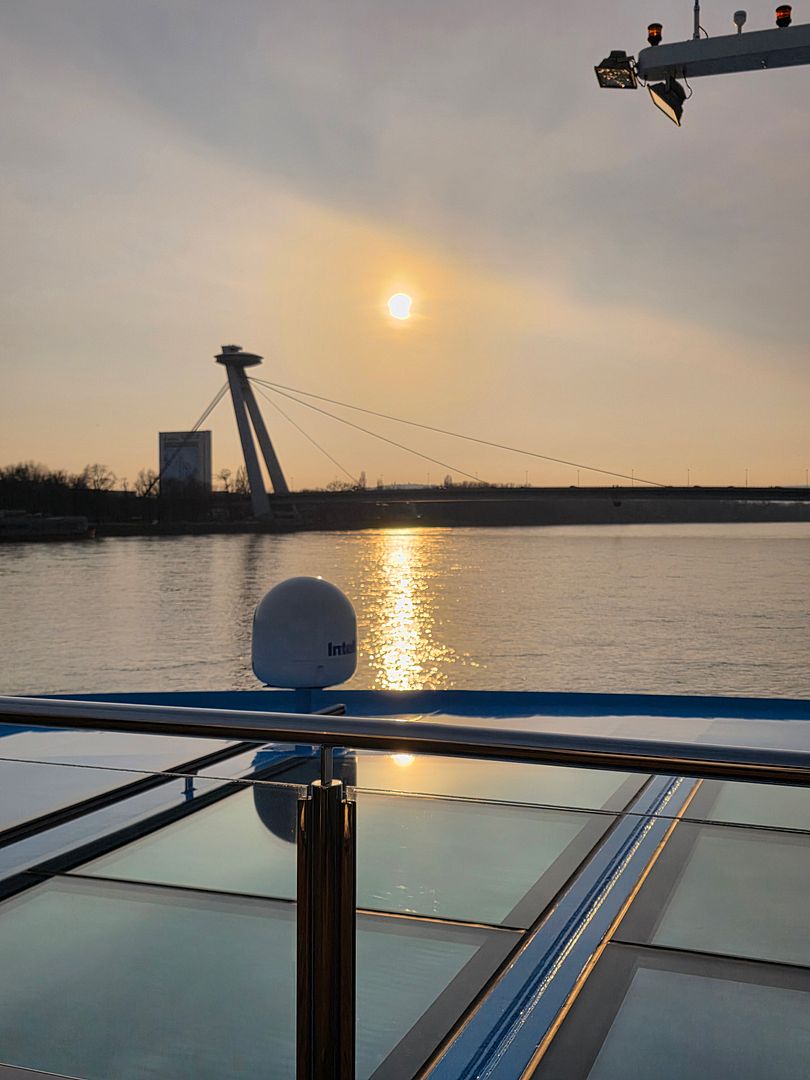
Back on the boat I changed out my shoes for my slippers as my feet were yelling, especially my baby toe with a huge blister! It was nice to relax on the upper deck and watch the sun setting before our onboard Sip and Sail followed by dinner.

We would be cruising overnight to Krems in Austria-gateway to the beautiful Wachau Valley, known for vineyards and apricots!

Thank you for following along on our journeys from the beginning of March!

Leaving Budapest

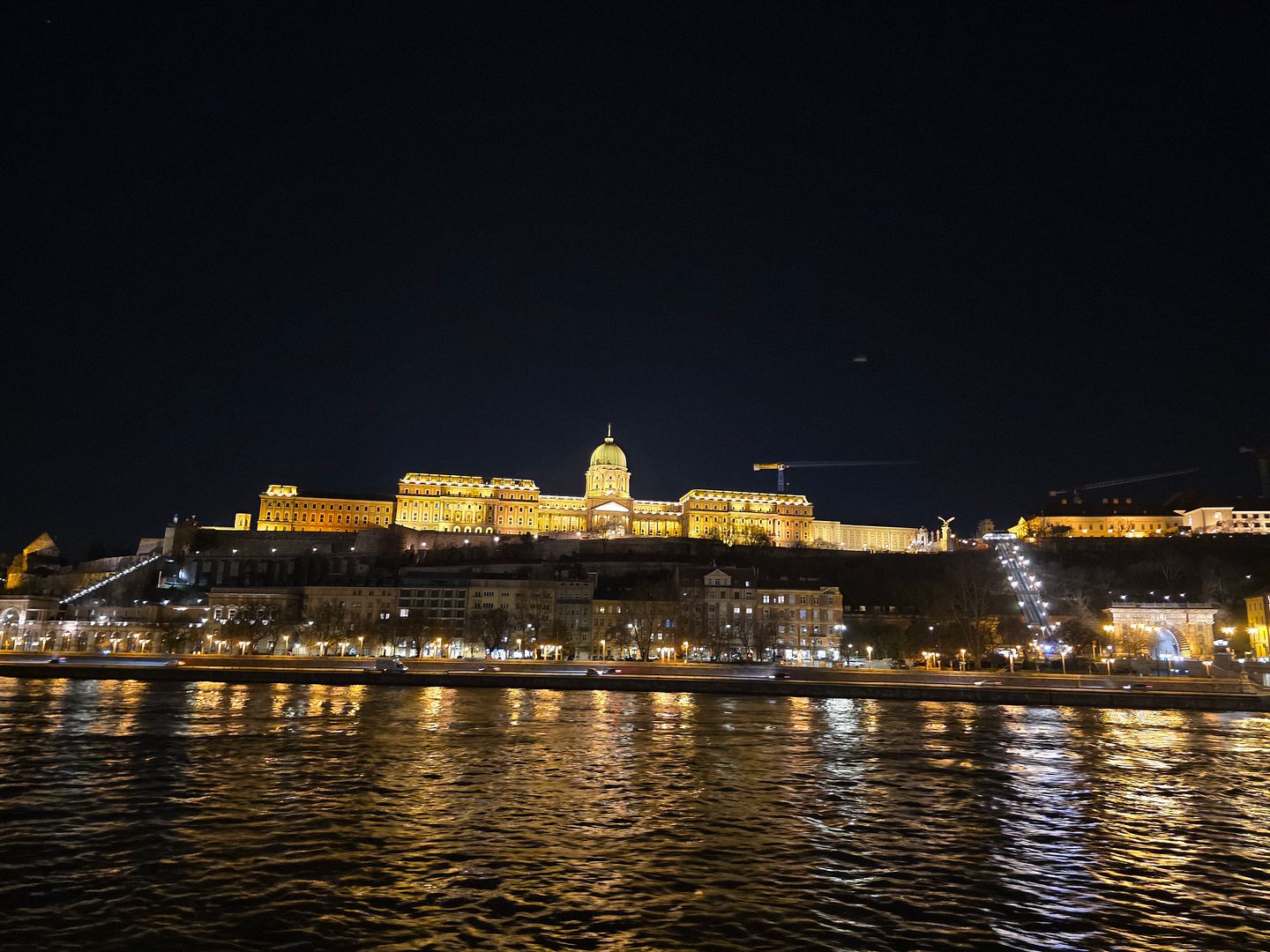
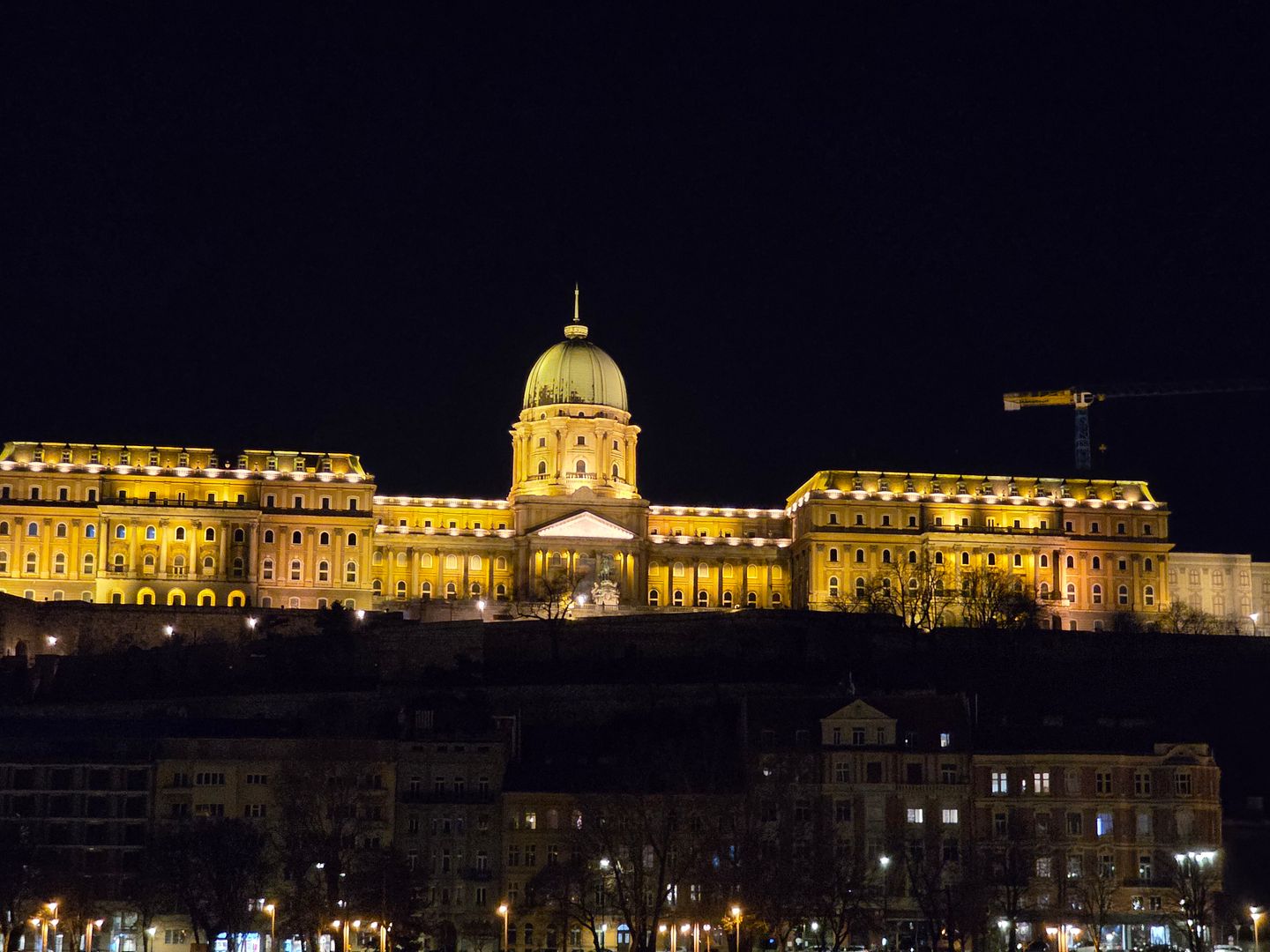
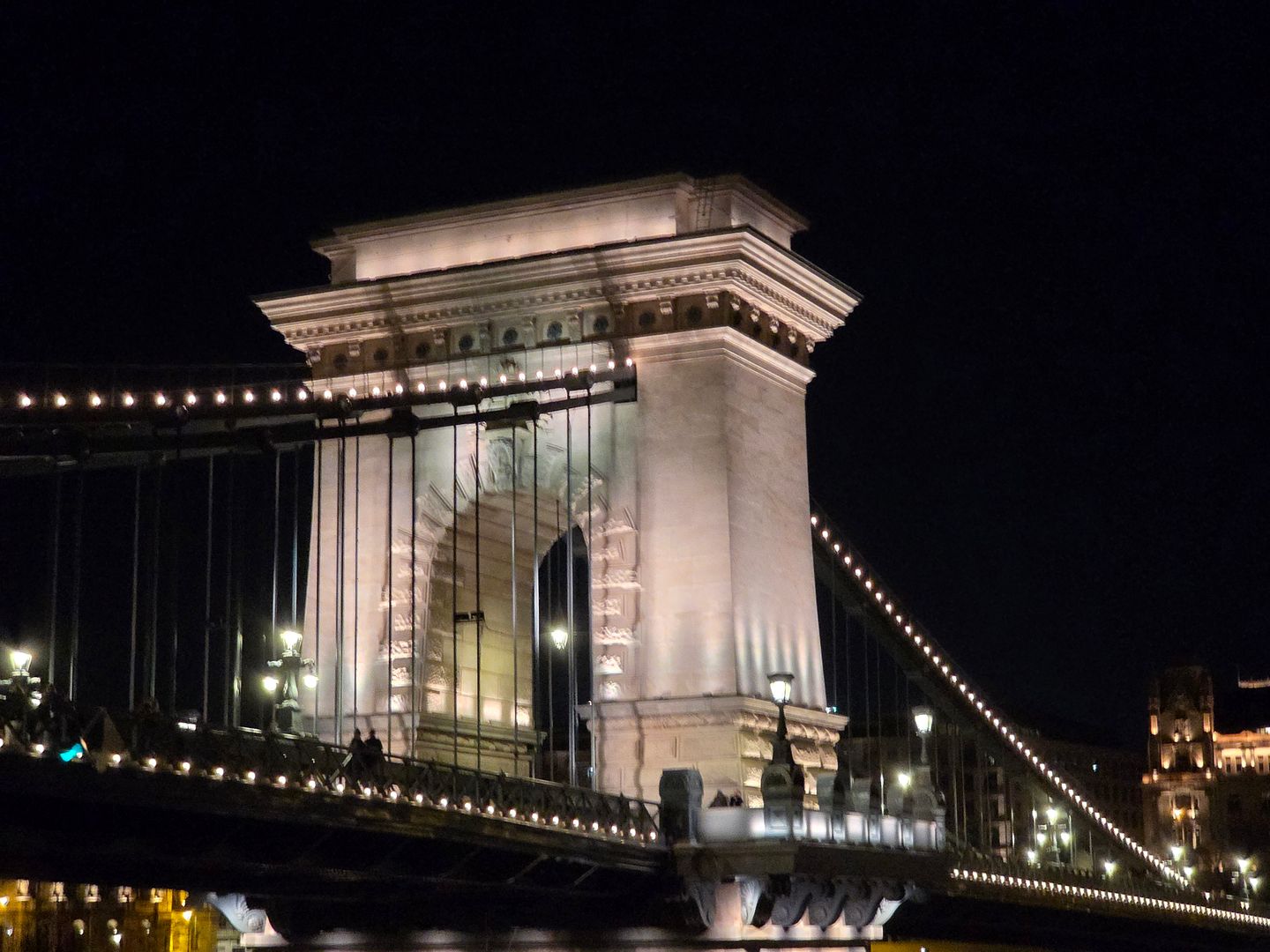
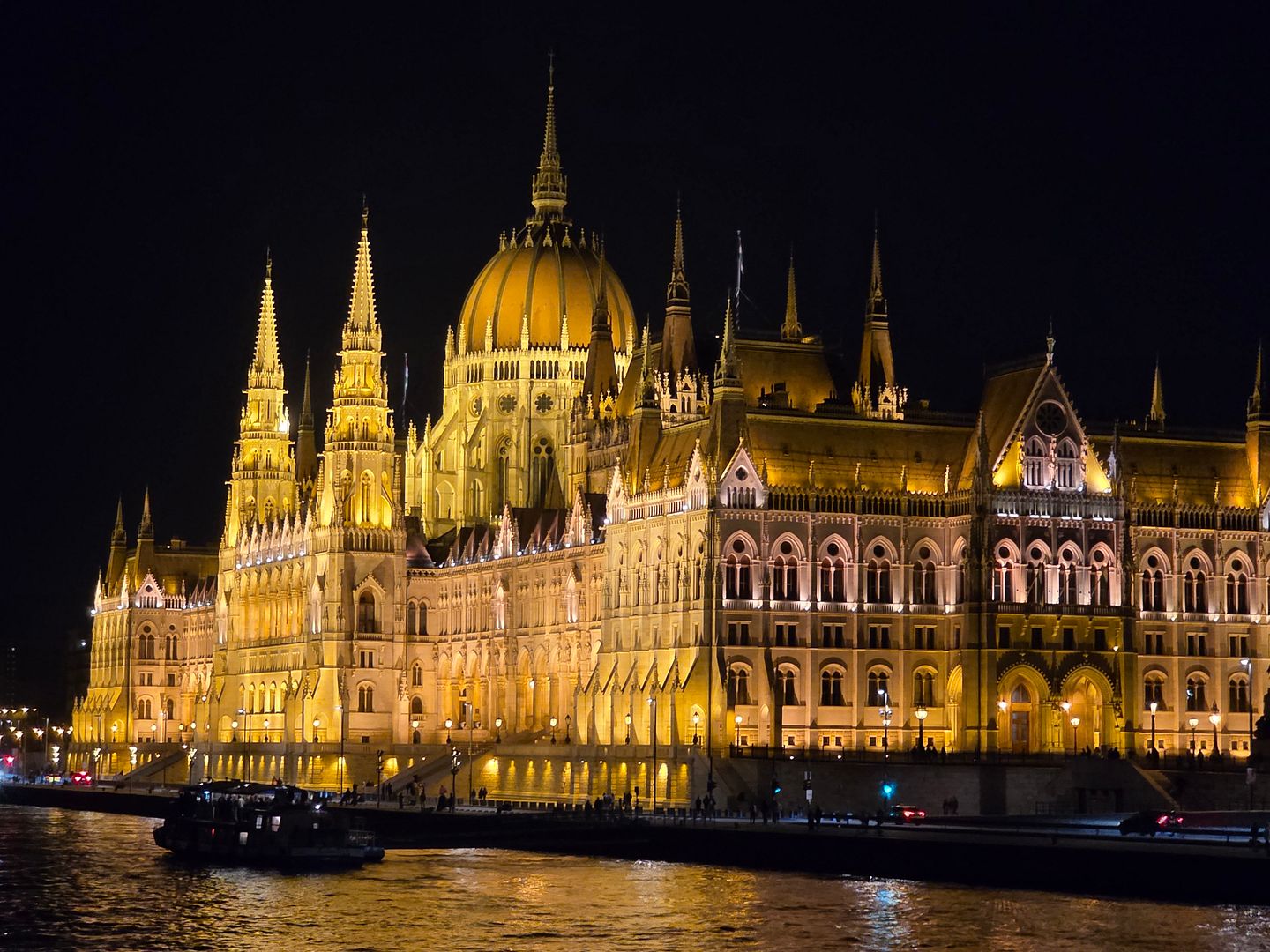
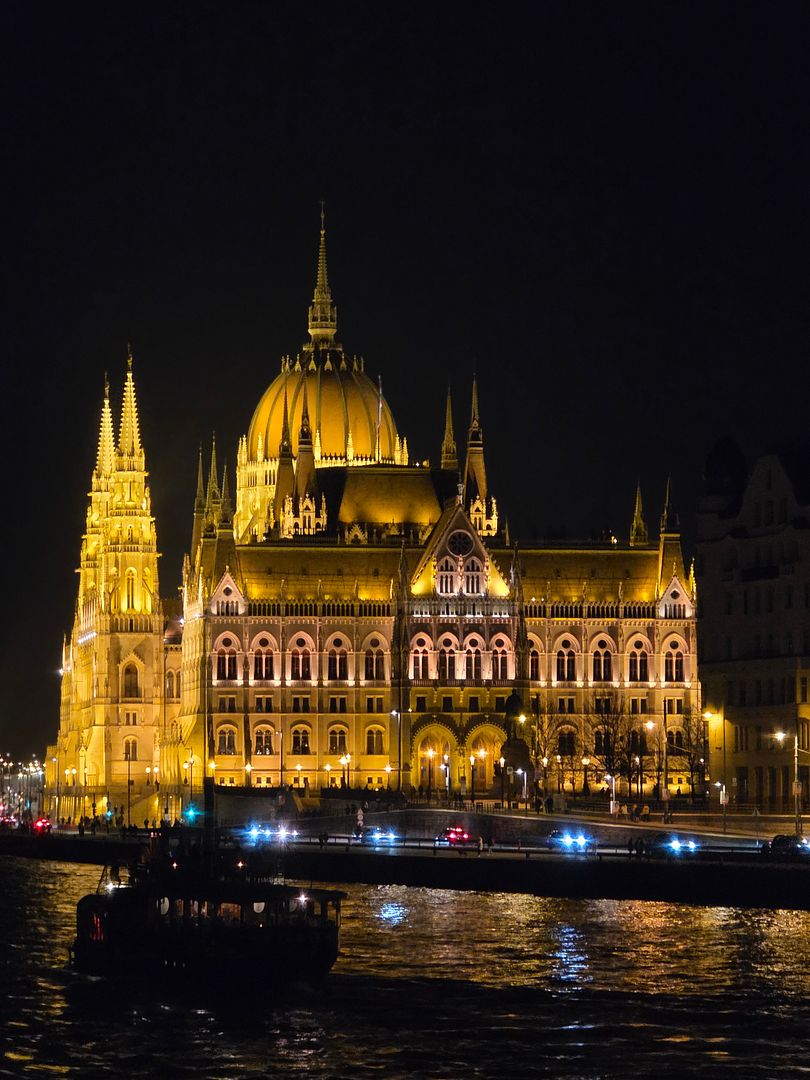
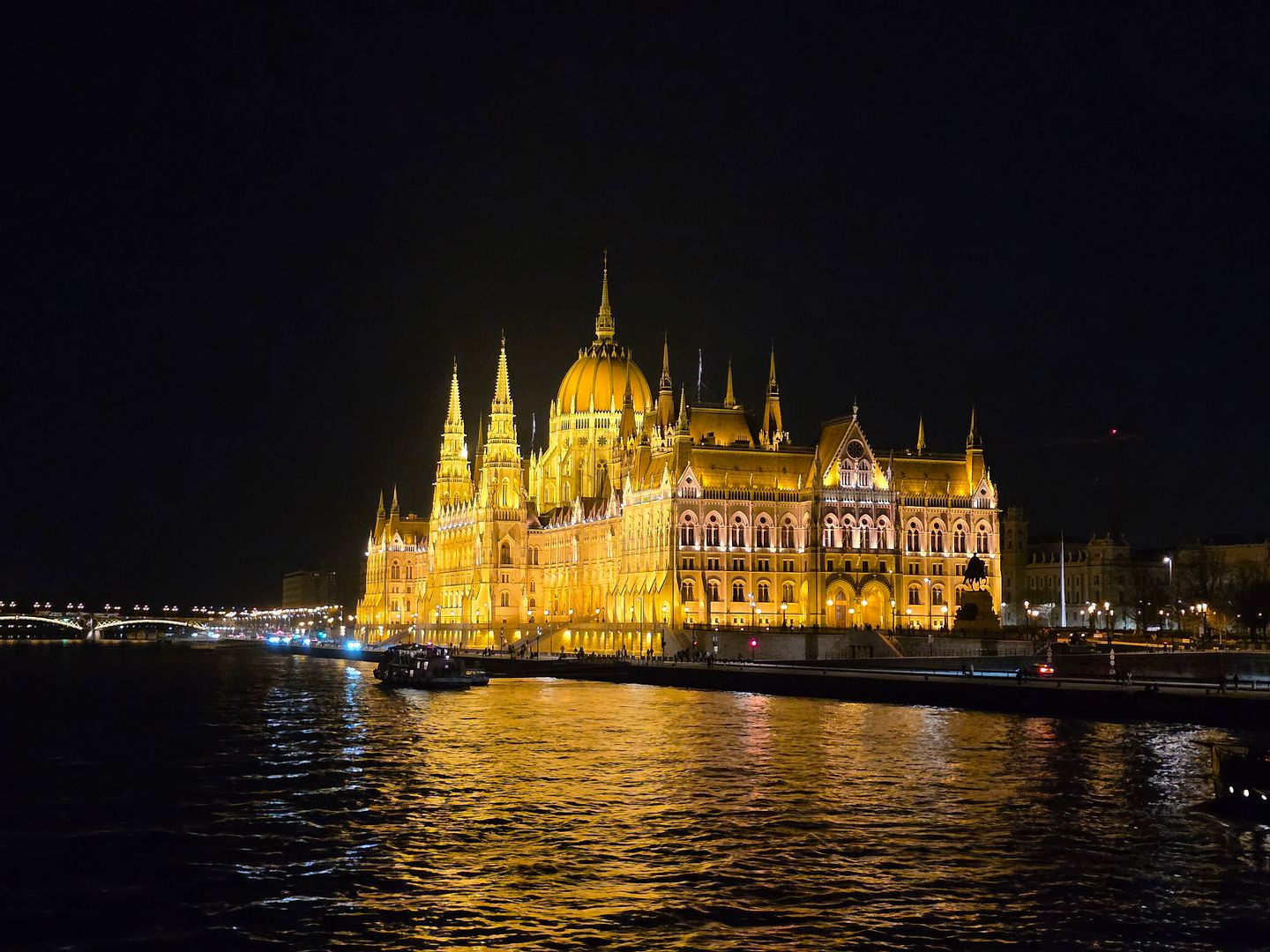
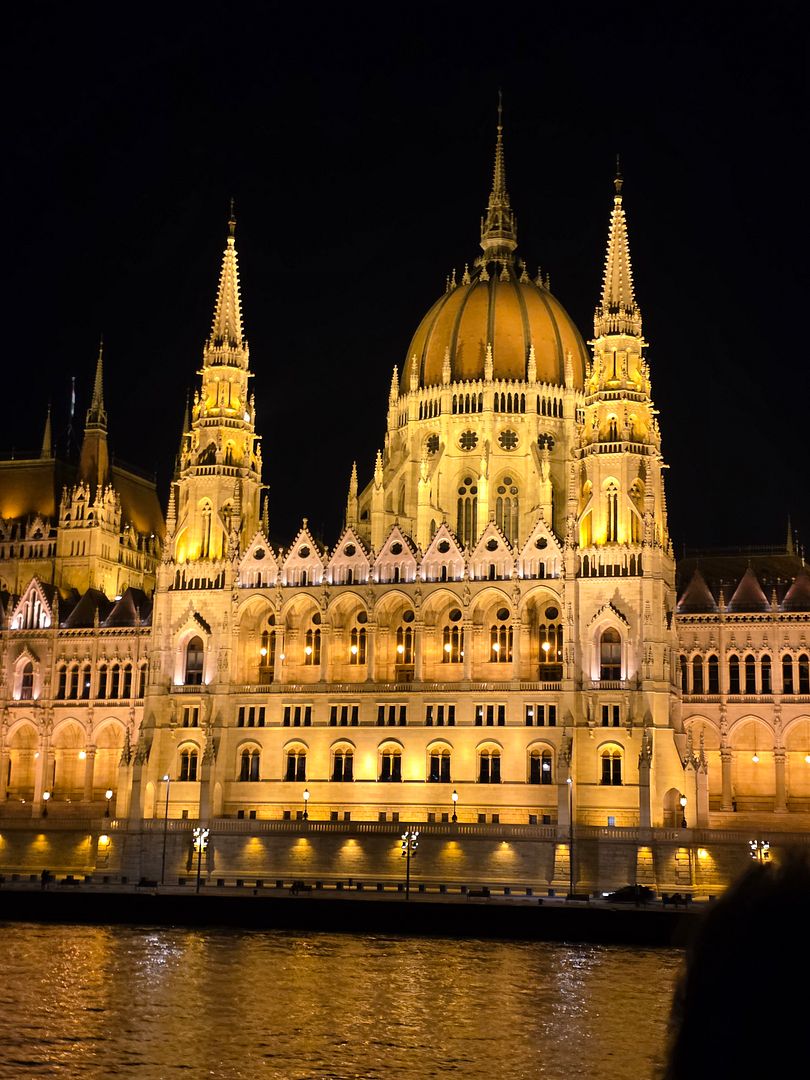
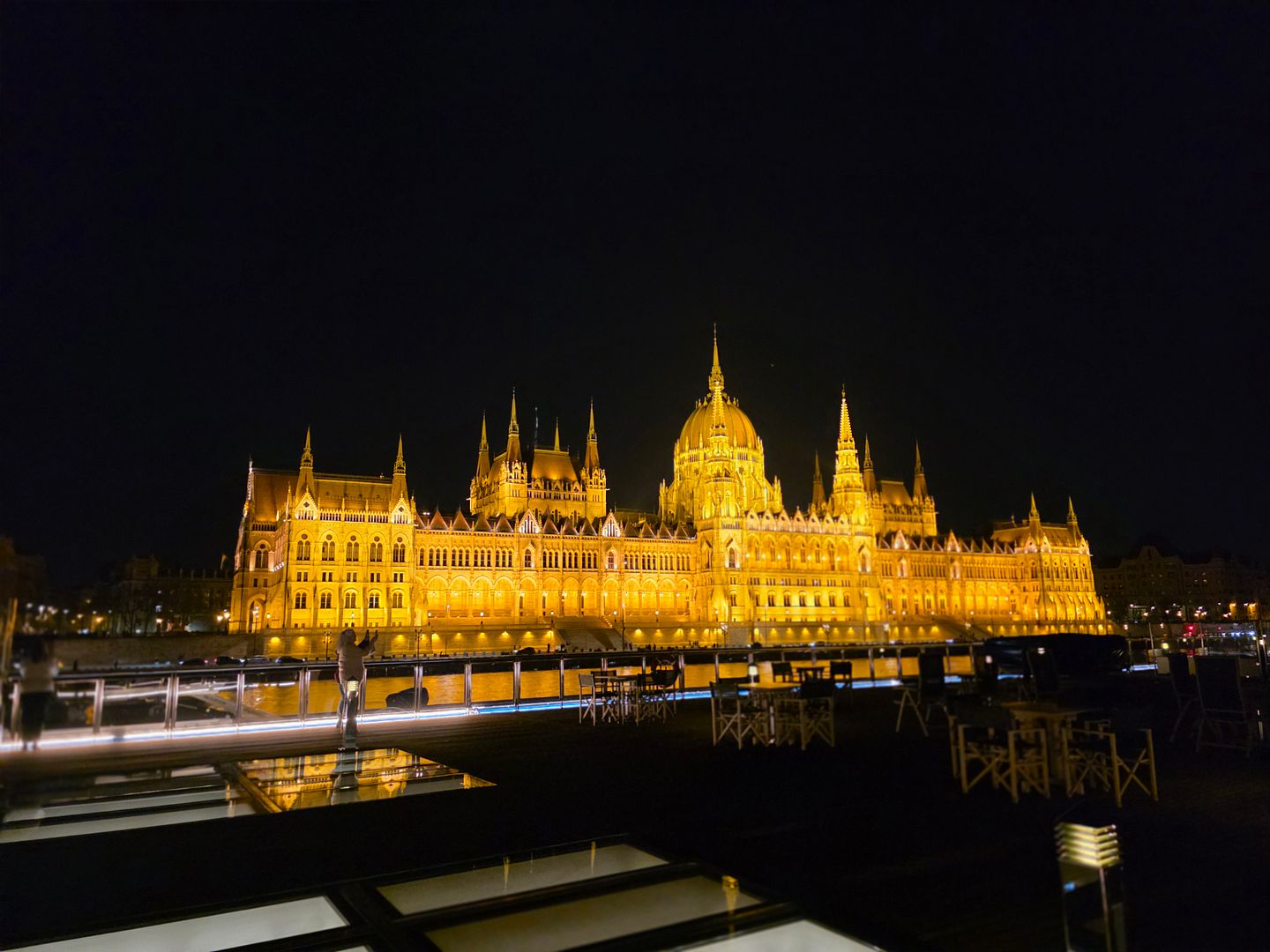
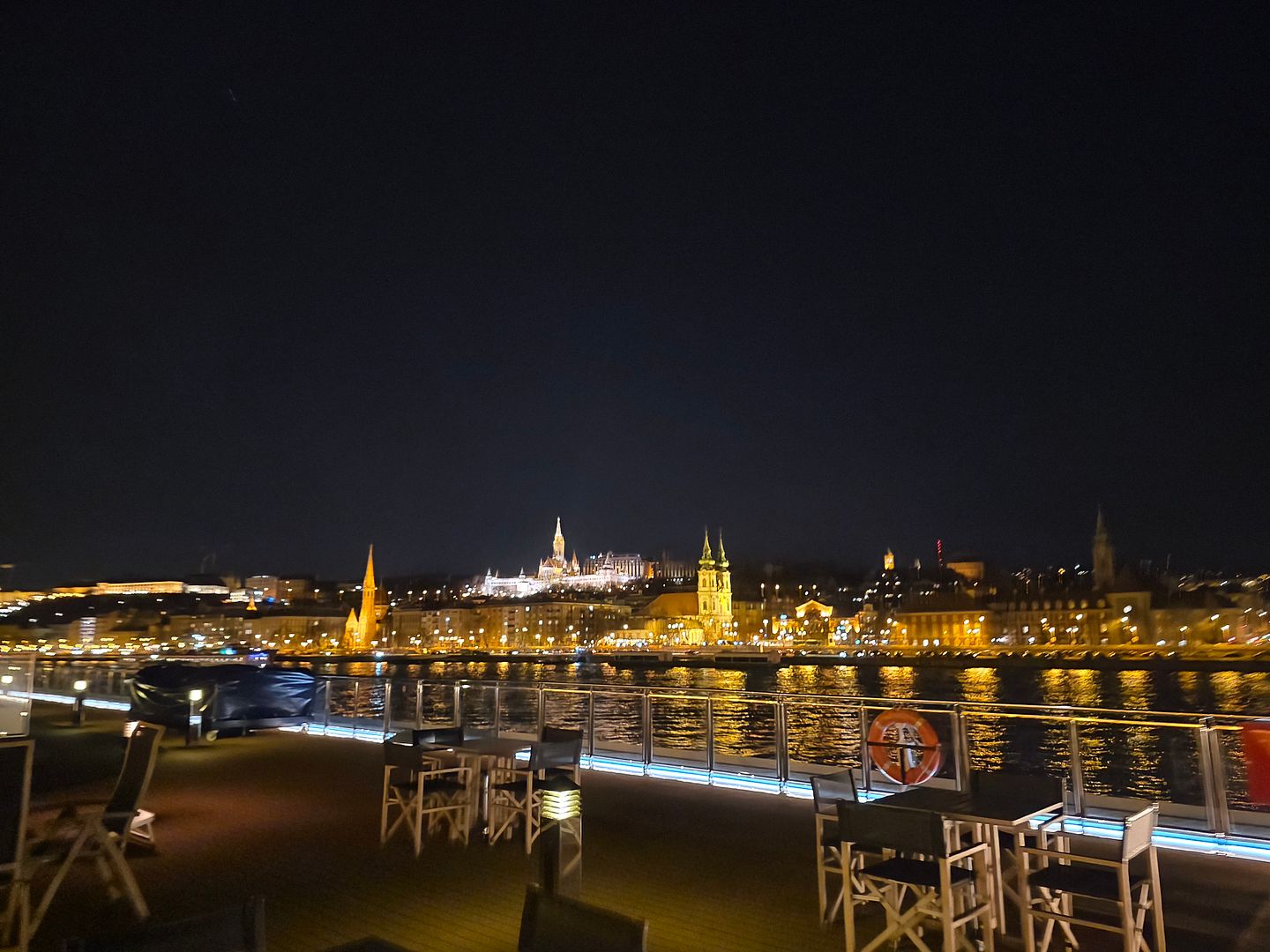
Our boat set on it’s cruising course on the evening of Sunday March 1st. The captain let us know when we would be traveling past the Parliament building so we could get the night time photos. It was during our dinner that we sailed past.

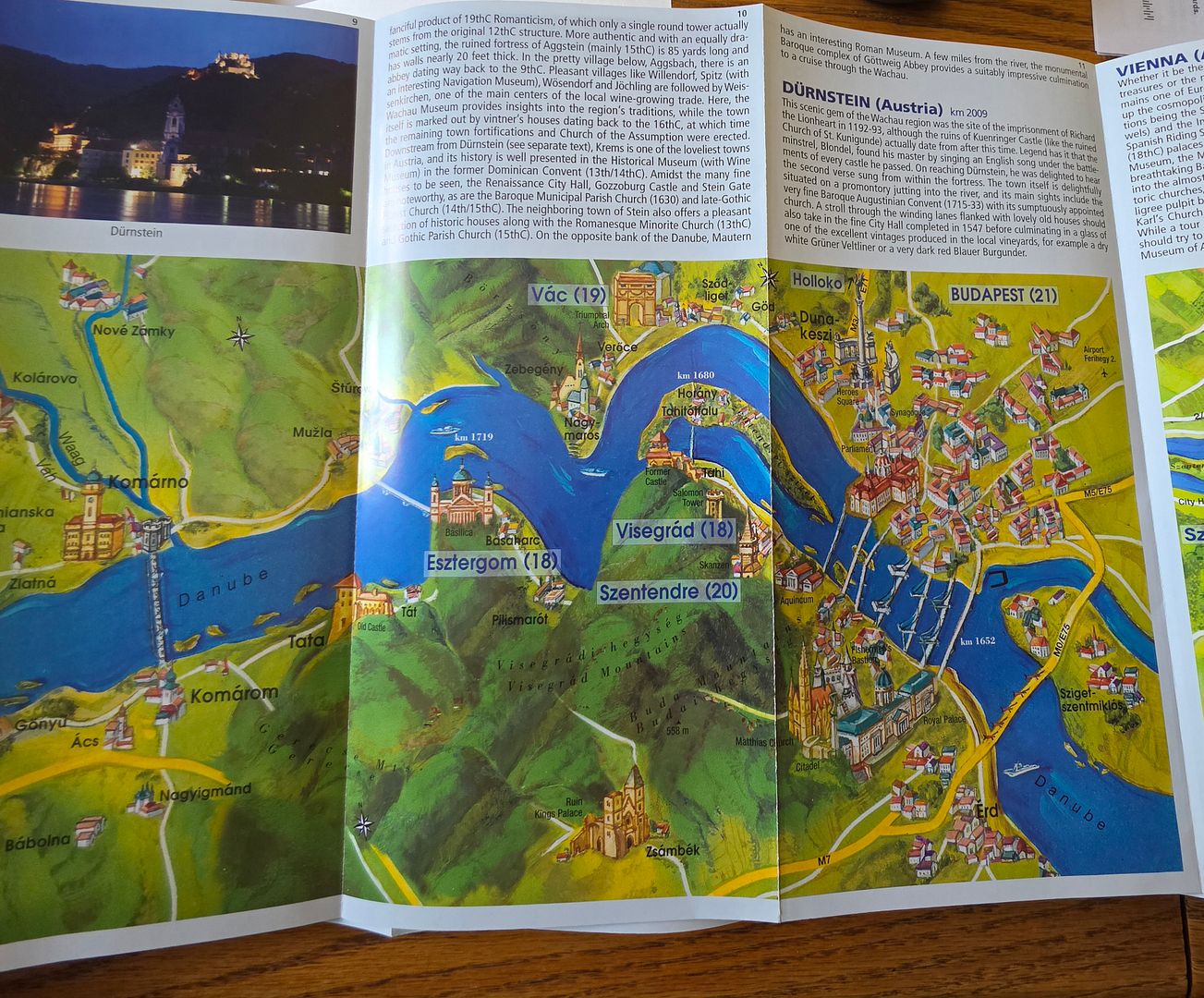
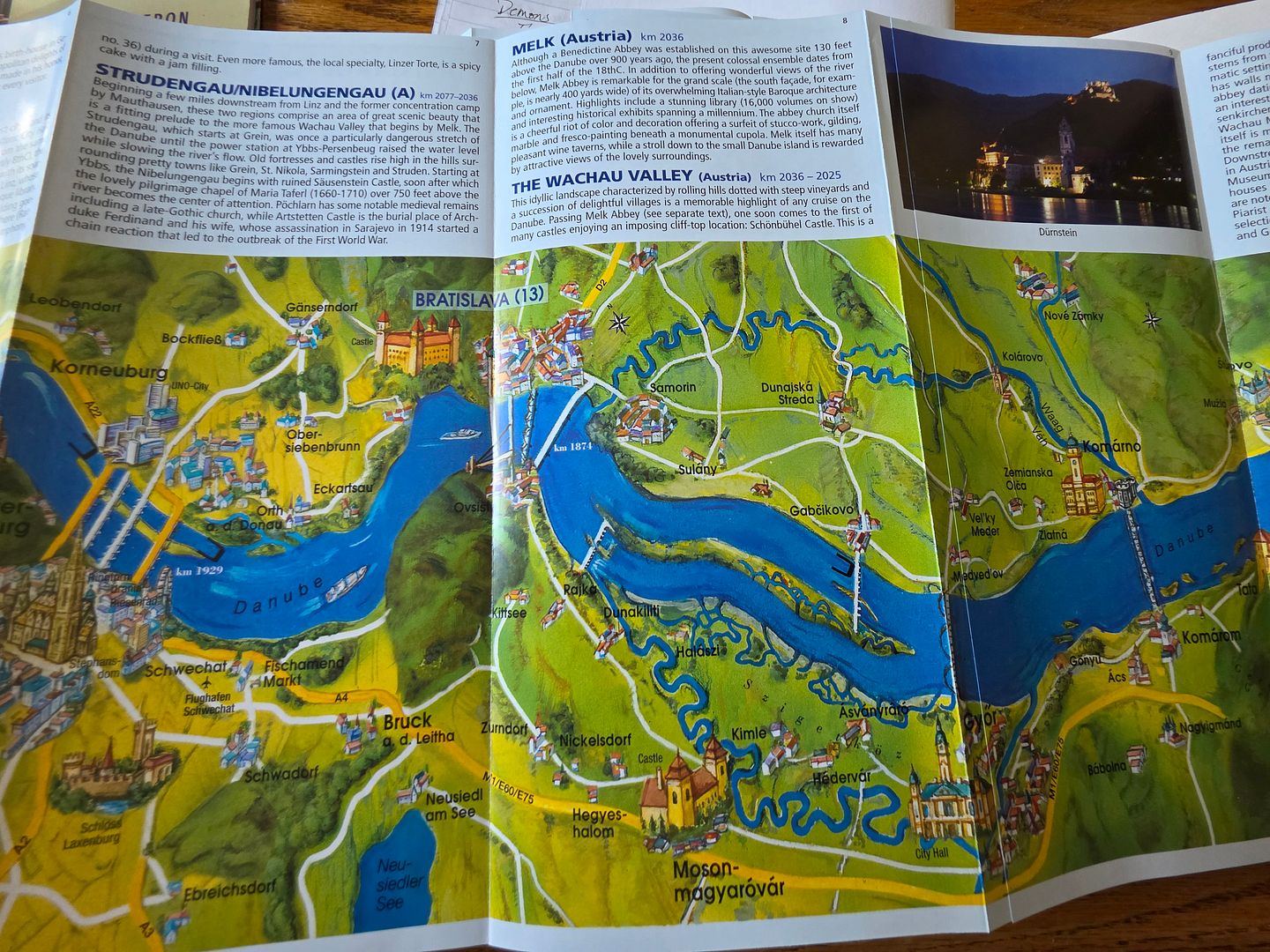
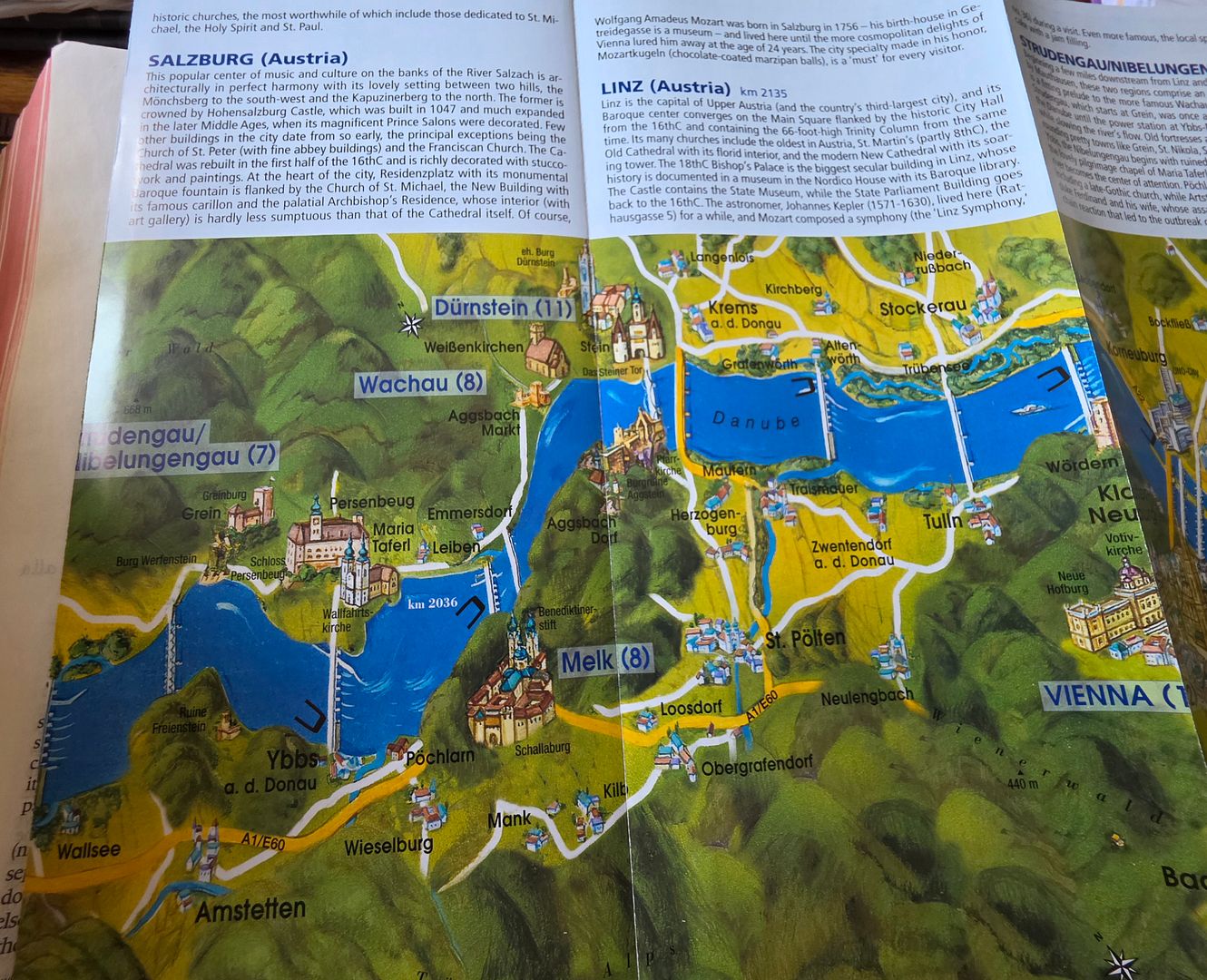
Below is a fold out map of the parts of the Danube that we would be traveling on.

Our first stop would be at Bratislava, Slovakia.

We would then cruise beyond Vienna to Melk, Linz and Grein returning to Vienna for a two night stay before we returned to Budapest.

On this first evening on board we had a welcome cocktail with the captain of the ship for his mandatory safety briefing.

For our cruise the heads of the departments were from Spain, Romania, Indonesia, Serbia, Bulgaria, Poland, and the Philippines. During our briefing we met some of the heads.

Dinner on the first night was open seating and we sat at a table of eight and enjoyed learning about the different people we ate with.

Most days breakfast was from 7:30 – 9:30 with a bistro option from 6:30am-10:30am for early or late risers.

Lunch was served from 12:30 until 2:00

Dinner was from 7:00-8:30 (some evenings dinner started later when excursions were longer)

There was a sip and sail cocktail hour every evening and after dinner entertainment, too.

Late night snacks were available each evening.

On this first night of our journey I woke and looked at my phone to see what time it was. It was 2am and I noticed a message from our credit card company about possible fraud on my card. After a call to the credit card company to verify that I did not make the charge, I was advised to destroy my card and they would issue me a new one. What a bother that was so early into our trip. Thankfully we would still be able to use Greg’s card. Next time we travel I’ll take a back up card, too. Oye! Needless to say there was no going back to sleep for me and when I made the call to our credit card company Greg was up, too. After a couple hours we ended up going in search of coffee. Coffee pods were available in our room but we preferred going to the machines on board that were available 24 hours a day.

Next river cruise post will be about Bratislava, Slovakia.

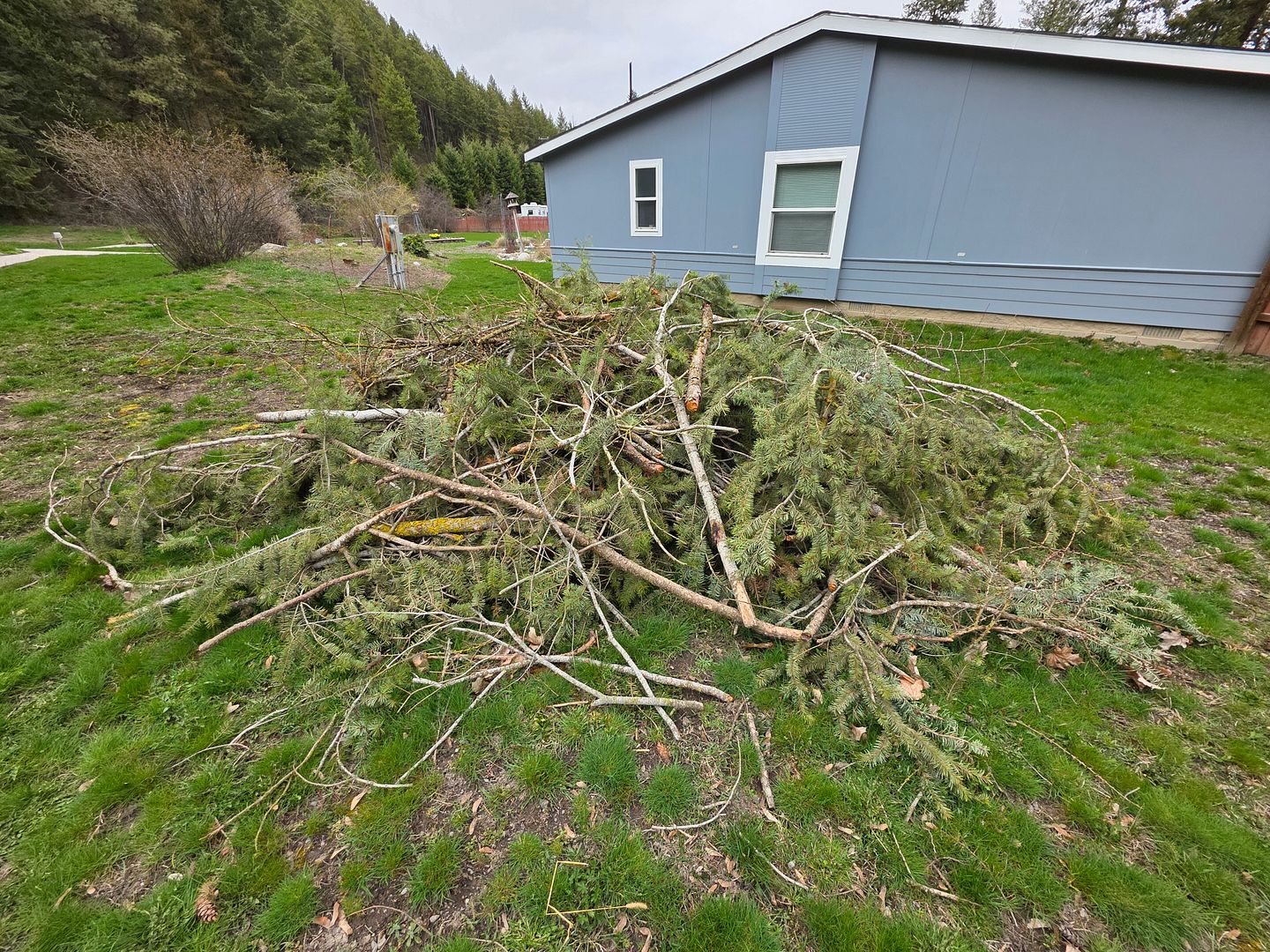
Back to the present: What beautiful weather we have been enjoying since Saturday. The highs are reaching 60 and beyond with lots of sunshine and blue skies. We even got outside to clear some of the thousands of branches that are strewn across our yard from the major wind storm that developed while we were away.

Our kids gathered the largest branches while we were gone but there are many more smaller branches that still need gathering.

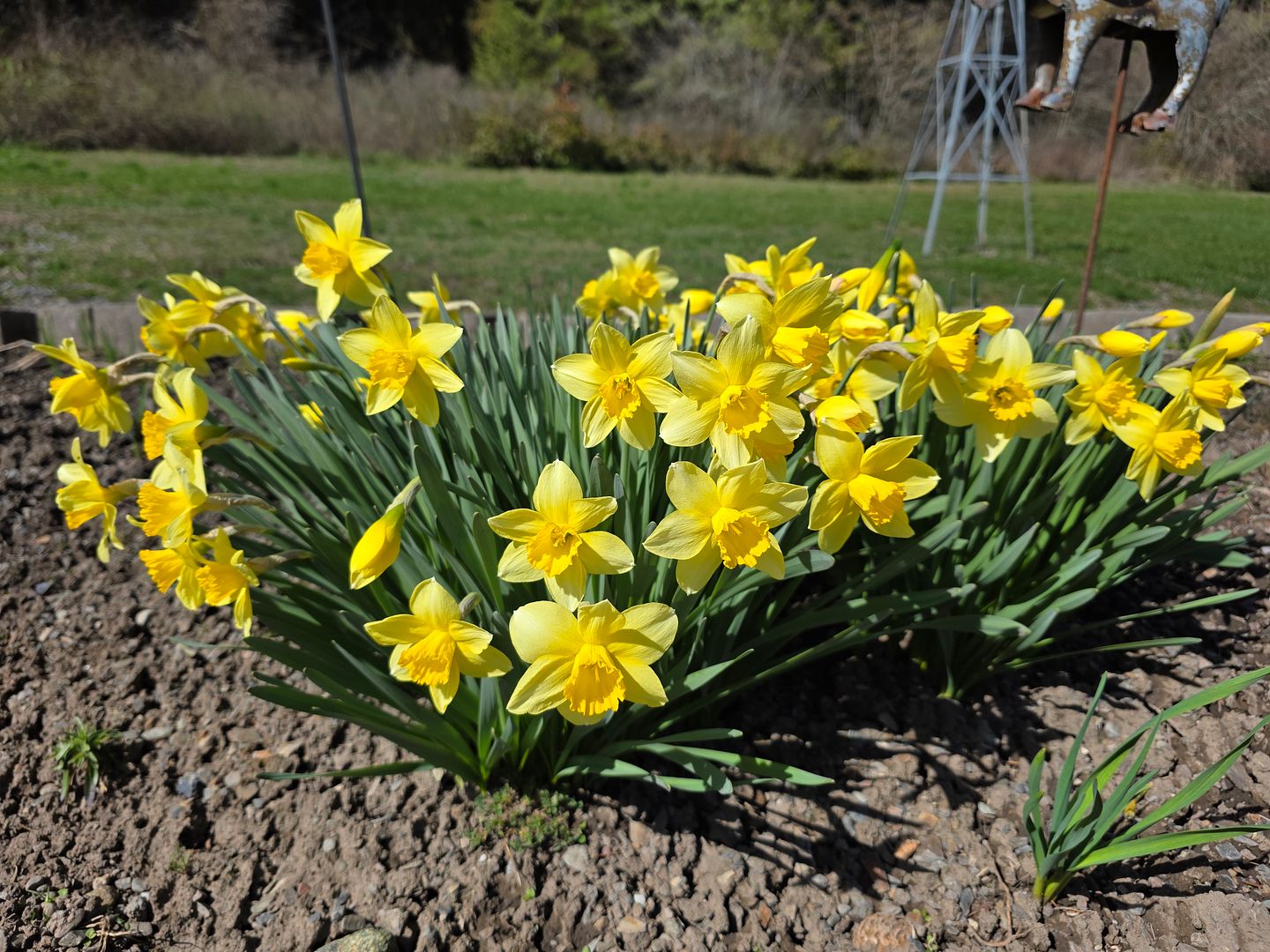
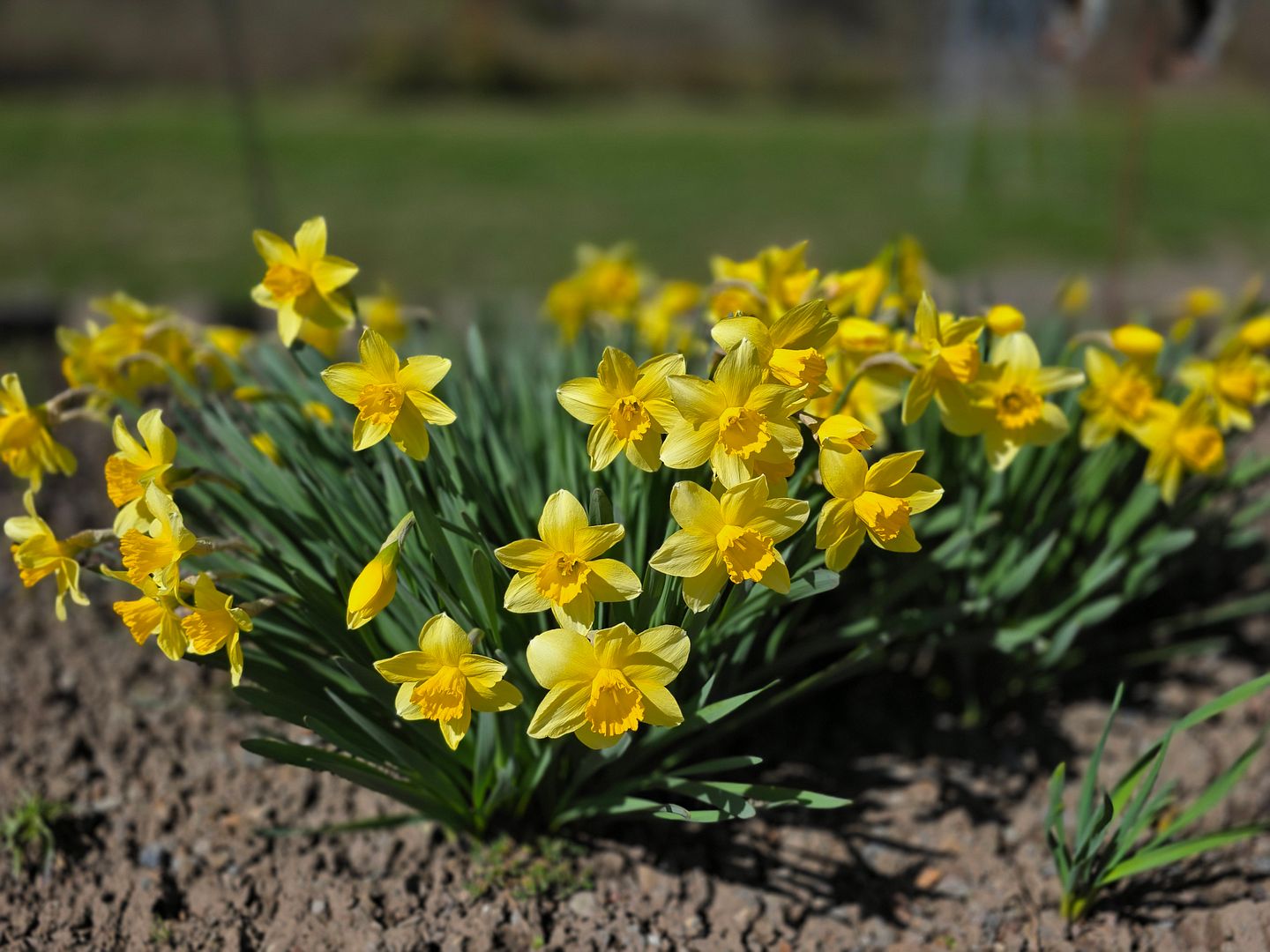
Our unprotected daffodils finally opened up on Easter.

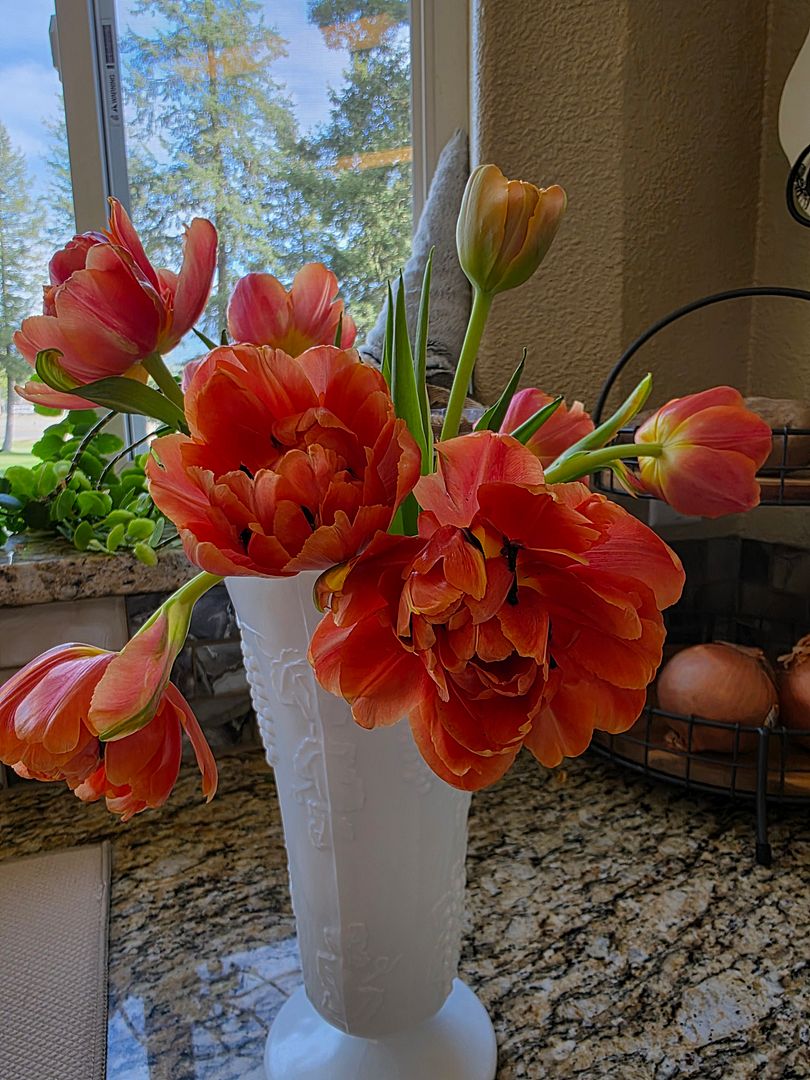
These tulips that we bought at Trader Joe’s this past Saturday are Peony Tulips. They make me smile.

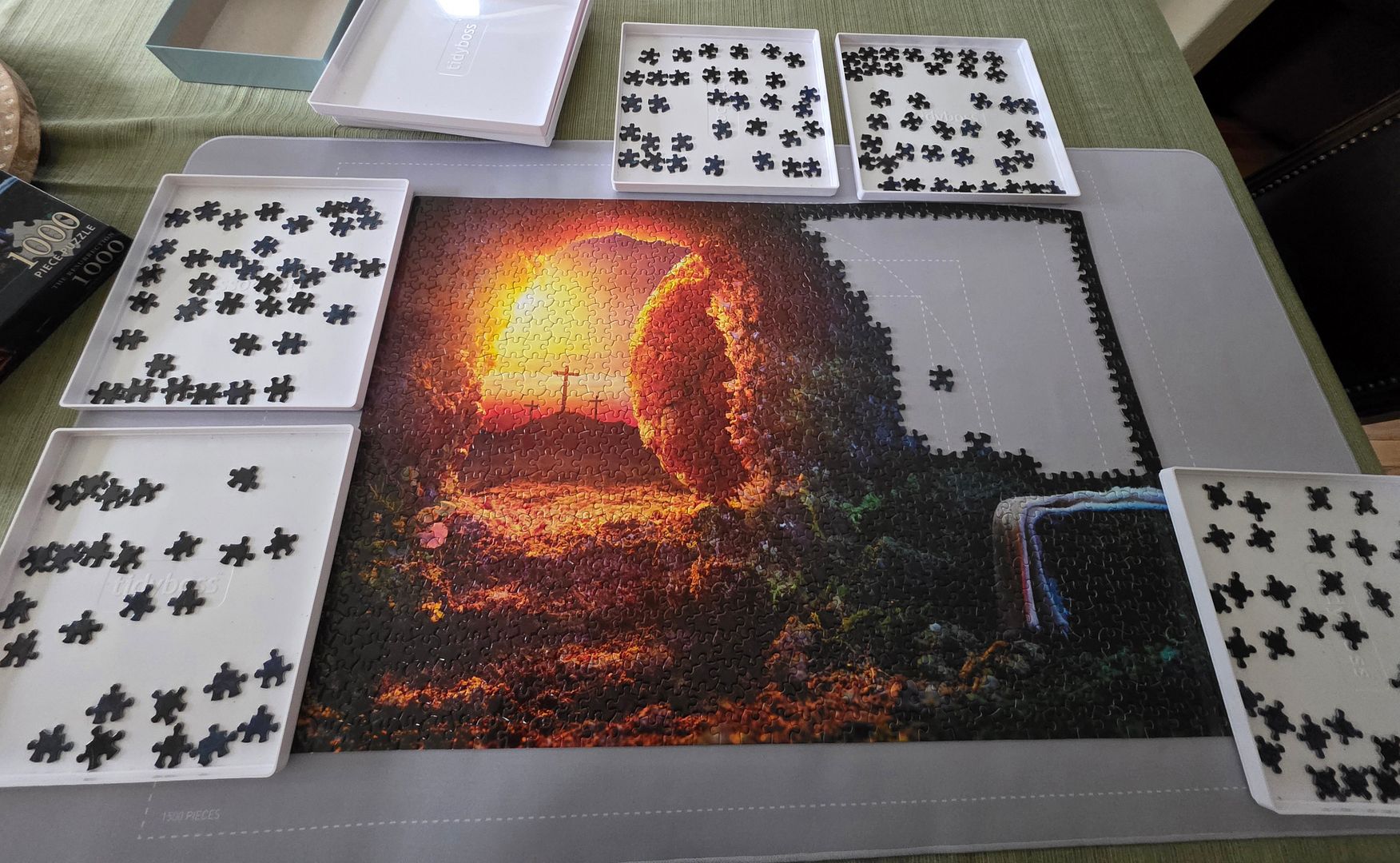
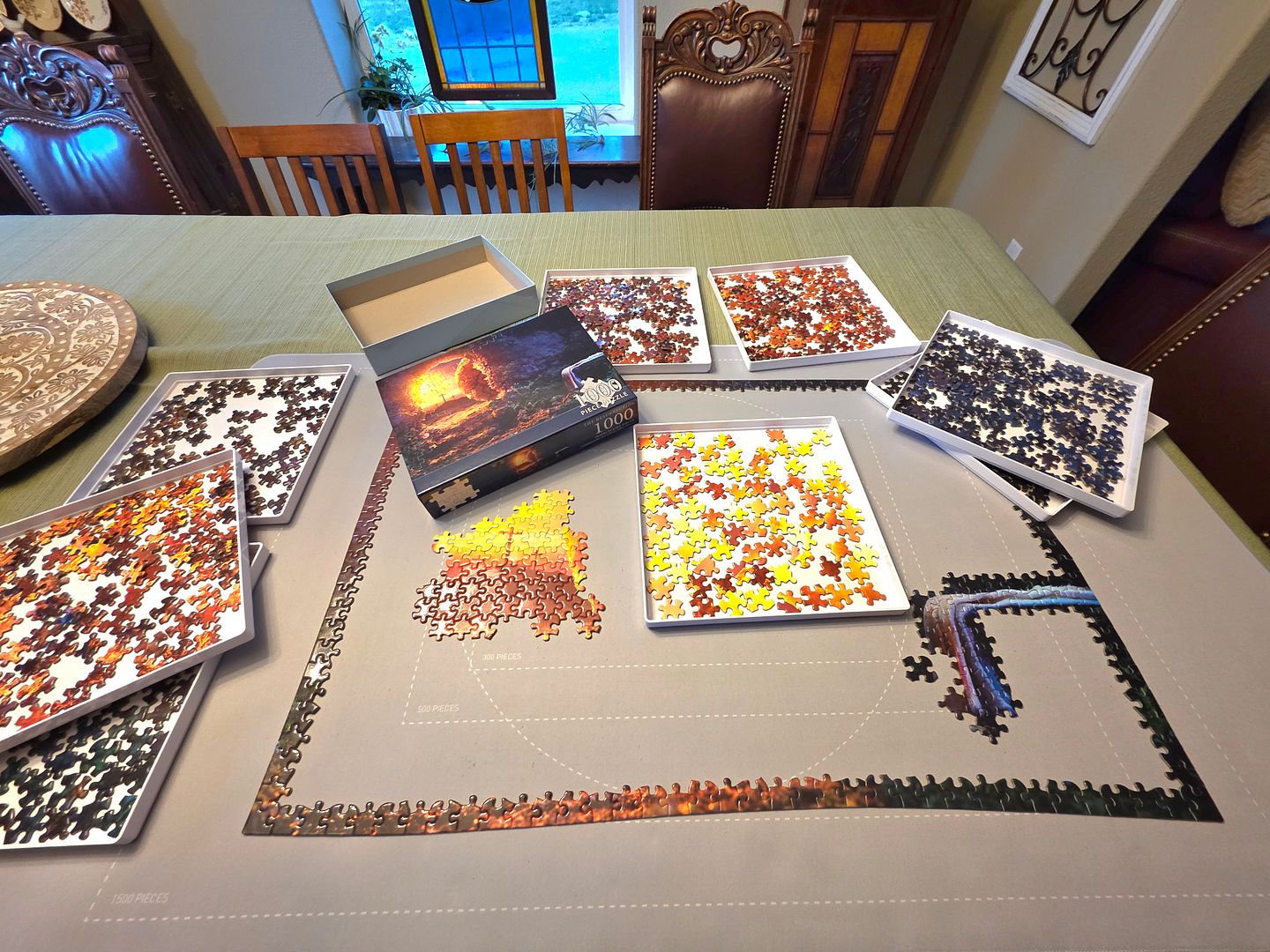
I’ve made good progress on my Easter puzzle and only have the very hardest dark part left.

That is all the up to the minute news from our house to yours. Hope all is well in your corner.

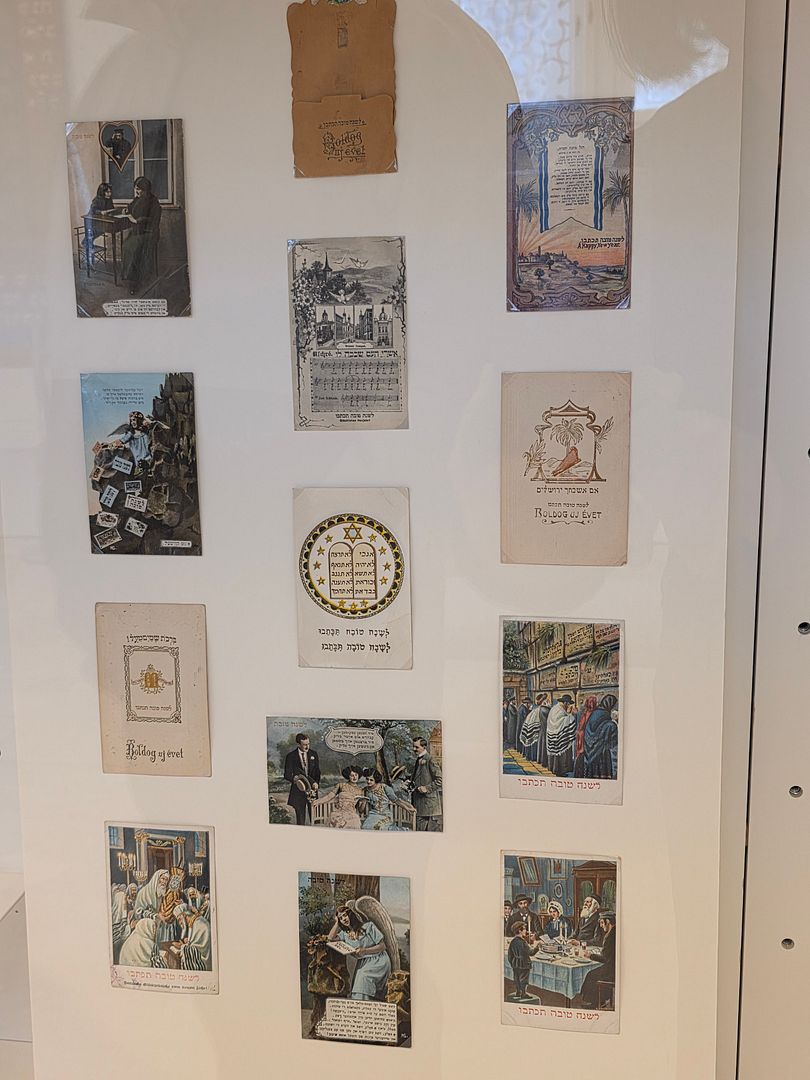
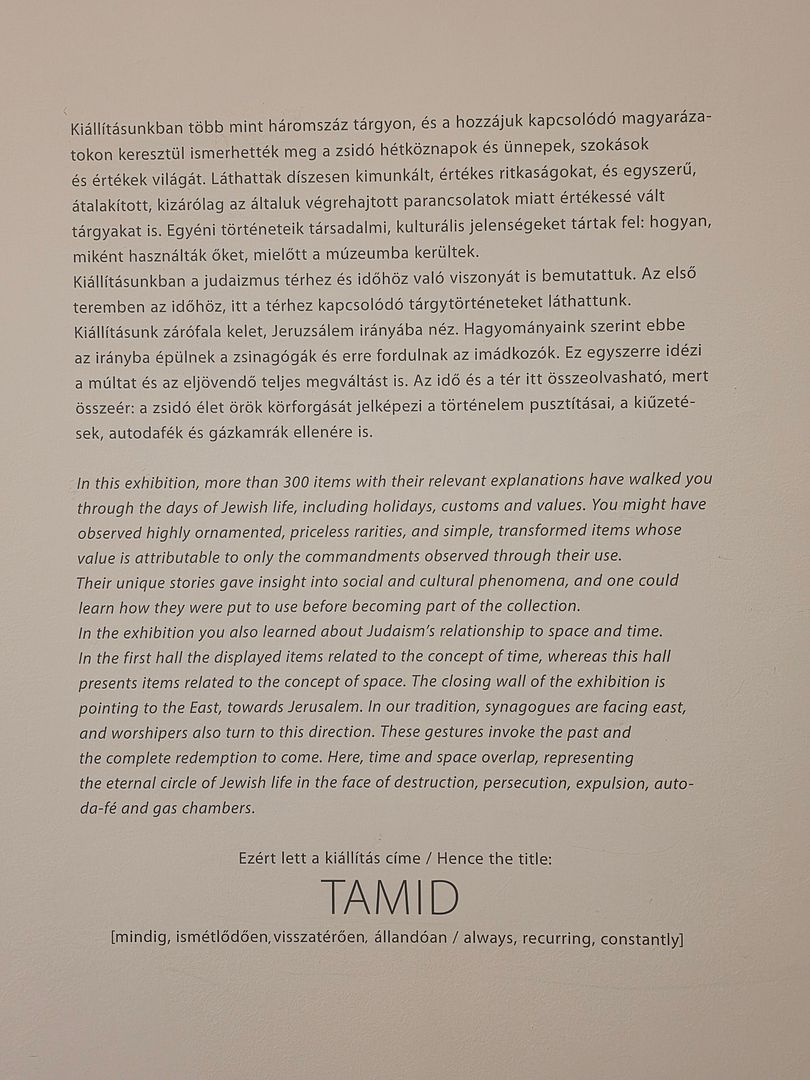
Hero’s Temple and Jewish Museum ~ Budapest

We continued our tour of the Dohany Street Synagogue and other buildings on the grounds on Sunday, March 1st.

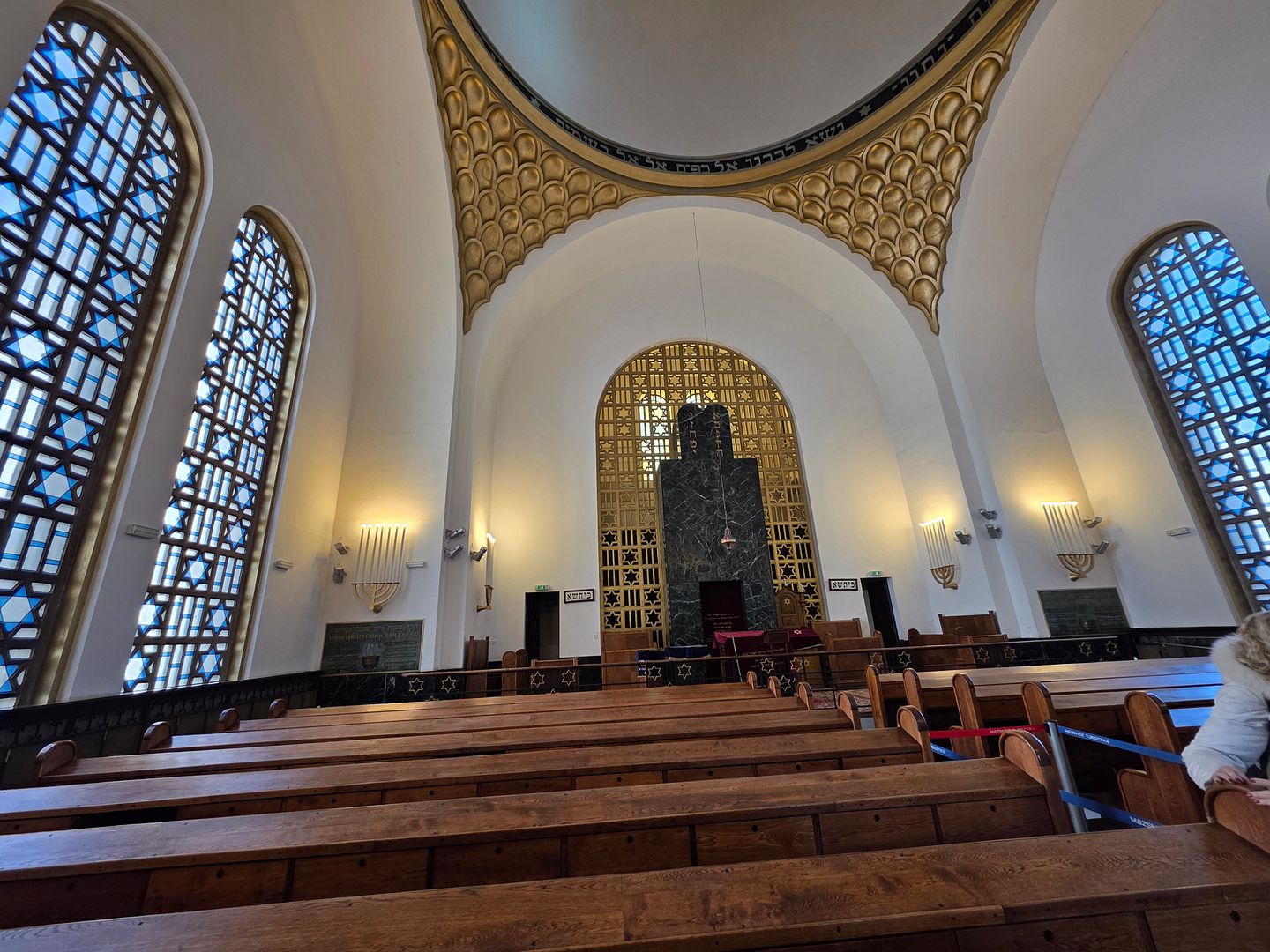
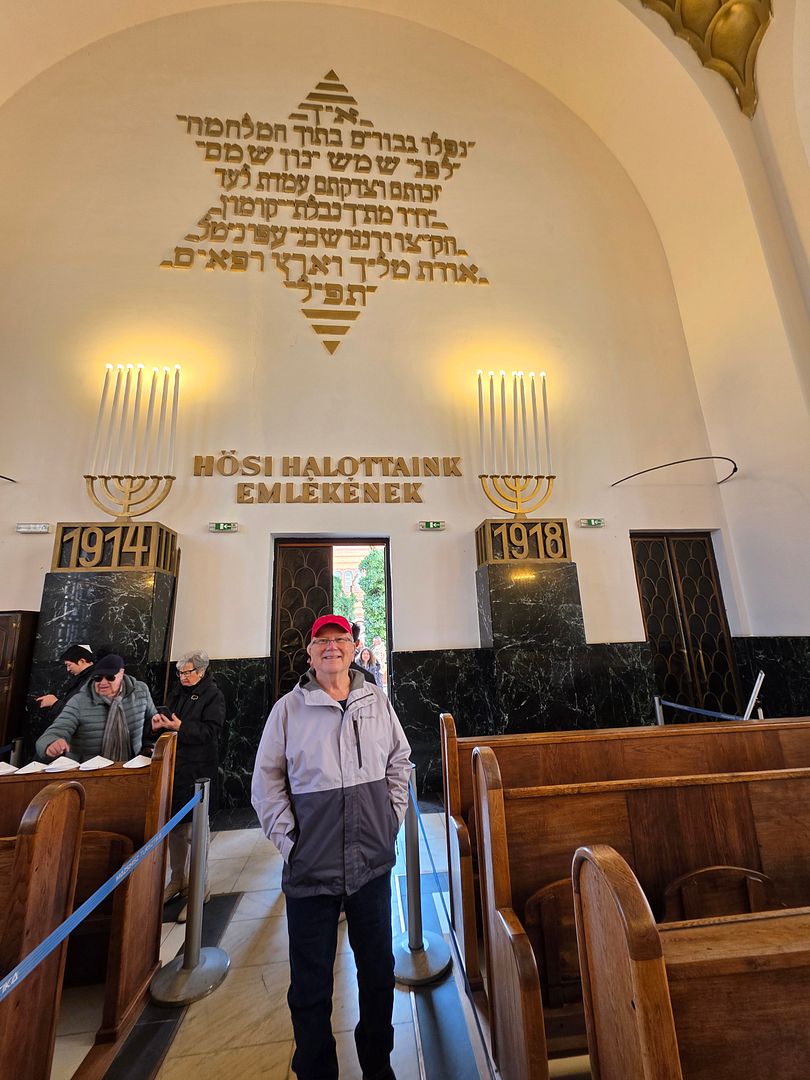
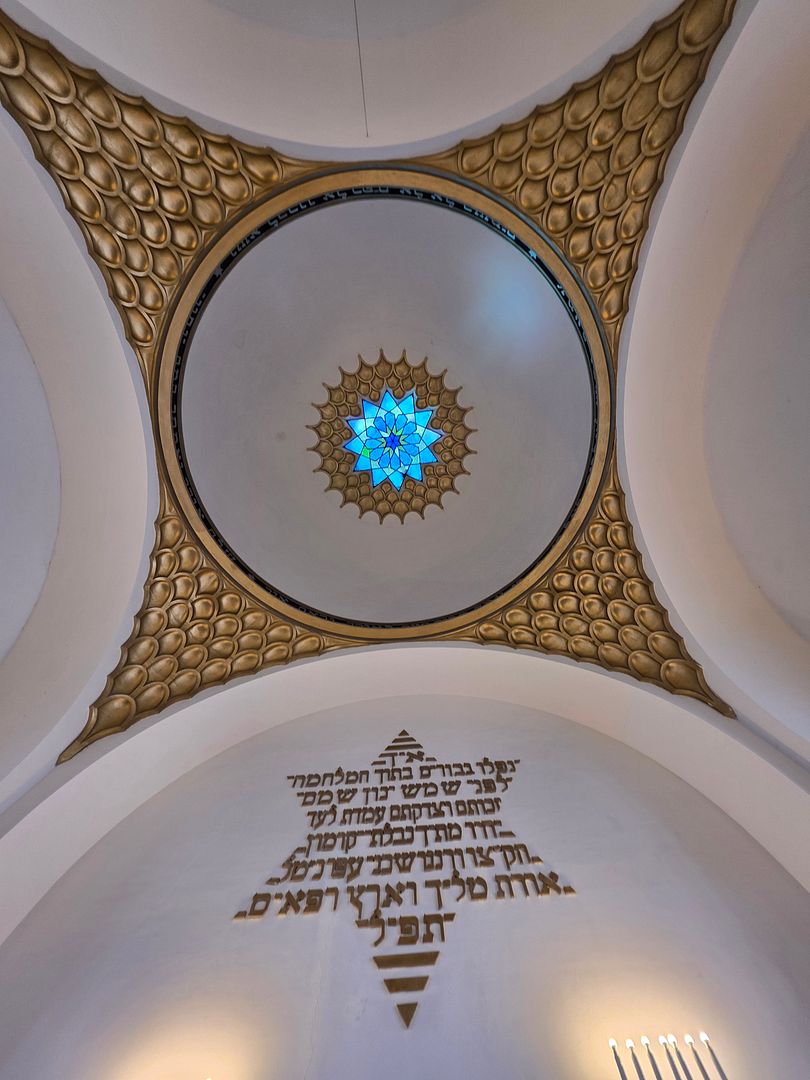
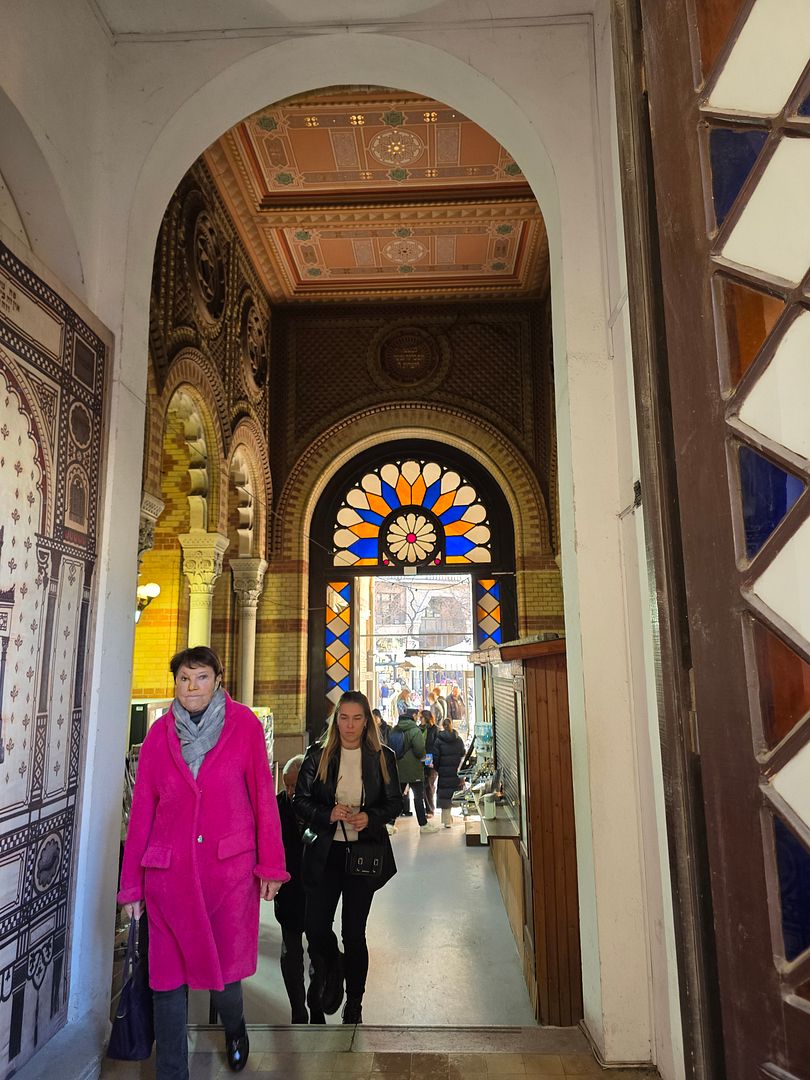
The Heroes’ Temple has become an inseparable part of the Dohány Street Synagogue.
The arcade and the Heroes’ Temple, designed by László Vágó, seats 186 people. It was built in 1931 and is used for religious services.
The Heroes’ Synagogue commemorates the 10.000 Hungarian Jewish soldiers who earned glory on the battlefields of World War I and died heroes’ deaths.

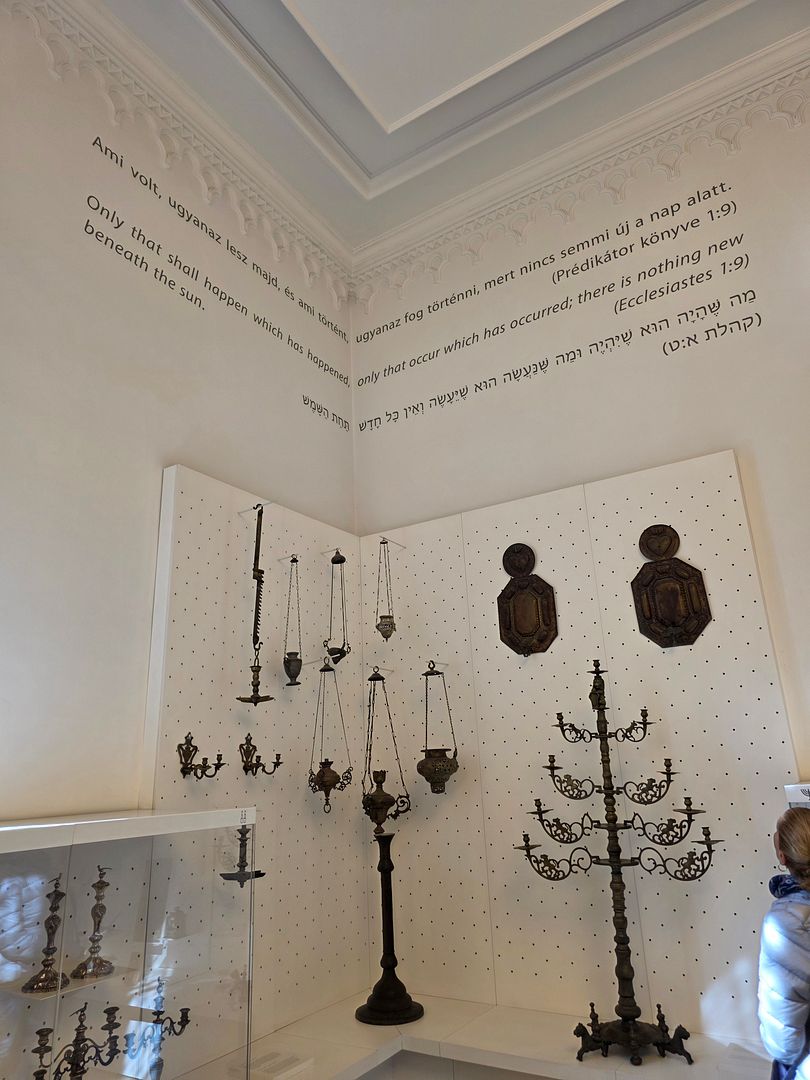
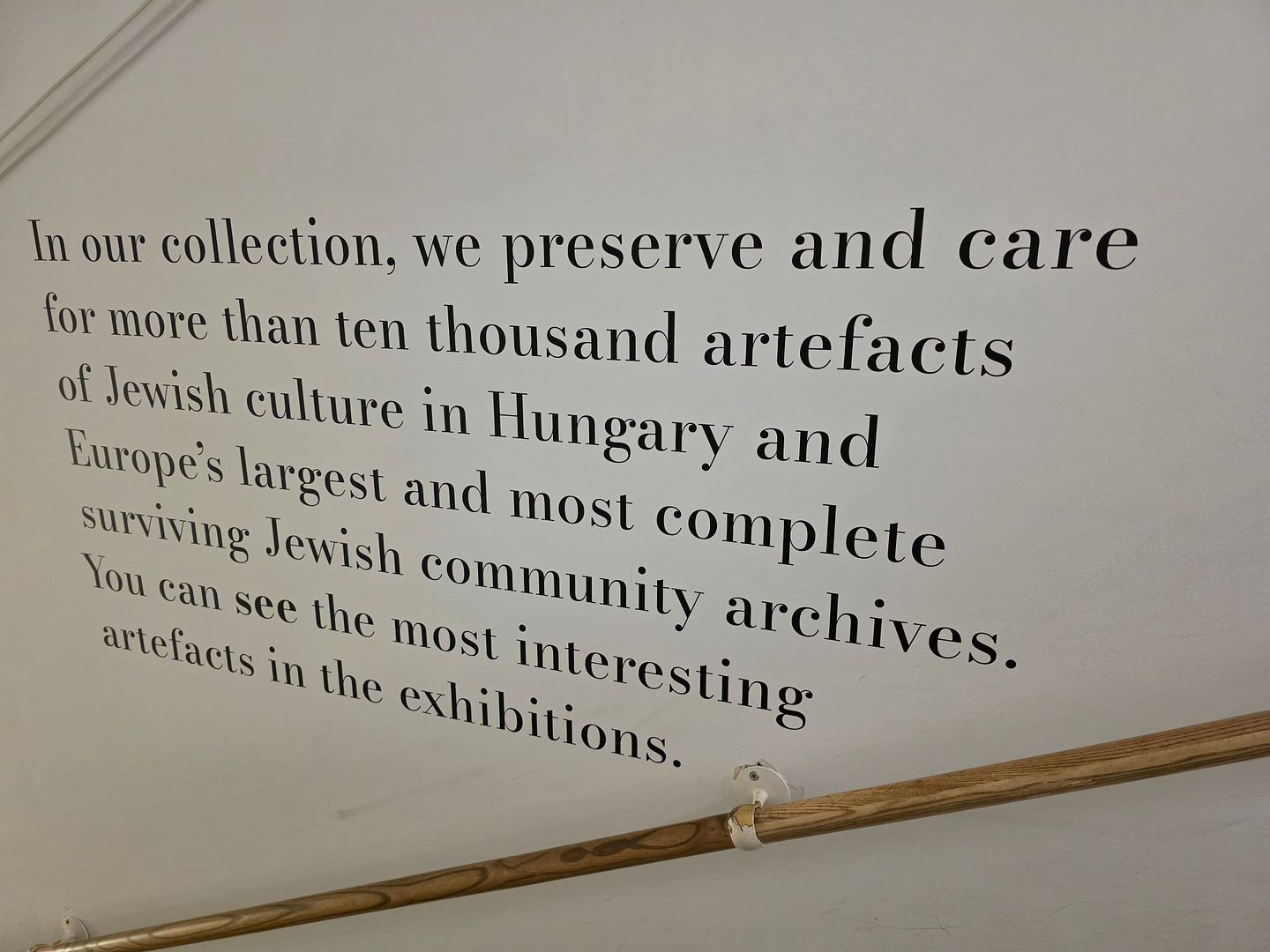
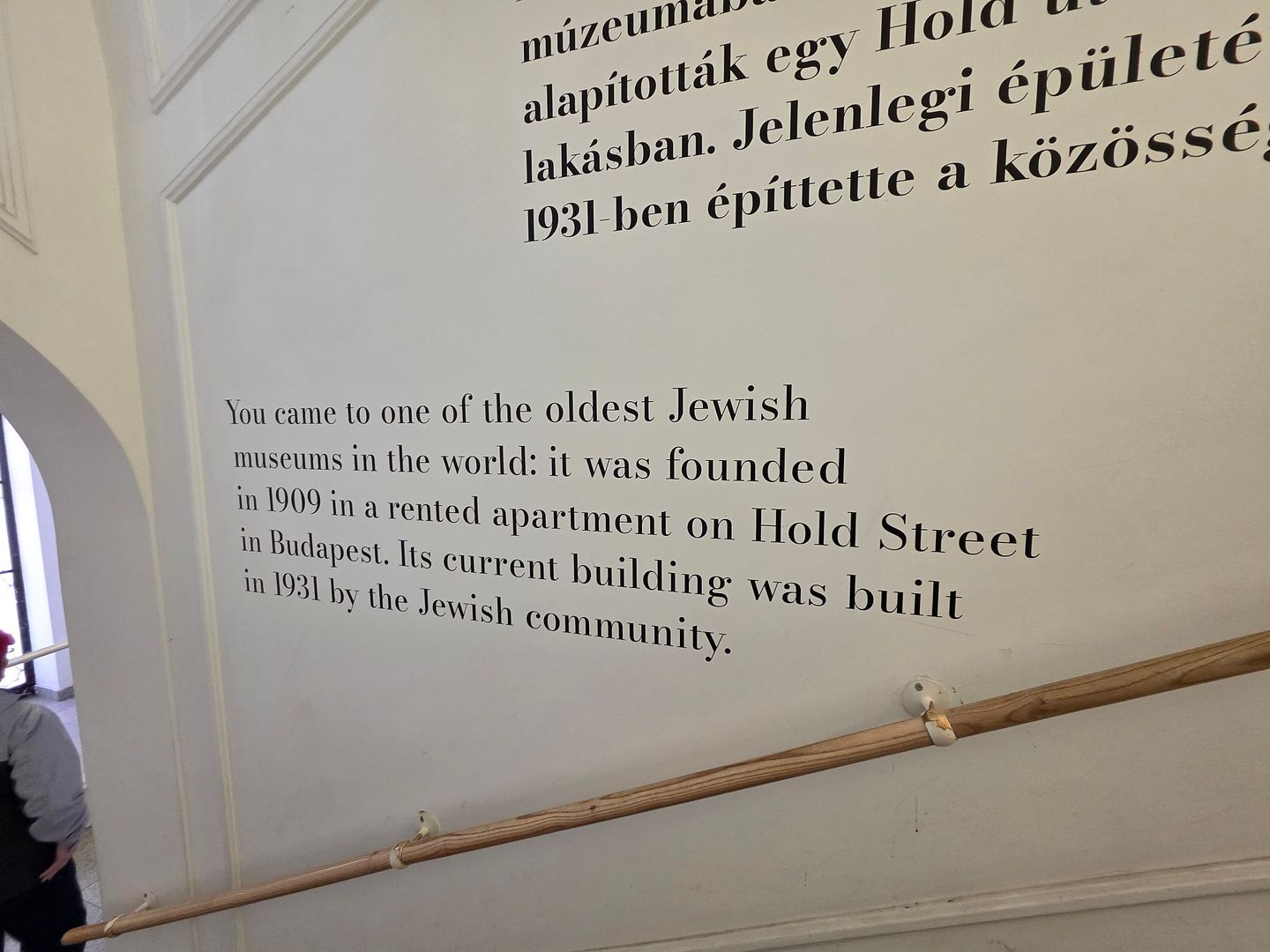
The museum was the last area we would visit.


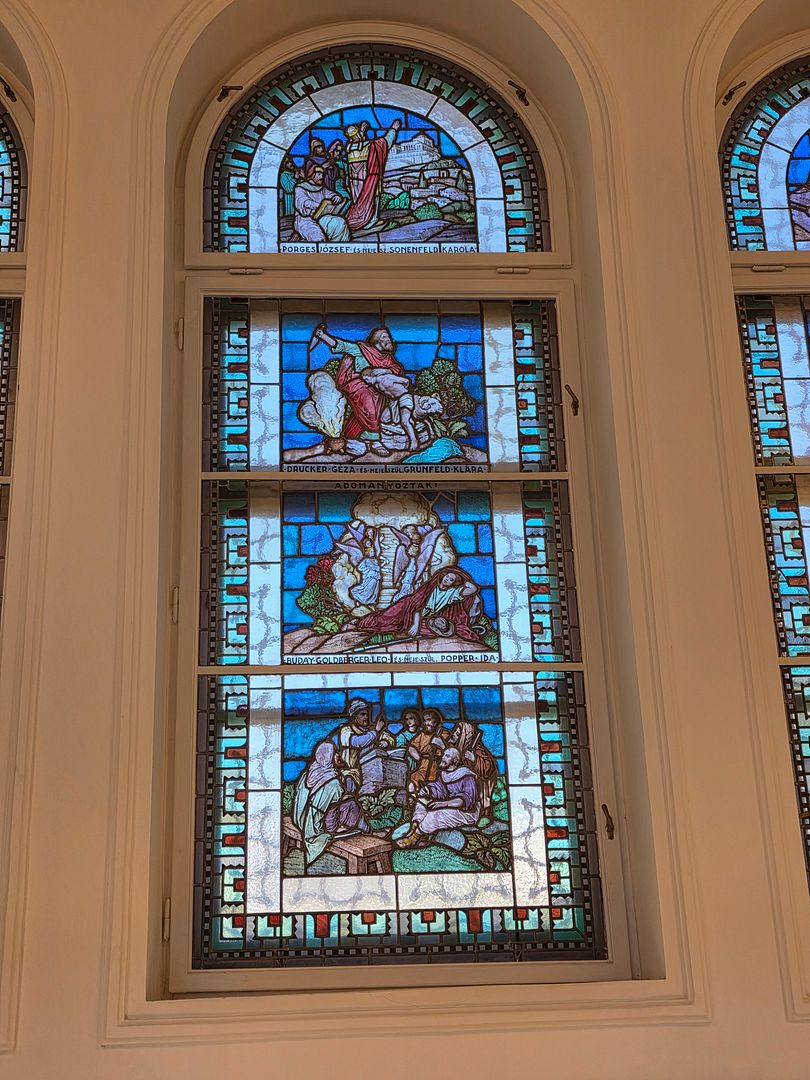
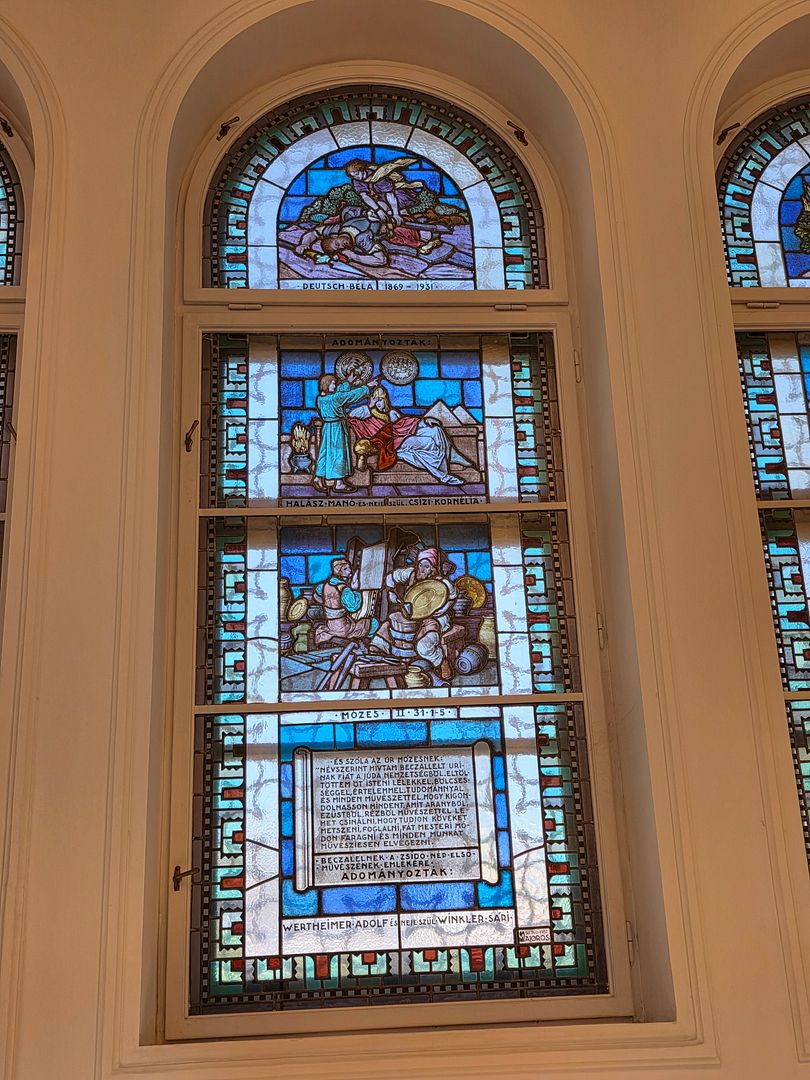
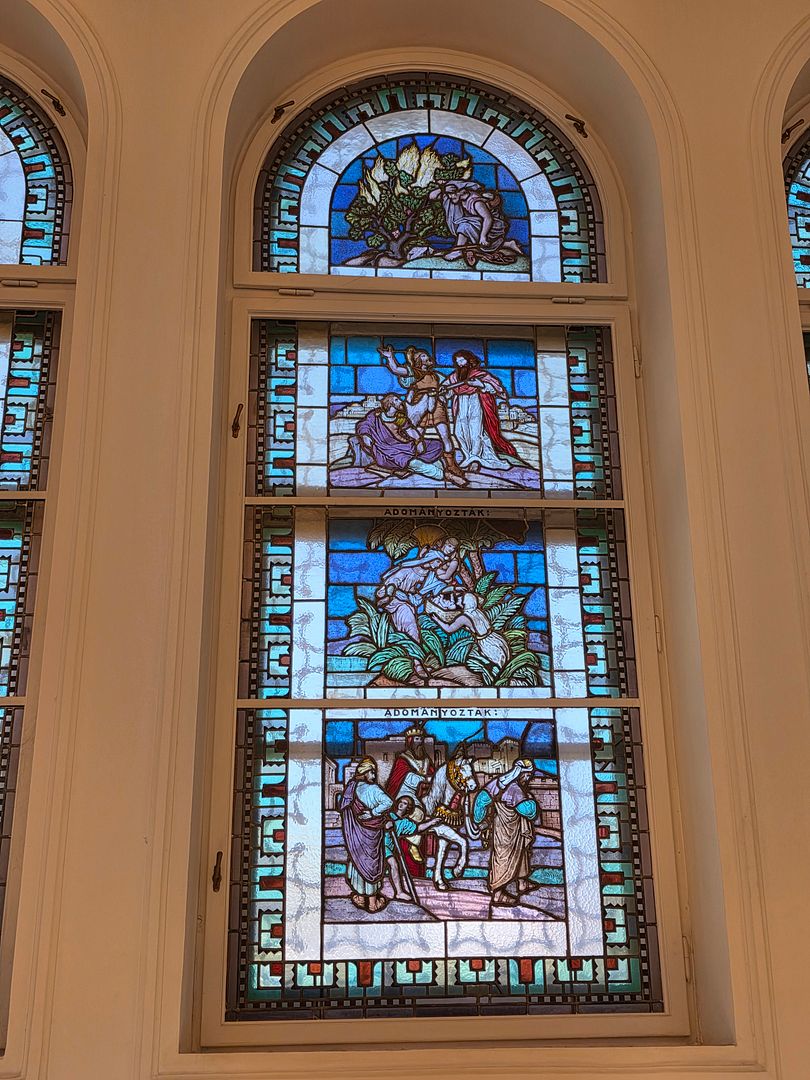
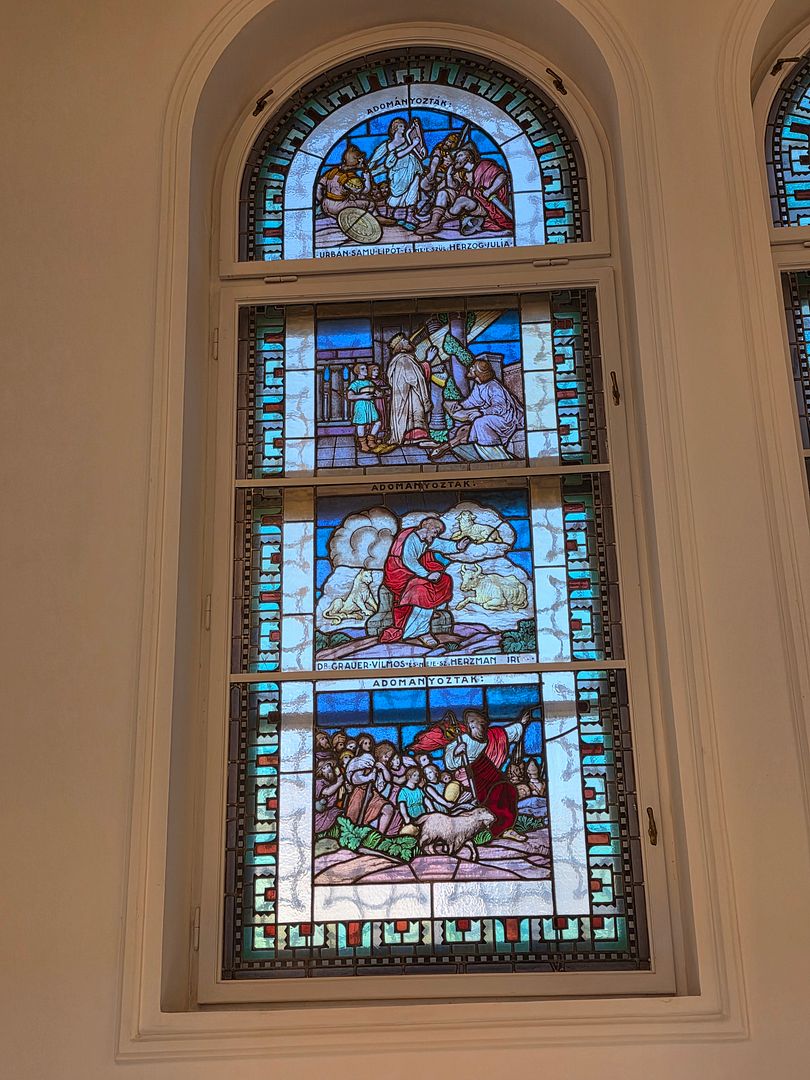
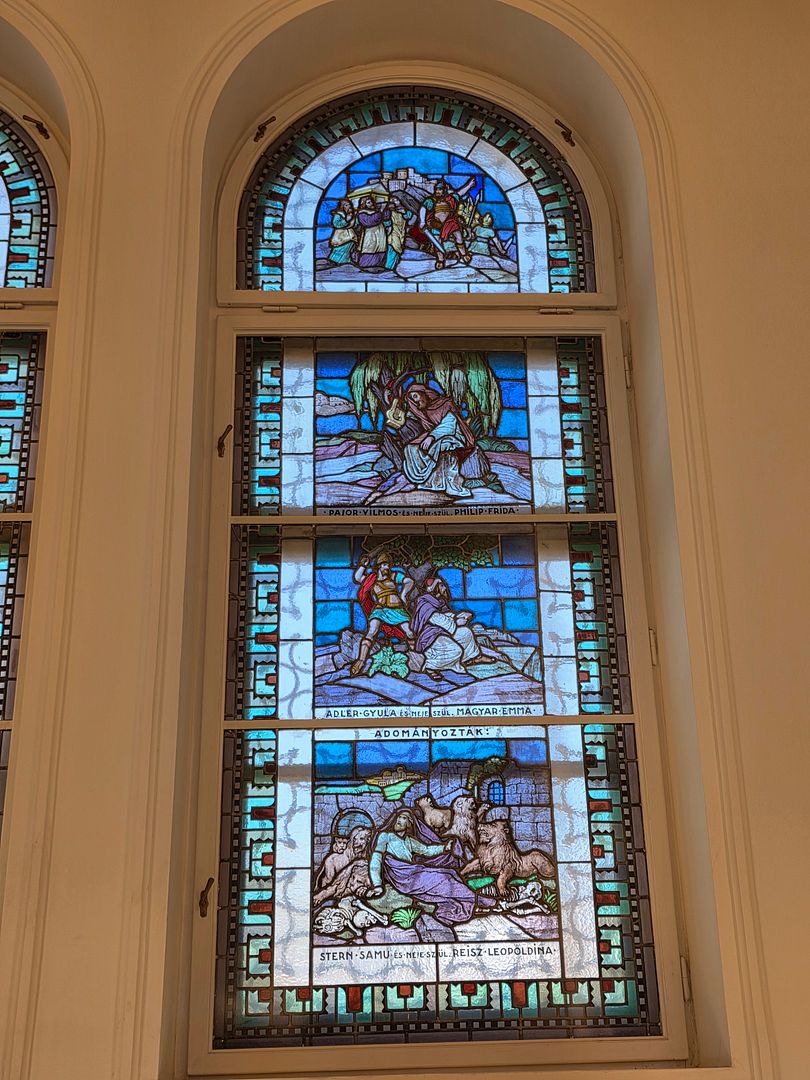
The Stained glass windows featured Moses, David and Saul and the last one pictured also featured Daniel in the Lion’s Den.

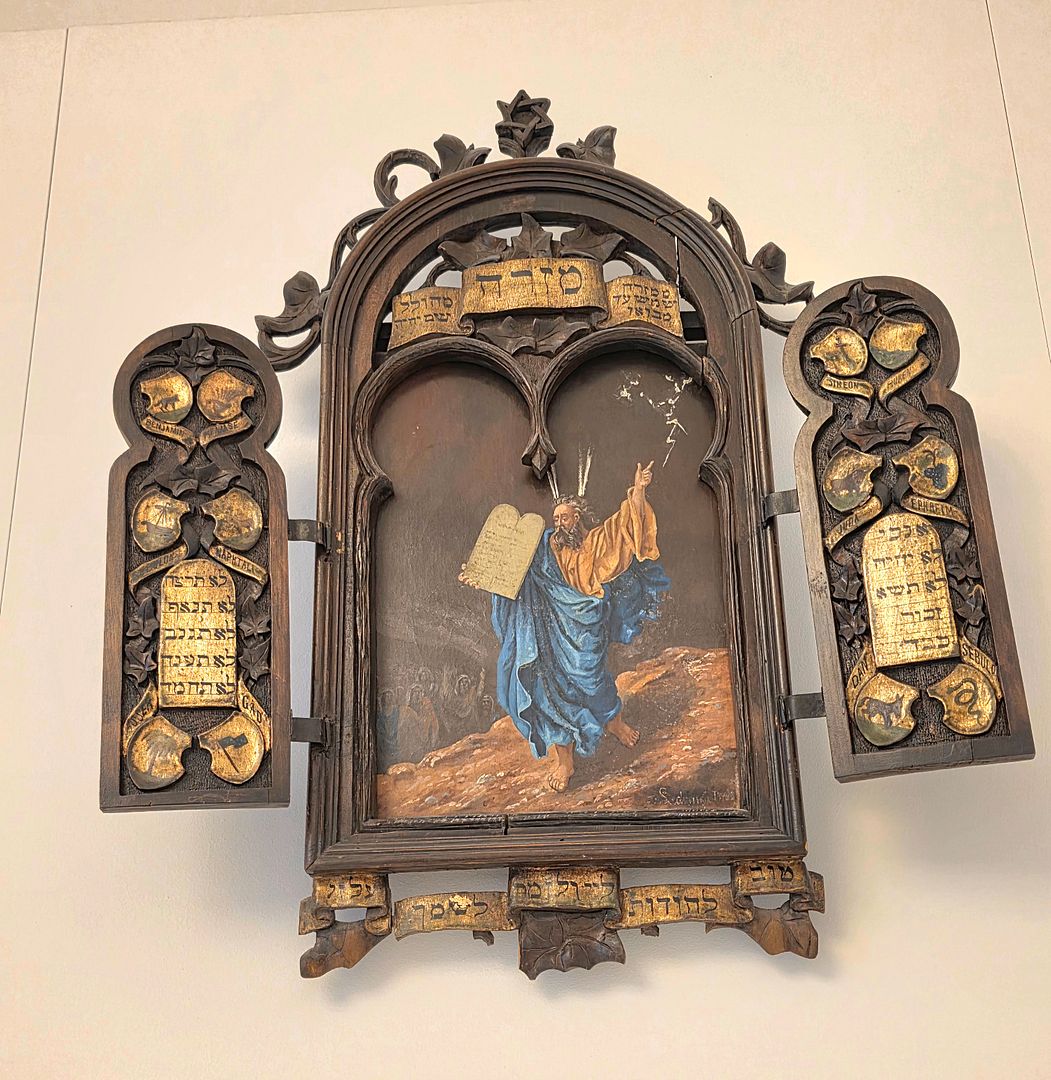
Speaking of Moses…

We left the Dohany Synagogue property and walked back to the hotel.

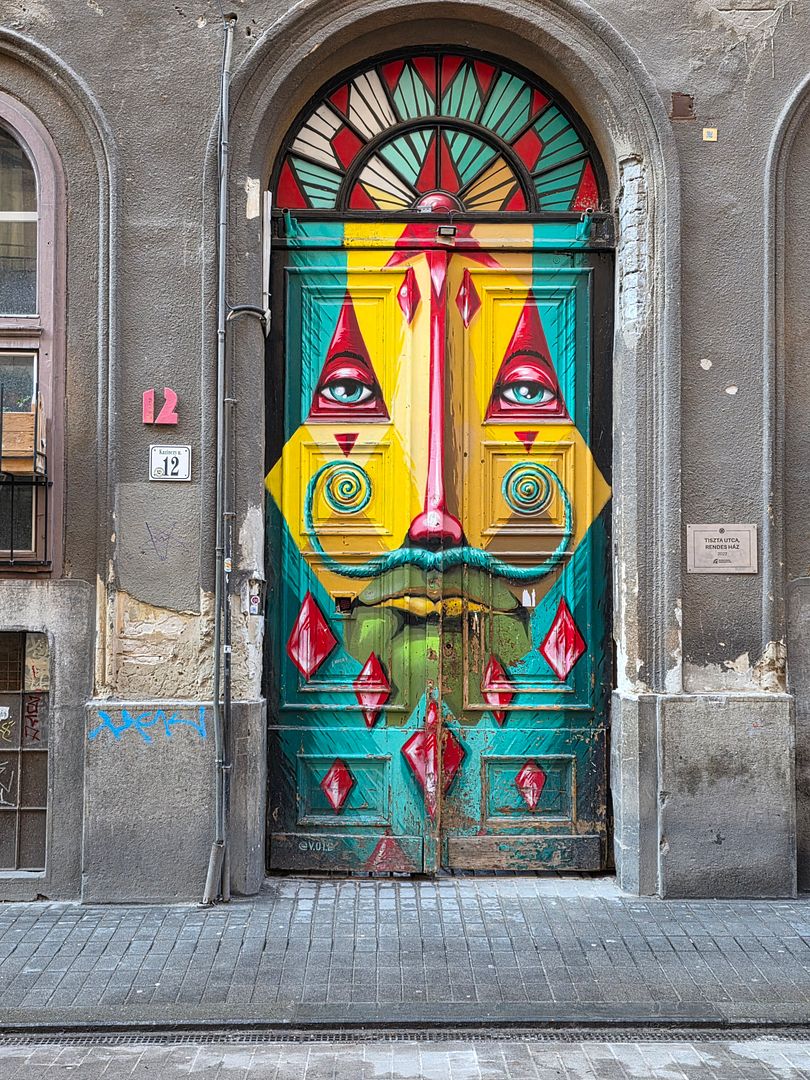
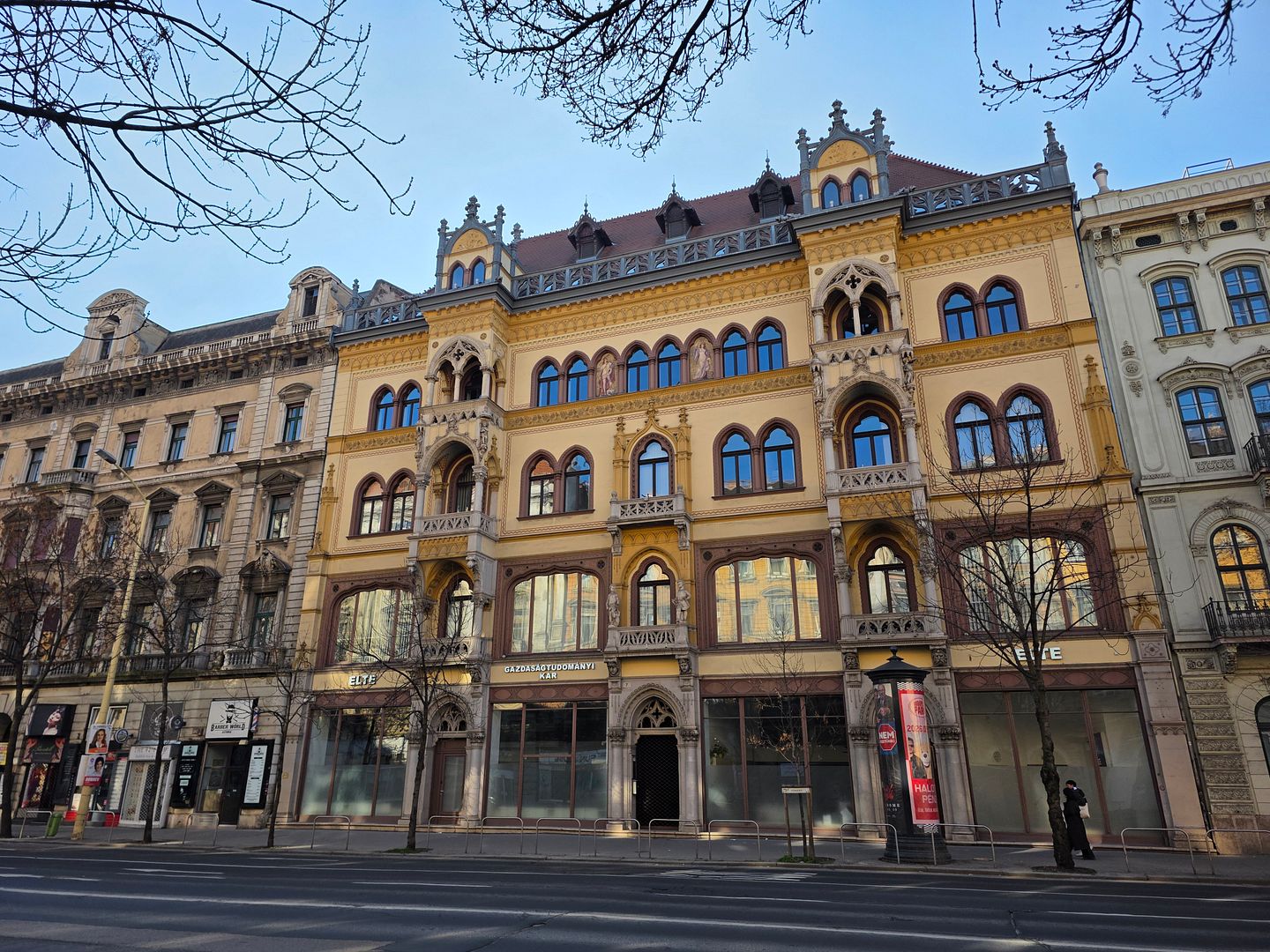
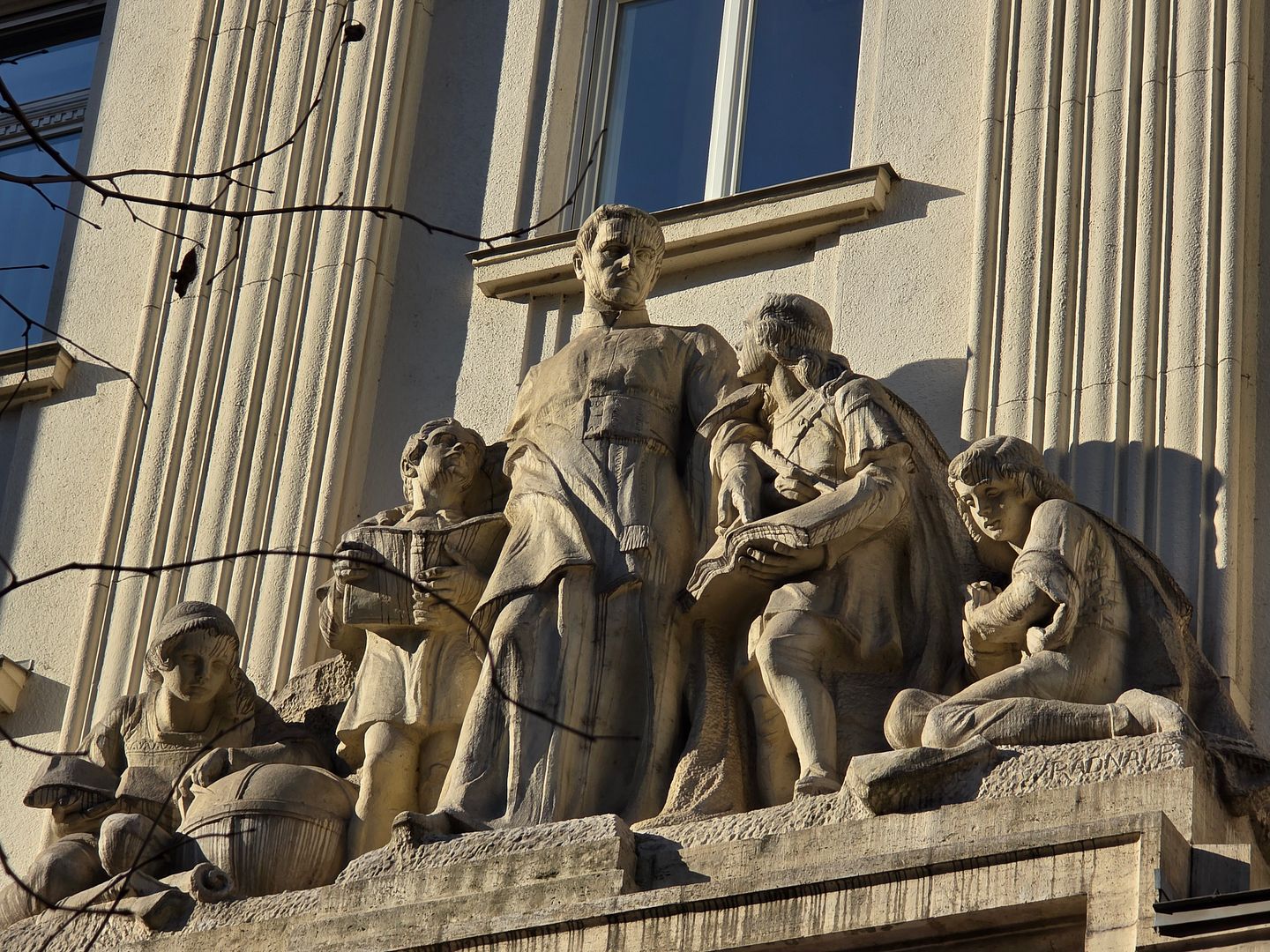
On the way we saw a few interesting doors and buildings.

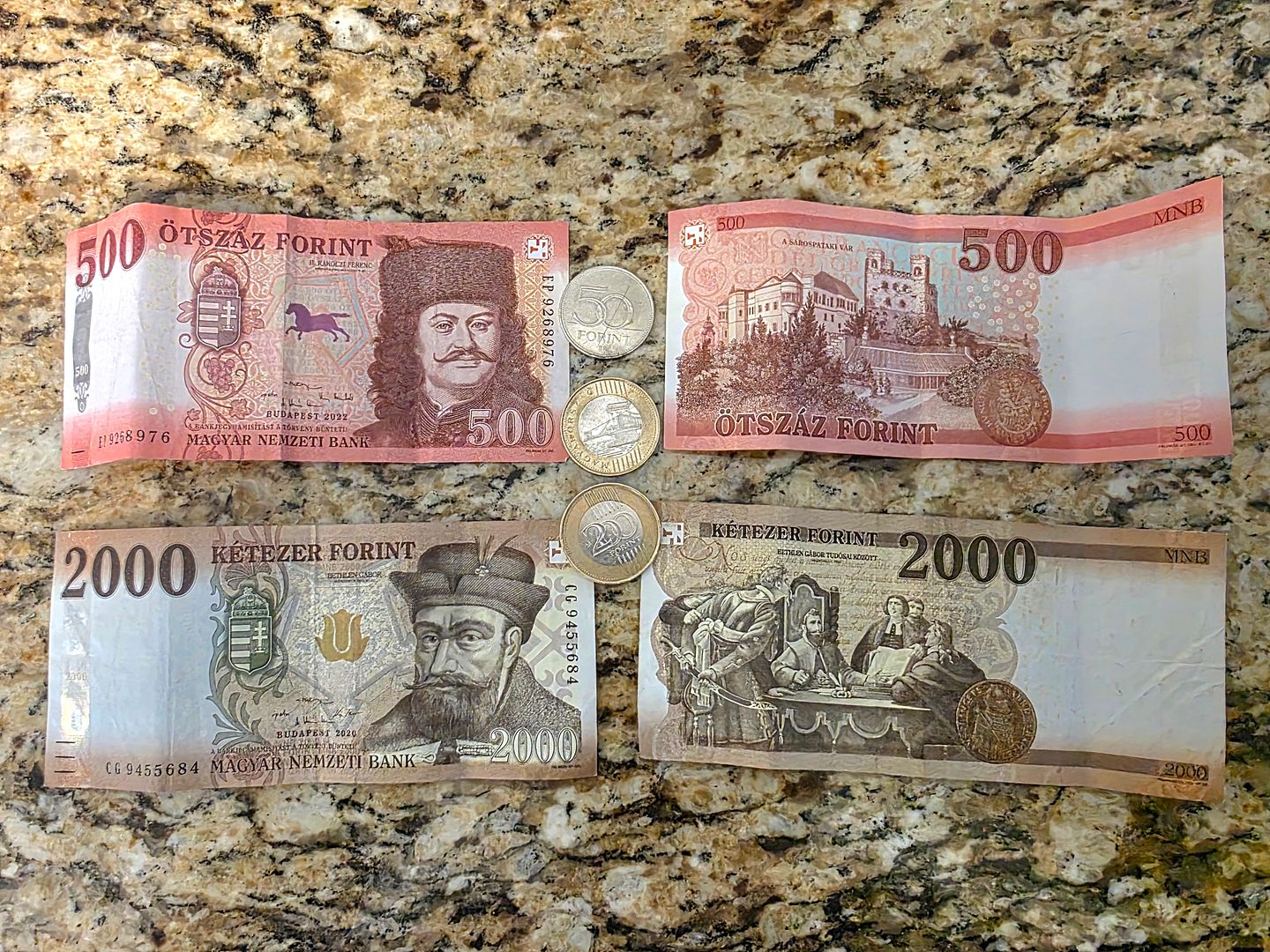
We stopped to exchange our dollars for some Forints, Hungary’s currency.

Hungary has not bought into euros.

The Hungarian forint (HUF) consists of six banknote denominations (500, 1,000, 2,000, 5,000, 10,000, and 20,000 Ft) and six coin denominations (5, 10, 20, 50, 100, and 200 Ft). Banknotes feature famous Hungarian historical figures, while coins are used for smaller transactions, with the 200 forint being the highest-value coin. A 200 forint coin is what you need for public restrooms.

2000 forints converts to about $5.94.

We wanted to leave a tip for our room housekeeper at the hotel. It was hard to wrap our heads around such large sounding currency actually being such a small amount in our own currency.

We caught our AmaWaterways shuttle to take us to the boat for our embarkation. I took a video of us walking on to the boat instead of taking photos and never took photos of our room. I took a video of our room. Sad but true I cannot add those videos here.

We had a warm welcome when we arrived and made it to our room where we found our luggage waiting for us with welcome notes and other items.

Our room was one of the least expensive rooms and on the lower deck but we were impressed with the size and the conveniences it afforded. The bed was very comfortable and it was larger than a queen. Another notable thing is how quiet our room was. We never heard any noise from the rooms next to ours. We never heard load engine noises and anything of that kind while in bed for the night.

Our windows were at water level.

The journey would commence on the Danube as we were enjoying our first dinner aboard. We sat at a round table for eight and enjoyed getting to know total strangers that would become more familiar by the end of our seven day journey. We were told that the Captain would tell us when we were passing the Parliament Building in Budapest so we could go up on the upper deck and get some nice photos. I’ll share those photos in my next River Cruise post. This was more of an off season time and there were only 130 passengers on this cruise. The boat could have 190 if full.

Back to the present:

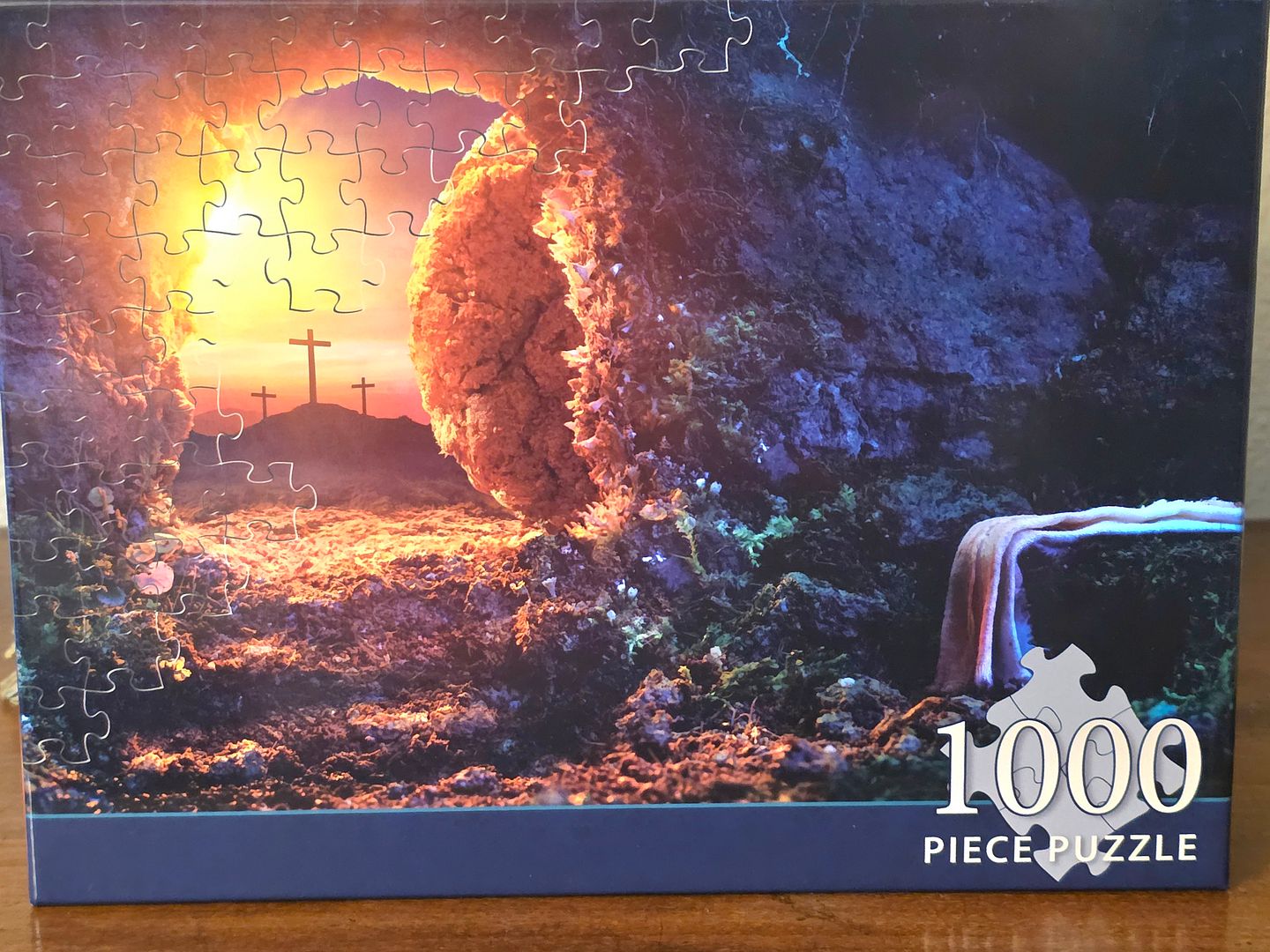
It is the last day of March and we are going full speed ahead to Good Friday and Easter Sunday. I finally brought our Easter Bin in. I started a new puzzle this week that Josh and Laura brought last weekend and I don’t think I’ll be able to complete it by Easter. It is a tough one because of the coloring. I’ve done the easiest parts, ha! I’m using my new puzzle mat that Andrew and Katie gifted me for my birthday. It is one of those that you can roll up with the puzzle intact if you need to move it before finishing.

The Empty Tomb!

Thanks for stopping by. Goodbye March and thank you, LORD, for a wonderful month filled with blessings galore!