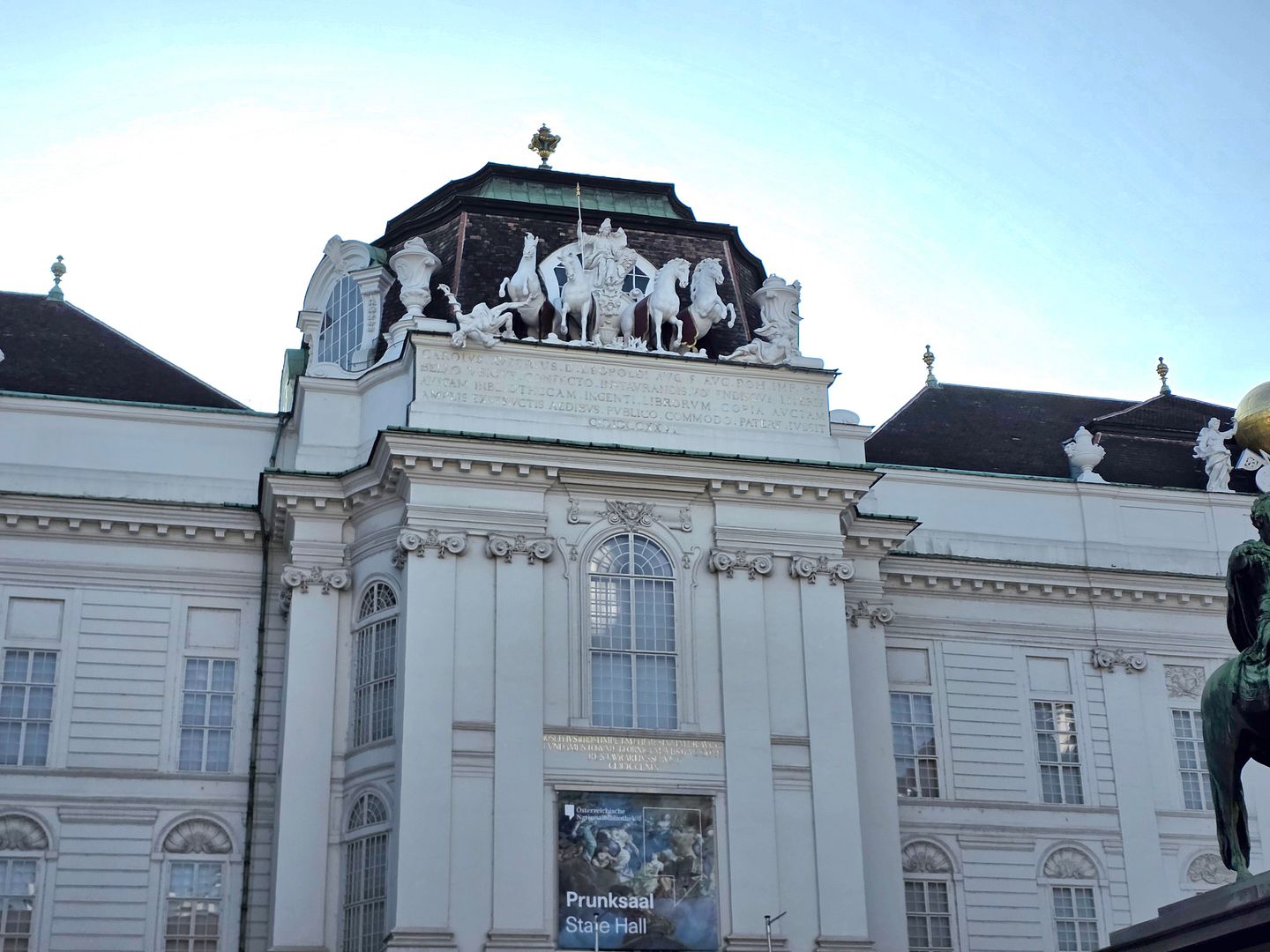
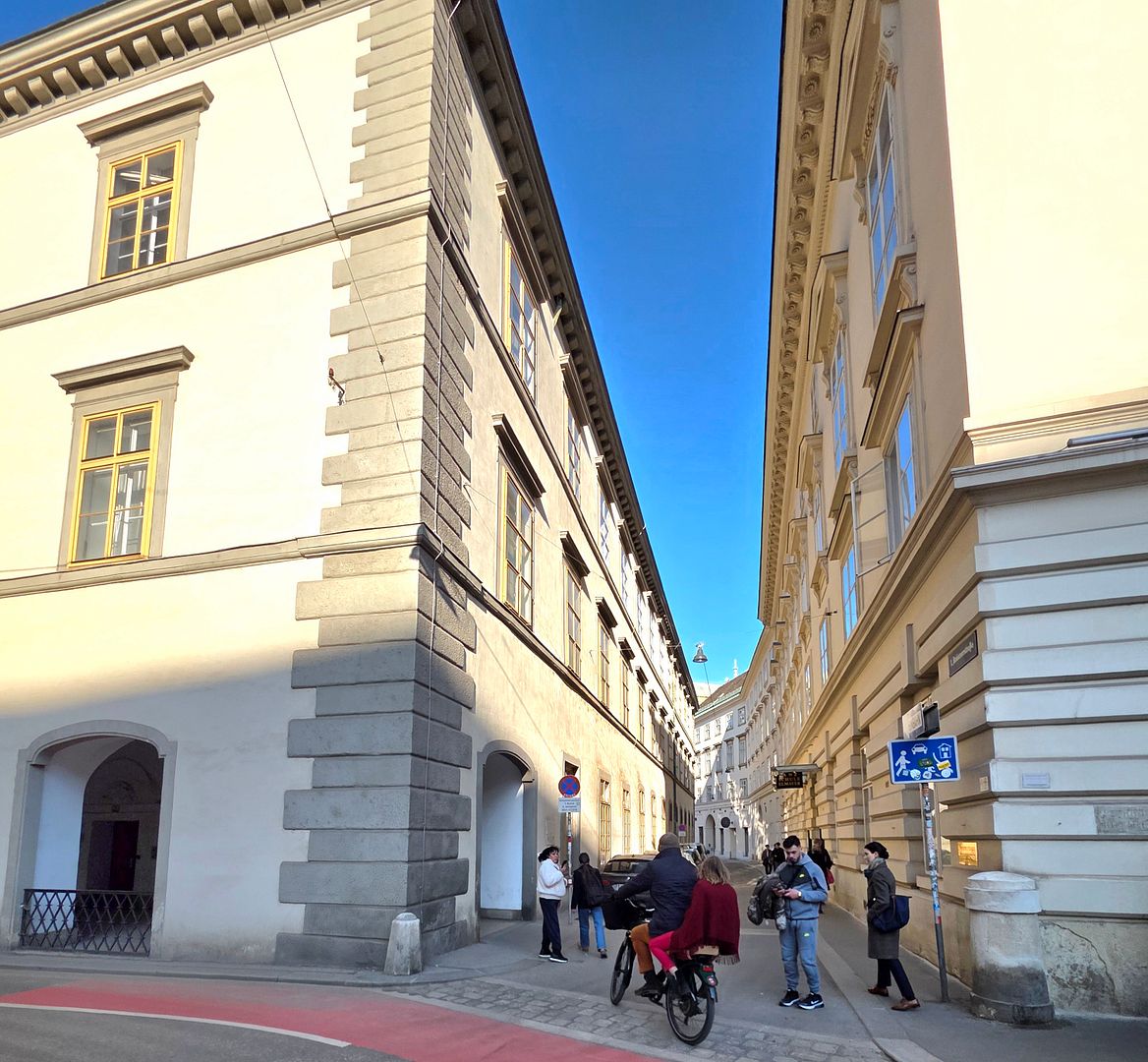
Vienna Part 5- Schönbrunn Palace

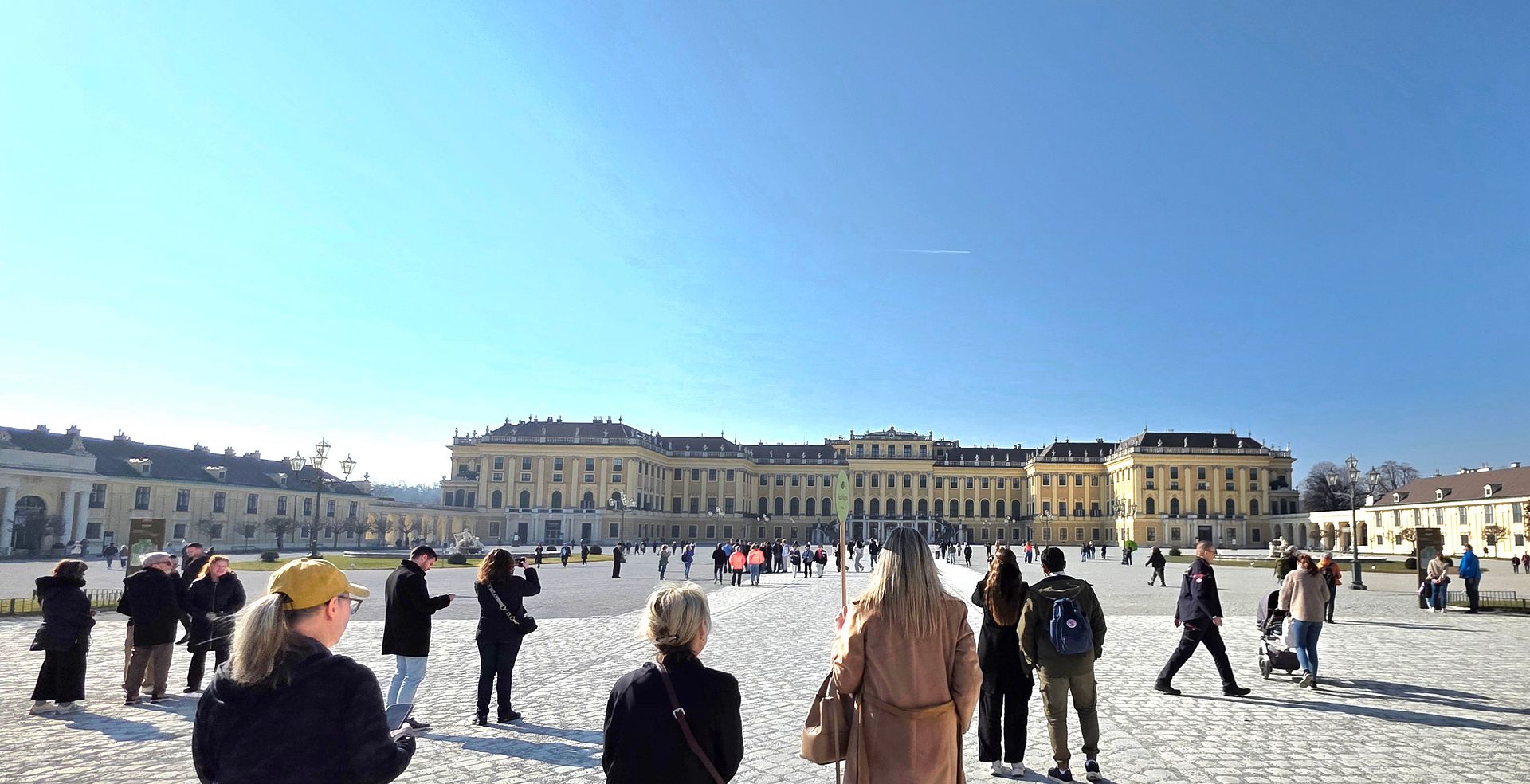
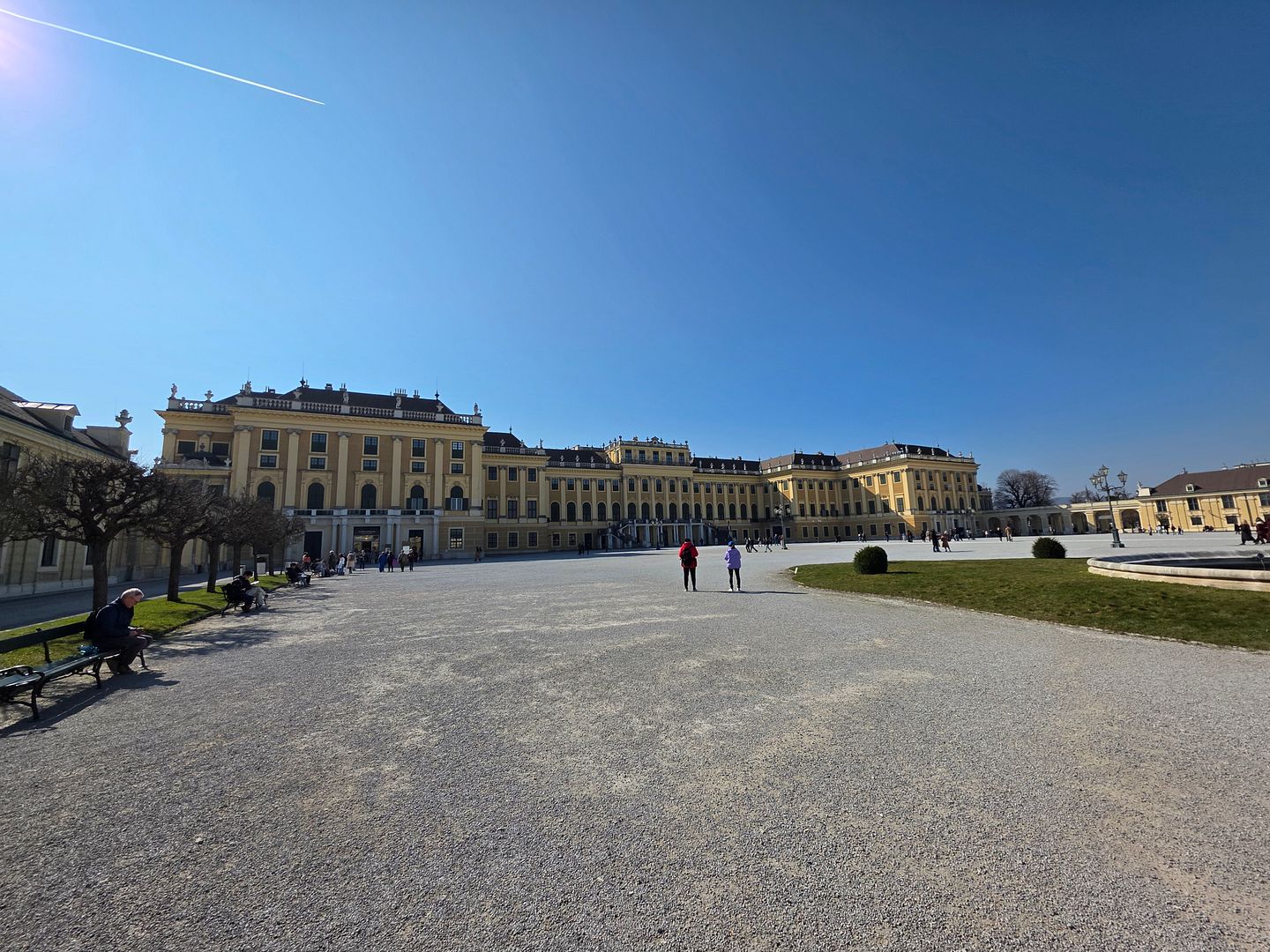
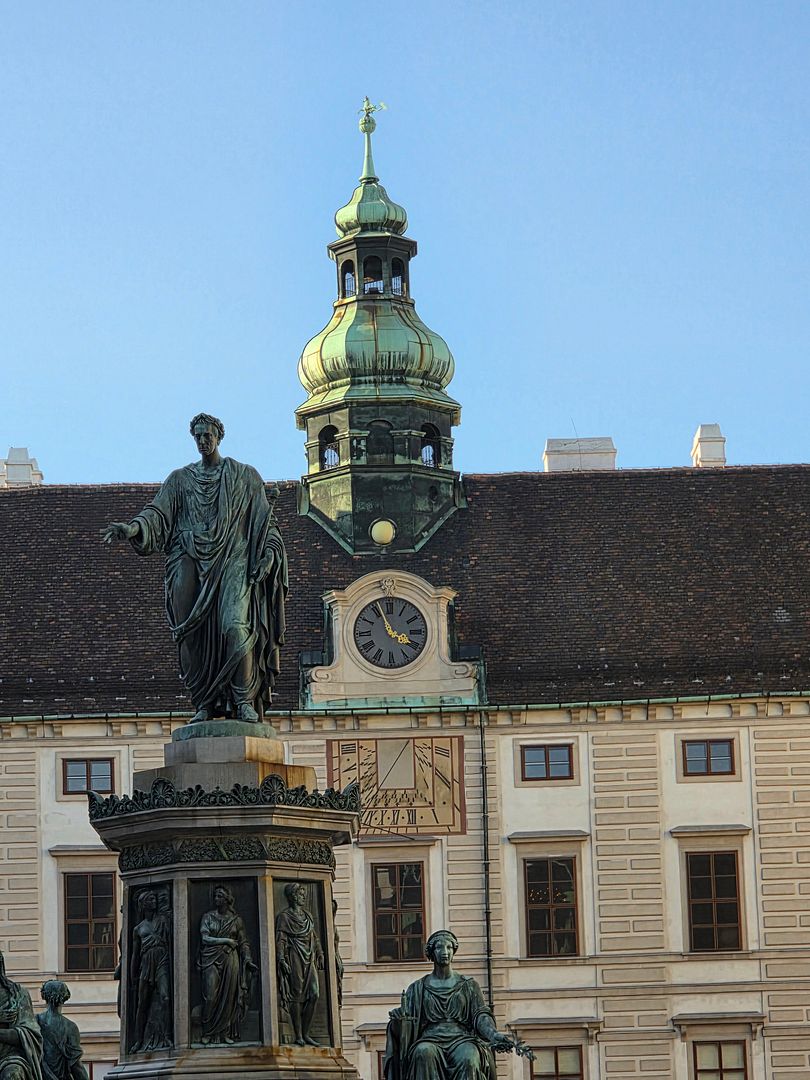
After breakfast aboard the AmaMagna on Friday March 6th we had a morning excursion to Schönbrunn Palace.

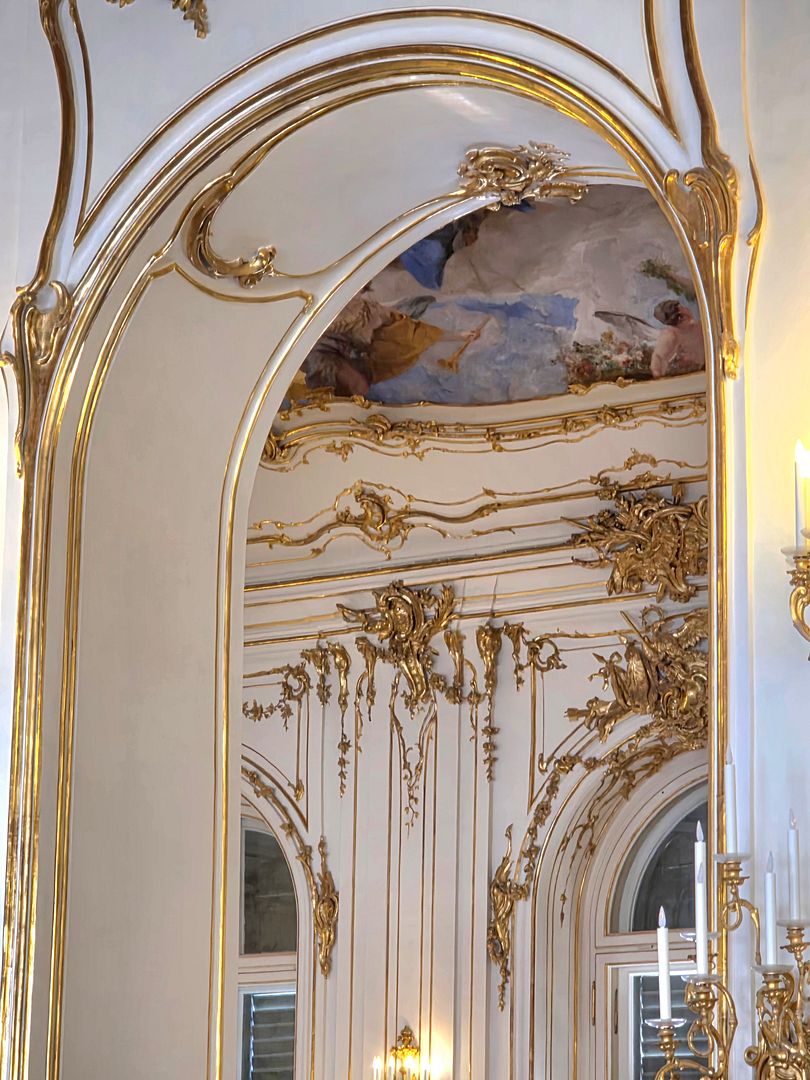
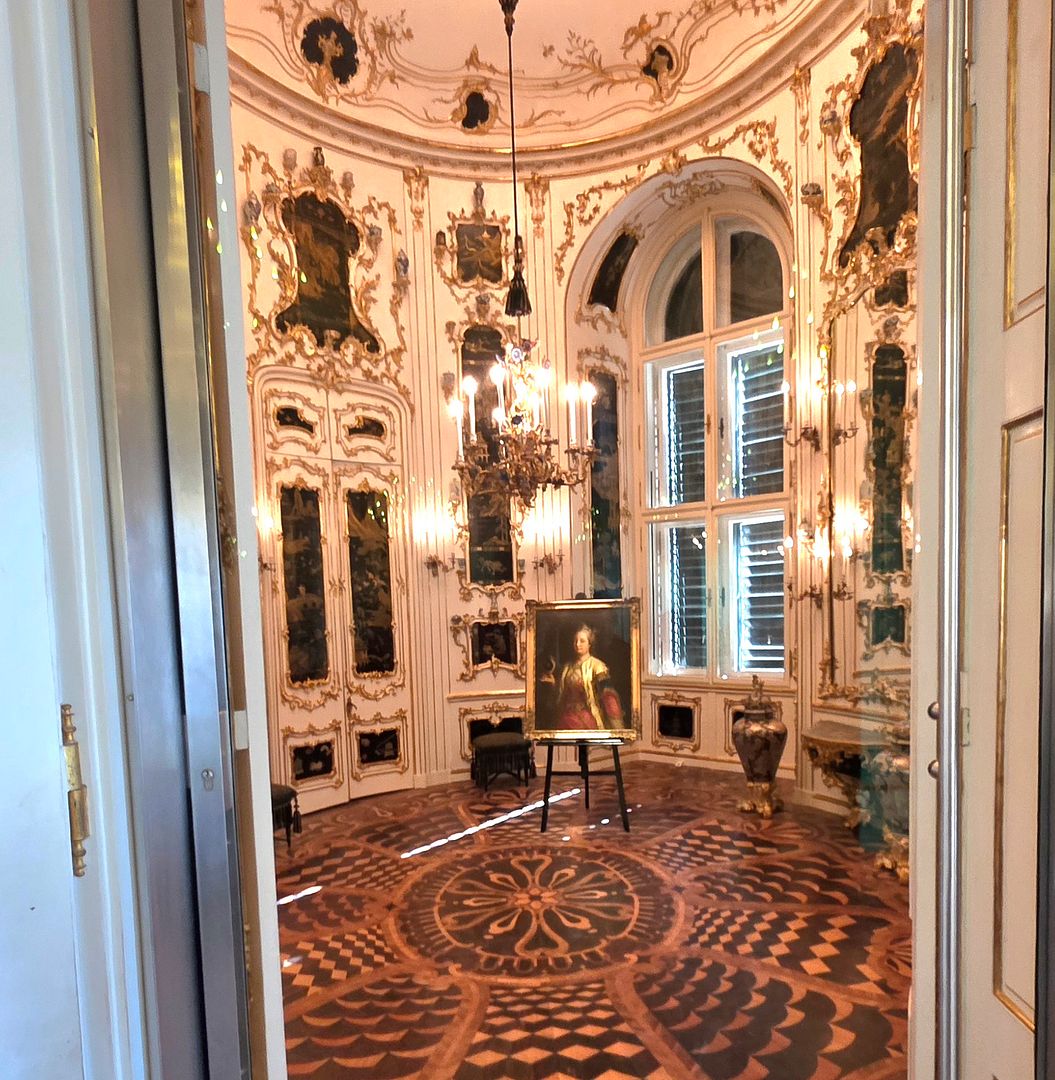
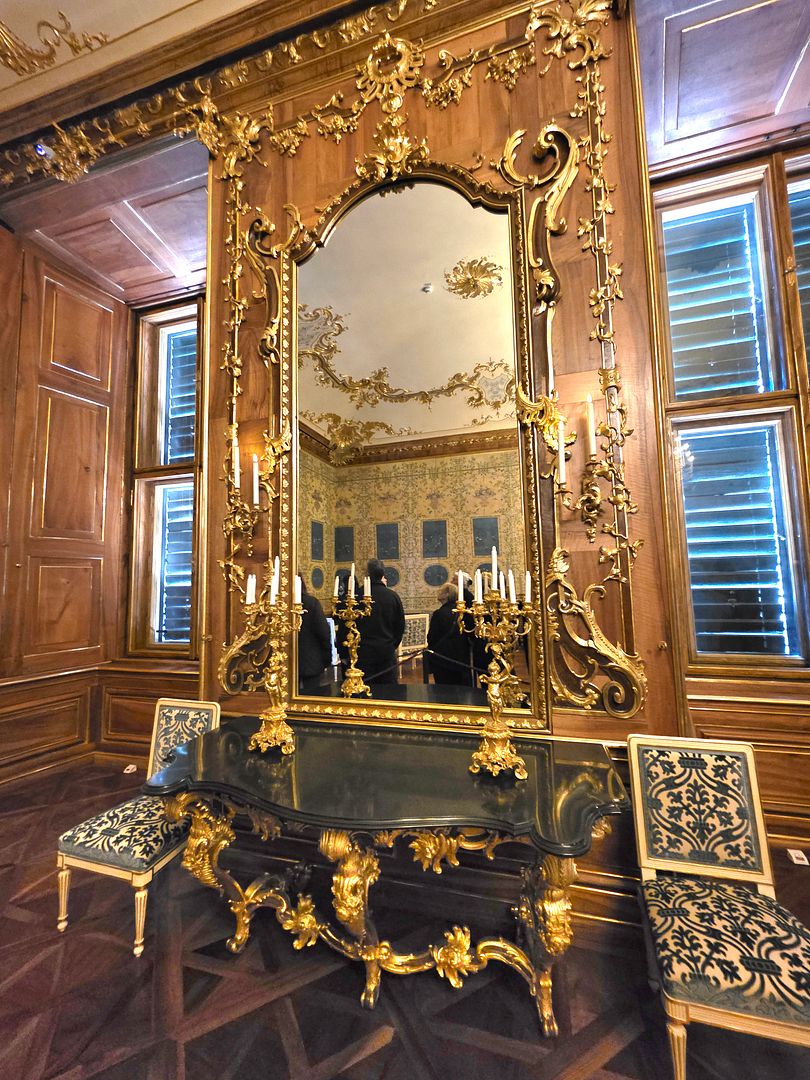
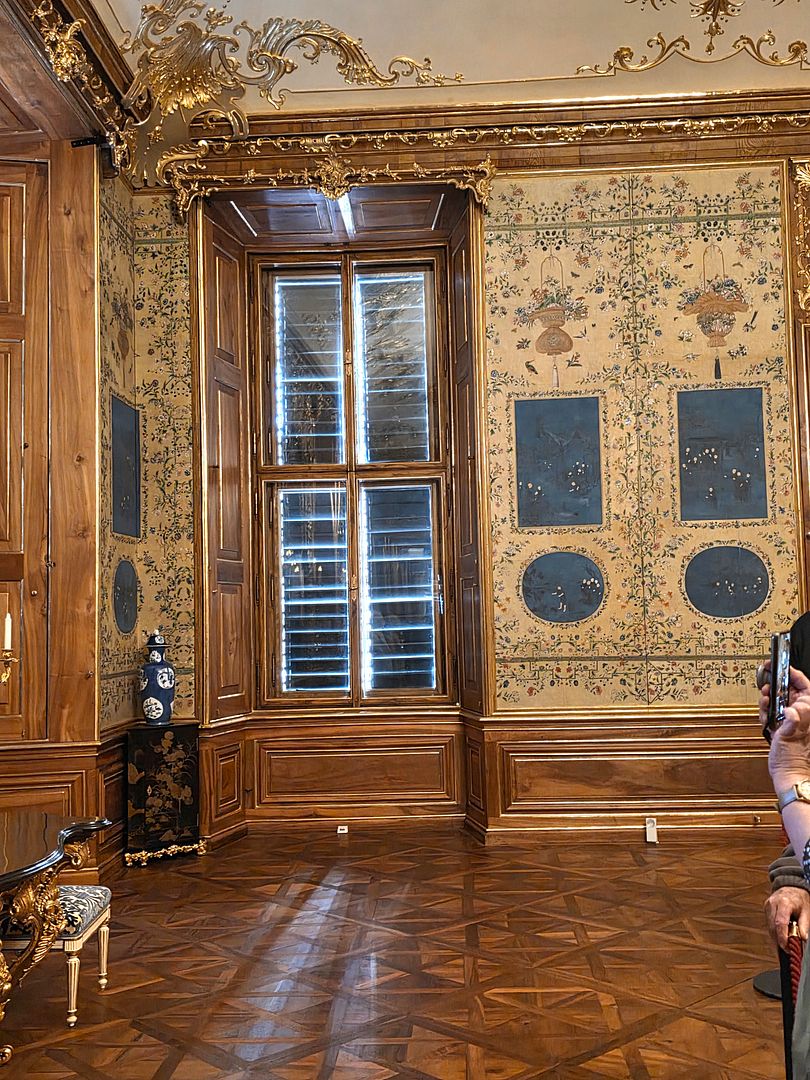
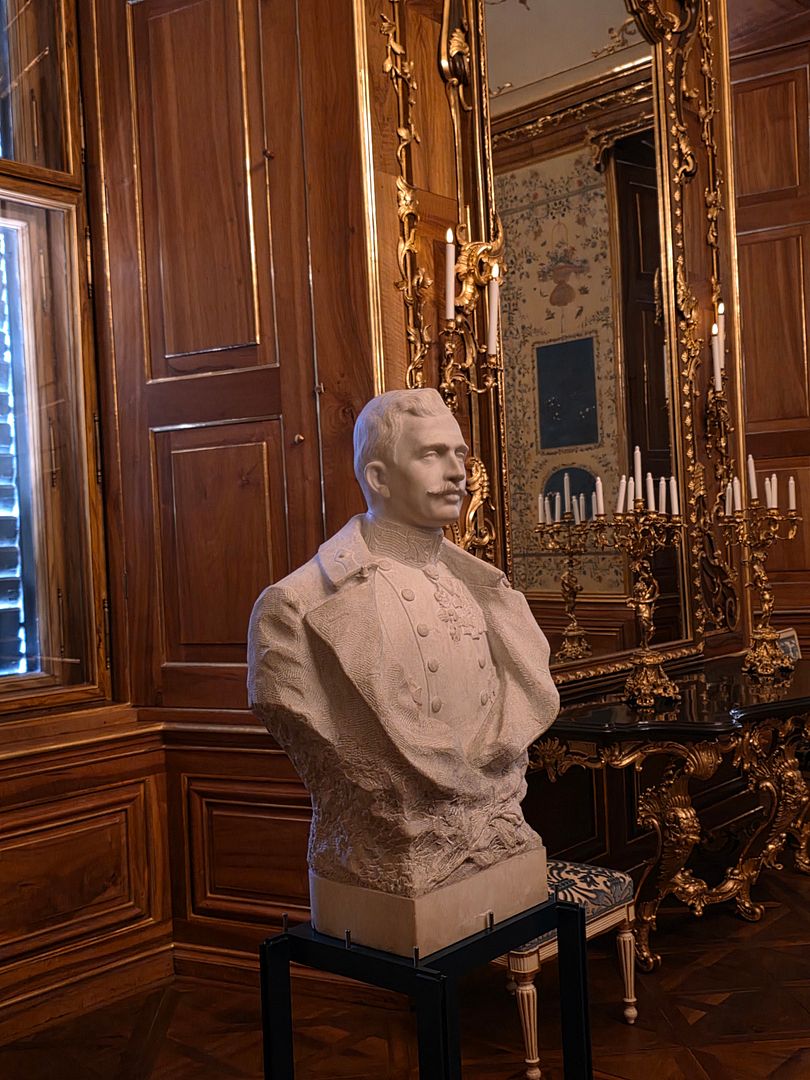
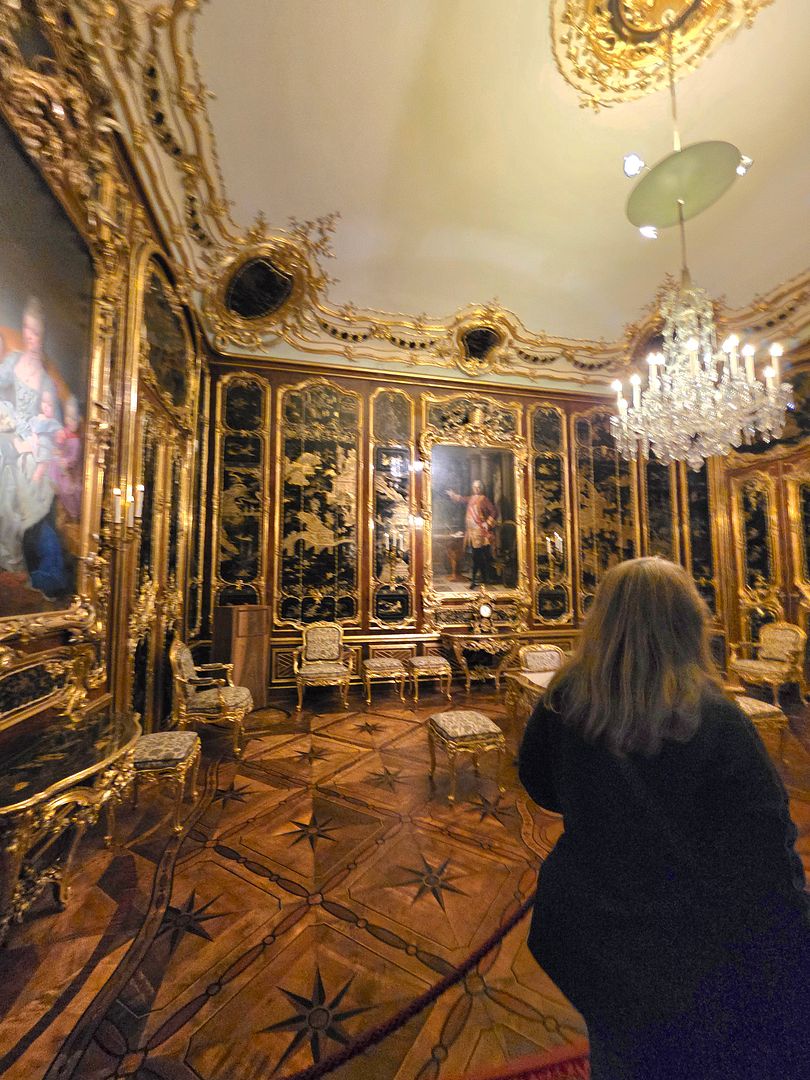
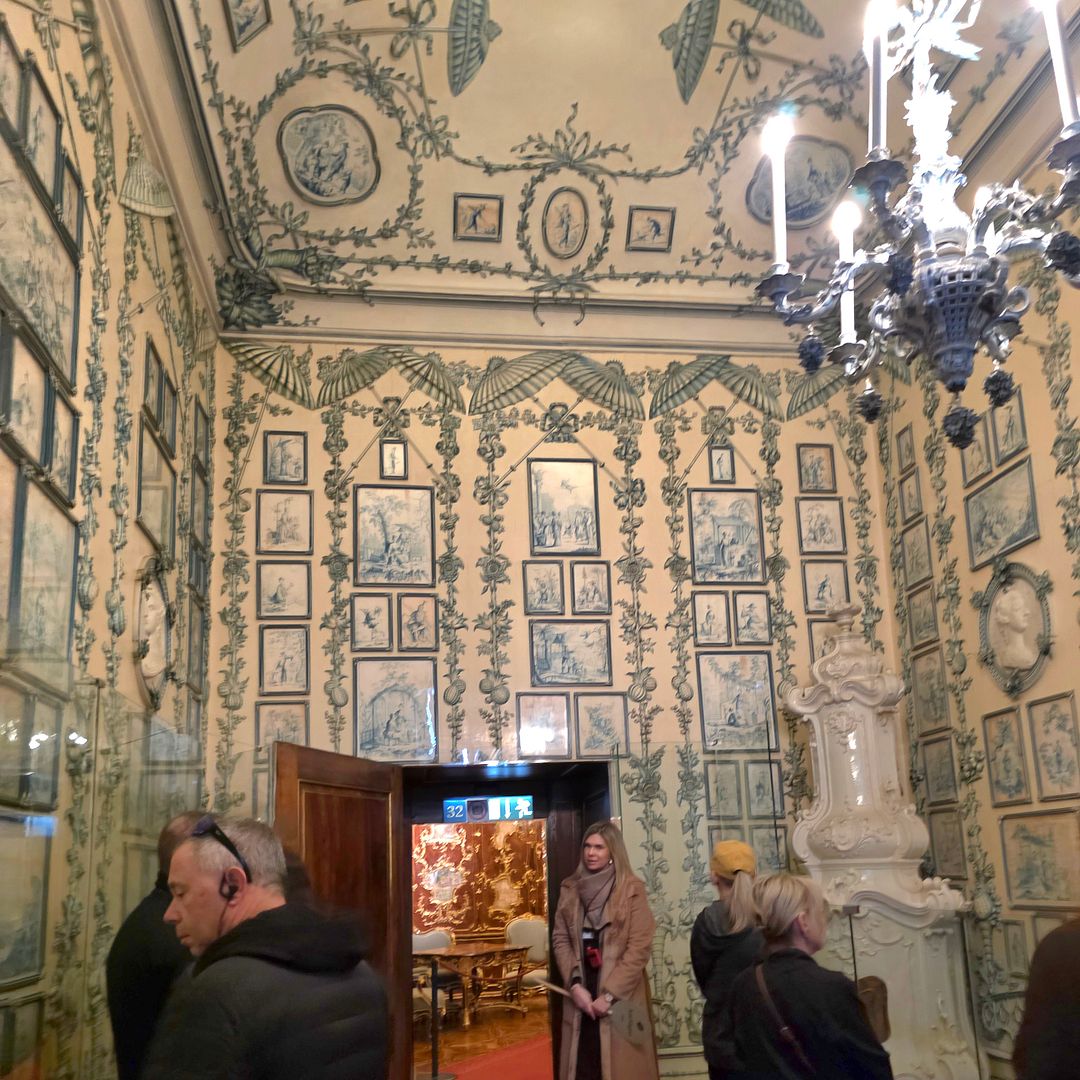
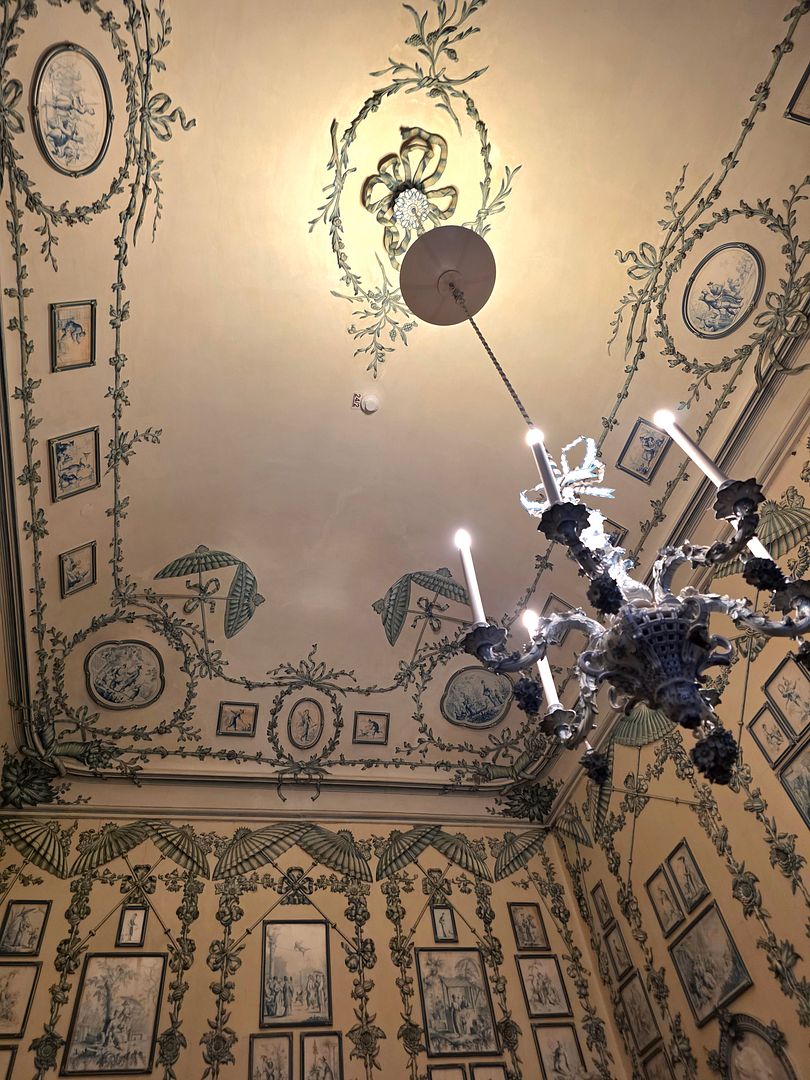
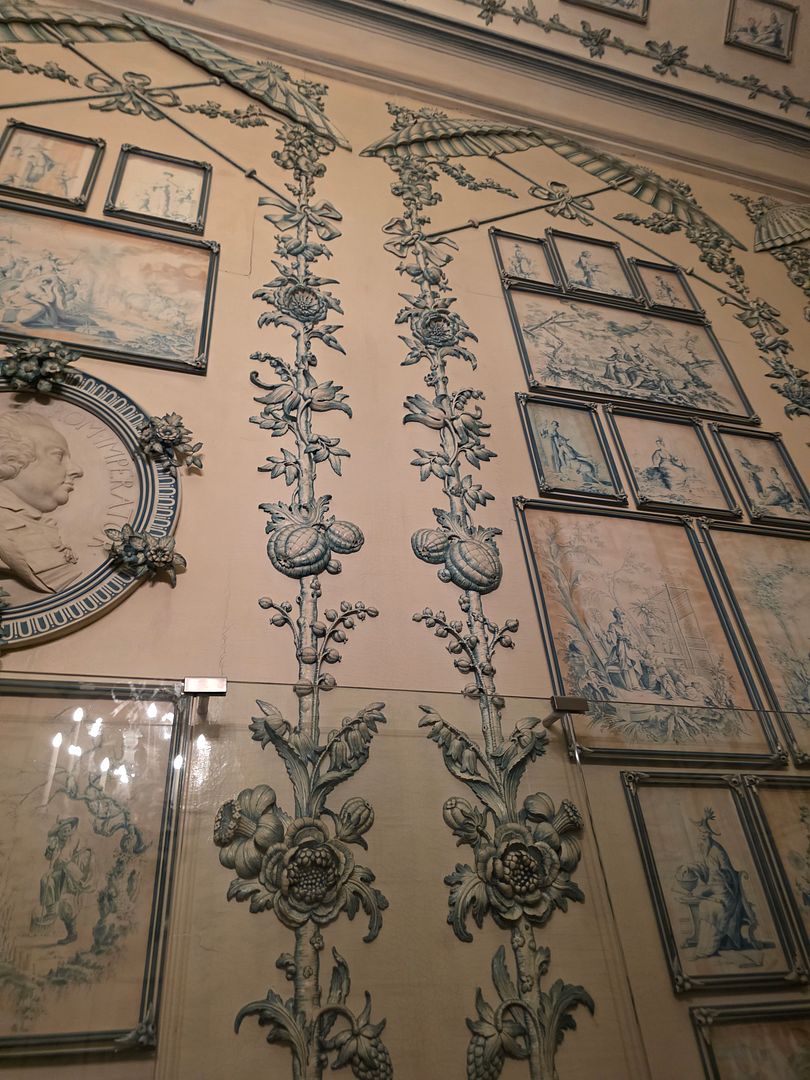
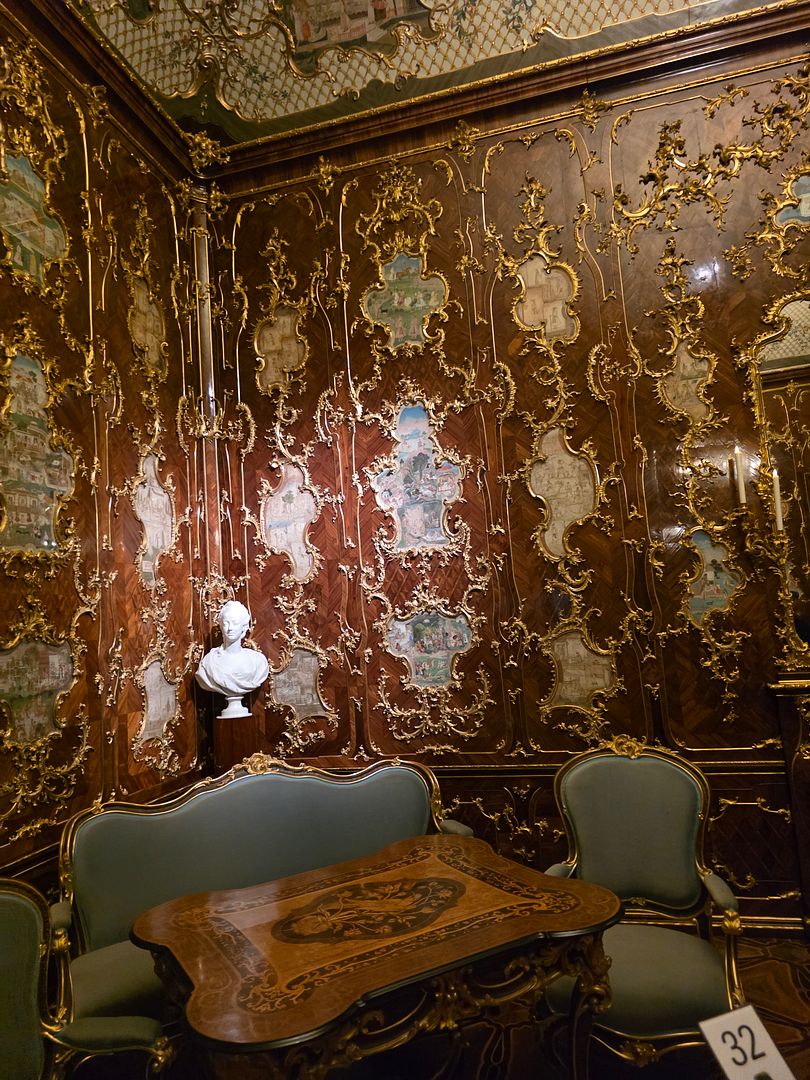
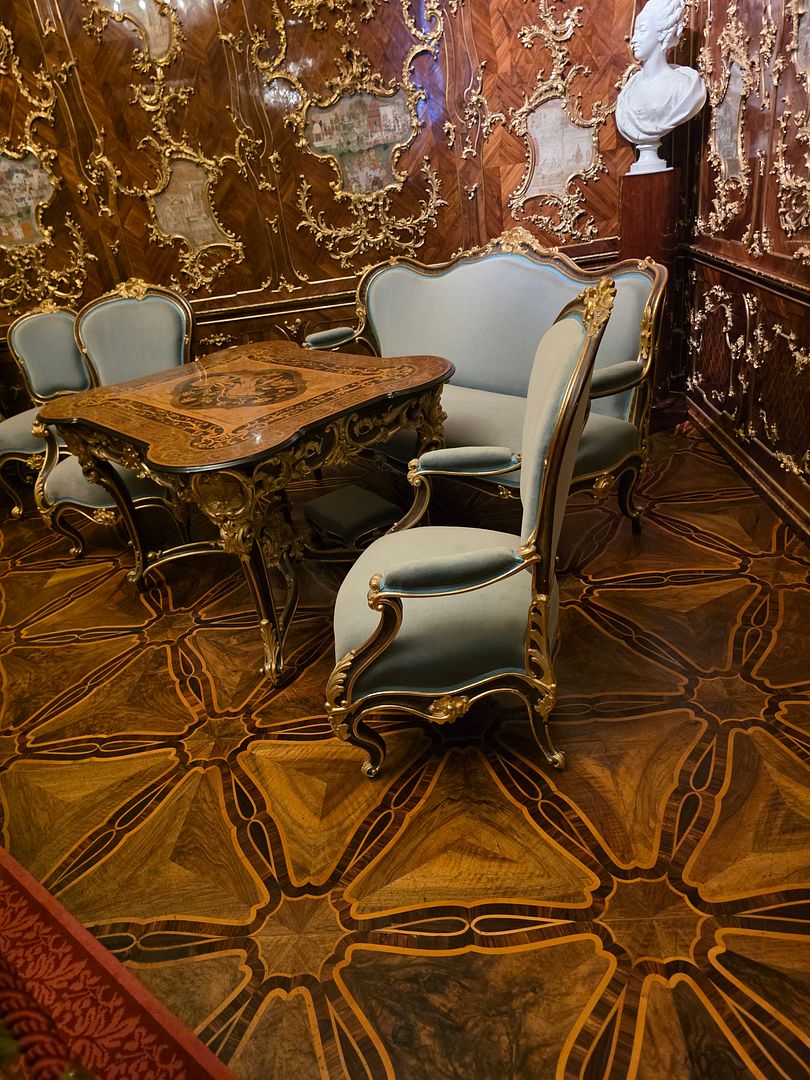
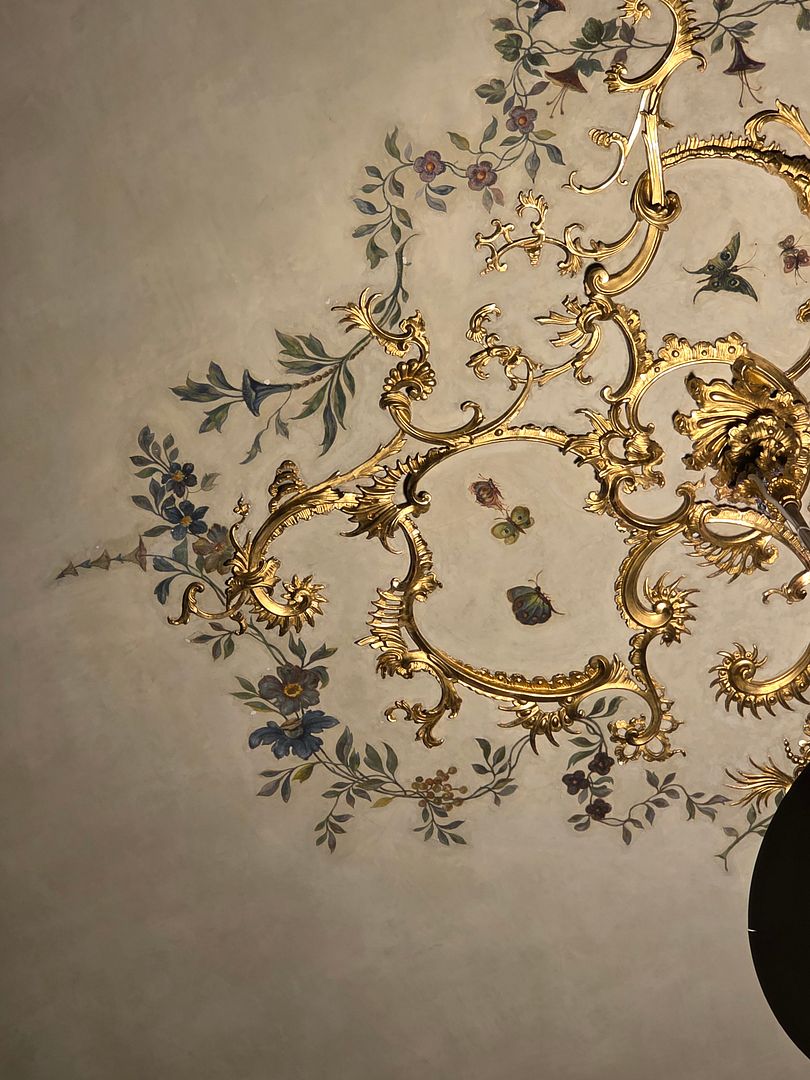
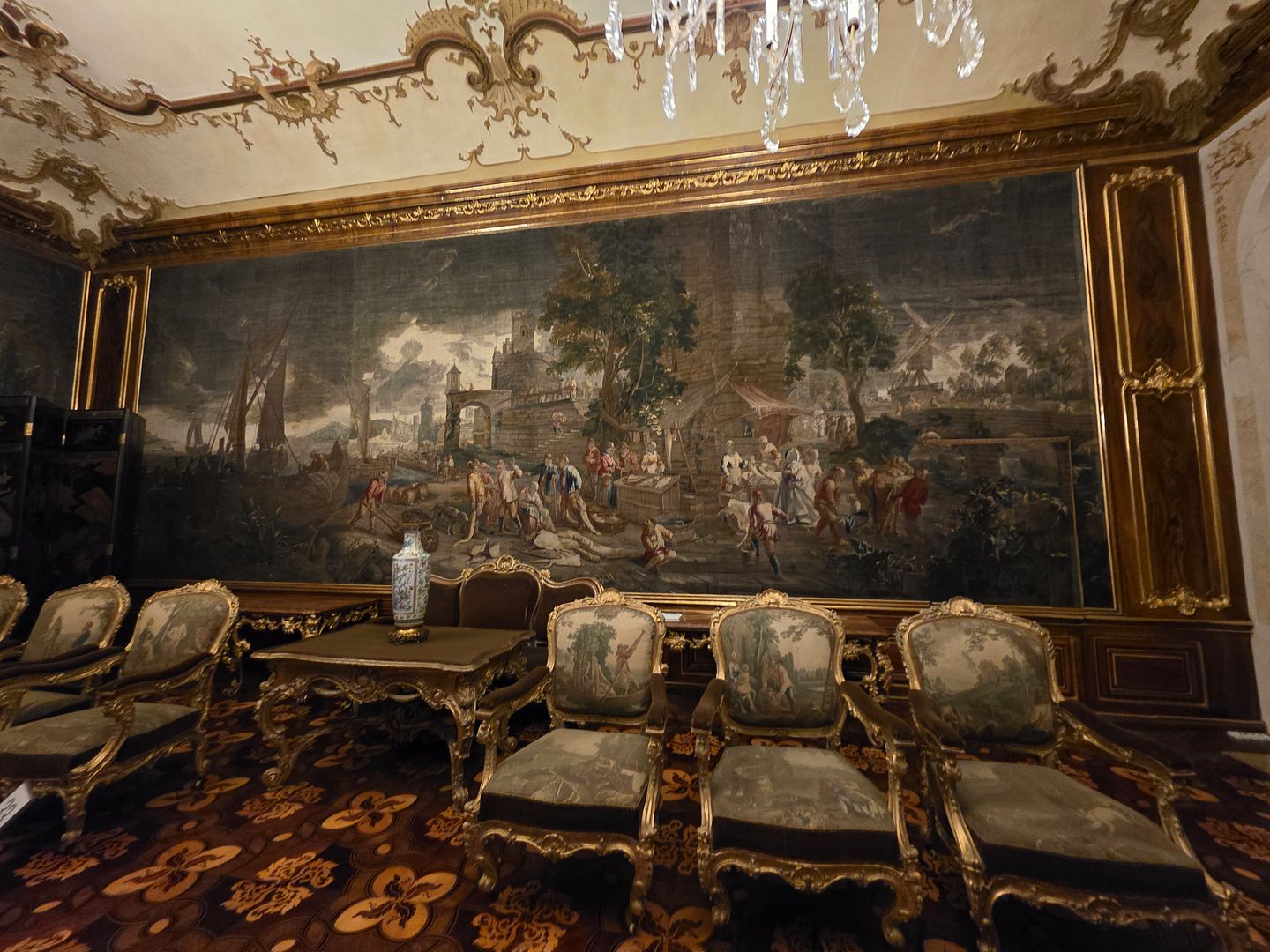
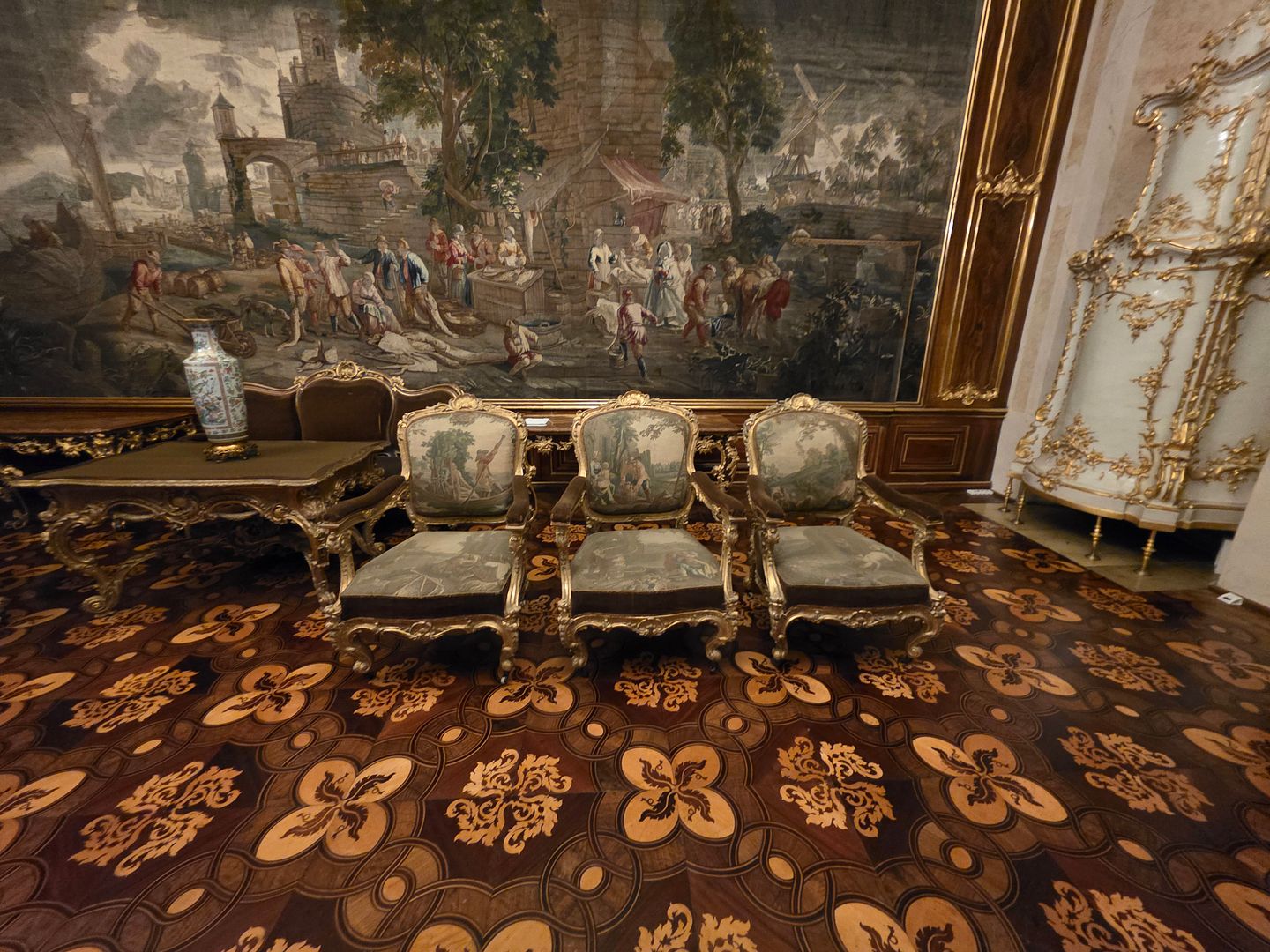
The palace is an exquisite example of Baroque architecture and opulence, illustrating the tastes, interests and aspirations of successive Habsburg monarchs. Built as a summer residence of the Habsburg Emperors and spanning an astounding 1441 rooms, this Rococo palace soon became one of their favorite homes. 

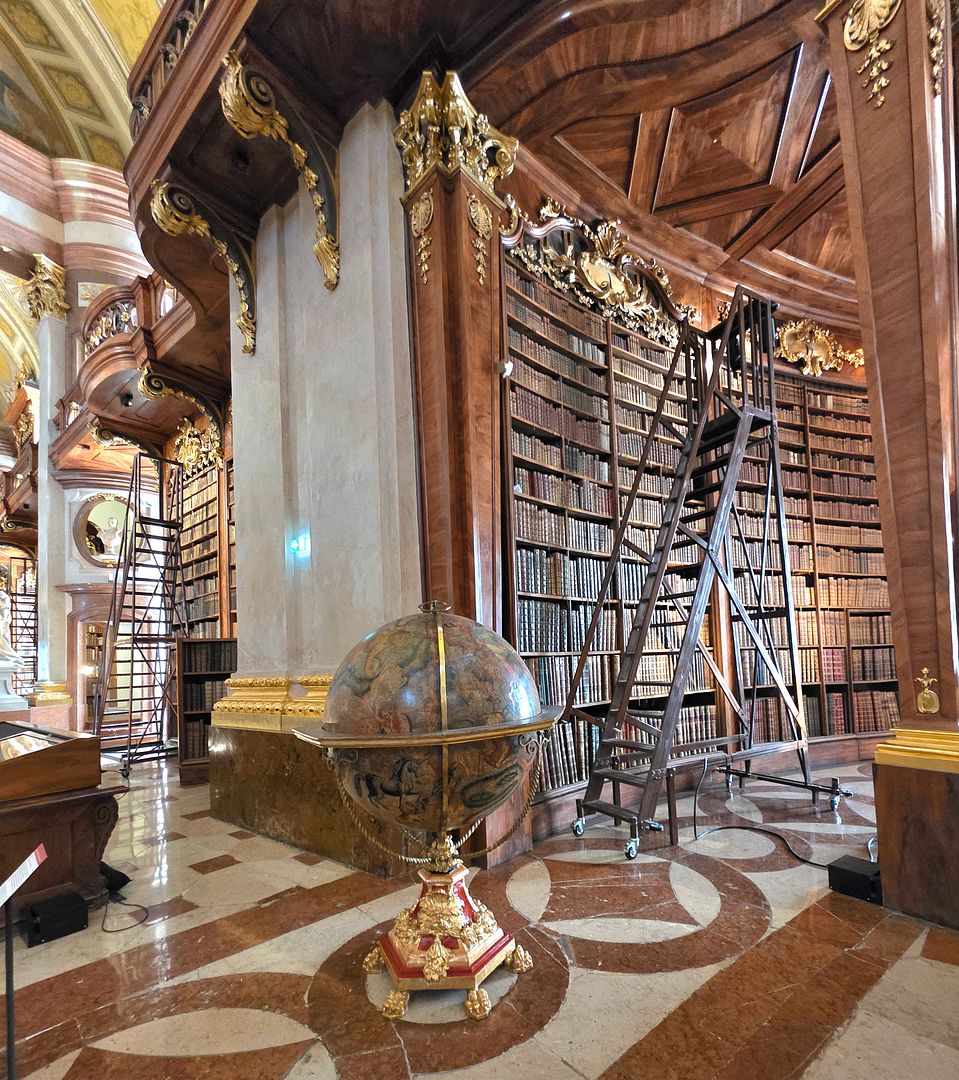
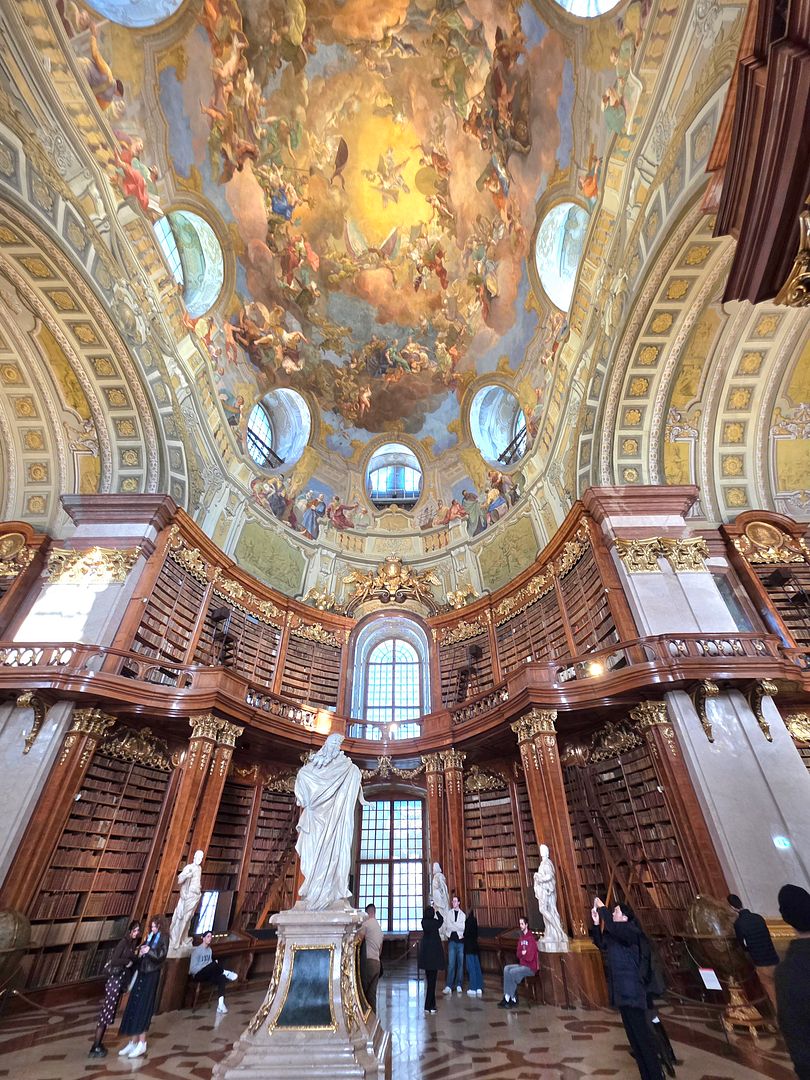
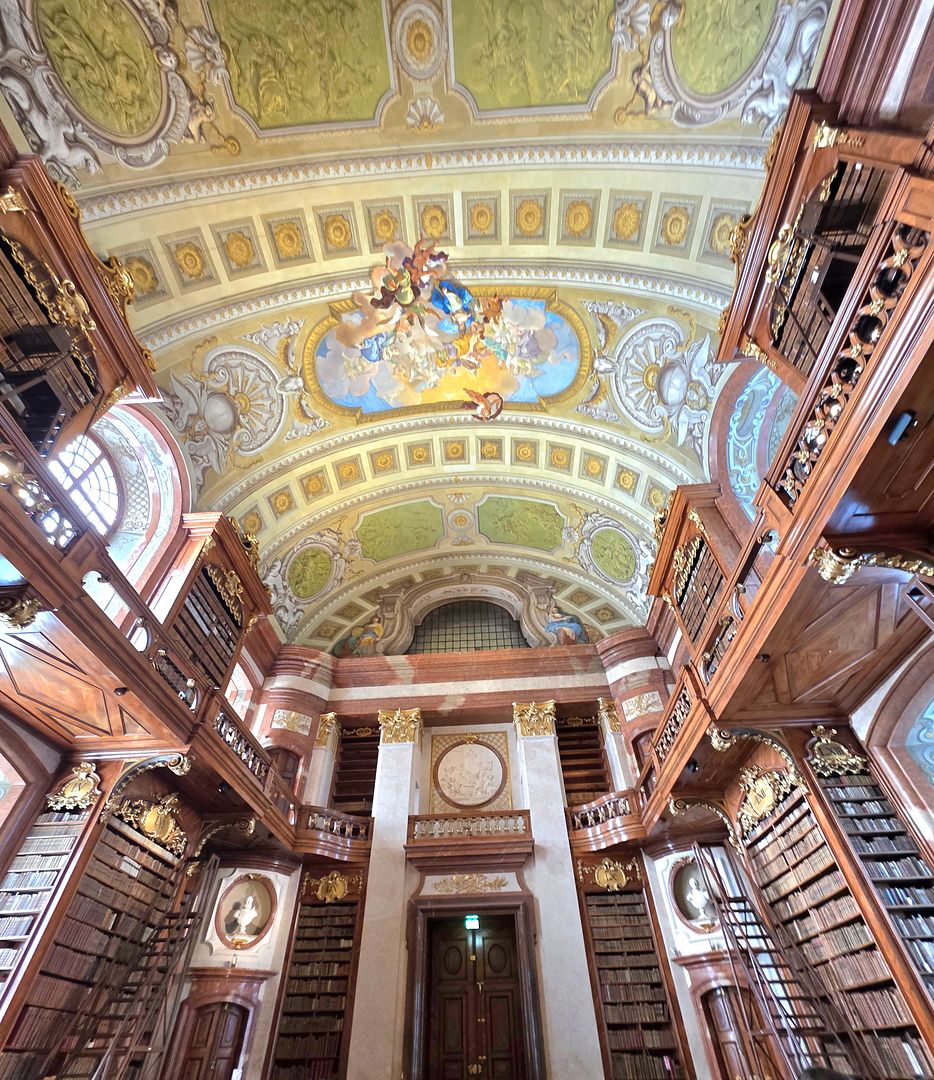
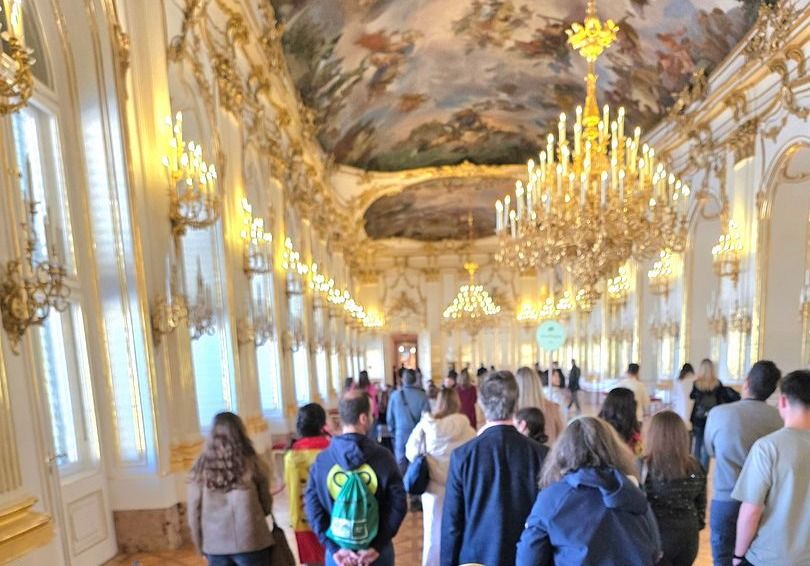
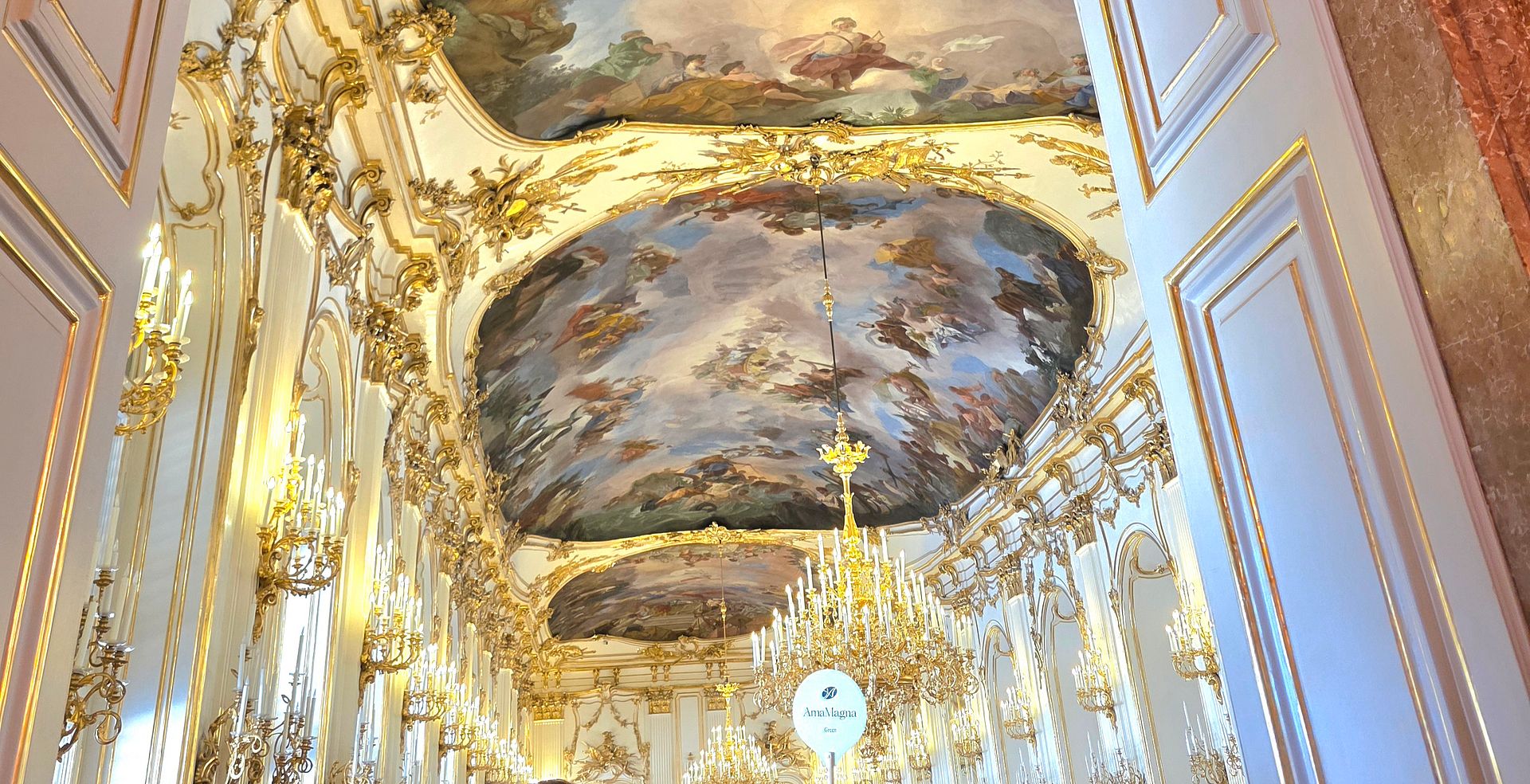
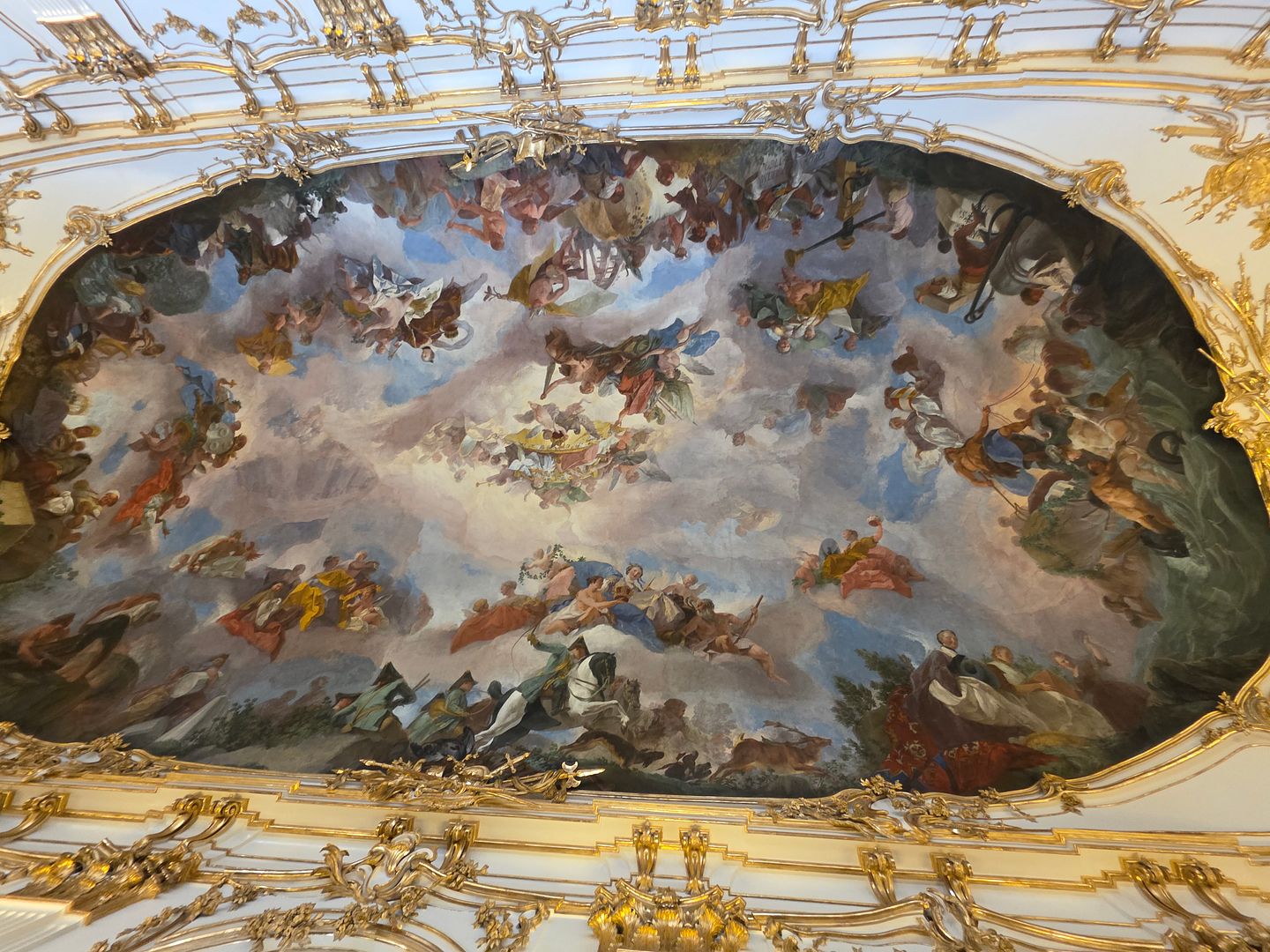
We entered the Grand or Great Gallery.

The most significant official event to have taken place in the Great Gallery in the international context was the legendary encounter between US President John F. Kennedy and the Soviet Prime Minister Nikita Khrushchev in 1961.

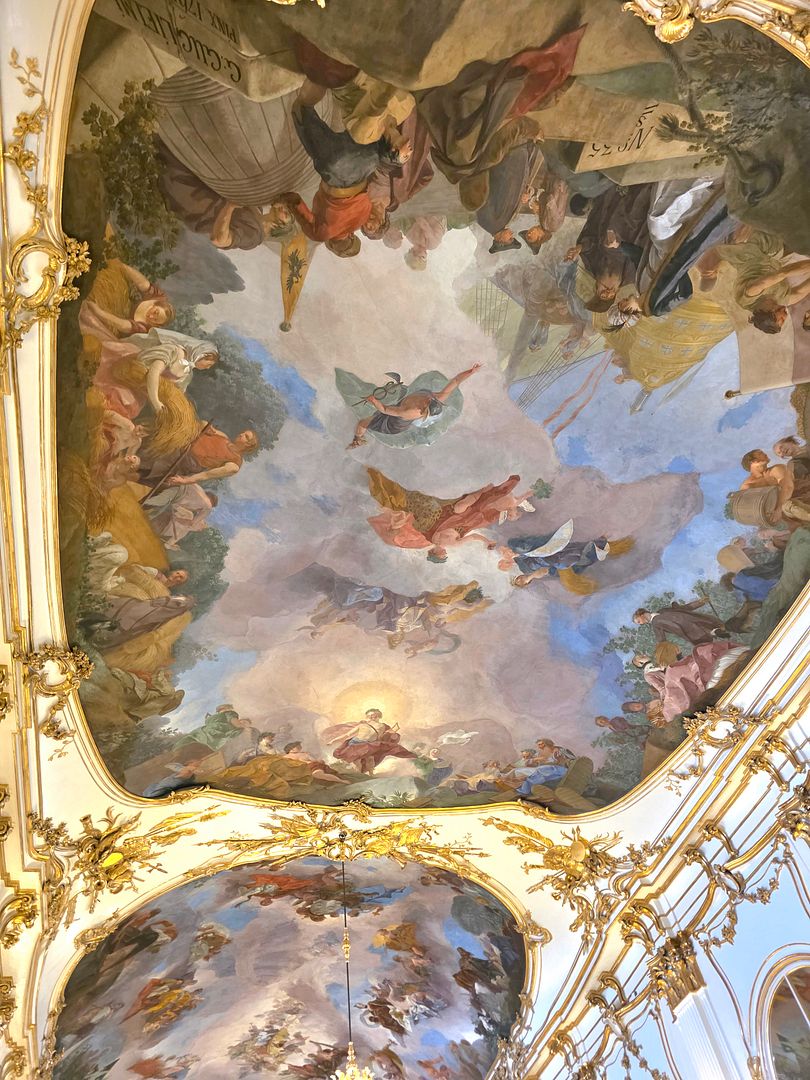
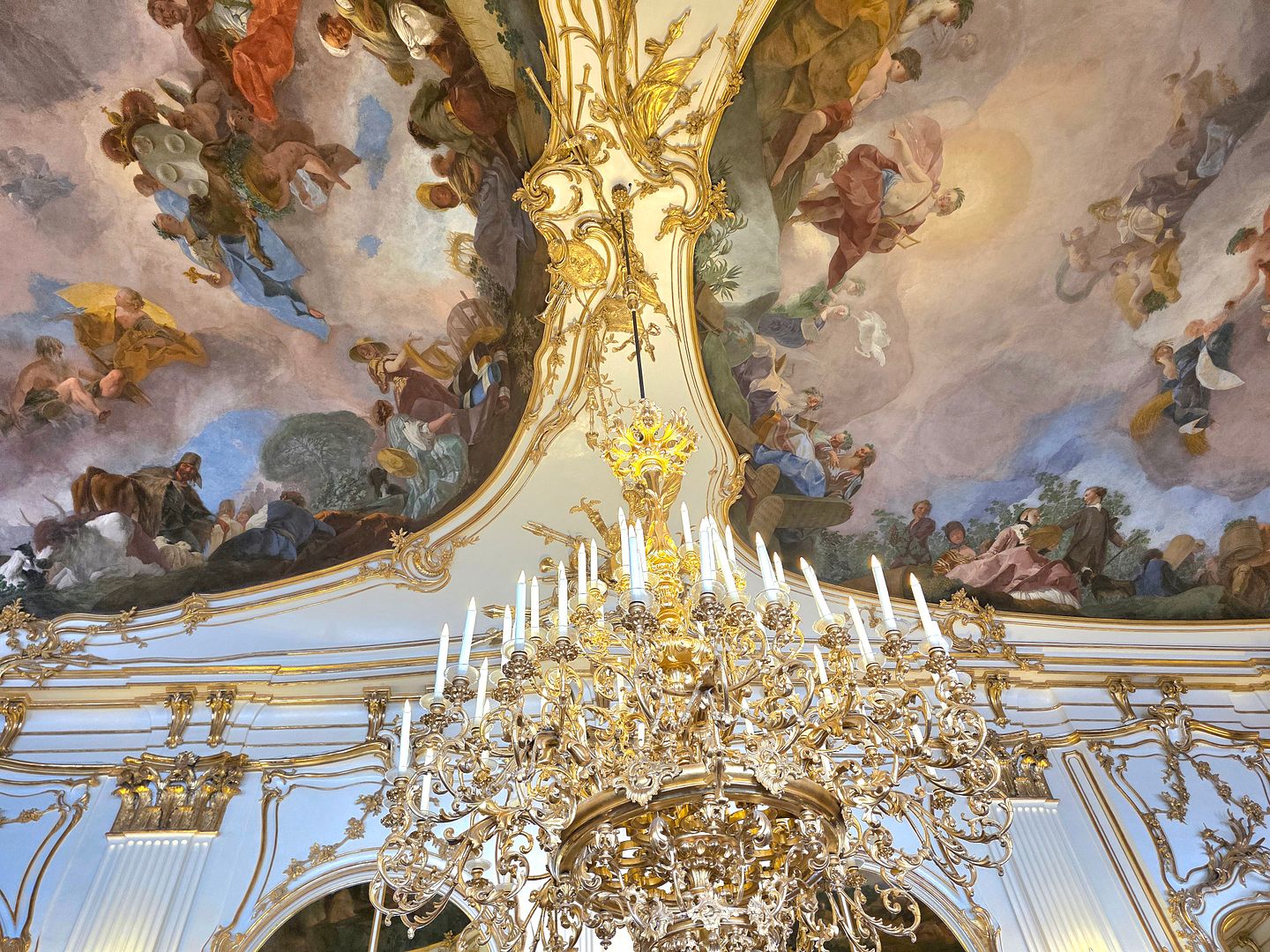
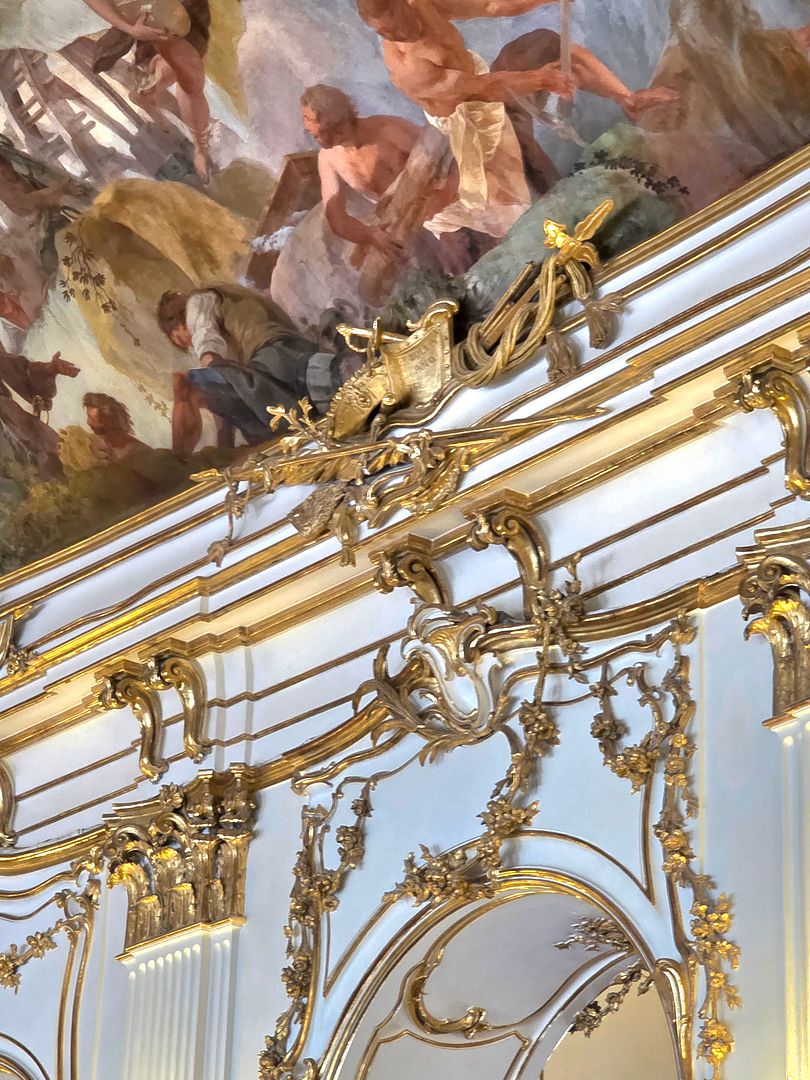
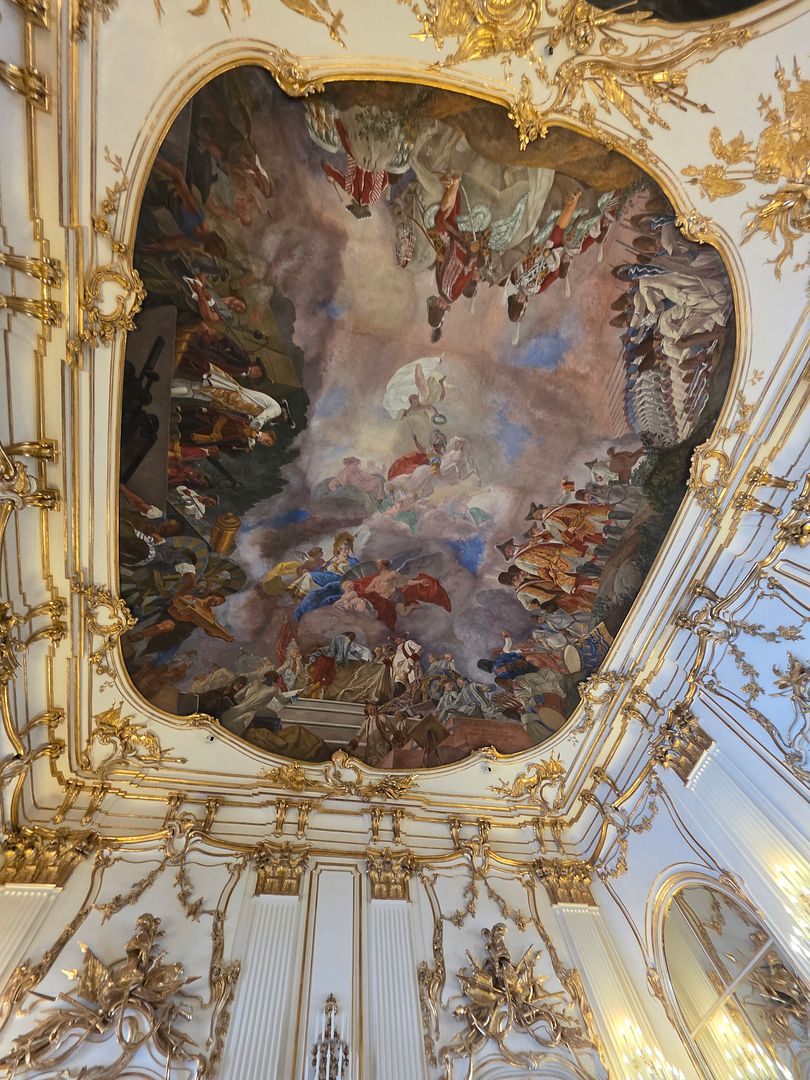
The Great Gallery is the palace’s ceremonial hall and is not merely the architectural centrepiece of the palace: its decorative programme glorifies Habsburg rule under Maria Theresa.

One of the frescoes fell victim to a bomb dropped in April 1945, in the final days of the Second World War. It was replaced with a copy painted by Paul Reckendorfer and Carl Krall in 1947/48.

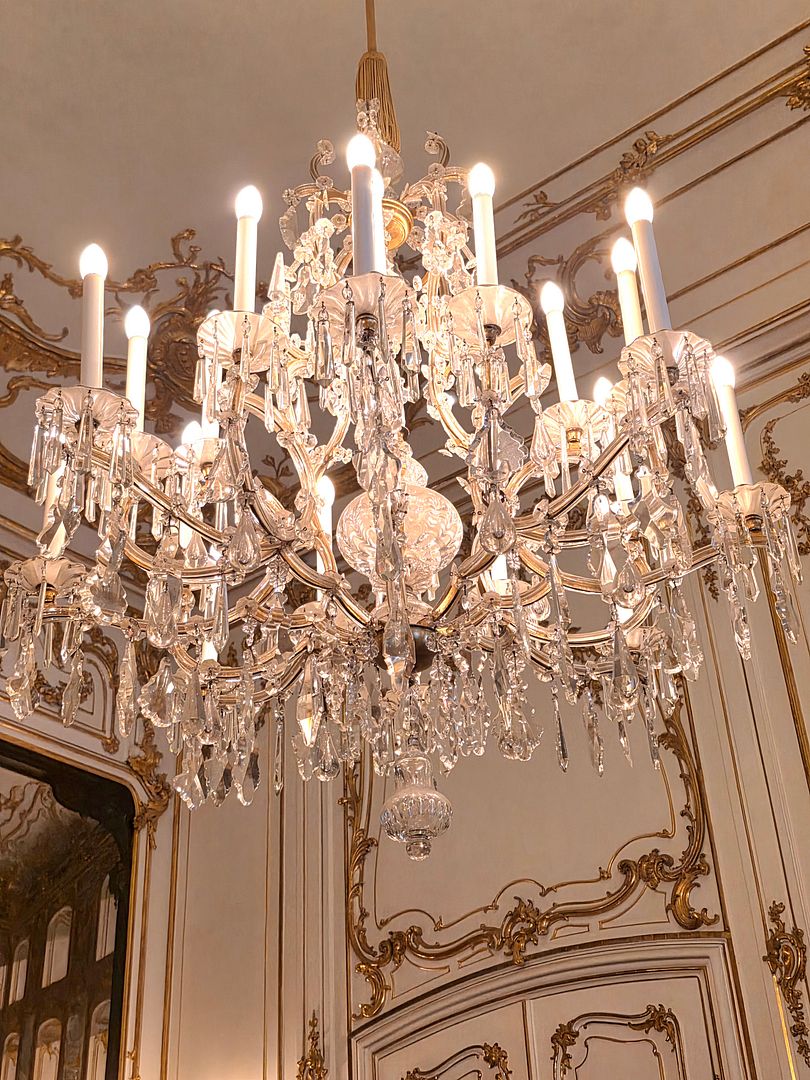
The chandeliers seen in the Great Gallery today are electrified versions of those that originally held candles, maintaining the historic aesthetic with modern technology. The link to the Great Gallery above has descriptions of the ceiling frescoes.

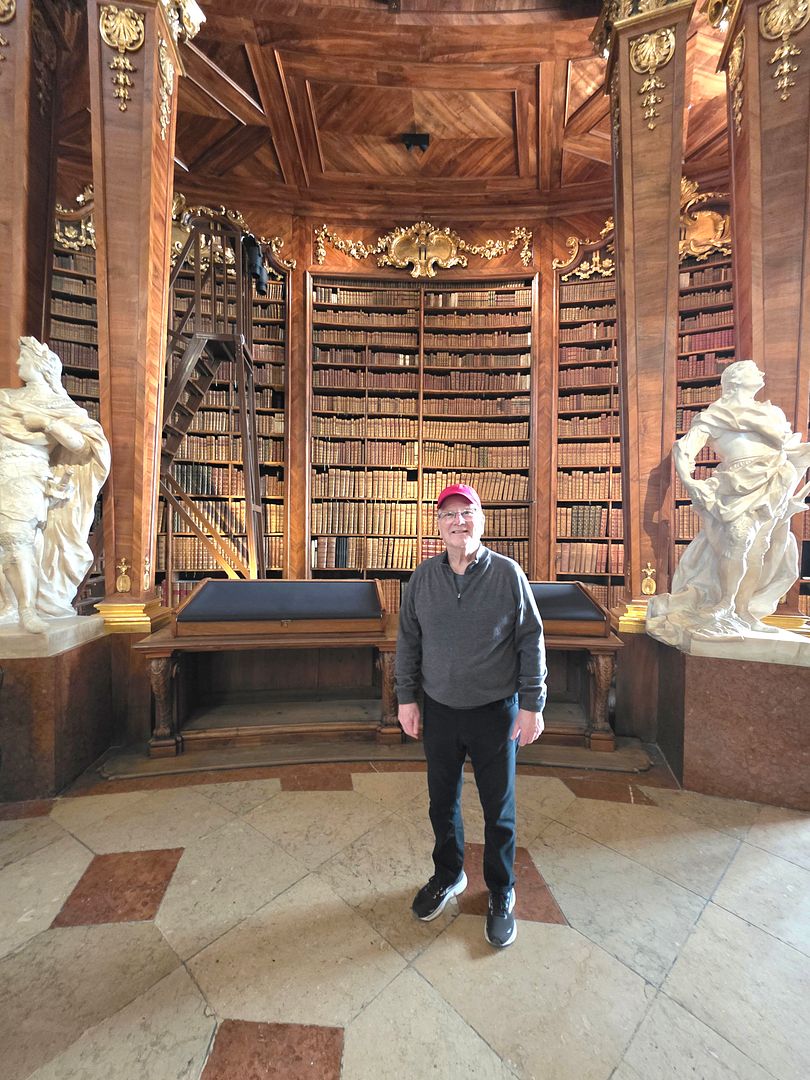
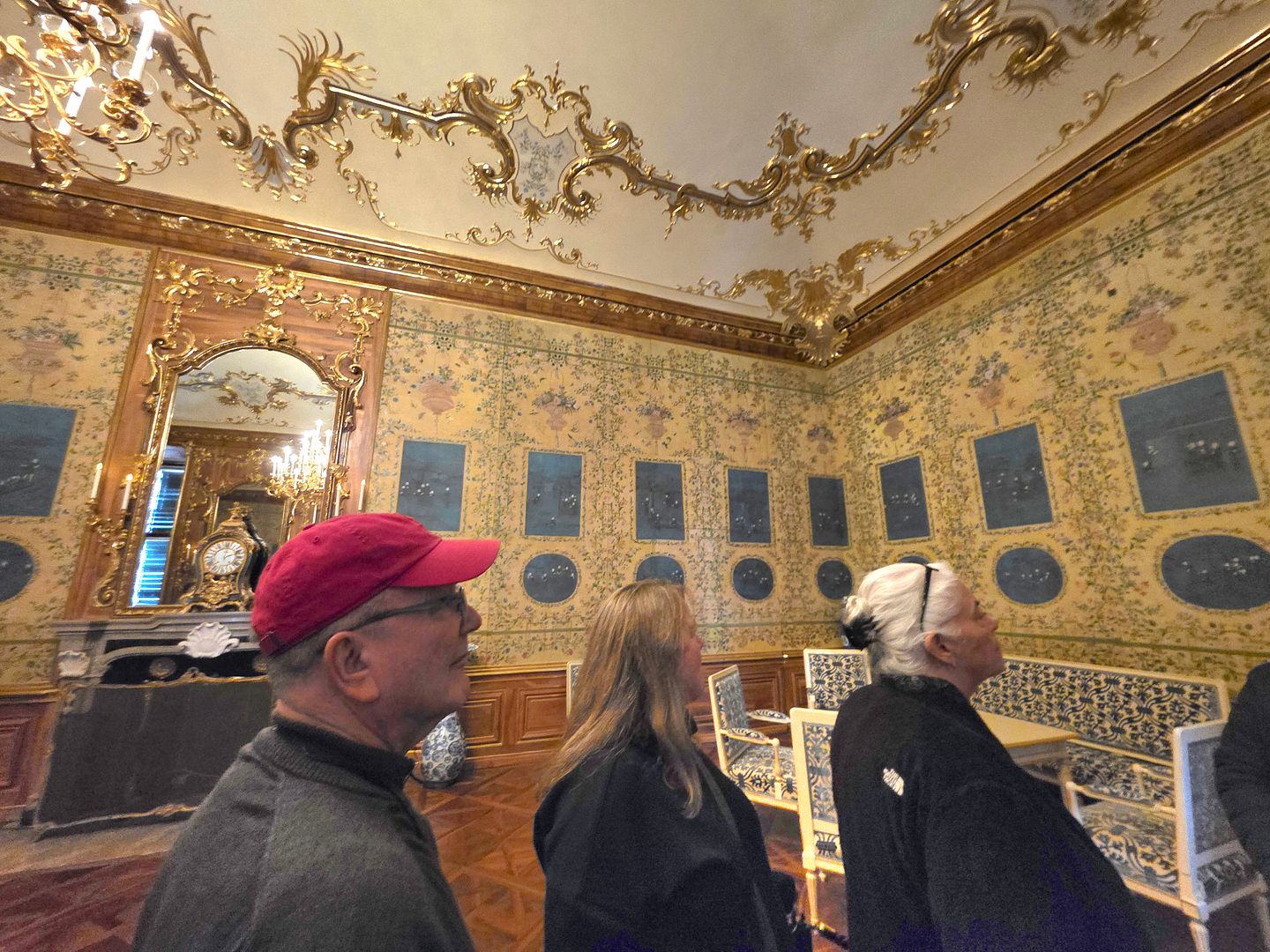
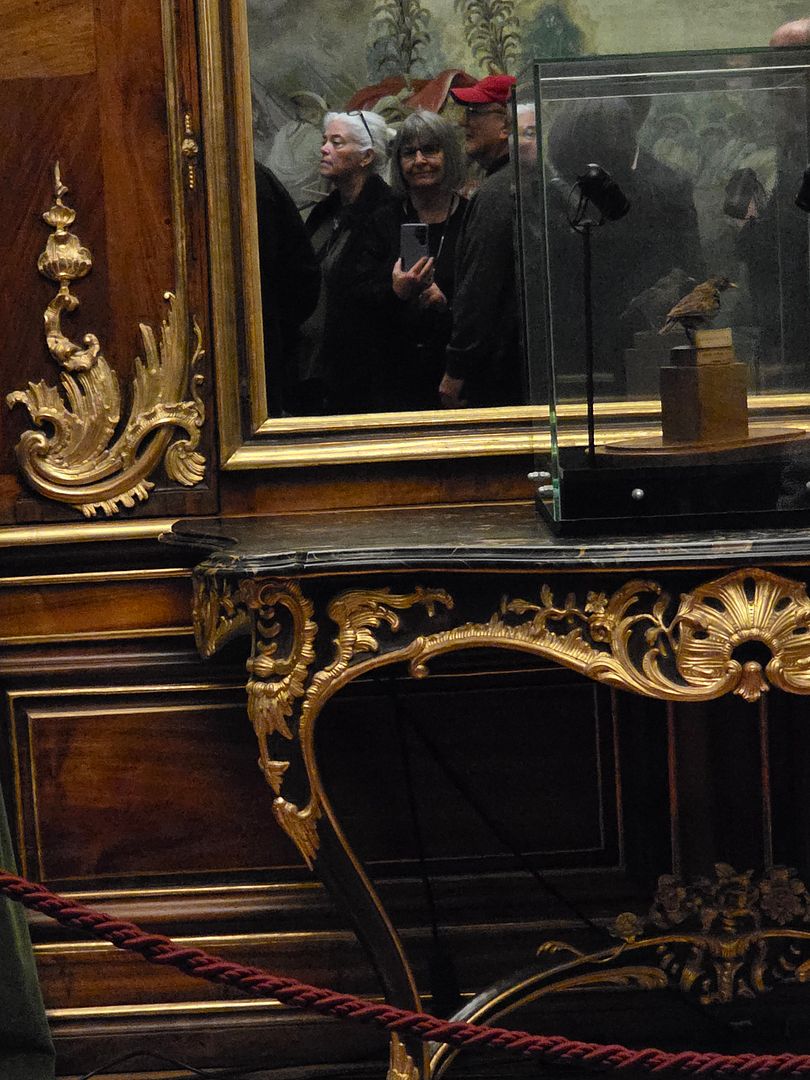
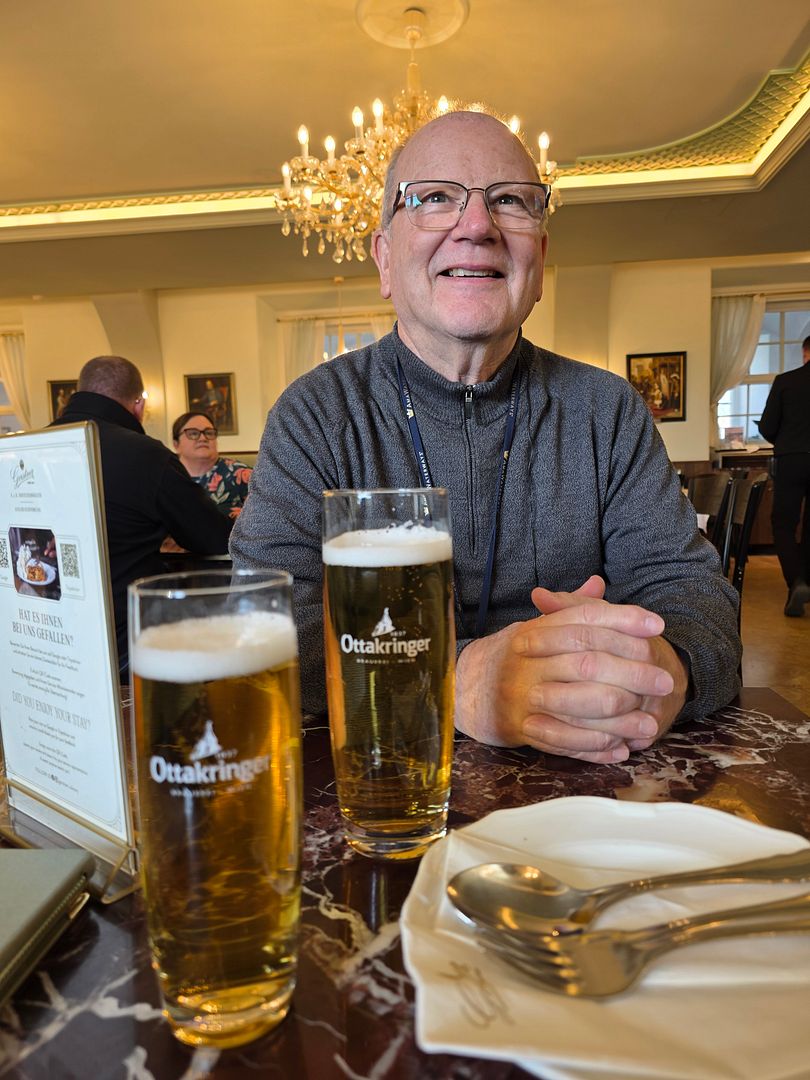
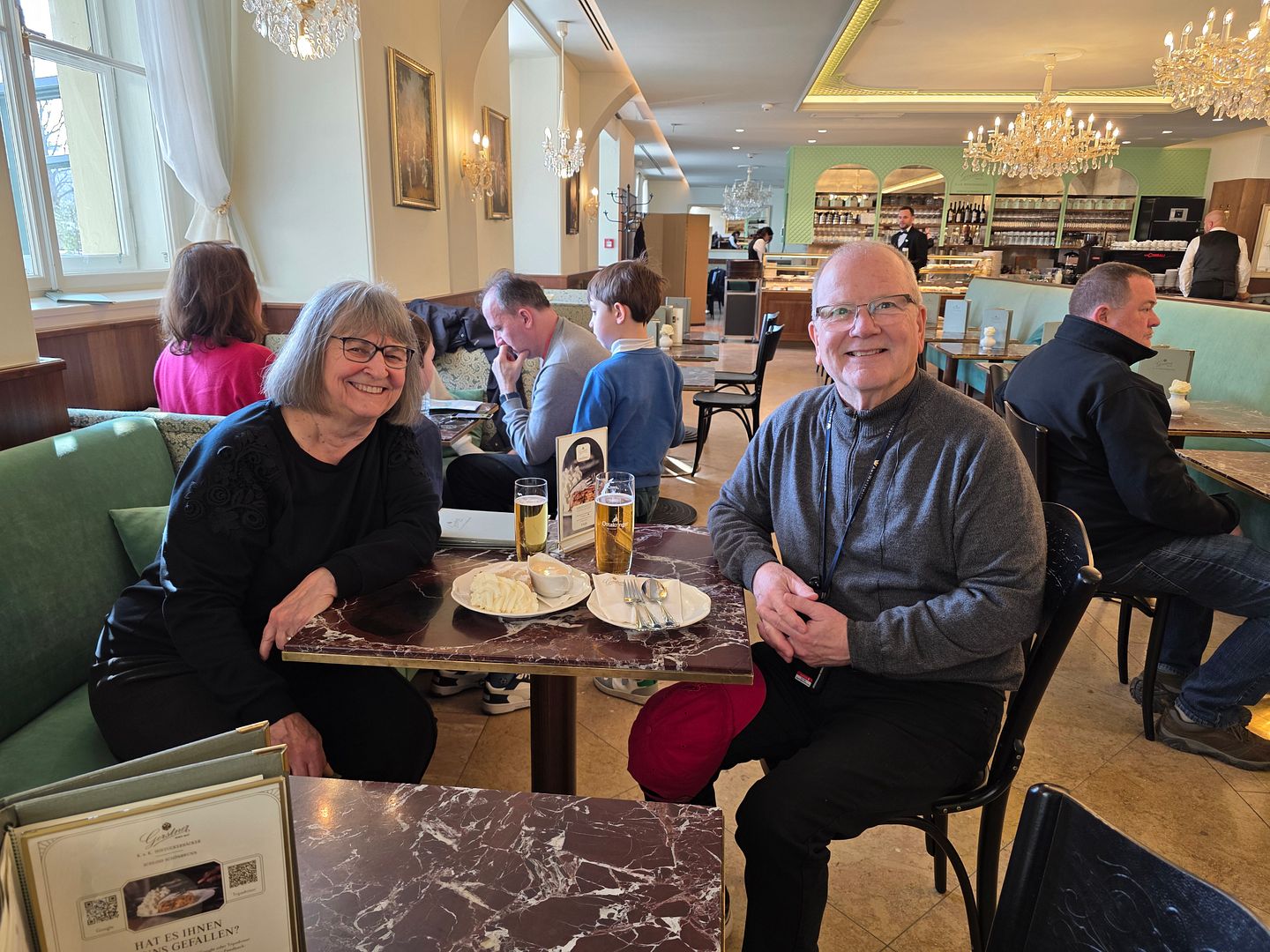
There I am alongside the man with the red hat. 🙂

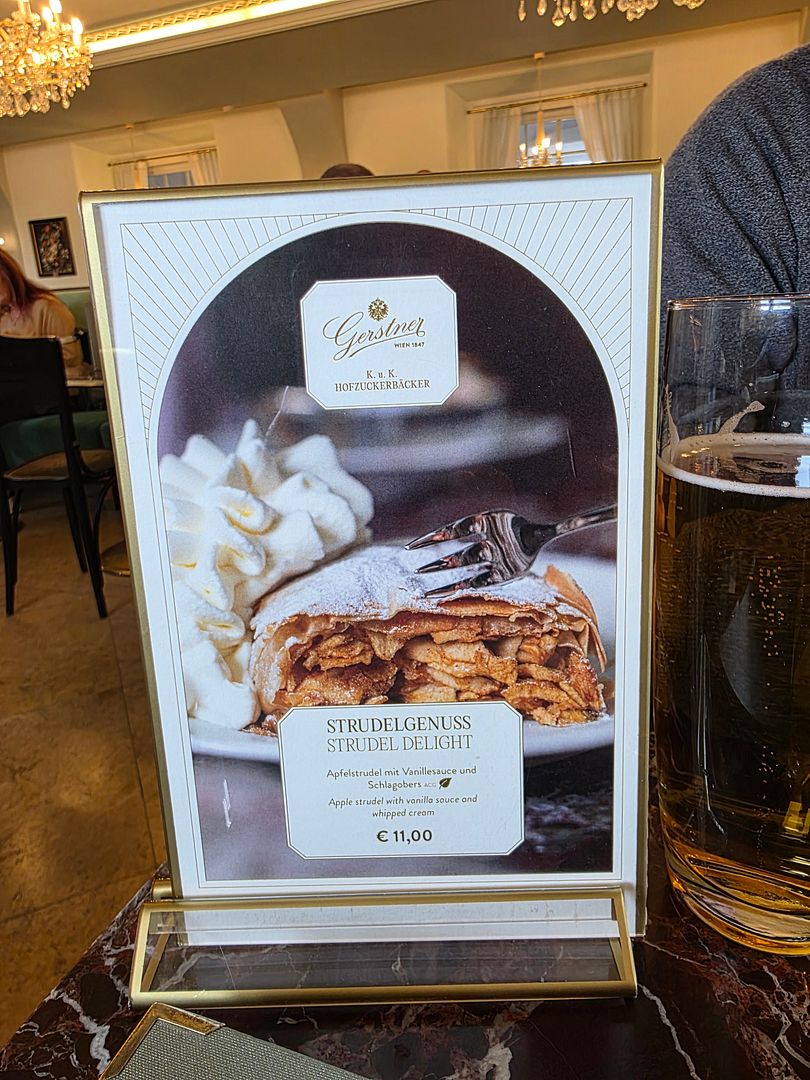
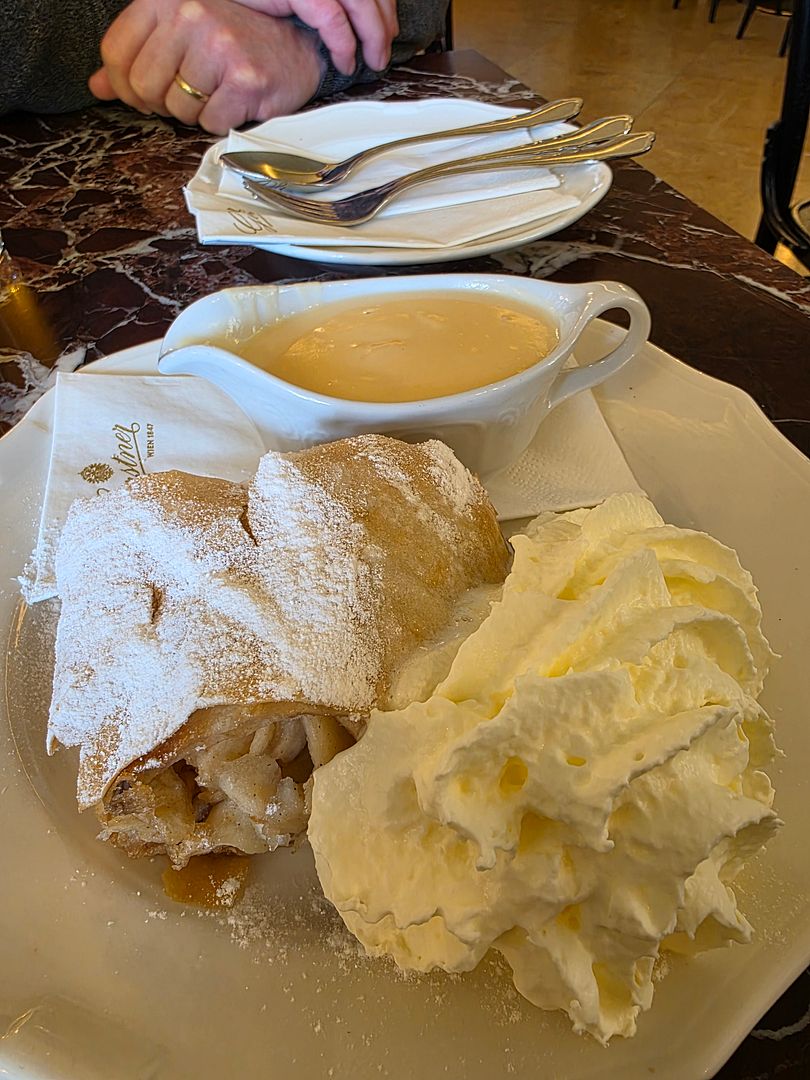
As soon as the tour of the palace was over we made our way to another building that housed a restaurant that served the Palace’s famous Apple Strudel still baked in the Palace ovens in the basement. We had limited time before we had to be back at the bus.

We had another ‘great minds think alike’ moment with the girls from Oklahoma and Colorado. We took each others photos.

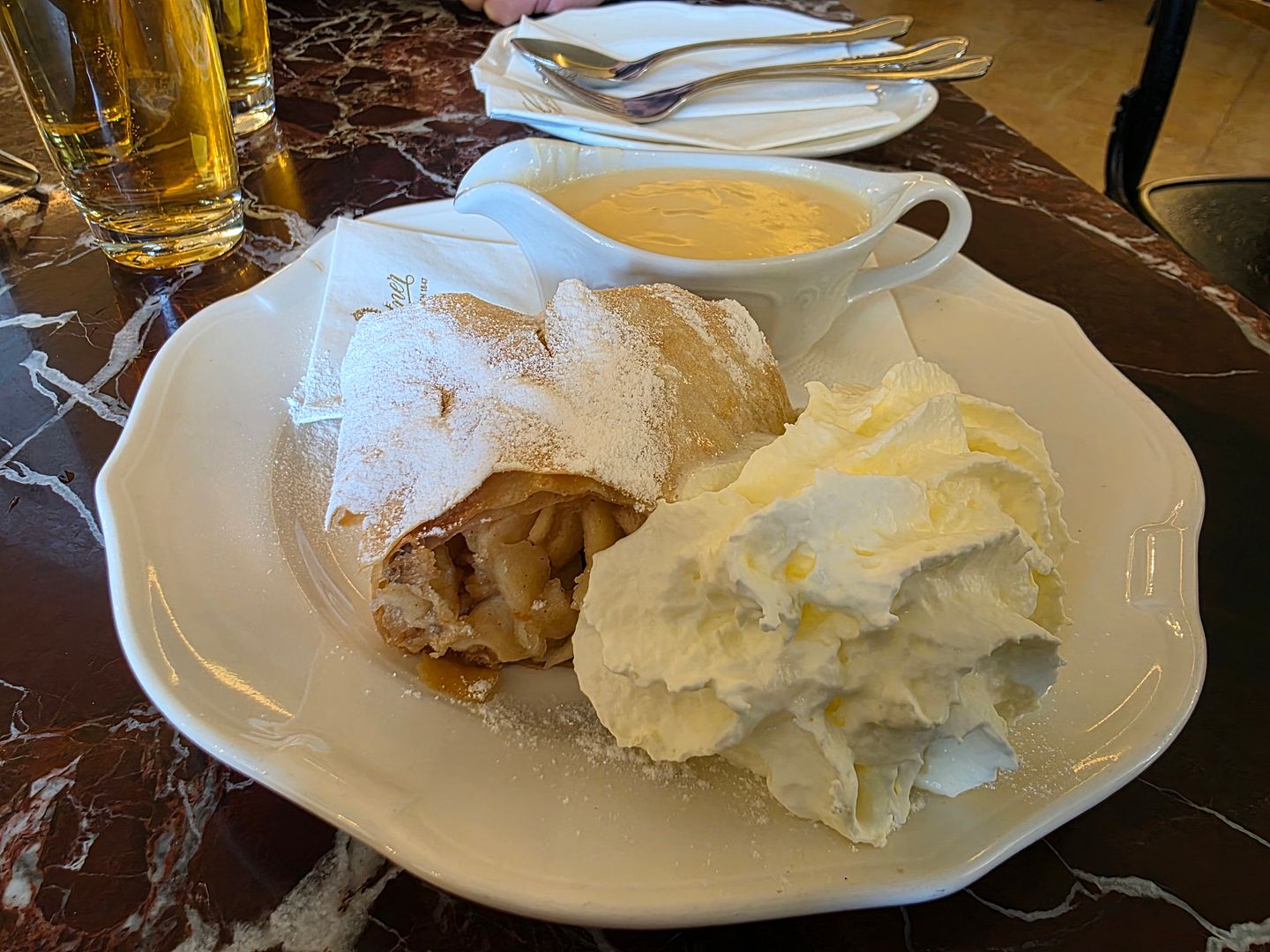
Our first apple strudel in Austria.

It was as good as it looks!!

We had an option to be dropped off in town instead of going all the way back to the boat and that is what we chose to do. There would be shuttle buses available downtown every half-hour to go back to the boat from 2:00 until the last shuttle at 4:00.

We wanted to find a authentic lunch spot and see some things on our own for the rest of the afternoon. That will be my final post for Vienna, Austria.


Vienna Part 4 ~The House of Strauss

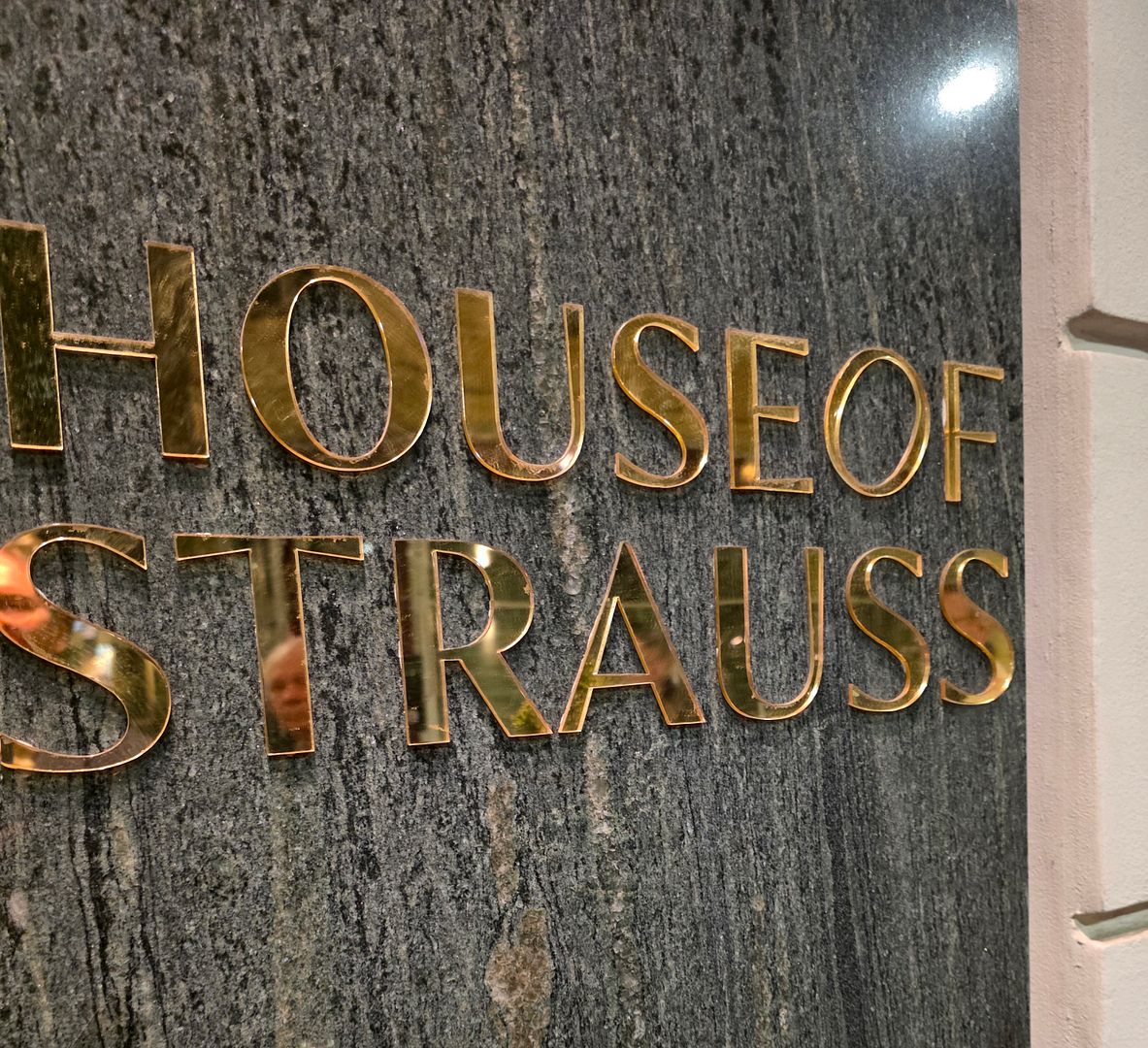
On Thursday evening, March 5th we had signed up for a special excursion that wasn’t part of our ‘package deal’. Being in Vienna we thought it would be a shame not to experience the music they are historically known for. Here is what our ‘daily cruiser’ said, There is no finer place to attend a classical concert than in Vienna, the “Music Capital of the World.” This unforgettable experience will be a mixture of the most popular compositions of Vienna’s favorite and most famed composers–as presented by local musicians.

I’m adding this commentary from the program we were given on this evening in Vienna.

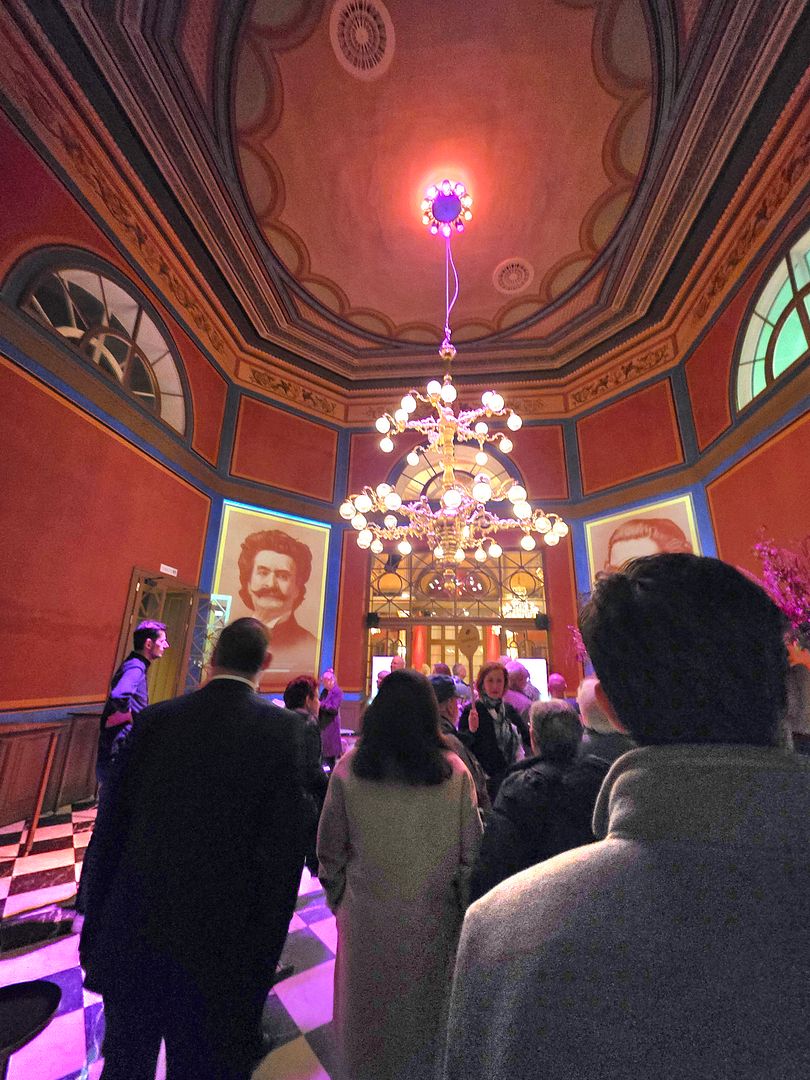
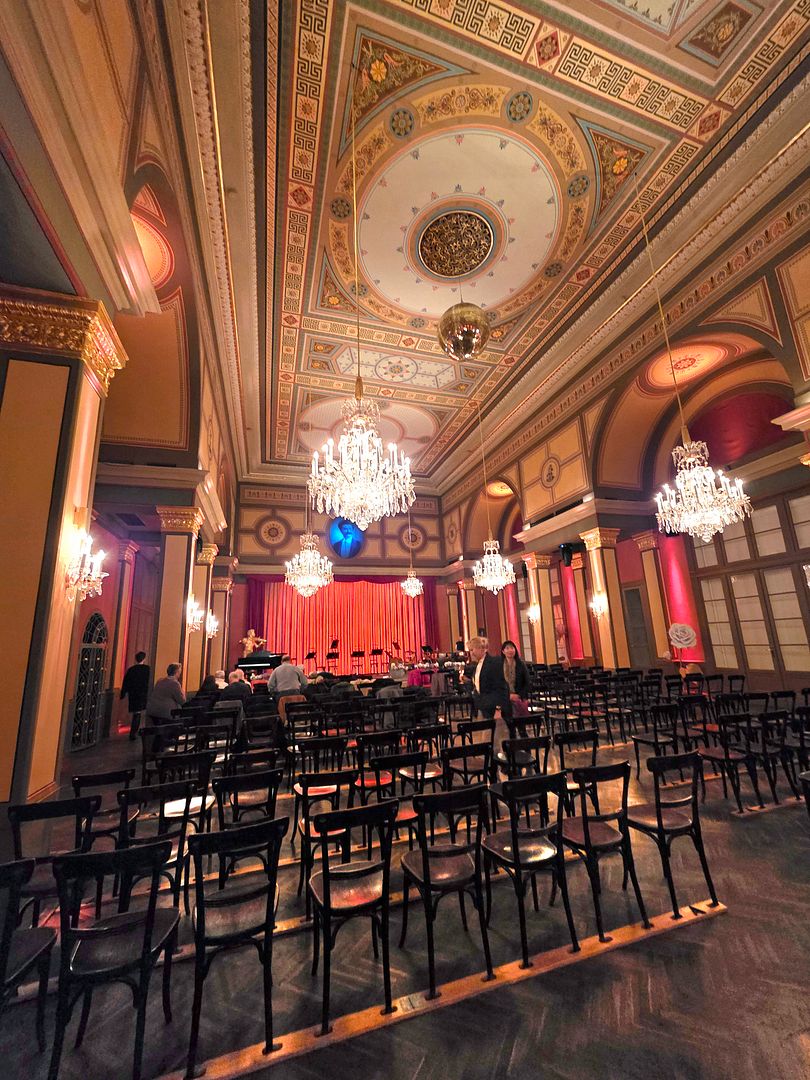
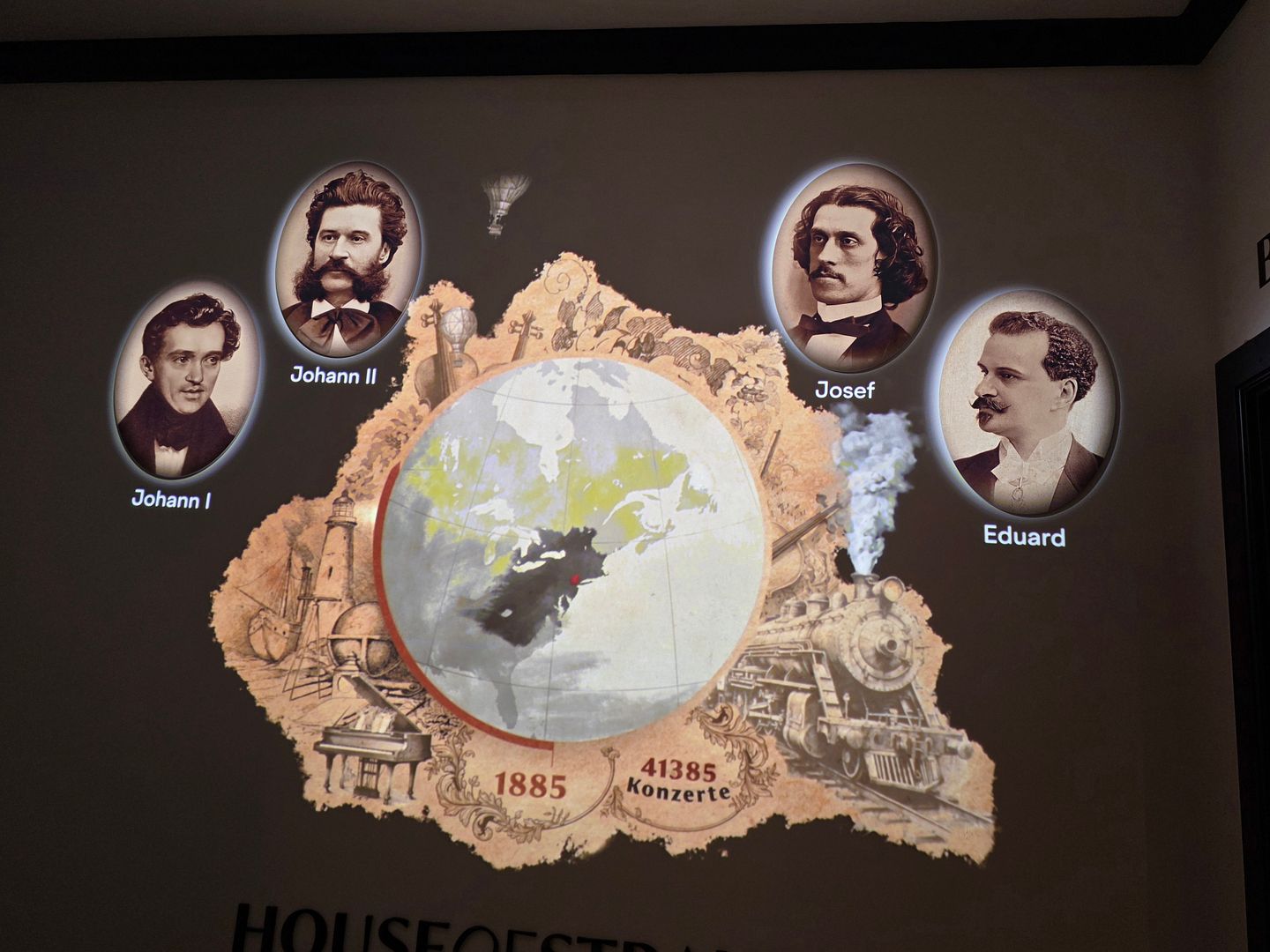
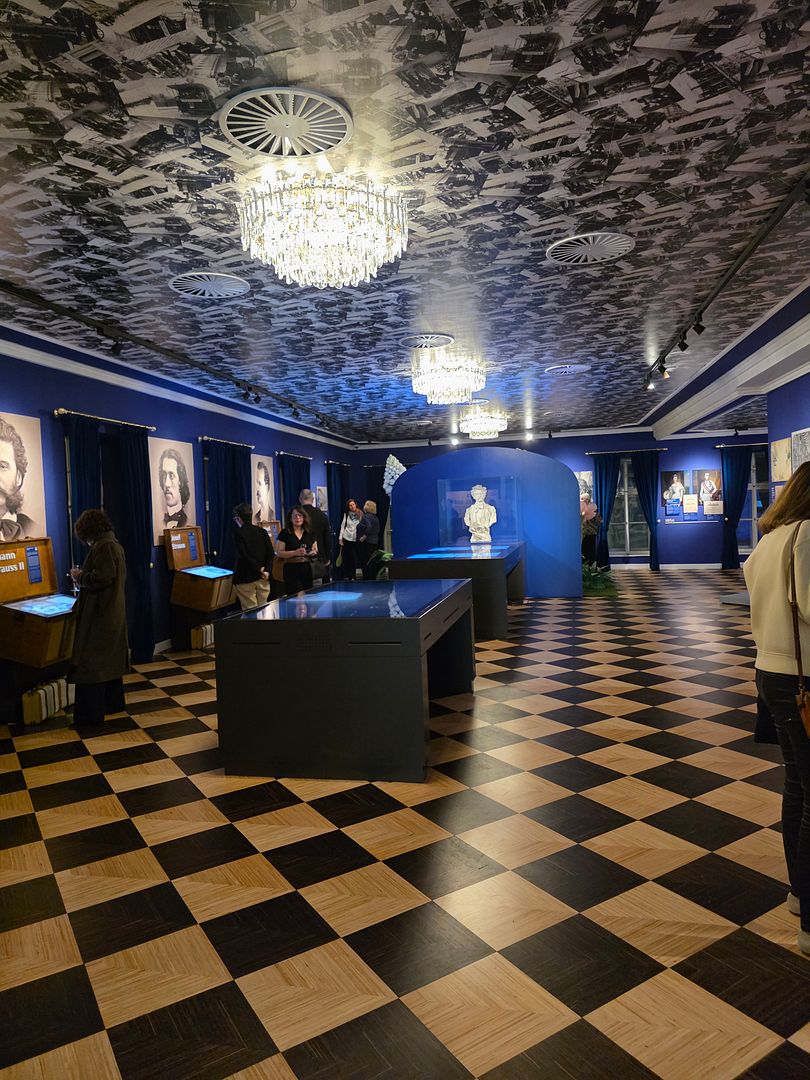
Vienna, known as the world capital of music, tells an unforgettable story that comes to life here. The Strauss Hall is the last original concert hall in the world where all four geniuses of the Strauss dynasty–Johann Strauss Sr., Johann Strauss Jr., Josef, and Eduard Strauss–personally performed. Here, the aura of this history is still palpable. The hall’s exceptional acoustics, the faithful restoration of the historic building, and the seamless integration of modern design make this venue an extraordinary cultural experience.

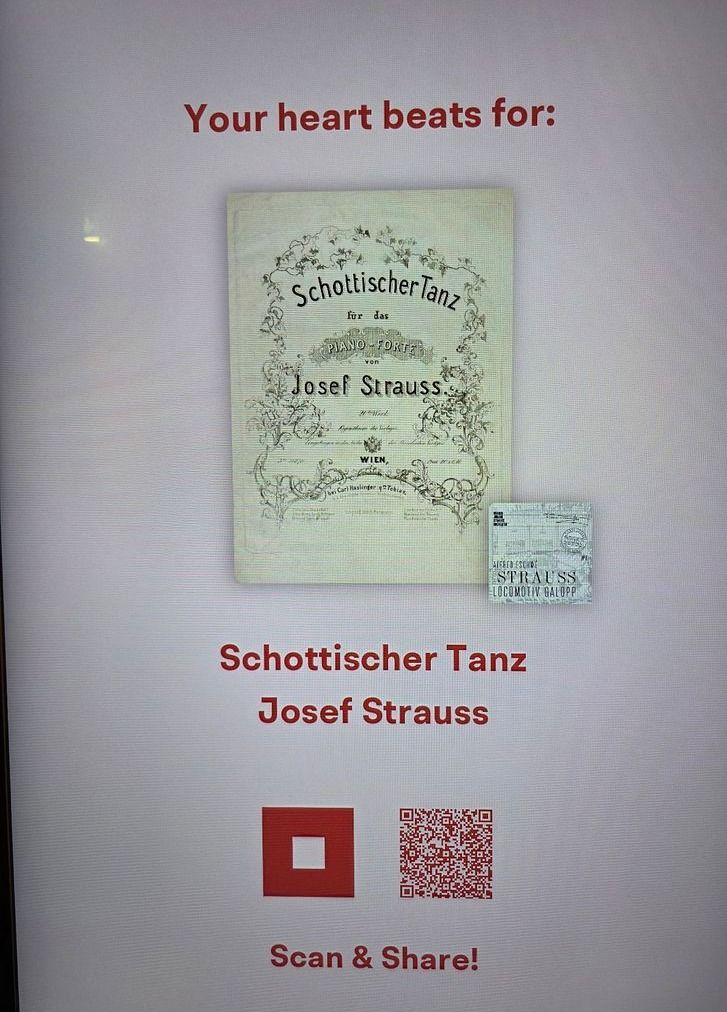
In the museum you could take this interactive questionnaire that would match your preferences to a piece of music. This was my match.

When we purchased the tickets for this extra excursion we had something different in mind in our heads. We thought that we would be in a large concert hall with many more live instruments, etc.

We were surprised by this venue. The concert itself was with twelve or so musicians (House of Strauss Orchestra) and their music was enhanced in some way. The musicians were exceptional and with the enhancement it came across as if there were several more musicians. The soloist was excellent. The seating, although authentic, was not comfortable. We paid 99e or about $116 U.S. each for this excursion.

We heard pieces from Johann Strauss II, Wolgang Amadeus Mozart, Johann Strauss I, and Josef Strauss.

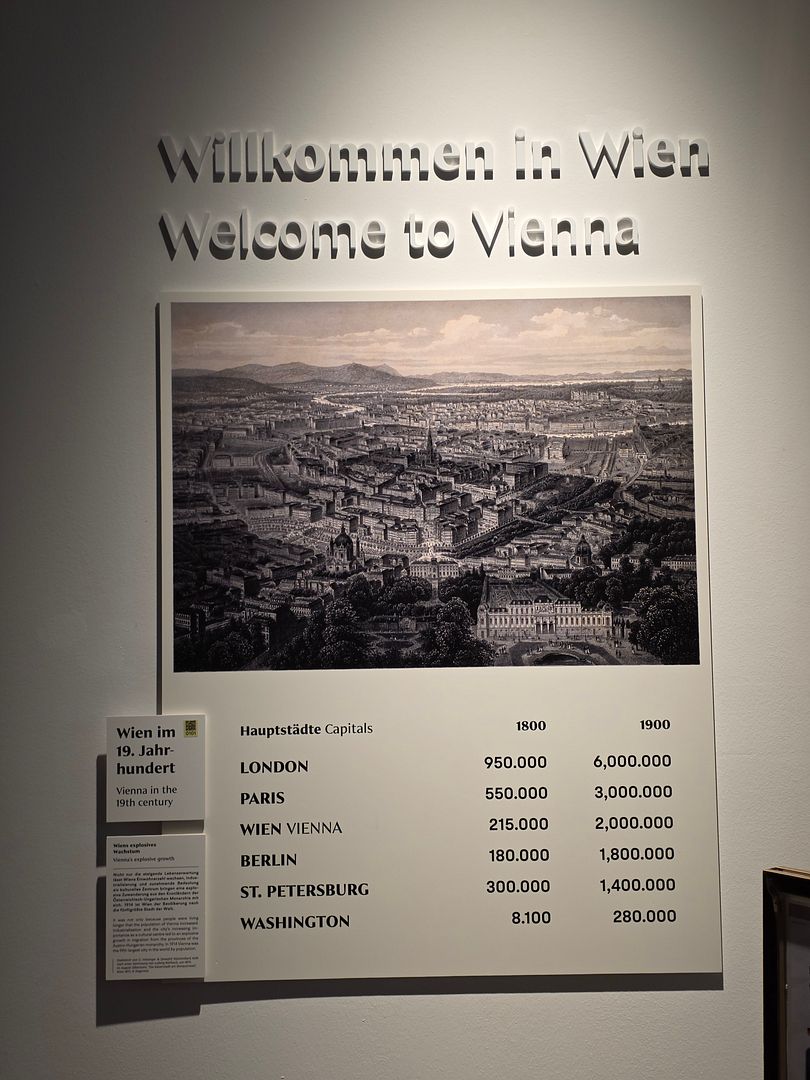
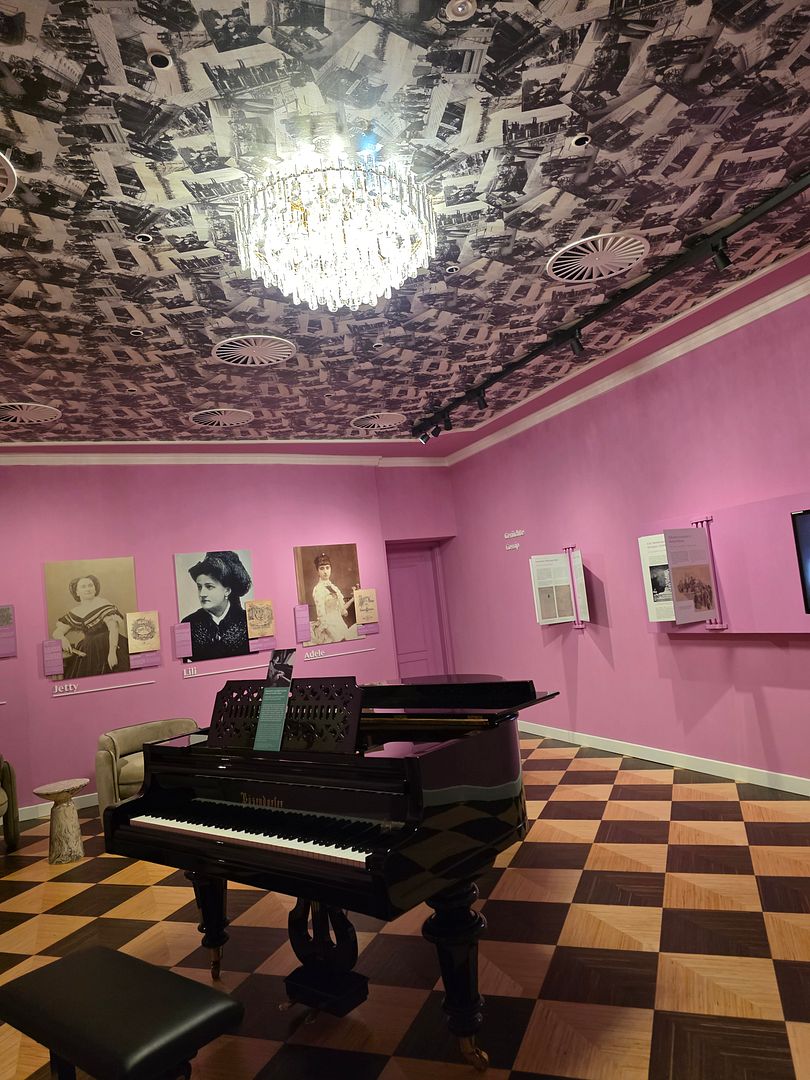
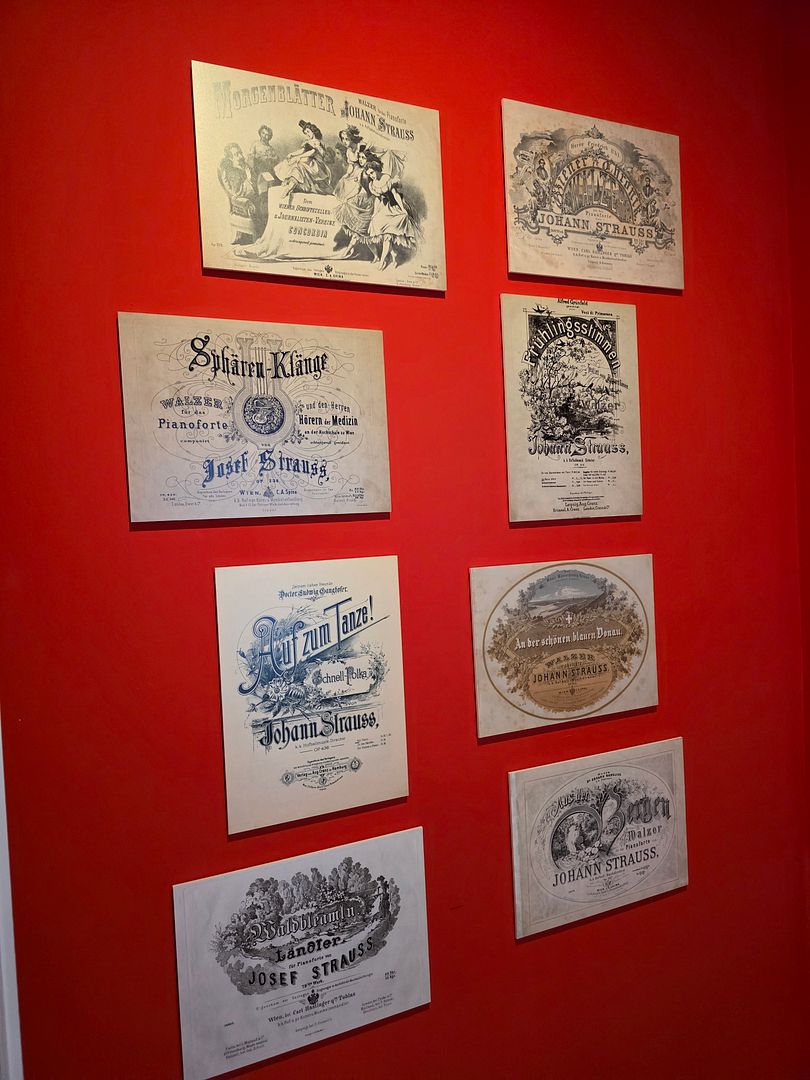
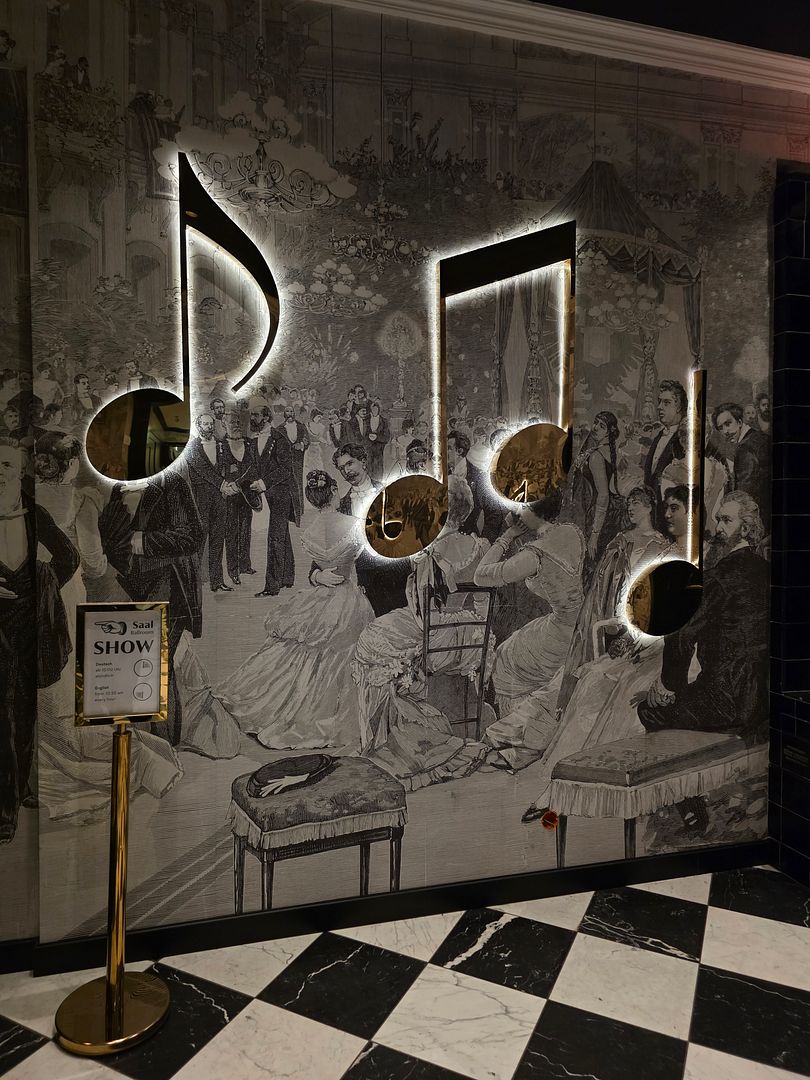
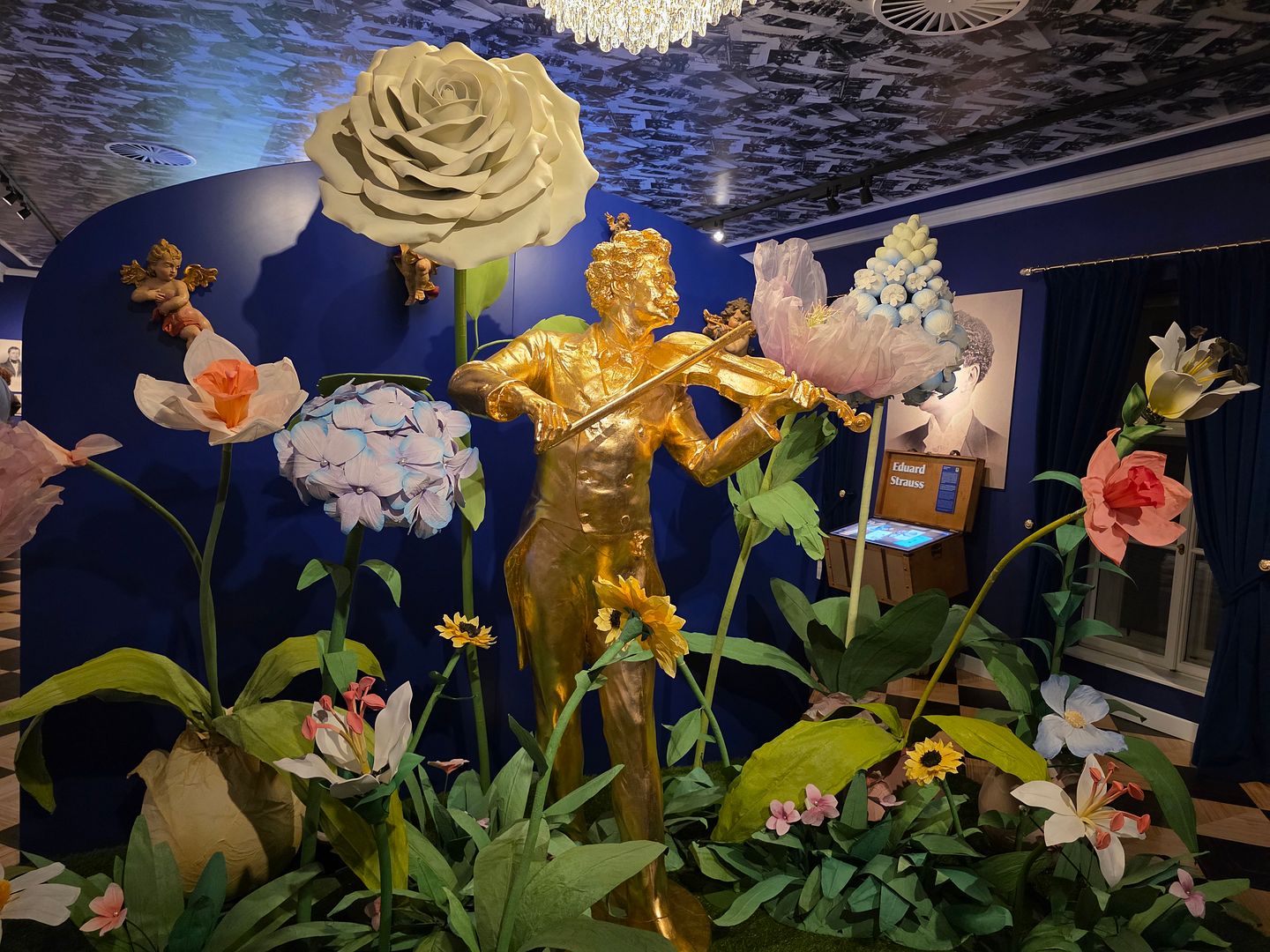
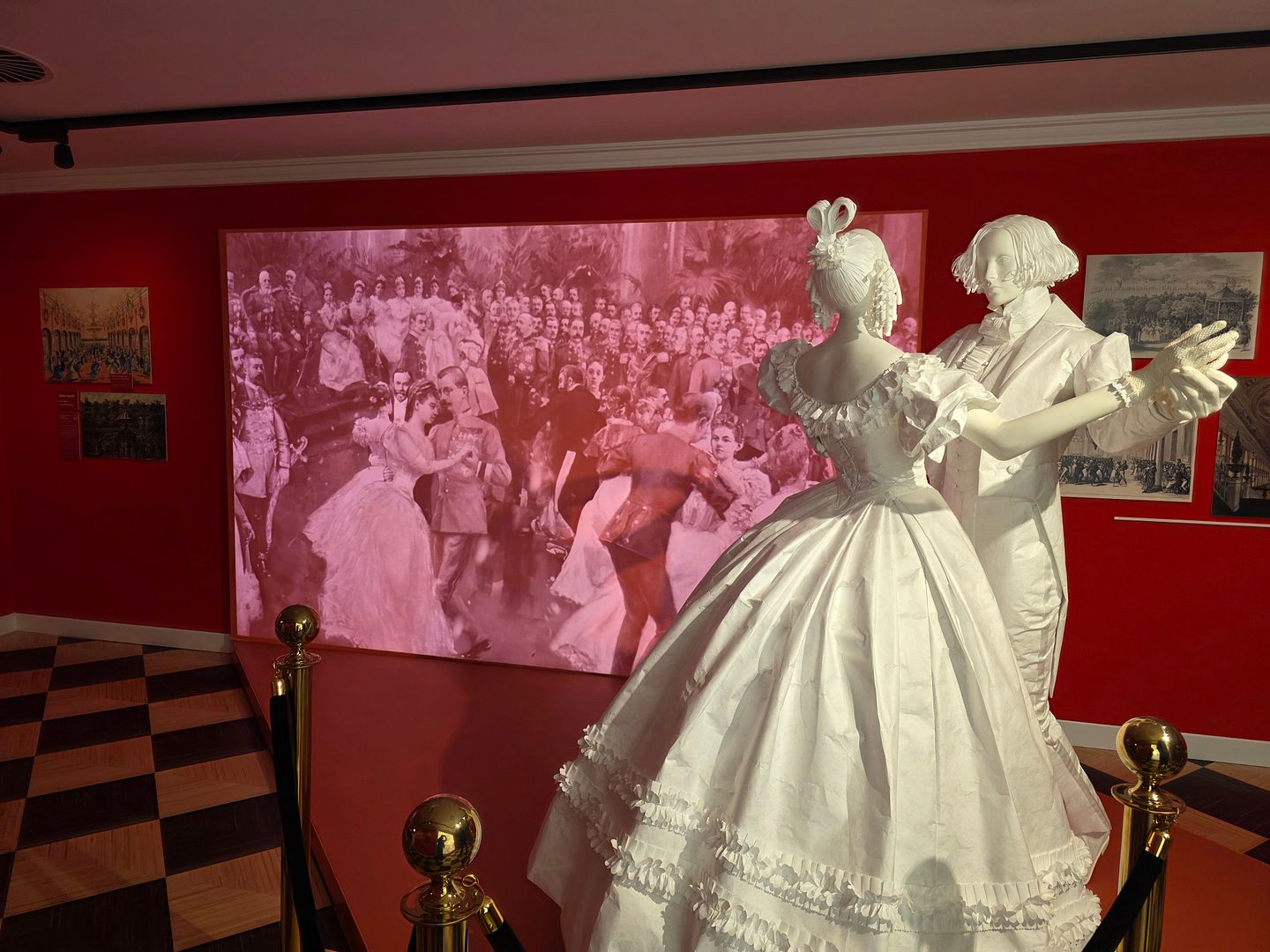
There was a museum in the venue that we were able to visit and most of my photos are from the museum.

I mentioned before that bus rides in Vienna were long and circuitous. It seemed like we were traveling so far to get to this venue but in reality it was only four kilometers from the dock.

Meanwhile in the good ole U.S.A….

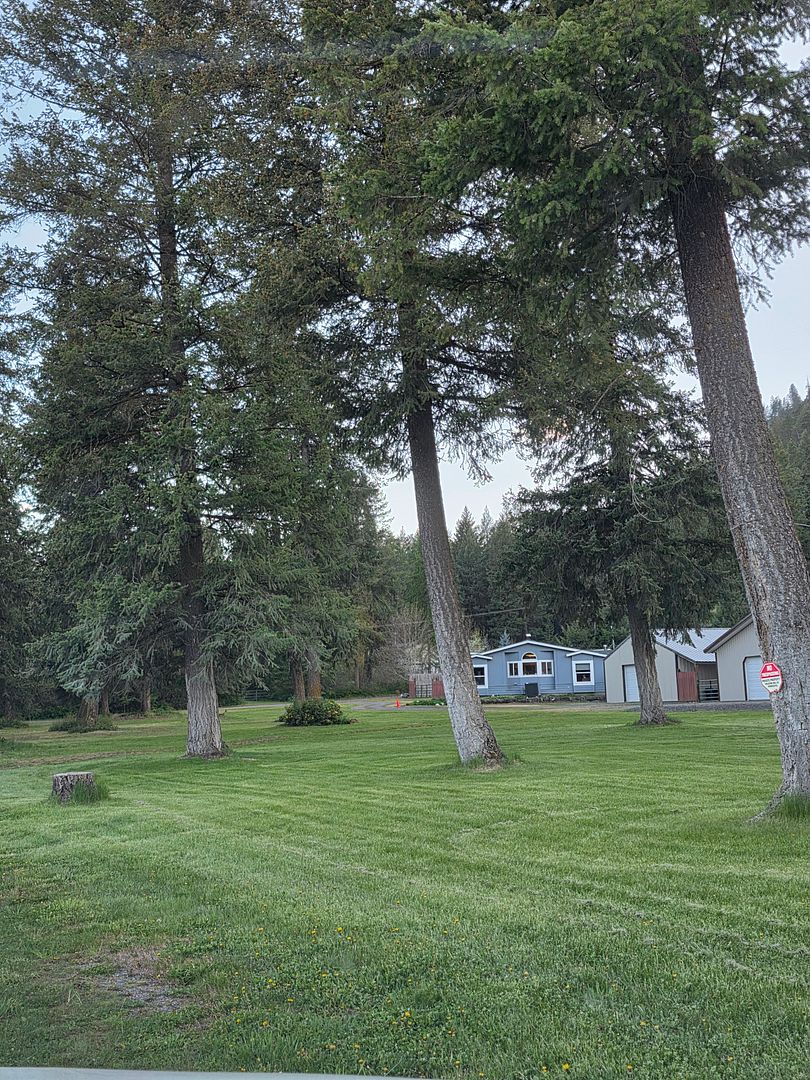
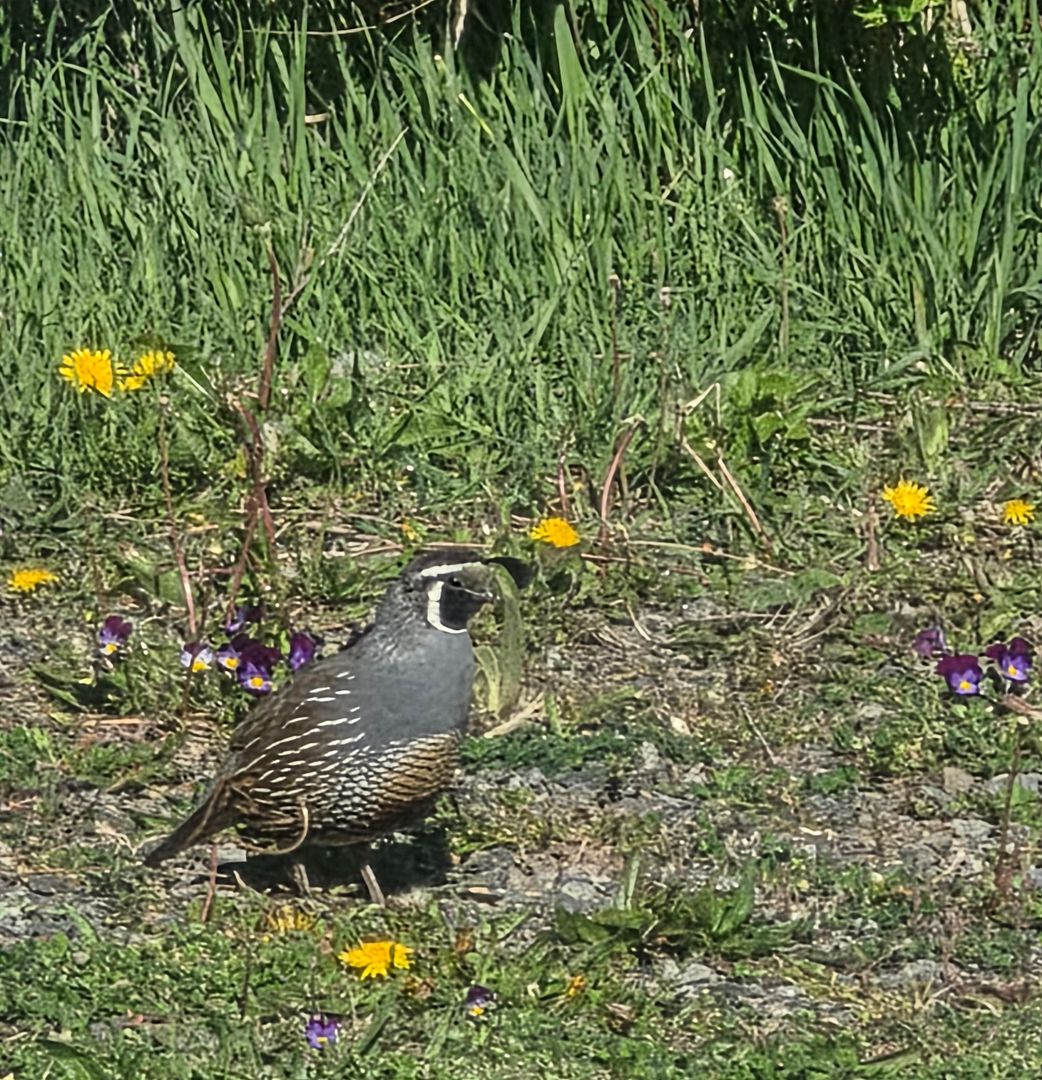
Back to the Present: With our daily sunshine lately, spring growth is thriving. We are spending hours on our acreage mowing and battling weeds. The birds, so many birds, are enjoying our sprinklers since we’ve had to start watering earlier than usual with fewer Spring rains. We’ve had daily visits from birds, deer, turkeys, and of course our resident quail. Hummingbirds have returned, too!

Happy Cinco de Mayo to you all!

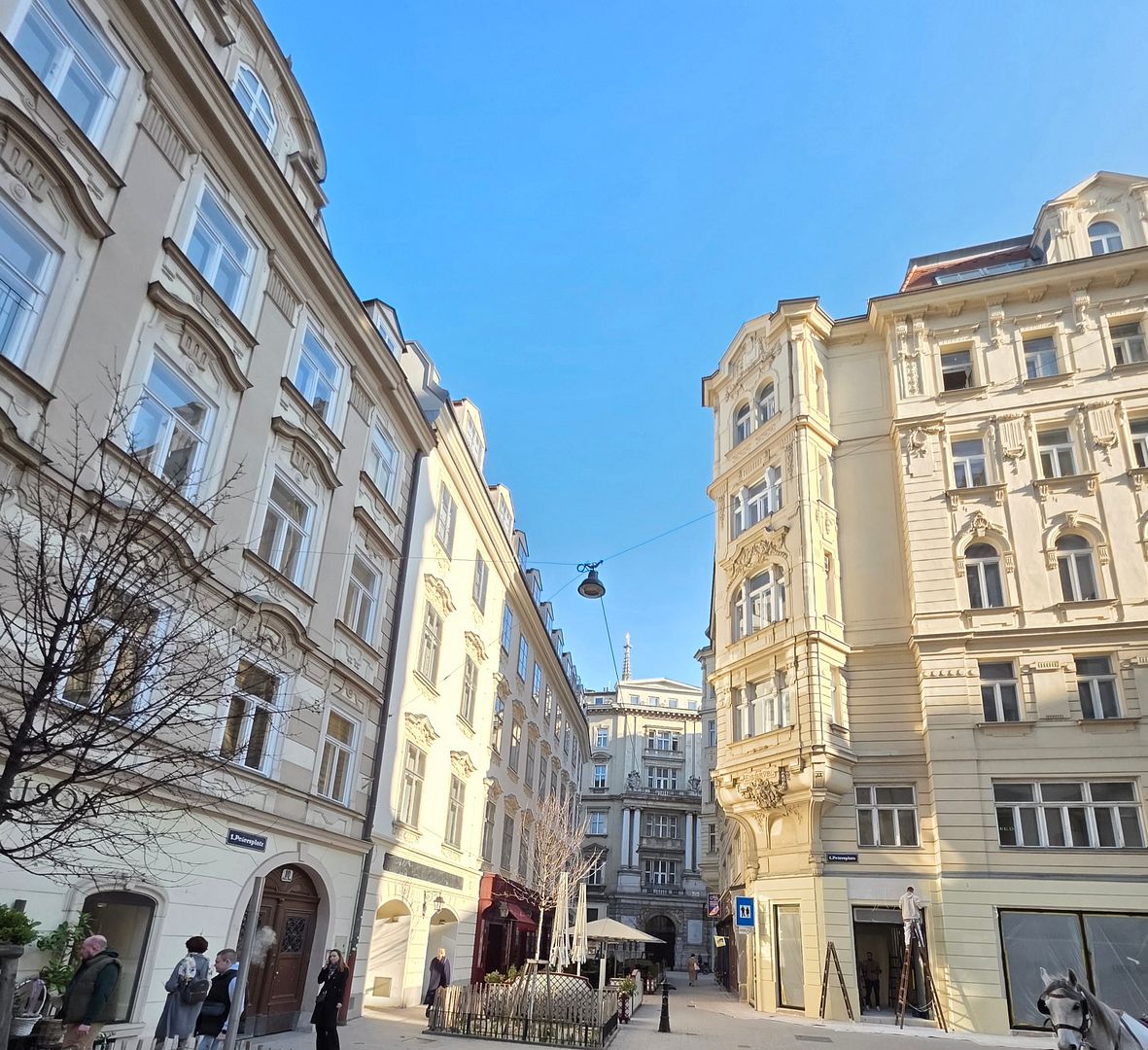
Vienna Part 2 ~ Carriage Ride

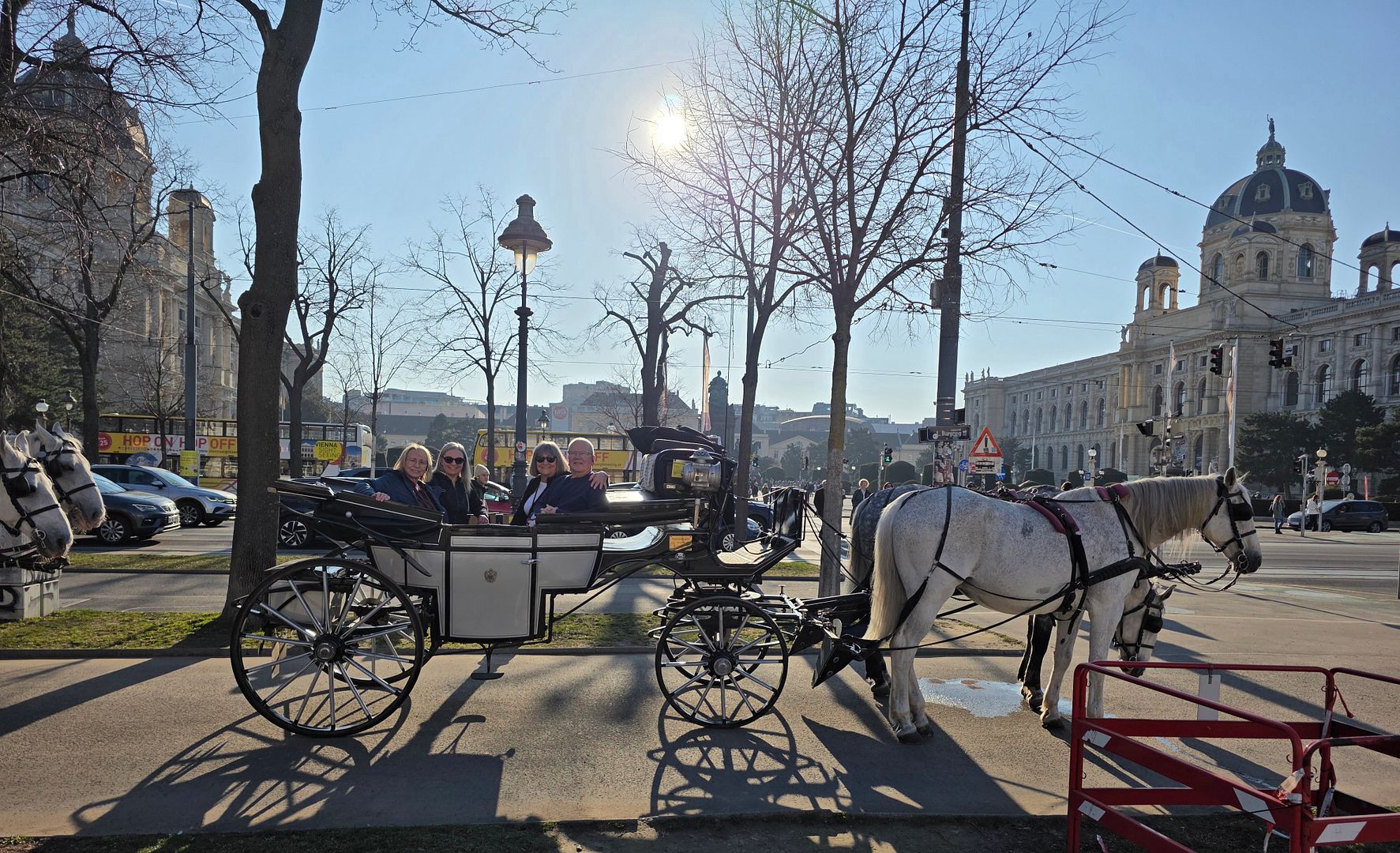
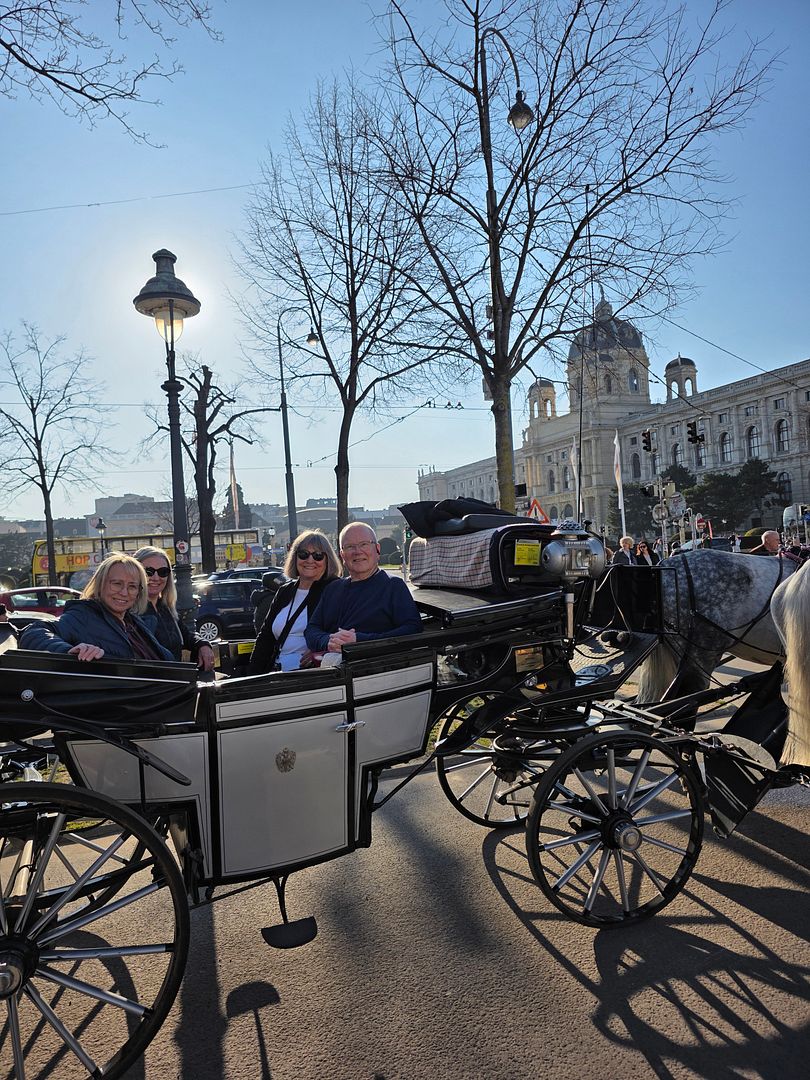
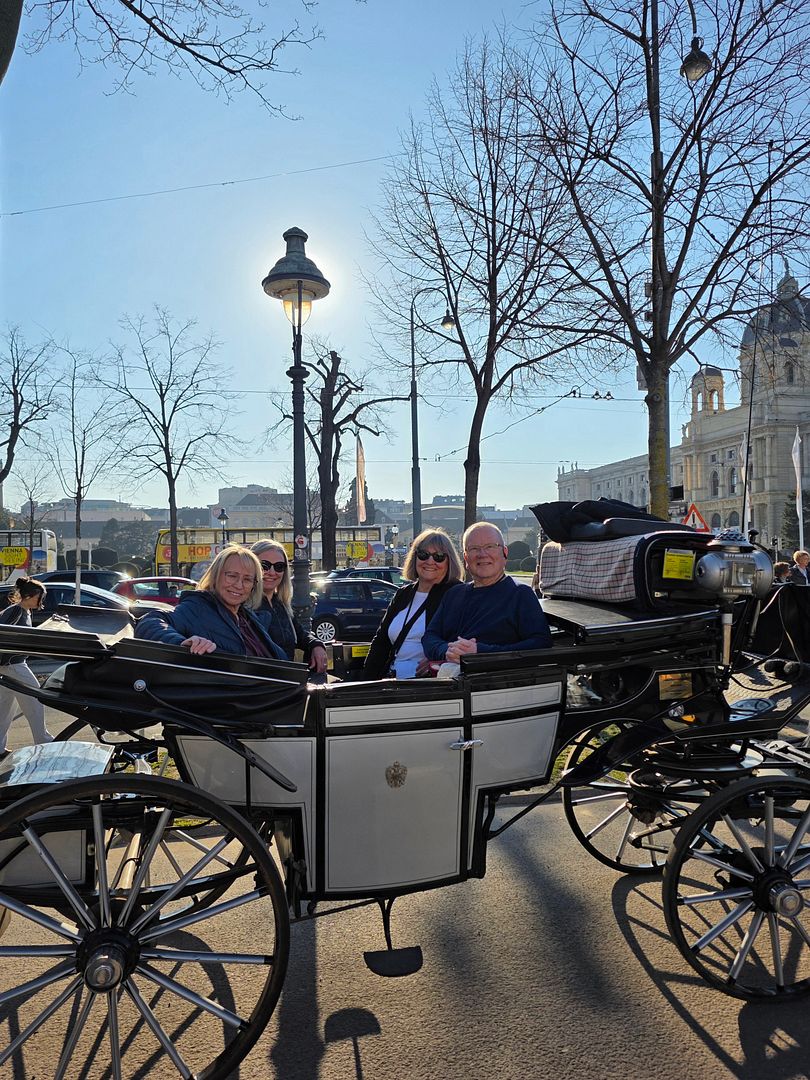
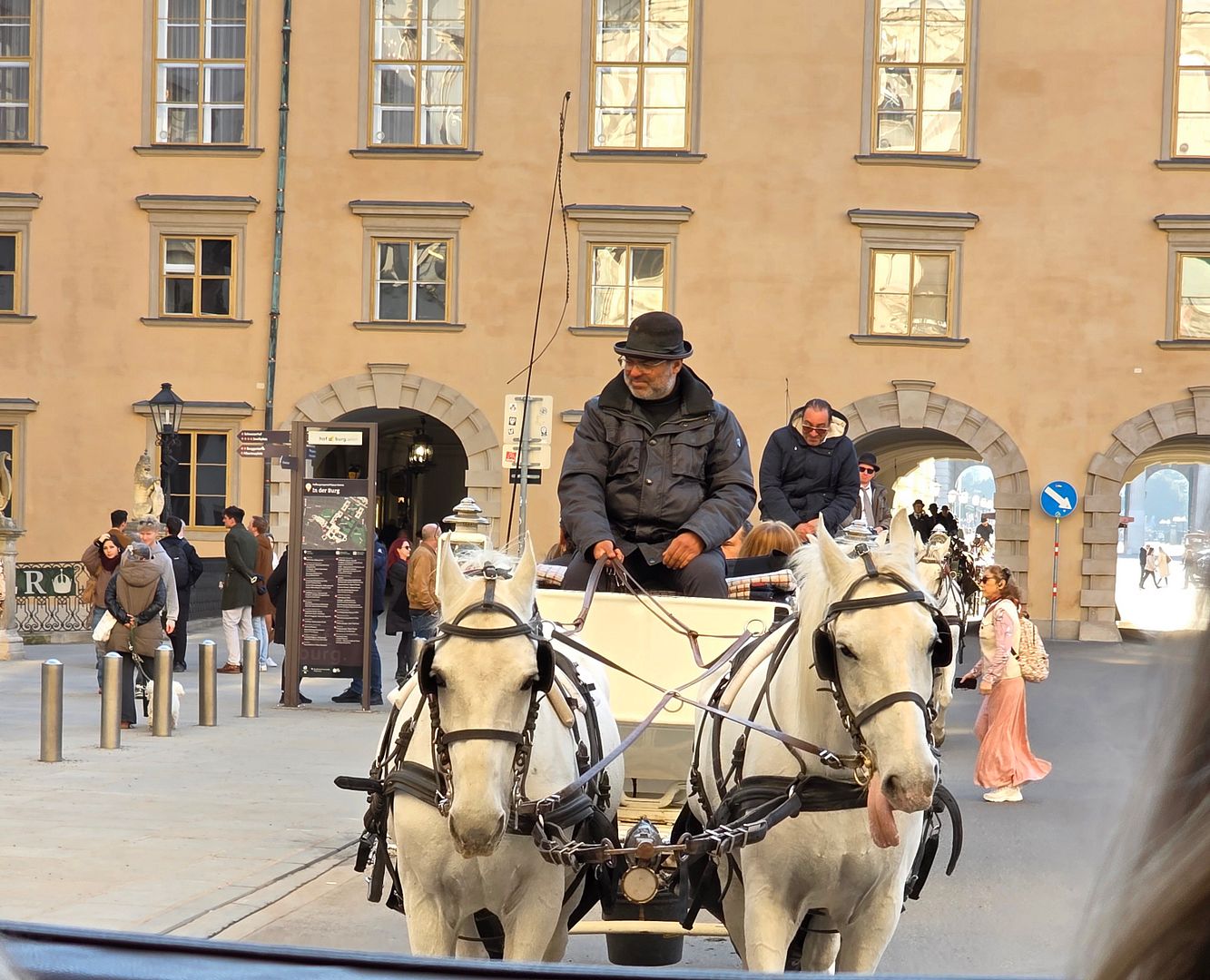
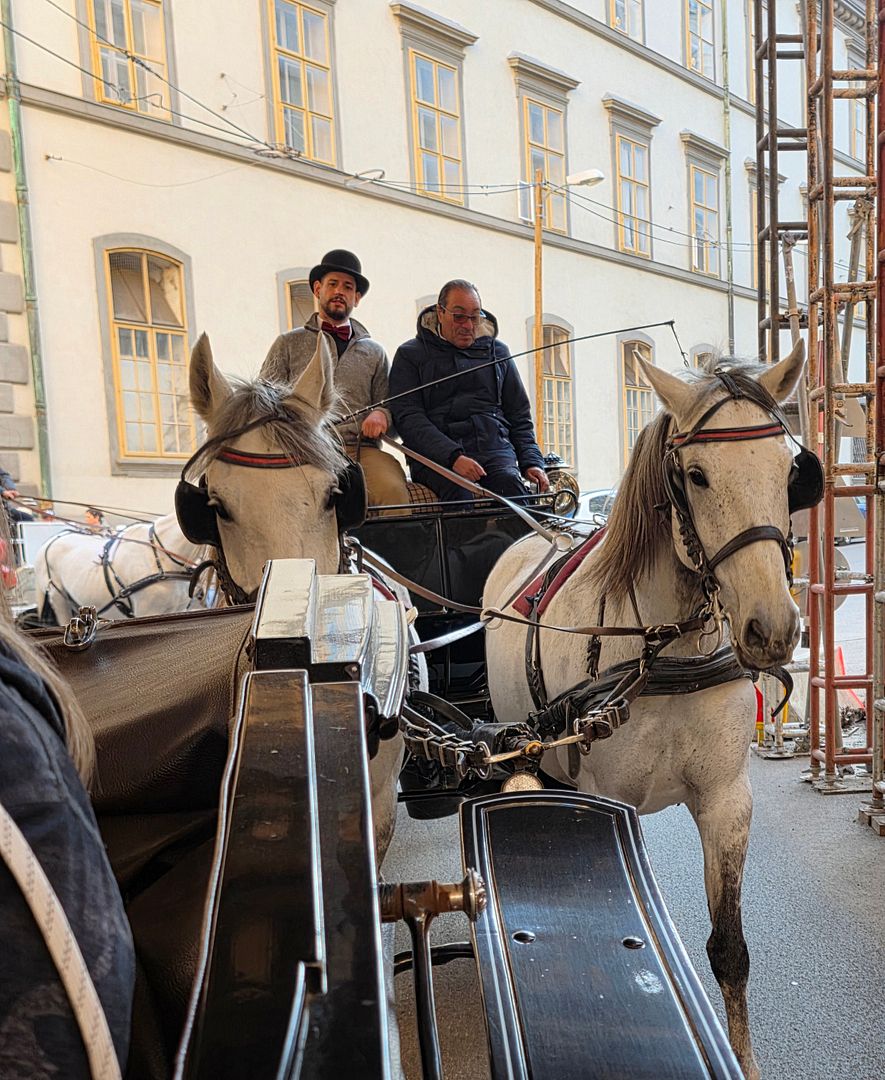
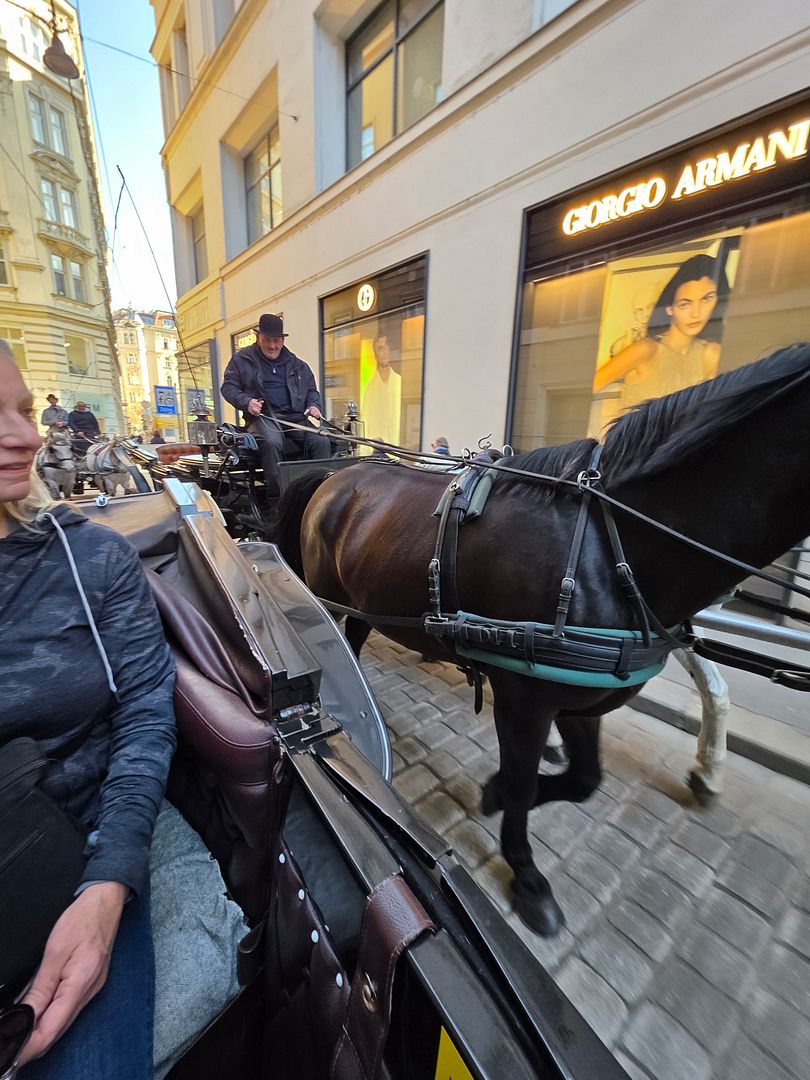
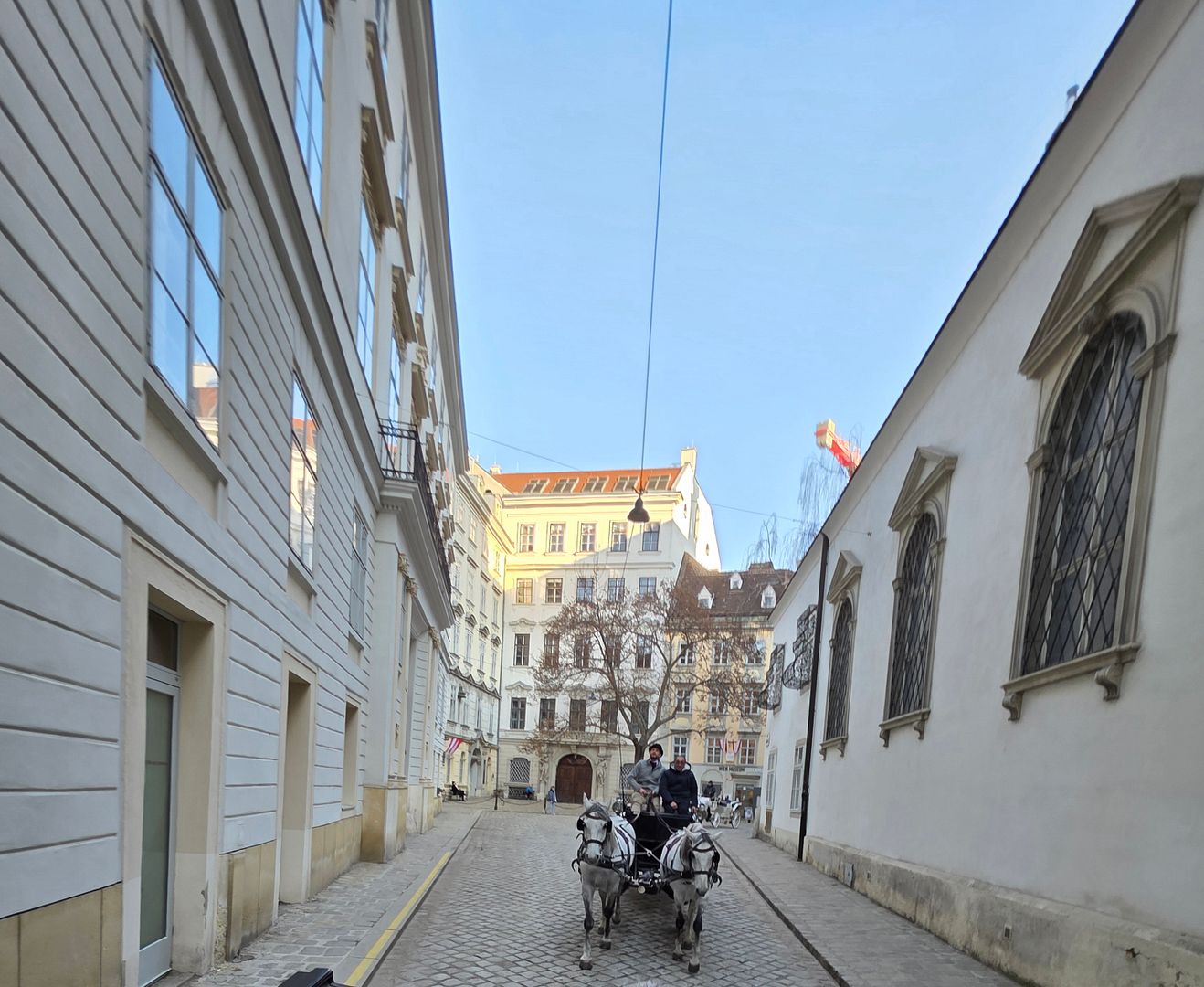
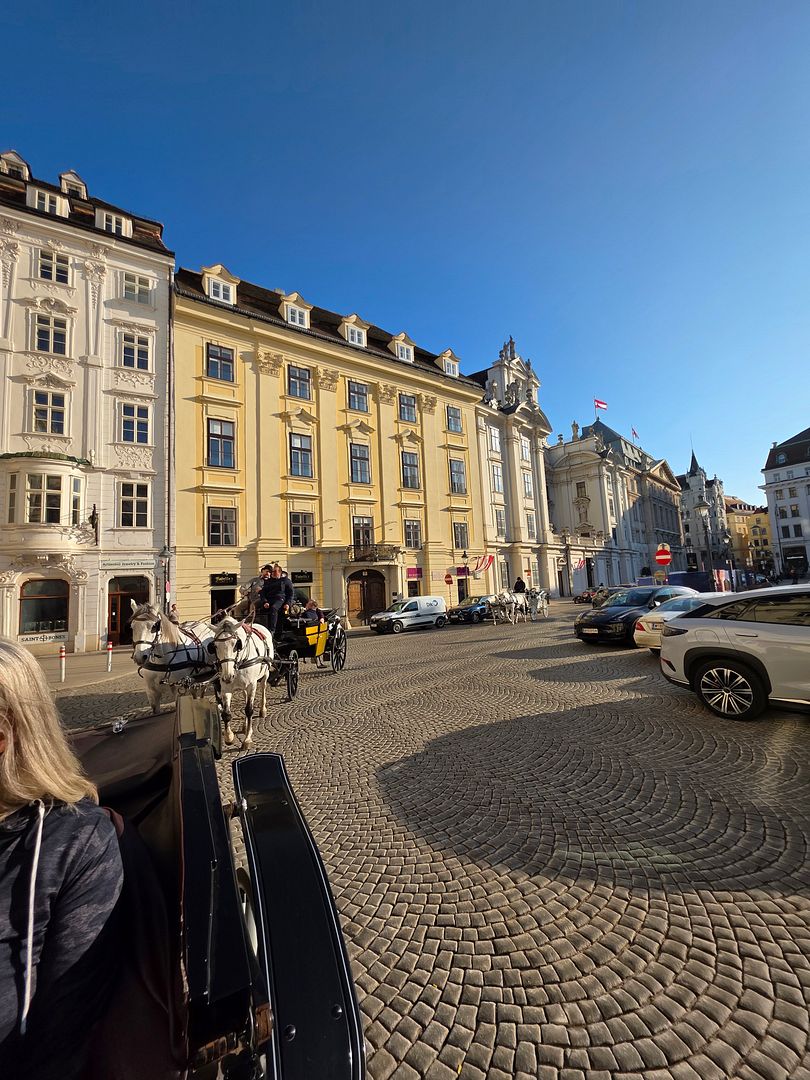
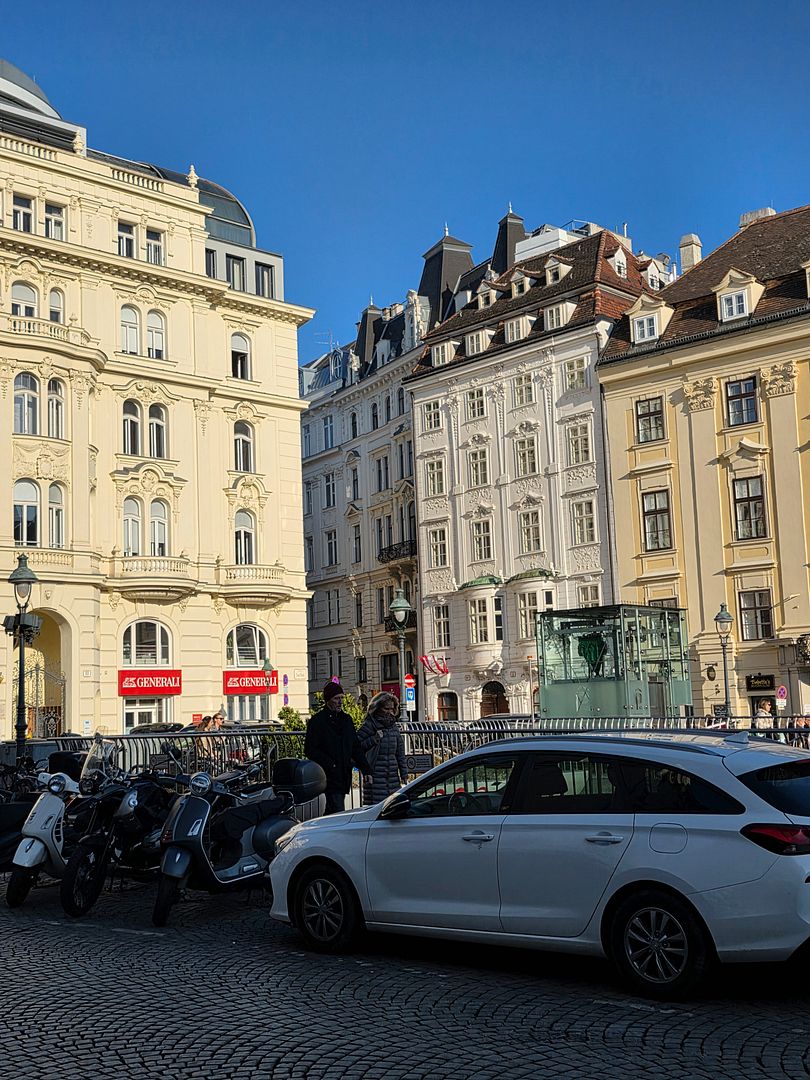
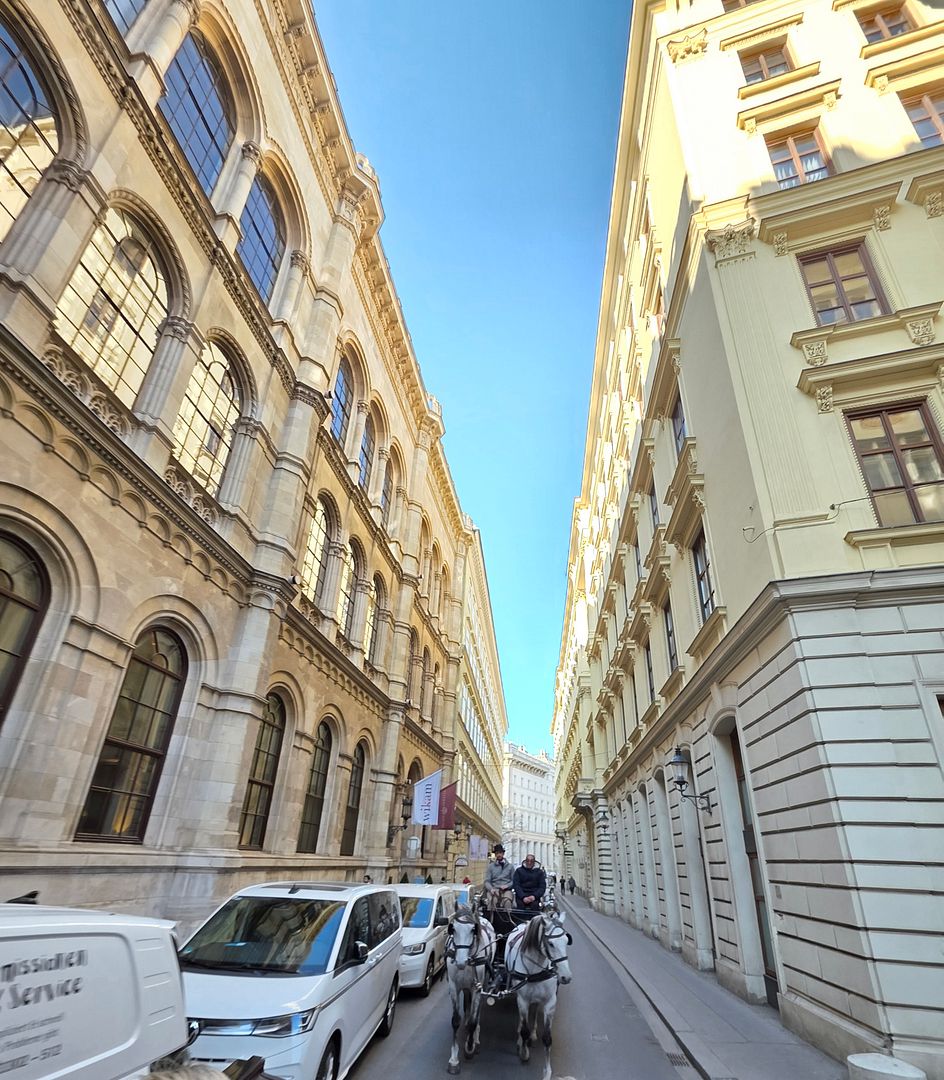
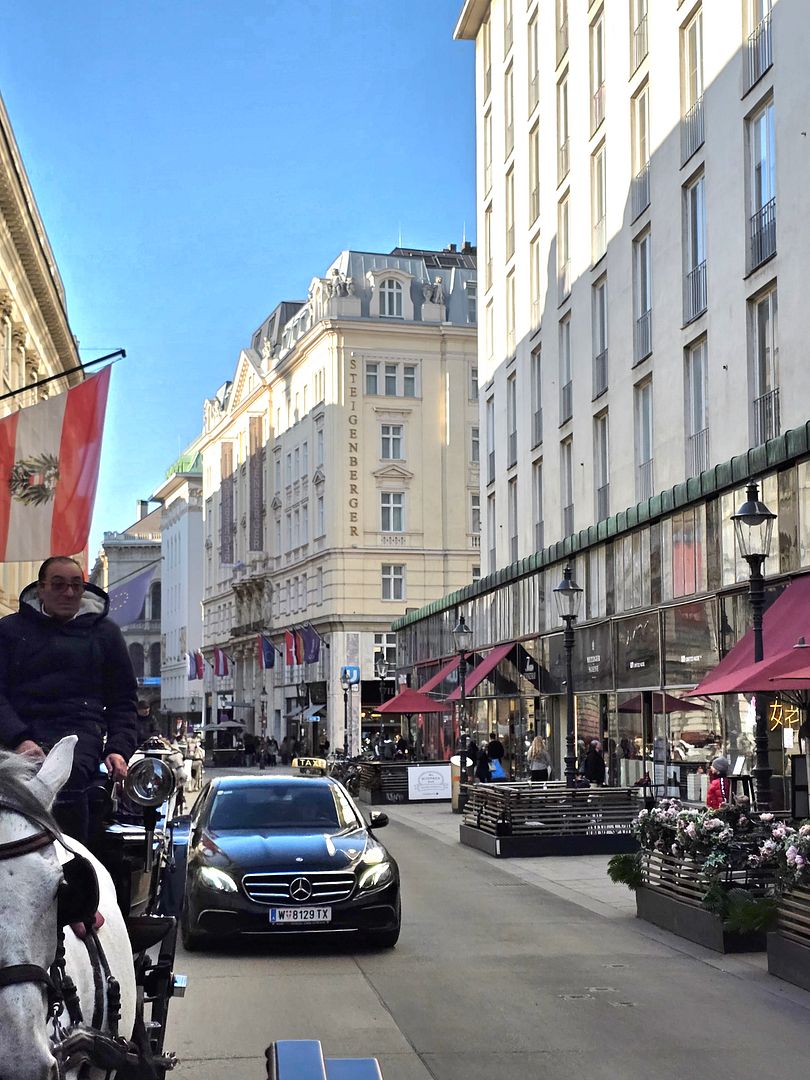
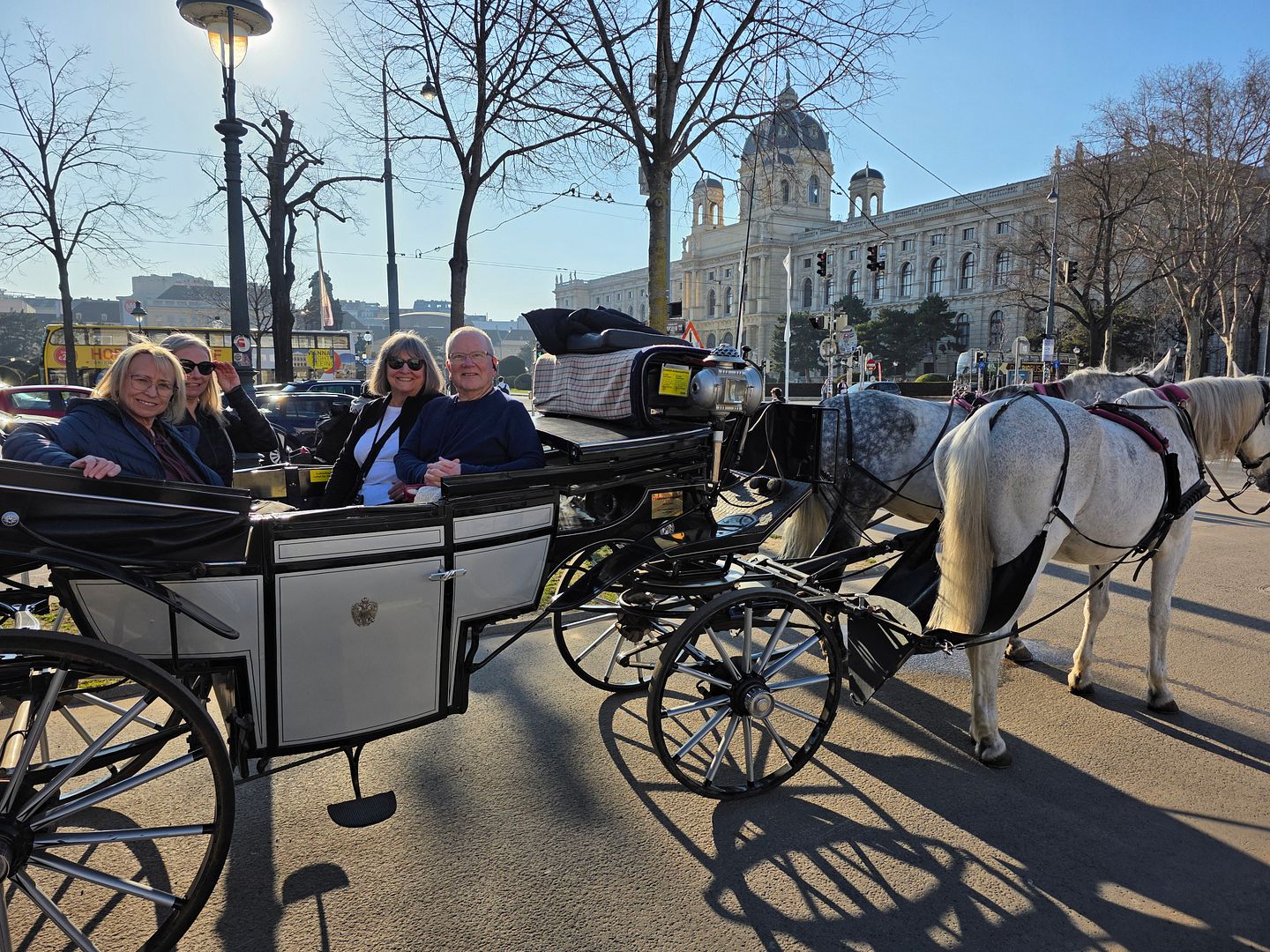
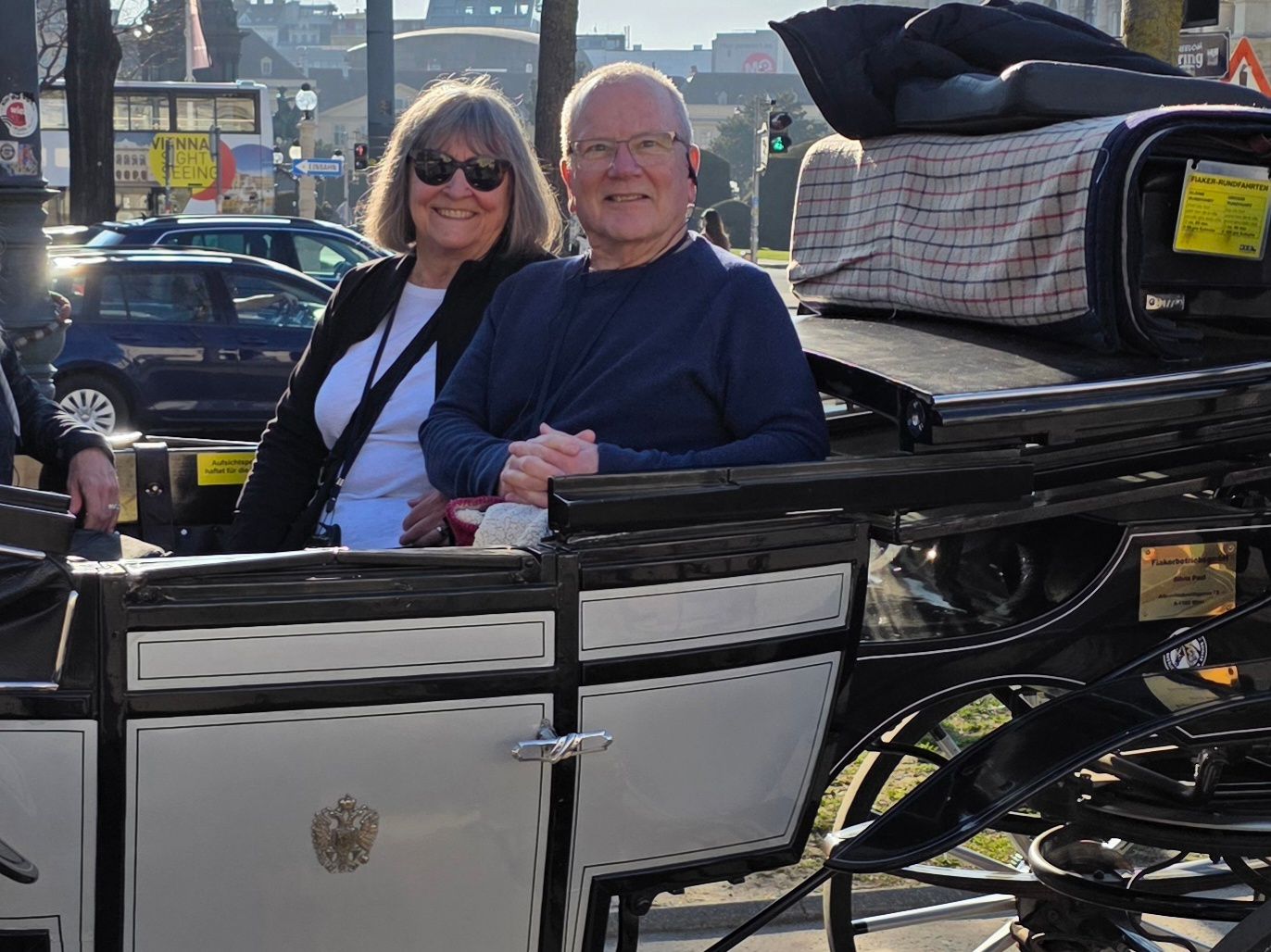
Our driver was determined to take a lot of photos of us in the carriage. The fun part is that we were paired with the girls we met in Cesky Krumlov from Oklahoma and Colorado for this ride through the streets of Vienna.

Looking behind at the other carriages.

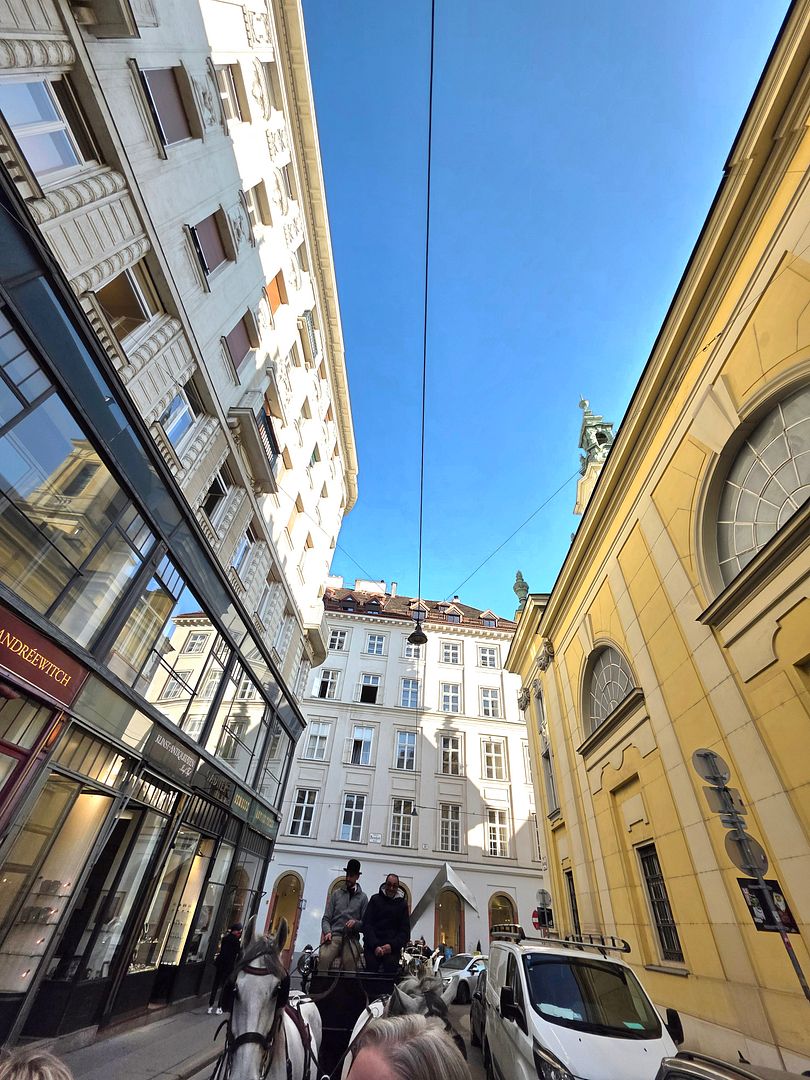
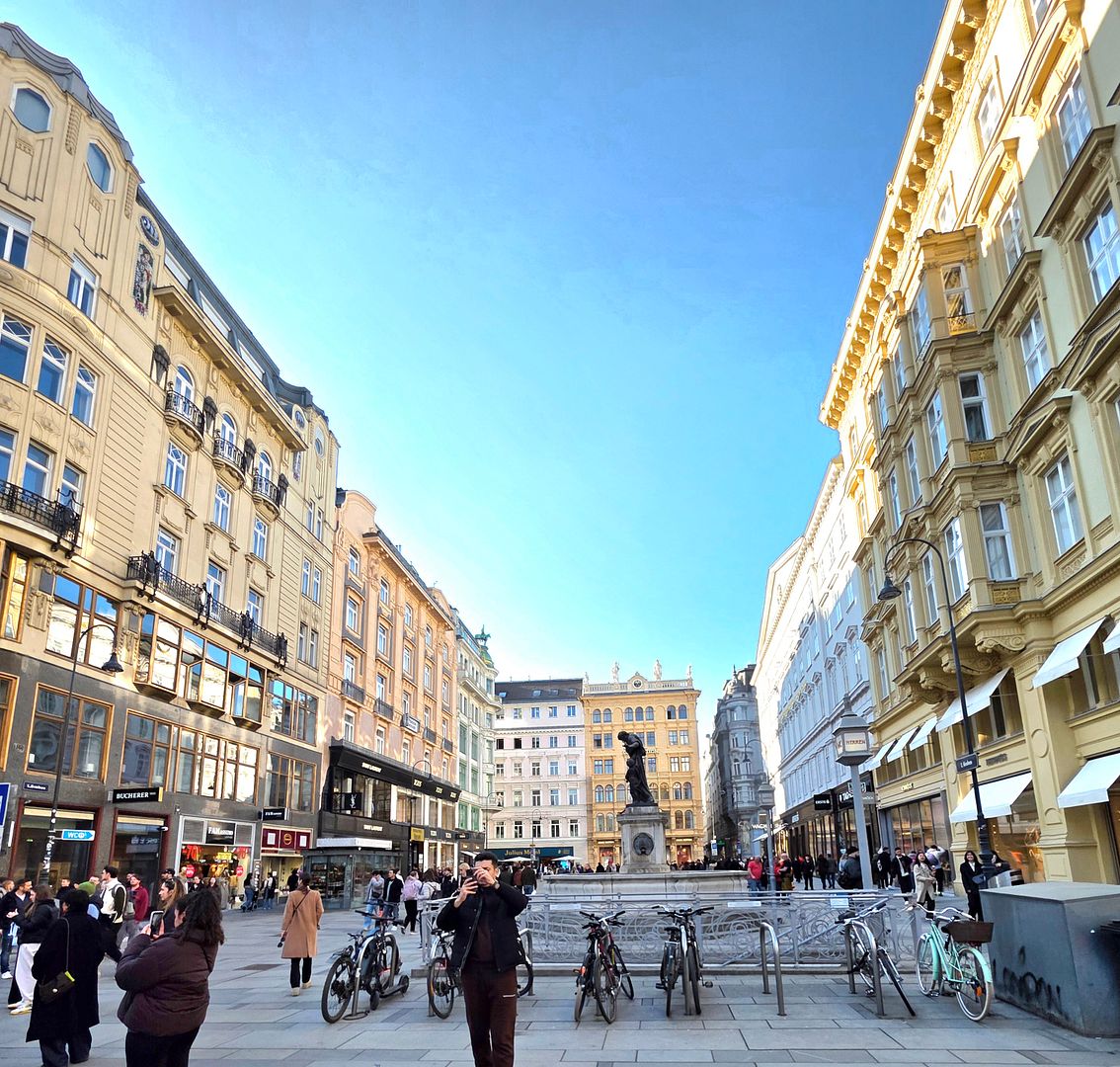
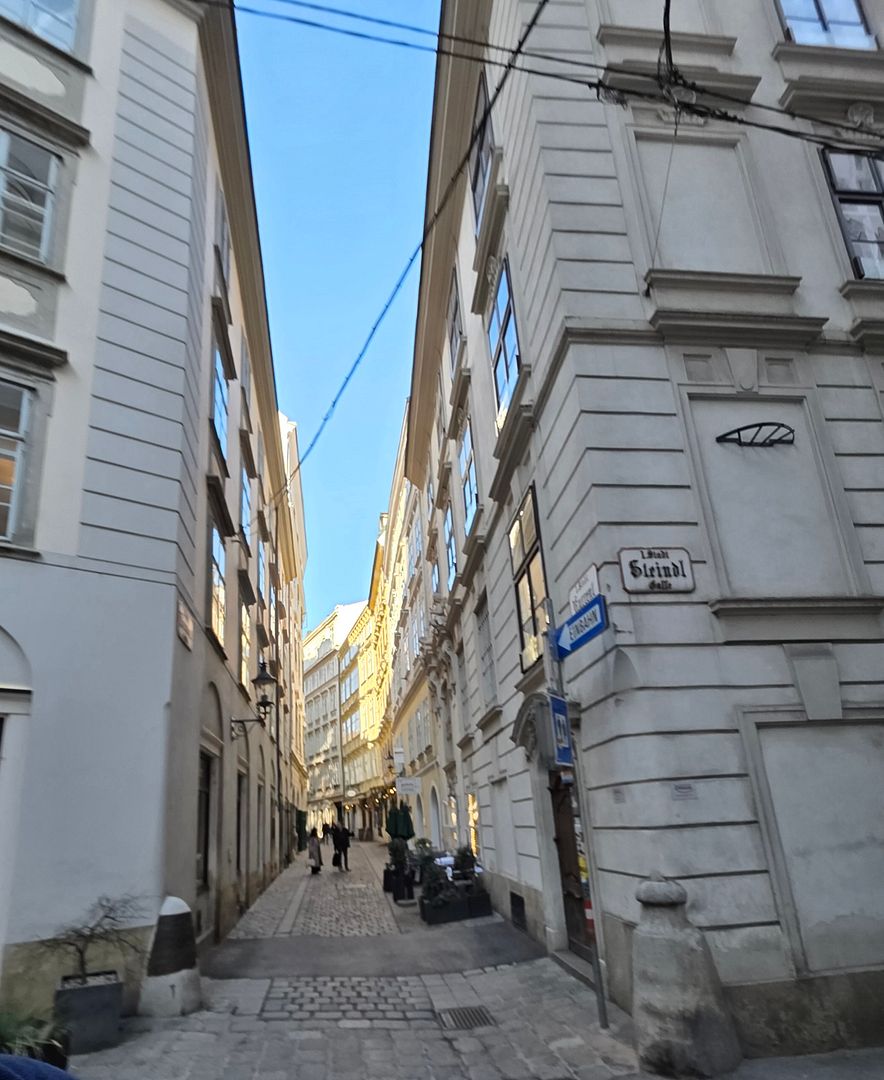
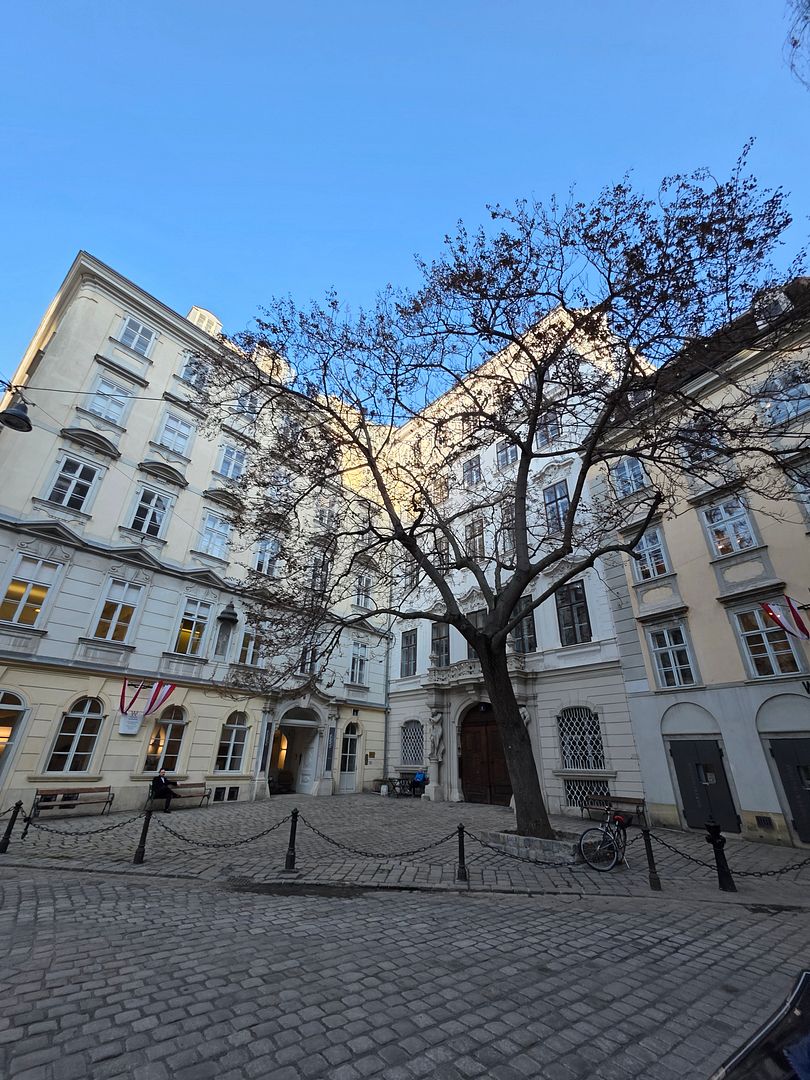
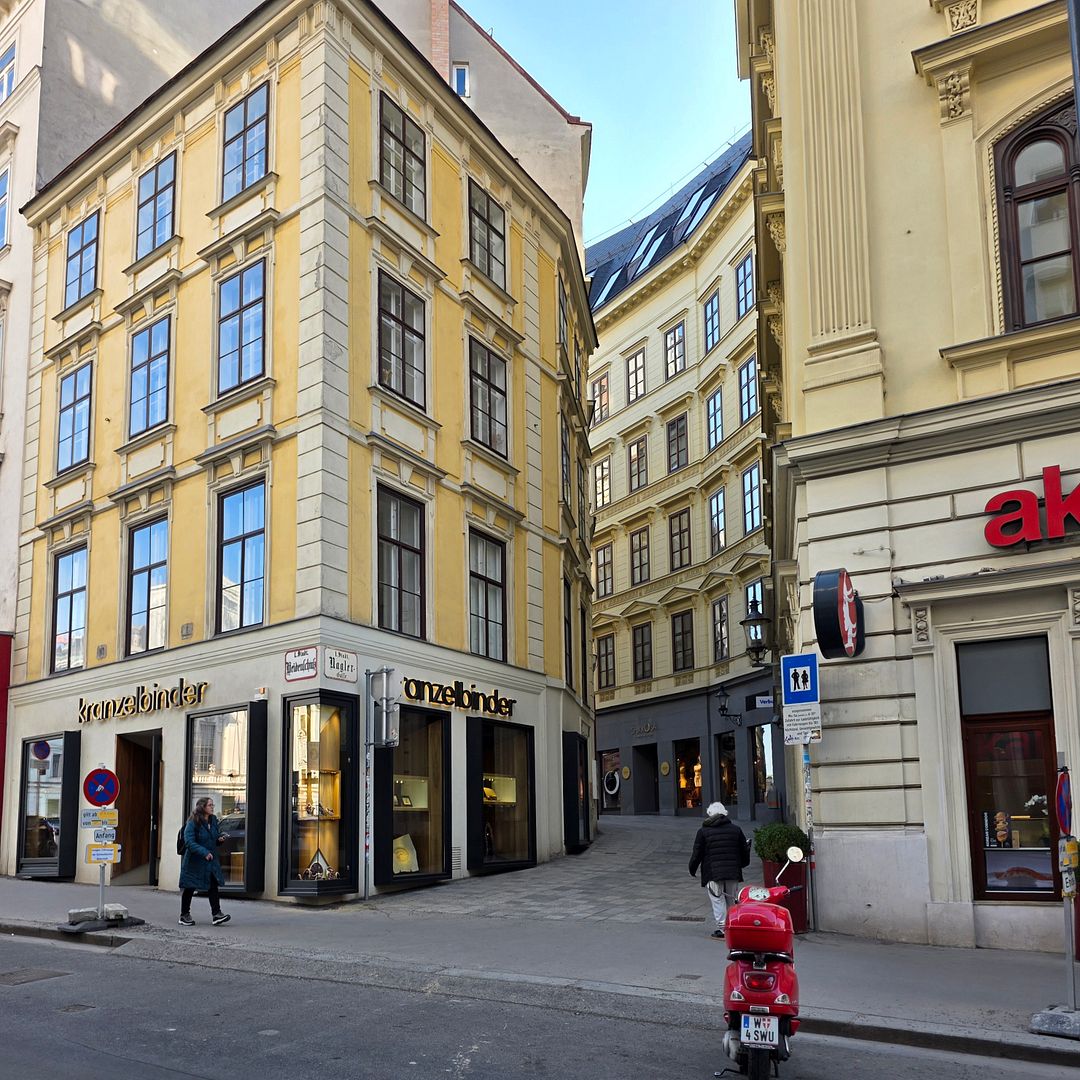
There was no commentary on our ride so we weren’t sure of what we were seeing but we enjoyed the architecture, the courts and streets we clip clopped through.


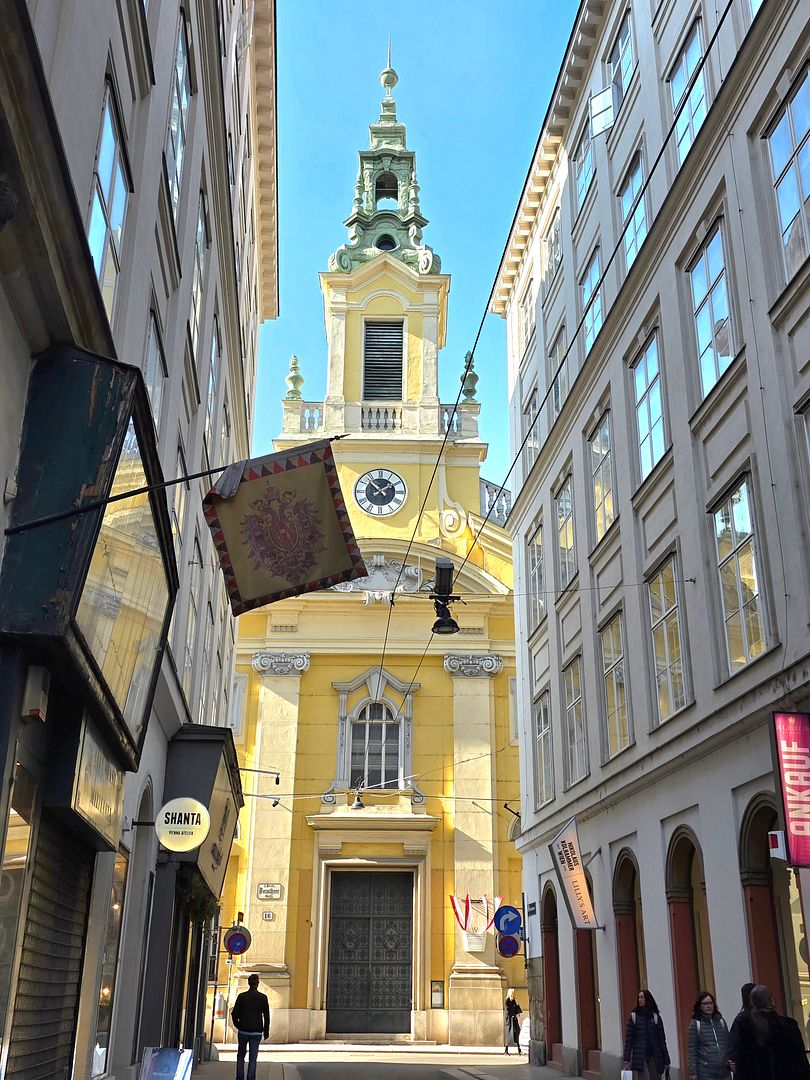
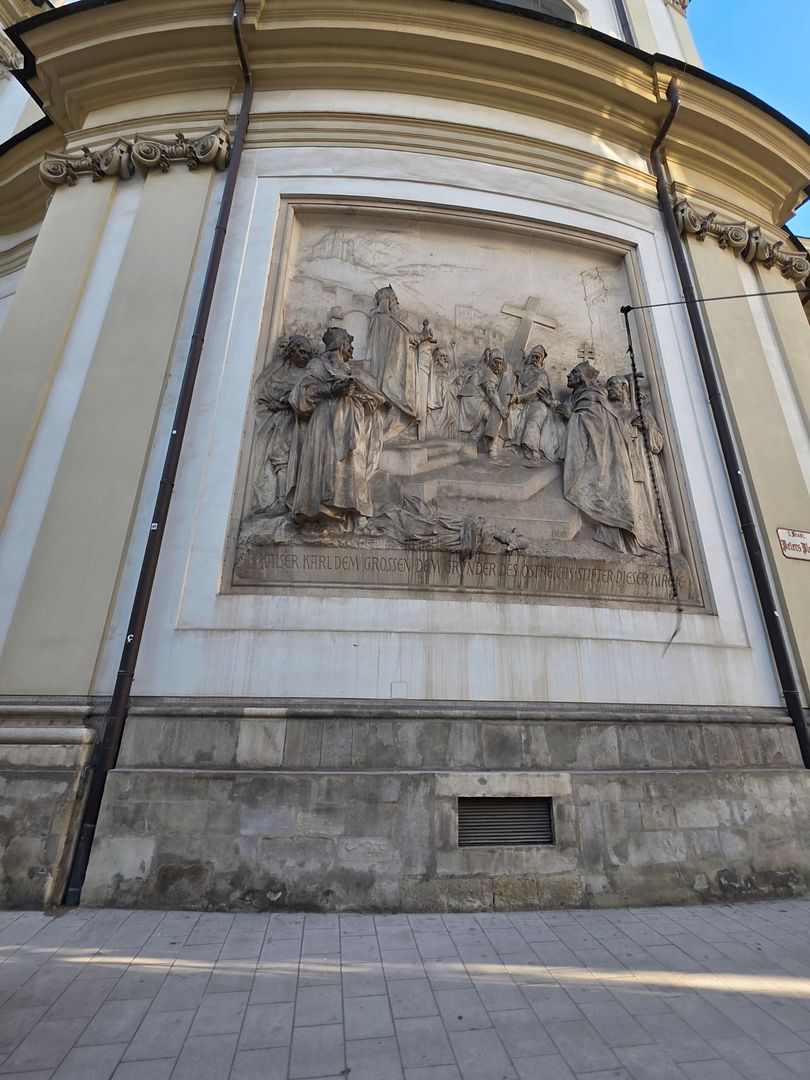
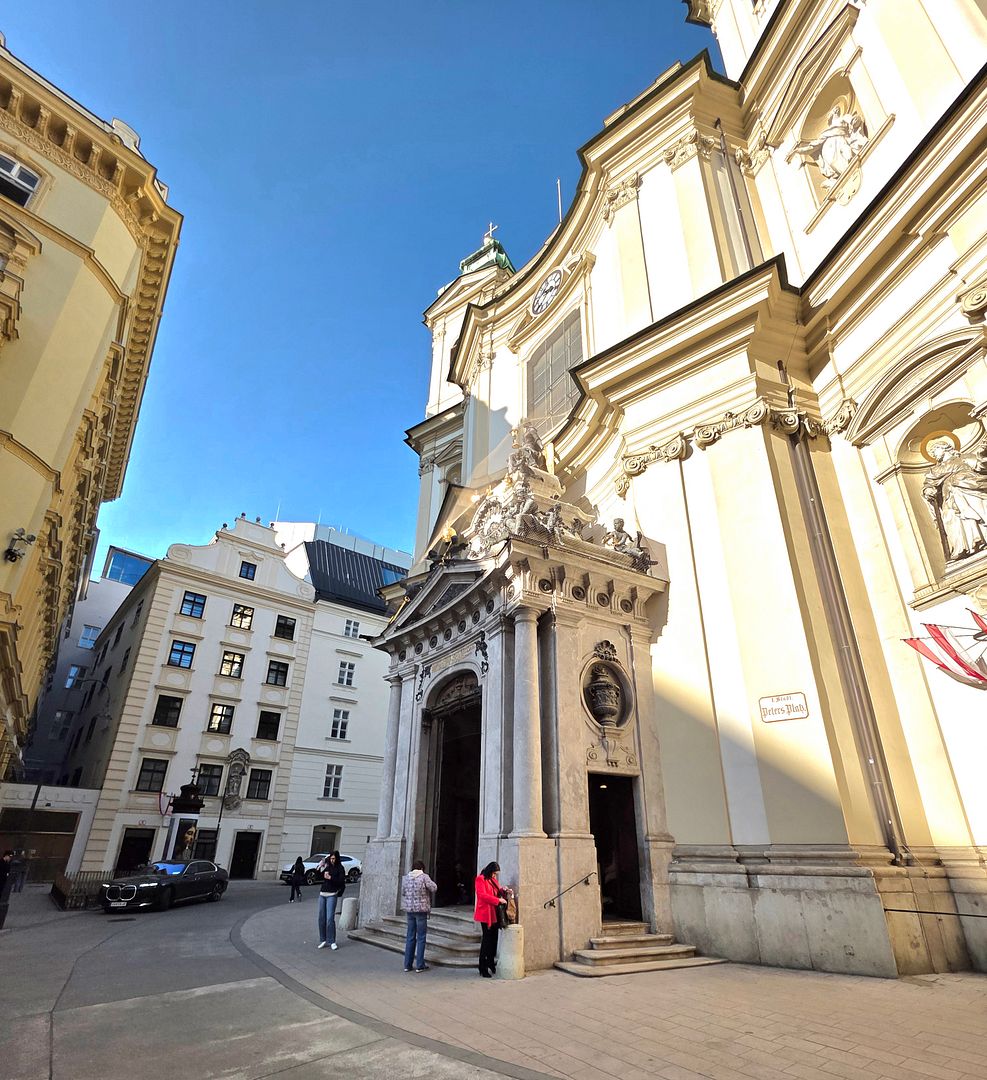
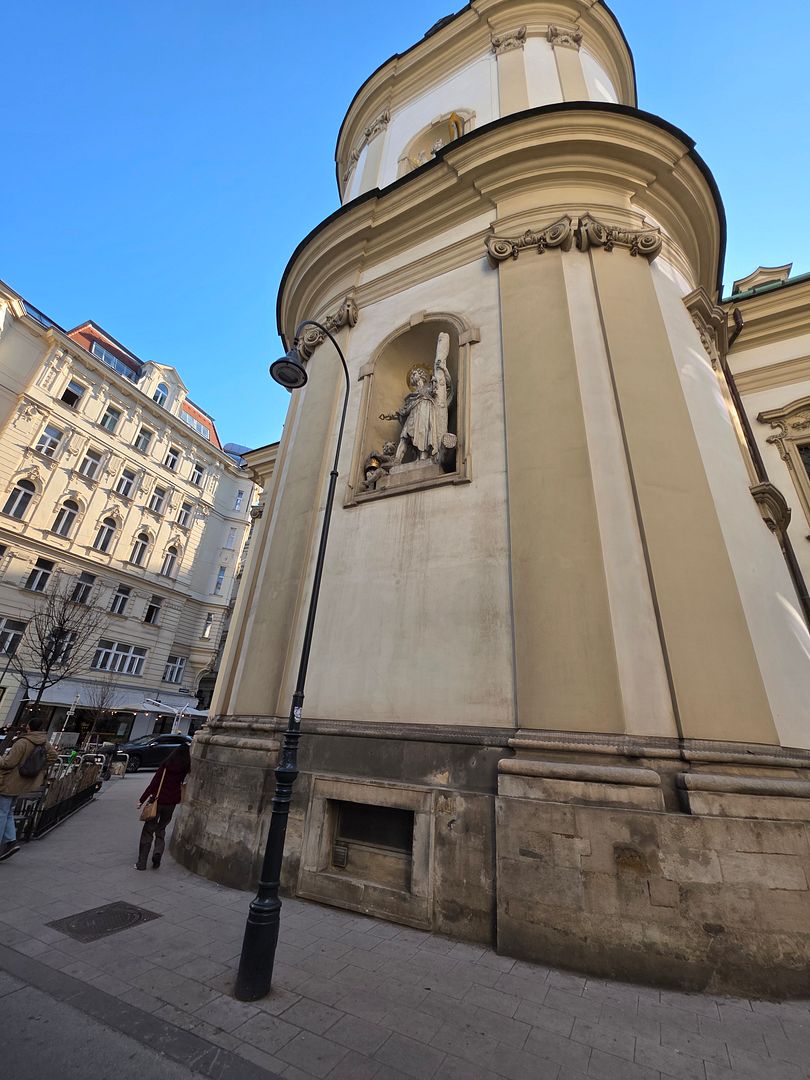
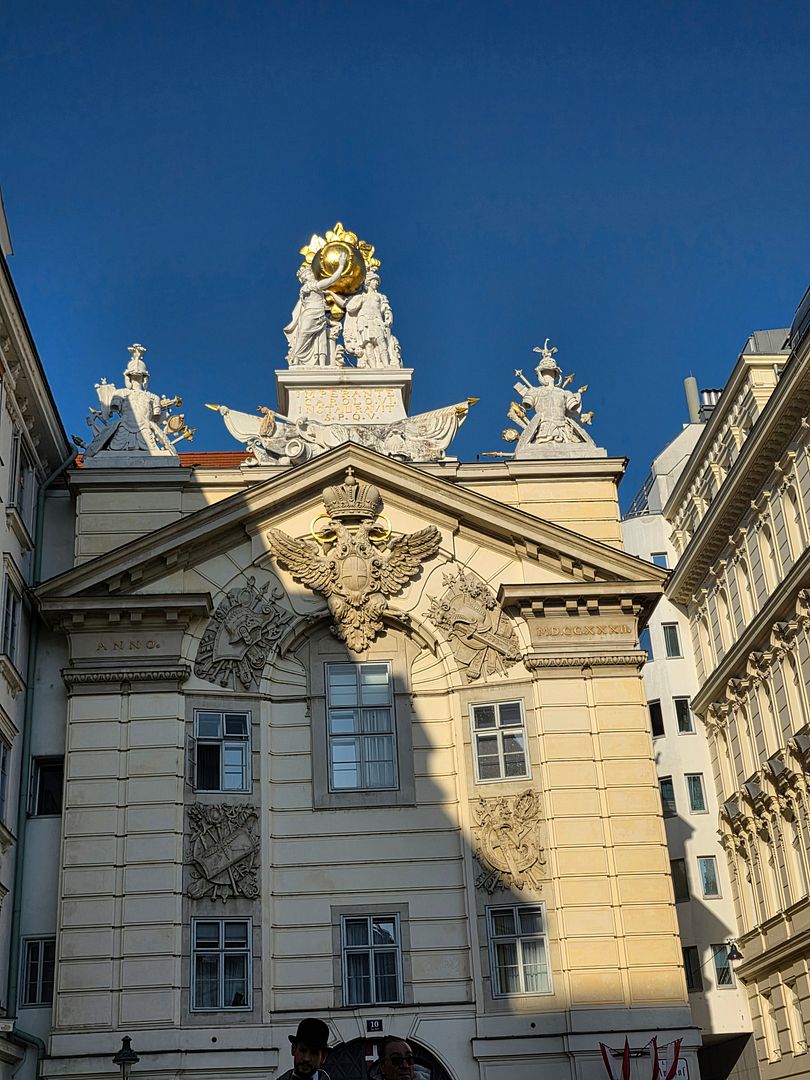
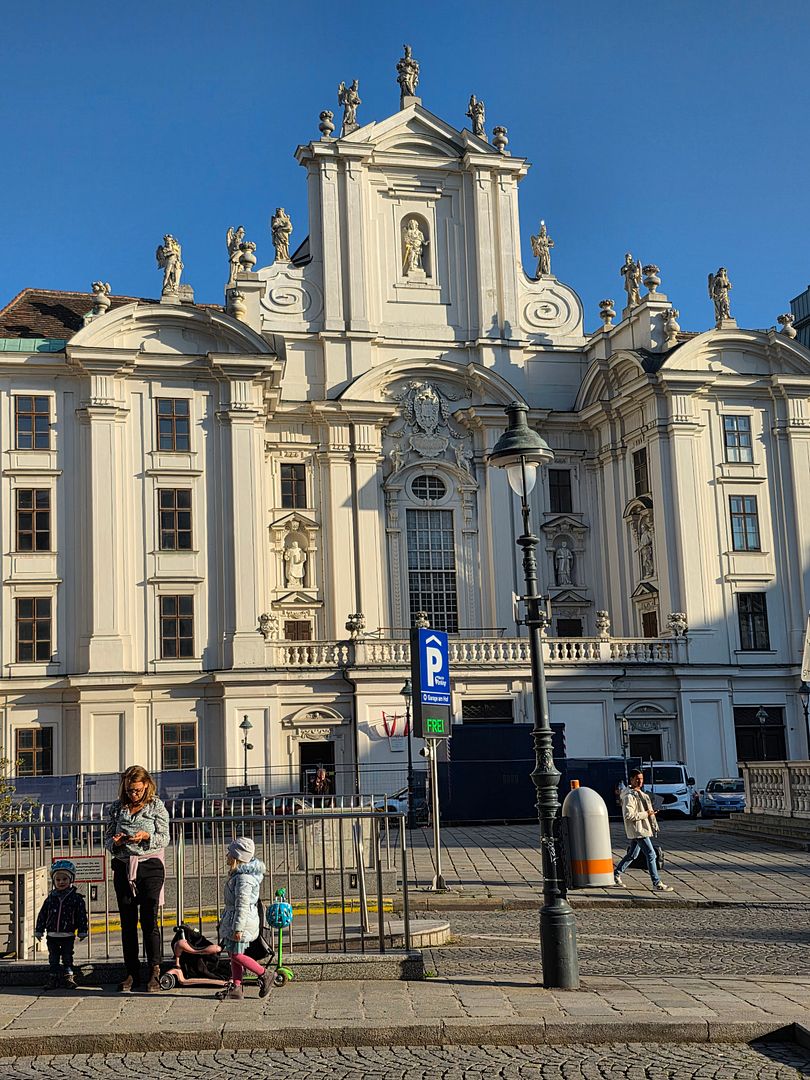
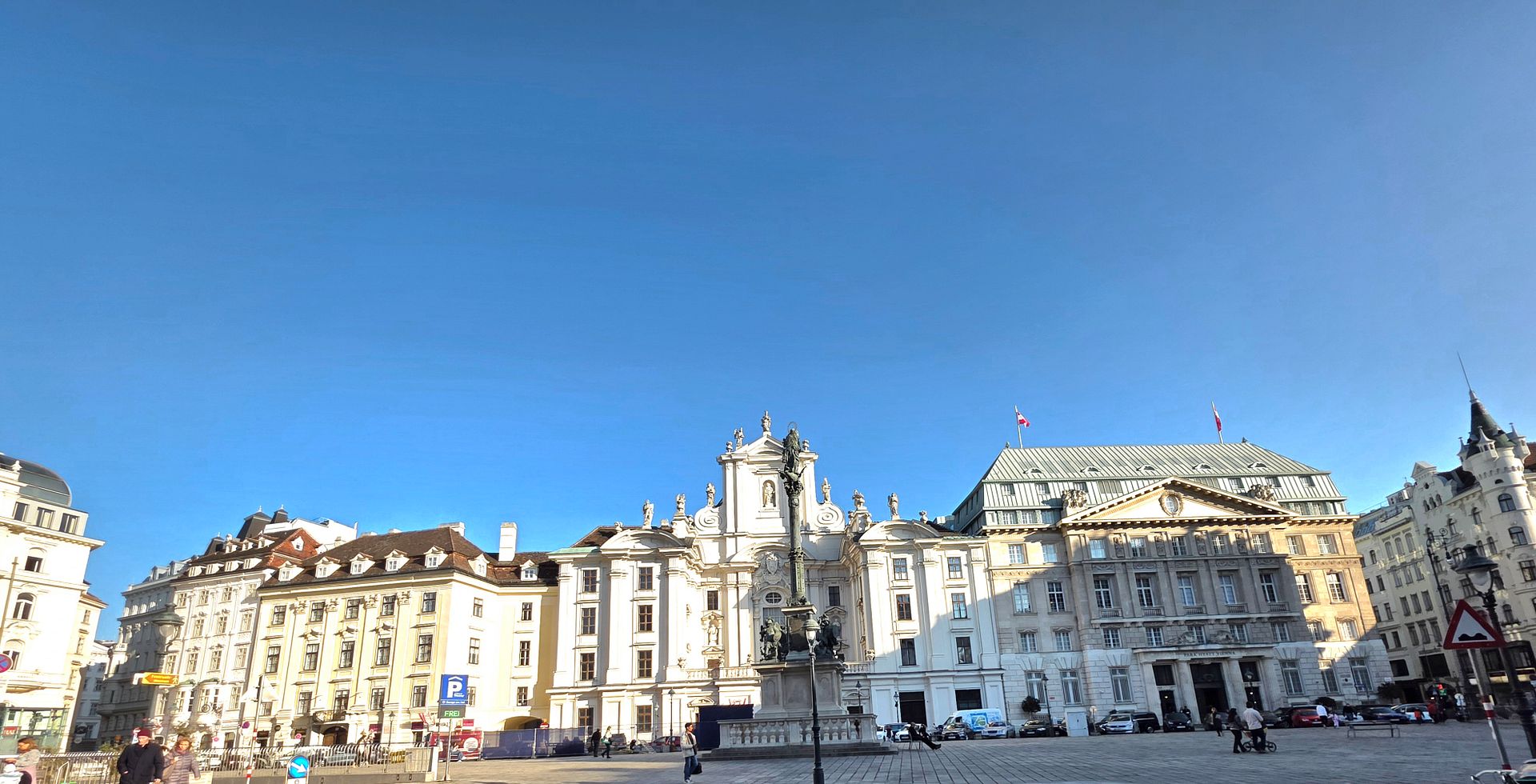
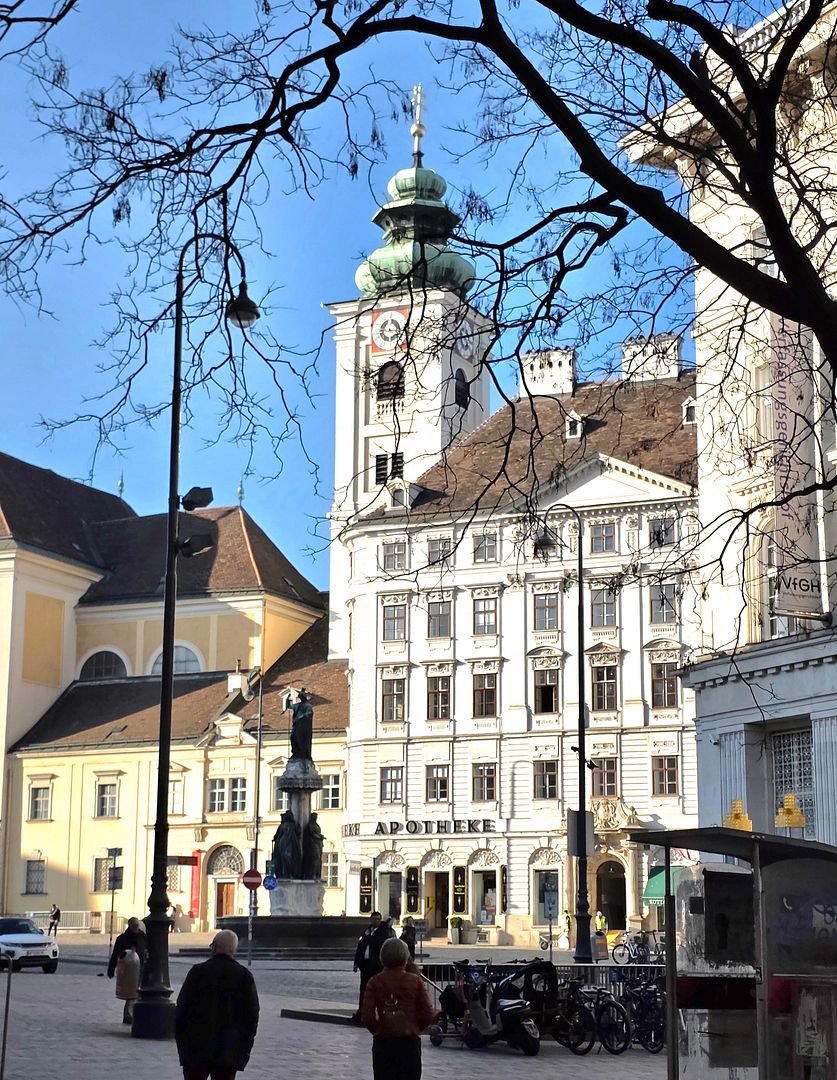
Kirche am hof, Vienna

Kirche am Hof Vienna (Catholic Church)

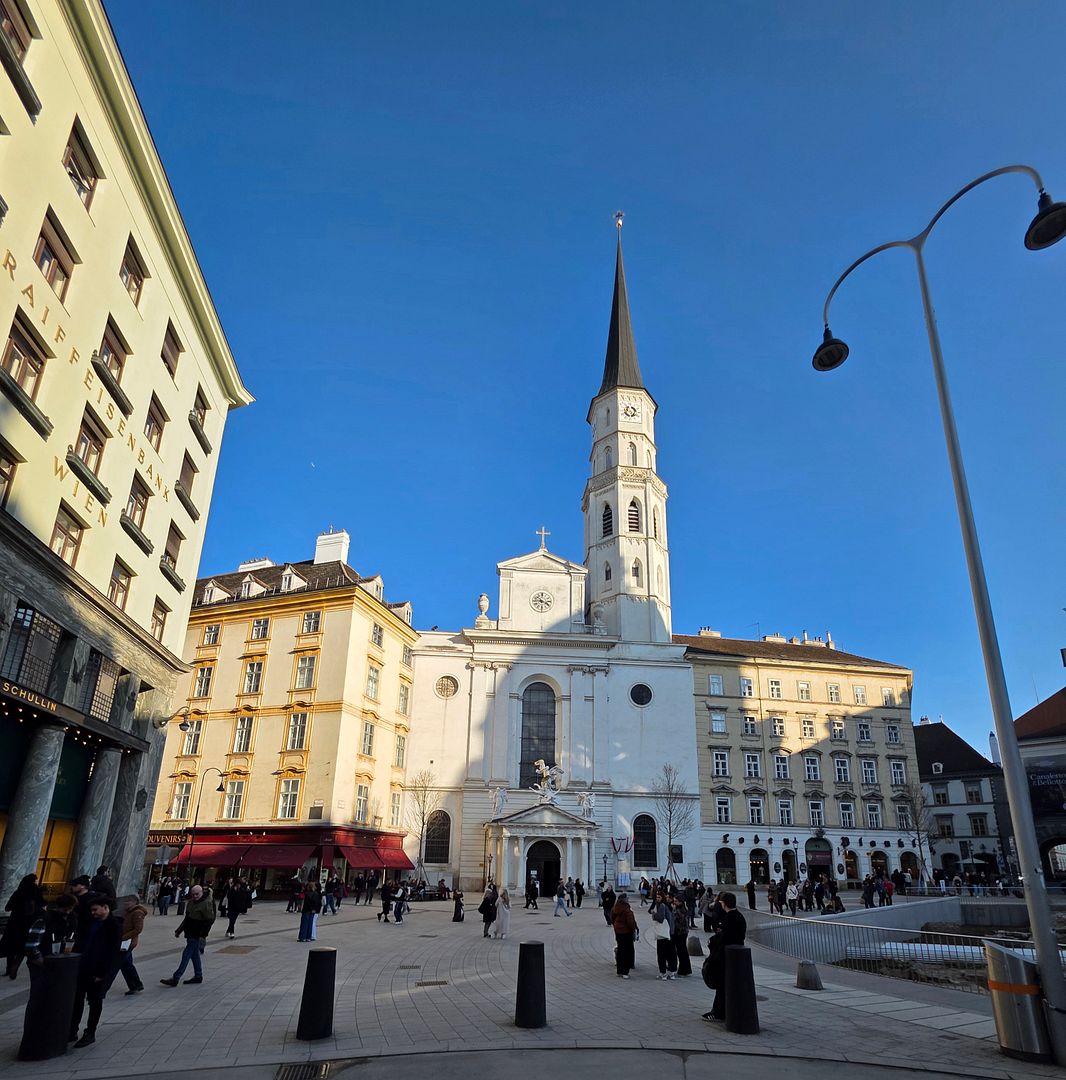
When the Carriage Ride was over we met up with our tour guide again and walked through some of the areas we just clip clopped through to St. Stevens Cathedral.

That will have to be another post.


Český Krumlov ~Part 2

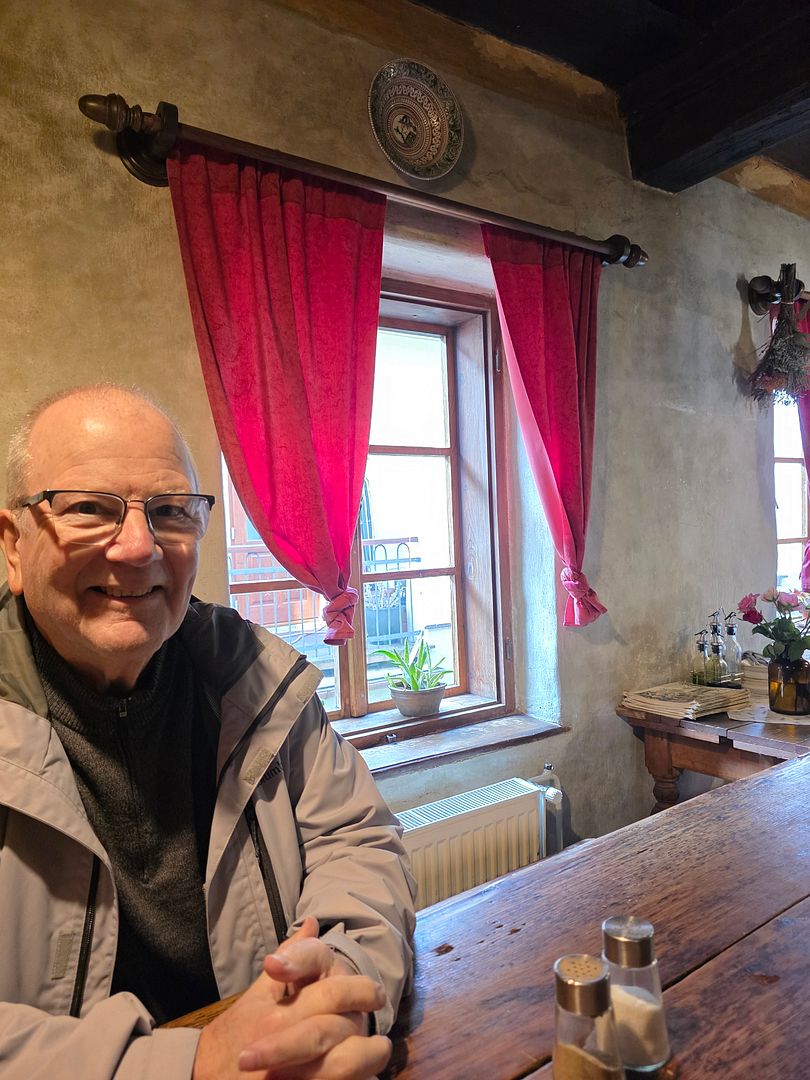
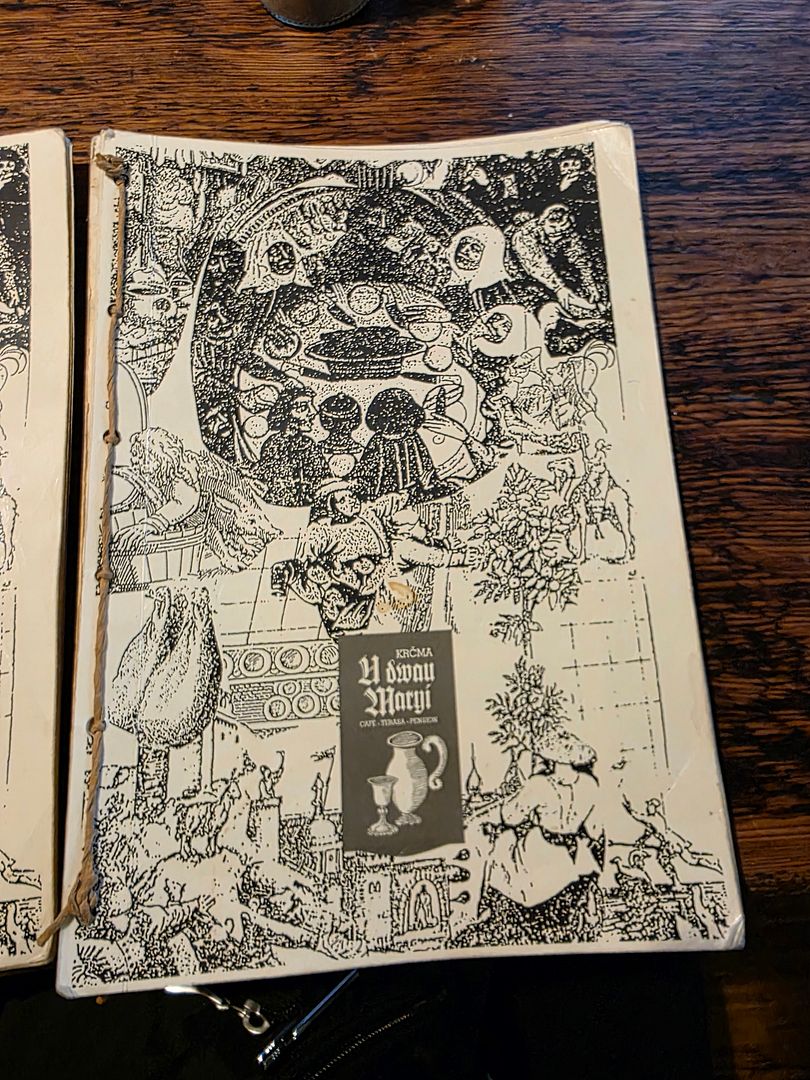
Continuing our time in Český Krumlov on Wednesday March 4th, after we broke off from our tour group we made our way to the Tavern of Two Maries.

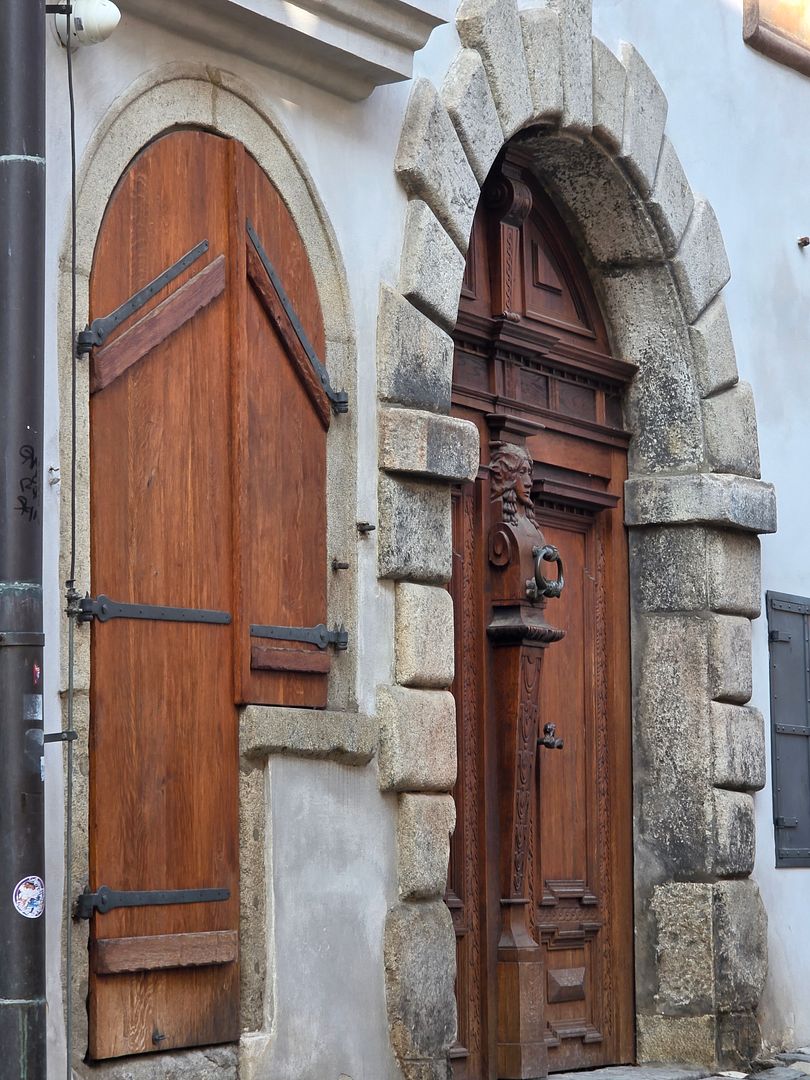
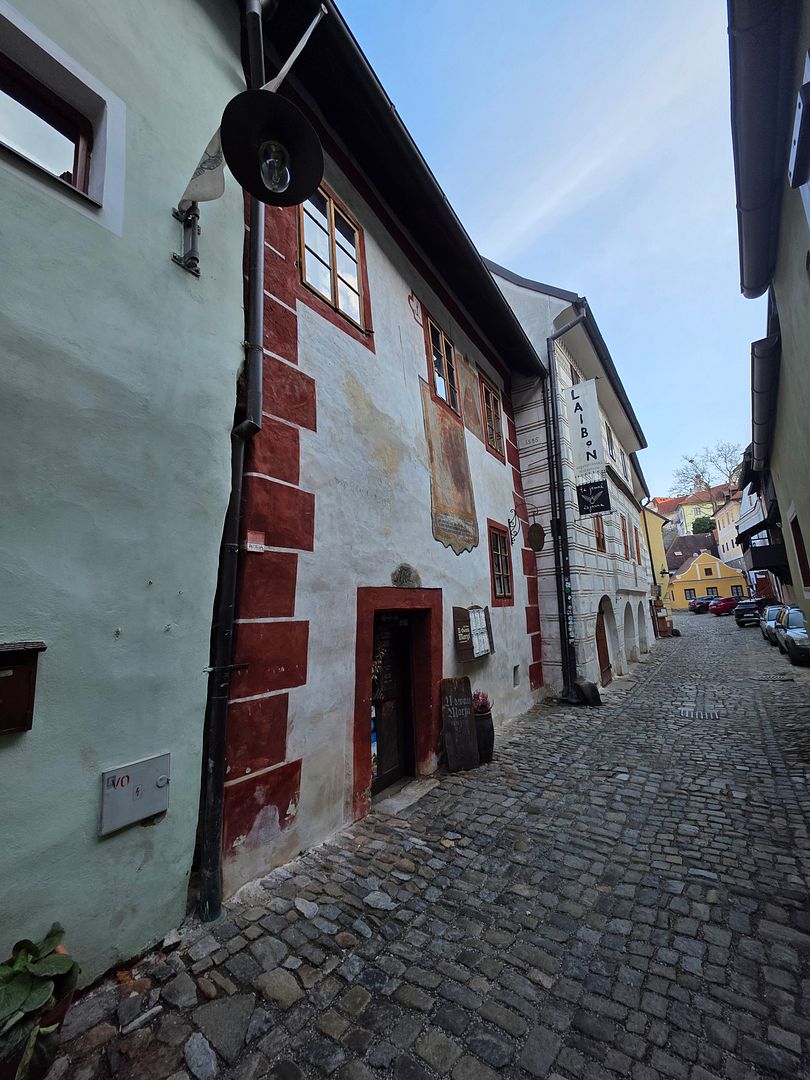
This short door on the left side was the entrance to the Tavern. We opened the door hesitantly.

There was no welcome party as we entered, in fact we wondered if they were open. As we considered which way to turn a tall woman appeared and pointed us upstairs, upstairs. We went all the way to the top and then she caught us and pointed downstairs. We had gone up one floor too many.

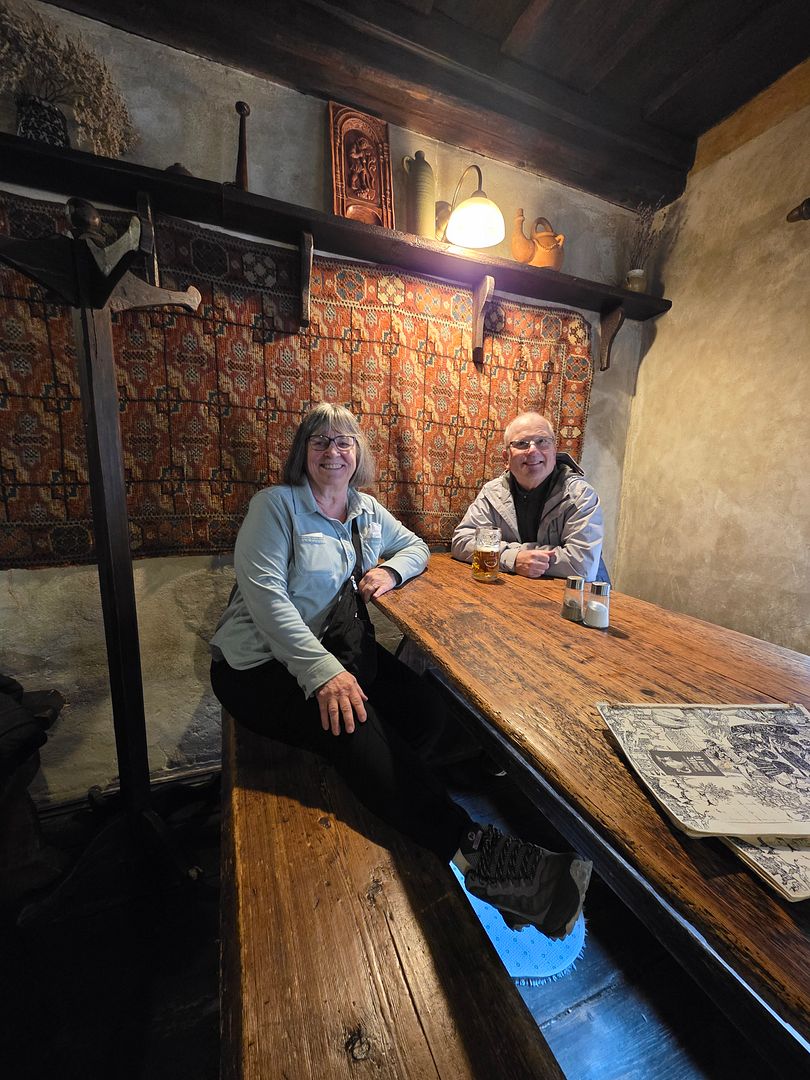
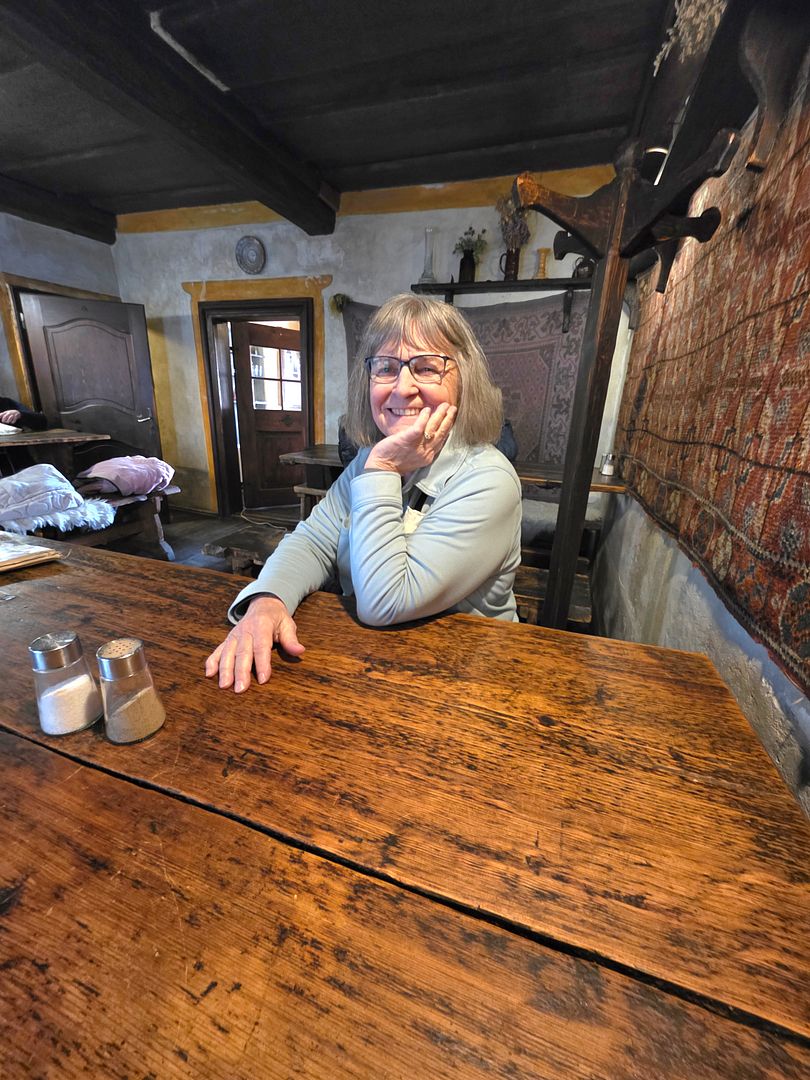
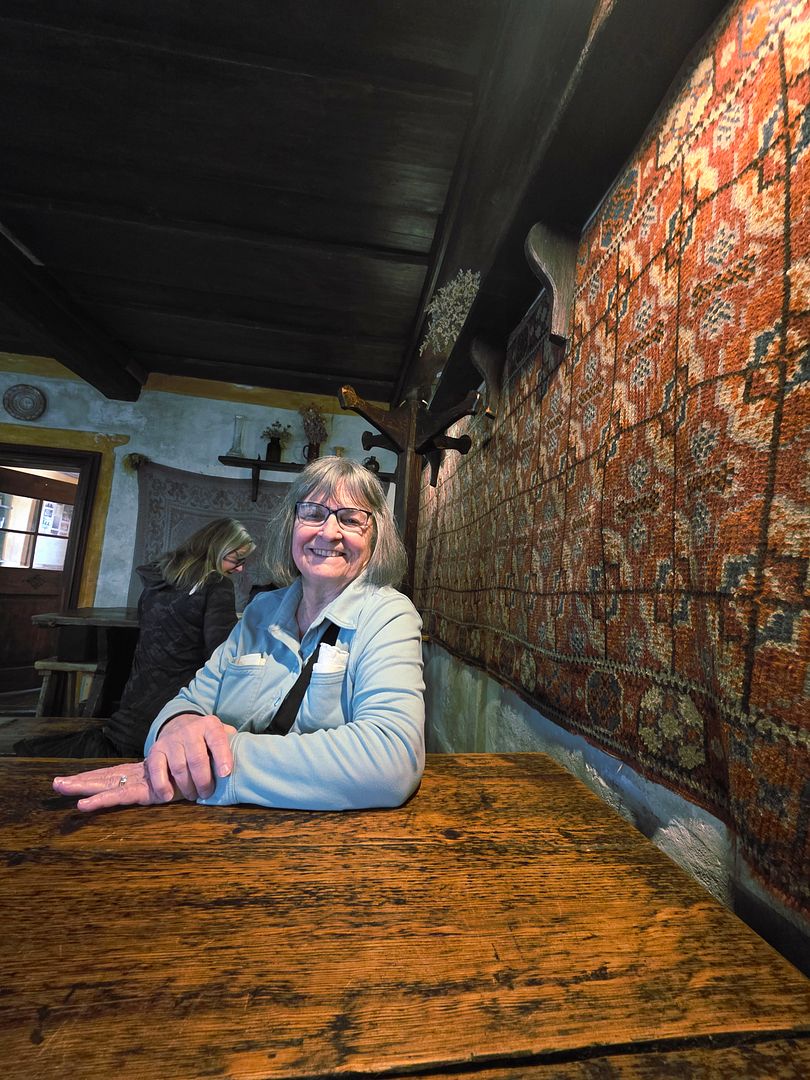
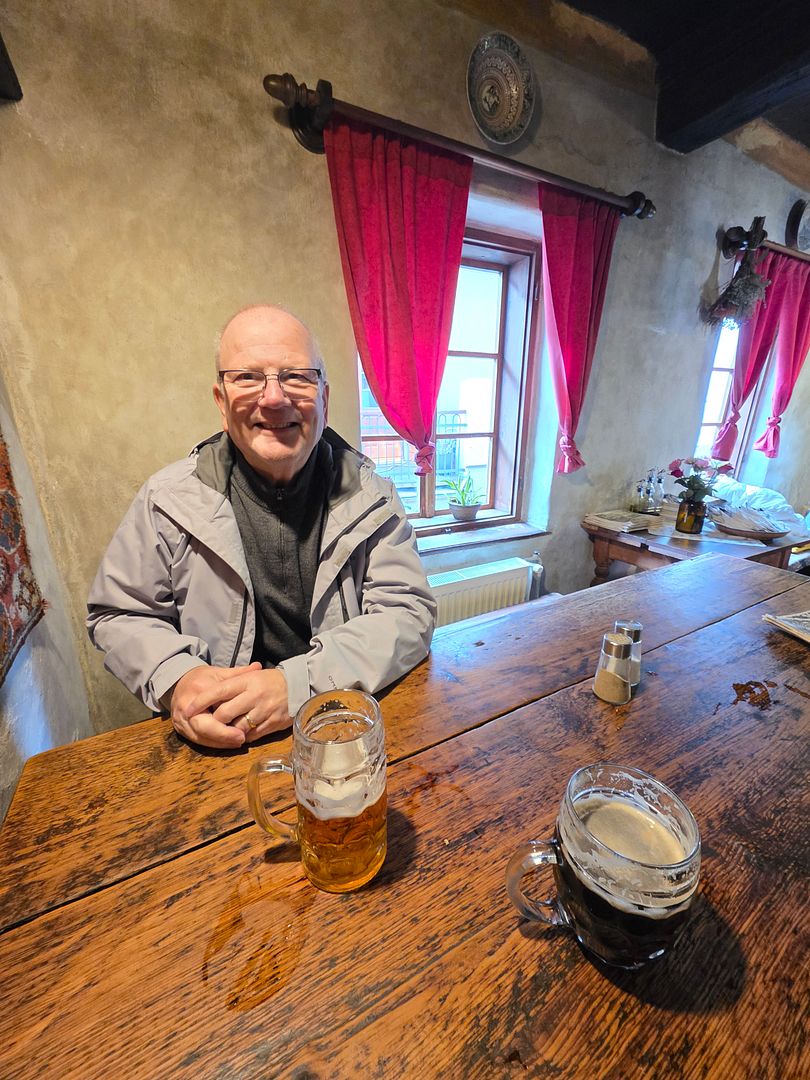
Whew! We made it into the wall of tapestries dining room.

I’m never quite sure what to do with my hands when posing for a photo.

The two gals sitting behind us were also from our cruise and this encounter was the beginning of a few more where we would look at each other and say, “Great minds think alike.” We found out over lunch that these two were friends from their youth. Their mom’s were best friends and their moms had taken this cruise in the past and they decided to join up and do this very cruise in honor of their moms who since were both deceased. What a sweet journey they were on. One of them lives in Oklahoma and the other in Colorado.

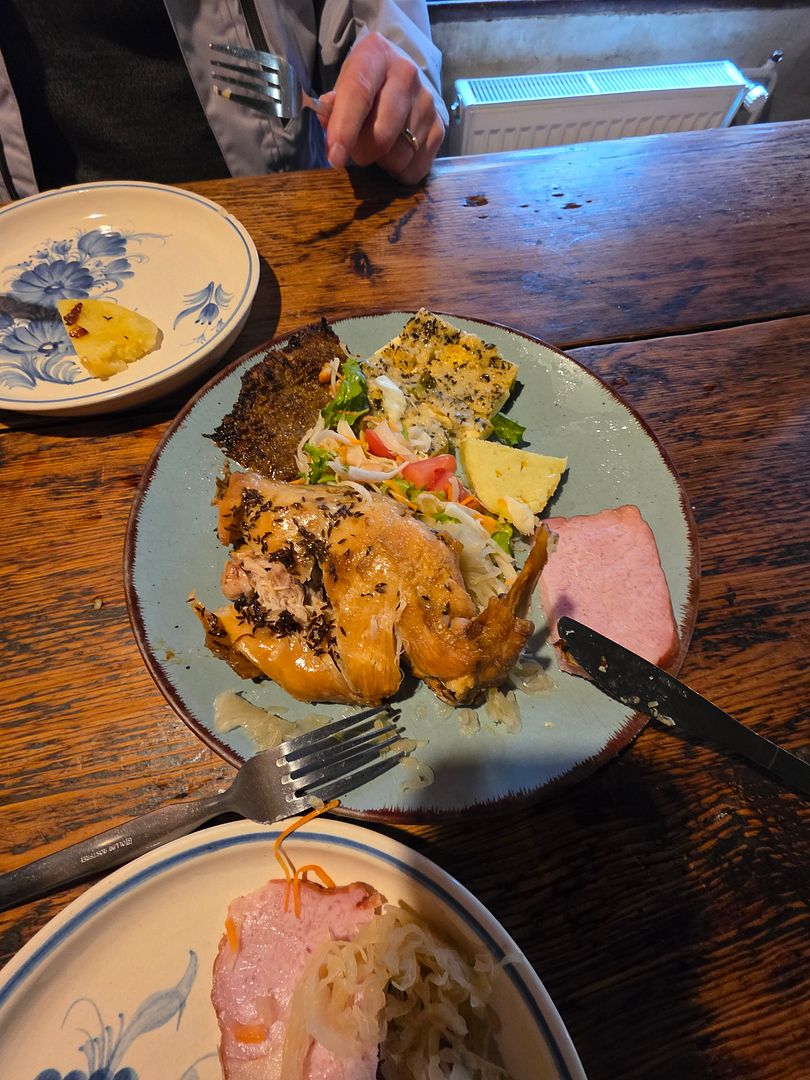
Our tour guide suggested ordering the Feast but to make sure we only ordered one and it would be plenty to share. We ordered the Old Bohemian Feast for one with rabbit meat.

Two house beers, a light draft and dark draft.

After lunch we first headed to the main square to get our bearings for where we would meet up with the tour group again for our departure.

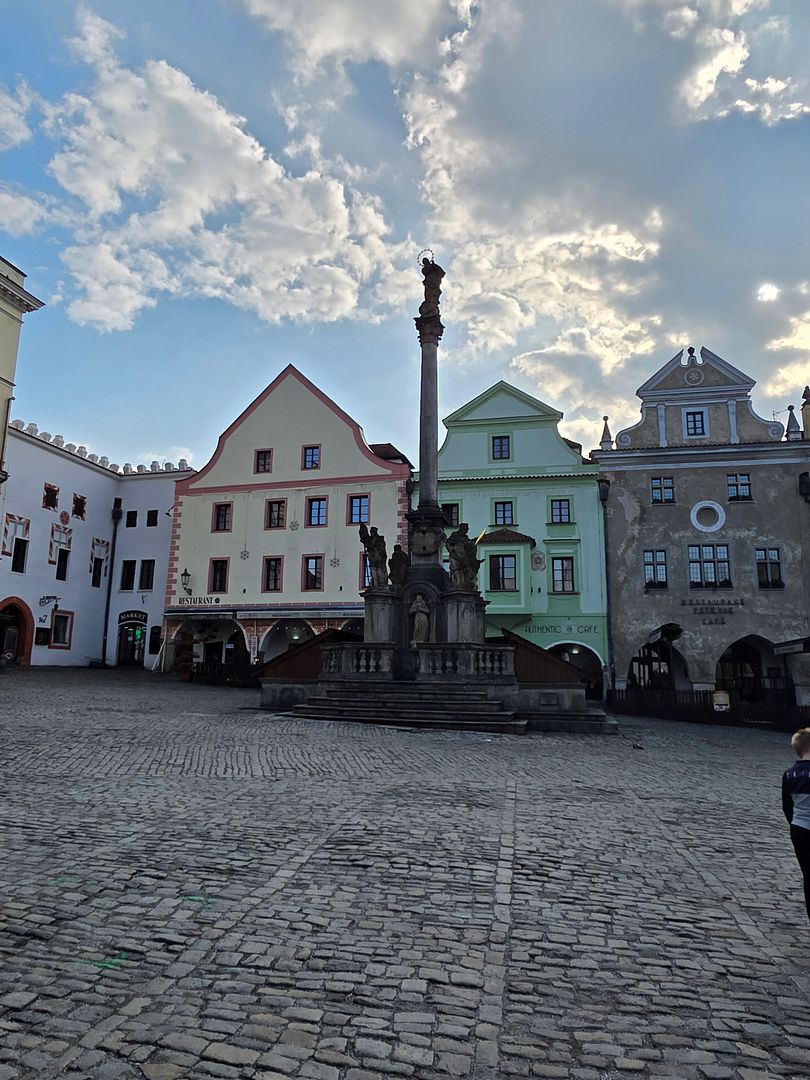
Just as we imagined, it was not difficult to find the main square, Svornosti, in old town.

At the heart of the Old Town is the main square, lined with a mix of Renaissance and Baroque homes of burghers (all built on 12th-century Gothic foundations). Lékárna, with a fine red Baroque facade on the lower corner of the square, is still a pharmacy, as it has been since 1620.

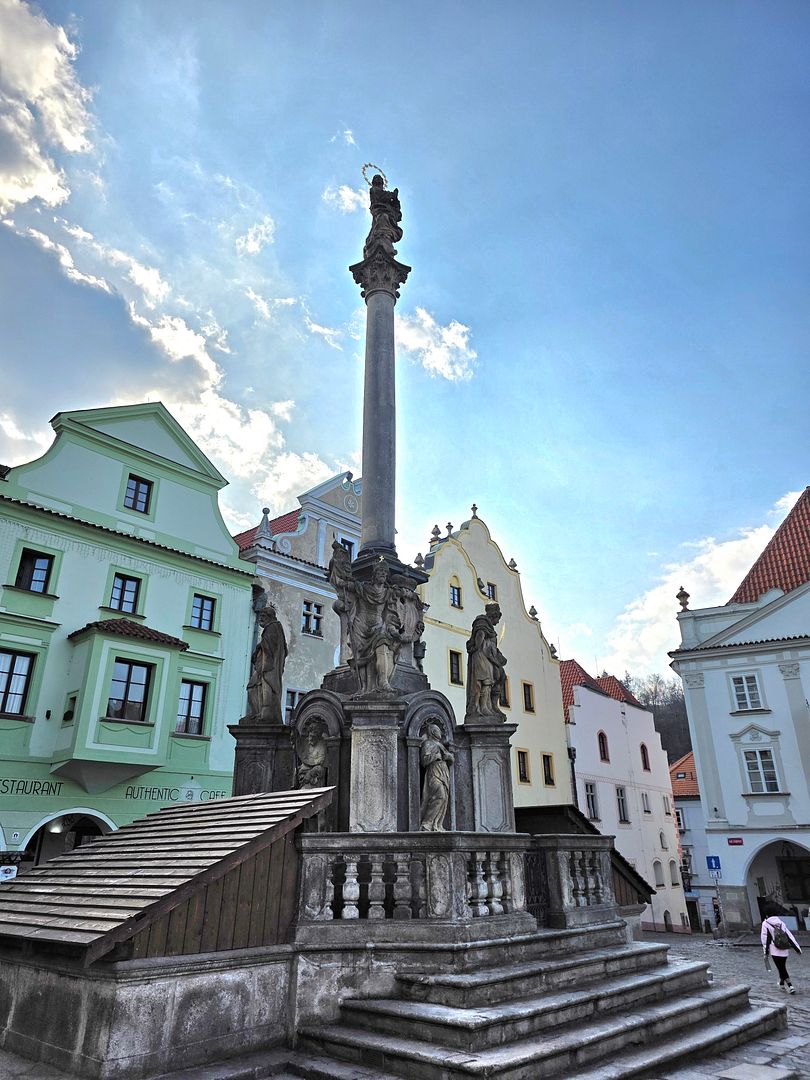
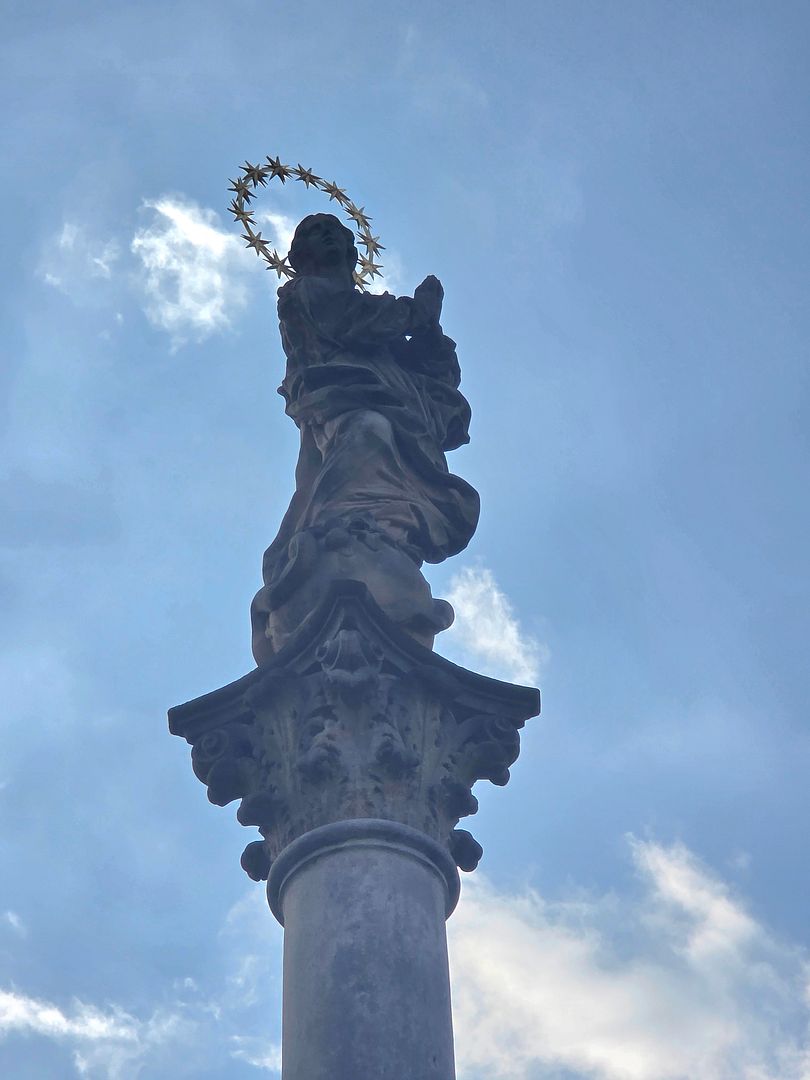
The main artistic landmark of the square is the plague column topped with the statue of the Virgin Mary and eight saints, the patron saints of the town and believed protectors against plague. In the upper row there are statues of St. Wenceslas, St. Vitus, St. John Evangelist, St. Judas Thaddeus, and in the lower row St. Francis Xavier, St. Sebastian, St. Gaetano and St. Rochus.

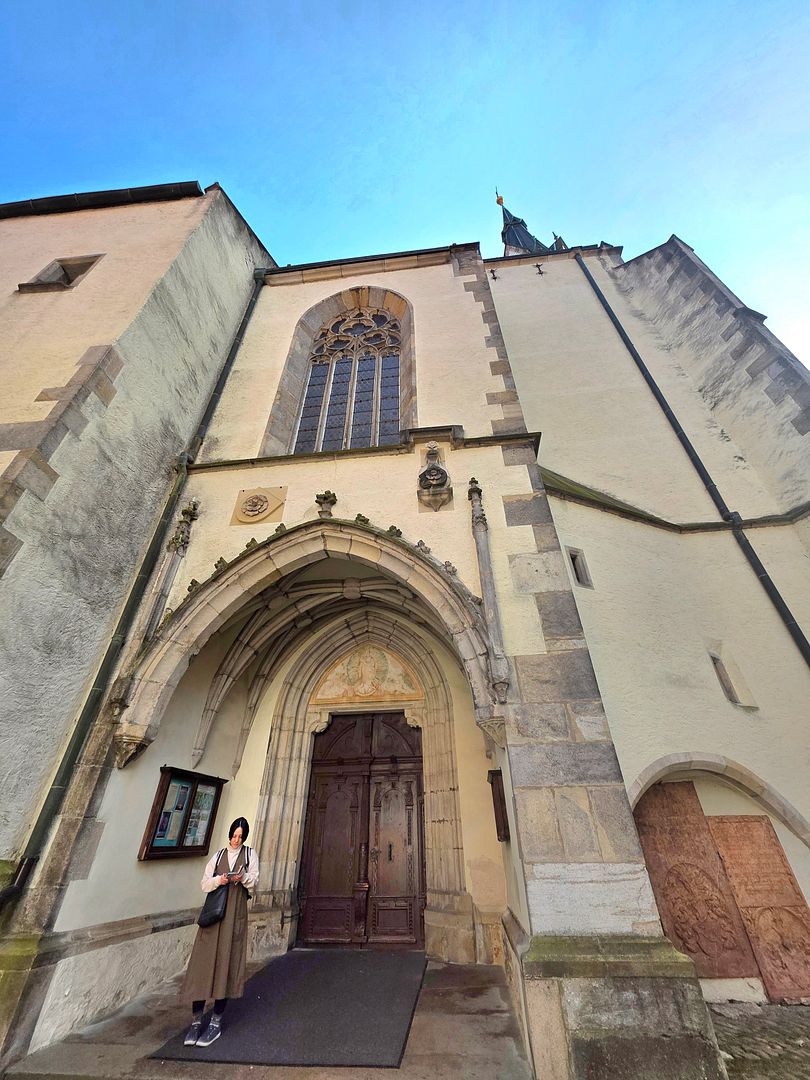
The wind aided temps at this point to drop and we decided to try to find someplace for warmth and a hot drink. We ended up at a counter service for sweets and decided on hot chocolate for our drink and a couple sweets for the road. Heading back to the square we saw St. Vitus church and decided to climb up the stairs for a visit.

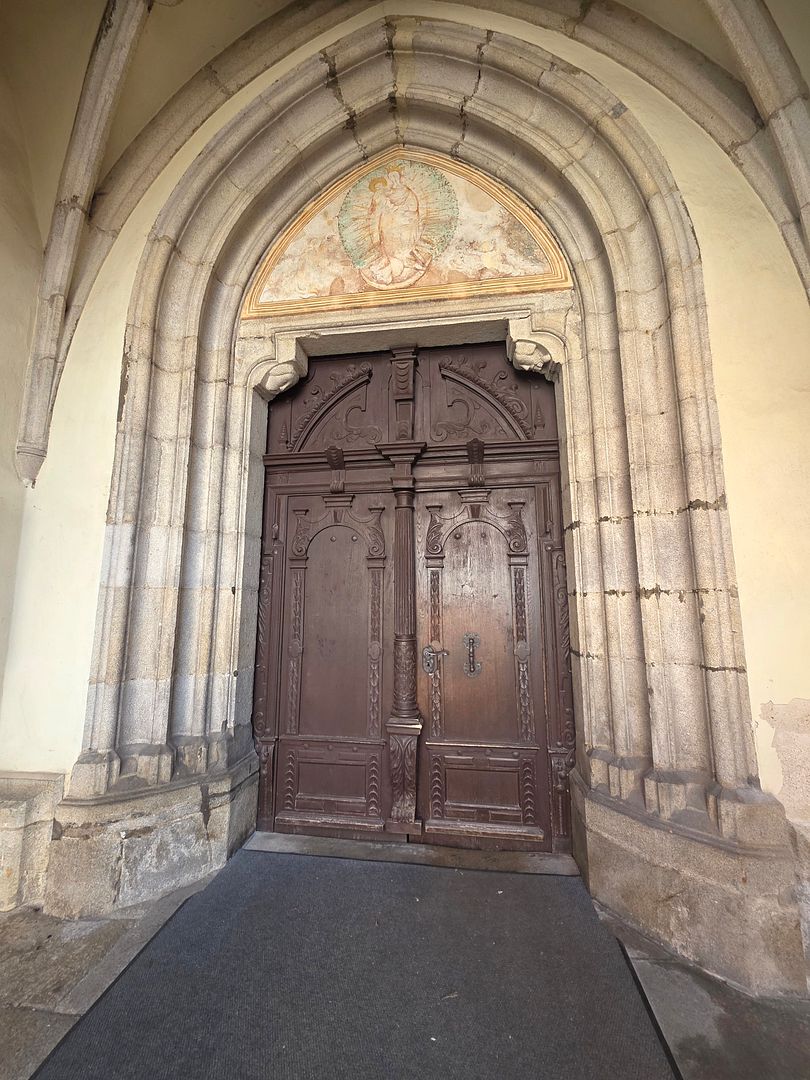
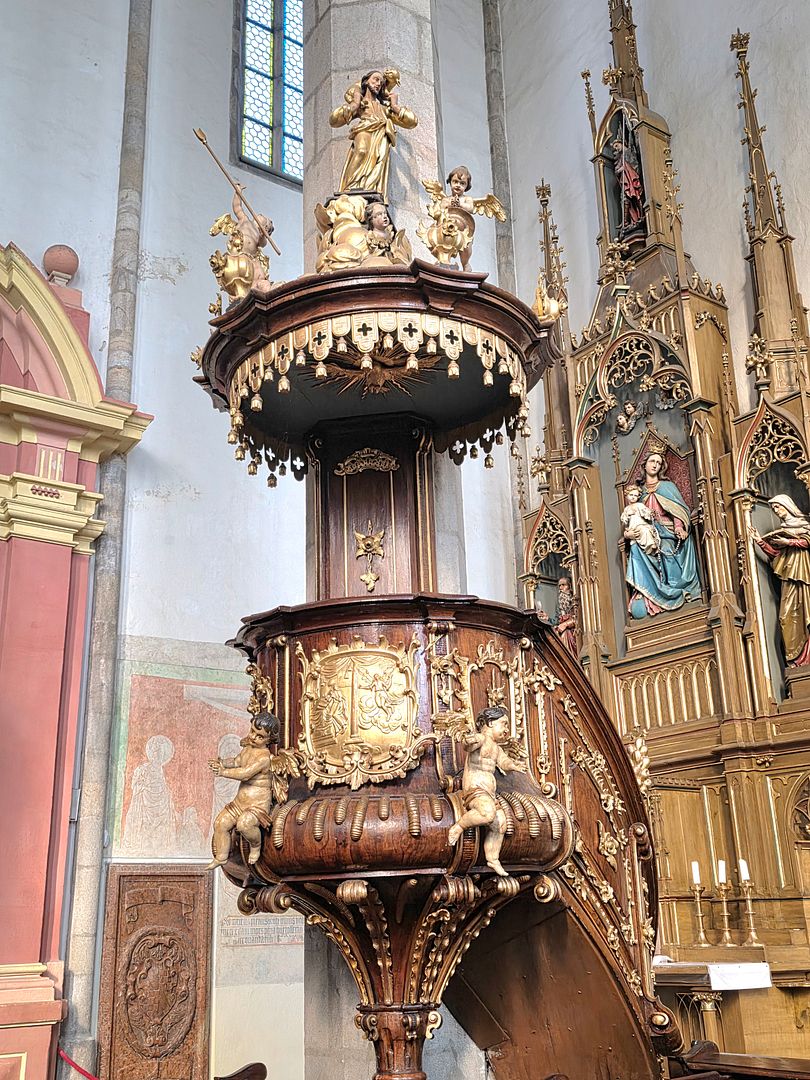
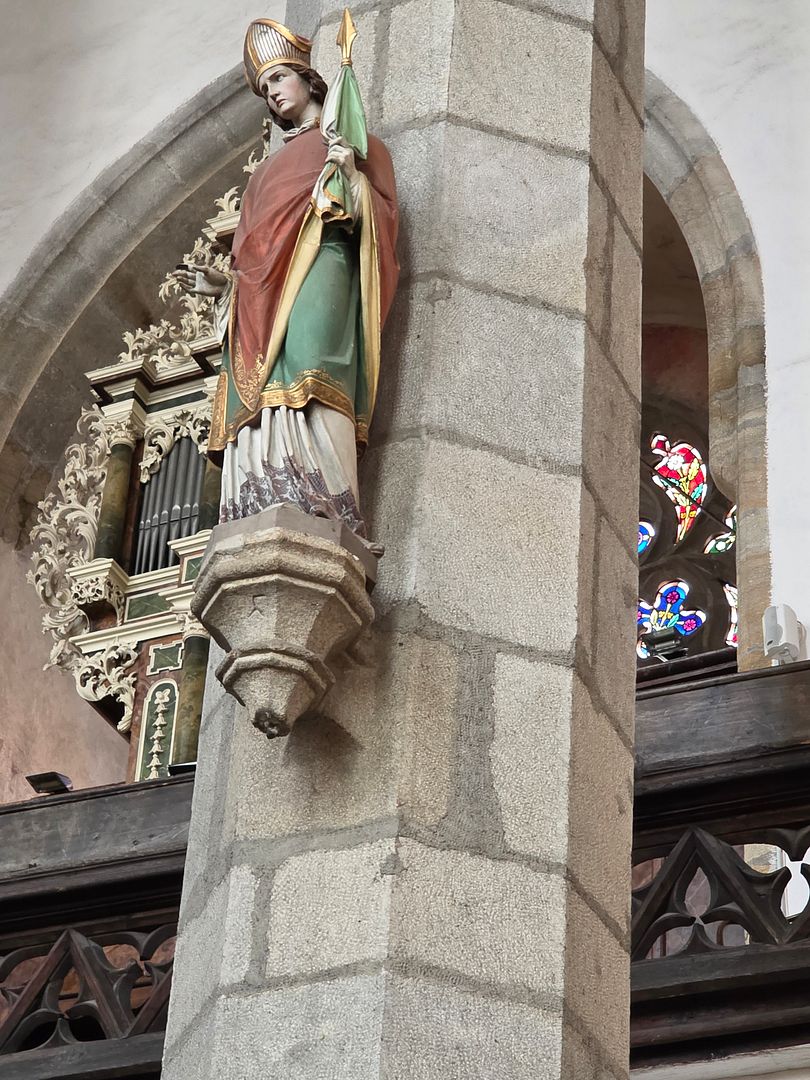
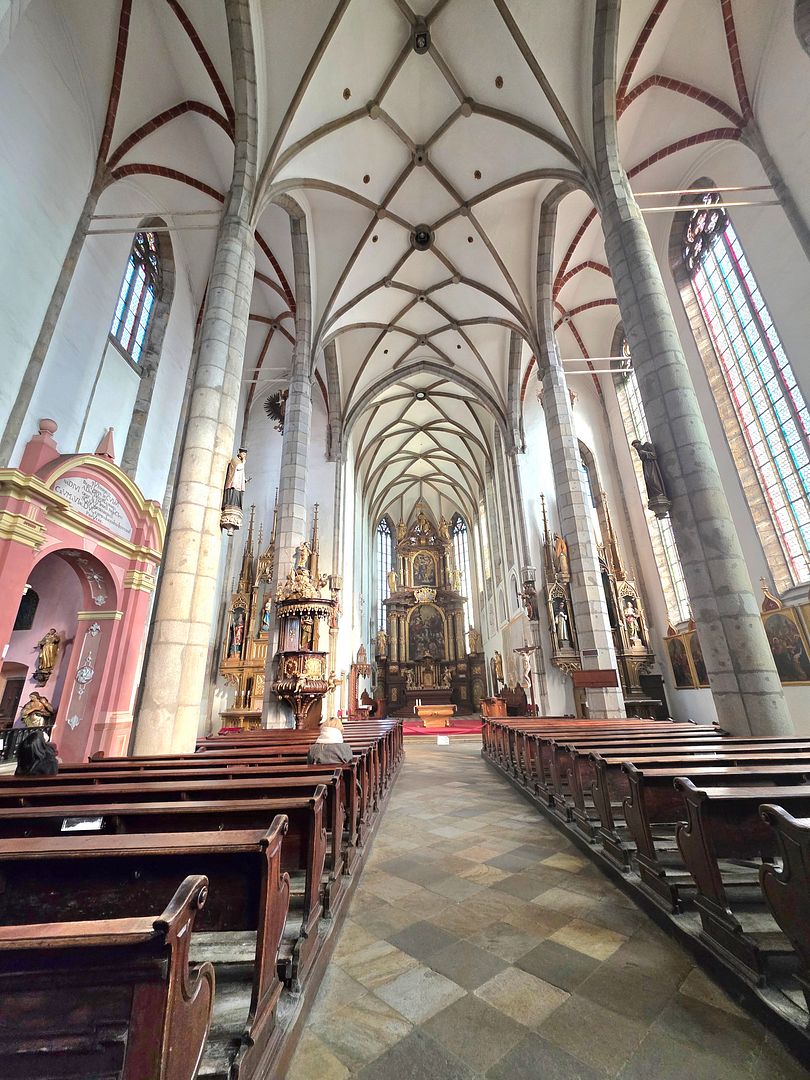
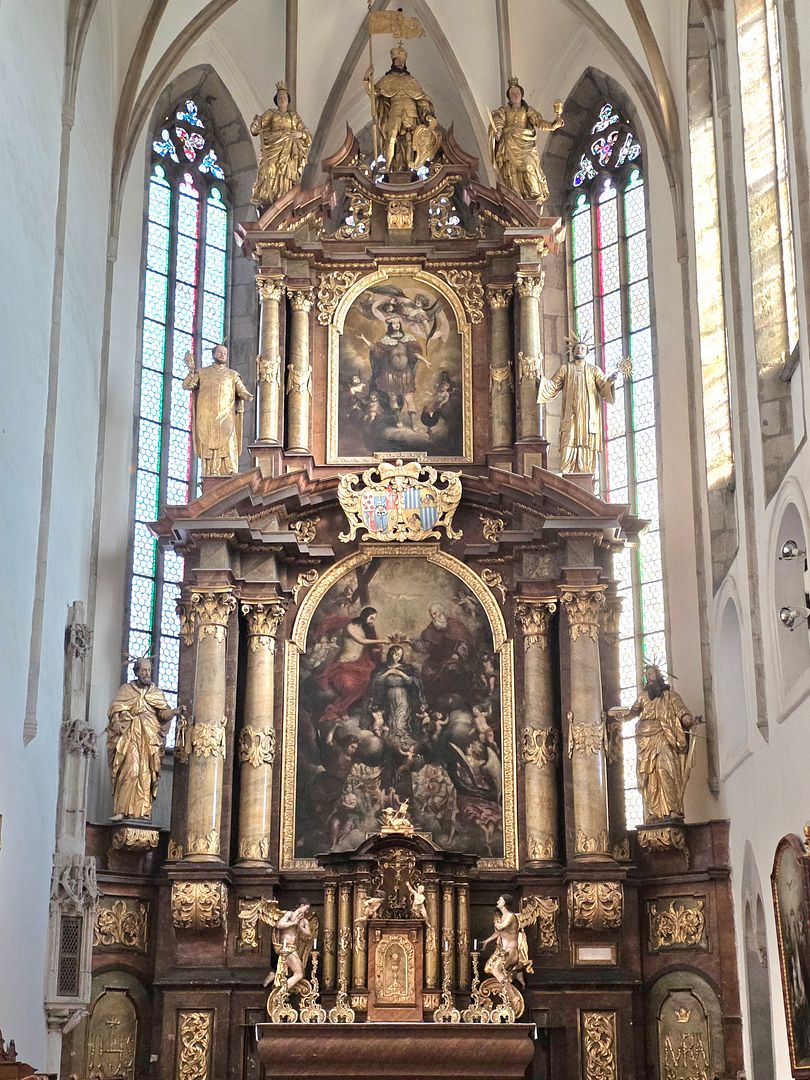
Church of Saint Vitus is a Roman Catholic church in Český Krumlov, Czech Republic. It is dedicated to Saint Vitus. It is an important late-Gothic monument built in 1407–1438, with later modifications. In 1995, it was declared a national cultural monument.

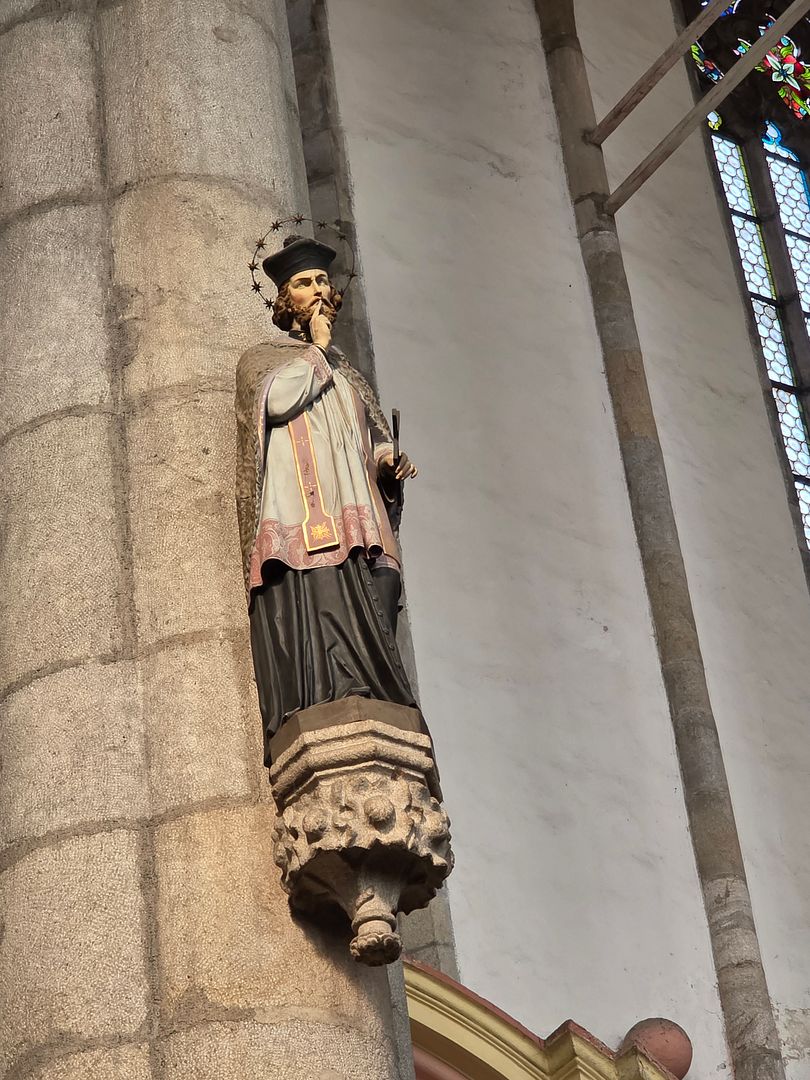
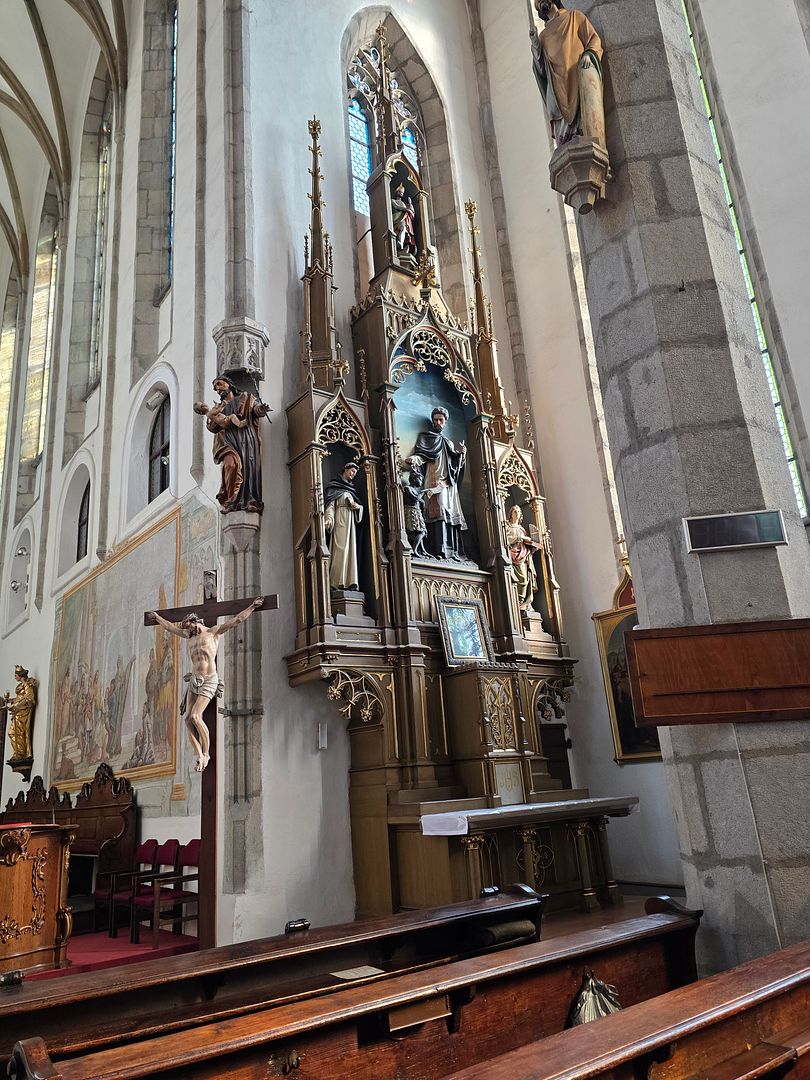
In our travels we visit lots of churches and I share photos from them. I can appreciate the history and the art but to be clear, although I love my Roman Catholic friends, my Christian faith differs in practice and beliefs with regards to assurance of salvation, authority of scripture, communion, prayer, intercessors, Mary, Saints, authority of the Pope, etc.

After our walk through this church we made it to the old town square to meet up with our guide and walk back to the bus for our journey back to the Danube (Grein) and dinner on the boat. Before dinner we gathered in the Lark Bar and Lounge for a briefing on our time in Vienna. The AmaMagna would leave this port for Vienna at 9:15 PM. Our arrival in Vienna would be at approximately 2pm on Thursday the 5th of March.

Český Krumlov Part 1

On Wednesday, March 4th, we had a full day excursion to the charming mountain town of Český Krumlov just over the Czech-Austrian border. This was after our short morning tour of Krems.

Our guide grew up in this region and shared his memories of growing up under communism. On our way to our stop, we saw some areas where housing high rises from the past were everywhere.  Current residents were making them more colorful and personal.
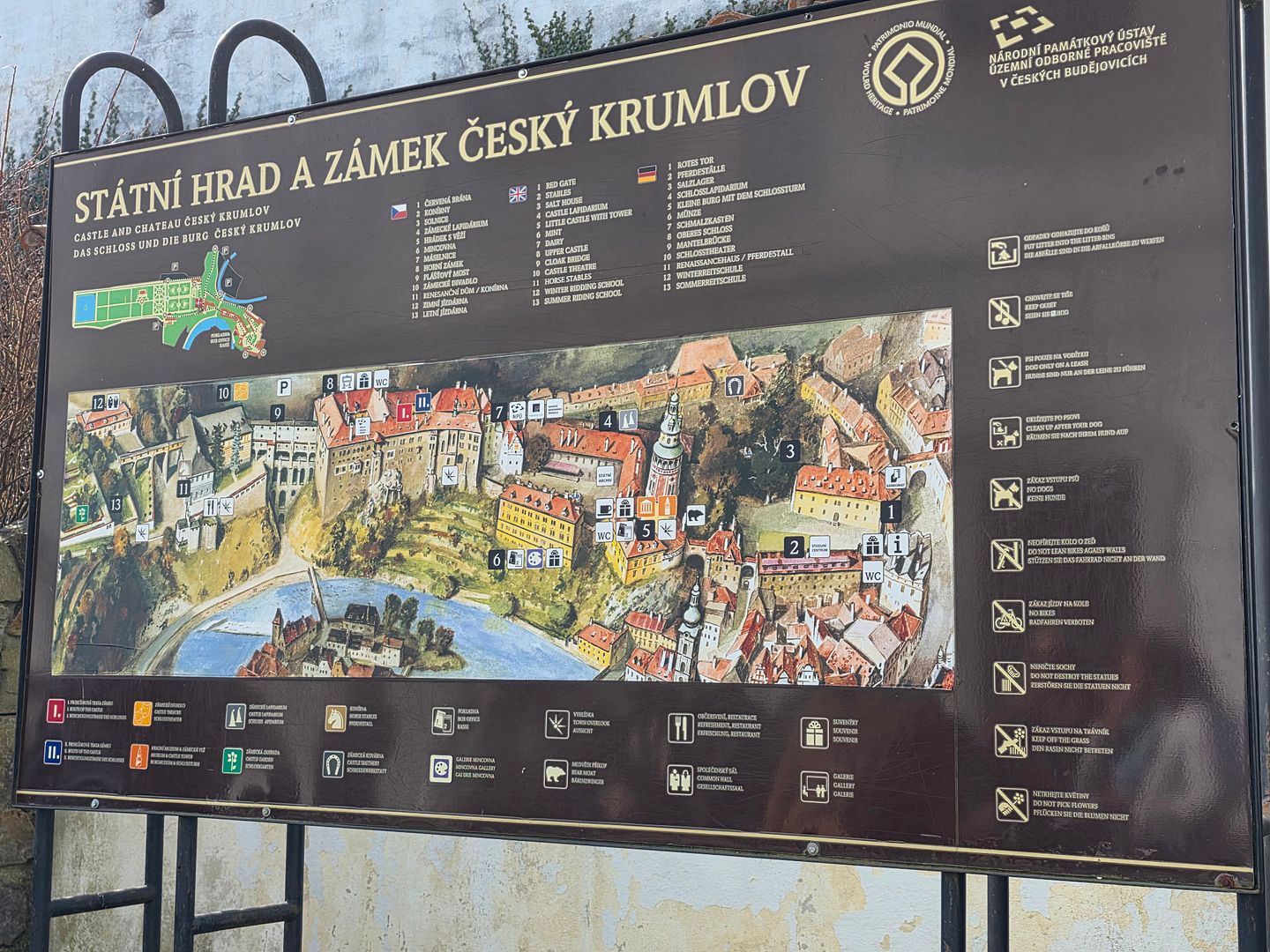
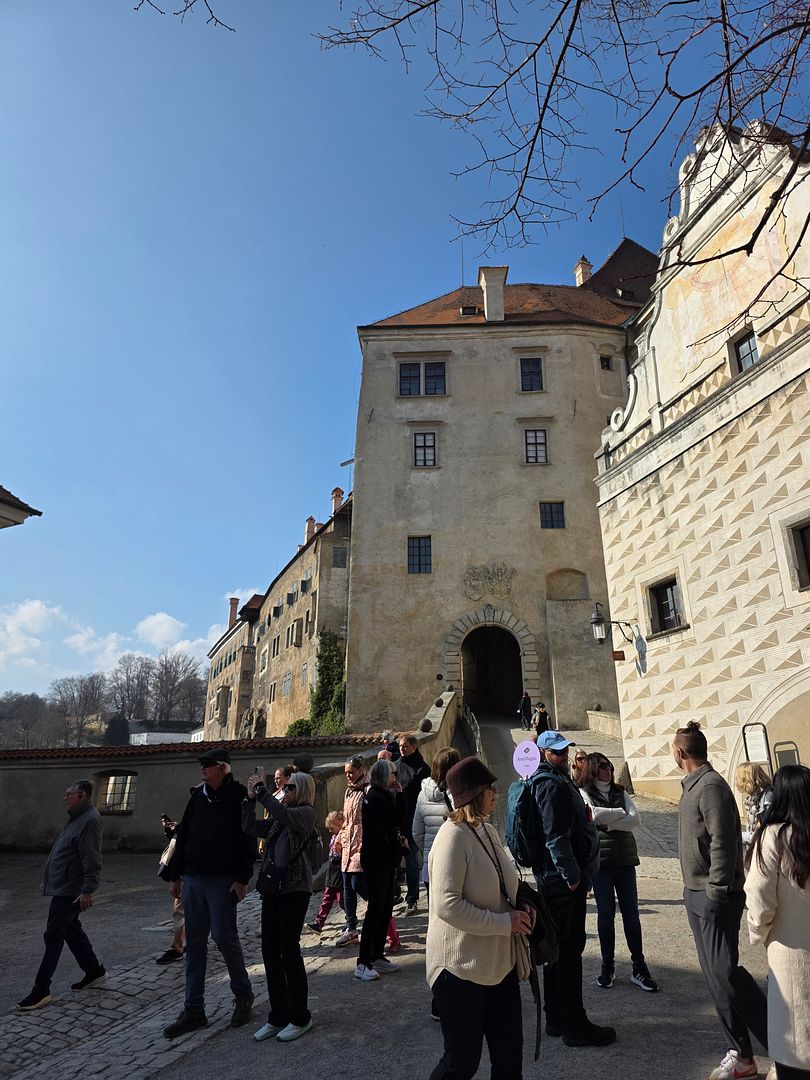
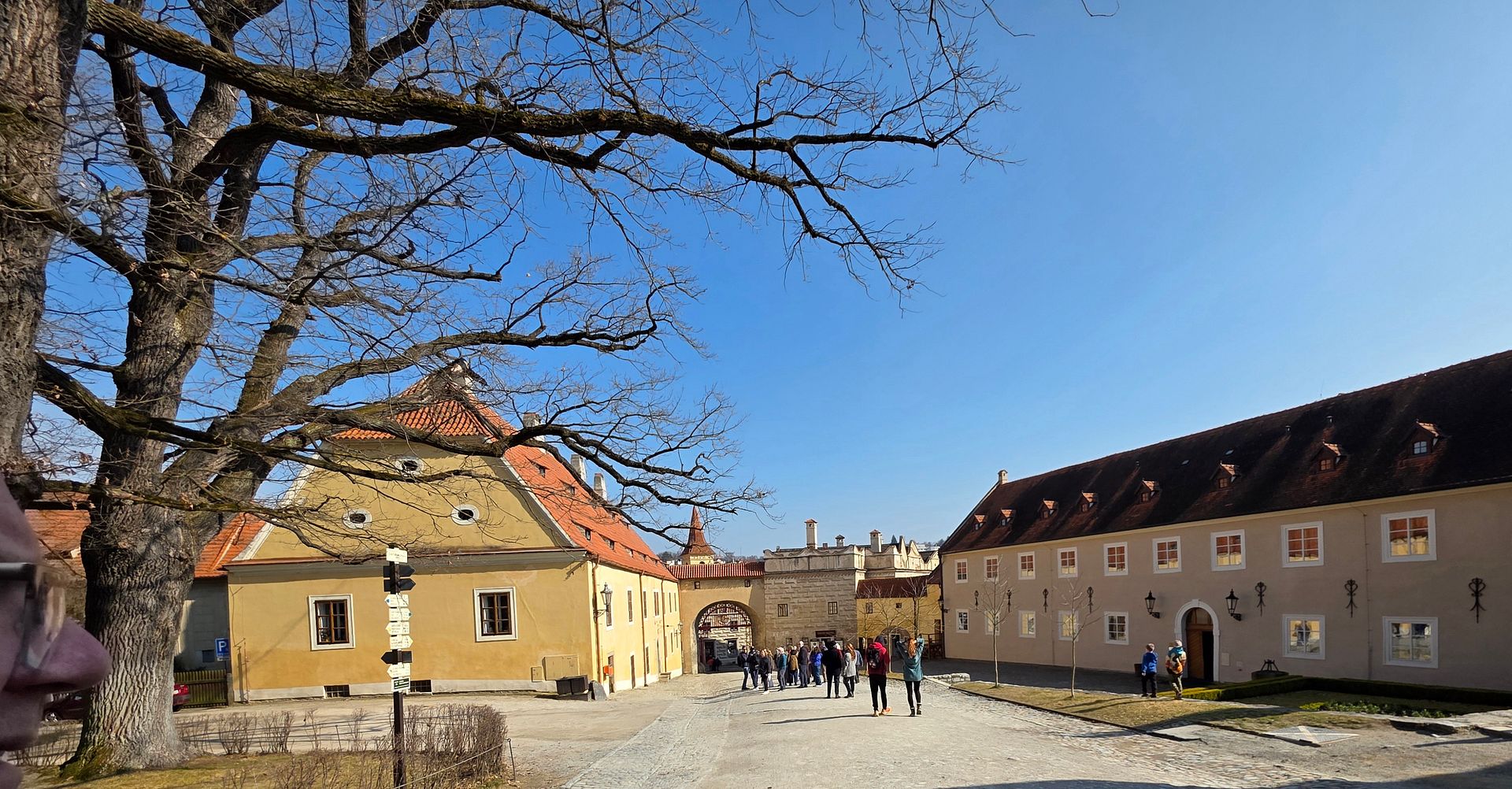
We finally reached our destination. From the bus parking lot, the walk to the castle was all uphill and I’m not going to lie, it was a huff and a puff to get there. Thankfully that would be the only uphill trek on this day!
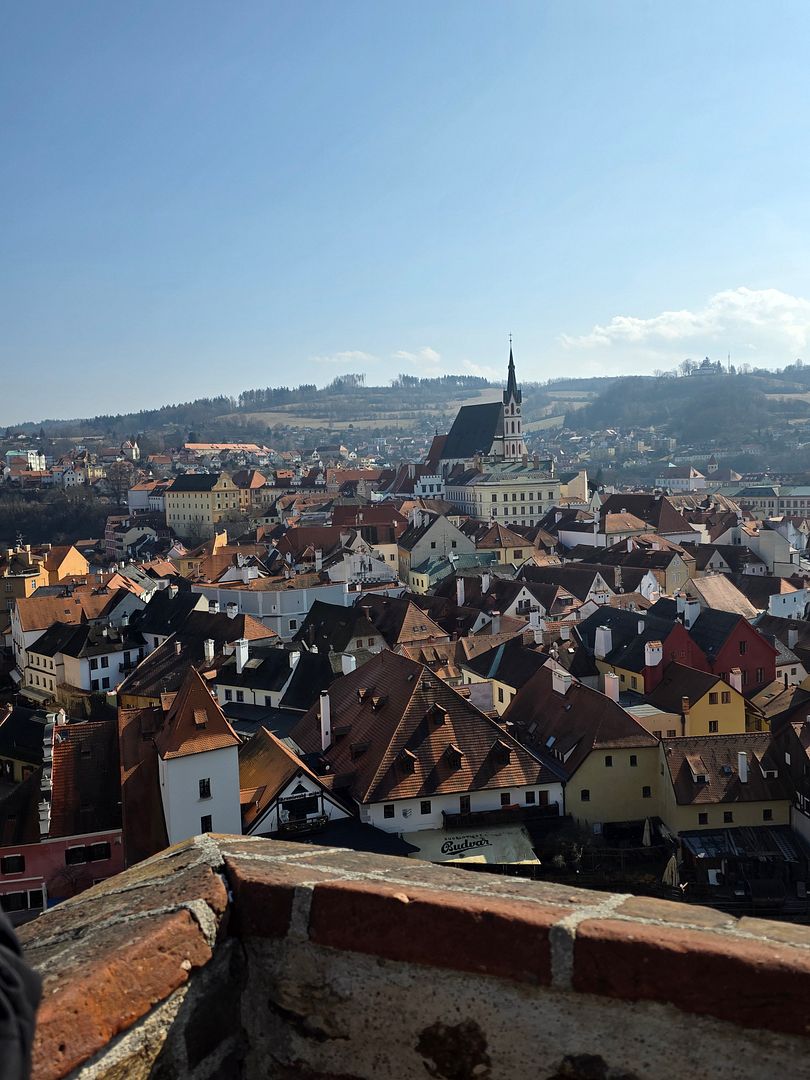
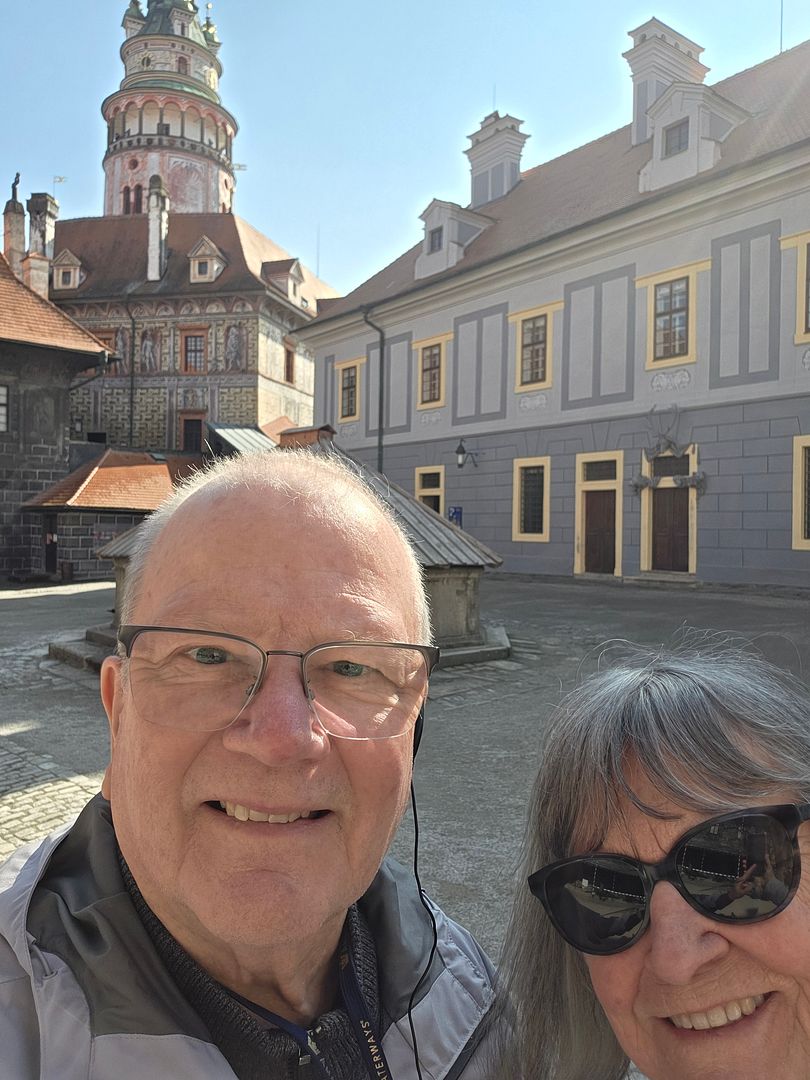
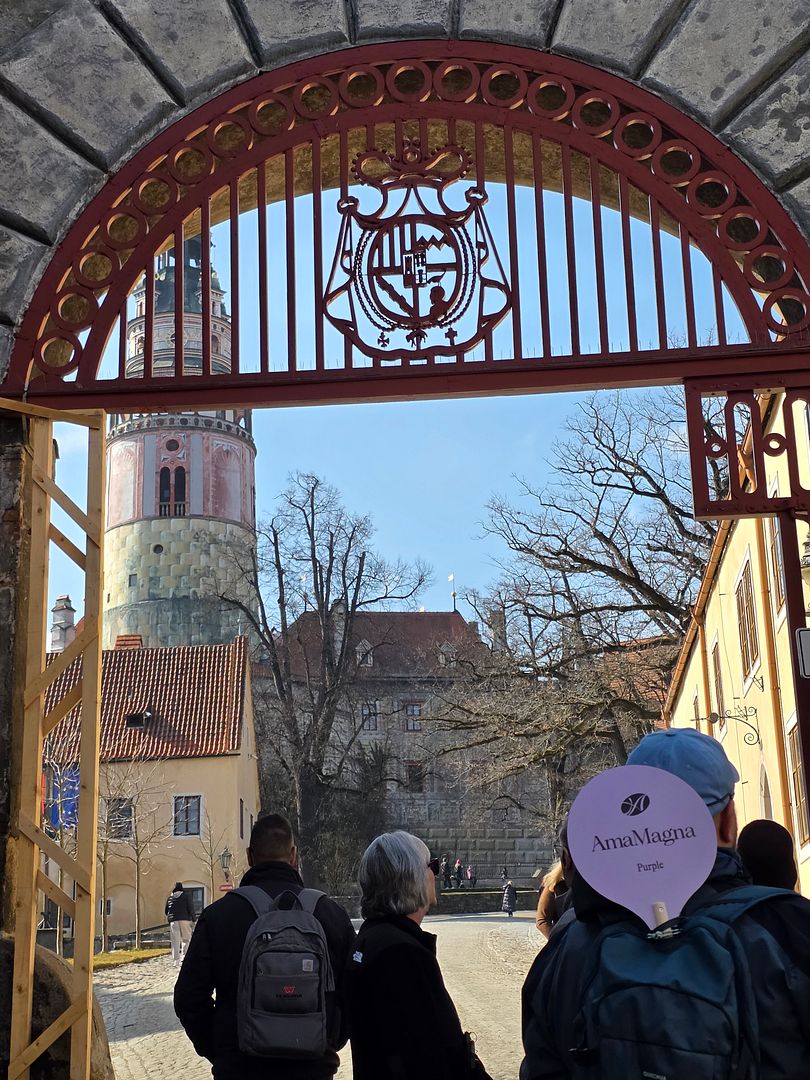
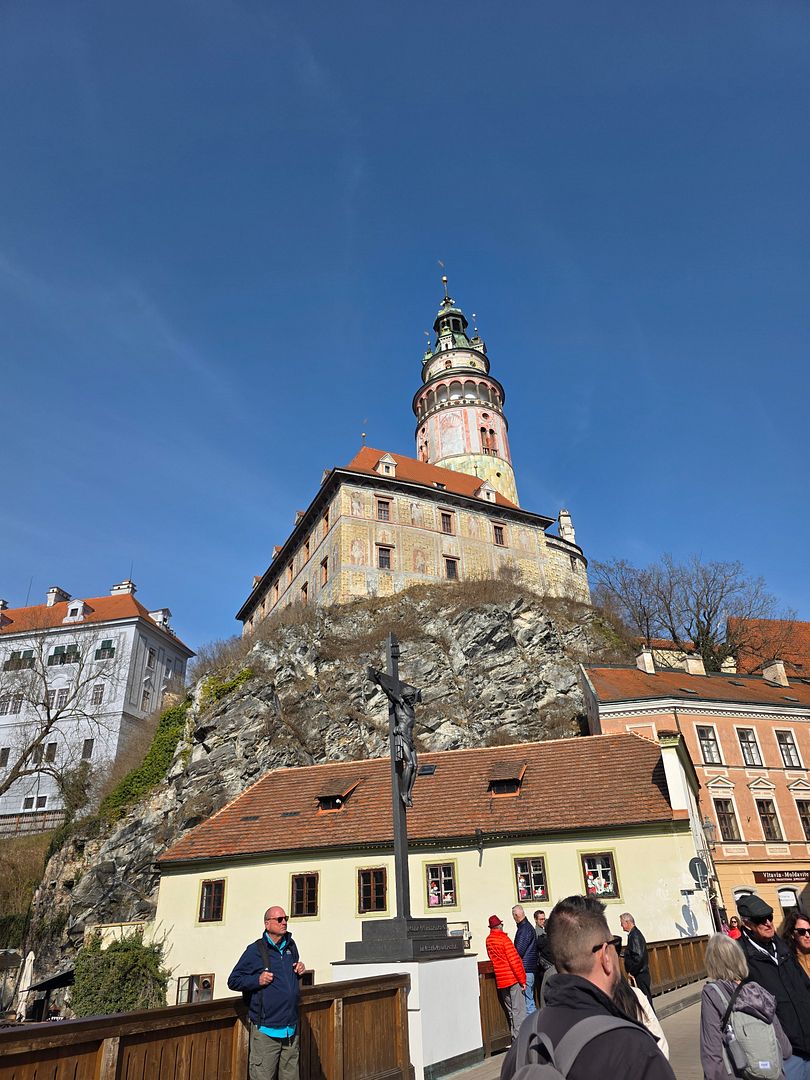
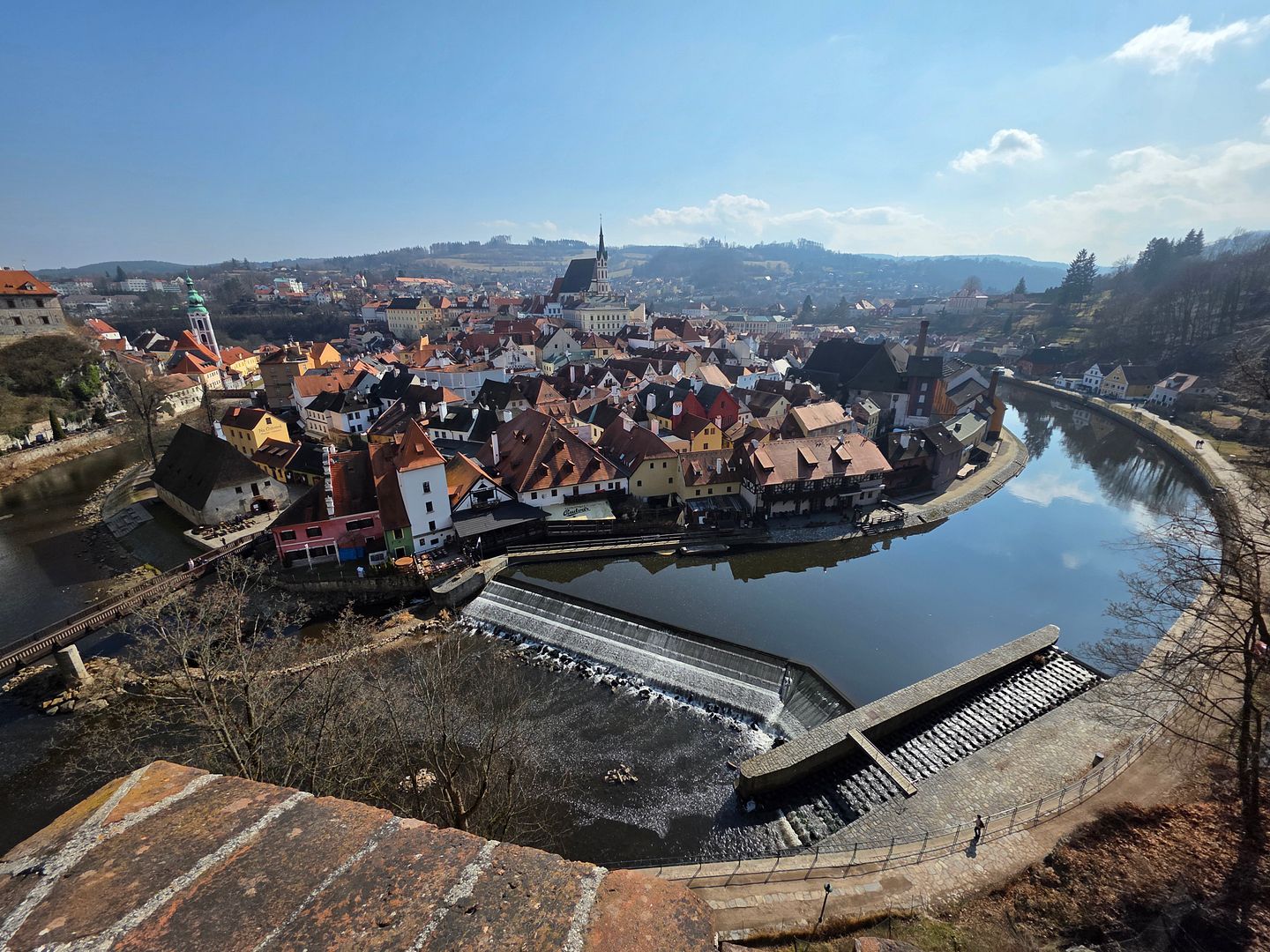
Český Krumlov is a city in the South Bohemia region of the Czech Republic. It’s bisected by the Vltava River, and dominated by its 13th-century castle. The castle has Gothic, Renaissance and baroque elements, an 11-hectare garden and an original 17th-century baroque theater. There are panoramic views of the old town and the river from the top of its round belltower.

We were here in the winter months so the garden wasn’t visited.
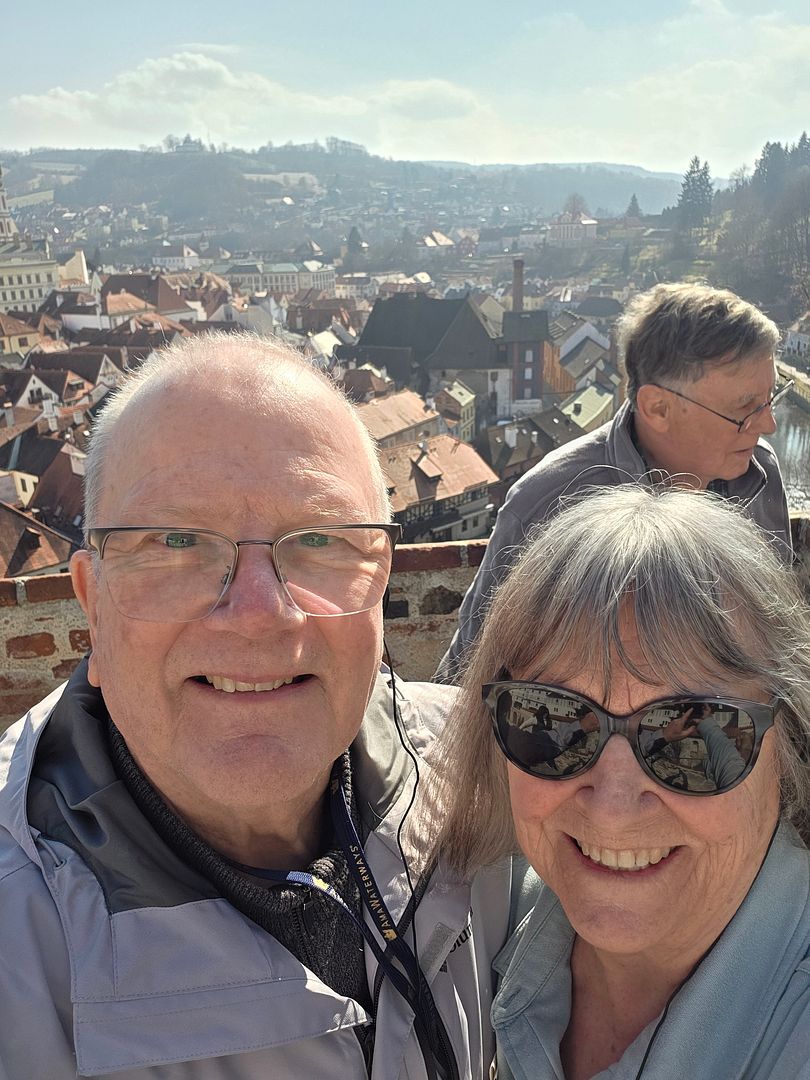
Český Krumlov, a UNESCO World Heritage site since 1992. It flourished under the Rosenbergs as a Renaissance hub, transitioning to Baroque under the Eggenbergs and Schwarzenbergs, maintaining its medieval layout largely due to slow industrialization in the 19th century.  In 1938, it was annexed by Nazi Germany and after the Second World War, it was part of Communist Czechoslovakia. In 1992, after the Velvet Revolution, Czech Republic was born, and Český Krumlov is one of its crown jewels in the Bohemian region.
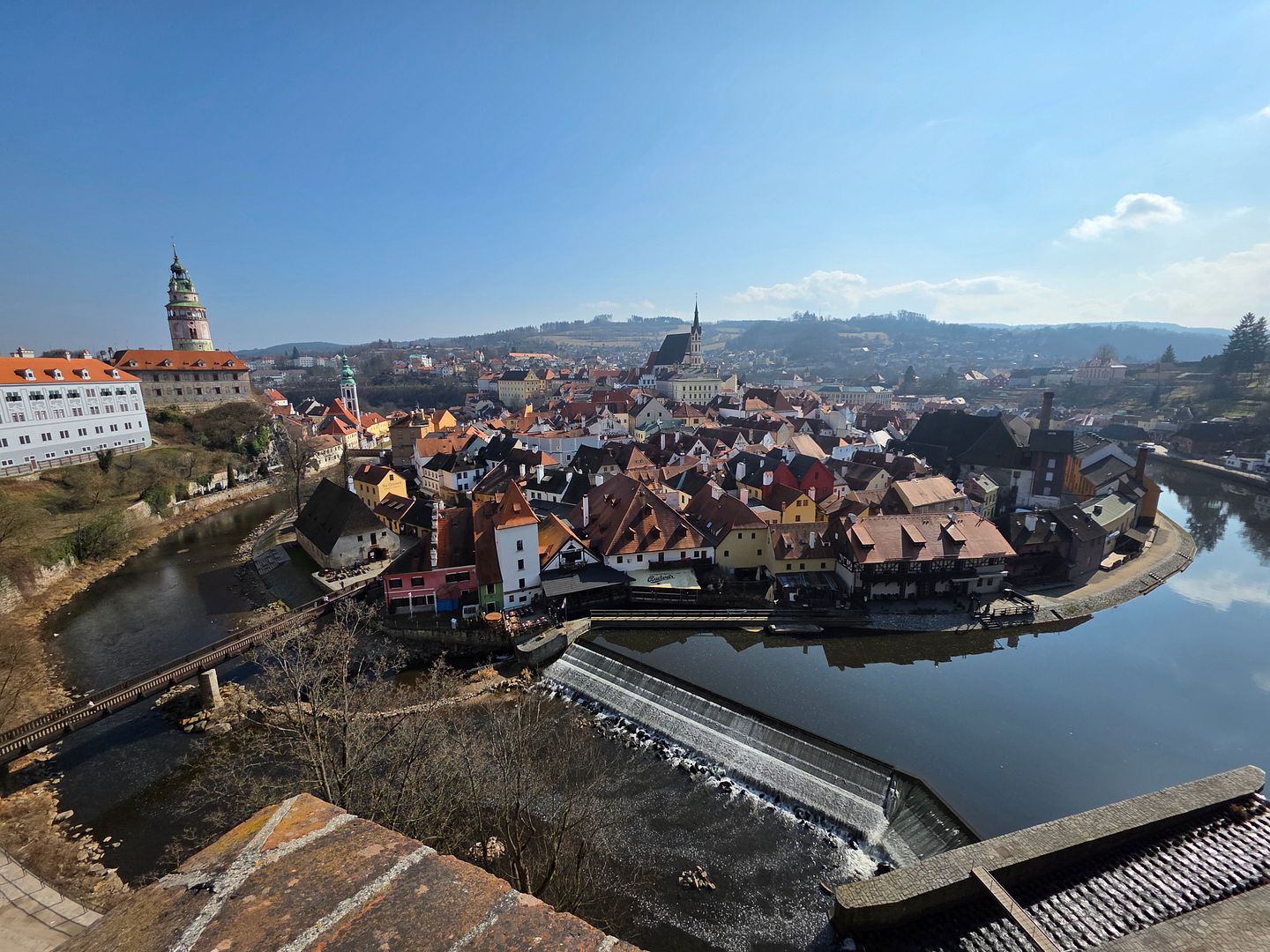
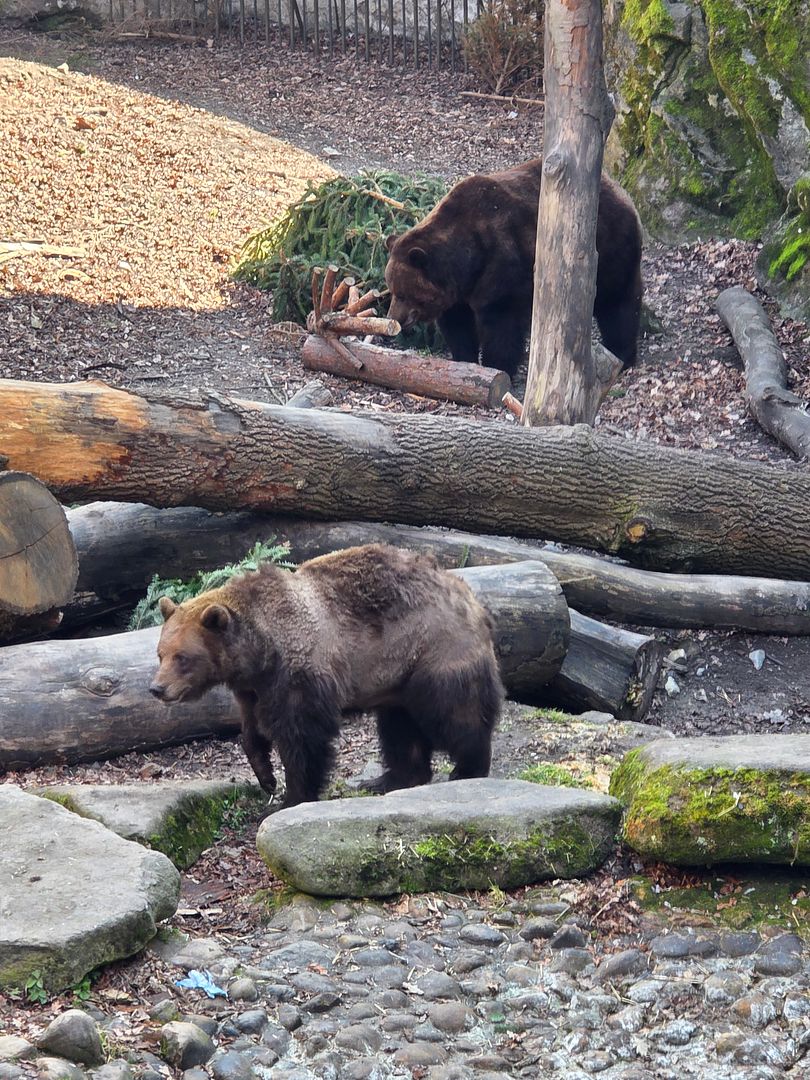
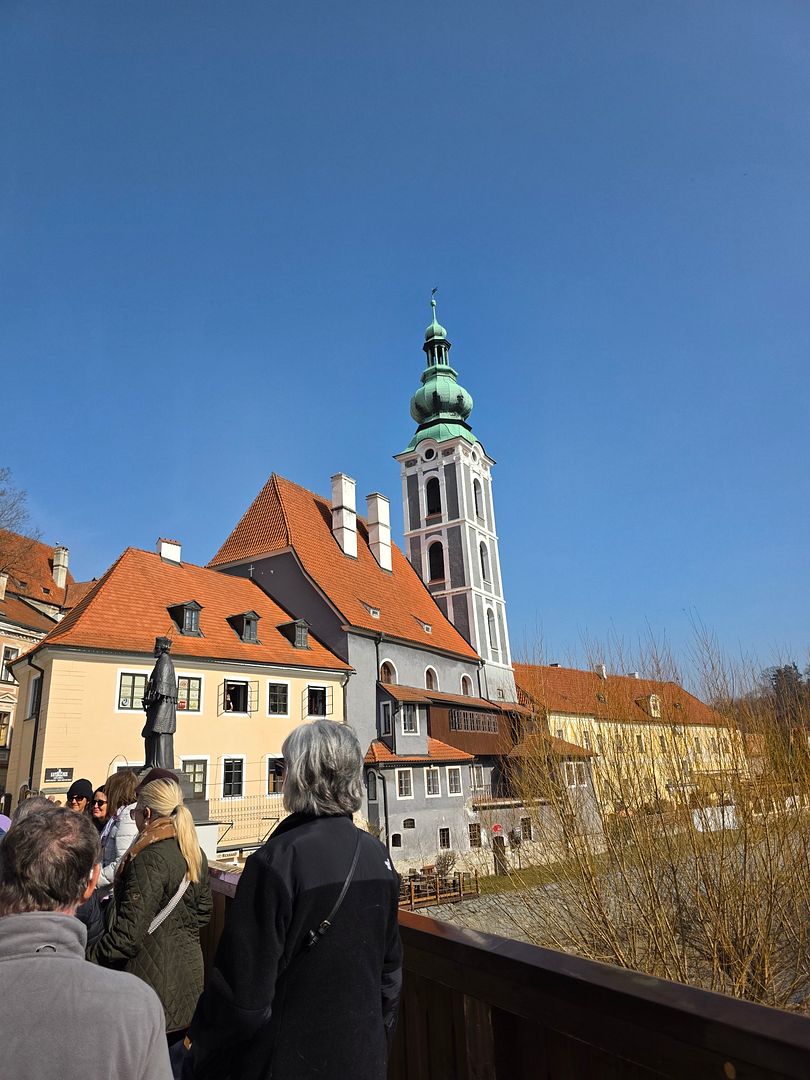
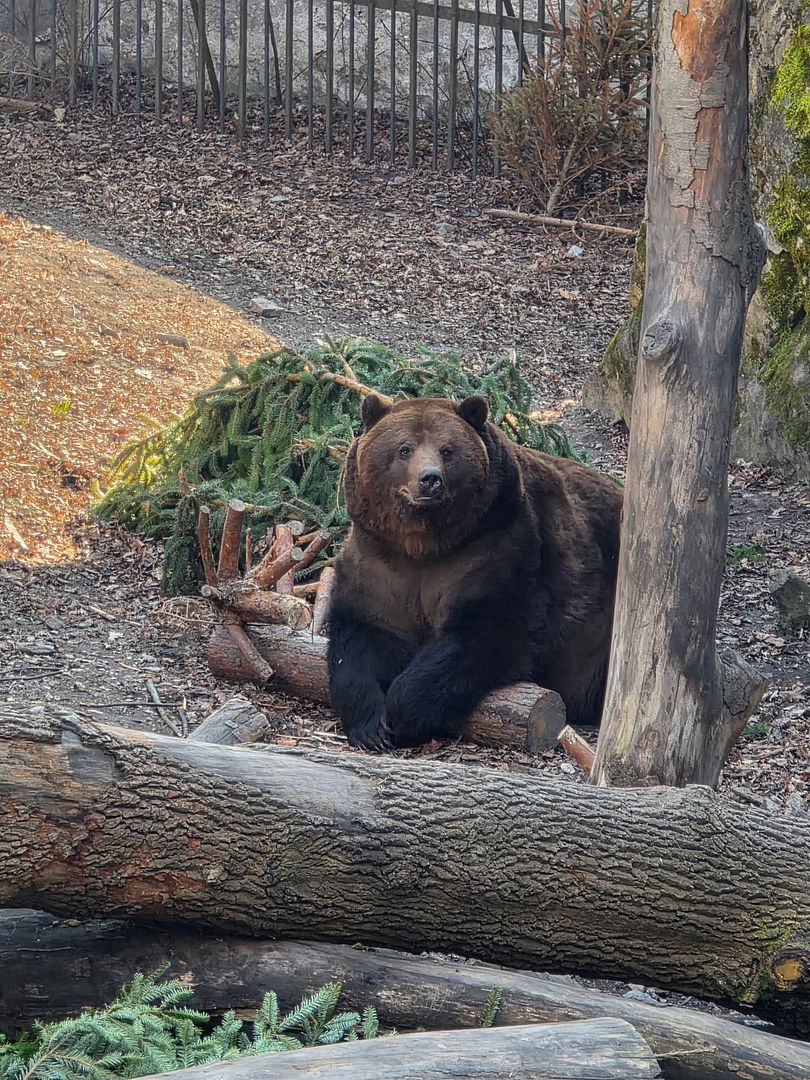
The village below is where we would be spending more time visiting and enjoying lunch on our own. But first, we would enjoy the castle and the castle moat with bears!
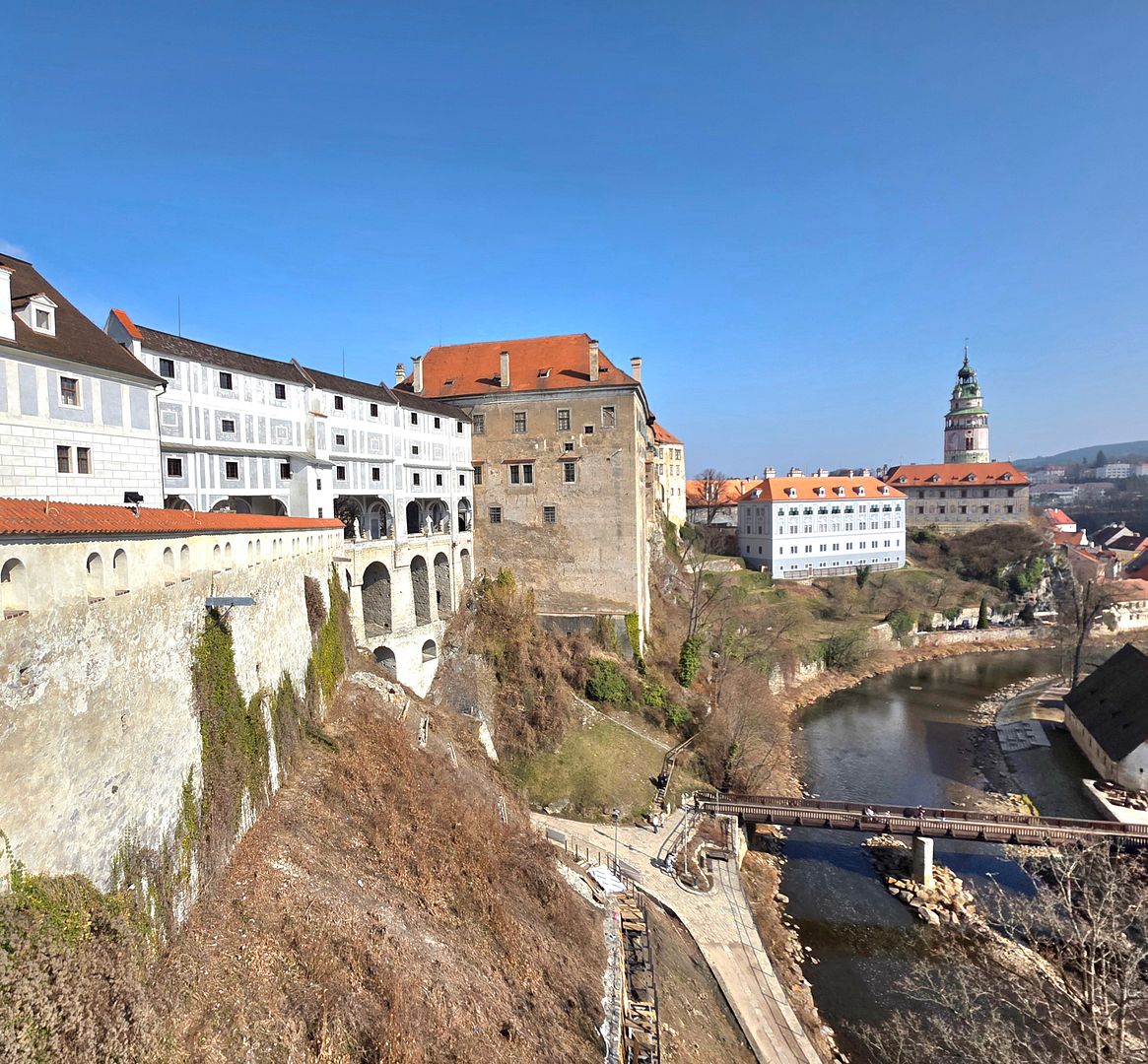
Plastovy Bridge or Cloak Bridge.
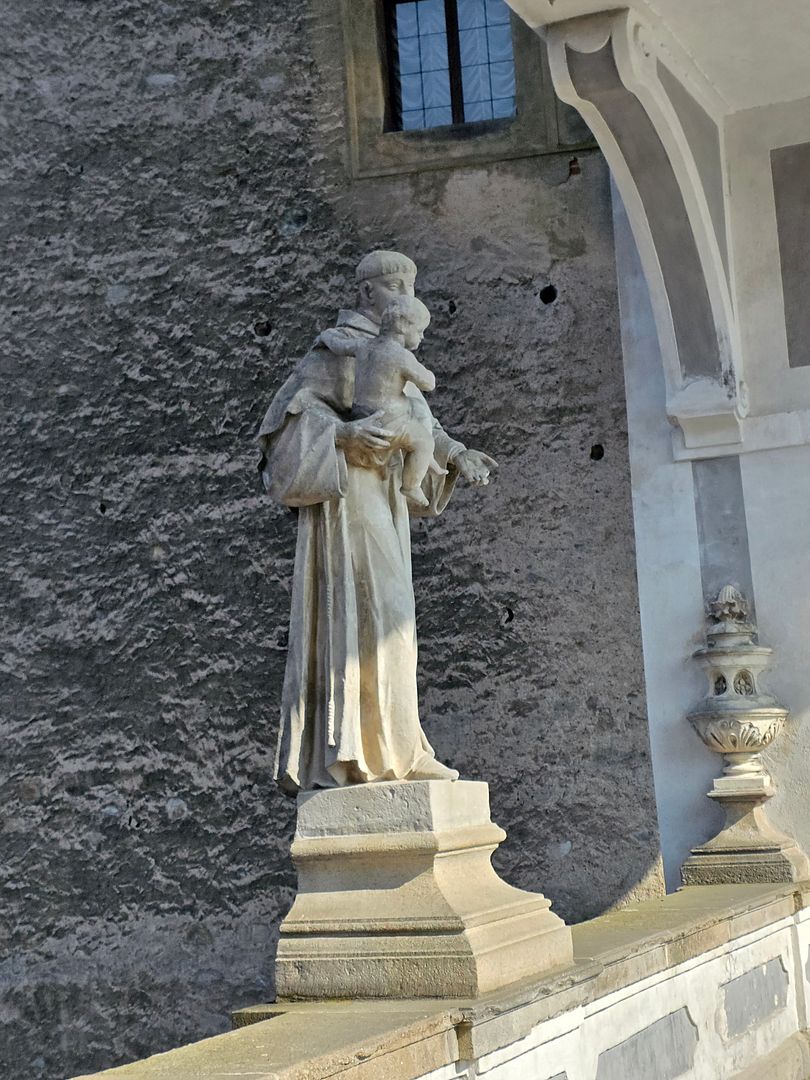
I know I’ve talked about it before, we were blessed with such great weather on the duration of our cruise!
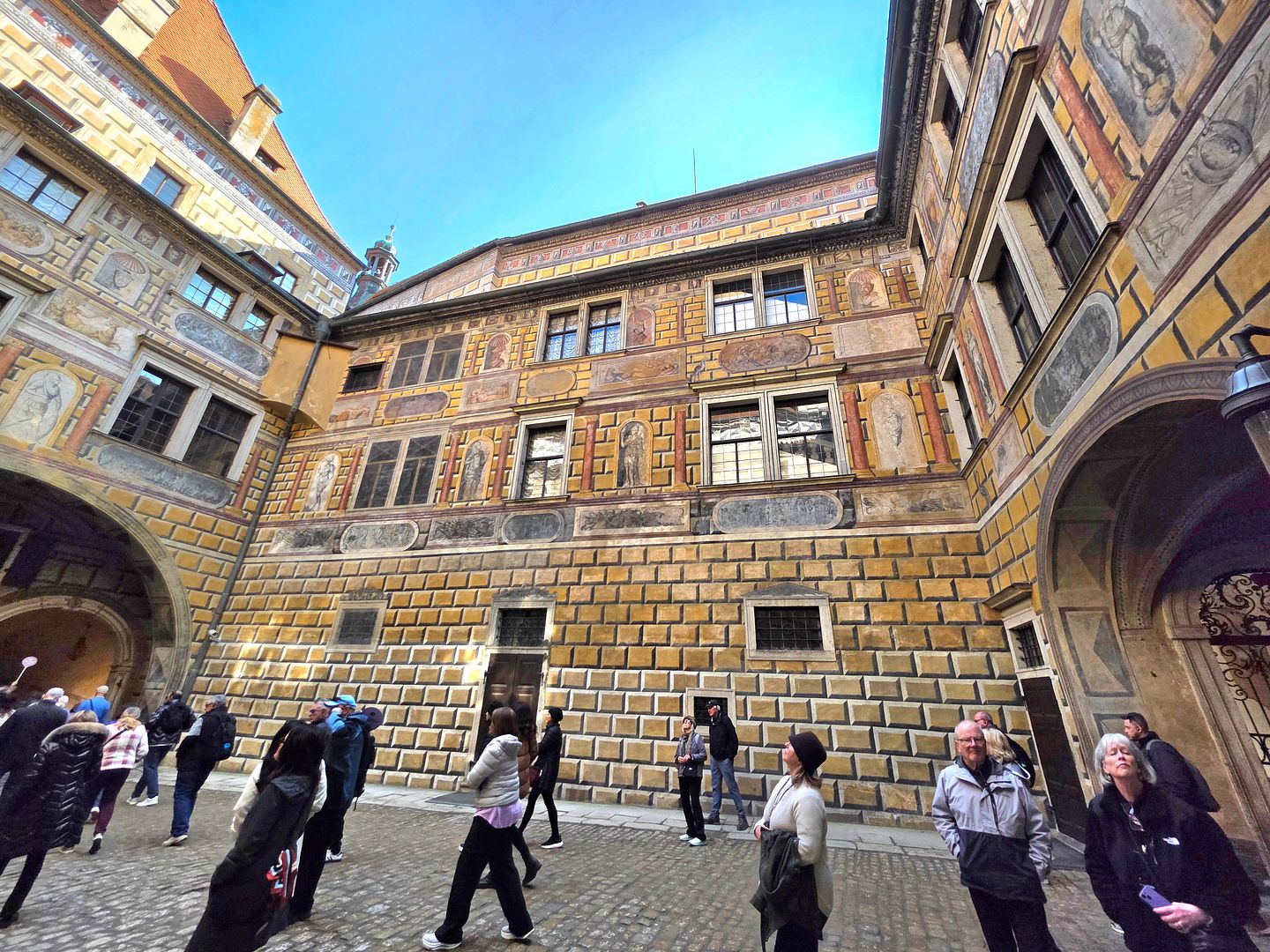
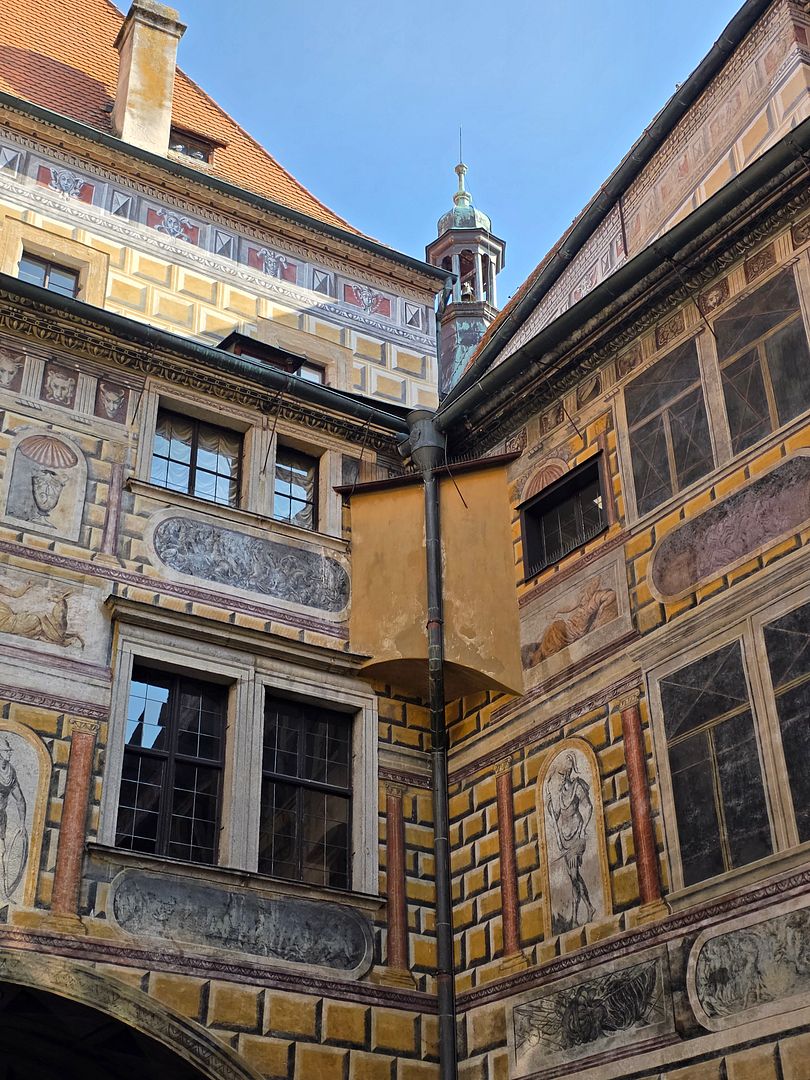
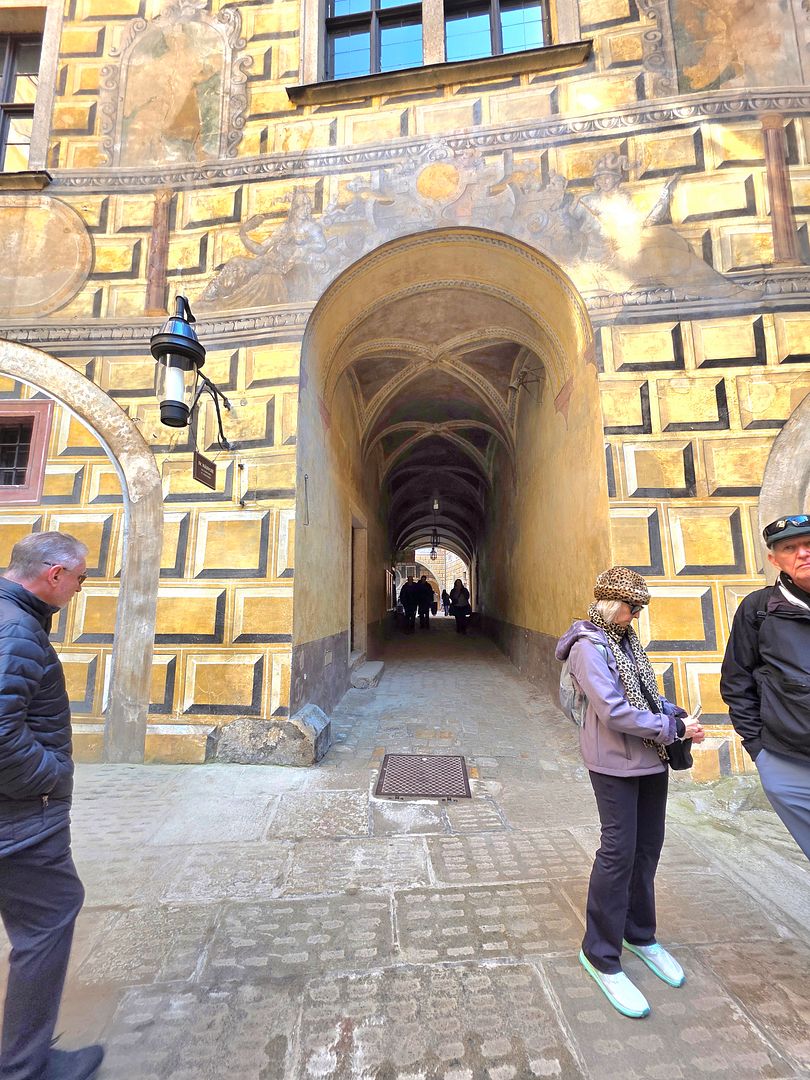
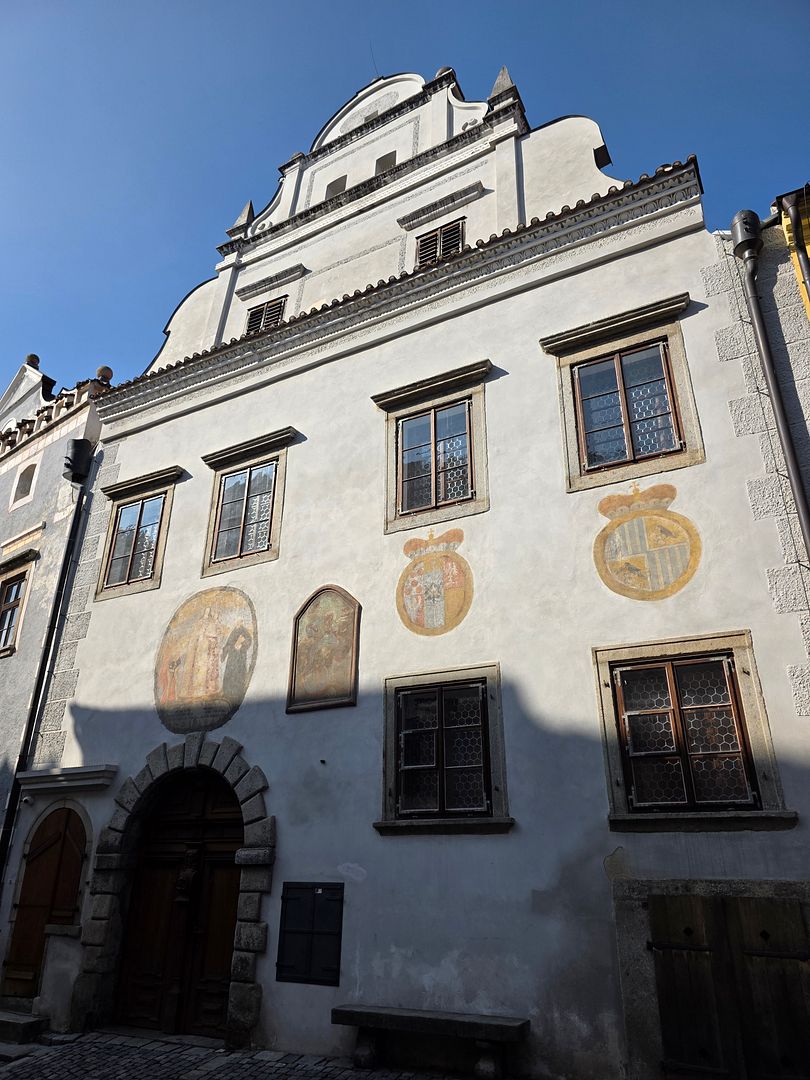
Architecture and figural paintings relating to mythology and Roman history can be seen on the facades covered with colored sgraffito (geometrical or other motives scratched into wet parquet). We would see many types of sgraffito on buildings as we walked into Old Town, too.
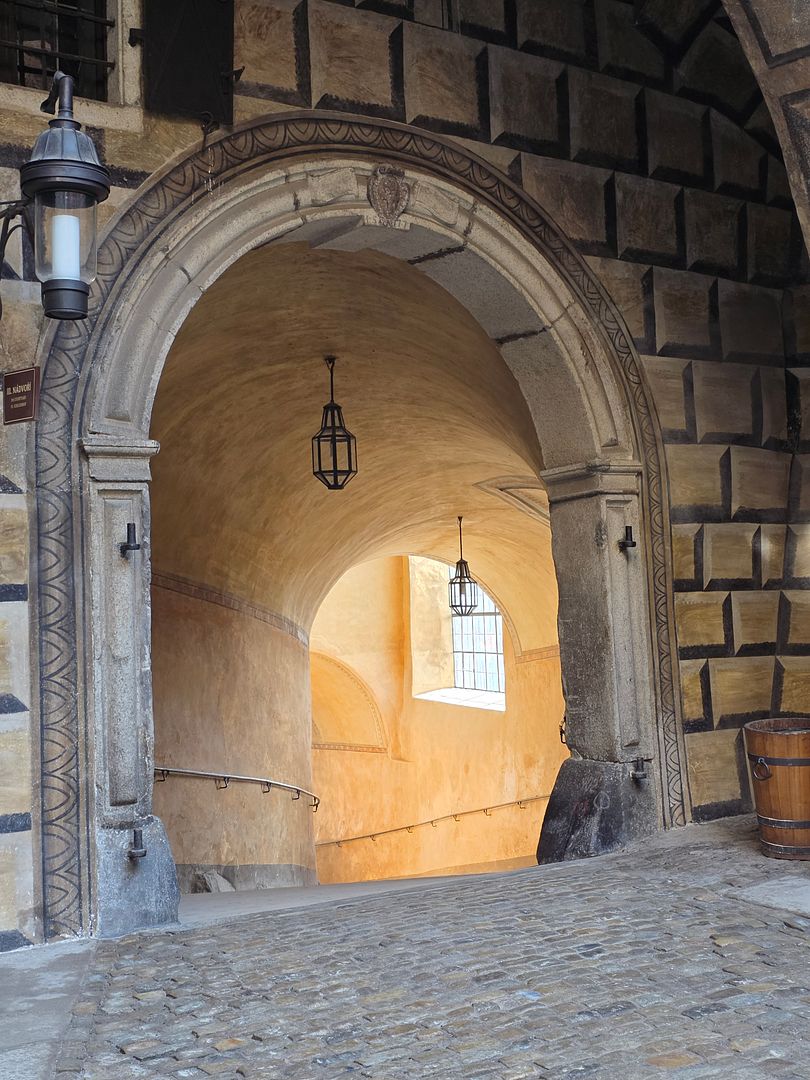
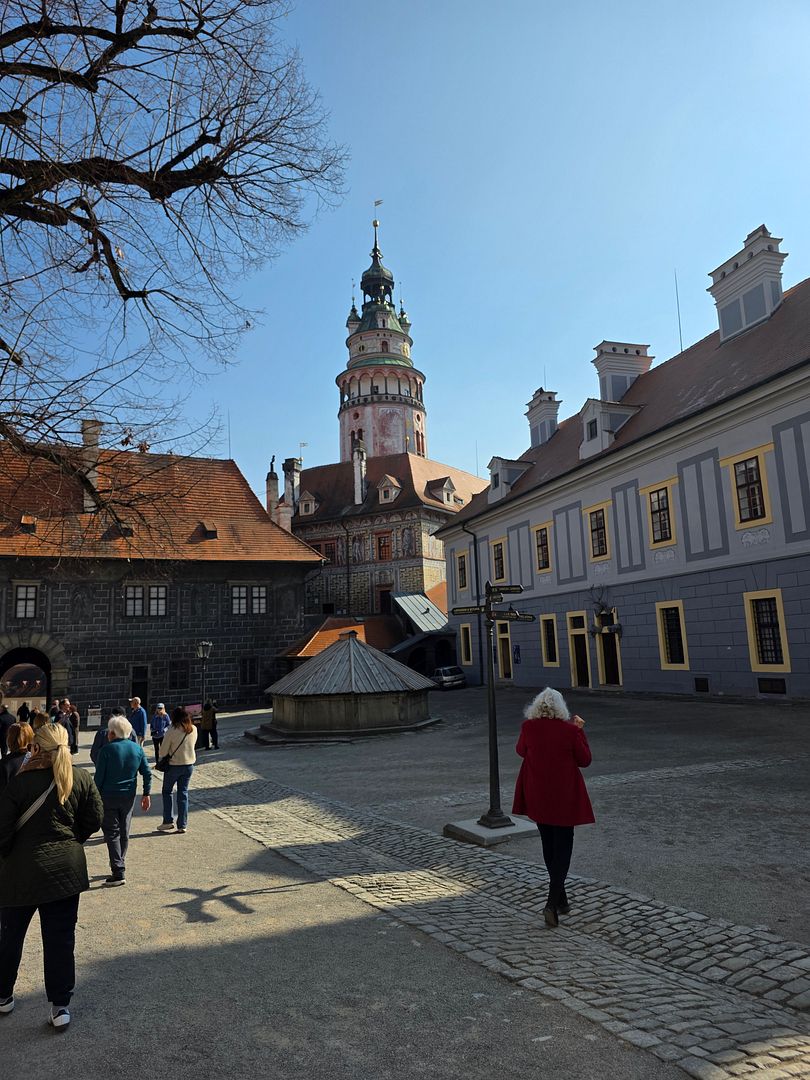
Time to move downward to the outer courts.
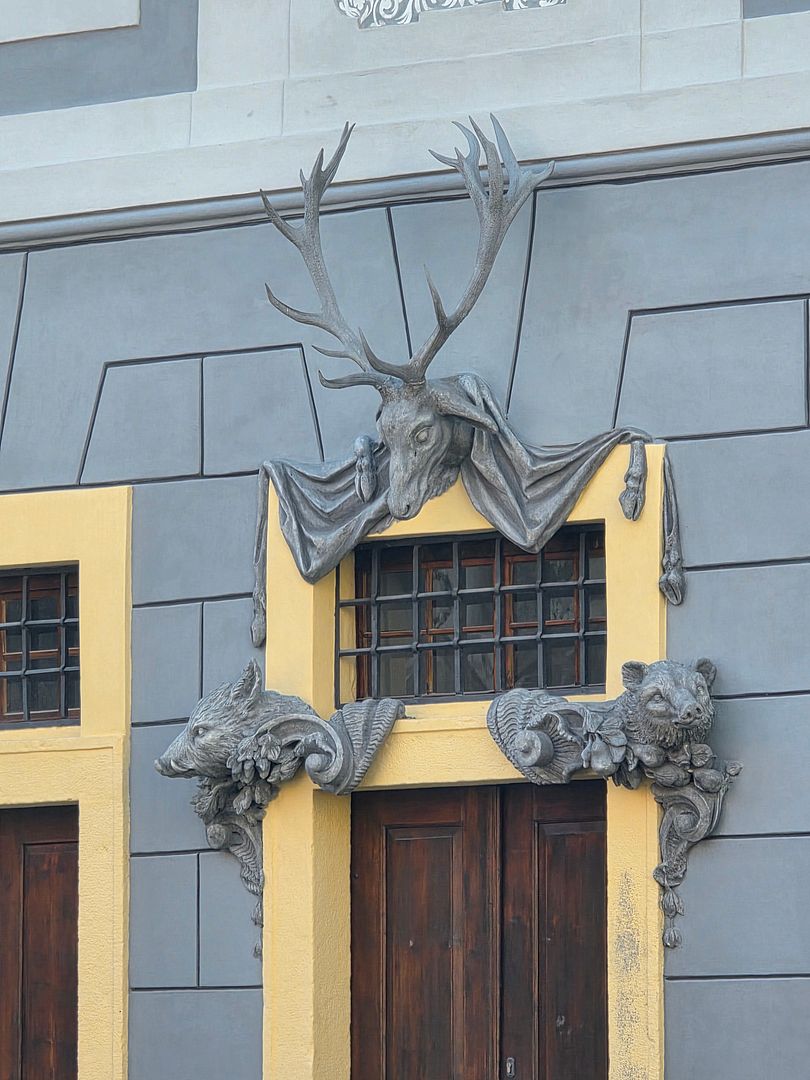
You can read more about the history of bear keeping at the castle here.
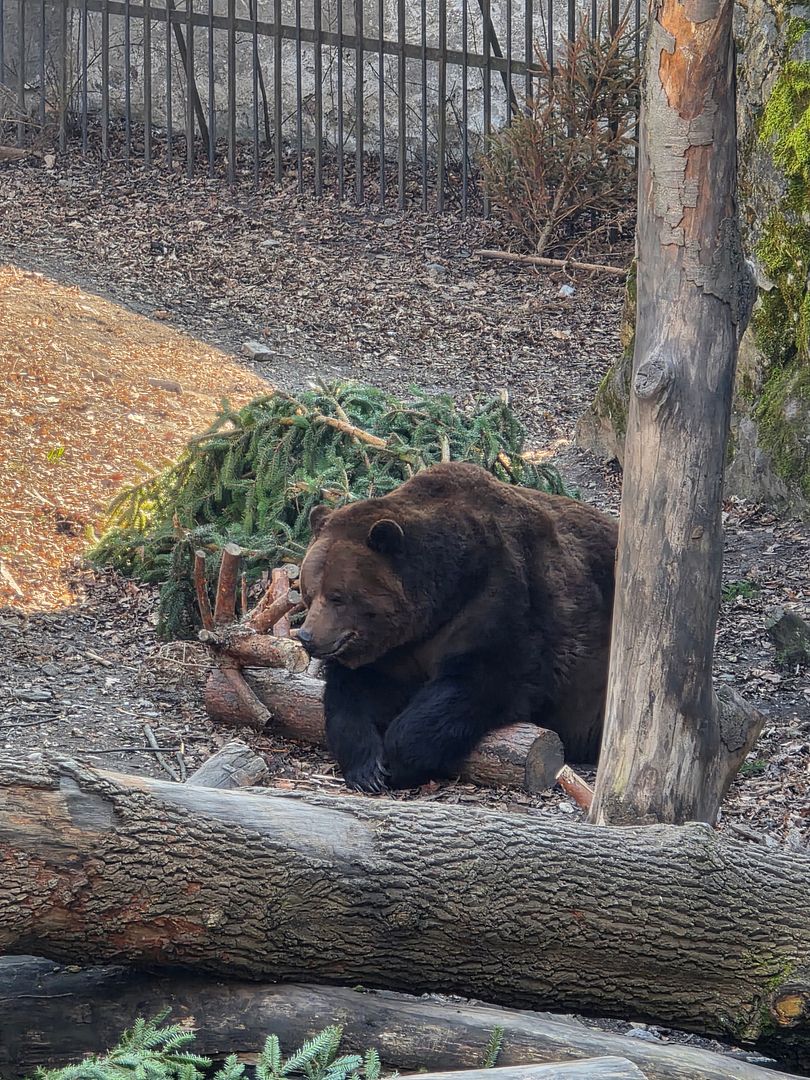
These days we were told they only bring in old bears that have no where else to be cared for. They are cared for well, here.
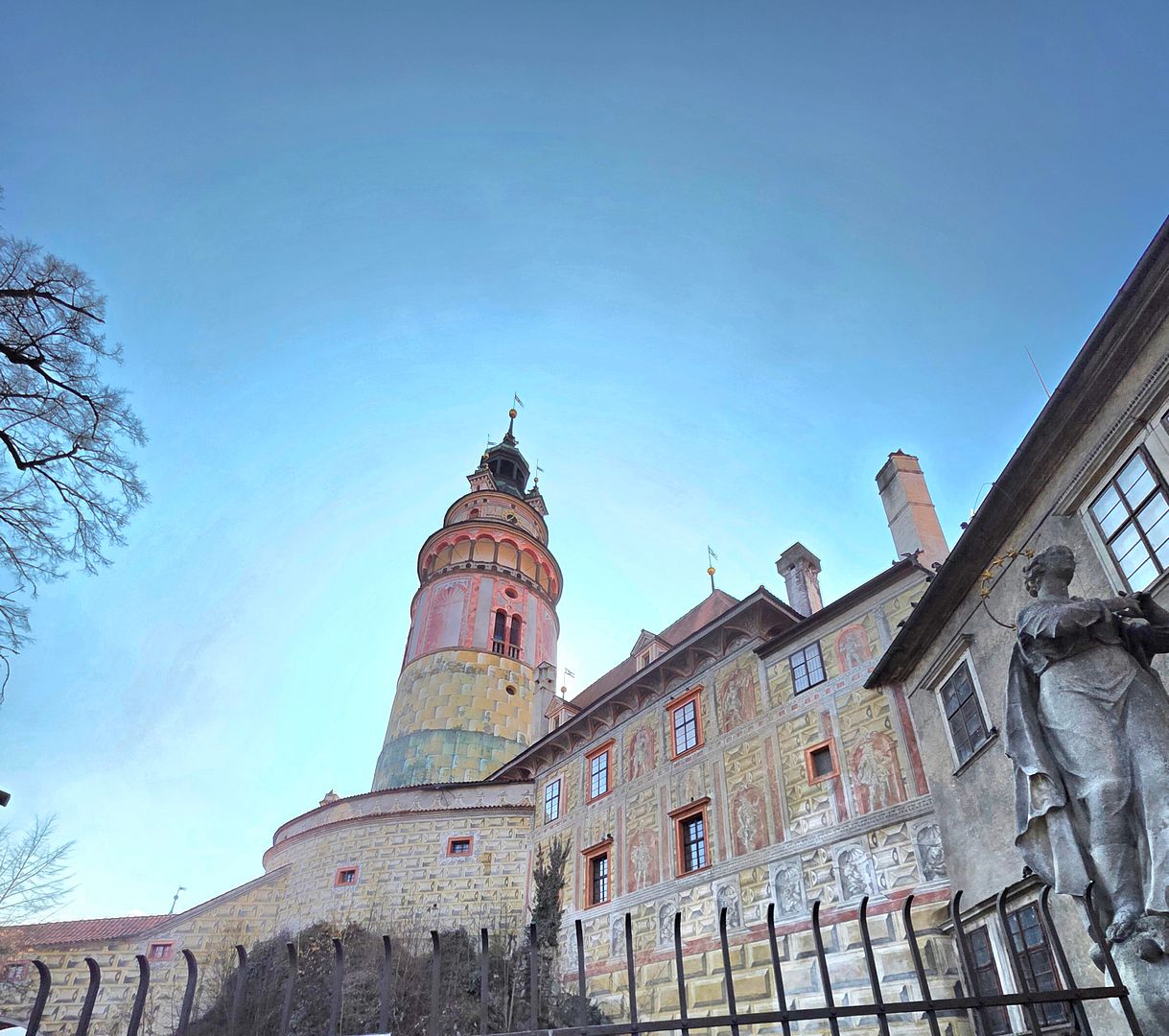
We didn’t climb the belltower but it was an option.
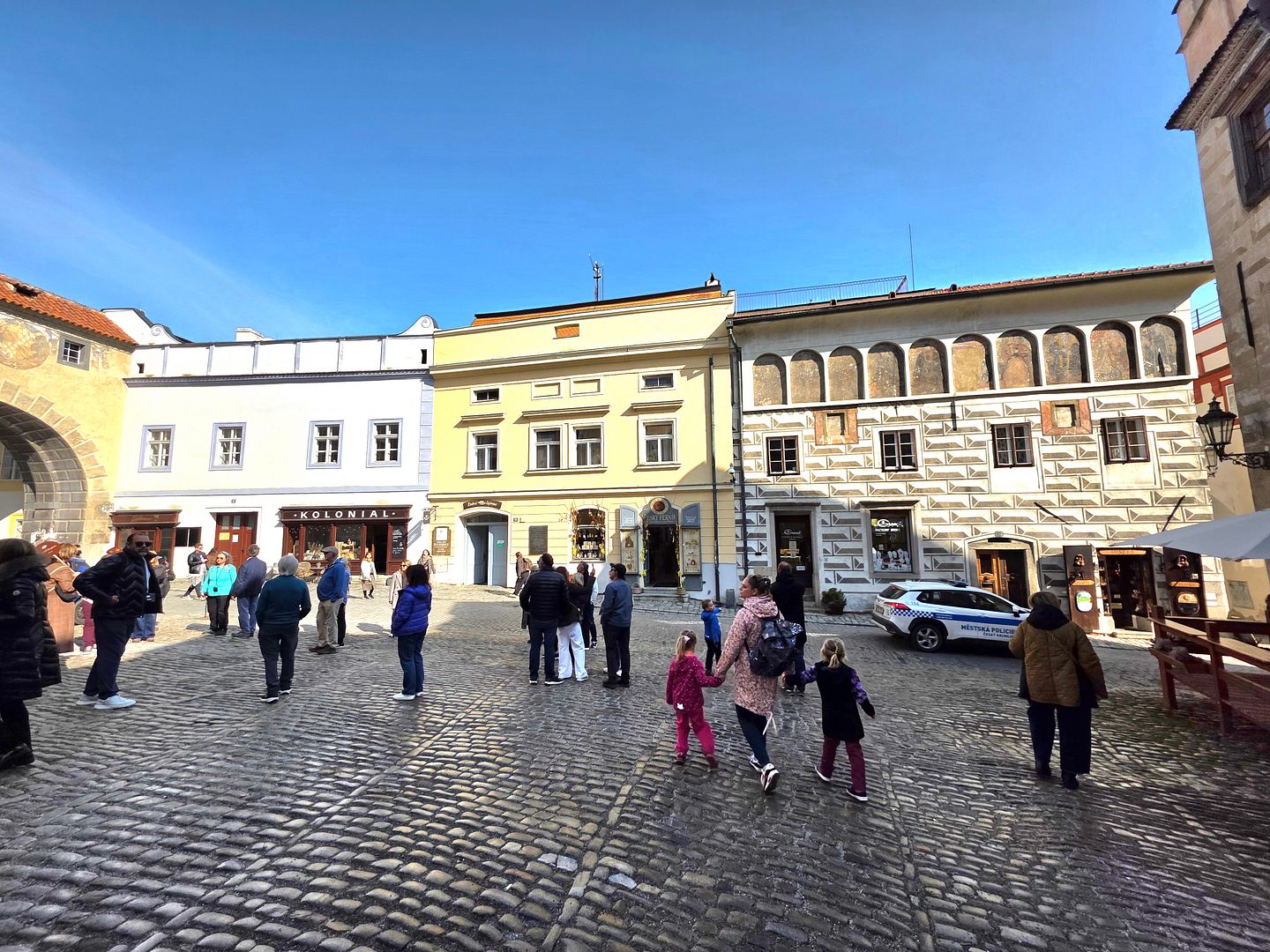
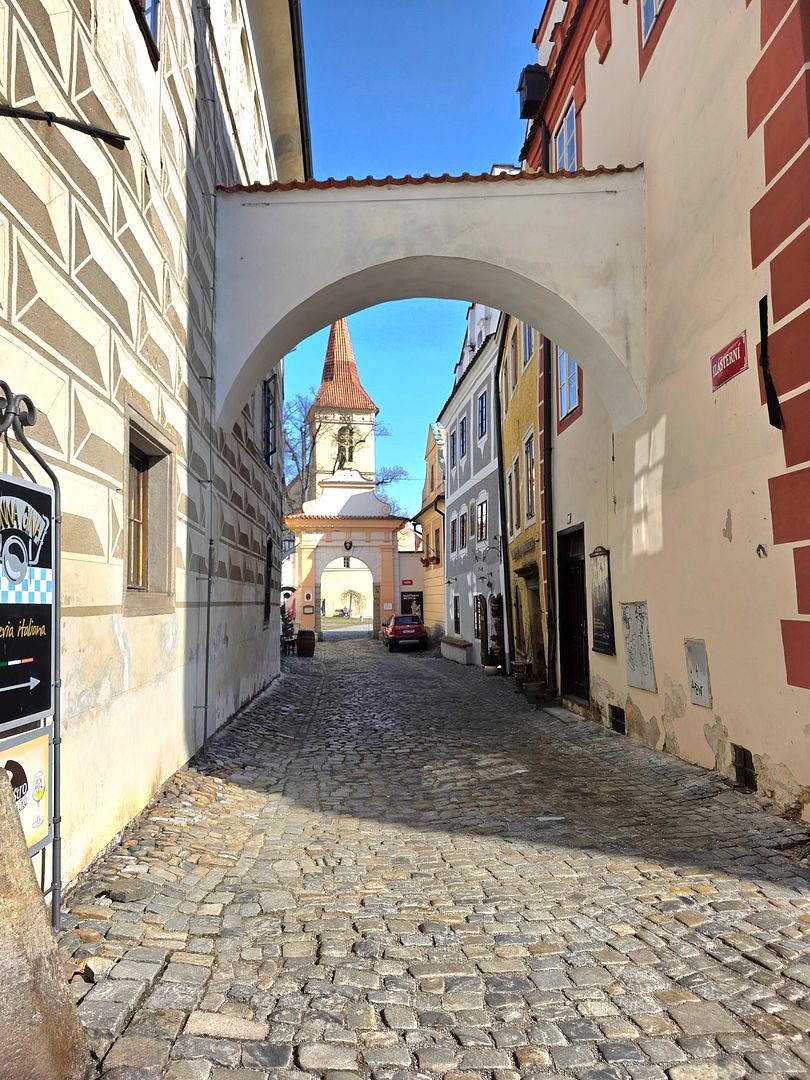
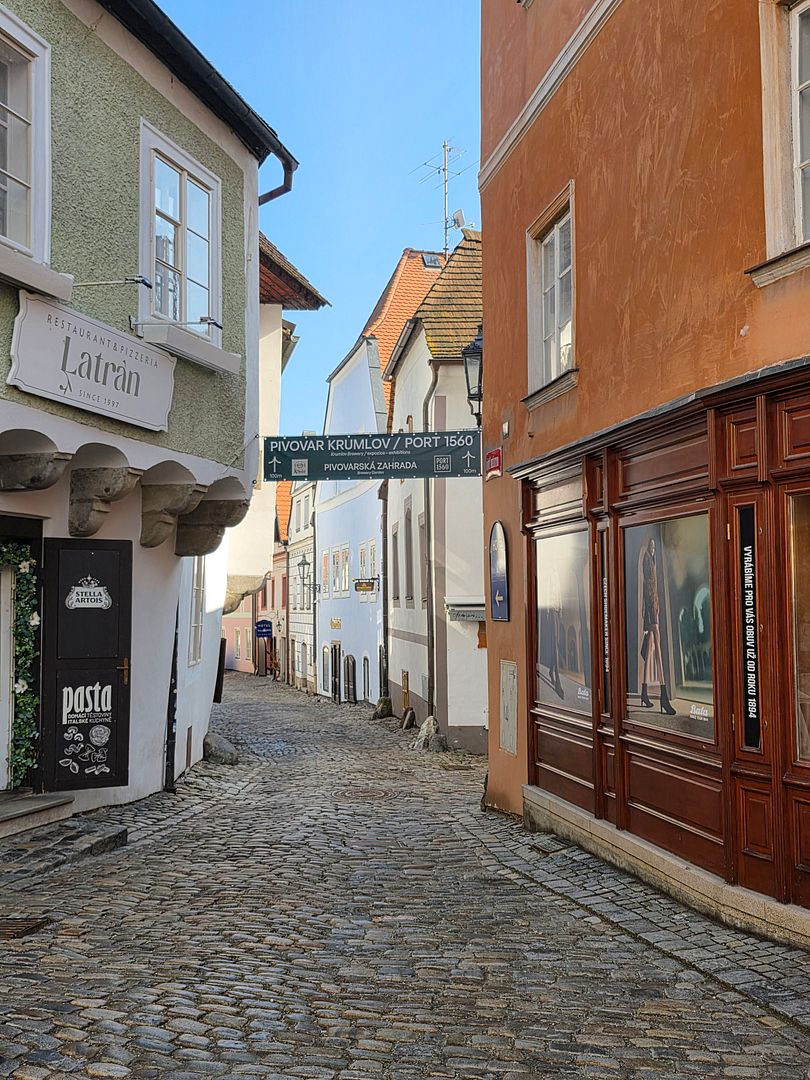
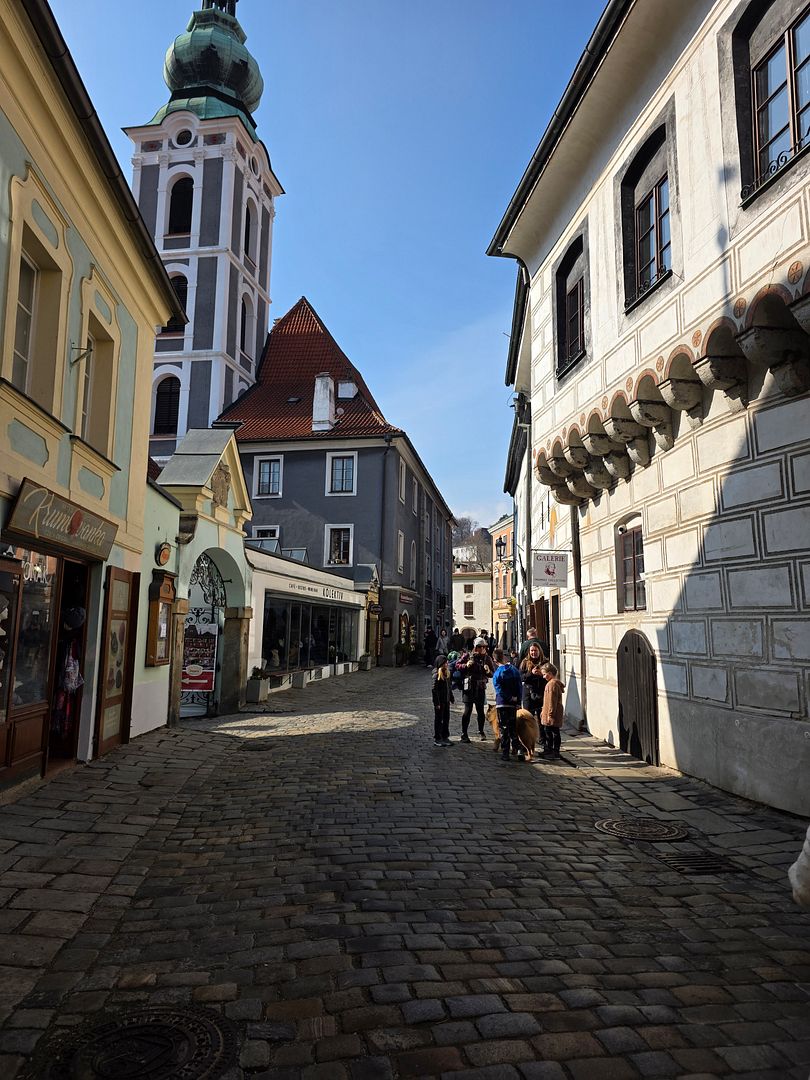
From the castle we journeyed on cobbled streets to get to Old Town.
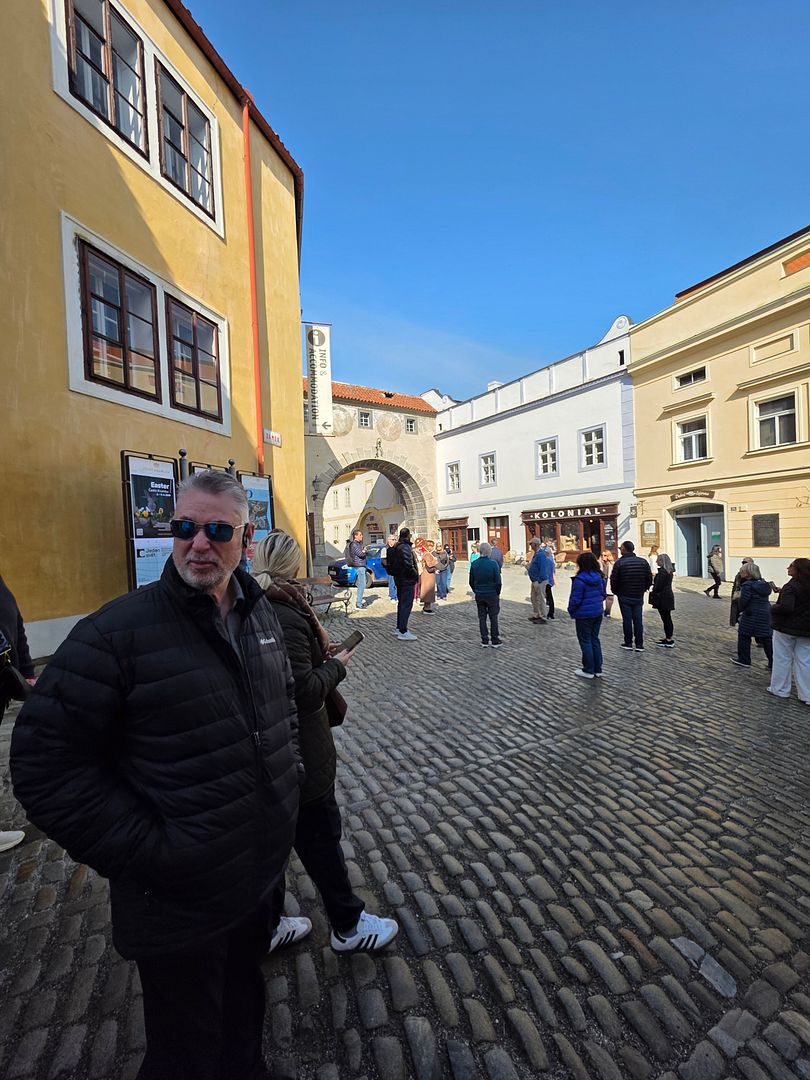
Cobbled streets and narrower alleyways.
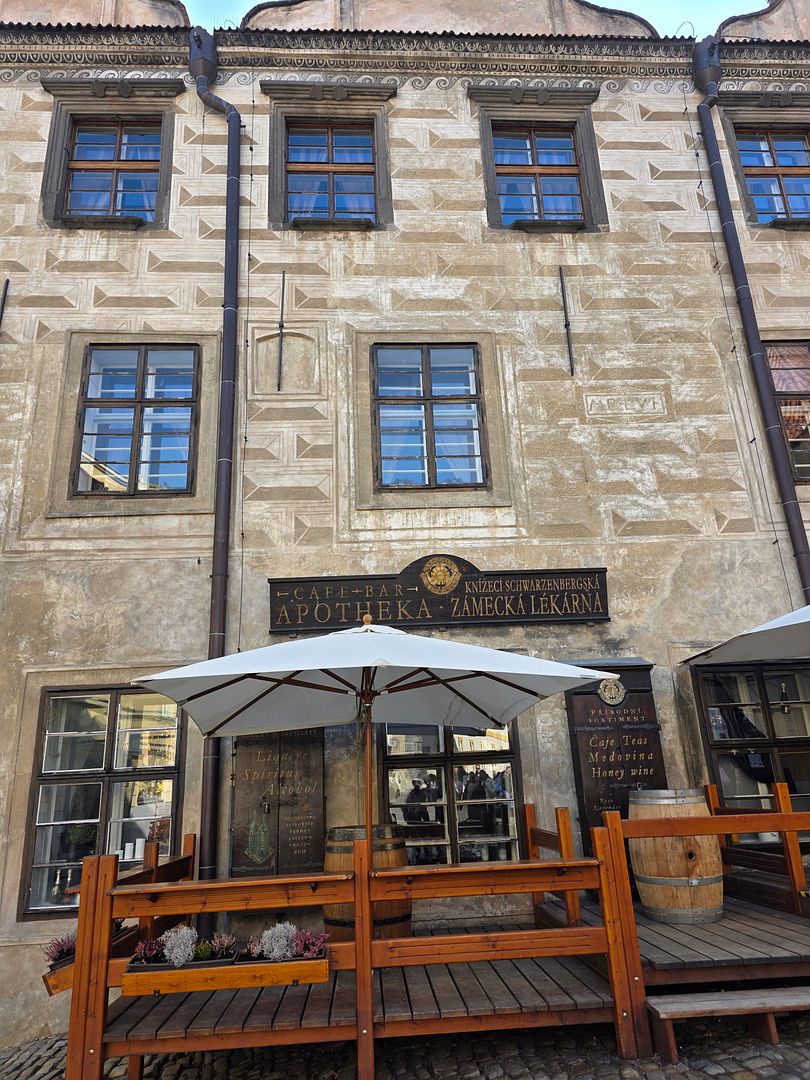
After being part of the Austro-Hungarian Empire, it became part of Czechoslovakia in 1918. The town suffered minimal damage in the 20th century, preserving its unique, intact medieval and Renaissance architecture.
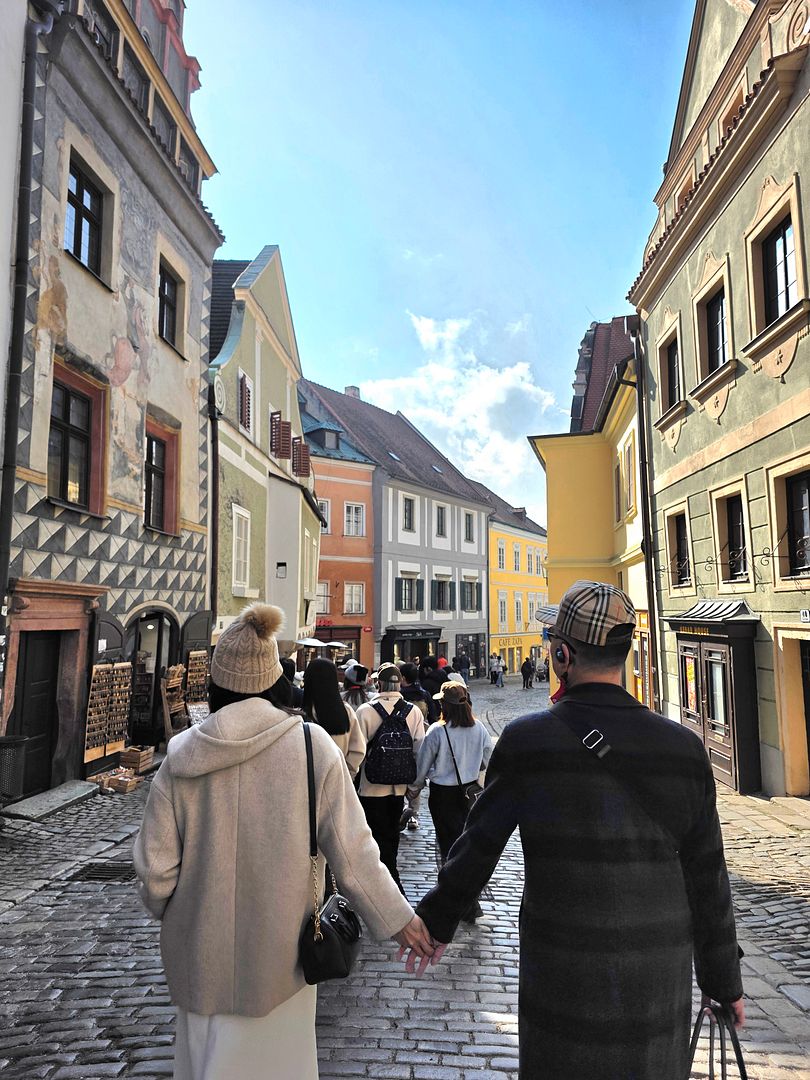
By this time, I kept looking at my watch thinking it is lunch time. My brain had enough of tour talk and my ears were tired of the ear pieces. You might feel the same way about this post but I’m not done yet, nor was our guide. 🙂
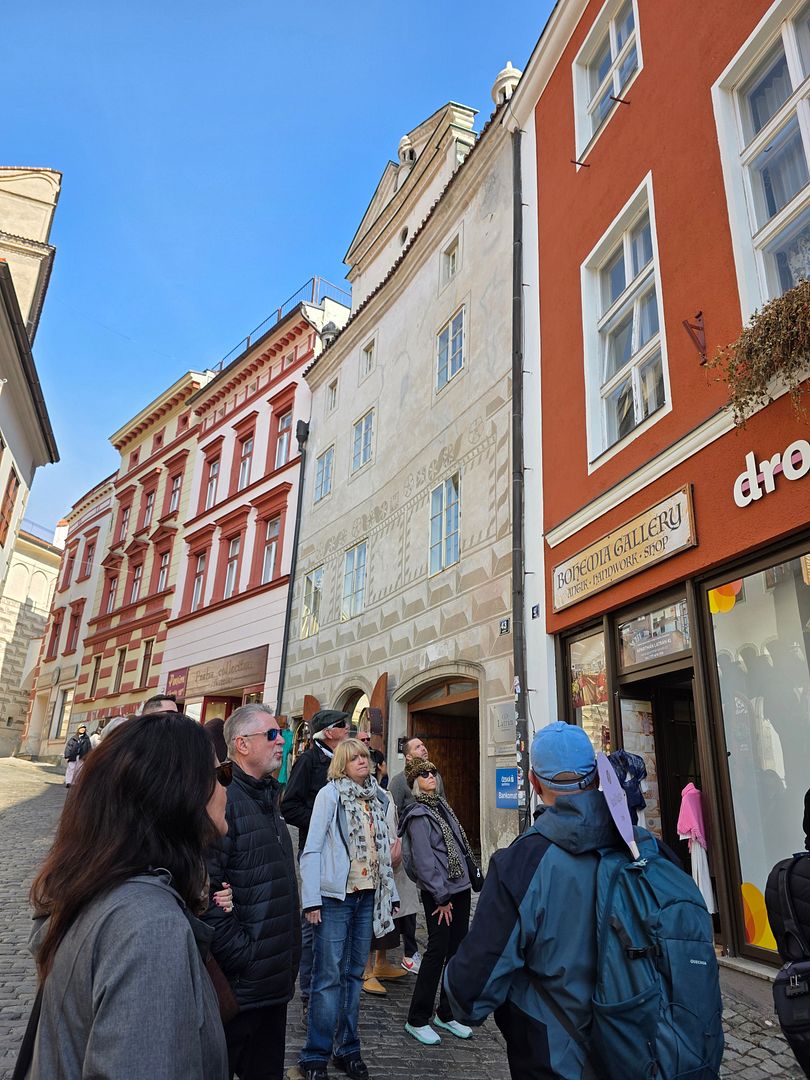
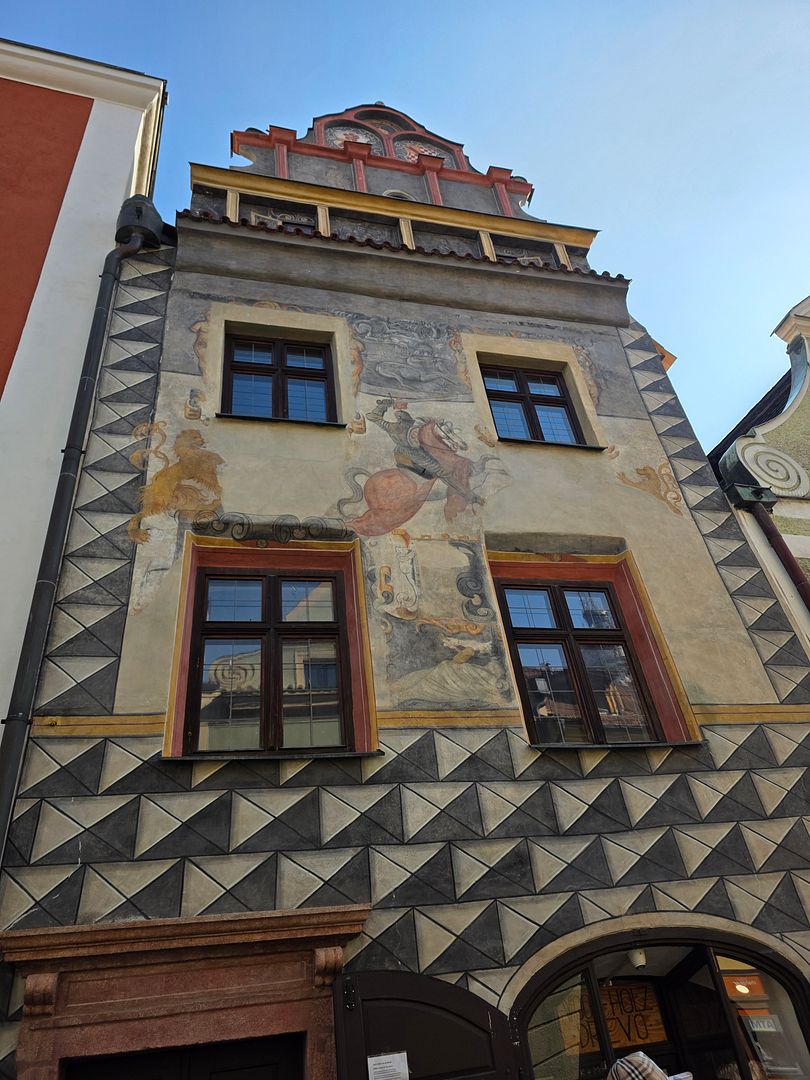
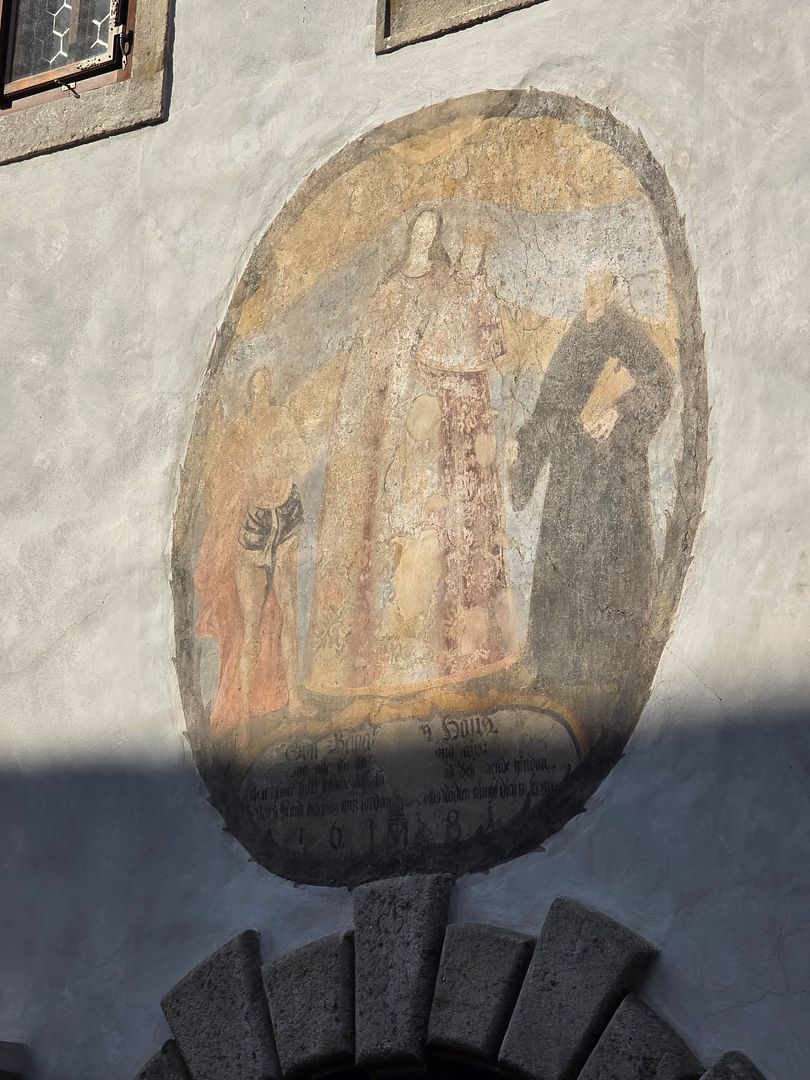
Many precious Gothic and Renaissance frescoes were whitewashed in Baroque times, when the colorful trimmings of earlier periods were out of style. Some of these frescoes are being rediscovered and restored.
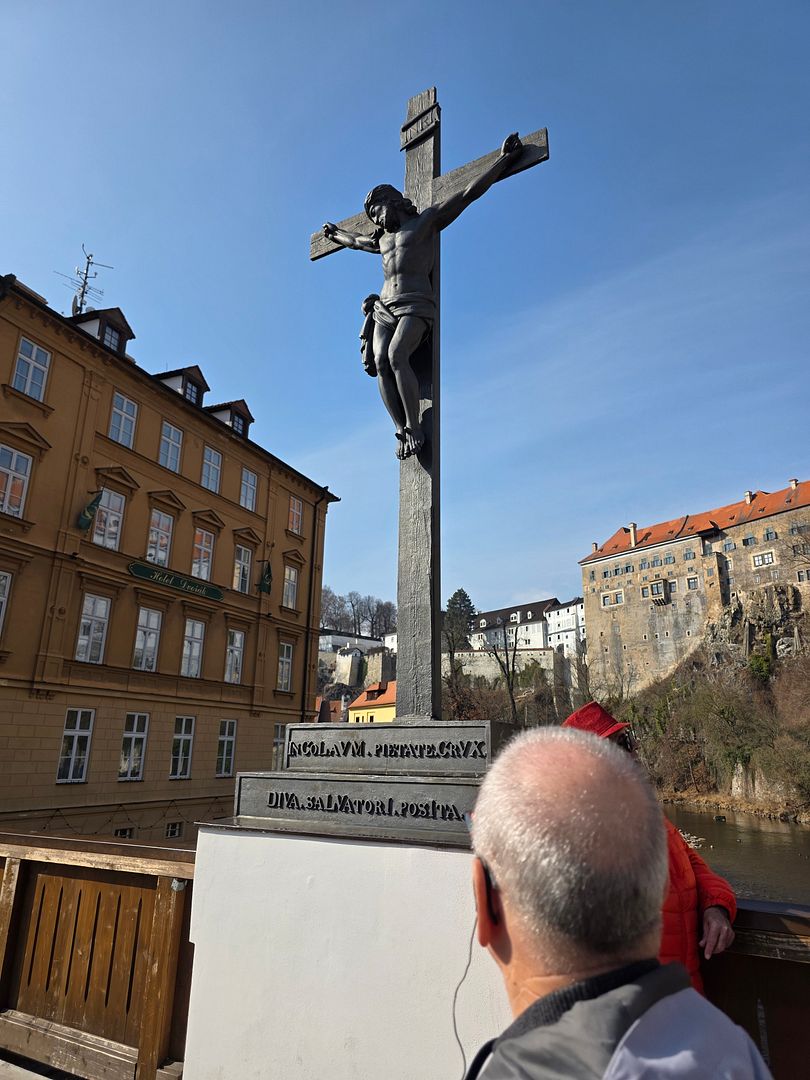
Looking up and back at the round bell tower at the Castle from the bridge over the river. This river circles the town.
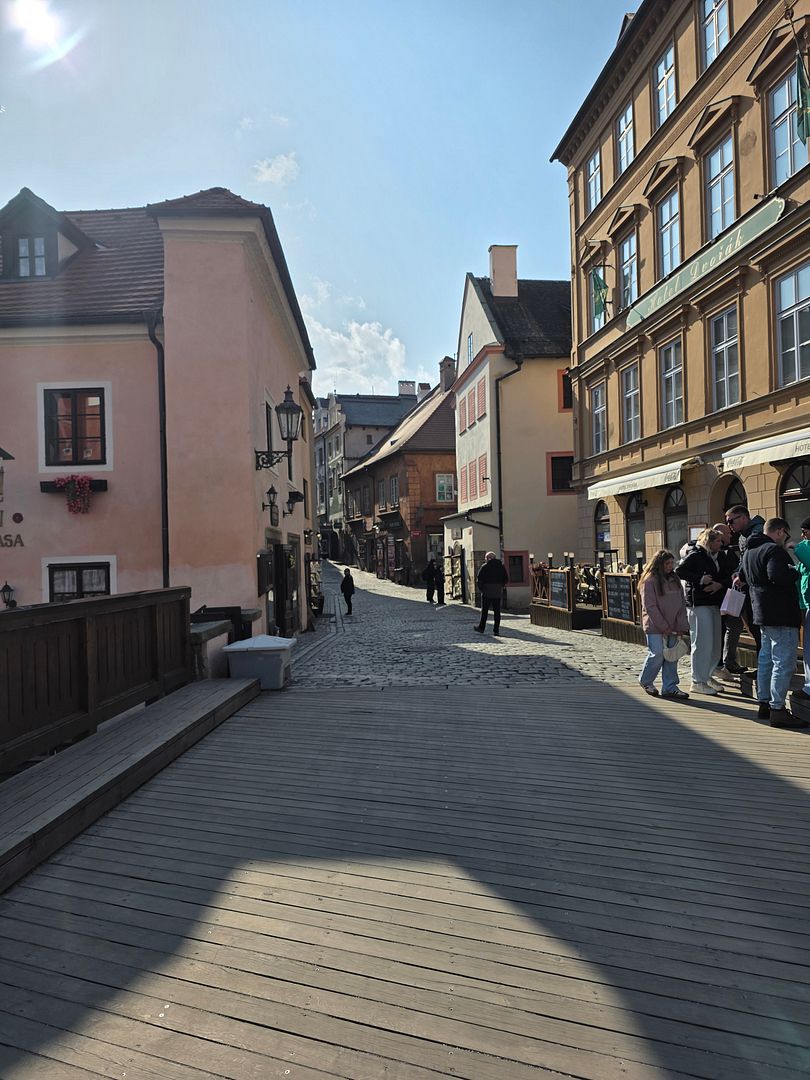
Finally at the bridge we saw the spot we were interested in for our lunch meal. Our guide wasn’t winding down yet and he was going to keep going all the way to the square in the middle of town. That would be the spot to meet up with him again after our few hours in town by ourselves. We knew we’d be able to find the square with no problem. My feet were saying, “why go all the way to the center of town and then have to double back to this very spot for lunch?” NYET!

We broke away with thoughts of that good lunch and a nice sit down to rest our feet.

I’ll leave it here and give you a break, too. Part deux (french) or dva (czech) coming soon.
Krems, Austria

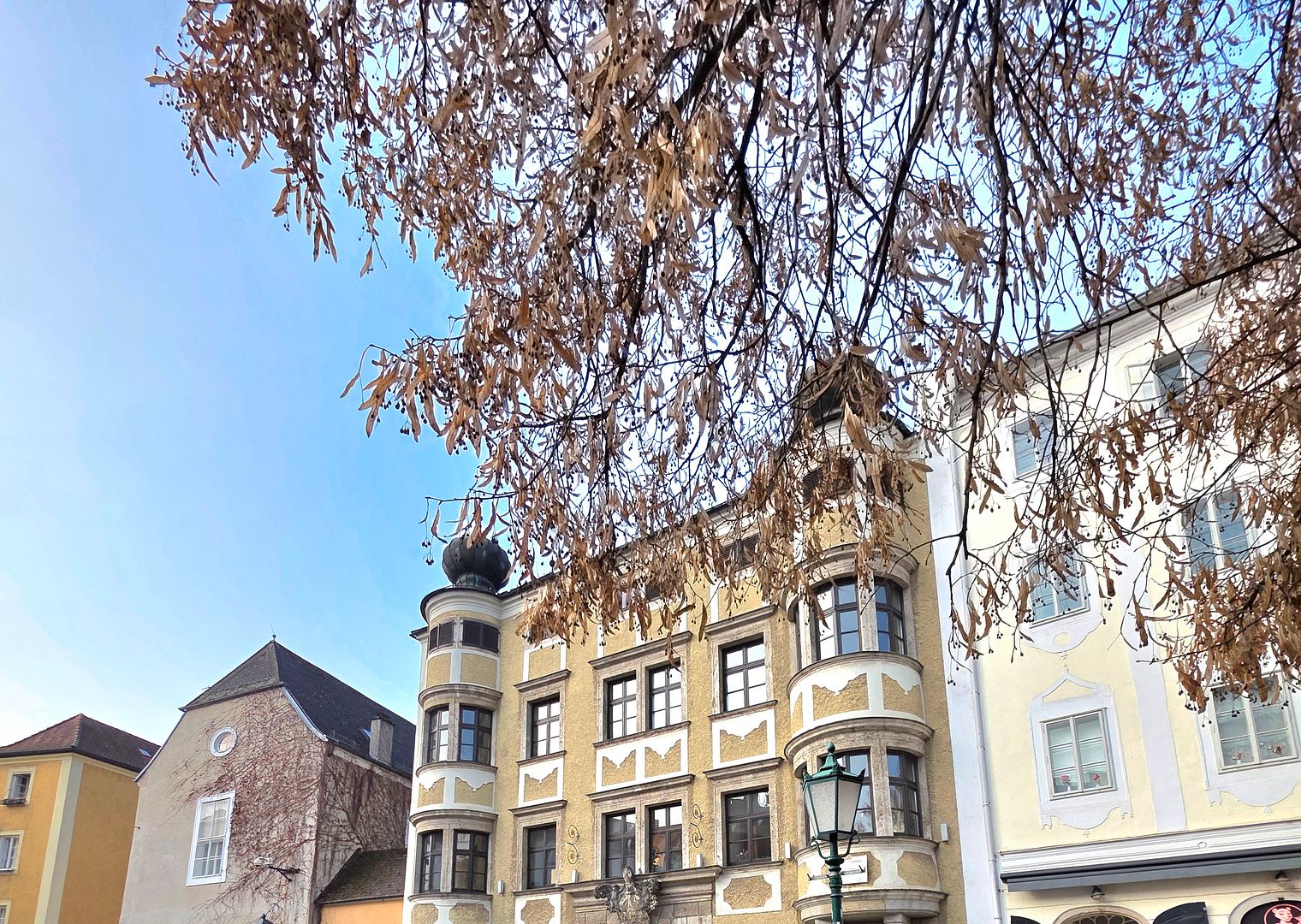
It is a good thing that I take a lot of photos because seven weeks later I had a hard time figuring out when we had a quick tour of Krems. When I looked back at the photos I saw that the guide we had in Krems was the same guide for Český Krumlov.  Our Wednesday March 4th was a full travel day starting in Austria and moving on by bus to the Czech Republic.

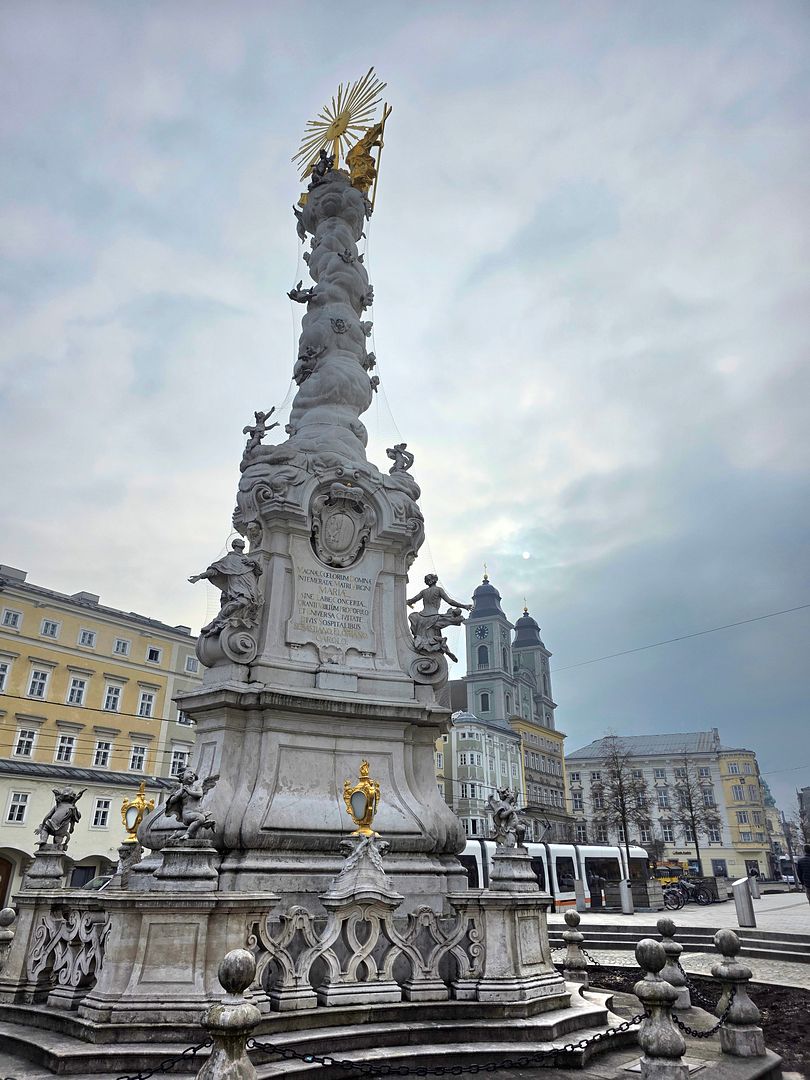
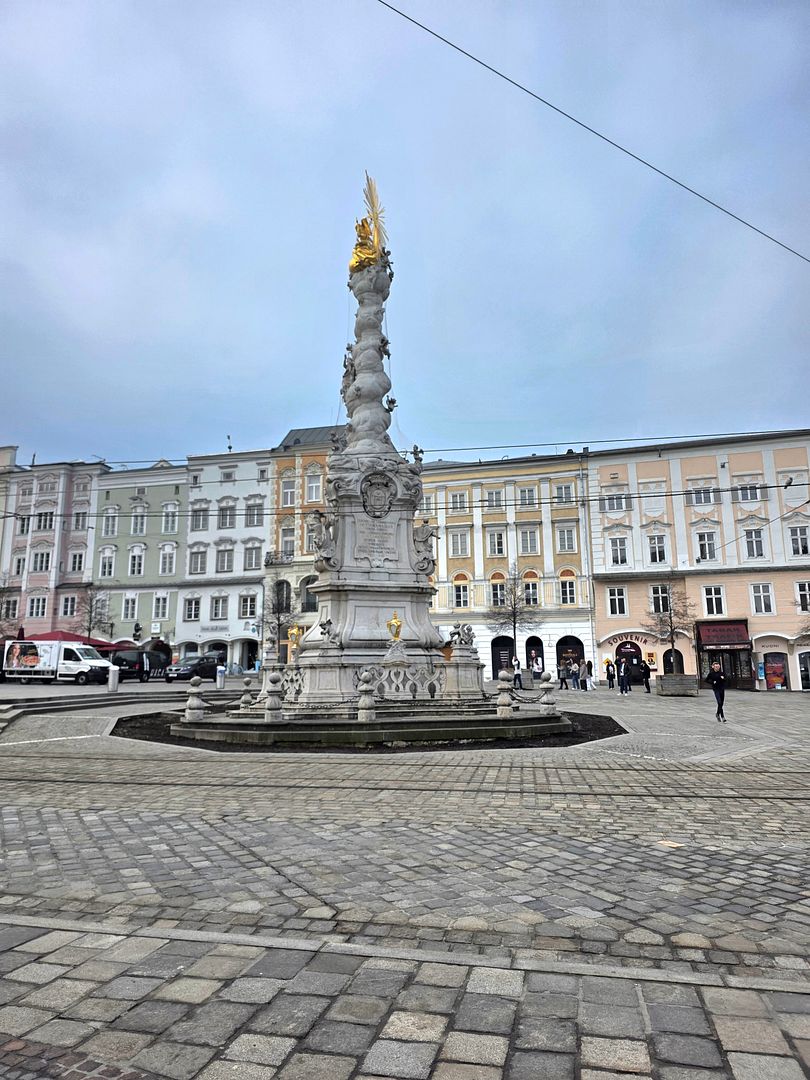
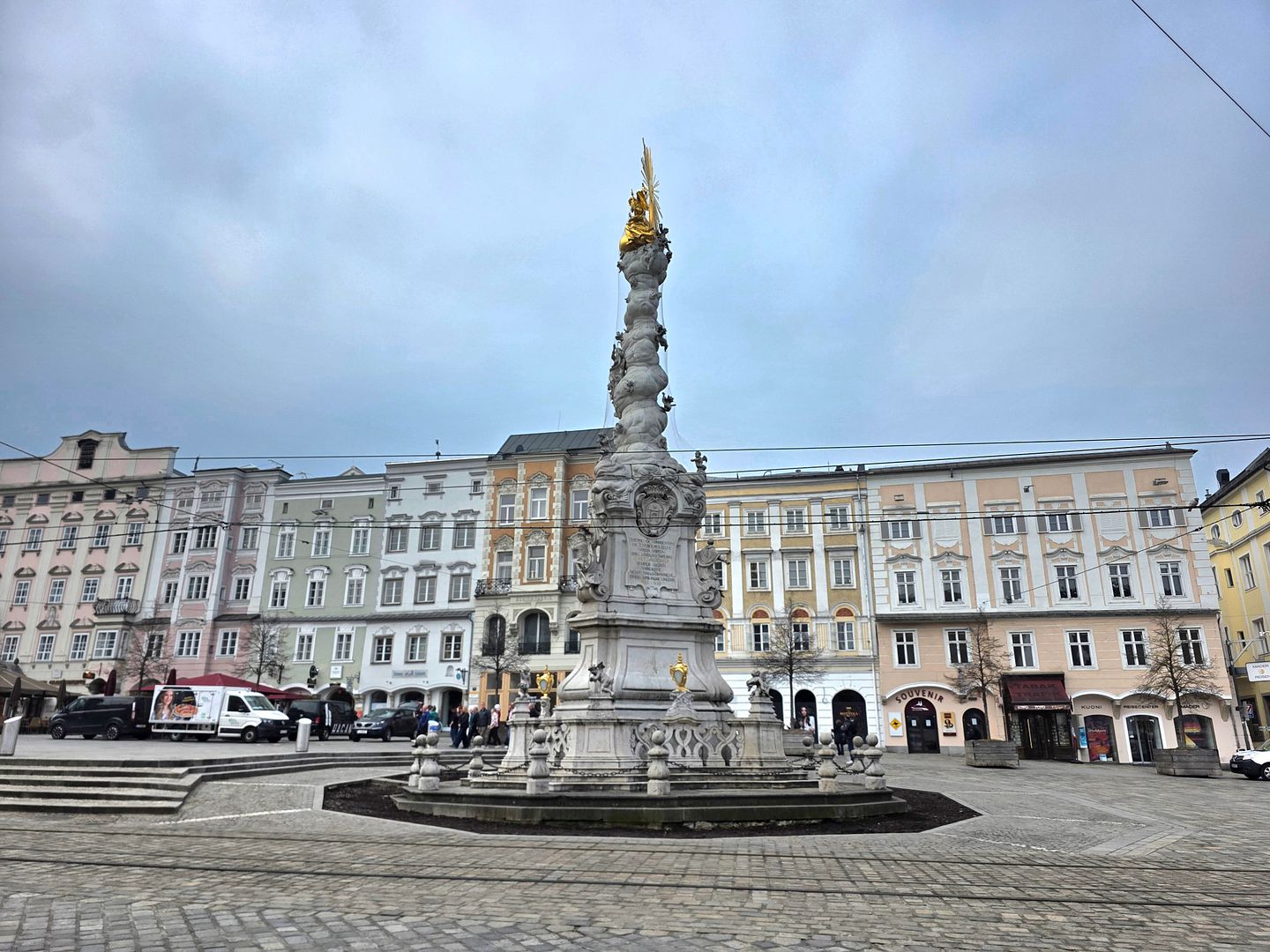
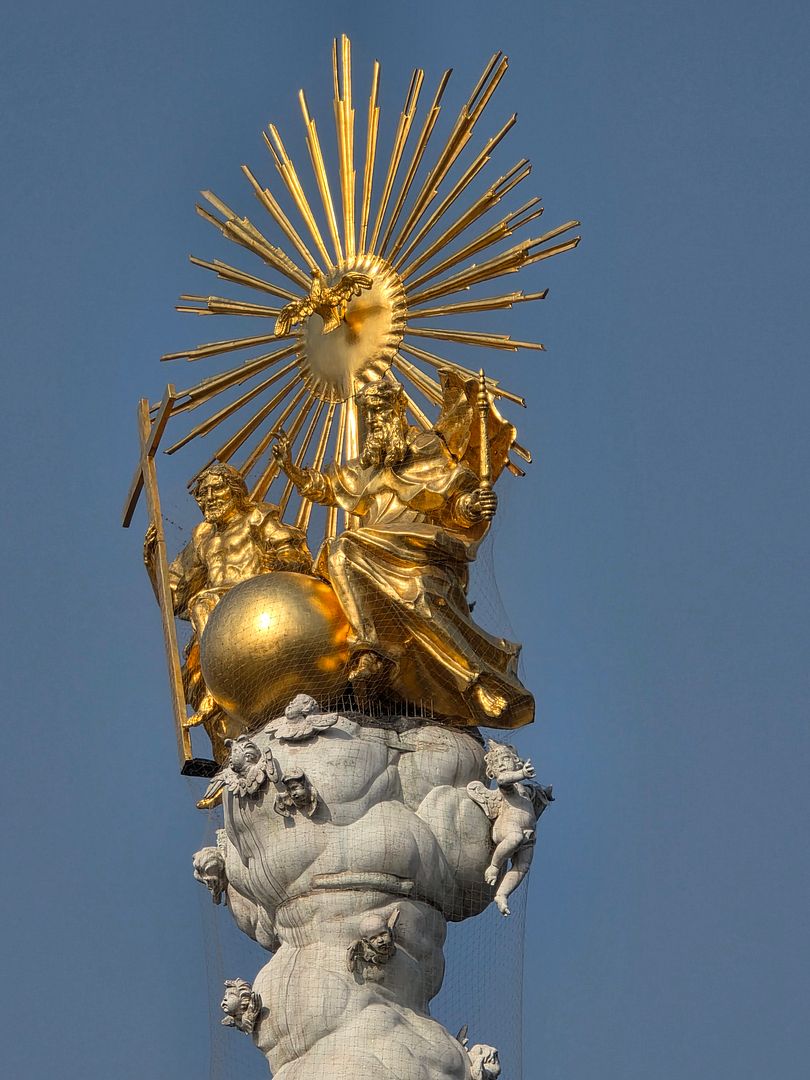
The Trinity Column was erected between 1680 and 1683 as an expression of gratitude for surviving various calamities including war, plague, and fire. The column was commissioned by Johann Franz von Prücklstein und Tobitschau, who served as governor during this period. He wanted to express his thankfulness towards God for ending these disasters which had plagued Krems an der Donau.

This type of monument is commonly found across Central Europe but each one carries its own unique story related to local events or traditions. In case of Dreifaltigkeitssäule in Krems an der Donau it represents deliverance from three major threats: Turkish invasion represented by Ottoman soldiers at base level; Plague depicted through St Sebastian & St Rochus figures; Fire symbolized by St Florian statue.

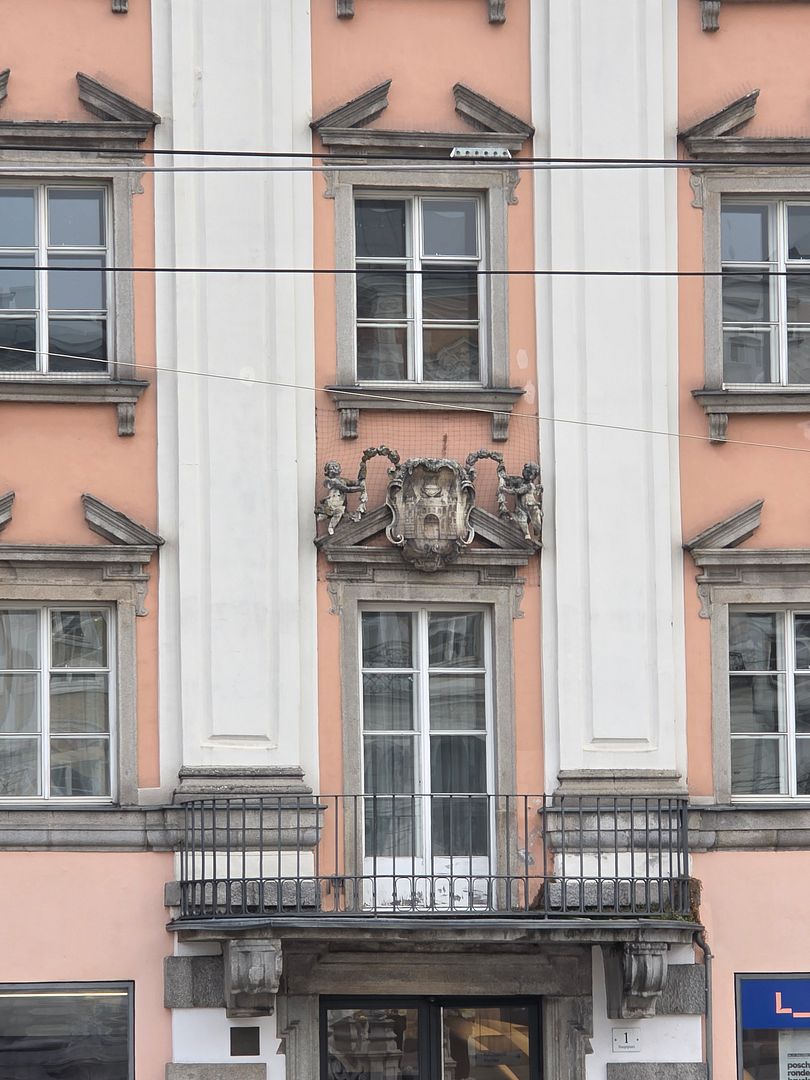
We started in the town square and one of the first things we learned was that Hitler gave a speech in 1939 on this very balcony. Not a fact that the town is proud of.

Krems an der Donau is the eastern gateway to the Wachau Valley, one of Europe’s loveliest river landscapes. It is also one of the oldest cities in the land. This history extending back more than a thousand years is evident everywhere – in the streets and squares, in the old monasteries and churches, in the town houses and fortifications.

The clock confirms it was in the morning that we visited.

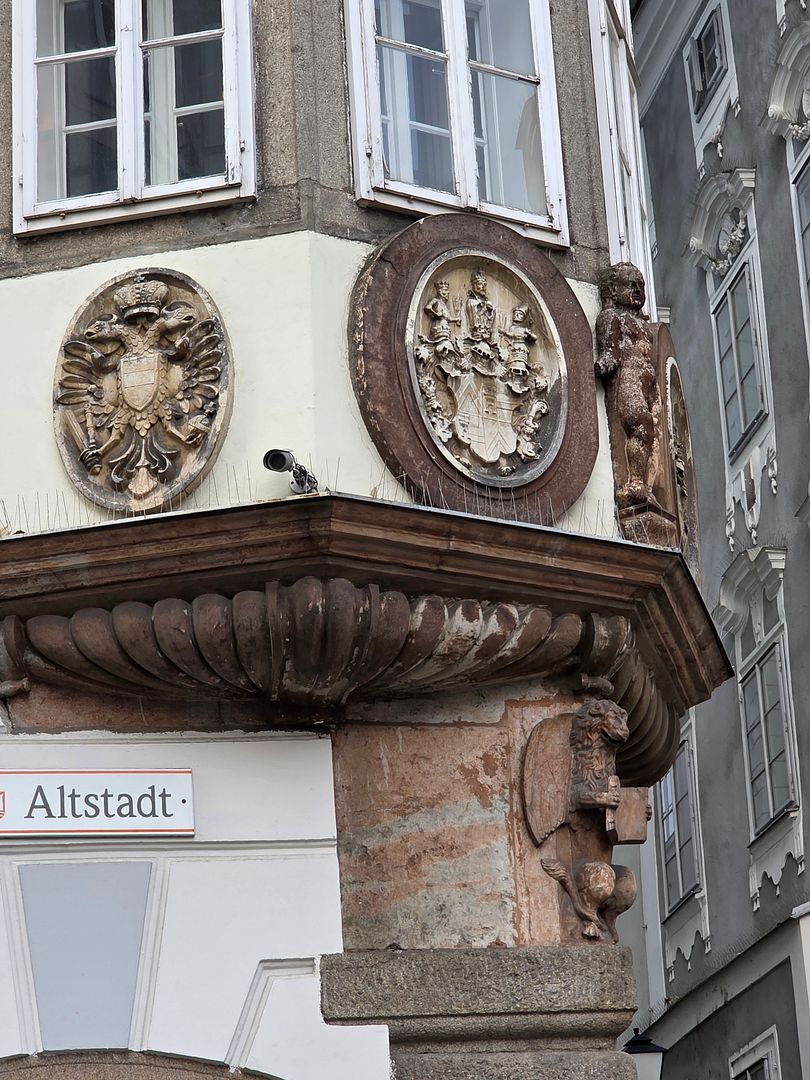
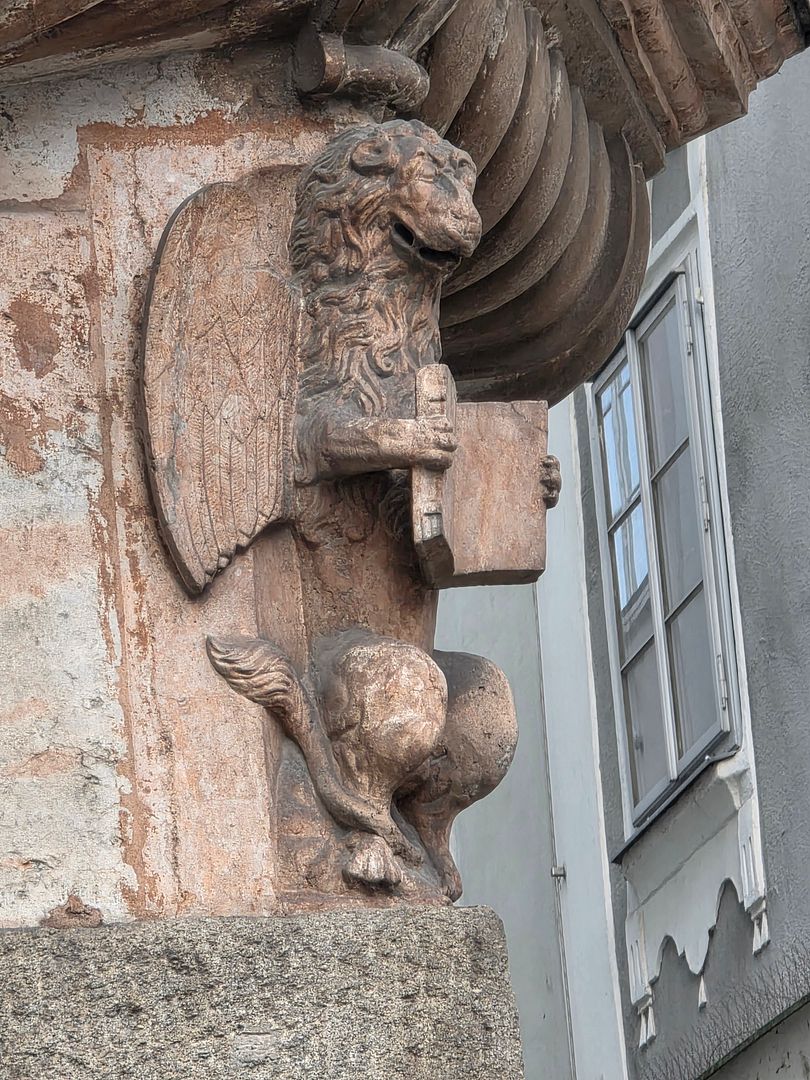
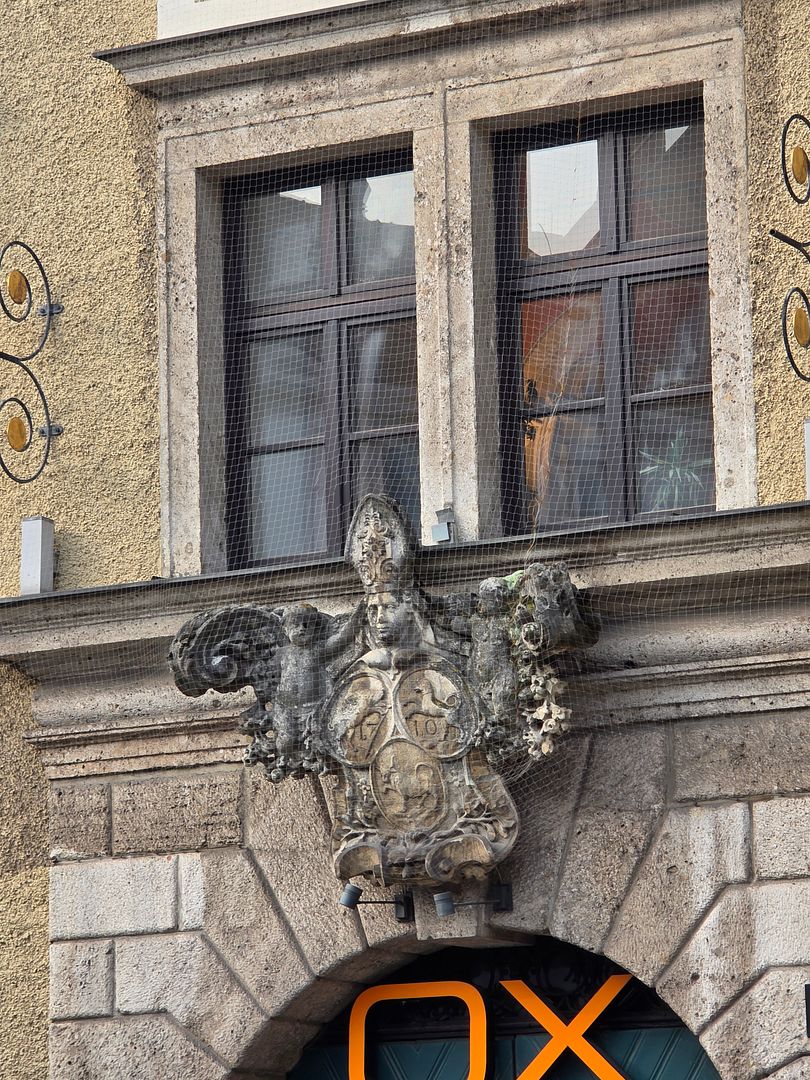
This lion with wings and an open book caught my interest so I zoomed in.

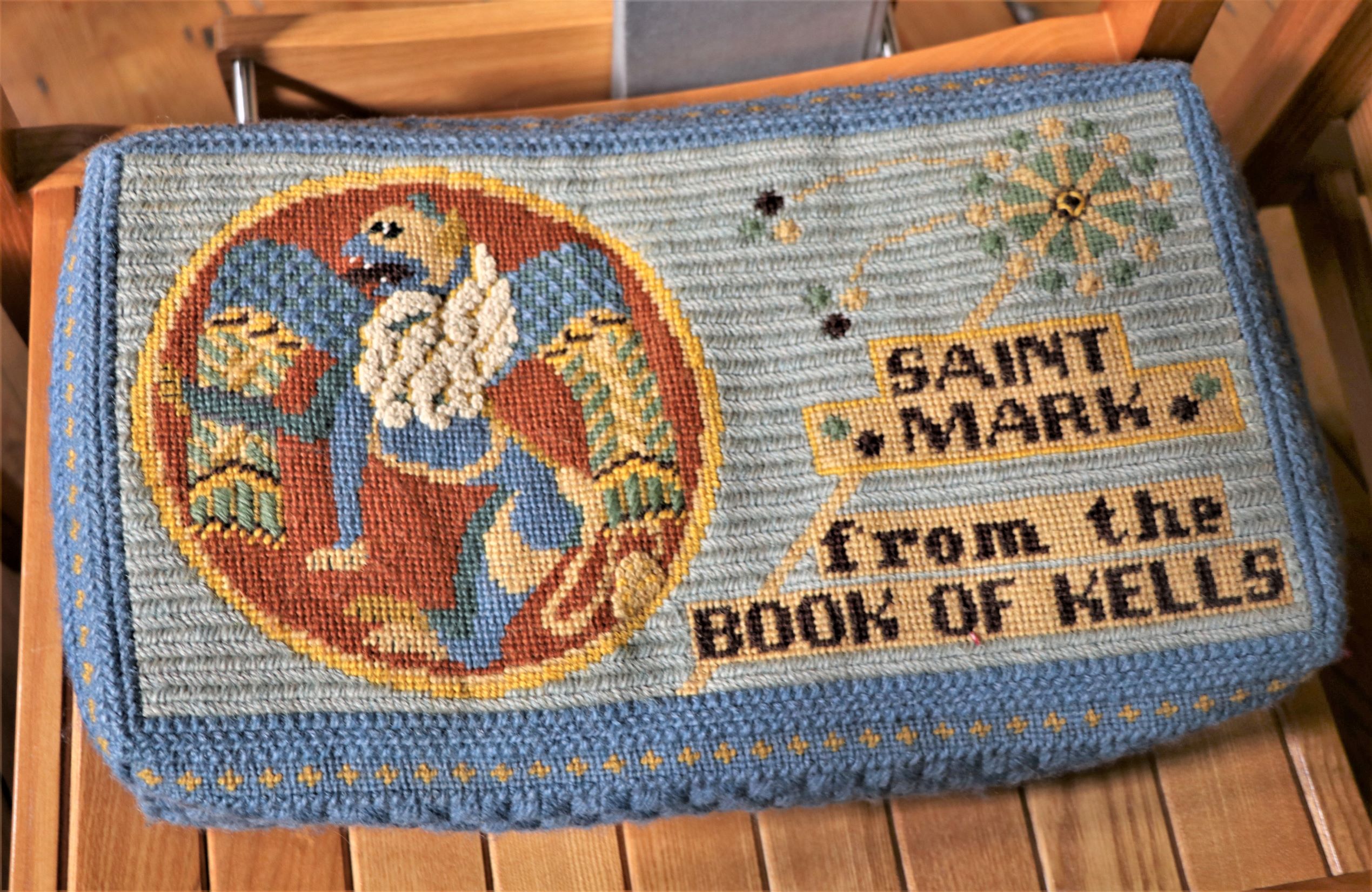
In looking up statues of lions with wings and an open book, it seems this figure is attributed to St. Mark of the Bible. When we were in Woodstock England a few years ago, we saw this kneeler and 3 other kneelers for the 4 Gospels in the Bible as represented in the Book of Kells.

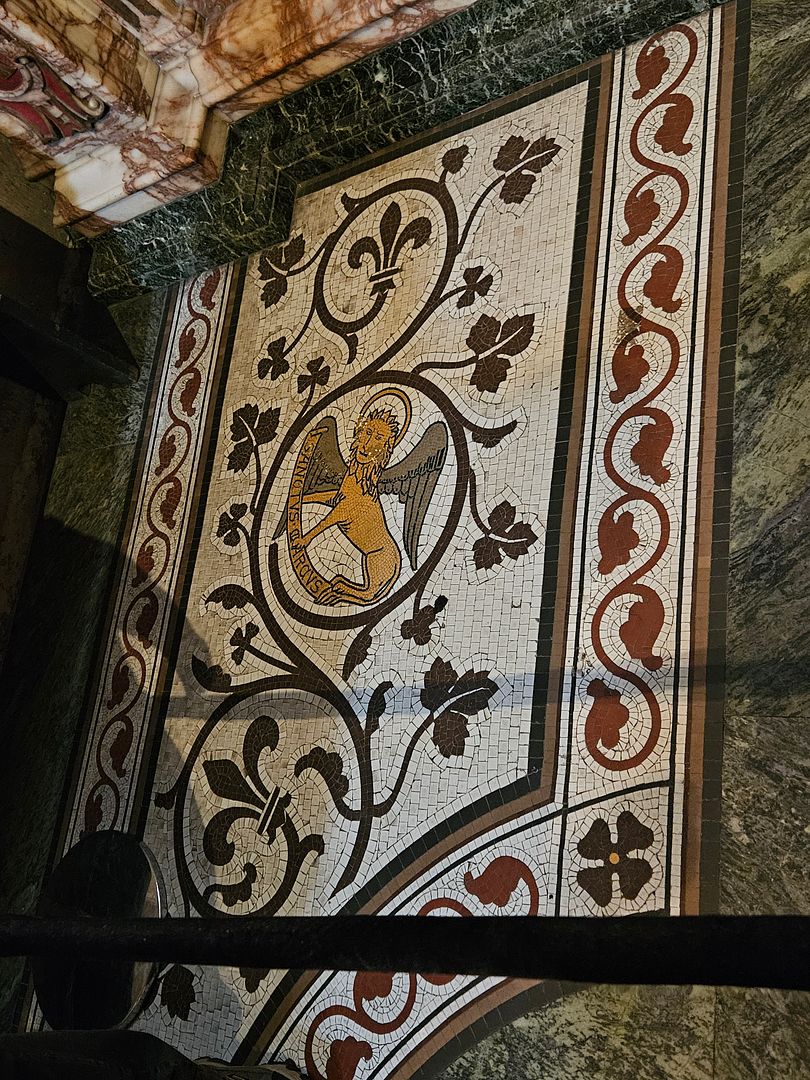
We also saw tile work of the 4 gospels in St. Giles Cathedral in Edinburgh with St. Mark depicted as a lion.

The historical center of Krems is one of the most beautiful in Europe. Over the centuries, builders and architects have created a unique cityscape here that has been lovingly cared for and preserved. These efforts have not gone unnoticed. In 1975 Krems was singled out as a “Model City for Historical Preservation” and in 2000 it was added to the UNESCO World Heritage List.

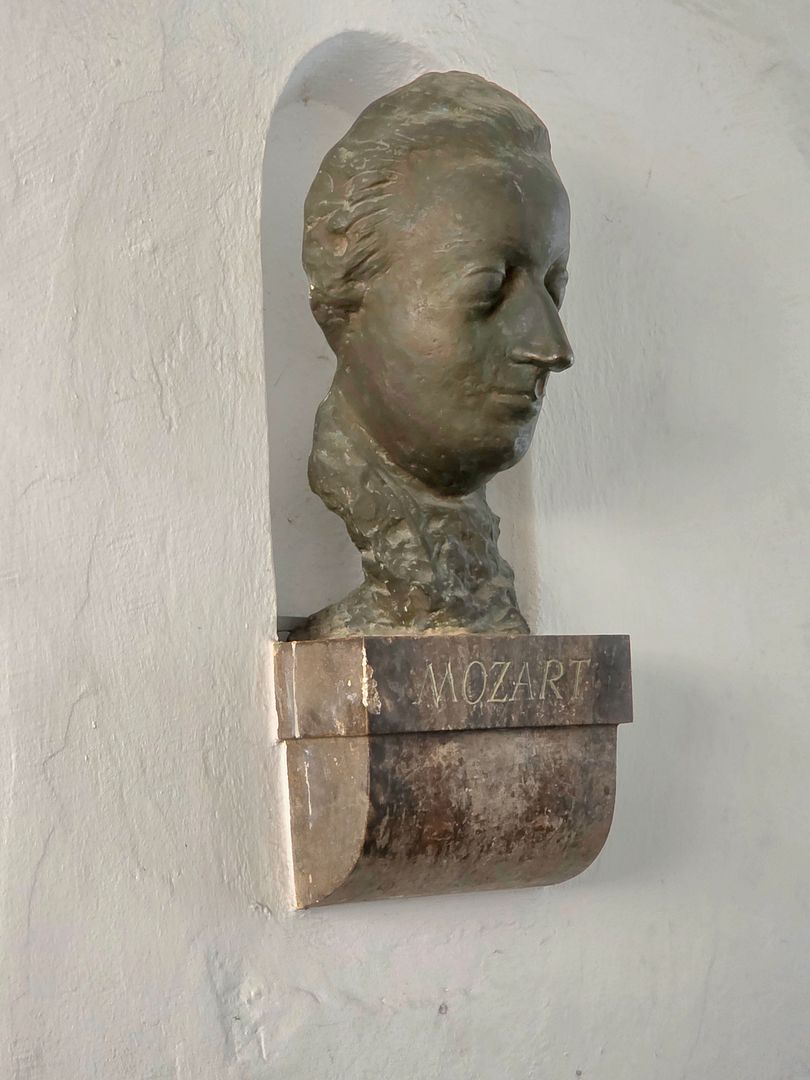
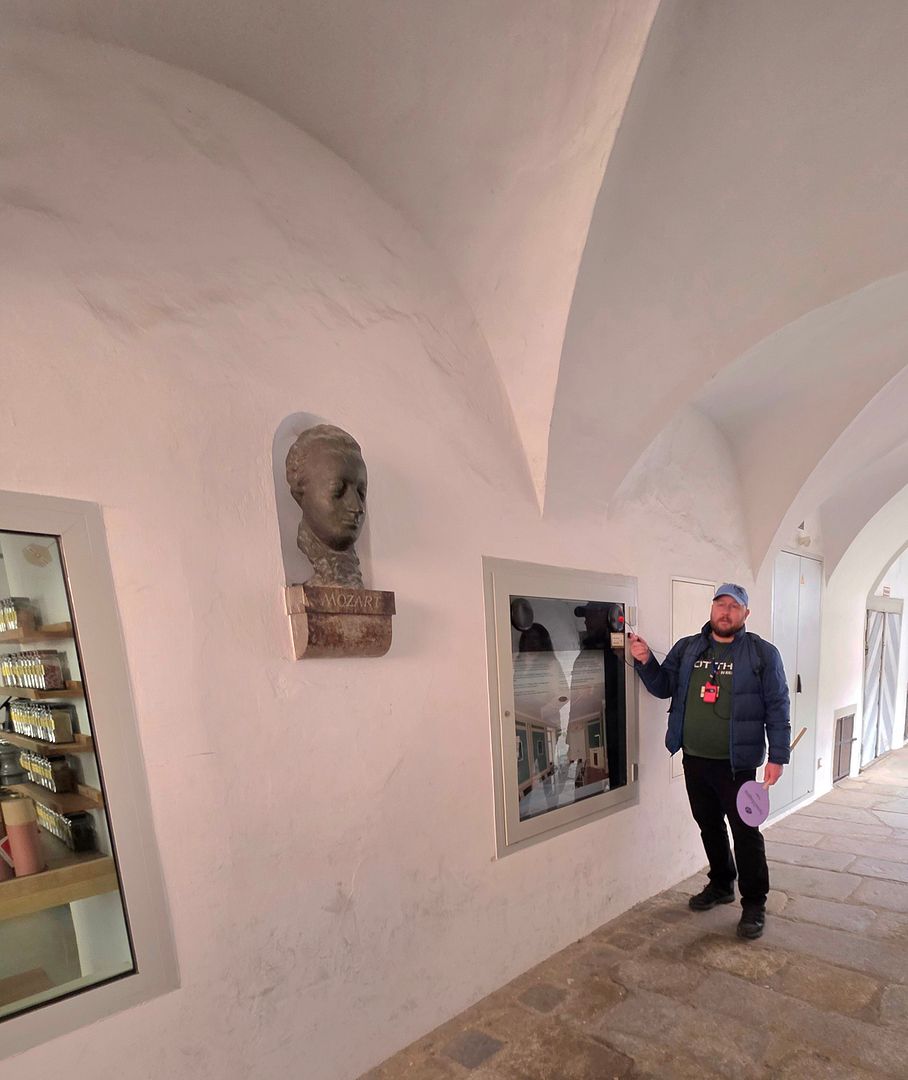
Our guide took us into this walkway where he showed us this nod to Mozart. The story goes that Mozart spent the night in Krems.

You can click on a button to hear one of his pieces in this courtyard entrance.

It would have been nice to have time to have a snack in one of the cafes in this charming town.

When we got back to the square where we began our walk, I zoomed in to the top of the Trinity Column.

 The column features intricate carvings and statues representing various biblical figures and scenes.

We boarded our bus for the two hour trip to the Český Krumlov. That will be my next Danube River Cruise post.

Al Fresco, Chef’s Table and Jimmy’s

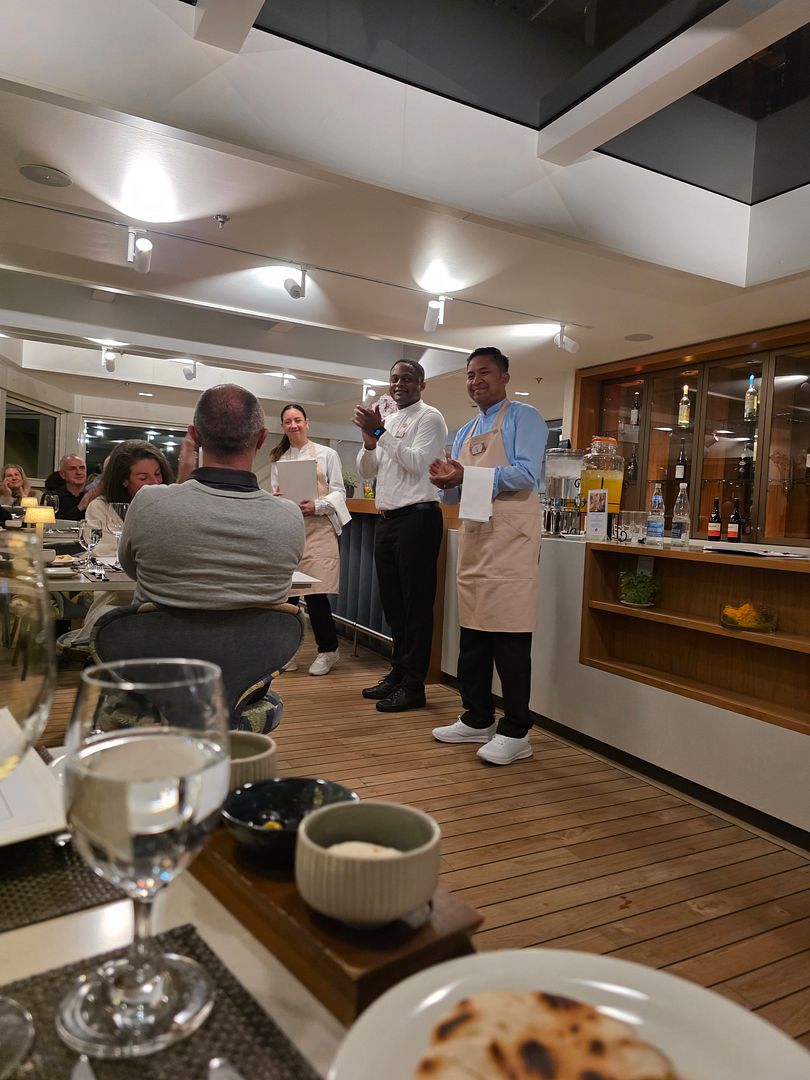
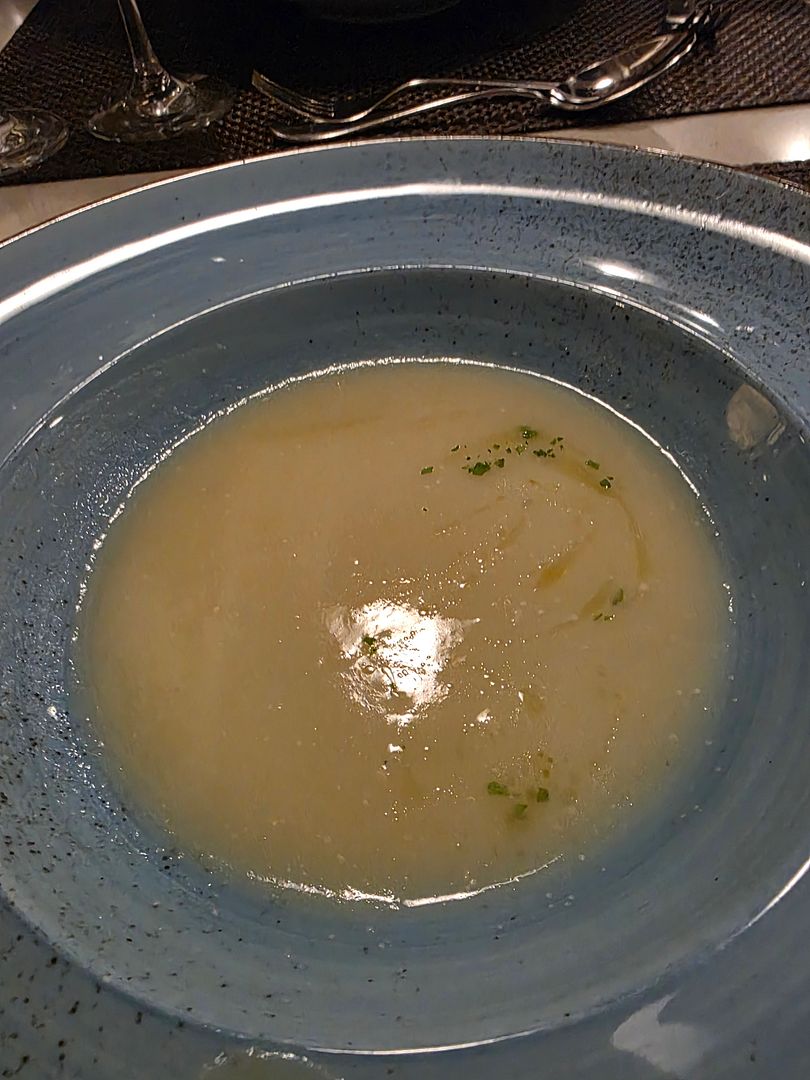
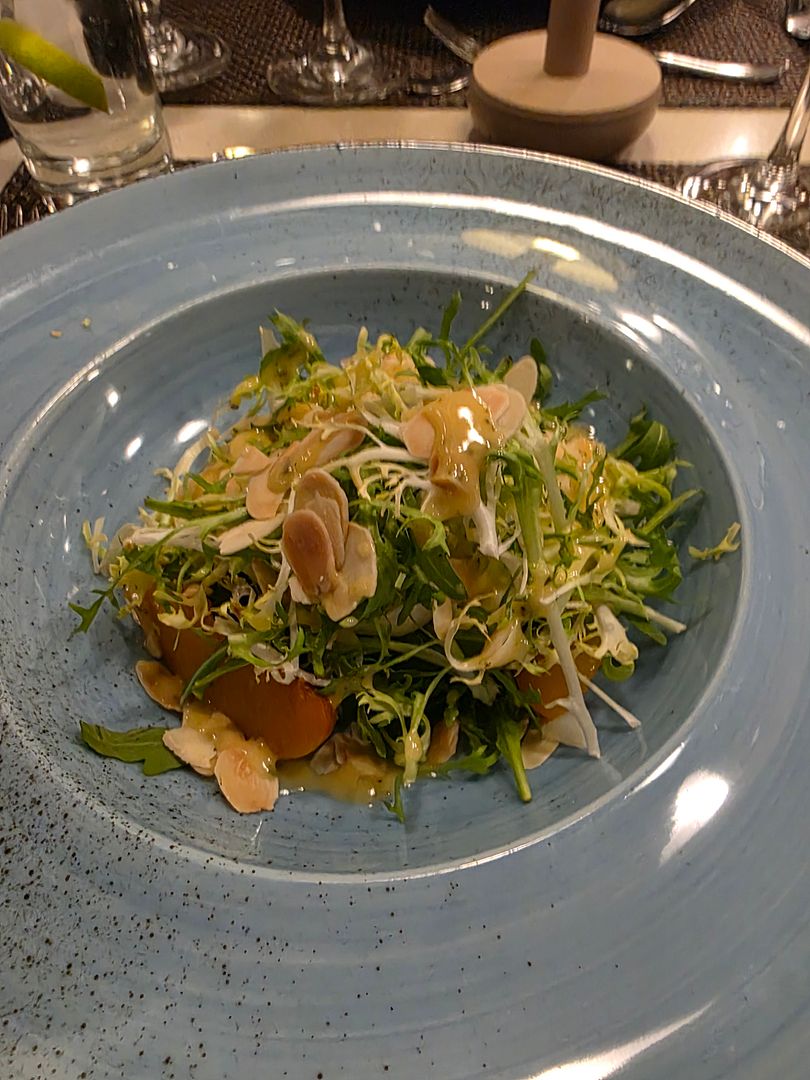
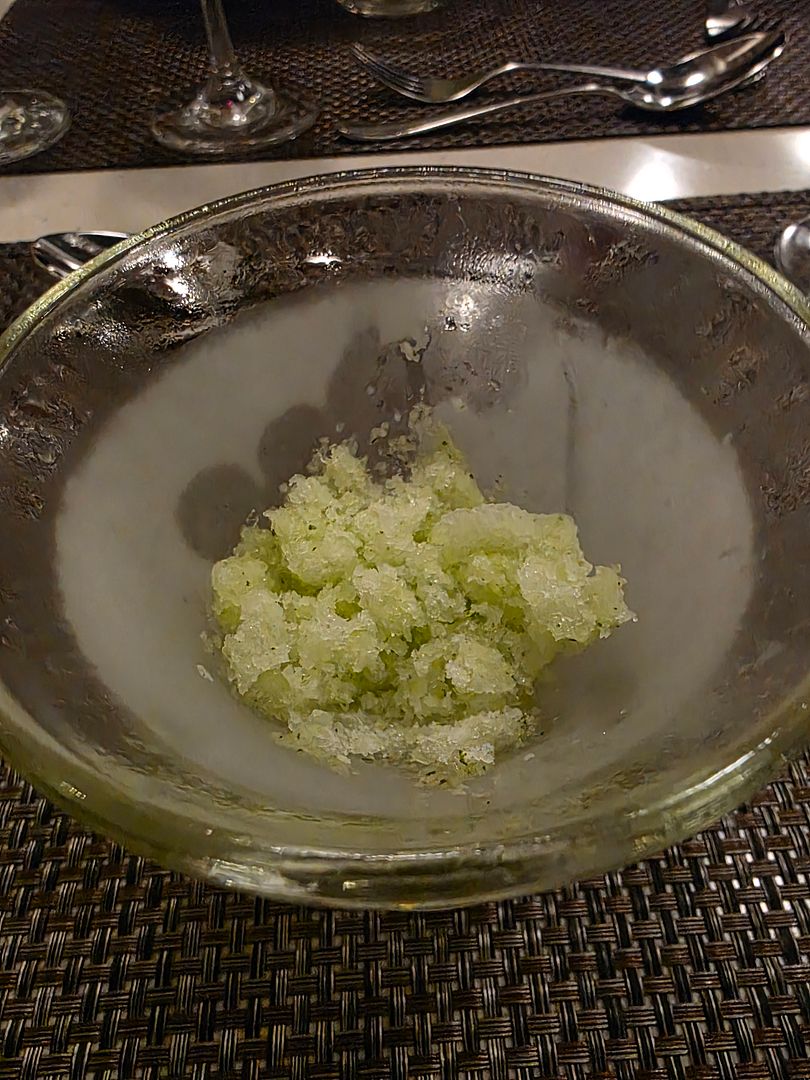
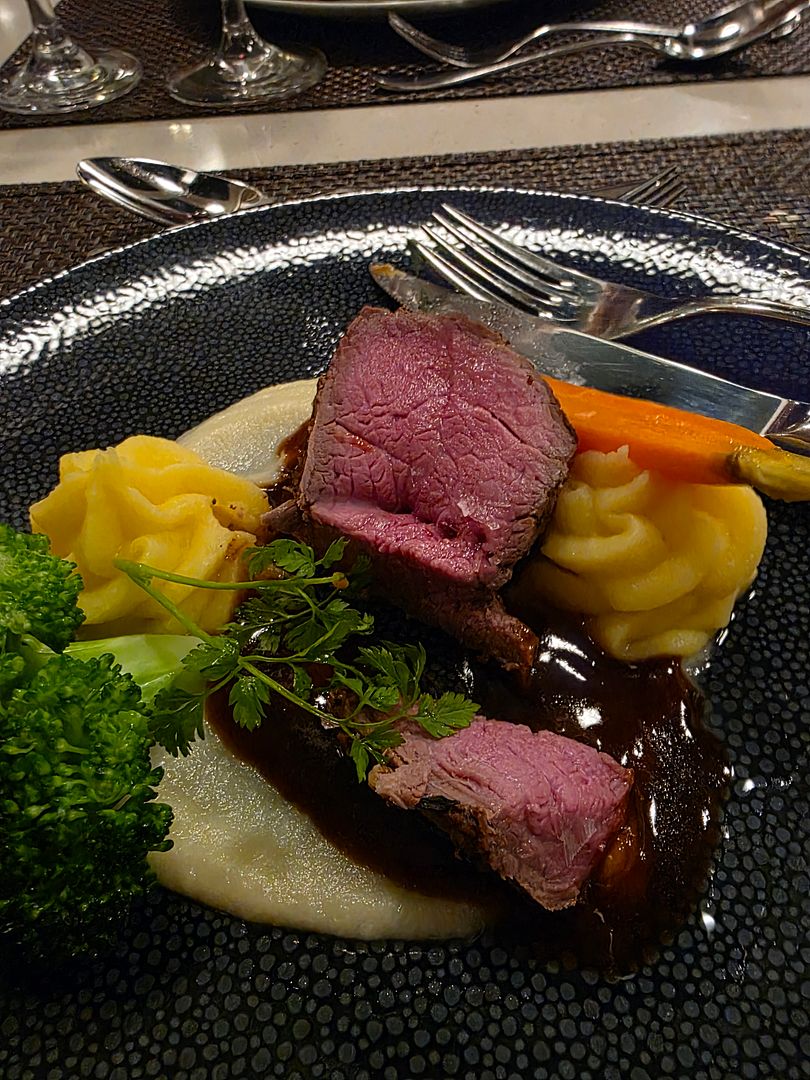
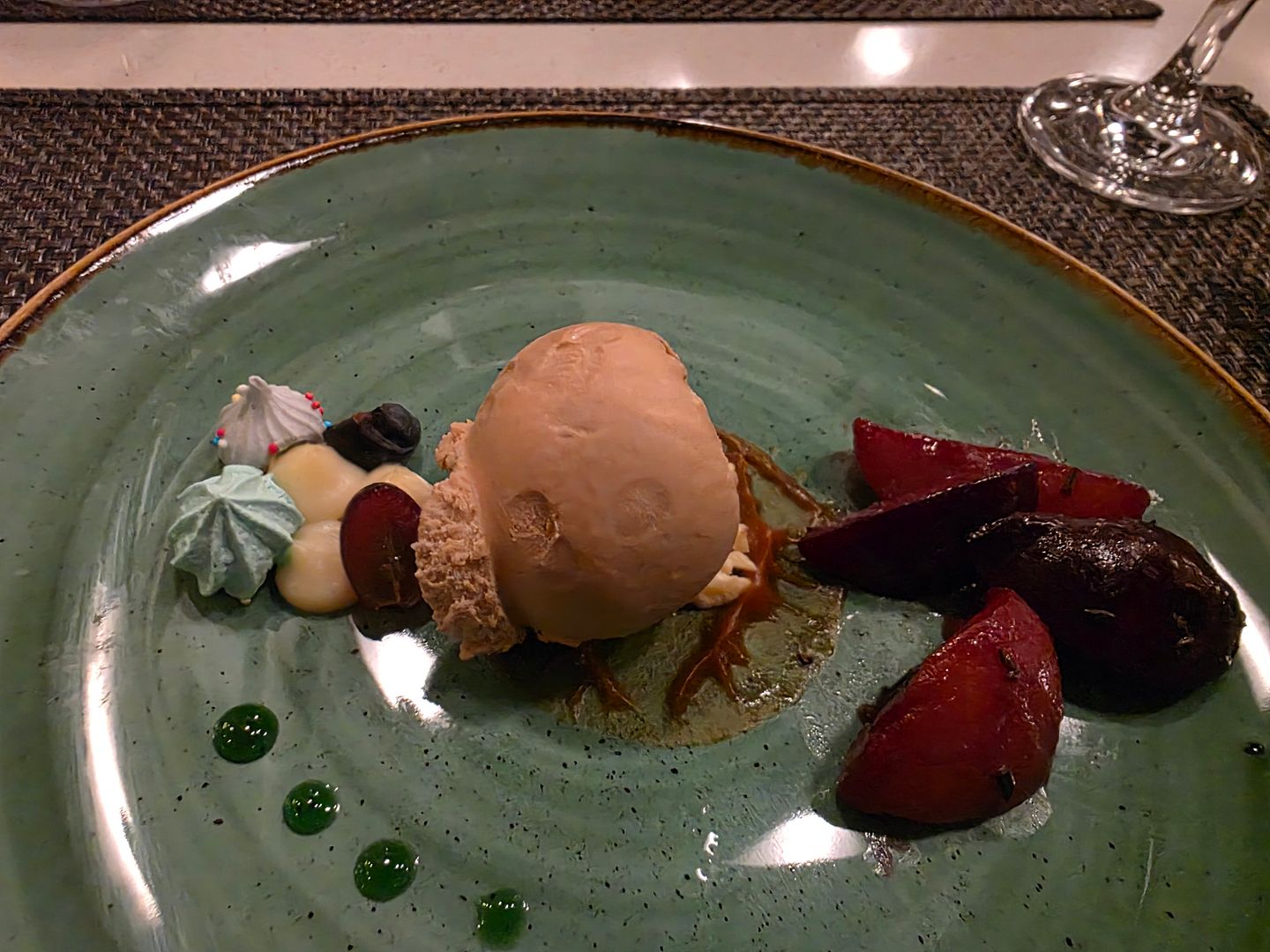
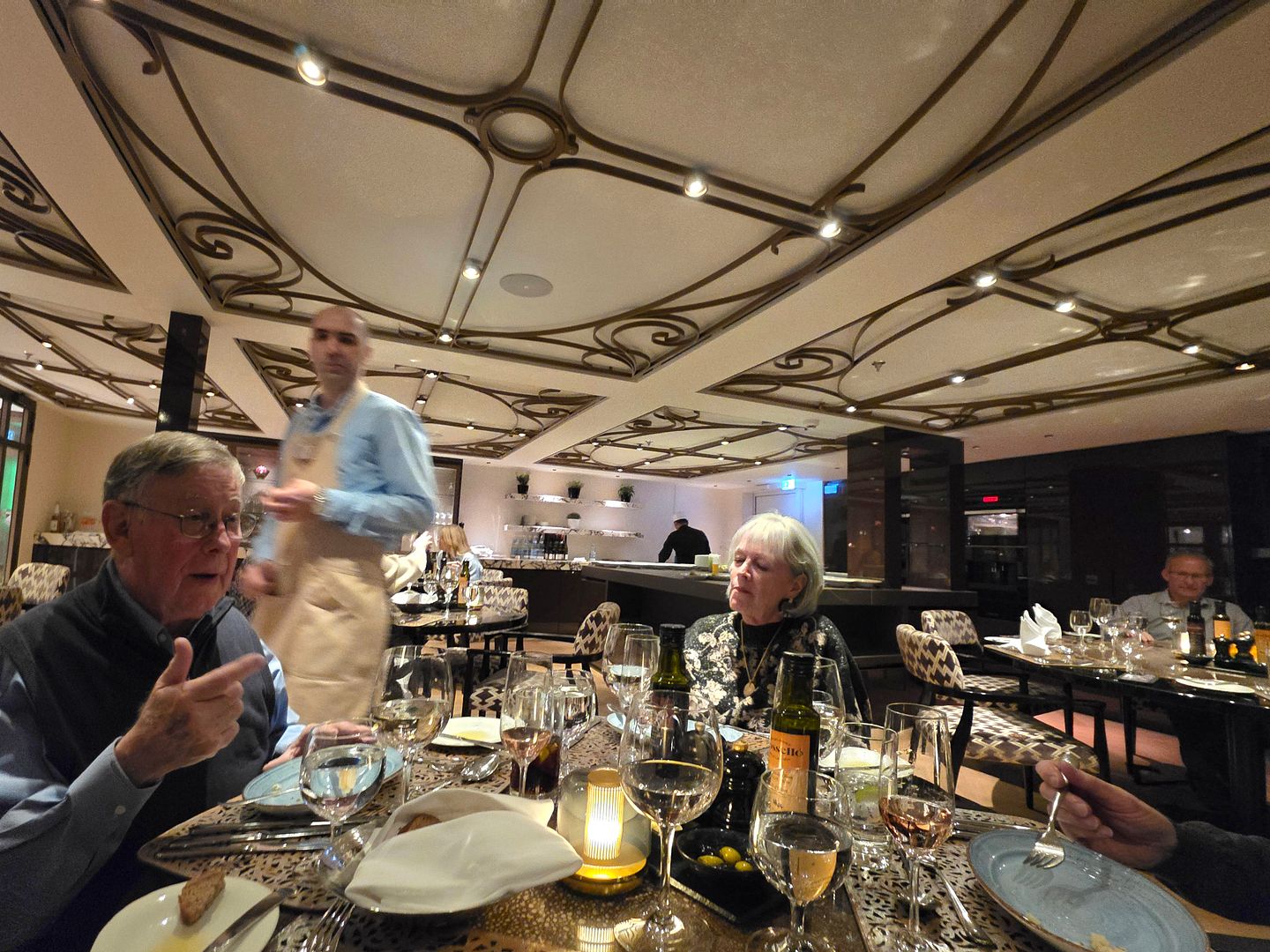
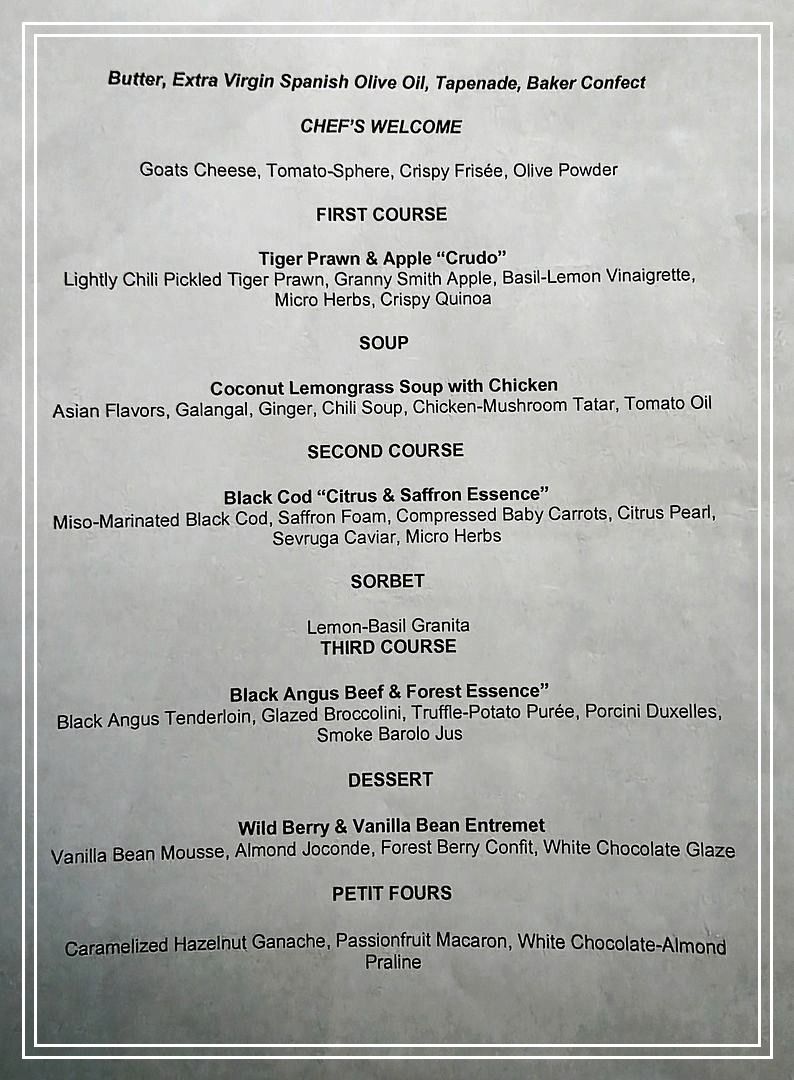
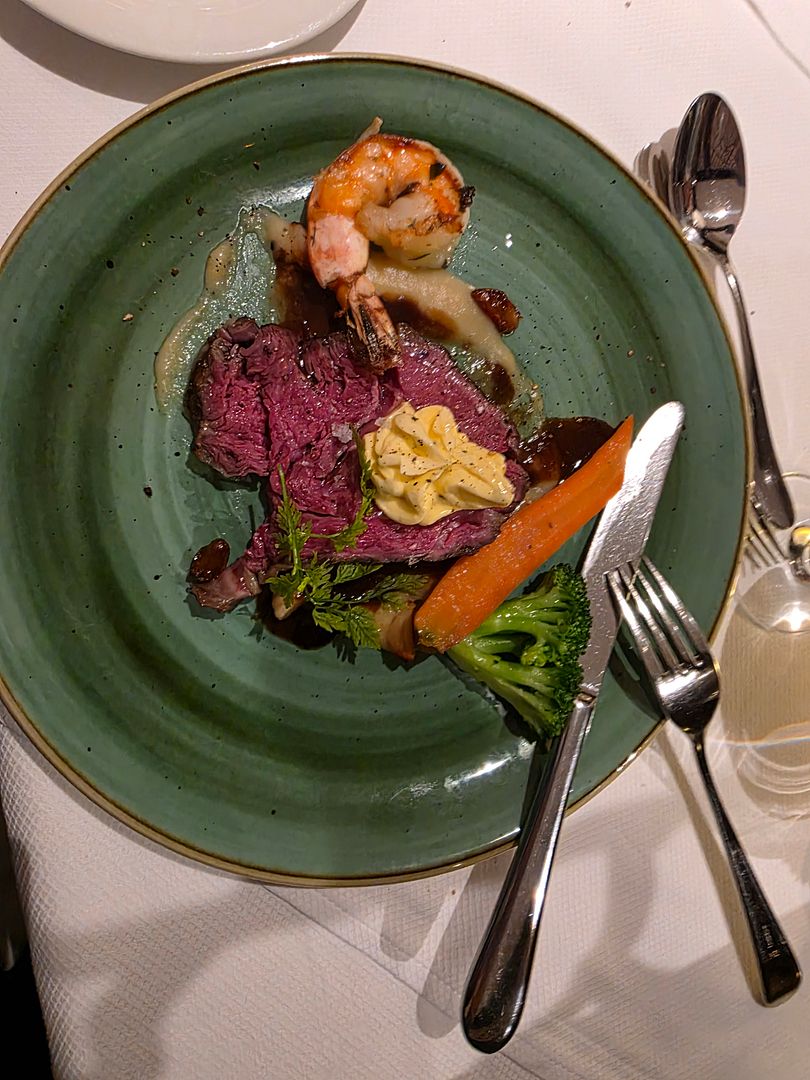
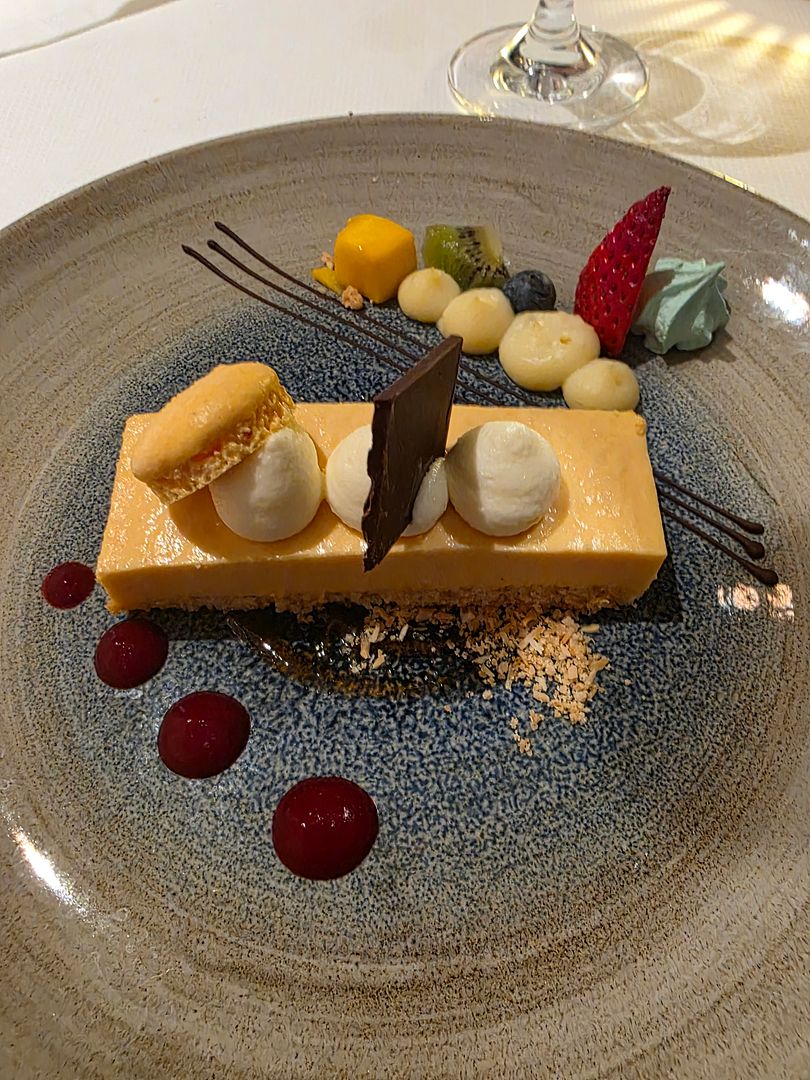
This is my River cruise Food post, three of our special dinner evenings and other meals on board the AmaMagna. When you board the boat at the beginning of the cruise you can choose and make reservations at these special dinners that serve fewer folk than the larger Journeys Restaurant. The specialty restaurants are Al Fresco, Jimmy’s and The Chef’s Table. You need a reservation for these restaurants at the dinner hour. Journey’s Restaurant is always open to everyone without a reservation. Lunches are available at all the restaurants except for The Chefs Table. You will never go hungry on a river cruise!

These meals were from March 4th to the 7th.

We were seated alone for the Al Fresco Dinner (which was a disappointment) so I took more photos of the food we ate.

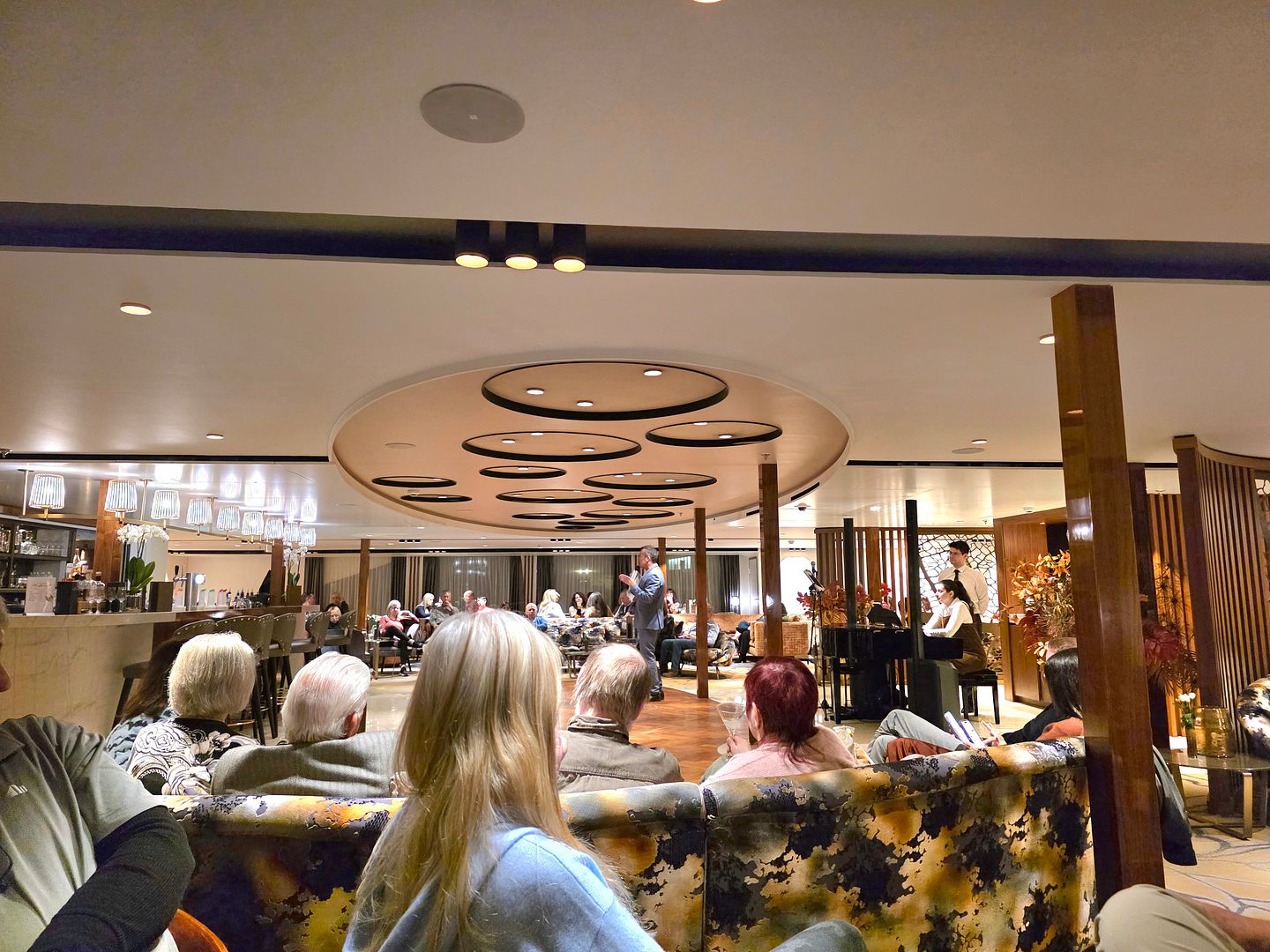
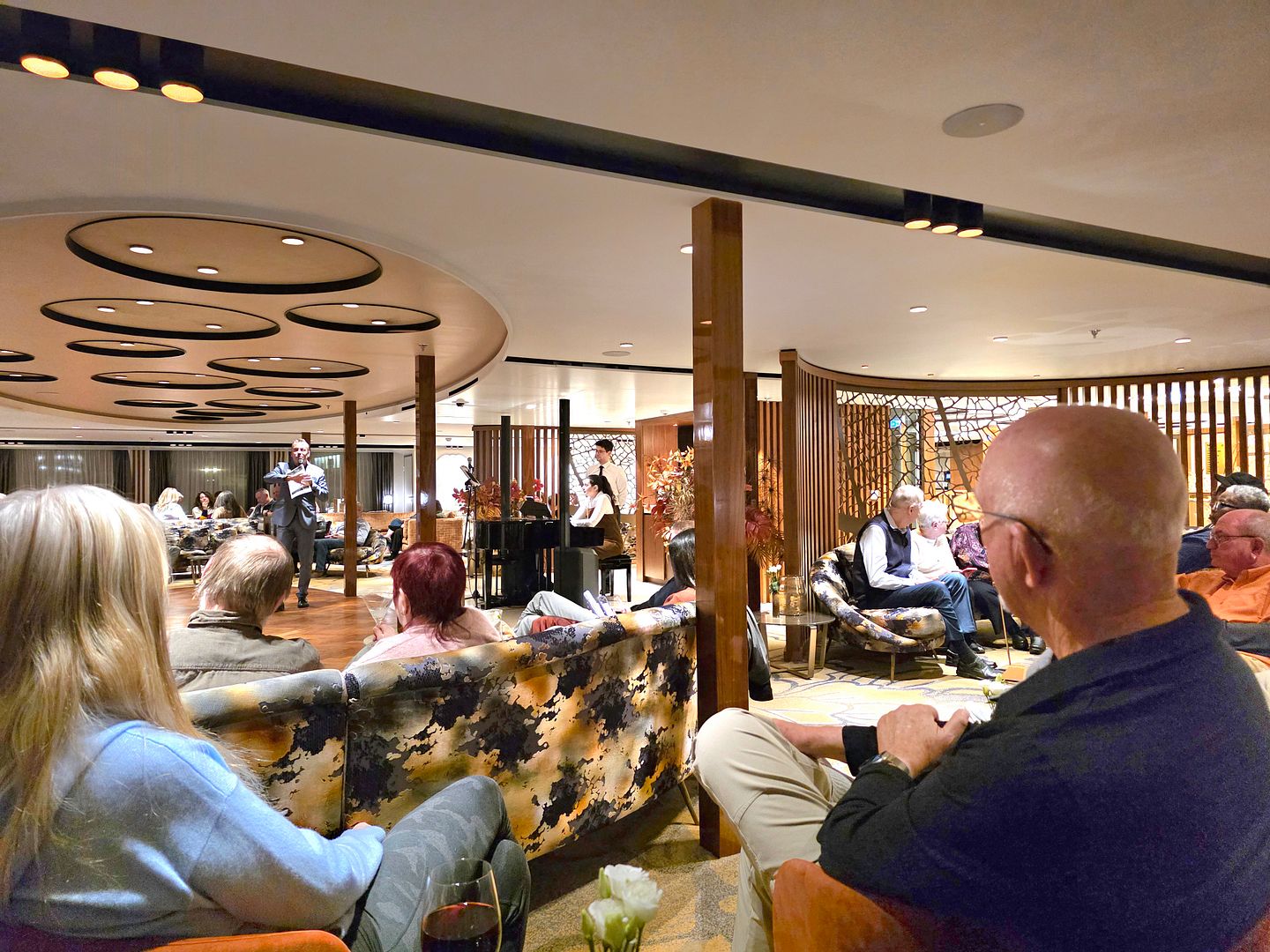
The following night we enjoyed the Sip and Sail hour before our meal at the Chef’s Table. Sip and Sail was a daily event an hour before dinner.

For The Chef’s Table we sat with a couple from Texas. They were regular cruisers.

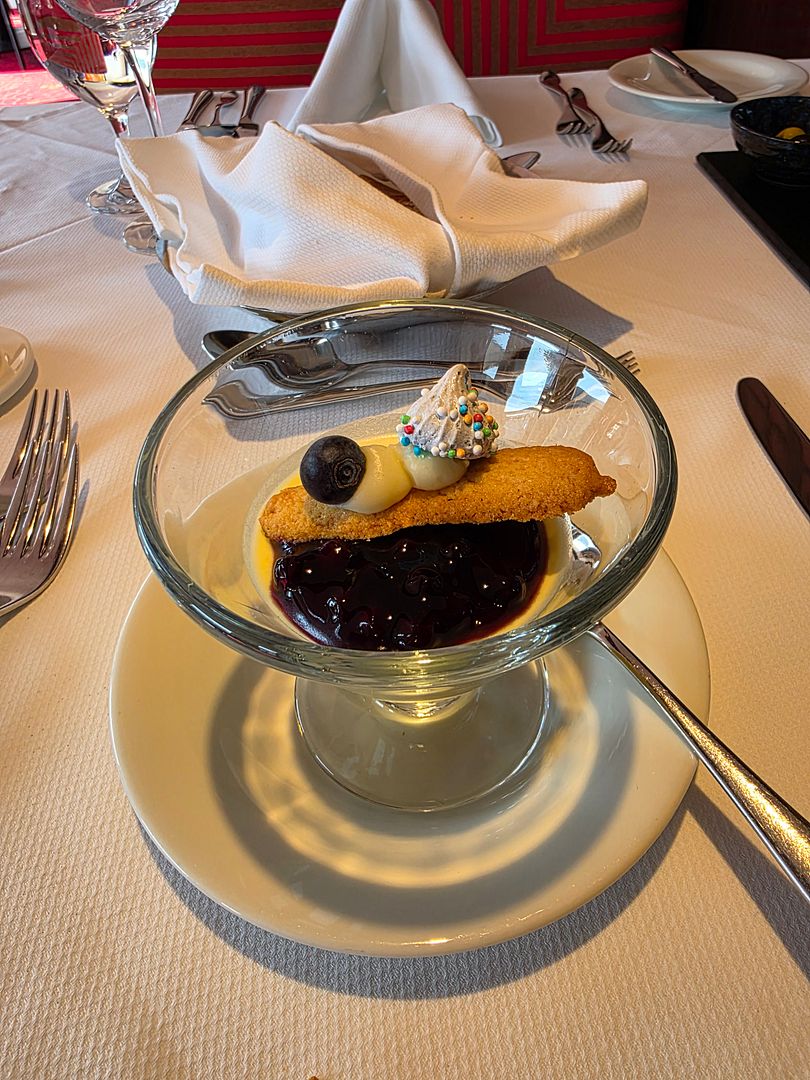
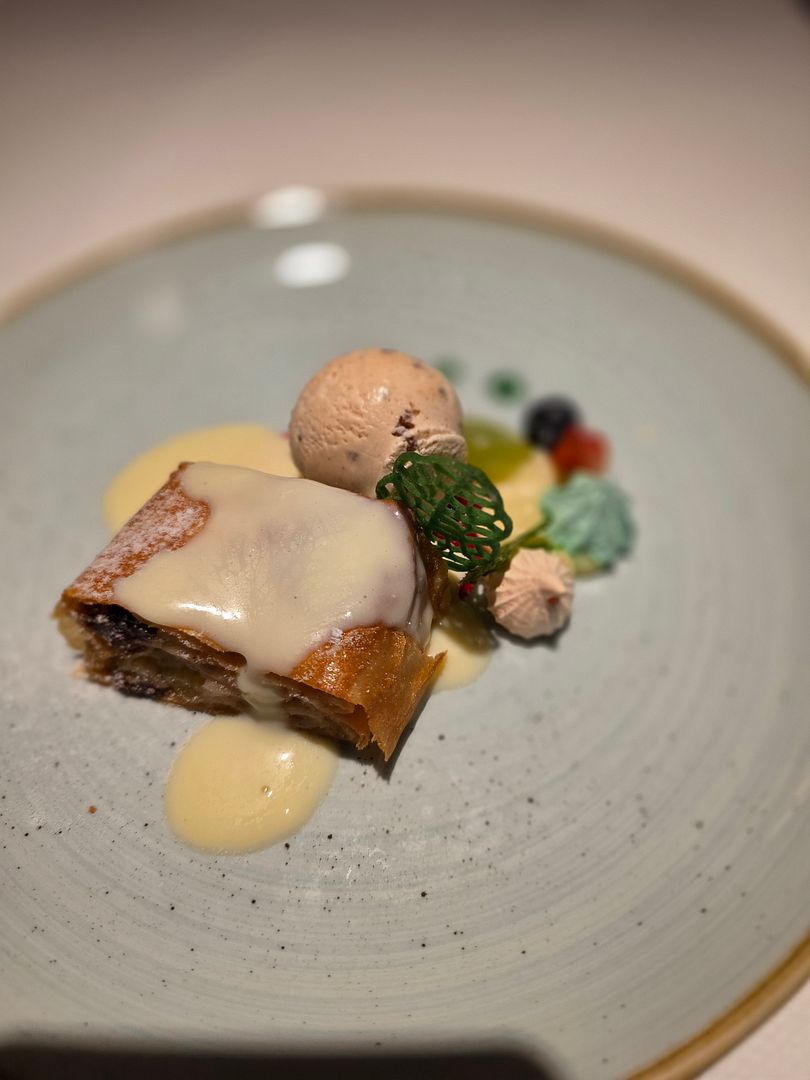
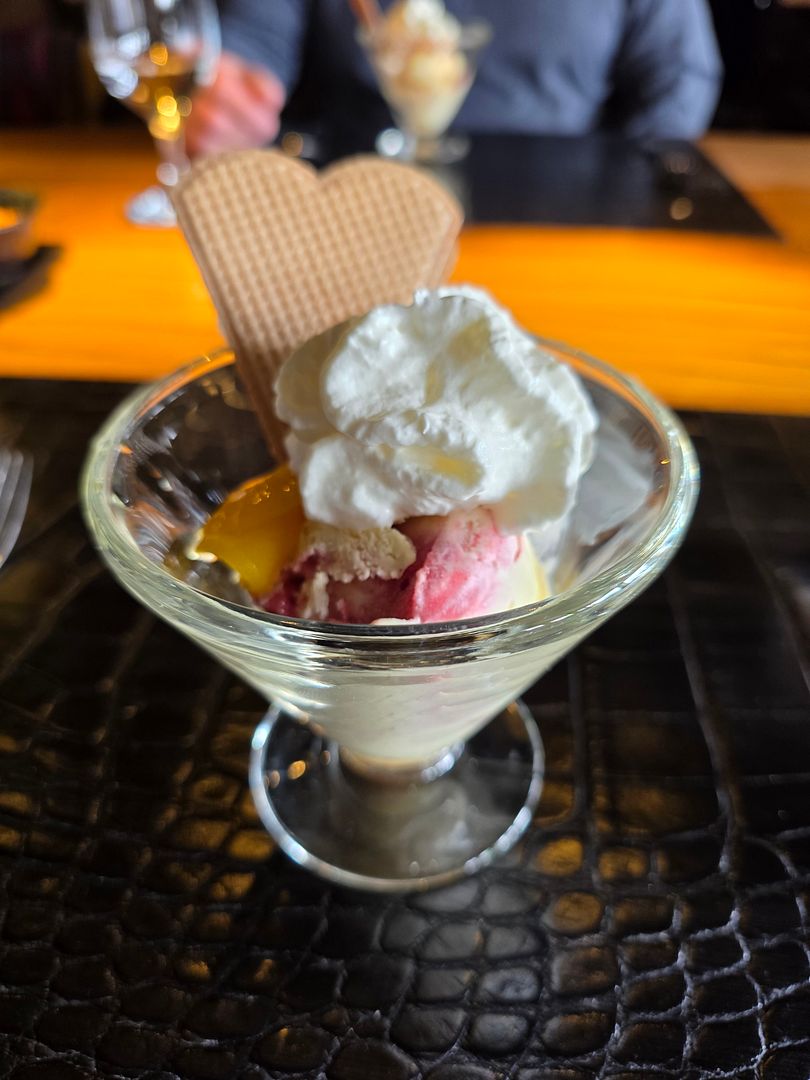
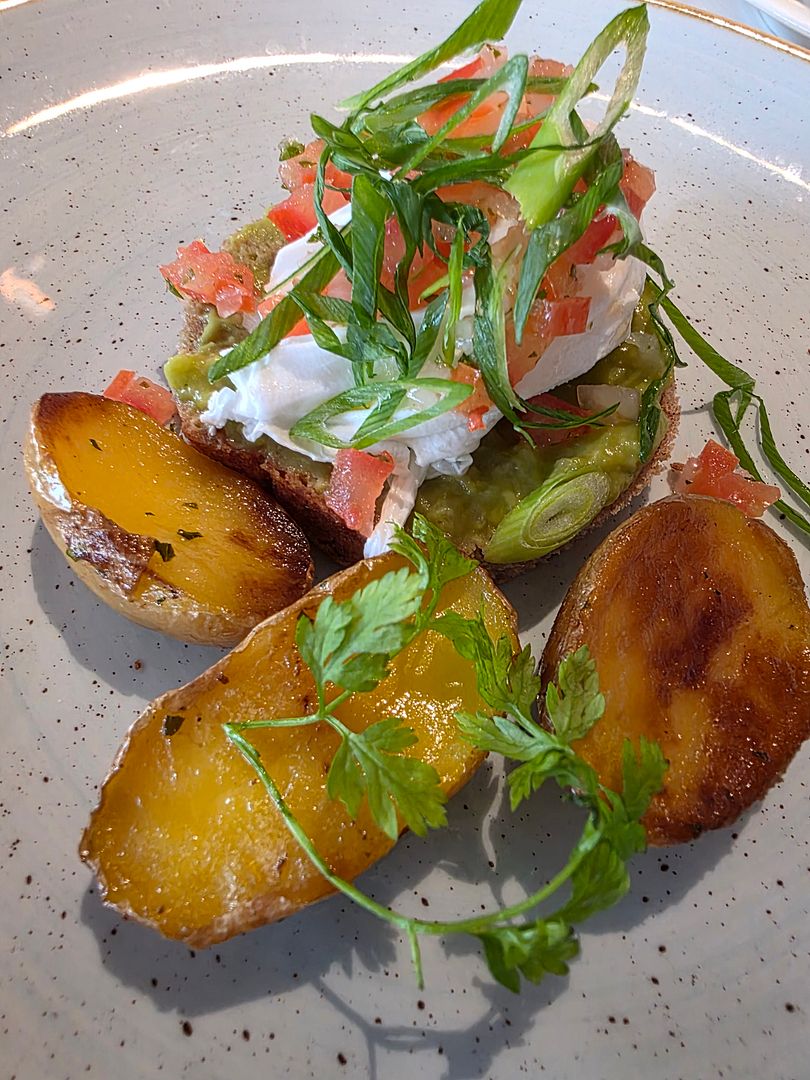
Here are other fun desserts and savory dishes we had on board.

On our last night we had dinner at Jimmy’s Restaurant.

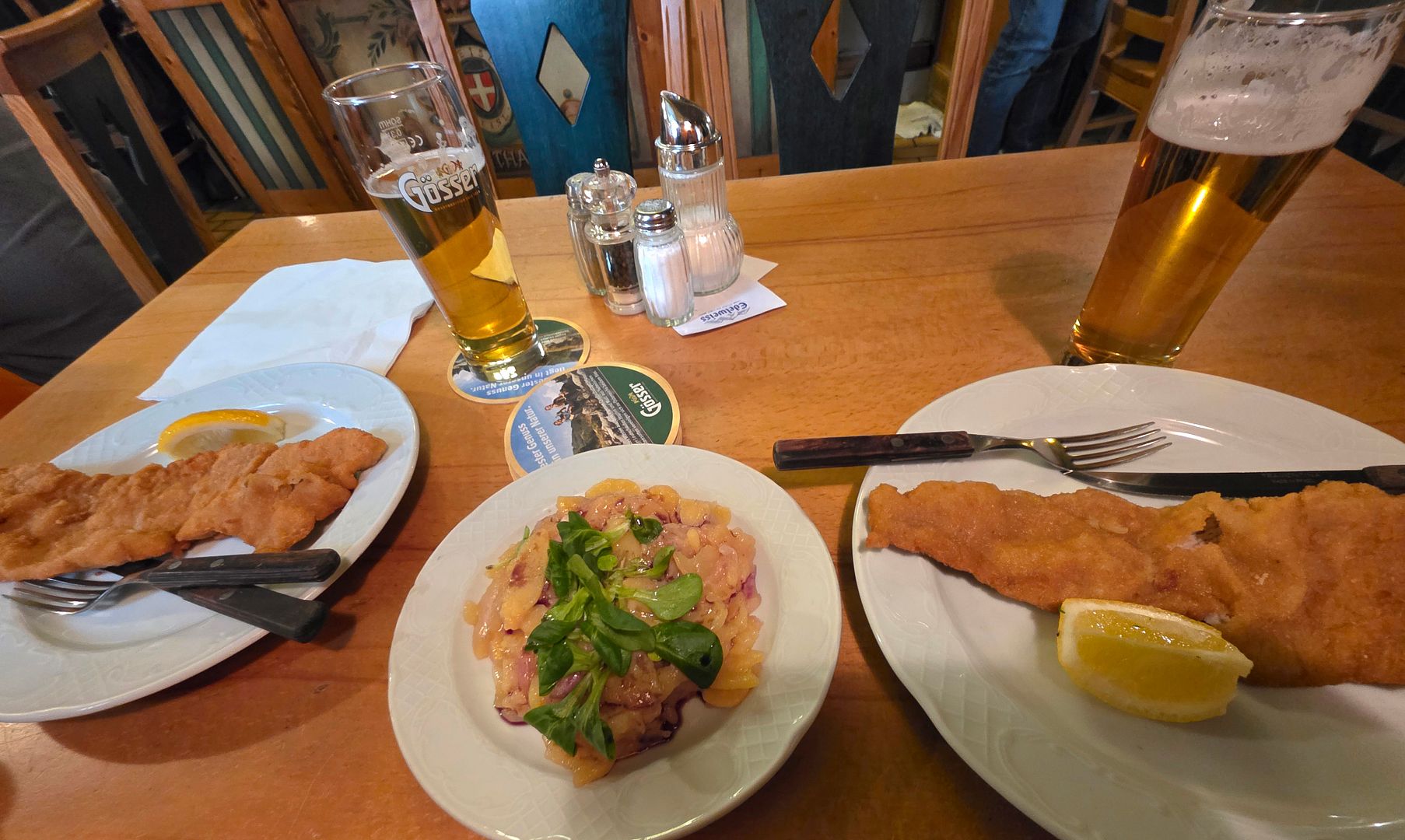
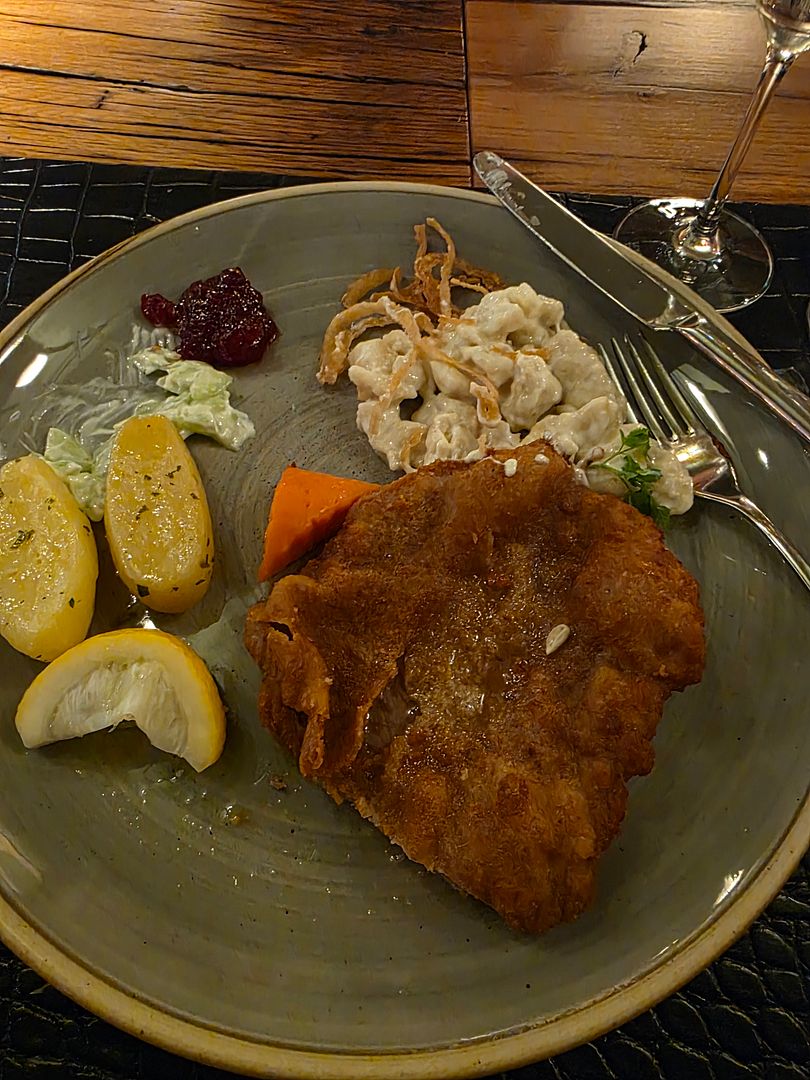
Weinerschnitzel

Back to the Present:

All our kids are here for the weekend to celebrate. Our Westside kids arrived on Friday. Today is Saturday April 18th, this afternoon we have JJ’s Birthday Party. Tonight we will have a full house for dinner to celebrate our Son-In-Law, Andrew’s birthday, too. We like to pack it in when we are all together. We will be together at church tomorrow morning and then our Westside kids will drive home.

Hope your week has gone well. Thanks for visiting.


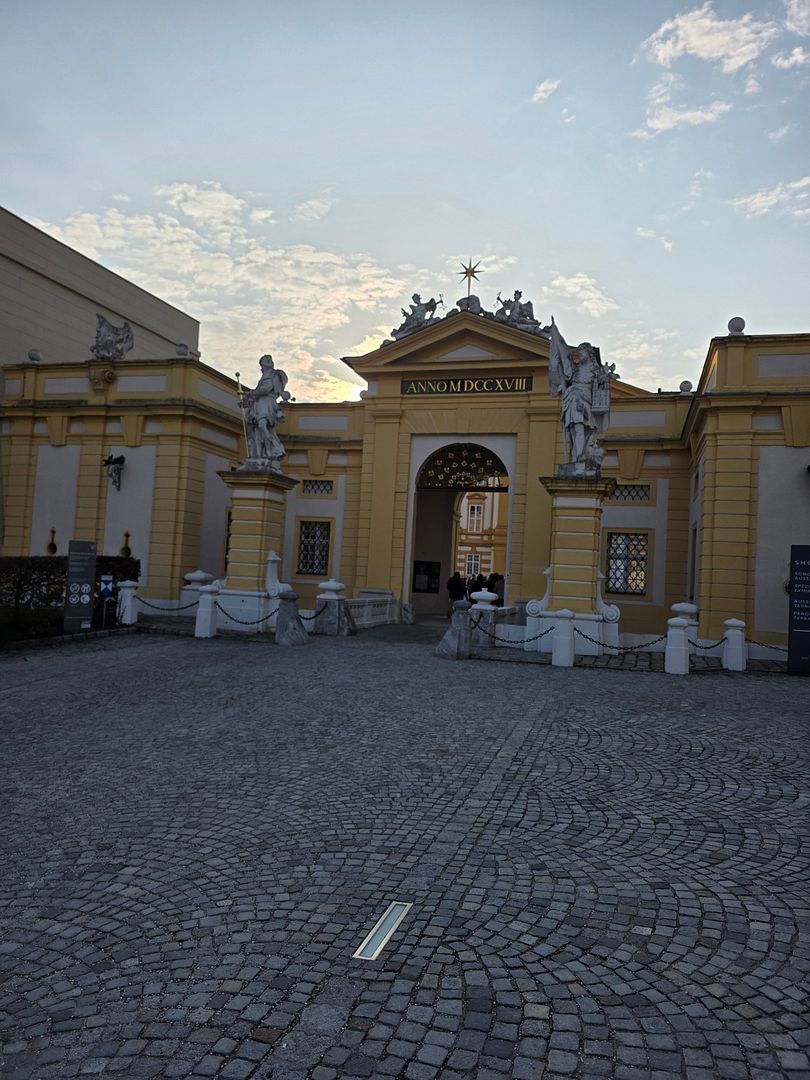
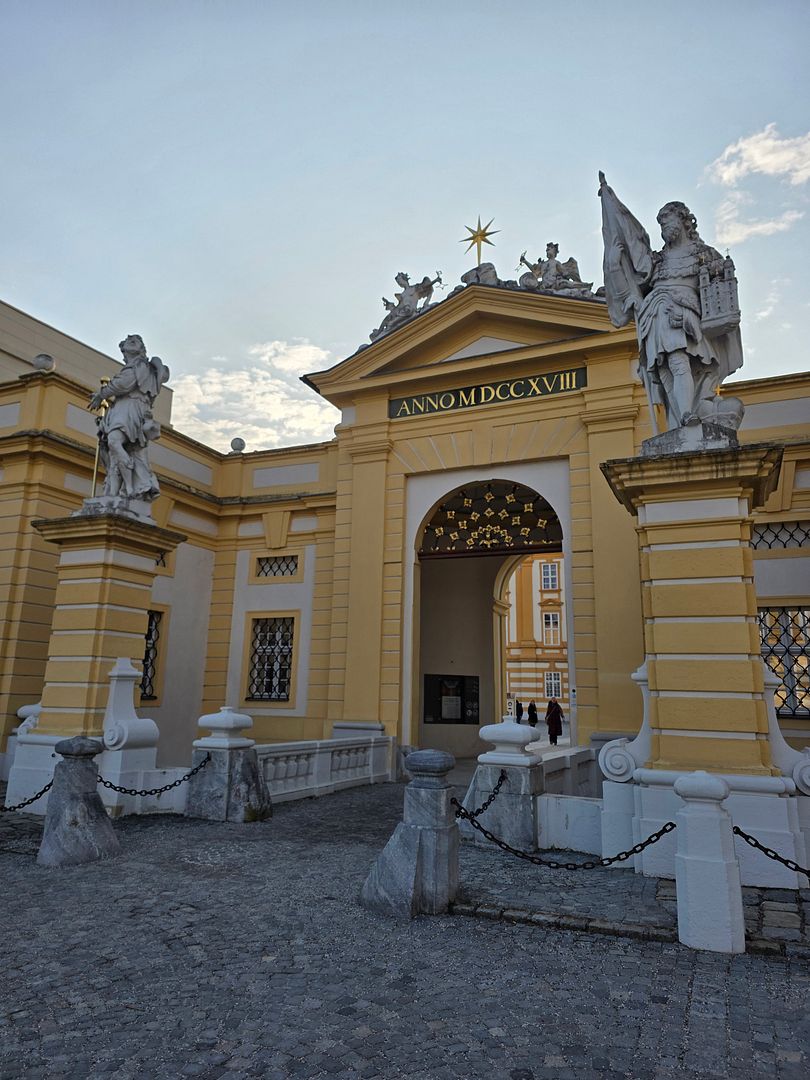
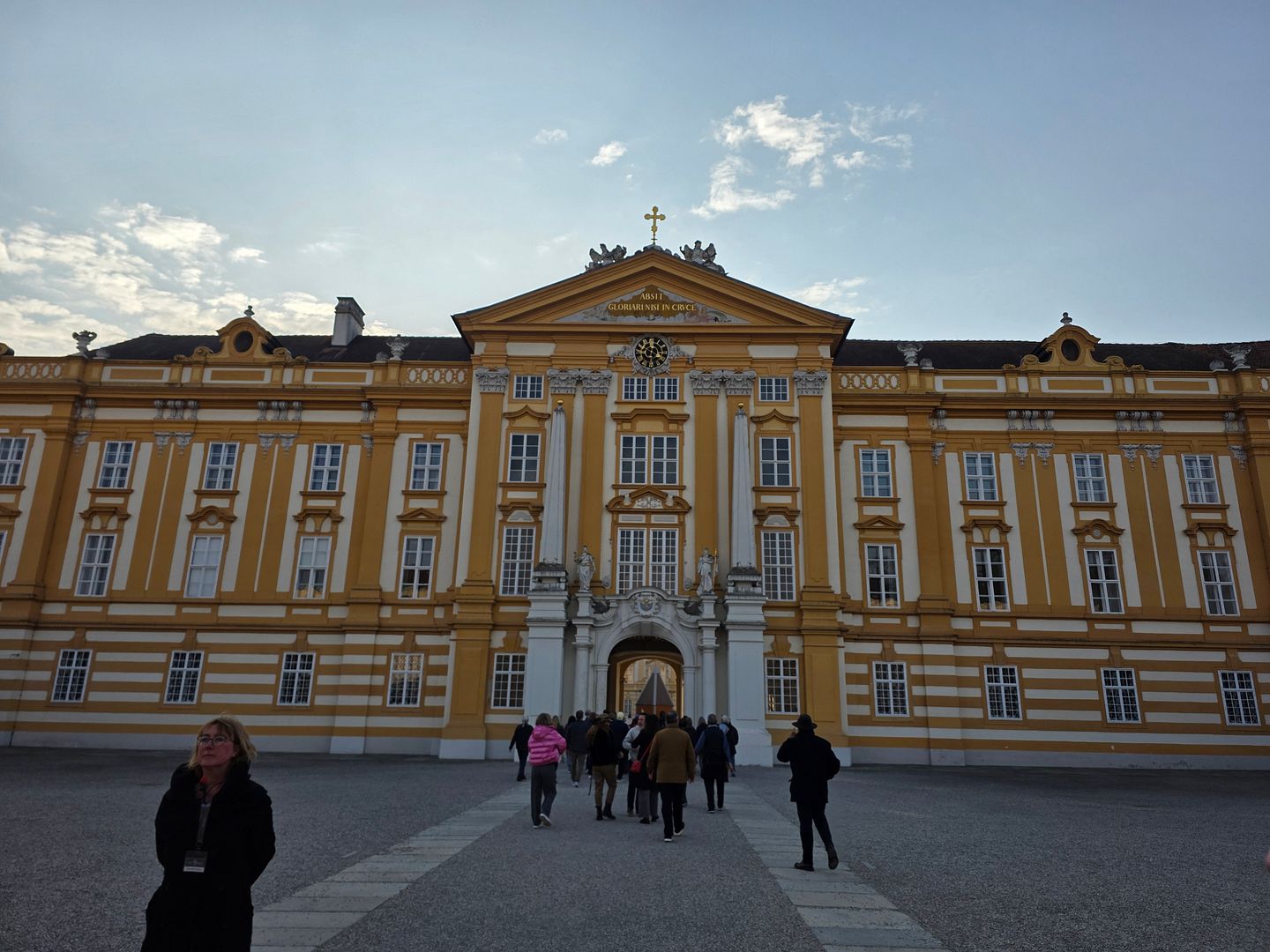
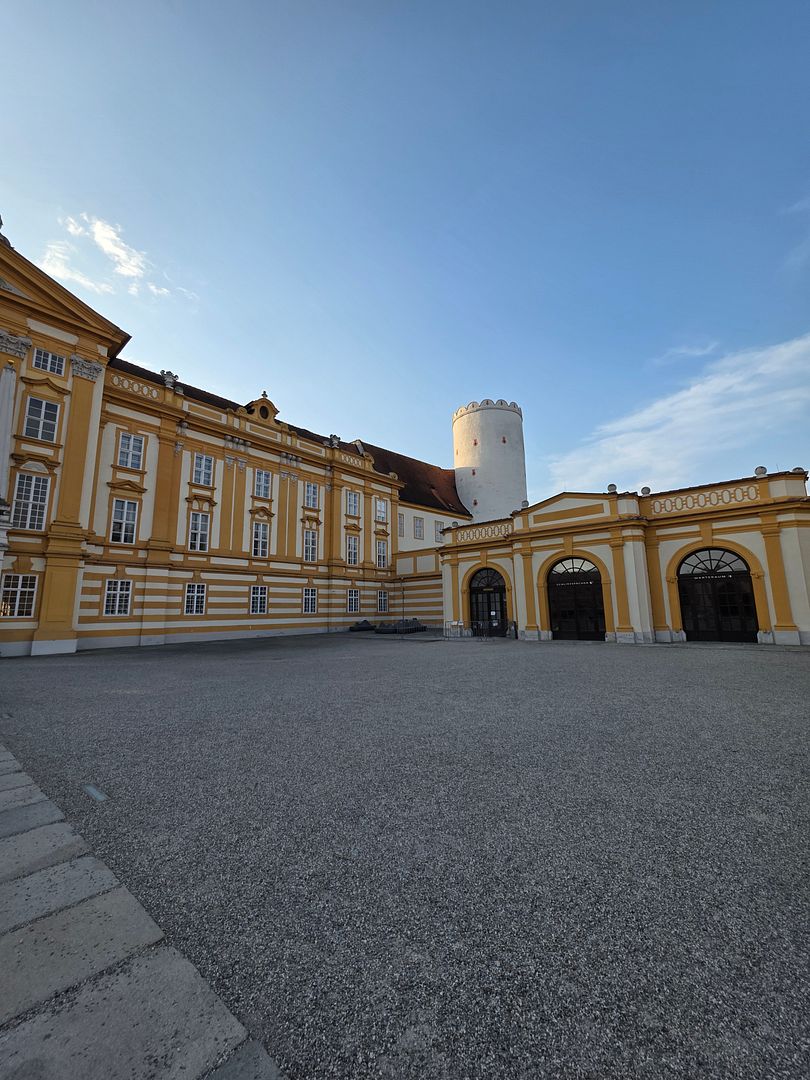
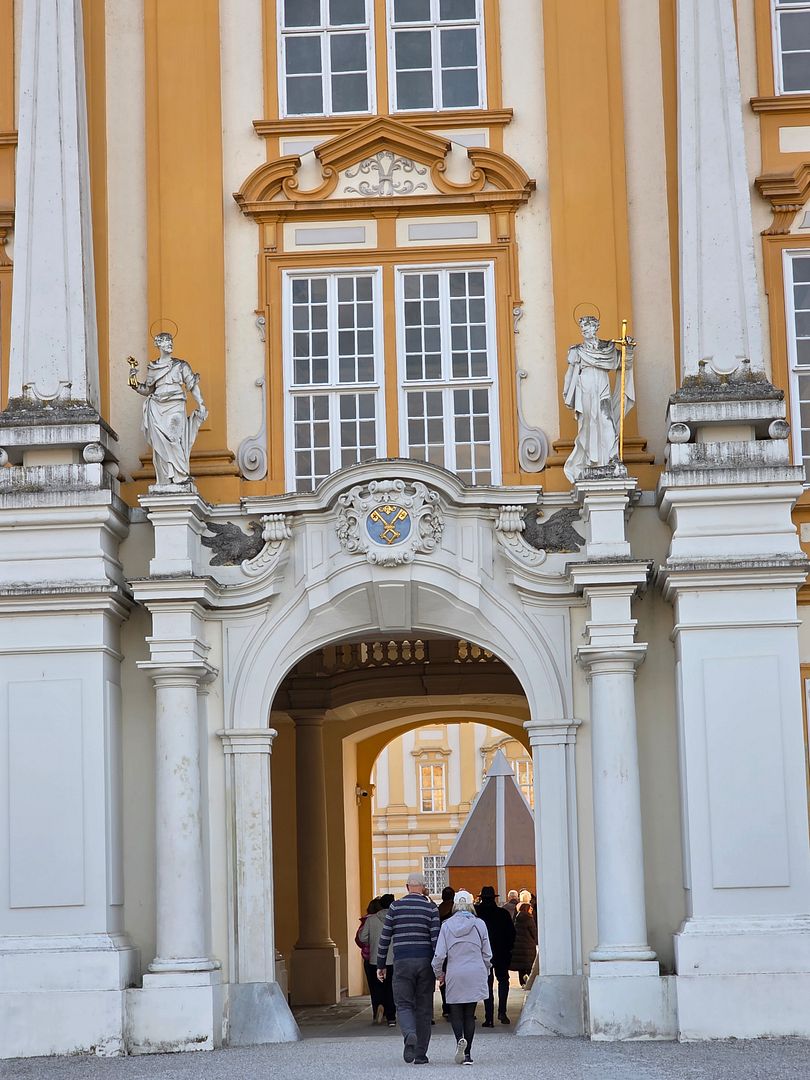
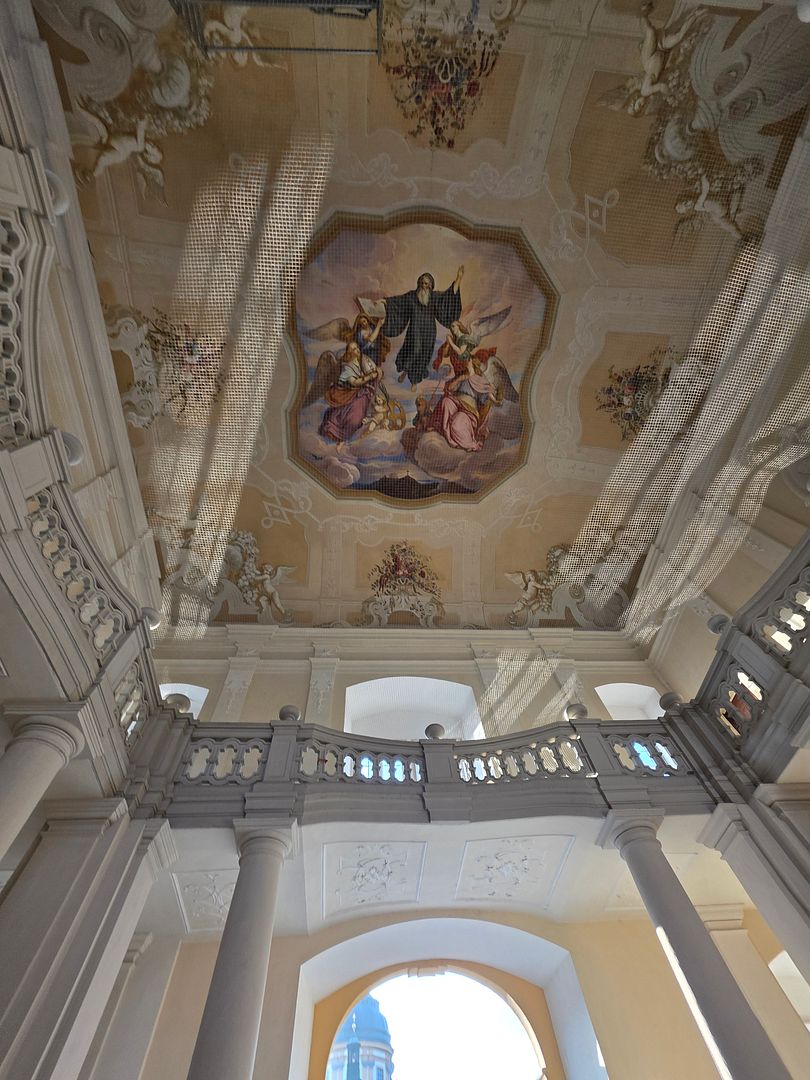
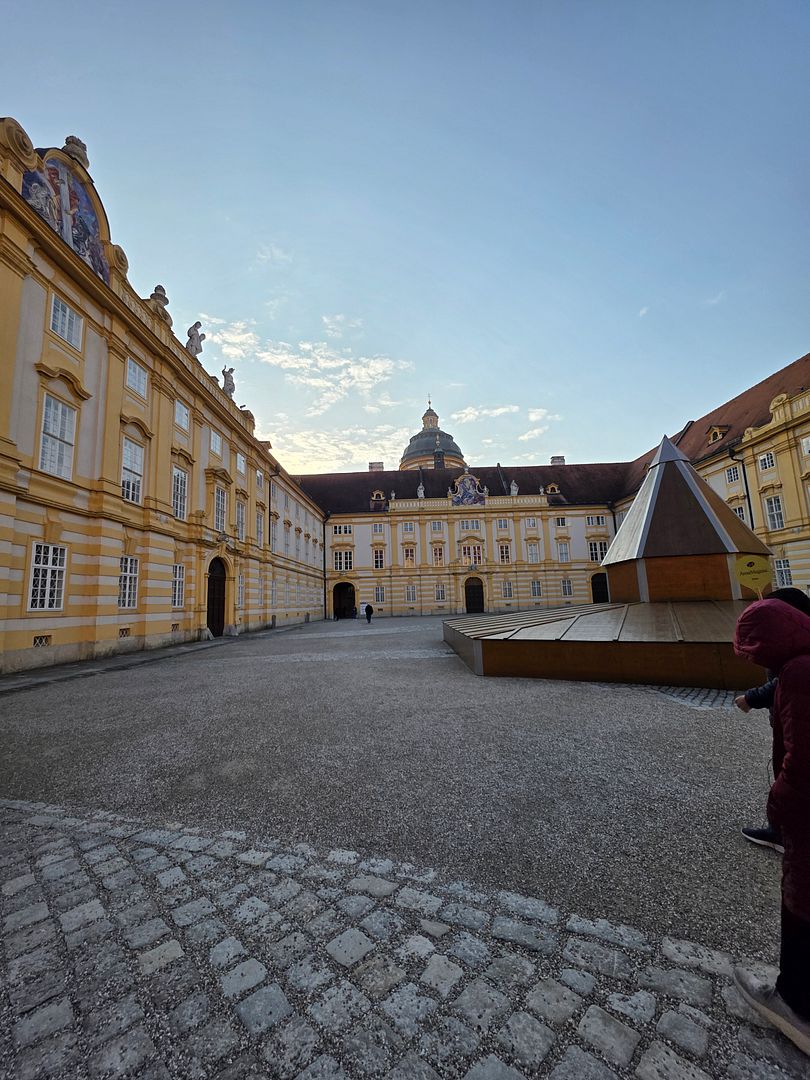
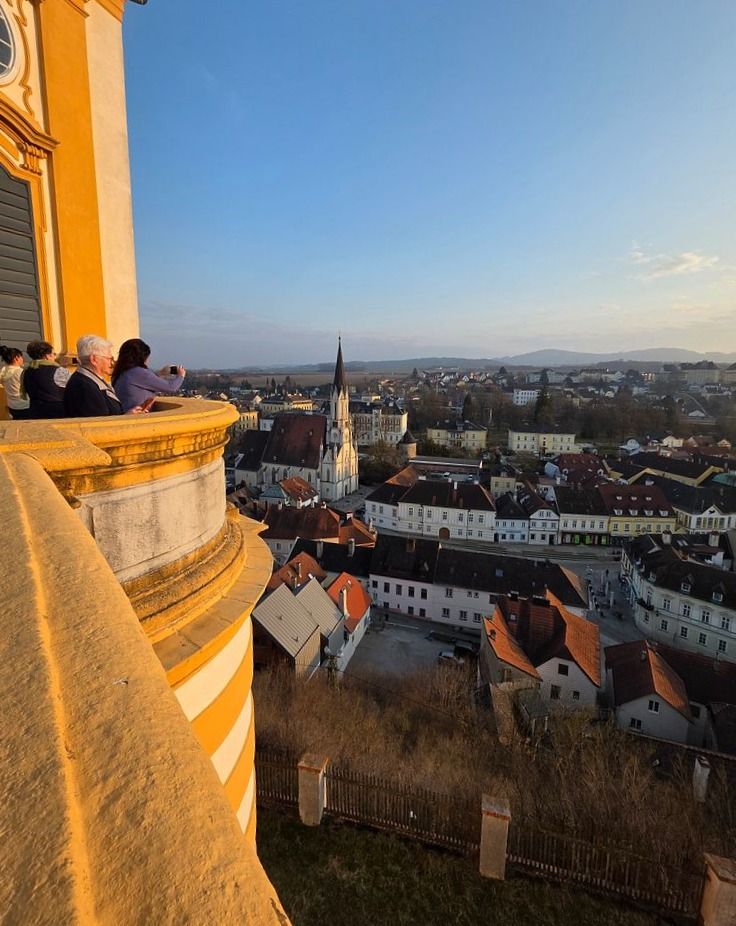
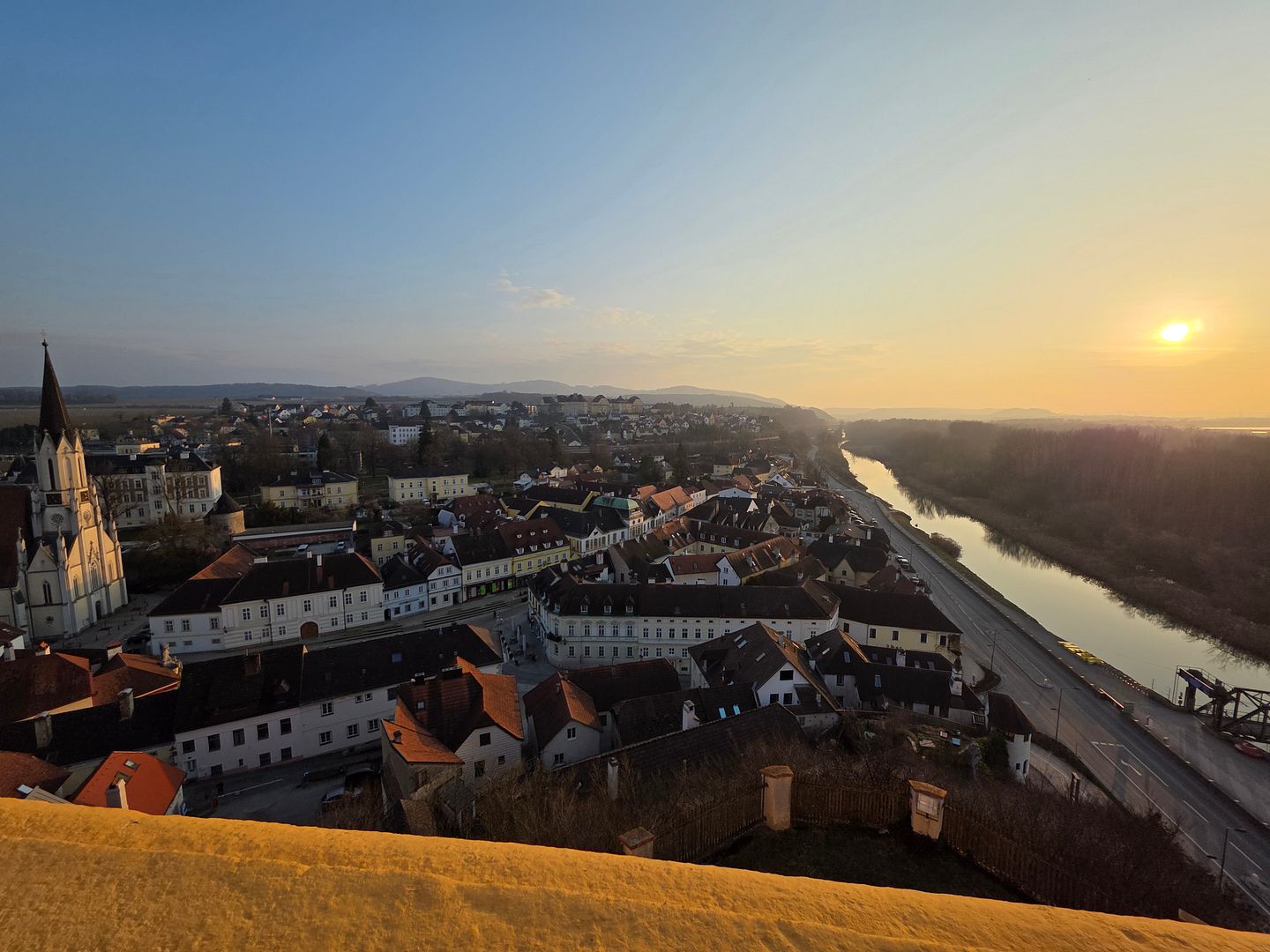
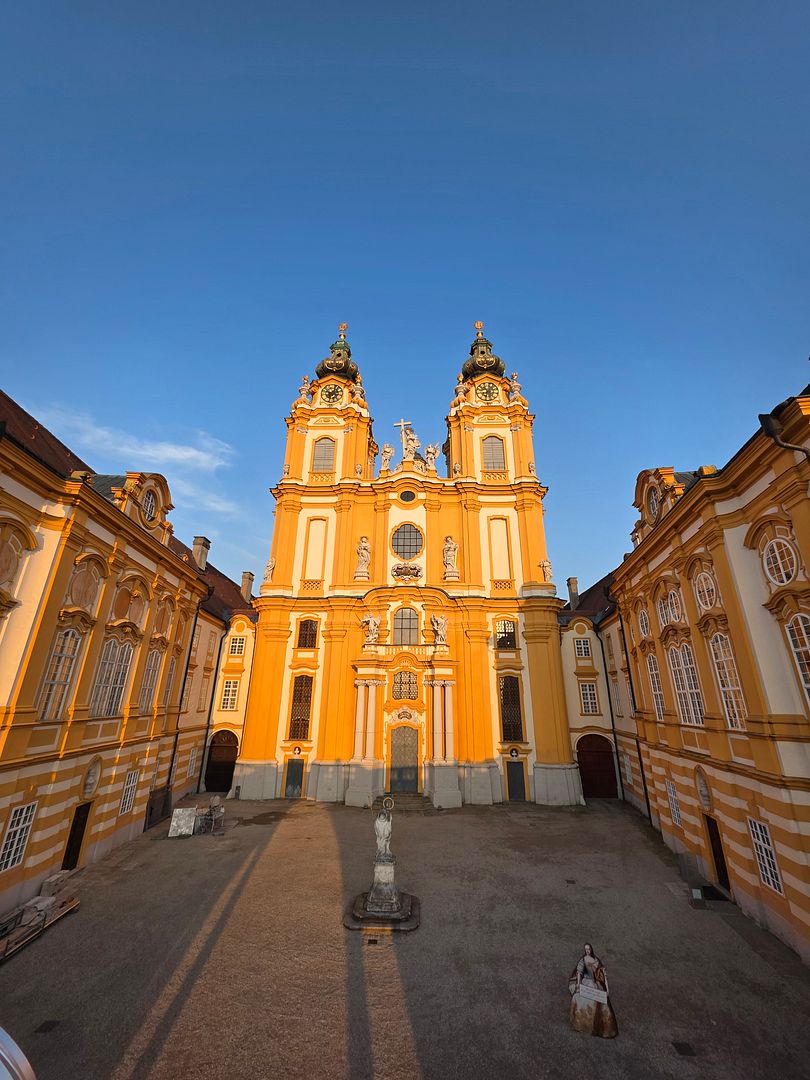
Melk Abbey

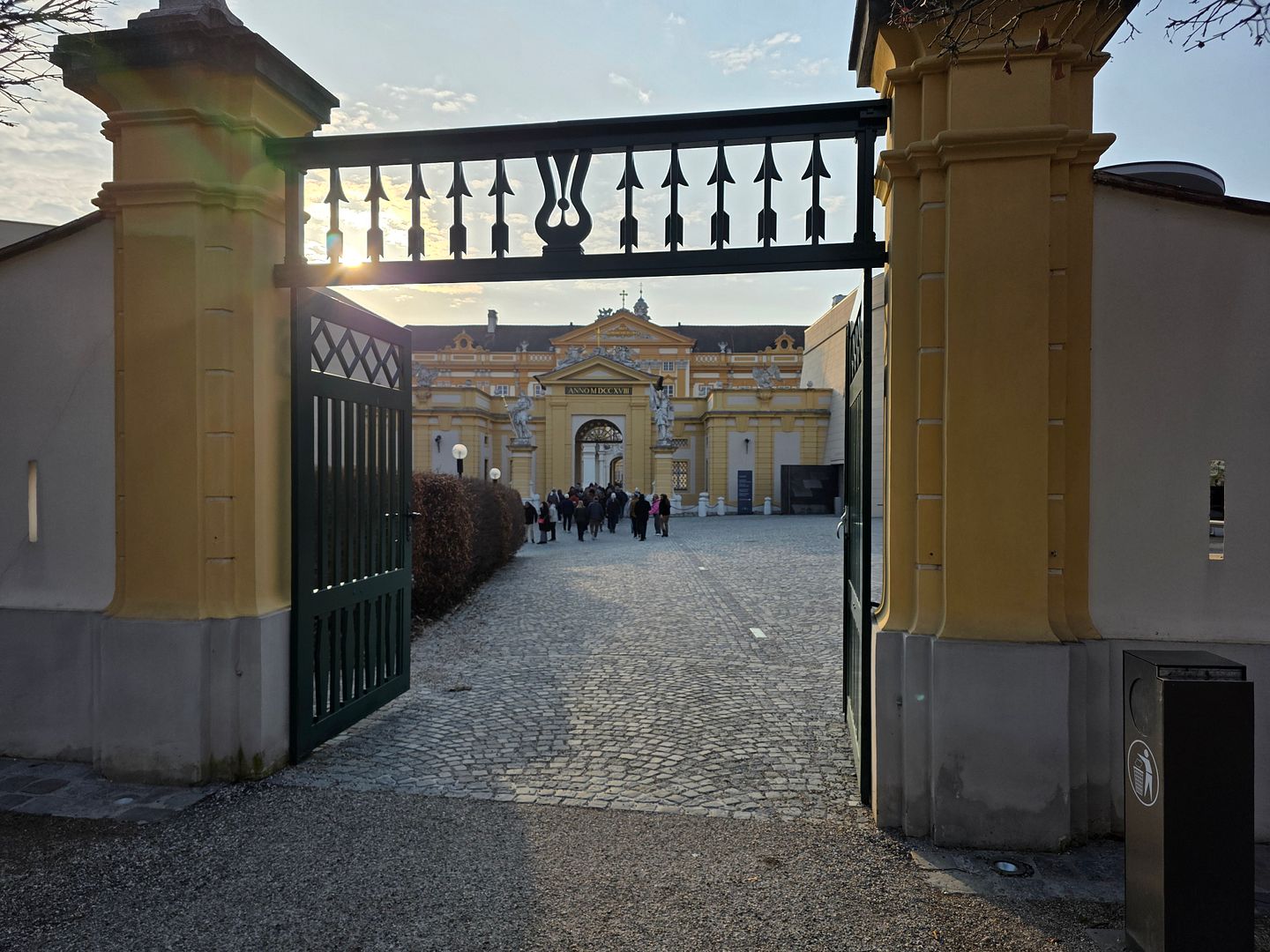
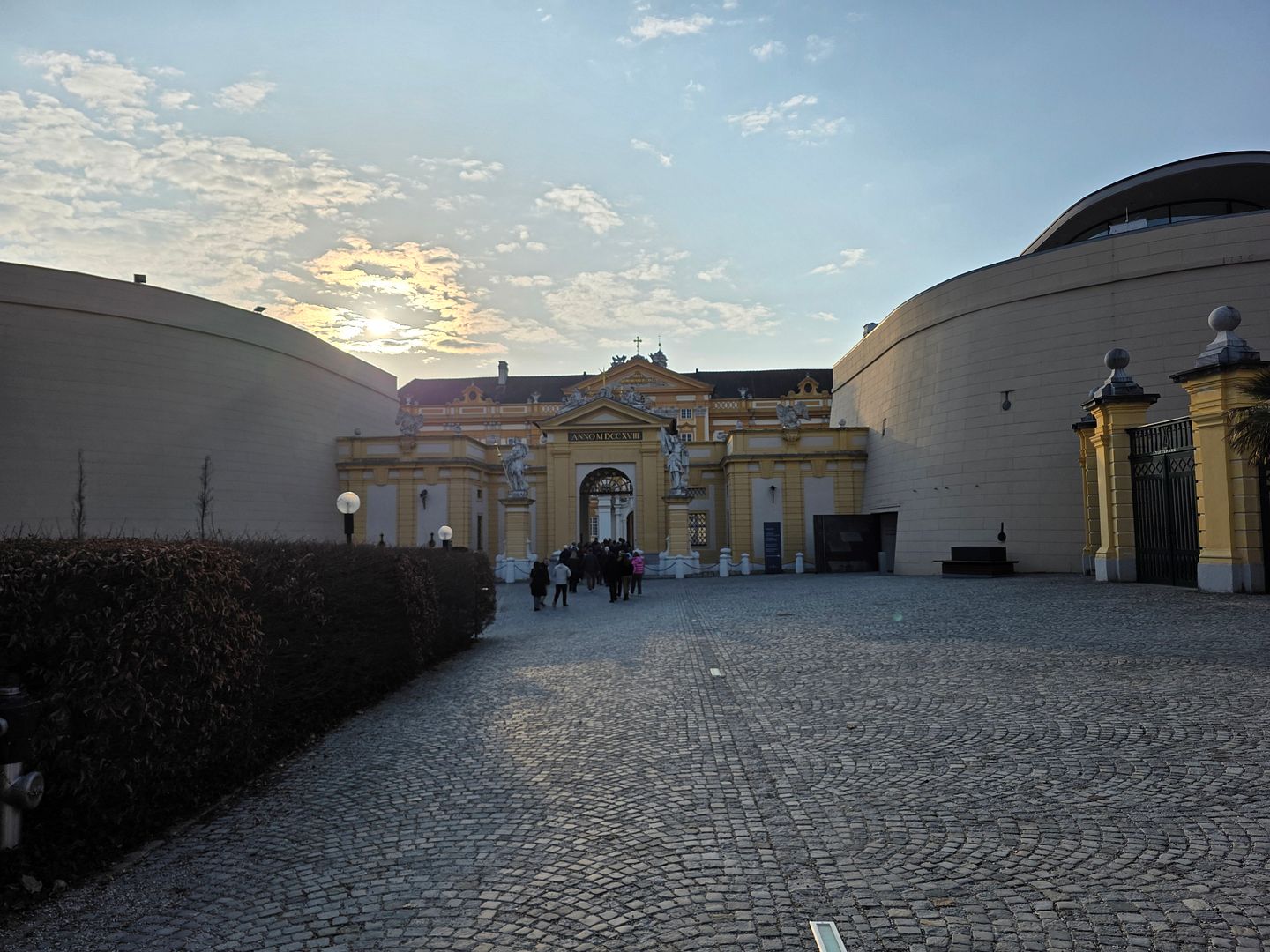
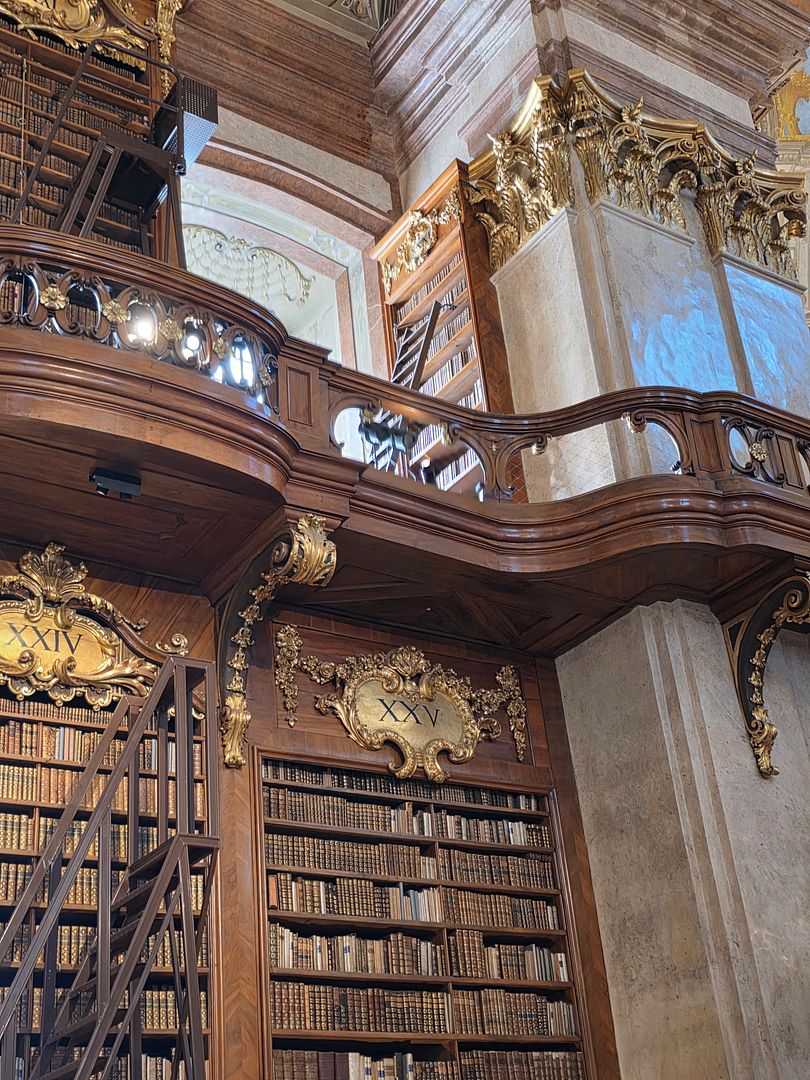
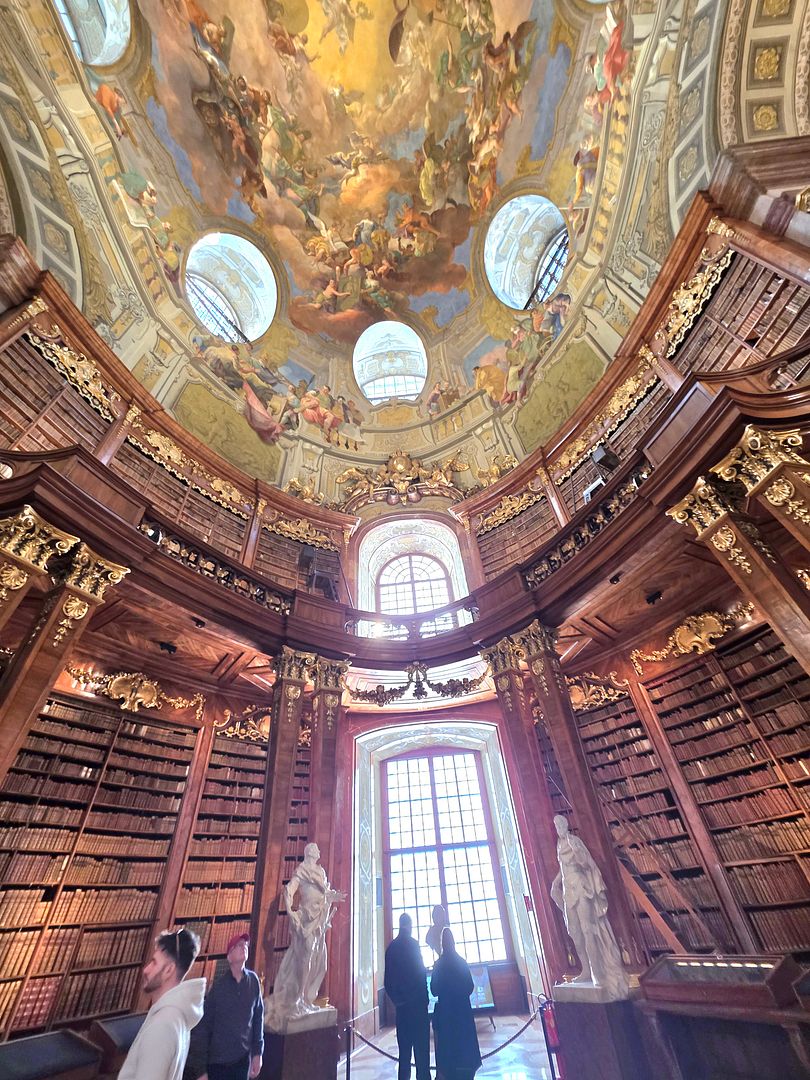
All my photos are from the outside areas of the abbey. We did tour several indoor rooms as well as the library and church. No photos were allowed inside the museum, library or church.

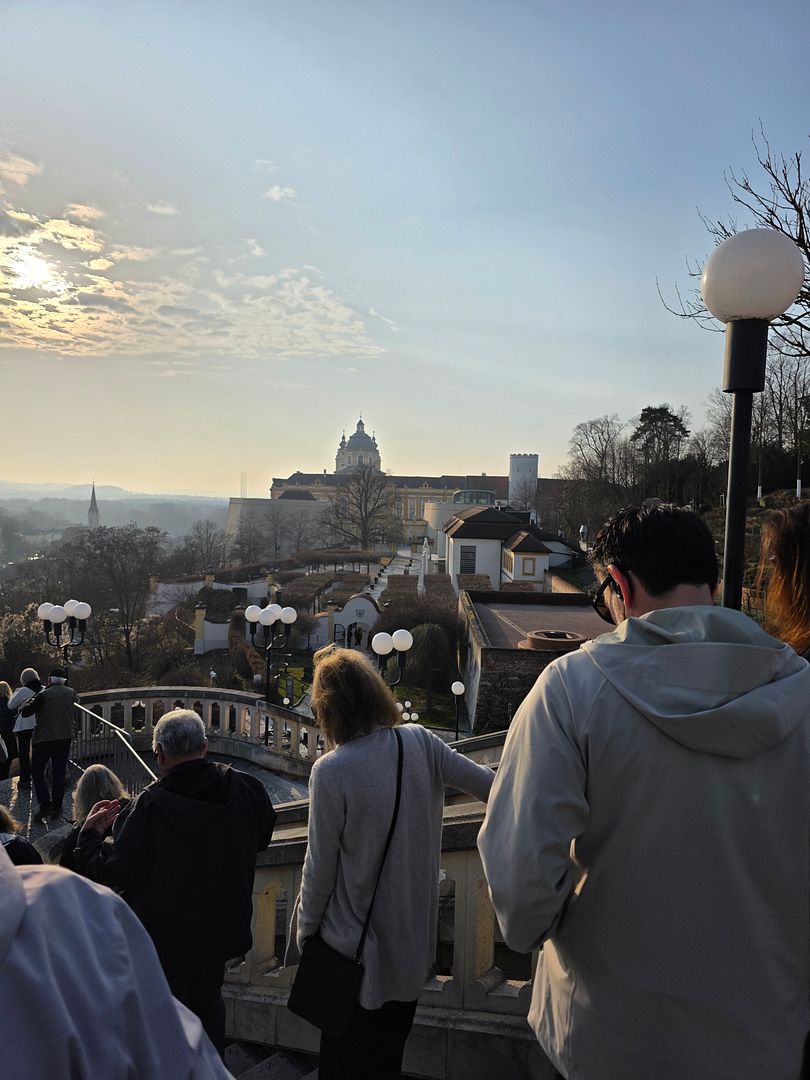
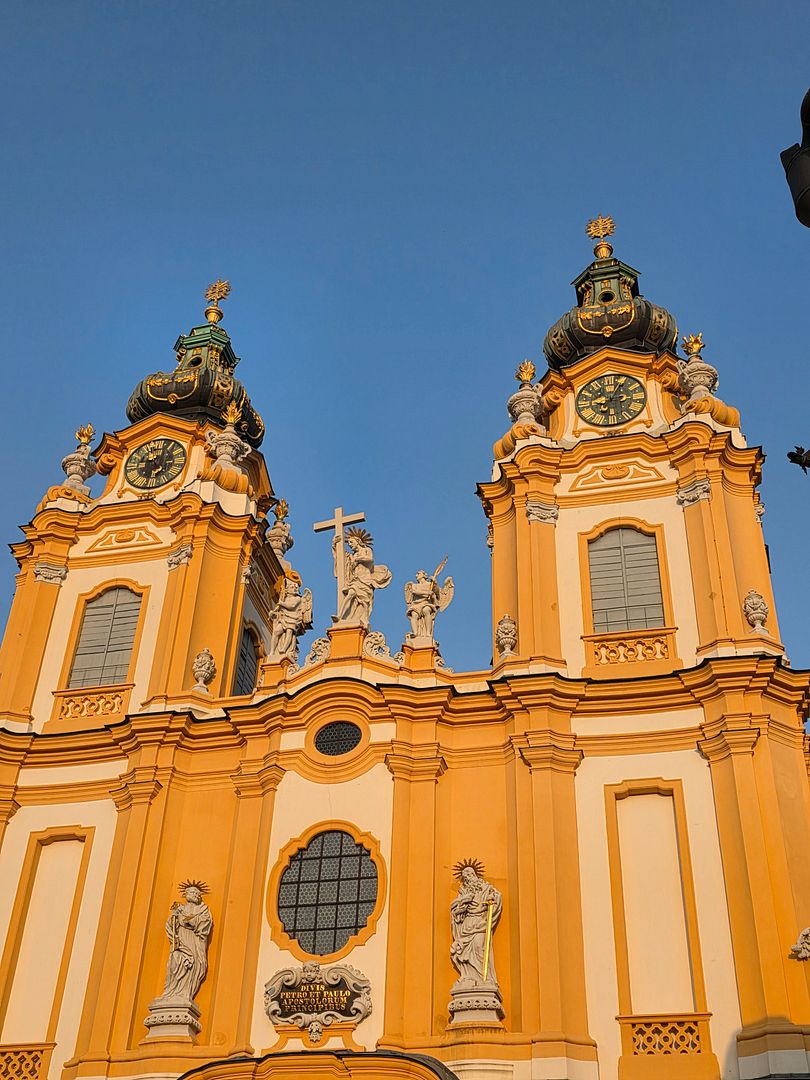
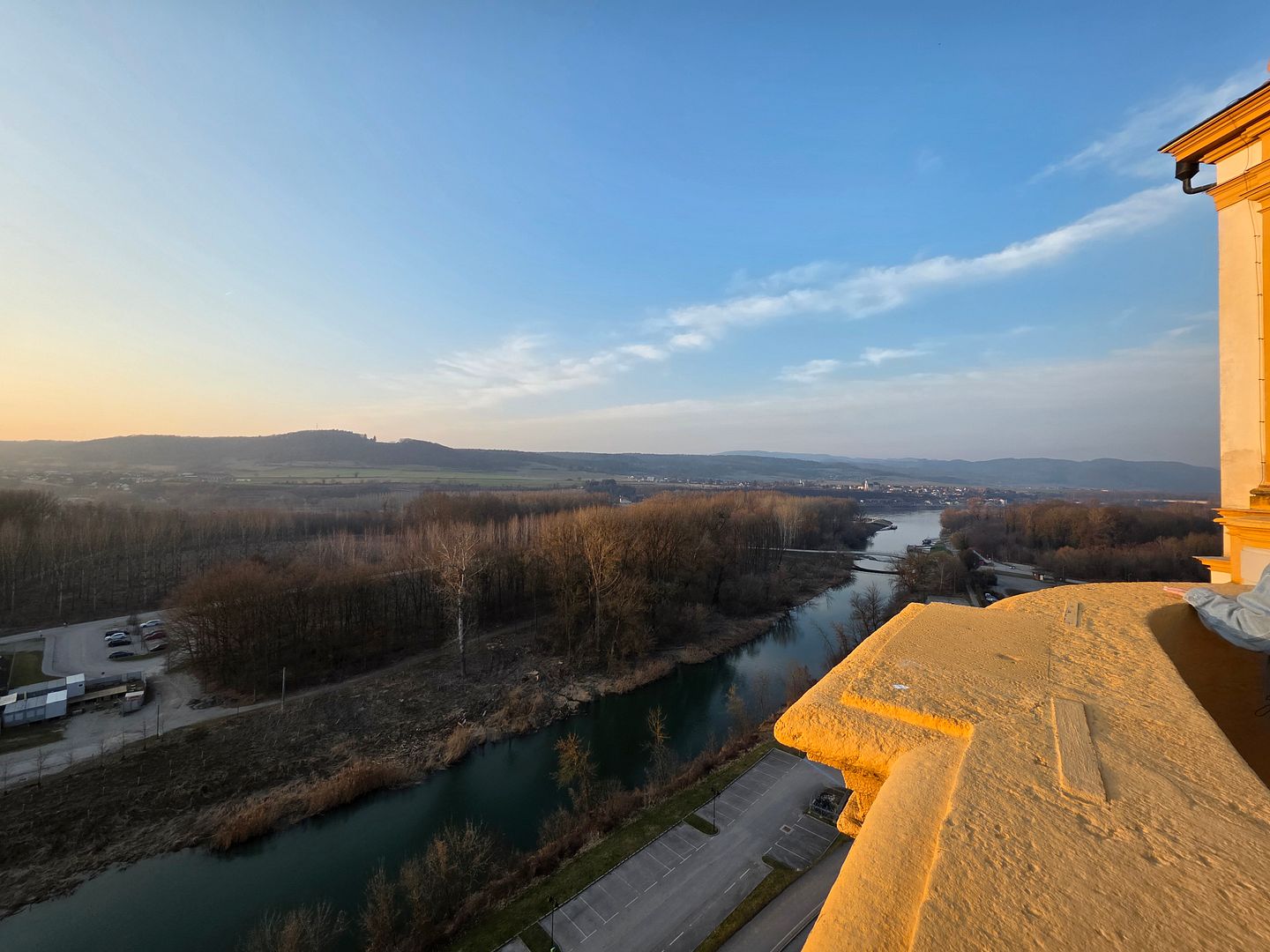
Stift Melk (Melk Abbey) is a renowned Benedictine monastery in Austria, located on a rocky outcrop overlooking the Danube River. Founded in 1089, it is a significant, UNESCO-listed Baroque architectural masterpiece that operates as an active monastery, school, and cultural center. The term Stift means abbey or foundation, and it represents a major center of faith and history.

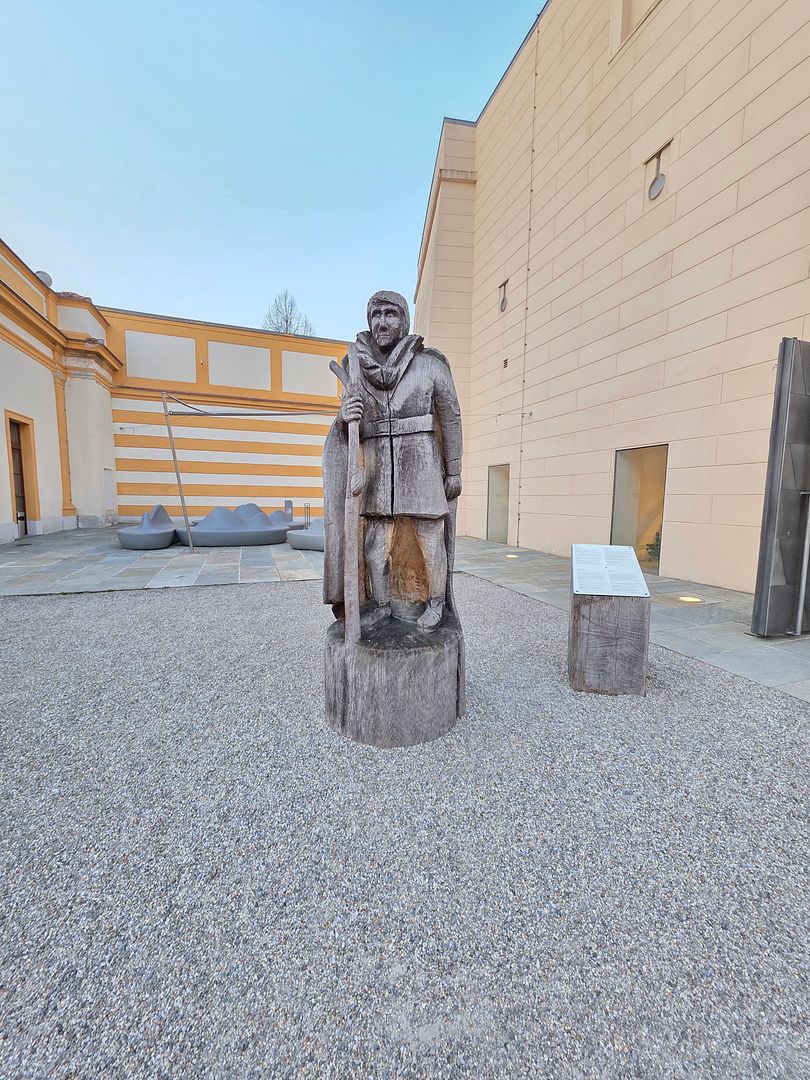
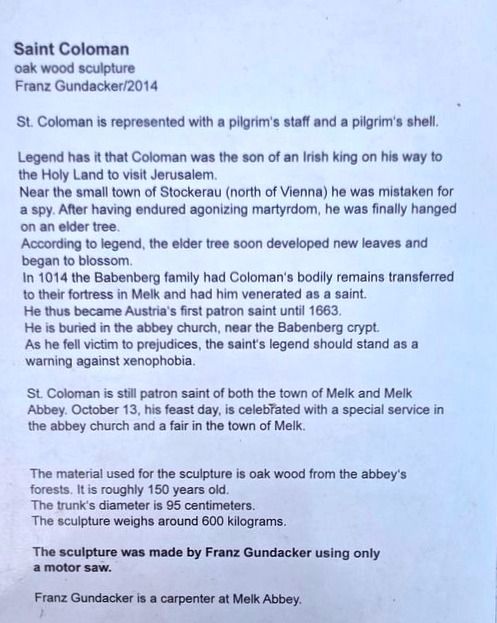
The history of Austria is closely connected with the history of Melk Abbey. Some of the first rulers of Austria, the margraves Heinrich, Adalbert and Ernst are buried in the collegiate church. Also buried there is the first patron saint of the Babenbergs, St. Koloman, who was the patron saint of the country until the 17th century.

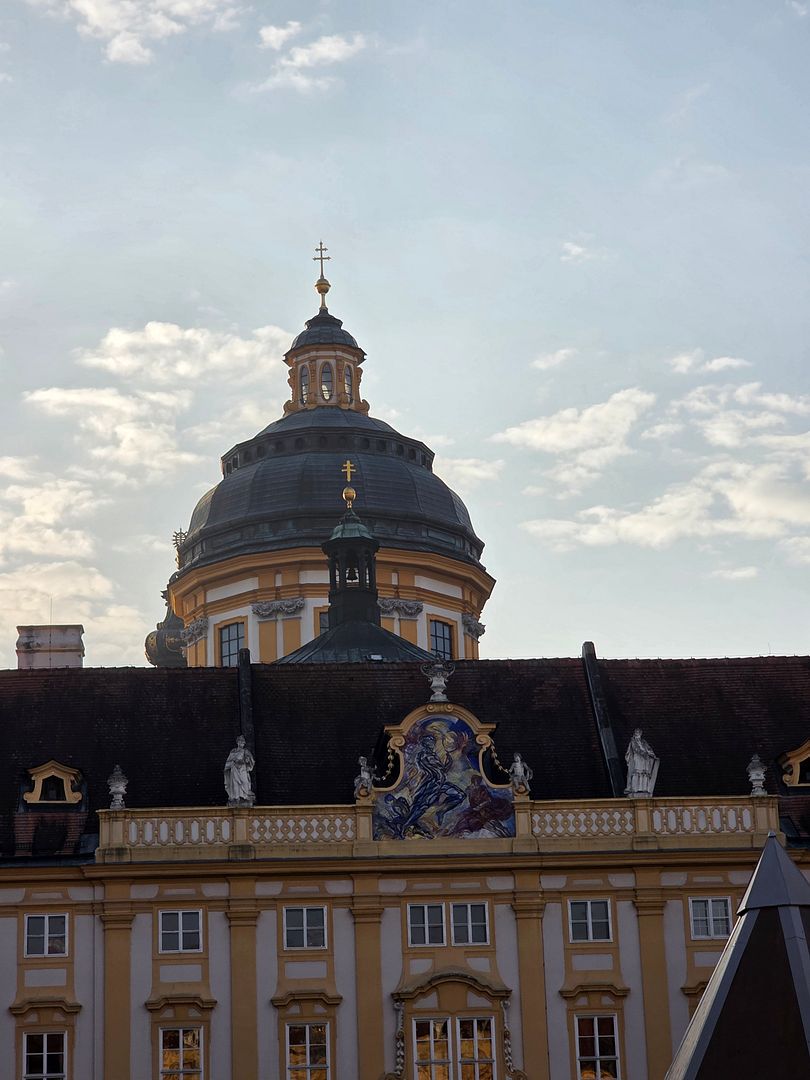
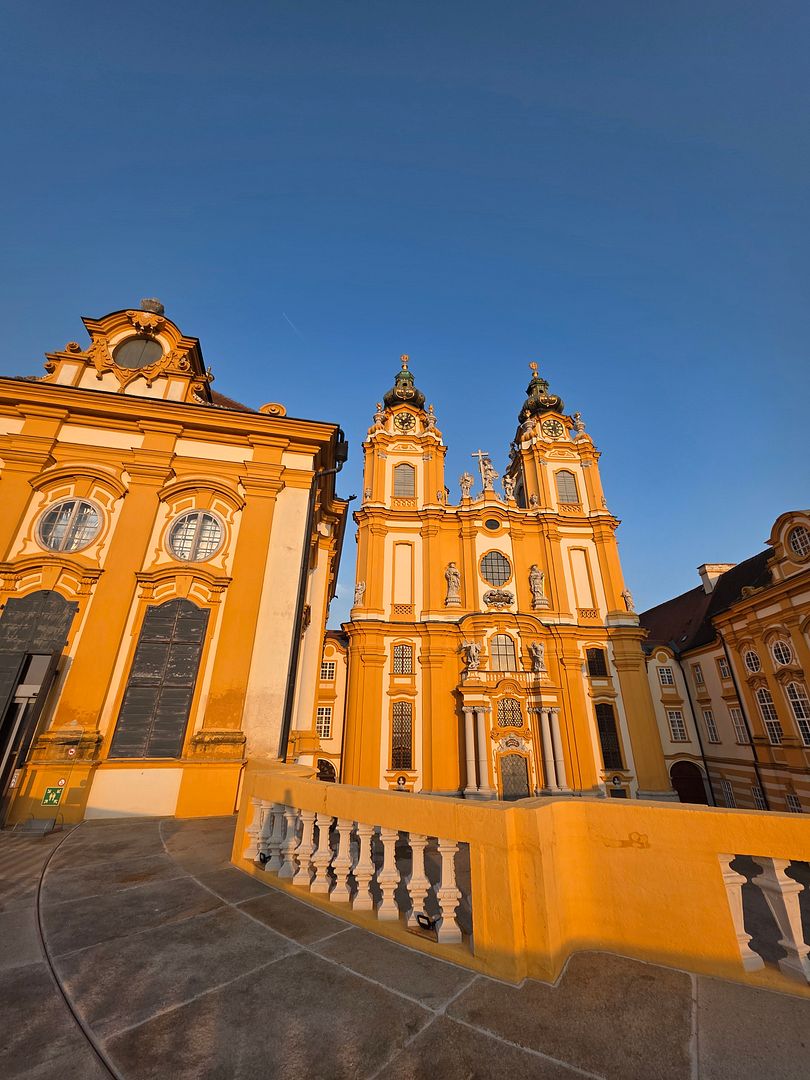
Melk Abbey is one of the most beautiful and largest unified Baroque ensembles in Europe. Its magnificent architecture is known worldwide and is a UNESCO World Heritage Site. The baroque building (1702 – 1739) on a rock above the Danube is one of the most visited art-historical sites in Austria.

Known for its active Benedictine community following the motto of Ora et Labora et Lege (pray, work, and learn).

The italicized parts of my posts are information from the Melk Abbey website.

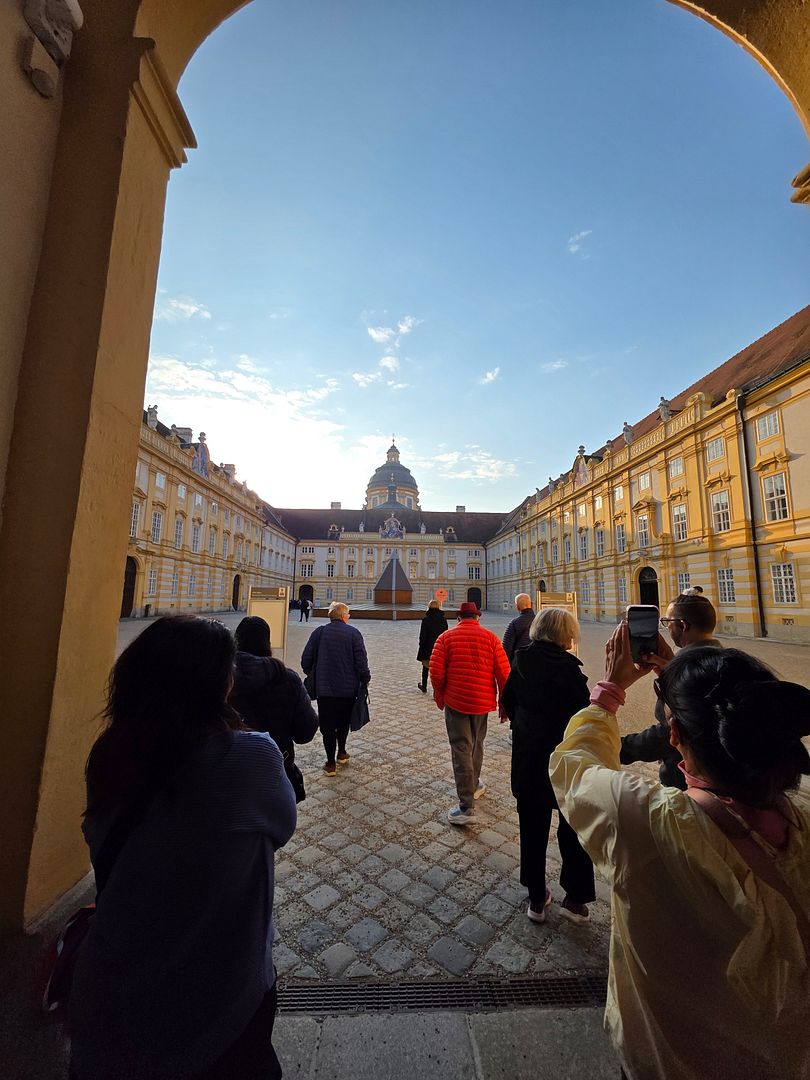
Our group from the river cruise were divided into two groups and we were the only folk at the Abbey at this point in the late afternoon. Our group went through the Abbey last and our tour guide locked up each room as we exited the room.
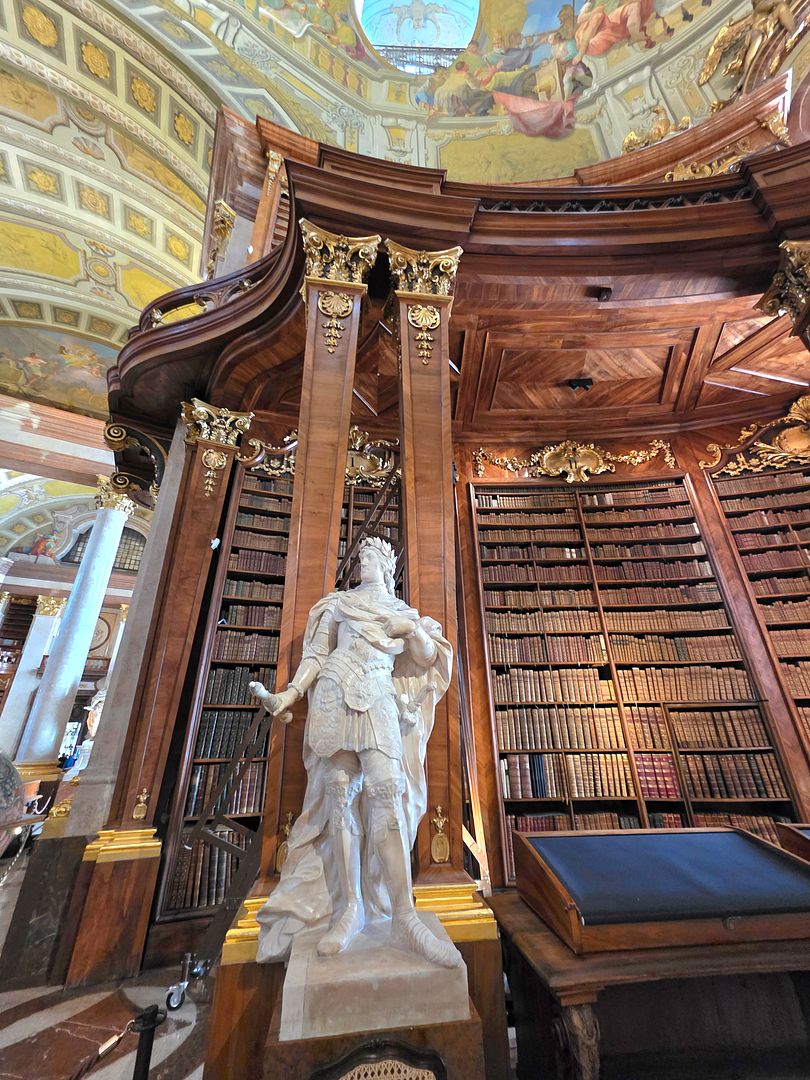
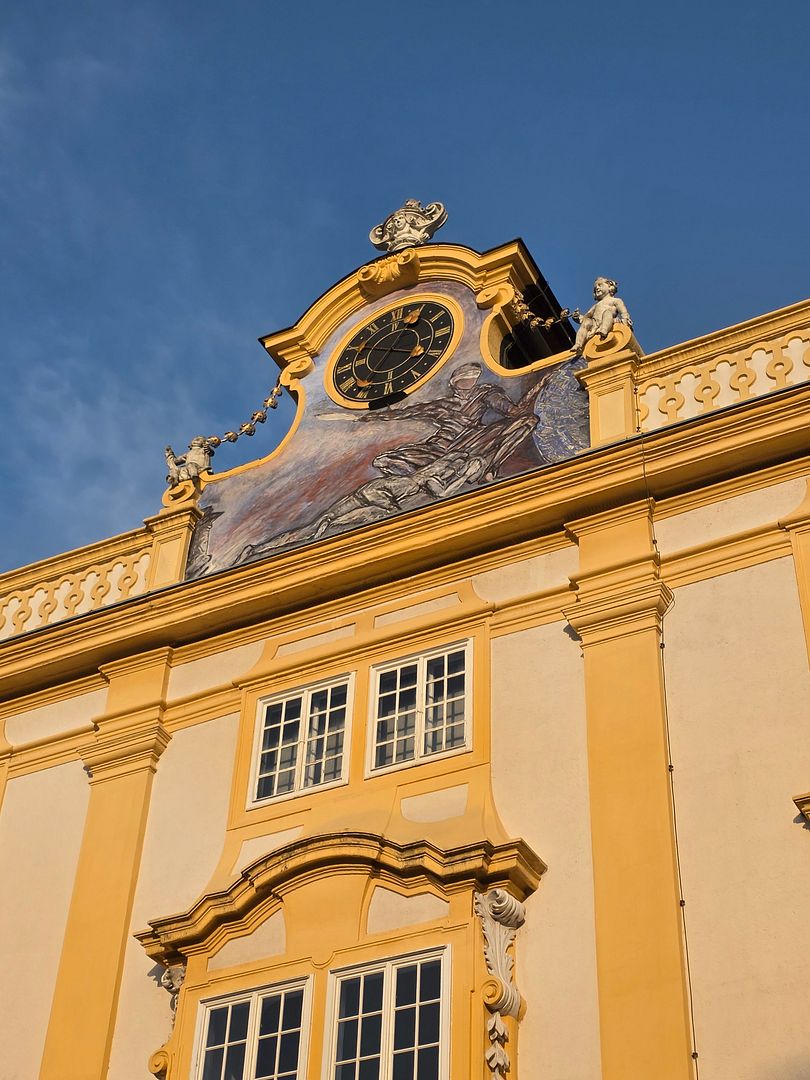
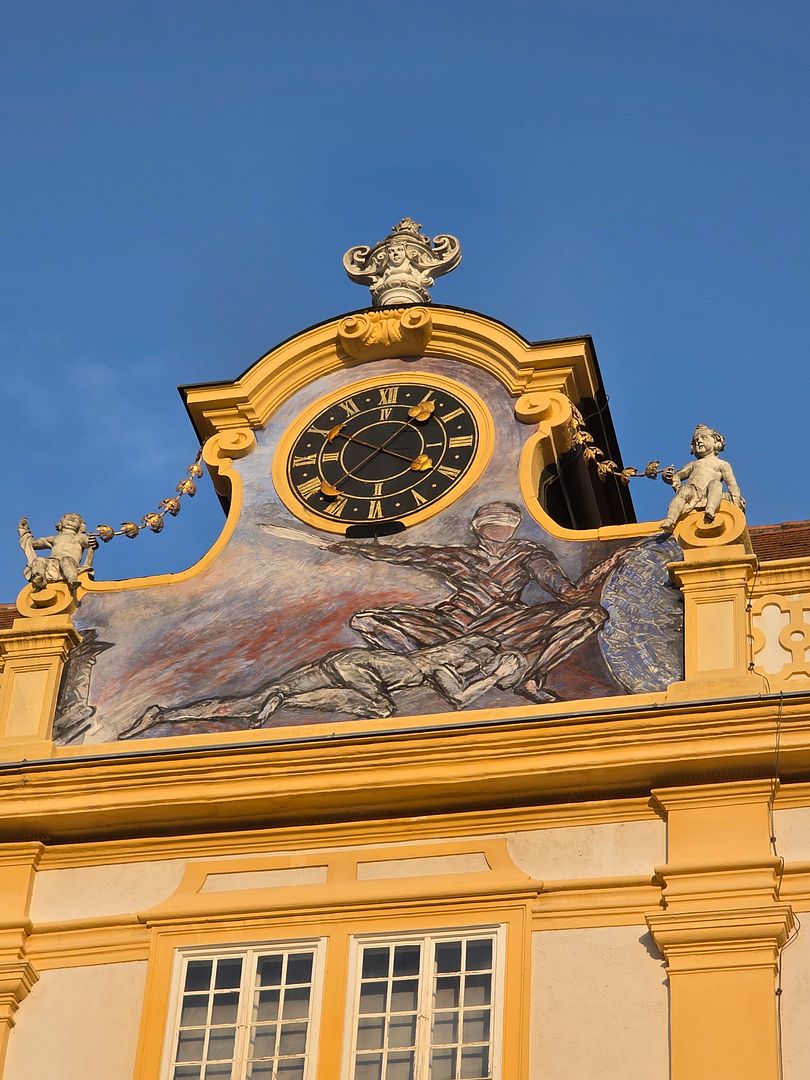
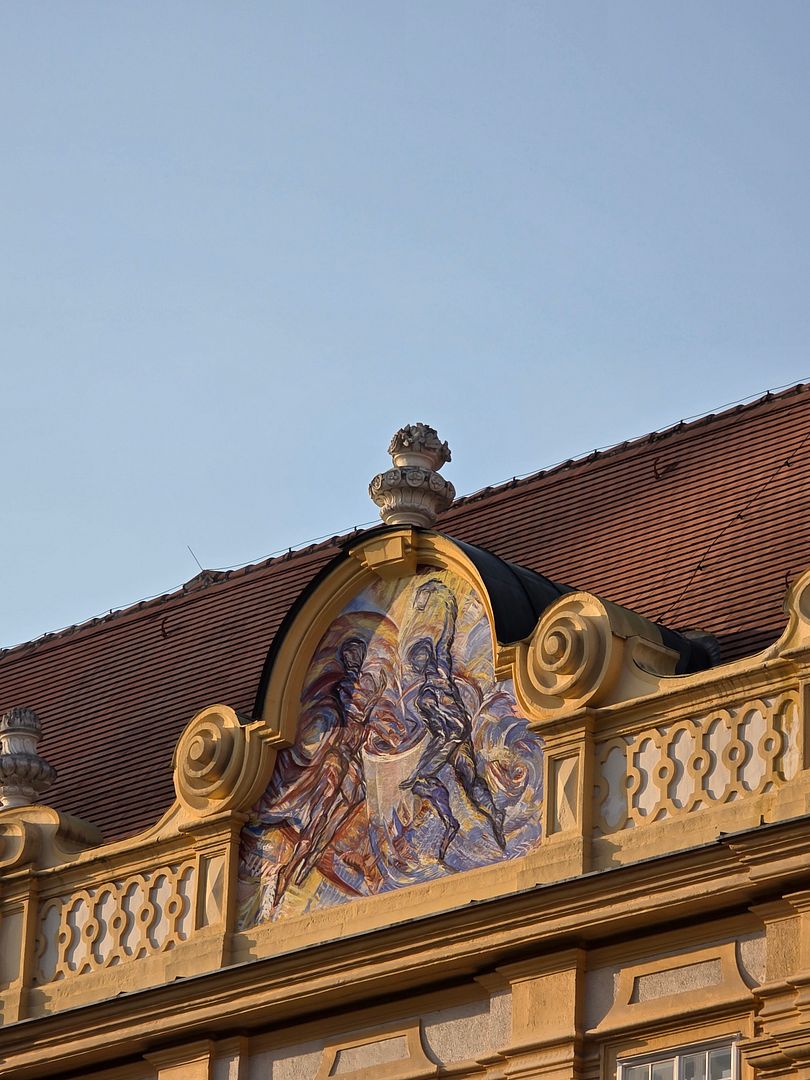
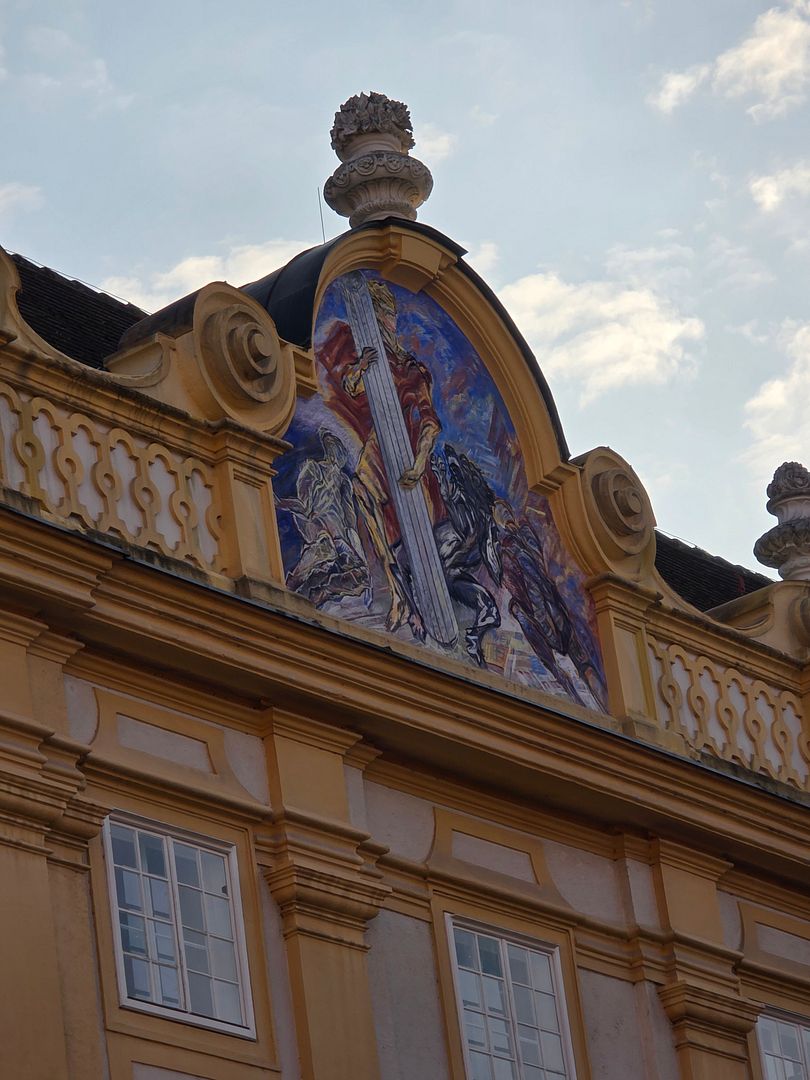
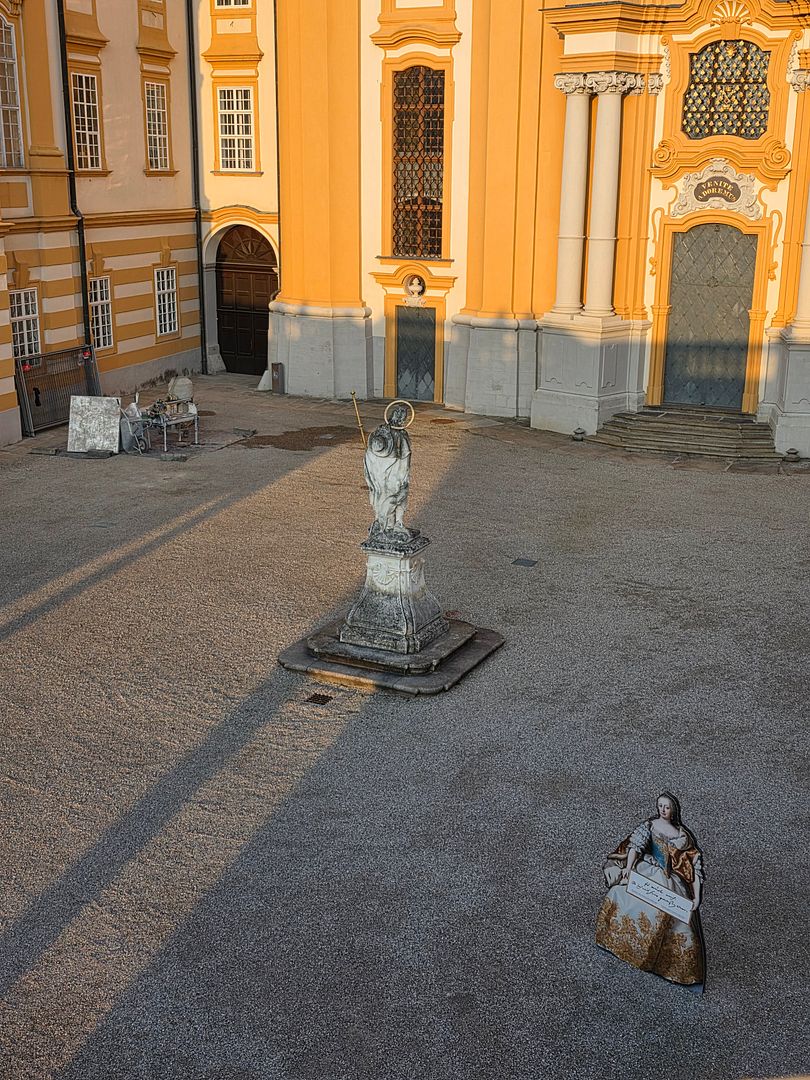
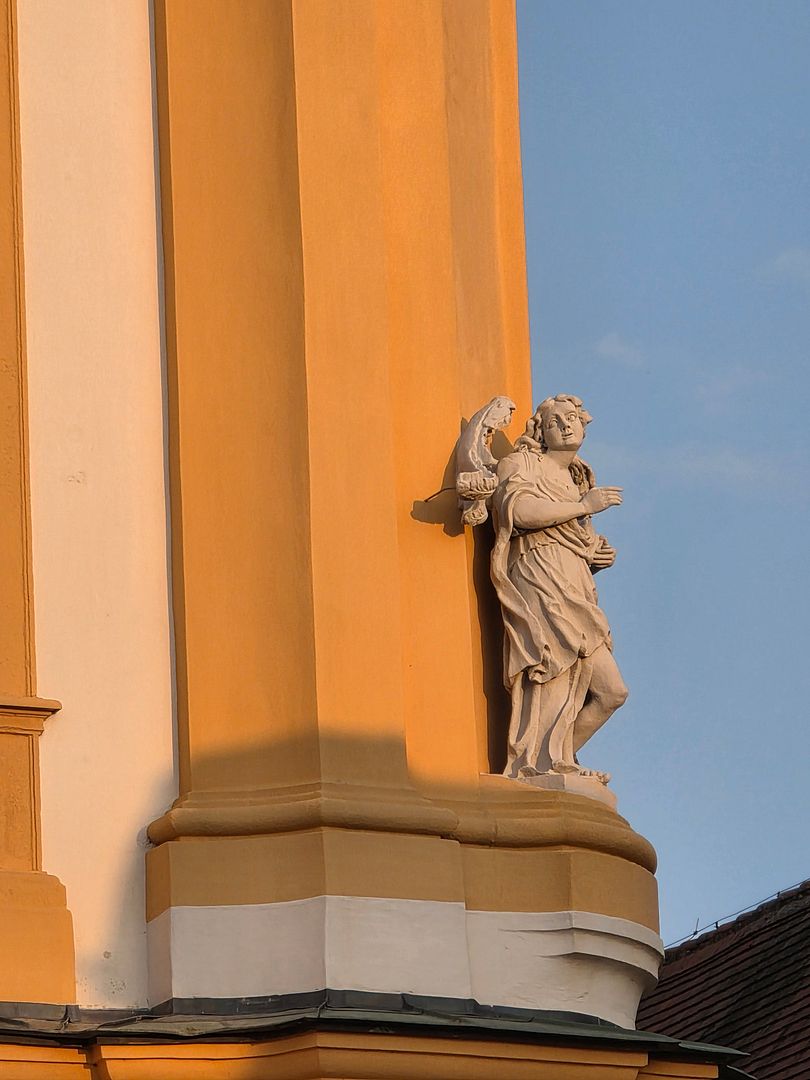
The Prelate’s Courtyard forms a trapezoid, 275 ft. long and 138 ft. wide. On the cornices on each of the four sides are statues of apostles and prophets. In the center of each cornice is an area framed by a round arch. These originally contained Baroque frescos by Franz Rosenstingl but, unable to be restored, were replaced recently (1988) with more contemporary forms by Peter Bischof and Helmut Krumpel.

The four murals in the courtyard represent four virtues: Prudence, Justice, Fortitude, and Temperance.

The four murals in the courtyard represent four virtues: Prudence, Justice, Fortitude, and Temperance.

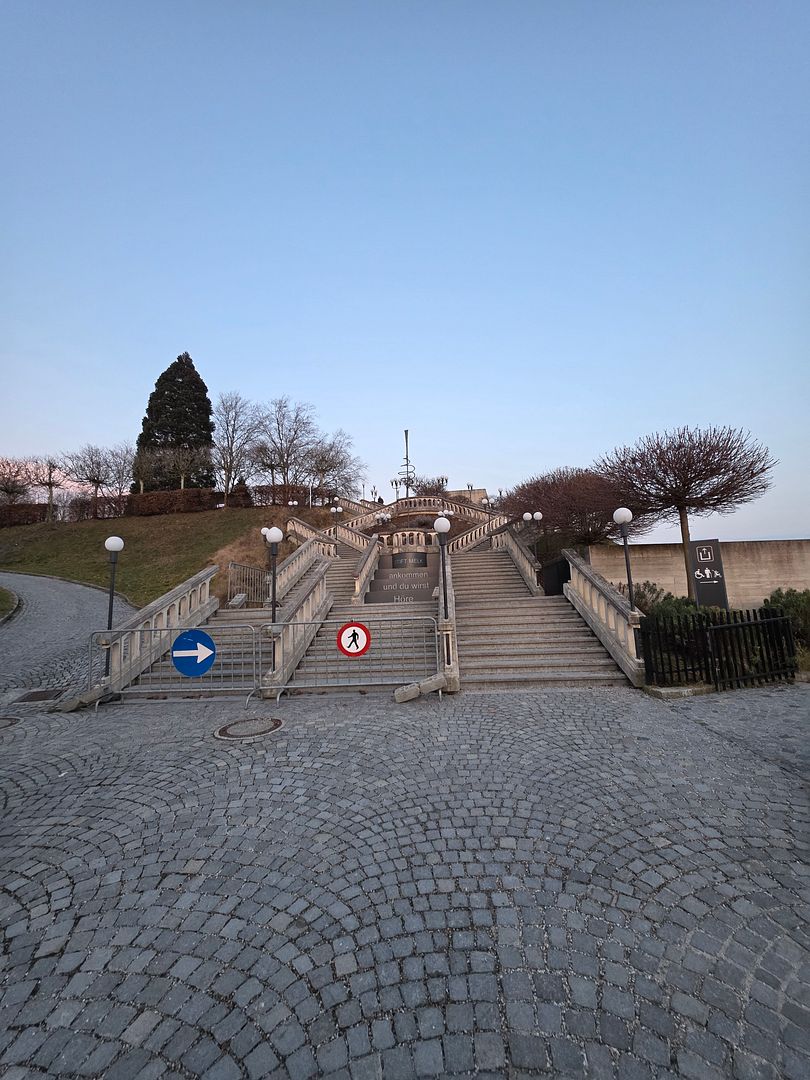
Time to walk up all those stairs to our bus that would take us back to the AmaMagna for dinner. We turned right at the stairs and took the elevator instead.

This was the night we were slated for a smaller dinner group in the Al Fresco Restaurant and I’ll share that dinner event in another post.

Scenic Sailing Wachau Valley

On Tuesday March 3rd we had scenic sailing all morning in the Wachau Valley. This is an UNESCO Heritage site. We cruised by small villages, churches and terraced vineyards. This is some of the more beautiful stretches of the Danube.

It would be more colorful and lovely in a different season of the year. Early March is still winter and can be quite stark.

This was a confusing traveling day, I missed the fact that we had sailed past Vienna but then watched as we sailed past Krems and then while we were touring the boat came back to Krems to dock before sailing back to Vienna.

We docked in Weibenkirchen for a short time. Our final docking on this day would be in Melk.

This little village was pretty sleepy with few shops and of those shops, nothing was open. I’m guessing they cater to late Spring and summer traffic. On this day we were bussed to Durnstein for an hour visit of this village and then to the Benedictine Melk Abbey overlooking the Danube. Those excursions will be another post.
While we were on those excursions the Magna sailed on to Melk where we met up after our tour and had dinner.

St. Stephen’s Basilica

On Saturday the 28th of February we broke away from our excursion group to buy tickets to visit the inside of St. Stephen’s Basilica situated centrally in the Pest side of Budapest. This is a photo heavy post!

St. Stephen’s Basilica is a Roman Catholic basilica in Budapest, Hungary. It is named in honor of Stephen, the first King of Hungary, whose right hand is housed in the reliquary.

It was awe-inspiring to see this finished work of art.


It is one of the grandest buildings we have been in.
This is kind of creepy to me. This is the right hand relic of King Stephen of Hungary. King Stephen died in August of 1038.
Not being Catholic, this Basilica was not a point of worship for me and in fact holds some areas of veneration that are against my beliefs. I did appreciate the beauty and the grandeur of the building. The way the architecture and artwork draws your eyes upward is appreciated, too. It is an amazing collection of artwork and treasures but not something to be worshipped in itself.

I’ll share the views from the panorama look-out in another post since this post is already photo heavy.

It is going to take a while to share much of our Danube River and Cambridge adventures.