Český Krumlov Part 1

On Wednesday, March 4th, we had a full day excursion to the charming mountain town of Český Krumlov just over the Czech-Austrian border. This was after our short morning tour of Krems.

Our guide grew up in this region and shared his memories of growing up under communism. On our way to our stop, we saw some areas where housing high rises from the past were everywhere.  Current residents were making them more colorful and personal.

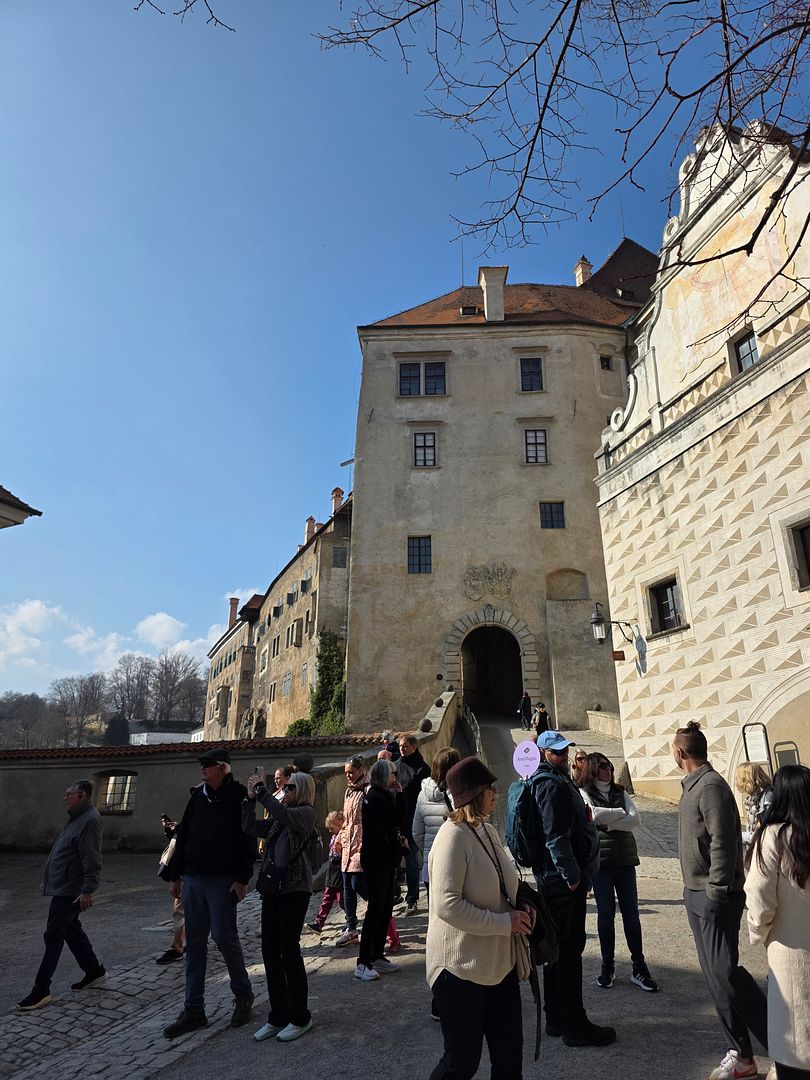
We finally reached our destination. From the bus parking lot, the walk to the castle was all uphill and I’m not going to lie, it was a huff and a puff to get there. Thankfully that would be the only uphill trek on this day!

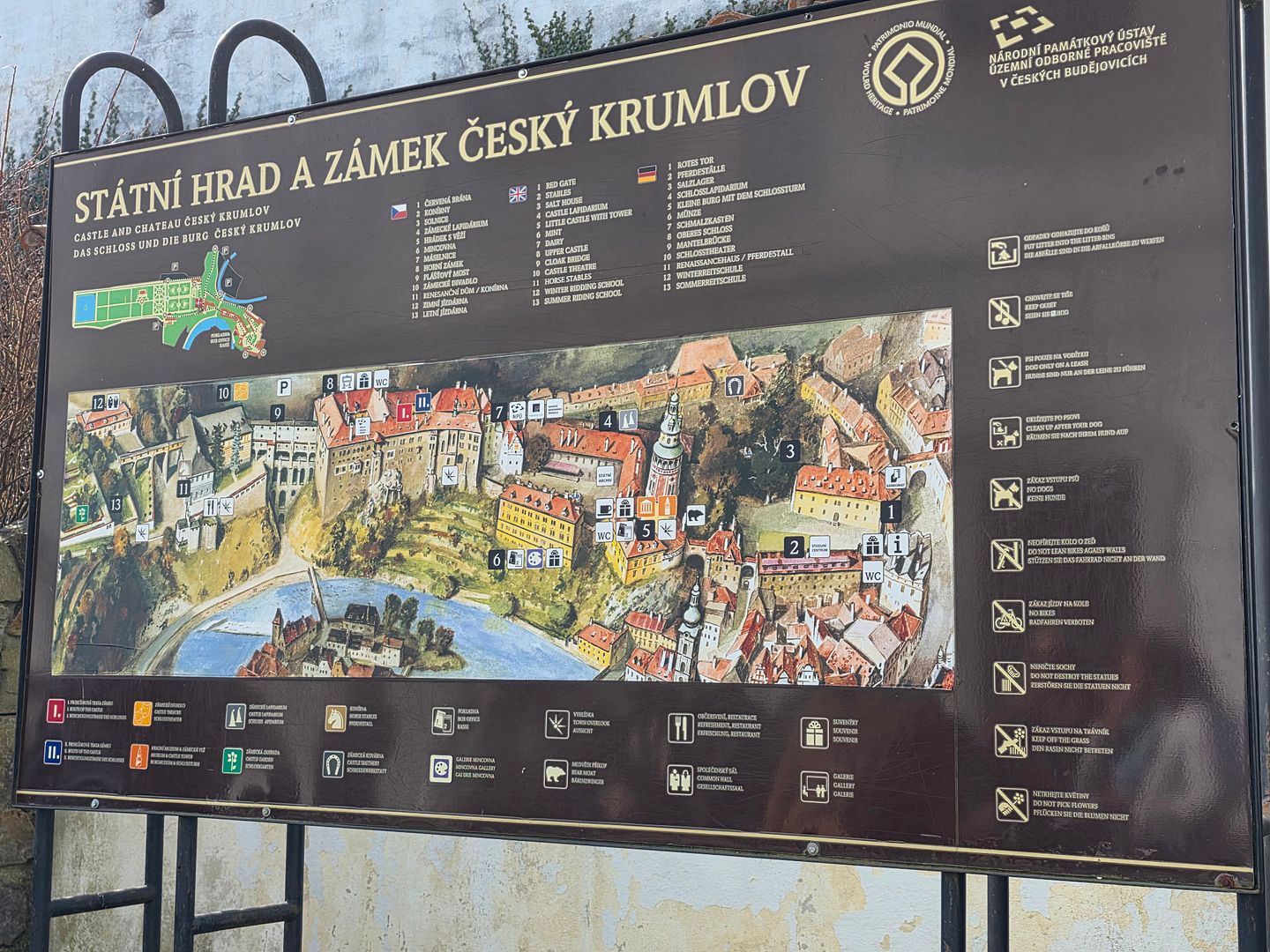
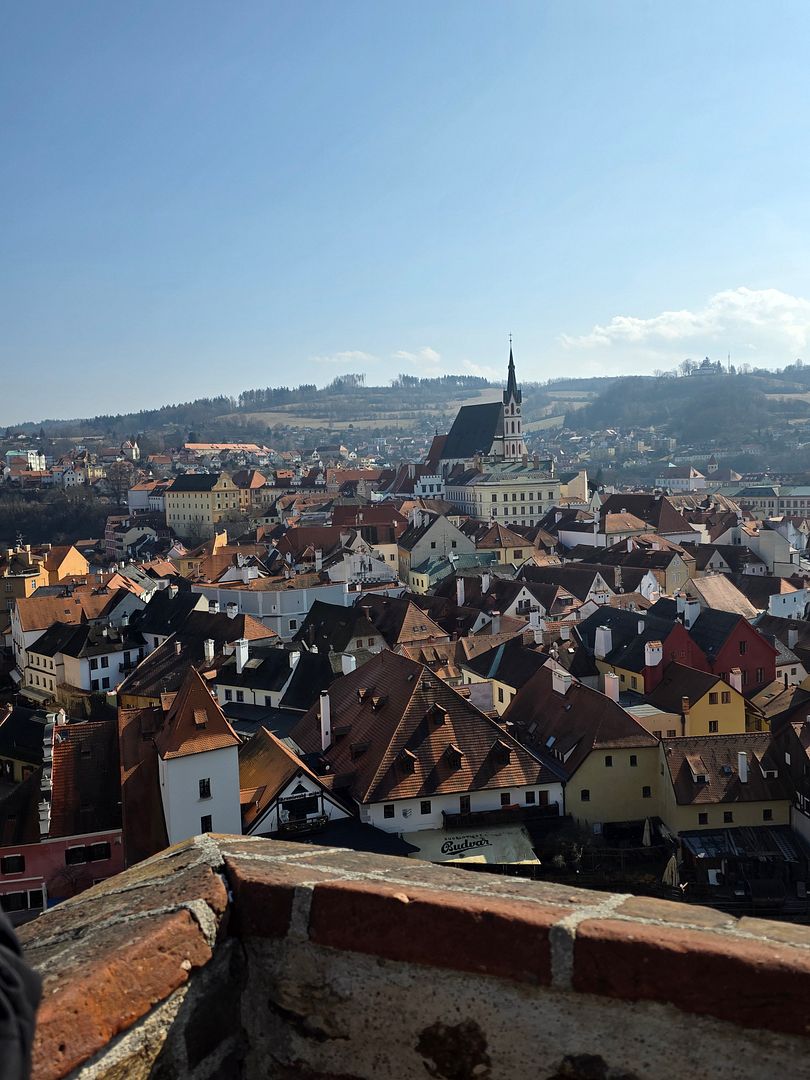
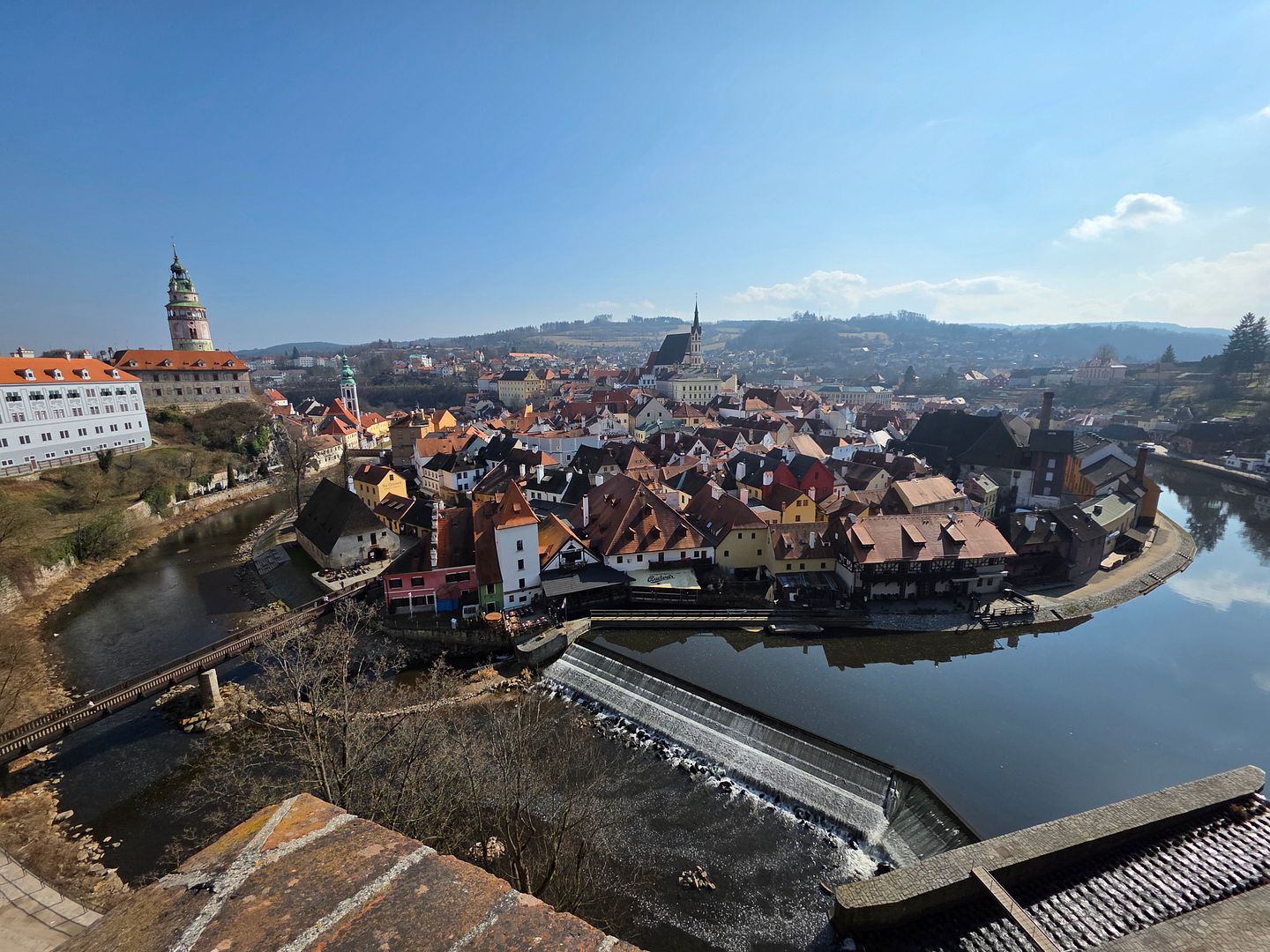
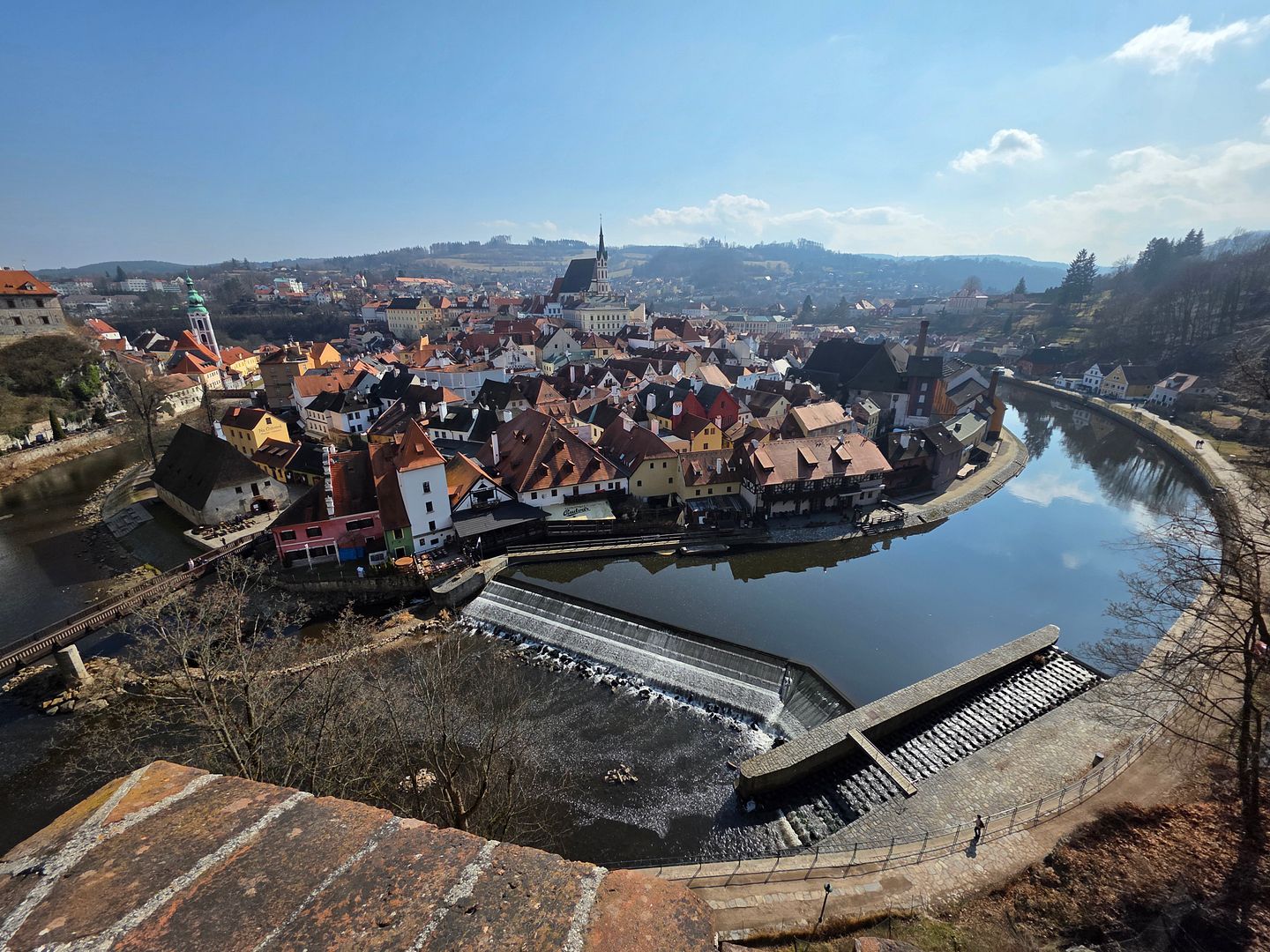
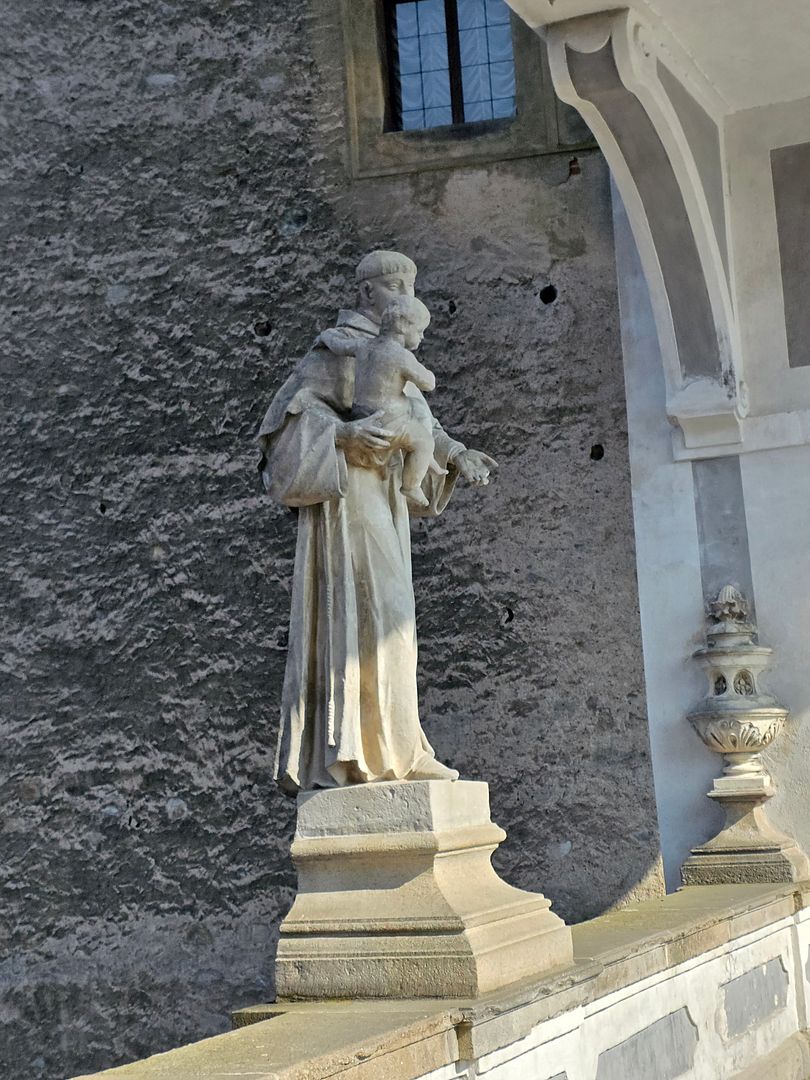
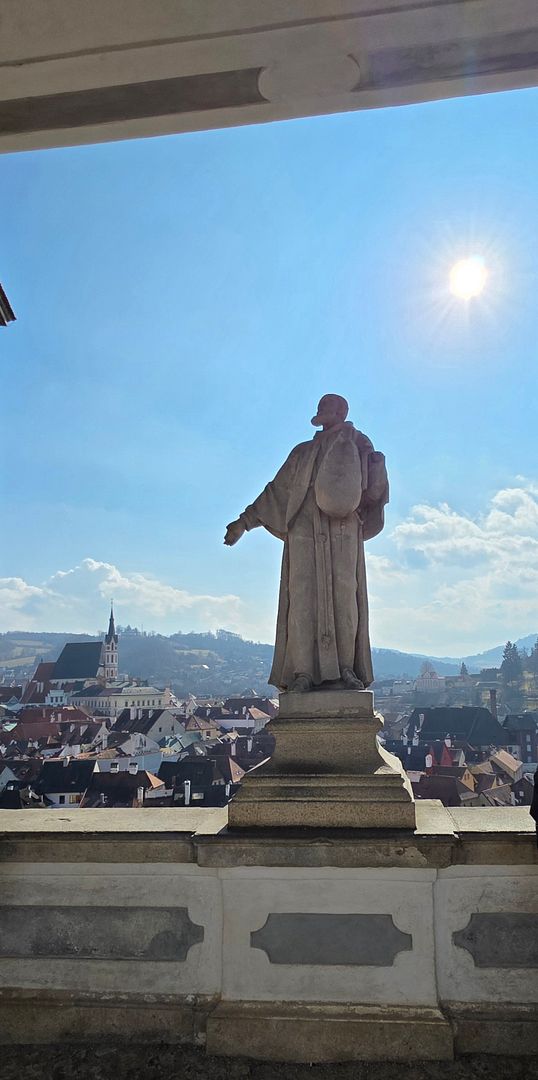
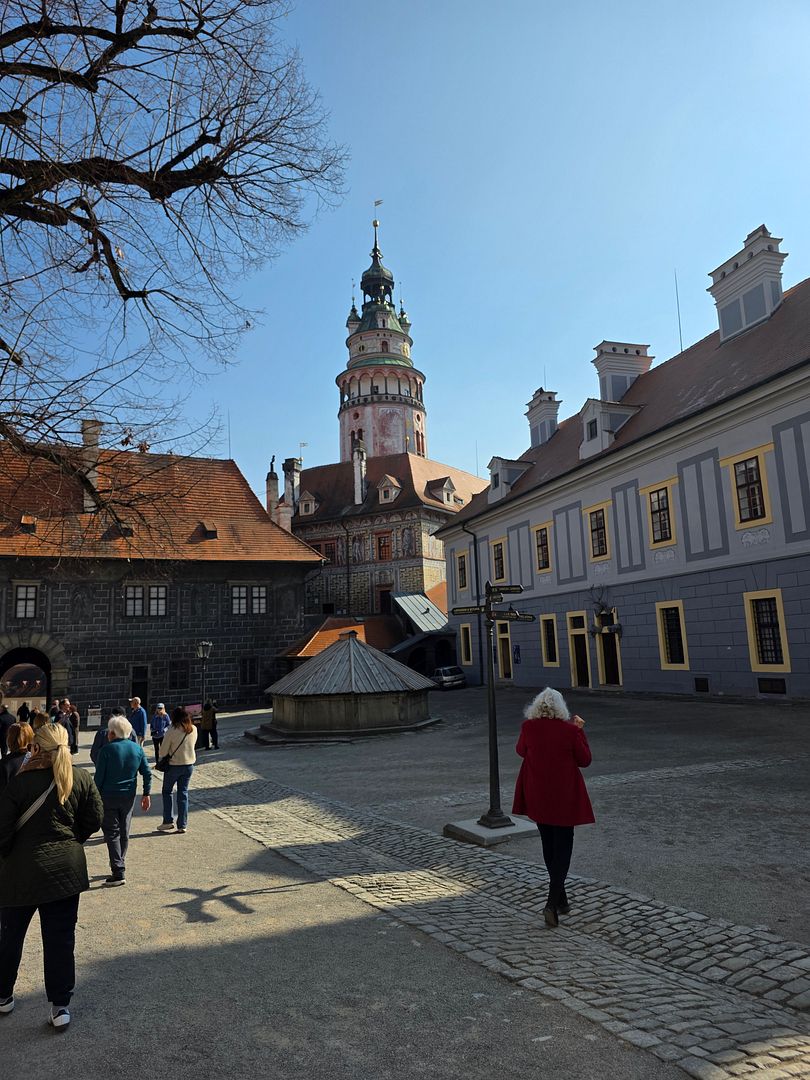
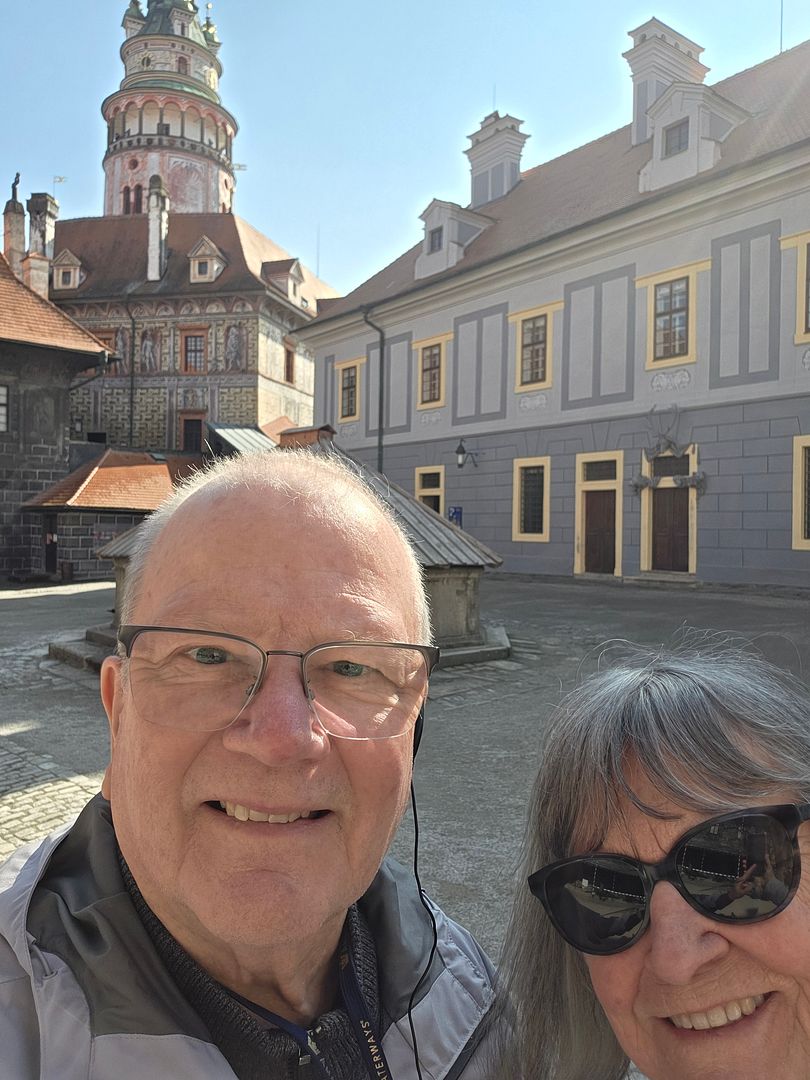
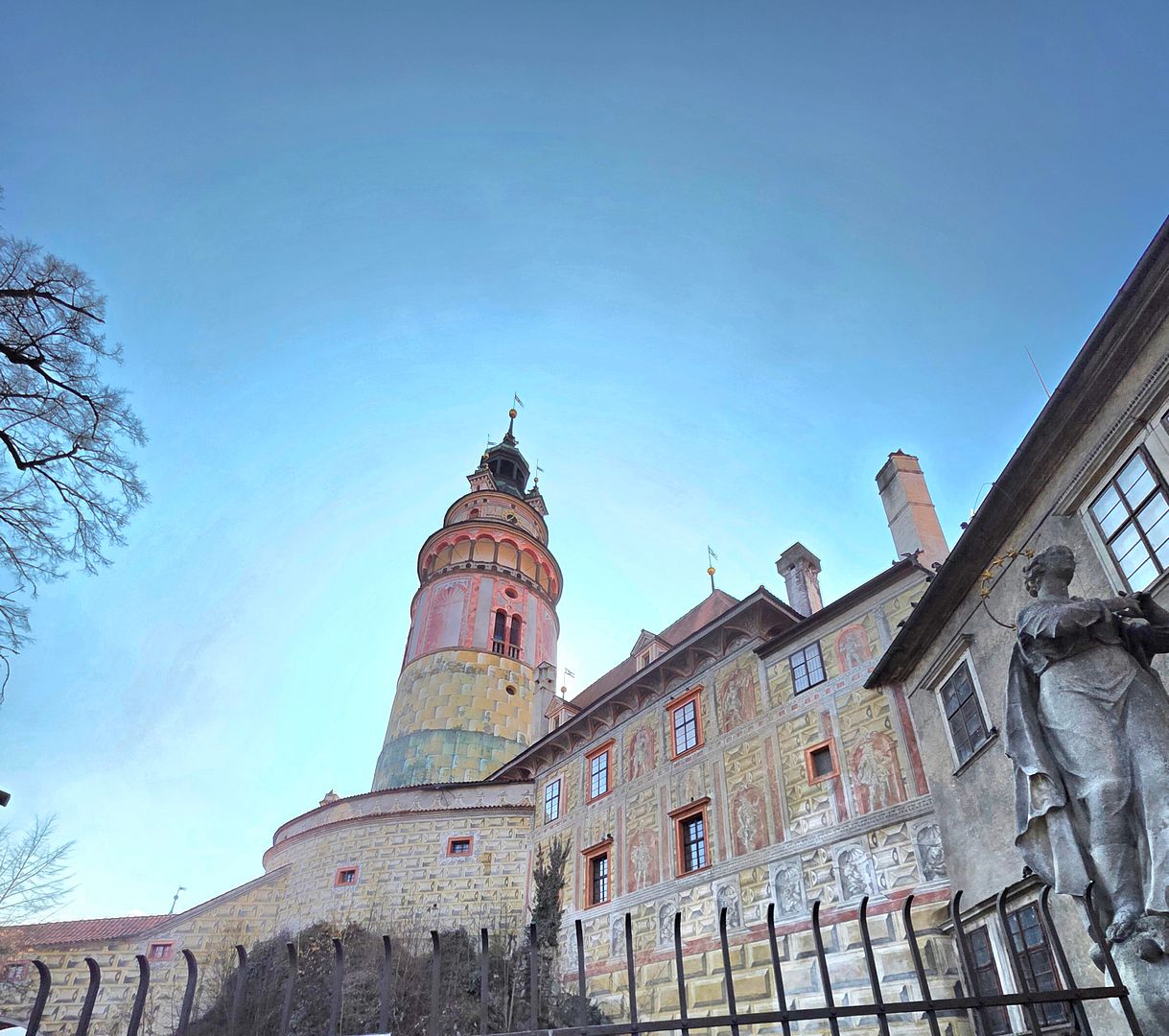
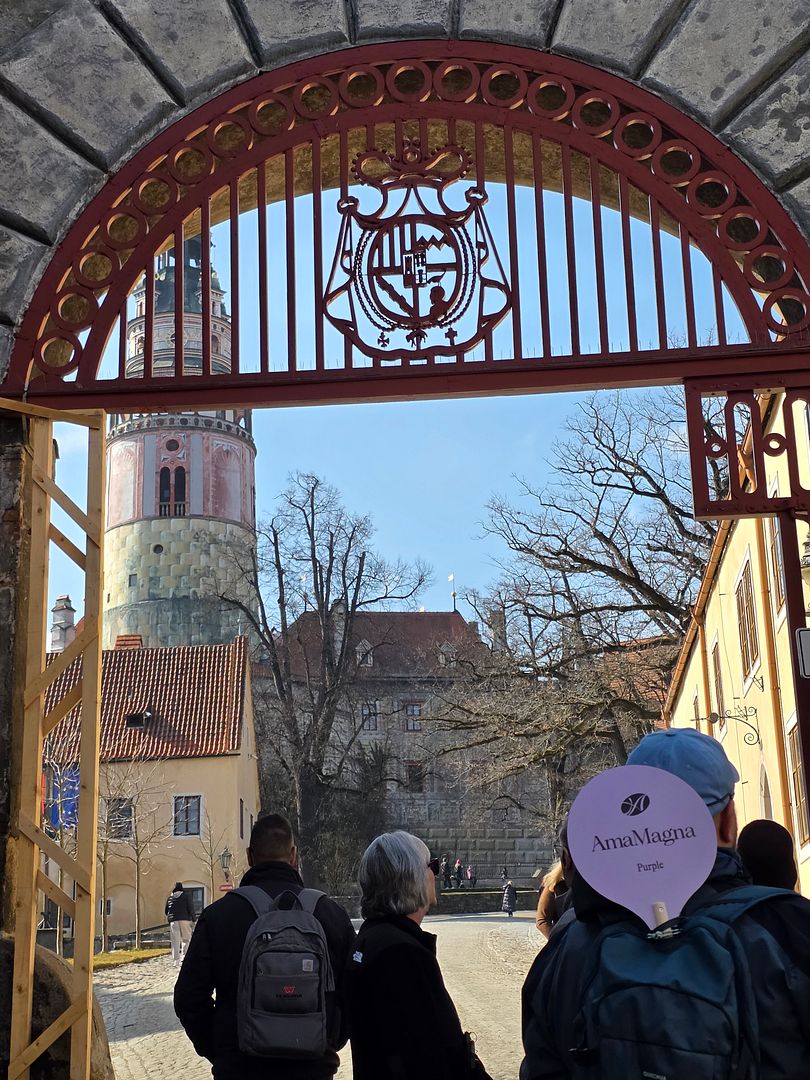
Český Krumlov is a city in the South Bohemia region of the Czech Republic. It’s bisected by the Vltava River, and dominated by its 13th-century castle. The castle has Gothic, Renaissance and baroque elements, an 11-hectare garden and an original 17th-century baroque theater. There are panoramic views of the old town and the river from the top of its round belltower.

We were here in the winter months so the garden wasn’t visited.

Český Krumlov, a UNESCO World Heritage site since 1992. It flourished under the Rosenbergs as a Renaissance hub, transitioning to Baroque under the Eggenbergs and Schwarzenbergs, maintaining its medieval layout largely due to slow industrialization in the 19th century.  In 1938, it was annexed by Nazi Germany and after the Second World War, it was part of Communist Czechoslovakia. In 1992, after the Velvet Revolution, Czech Republic was born, and Český Krumlov is one of its crown jewels in the Bohemian region.

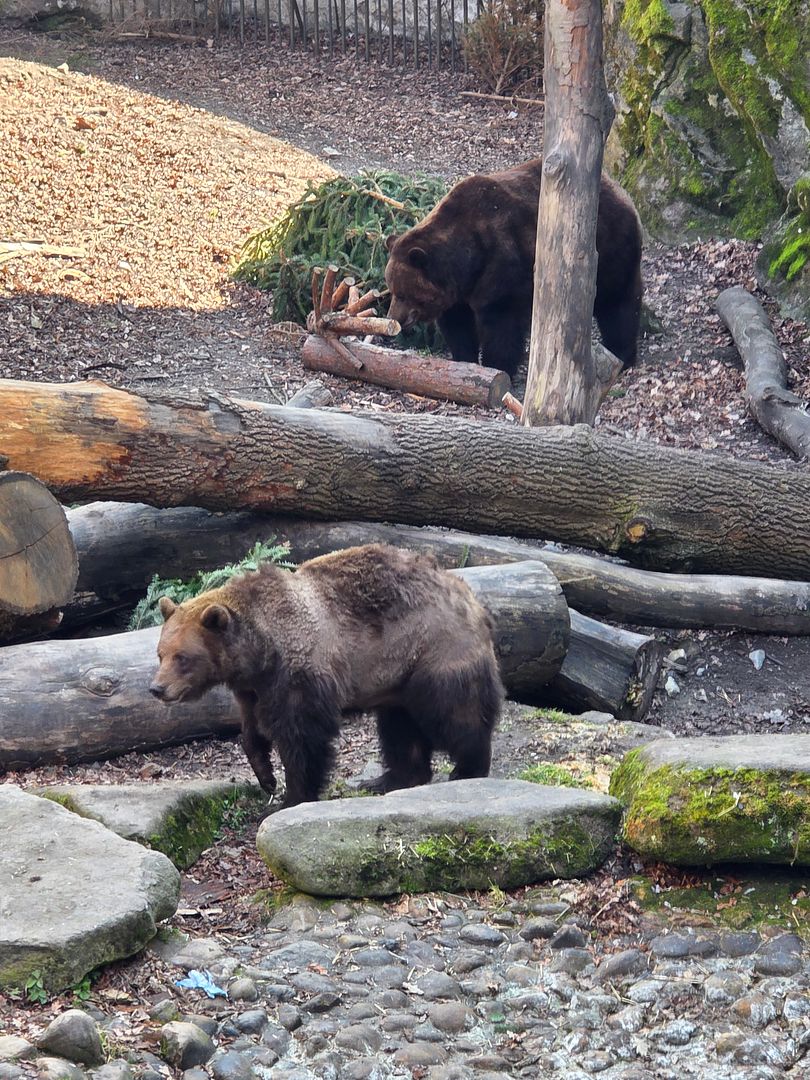
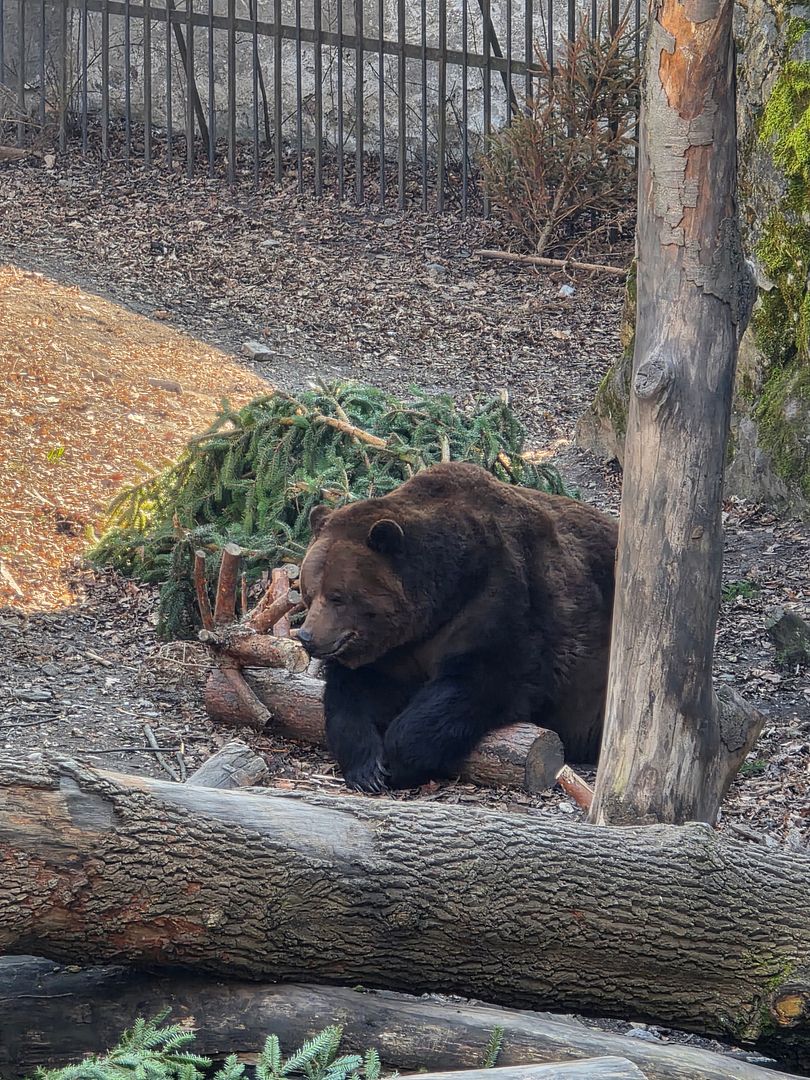
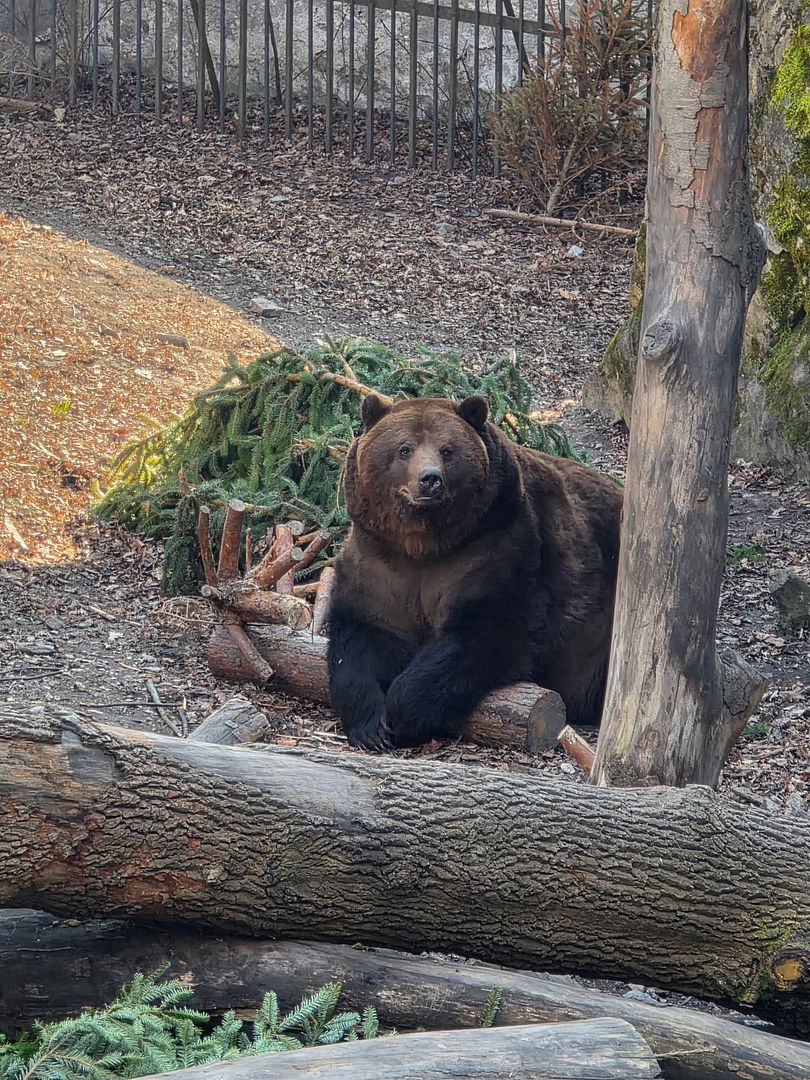
The village below is where we would be spending more time visiting and enjoying lunch on our own. But first, we would enjoy the castle and the castle moat with bears!

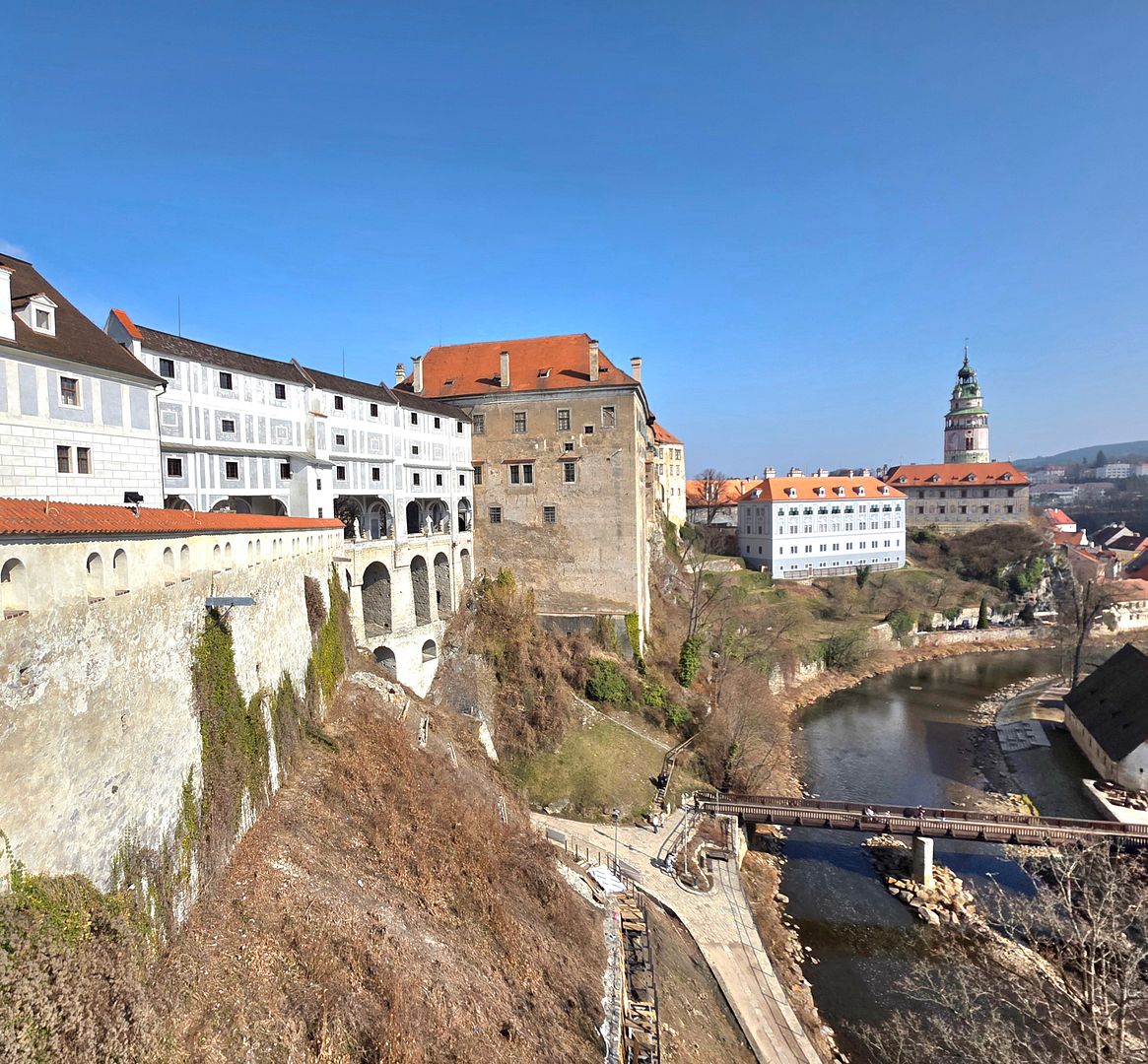
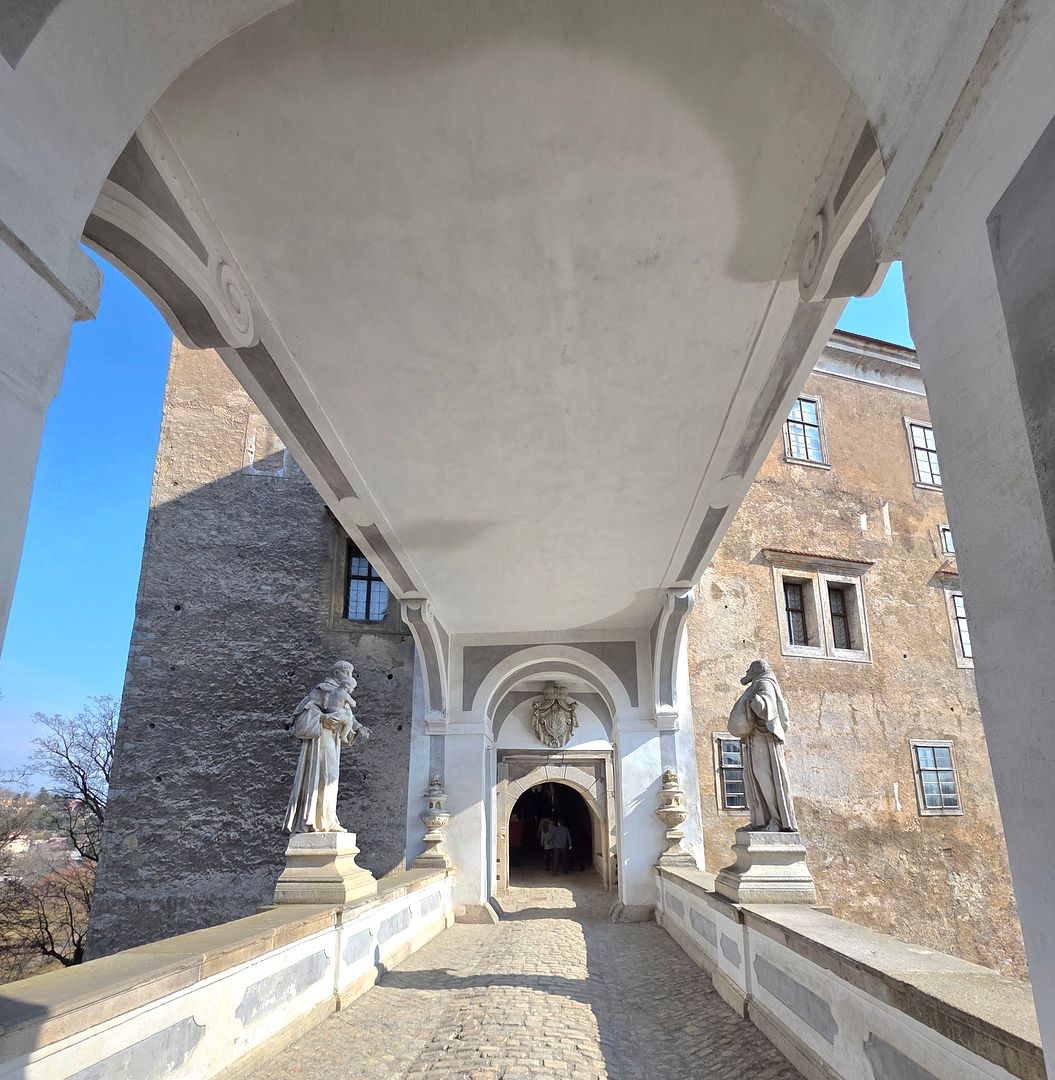
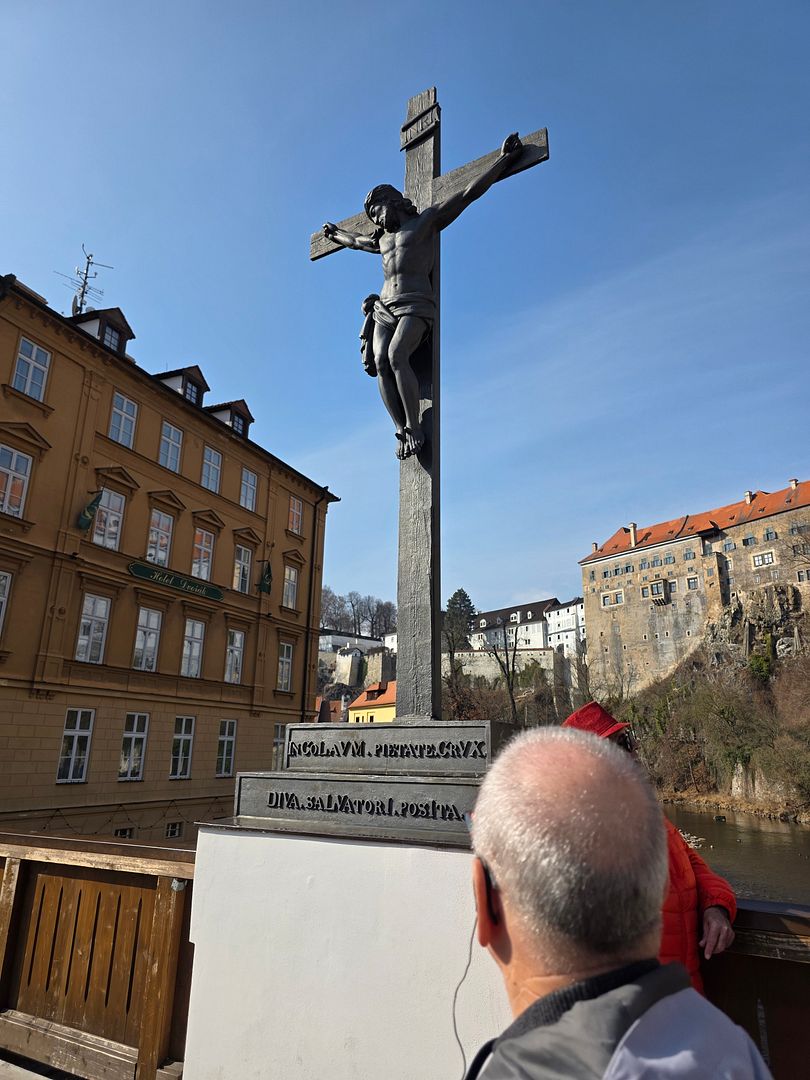
Plastovy Bridge or Cloak Bridge.

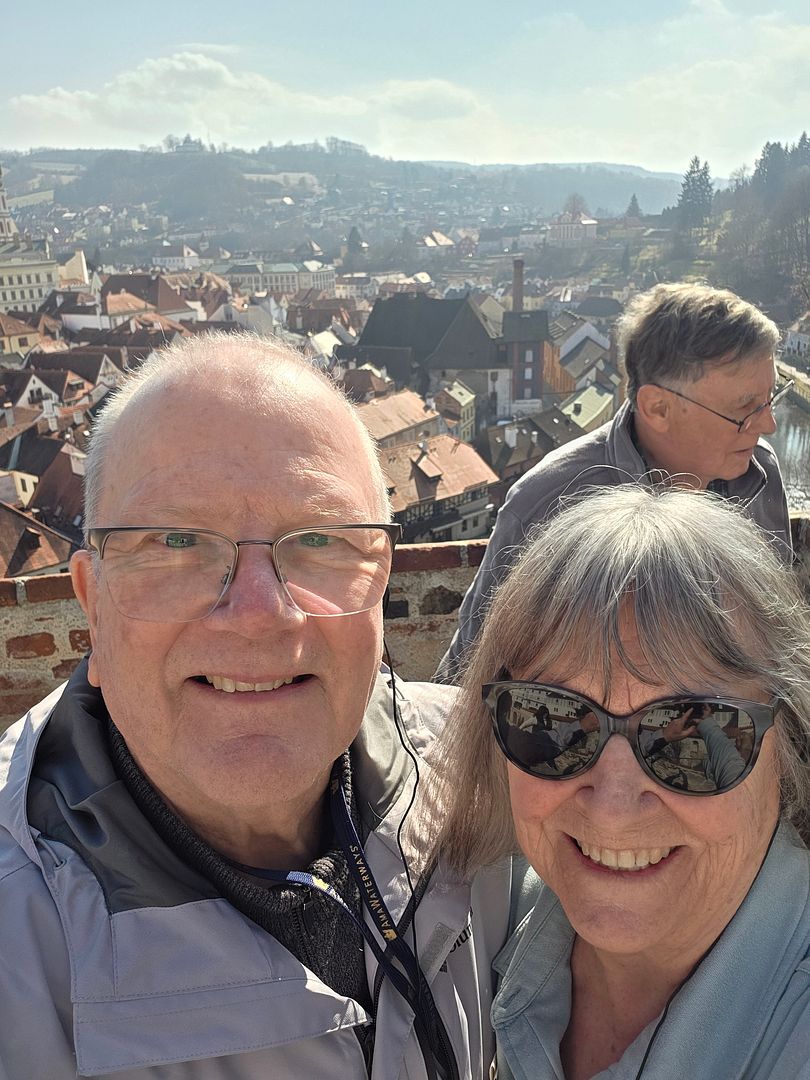
I know I’ve talked about it before, we were blessed with such great weather on the duration of our cruise!

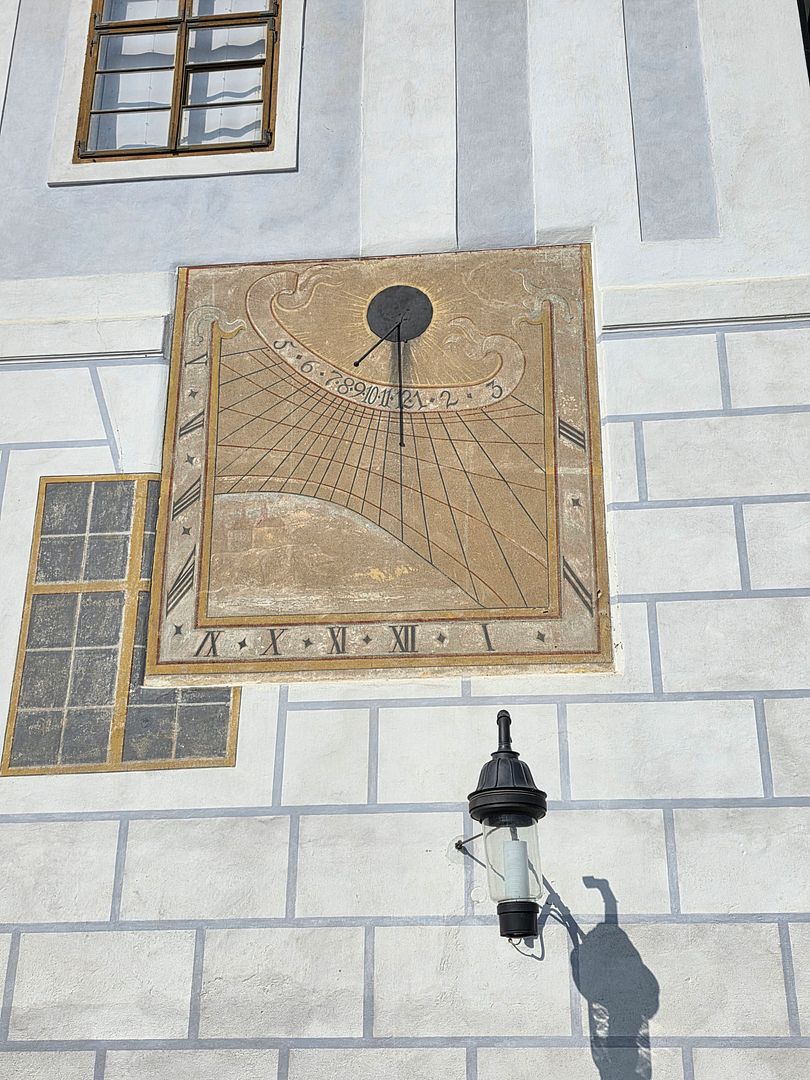
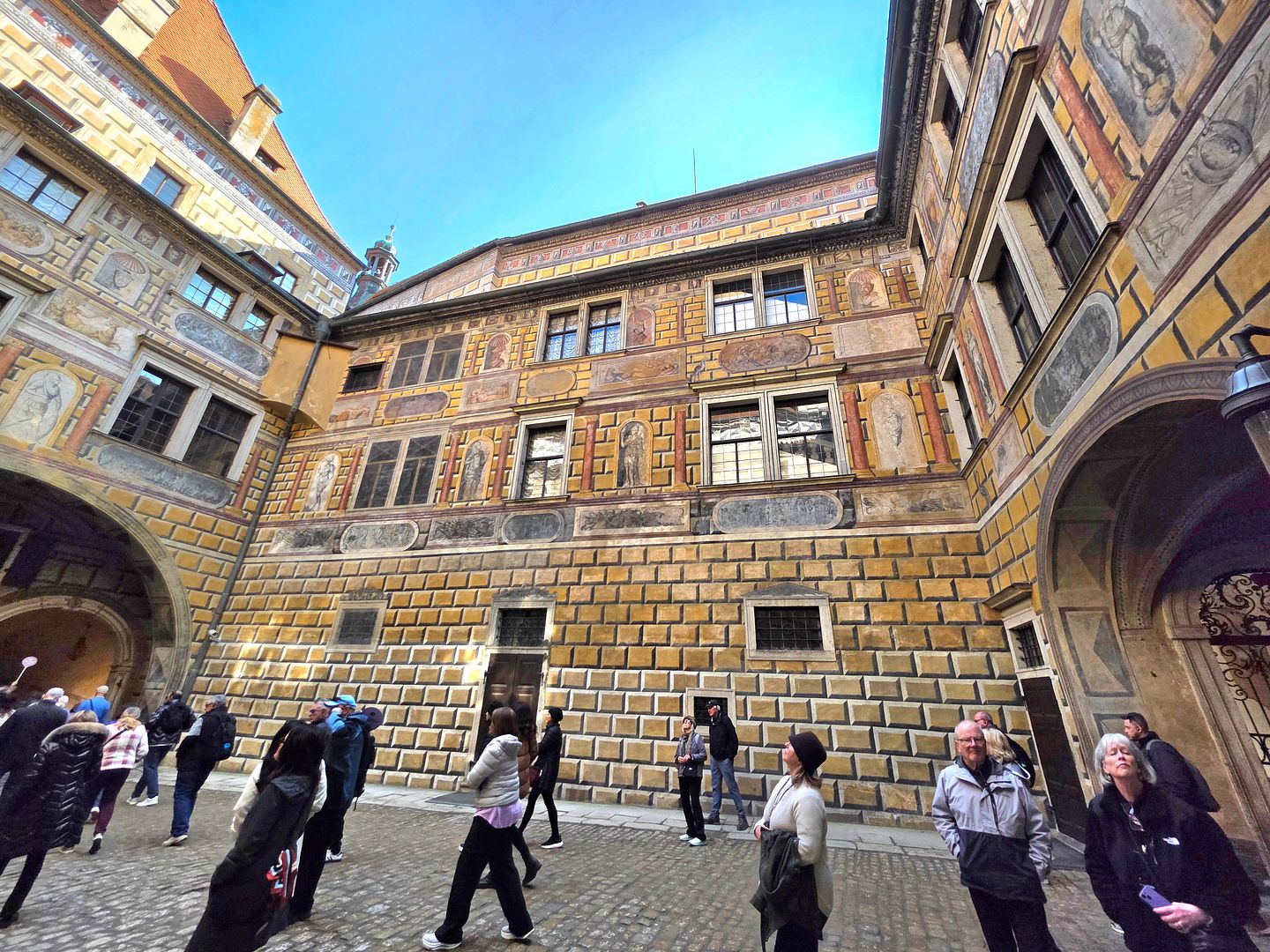
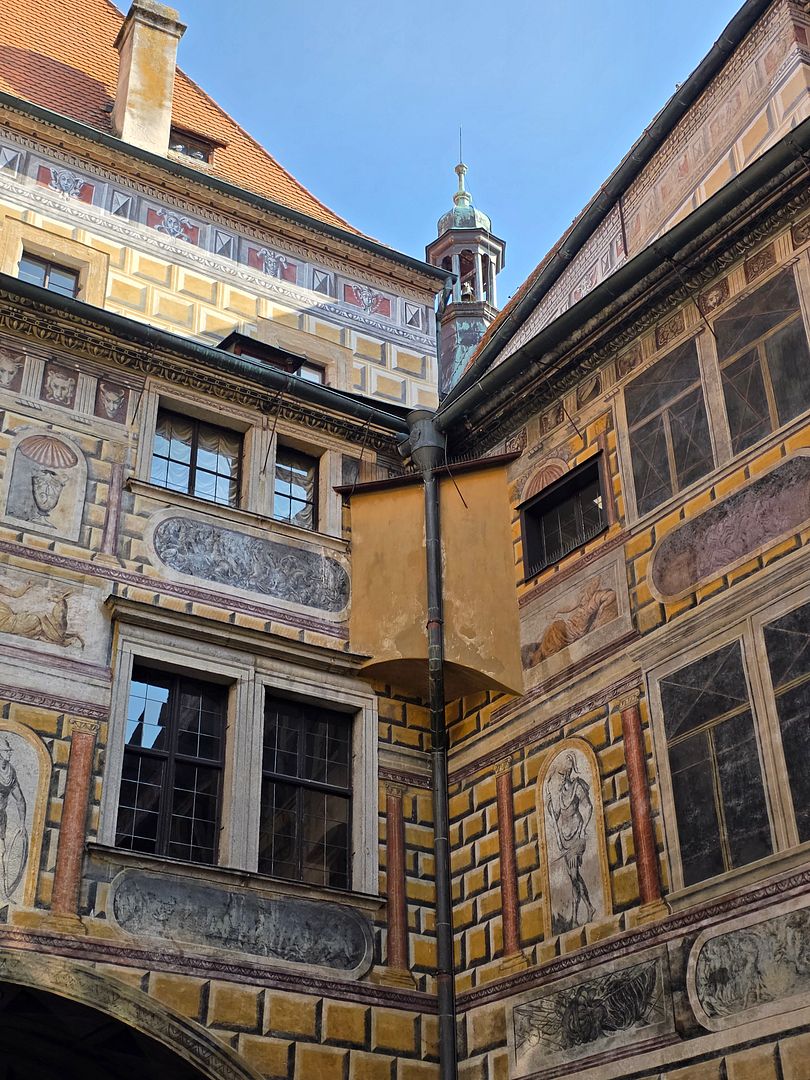
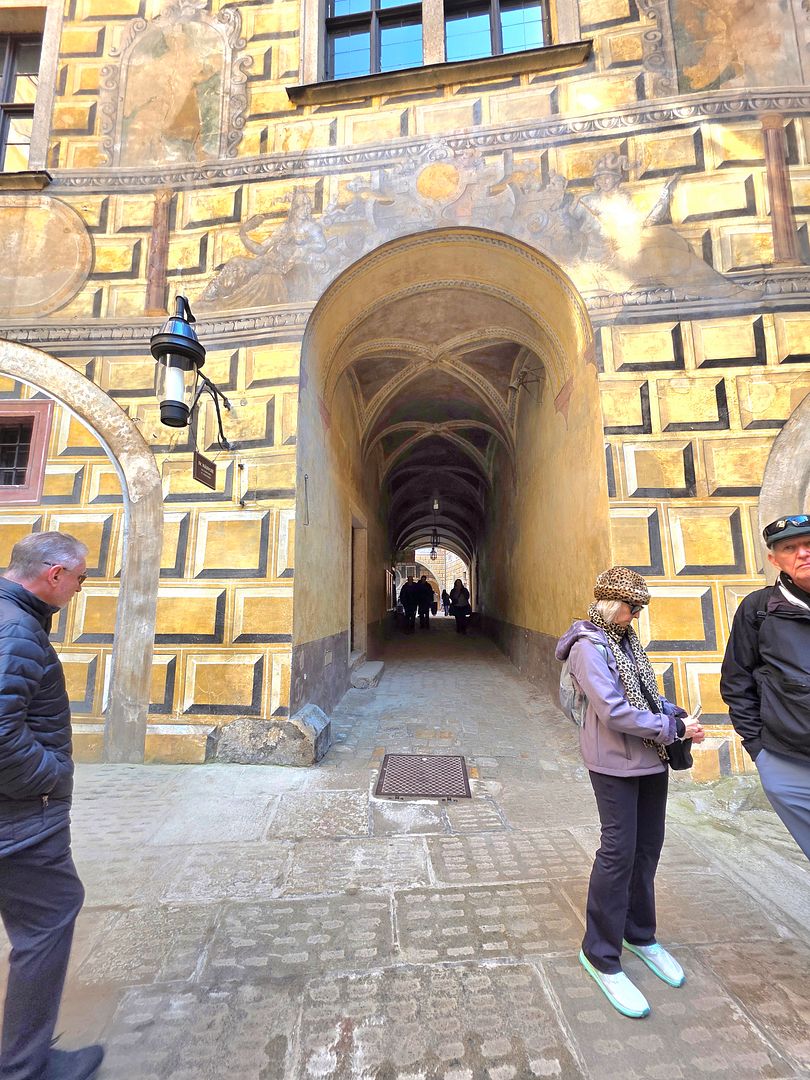
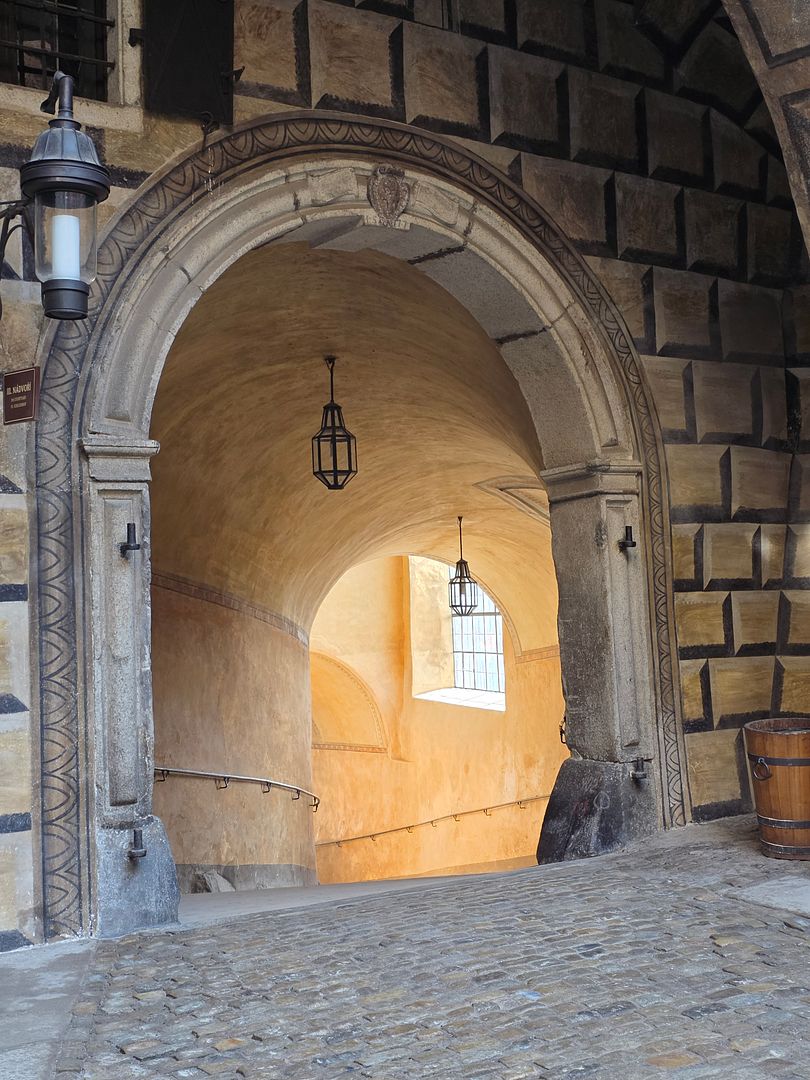
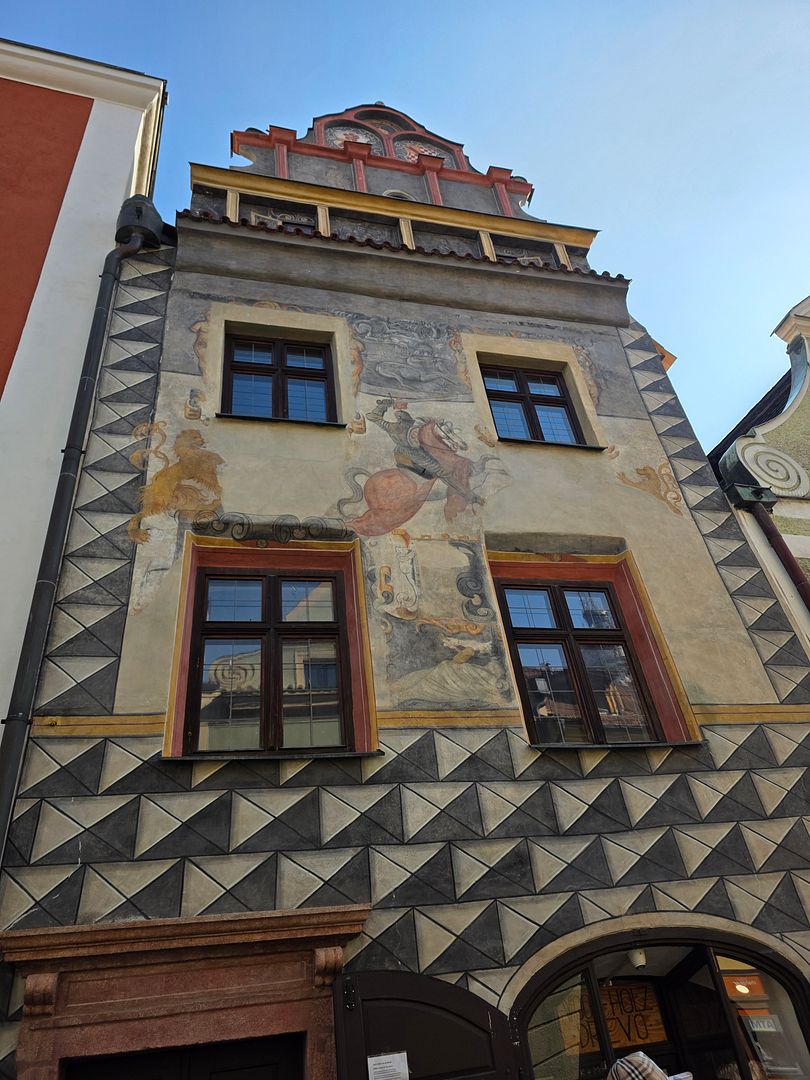
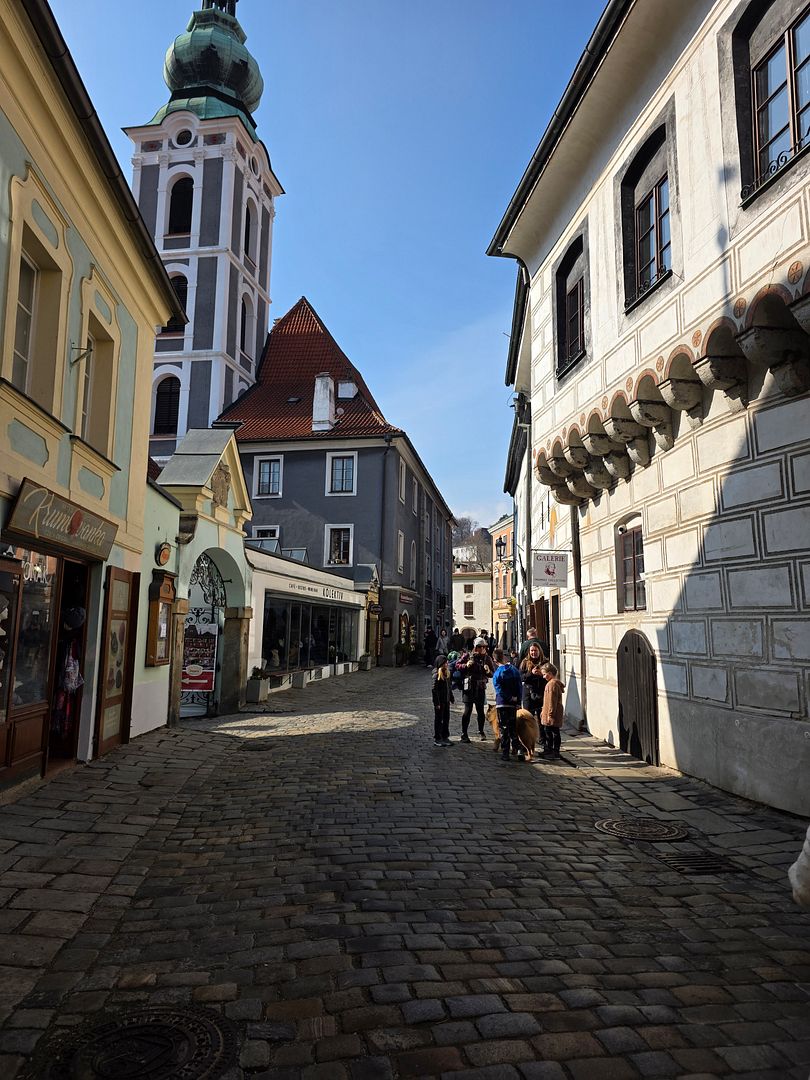
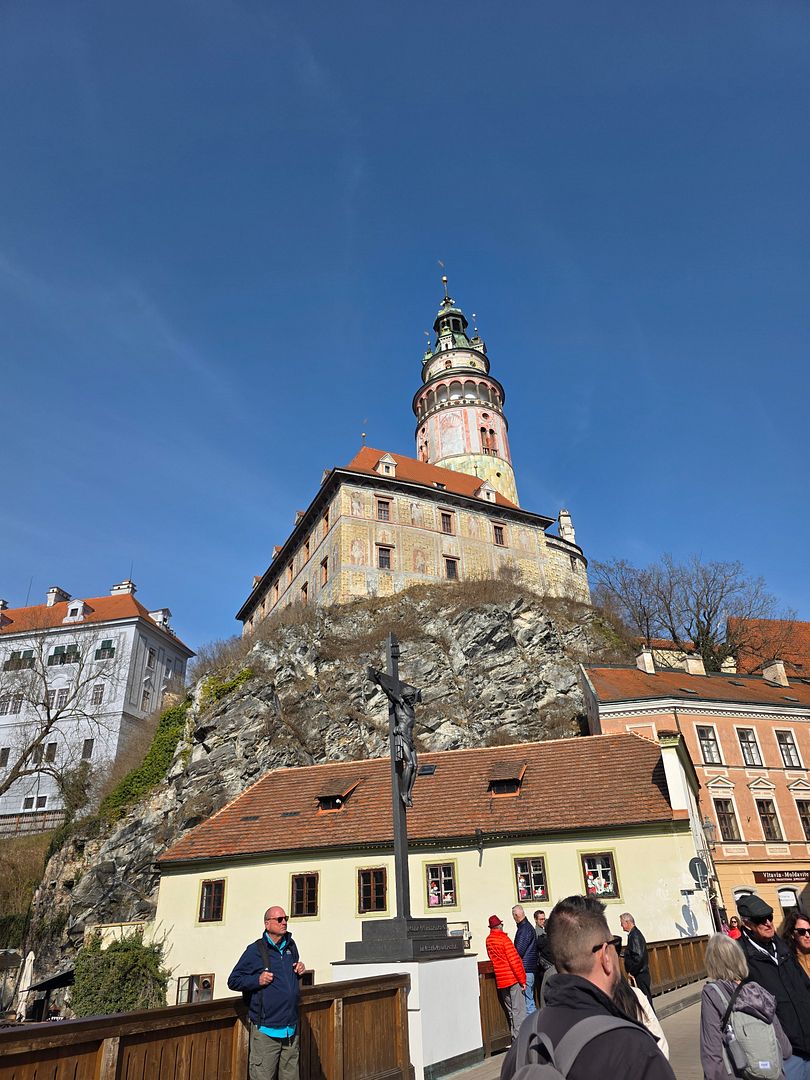
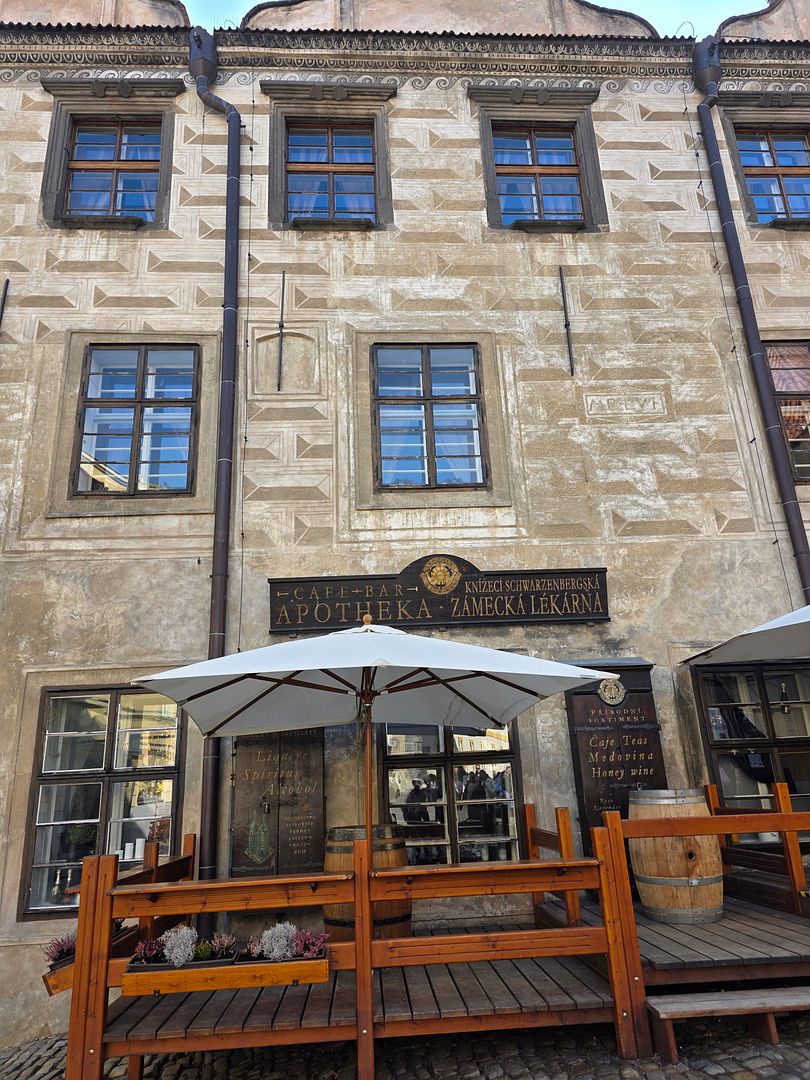
Architecture and figural paintings relating to mythology and Roman history can be seen on the facades covered with colored sgraffito (geometrical or other motives scratched into wet parquet). We would see many types of sgraffito on buildings as we walked into Old Town, too.

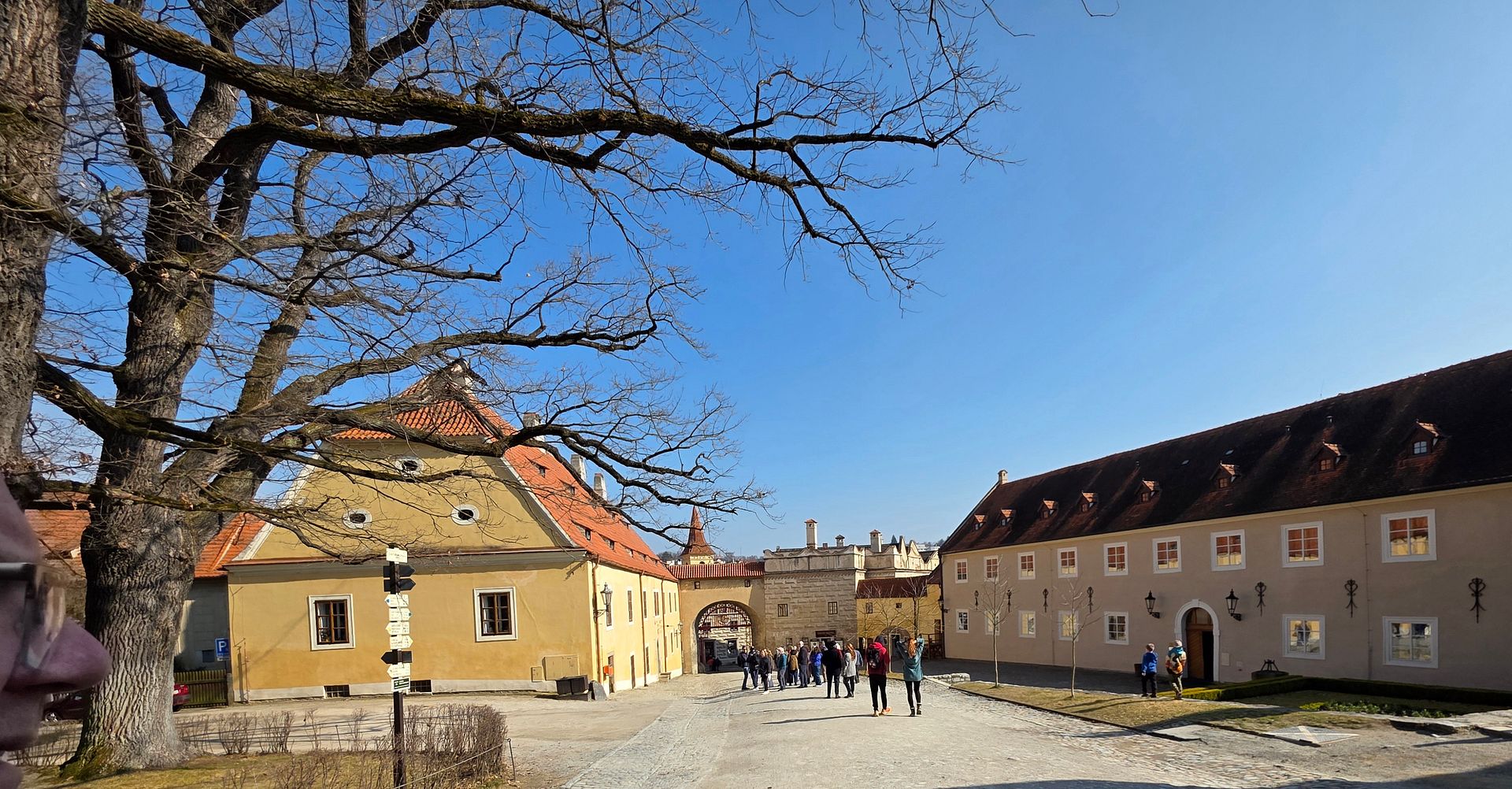
Time to move downward to the outer courts.

You can read more about the history of bear keeping at the castle here.

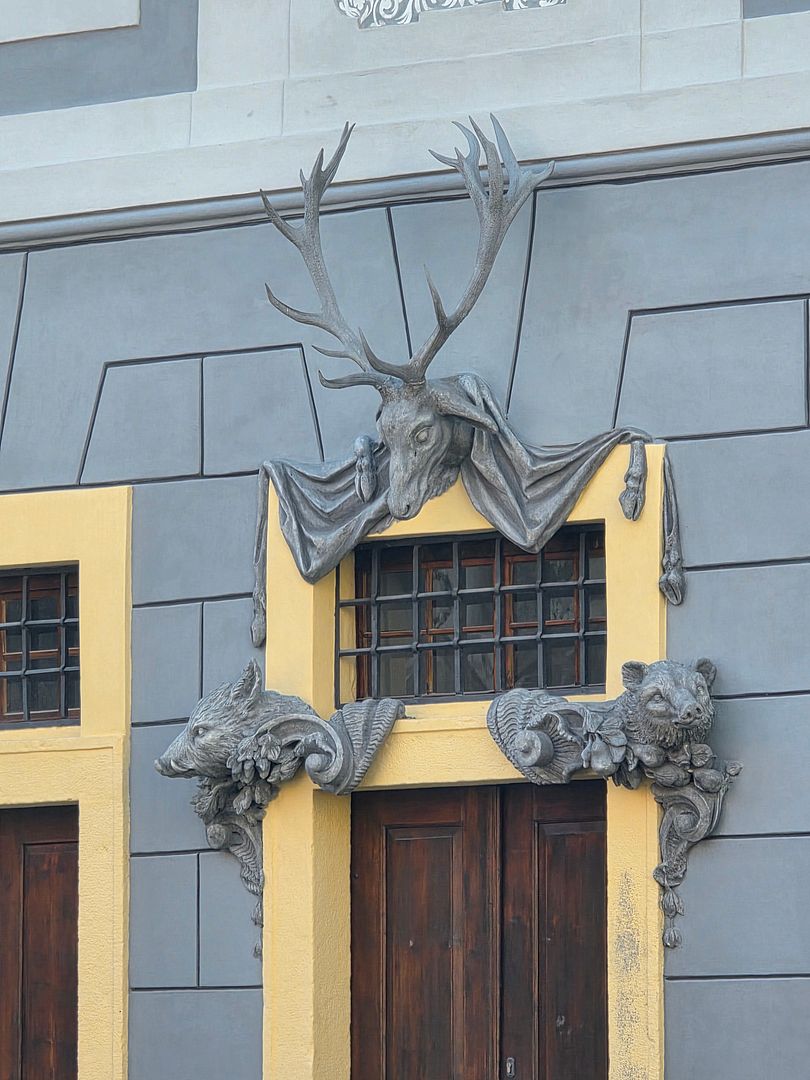
These days we were told they only bring in old bears that have no where else to be cared for. They are cared for well, here.

We didn’t climb the belltower but it was an option.

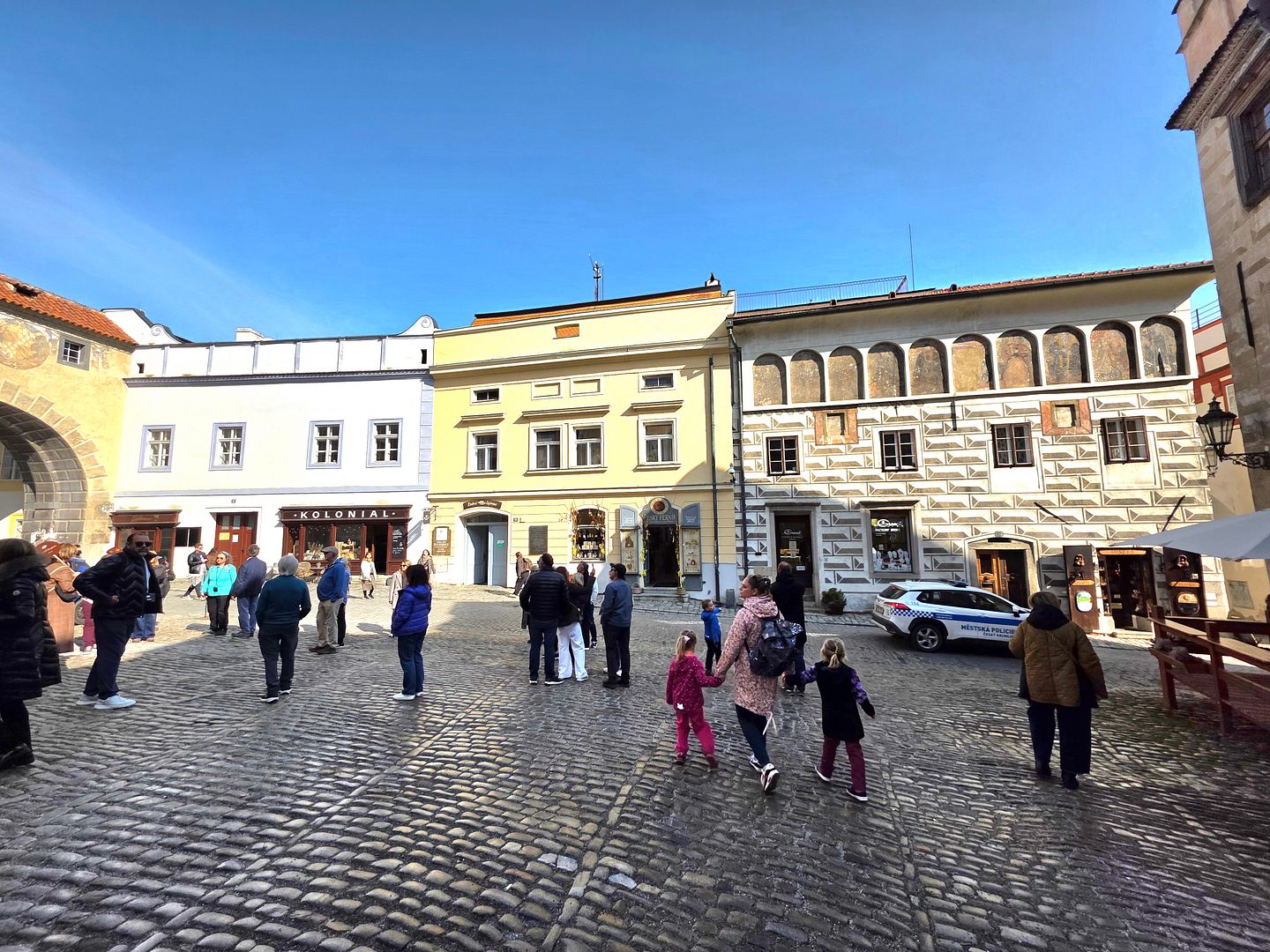
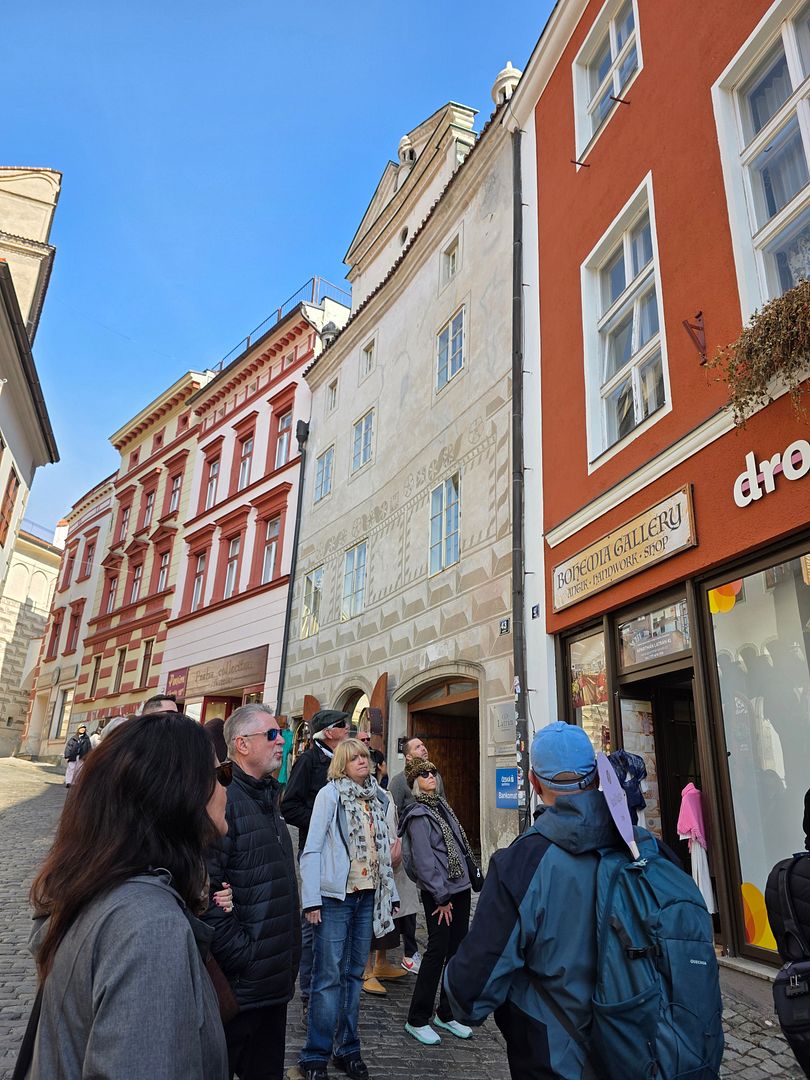
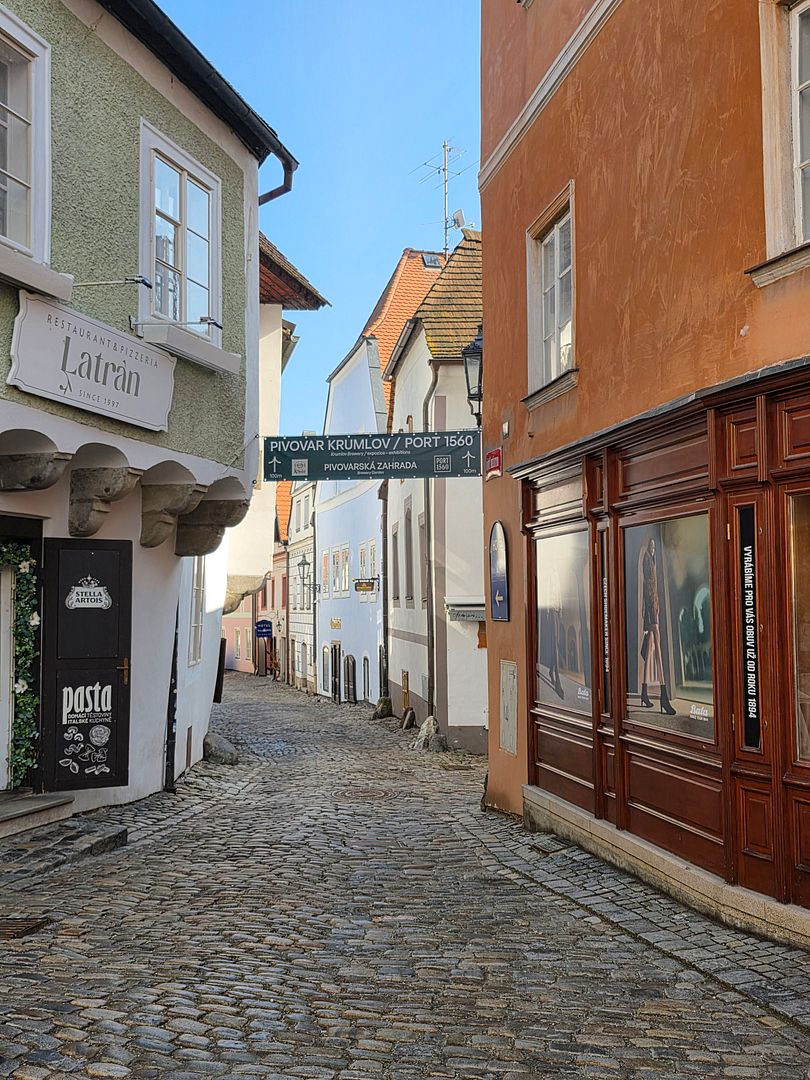
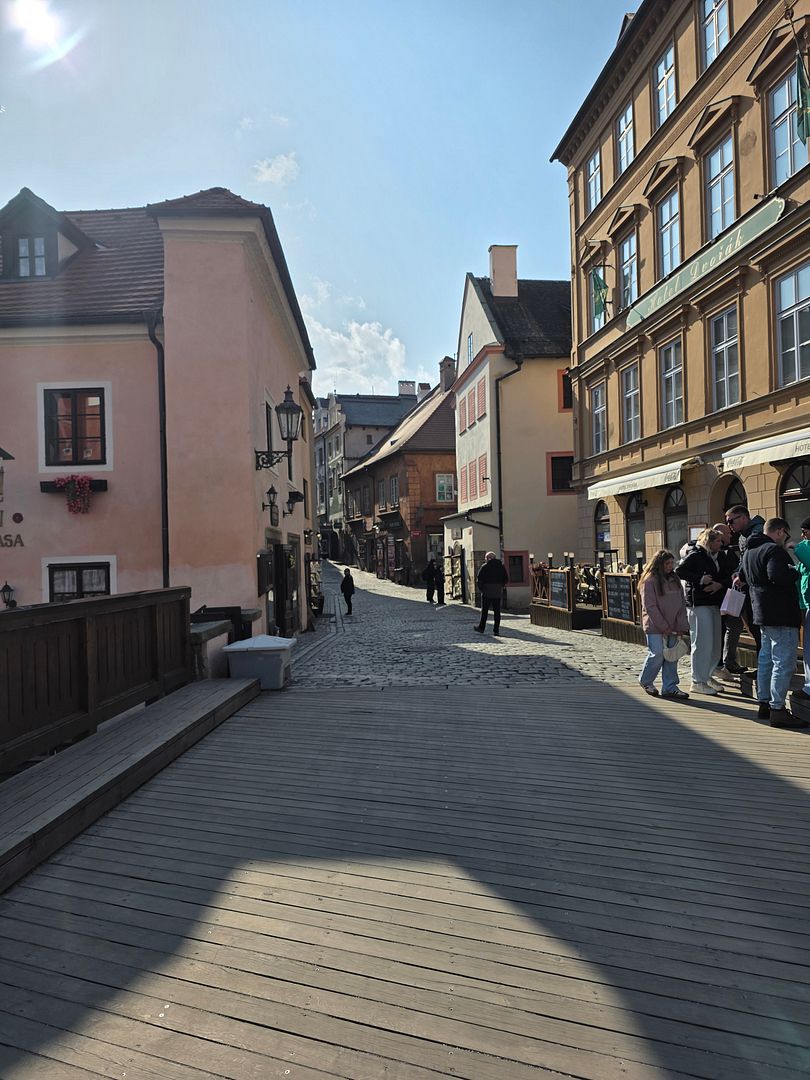
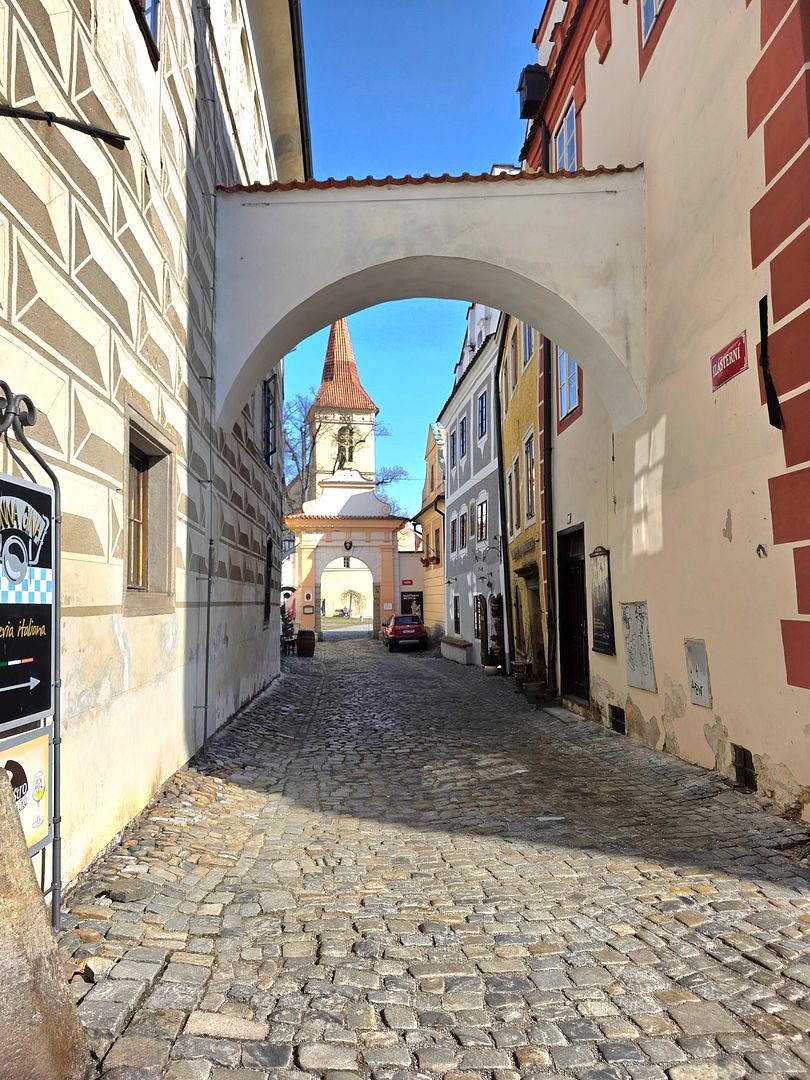
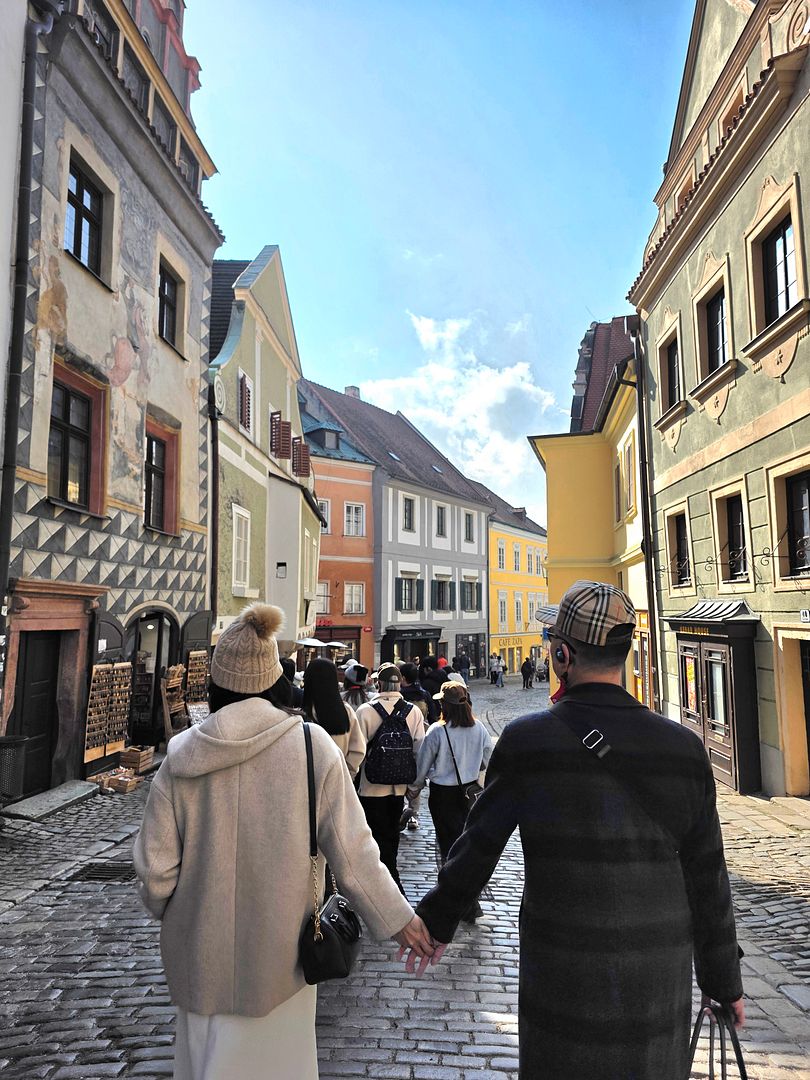
From the castle we journeyed on cobbled streets to get to Old Town.

Cobbled streets and narrower alleyways.

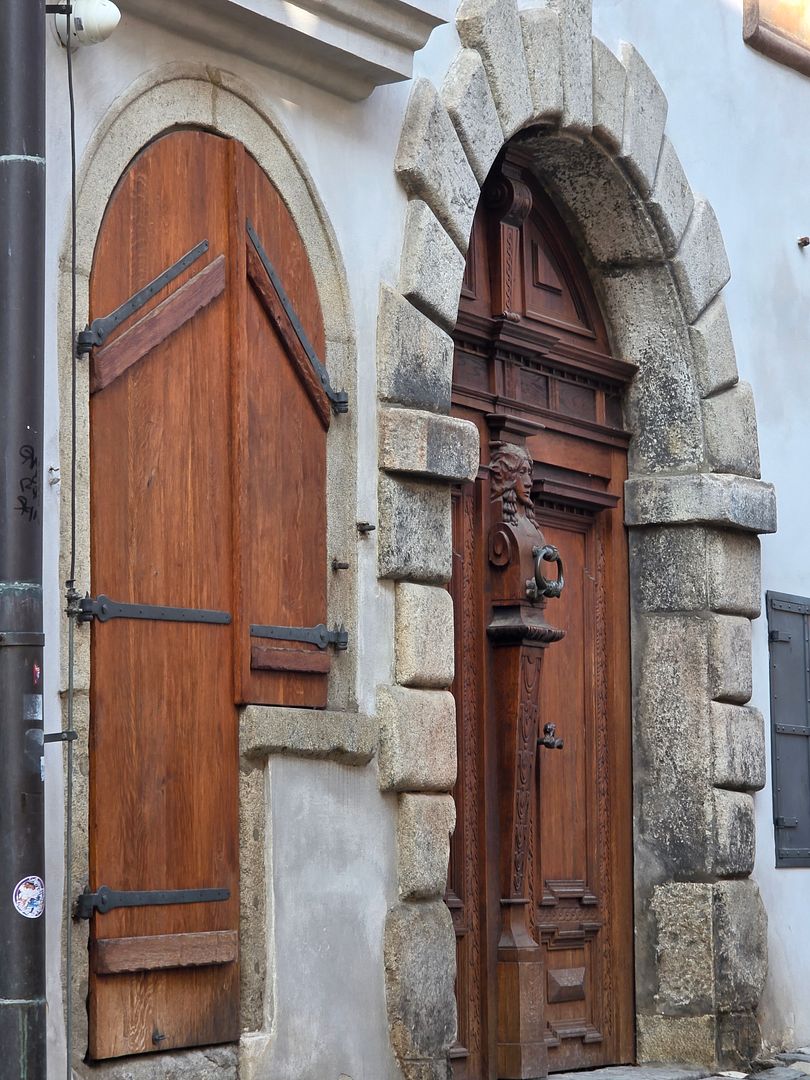
After being part of the Austro-Hungarian Empire, it became part of Czechoslovakia in 1918. The town suffered minimal damage in the 20th century, preserving its unique, intact medieval and Renaissance architecture.

By this time, I kept looking at my watch thinking it is lunch time. My brain had enough of tour talk and my ears were tired of the ear pieces. You might feel the same way about this post but I’m not done yet, nor was our guide. 🙂

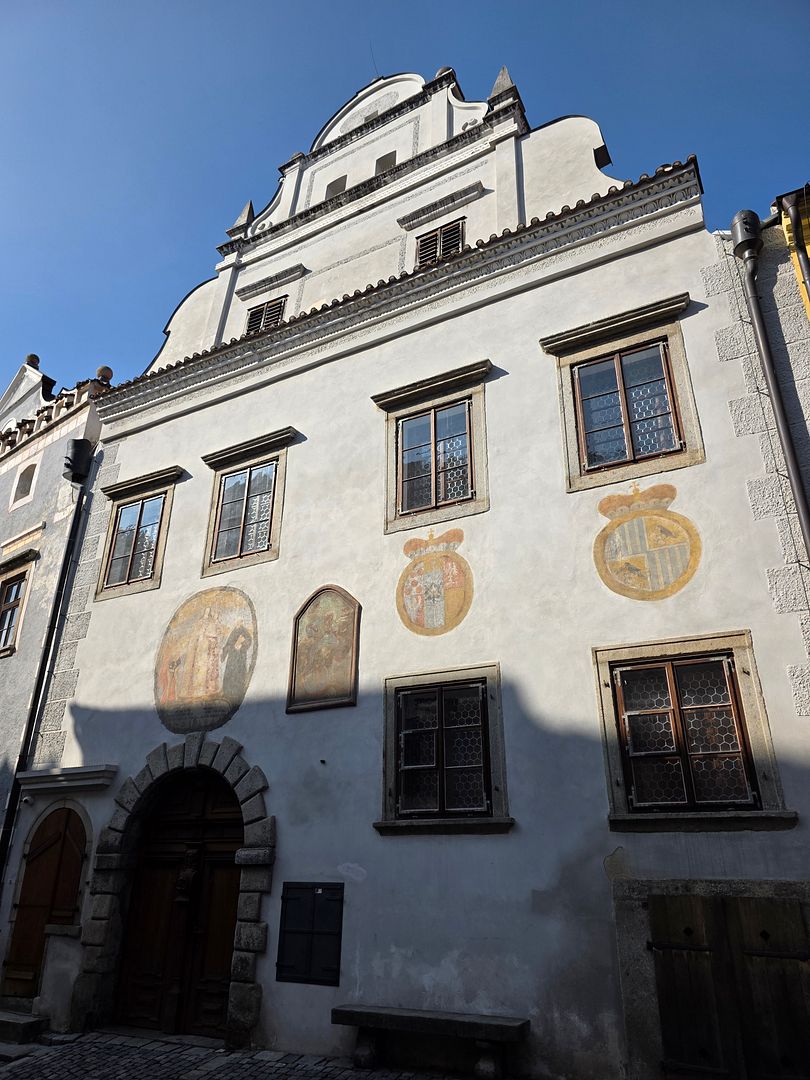
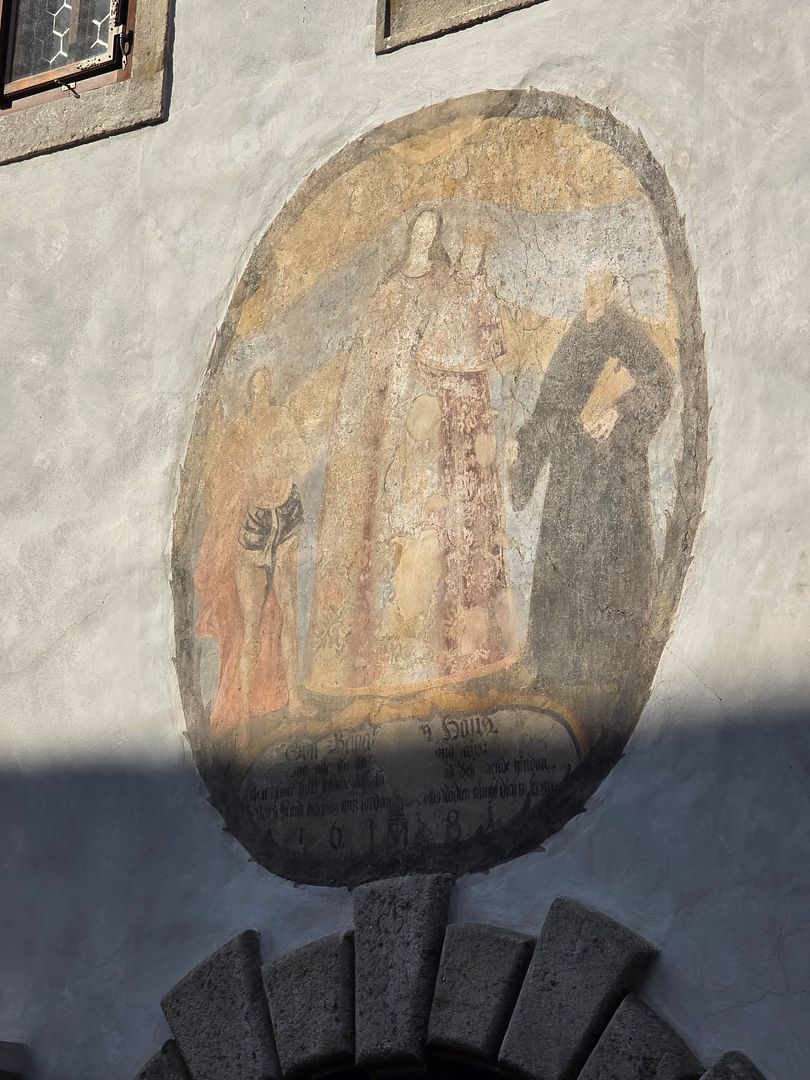
Many precious Gothic and Renaissance frescoes were whitewashed in Baroque times, when the colorful trimmings of earlier periods were out of style. Some of these frescoes are being rediscovered and restored.

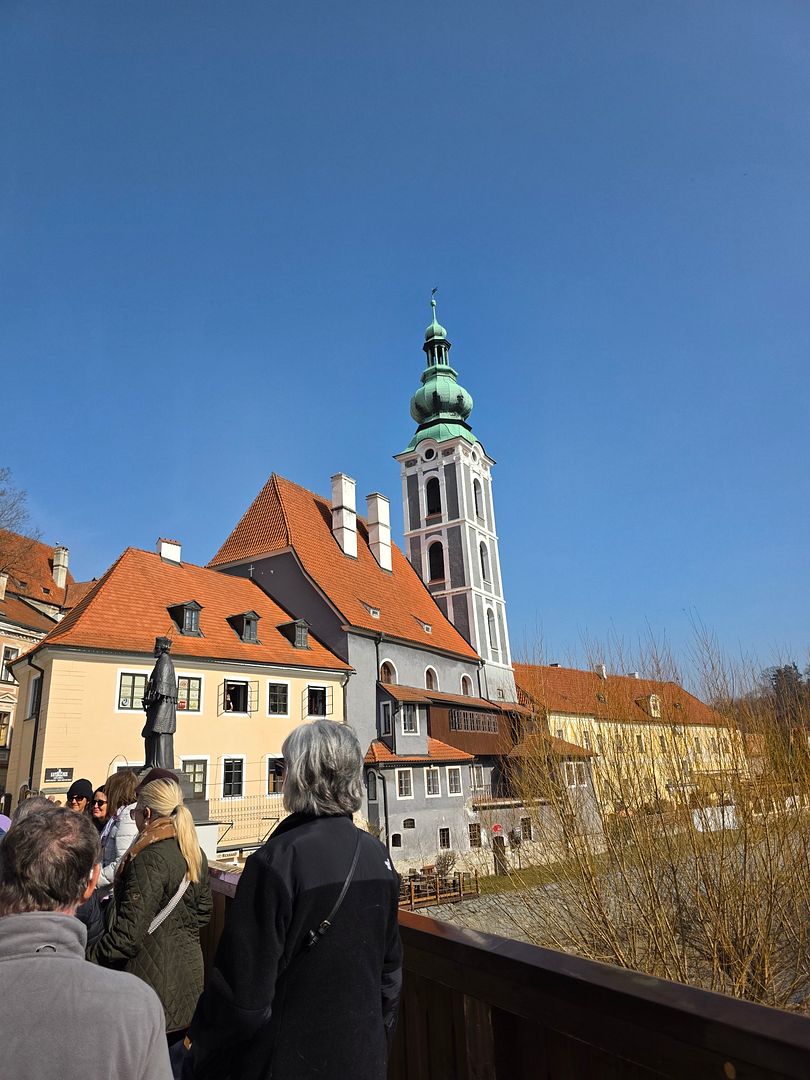
Looking up and back at the round bell tower at the Castle from the bridge over the river. This river circles the town.

Finally at the bridge we saw the spot we were interested in for our lunch meal. Our guide wasn’t winding down yet and he was going to keep going all the way to the square in the middle of town. That would be the spot to meet up with him again after our few hours in town by ourselves. We knew we’d be able to find the square with no problem. My feet were saying, “why go all the way to the center of town and then have to double back to this very spot for lunch?” NYET!

We broke away with thoughts of that good lunch and a nice sit down to rest our feet.

I’ll leave it here and give you a break, too. Part deux (french) or dva (czech) coming soon.

Eating in Budapest

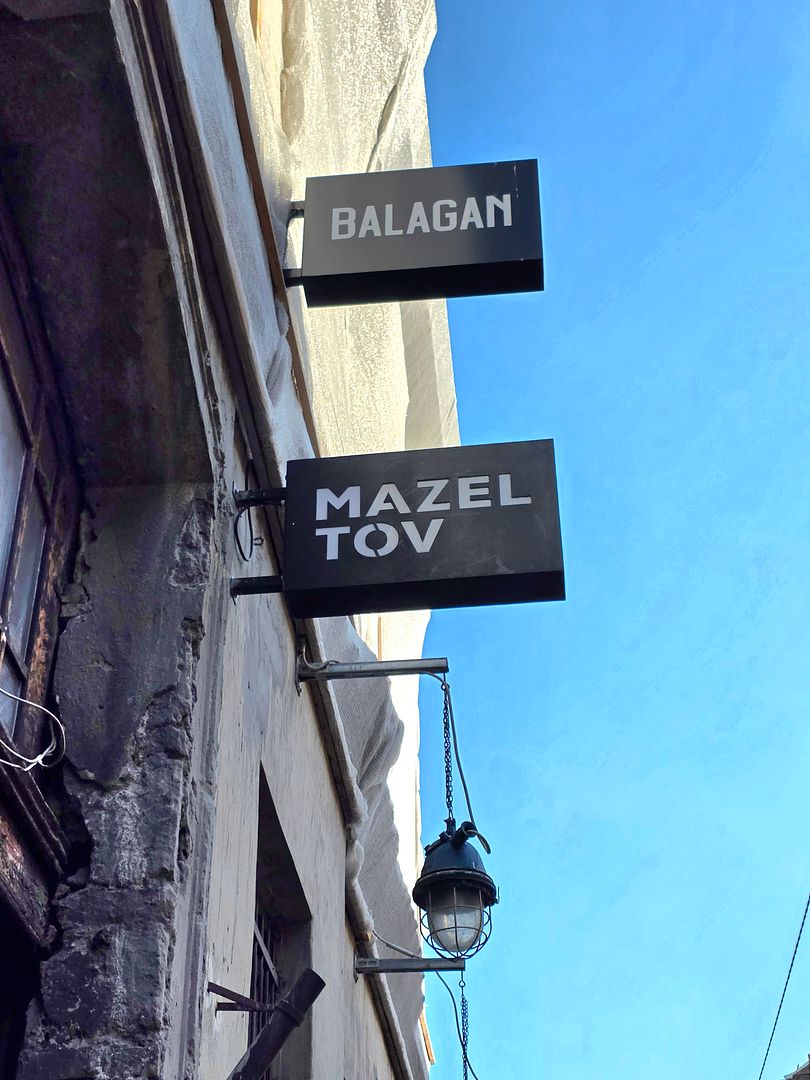
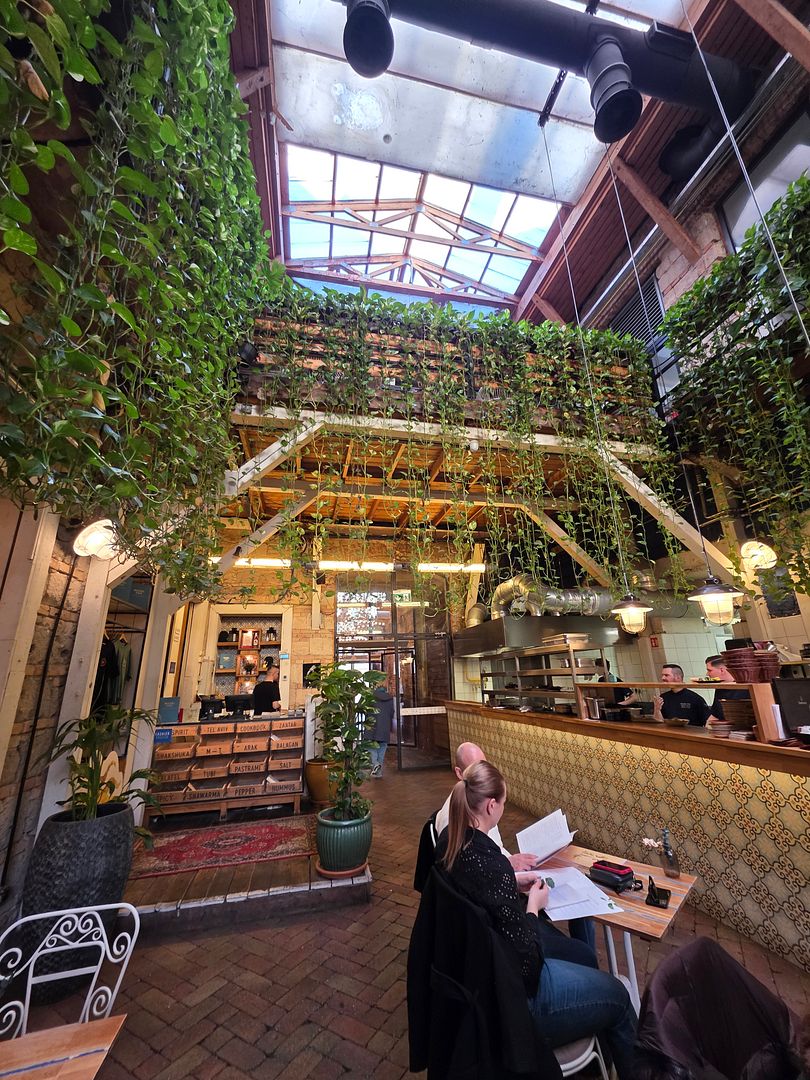
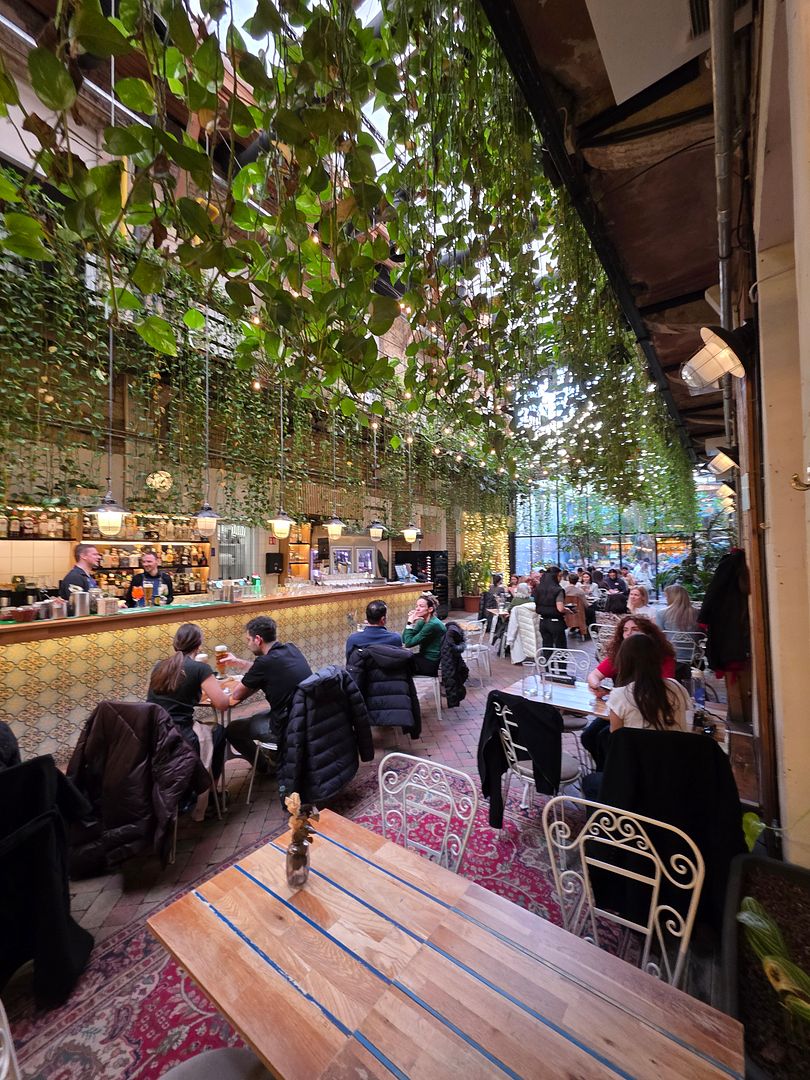
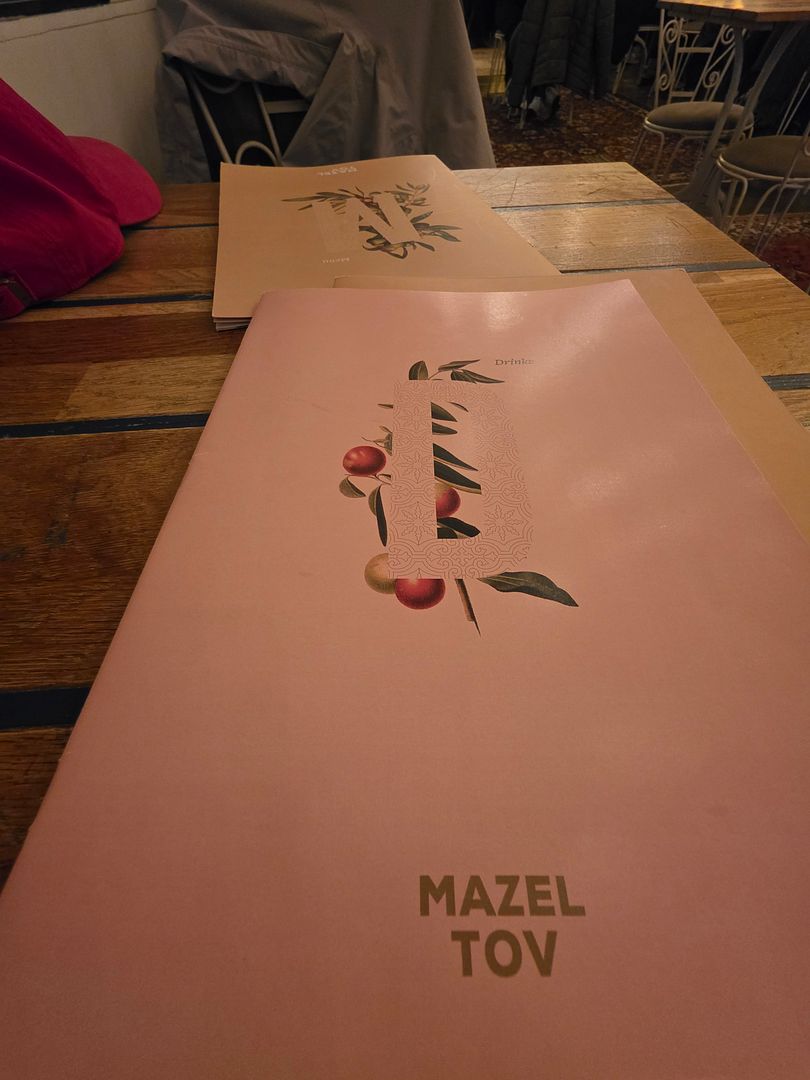
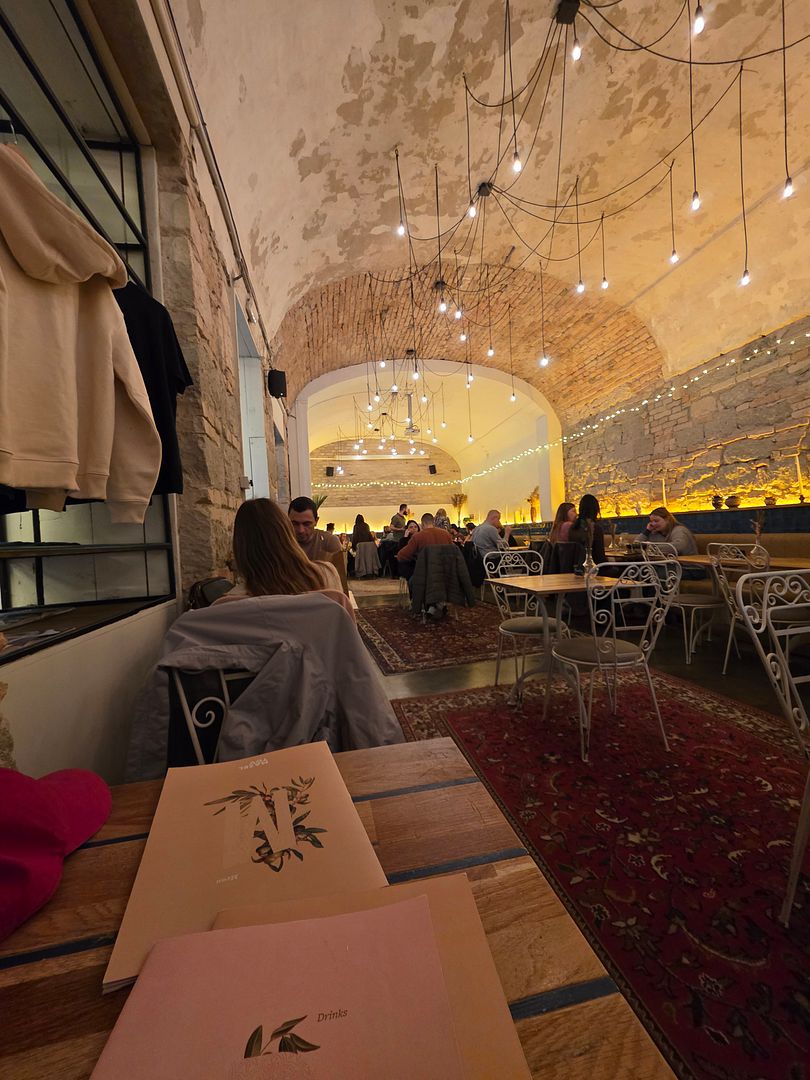
On Saturday February 28th we walked from St. Stephen’s Basilica to the Jewish District looking for Mazel Tov. We had reservations for a meal at 4:30 but we wanted to see if they would slip us in at 1:30 instead since our dinner reservations at Retek Restaurant were for 7:30 on Saturday instead of Friday. (Did you follow that?)

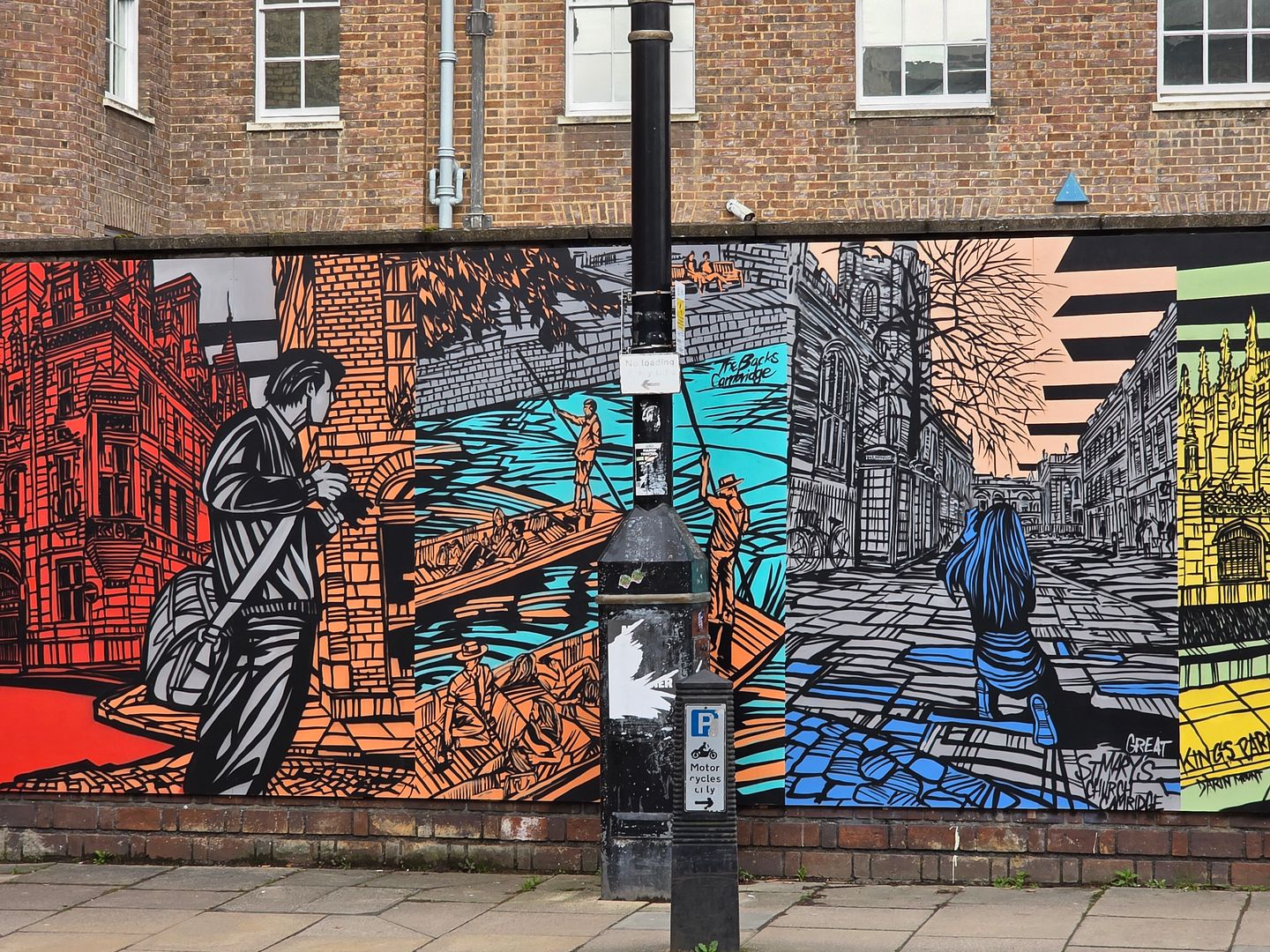
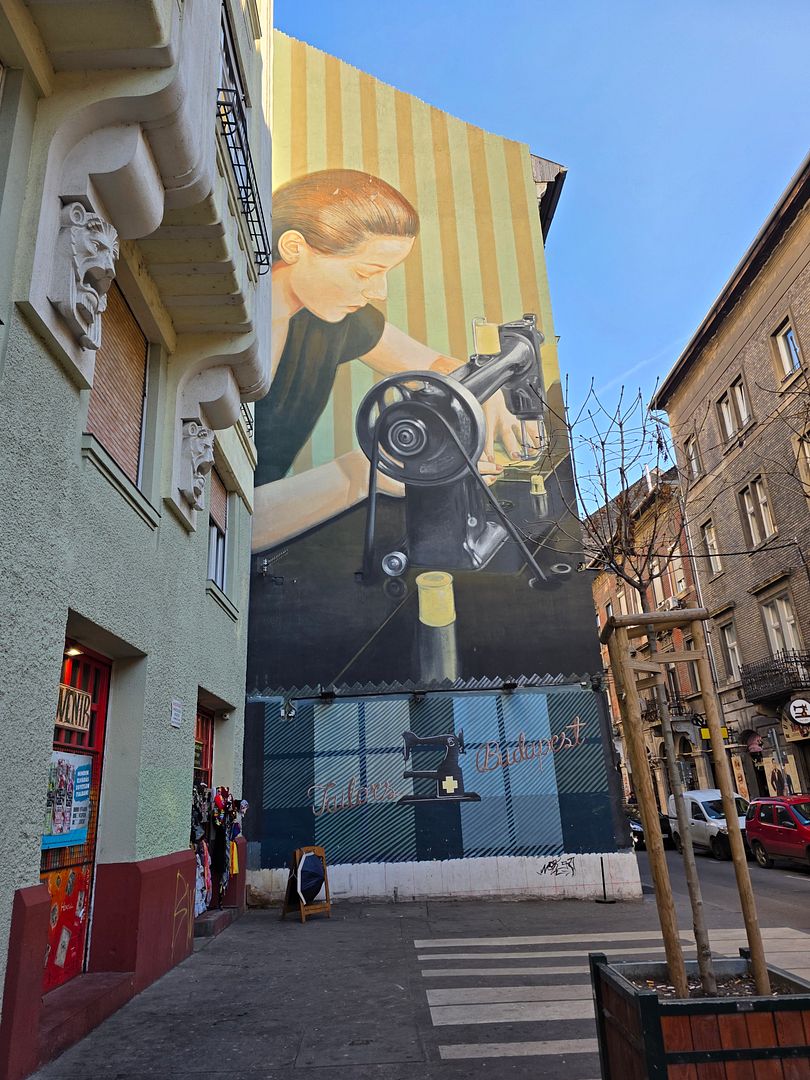
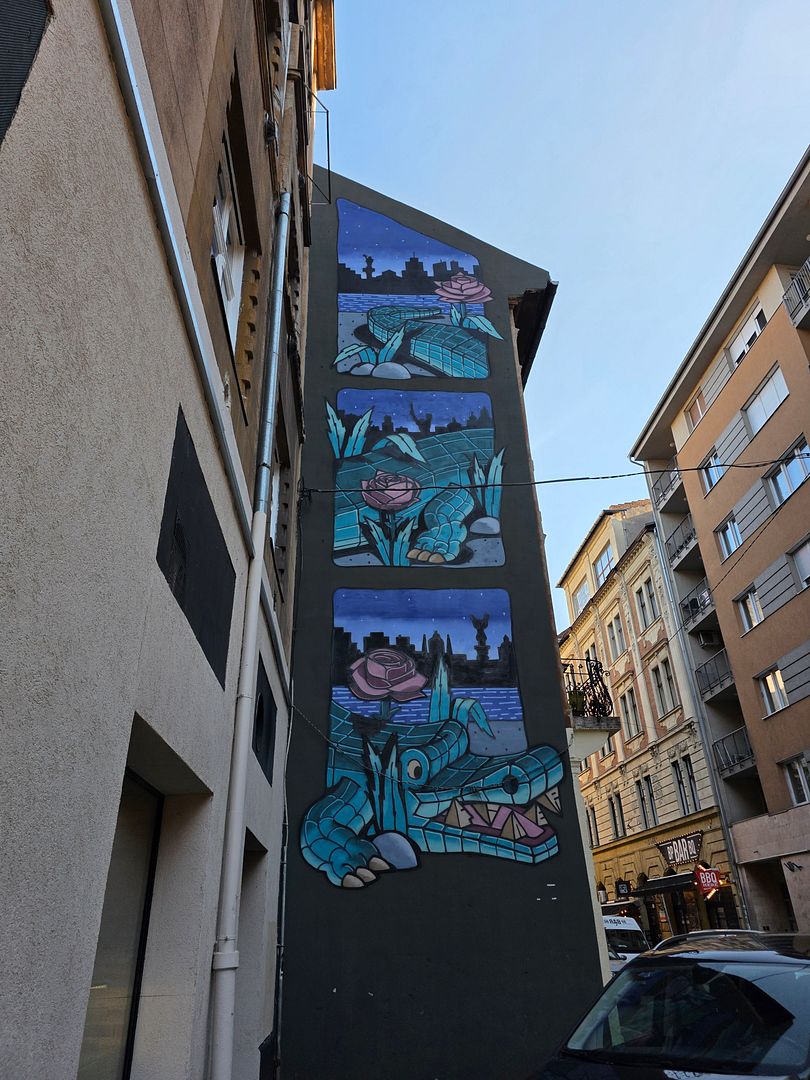
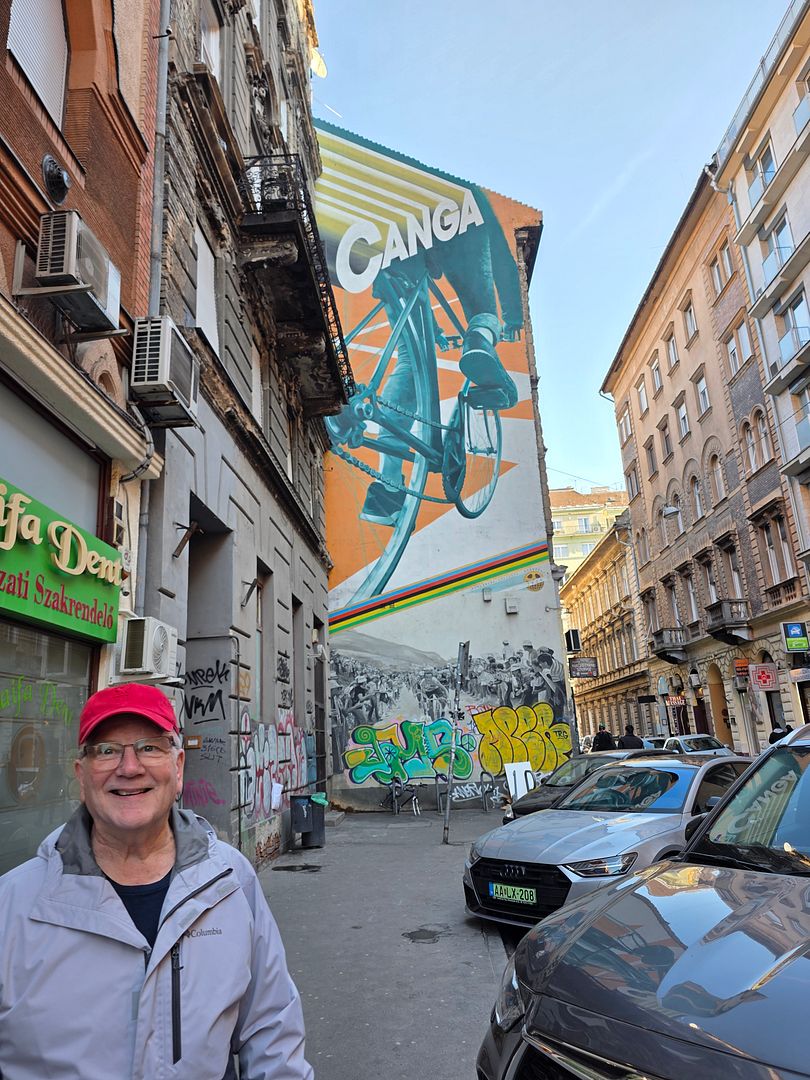
The area had a lot of interesting murals.

We arrived tired and thirsty from our 1.6 k walk in the sunshine. They graciously changed our reservation and we joined the crowd of diners for our meal. We met someone from Costa Mesa, California who is studying abroad. That was fun.


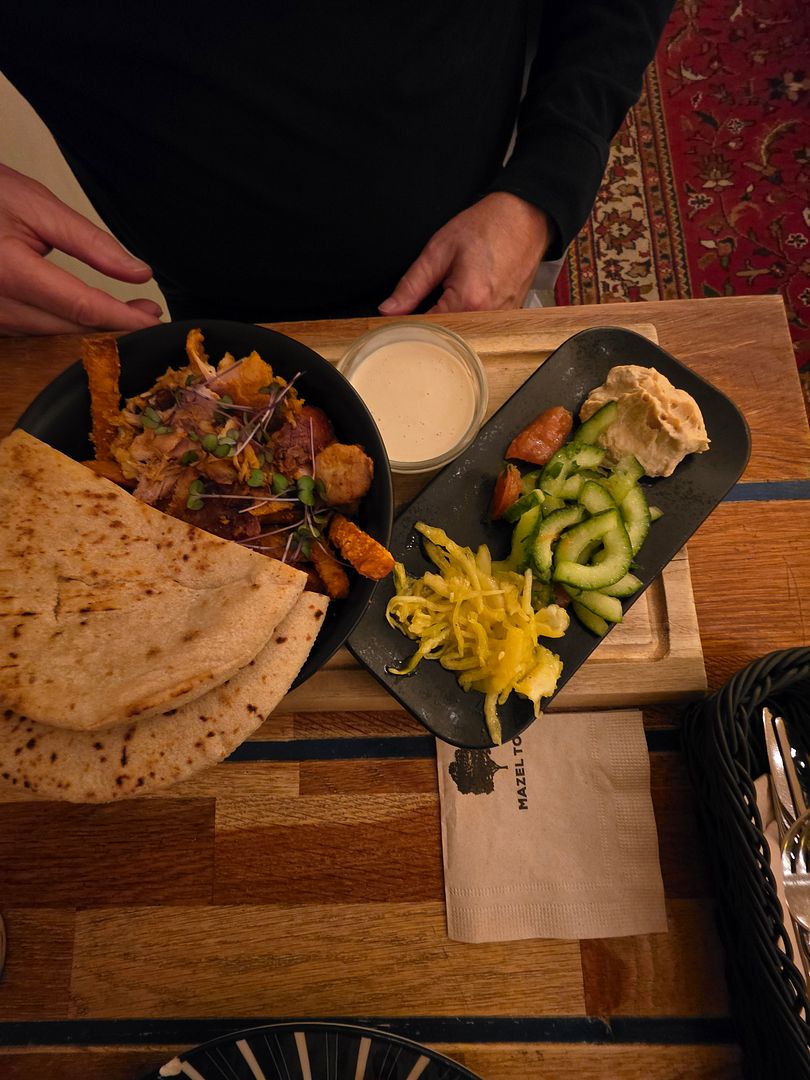
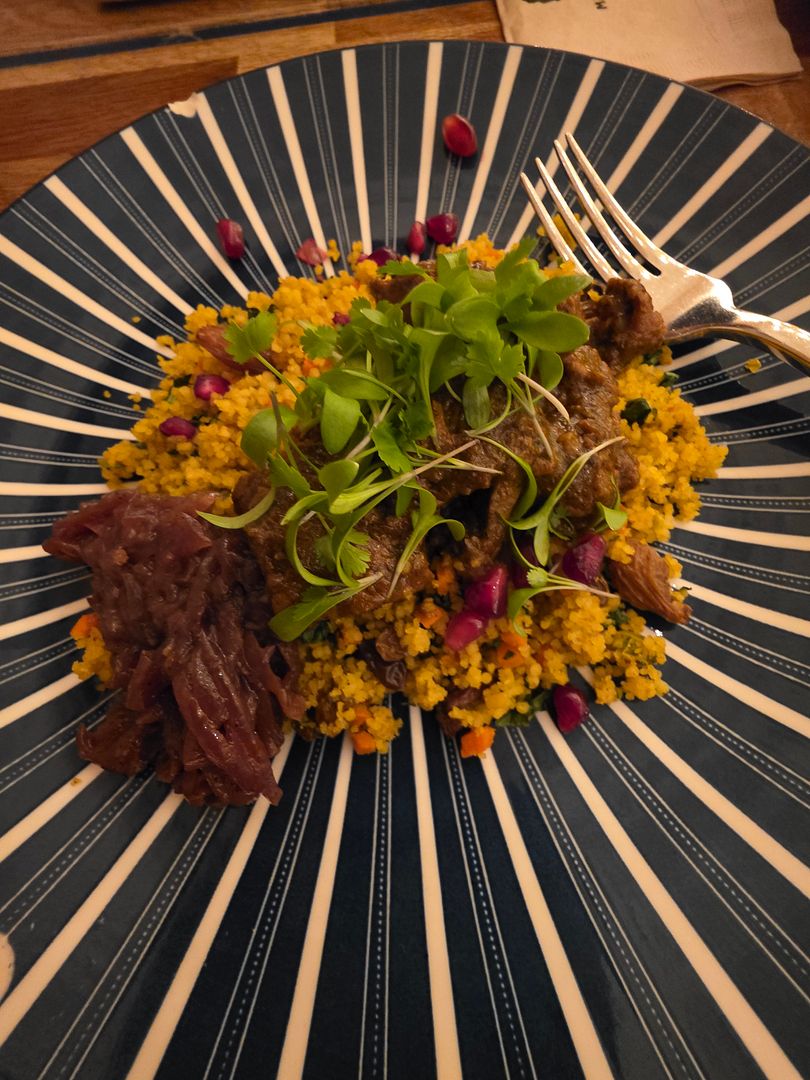
Our meals were both delicious. Greg ordered the DIY Falafel Sandwich and I ordered the spicy lamb shank ragout, couscous with root vegetables, raisins and red onion chutney.

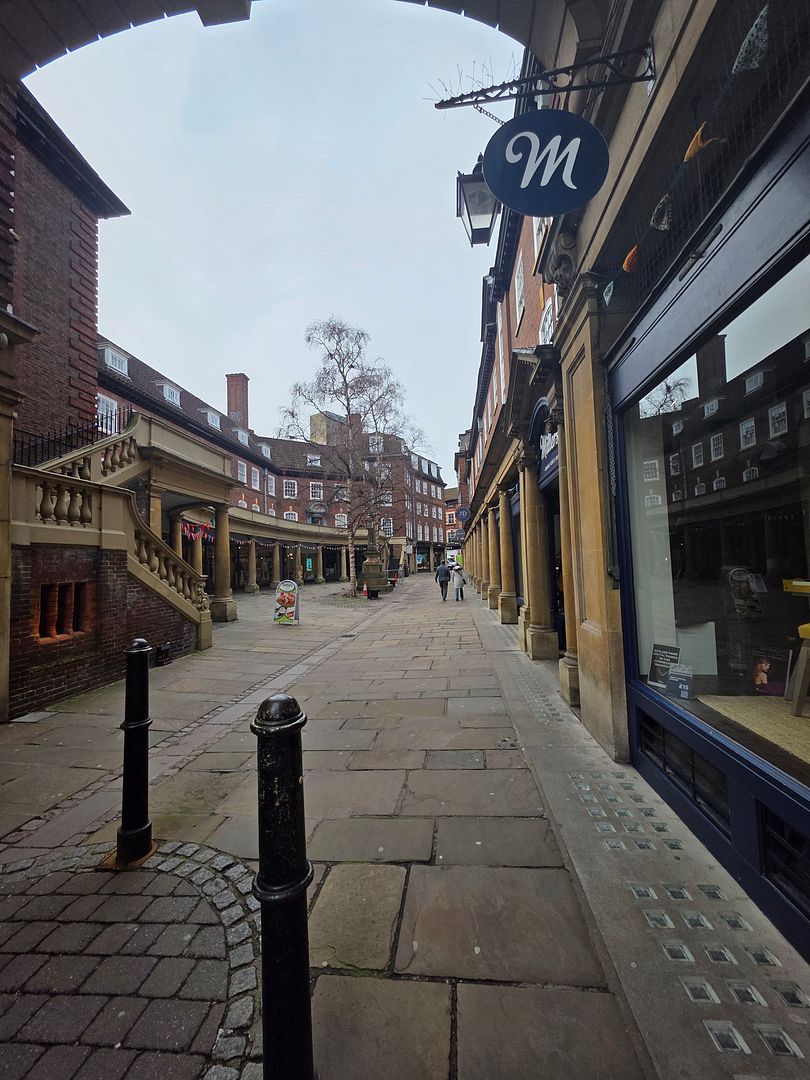
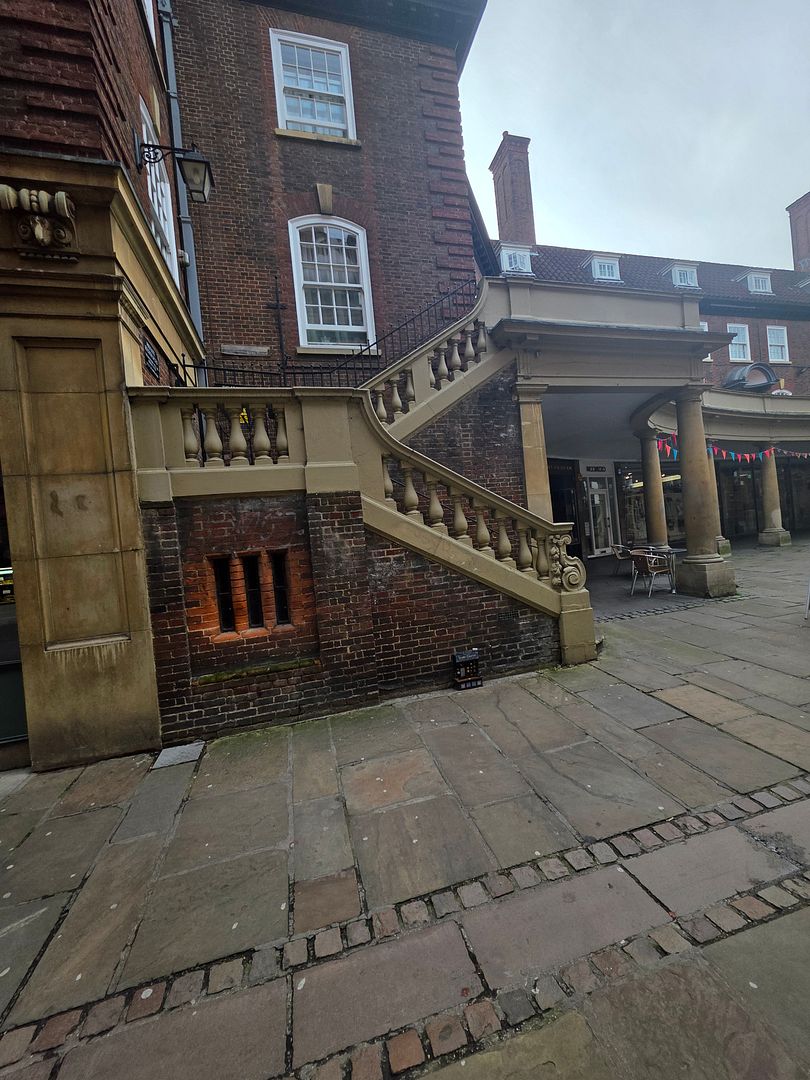
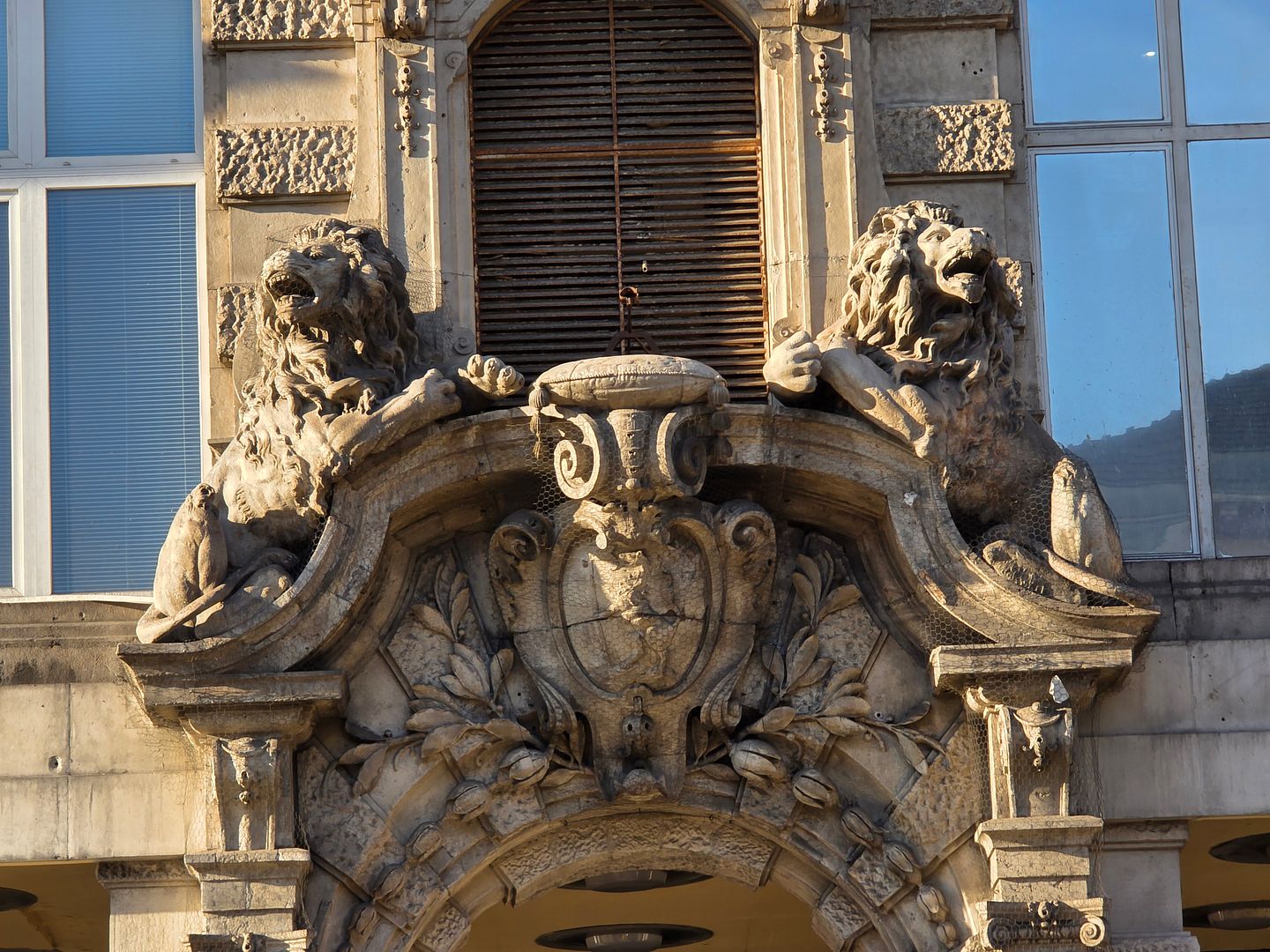
We had another long walk (1.6k) ahead of us to get back to our hotel. We were entertained by interesting buildings on the way.

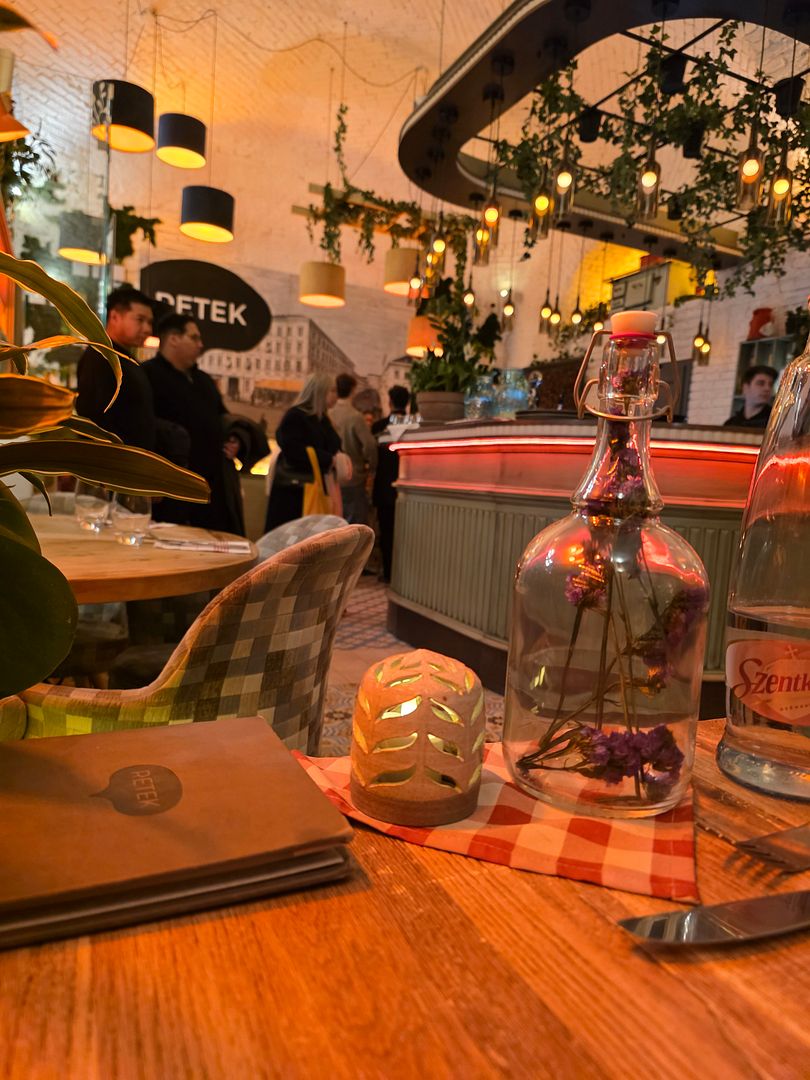
Our dinner reservations at Retek would be a 1 k walk so we opted for a taxi ride to the restaurant and then we’d walk back to the hotel after dinner.

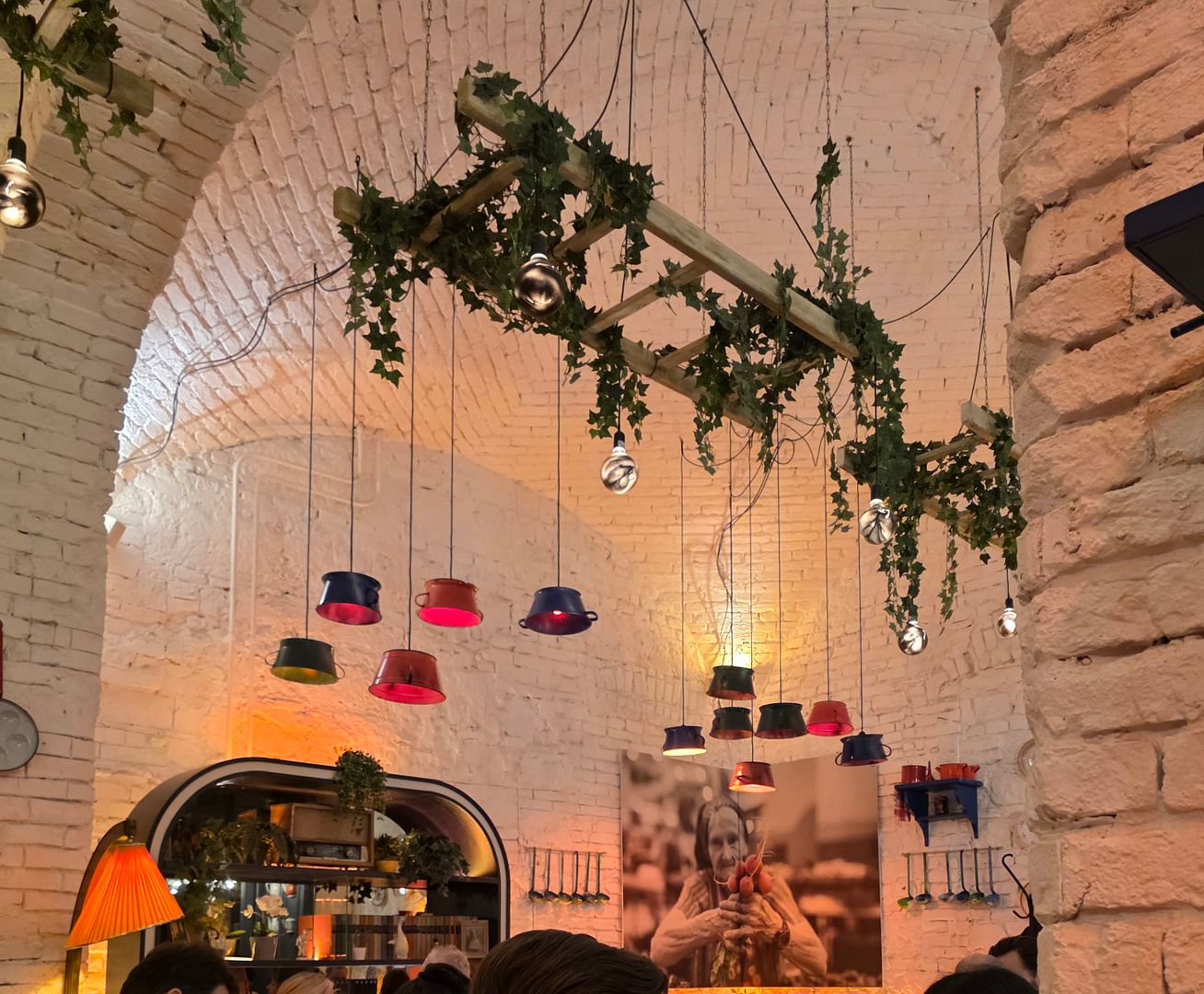
We went traditional at this very popular restaurant.

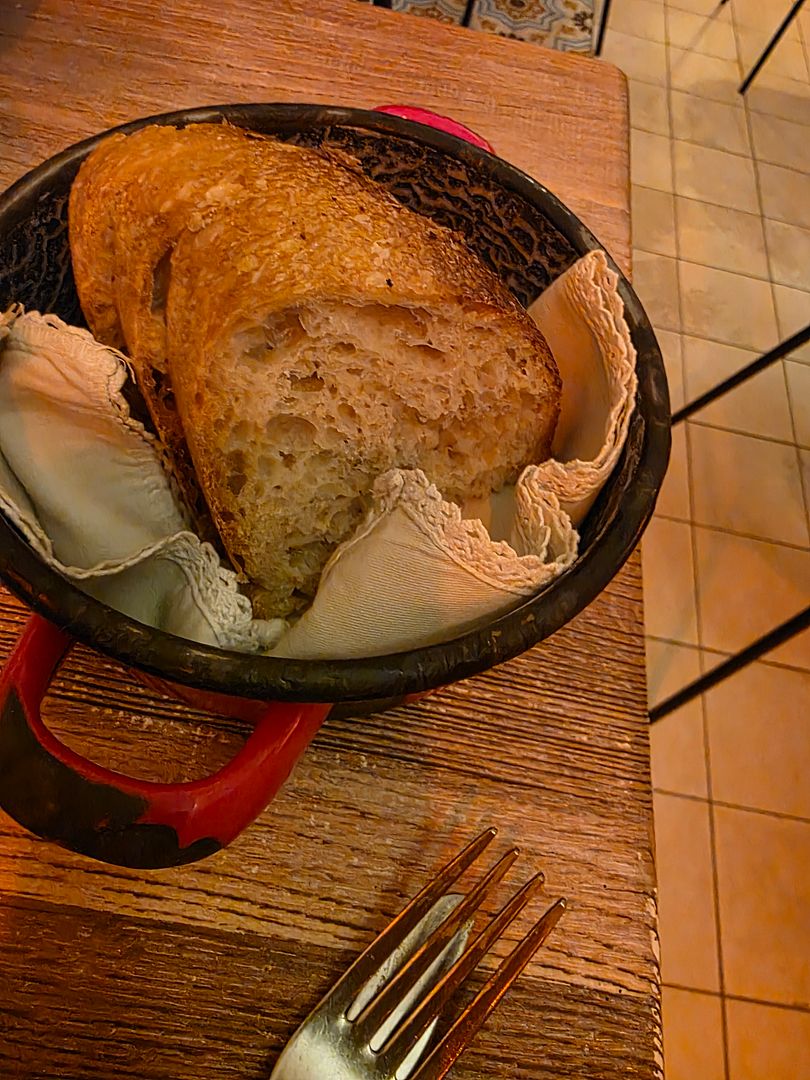
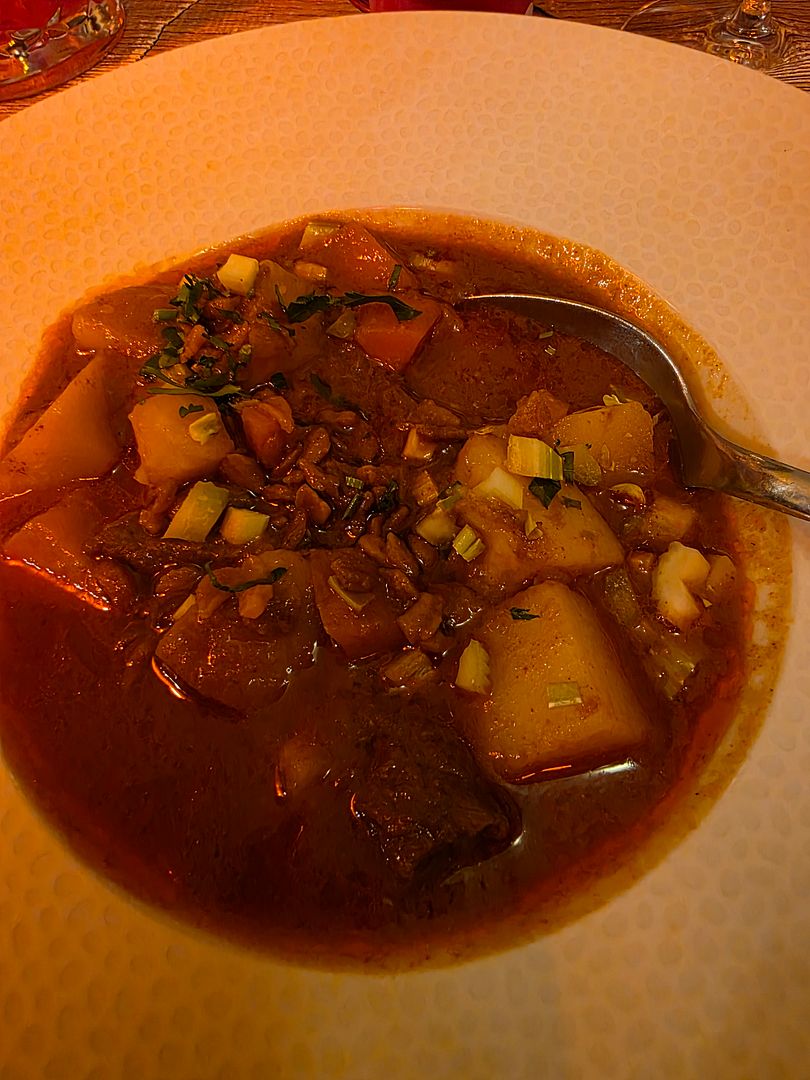
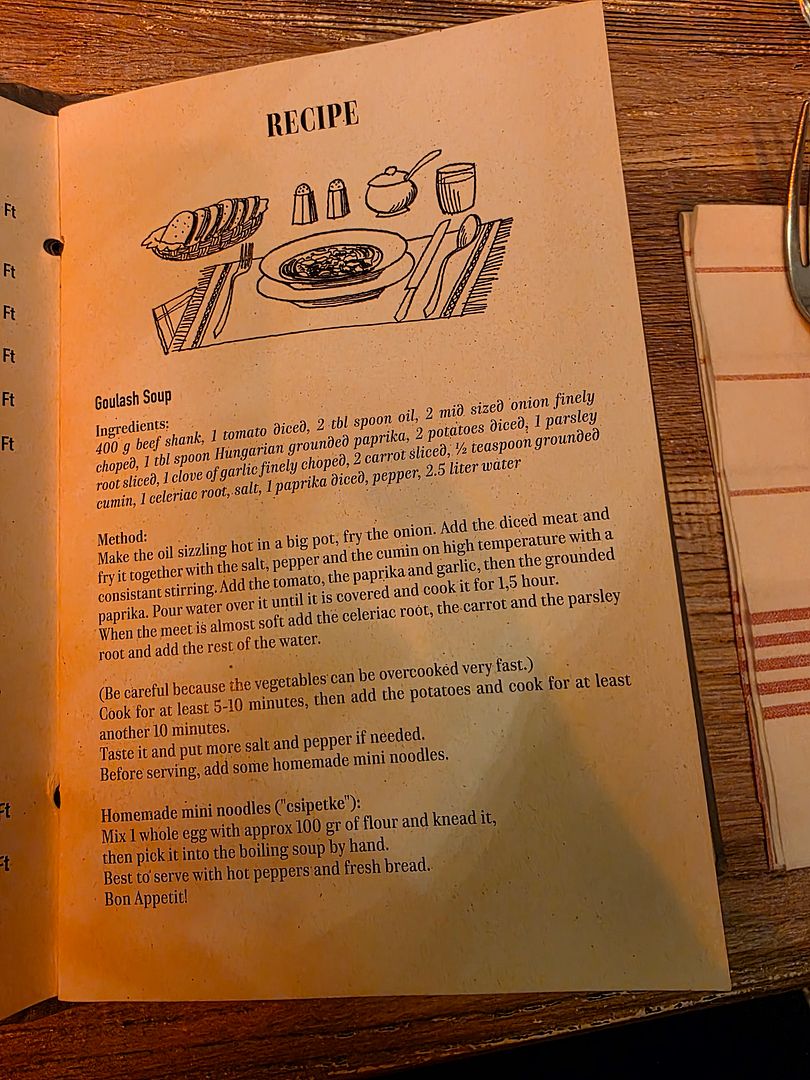
Hungarian Beef Goulash with the fresh bread.

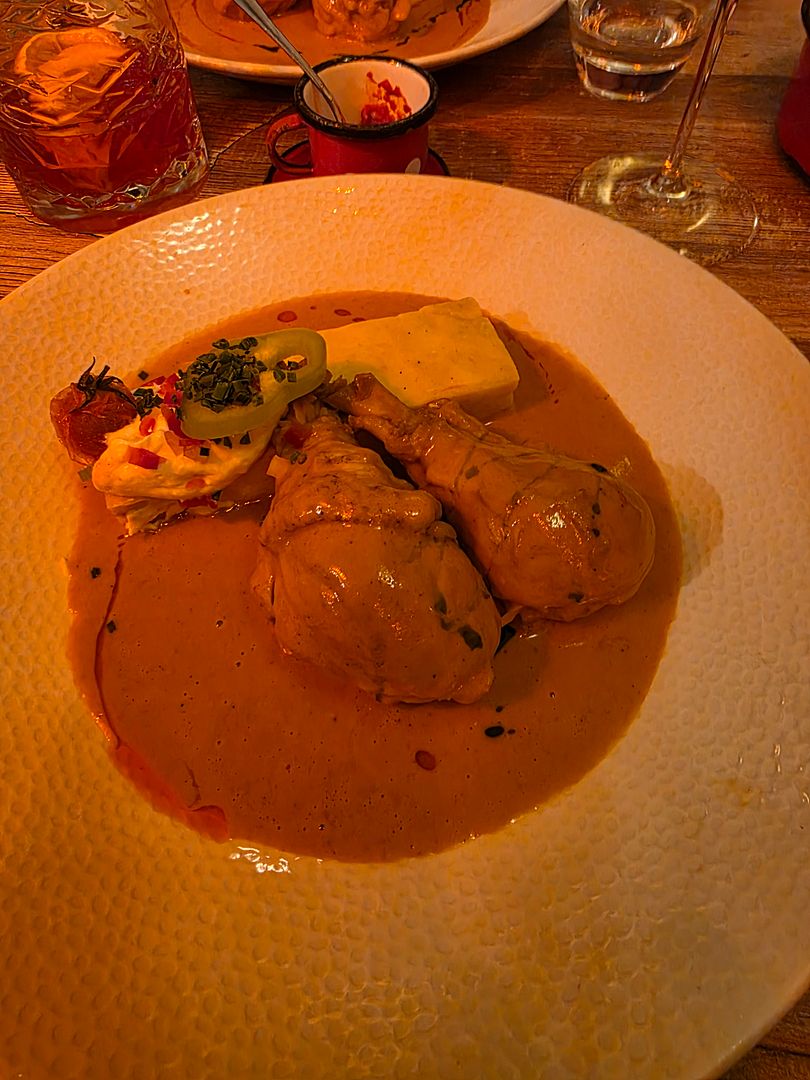
Chicken Paprikash

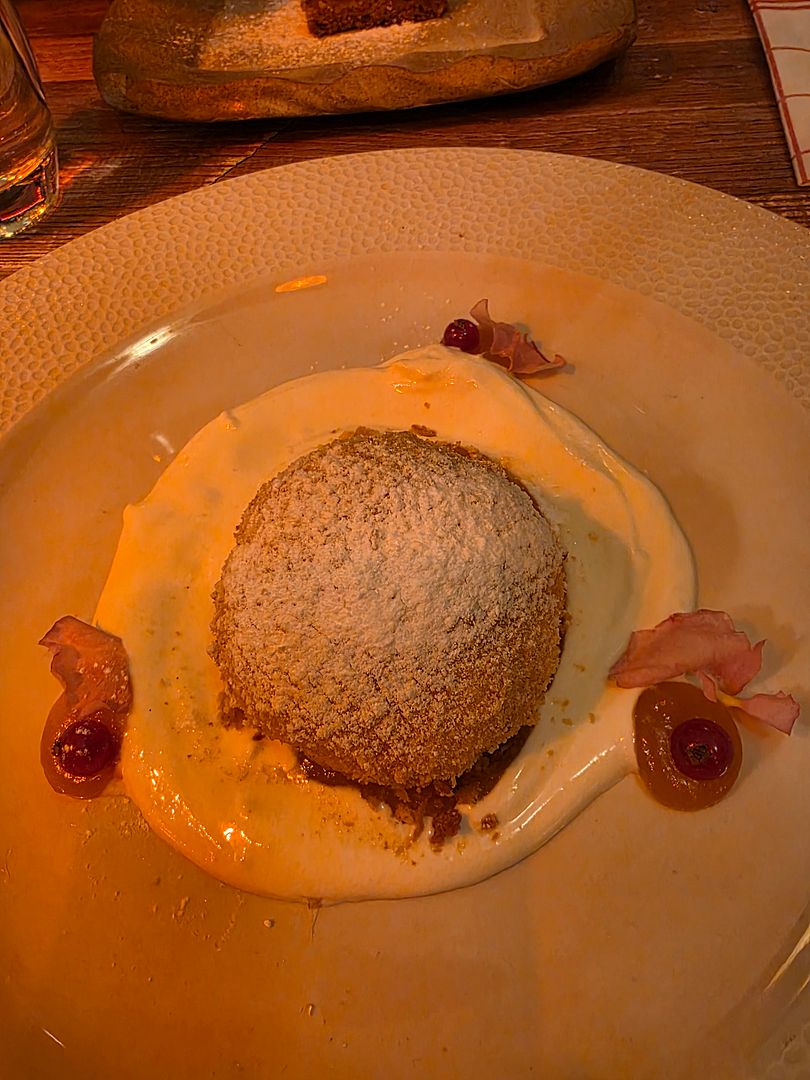
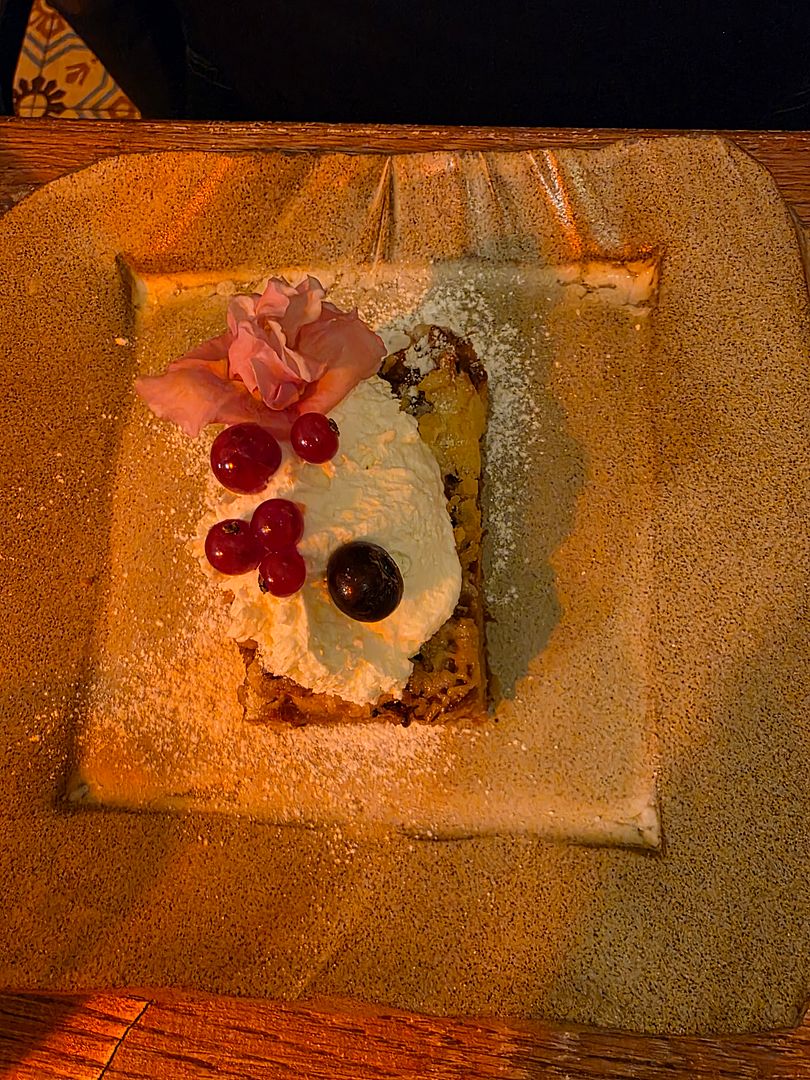
Cottage Cheese Dumpling and Grandmother’s apple pie for dessert.

A delightful all around experience. This was all my kind of comfort food.

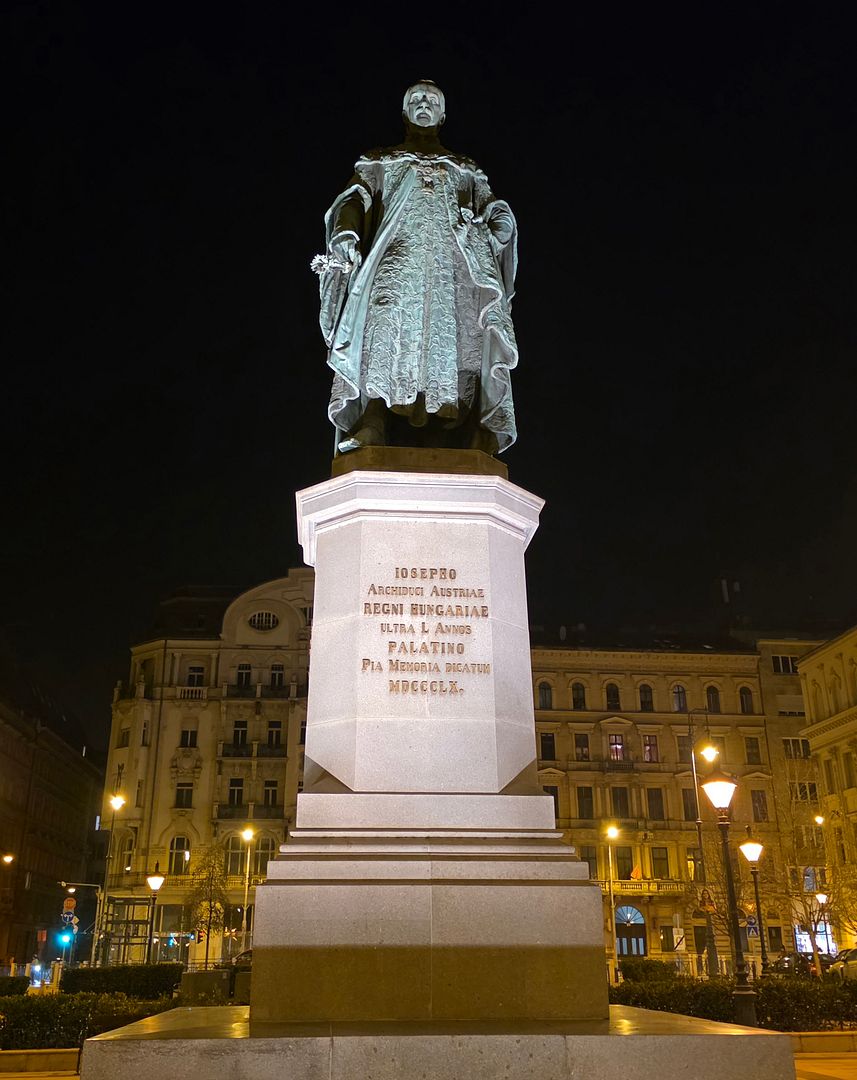
This statue was the beginning of history we would learn all through our cruise about the Habsburg empire.

The year 1795 saw Archduke Josef, son of Emperor Leopold II and brother of Emperor Franz, being appointed Palatine of Hungary, a post he held for more than half a century. As such he was the deputy of the King of Hungary – who was of course none other than the Emperor in his capacity as the head of the house of Habsburg. 

The streets we walked at night in Budapest seemed safe.

I’m saving St. Stephen’s Basilica which we visited on this two restaurant day for another post.

Cedar + Elm at The Lodge

Before I move on to today’s post I wanted to let you know that our home is safe and evacuation levels have stabilized but the fire is still burning.

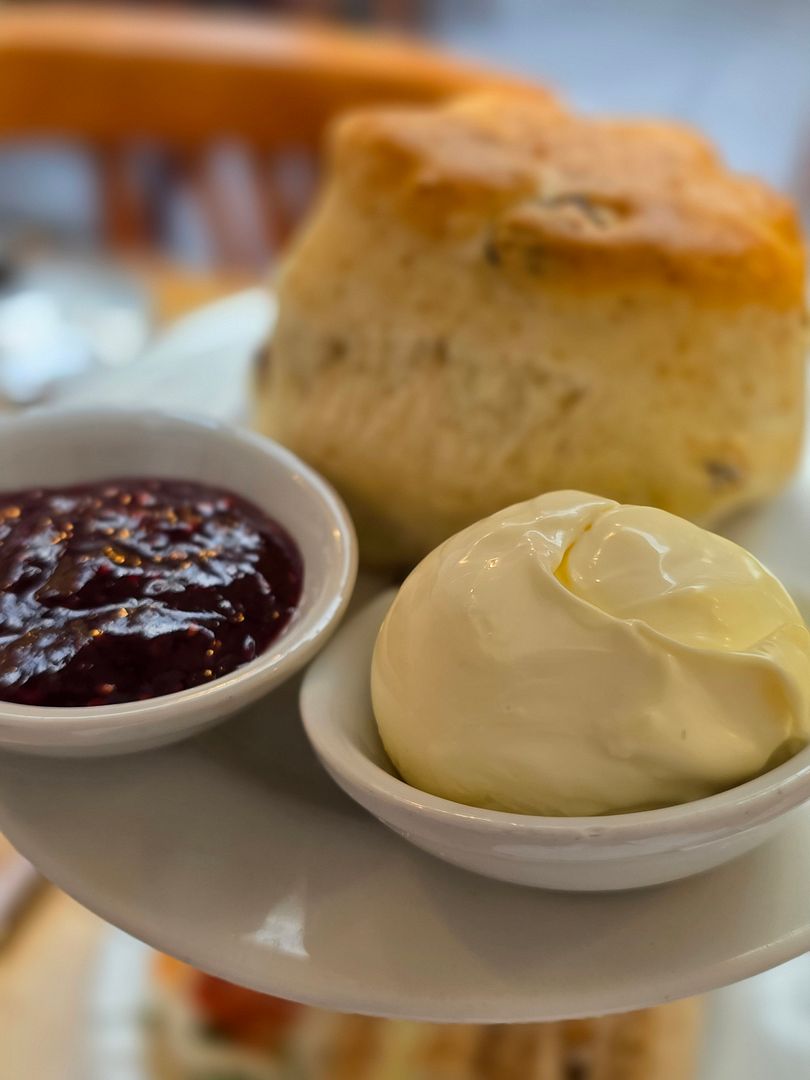
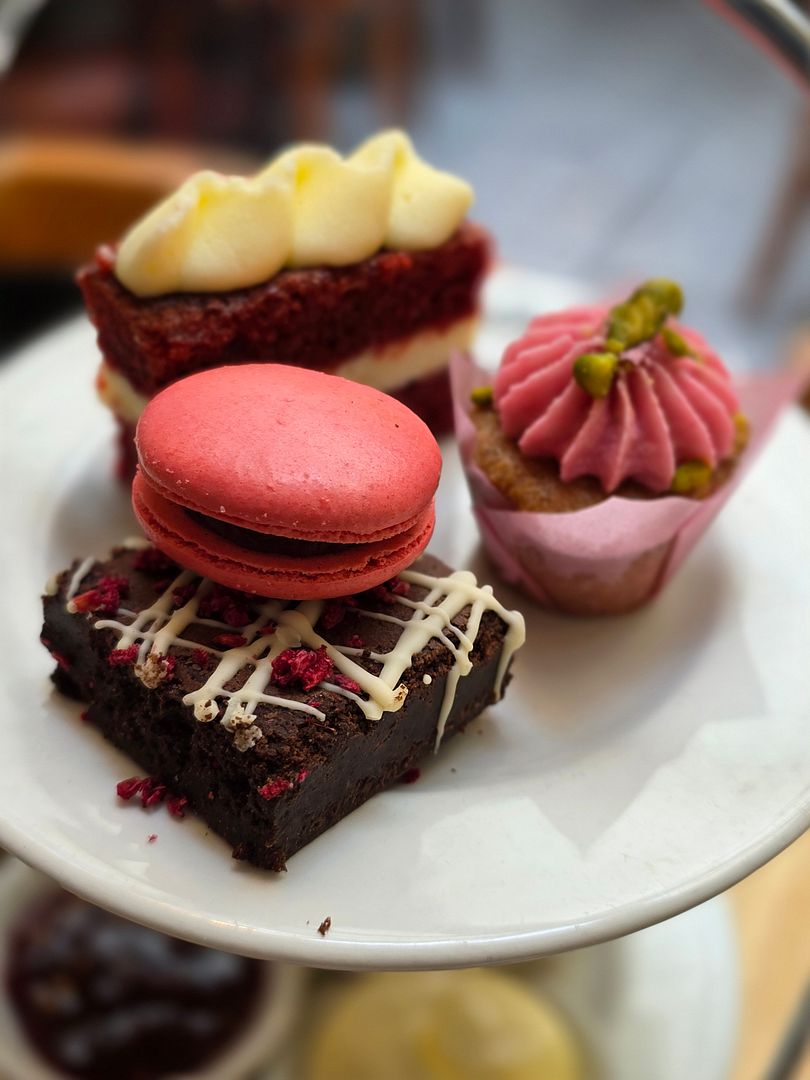
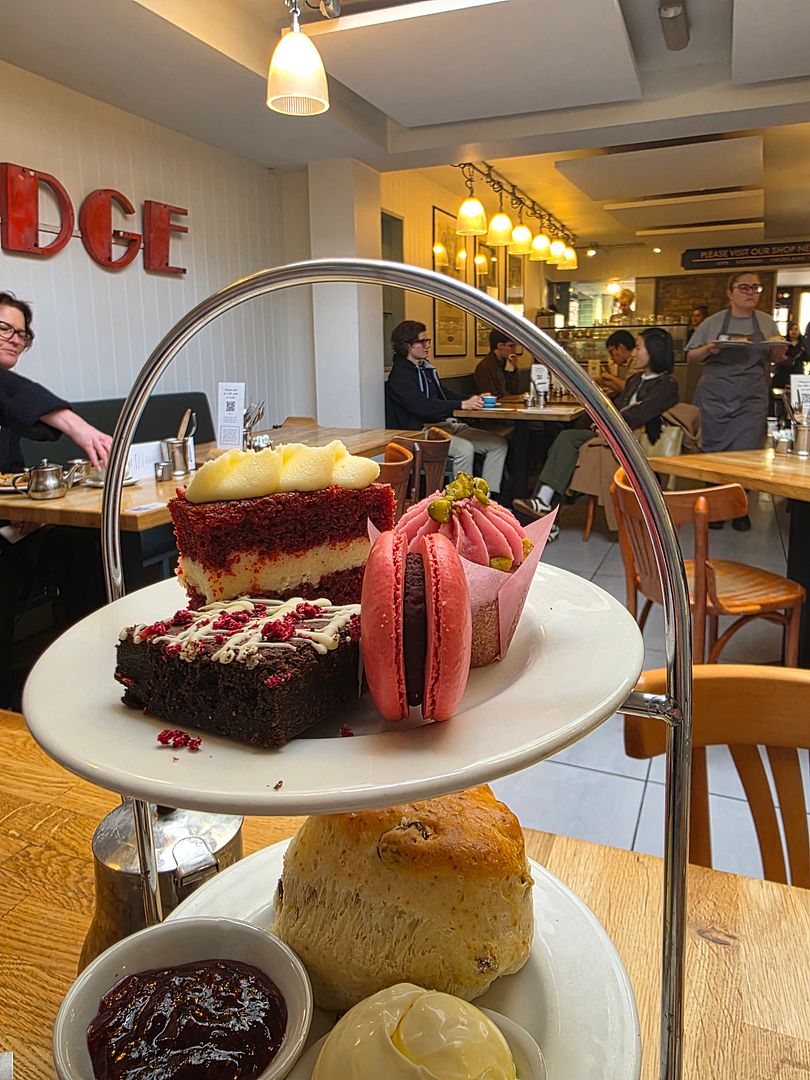
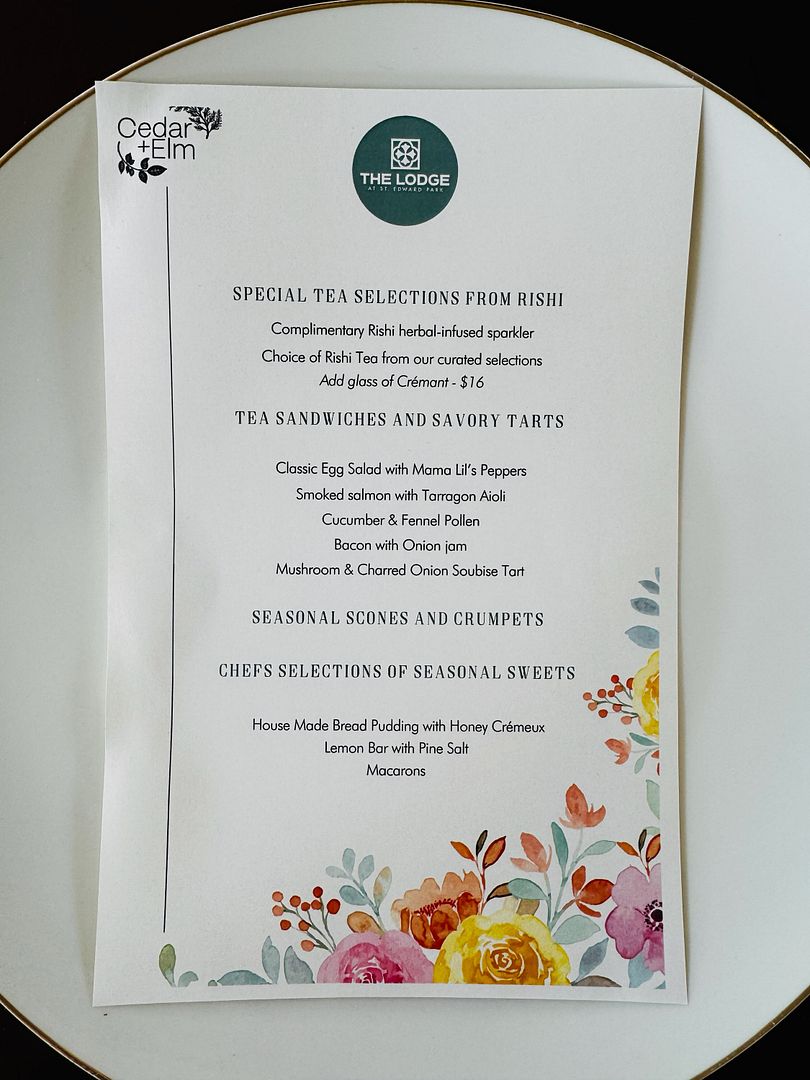
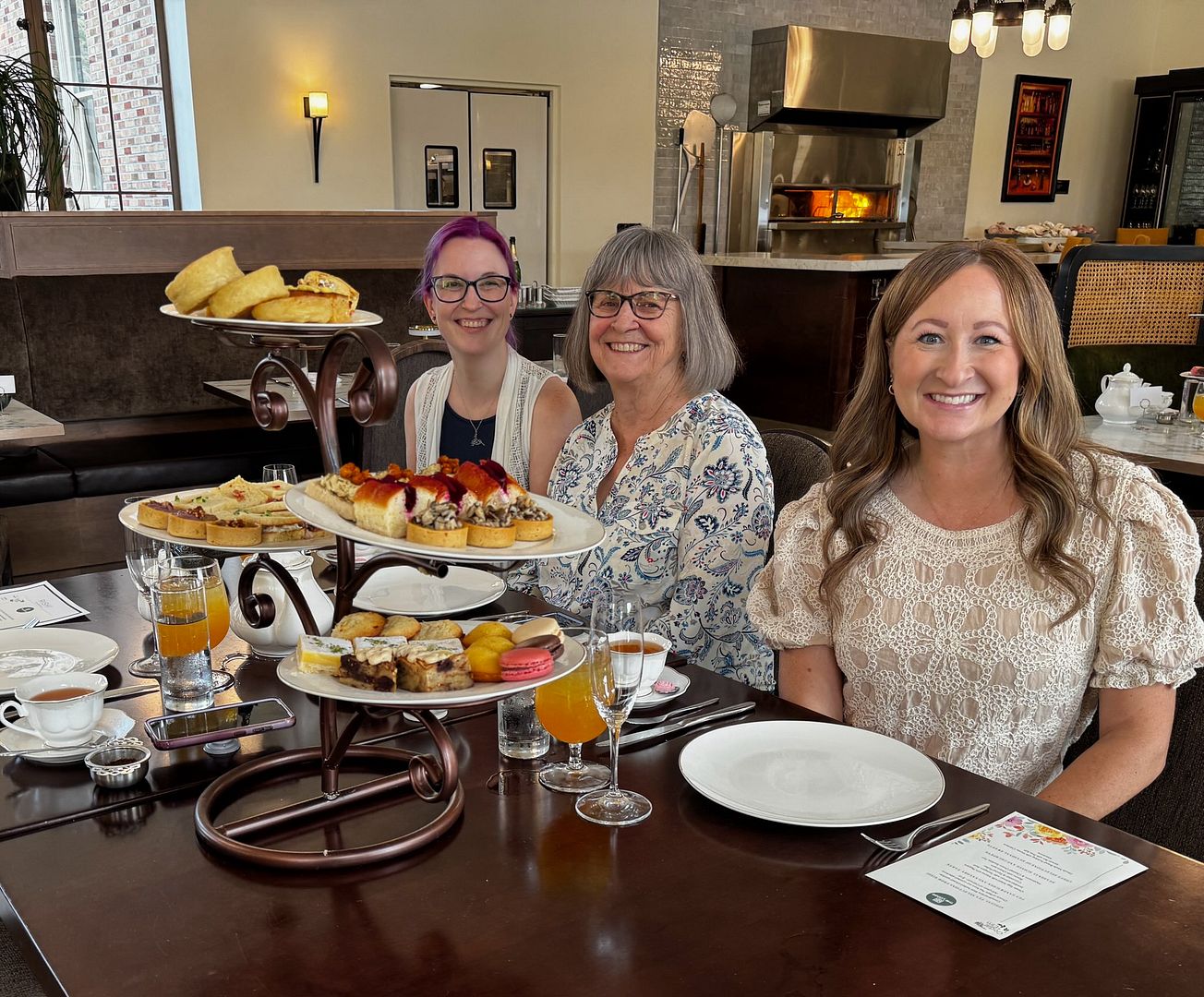
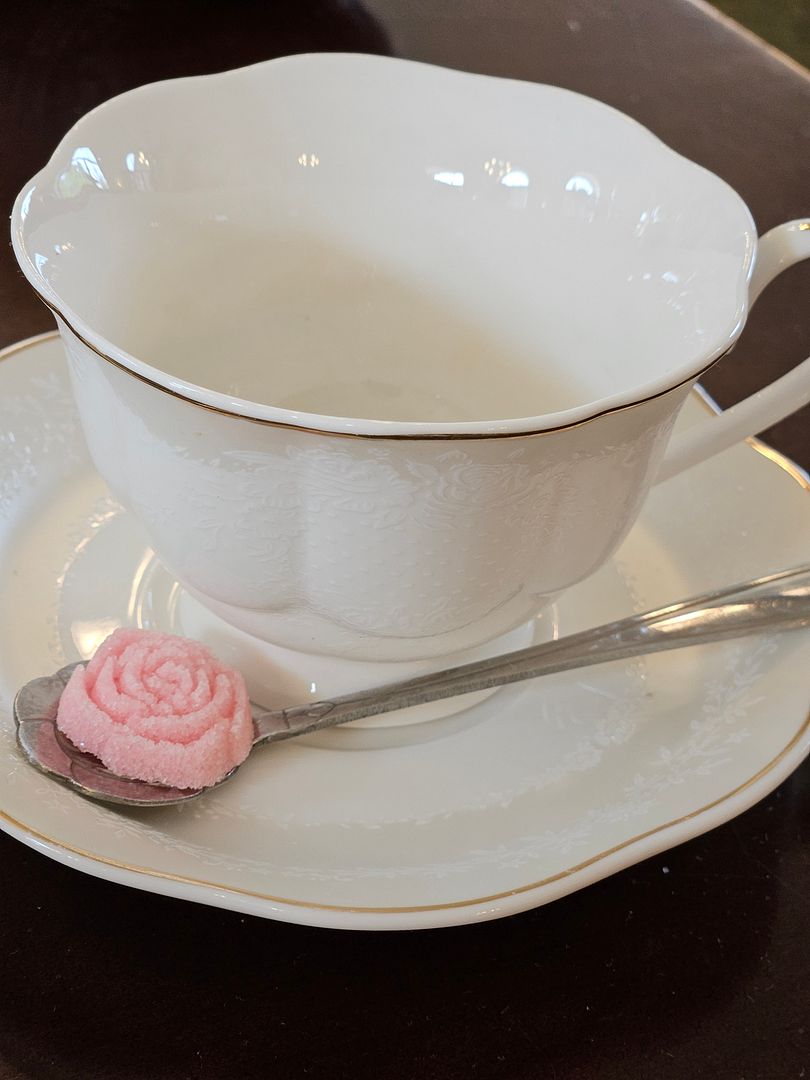
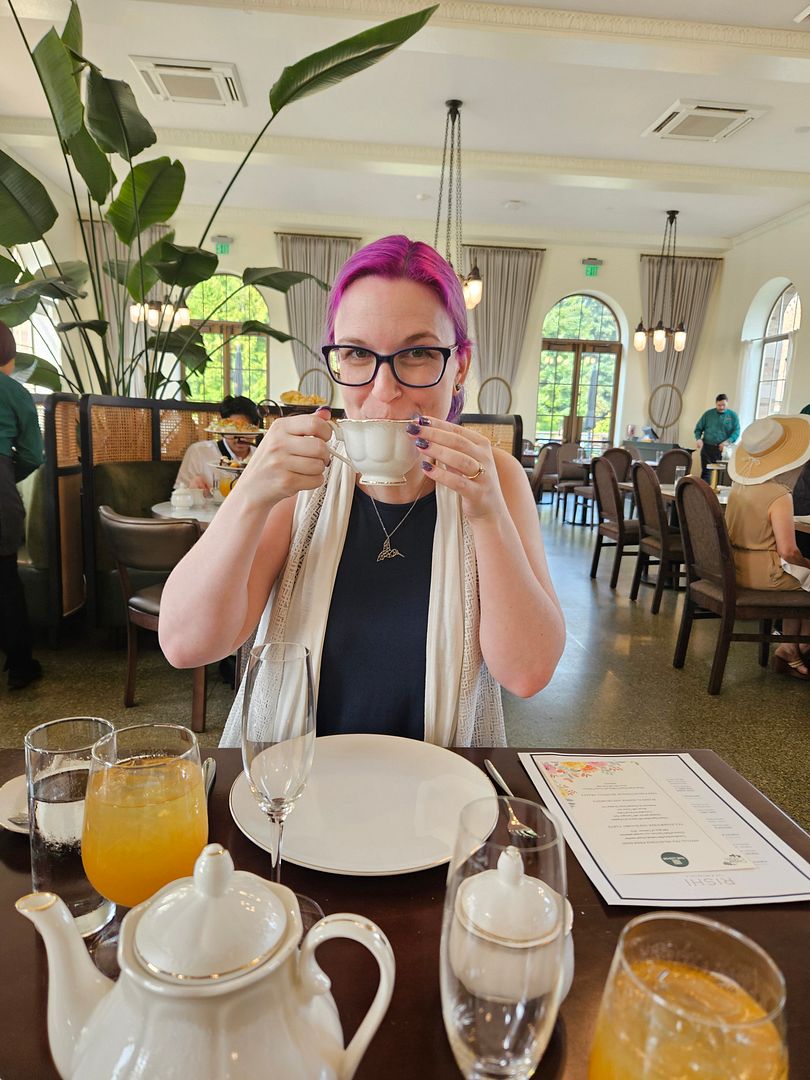
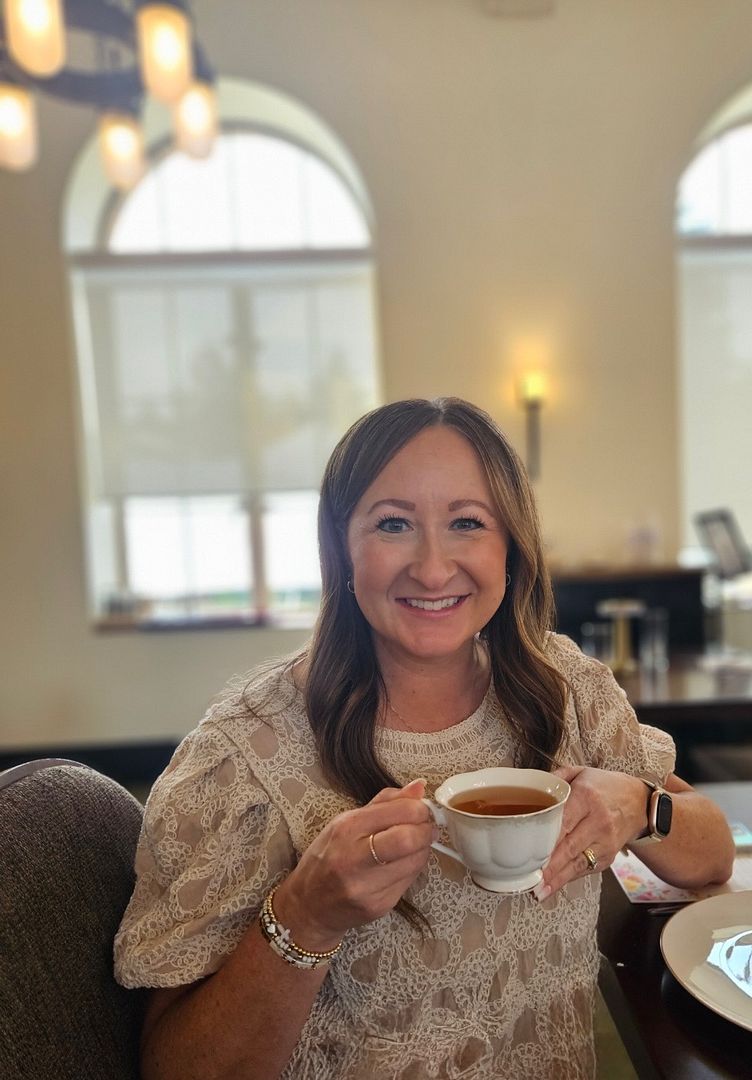
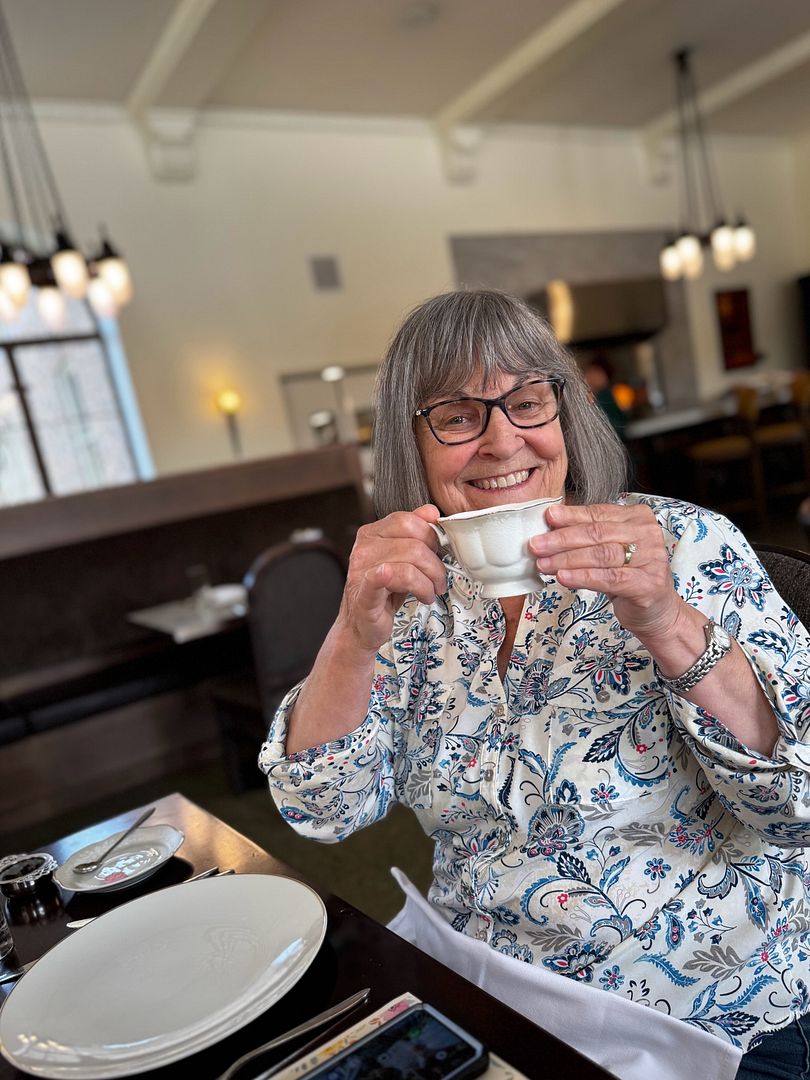
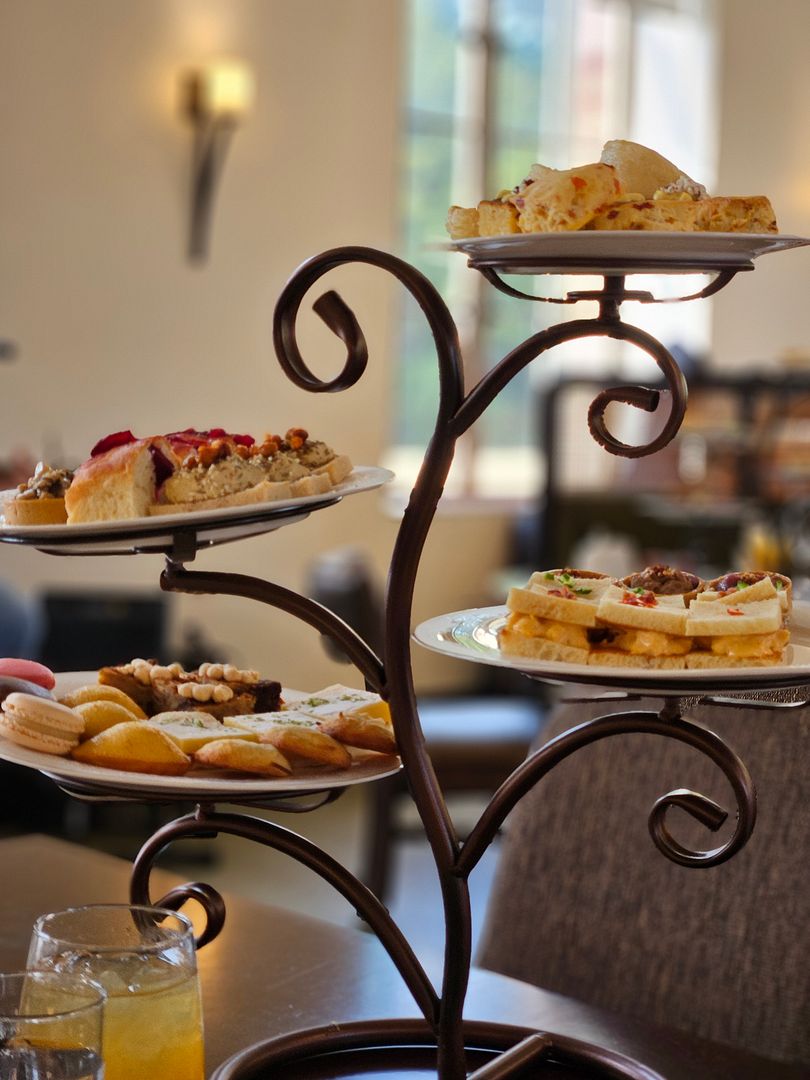
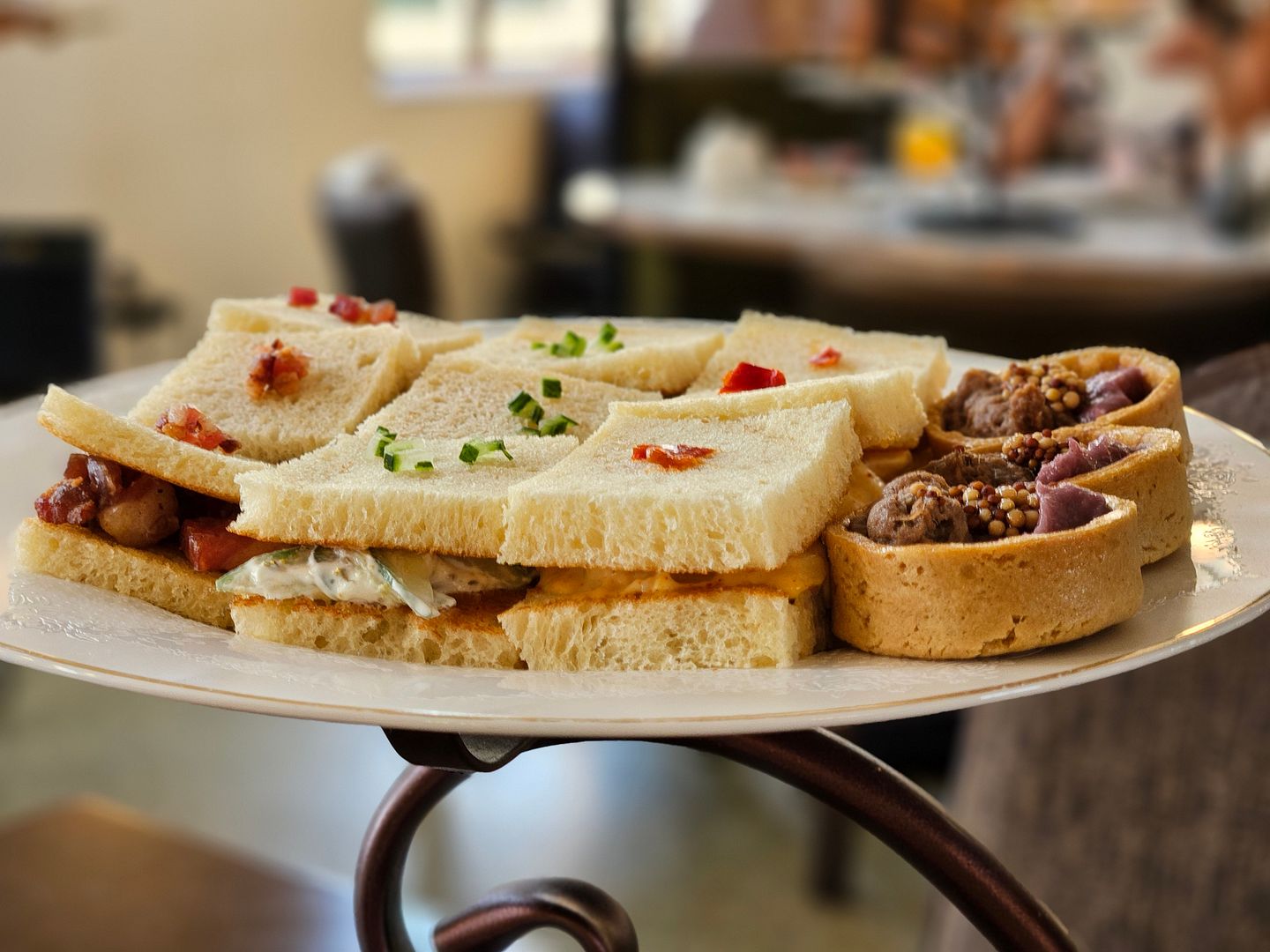
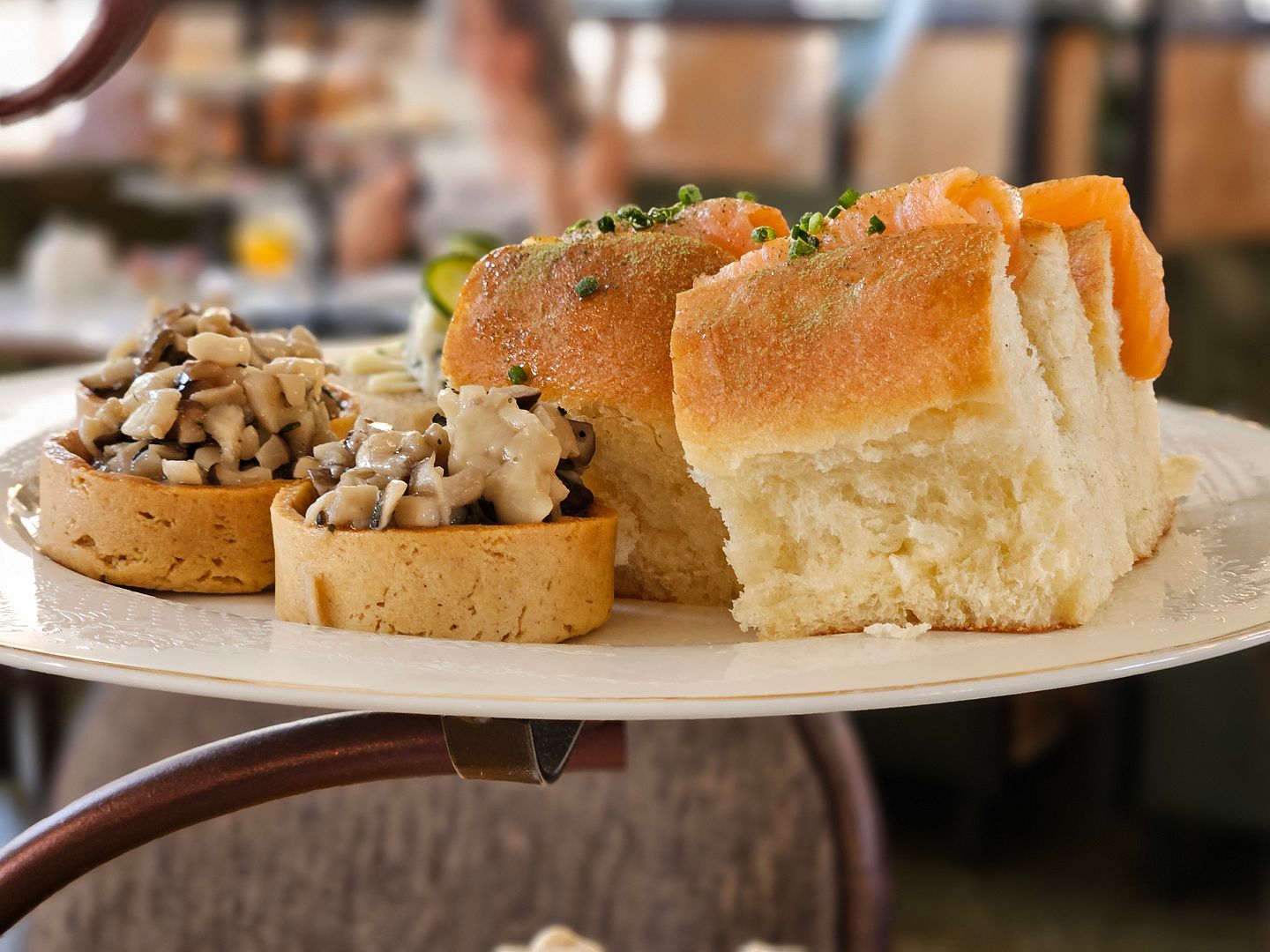
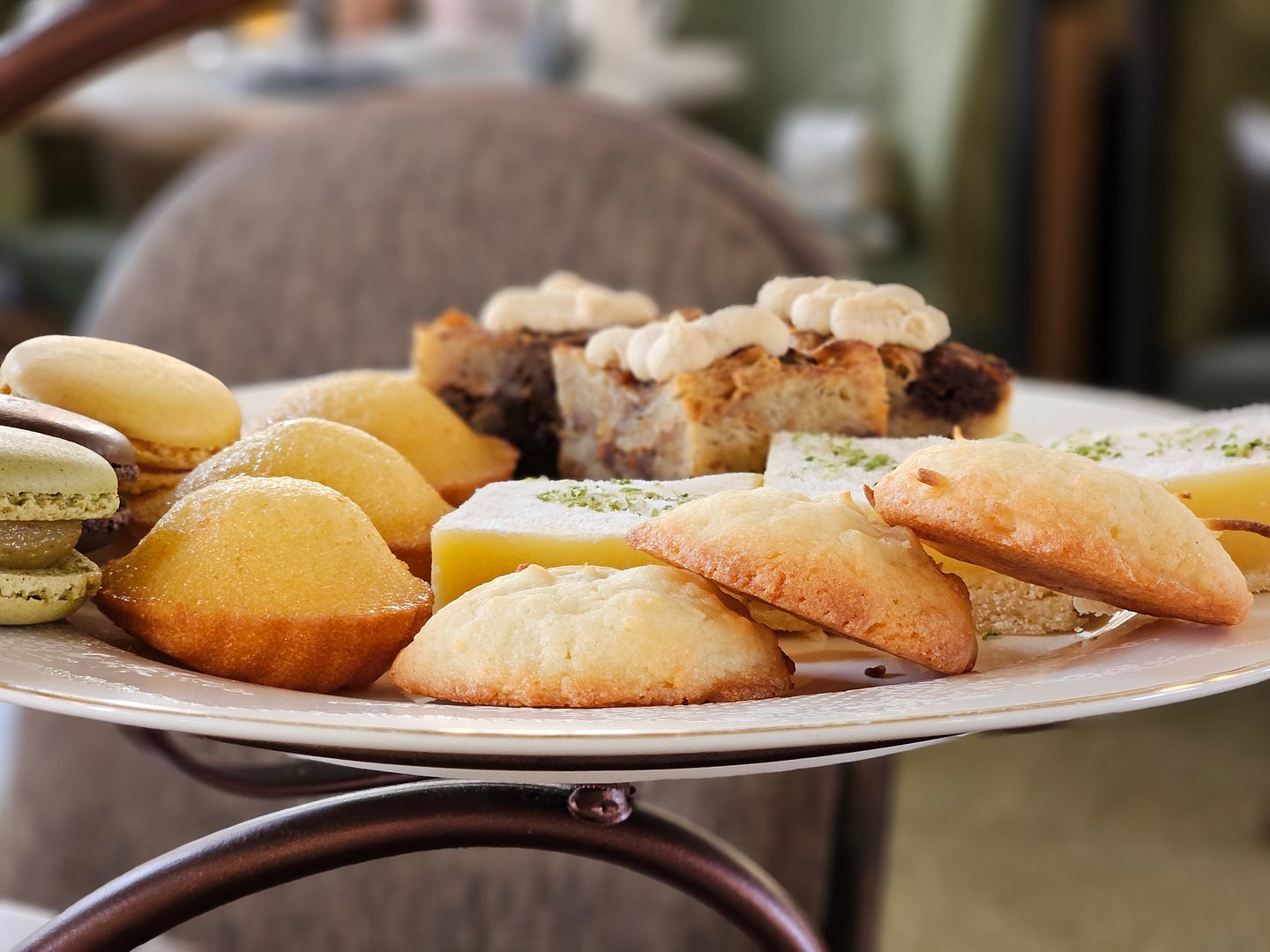
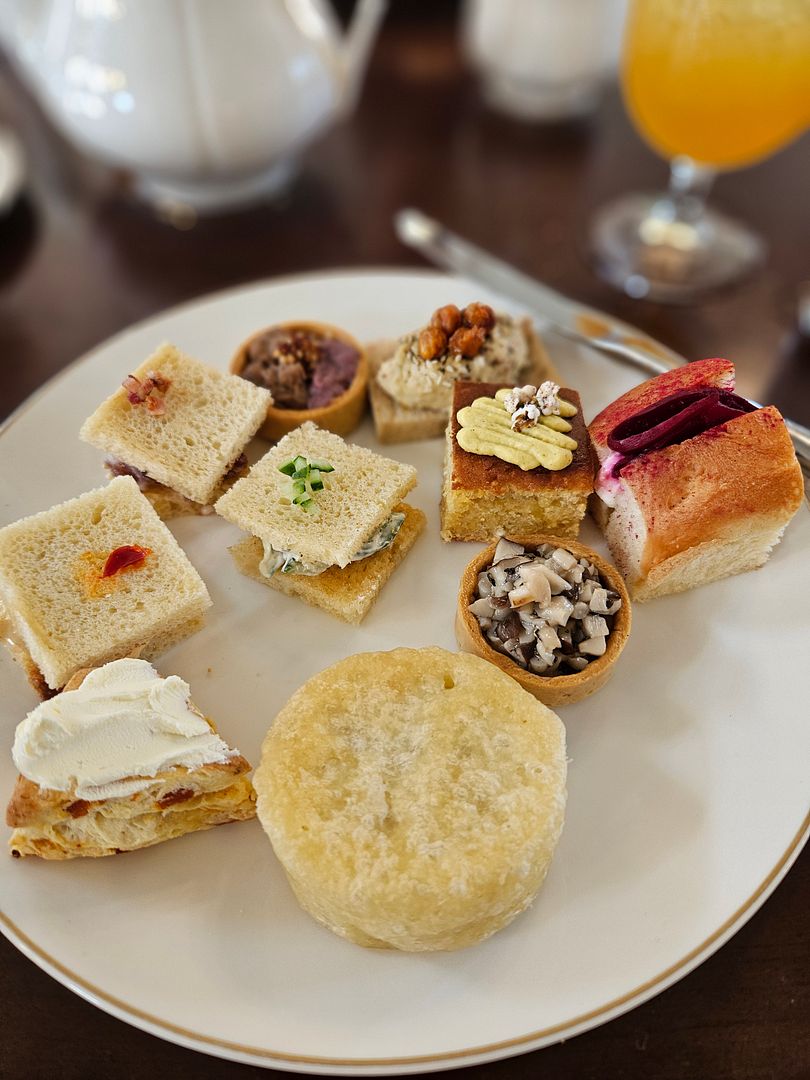
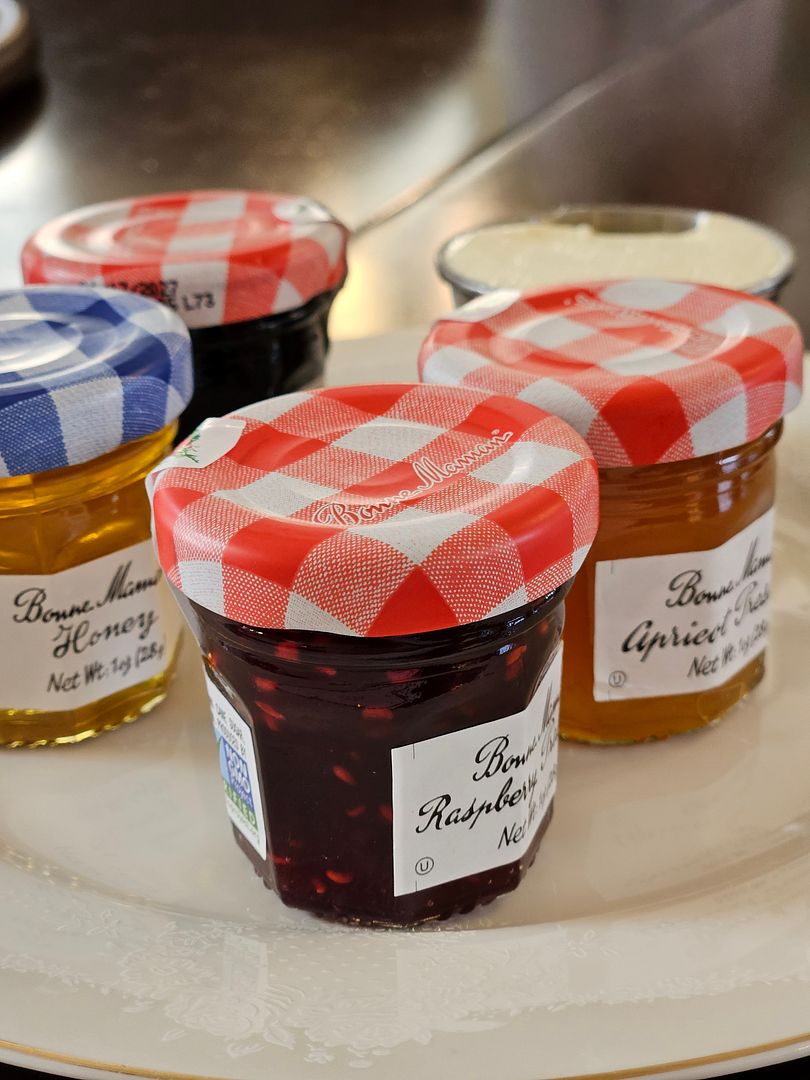
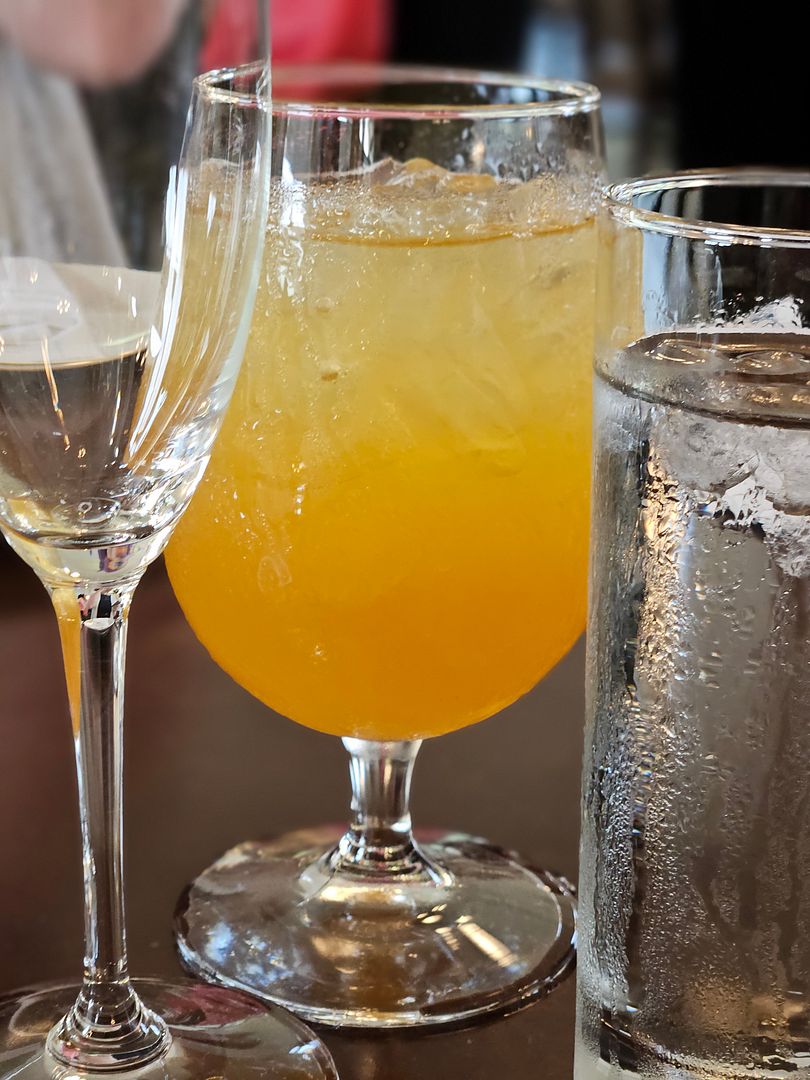
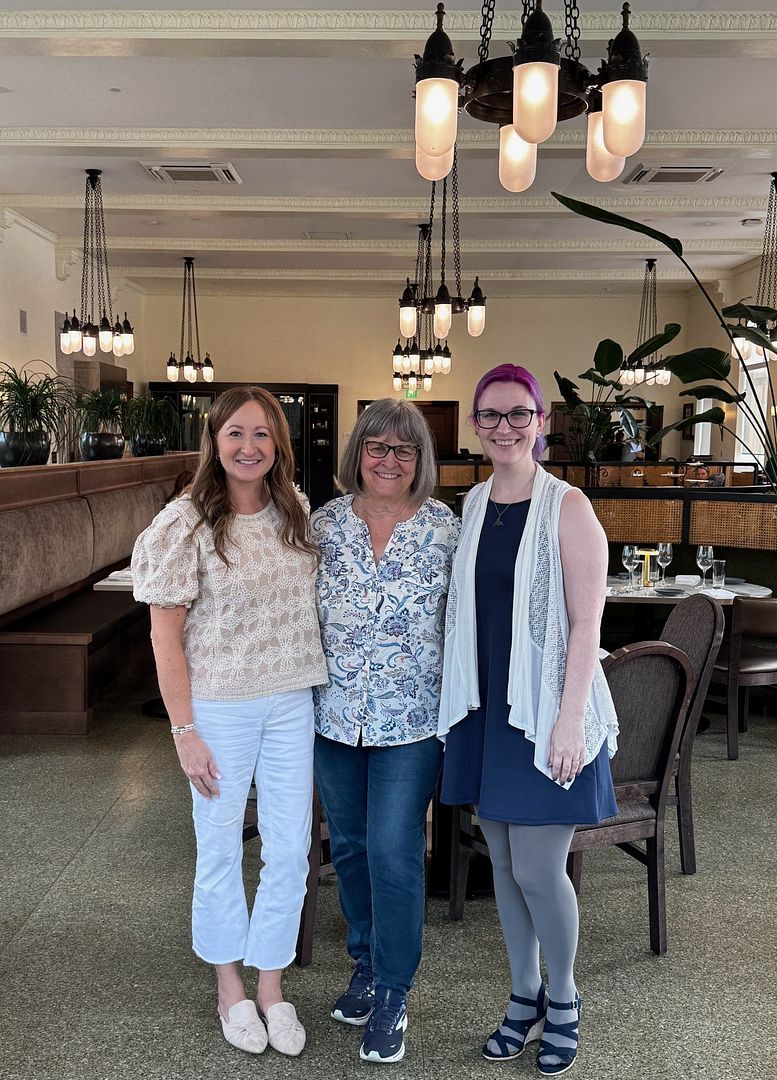
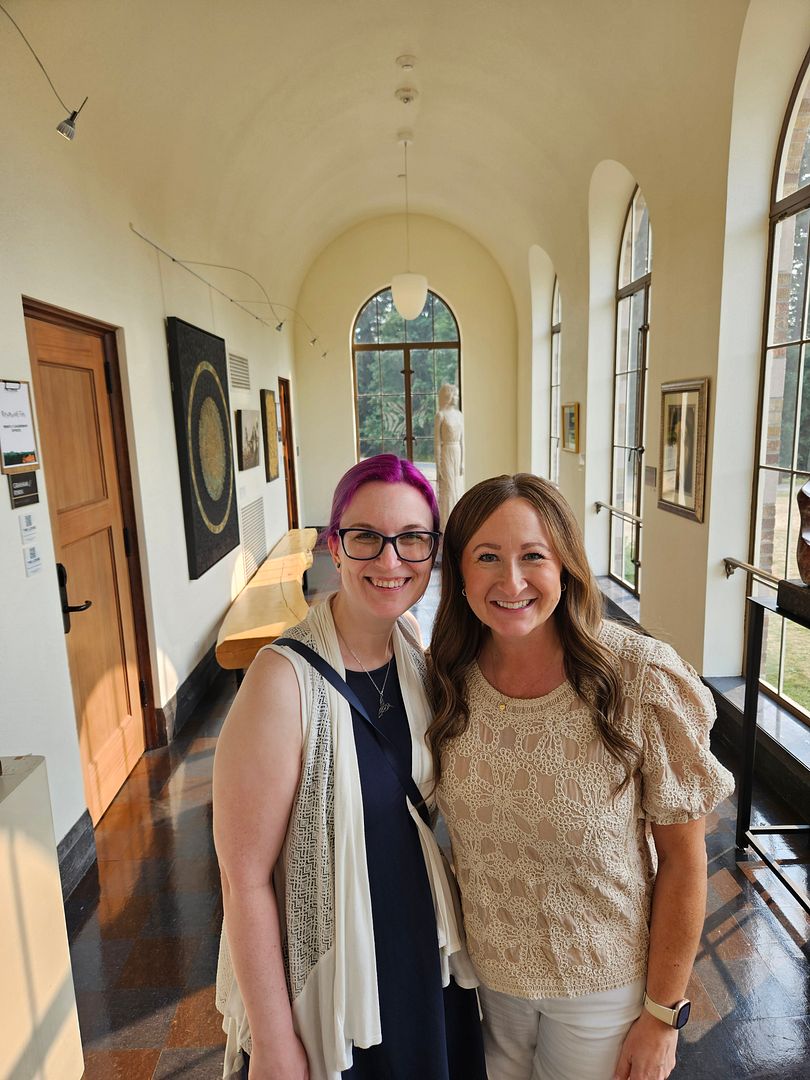
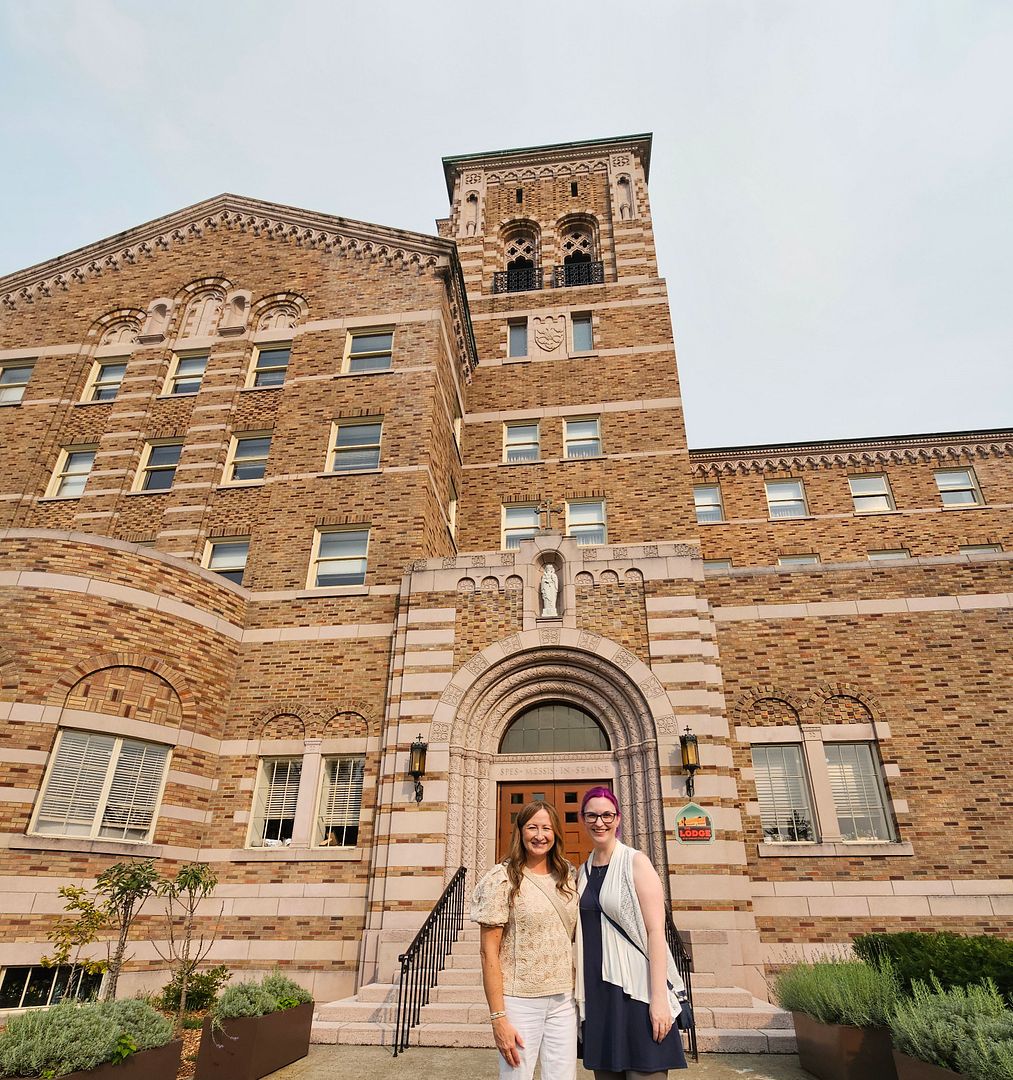
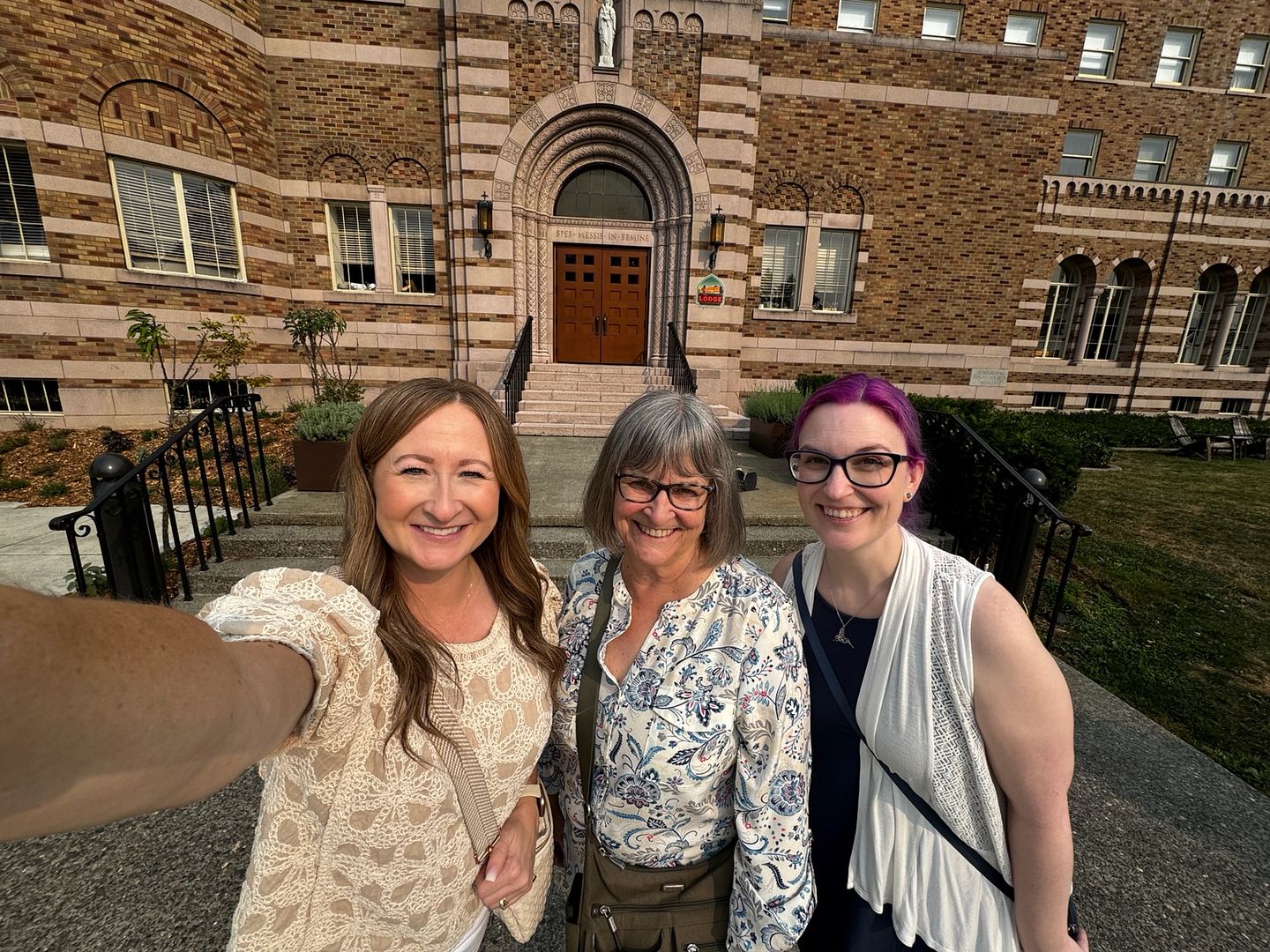
On Friday September 5th Laura and Katie treated me to tea at Cedar + Elm at The Lodge at St. Edward Park.  

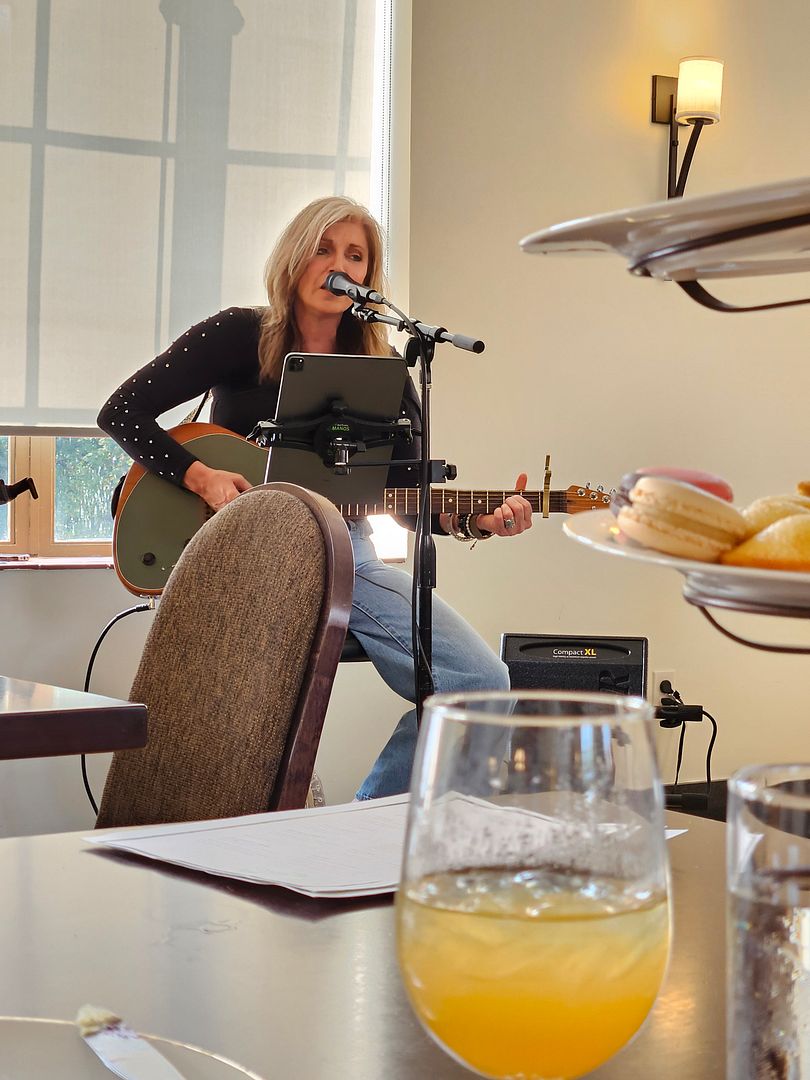
There was live music and the artist had a beautiful mellow voice which made for a pleasant background of music.

When we were done with our leisurely tea we walked about the Lodge.

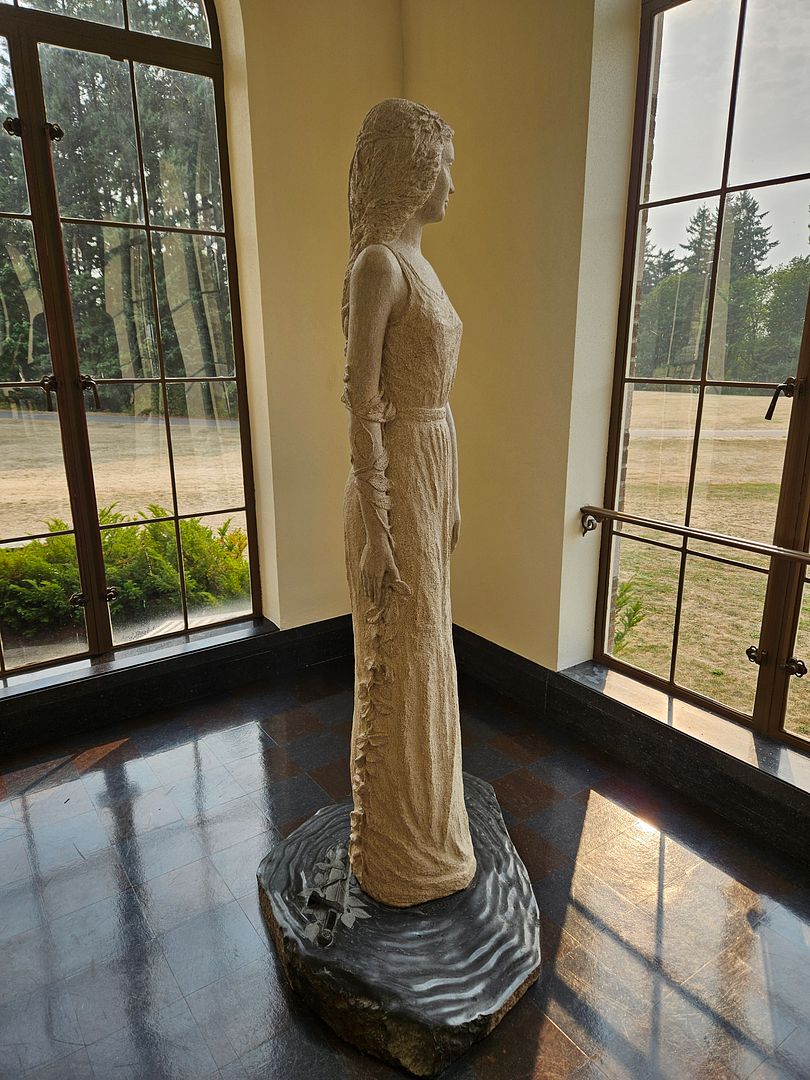
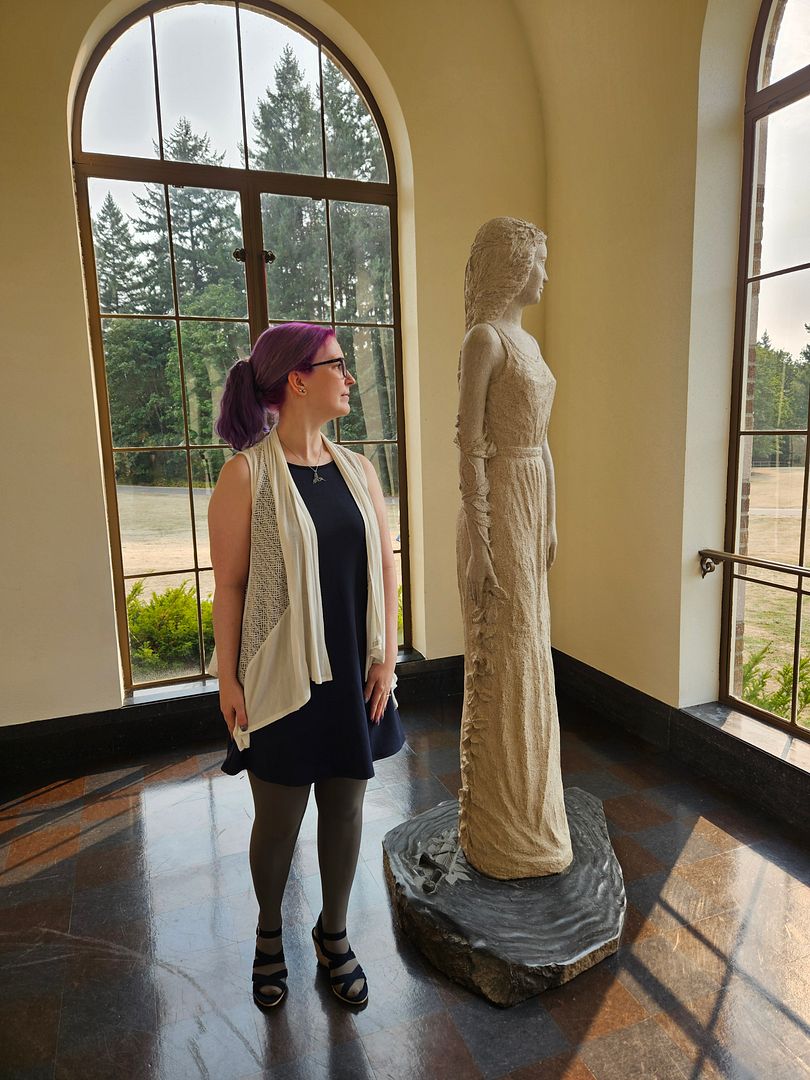
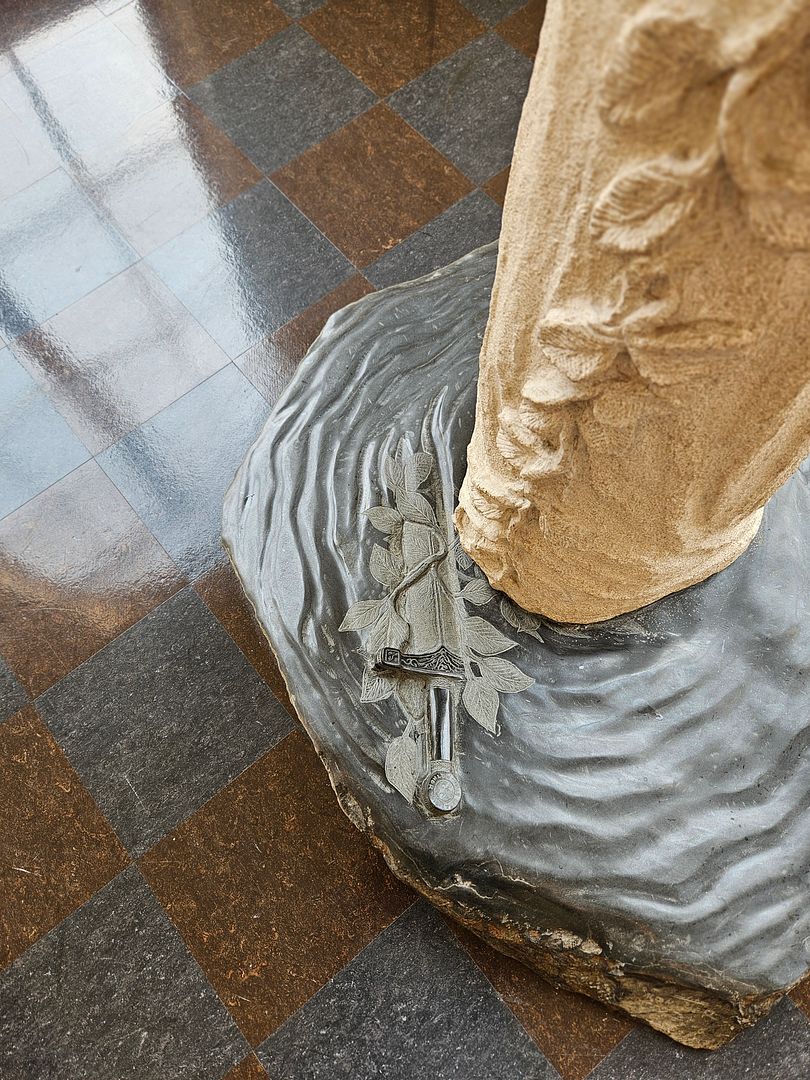
Lady of the Lake of Arthurian legend.

Thank you to Laura and Katie for the nice treat and lovely afternoon together. Thank you, too, to Josh and Laura for always being so hospitable to us.
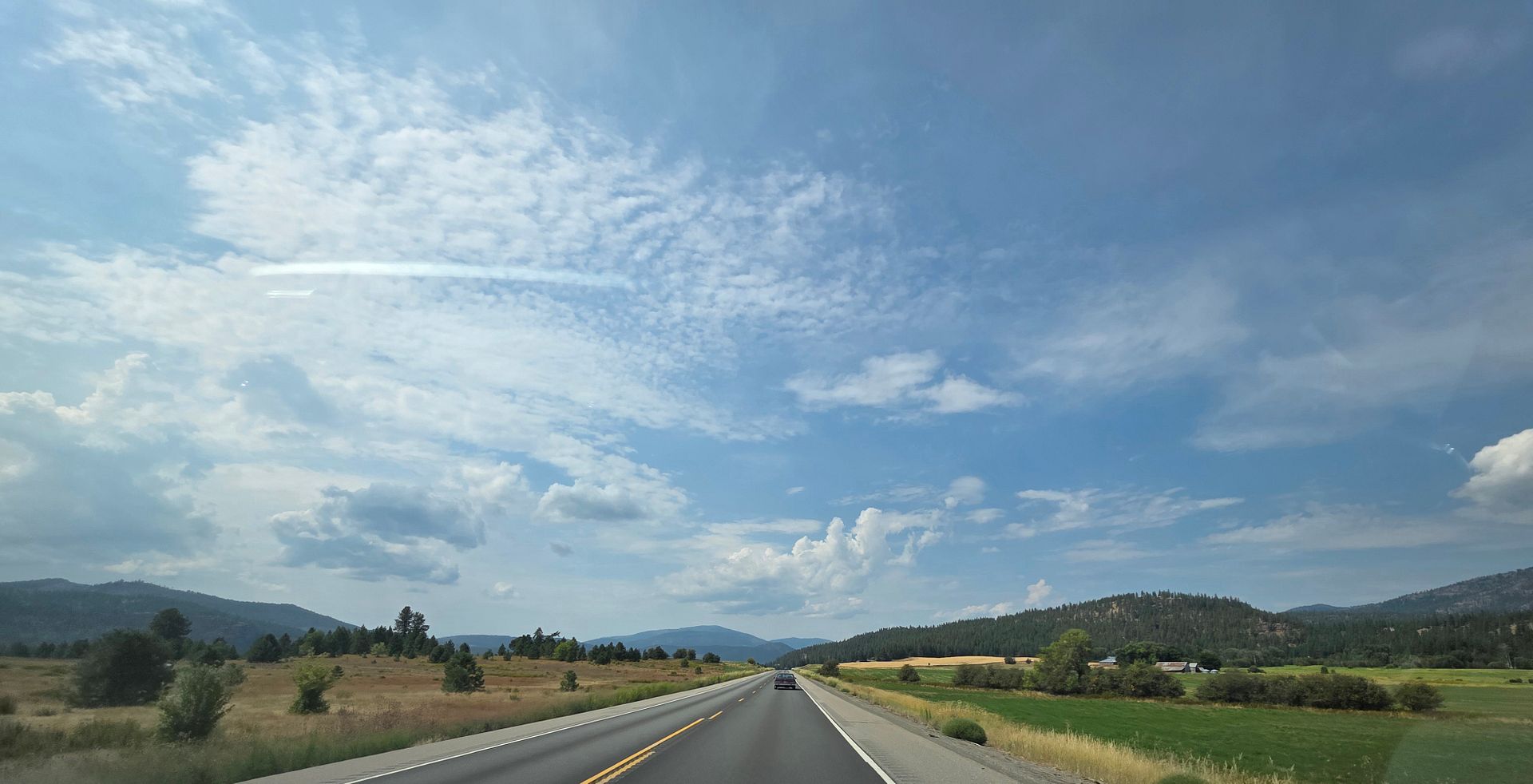
We spent last Thursday on the road to travel to Bothell then spent the next three full days on the Westside. We met up with friends on Thursday and Saturday.  On Saturday morning we attended a conference with Paul Tripp on Suffering. It was such a well spent 2-1/2 hours! On Sunday evening our westside kids treated us to dinner to celebrate Greg’s birthday a couple days early. More about those events at a later date.

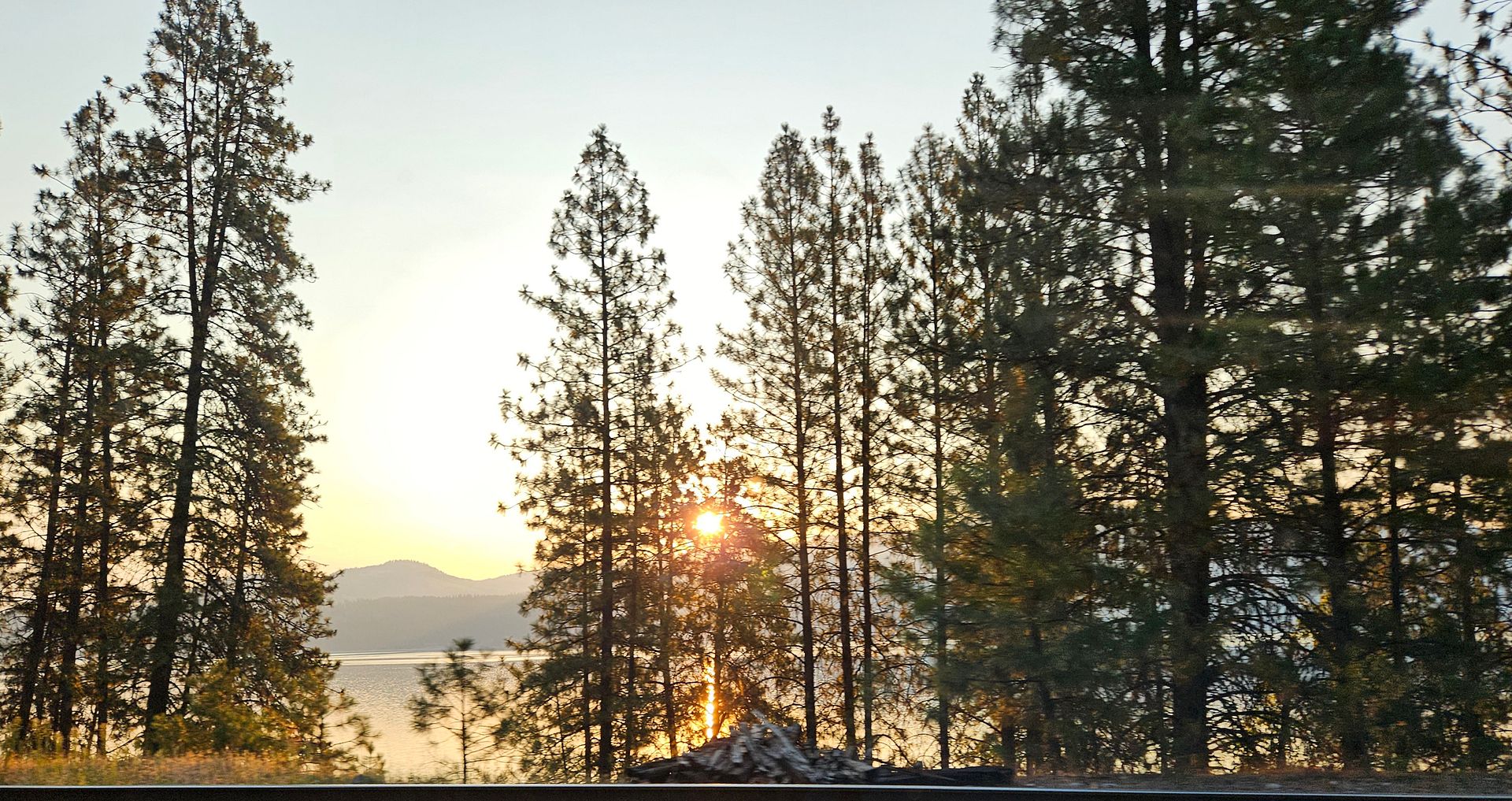
It has been a relief to be out of the smoke filled air in Colville for these few days. We are on the road back to Colville today and hope the air quality improves each day to come.

The Road We Traveled

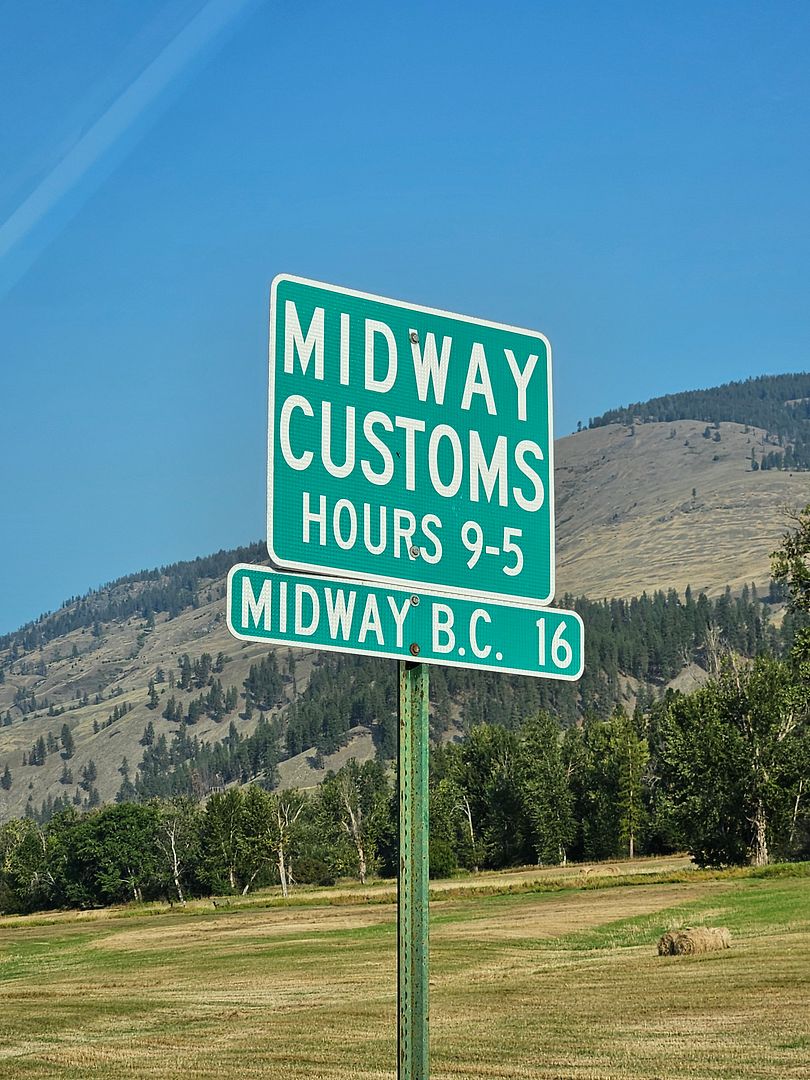
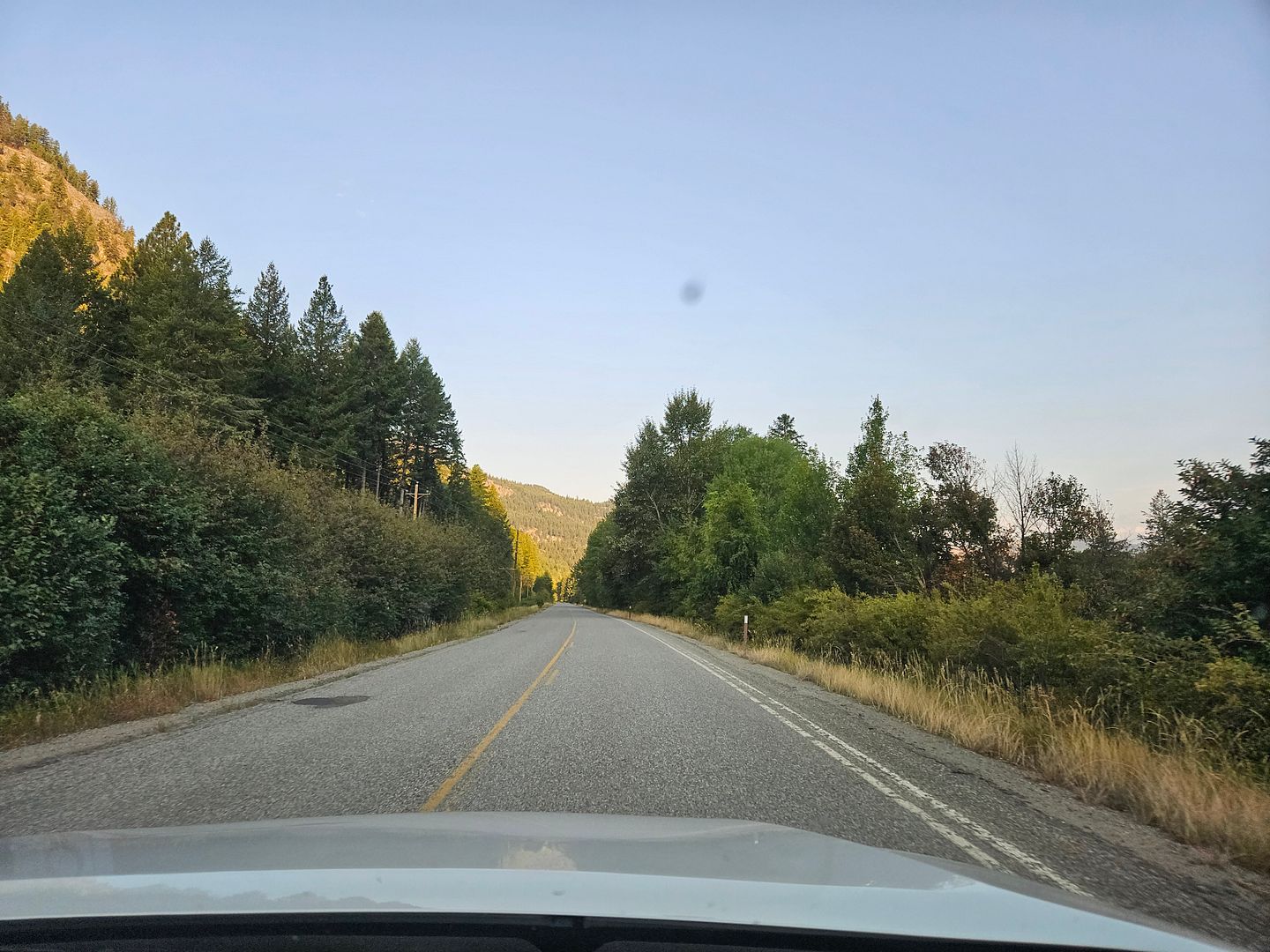
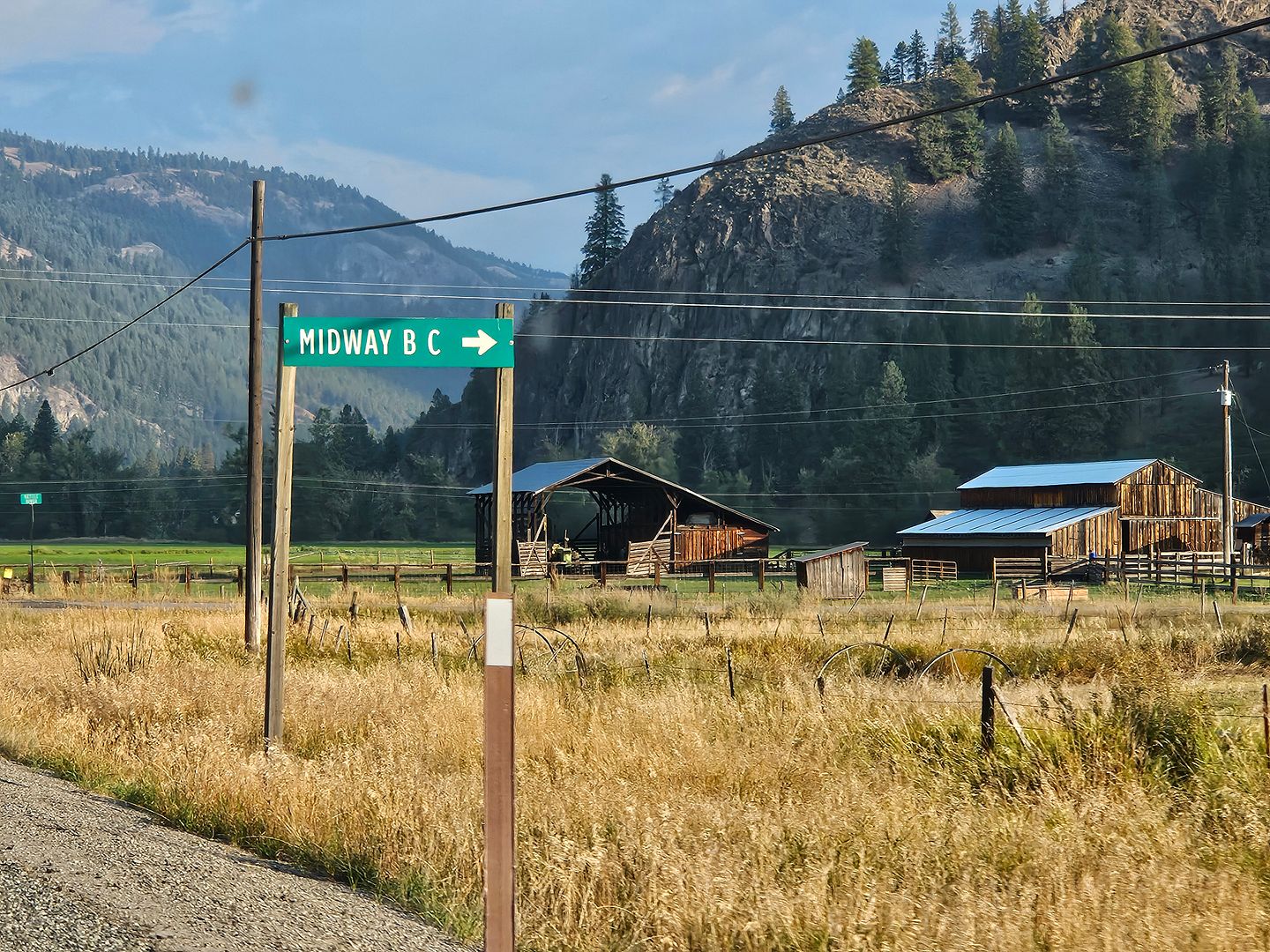
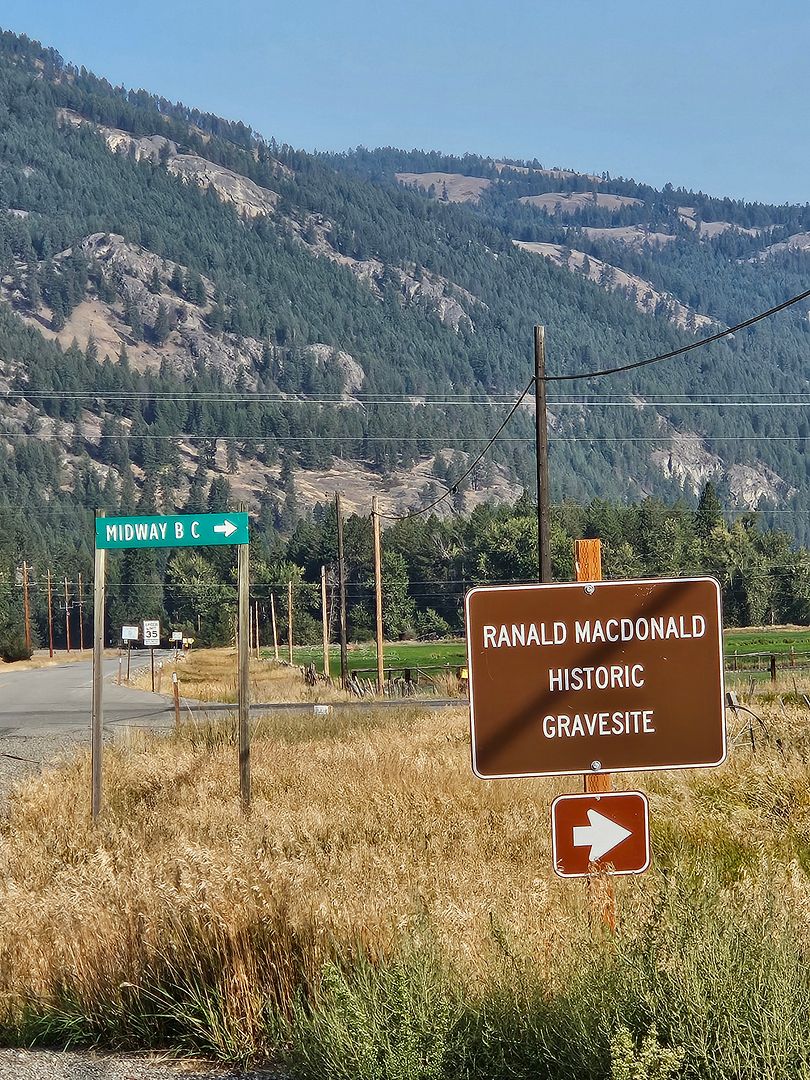
Our route for this one day road trip took us along Hwy 395 north across the Columbia River and then along the Kettle River to Boulder Creek Road. It was about 25 miles to Boulder Creek Road from home and then another 22 miles on Boulder Creek before we dropped into Curlew at Hwy 21. The Boulder Creek part of our trip took us over the Kettle River Range. In Curlew we crossed the highway and continued on Kettle Road along the Kettle River north to Customs Road crossing the Kettle river and continuing north to the Midway Border Crossing. This was another 16 miles.

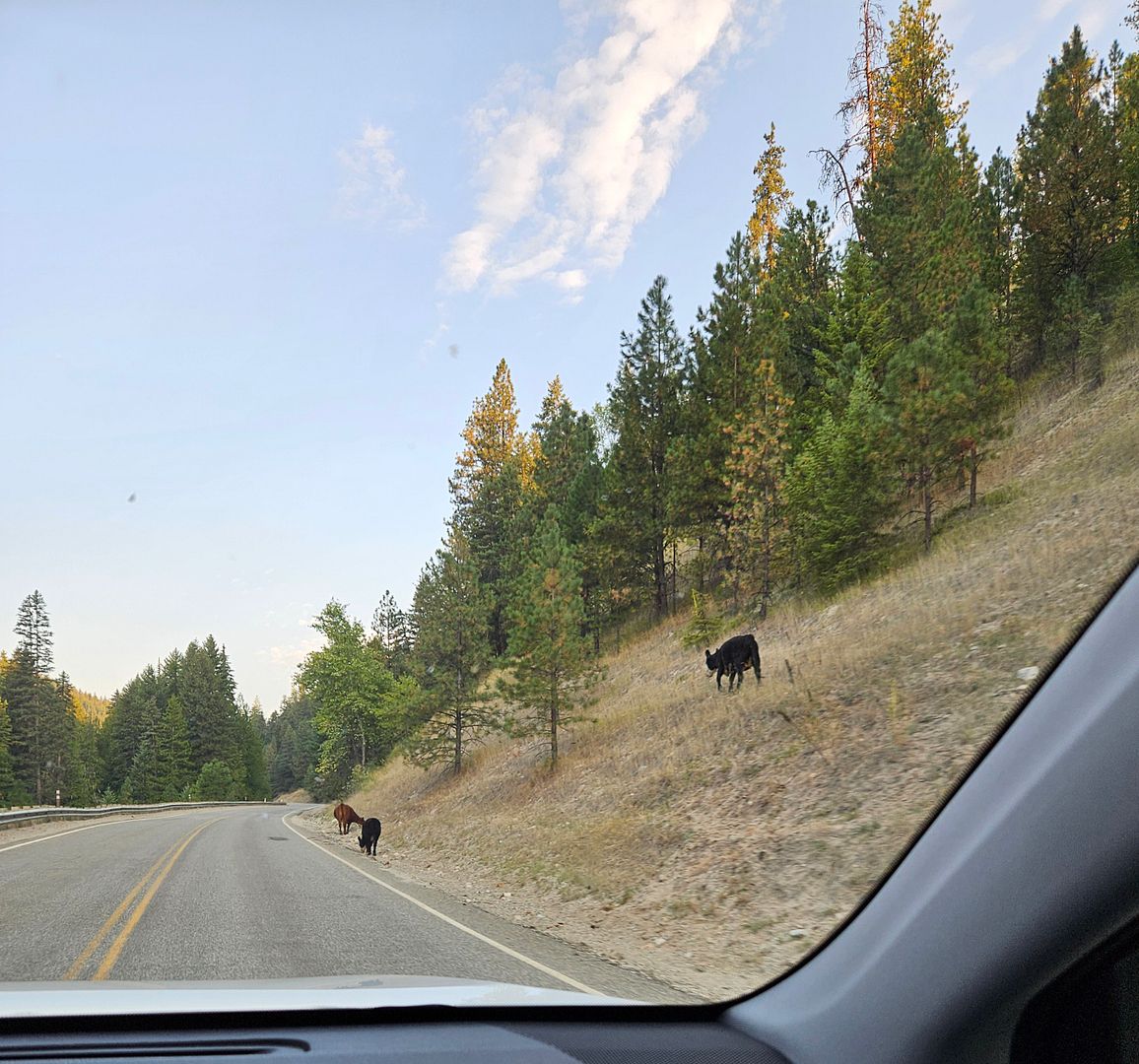
There were warning signs along the road about range animals.

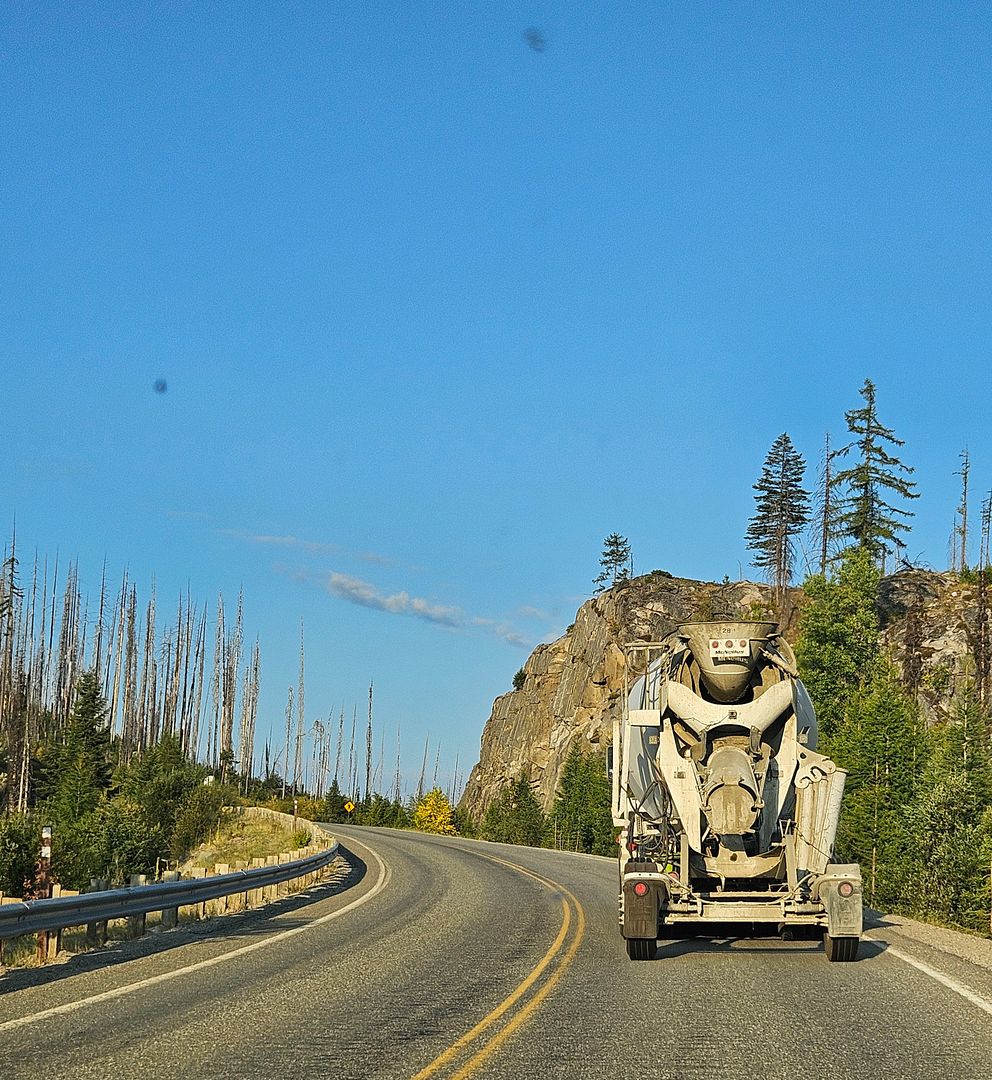
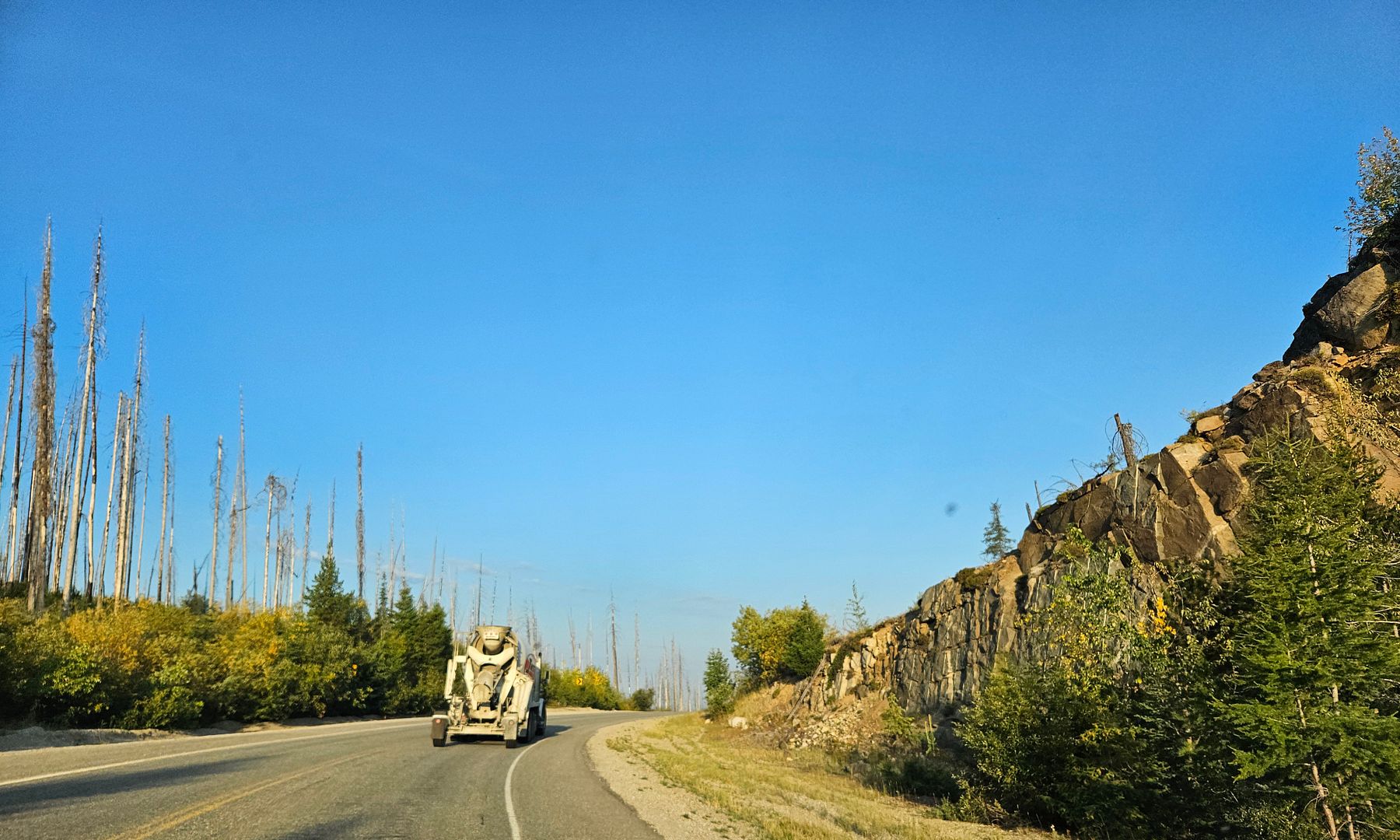
Approaching the highest elevation of our journey we met up with a slow full cement truck but luckily he pulled off a little after the pass and we were on the road alone again.

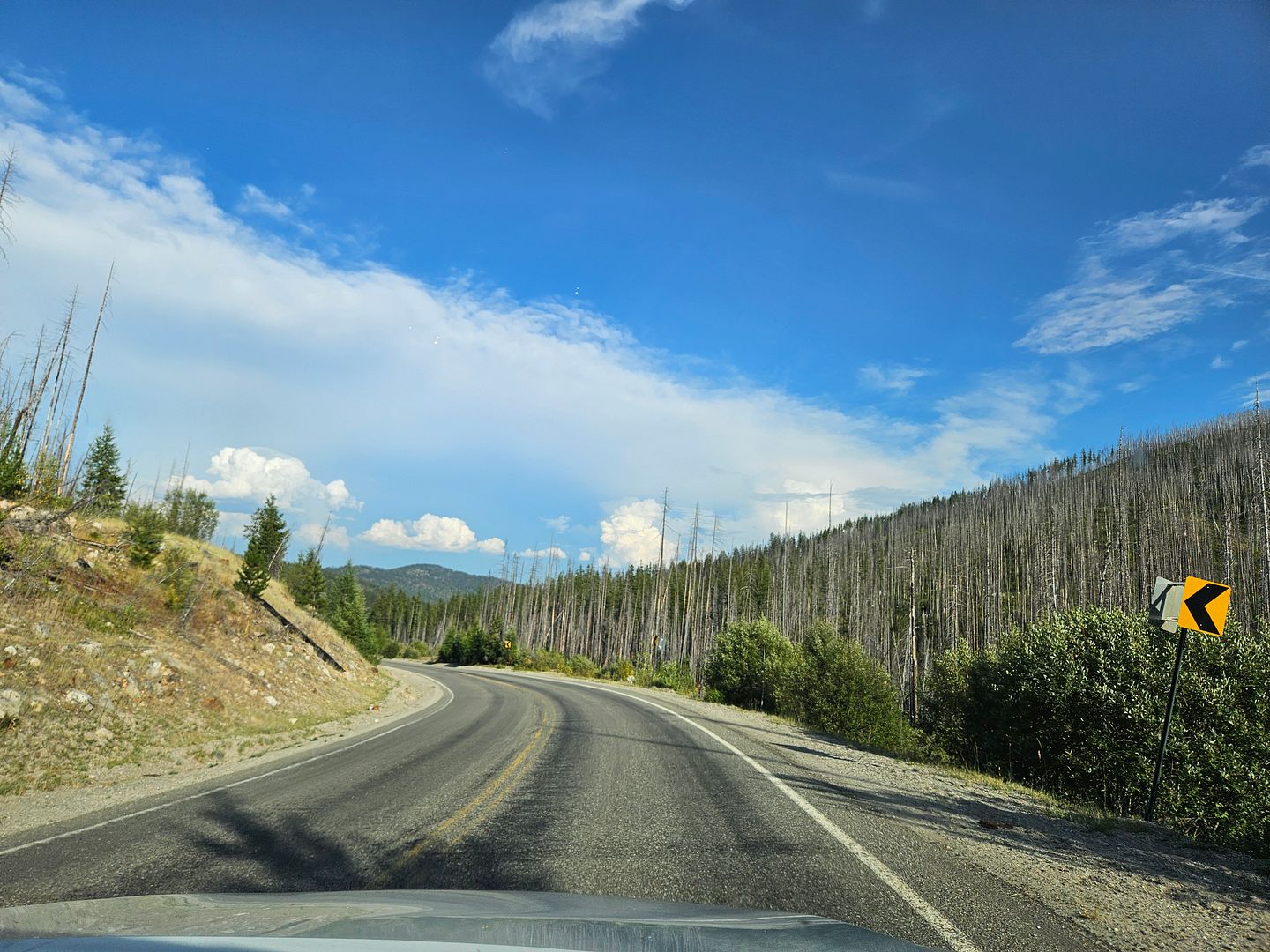
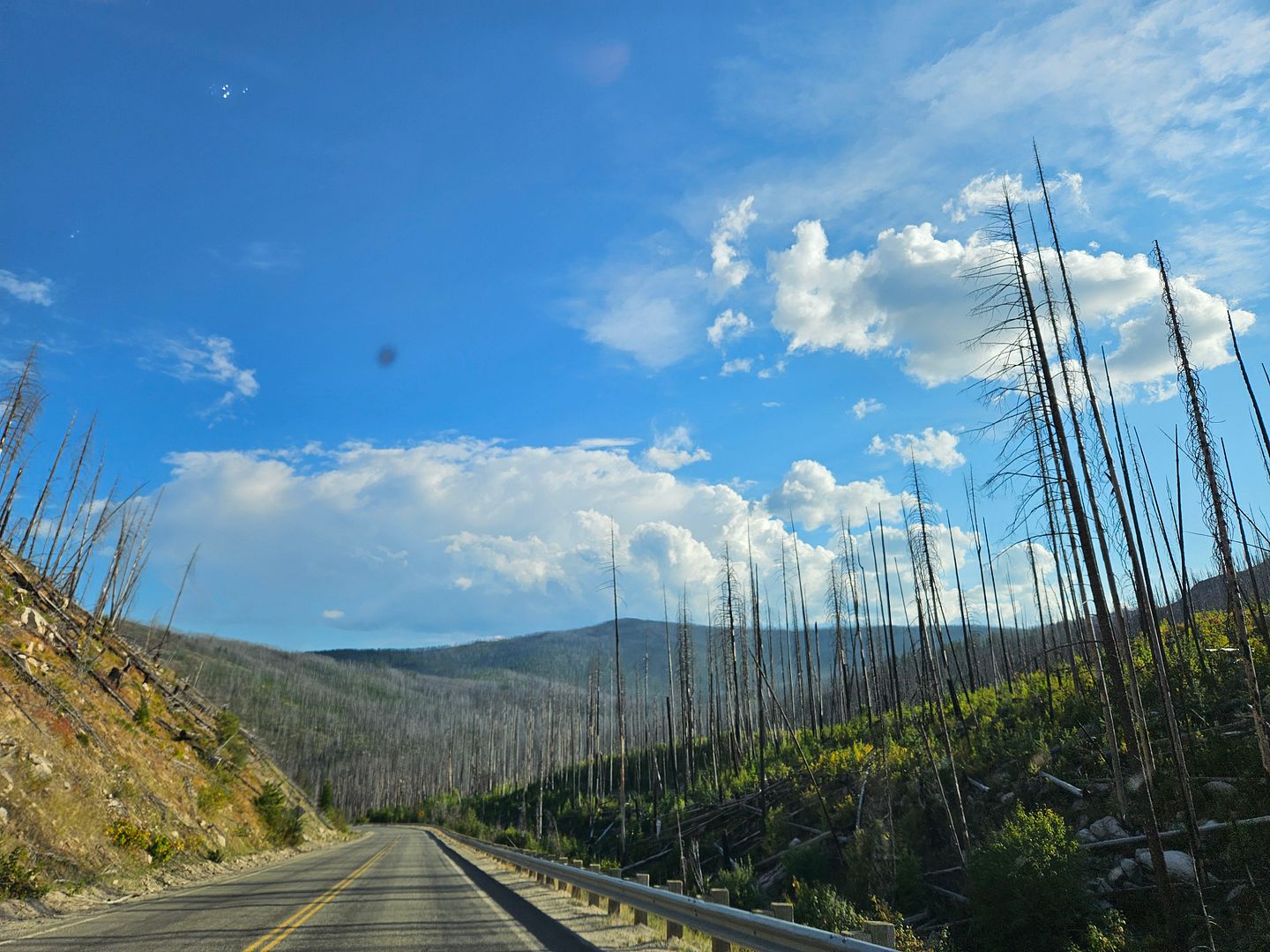
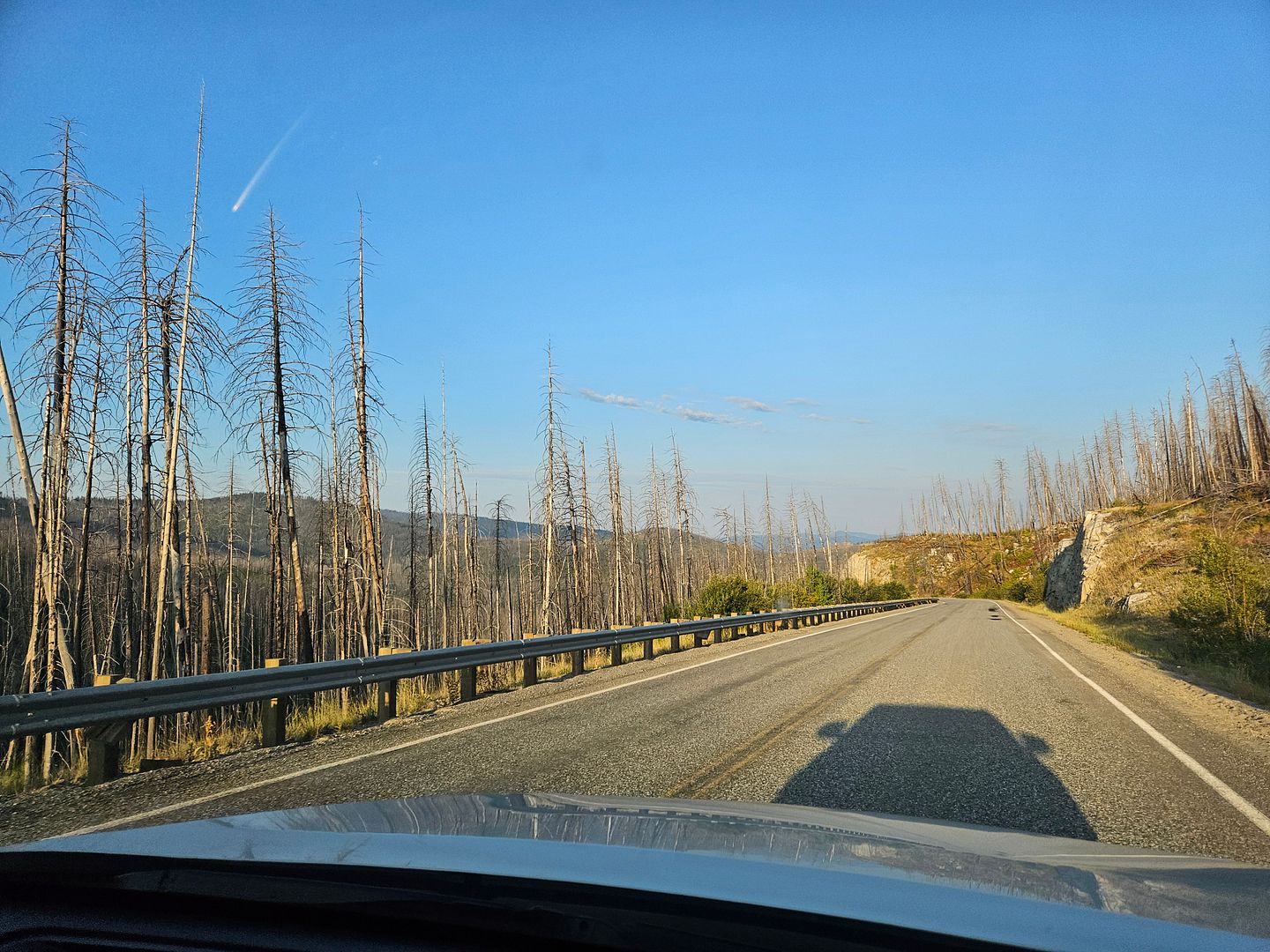
This section of the range was devastated by a fire in the recent past.

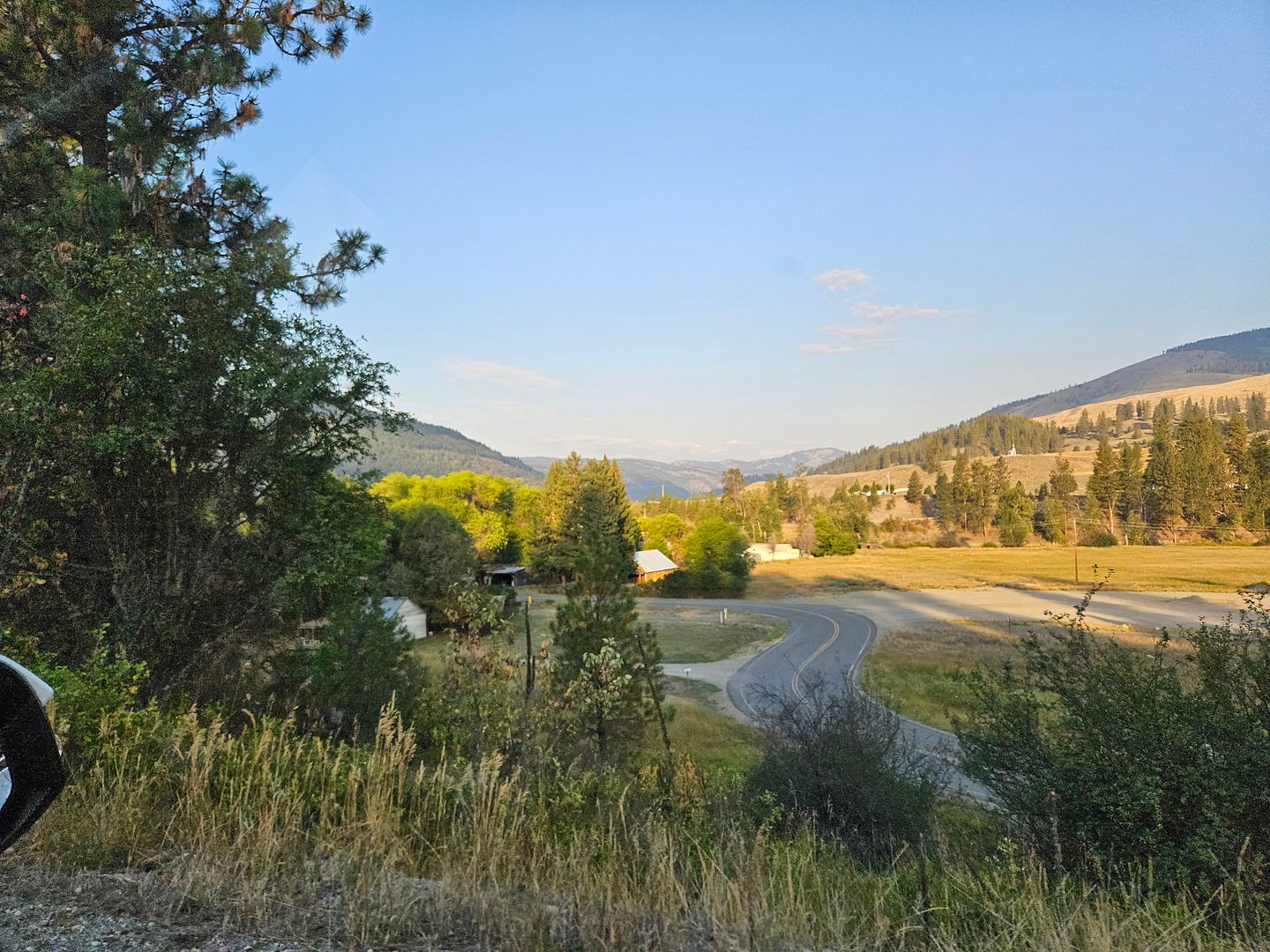
Back in lower elevations we dropped into Curlew.

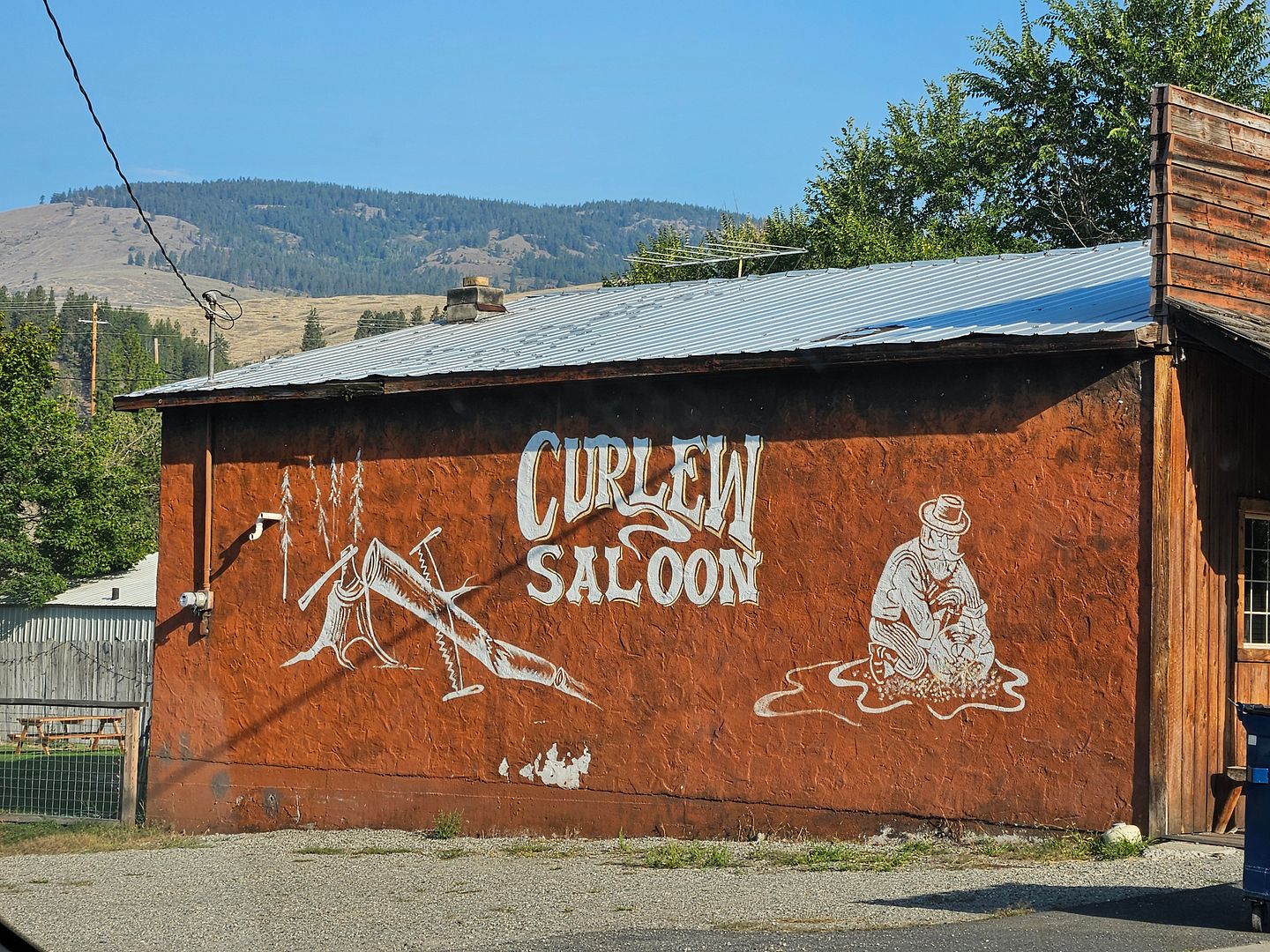
We drove through the historical section of the little town.

It was very sleepy with no one about and few businesses still in operation.

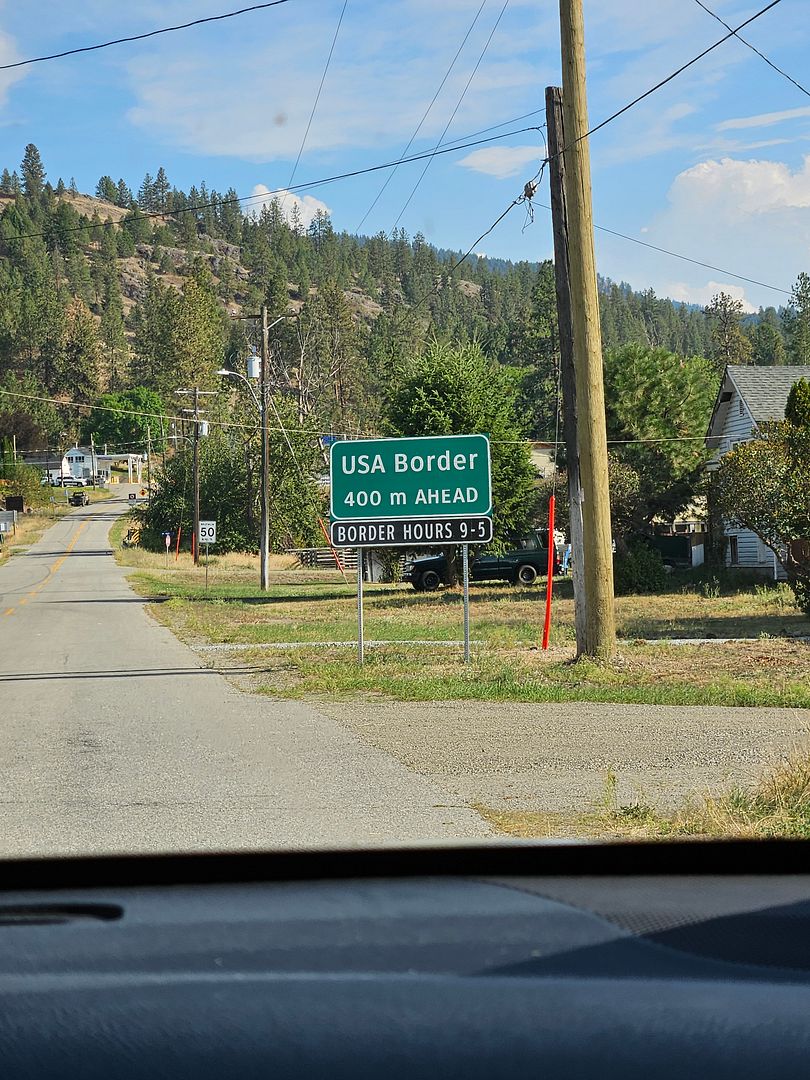
Back along the Kettle River we continued up to the Border crossing.

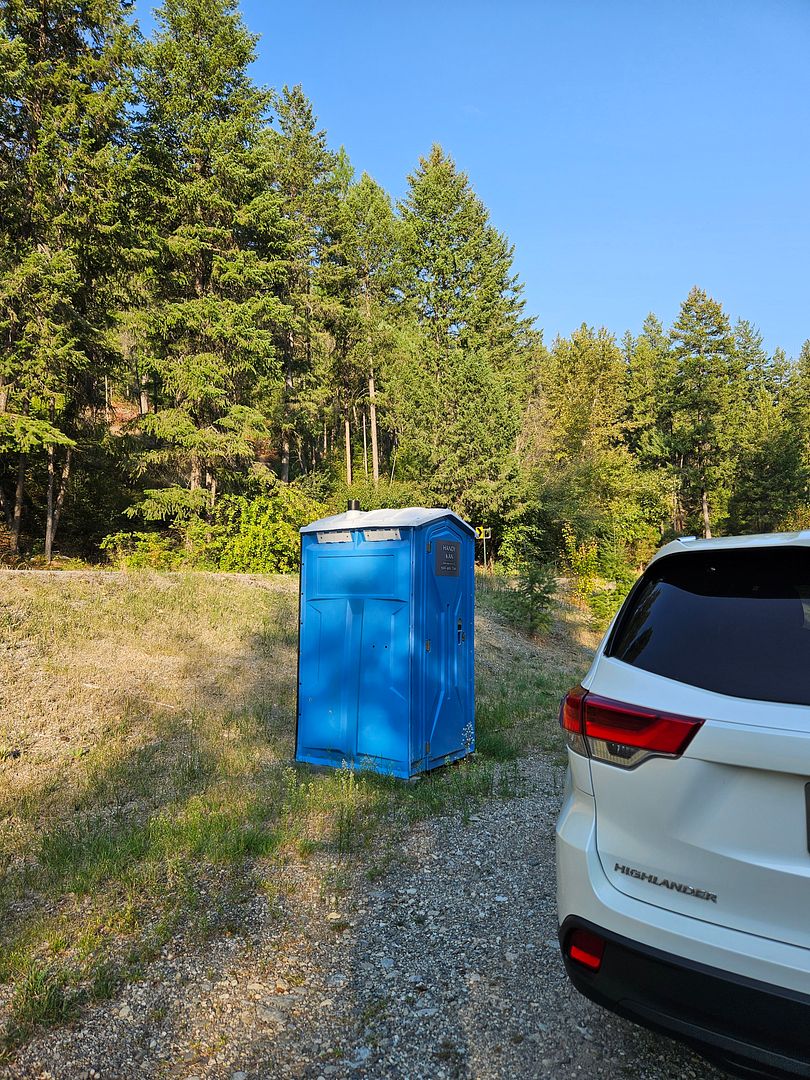
We got to the tiny border crossing way too early so we circled back to try to find some spot that might include some restrooms.

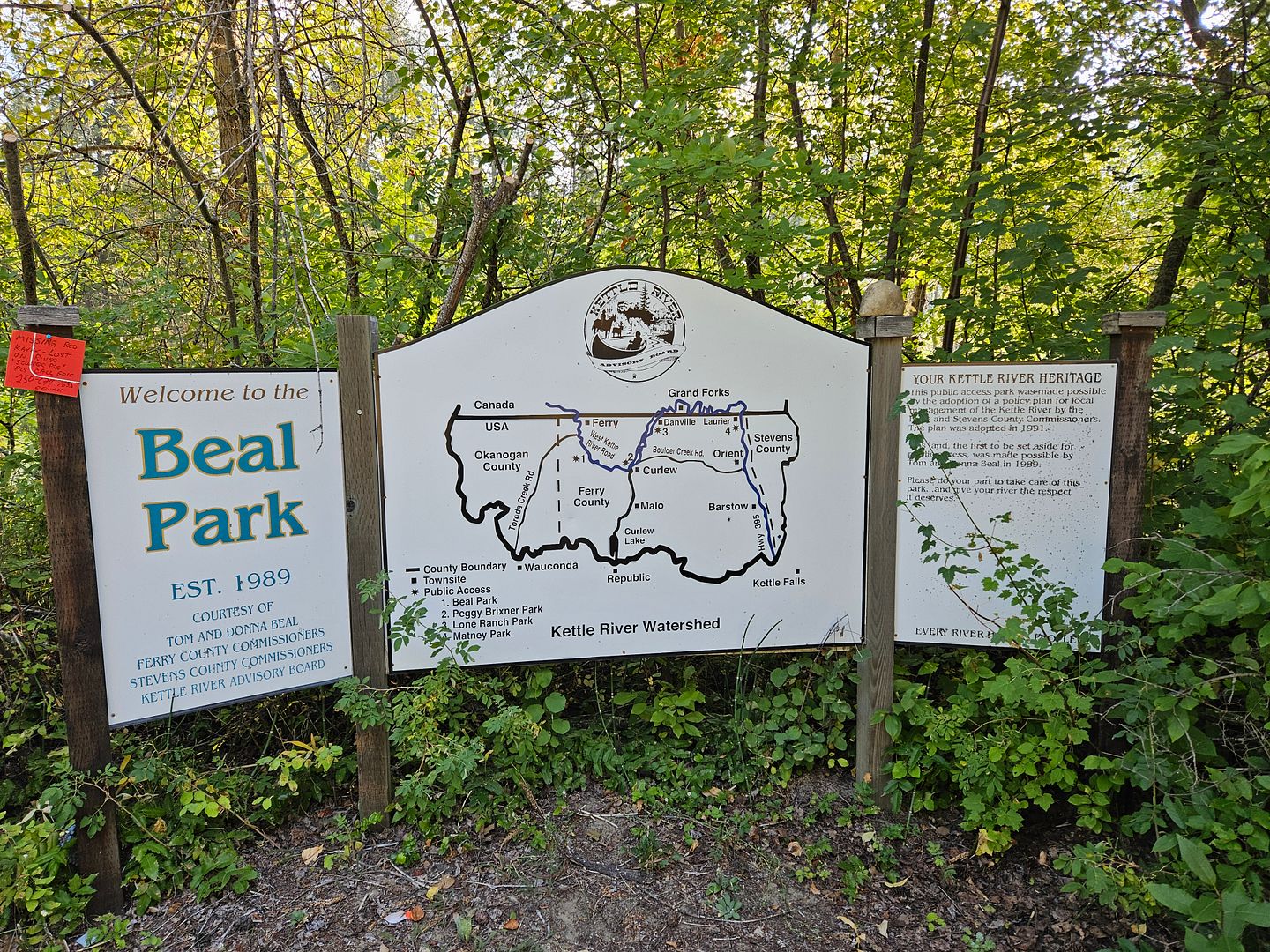
Hooray for Beal Park and their humble offering.

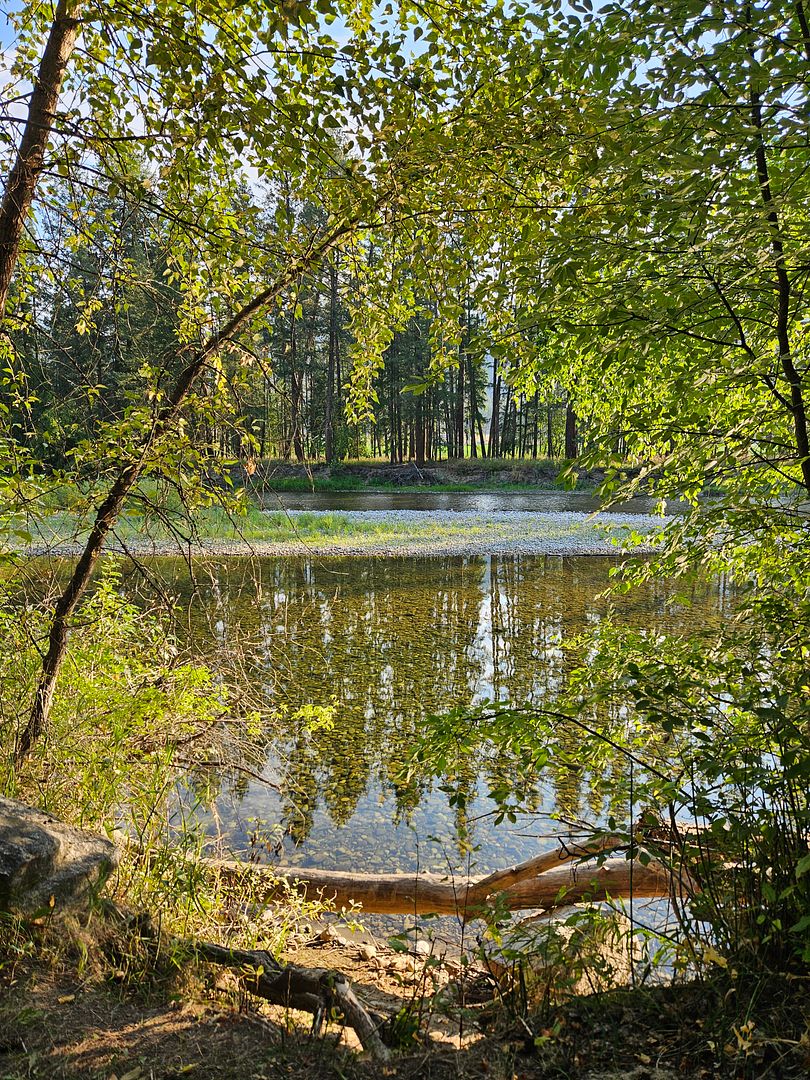
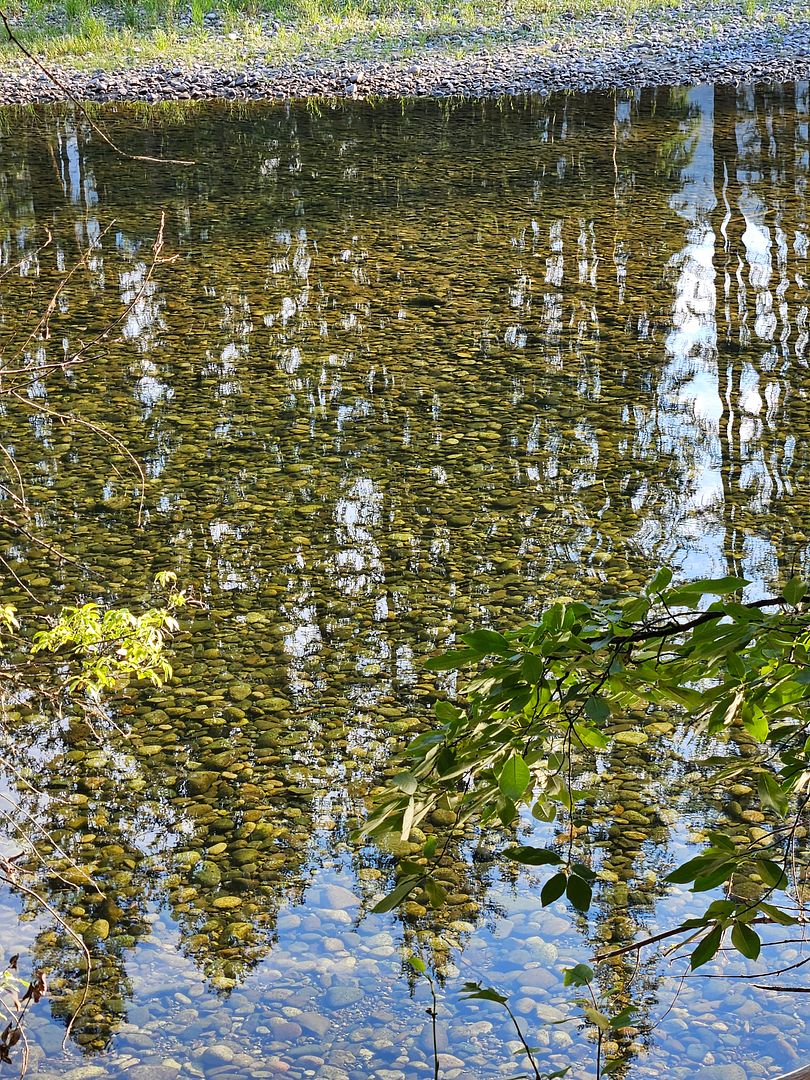
The reflected views on the Kettle river were nice.

The Kettle River begins its journey to the Columbia River at Holmes Lake in British Columbia. It first enters the U.S. at Midway in Ferry County, Washington. It then loops down, south east, to Curlew, WA.; then heads north east to Danville, where it crosses back into Canada. The Kettle River then re-enters the U.S. at Laurier in Stevens County, where it proceeds south to join with the Columbia River, near Boyds, Washington. 

Back to the Border and we were the first crossing of the day. I wonder just how many crossings they encounter?

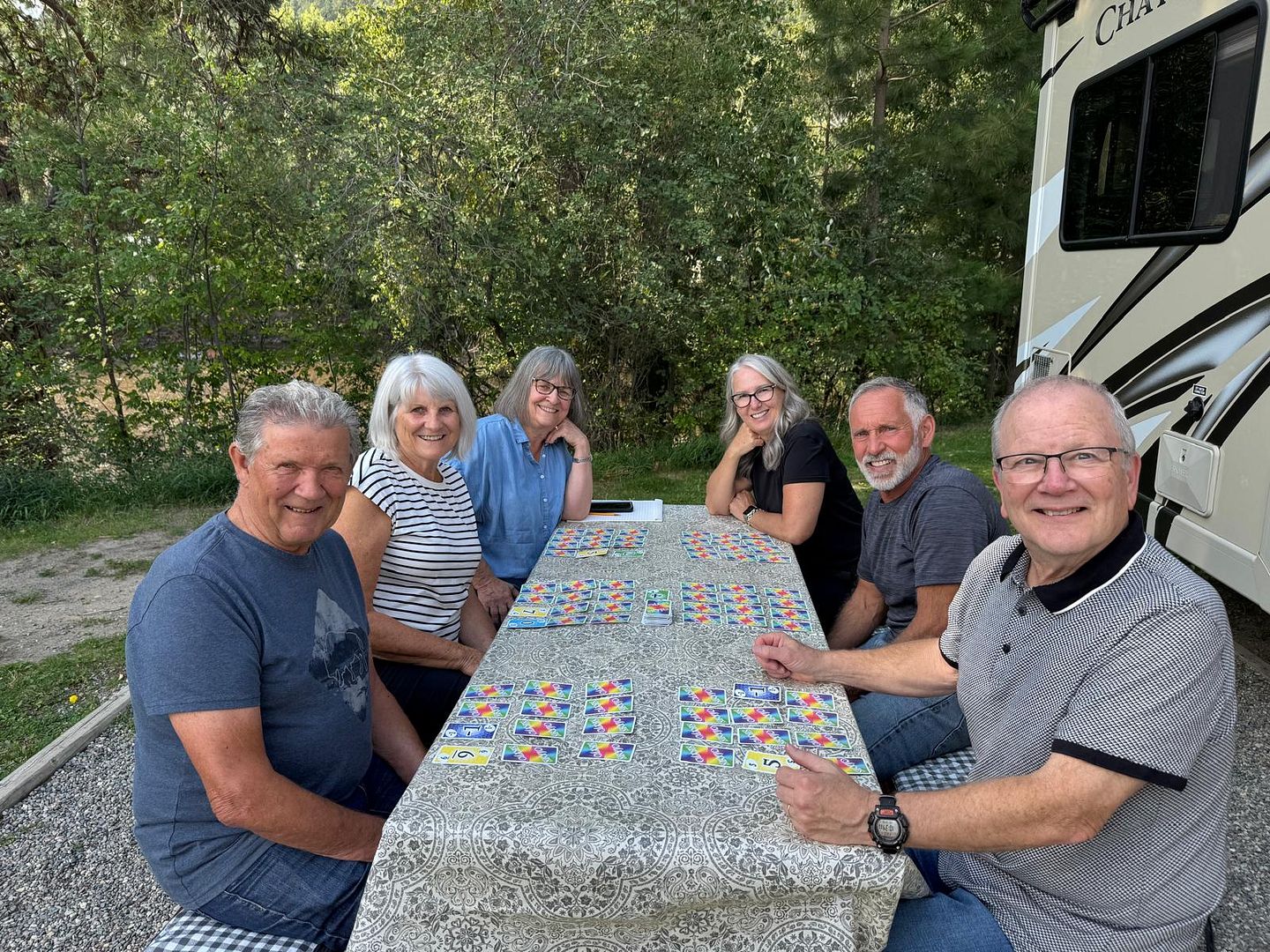
We enjoyed seven and a half hours with our friends at a campground about 1.4 Kilometers from the border crossing (that is under a mile) before we turned around and reversed our route home. (I shared our time with more photos here)  Those hours seemed to pass quickly. The campground was situated along the Kettle River. This road trip seemed centered on the Kettle River.

Our border crossings coming and going were both pleasant exchanges with the agents.

We saw more of the fire damage on our way home.

We were across the border by 4:30 pm and home by 6pm. It was a good full day.

News in the Neighborhood

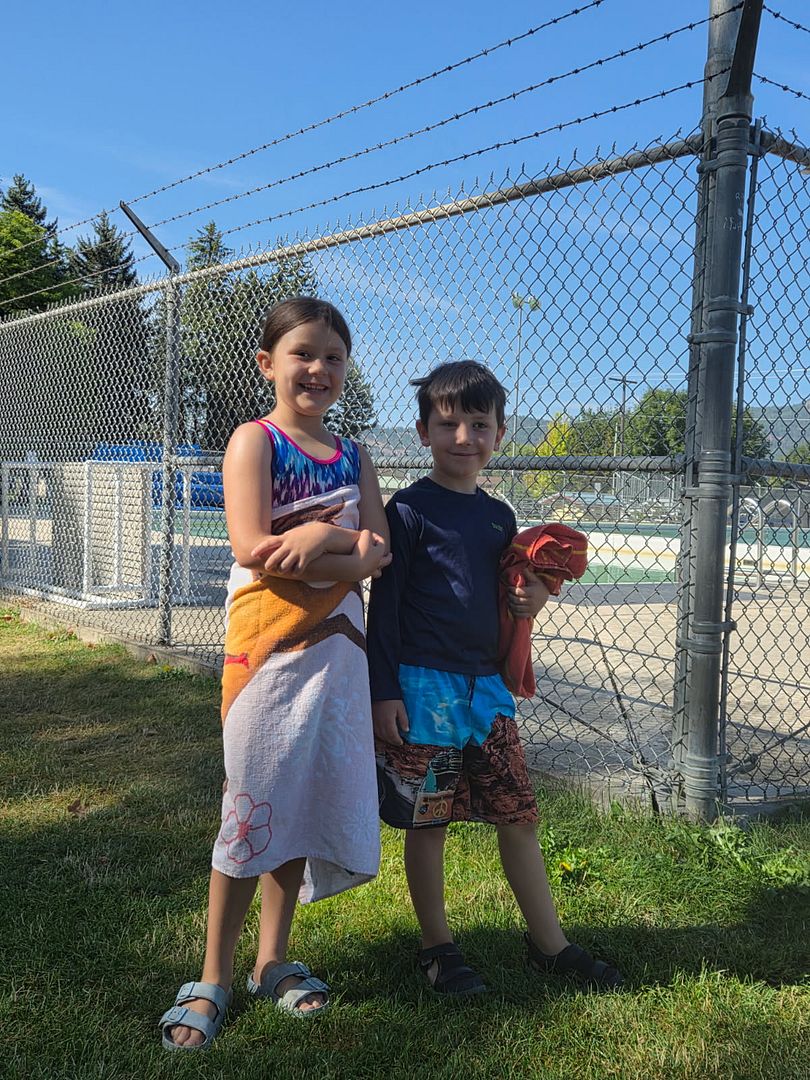
Another year of swimming lessons are in the books!

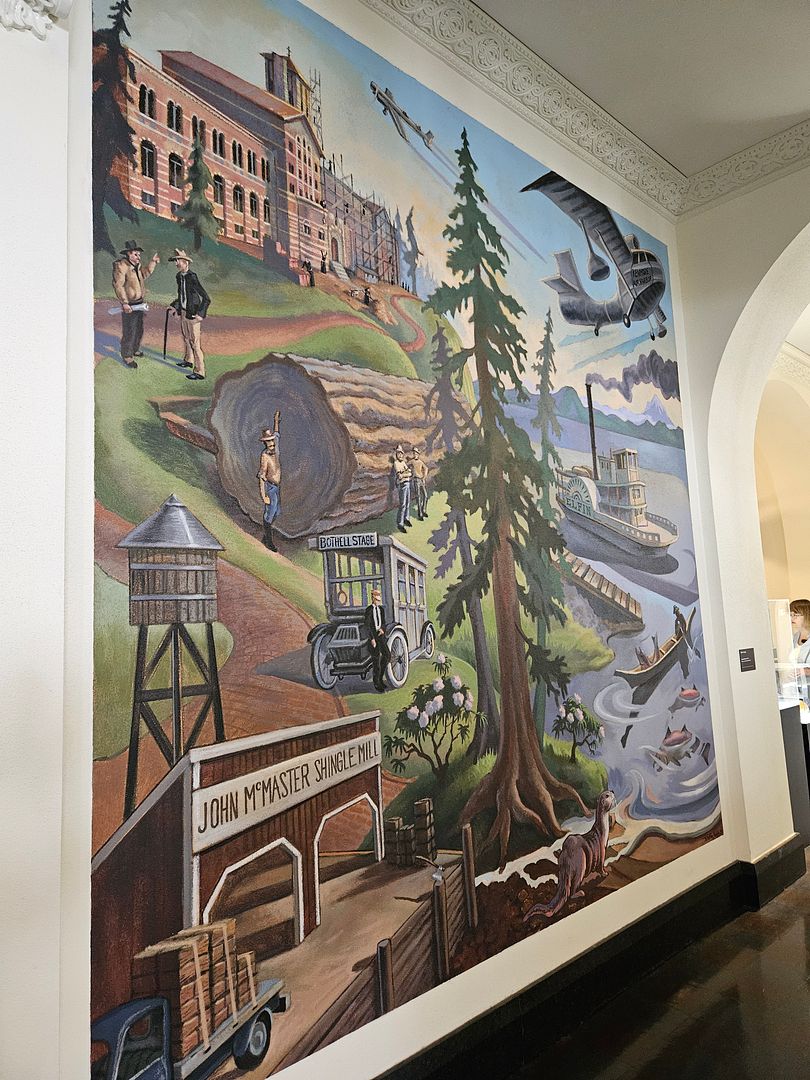
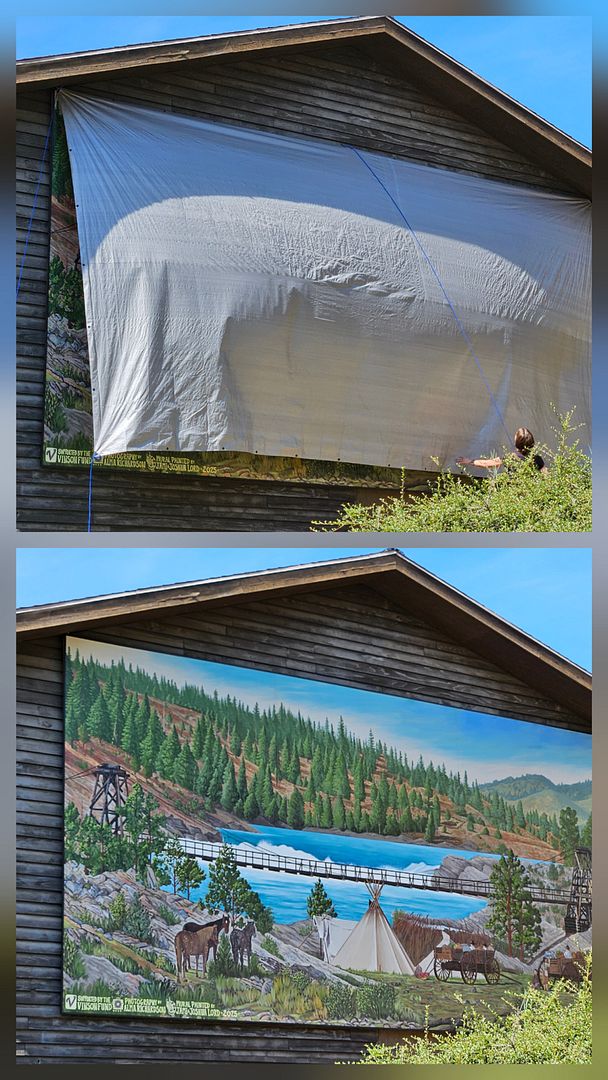
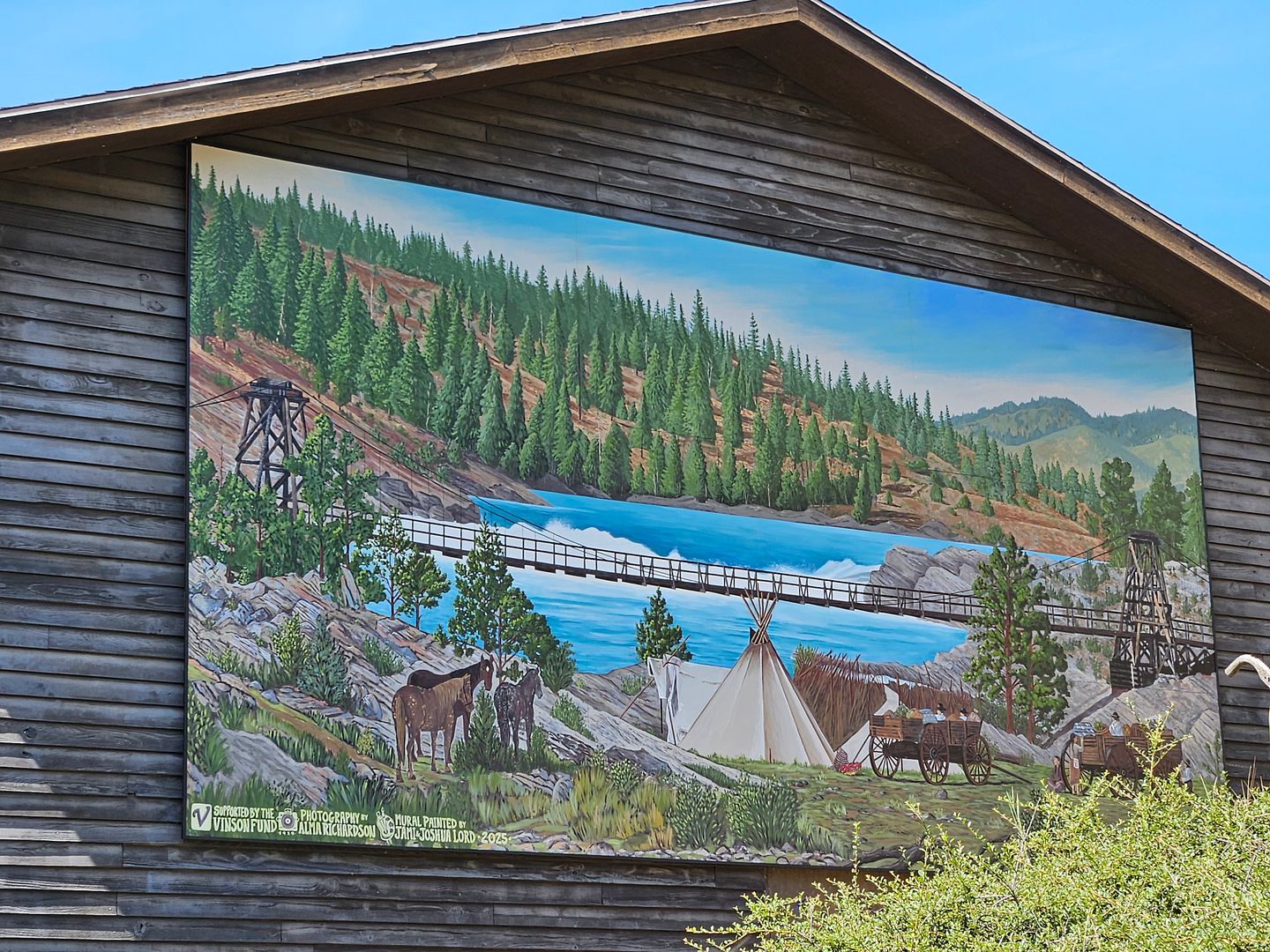
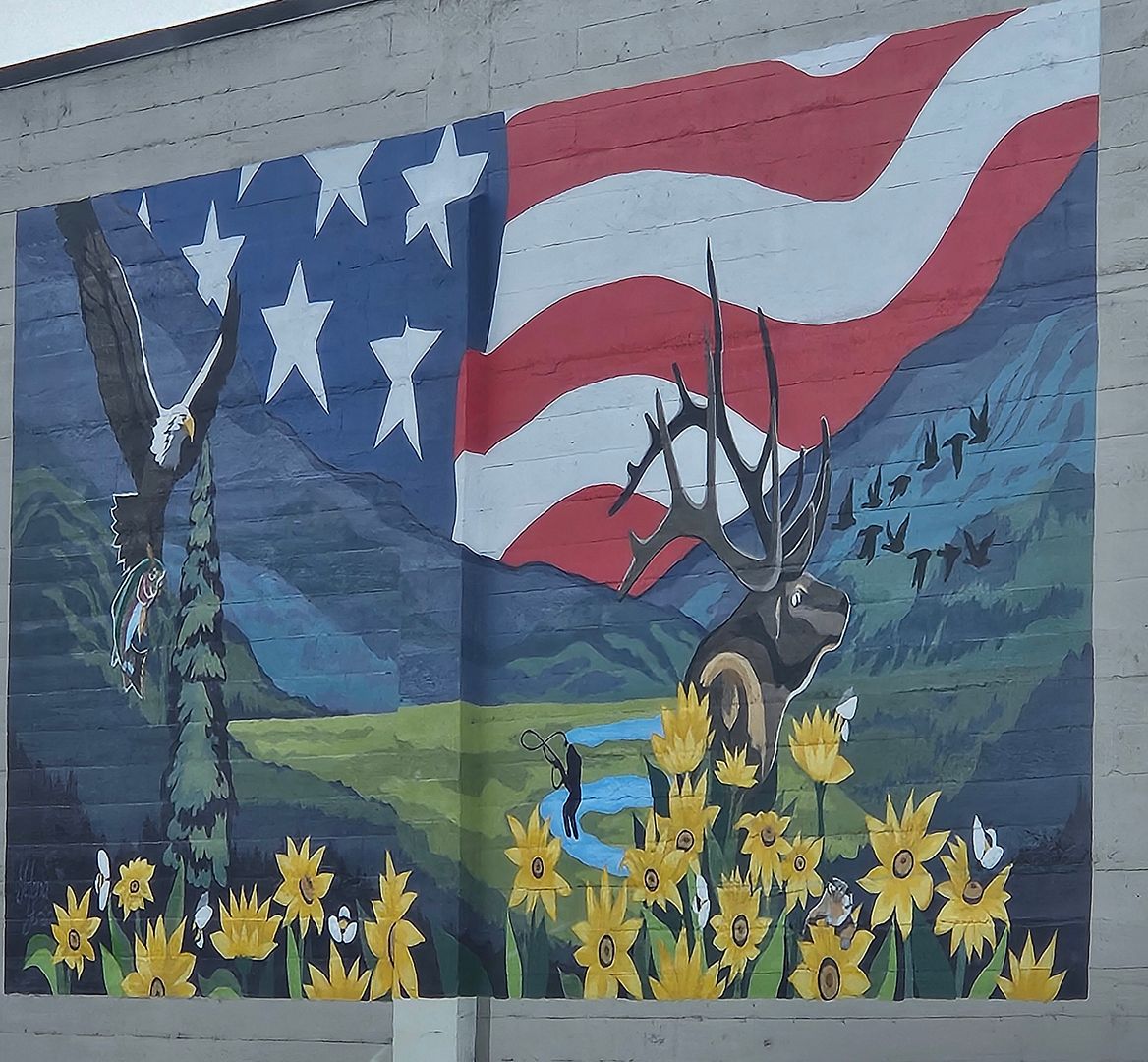
Our museum unveiled a new mural that was recreated from a black and white photo taken 100 years ago of Kettle Falls area on the Columbia River as it was before the Grand Coulee Dam was completed downstream in 1941. This area is now under water.

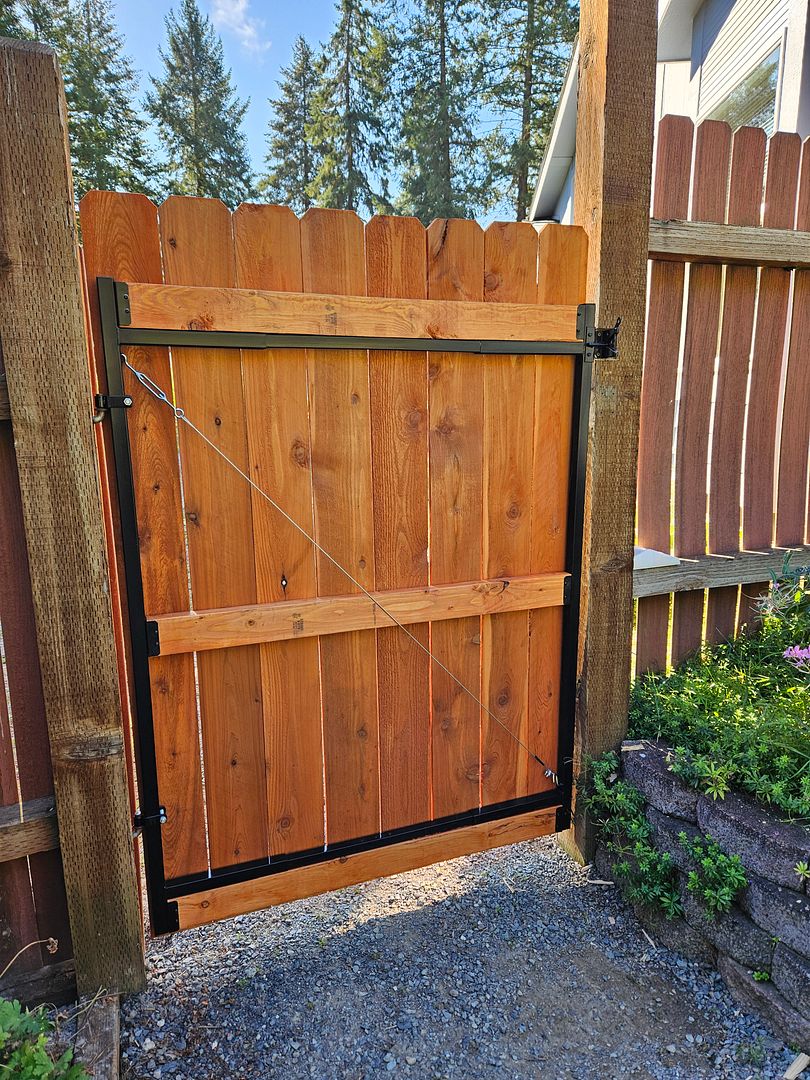
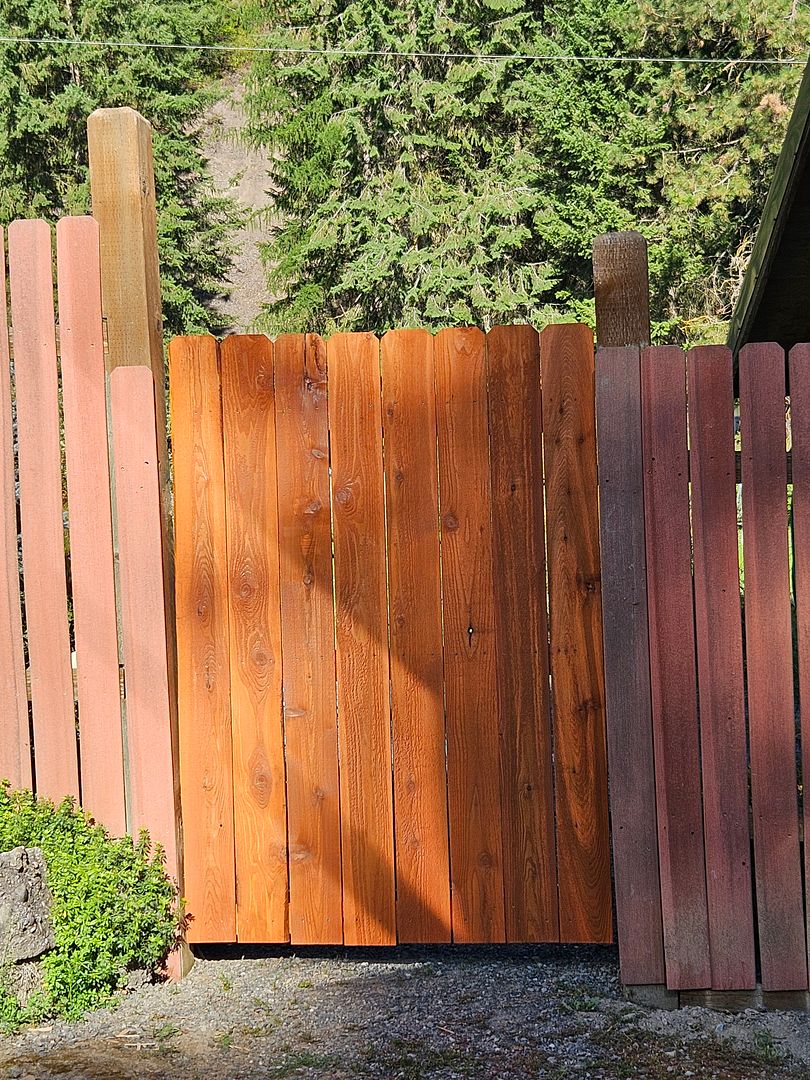
In other news Greg replaced our aged and failing gate this past week.

As usual he does great work!

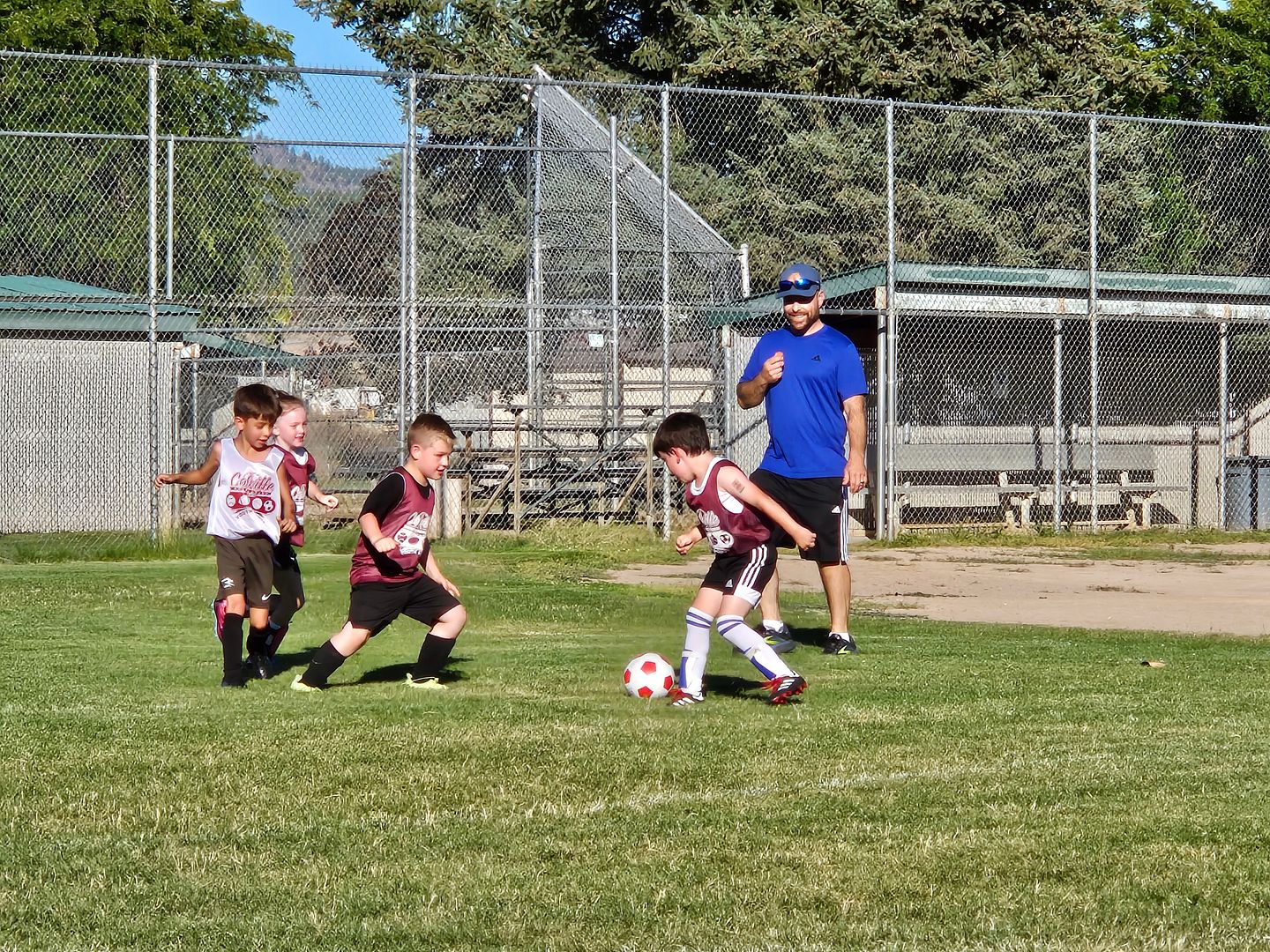
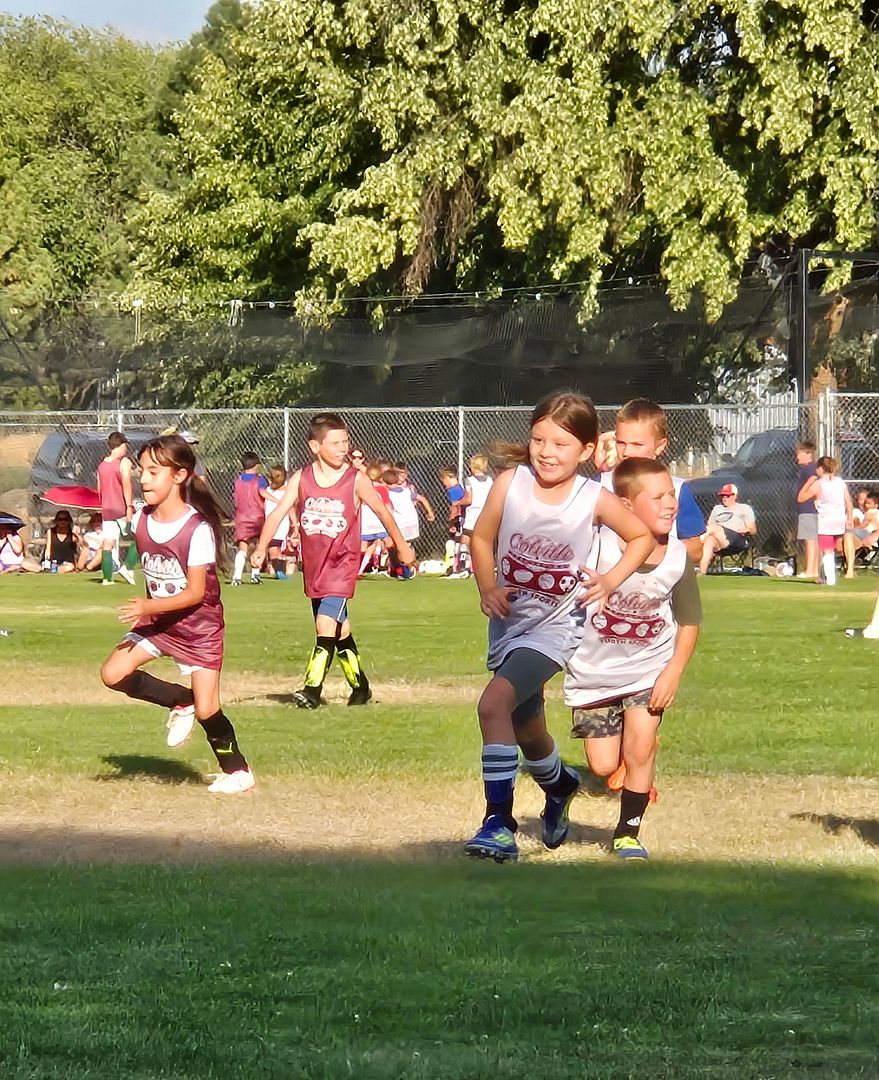
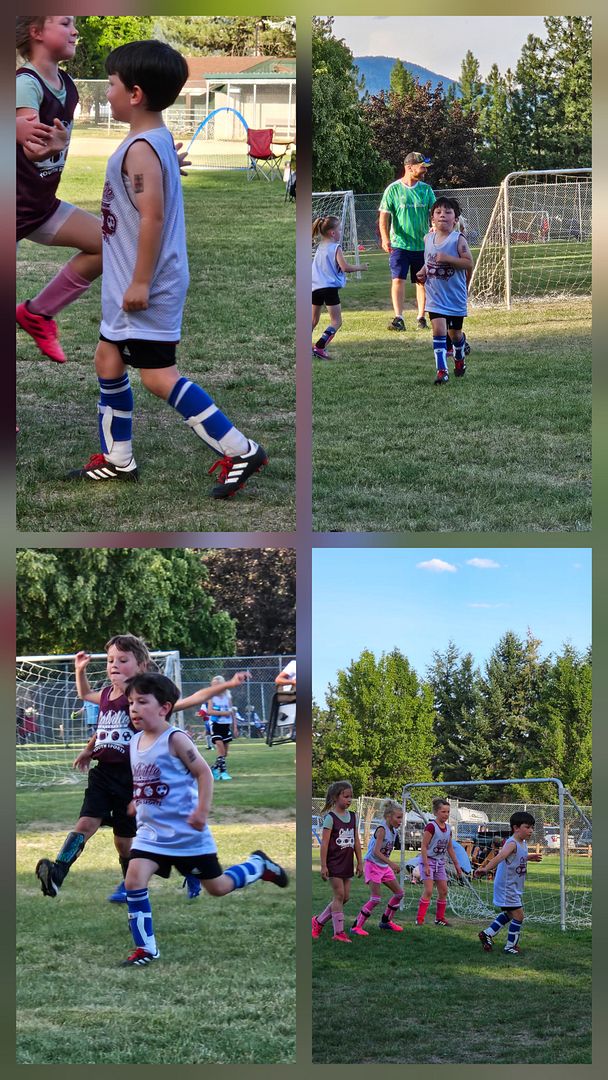
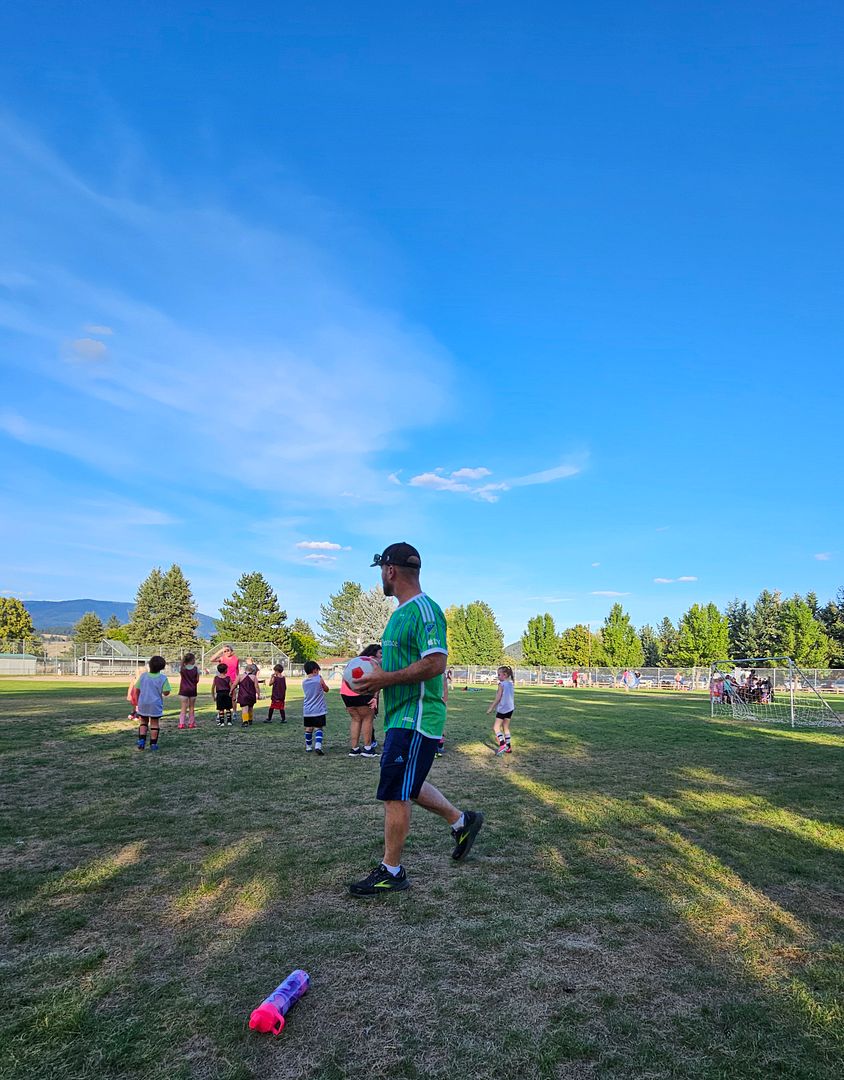
The 2025 soccer season is on full kick ahead. Addy and JJ are busy on the pitch.

It’s a ‘kick’ to see their dad referring, too.

Hope y’all have a great Friday!

Huntington Beach Civic Center

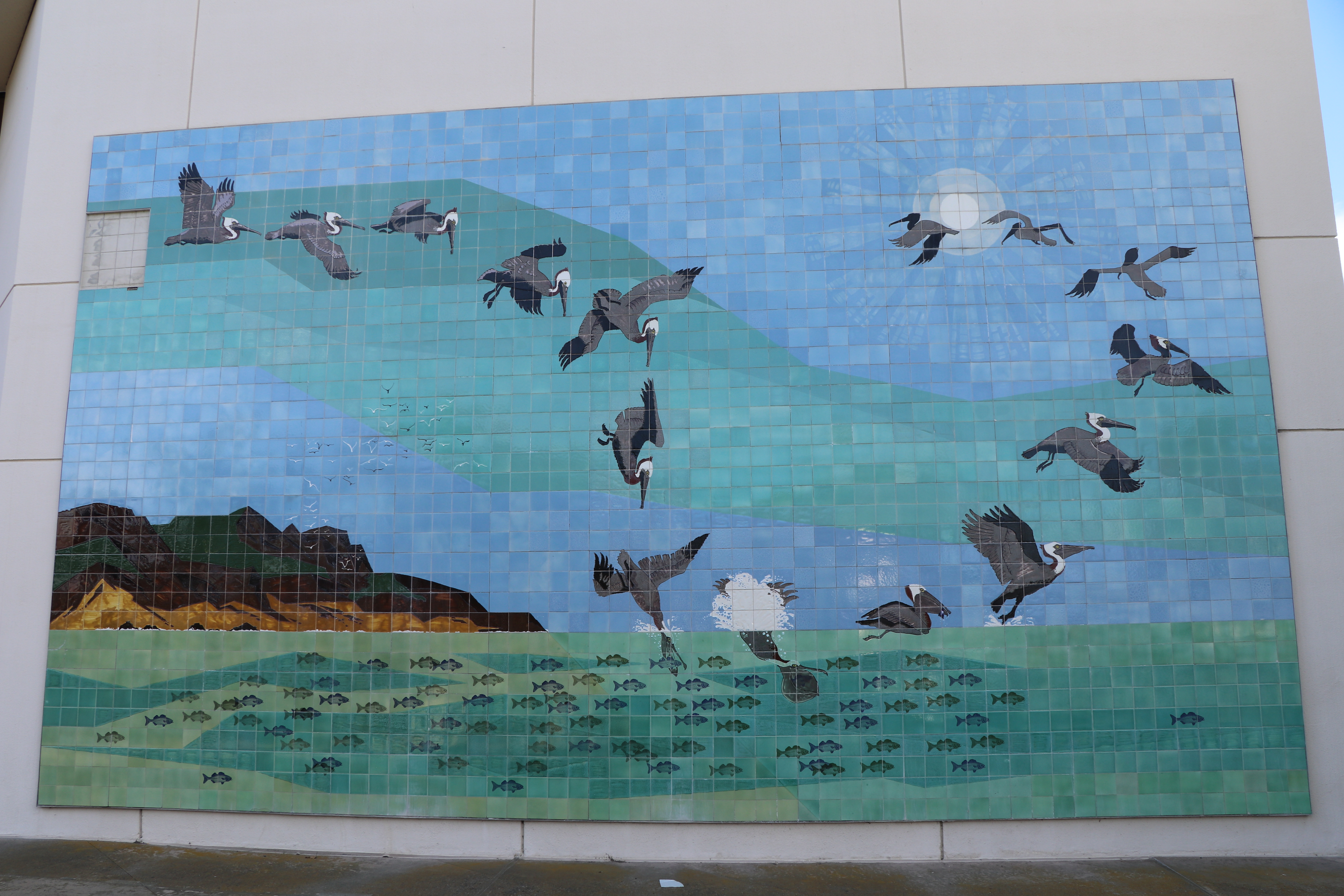
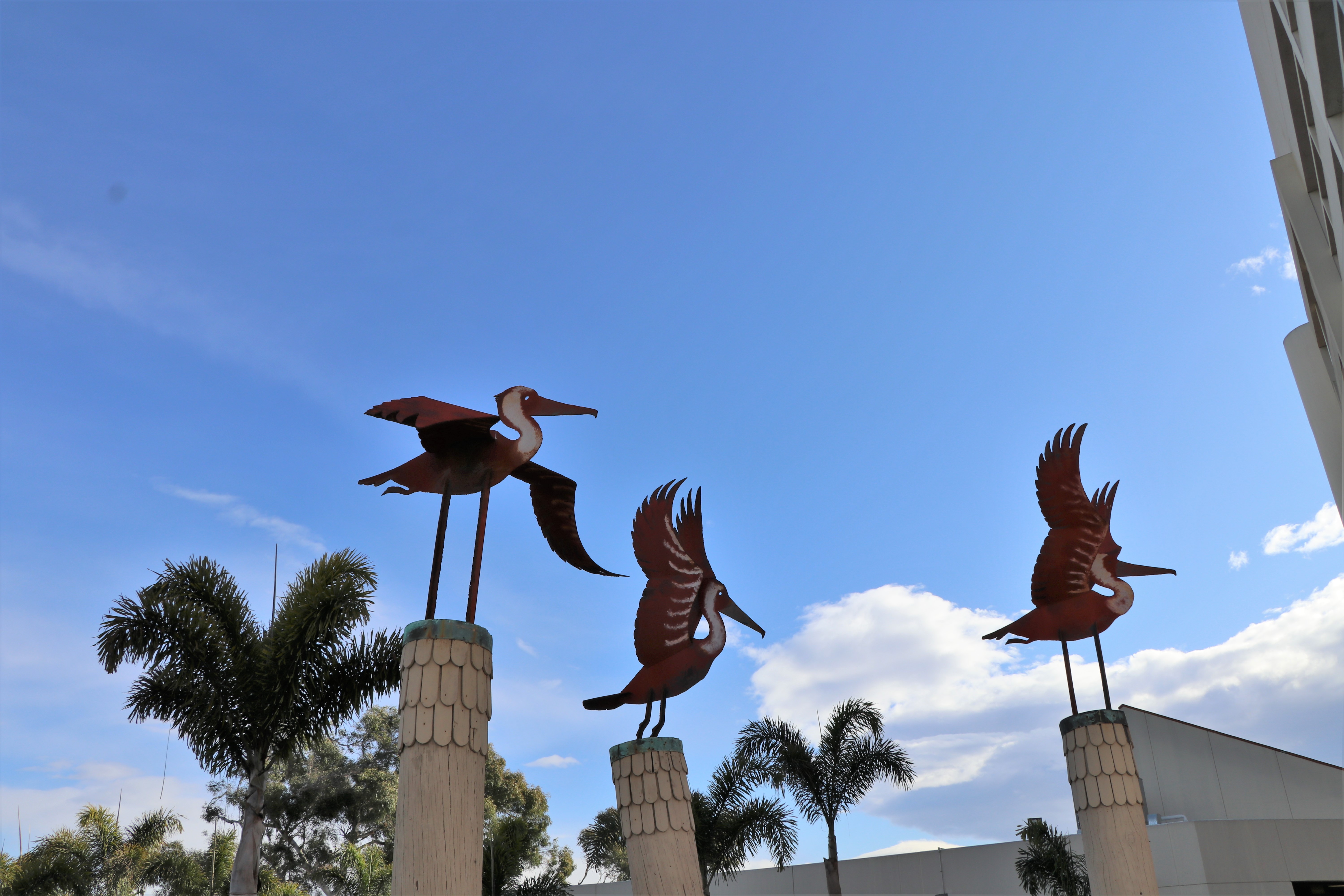
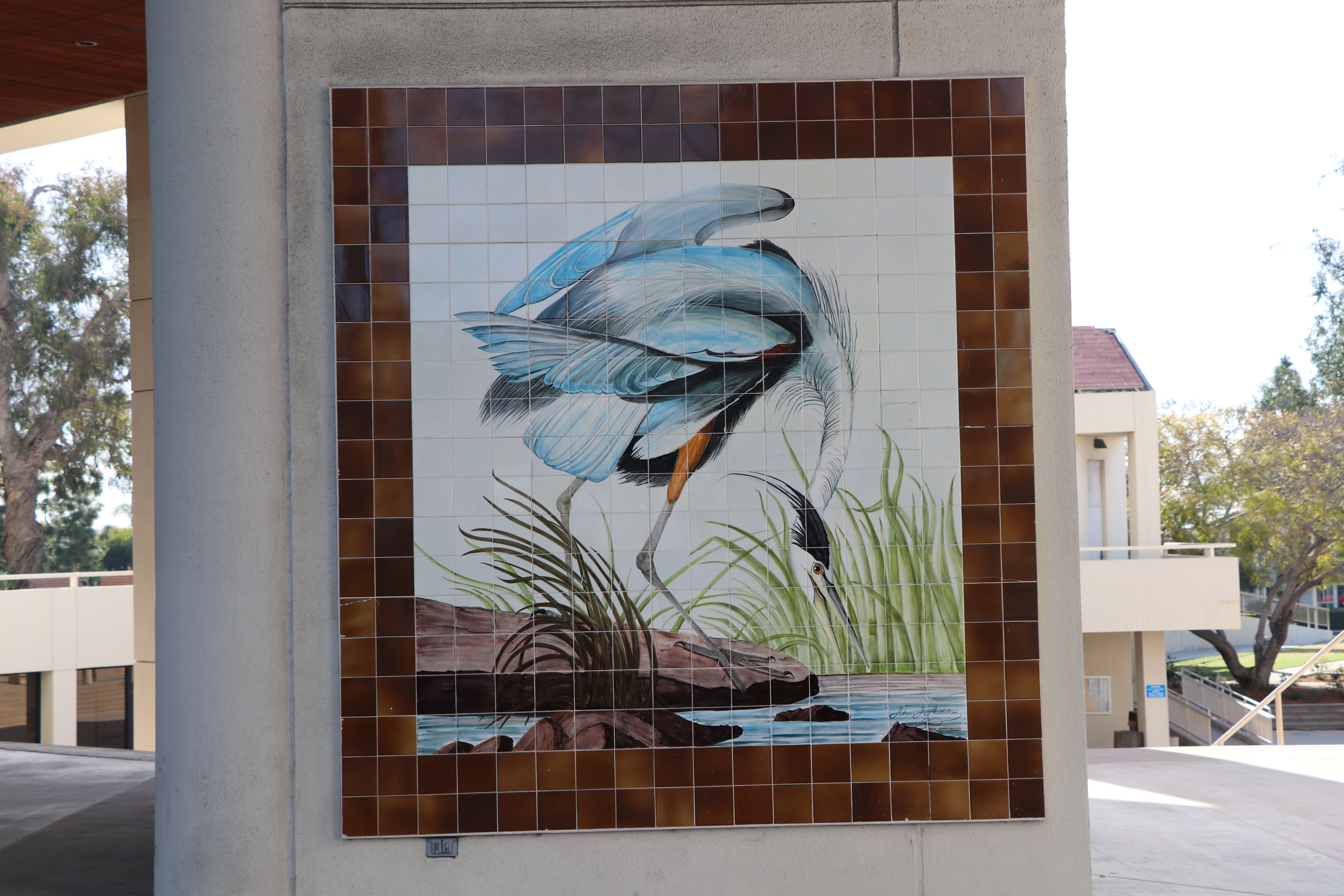
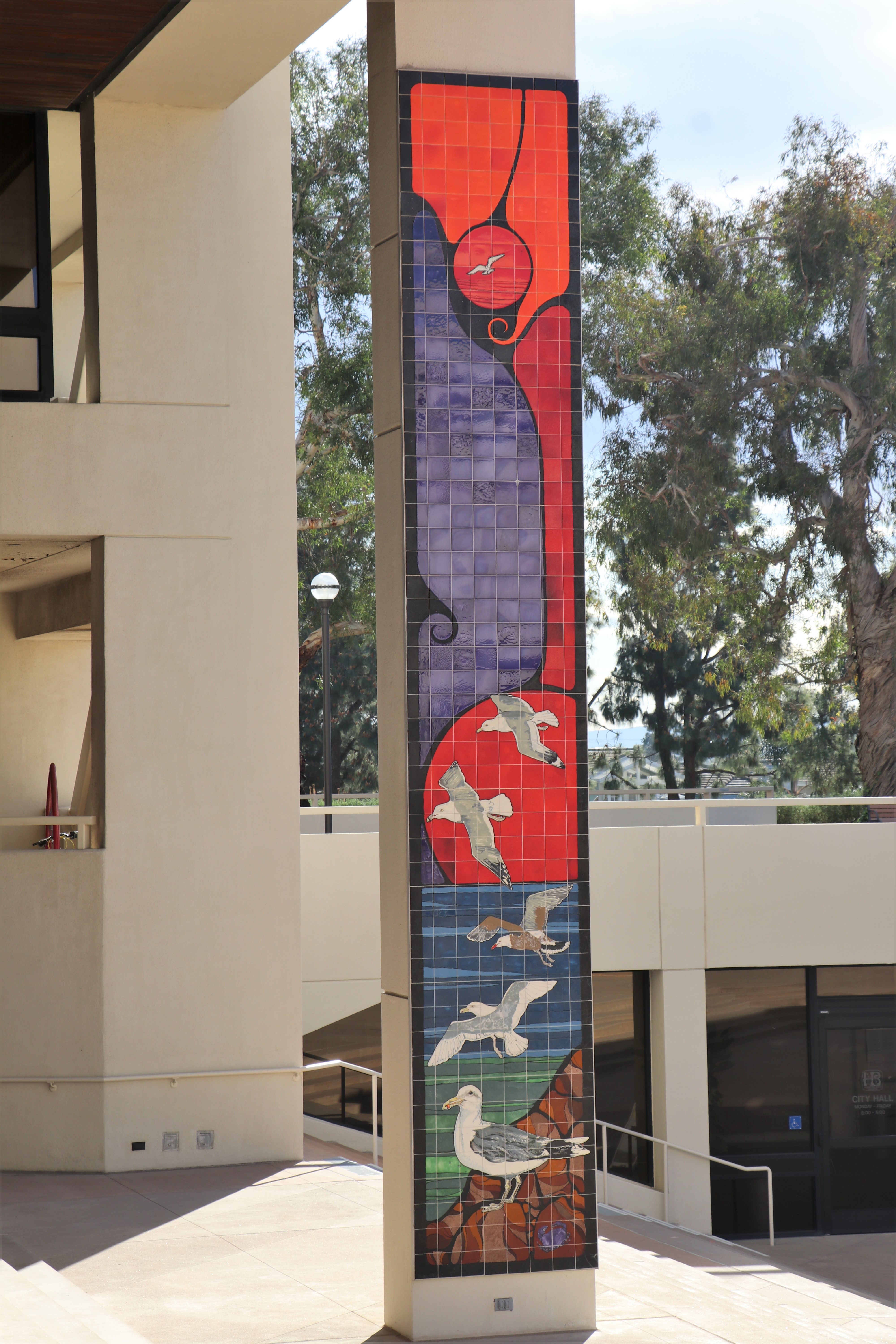
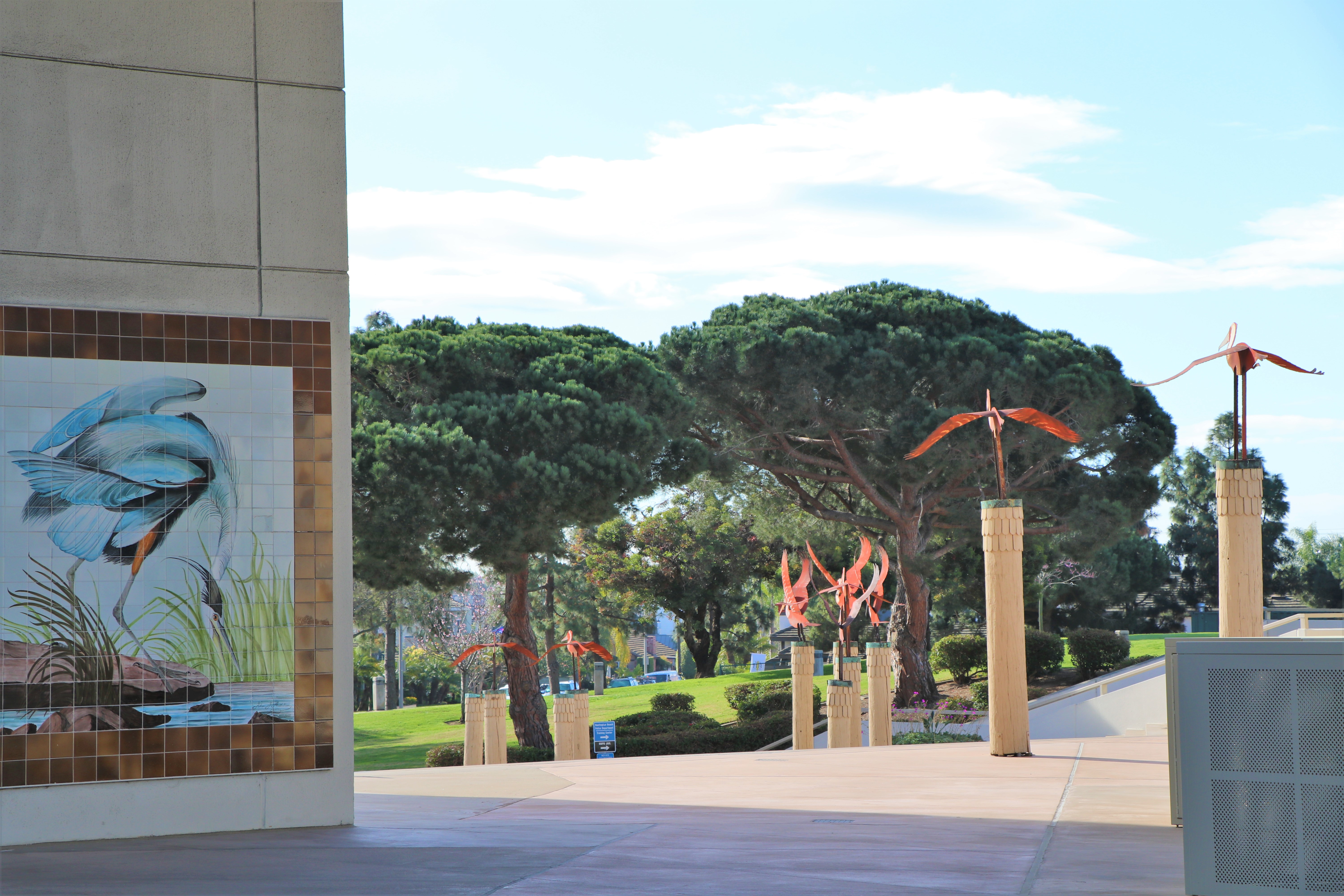
I’m glad I had my camera with me while I waited for my sister to get her one year beach parking pass at the Huntington Beach Civic Center. As a senior who lives in Huntington Beach she can purchase a year long parking pass for $75.00. What a bargain and a good way to benefit city residents who have to put up with all the incoming traffic that tourists and day trippers pose. This pass is good at the City Beach not the State Beach.


Tuesday was a good day at Bible Study Fellowship and then I had a few hours of baby sitting my dear grands. We are getting ready for some birthday celebrations here in Colville. Addy is nearing her 3rd birthday and I’m nearing my 69th birthday. One more year in my 60’s! Now we need to watch a couple episodes of Daniel the Tiger since that is the theme this year for Addy’s 3rd birthday party.

We are heading to Spokane on Thursday for a few days in the Spokane Valley. We are now getting news of a forecast of up to 3 inches of snow so we’ll be walking less outdoors and shopping more indoors. Hope to have some adventures to share.

Saturdays Past

2017-01-21-crystal-cove4

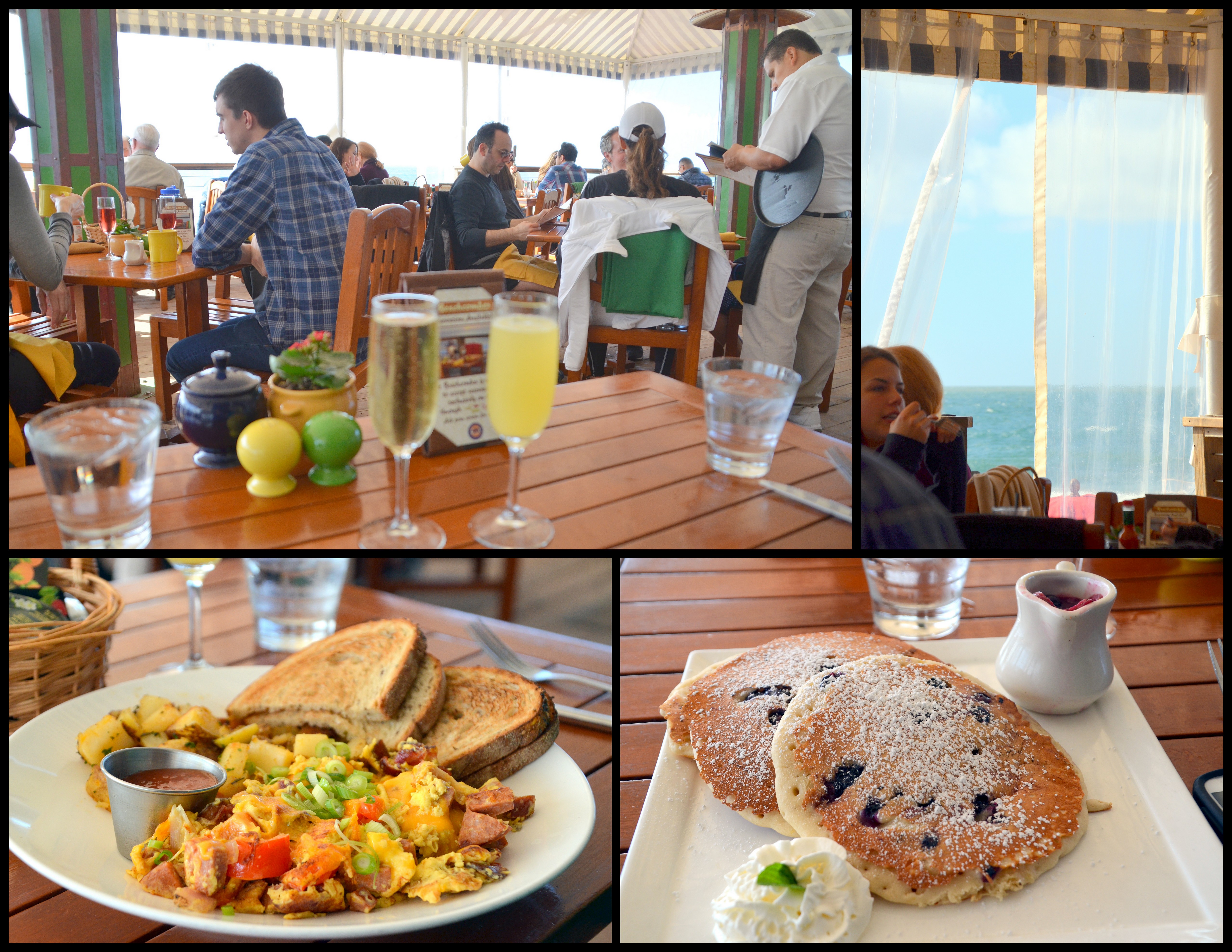
It’s already been 3 weeks ago that I was on the beach at Crystal Cove having brunch with my sister. I still need to share the photos of the lovely beach and the history of the state park where this restaurant is located…right on the beach. The food was very good!

crystal-cove-077

crystal-cove-076

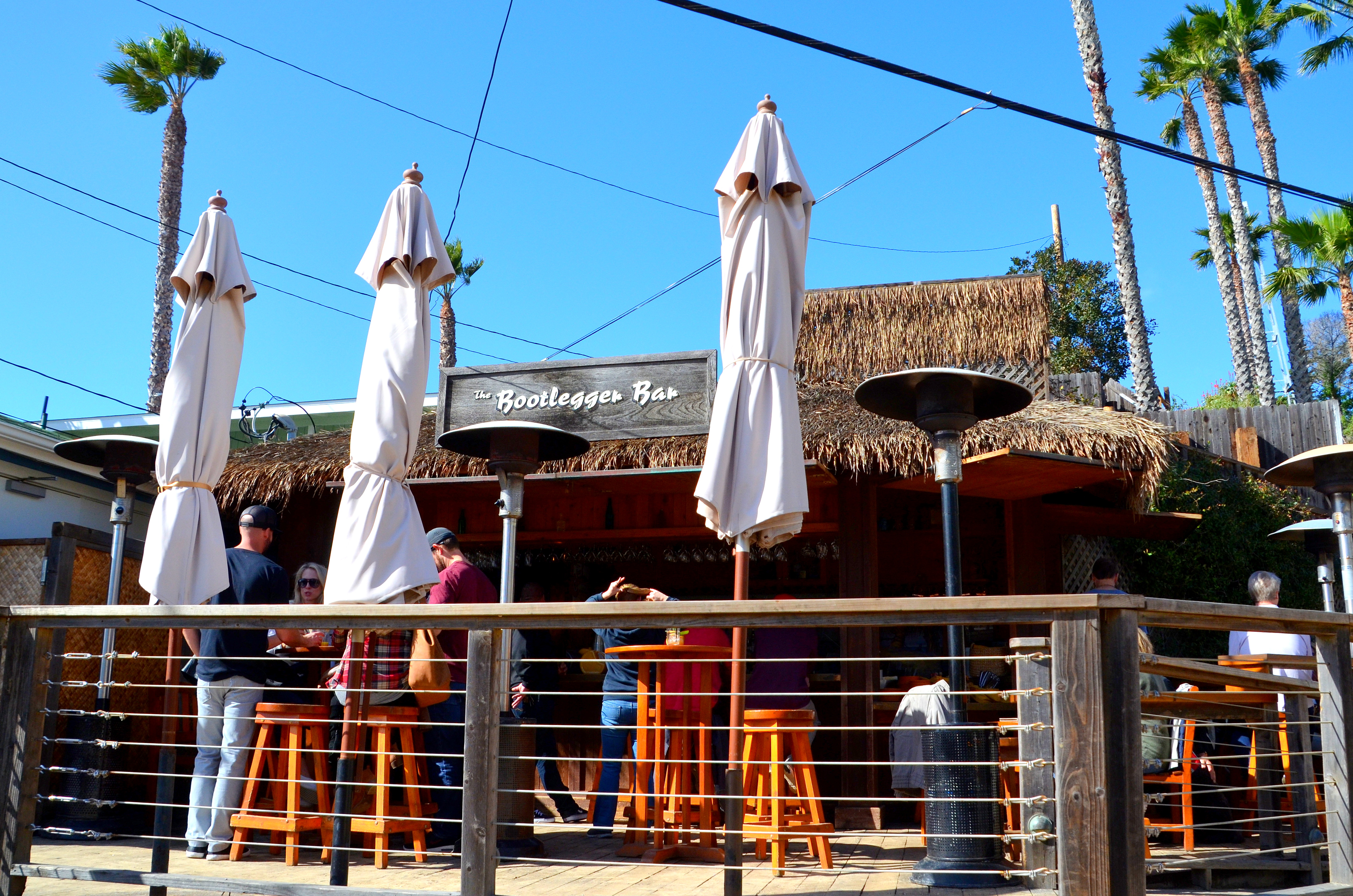
I took this photo just out front of the restaurant. After you are shuttled across the highway (for $1.50) from the parking lot to the beach side of PCH (Pacific Coast Hiway) which costs $15.00 to park, you can put your name in at the restaurant and they give you a buzzer to let you know when they can seat you. This is a very popular place to enjoy a meal so the wait can be long. In the meantime you can explore the beach and walk along the sand until you are buzzed. If you eat at the restaurant you can show your paid receipt and your parking is free for up to 3 hours. There is a tunnel that goes under PCH if you’d like to walk to the beach side of PCH and get to the beach and restaurant on foot instead of the shuttle. On this day we took the shuttle across because the tunnel was closed due to the heavy rains and runoff that was flooding the tunnel. When we were done with brunch and exploring and ready to go back to the parking lot the tunnel was open with cautions of some running water. We chose to walk the tunnel back. Crystal Cove is a California State Park.

2017-01-21-crystal-cove5

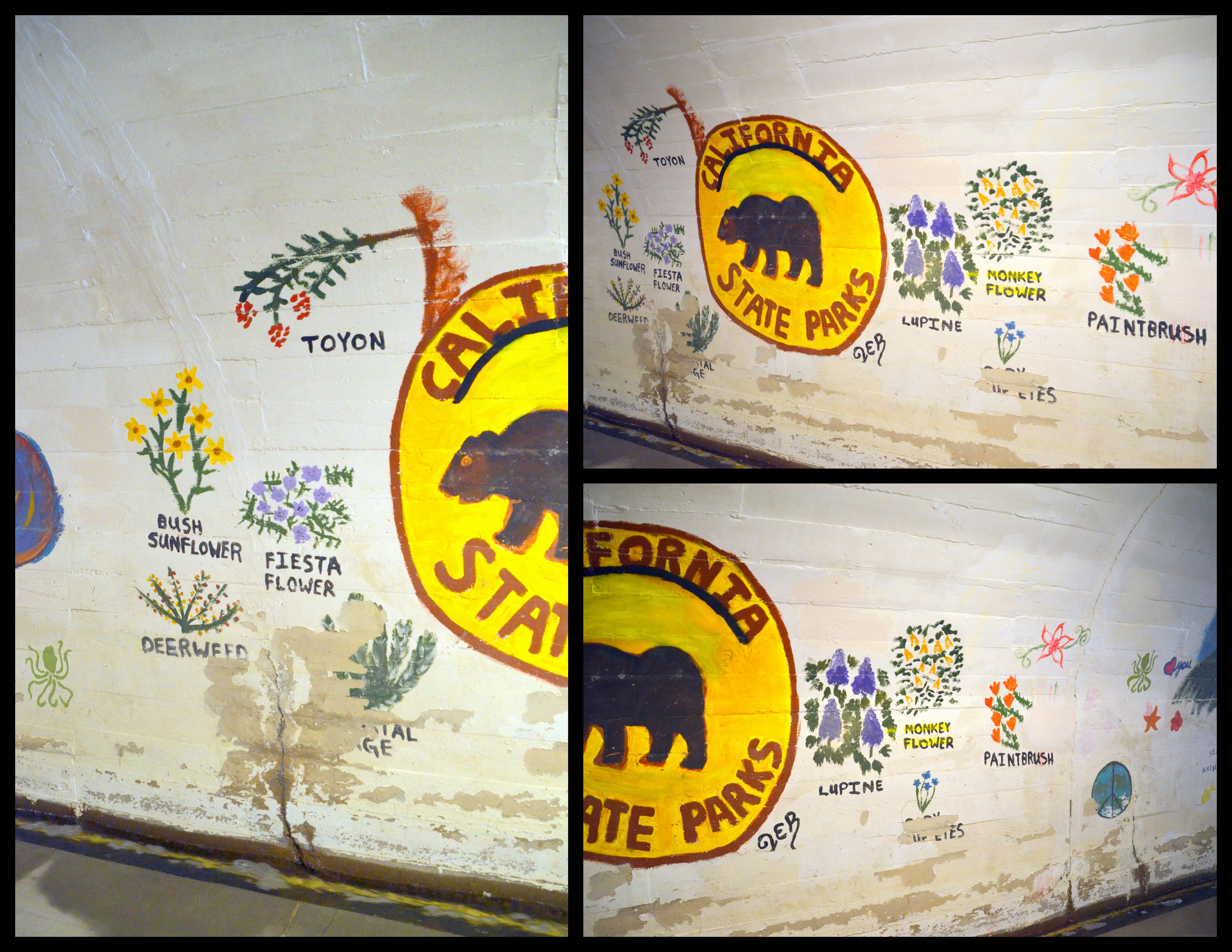
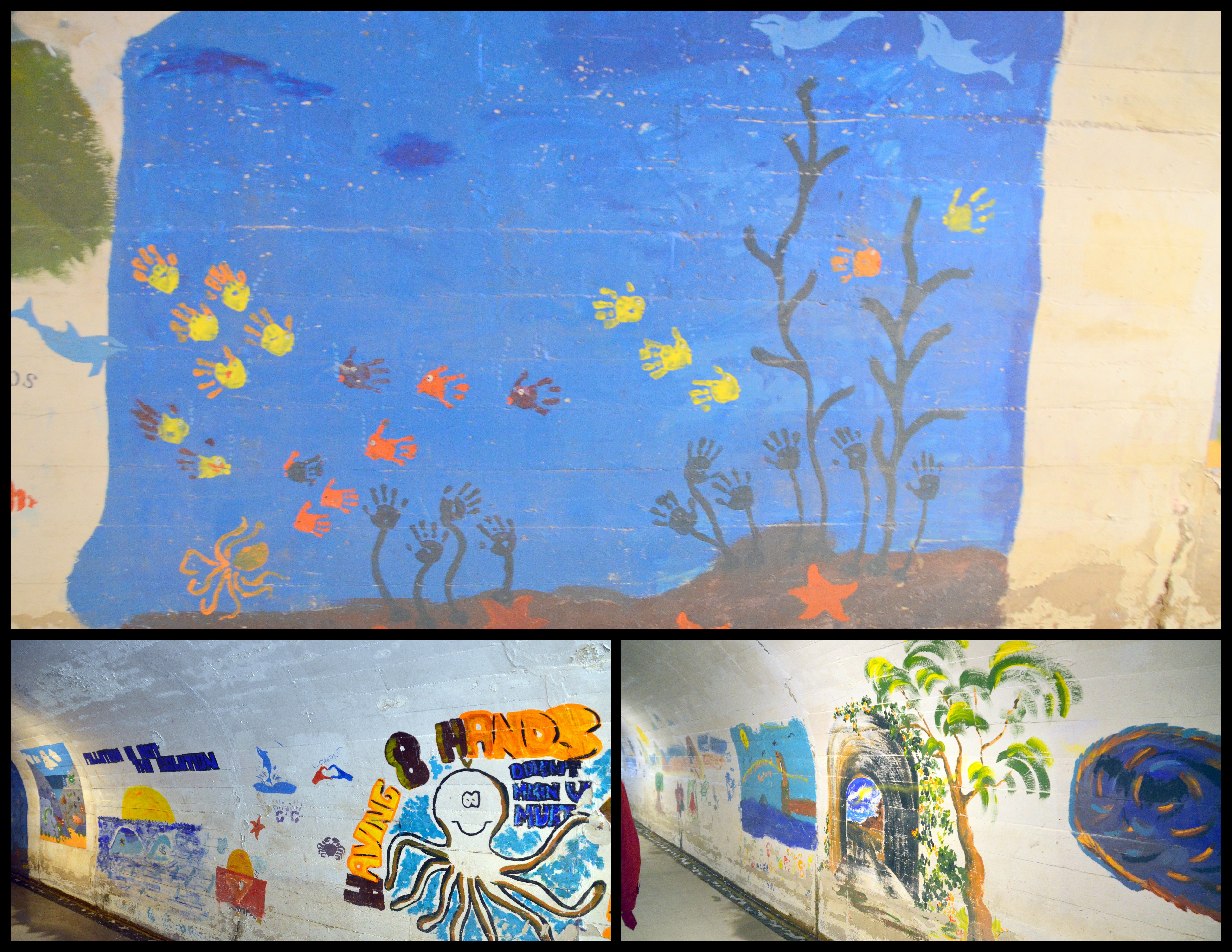
The tunnel was decorated with several murals that were painted by boy scout troops and others. There are hiking trails where you can come across these plants pictured in the mural above.

2017-01-21-crystal-cove6

2017-01-022

These two were my favorites. “Protect what you see and what you Don’t see” and the lower one that showed Splash Zone, High Tide, Mid Tide, Low Tide and Sub Tidal.

Linking up to Mosaic Monday with Maggie at Normandy Life.

Also linking up to Monday Mural with Oakland Daily Photo.

Now to the present…Dear and I did some walking on Friday and Saturday morning. We walked a river trail and then at a nearby park on a bay. We hope to make it a habit to walk more. Sunday evening we are having Josh and Laura over for an early Valentine’s Day meal. Dear and I have been cooking for a couple days now trying to recreate Julia Child’s Boeuf Bourguignon. I hope I remember to take some photos of the finished product. Hope you all had a nice weekend. The sun is shining nicely here right now!

Concrete, Washington

fall-drive-067

On a road trip we took early in October we drove through the little town of Concrete along the Cascades Highway and Skagit River. Concrete is a town in north-central Skagit County, Washington, United States. The population was 732 at the 2010 census.
fall-drive-073

St. Catherine Catholic Church.

fall-drive-072

fall-drive-070

fall-drive-075

Community Bible Church

fall-drive-068

Mount Baker Presbyterian Church

fall-drive-077

Concrete Assembly of God. This is one of three oldest wood structures in Concrete that survived several fires prior to 1921. After all the fires the city decided to use their ample supply of concrete for future commercial buildings.
How Concrete Got Its Name

Early settlers came to the Baker River in 1871, originally calling the settlement on the west bank “Minnehaha.” In 1890, the townsite was platted by Magnus Miller, a post office was set up, and the name “Baker” was adopted. On the east bank of the river, the community that sprang up around the Washington Portland Cement Company (1905) was named “Cement City.” After the Superior Portland Cement Company plant (1908) was built in Baker, it was decided to merge the two towns, and in 1909, after much discussion, the new community settled on the name “Concrete.”
fall-drive-080

The Concrete Fire Dept. and Police Dept. stand side by side sharing a mural on the front of their buildings.
fall-drive-079

fall-drive-078

I’m linking up to InSPIREd Sunday with Beth and Sally and to Monday Mural at Oakland Daily Photo.
We are having a quiet Saturday as predicted. All outdoor surfaces are wet but not puddly. The rain is just a mist so far. Have you started shopping for Thanksgiving day? I haven’t yet since we are going to friends for the big meal. We are thinking of making our own turkey after Thanksgiving on the Traeger grill this year. Time will tell. Hope your weekend is going well.

Monday Mural Swiss Amish Style

p1060835

Sugarcreek Ohio was originally settled by immigrants from Switzerland. It has a rich blend of Swiss culture and Amish heritage wrapped into an experience all its own. These first two murals are on buildings on Main Street in Sugarcreek, Ohio. The mural above had moving skiers coming down the slope.

p1060832

With Swiss-style architecture, famous Swiss cheese and an annual Swiss Festival, Sugarcreek has become a top tourist destination in Ohio. It’s called the Little Switzerland of Ohio.

The next series of shots are from a mural in Heini’s Cheese Chalet in Millersburg, Ohio.

p1060804

Heini’s Cheese Chalet is a required stop on any cheese country tour so you can see this indoor marvel, sixty feet long, painted by hand. It provides a unique perspective on the rise of Civilization. Come with us, to a time before there was cheese….

The mural begins on the left with a huge wedge of Swiss — before there was a Switzerland — crossed by nomads on camels. The mural charts evolving cheesemaking processes, consumption, and its impact to the present day, circa 1980. “Mutiny on the Bounty was partly over cheese,” explains the accompanying text, also painted by hand. The illustration style is reminiscent of a child’s guide to the Bible; though an elfish, round-faced boy with a half-eaten cheese morsel makes an appearance.

The mural concludes with a tiny billboard promoting the world’s largest wheel of cheese, a ten-ton cheddar that was here until someone accidentally kicked the plug out of its refrigerated kiosk in the 1990s.

The entire mural was painted by local artist Tom Miller. “His work,” according to Heine’s promotional literature, “is now considered to be of collectible worth with increasing value.”

ht: RoadsideAmerica.com


p1060802

p1060801

p1060803

I bought a basket made by four year old Amish child from this shop. Seriously…four years old, I was blown away. There were long aisles of refrigerated cases with so many cheeses that you could sample. There were other goodies, too. These large Cheese shops in Amish country were really amazing. Makes all of the food stores I frequent seem cheese challenged and sausage challenged, too.

dinner-show

Linking with Oakland Daily Photo for Monday Mural.