Vienna Part 6 ~The National Library

Reinthaler’s Beisl

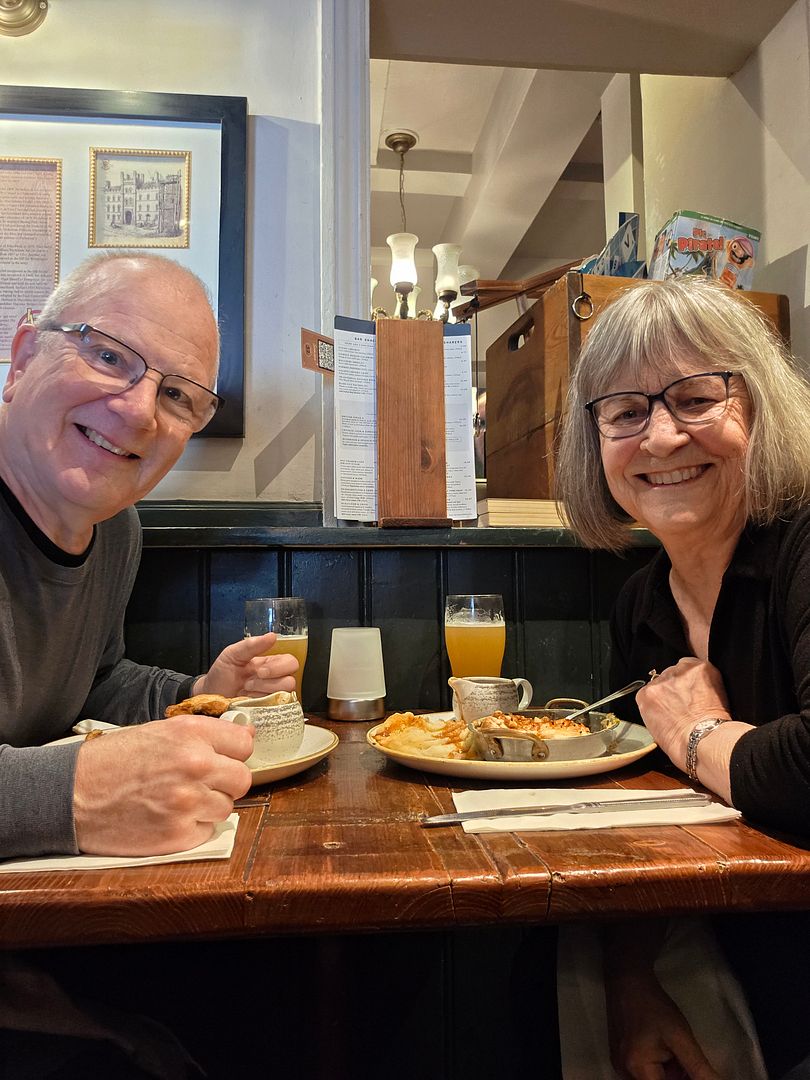
One of our tour guides suggested that to find a more authentic good Austrian restaurant we should stay off the large streets and follow some of the narrower side streets in Vienna. We took her advice and found Reinthaler’s Beisl after our tour of Schönbrunn Palace on Friday morning, March 6th.

At first we were sharing a table with an older woman who was finishing up her lunch. The restaurant was filled with (from what we could tell) locals not tourists.

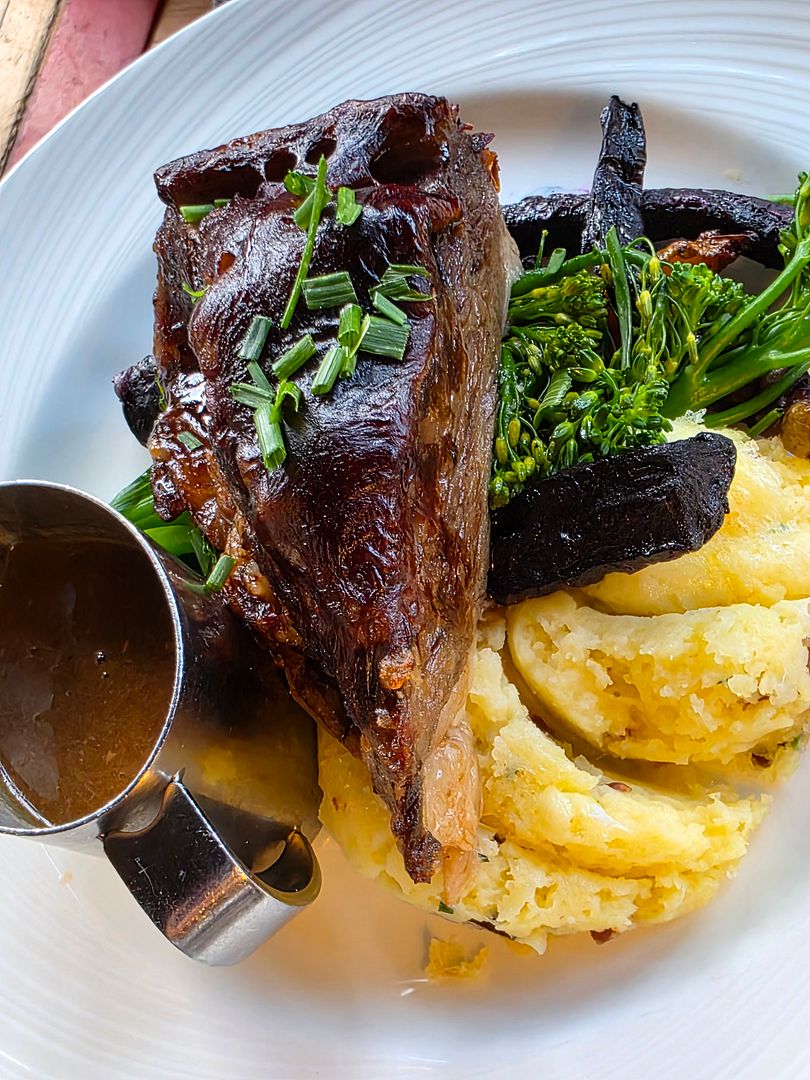
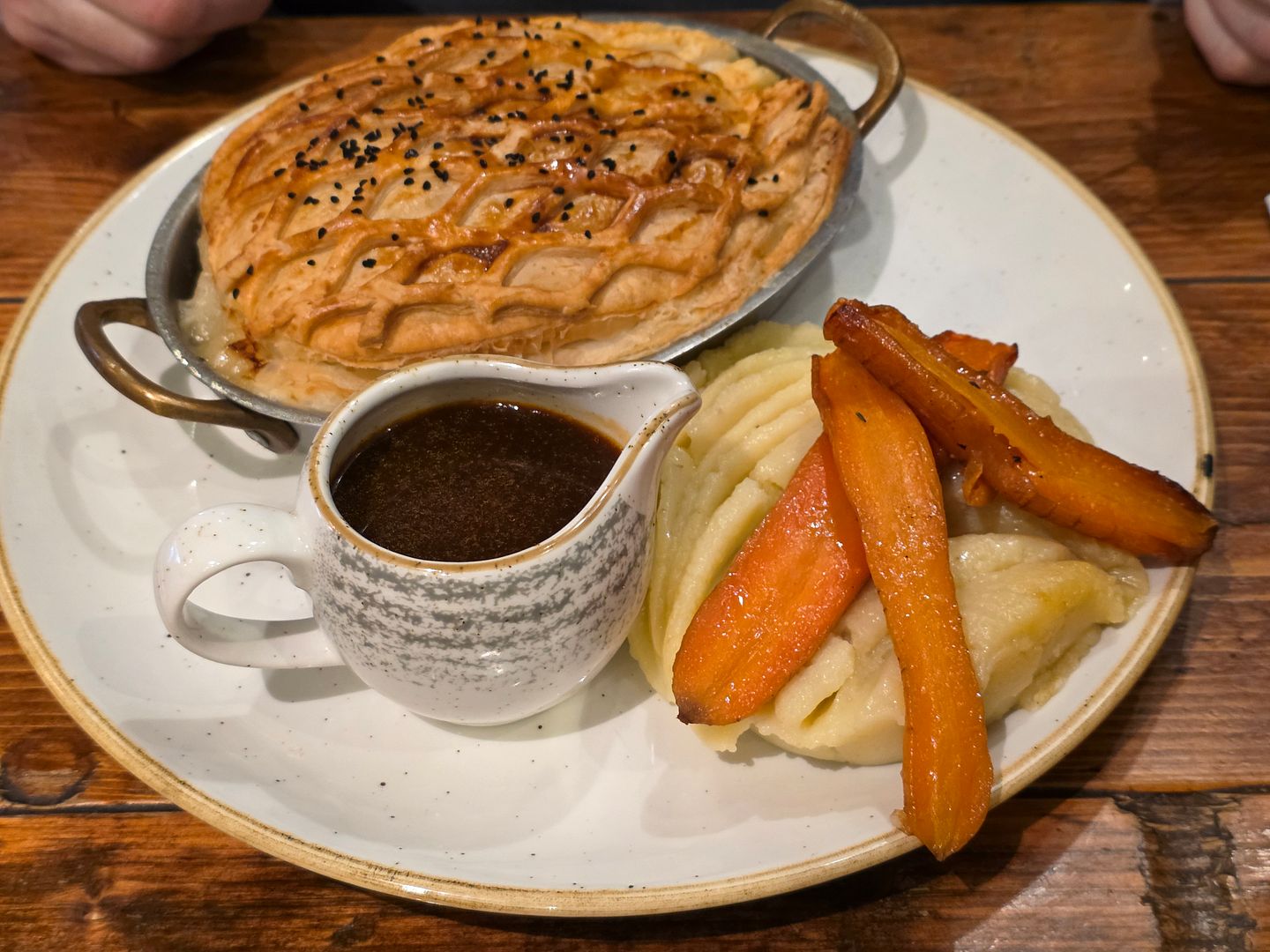
We shared an order of schnitzel and it was the perfect amount for us after our ‘appetizer’ of apple strudel at the Palace.

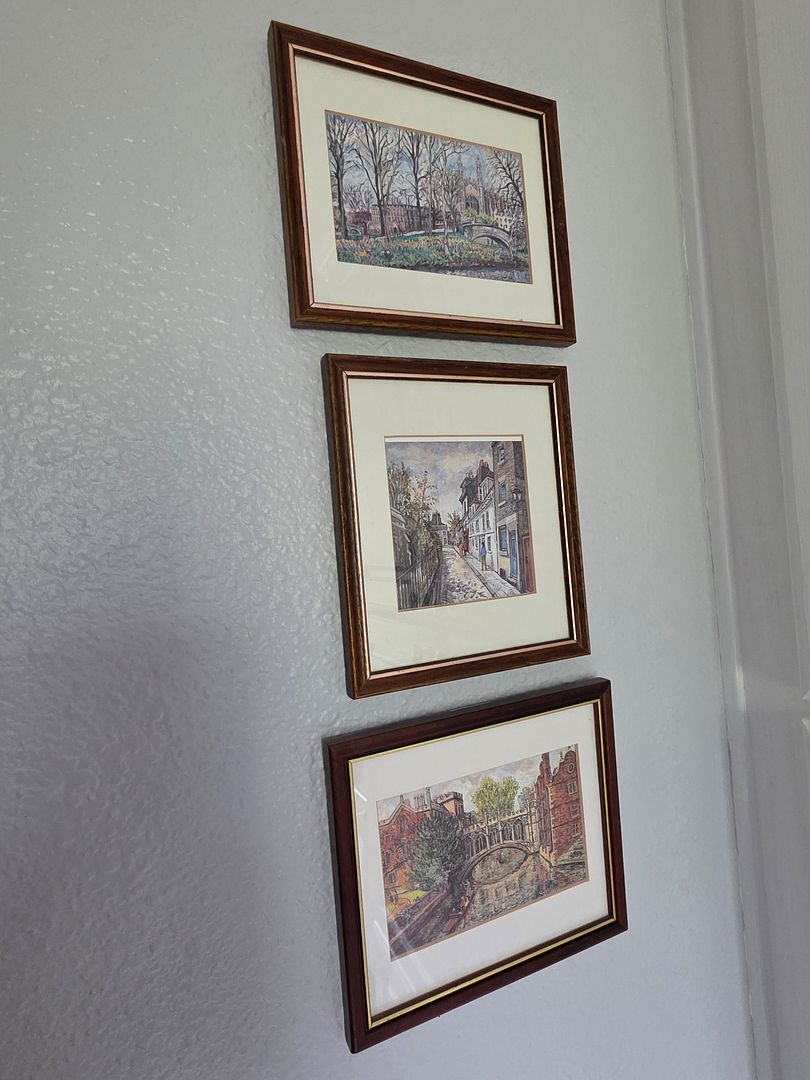
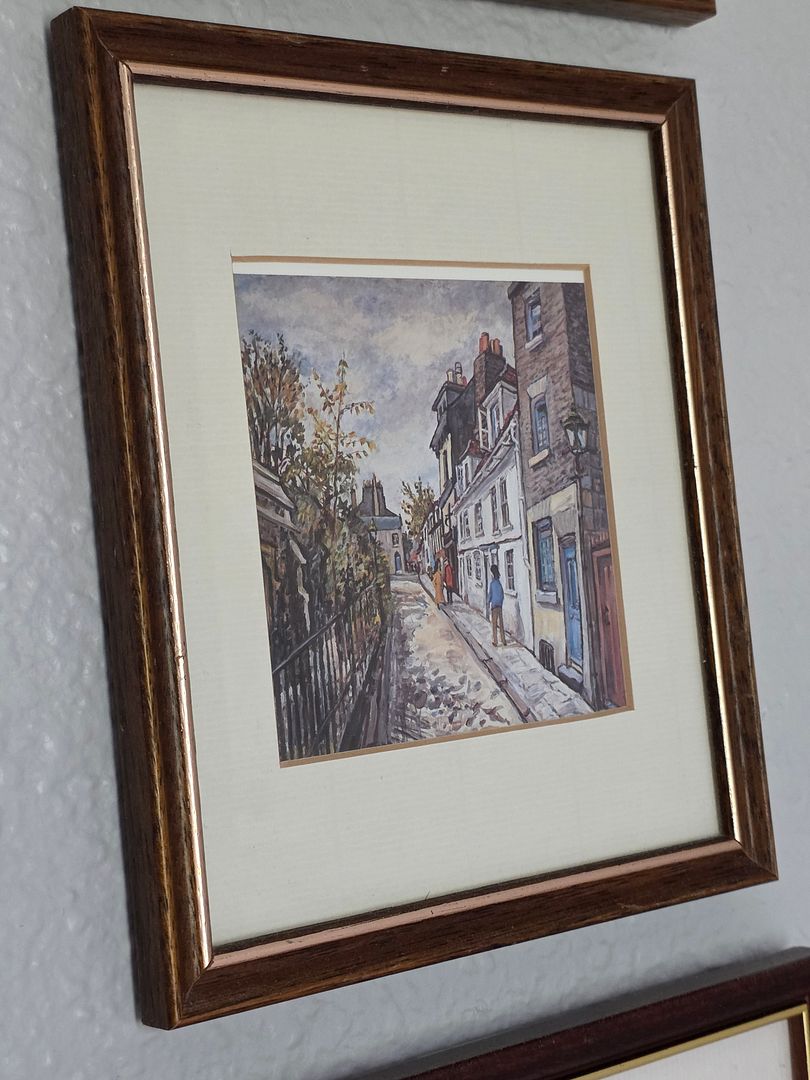
This print above was in the Public Domain so I’m sharing it here. It’s an old and very cool print of the outside of the National Library of Austria in Vienna.

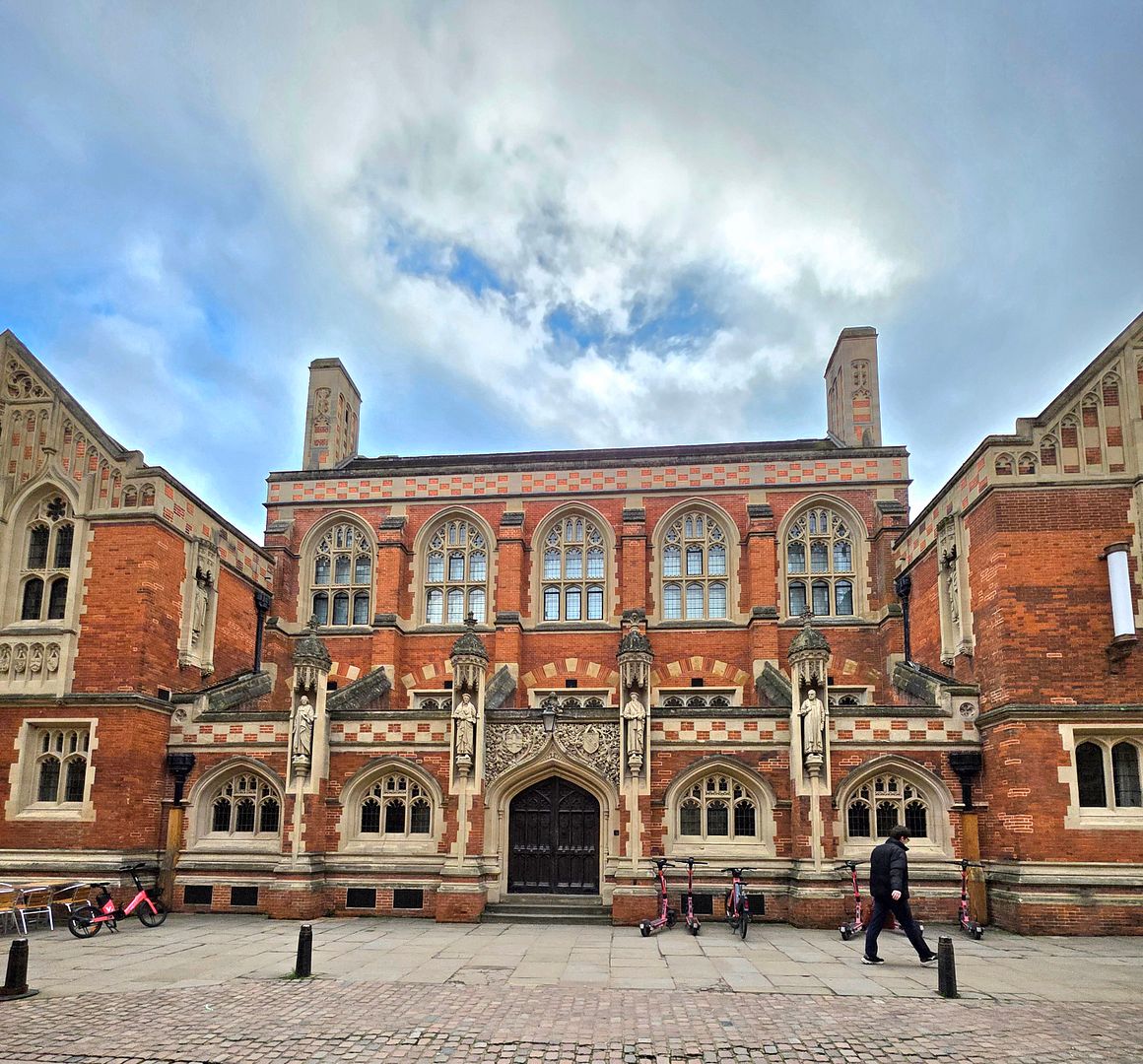
I took this photo above as we passed the library on our carriage ride. I didn’t know as we passed that this was the library.

After our great lunch we ventured out on foot to find the library. After a few twists and turns we made it. We got a senior discount for entry.

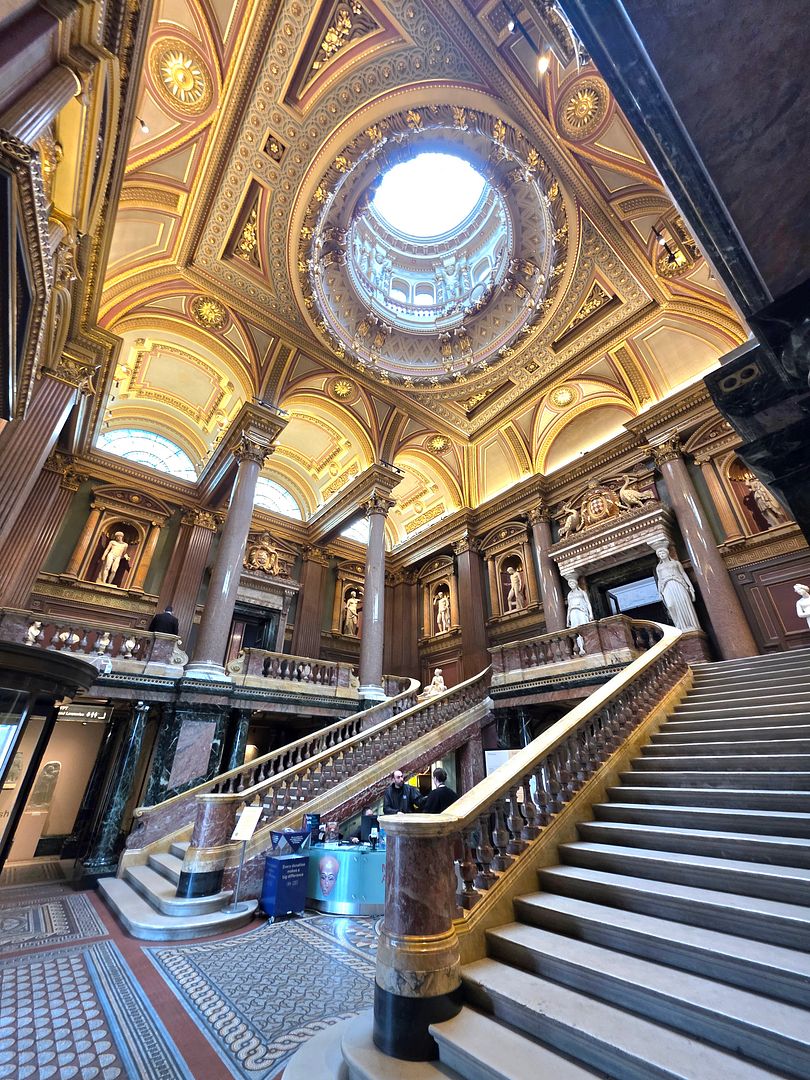
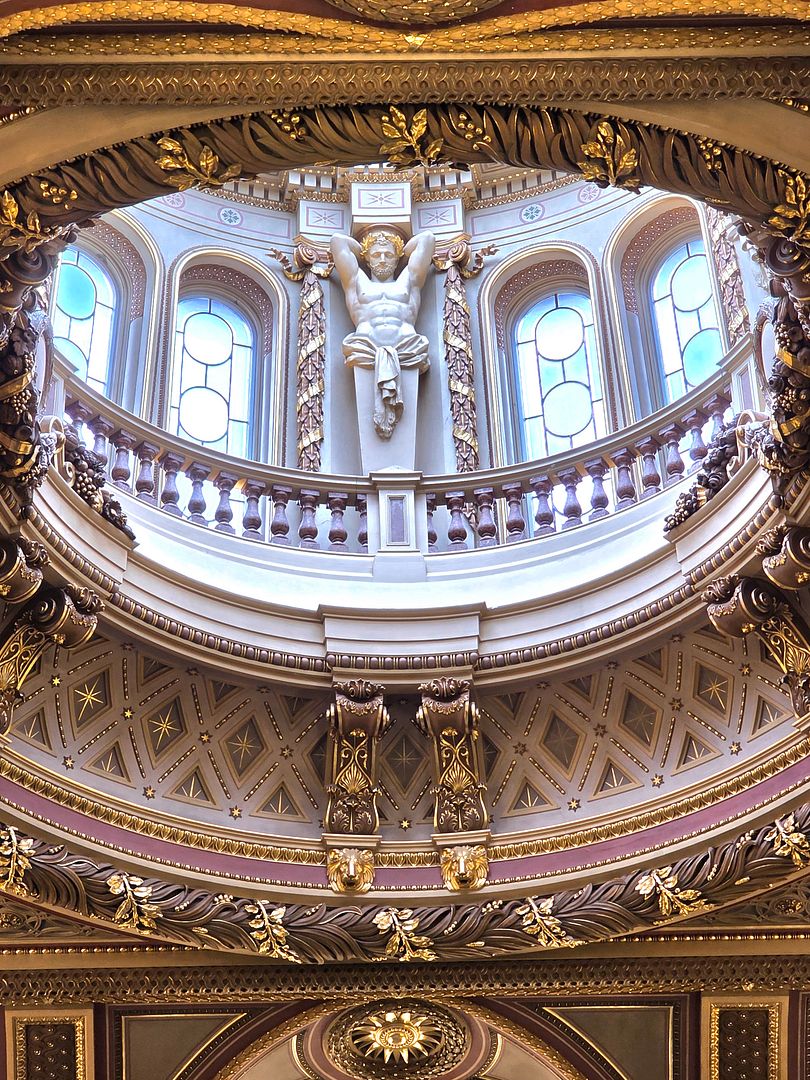
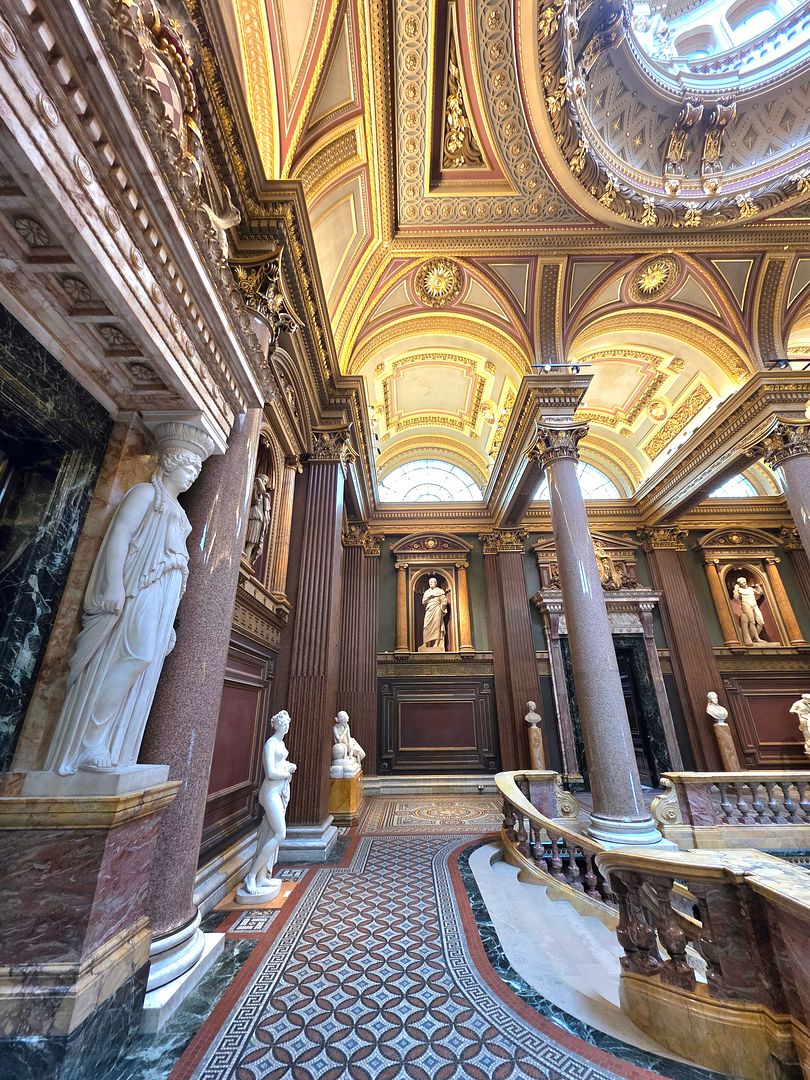
It was a jaw dropping experience to walk around and take it all in. If you would like to learn more click on this link.

Europe’s largest Baroque library houses over 200,000 historic books on its richly decorated wooden shelves. The State Hall is rightly one of the most beautiful library rooms in the world.

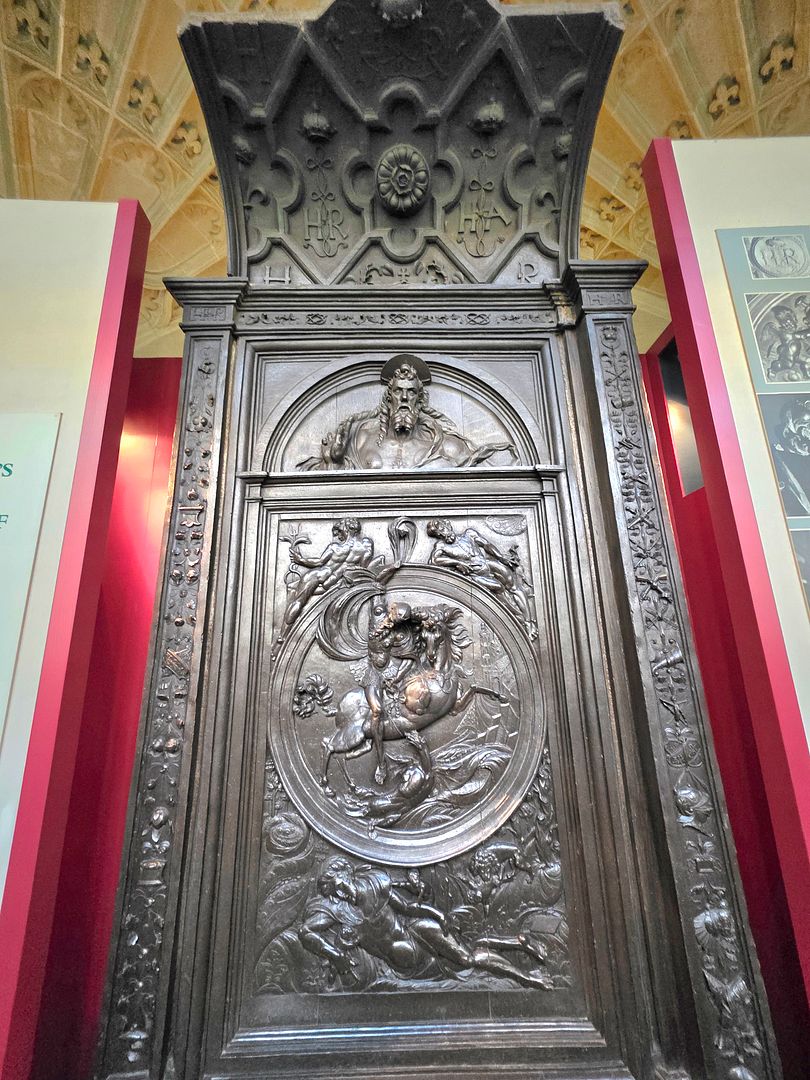
Secret bookshelf doors were a fun surprise, too.

We were glad we could visit this beautiful library.

After the library we made our way to the designated bus shuttle service that would take us back to the river boat. We would leave Vienna for our final leg back to Budapest on this evening.

Vienna Part 5- Schönbrunn Palace

After breakfast aboard the AmaMagna on Friday March 6th we had a morning excursion to Schönbrunn Palace.

The palace is an exquisite example of Baroque architecture and opulence, illustrating the tastes, interests and aspirations of successive Habsburg monarchs. Built as a summer residence of the Habsburg Emperors and spanning an astounding 1441 rooms, this Rococo palace soon became one of their favorite homes. 

We entered the Grand or Great Gallery.

The most significant official event to have taken place in the Great Gallery in the international context was the legendary encounter between US President John F. Kennedy and the Soviet Prime Minister Nikita Khrushchev in 1961.

The Great Gallery is the palace’s ceremonial hall and is not merely the architectural centrepiece of the palace: its decorative programme glorifies Habsburg rule under Maria Theresa.

One of the frescoes fell victim to a bomb dropped in April 1945, in the final days of the Second World War. It was replaced with a copy painted by Paul Reckendorfer and Carl Krall in 1947/48.

The chandeliers seen in the Great Gallery today are electrified versions of those that originally held candles, maintaining the historic aesthetic with modern technology. The link to the Great Gallery above has descriptions of the ceiling frescoes.

There I am alongside the man with the red hat. 🙂

As soon as the tour of the palace was over we made our way to another building that housed a restaurant that served the Palace’s famous Apple Strudel still baked in the Palace ovens in the basement. We had limited time before we had to be back at the bus.
We had another ‘great minds think alike’ moment with the girls from Oklahoma and Colorado. We took each others photos.
Our first apple strudel in Austria.
It was as good as it looks!!

We had an option to be dropped off in town instead of going all the way back to the boat and that is what we chose to do. There would be shuttle buses available downtown every half-hour to go back to the boat from 2:00 until the last shuttle at 4:00.

We wanted to find a authentic lunch spot and see some things on our own for the rest of the afternoon. That will be my final post for Vienna, Austria.


Vienna Part 4 ~The House of Strauss

On Thursday evening, March 5th we had signed up for a special excursion that wasn’t part of our ‘package deal’. Being in Vienna we thought it would be a shame not to experience the music they are historically known for. Here is what our ‘daily cruiser’ said, There is no finer place to attend a classical concert than in Vienna, the “Music Capital of the World.” This unforgettable experience will be a mixture of the most popular compositions of Vienna’s favorite and most famed composers–as presented by local musicians.

I’m adding this commentary from the program we were given on this evening in Vienna.

Vienna, known as the world capital of music, tells an unforgettable story that comes to life here. The Strauss Hall is the last original concert hall in the world where all four geniuses of the Strauss dynasty–Johann Strauss Sr., Johann Strauss Jr., Josef, and Eduard Strauss–personally performed. Here, the aura of this history is still palpable. The hall’s exceptional acoustics, the faithful restoration of the historic building, and the seamless integration of modern design make this venue an extraordinary cultural experience.

In the museum you could take this interactive questionnaire that would match your preferences to a piece of music. This was my match.

When we purchased the tickets for this extra excursion we had something different in mind in our heads. We thought that we would be in a large concert hall with many more live instruments, etc.

We were surprised by this venue. The concert itself was with twelve or so musicians (House of Strauss Orchestra) and their music was enhanced in some way. The musicians were exceptional and with the enhancement it came across as if there were several more musicians. The soloist was excellent. The seating, although authentic, was not comfortable. We paid 99e or about $116 U.S. each for this excursion.

We heard pieces from Johann Strauss II, Wolgang Amadeus Mozart, Johann Strauss I, and Josef Strauss.

There was a museum in the venue that we were able to visit and most of my photos are from the museum.

I mentioned before that bus rides in Vienna were long and circuitous. It seemed like we were traveling so far to get to this venue but in reality it was only four kilometers from the dock.
Meanwhile in the good ole U.S.A….

Back to the Present: With our daily sunshine lately, spring growth is thriving. We are spending hours on our acreage mowing and battling weeds. The birds, so many birds, are enjoying our sprinklers since we’ve had to start watering earlier than usual with fewer Spring rains. We’ve had daily visits from birds, deer, turkeys, and of course our resident quail. Hummingbirds have returned, too!
Happy Cinco de Mayo to you all!

Vienna Part 3 ~ St. Stephen’s Cathedral

After our carriage ride on Thursday March 5th we followed our tour guide to the center of the city ending our tour with St. Stephen’s Cathedral. In the first photos below you can see the steeple of the church.

This was a very busy central section of Vienna with shops and restaurants and cafes.

A different reminder of what Austria and Vienna are famous for. Later in the evening of this day we would be attending a concert at the House of Strauss.

St. Stephen’s Cathedral is not only Austria’s most important Gothic building. The Steffl, as it is affectionately known in Vienna, is much more than that. It is a landmark, a symbol of identity and synonymous with the reconstruction of the Republic after the Second World War. Construction of St. Stephen’s Cathedral began in the 12th century and its interior changed repeatedly over the centuries until it was finally given its current Baroque appearance. The tallest of its four towers is the south tower at 136 meters. The tower room, from which there is a gigantic view across Vienna, is reached via 343 steps. A total of 13 bells hang here. However, the best known of them, the Pummerin, hangs in the 68 meter-tall north tower. It is the second-biggest free-swinging chimed church bell in Europe.

I added a link to the details on the roof.

On the roof of St. Stephen’s Cathedral, colorful roof tiles were laid to create the Royal and Imperial double-headed eagle and the coat of arms of the city of Vienna.

At this point our guide left us on our own for a time before she would return and meet us to take us back to our bus stop for the return to the boat.

So many statues and gargoyles on the outer walls of the cathedral.

From a video by Rick Steve’s on St. Stephen’s Cathedral,

The ornate nave is Gothic with a Baroque overlay. While the columns support the roof, they also tell a story. Richly populated with statues, they make a saintly parade that leads right up to the high altar…

The Gothic pulpit, carved from sandstone, is a masterpiece.

I took this photo of the painting but I could not find a description anywhere. Is it supposed to be Stephen?

This code ‘O5’ is placed at the right side of the main entrance of St Stephen’s Cathedral. It was the code of an Austrian resistance group during World War II. It stands for Ö (Österreich) built by O and the 5th letter of the alphabet (= OE).

Originally the code was just painted but after World War II it has been engraved and covered by a transparent plate.

On the way back to our bus stop we saw another interesting plaque.

President John F. Kennedy met Soviet Premier Nikita Khrushchev in Vienna, Austria, on June 3-4, 1961, for a 2-day summit aimed at easing Cold War tensions. The meeting was contentious, with Khrushchev bullying the new president, particularly over the status of divided Berlin. The summit failed to produce agreements, leading to heightened tensions.

Kudos to guides who know about these details in cities because most probably on our own we would miss them totally.

There are so many churches in Vienna that I would have liked to visit.

This was another beautiful winter day on our river cruise.

We made it back to the bus and back to the Danube where the AmaMagna was docked. On this night we would have an earlier dinner because we were booked for a concert in the evening at The House of Strauss.


Vienna Part 2 ~ Carriage Ride

Our driver was determined to take a lot of photos of us in the carriage. The fun part is that we were paired with the girls we met in Cesky Krumlov from Oklahoma and Colorado for this ride through the streets of Vienna.

Looking behind at the other carriages.

There was no commentary on our ride so we weren’t sure of what we were seeing but we enjoyed the architecture, the courts and streets we clip clopped through.


Kirche am hof, Vienna

Kirche am Hof Vienna (Catholic Church)

When the Carriage Ride was over we met up with our tour guide again and walked through some of the areas we just clip clopped through to St. Stevens Cathedral.

That will have to be another post.


Český Krumlov Part 1

On Wednesday, March 4th, we had a full day excursion to the charming mountain town of Český Krumlov just over the Czech-Austrian border. This was after our short morning tour of Krems.

Our guide grew up in this region and shared his memories of growing up under communism. On our way to our stop, we saw some areas where housing high rises from the past were everywhere.  Current residents were making them more colorful and personal.

We finally reached our destination. From the bus parking lot, the walk to the castle was all uphill and I’m not going to lie, it was a huff and a puff to get there. Thankfully that would be the only uphill trek on this day!

Český Krumlov is a city in the South Bohemia region of the Czech Republic. It’s bisected by the Vltava River, and dominated by its 13th-century castle. The castle has Gothic, Renaissance and baroque elements, an 11-hectare garden and an original 17th-century baroque theater. There are panoramic views of the old town and the river from the top of its round belltower.

We were here in the winter months so the garden wasn’t visited.

Český Krumlov, a UNESCO World Heritage site since 1992. It flourished under the Rosenbergs as a Renaissance hub, transitioning to Baroque under the Eggenbergs and Schwarzenbergs, maintaining its medieval layout largely due to slow industrialization in the 19th century.  In 1938, it was annexed by Nazi Germany and after the Second World War, it was part of Communist Czechoslovakia. In 1992, after the Velvet Revolution, Czech Republic was born, and Český Krumlov is one of its crown jewels in the Bohemian region.

The village below is where we would be spending more time visiting and enjoying lunch on our own. But first, we would enjoy the castle and the castle moat with bears!

Plastovy Bridge or Cloak Bridge.

I know I’ve talked about it before, we were blessed with such great weather on the duration of our cruise!

Architecture and figural paintings relating to mythology and Roman history can be seen on the facades covered with colored sgraffito (geometrical or other motives scratched into wet parquet). We would see many types of sgraffito on buildings as we walked into Old Town, too.

Time to move downward to the outer courts.

You can read more about the history of bear keeping at the castle here.

These days we were told they only bring in old bears that have no where else to be cared for. They are cared for well, here.

We didn’t climb the belltower but it was an option.

From the castle we journeyed on cobbled streets to get to Old Town.

Cobbled streets and narrower alleyways.

After being part of the Austro-Hungarian Empire, it became part of Czechoslovakia in 1918. The town suffered minimal damage in the 20th century, preserving its unique, intact medieval and Renaissance architecture.

By this time, I kept looking at my watch thinking it is lunch time. My brain had enough of tour talk and my ears were tired of the ear pieces. You might feel the same way about this post but I’m not done yet, nor was our guide. 🙂

Many precious Gothic and Renaissance frescoes were whitewashed in Baroque times, when the colorful trimmings of earlier periods were out of style. Some of these frescoes are being rediscovered and restored.

Looking up and back at the round bell tower at the Castle from the bridge over the river. This river circles the town.

Finally at the bridge we saw the spot we were interested in for our lunch meal. Our guide wasn’t winding down yet and he was going to keep going all the way to the square in the middle of town. That would be the spot to meet up with him again after our few hours in town by ourselves. We knew we’d be able to find the square with no problem. My feet were saying, “why go all the way to the center of town and then have to double back to this very spot for lunch?” NYET!

We broke away with thoughts of that good lunch and a nice sit down to rest our feet.

I’ll leave it here and give you a break, too. Part deux (french) or dva (czech) coming soon.

St. Stephen’s Basilica

On Saturday the 28th of February we broke away from our excursion group to buy tickets to visit the inside of St. Stephen’s Basilica situated centrally in the Pest side of Budapest. This is a photo heavy post!

St. Stephen’s Basilica is a Roman Catholic basilica in Budapest, Hungary. It is named in honor of Stephen, the first King of Hungary, whose right hand is housed in the reliquary.

It was awe-inspiring to see this finished work of art.


It is one of the grandest buildings we have been in.

This is kind of creepy to me. This is the right hand relic of King Stephen of Hungary. King Stephen died in August of 1038.

Not being Catholic, this Basilica was not a point of worship for me and in fact holds some areas of veneration that are against my beliefs. I did appreciate the beauty and the grandeur of the building. The way the architecture and artwork draws your eyes upward is appreciated, too. It is an amazing collection of artwork and treasures but not something to be worshipped in itself.

I’ll share the views from the panorama look-out in another post since this post is already photo heavy.

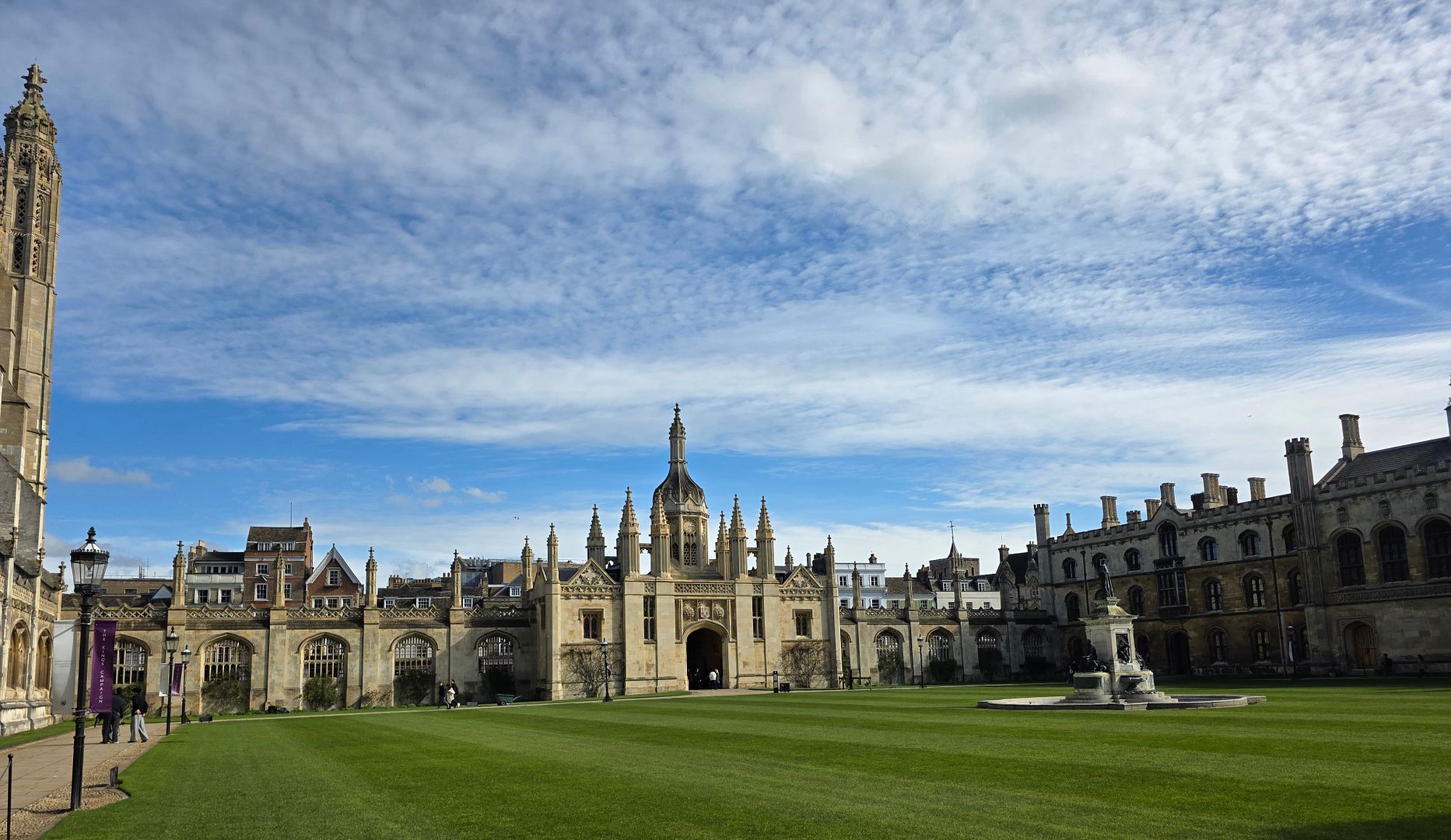
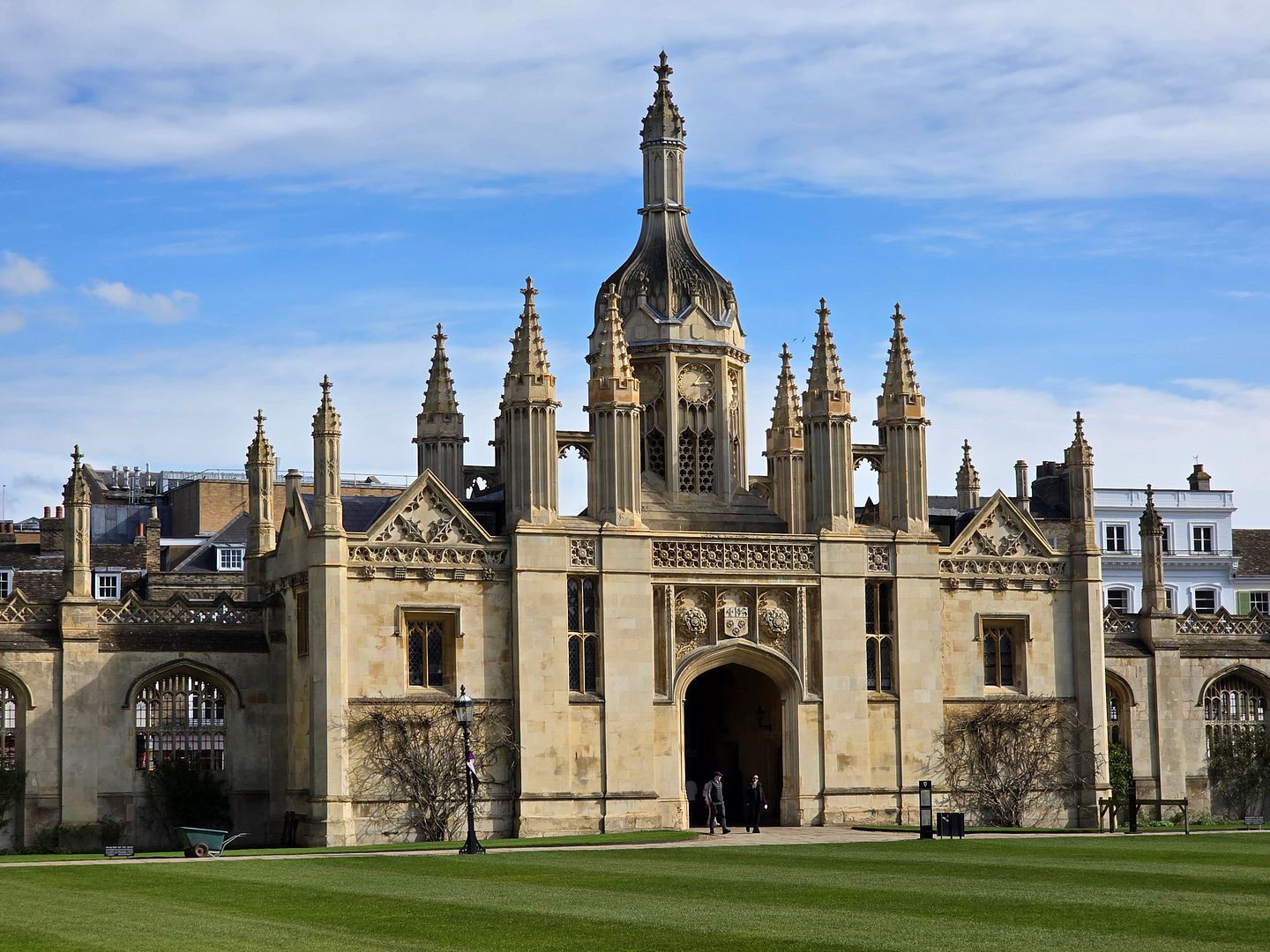
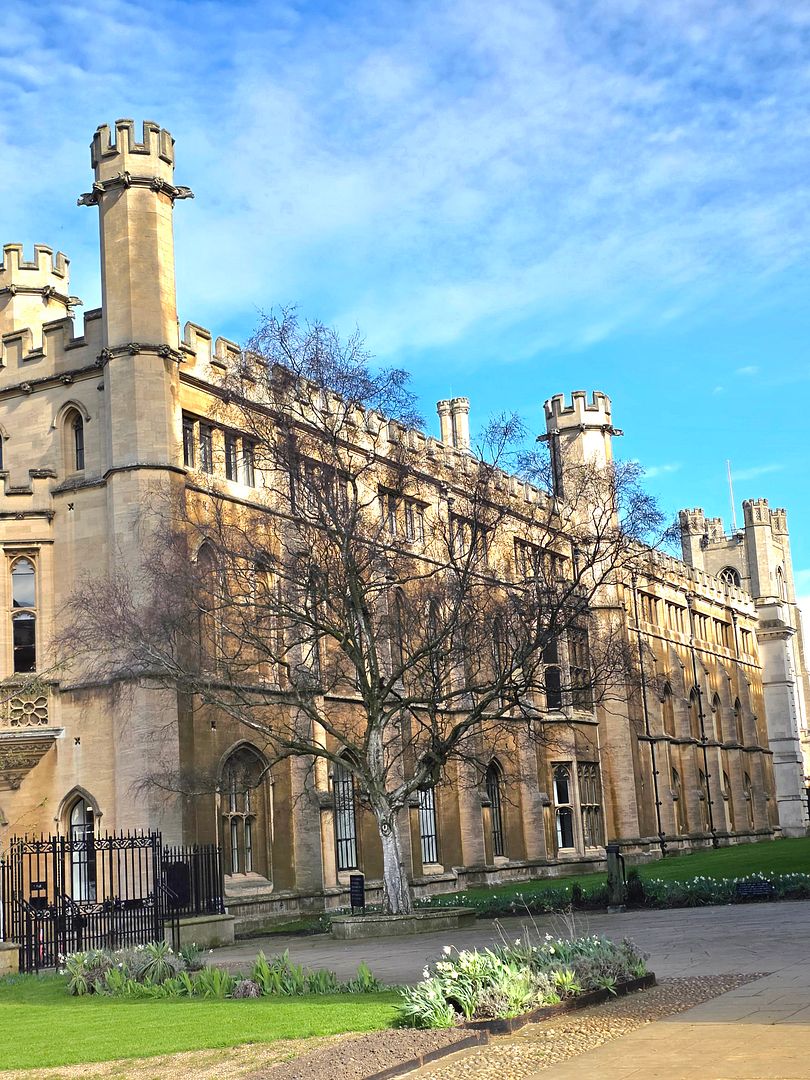
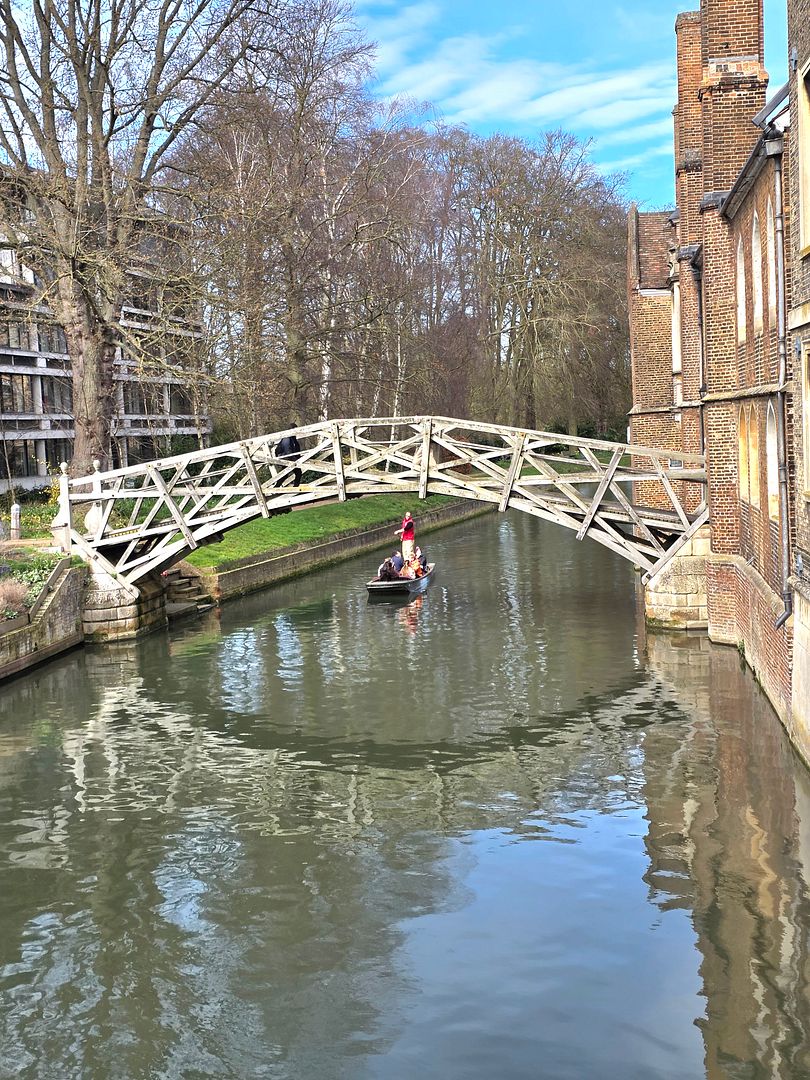
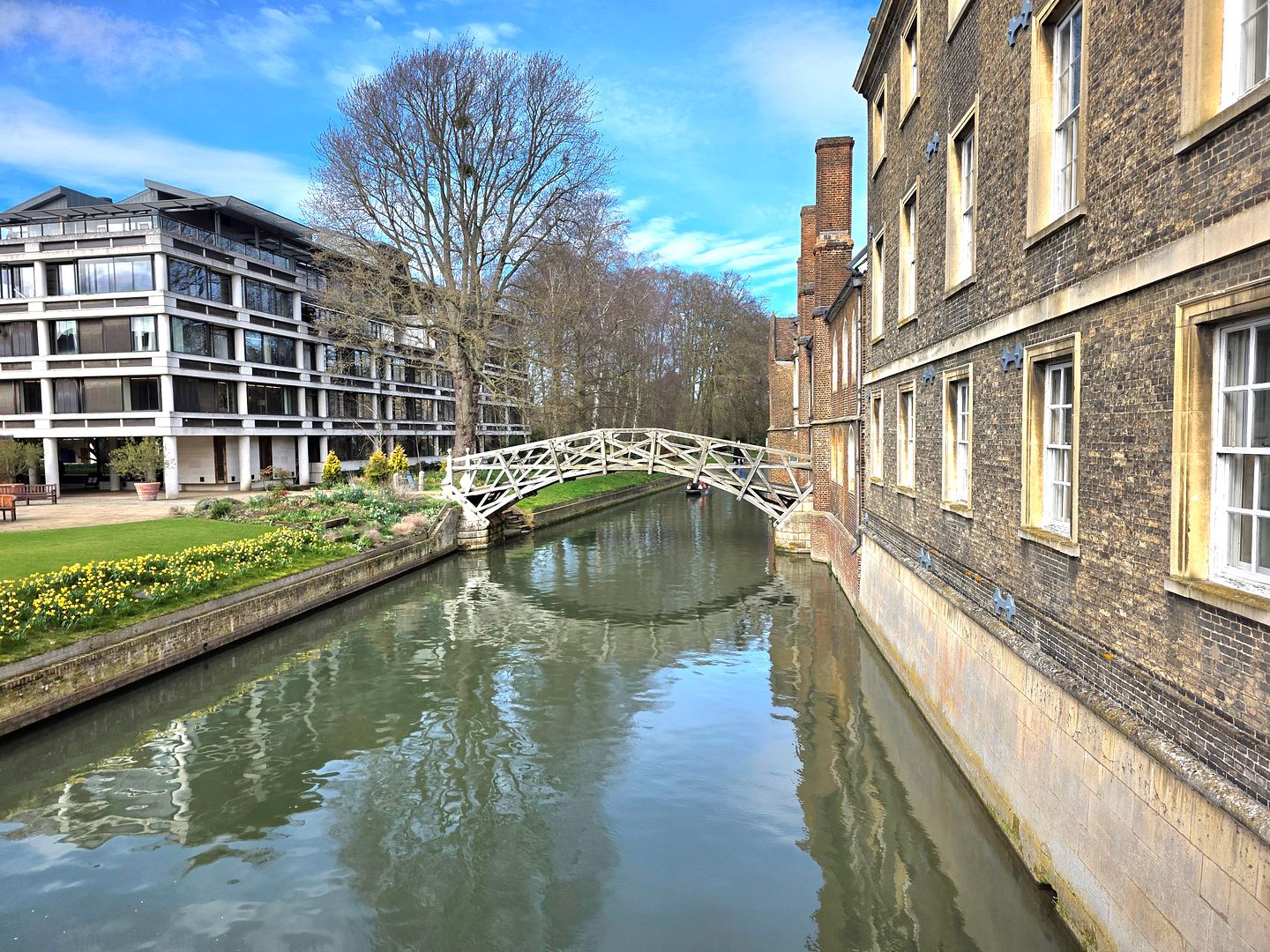
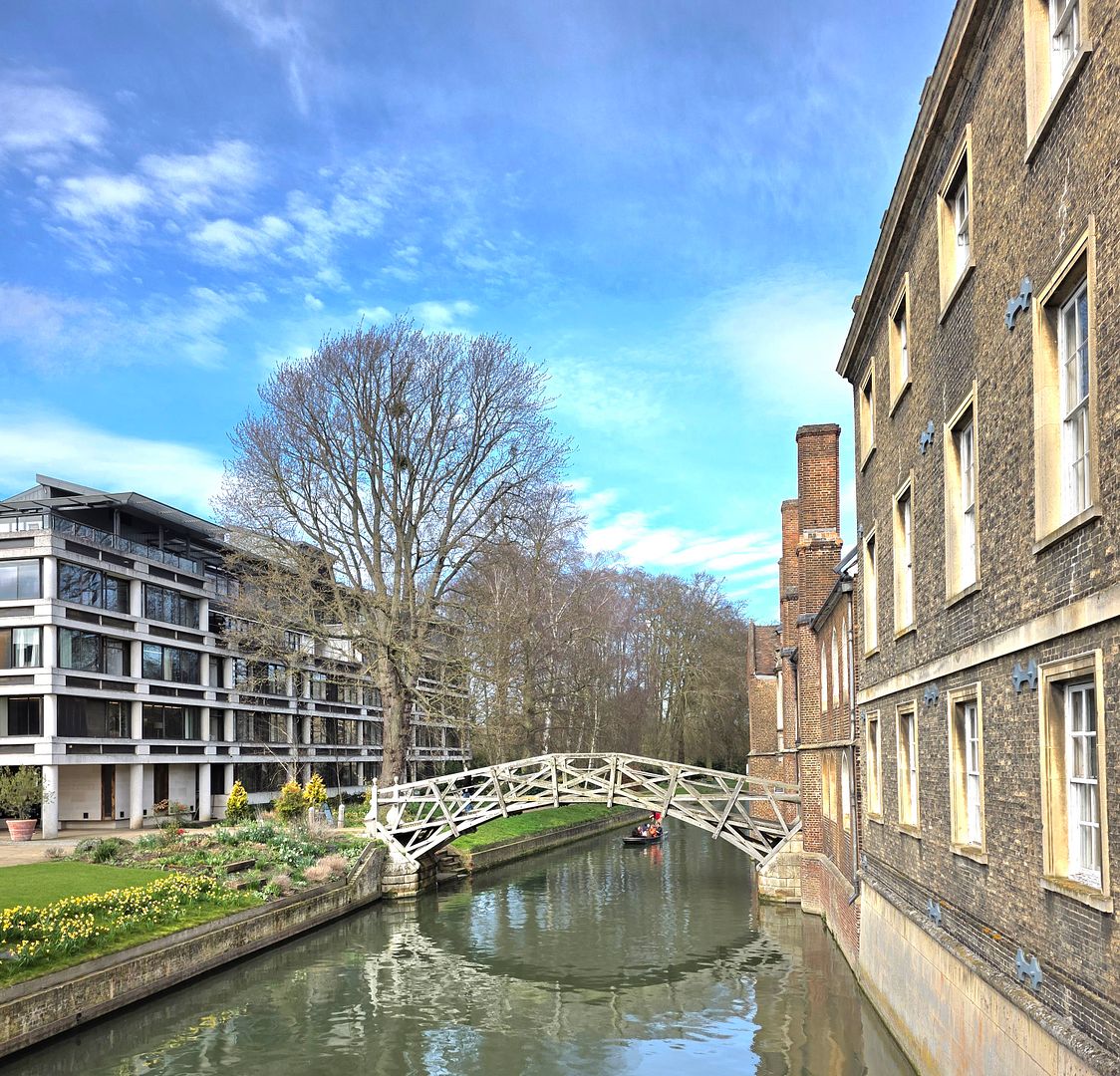
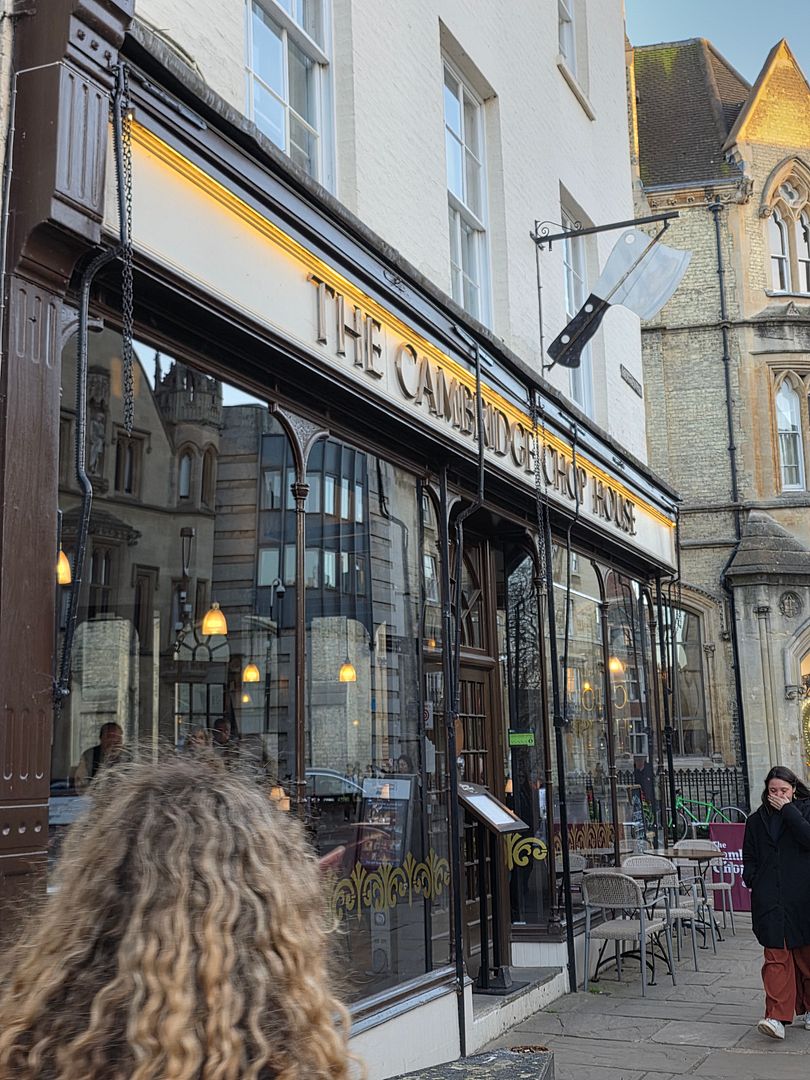
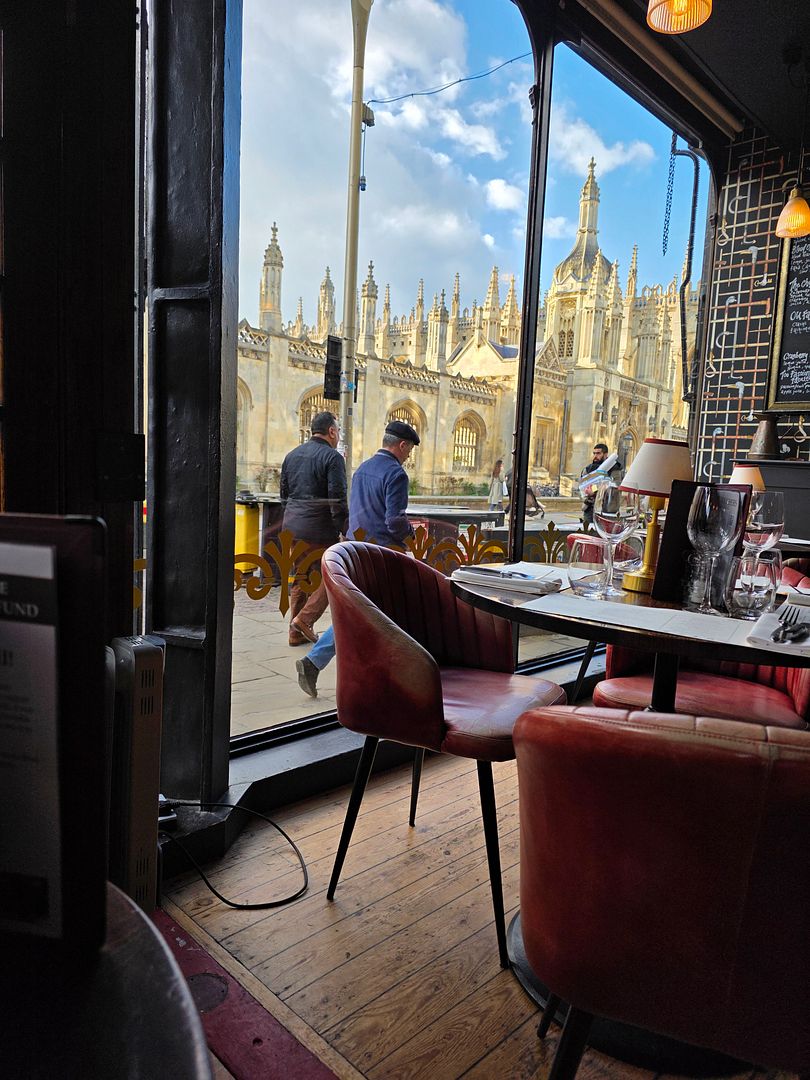
It is going to take a while to share much of our Danube River and Cambridge adventures.

Eating in Budapest

On Saturday February 28th we walked from St. Stephen’s Basilica to the Jewish District looking for Mazel Tov. We had reservations for a meal at 4:30 but we wanted to see if they would slip us in at 1:30 instead since our dinner reservations at Retek Restaurant were for 7:30 on Saturday instead of Friday. (Did you follow that?)

The area had a lot of interesting murals.

We arrived tired and thirsty from our 1.6 k walk in the sunshine. They graciously changed our reservation and we joined the crowd of diners for our meal. We met someone from Costa Mesa, California who is studying abroad. That was fun.


Our meals were both delicious. Greg ordered the DIY Falafel Sandwich and I ordered the spicy lamb shank ragout, couscous with root vegetables, raisins and red onion chutney.

We had another long walk (1.6k) ahead of us to get back to our hotel. We were entertained by interesting buildings on the way.

Our dinner reservations at Retek would be a 1 k walk so we opted for a taxi ride to the restaurant and then we’d walk back to the hotel after dinner.

We went traditional at this very popular restaurant.

Hungarian Beef Goulash with the fresh bread.

Chicken Paprikash

Cottage Cheese Dumpling and Grandmother’s apple pie for dessert.

A delightful all around experience. This was all my kind of comfort food.

This statue was the beginning of history we would learn all through our cruise about the Habsburg empire.

The year 1795 saw Archduke Josef, son of Emperor Leopold II and brother of Emperor Franz, being appointed Palatine of Hungary, a post he held for more than half a century. As such he was the deputy of the King of Hungary – who was of course none other than the Emperor in his capacity as the head of the house of Habsburg. 

The streets we walked at night in Budapest seemed safe.

I’m saving St. Stephen’s Basilica which we visited on this two restaurant day for another post.

Budapest Pre-Cruise

We arrived in Budapest on the afternoon of Friday February 27th. There was an AmaWaterways Kiosk just outside of the baggage claim area where we checked in and met a few of our fellow river cruise passengers before it was time to board our bus to the hotel. When making our arrangements for the cruise we chose the 2 day pre-cruise option and we are so glad that we did. On our bus ride to the hotel we were able to get our first glimpse of the Danube.

When we arrived at the hotel we were pleasantly surprised at the luxury level of the hotel.

The Matilde Palace is a luxury hotel and part of the Marriott properties. This is not the type of hotel we would book for ourselves. There were automatic buttons for everything including the curtains and sheers.

Matild Palace, an iconic gem of Budapest, was envisioned in 1902 by her Imperial and Royal Highness, Maria Kotild of Saxe-Coburg and Gotha as part of the twin Kotild Palaces, a beacon of the Bell Epoque Era. Standing proudly beside the Elisabeth Bridge, these two majestic landmarks were designed to inspire and sere the social heart of the city. Over the decades, Matild Palace has borne witness to profound historical moments. From the grandeur of its early days to the trials of two world wars and the Hungarian revolution. Following a meticulous restoration, it emerged reborn in 2021 as a masterpiece within Marriott’s luxury collection.

Today, Matild Palace invites guests to immerse themselves in art nouveau inspired rooms and suites, and dine in exquisite venues led by the globally acclaimed Chef Wolfgang Puck.

Before dinner we had a meeting with our Tour Director for some general information. I thought I had made dinner reservations on Friday evening at a restaurant in town but come to find out it was for Saturday night instead of Friday night. We shifted our plans and headed up to the rooftop bar in our hotel and had some charcuterie and lovely views of the town at night.


Saturday morning we woke up early. Breakfast was included with our pre tour package. The hotel puts on an amazing buffet along with items you could choose off of a menu. We were really impressed with all of it and with the honey comb that was part of the buffet.

The breakfast view of the Elizabeth Bridge.

We had an early morning walk on streets next to the hotel. We tried to get some local currency at a bank ATM and the transactions would not go through. We hoped this was just a local issue.

So many grand buildings with impressive architecture.

The back entrance to the Matilde.

There was a excursion on Saturday morning that we were part of and into the tour we broke off to be able to buy tickets to see the inside of St. Stephens Basilica. I’ll share those photos in another post. We had time on Saturday to be on our own and also on Sunday before it was time for embarkation on the AmaMagna.

Back to the Present:

Monday afternoon was JJ time here while Addy was at dance lessons. While we were away he had to go to dance with his mom and Addy which was quite boring for him. He kept asking how many more days until we would return.

Today is St. Patrick’s Day and we will be enjoying a corned beef and cabbage meal later in the day.

We are still in recovery mode and I’m forcing myself to stay awake till at least 8pm. Hopefully sleep patterns will return to normal, soon.

Currently

I’m enjoying the sun on the snow and how it sparkles.

The snow crown on the bird bath caught my eye. I like it even better with the sunshine on it.

Before our snowfall I got some shots of Quail. They love our Silver Spruce Bush.

When we step out on our deck at times upwards of twenty quail will fly out of that bush!

It wasn’t planned but when JJ arrived on Monday afternoon, his mom mentioned we were twins and needed to take a photo!

Today is Women’s Bible study morning and I made some Date Nut loaves to slice and share with the ladies. I’ll share the recipe and photos if they turned out good.

Before I close off this post I’m going to give you some unsolicited advice.

Do not buy furniture with a black finish if you do not like to dust! 

If you are under 60, celebrate the fact that you can still get up off the ground easily.

When I have to kneel down it is a major event for me to get up again.

Enjoy the rest of the week!