Vienna Part 5- Schönbrunn Palace

After breakfast aboard the AmaMagna on Friday March 6th we had a morning excursion to Schönbrunn Palace.

The palace is an exquisite example of Baroque architecture and opulence, illustrating the tastes, interests and aspirations of successive Habsburg monarchs. Built as a summer residence of the Habsburg Emperors and spanning an astounding 1441 rooms, this Rococo palace soon became one of their favorite homes. 

We entered the Grand or Great Gallery.

The most significant official event to have taken place in the Great Gallery in the international context was the legendary encounter between US President John F. Kennedy and the Soviet Prime Minister Nikita Khrushchev in 1961.

The Great Gallery is the palace’s ceremonial hall and is not merely the architectural centrepiece of the palace: its decorative programme glorifies Habsburg rule under Maria Theresa.

One of the frescoes fell victim to a bomb dropped in April 1945, in the final days of the Second World War. It was replaced with a copy painted by Paul Reckendorfer and Carl Krall in 1947/48.

The chandeliers seen in the Great Gallery today are electrified versions of those that originally held candles, maintaining the historic aesthetic with modern technology. The link to the Great Gallery above has descriptions of the ceiling frescoes.

There I am alongside the man with the red hat. 🙂

As soon as the tour of the palace was over we made our way to another building that housed a restaurant that served the Palace’s famous Apple Strudel still baked in the Palace ovens in the basement. We had limited time before we had to be back at the bus.
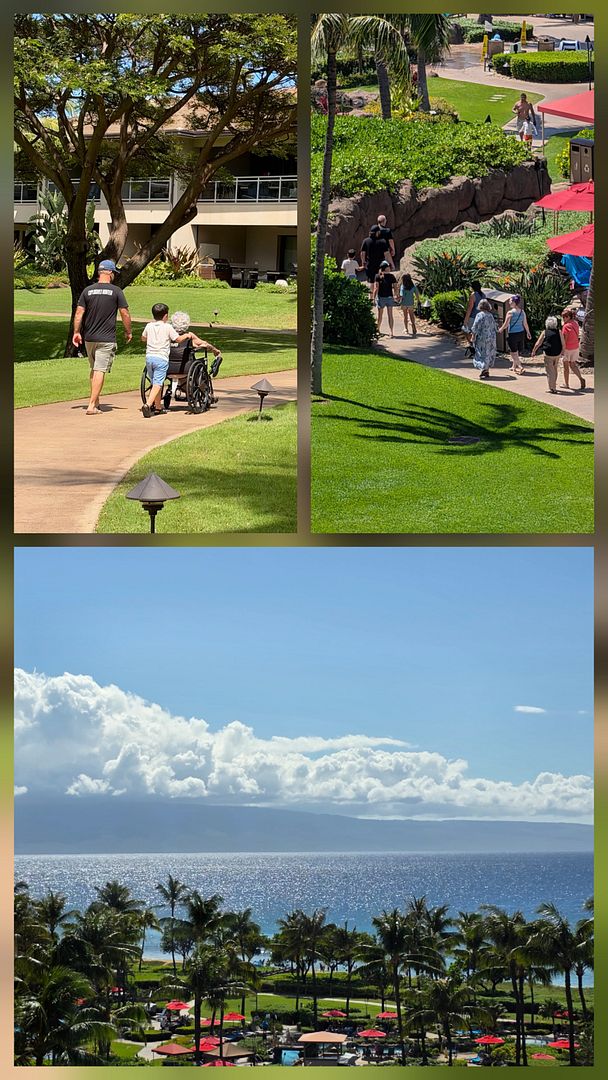
We had another ‘great minds think alike’ moment with the girls from Oklahoma and Colorado. We took each others photos.
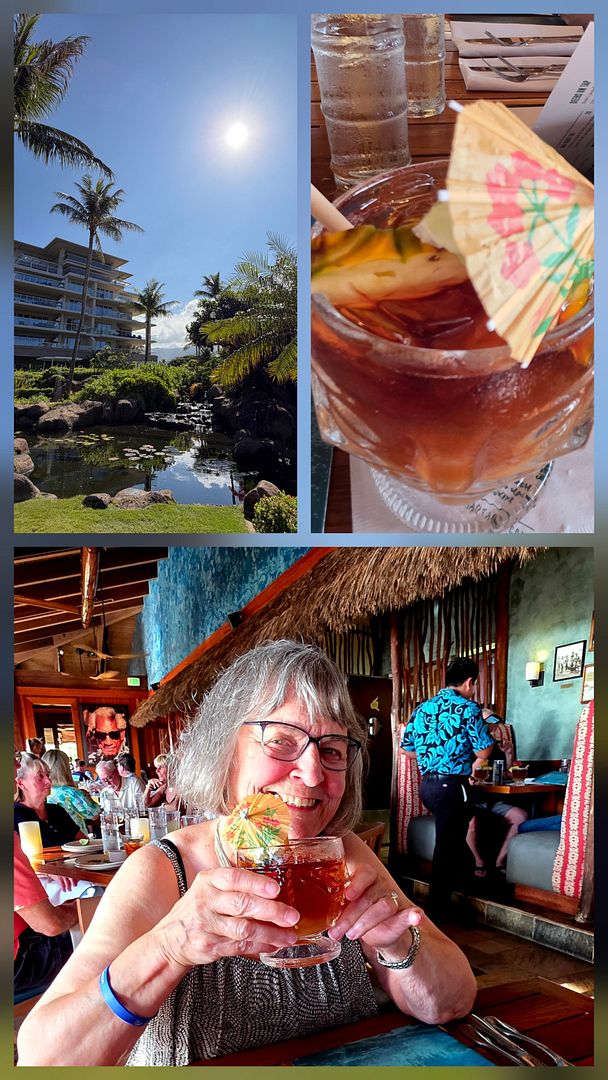
Our first apple strudel in Austria.
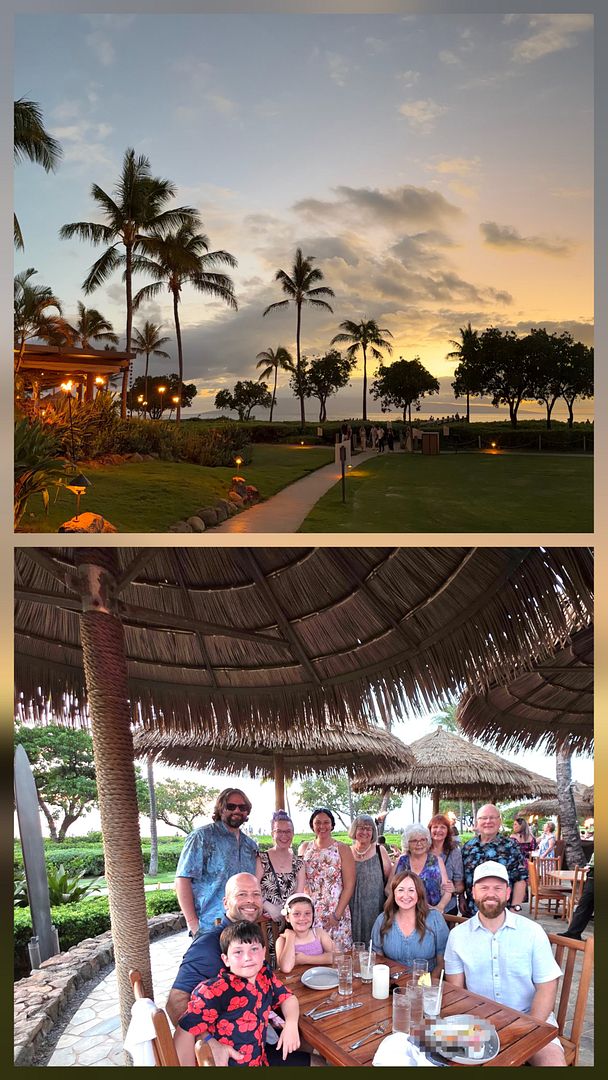
It was as good as it looks!!

We had an option to be dropped off in town instead of going all the way back to the boat and that is what we chose to do. There would be shuttle buses available downtown every half-hour to go back to the boat from 2:00 until the last shuttle at 4:00.

We wanted to find a authentic lunch spot and see some things on our own for the rest of the afternoon. That will be my final post for Vienna, Austria.


Vienna Part 4 ~The House of Strauss

On Thursday evening, March 5th we had signed up for a special excursion that wasn’t part of our ‘package deal’. Being in Vienna we thought it would be a shame not to experience the music they are historically known for. Here is what our ‘daily cruiser’ said, There is no finer place to attend a classical concert than in Vienna, the “Music Capital of the World.” This unforgettable experience will be a mixture of the most popular compositions of Vienna’s favorite and most famed composers–as presented by local musicians.

I’m adding this commentary from the program we were given on this evening in Vienna.

Vienna, known as the world capital of music, tells an unforgettable story that comes to life here. The Strauss Hall is the last original concert hall in the world where all four geniuses of the Strauss dynasty–Johann Strauss Sr., Johann Strauss Jr., Josef, and Eduard Strauss–personally performed. Here, the aura of this history is still palpable. The hall’s exceptional acoustics, the faithful restoration of the historic building, and the seamless integration of modern design make this venue an extraordinary cultural experience.

In the museum you could take this interactive questionnaire that would match your preferences to a piece of music. This was my match.

When we purchased the tickets for this extra excursion we had something different in mind in our heads. We thought that we would be in a large concert hall with many more live instruments, etc.

We were surprised by this venue. The concert itself was with twelve or so musicians (House of Strauss Orchestra) and their music was enhanced in some way. The musicians were exceptional and with the enhancement it came across as if there were several more musicians. The soloist was excellent. The seating, although authentic, was not comfortable. We paid 99e or about $116 U.S. each for this excursion.

We heard pieces from Johann Strauss II, Wolgang Amadeus Mozart, Johann Strauss I, and Josef Strauss.

There was a museum in the venue that we were able to visit and most of my photos are from the museum.

I mentioned before that bus rides in Vienna were long and circuitous. It seemed like we were traveling so far to get to this venue but in reality it was only four kilometers from the dock.
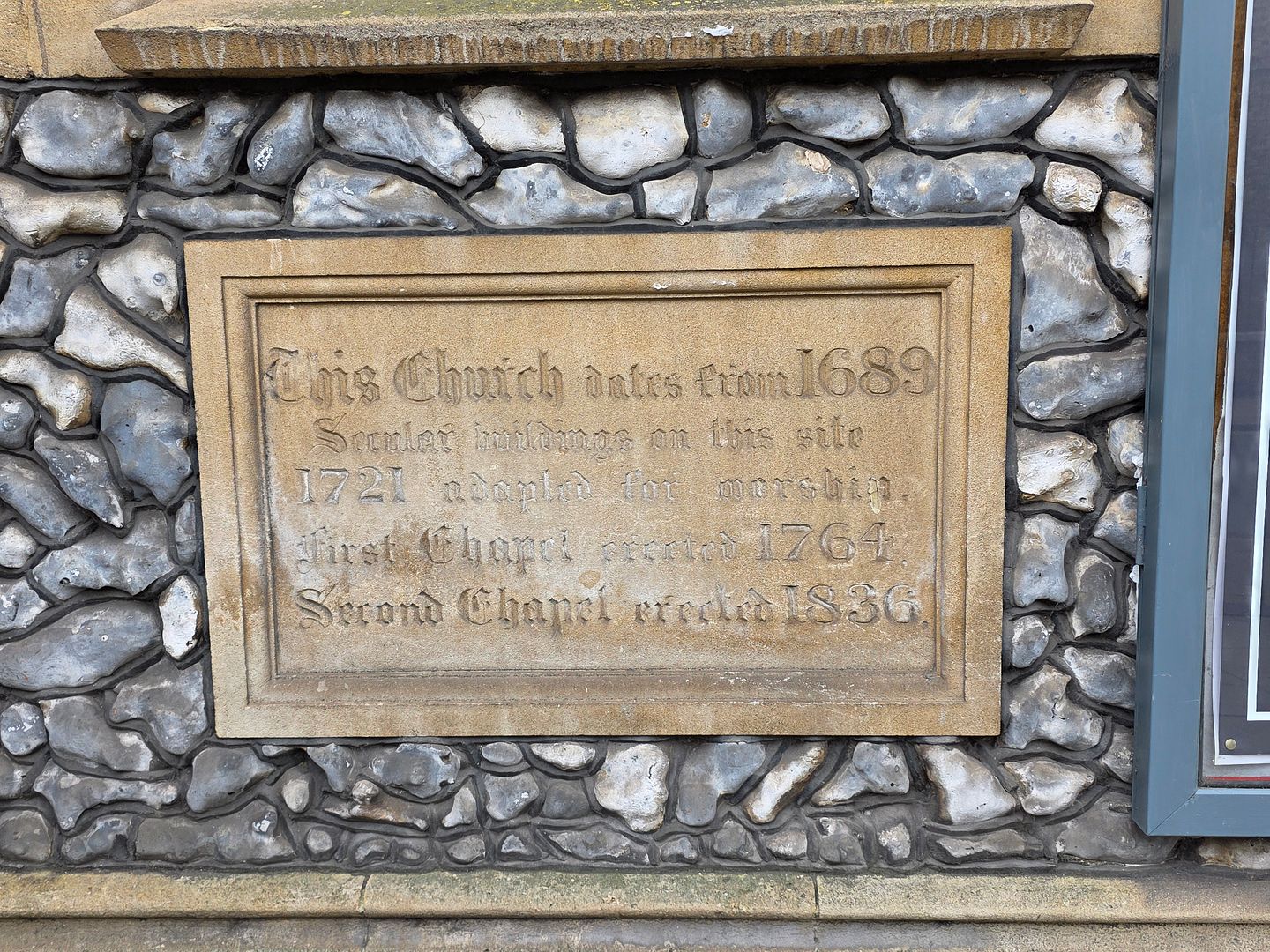
Meanwhile in the good ole U.S.A….

Back to the Present: With our daily sunshine lately, spring growth is thriving. We are spending hours on our acreage mowing and battling weeds. The birds, so many birds, are enjoying our sprinklers since we’ve had to start watering earlier than usual with fewer Spring rains. We’ve had daily visits from birds, deer, turkeys, and of course our resident quail. Hummingbirds have returned, too!
Happy Cinco de Mayo to you all!

Vienna Part 3 ~ St. Stephen’s Cathedral

After our carriage ride on Thursday March 5th we followed our tour guide to the center of the city ending our tour with St. Stephen’s Cathedral. In the first photos below you can see the steeple of the church.

This was a very busy central section of Vienna with shops and restaurants and cafes.

A different reminder of what Austria and Vienna are famous for. Later in the evening of this day we would be attending a concert at the House of Strauss.

St. Stephen’s Cathedral is not only Austria’s most important Gothic building. The Steffl, as it is affectionately known in Vienna, is much more than that. It is a landmark, a symbol of identity and synonymous with the reconstruction of the Republic after the Second World War. Construction of St. Stephen’s Cathedral began in the 12th century and its interior changed repeatedly over the centuries until it was finally given its current Baroque appearance. The tallest of its four towers is the south tower at 136 meters. The tower room, from which there is a gigantic view across Vienna, is reached via 343 steps. A total of 13 bells hang here. However, the best known of them, the Pummerin, hangs in the 68 meter-tall north tower. It is the second-biggest free-swinging chimed church bell in Europe.

I added a link to the details on the roof.

On the roof of St. Stephen’s Cathedral, colorful roof tiles were laid to create the Royal and Imperial double-headed eagle and the coat of arms of the city of Vienna.

At this point our guide left us on our own for a time before she would return and meet us to take us back to our bus stop for the return to the boat.

So many statues and gargoyles on the outer walls of the cathedral.

From a video by Rick Steve’s on St. Stephen’s Cathedral,

The ornate nave is Gothic with a Baroque overlay. While the columns support the roof, they also tell a story. Richly populated with statues, they make a saintly parade that leads right up to the high altar…

The Gothic pulpit, carved from sandstone, is a masterpiece.

I took this photo of the painting but I could not find a description anywhere. Is it supposed to be Stephen?

This code ‘O5’ is placed at the right side of the main entrance of St Stephen’s Cathedral. It was the code of an Austrian resistance group during World War II. It stands for Ö (Österreich) built by O and the 5th letter of the alphabet (= OE).

Originally the code was just painted but after World War II it has been engraved and covered by a transparent plate.

On the way back to our bus stop we saw another interesting plaque.

President John F. Kennedy met Soviet Premier Nikita Khrushchev in Vienna, Austria, on June 3-4, 1961, for a 2-day summit aimed at easing Cold War tensions. The meeting was contentious, with Khrushchev bullying the new president, particularly over the status of divided Berlin. The summit failed to produce agreements, leading to heightened tensions.

Kudos to guides who know about these details in cities because most probably on our own we would miss them totally.

There are so many churches in Vienna that I would have liked to visit.

This was another beautiful winter day on our river cruise.

We made it back to the bus and back to the Danube where the AmaMagna was docked. On this night we would have an earlier dinner because we were booked for a concert in the evening at The House of Strauss.


Český Krumlov Part 1

On Wednesday, March 4th, we had a full day excursion to the charming mountain town of Český Krumlov just over the Czech-Austrian border. This was after our short morning tour of Krems.

Our guide grew up in this region and shared his memories of growing up under communism. On our way to our stop, we saw some areas where housing high rises from the past were everywhere.  Current residents were making them more colorful and personal.

We finally reached our destination. From the bus parking lot, the walk to the castle was all uphill and I’m not going to lie, it was a huff and a puff to get there. Thankfully that would be the only uphill trek on this day!

Český Krumlov is a city in the South Bohemia region of the Czech Republic. It’s bisected by the Vltava River, and dominated by its 13th-century castle. The castle has Gothic, Renaissance and baroque elements, an 11-hectare garden and an original 17th-century baroque theater. There are panoramic views of the old town and the river from the top of its round belltower.

We were here in the winter months so the garden wasn’t visited.

Český Krumlov, a UNESCO World Heritage site since 1992. It flourished under the Rosenbergs as a Renaissance hub, transitioning to Baroque under the Eggenbergs and Schwarzenbergs, maintaining its medieval layout largely due to slow industrialization in the 19th century.  In 1938, it was annexed by Nazi Germany and after the Second World War, it was part of Communist Czechoslovakia. In 1992, after the Velvet Revolution, Czech Republic was born, and Český Krumlov is one of its crown jewels in the Bohemian region.

The village below is where we would be spending more time visiting and enjoying lunch on our own. But first, we would enjoy the castle and the castle moat with bears!

Plastovy Bridge or Cloak Bridge.

I know I’ve talked about it before, we were blessed with such great weather on the duration of our cruise!

Architecture and figural paintings relating to mythology and Roman history can be seen on the facades covered with colored sgraffito (geometrical or other motives scratched into wet parquet). We would see many types of sgraffito on buildings as we walked into Old Town, too.

Time to move downward to the outer courts.

You can read more about the history of bear keeping at the castle here.

These days we were told they only bring in old bears that have no where else to be cared for. They are cared for well, here.

We didn’t climb the belltower but it was an option.

From the castle we journeyed on cobbled streets to get to Old Town.

Cobbled streets and narrower alleyways.

After being part of the Austro-Hungarian Empire, it became part of Czechoslovakia in 1918. The town suffered minimal damage in the 20th century, preserving its unique, intact medieval and Renaissance architecture.

By this time, I kept looking at my watch thinking it is lunch time. My brain had enough of tour talk and my ears were tired of the ear pieces. You might feel the same way about this post but I’m not done yet, nor was our guide. 🙂

Many precious Gothic and Renaissance frescoes were whitewashed in Baroque times, when the colorful trimmings of earlier periods were out of style. Some of these frescoes are being rediscovered and restored.

Looking up and back at the round bell tower at the Castle from the bridge over the river. This river circles the town.

Finally at the bridge we saw the spot we were interested in for our lunch meal. Our guide wasn’t winding down yet and he was going to keep going all the way to the square in the middle of town. That would be the spot to meet up with him again after our few hours in town by ourselves. We knew we’d be able to find the square with no problem. My feet were saying, “why go all the way to the center of town and then have to double back to this very spot for lunch?” NYET!

We broke away with thoughts of that good lunch and a nice sit down to rest our feet.

I’ll leave it here and give you a break, too. Part deux (french) or dva (czech) coming soon.

Melk Abbey

All my photos are from the outside areas of the abbey. We did tour several indoor rooms as well as the library and church. No photos were allowed inside the museum, library or church.

Stift Melk (Melk Abbey) is a renowned Benedictine monastery in Austria, located on a rocky outcrop overlooking the Danube River. Founded in 1089, it is a significant, UNESCO-listed Baroque architectural masterpiece that operates as an active monastery, school, and cultural center. The term Stift means abbey or foundation, and it represents a major center of faith and history.

The history of Austria is closely connected with the history of Melk Abbey. Some of the first rulers of Austria, the margraves Heinrich, Adalbert and Ernst are buried in the collegiate church. Also buried there is the first patron saint of the Babenbergs, St. Koloman, who was the patron saint of the country until the 17th century.

Melk Abbey is one of the most beautiful and largest unified Baroque ensembles in Europe. Its magnificent architecture is known worldwide and is a UNESCO World Heritage Site. The baroque building (1702 – 1739) on a rock above the Danube is one of the most visited art-historical sites in Austria.

Known for its active Benedictine community following the motto of Ora et Labora et Lege (pray, work, and learn).

The italicized parts of my posts are information from the Melk Abbey website.

Our group from the river cruise were divided into two groups and we were the only folk at the Abbey at this point in the late afternoon. Our group went through the Abbey last and our tour guide locked up each room as we exited the room.

The Prelate’s Courtyard forms a trapezoid, 275 ft. long and 138 ft. wide. On the cornices on each of the four sides are statues of apostles and prophets. In the center of each cornice is an area framed by a round arch. These originally contained Baroque frescos by Franz Rosenstingl but, unable to be restored, were replaced recently (1988) with more contemporary forms by Peter Bischof and Helmut Krumpel.

The four murals in the courtyard represent four virtues: Prudence, Justice, Fortitude, and Temperance.

The four murals in the courtyard represent four virtues: Prudence, Justice, Fortitude, and Temperance.

Time to walk up all those stairs to our bus that would take us back to the AmaMagna for dinner. We turned right at the stairs and took the elevator instead.

This was the night we were slated for a smaller dinner group in the Al Fresco Restaurant and I’ll share that dinner event in another post.

Jesus Prepares to Die…

GOTW-practice035

On the Thursday of Easter week we remember the Passover supper Jesus had with his disciples and the washing of the disciples feet. Some of what Jesus shared with his disciples on this day in history is copied below.

Excerpts from John chapter 13…

It was just before the Passover Feast. Jesus knew that the time had come for him to leave this world and go to the Father. Having loved his own who were in the world, he now showed them the full extent of his love.

Jesus knew that the Father had put all things under his power, and that he had come from God and was returning to God;  so he got up from the meal, took off his outer clothing, and wrapped a towel around his waist.  After that, he poured water into a basin and began to wash his disciples’ feet, drying them with the towel that was wrapped around him.

When he had finished washing their feet, he put on his clothes and returned to his place. “Do you understand what I have done for you?” he asked them.  “You call me ‘Teacher’ and ‘Lord,’ and rightly so, for that is what I am.  Now that I, your Lord and Teacher, have washed your feet, you also should wash one another’s feet.  I have set you an example that you should do as I have done for you.

“A new command I give you: Love one another. As I have loved you, so you must love one another.  By this all men will know that you are my disciples, if you love one another.”

Artists have tried to depict the last supper and we’ve seen some of those attempts in person over the years in our travels.

While in England in 2014 year we saw two amazing paintings of the last supper, one in the Parish Church of St. John the Baptist in Windsor and one in the chapel of Magdalen College.

The Thames 094

The Thames 104 - Copy - Copy

Oxford Day 6 141Above the stalls in the chapel hangs Giampetrino’s remarkable 15th copy of Leonardo da Vinci’s The Last Supper, on permanent loan from the Royal Academy. In view of the bad condition of the original fresco in Milan, Magdalen’s copy on canvas is a piece of increasing historic and artistic significance.

Oxford Day 6 144

This photo is a life sized artist’s depiction of the night Jesus had the Passover meal with his disciples, the event we call the Last Supper. This was taken at the Monumentale Cemetery in Milan Italy in 2013. “Do this in remembrance of me”

There seems to be only 11 of the 12 disciples which makes me wonder if the artist depicted the scene after Judas Iscariot, the betrayer, had left the meal.

The sculpture of Jesus washing Peter’s feet at the top of this post was taken in Thousand Oaks California at the Gardens of the World. 

“Come, my heart, rejoice in the immunity that your Redeemer has secured for you, and bless His name all day and everyday.” C.H. Spurgeon

Easter week, remembering what was accomplished by Jesus on the Cross and in His resurrection, our redemption, is celebrated every week and every day for true believers!

Dohany Street Synagogue

On Sunday, March 1st, after another delicious breakfast at our hotel, The Matilde Palace, we packed up our belongings and left our suitcases outside our hotel room door to be collected by AmaWaterways. They would be curried to the boat and deposited in our room onboard. We would board AmaMagna later on this Sunday for the beginning of our cruise on the Danube.

But first, we had another walk ahead of us to the Jewish District in Budapest to visit the Dohany Street Synagogue.

The Dohány Street synagogue is one of Budapest’s touristic highlights as it is the largest synagogue in Europe and the second largest in the world. The synagogue was built in 1859 in the Moorish style and it can seat 3000 people. Its huge size demonstrates the significance and the high economic and cultural standards of the Budapest Jewry of the age.

It was another beautiful winter day in Budapest.

After we purchased our tickets for entry we had to go through security. This was the only place we visited on our entire time in Europe and England where we had to do this. I wasn’t surprised of this added security as the history of antisemitism around the world seems to be continuous.

The plaque and memorial reads; In memory of the 440,000 Hungarian Jews deported to their deaths between 15th May and 9th July 1944. Theodor Herzel Square, 5 May, 2024.

That is sobering and brings such sadness.

We got to the synagogue early and waited for it to open to visitors.

The temple was designed by Ludwig Förster (1797-1863), a German architect, professor of the Vienna Academy. The clerk of works was the architect Ignác Wechselmann (1828-1903) who later bequeathed his entire wealth to the Institute of the Blind. After Förster left, Frigyes Feszl, the famous architect of the Budapest Vigadó designed the temple’s inner sanctum. The official consecration of the synagogue took place on 6 September 1859. 

The interior of the synagogue is 1200 square metres, the towers are 44 metres high. There are 1497 seats for men downstairs and 1472 for women in the galleries, altogether the seating capacity of the flat-ceilinged inner space is nearly 3000 people.
The Synagogue is the temple of the Neolog Jewry. It was built in Budapest’s former Jewish quarter where many people of the Jewish faith still reside today.

The building is a holy place!

  • The building and the cemetery are holy places. Please comport yourself accordingly.
  • Men are forbidden to enter the synagogue without covering their heads. If you have a hat or cap, please put it on. After ticket validation you will be given a kippah at the entrance that you have to wear in the complex at all times.
  • Entry will be denied if you wear clothes inappropriate for a temple (e.g. sleeveless tops, short skirts or shorts). In such cases the ticket inspectors of the Synagogue will not grant you entry. Tickets are valid for 2 days. Clothing items can be purchased from the ticket inspectors.

The memory of the Holocaust is strongly connected to the old Jewish quarter where the Synagogue is situated. Dohány Street constituted the border to the ghetto during World War II. The area which was planned as a garden is the burial place of nearly 2600 Jewish people who perished during the Holocaust. 

Raoul Wallenberg was a Swedish architect, businessman, diplomat, and humanitarian. He saved thousands of Jews in German-occupied Hungary during the Holocaust from German Nazis and Hungarian fascists during the later stages of World War II.

According to Jewish tradition it is our duty to remember. To remember our martyrs and those non-Jewish people who did not fear for their lives but helped Jews during the holocaust, saving theirs.
The Emmanuel memorial tree was envisioned by Tony Curtis and completed by the sculptor Imre Varga. You can find memorial plaques of Hungarian and other nationality rescuers of Jewish people in the memorial park.

The cemetery in the synagogue’s yard is of particular significance as it is not usual in Jewish customs to situate cemeteries next to synagogues. The cemetery overlooking Wesselényi Street, however, was created during World War II, out of necessity.
When the ghetto was liberated on 18 January 1945, thousands of unburied corpses were lying in the streets, more than 3000 dead bodies were found on Klauzál Square alone. 1140 known and 1170 unknown martyrs were buried in 24 common graves in the yard of the Synagogue.

My information comes from the Synagogues website and from our Tour guide who was a practicing Jew from this Temple.

I was surprised by the interior of the Temple and especially the presence of an organ.

Unlike traditional, intimate synagogues, the Dohány is vast and longitudinal, resembling a Christian cathedral. It features a large, decorated ark and a massive organ designed to be played by non-Jews on the Sabbath.

I will save the Jewish Museum and the Heroes Temple for another post.

Back to the Present:

We are still experiencing freezing temps in the early hours. More blooms have opened up on our daffodils.

In our neck of the woods it is always a treat to have a new eatery open up. This month Buck 25 Roadhouse in Kettle Falls opened up. We decided to try lunch there after our church workday this past Saturday. We were pleased with the atmosphere and the light and friendly new spot to enjoy good food.

Yesterday was Palm Sunday and our service was good with a sermon from 1st John. This is the beginning of Holy Week culminating with Resurrection Sunday. It is a special week for Christians around the world. We are looking forward to our Good Friday Service and Resurrection Sunday service. Easter preparations are commencing here.

A Celtic Hodgepodge

“May your blessings outnumber the shamrocks that grow, and may trouble avoid you wherever you go.”
Luckily, Joyce from This Side of the Pond, has a fresh set of questions for us to answer for Wednesday Hodgepodge!
~~~~~~~~~~~~~
1. St. Patrick’s Day lands on March 17th. Do you believe in luck? Are there things you do thinking they’ll  bring good luck or  things you avoid because they’re considered bad luck? 
Nyet, nyet, nyet. 🙂
I believe in the sovereignty and providence of God. This is a deep subject.
———
Here is a quote (Daily Doctrine pg. 97, Providence, DeYoung) that sheds some light on this belief;
“If sovereignty is God’s power to do whatever he pleases, providence is the wonderful good news that this power is pro-us. “Providence is the almighty and ever present power of God by which he upholds, as with his hand, heaven and earth and all creatures, and so rules them that leaf and blade, rain and drought, fruitful and lean years, food and drink, health and sickness, prosperity and poverty–all things, in fact, come to us not by chance but from the fatherly hand.” Therefore, we can be patient when things go against us, thankful when things go well, and have confidence for the future that nothing will separate us from God’s love (Heidelberg Catechism Q/A 27,28).
~~~~~~~~~~~~~~
2. Forest-lime-sage-mint-olive-emerald…what’s your favorite shade of green? 
Of these shades sage is my favorites. I really enjoy the combination of pink and green.
Purple/lavender and green is a lovely combo, too.
~~~~~~~~~~~~~
3. In Ireland the meal on this day is often a hearty beef or lamb stew served with colcannon (mashed potato mixed with cabbage and leeks). In the US corned beef and cabbage is the more typical St. Patty’s Day meal. Will you/did you mark the day with one of these dishes? Baked-fried-roasted-mashed…what’s your favorite way to eat a potato?

We have enjoyed corned beef and cabbage on this day and other days, too.


On Monday, because my creative energy levels are at minus something,  I bought a package deal for a slow cooker corned beef and cabbage meal. I just have to open the package and put all the ingredients in the slow cooker. Everything is washed and ready to go, corned beef, carrots, potatoes and cabbage with a spice packet, too. On Tuesday morning I put all the ingredients in the slow cooker and let it prepare itself. The aroma was wonderful during the day. We enjoyed the meal when it was ready to eat.

~~~~~~~~~~~~

4. What color of the rainbow best represents your personality/mood today? Tell us why. 

I’m going with a lighter answer here after my deep one in question one!

Sisters wknd 076

Yellow is the color I’ll go with, as in daffodils and sunshine. I like to smile and share the light.  Daffodils and sunshine make me smile and tell me Spring is on the way. The photo is of  my sisters in a sea of daffodils, in the glorious sunshine from 2016 in Mount Vernon, Washington State!

~~~~~~~~~~~~

5. Which ‘lucky’ quote resonates with you. Elaborate. 

 ‘Luck is not something you can mention in the presence of self-made men.’ E.B. White 

‘Diligence is the mother of good luck.” Benjamin Franklin 

‘Luck is where opportunity meets preparation.’ Seneca 

‘Shallow men believe in luck. Strong men believe in cause and effect.’ Ralph Waldo Emerson 
~~~~~~~~~~~~
I’ll go with ‘Luck is where opportunity meets preparation.
We are just back from 16 days abroad and many good things culminated in the research that we made before we landed in all the places we visited. The preparation made the opportunities more meaningful and enjoyable.
~~~~~~~~~~~~~

6. Insert your own random thought here. 

An Old Celtic Blessing

May the blessing of light be on you –
light without and light within.
May the blessed sunlight shine on you
and warm your heart
till it glows like a great peat fire.

IMGP7563

Our Road On Sunday

It has been, for the most part, a snowless winter for us here in Colville. This was our drive on our road home from church and lunch on Sunday January 18th with reflections on our sermon.

Our sermon was on Psalm 25. A Pattern of Prayer: Dependence on God and expressing and reinforcing that dependence in prayer.

God is always reliable and worthy of our trust. Our prayers should express trust.

God gives us our next breath.

We cannot live spiritually without God’s help and without waiting on God with patience.

I’m asking God to give me a teachable heart and guidance to live Godly while I put myself under God’s Truth.

God’s character is to be merciful to sinners. It is good to admit our sinfulness and receive fresh mercies every morning.

Turning into our driveway at the orange reflective triangle for a quiet Sunday afternoon.

Thanks for coming along on our drive home with some main thoughts from our Sunday sermon.