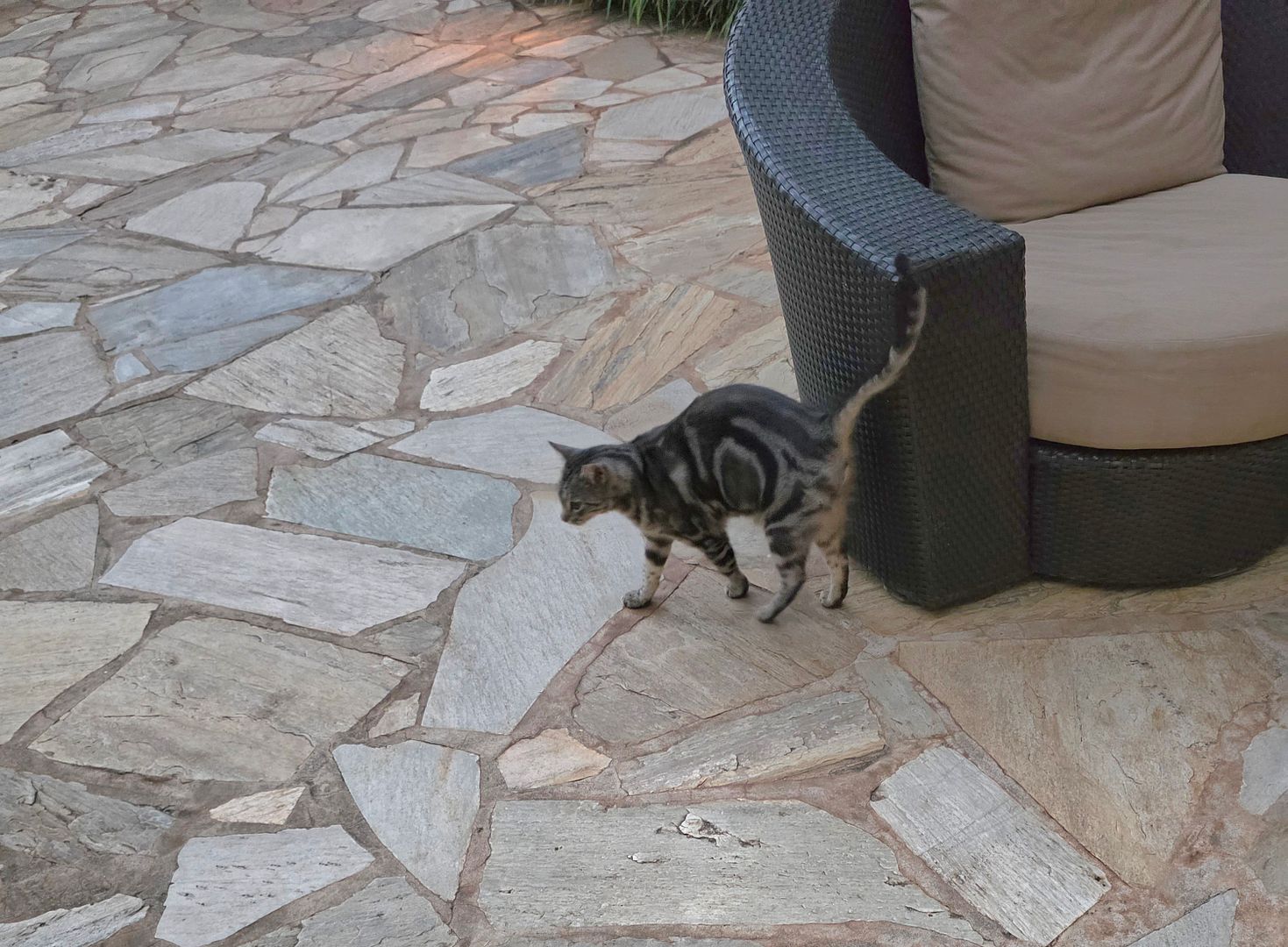
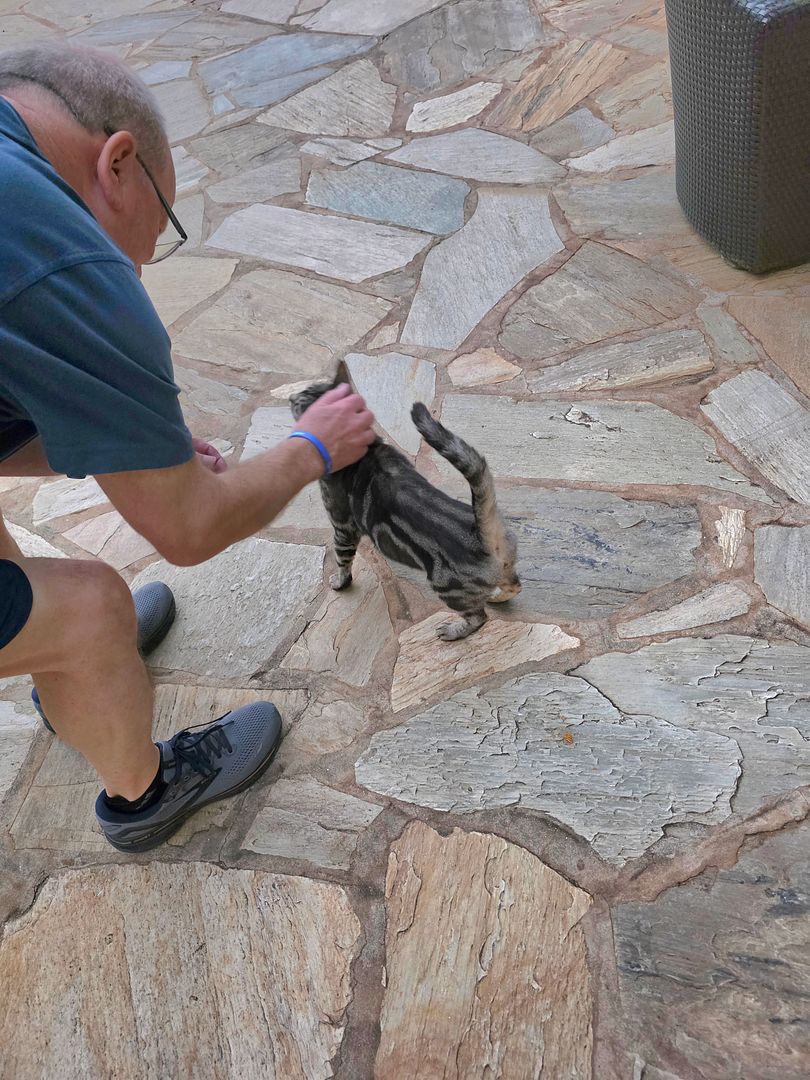
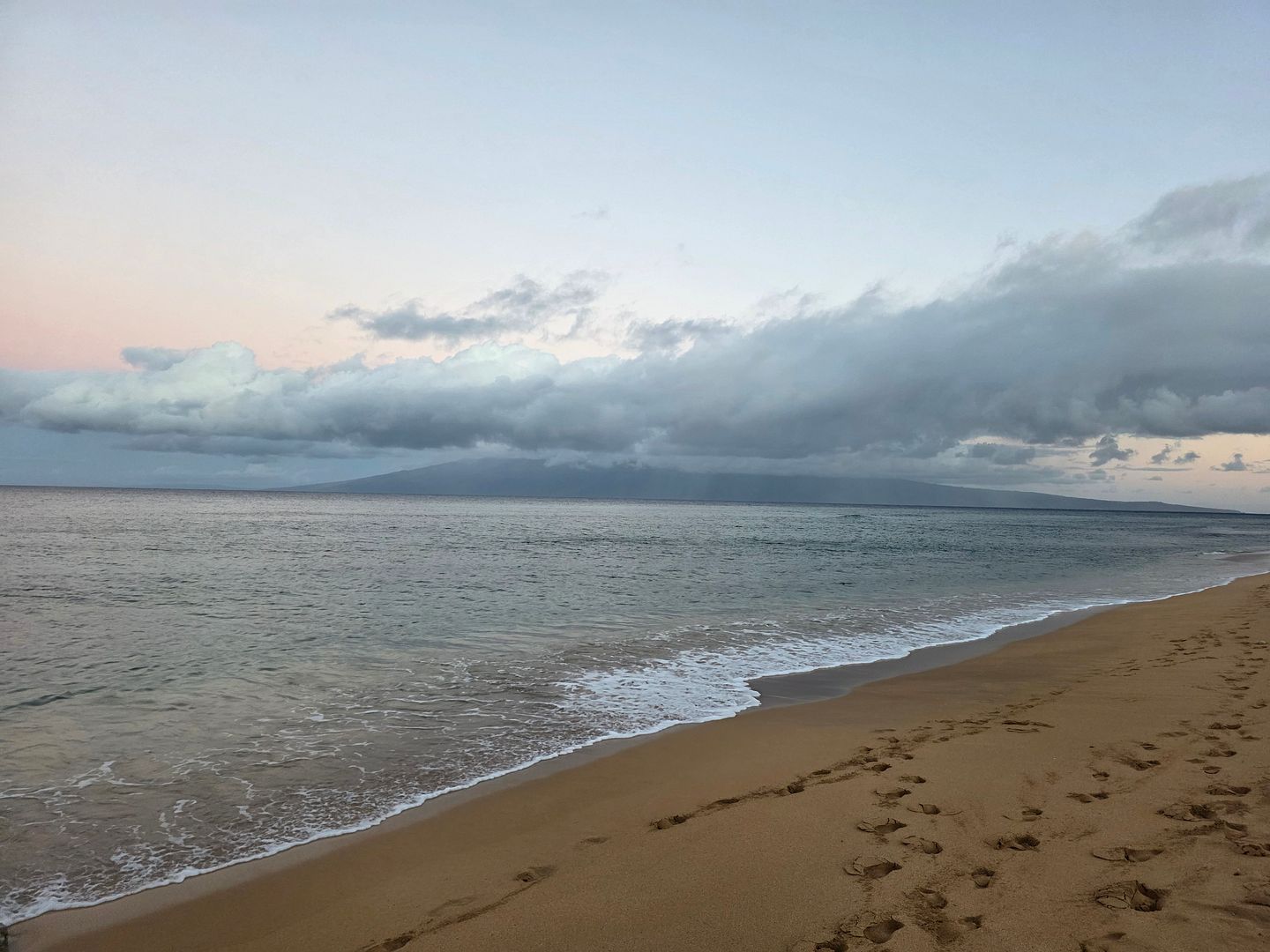
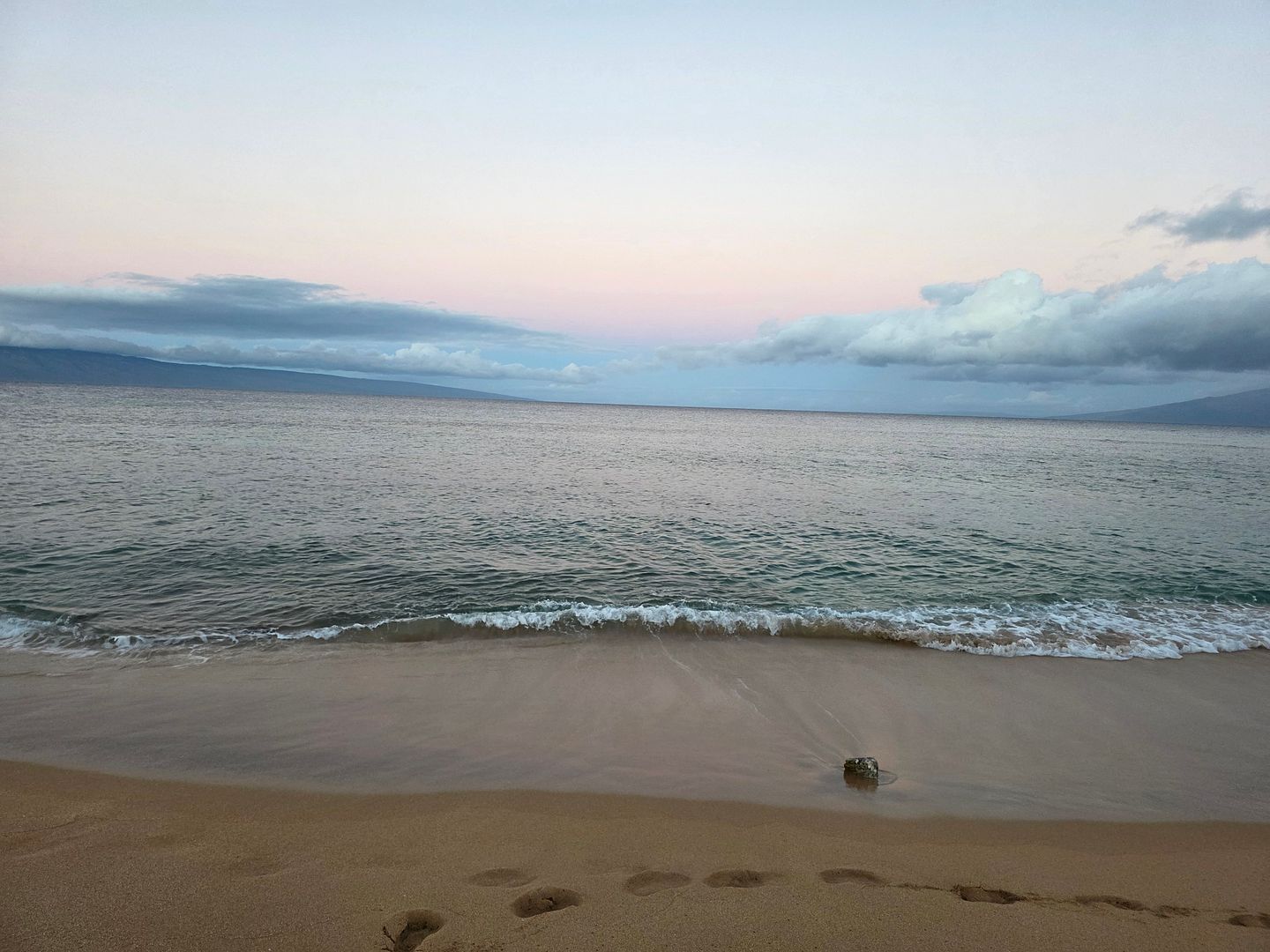
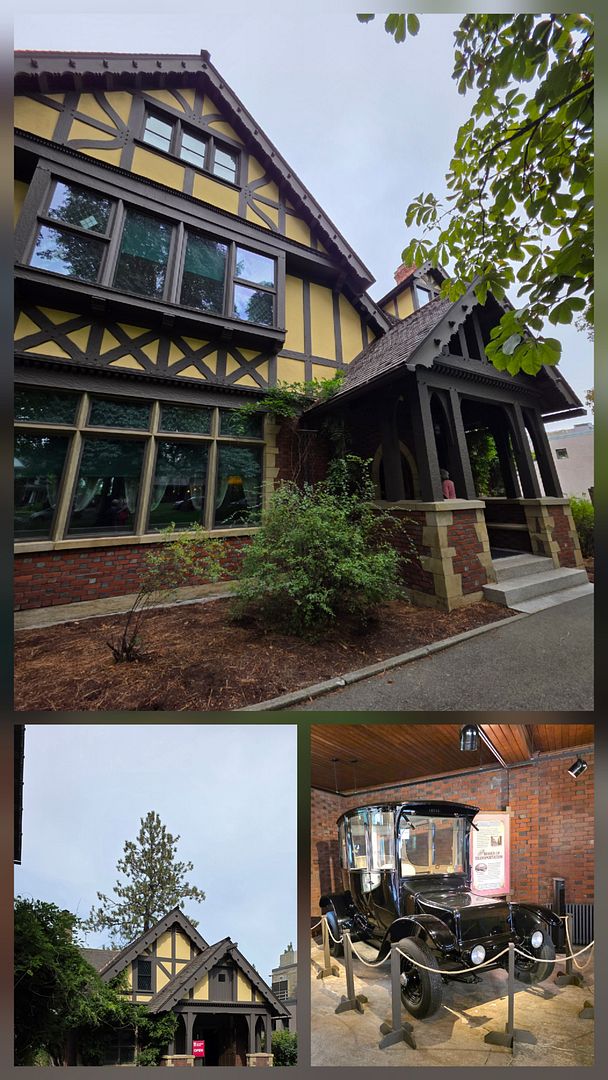
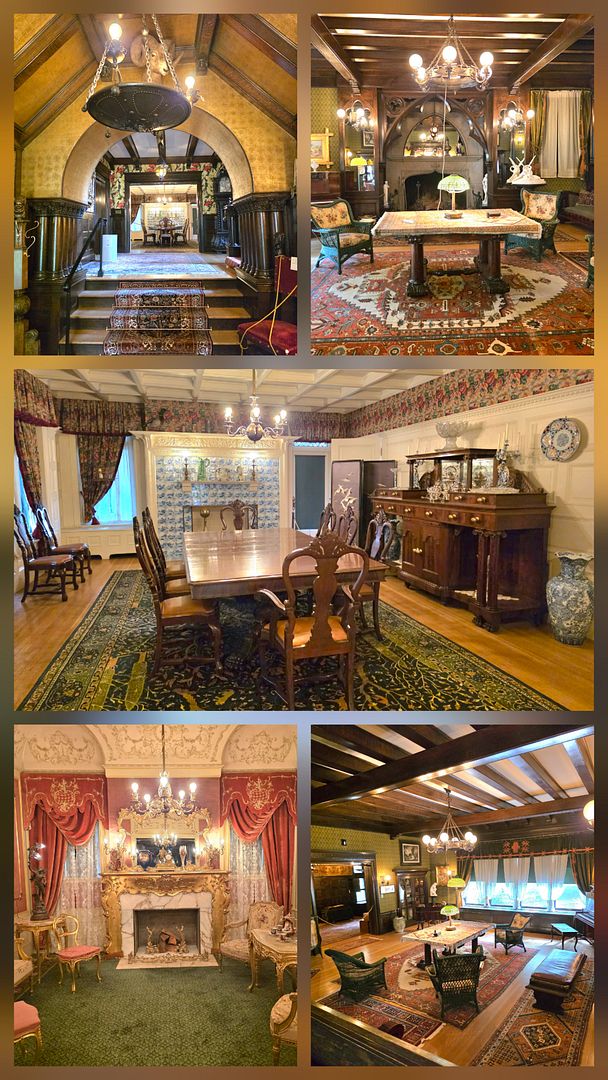
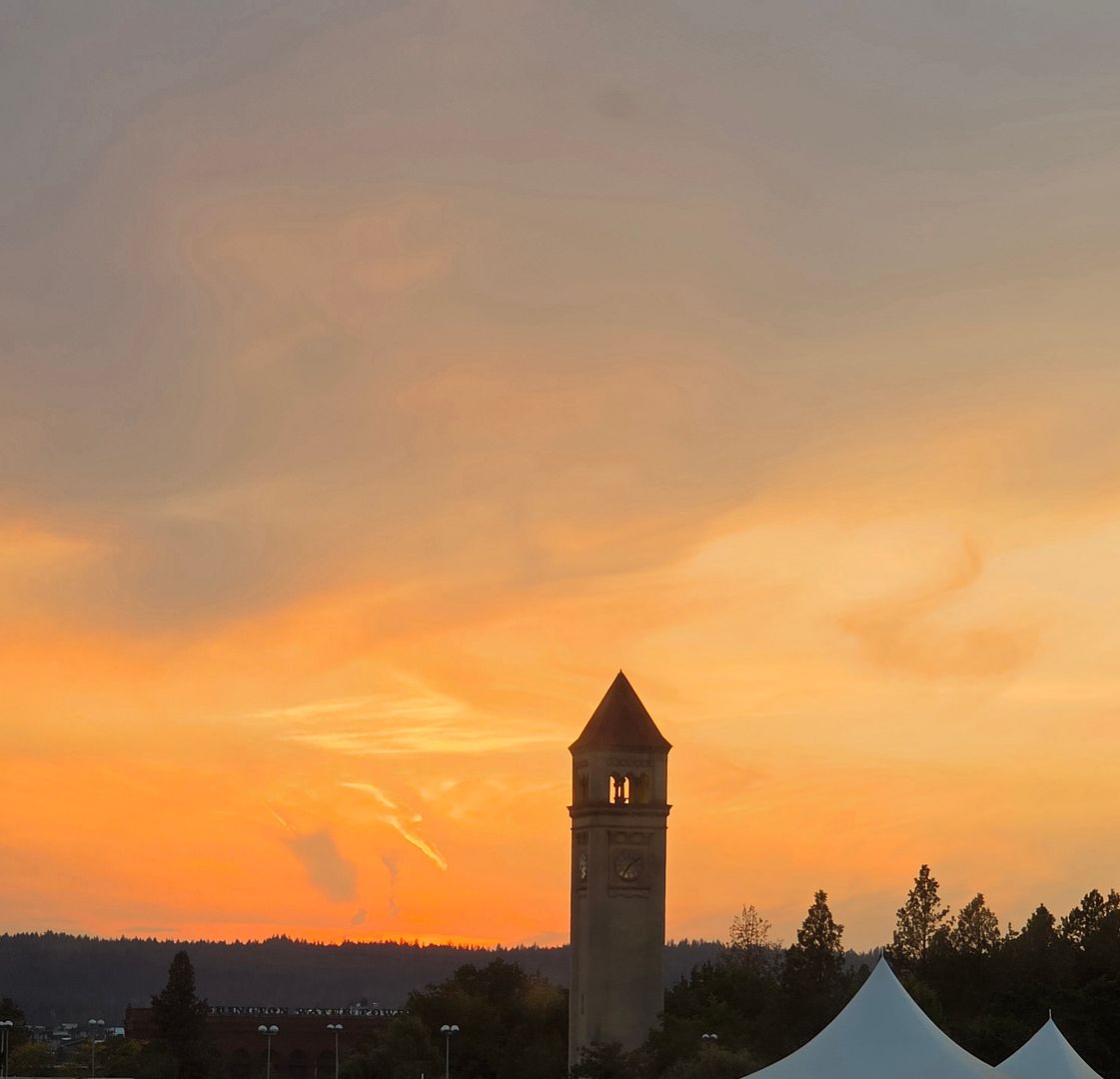
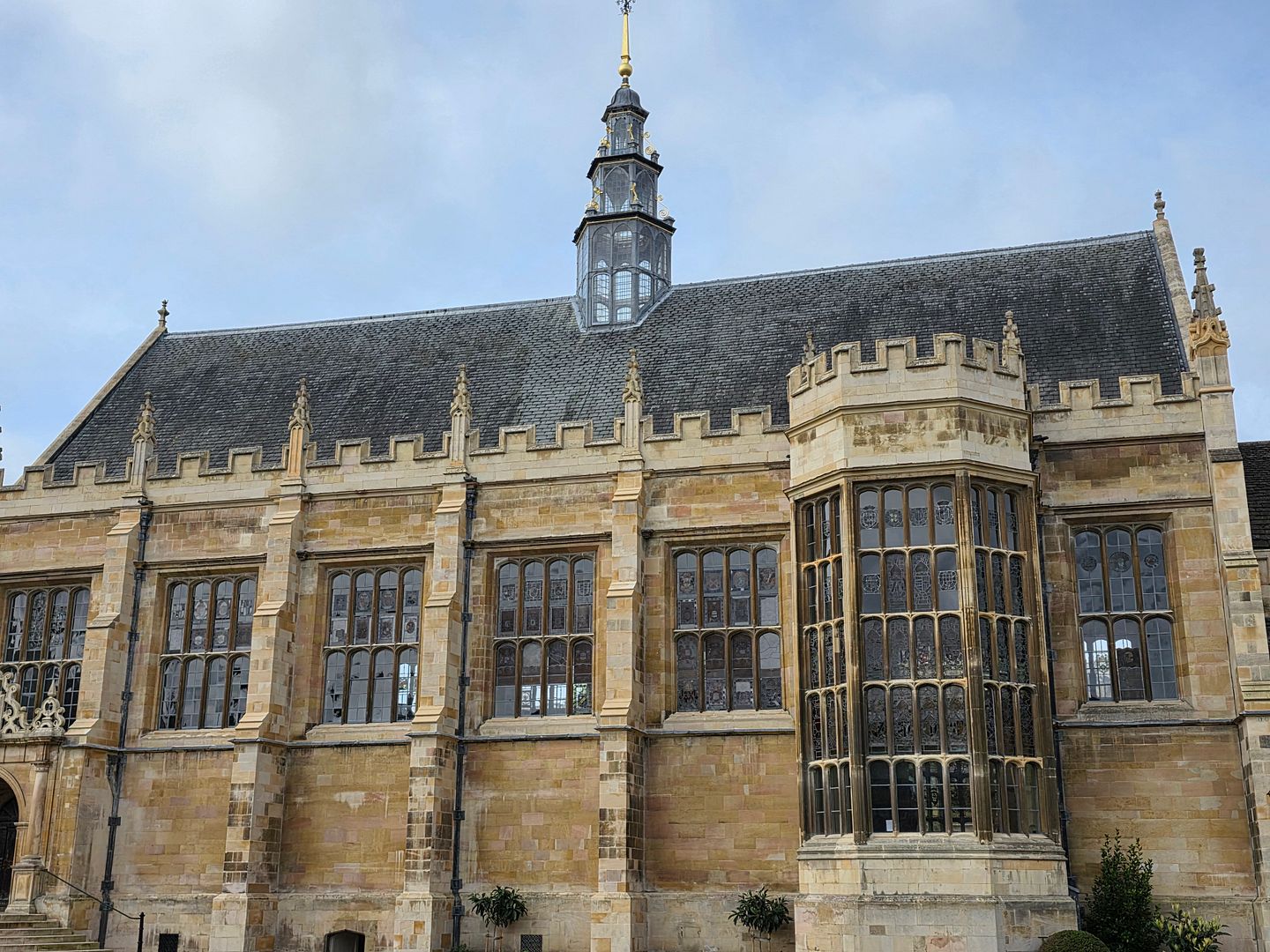
The main reason for our weekend stay in Spokane was to watch our granddaughter compete in the annual Irish Feis at the Convention Center. The Feis would begin at 8am on Saturday. We arrived to Spokane on Friday late morning and did some of our usual shopping before we ventured all the way into the Downtown area. Our first stop before we would check in to our hotel was the MAC~Northwest Museum of Arts and Culture. This museum is in an older historical neighborhood of Spokane. The houses surrounding the museum were all quite grand.
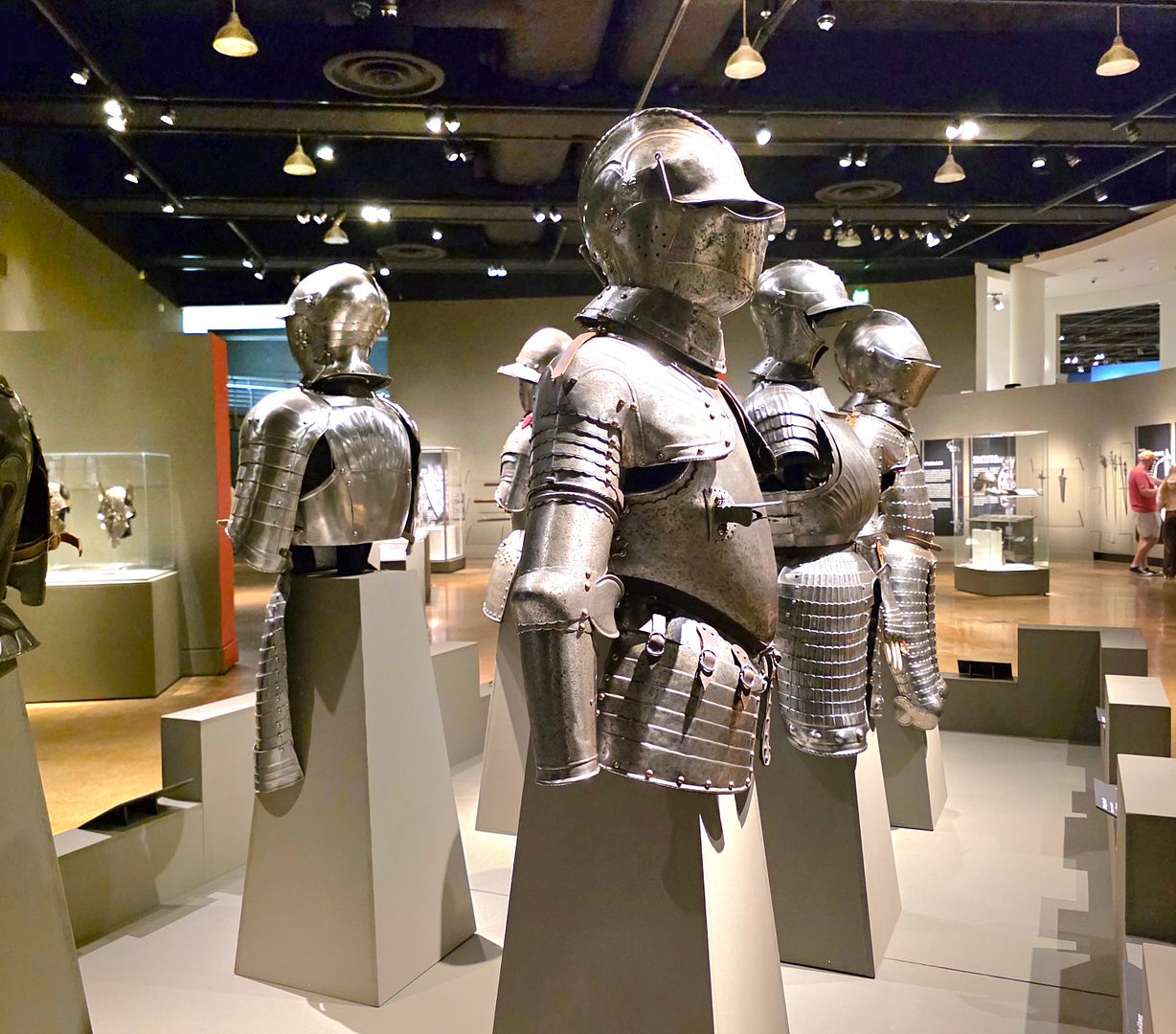
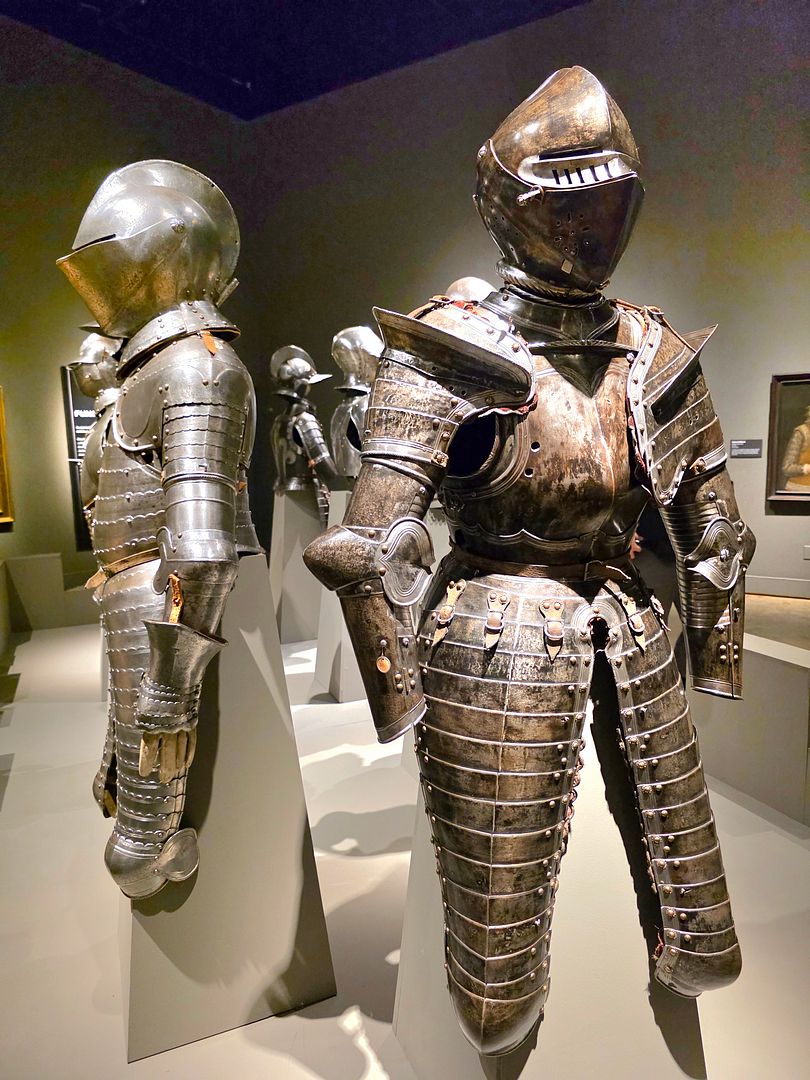
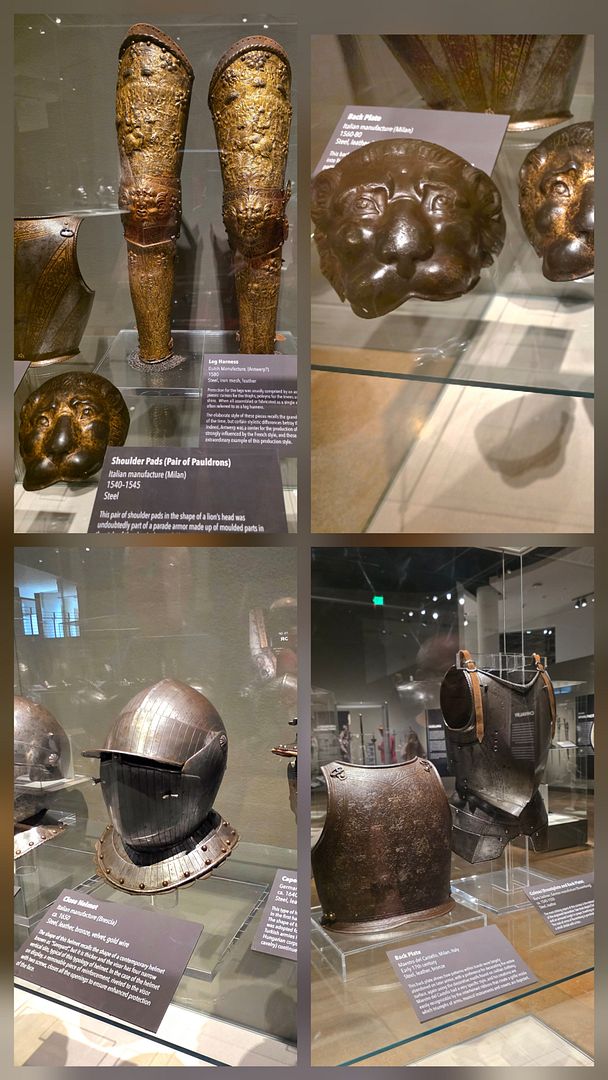
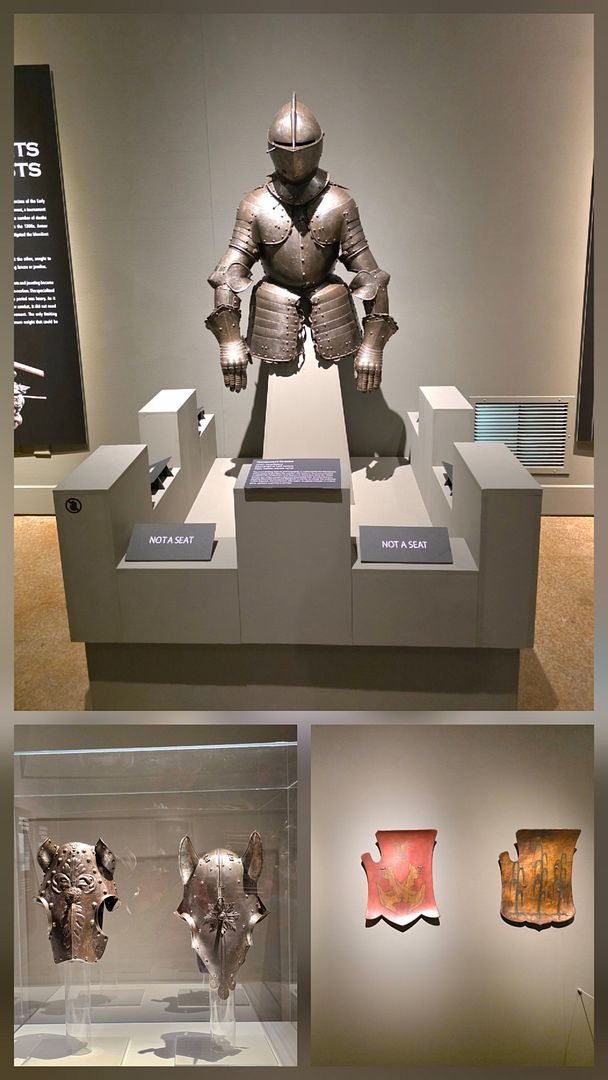
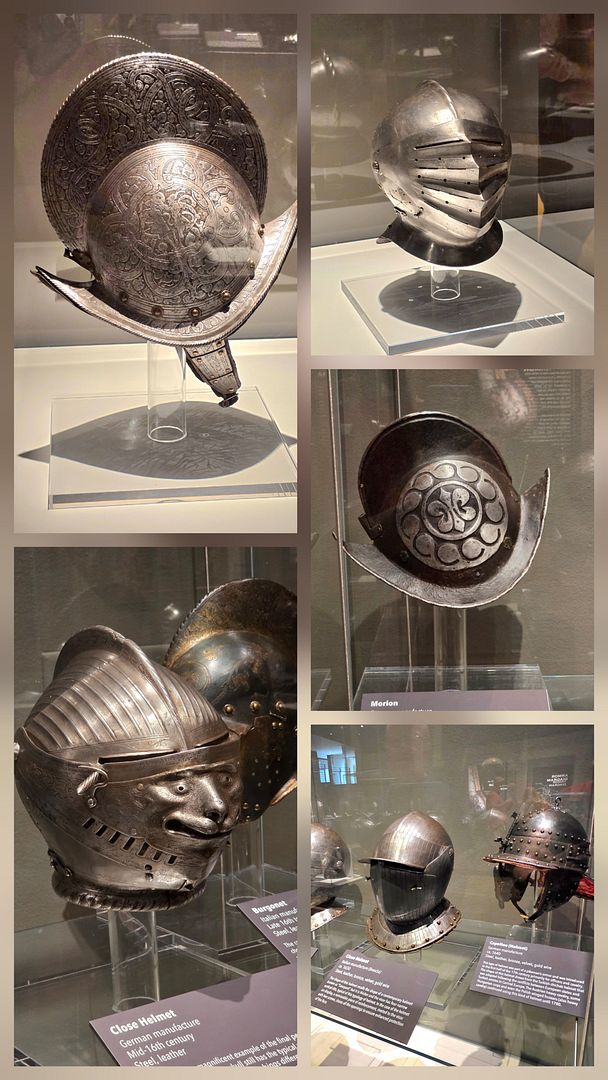
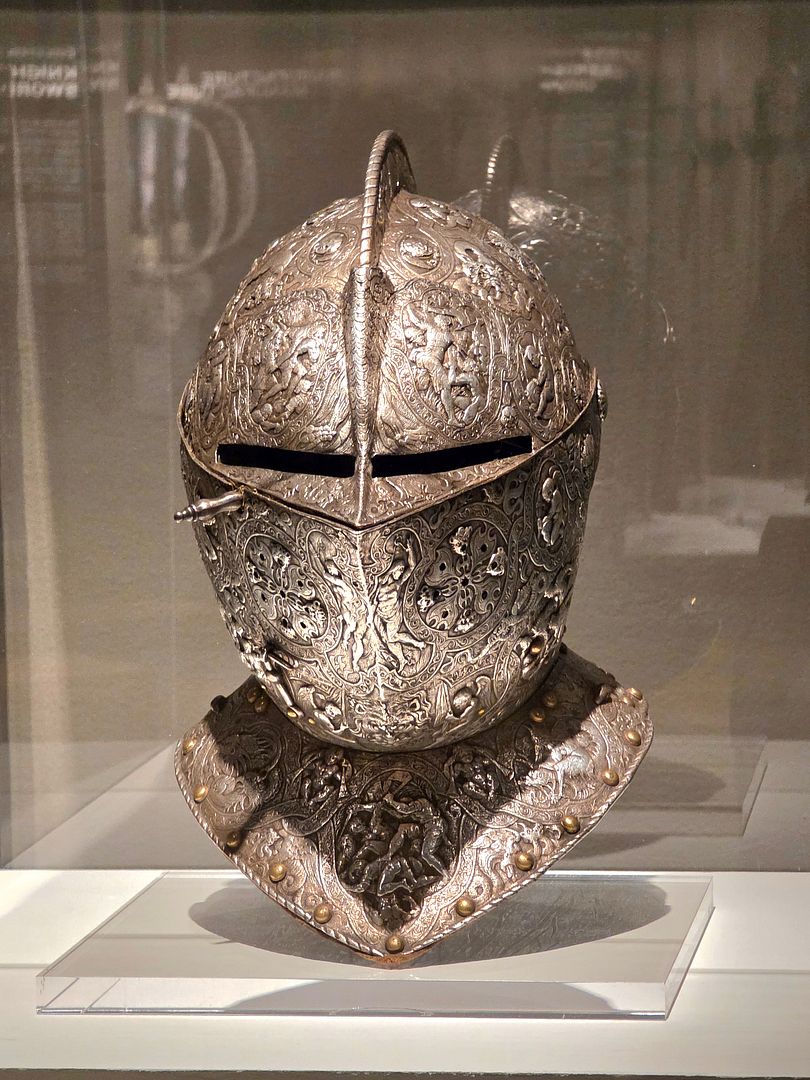
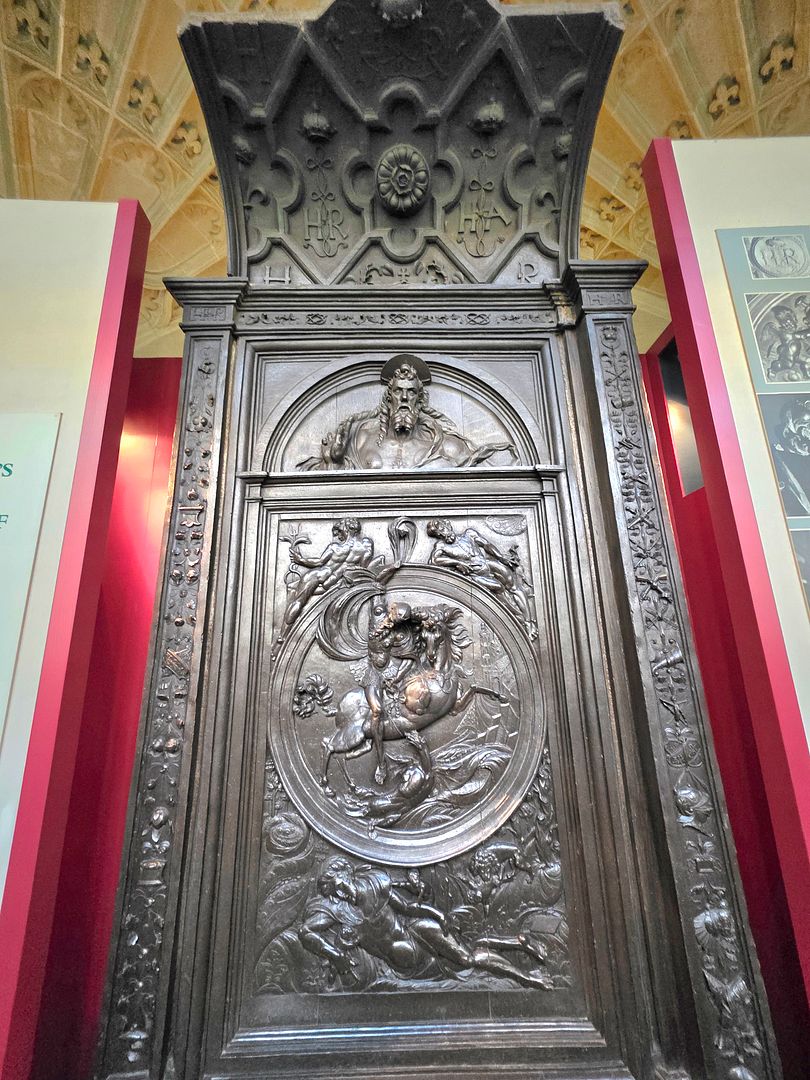
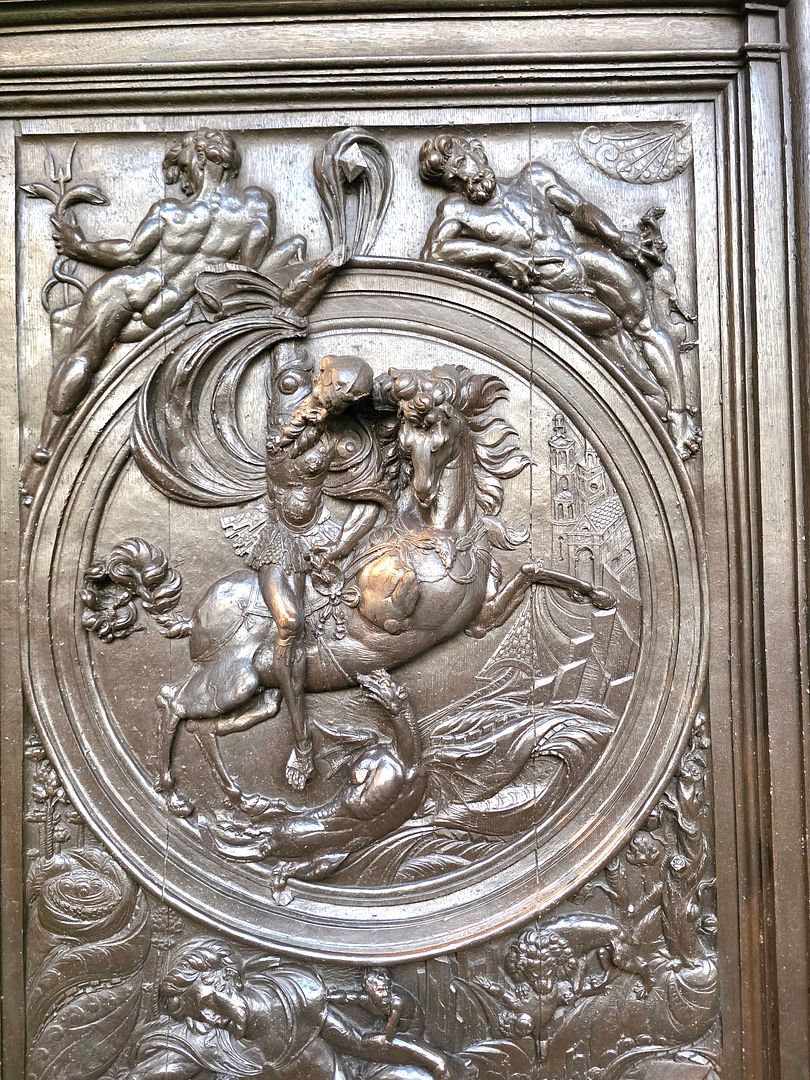
There was a special exhibit on called Iron and Honor: The Art of Knighthood
The contents of this exhibit were a collaboration from Italy.
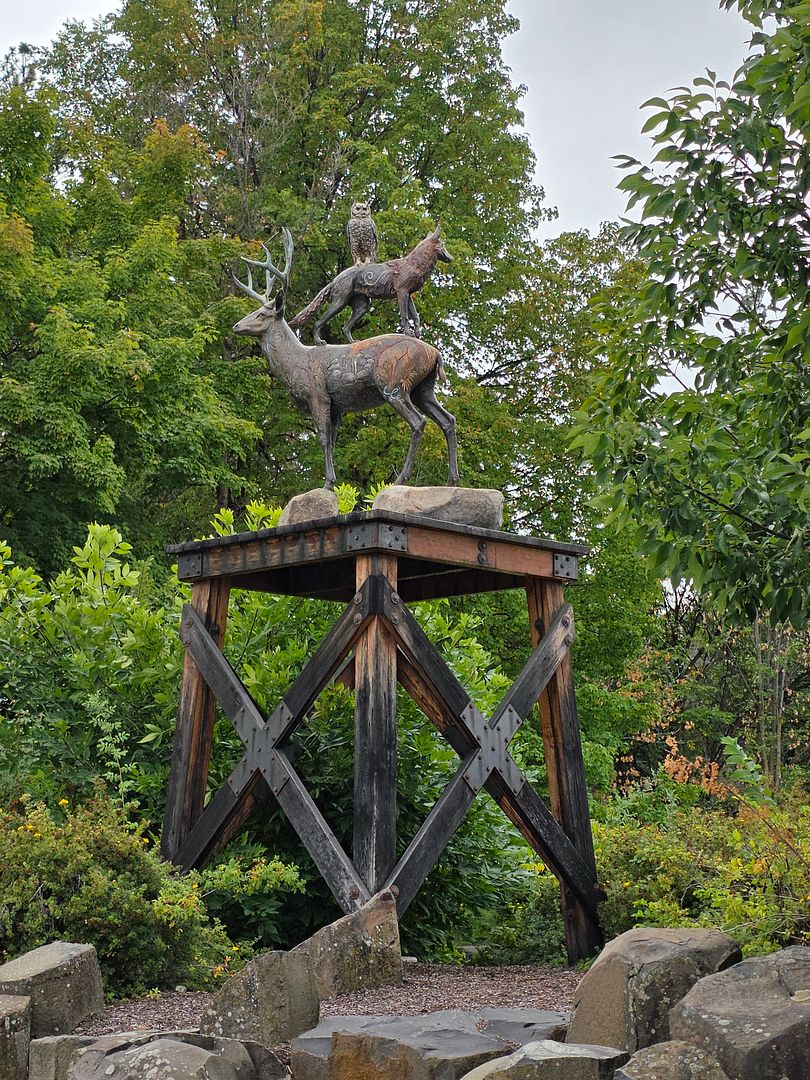
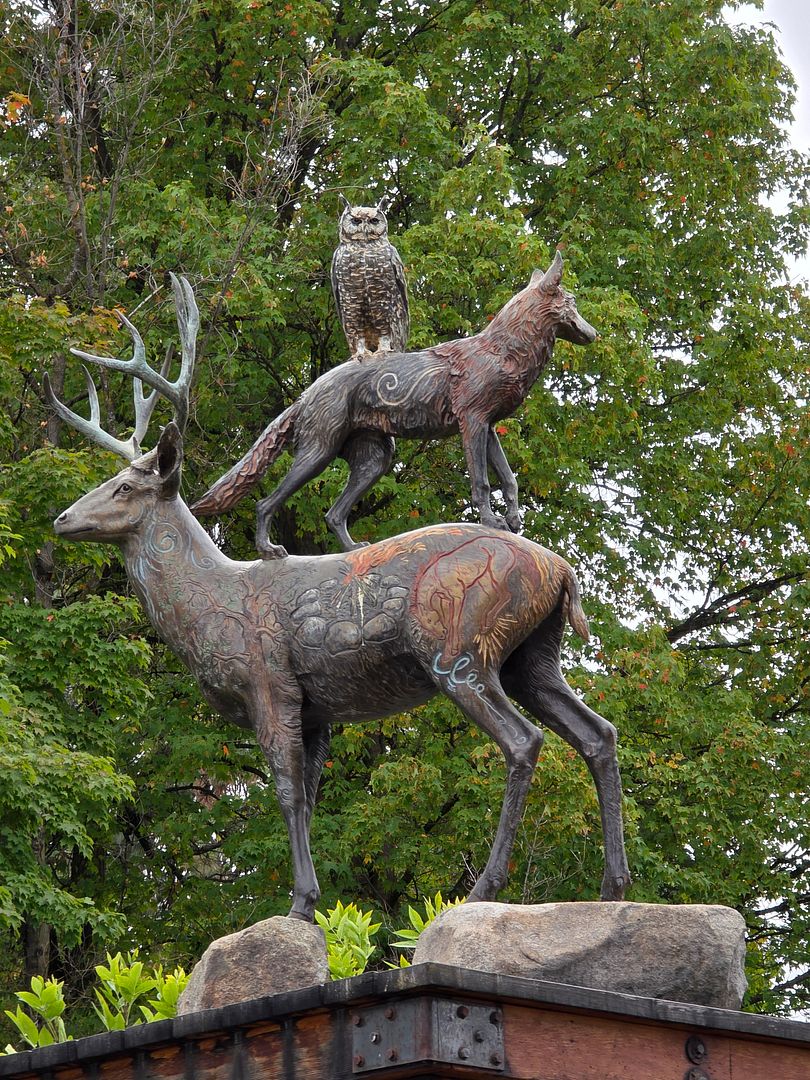
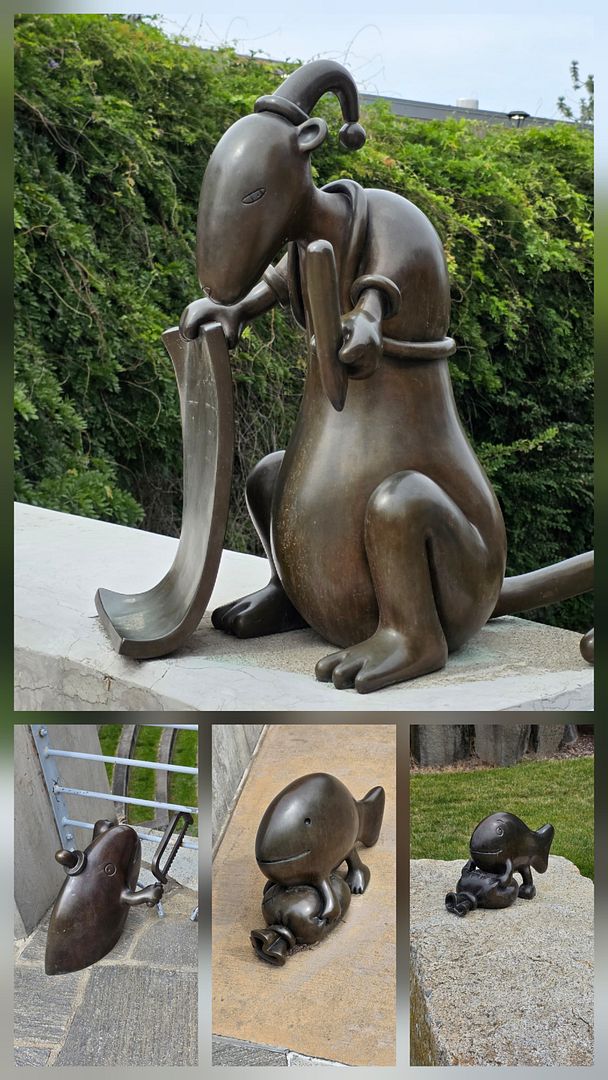
On the grounds of the museum we spotted this small statues in bronze on our way to the Campbell house (mansion) and Carriage House which was open for visits on this Friday.
They are called ‘The Return of the Four Leggeds”
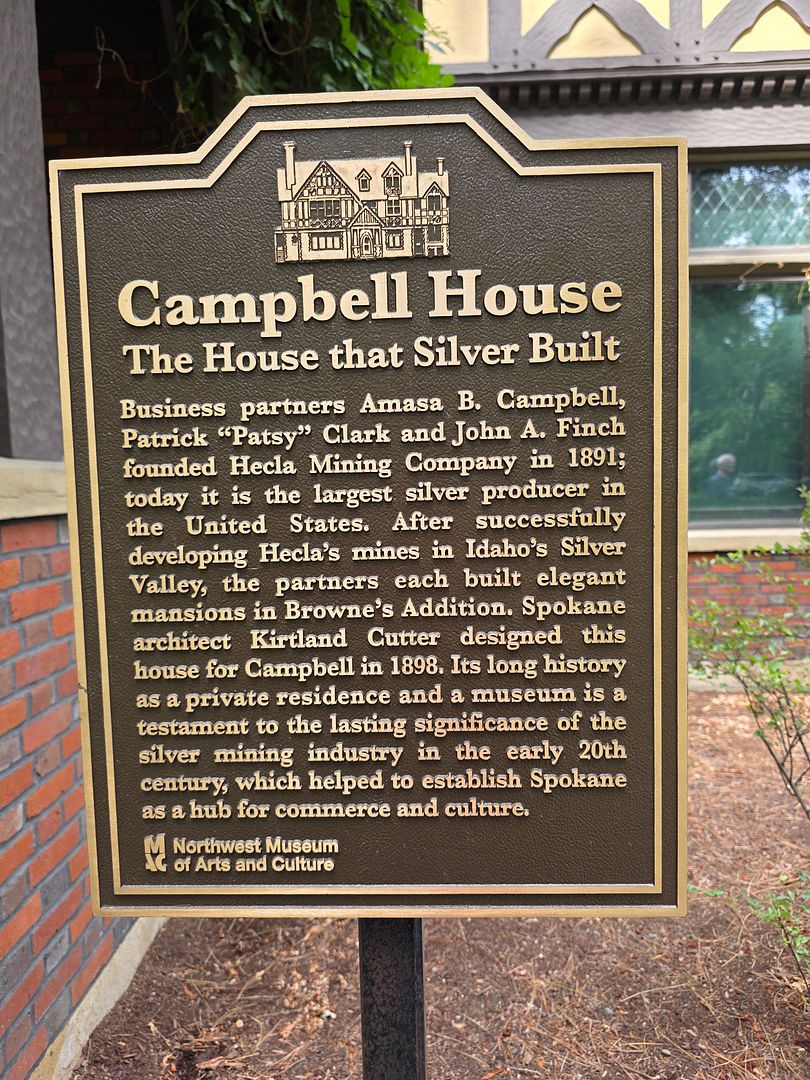
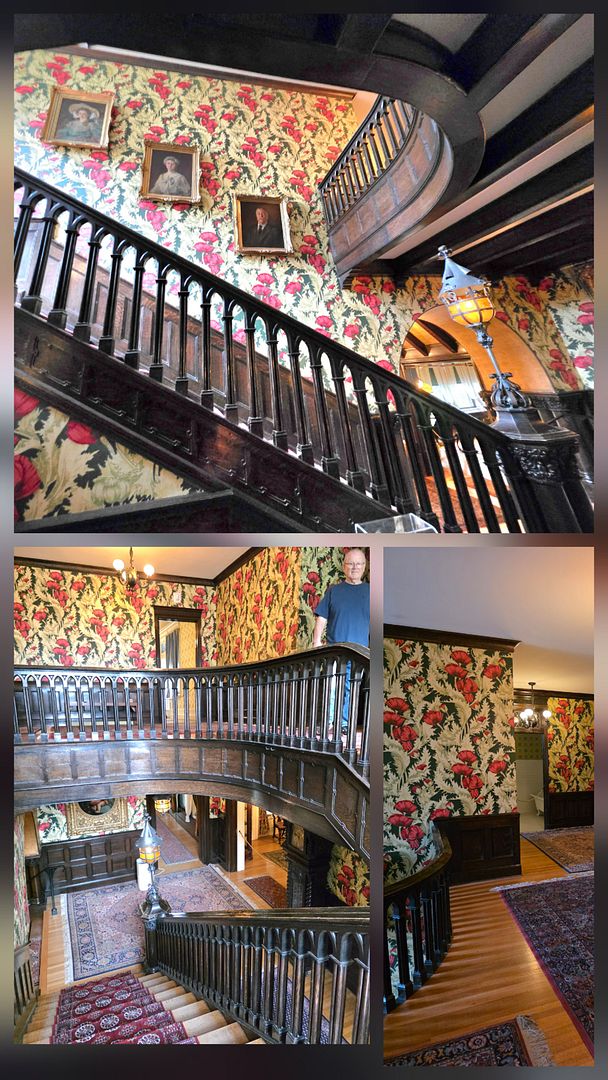
The historic Campbell House was built in 1898. The greatest advancements in technology were included like indoor plumbing, hot and cold running water, electricity, central heat and a telephone. The Campbells lived in the house with their servants for 26 years. In 1924 the house was donated to the Eastern Washington Historical Society.
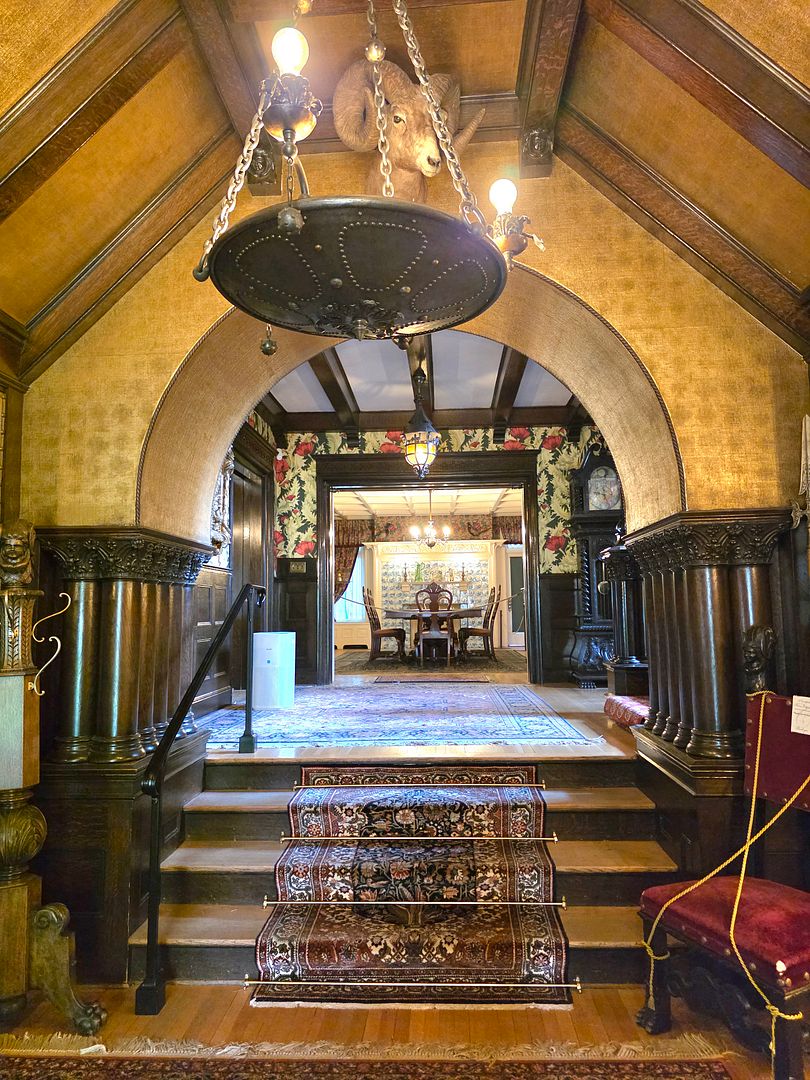
What a grand entrance hall! The house is approximately 13,000 square feet on three floors.
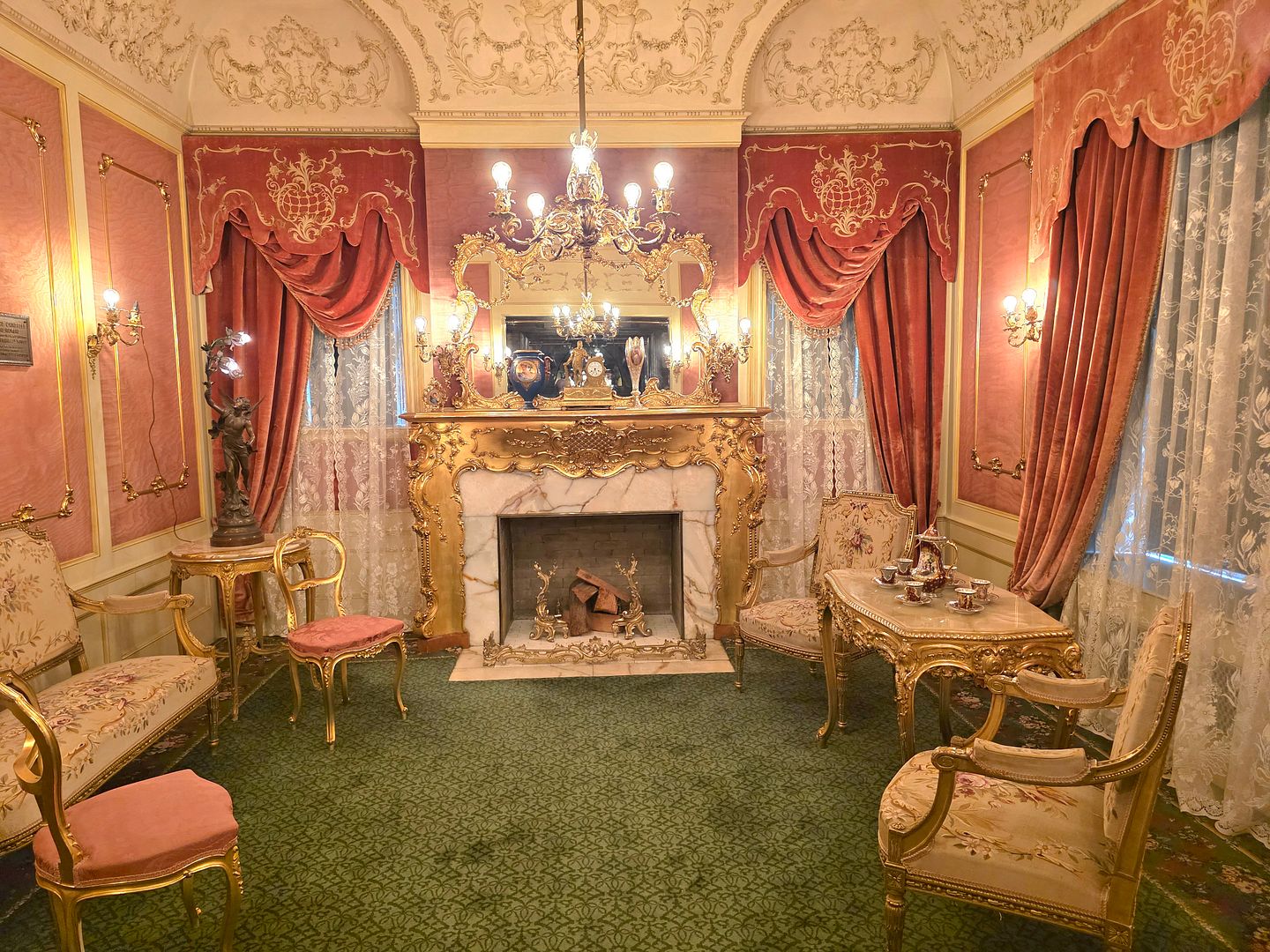
This reception room was a bit out of place for the design of the house in general. It did make us say, Wow. “Mrs. Campbell received callers on Thursdays in this room. It is decorated in the French Rococo style and has silk moire and gold gilt on the walls.”
You can see why the pink room seemed out of place in contrast to all the other ground floor rooms.
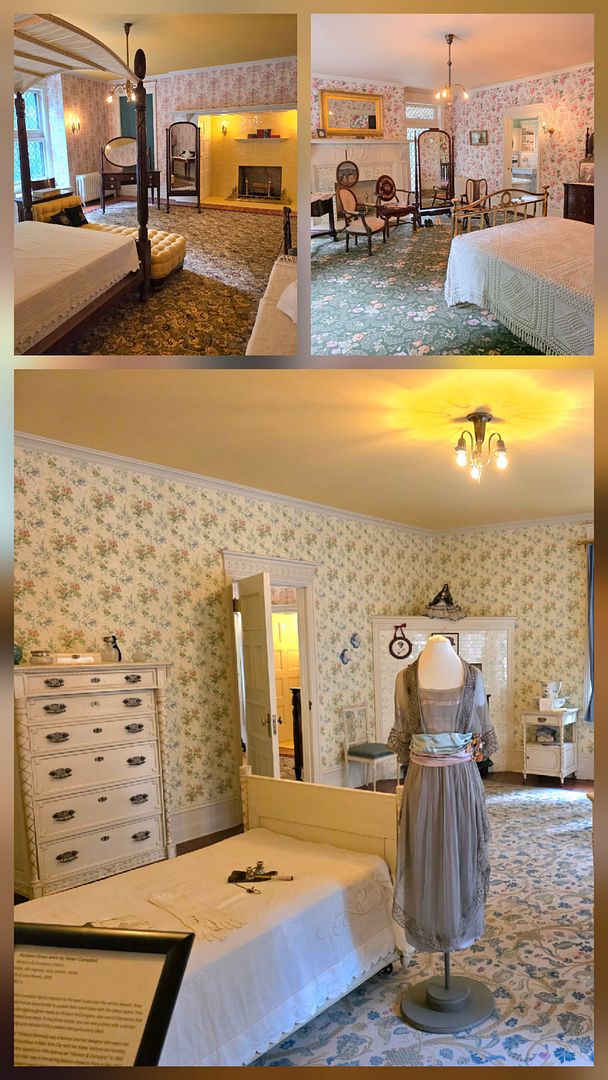
Up the grand staircase to the bedrooms. There were a few other smaller staircases going up and also down to the basement rooms.
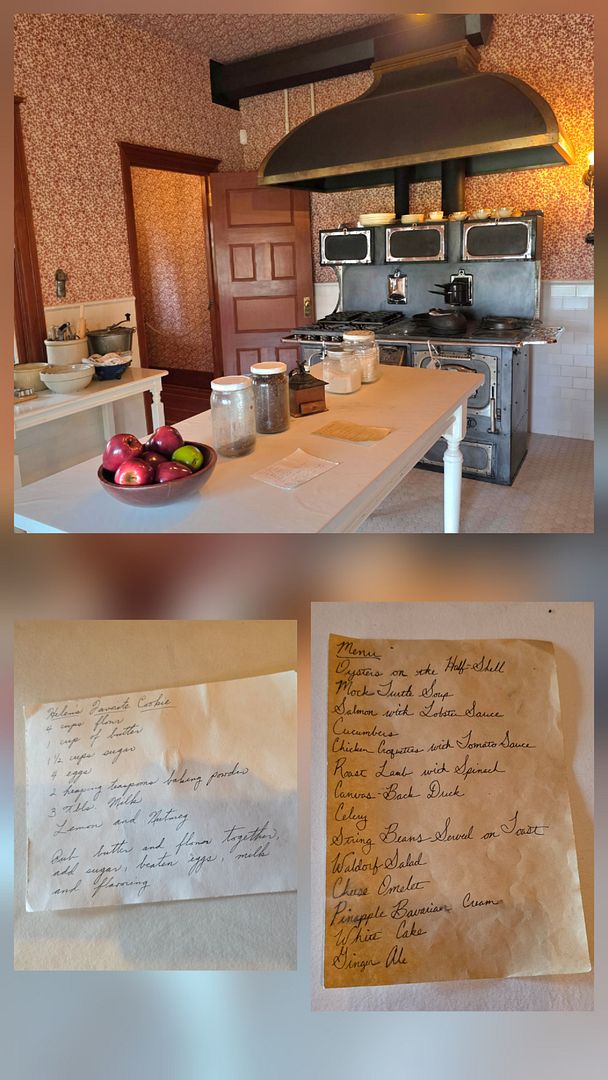
We had a nice chat with the docent who was sitting in the kitchen. It was interesting to read the hand written menu courses for a typical evening meal. Fourteen courses! The cookie recipe is one that the house serves during their special Christmas openings for tours.
We ended our house tour in the Carriage house where the electric car is housed and a lot of history and displays are available to read and on videos to watch.
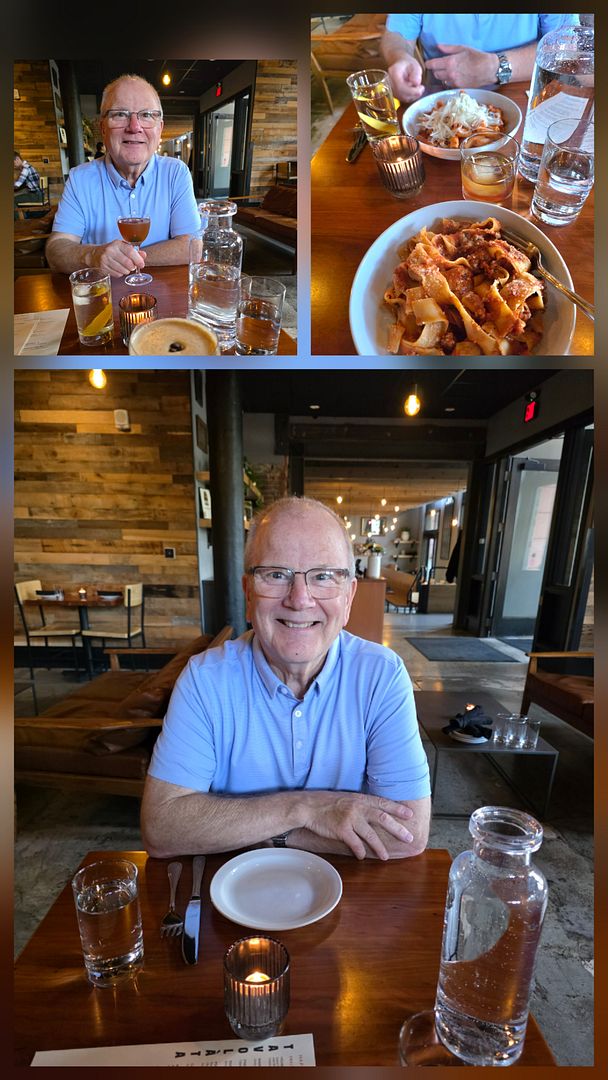
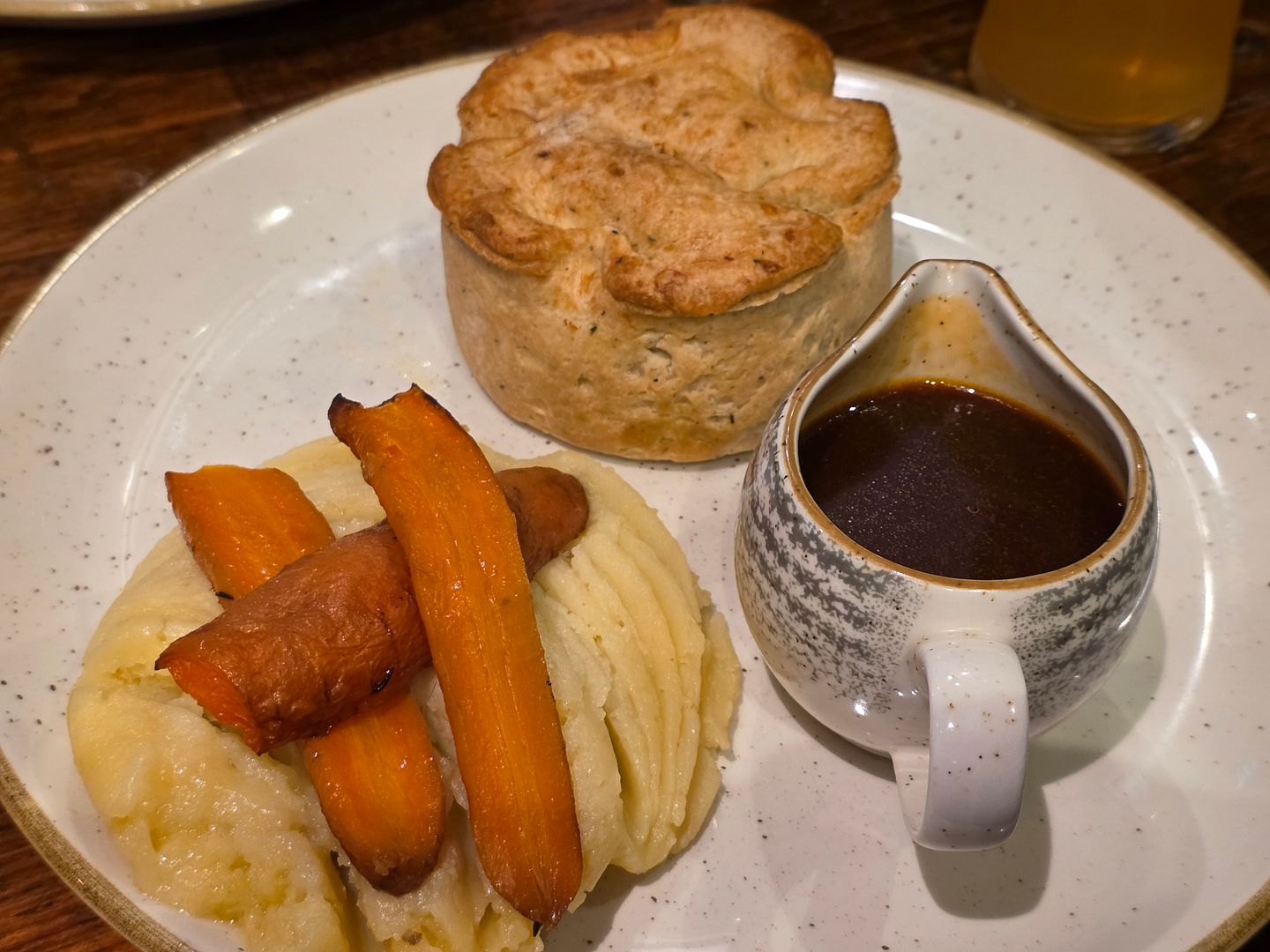
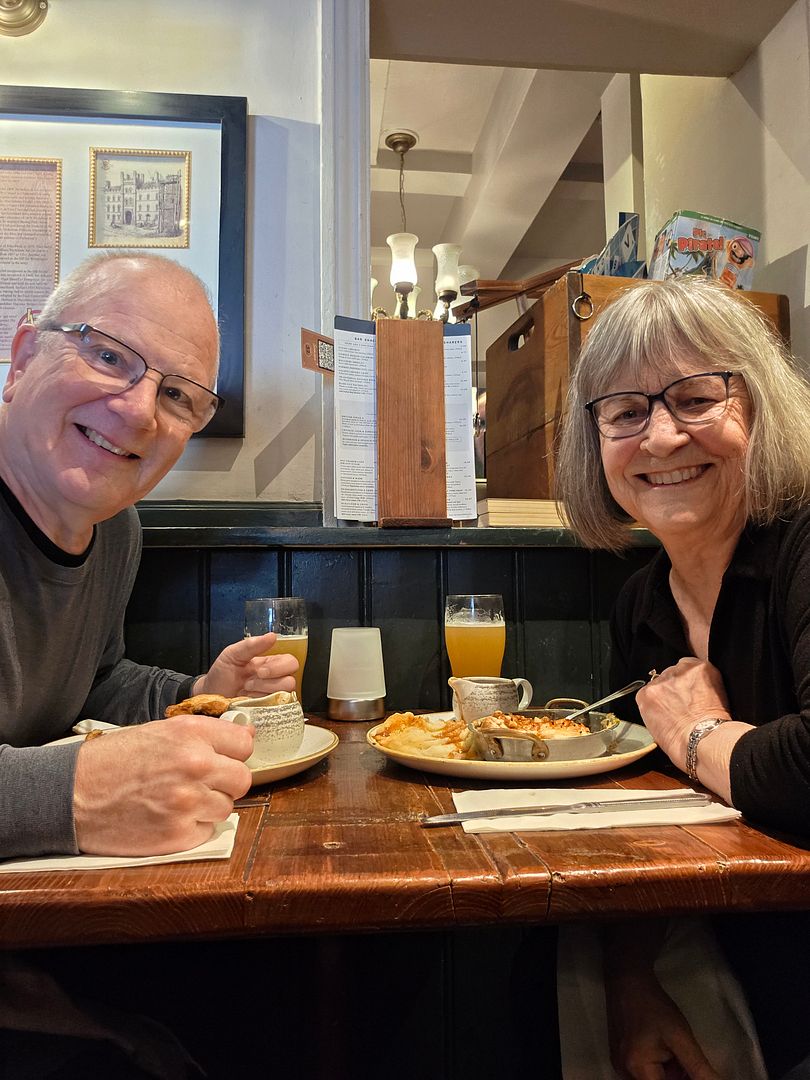
At this point on Friday our room was ready at the hotel. We drove to the hotel and checked in. I used a mobile key entry for the first time and was quite proud of myself that it worked. After freshening up we walked to Tavolata for dinner. A little Italian theme happening with the Italian Knighthood exhibit and then an Italian dinner. This walk along Spokane Falls Blvd. gave us a few moments to experience the Good Samaritan story (we did not identify as the Good Samaritan on this walk, we moved to the other side of the road).
We enjoyed this meal celebrating Greg’s birthday again. We would recommend this restaurant especially at Happy Hour with same dinner portions at a lower cost. After dinner we had a pleasant walk back to the hotel.
Our Colville kids arrived to the hotel after dinner and came to our room to visit and to say goodnight. Early to bed to rest up before a full day on Saturday.
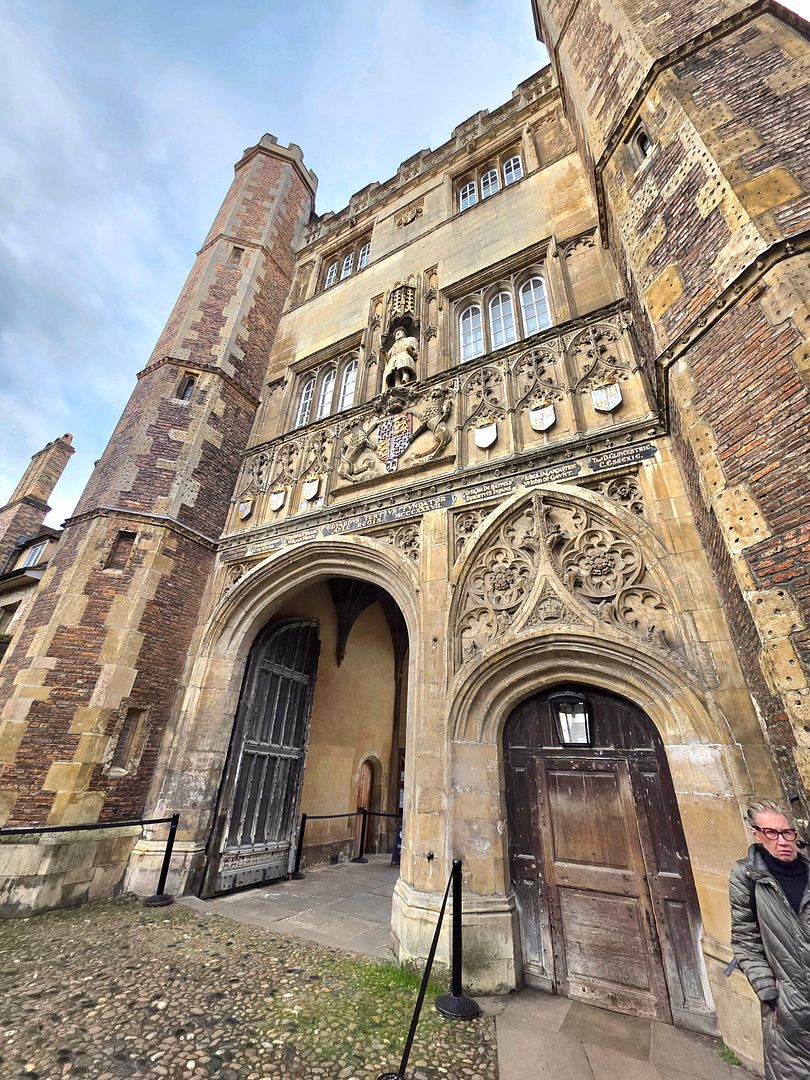
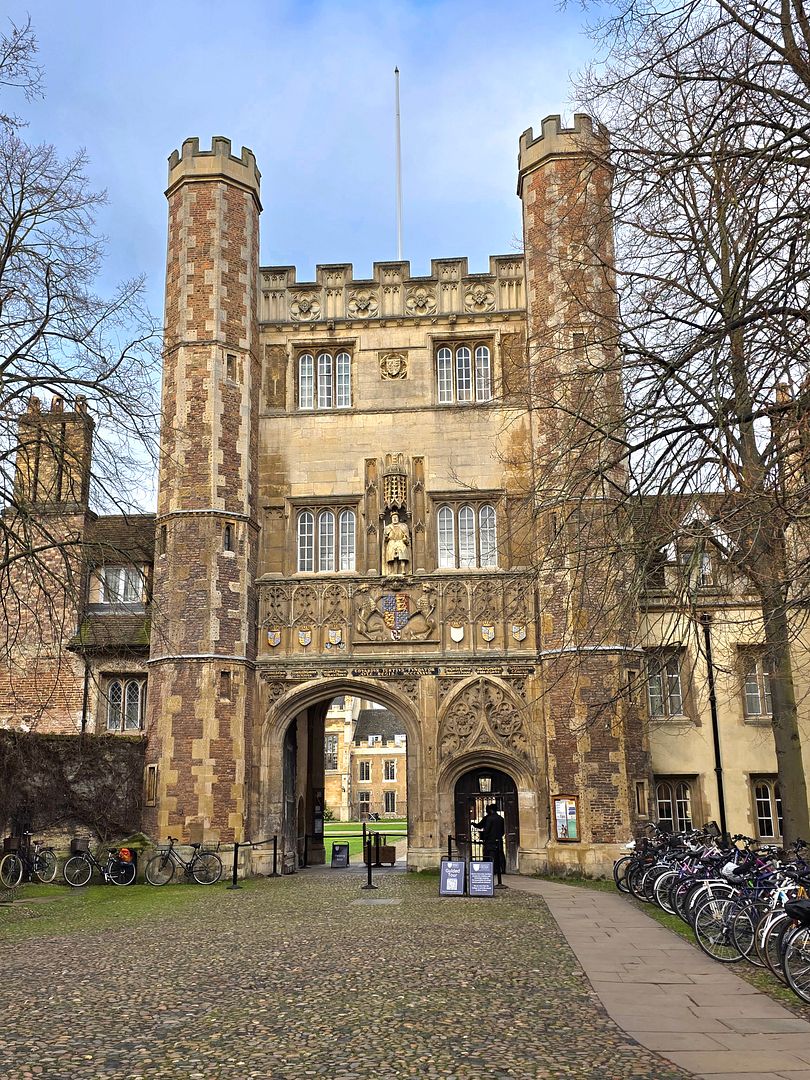
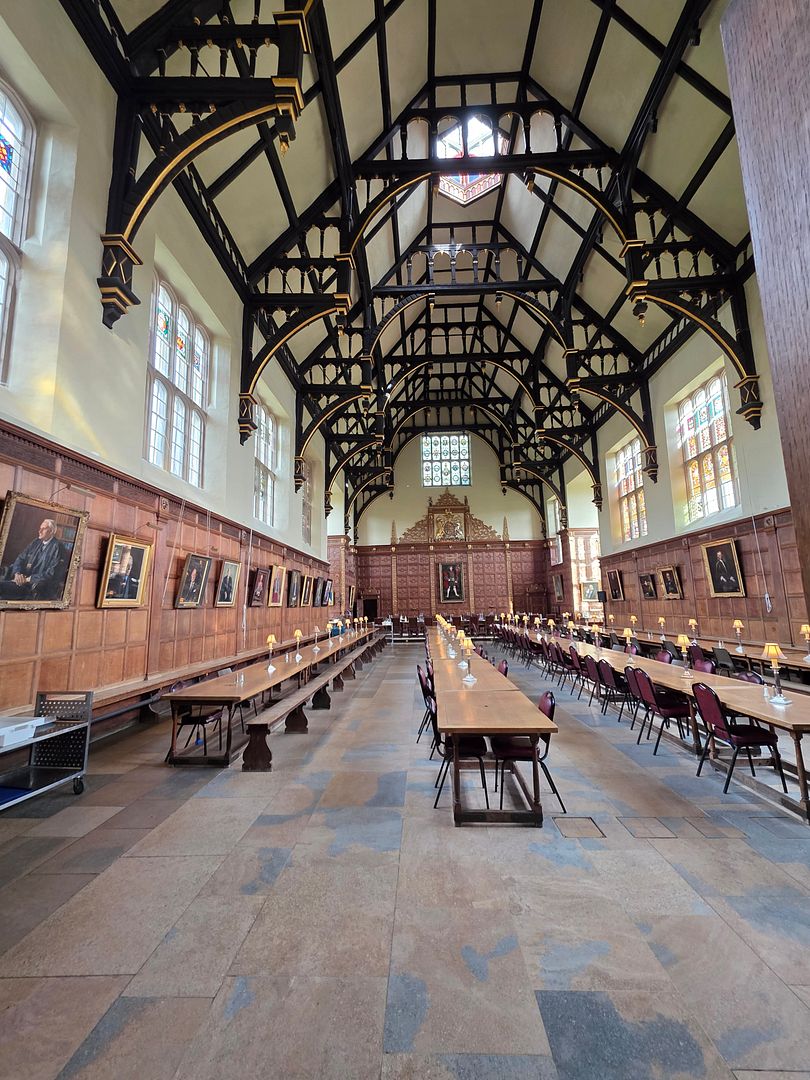
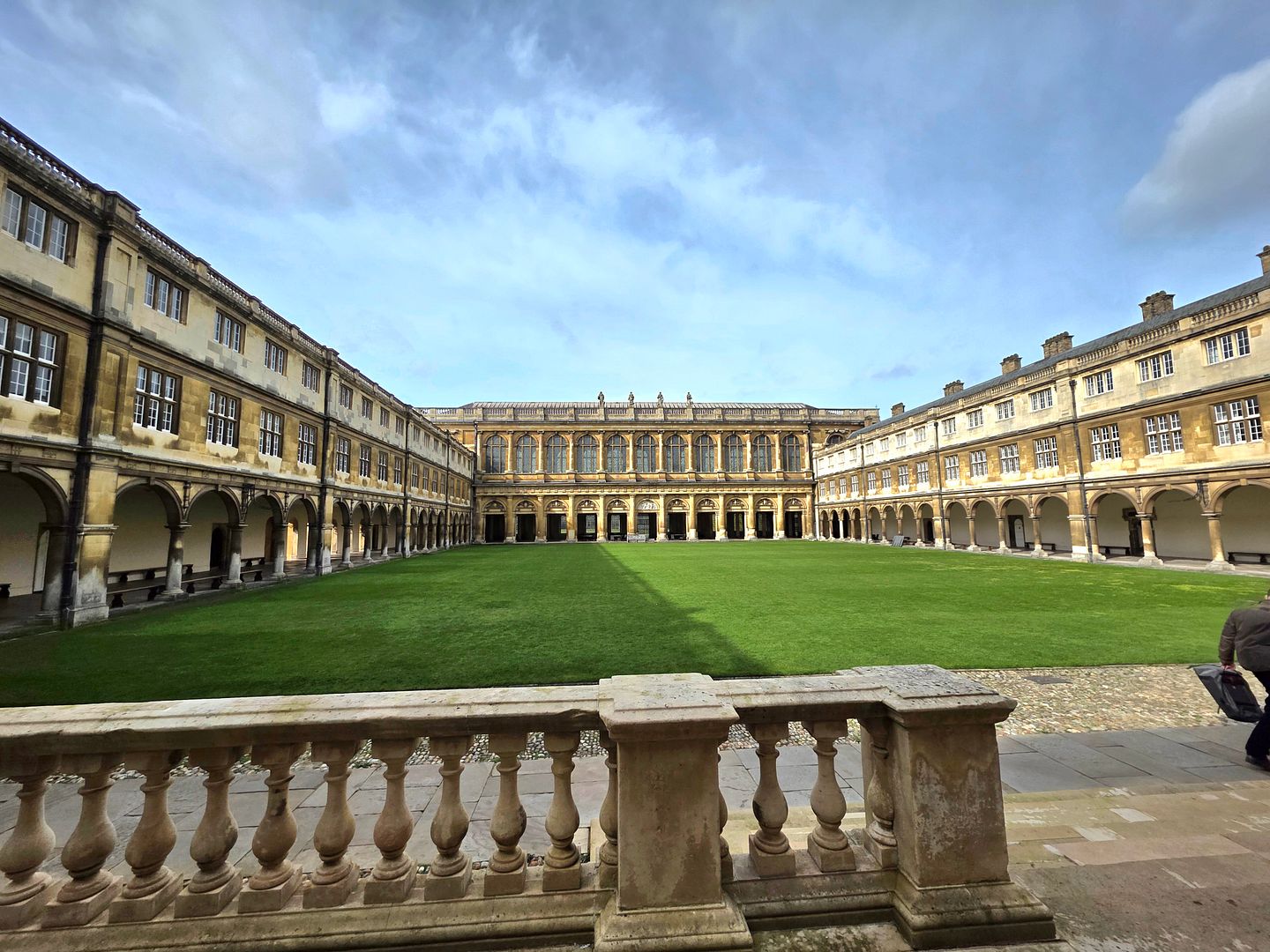
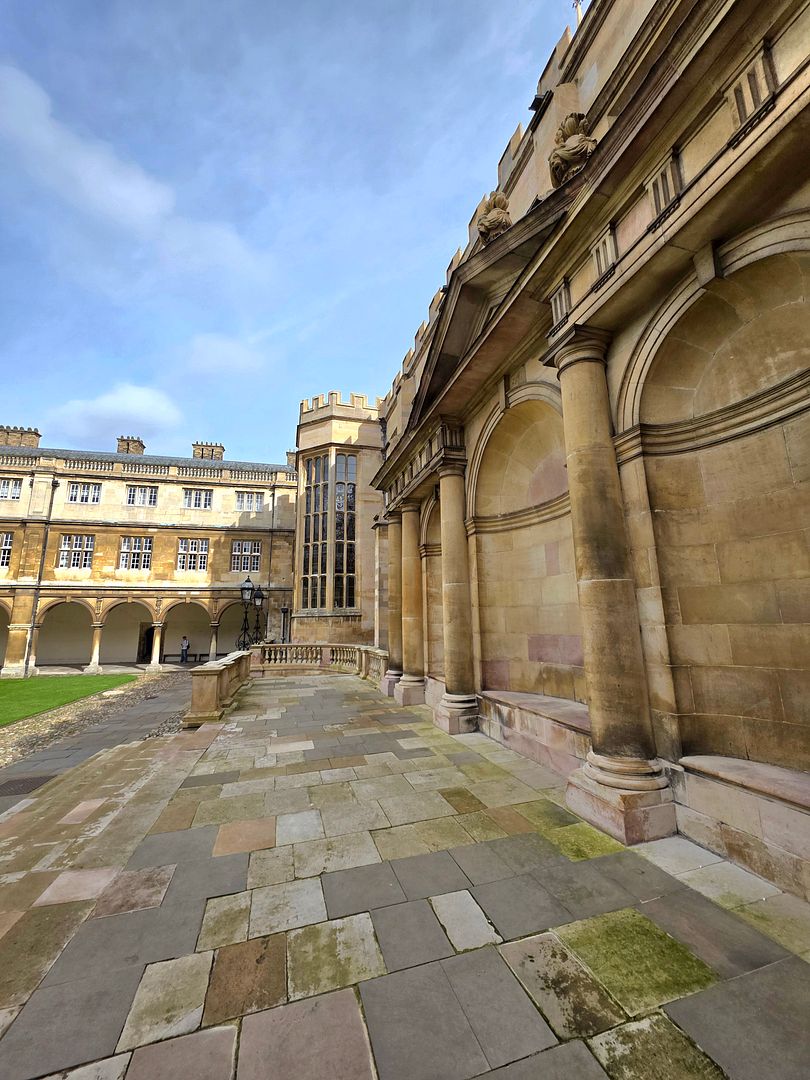
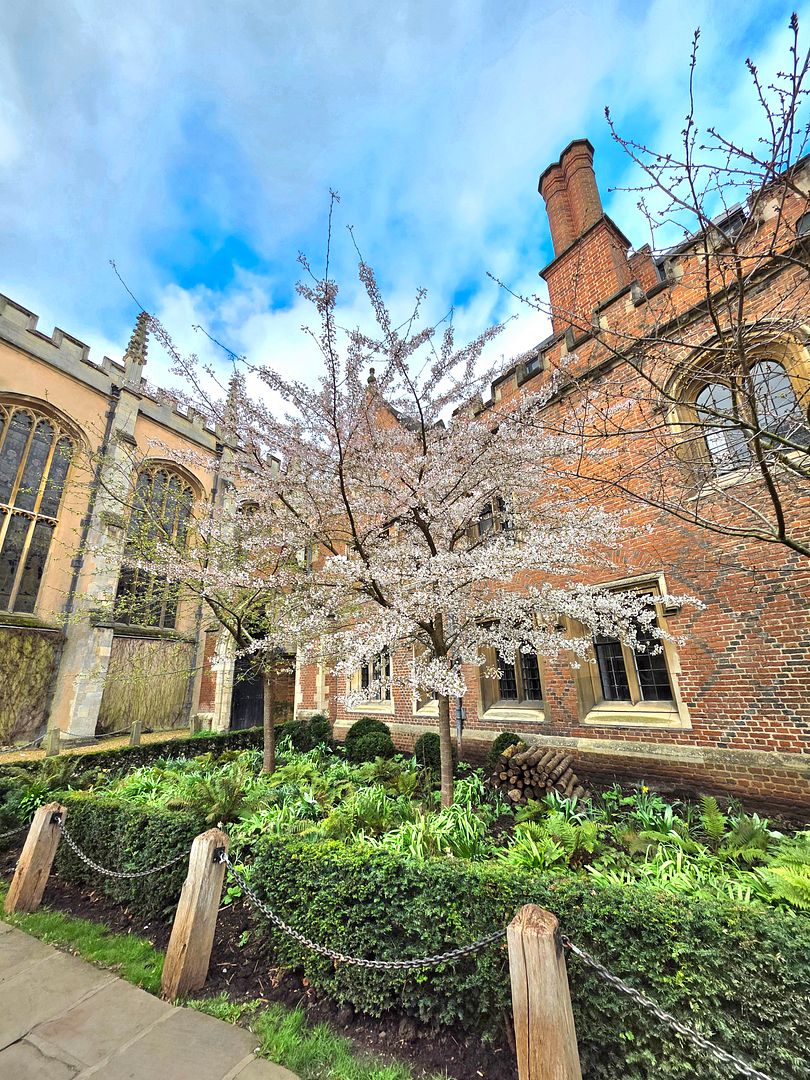
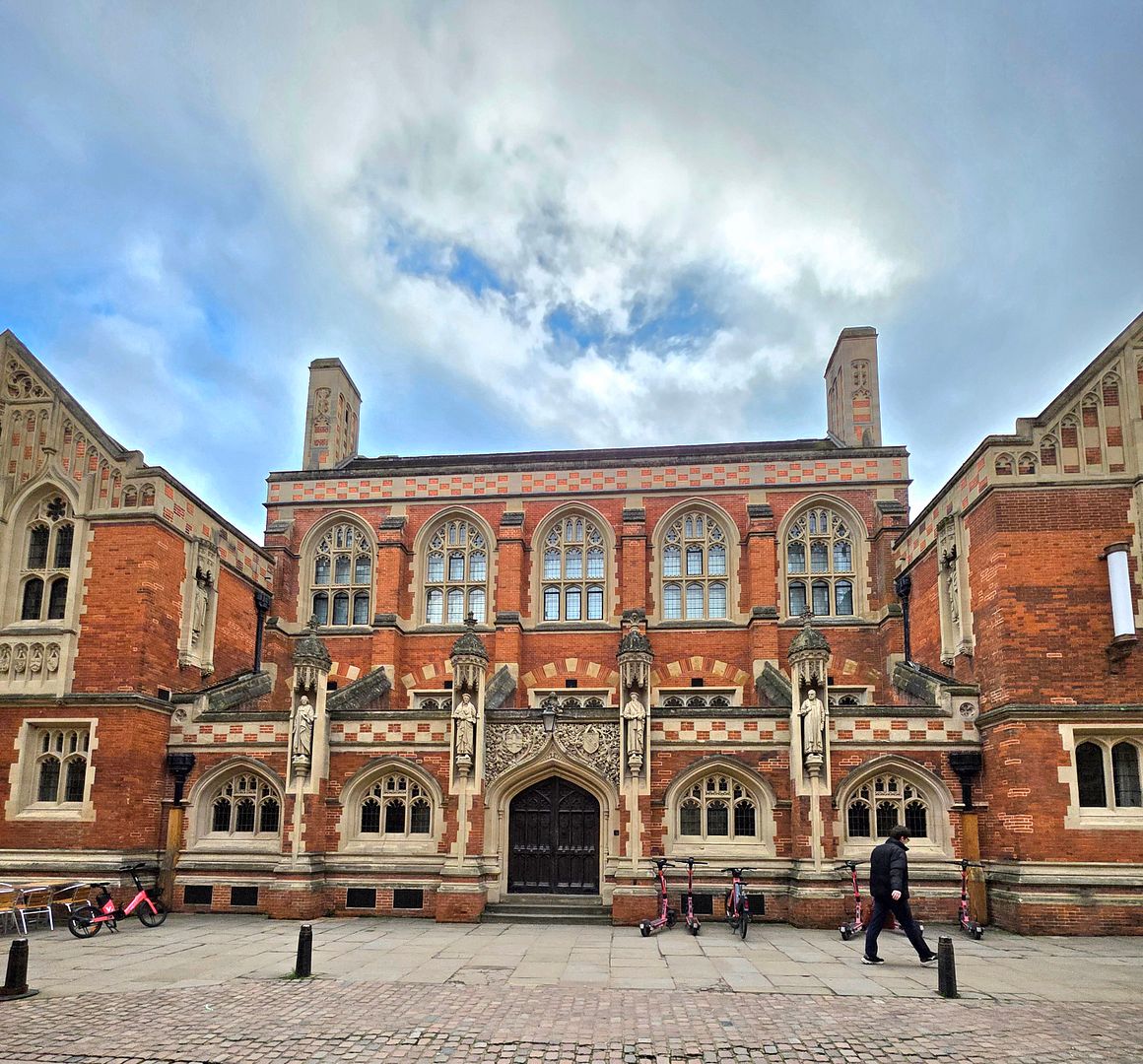
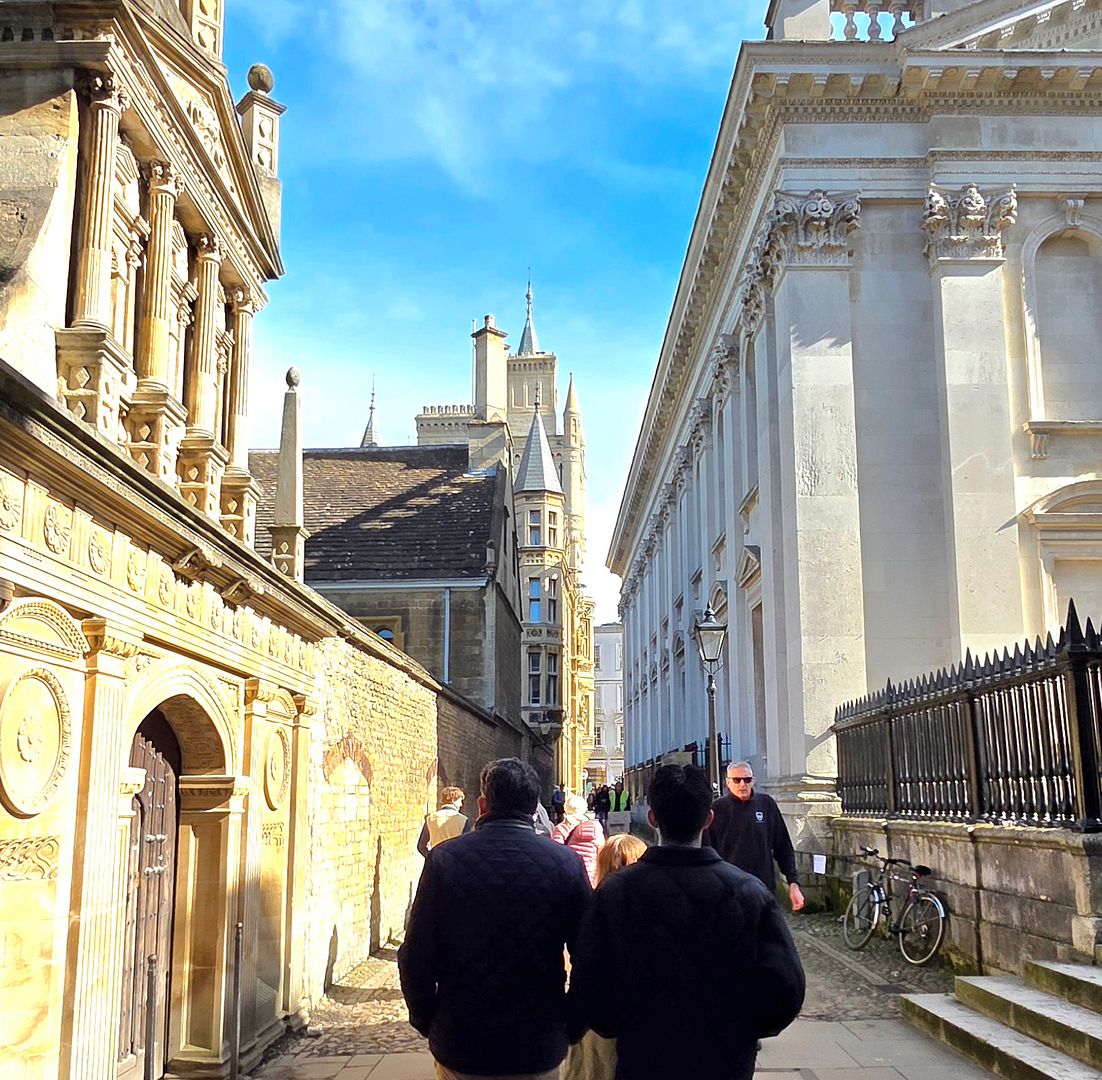
Working on the last few posts documenting our travels in Cambridge, England. Thursday the 12th of March we walked our feet off in between stops along the way. I booked a last minute morning tour of Trinity College for 10am to start off the sight seeing part of our day.
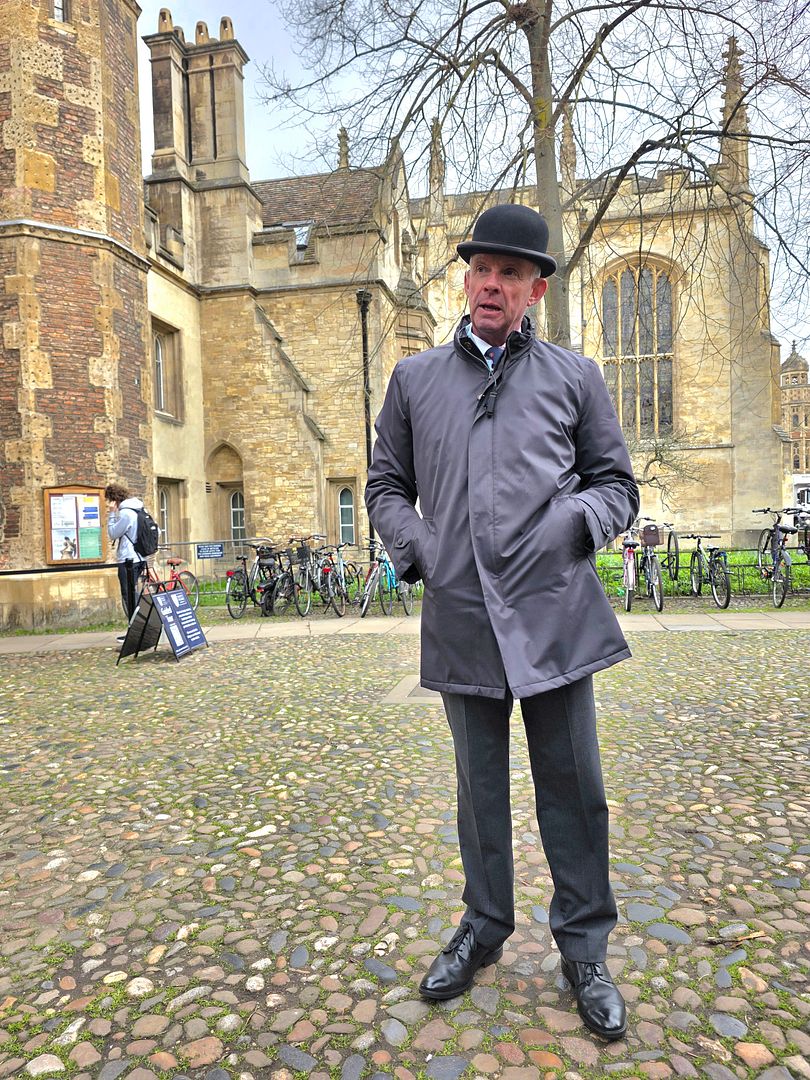
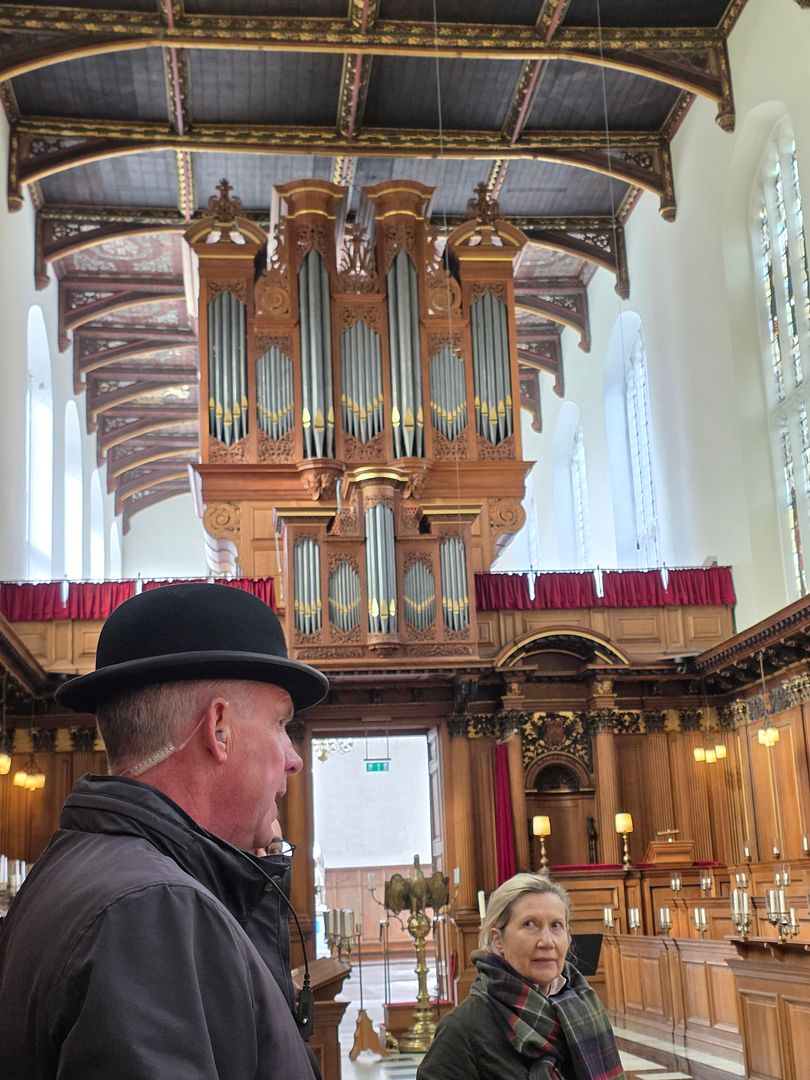
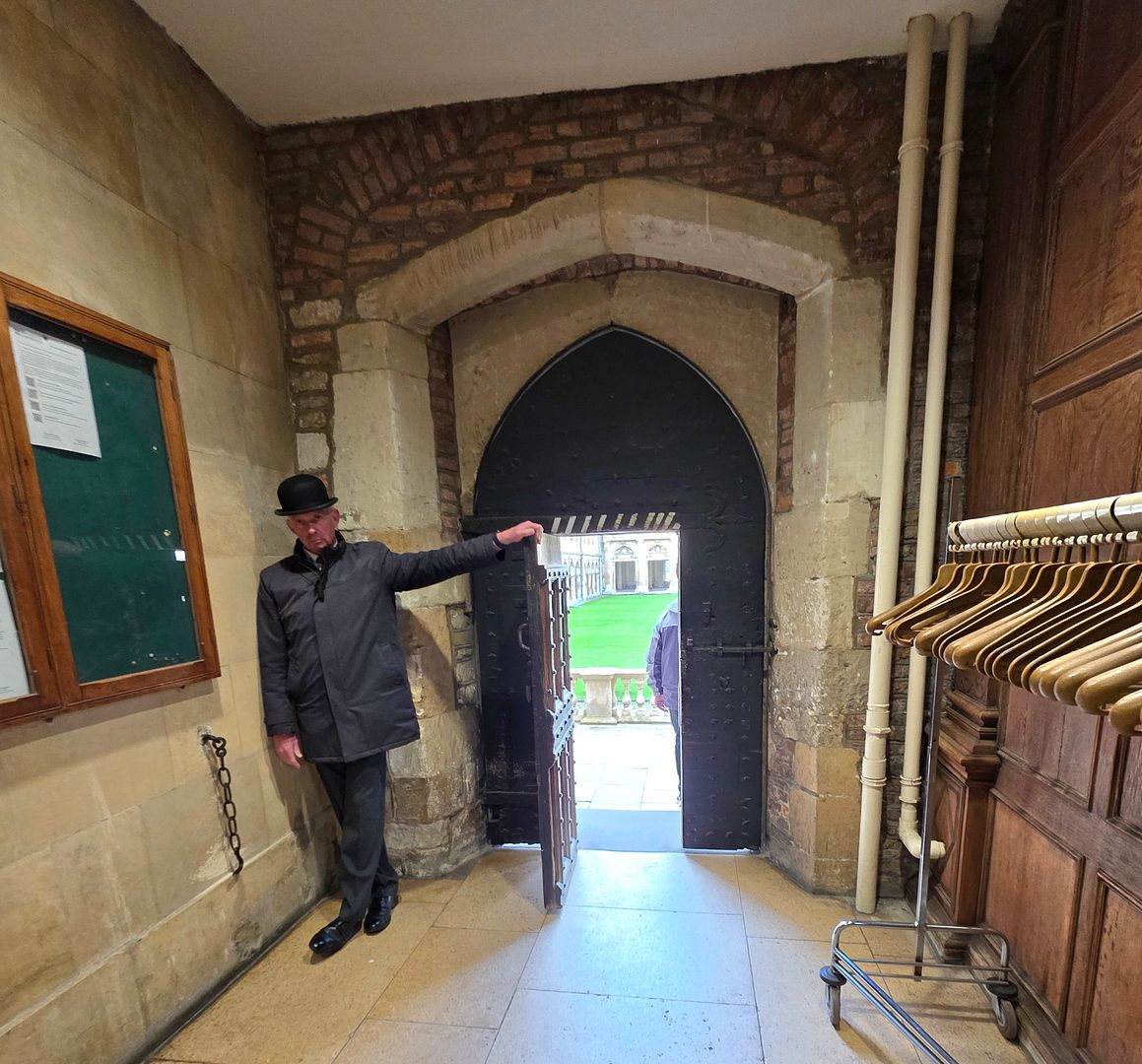
Our guide was a retired Porter of the college and he entertained us well.
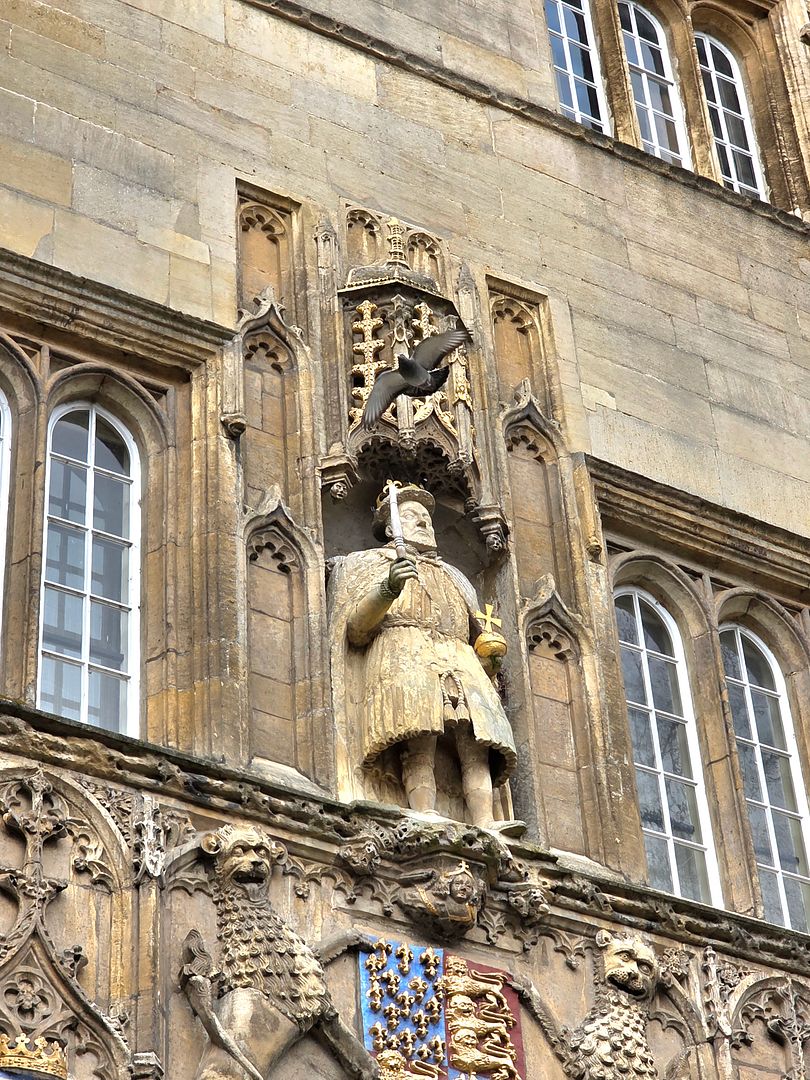
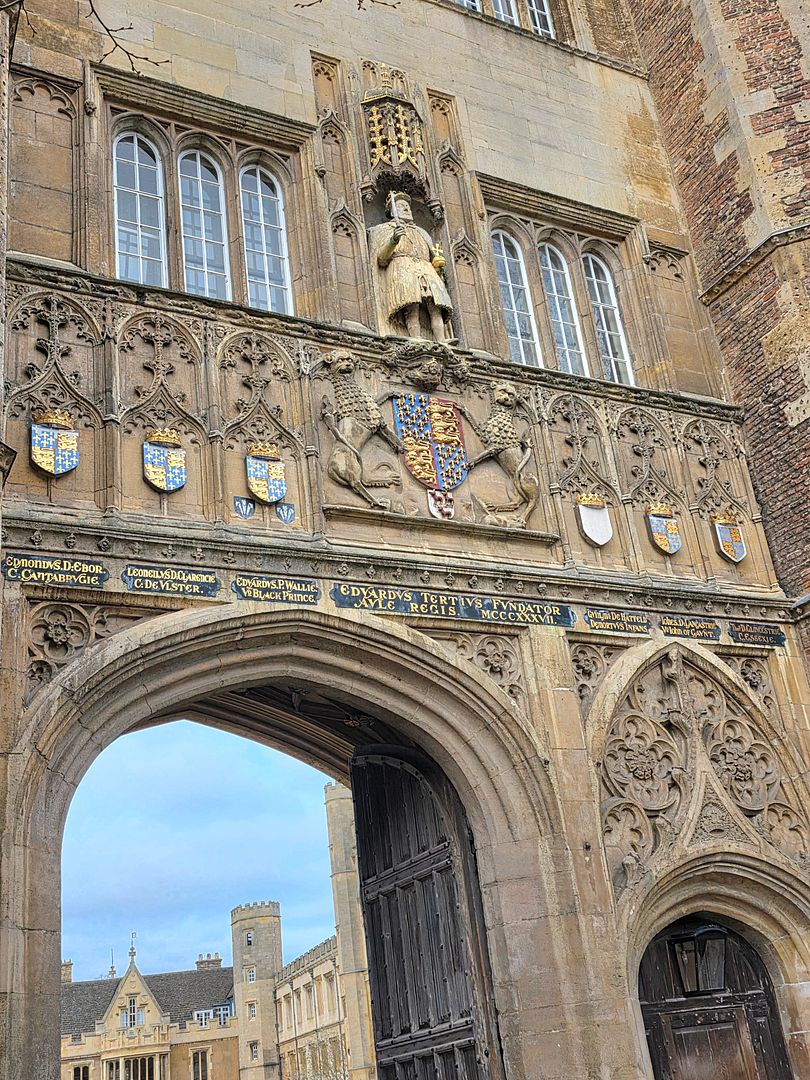
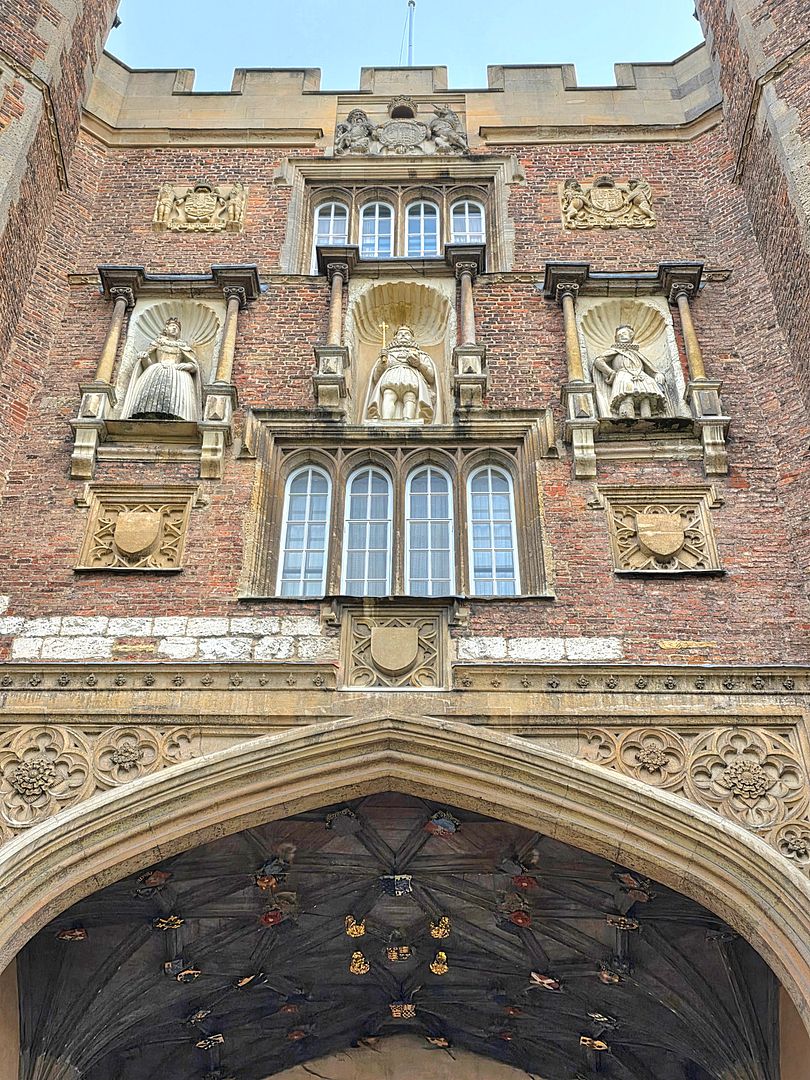
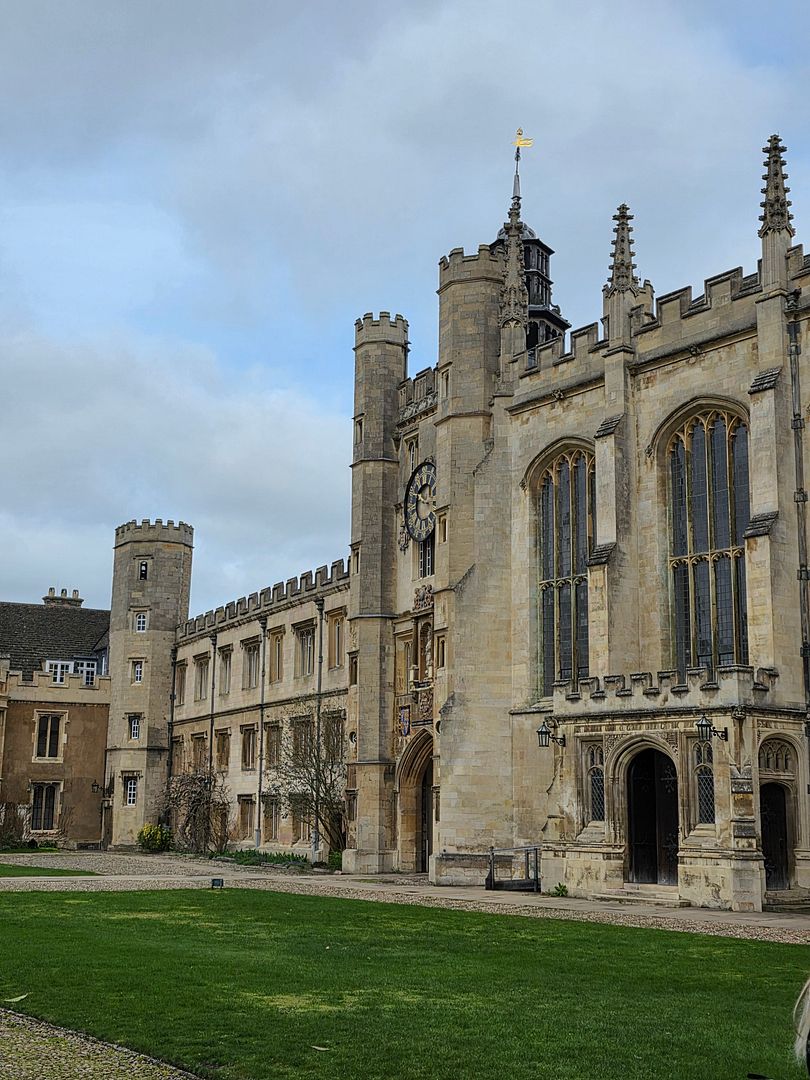
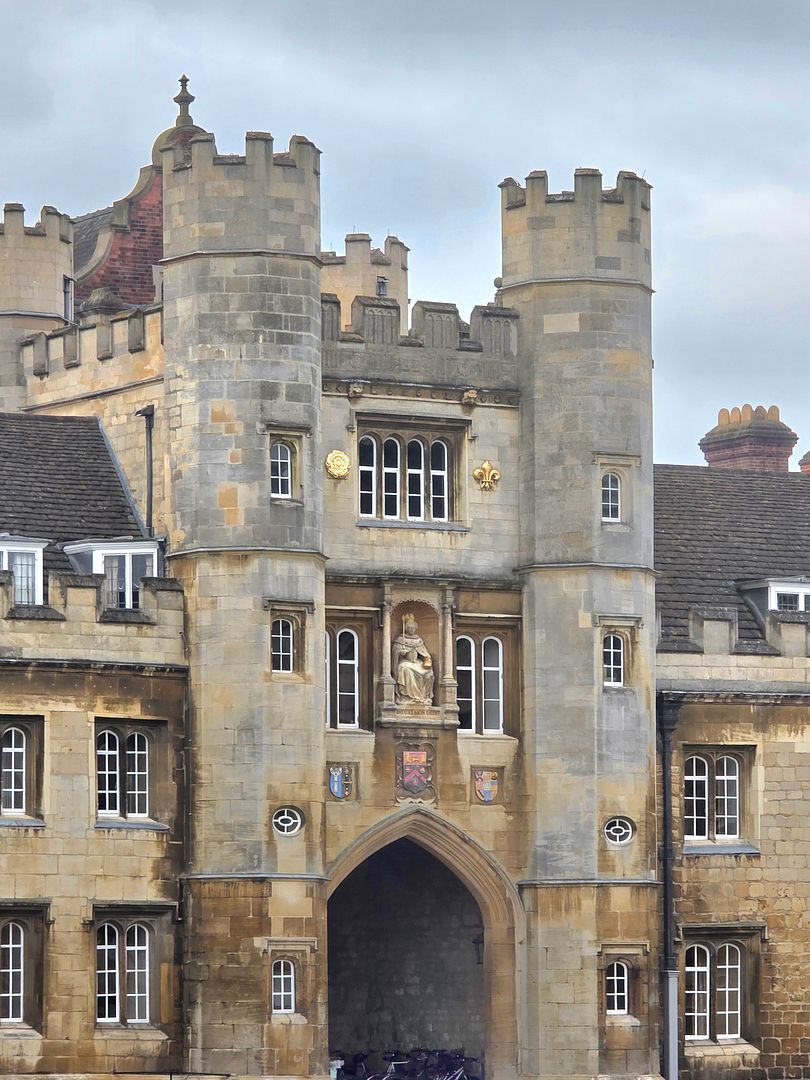
King Henry VIII founded the College in 1546 as one of the very last acts of his life.
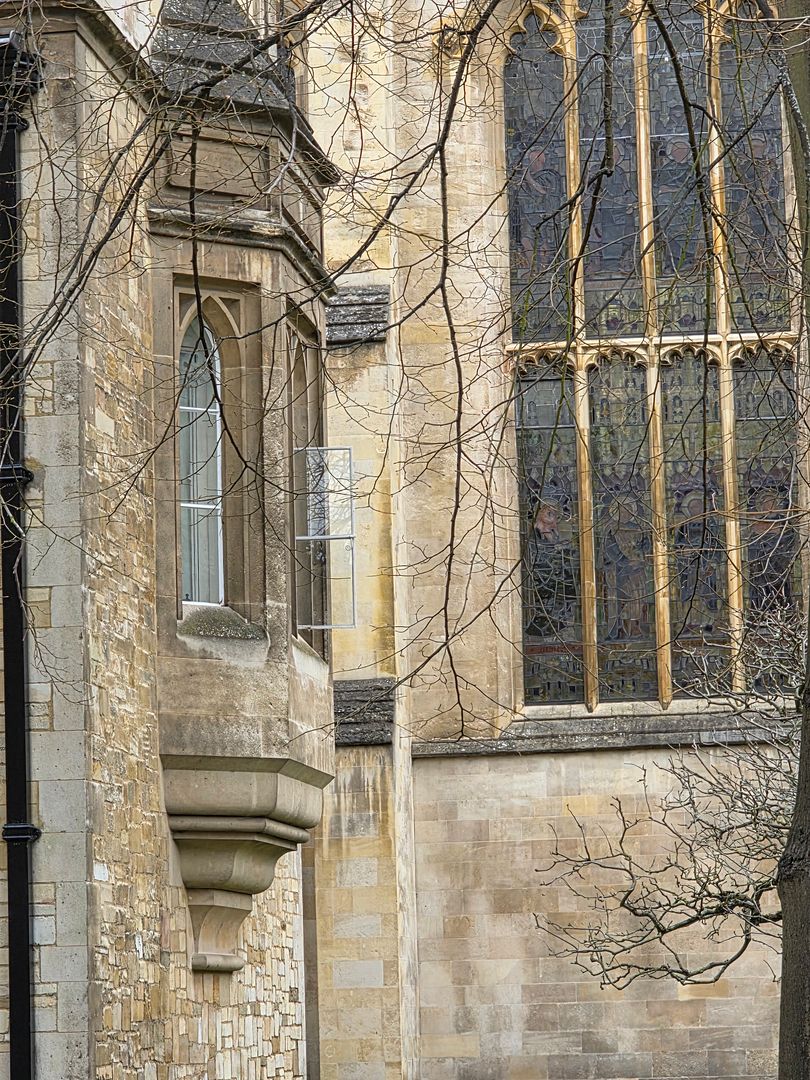
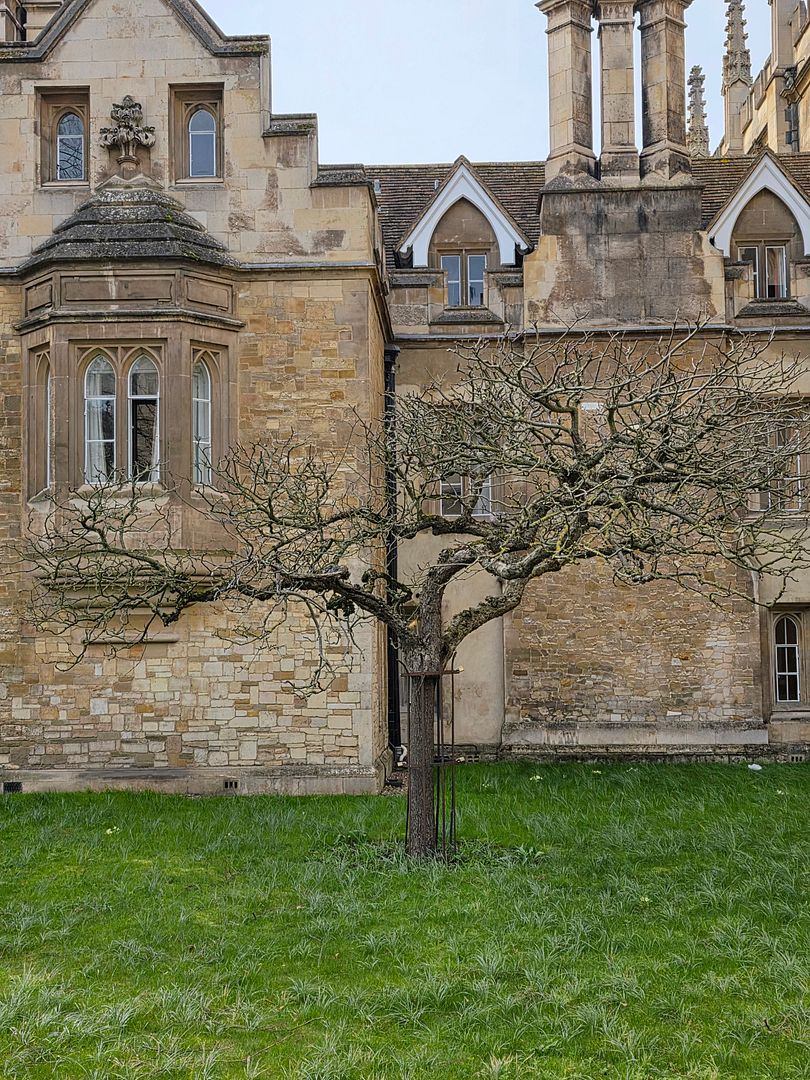
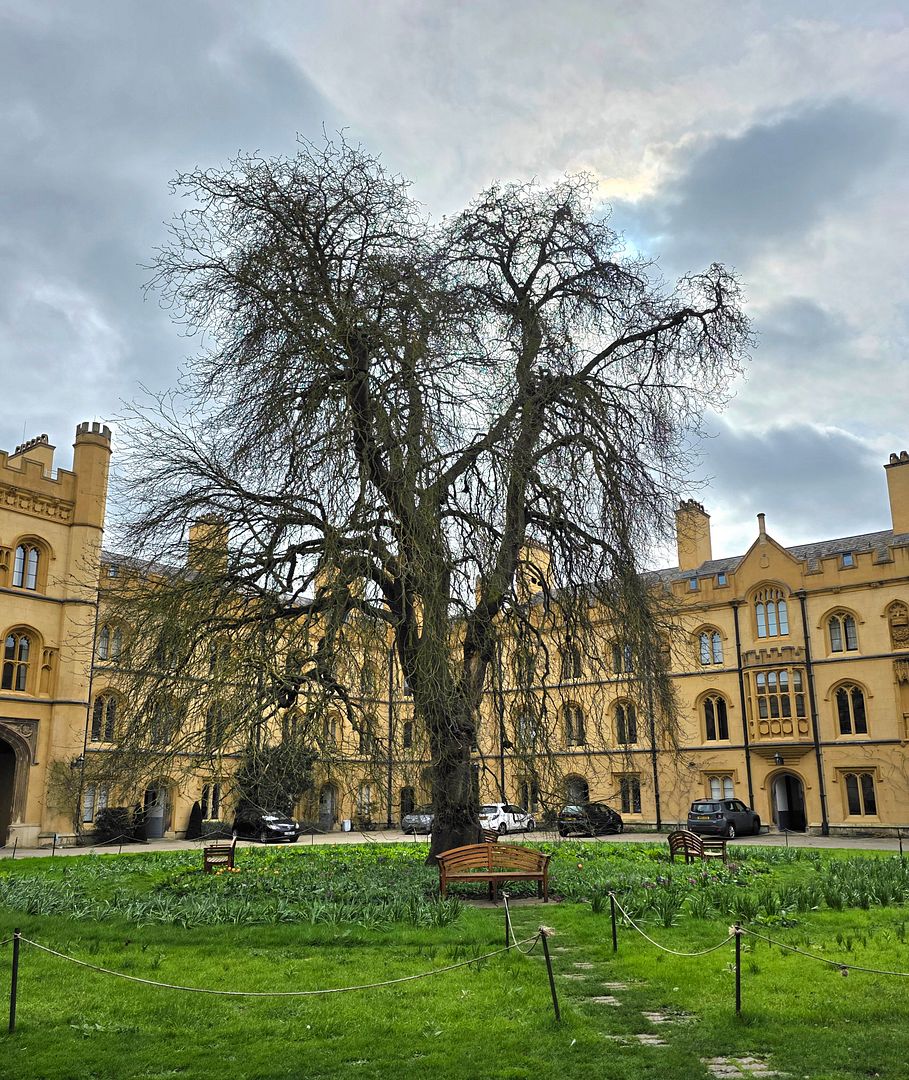
The open window is that of Isaac Newton’s Room while he attended Trinity.
The story of Isaac Newton and the falling apple is the famous legend behind his 1687 discovery of universal gravitation. While he wasn’t hit on the head as popular culture suggests, watching an apple fall prompted him to wonder why objects always fall straight to the ground, leading to his breakthrough. Above you’ll see the apple tree planted outside his room. Our guide said that this tree was grafted from the actual tree that led Newton to ponder the theory of gravity.
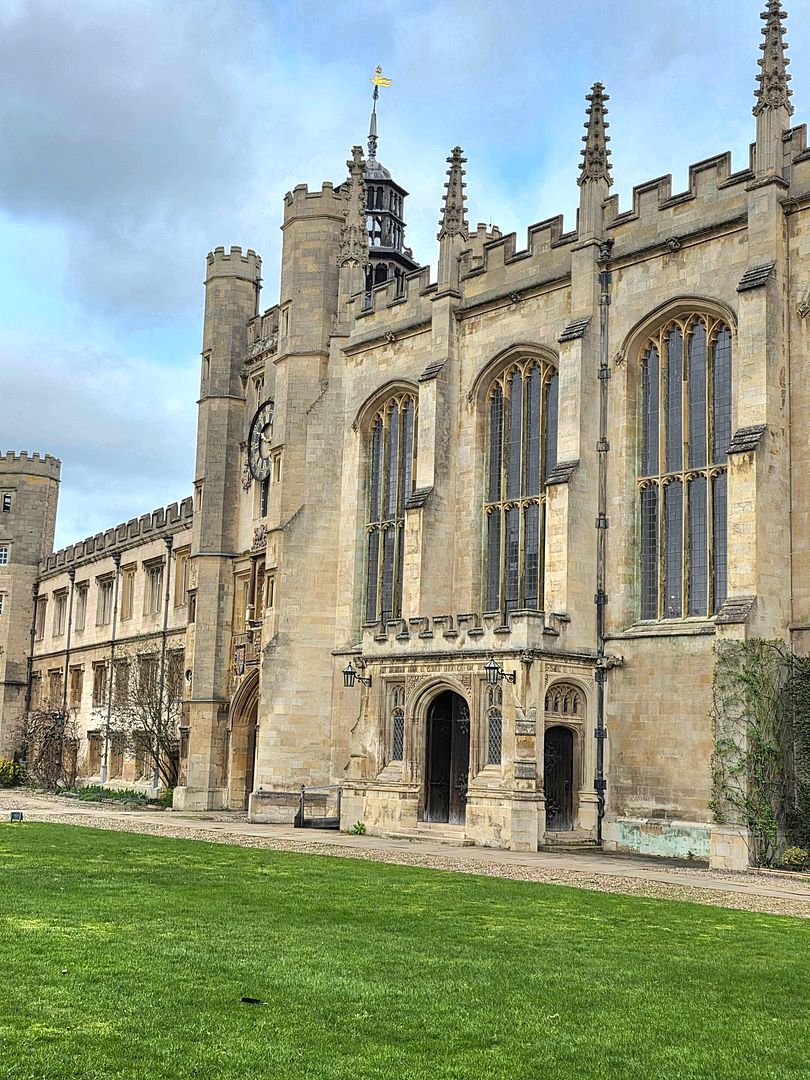
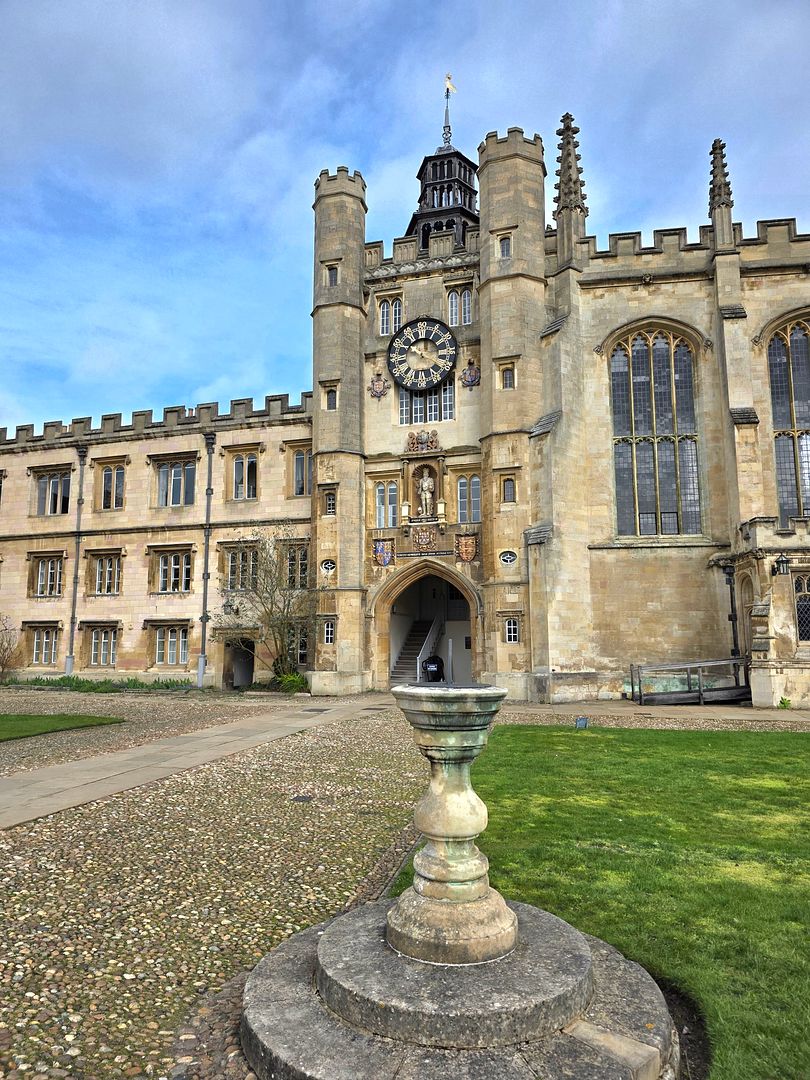
The Great Court features the iconic Clock Tower, where students attempt to run around the perimeter before the clock finishes striking 12 in the famous “Trinity Clock Challenge.”
If any of you have watched the movie, “Chariots of Fire”, you’ll remember the great court run, although a central theme it was not actually filmed at Trinity.
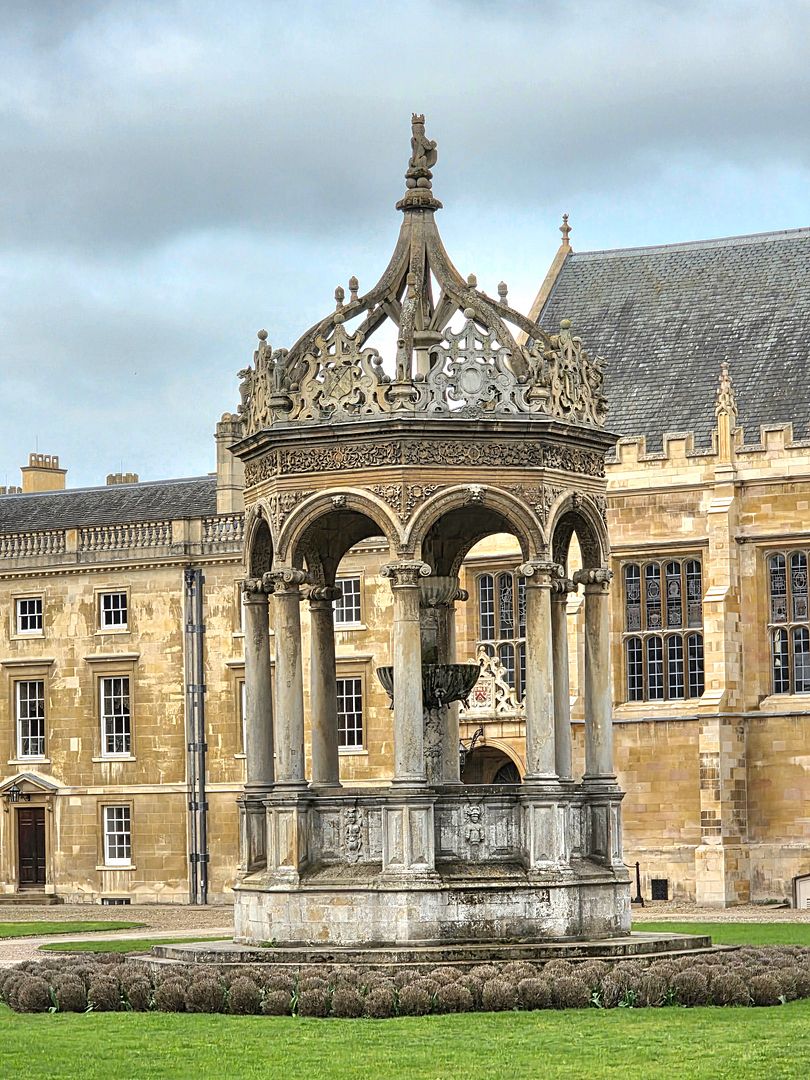
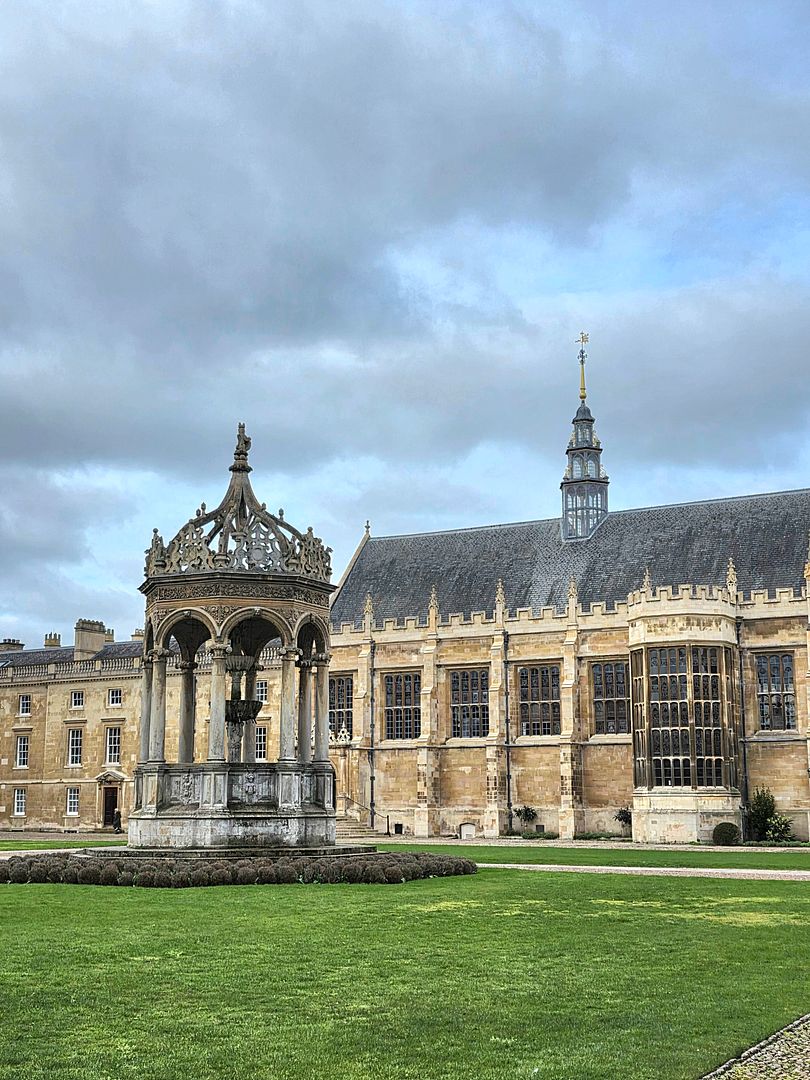
The College’s Great Court is famously the largest enclosed courtyard in Europe.
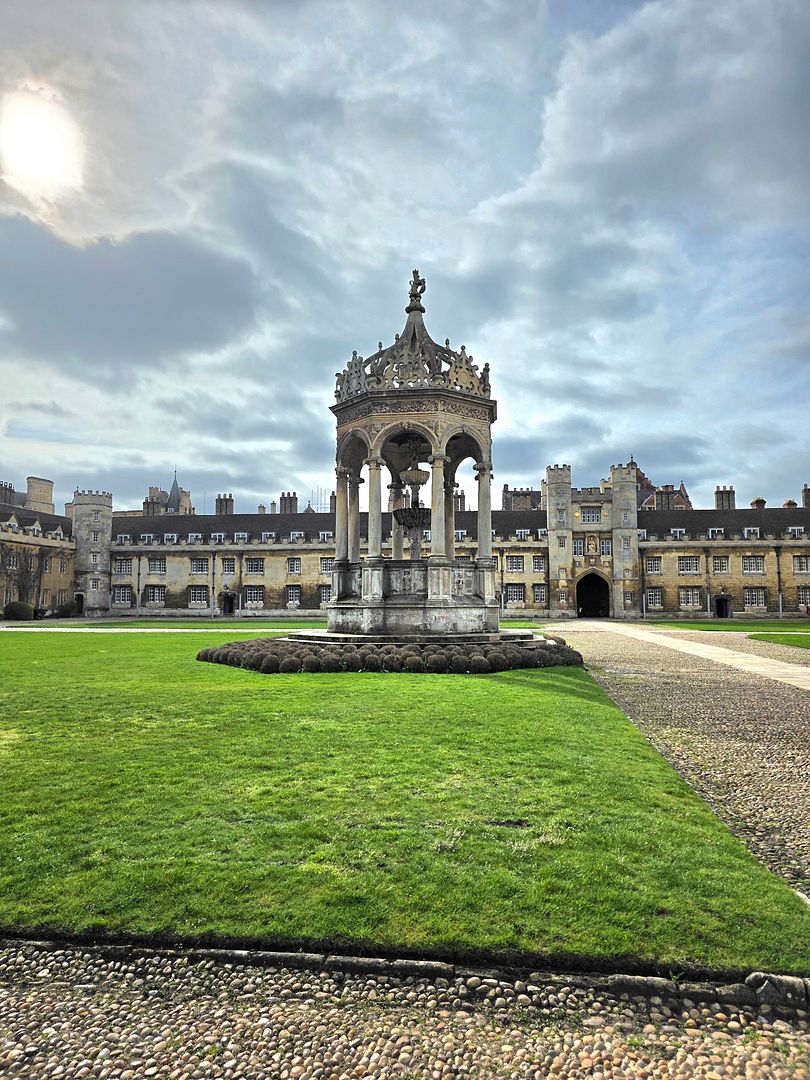
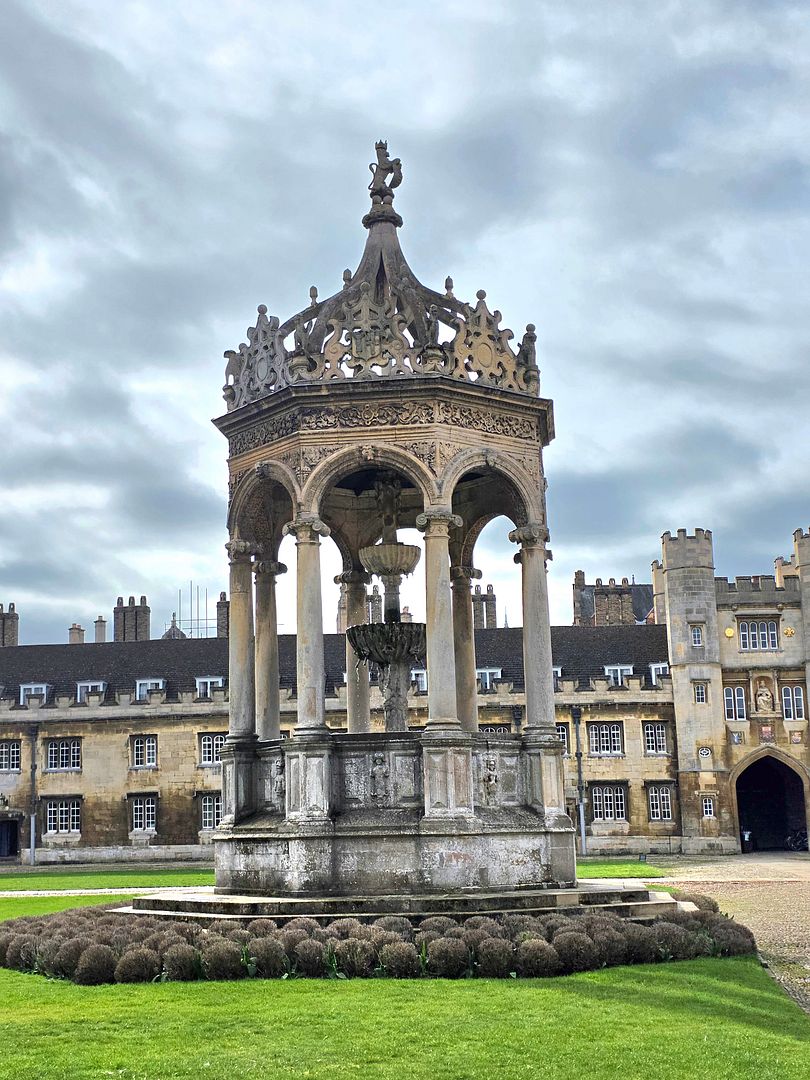
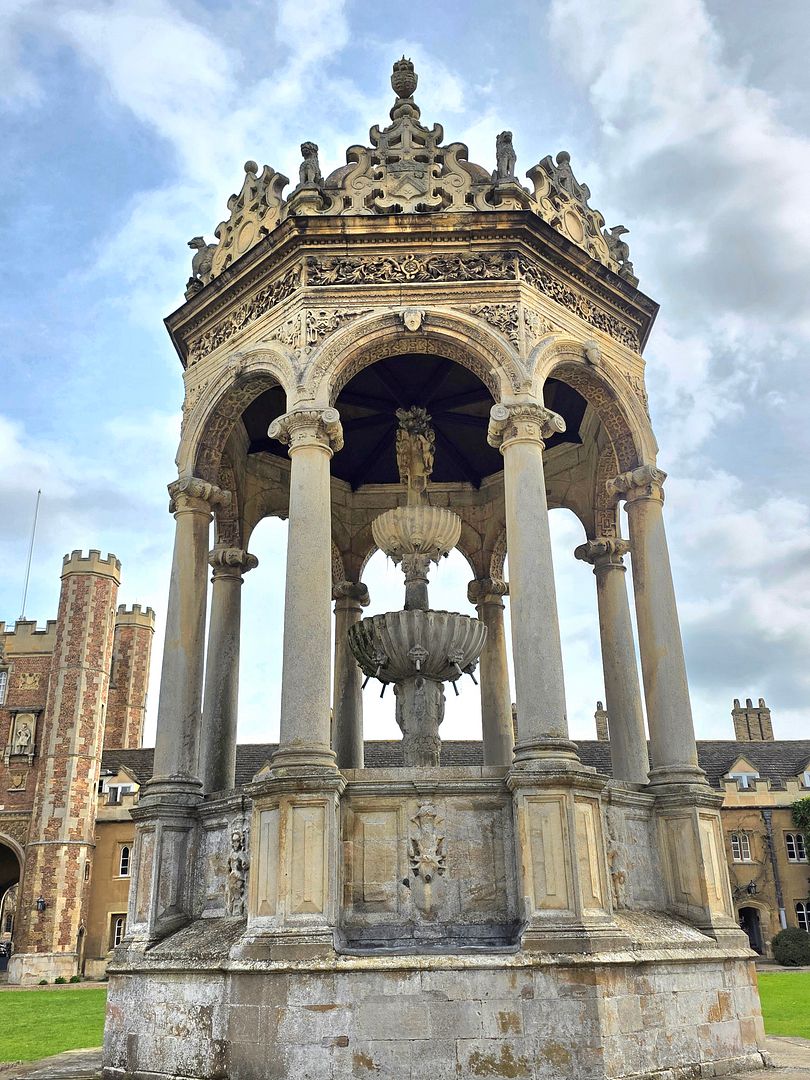
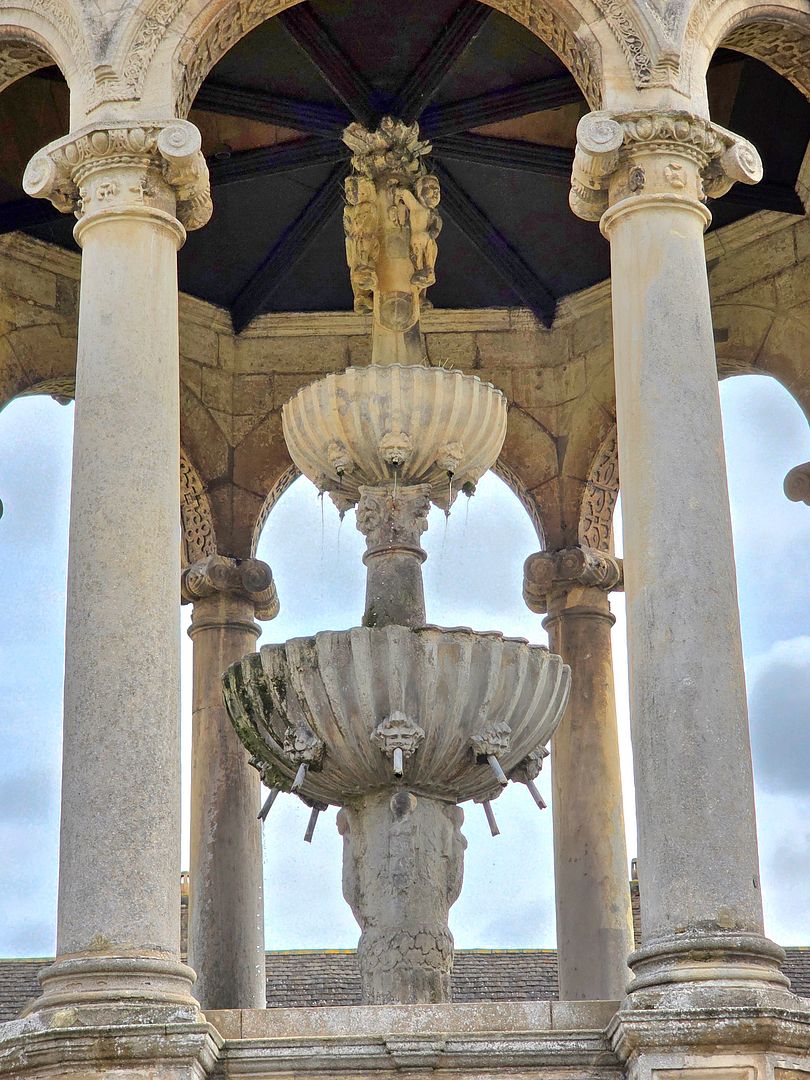
The Renaissance-style fountain in the center of Trinity College’s Great Court was first erected in 1602 and rebuilt in its original design in 1715. Historically supplied by a Franciscan monk conduit built in 1325, the landmark is famous for acting as a washing area for early students.
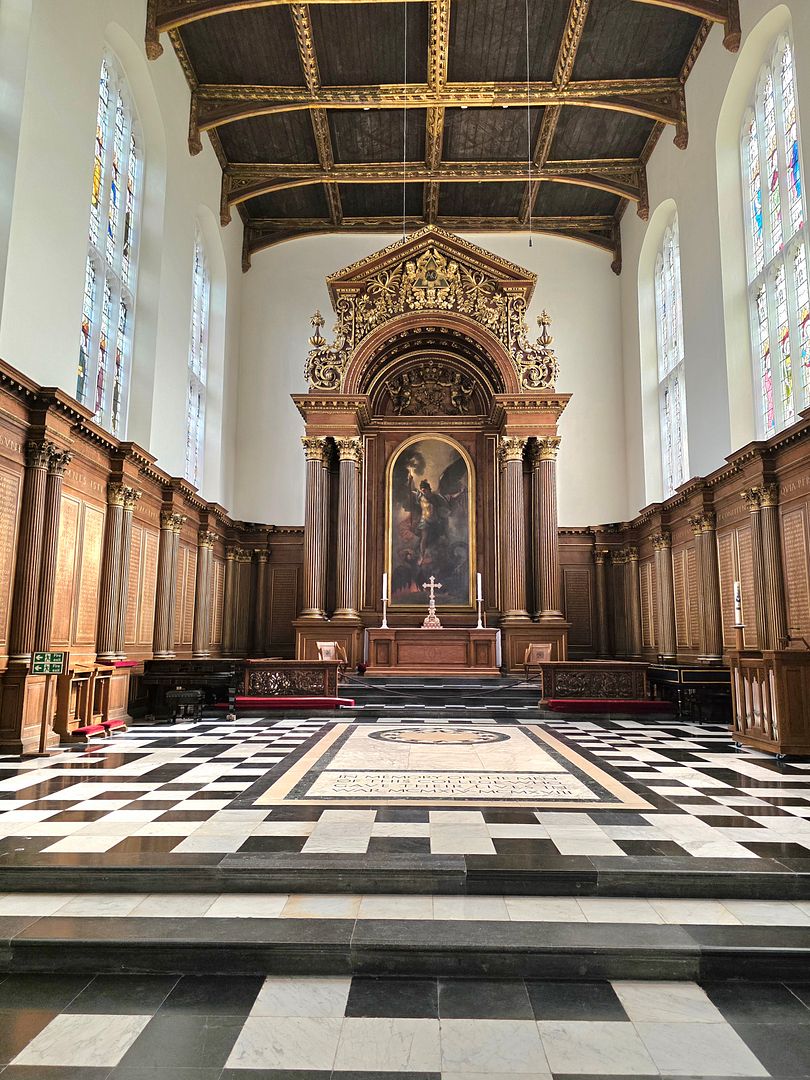
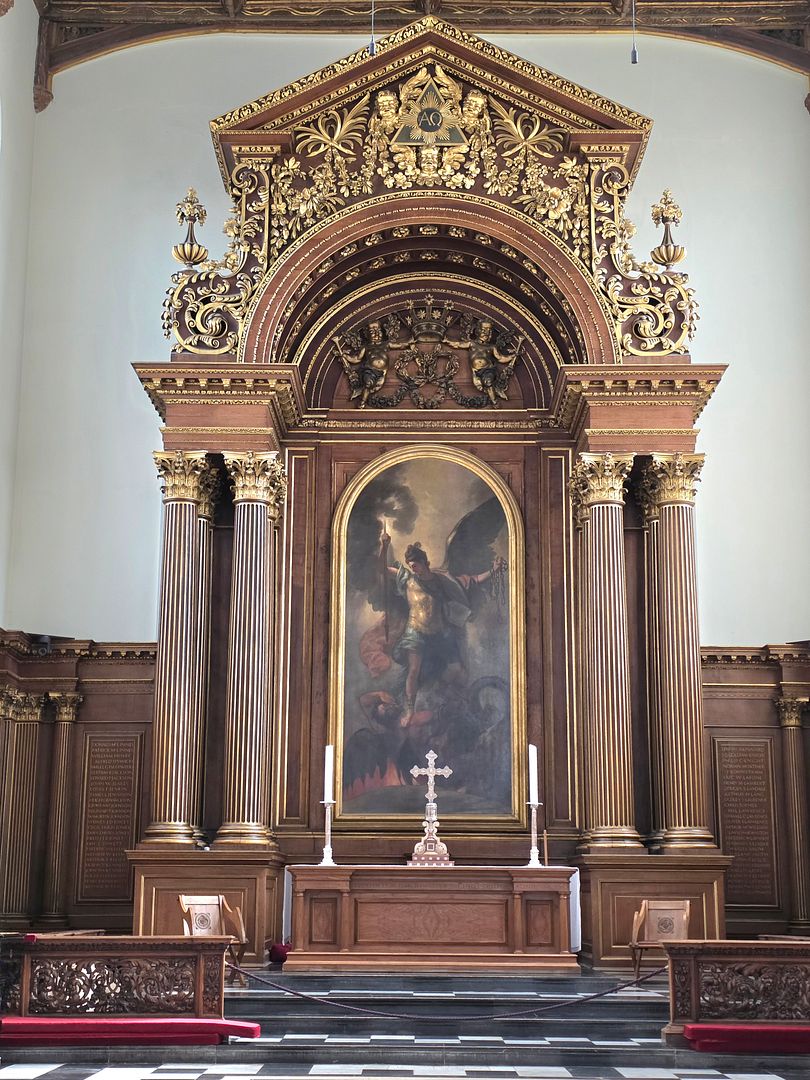
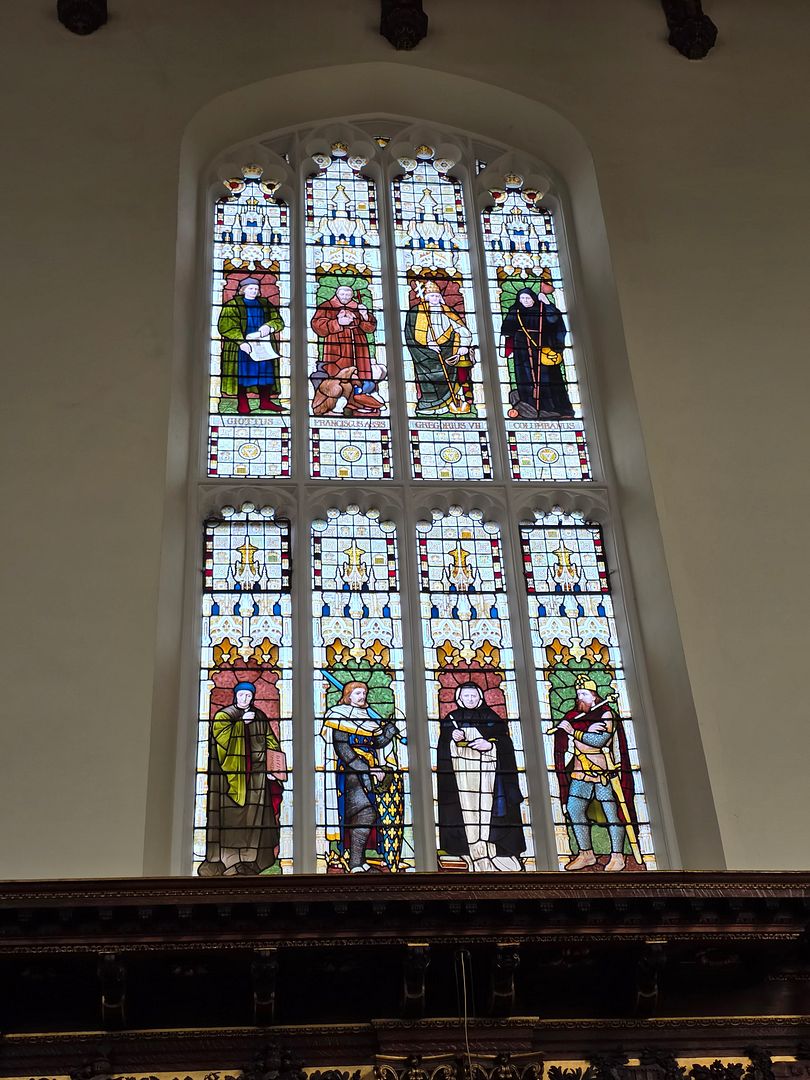
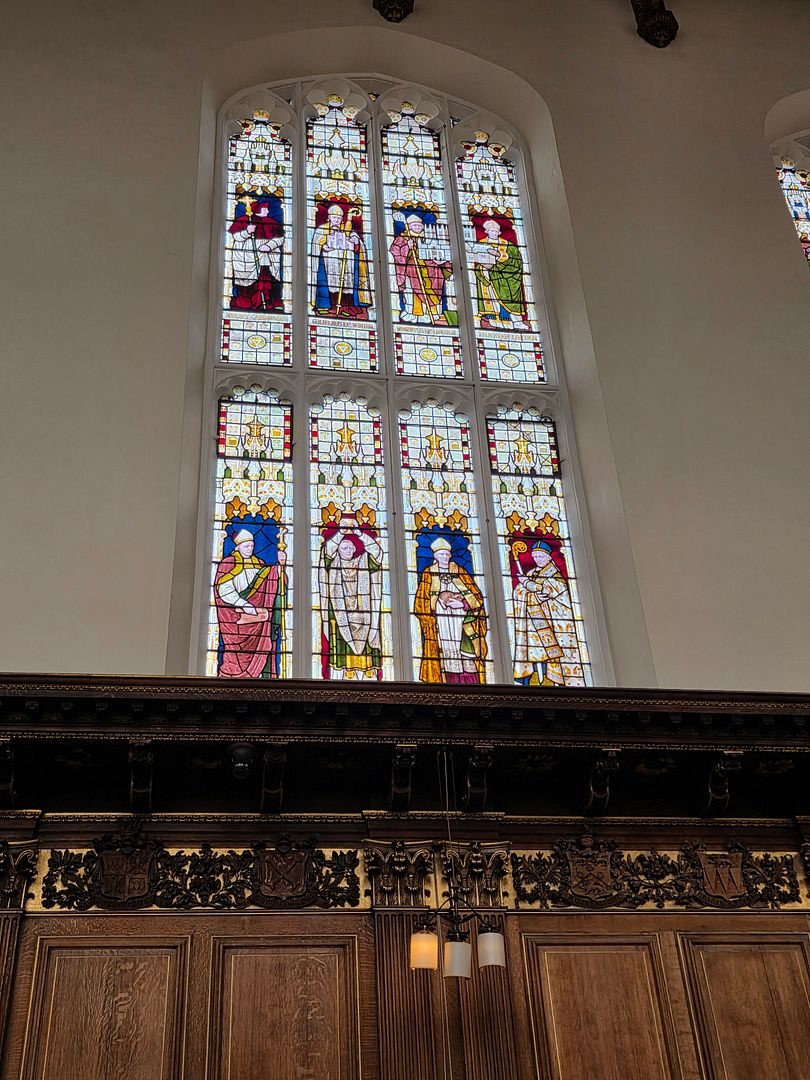
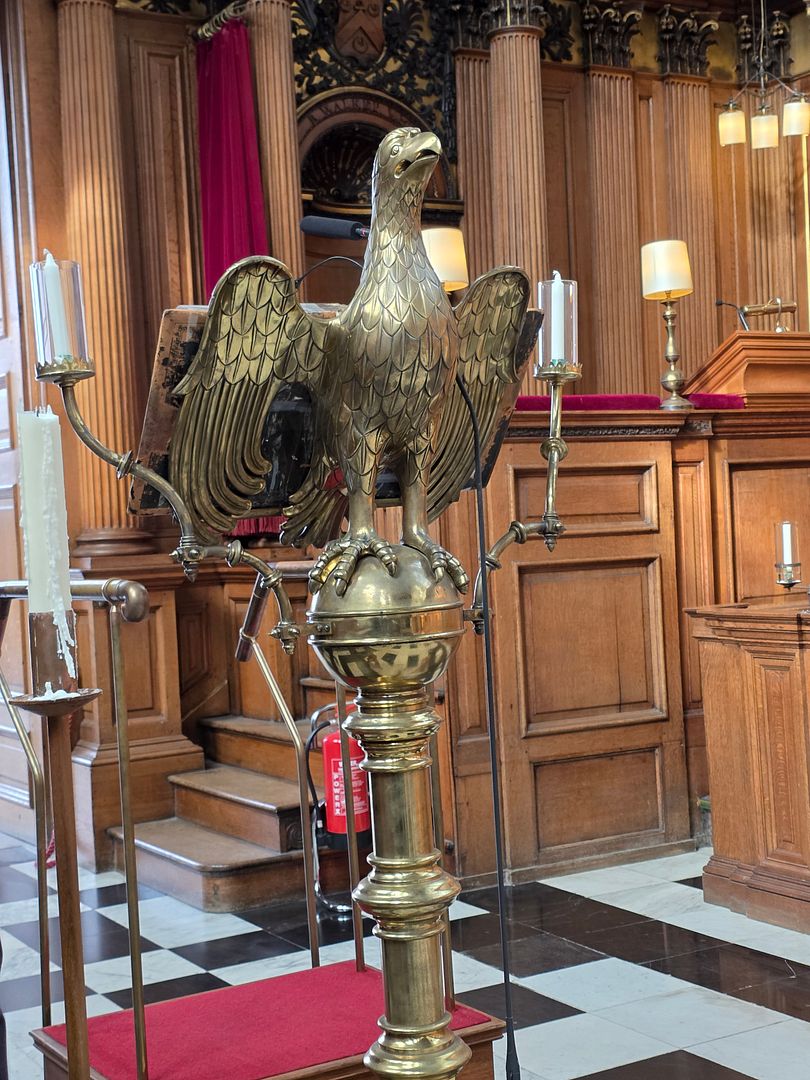
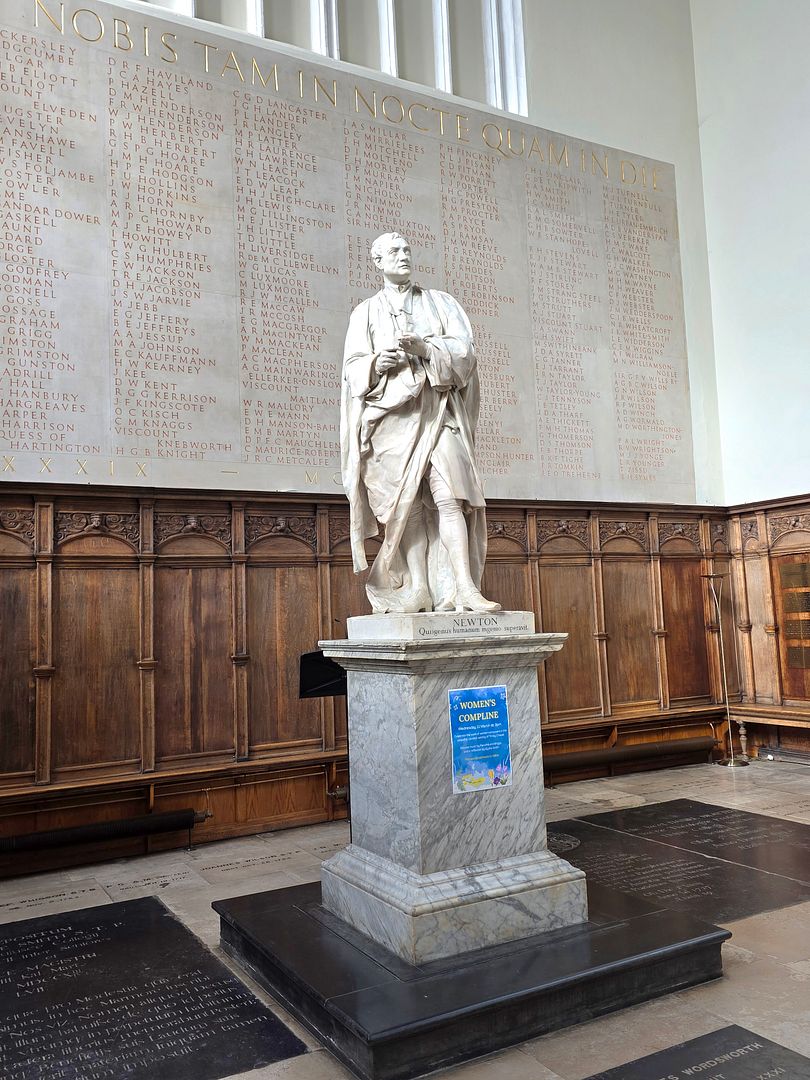
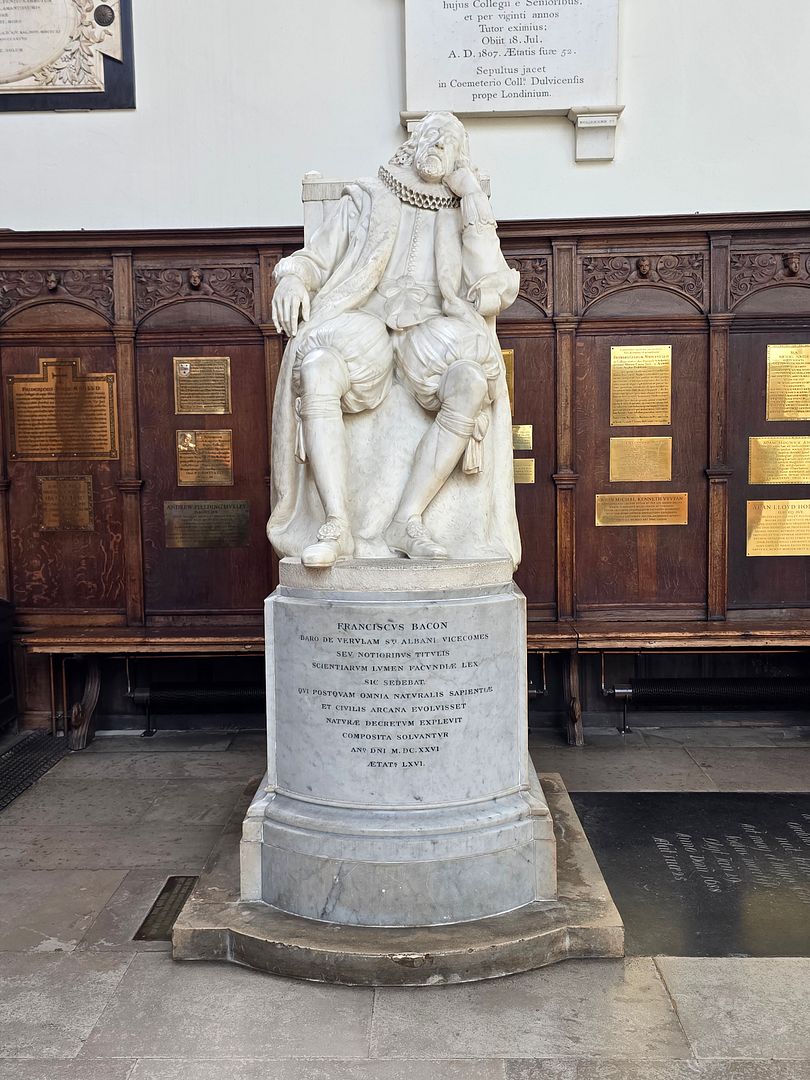
Overall, this chapel seemed to me, more a tribute to man than God.
The famous oil painting located behind the altar in the Trinity College Chapel at the University of Cambridge is St Michael binding Satan, painted in 1768 by the prominent Anglo-American artist Benjamin West.
King Charles III studied at Trinity from 1967-1970 and became the first heir apparent to earn a university degree when he graduated in 1970. Trinity College, Cambridge, has produced about 34 Nobel laureates, the highest number of any Oxford or Cambridge college.
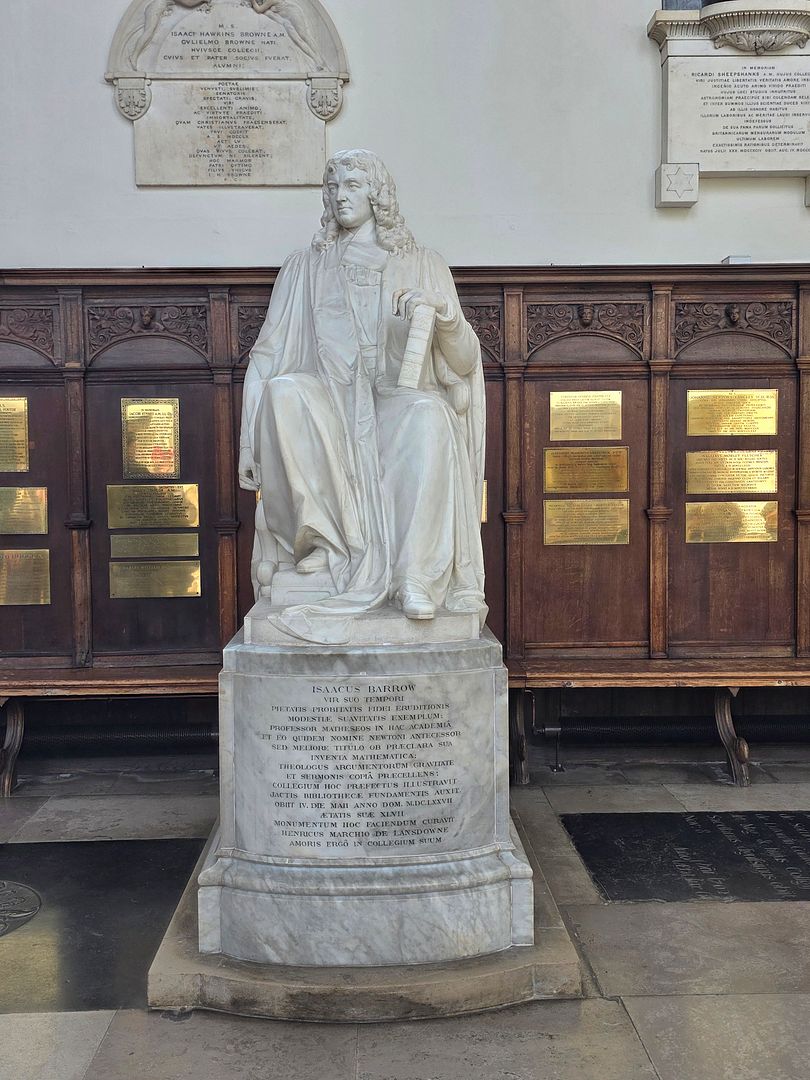
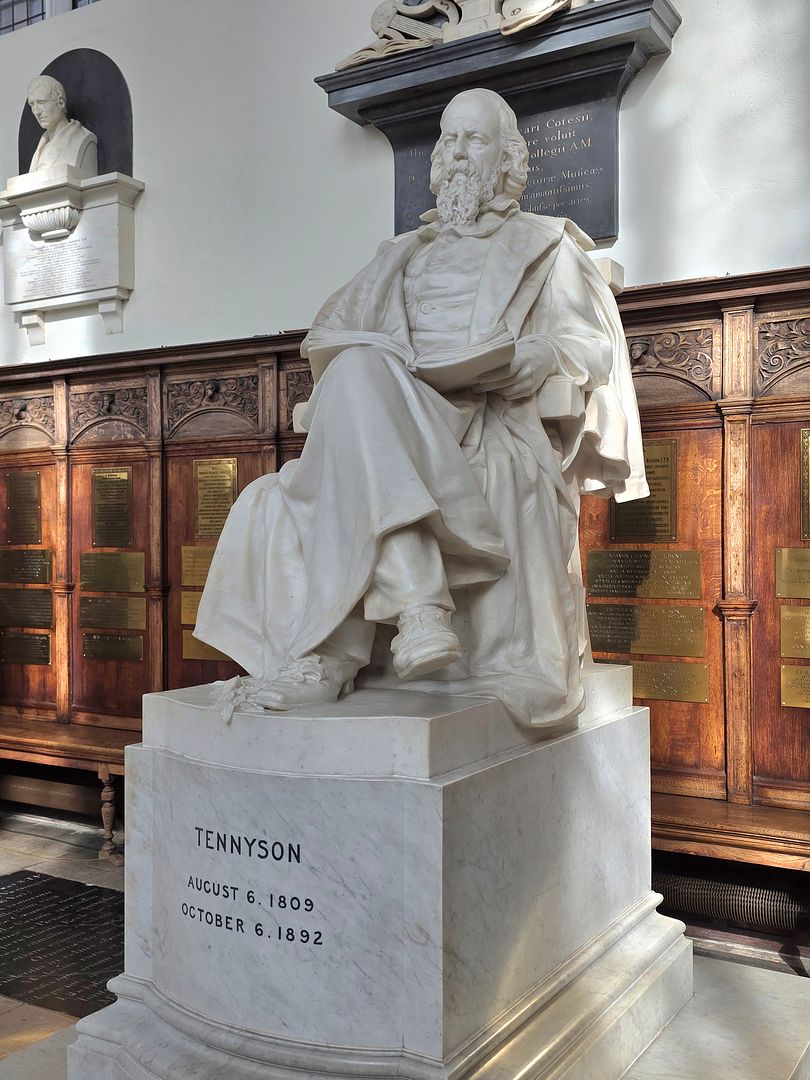
Trinity was the academic home to Sir Isaac Newton, who lived and worked there for decades, as well as legendary figures like Francis Bacon, Bertrand Russell, and Tennyson.
One of my favorites from Tennyson’s Idylls of the King, King Arthur, on his deathbed voices to his friend some profound thoughts on prayer;
” Pray for my soul. More things are wrought by prayer
Than this world dreams of. Wherefore, let thy voice
Rise like a fountain for me night and day.
For what are men better than sheep or goats
That nourish a blind life within the brain,
If, knowing God, they lift not hands of prayer
Both for themselves and those who call them friend?
For so the whole round earth is every way
Bound by gold chains about the feet of God.”
I’ve come to learn that Trinity had a scholar that I would most be honored to know, Thomas Bilney.
Thomas Bilney first found forgiveness through a translation of the Bible done by Erasmus. As Thomas grew in faith, he studied the writings of William Tyndale, and Thomas spoke out every chance he got—He preached that every man had a right to read the Scriptures in his own language. In 1531, Thomas was burned at the stake.
I learn as much as I can before we travel to a new part of the world. It is more of a general overview with thoughts about what we should see and do. Once we visit the sights and we come home, I learn even more while working on our Travel Journal.
There is always more to learn about any given college or historical site but this is all I’m sharing today. I was happy to have had this tour to start out our day of this and that in Cambridge.
Thank you for traveling along with us as I journal our traveling days.
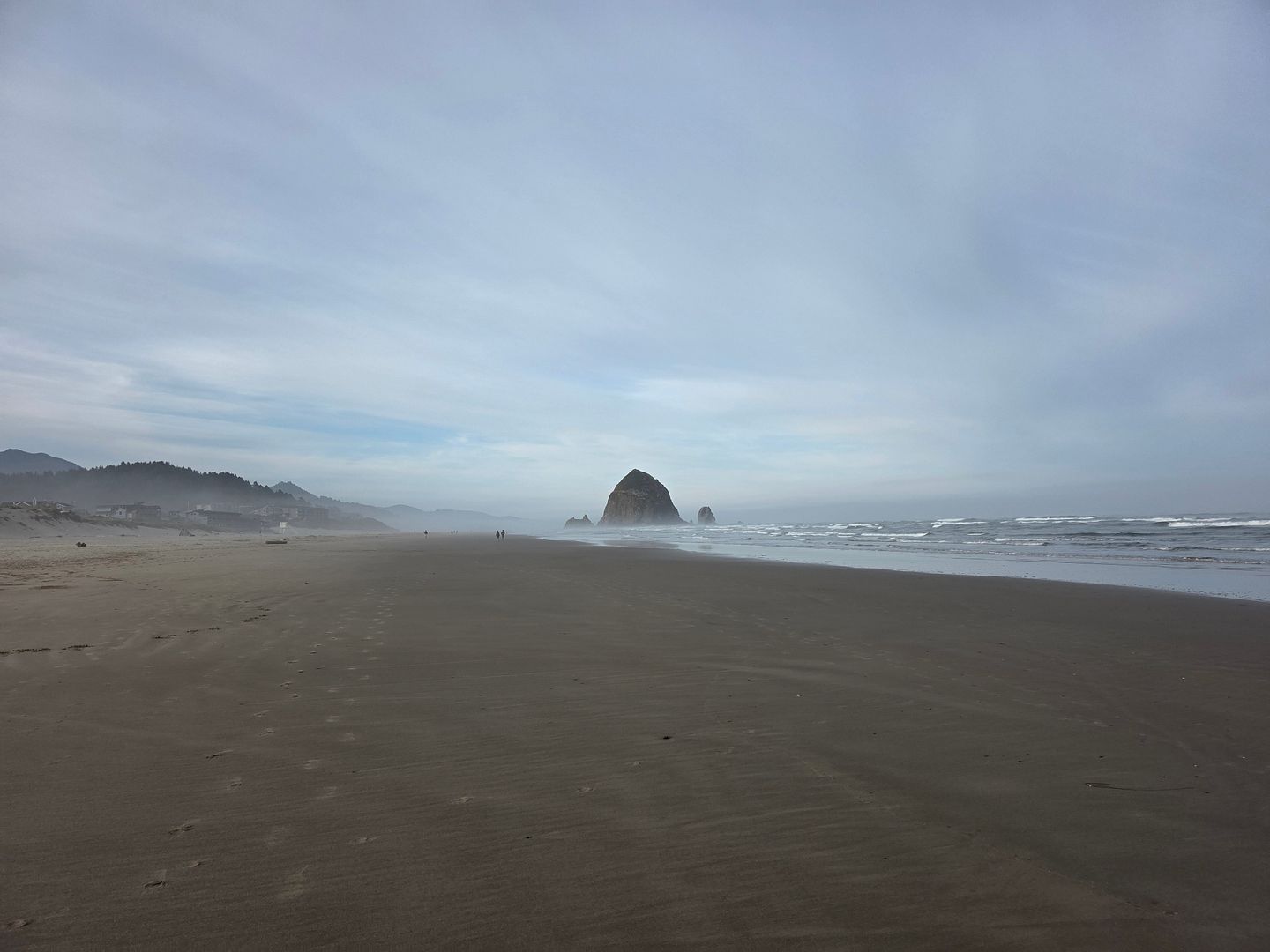
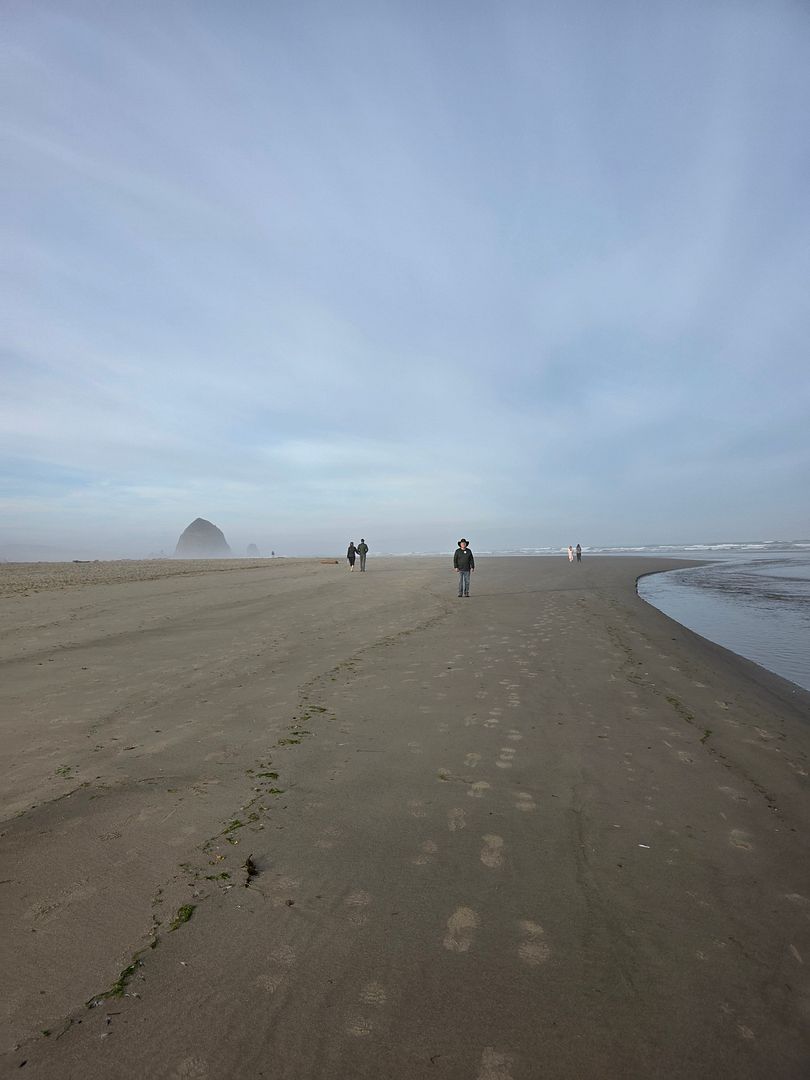
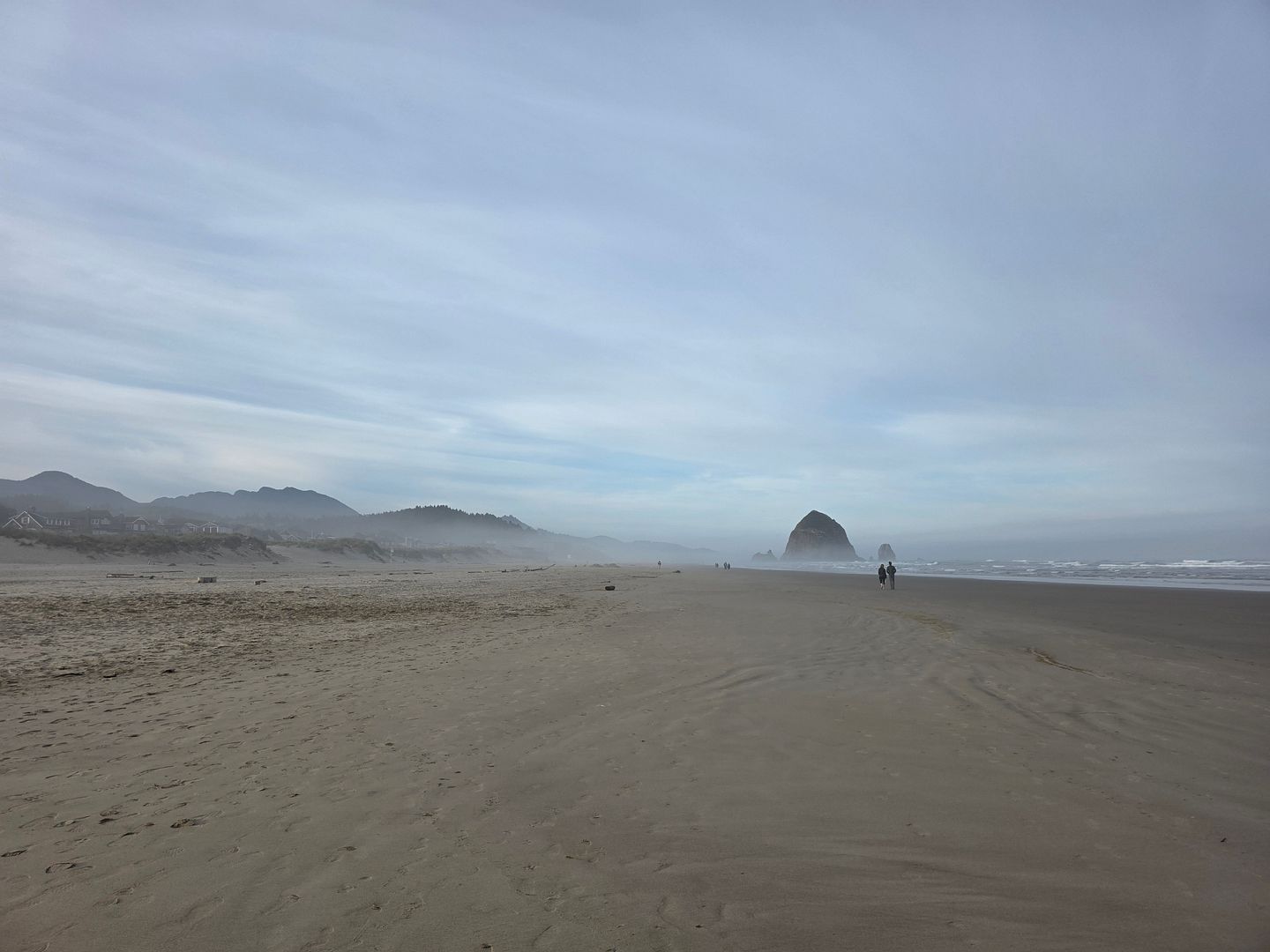
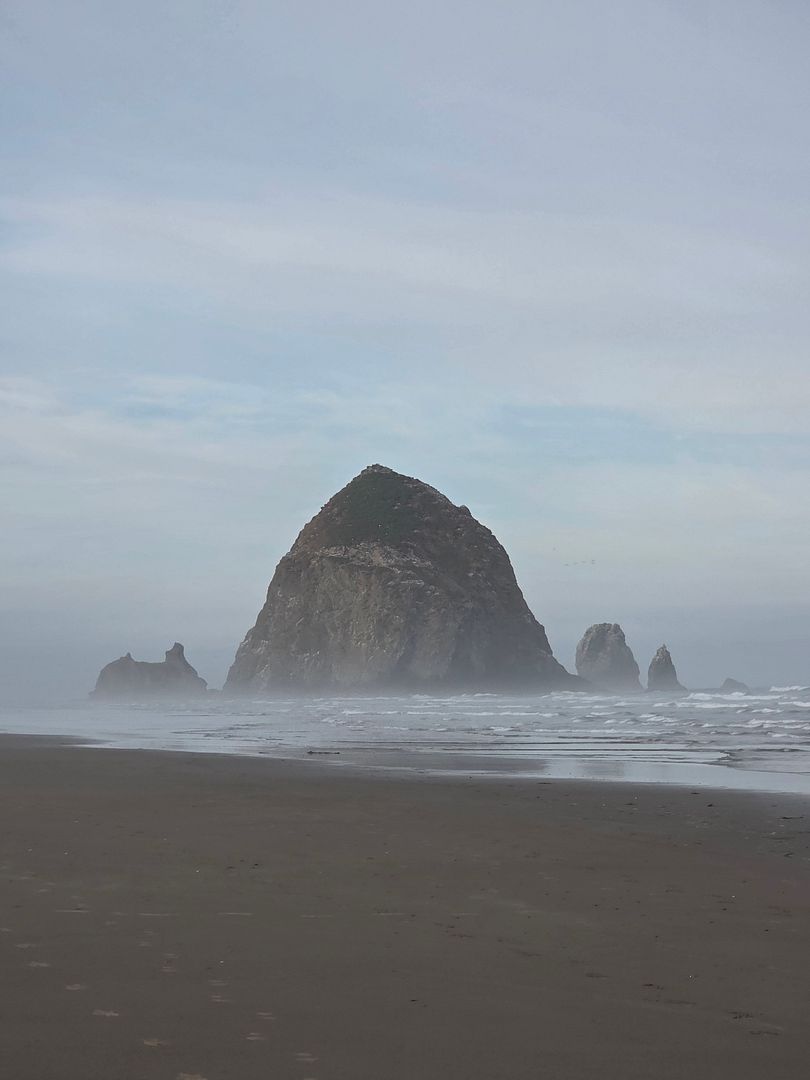
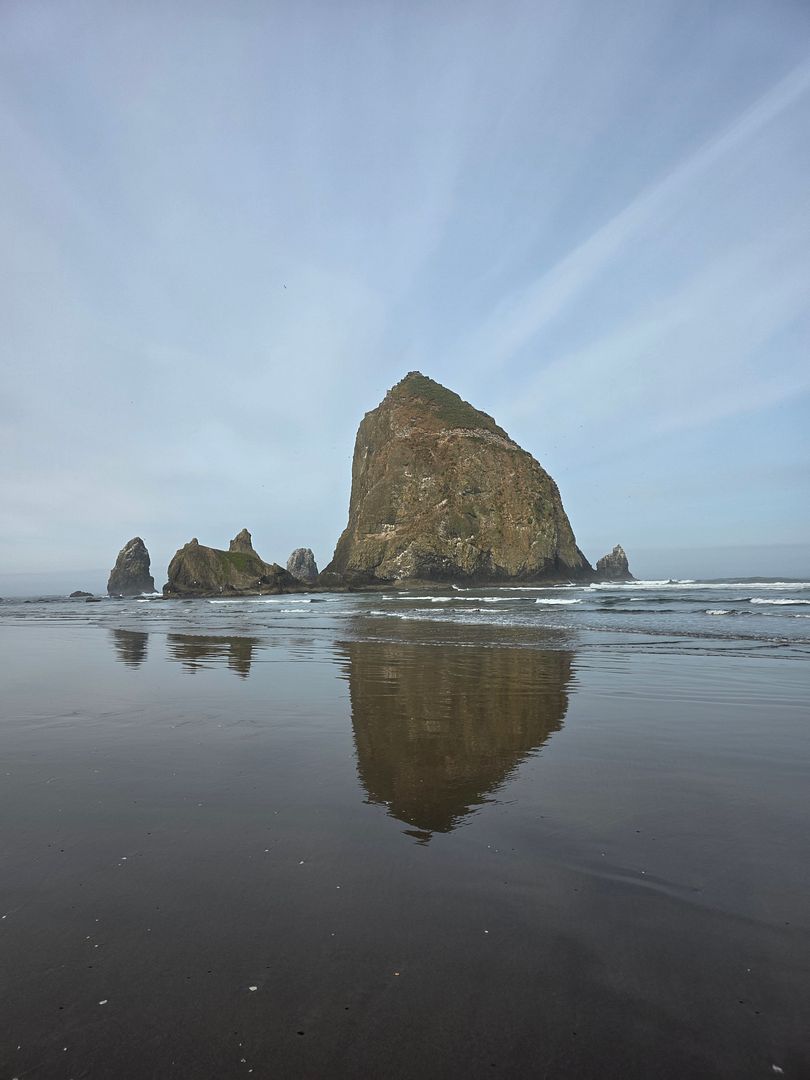
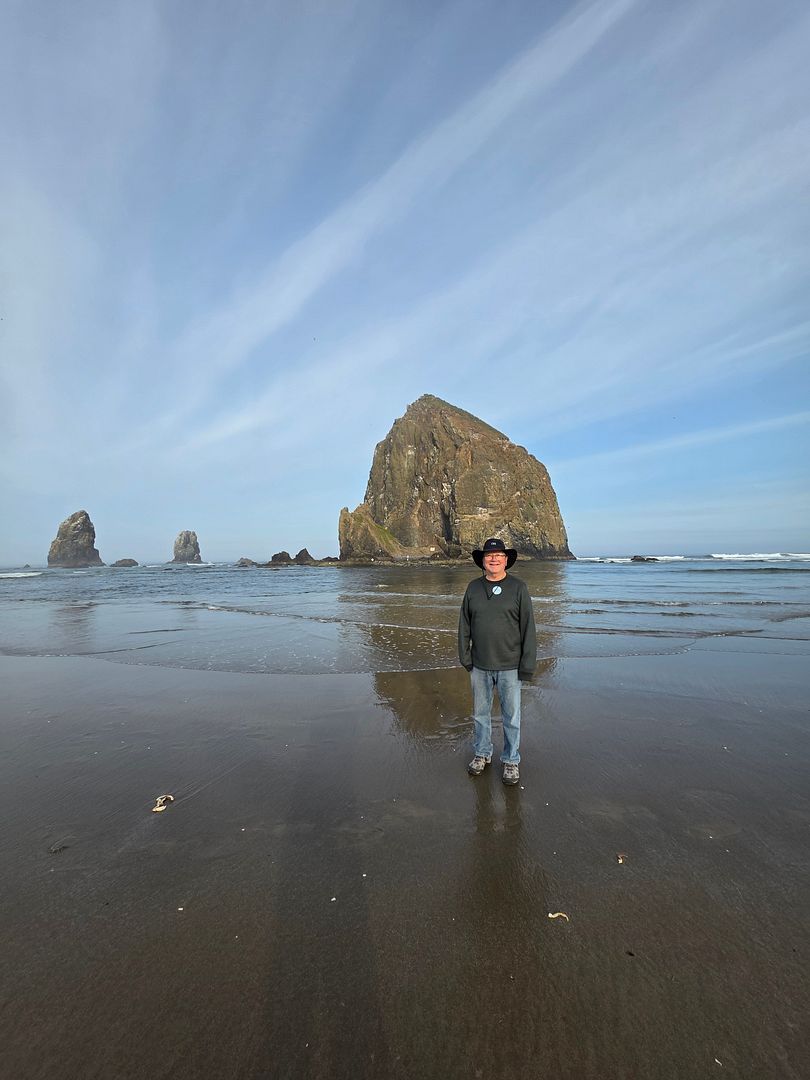
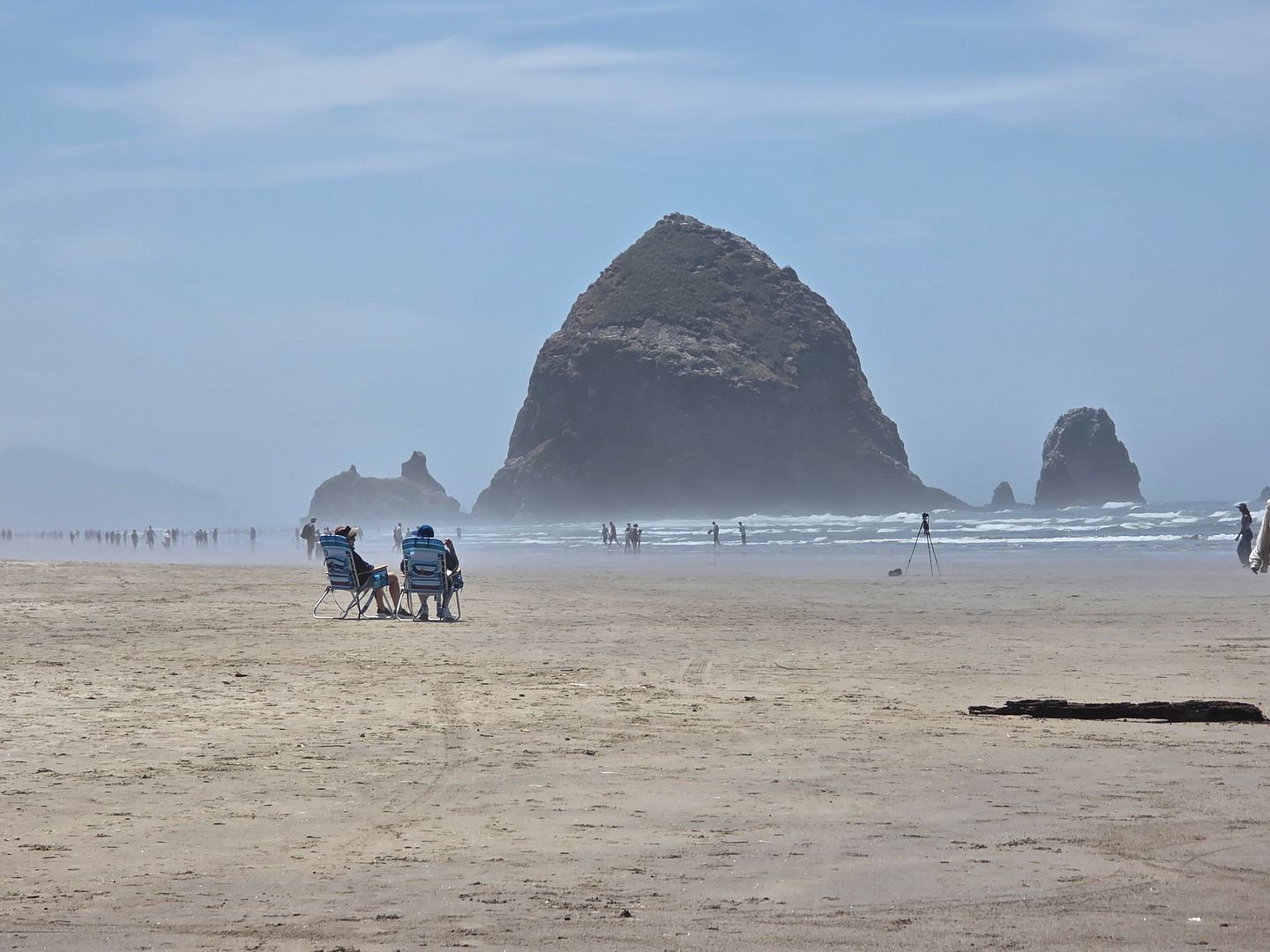
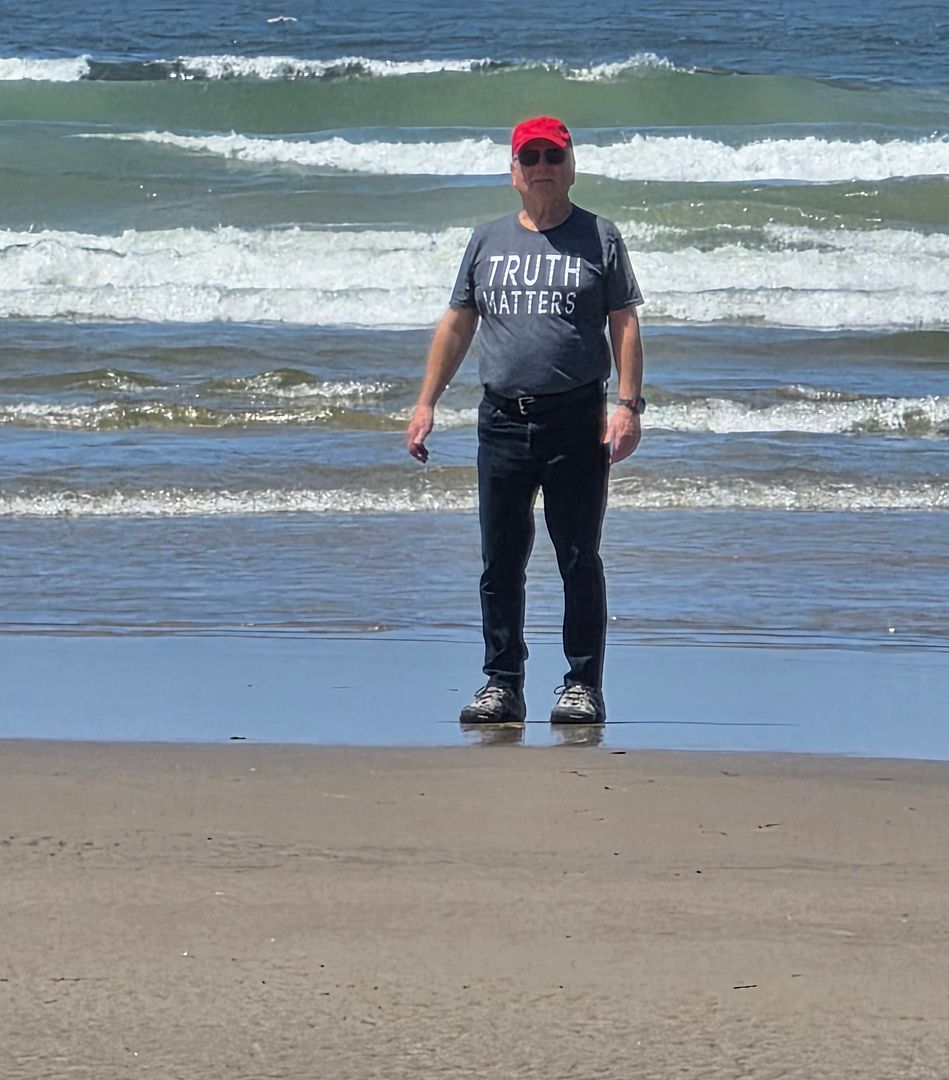
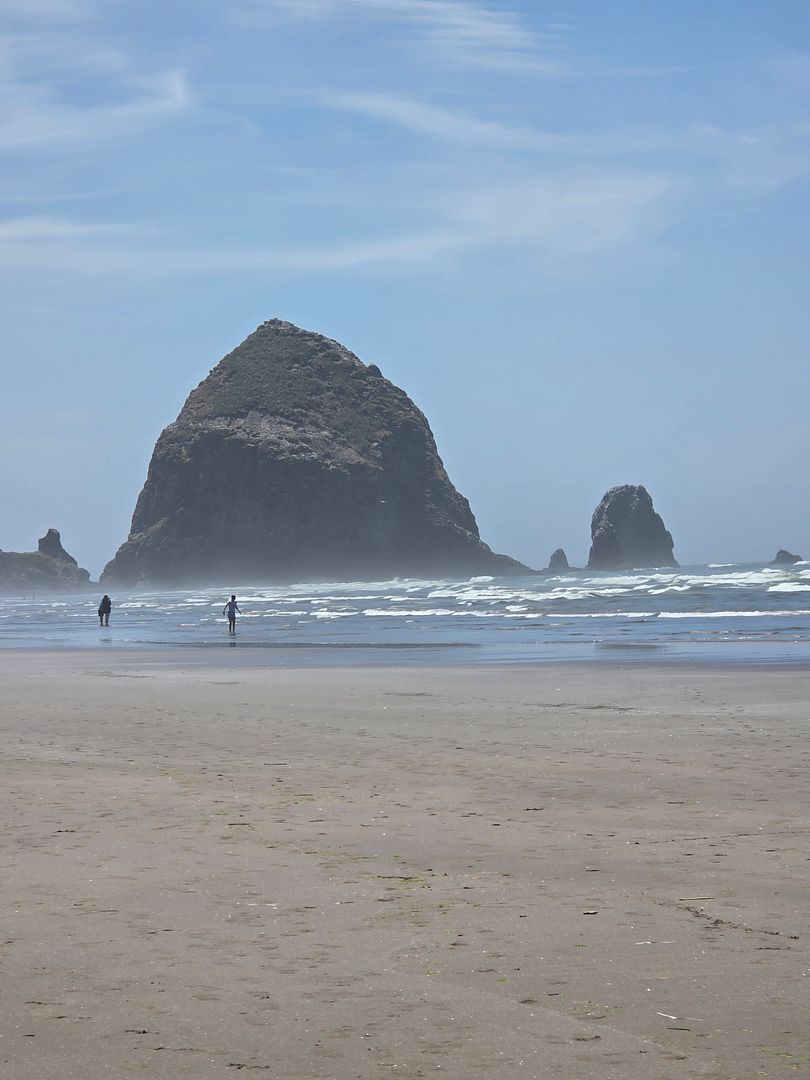
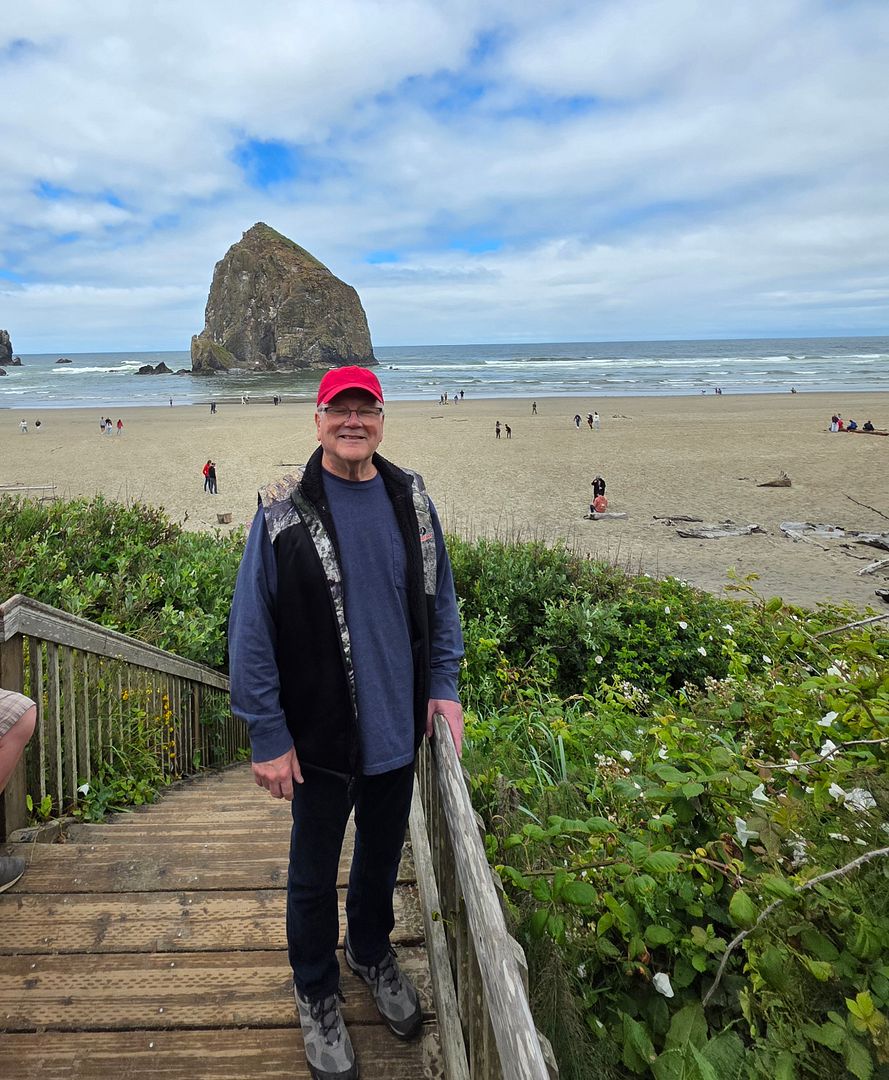
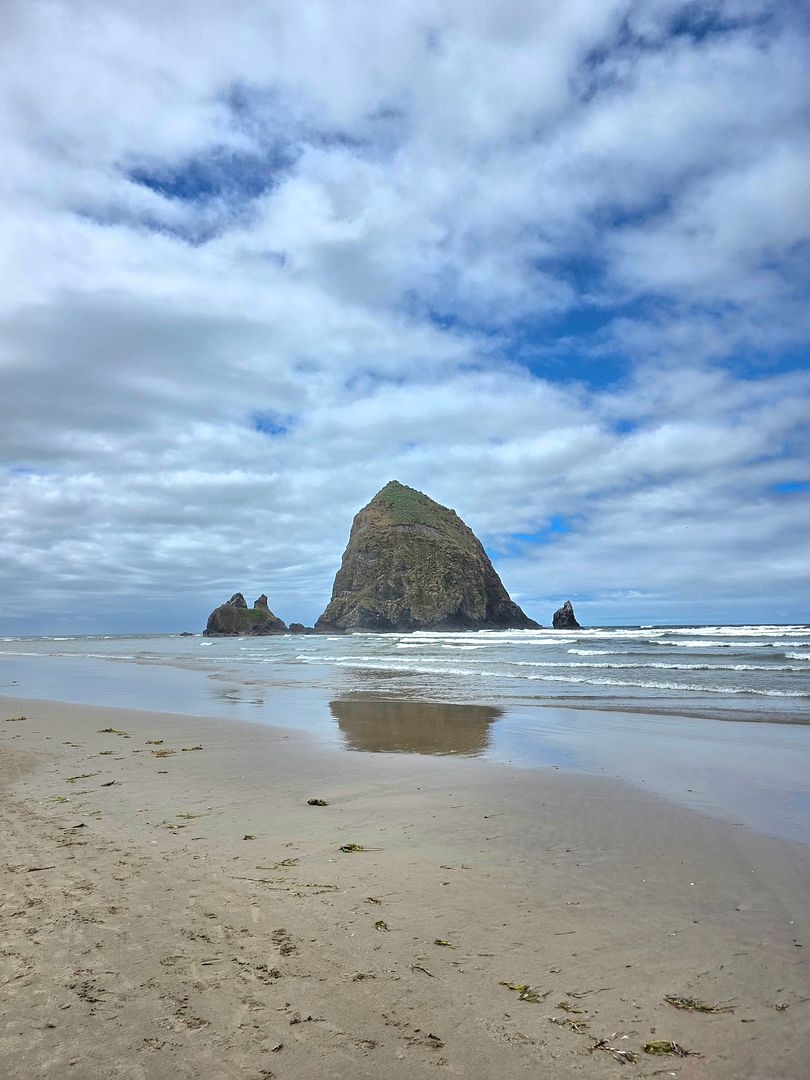
Our first morning in Cannon Beach it was our goal to make it to Haystack Rock and back before breakfast.
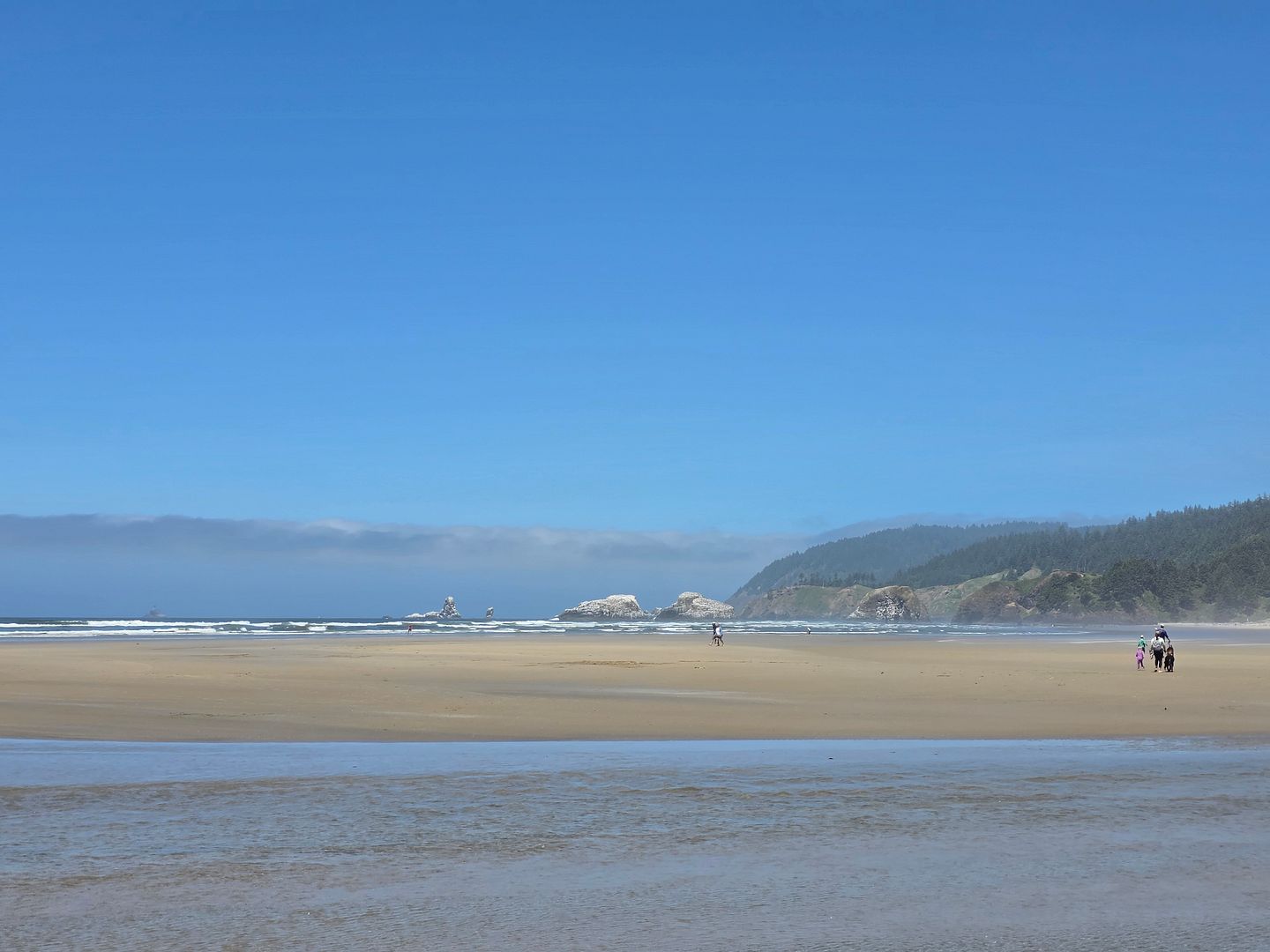
Our lodgings were where the Ecola River empties into the Pacific.
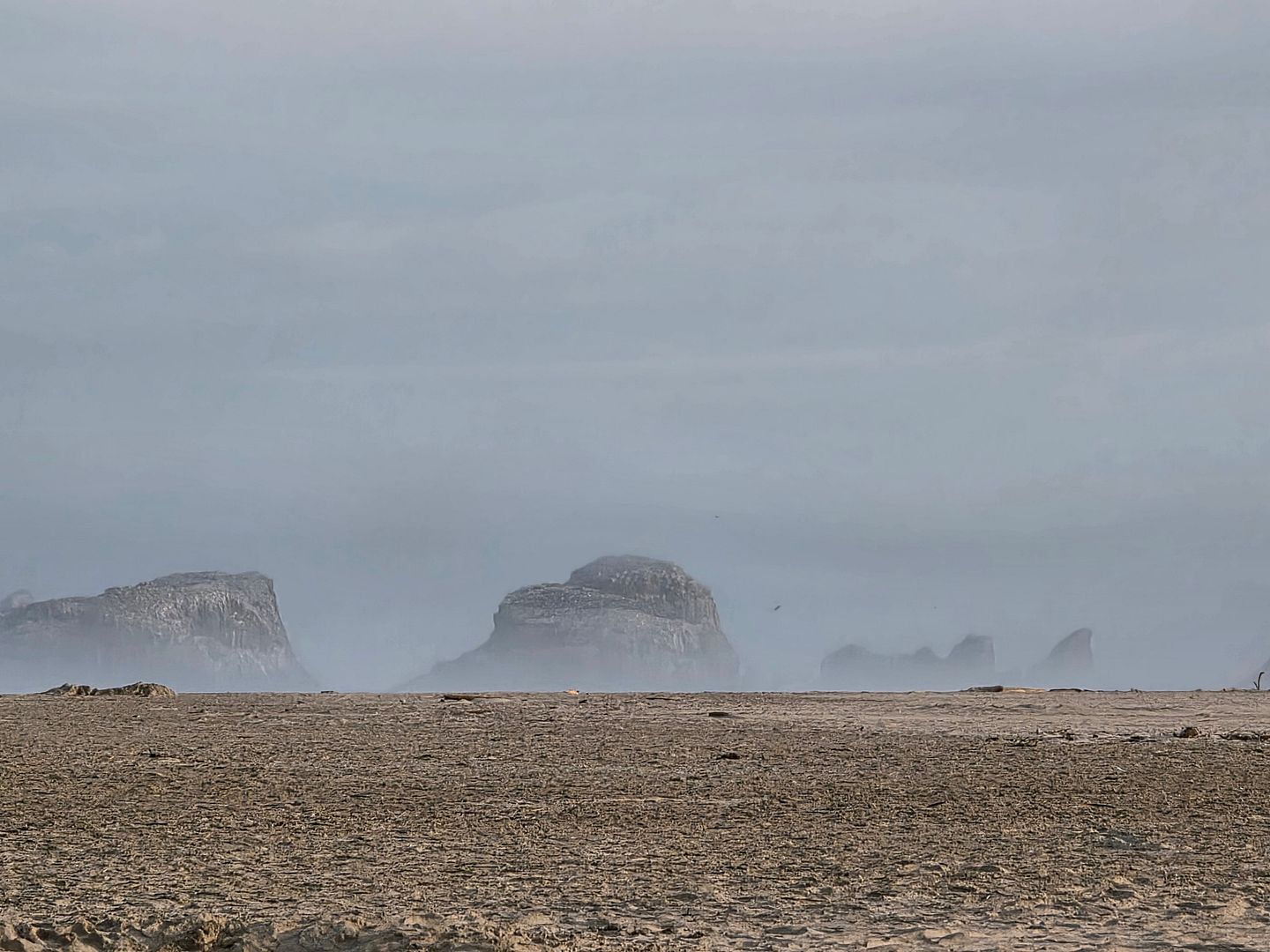
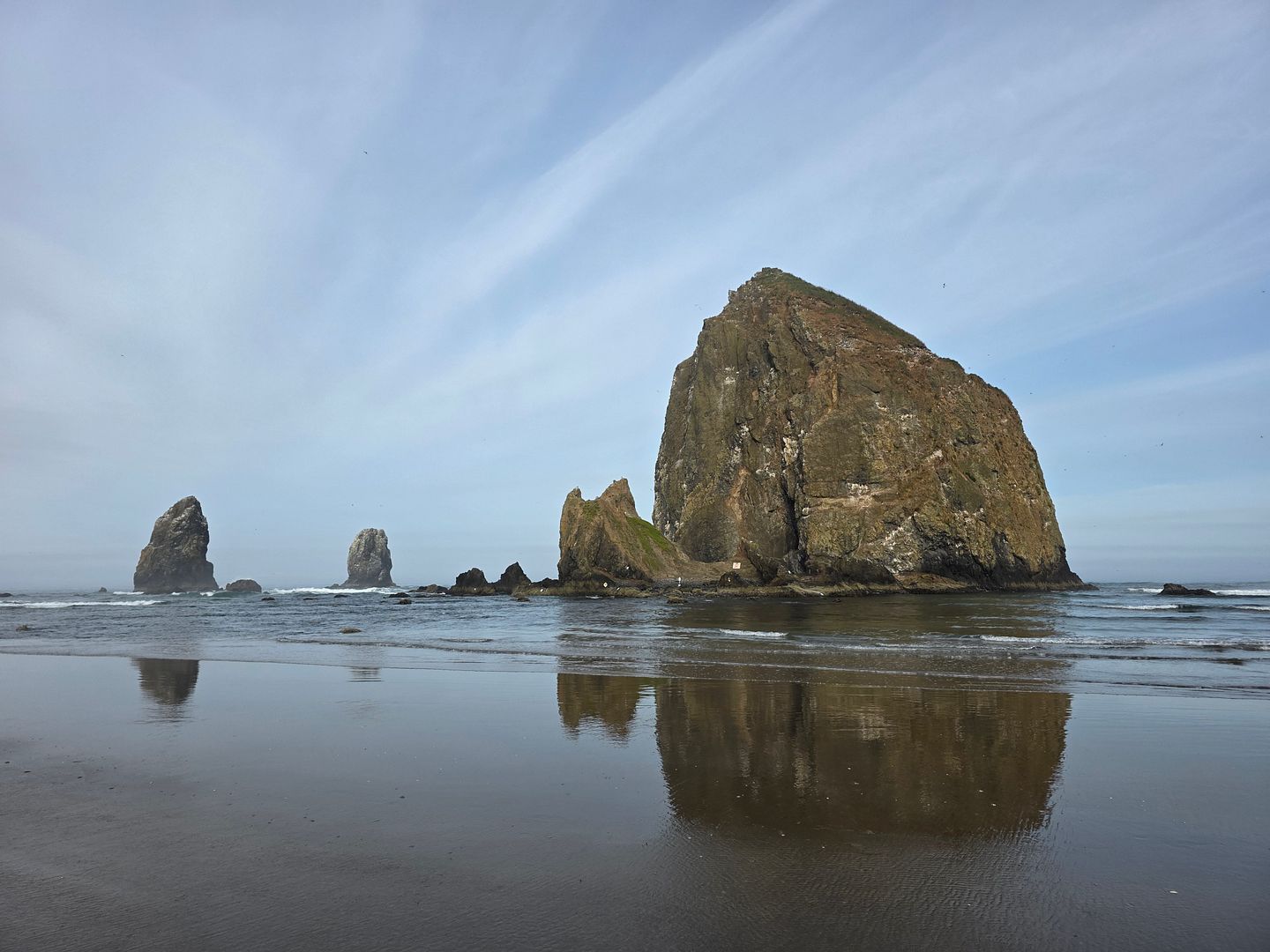
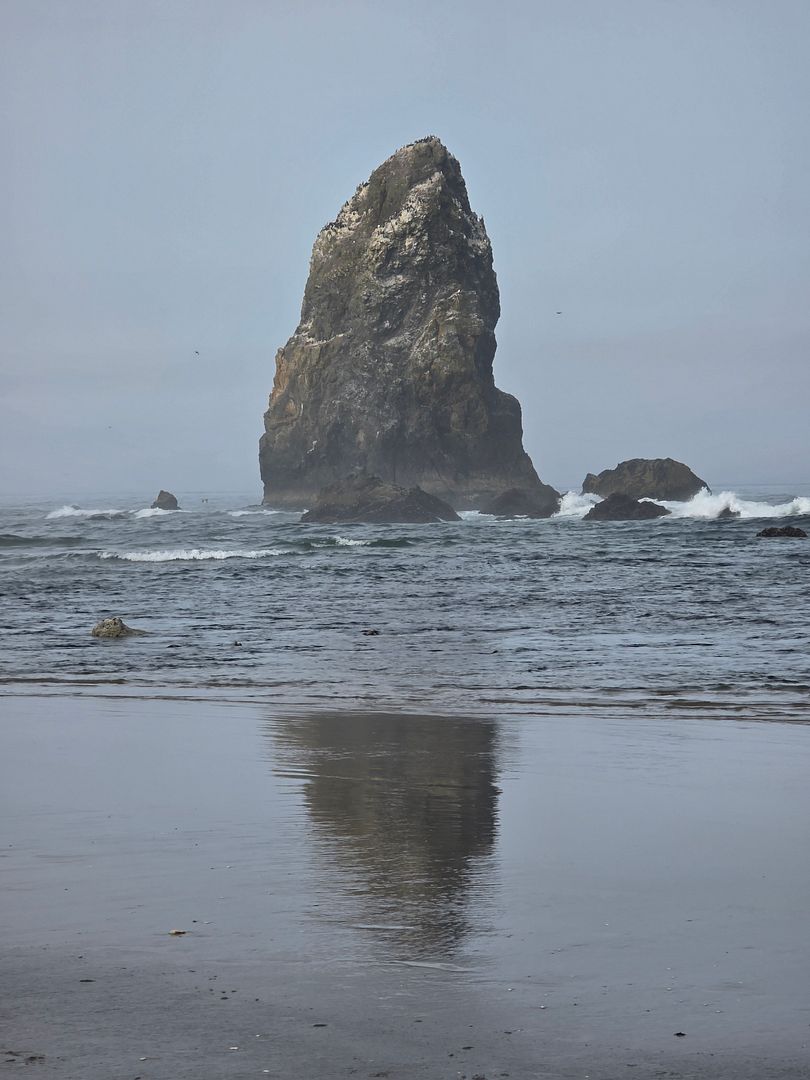
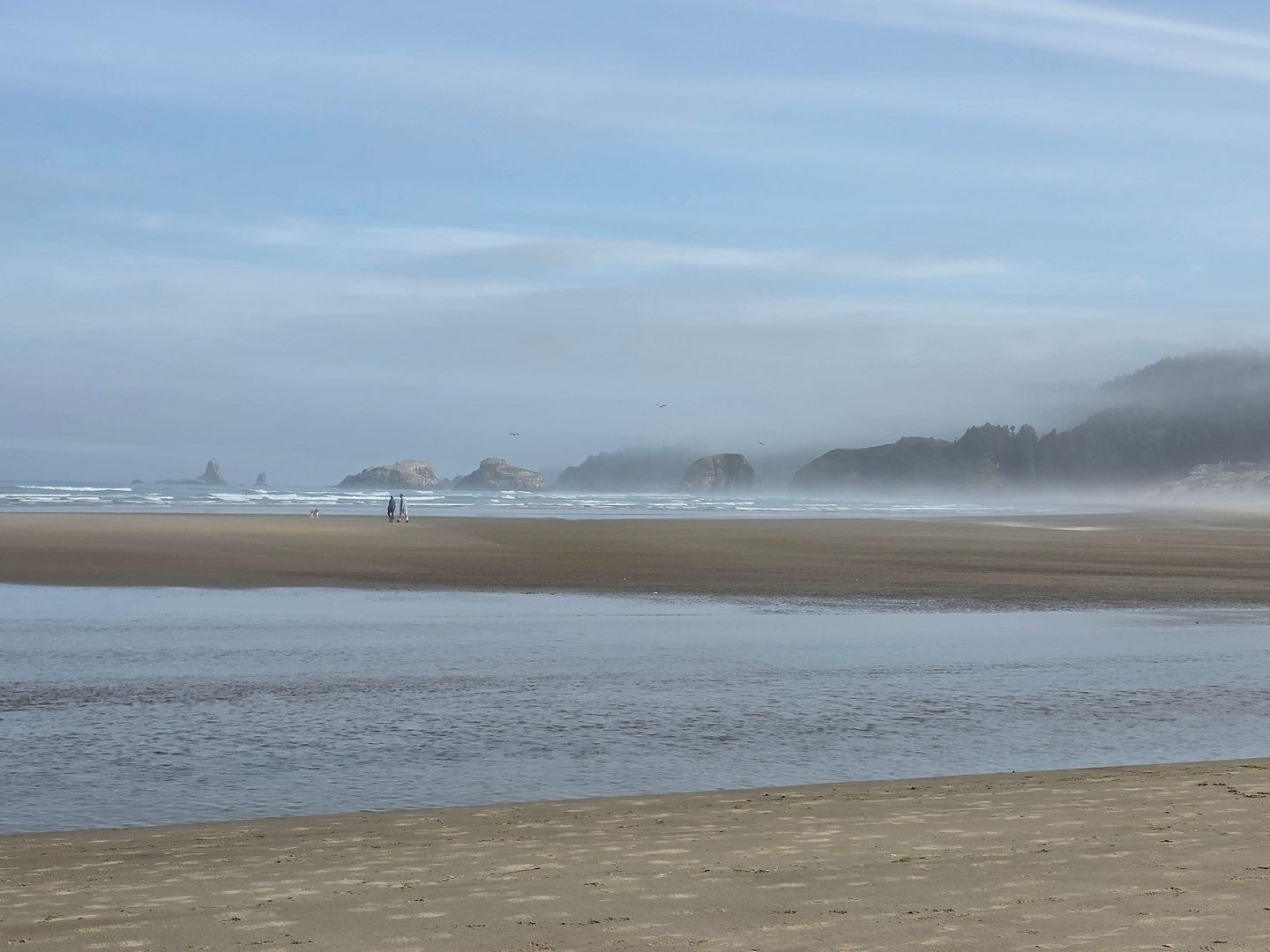
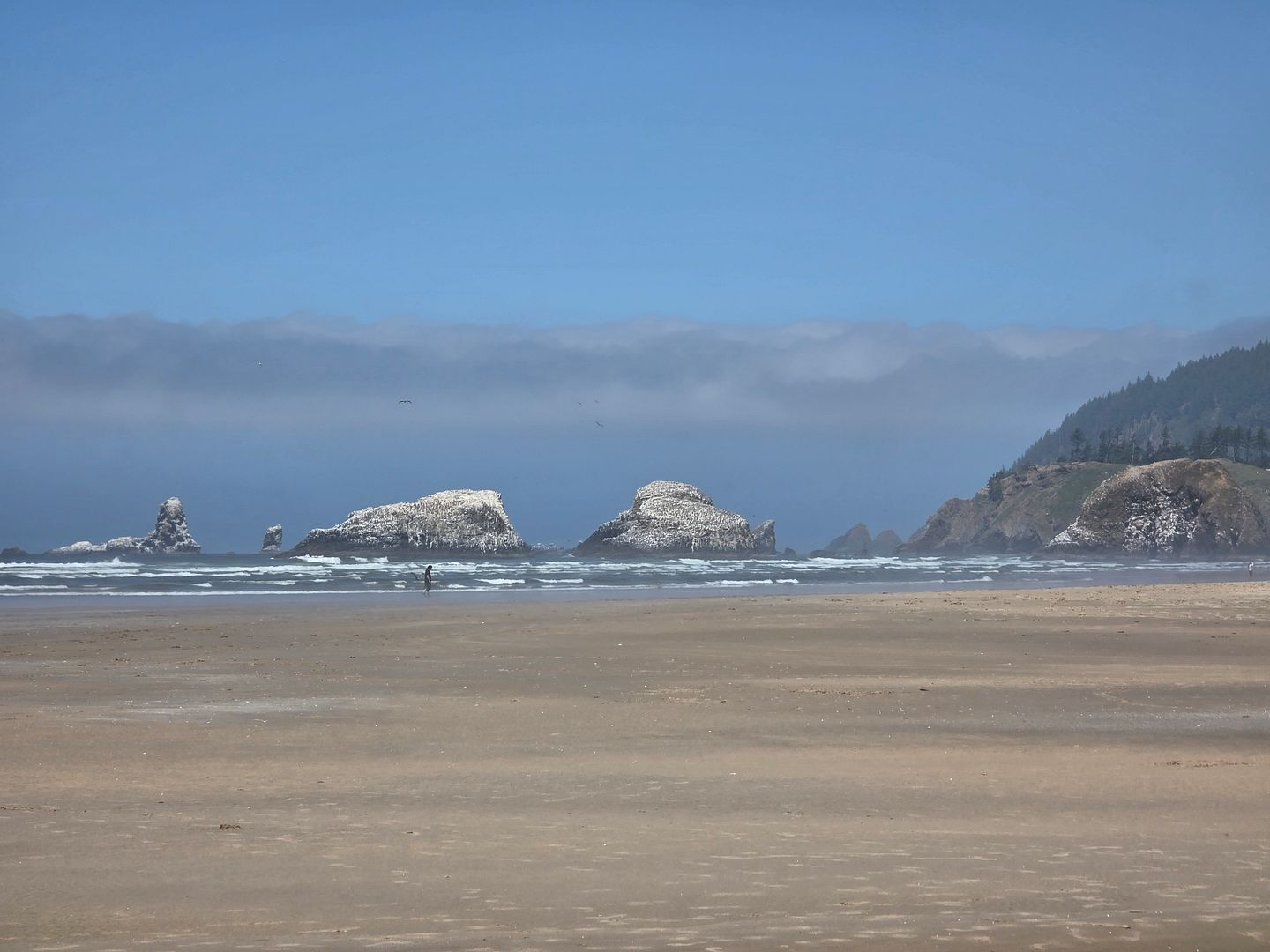
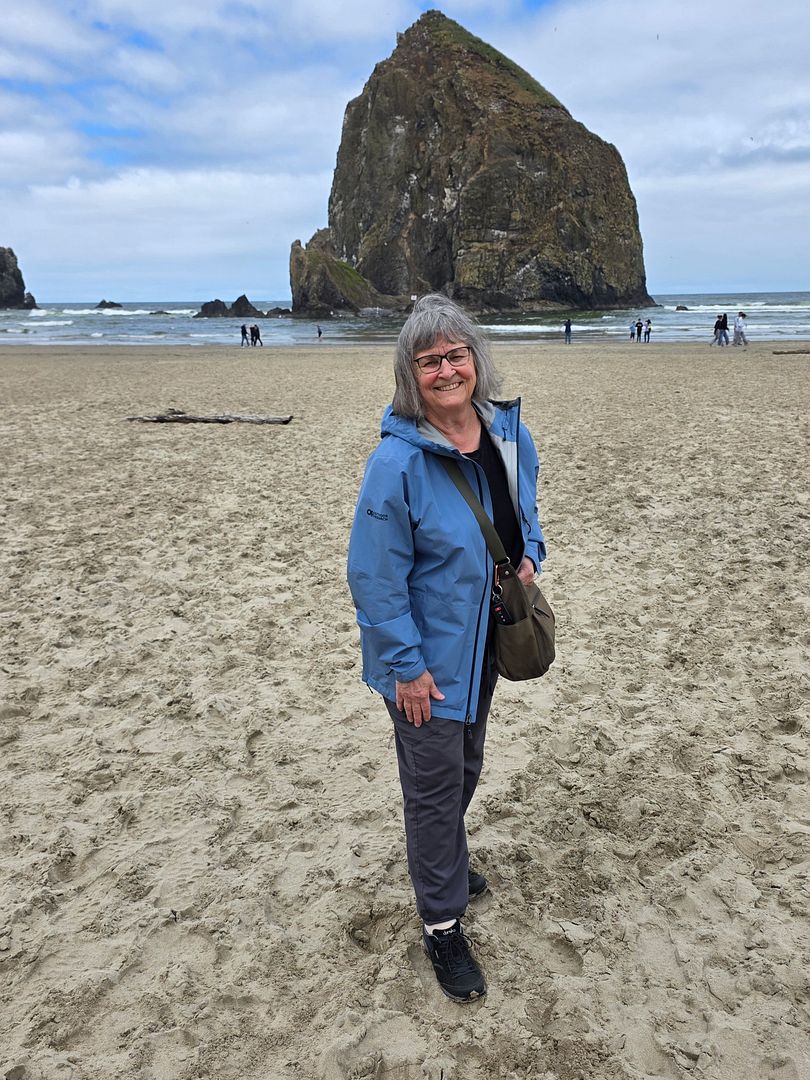
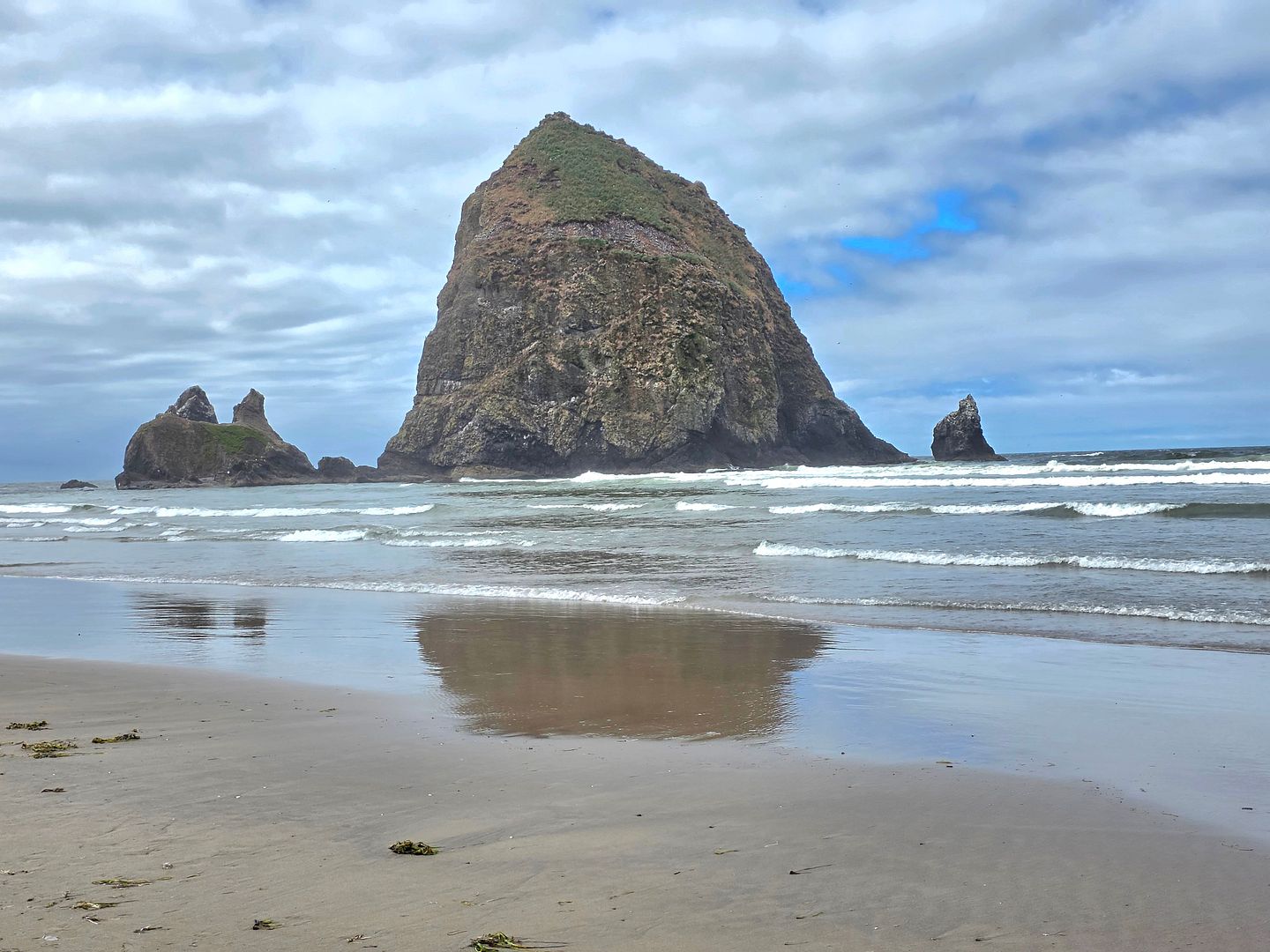
Haystack is not the only rock along the coast, just one of the most known.
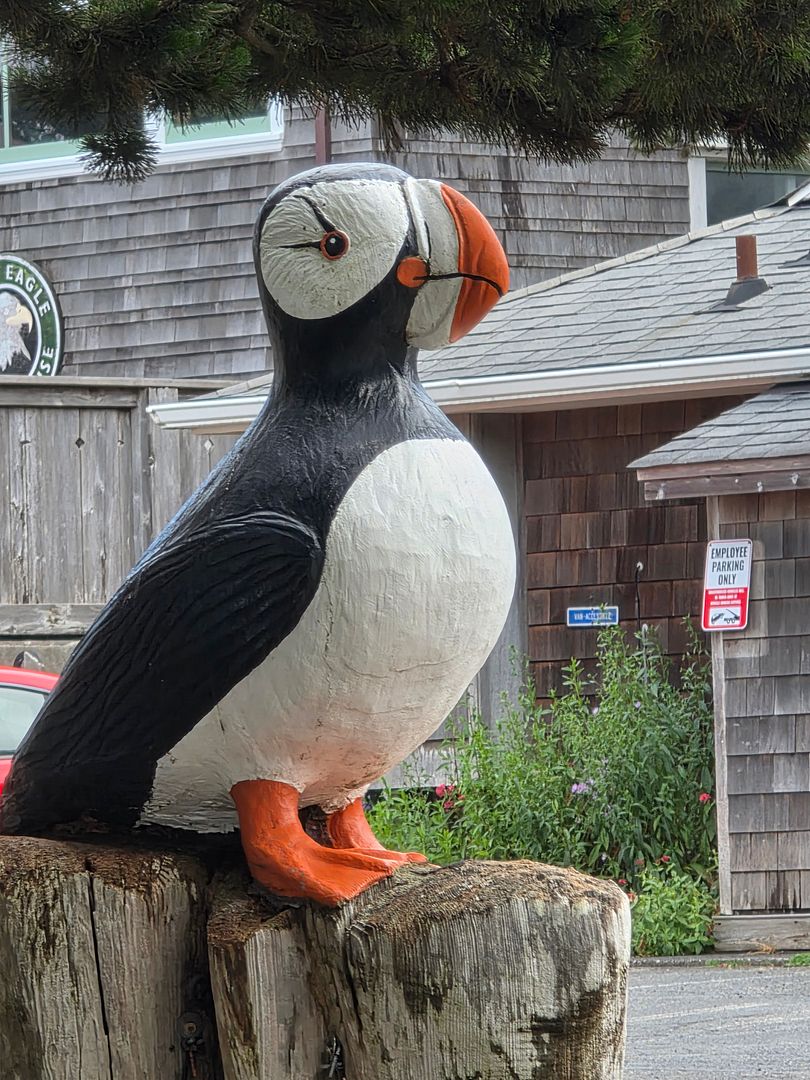
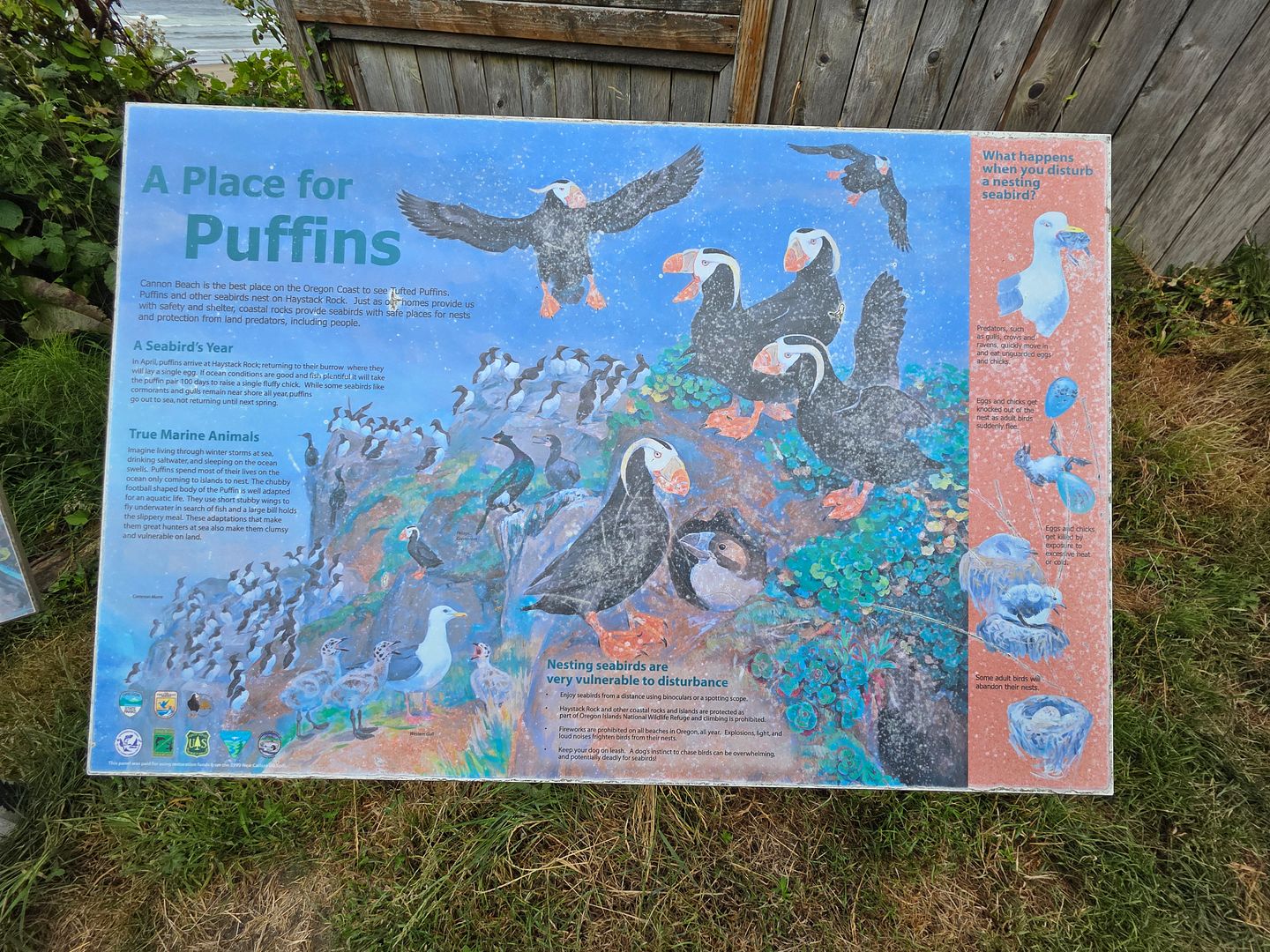
It was fun to learn that there are Puffins that like these rocks.
Time to head back for breakfast.
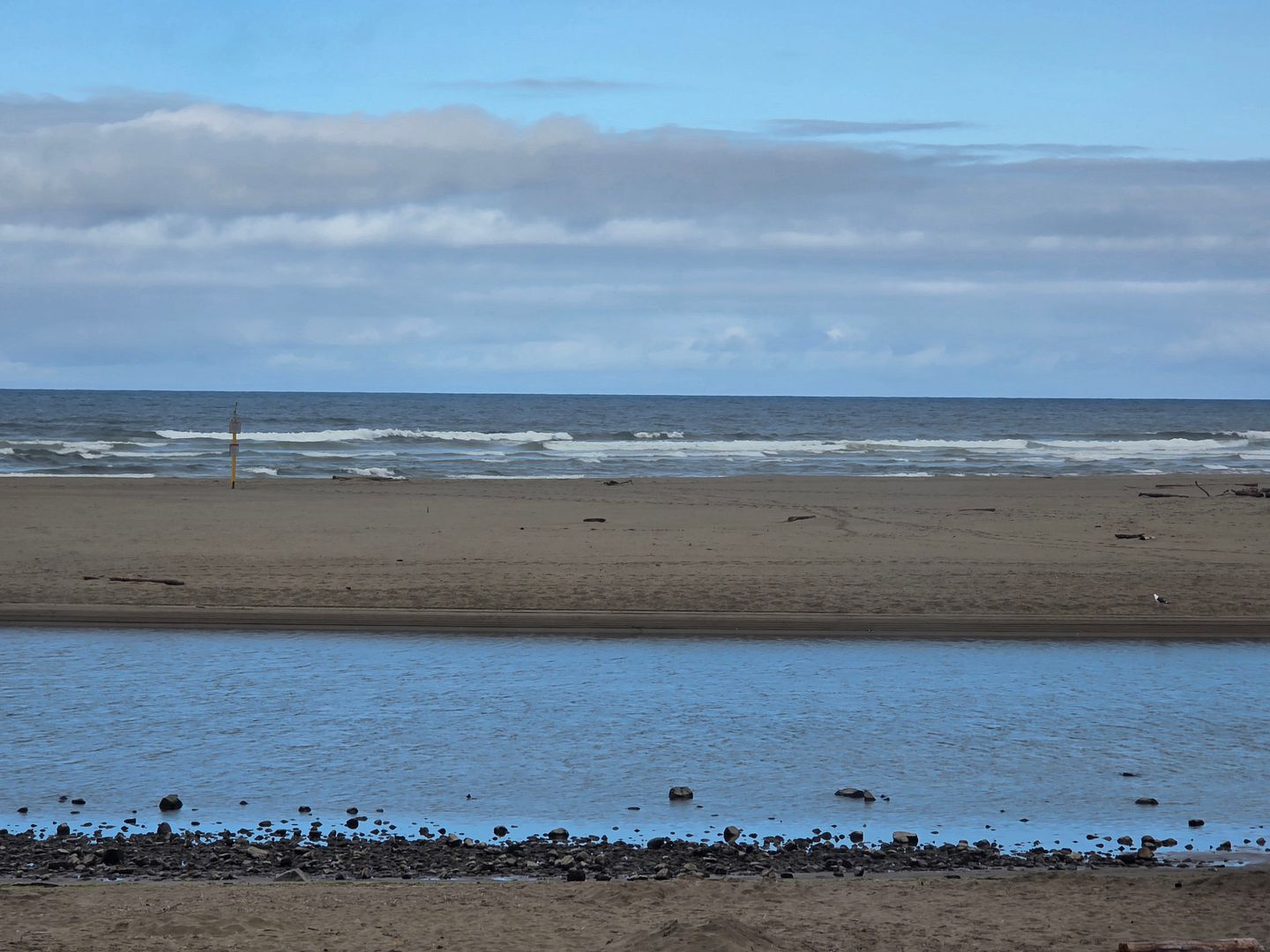
This is the mouth of the river.
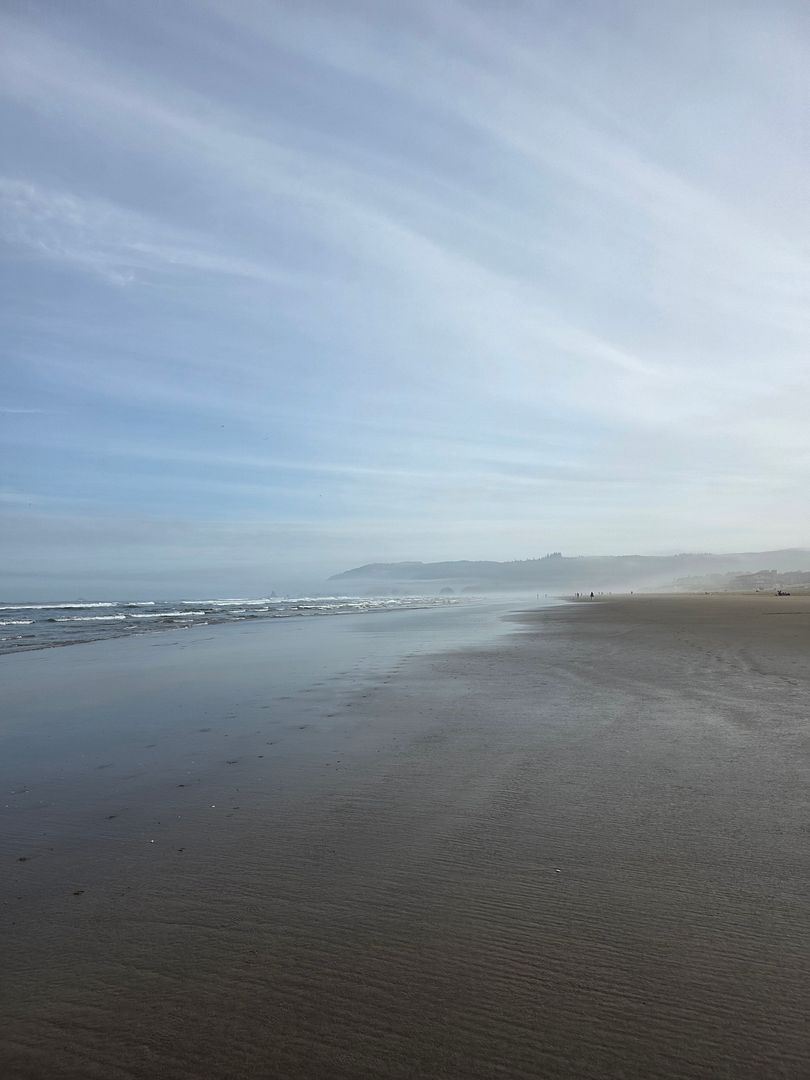
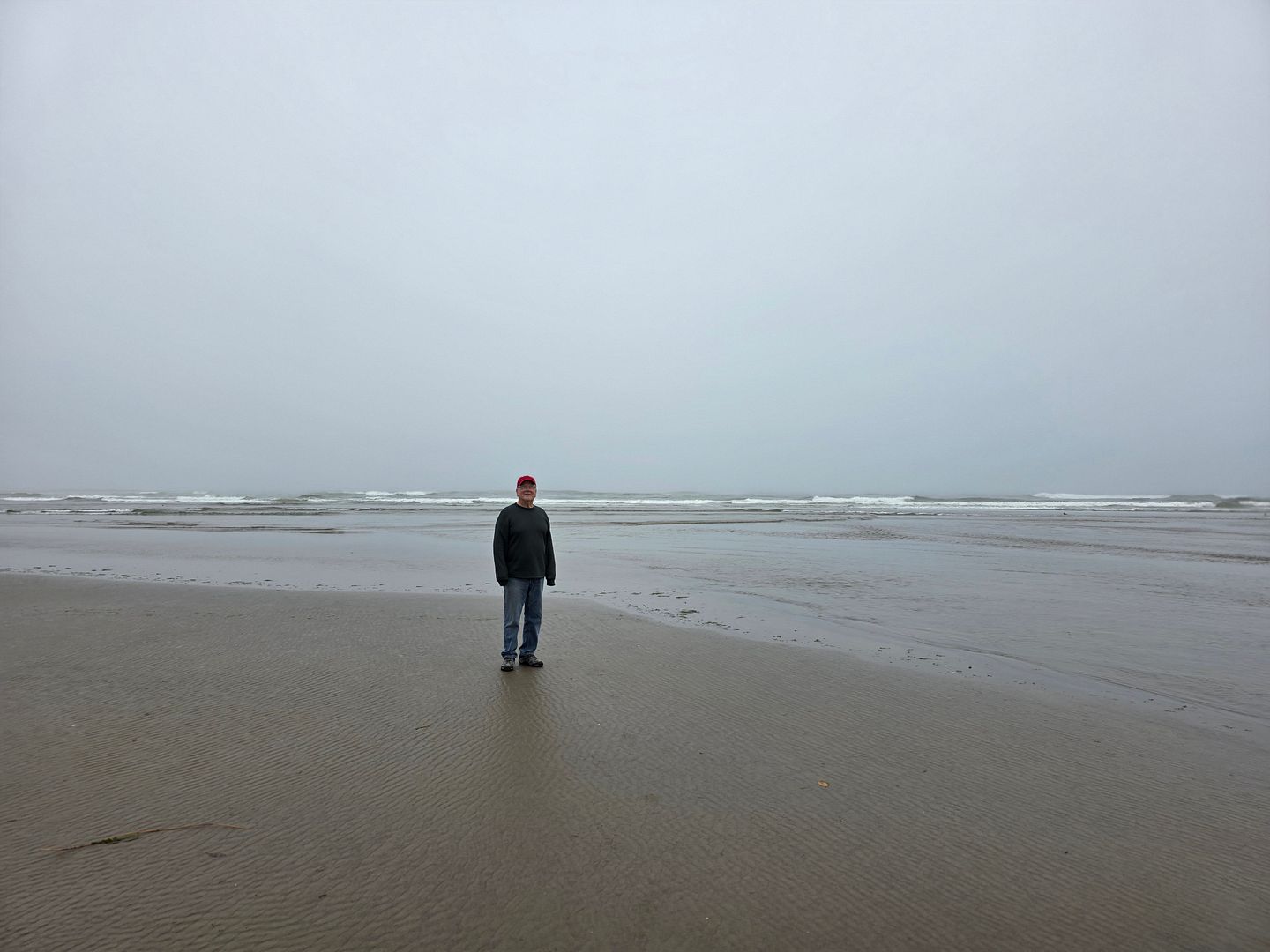
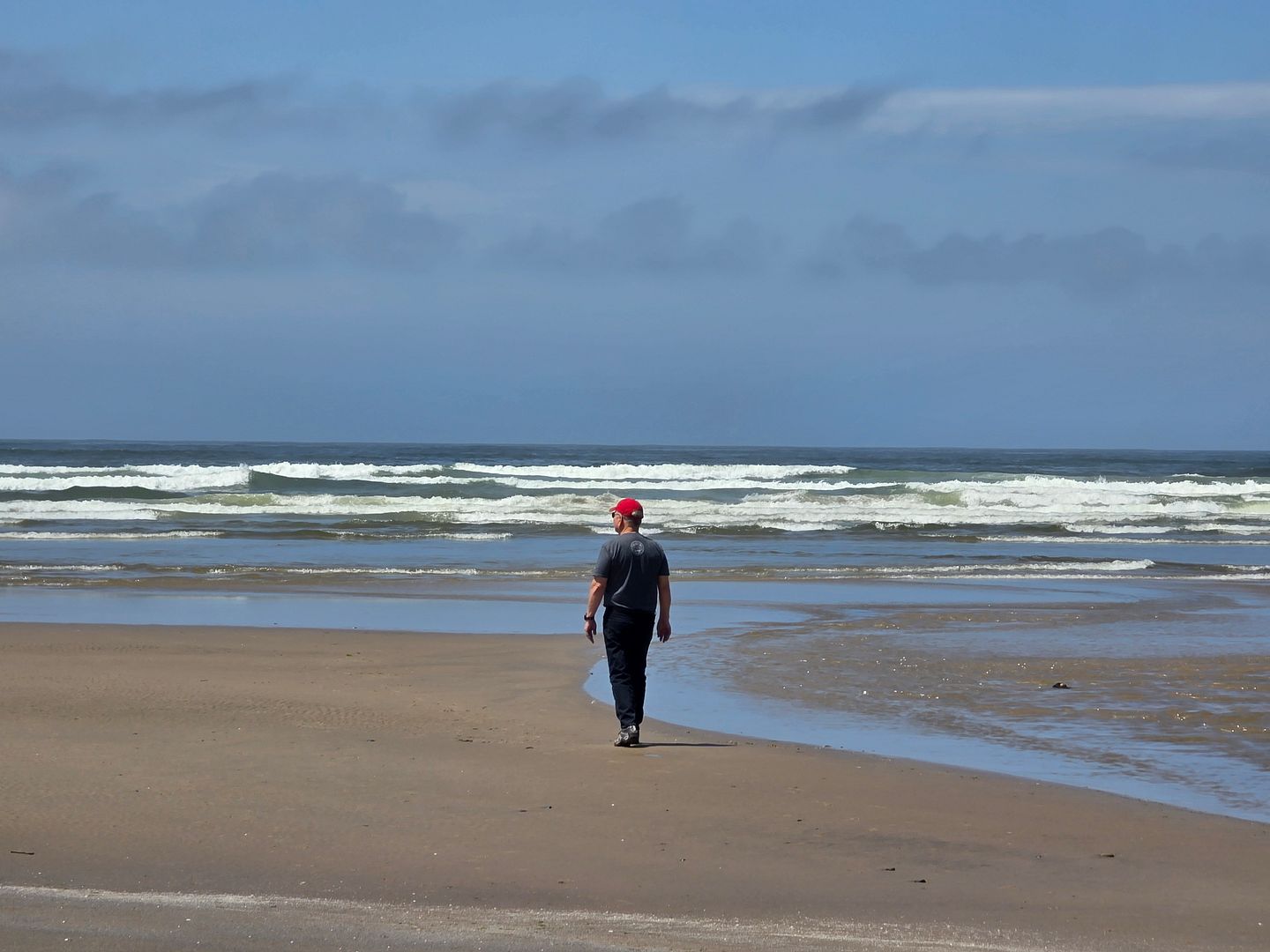
Another morning walk and we still haven’t seen the horizon because of the marine layer.
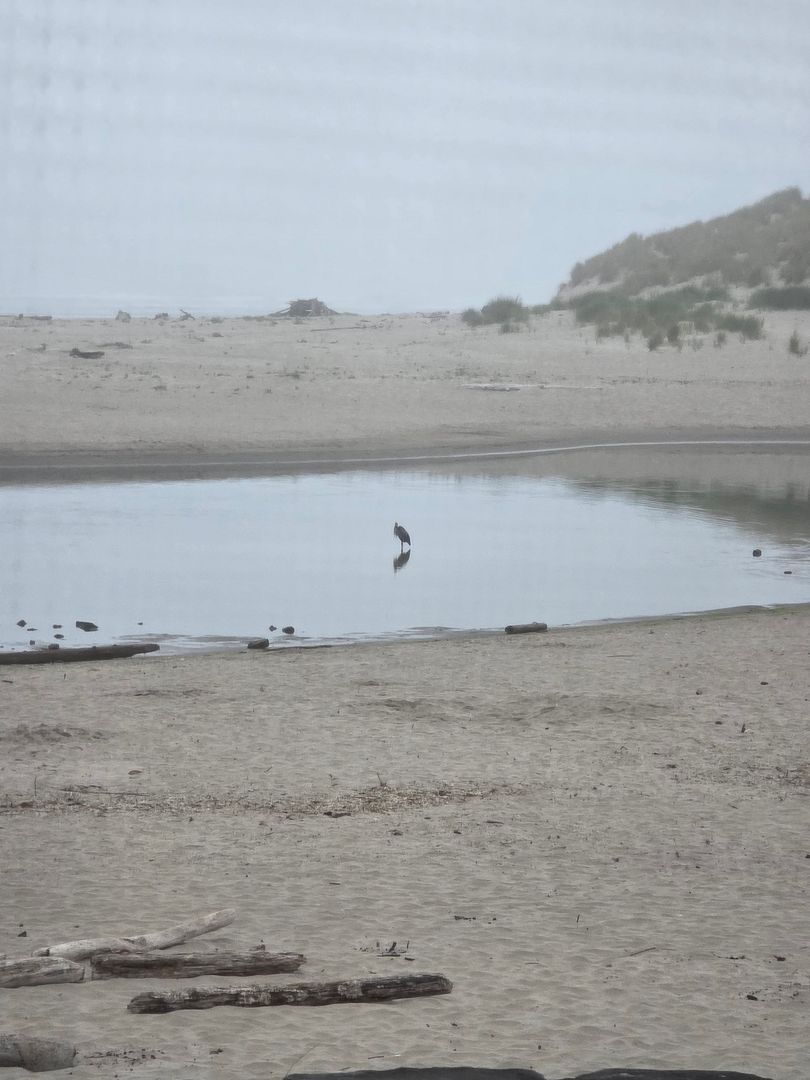
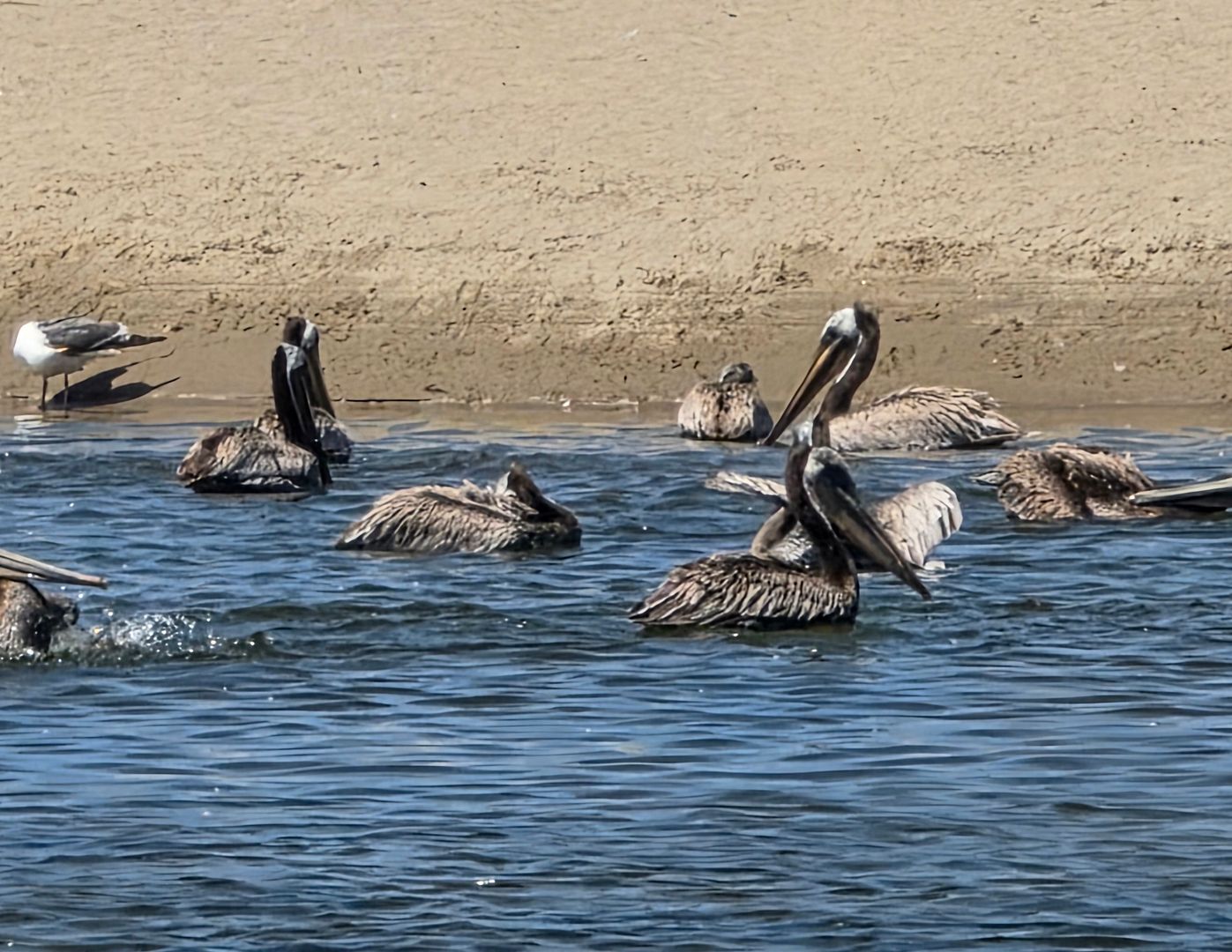
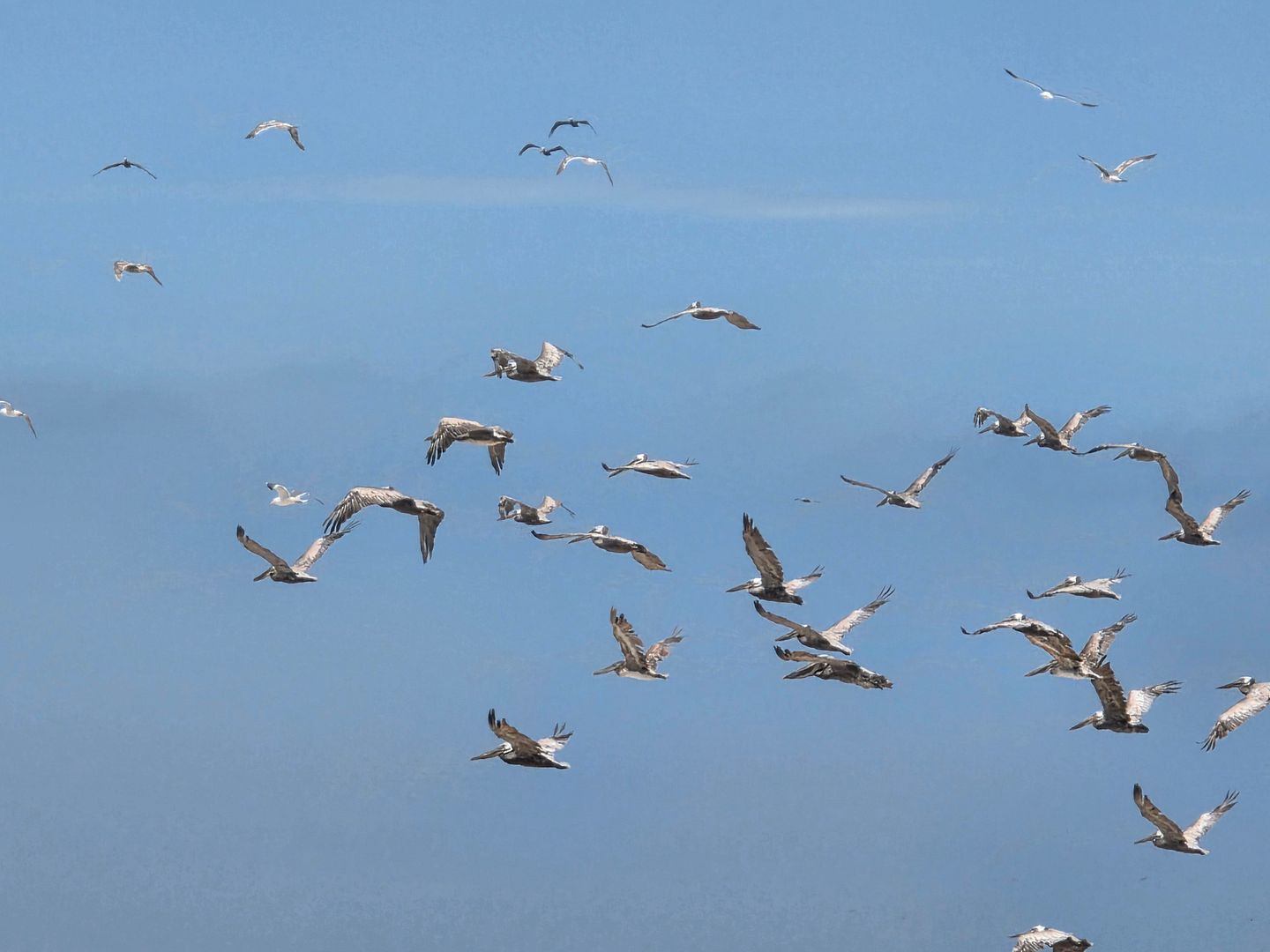
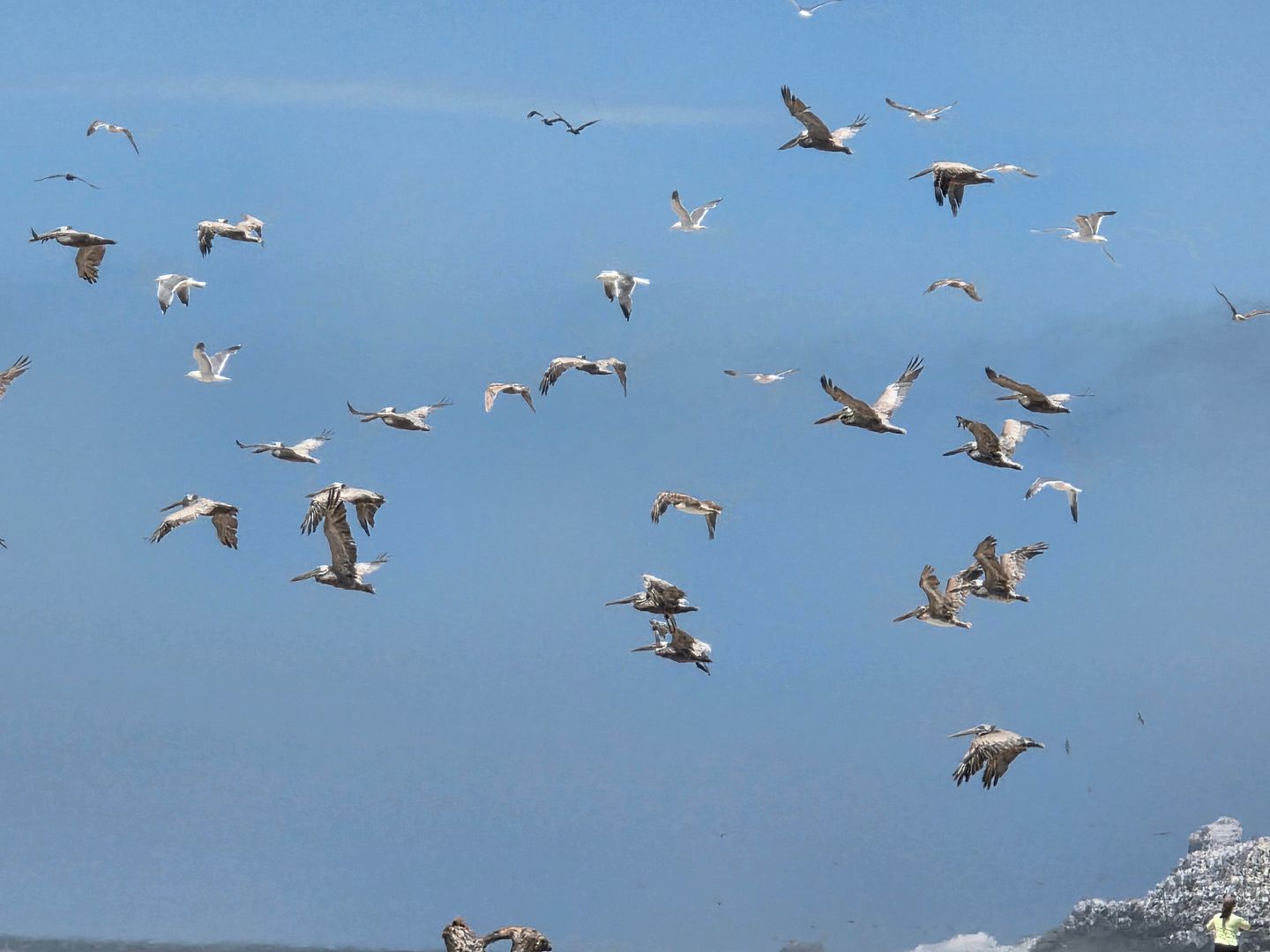
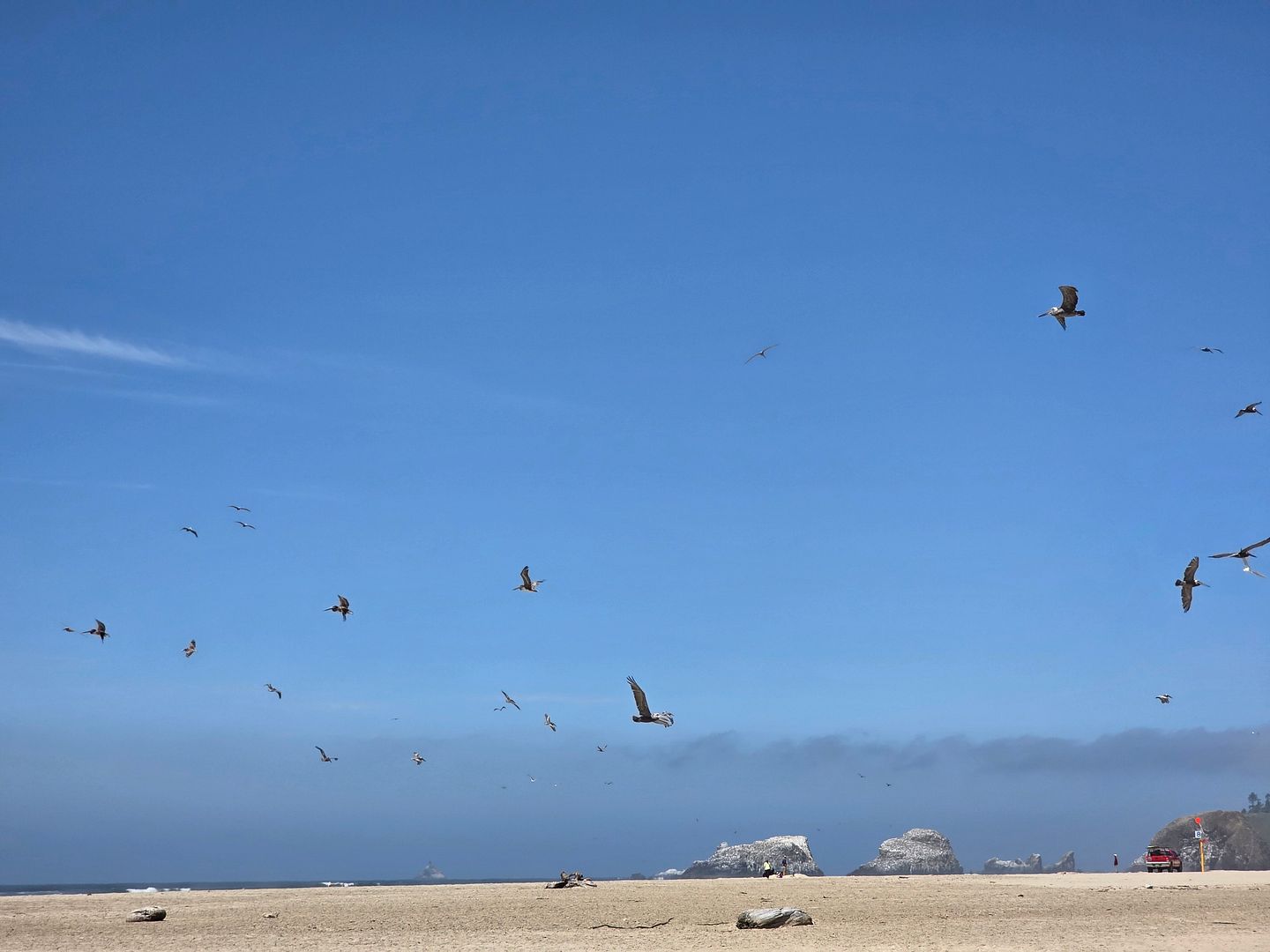
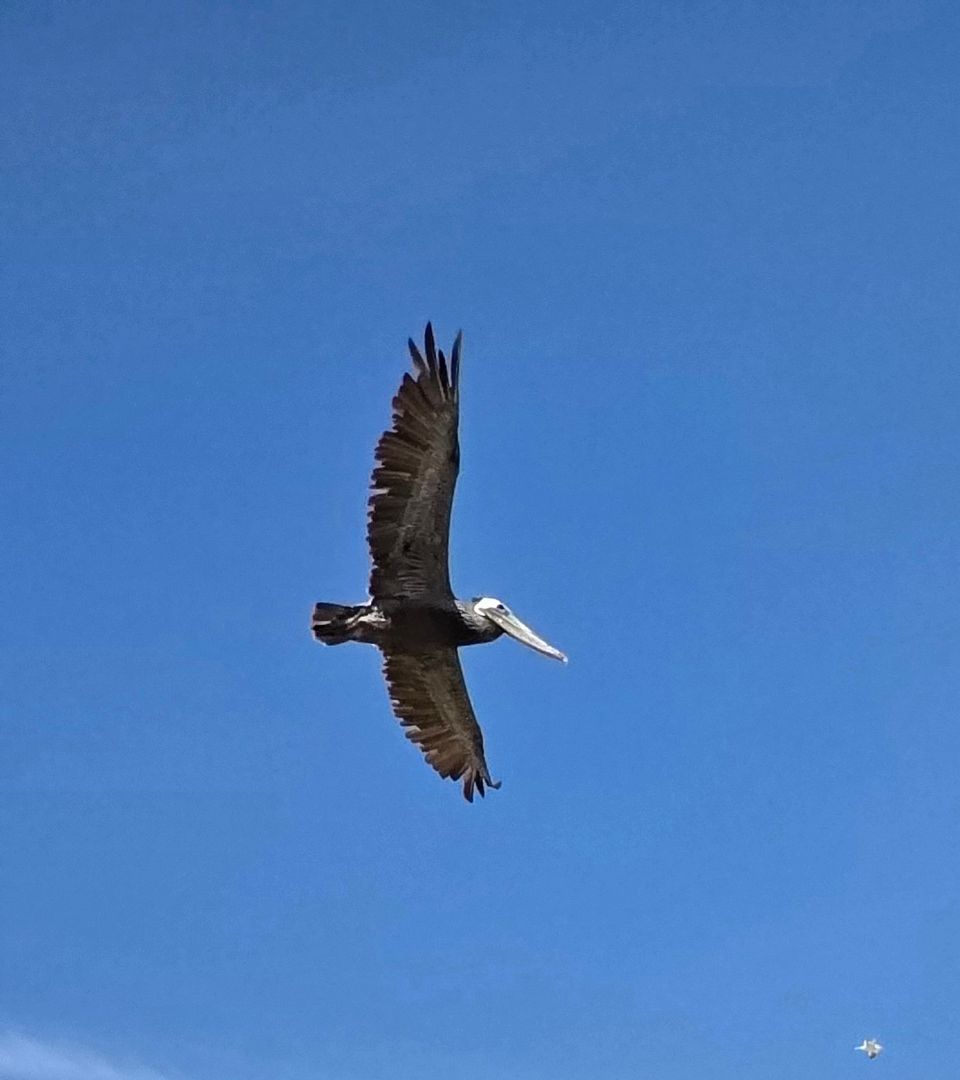
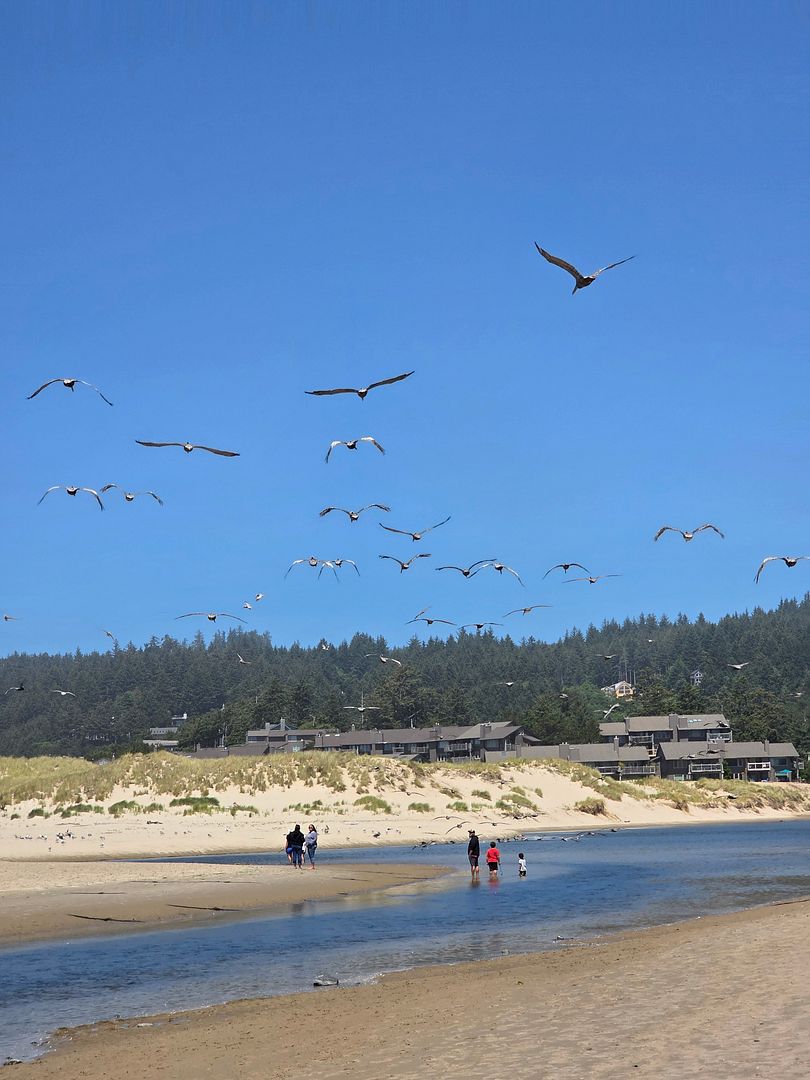
Birds, especially the pelicans and seagulls enjoyed flapping their wings in the river.
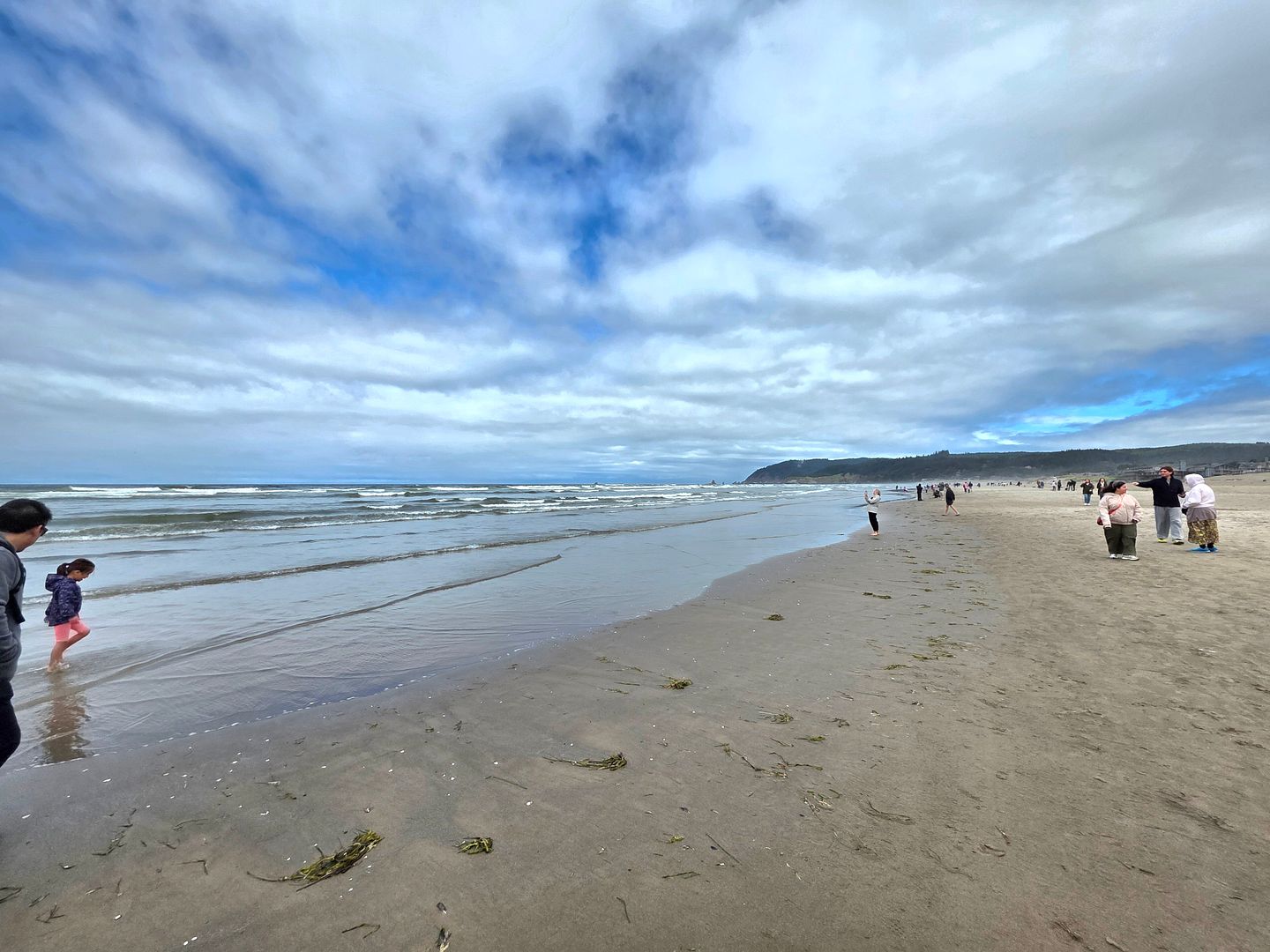
Our next walks on the beach were later in the morning or in the early afternoon.
We can see a horizon on this day.
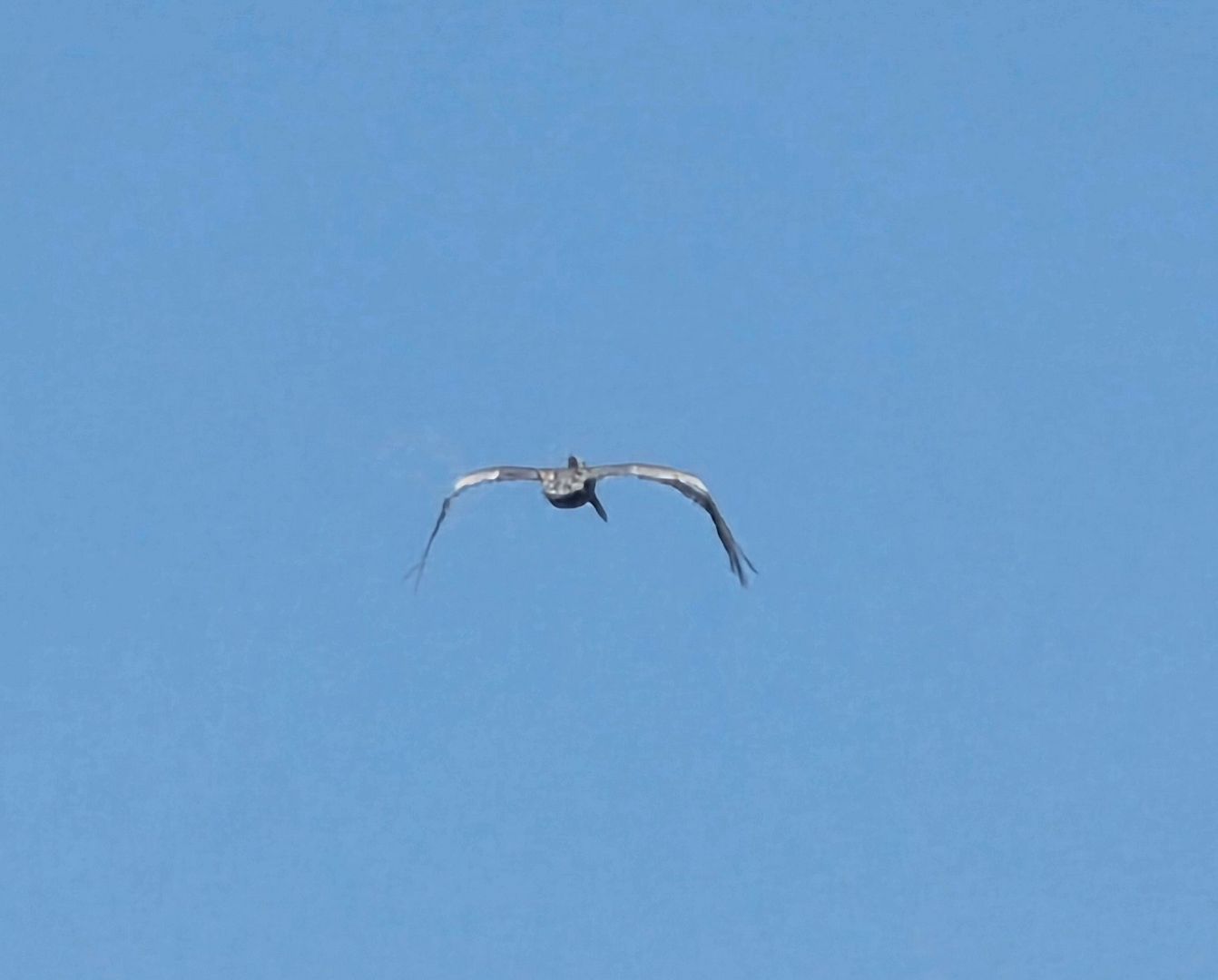
Here come the pelicans!
For our last walk on the beach we started at Haystack and worked our way to another public access spot to head up to Hemlock for lunch before we made it back to our car.
We used a public stair access to the beach.
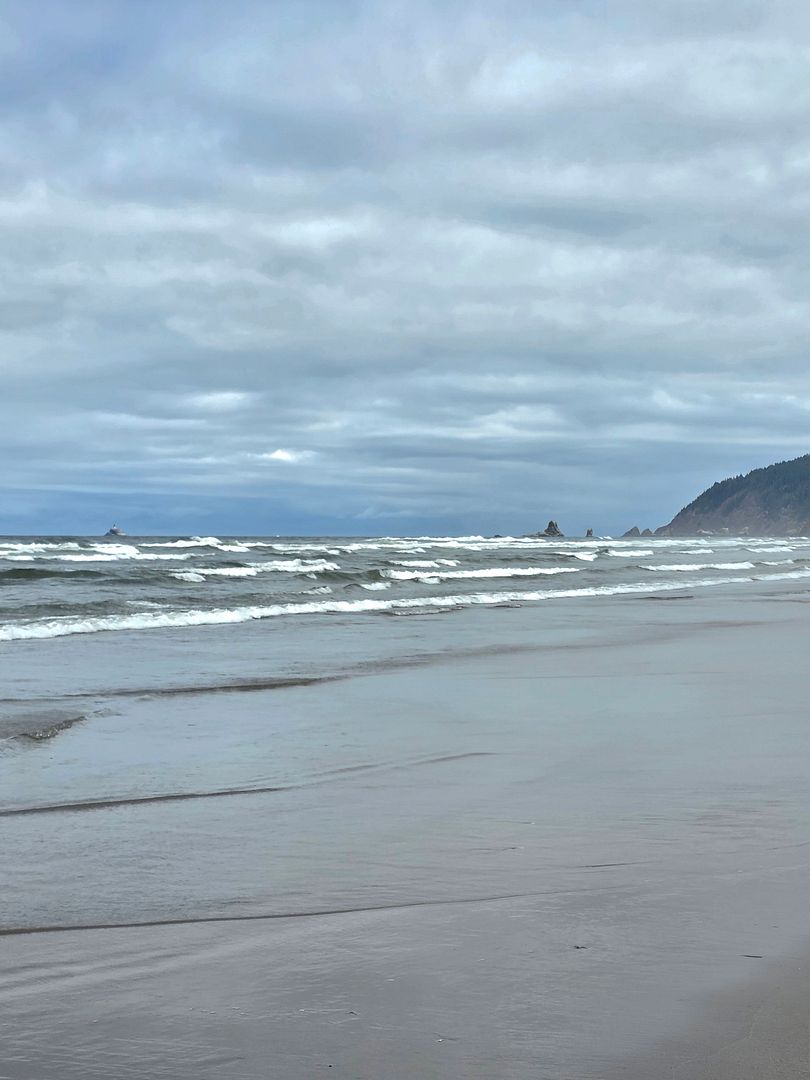
It was a treat to be able to see further out into the sea.
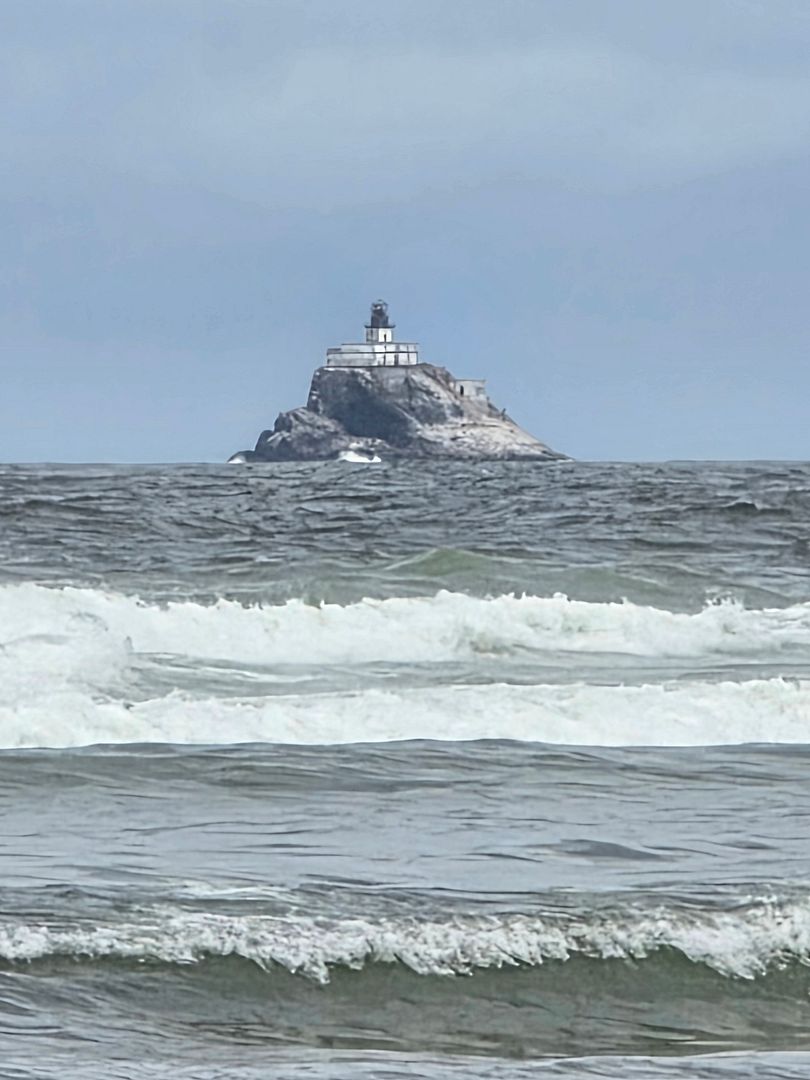
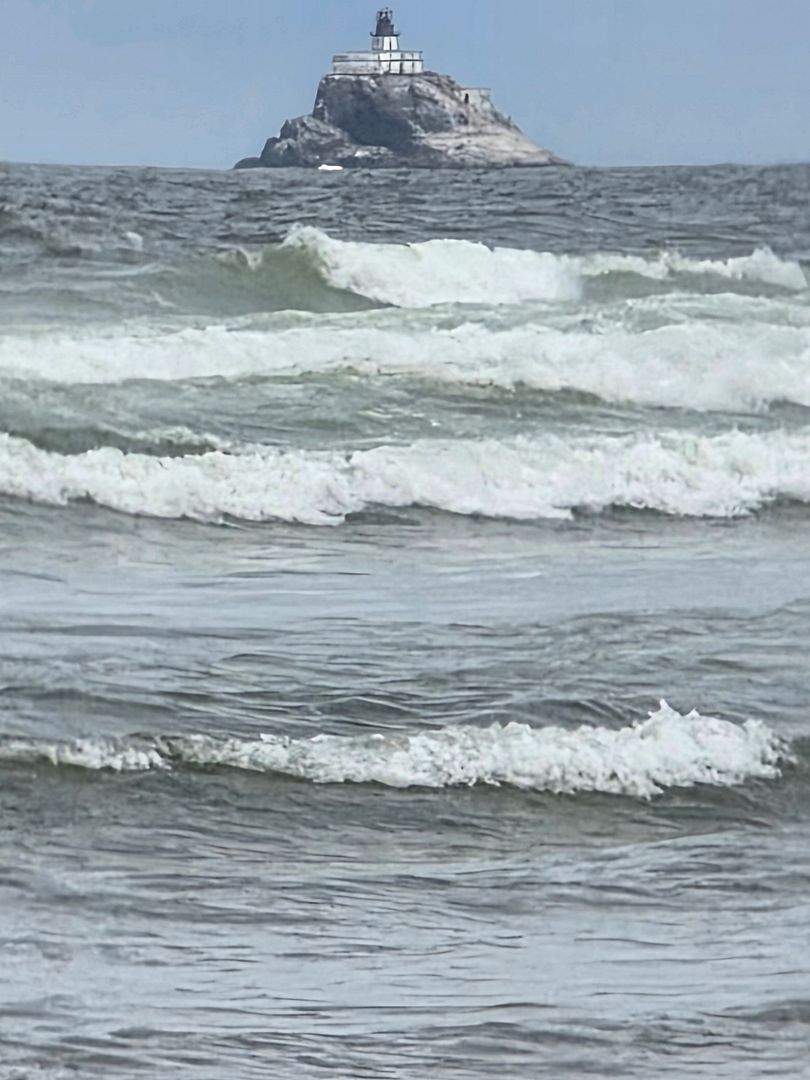
This was the first day we could see the lighthouse. I zoomed in to get some shots.
The history of Tillamook Lighthouse or Terrible Tilly can be found here.
The last shot from our lodgings. Till next time Cannon Beach. It was a delight to discover you more fully.
Our travel journal from our visit to Cambridge in March 2026 continues.
This is still from our Tuesday March 10th in Cambridge. Warning: There are a lot of photos in this post!
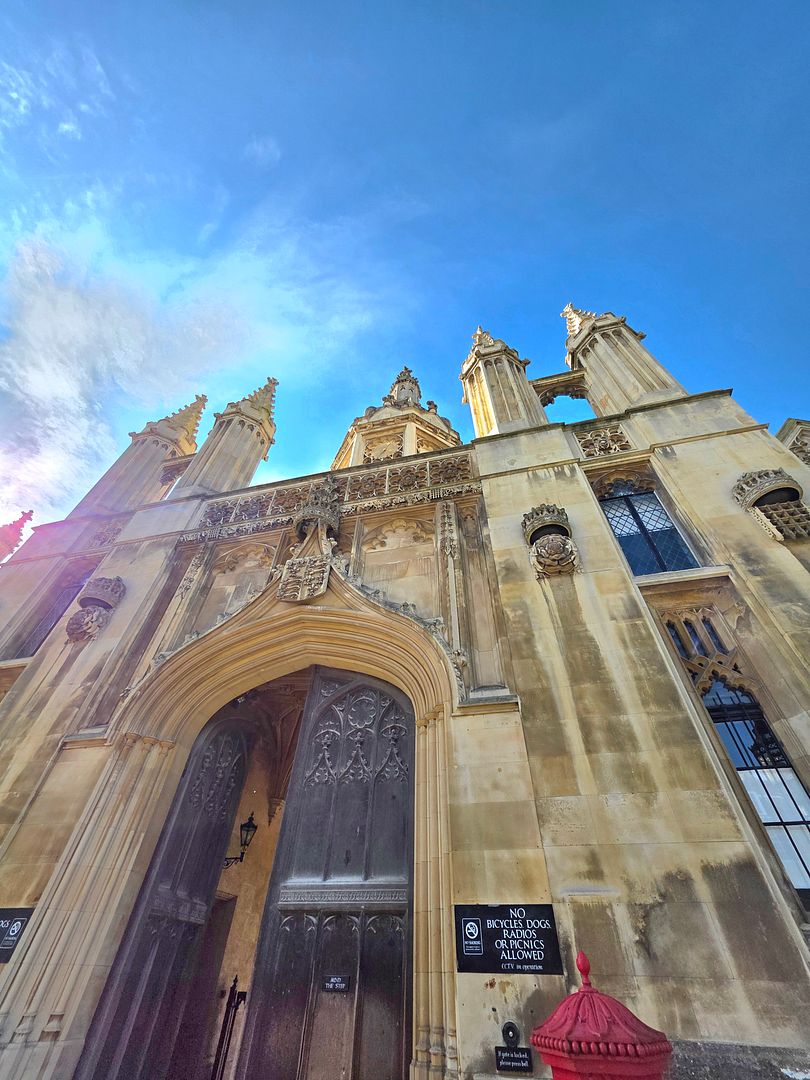
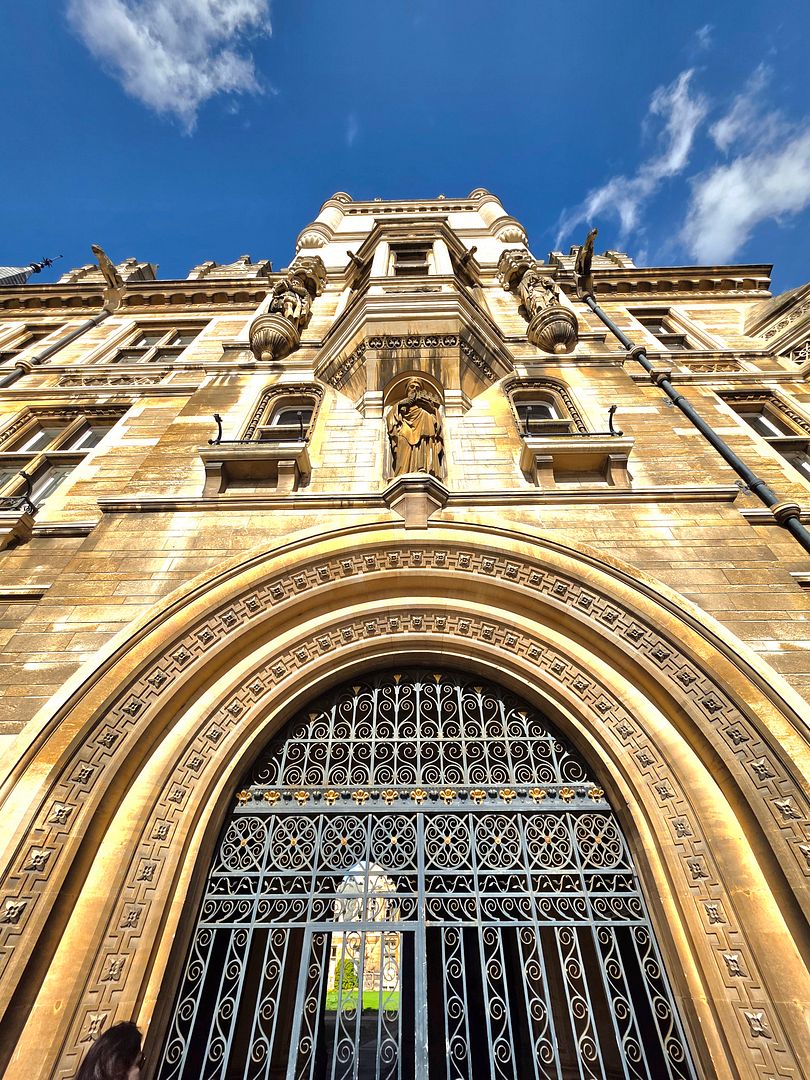
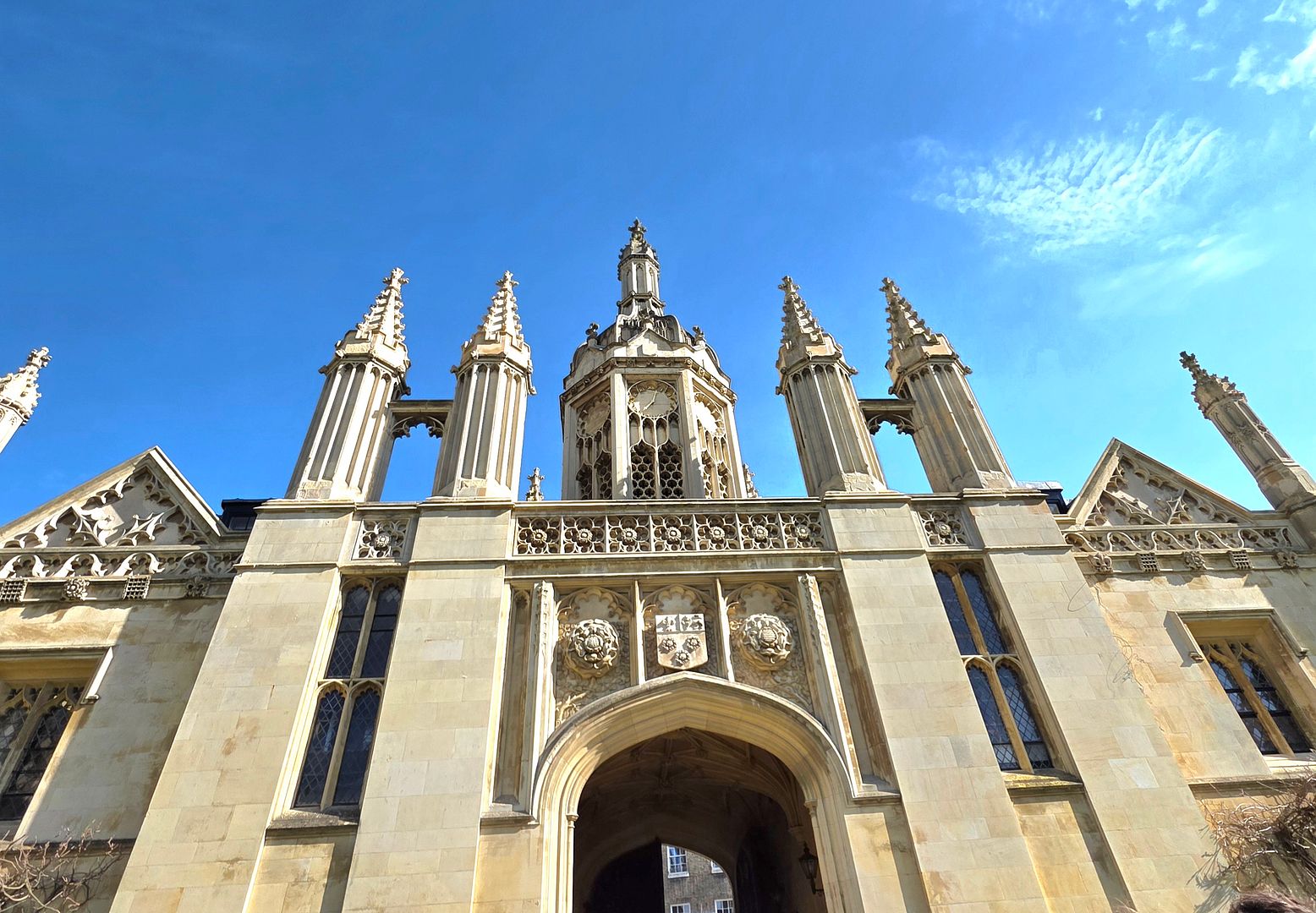
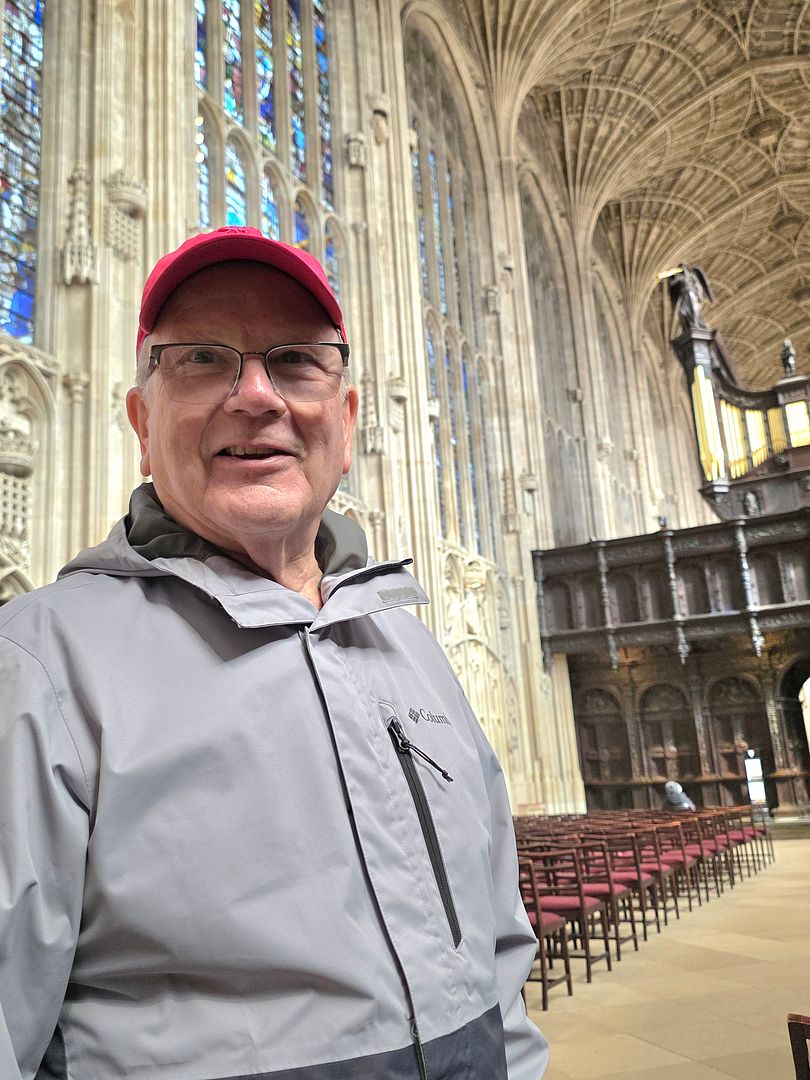
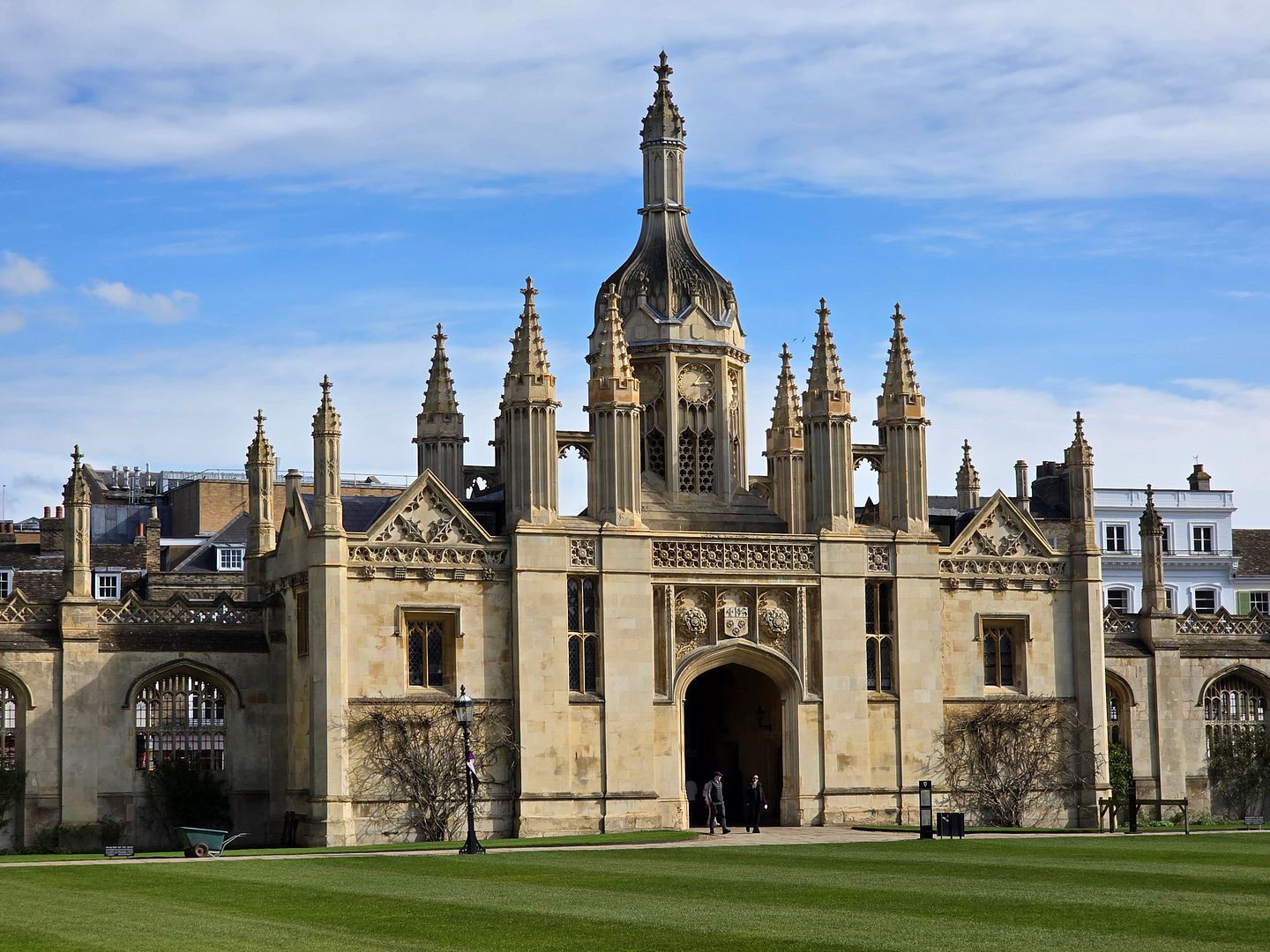
Our guide got us into the grounds of King’s College and then said her goodbyes while we enjoyed the Chapel.
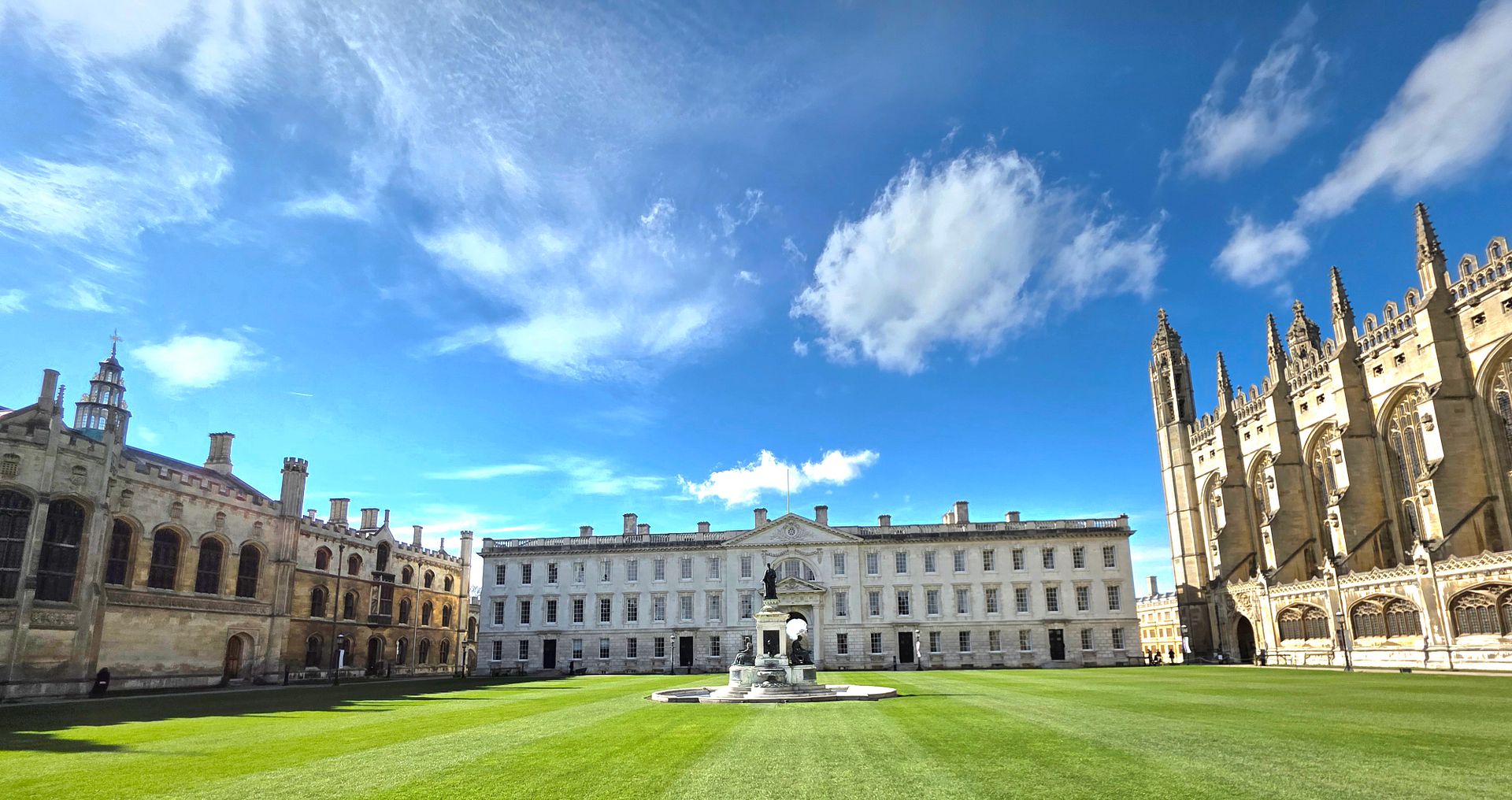
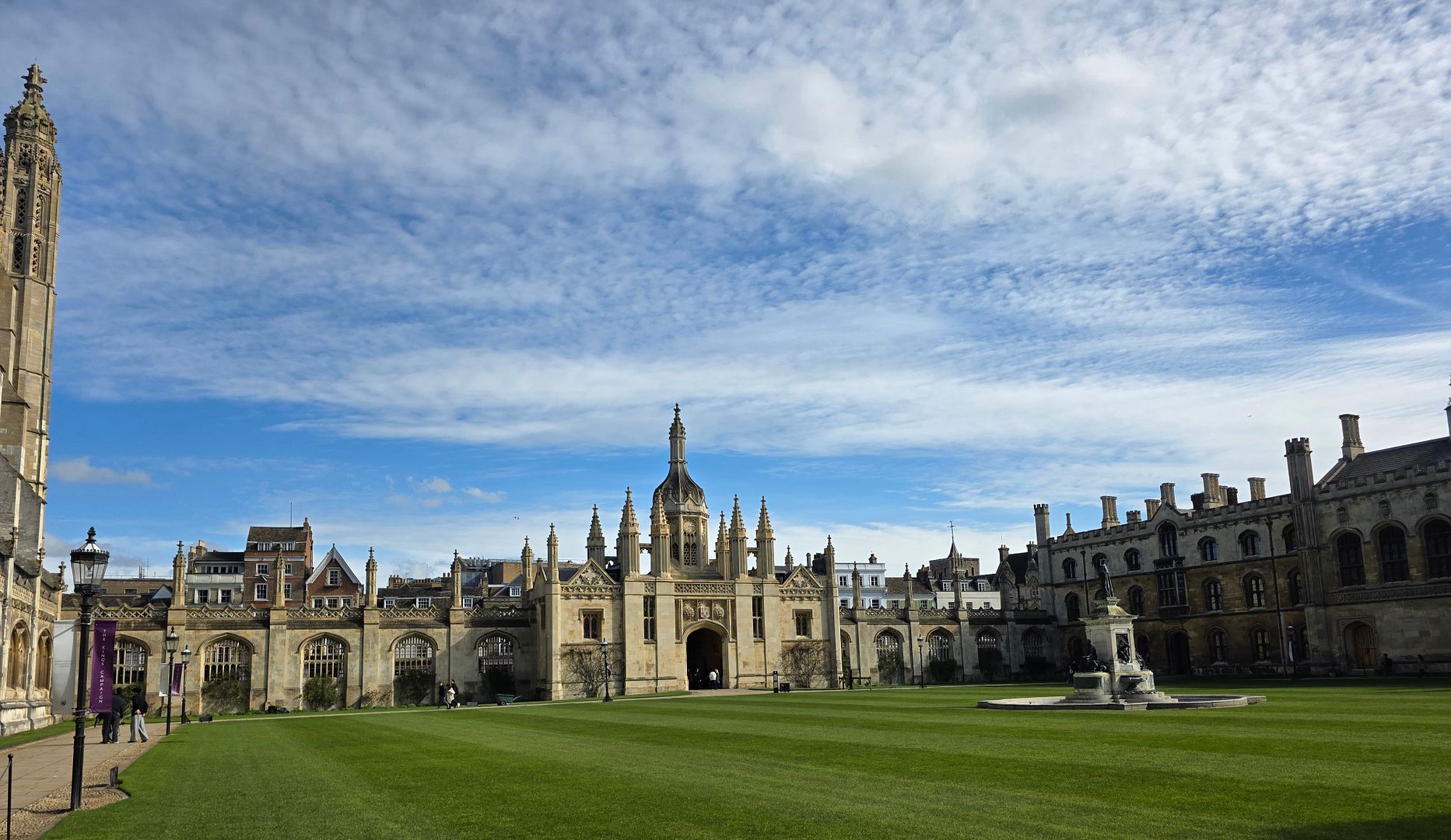
The college quad. The chapel is on the right.
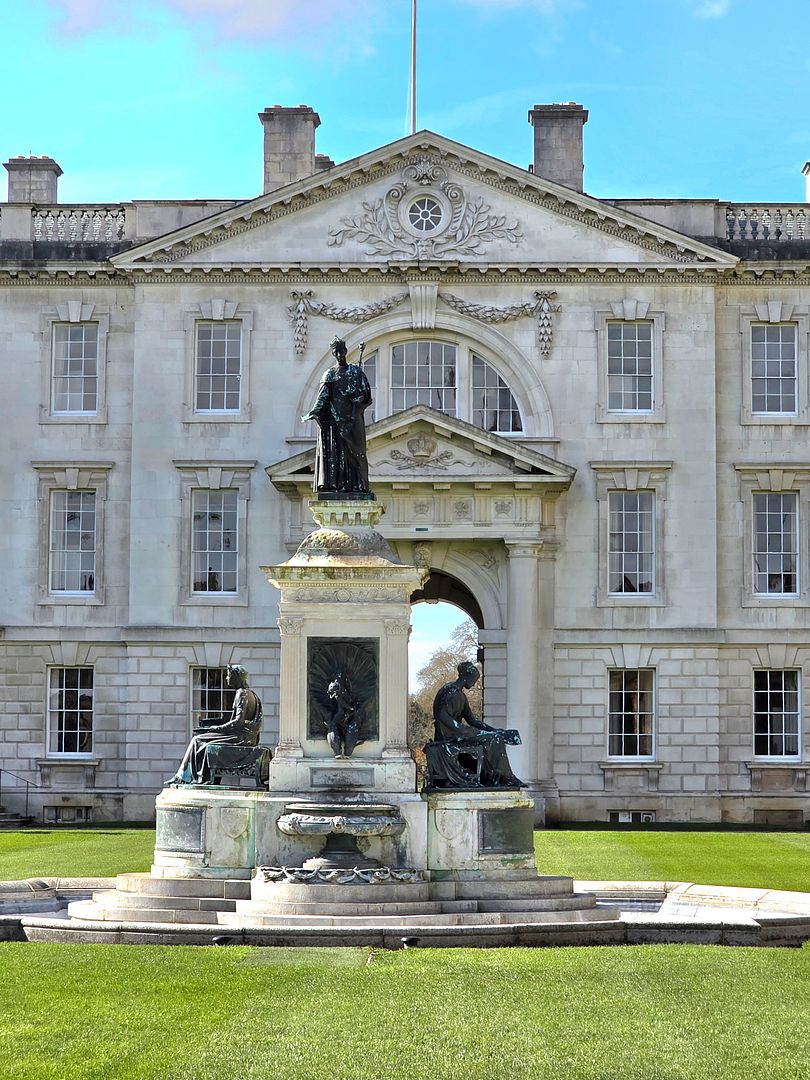
The fountain (1874-1879), with a statue of the College’s saintly Founder, stands in the centre of the Front Court.
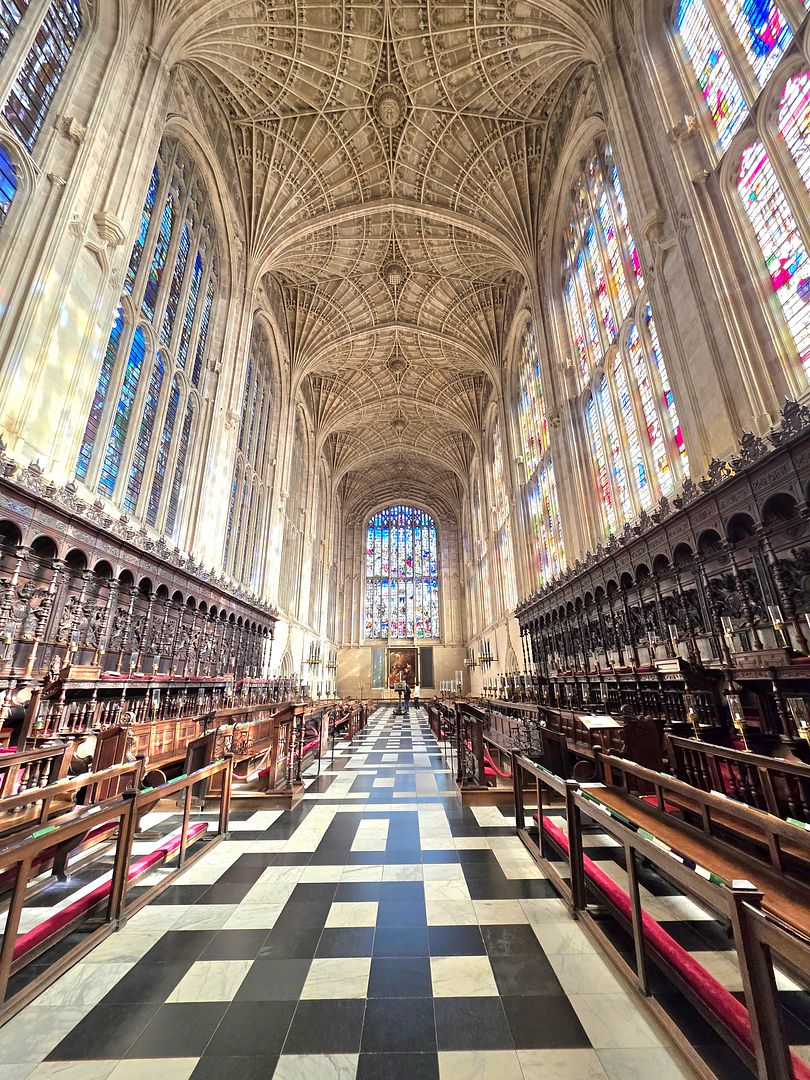
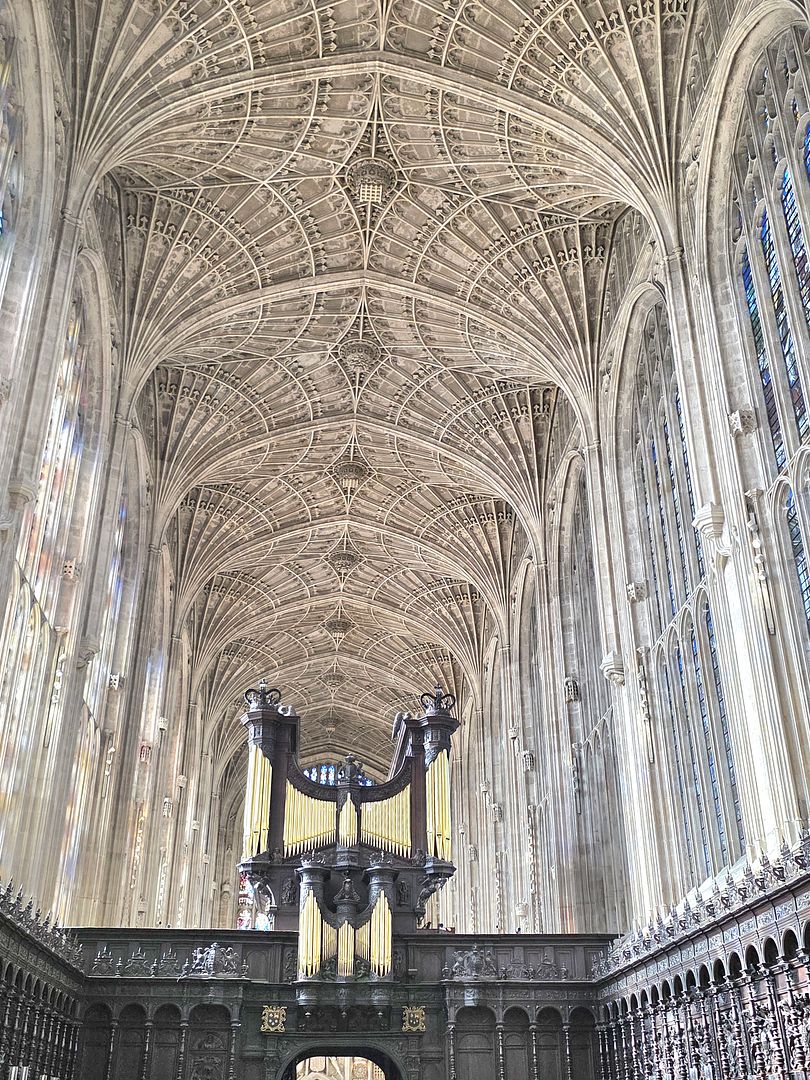
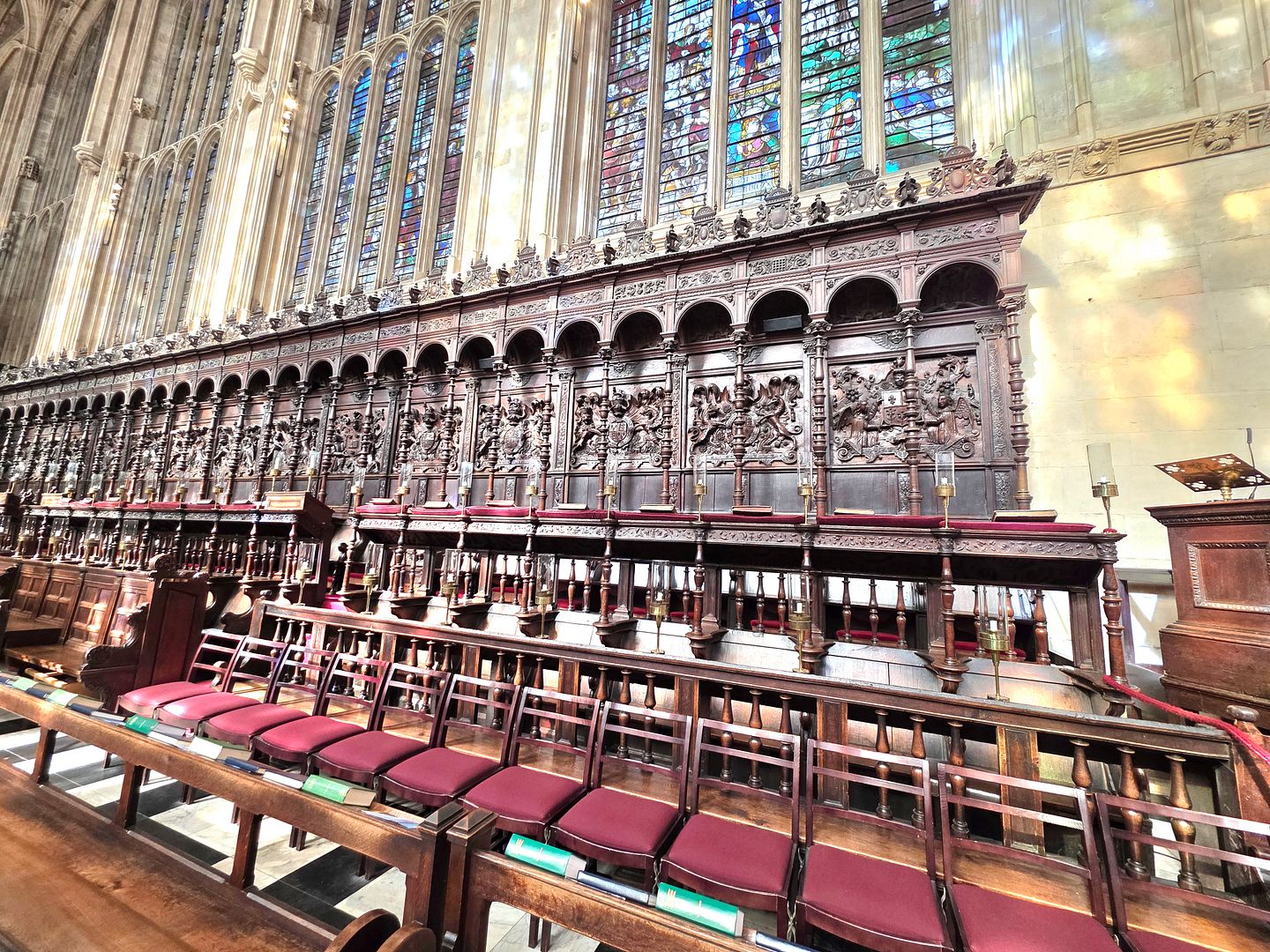
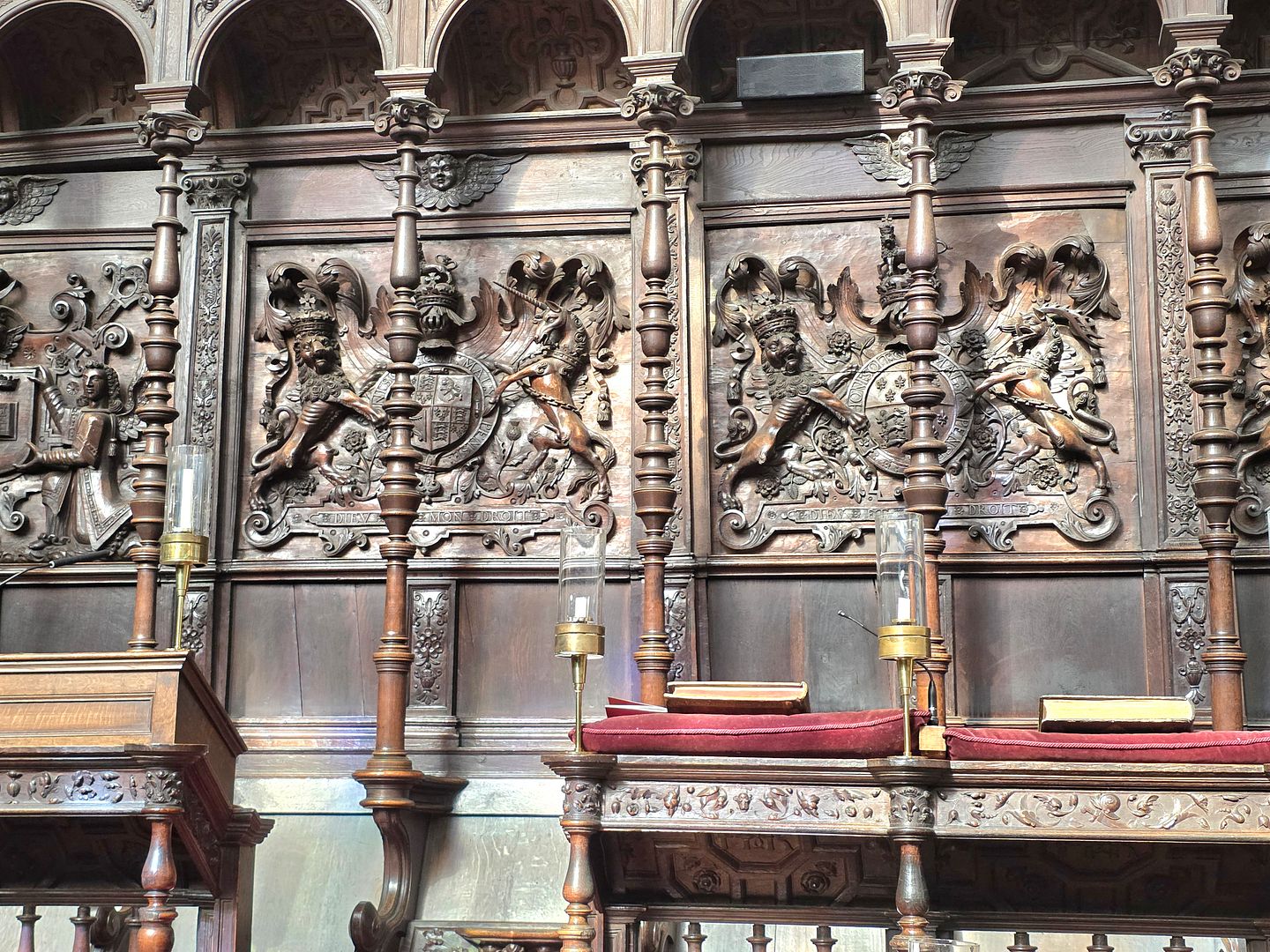
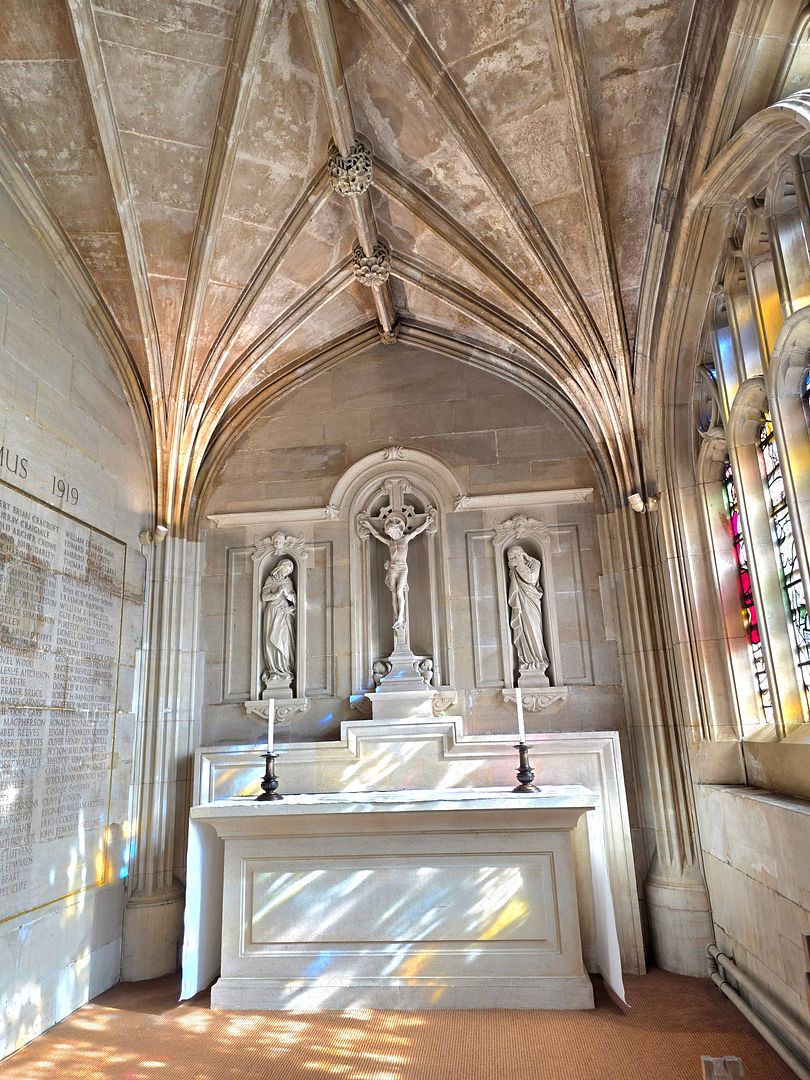
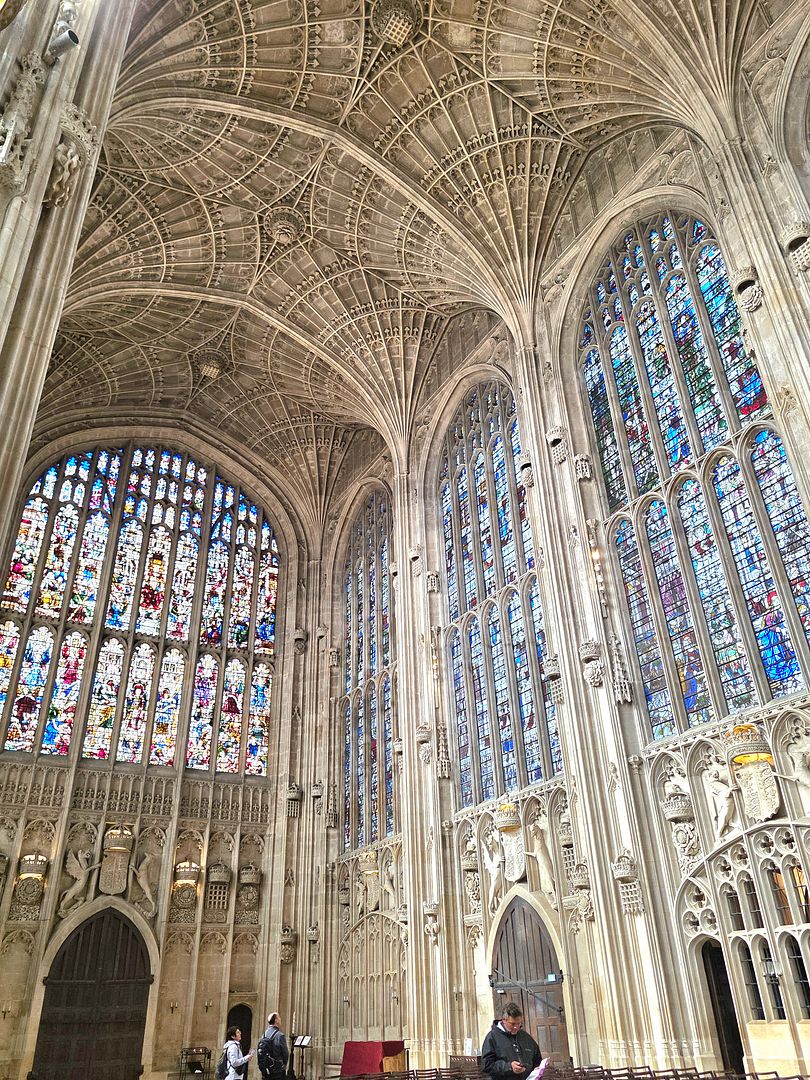
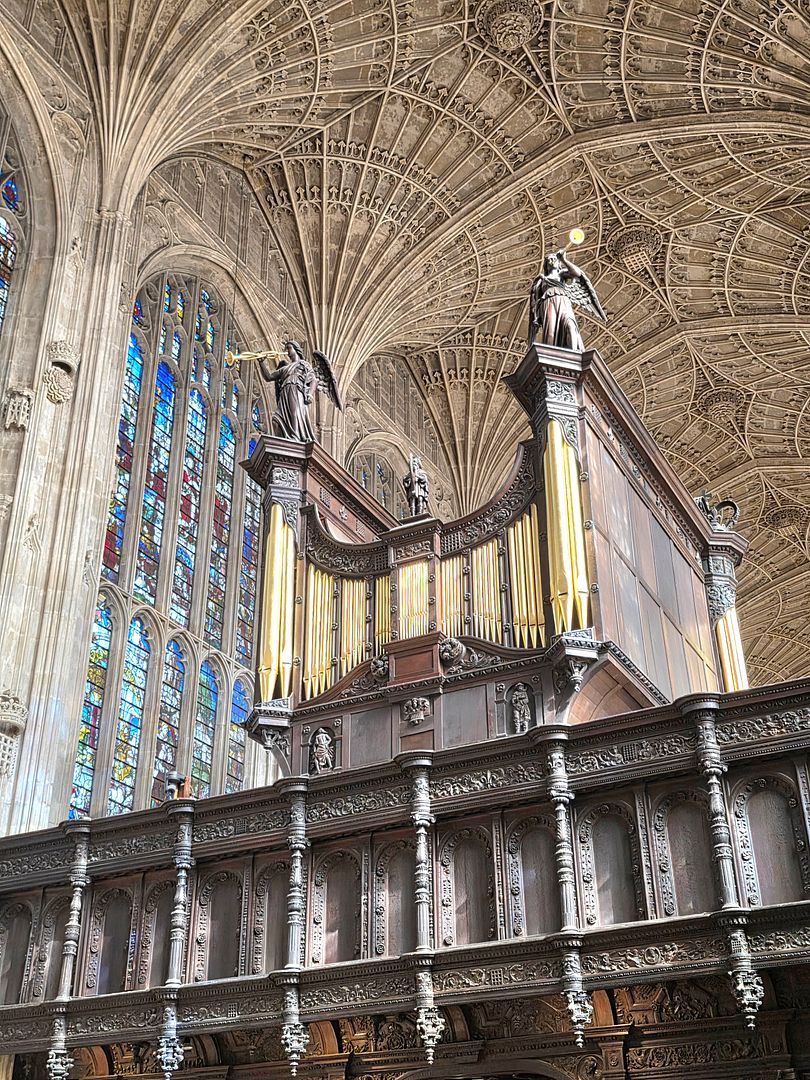
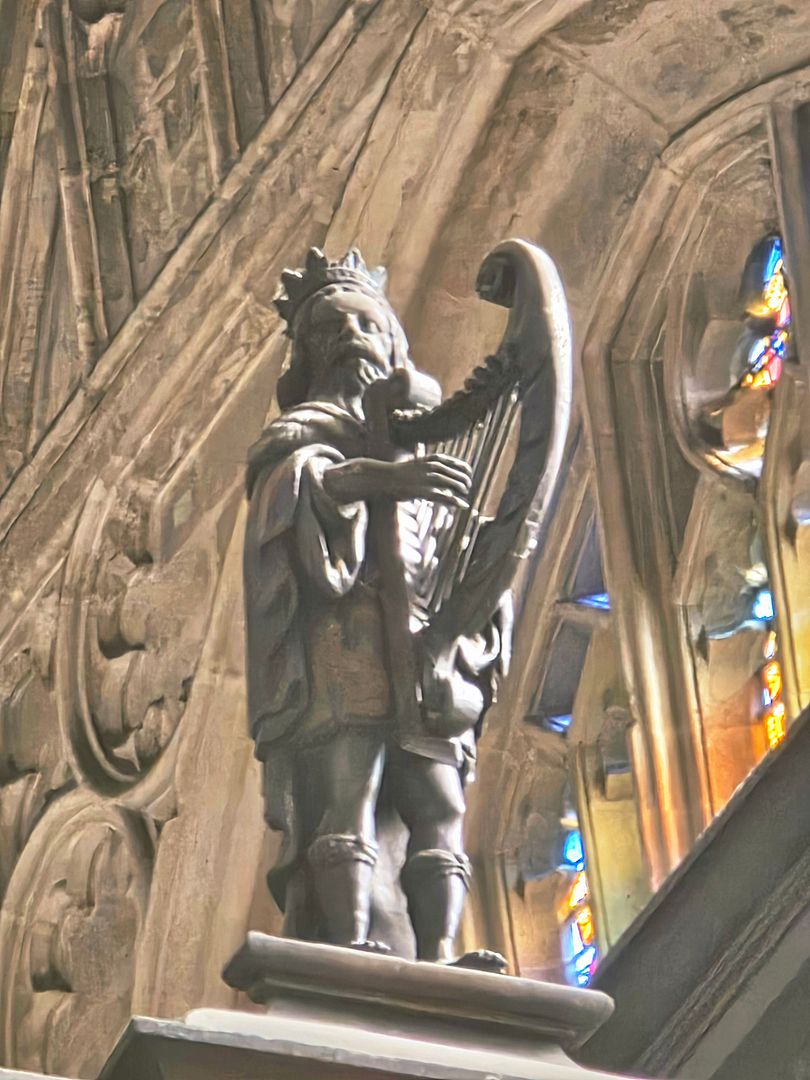
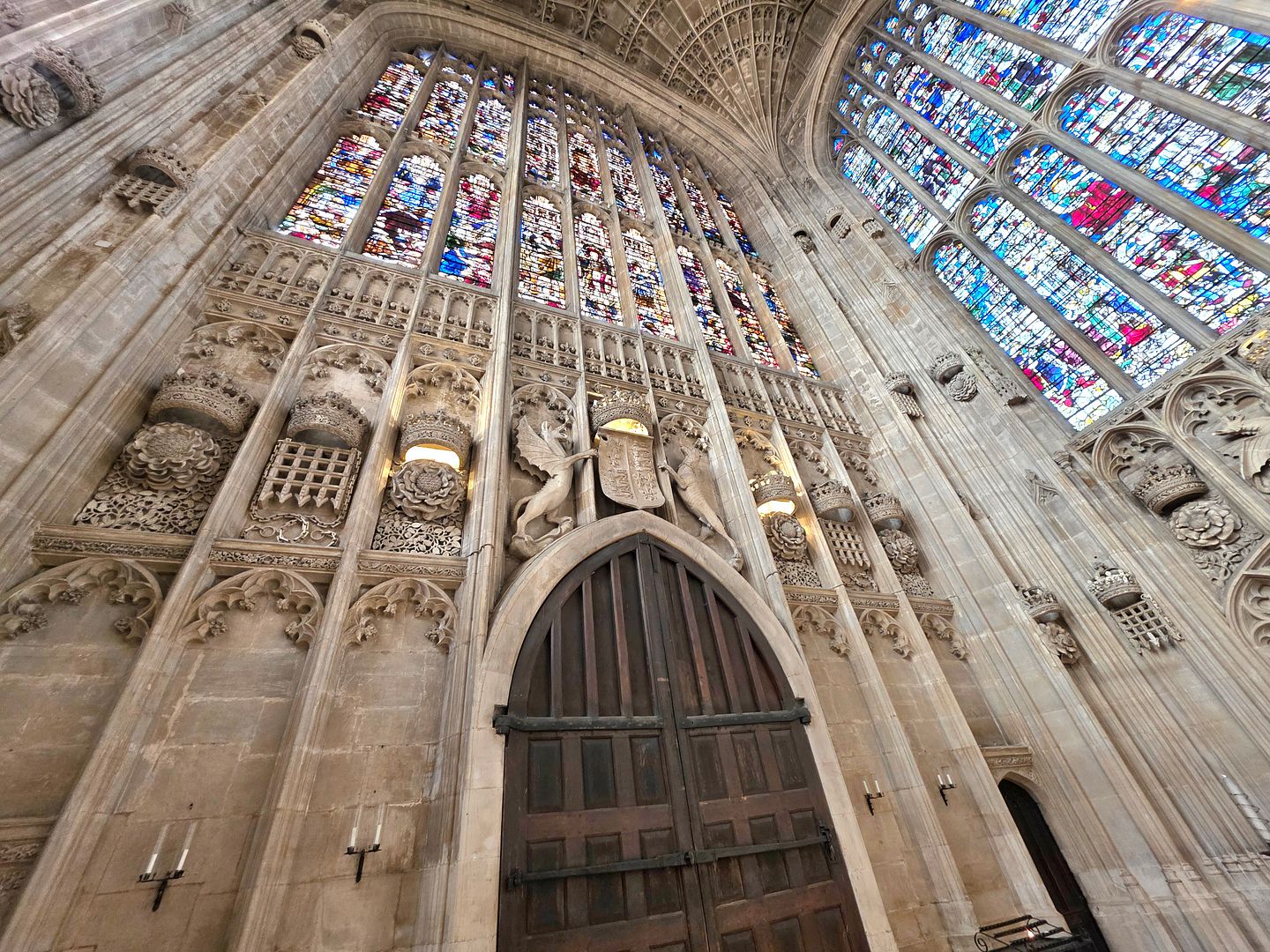
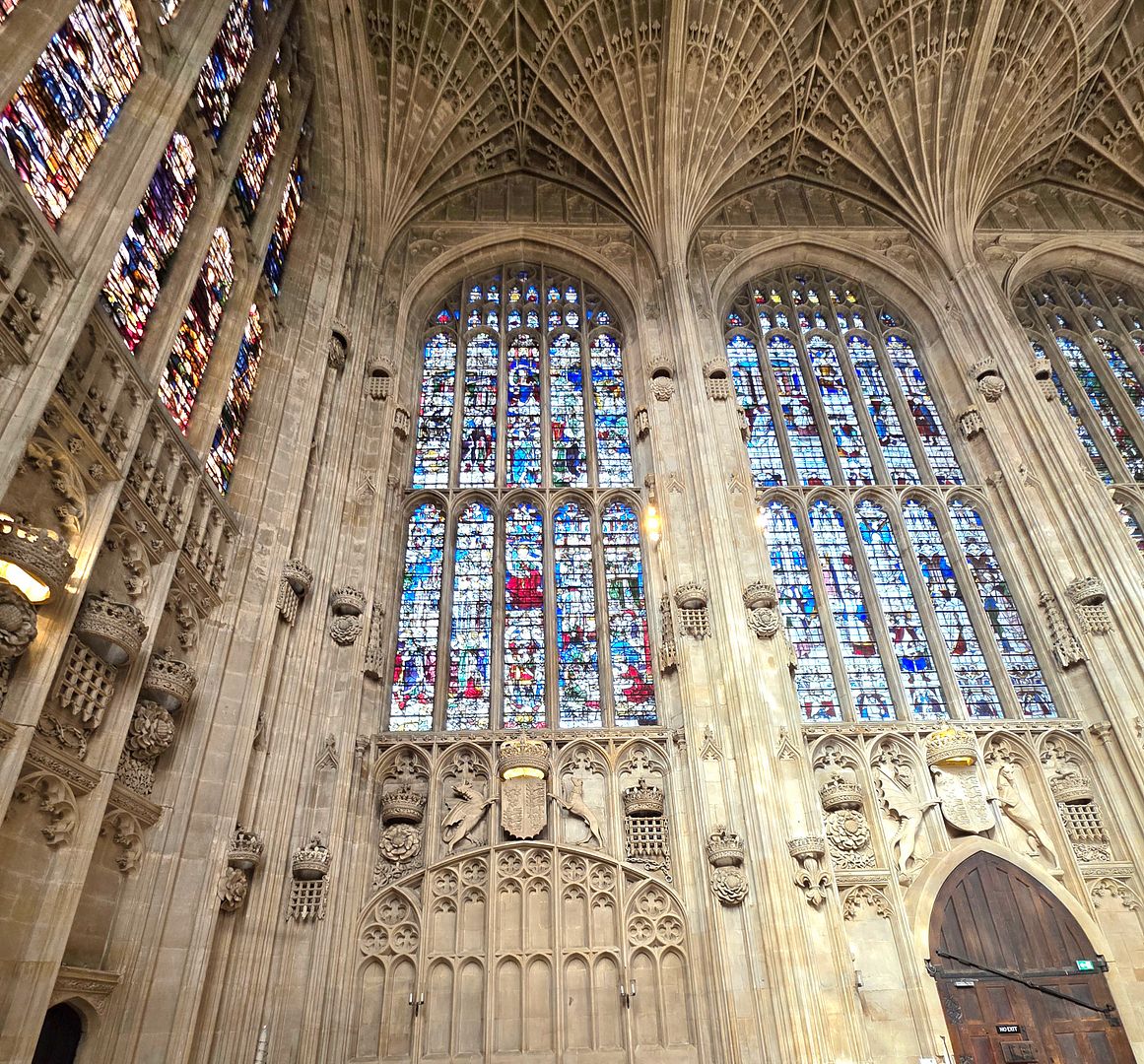
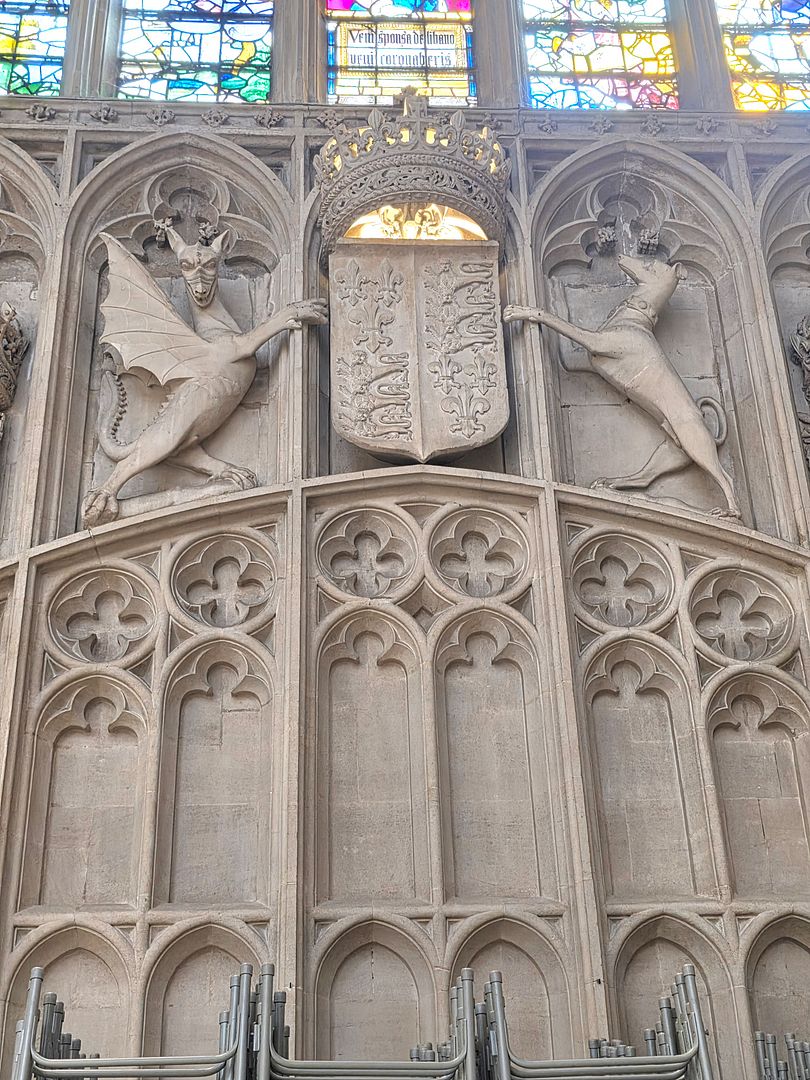
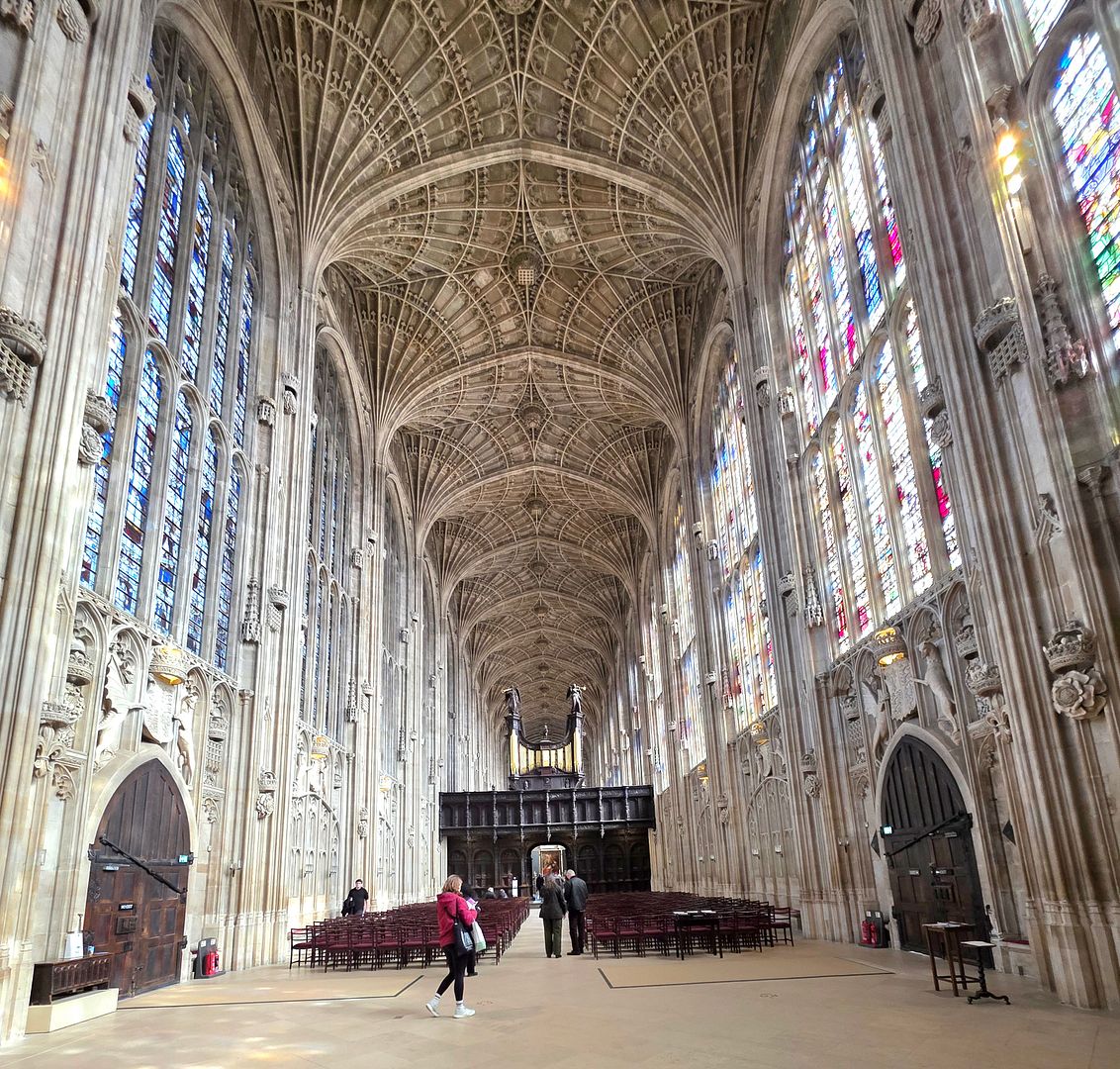
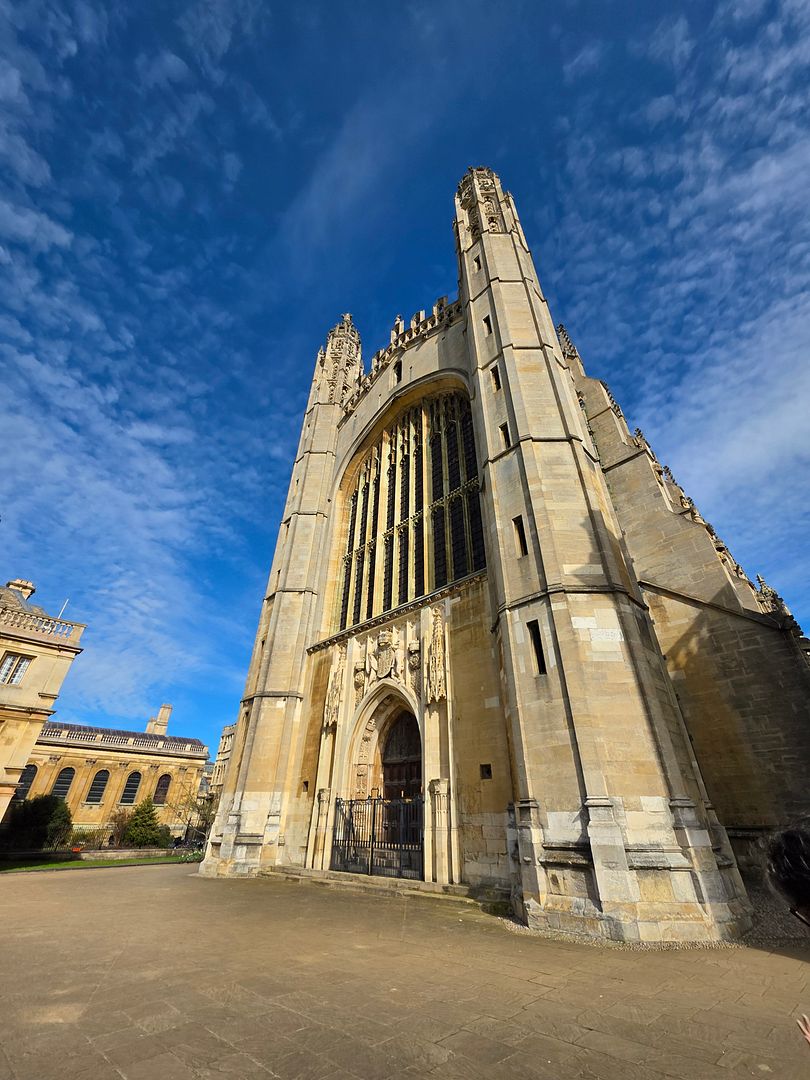
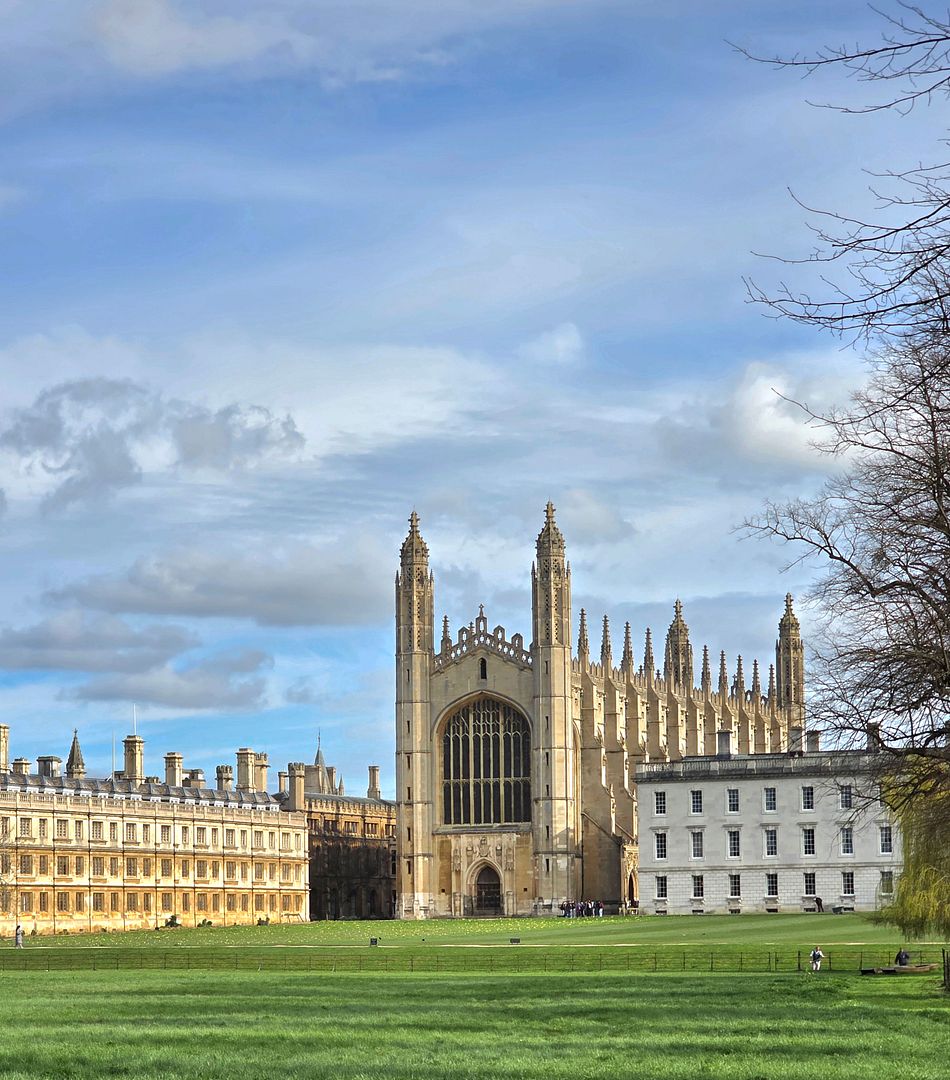
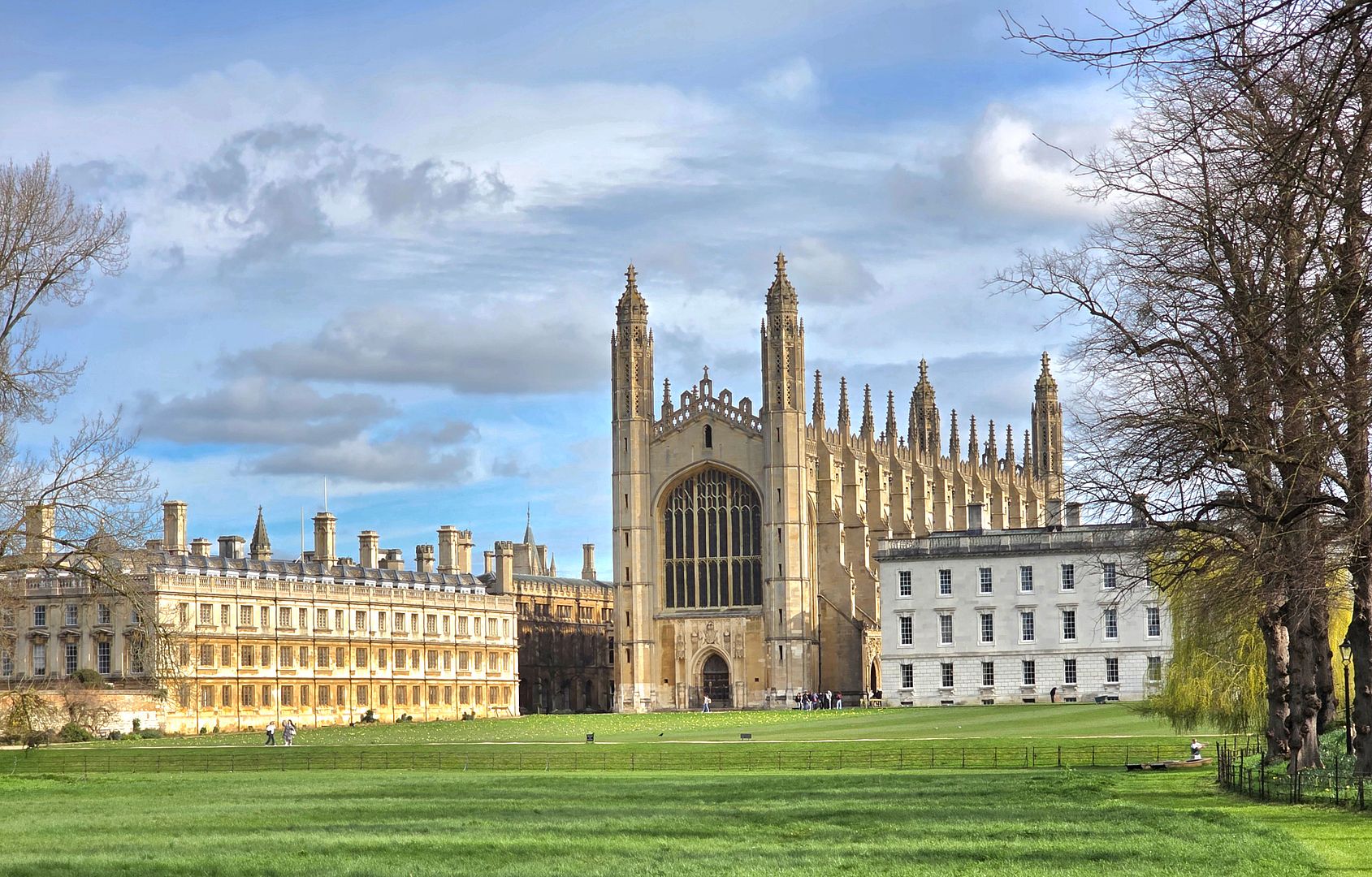
King’s College Chapel is the oldest surviving building within the College site and perhaps the most iconic building in Cambridge. Work on this Chapel only started five years after King’s College was founded by Henry VI in 1441.
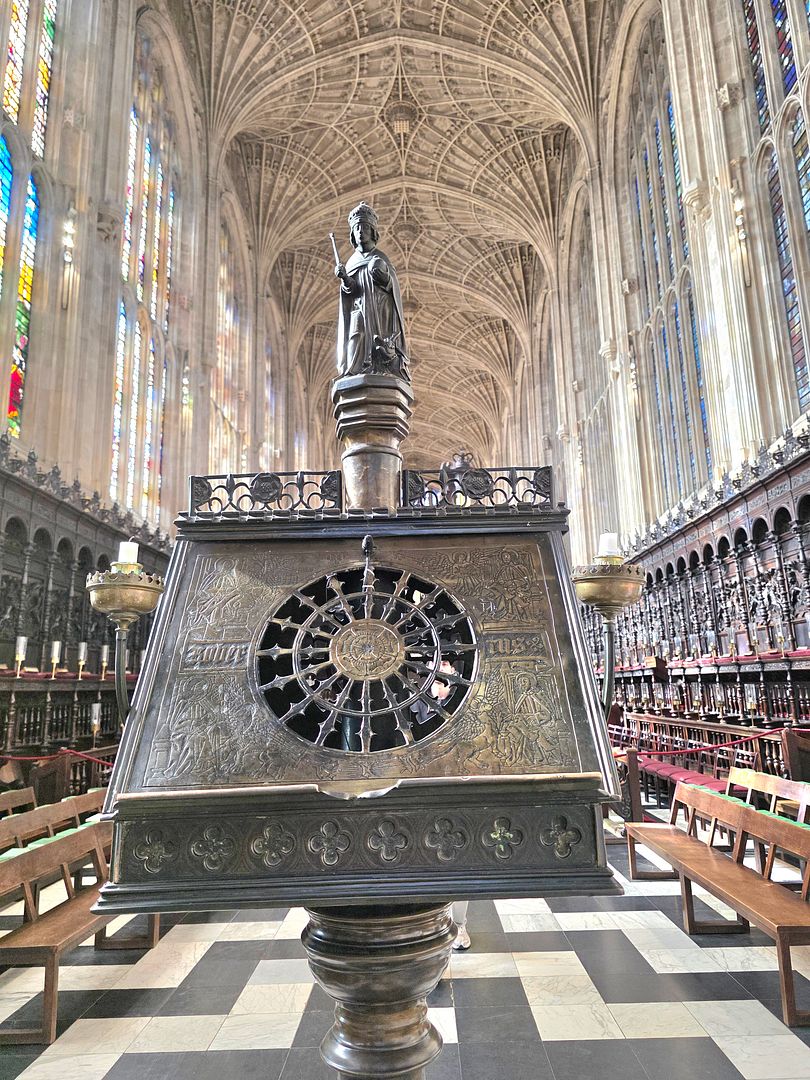
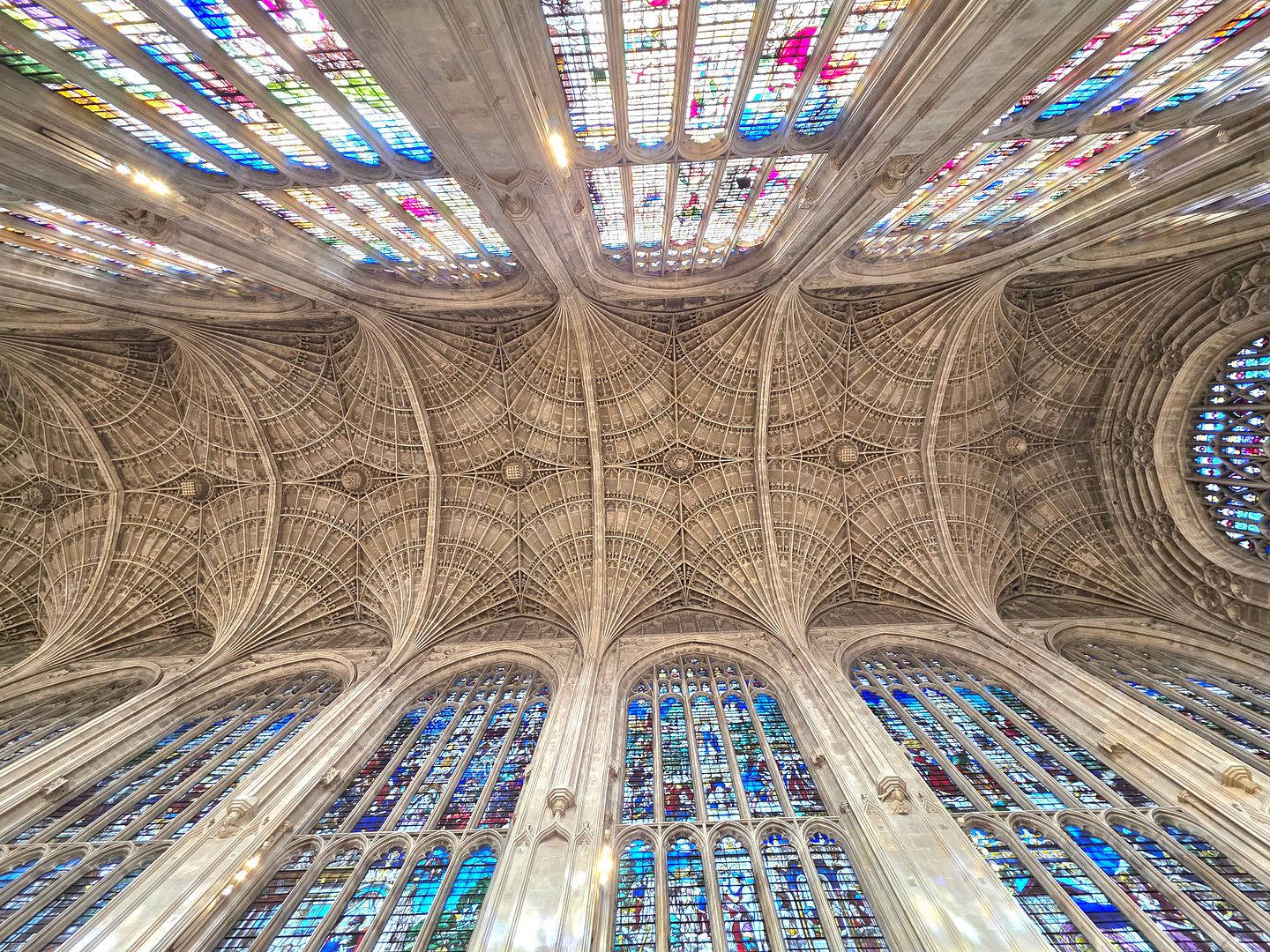
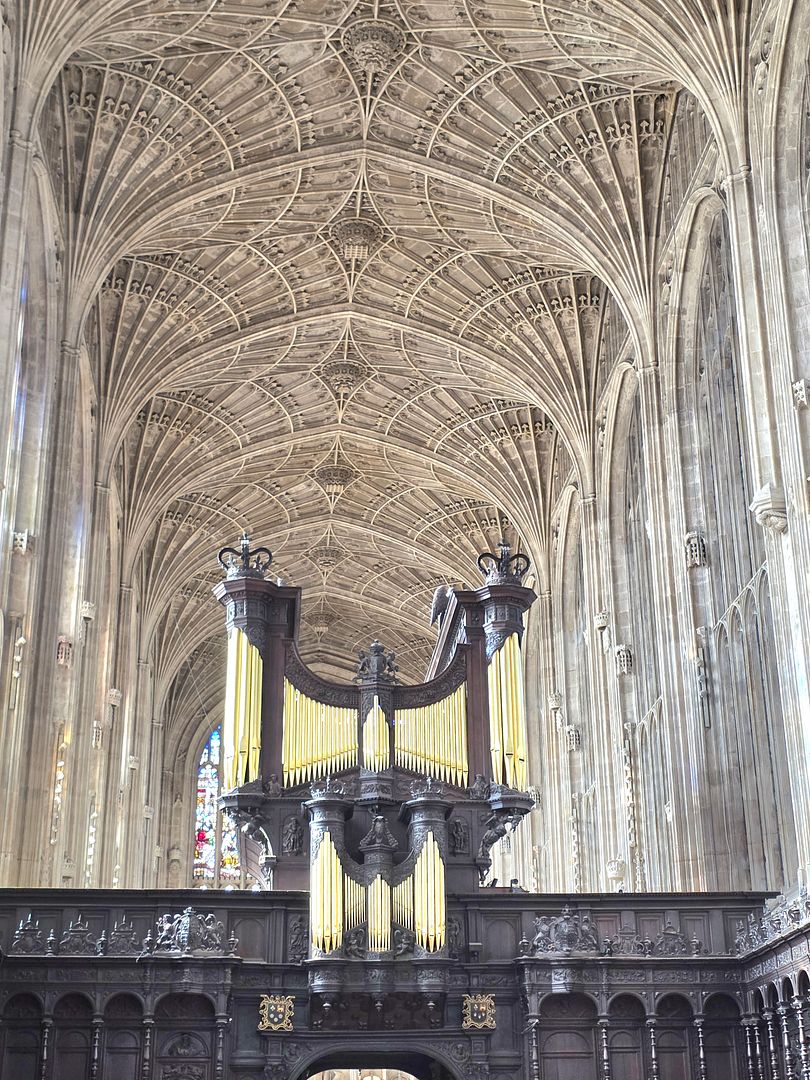
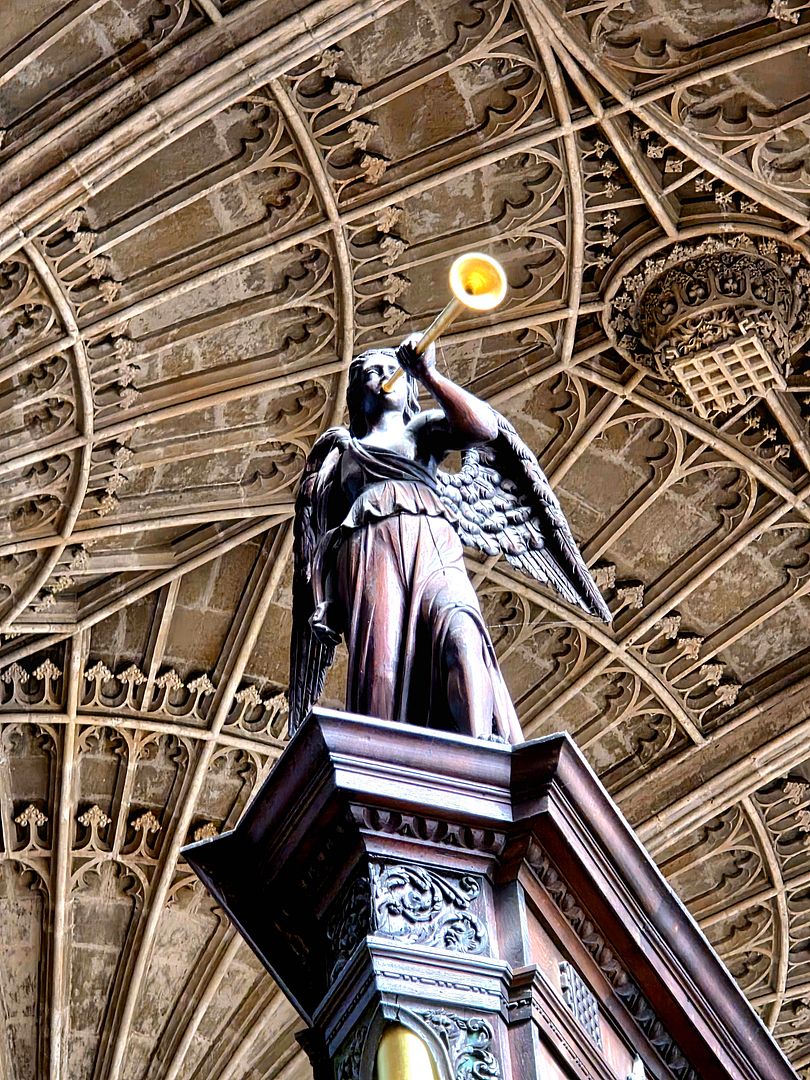
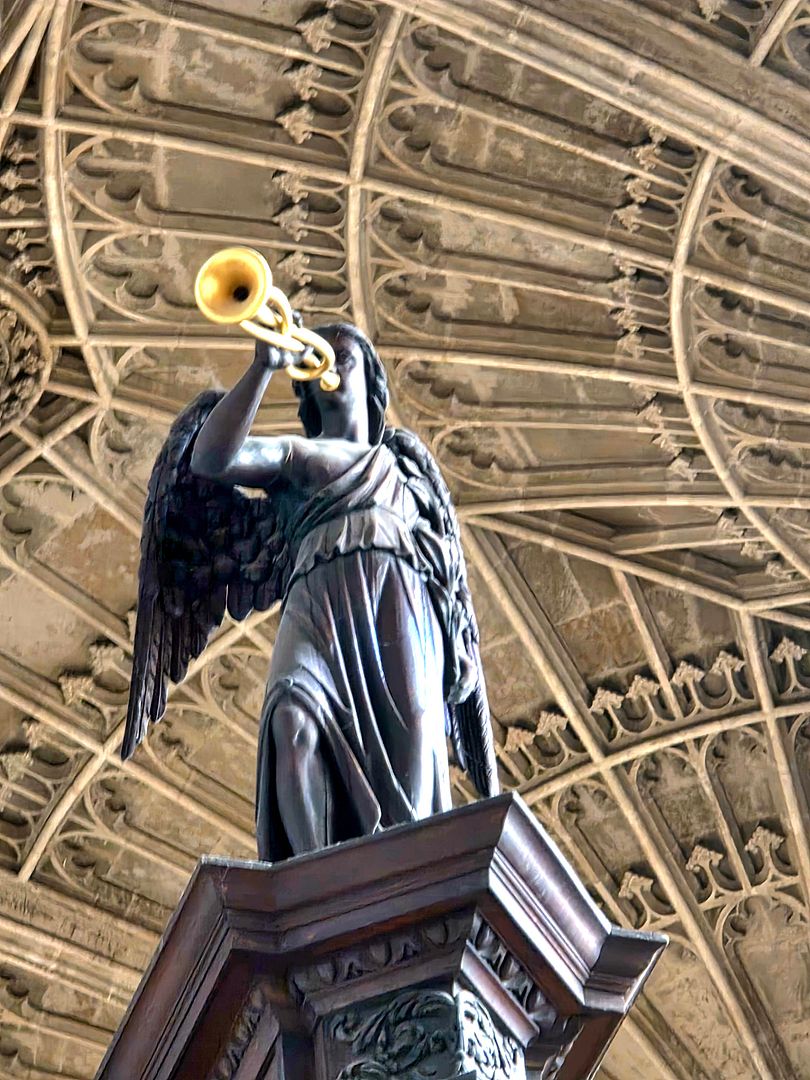
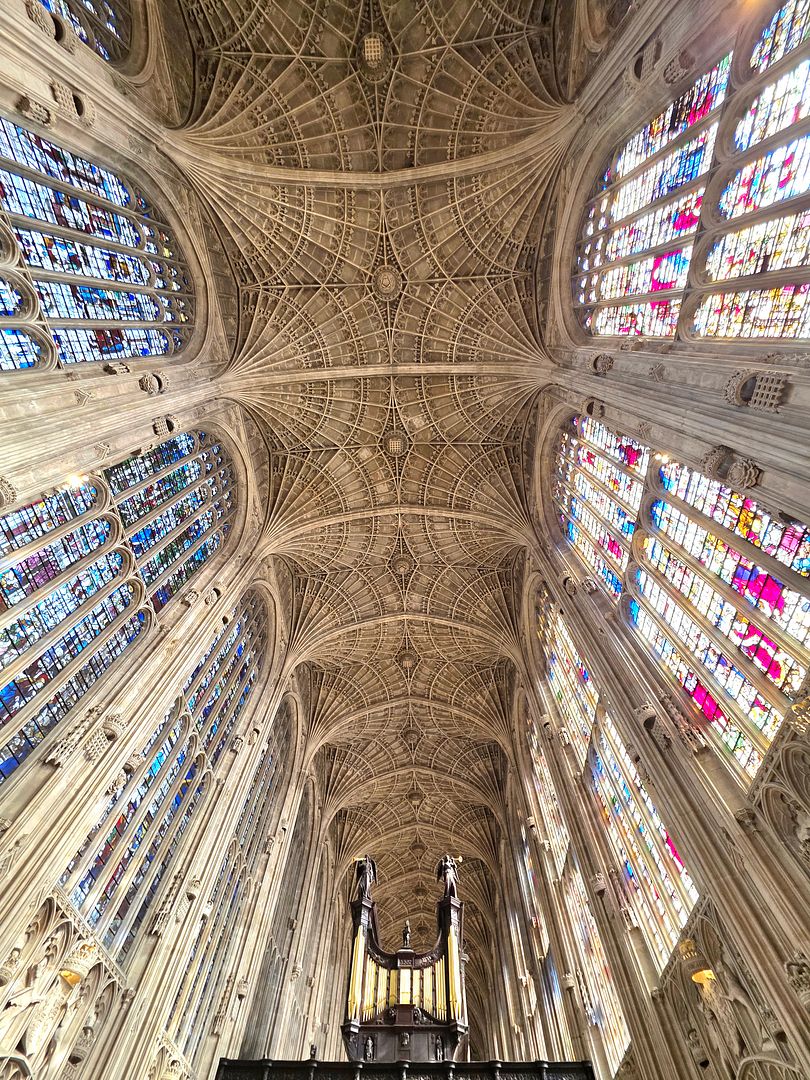
King’s College Chapel is the chapel of King’s College in the University of Cambridge. It is considered one of the finest examples of late Perpendicular Gothic English architecture and features the world’s largest fan vault.
It took 5 kings to finish this structure.
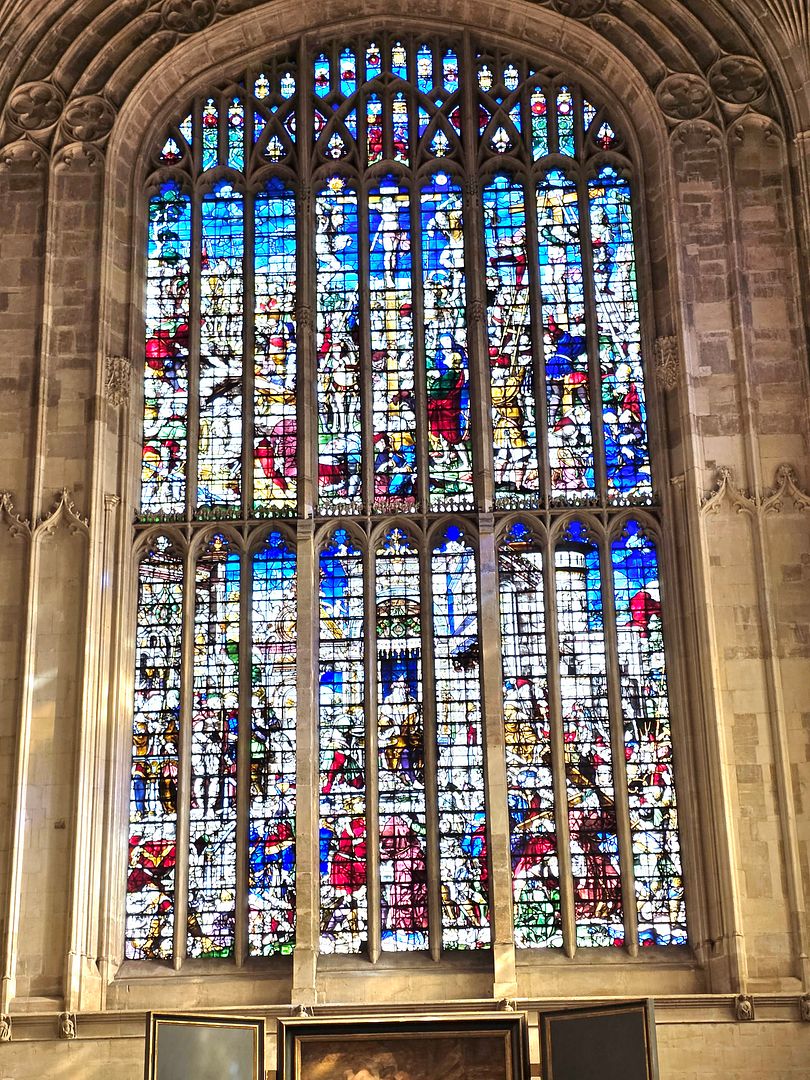
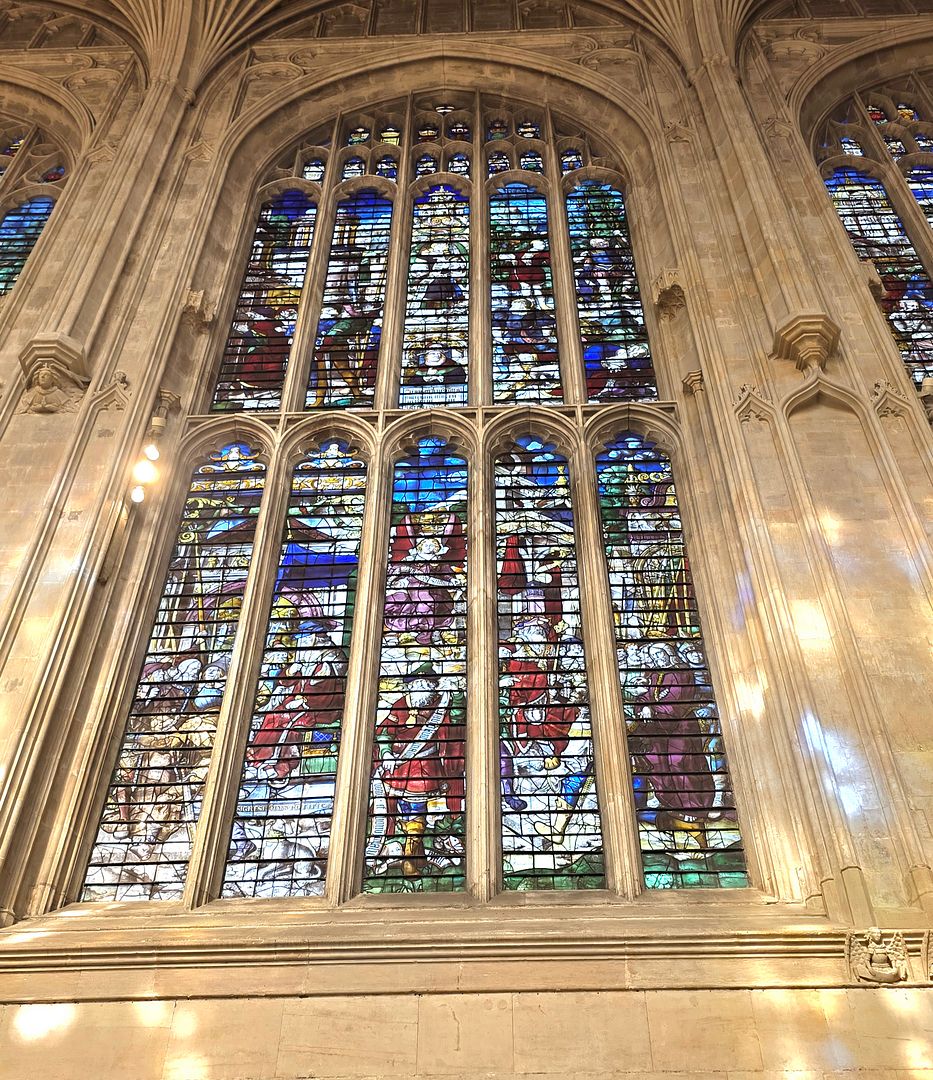
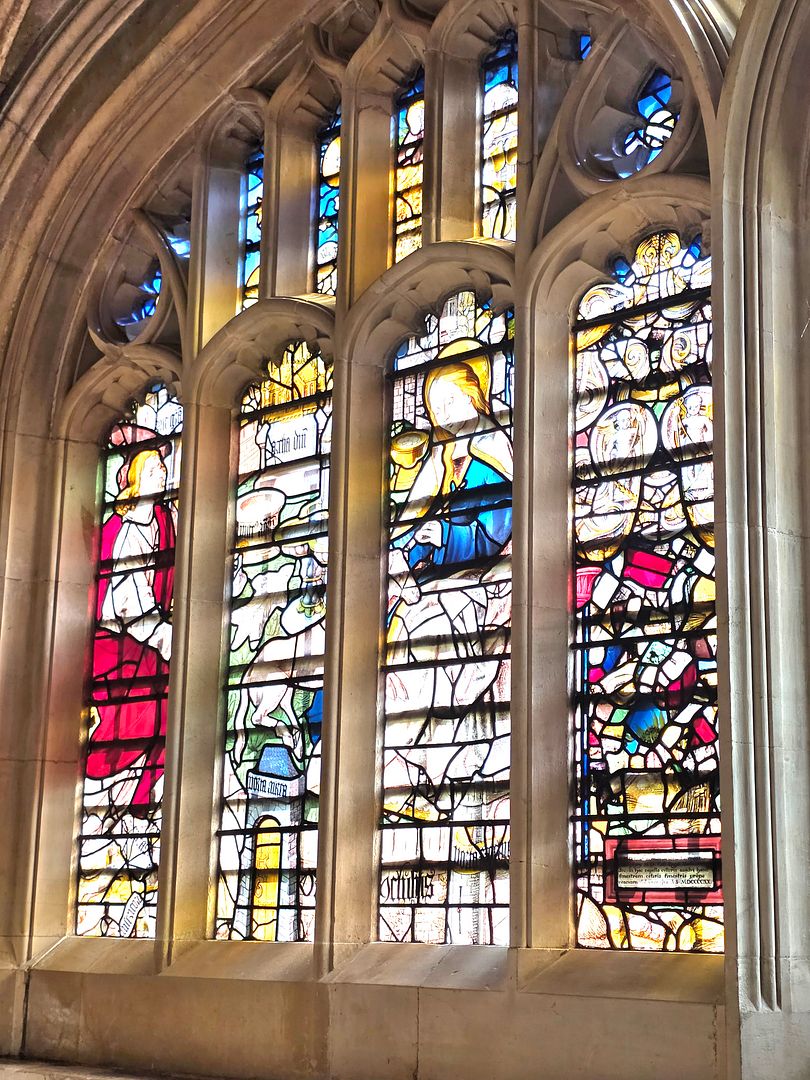
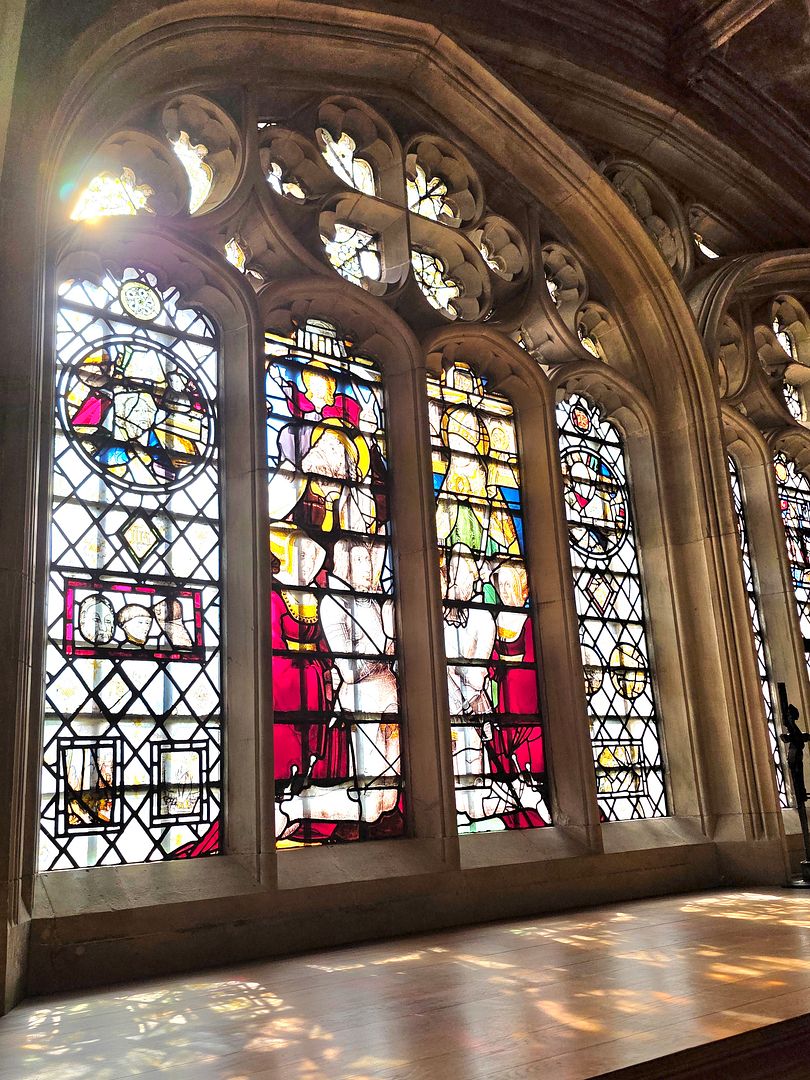
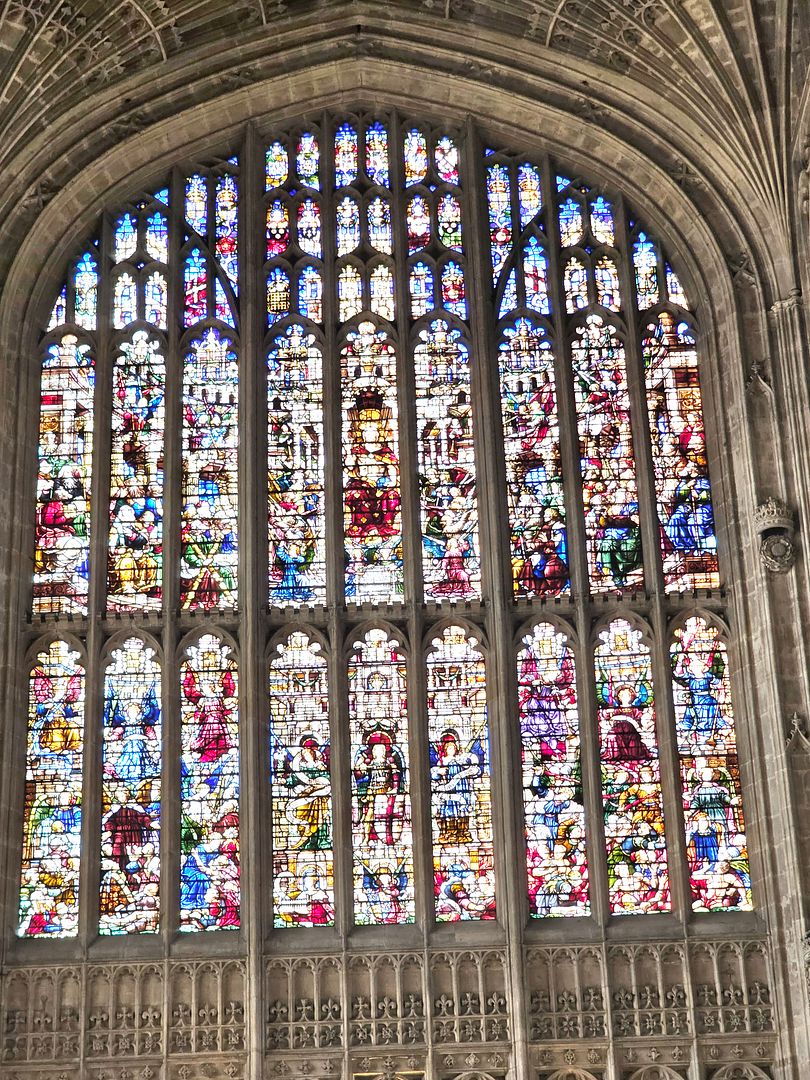
26 windows chronicling scenes from the Old and the New Testament.
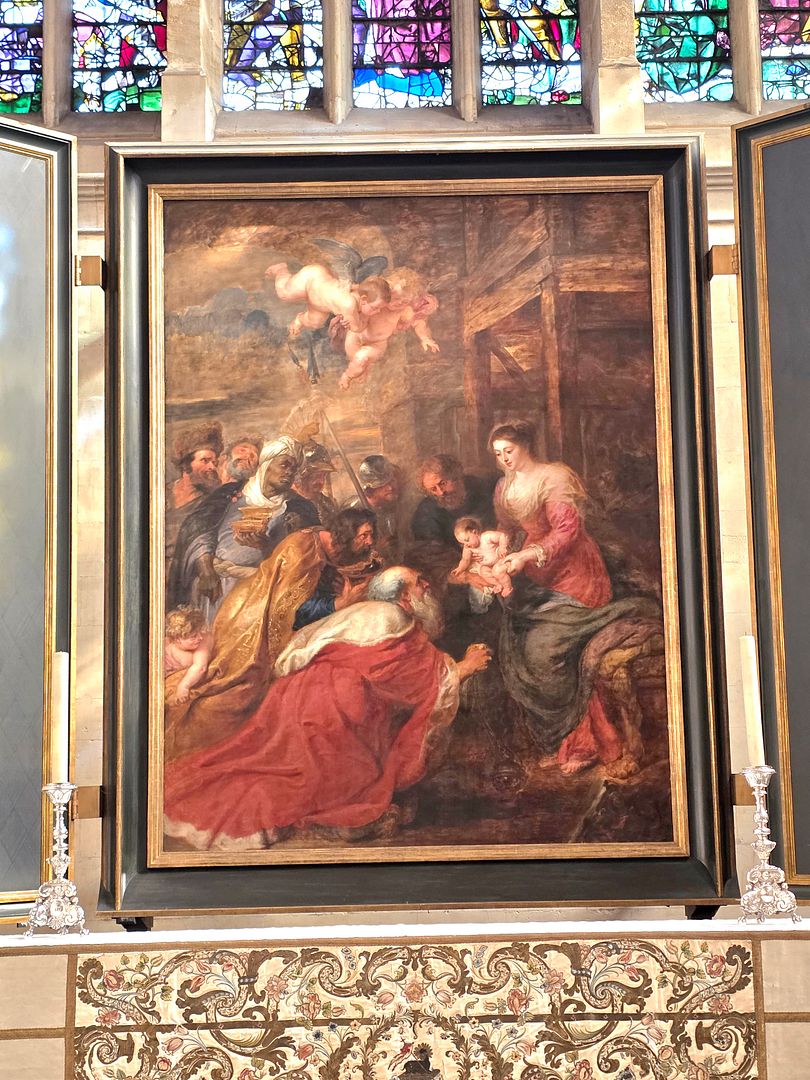
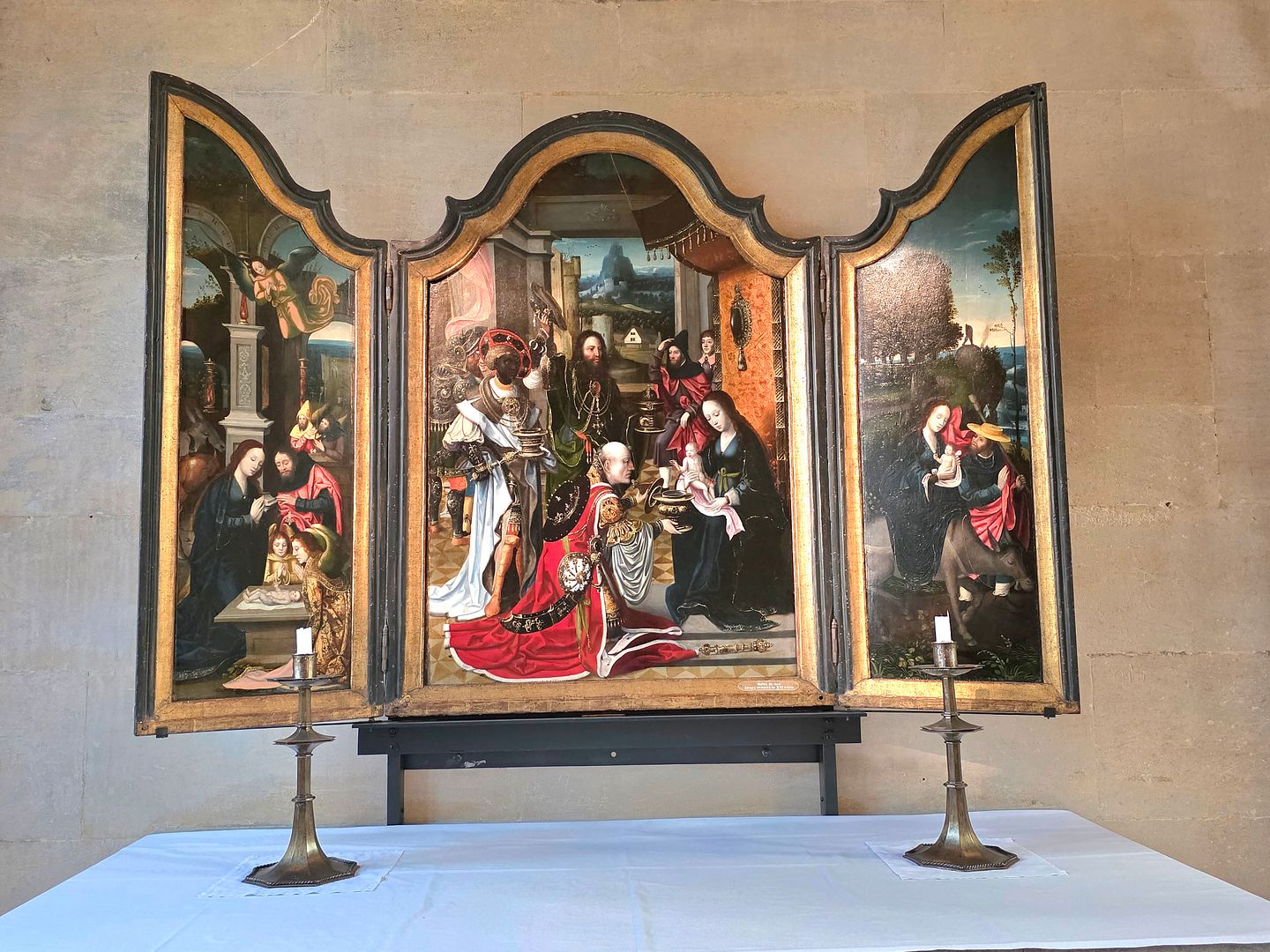
Adoration of the Magi
The three wise men have brought Jesus their gifts of gold, frankincense and myrrh. At the front in red is the oldest man, holding a container of frankincense; frankincense was burned in sacrifices to God by the Israelites in the Bible, so it came to be a symbol of Jesus being God. The man behind him is holding a jar of the perfume “myrrh”; this was used in embalming corpses, so it became a symbol of Jesus’ death as a sacrifice for mankind. The third man, often called the “Black Magus”, has brought Jesus gold, a symbol of the fact that Jesus is a king.
It was painted by the artist, Peter Paul Rubens, who born in 1577, in what is now Germany. He was one of the most well-known and successful artists of his time. He didn’t usually paint pictures in order to later sell them in a shop or a gallery: most of his paintings were commissioned by groups who wanted his pictures in their churches. This one was originally painted for a convent of nuns in Antwerp, Belgium. It only came to Cambridge in the 1960s.
King’s College Chapel escaped unscathed during wars including the Second World War, when the glass of most of the windows was removed for safety. The opportunity was taken to clean, repair and photograph it. Only the West Window remained in place, appreciated at last in the absence of unfair competition.
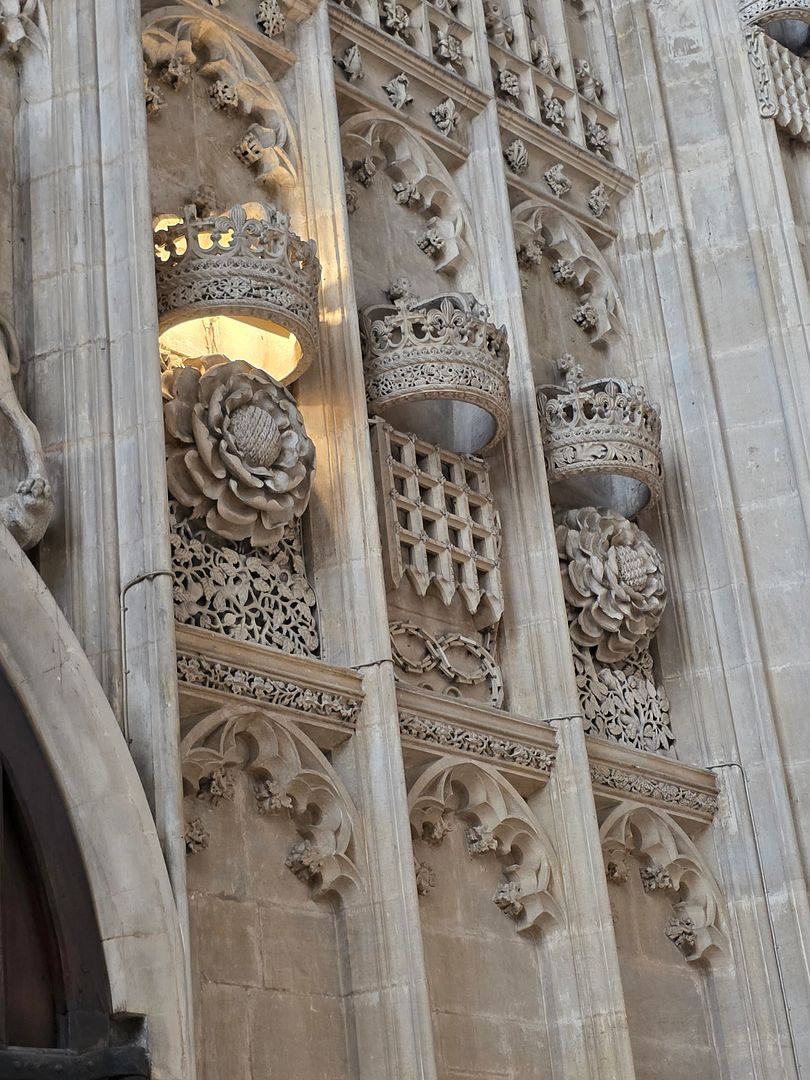
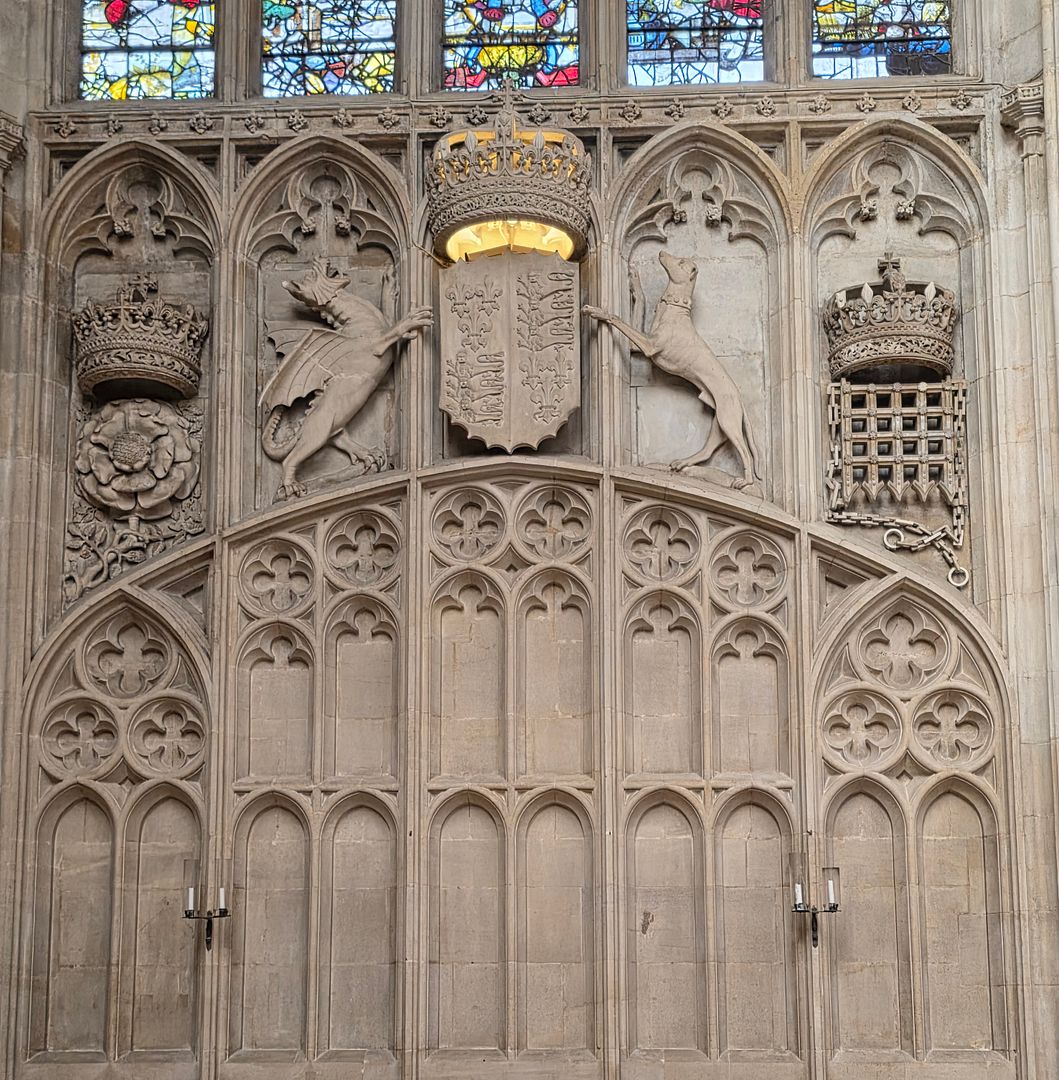
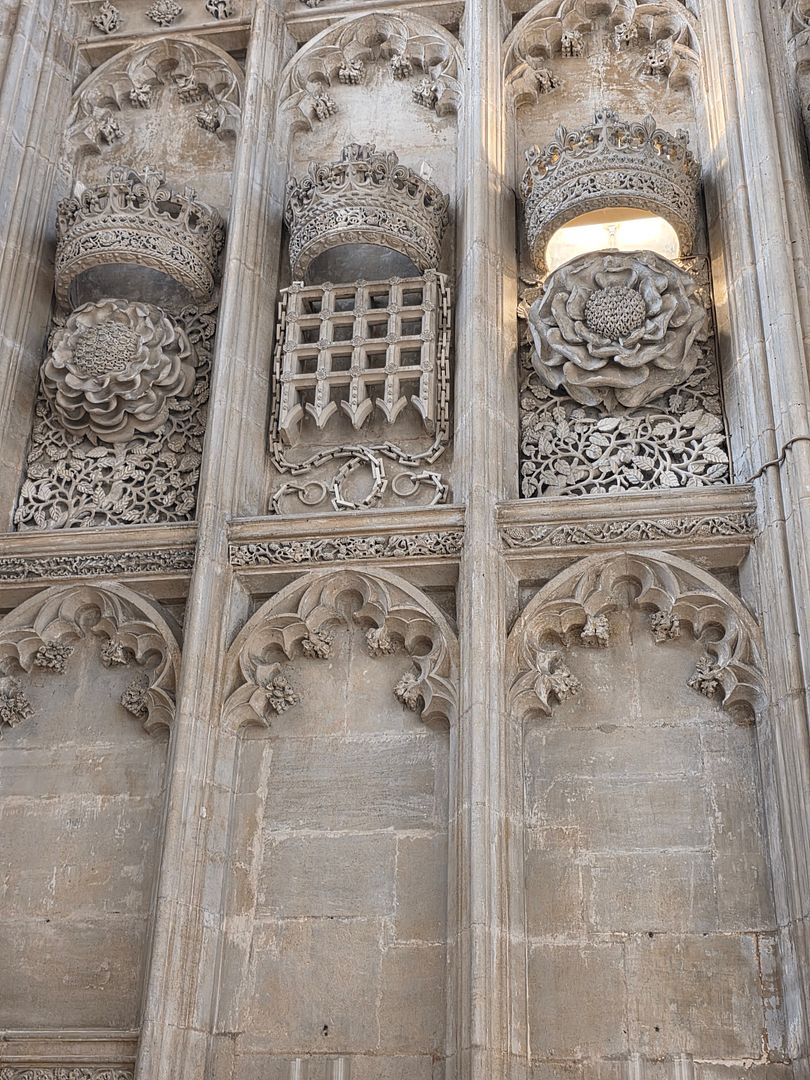
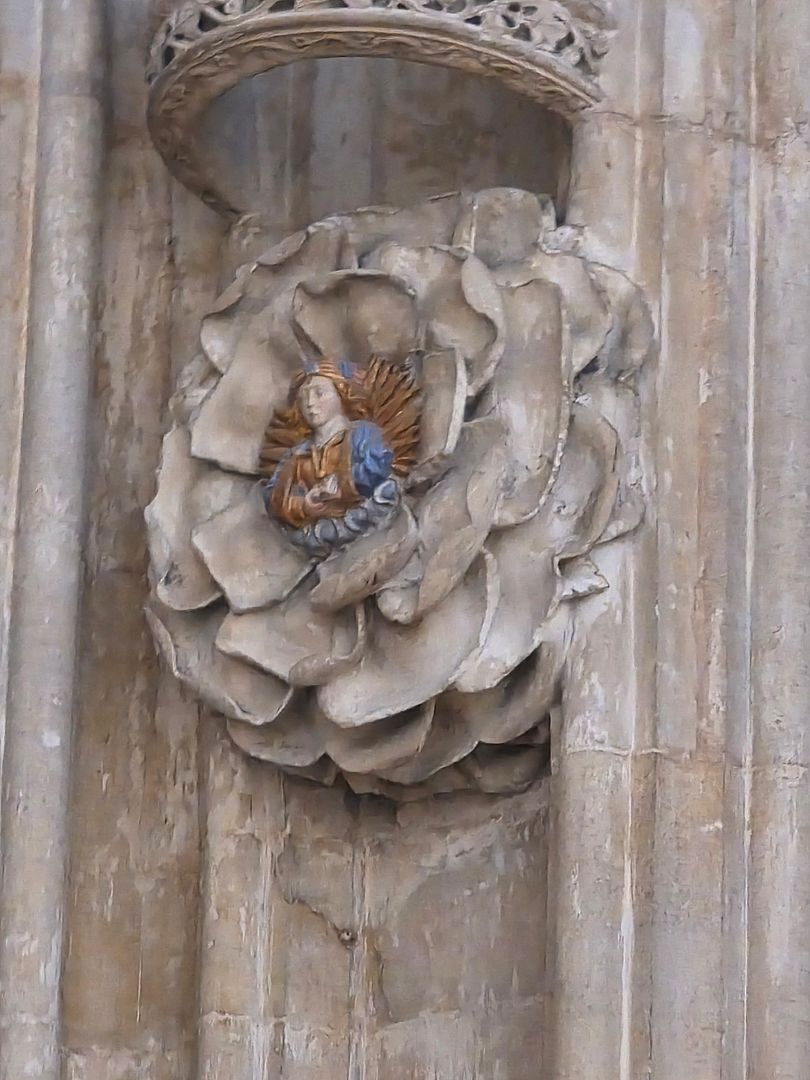
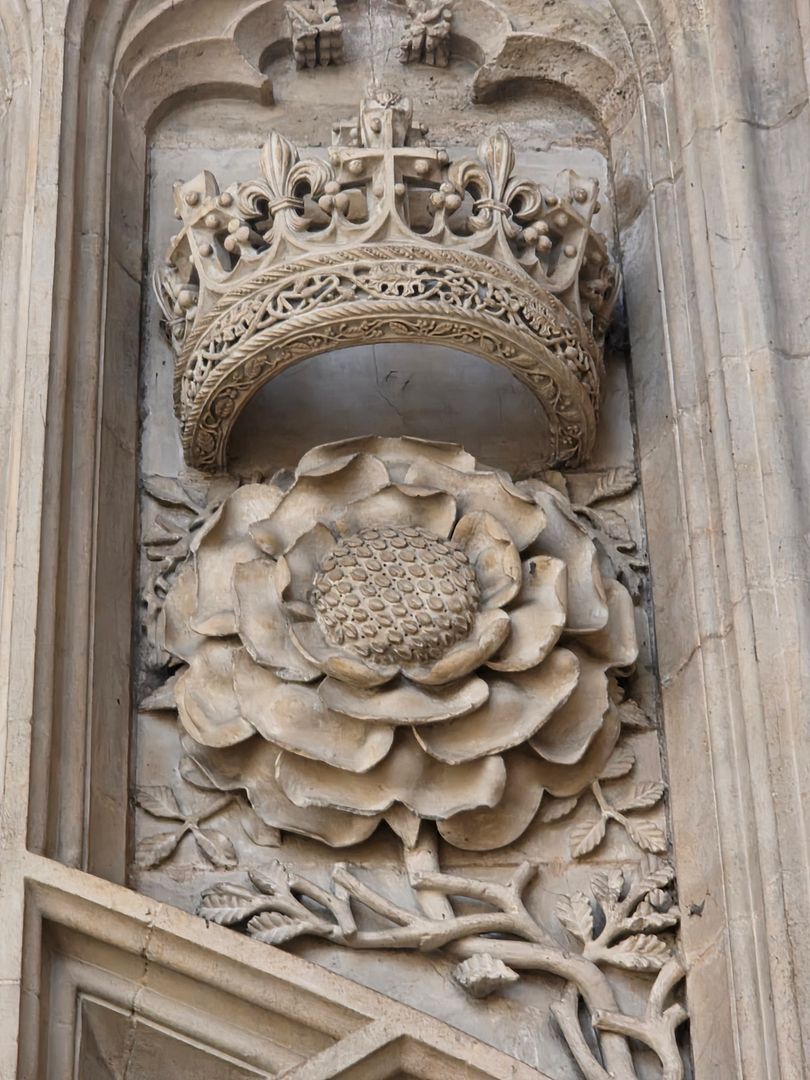
Carved Tudor Roses are seen and they, too, have an extensive history.
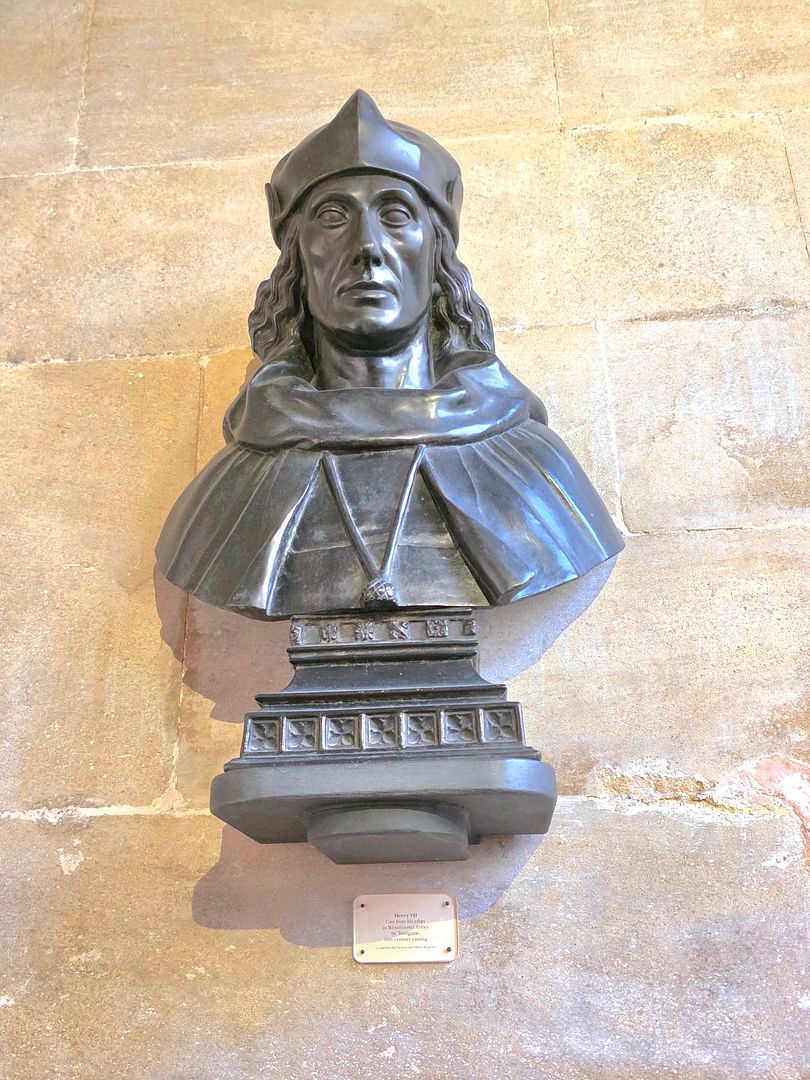
The Tudor Rose, was created in 1486 by King Henry VII. It symbolizes the unification of the House of Lancaster (red rose) and the House of York (white rose), bringing an end to the brutal civil wars known as the Wars of the Roses.
Built as a house of God it draws your eyes up.
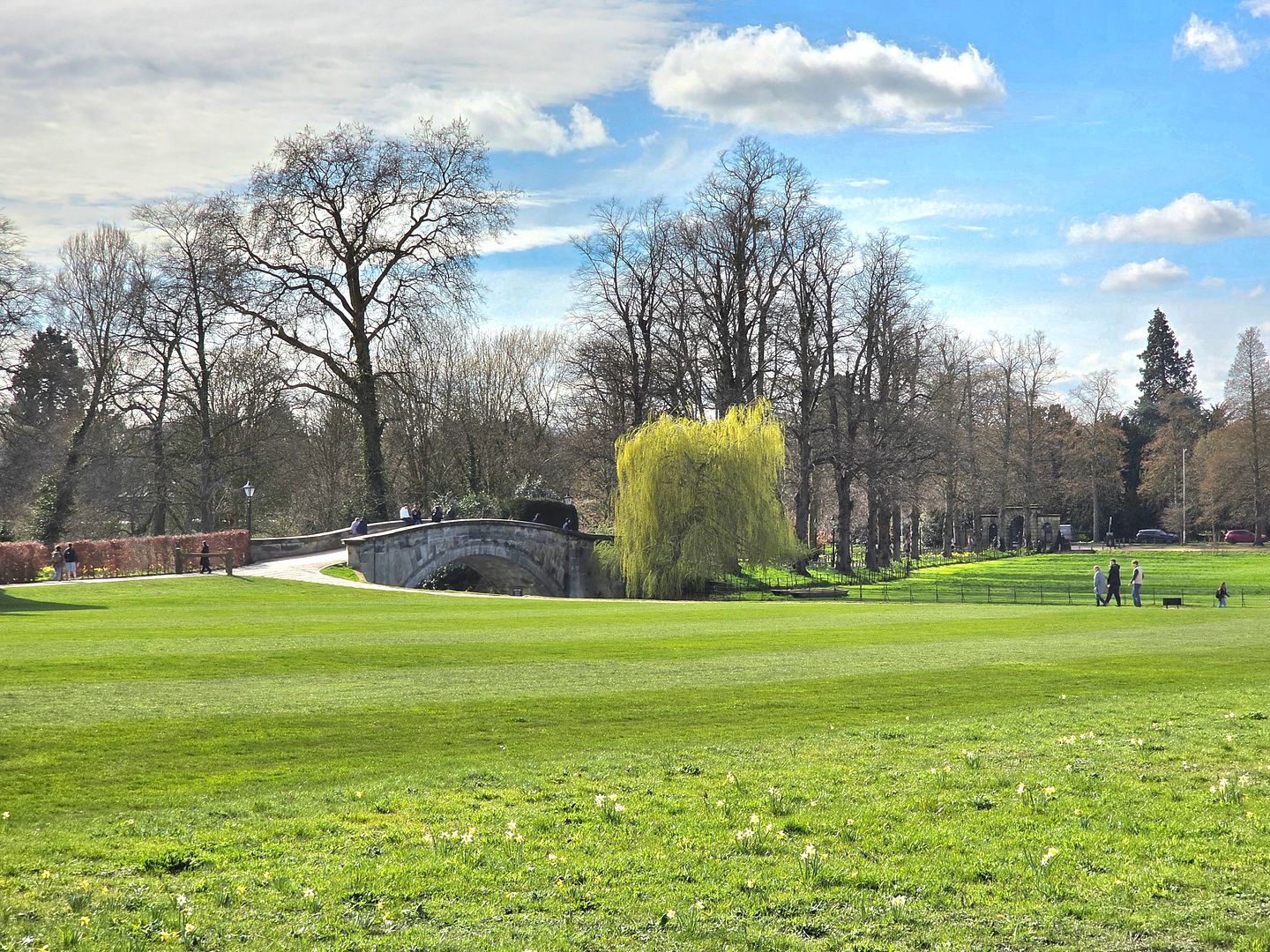
We left the chapel and enjoyed some scenes from the grounds of the college.
It was time for some refreshment after all the walking and viewing. We decided to try The Mitre for our main meal of the day.
We bought a famous Chelsea Bun from Fitzwilliams and enjoyed that later in the evening at our lodgings. We were content to stay in for the evening.
This ended our Tuesday March 10th in Cambridge. We had plans for Wednesday that took us on a train ride out of Cambridge.
Our travel journal of our time in Cambridge continues here from March 2026.
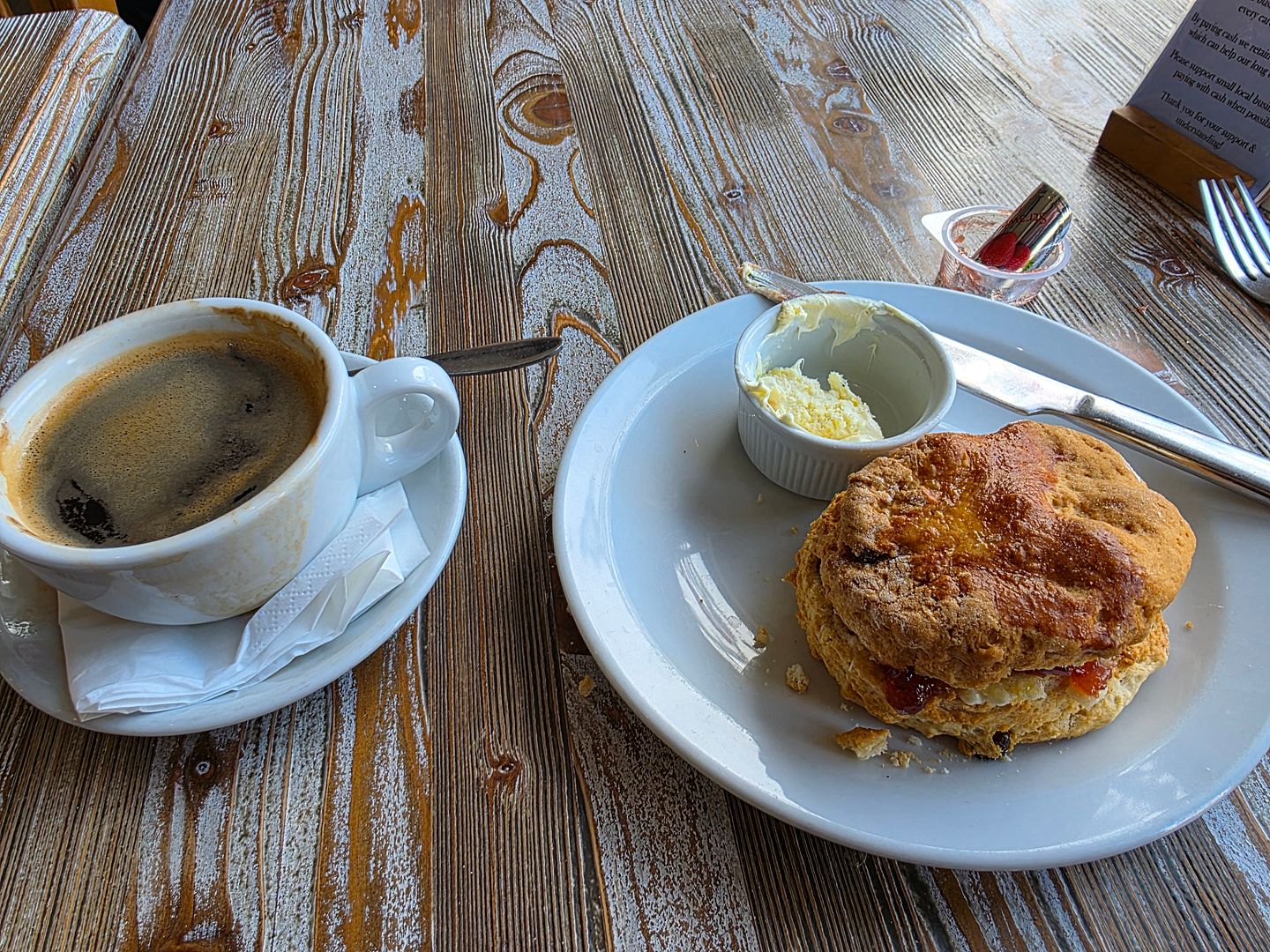
It was nice to enjoy our French press coffee on this morning before we headed out for breakfast at The Copper Kettle on King’s Parade in Cambridge.
It was a lovely morning and I took some photos along the way to breakfast.
We would sign up for a tour of Trinity College later in the week.
Looking out the window of the Copper Kettle.
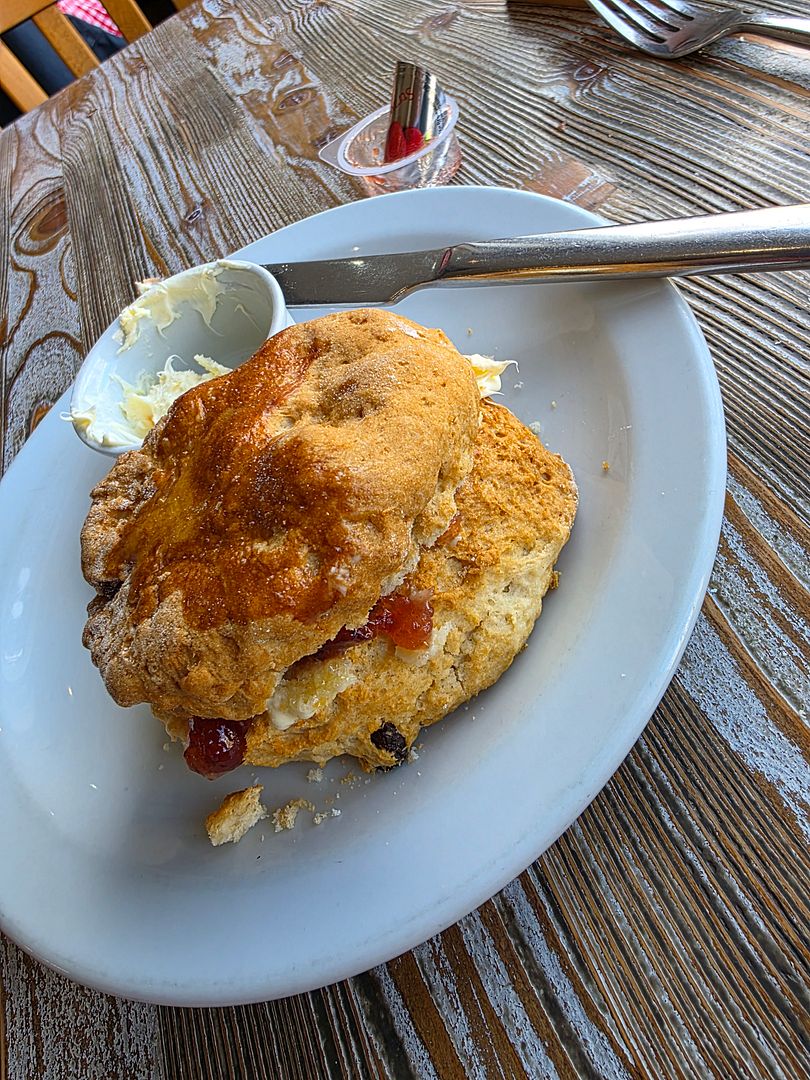
I’ve never met a scone I didn’t like.
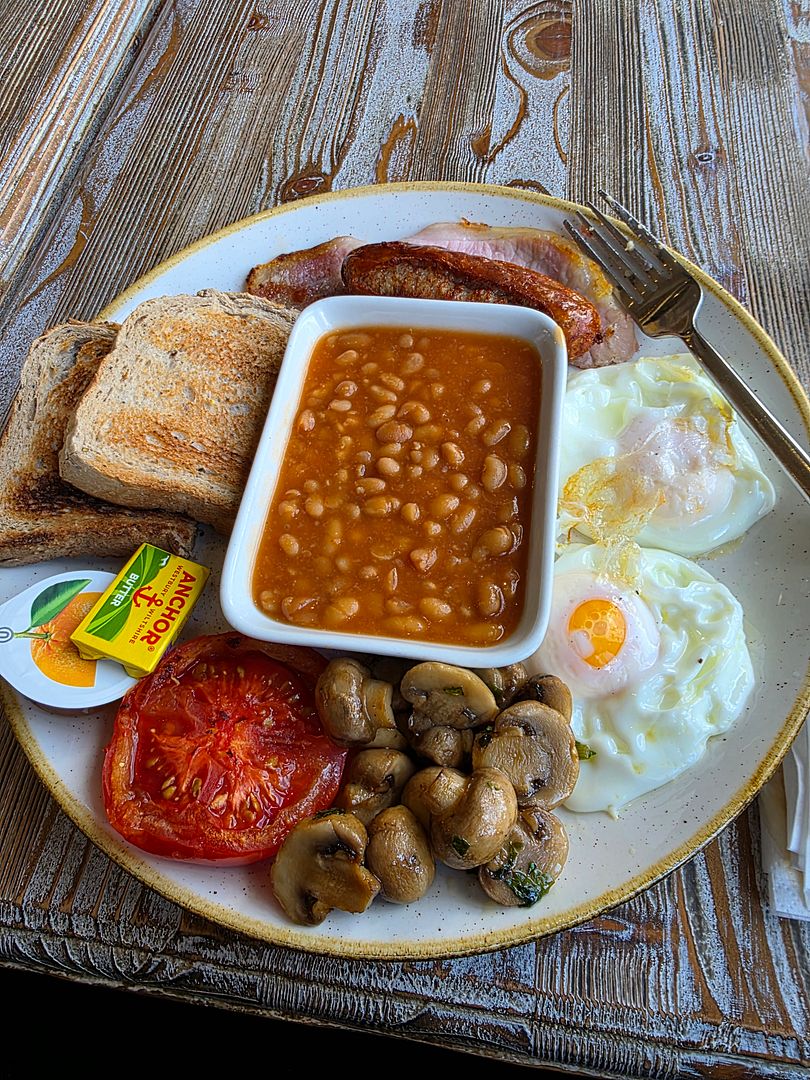
Greg went for the full English.
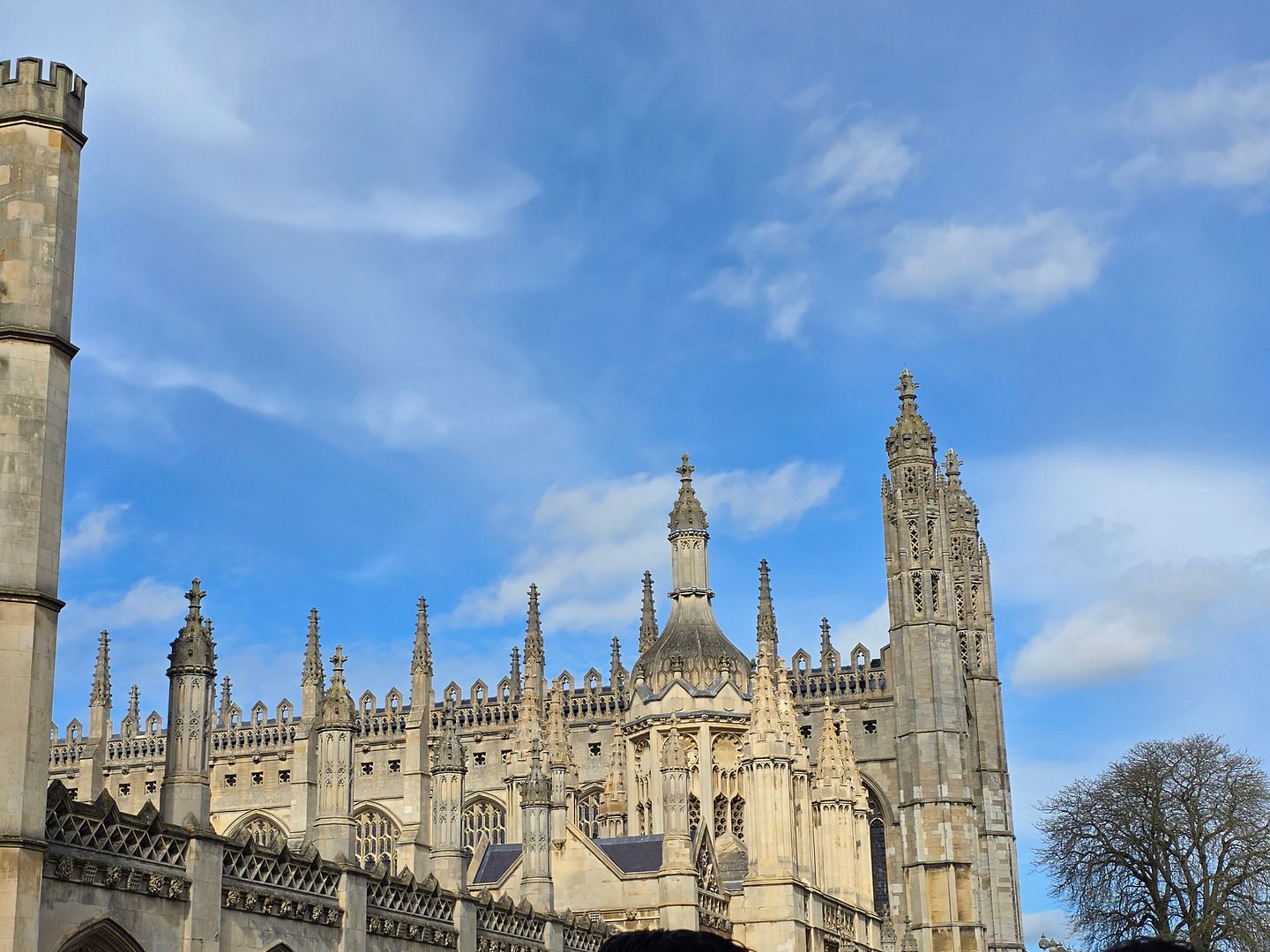
The Views from breakfast were lovely. This is the college and especially the chapel that would be part of our tour on this day.
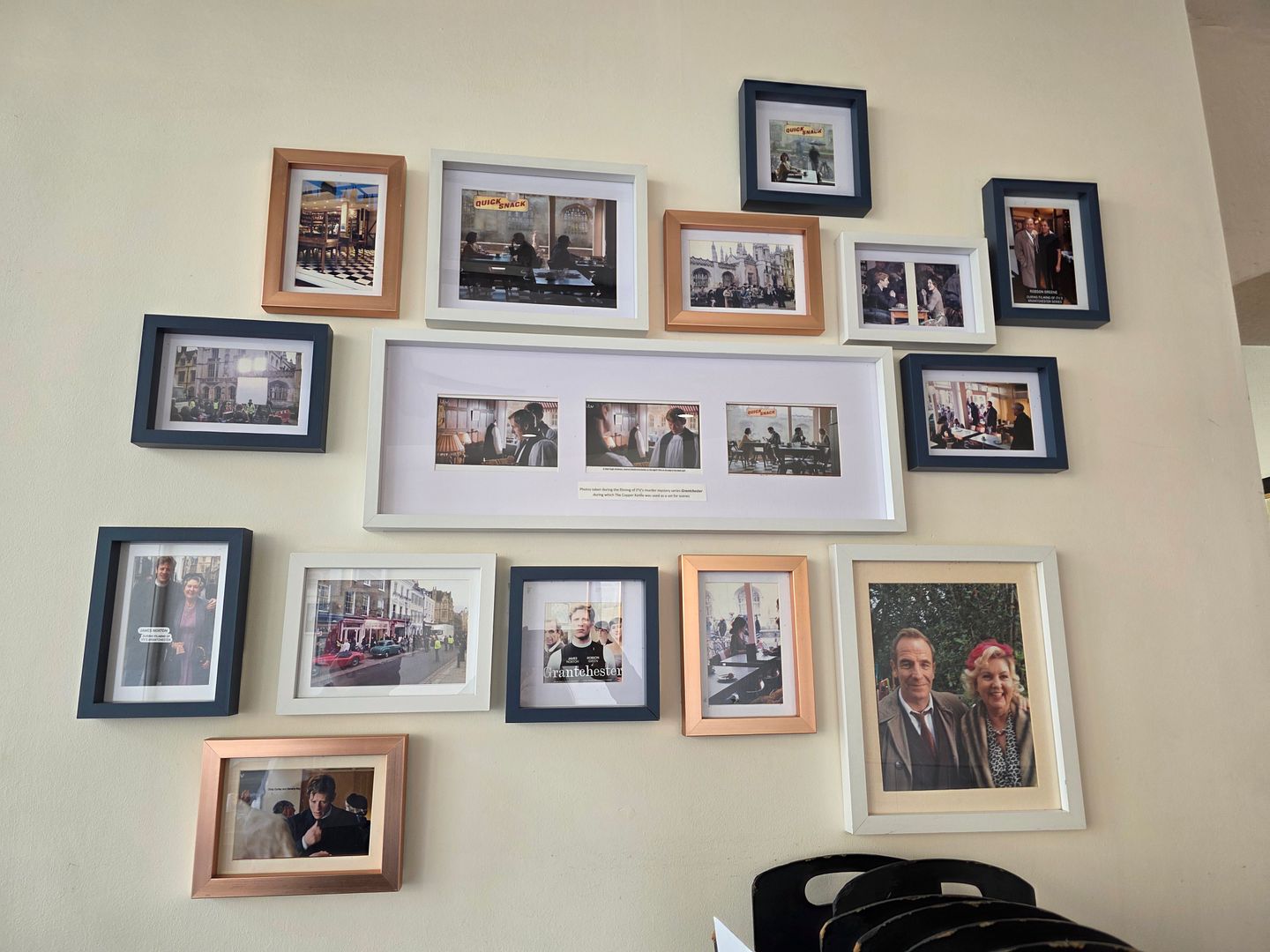
This cafe was used in some of the filming for Grantchester. (Possibly as a tea-room?)
After breakfast we met up with our alumni tour guide and group for a 2 hour tour that would include King’s Chapel.
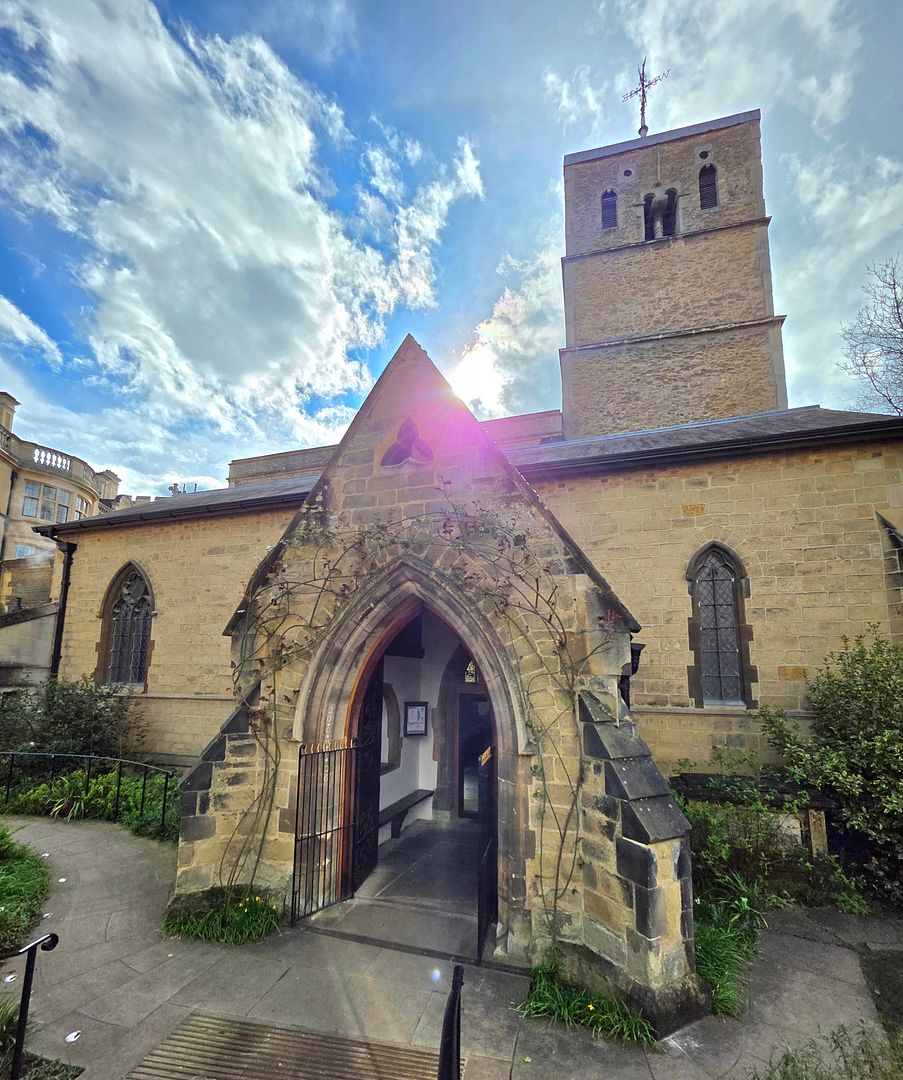
St Bene’t’s church on Bene’t’s street was one of our stops.
St Bene’t’s has been a place of Christian prayer and worship for nearly a thousand years. The exact date is in dispute; estimates vary between the tenth century and the reign of Edward the Confessor, but there are good grounds for placing it in the reign of King Canute about the year 1020. More history at this link.
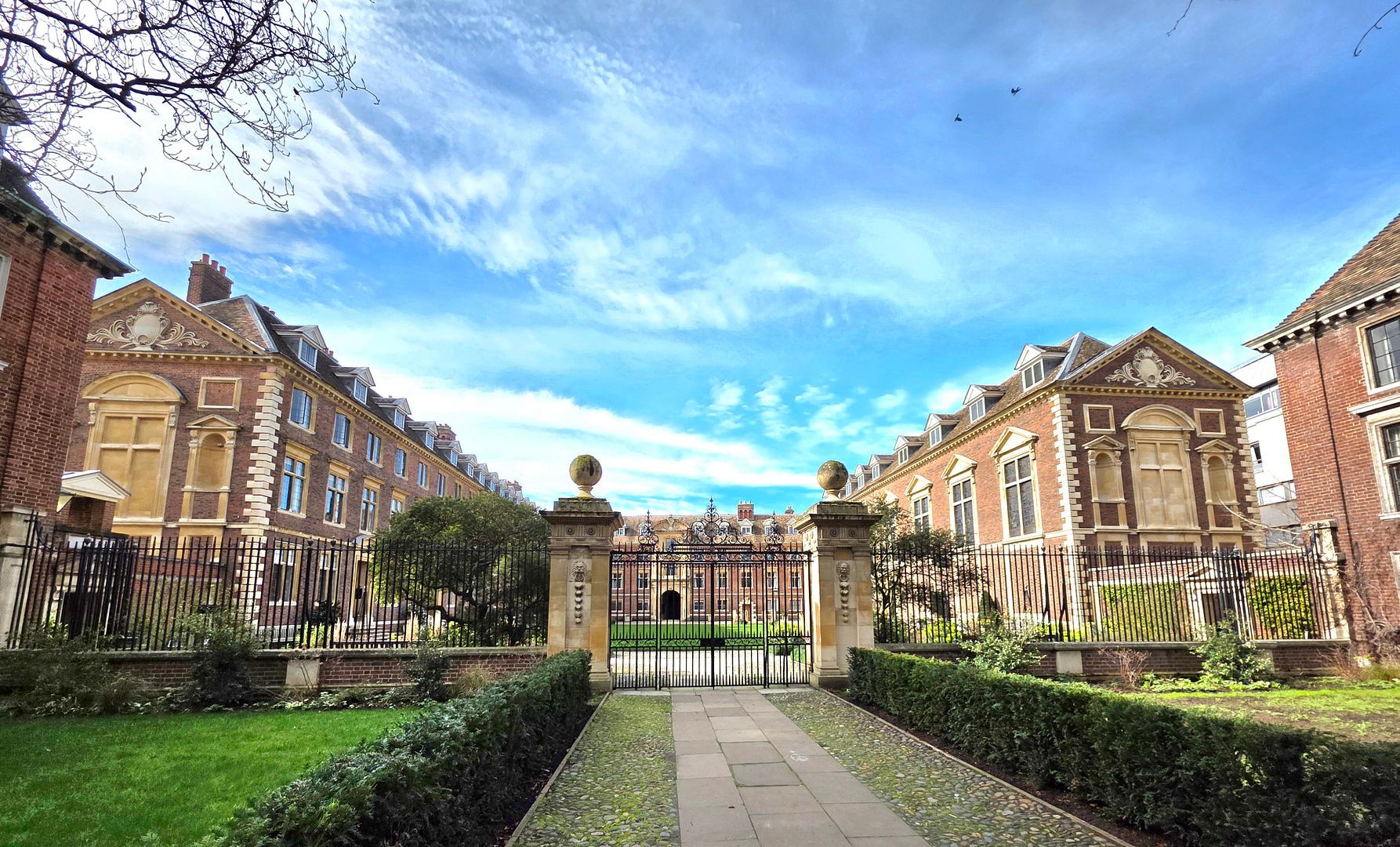
St. Catharine’s College.
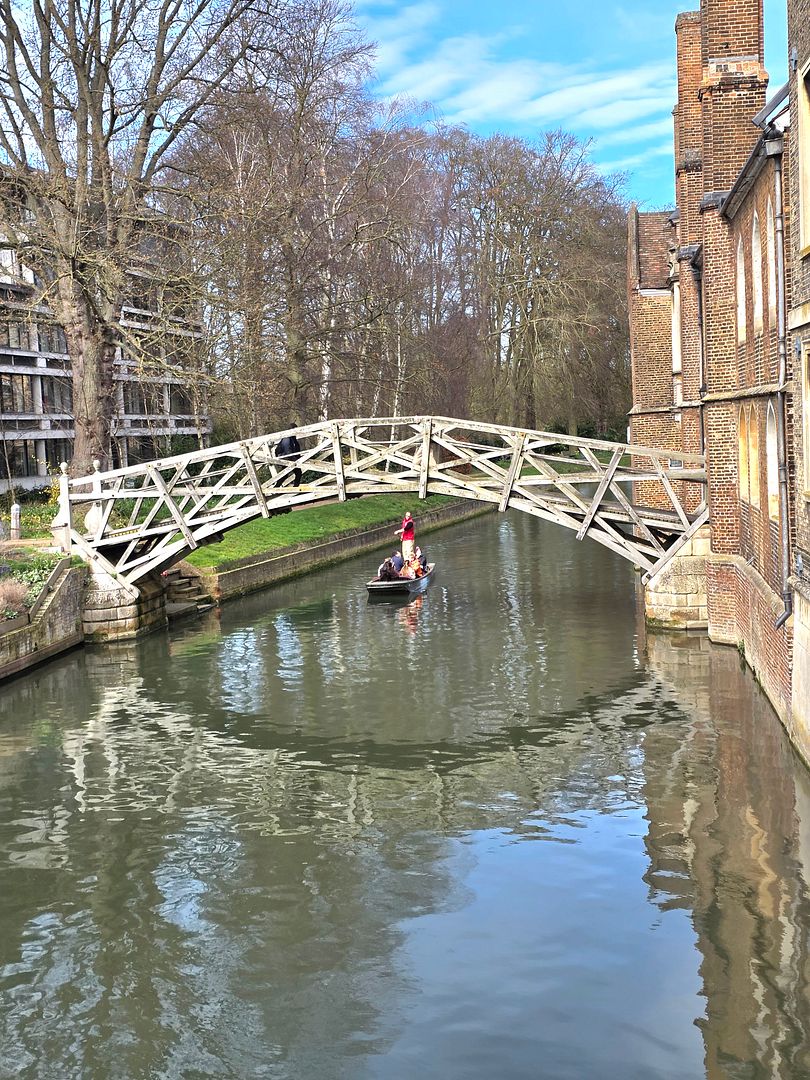
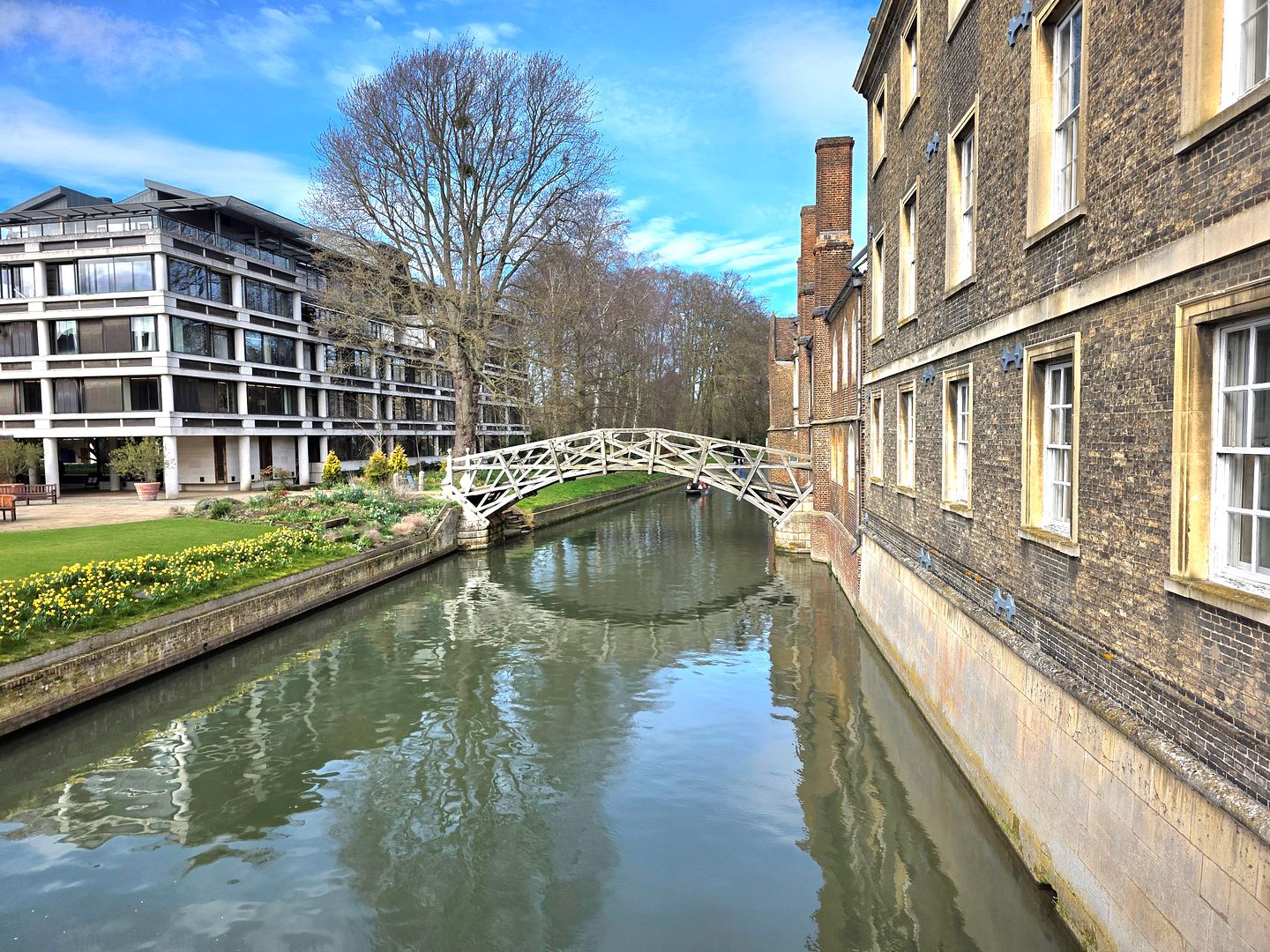
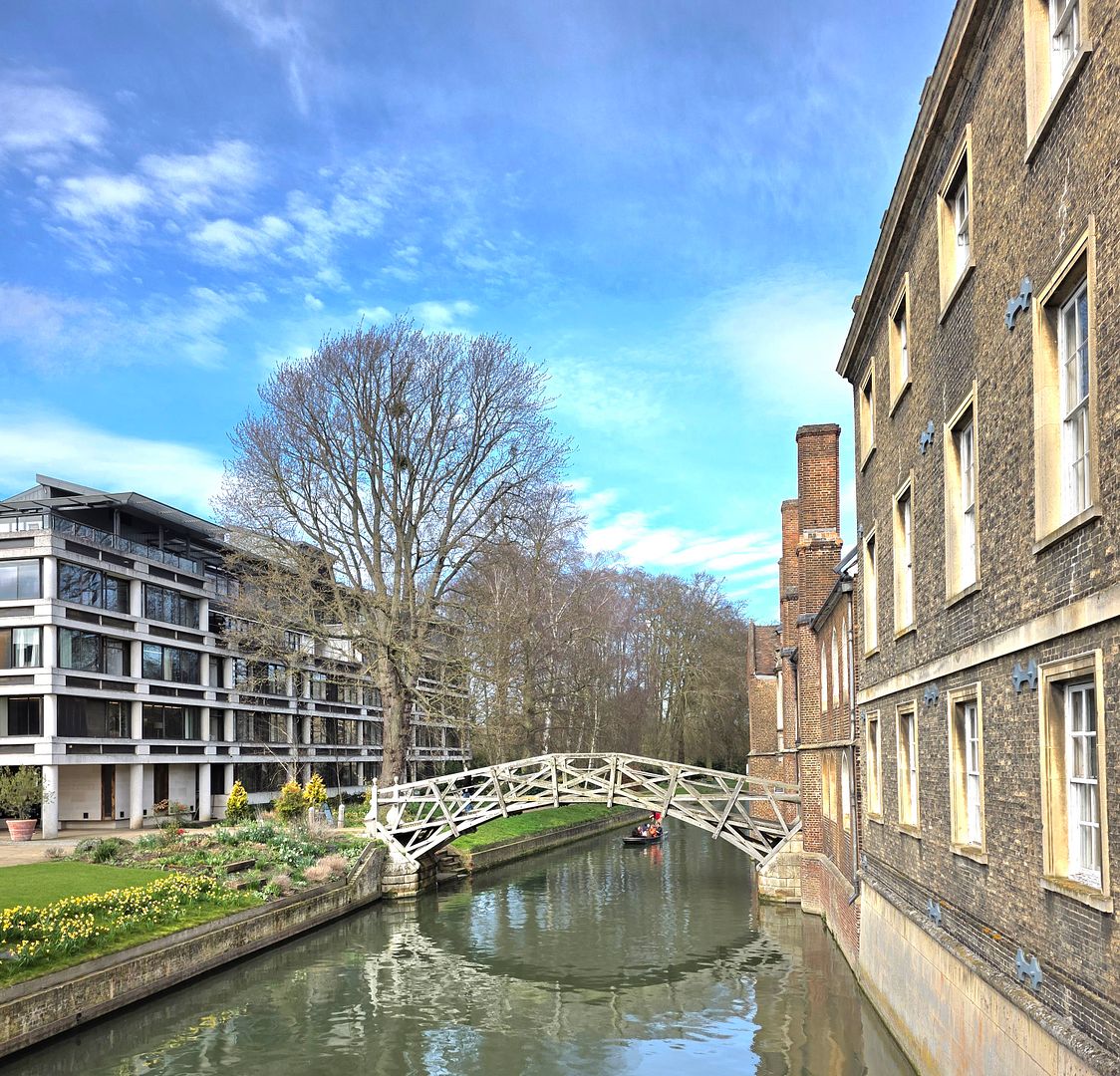
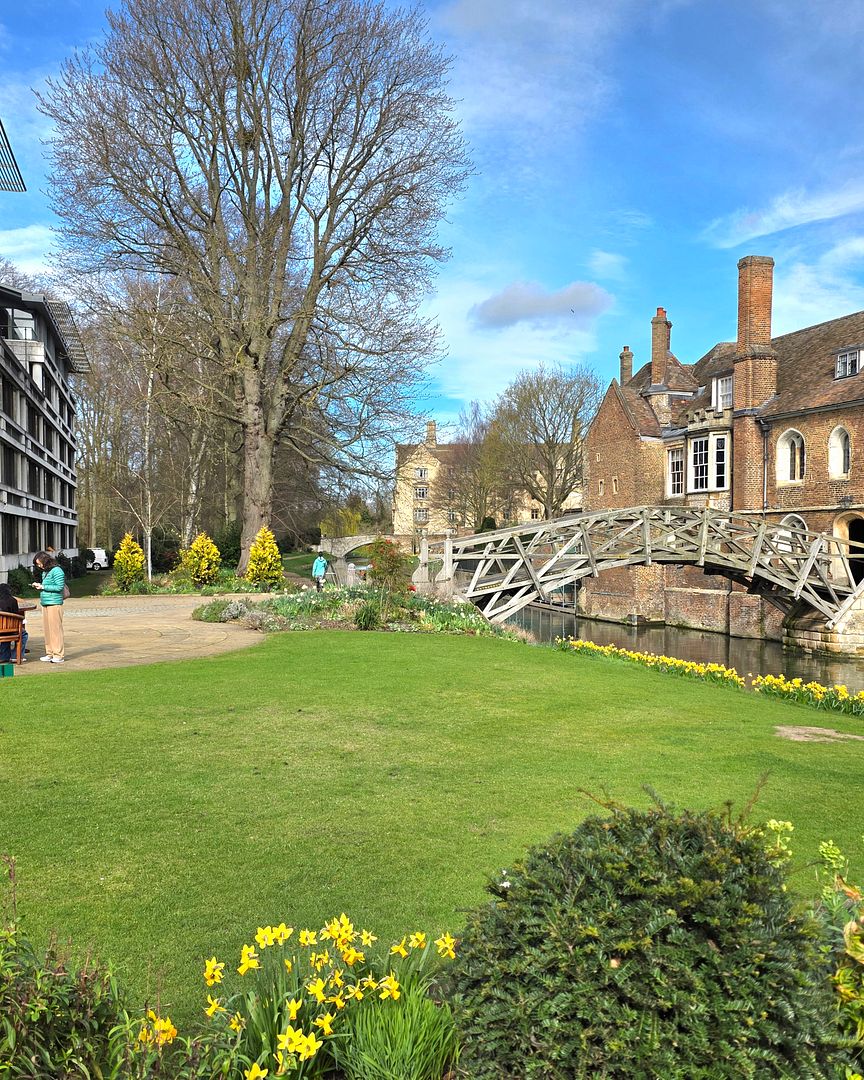
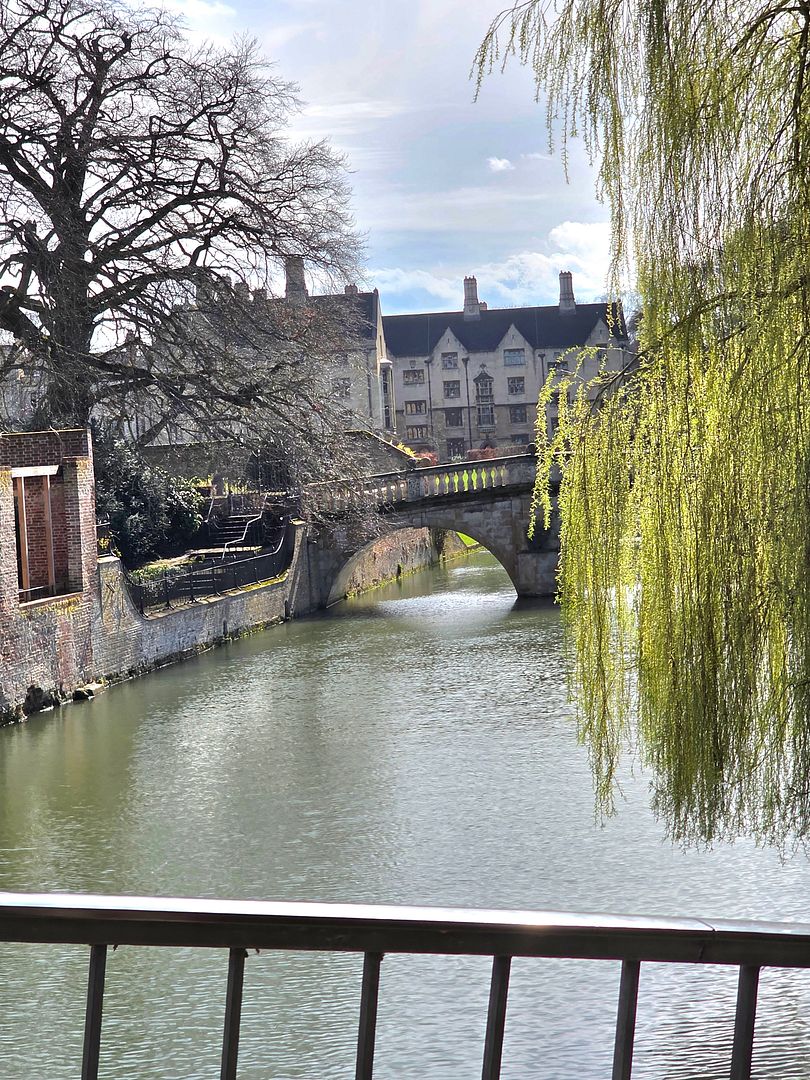
We continued on Silver Street to Queen’s college where the famous Mathematical Bridge spans the River Cam. I was chuckling here as I remembered the new quirky Ludwig murder series filmed in Cambridge. One of the episodes featured the bridge, the building on the left which is part of Queen’s college and a chapel. Have you watched the series. I highly recommend it.
The bridge was designed in 1748 by William Etheridge (1709–76), and was built in 1749 by James Essex the Younger (1722–84). It has subsequently been repaired in 1866 and rebuilt to the same design in 1905. More info here.
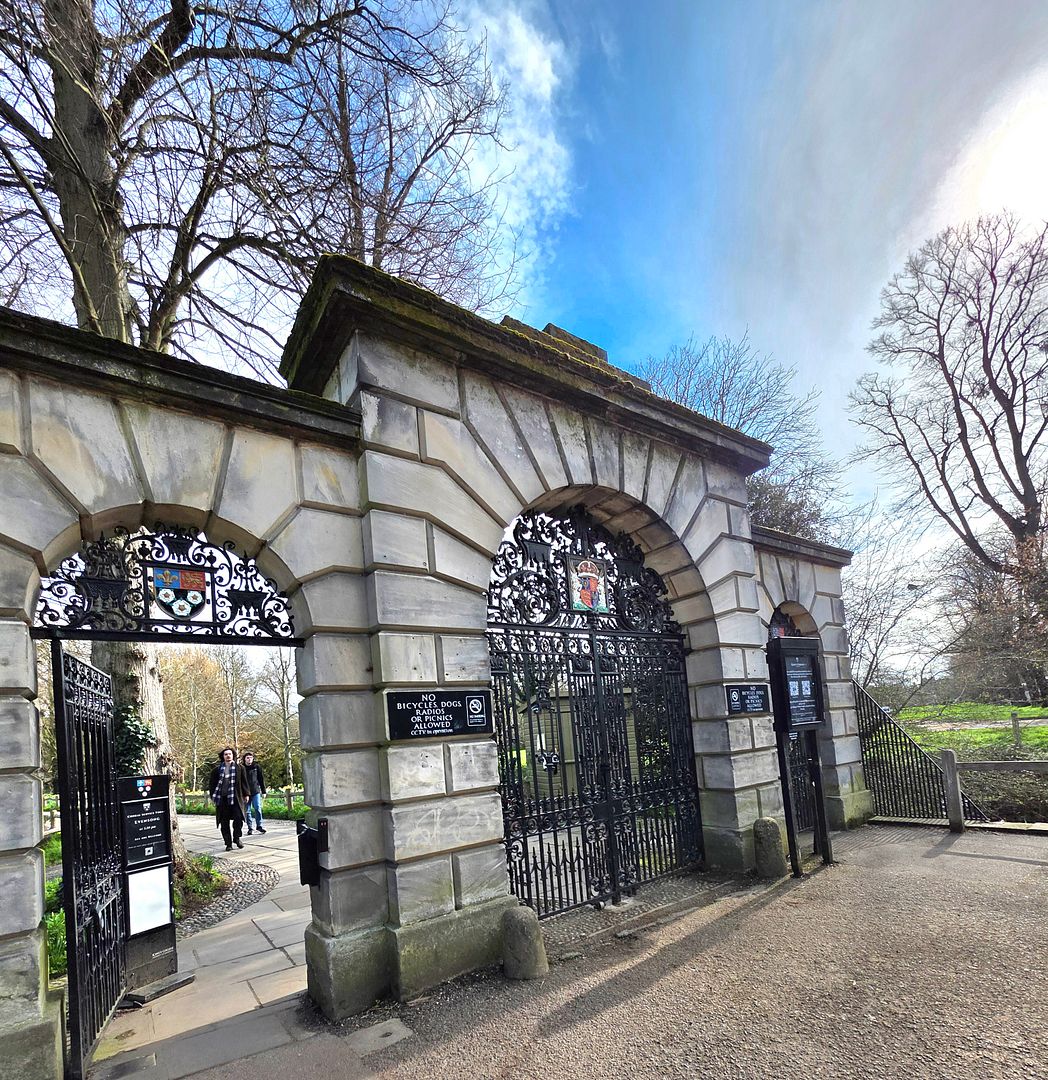
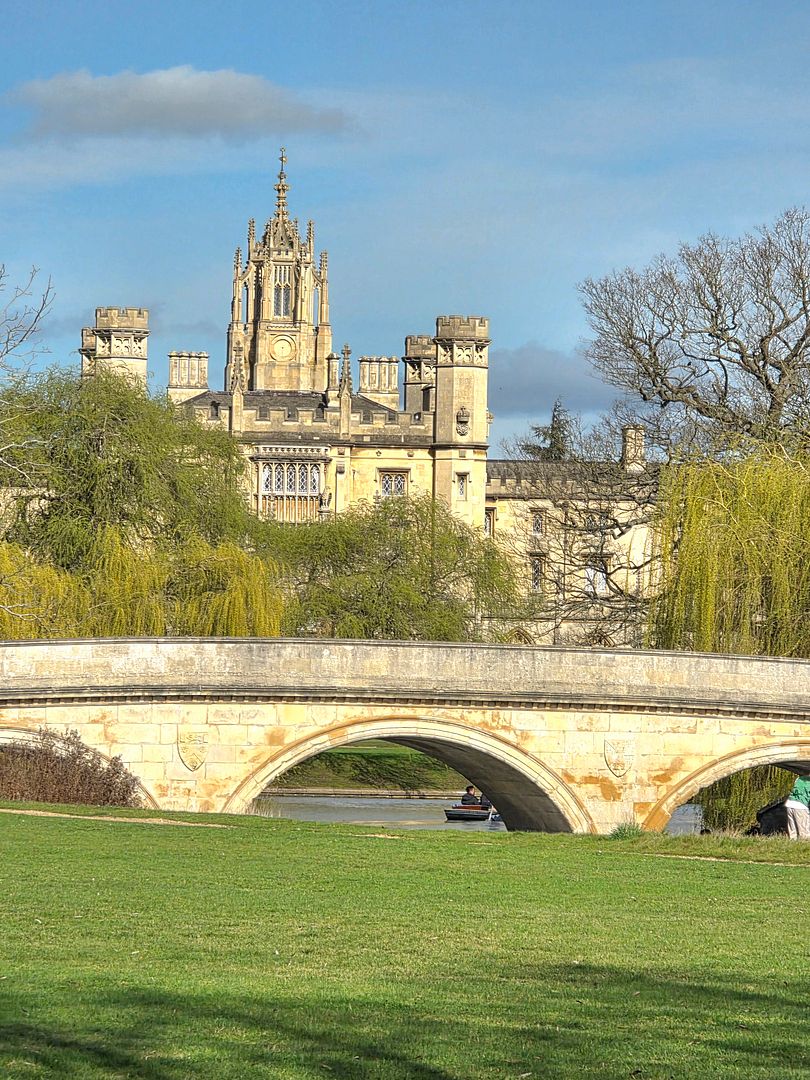
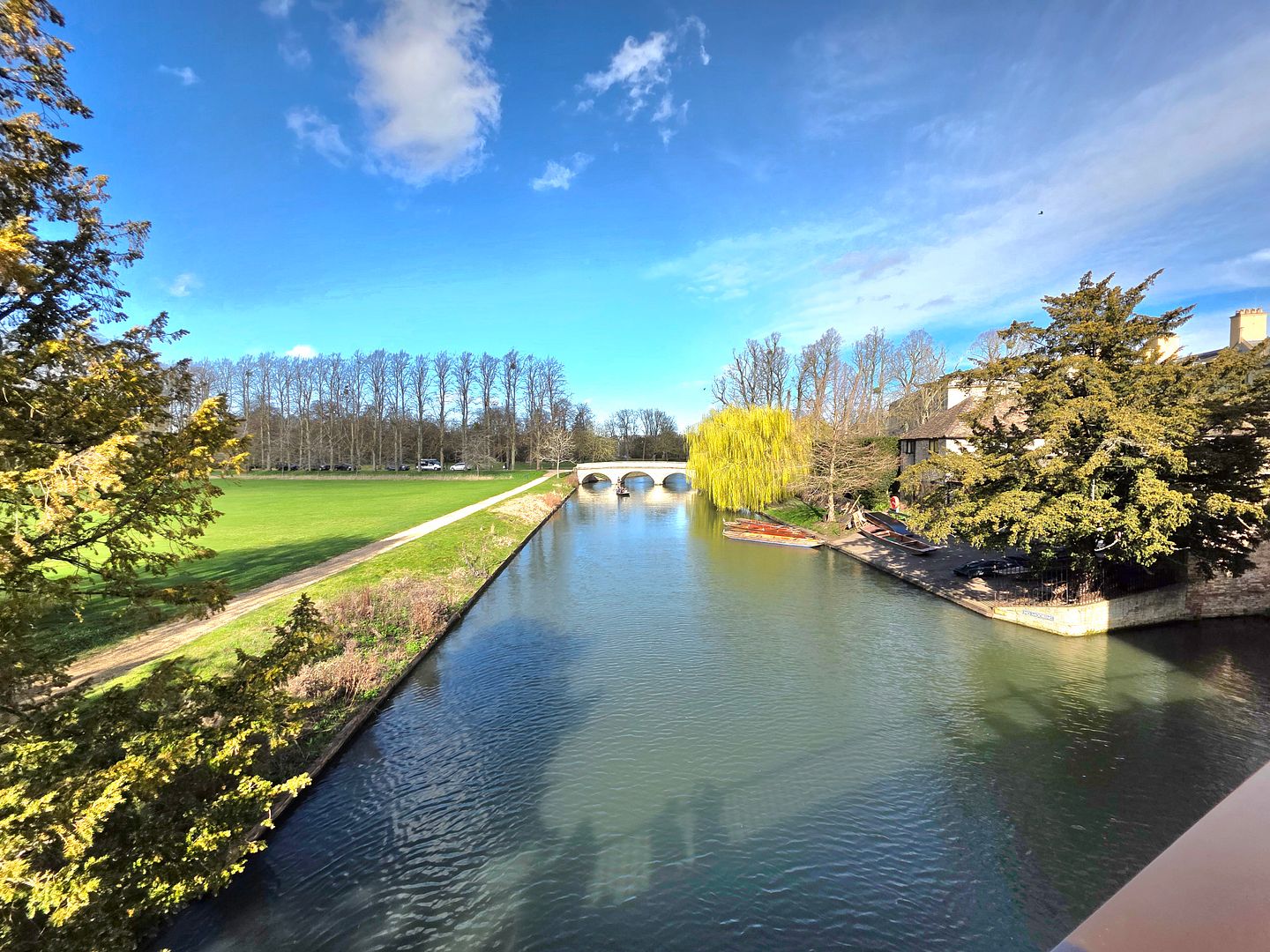
We continued on Silver Street to Queen Street on ‘the backs’ with some nice views of King’s College Chapel.
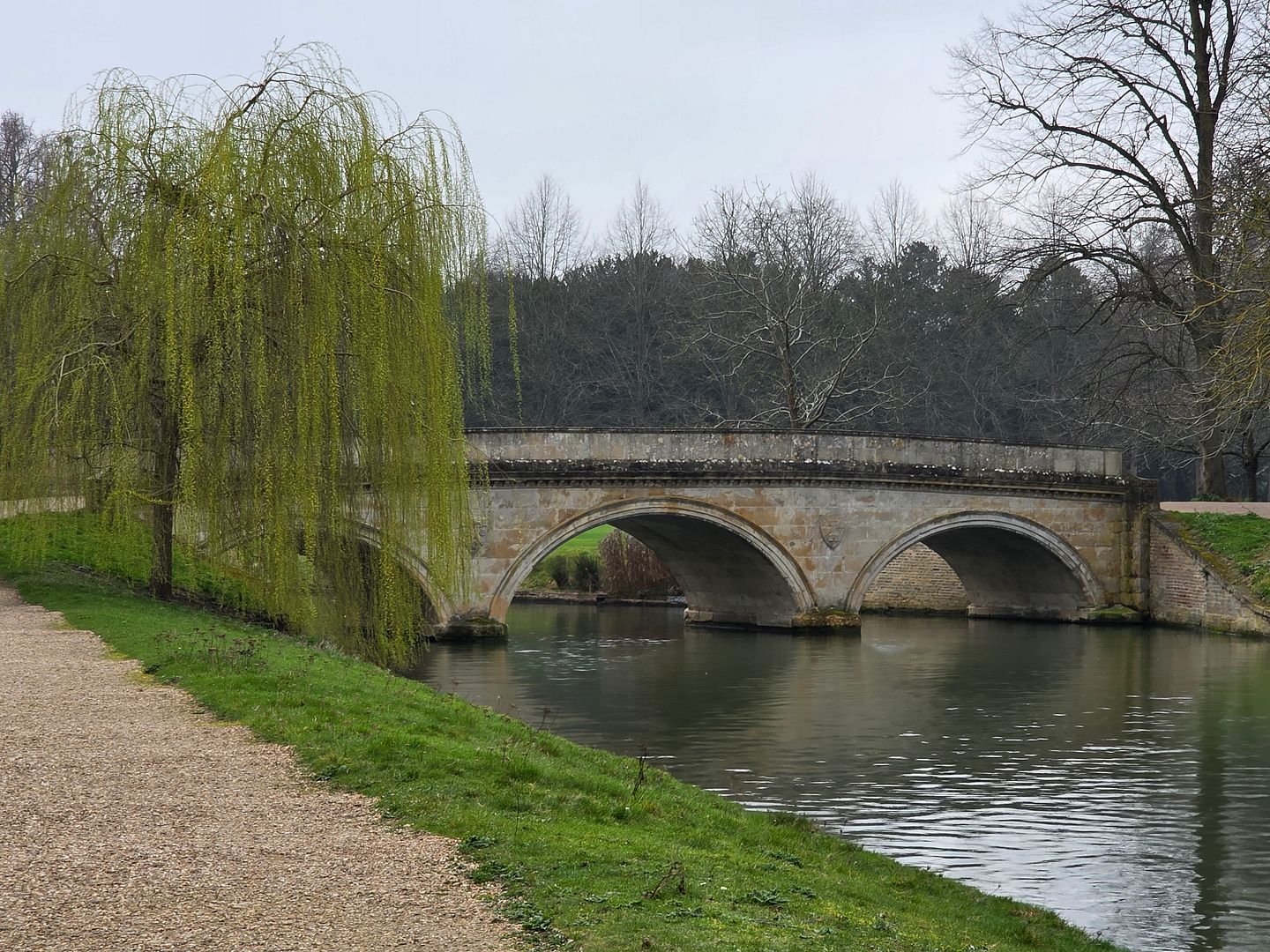
This is Trinity College Bridge.
St. John’s with the clock tower without an actual clock.
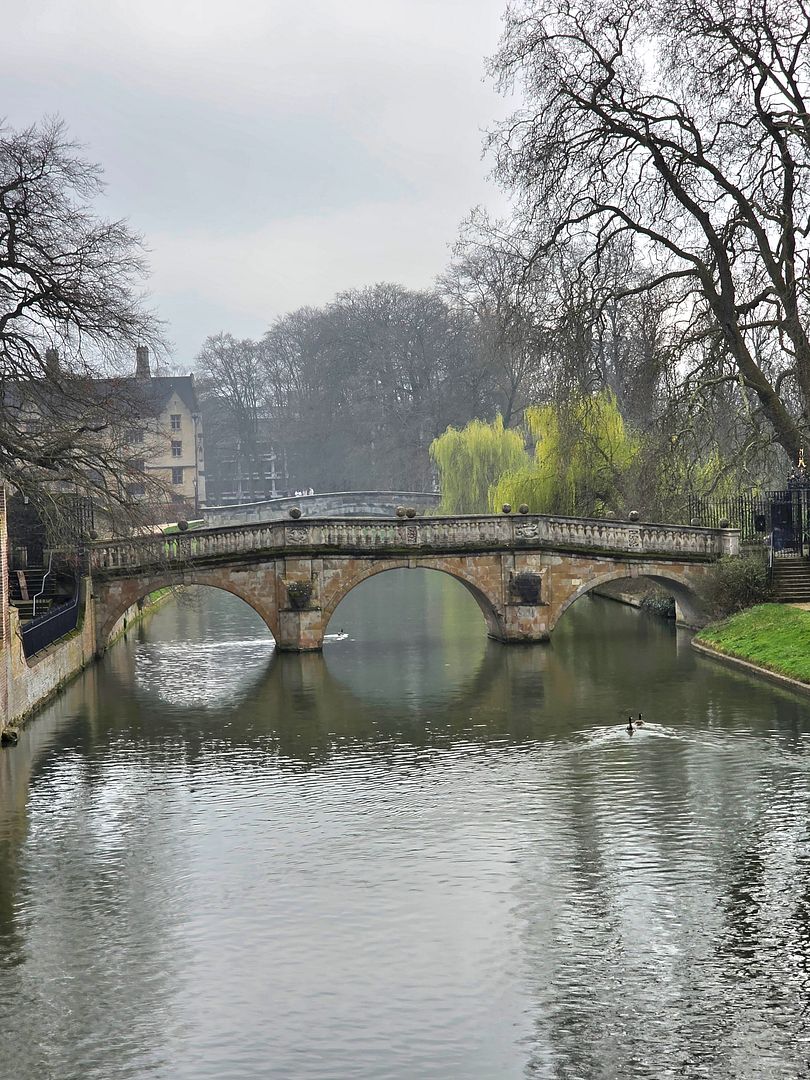
This bridge might be the Kitchen Bridge.
Working our way back to the King’s Parade to King’s College where our tour began and would end except for those of us who paid extra to go into King’s College to be able to visit King’s College Chapel.
The Chapel deserves a post of it’s own and that will come on another day.
I’m working on finishing off my posts about our days in Cambridge. These posts are from Monday March 9th.
I’ve already posted about our early morning walk and seeing the famous clock here.
And I also posted about our lunch at The Eagle and all about it’s history here.
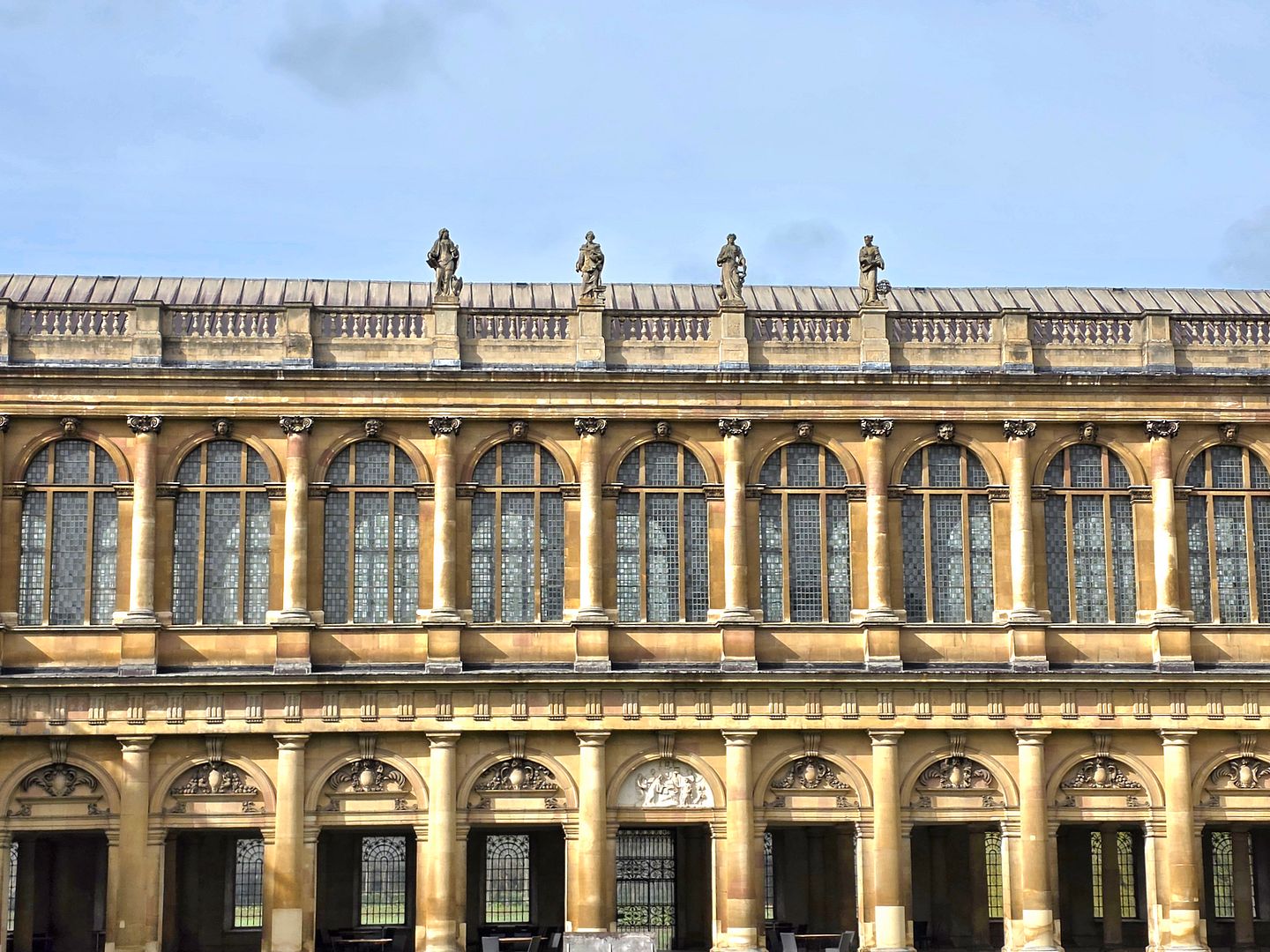
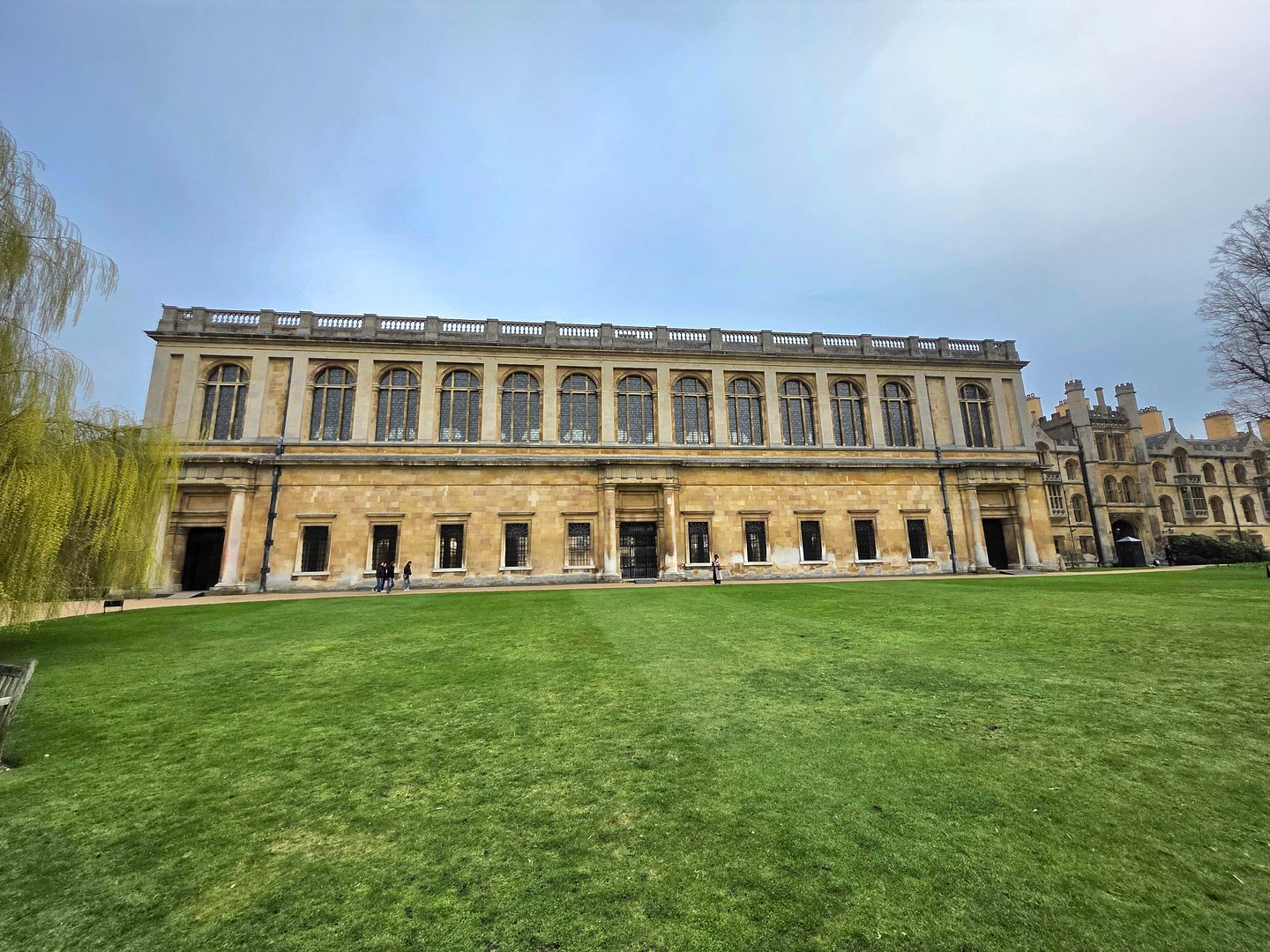
On this same day we visited the beautiful Wren Library.
From the Wren Library we continued on enjoying ‘the backs’. ‘The Backs’ is an area to the east of Queen’s Road in the city of Cambridge, England, where several colleges of the University of Cambridge back on to the River Cam with their grounds covering both banks of the river.
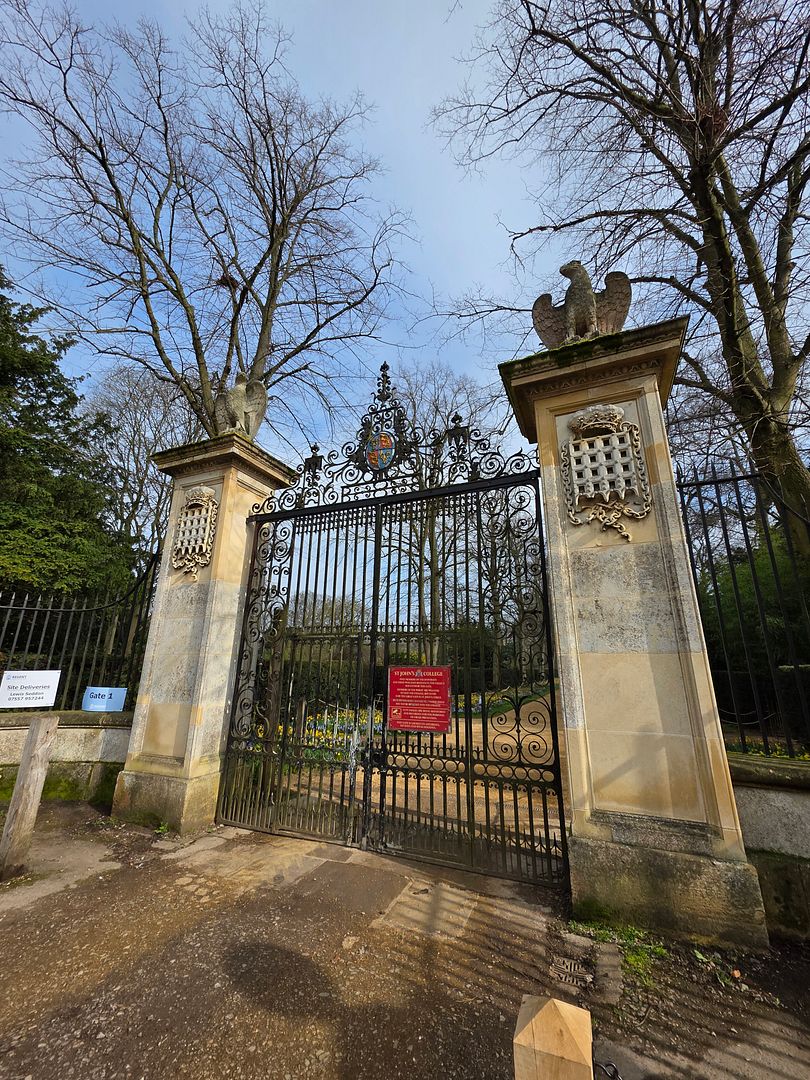
St. John’s College
1776 & 1779 William Wilberforce and Thomas Clarkson begin their studies at St John’s. Joining forces in 1787, they will spend the rest of their lives leading the campaign to abolish the slave trade and slavery
1787 William Wordsworth arrives as a 17-year-old Cumbrian undergraduate. With his sympathy for the common man and love of nature, he becomes a central figure in shaping English Romanticism and perhaps our most famed alumnus
This is a photo of the back of the building where the Wren Library is housed.
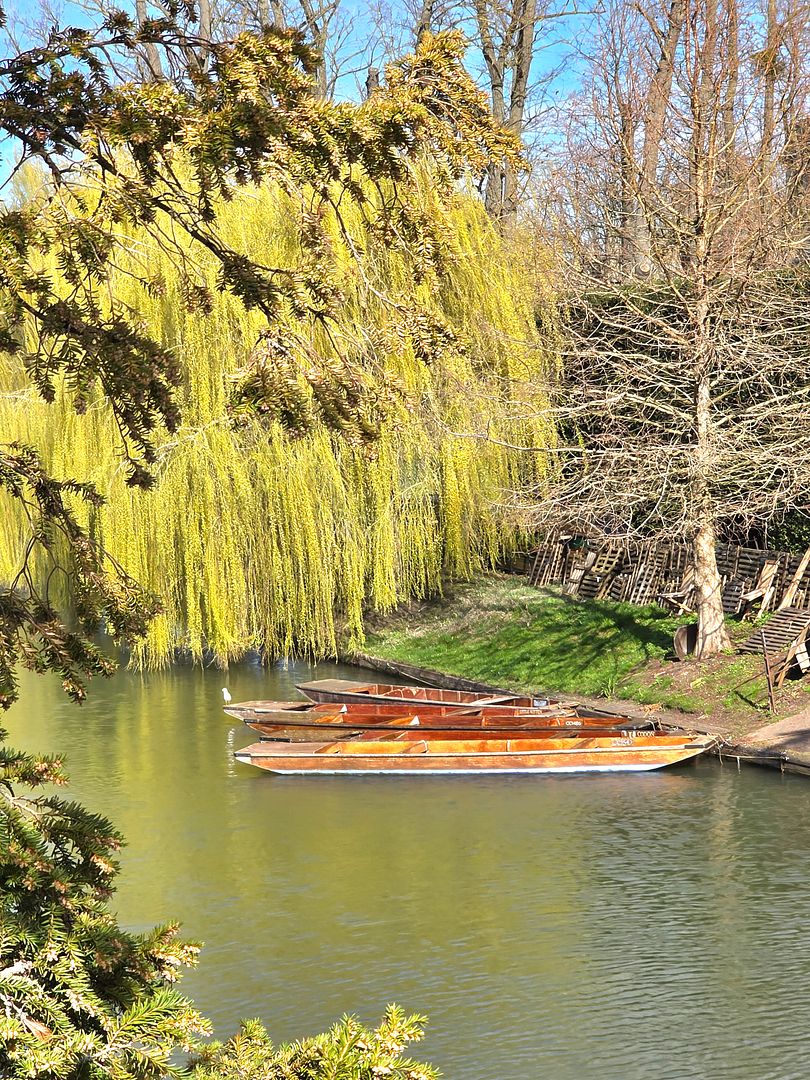
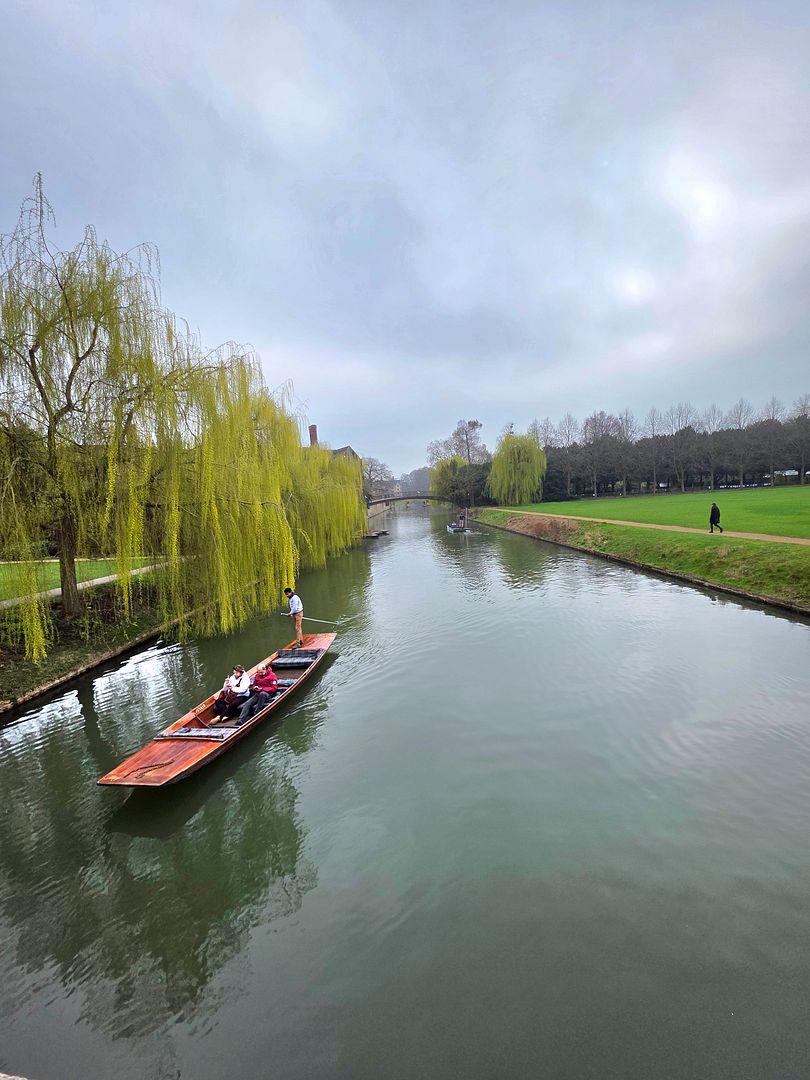
Punting along the river Cam which is a major tourist draw. We did not choose to take a ride.
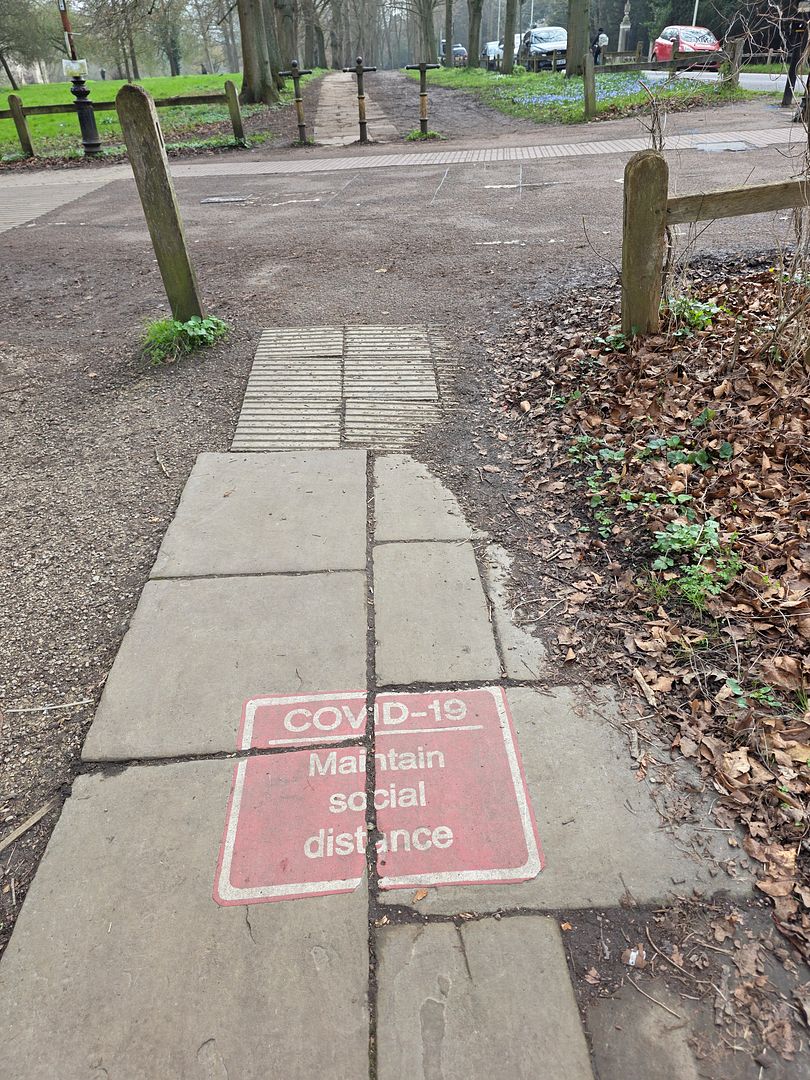
Signs like this were all along the sidewalk along Queen’s Road.
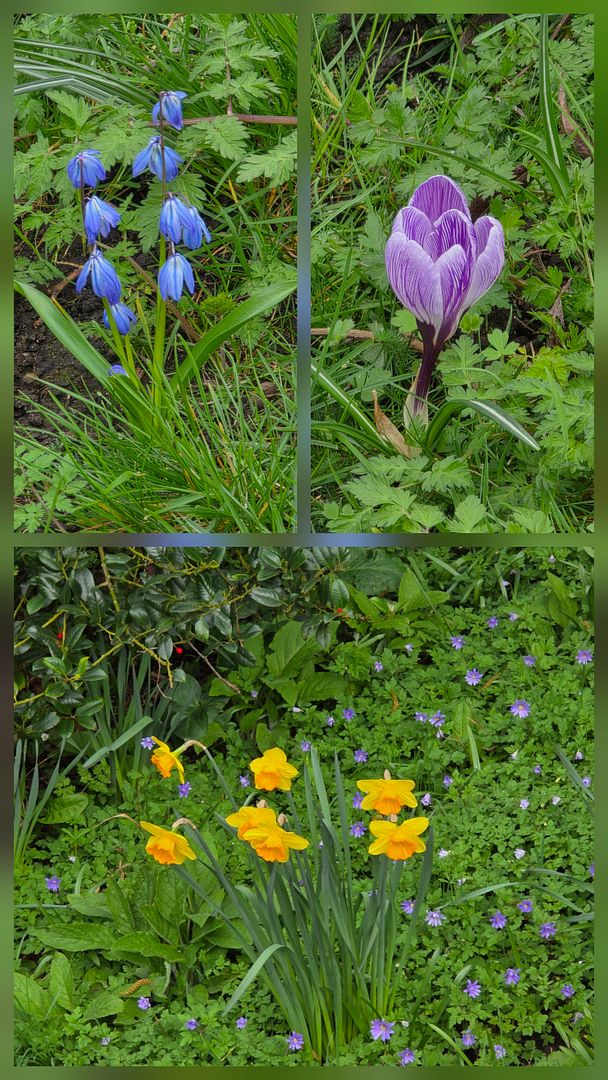
We made our way along the road for our destination for refreshment and along the way we saw many signs of the promise of Spring.
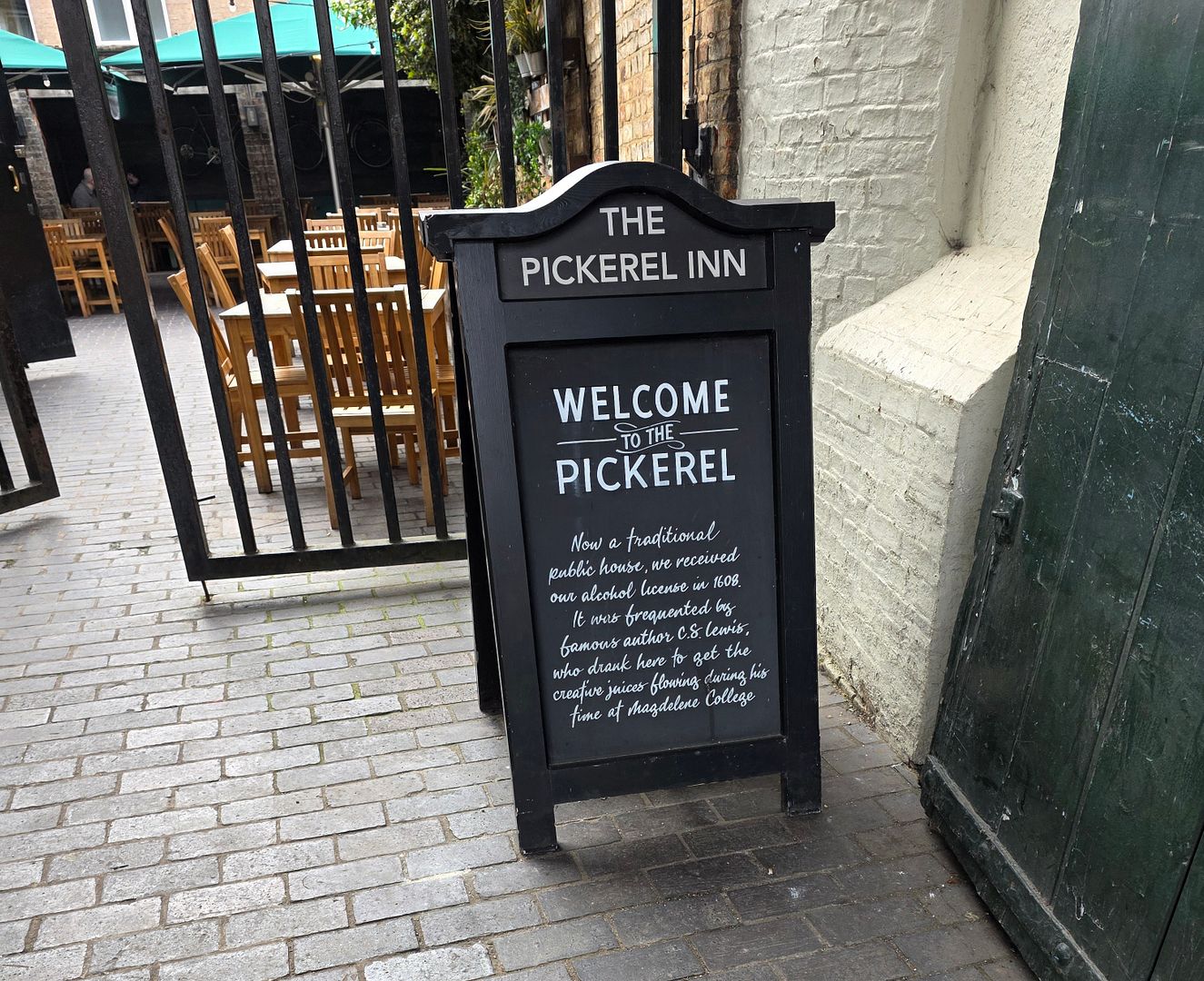
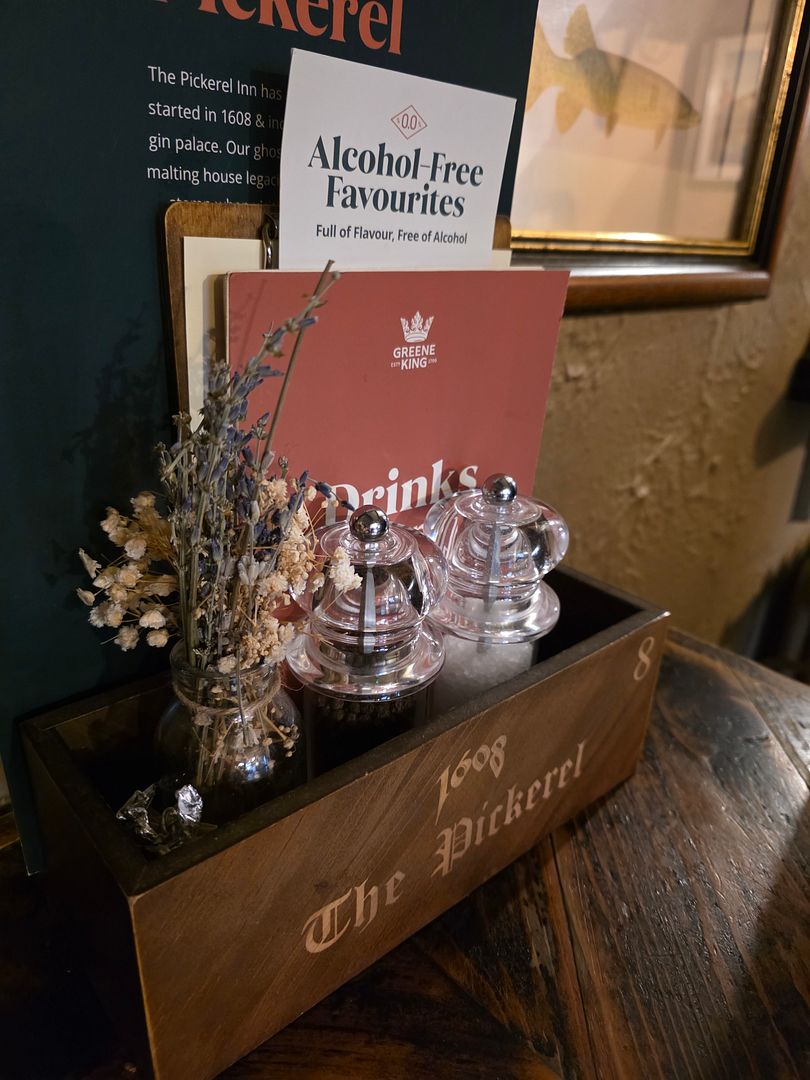
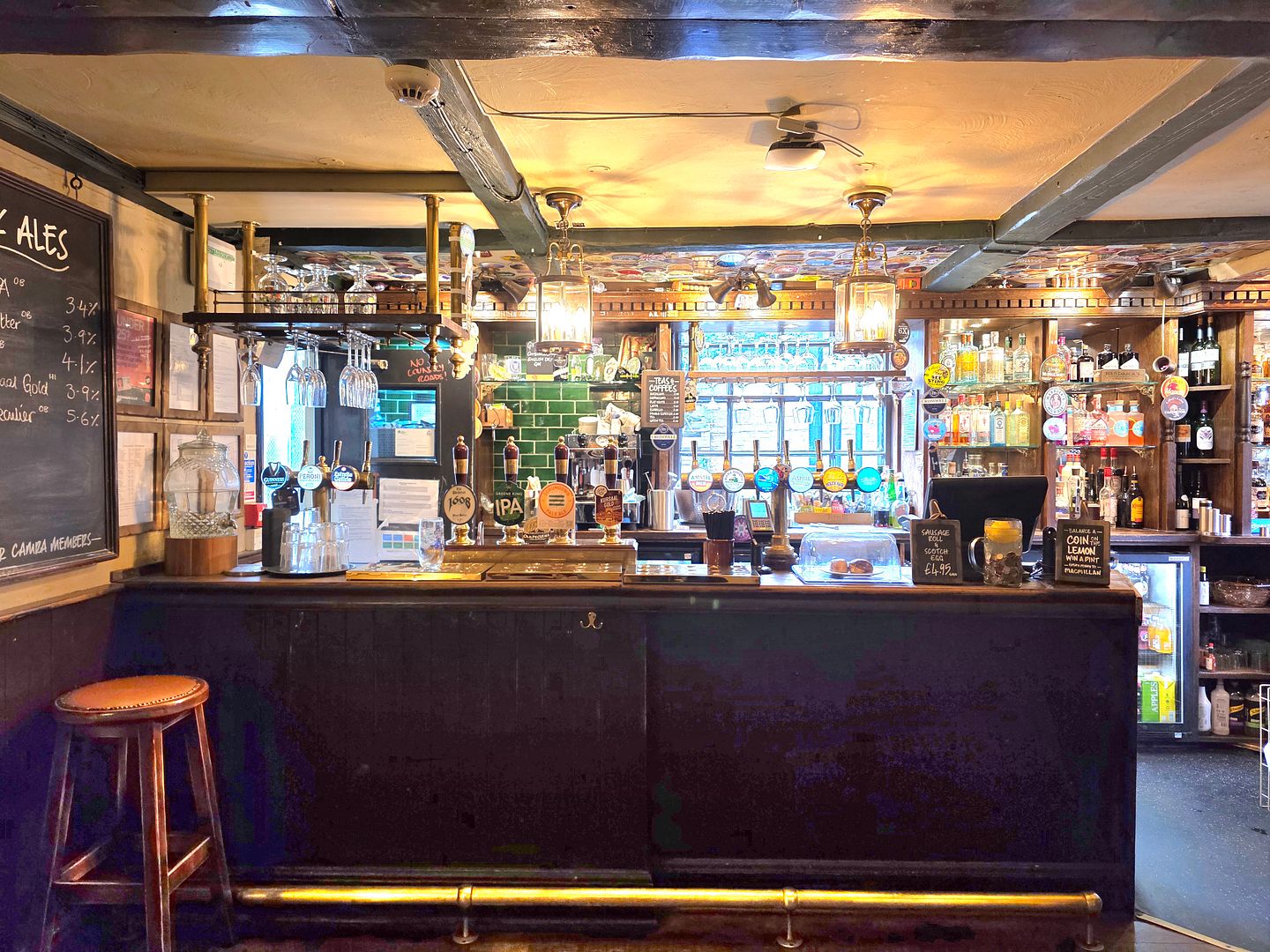
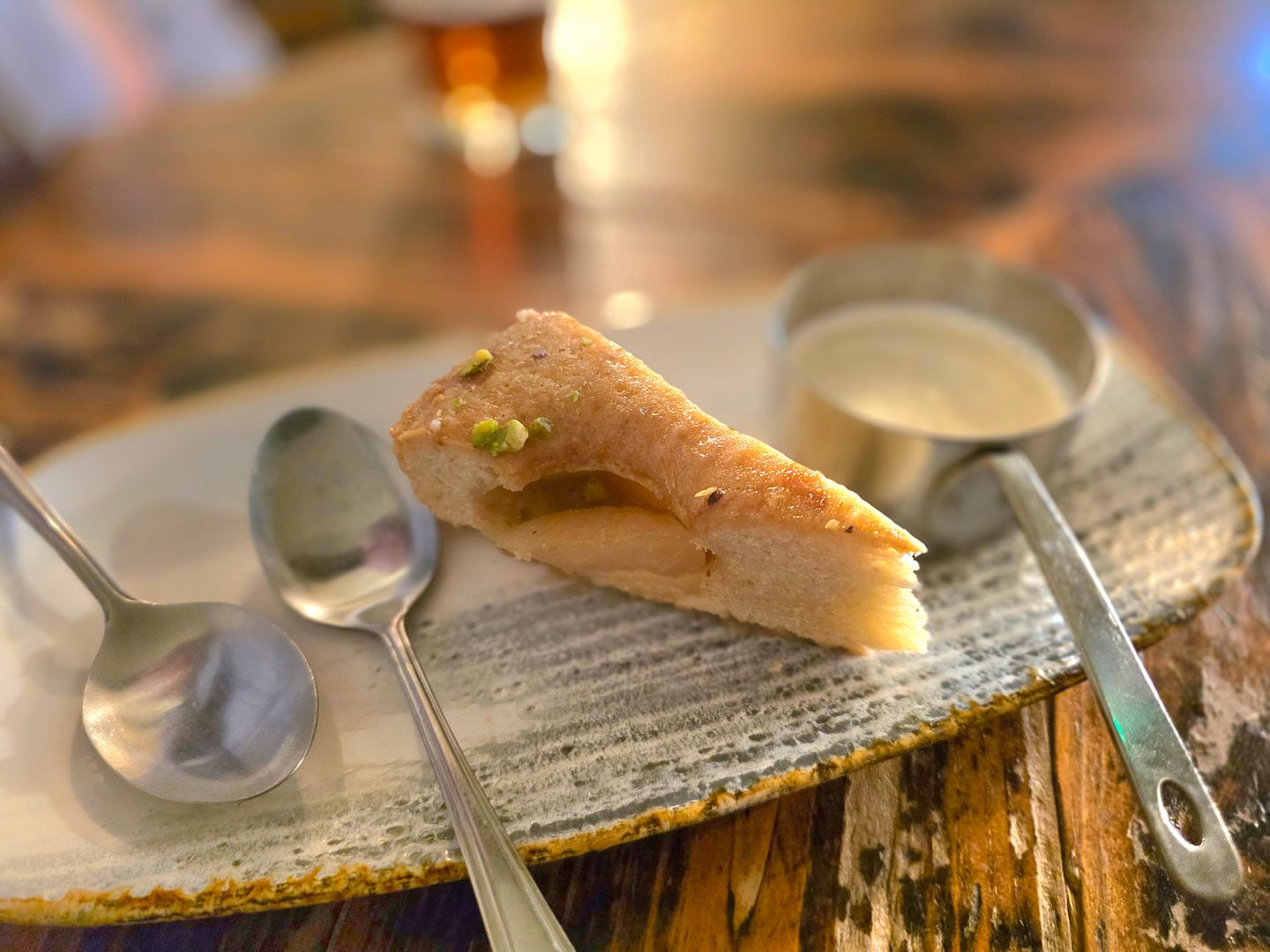
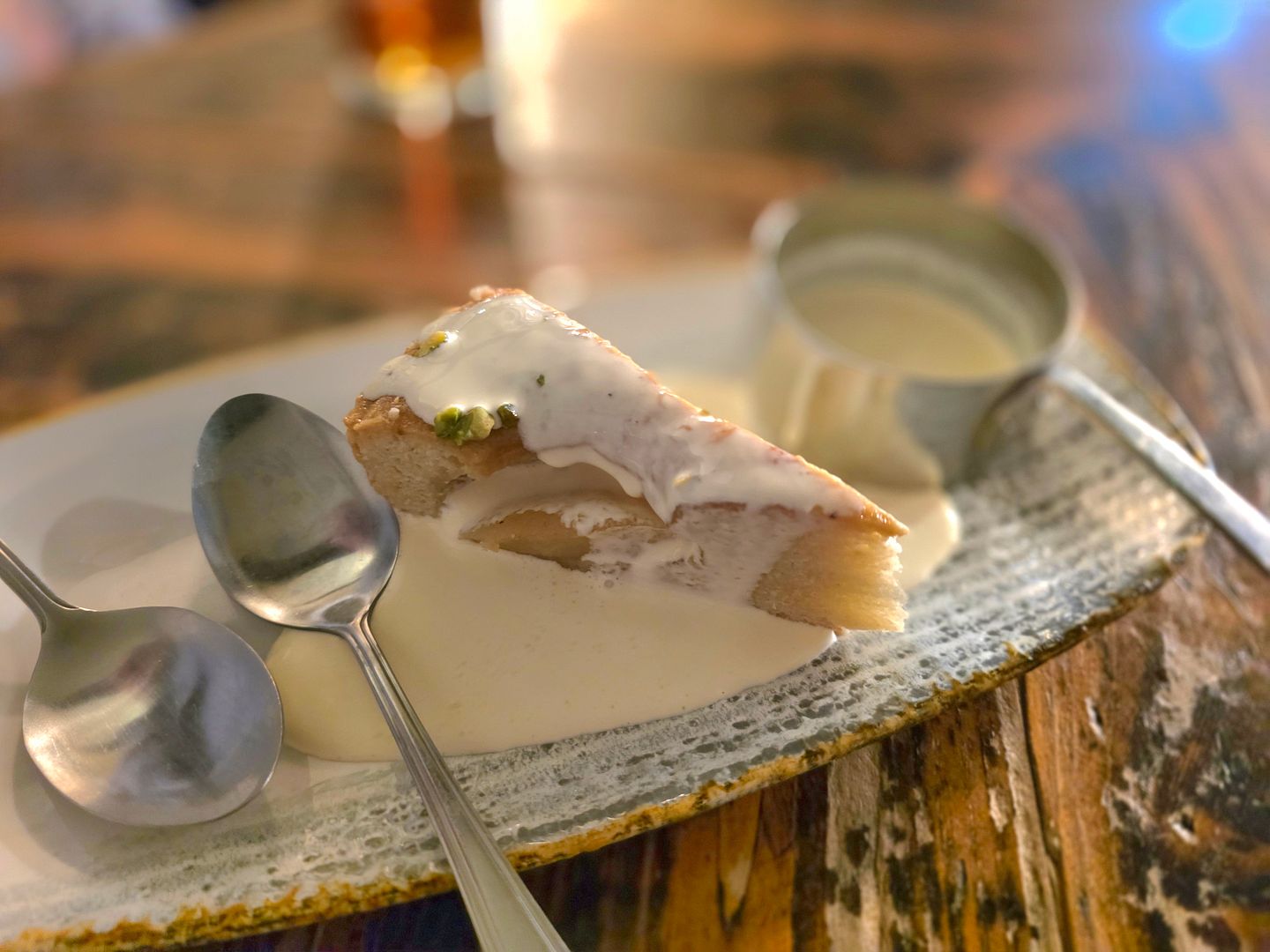
We were beat by the time we found the Pickerel Inn which is now a traditional public house established in 1608.
After our treat we walked back to our lodgings just a short .3 miles from the Pickerel.
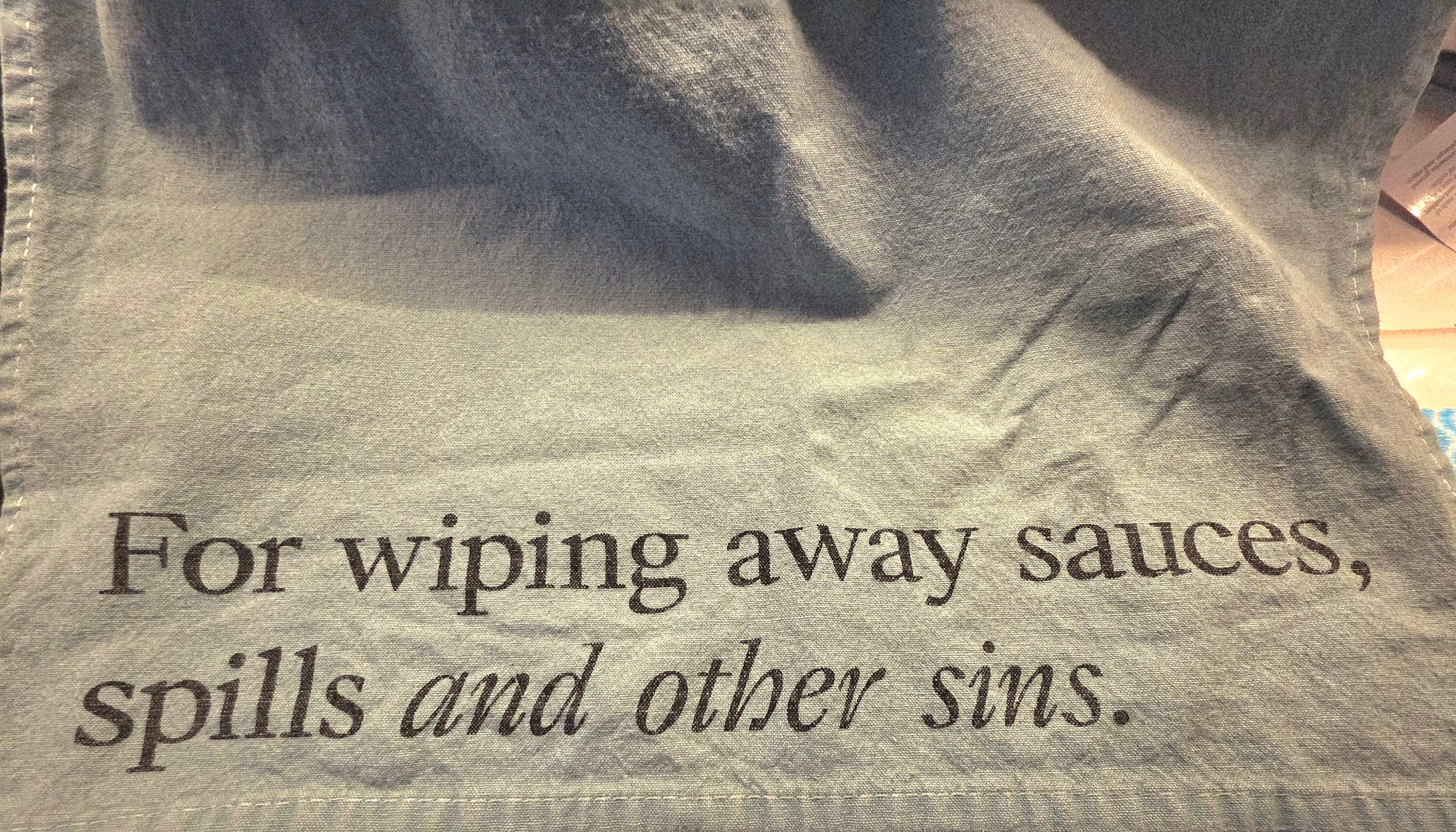
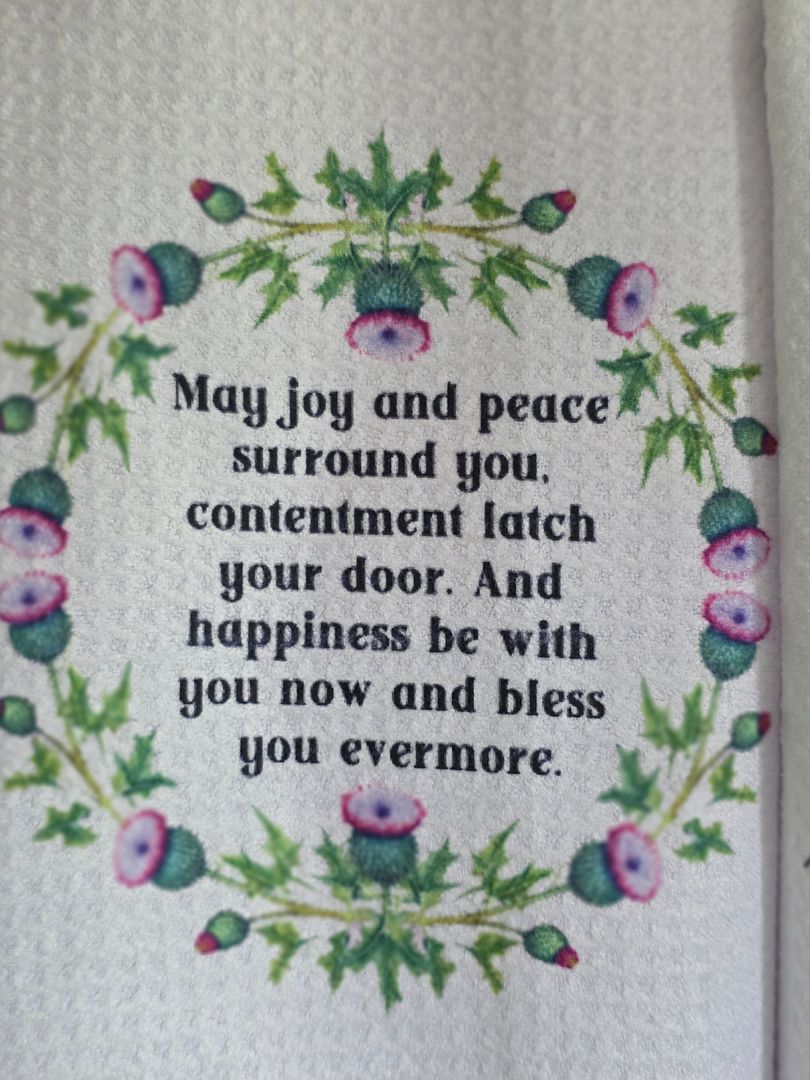
The dish towels in our kitchenette had this saying on them.
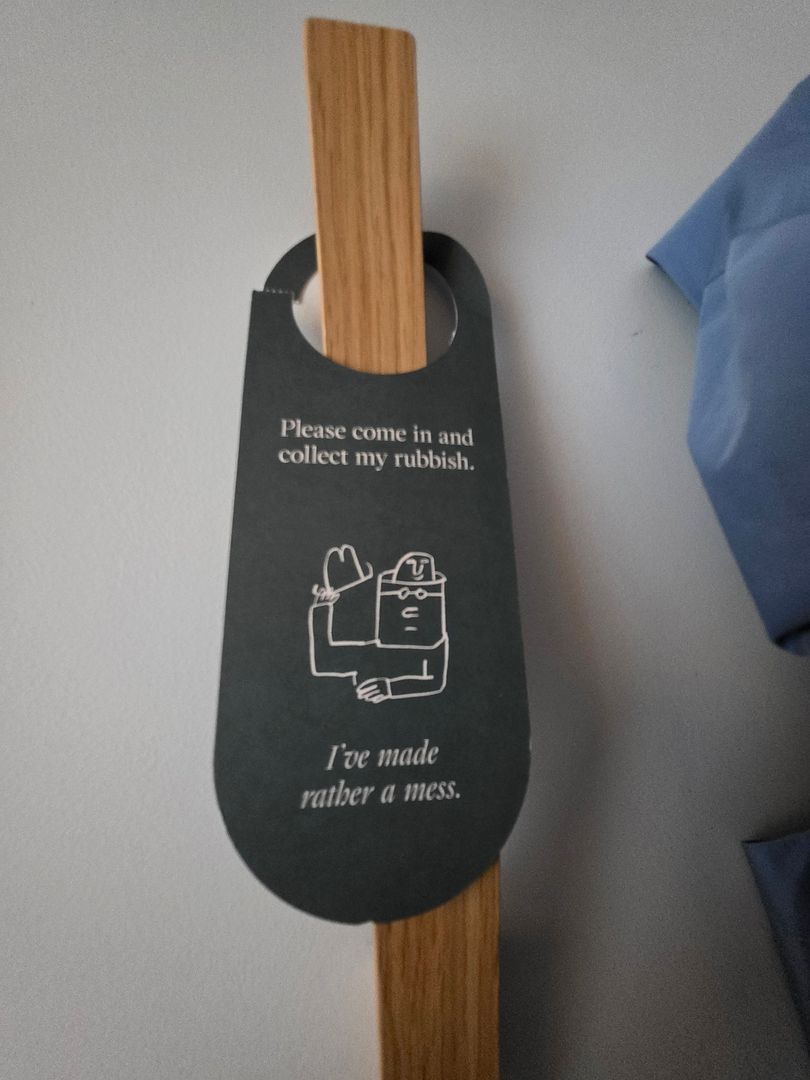
The door signs made us chuckle, too.
We stayed in for this evening after it seemed we were walking all the day long.
We were looking forward to being able to make our own coffee in our room on Tuesday morning since we purchased a French Press and coffee while out and about this day.
If it’s Wednesday, it must be time for the Hodgepodge. Thank you, Joyce.
1.What’s something you find extremely difficult that most people would say is simple?
Exercise for the sake of exercise. I can have good intentions but I find it difficult to be faithful in the endeavor.
I do enjoy getting out in the yard and mowing, etc. I do deep cleaning. I’m great at errands and shopping. We walk a lot on trips we take. I’m not a total couch potato. 🙂
2. “And so with the sunshine and the great bursts of leaves growing on the trees, just as things grow fast in movies I had that familiar conviction that life was beginning over again with the summer.”
~F. Scott Fitzgerald
Does the season of summer make you feel this way? Elaborate.
No. Summer is not my stimulating time of year. I look for shade and try not to sweat too much. Life begins again in the Fall for me. 🙂
~
3. Pickles. Love ’em or no thank you?
Love them!
What’s your favorite type of pickle?
Kosher Dill, the kind you find in the refrigerator section.
What’s something you eat that definitely needs a pickle added?
A hamburger tastes better to me with pickles. I also like chopped up pickles in tuna mix and potato salad and call me crazy but I love the combination of a boiled potato with a pickle as a treat.
4. Tis the season…do you know any June brides?
Our Colville kids got married in June so our Jamie is a June Bride.
Are there any weddings on your summer calendar?
No summer weddings on our calendar. We do have a Grand Nephew who is engaged but it sounds like their plans are for a Fall wedding.
What’s your favorite movie wedding?
Pride and Prejudice and other British series weddings (Downton Abby) where the whole town lights up for the special day and the bride arrives after all the guests are in the church and gets dropped off in a special carriage or car and then the couple leave together in style right from the church to wherever the reception is to be held.
5. June 1st is/was National Say Something Nice Day…say something nice here.
Thank you, Joyce and Hodgepodgers, for this weekly get together and for all the nice things you say in your comments each week. You are a fun community and I appreciate each of you.
6. Insert your own random thought here.
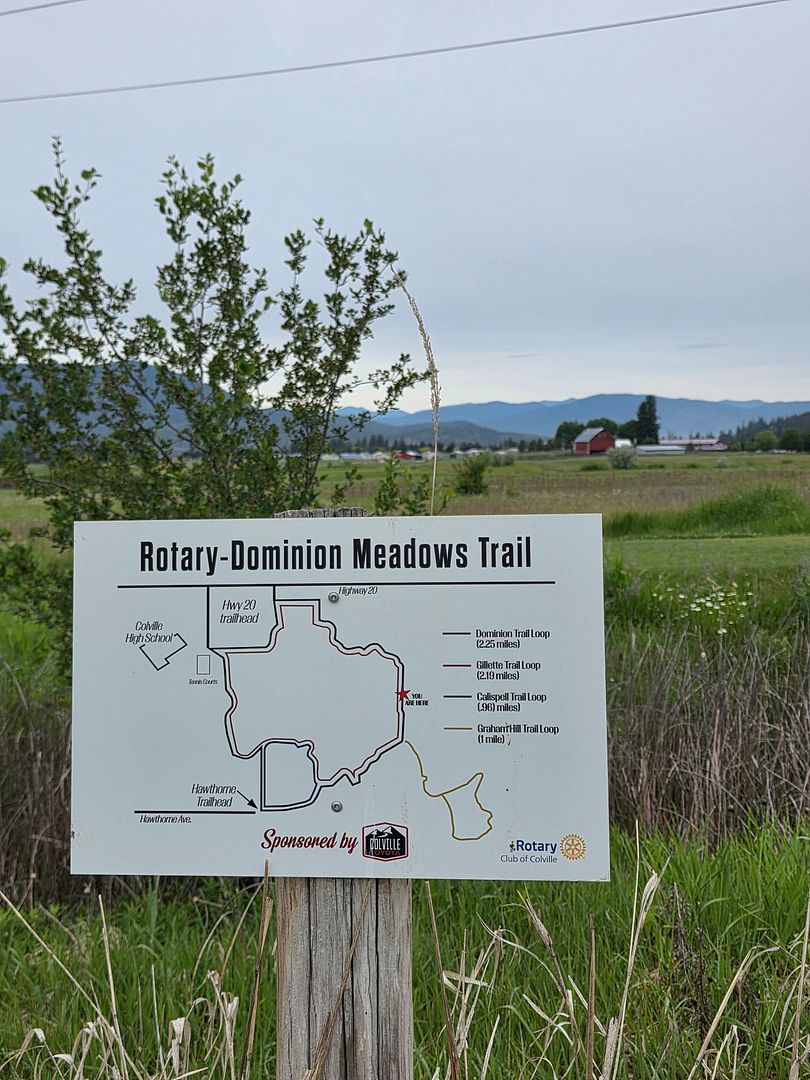
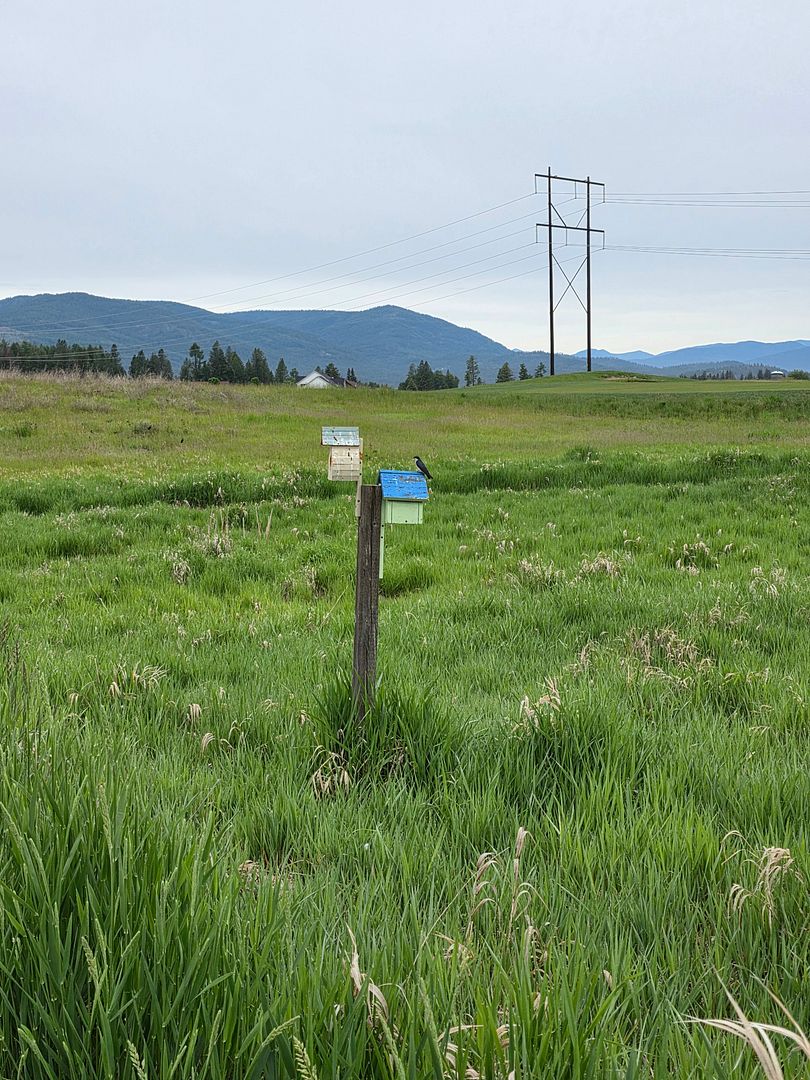
Speaking of exercise, we started June off with a return to the Rotary Trail here in Colville for a walk. Woohoo! It’s been well over a year that we walked the trail. That was due mostly to my Plantar Fasciitis. I’m happy to report my feet felt fine after our walk, thank you, LORD!
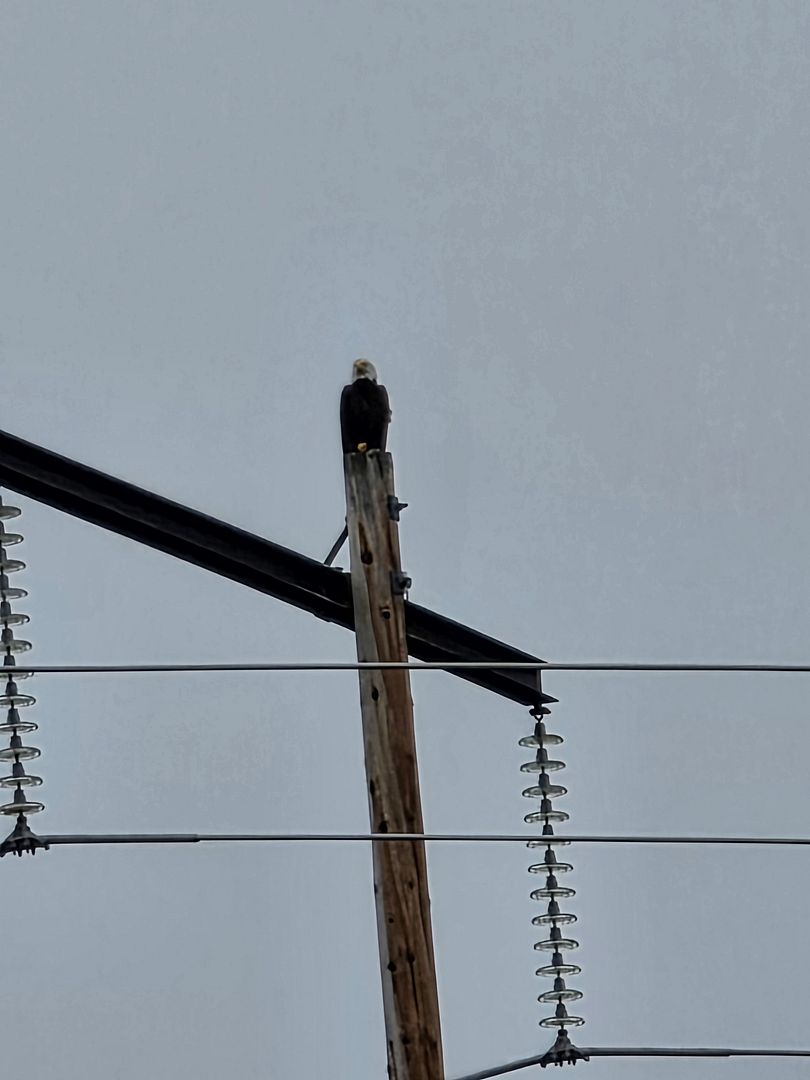
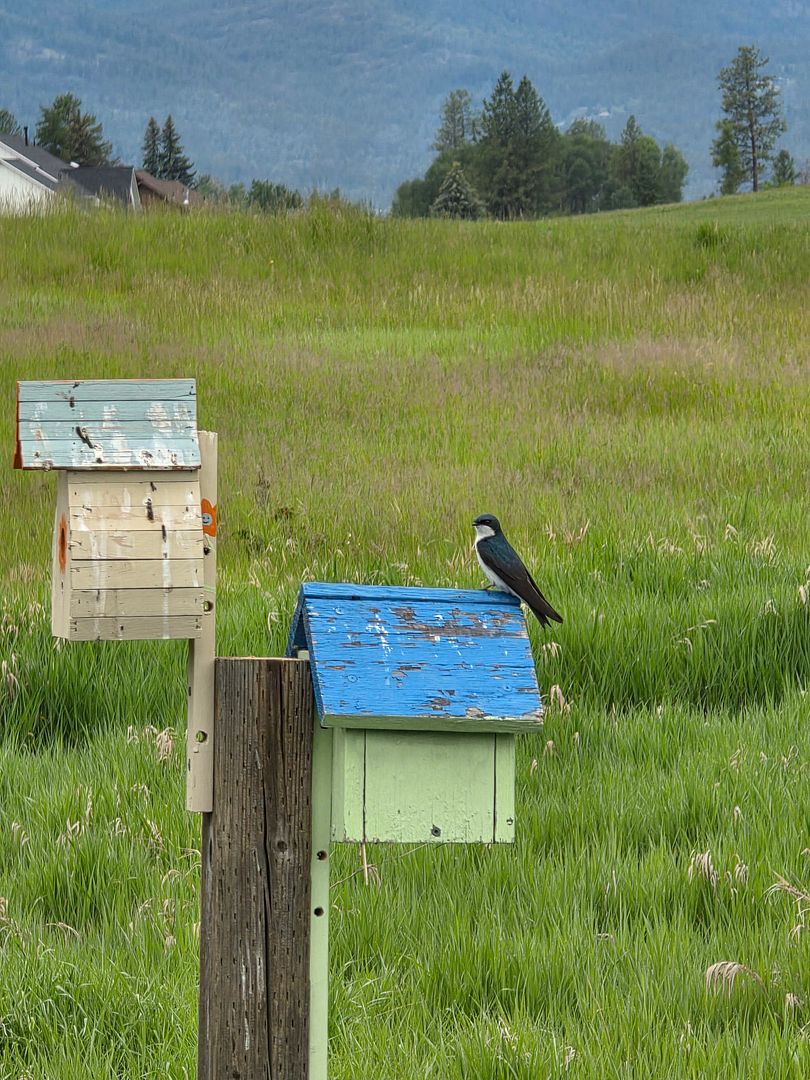
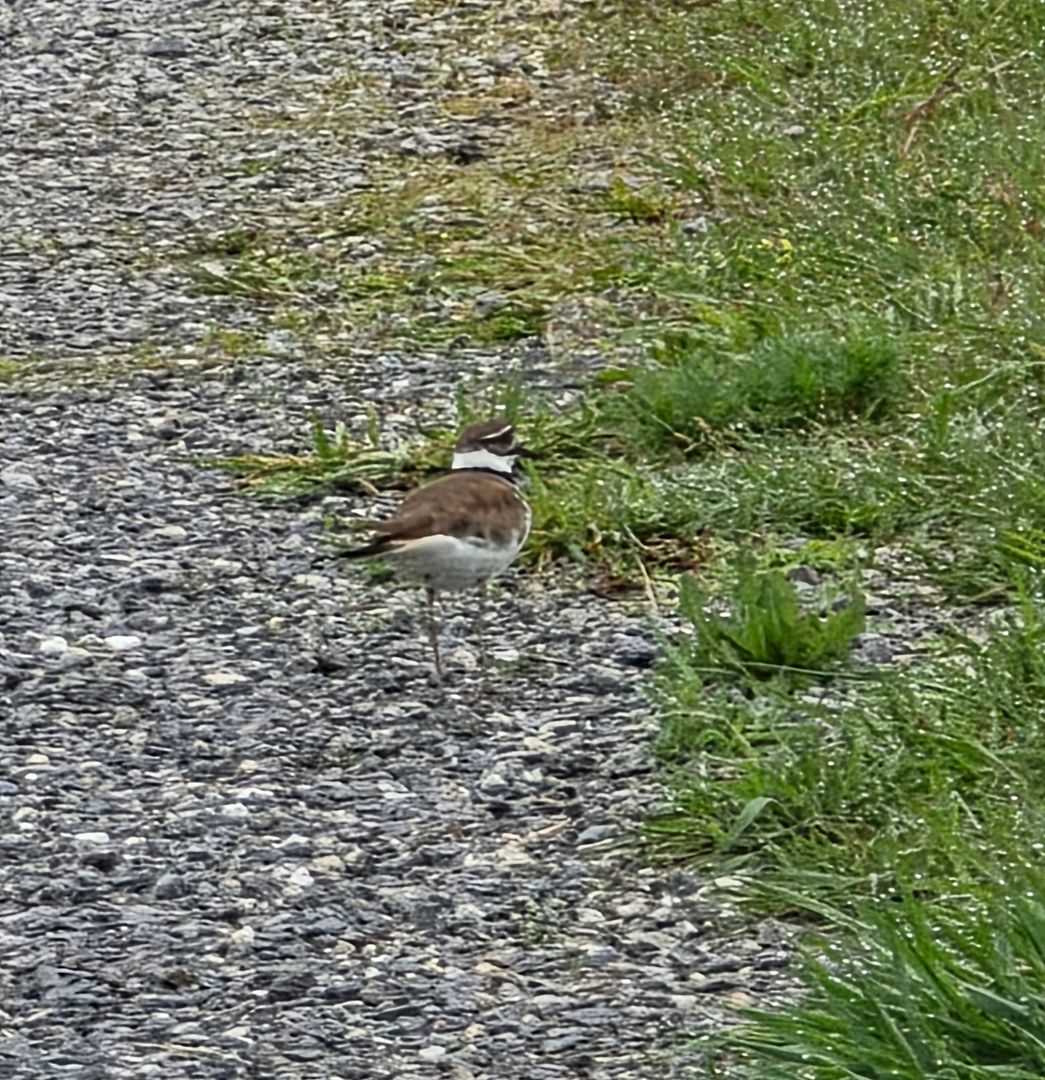
We enjoyed lots of birdsong and seeing our National Bird, too.
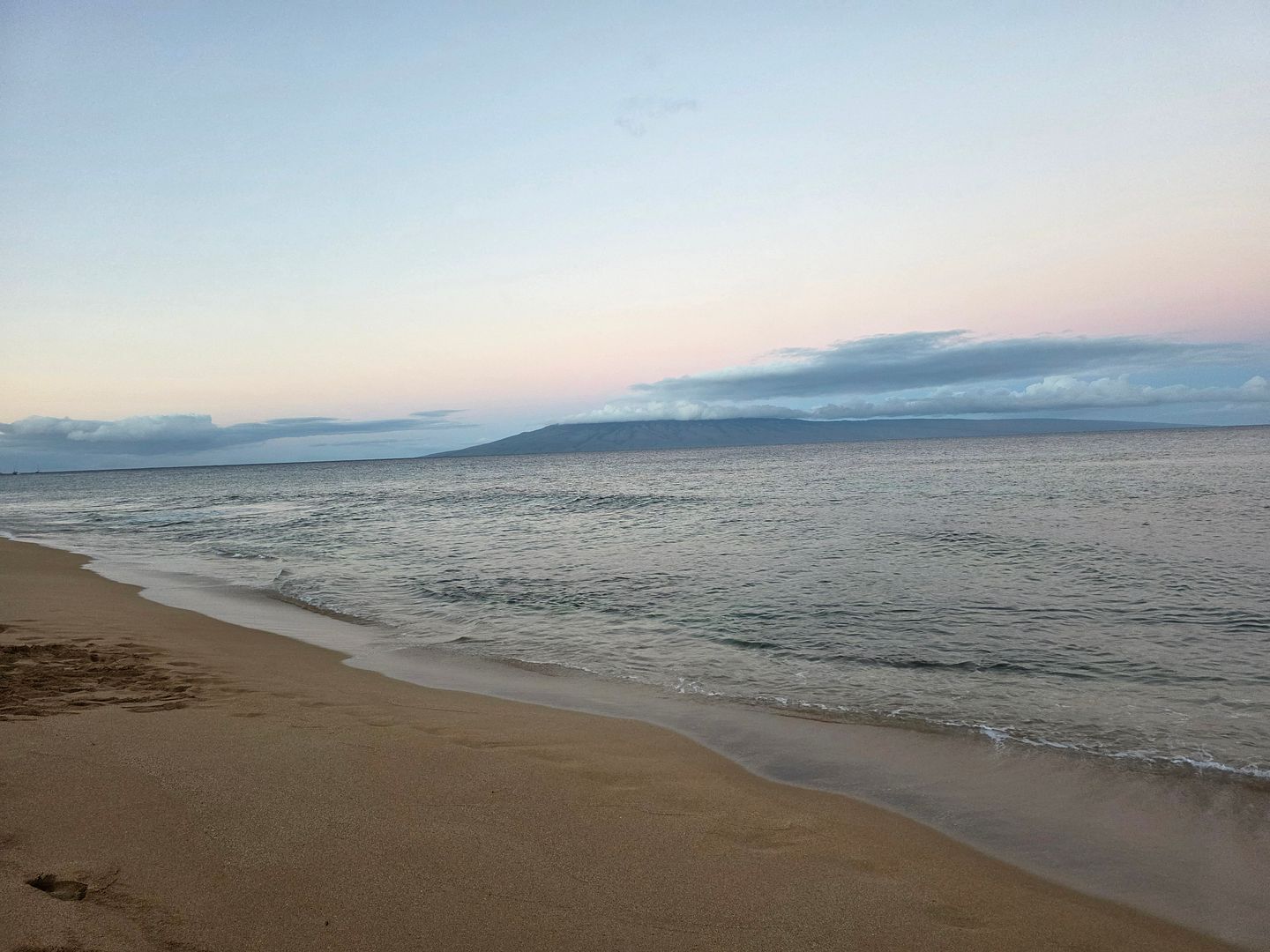
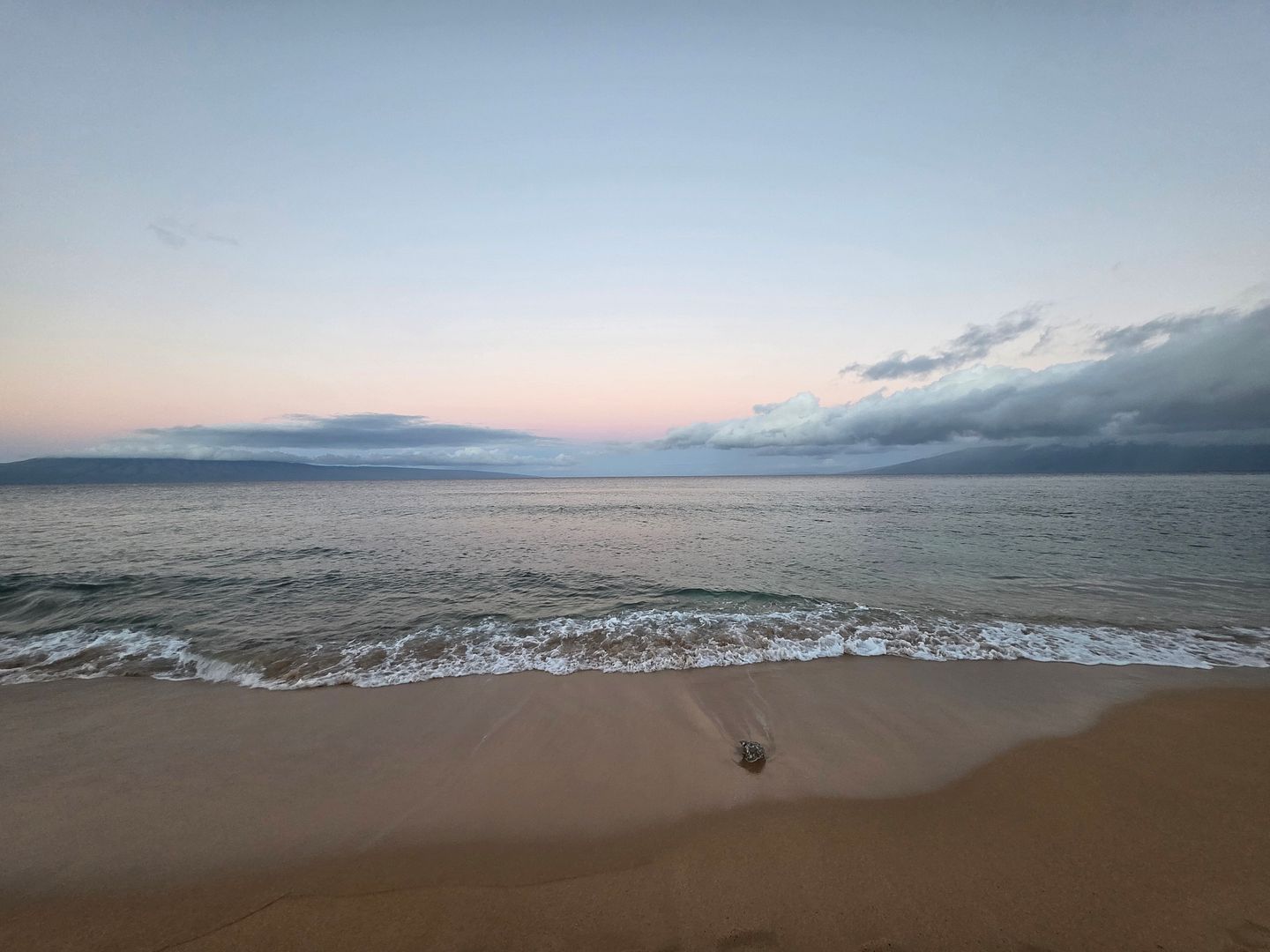
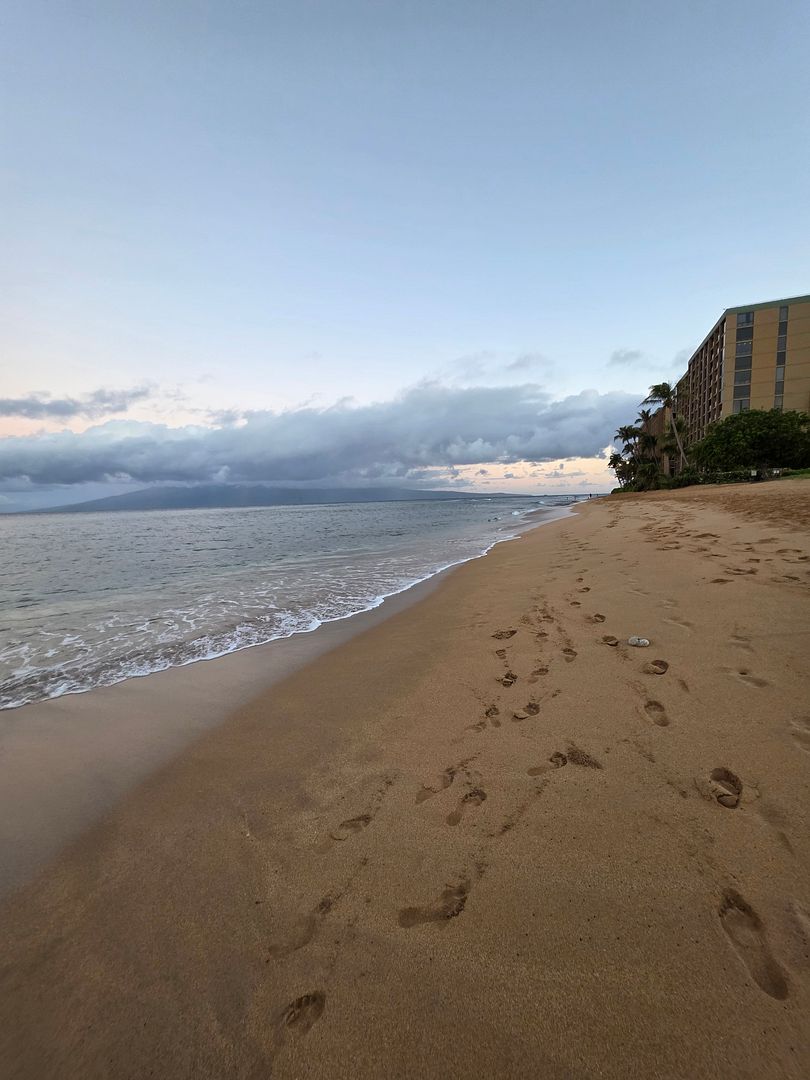
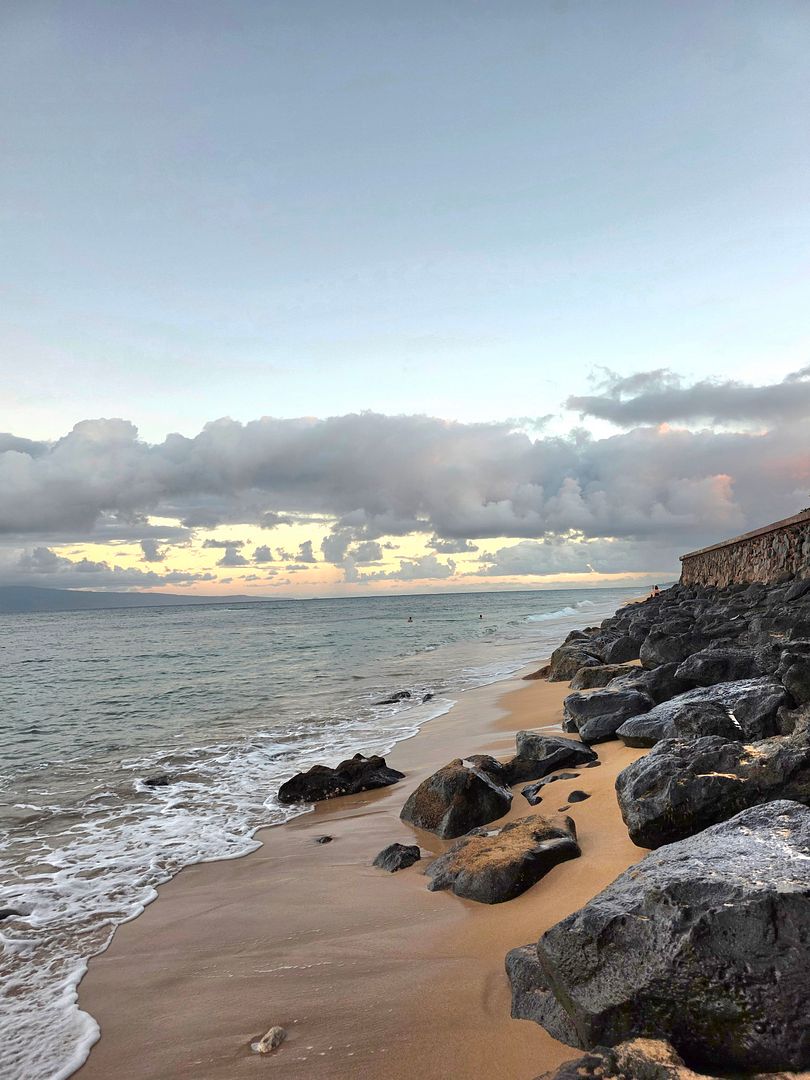
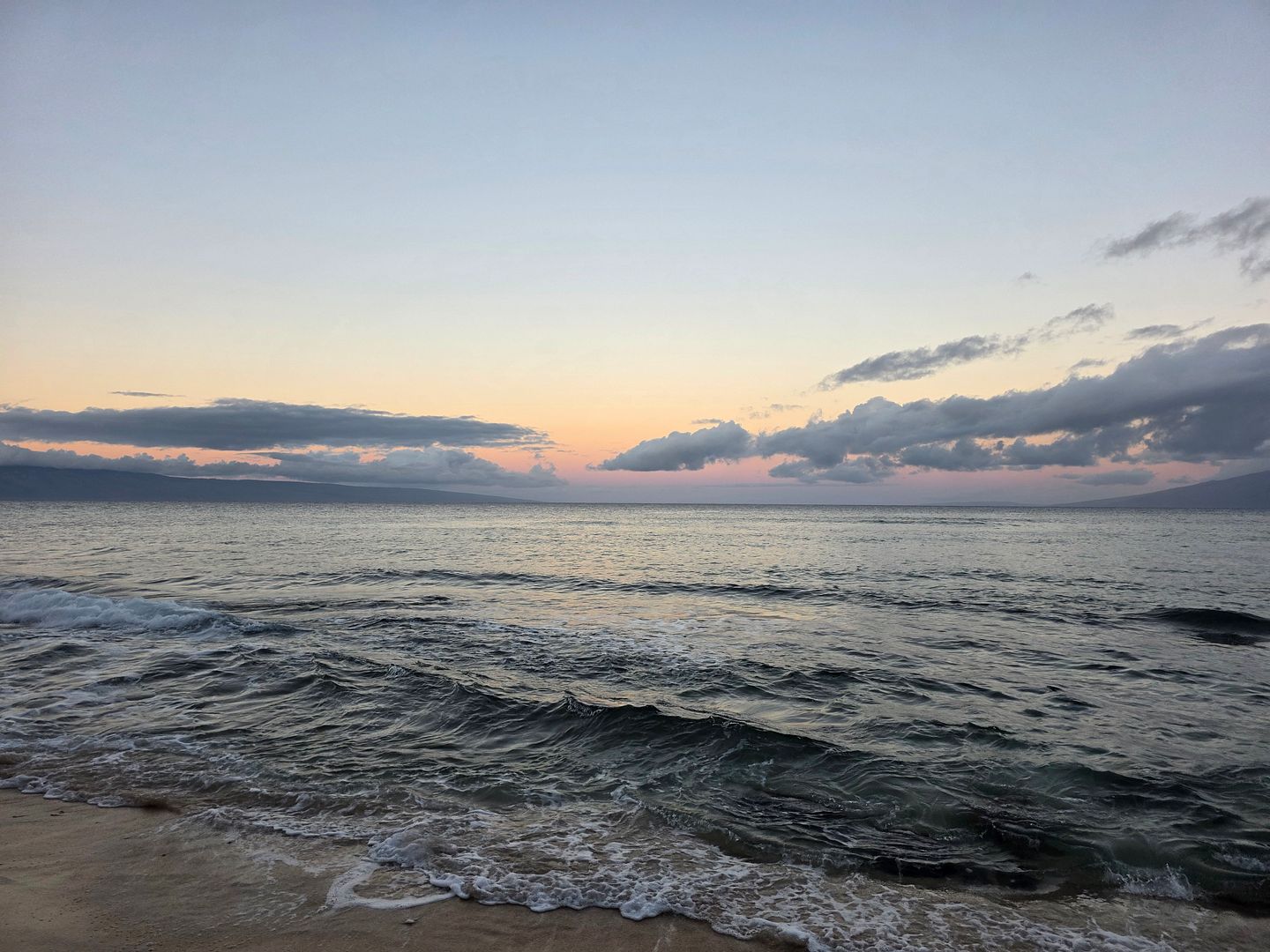
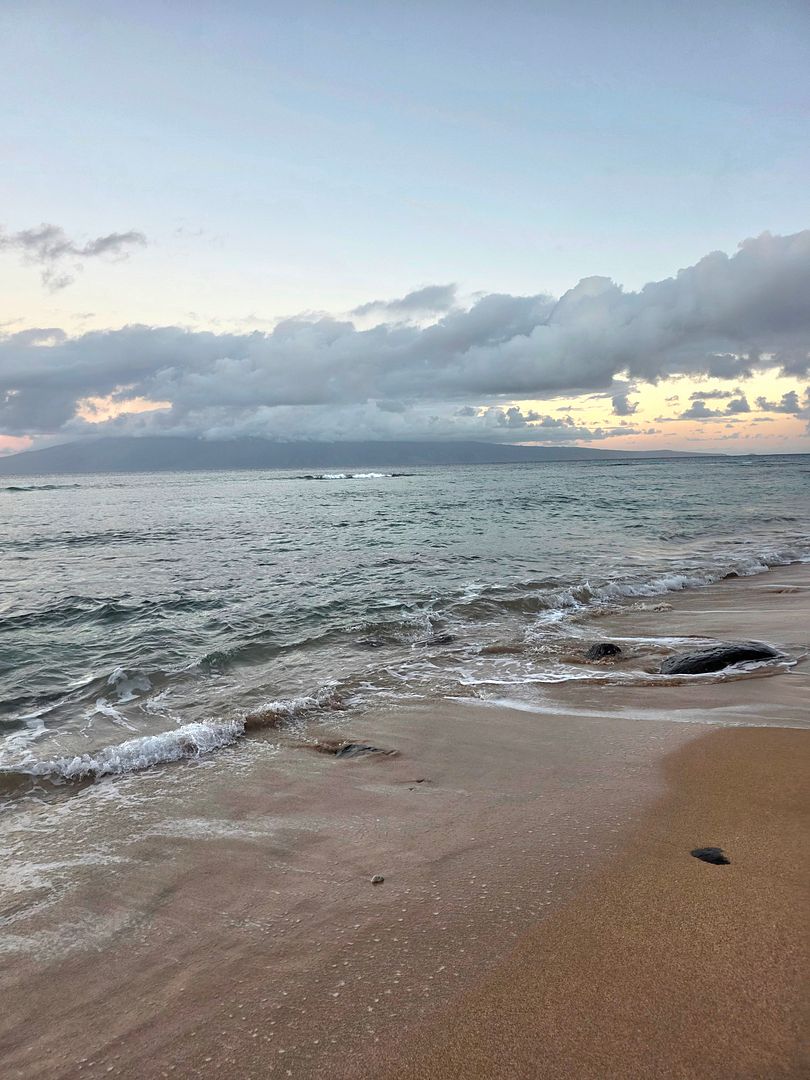
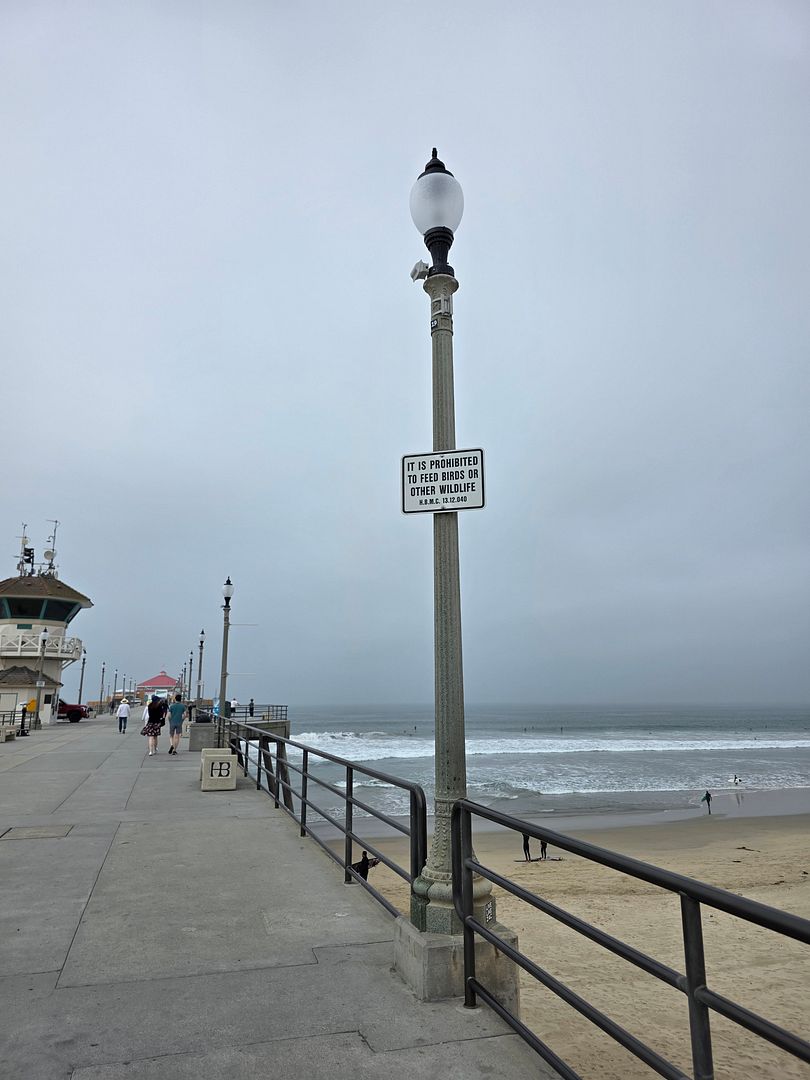
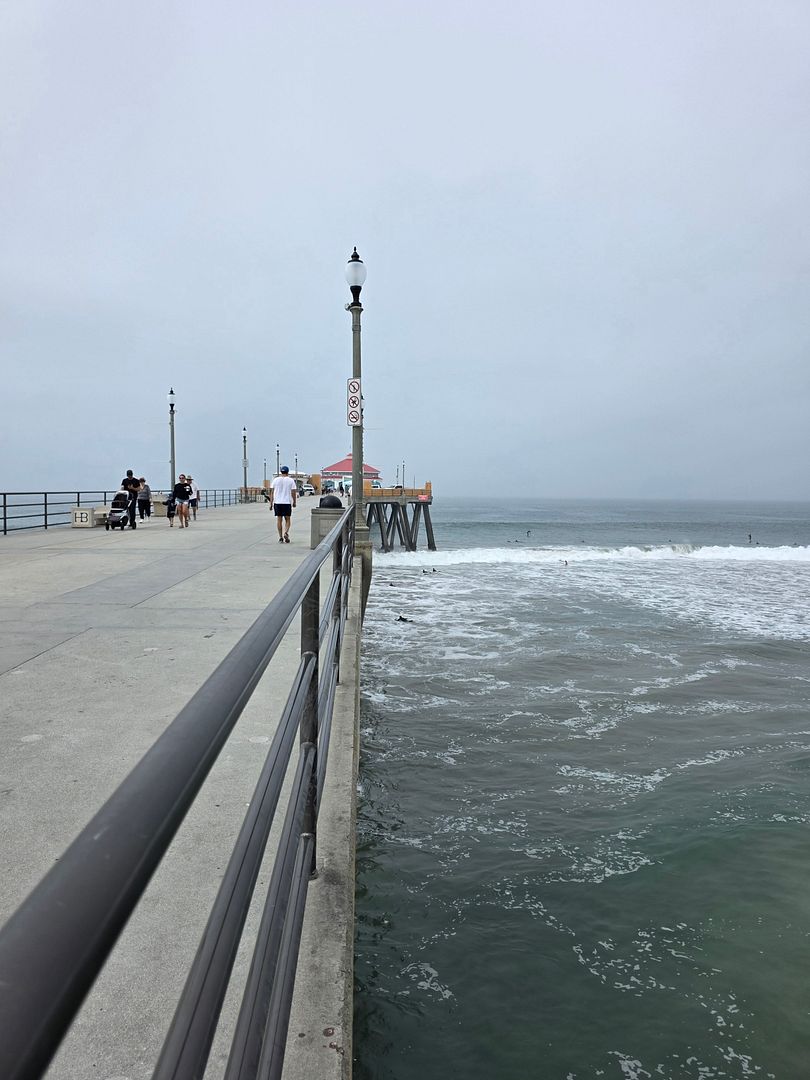
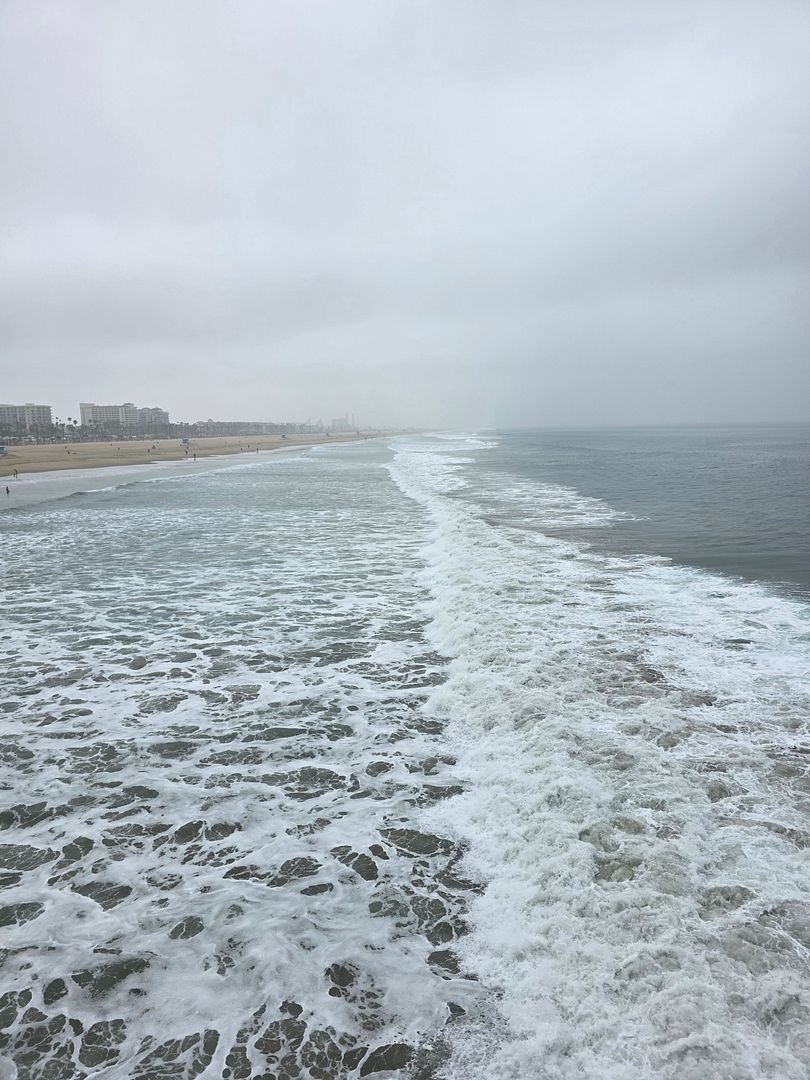
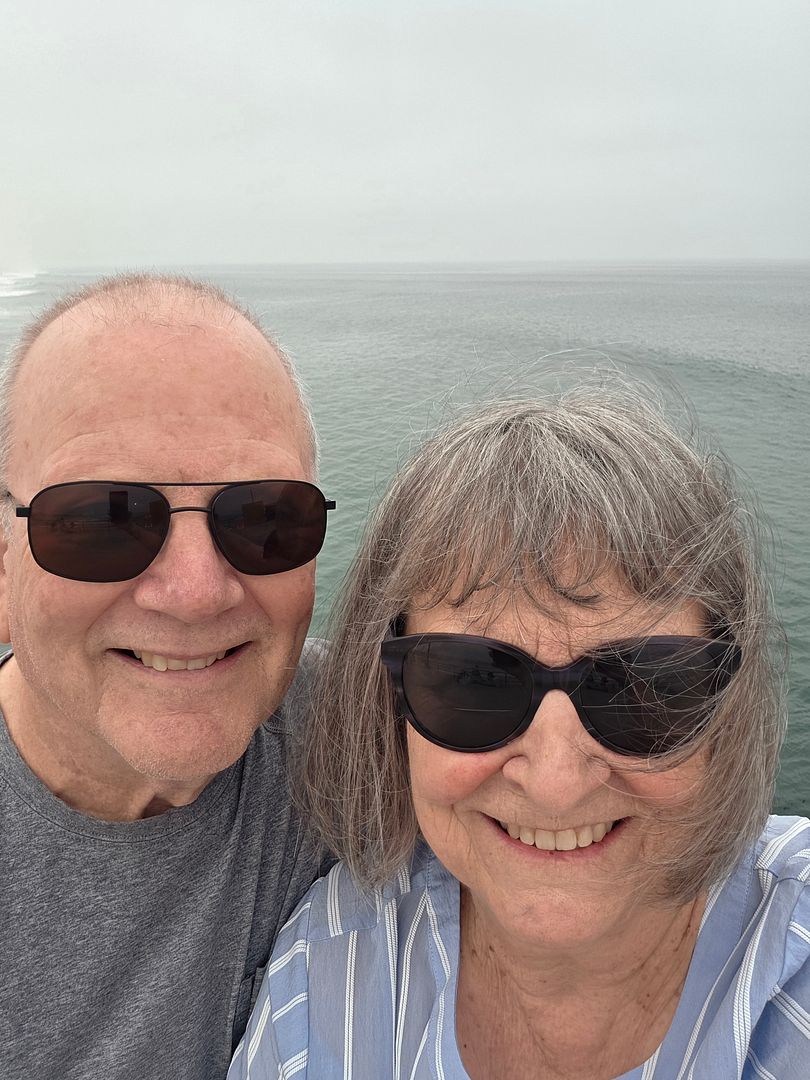
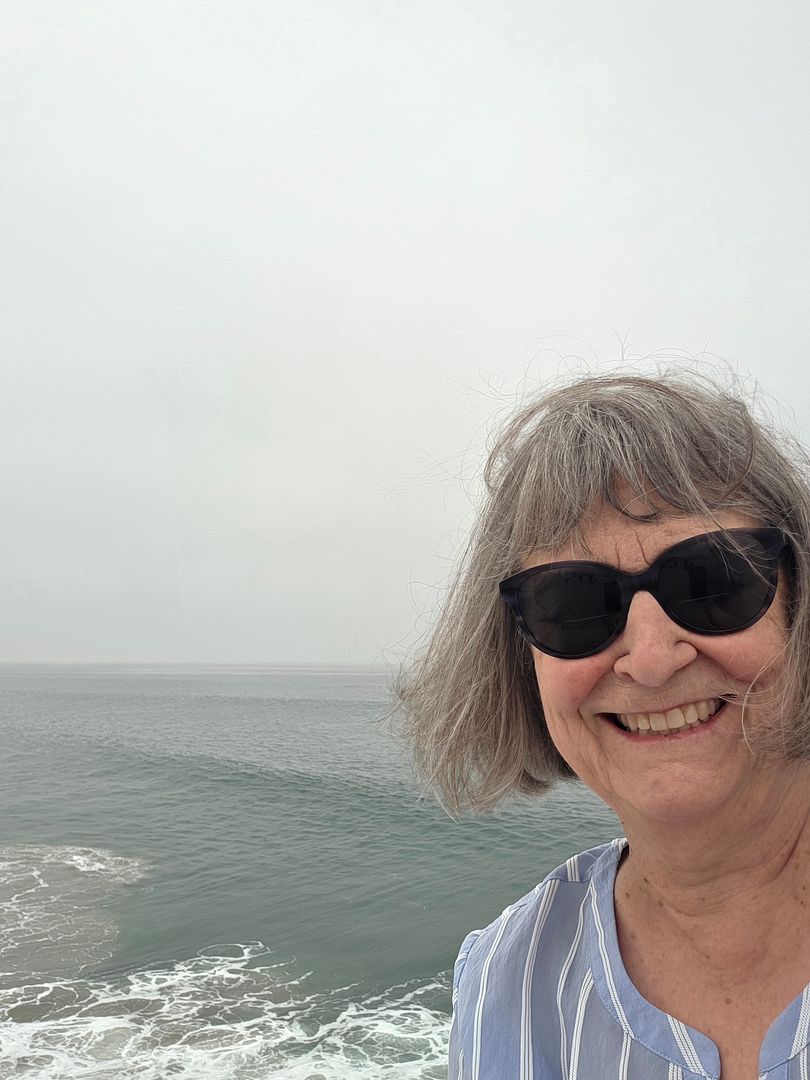
Staying in Huntington Beach with my sister, Vera, gives us the best chance to see the Pacific Ocean again. It had been a while since we enjoyed the sea air and the waves. Vera dropped us off at the pier and went on to an appointment and would pick us up afterwards. She lives about 5 miles from the ocean.
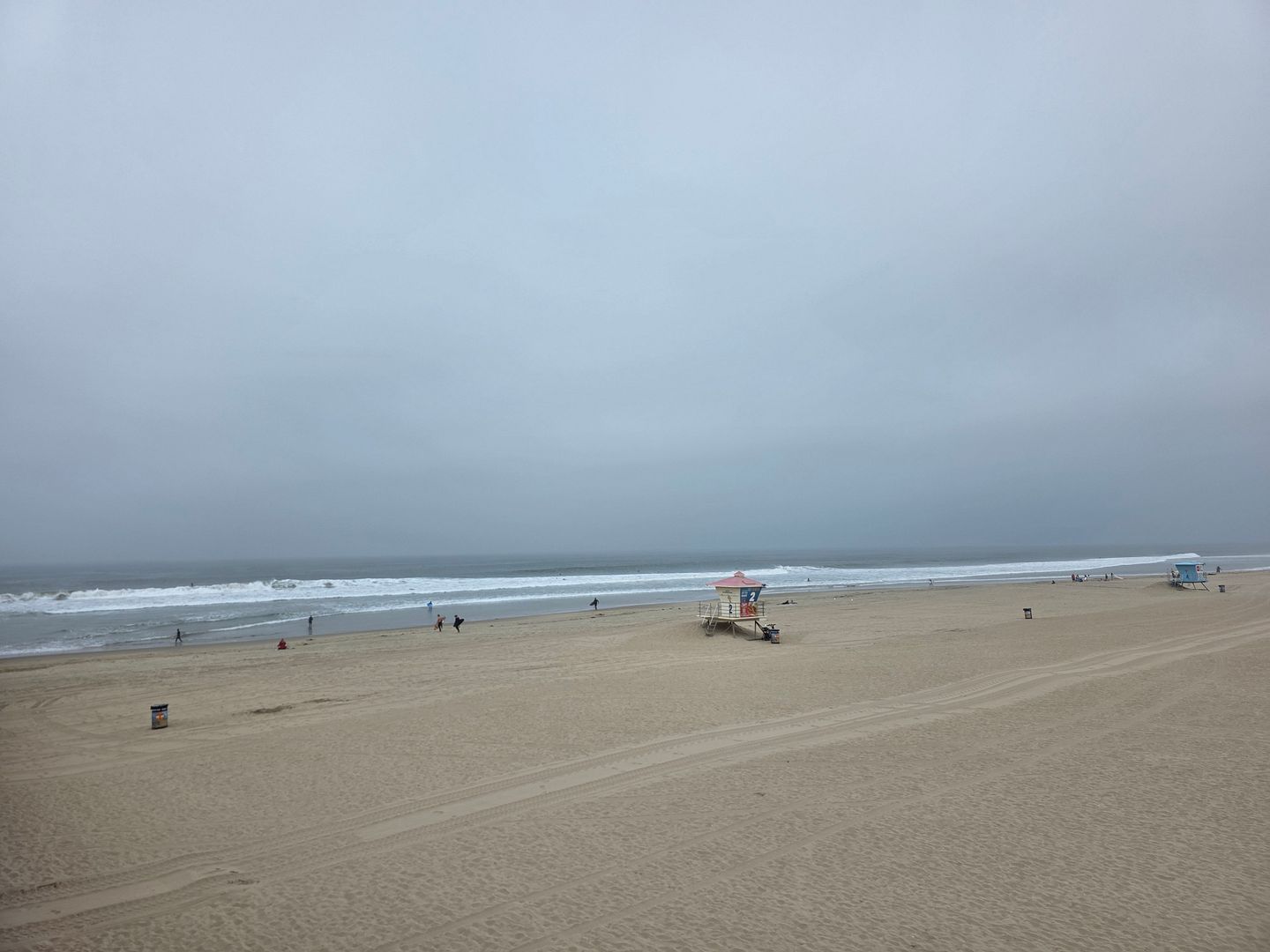
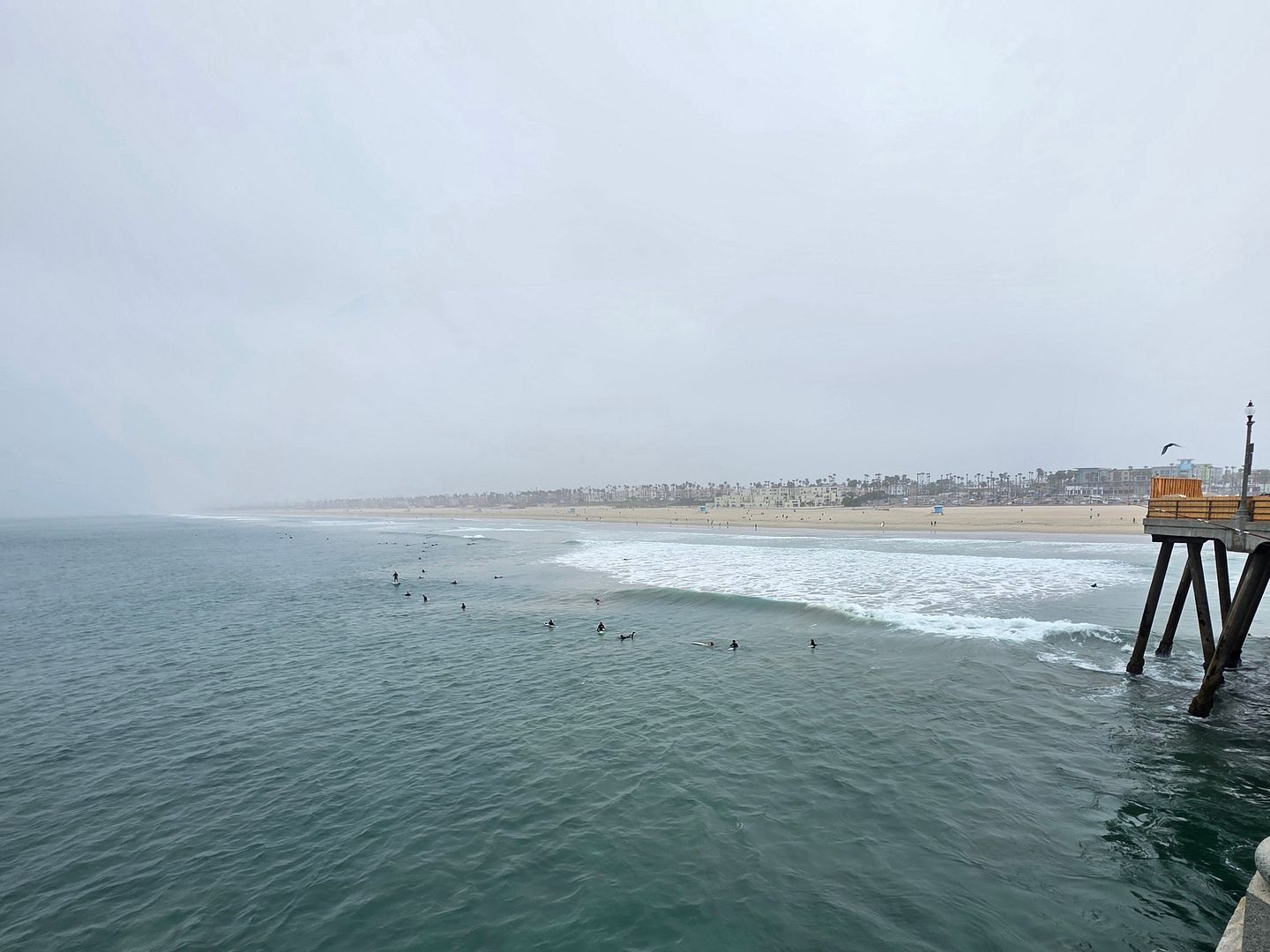
Classic morning June gloom even though this was May.
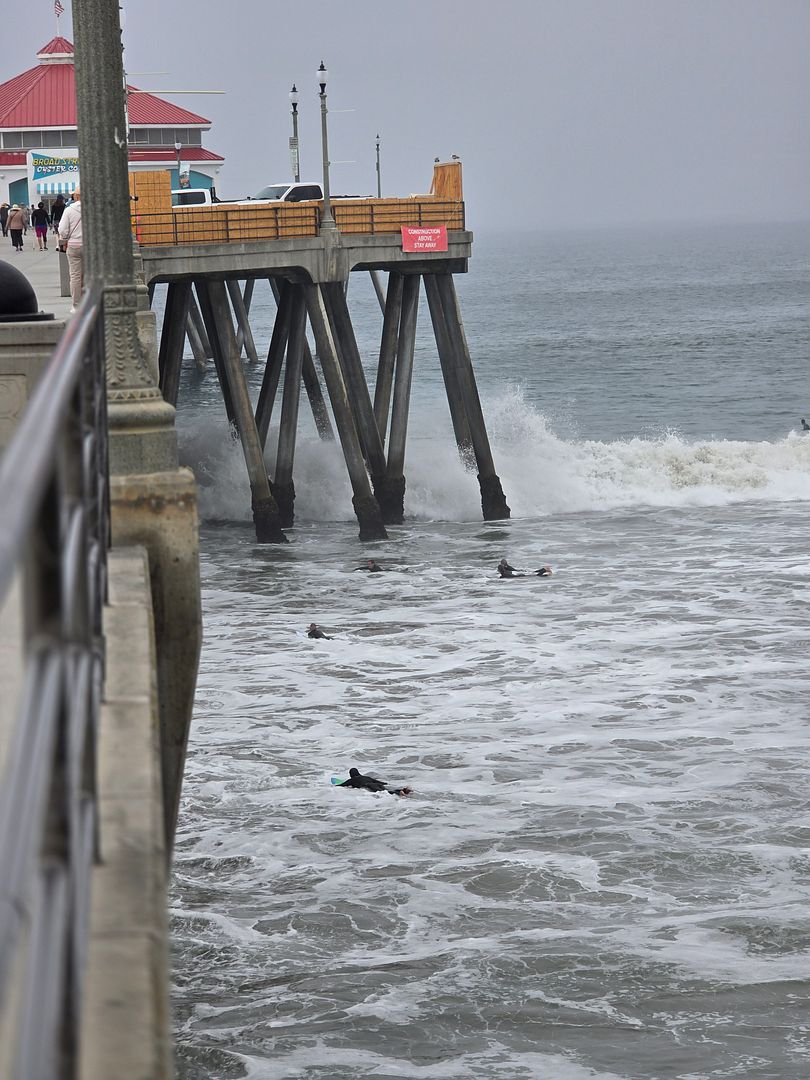
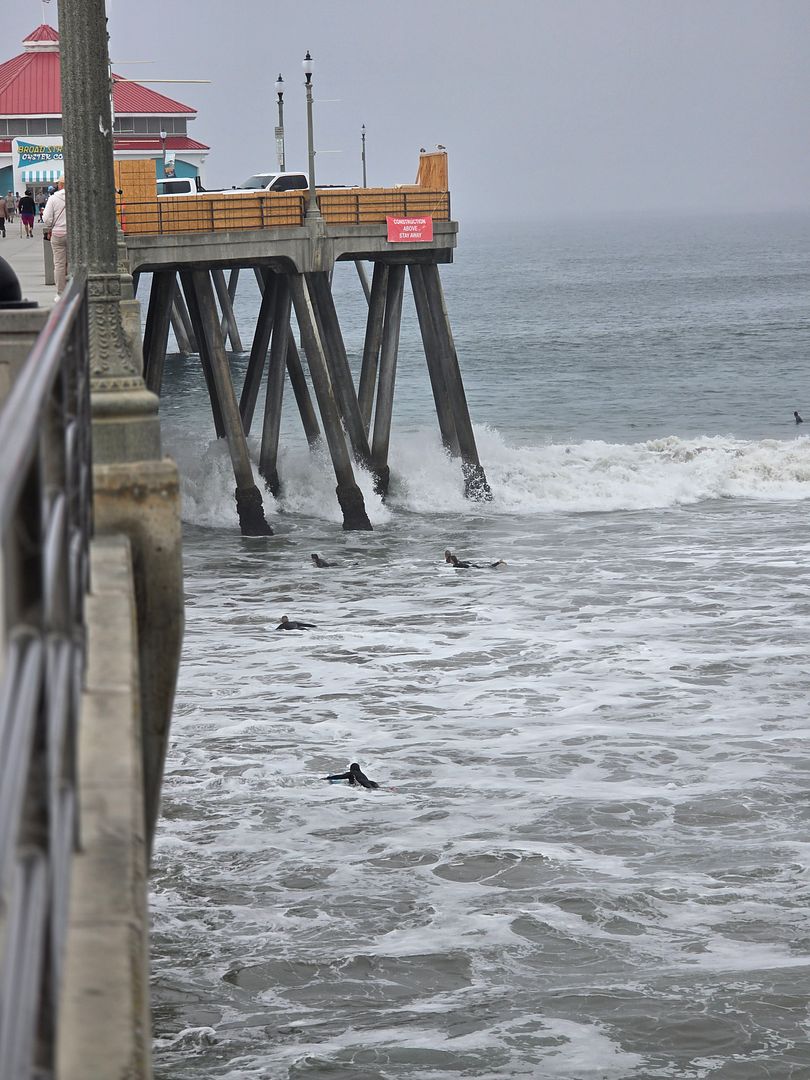
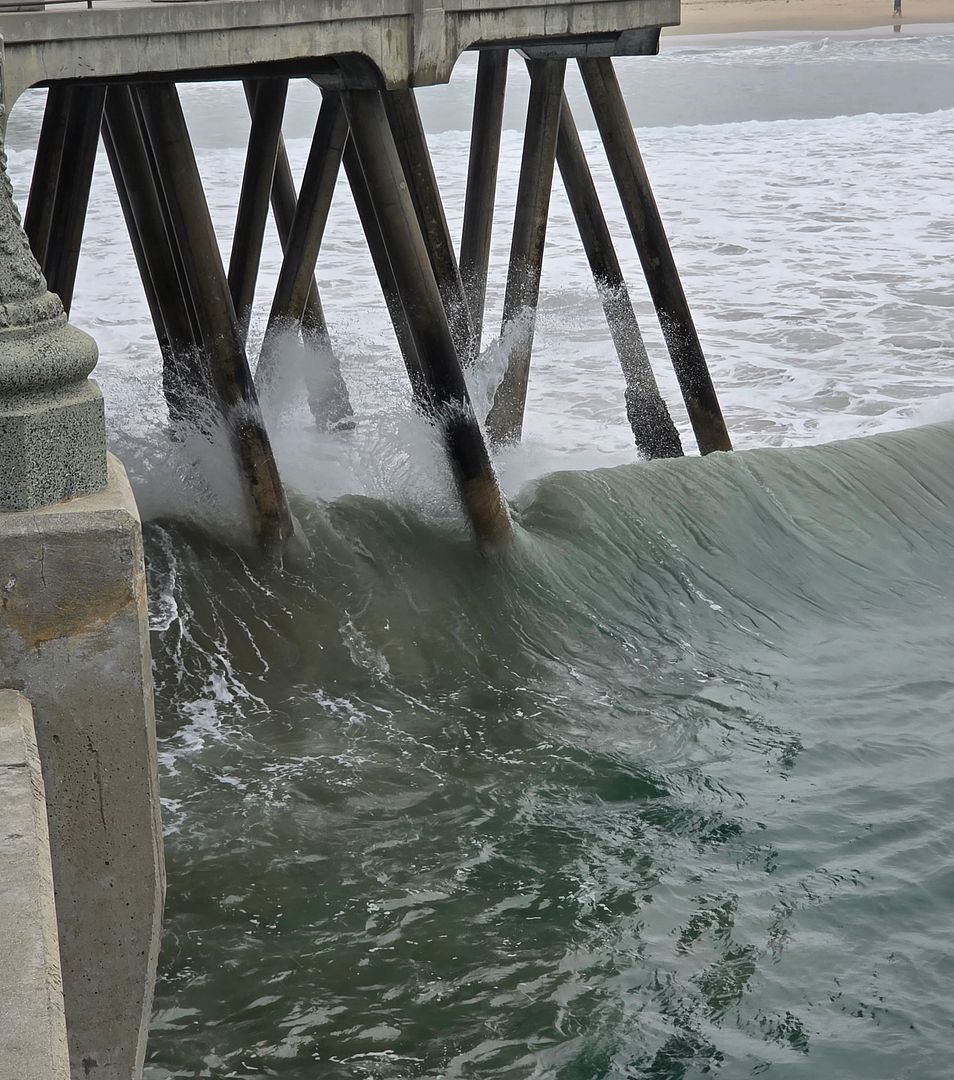
The surfers and the fishermen were gathered next to the pier and on the pier. Only experienced surfers were closer to the pier pilings or that is what the loud speaker on the pier announced with forcefulness!
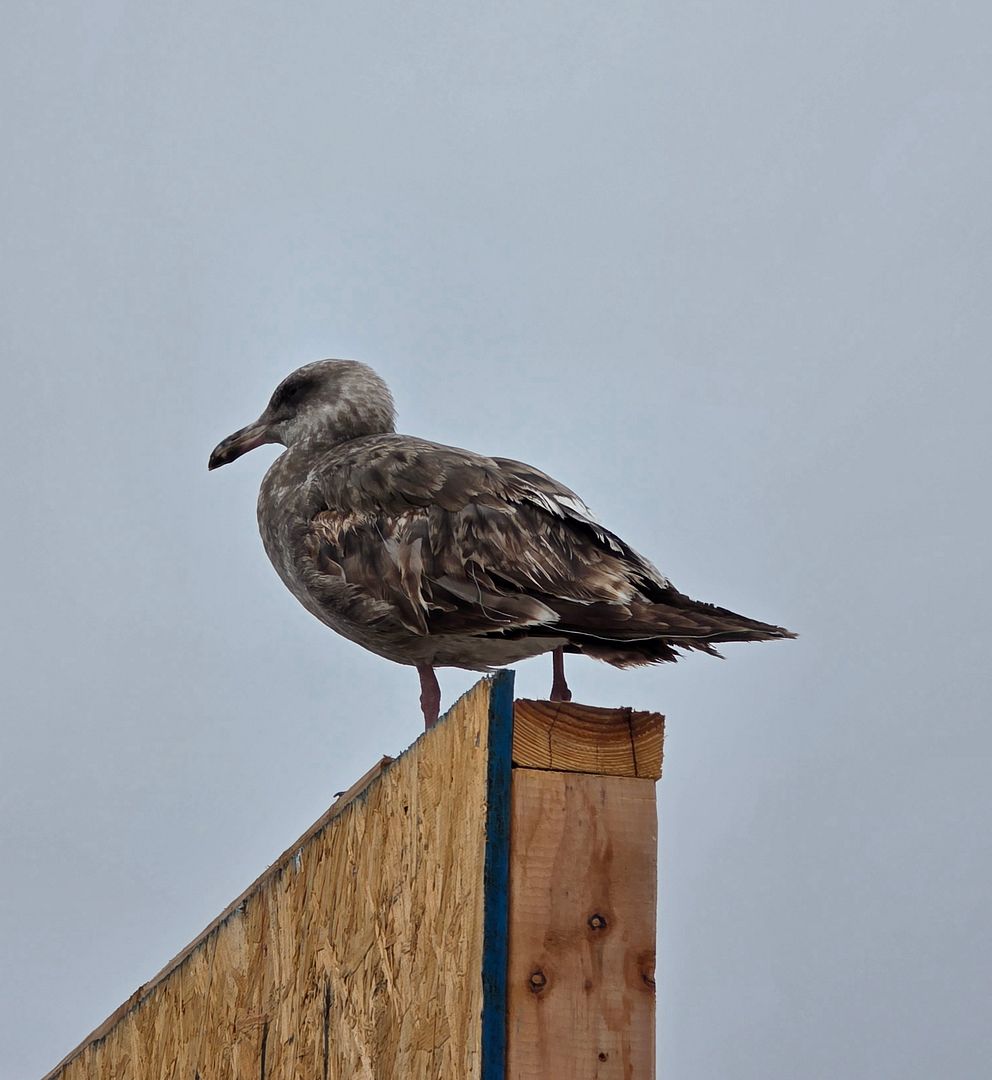
There is some construction on the pier. A new restaurant is going in about midway on the pier.
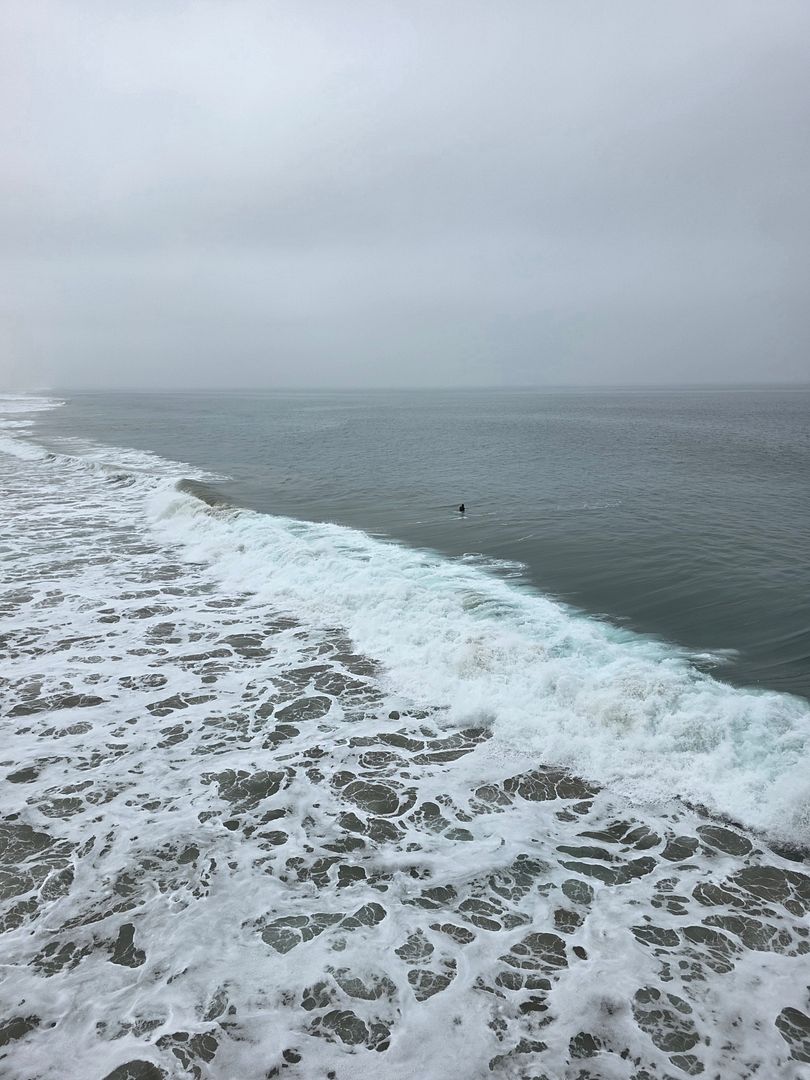
Watching wave after wave never gets old.
Looking north toward Newport Beach.
Looking south toward Bolsa Chica.
It was breezy but we didn’t need a coat.
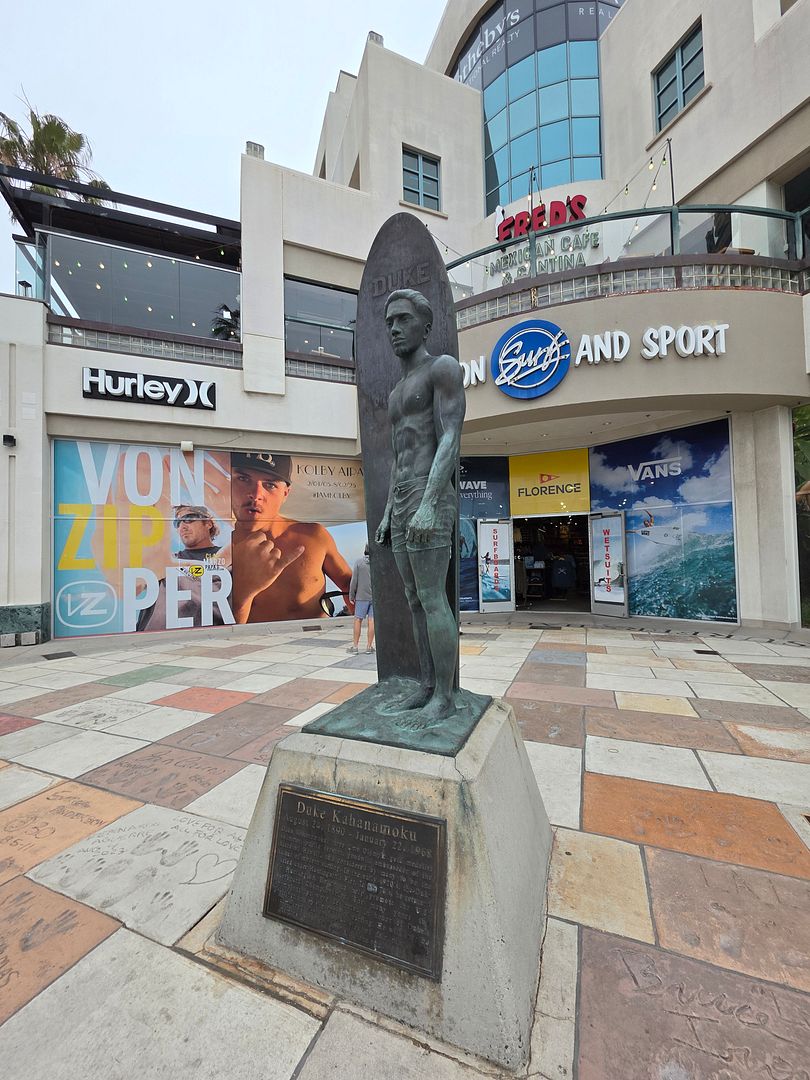
Duke Kahanamoku, three time Olympic gold medalist swimmer, public servant, goodwill ambassador of the State of Hawaii, and considered by many to be the father of modern surfing. In the early 1920’s, the Duke surfed under Huntington’s Pier. In his 70’s, he returned to Huntington Beach to help promote the U.S. Surfboard Championships. For many years the championships were dedicated in honor of Duke’s contributions to the sport of surfing. He will long be remembered for his principles of fair play, good sportsmanship and his gracious aloha spirit.
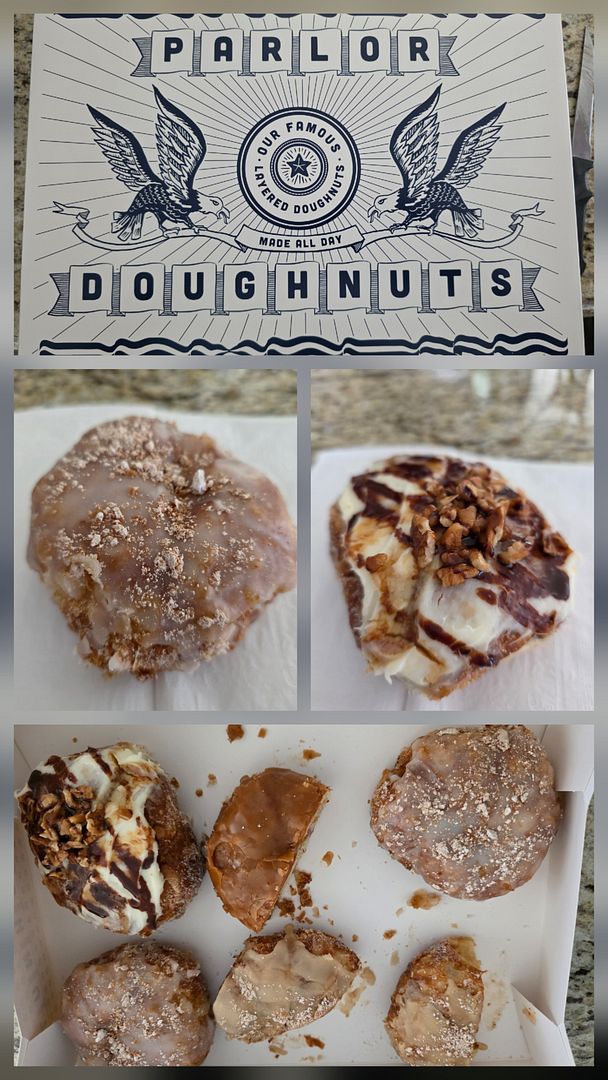
Main Street in Huntington Beach ends (or begins) at Pacific Coast Highway. We crossed the highway and wandered down Main street checking out some shops. I remembered Vera’s son in law mentioned a new doughnut shop we shouldn’t miss on PCH (Pacific Coast Highway). We walked back to the statue and turned left and found Parlor Doughnuts.
This is a franchise and if you are in Huntington Beach or another location where they have a shop, we recommend this treat to you. The dough was lovely and the flavors good.
Vera found us on Main street and she parked the car and we decided to have breakfast together on Main Street at the Sugar Shack Cafe before heading back home.
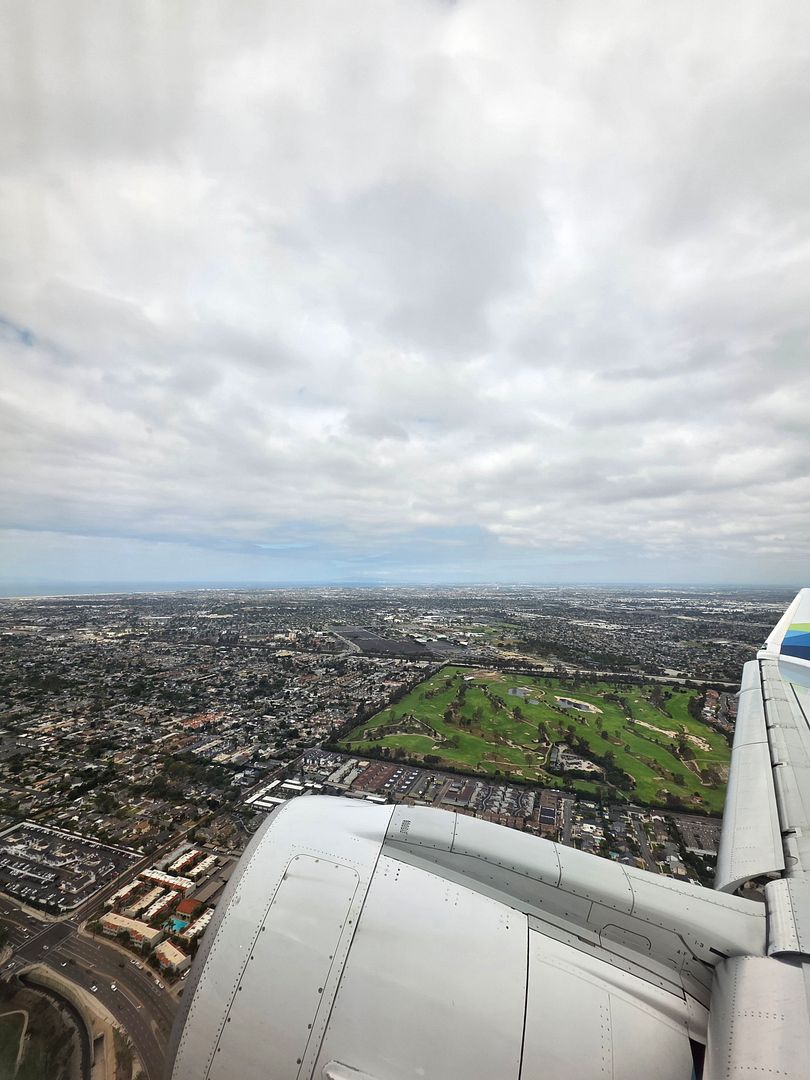
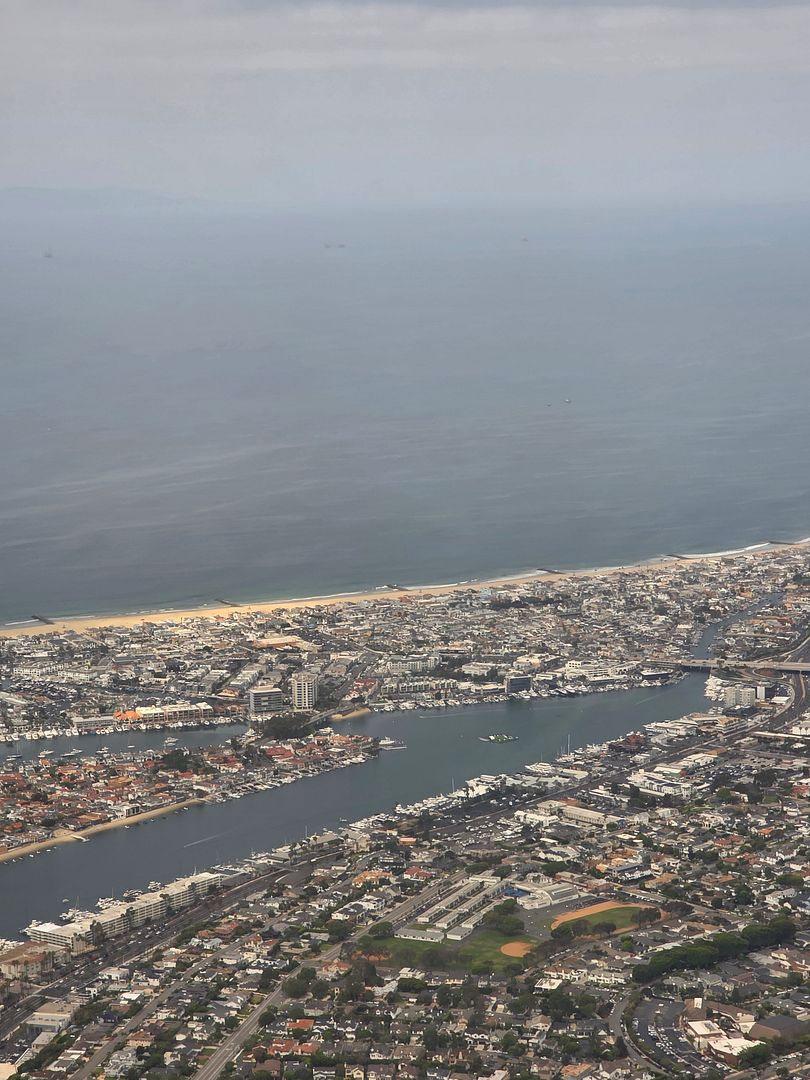
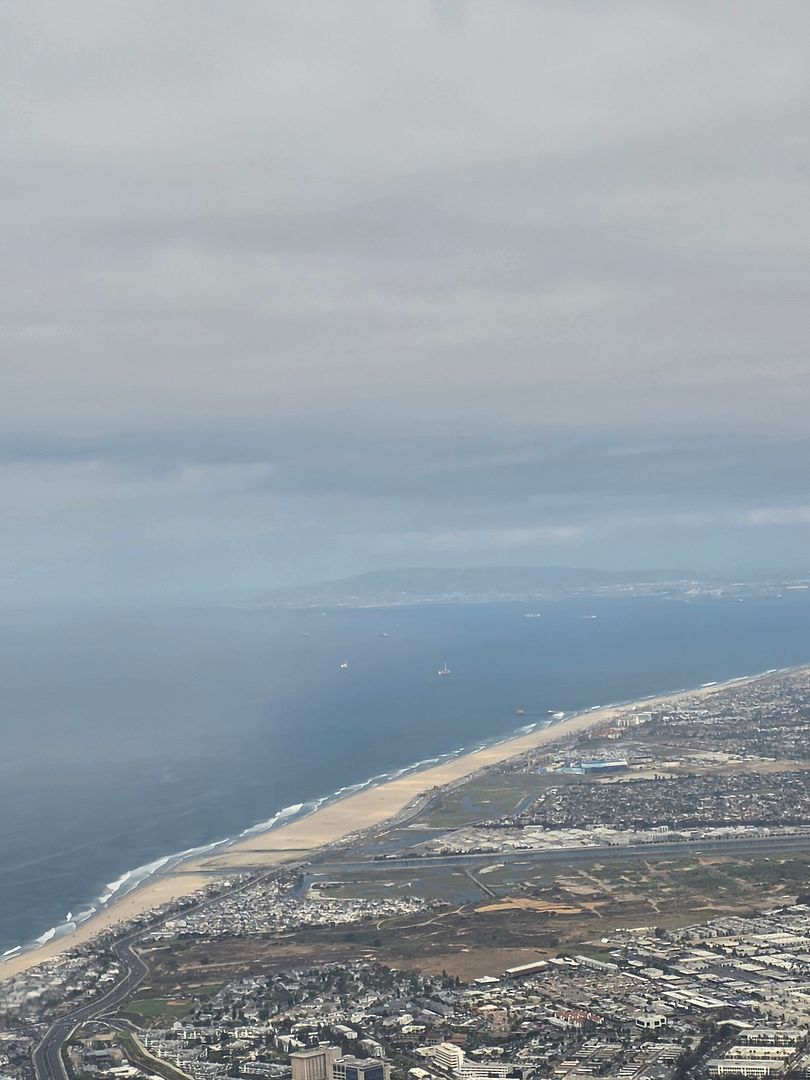
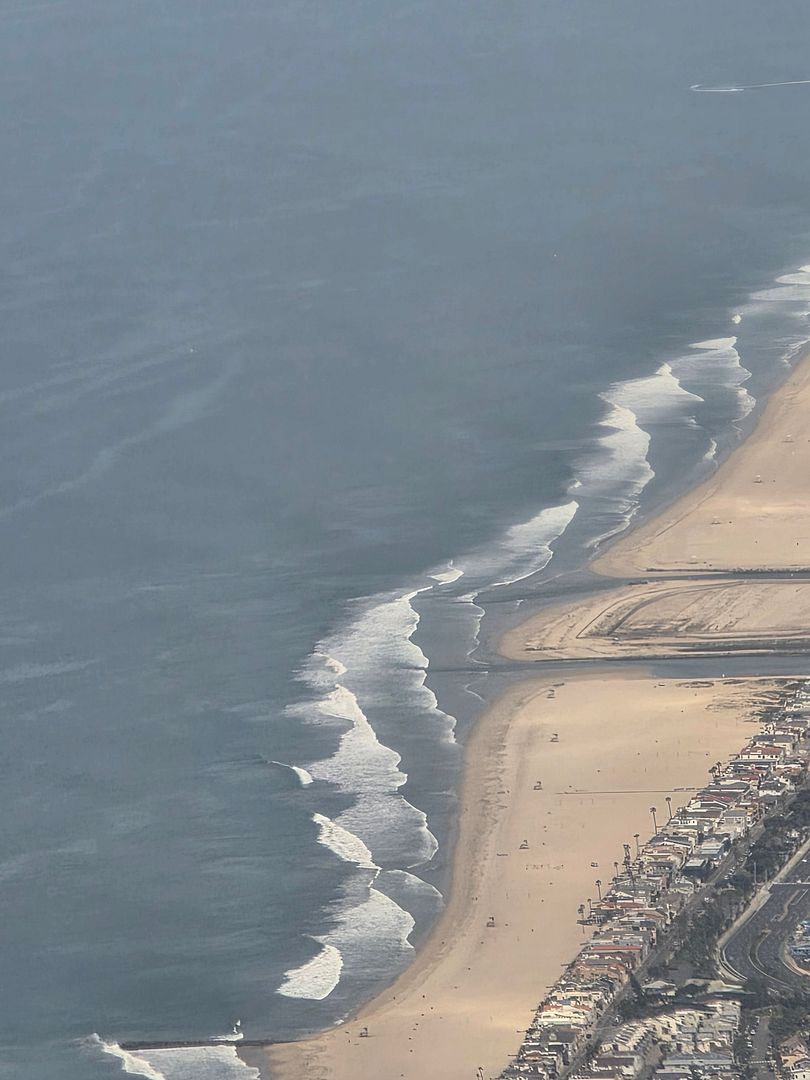
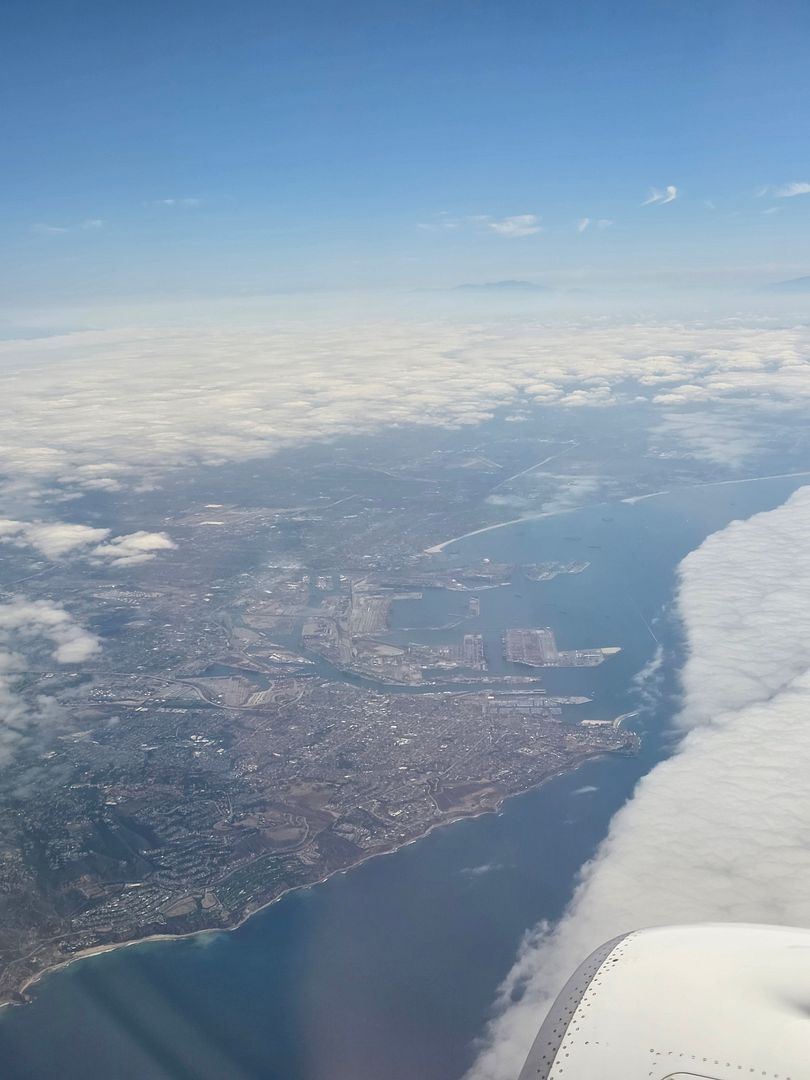
I’m adding my photos of the Pacific from our plane ride home here, too.
Micah 7:18-19
Who is a God like you, pardoning iniquity and passing over transgression for the remnant of your inheritance? He does not retain his anger forever, because he delights in steadfast love. He will again have compassion on us; he will tread our iniquities underfoot. You will cast all our sins into the depths of the sea.
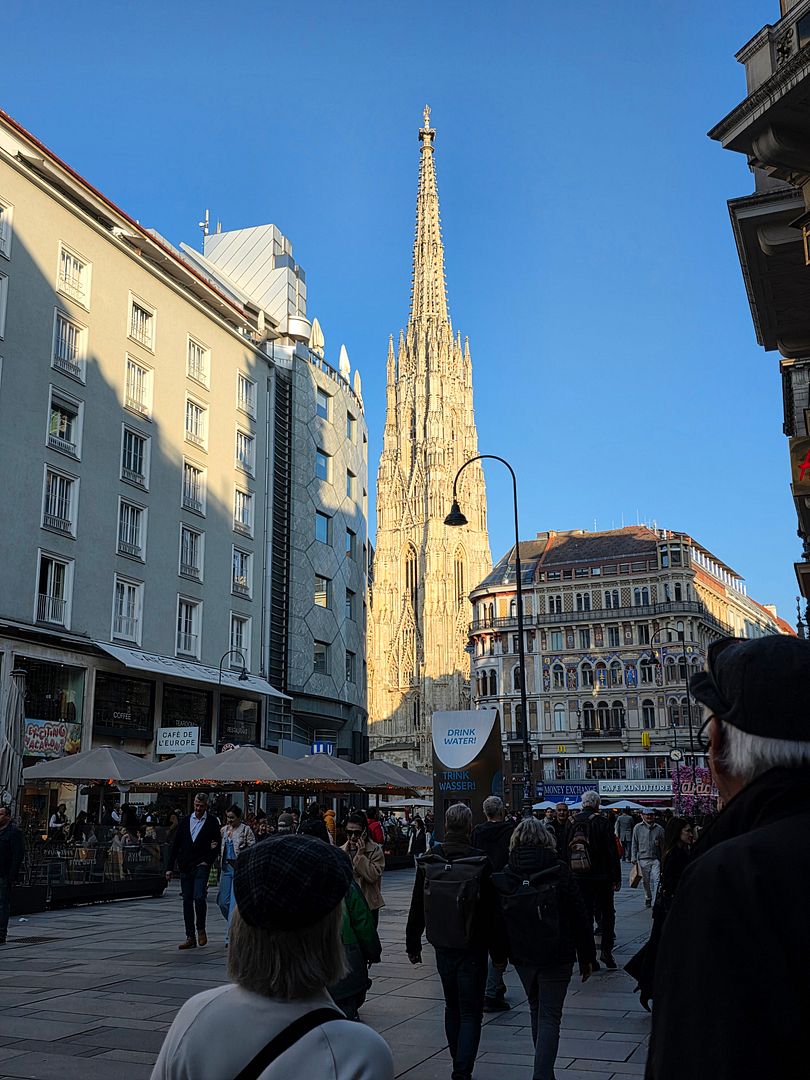
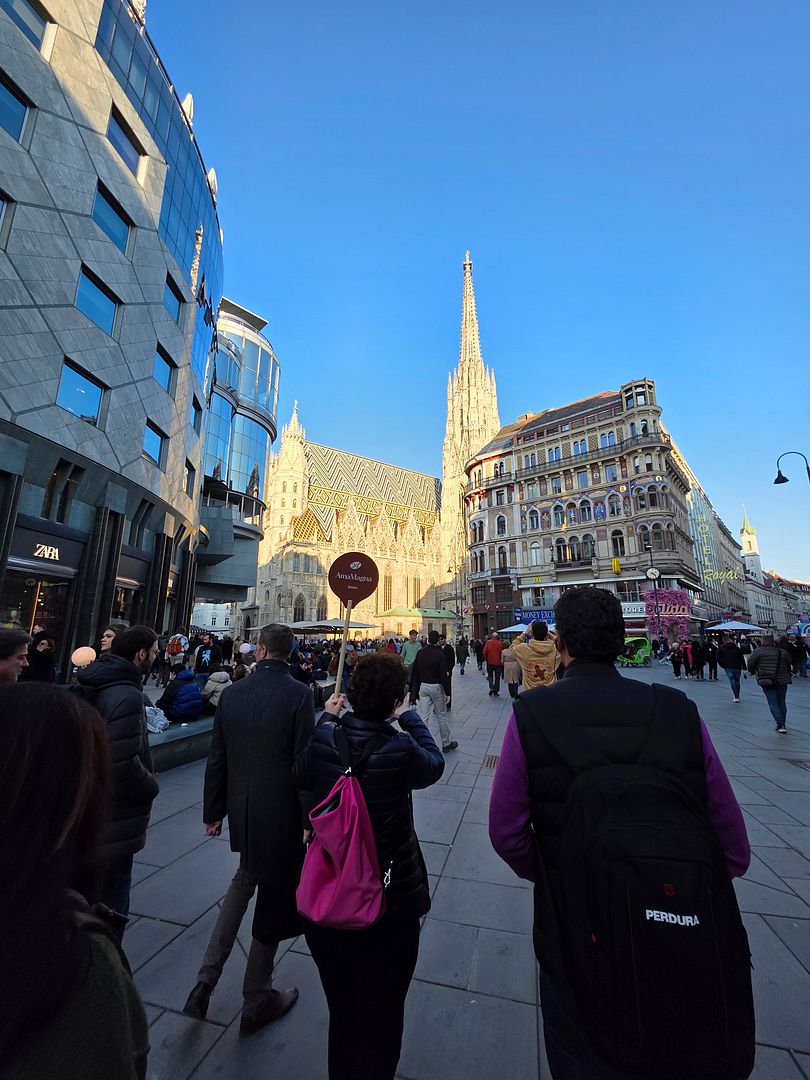
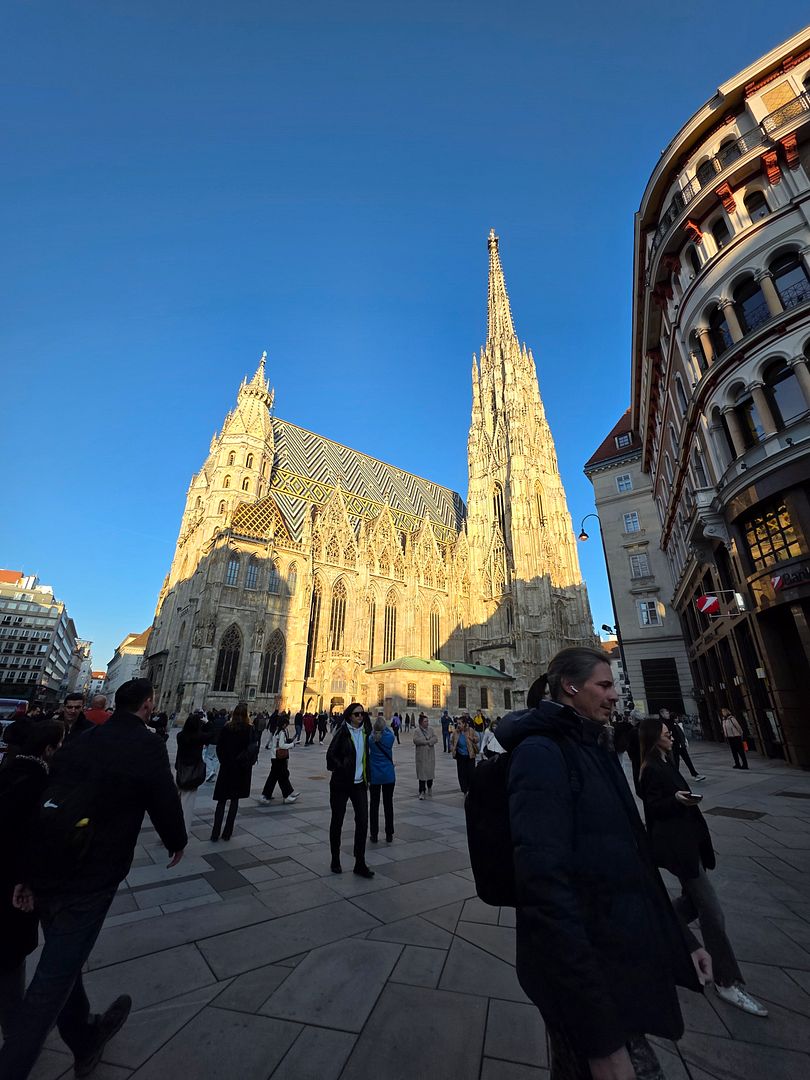
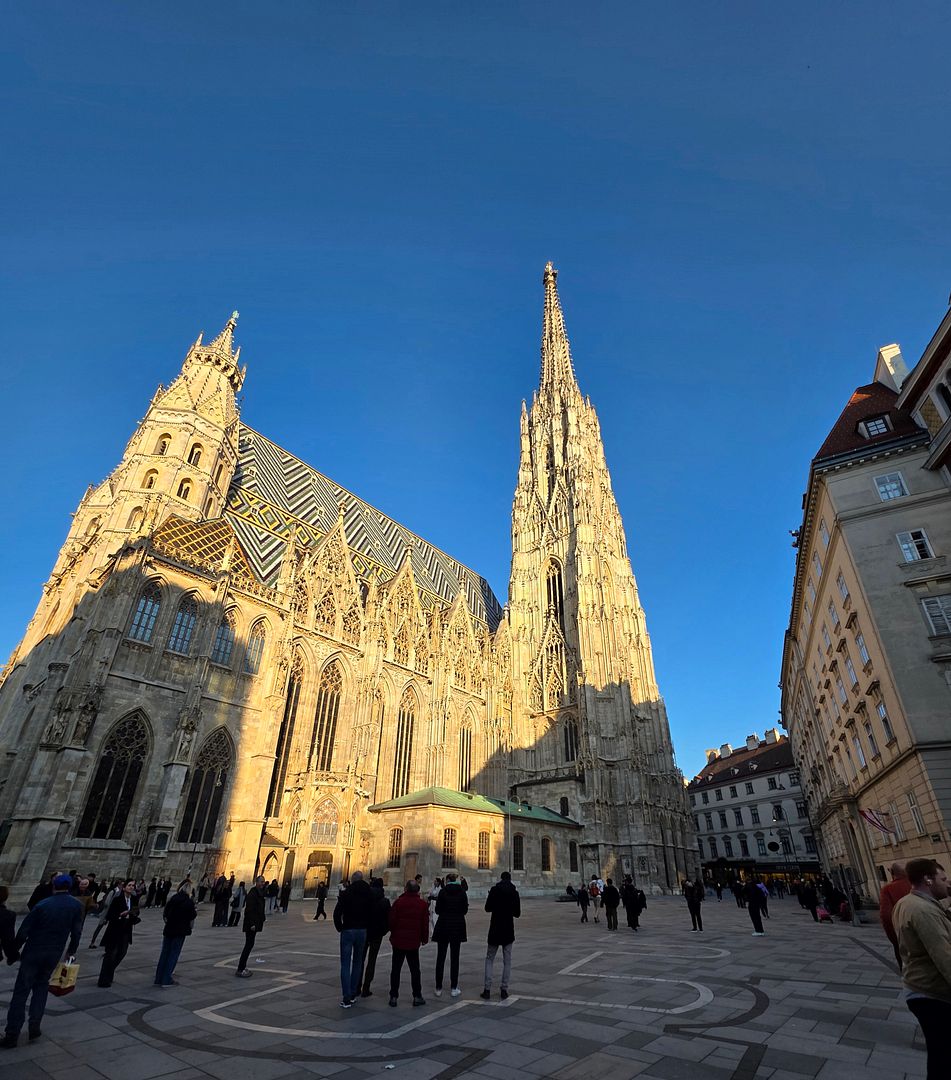
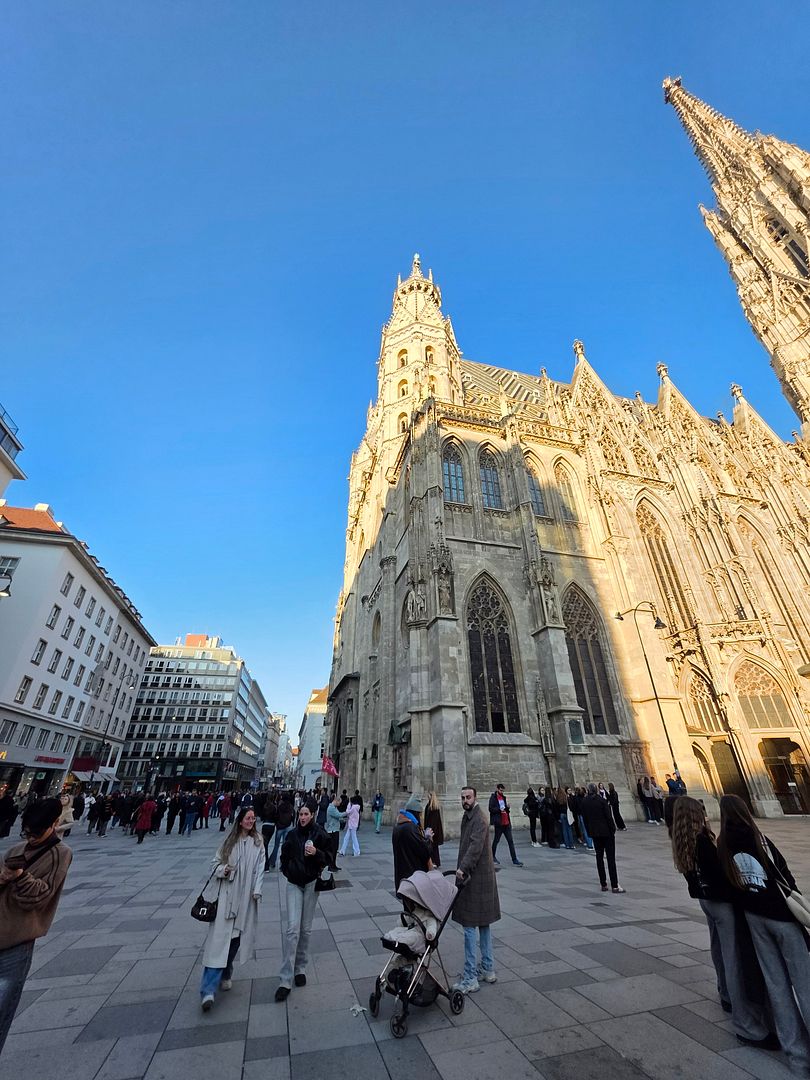
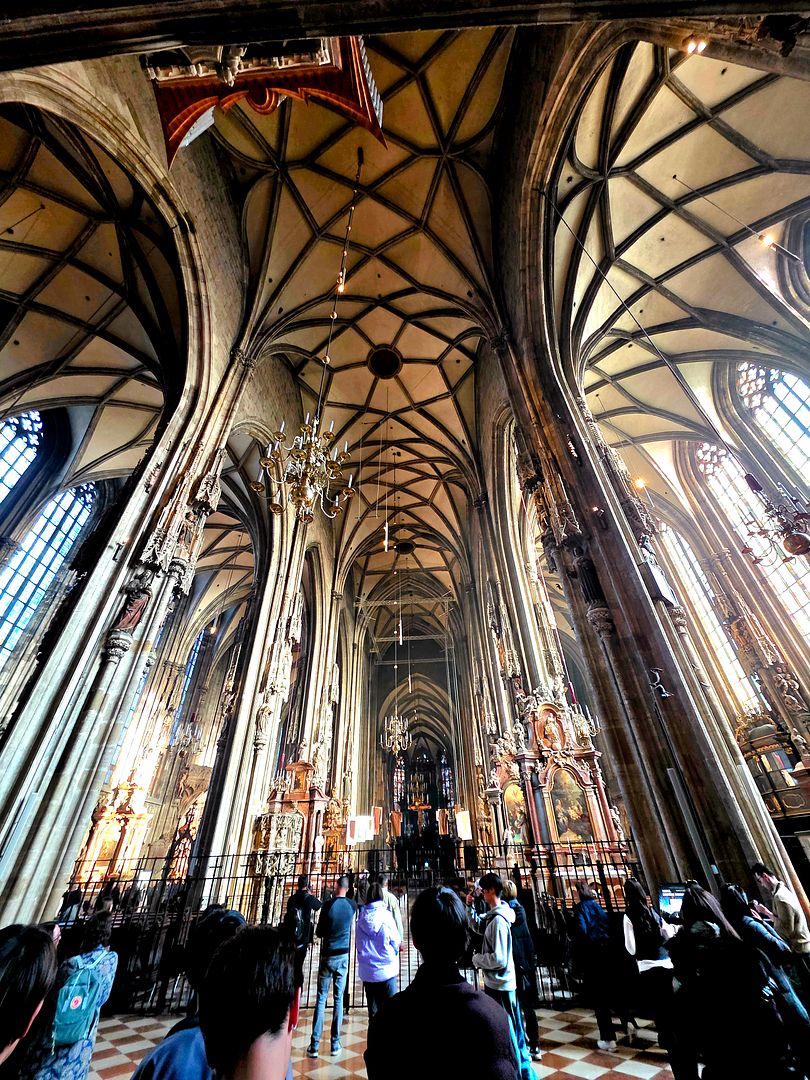
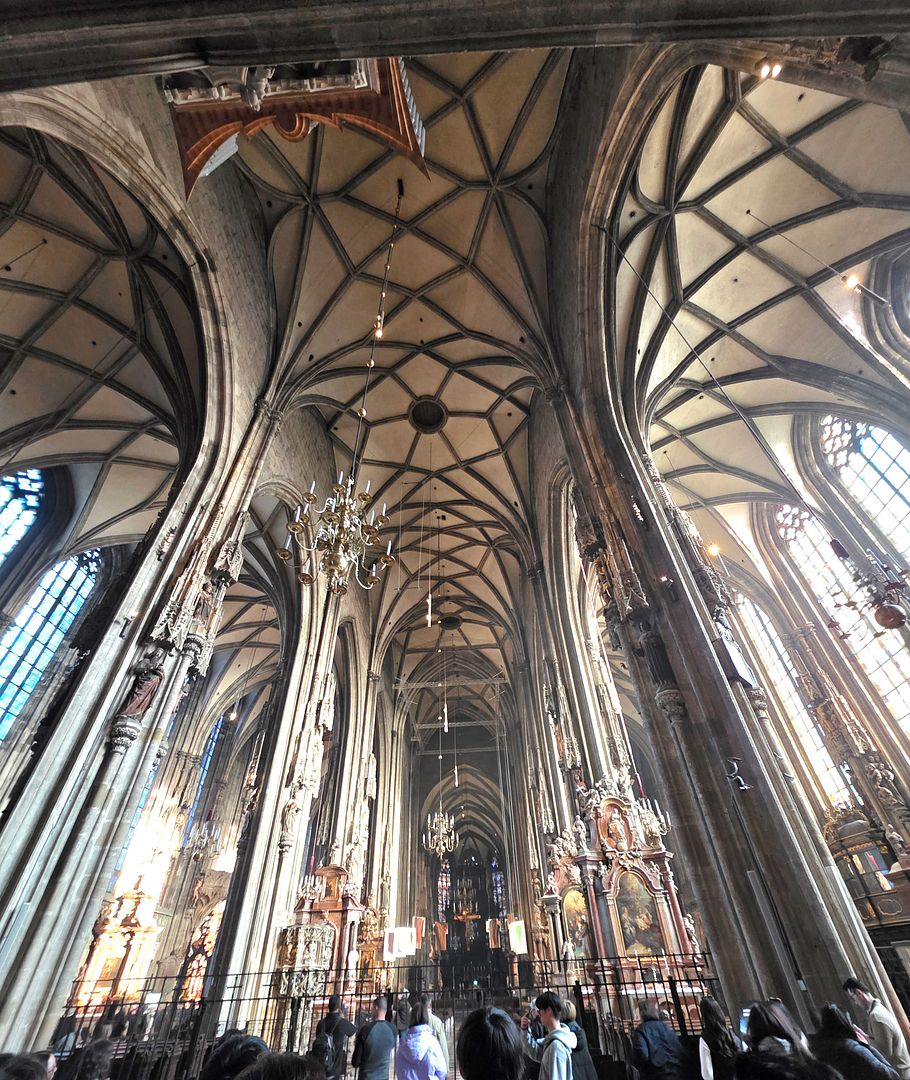
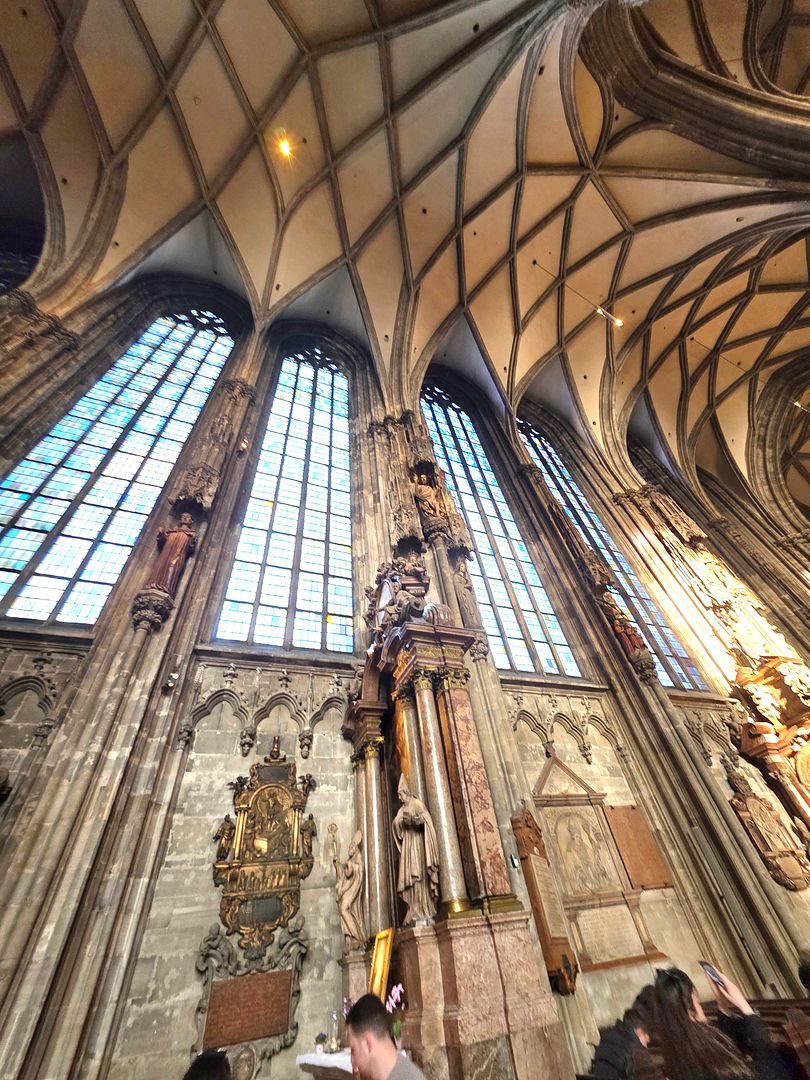
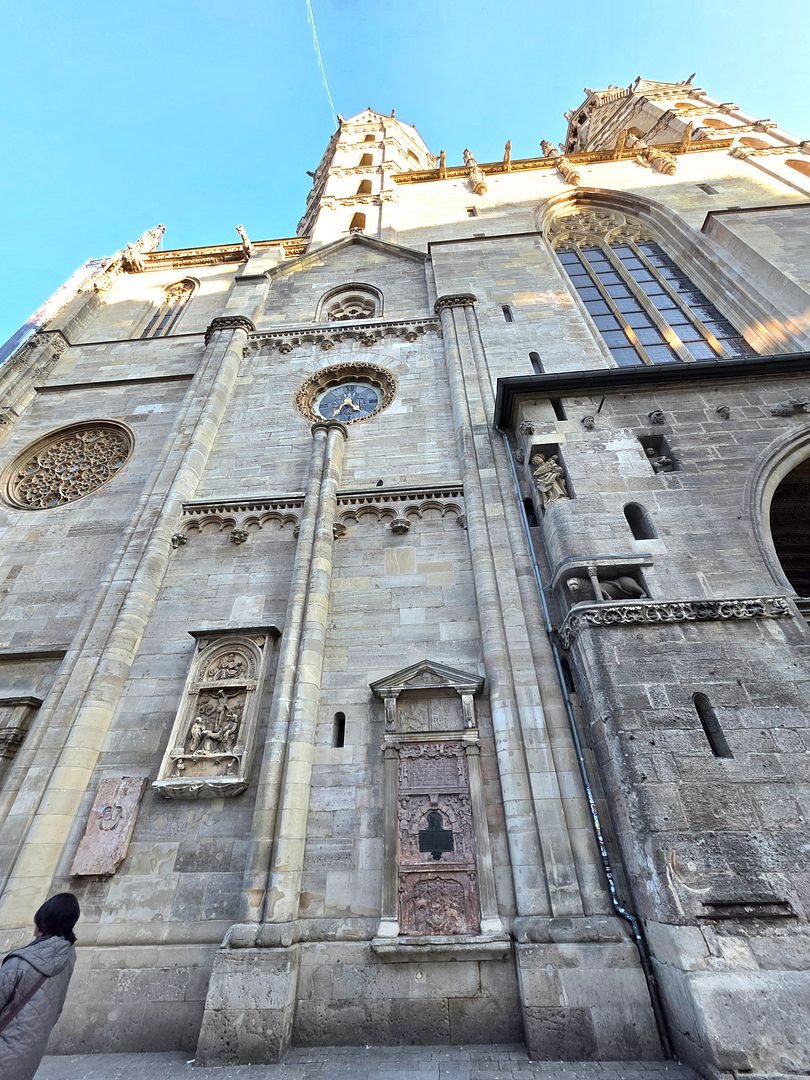
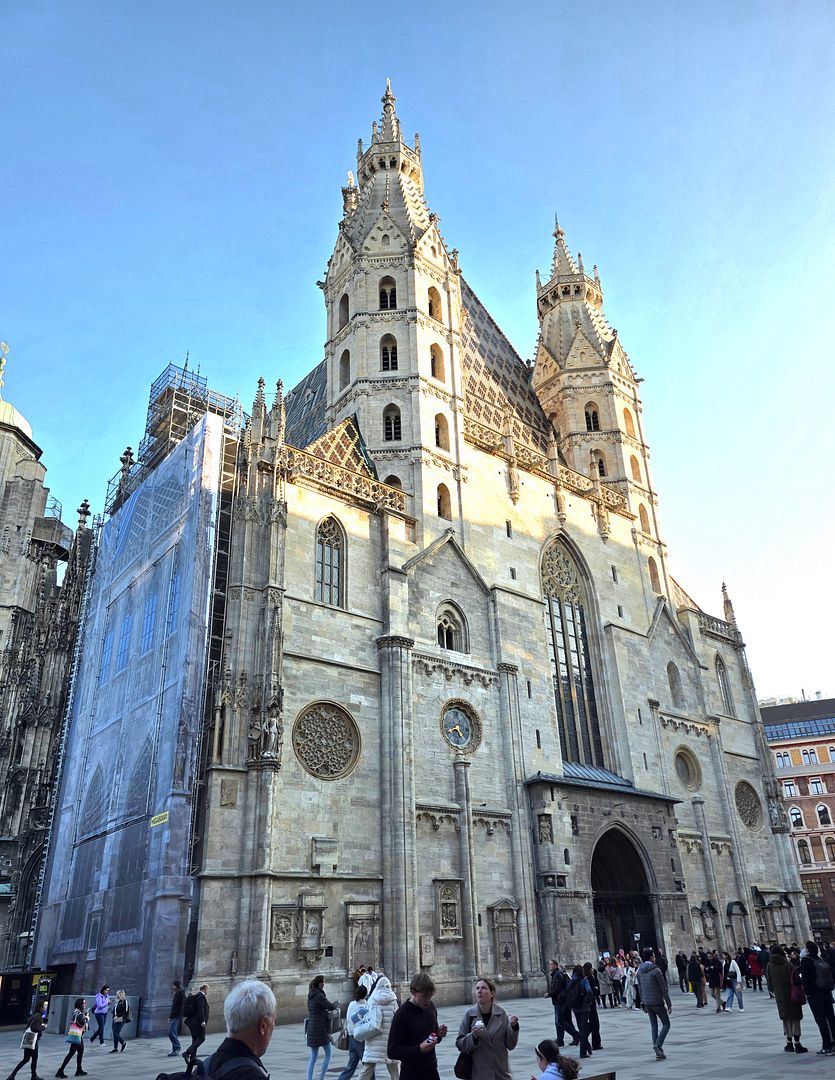
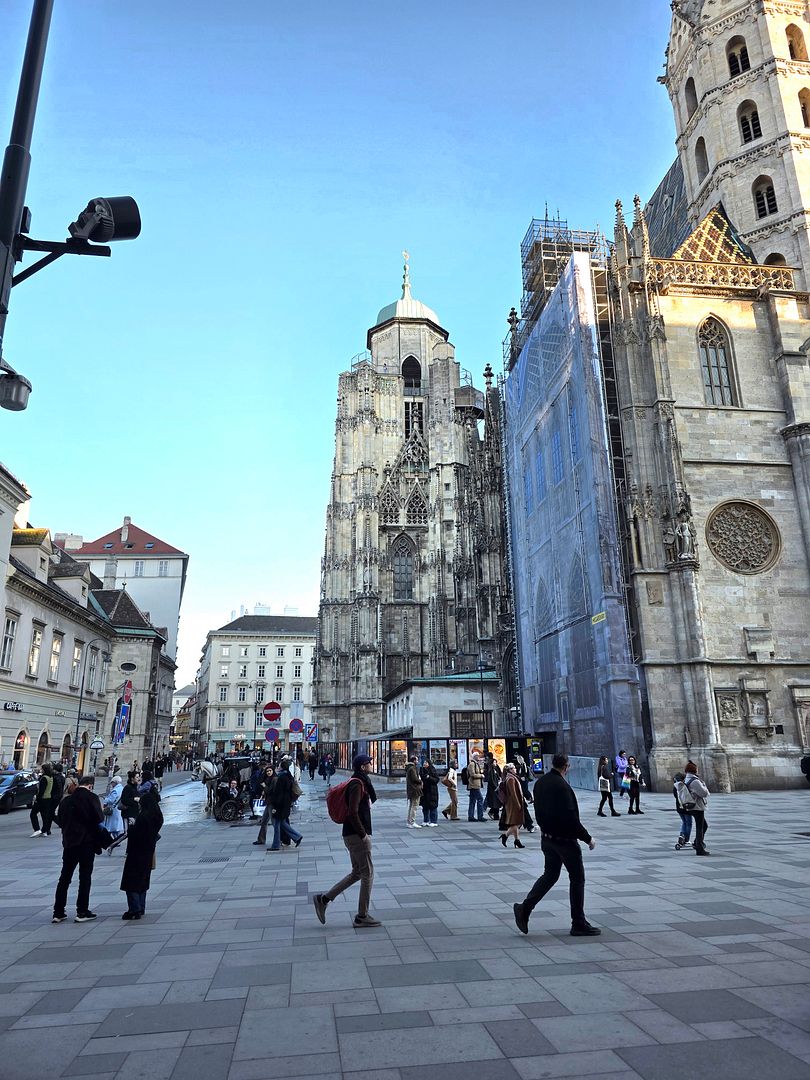
After our carriage ride on Thursday March 5th we followed our tour guide to the center of the city ending our tour with St. Stephen’s Cathedral. In the first photos below you can see the steeple of the church.
This was a very busy central section of Vienna with shops and restaurants and cafes.
A different reminder of what Austria and Vienna are famous for. Later in the evening of this day we would be attending a concert at the House of Strauss.
St. Stephen’s Cathedral is the symbol of Vienna and also the very center of the city. At 136 meters in height, it is the tallest church in Austria.
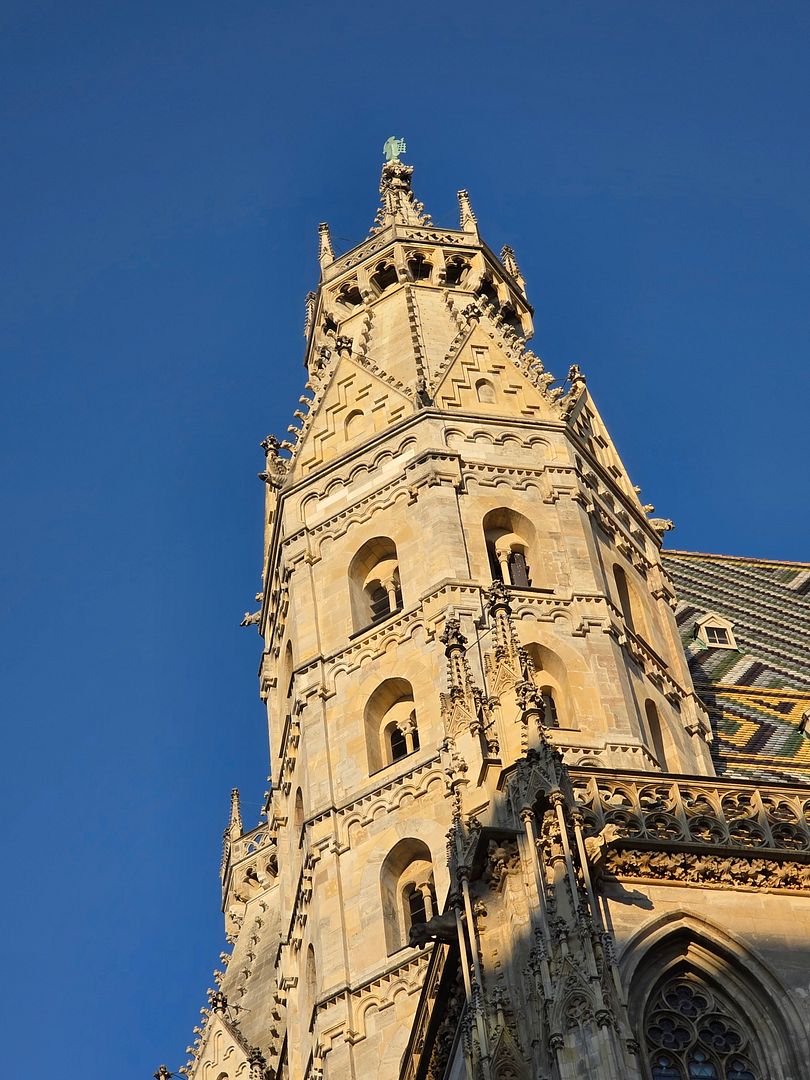
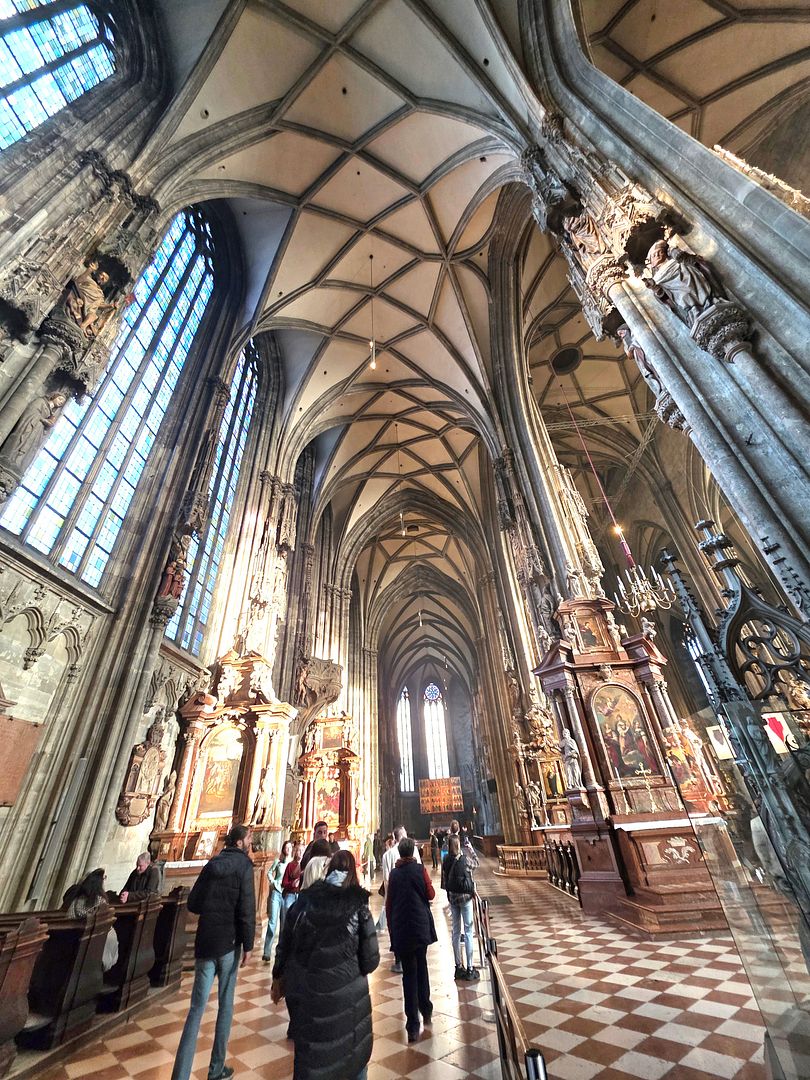
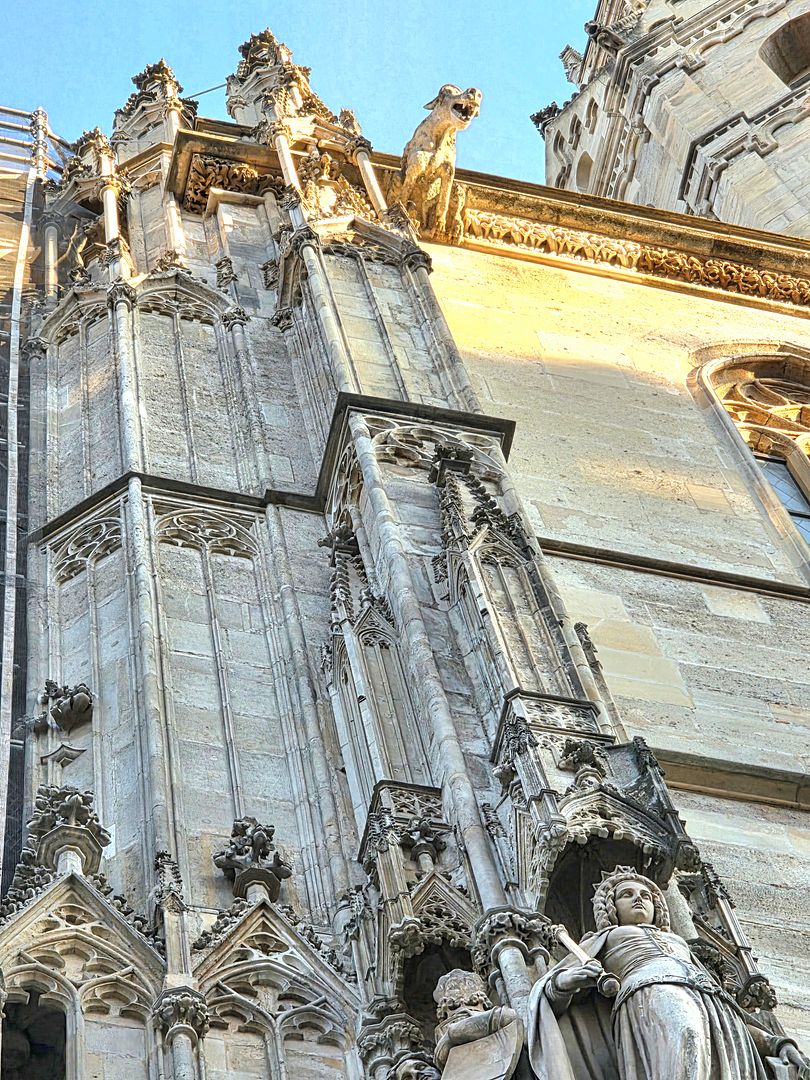
St. Stephen’s Cathedral is not only Austria’s most important Gothic building. The Steffl, as it is affectionately known in Vienna, is much more than that. It is a landmark, a symbol of identity and synonymous with the reconstruction of the Republic after the Second World War. Construction of St. Stephen’s Cathedral began in the 12th century and its interior changed repeatedly over the centuries until it was finally given its current Baroque appearance. The tallest of its four towers is the south tower at 136 meters. The tower room, from which there is a gigantic view across Vienna, is reached via 343 steps. A total of 13 bells hang here. However, the best known of them, the Pummerin, hangs in the 68 meter-tall north tower. It is the second-biggest free-swinging chimed church bell in Europe.
At this point our guide left us on our own for a time before she would return and meet us to take us back to our bus stop for the return to the boat.
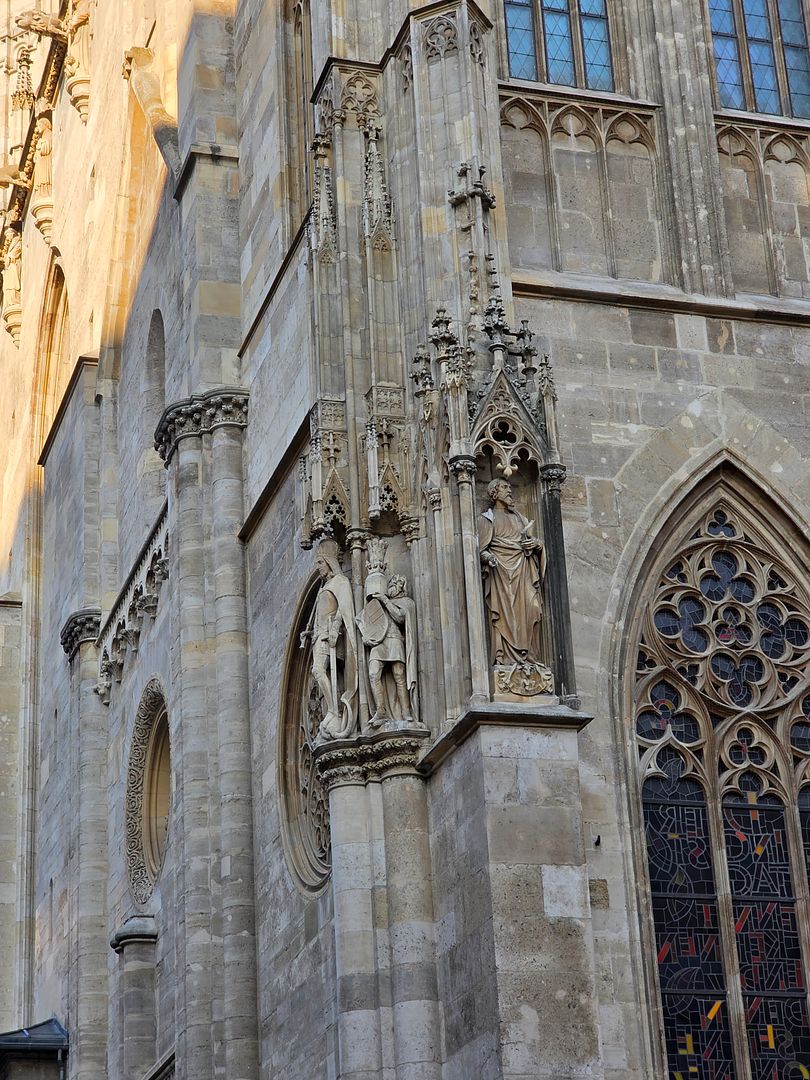
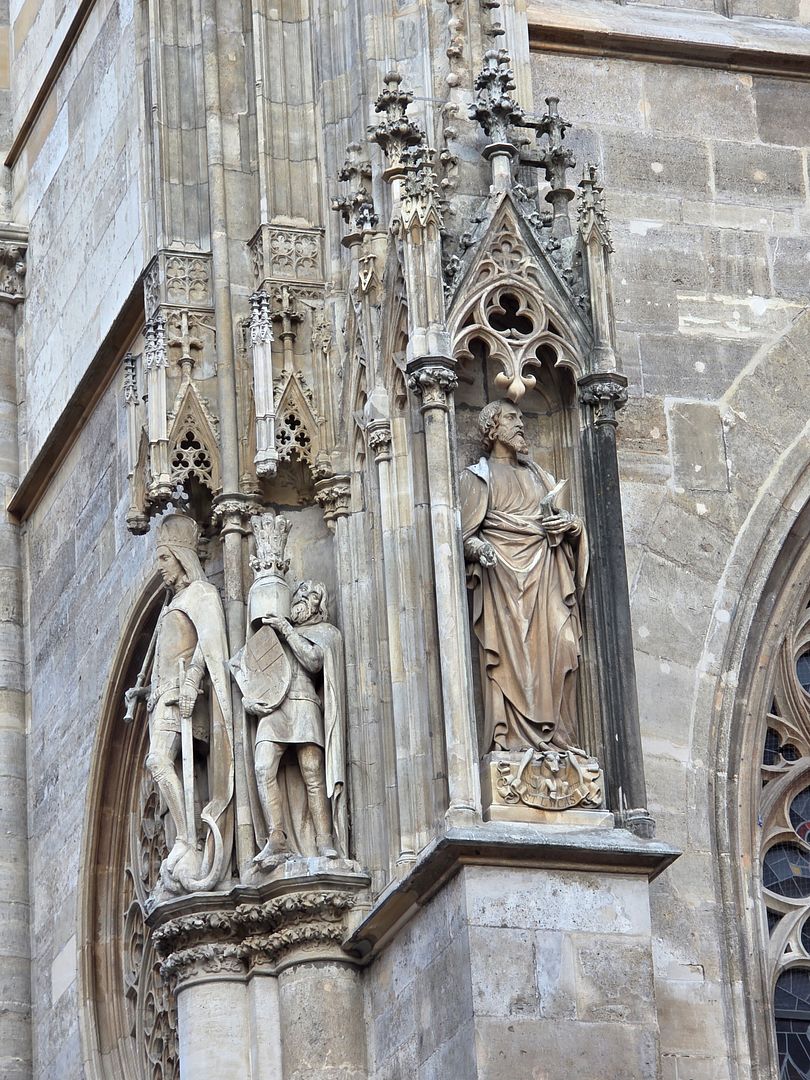
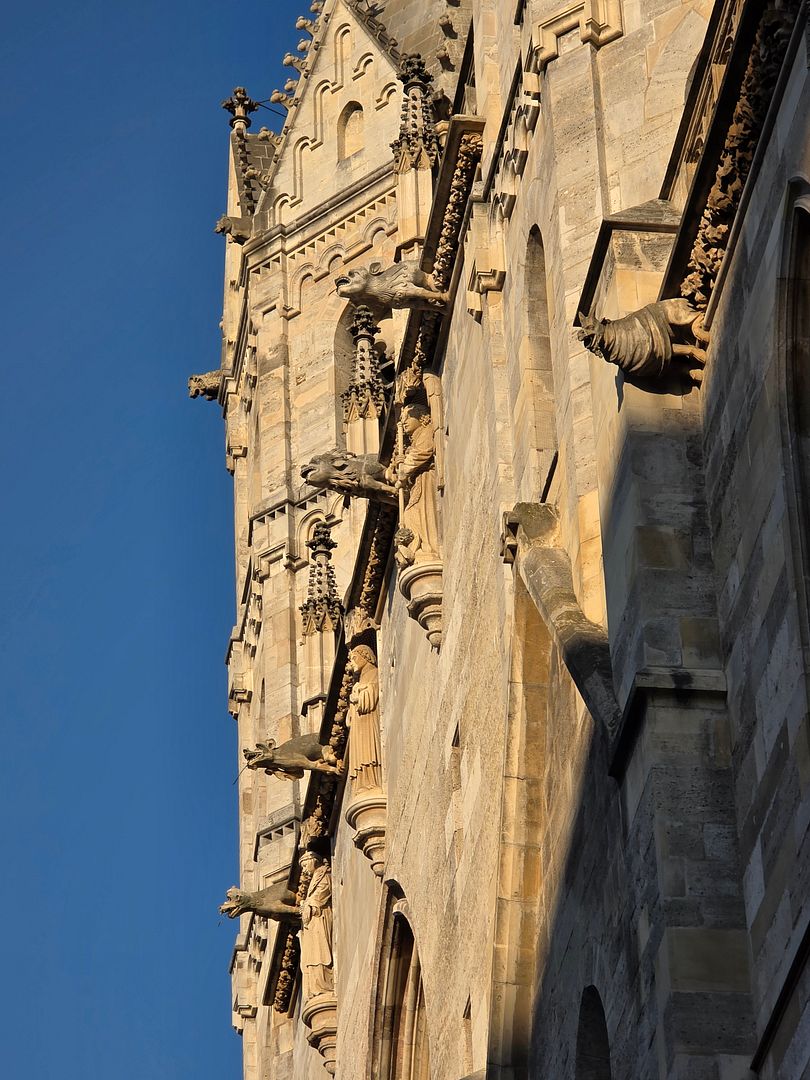
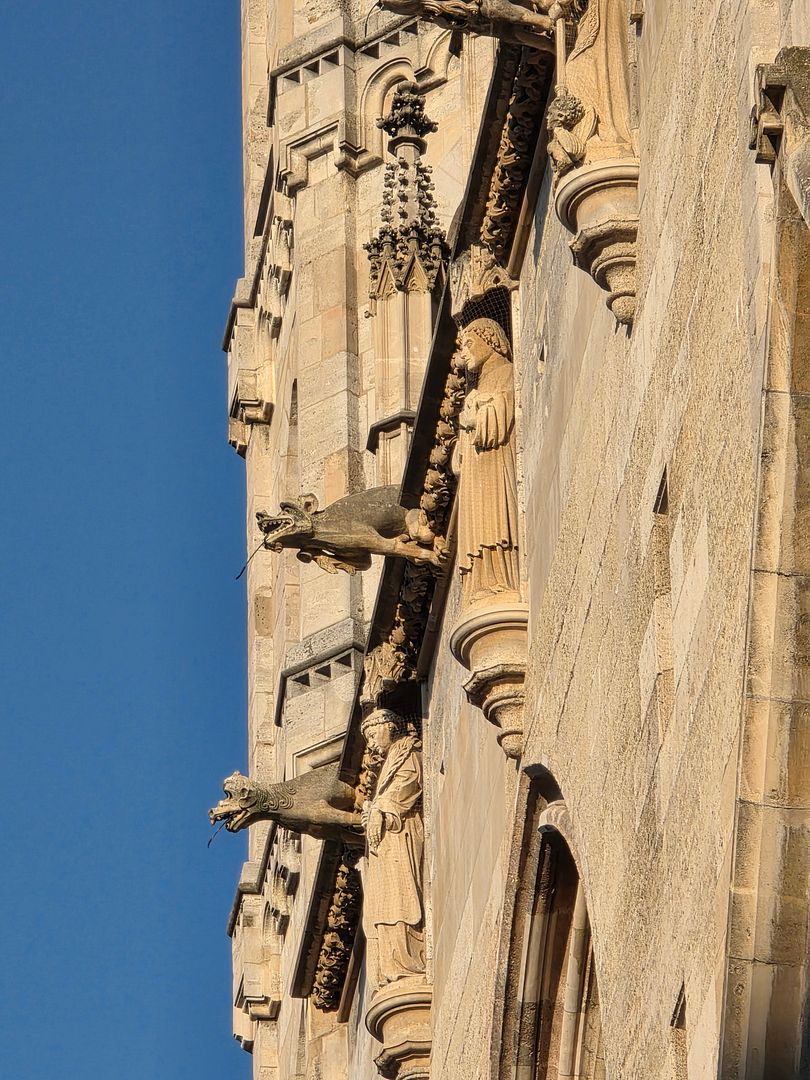
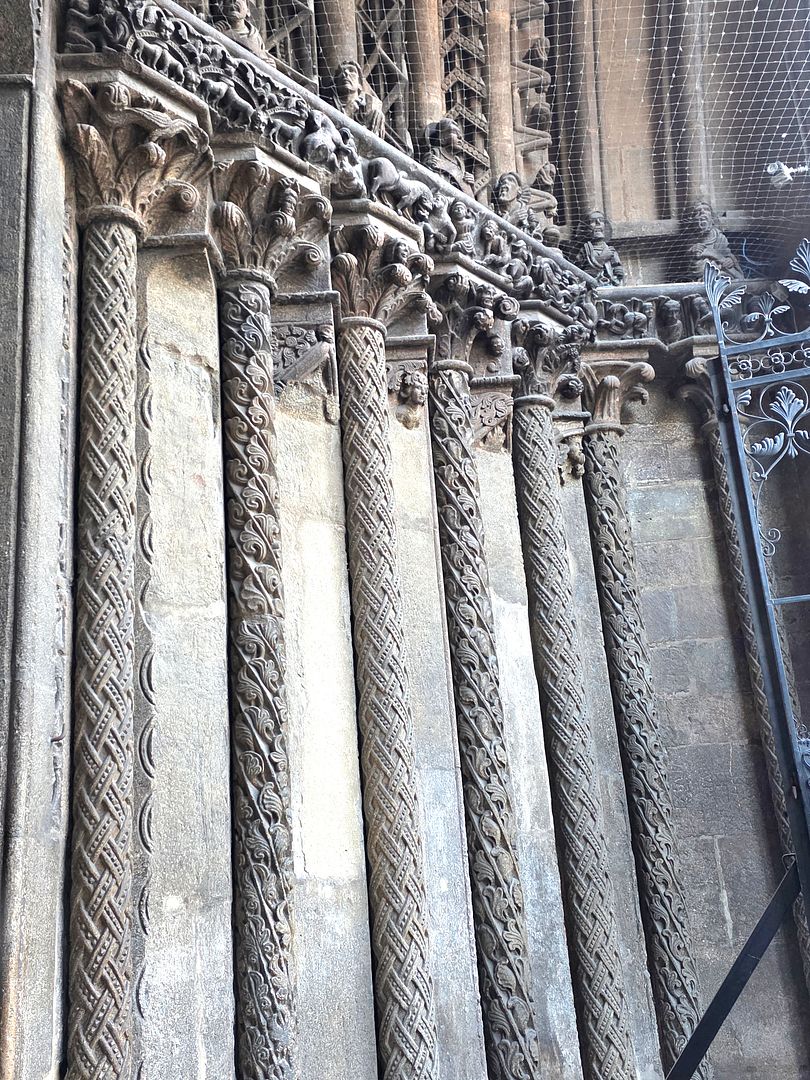
So many statues and gargoyles on the outer walls of the cathedral.
From a video by Rick Steve’s on St. Stephen’s Cathedral,
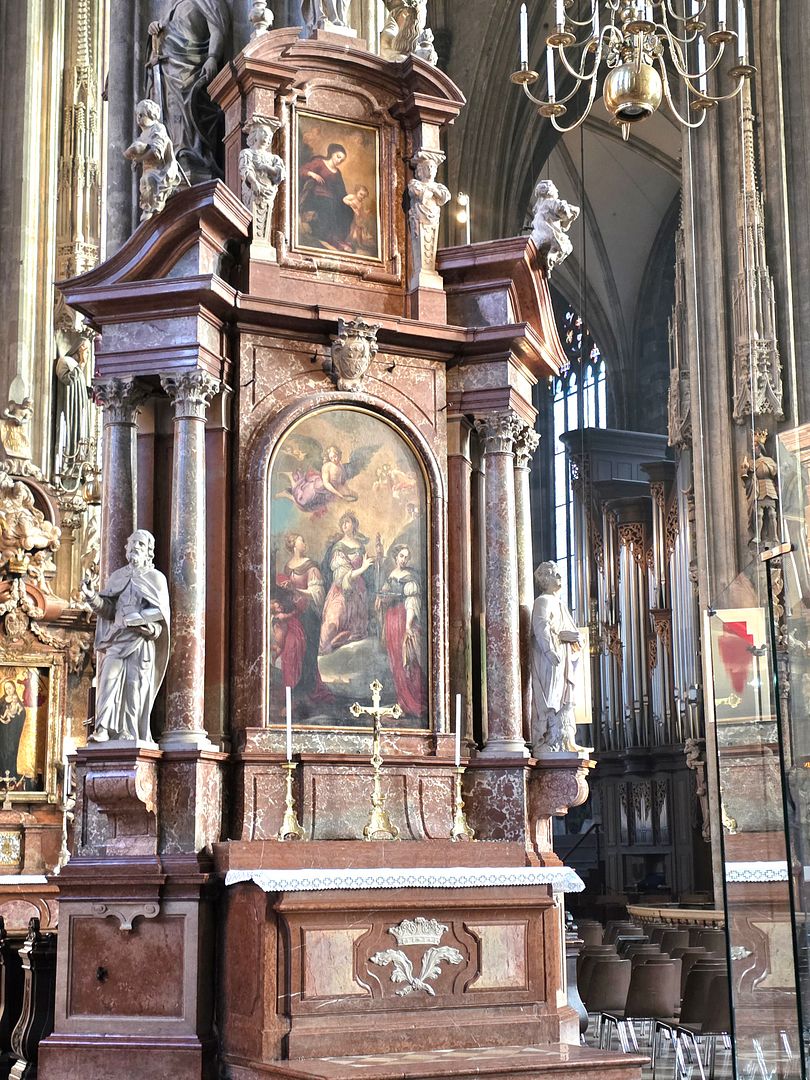
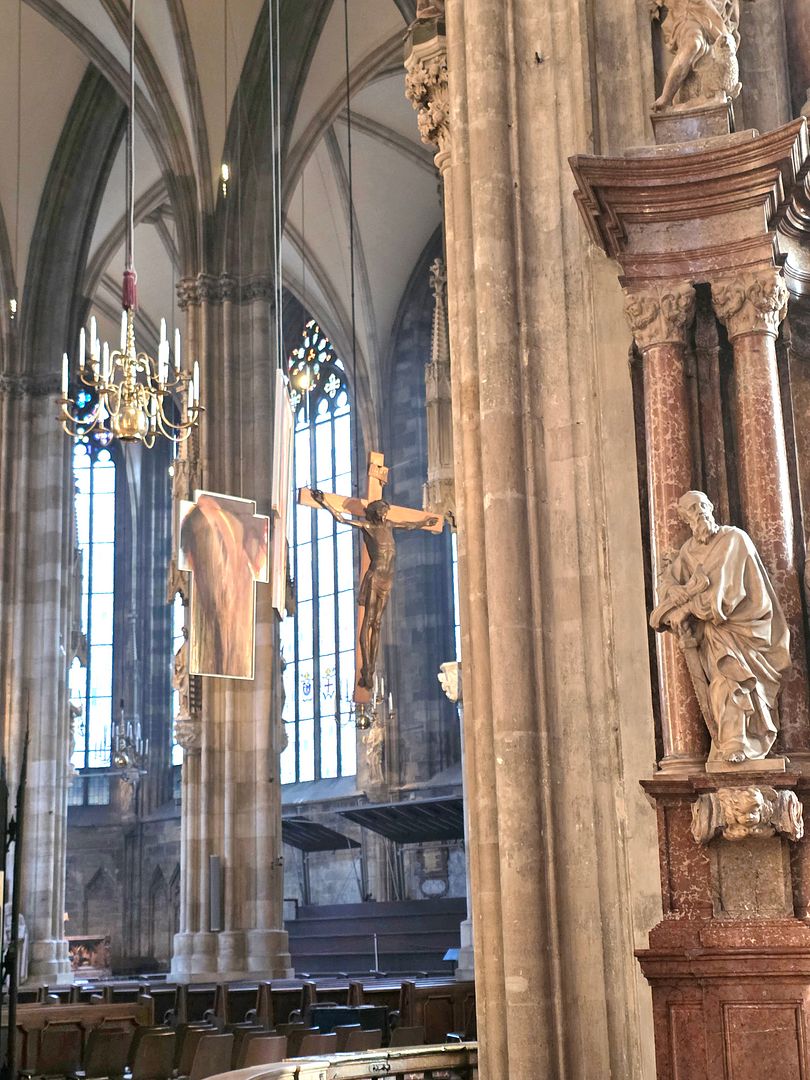
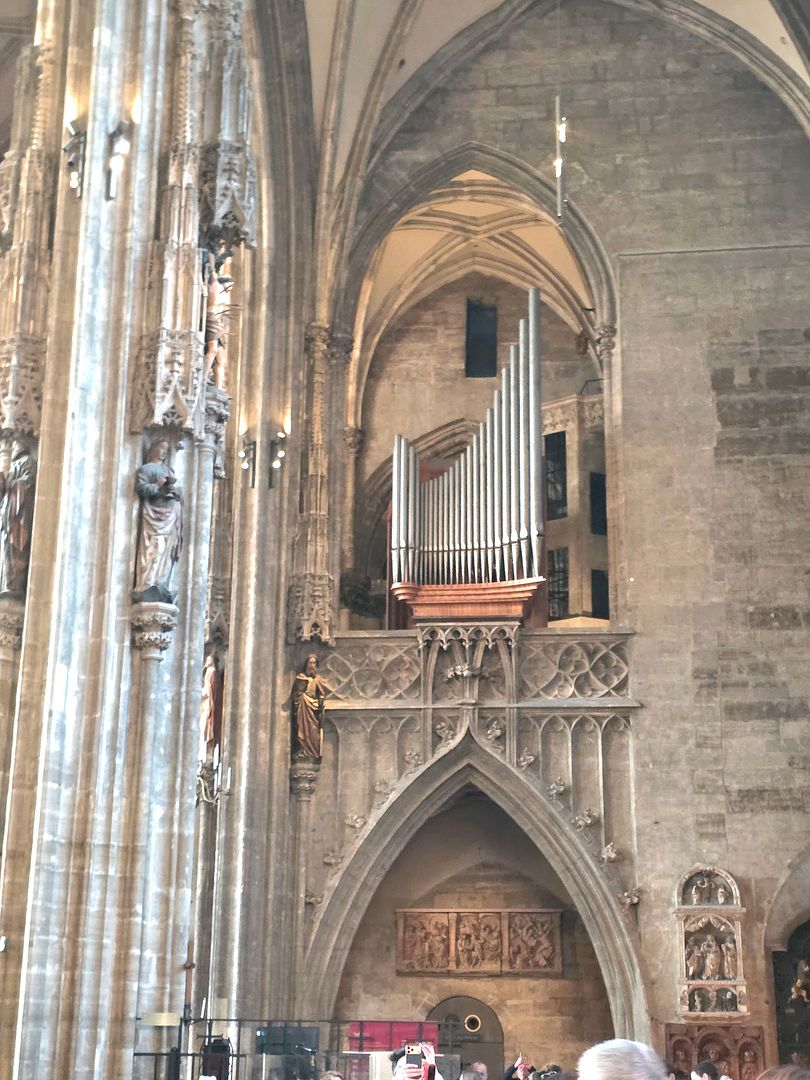
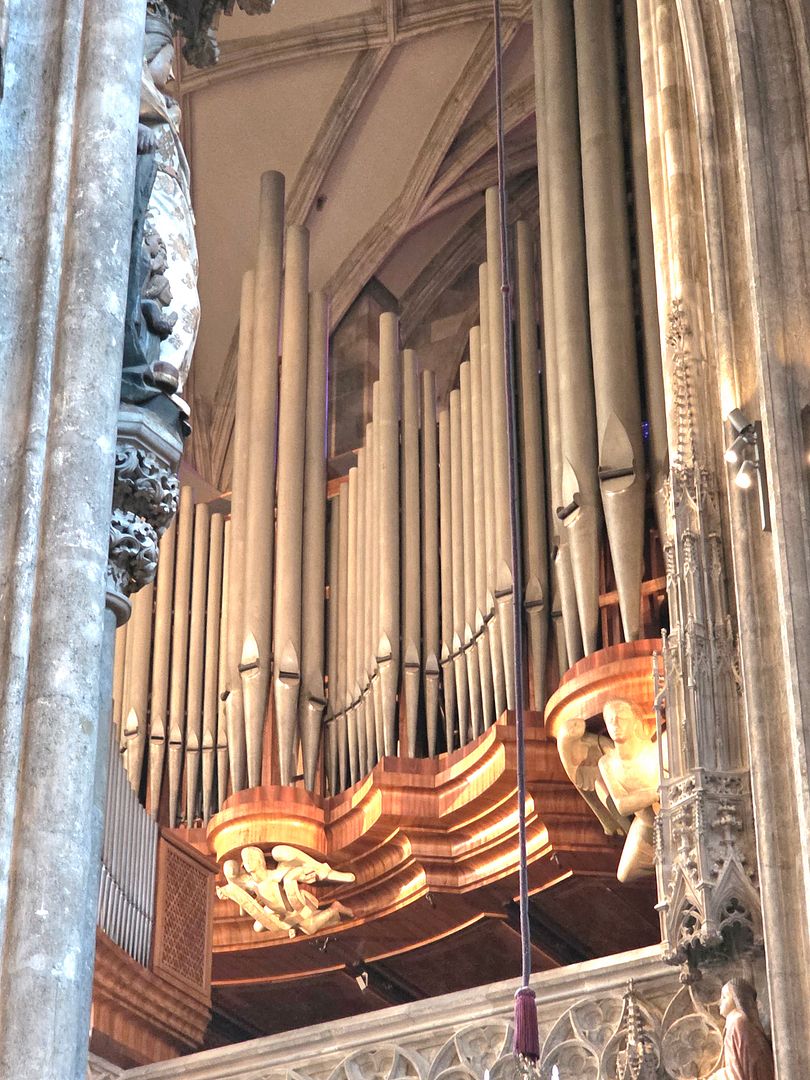
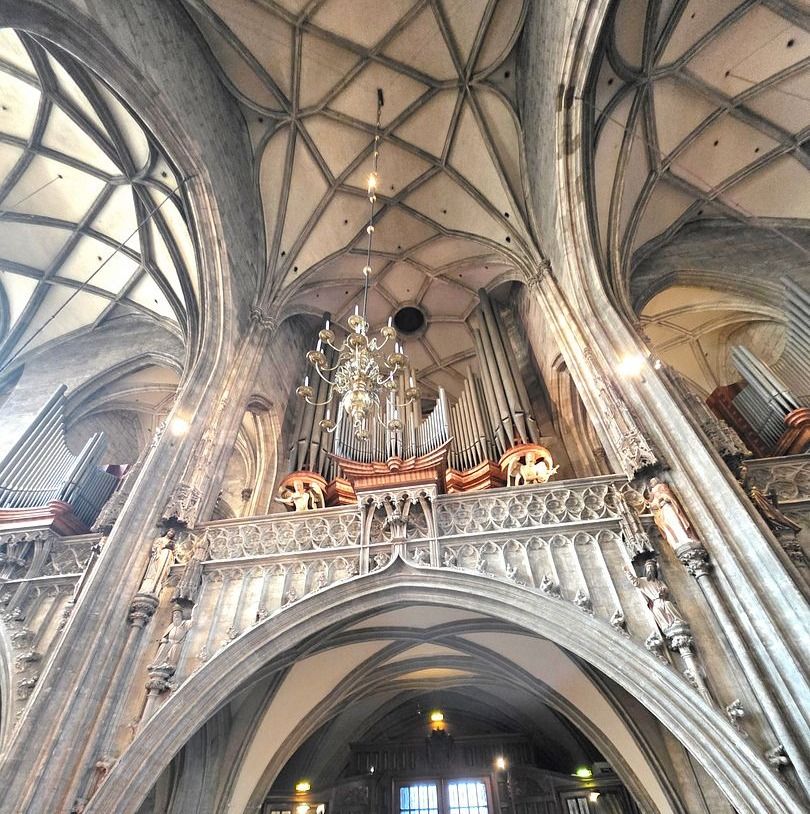
The ornate nave is Gothic with a Baroque overlay. While the columns support the roof, they also tell a story. Richly populated with statues, they make a saintly parade that leads right up to the high altar…
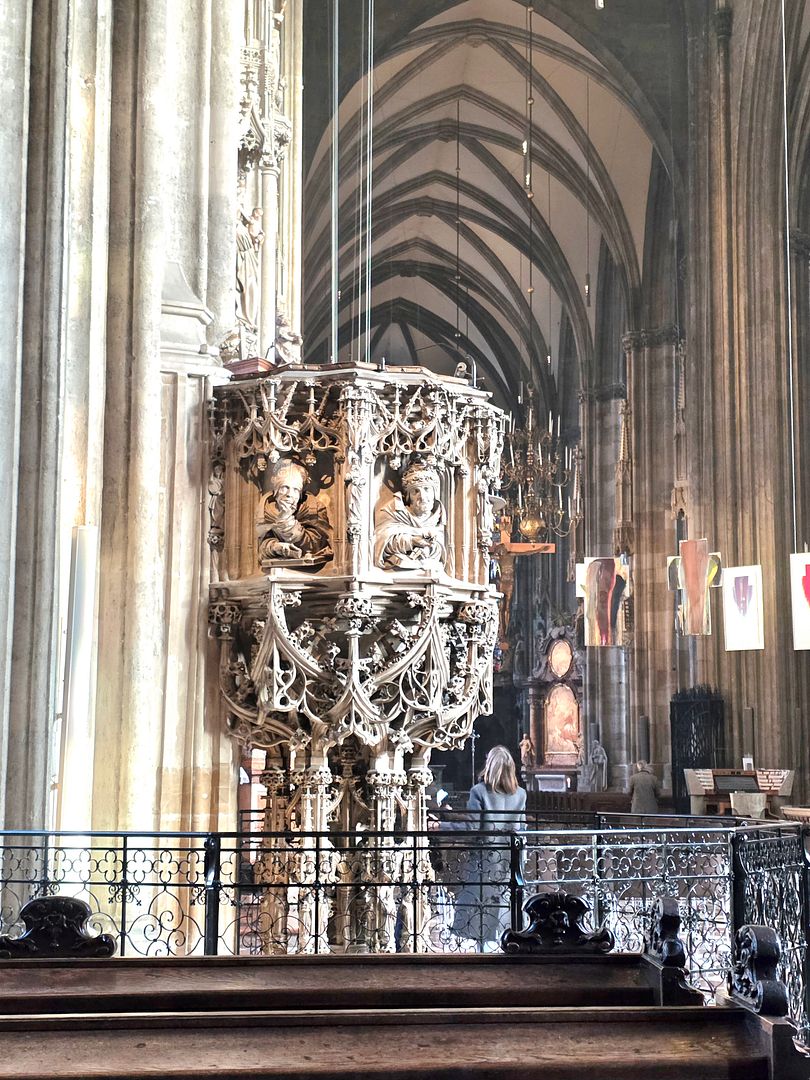
The Gothic pulpit, carved from sandstone, is a masterpiece.
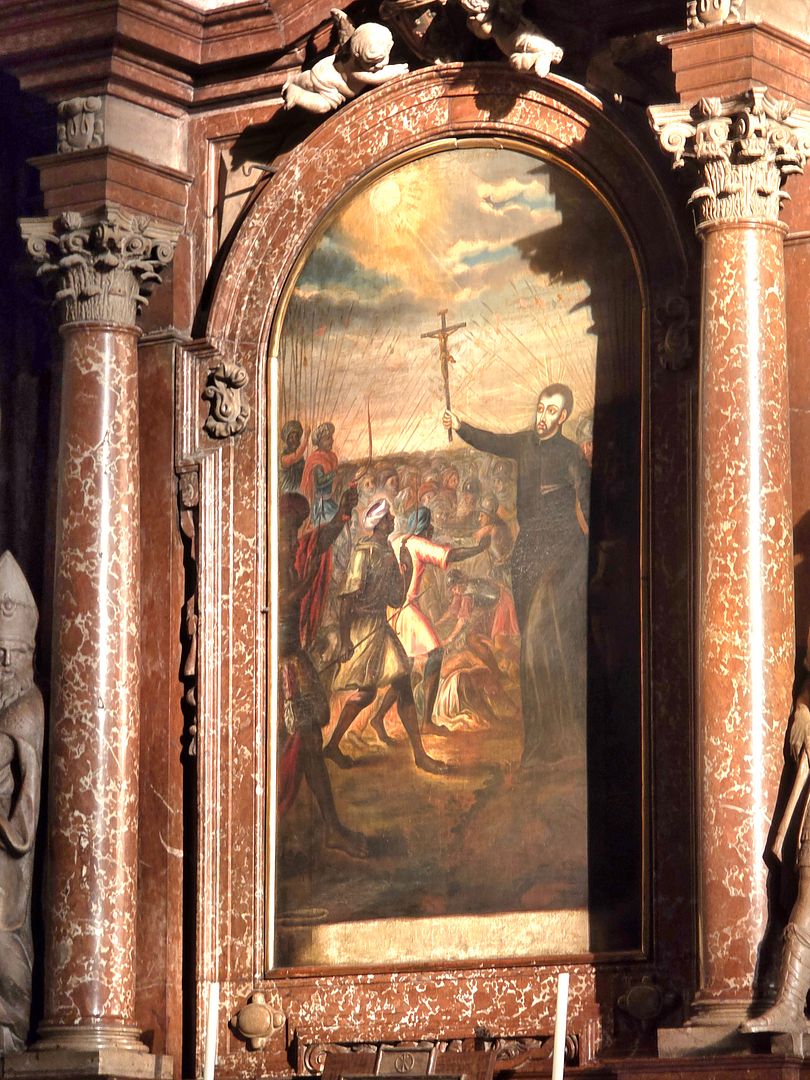
I took this photo of the painting but I could not find a description anywhere. Is it supposed to be Stephen?
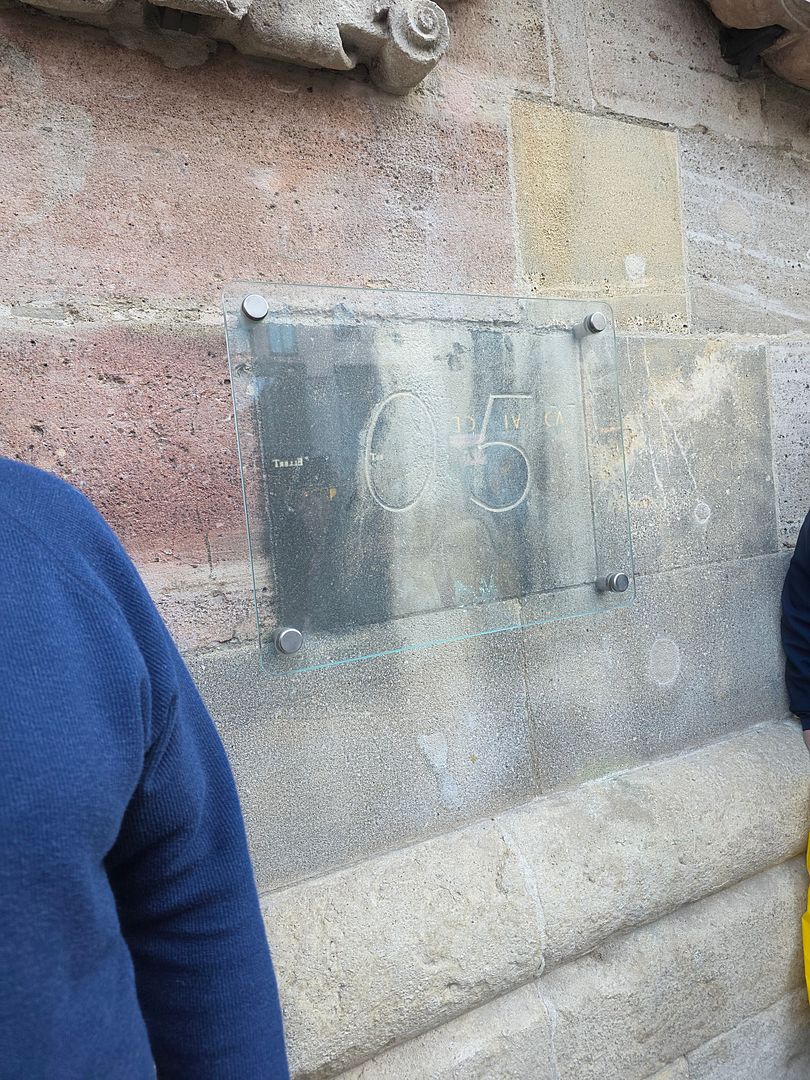
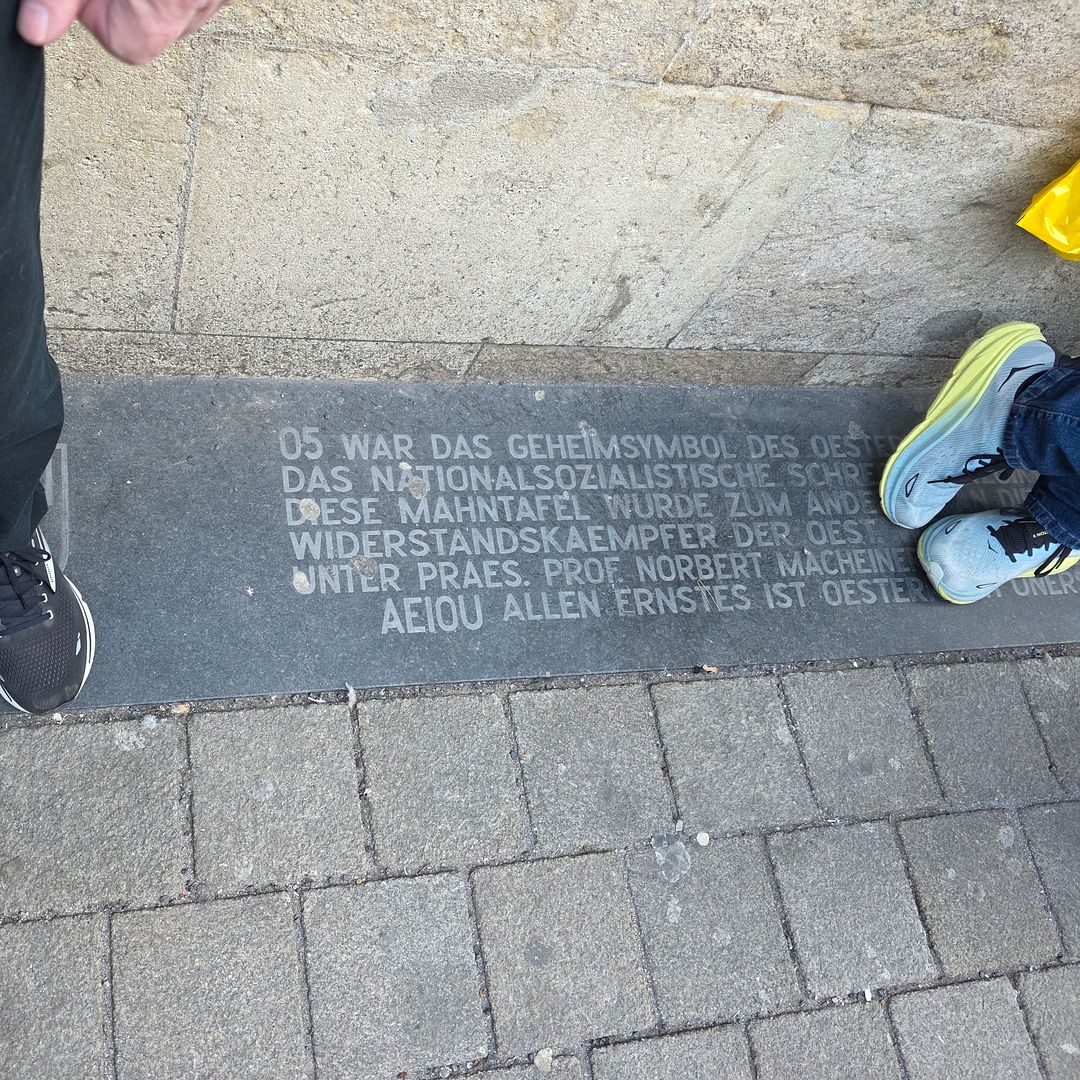
This code ‘O5’ is placed at the right side of the main entrance of St Stephen’s Cathedral. It was the code of an Austrian resistance group during World War II. It stands for Ö (Österreich) built by O and the 5th letter of the alphabet (= OE).
Originally the code was just painted but after World War II it has been engraved and covered by a transparent plate.
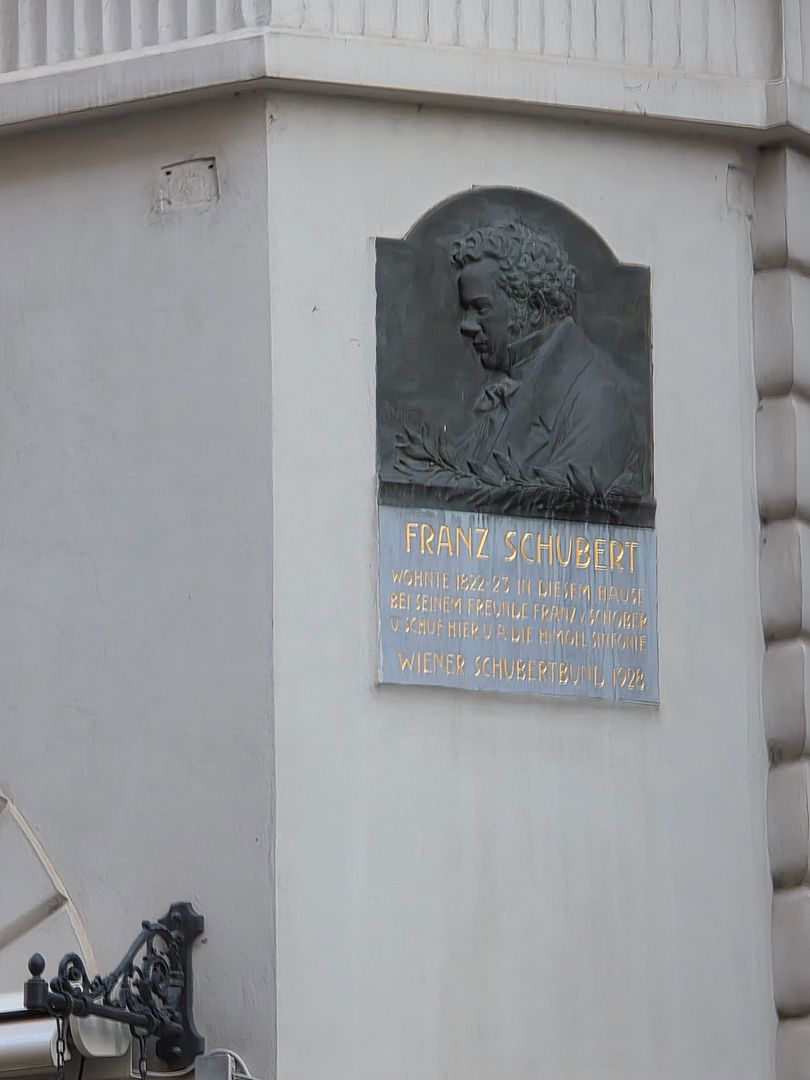
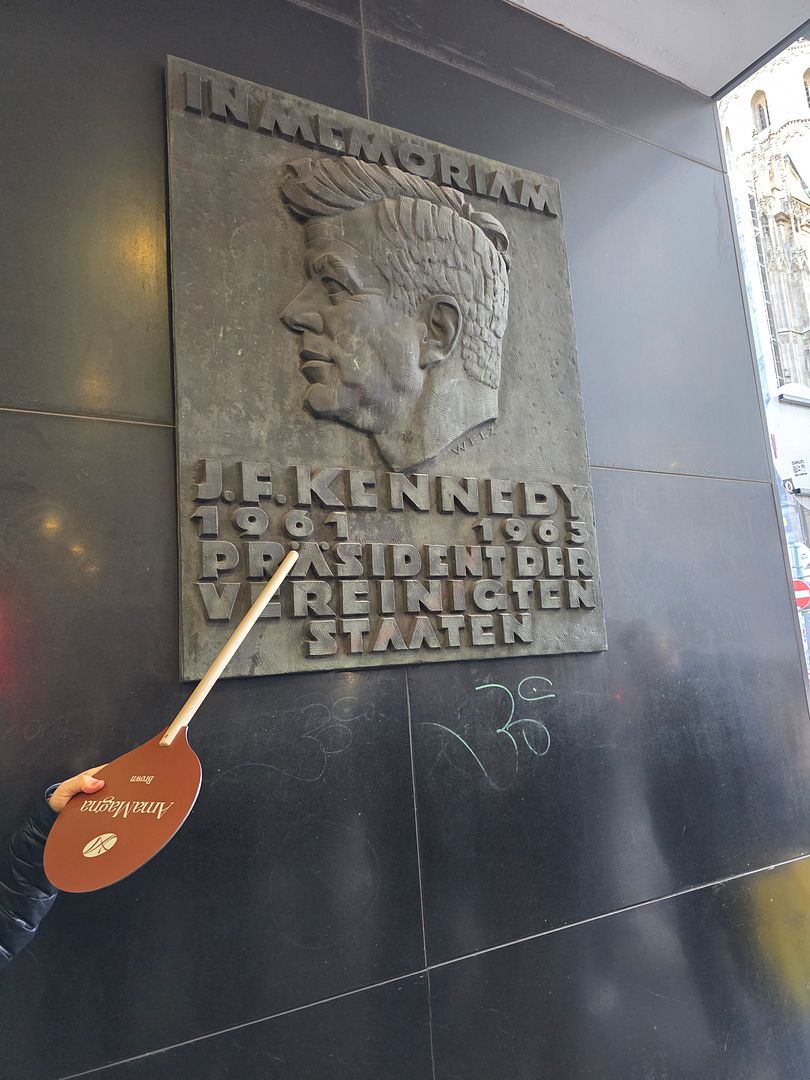
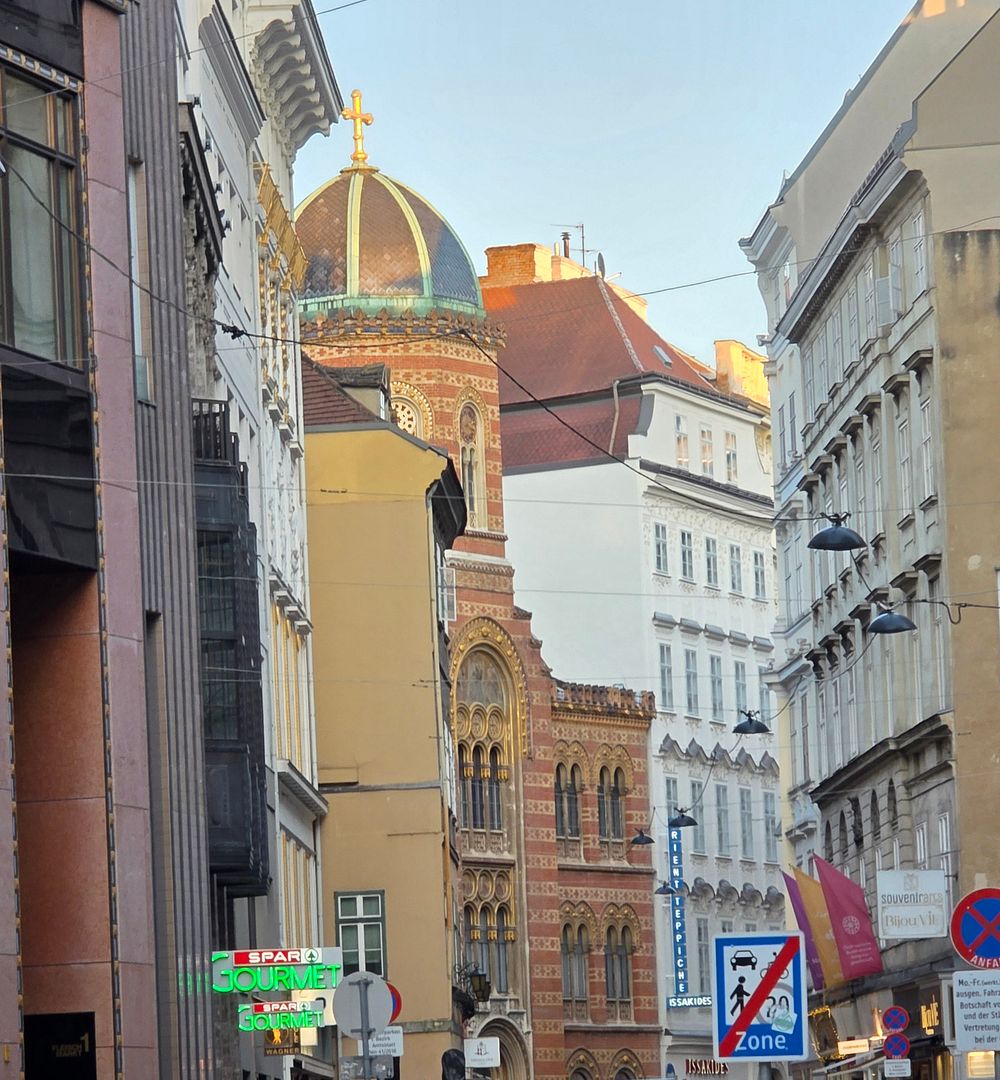
On the way back to our bus stop we saw another interesting plaque.
President John F. Kennedy met Soviet Premier Nikita Khrushchev in Vienna, Austria, on June 3-4, 1961, for a 2-day summit aimed at easing Cold War tensions. The meeting was contentious, with Khrushchev bullying the new president, particularly over the status of divided Berlin. The summit failed to produce agreements, leading to heightened tensions.
Kudos to guides who know about these details in cities because most probably on our own we would miss them totally.
There are so many churches in Vienna that I would have liked to visit.
This was another beautiful winter day on our river cruise.
We made it back to the bus and back to the Danube where the AmaMagna was docked. On this night we would have an earlier dinner because we were booked for a concert in the evening at The House of Strauss.