The Fitzwilliam Museum Cambridge

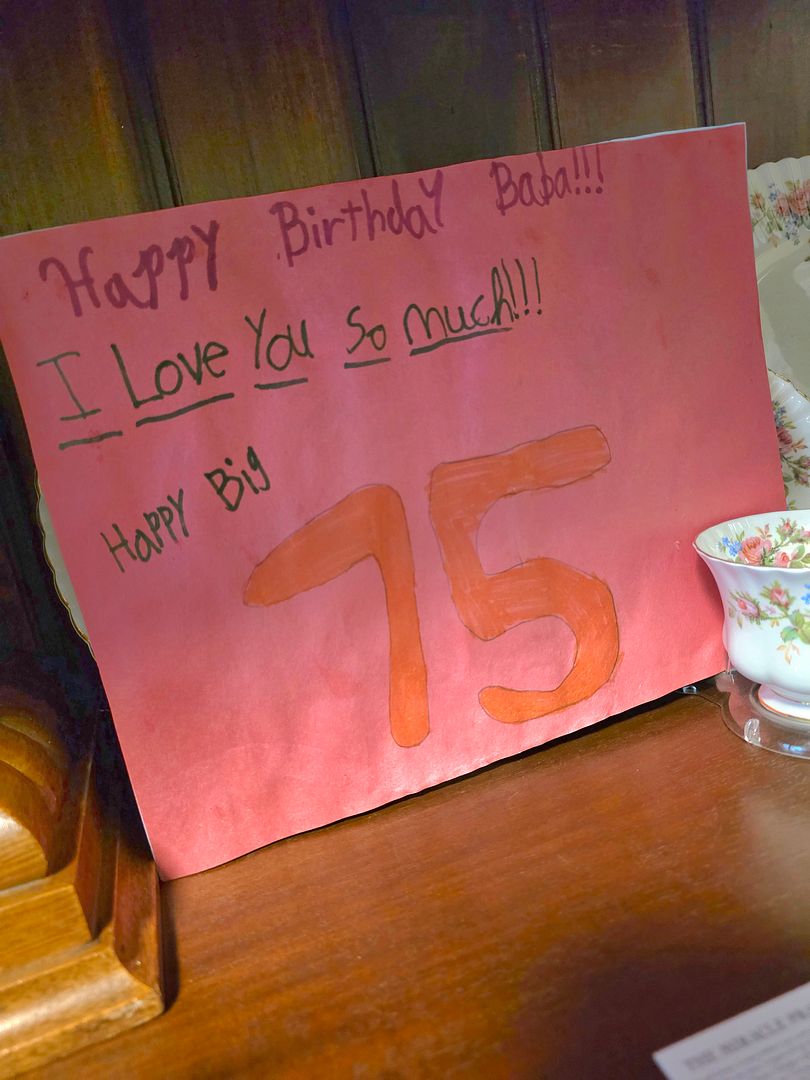
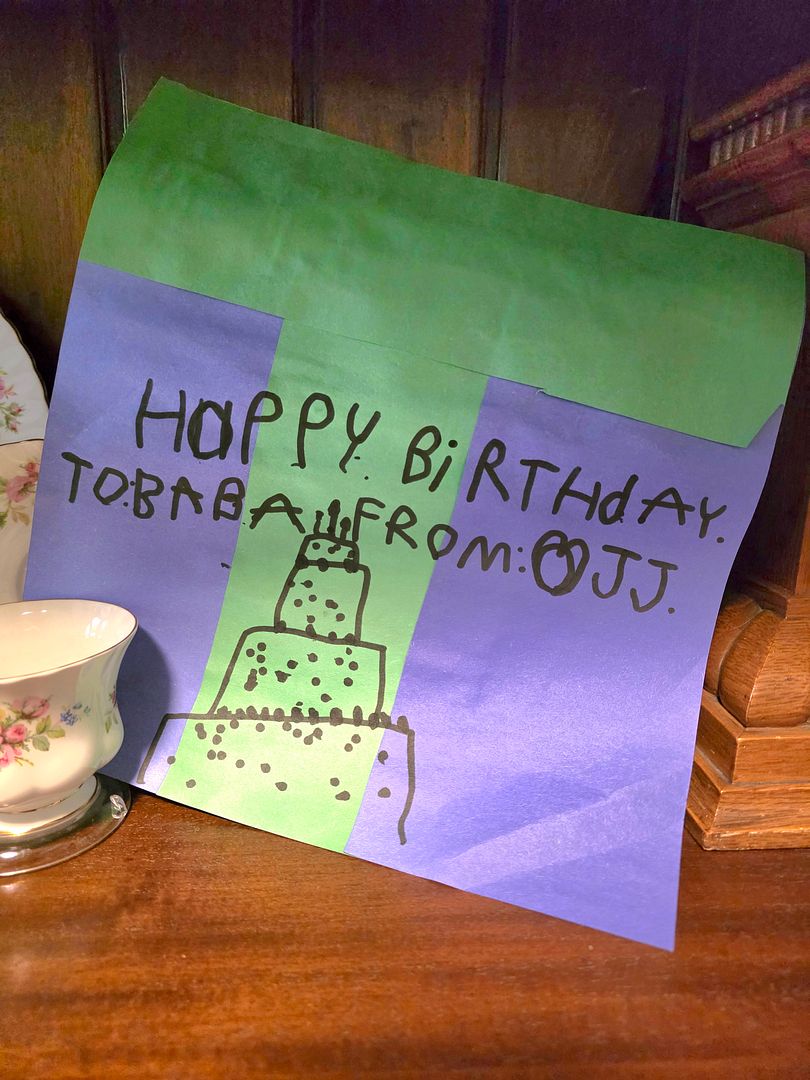
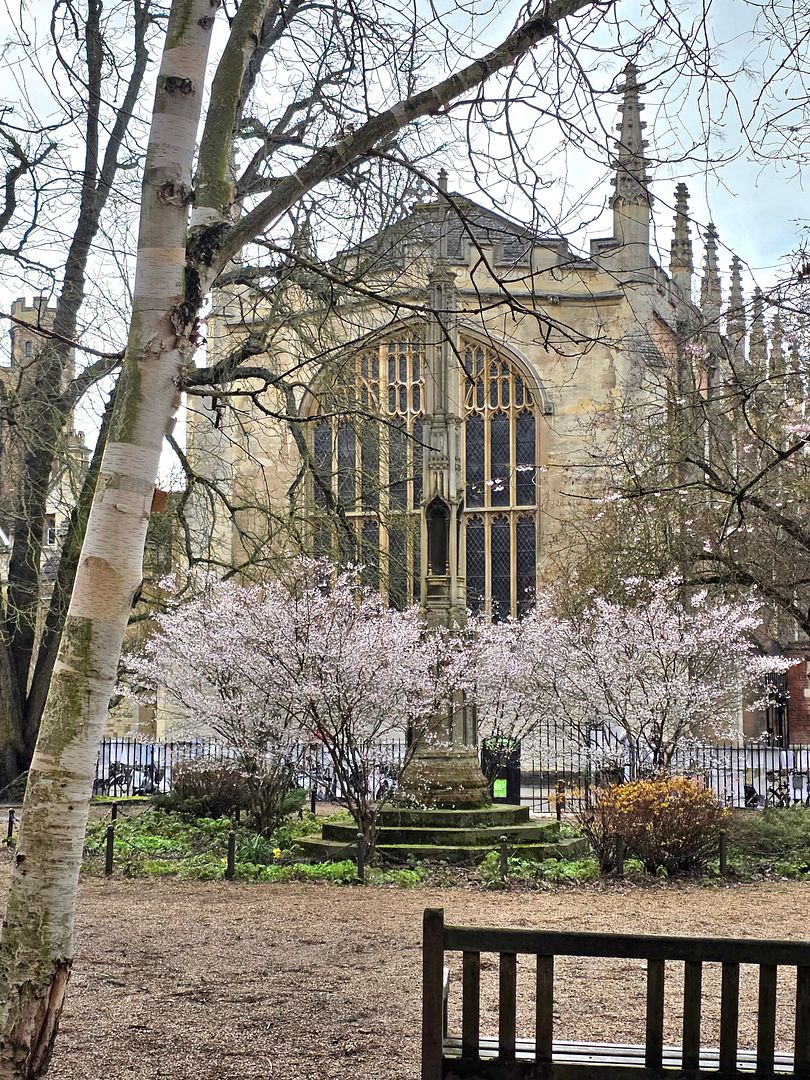
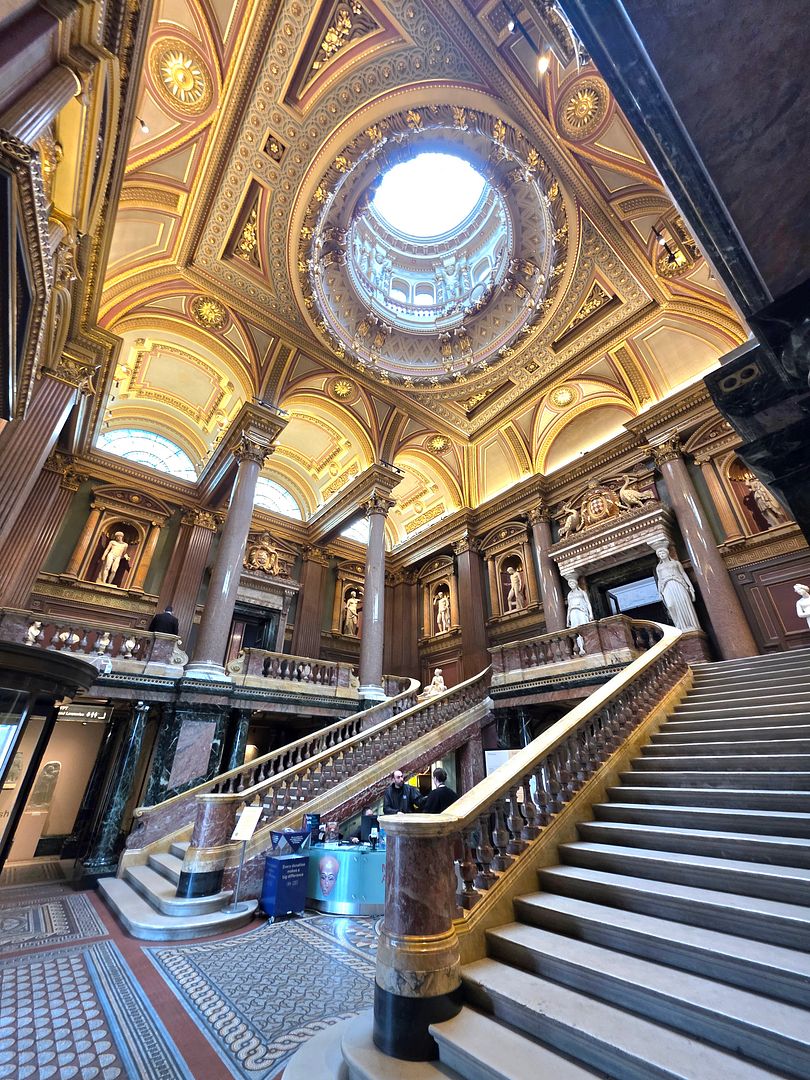
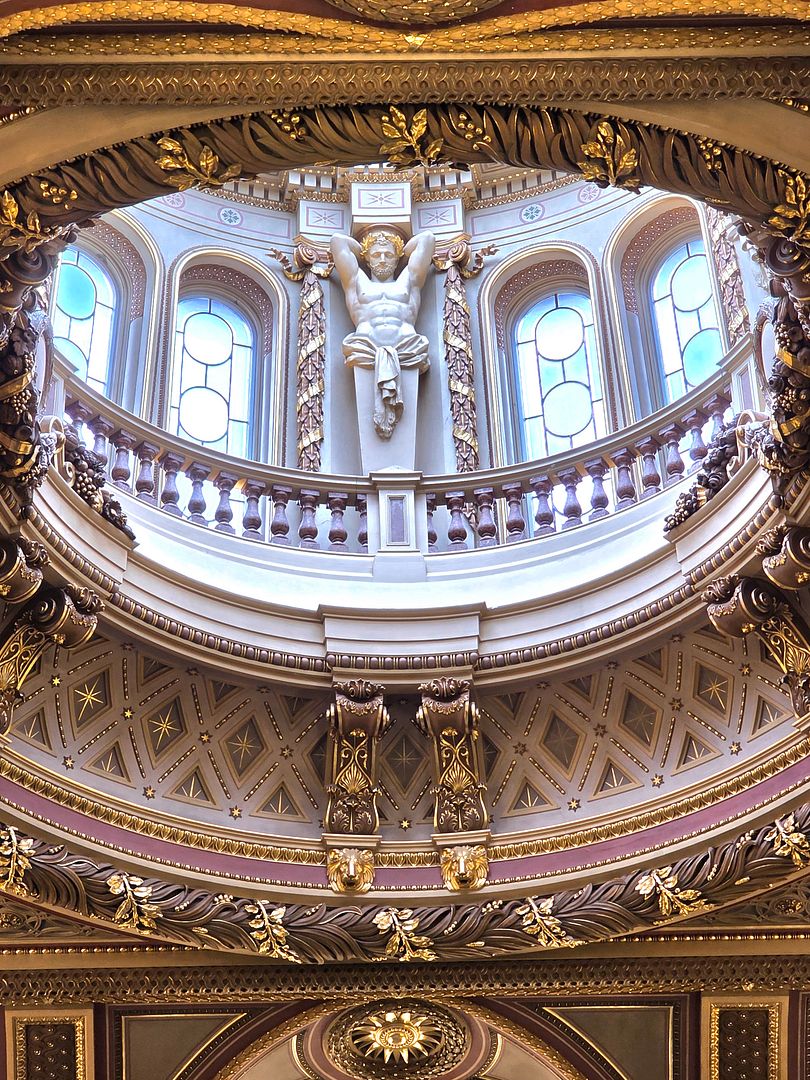
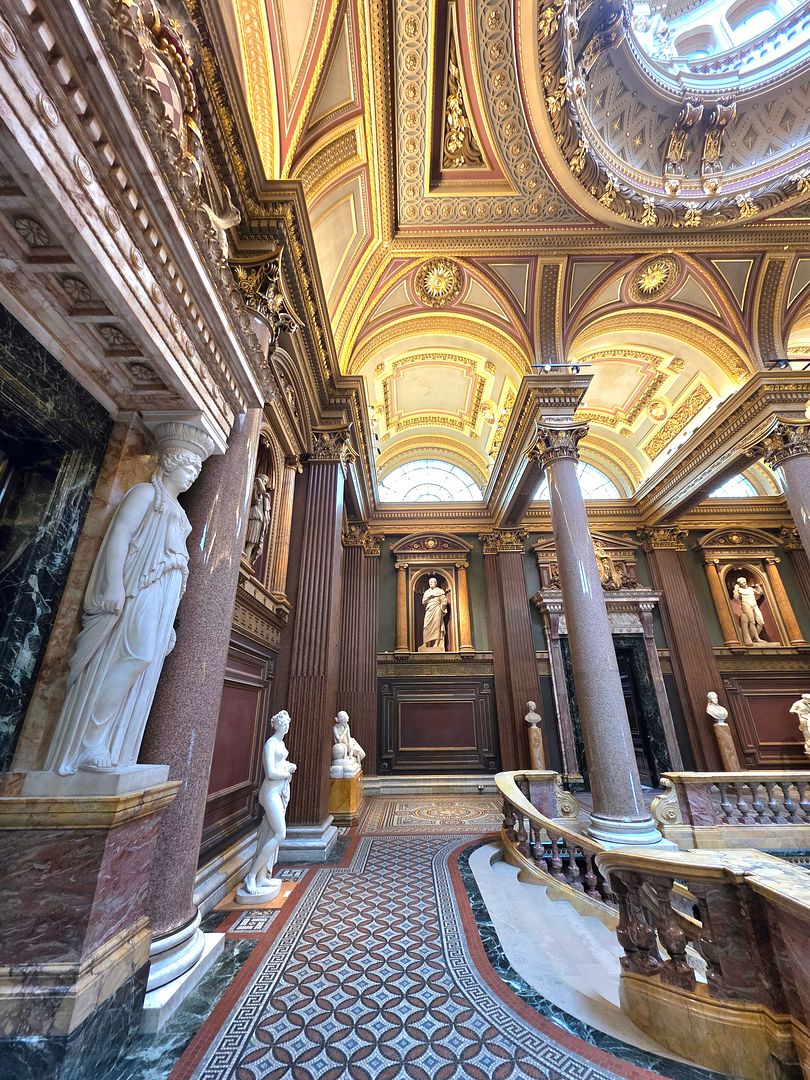
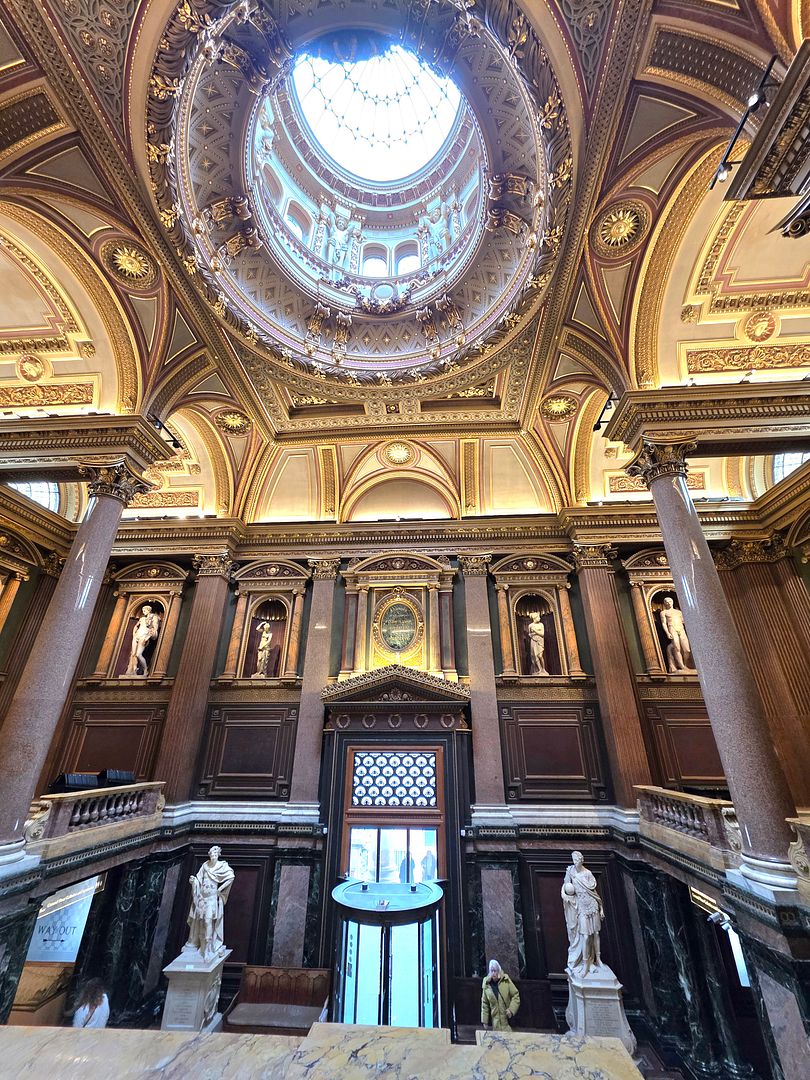
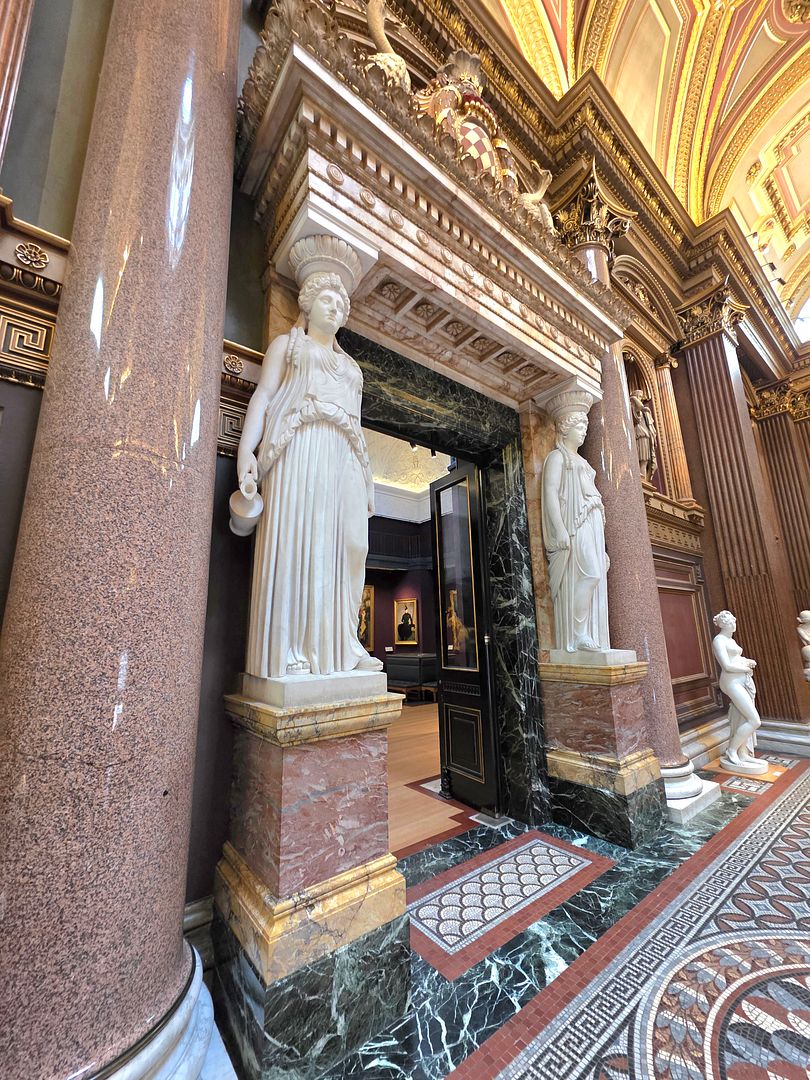
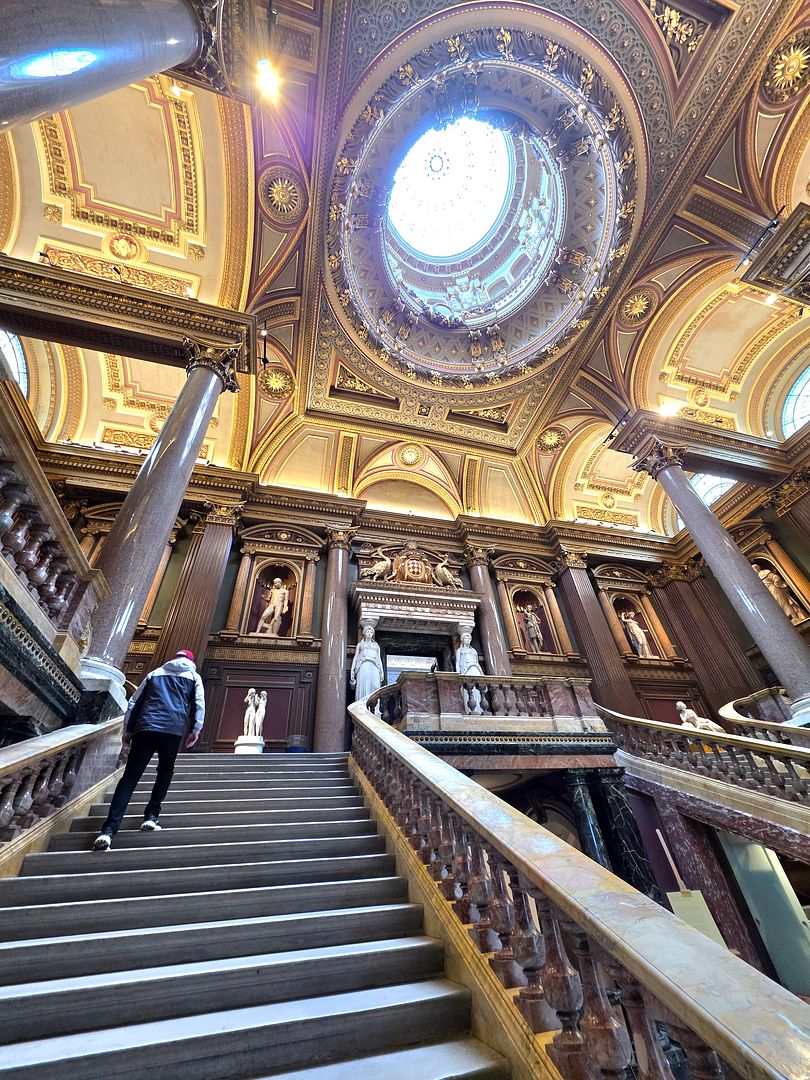
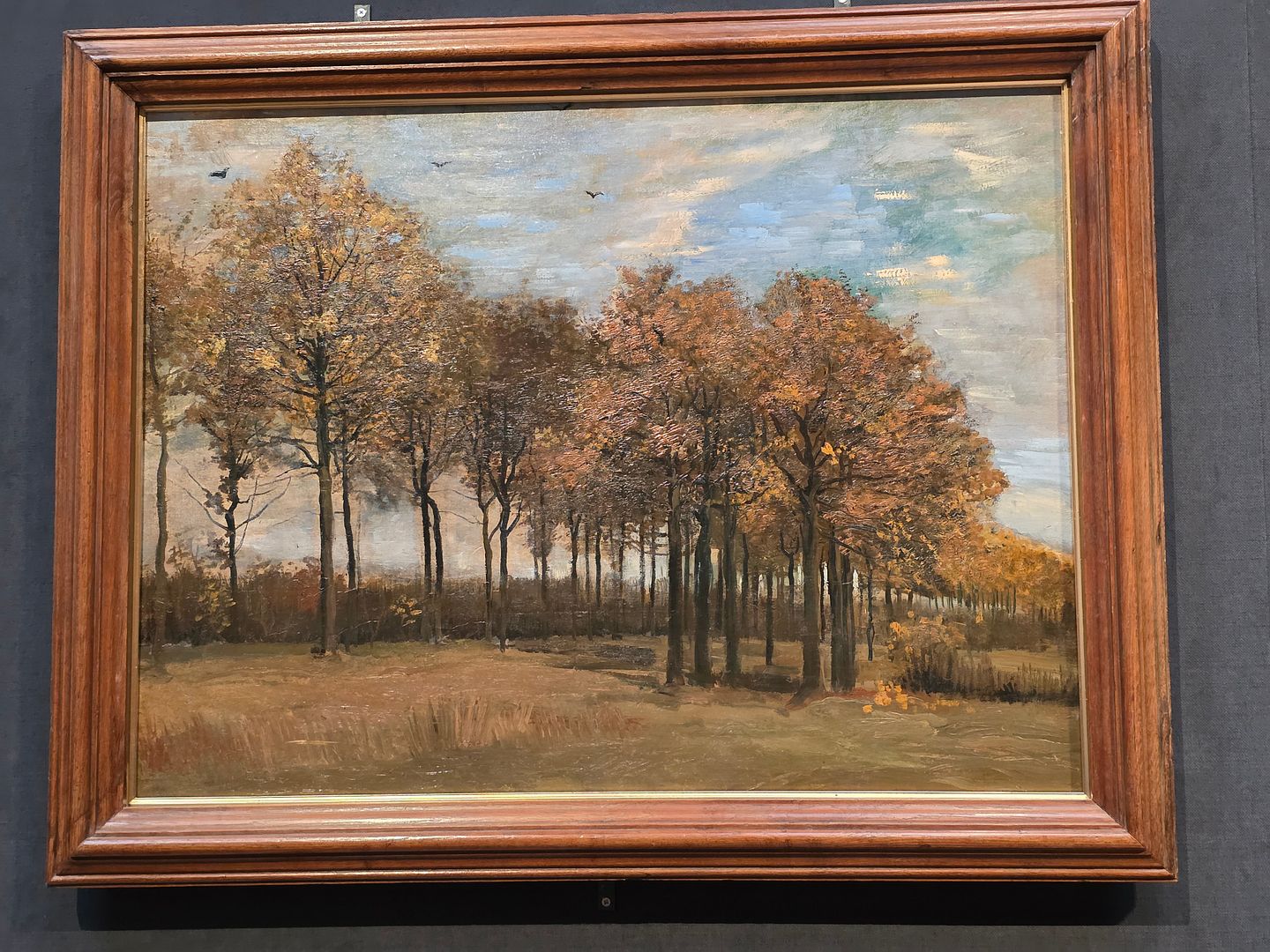
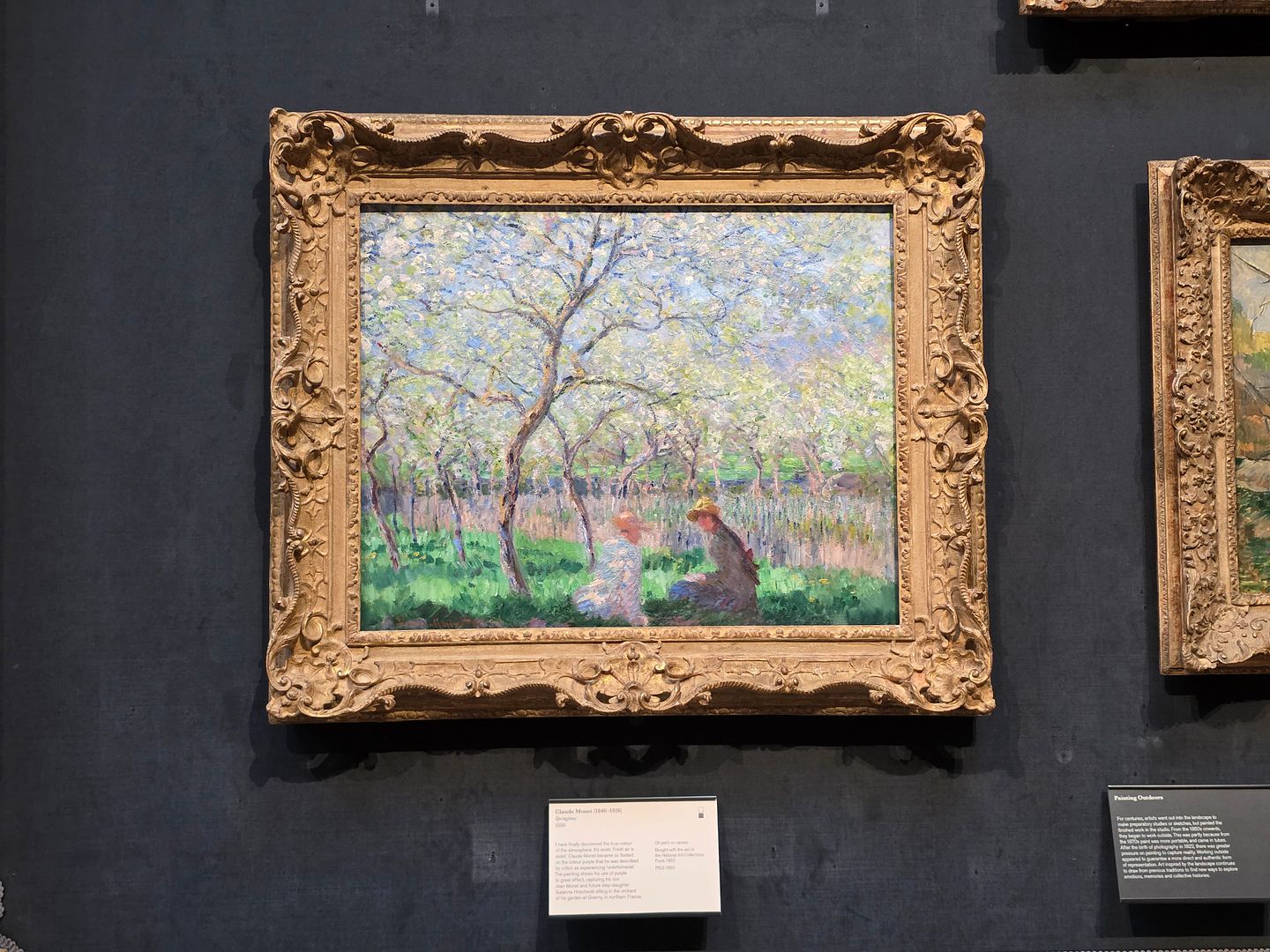
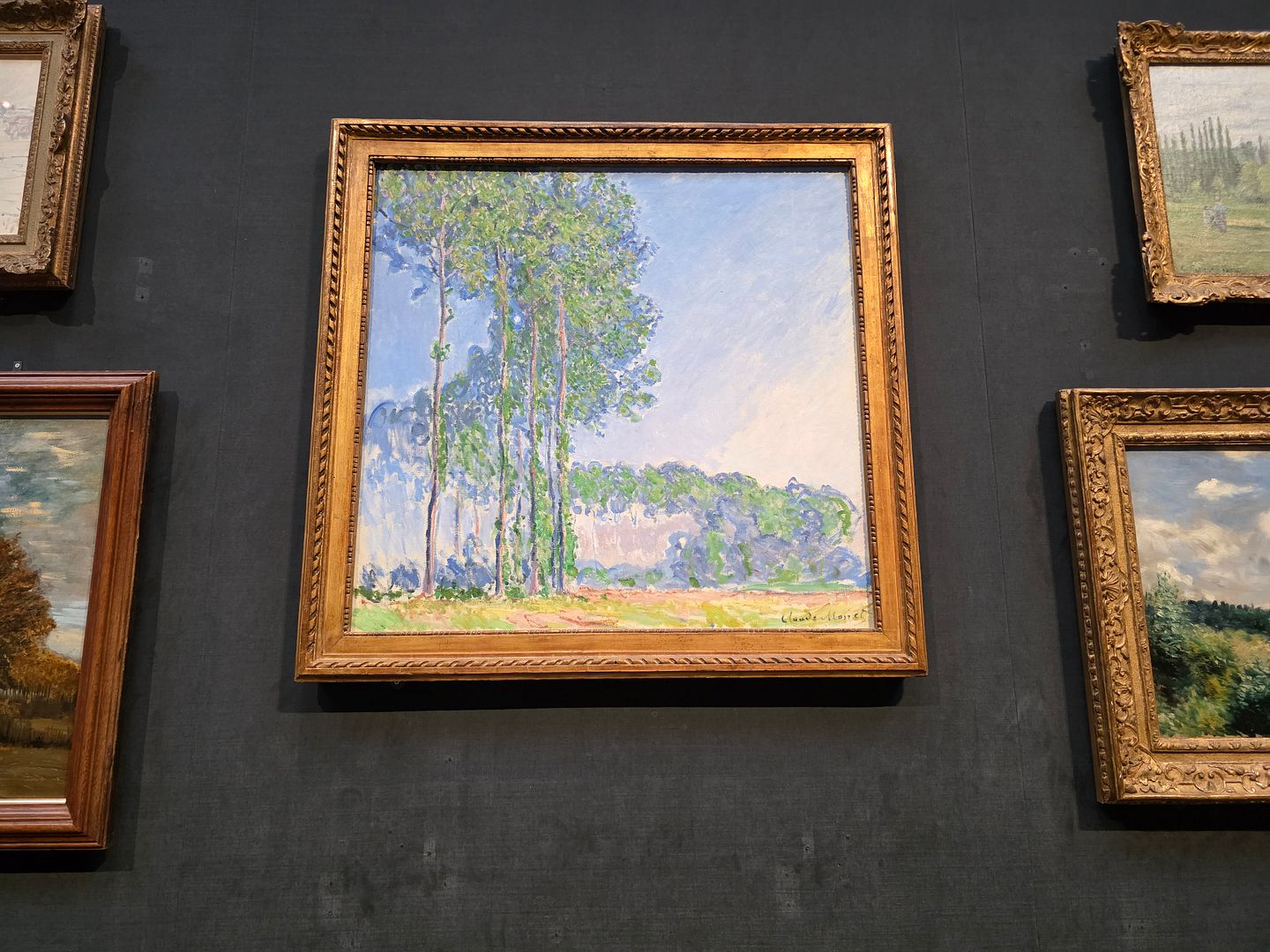
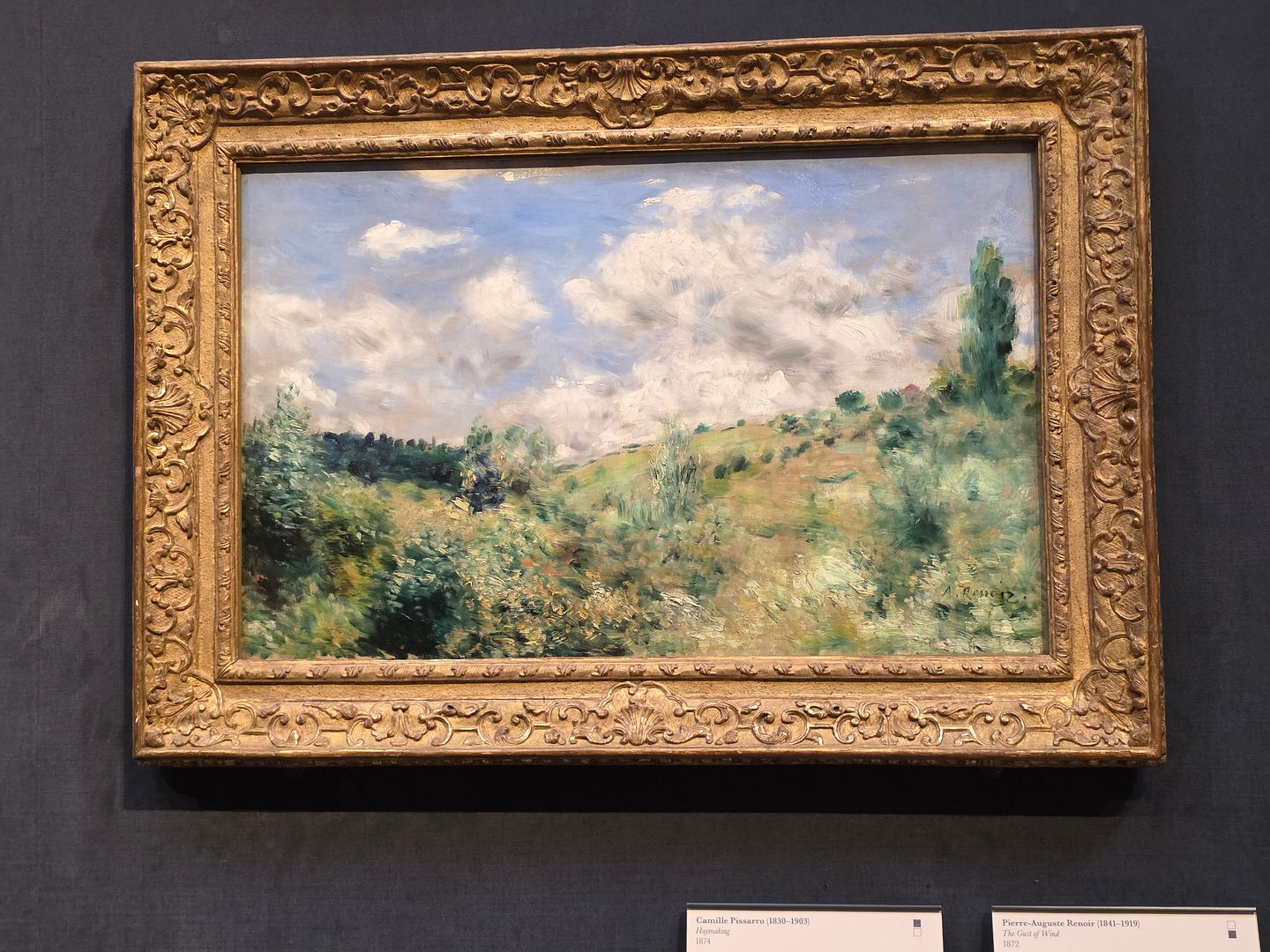
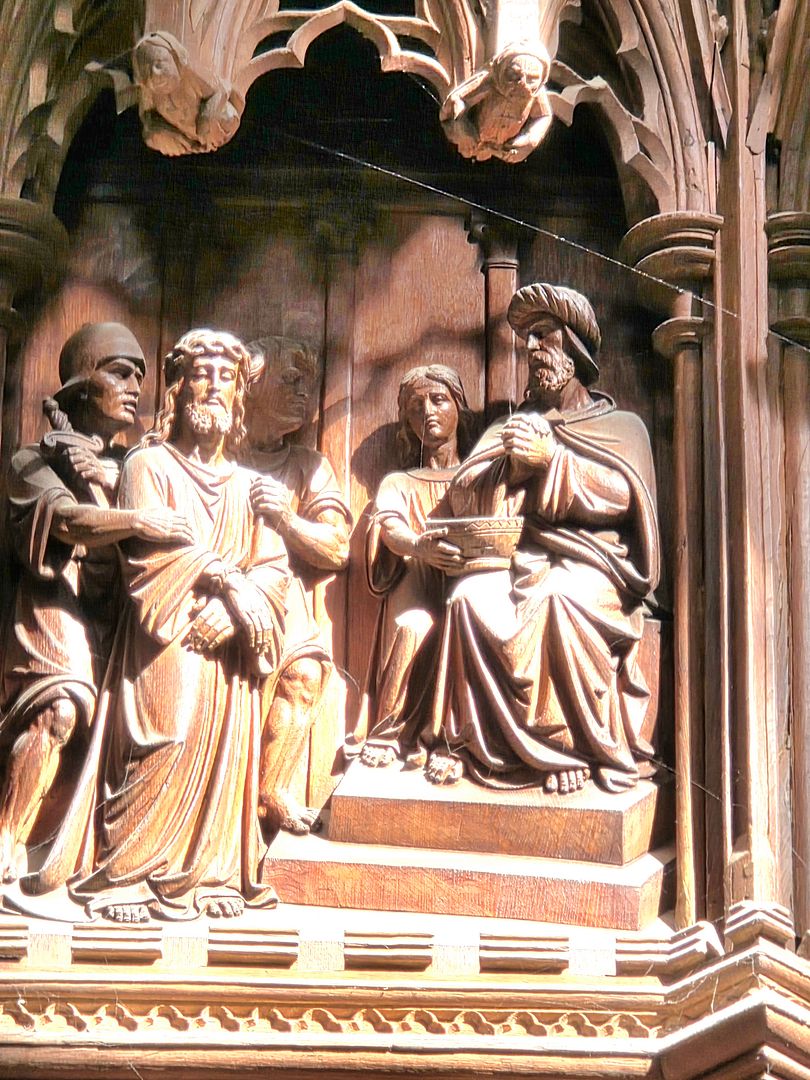
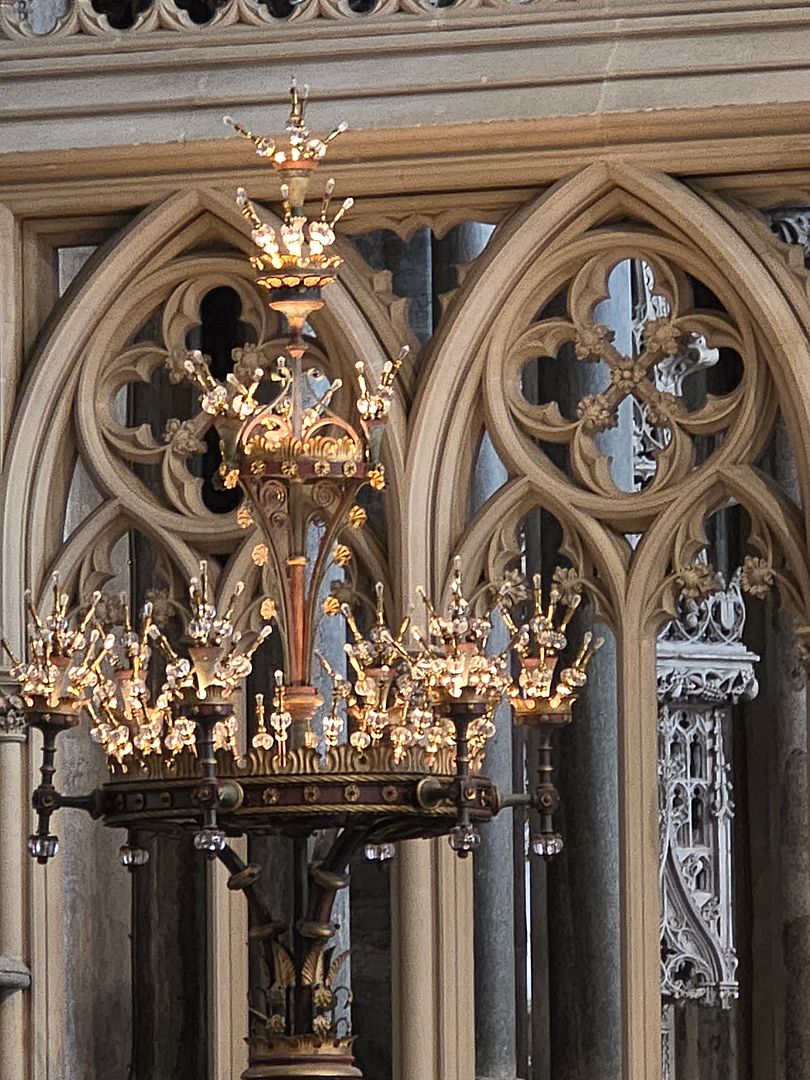
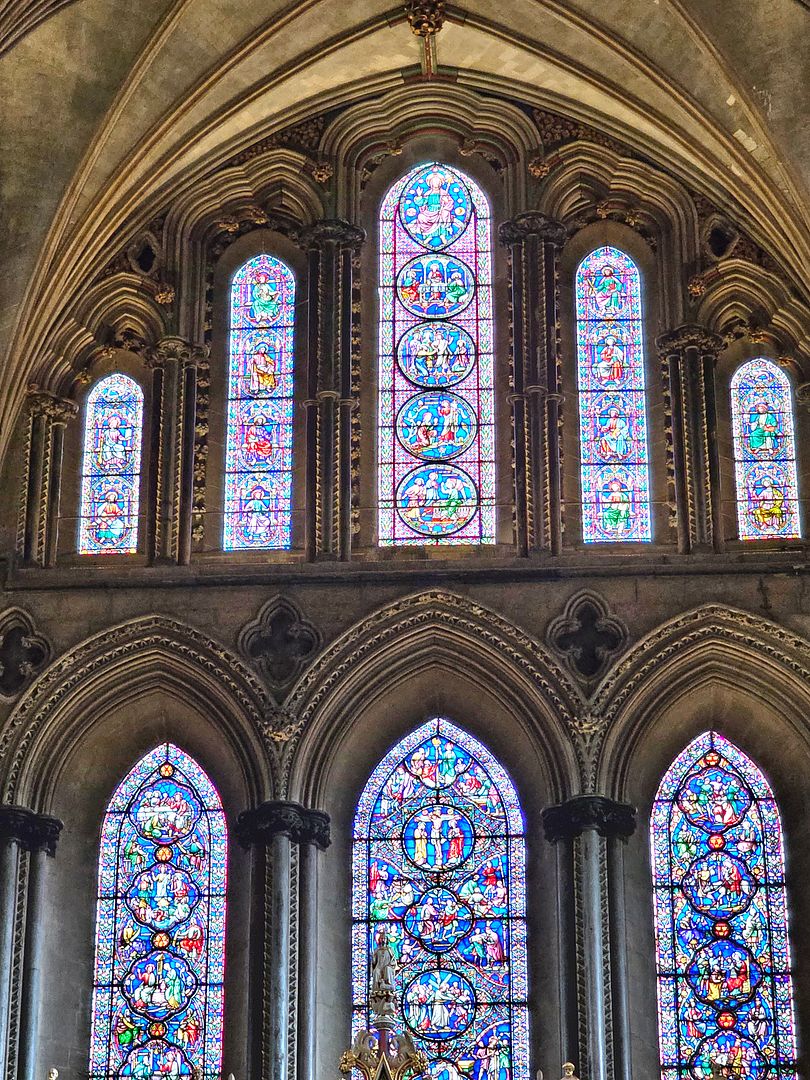
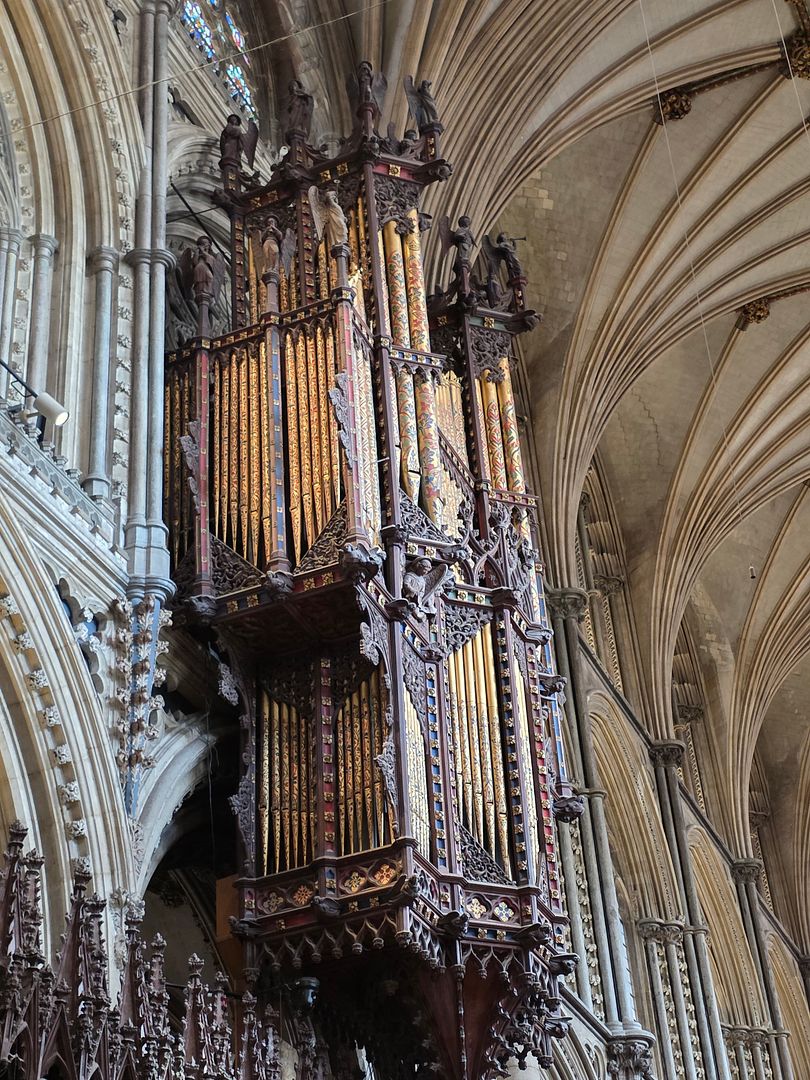
On Thursday March 12th we reached our furthest destination on Trumpington St. in Cambridge, The Fitzwilliam Museum.

We could have spent a lot more time in the museum but there were about 100 elementary+ age children who arrived and it was hard to work around them in the different exhibits. They worked on projects sprawled on the floors and we literally had to try and not step on them. The noise level was not pleasant, either. Thankfully we saw some favorites before the rooms were taken over by exuberant youth!

Note to Self: Go to museums as soon as they open in the earlier hours or at night.

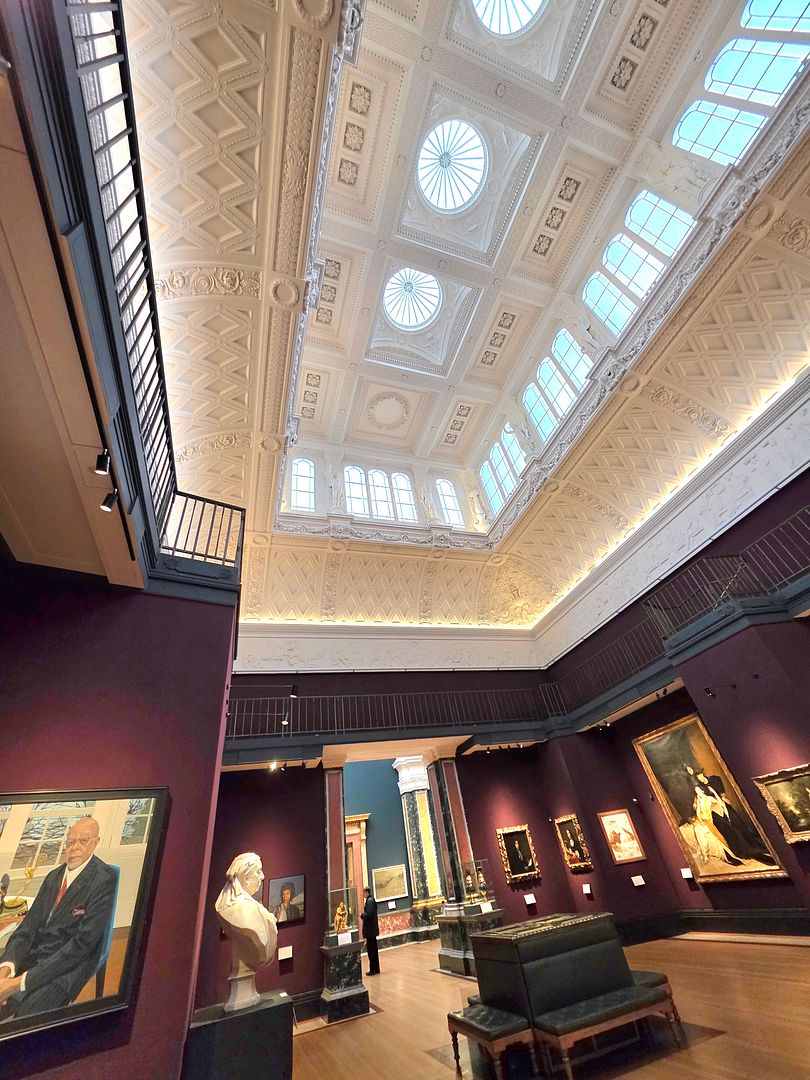
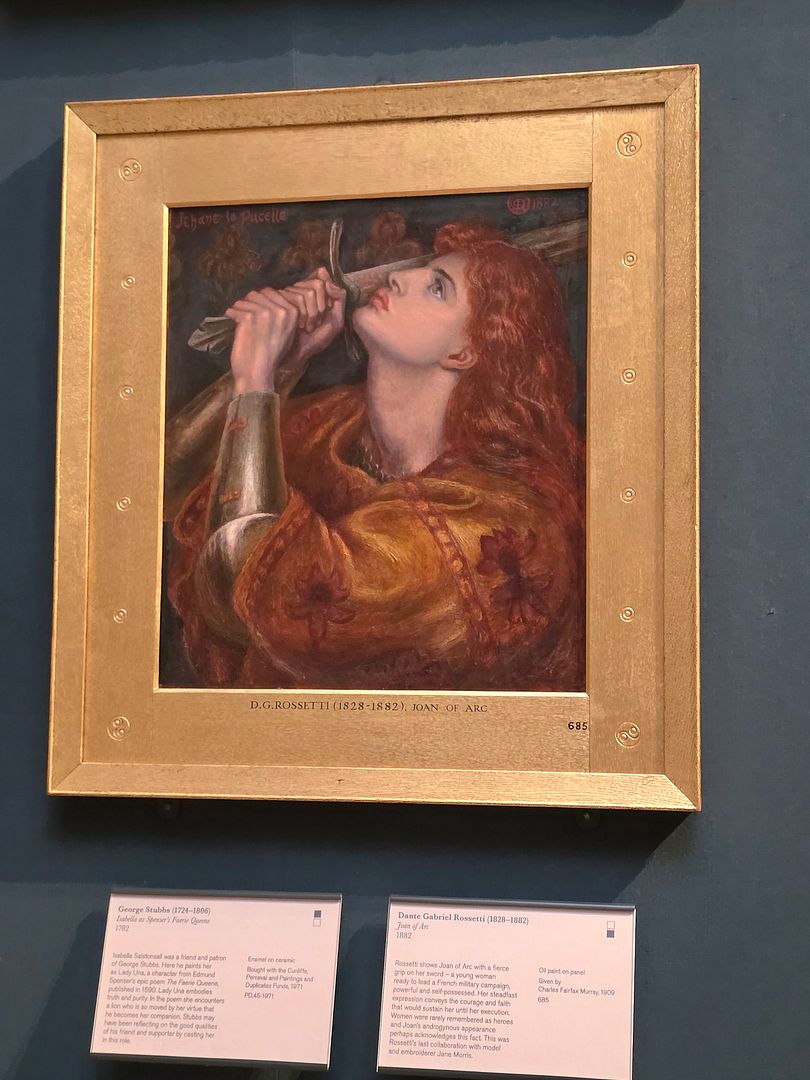
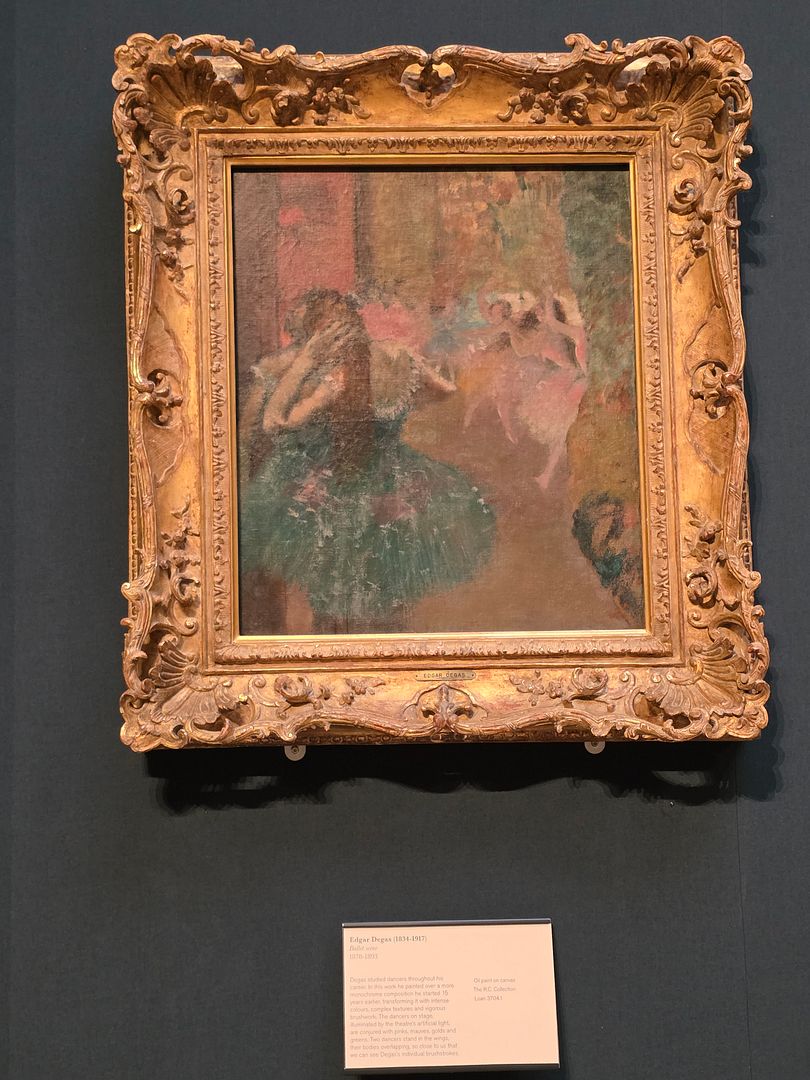
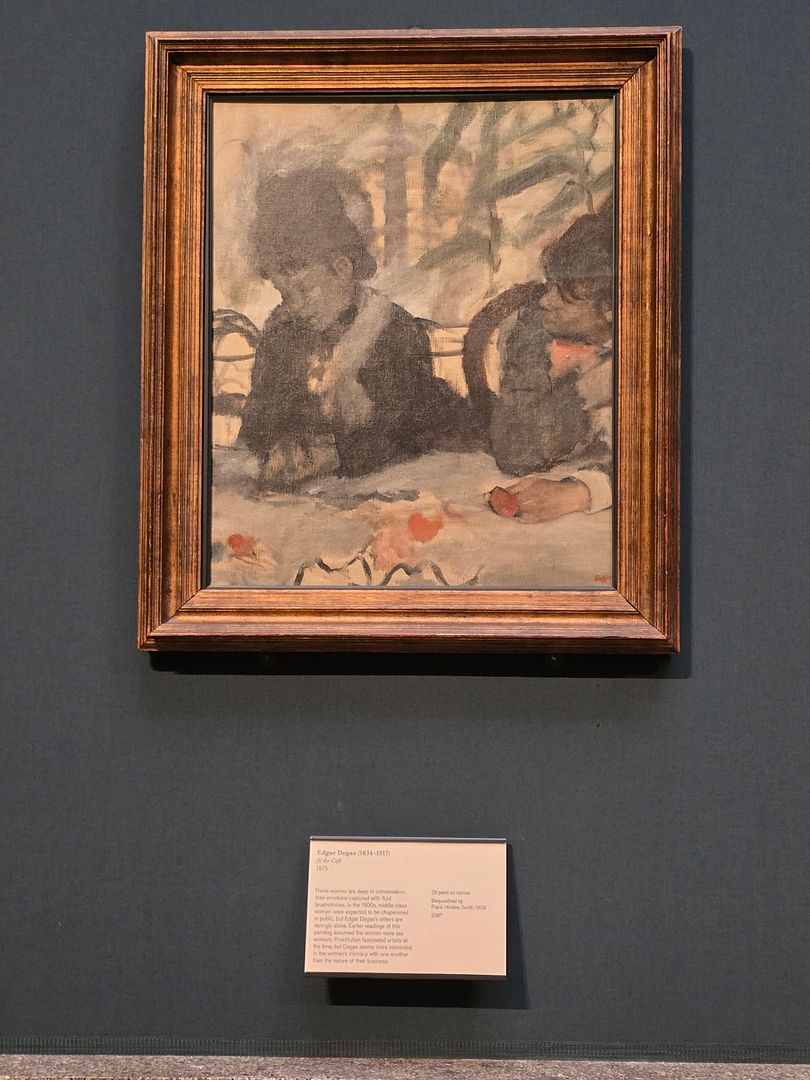
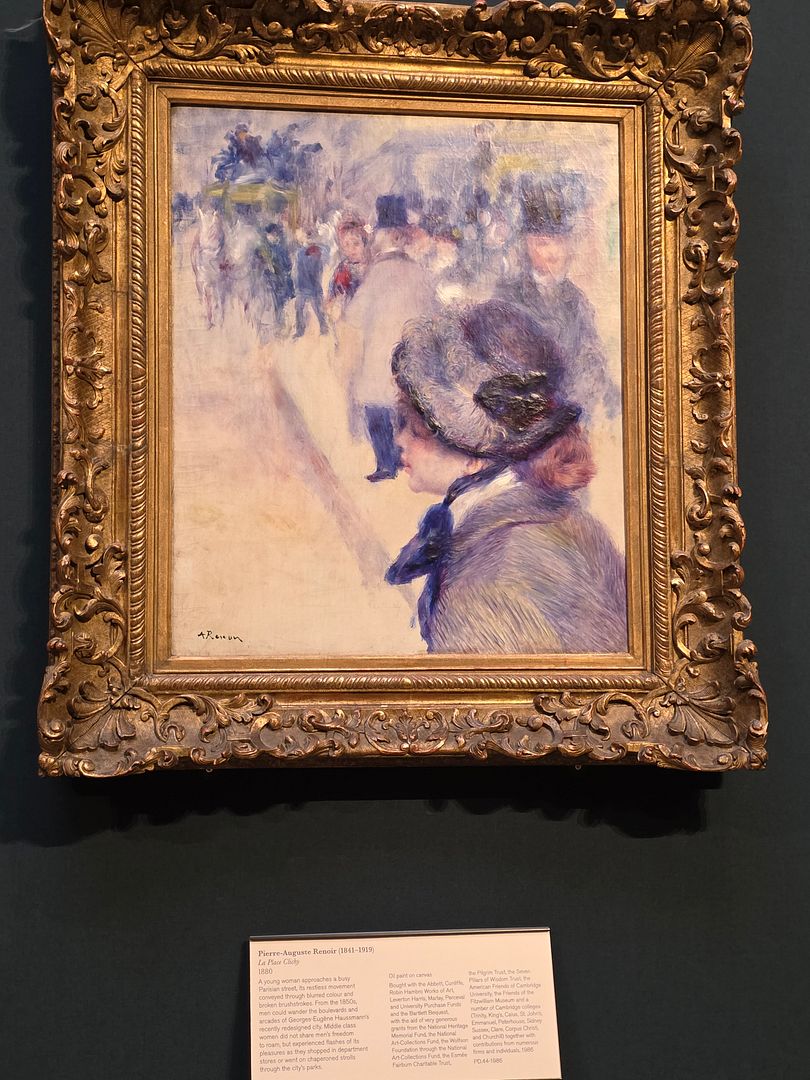
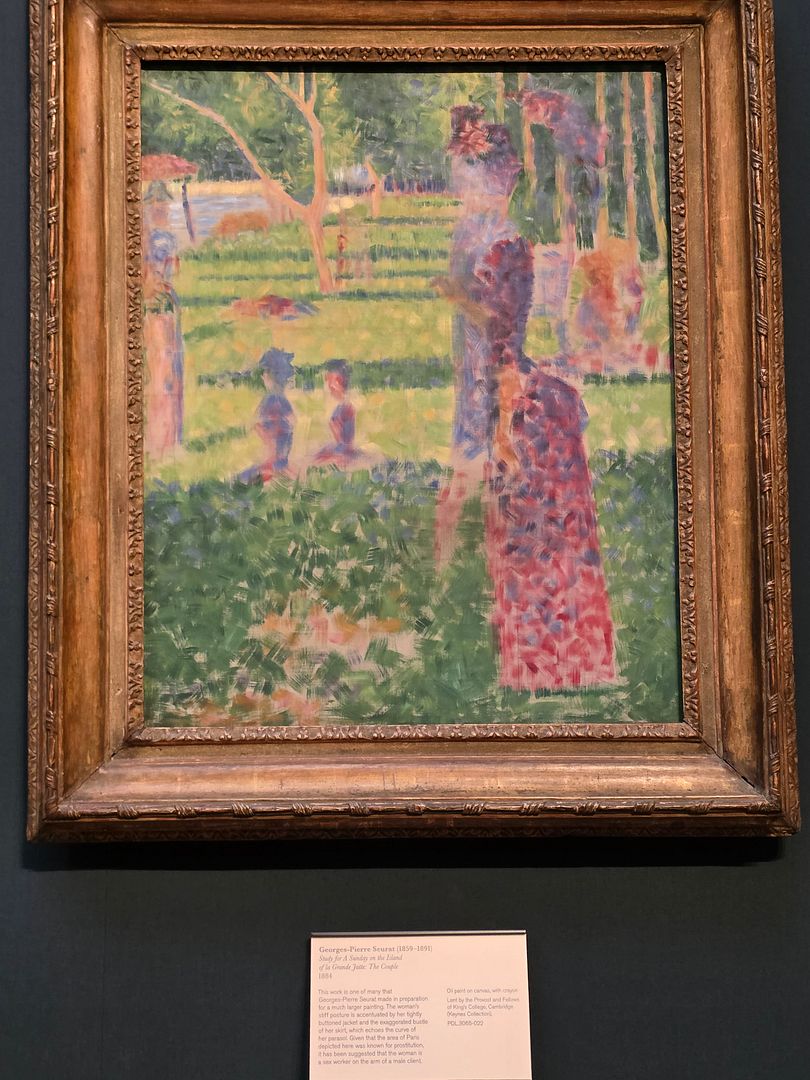
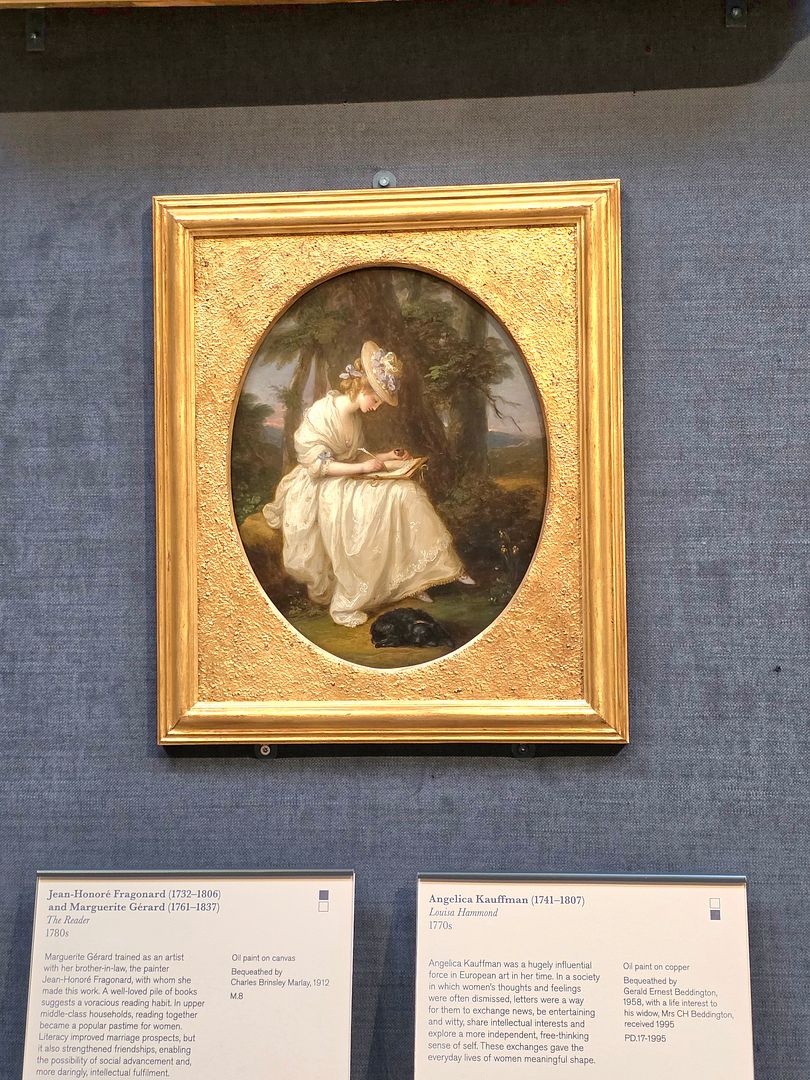
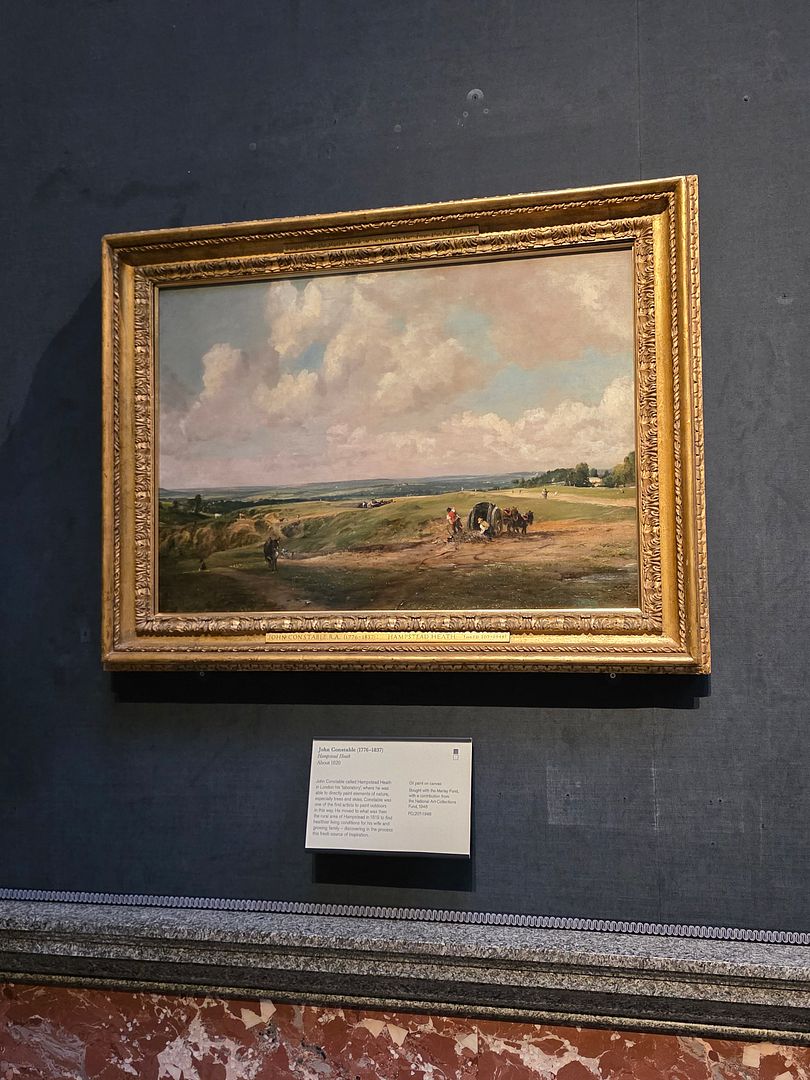
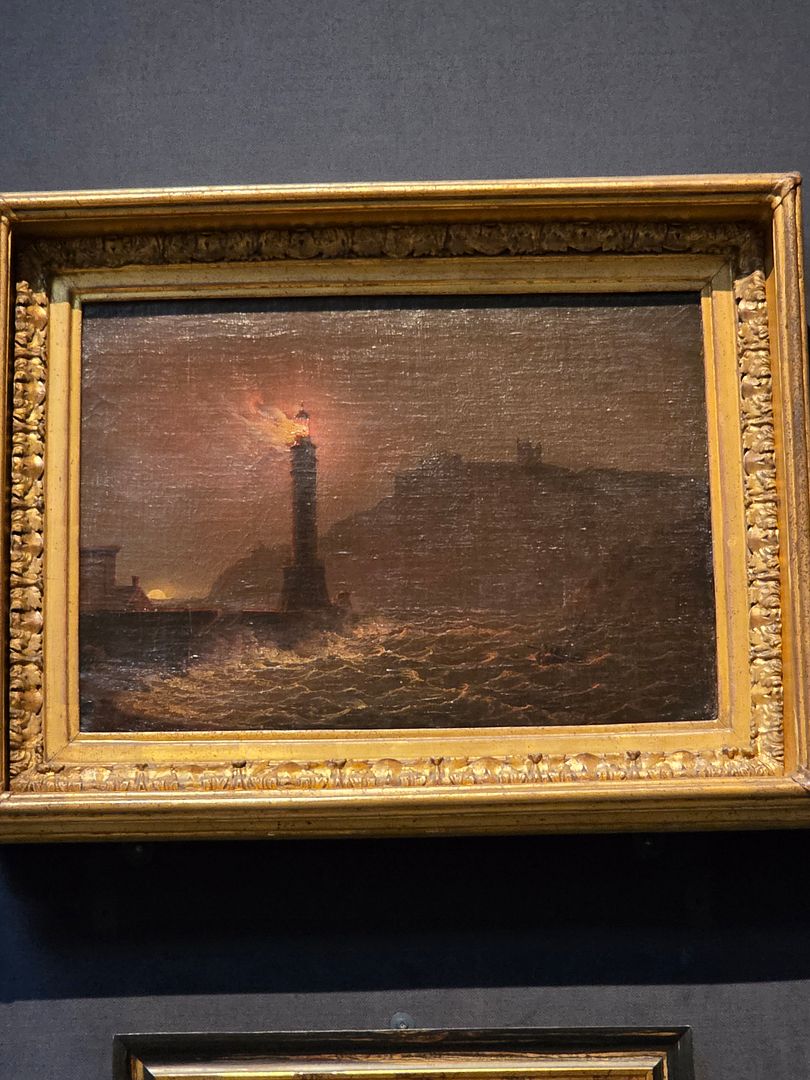
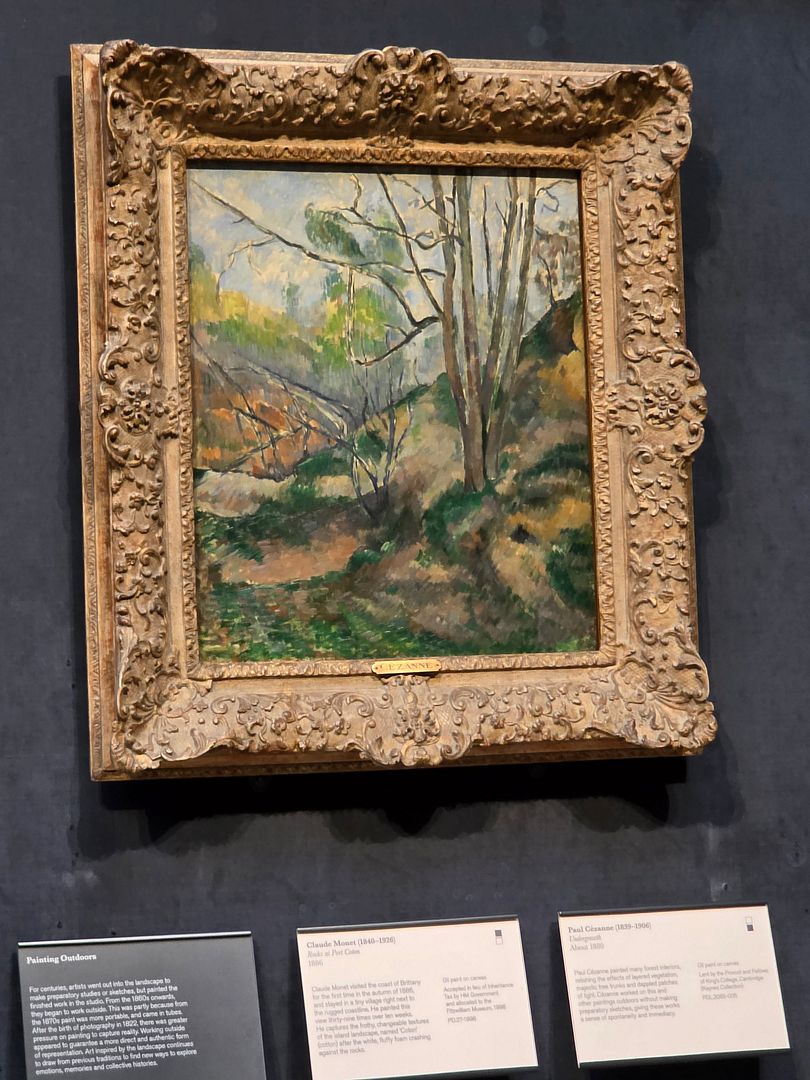
Monet, Degas, Renoir, Rossetti, Constable, Cezanne

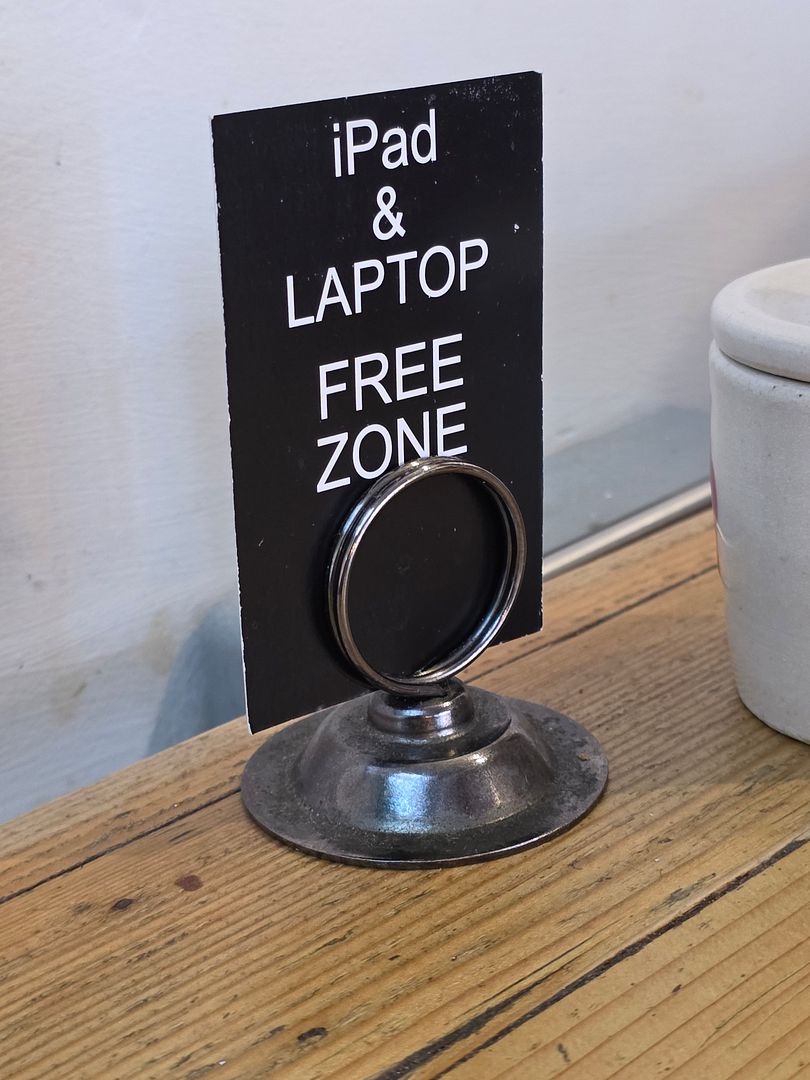
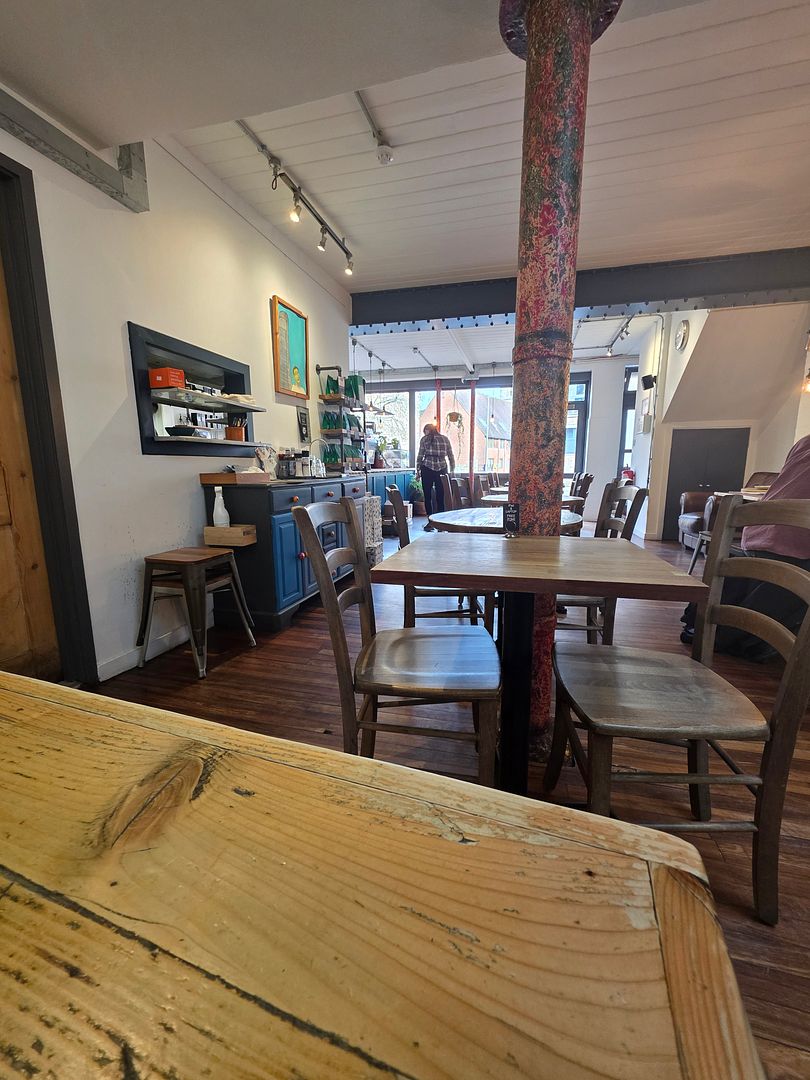
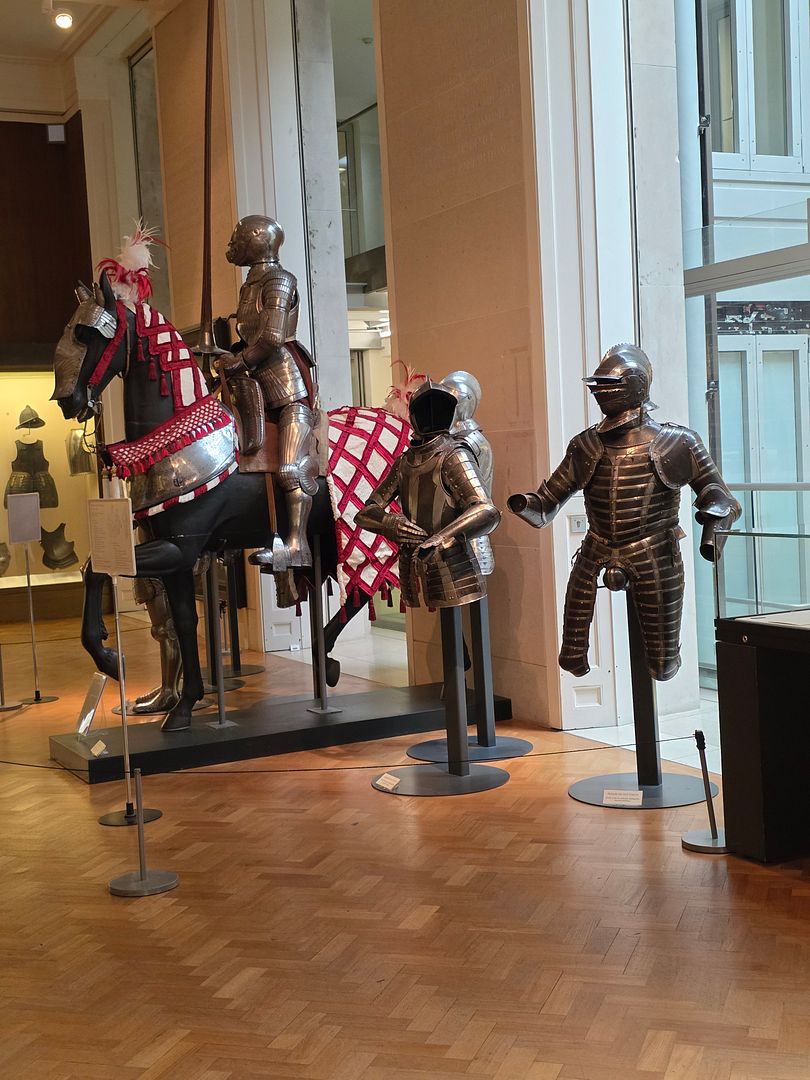
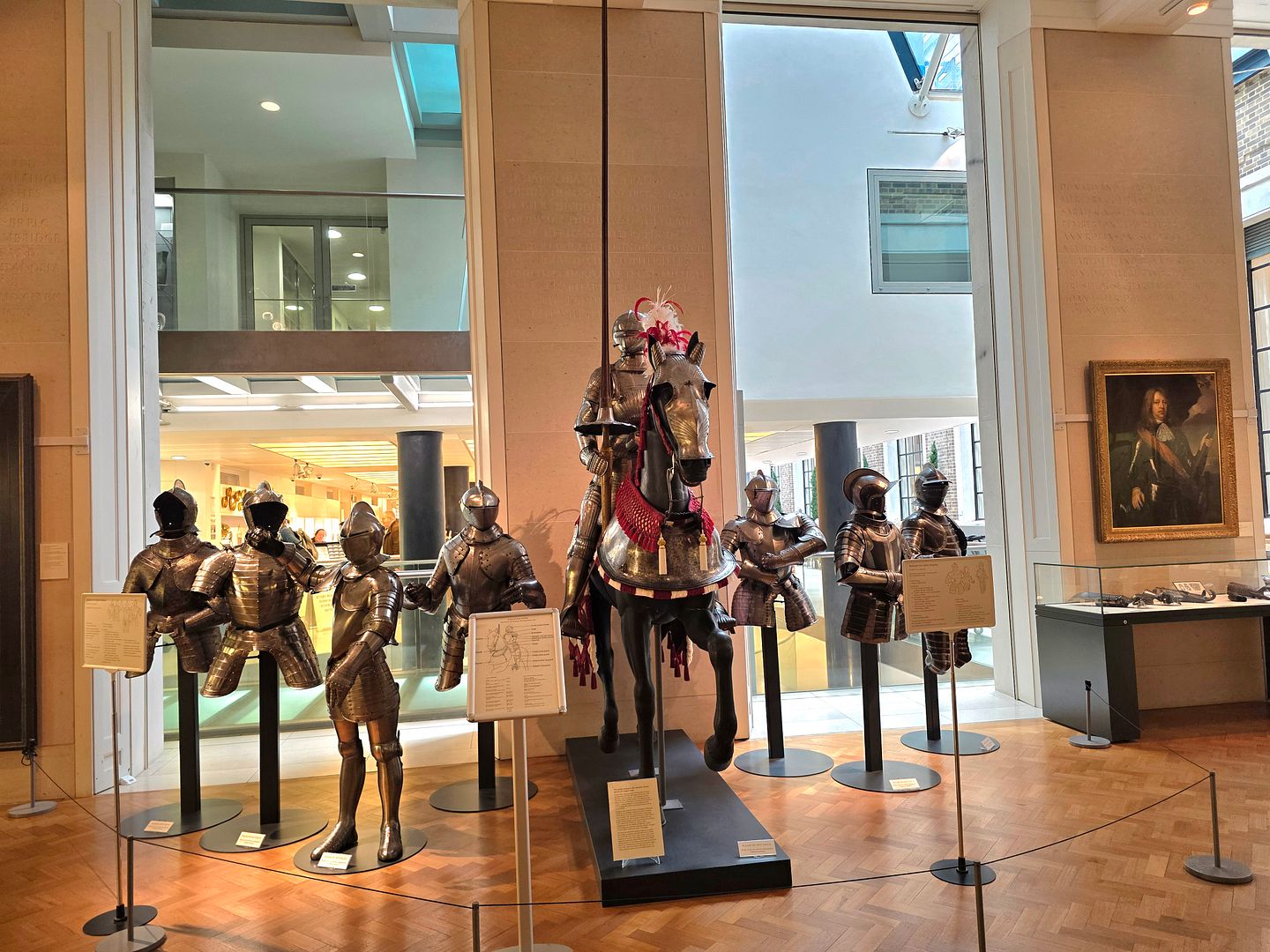
The lower levels had these displays and more with a gift shop and cafe.

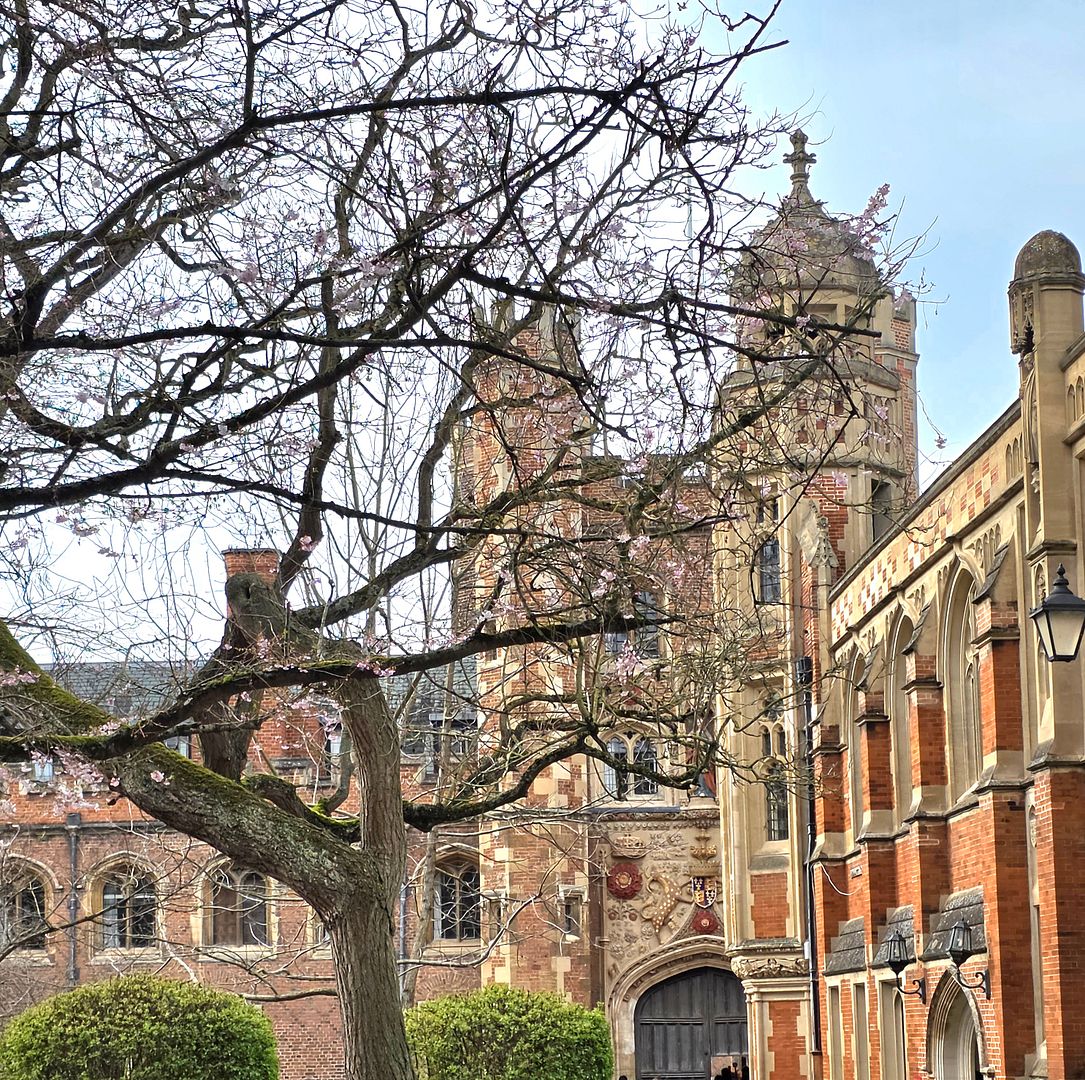
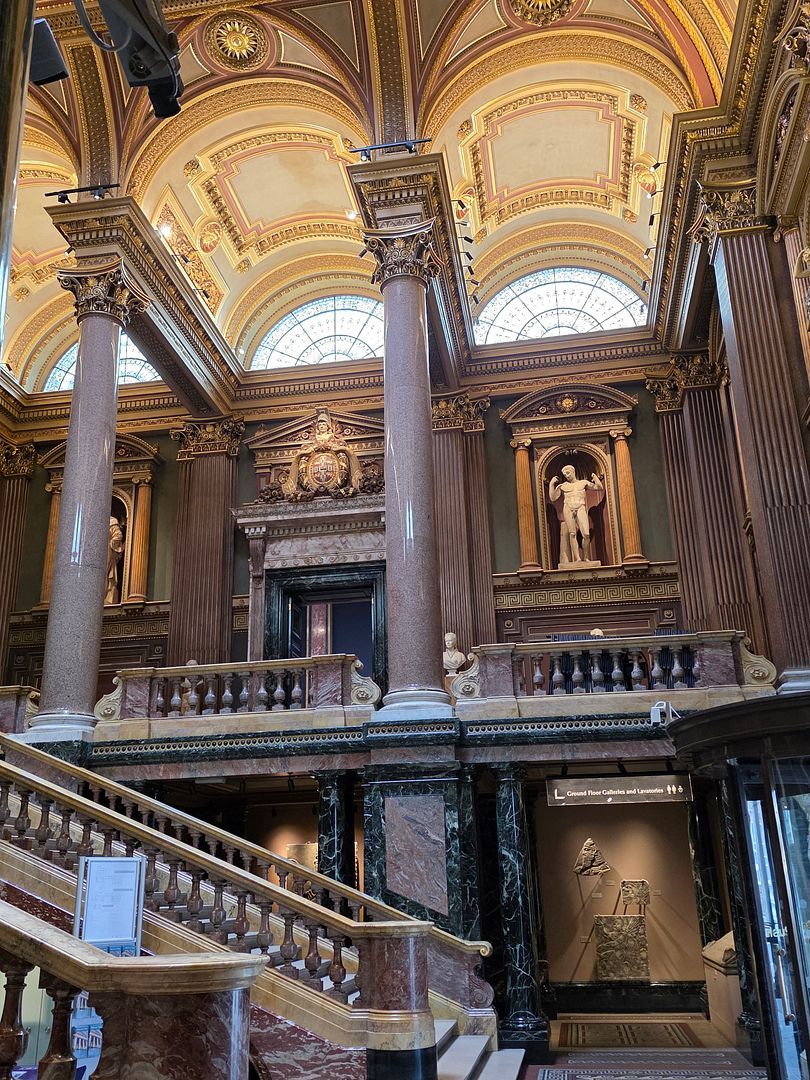
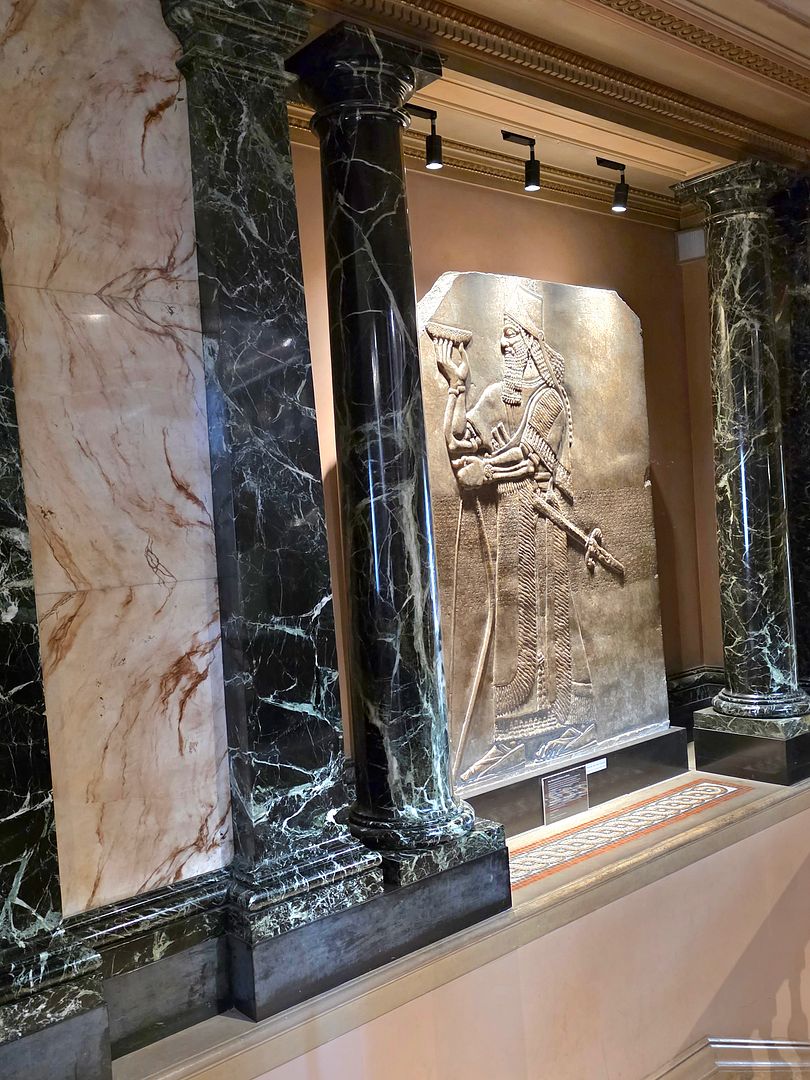
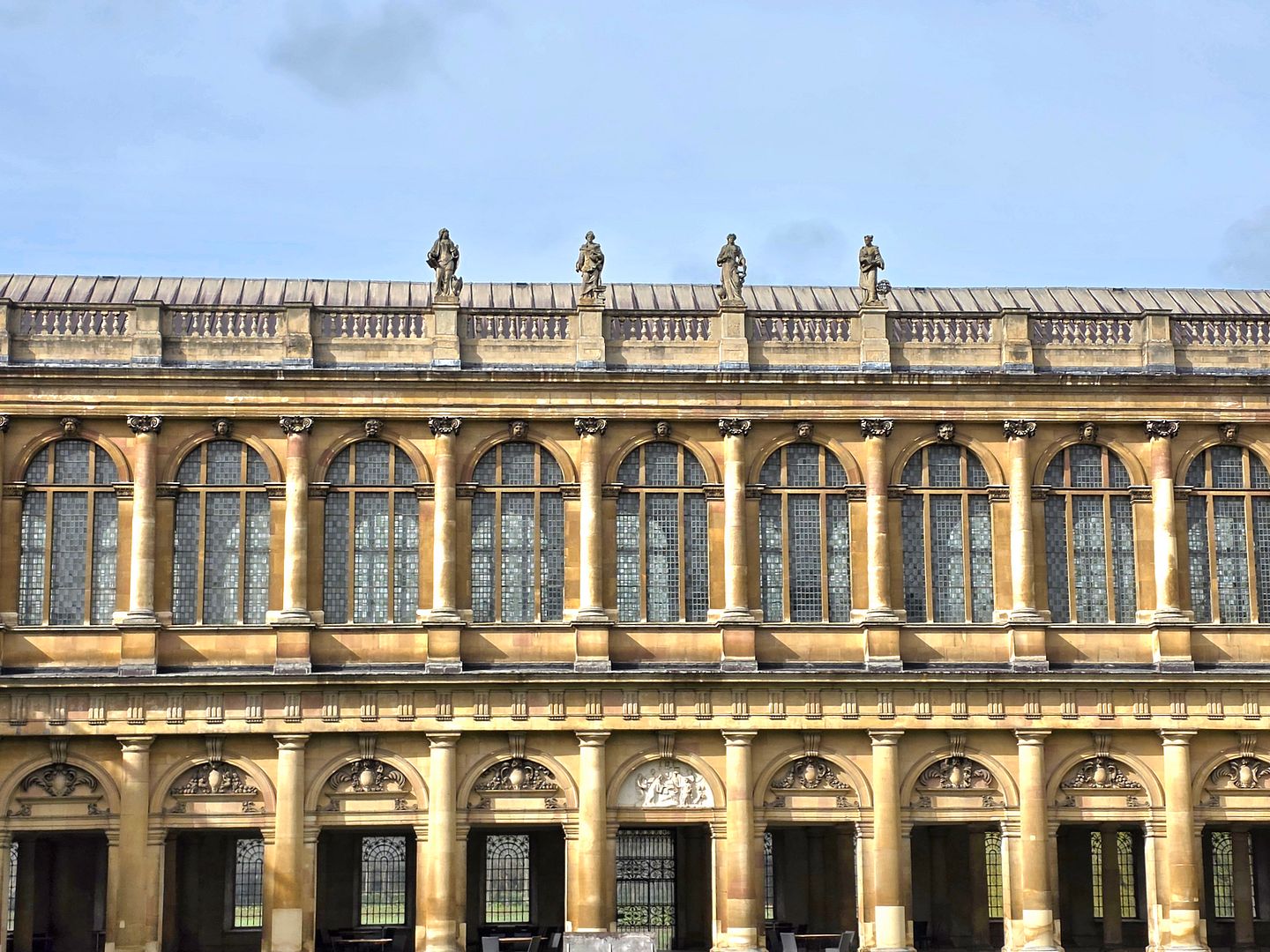
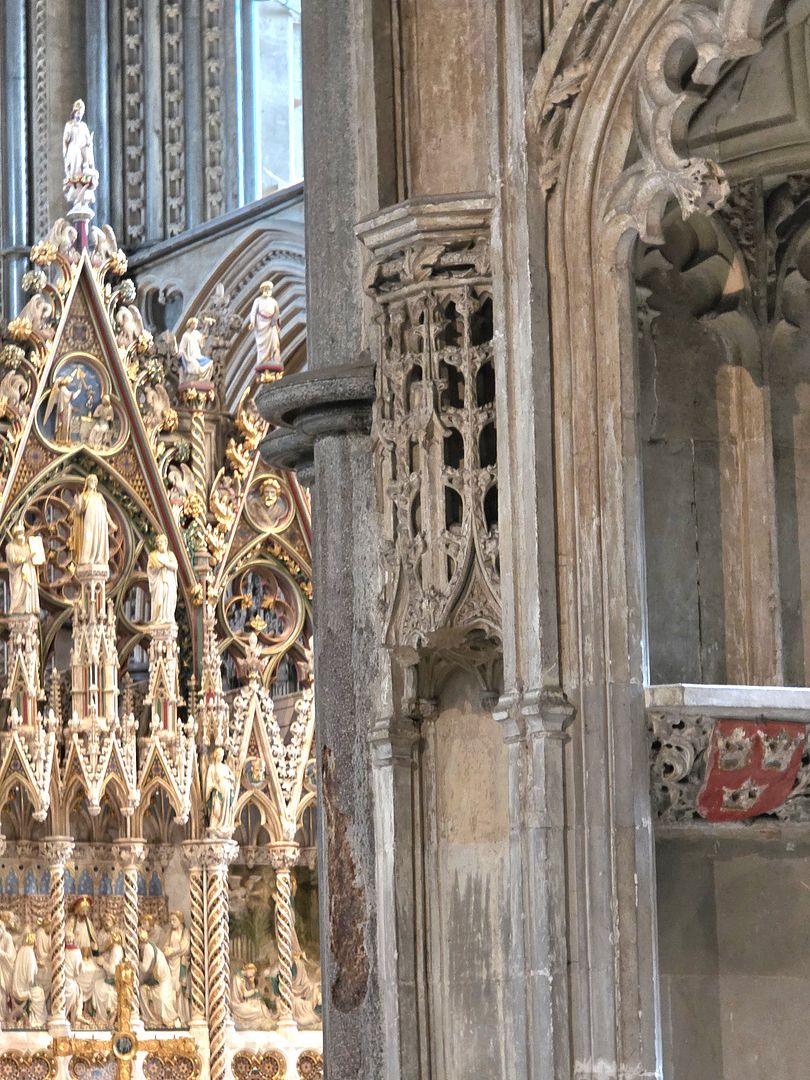
Overall this was a great museum with amazing architecture and art and artifacts.

We had a couple more walking adventures on this day before we called it quits for the day.

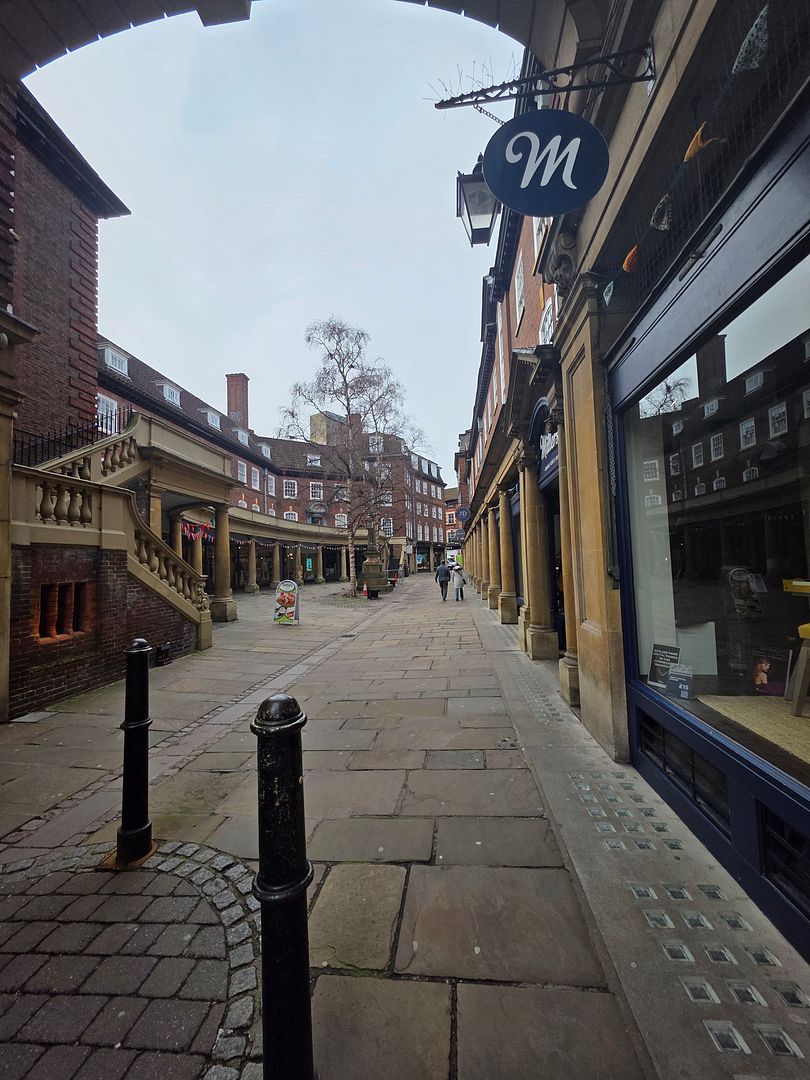
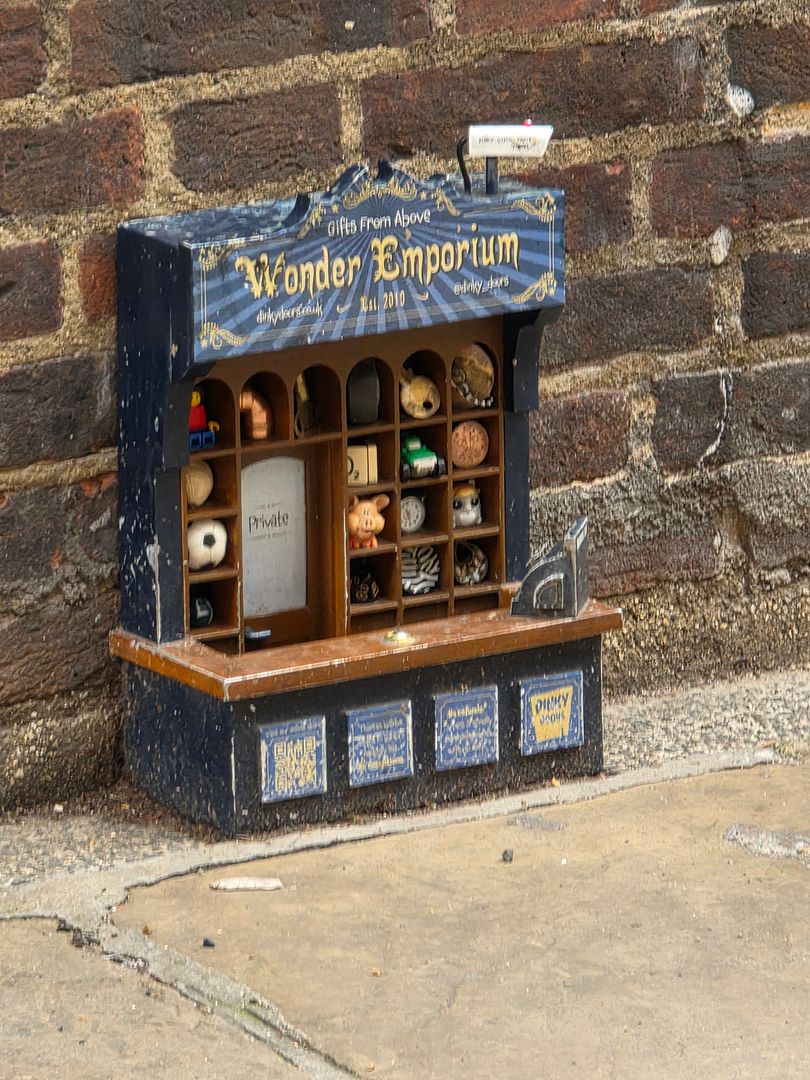
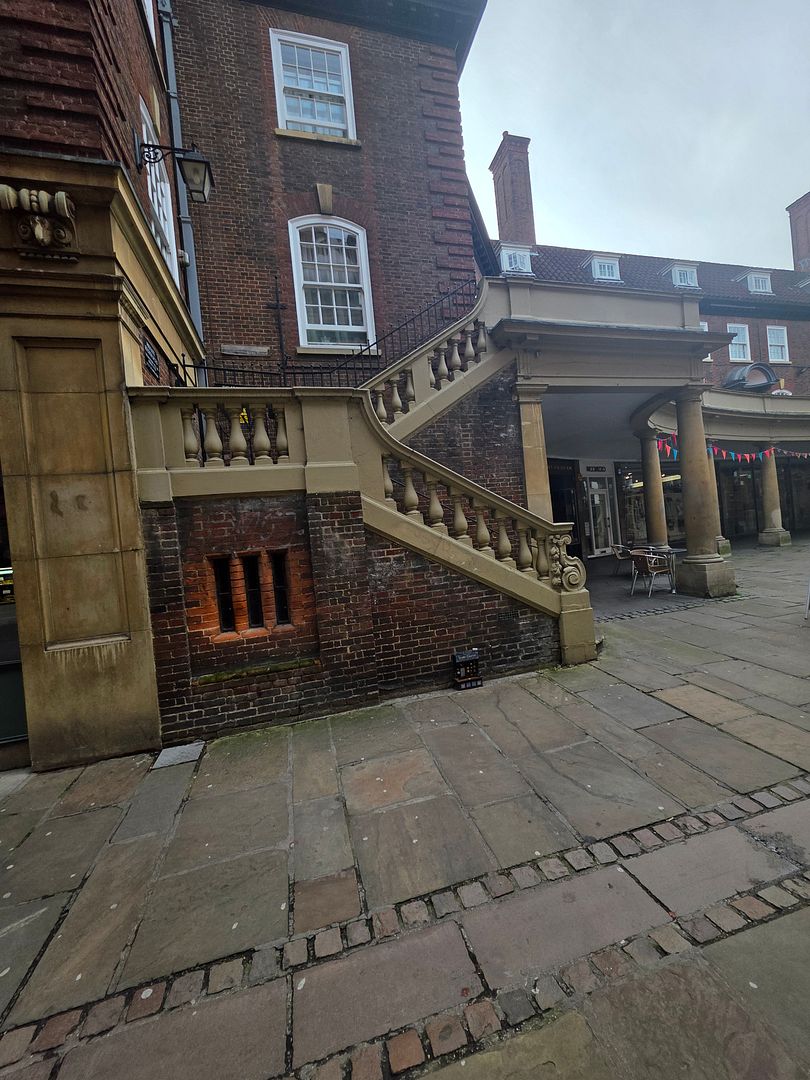
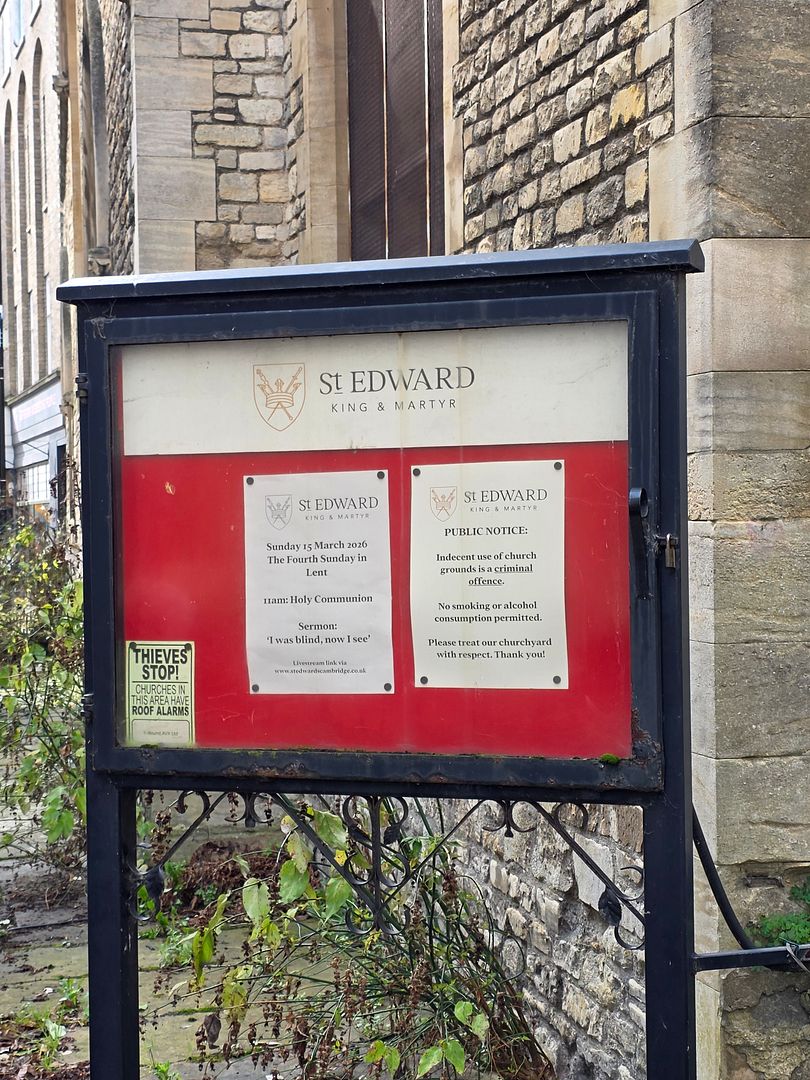
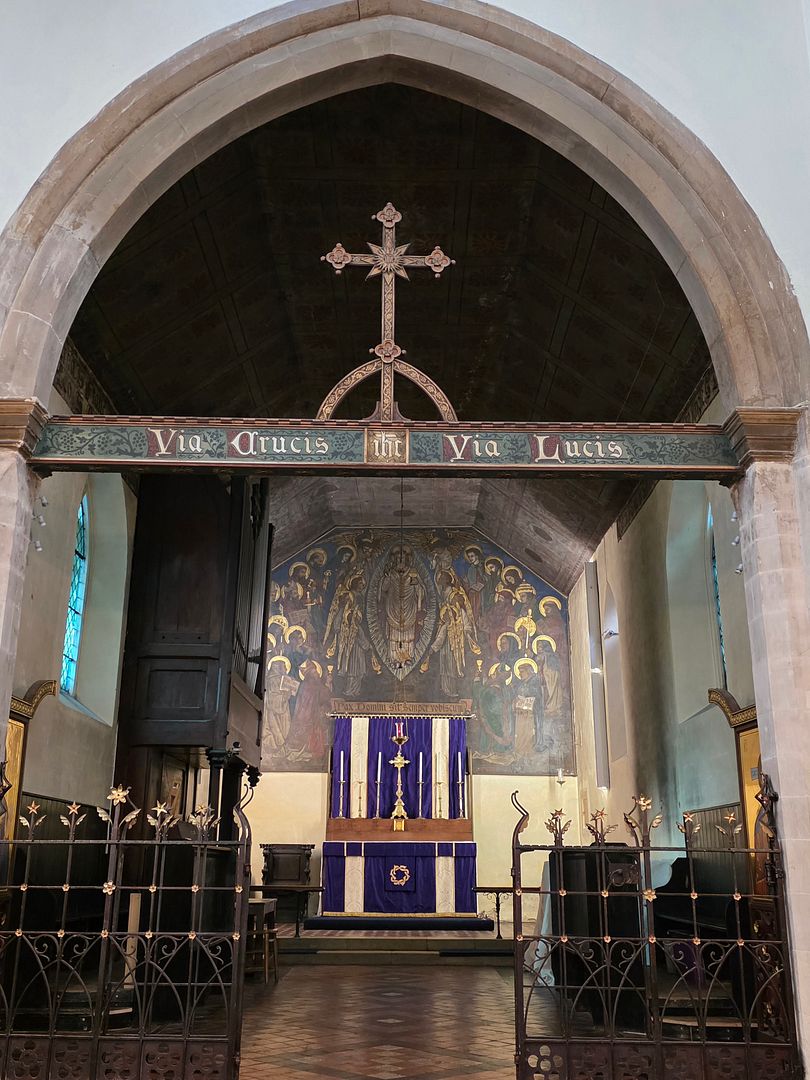
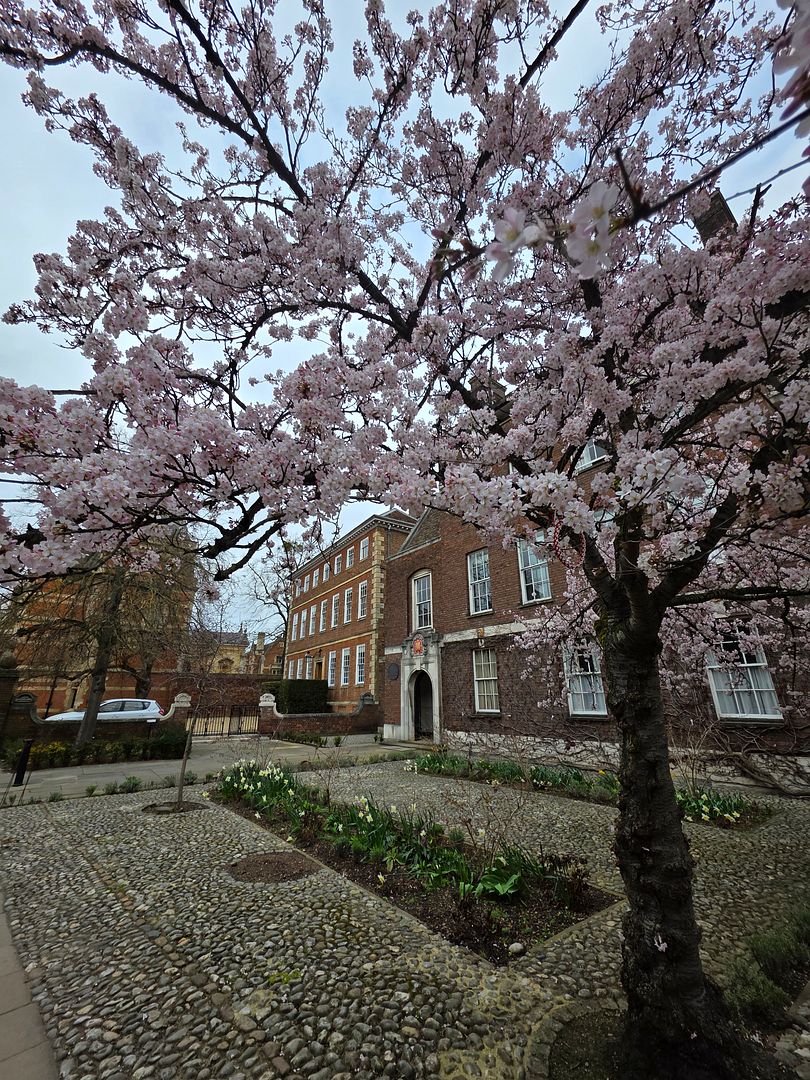
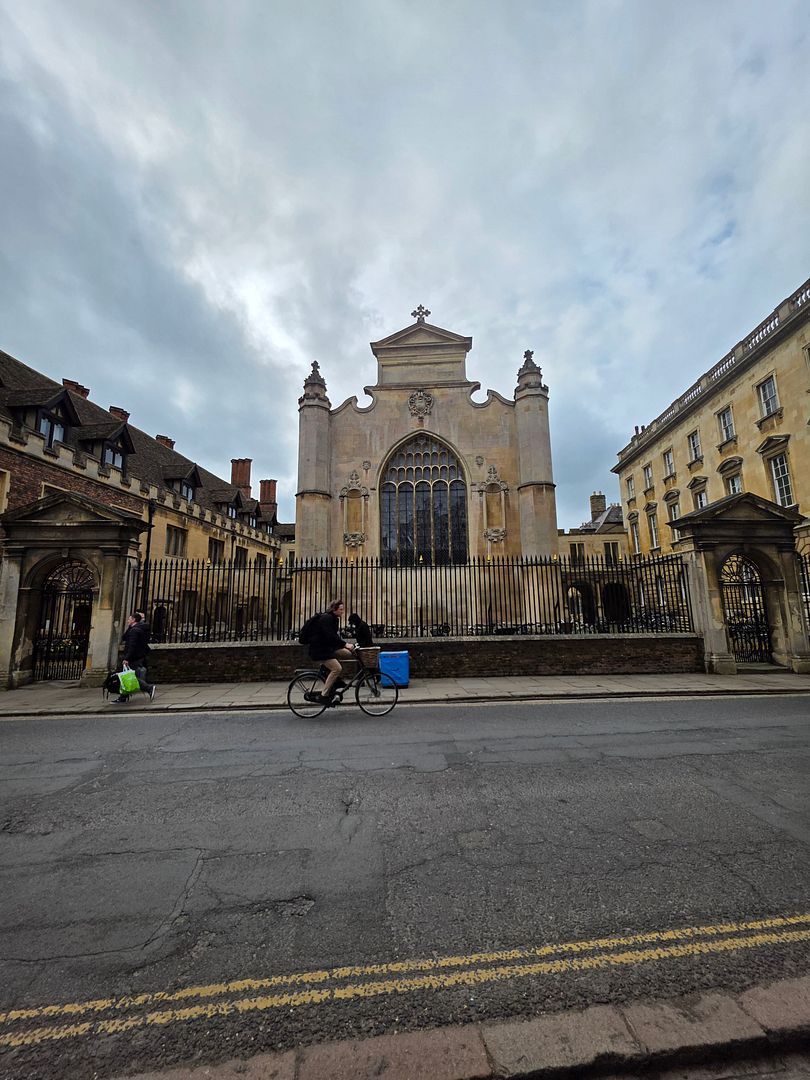
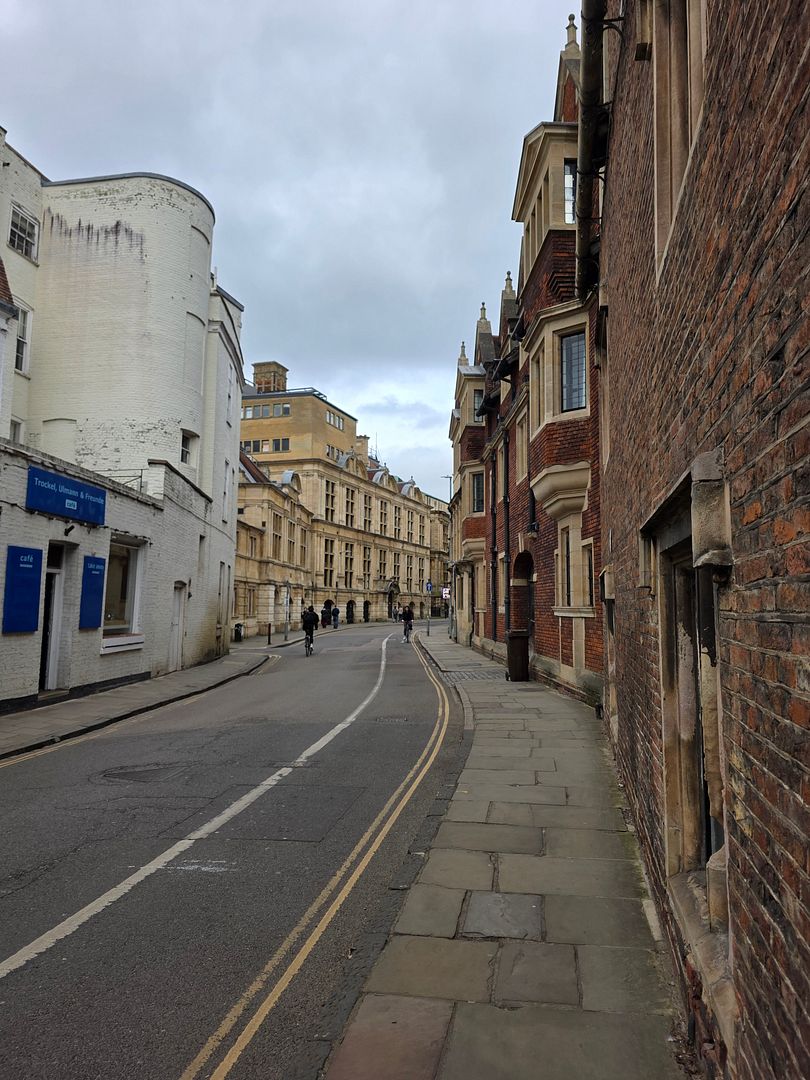
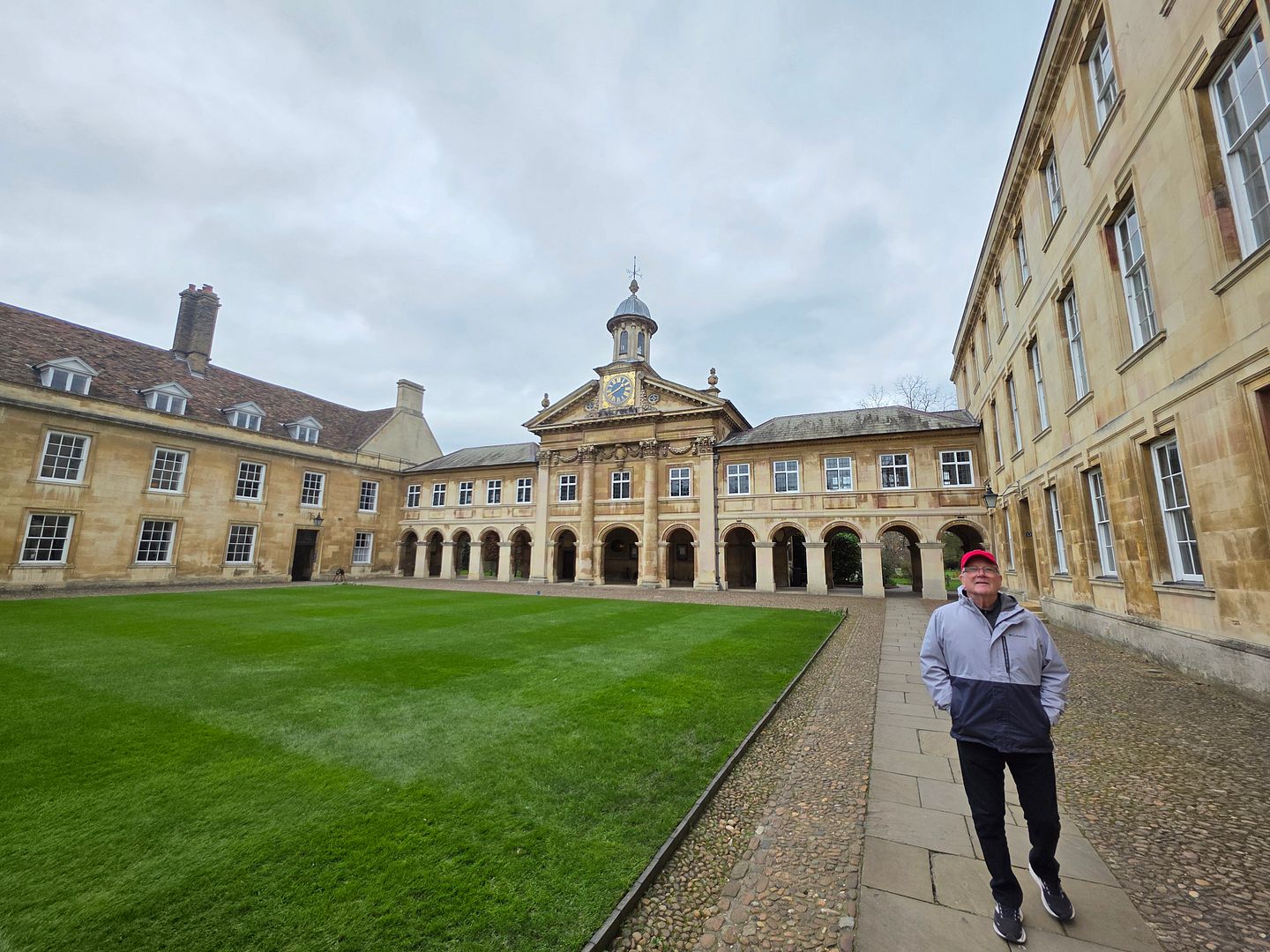
Along Trumpington St. in Cambridge

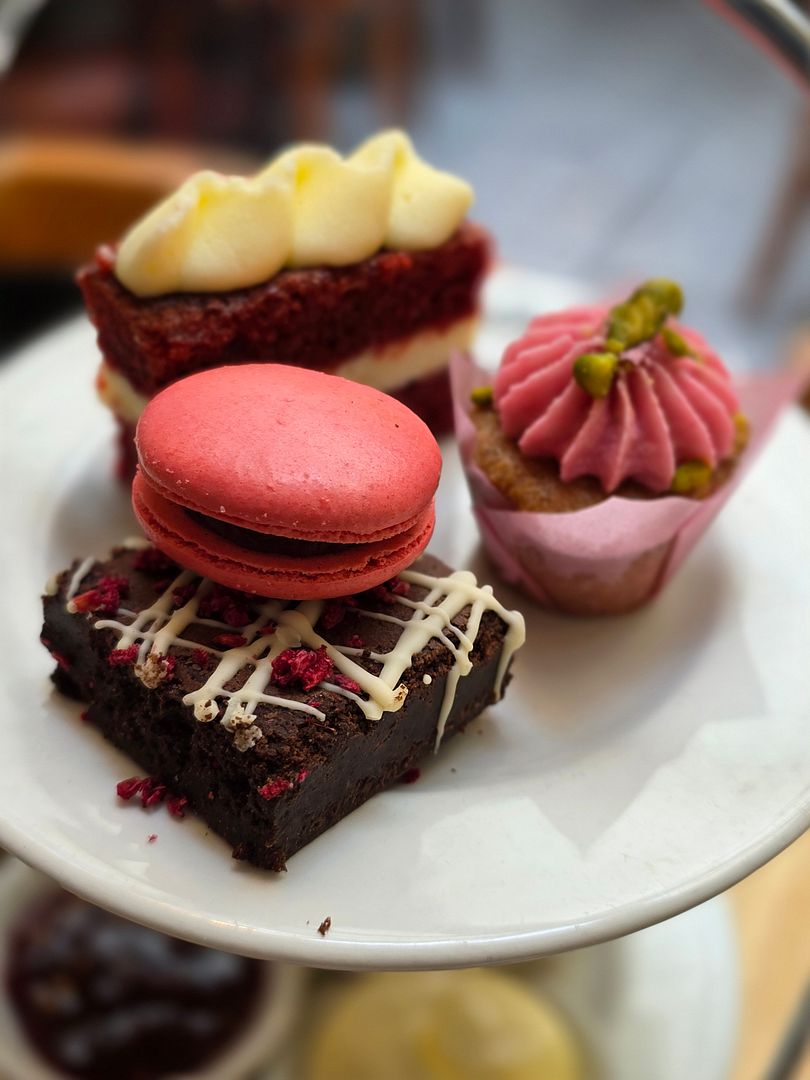
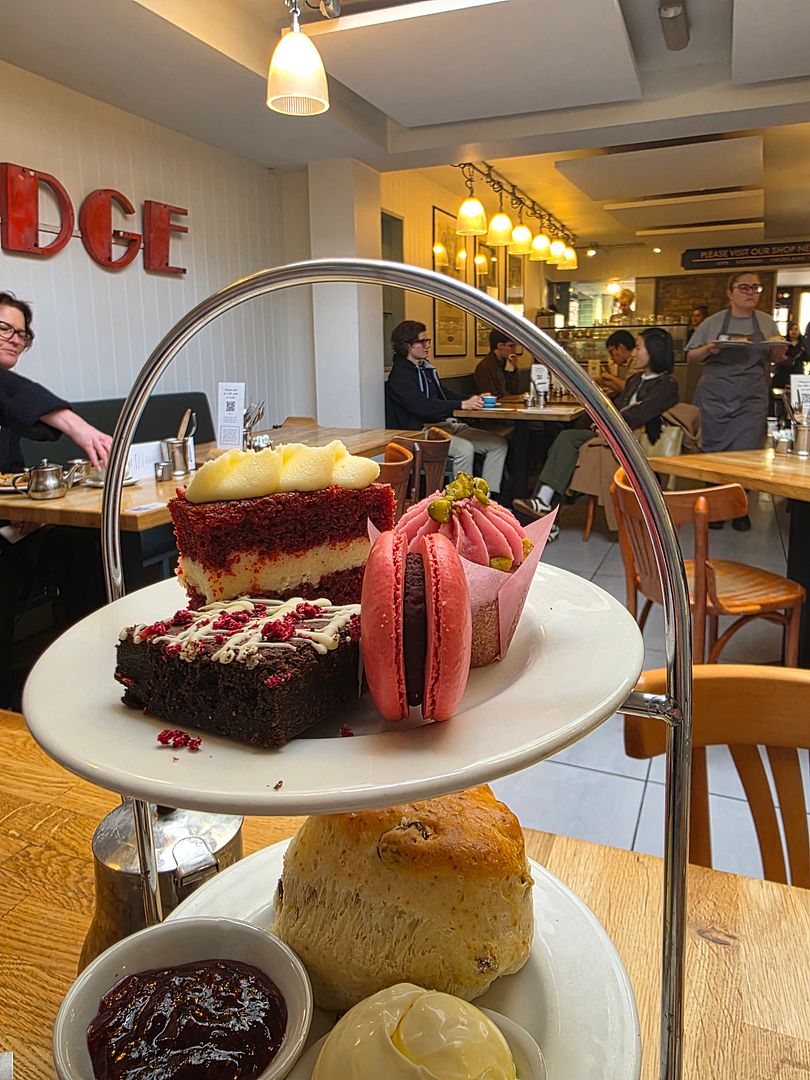
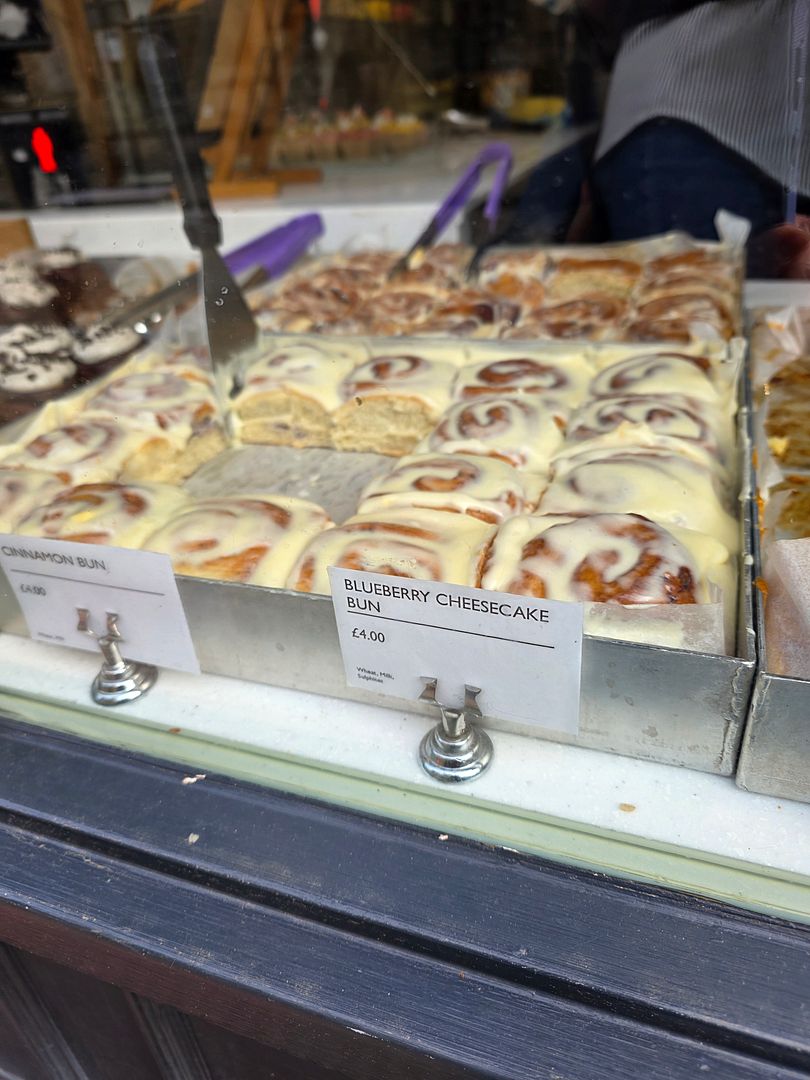
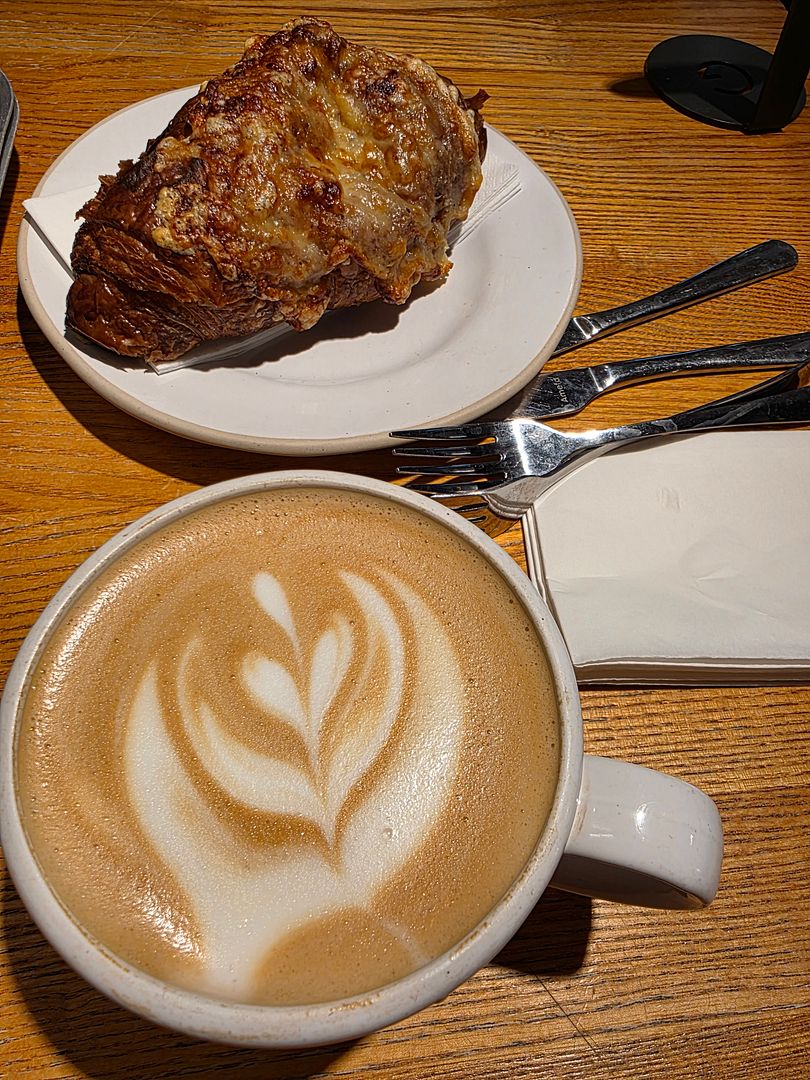
Our Danube/Cambridge travel journal is creeping to it’s end. On Thursday the 12th of March we managed a variety of experiences. After our tour of Trinity College we popped into Gail’s Bakery for a fortifying treat before we continued. This was a cooler day than we had experienced so far.

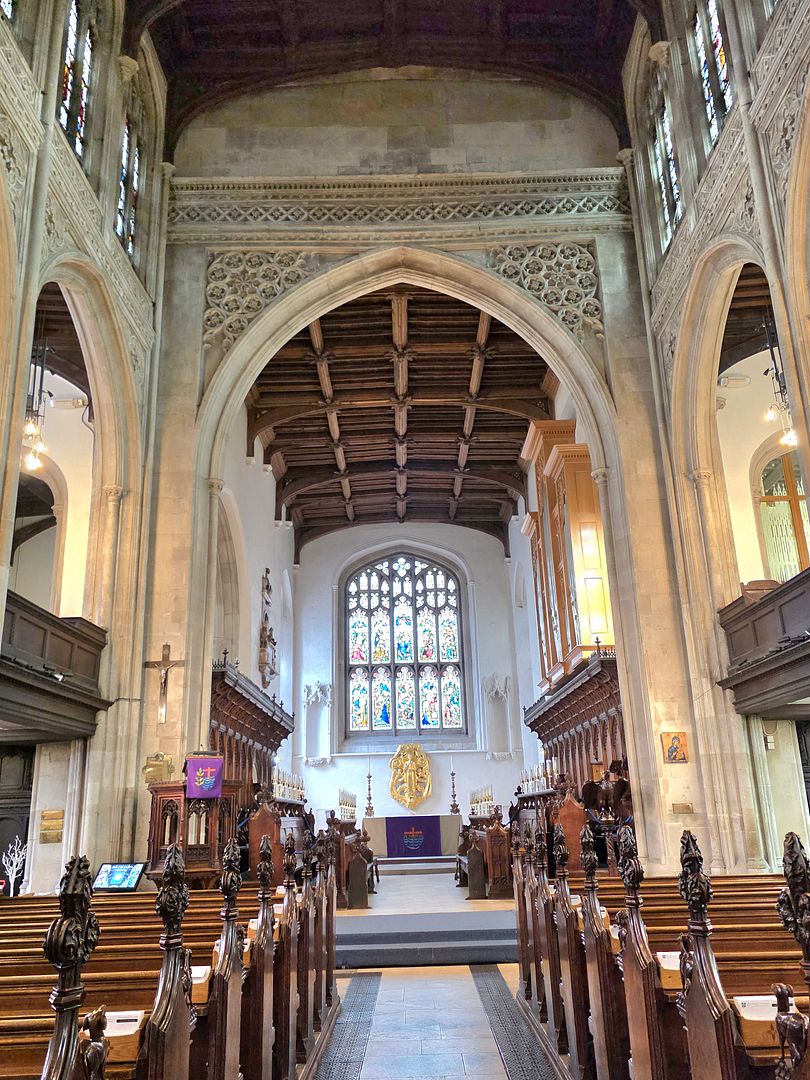
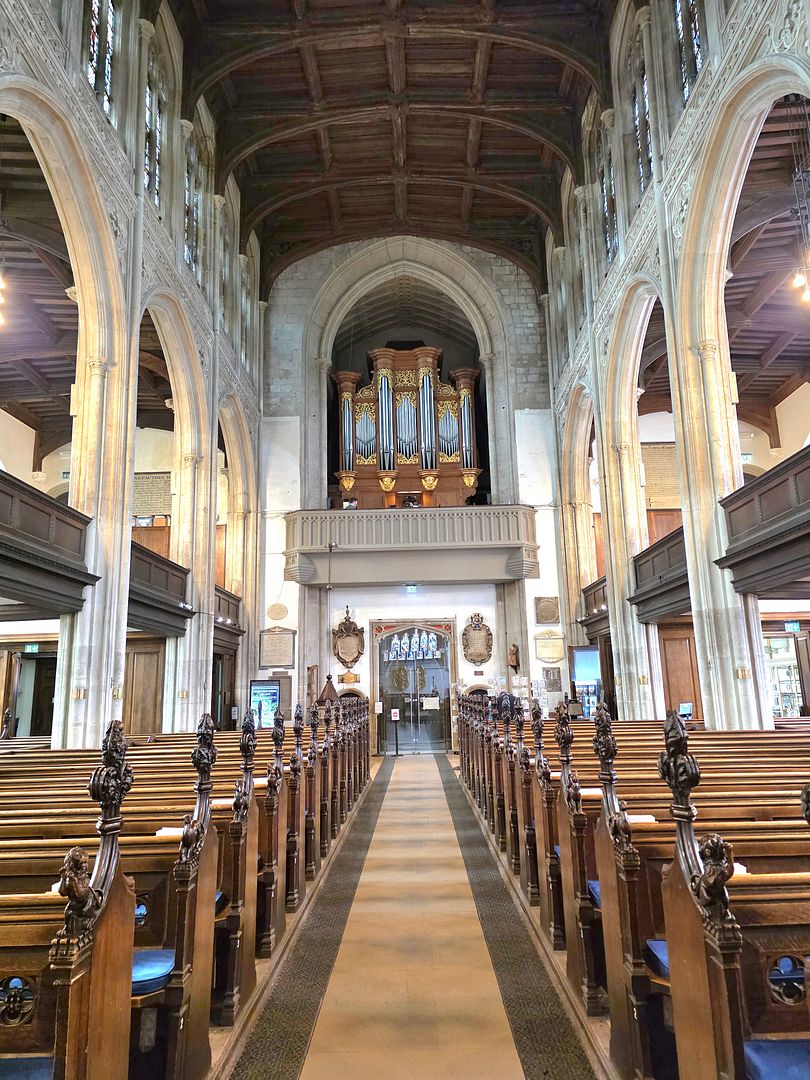
After being fortified we continued along Trumpington Street. We noticed that Great St. Mary’s University Church was accessible. There was work on the church tower while we were in town and the main entrance had been sealed off most days. We decided to enter in while we could. The tower was not accessible during our short visit.

.

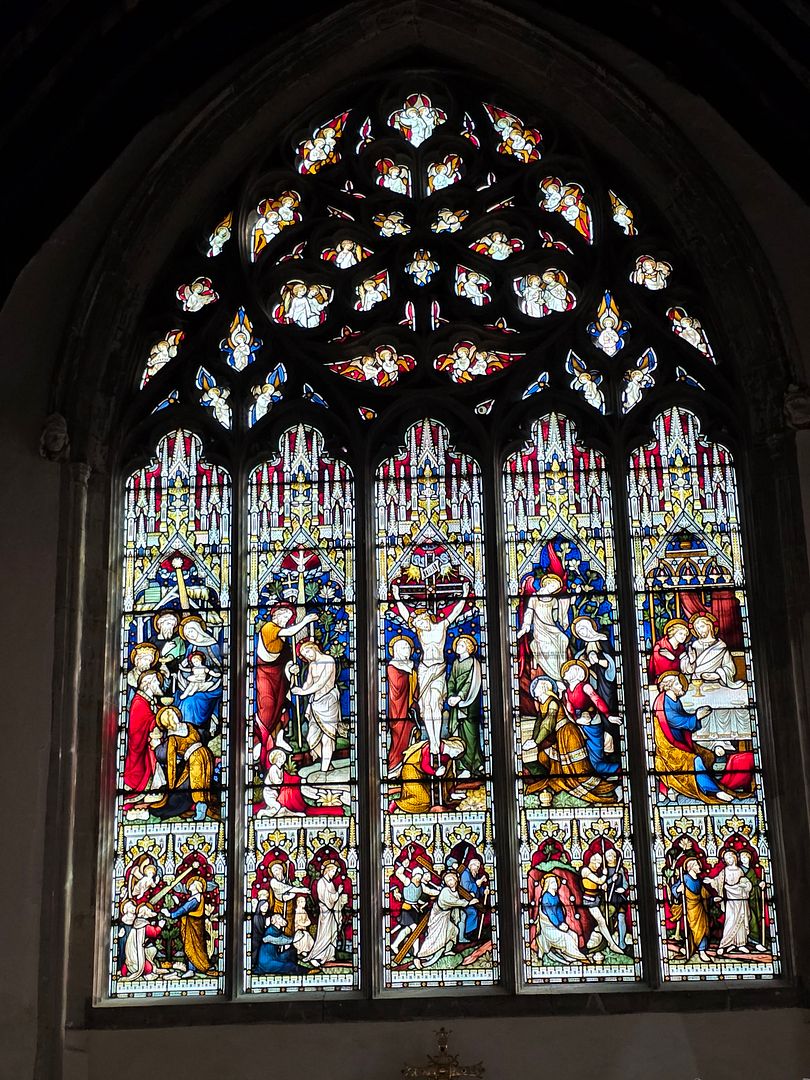
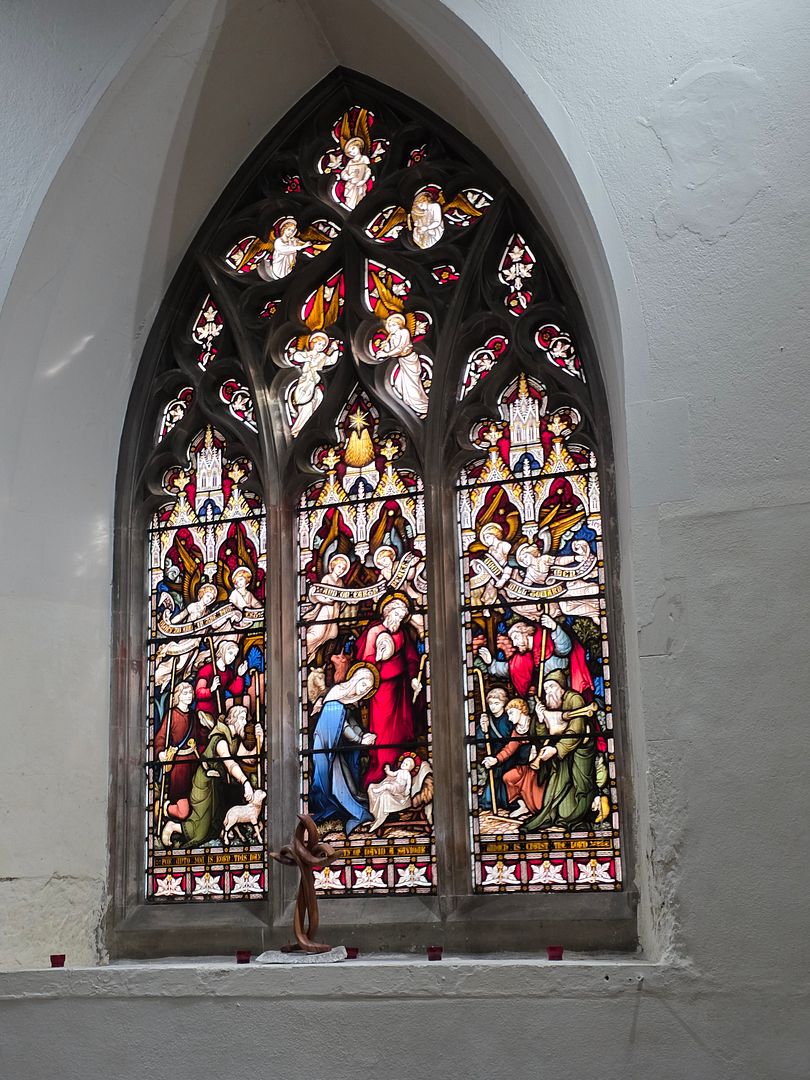
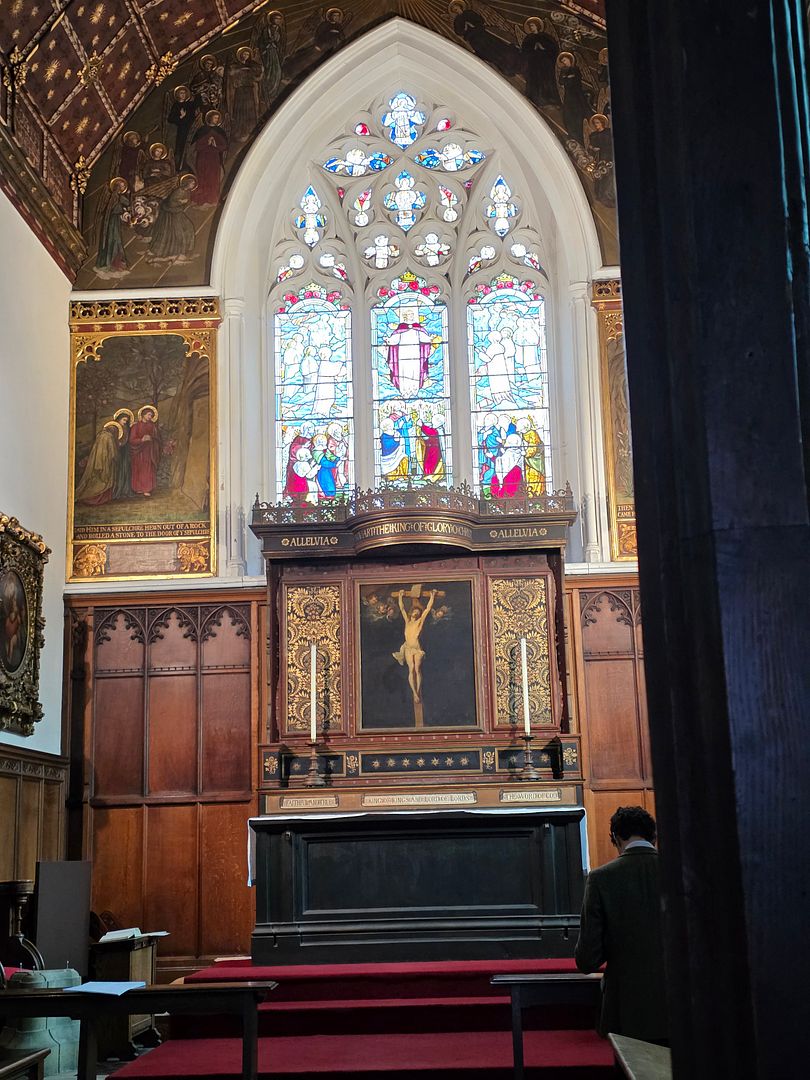
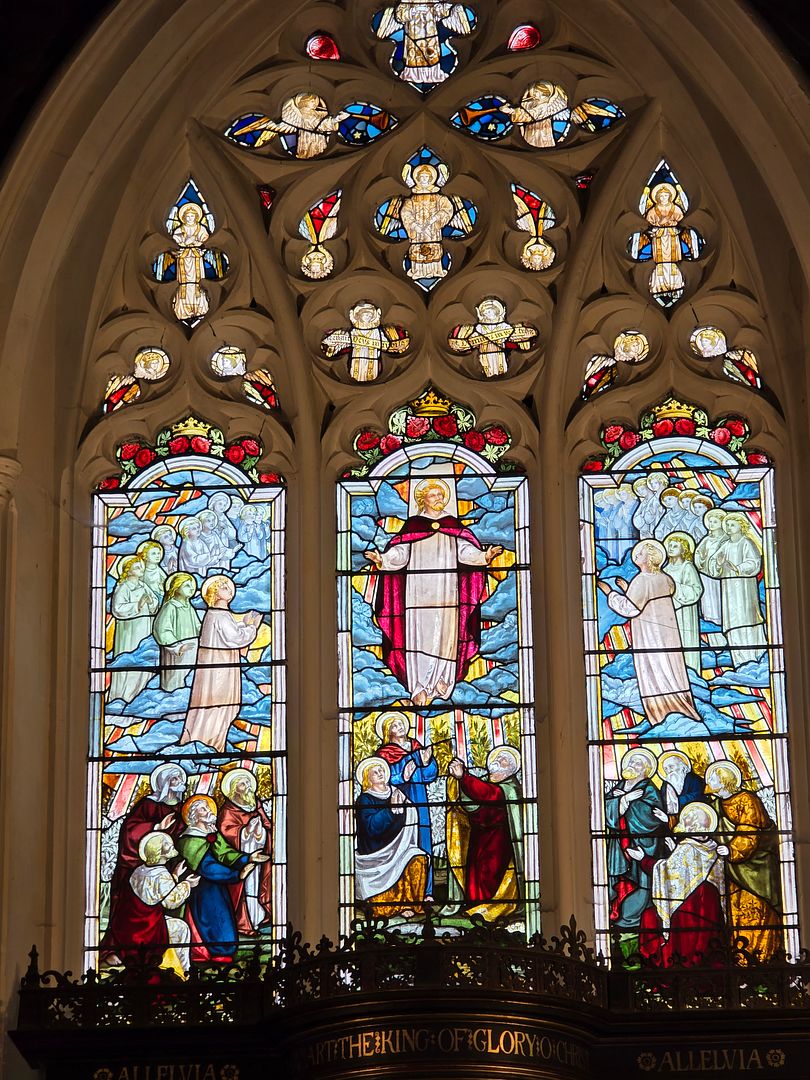
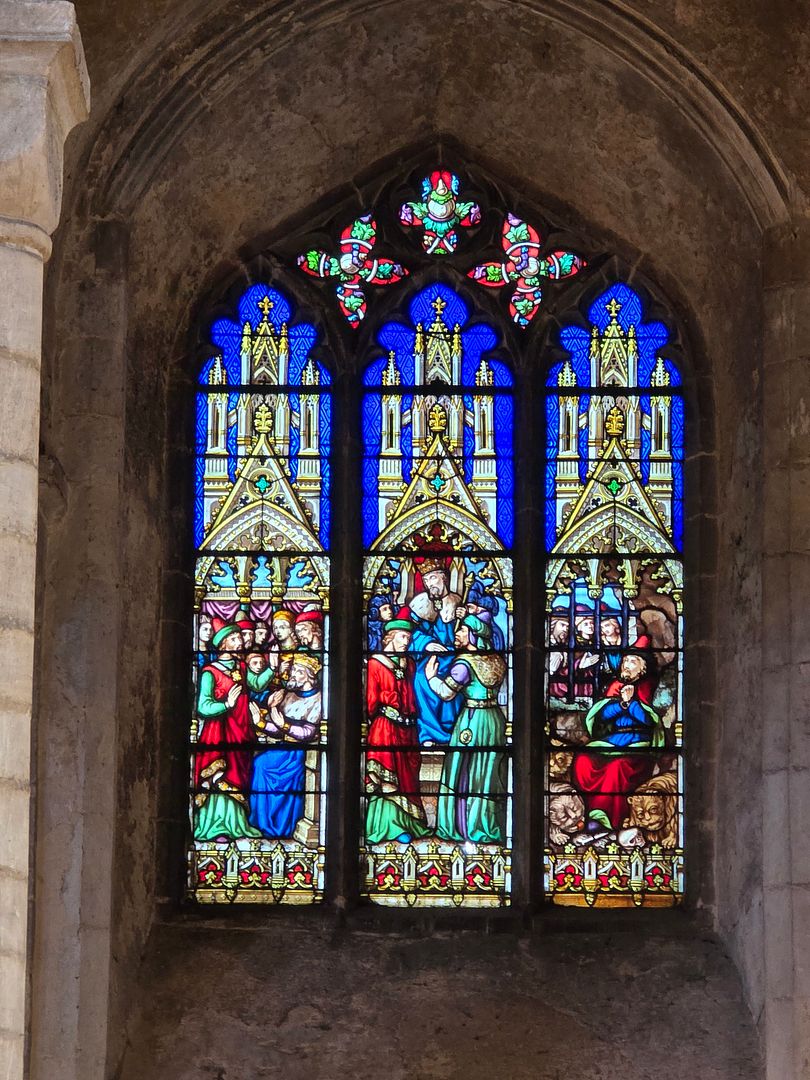
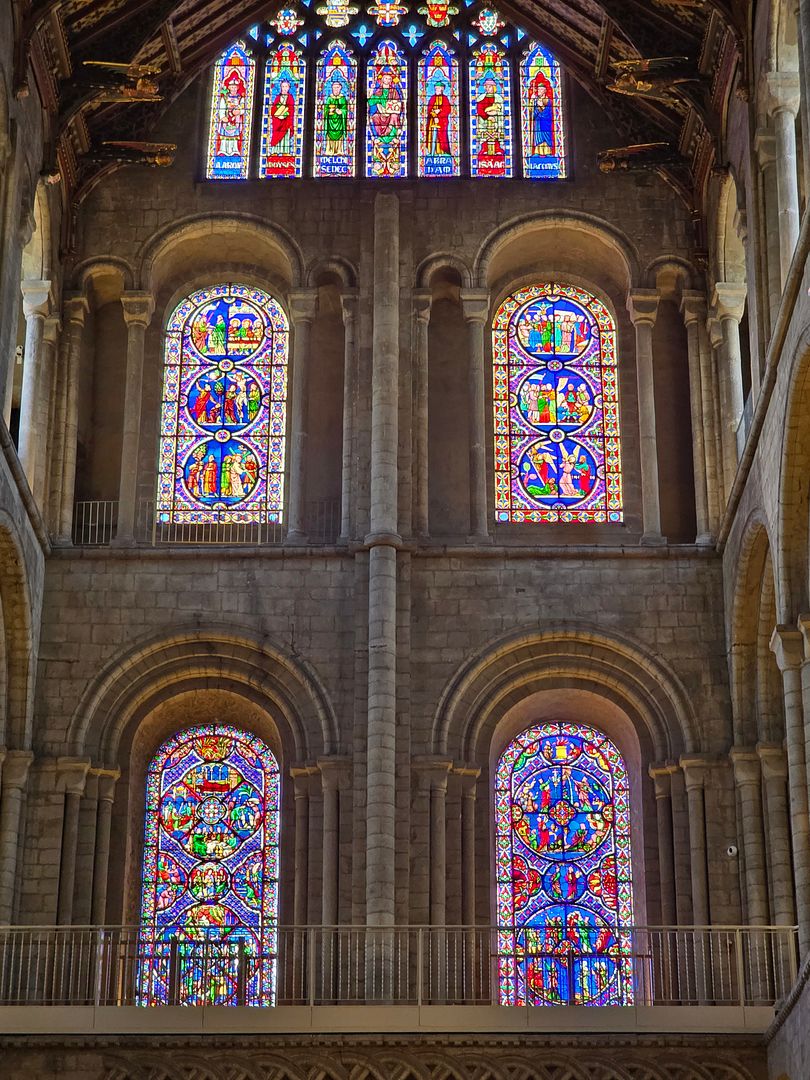
One of the features of the church when you first walk into the building is the large East window (the stained glass window above the Altar). This was installed in 1872, and tells the story of Jesus’ birth, from the angel’s visit to Mary, to the nativity scene, to the flight into Egypt.

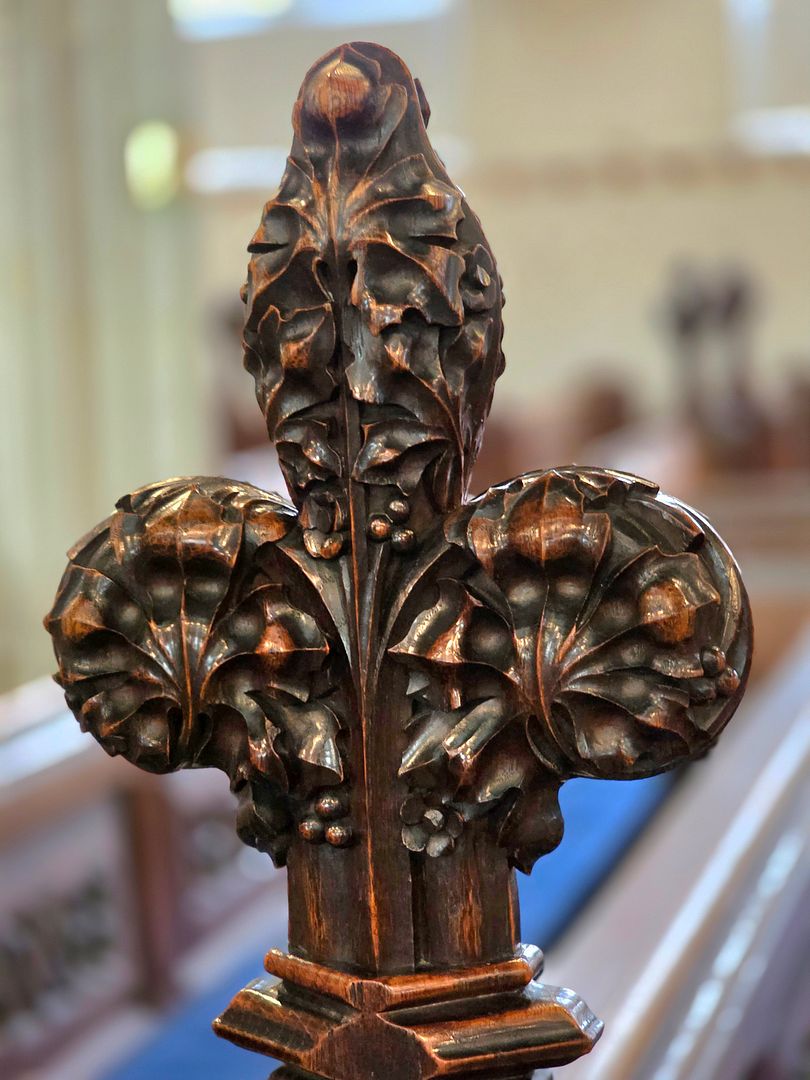
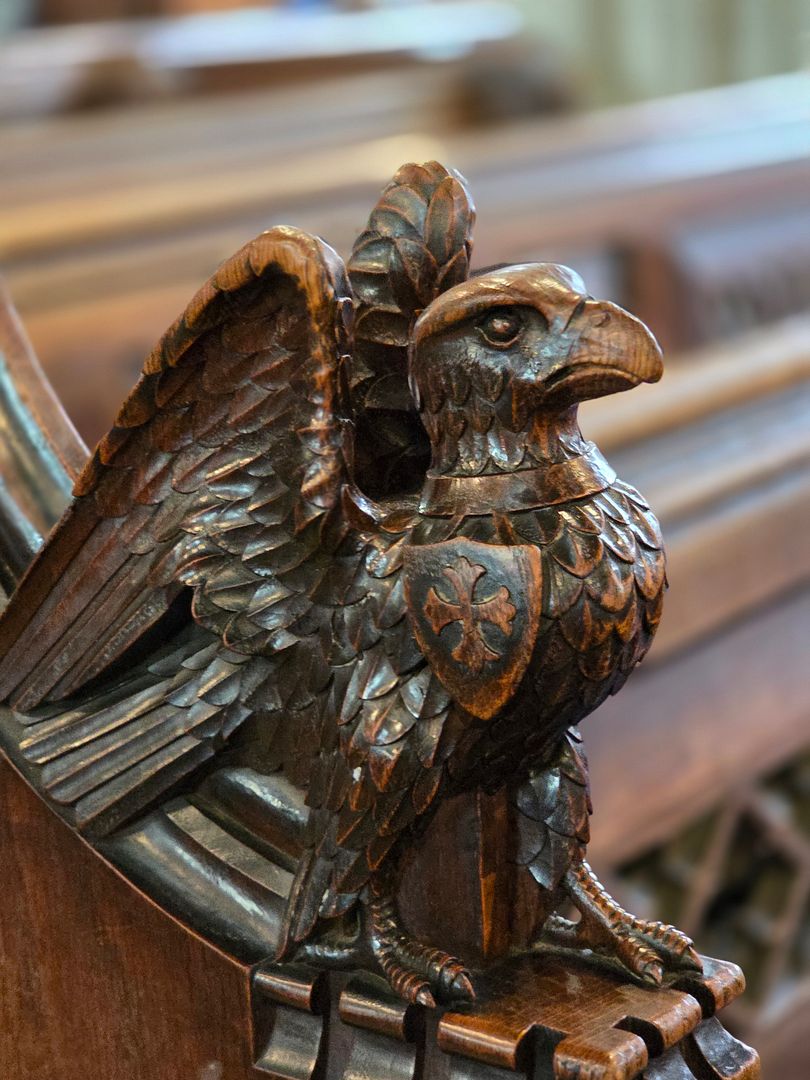
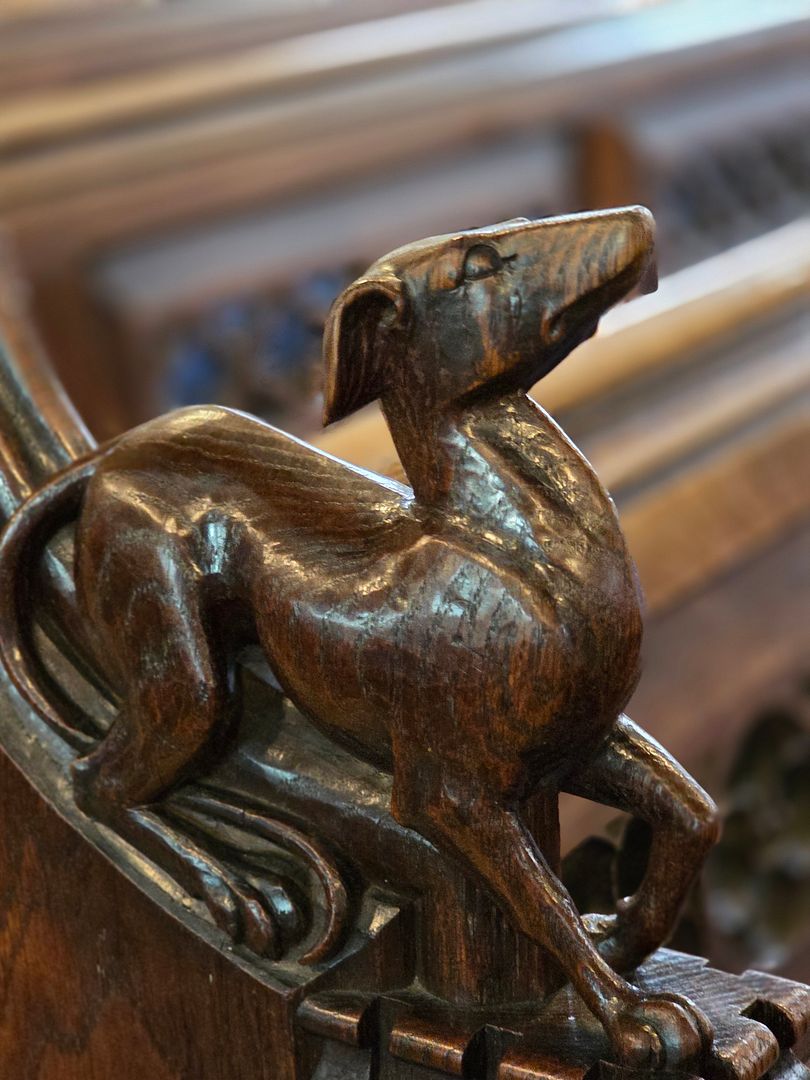
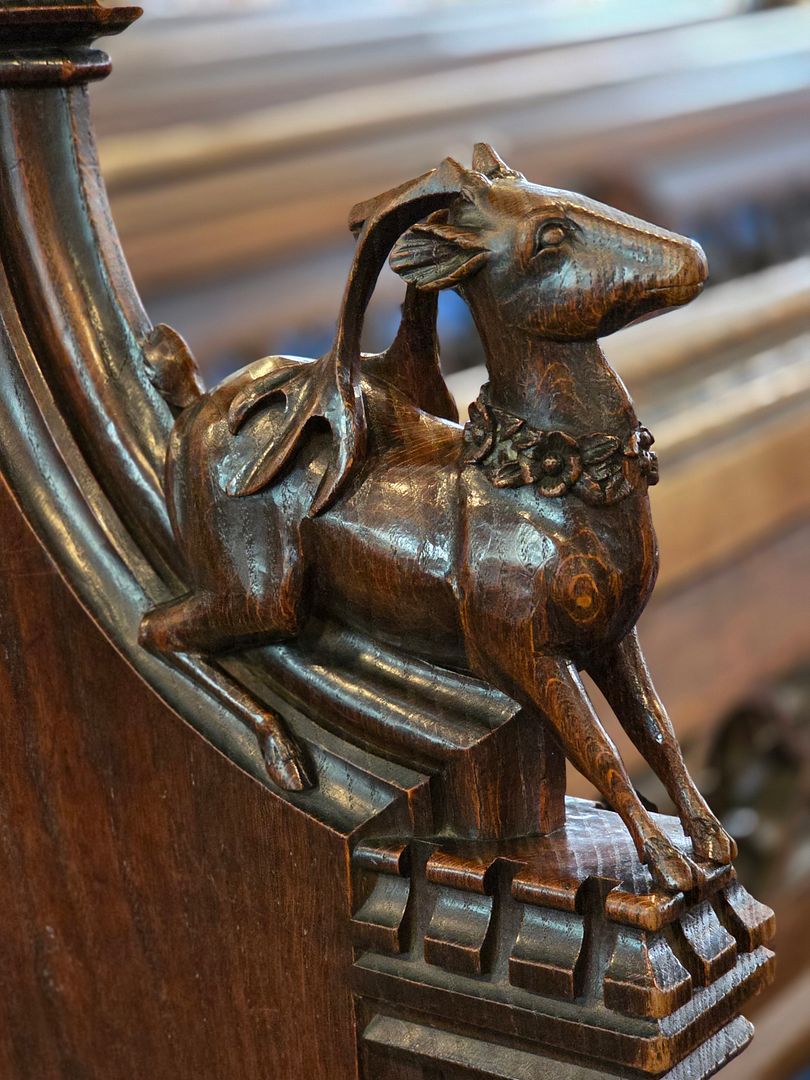
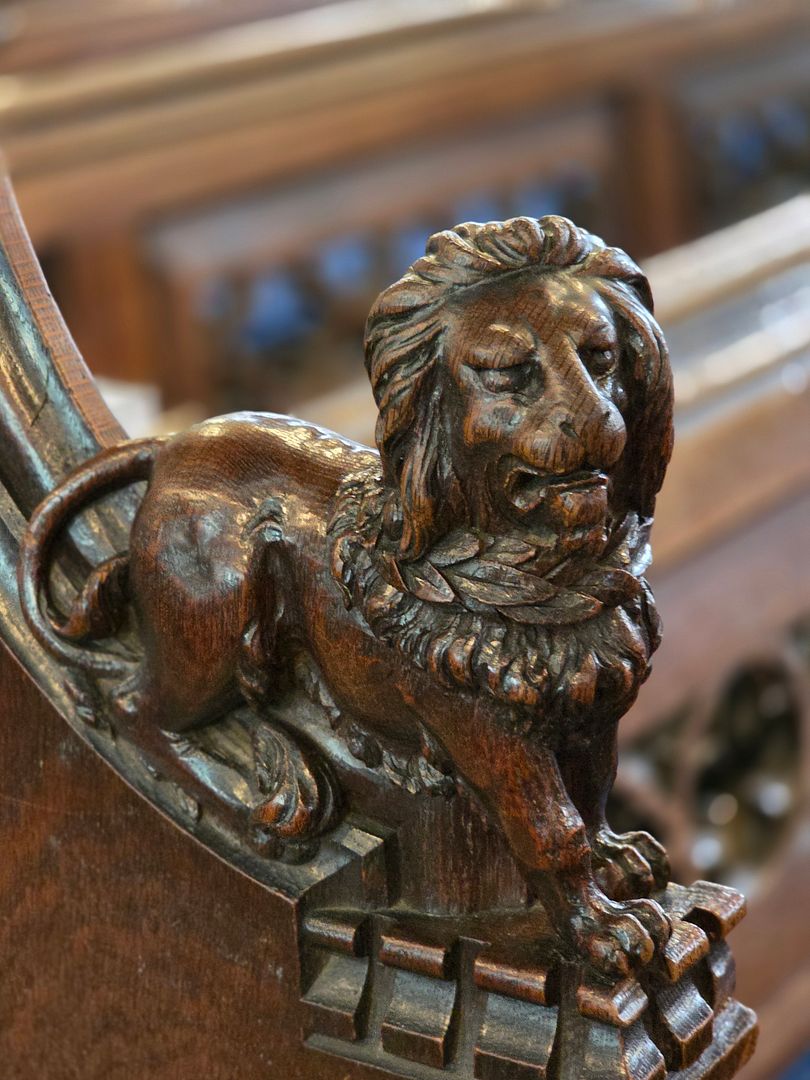
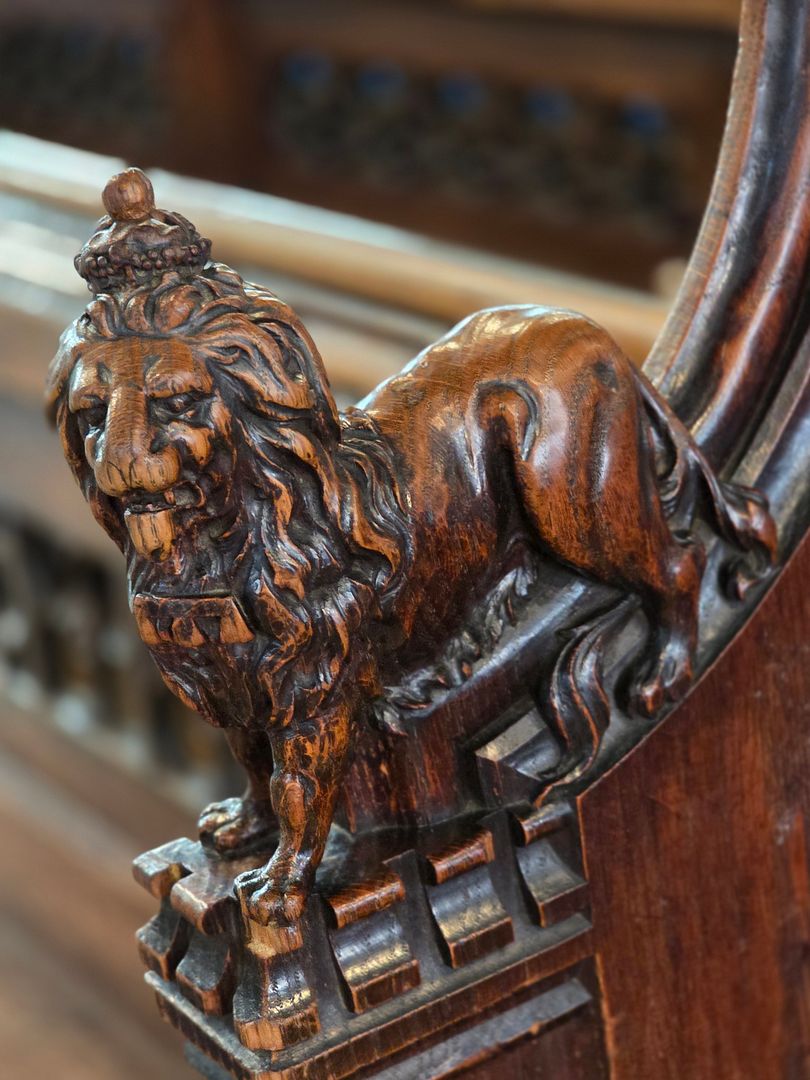
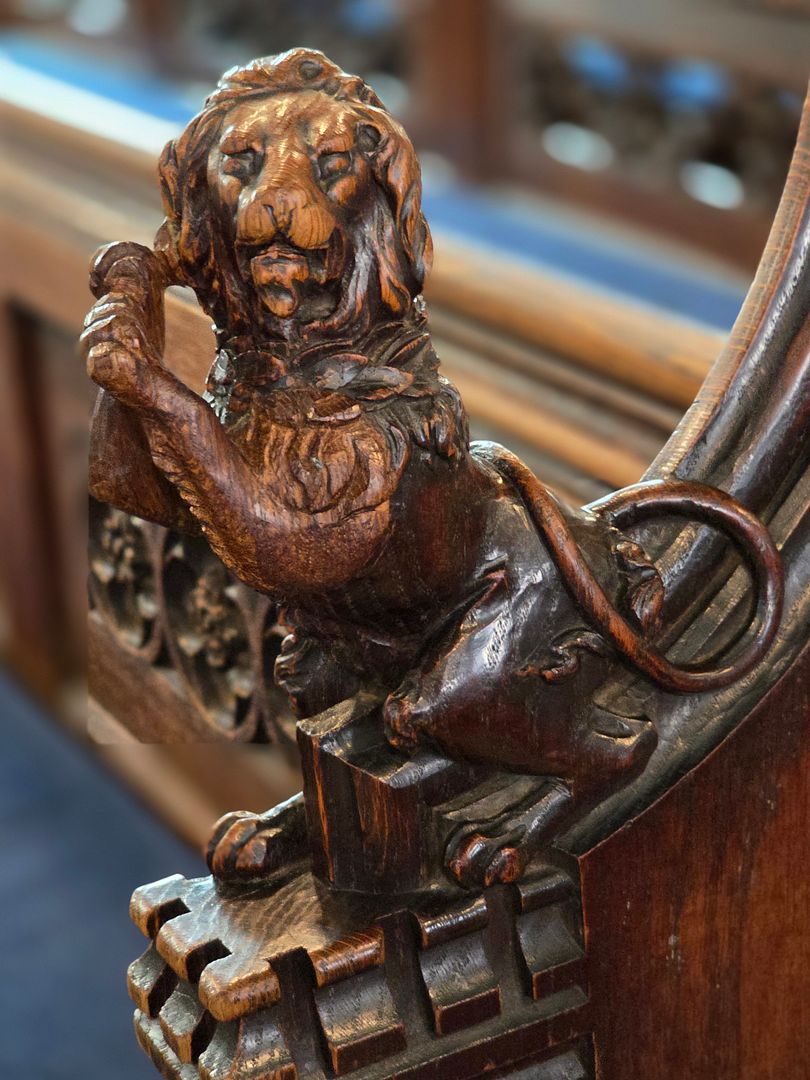
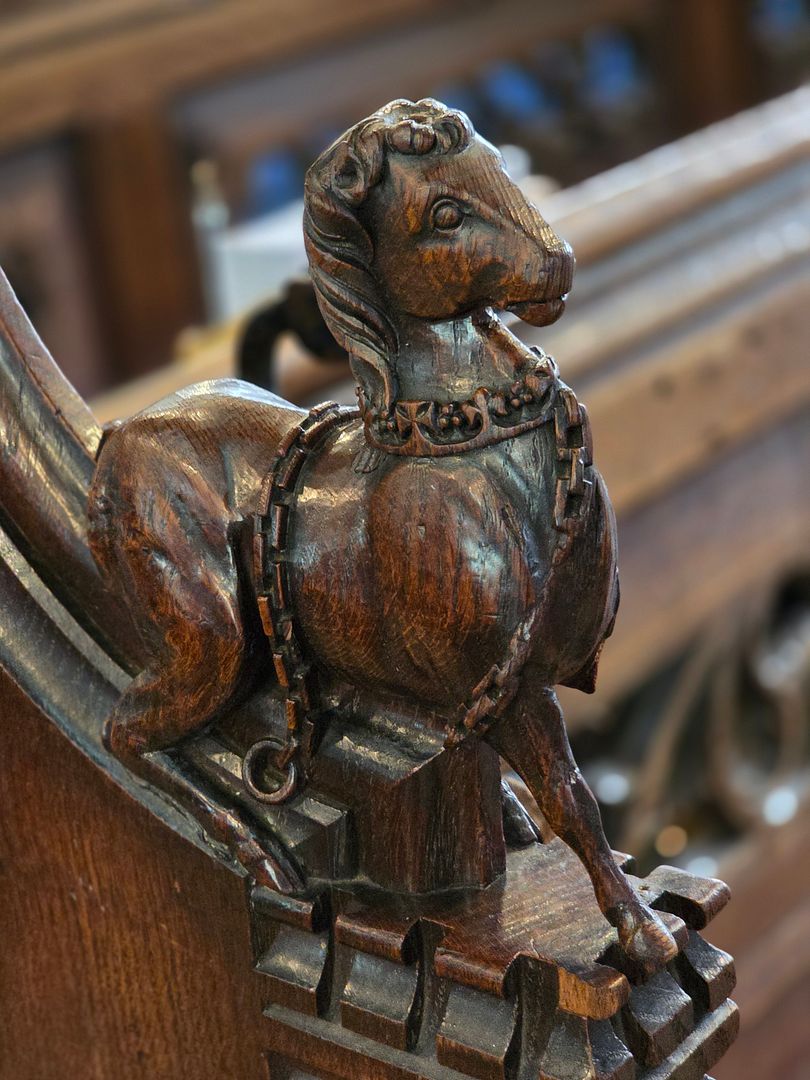
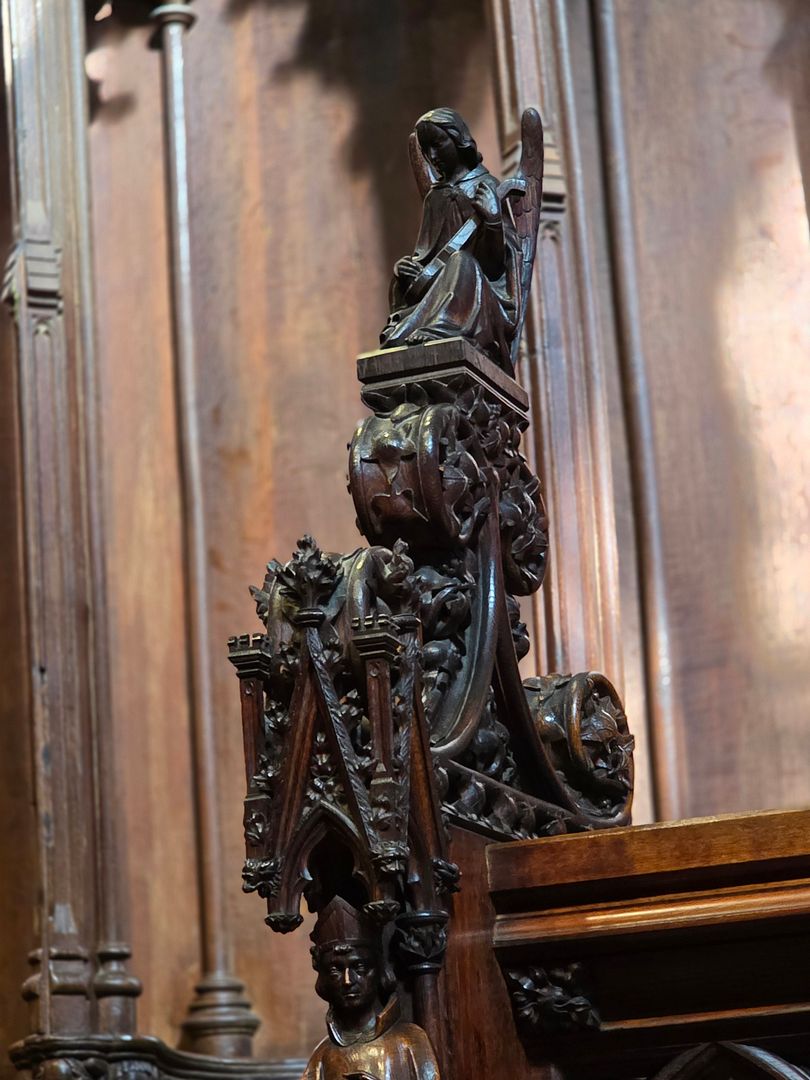
I was taken with the wood carvings on the ends of the pews.

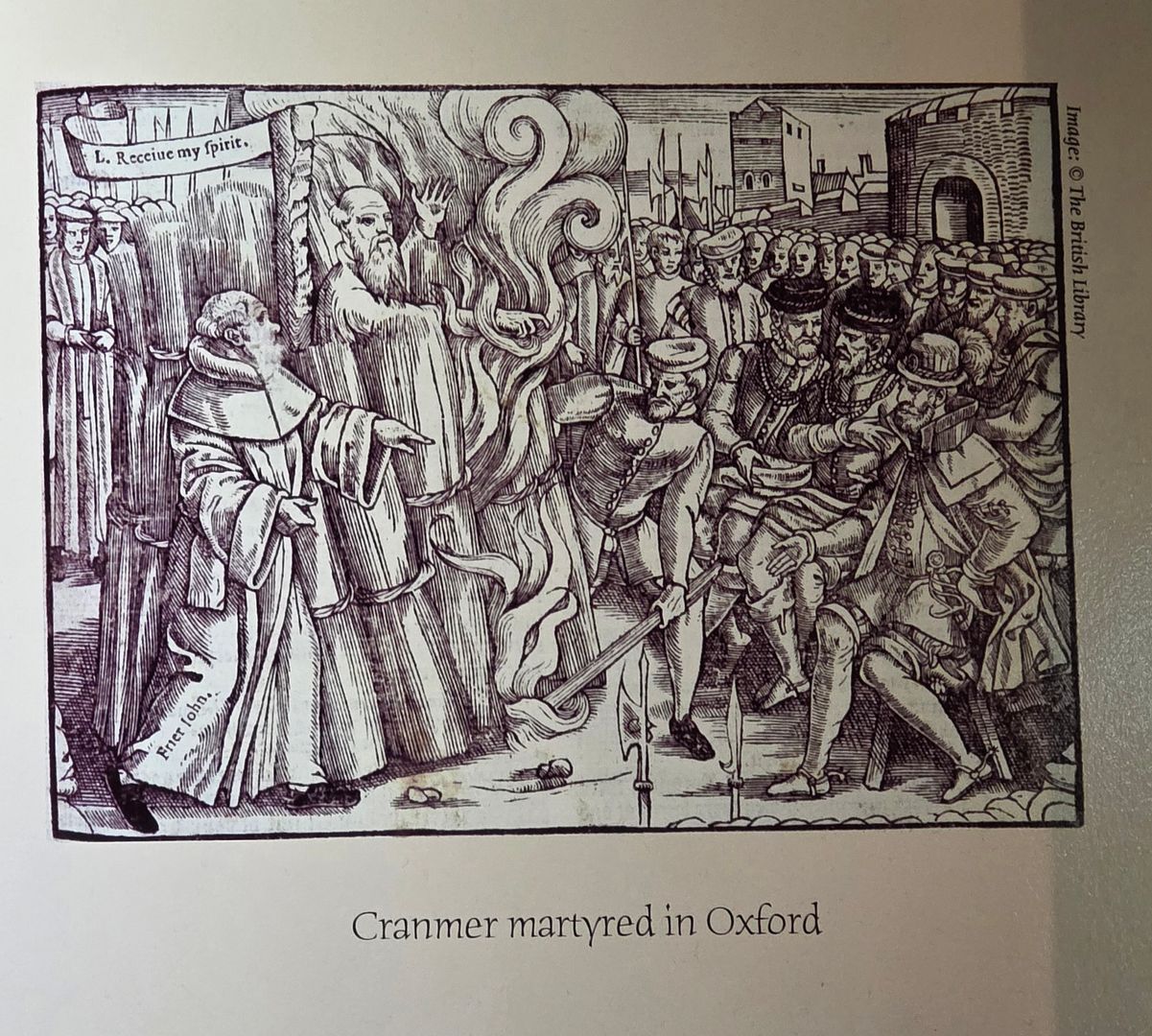
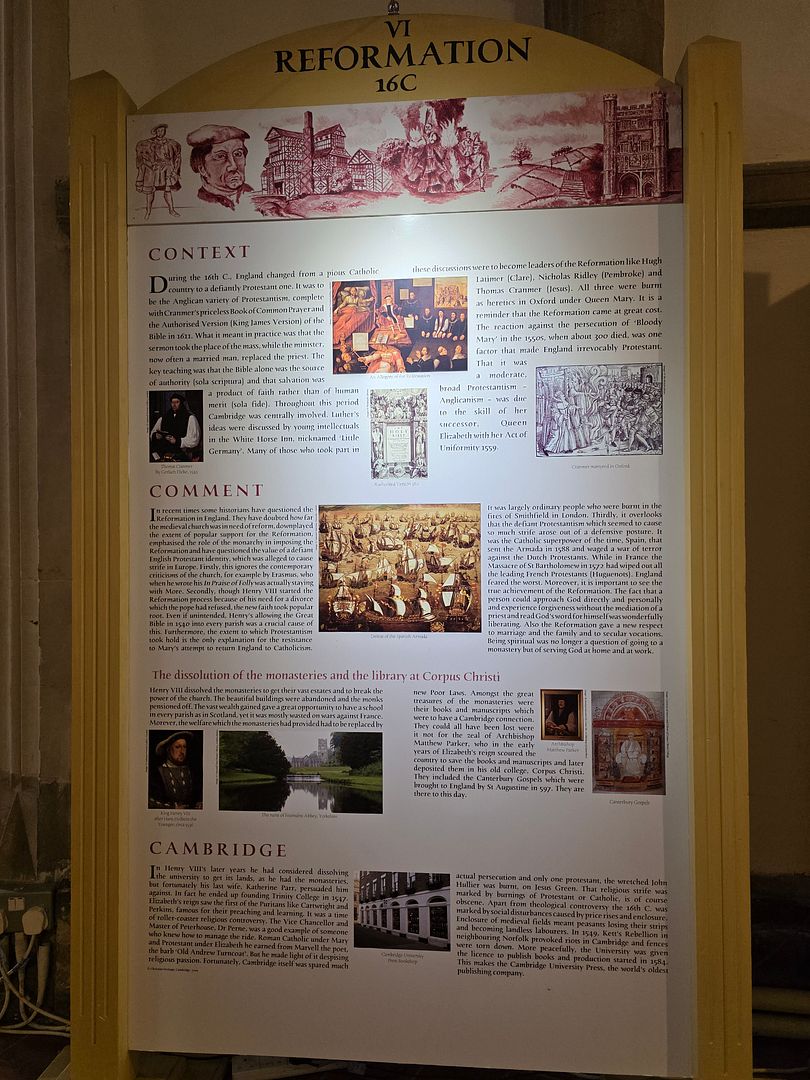
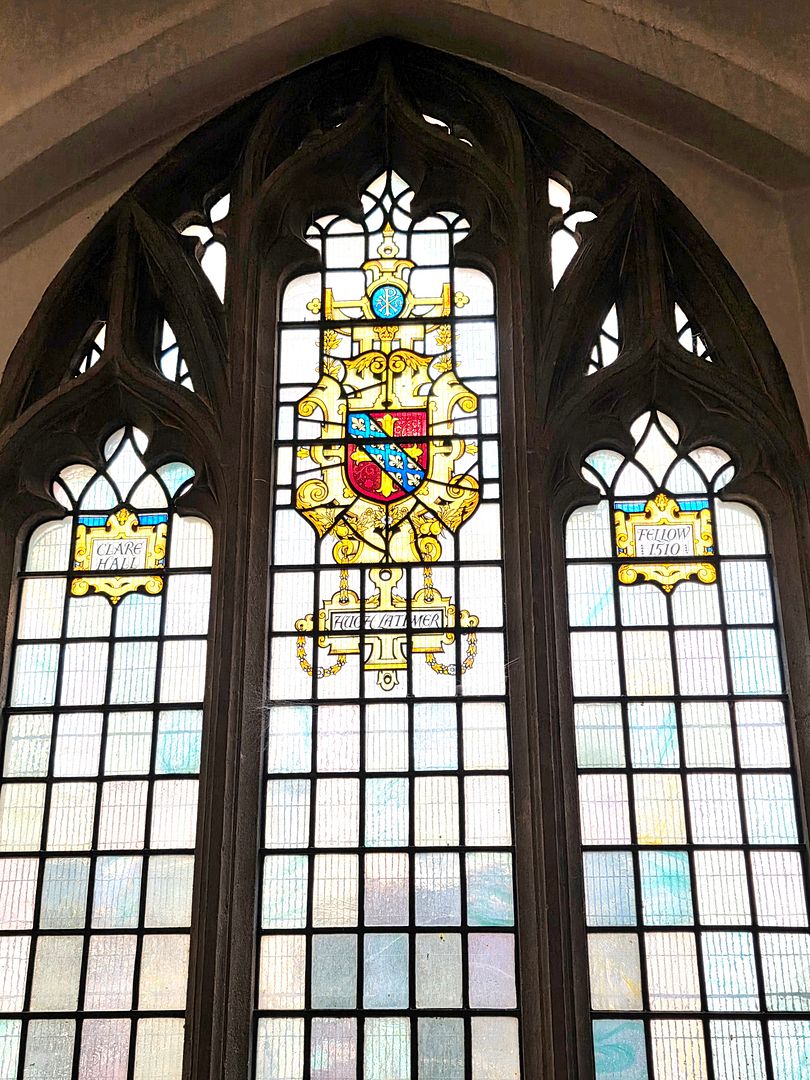
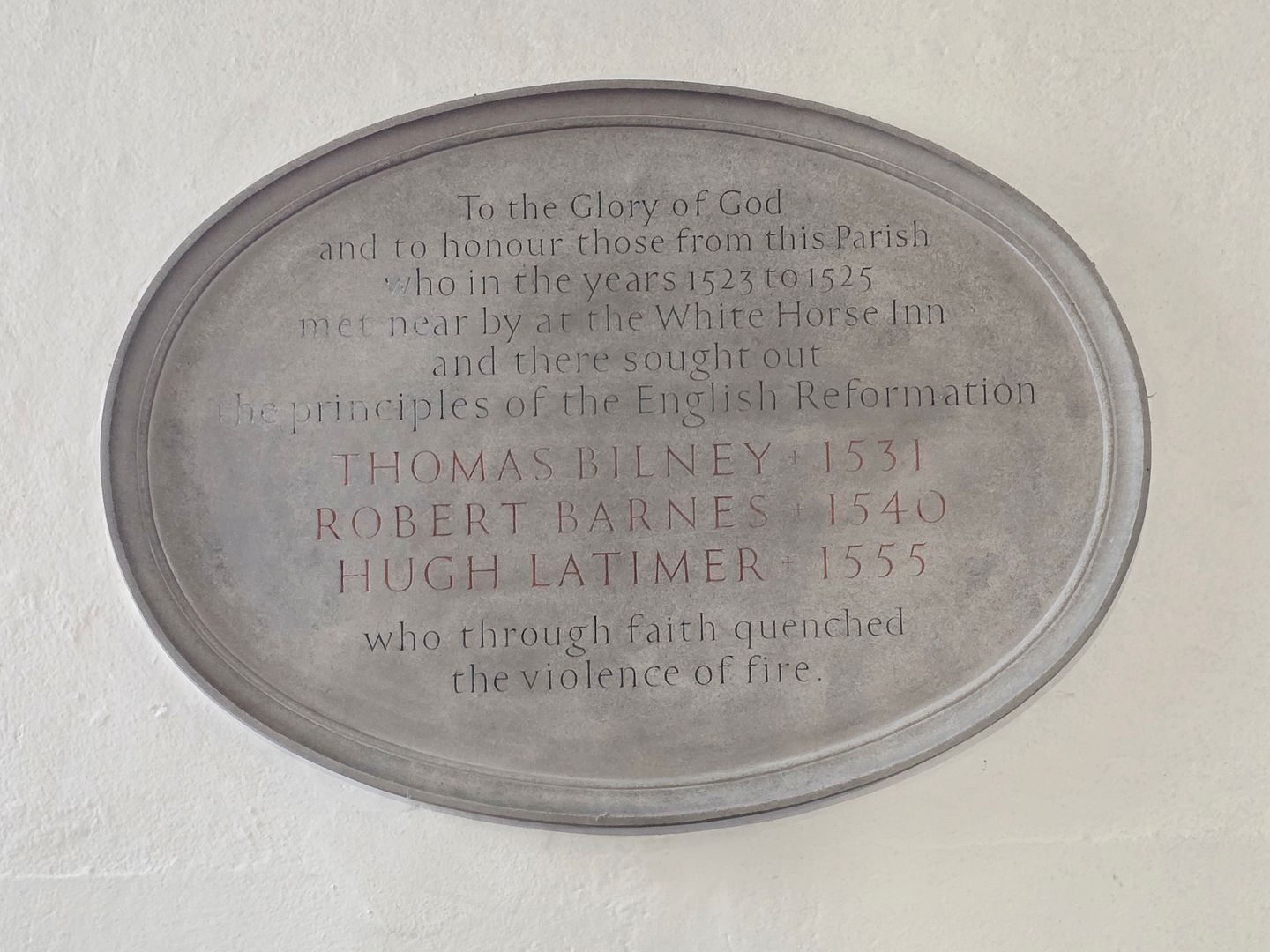
Great St Mary’s has played a central role in many of England’s religious transformations. During the Reformation, sermons preached here influenced the spread of Protestant ideas, while leading figures including Hugh Latimer, Thomas Cranmer and later university preachers addressed congregations from its pulpit. 

We moved further along Trumpington and saw the open door at St. Botolph’s church and walked in.

The church is dedicated to Botolph, a seventh-century abbot in East Anglia, who is a patron saint of travelers. The church was built by the long-demolished south gate of medieval Cambridge, through which travelers from the south and west entered the town.

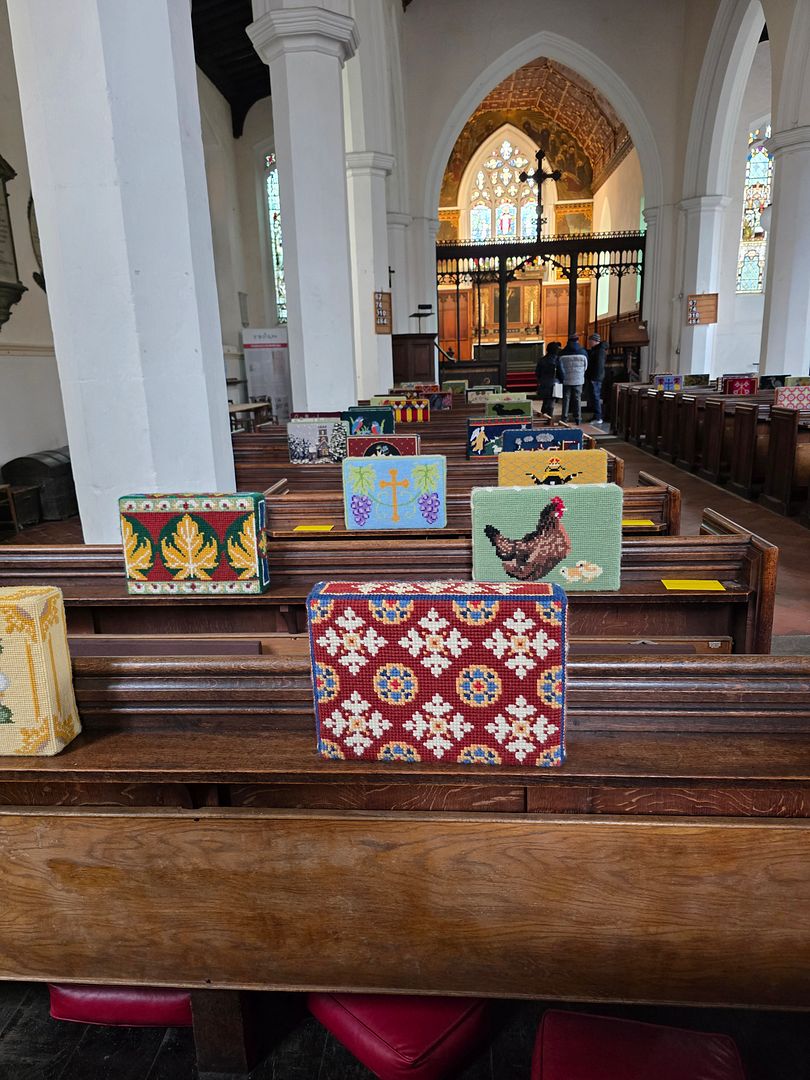
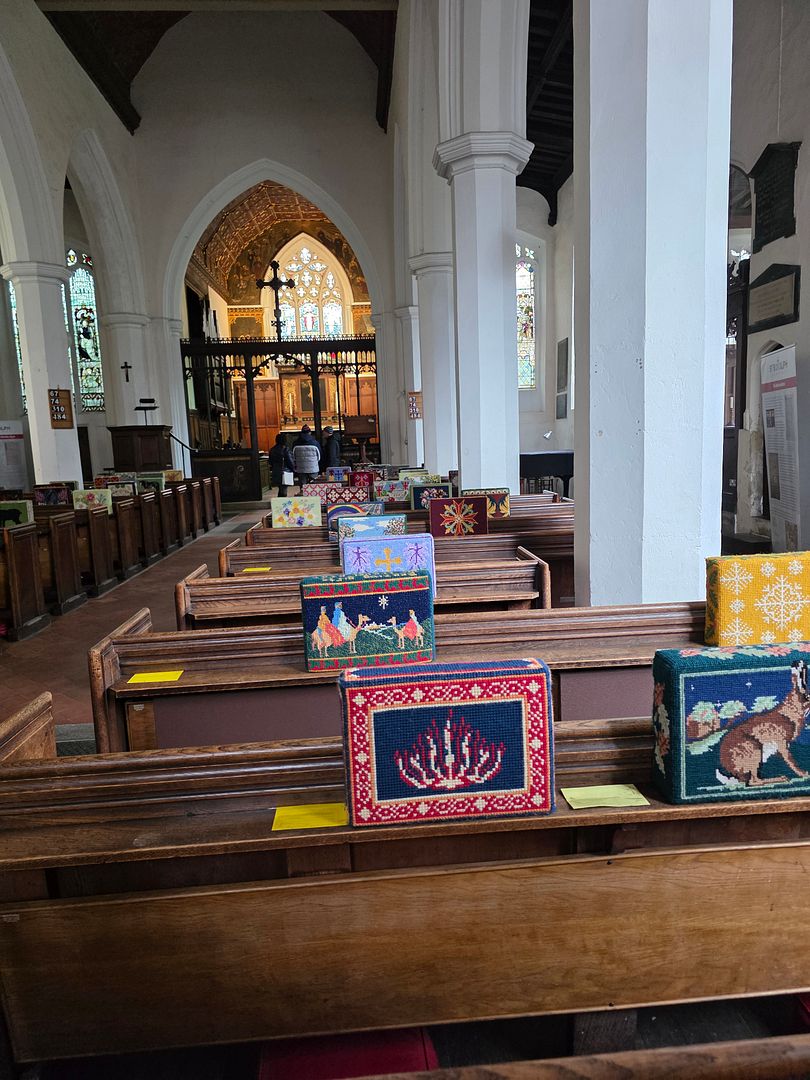
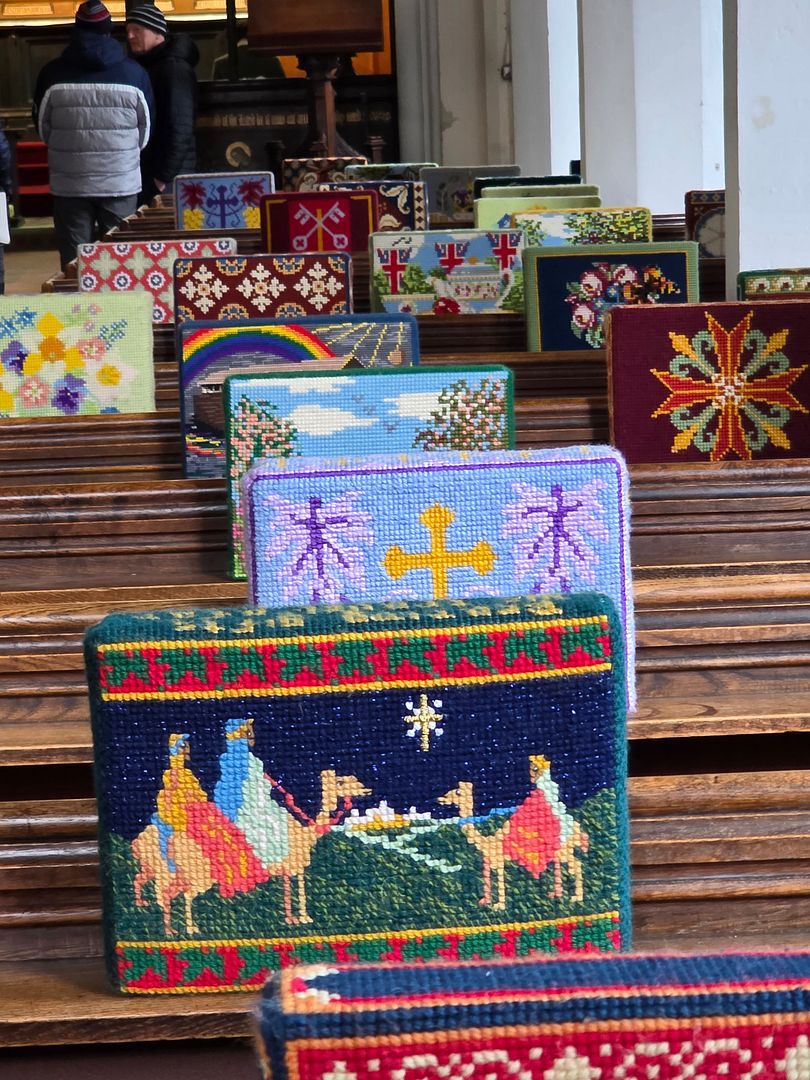
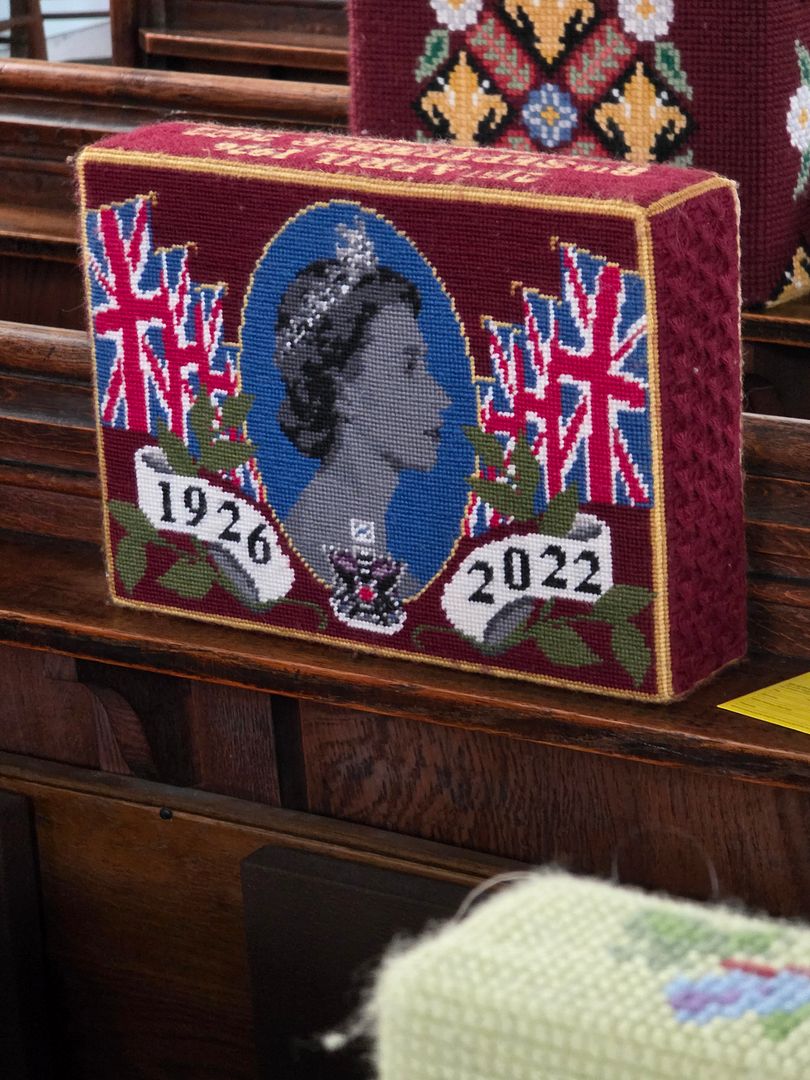
This church had their kneeling pads on display.

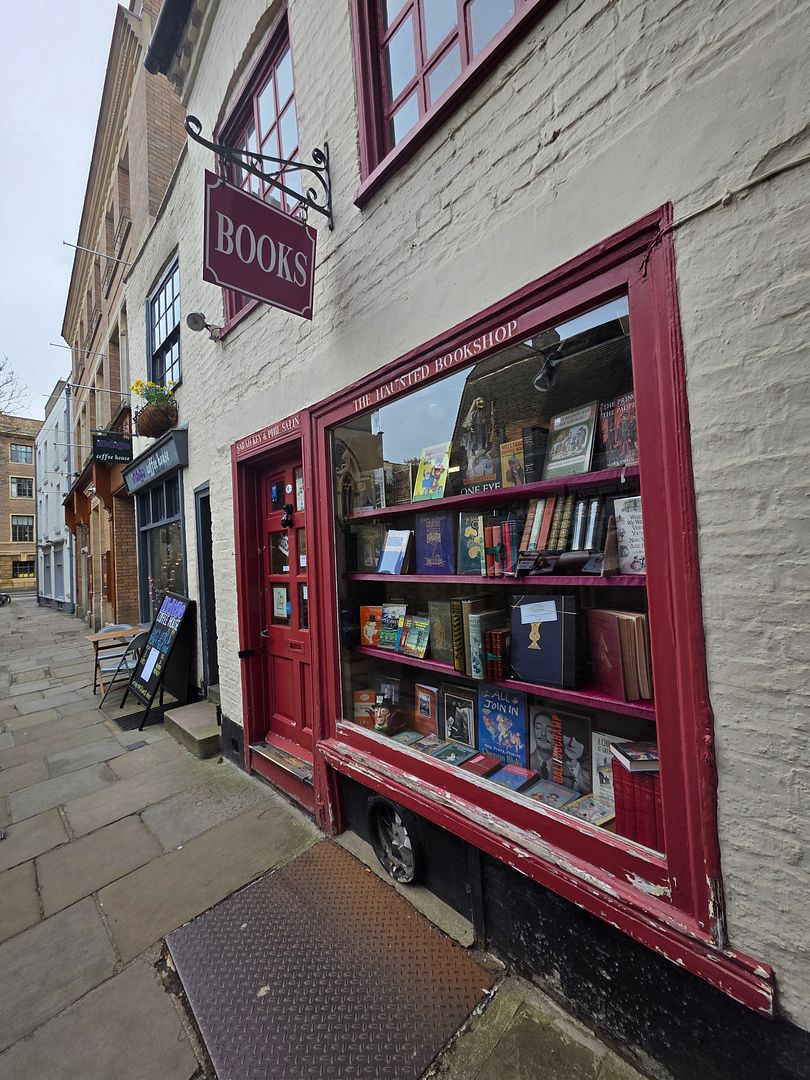
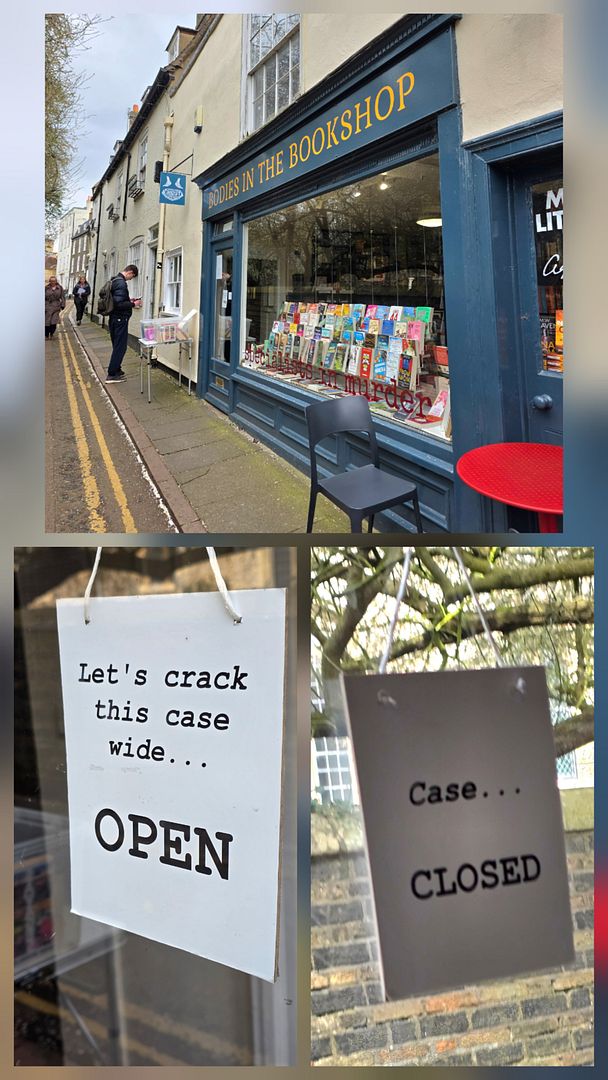
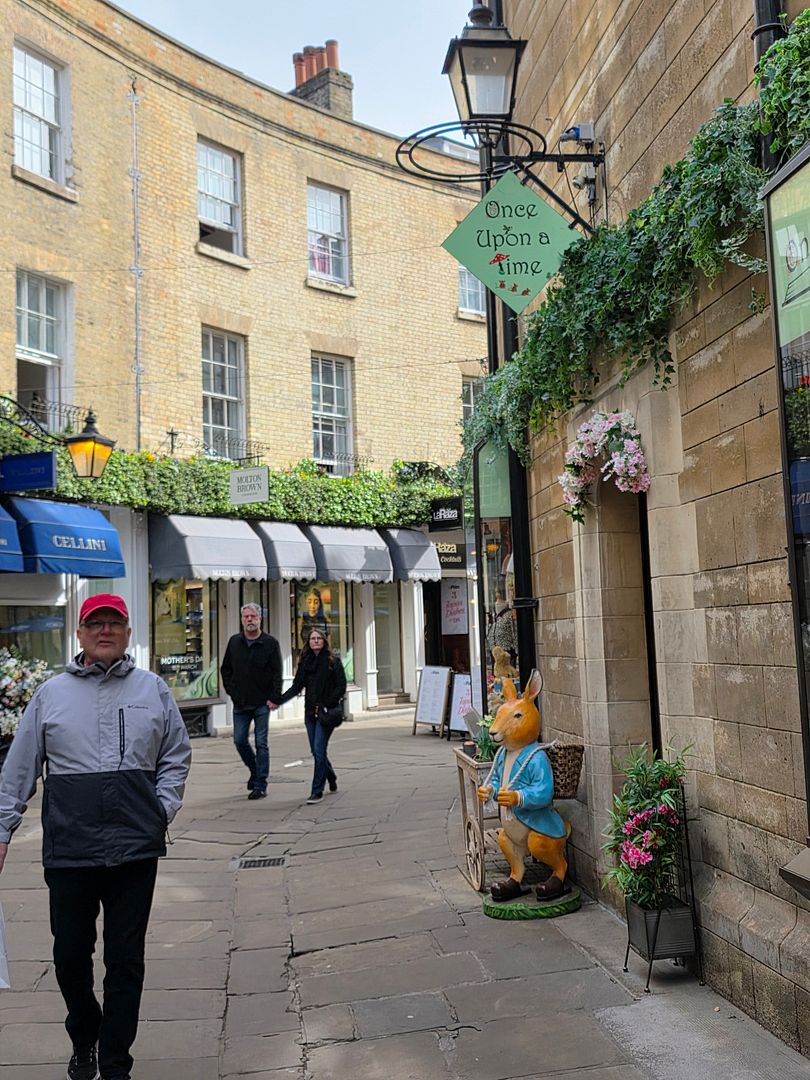
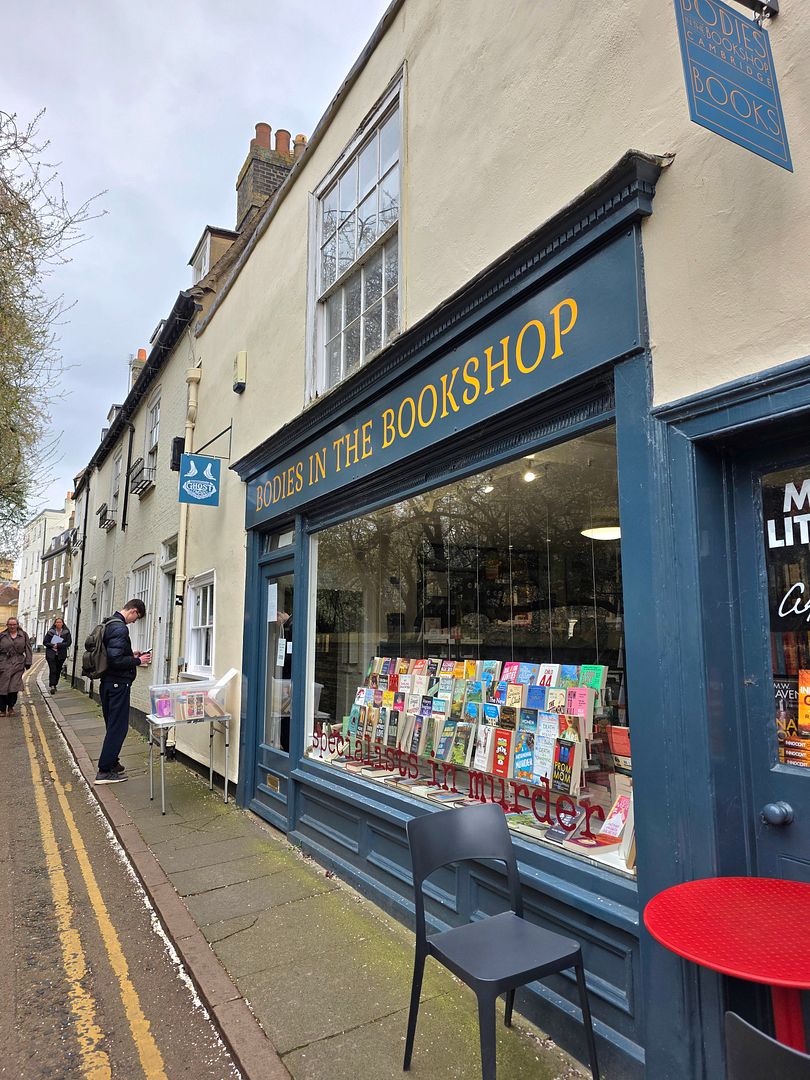
Moving along we spotted this bookstore and we would come back to it once it opened.

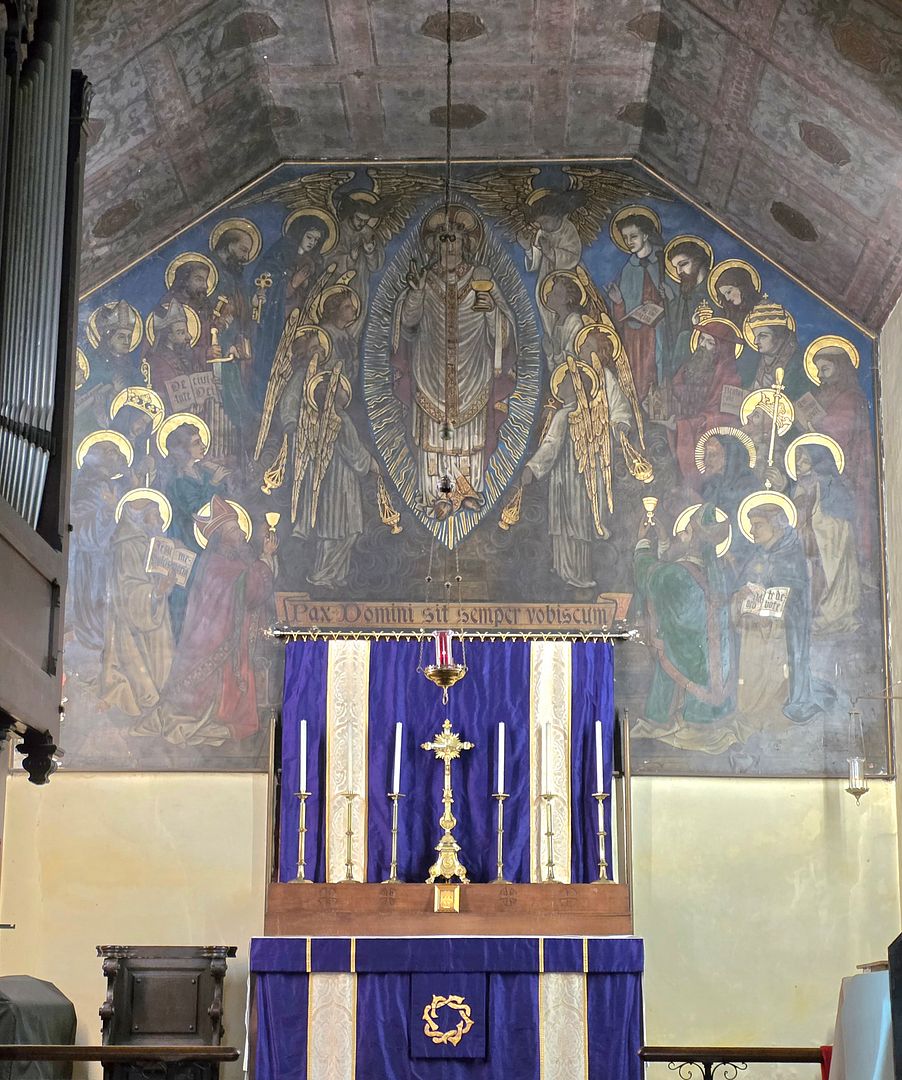
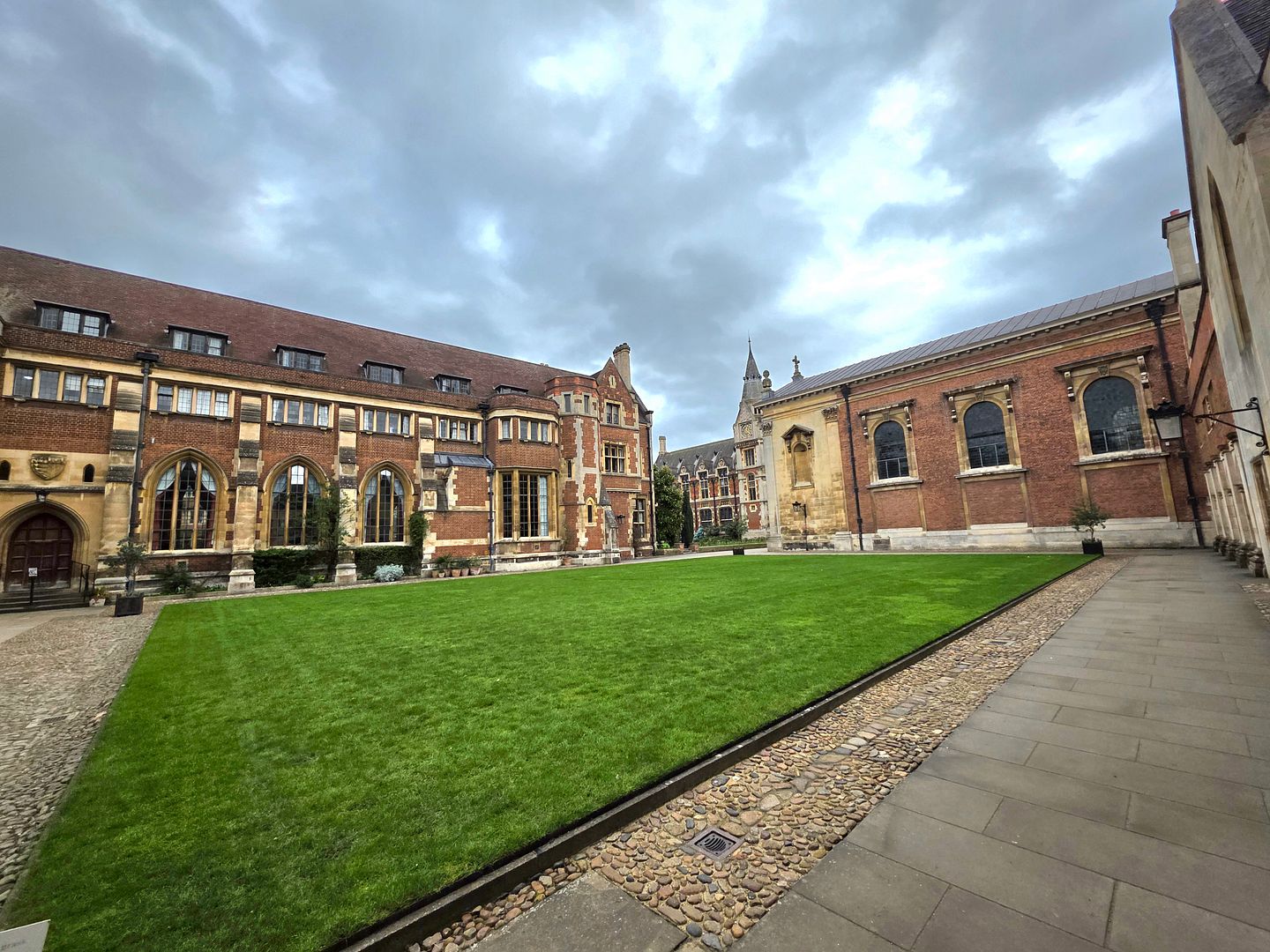
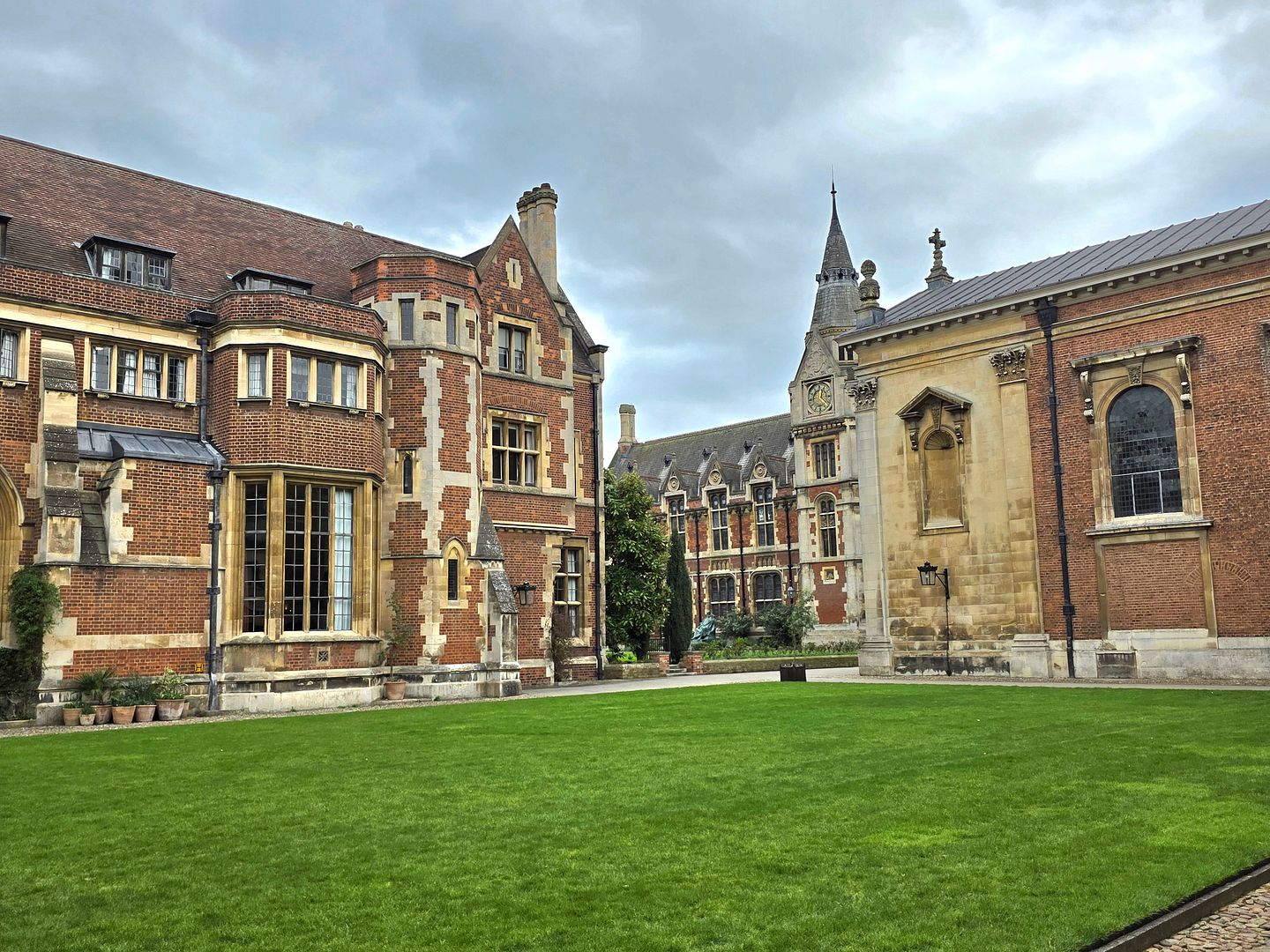
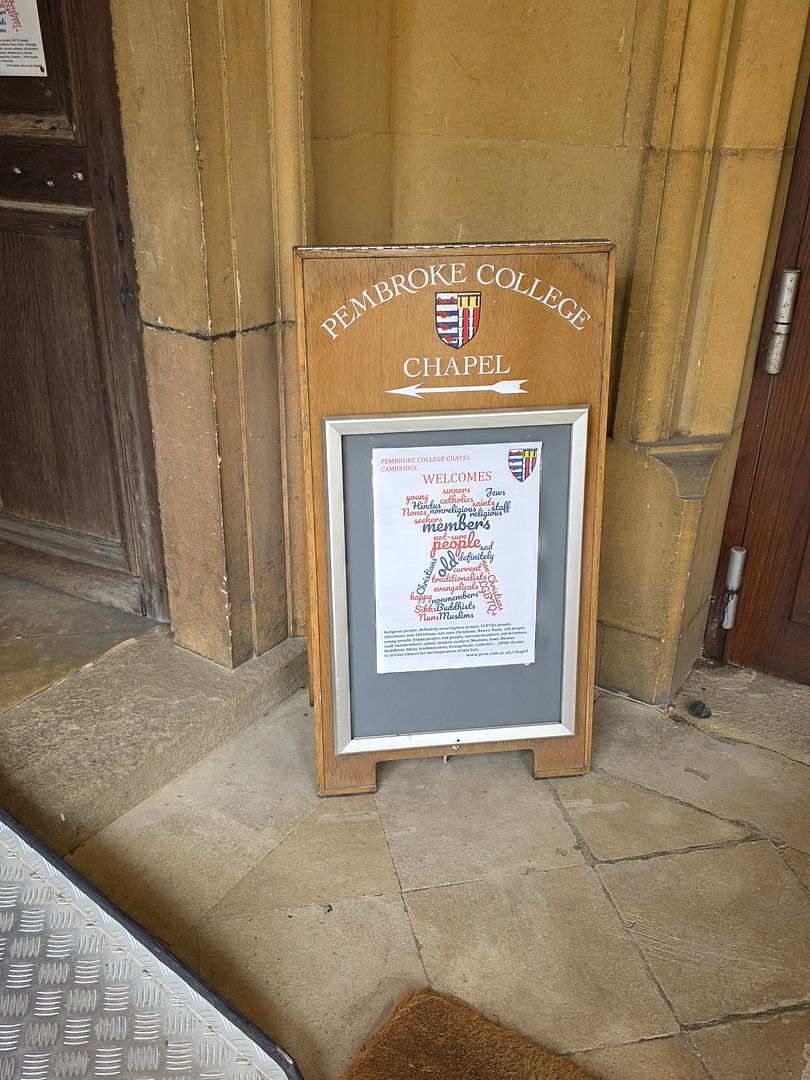
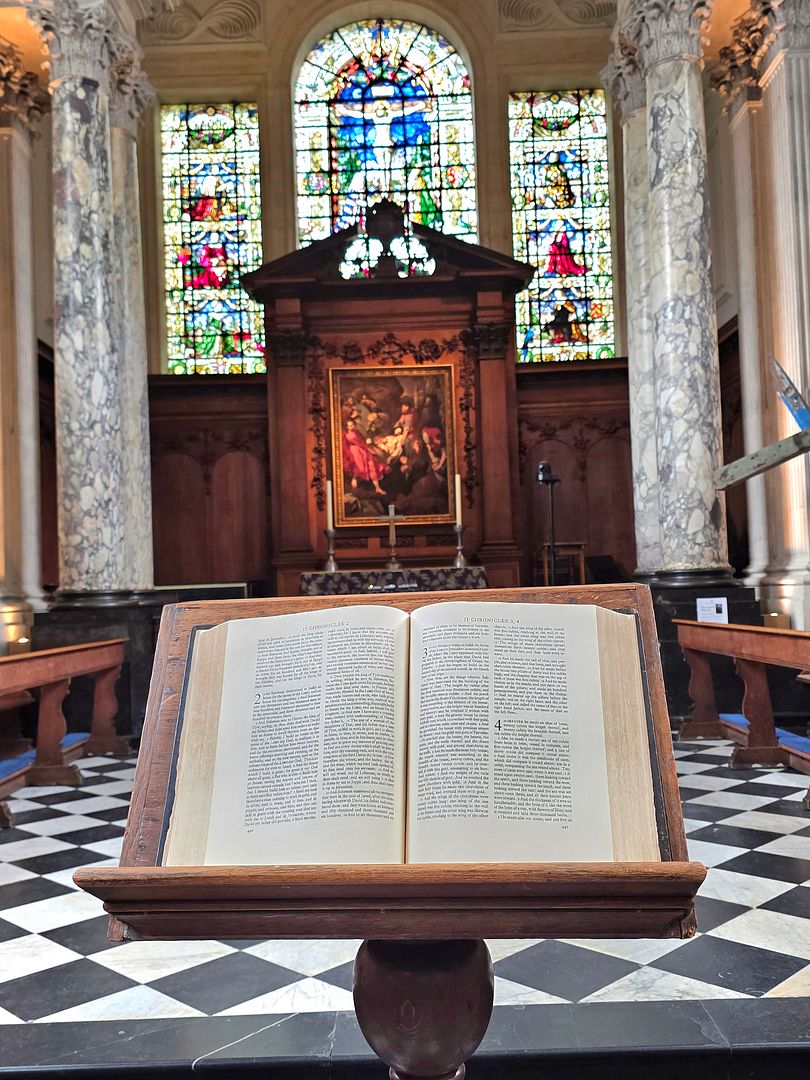
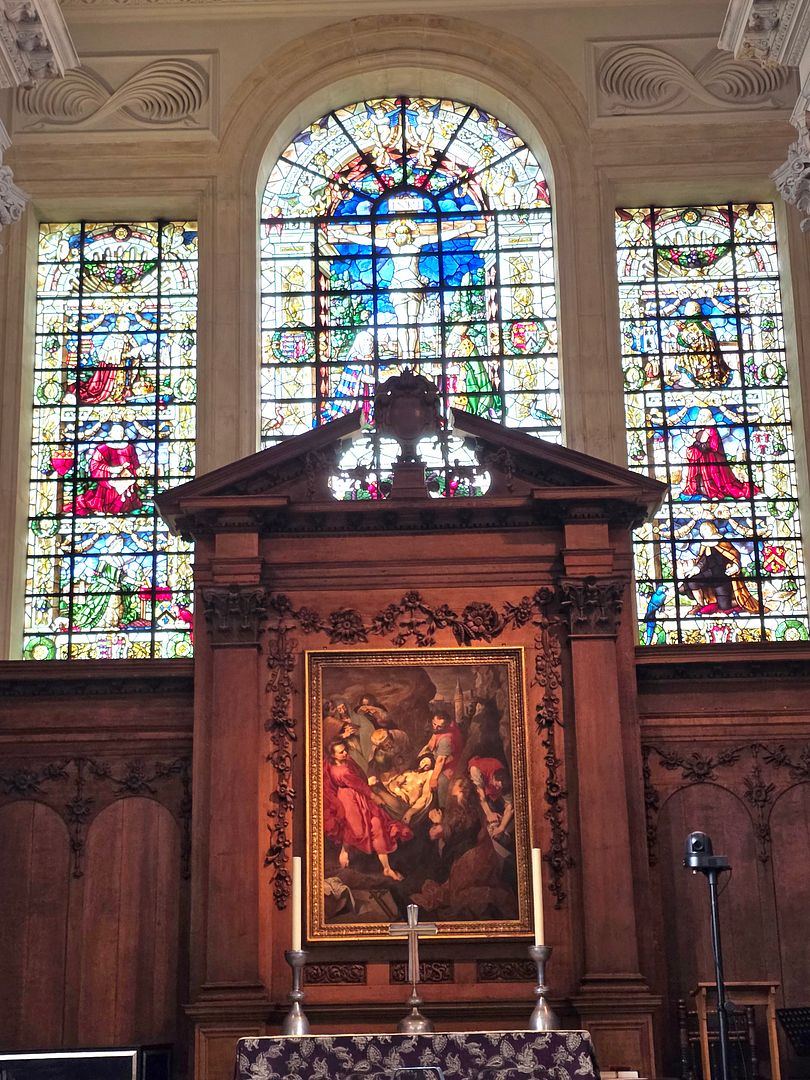
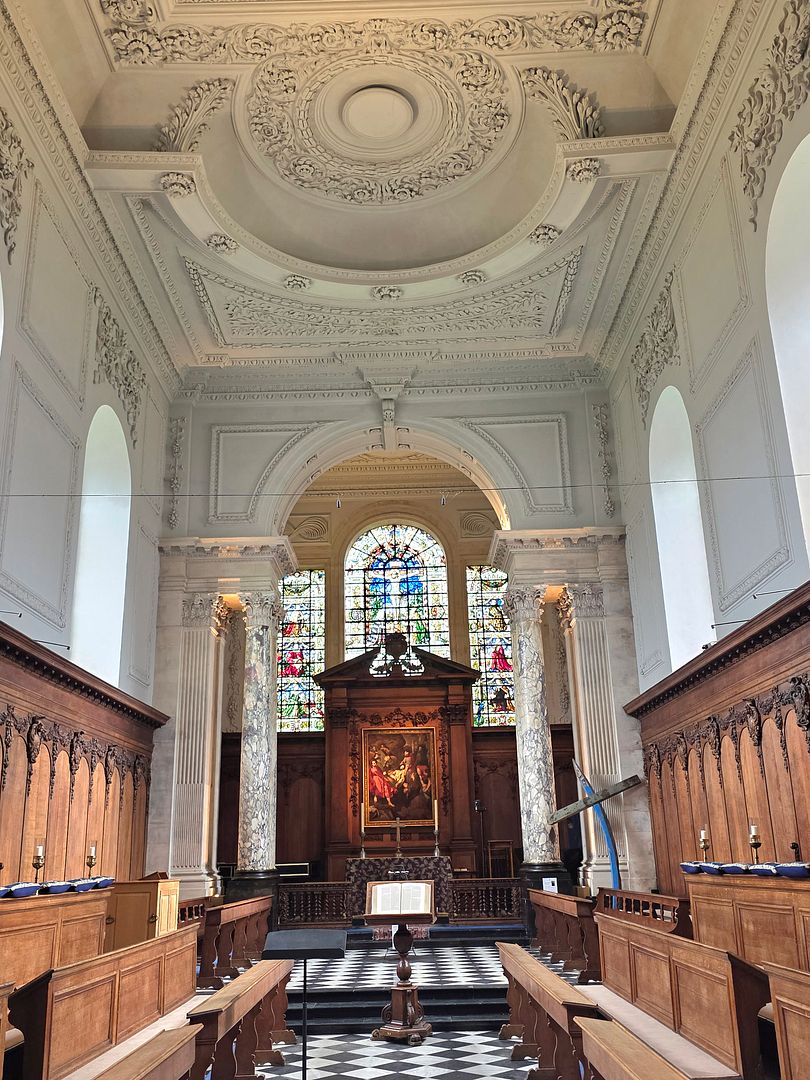
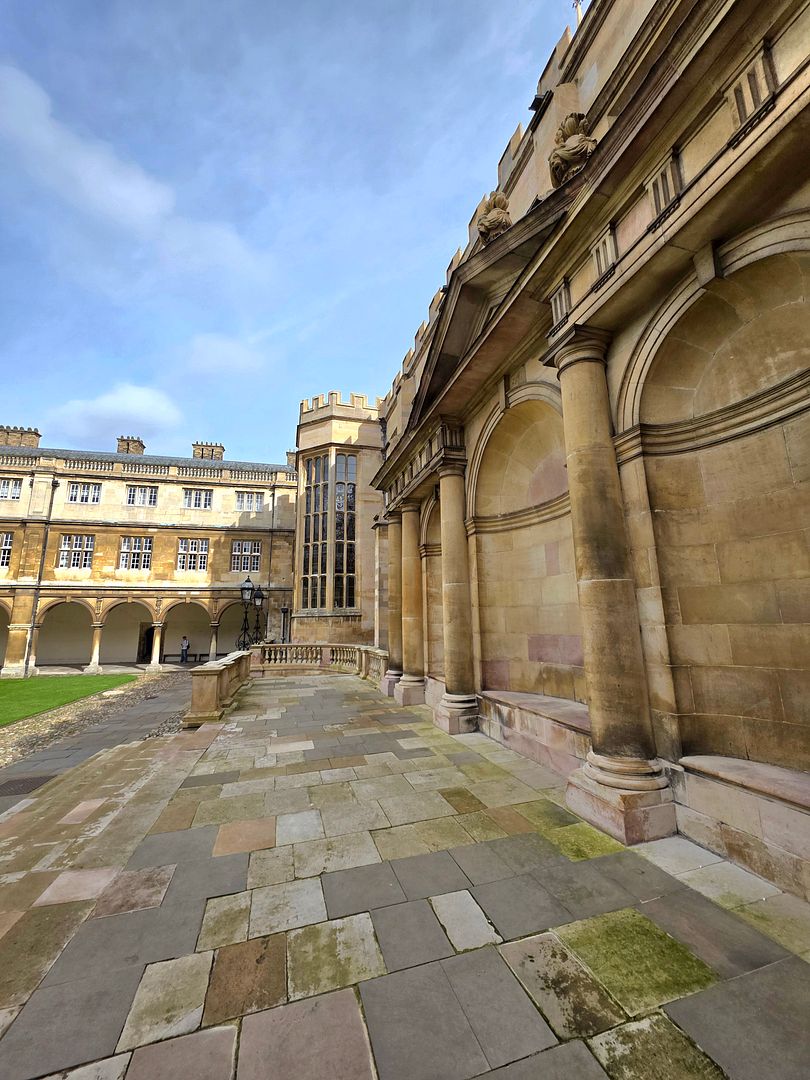
Pembroke College was open to visitors so we ventured in to check out their Chapel.

Nicholas Ridley was Principal of Pembroke College from 1540-1553 and then became the Bishop of Gloucester. In the Hall at Pembroke (we didn’t gain access) are portraits of Ridley and of John Bradford, a Pembroke graduate martyred in Smithfield in 1555. Bradford was overheard encouraging a younger martyr with the words:

‘Be of good comfort, brother, for we shall have a merry supper with the Lord this night.’

The Chapel is the first building of Christopher Wren, consecrated in 1665. Its new classical style set the fashion for other College chapels and continues to afford a fine setting for Christian worship and music.

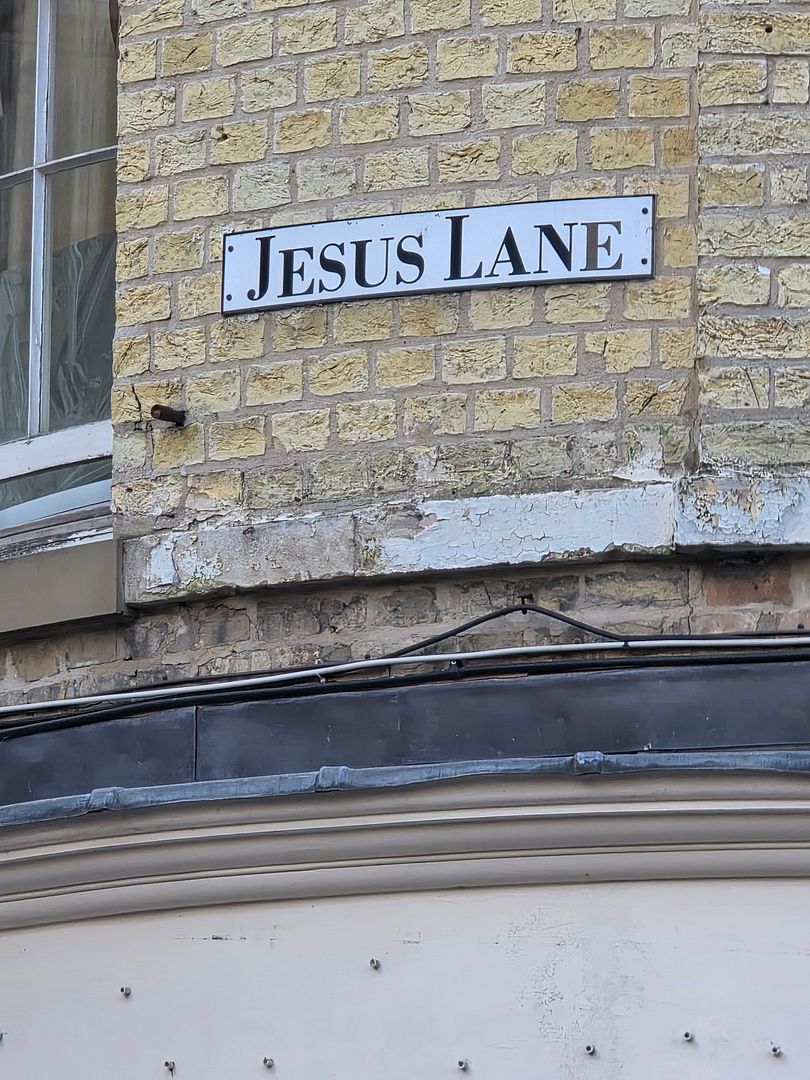
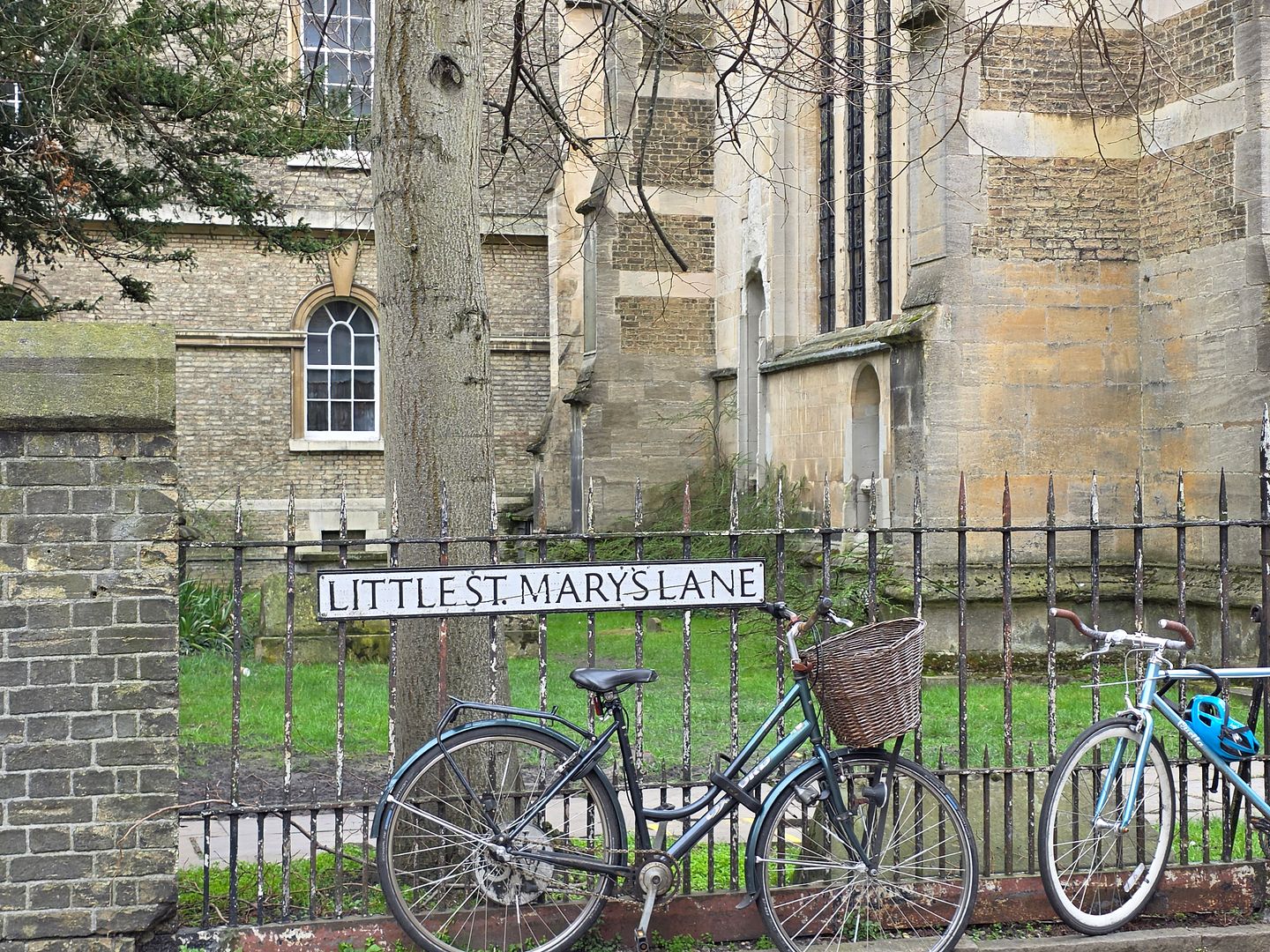
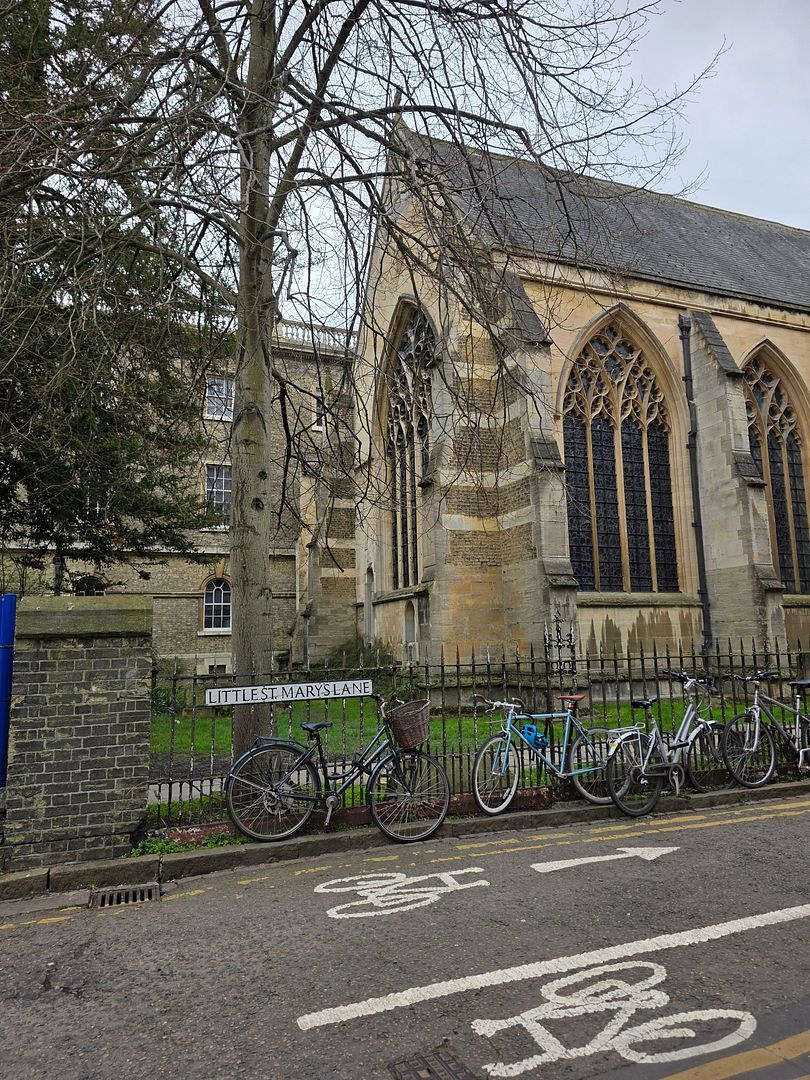
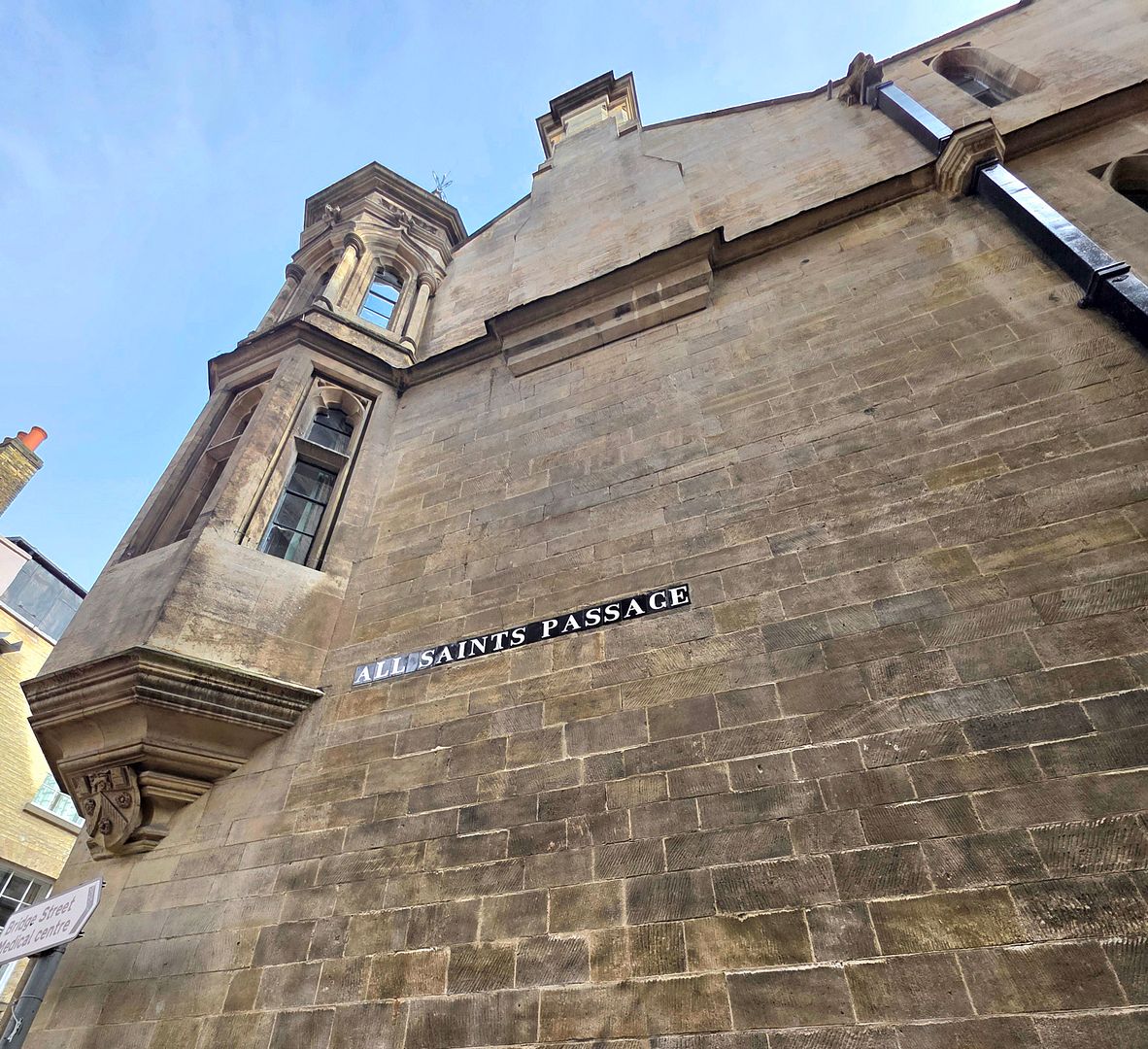
We moved on from Pembroke and noticed Little Mary’s Lane.

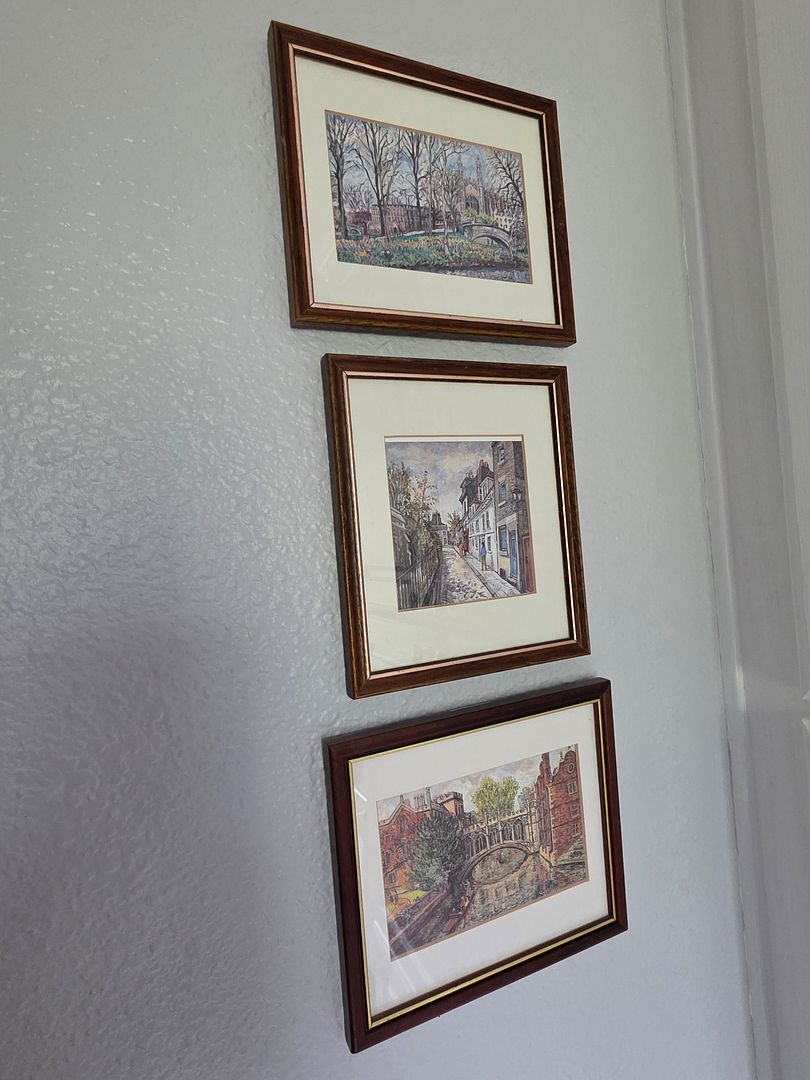
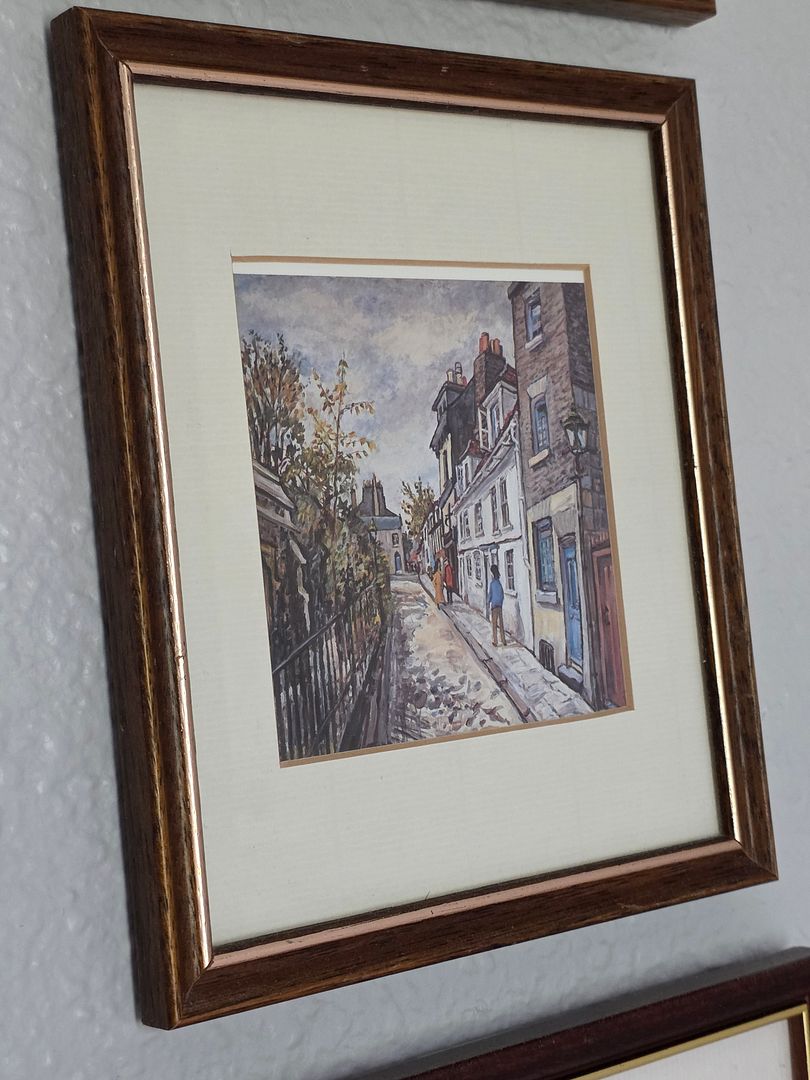
Back in my thrifting days I came across a set of three watercolors from the 1980’s that I purchased from Goodwill.

It was fun to spot the inspiration of these watercolors purchased years ago.
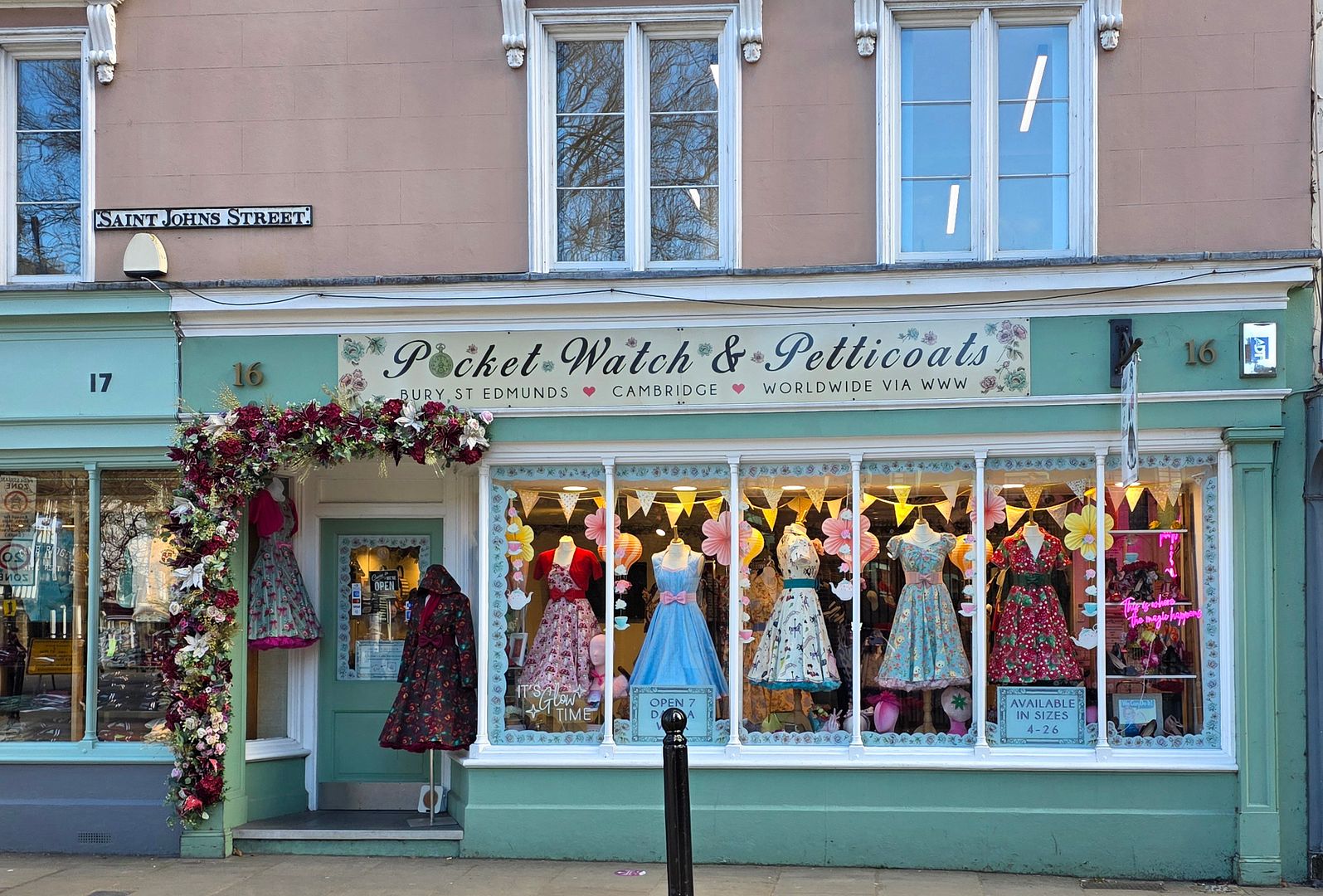
Our last stop on Trumpington would be the Fitzwilliam Museum and I’ll leave that for another post.
Summertime Hodgepodge


Another Wednesday Hodgepodge hot off the press. Thank you, Joyce!

1. “Deep summer is when laziness finds respectability.” Sam Keen

Do you feel less guilty relaxing in July than you do in January? Elaborate.
No, but I would much rather sweat in January than in July. There is less for me to do in January. July is filled with mowing, weeding, watering which makes me sweat. Even if I weeded everyday there would still be more weeding to do. I generally do not feel guilty for relaxing.
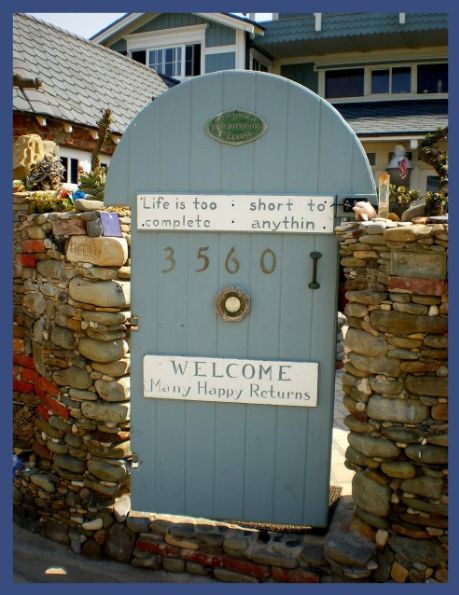
Found this welcoming gate on a beach walk way back in 2009!
2. What’s a telltale sign you’re upset?
I stop smiling…

3. July 16th is National AI Day. What are your general thoughts and/or experiences with AI? Have you purposely used it? Does it excite you, scare you, or worry you? What do you see as a benefit? How about something relating to AI you see as a negative?

I haven’t given AI deep thoughts. I probably use it mostly in my google searches for information. I ignore the prompts that ask if I’d like help writing, etc. False information connected to people or misrepresenting images are worrisome.

4. You’re invited to a summer pot luck and are asked to bring an appetizer, salad/side, or dessert. Which category do you go for and what are you bringing?

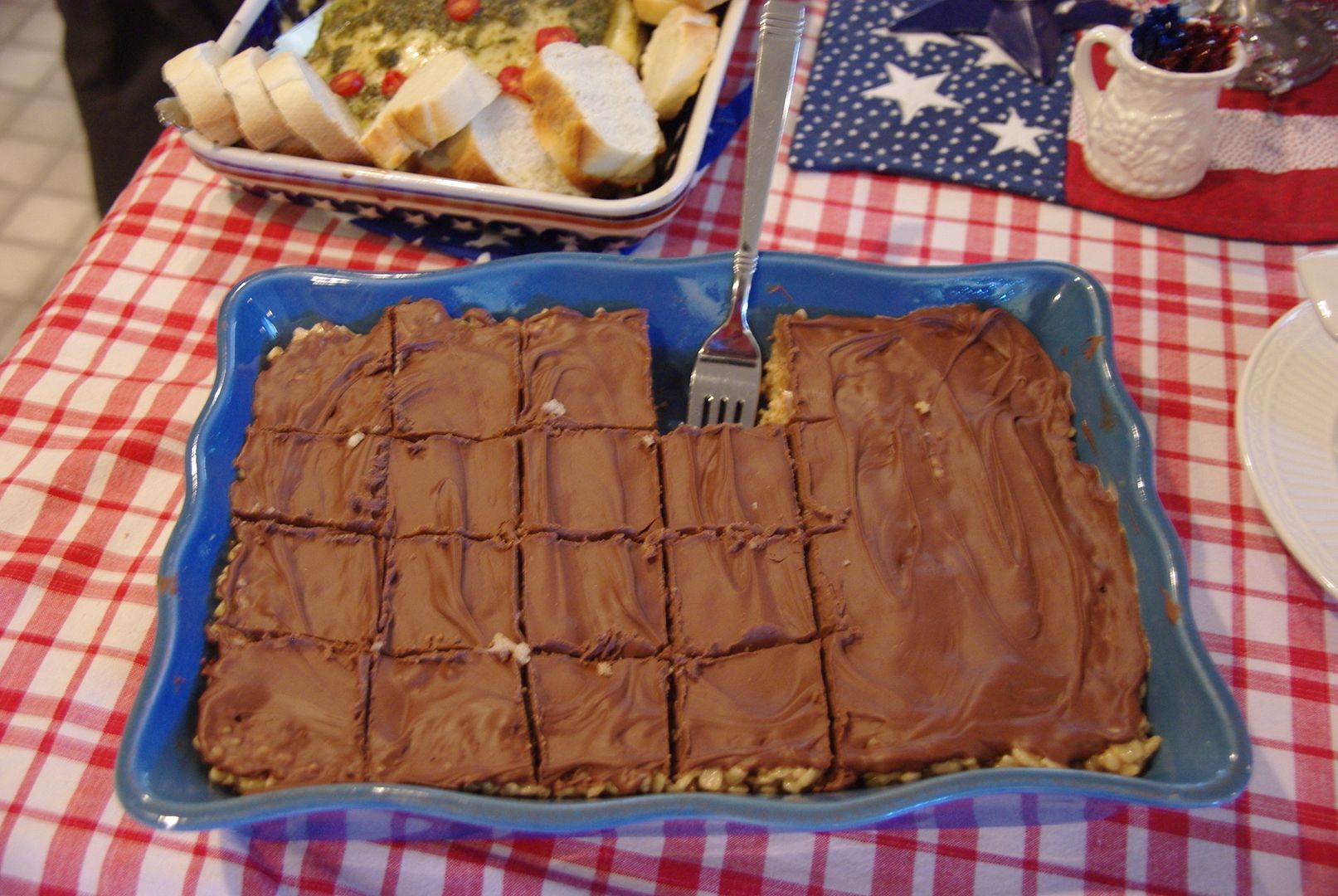
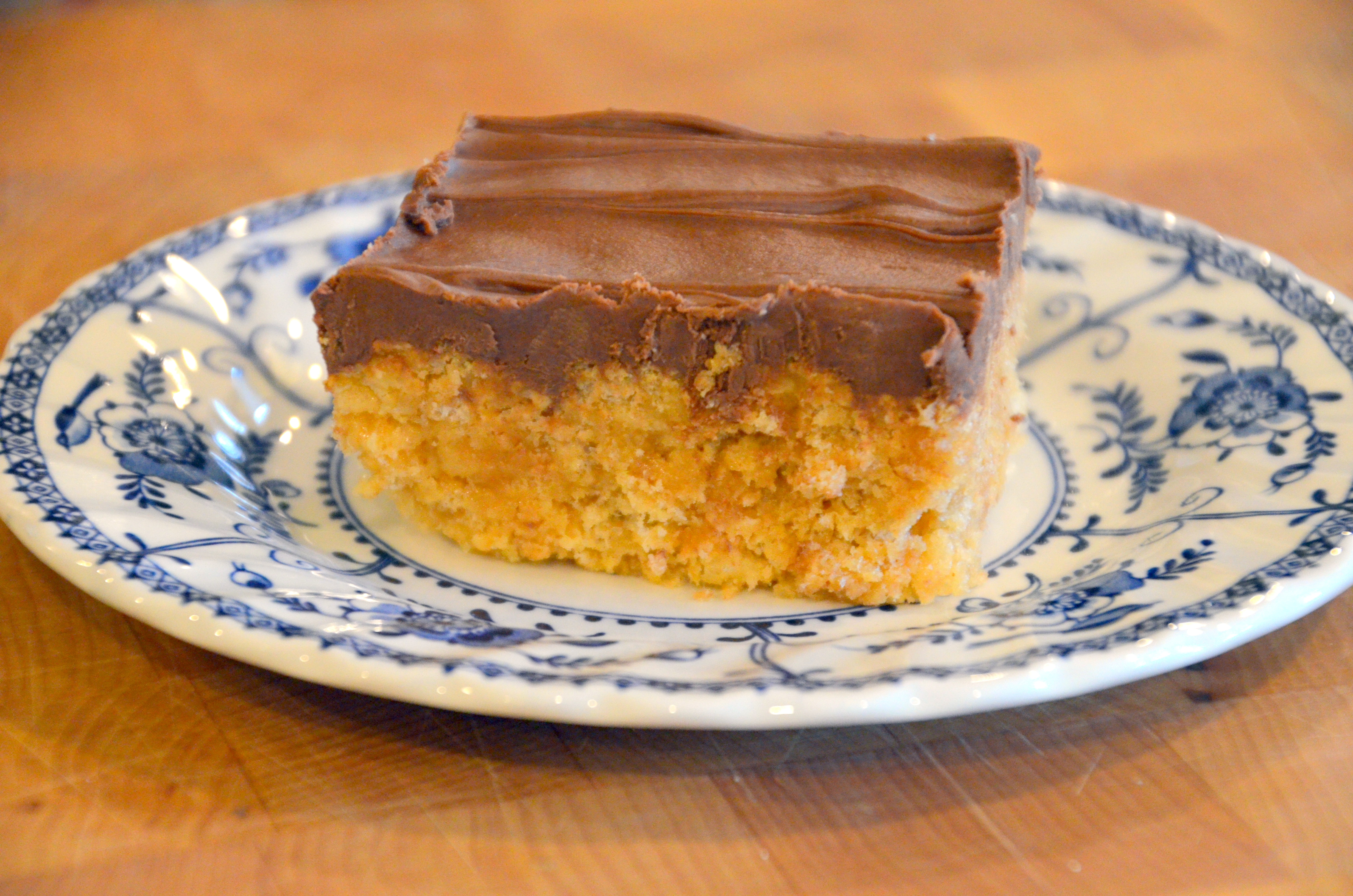
Dessert is the easiest thing for me to sign up for. Loaded Chocolate Chip Cookies or Peanut Butter Rice Krispie bars with Chocolate/Butterscotch Topping are what I’d probably bring.

5. It wouldn’t be summer without___________________.

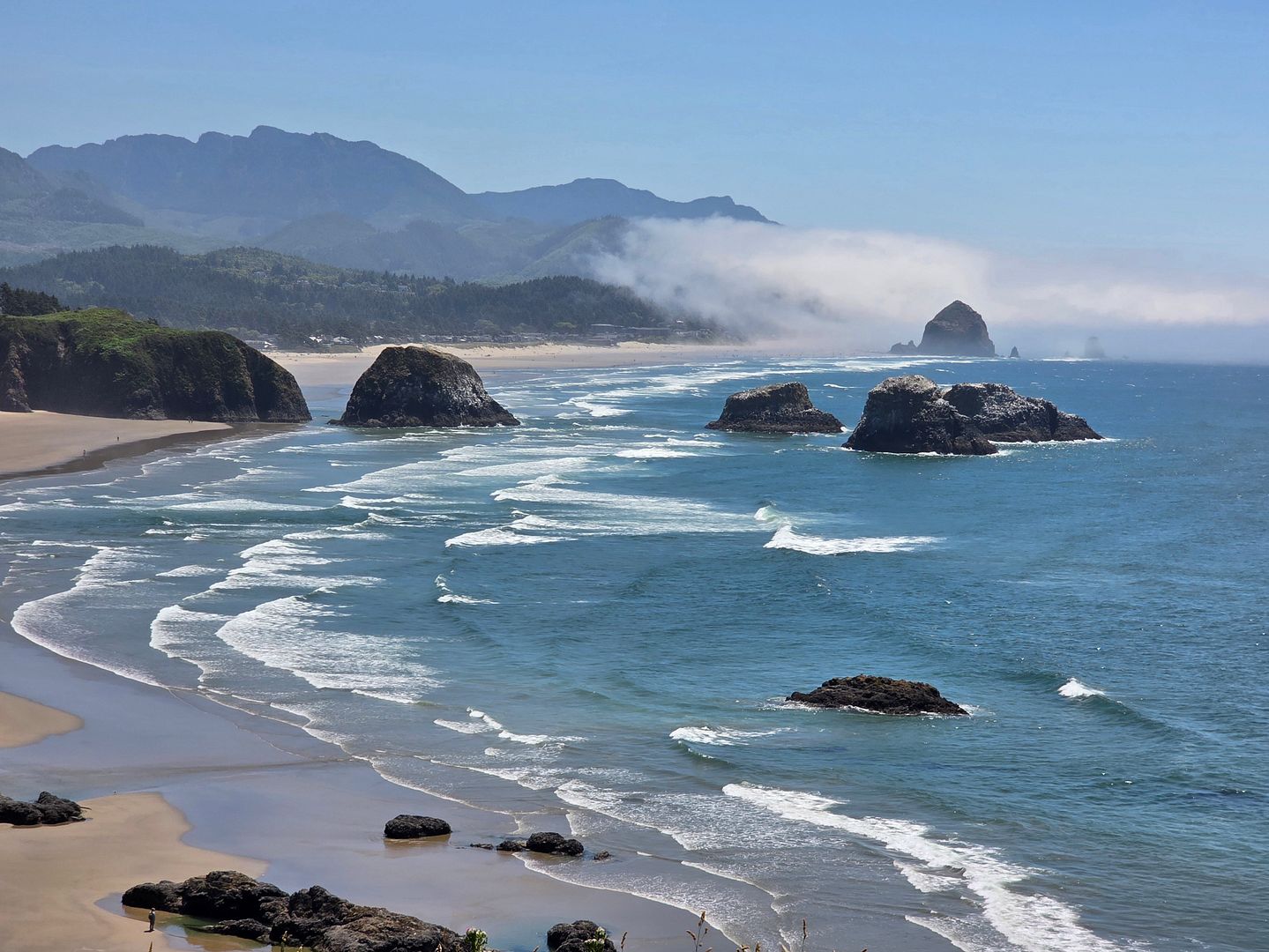
It wouldn’t be summer without a trip to the beach…

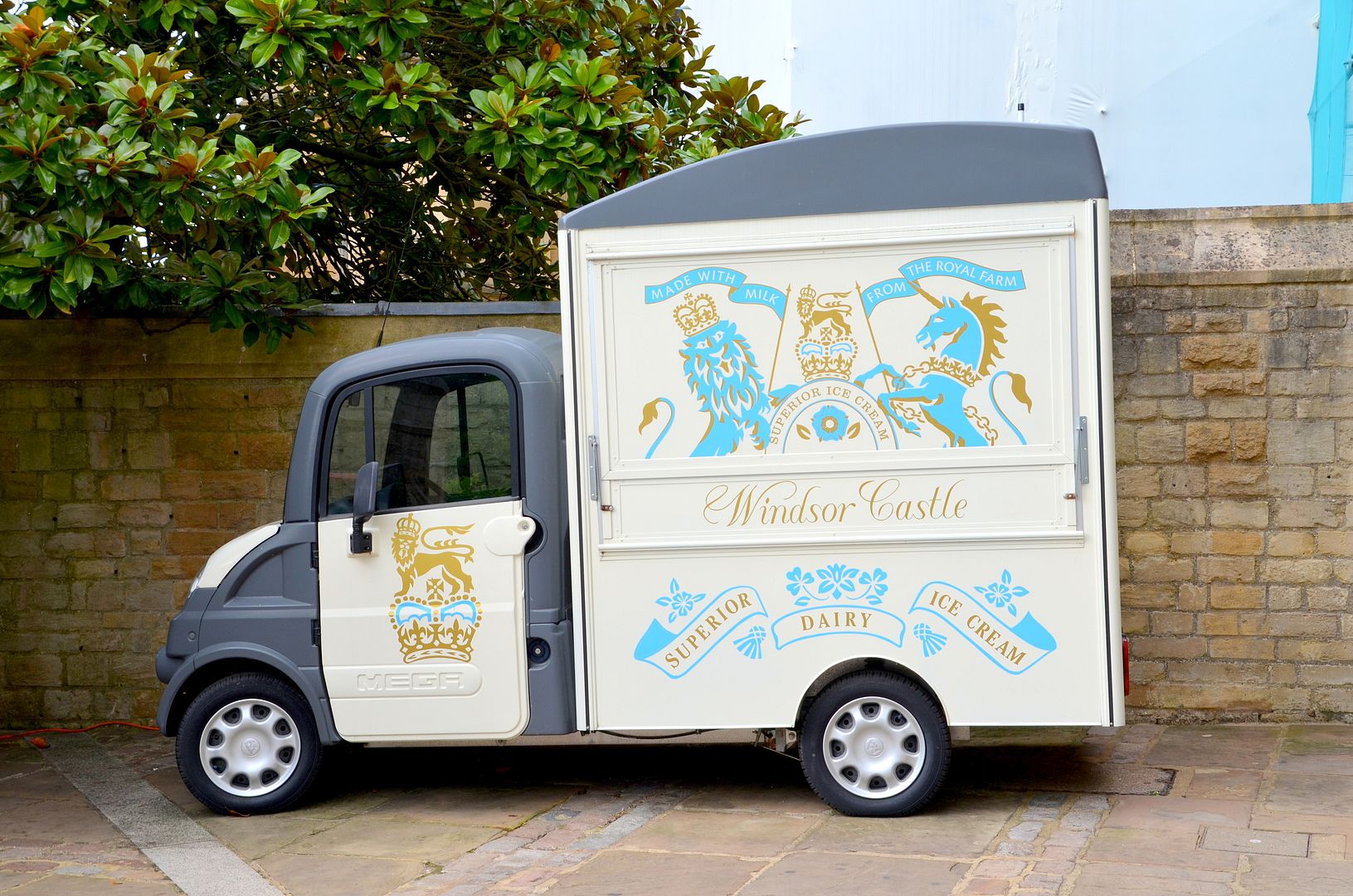
…and Ice Cream.

We’ve had many enjoyable last minute adventures in the summertime.

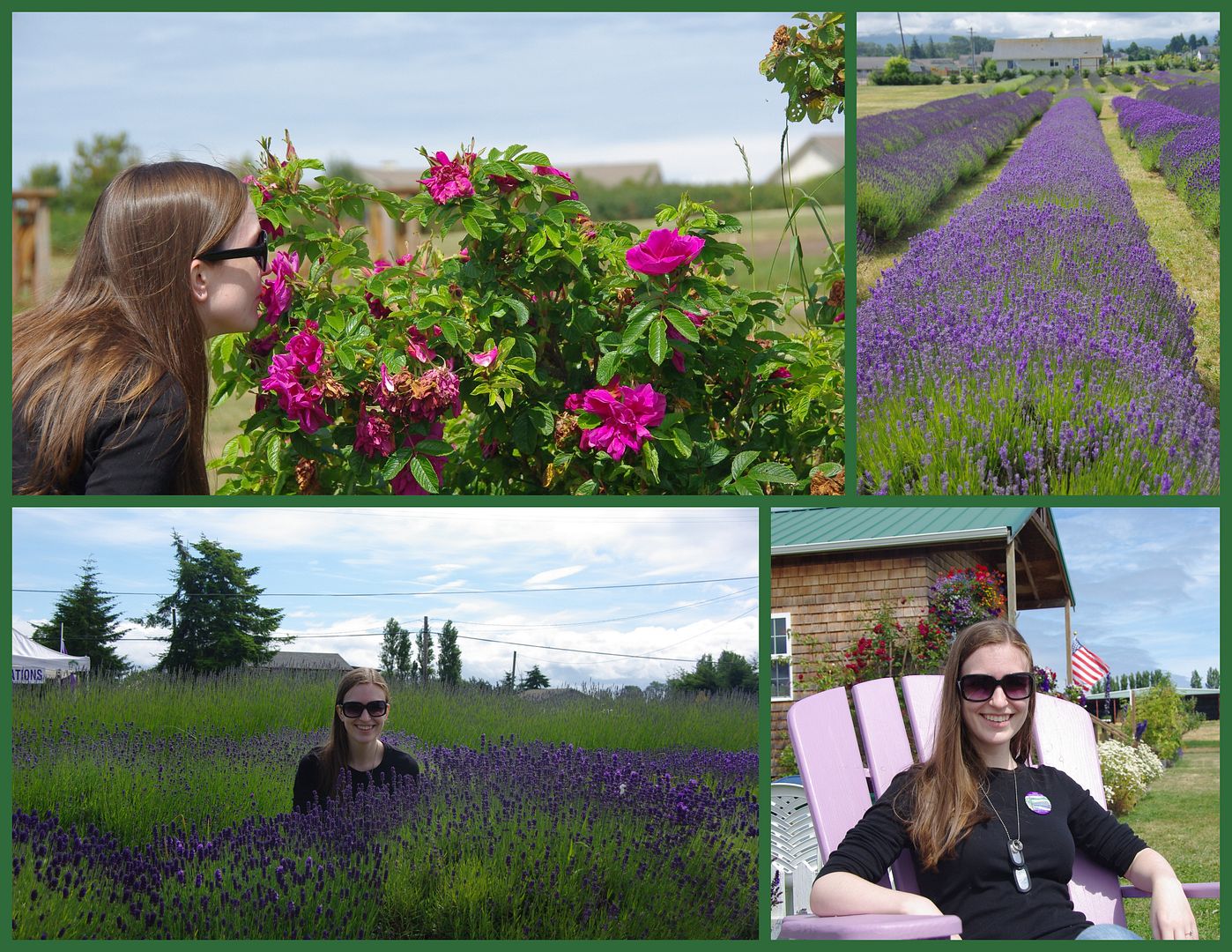
Lavender Festival in Sequim, 2012. It always happens the third weekend in July. We enjoyed them very much in past summers. BTW: you pronounce Sequim -squim.

6. Insert your own random thought here.

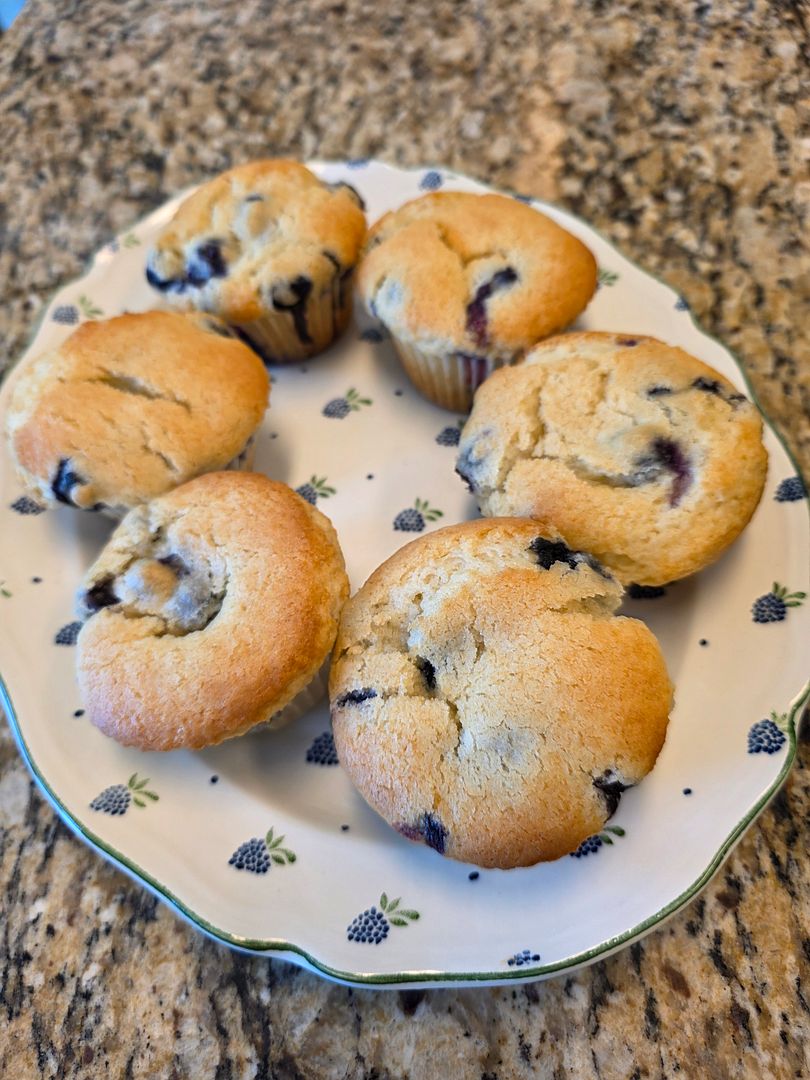
Update from last Wednesday’s Hodgepodge; I did manage to bake some blueberry muffins. I used this recipe. I left off the topping because I stay away from cinnamon these days, our grandson is allergic to it. I enjoyed them even more without the topping because the result was delicious muffin tops with just a bit of crispy edges.

I also liked the fact that this recipe makes 8 muffins, not a dozen.

Update on our A/C: A technician came out on Tuesday afternoon and within 20 minutes our unit was repaired and ready to cool us again. So thankful! Doubly thankful, as we are supposed to hit the 100’s next week!

Trinity College Cambridge

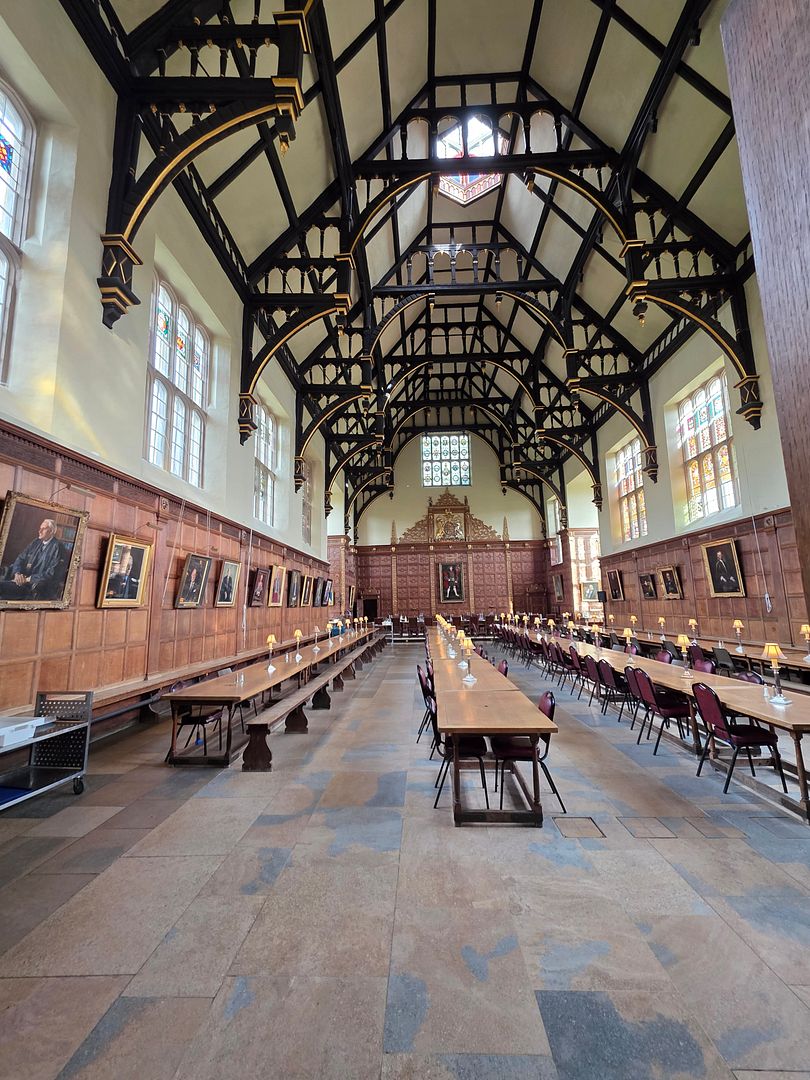
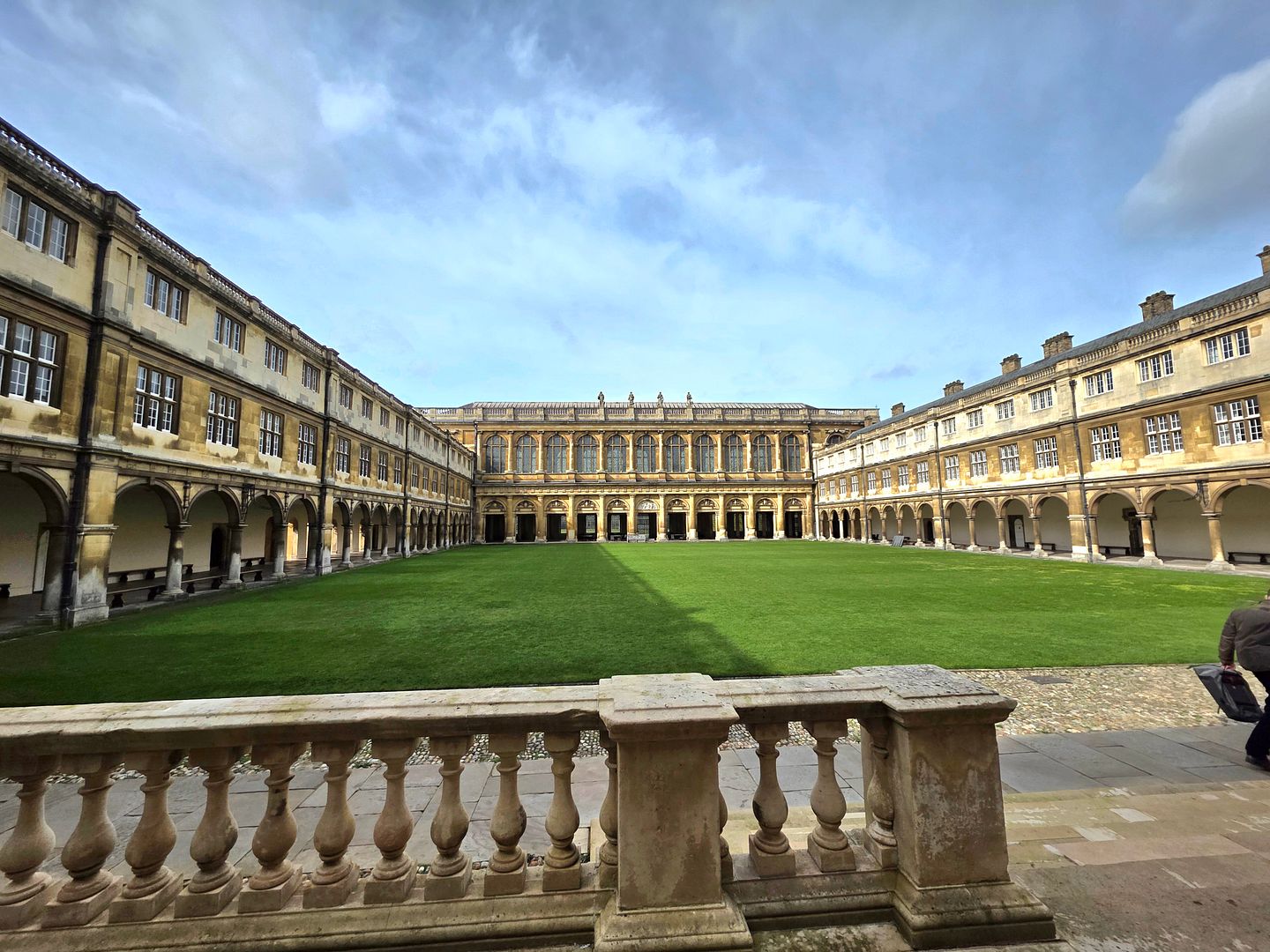
Working on the last few posts documenting our travels in Cambridge, England. Thursday the 12th of March we walked our feet off in between stops along the way. I booked a last minute morning tour of Trinity College for 10am to start off the sight seeing part of our day.

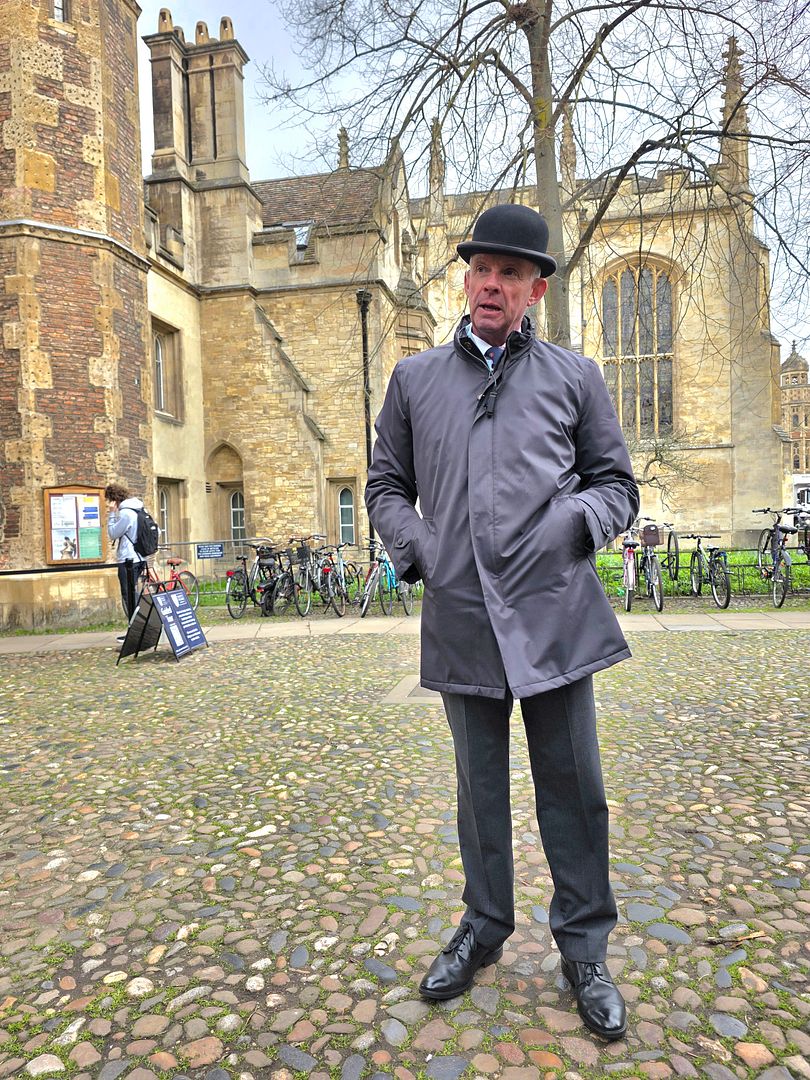
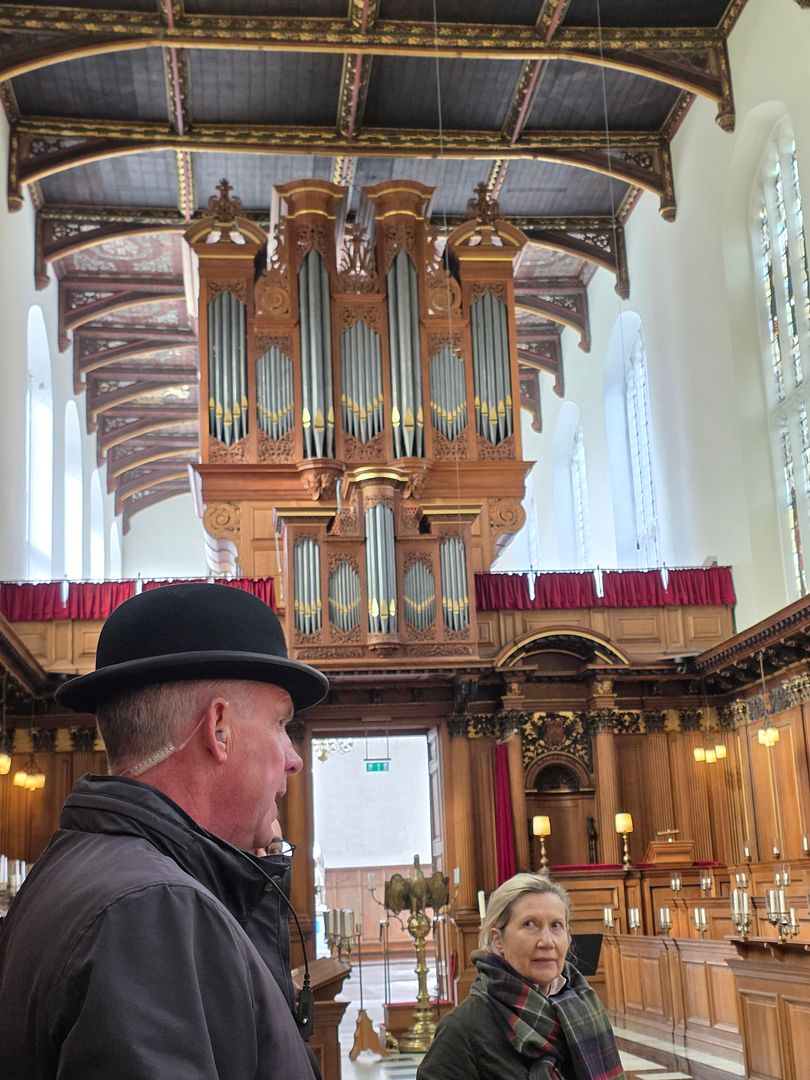
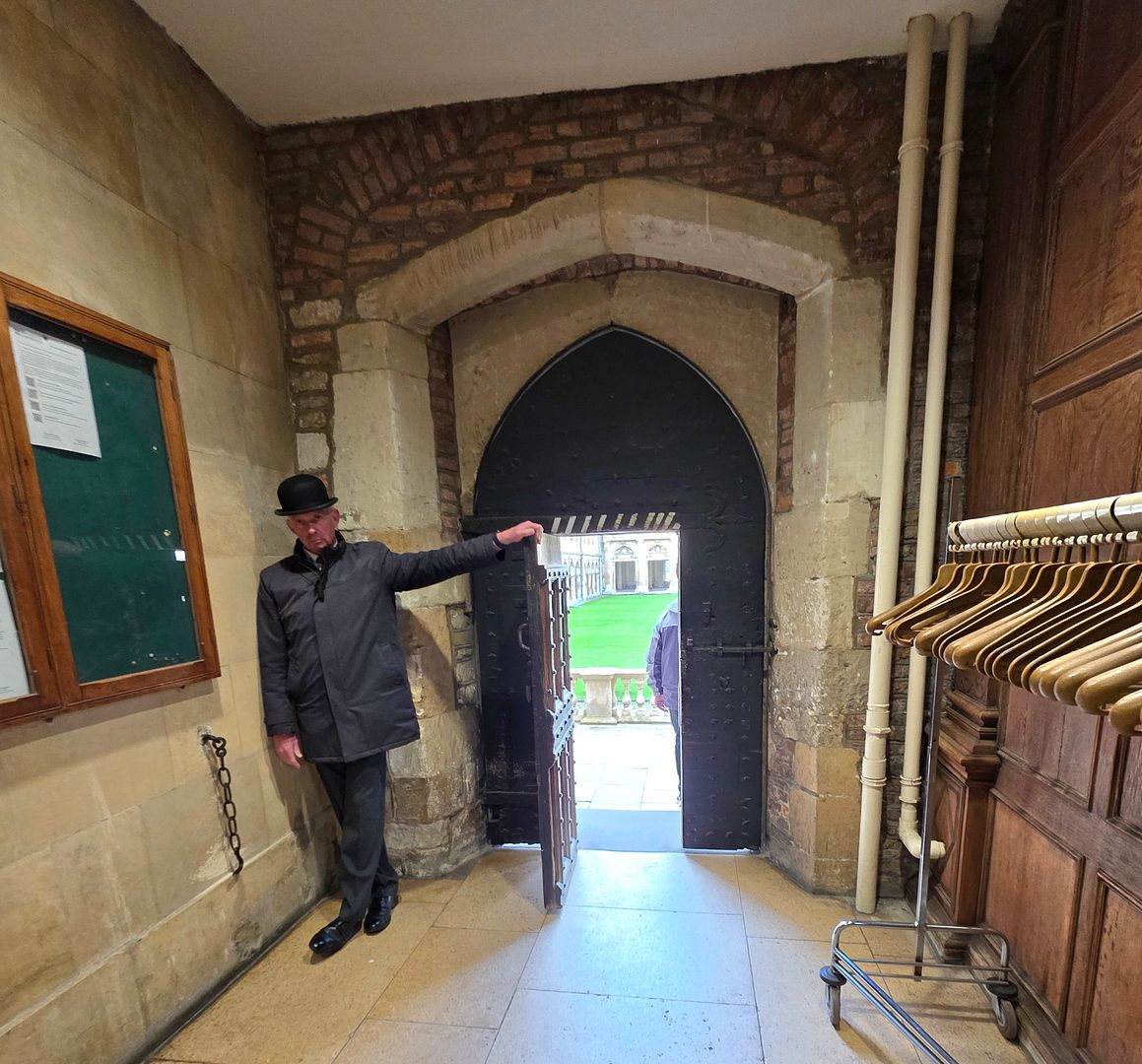
Our guide was a retired Porter of the college and he entertained us well.

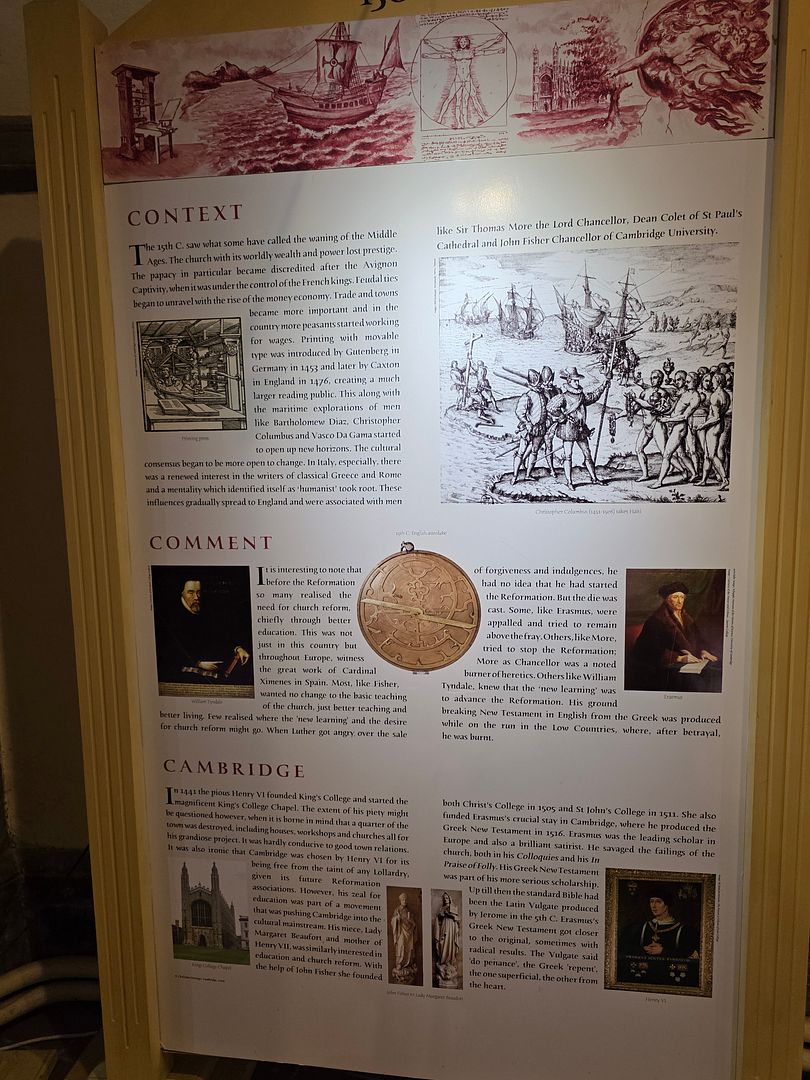
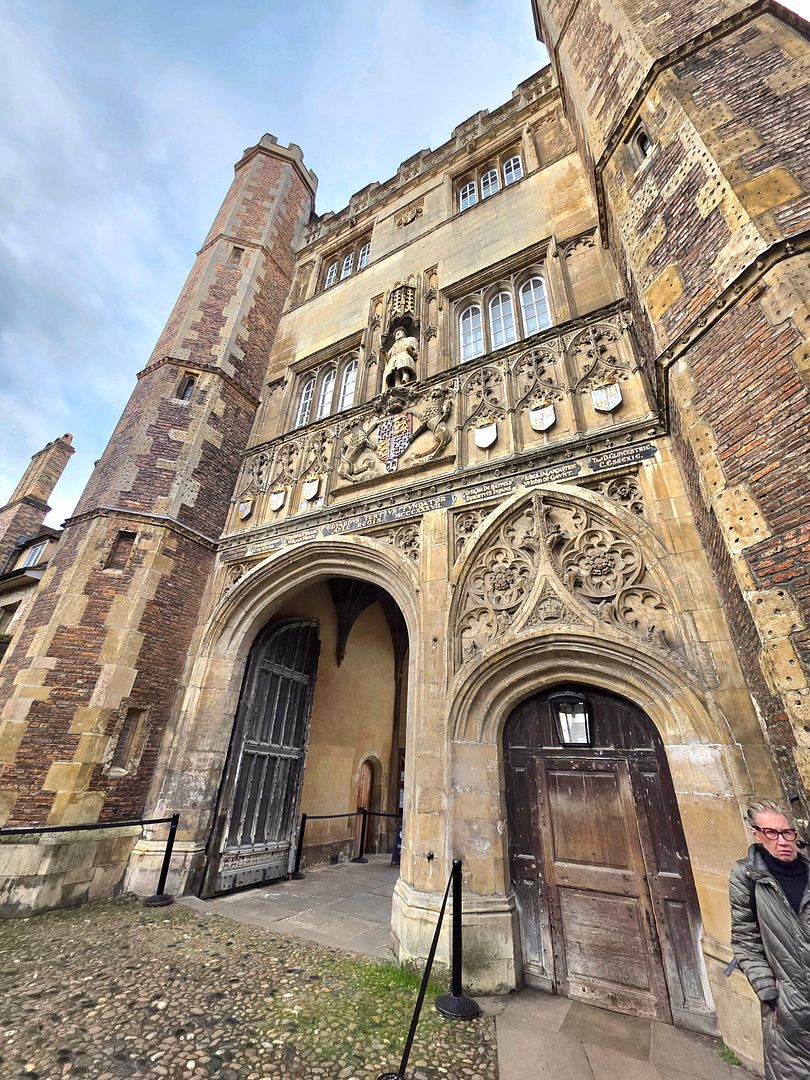
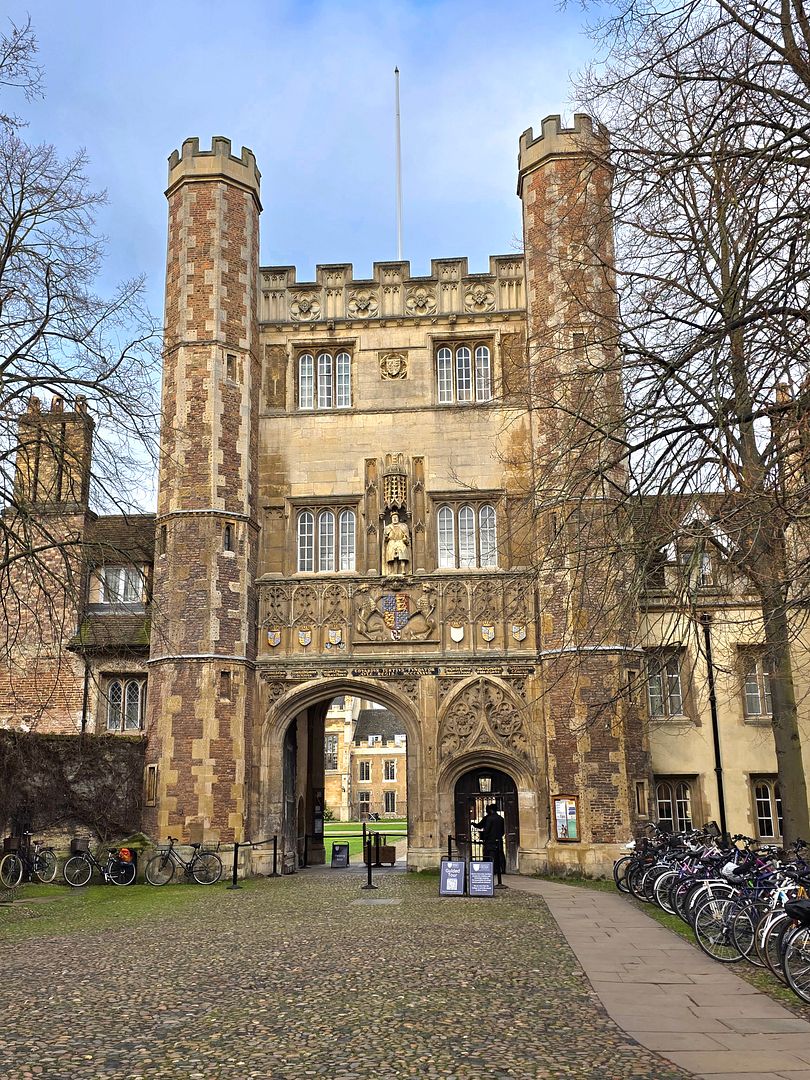
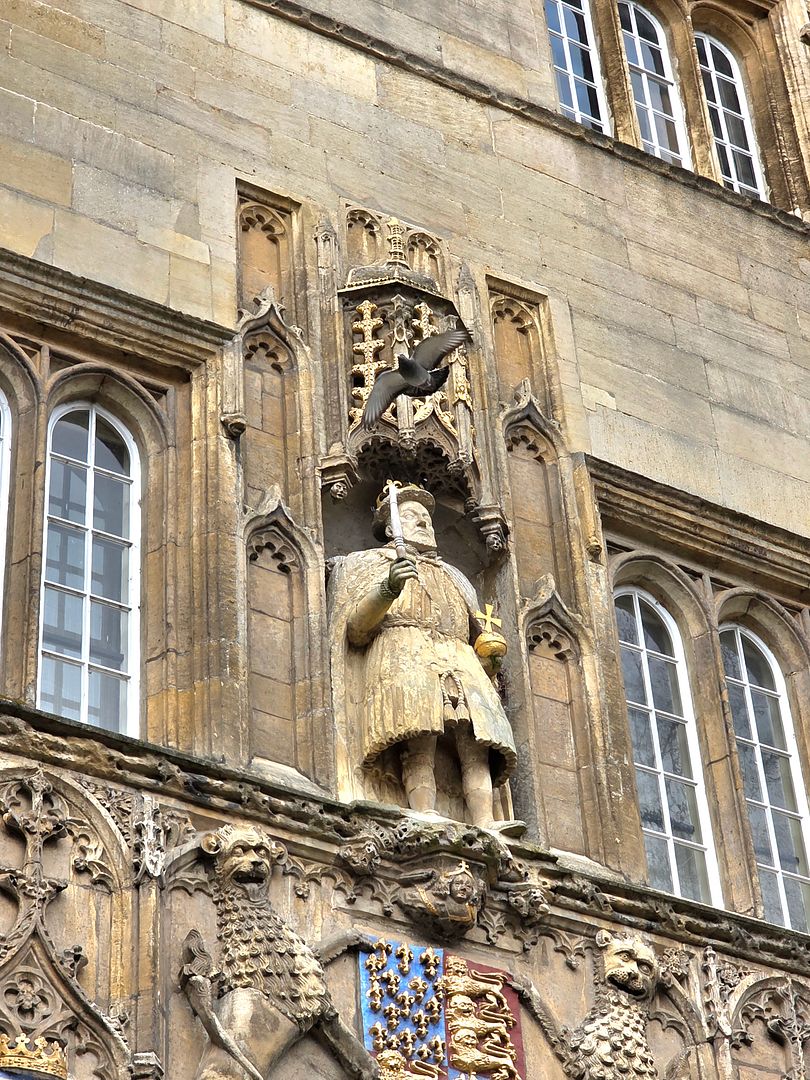
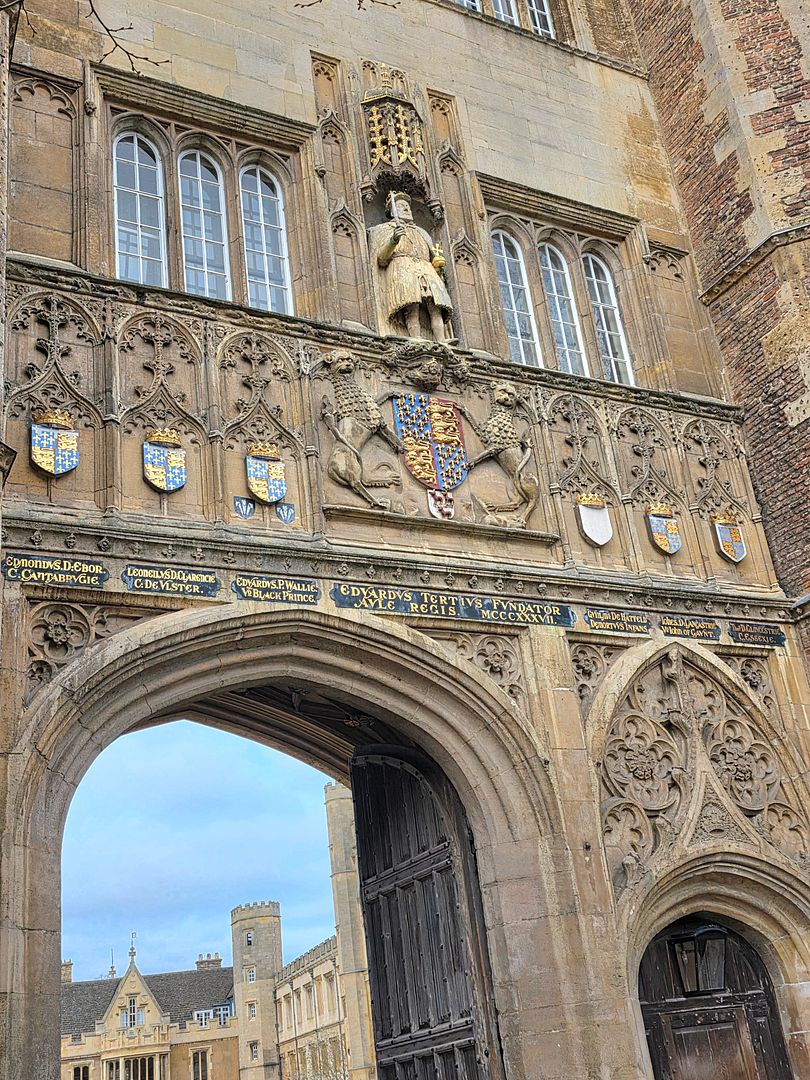
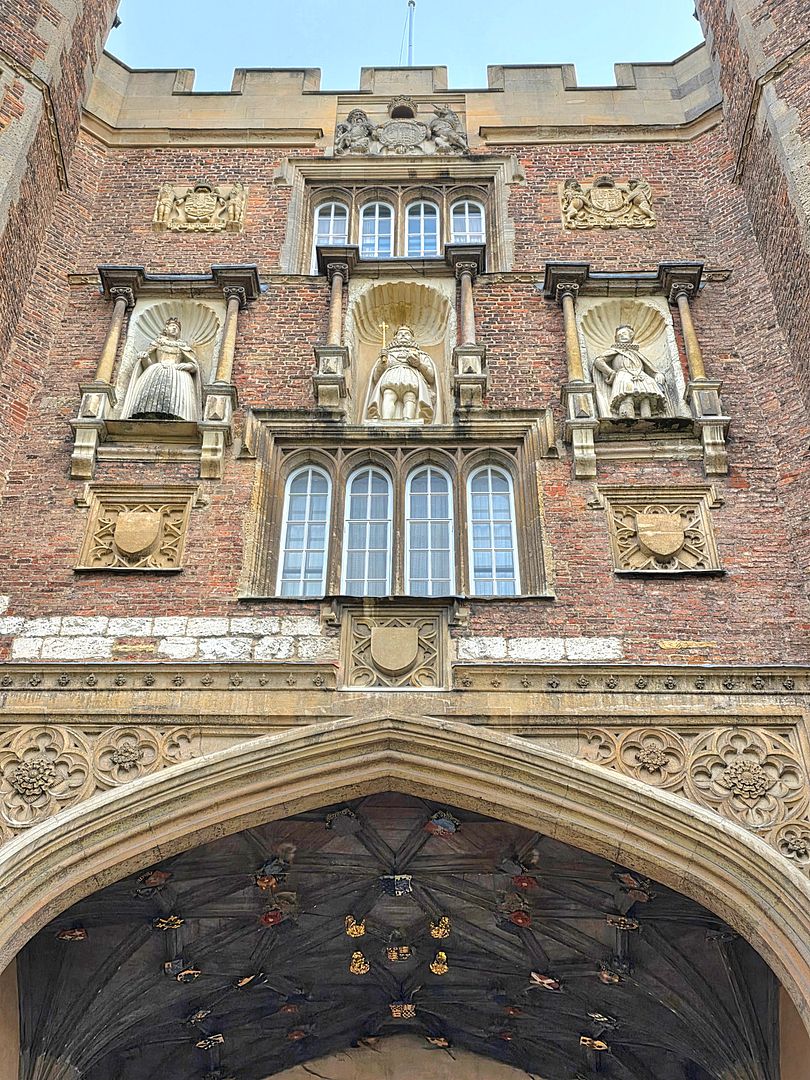
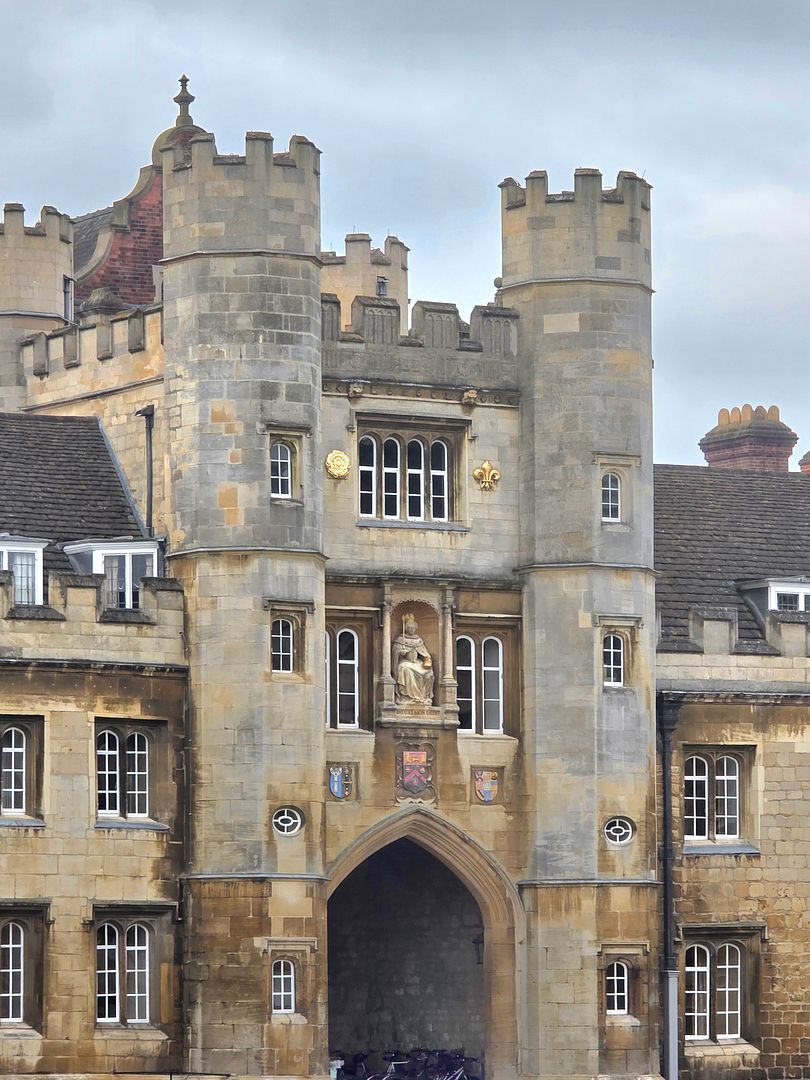
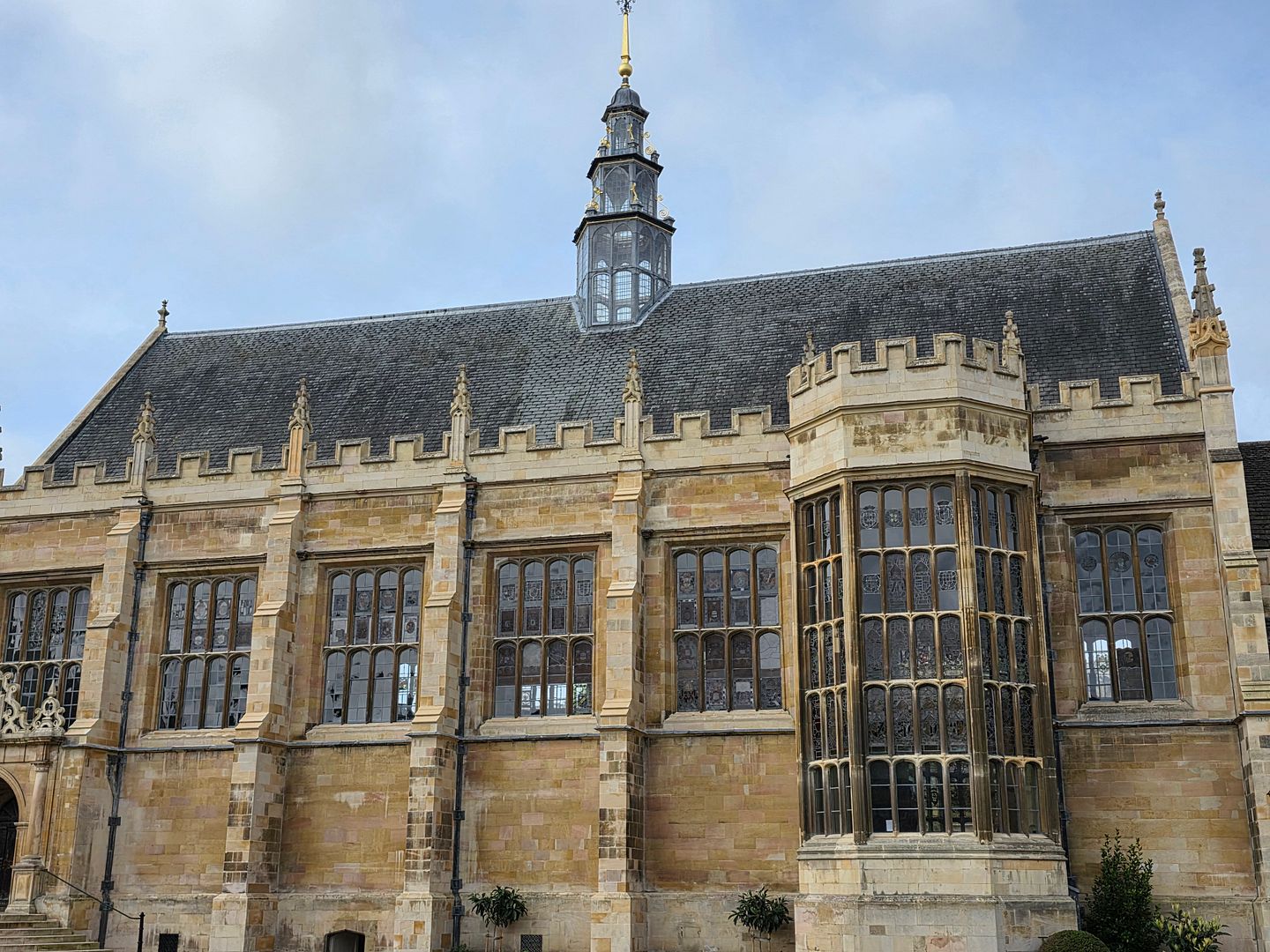
King Henry VIII founded the College in 1546 as one of the very last acts of his life.

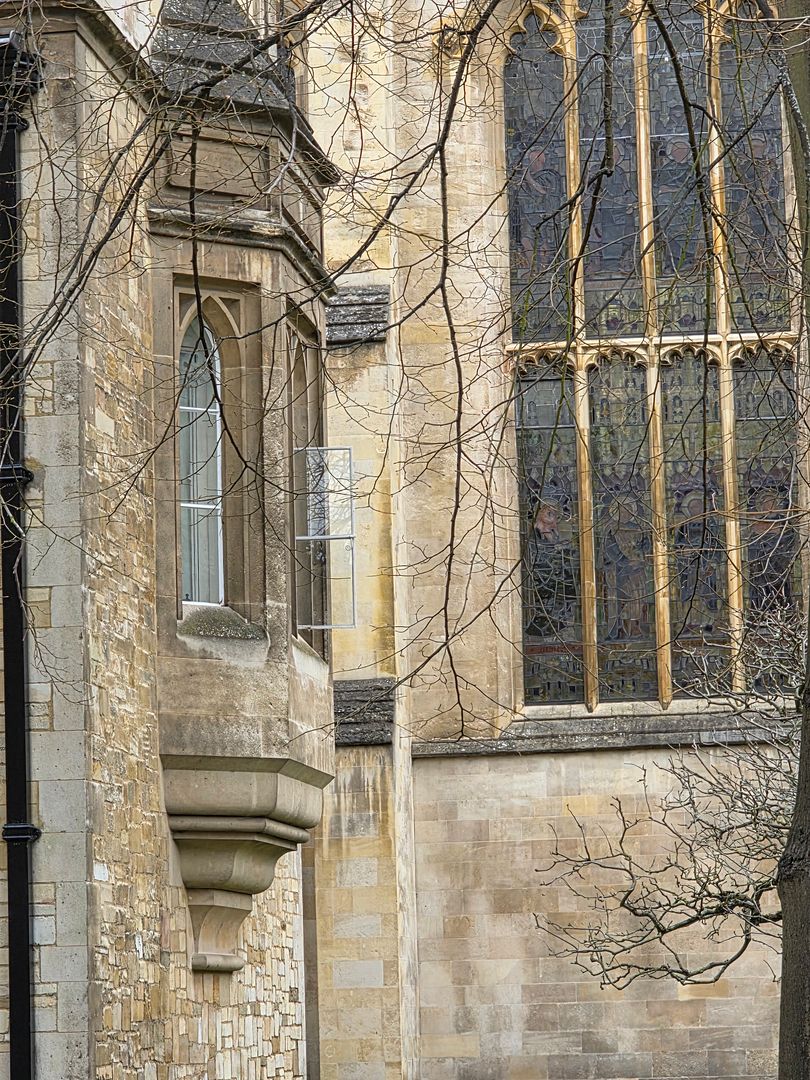
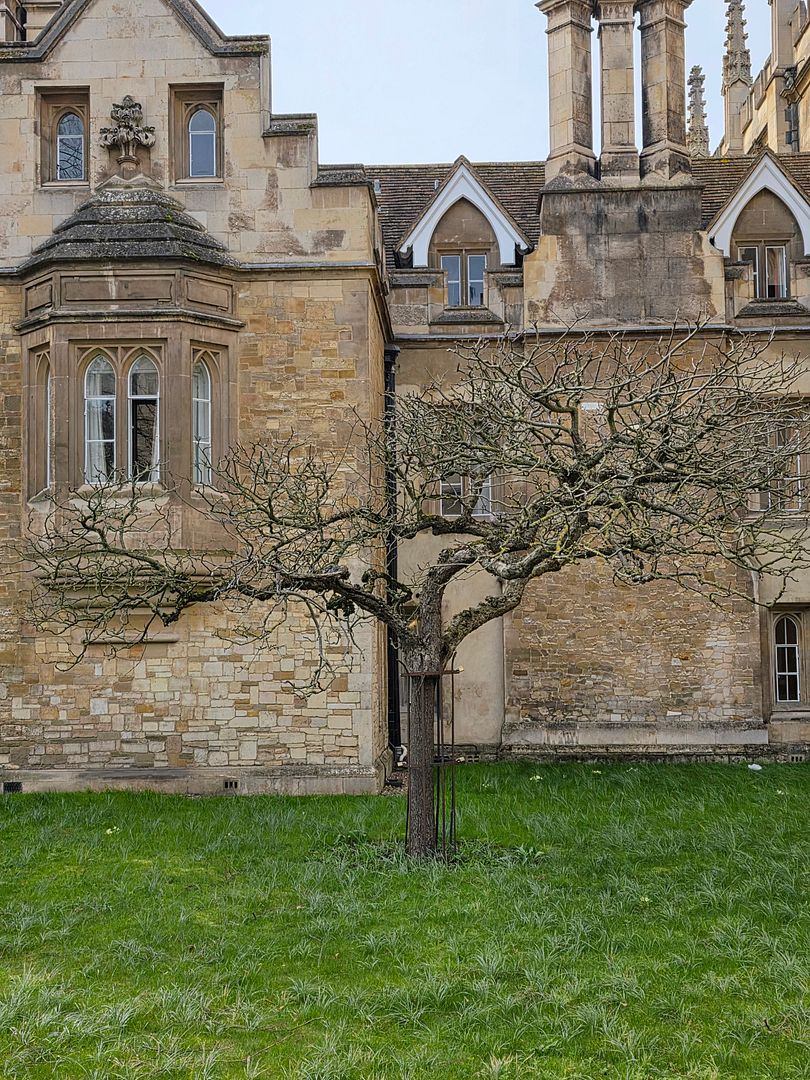
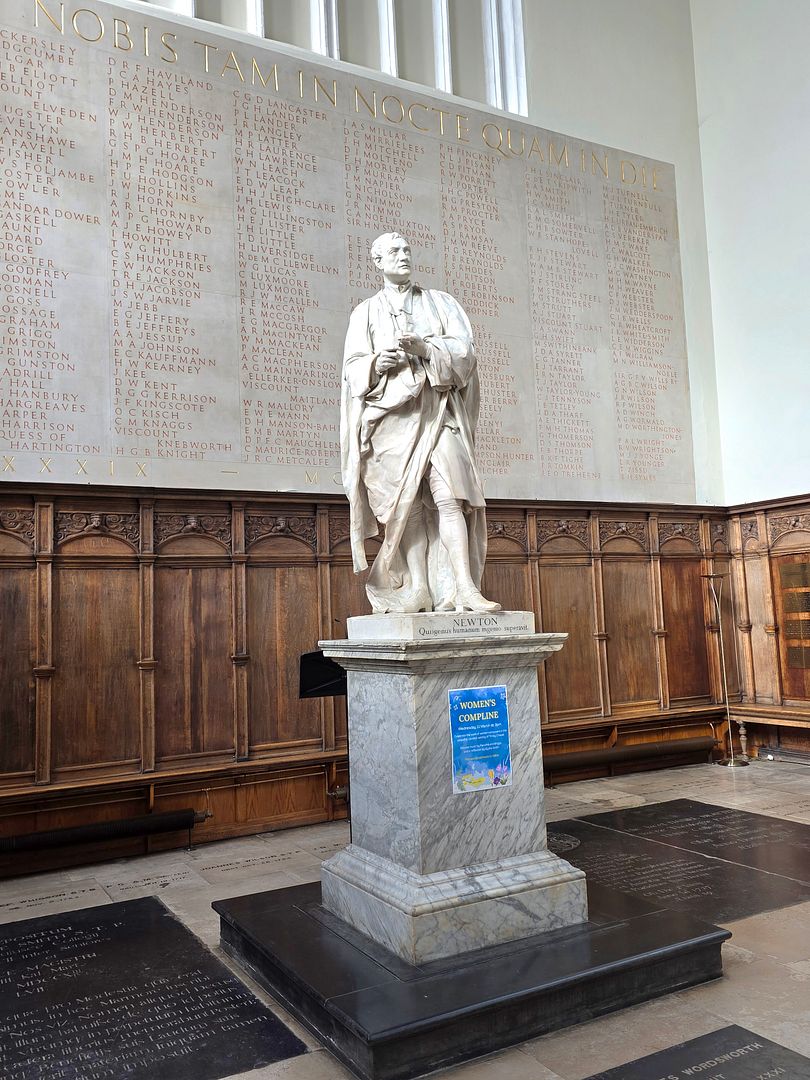
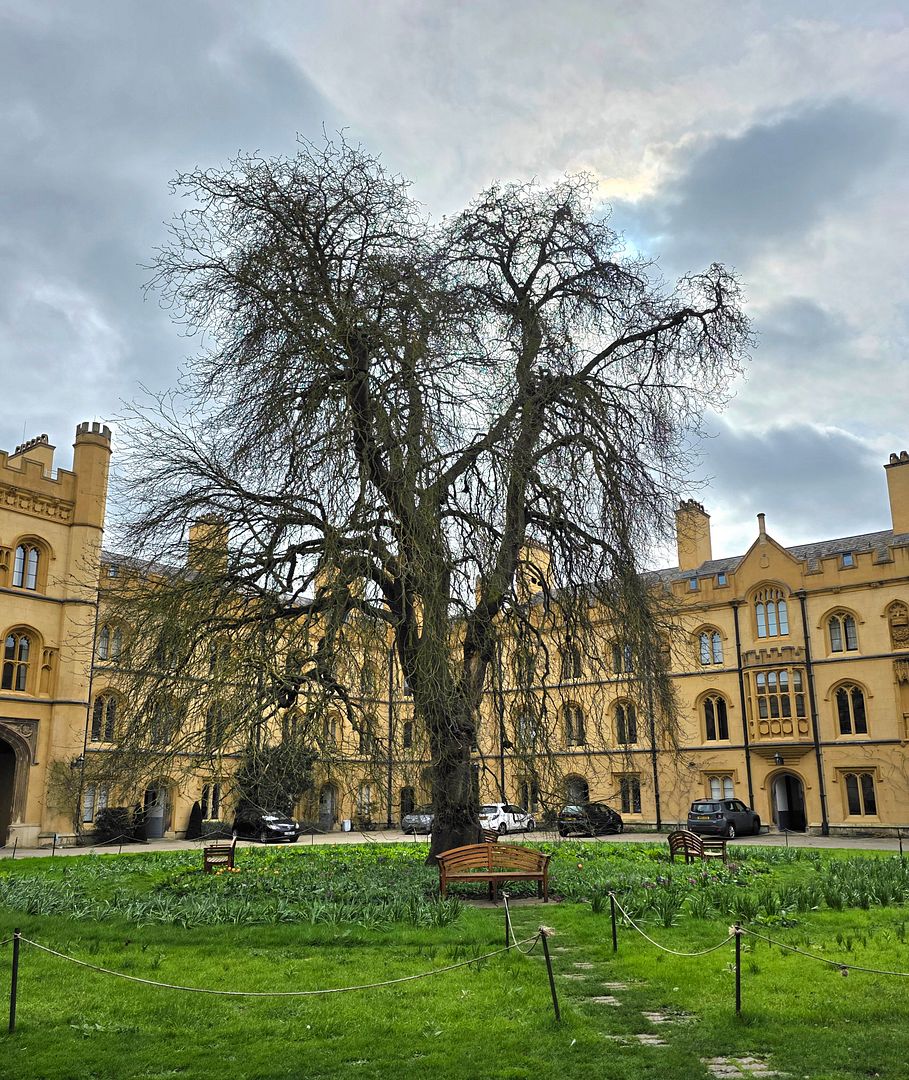
The open window is that of Isaac Newton’s Room while he attended Trinity.

The story of Isaac Newton and the falling apple is the famous legend behind his 1687 discovery of universal gravitation. While he wasn’t hit on the head as popular culture suggests, watching an apple fall prompted him to wonder why objects always fall straight to the ground, leading to his breakthrough. Above you’ll see the apple tree planted outside his room. Our guide said that this tree was grafted from the actual tree that led Newton to ponder the theory of gravity.

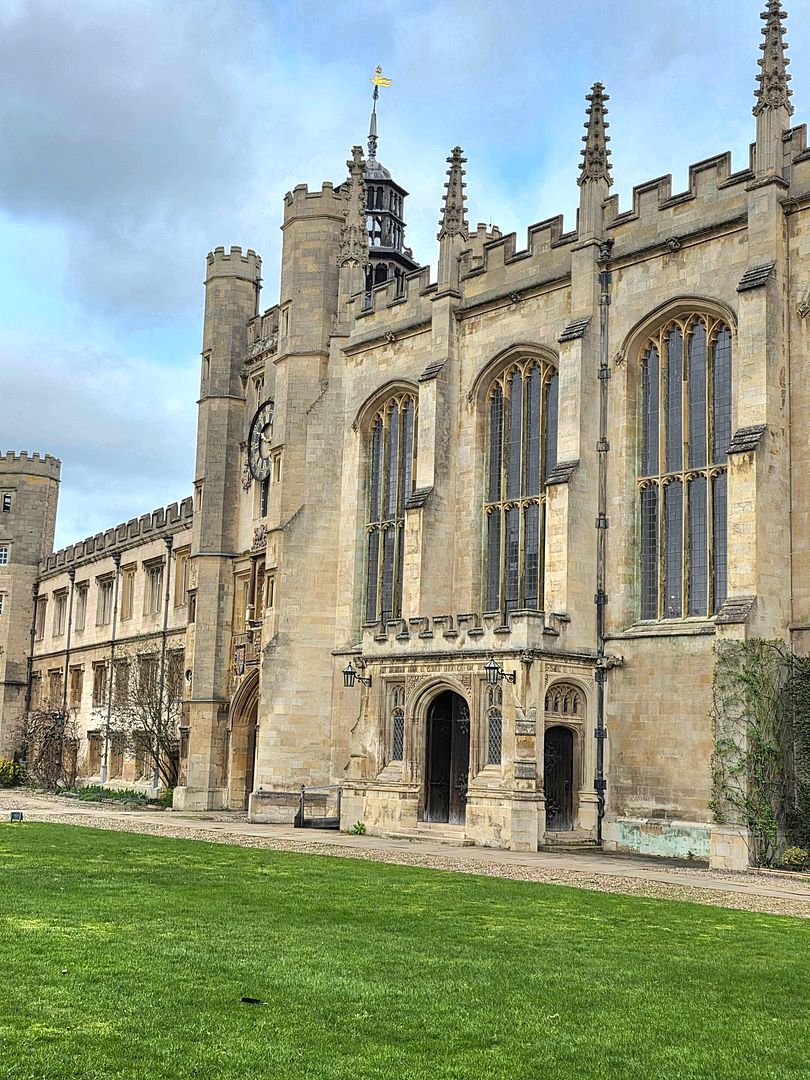
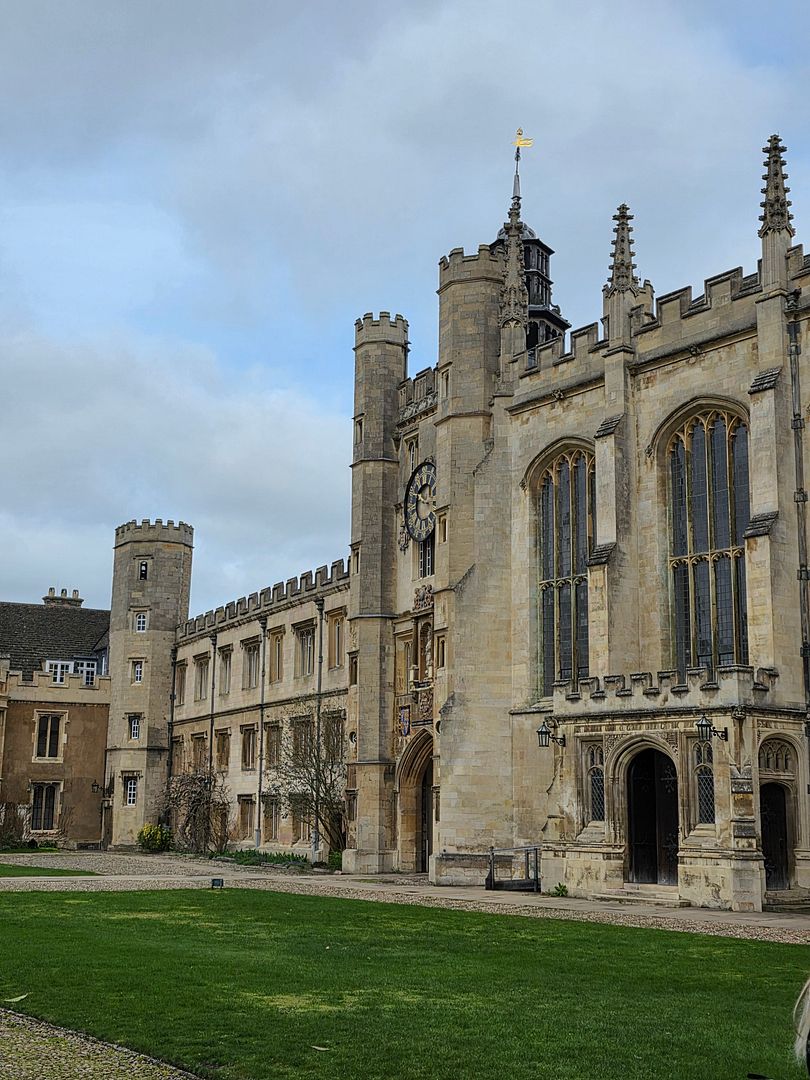
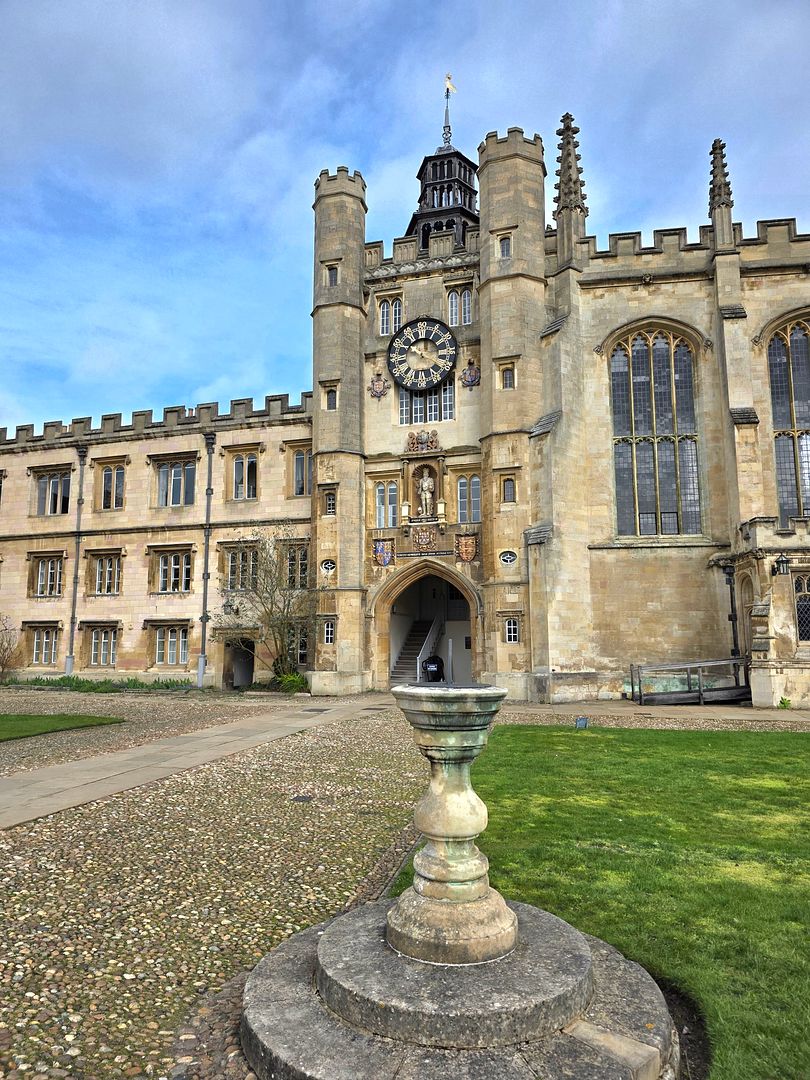
The Great Court features the iconic Clock Tower, where students attempt to run around the perimeter before the clock finishes striking 12 in the famous “Trinity Clock Challenge.”
If any of you have watched the movie, “Chariots of Fire”, you’ll remember the great court run, although a central theme it was not actually filmed at Trinity.

The College’s Great Court is famously the largest enclosed courtyard in Europe.

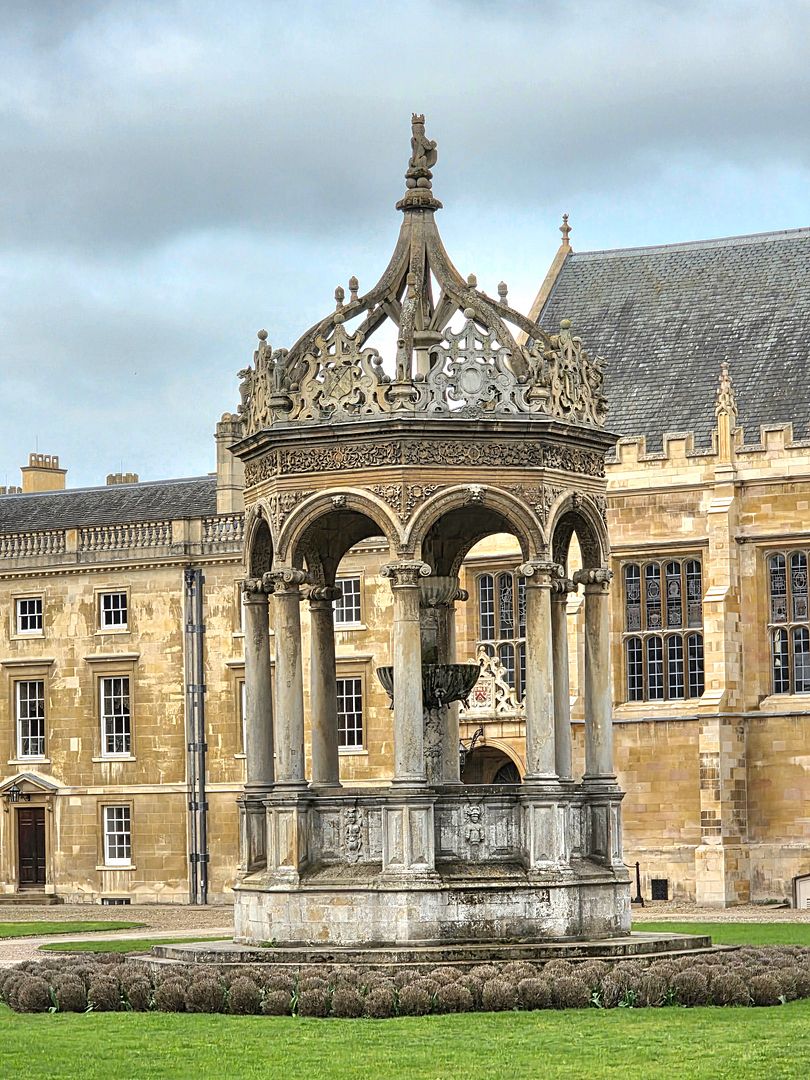
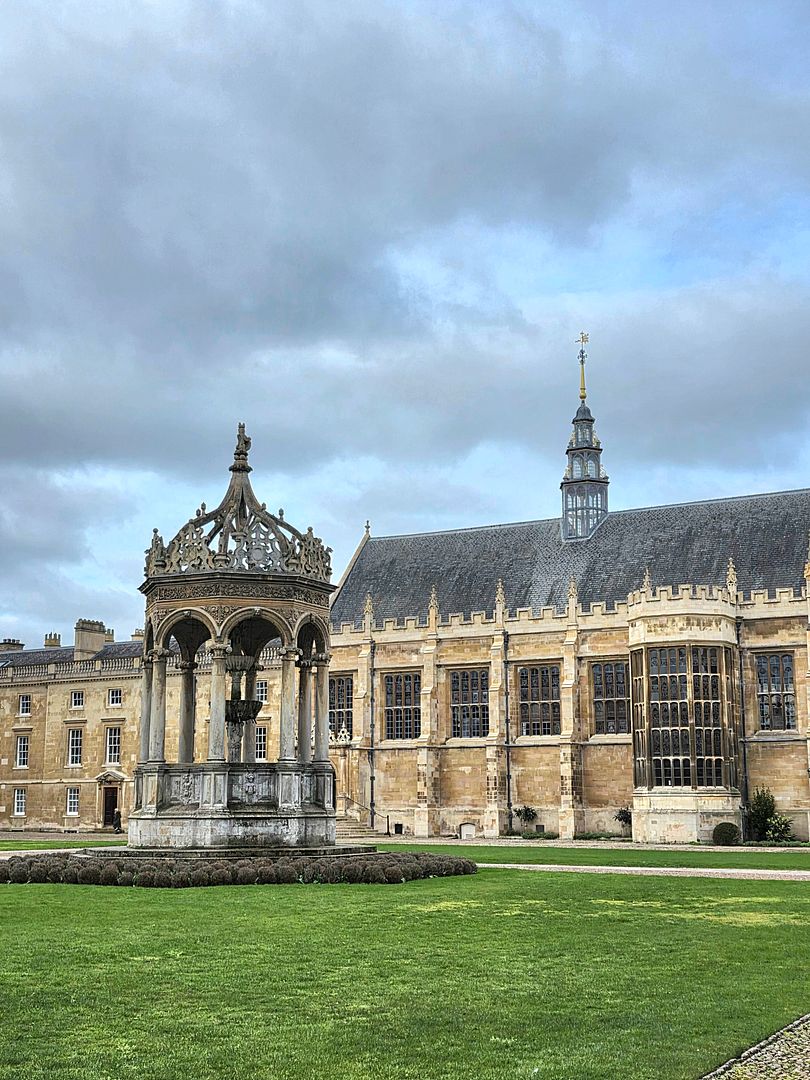
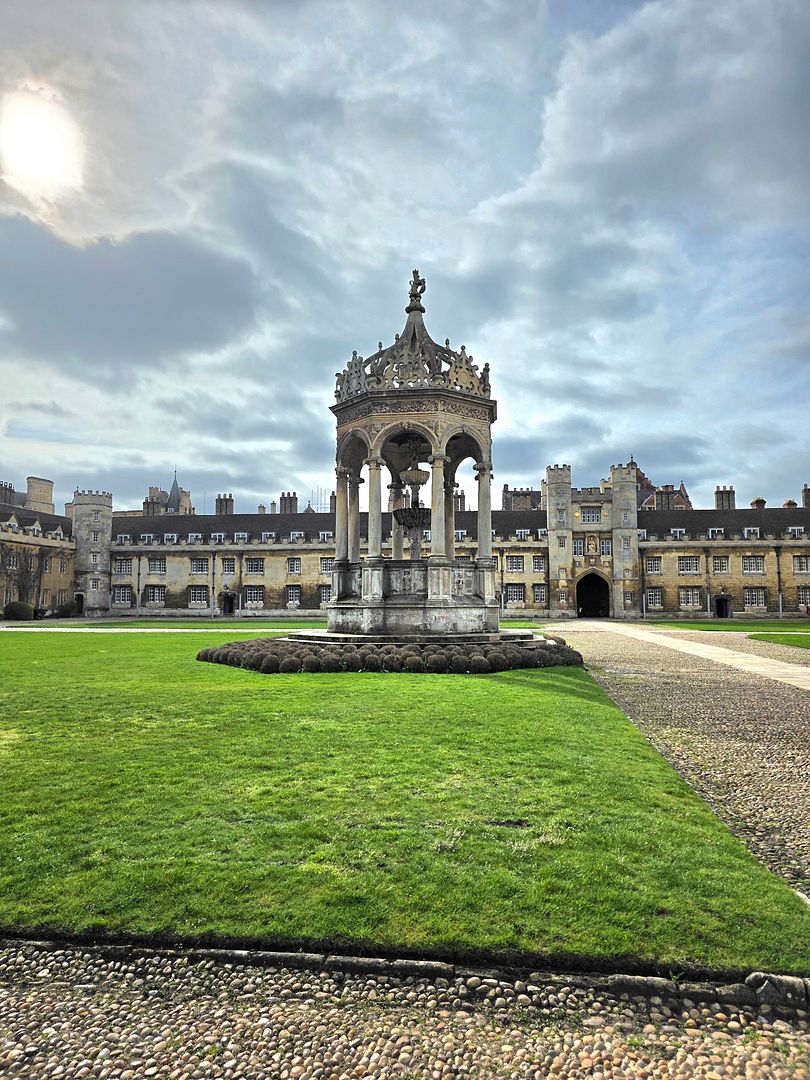
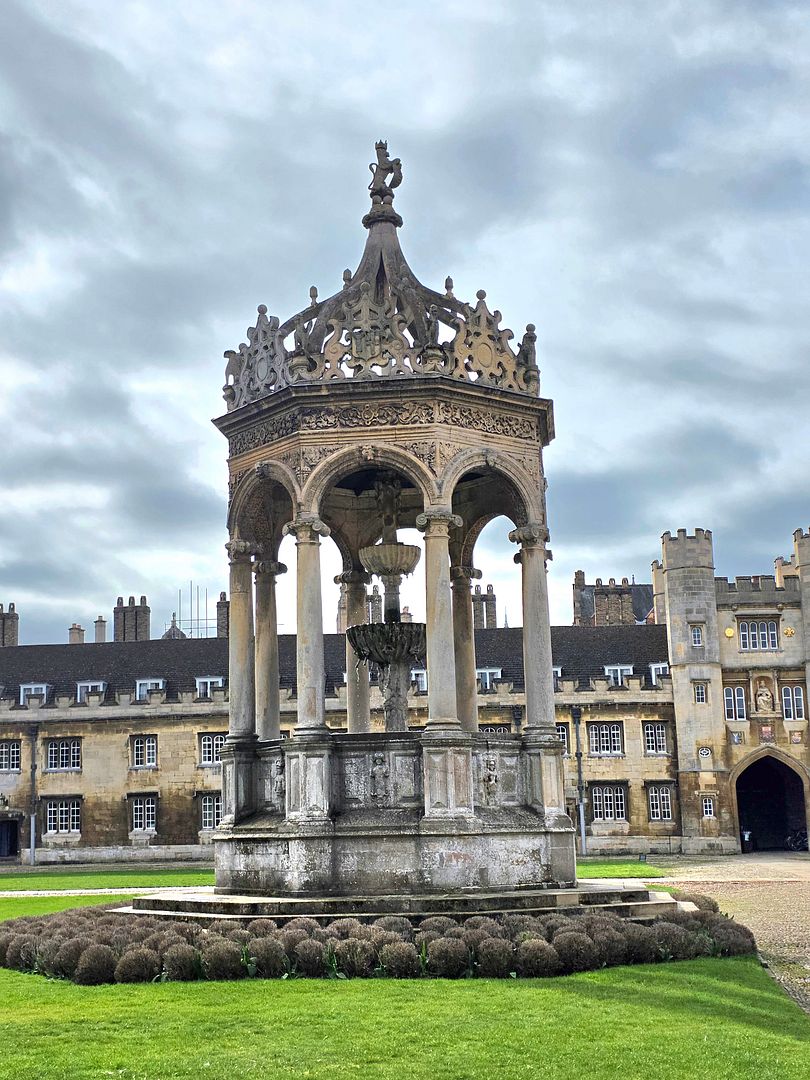
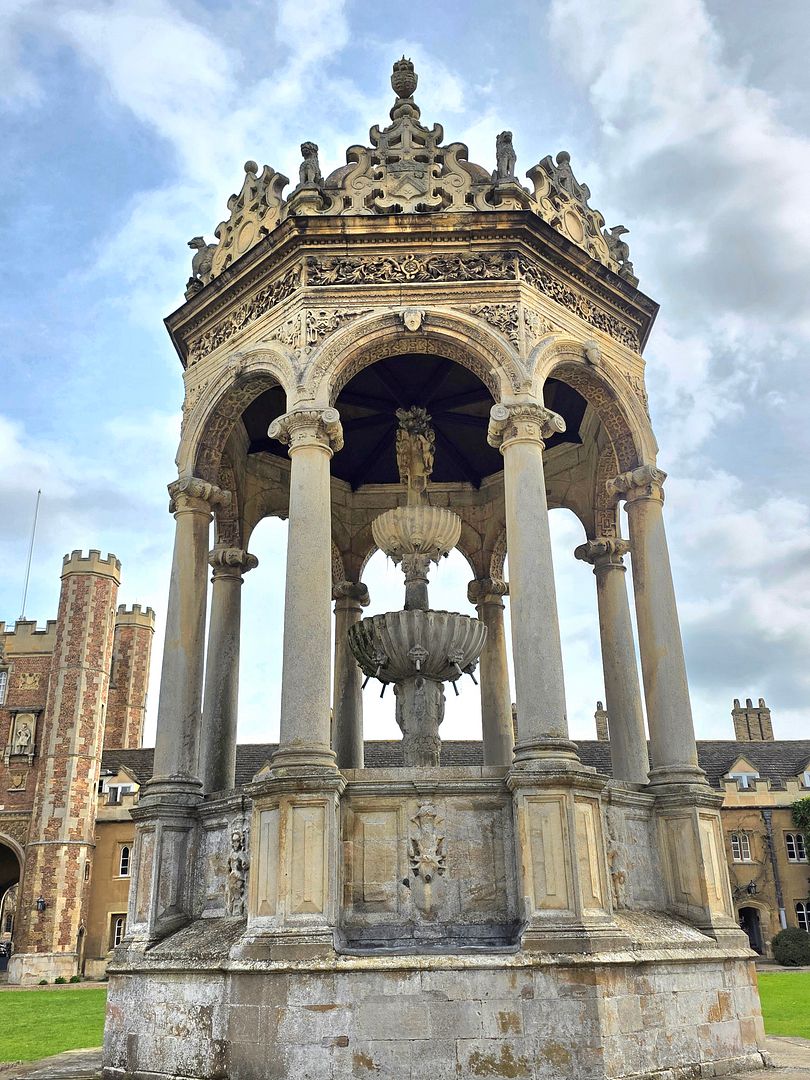
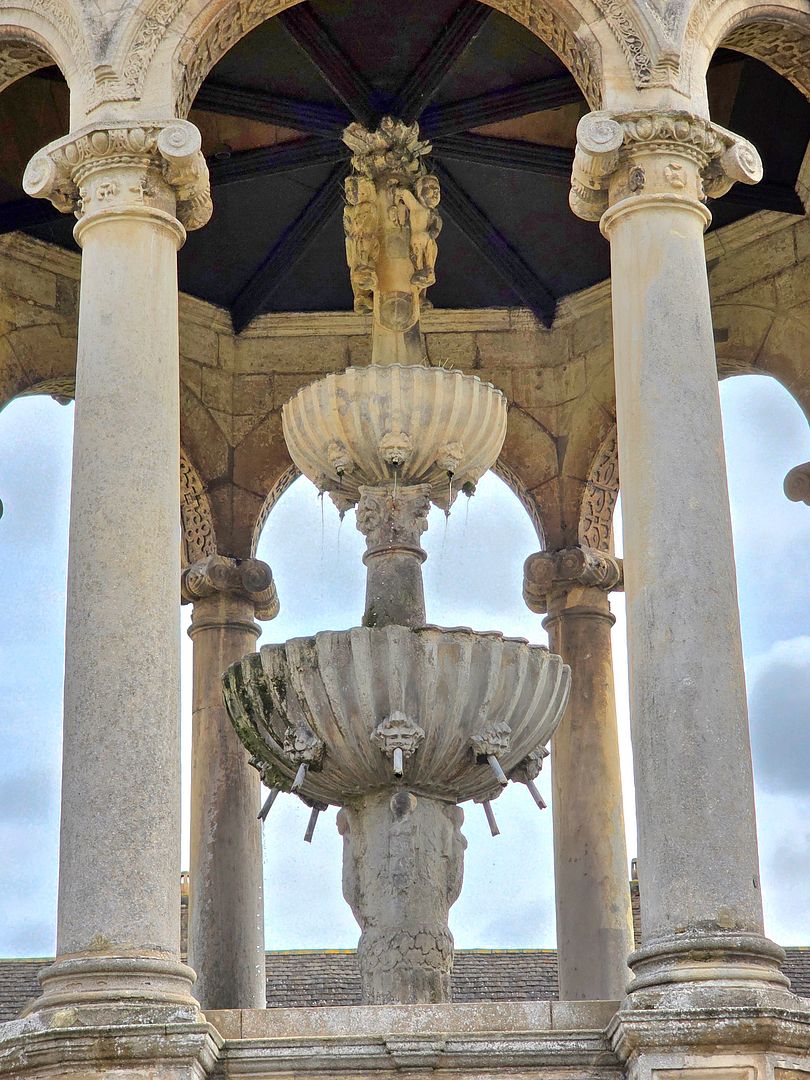
The Renaissance-style fountain in the center of Trinity College’s Great Court was first erected in 1602 and rebuilt in its original design in 1715. Historically supplied by a Franciscan monk conduit built in 1325, the landmark is famous for acting as a washing area for early students.

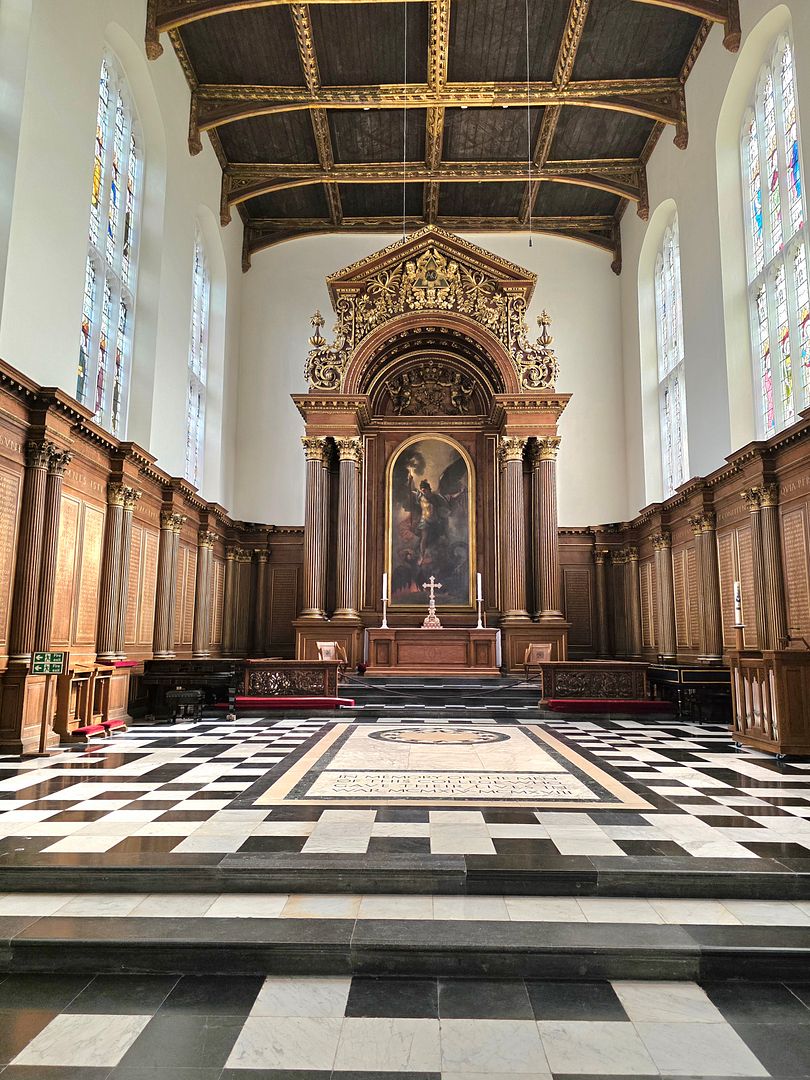
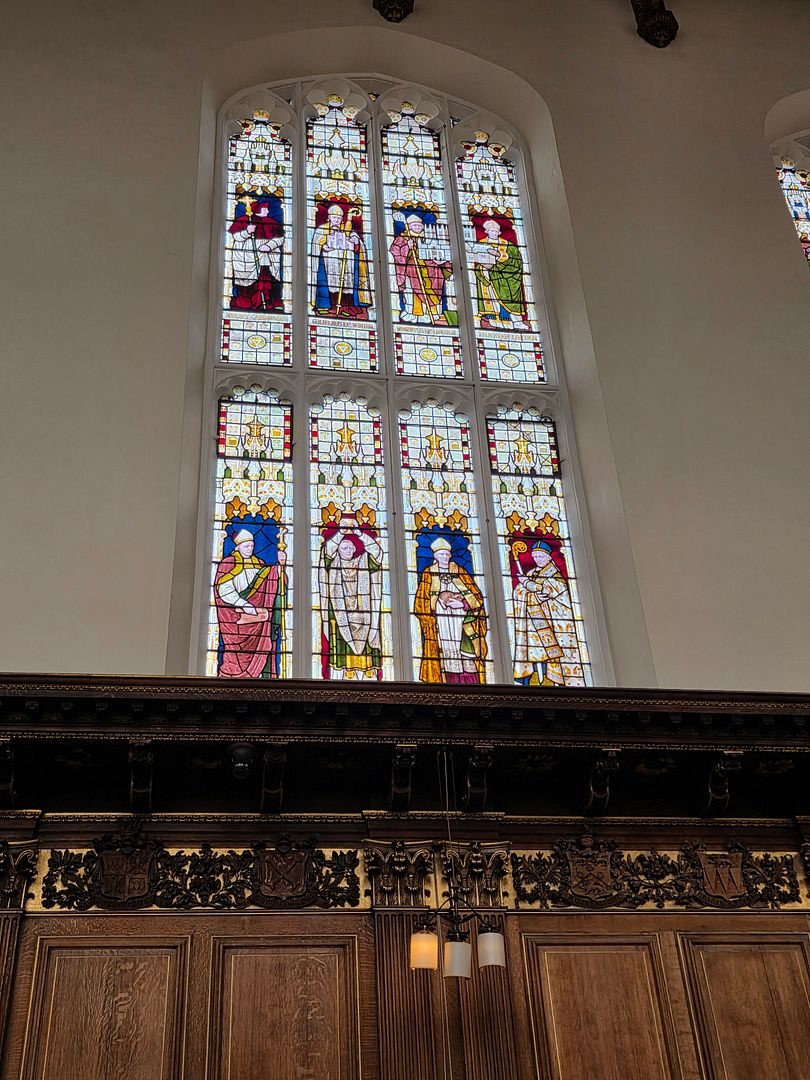
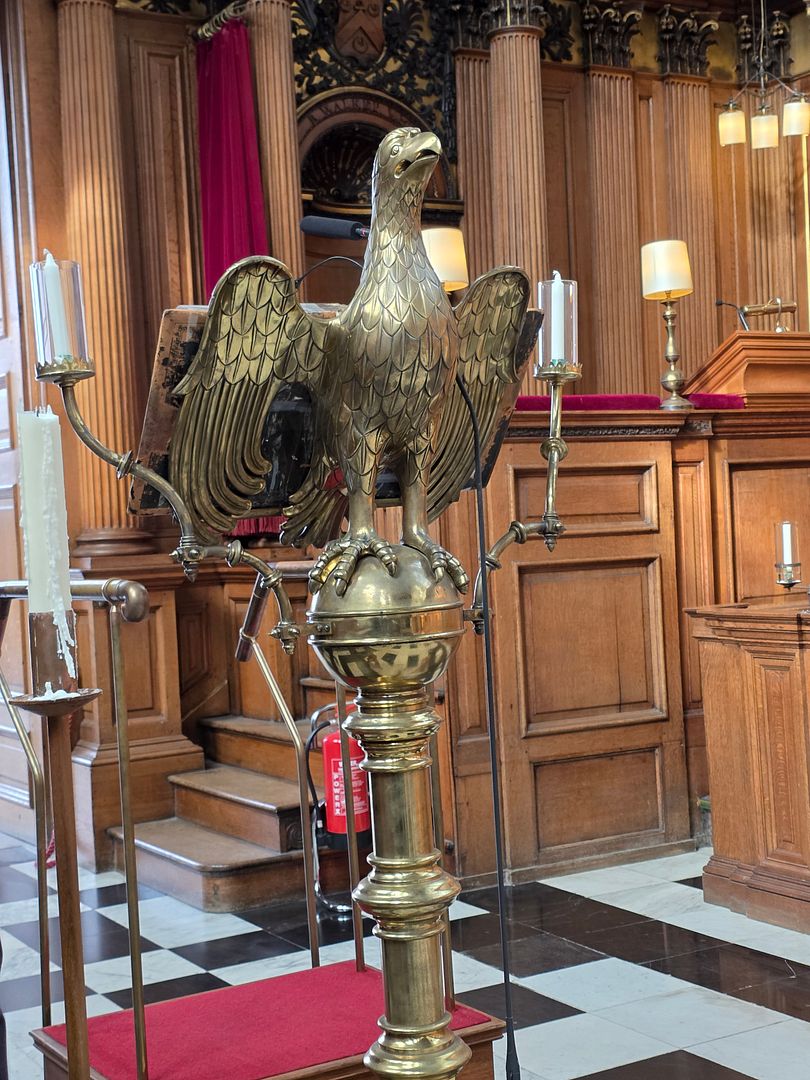
Overall, this chapel seemed to me, more a tribute to man than God.

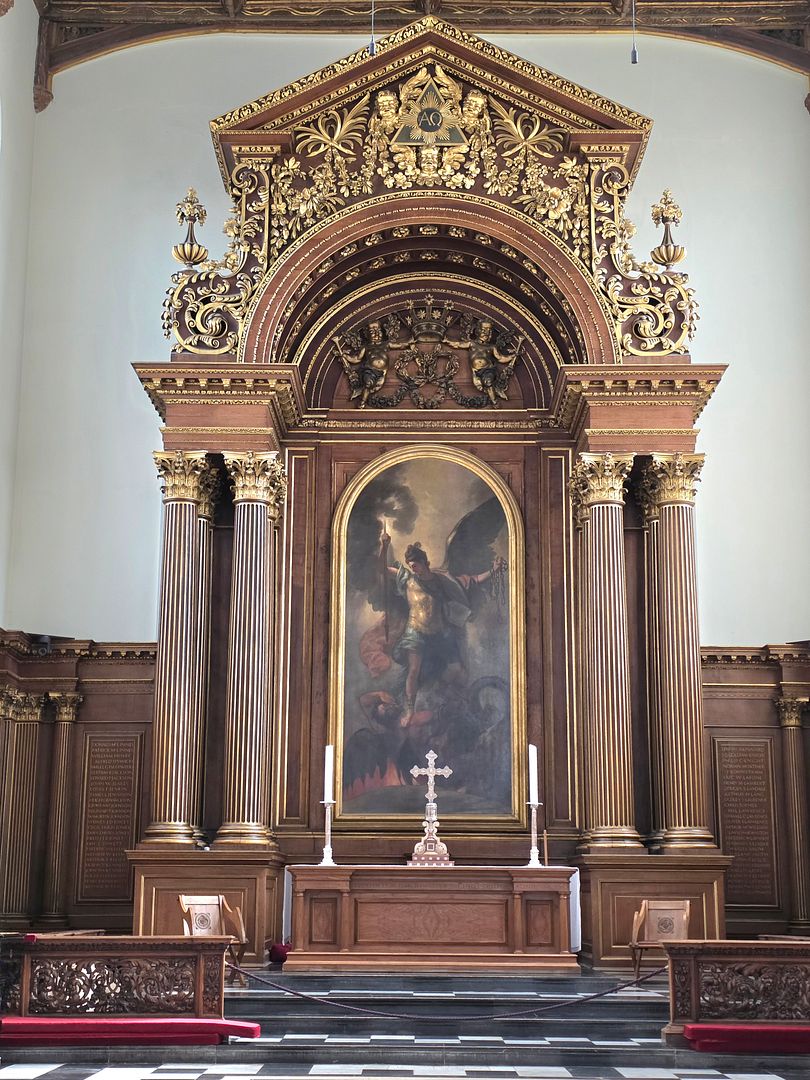
The famous oil painting located behind the altar in the Trinity College Chapel at the University of Cambridge is St Michael binding Satan, painted in 1768 by the prominent Anglo-American artist Benjamin West.

King Charles III studied at Trinity from 1967-1970 and became the first heir apparent to earn a university degree when he graduated in 1970. Trinity College, Cambridge, has produced about 34  Nobel laureates, the highest number of any Oxford or Cambridge college.

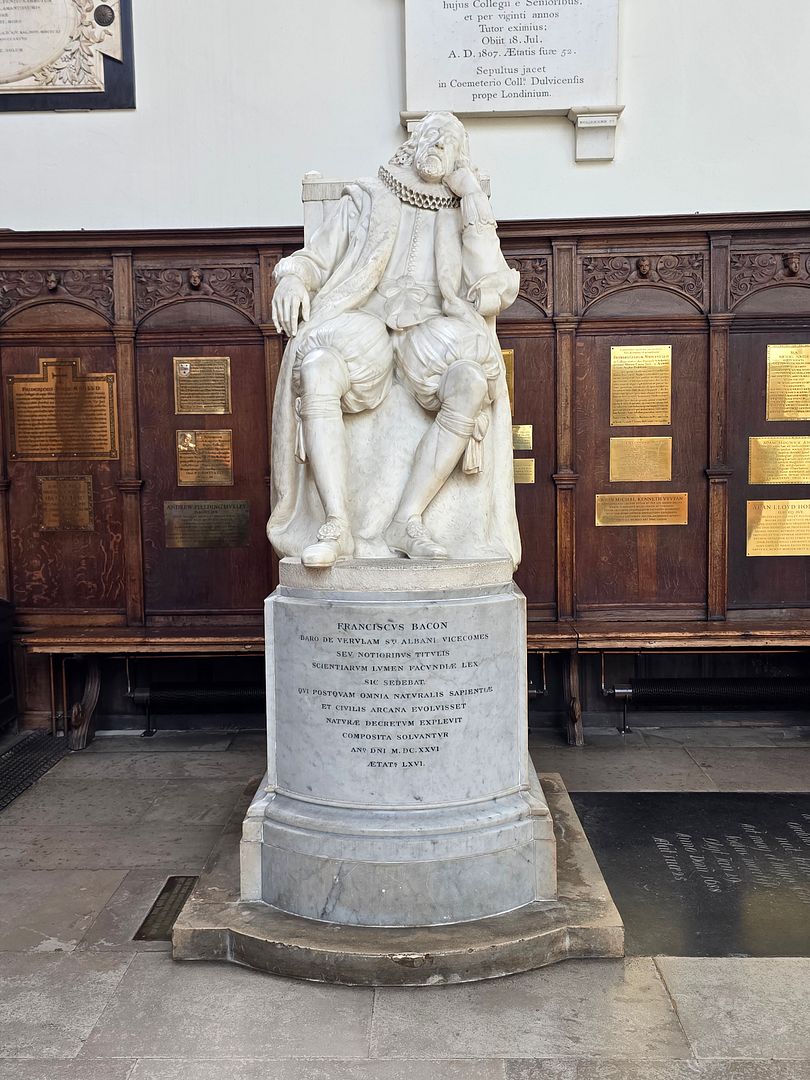
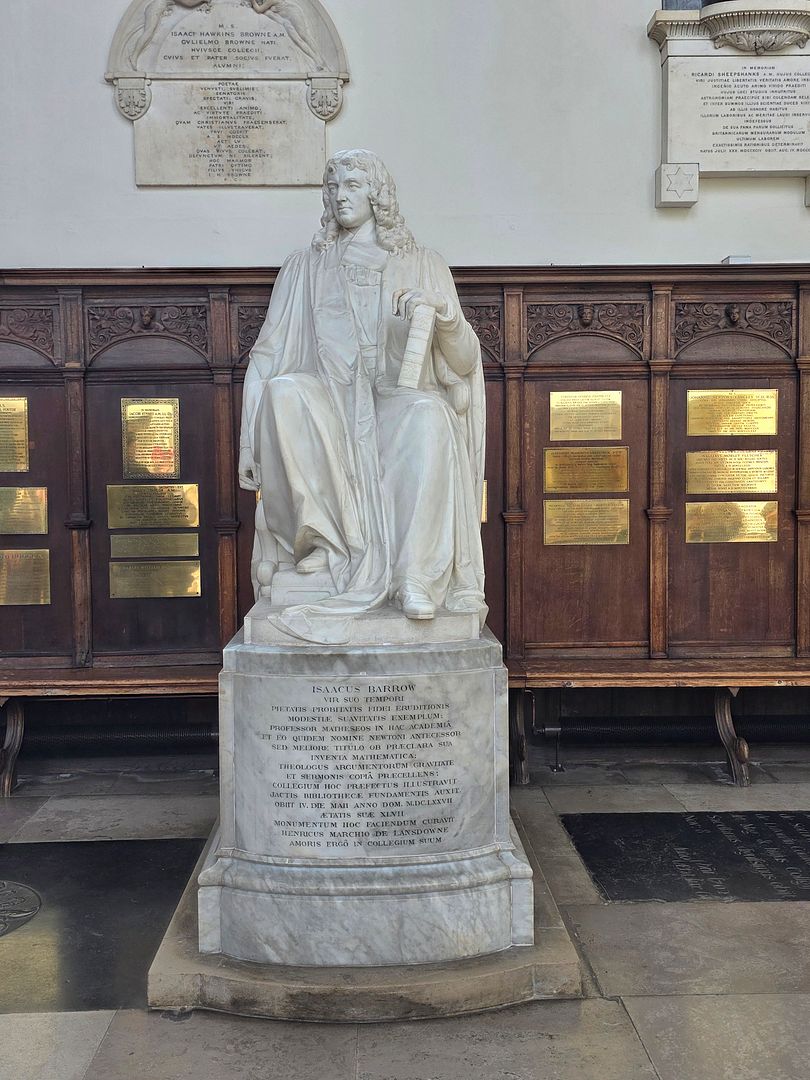
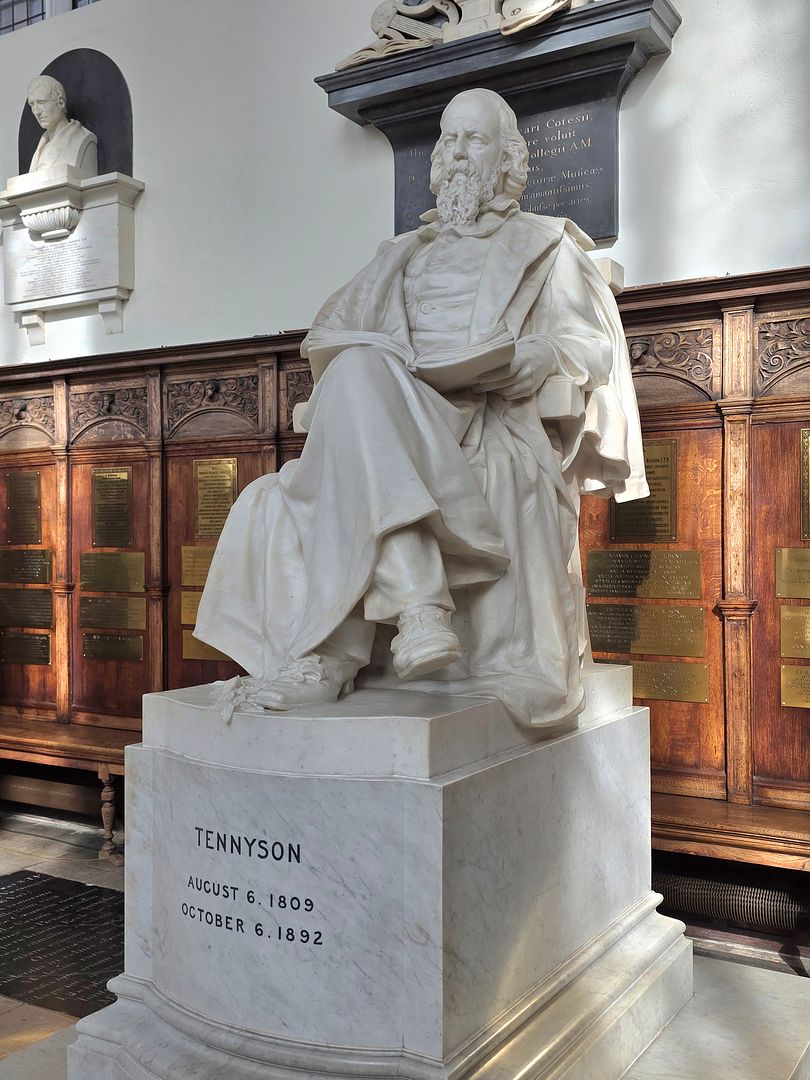
 Trinity was the academic home to Sir Isaac Newton, who lived and worked there for decades, as well as legendary figures like Francis Bacon, Bertrand Russell, and Tennyson.

One of my favorites from Tennyson’s Idylls of the King, King Arthur, on his deathbed voices to his friend some profound thoughts on prayer;

” Pray for my soul. More things are wrought by prayer
Than this world dreams of. Wherefore, let thy voice
Rise like a fountain for me night and day.
For what are men better than sheep or goats
That nourish a blind life within the brain,
If, knowing God, they lift not hands of prayer
Both for themselves and those who call them friend?
For so the whole round earth is every way
Bound by gold chains about the feet of God.”

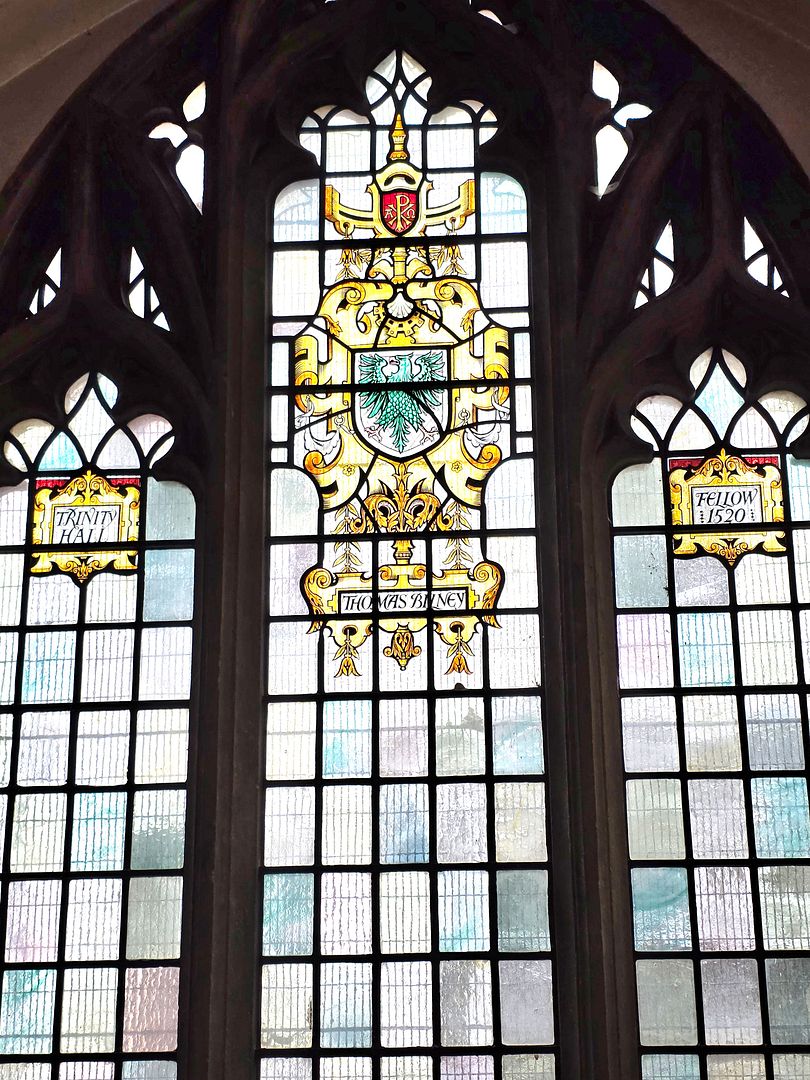
I’ve come to learn that Trinity had a scholar that I would most be honored to know, Thomas Bilney.

Thomas Bilney first found forgiveness through a translation of the Bible done by Erasmus. As Thomas grew in faith, he studied the writings of William Tyndale, and Thomas spoke out every chance he got—He preached that every man had a right to read the Scriptures in his own language. In 1531, Thomas was burned at the stake.

Thomas Bilney: the forgotten hero of the English Reformation.  

Thomas Bilney: The Flame Shall Not Kindle Upon Thee

Bilney Day in Norfolk

I learn as much as I can before we travel to a new part of the world. It is more of a general overview with thoughts about what we should see and do. Once we visit the sights and we come home, I learn even more while working on our Travel Journal.

There is always more to learn about any given college or historical site but this is all I’m sharing today. I was happy to have had this tour to start out our day of this and that in Cambridge.

Thank you for traveling along with us as I journal our traveling days.

Cambridge Dinner and Evensong

Another journal entry for our time in Cambridge in March of 2026. This one will be for the evenings of March 11th and a back track to the evening of March 10th.

After our train ride back from Ely we hailed a taxi to drive us back to our lodgings. We freshened up and relaxed for a while but soon determined we were hungry and set out to find the likely spot for dinner.

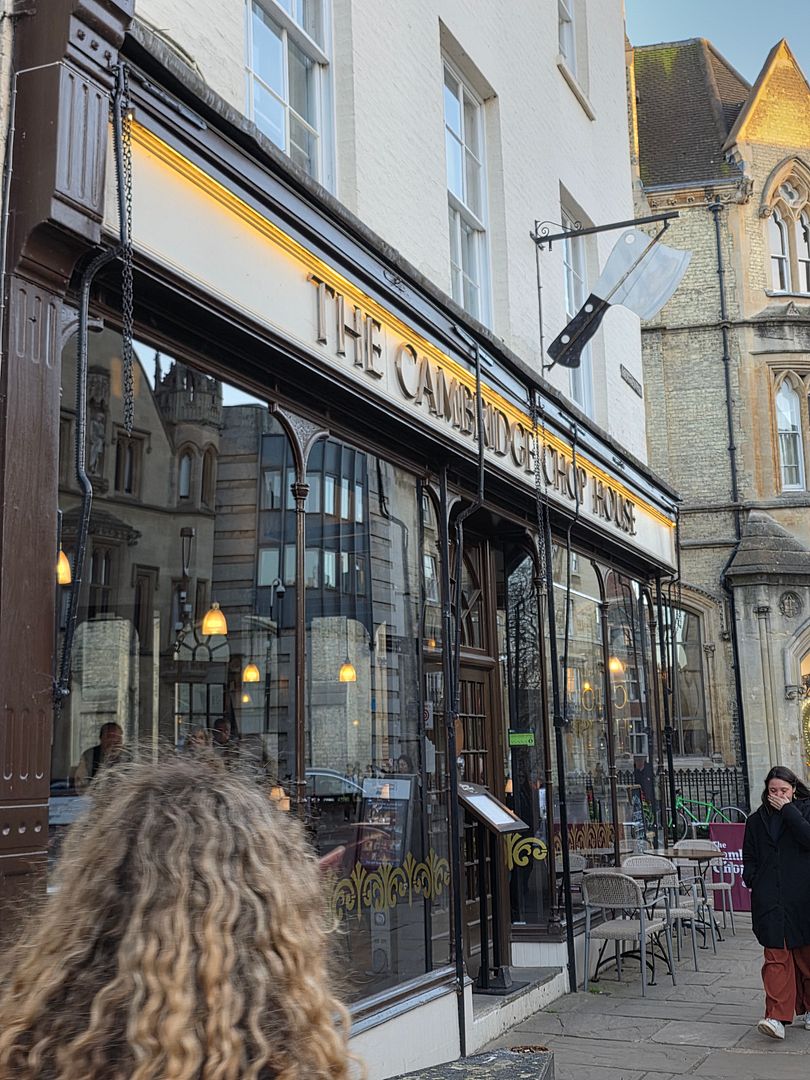
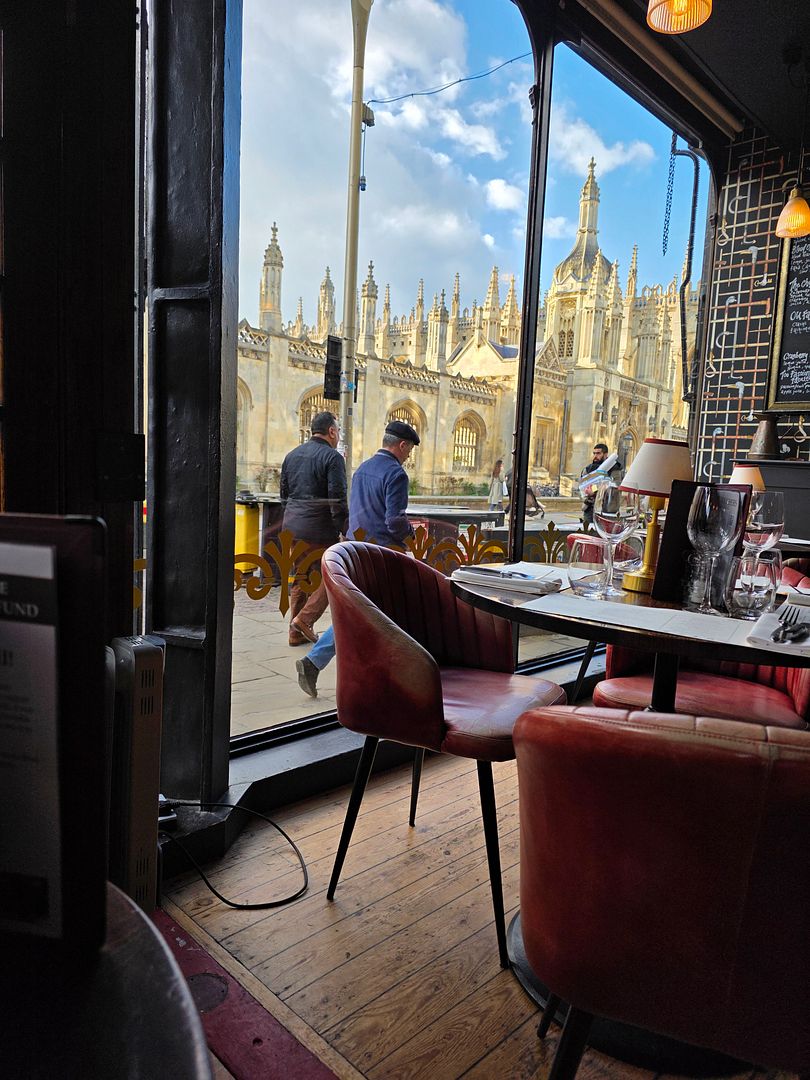
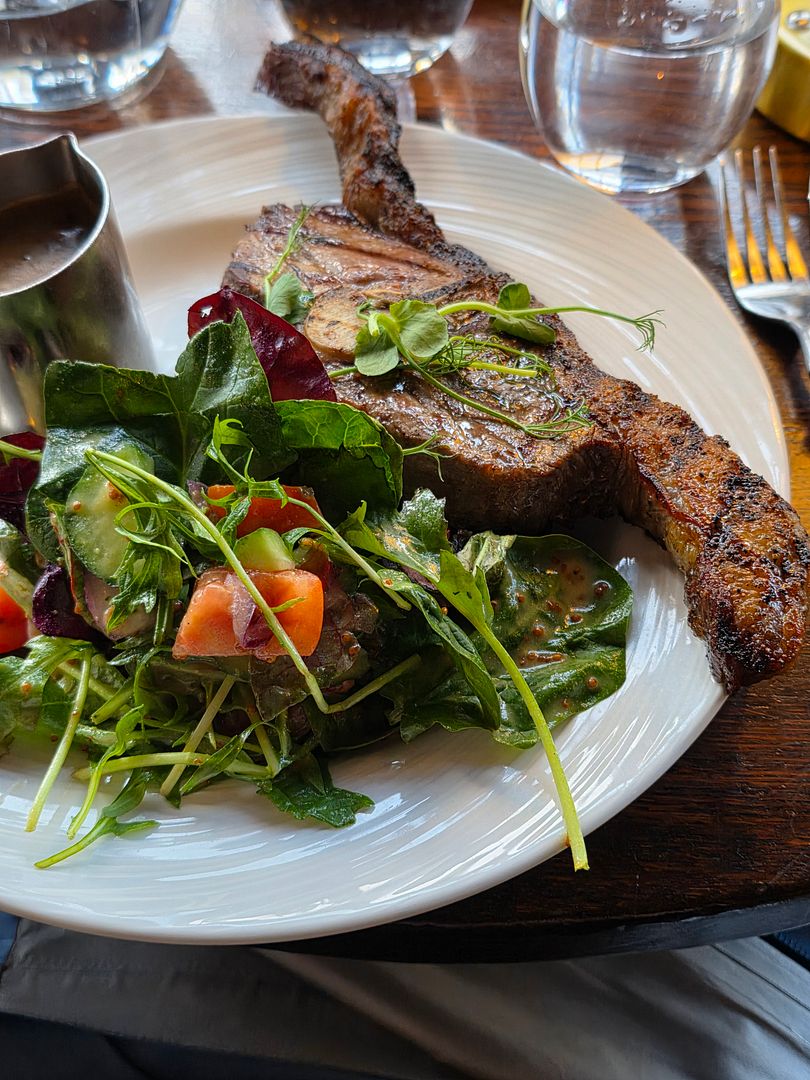
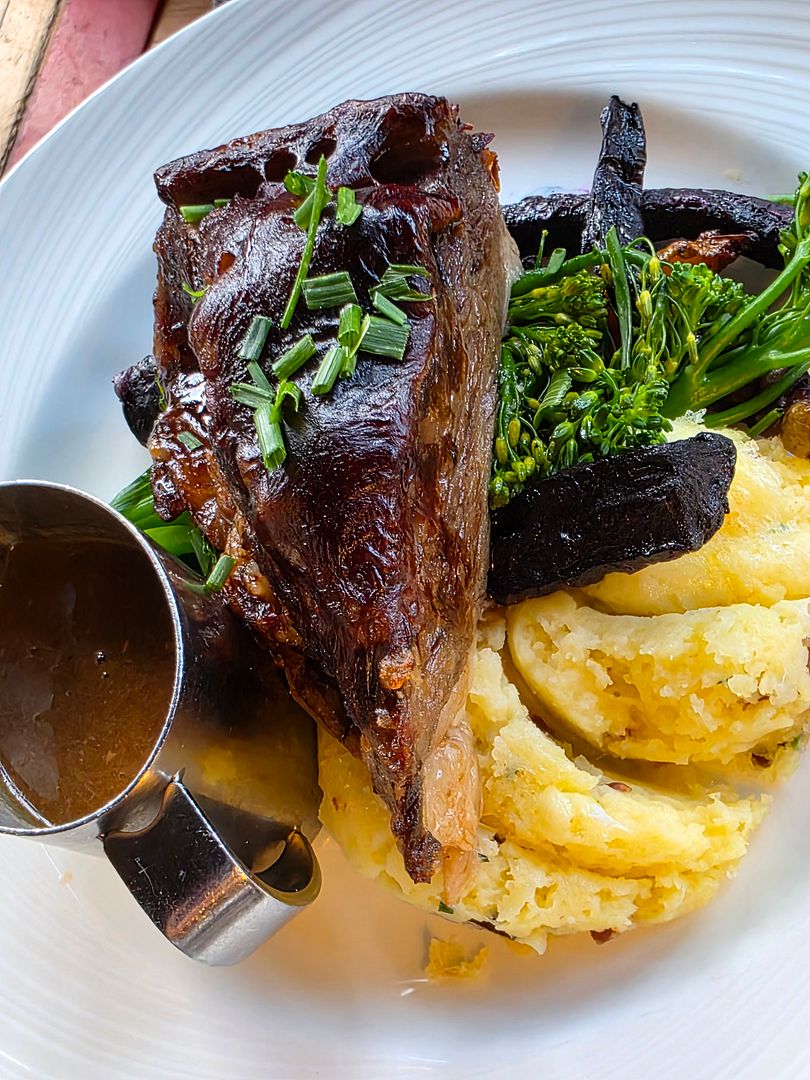
The Cambridge Chop House looked good and we managed to get seated without a reservation.

The views of King’s College were a nice added treat.

A lamb chop for me and short ribs for Greg.

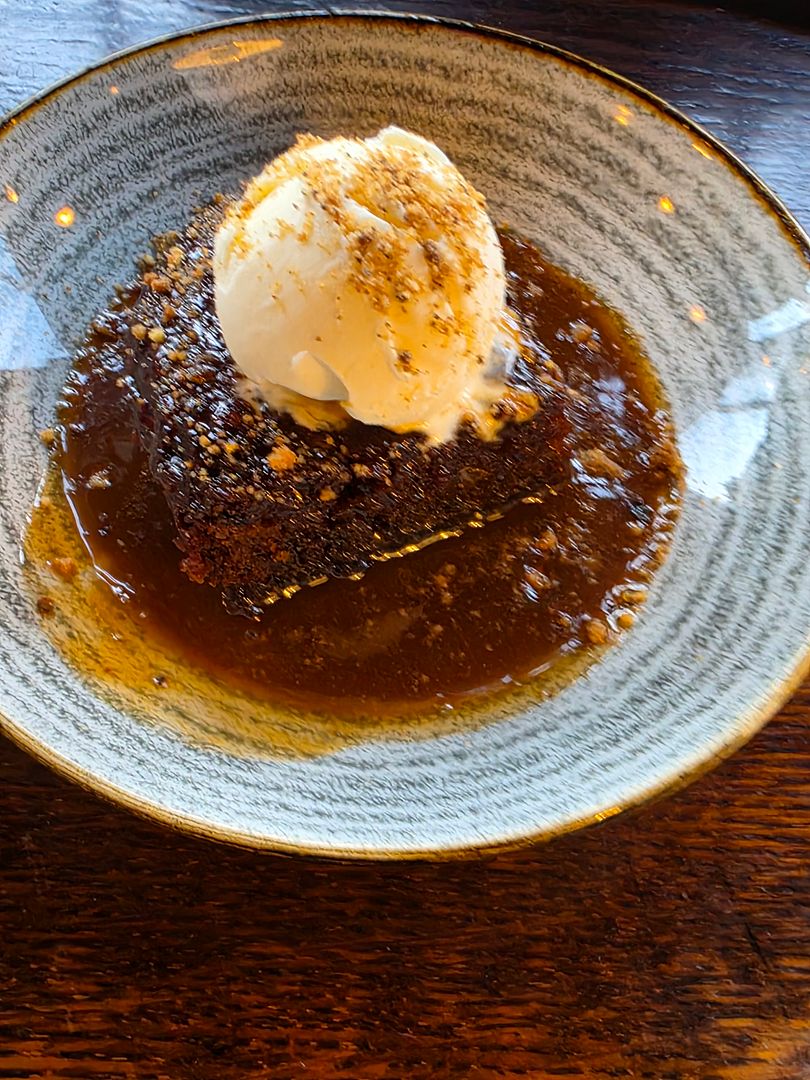
We shared sticky toffee pudding for dessert. This was a top notch and very satisfying meal.

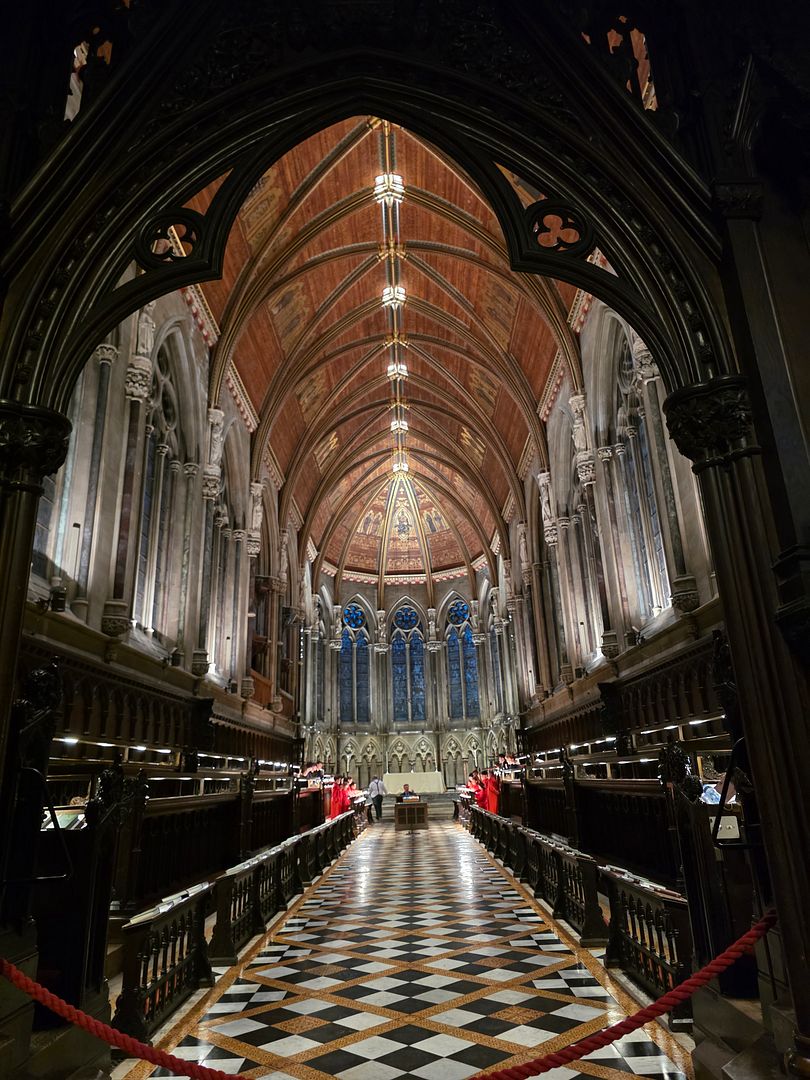
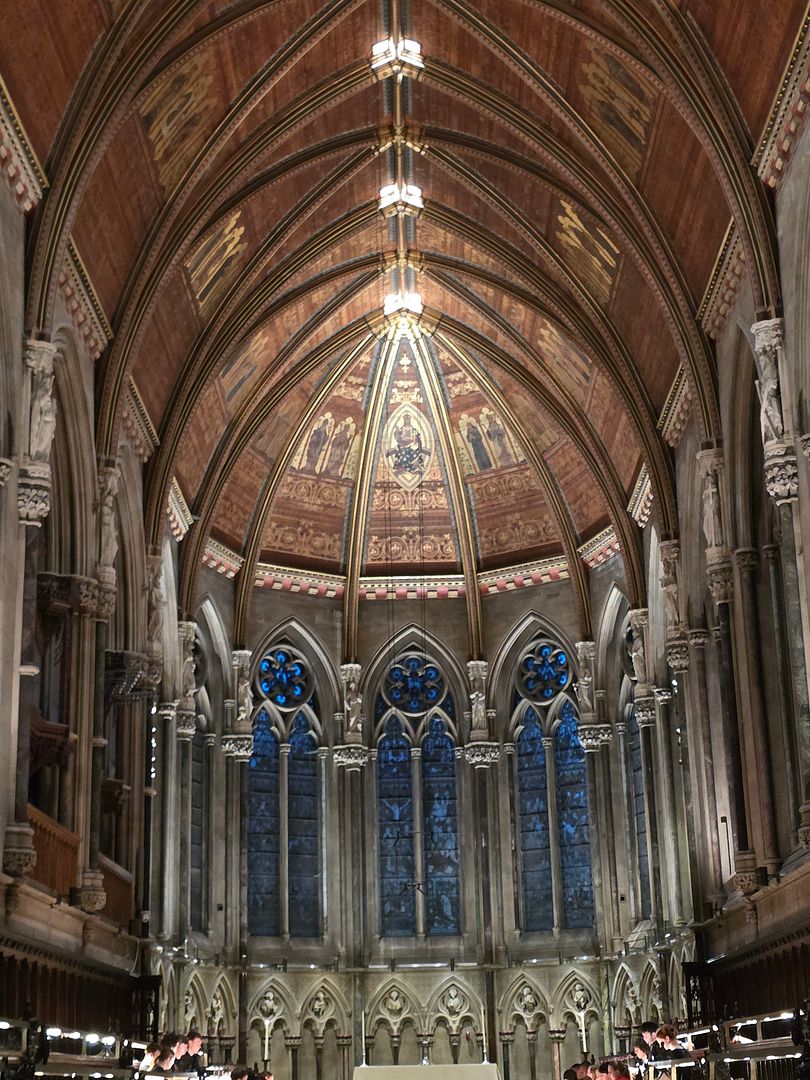
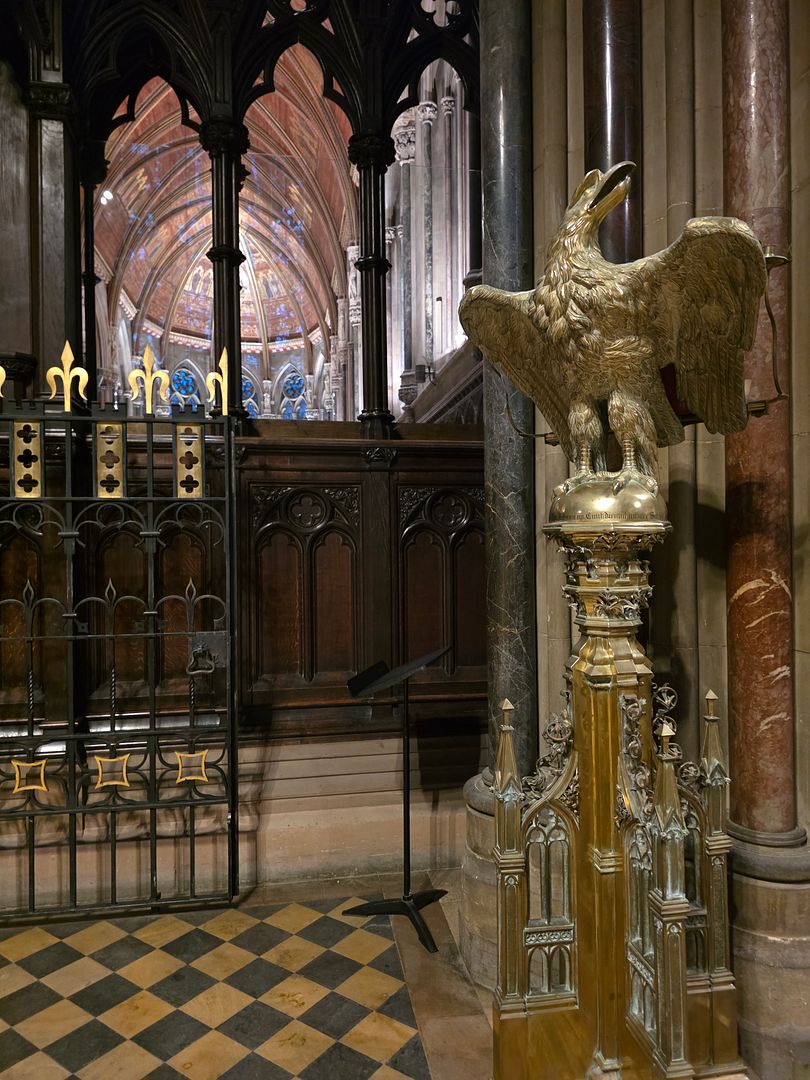
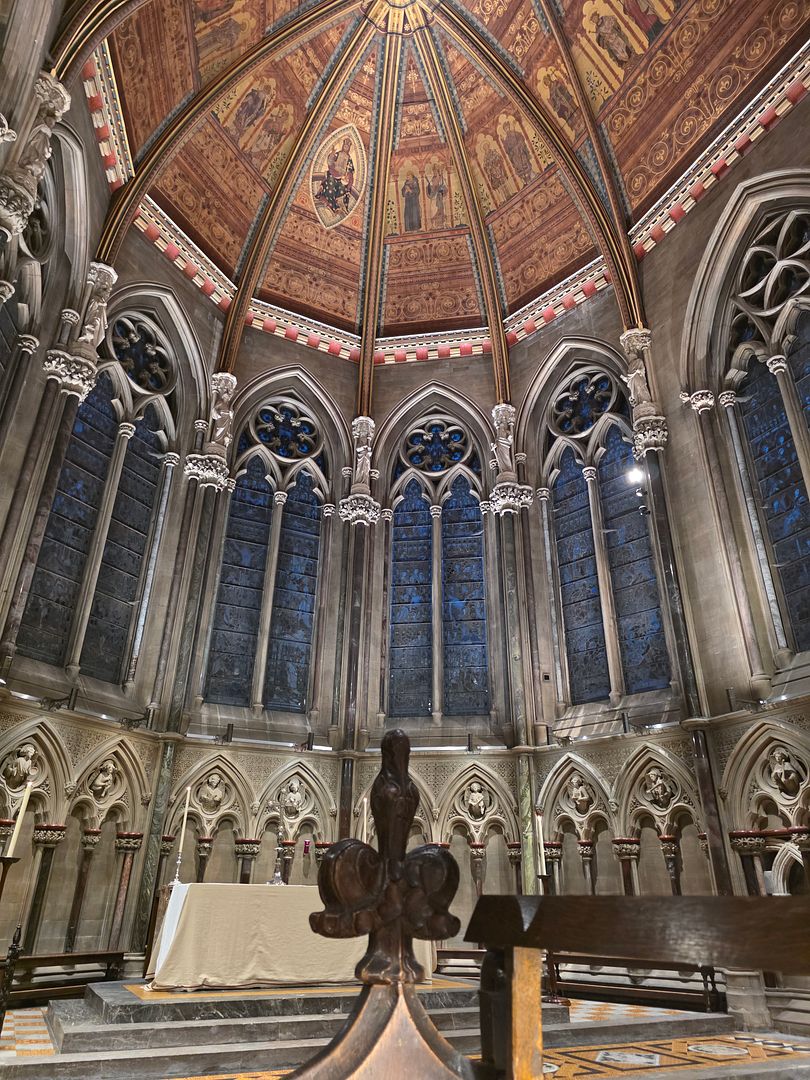
It slipped my journal posting radar about our Tuesday evening March 10th Evensong at St. John’s College. St. John’s College was closed to visitors the whole time we were in Cambridge but they did have Evensong that the public could enjoy. We were so happy to be able to attend it in the college chapel and get a little view into some of the architecture and history.

Evensong is a musical form of evening prayer, most familiar in the Anglican and Episcopal traditions. It’s typically held in cathedrals, collegiate chapels, and parish churches, often at the close of the day. Unlike many other church services, much of Evensong is sung by a choir, accompanied by an organ, with the congregation usually participating through silent reflection or by joining in a few responses and hymns. The primary purpose of Evensong is to offer thanks for the day that is past, to seek spiritual peace for the evening ahead, and to provide attendees with a space for contemplation through beautiful music and scripture. 

It has been a wonderful way for us to end a day of sightseeing in our travels to attend Evensong.

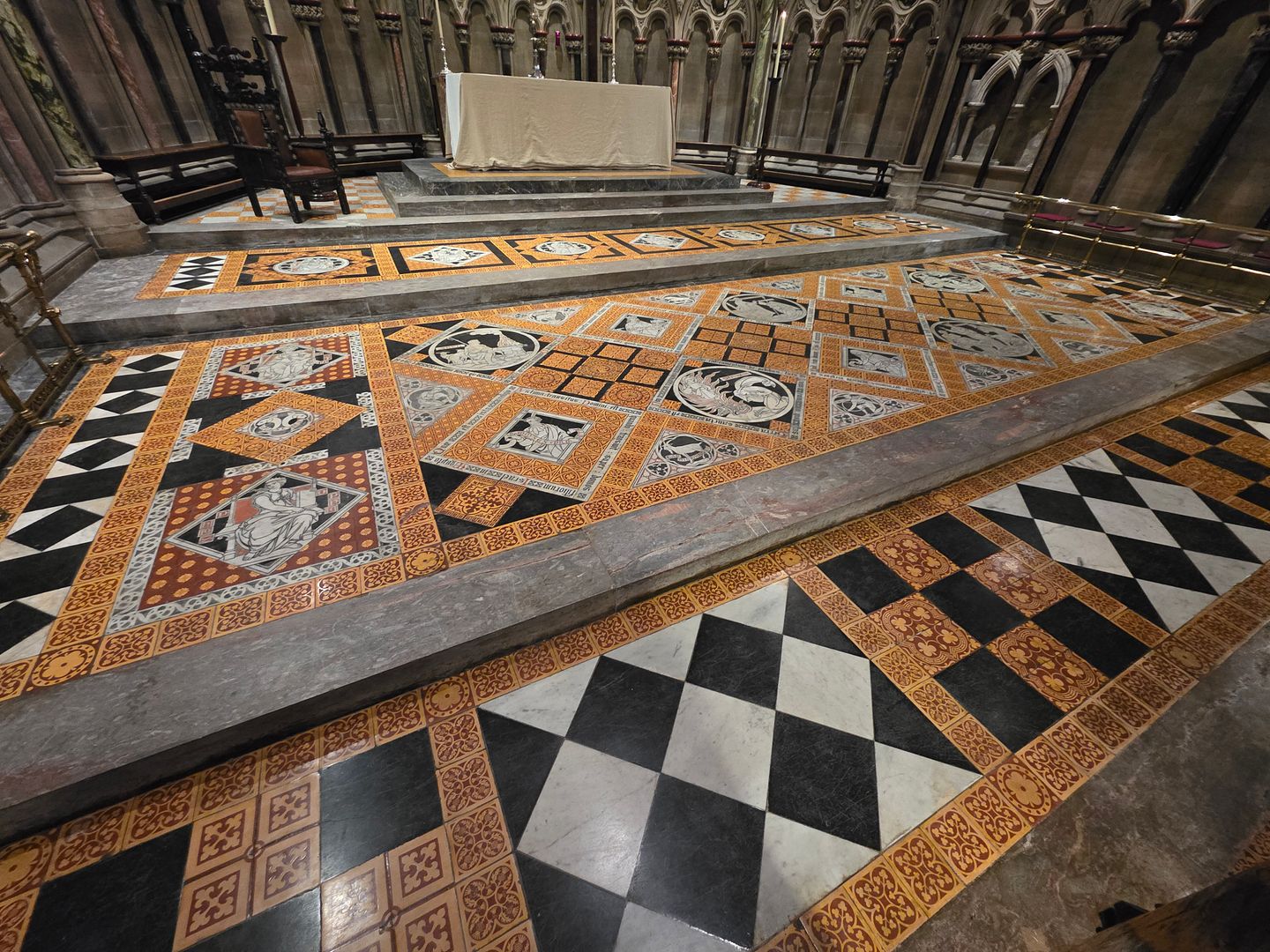
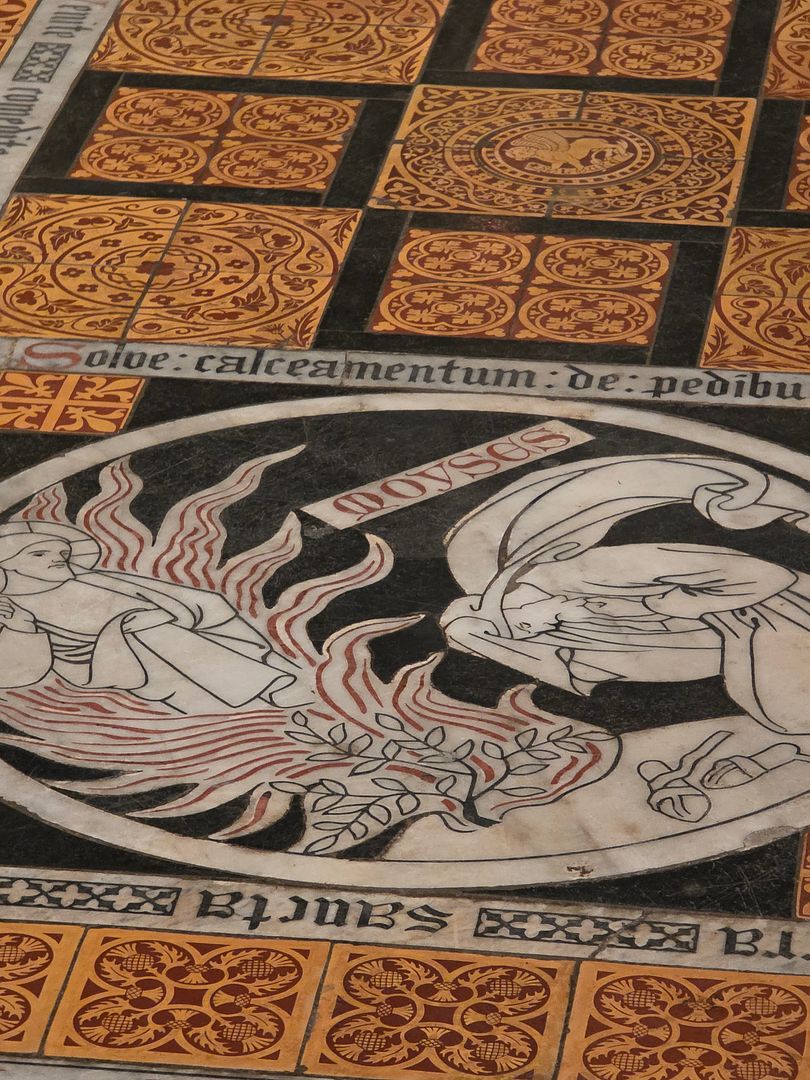
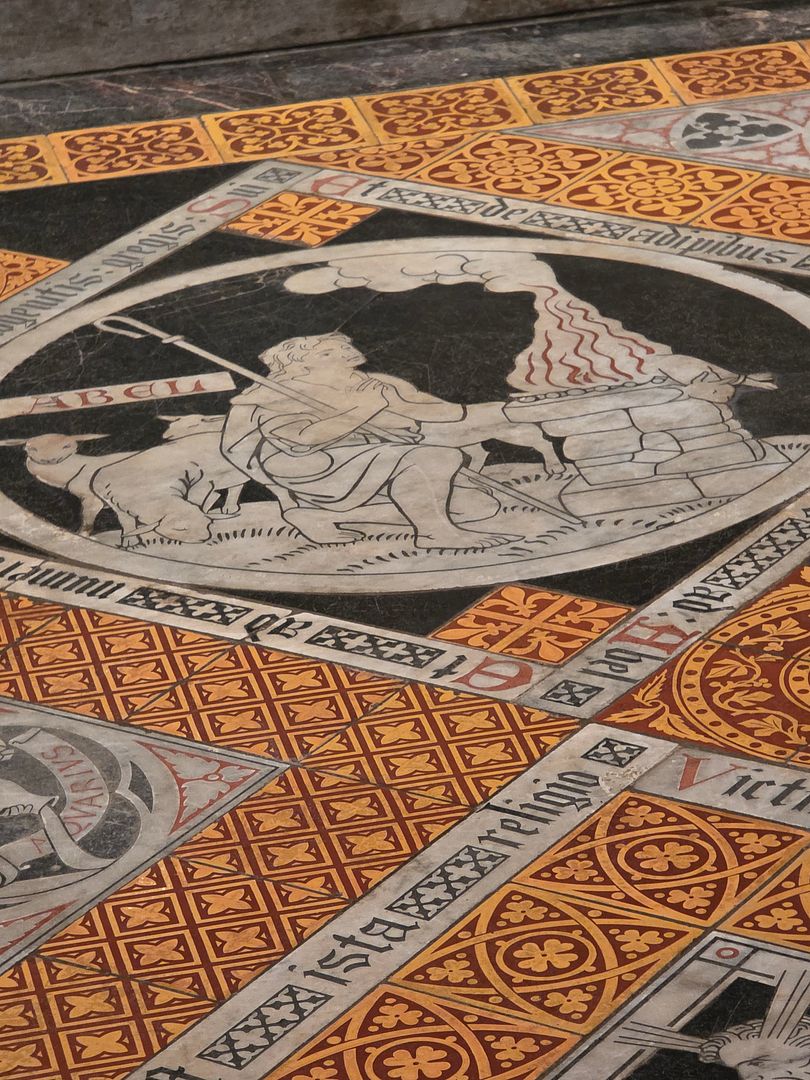
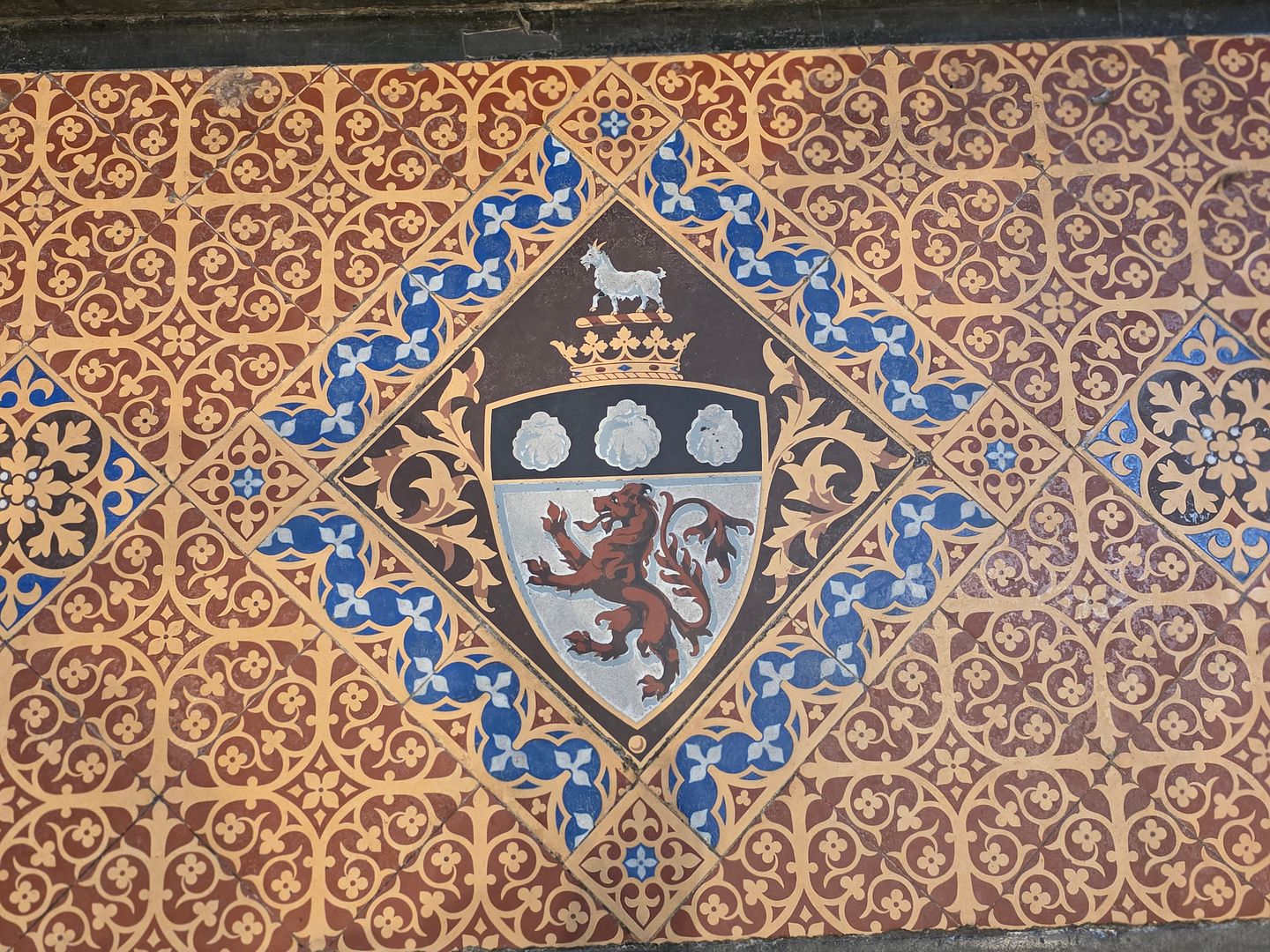
Where we were seated to enjoy Evensong I was able to see some of the floor tiles in the transept/crossing section of the chapel.

Moses and the burning bush.

Abel and his offering to God.

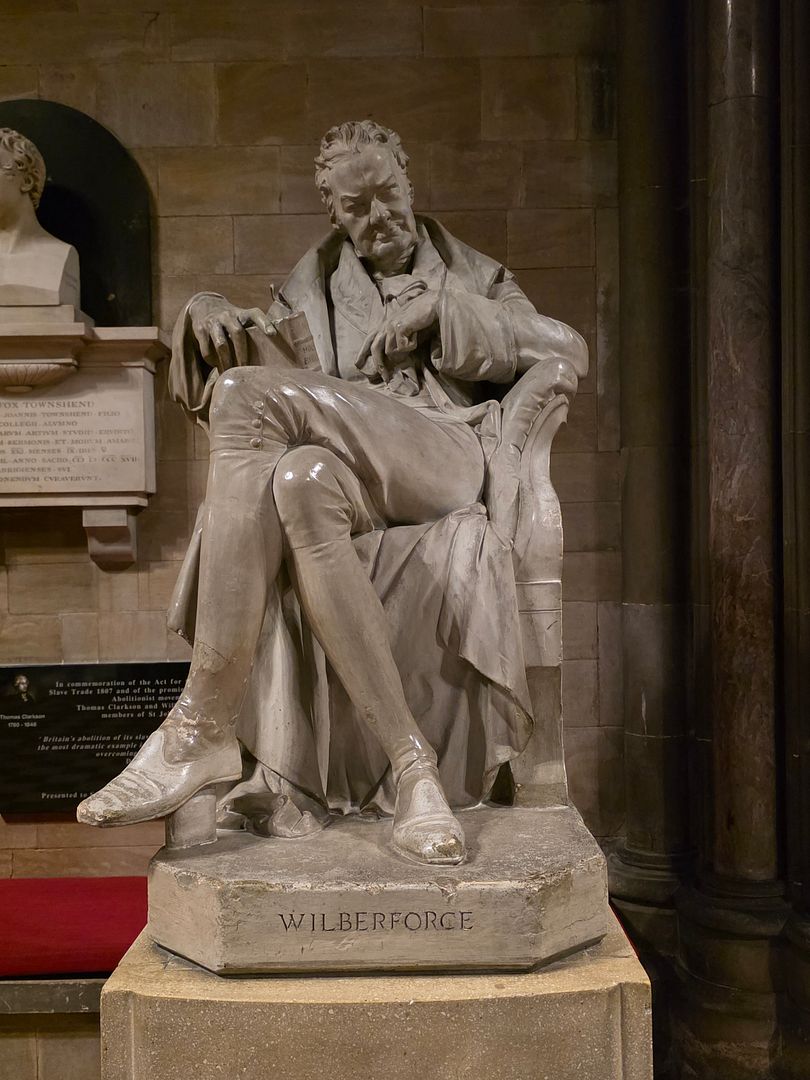
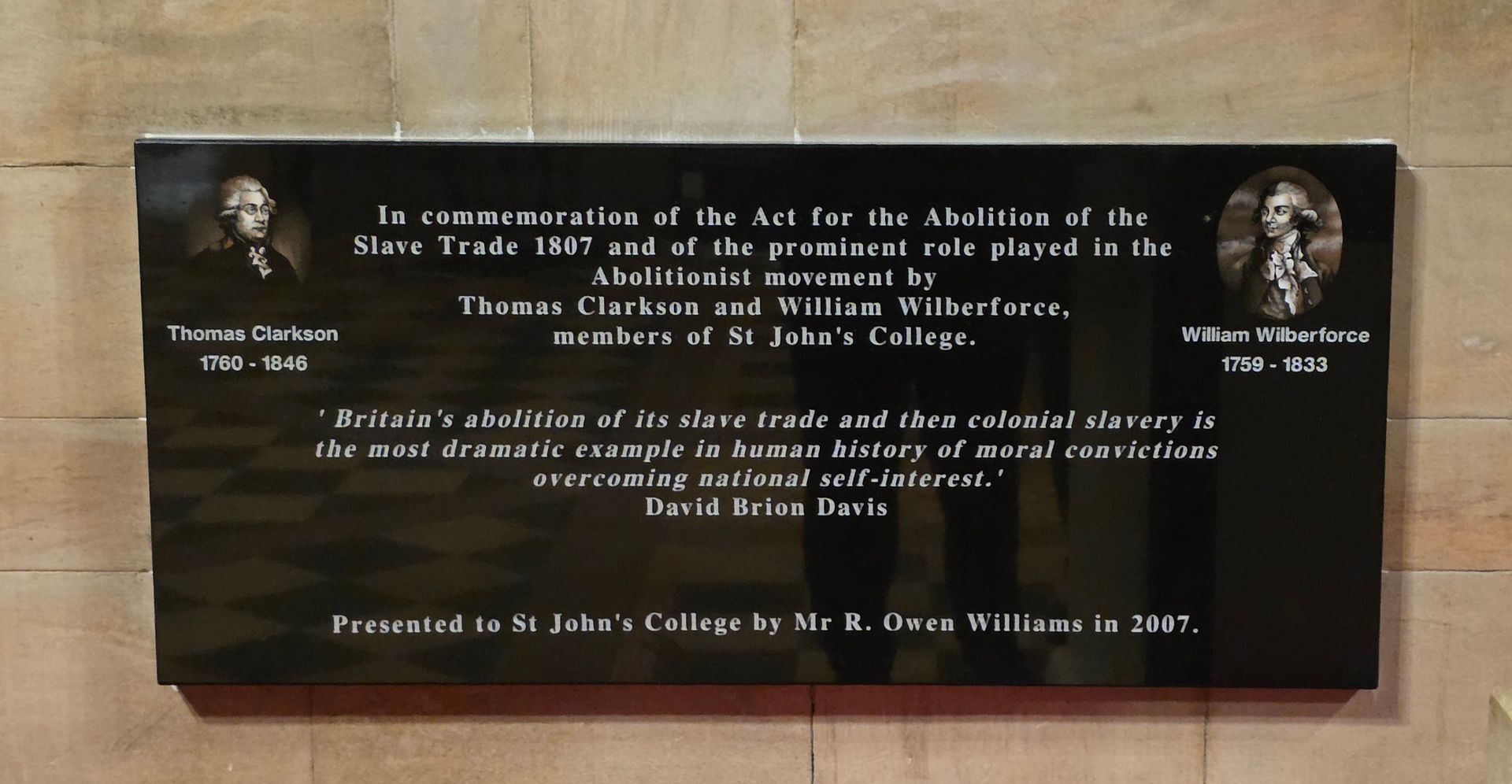
While waiting in the narthex of the chapel, I was thrilled to see the following tribute.

Greg and I have read about William Wilberforce and seen tributes to him in different parts of England. His book, Real Christianity, is a book I can recommend. I have the revised and updated version by Bob Beltz.

Wilborforce and Thomas Clarkson both members of St. John’s College were honored for their prominent role in passing of the Act for the Abolition of the Slave Trade 1807.

1776 & 1779 William Wilberforce and Thomas Clarkson begin their studies at St John’s. Joining forces in 1787, they will spend the rest of their lives leading the campaign to abolish the slave trade and slavery.

“Britain’s abolition of its slave trade and then colonial slavery is the most dramatic example in human history of moral convictions overcoming national self-interest.” David Brian Davis

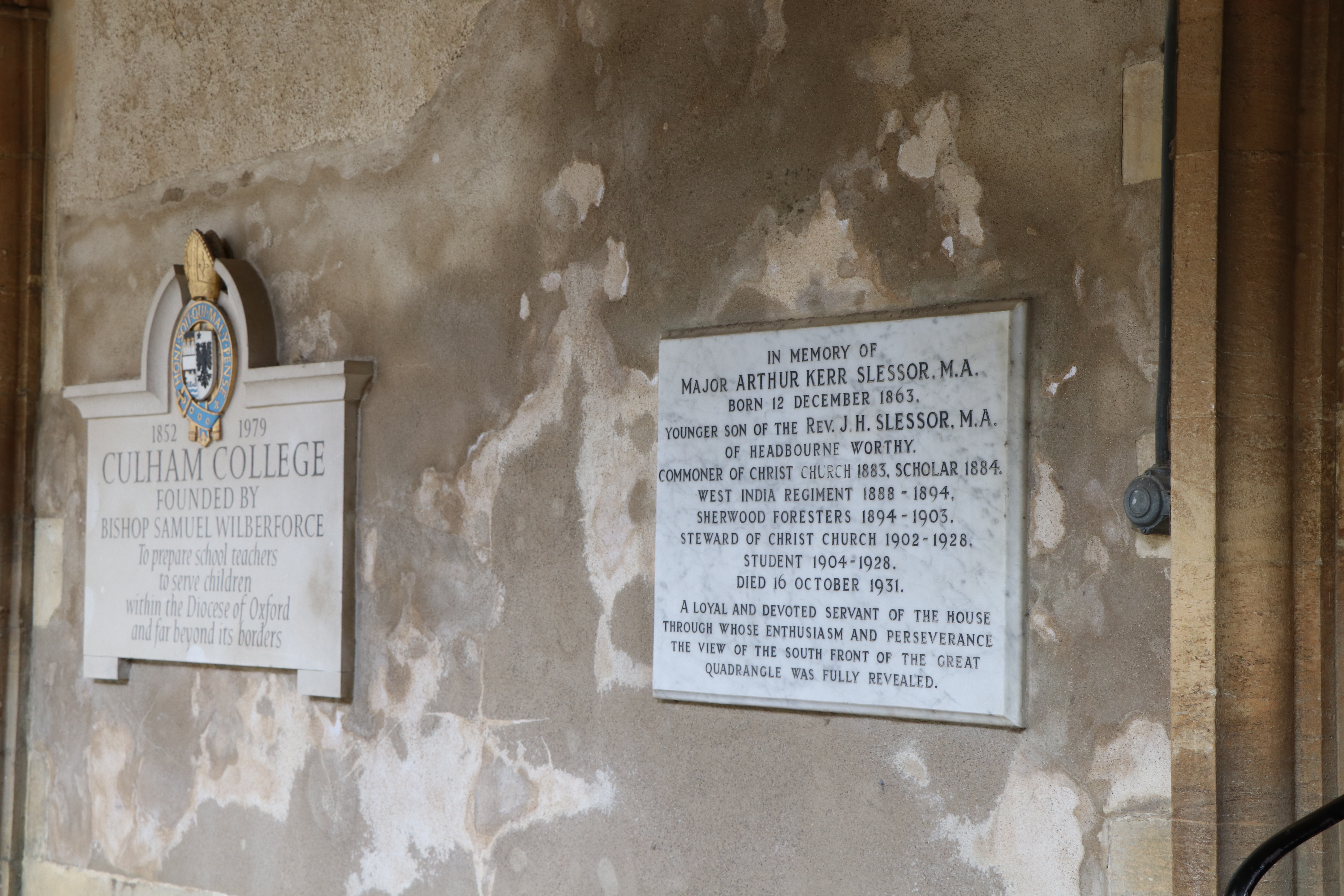
While we were in Oxford at Christ Church College in 2022 we saw a tribute to one of Wilberforce’s sons.

The plaque on the left reads Culham College, Founded by Bishop Samuel Wilberforce, to prepare school teachers to serve children within the Diocese of Oxford and well beyond its borders. 1852-1979

Samuel Wilberforce, FRS was an English bishop in the Church of England, and the third son of William Wilberforce. Known as “Soapy Sam”, Wilberforce was one of the greatest public speakers of his day. He is now best remembered for his opposition to Charles Darwin’s theory of evolution at a debate in 1860.

We also read an extensive plaque in his honor in the north transept of Westminster Abbey when we visited in 2003.

William Wilberforce is buried in the north transept of Westminster Abbey in London, England.
He was laid to rest on August 3, 1833, following a major state funeral. He is buried next to his close friend and former British Prime Minister, William Pitt.

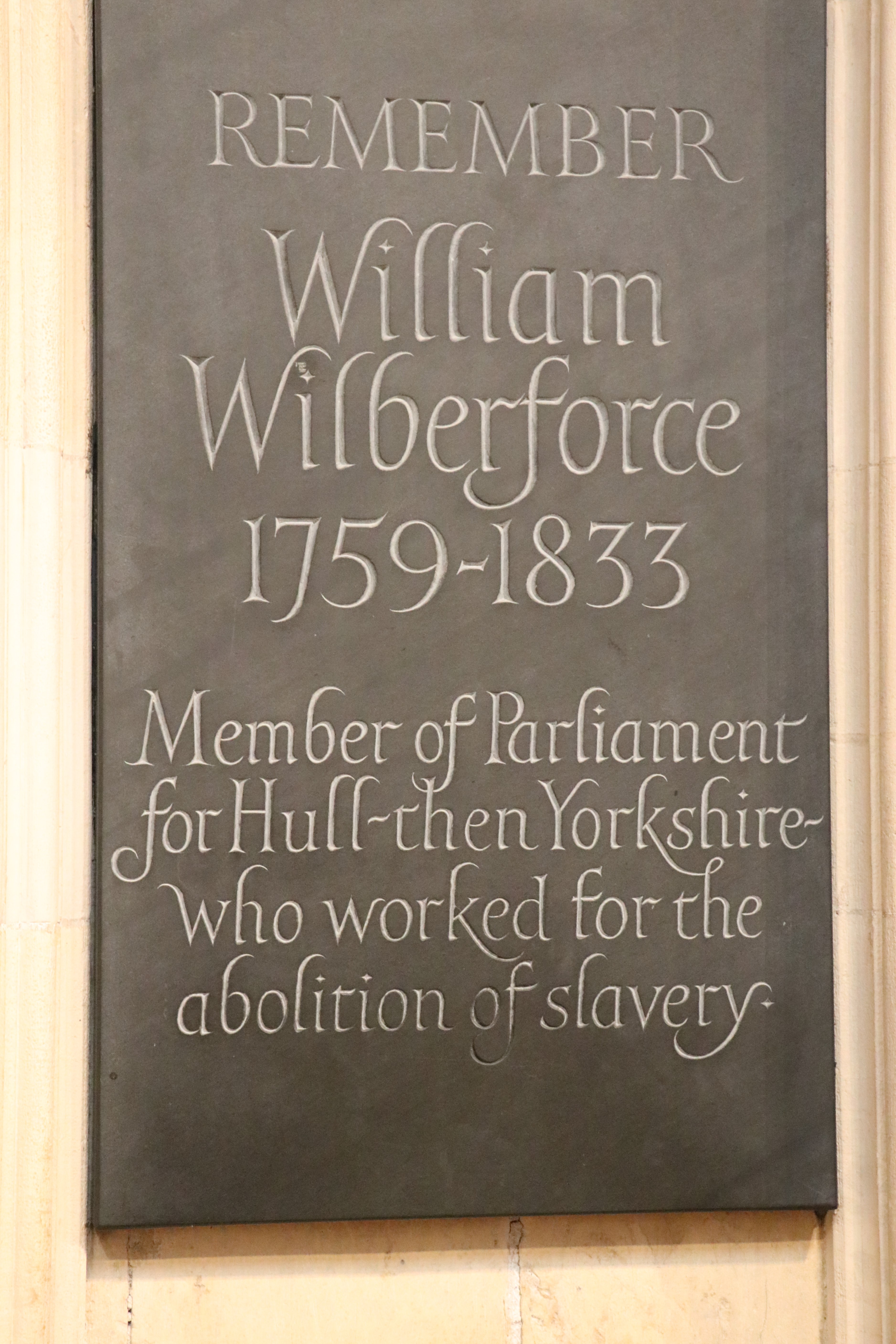
Wilberforce was a member of parliament from Yorkshire. When we were visiting the Yorkminster in 2023 I spotted a plaque dedicated to him at the entrance to the gift shop.

You can read more about Wilberforce at the following link;

William Wilberforce

I’ll leave this post with a couple quotes from Real Christianity.

The Bible is one of God’s greatest gifts to humanity. It tells us of the greatest gift that men and women have longed for through-out the ages and of which the prophets spoke about for centuries. When Jesus finally came, His arrival was hailed by the angelic host with the exclamation, “Glory to God in the highest, and on earth peace to men on whom his favor rests” (Luke 2:14). How can you measure the value of the good news of Christ? It is spoken of in the Bible as light in the darkness, freedom from slavery and life from death. Look at how much the Early Church valued the message. They received it with great joy and overflowing gratitude.

Surely all these things should help us come to terms with the inexpressible value of true faith. The greatest gift of God is often either rejected outright or treated as if it is of little worth. But if we really began to study the Bible, we would be impressed with the proper value of the gift.”

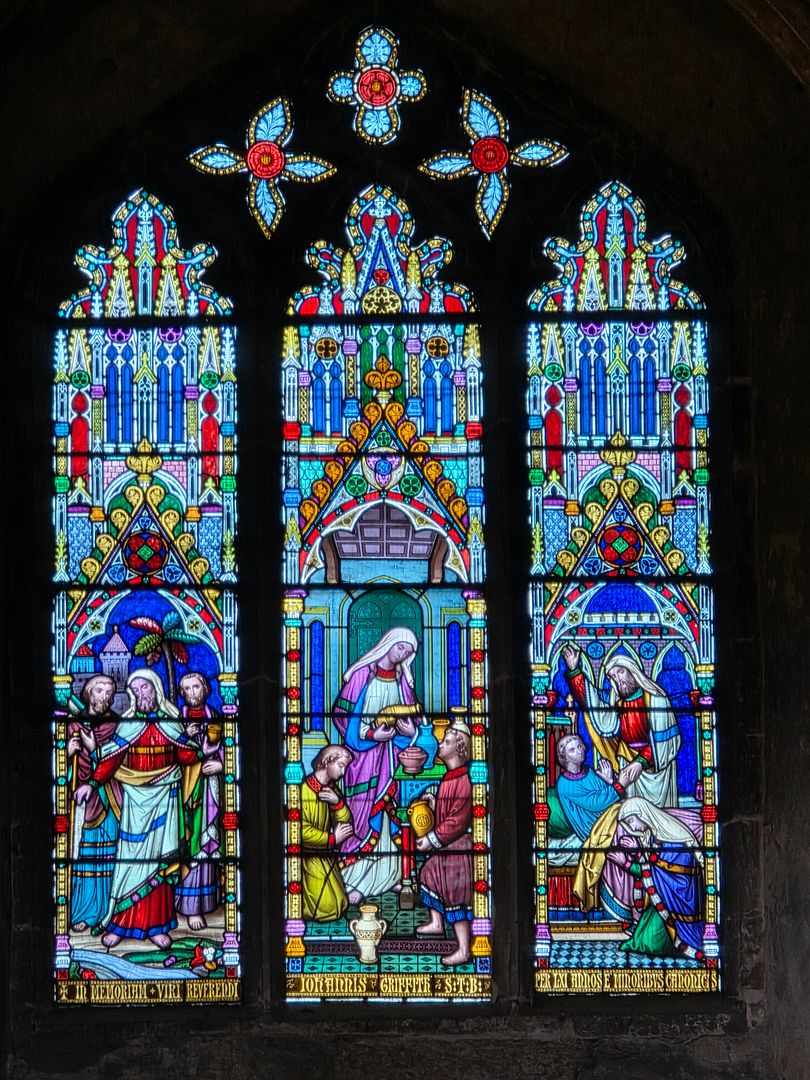
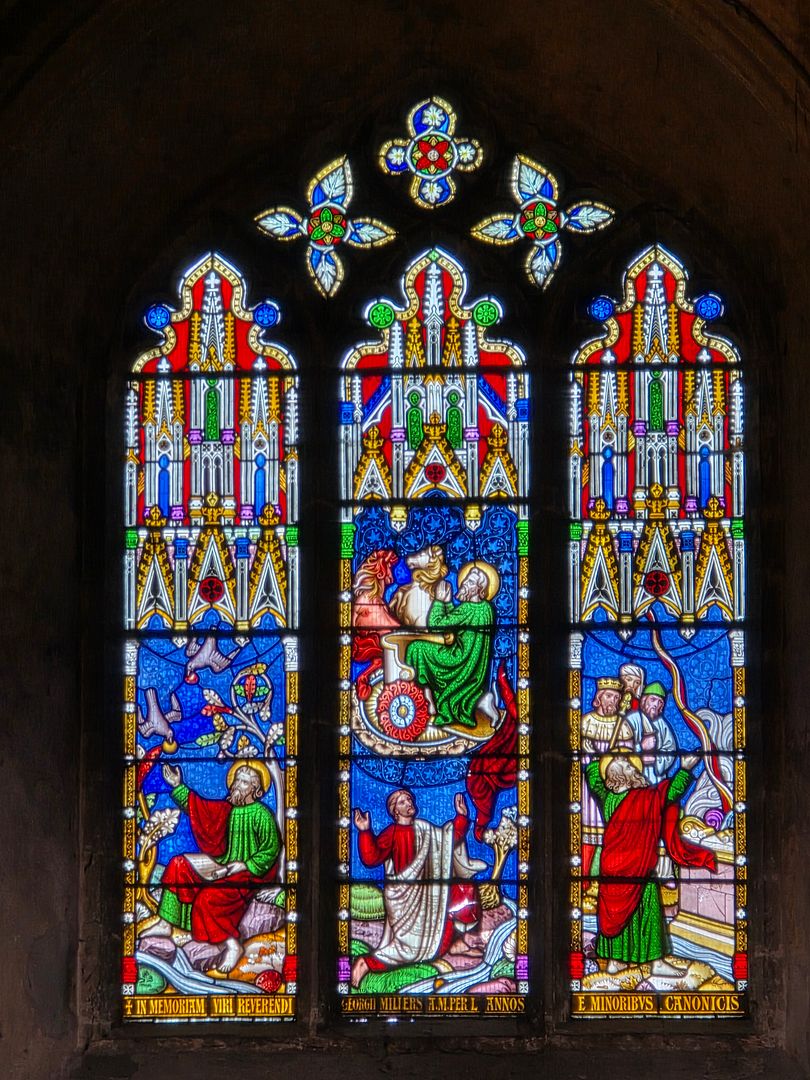
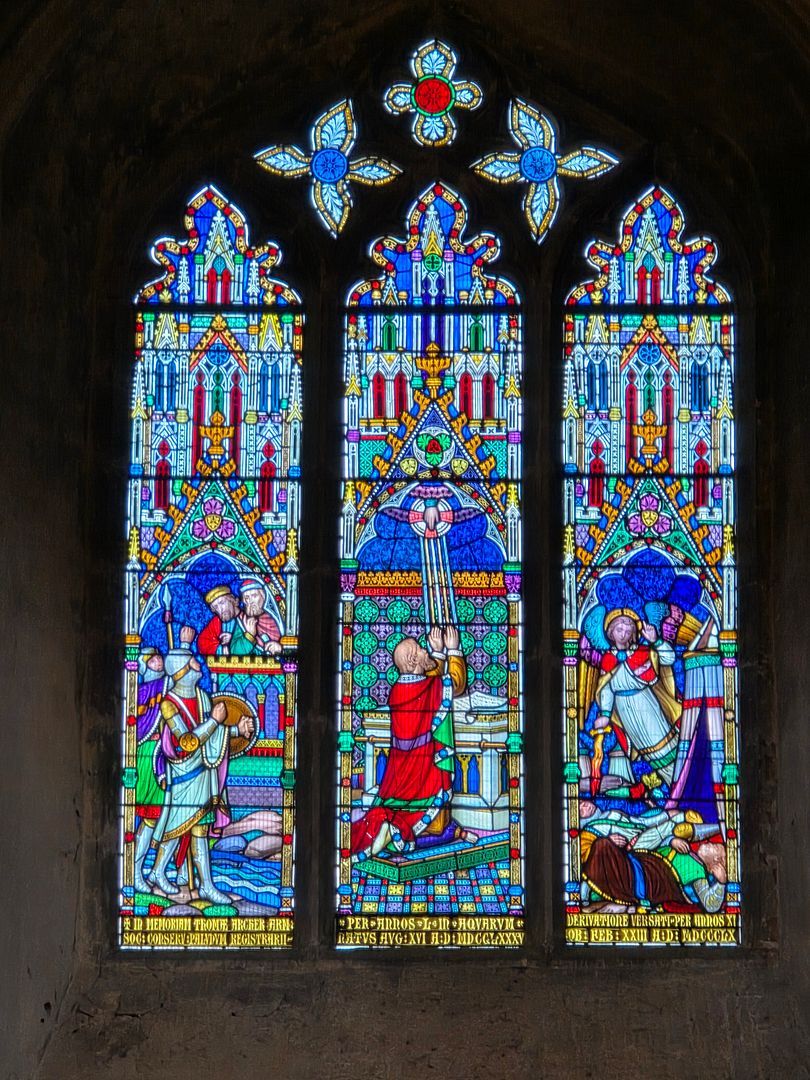
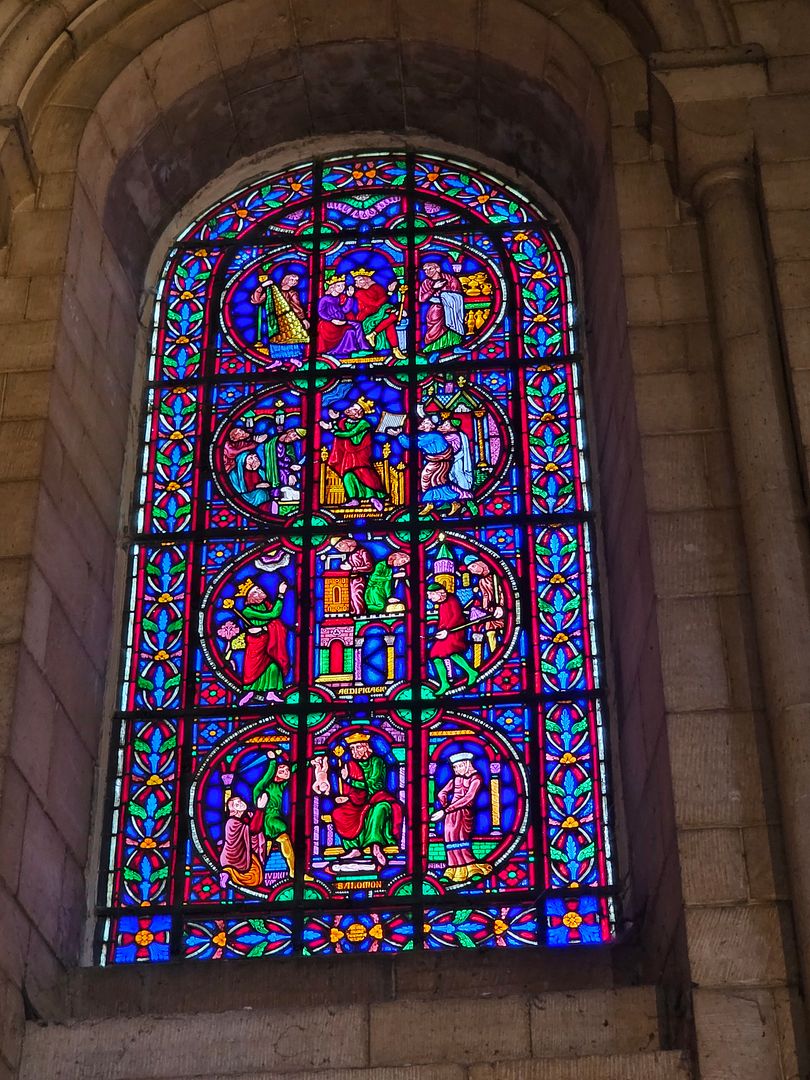
Ely Cathedral Stained Glass Museum

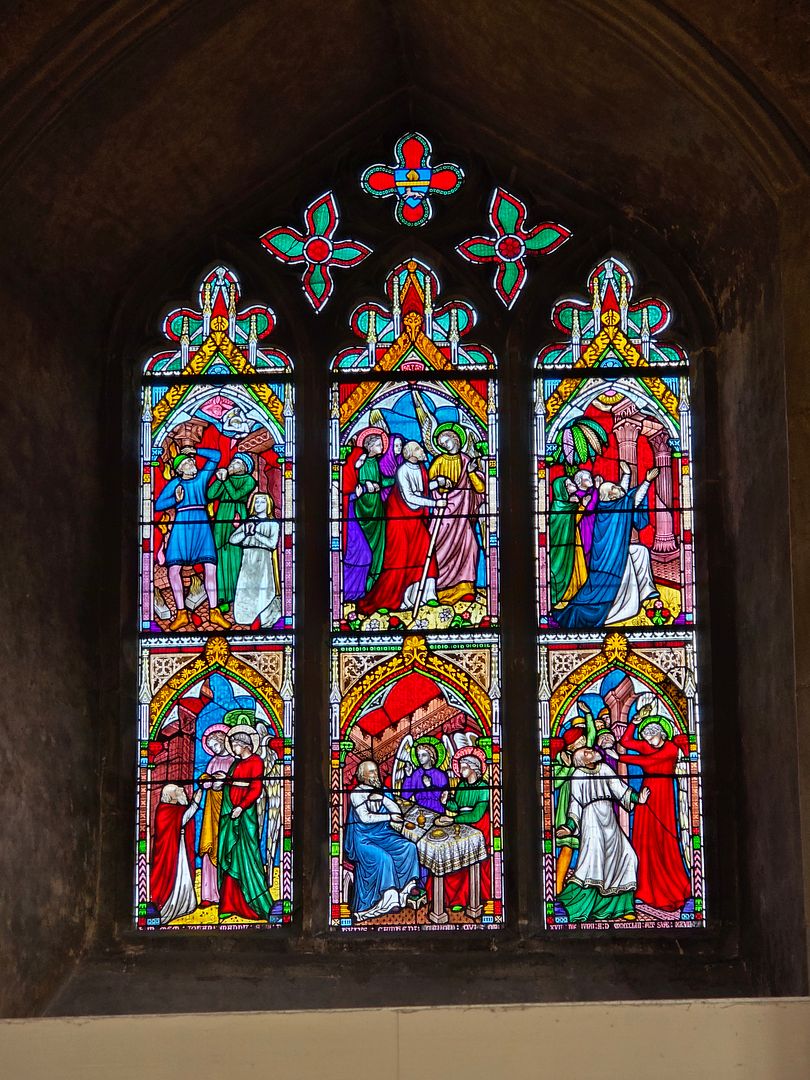
Our Danube to Cambridge Travel Journal continues with a visit to the Stained glass Museum housed up many stone stairs in Ely Cathedral. This visit was on Wednesday March 11th, 2026.

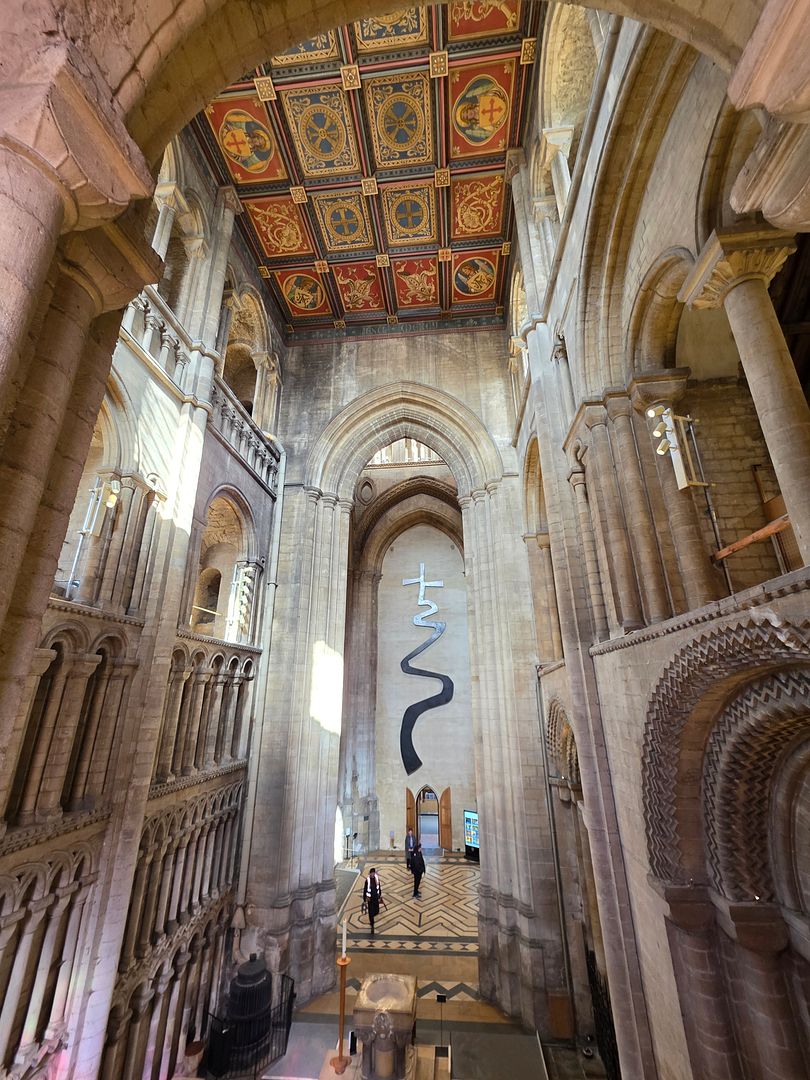
Looking down to the narthex where we entered the cathedral.

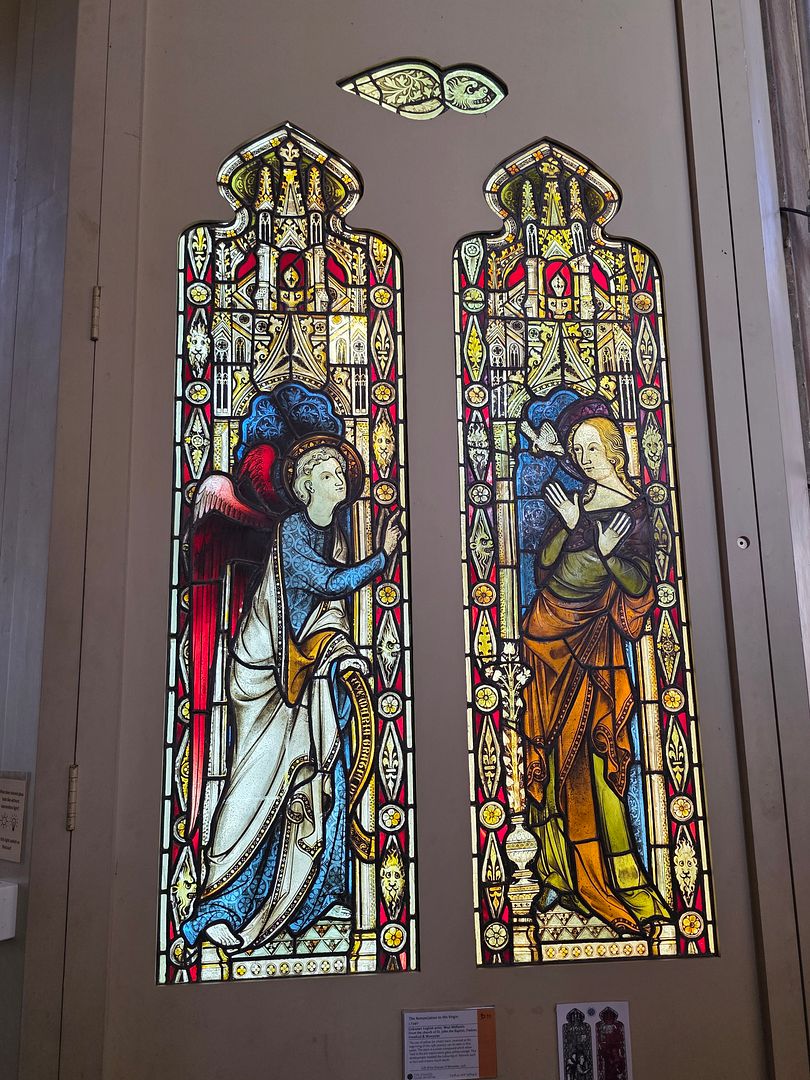
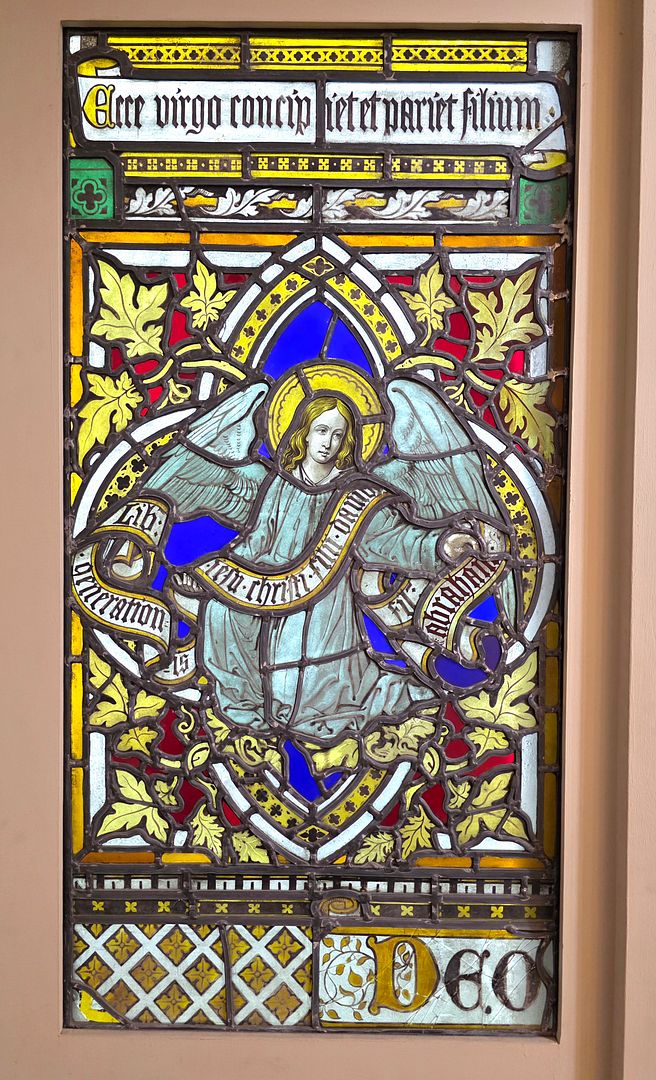
The Annunciation

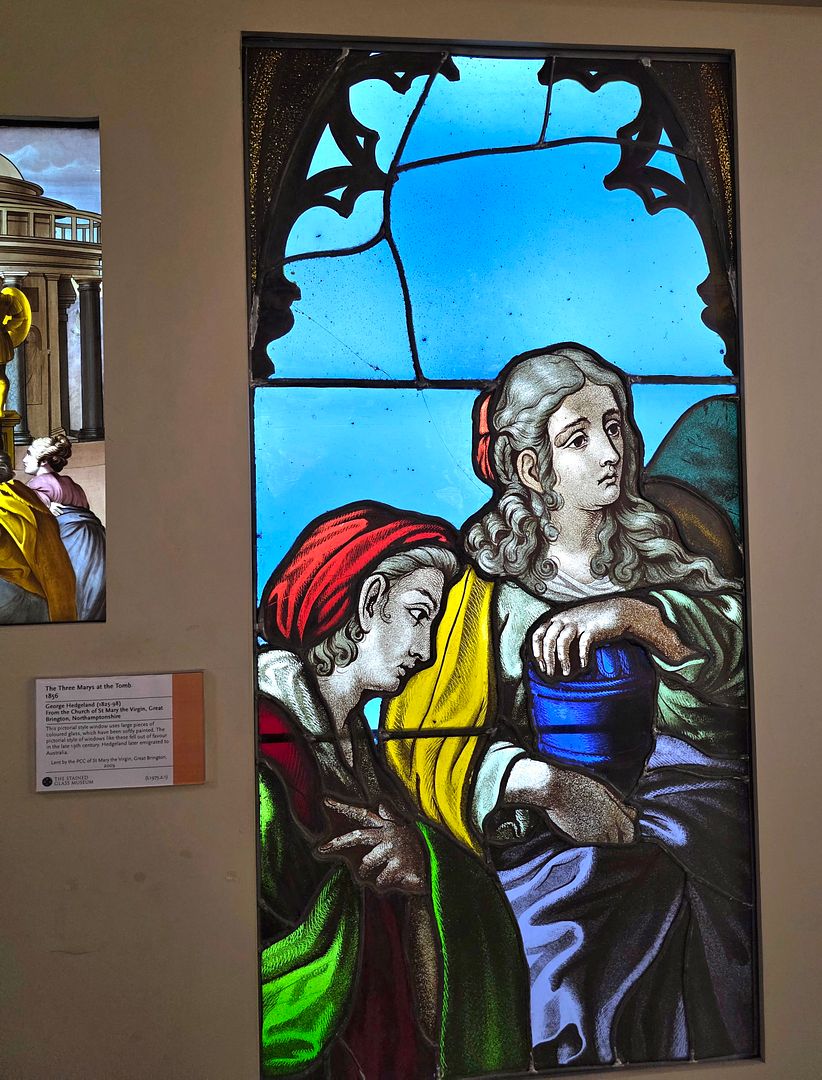
The Three Marys at the tomb.

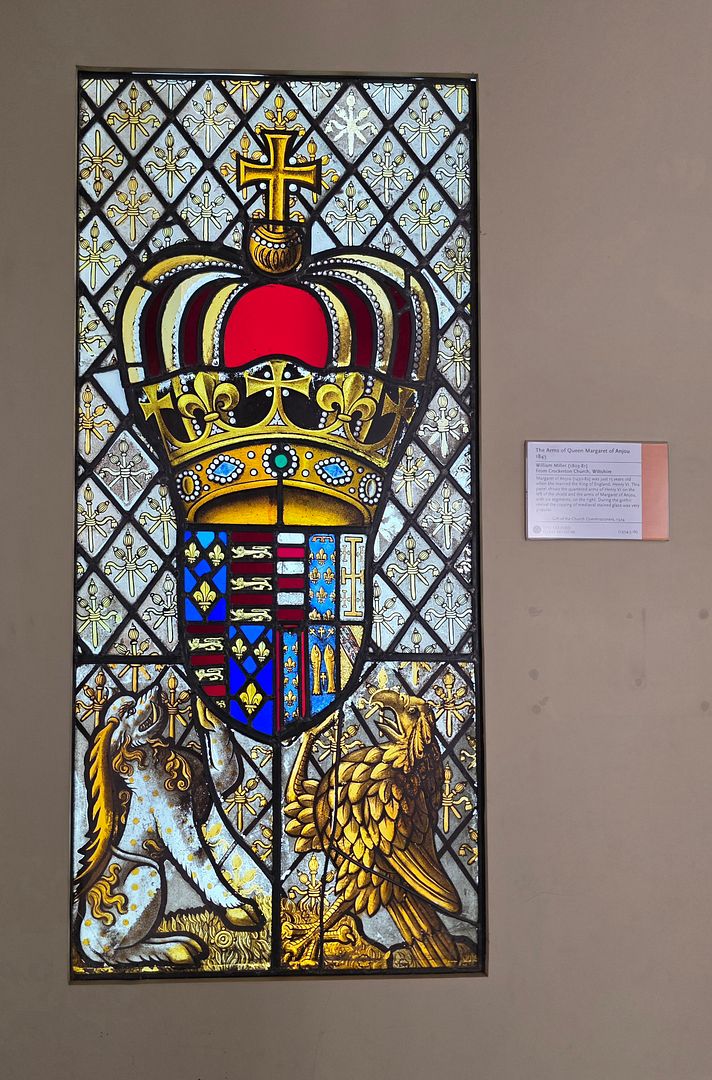
The Arms of Queen Margaret of Anjou, 1843.

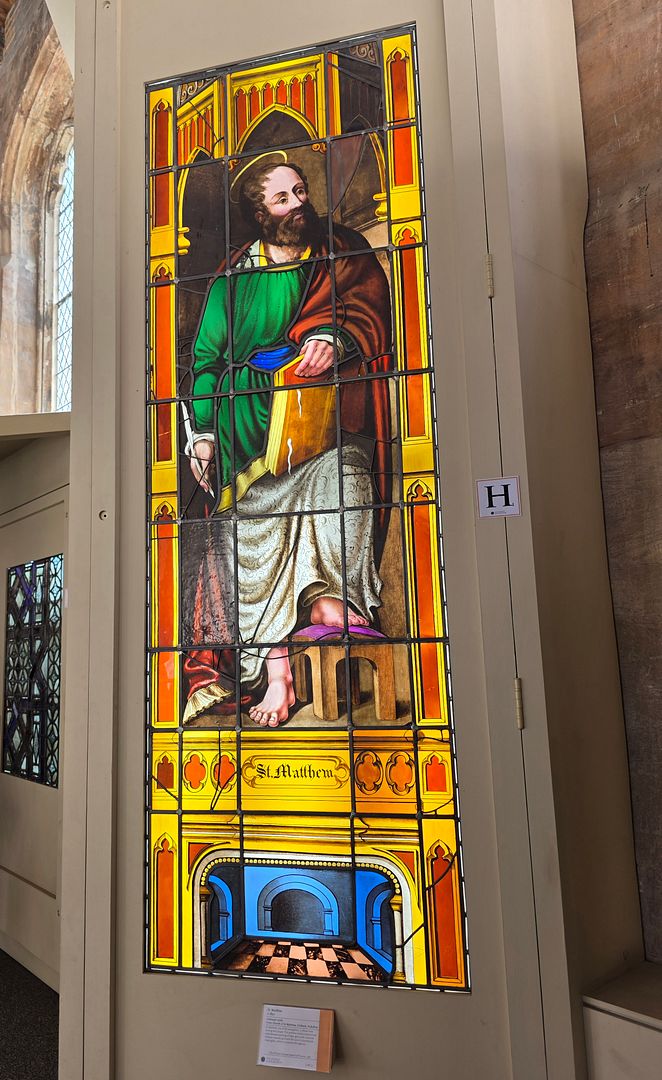
St. Matthew shown writing the Gospel of Matthew

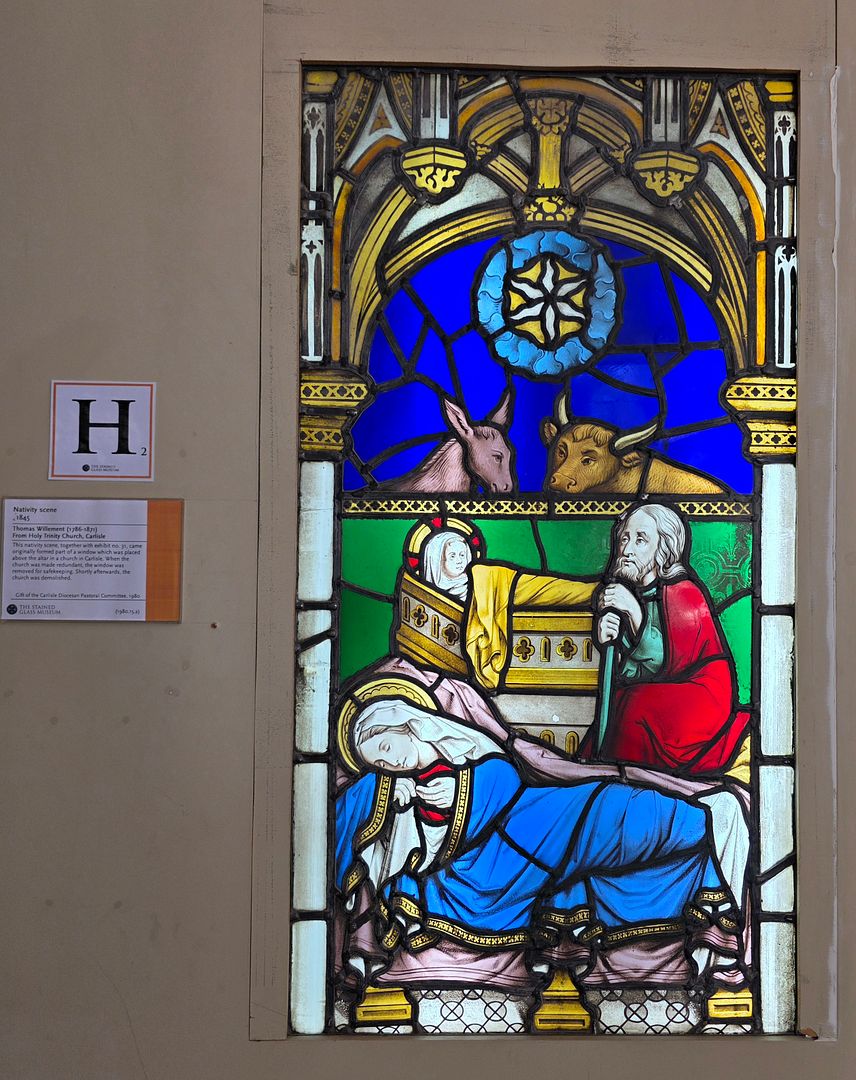
Nativity Scene window that was removed for safekeeping from a church that became redundant. Shortly afterwards, the church was demolished.

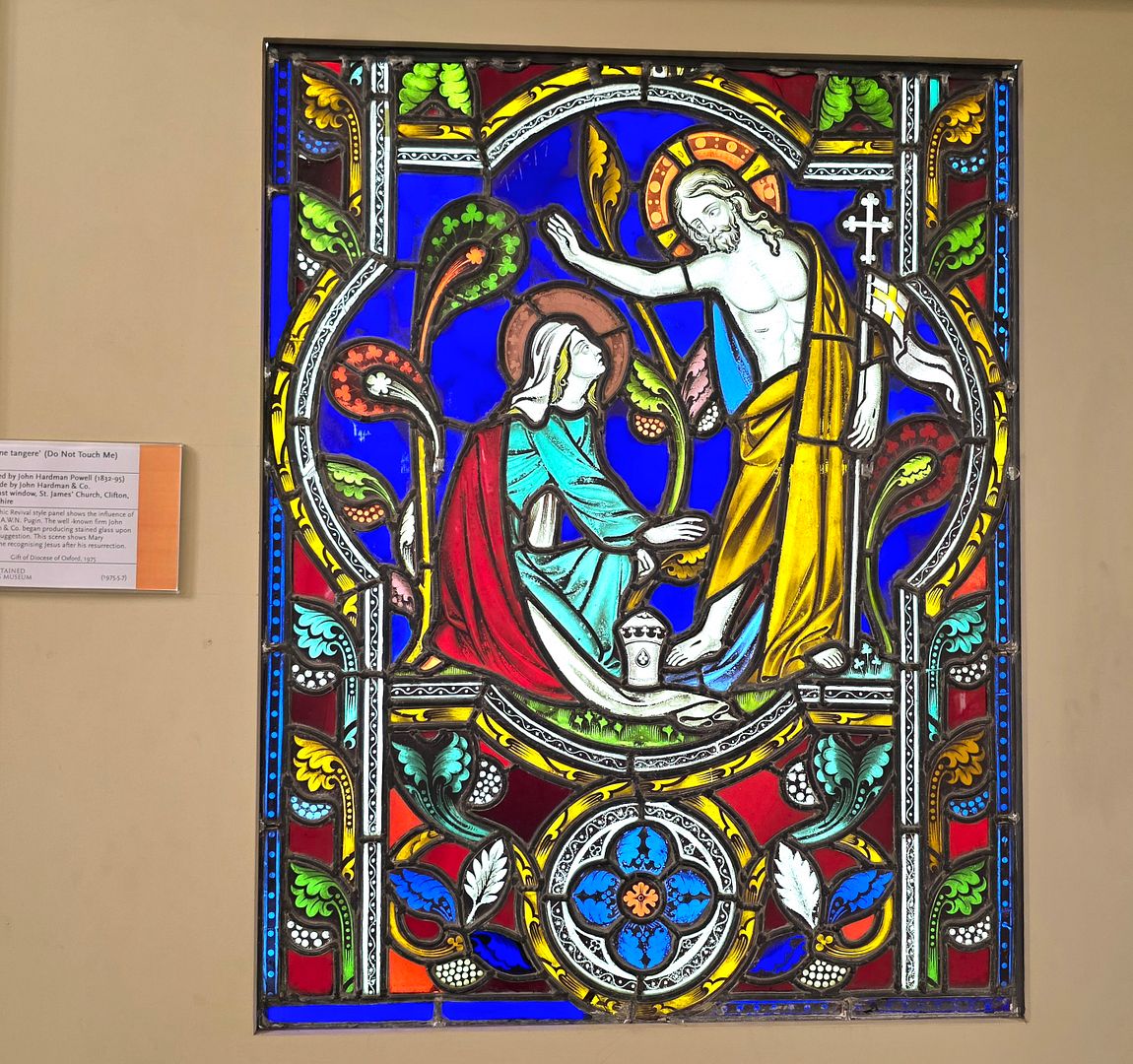
“Do not touch me” Mary at the Tomb when she recognizes Jesus.

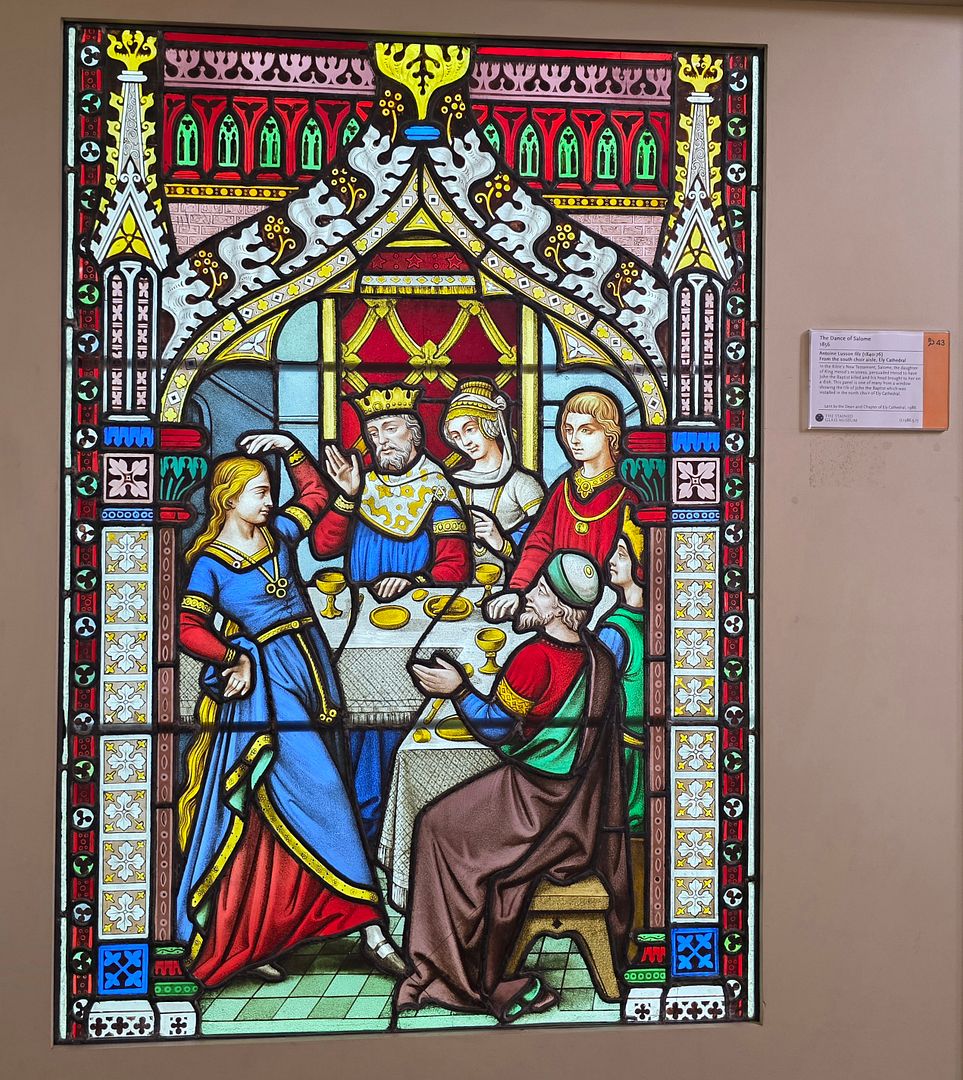
The Dance of Salome

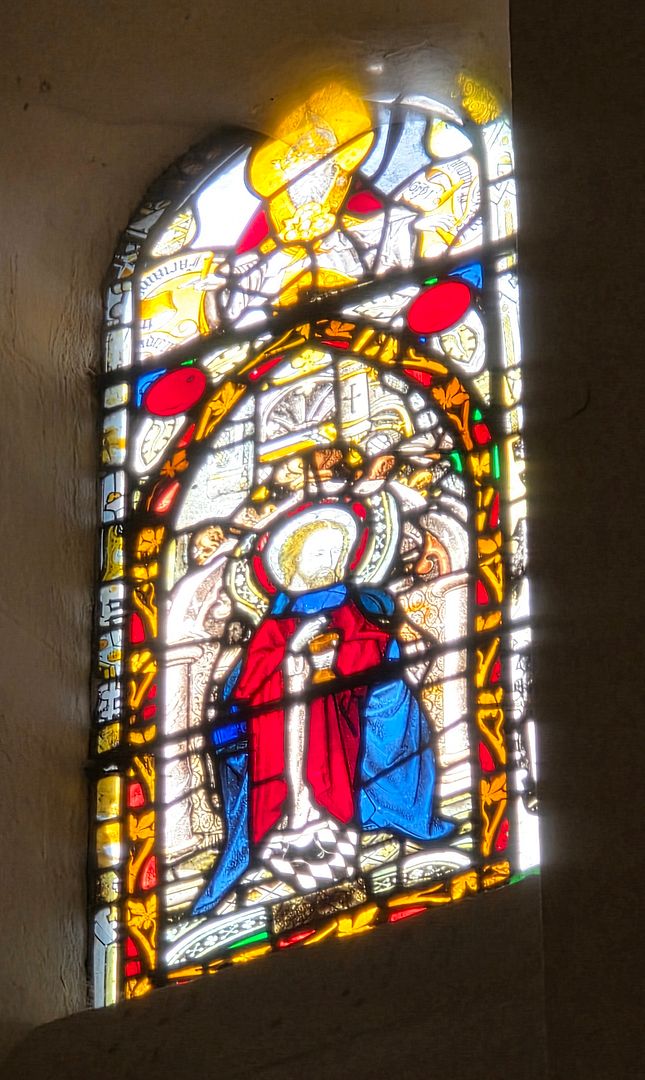
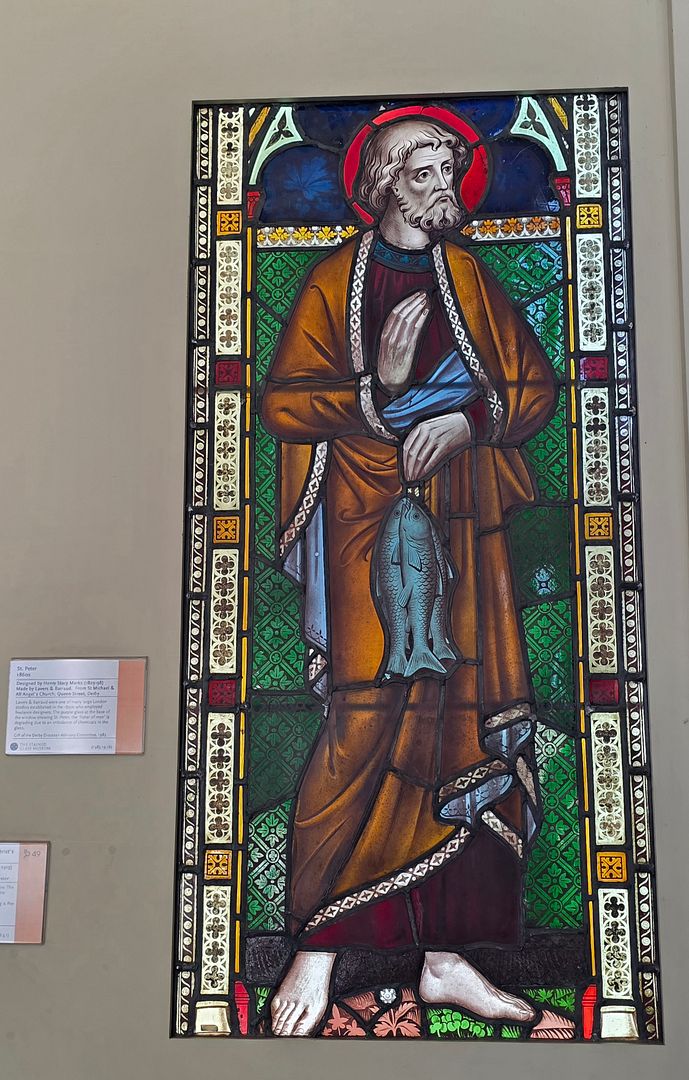
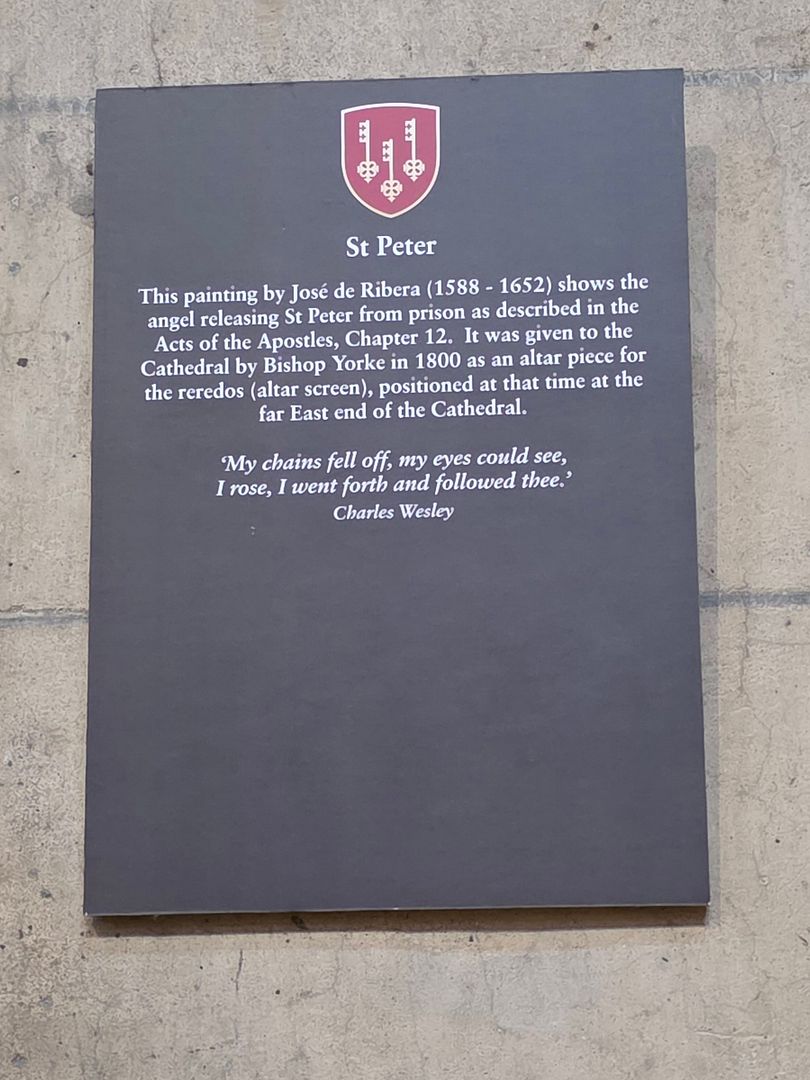
St. Peter

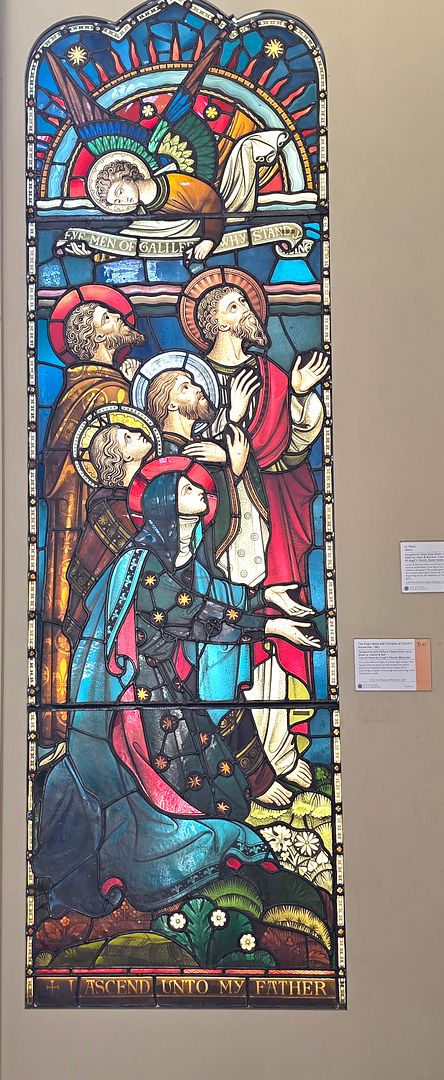
Mary and the Disciples at Christ’s Ascension

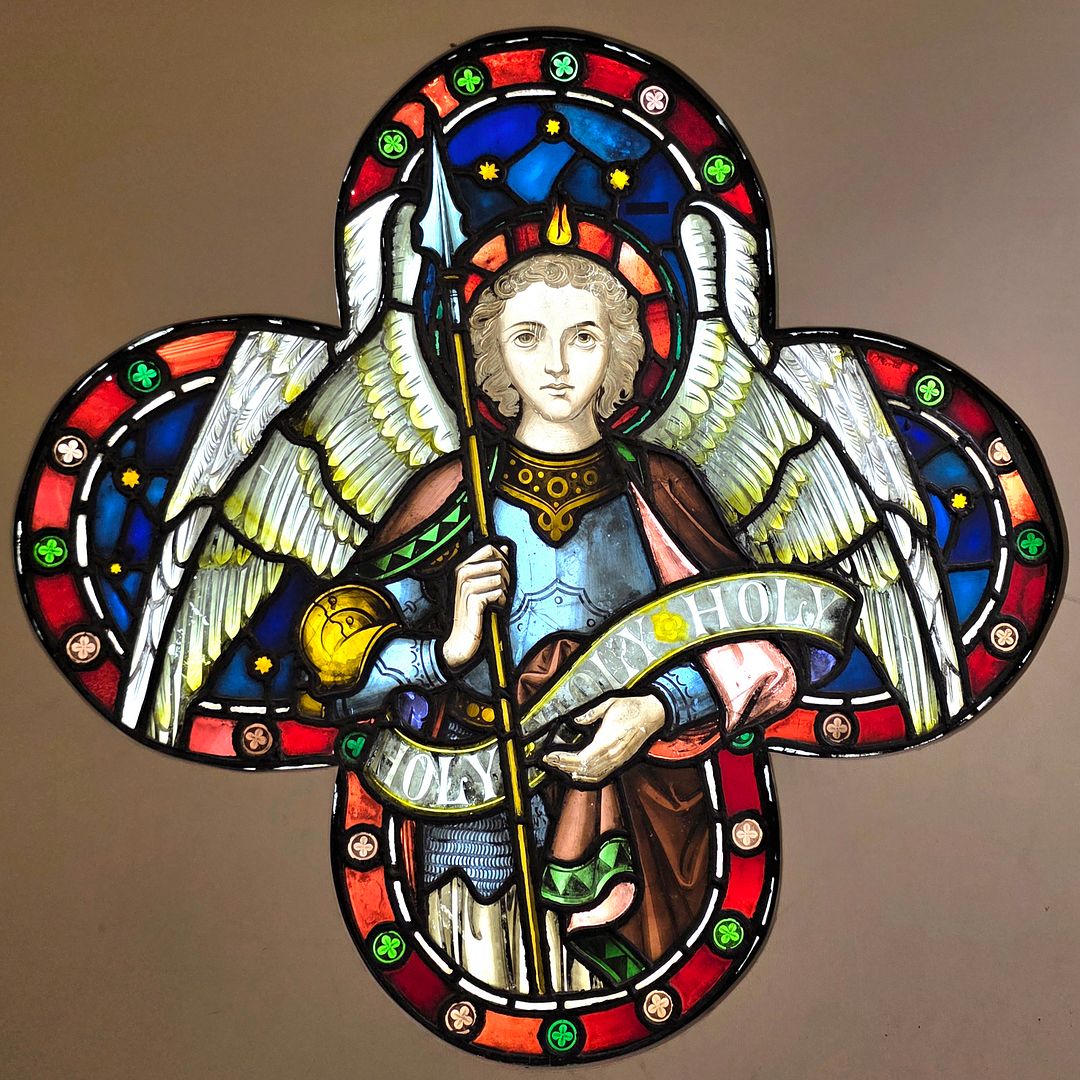
Holy, Holy, Holy

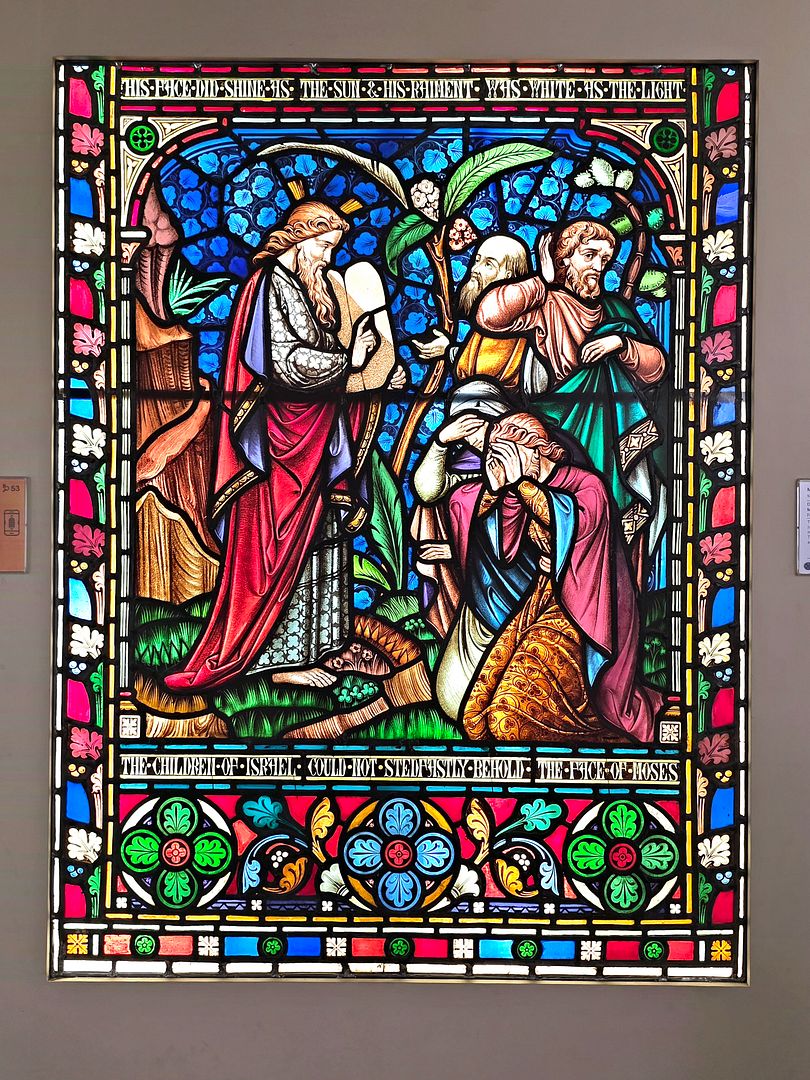
The Children of Israel could not steadfastly behold the face of Moses.

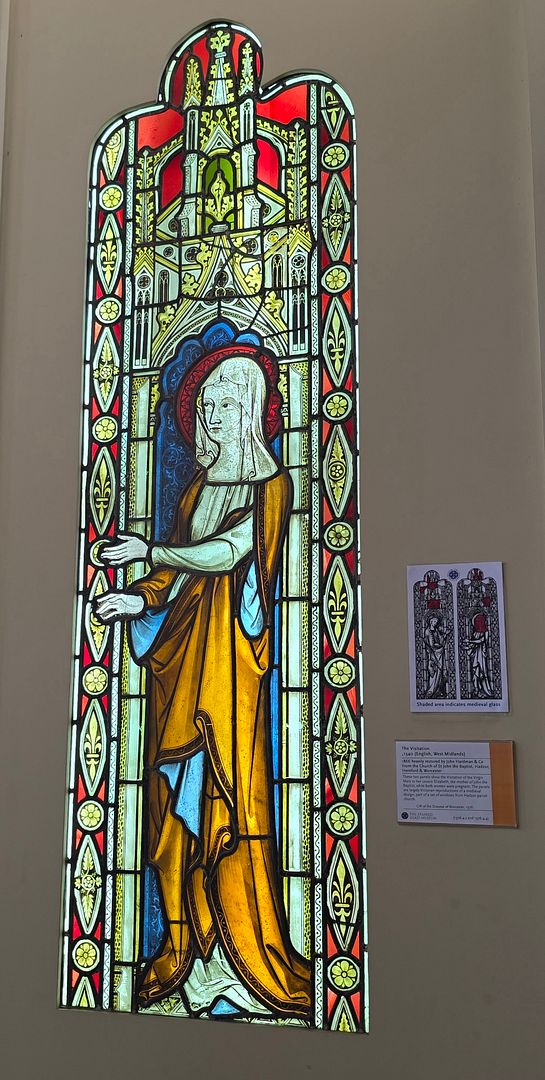
The Visitation

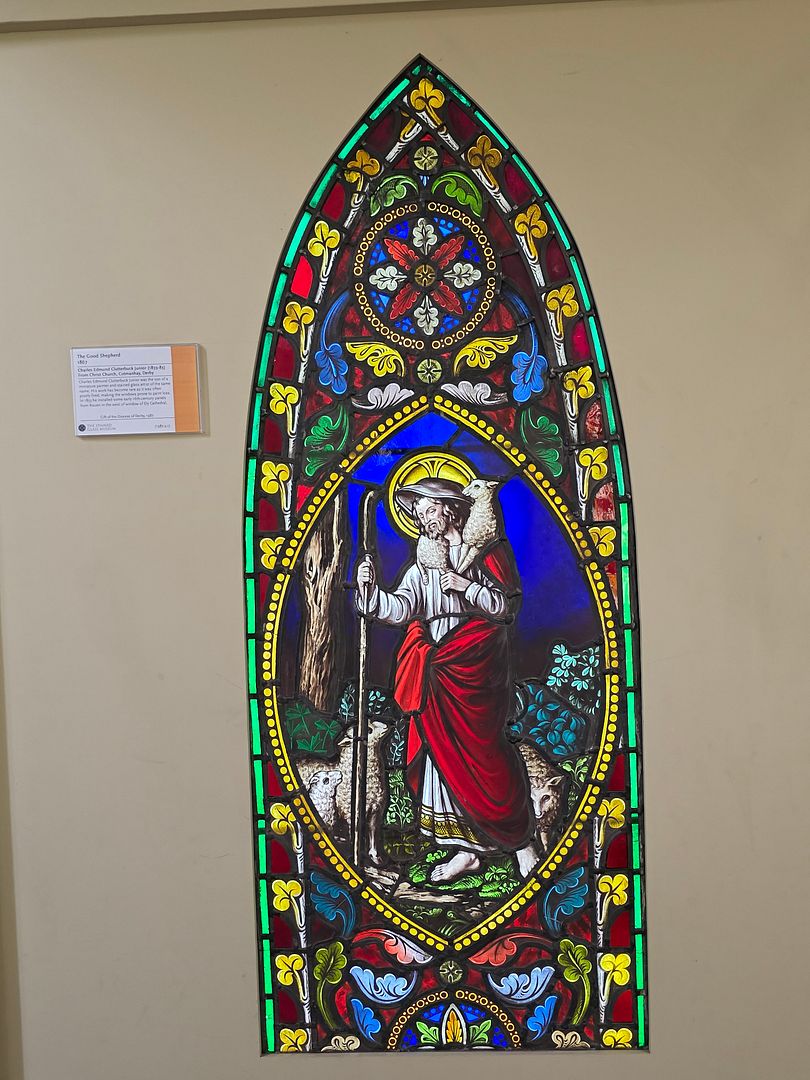
The Good Shepherd

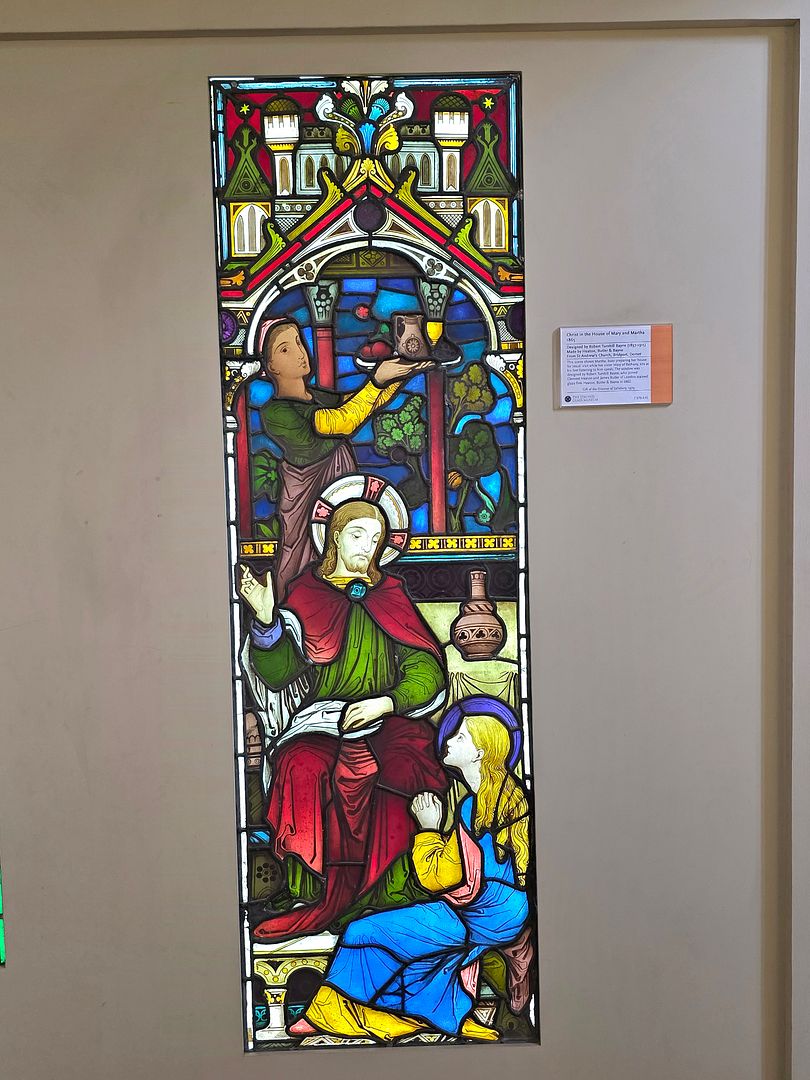
Mary and Martha and Jesus

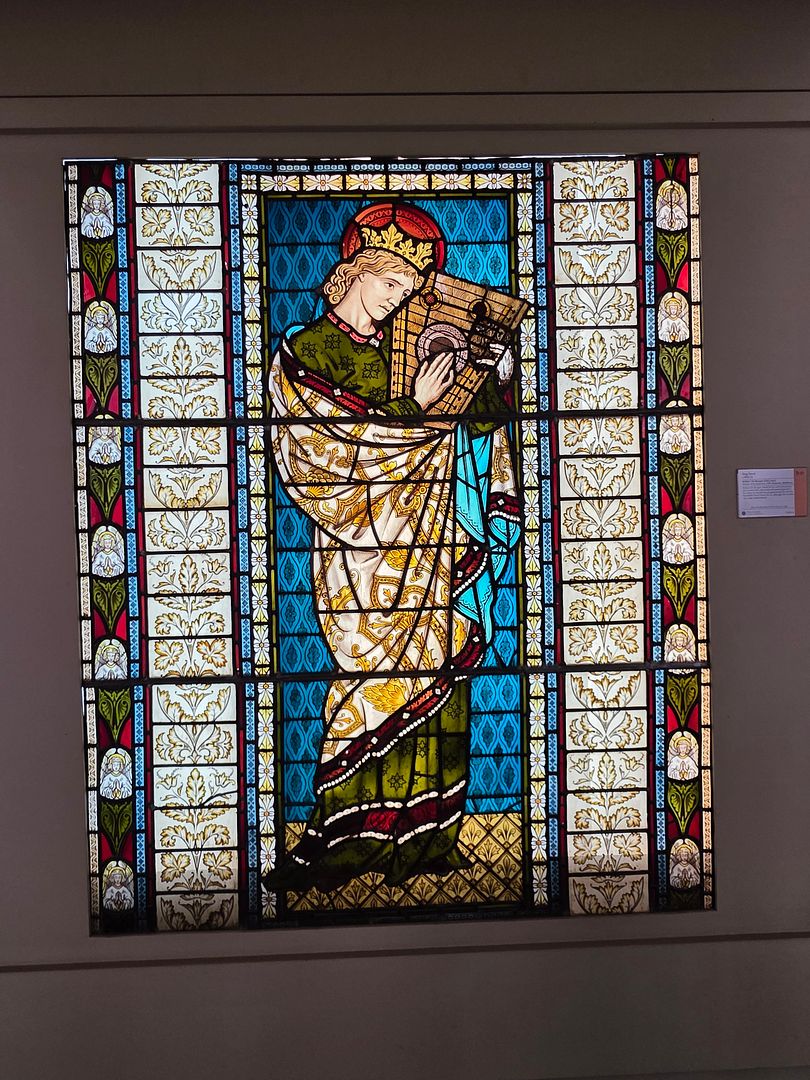
King David

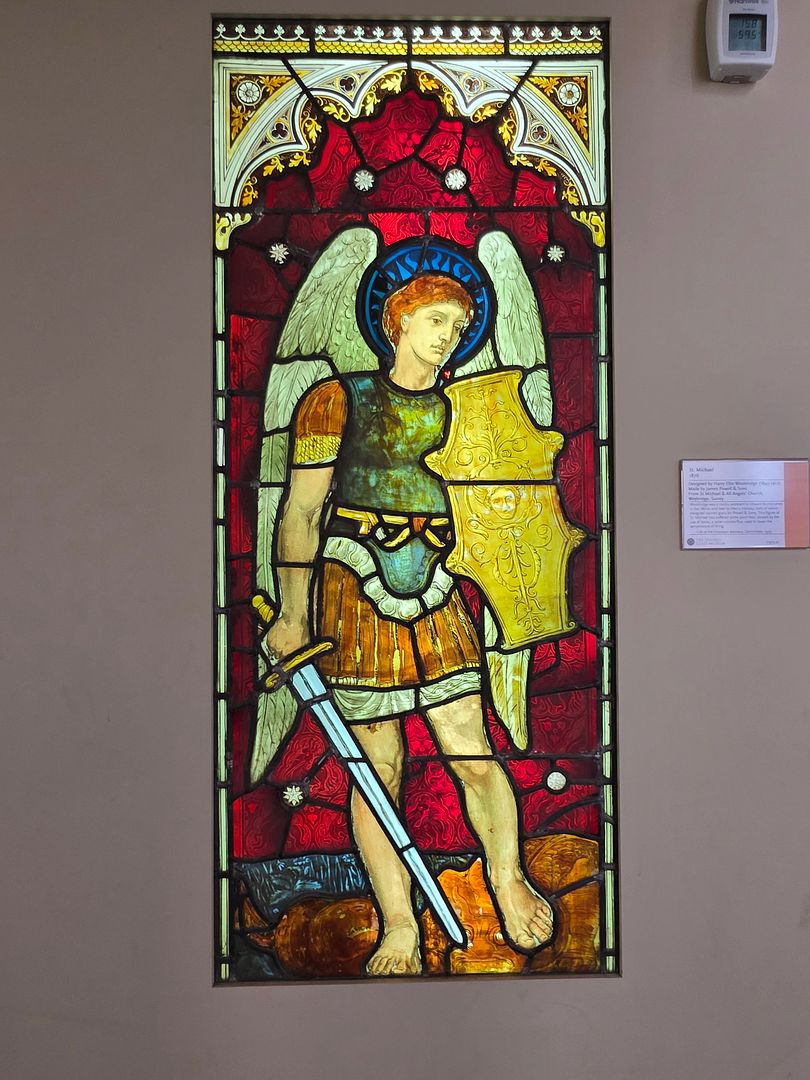
Michael

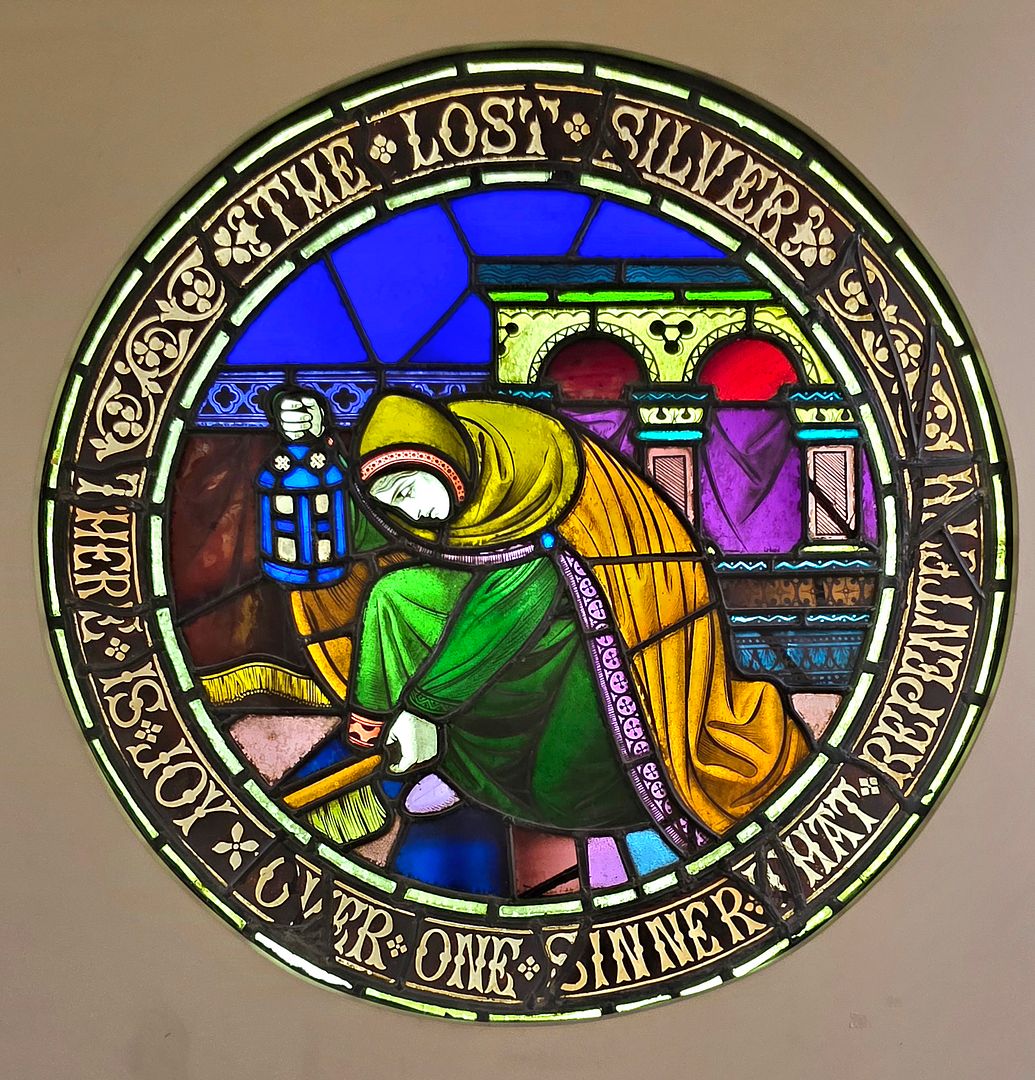
The Lost Silver, There is Joy over one Sinner that Repentith

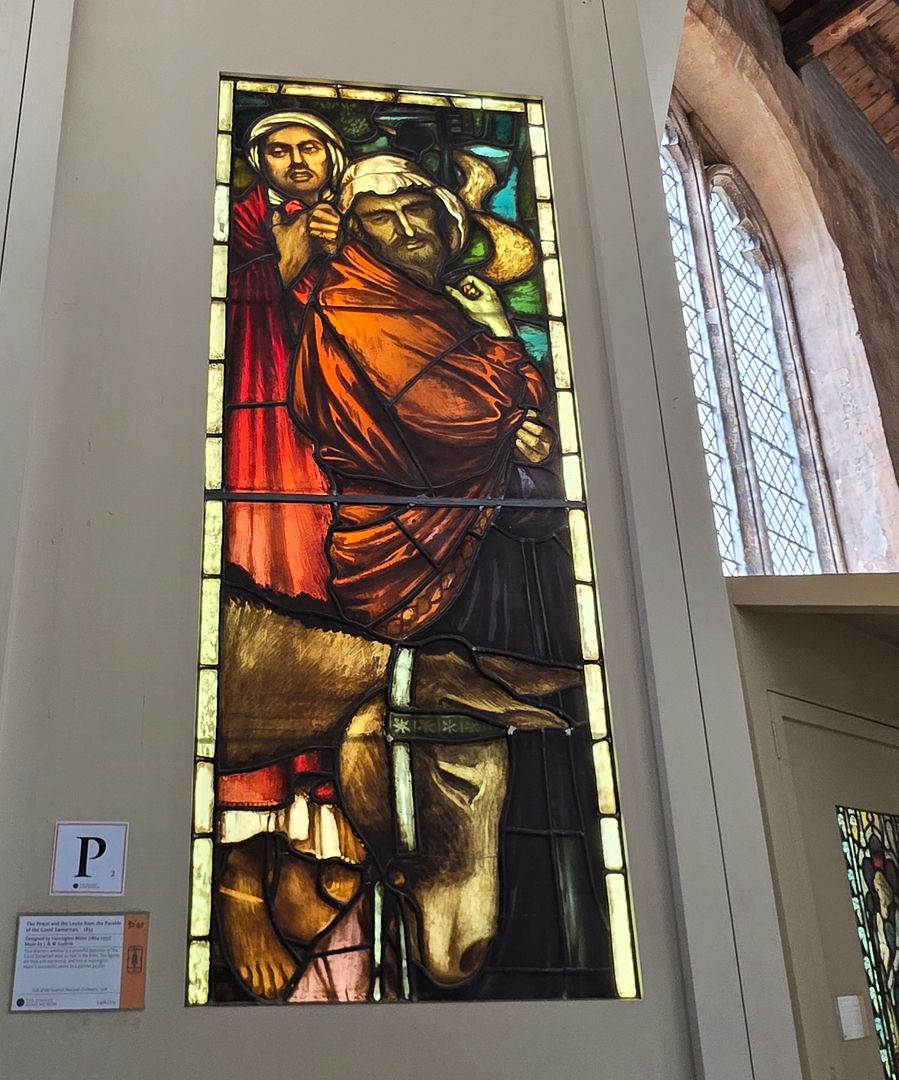
The Parable of the Good Samaritan

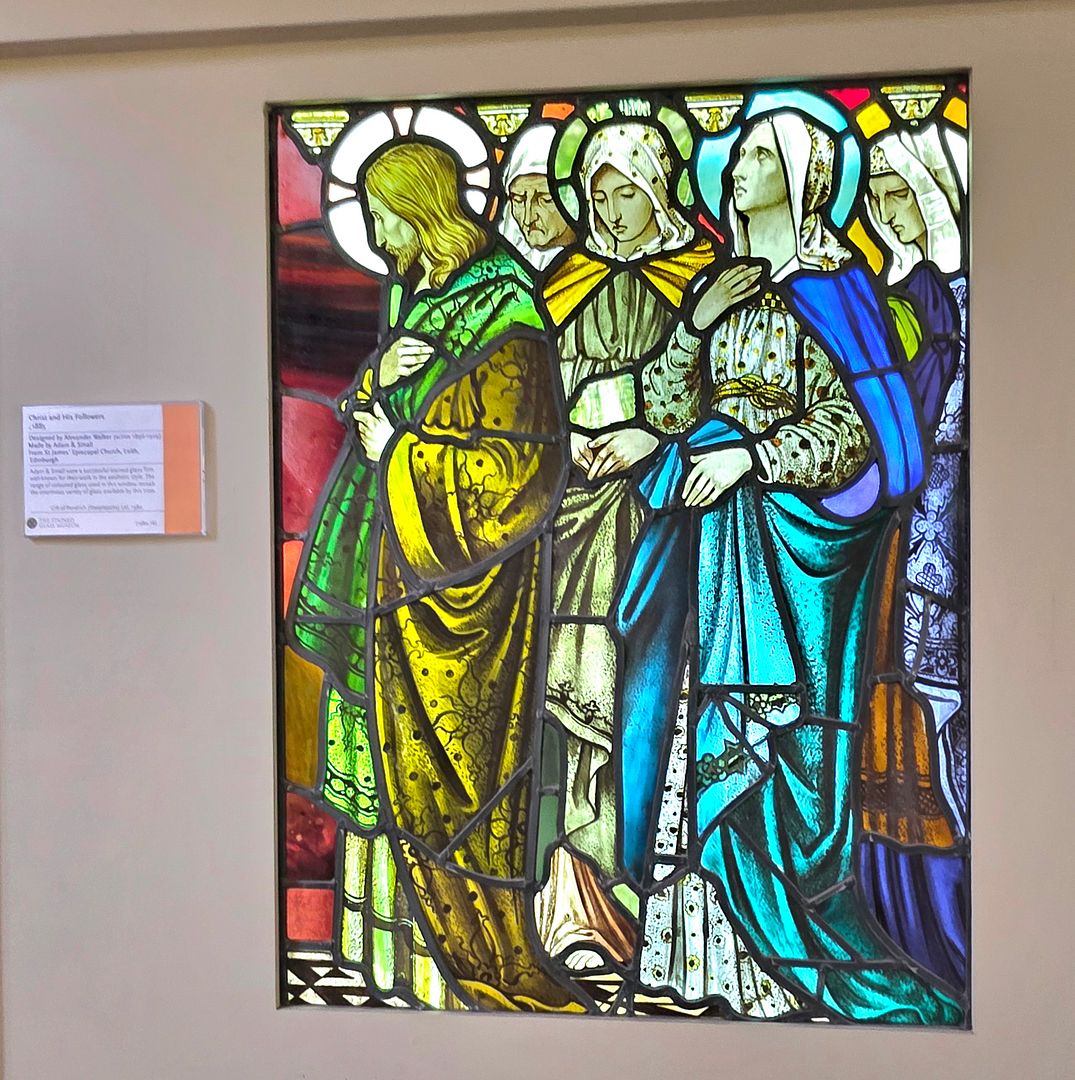
Christ and His Followers

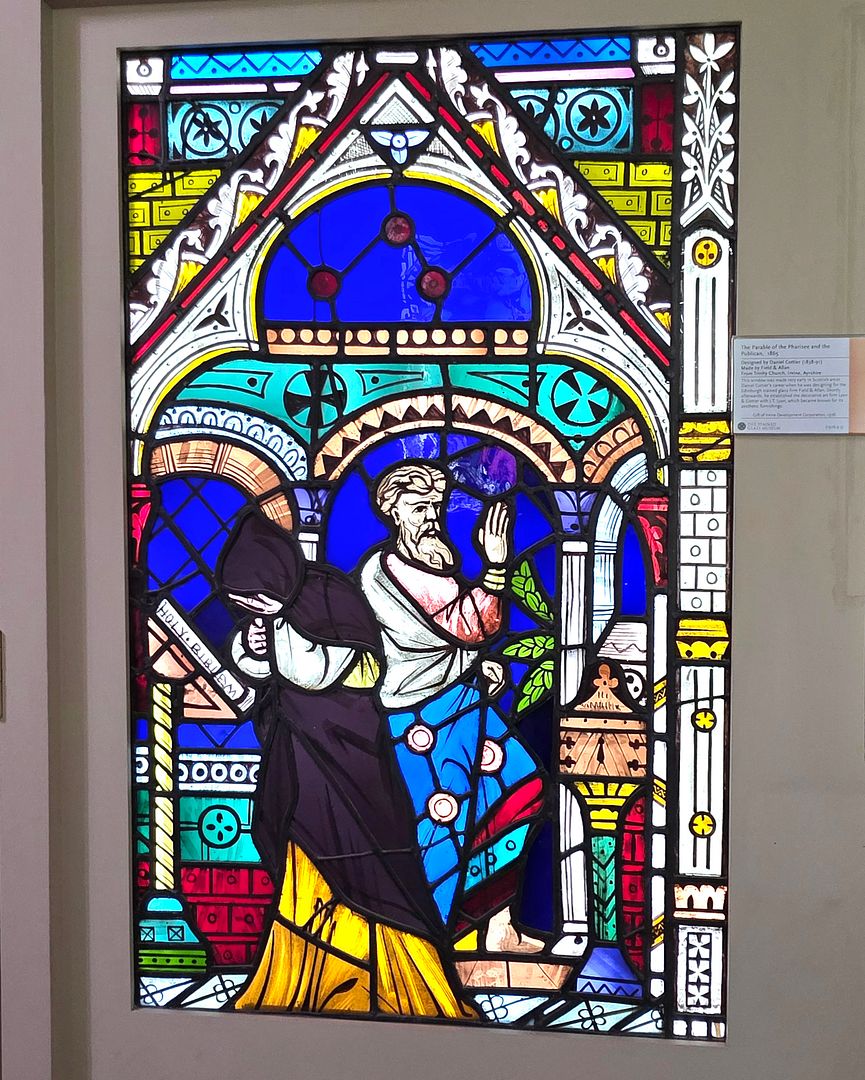
The Parable of the Pharisee and the Publican

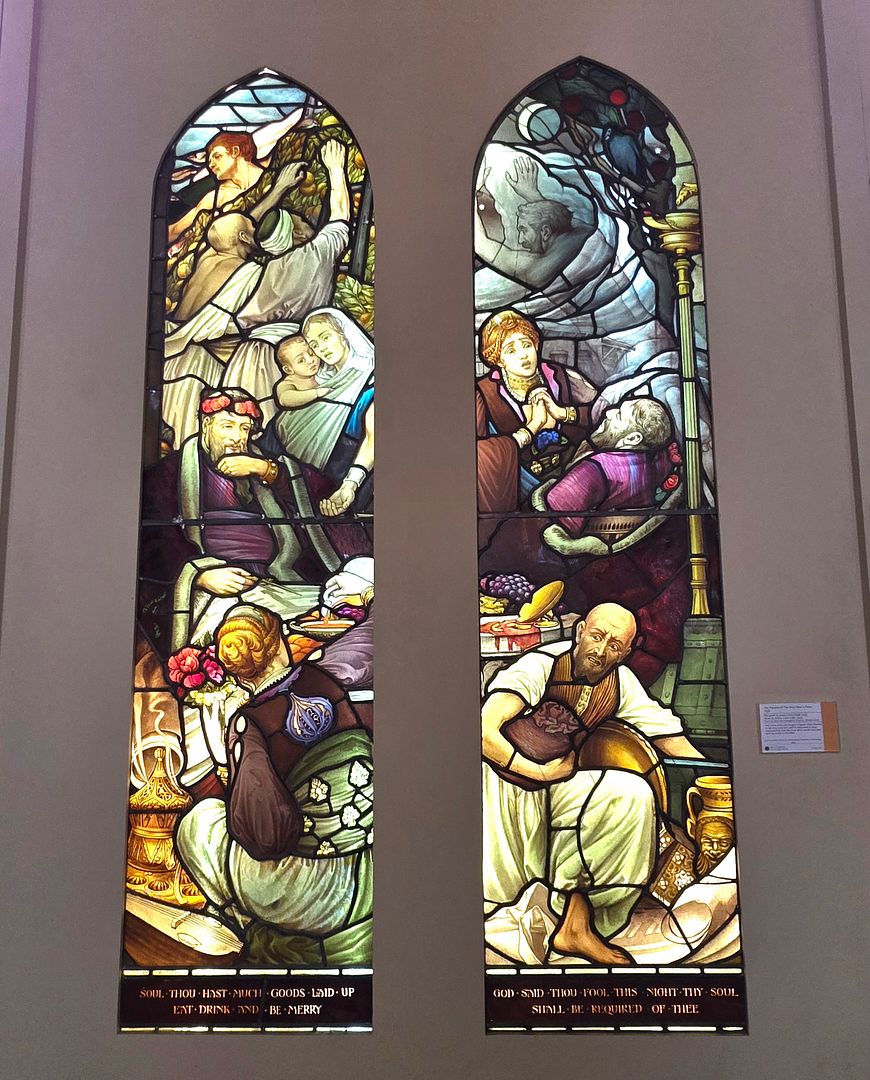
The Parable of the Rich Fool

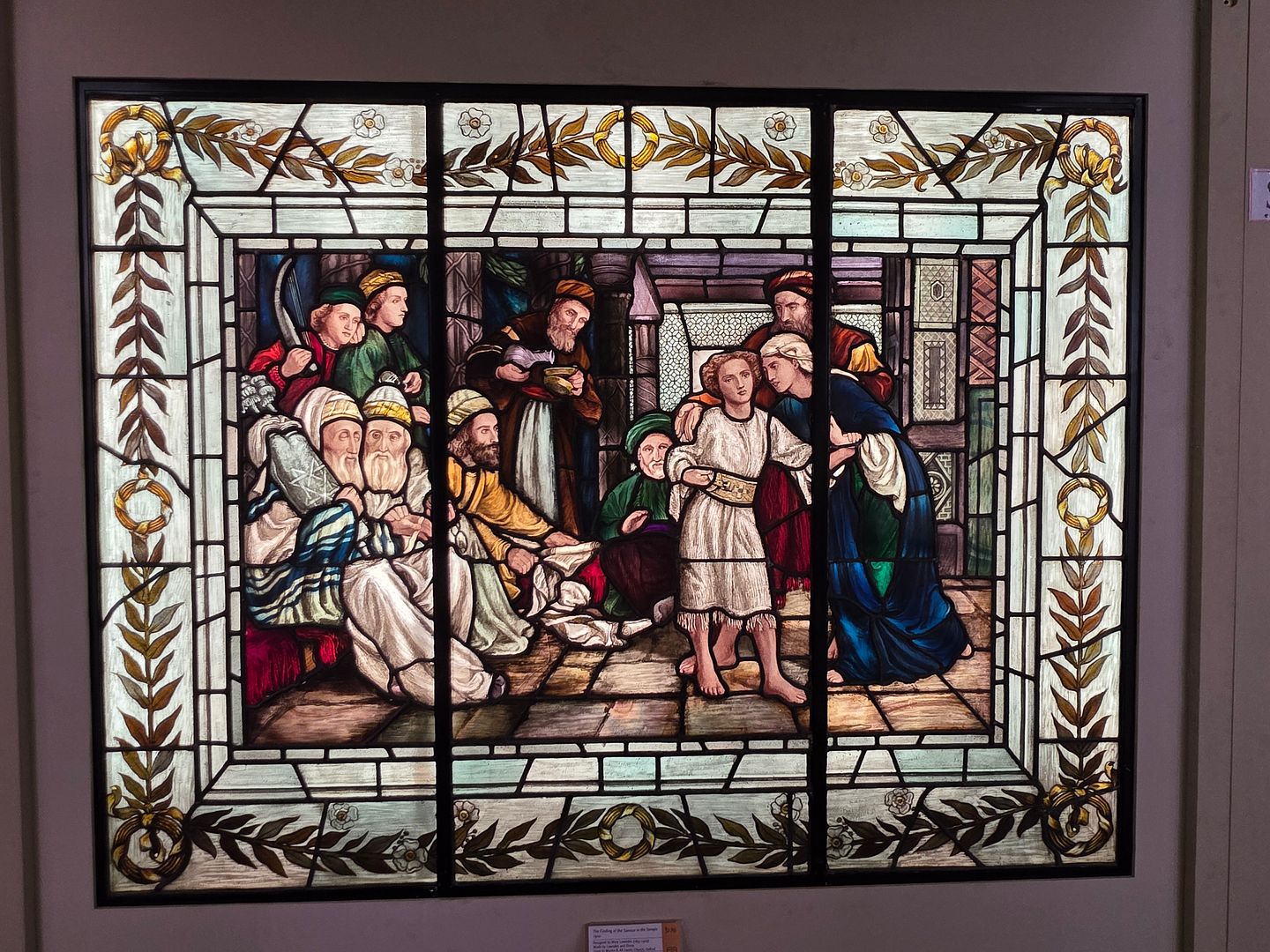
Finding Jesus in the Temple

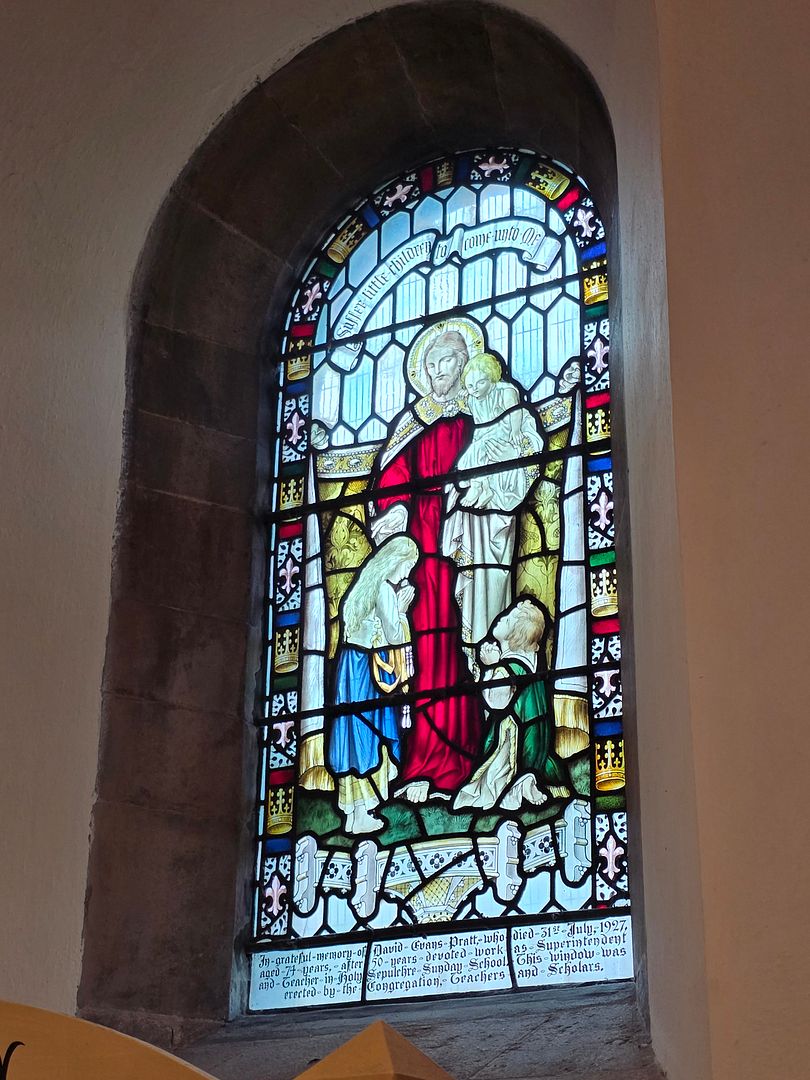
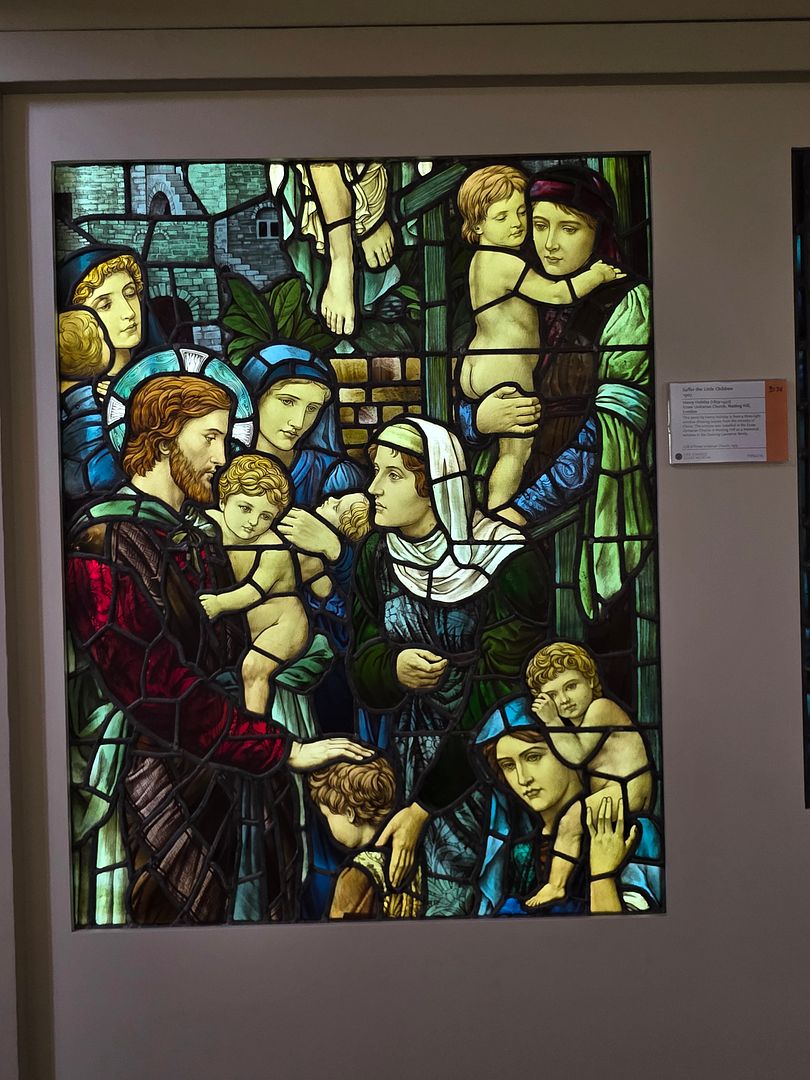
Suffer the Little Children

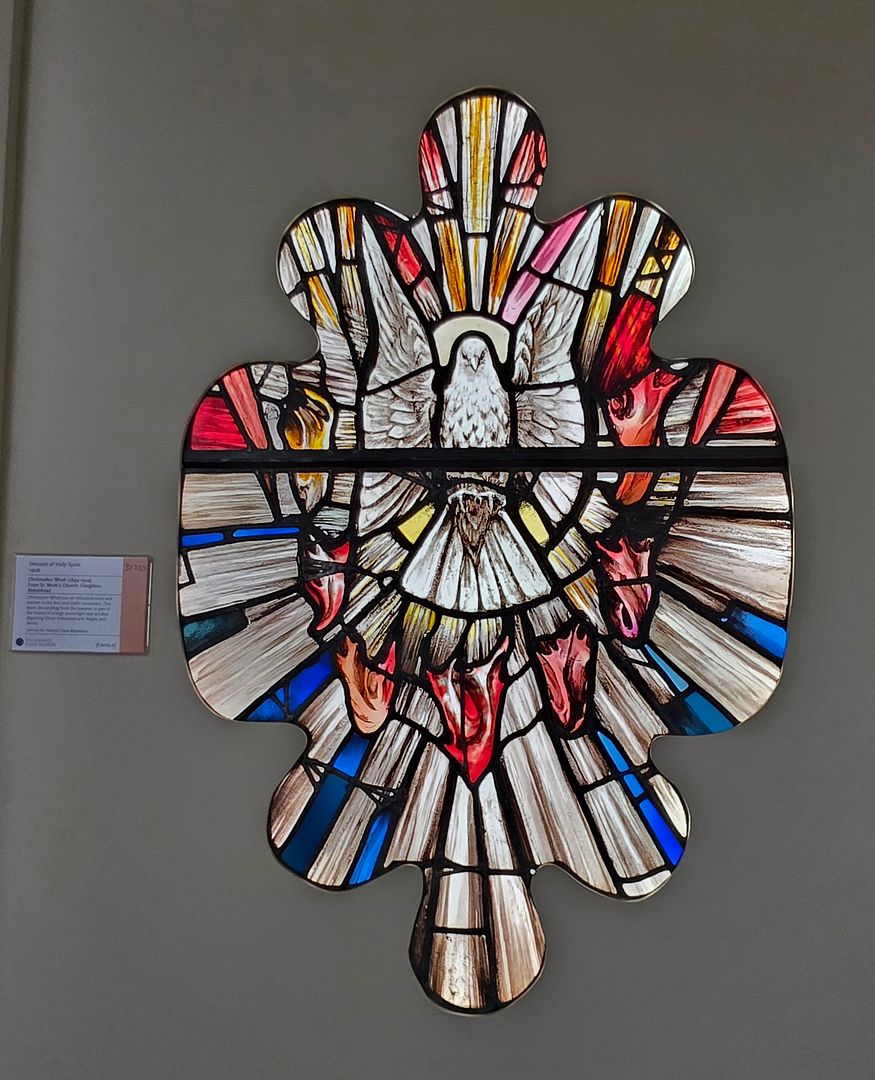
Descent of the Holy Spirit

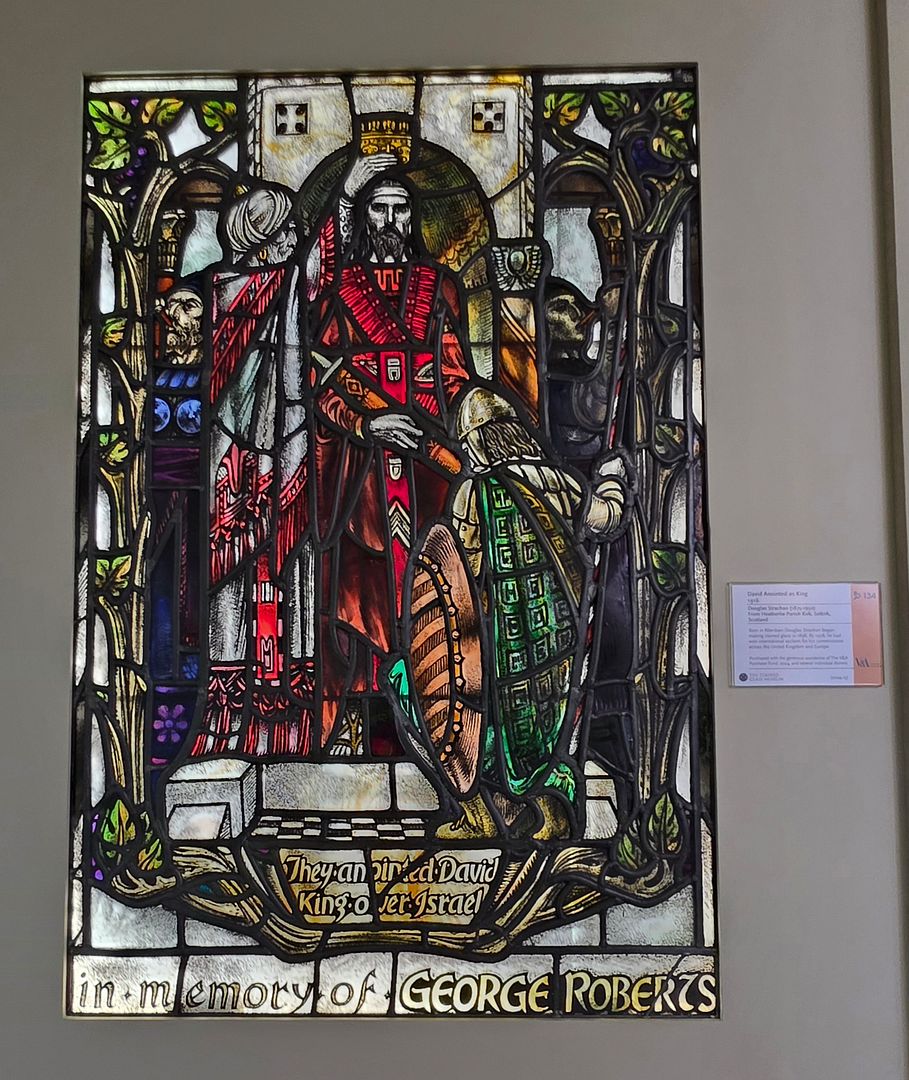
The Anointing of David King over Israel

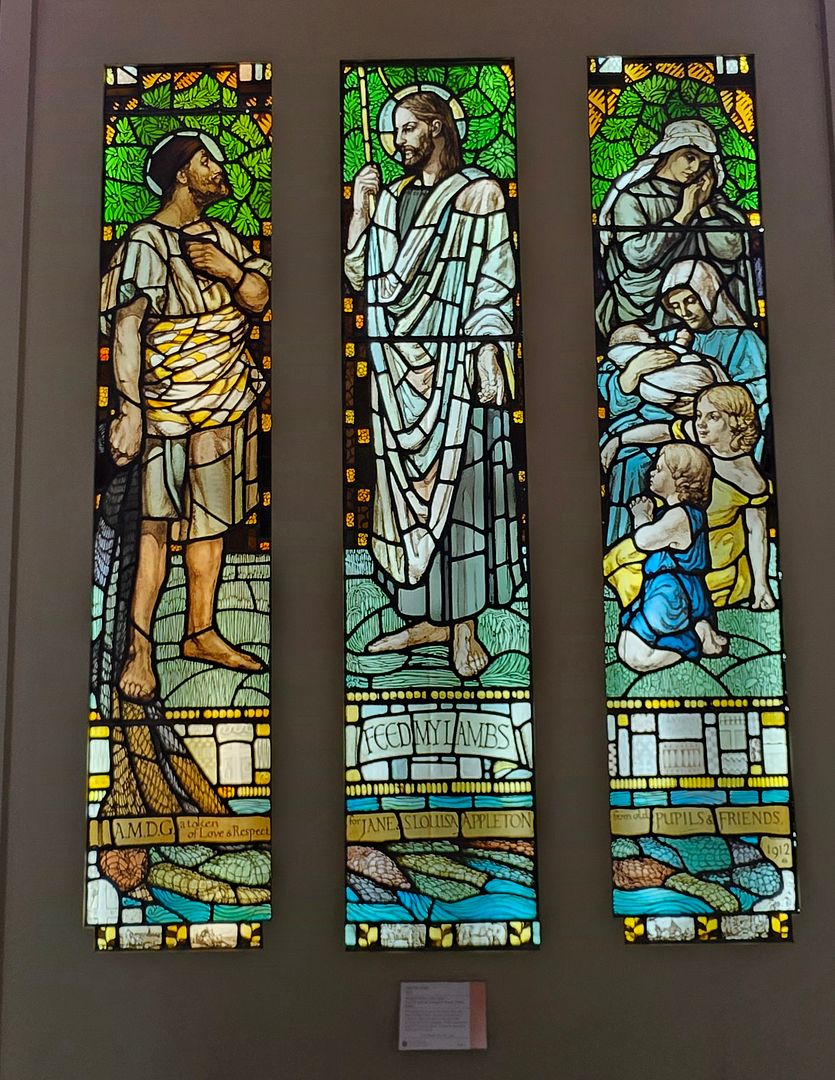
Feed my Lambs

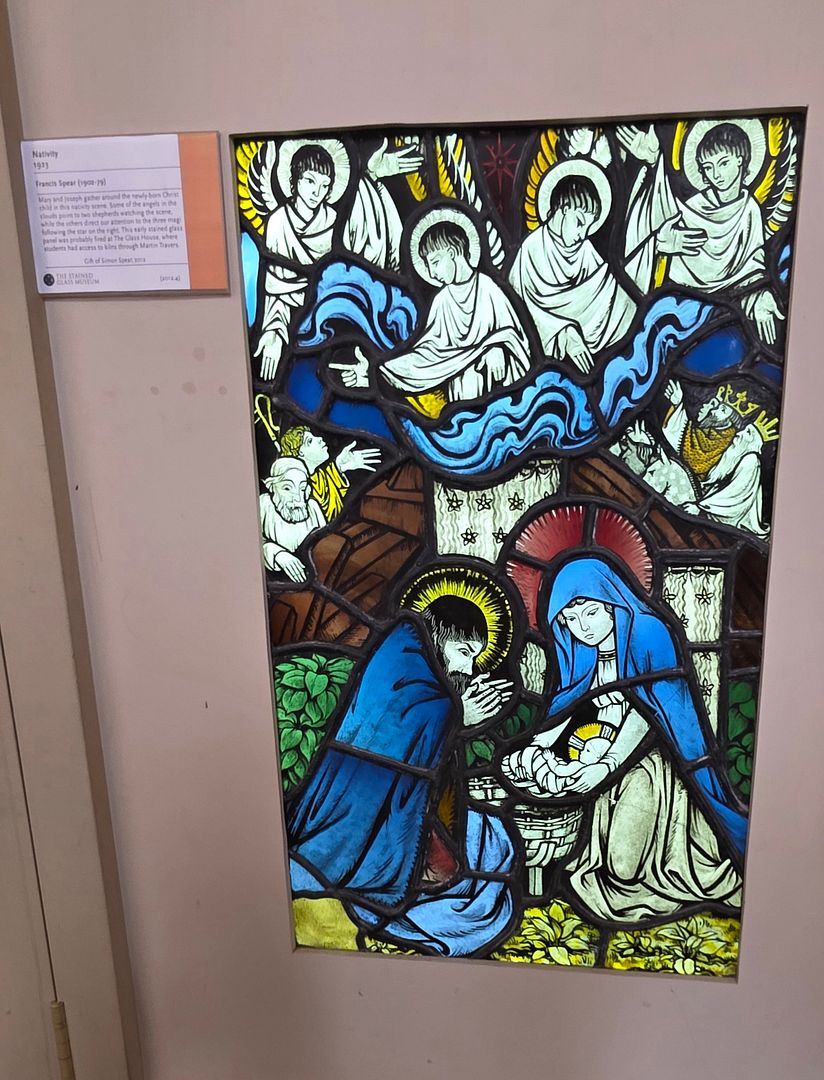
Nativity

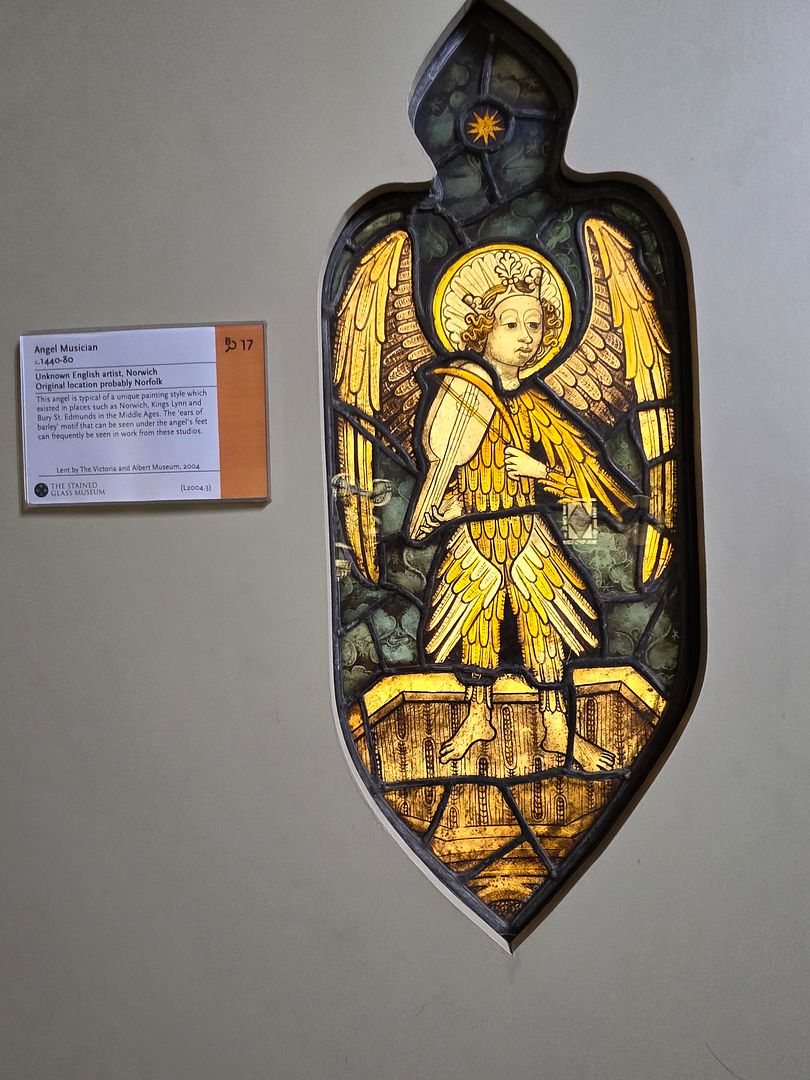
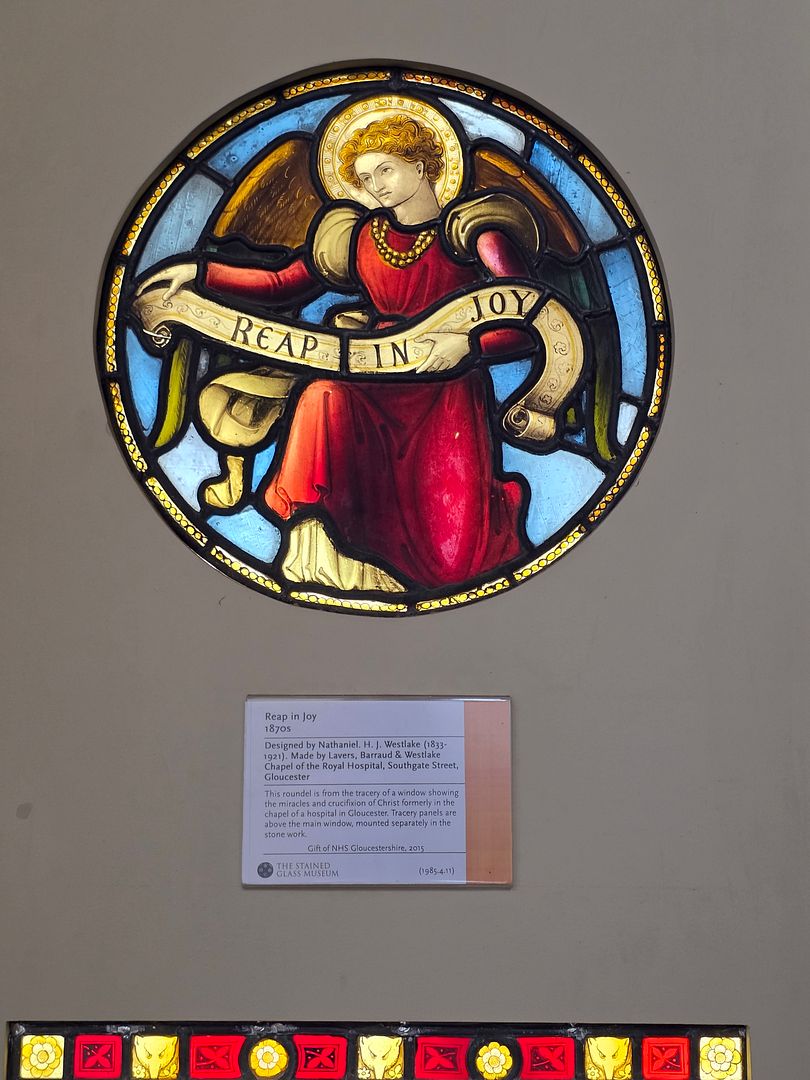
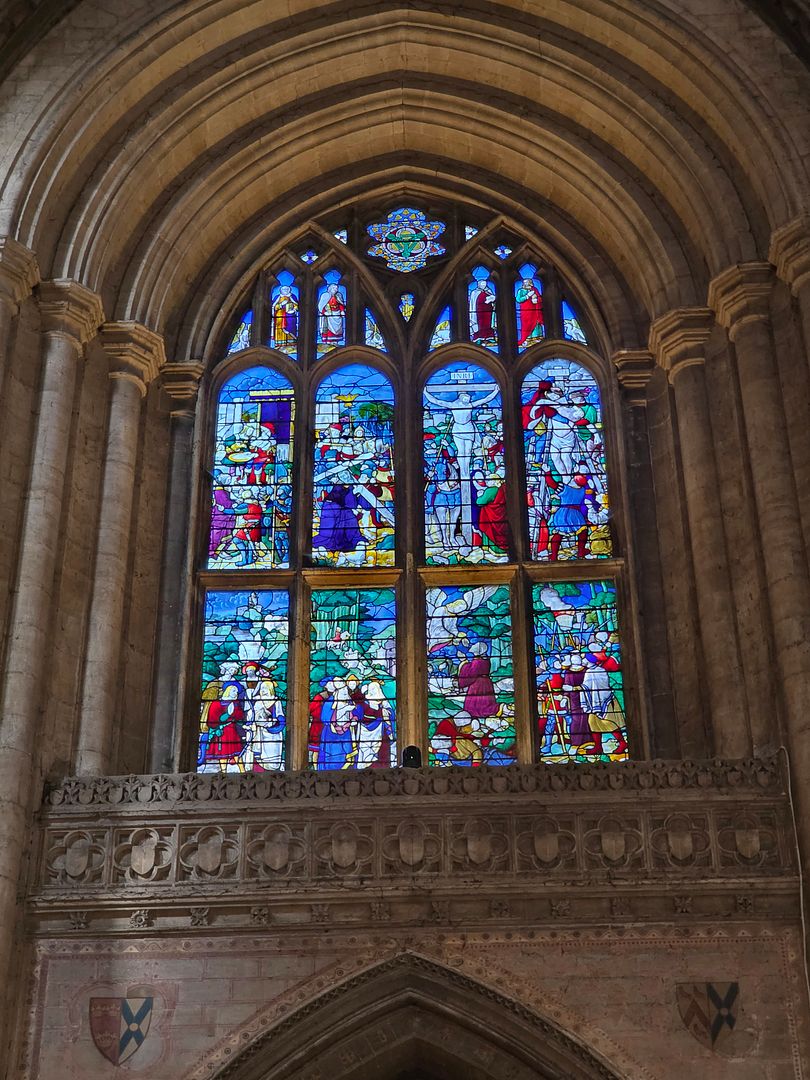
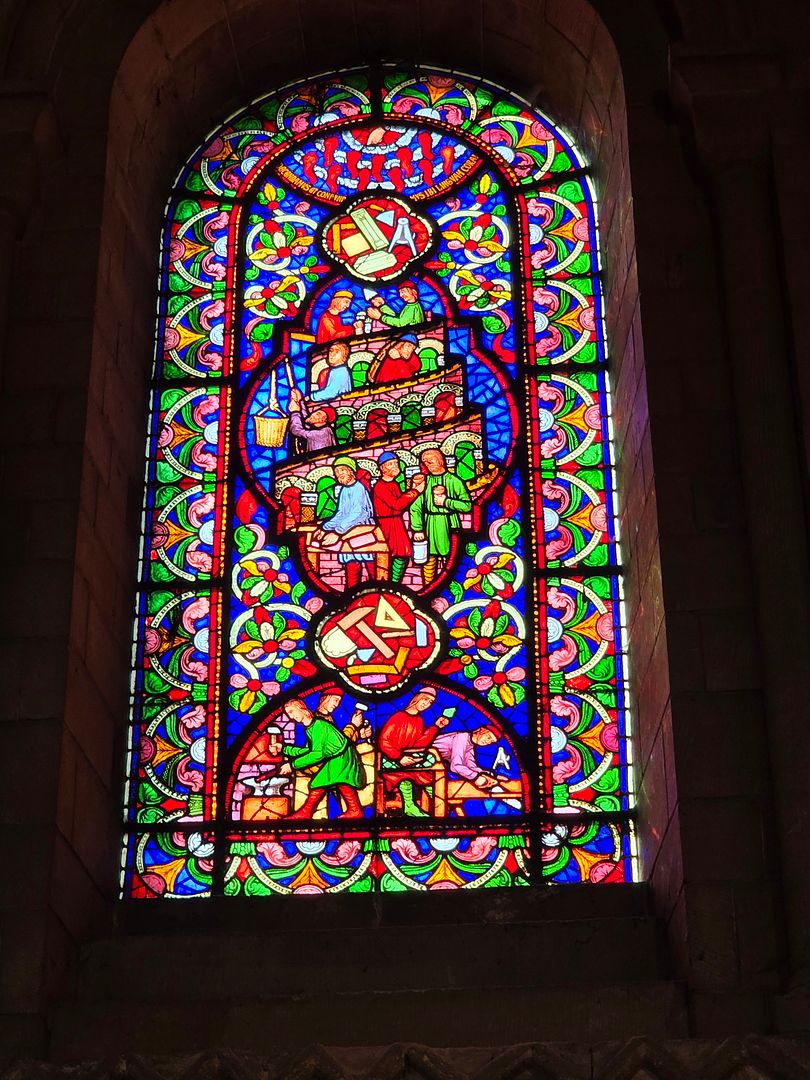
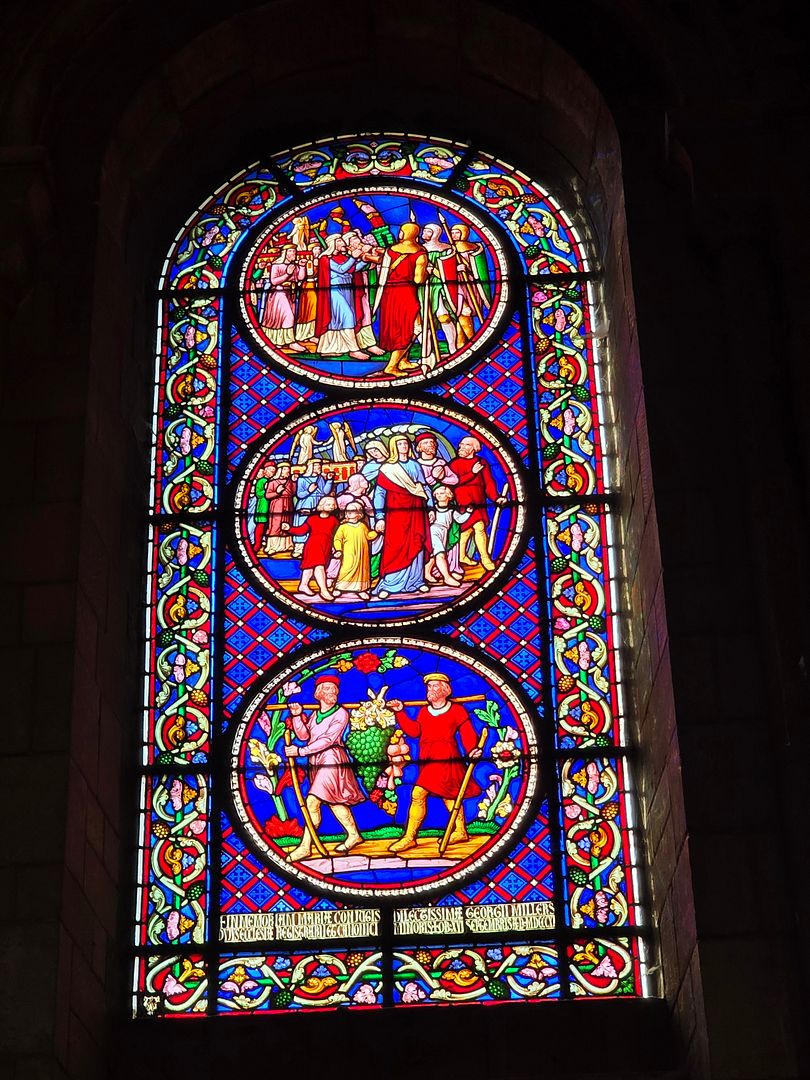
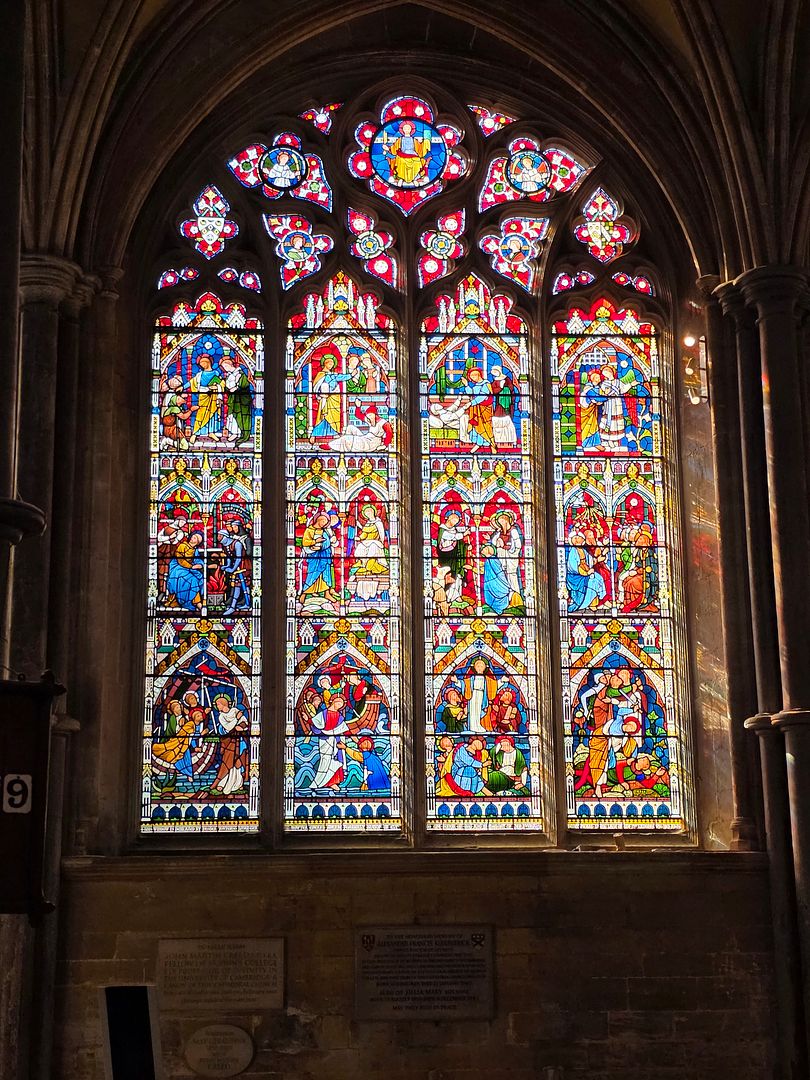
These were the windows that stood out to me. There were more but I restrained myself.

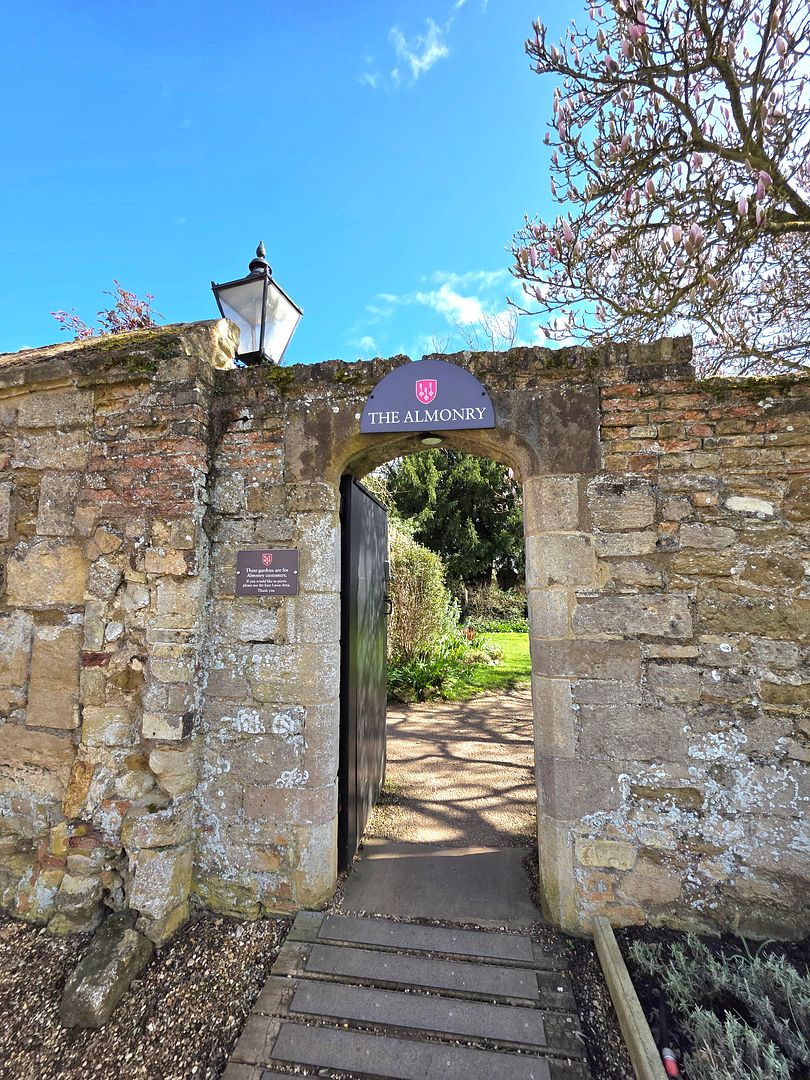
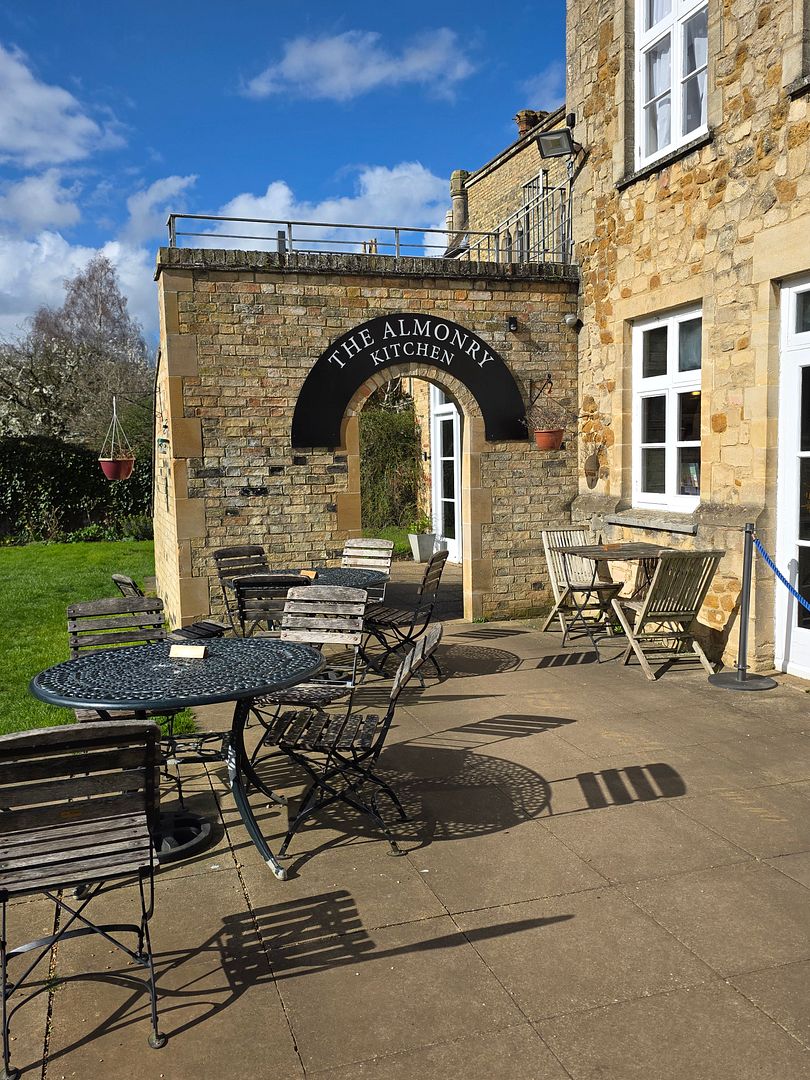
From the museum we walked over to the Almonry for a bite to eat.

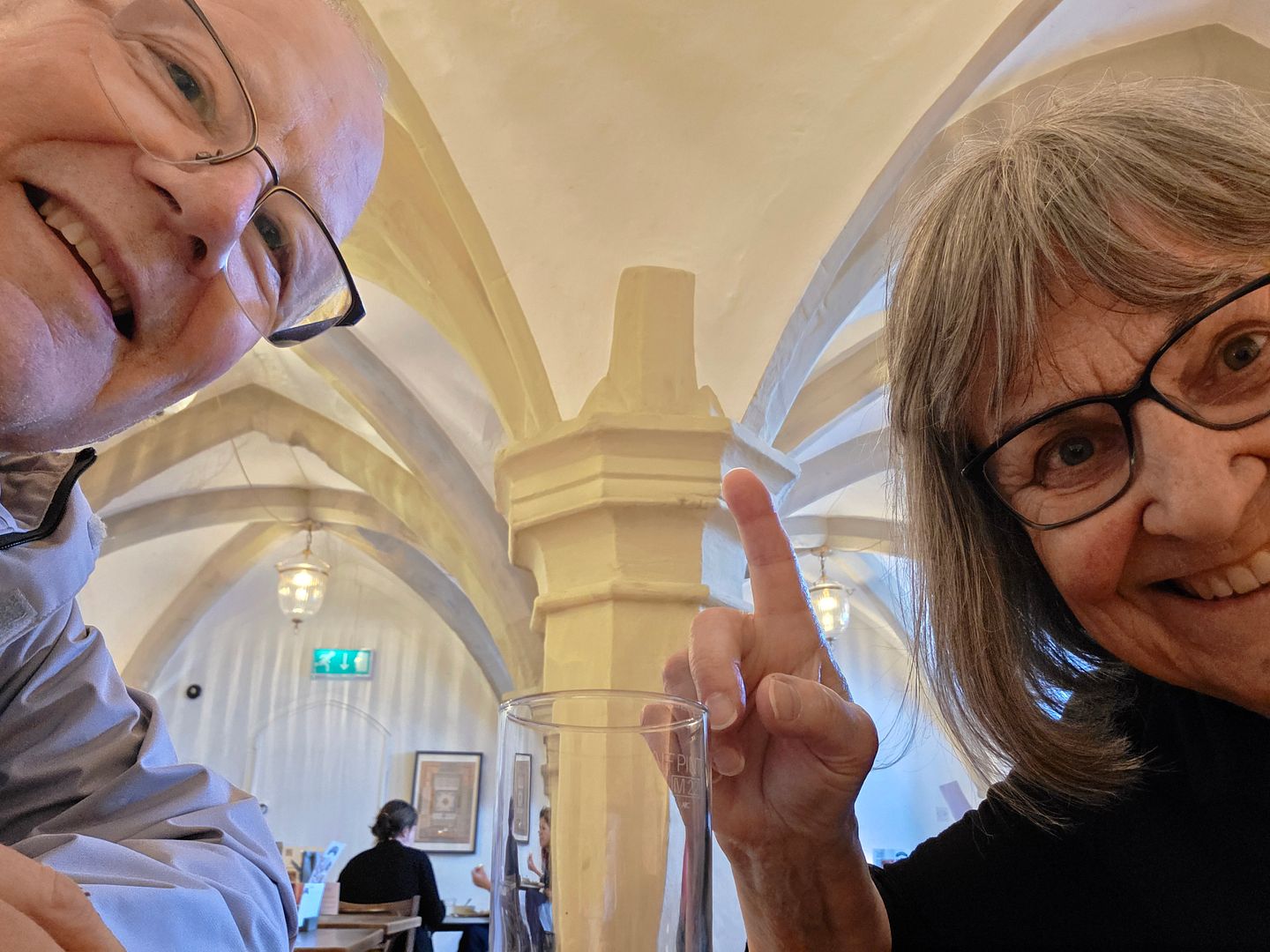
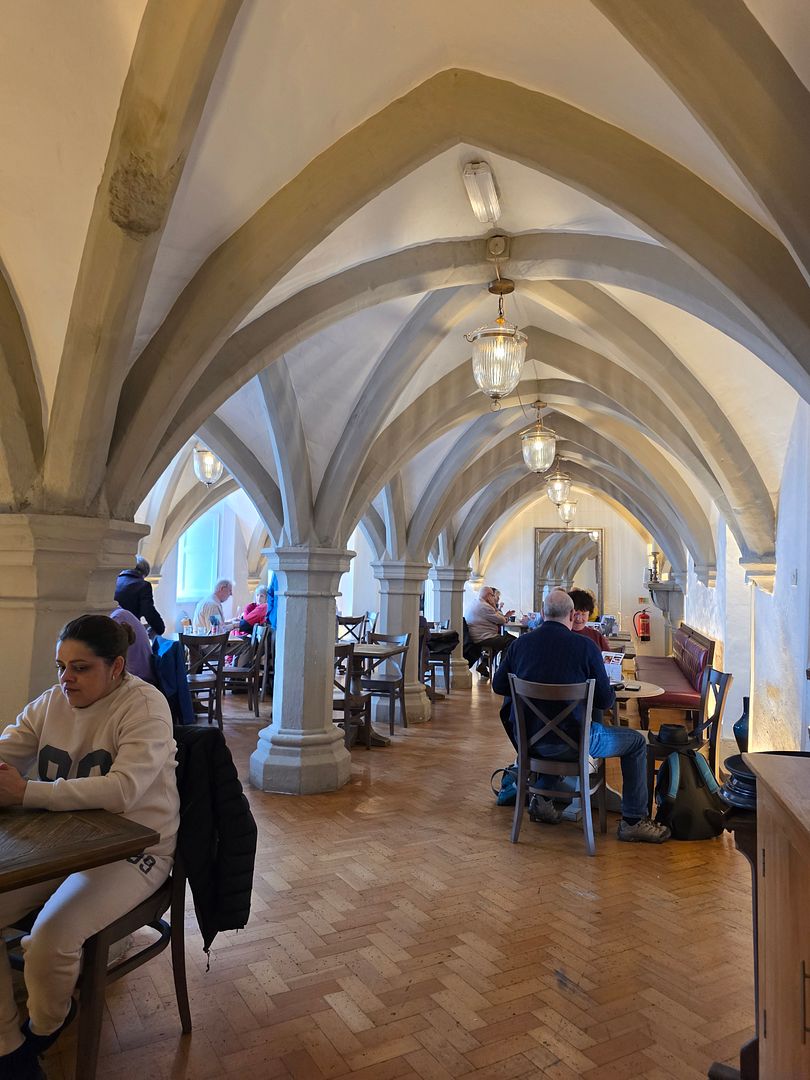
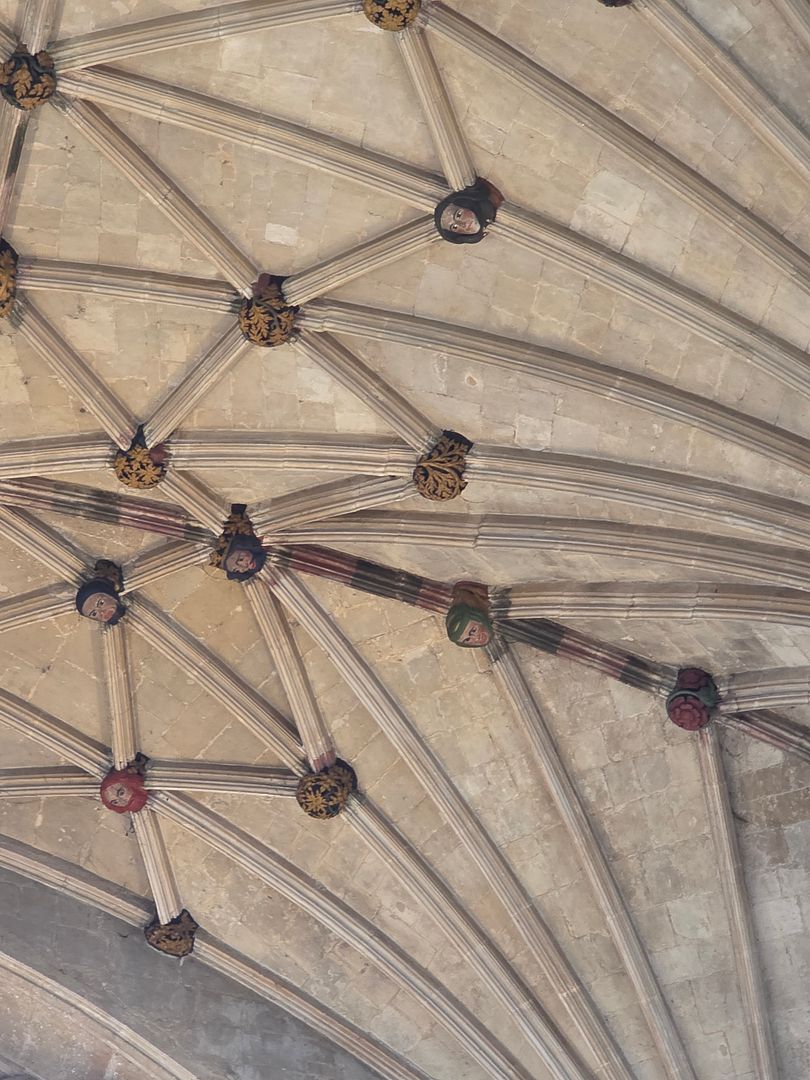
Check out the ceiling!

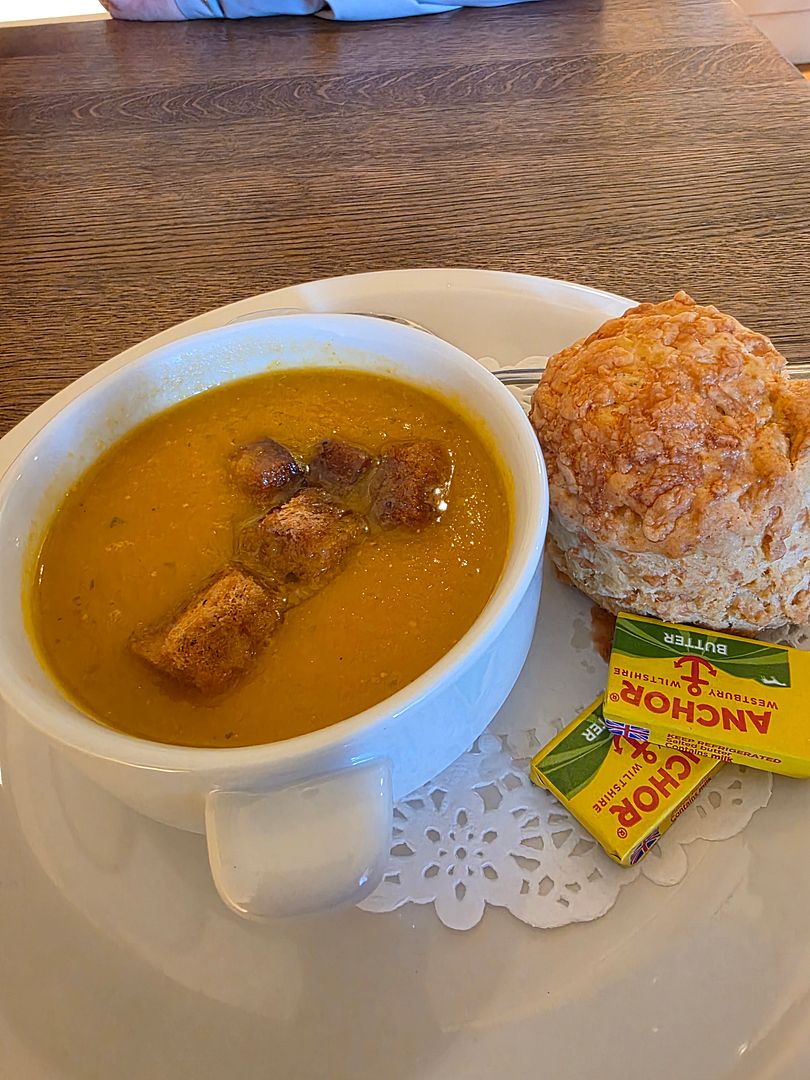
After our light meal we walked back to the Train Station for our ride back to Cambridge. This was a bright and blustery day.

Just a few more posts to complete our travel journal in Cambridge after our Danube River Cruise.

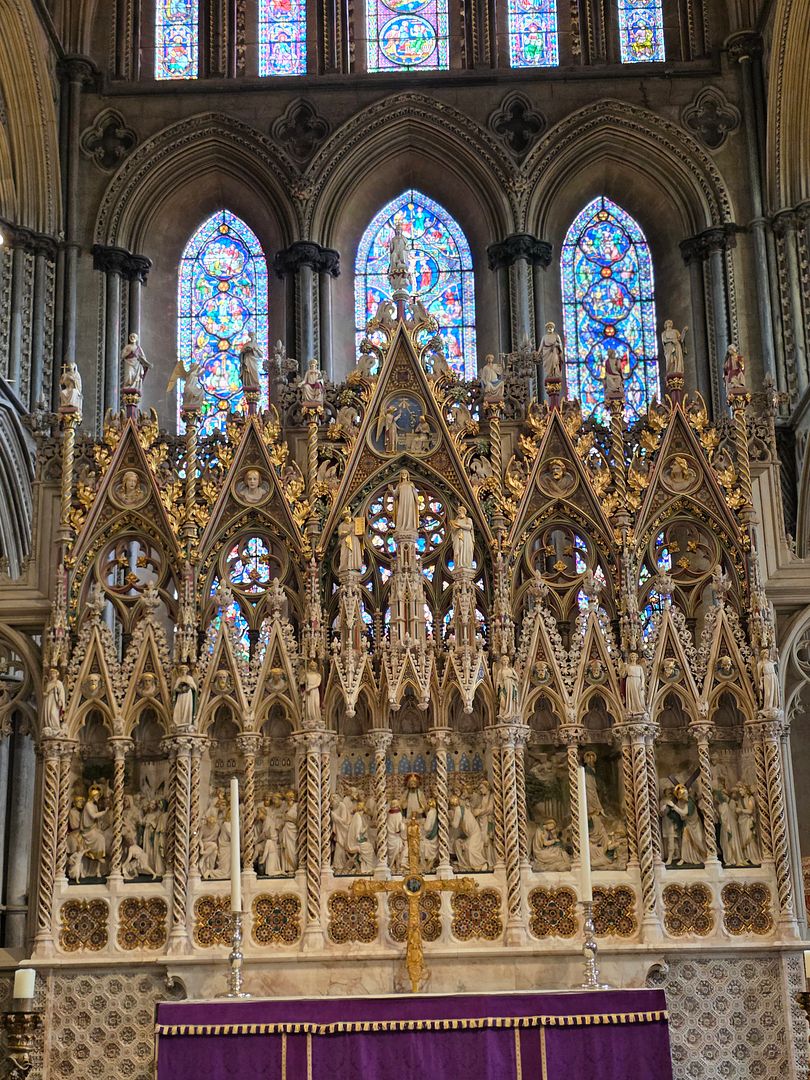
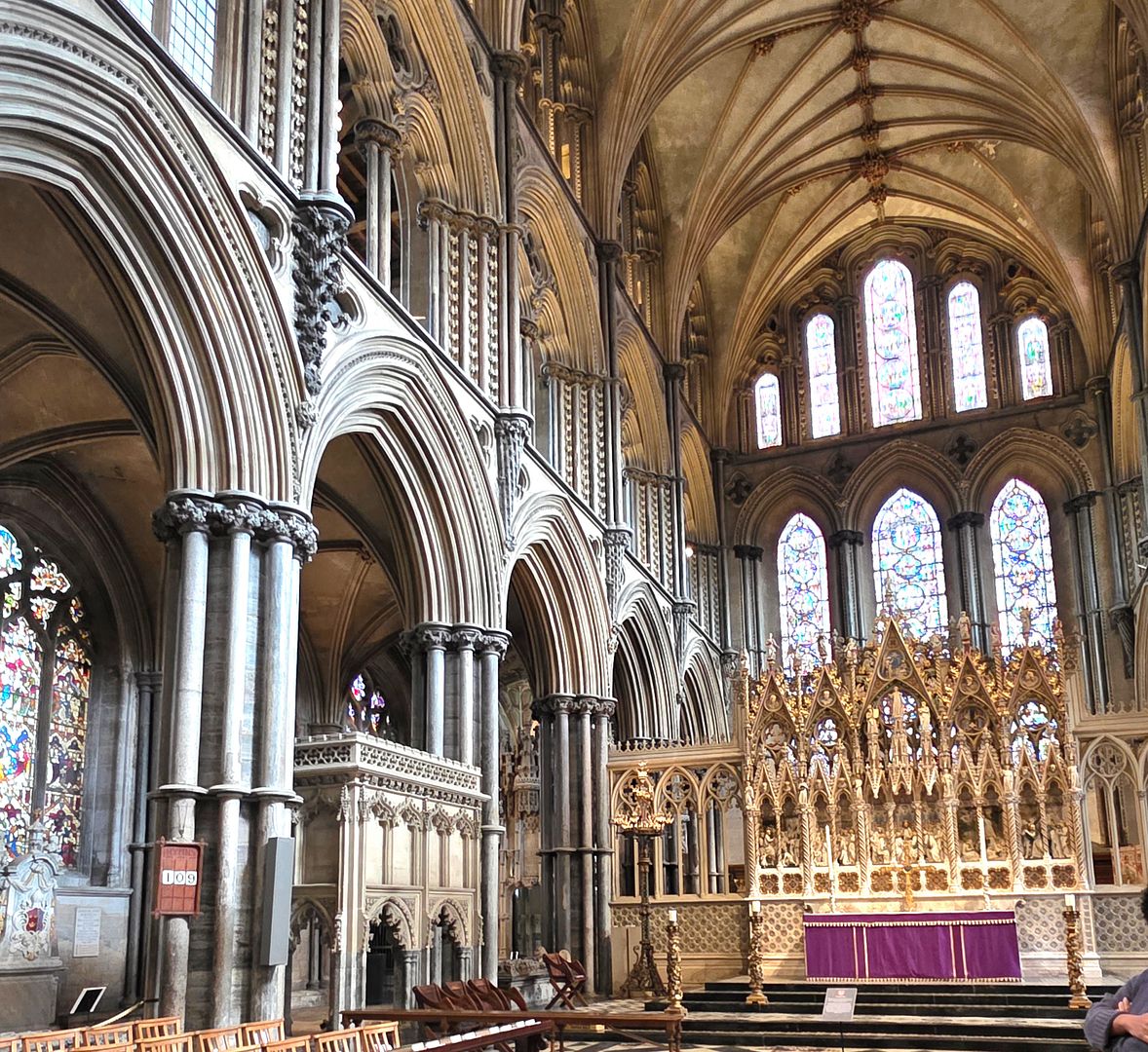
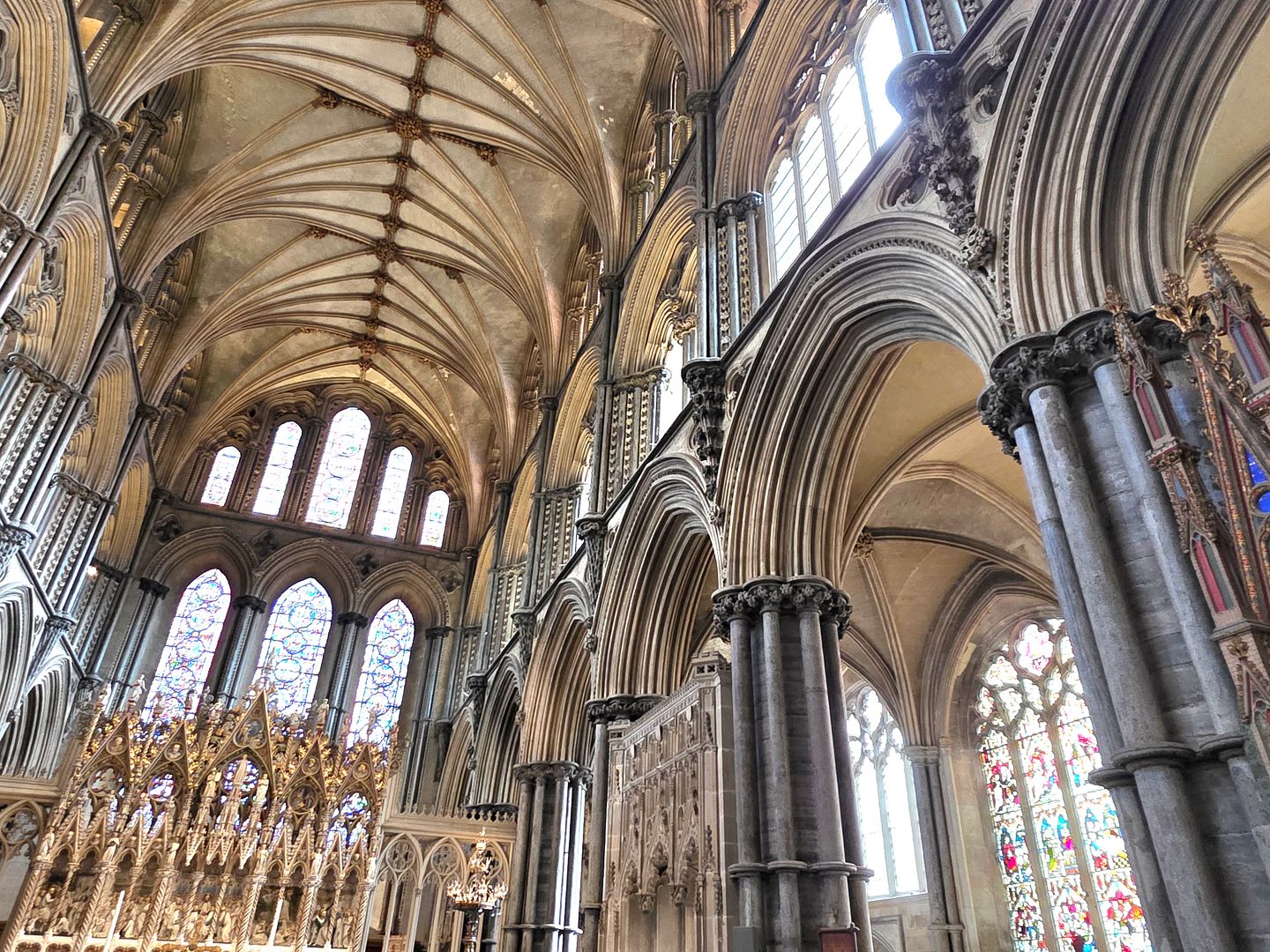
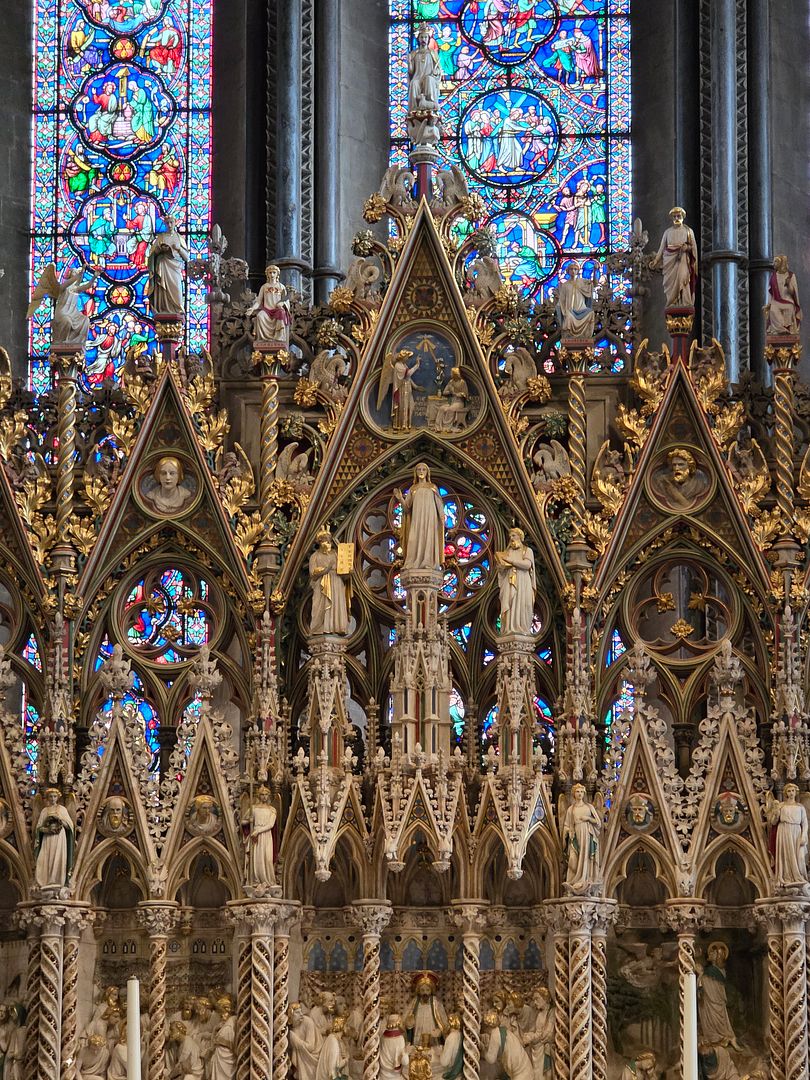
Inside Ely Cathedral

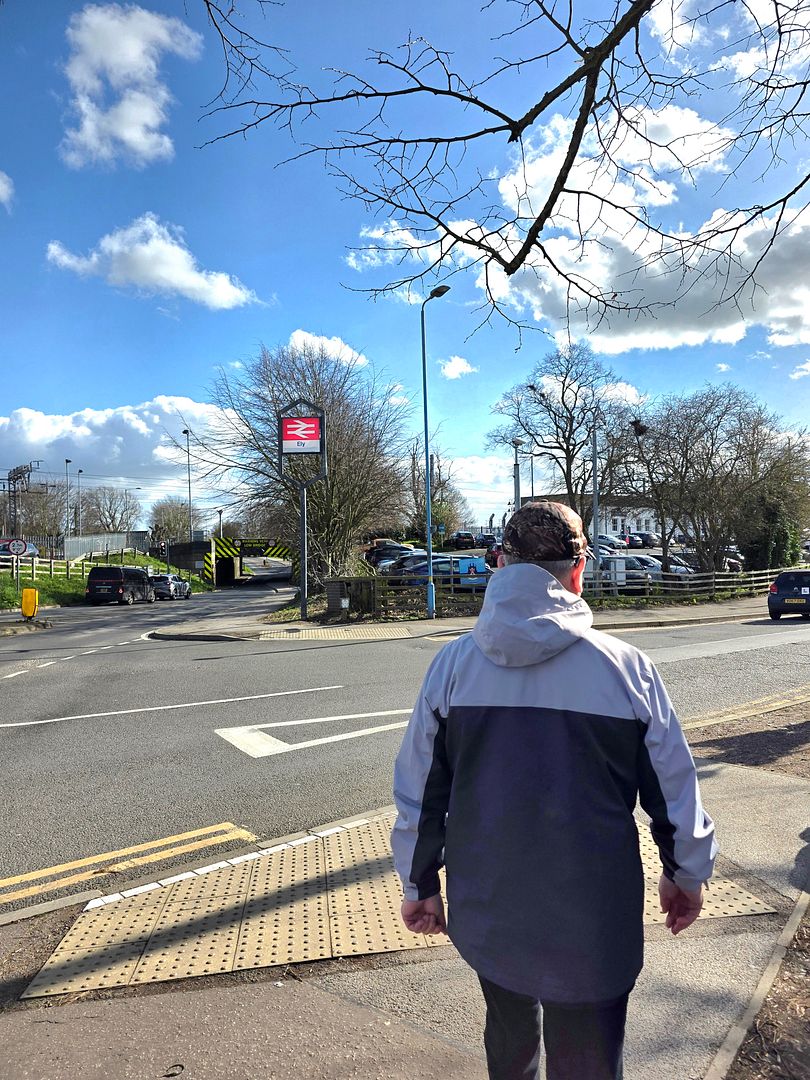
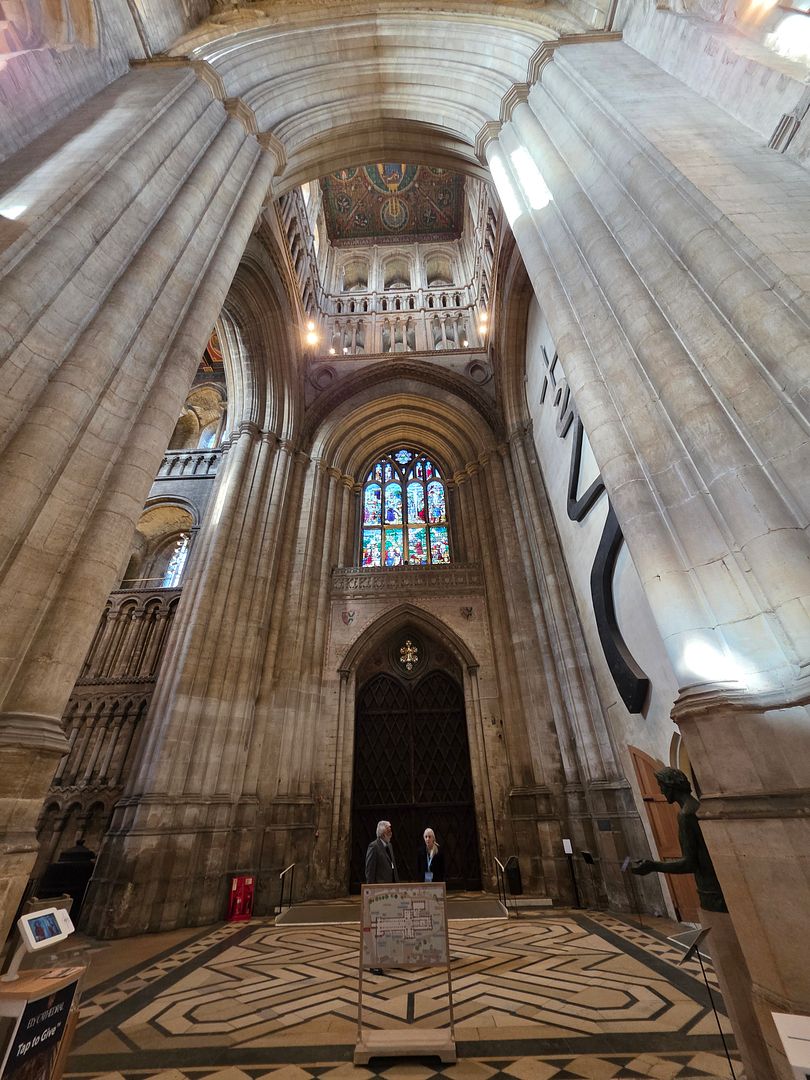
As previously mentioned, this continues our travel journal for Wednesday March 11 when we took a short train ride from Cambridge to Ely to visit the cathedral. These photos are numerous and are from the inside of Ely Cathedral.

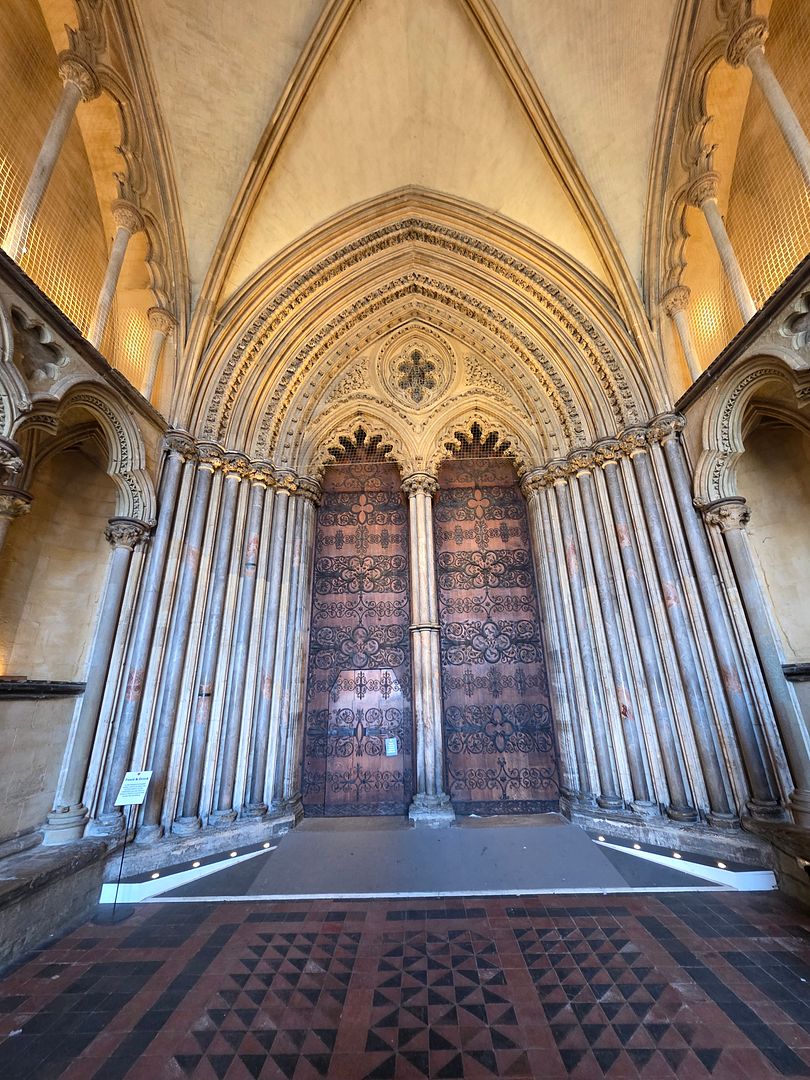
The entrance was through those amazing doors!

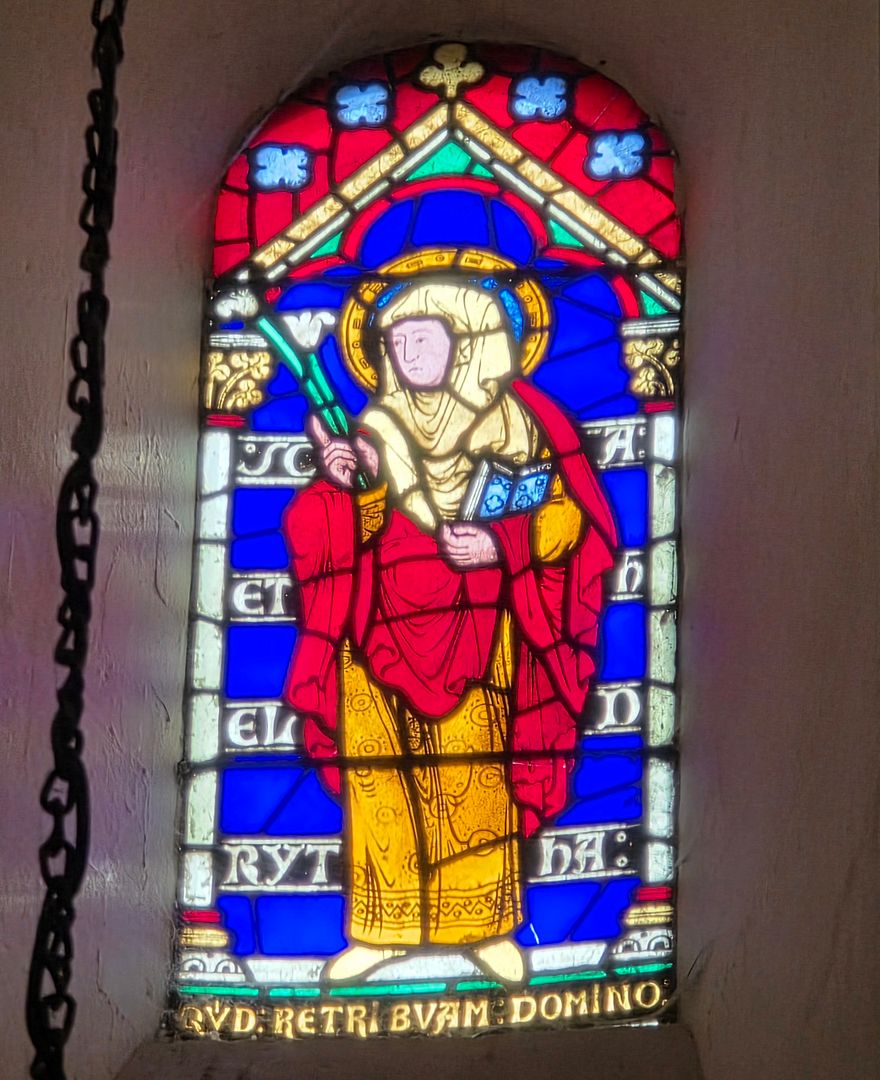
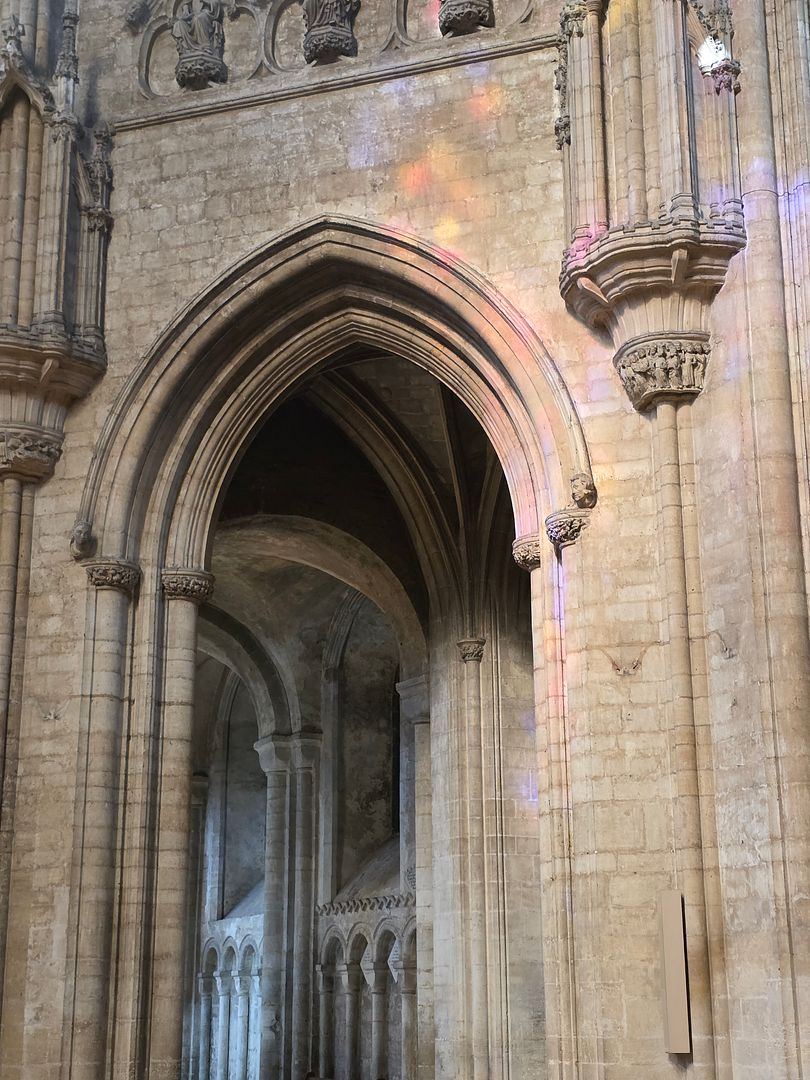
Ely Cathedral has origins dating back to AD 673 when St Etheldreda built an Abbey Church. The present building dates back to 1083, and was granted Cathedral status in 1109.


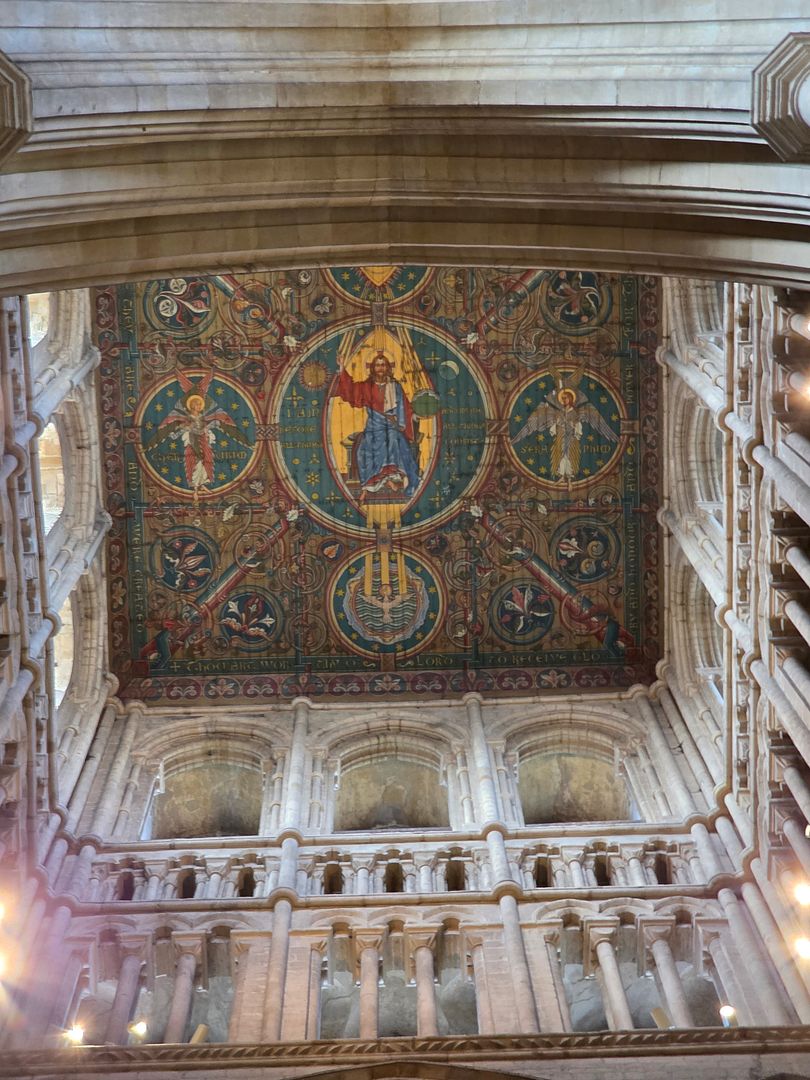
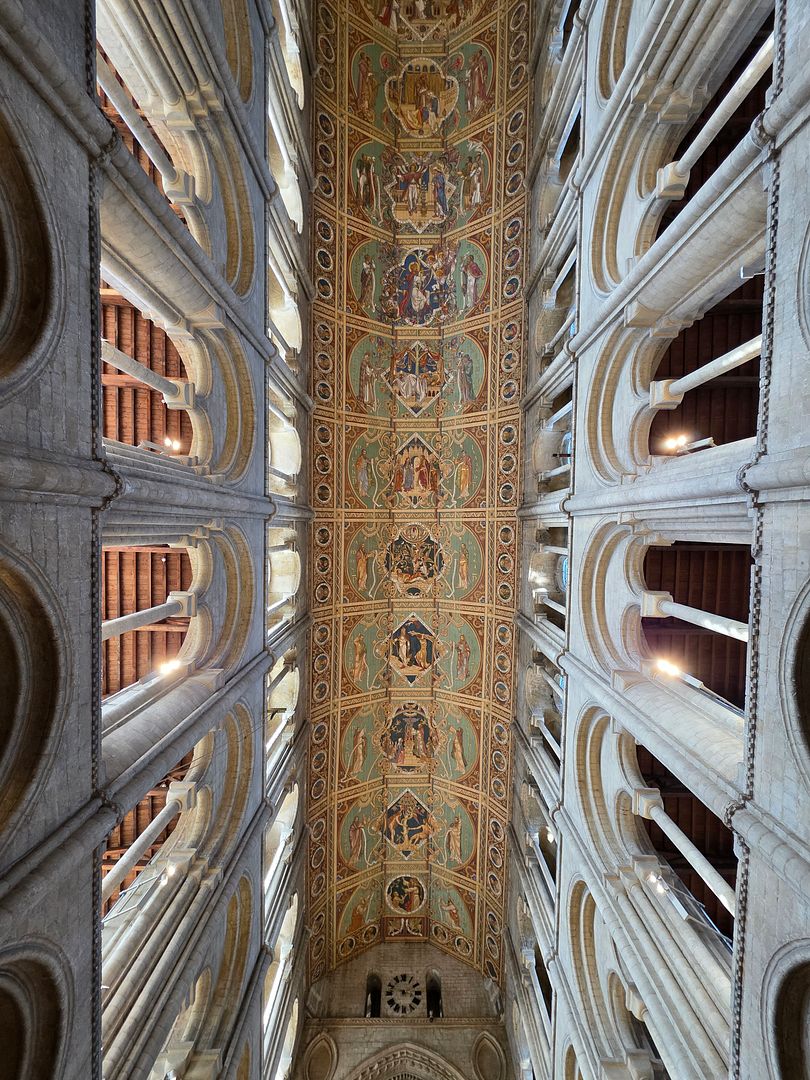
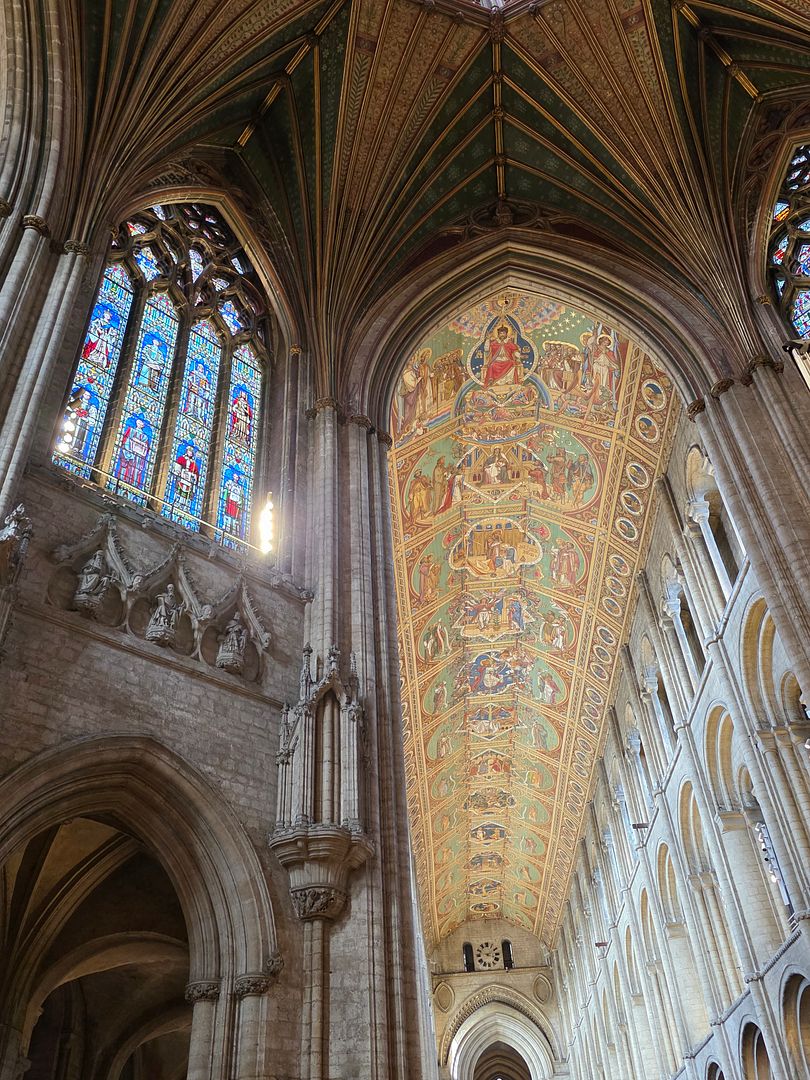
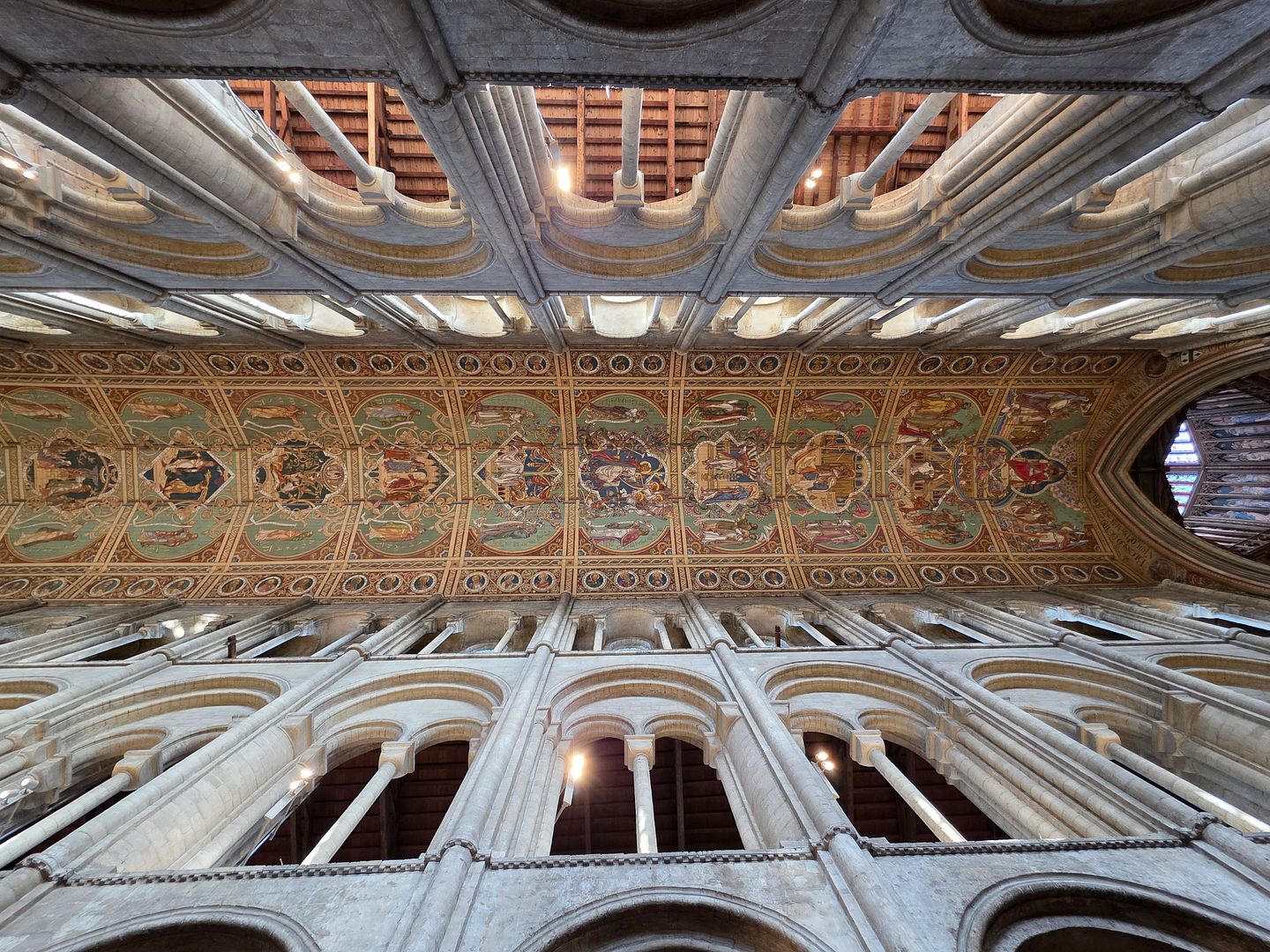
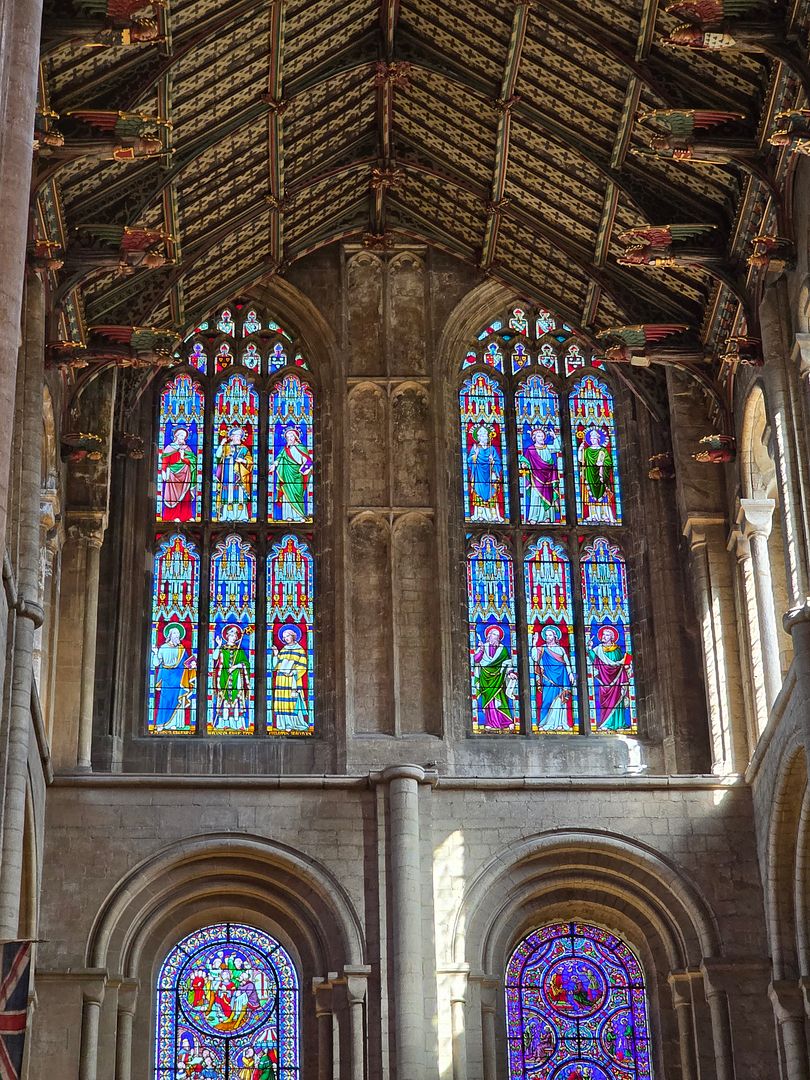
Installed as part of the Victorian restoration, the incredible Nave Ceiling was the work of two artists.

Henry Styleman Le Strange painted the first six panels (counting from the west), and Thomas Gambier Parry painted the last six – you can observe a change of style between the sixth and seventh panels.

The ceiling tells the story of the ancestry of Jesus, beginning with Adam (panel 1) and continuing through Abraham (panel 4), David (panel 8) and Mary (panels 9 and 10).

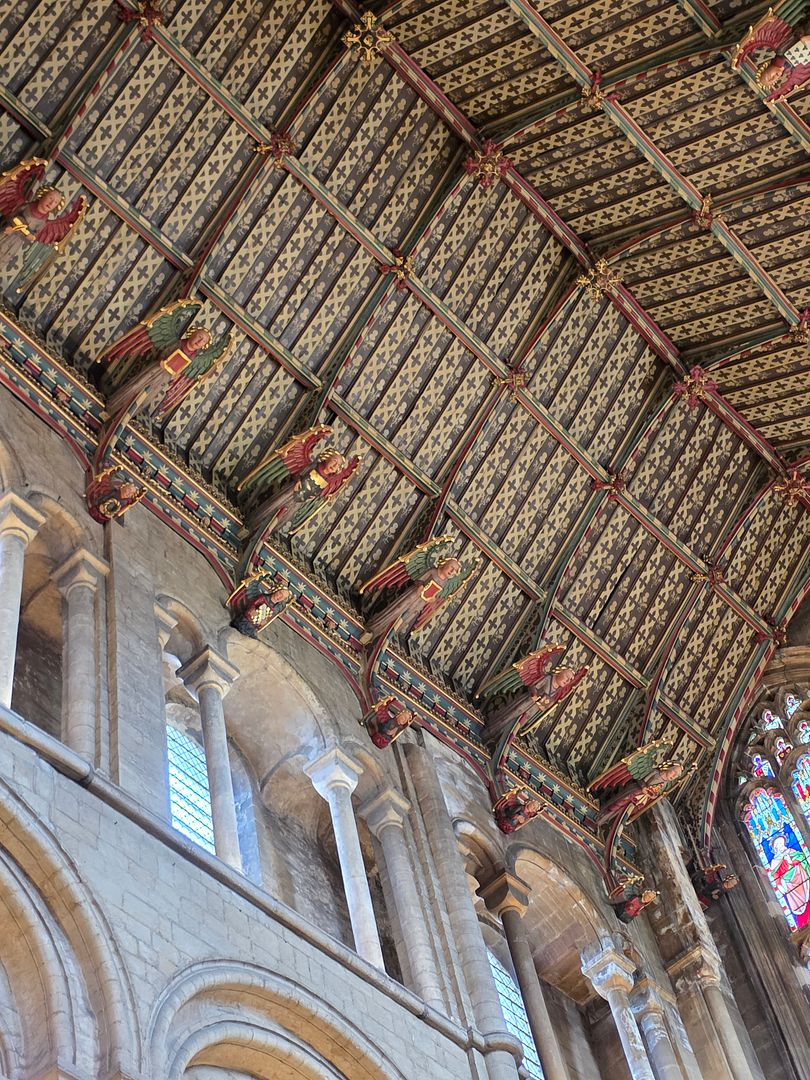
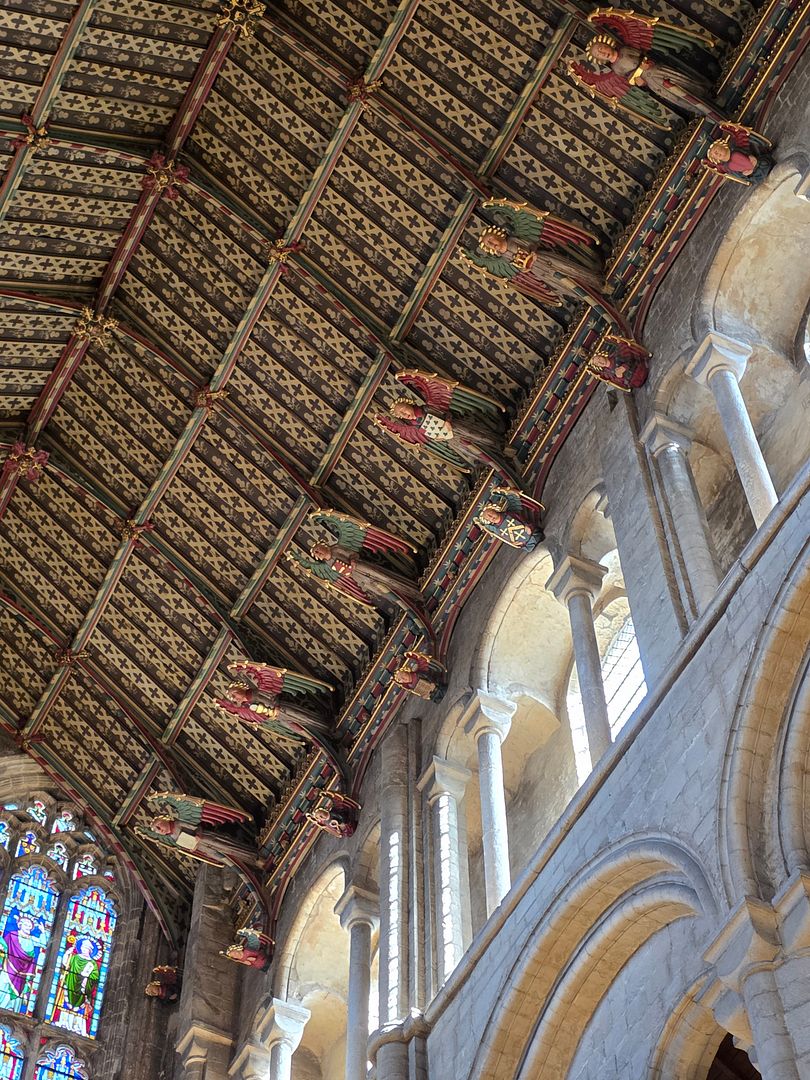
It is almost impossible not to look up when you visit a cathedral. I liked this ceiling section with all the angels looking down. Reminded me of 1 Peter 1:12

“It was revealed to them that they were serving not themselves but you, in the things that have now been announced to you through those who preached the good news to you by the Holy Spirit sent from heaven, things into which angels long to look.”

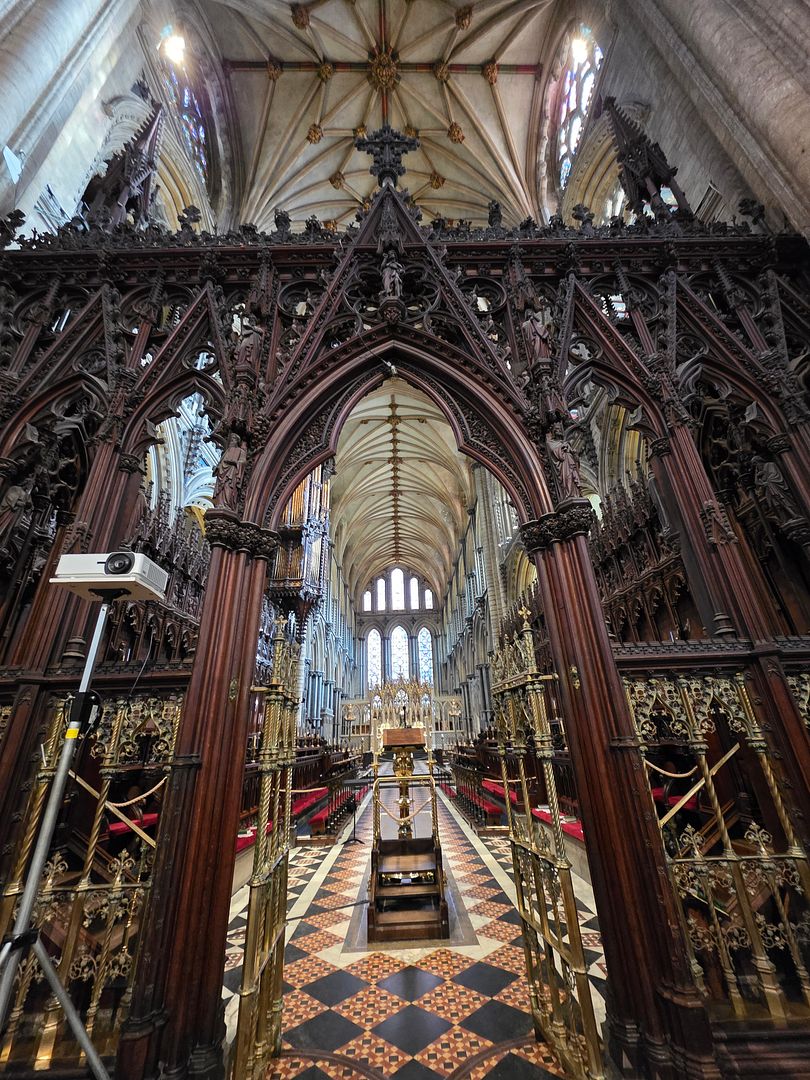
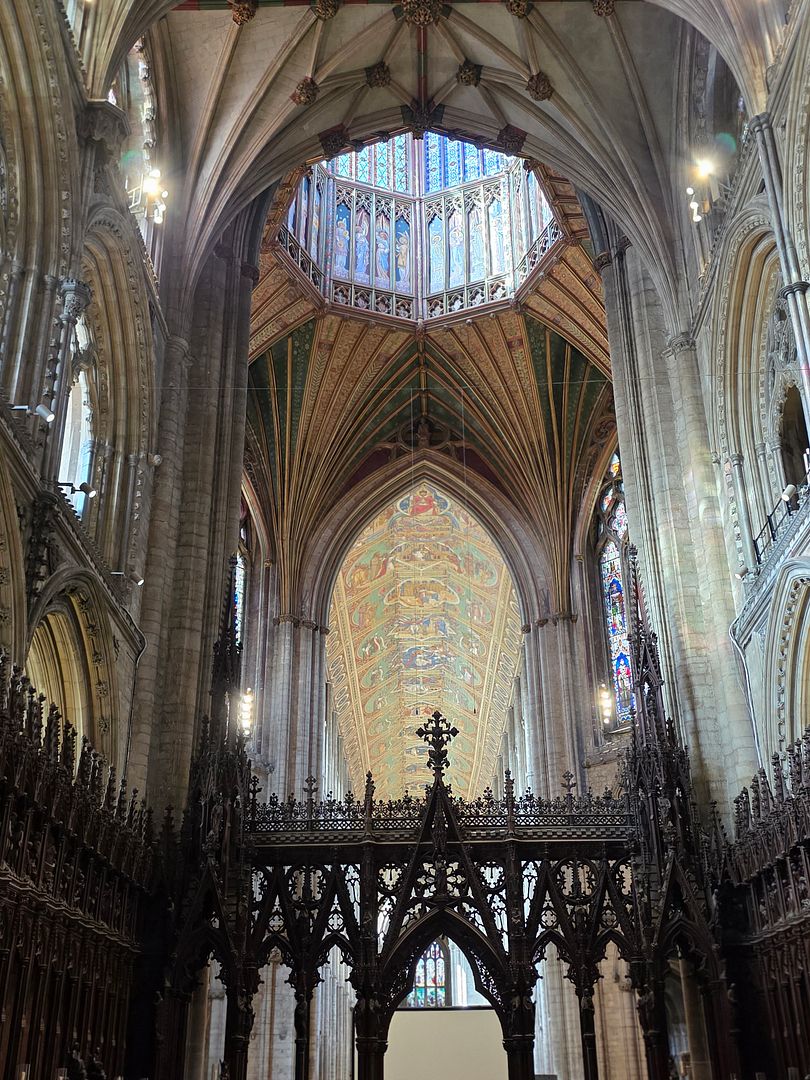
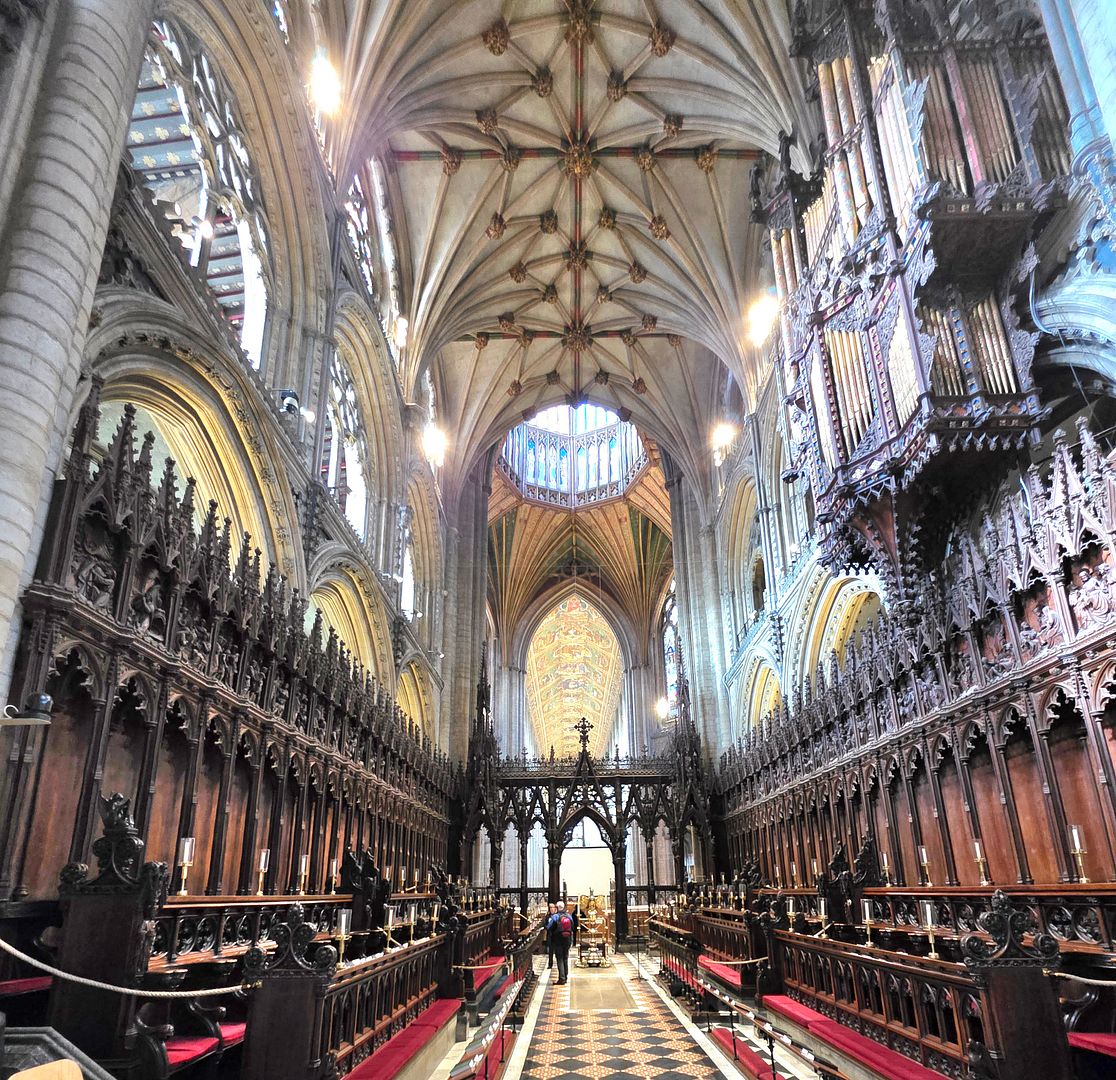
Looking into the Quire.

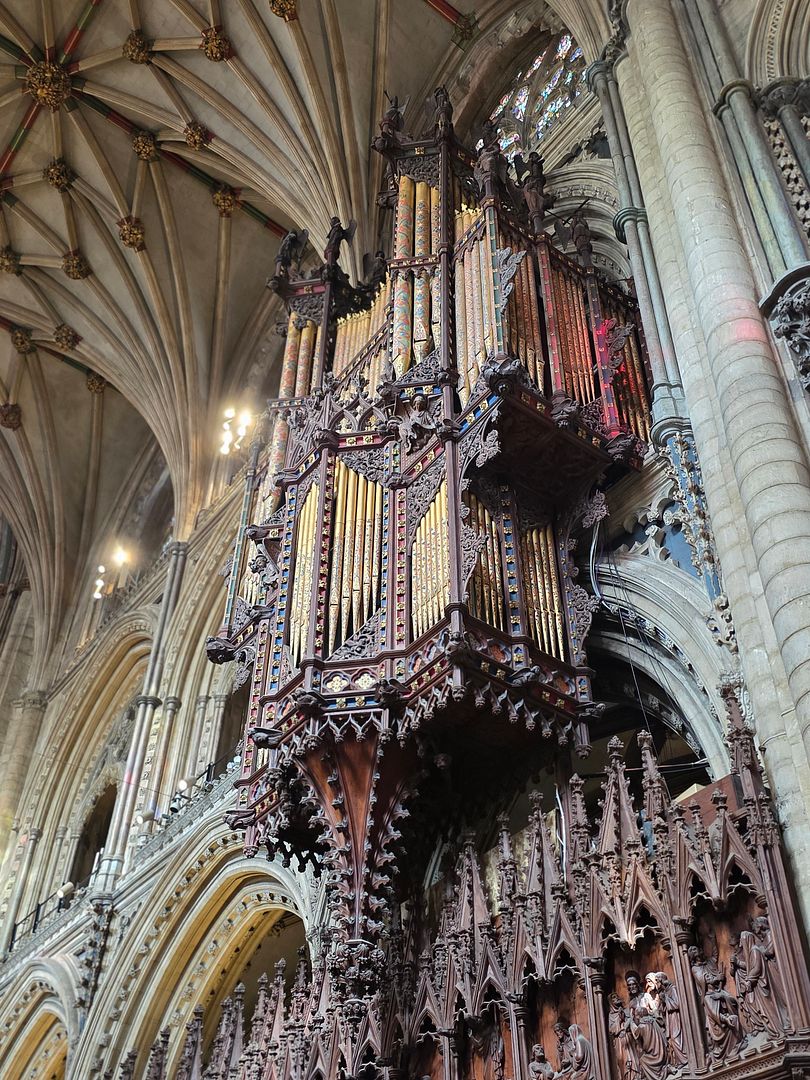
These ornate organ pipes were fascinating to me.

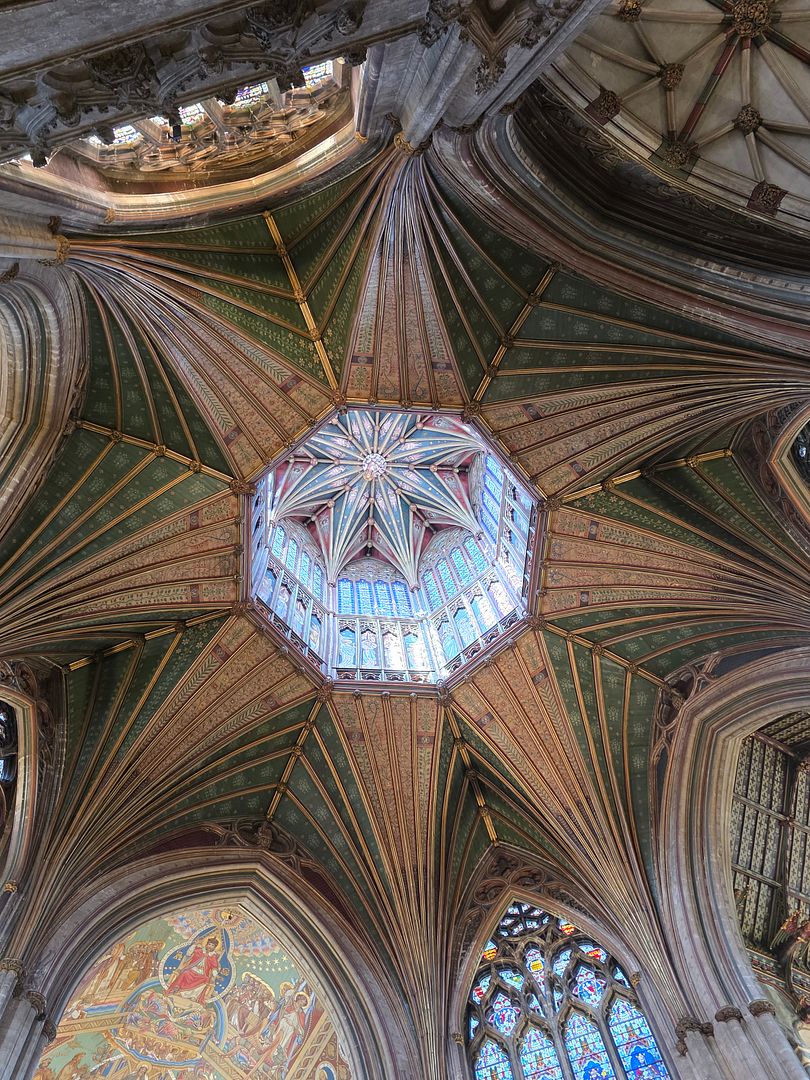
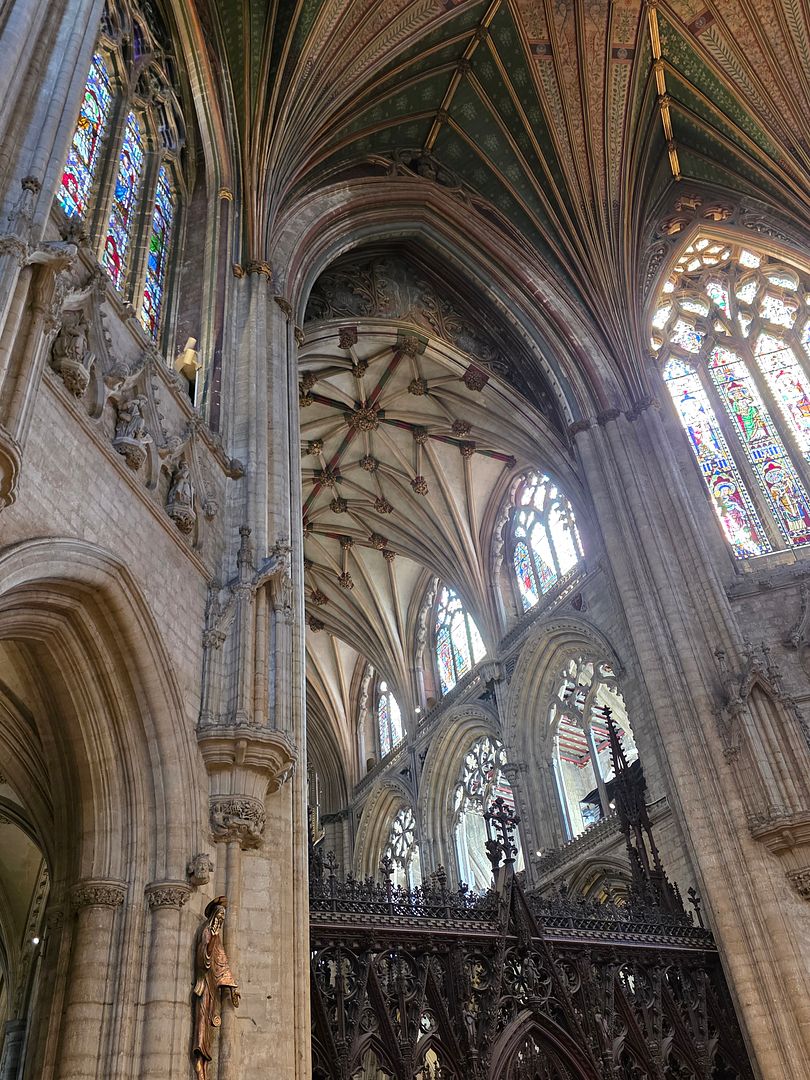
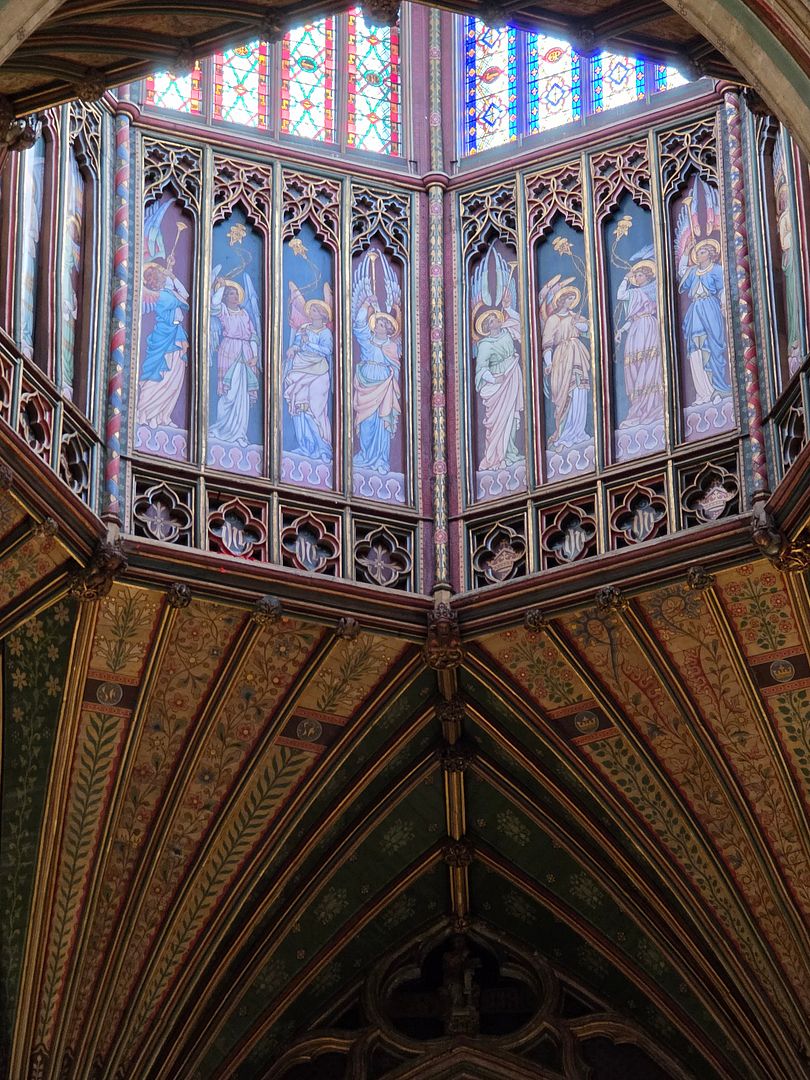
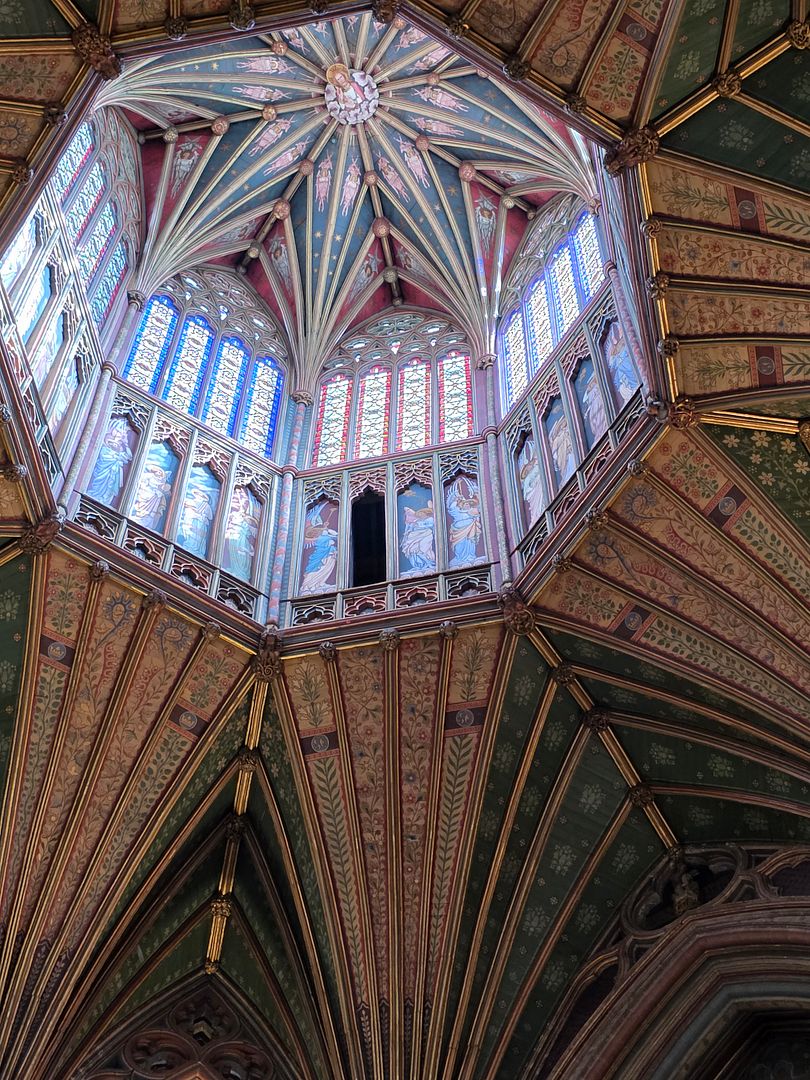
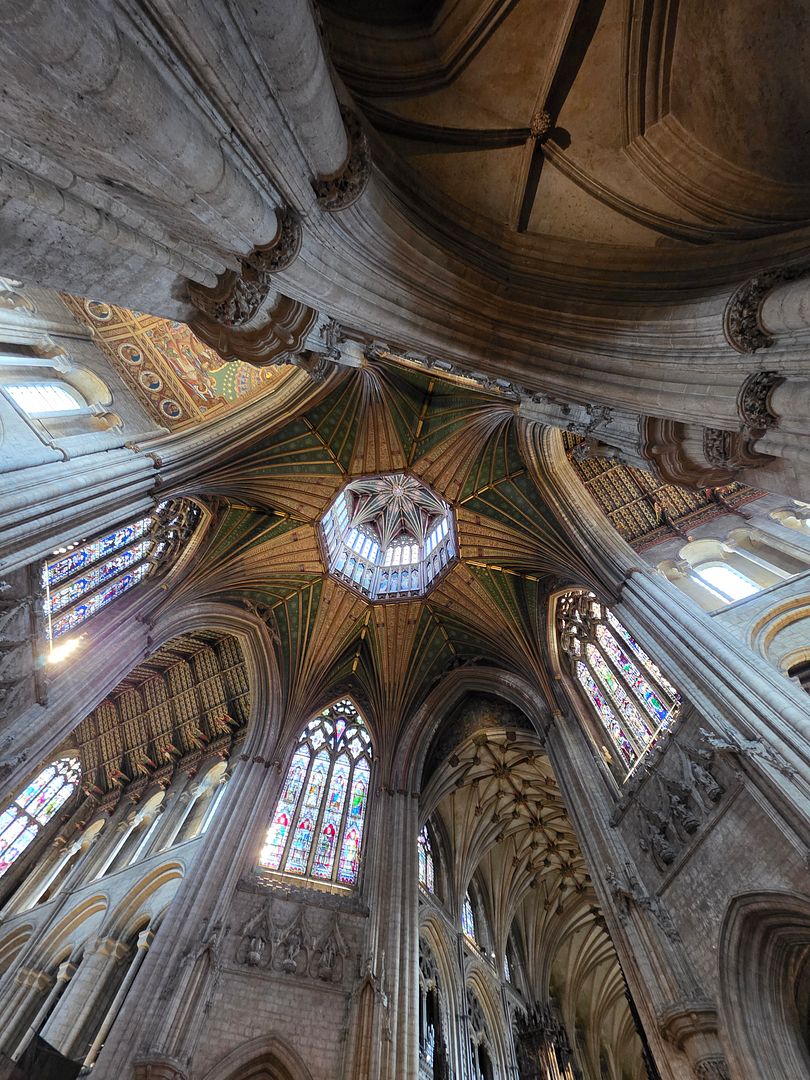
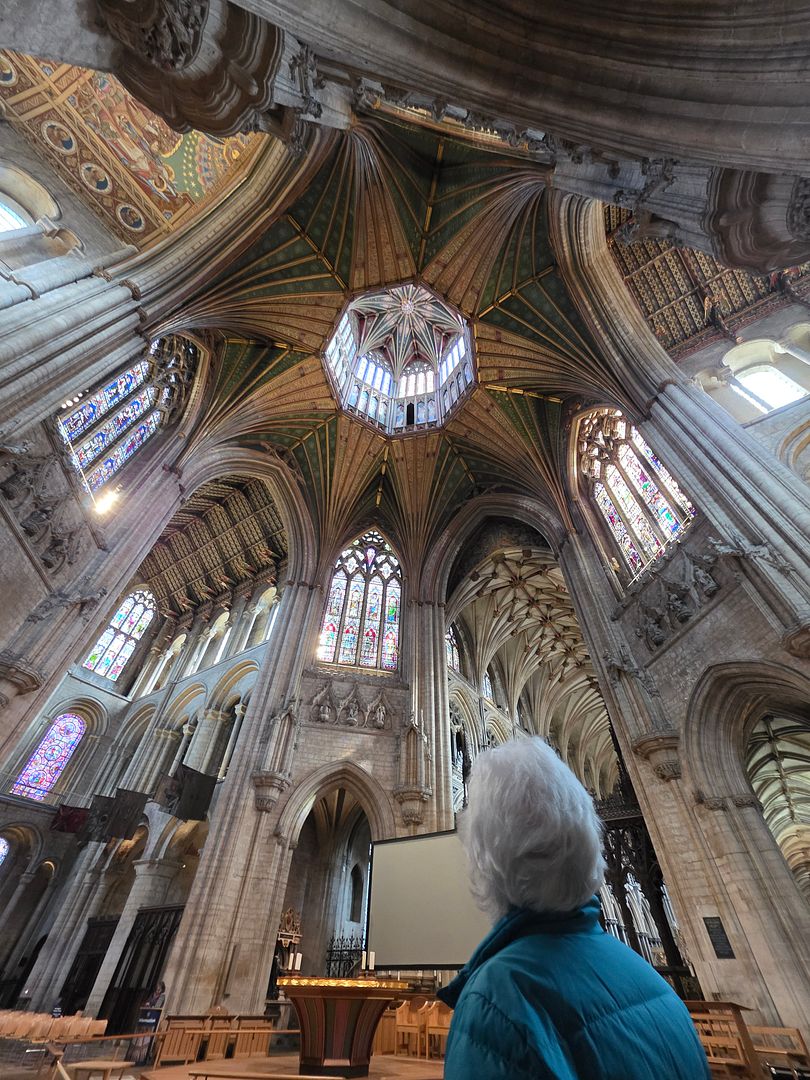
The jewel of Ely’s Crown and acknowledged as one of the wonders of the Medieval world is the Octagan.

You can read more about the Octagon here.

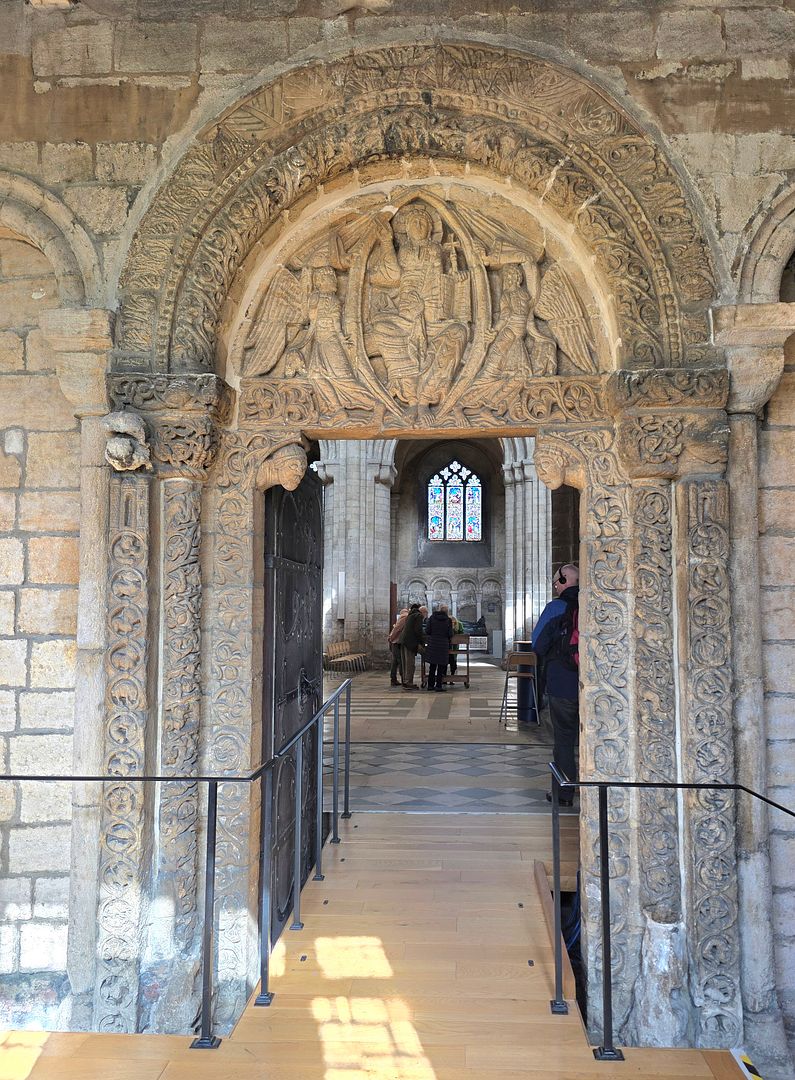
That is not a missing panel but a door opening.

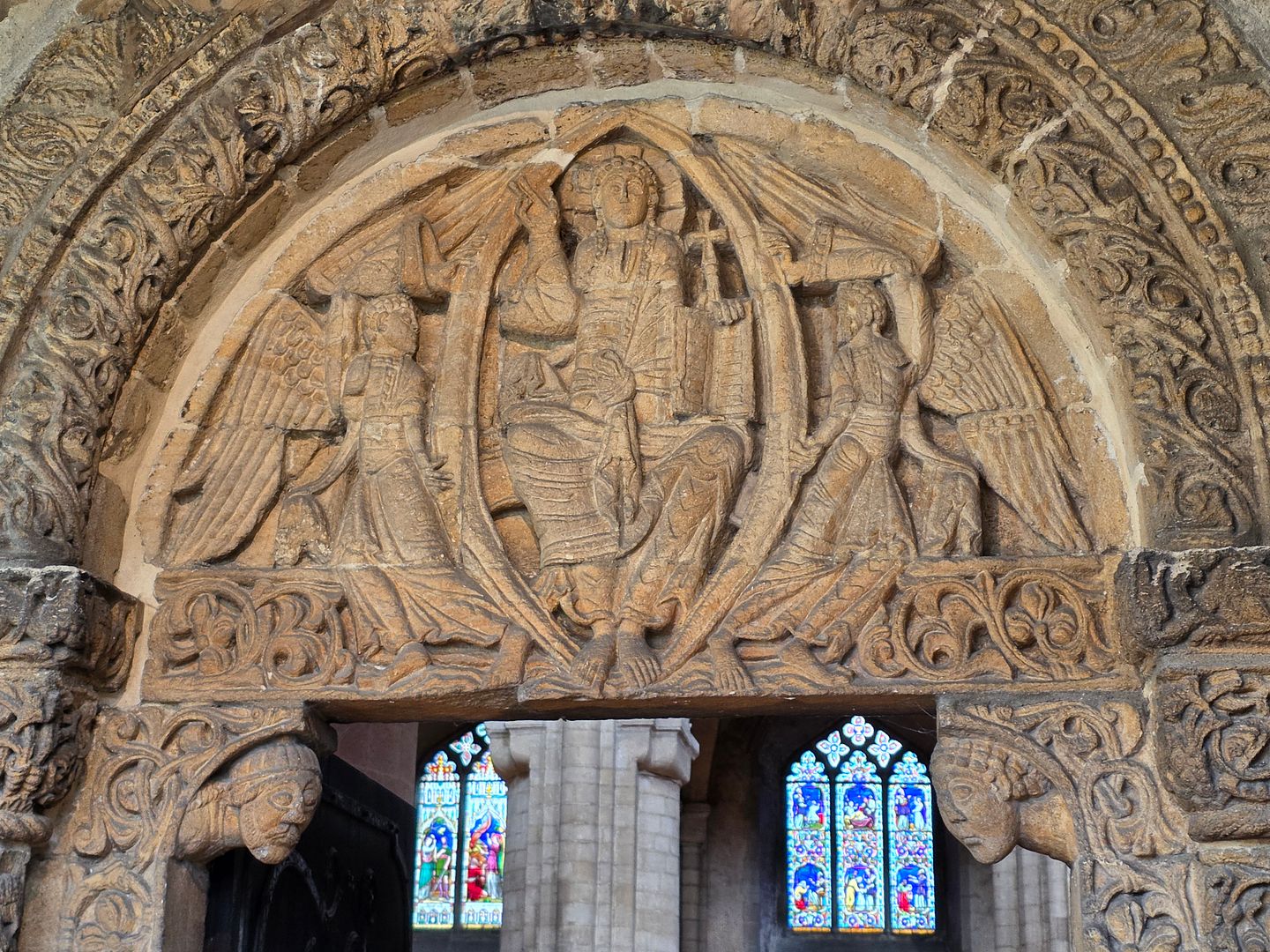
Our guide gave us important details about this doorway and I found more information here. They call this the Prior’s door (c.1135). A Romanesque carved doorway.

The Christ figure is contained within a mandorla – an almond shape traditionally used to frame images of the transcendent. Here Christ’s feet cross the boundary of the mandorla, stepping towards mankind.

 Two human heads with pronounced eyes just below the tympanum watch those passing through the door into the church and symbolically entering heaven.

From the link; Like the rest of the building, the deeply carved doorway is sculpted in extremely hard Barnack limestone. It has a tympanum – a half-moon shape at the top – which would originally have been brightly painted. It shows an unusual clean-shaven Christ sitting in judgement on the peoples of the earth. One hand is raised in blessing, the other holds the Book of Judgement from Revelation.

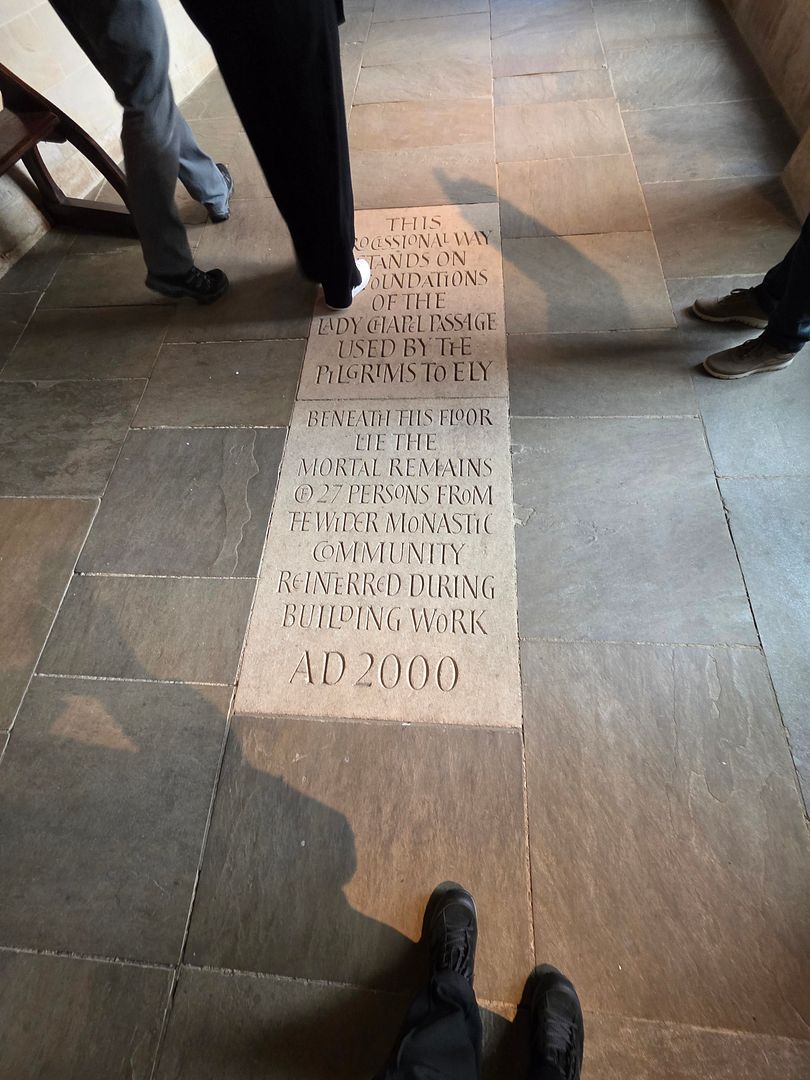
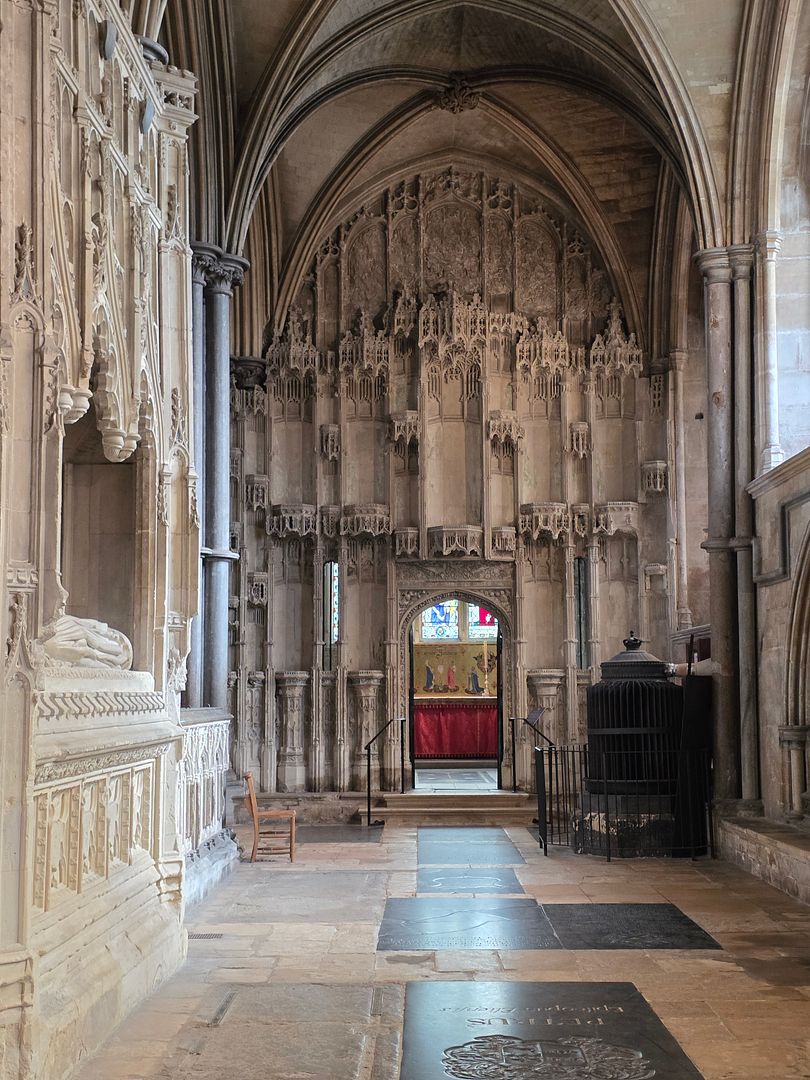
Processional Way (below) was built to join the Cathedral and the Lady Chapel.

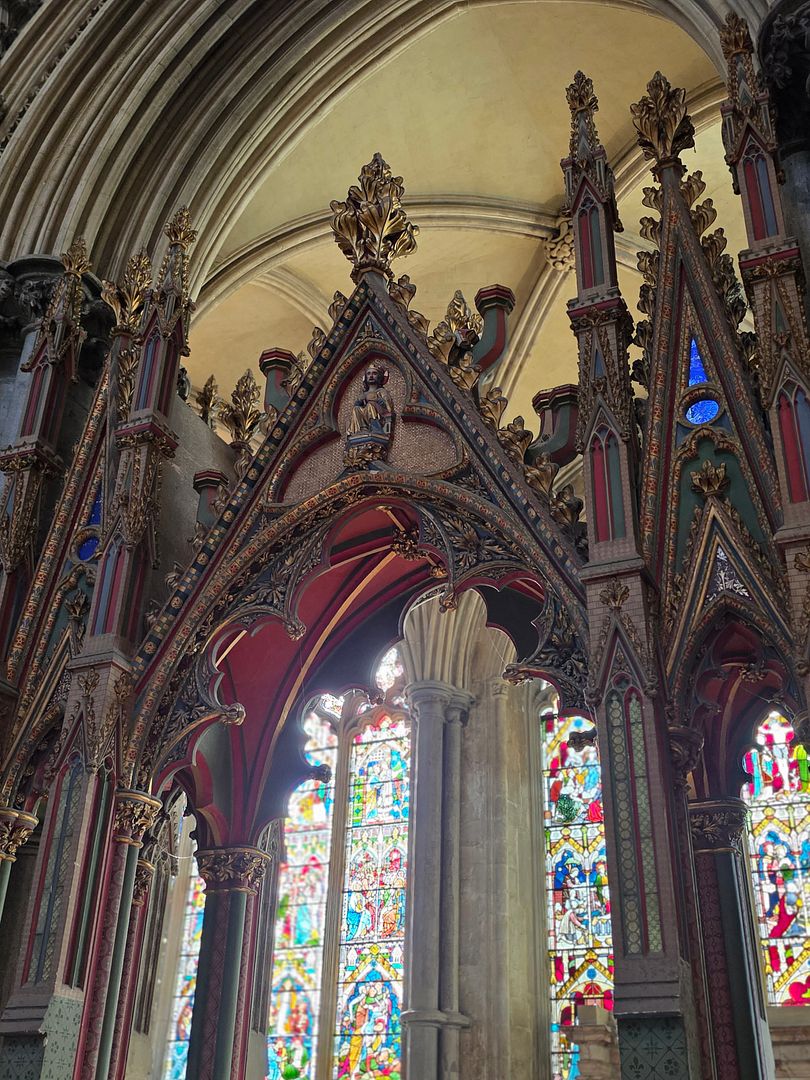
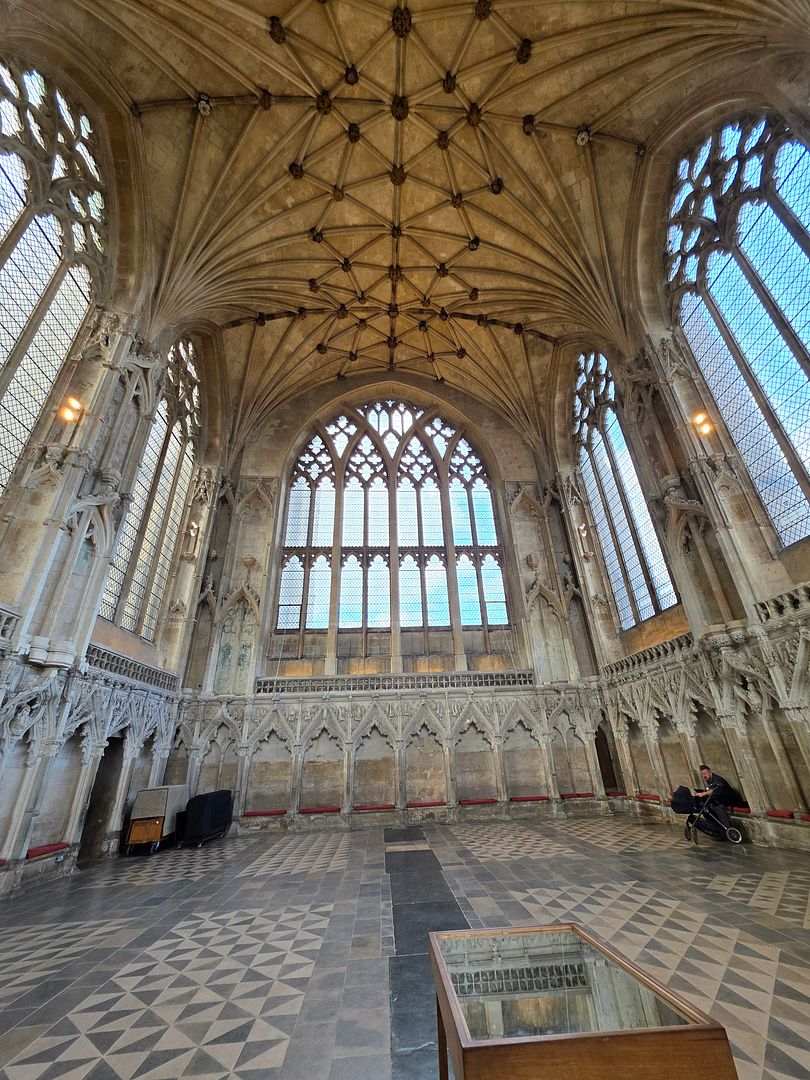
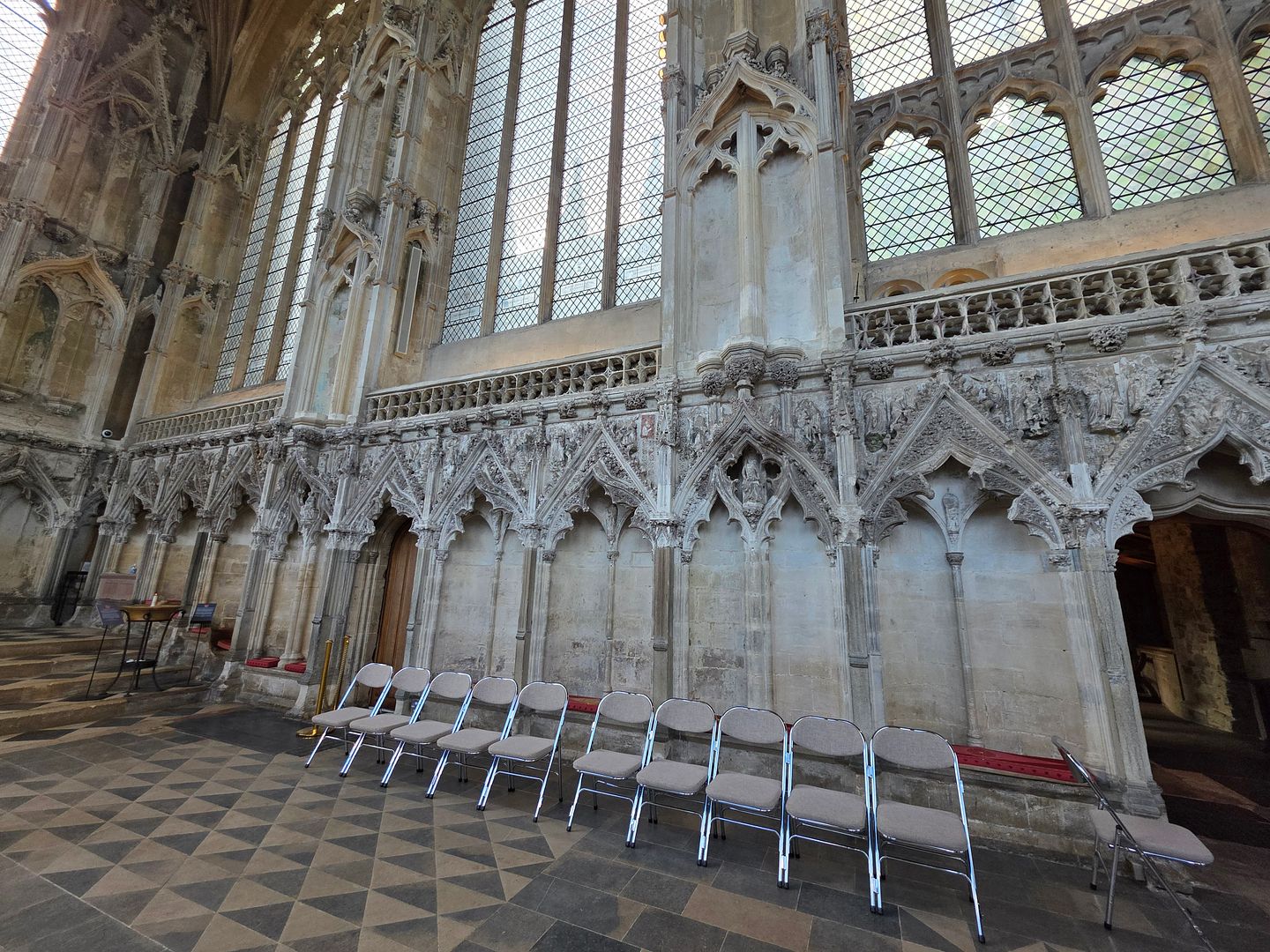
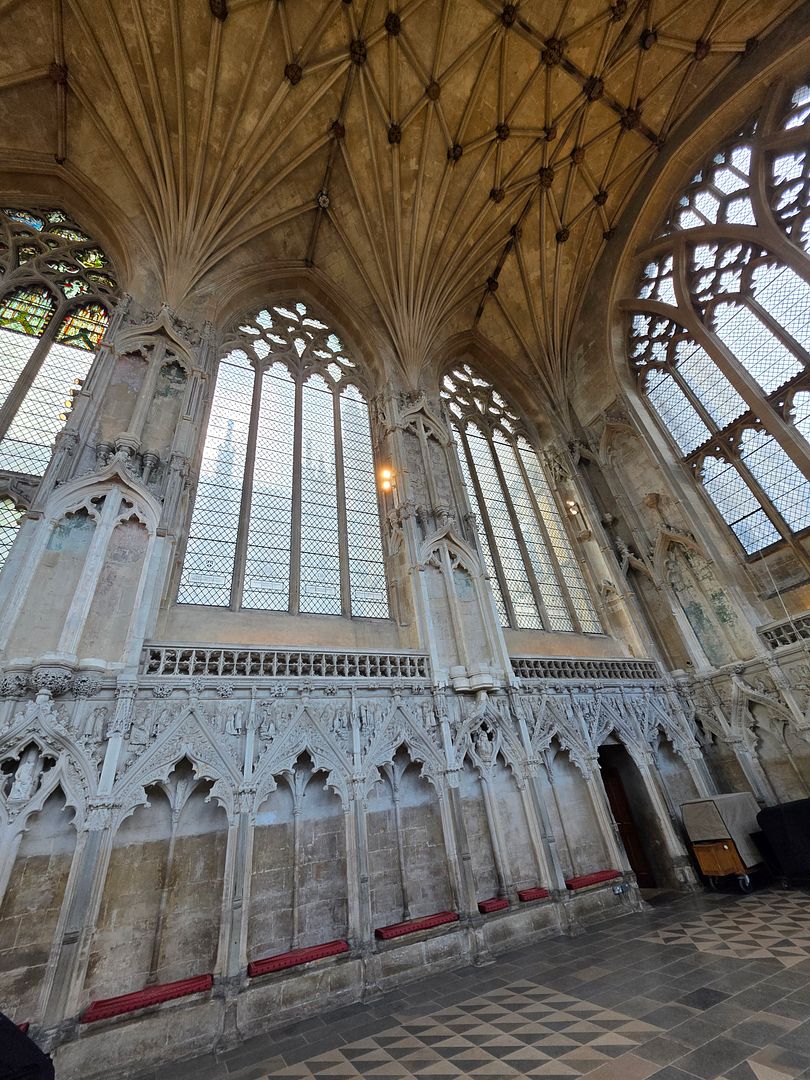
We were now entering the Lady Chapel, the largest Lady Chapel attached to any British Cathedral. I copied the following from Ely Cathedral’s Website.

The thirteenth and fourteenth centuries saw the rise of the cult of the Virgin Mary, and chapels in her honour were added to many churches and cathedrals, including Ely.

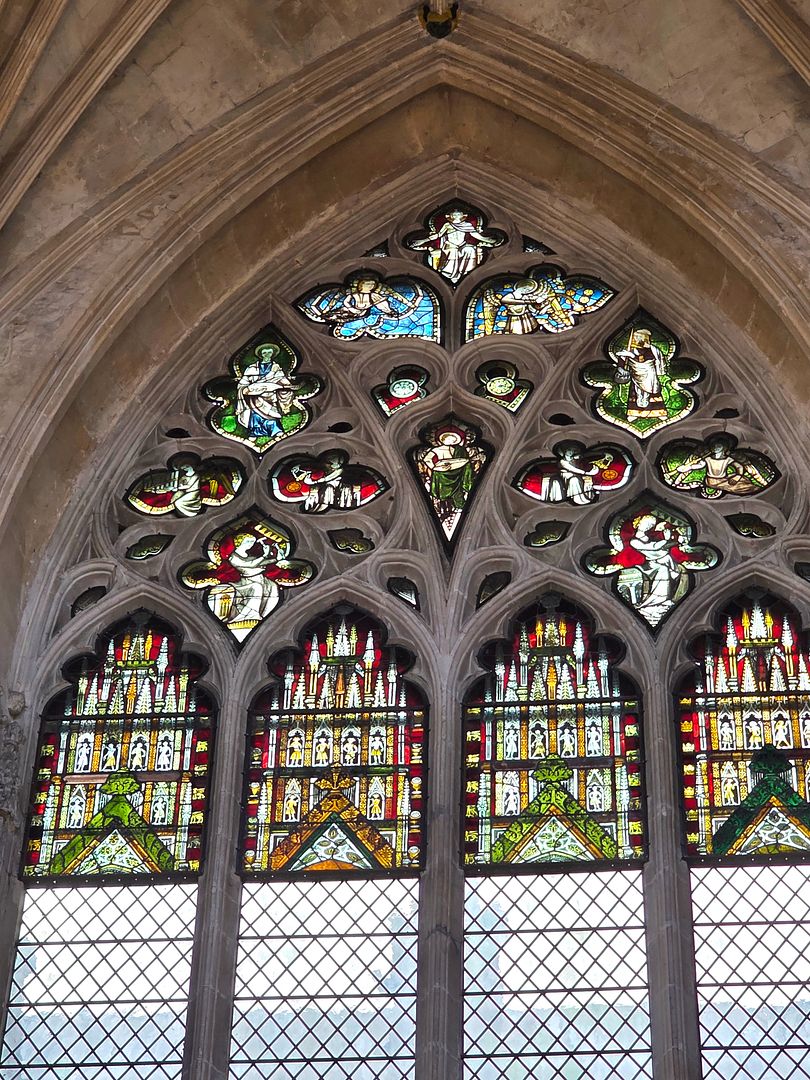
All this was destroyed in the sixteenth century during the Reformation, which, in keeping with Puritan convictions, rejected all forms of religious decoration. The scars of this deformation are highly visible today. Traces of coloured paint can still be seen, and fragments of the glass survive in the central window on the south side. The exquisite figures in the lower niches have been defaced and above are the empty pedestals where the statues stood.

Walking back into the main sections of the Cathedral.

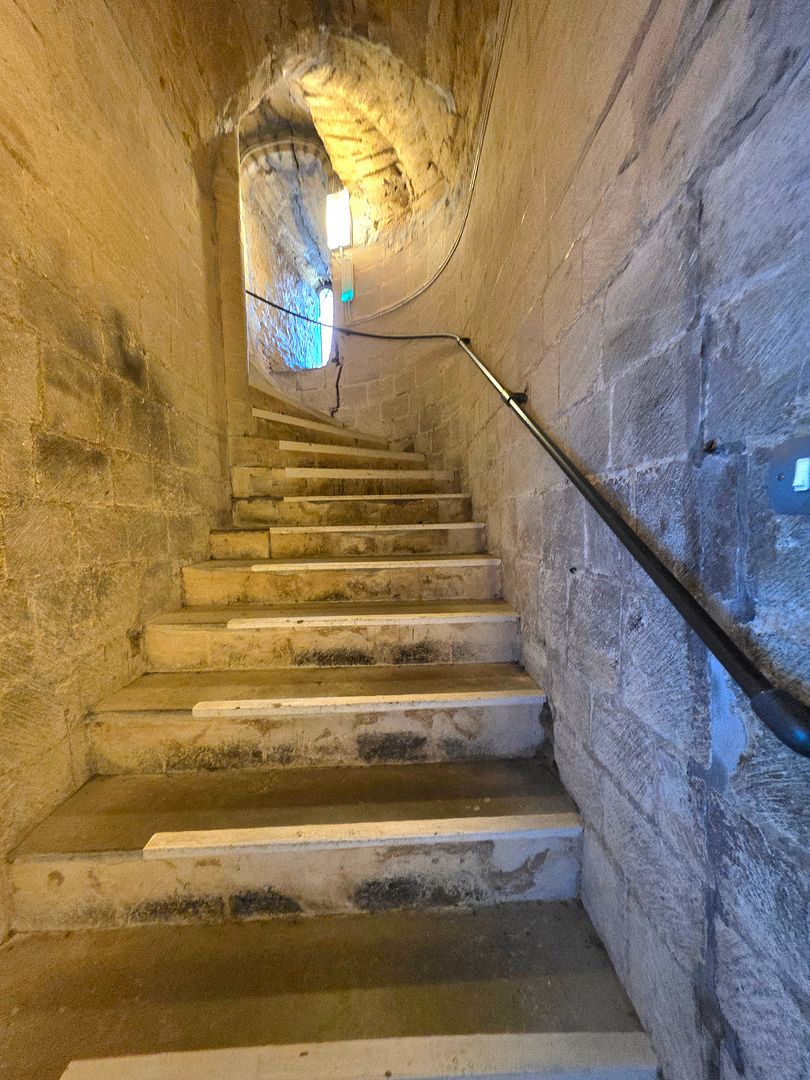
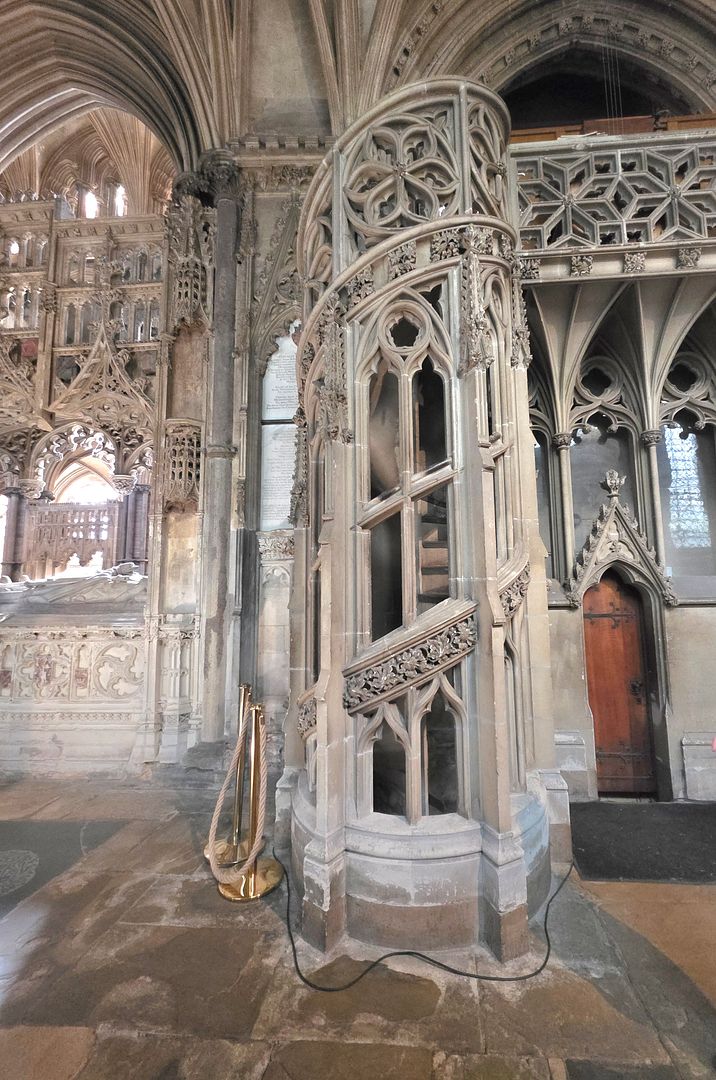
This narrow spiraling stone staircase leads to the organ. Hopefully the organist was slim.


The Quire

So much history and so much to see and take in. I’ve shared enough or maybe too much here today and it would take a few more visits to absorb more.

This was a very long photo journal of the interior of Ely Cathedral. I will save the stained glass museum housed in an upper section of the cathedral for another day.

Cambridge – King’s Chapel

Our travel journal from our visit to Cambridge in March 2026 continues.

This is still from our Tuesday March 10th in Cambridge. Warning: There are a lot of photos in this post!

Our guide got us into the grounds of King’s College and then said her goodbyes while we enjoyed the Chapel.

The college quad. The chapel is on the right.

The fountain (1874-1879), with a statue of the College’s saintly Founder, stands in the centre of the Front Court.

King’s College Chapel is the oldest surviving building within the College site and perhaps the most iconic building in Cambridge. Work on this Chapel only started five years after King’s College was founded by Henry VI in 1441.

King’s College Chapel is the chapel of King’s College in the University of Cambridge. It is considered one of the finest examples of late Perpendicular Gothic English architecture and features the world’s largest fan vault.

It took 5 kings to finish this structure. 

26 windows chronicling scenes from the Old and the New Testament.

Adoration of the Magi

The three wise men have brought Jesus their gifts of gold, frankincense and myrrh. At the front in red is the oldest man, holding a container of frankincense; frankincense was burned in sacrifices to God by the Israelites in the Bible, so it came to be a symbol of Jesus being God. The man behind him is holding a jar of the perfume “myrrh”; this was used in embalming corpses, so it became a symbol of Jesus’ death as a sacrifice for mankind. The third man, often called the “Black Magus”, has brought Jesus gold, a symbol of the fact that Jesus is a king.

It was painted by the artist, Peter Paul Rubens, who born in 1577, in what is now Germany. He was one of the most well-known and successful artists of his time. He didn’t usually paint pictures in order to later sell them in a shop or a gallery: most of his paintings were commissioned by groups who wanted his pictures in their churches. This one was originally painted for a convent of nuns in Antwerp, Belgium. It only came to Cambridge in the 1960s.

King’s College Chapel escaped unscathed during wars including the Second World War, when the glass of most of the windows was removed for safety. The opportunity was taken to clean, repair and photograph it. Only the West Window remained in place, appreciated at last in the absence of unfair competition.

Carved Tudor Roses are seen and they, too, have an extensive history.

The Tudor Rose, was created in 1486 by King Henry VII. It symbolizes the unification of the House of Lancaster (red rose) and the House of York (white rose), bringing an end to the brutal civil wars known as the Wars of the Roses.


Built as a house of God it draws your eyes up.

We left the chapel and enjoyed some scenes from the grounds of the college.

It was time for some refreshment after all the walking and viewing. We decided to try The Mitre for our main meal of the day.

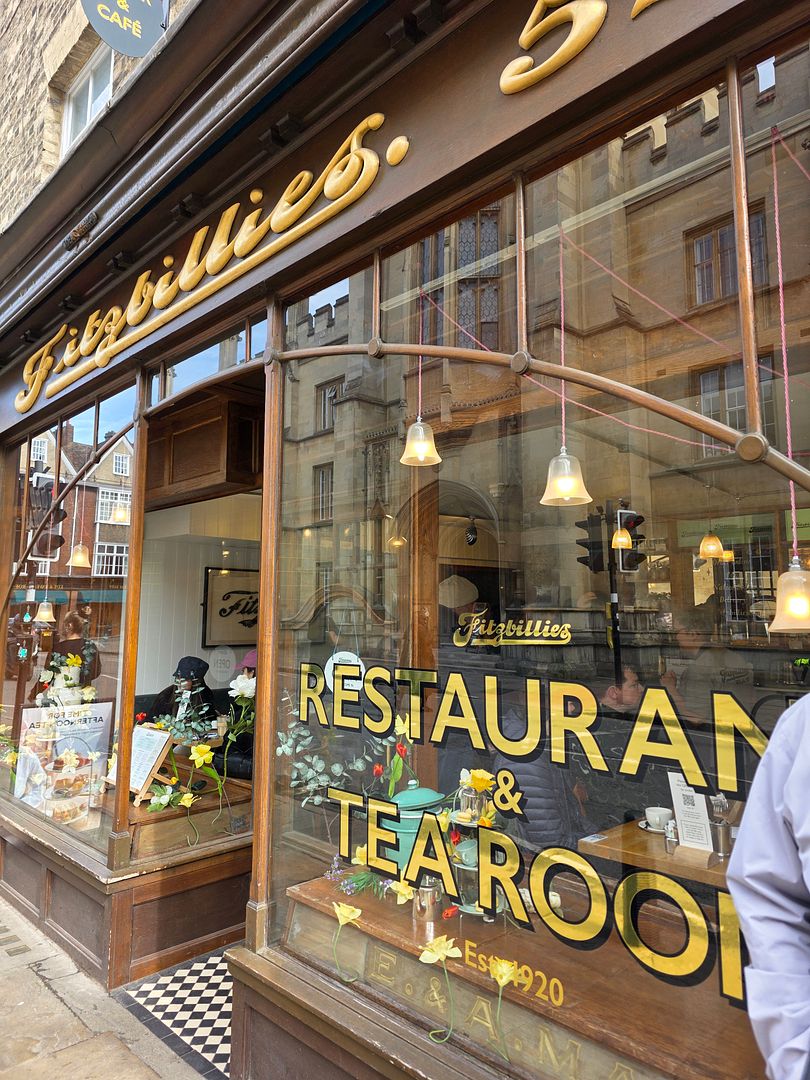
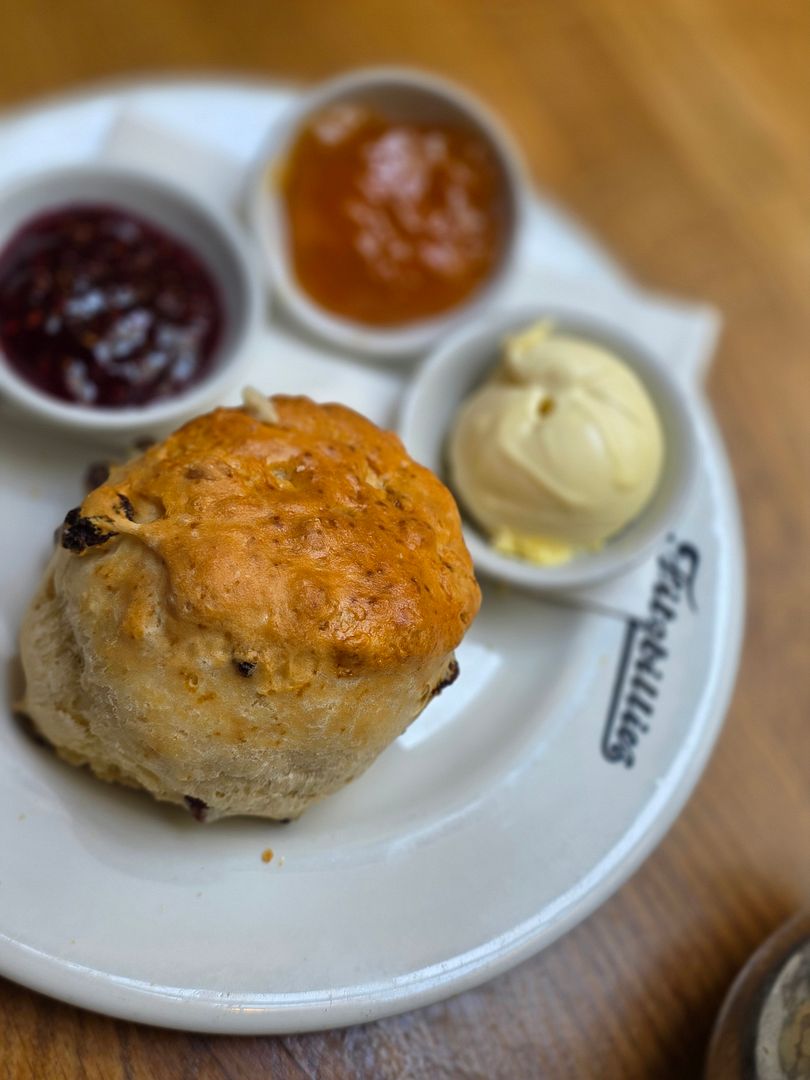
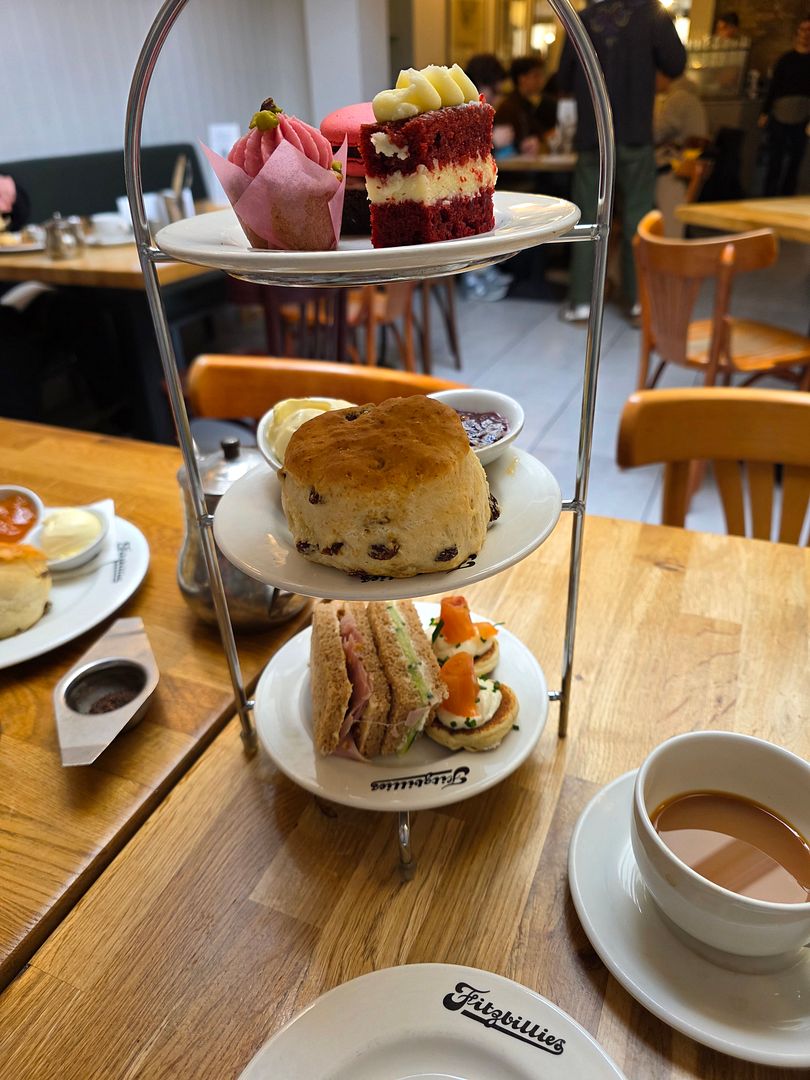
We bought a famous Chelsea Bun from Fitzwilliams and enjoyed that later in the evening at our lodgings. We were content to stay in for the evening.

This ended our Tuesday March 10th in Cambridge. We had plans for Wednesday that took us on a train ride out of Cambridge.

Cambridge – Tuesday March 10th

Our travel journal of our time in Cambridge continues here from March 2026.

It was nice to enjoy our French press coffee on this morning before we headed out for breakfast at The Copper Kettle on King’s Parade in Cambridge.

It was a lovely morning and I took some photos along the way to breakfast.

We would sign up for a tour of Trinity College later in the week.

Looking out the window of the Copper Kettle.

I’ve never met a scone I didn’t like.

Greg went for the full English.

The Views from breakfast were lovely. This is the college and especially the chapel that would be part of our tour on this day.

This cafe was used in some of the filming for Grantchester. (Possibly as a tea-room?)

After breakfast we met up with our alumni tour guide and group for a 2 hour tour that would include King’s Chapel.

St Bene’t’s church on Bene’t’s street was one of our stops.

St Bene’t’s has been a place of Christian prayer and worship for nearly a thousand years. The exact date is in dispute; estimates vary between the tenth century and the reign of Edward the Confessor, but there are good grounds for placing it in the reign of King Canute about the year 1020. More history at this link.

St. Catharine’s College.

We continued on Silver Street to Queen’s college where the famous Mathematical Bridge spans the River Cam. I was chuckling here as I remembered the new quirky Ludwig murder series filmed in Cambridge. One of the episodes featured the bridge, the building on the left which is part of Queen’s college and a chapel. Have you watched the series. I highly recommend it.

The bridge was designed in 1748 by William Etheridge (1709–76), and was built in 1749 by James Essex the Younger (1722–84). It has subsequently been repaired in 1866 and rebuilt to the same design in 1905. More info here.

We continued on Silver Street to Queen Street on ‘the backs’ with some nice views of King’s College Chapel.

This is Trinity College Bridge.

St. John’s with the clock tower without an actual clock.

This bridge might be the Kitchen Bridge.

Working our way back to the King’s Parade to King’s College where our tour began and would end except for those of us who paid extra to go into King’s College to be able to visit King’s College Chapel.

The Chapel deserves a post of it’s own and that will come on another day.

Soccer or Futbol Quotes

img037

It’s no secret that we have soccer/futbol fans in our family and I’m one of them. We are excited for World Cup 2026 here in the USA/Mexico/Canada.

This is a collection of Soccer Commentators comments during games in the past in honor of World Cup 2026. The photos are from games through the years from our travels and at home.  Some are from World Cup 1994 which was the last time and first time World Cup was hosted by the USA. This post is very random and jumps around near and far and wherever soccer/futbol has taken us.

img032

“He’s already written his name in lights here”

“That was a chance to put the game to bed”
“That goal keeper is a mere spectator” “It’s one way traffic at the moment”

“Every road is a cul de sac at the moment” ~ Ian Darke announcer for the Slovenia/USA game.

“England is running around like flies at the moment”

“He is a new name among the old soldiers”
“The giants can be knocked out by the minnows!!”
“Suarez, next time you get hungry take a bite of a Big Mac”
Quote of the match: “His ears look quite normal.” :0)
another great one…”couple years past their sell by date in the premier league” :0)
“So many of these players now on the wrong side of 30” Adrian Healey
“It really is keystone cops stuff here”
“The last drop of the drink in the last chance saloon”
“The North Koreans are a toughish nut to crack”
“The ball got smuggled away”
“So many of these passes going astray”
“Made rather a mess of it”
“Events conspiring against them”
“They need a win to tie up an almighty knot”
“That tall beanpole striker”
“Over the bar with a goal gaping at her”
“Columbia just had a sniff of something”
“Solo could have brought a portable TV and watched her favorite Film”
“Like a hot knife through butter!” I love Arlo White!
“A slender advantage”
“The cruelty of sport” nice way to describe the own goal…
A sport announcer’s most stupid statement of all time “It’s going to come down to who wants it more” As if one or the other team doesn’t want to win. It’s going to come down to a lot of factors in the run of play but there’s not anyone on the field who wants to lose! And that’s my personal opinion. Thanks for letting me vent!
“He was the meat in that sandwich” ~ English Premier League soccer announcer. The meat in this challenge happened to be the ref! He’s still down on the pitch…

USA-Panama3Go U.S.A.!

Vámonos!