World Cup Fever Hodgepodge

Ole Ole Ole, it’s time for World Cup and for Wednesday Hodgepodge! Thank you, Joyce.

1. June 17th, 1994 was the day of the infamous O.J. Simpson car chase. What were you doing in 1994? I’m guessing somebody is going to tell me they weren’t born yet but that’s part of the fun of the Hodgepodge. Lots of generations are represented here. 

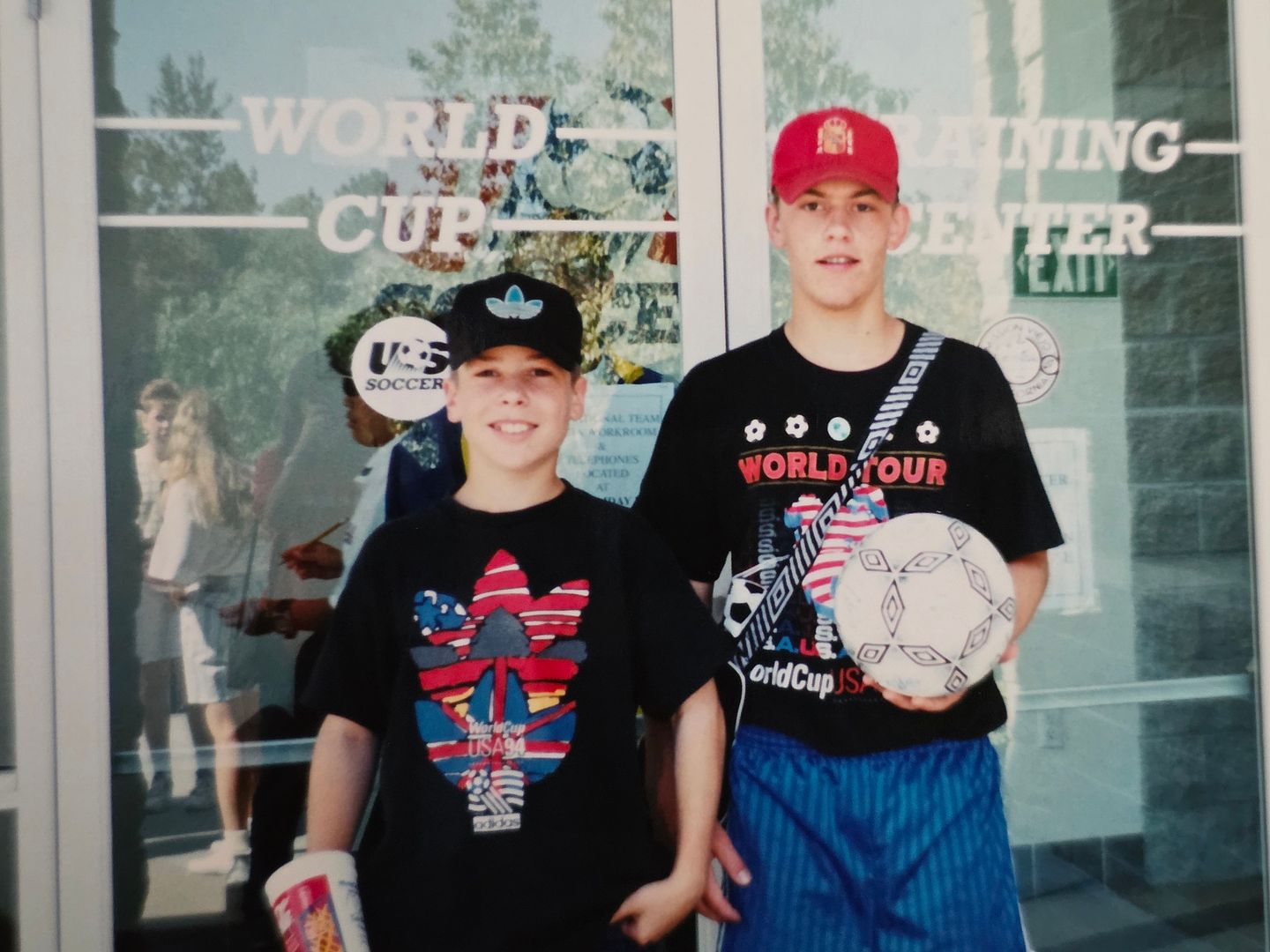
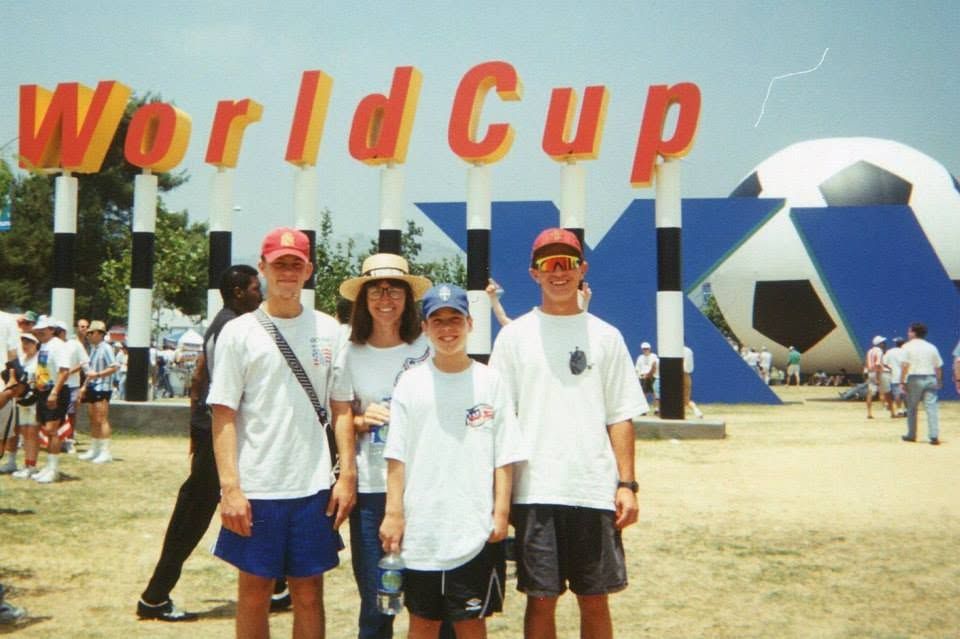
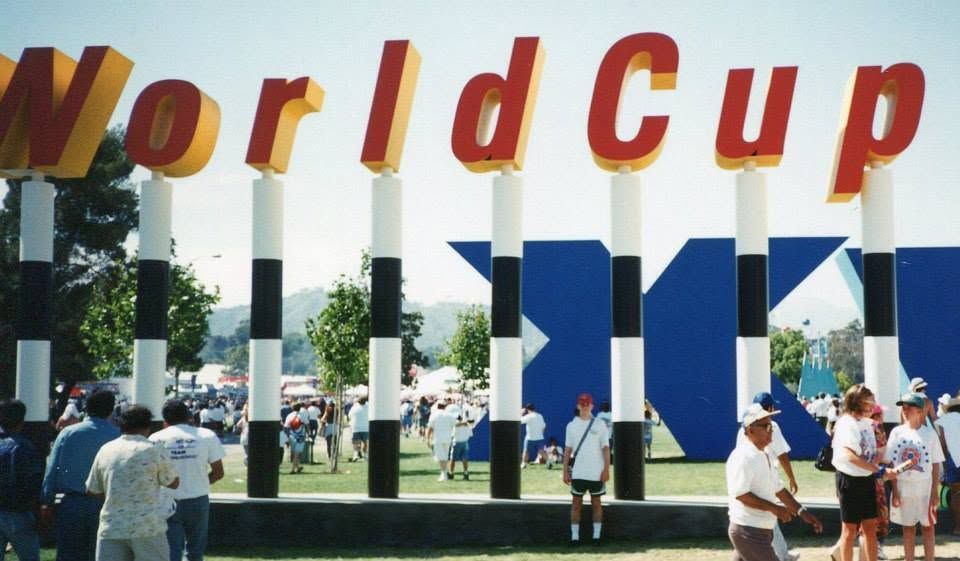
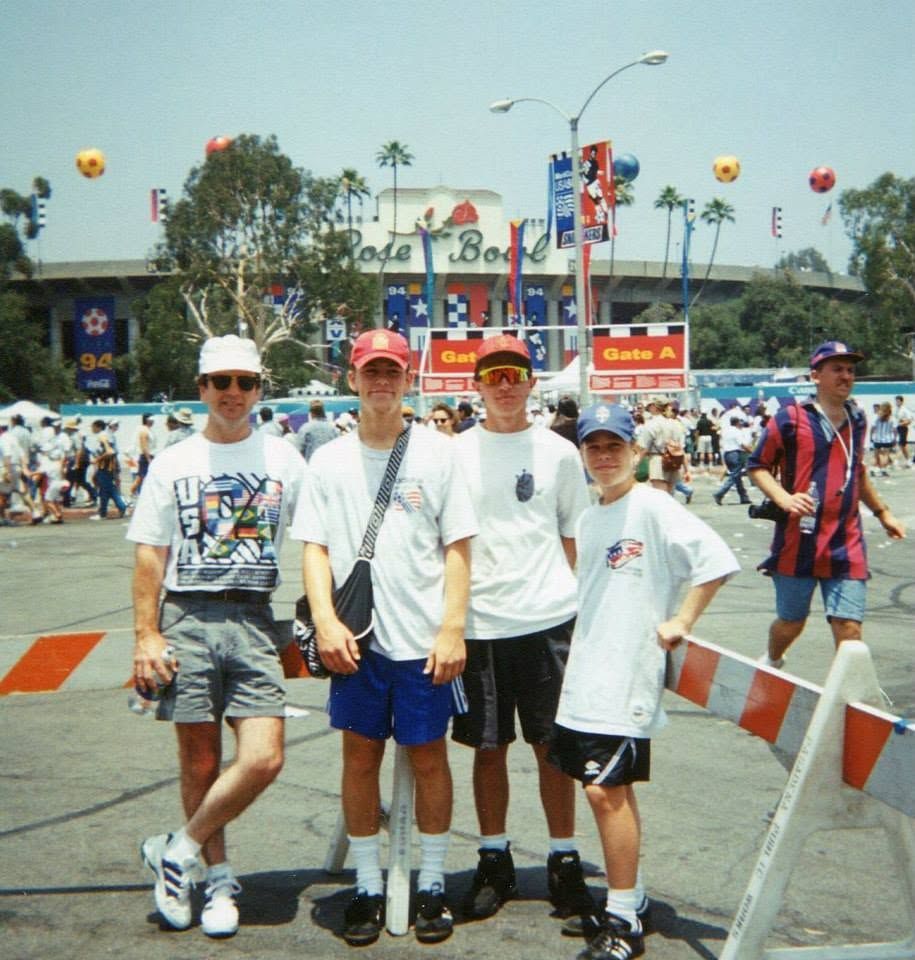
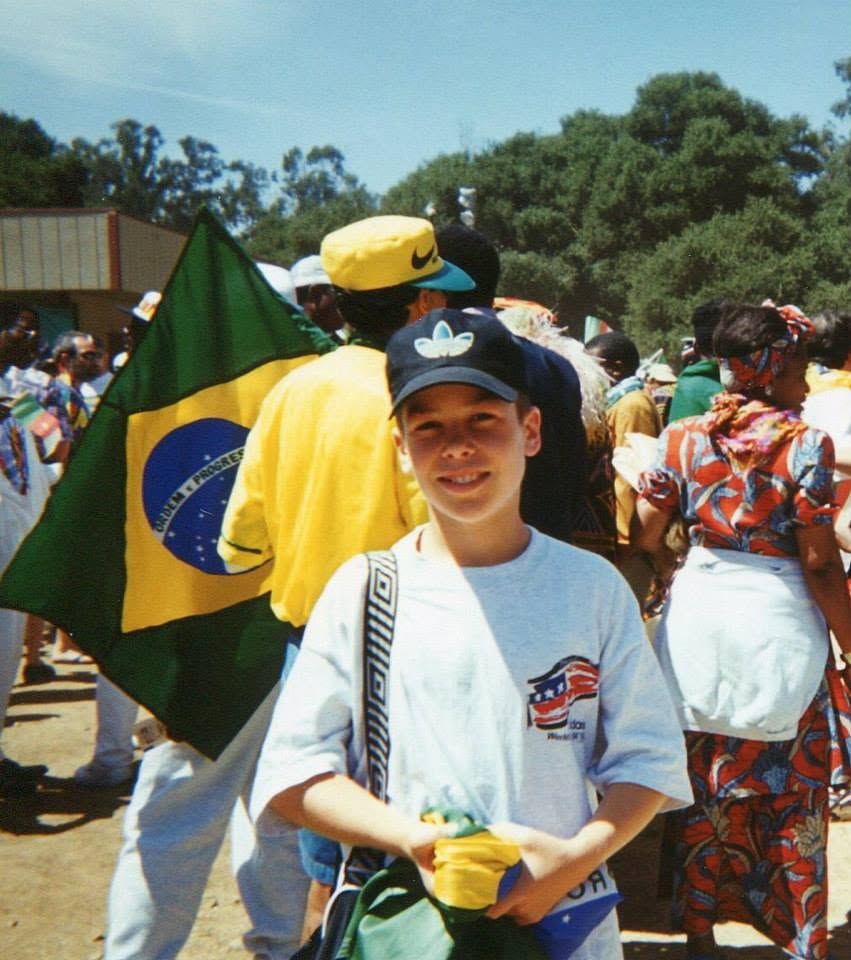
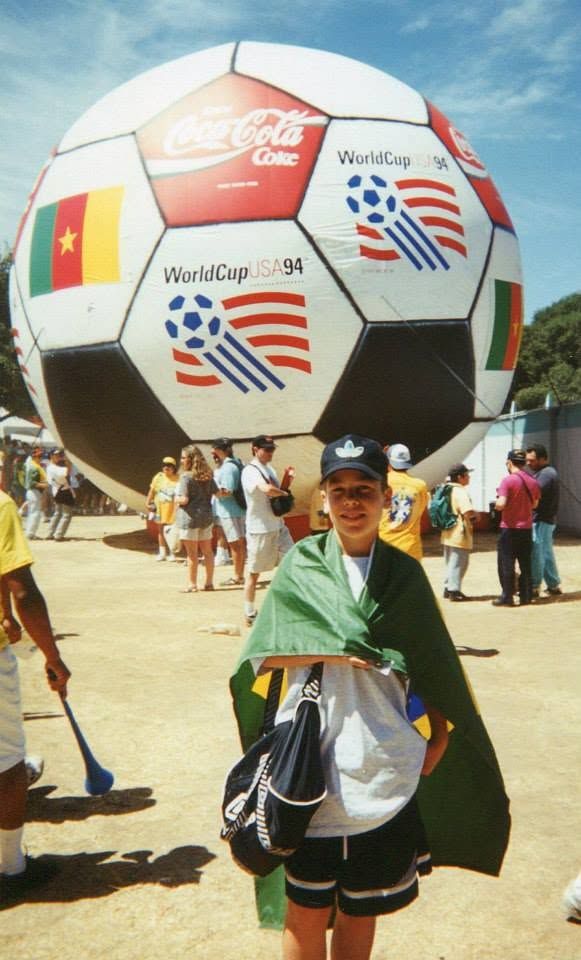
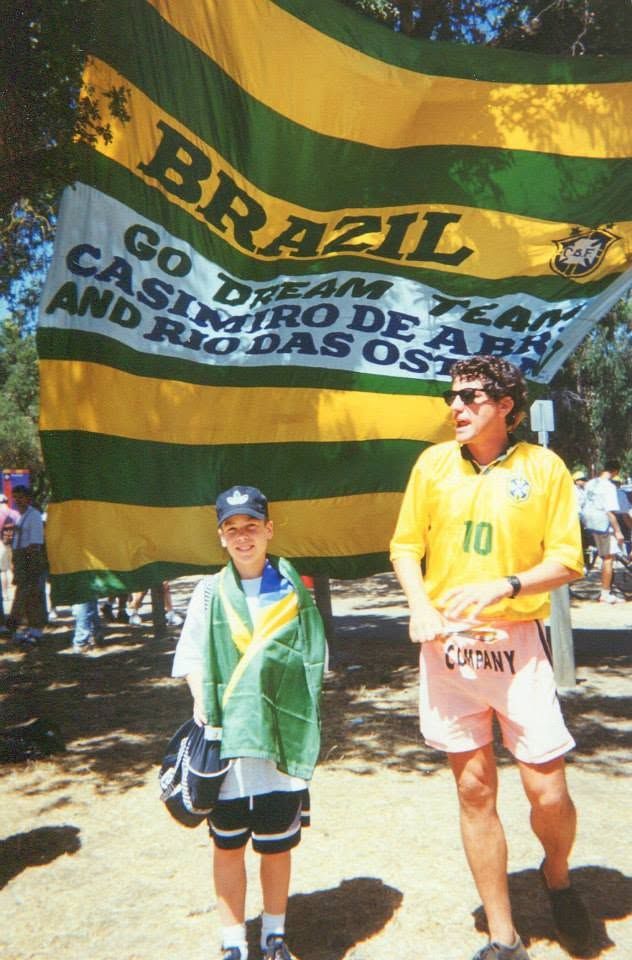
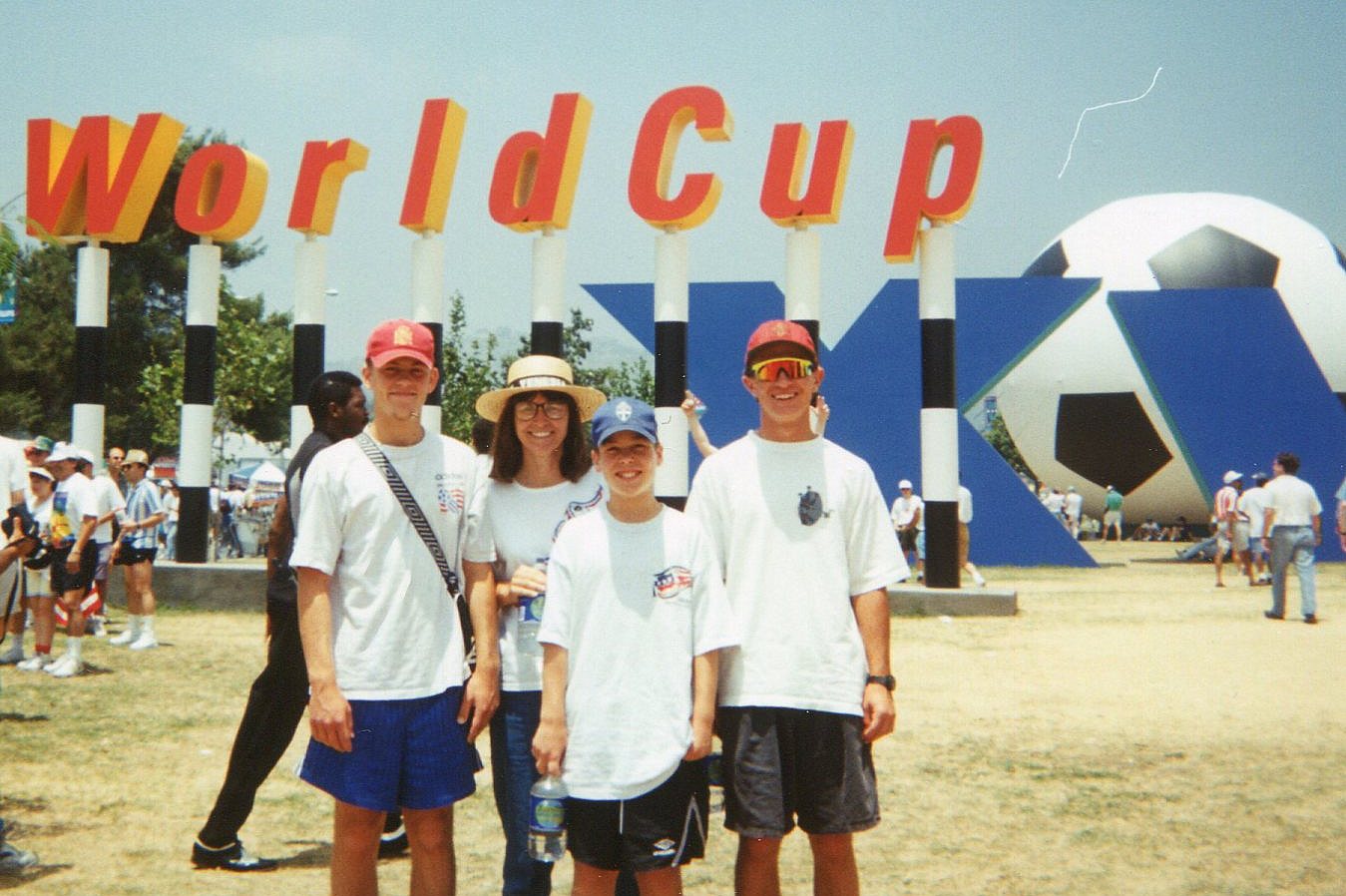
In June of 1994 we traveled to Southern California to stay with family and take in all we could of the World Cup. I’m sure we were on the same freeways O.J. was on during our time in L.A., the Santa Ana freeway and the 405!  I know we watched it on TV.

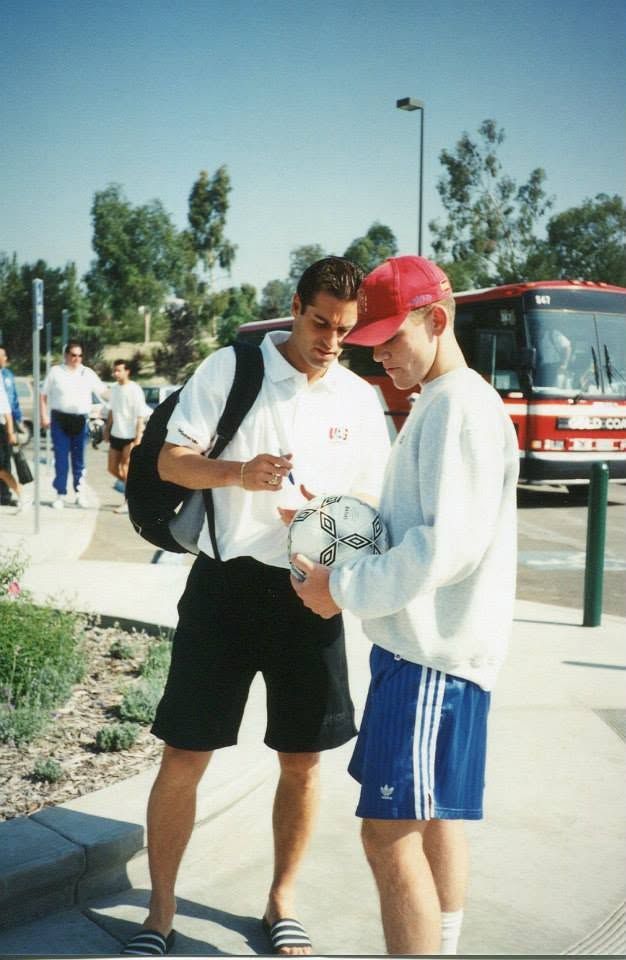
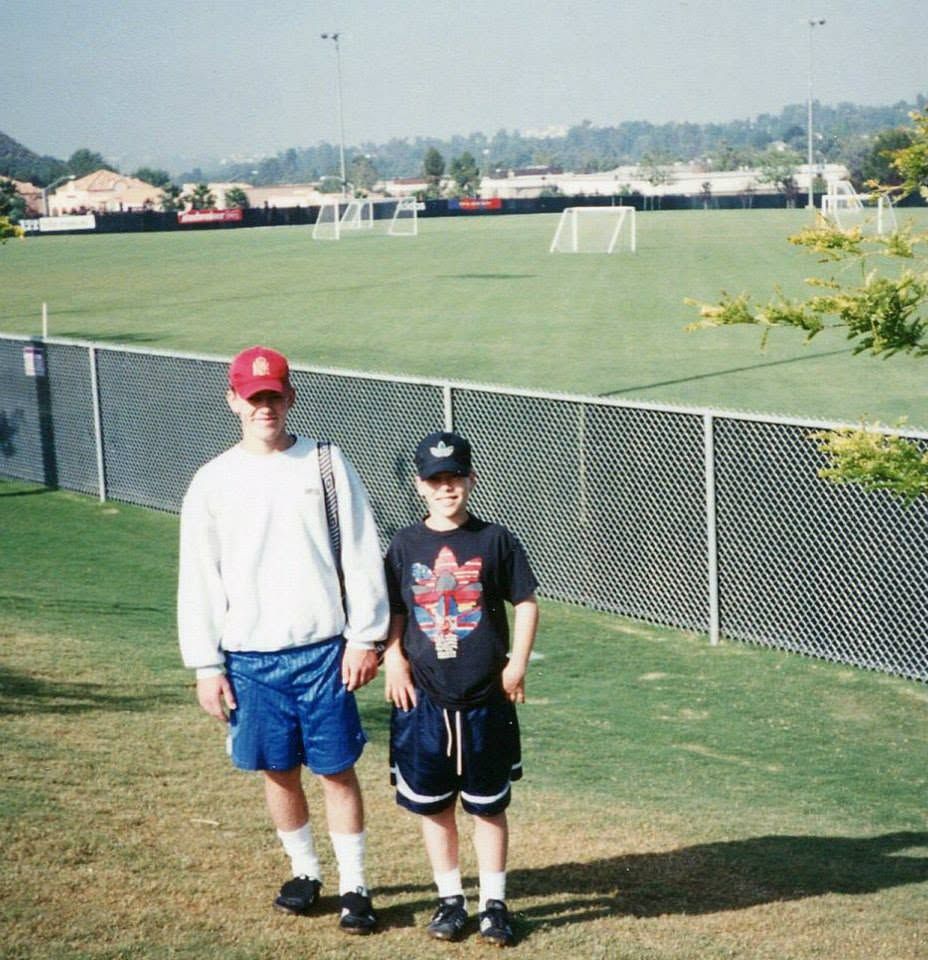
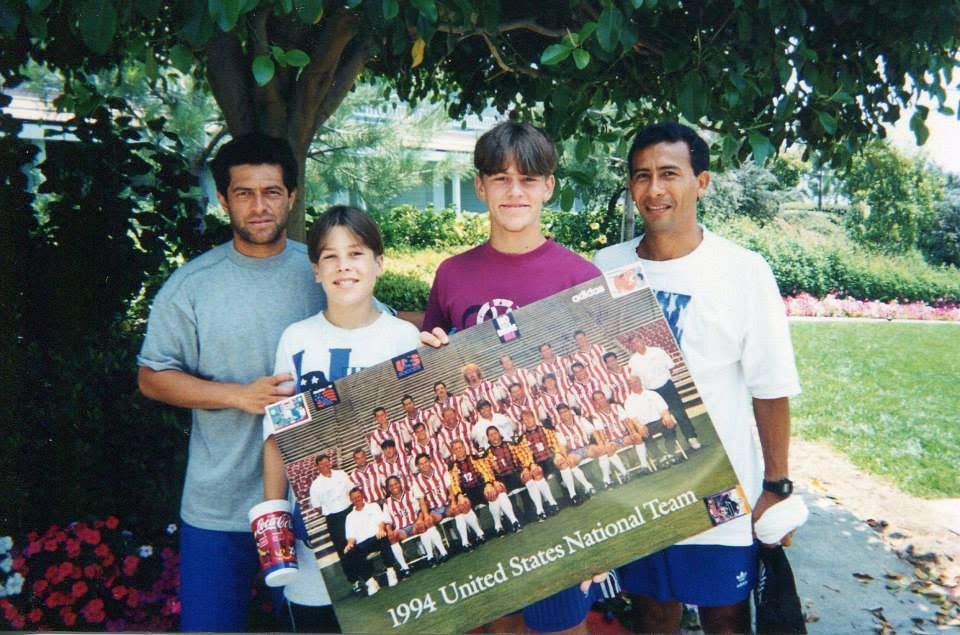
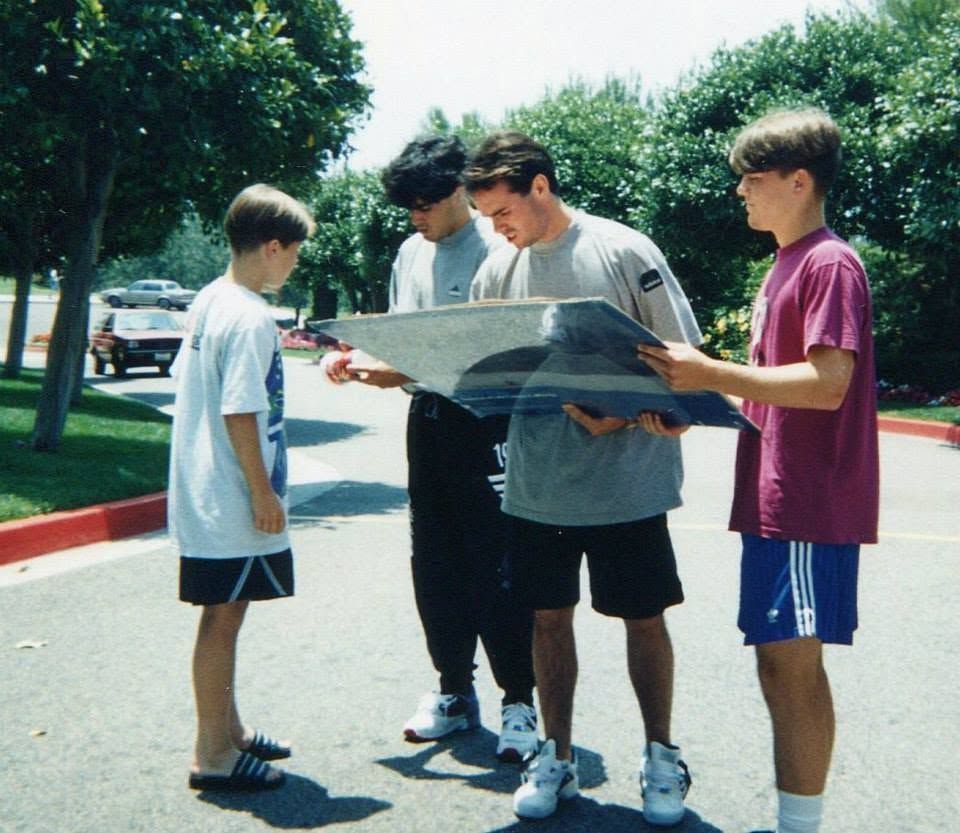
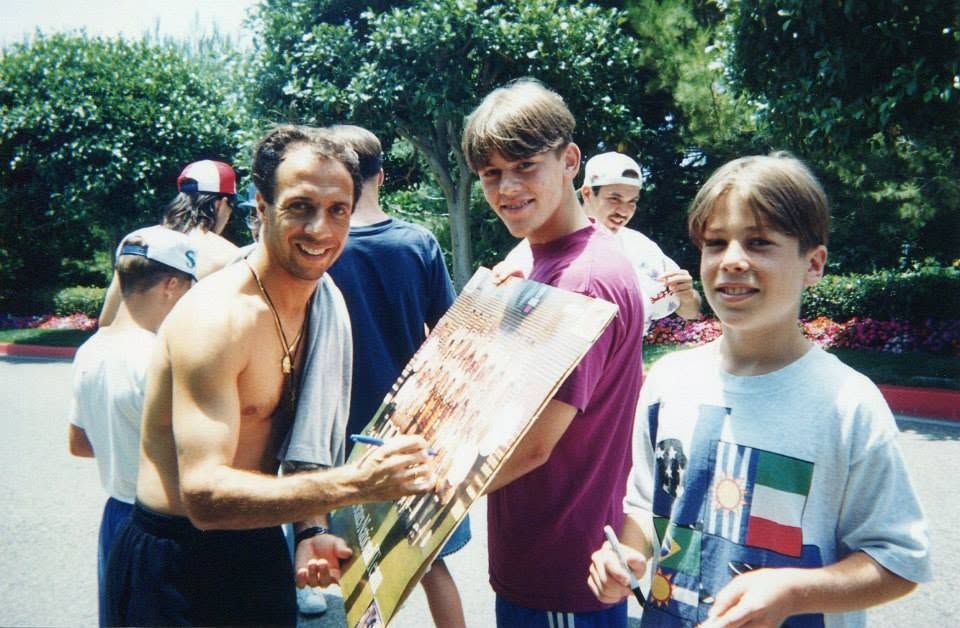
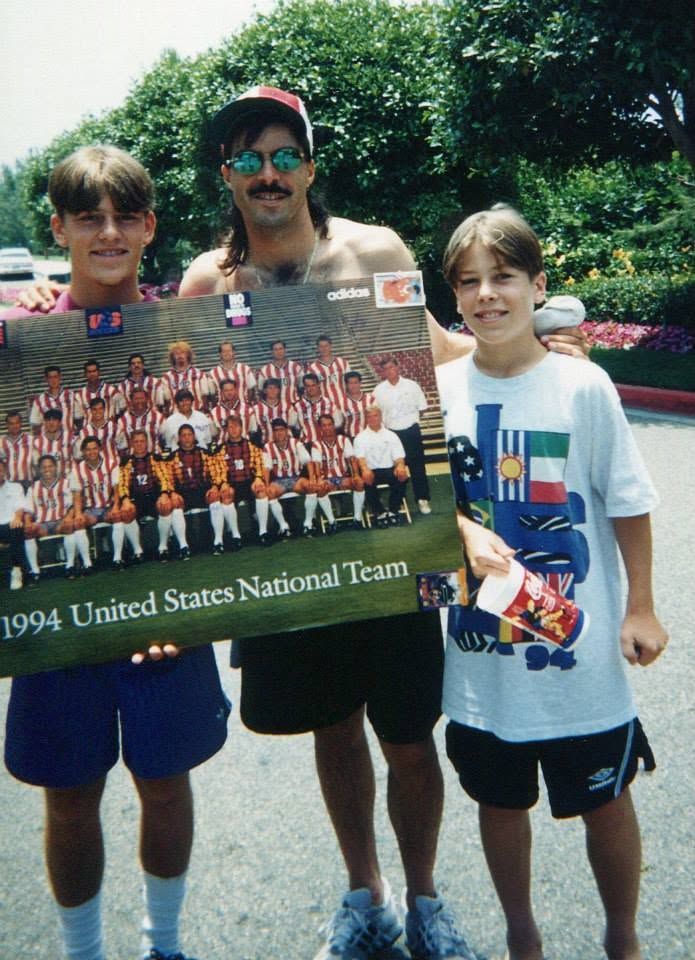
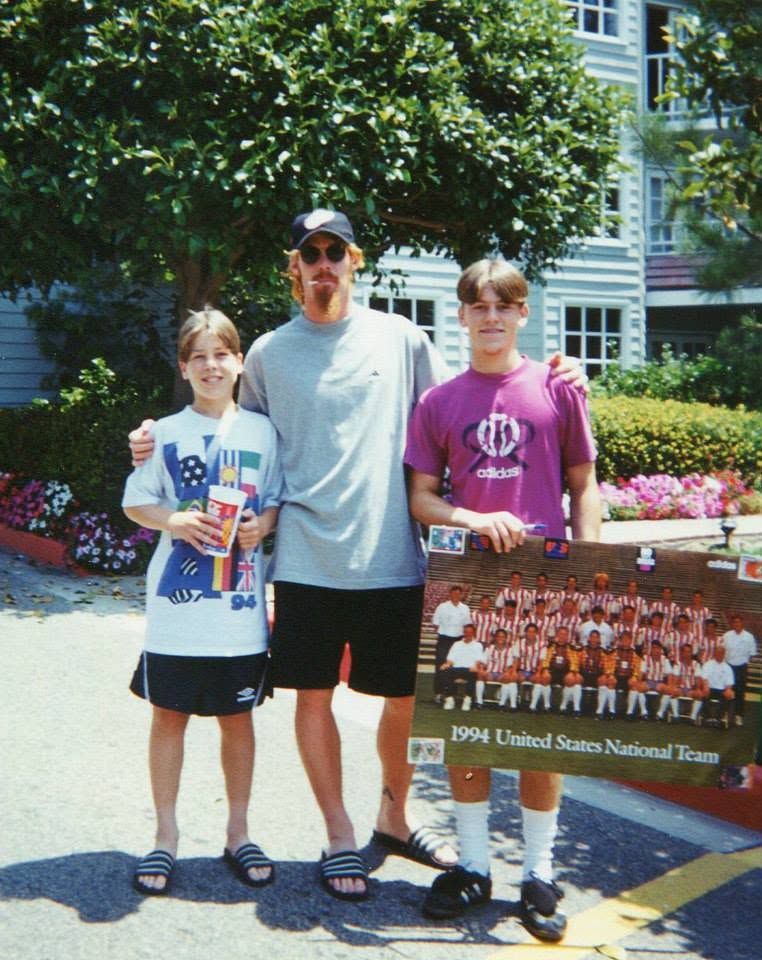
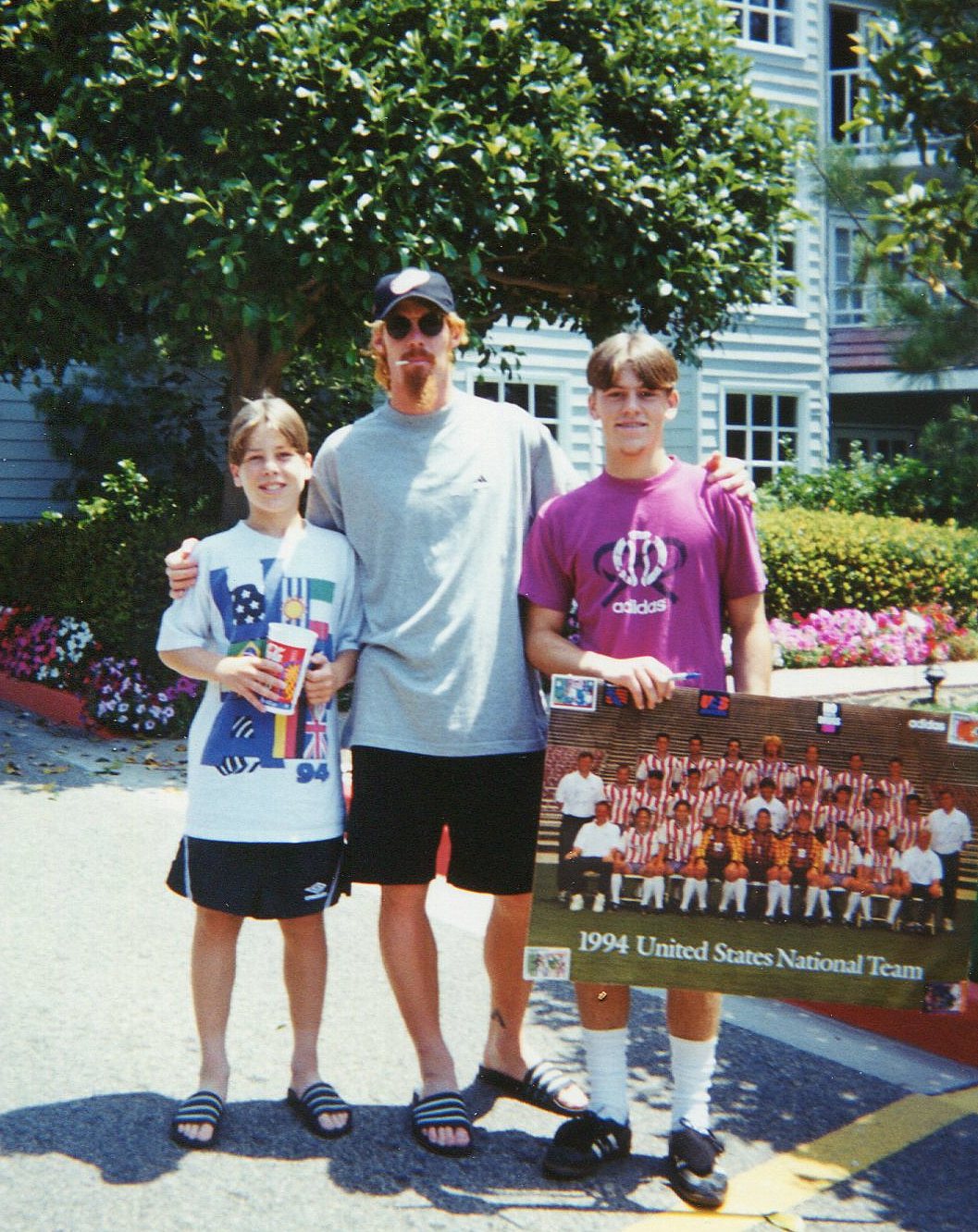
Back to the more important reason we were in the greater LA area. Our boys and I found the USA World cup training center and met some of the players. Then we found the hotel the team was staying in and our sons worked hard to get signatures on the team poster our oldest son bought. They managed to get every signature of the people in the poster except for one trainer/coach who wasn’t in Southern California.

If I remember correctly Josh got a 3 or 4 game package deal and Dan got 1. The prices were very reasonable compared to today.

2. What’s your favorite summer salad that isn’t the traditional tossed green lettuce kind of salad? 
Click below to see the recipe.
Do you like fresh fruit in a salad (other than in a fruit salad of course)?
I enjoy strawberries or pears in a green salad with the right dressing and cheese to compliment and roasted walnuts or shaved almonds…
3. Is chivalry dead? Should it be? 
~
No and no. It is always a pleasure to enjoy chivalry or witness it.
~
4. Would you rather spend a week of your summer vacation in Hawaii or Alaska?
I’ll say Hawaii because there are fewer bugs.
Have you ever been to either?
We have been to Hawaii but not Alaska.
Are they two places you really would like to see?
No
How do you feel about ‘Hawaiian pizza’ aka pineapple on a pizza?
Nyet, No, Nine
Have you ever eaten Baked Alaska?
I think I have but I couldn’t tell you where or when.
~
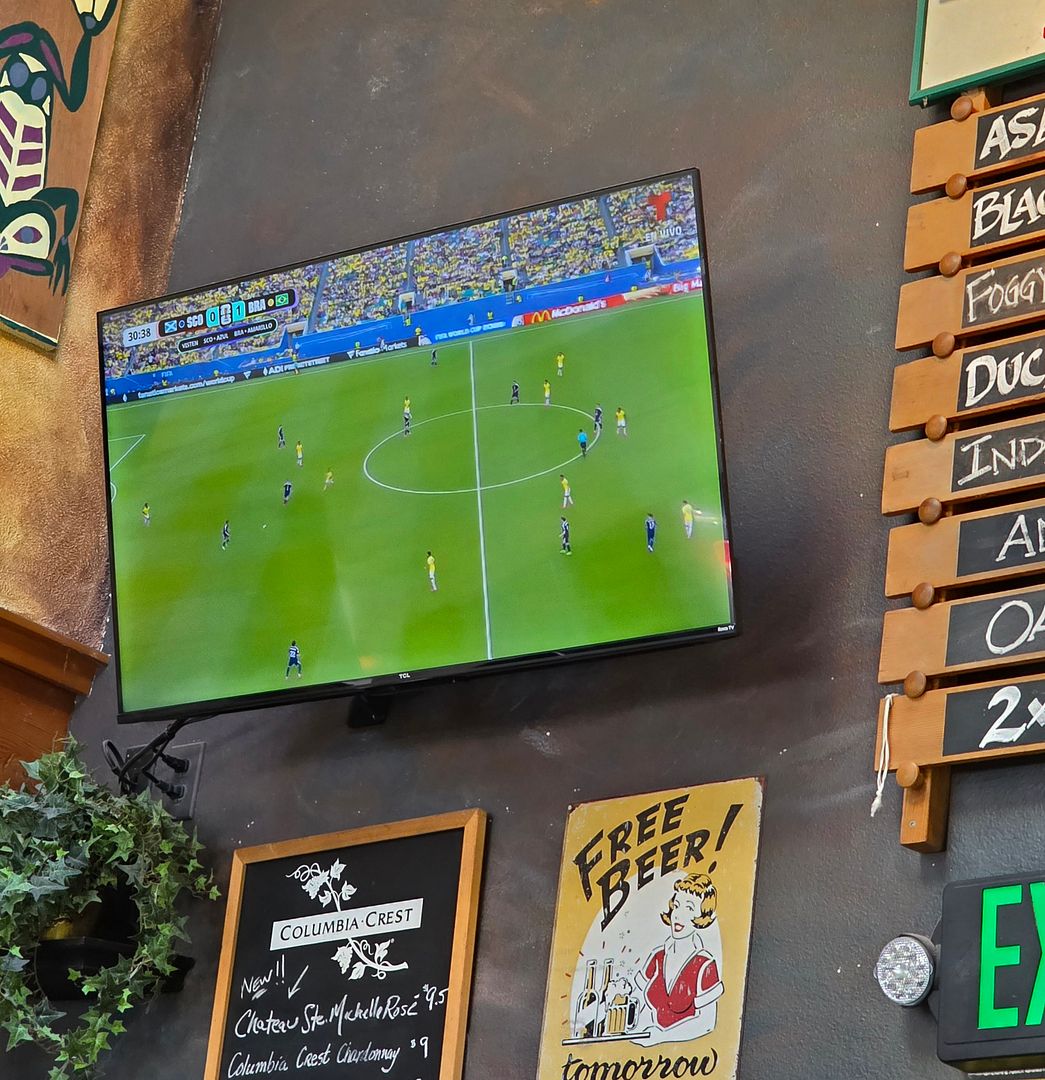
 5. World Cup play is happening now…are you interested?
Very interested. And for the record I’m interested in soccer all the time not just for World Cup.
Watching any matches?
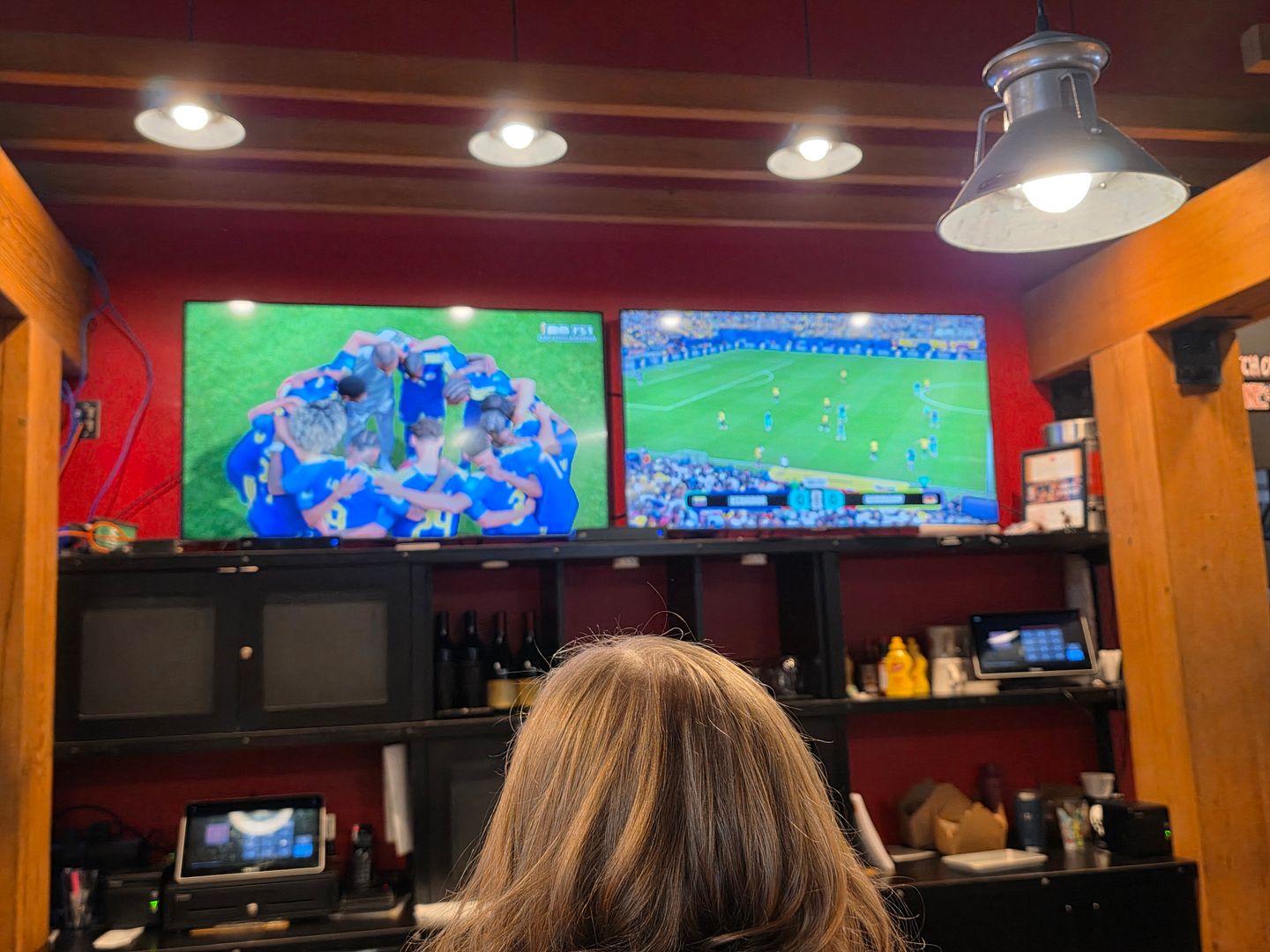
I’ve watched them all to one degree or another. Some I’ve watched every minute others I watched parts of .
Did you or your children play soccer/futbol?
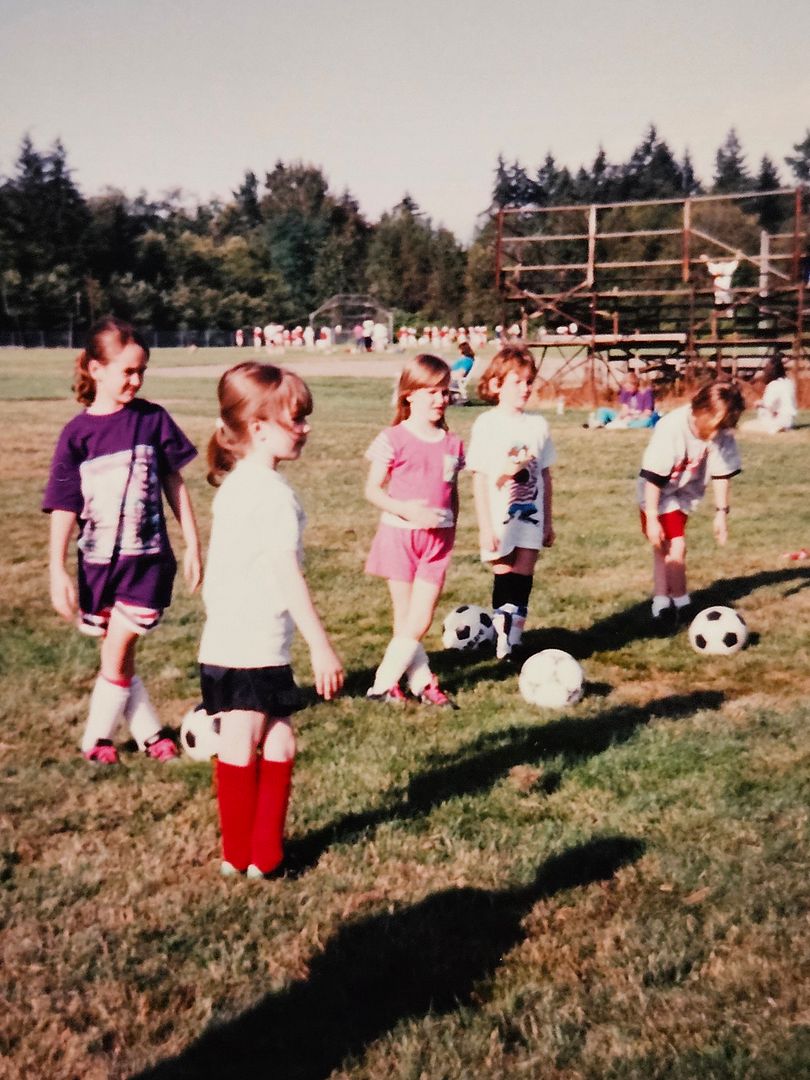
All three of our children played. Our sons played for their school varsity teams and on traveling teams, too. Our sons also worked as referees for our community leagues and for indoor games, too.
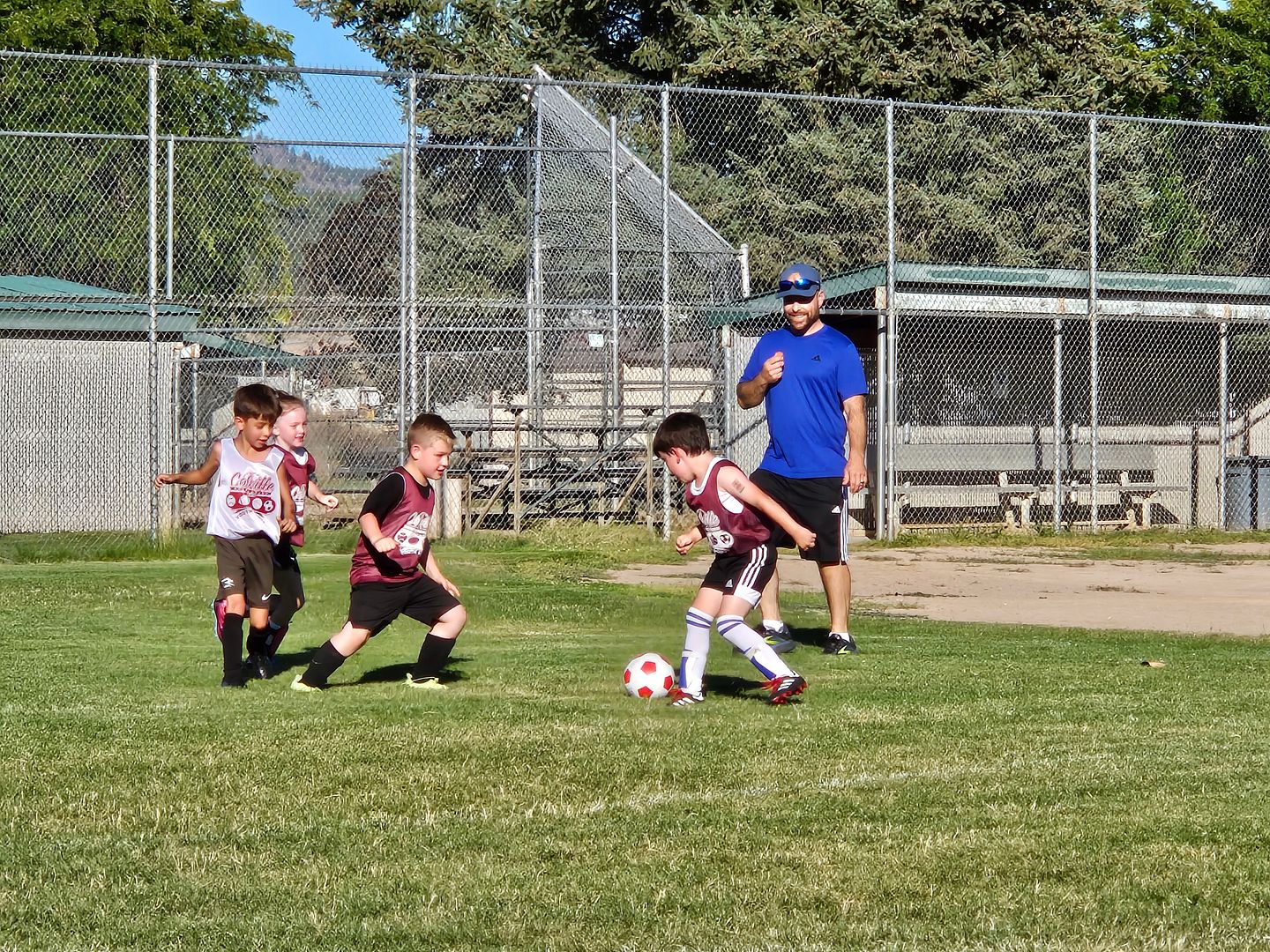
And now, our Grands are playing soccer.

There are eleven US cities hosting matches-

Atlanta, Boston, Dallas, Houston, Kansas City, Los Angeles, Miami, New York with the stadium in NJ, Philadelphia, San Francisco, and Seattle
 along with  three cities in Mexico (Guadalajara, Mexico City and Monterrey)
and two in Canada (Toronto and Vancouver)-

You get free tickets to one of these matches. Which city do you choose? Tell us why. 

Seattle, because it would be the easiest stadium for us to reach.

Our son and daughter-in-love are attending the USA v. Australia game this Friday in Seattle!

6. Insert your own random thought here. 

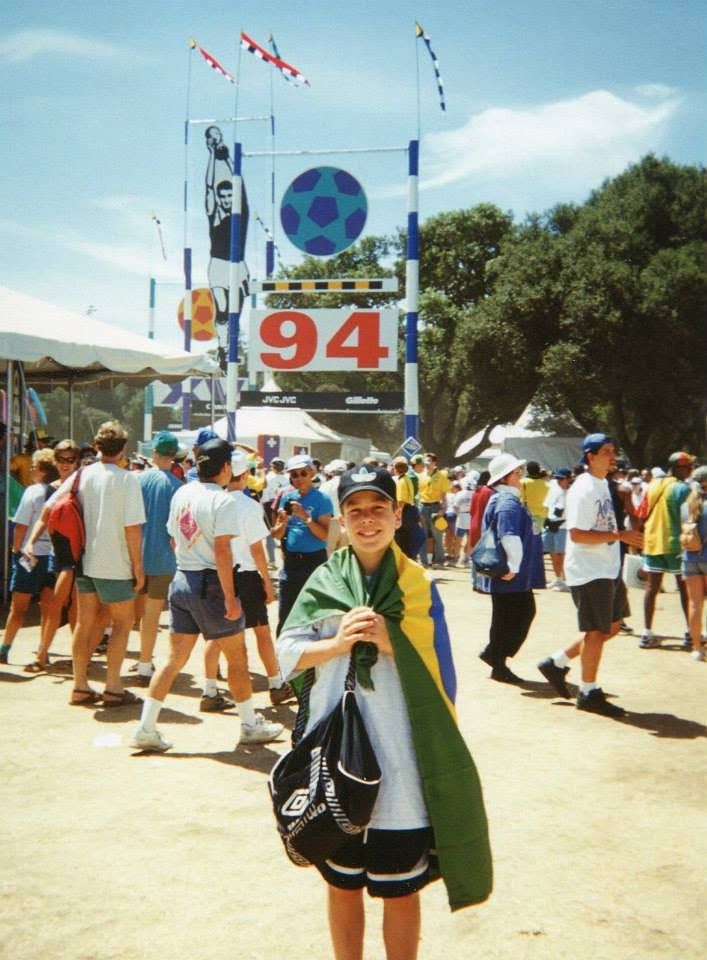
Dan’s ticket that he purchased from his soccer coach was for a game in Stanford. Dan and I traveled from the LA area up to Stanford for the game. The game was on June 24, 1994. And yes, we traveled those same freeways O.J. did. 🙂

I’m behind and the way things are going it will be a while for me to get my mojo back.

I hope to get around to see y’all.

Soccer or Futbol Quotes

img037

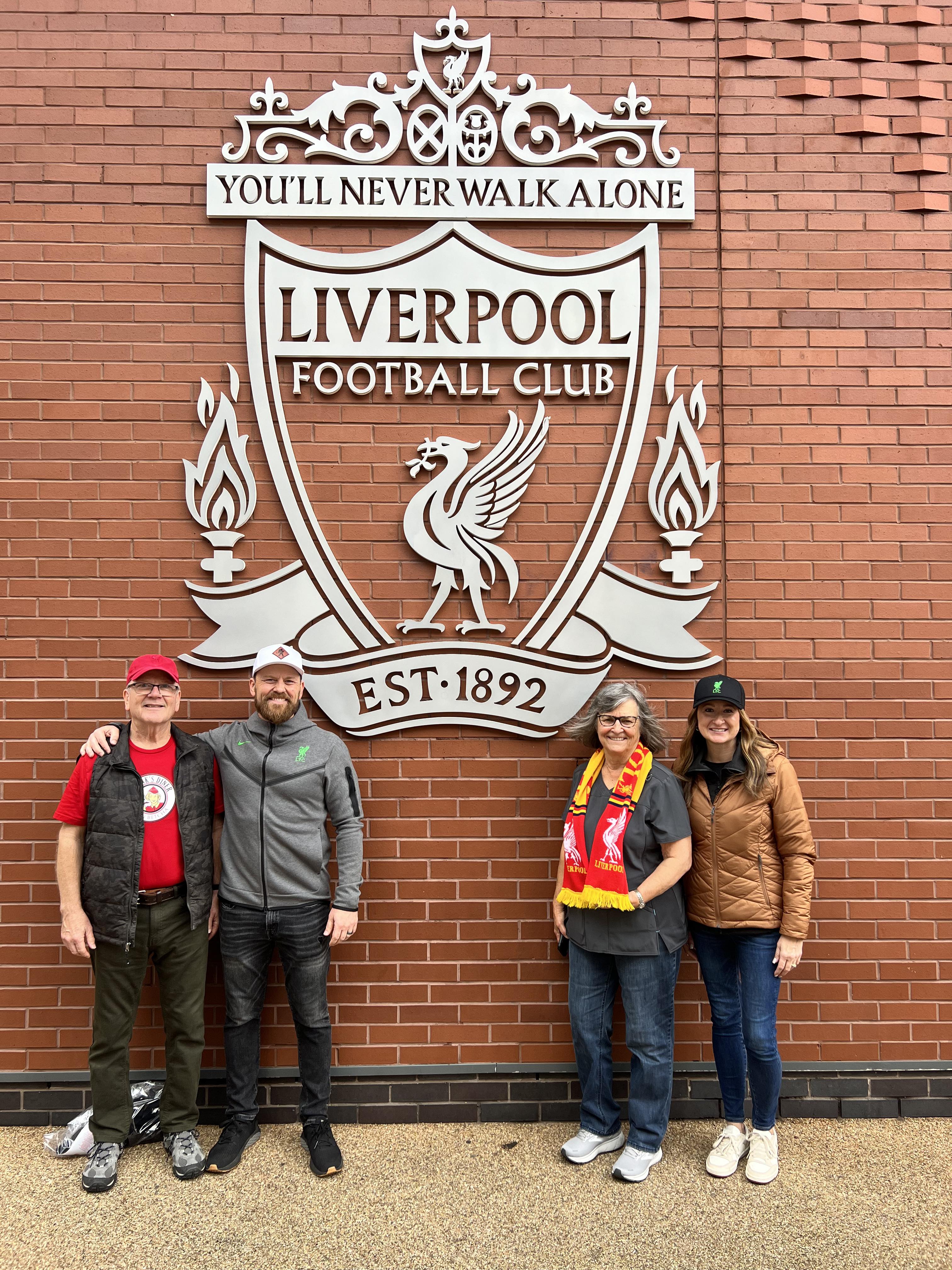
It’s no secret that we have soccer/futbol fans in our family and I’m one of them. We are excited for World Cup 2026 here in the USA/Mexico/Canada.

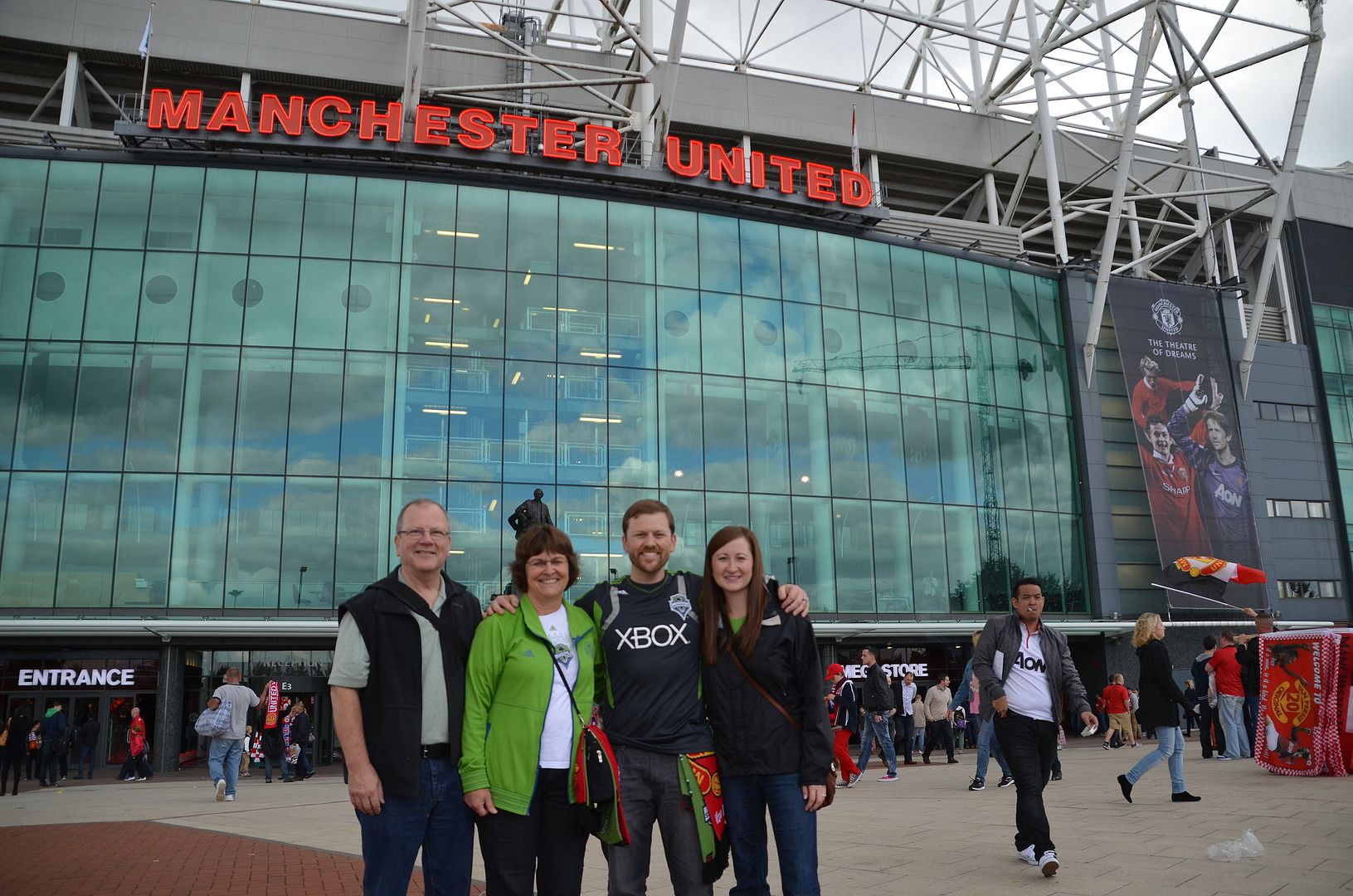
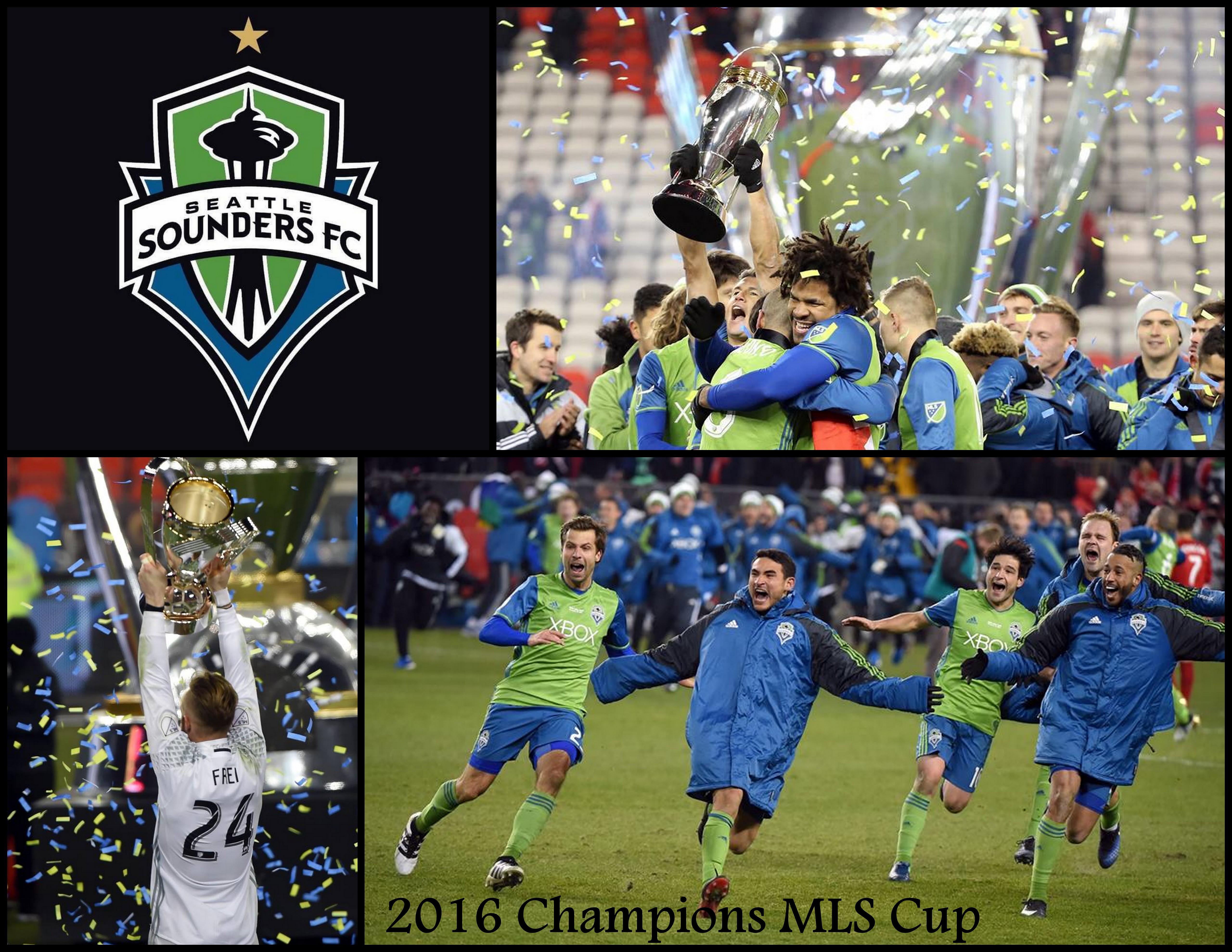
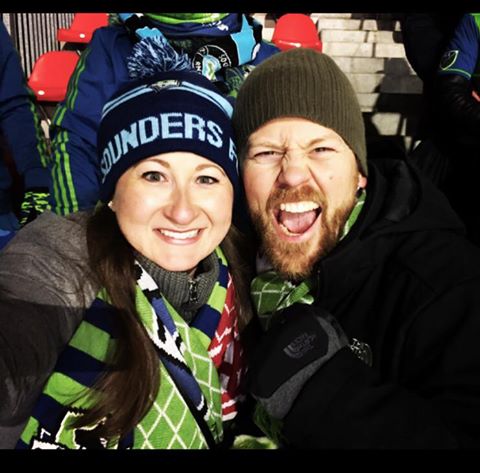
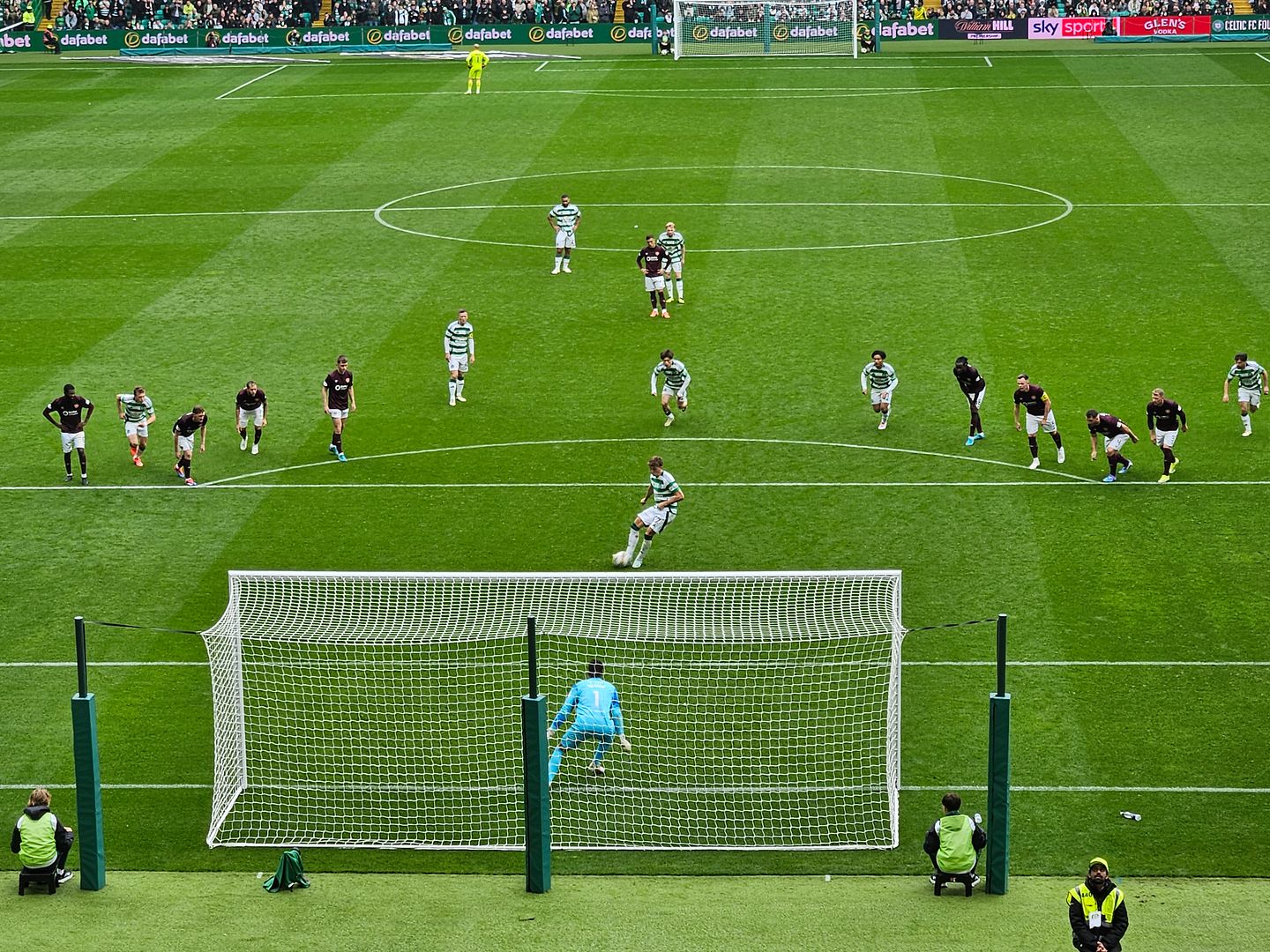
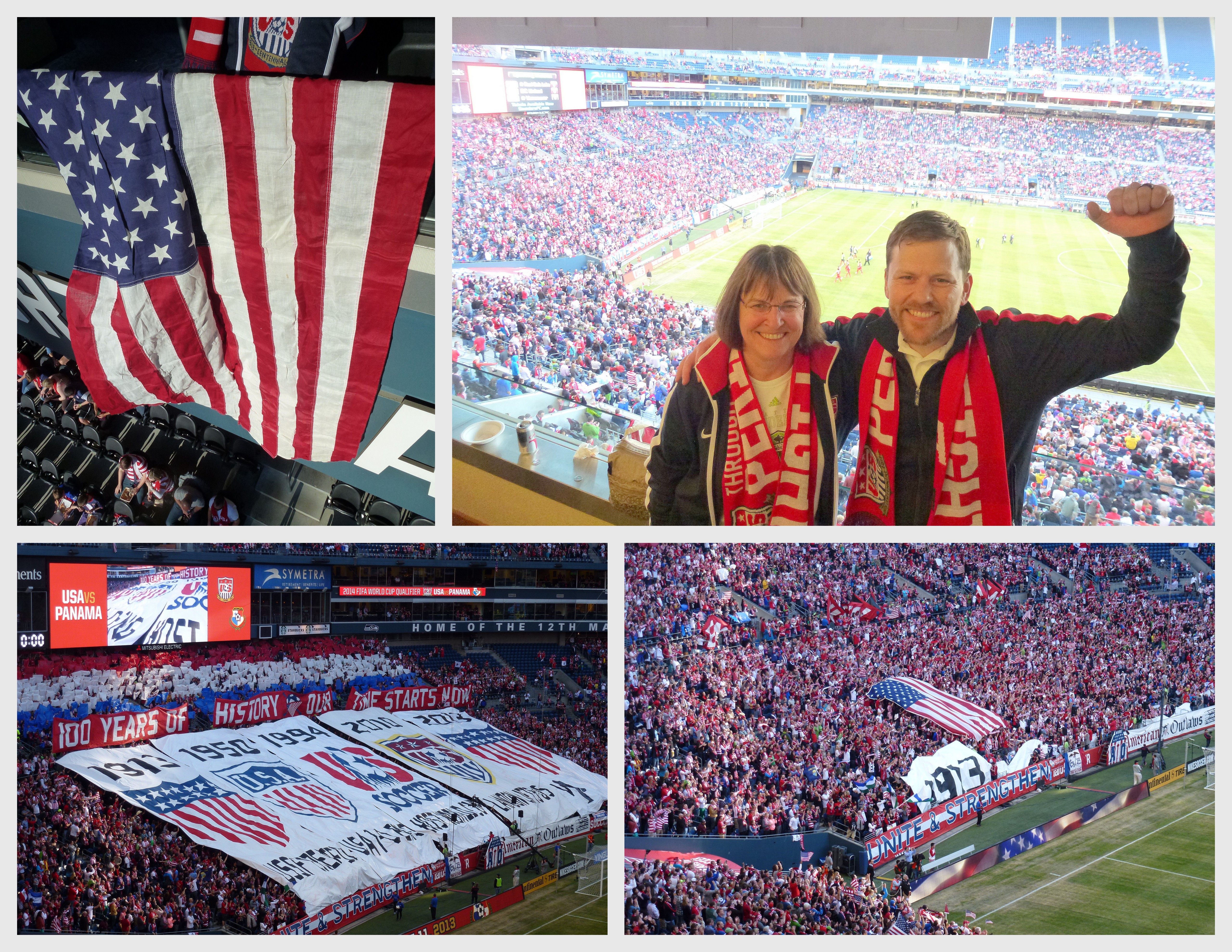
This is a collection of Soccer Commentators comments during games in the past in honor of World Cup 2026. The photos are from games through the years from our travels and at home.  Some are from World Cup 1994 which was the last time and first time World Cup was hosted by the USA. This post is very random and jumps around near and far and wherever soccer/futbol has taken us.

img032

“He’s already written his name in lights here”

“That was a chance to put the game to bed”
“That goal keeper is a mere spectator” “It’s one way traffic at the moment”

“Every road is a cul de sac at the moment” ~ Ian Darke announcer for the Slovenia/USA game.

“England is running around like flies at the moment”

“He is a new name among the old soldiers”
“The giants can be knocked out by the minnows!!”
“Suarez, next time you get hungry take a bite of a Big Mac”
Quote of the match: “His ears look quite normal.” :0)
another great one…”couple years past their sell by date in the premier league” :0)
“So many of these players now on the wrong side of 30” Adrian Healey
“It really is keystone cops stuff here”
“The last drop of the drink in the last chance saloon”
“The North Koreans are a toughish nut to crack”
“The ball got smuggled away”
“So many of these passes going astray”
“Made rather a mess of it”
“Events conspiring against them”
“They need a win to tie up an almighty knot”
“That tall beanpole striker”
“Over the bar with a goal gaping at her”
“Columbia just had a sniff of something”
“Solo could have brought a portable TV and watched her favorite Film”
“Like a hot knife through butter!” I love Arlo White!
“A slender advantage”
“The cruelty of sport” nice way to describe the own goal…
A sport announcer’s most stupid statement of all time “It’s going to come down to who wants it more” As if one or the other team doesn’t want to win. It’s going to come down to a lot of factors in the run of play but there’s not anyone on the field who wants to lose! And that’s my personal opinion. Thanks for letting me vent!
“He was the meat in that sandwich” ~ English Premier League soccer announcer. The meat in this challenge happened to be the ref! He’s still down on the pitch…

USA-Panama3Go U.S.A.!

Vámonos!

Last Day on the Danube

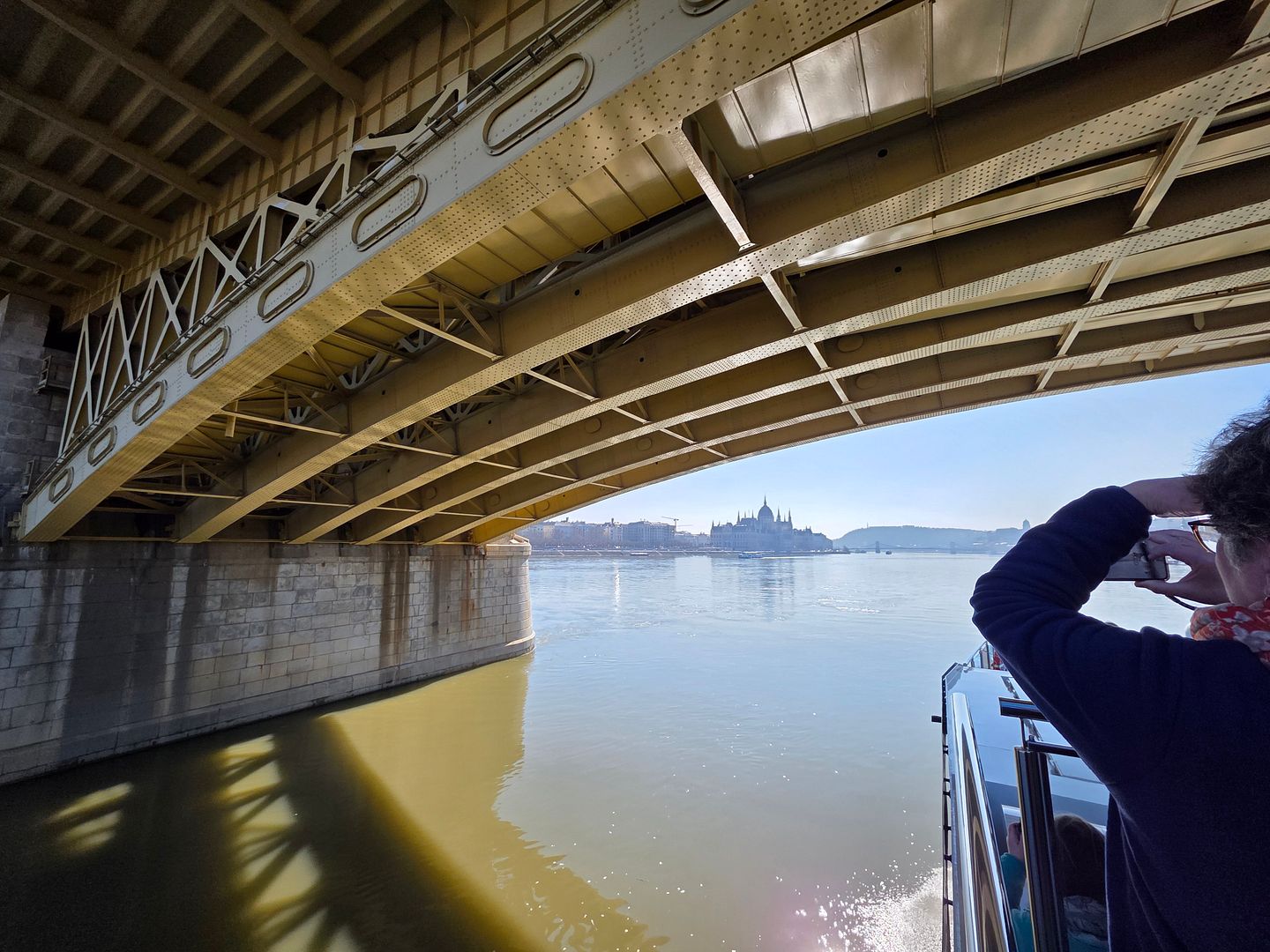
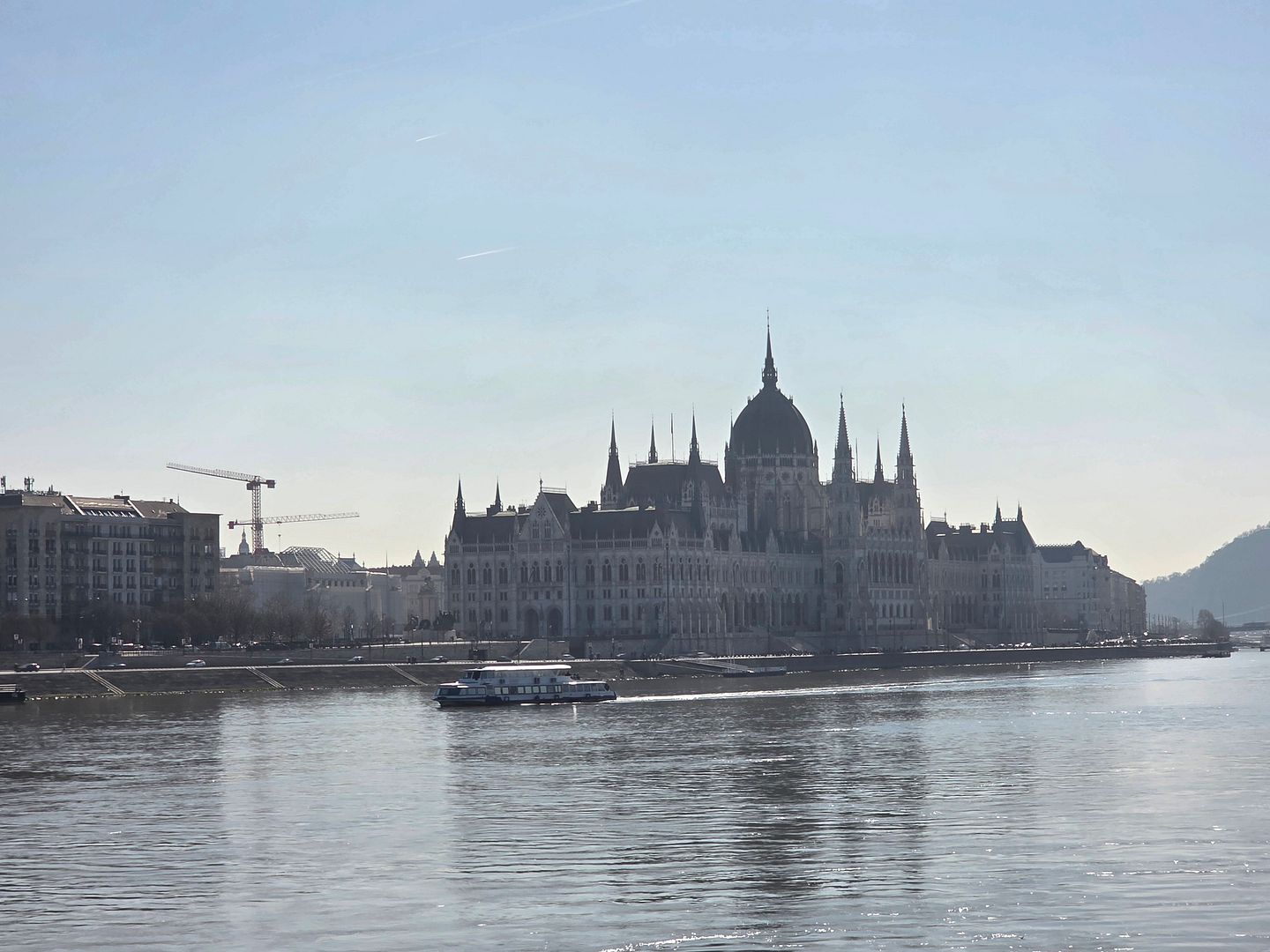
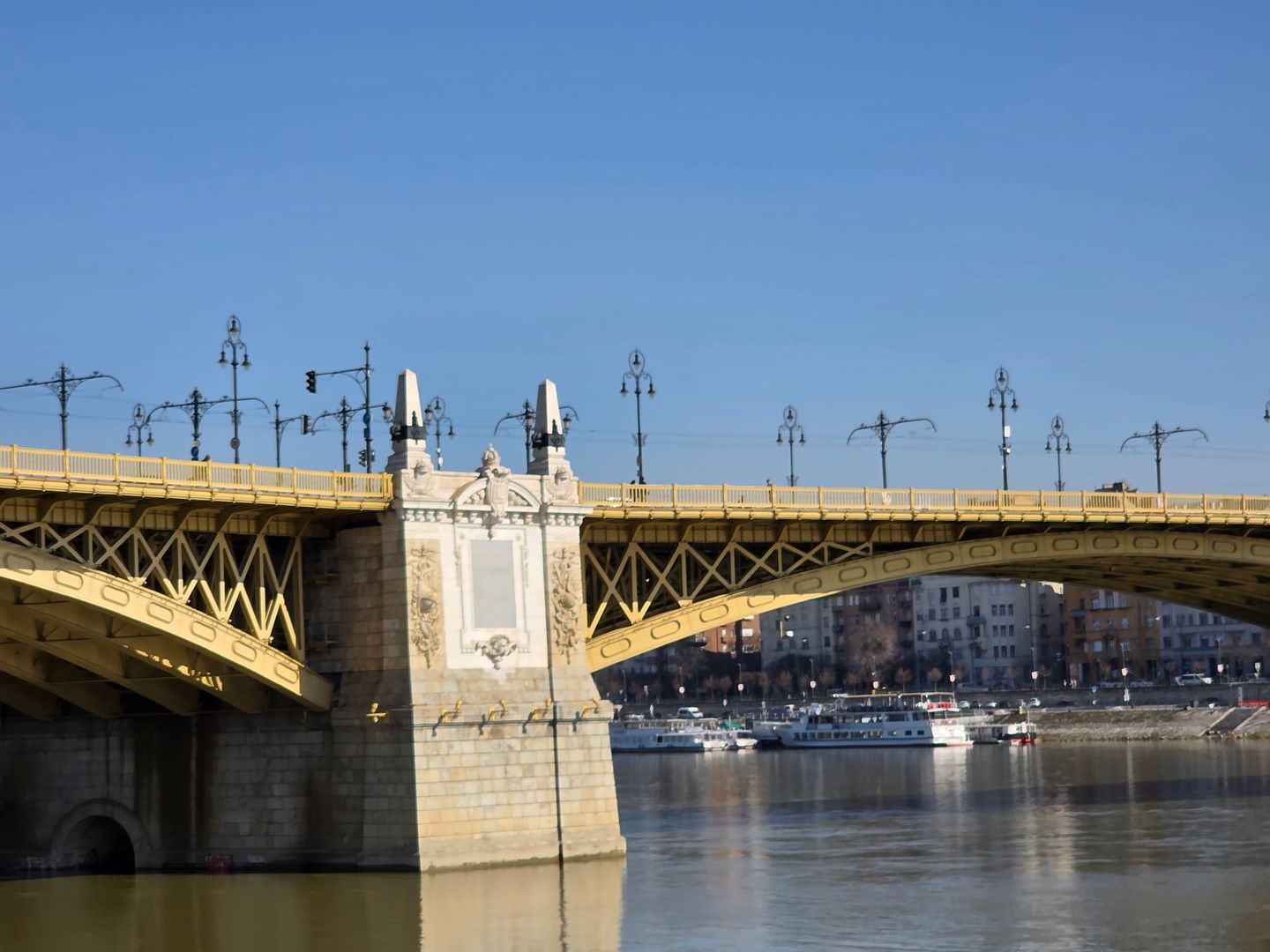
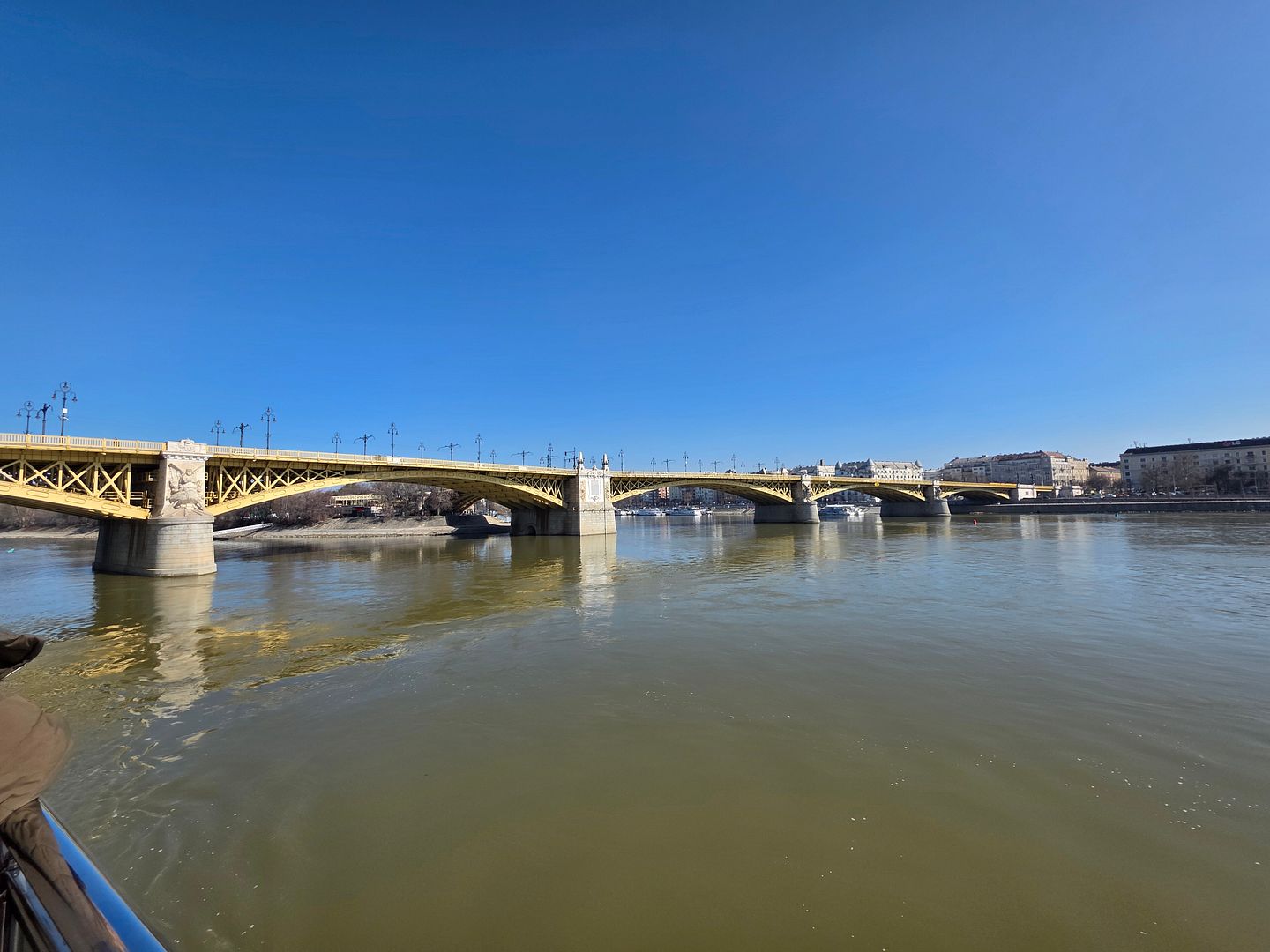
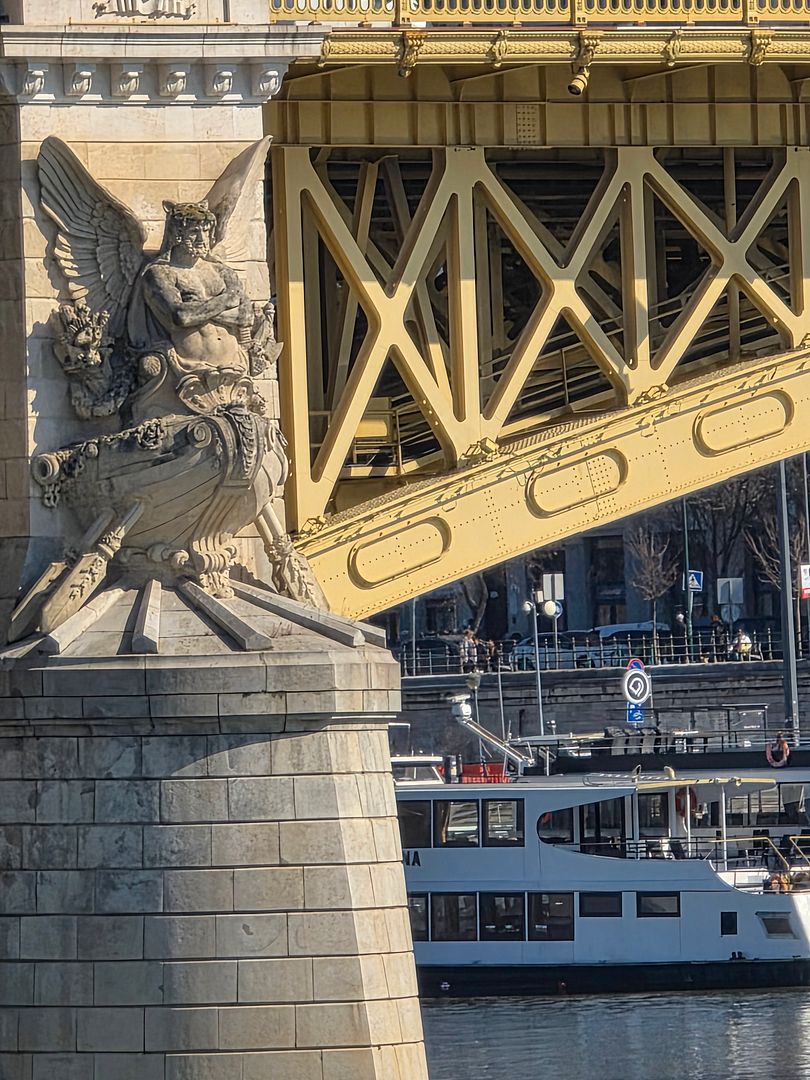
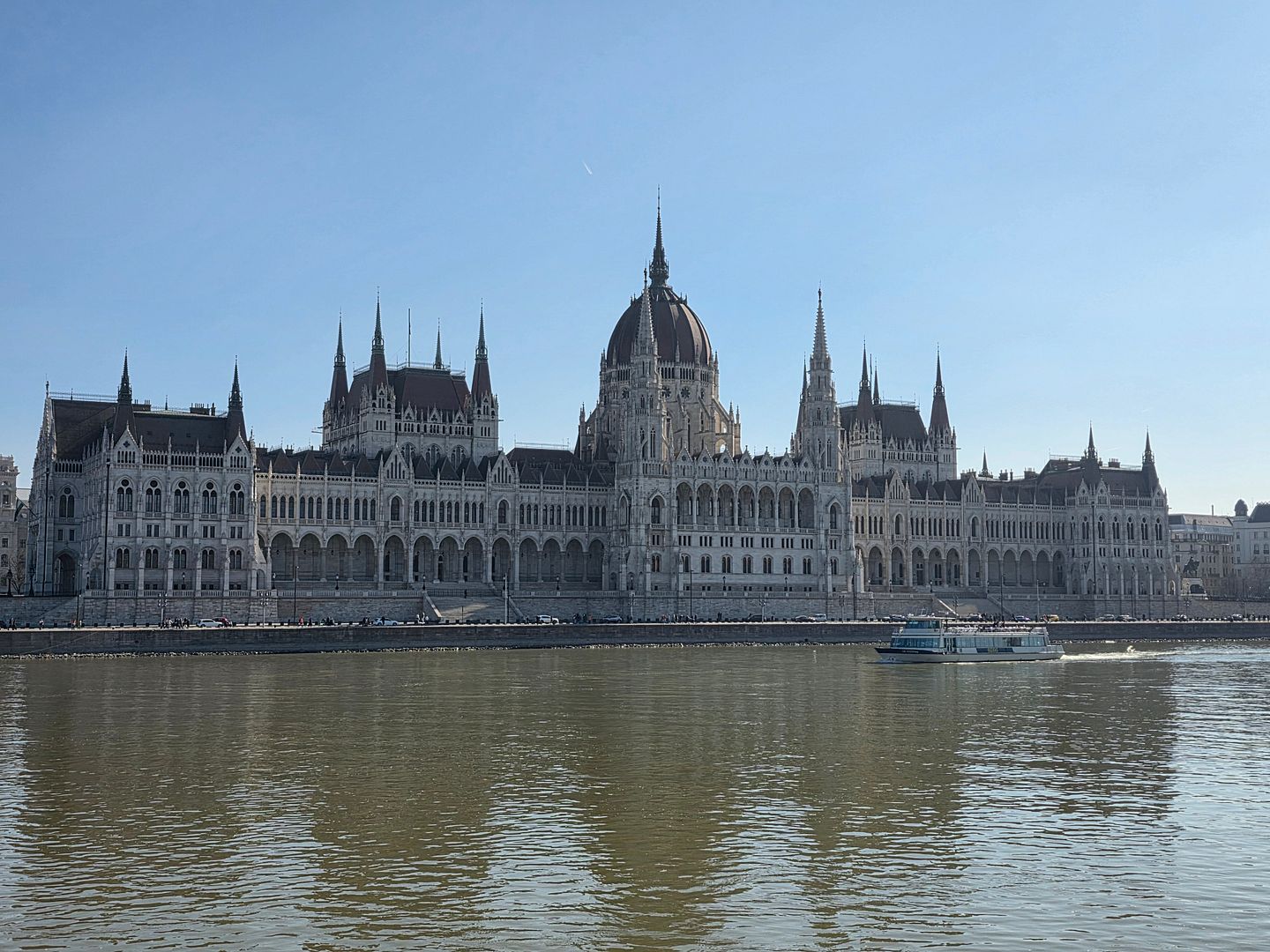
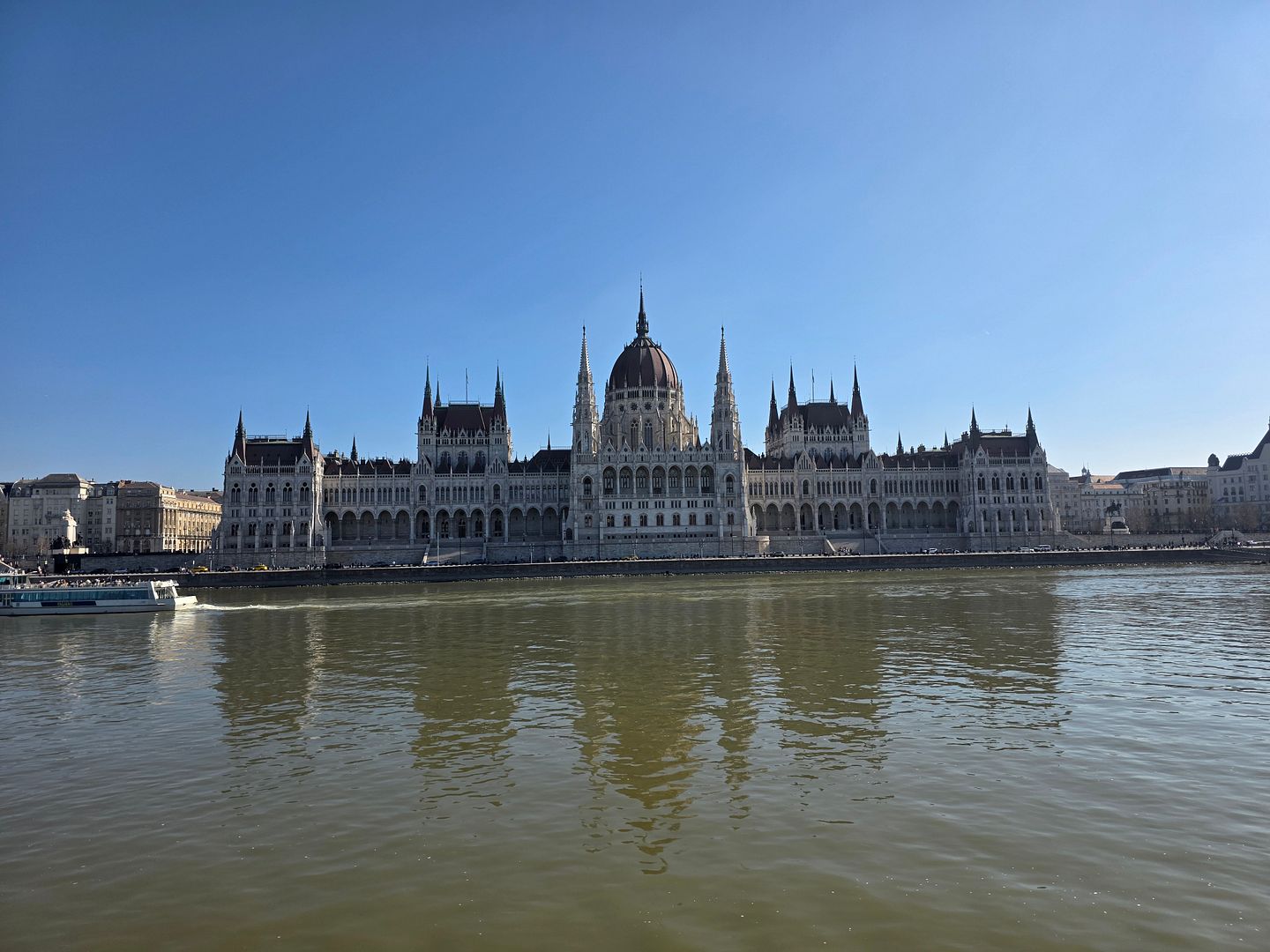
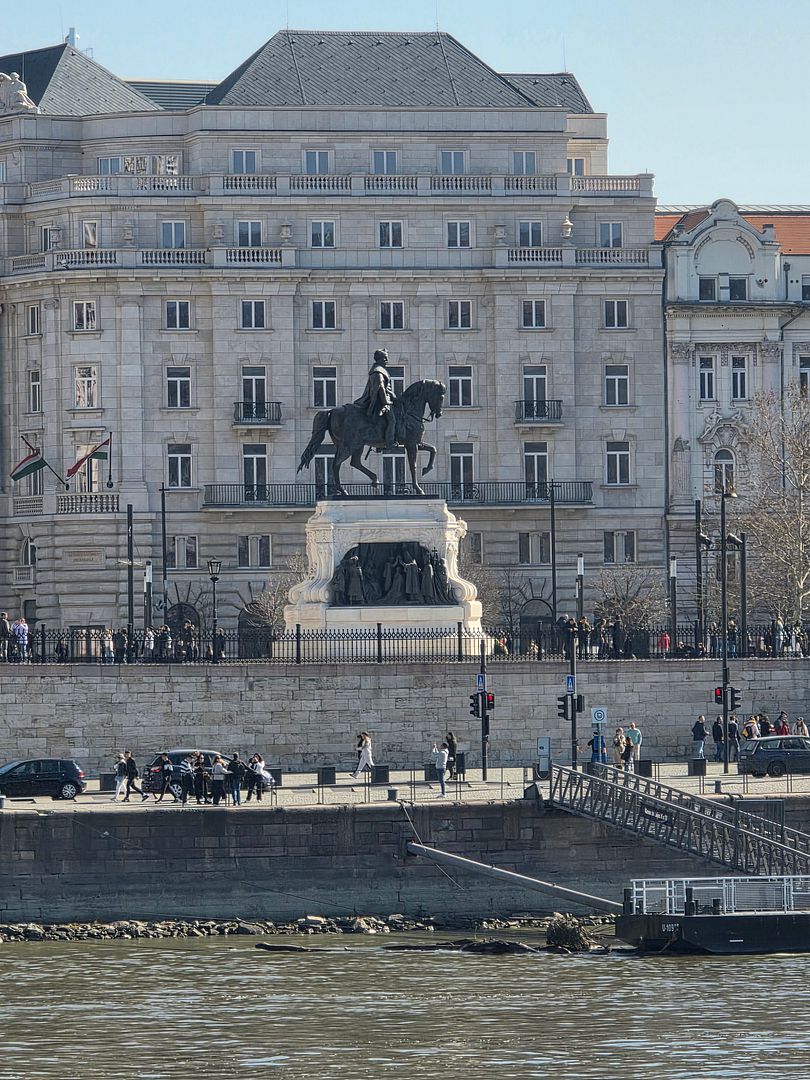
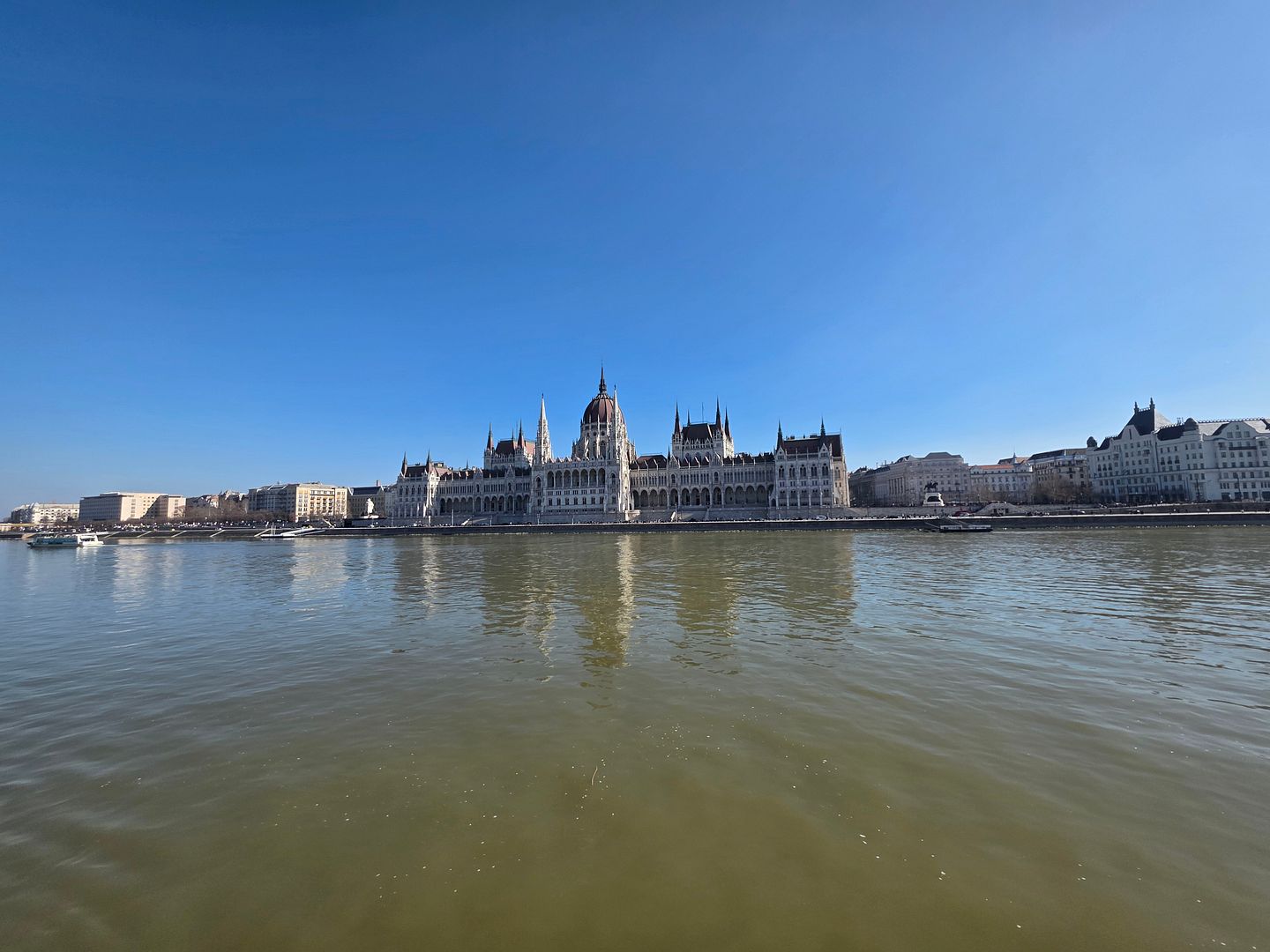
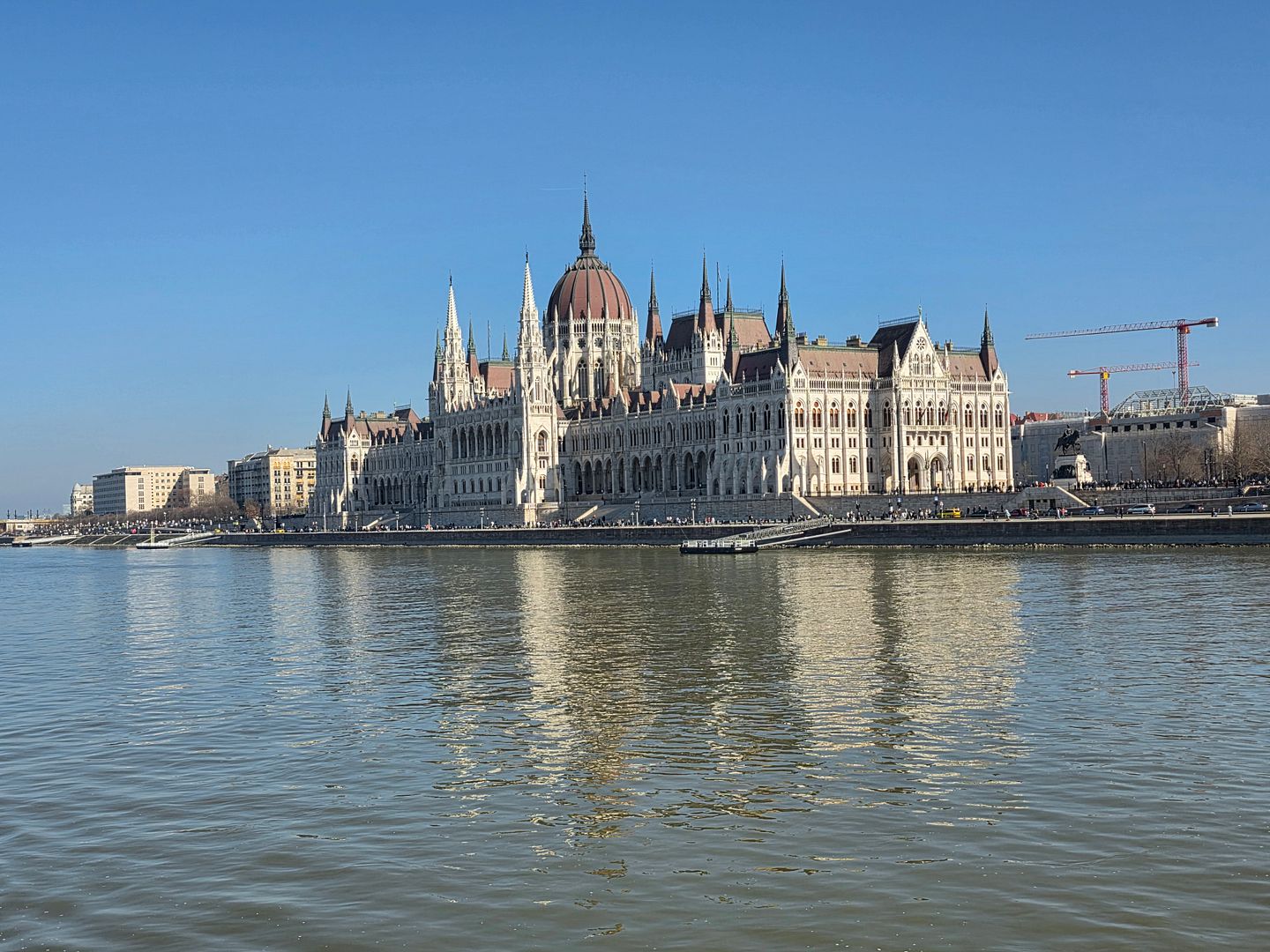
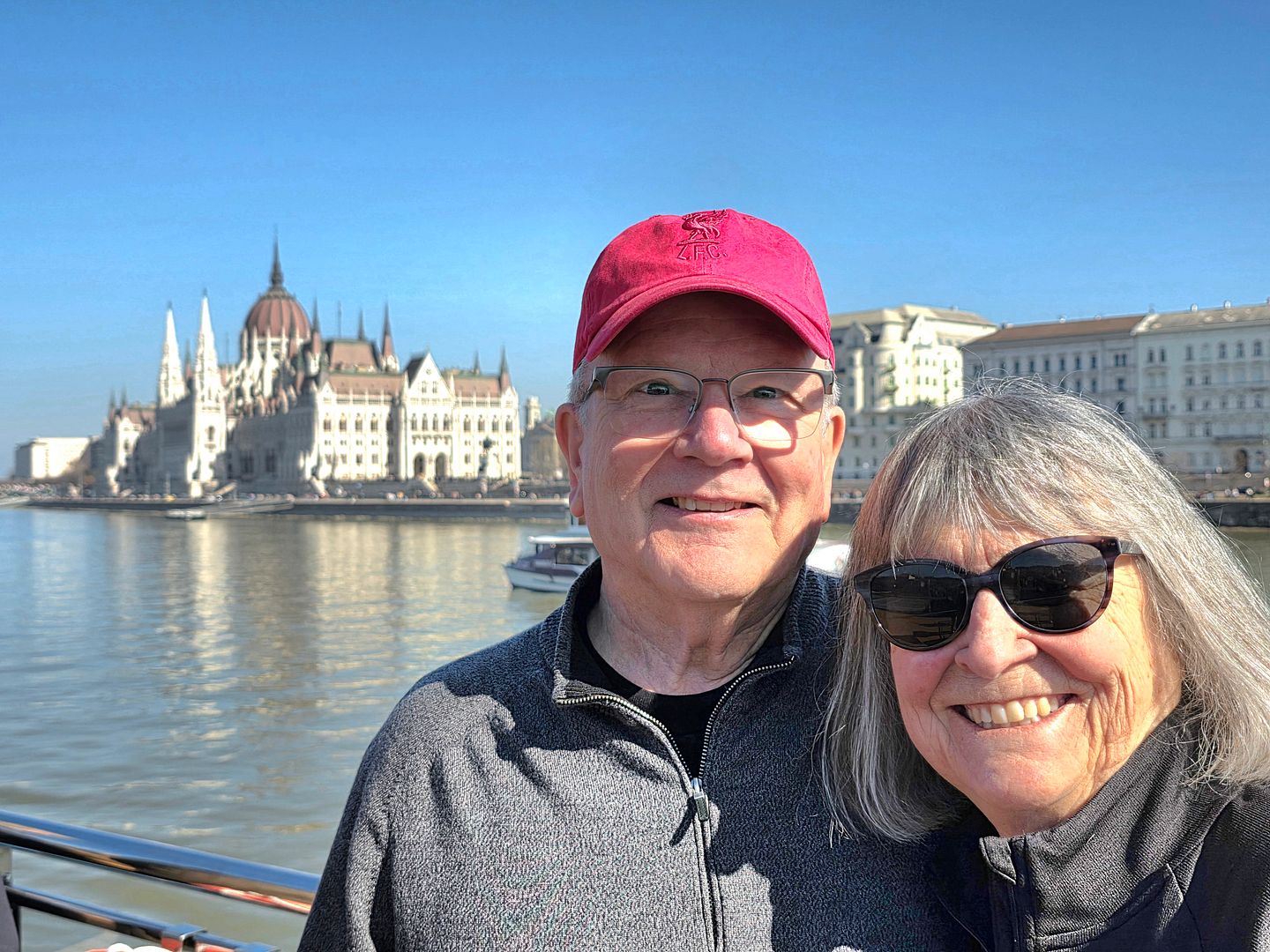
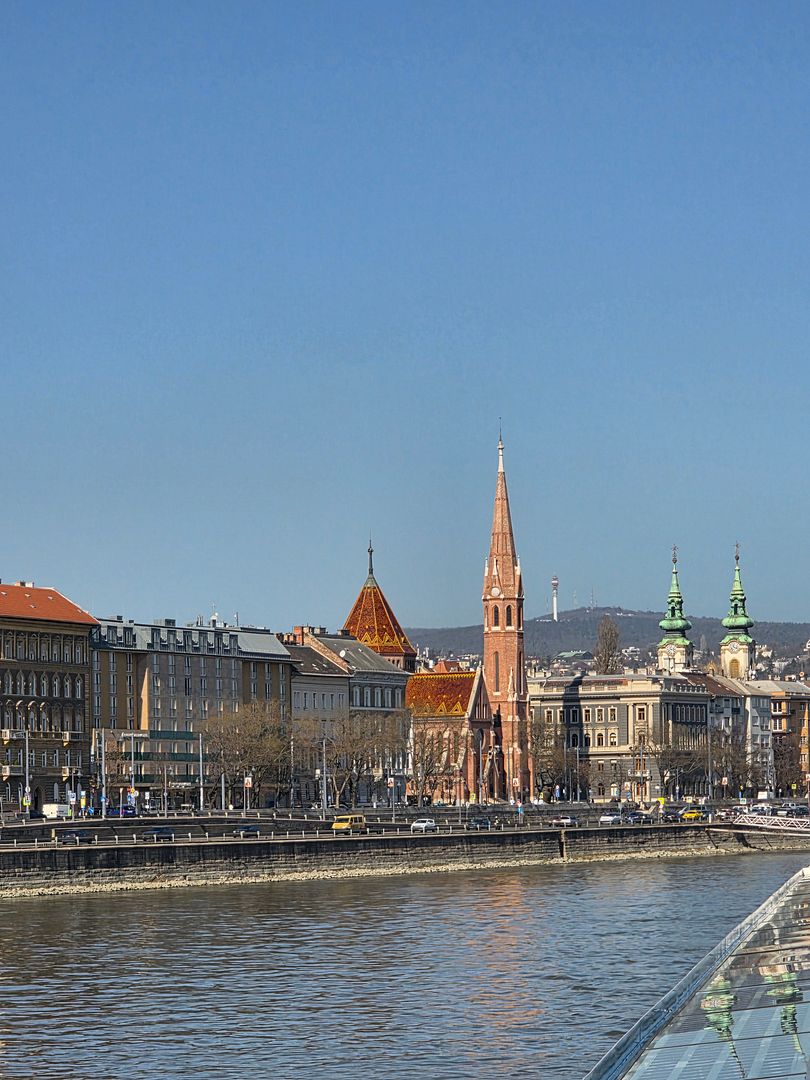
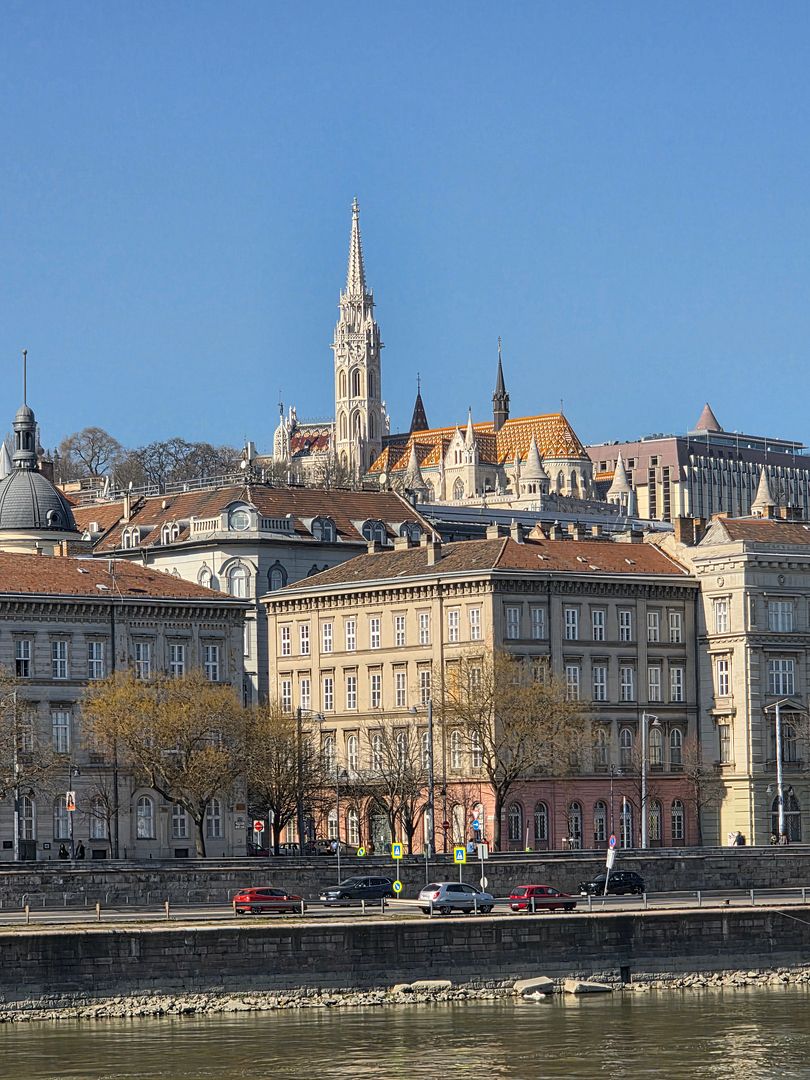
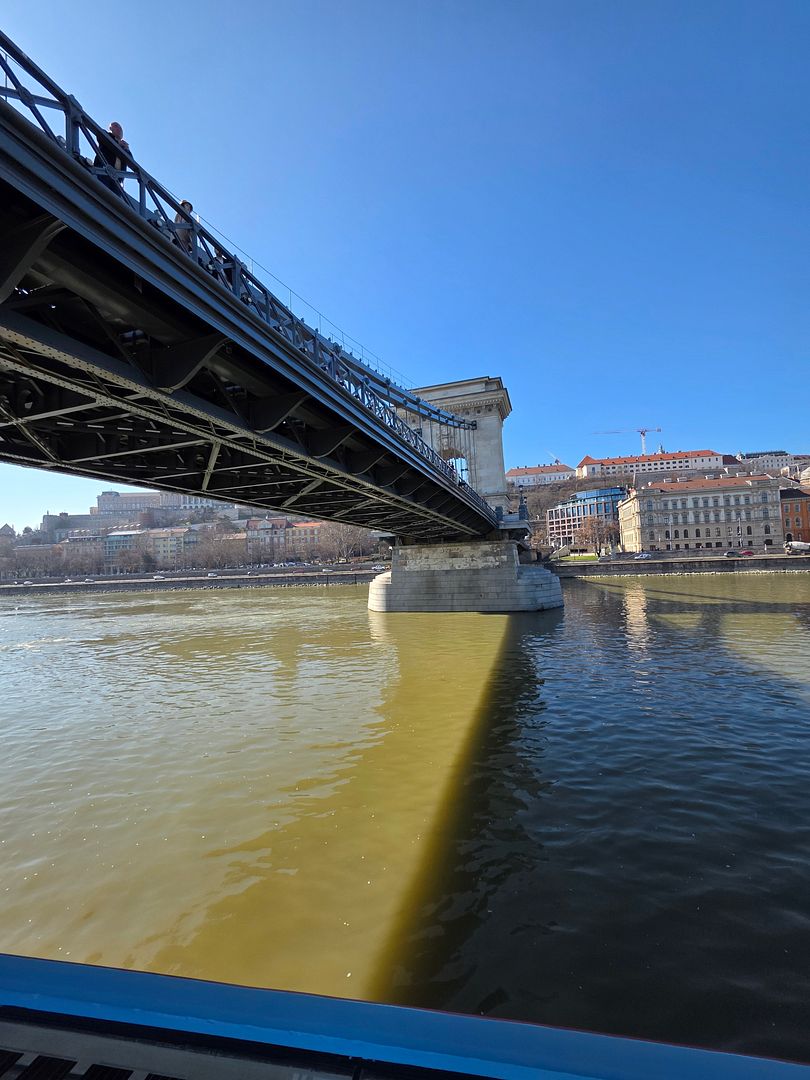
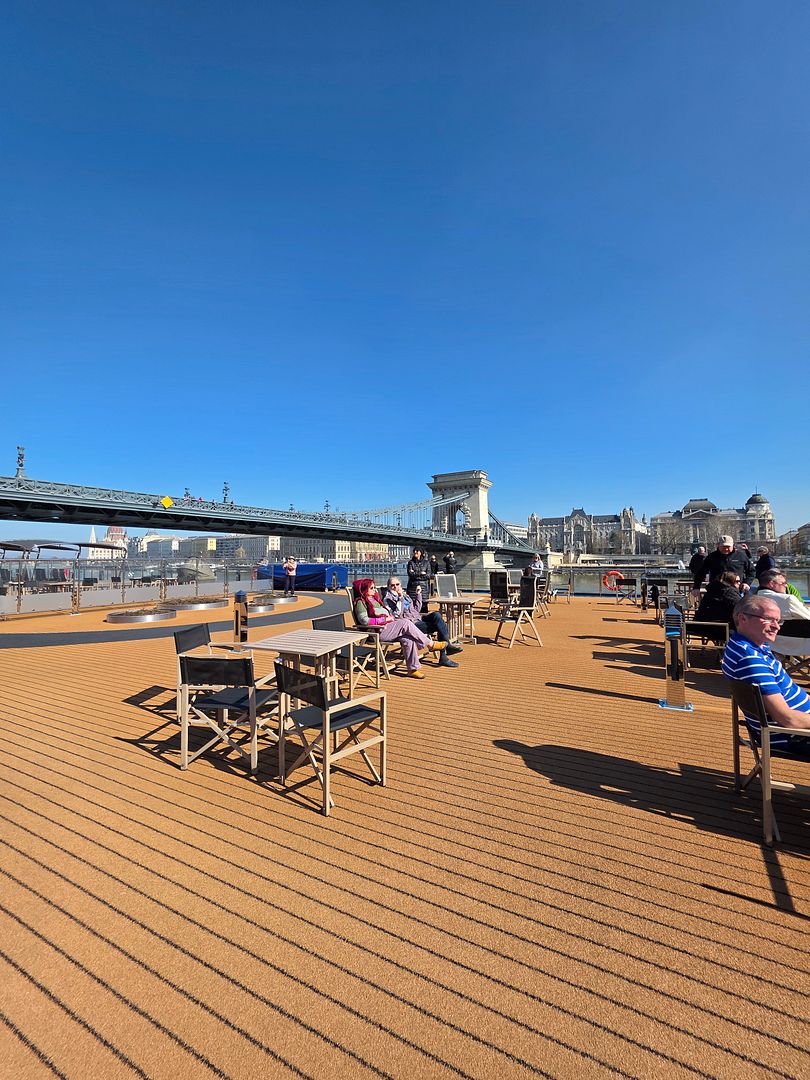
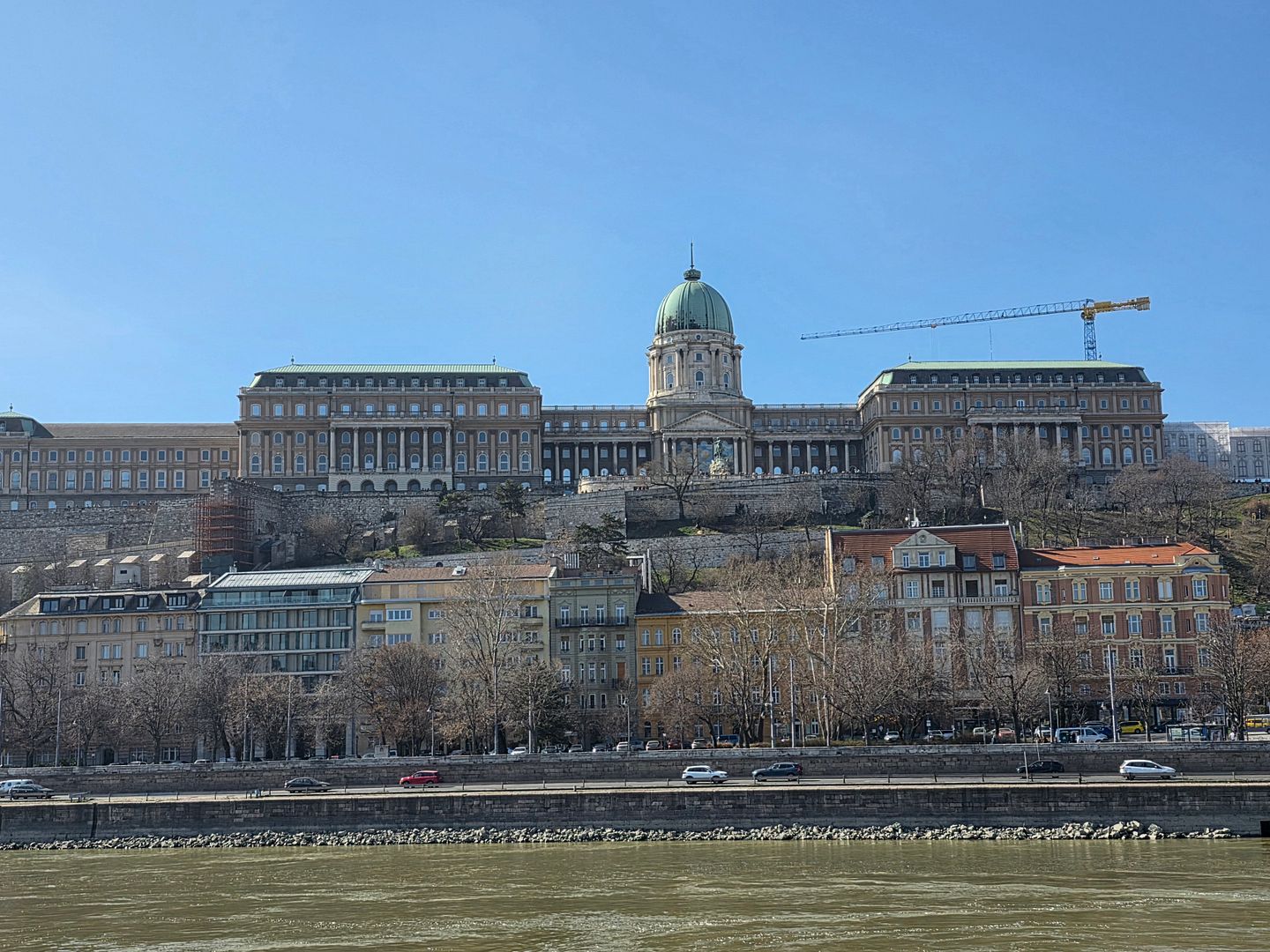
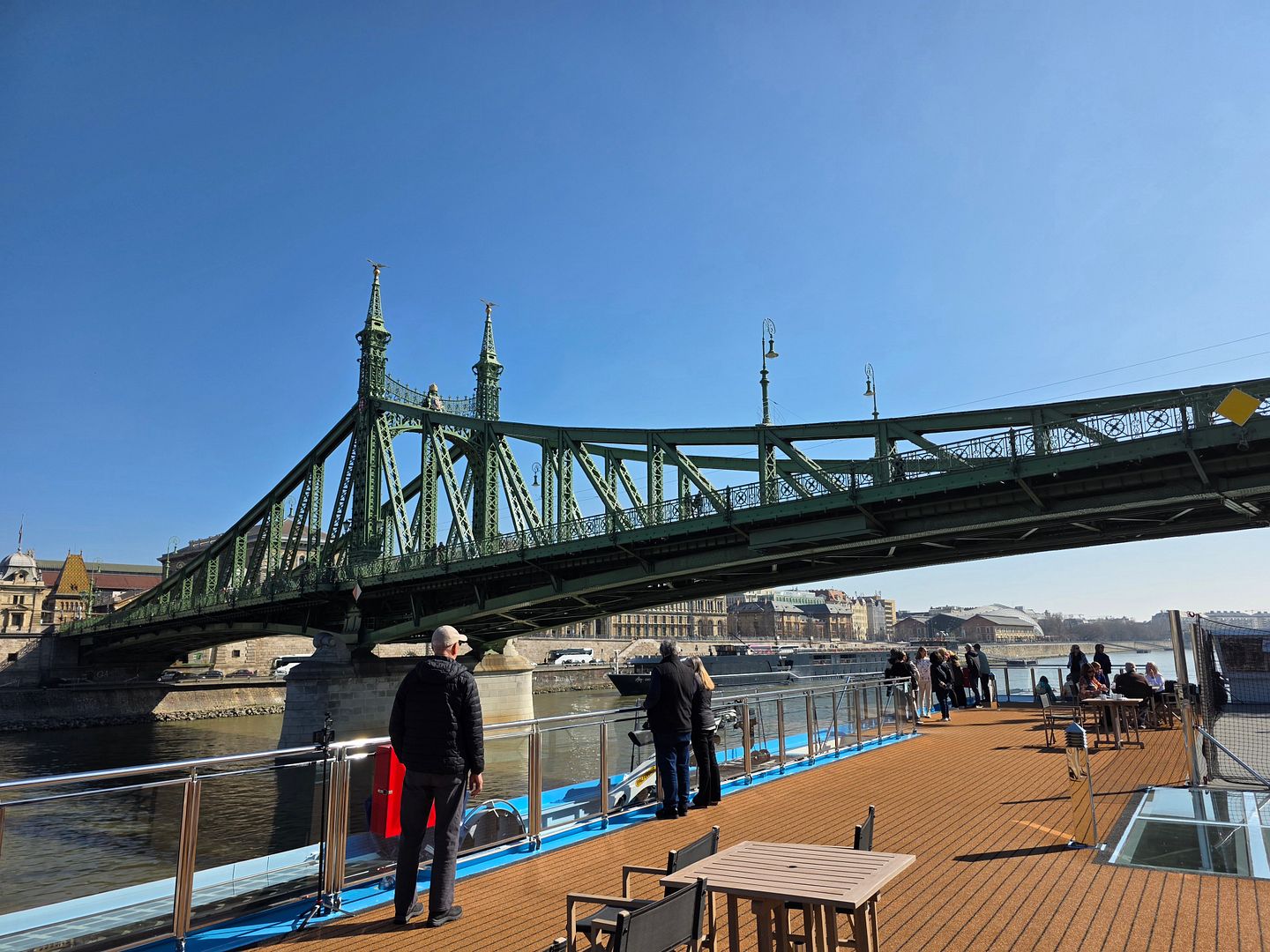
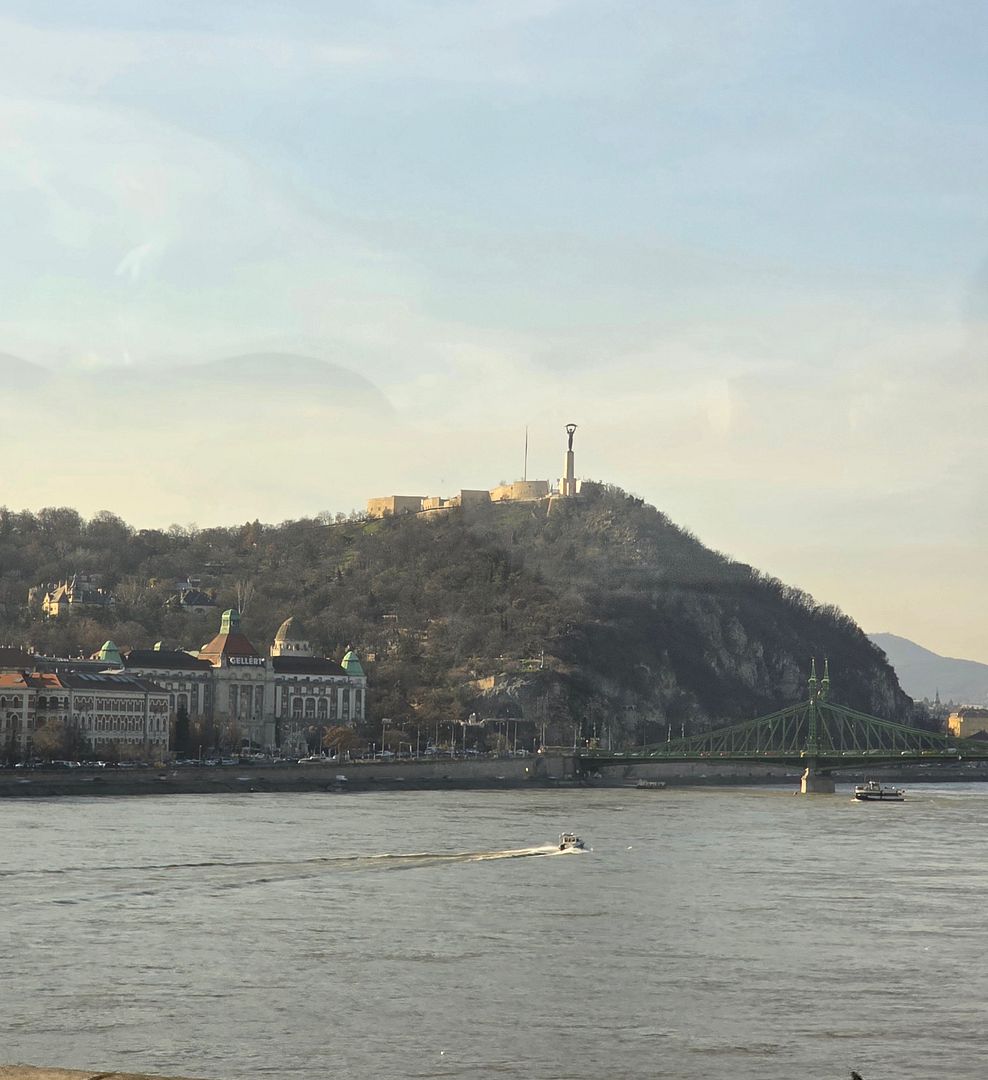
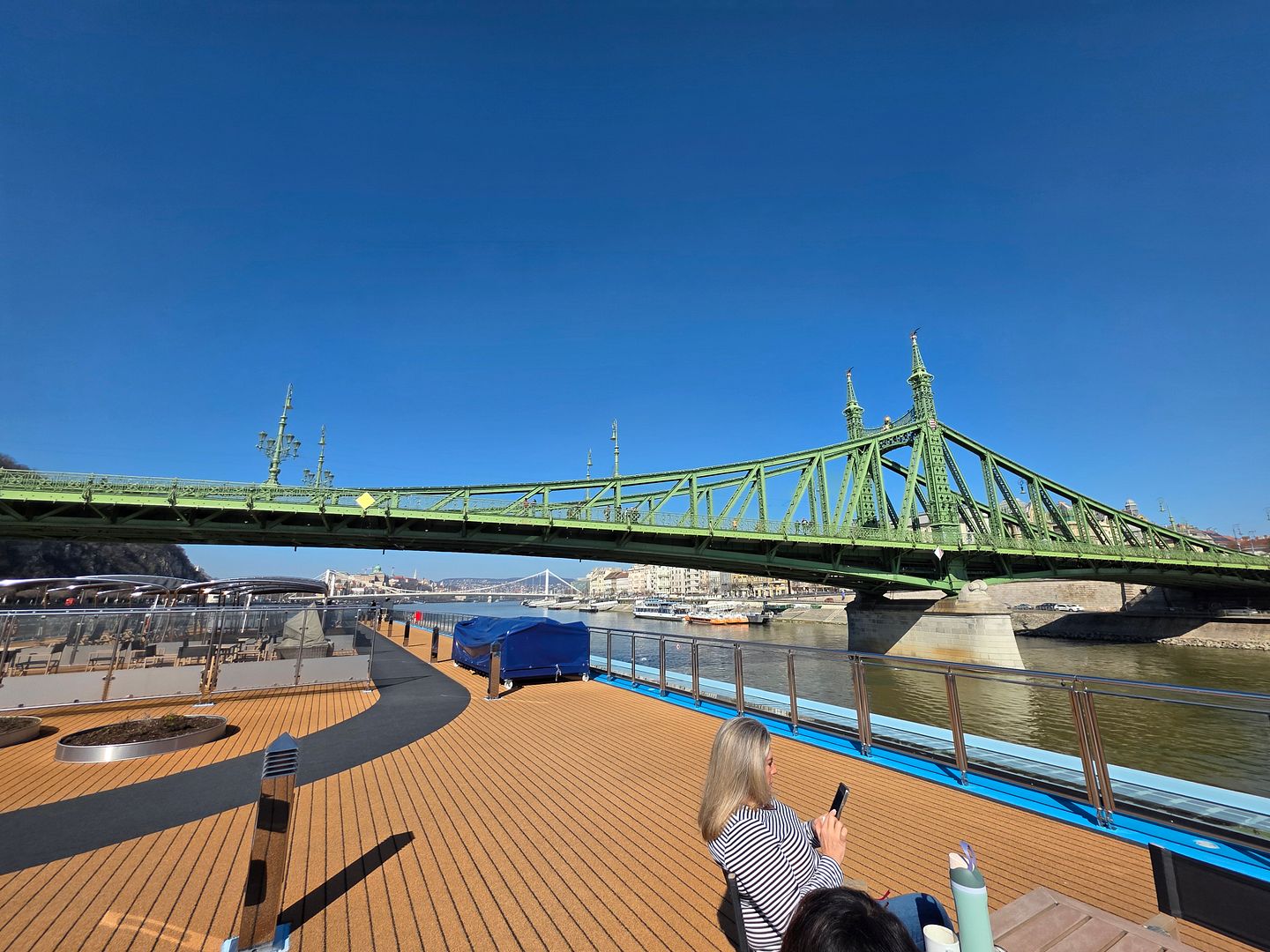
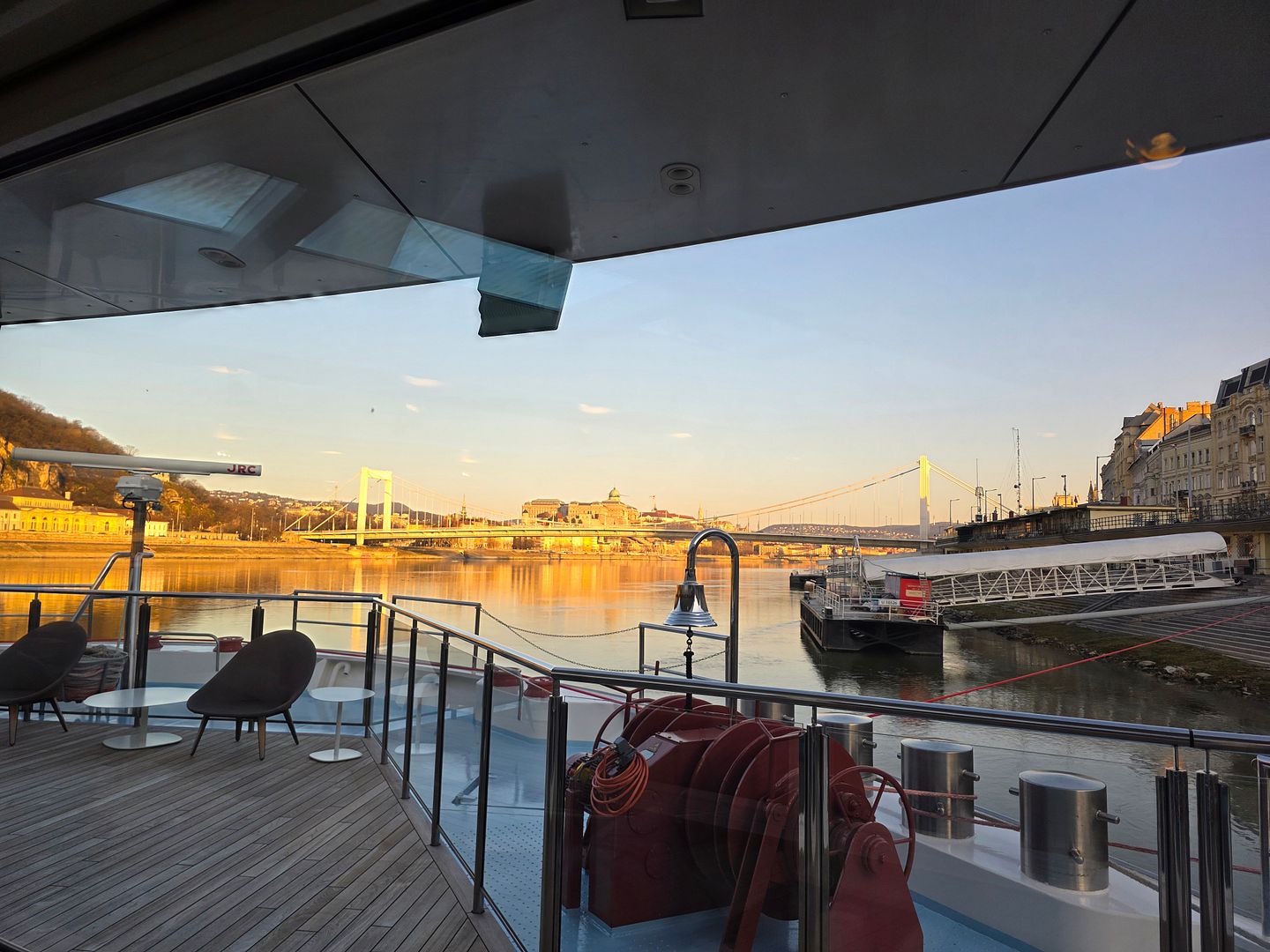
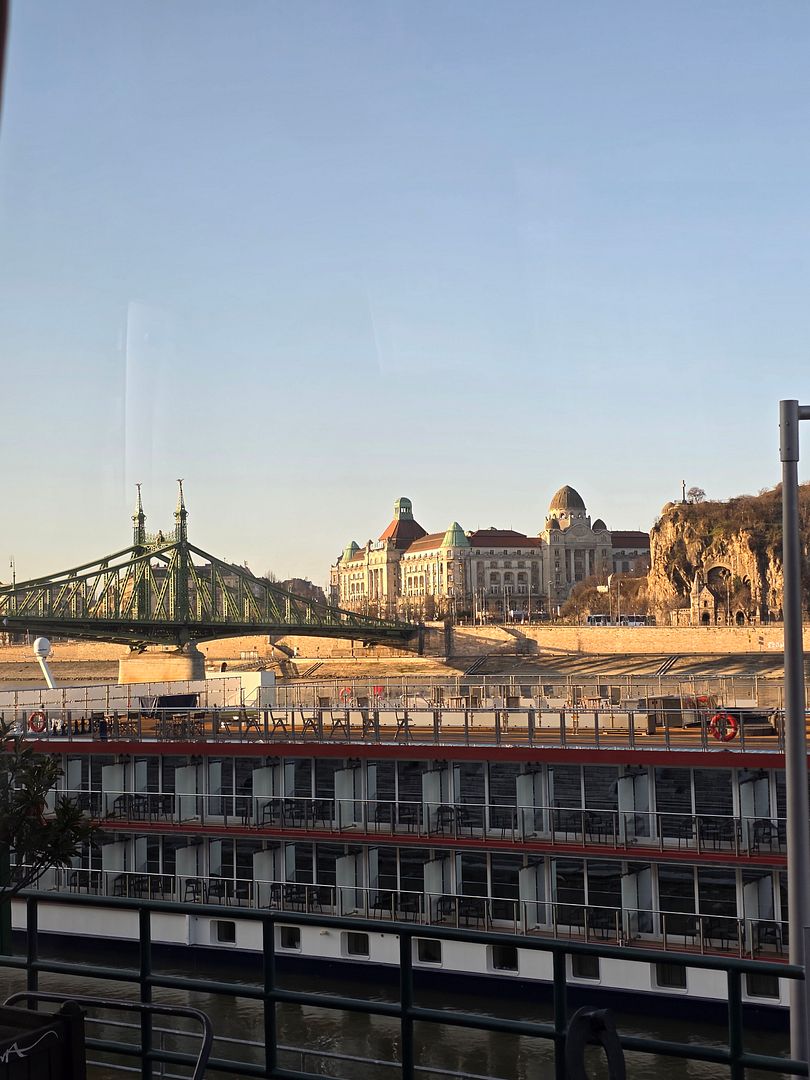
We had our night time shots of the Parliament Building in Budapest and now sailing in during the day time hours we took more photos.

After traveling all night from Vienna we sailed into Budapest on the morning of March 7th, a Saturday.

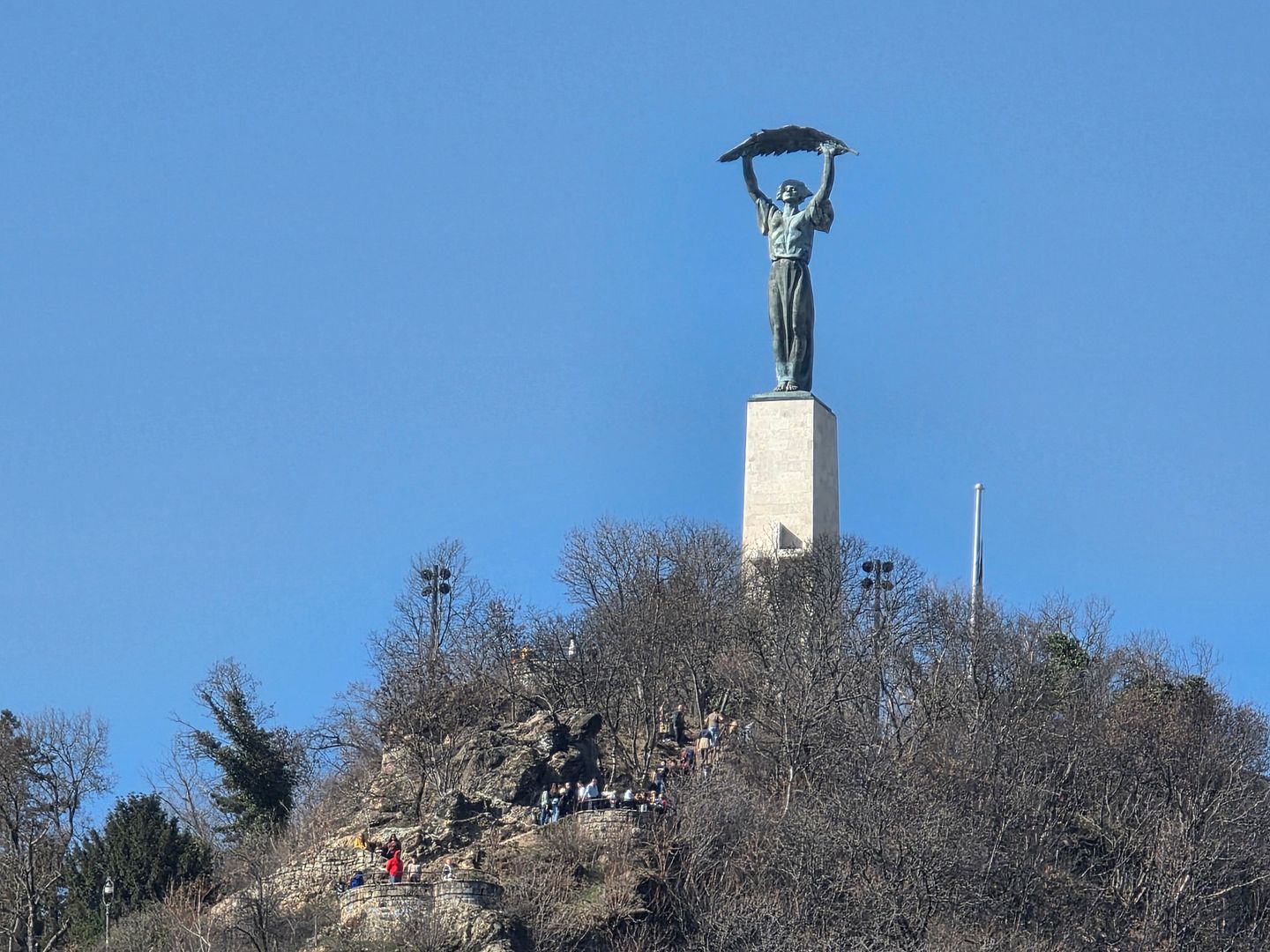
The Liberty Statue that overlooks Budapest. It is hard to miss.

  • The Monument: The bronze female figure holds a large palm leaf of peace overhead. The statue itself is 14 meters (46 feet) tall, standing on a 26-meter (85-foot) pedestal.
  • History: It was erected in 1947 to commemorate the Soviet Red Army’s liberation of Hungary from Nazi occupation during World War II.
  • Rededication: Following the fall of communism, the Soviet inscriptions and statues around the base were removed. The monument was rededicated to all those who sacrificed their lives for the independence and freedom of Hungary.

On this day we were signed up for an excursion to the Fisherman’s Bastion and Castle but my right foot swelled up and was painful so we opted to stay on the boat with my feet elevated. We thought that I might have a stress fracture. With ice and elevation the swelling went down.

On this evening we enjoyed Hungarian Folklore performances on board.

Our shuttle to the airport in Budapest for our flight to London left the boat at 8am Sunday March 8th. A shout out to the Amawaterways added service to the airport. Our luggage was handled for us. The agent who went with us on the bus guided us to the correct check-in desk and then showed us the way to go for security. We were thankful for this service. These extras in service really mean a lot when you are traveling in foreign countries.

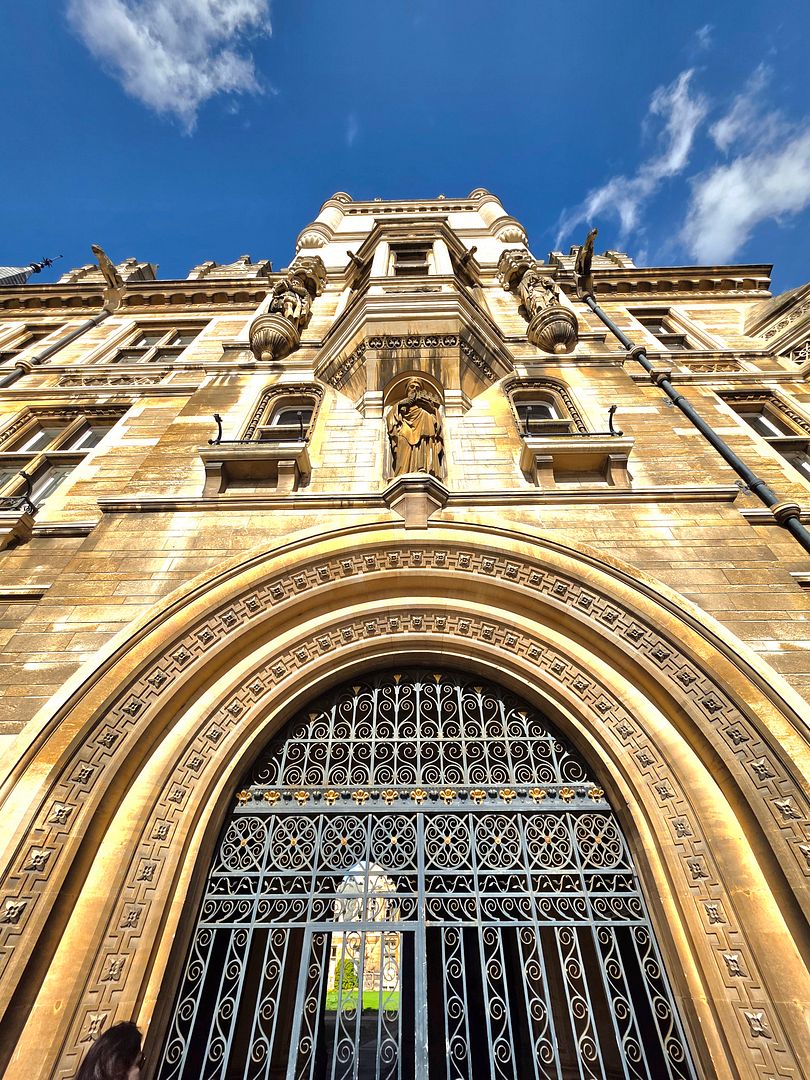
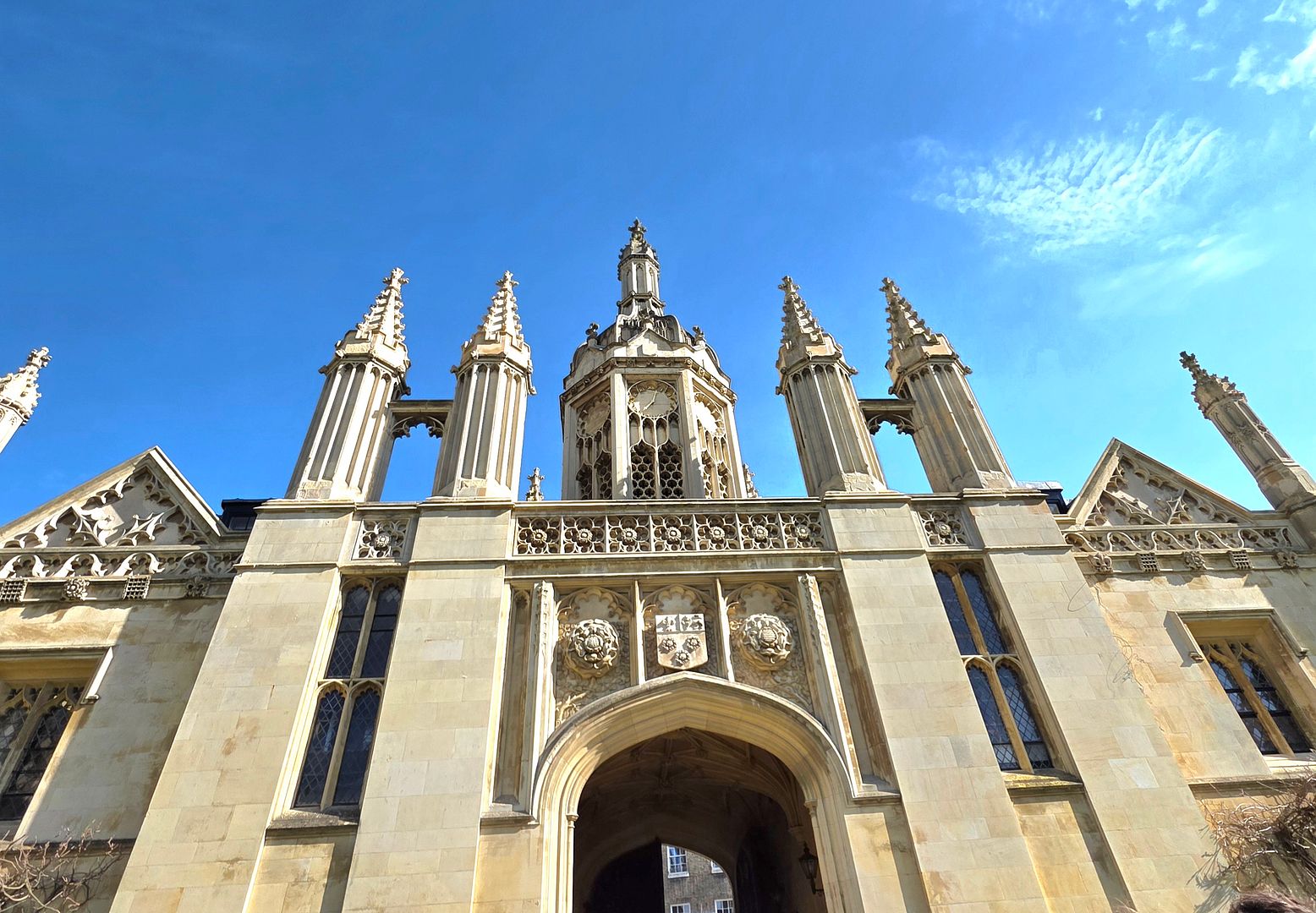
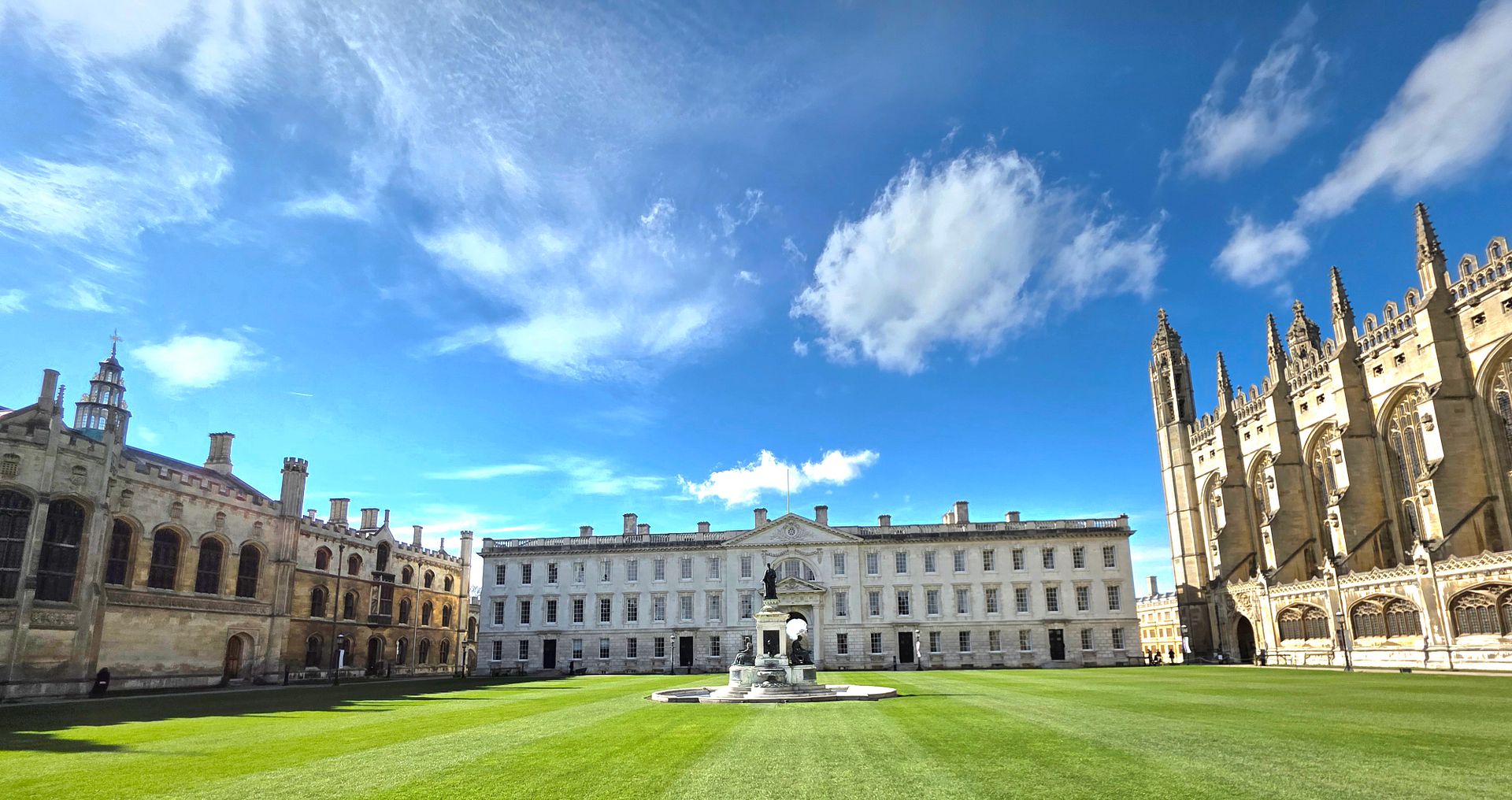
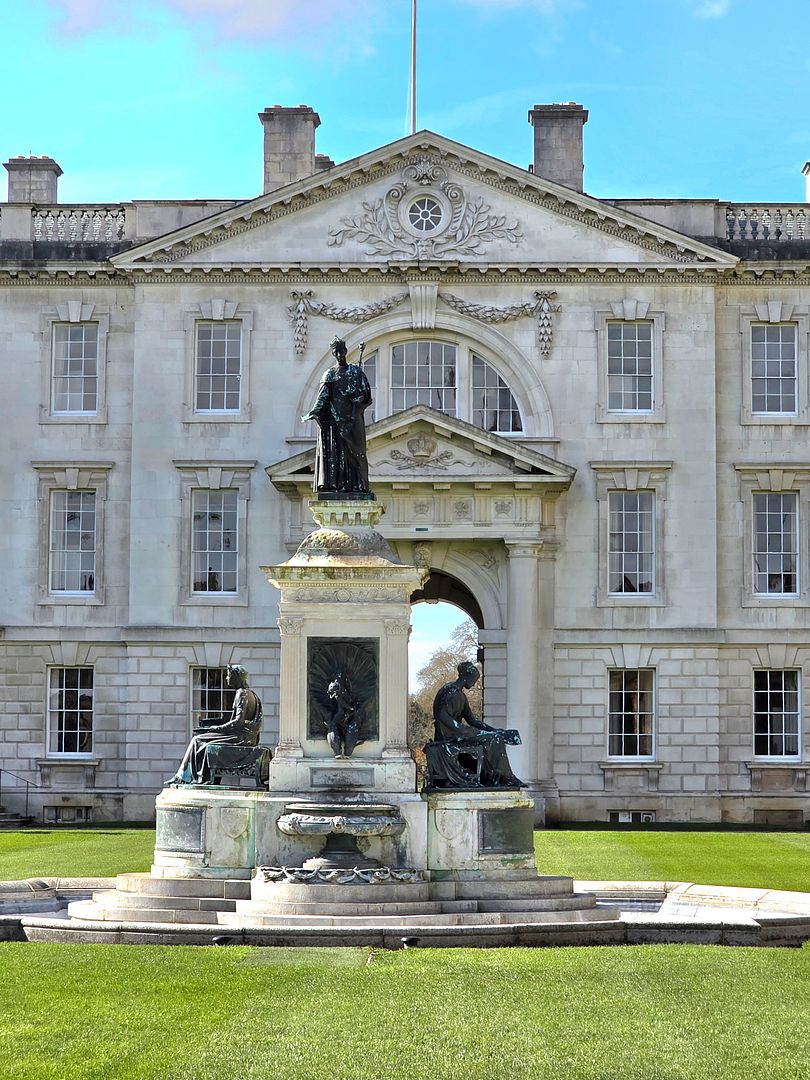
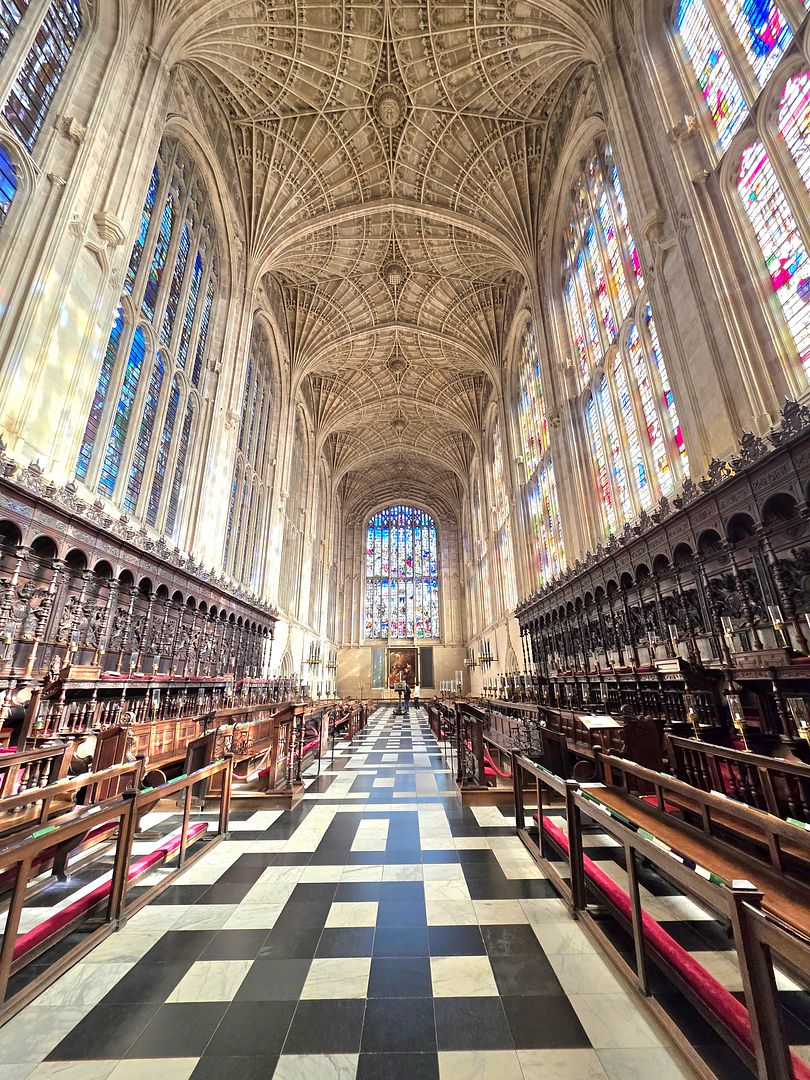
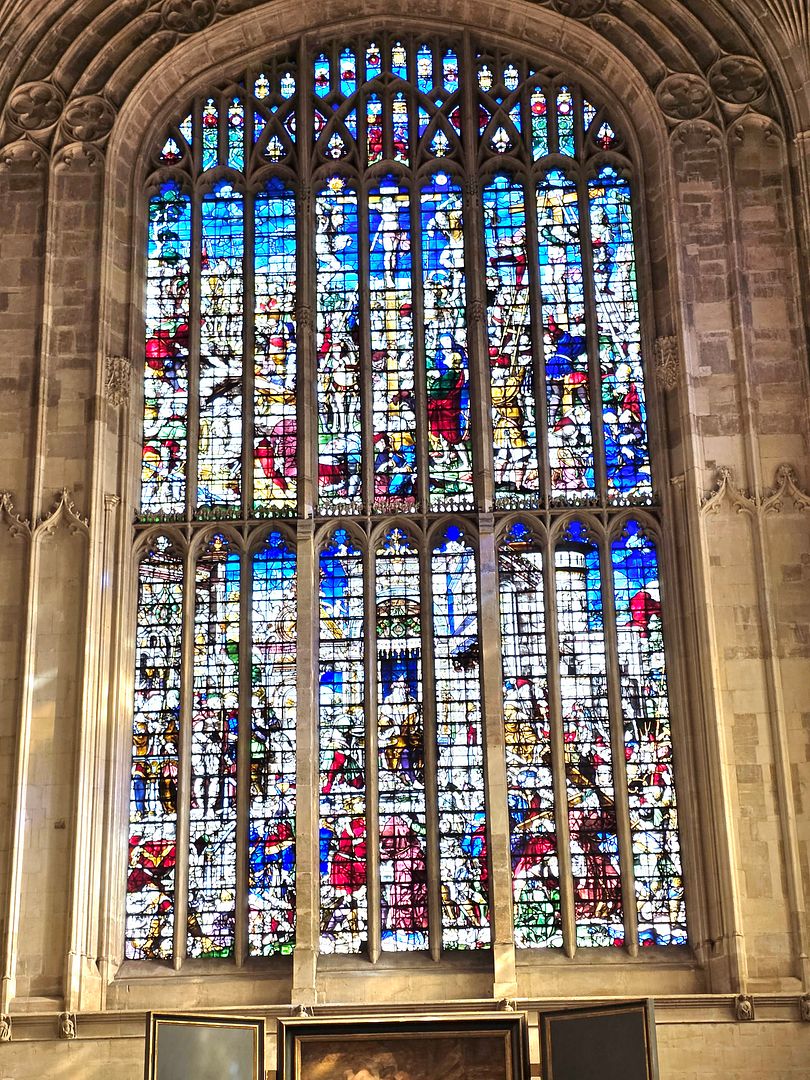
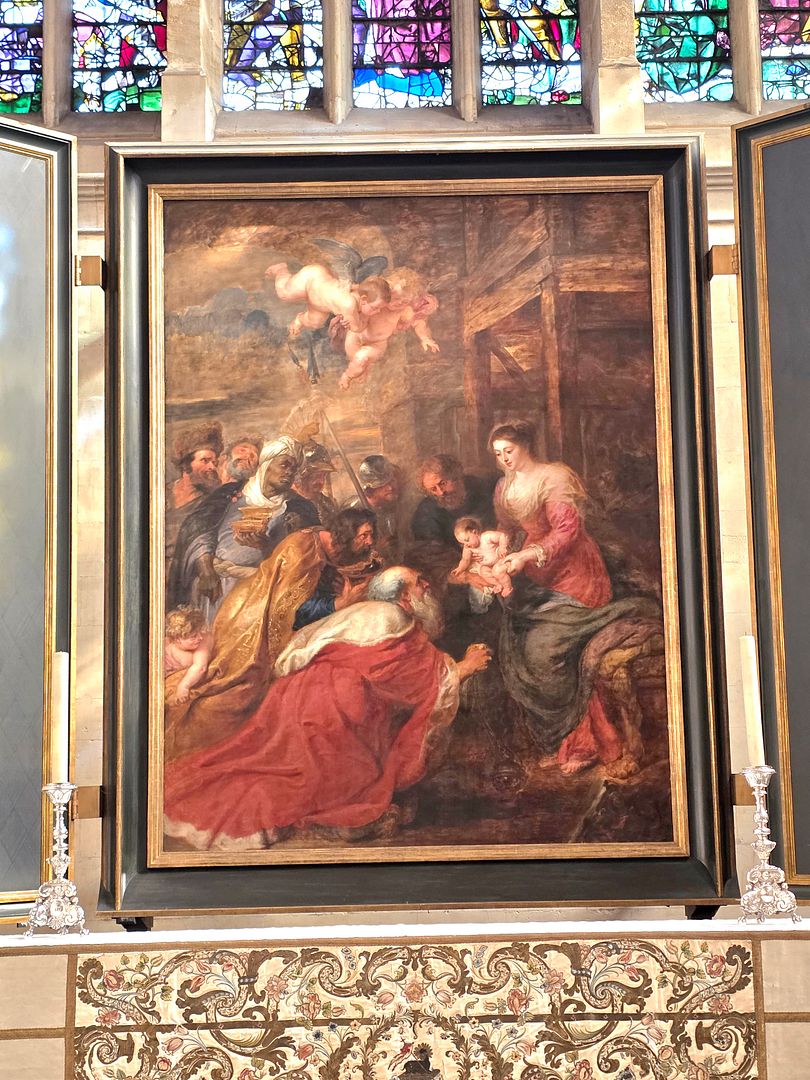
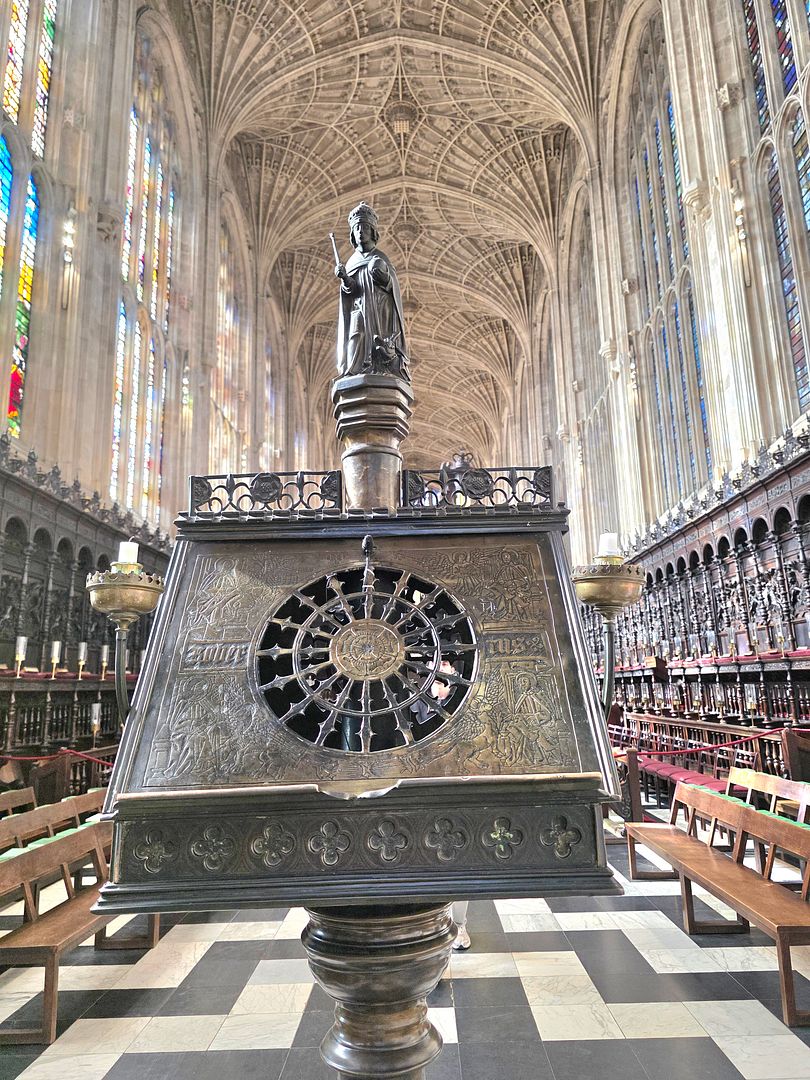
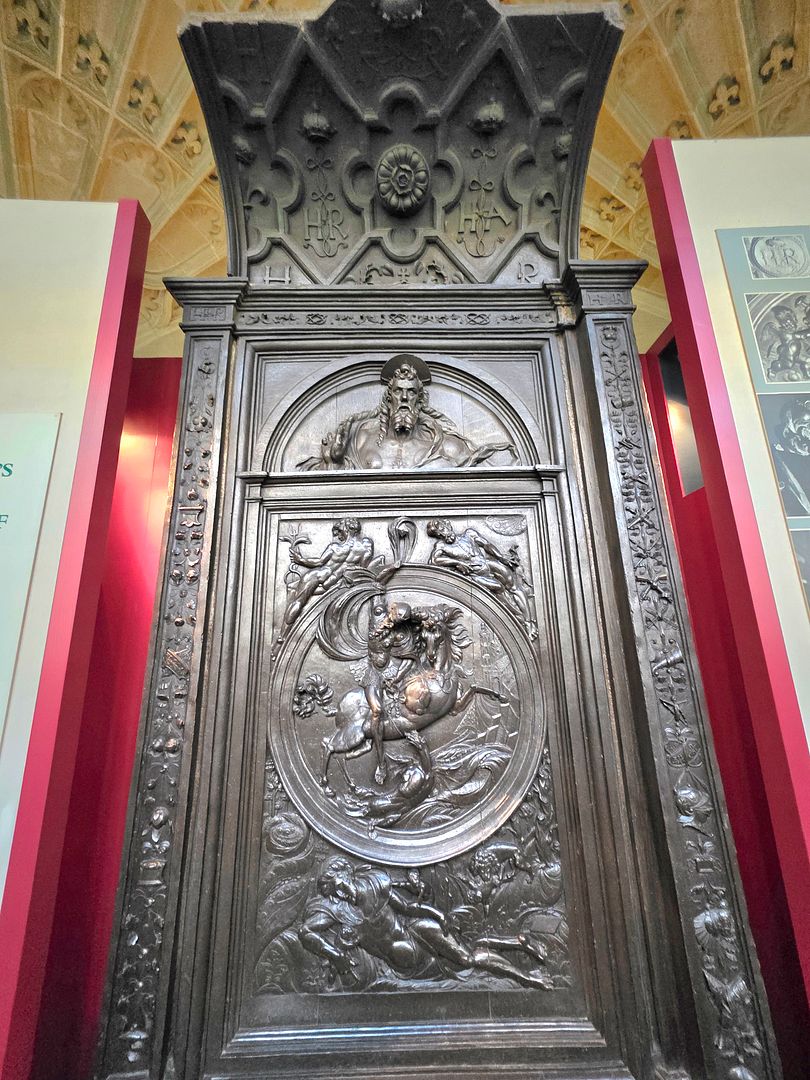
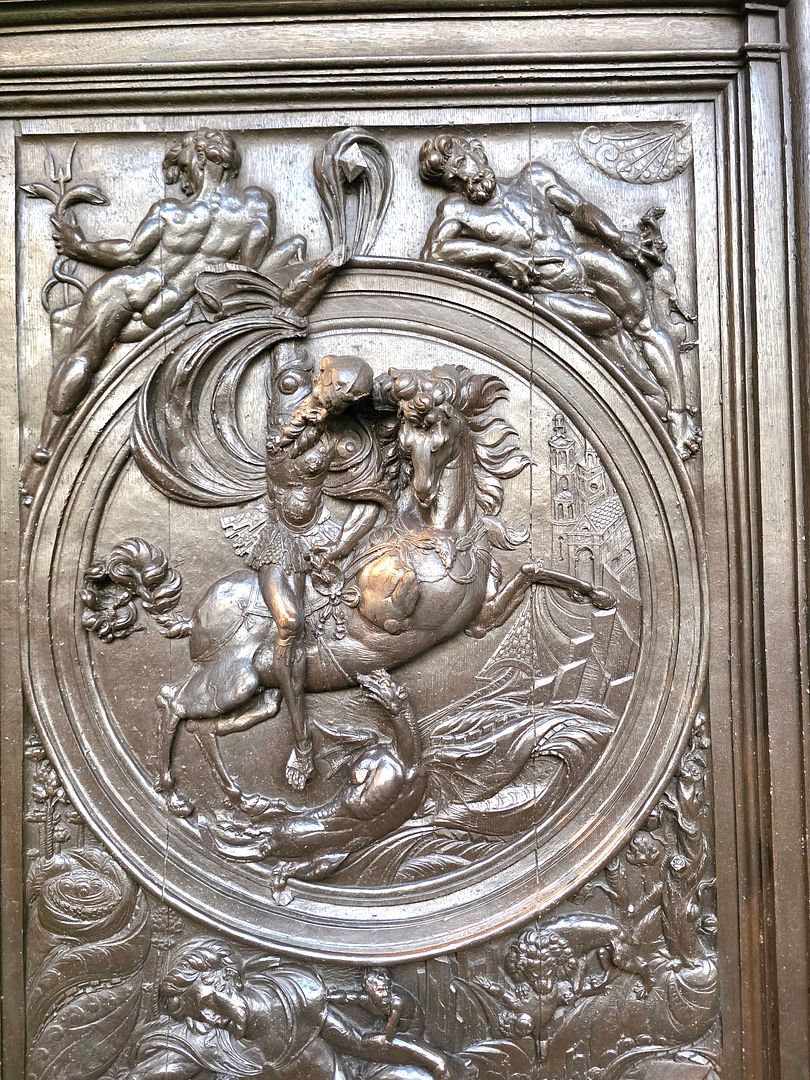
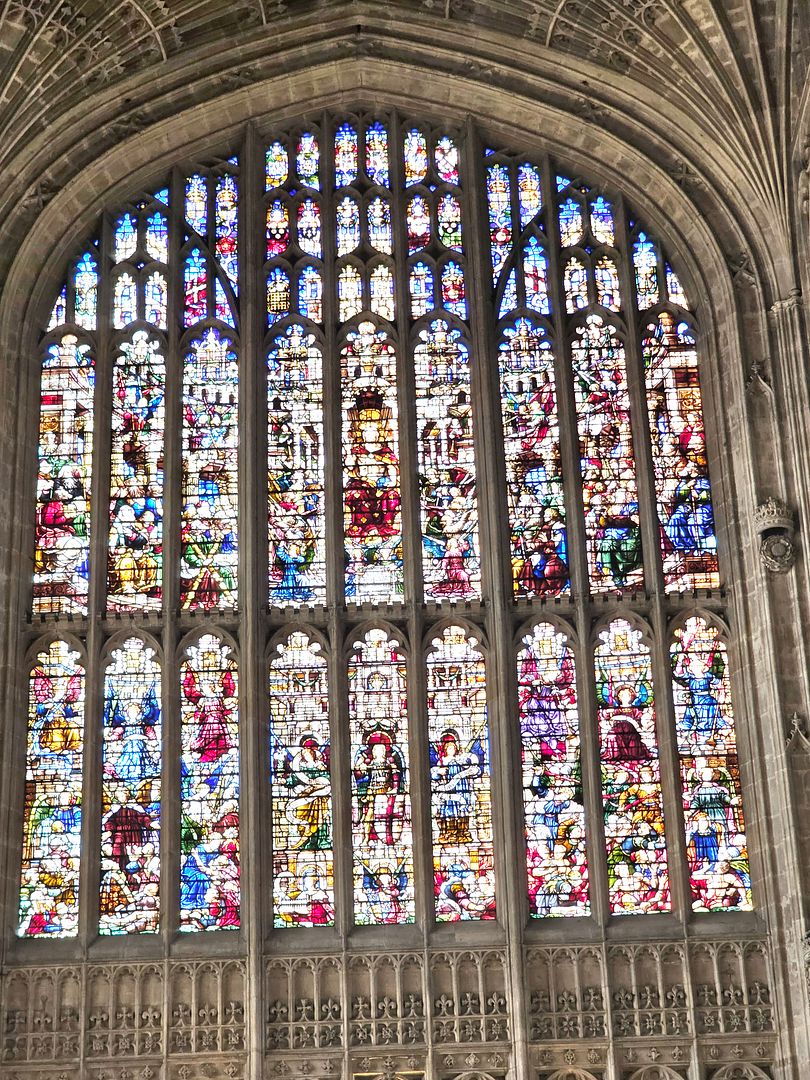
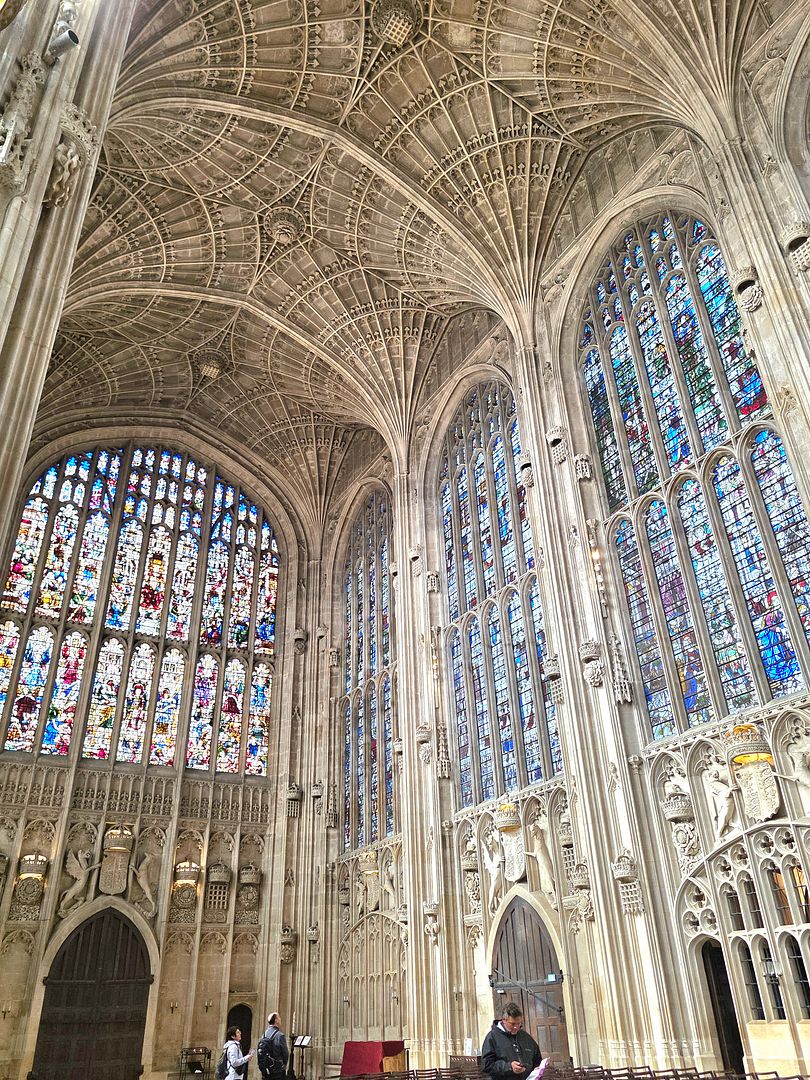
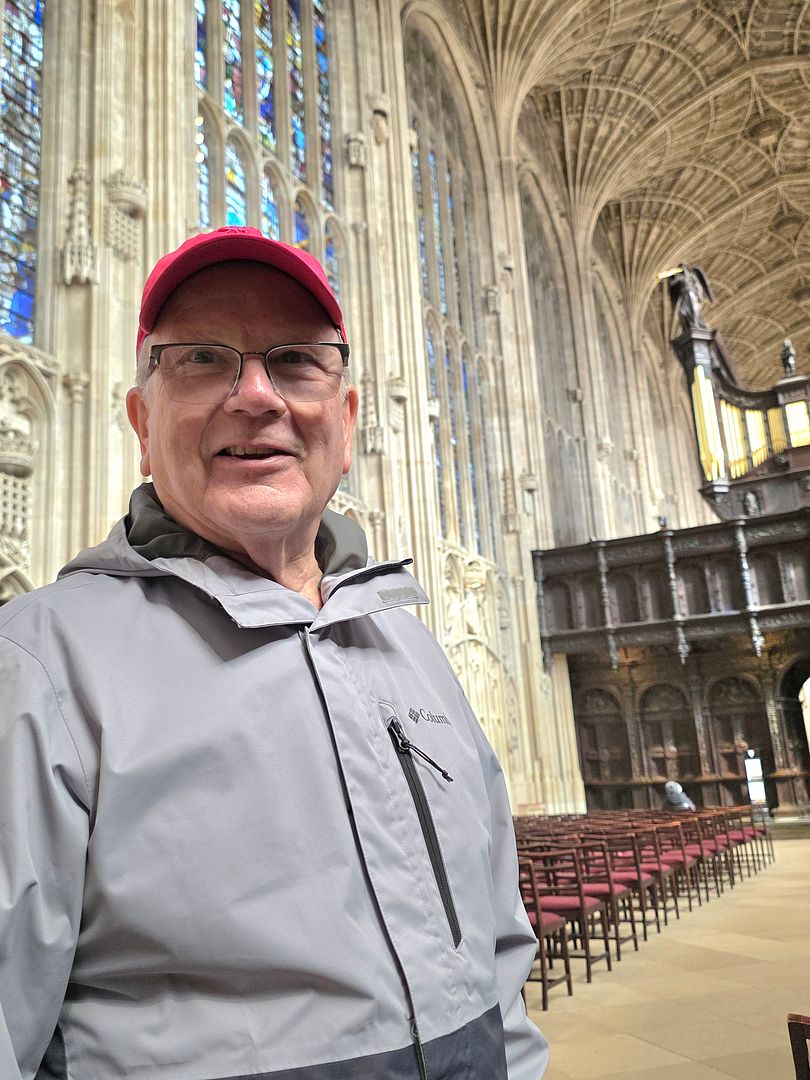
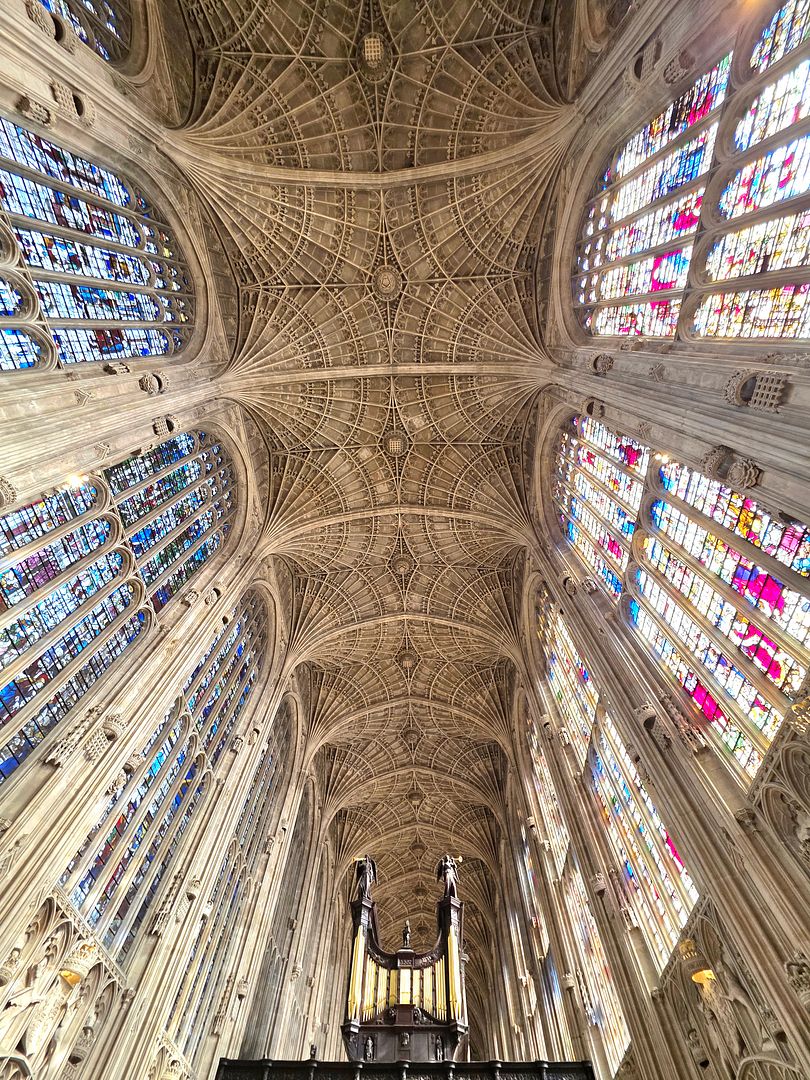
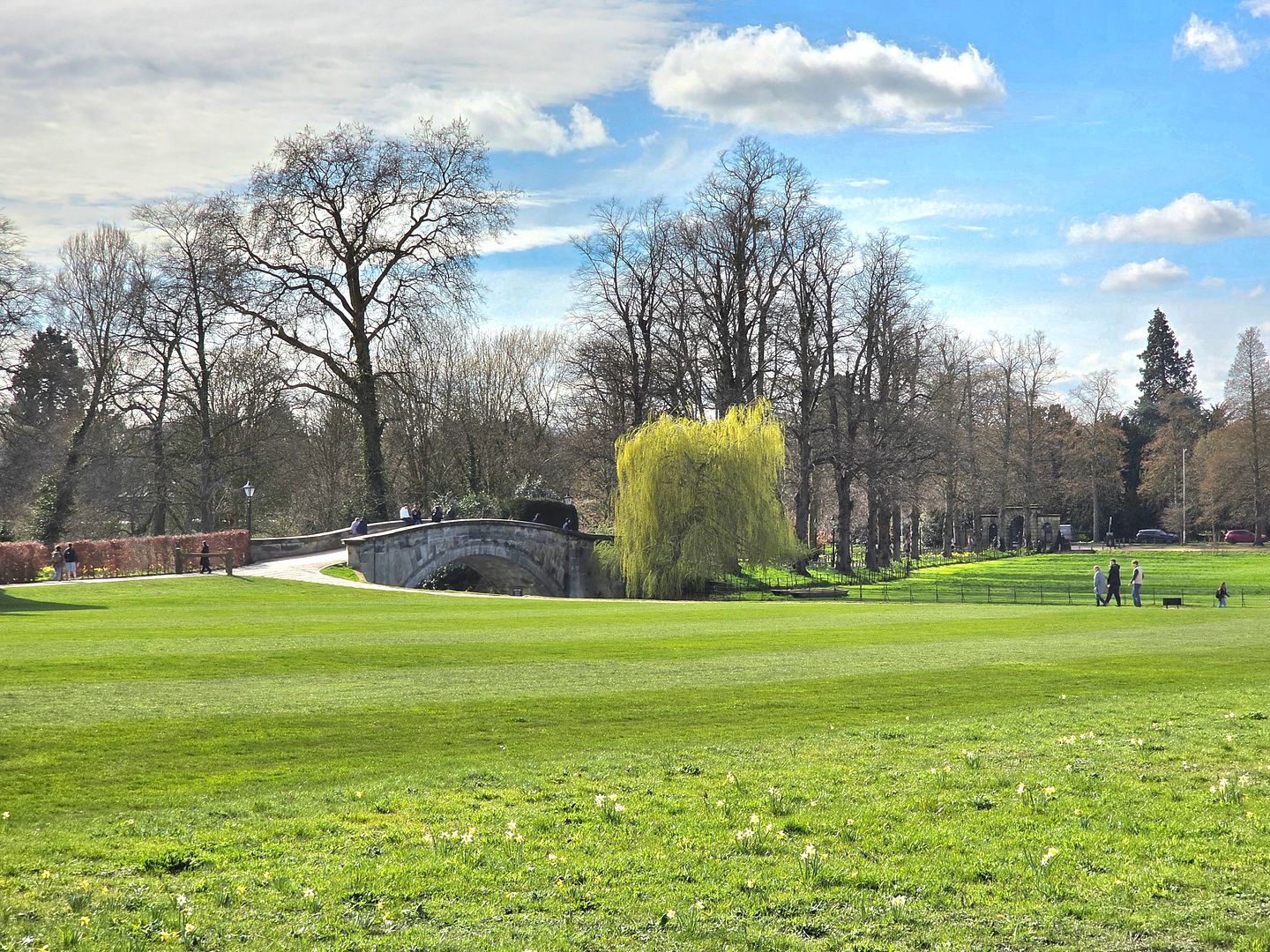
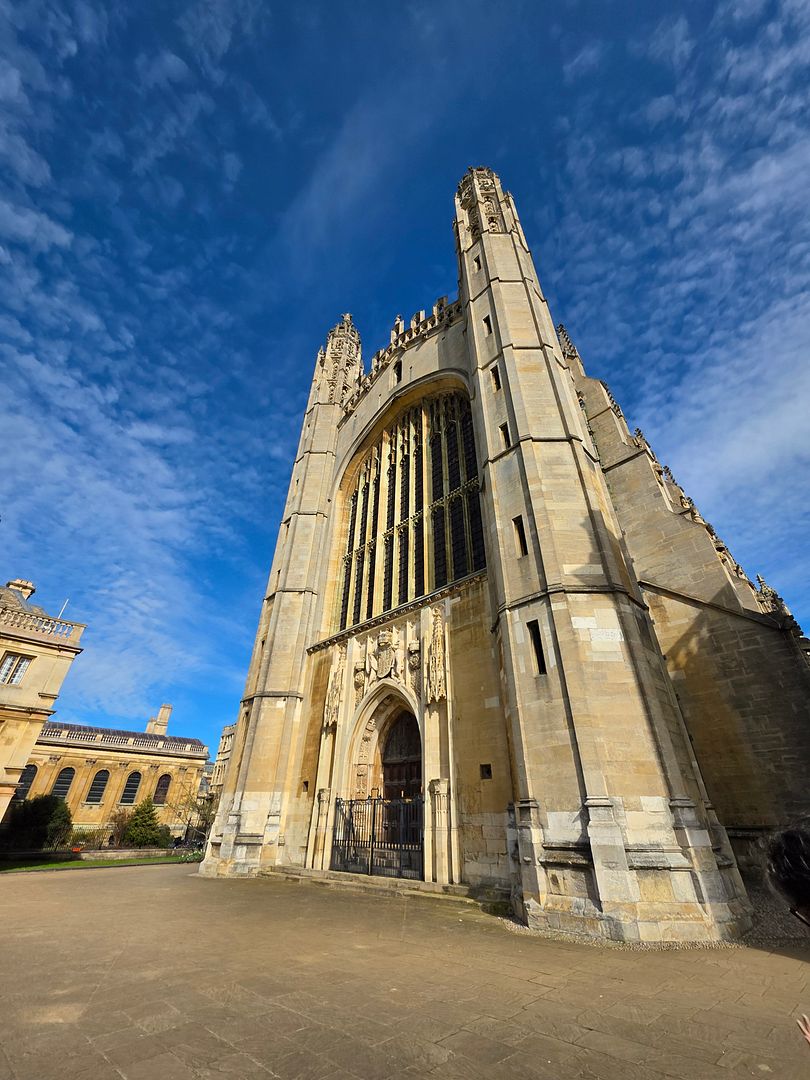
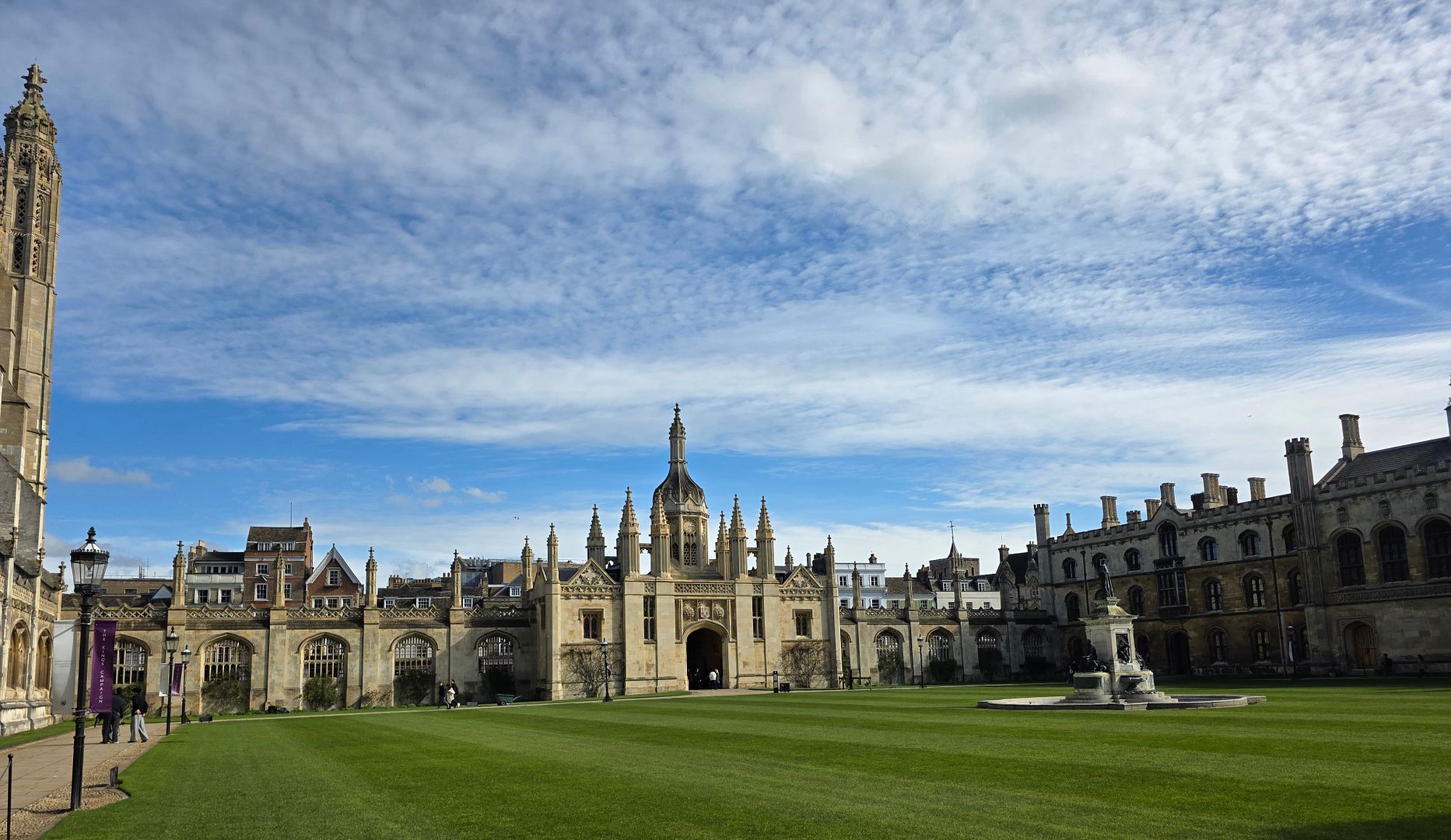
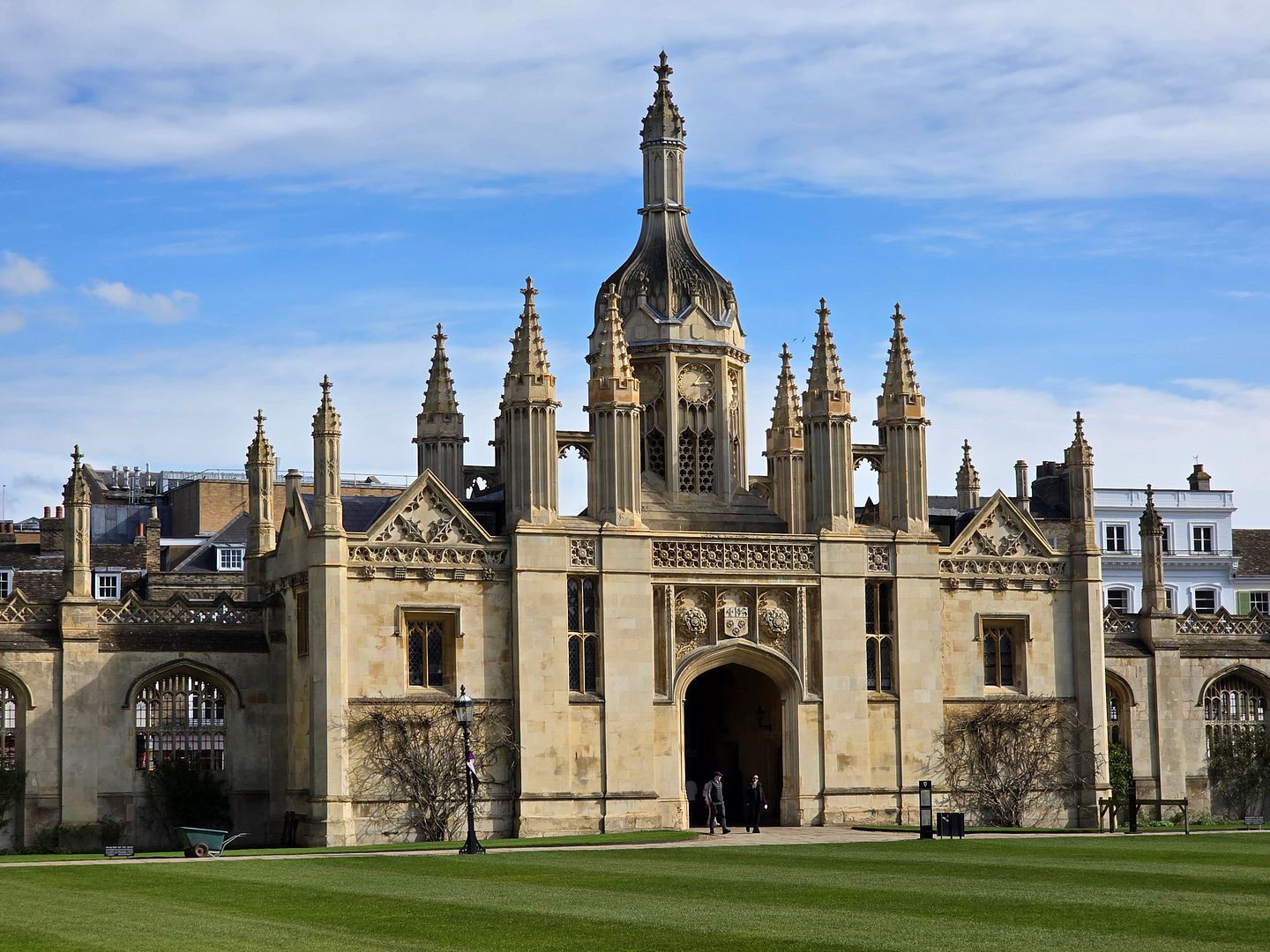
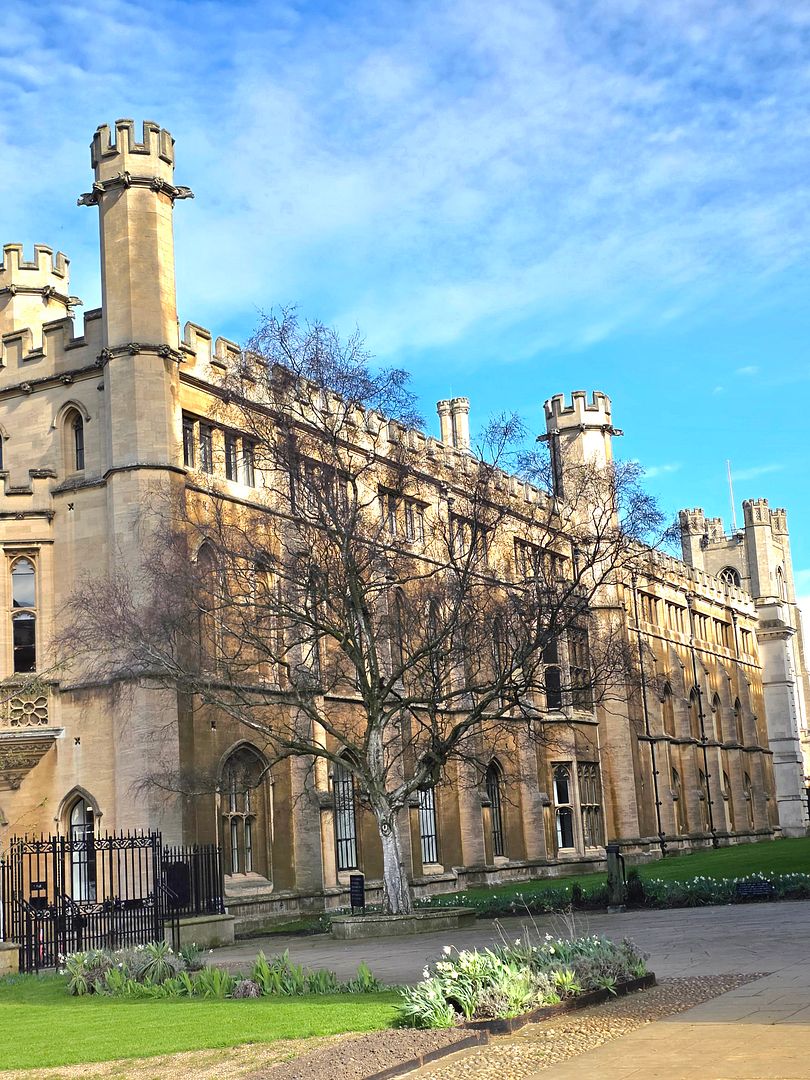
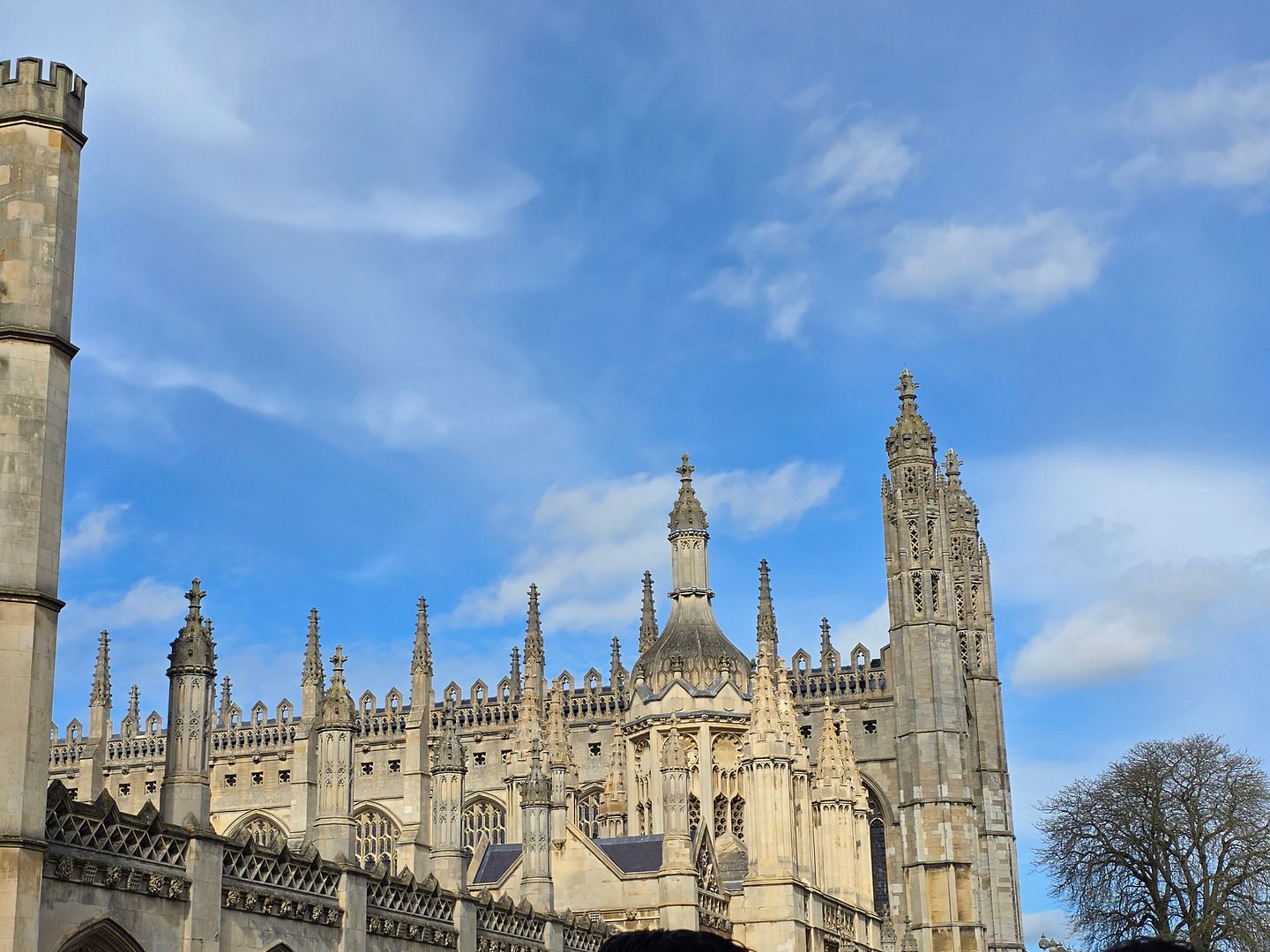
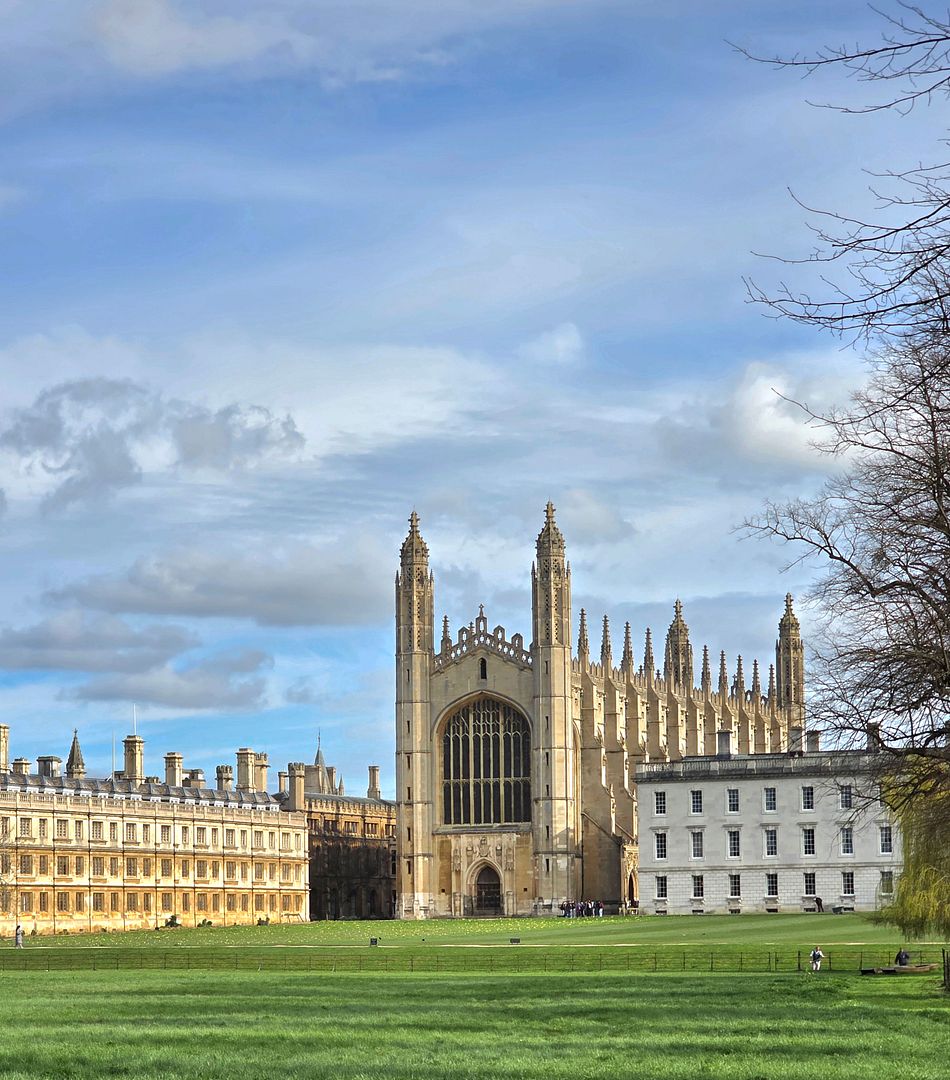
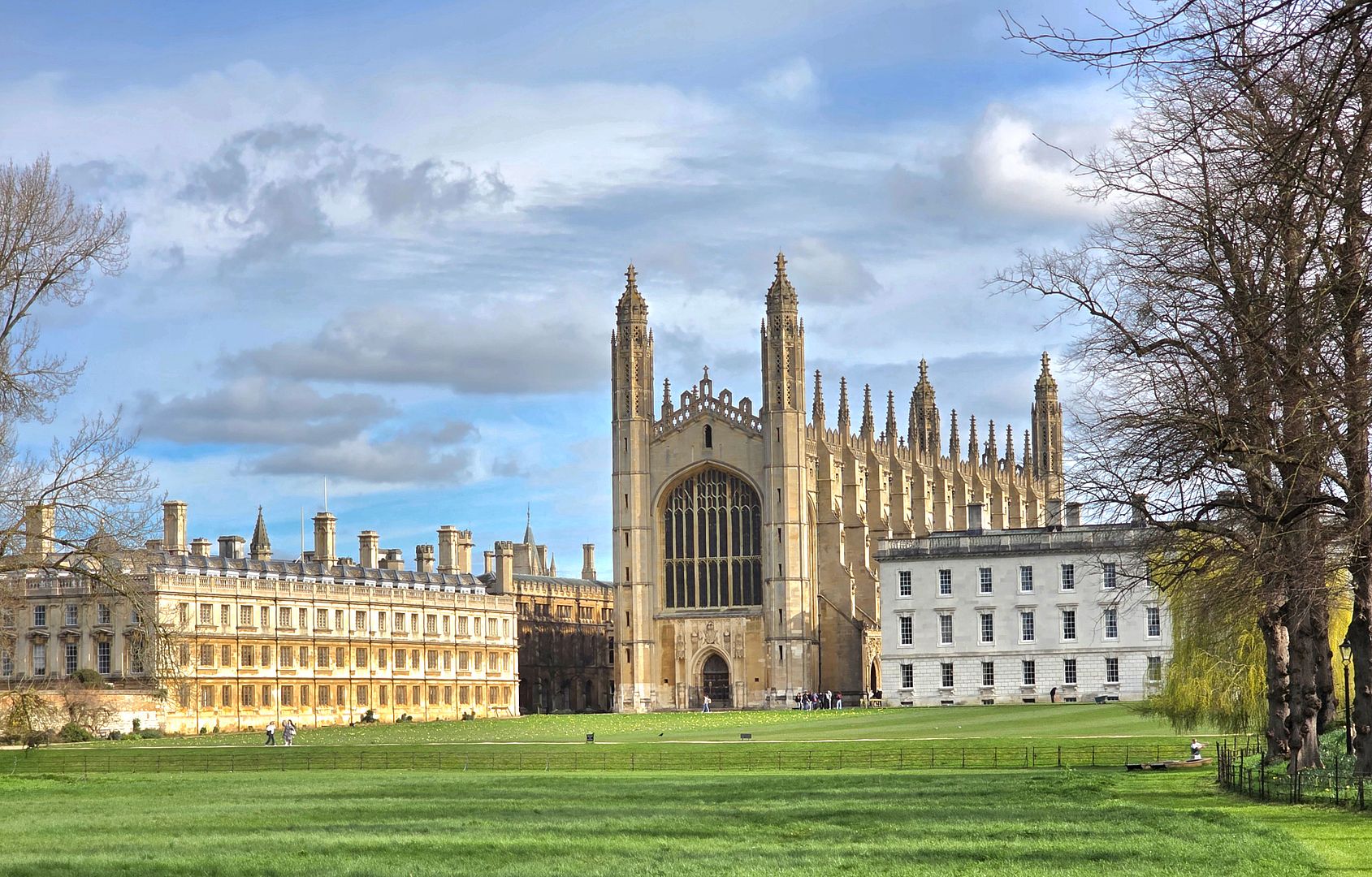
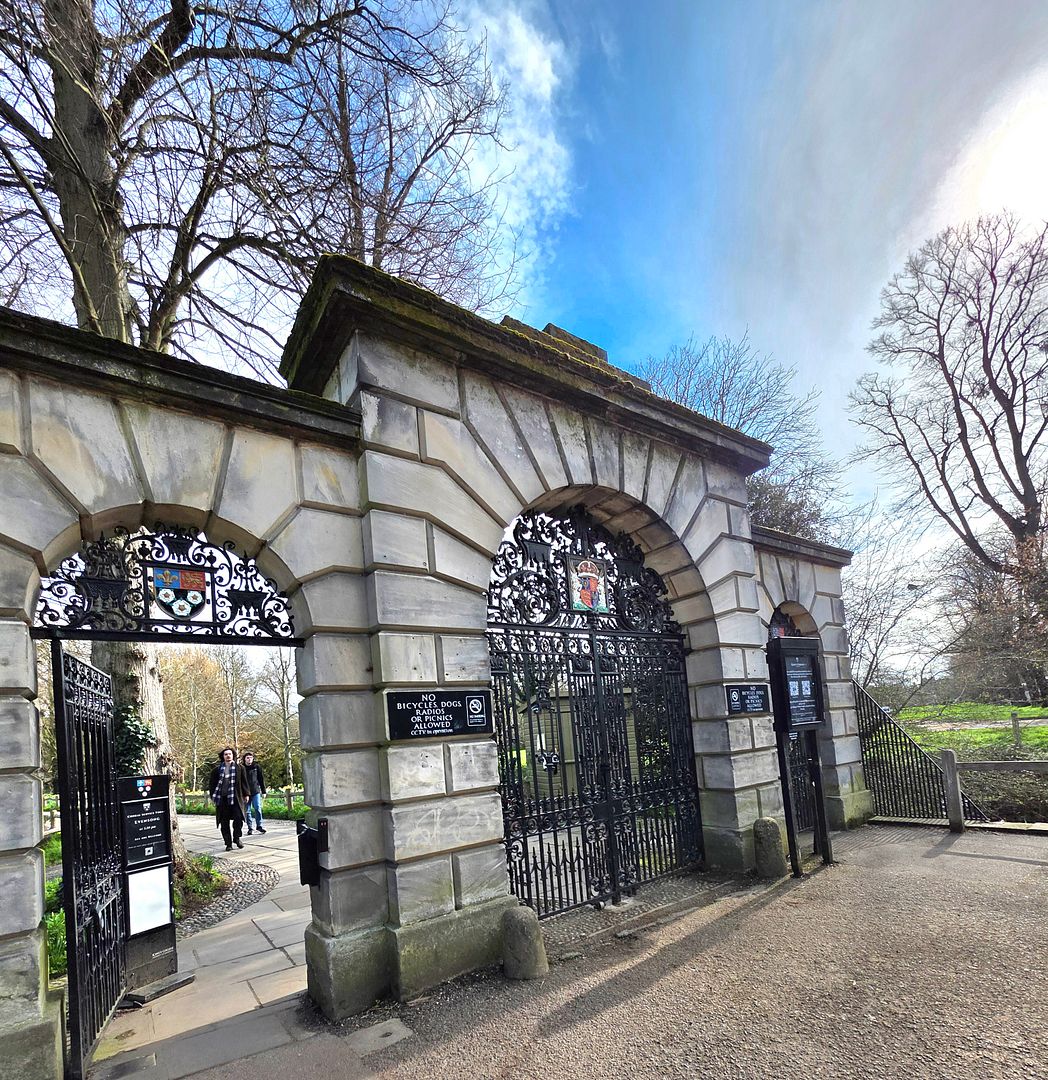
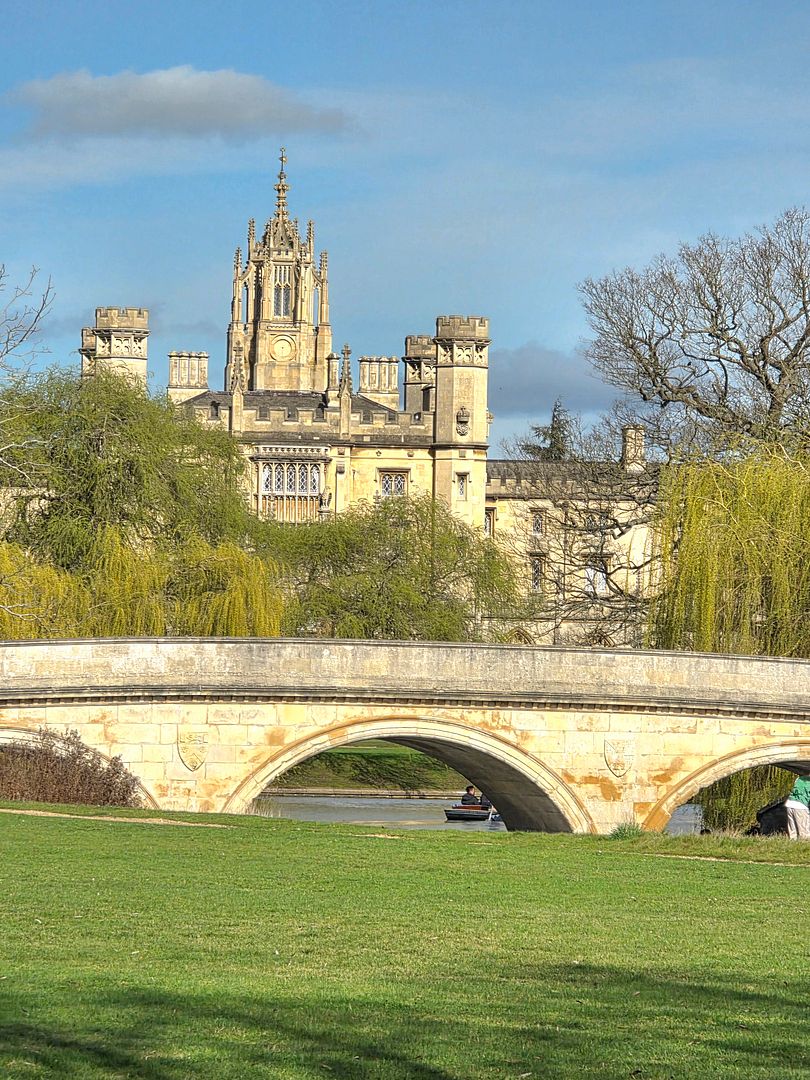
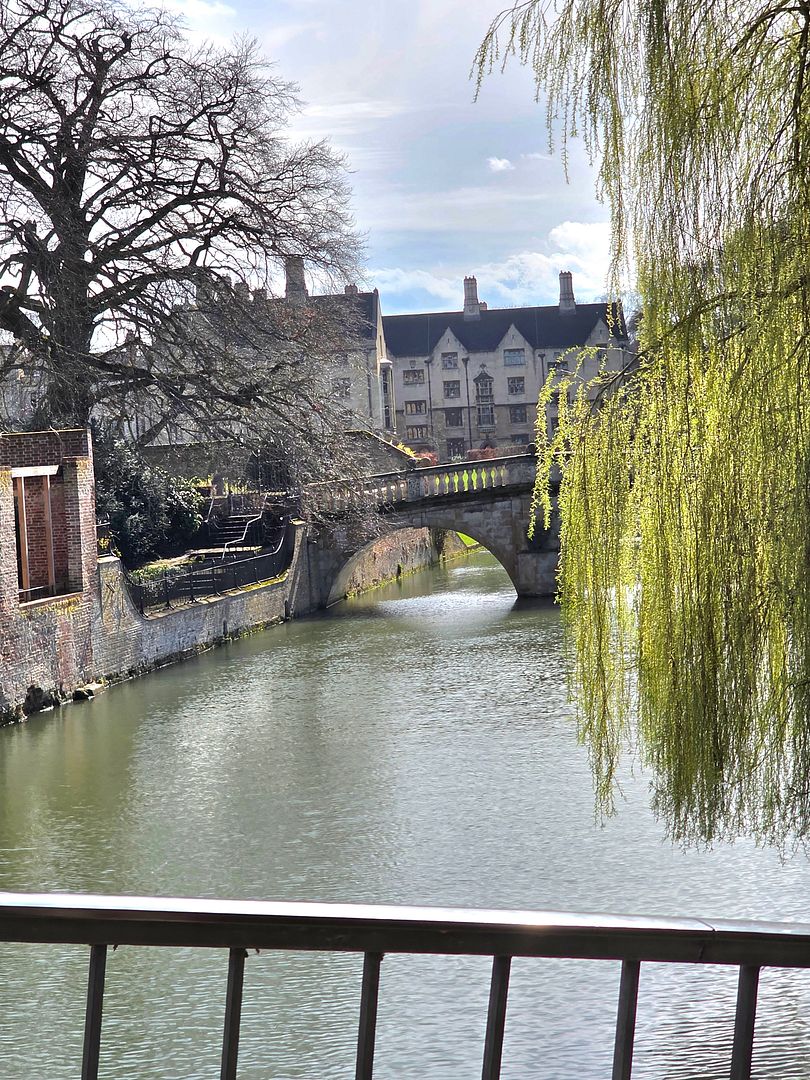
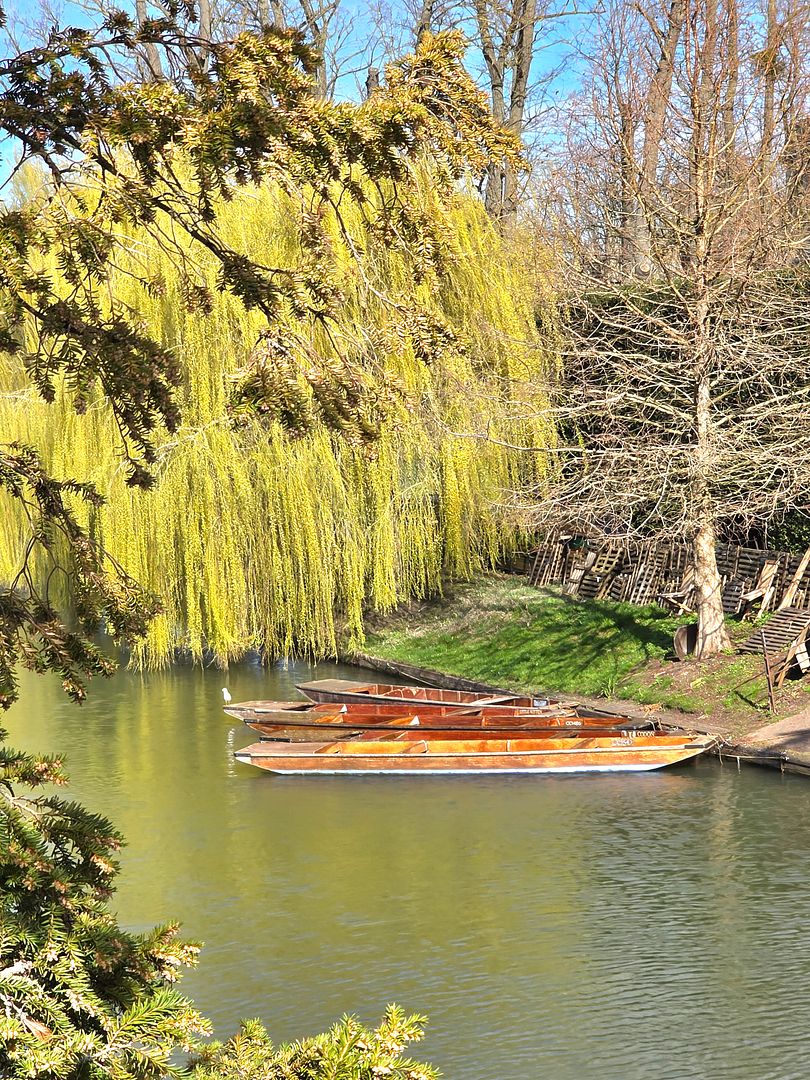
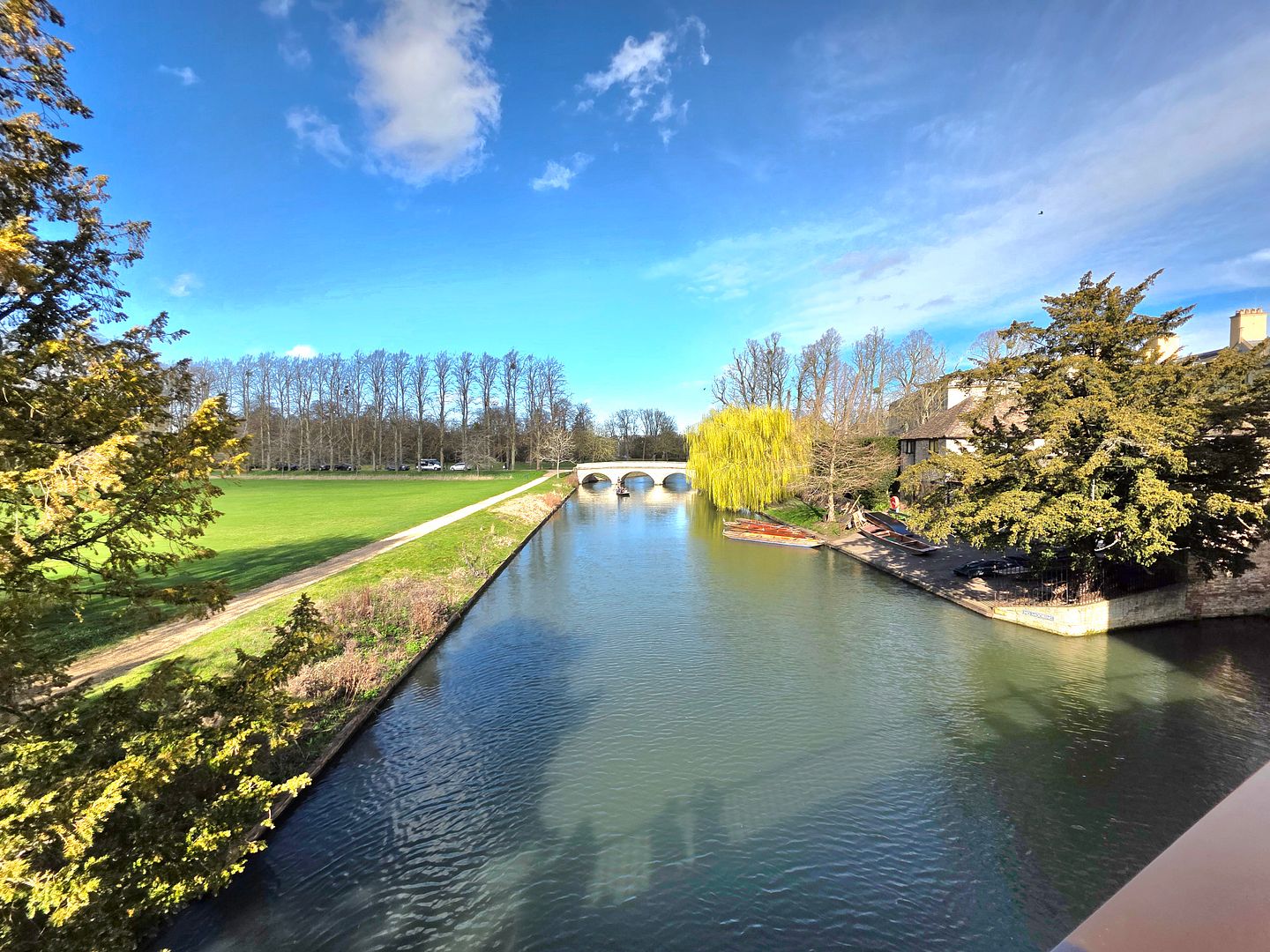
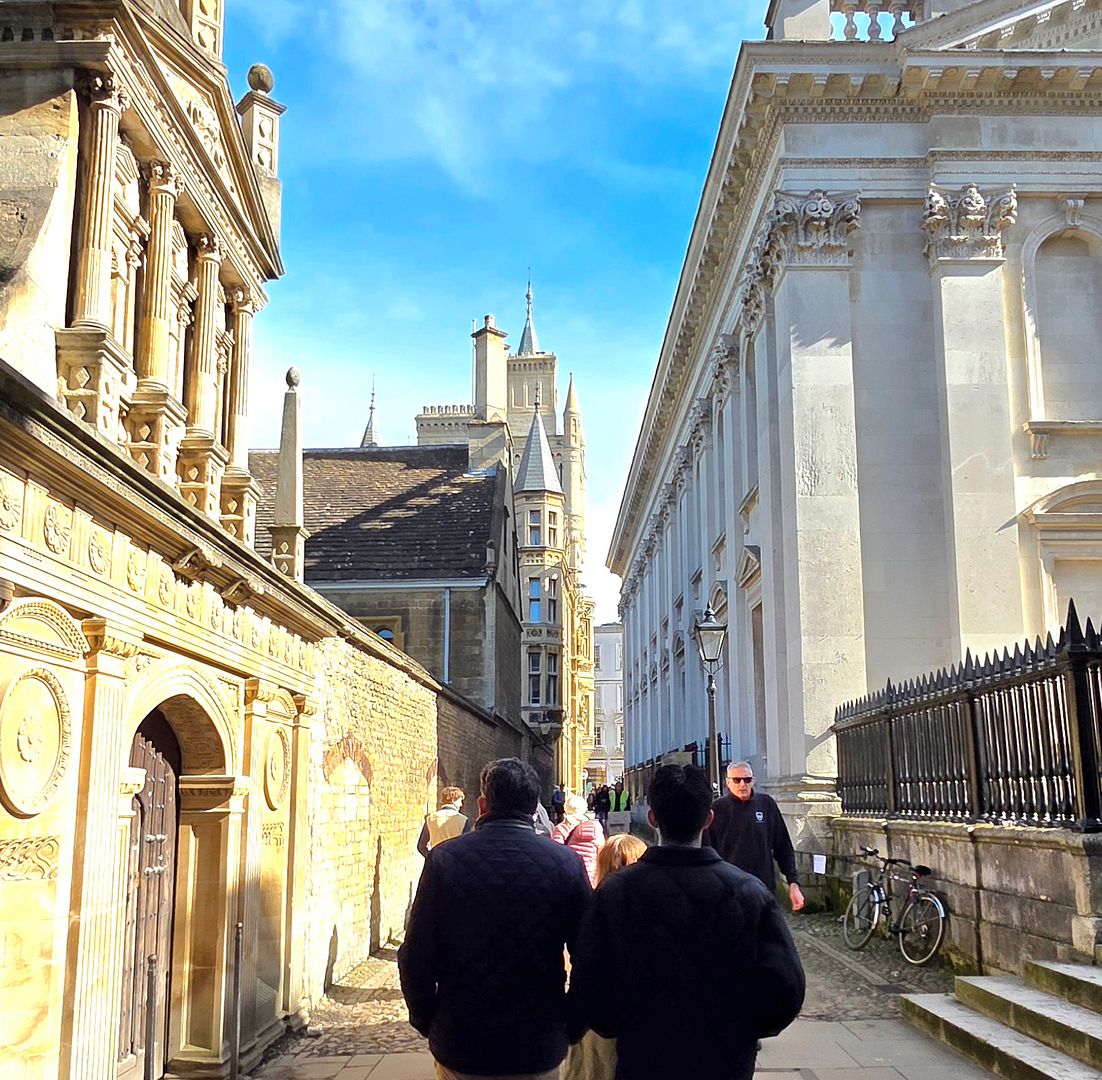
Our flight to Heathrow airport was smooth and easy. My next travel posts will be about our days in Cambridge, England.

Vienna Part 5- Schönbrunn Palace

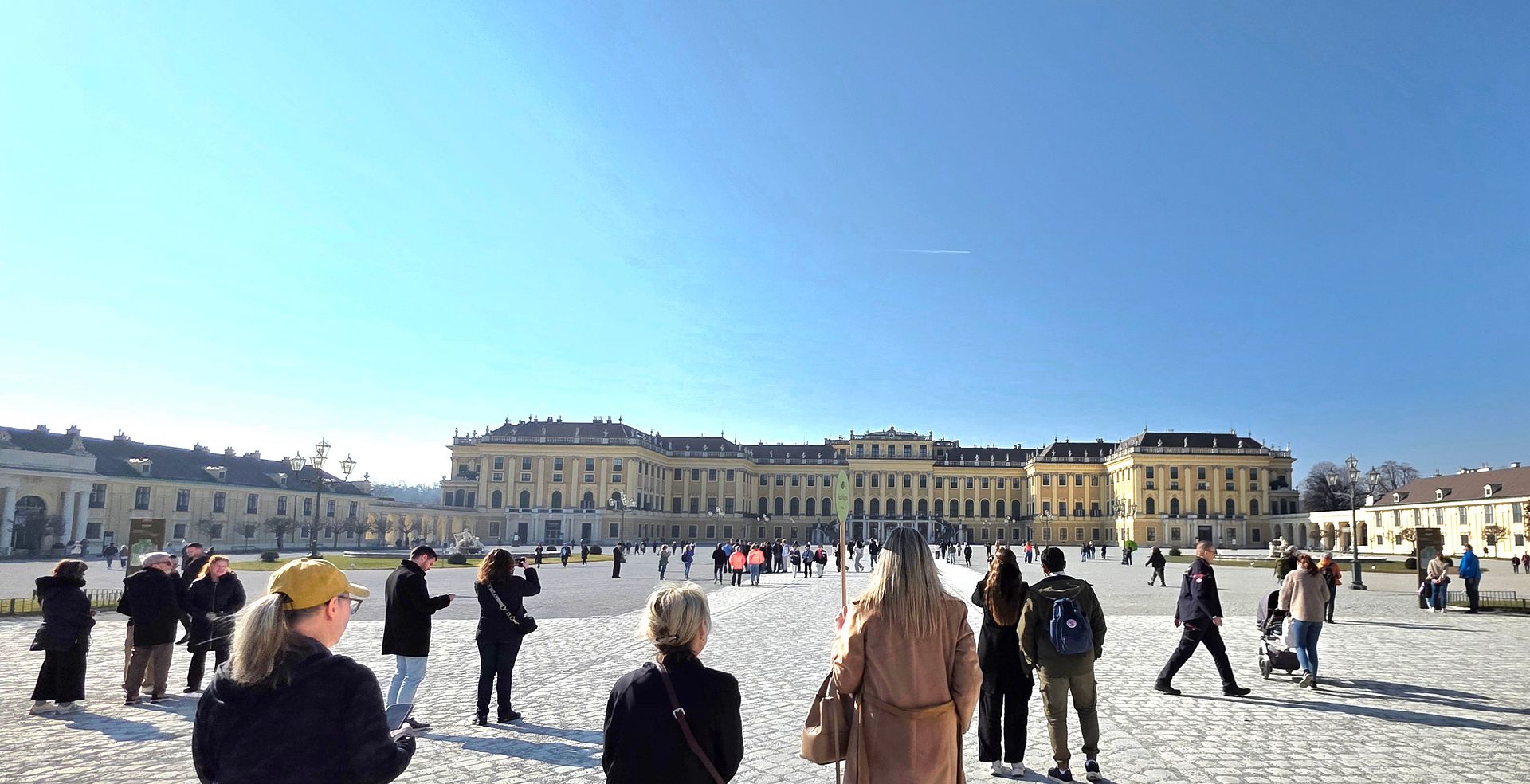
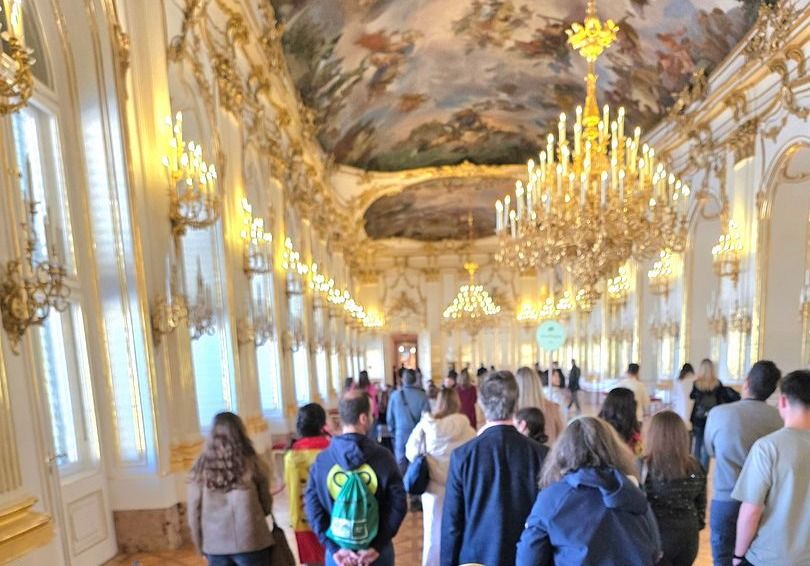
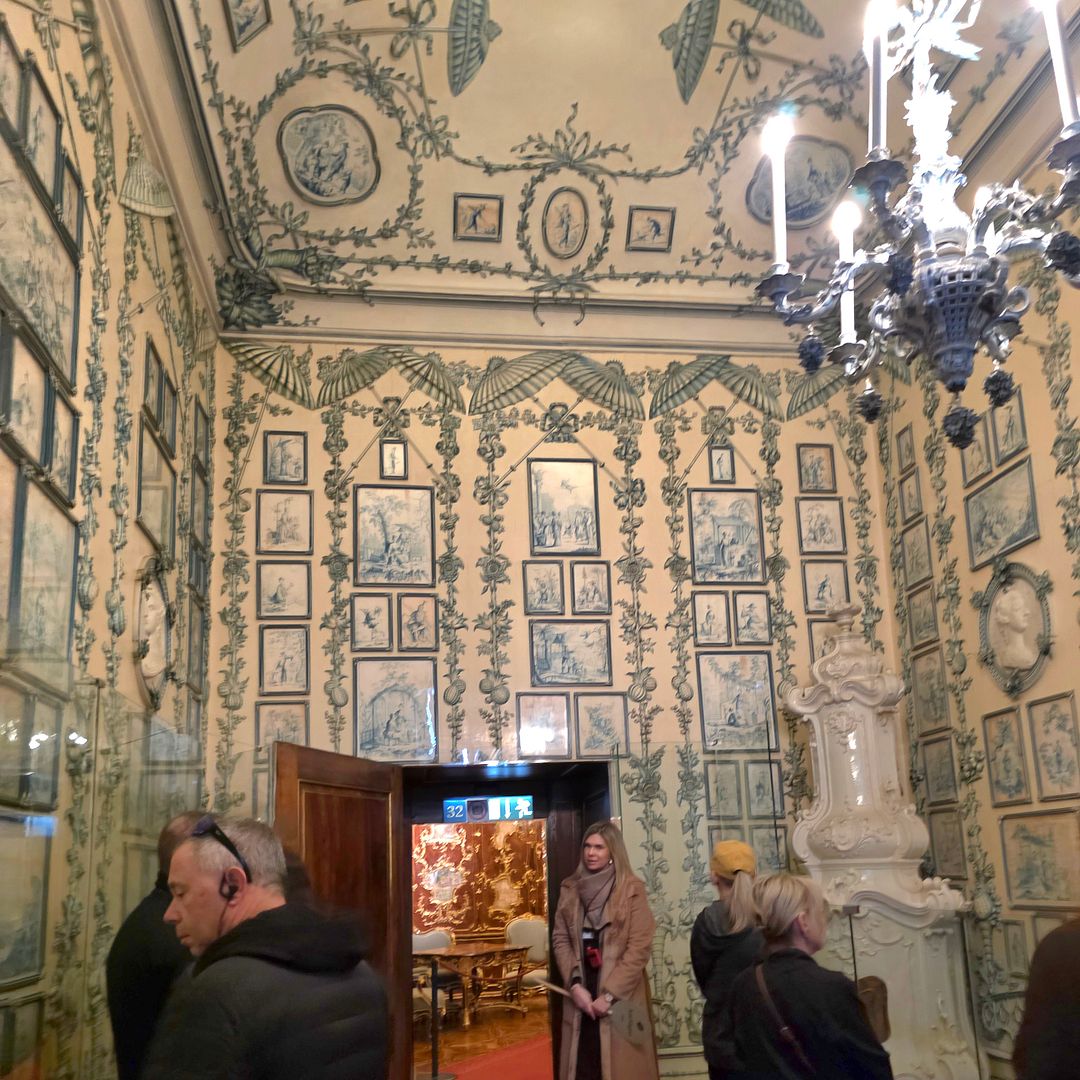
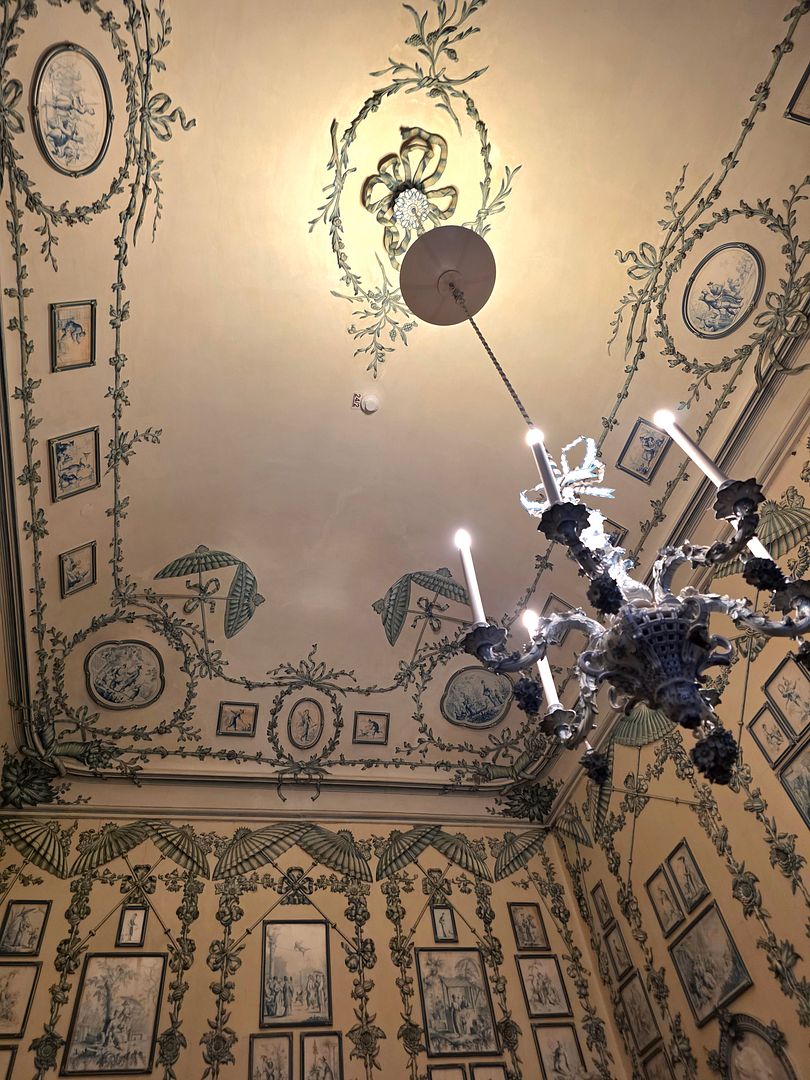
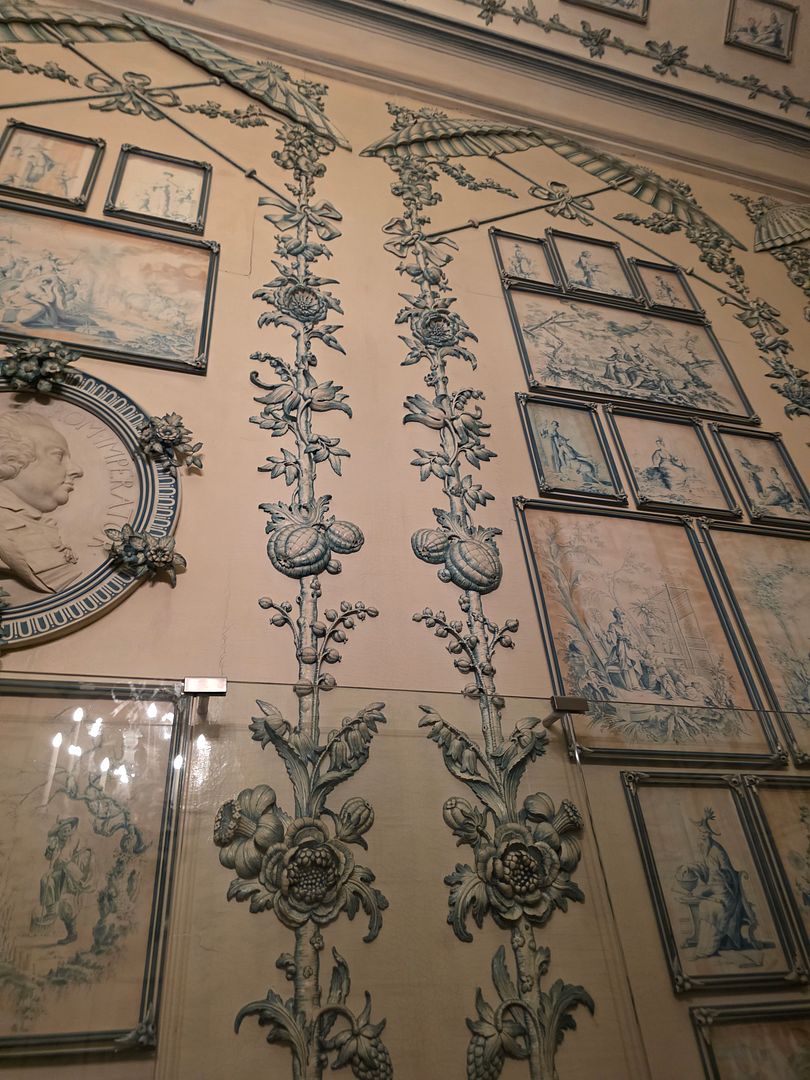
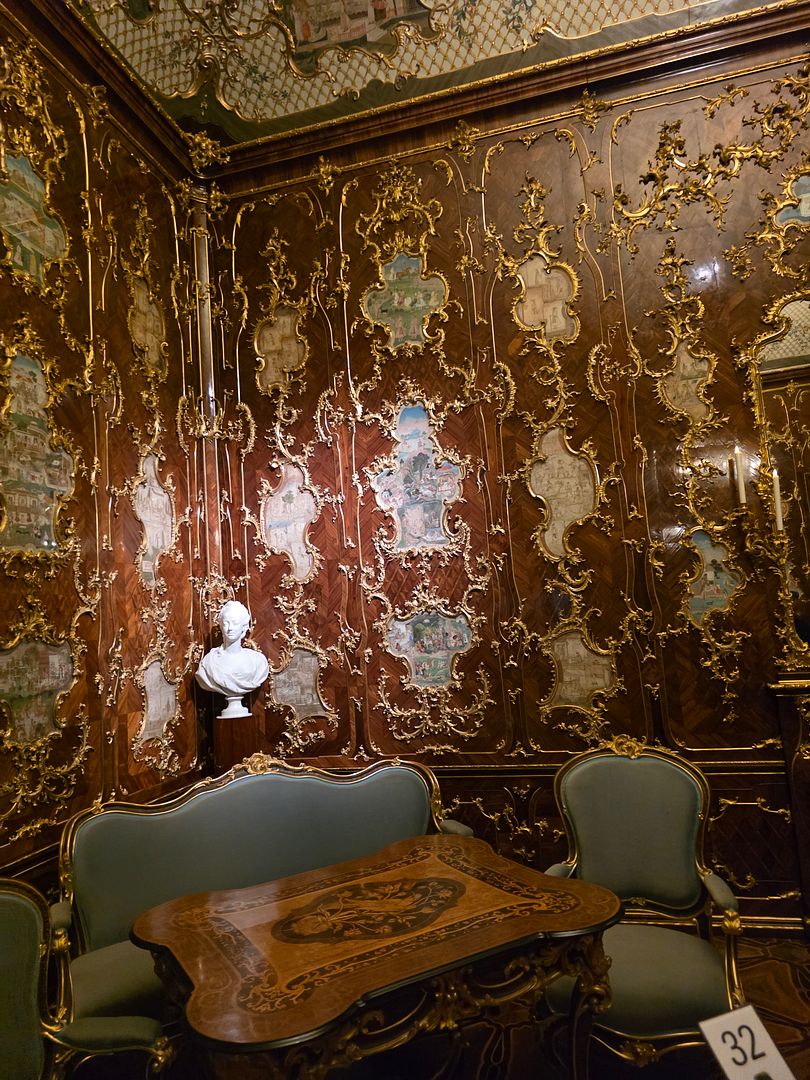
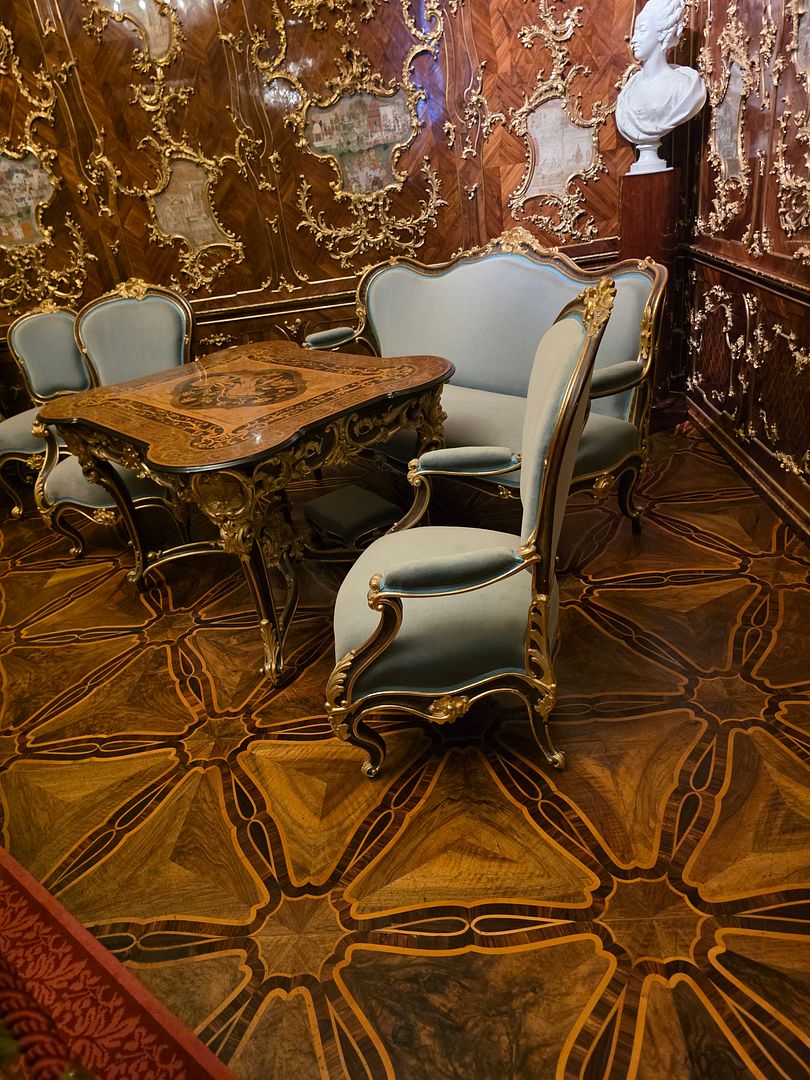
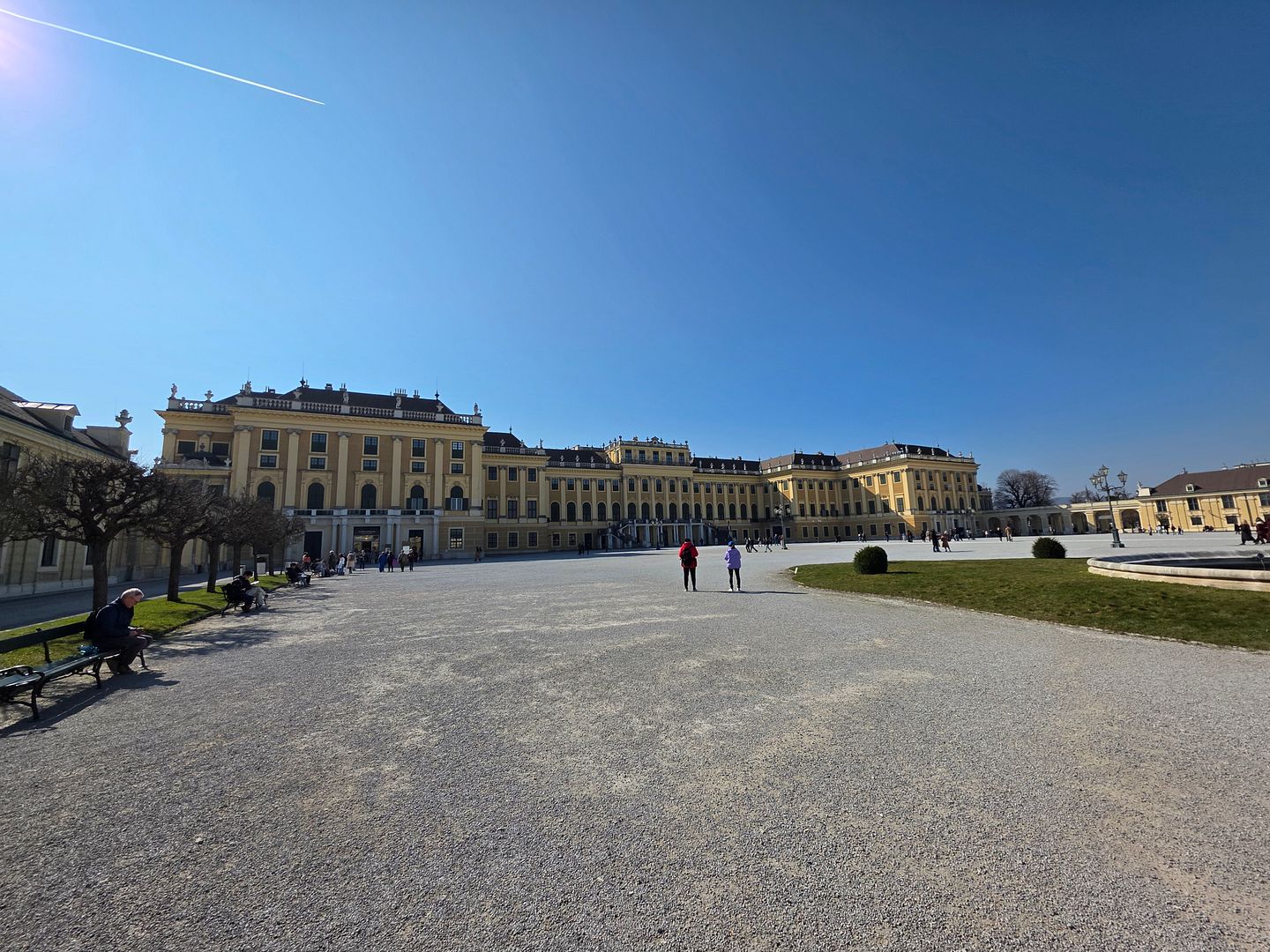
After breakfast aboard the AmaMagna on Friday March 6th we had a morning excursion to Schönbrunn Palace.

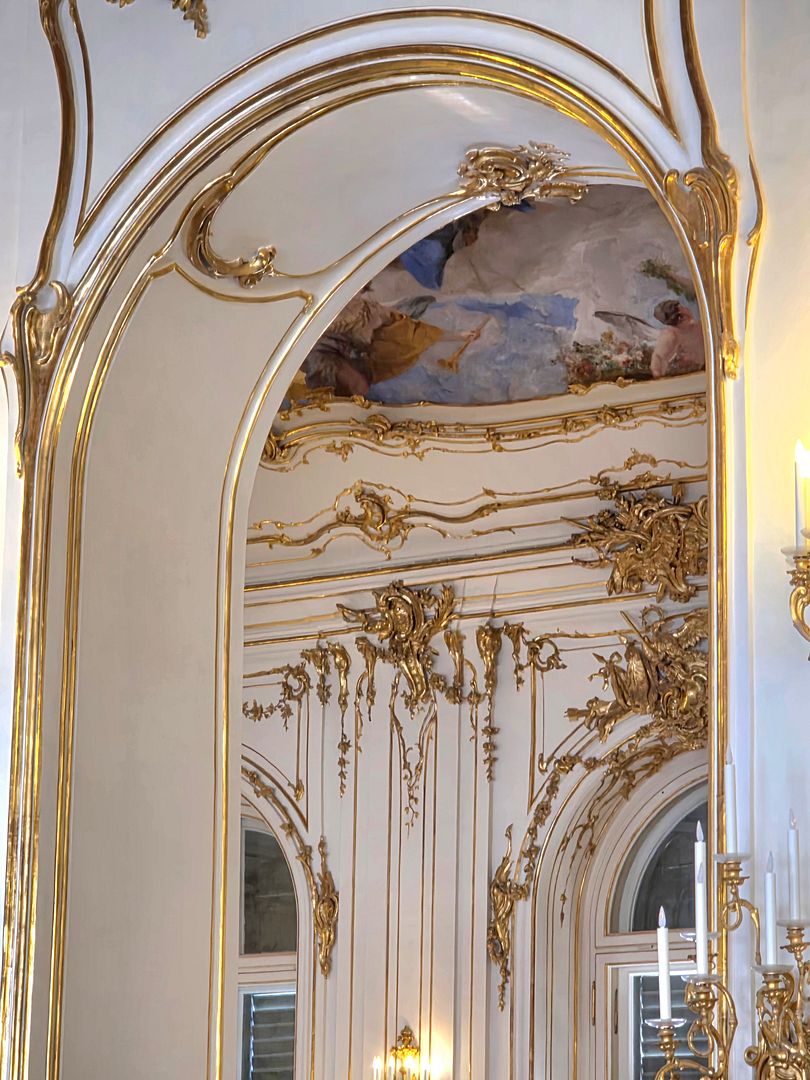
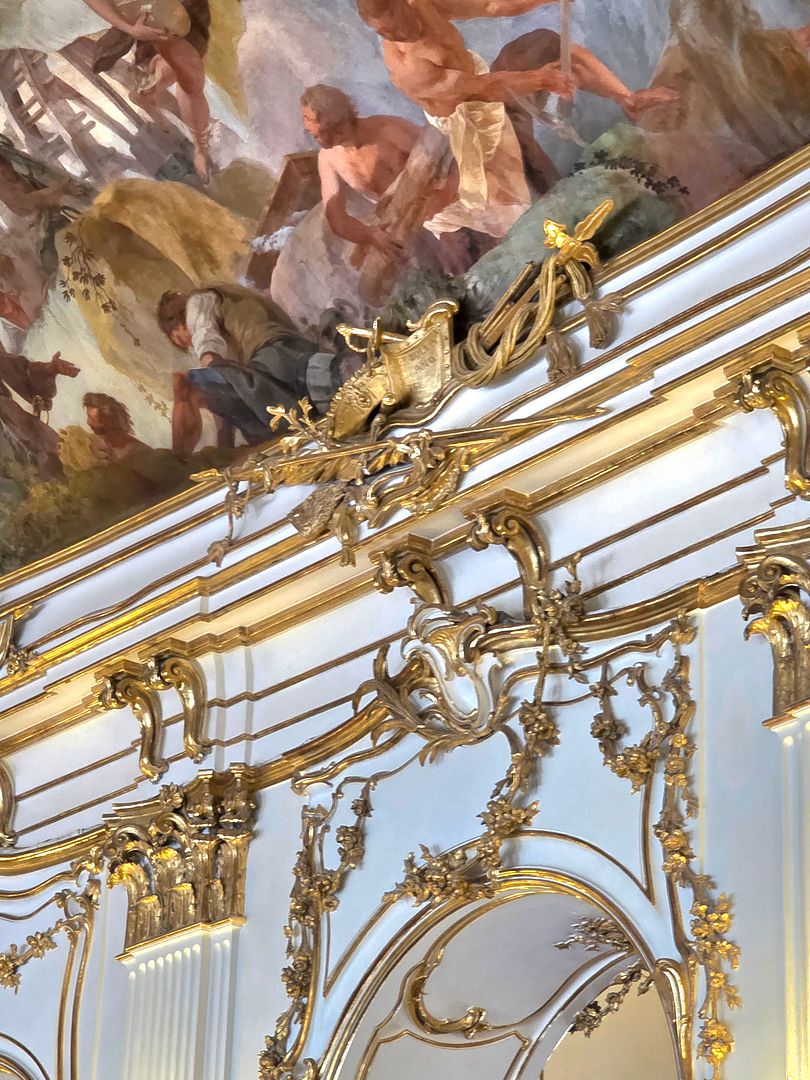
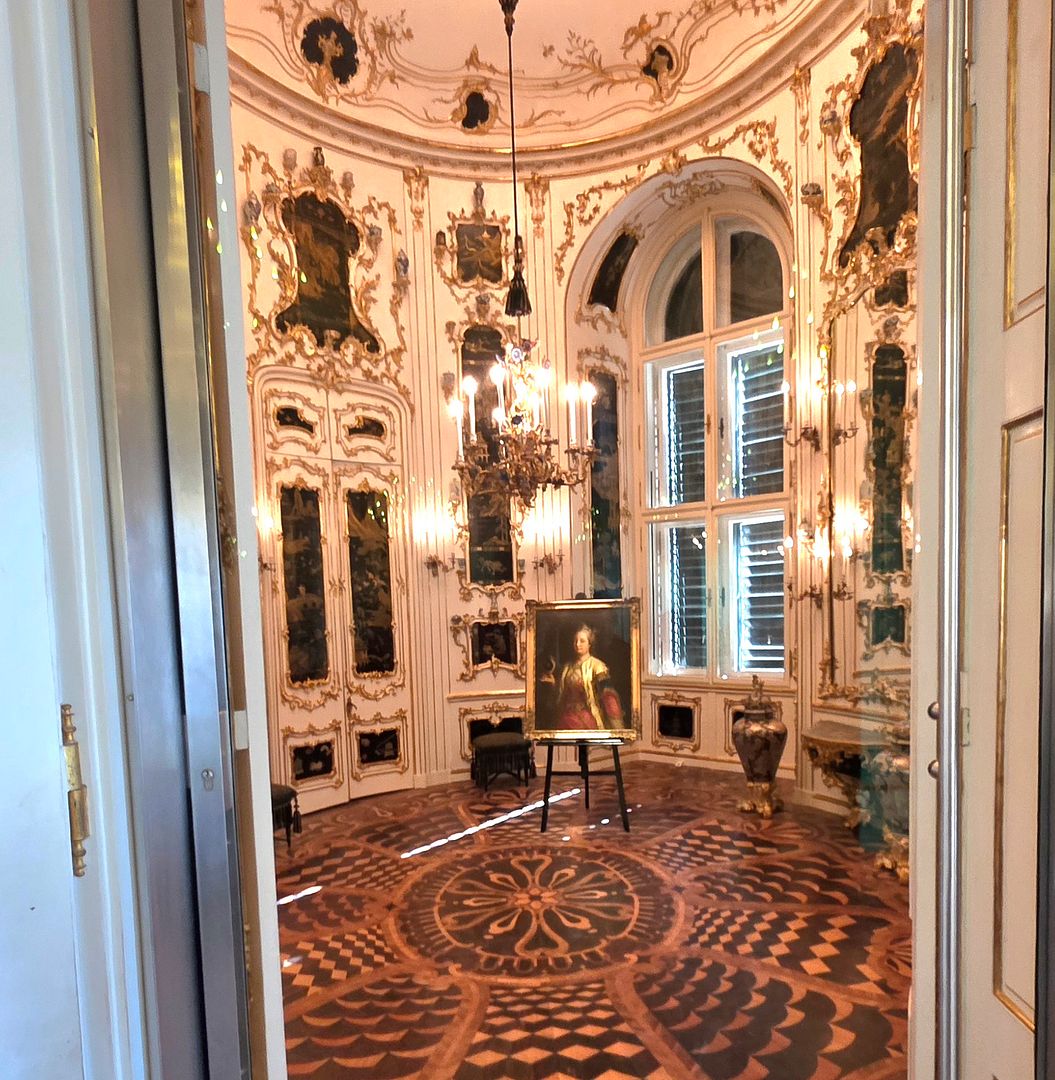
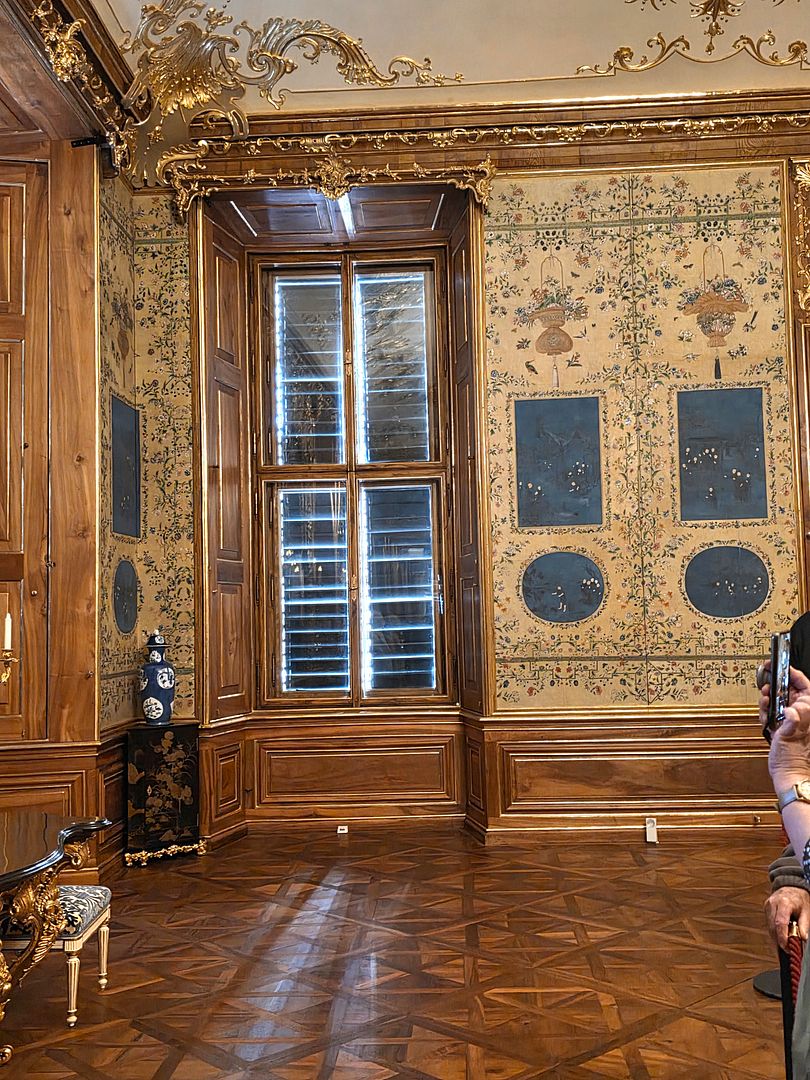
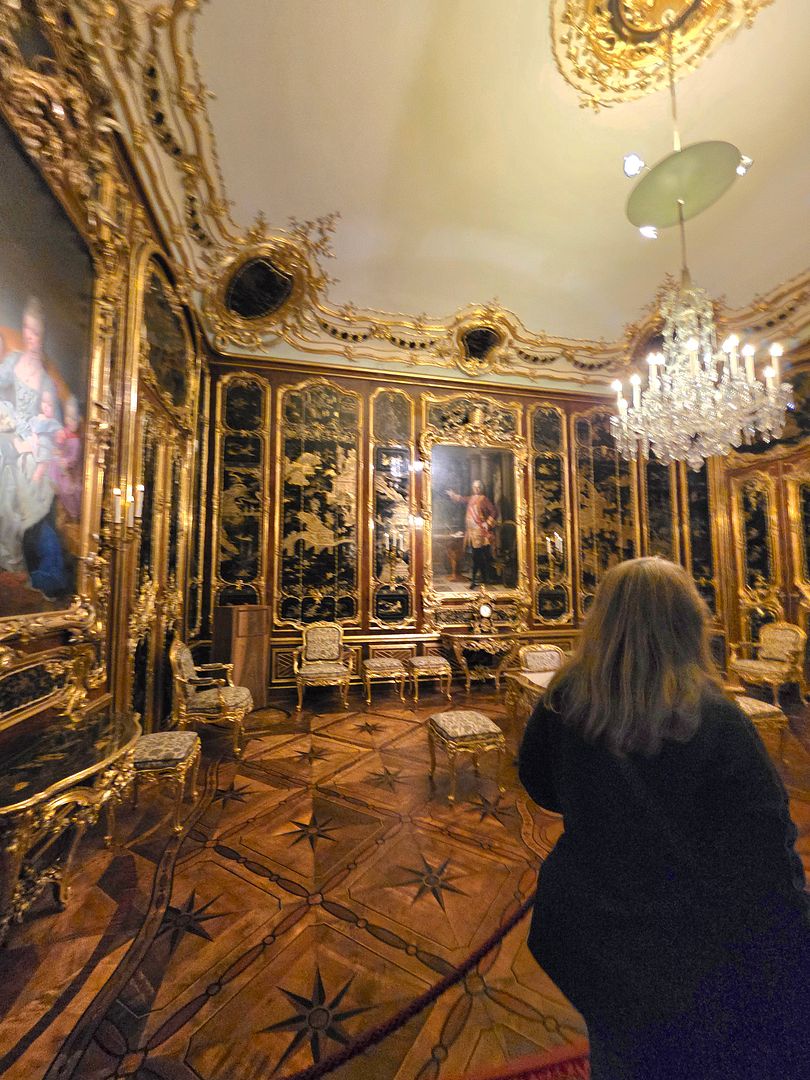
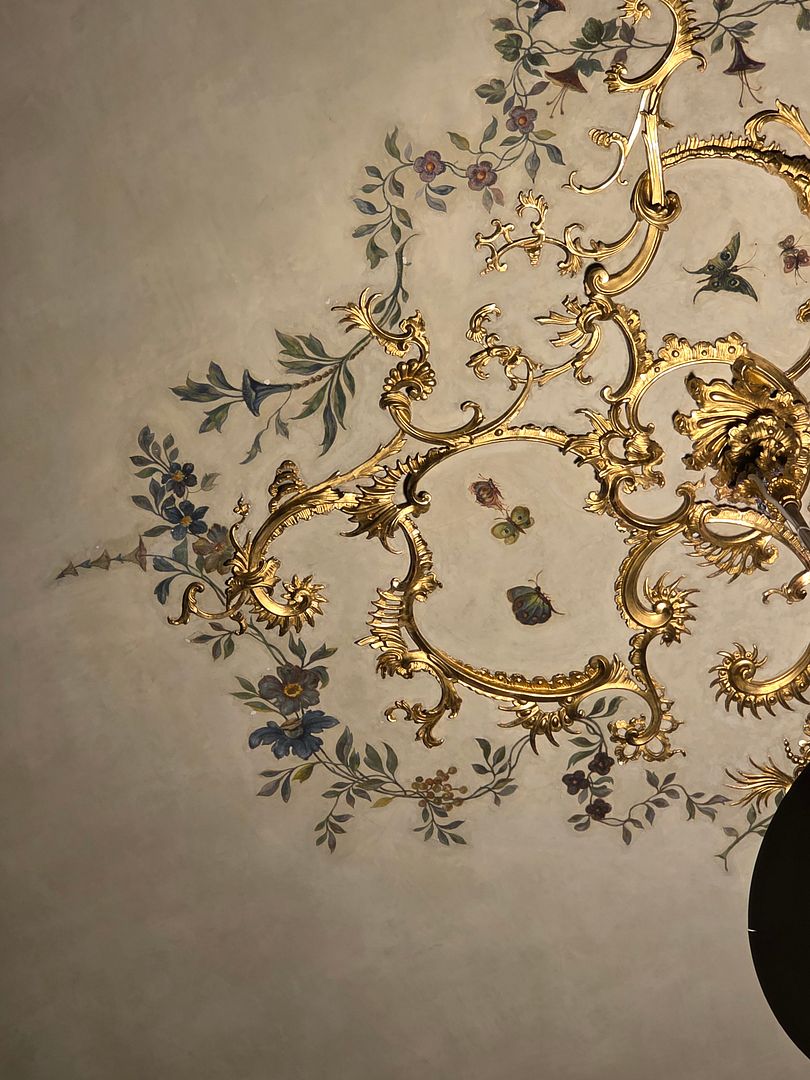
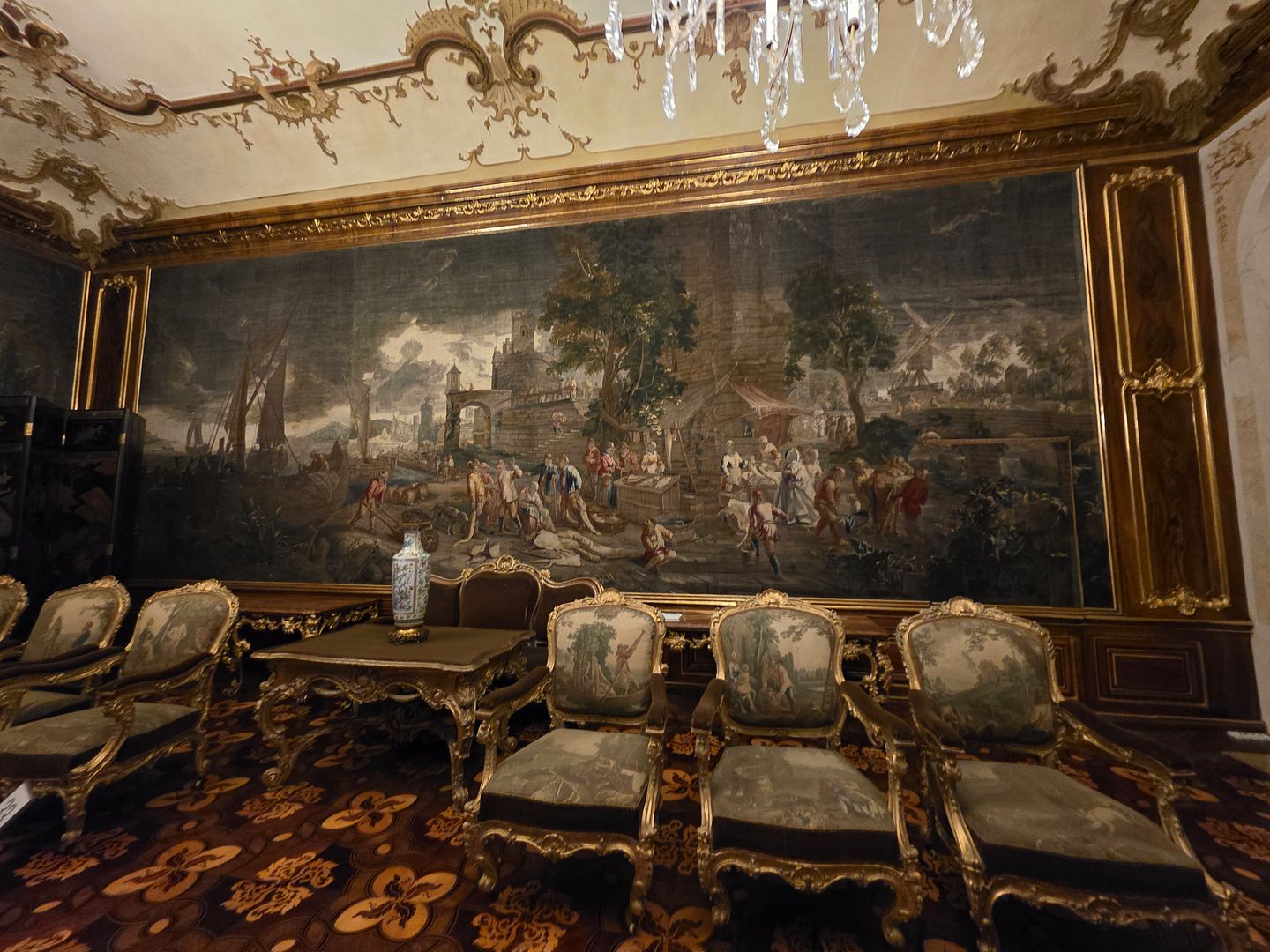
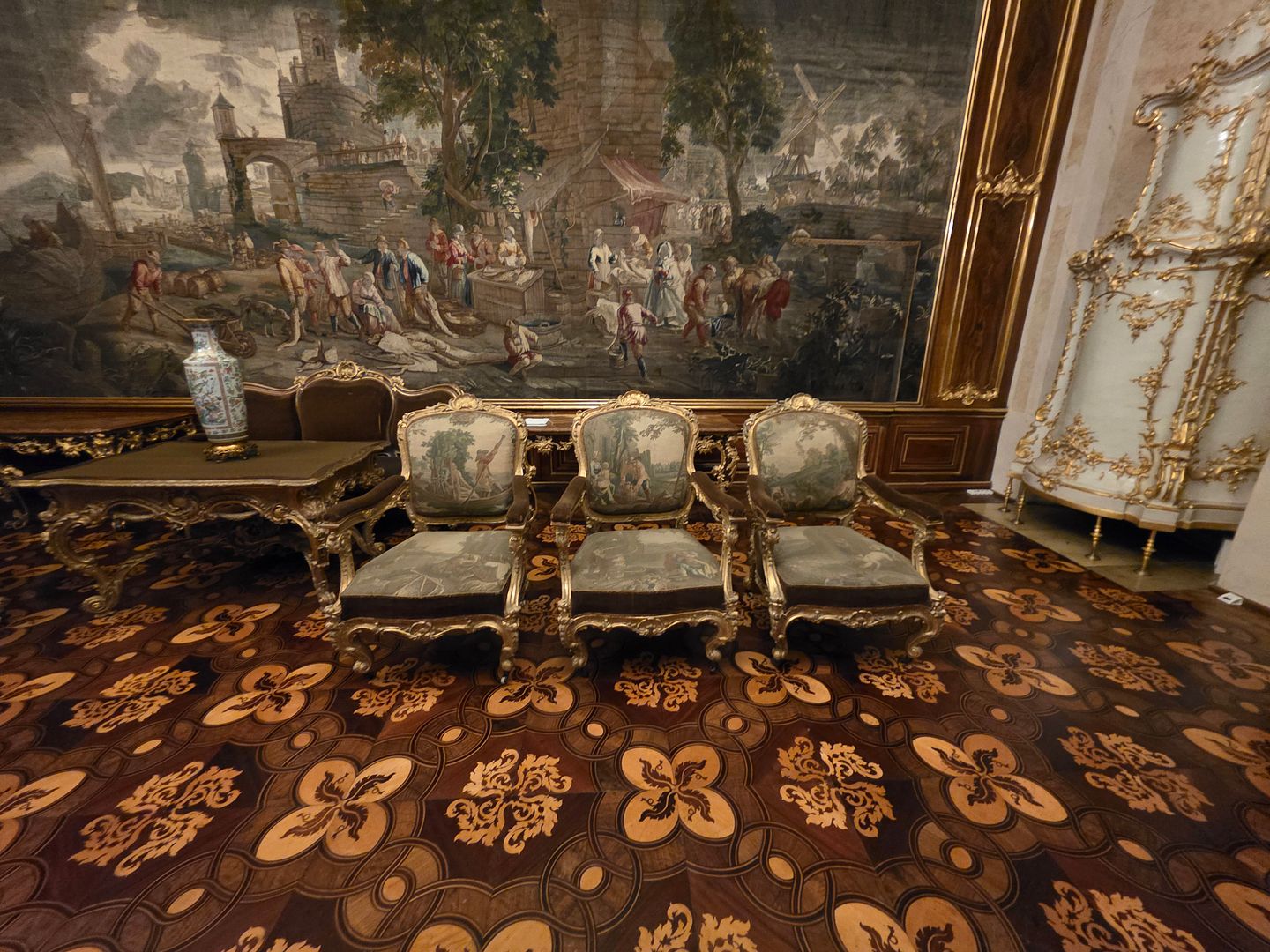
The palace is an exquisite example of Baroque architecture and opulence, illustrating the tastes, interests and aspirations of successive Habsburg monarchs. Built as a summer residence of the Habsburg Emperors and spanning an astounding 1441 rooms, this Rococo palace soon became one of their favorite homes. 

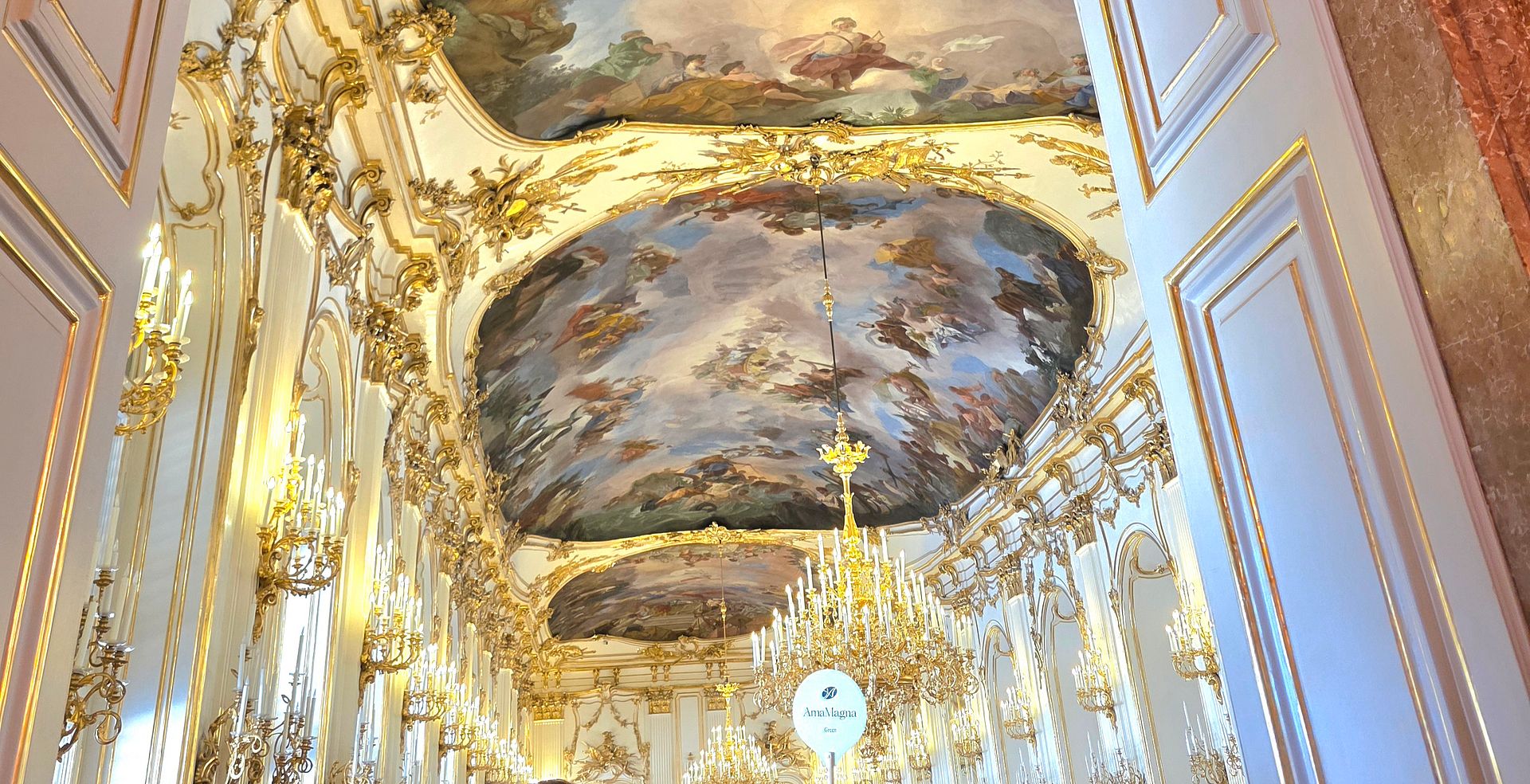
We entered the Grand or Great Gallery.

The most significant official event to have taken place in the Great Gallery in the international context was the legendary encounter between US President John F. Kennedy and the Soviet Prime Minister Nikita Khrushchev in 1961.

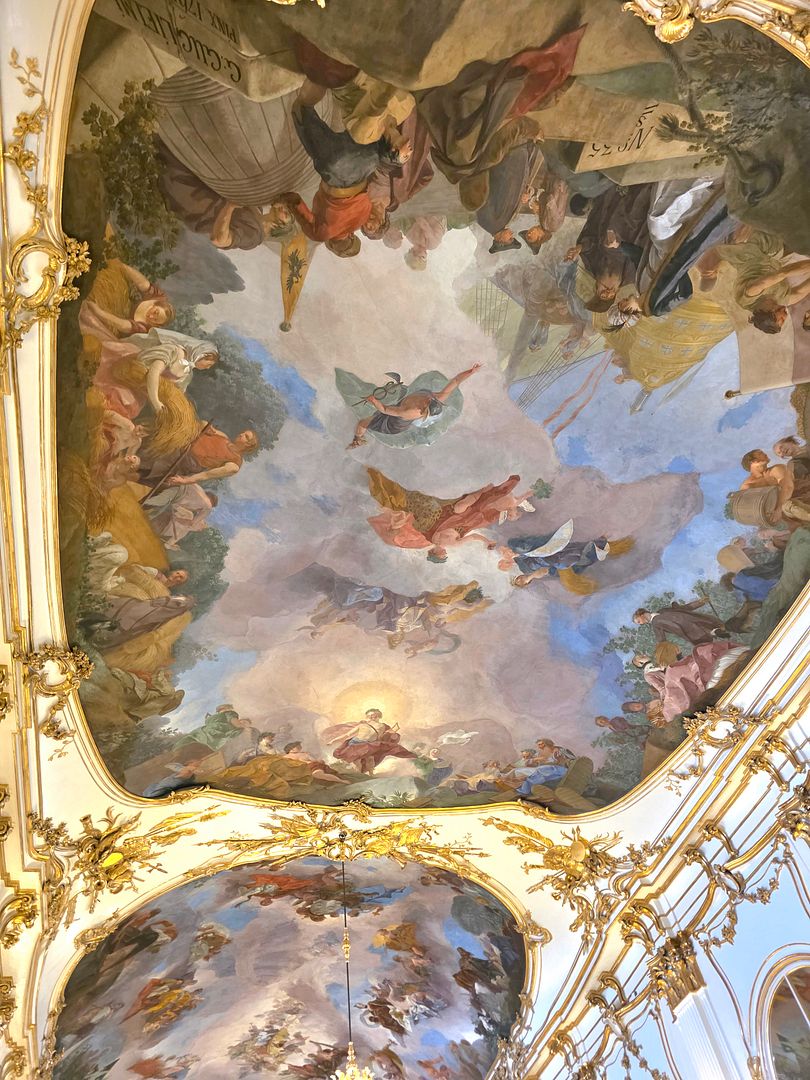
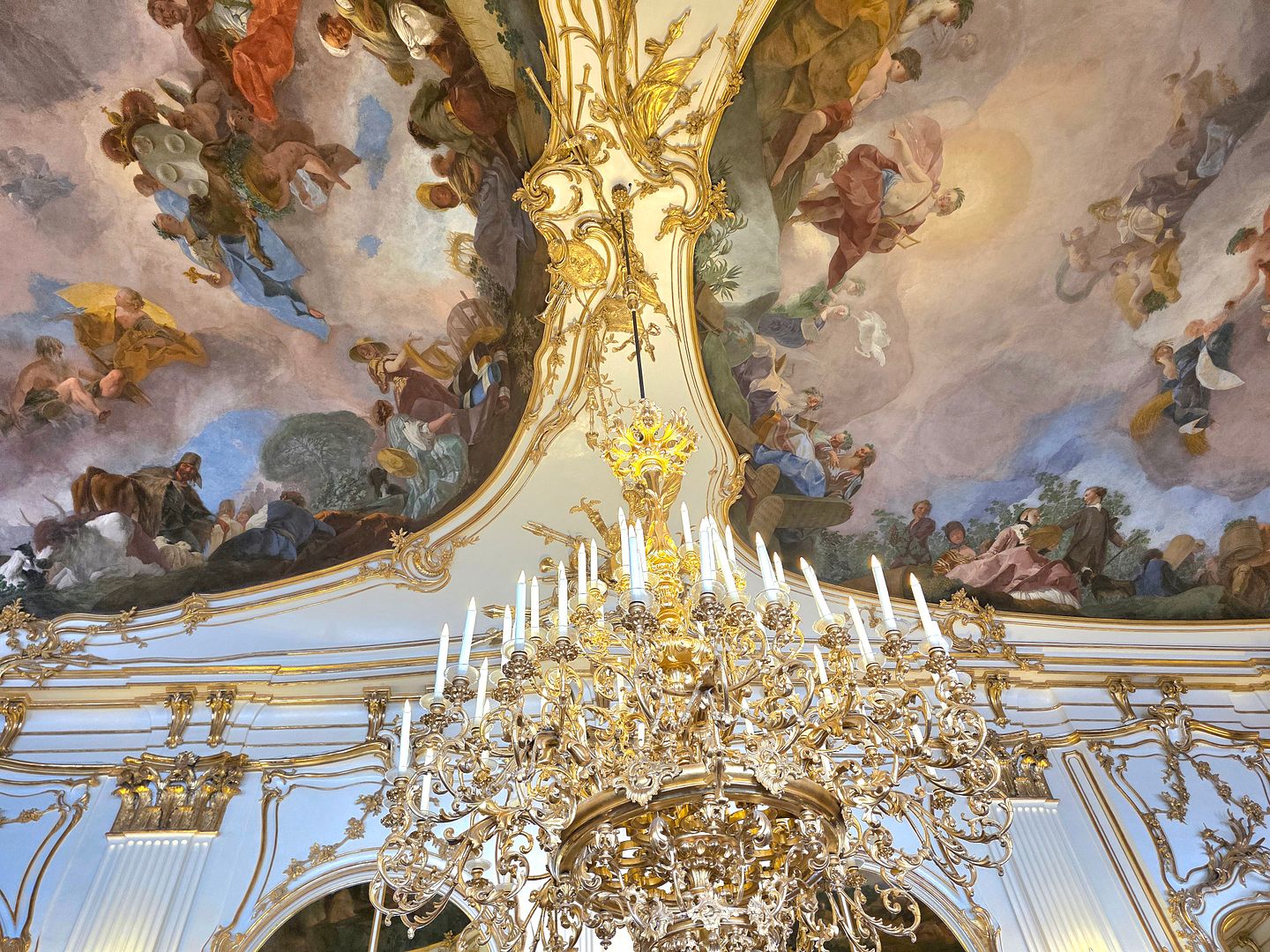
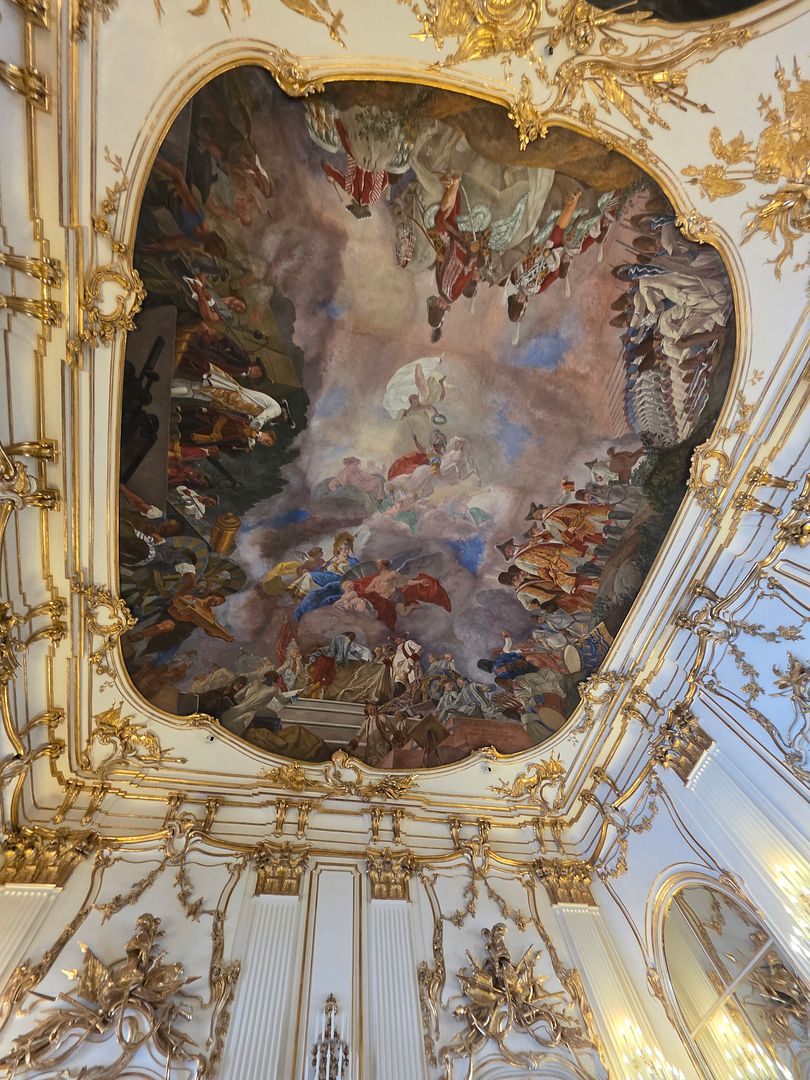
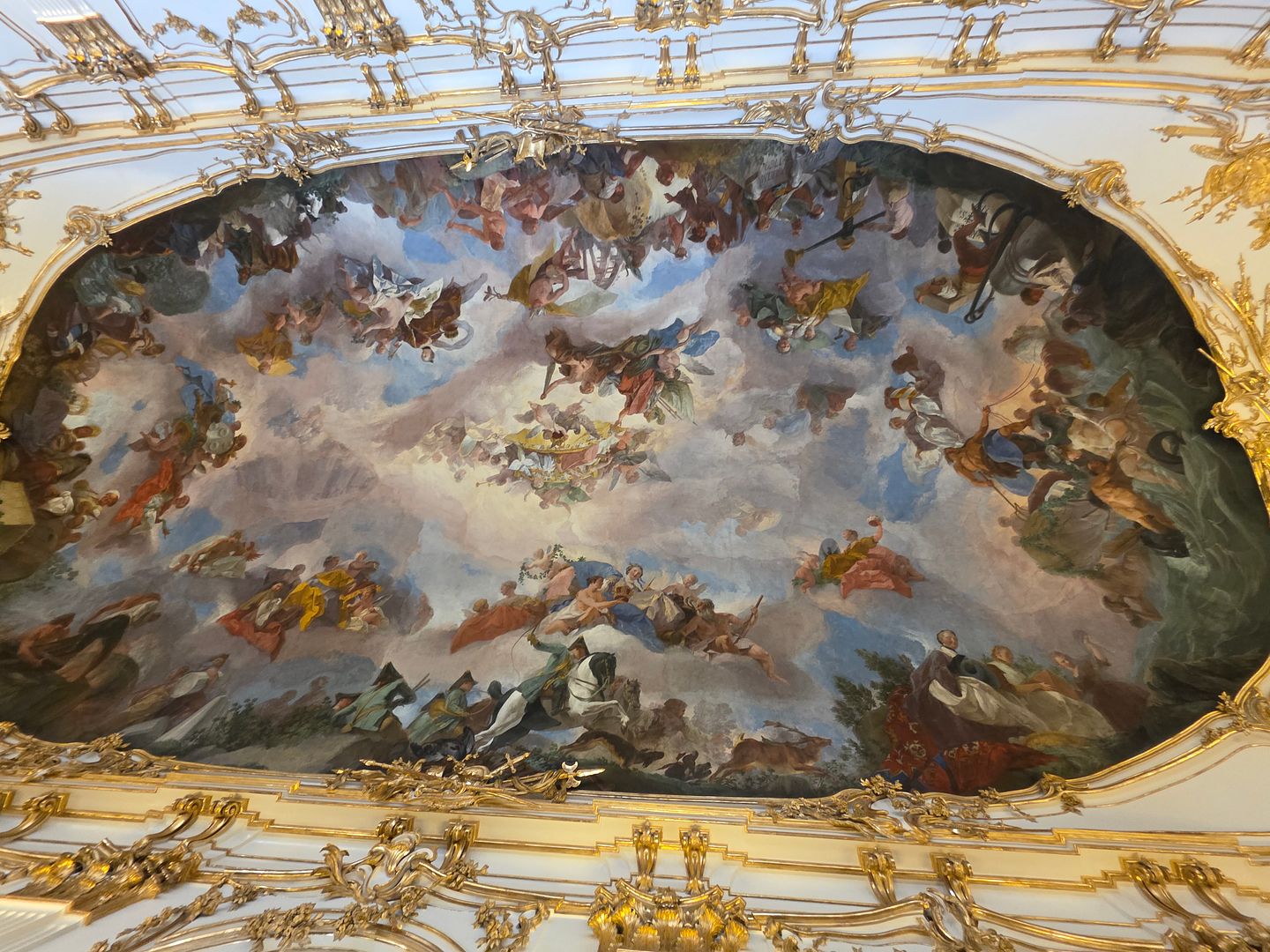
The Great Gallery is the palace’s ceremonial hall and is not merely the architectural centrepiece of the palace: its decorative programme glorifies Habsburg rule under Maria Theresa.

One of the frescoes fell victim to a bomb dropped in April 1945, in the final days of the Second World War. It was replaced with a copy painted by Paul Reckendorfer and Carl Krall in 1947/48.

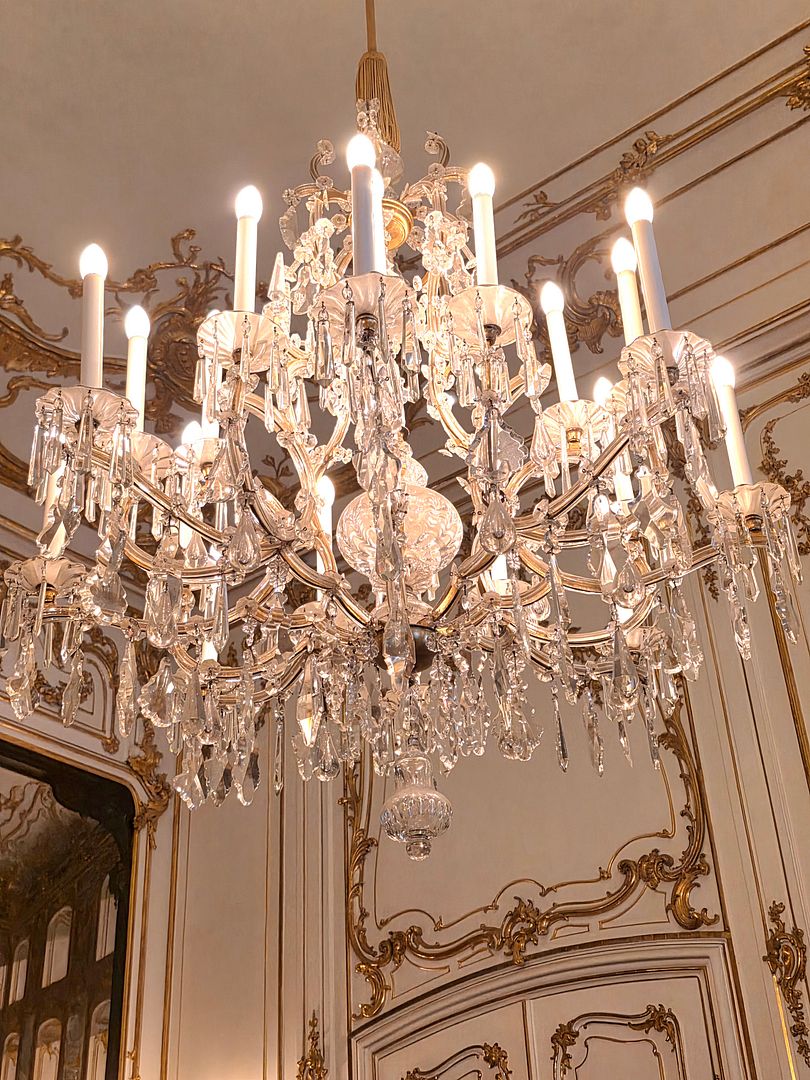
The chandeliers seen in the Great Gallery today are electrified versions of those that originally held candles, maintaining the historic aesthetic with modern technology. The link to the Great Gallery above has descriptions of the ceiling frescoes.

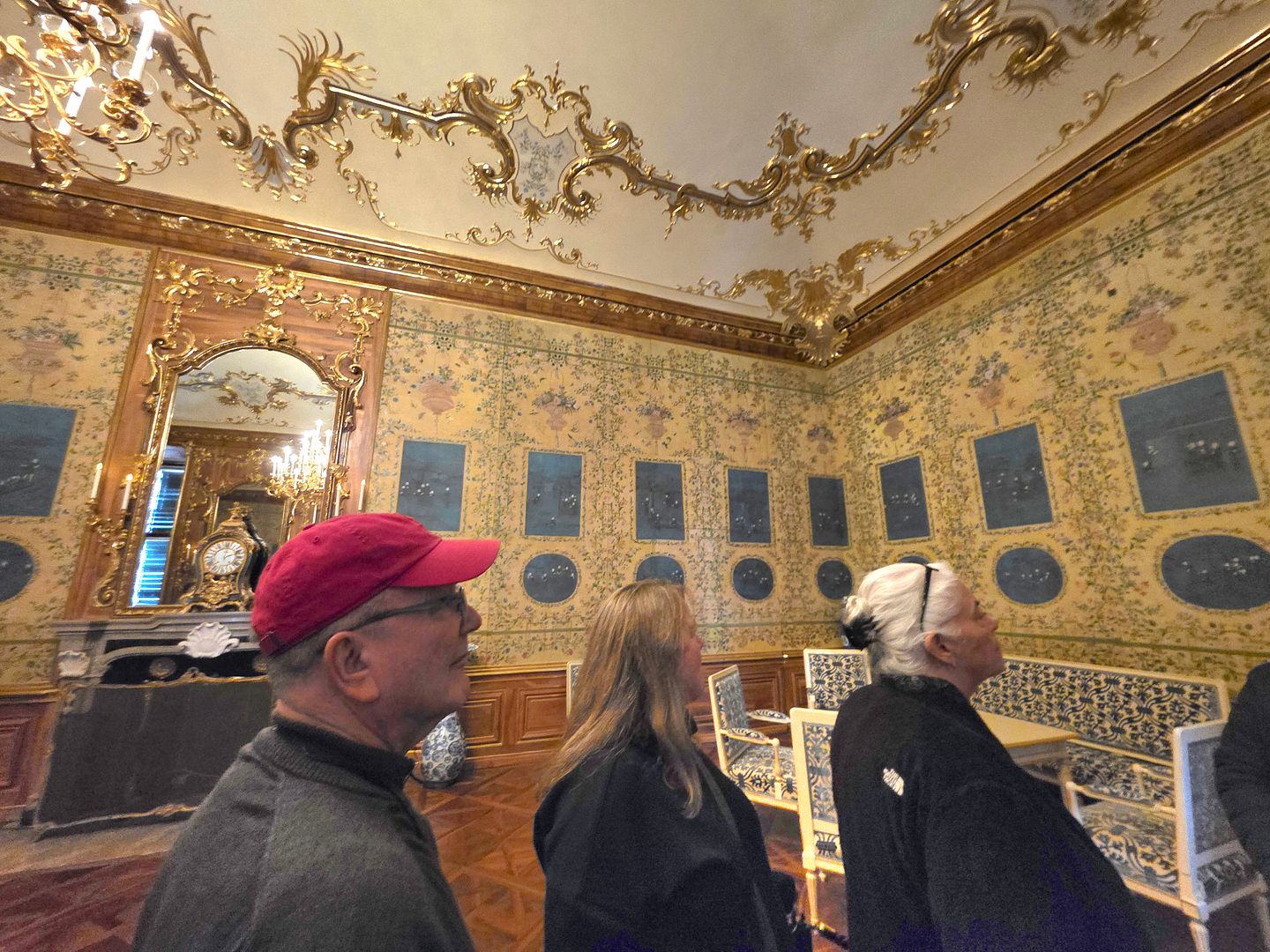
There I am alongside the man with the red hat. 🙂

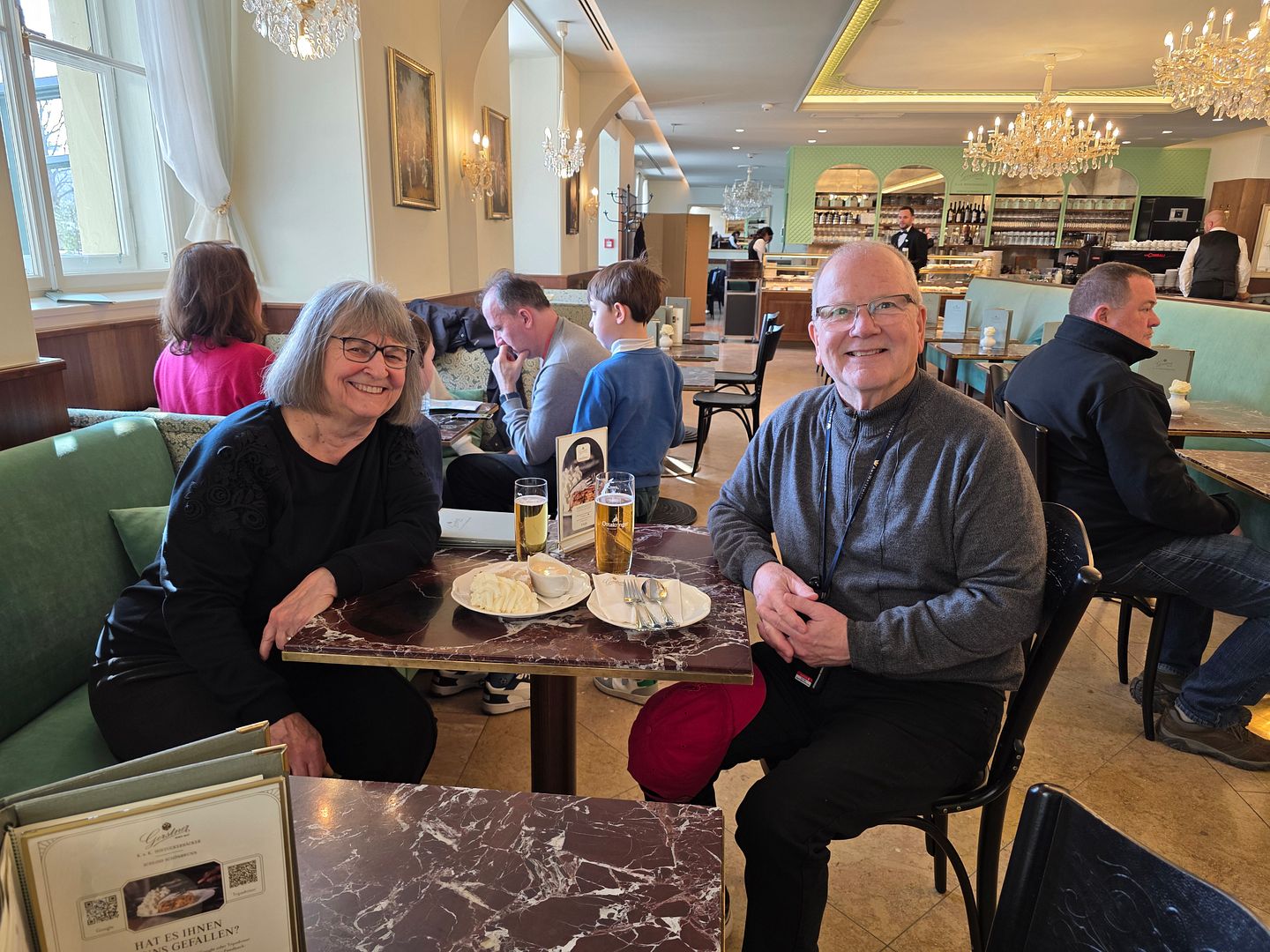
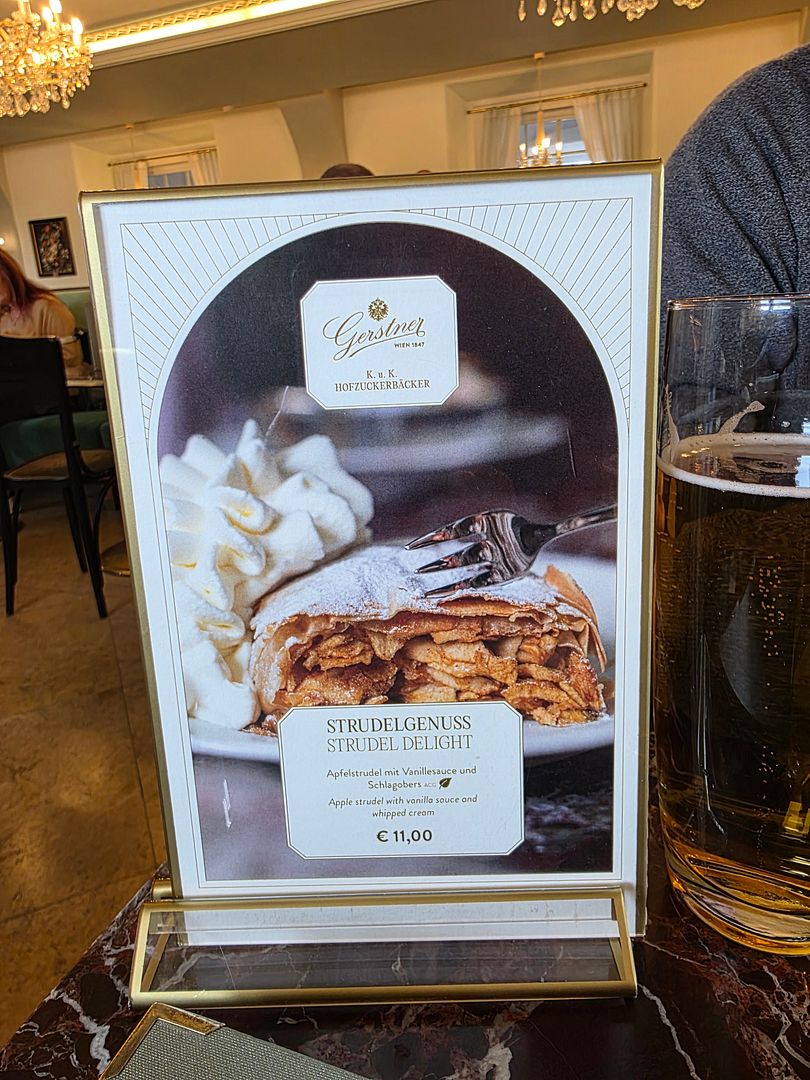
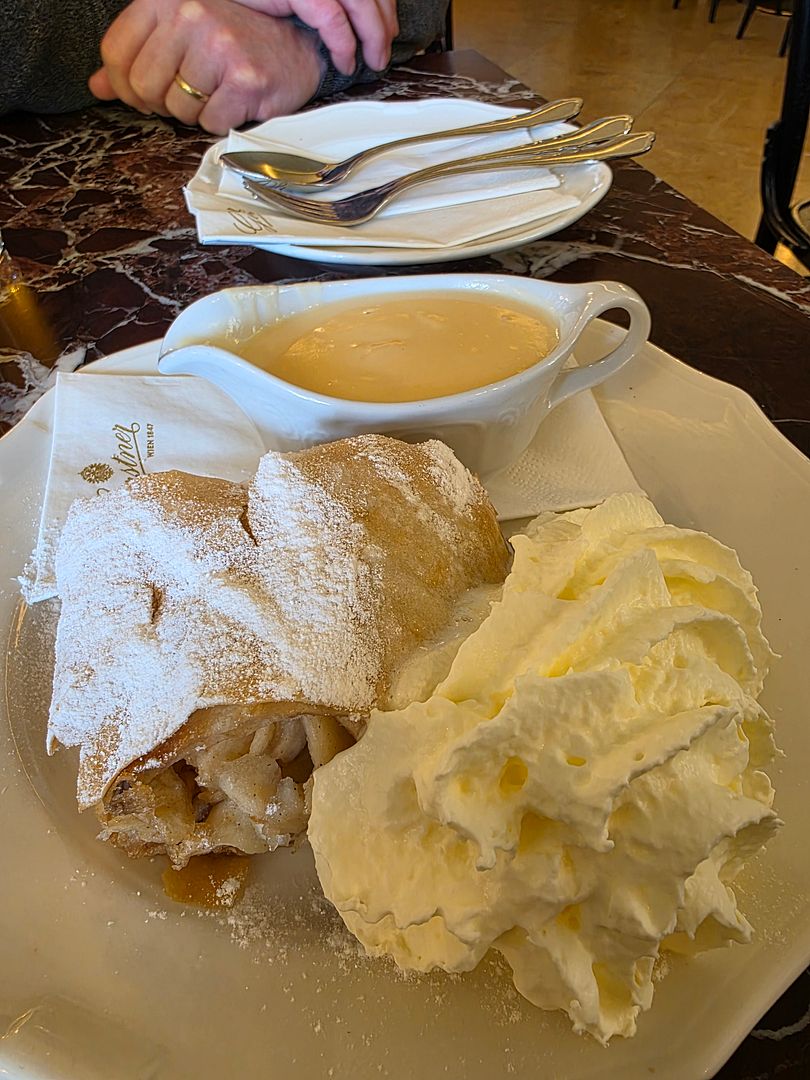
As soon as the tour of the palace was over we made our way to another building that housed a restaurant that served the Palace’s famous Apple Strudel still baked in the Palace ovens in the basement. We had limited time before we had to be back at the bus.

We had another ‘great minds think alike’ moment with the girls from Oklahoma and Colorado. We took each others photos.

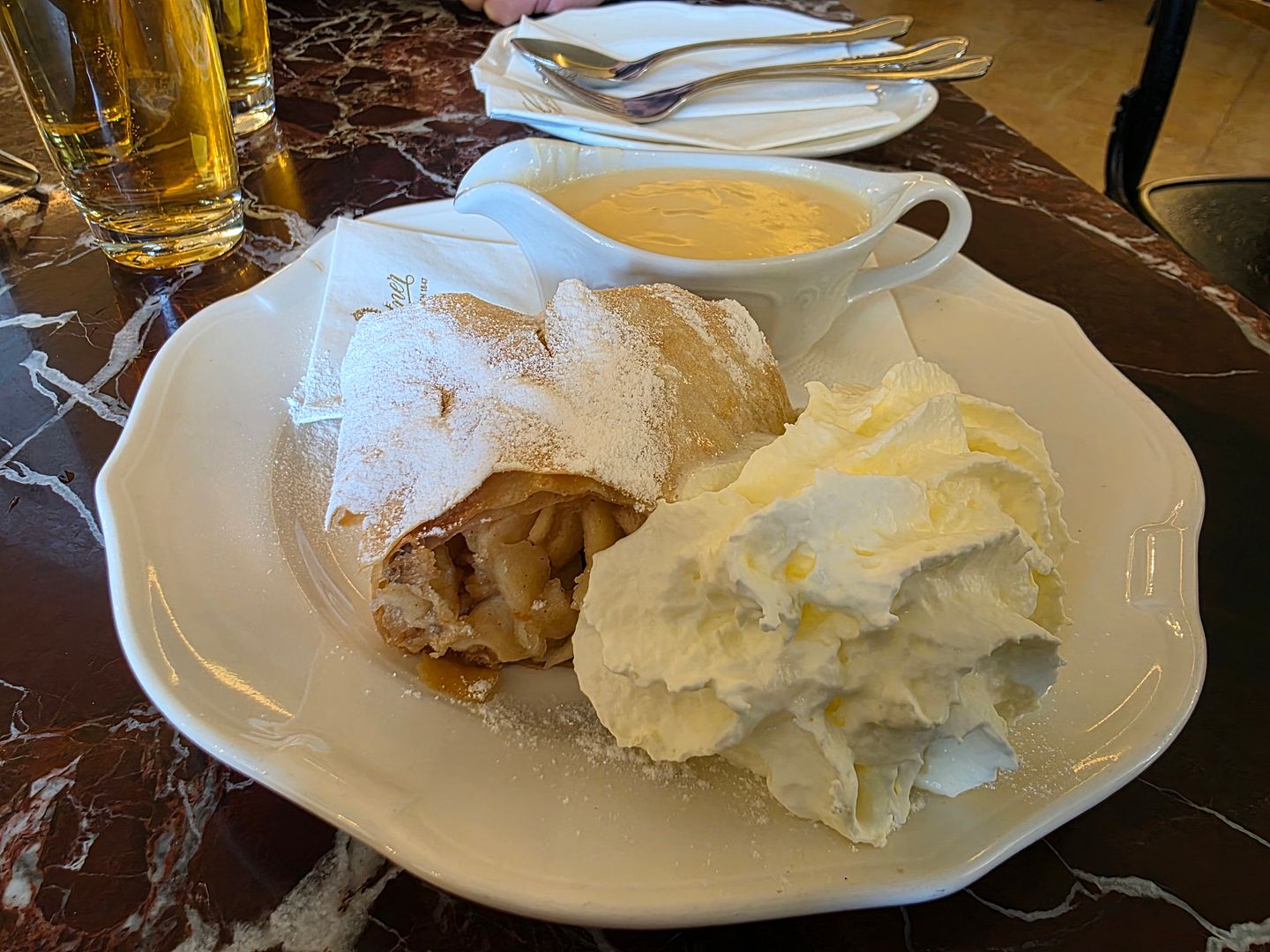
Our first apple strudel in Austria.

It was as good as it looks!!

We had an option to be dropped off in town instead of going all the way back to the boat and that is what we chose to do. There would be shuttle buses available downtown every half-hour to go back to the boat from 2:00 until the last shuttle at 4:00.

We wanted to find a authentic lunch spot and see some things on our own for the rest of the afternoon. That will be my final post for Vienna, Austria.


Vienna Part 3 ~ St. Stephen’s Cathedral

After our carriage ride on Thursday March 5th we followed our tour guide to the center of the city ending our tour with St. Stephen’s Cathedral. In the first photos below you can see the steeple of the church.

This was a very busy central section of Vienna with shops and restaurants and cafes.

A different reminder of what Austria and Vienna are famous for. Later in the evening of this day we would be attending a concert at the House of Strauss.

St. Stephen’s Cathedral is not only Austria’s most important Gothic building. The Steffl, as it is affectionately known in Vienna, is much more than that. It is a landmark, a symbol of identity and synonymous with the reconstruction of the Republic after the Second World War. Construction of St. Stephen’s Cathedral began in the 12th century and its interior changed repeatedly over the centuries until it was finally given its current Baroque appearance. The tallest of its four towers is the south tower at 136 meters. The tower room, from which there is a gigantic view across Vienna, is reached via 343 steps. A total of 13 bells hang here. However, the best known of them, the Pummerin, hangs in the 68 meter-tall north tower. It is the second-biggest free-swinging chimed church bell in Europe.

I added a link to the details on the roof.

On the roof of St. Stephen’s Cathedral, colorful roof tiles were laid to create the Royal and Imperial double-headed eagle and the coat of arms of the city of Vienna.

At this point our guide left us on our own for a time before she would return and meet us to take us back to our bus stop for the return to the boat.

So many statues and gargoyles on the outer walls of the cathedral.

From a video by Rick Steve’s on St. Stephen’s Cathedral,

The ornate nave is Gothic with a Baroque overlay. While the columns support the roof, they also tell a story. Richly populated with statues, they make a saintly parade that leads right up to the high altar…

The Gothic pulpit, carved from sandstone, is a masterpiece.

I took this photo of the painting but I could not find a description anywhere. Is it supposed to be Stephen?

This code ‘O5’ is placed at the right side of the main entrance of St Stephen’s Cathedral. It was the code of an Austrian resistance group during World War II. It stands for Ö (Österreich) built by O and the 5th letter of the alphabet (= OE).

Originally the code was just painted but after World War II it has been engraved and covered by a transparent plate.

On the way back to our bus stop we saw another interesting plaque.

President John F. Kennedy met Soviet Premier Nikita Khrushchev in Vienna, Austria, on June 3-4, 1961, for a 2-day summit aimed at easing Cold War tensions. The meeting was contentious, with Khrushchev bullying the new president, particularly over the status of divided Berlin. The summit failed to produce agreements, leading to heightened tensions.

Kudos to guides who know about these details in cities because most probably on our own we would miss them totally.

There are so many churches in Vienna that I would have liked to visit.

This was another beautiful winter day on our river cruise.

We made it back to the bus and back to the Danube where the AmaMagna was docked. On this night we would have an earlier dinner because we were booked for a concert in the evening at The House of Strauss.


Vienna Part 2 ~ Carriage Ride

Our driver was determined to take a lot of photos of us in the carriage. The fun part is that we were paired with the girls we met in Cesky Krumlov from Oklahoma and Colorado for this ride through the streets of Vienna.

Looking behind at the other carriages.

There was no commentary on our ride so we weren’t sure of what we were seeing but we enjoyed the architecture, the courts and streets we clip clopped through.


Kirche am hof, Vienna

Kirche am Hof Vienna (Catholic Church)

When the Carriage Ride was over we met up with our tour guide again and walked through some of the areas we just clip clopped through to St. Stevens Cathedral.

That will have to be another post.


Vienna Part 1

On Thursday March 5th our arrival to Vienna would be in the early afternoon. We enjoyed our usual breakfast on board and we also had lunch on board before we had our first excursion into Vienna, an Imperial Vienna tour and carriage ride. Before we docked, we were on the upper deck of the boat and it was fascinating to watch the boat dock in a kind of parallel parking move between two other cruise ships.

There were some bridges we went under where if we were on the upper deck we were advised to duck. It was eerie going under.  I took videos but I am unable to add them here.

The more modern side of Vienna on the opposite side of the Danube from where we docked overnight. After lunch we grabbed our headsets for our first excursion into Old Vienna. A frustrating part of navigating these old cities in a bus is the miles you have to travel in a round about way to get to a designated bus stop. In hindsight walking into and around these cities would be a better option if you are fit and able. Staying in the city center would also be a good option.

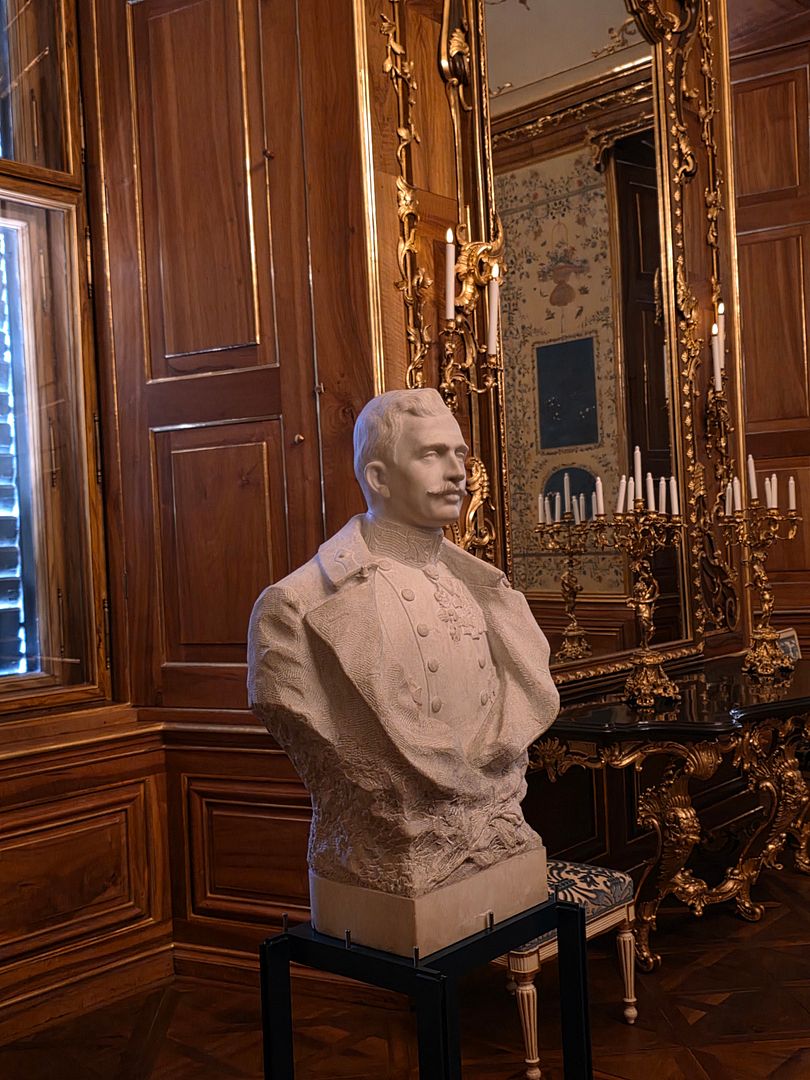
Franz Joseph I or Francis Joseph I was Emperor of Austria, King of Hungary, and the ruler of the other states of the Habsburg monarchy from 2 December 1848 until his death in 1916

Vienna’s imperial history is dominated by the Habsburg dynasty, which ruled for over 600 years (1278–1918)l. In their reign they transformed the city from a Roman outpost (Vindobona) into the glittering capital of the Holy Roman, Austrian, and Austro-Hungarian Empires. As a central European power hub, it became a global center of culture, music, and Baroque architecture.

We heard about the Habsburg dynasty everywhere we turned. Not surprising when you consider the extent of their reign.

The Imperial Palace or Hofburg Palace. If there was one day Austria would like never to have happened, it might be March 15th, 1938. A distinct low point for the country: the day Hitler proclaimed the Anschluss with Germany from the balcony (actually a terrace) of the Neue Burg. That balcony remains closed off to any visitors.

The Kaiser Franz II/I statue is a prominent 1846 bronze monument located in the inner courtyard of the Hofburg Palace in Vienna. Designed by Pompeo Marchesi, it honors Francis II, the last Holy Roman Emperor and first Emperor of Austria, featuring him in Roman attire, surrounded by figures representing Religion, Peace, Justice, and Strength

A huge equestrian statue dominates Heldenplatz square on one side of Vienna’s Hofburg palace complex. The monument honours the first man to hand Napoleon a significant military defeat: Archduke Karl.

Eugene of Savoy (1663–1736), one of the most successful military commanders in modern European history, rose to the highest offices of state at the imperial court in Vienna. Born in Paris to aristocratic Italian parents, Eugene grew up around the French court of King Louis XIV, who rejected him for service in the French army. Eugene moved to Austria and transferred his loyalty to the Habsburg Monarchy. He secured his European-wide fame with a decisive victory against the Ottomans at the Battle of Zenta in 1697. Not only did he break the westward thrust of the Ottomans, liberating central Europe after a century and a half of Turkish occupation, but he also helped to save the Habsburg Empire from French conquest.

Habsburgs in the Hofburg Palace. All the burgs can get confusing.

After seeing these inner courts and outer squares and listening to so much amazing history it was time for our Carriage Ride. I’ll save what we saw from the carriage for another post.

Back to the present on this last day of April in 2026. Our Spring mowing has started in earnest and we are considering what to do with our weeds. Our underground critters are a worrisome concern as they are multiplying. It would be fascinating to see their underground world. It’s not all rosy to own property but we are thankful nevertheless.


Melk Abbey

All my photos are from the outside areas of the abbey. We did tour several indoor rooms as well as the library and church. No photos were allowed inside the museum, library or church.

Stift Melk (Melk Abbey) is a renowned Benedictine monastery in Austria, located on a rocky outcrop overlooking the Danube River. Founded in 1089, it is a significant, UNESCO-listed Baroque architectural masterpiece that operates as an active monastery, school, and cultural center. The term Stift means abbey or foundation, and it represents a major center of faith and history.

The history of Austria is closely connected with the history of Melk Abbey. Some of the first rulers of Austria, the margraves Heinrich, Adalbert and Ernst are buried in the collegiate church. Also buried there is the first patron saint of the Babenbergs, St. Koloman, who was the patron saint of the country until the 17th century.

Melk Abbey is one of the most beautiful and largest unified Baroque ensembles in Europe. Its magnificent architecture is known worldwide and is a UNESCO World Heritage Site. The baroque building (1702 – 1739) on a rock above the Danube is one of the most visited art-historical sites in Austria.

Known for its active Benedictine community following the motto of Ora et Labora et Lege (pray, work, and learn).

The italicized parts of my posts are information from the Melk Abbey website.

Our group from the river cruise were divided into two groups and we were the only folk at the Abbey at this point in the late afternoon. Our group went through the Abbey last and our tour guide locked up each room as we exited the room.

The Prelate’s Courtyard forms a trapezoid, 275 ft. long and 138 ft. wide. On the cornices on each of the four sides are statues of apostles and prophets. In the center of each cornice is an area framed by a round arch. These originally contained Baroque frescos by Franz Rosenstingl but, unable to be restored, were replaced recently (1988) with more contemporary forms by Peter Bischof and Helmut Krumpel.

The four murals in the courtyard represent four virtues: Prudence, Justice, Fortitude, and Temperance.

The four murals in the courtyard represent four virtues: Prudence, Justice, Fortitude, and Temperance.

Time to walk up all those stairs to our bus that would take us back to the AmaMagna for dinner. We turned right at the stairs and took the elevator instead.

This was the night we were slated for a smaller dinner group in the Al Fresco Restaurant and I’ll share that dinner event in another post.

Dürnstein, Austria

On Tuesday March 3rd we had a one hour walking tour of the little town of Durnstein before we continued by bus to Melk Abbey. I’m breaking up the posts on this day because of photo overload.

You could tell our tour guide has been doing this tour for a long time. Her younger sister was also another tour guide.

Dürnstein (German pronunciation: [ˈdʏʁnˌʃtaɪ̯n]) is a small town on the Danube river in the Krems-Land district, in the Austrian state of Lower Austria. It is one of the most-visited tourist destinations in the Wachau region and also a well-known wine growing area

The town gained its name from the medieval Dürnstein castle, which overlooked it. The castle’s name derived from the German duerr/dürr, meaning “dry”, and Stein, “stone”. The stone castle was dry because it was located on a rocky hill, high above the damp conditions of the Danube at the base of the hill. The modern town stands between the castle and the river.

Dürnstein was first mentioned in 1192 when, in the castle above the town, King Richard I of England was held captive by Leopold V, Duke of Austria, after their dispute during the Third Crusade. Richard the Lionheart had offended Leopold the Virtuous by casting down his standard from the walls at the Battle of Acre, and the duke suspected that King Richard ordered the murder of his cousin Conrad of Montferrat in Jerusalem. In consequence Pope Celestine III excommunicated Leopold for capturing a fellow crusader. The duke finally gave custody of the king to Henry VI, Holy Roman Emperor, who imprisoned Richard at Trifels Castle.


I don’t know if this is the kind of Copy Right I would want to market with. The chocolate covered treats and the apricot bits were good, though.

I enjoyed the signs for the shops and restaurants.

Interesting architecture and the cobbled streets were distinct.

In the vibrant heart of Dürnstein, our estate stands proudly, nestled beside the historic town hall and set against the tranquil backdrop of the lightly traveled village street. A charming courtyard leads you up a stone staircase into the embrace of an ancient gem, built in 1453. On the first floor, you will find cozy guest rooms with private bathrooms and modern TVs, as well as direct access to a dreamy garden paradise. Here, after an eventful day, you can unwind in an oasis of tranquility or lose track of time while savoring a fine glass of wine.

This little town boasts a 5 star hotel, Hotel Schloss Durnstein. Entrance to the courtyard above.

I posted several photos in another post of this blue tower when we passed it earlier on this day. While we were in Durnstein we didn’t walk to this former monastery but after the fact we realized it was a big part of historic Durnstein.
History of Stift Dürnstein

Stift Dürnstein was founded in 1410 as an Augustinian Canons monastery. It was part of a larger spiritual and religious network that played a significant role in the medieval region. However, Dürnstein was already famous by the 11th century, particularly due to the imprisonment of Richard the Lionheart, who was held captive in the nearby castle of Dürnstein.

The monastery experienced its golden age in the 18th century when it was rebuilt in the Baroque style. Under the direction of renowned Baroque architects Jakob Prandtauer and Joseph Munggenast, the monastery was transformed into the magnificent structure seen today. The distinctive blue-and-white church tower, visible from afar, has become one of the iconic landmarks of the Wachau Valley.
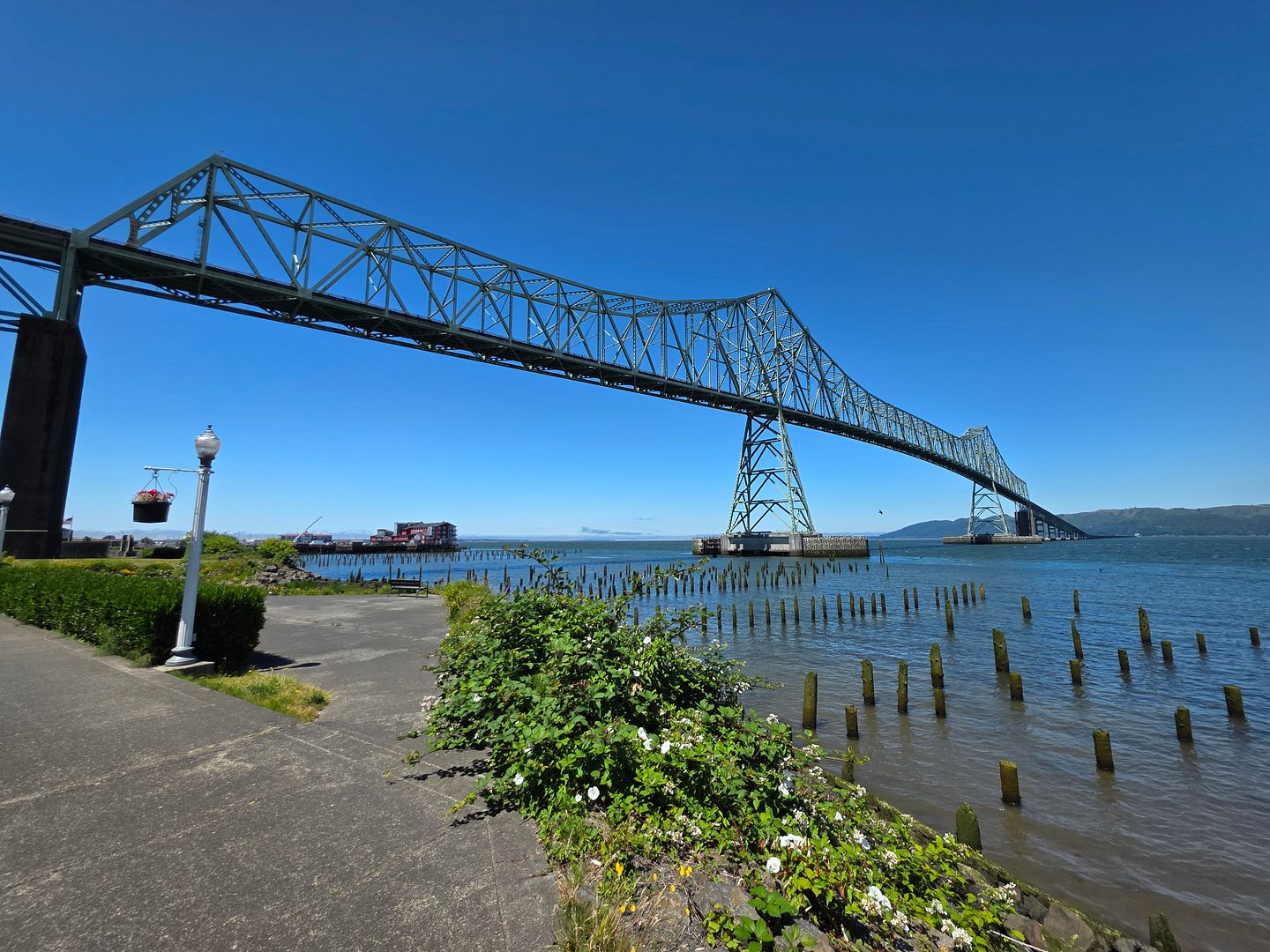
In 1788, the monastery was secularized, and the Augustinian Canons left. Today, the monastery serves as a venue for cultural events and is a popular destination for visitors eager to explore its rich history and Baroque splendor.
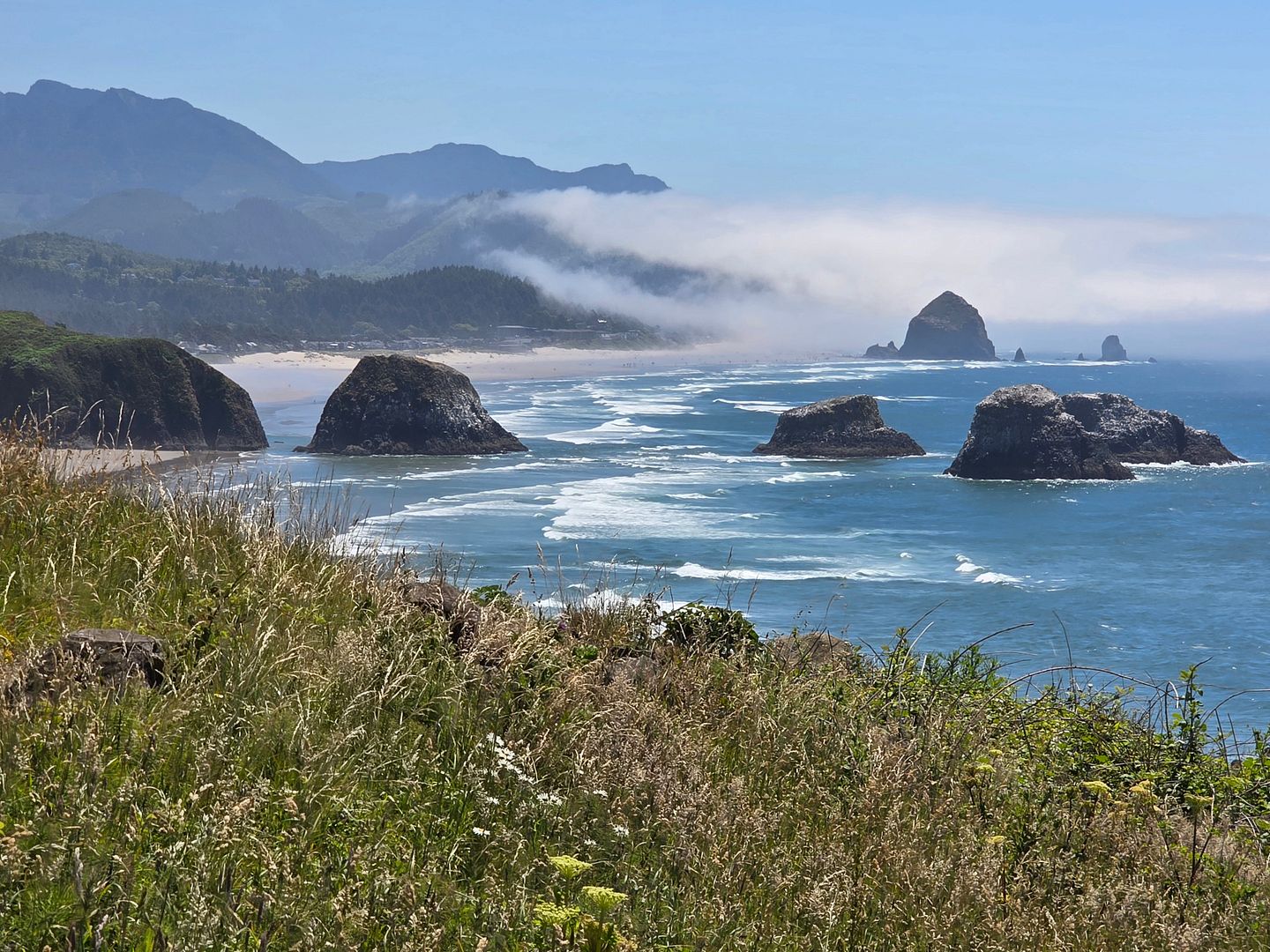
We headed back to the bus for our trip to Melk Abbey Visit. After our visit to Melk we would be bused to the AmaMagna that was now docked in Melk. We would reach the boat in time for dinner and on this night we were scheduled to enjoy the Chef’s Table.

Jesus Prepares to Die…

GOTW-practice035

On the Thursday of Easter week we remember the Passover supper Jesus had with his disciples and the washing of the disciples feet. Some of what Jesus shared with his disciples on this day in history is copied below.

Excerpts from John chapter 13…

It was just before the Passover Feast. Jesus knew that the time had come for him to leave this world and go to the Father. Having loved his own who were in the world, he now showed them the full extent of his love.

Jesus knew that the Father had put all things under his power, and that he had come from God and was returning to God;  so he got up from the meal, took off his outer clothing, and wrapped a towel around his waist.  After that, he poured water into a basin and began to wash his disciples’ feet, drying them with the towel that was wrapped around him.

When he had finished washing their feet, he put on his clothes and returned to his place. “Do you understand what I have done for you?” he asked them.  “You call me ‘Teacher’ and ‘Lord,’ and rightly so, for that is what I am.  Now that I, your Lord and Teacher, have washed your feet, you also should wash one another’s feet.  I have set you an example that you should do as I have done for you.

“A new command I give you: Love one another. As I have loved you, so you must love one another.  By this all men will know that you are my disciples, if you love one another.”

Artists have tried to depict the last supper and we’ve seen some of those attempts in person over the years in our travels.

While in England in 2014 year we saw two amazing paintings of the last supper, one in the Parish Church of St. John the Baptist in Windsor and one in the chapel of Magdalen College.

The Thames 094

The Thames 104 - Copy - Copy

Oxford Day 6 141Above the stalls in the chapel hangs Giampetrino’s remarkable 15th copy of Leonardo da Vinci’s The Last Supper, on permanent loan from the Royal Academy. In view of the bad condition of the original fresco in Milan, Magdalen’s copy on canvas is a piece of increasing historic and artistic significance.
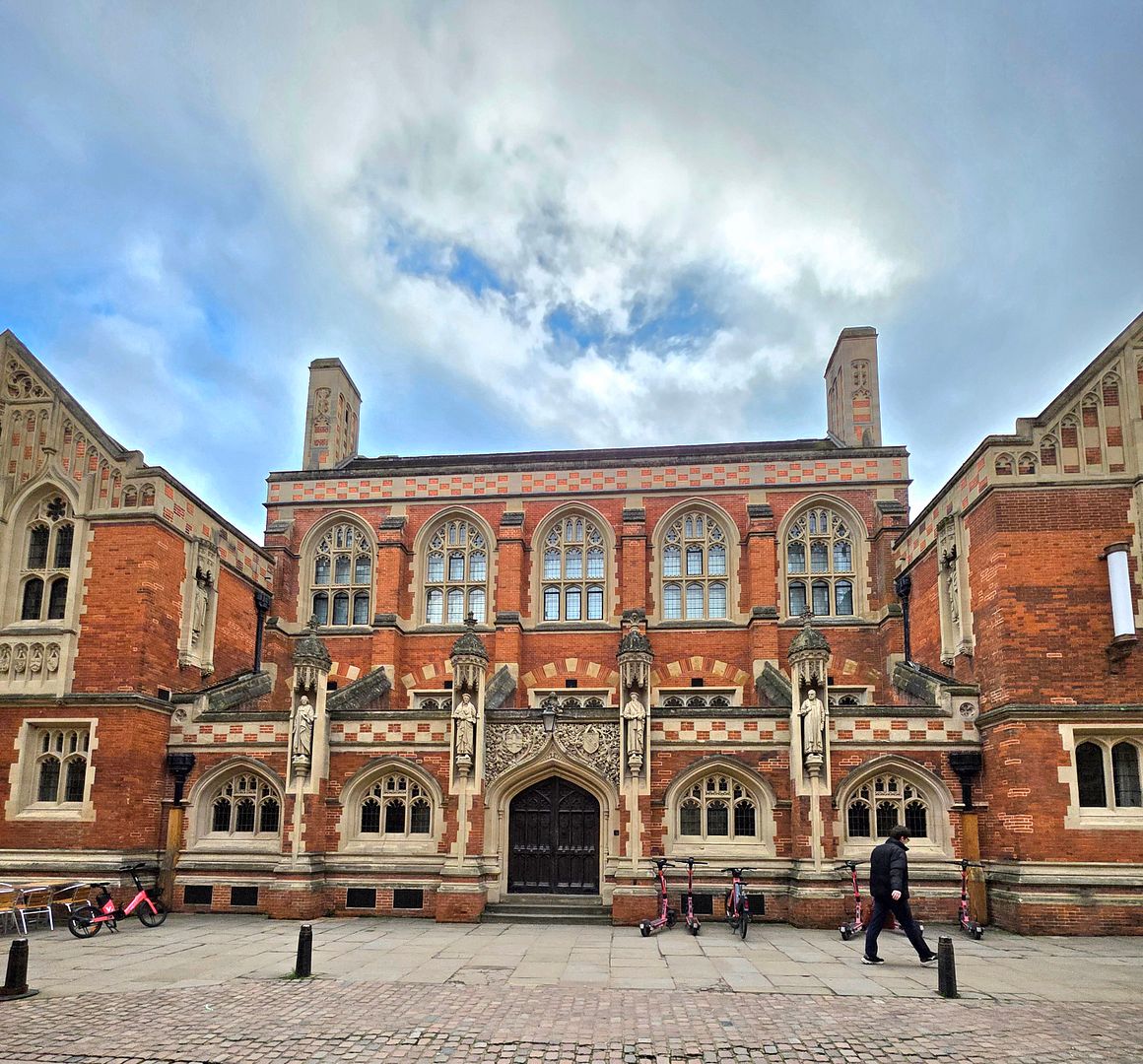
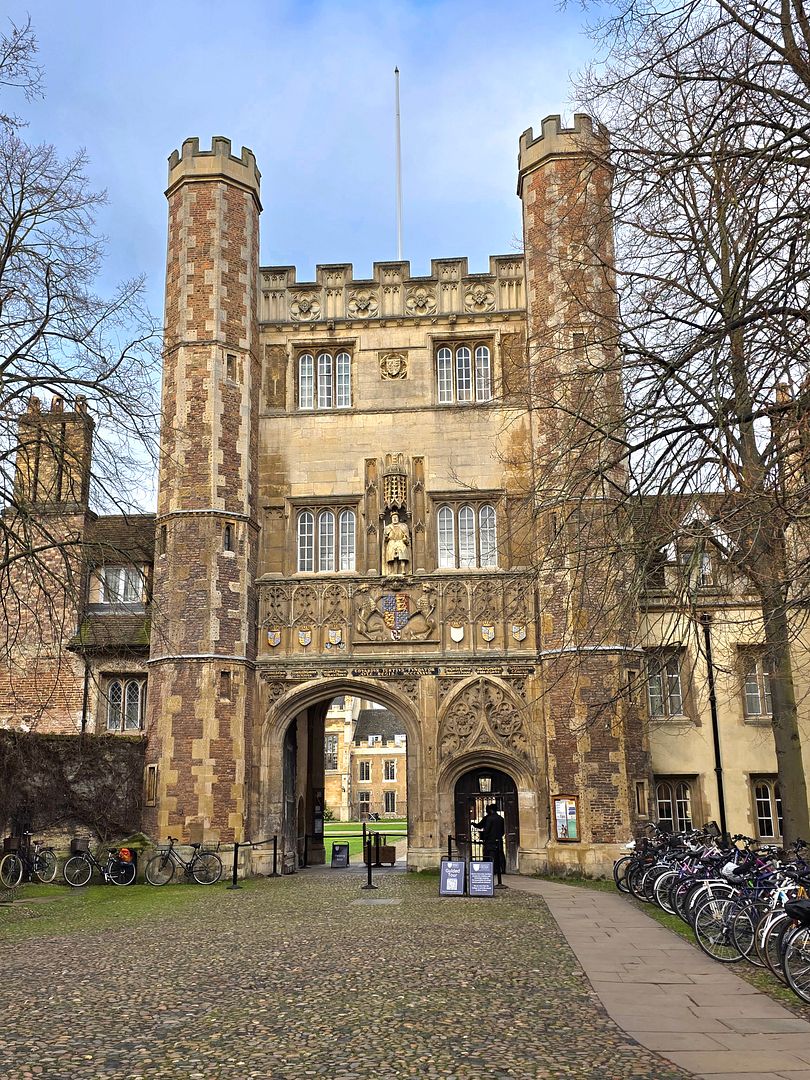
Oxford Day 6 144

This photo is a life sized artist’s depiction of the night Jesus had the Passover meal with his disciples, the event we call the Last Supper. This was taken at the Monumentale Cemetery in Milan Italy in 2013. “Do this in remembrance of me”

There seems to be only 11 of the 12 disciples which makes me wonder if the artist depicted the scene after Judas Iscariot, the betrayer, had left the meal.

The sculpture of Jesus washing Peter’s feet at the top of this post was taken in Thousand Oaks California at the Gardens of the World. 

“Come, my heart, rejoice in the immunity that your Redeemer has secured for you, and bless His name all day and everyday.” C.H. Spurgeon

Easter week, remembering what was accomplished by Jesus on the Cross and in His resurrection, our redemption, is celebrated every week and every day for true believers!