On Friday the 20th of September 2024 after our time at St. Andrews castle we got some back lane directions to get to North Street.
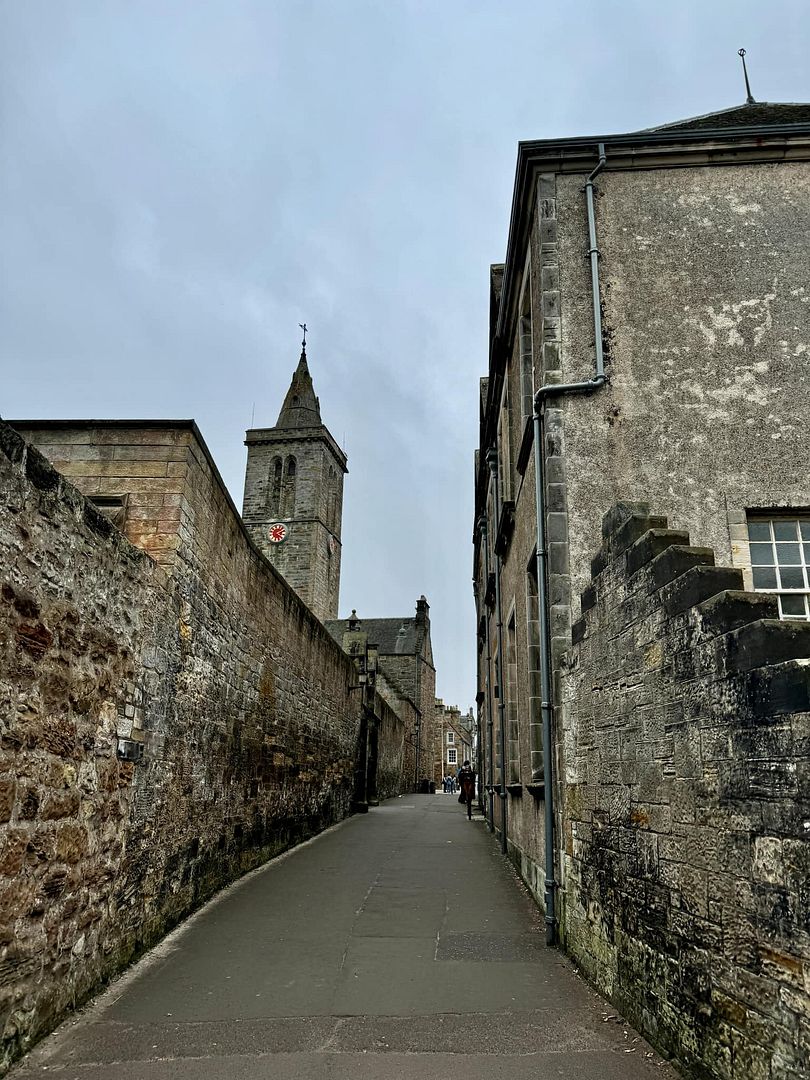
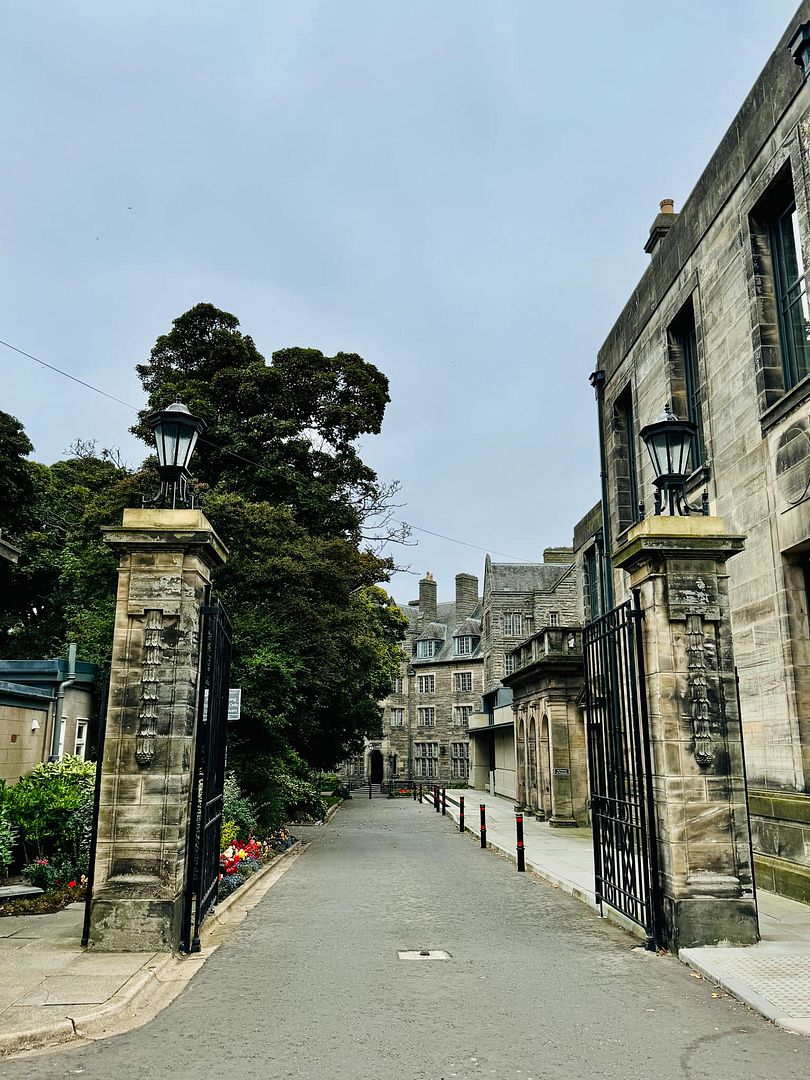
Butts Wynd Lane
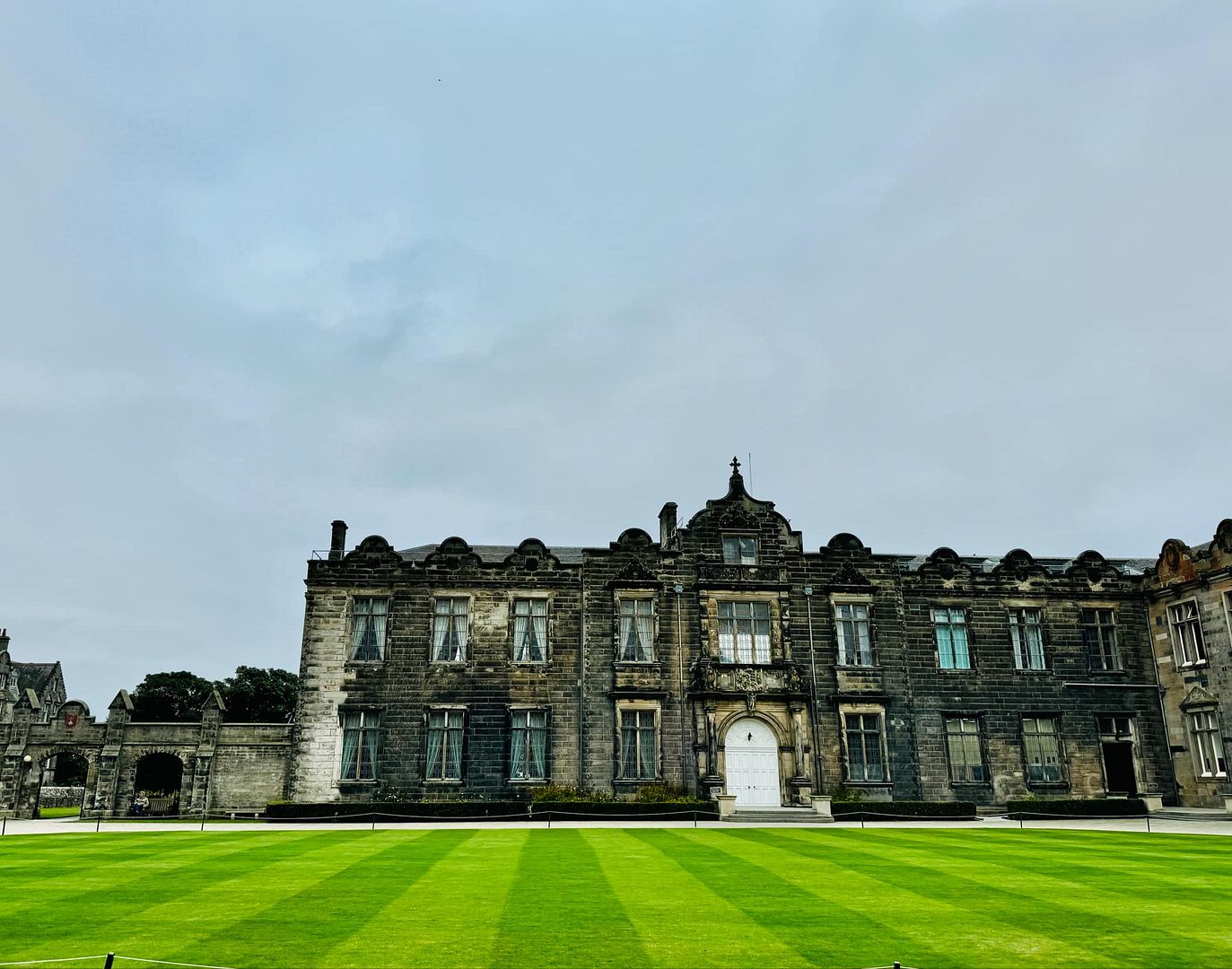
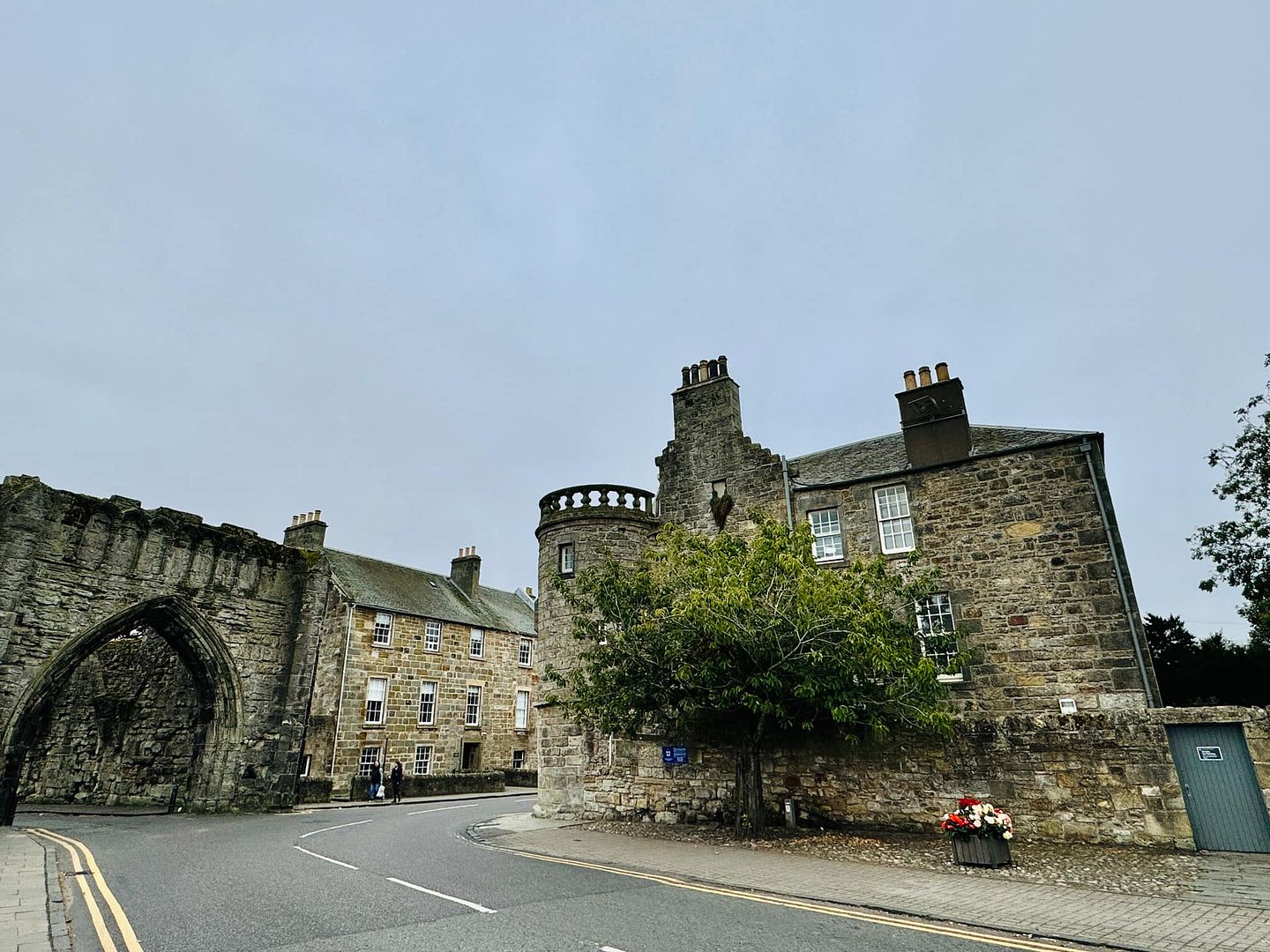
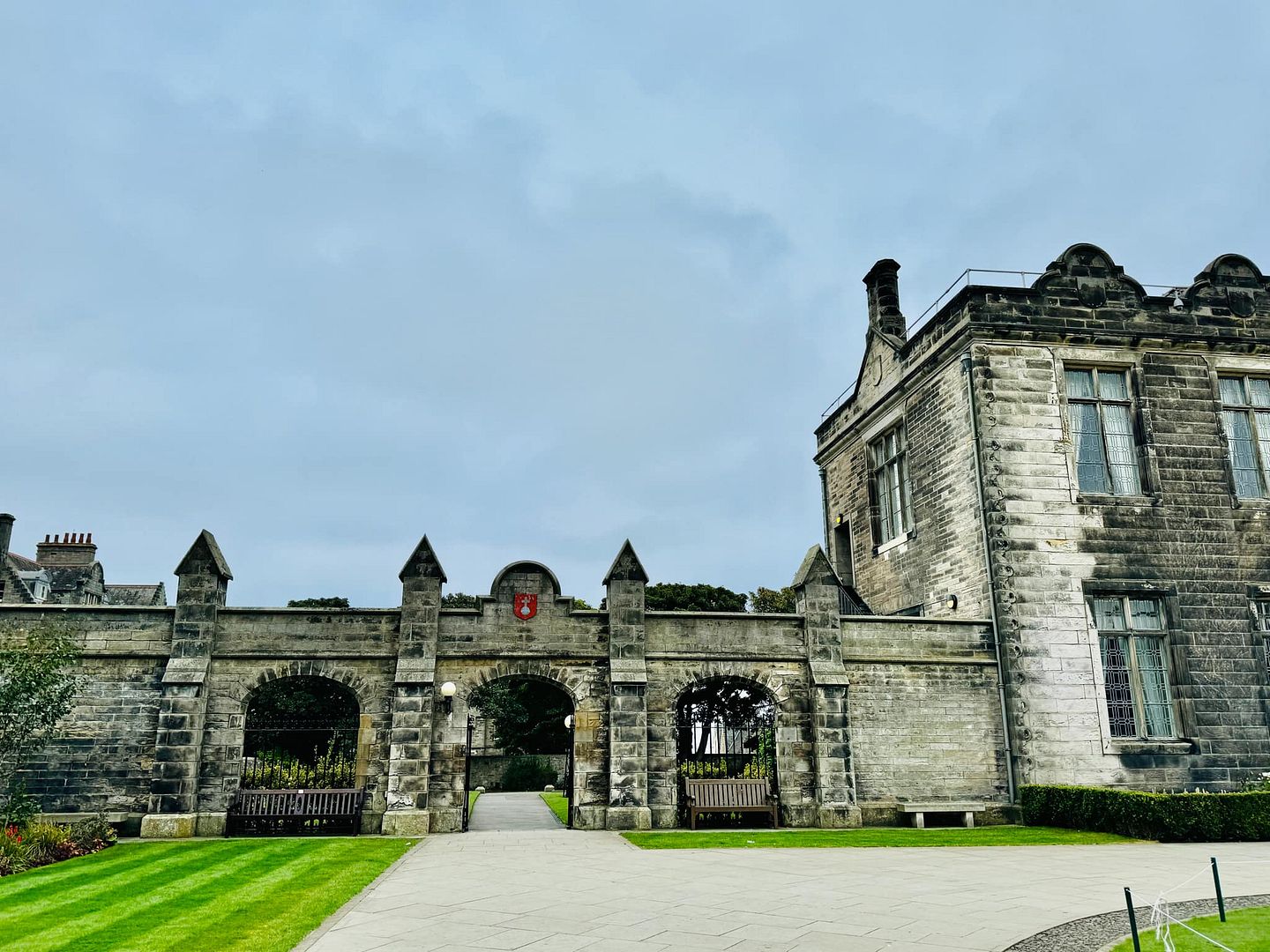
The lane took us by some of the University of St. Andrews buildings with this beautiful St. Salvatores quad.
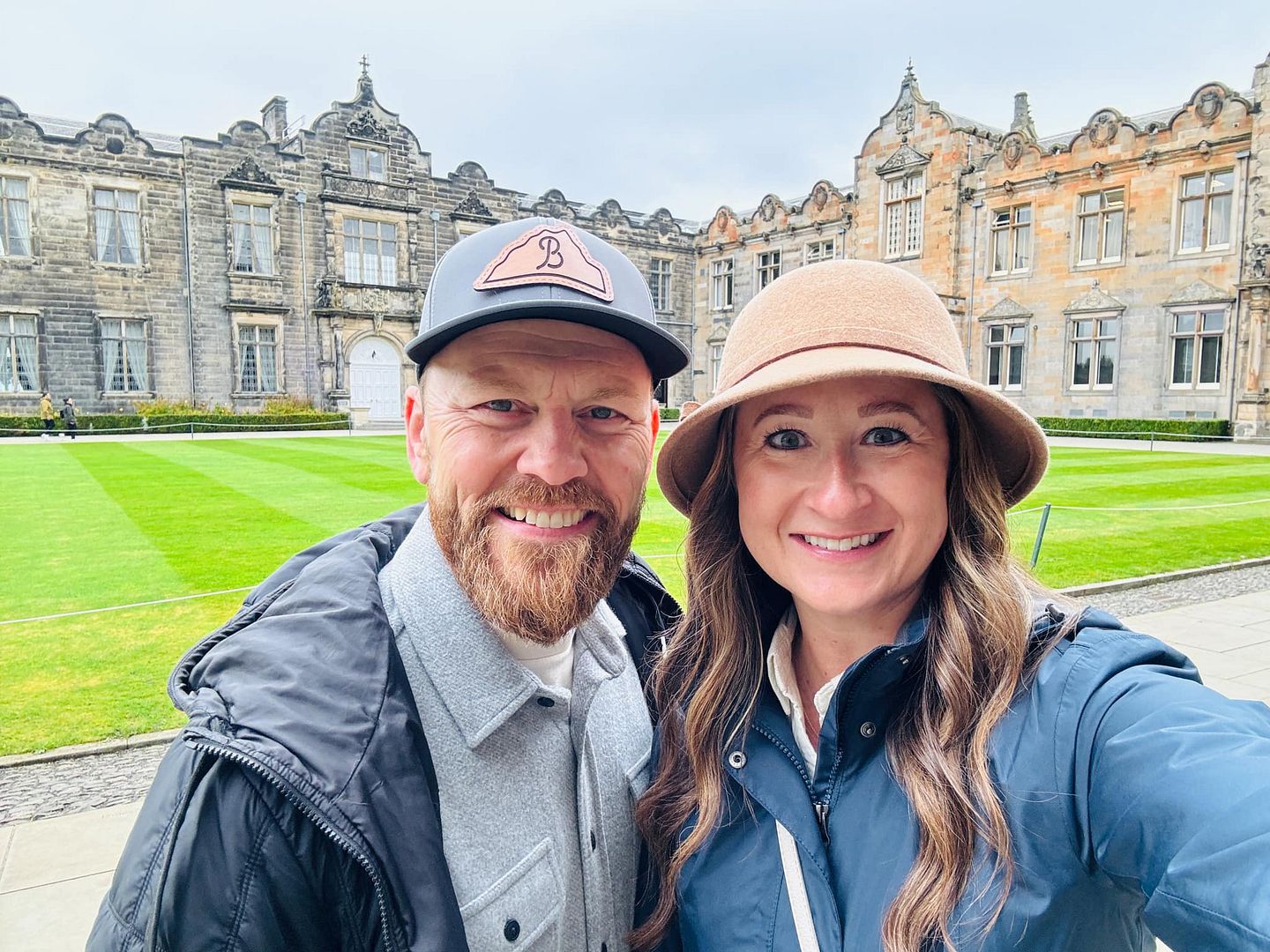
We were hoping to be able to get inside Saint Salvatore’s Chapel but were disappointed to find a private event going on with no entry for us.
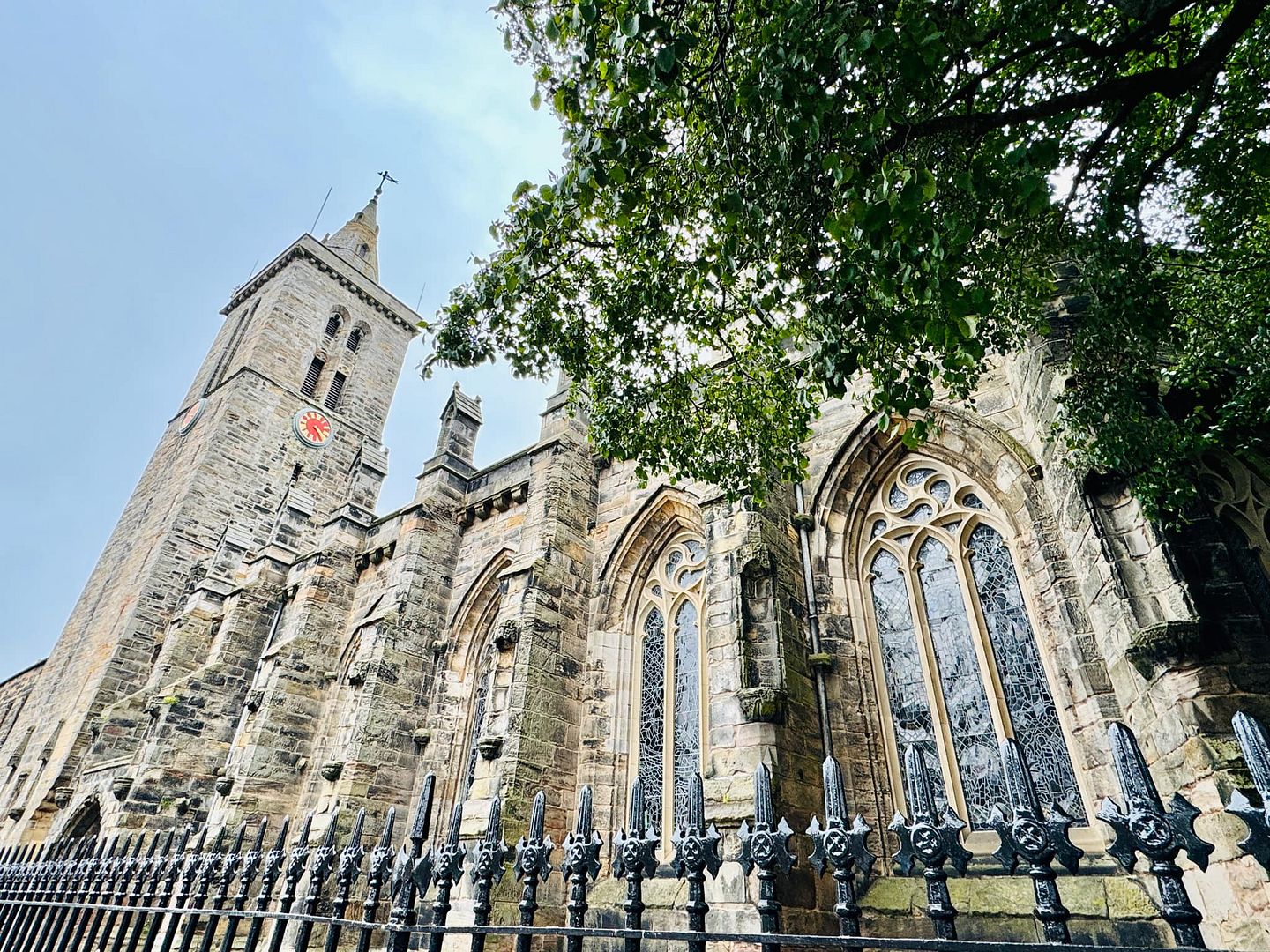
We walked by along North Street and could tell this was a beautiful chapel. I found this youtube and the gal who took the video does show the interior of the chapel with added information and history. She shows the spot where Patrick Hamilton a Presbyterian Reformer was martyred in the video, also.
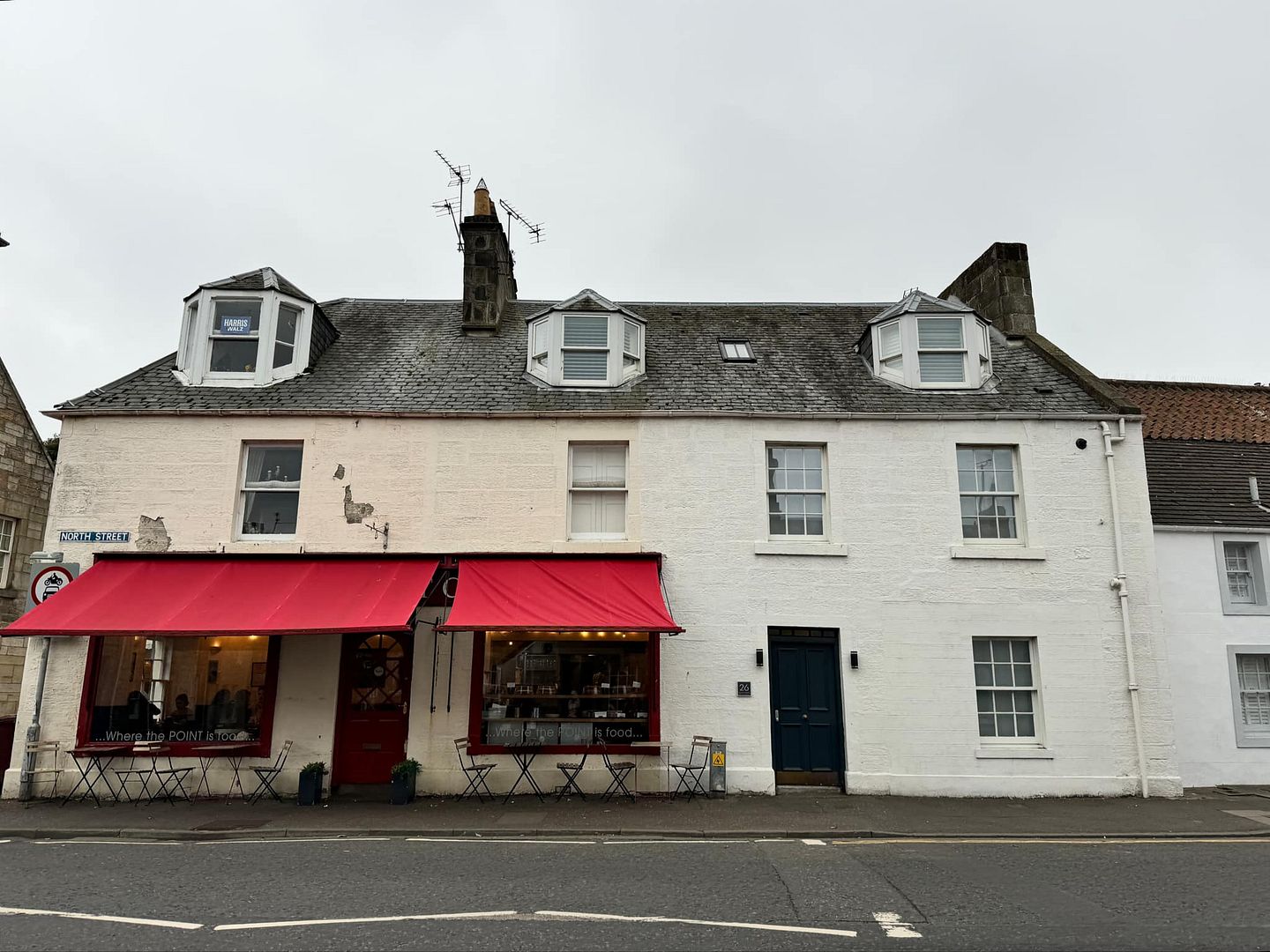
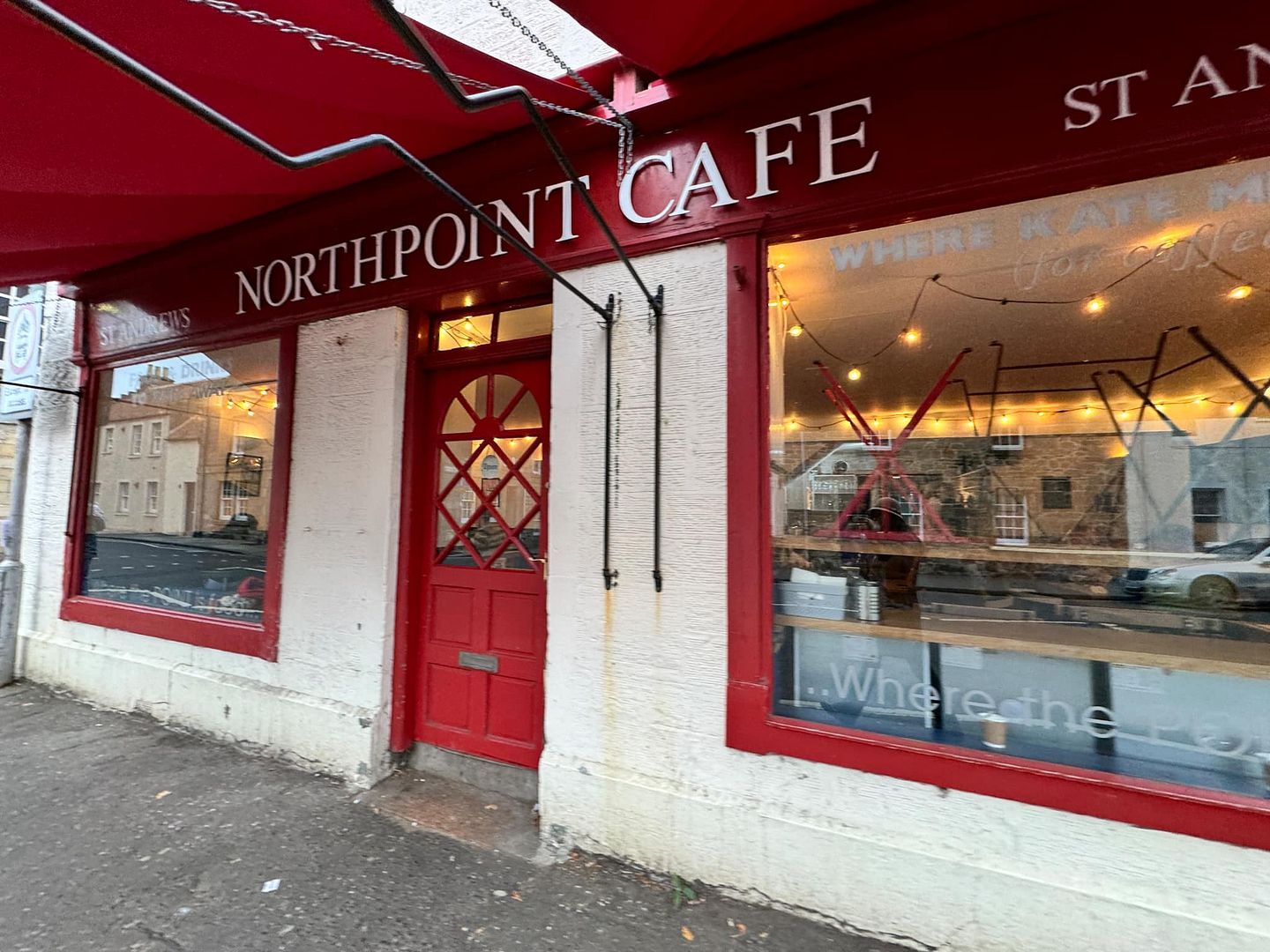
Our next stop was the Northpoint Cafe made famous by Prince William and Kate. We made it in time to have some refreshments before it closed.
Back on the streets we wound our way to the ruins of St. Andrews Cathedral and St. Rules Tower
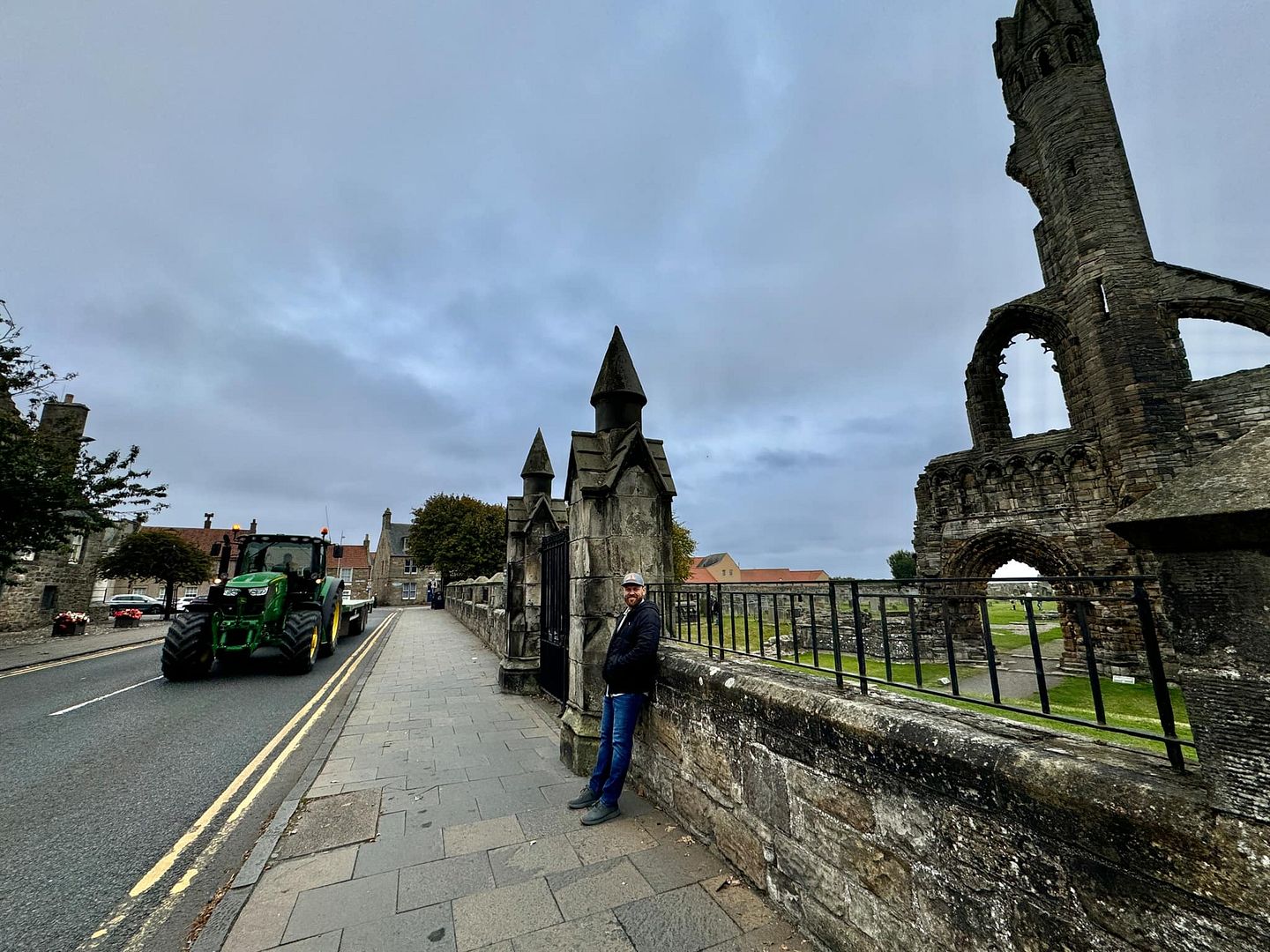
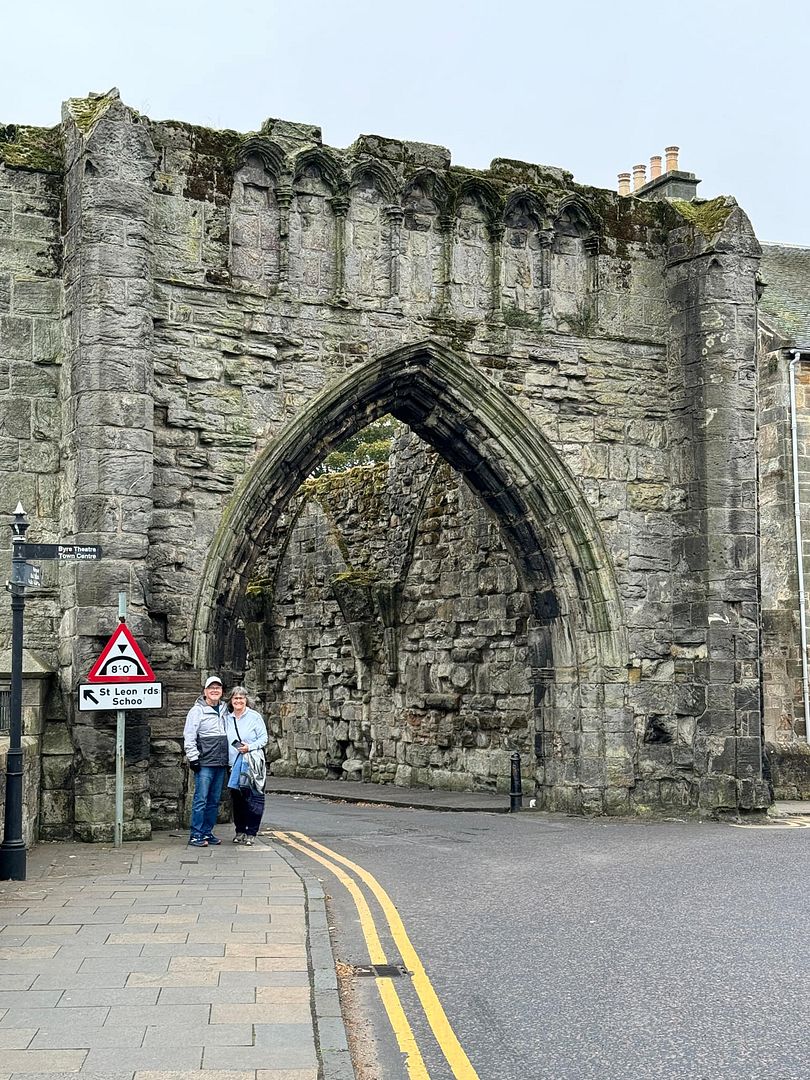
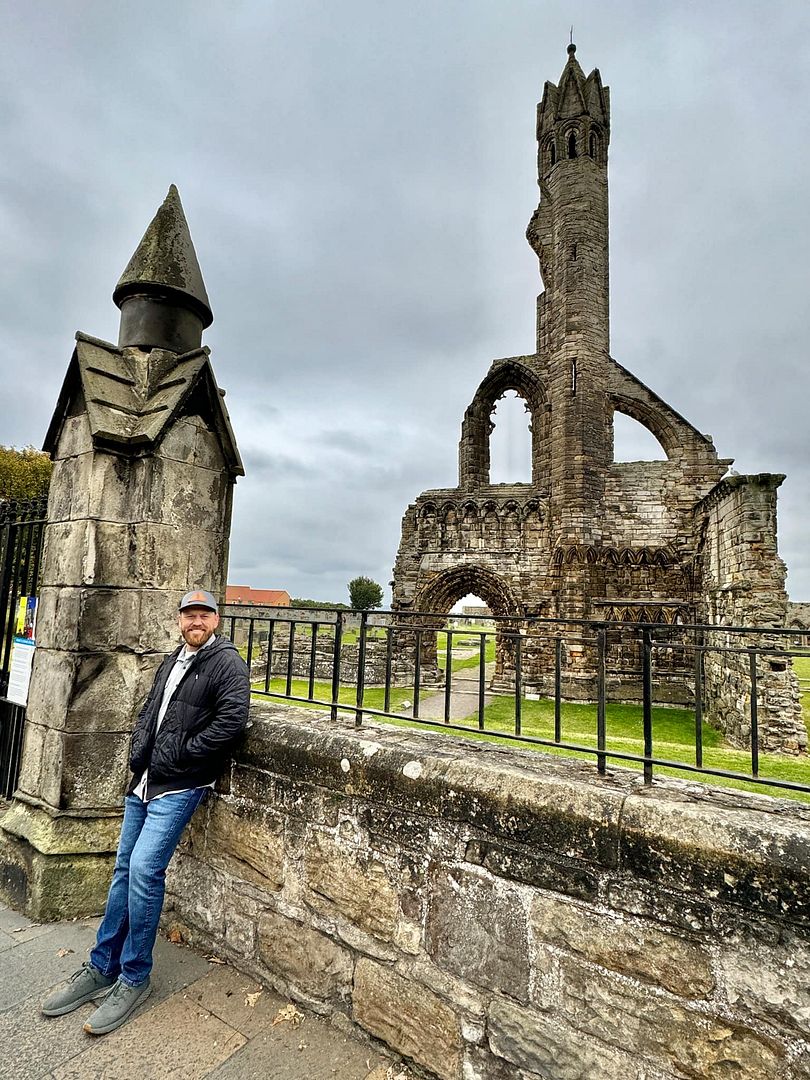
Our feet and our backs were complaining at the end of this afternoon. The grounds were in the process of closing just as we arrived so before they locked the gate, Laura and I went in. I kept the gatekeeper occupied with questions and conversation while Laura walked about the ruins taking photos.
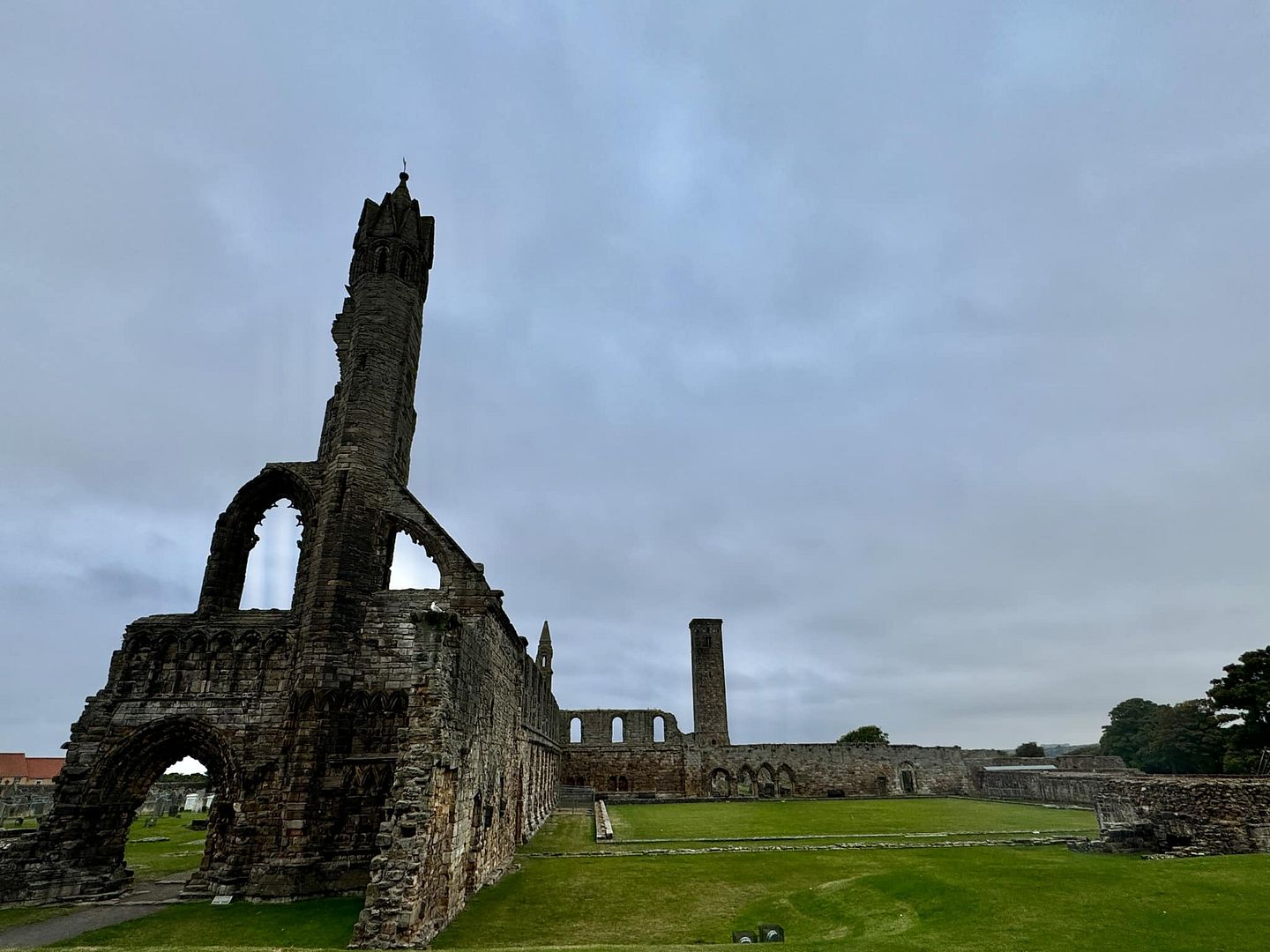
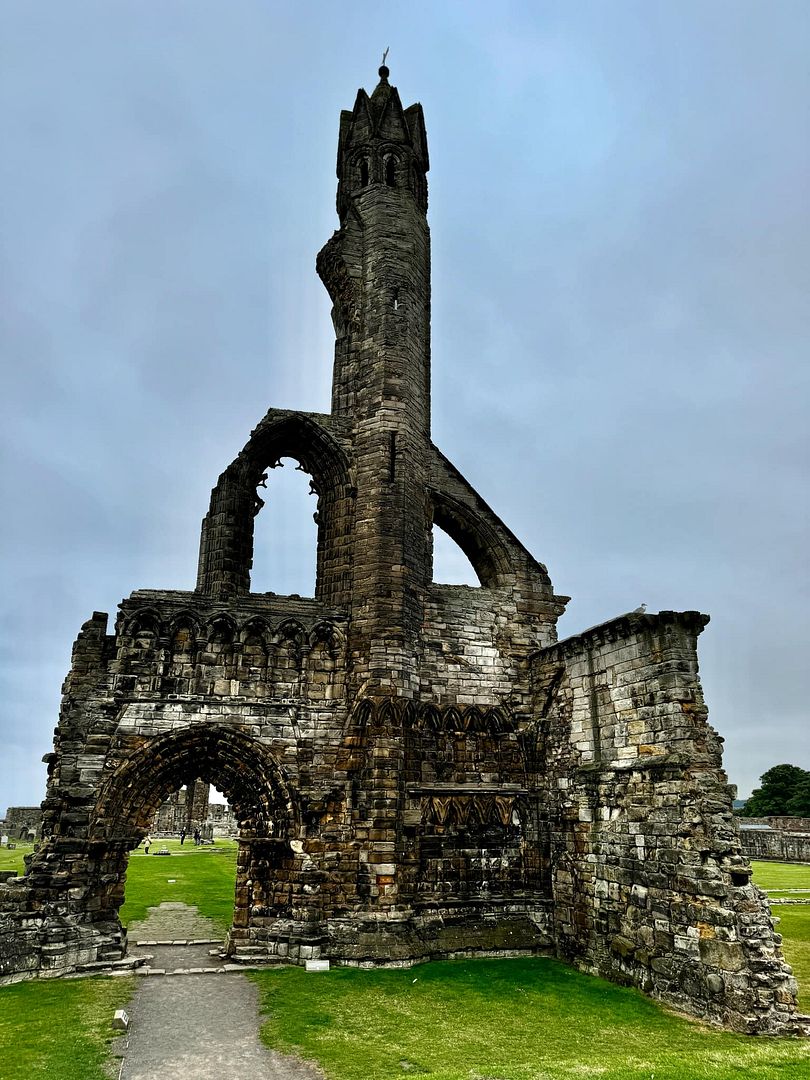
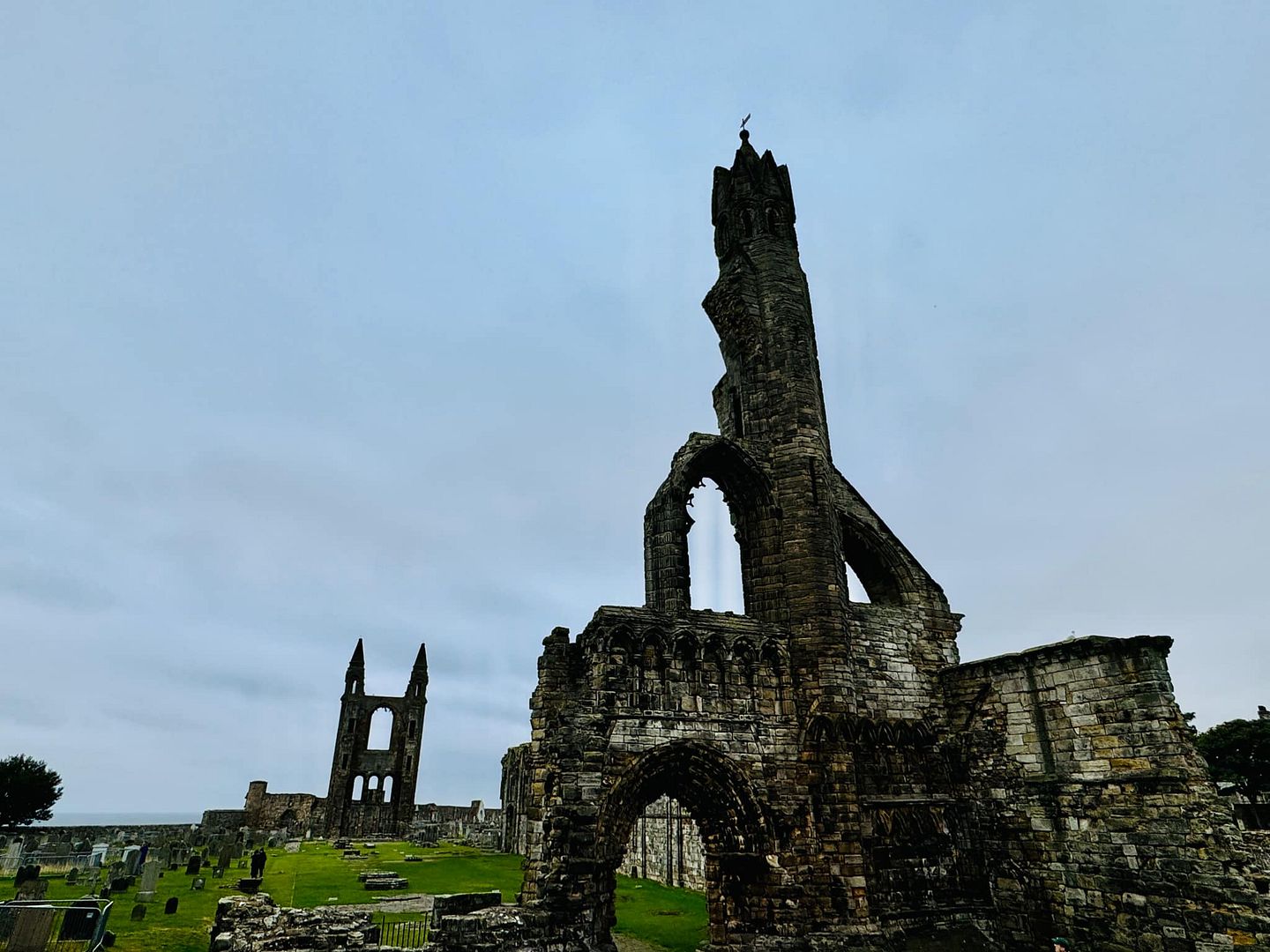
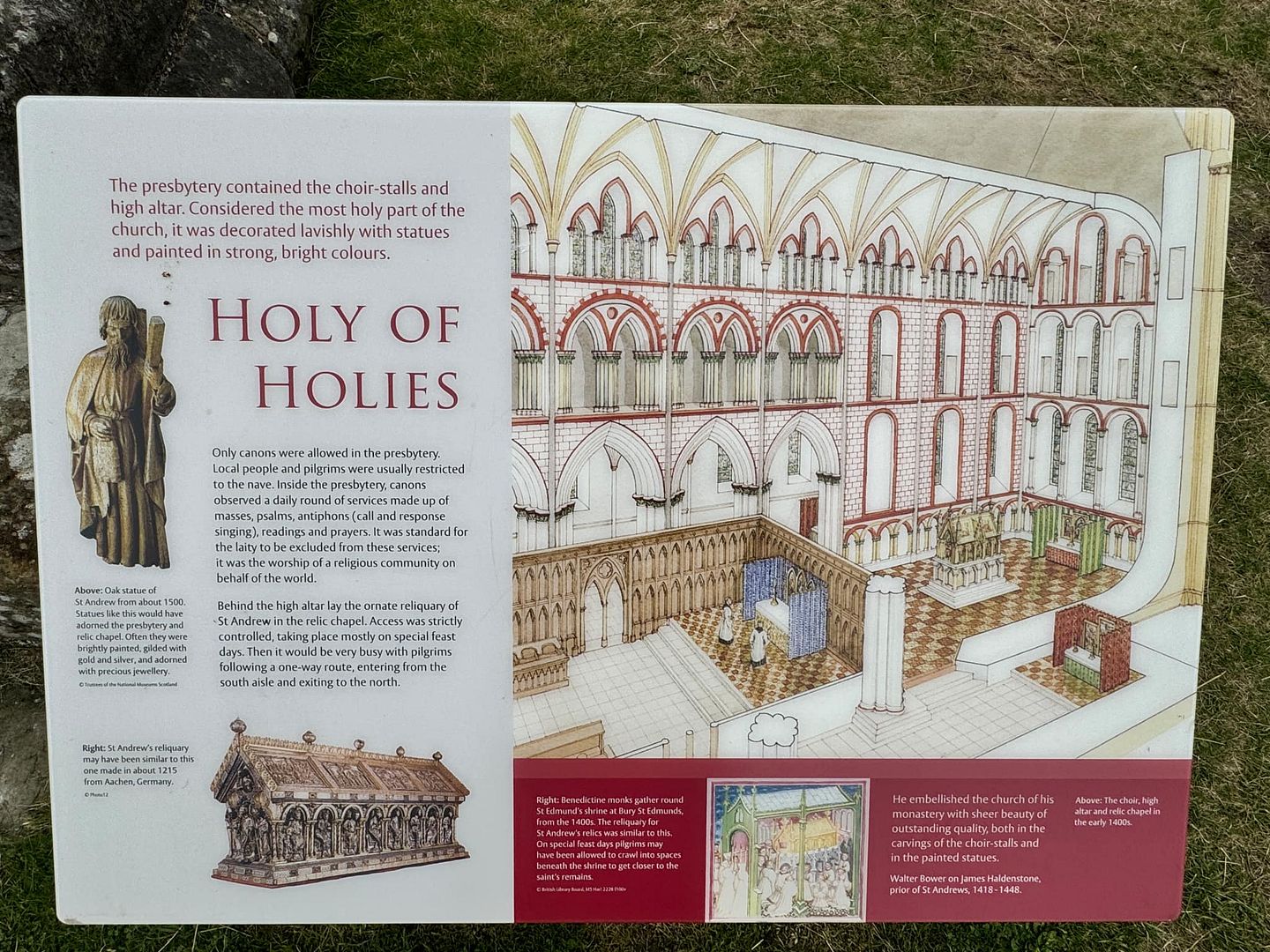
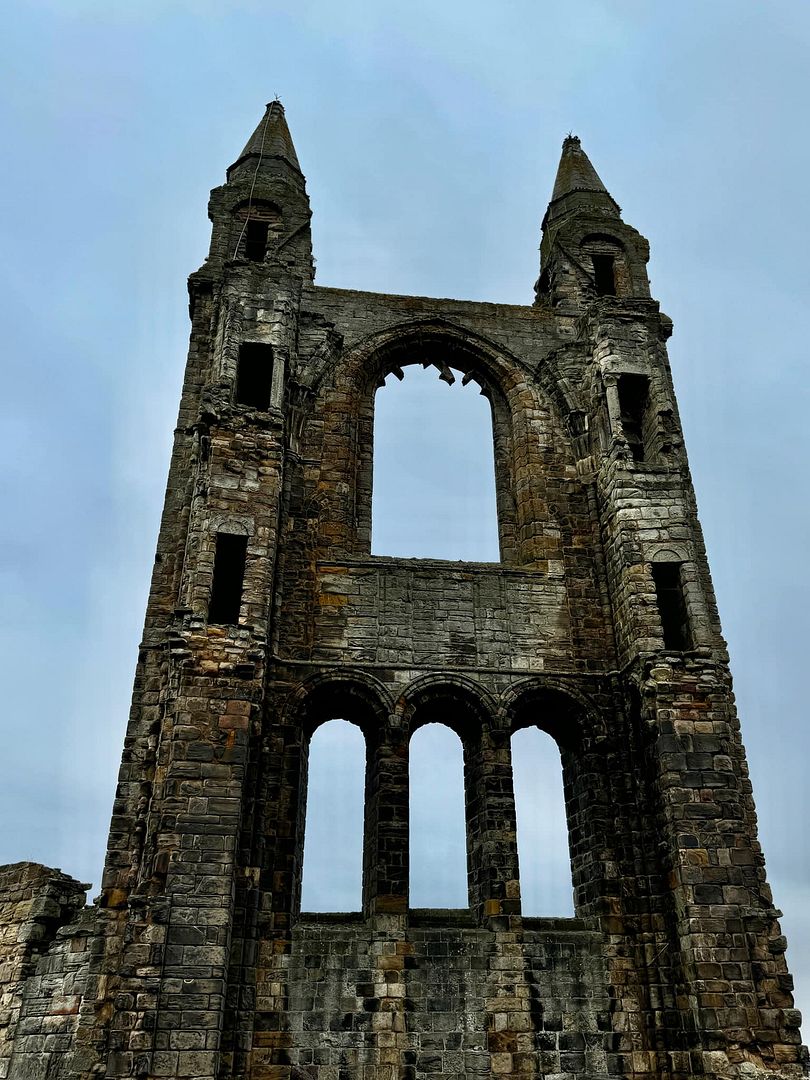
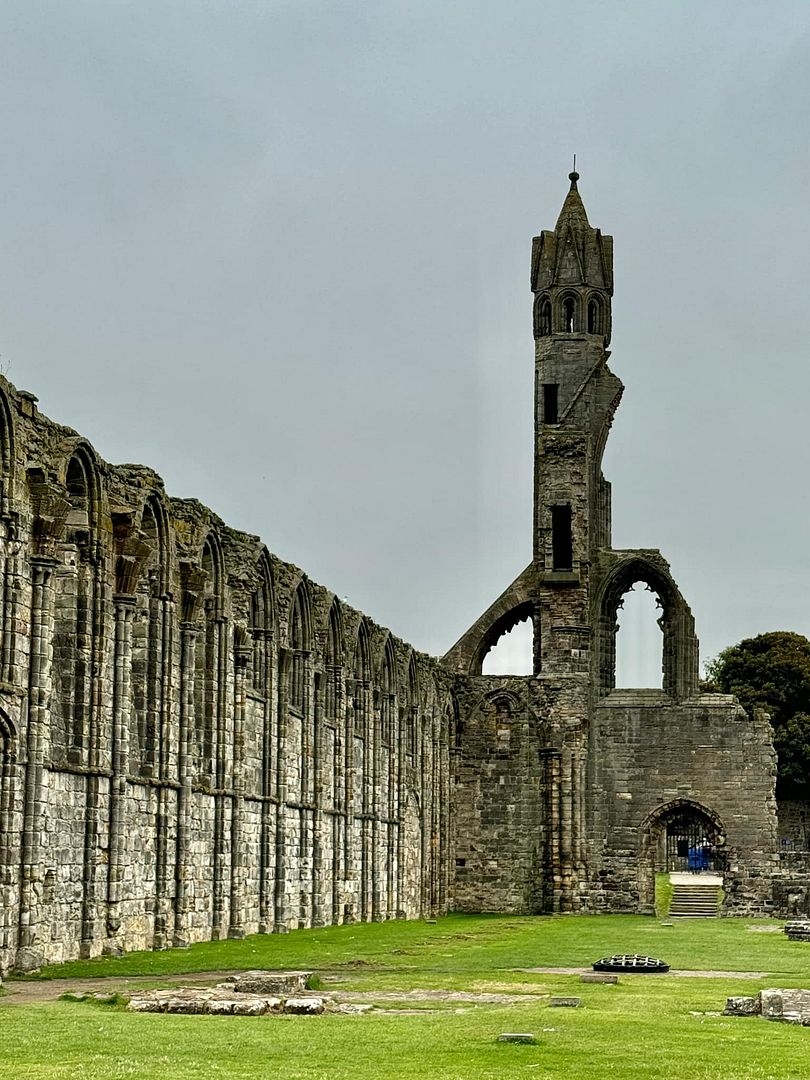
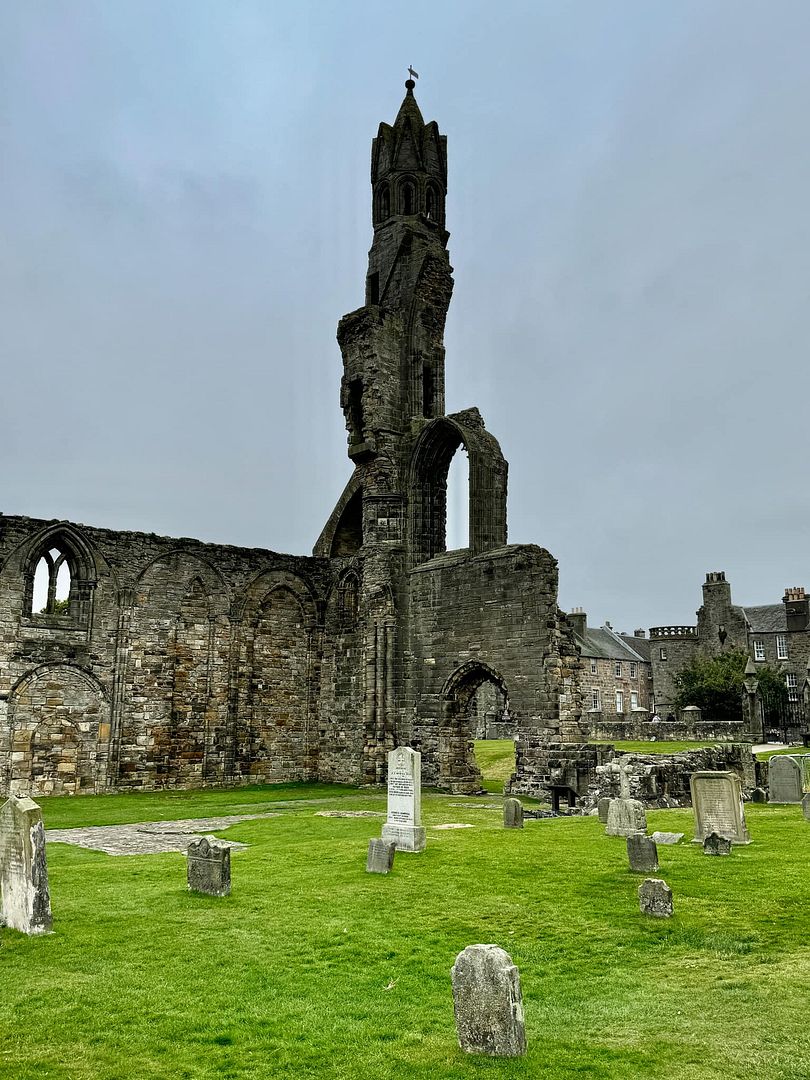
St Andrews Cathedral was Scotland’s largest cathedral. It took nearly 150 years to build and was consecrated in 1318 by Robert the Bruce. An ill-fated building, it suffered damage from fires and storms, but the Religious Reformation of 1559 was the most damaging event of all. Following an anti-Papal sermon by John Knox, his congregation went to the Cathedral and destroyed its symbols of Roman Catholicism. Further attacks led to the Cathedral being closed and the friars expelled.
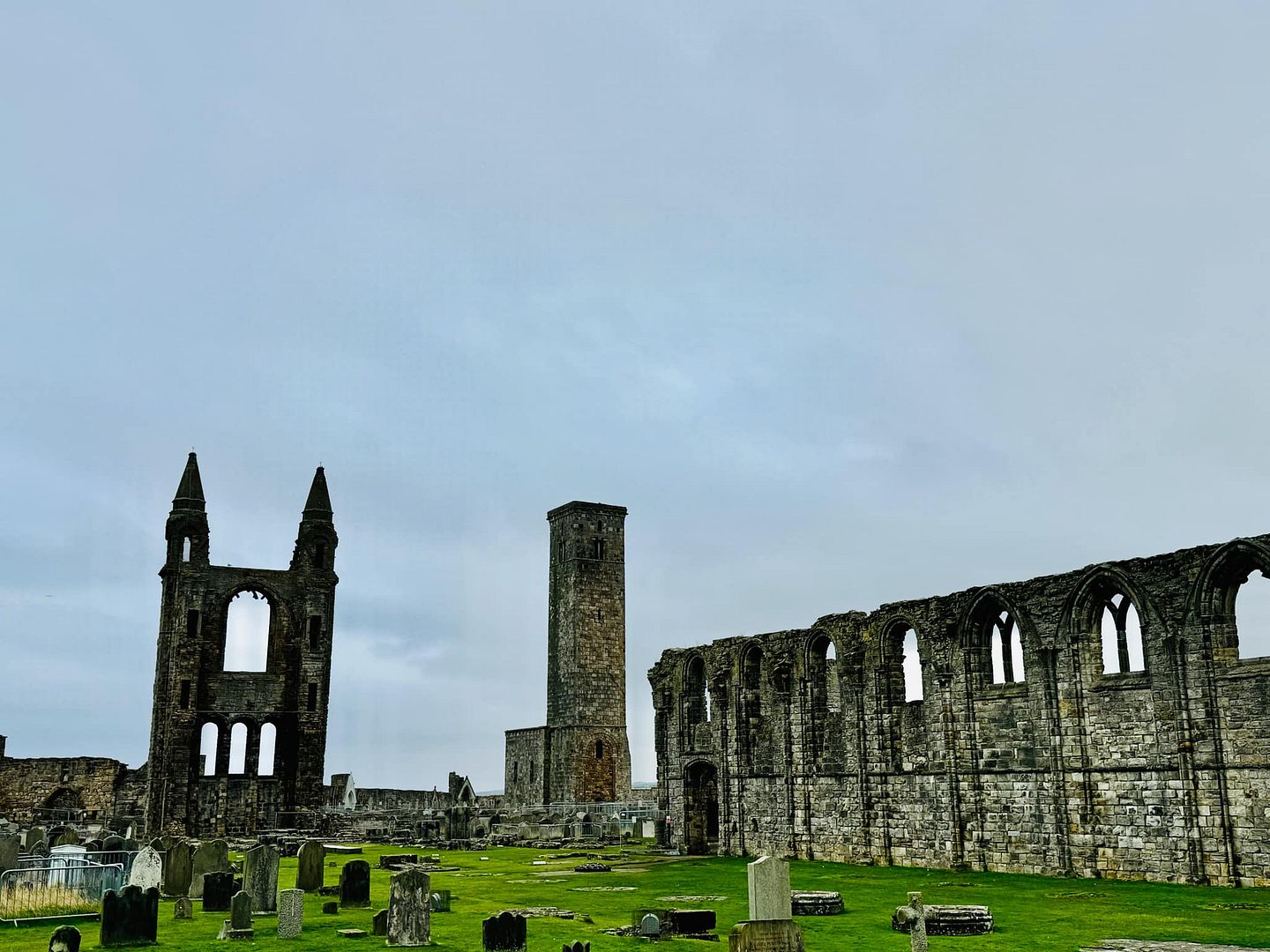
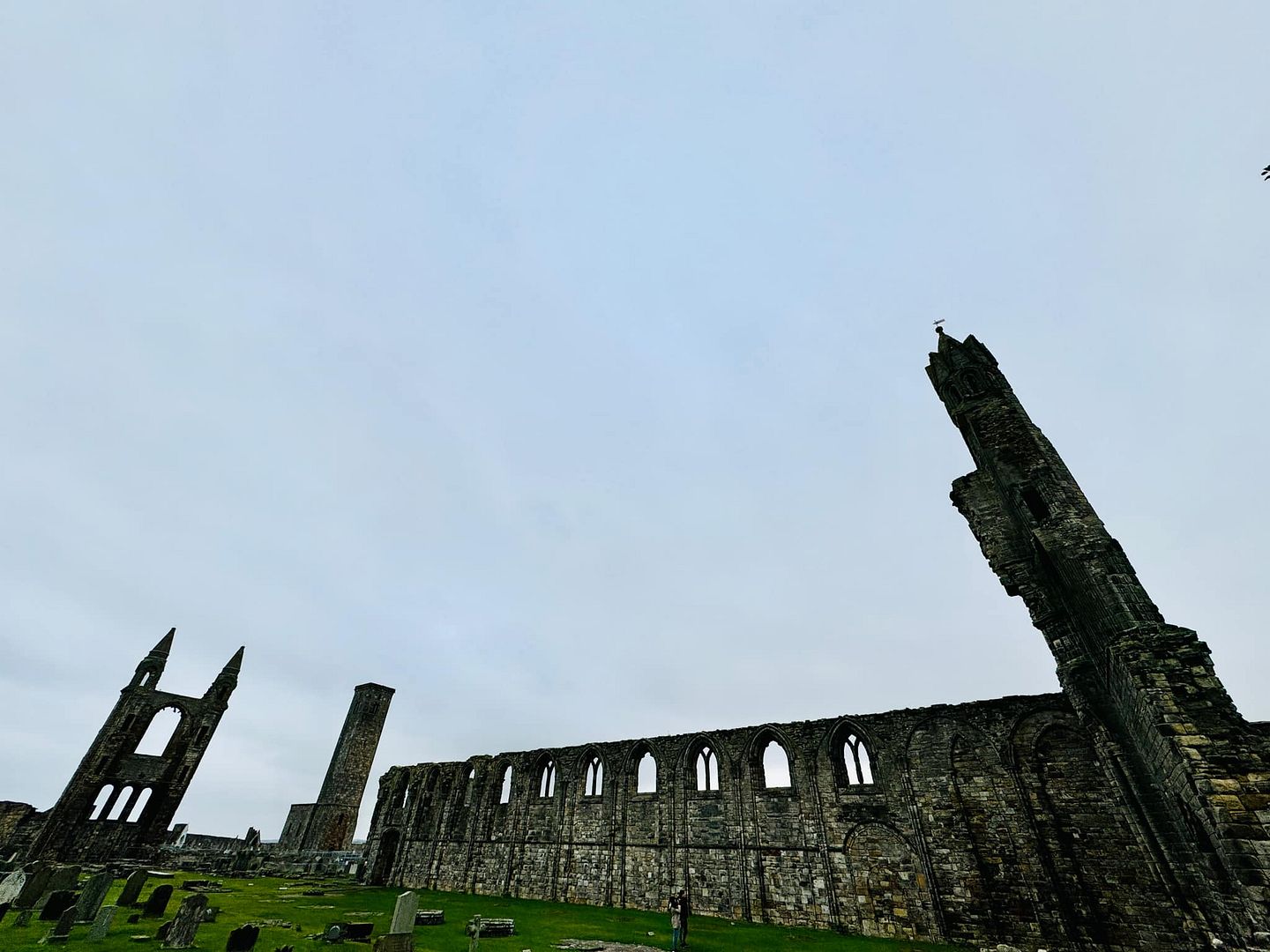
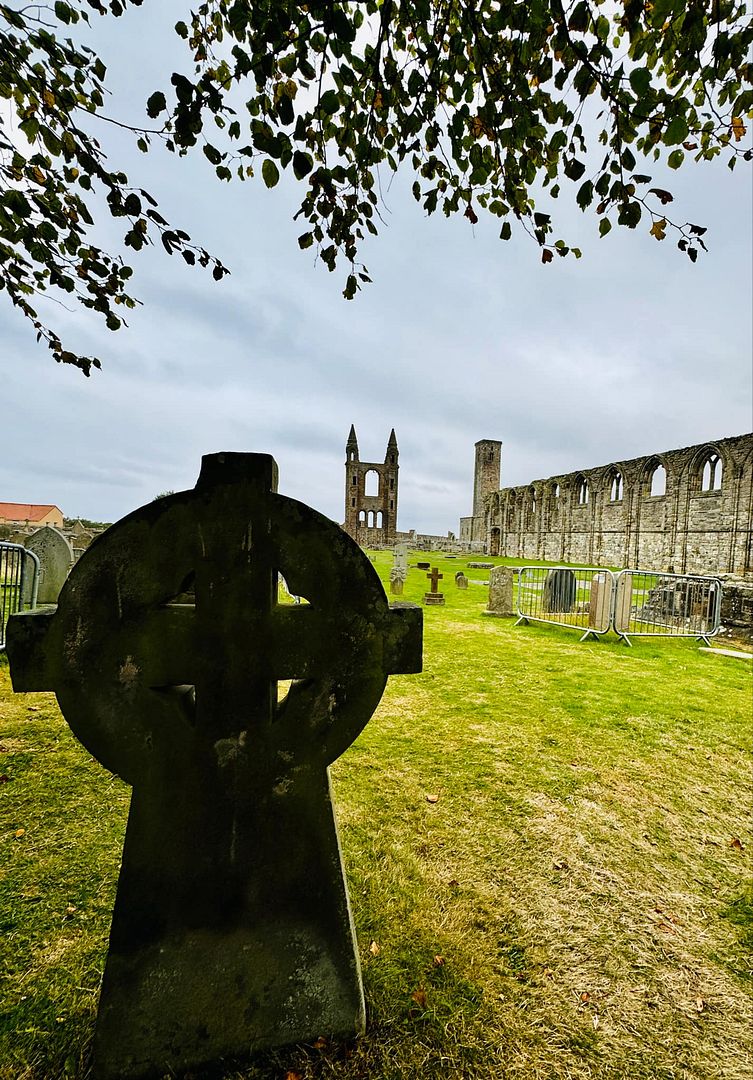
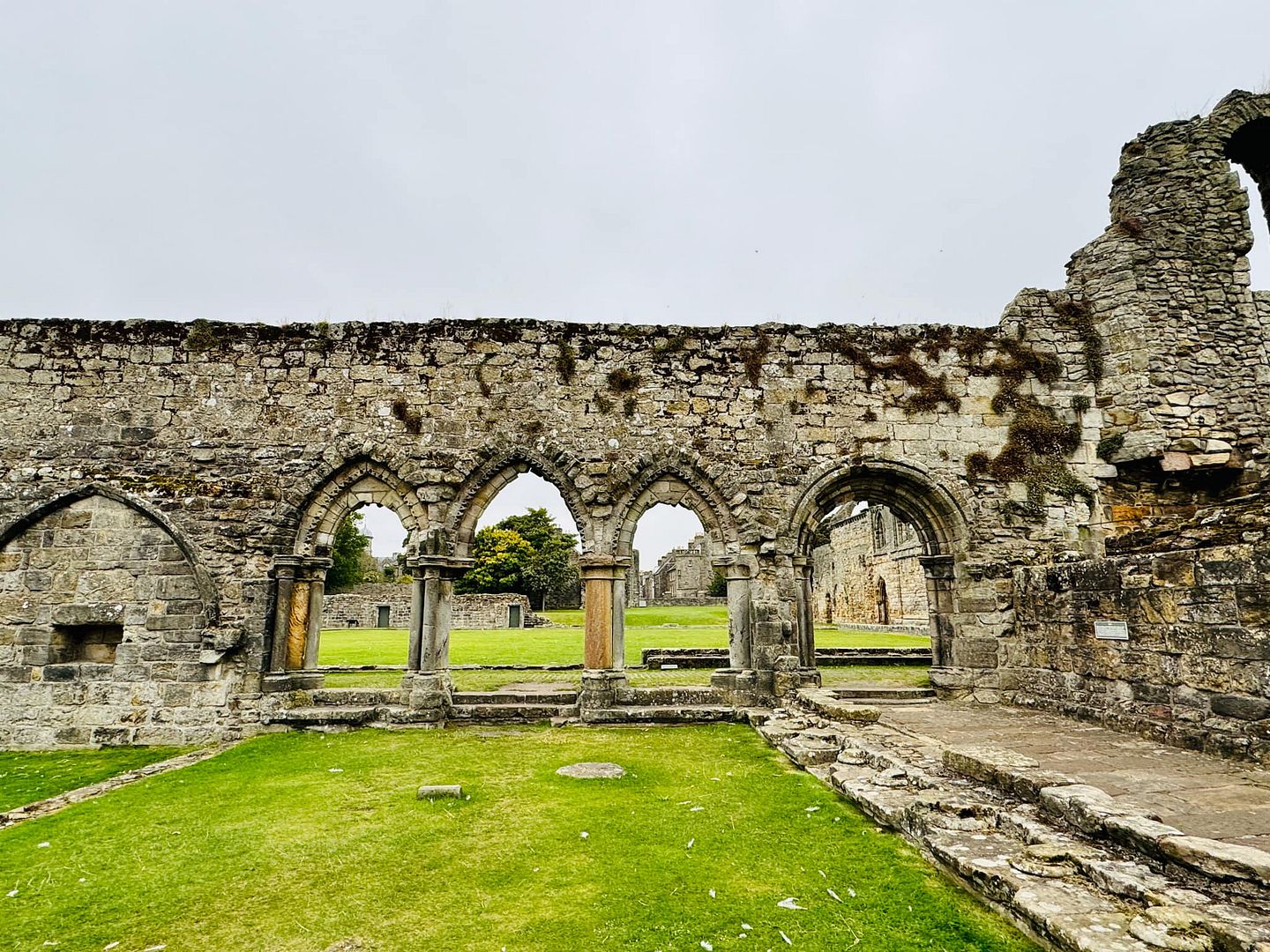
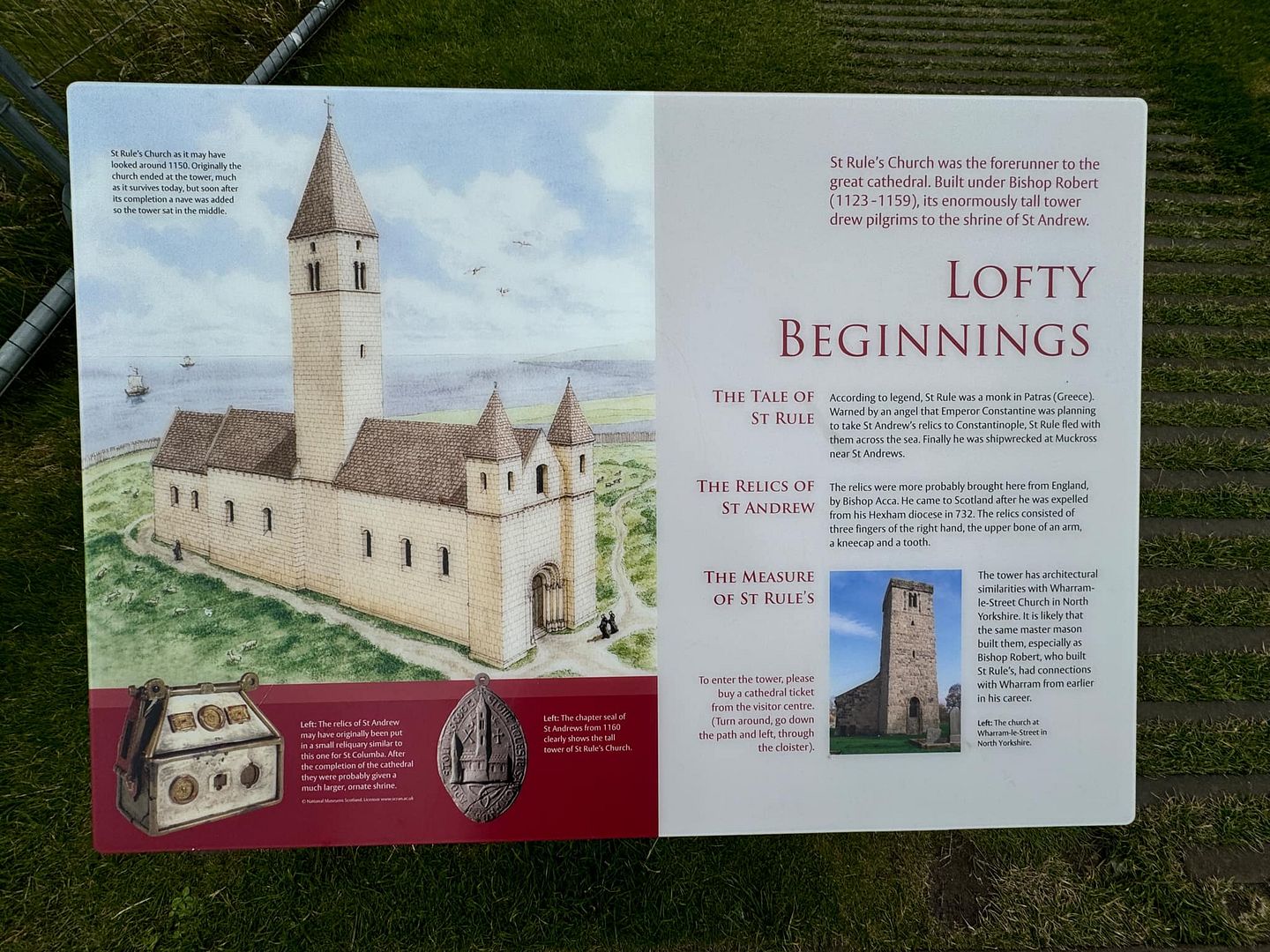
On the site of St Andrews Cathedral, there was originally St Rule’s Church, which belonged to a community of Augustinian Canons who had the adjoining building as their living quarters. Nowadays, only the Tower remains, and at 30 meters high, it provides the best panoramic views across St Andrews.
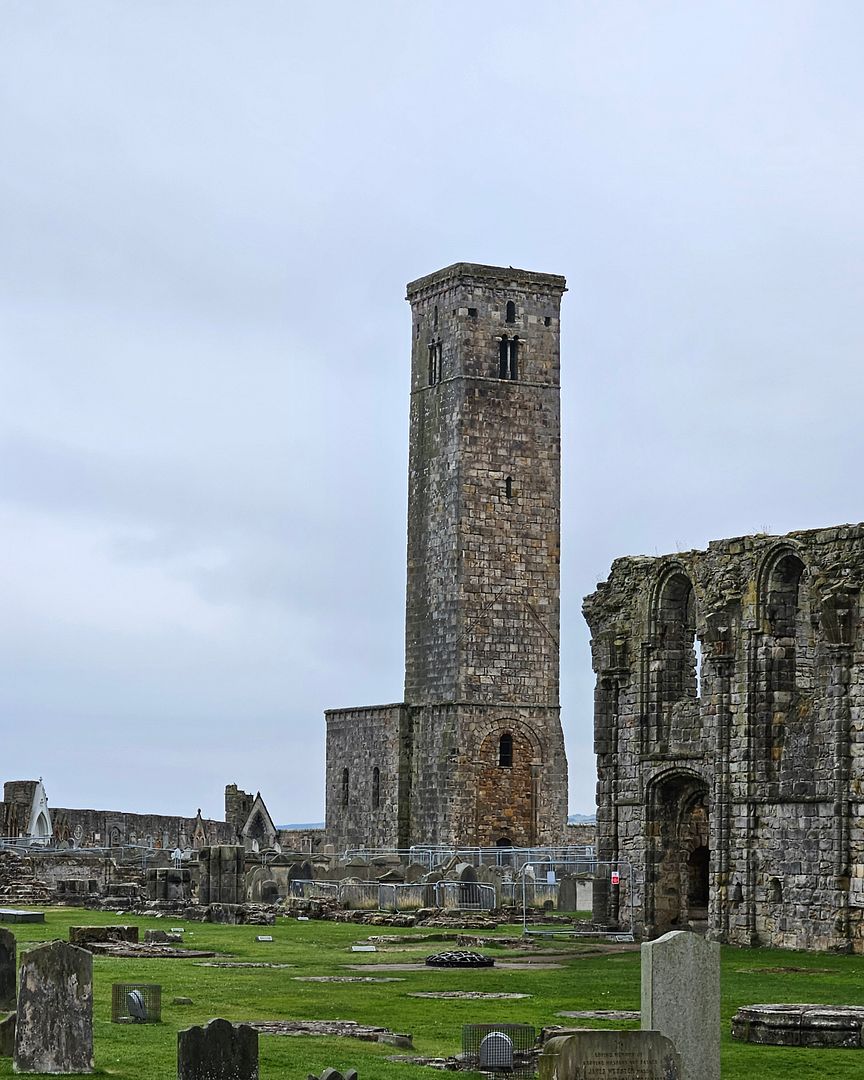
The tower is generally accessible to climb and see great views but we arrived too late in the day for that.
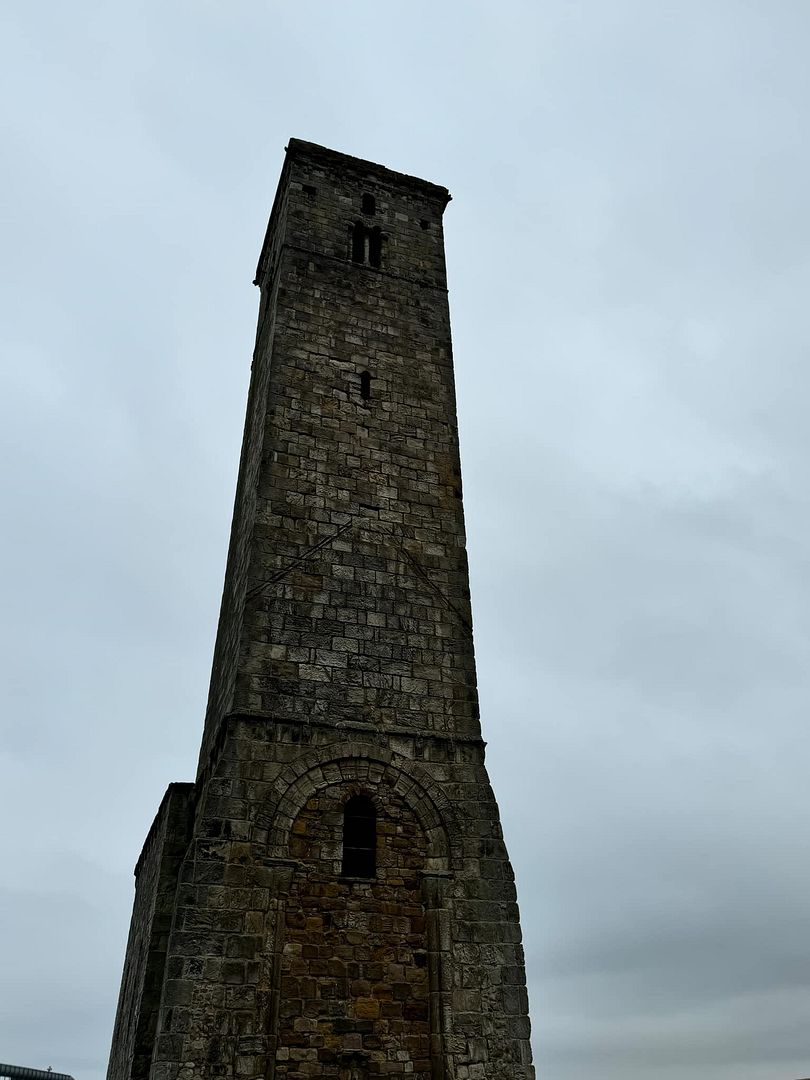
There is also a museum on this site but, you guessed it, the museum was closed by the time we reached this site.
You can find more information here.
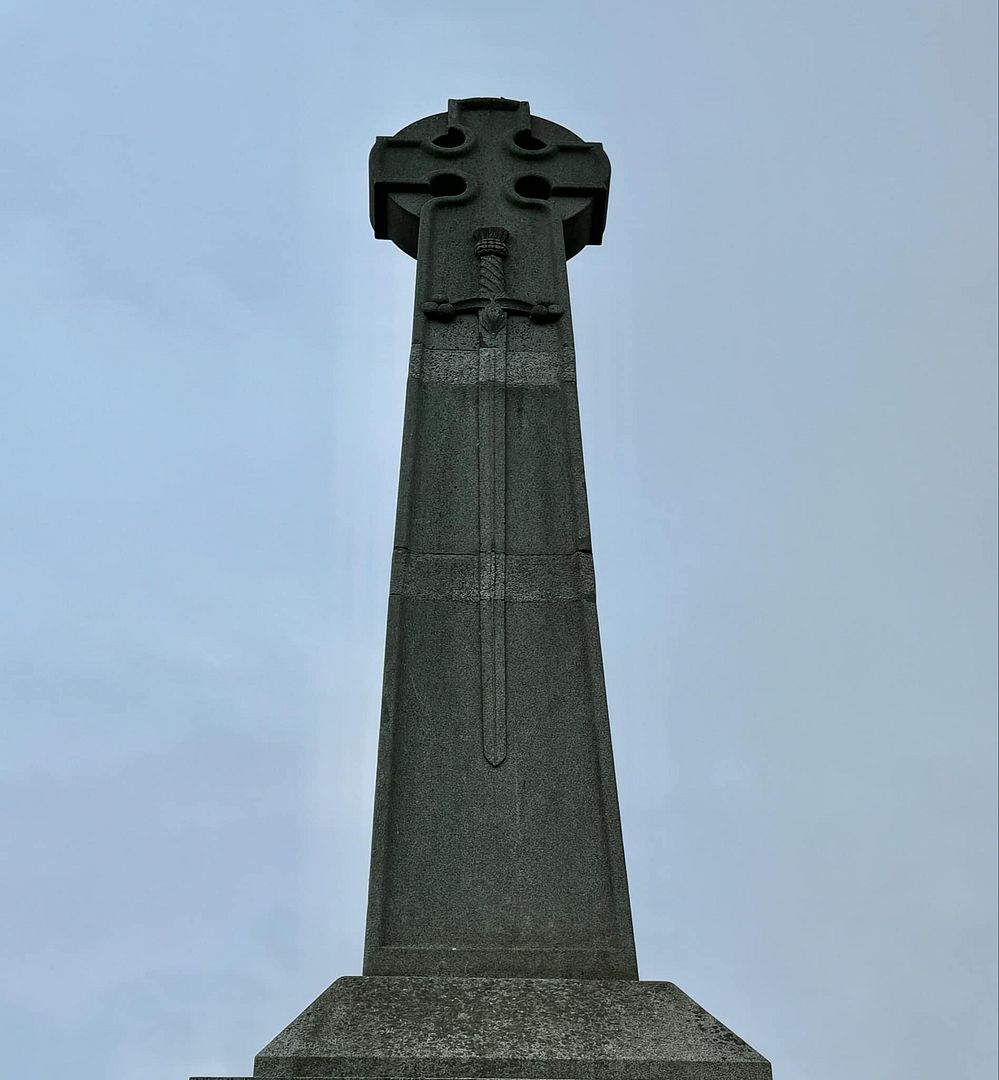
When we couldn’t hold the gatekeeper off any longer we left the grounds and let him lock the gate. We walked back to where our vehicle was parked along the University lanes with one more stop in mind before we left St. Andrews.
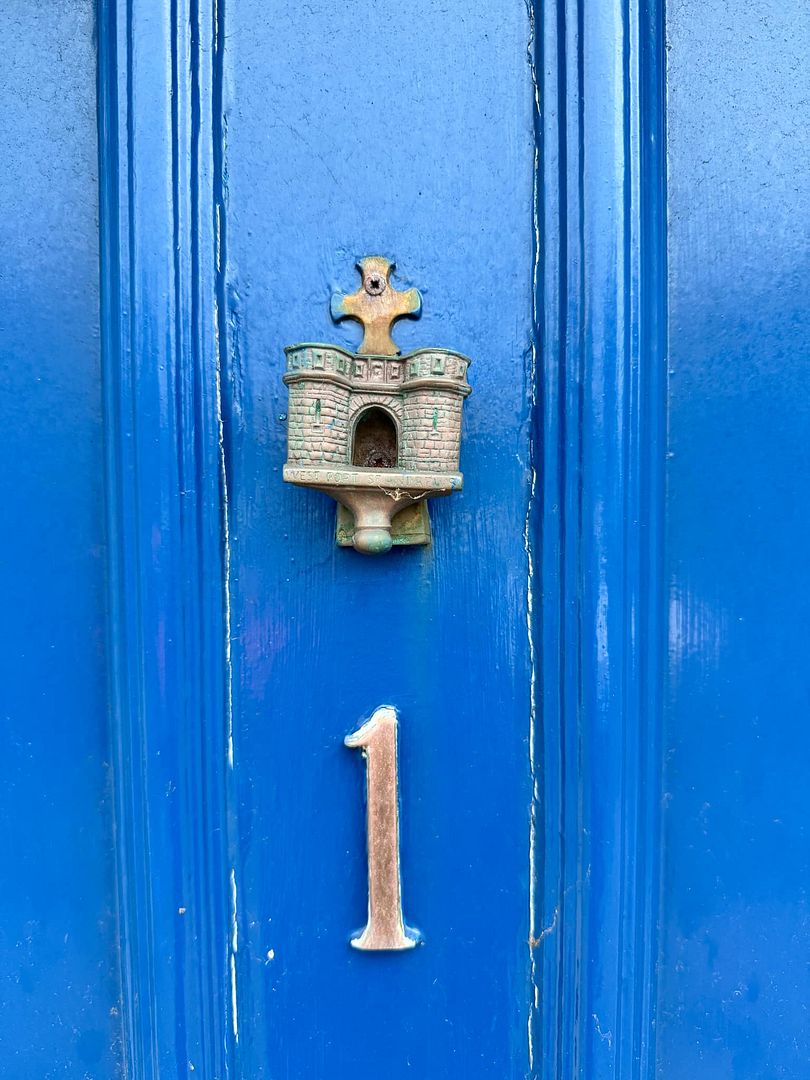
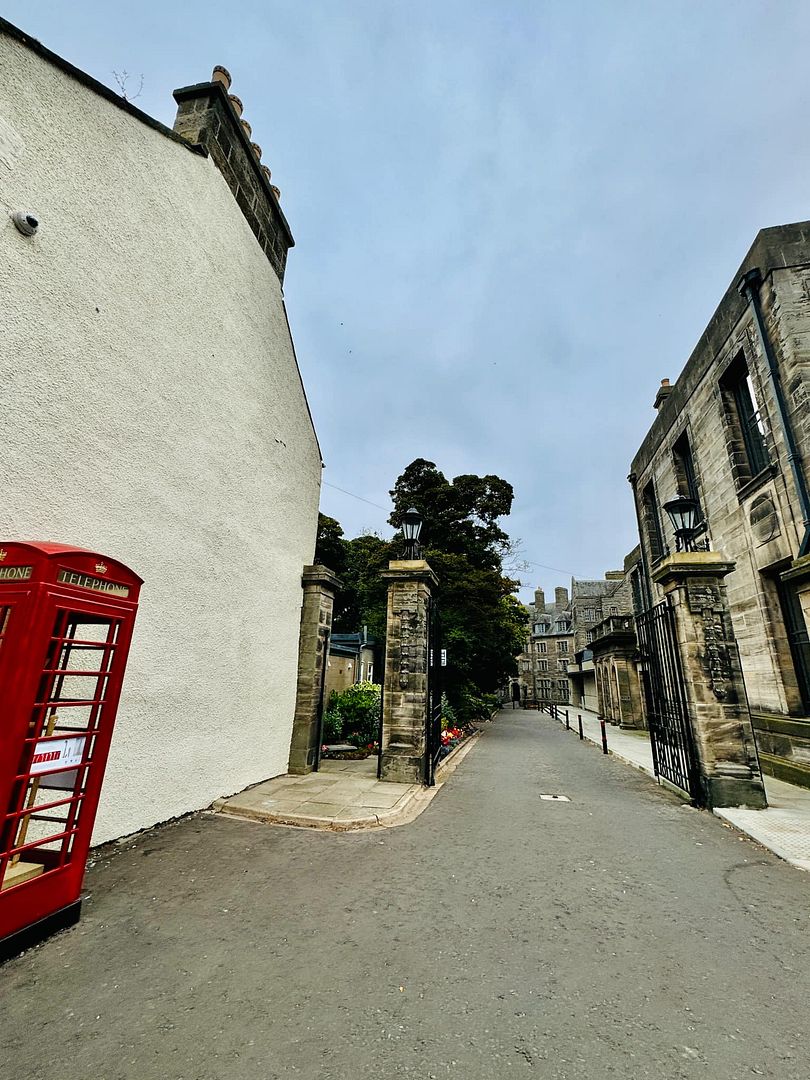
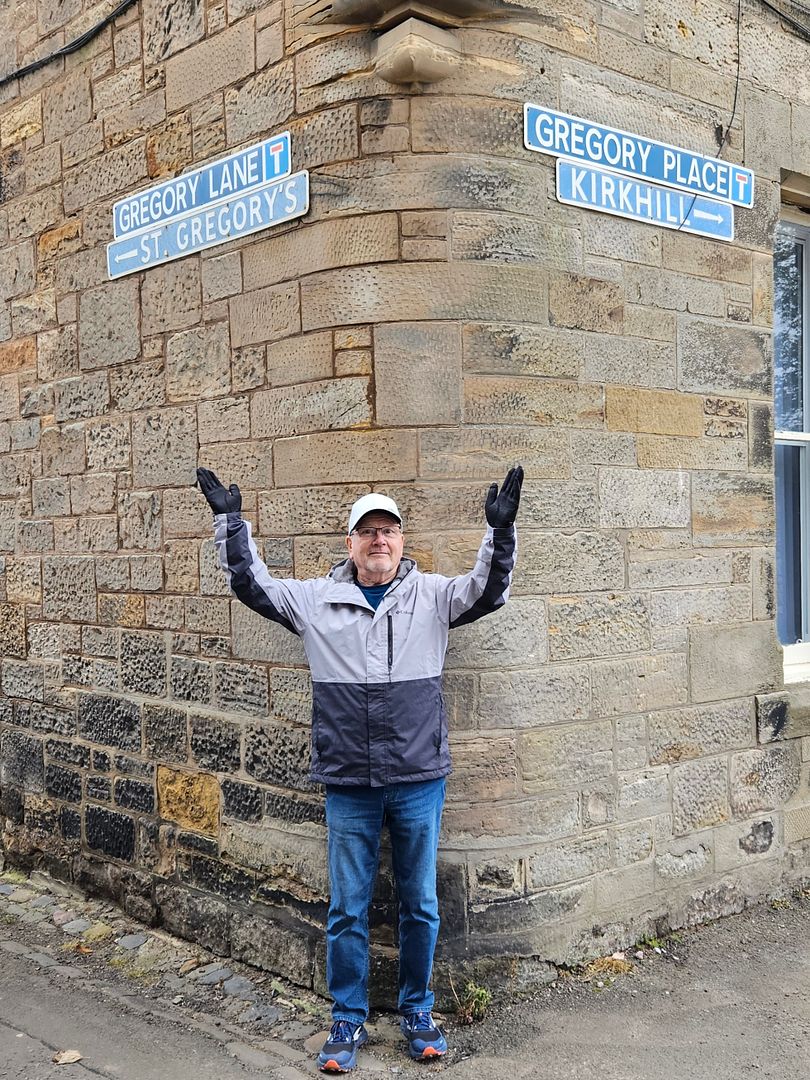
Well of course we needed a photo of our Gregory right at this spot!
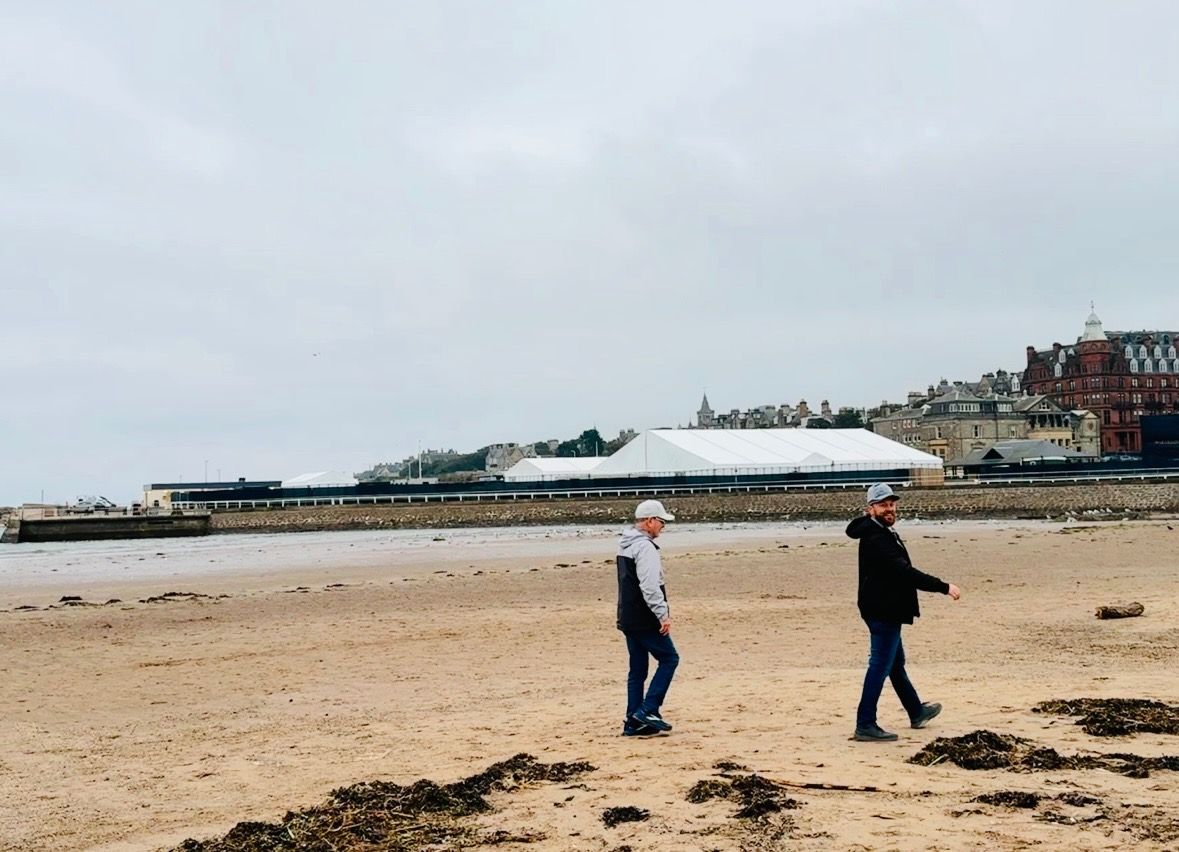
Before we left to Scotland we watched Chariots of Fire knowing we would be close to the beach where the famous opening to the movie was filmed. We wanted to re-enact that opening.
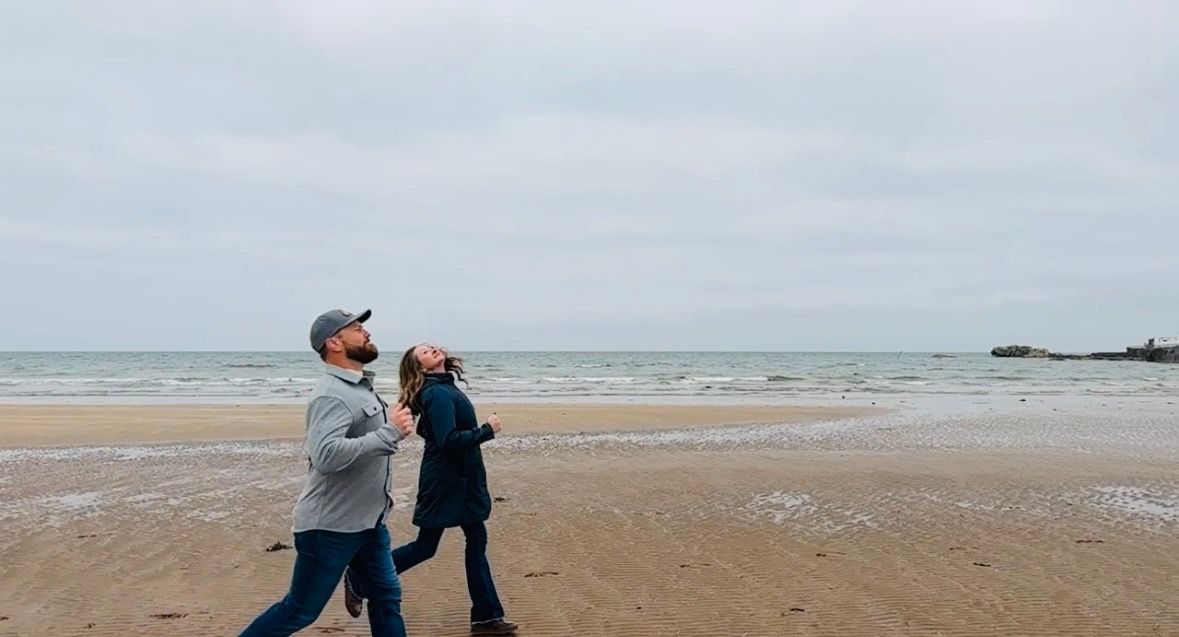
Eric Liddell: I believe God made me for a purpose – but He also made me fast. And when I run, I feel His pleasure.
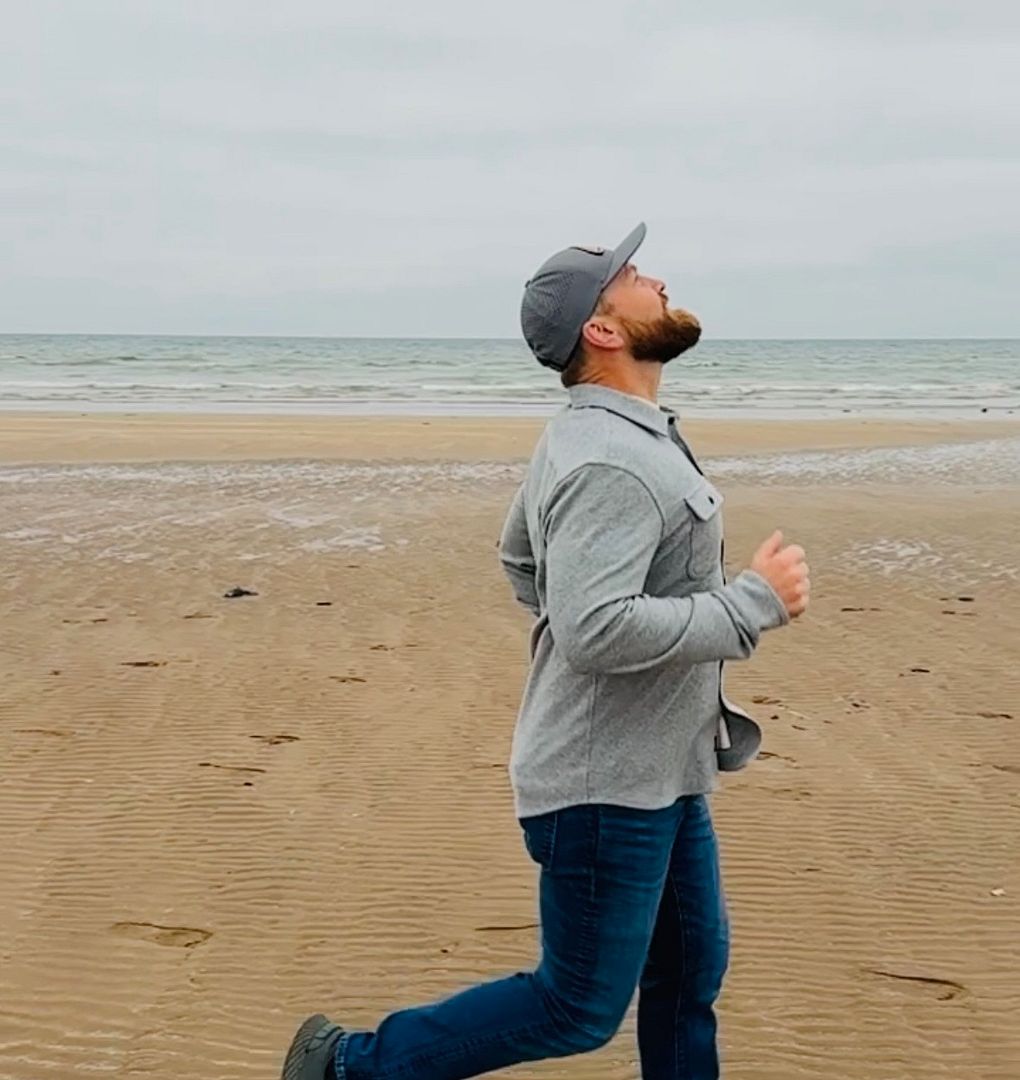
“I have no formula for winning the race. Everyone runs in her own way, or his own way. And where does the power come from, to see the race to its end? From within. Jesus said, ‘Behold, the Kingdom of God is within you. If with all your hearts, you truly seek me, you shall ever surely find me.’ If you commit yourself to the love of Christ, then that is how you run a straight race.” ~ Eric Liddell
We were pleased with the results. We have videos but unfortunately I can’t find a way to post that on my blog. We were cracking ourselves up and amazed our feet allowed this last event of the day. When we got back to our car, it was decided we needed to find some takeaway or purchase something we could pop in the oven for dinner. Take away did not materialize so we stopped at M&S and found some savoury pies and some desserts, too.
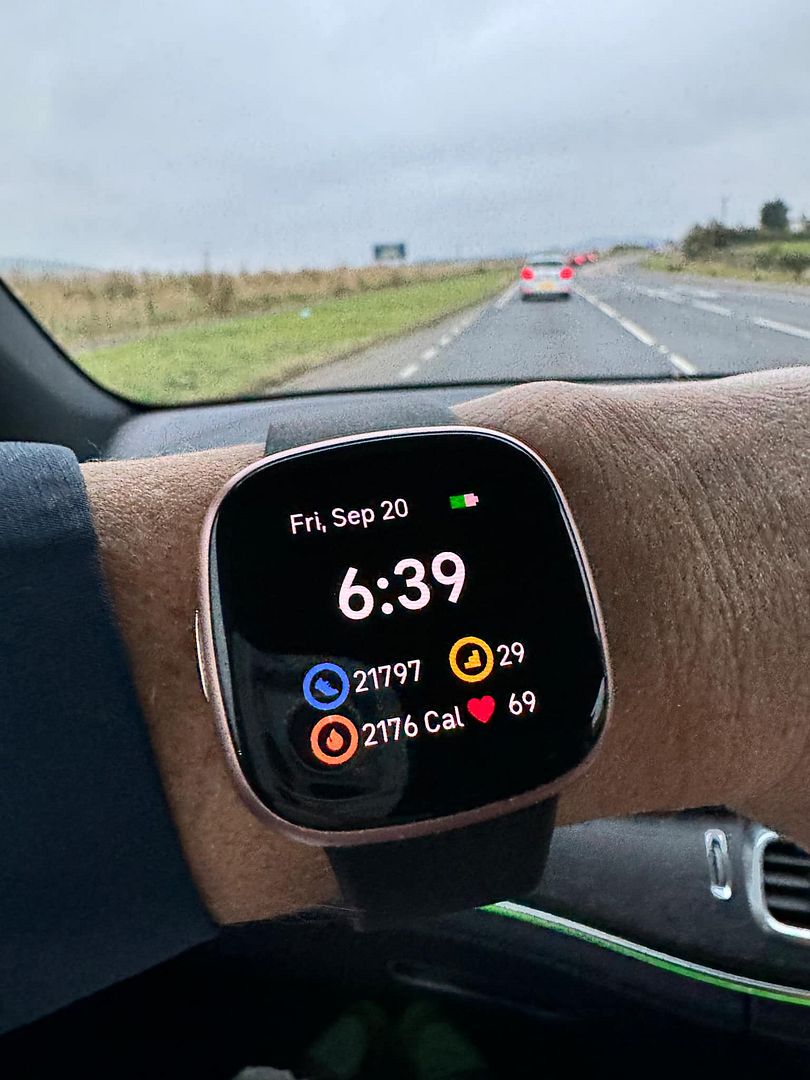
Laura’s watch clocked us at 21,797 steps with 29 stairway climbs, too. Yikes.
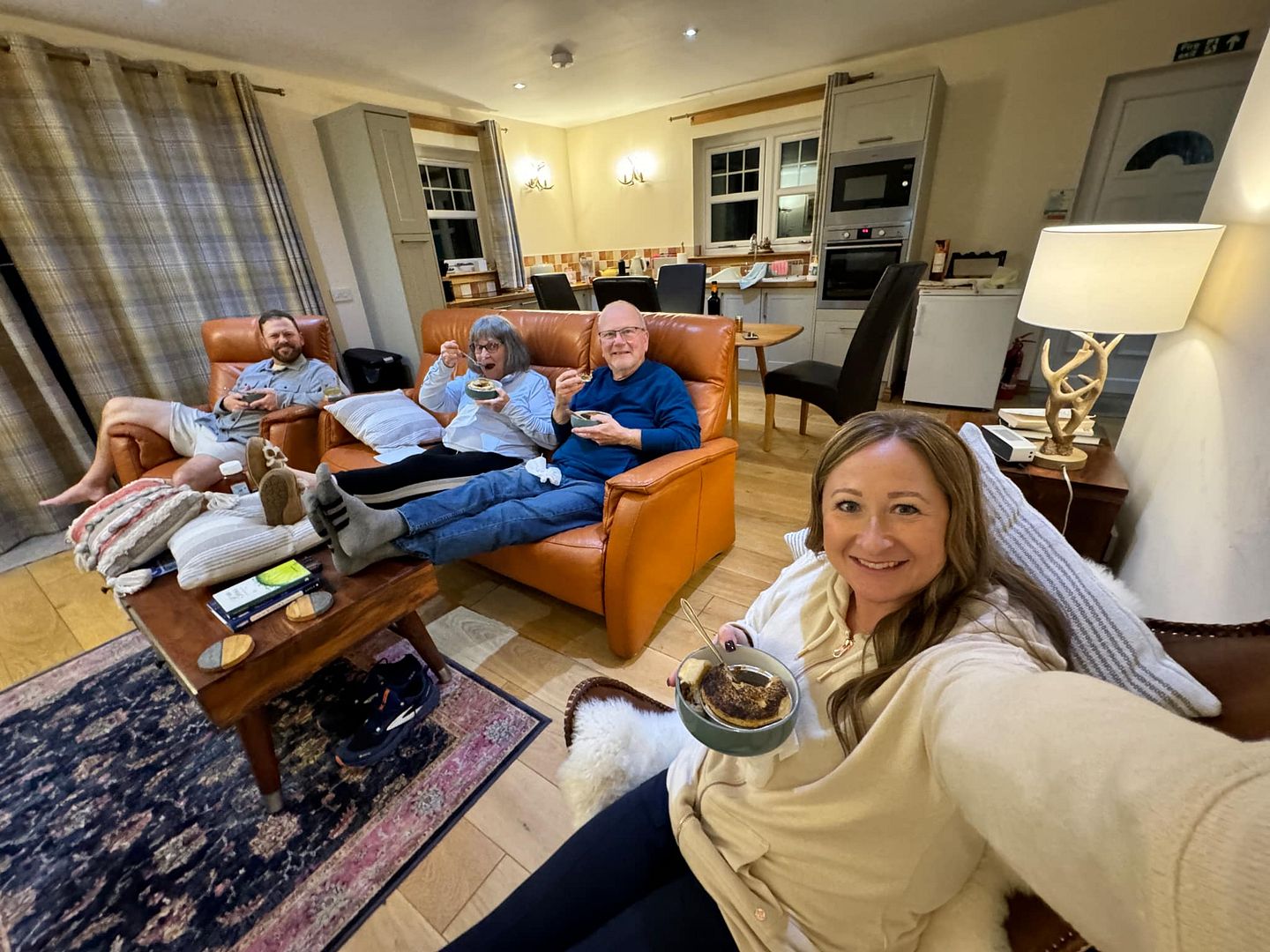
Food heated and feet up for the rest of the evening!! Cheers!
After breakfast on Saturday we would start our journey back to Stirling to drop off our rental car and take a train to Edinburgh for the last leg of our trip.
 The Happy Wonderer ~ ellen b.