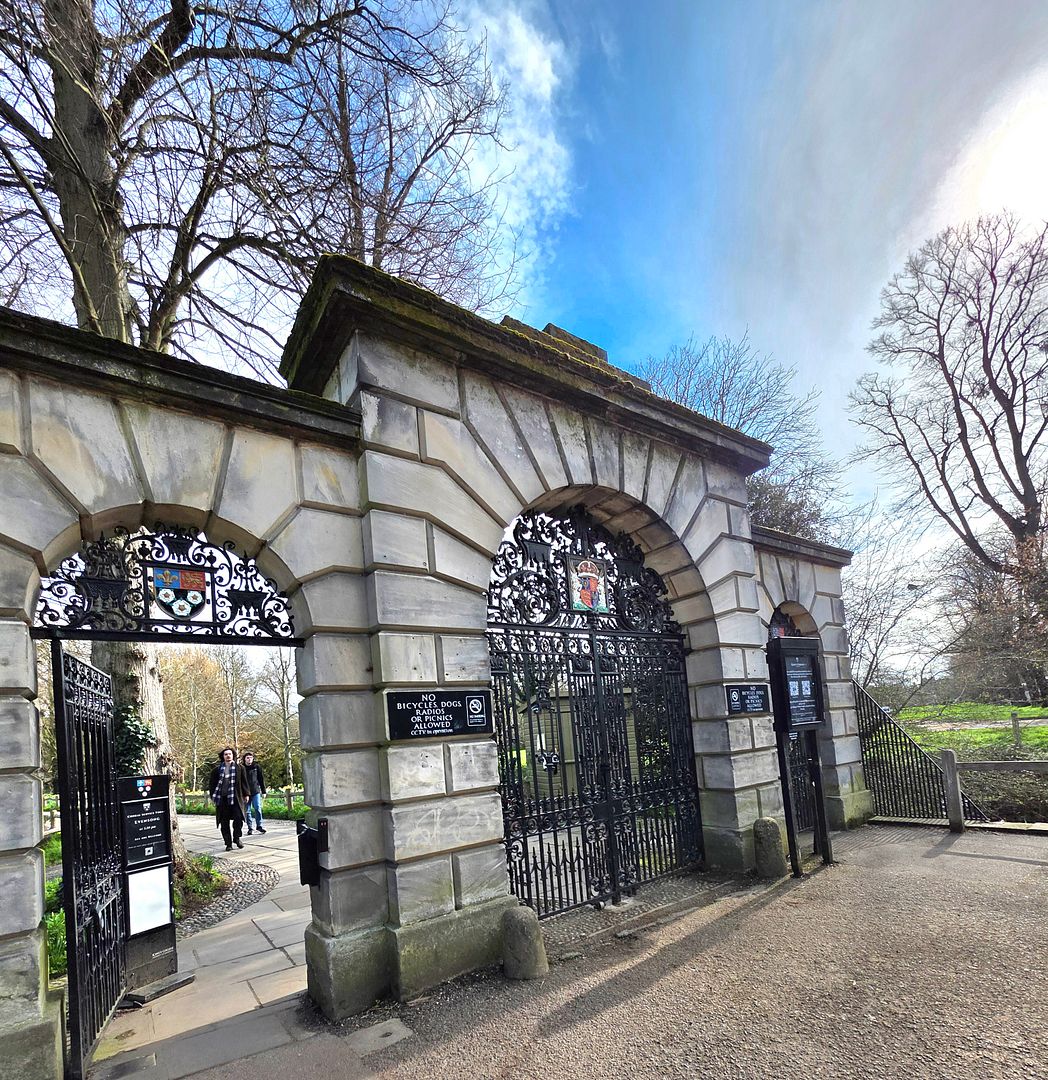
Cambridge – Tuesday March 10th

Our travel journal of our time in Cambridge continues here from March 2026.

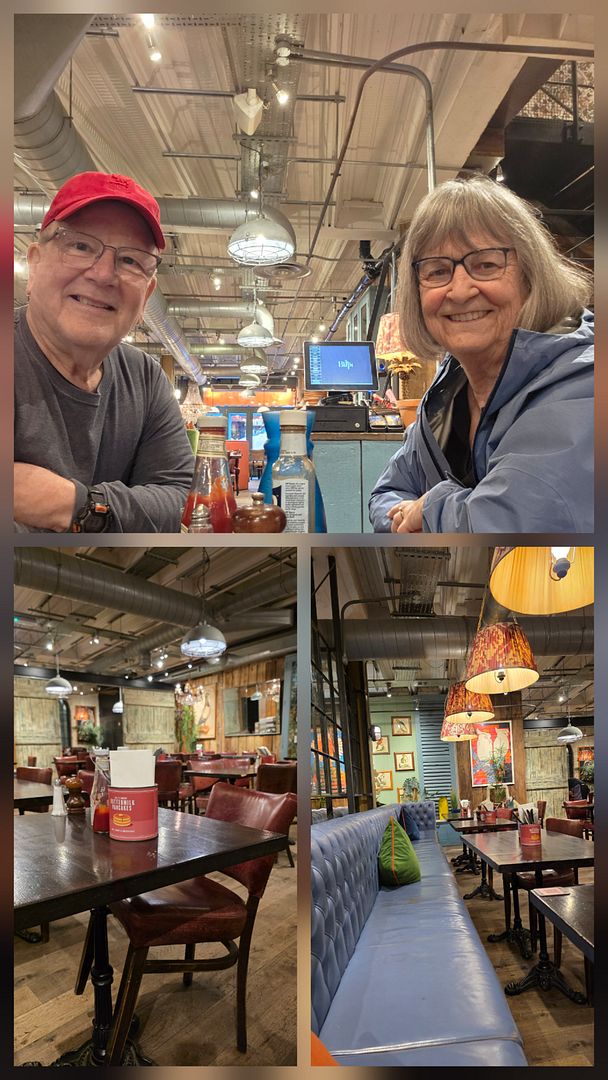
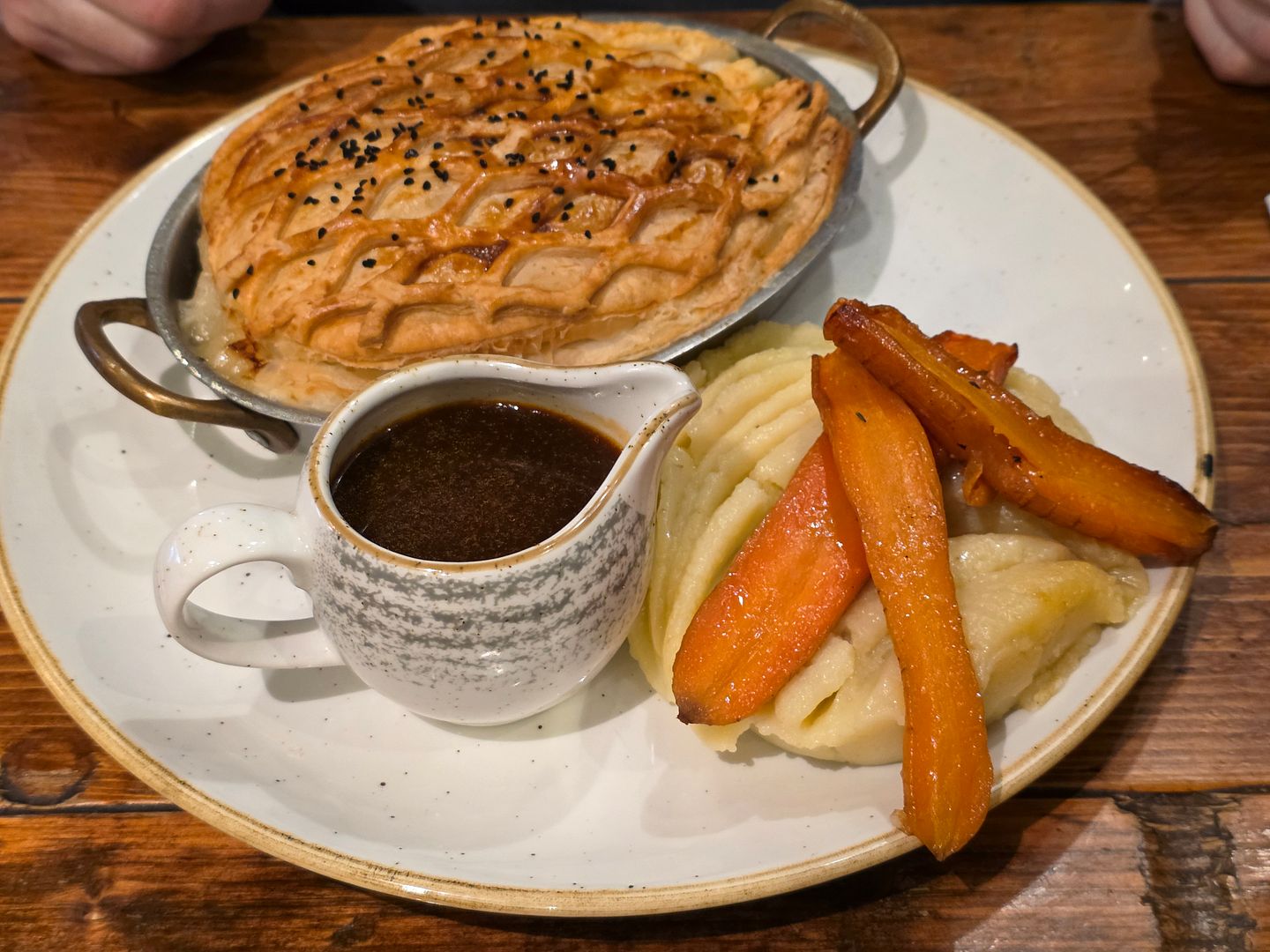
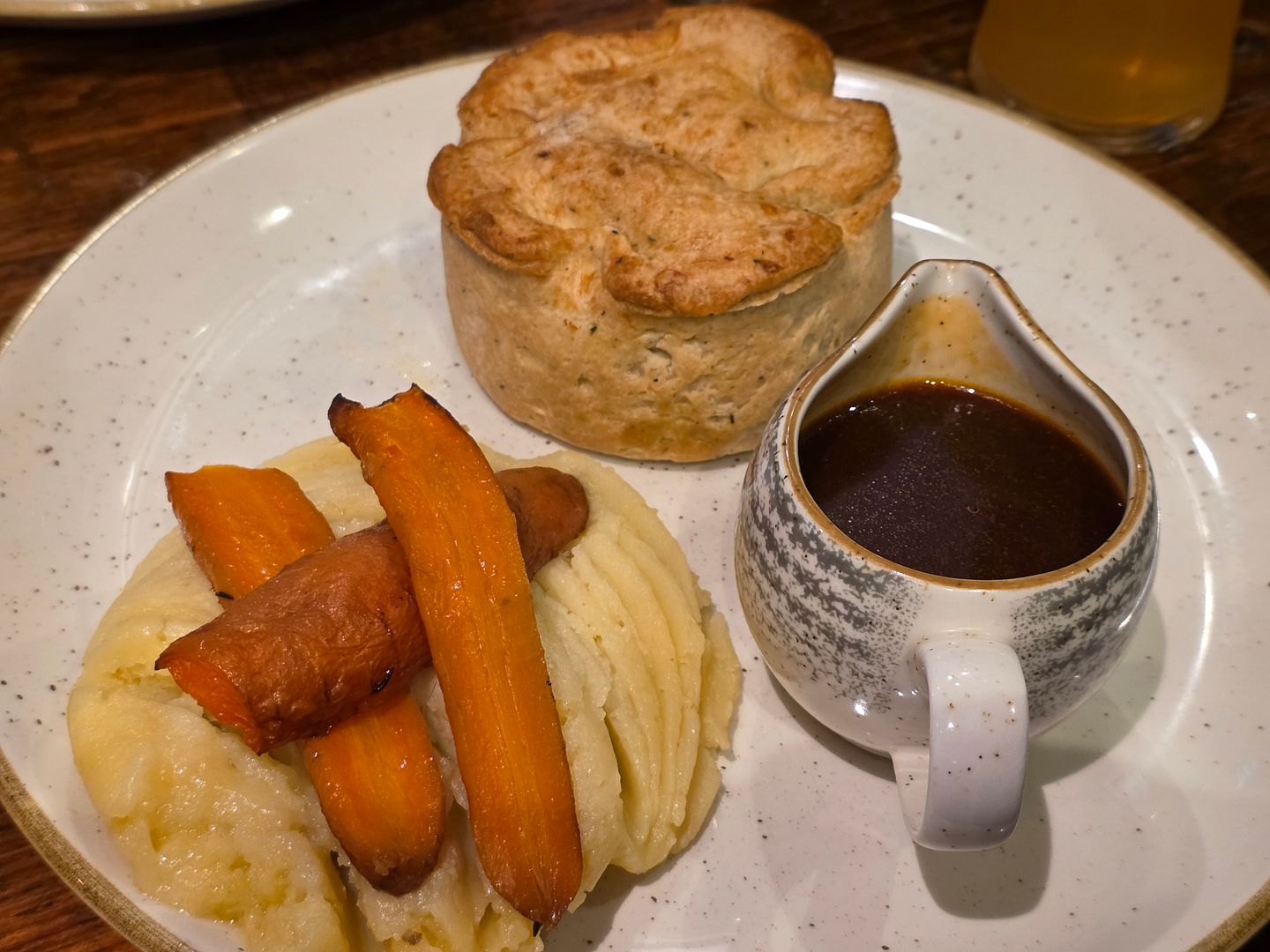
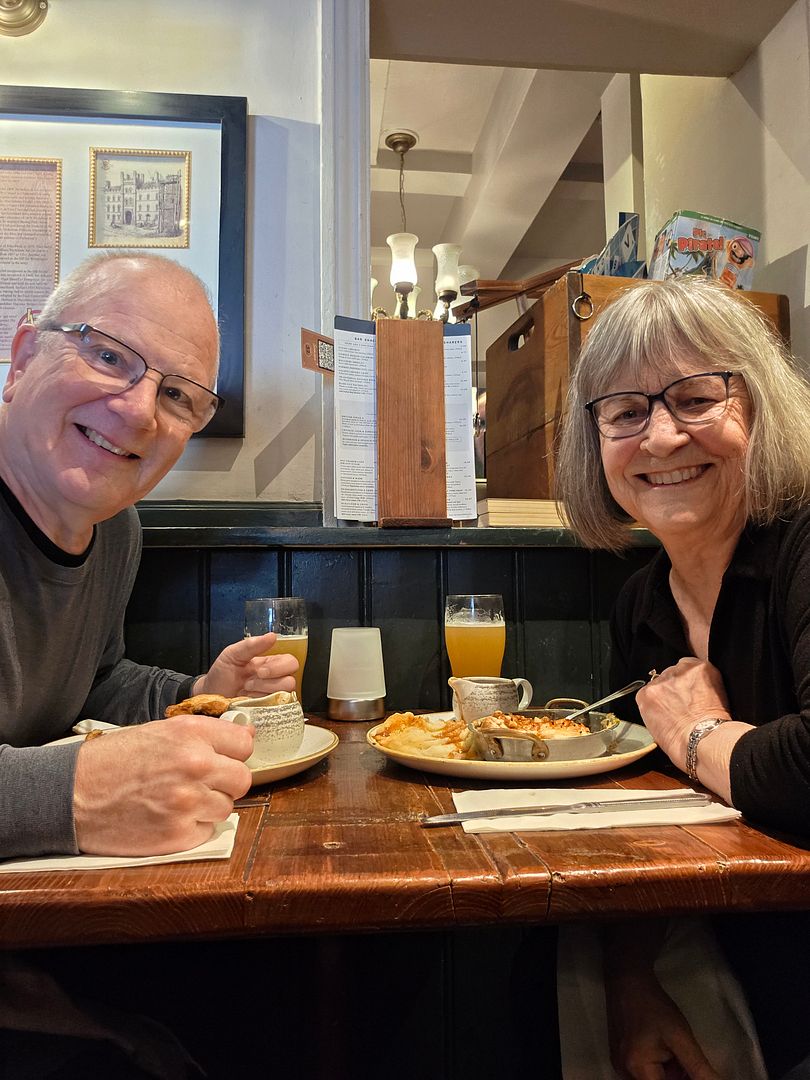
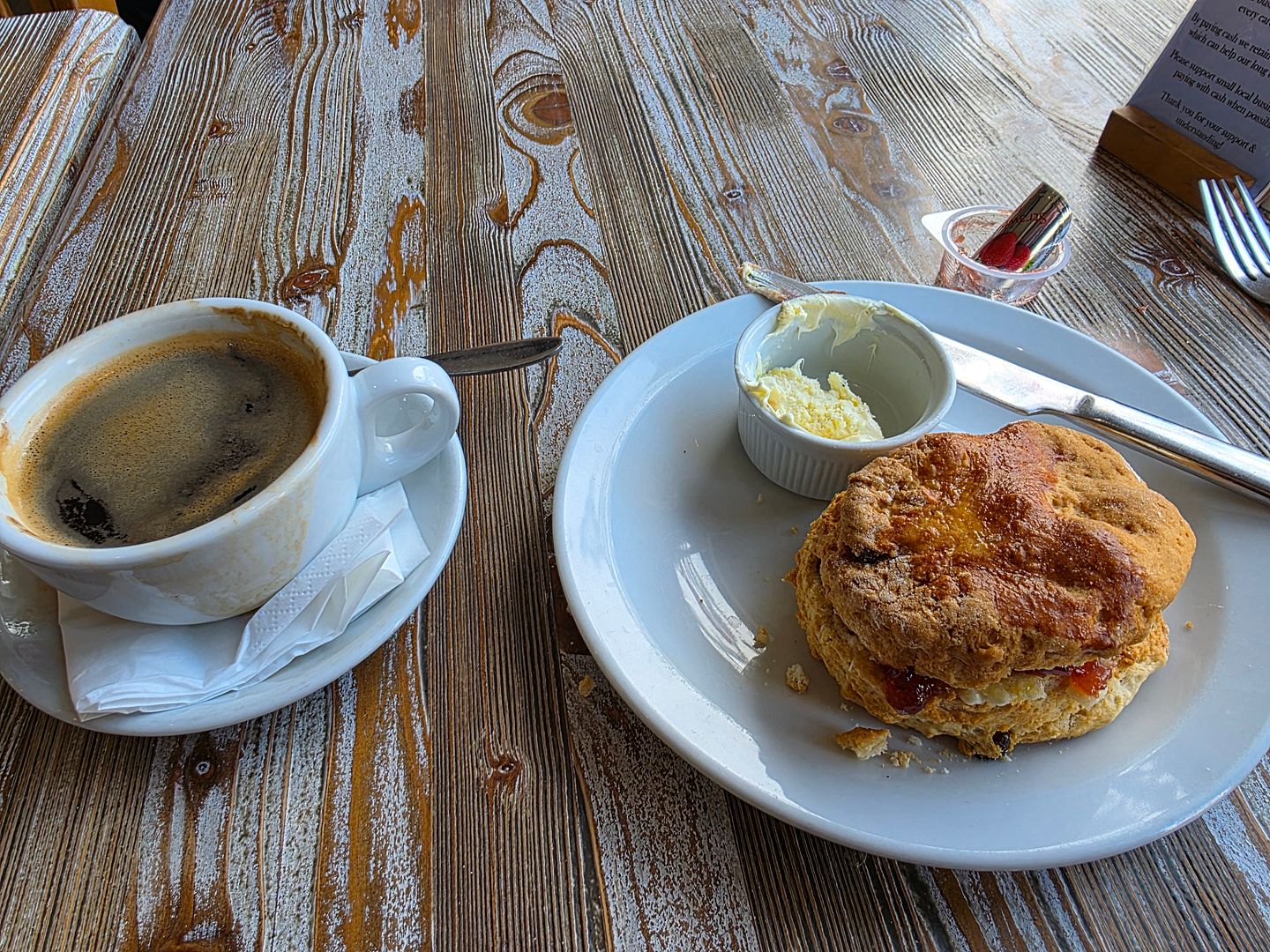
It was nice to enjoy our French press coffee on this morning before we headed out for breakfast at The Copper Kettle on King’s Parade in Cambridge.

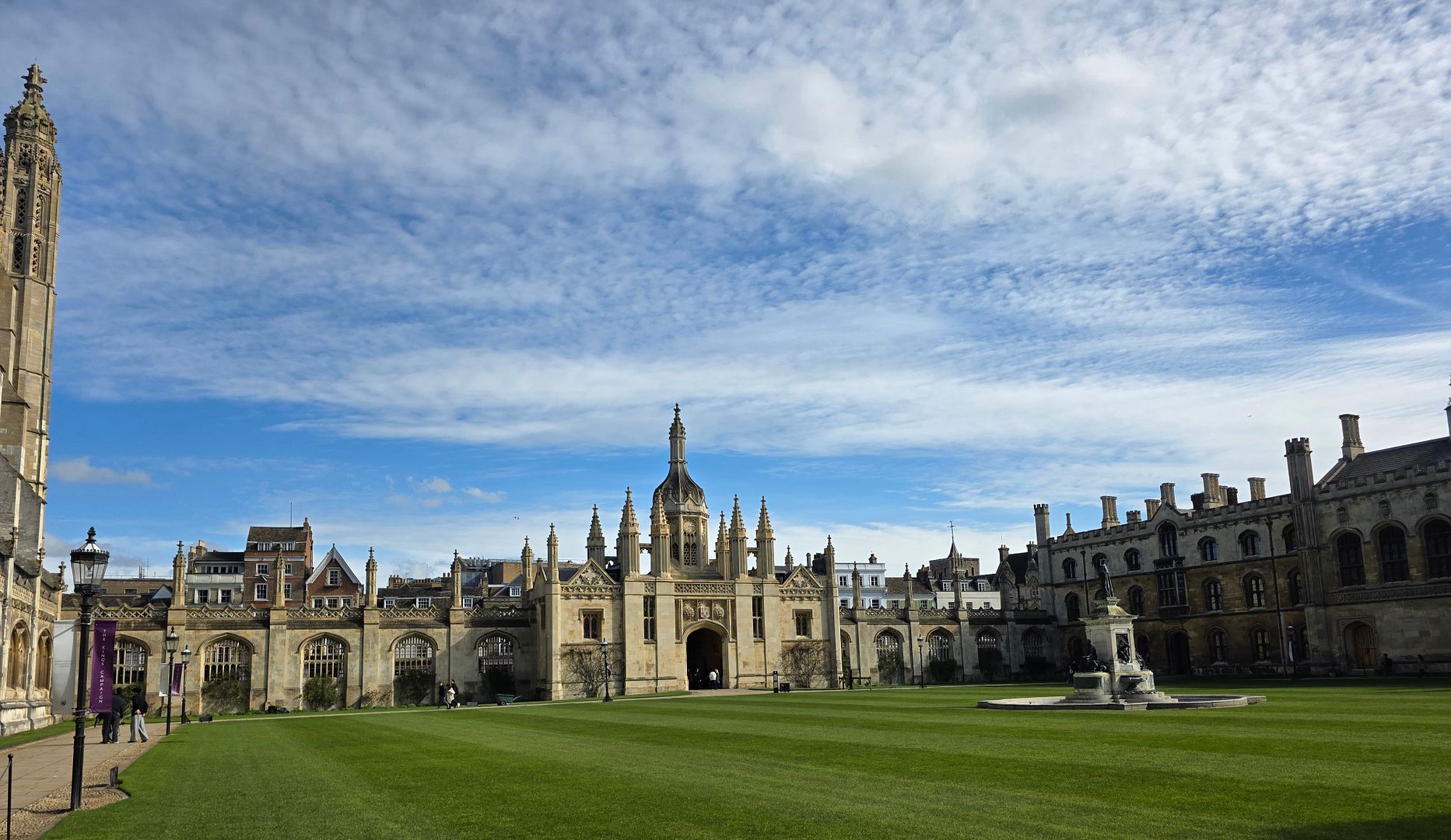
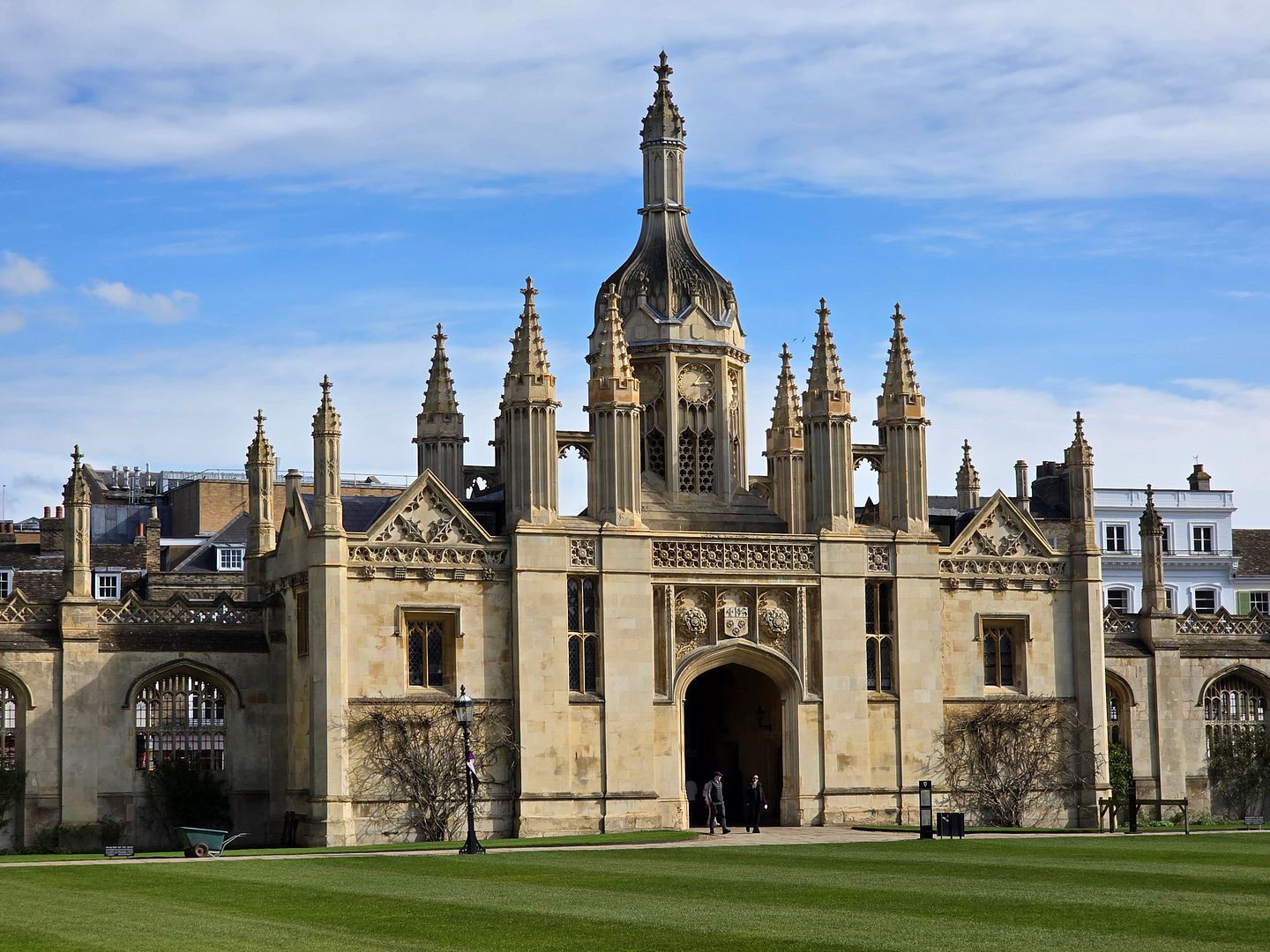
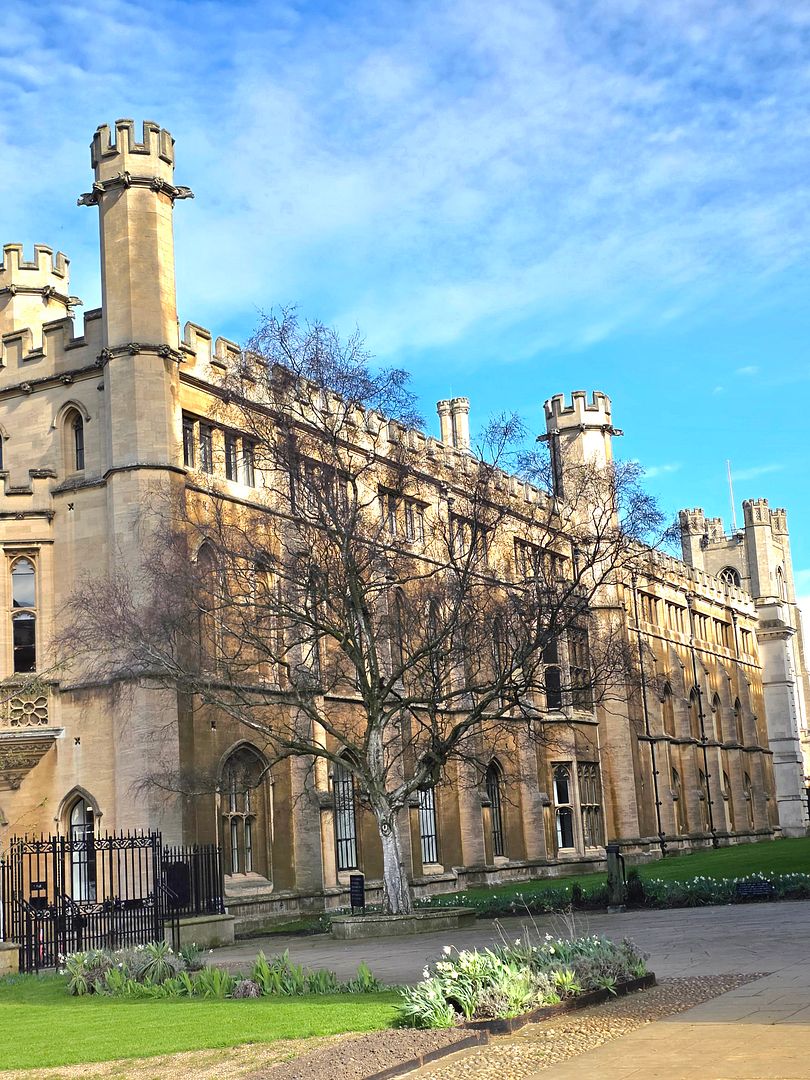
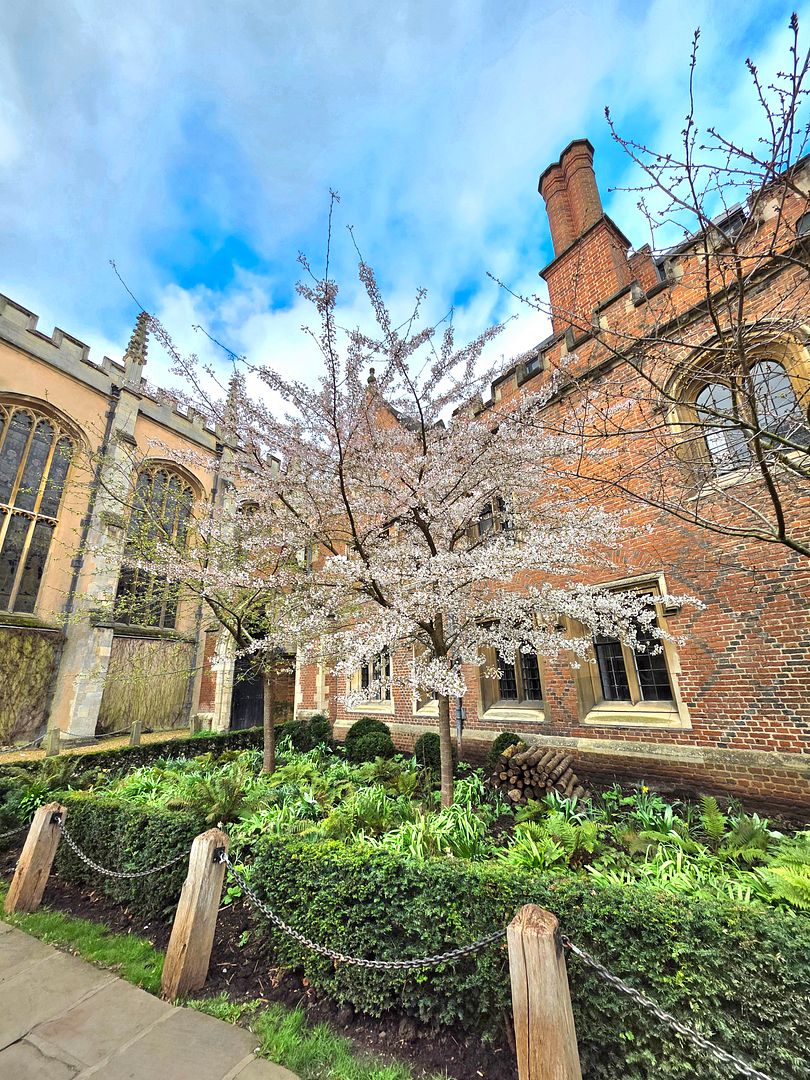
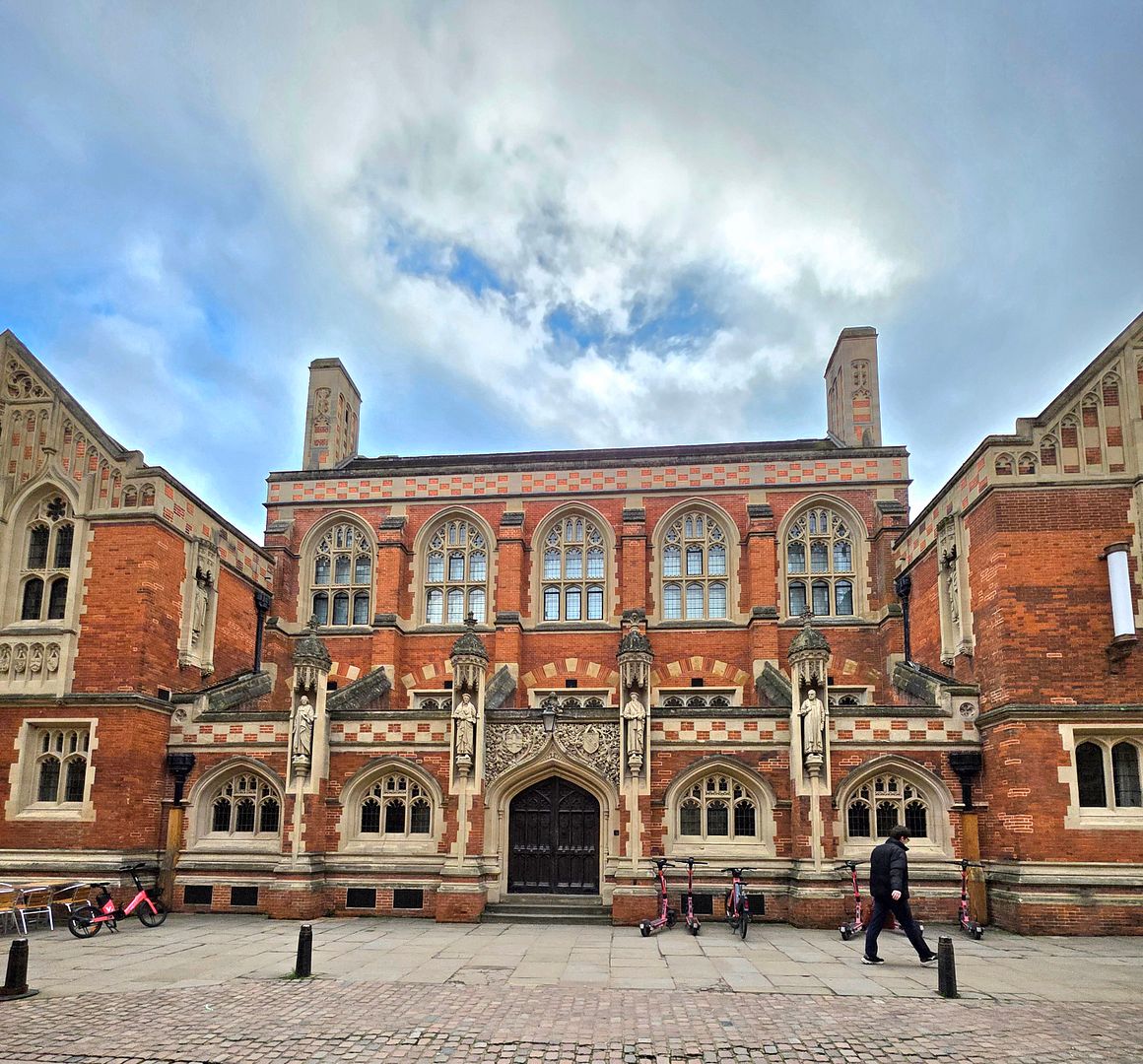
It was a lovely morning and I took some photos along the way to breakfast.

We would sign up for a tour of Trinity College later in the week.

Looking out the window of the Copper Kettle.

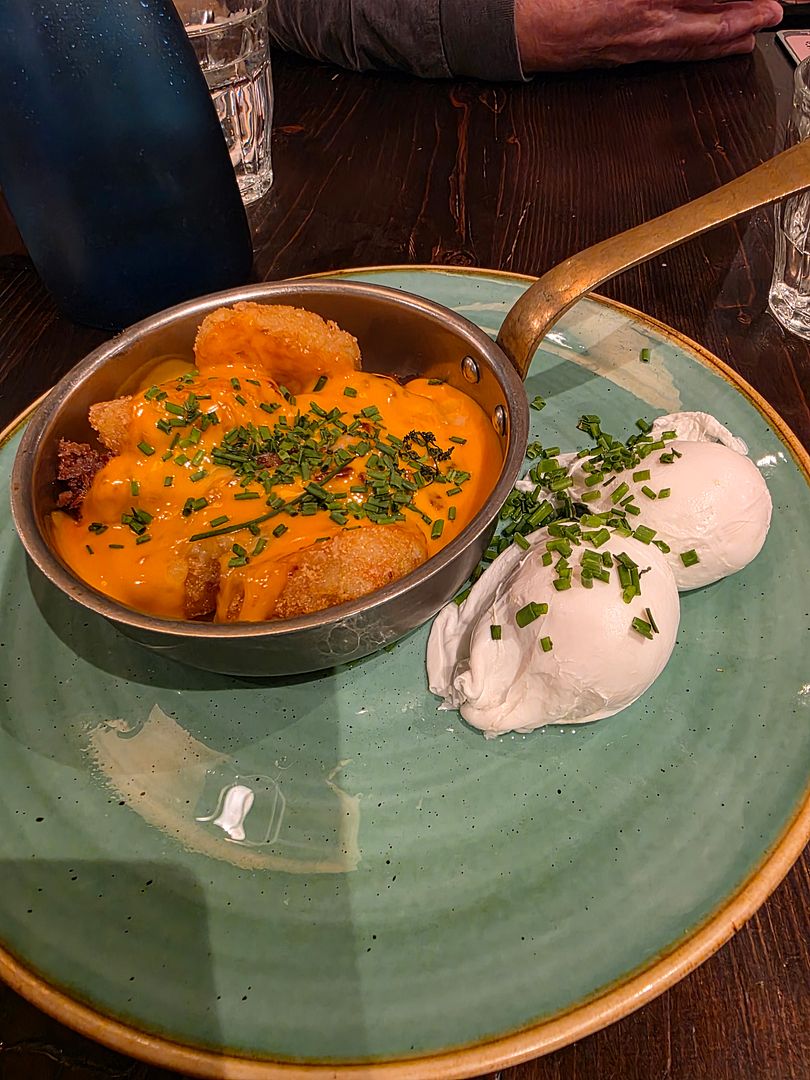
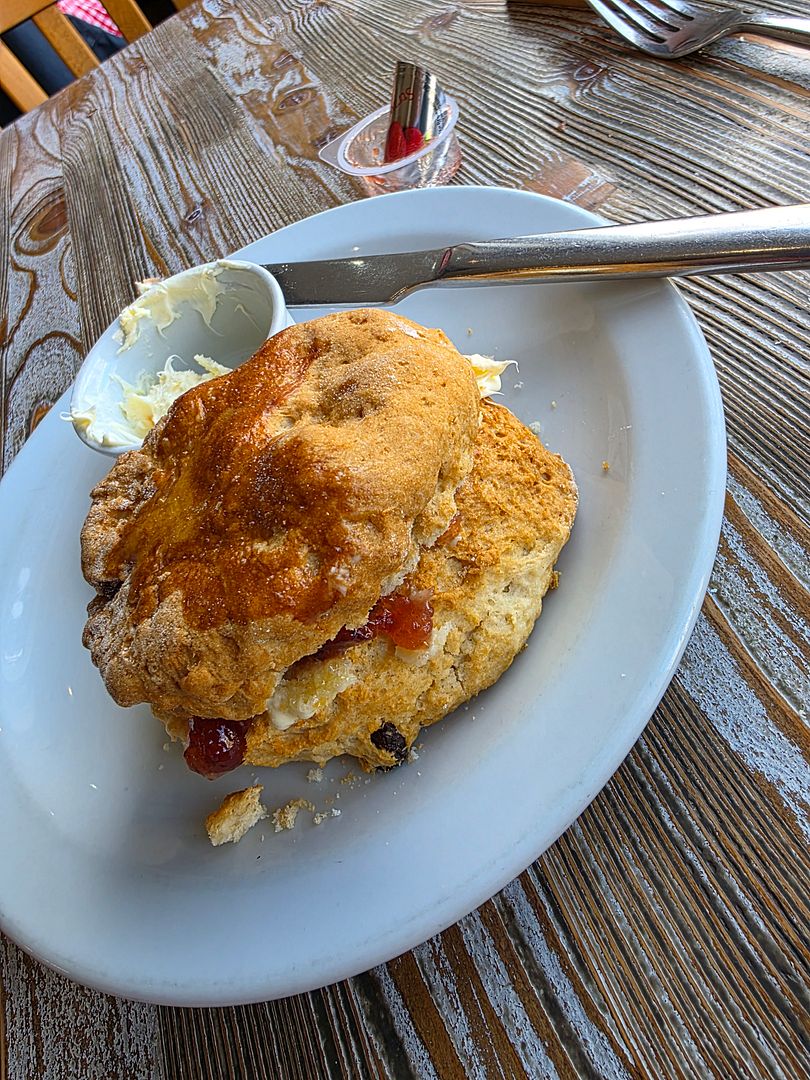
I’ve never met a scone I didn’t like.

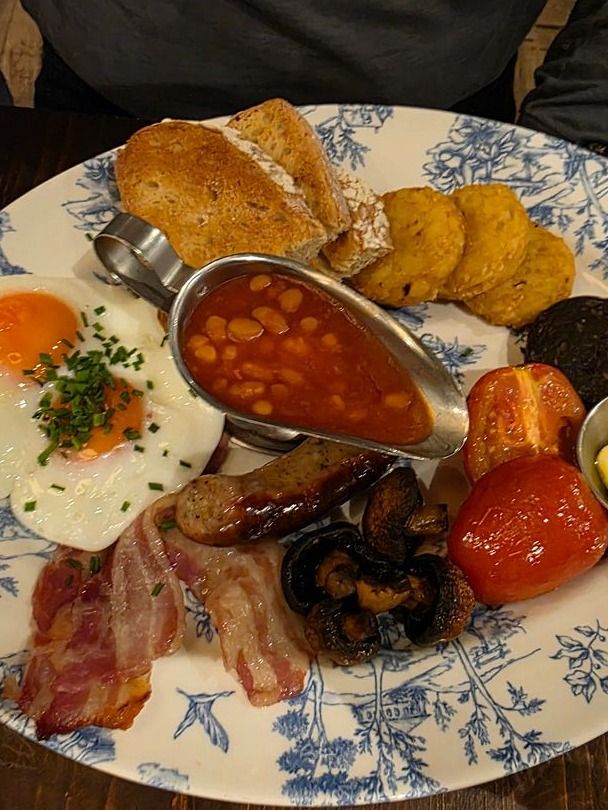
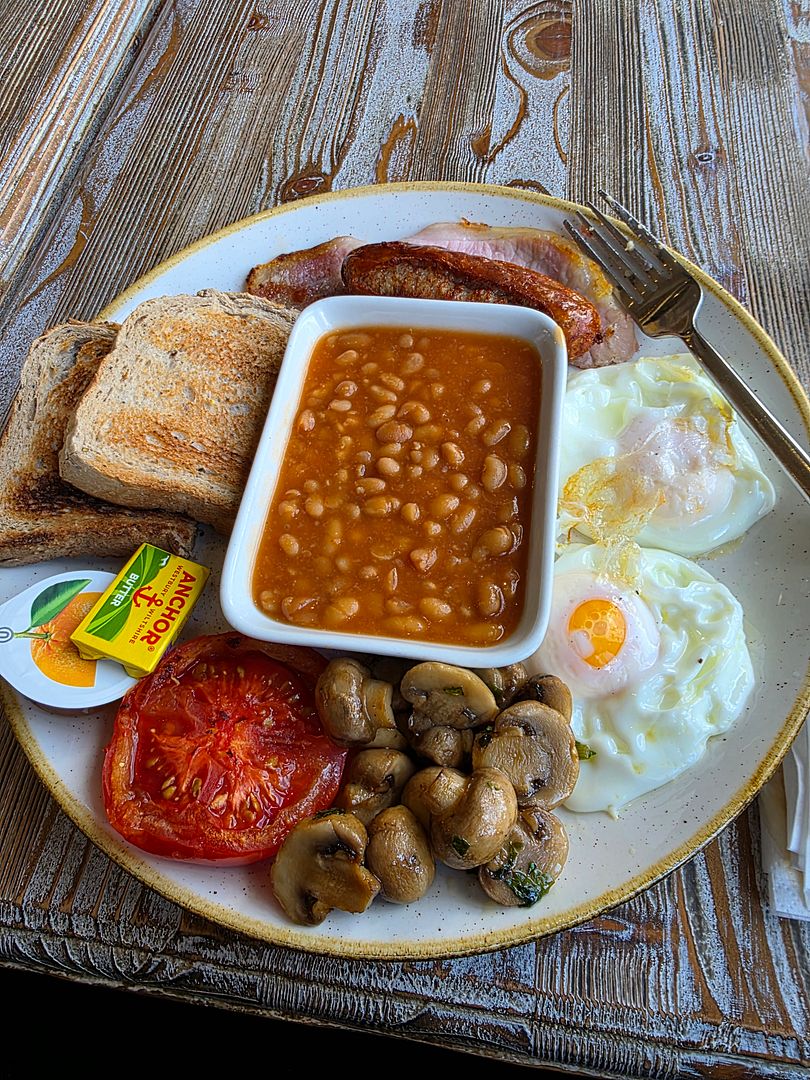
Greg went for the full English.

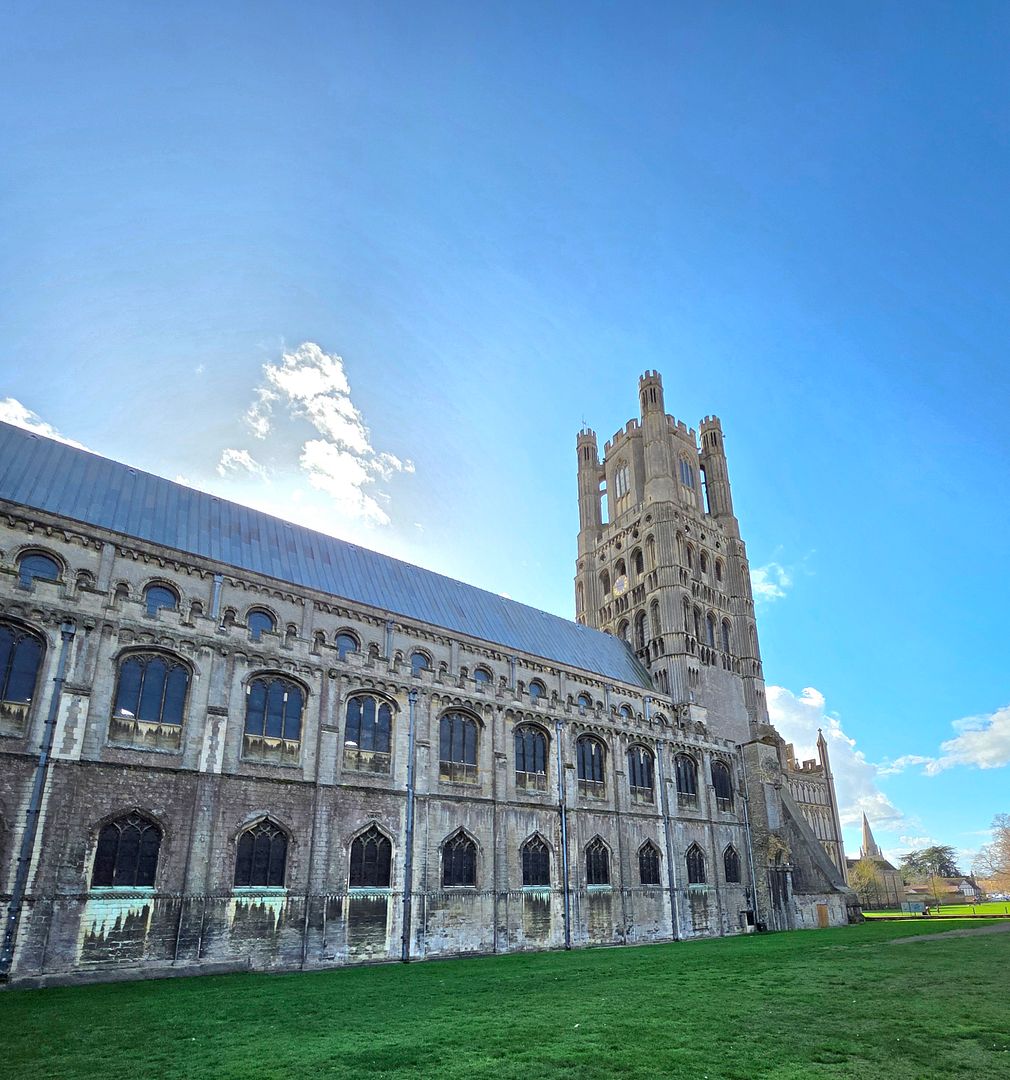
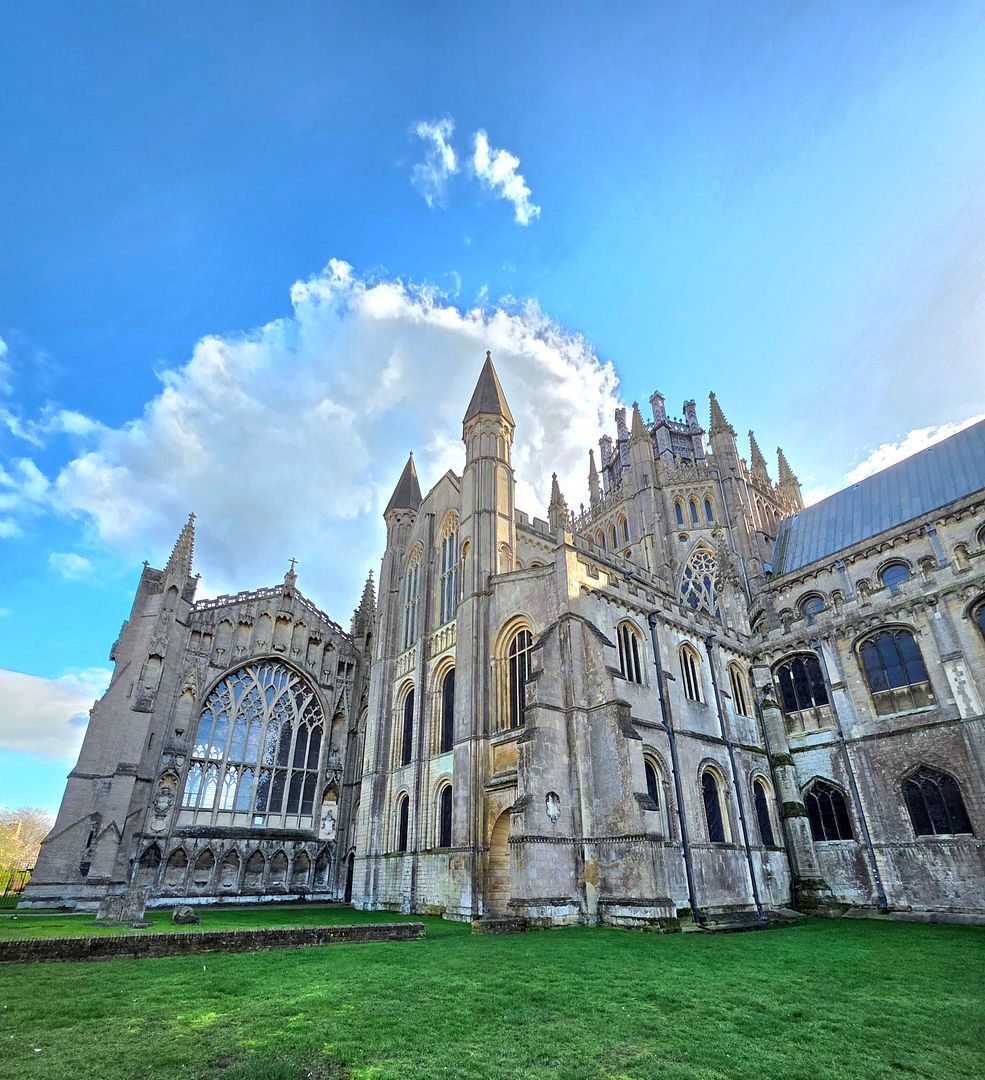
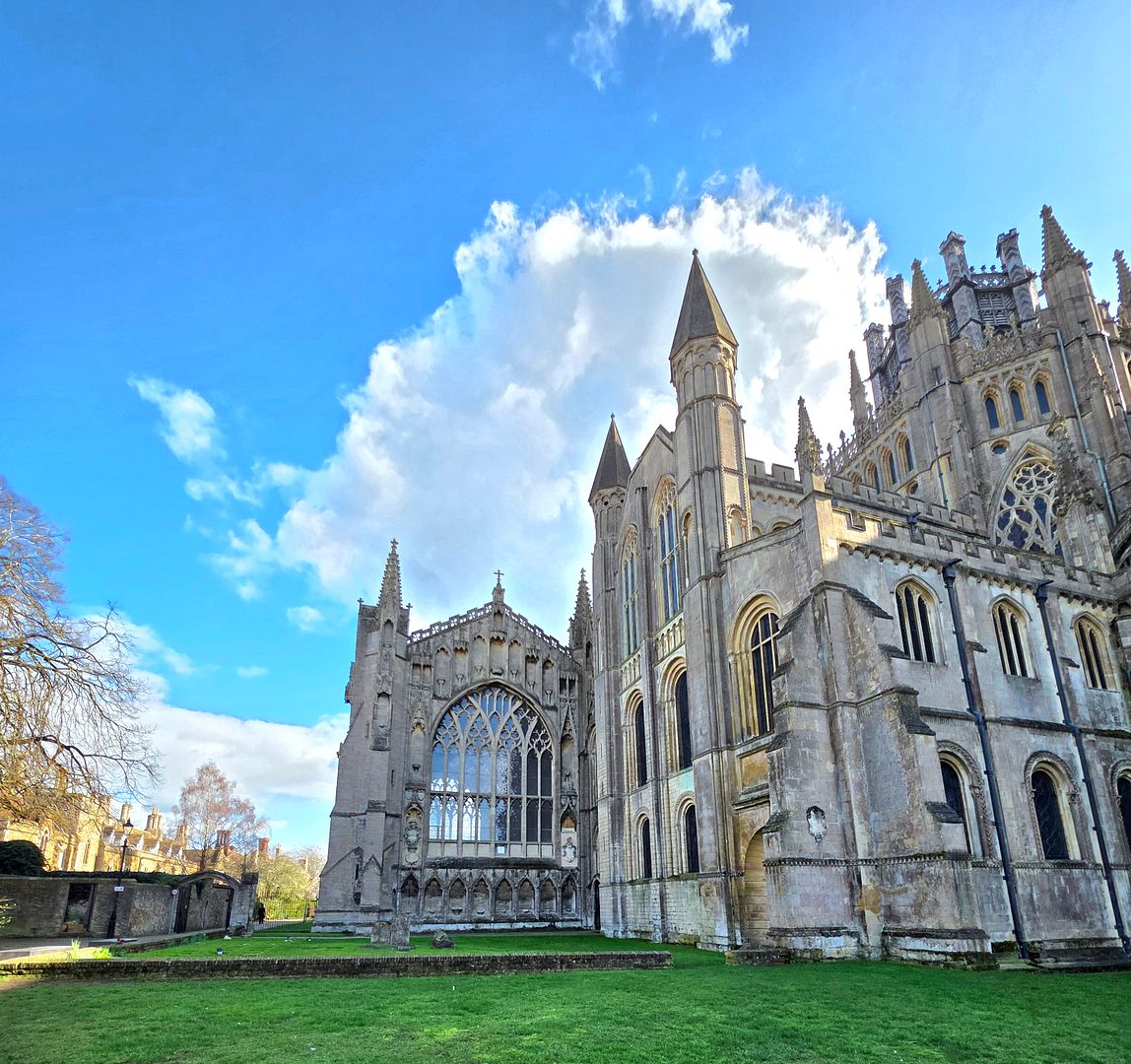
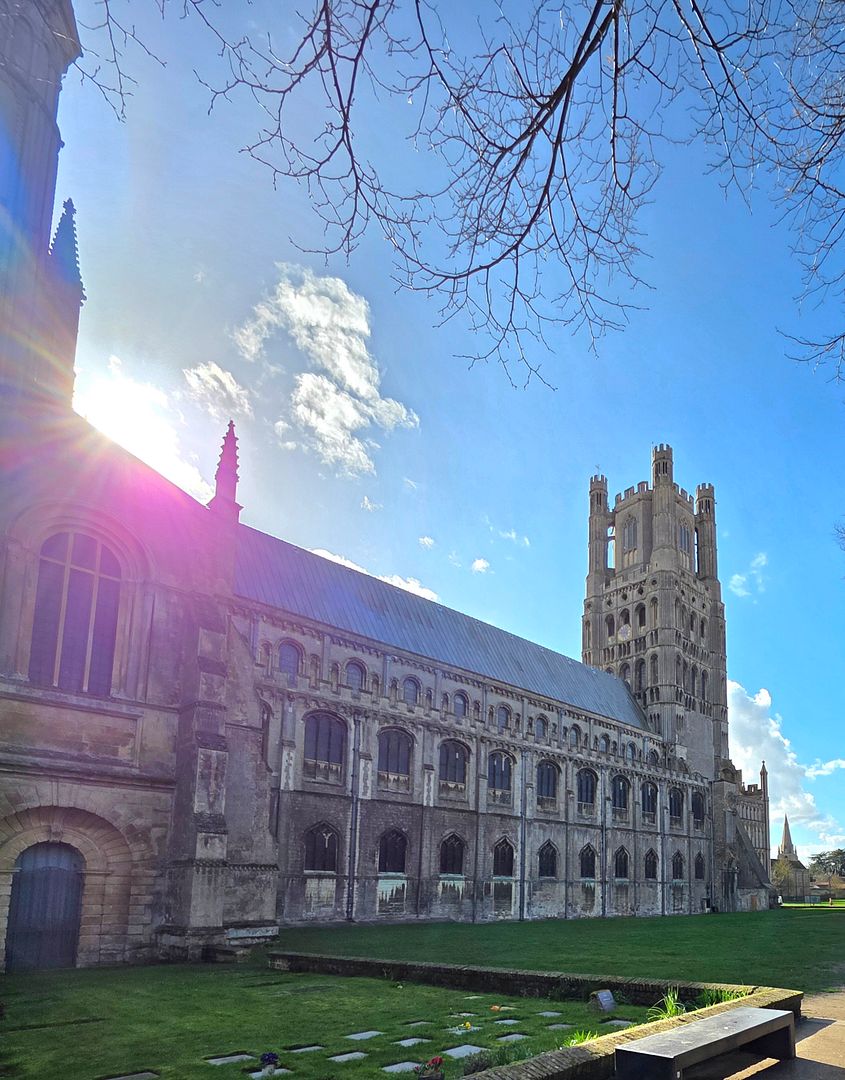
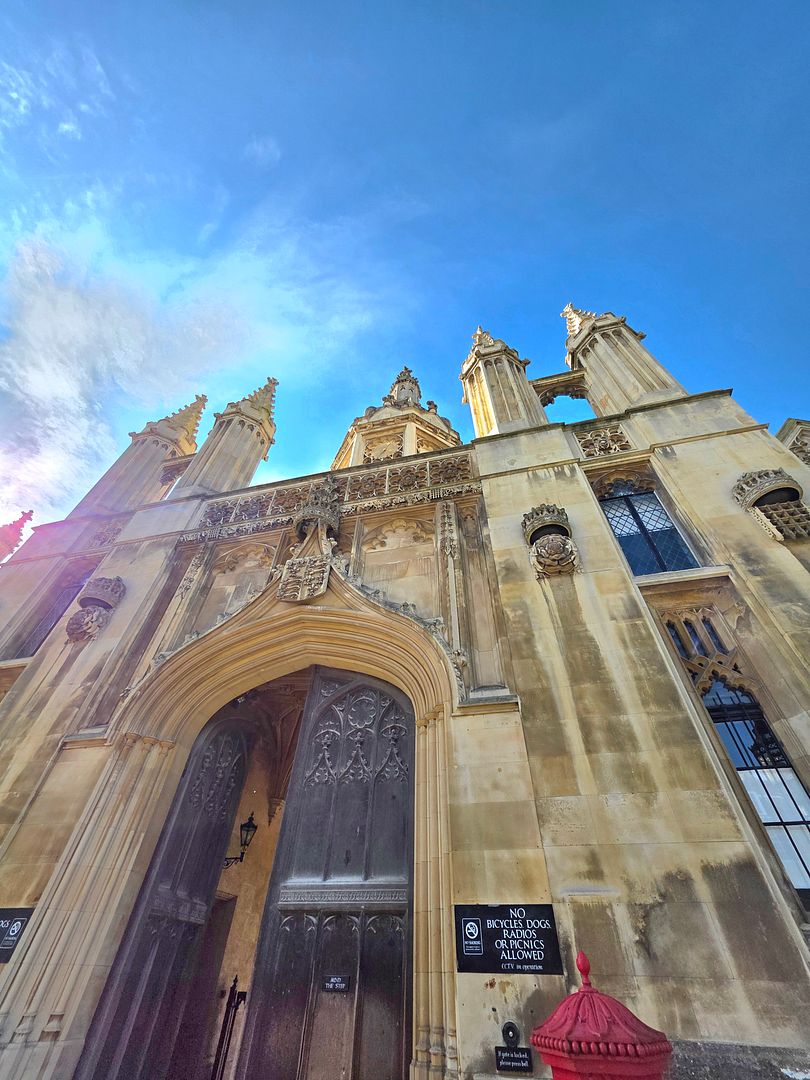
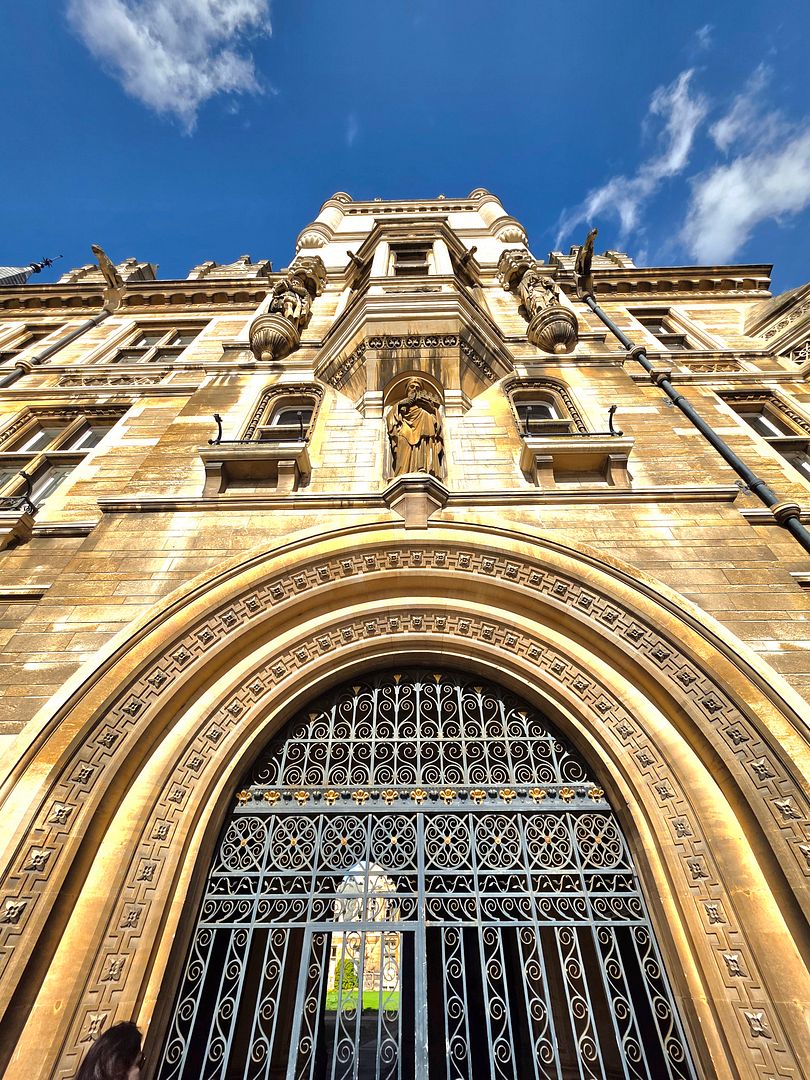
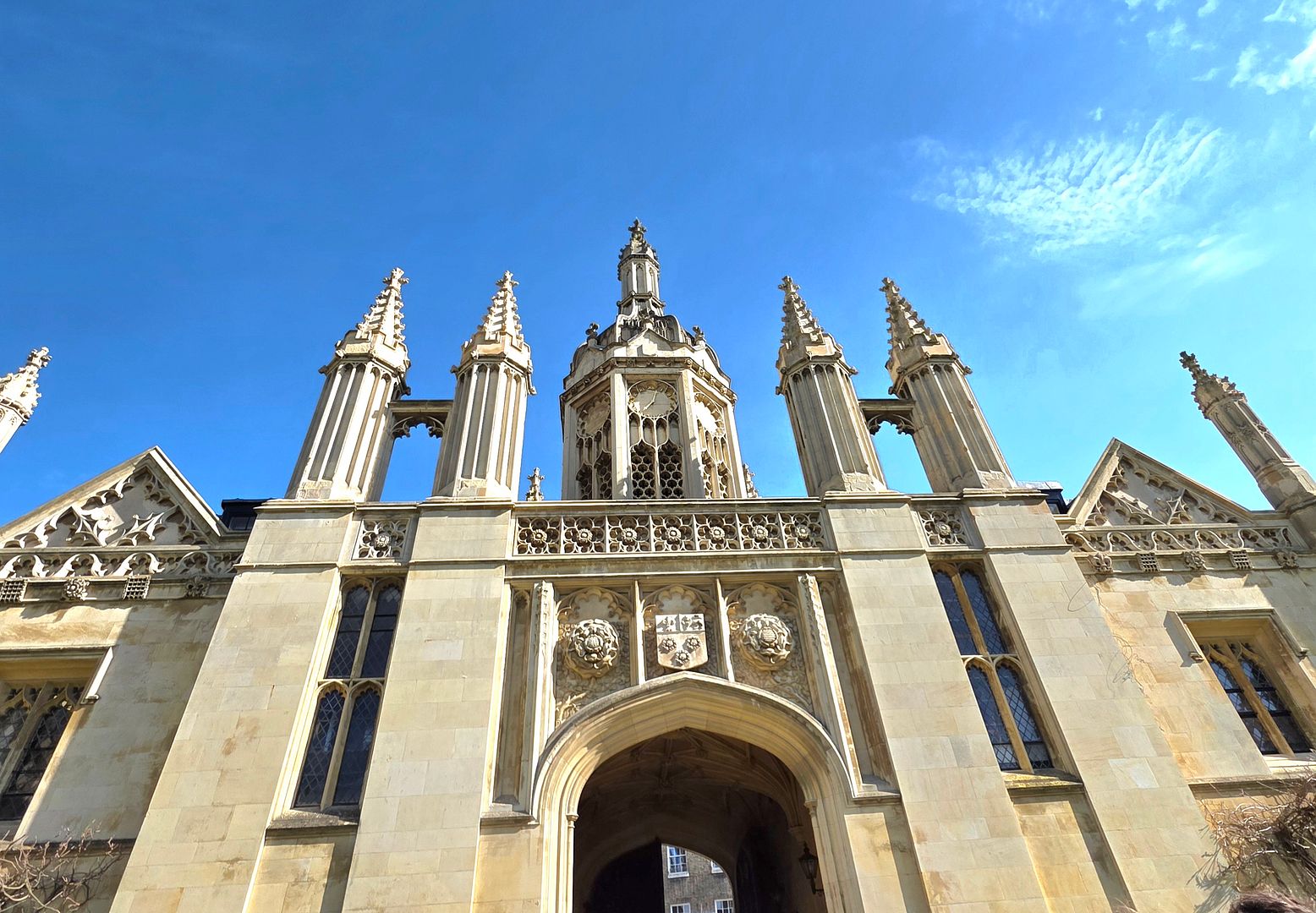
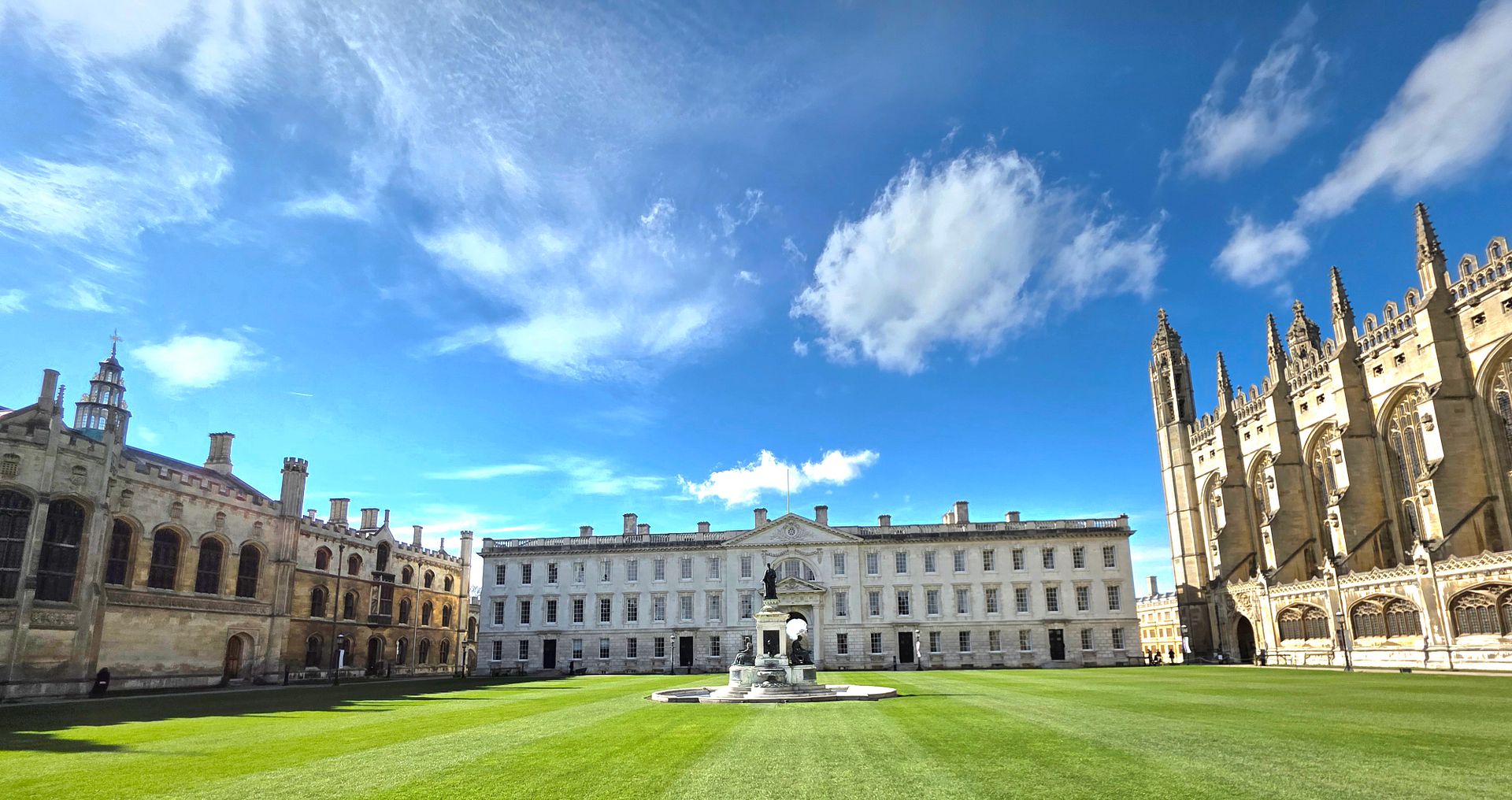
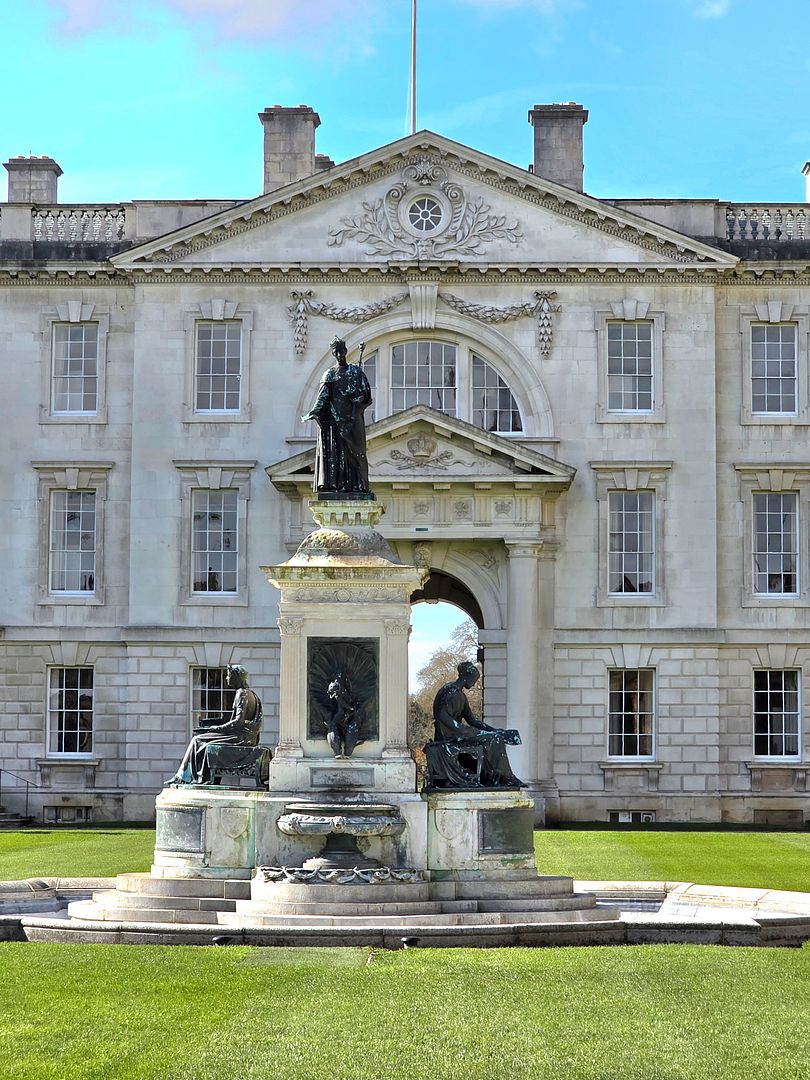
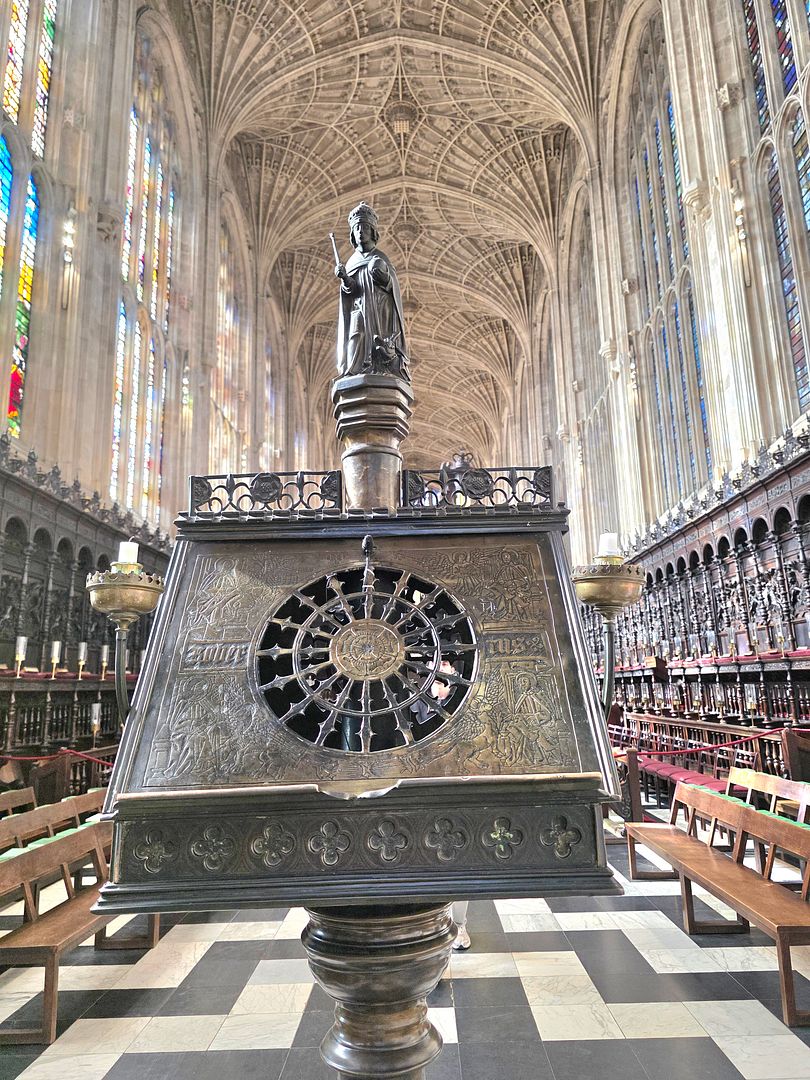
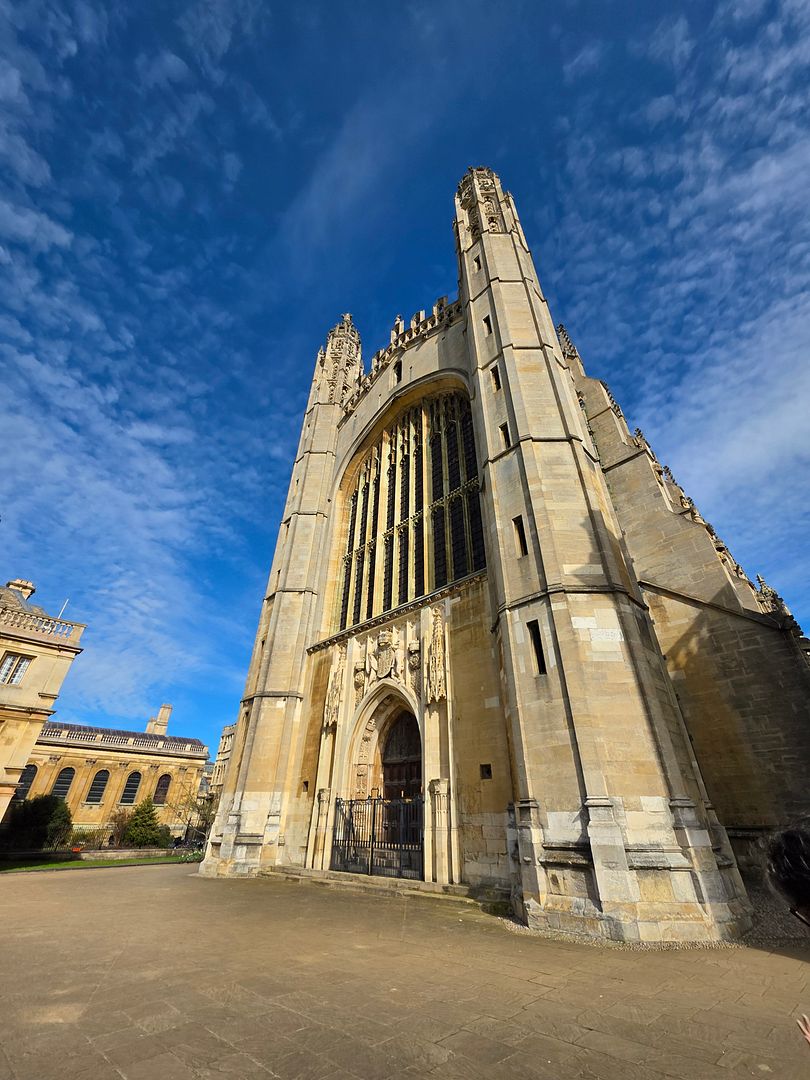
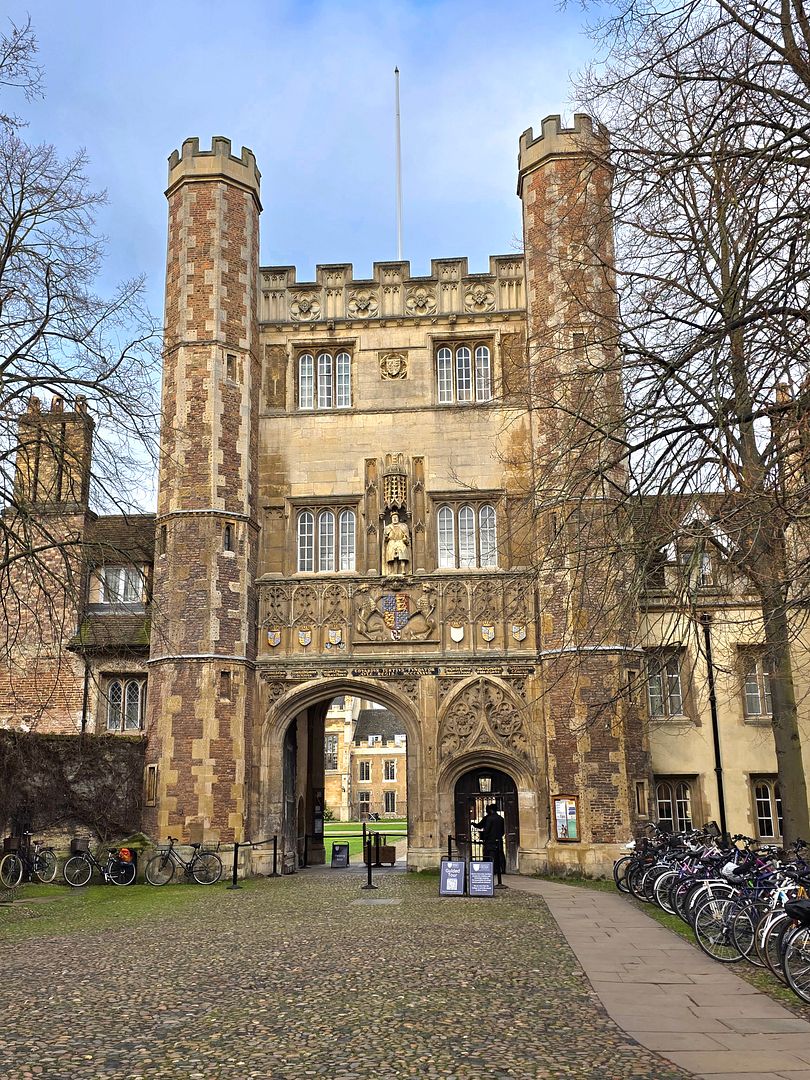
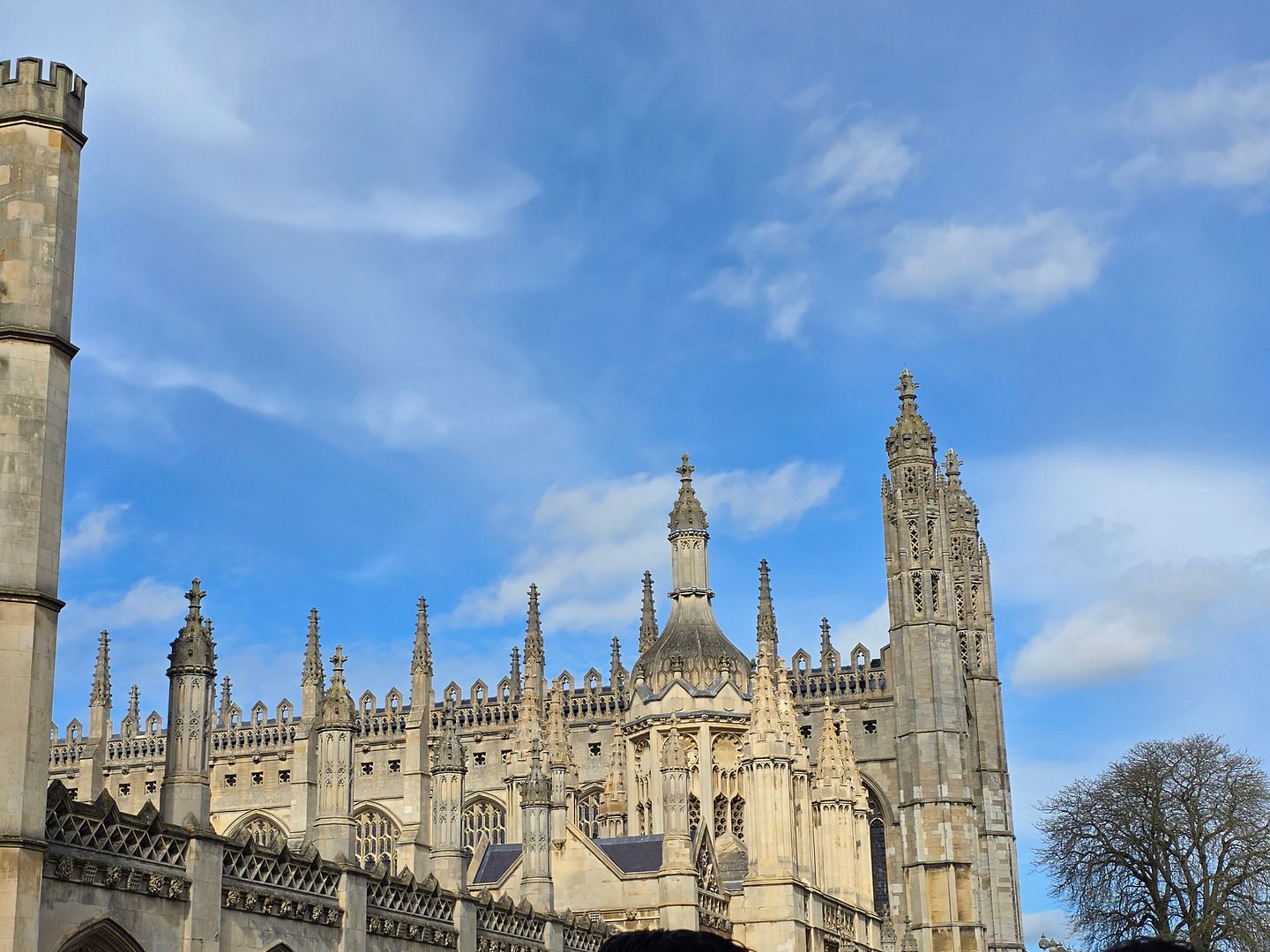
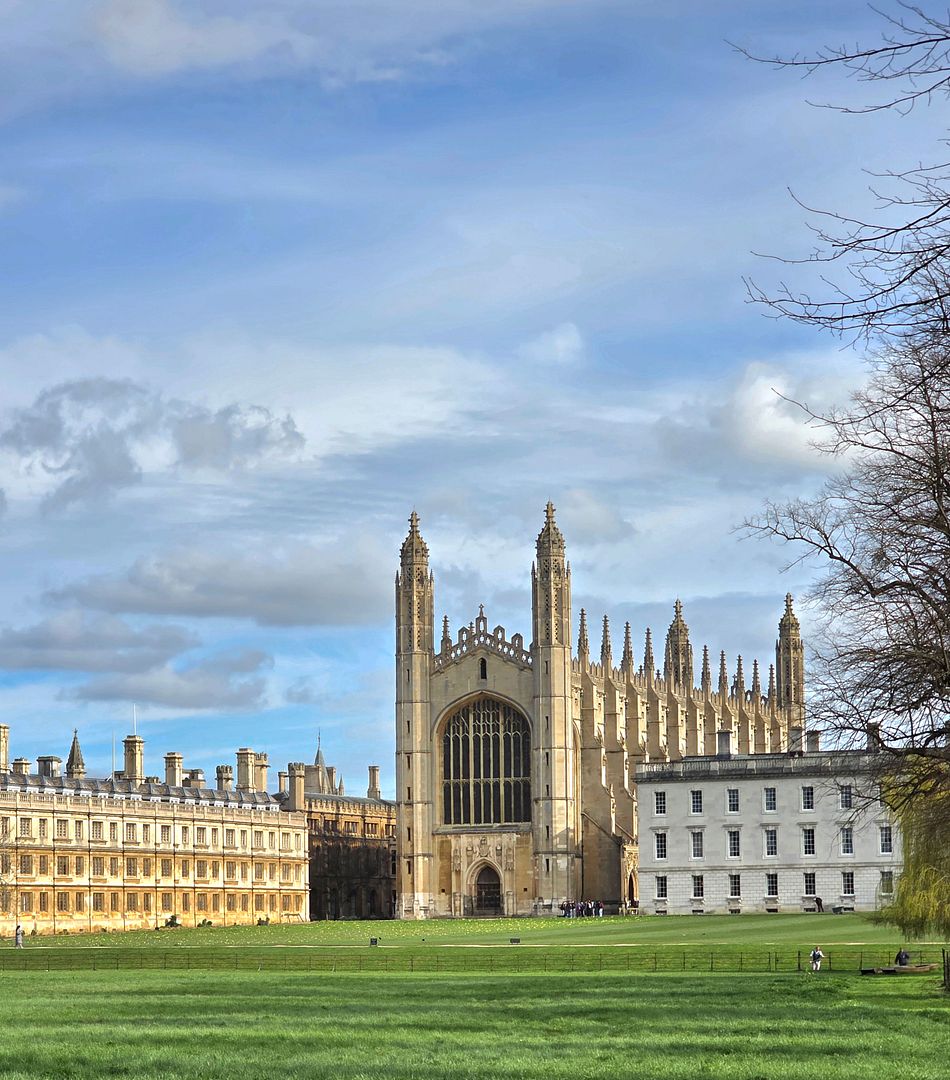
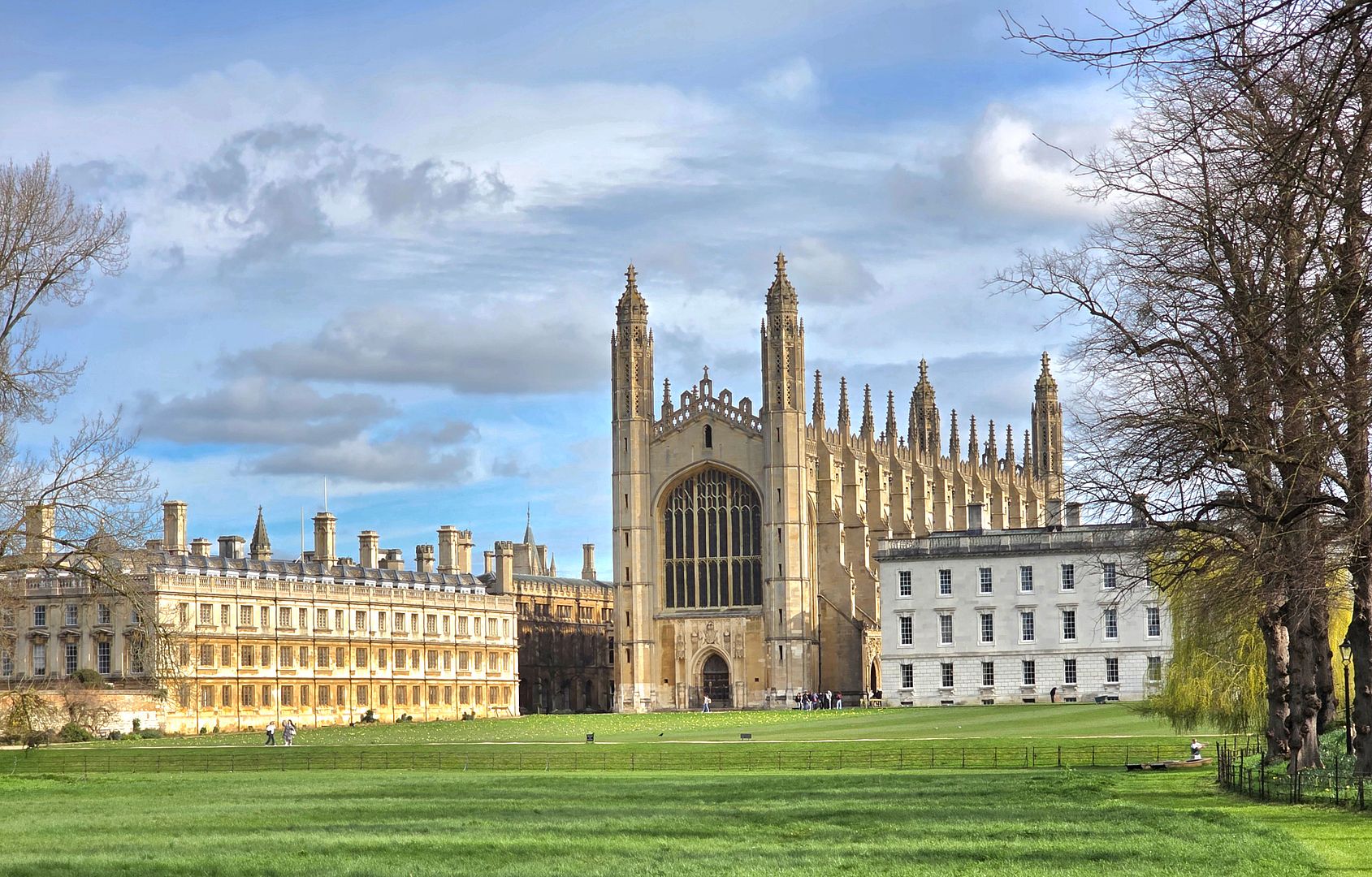
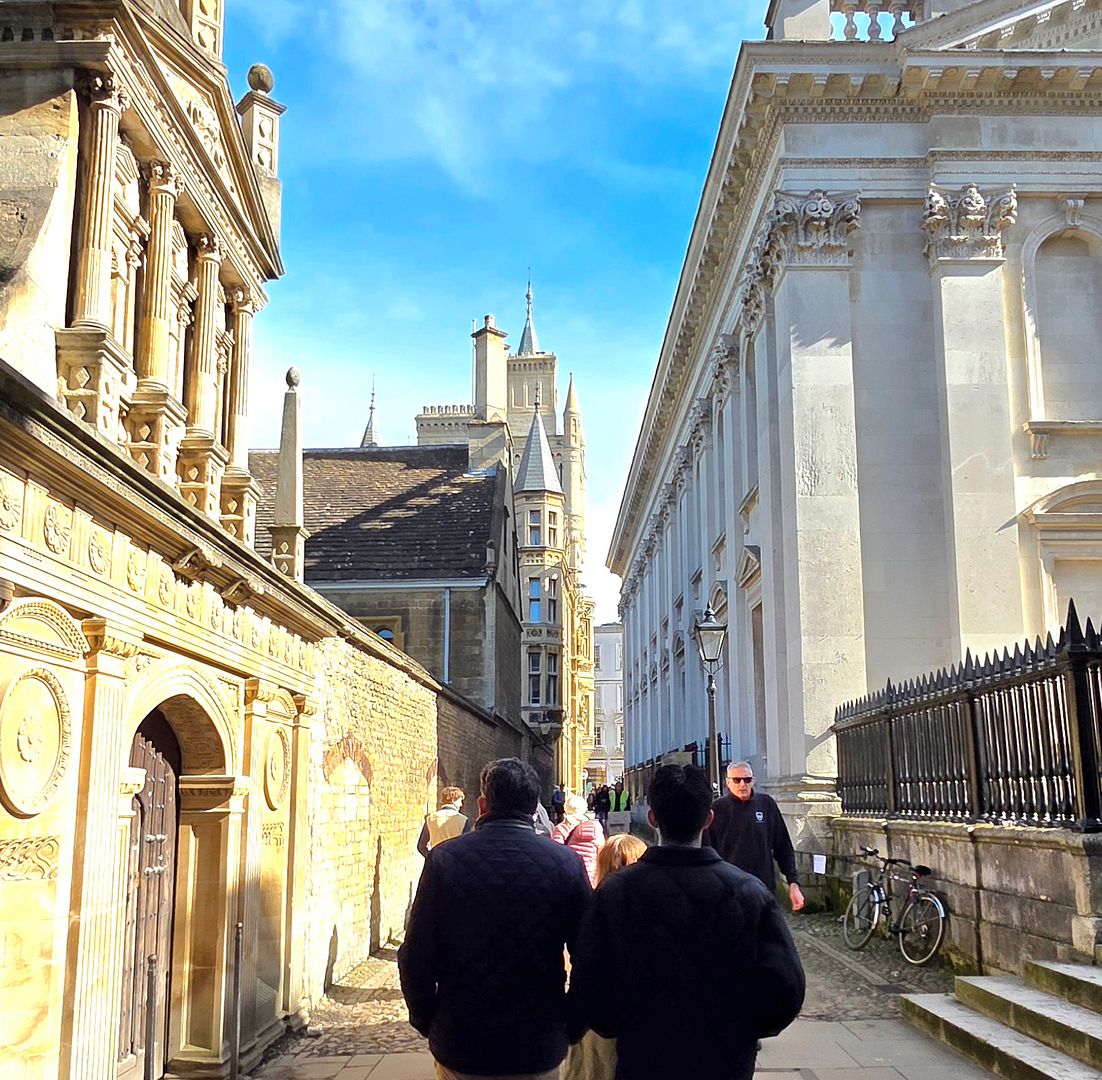
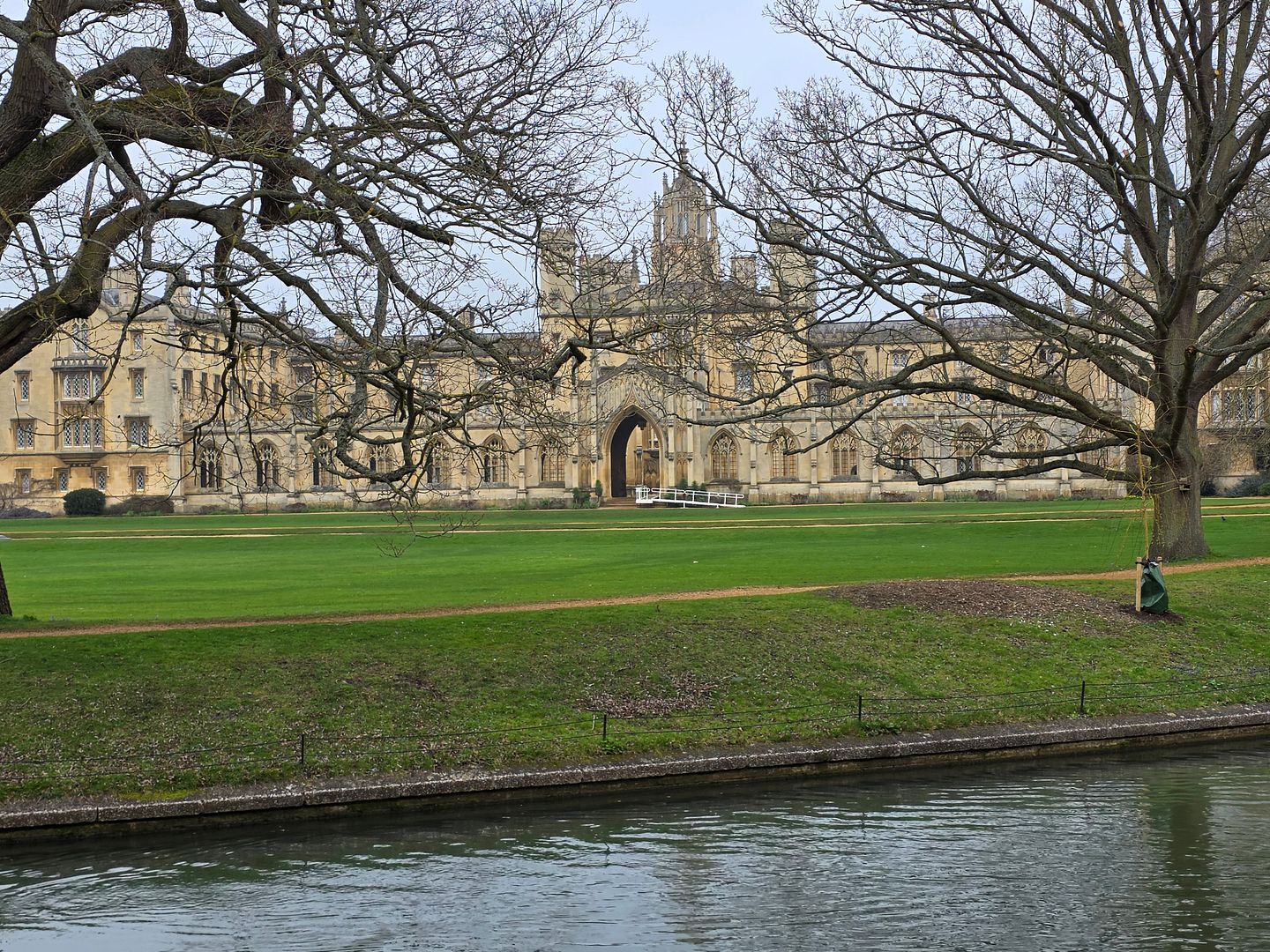
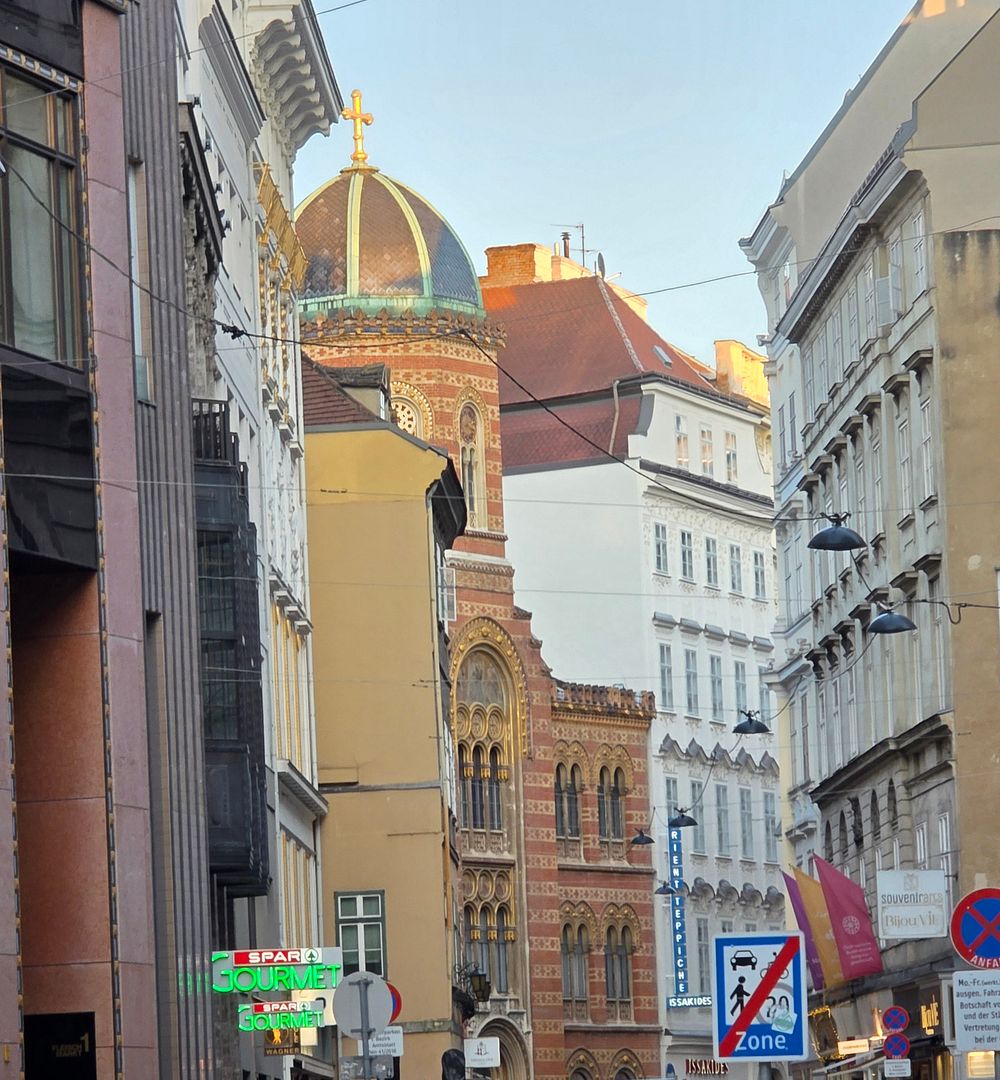
The Views from breakfast were lovely. This is the college and especially the chapel that would be part of our tour on this day.

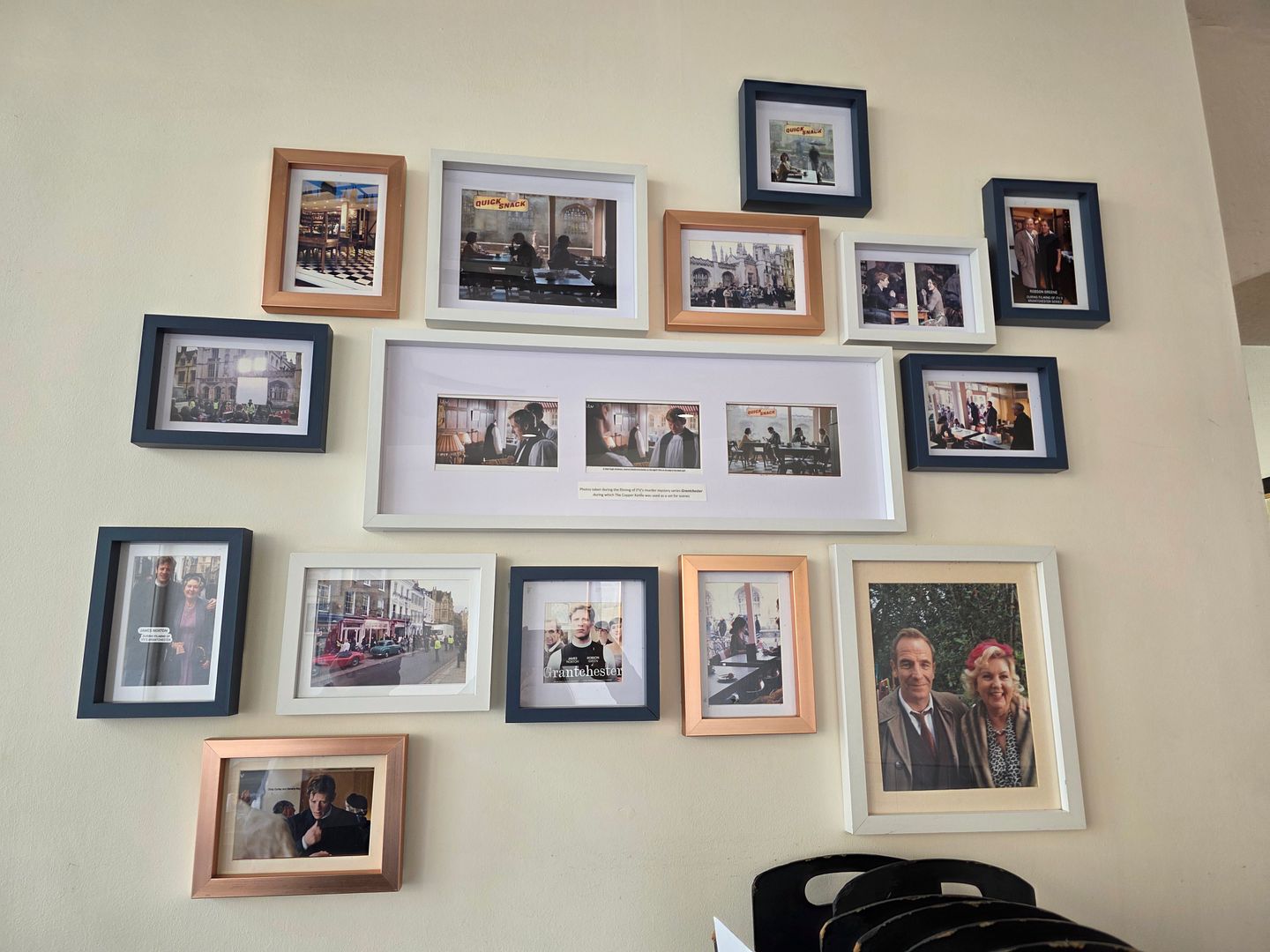
This cafe was used in some of the filming for Grantchester. (Possibly as a tea-room?)

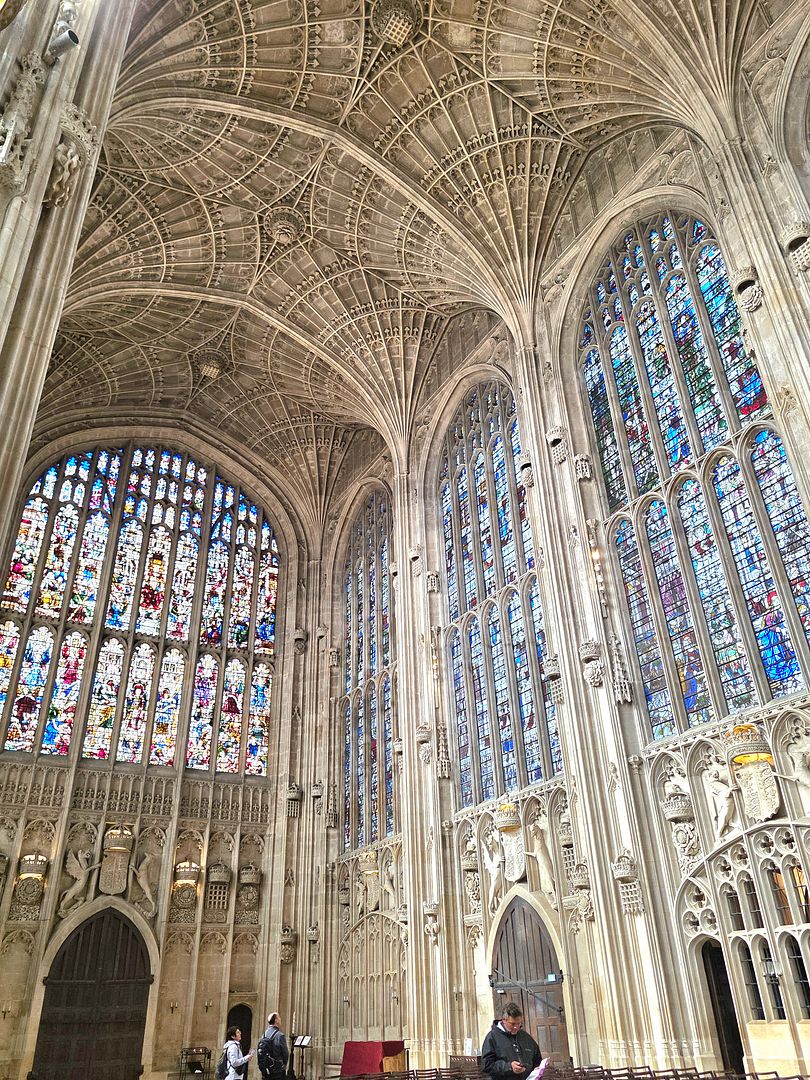
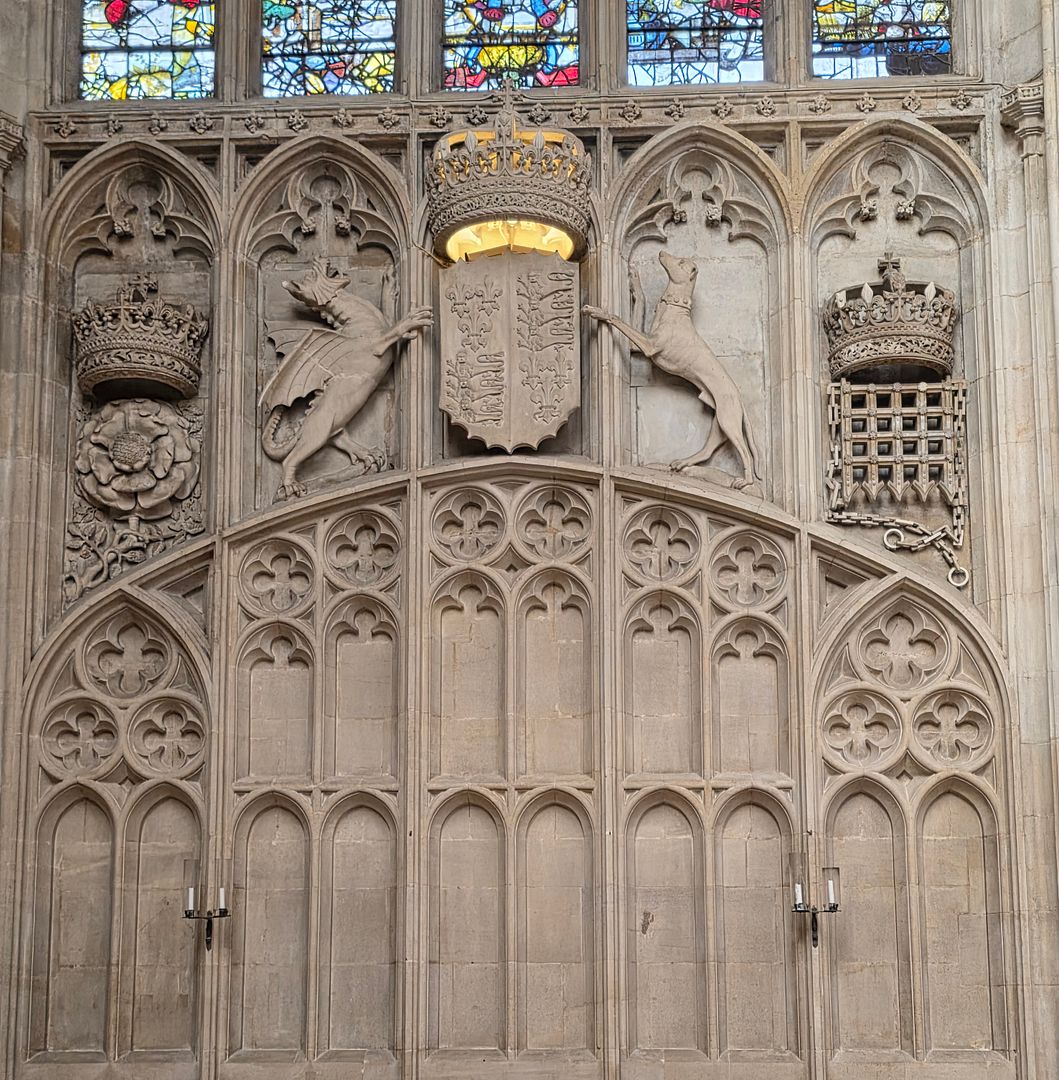
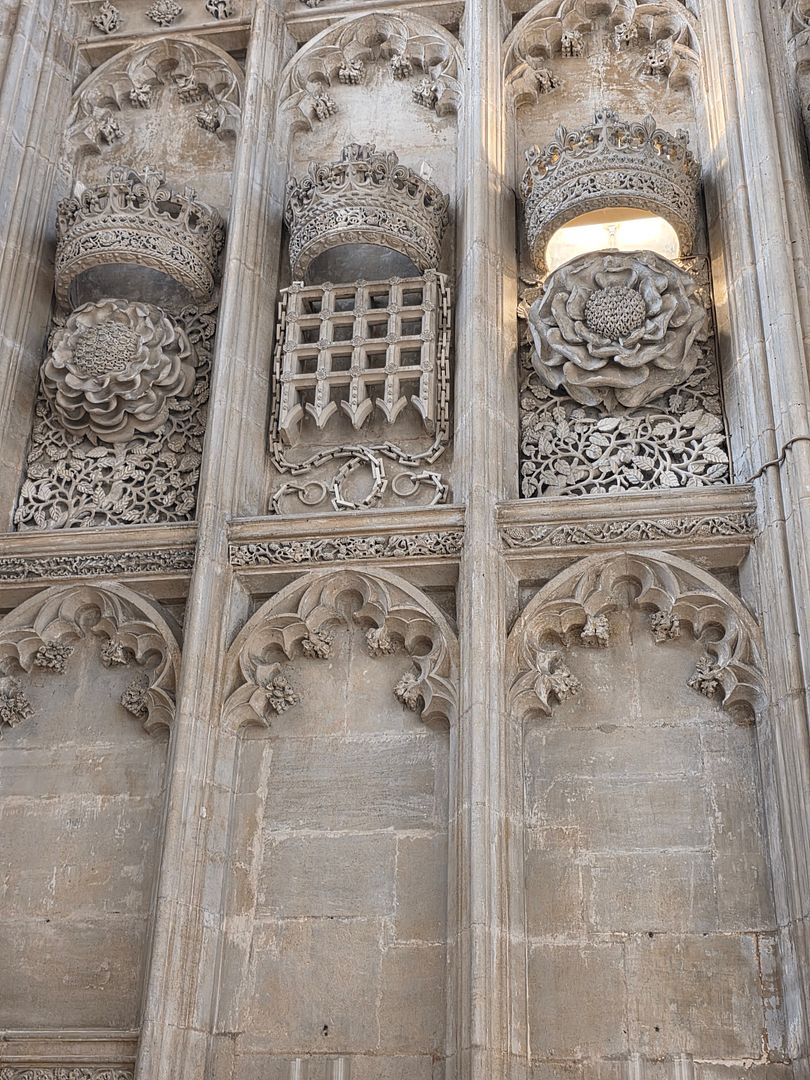
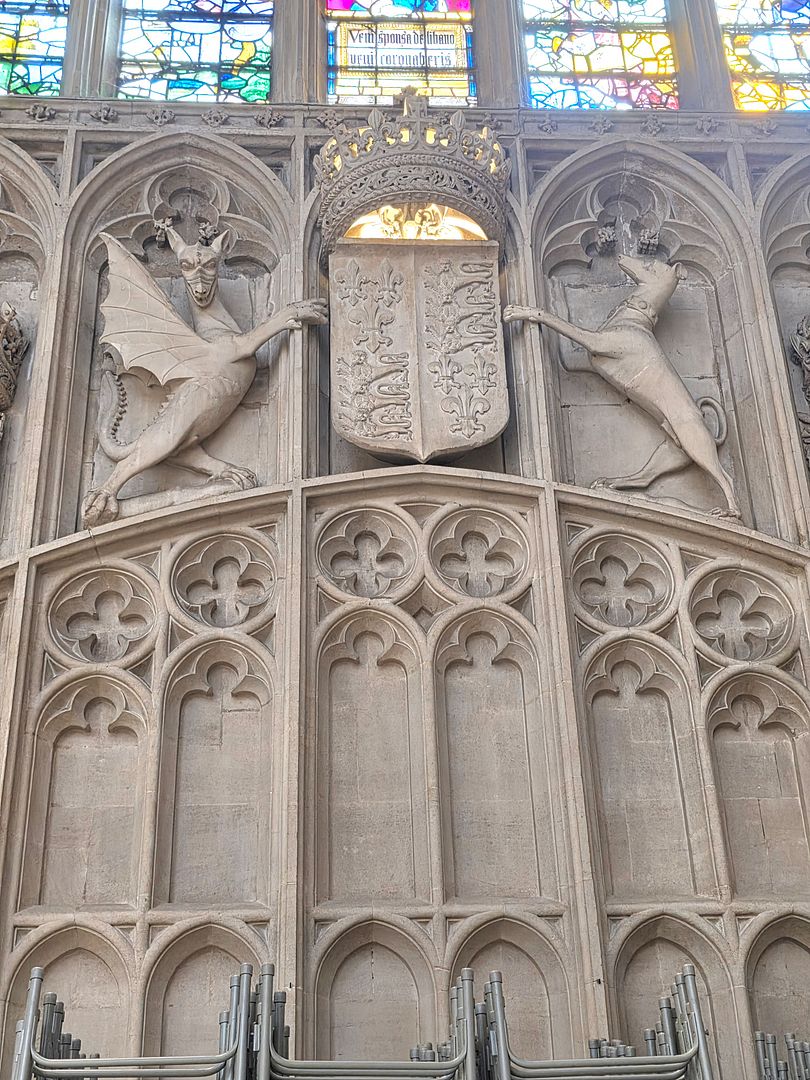
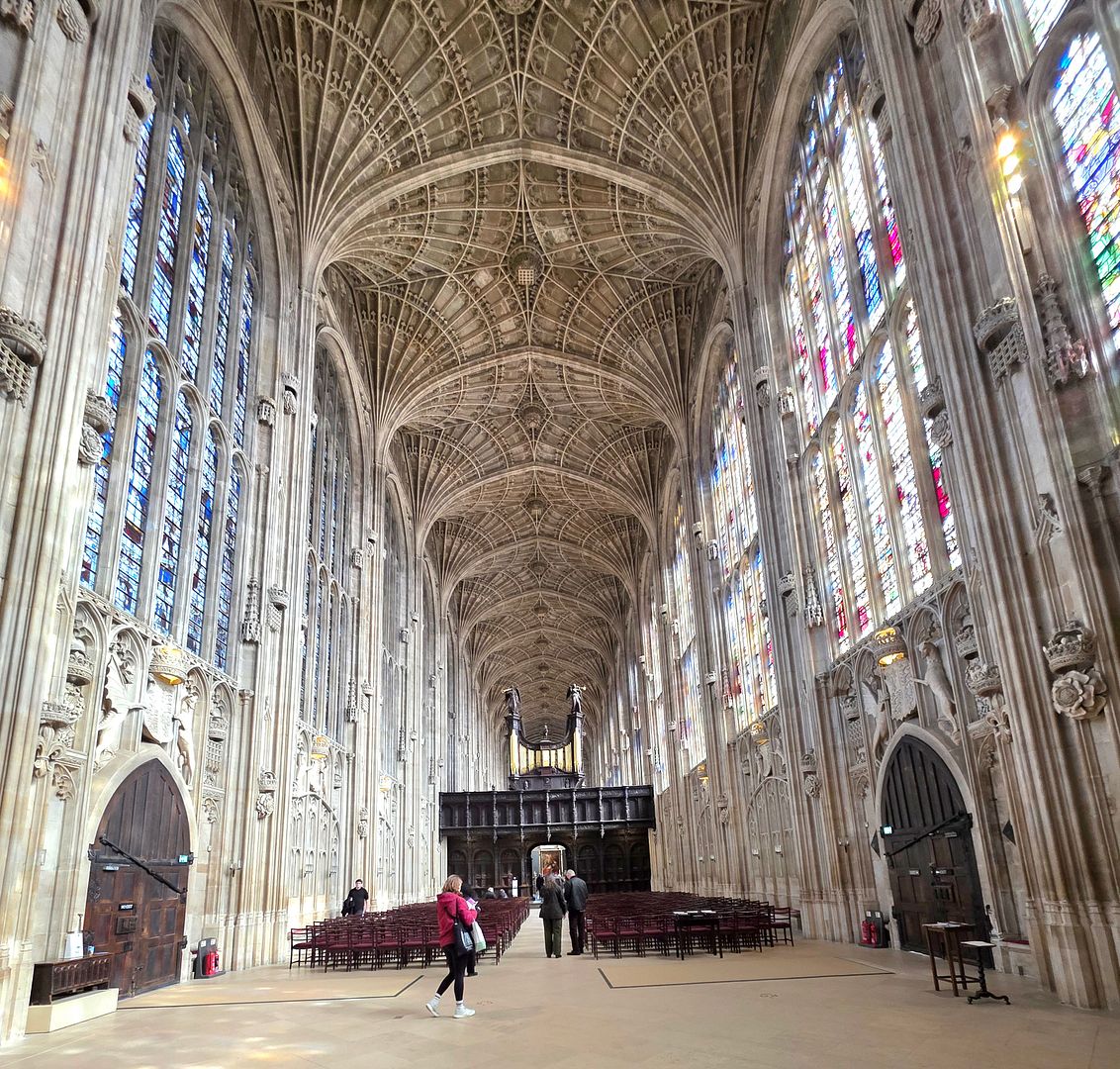
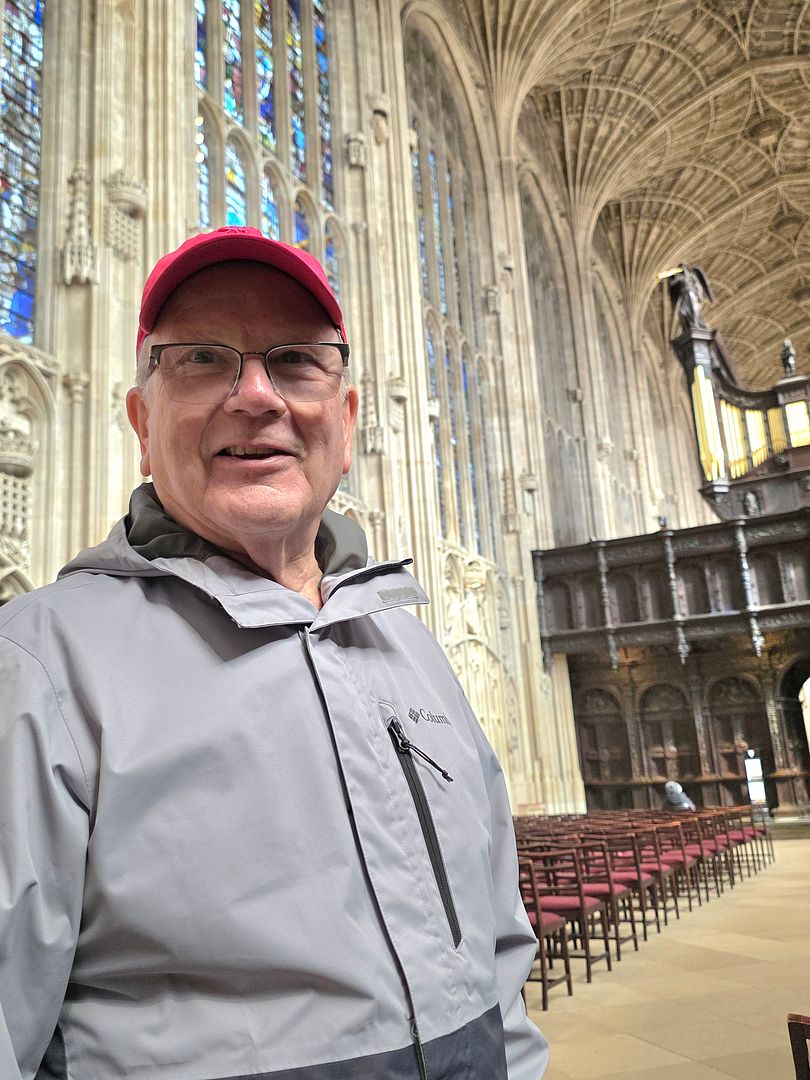
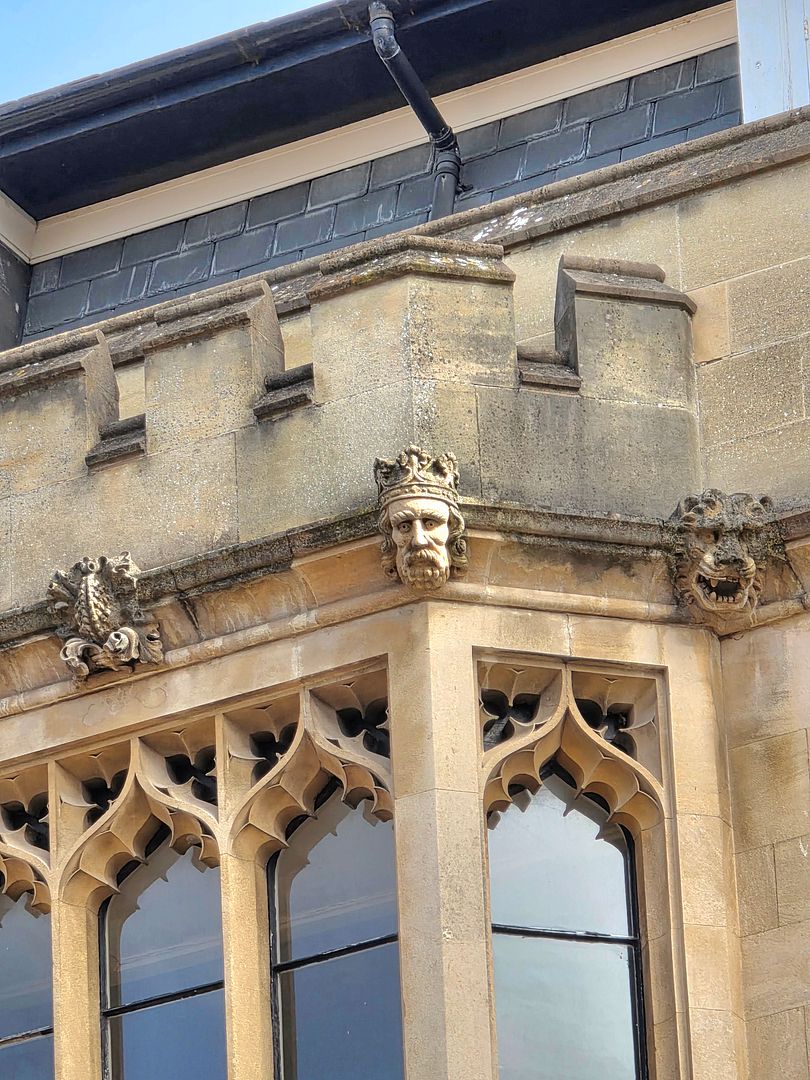
After breakfast we met up with our alumni tour guide and group for a 2 hour tour that would include King’s Chapel.

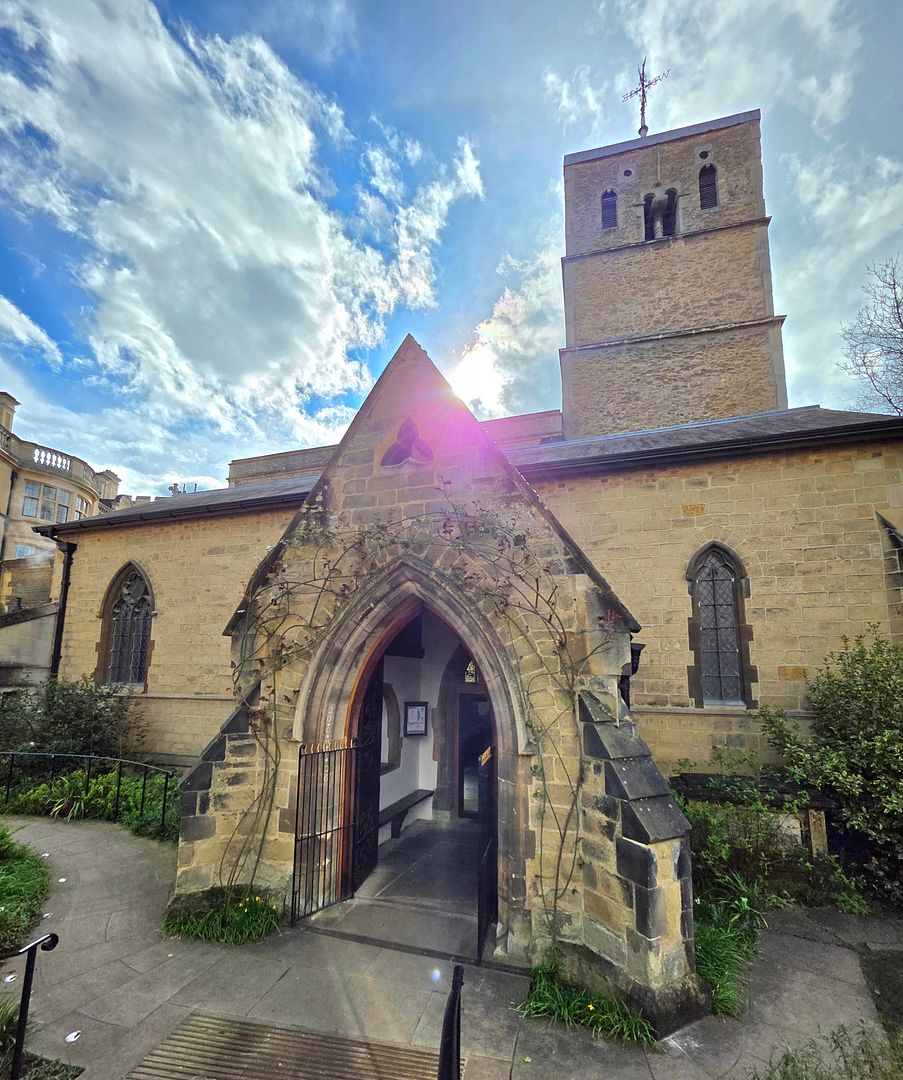
St Bene’t’s church on Bene’t’s street was one of our stops.

St Bene’t’s has been a place of Christian prayer and worship for nearly a thousand years. The exact date is in dispute; estimates vary between the tenth century and the reign of Edward the Confessor, but there are good grounds for placing it in the reign of King Canute about the year 1020. More history at this link.

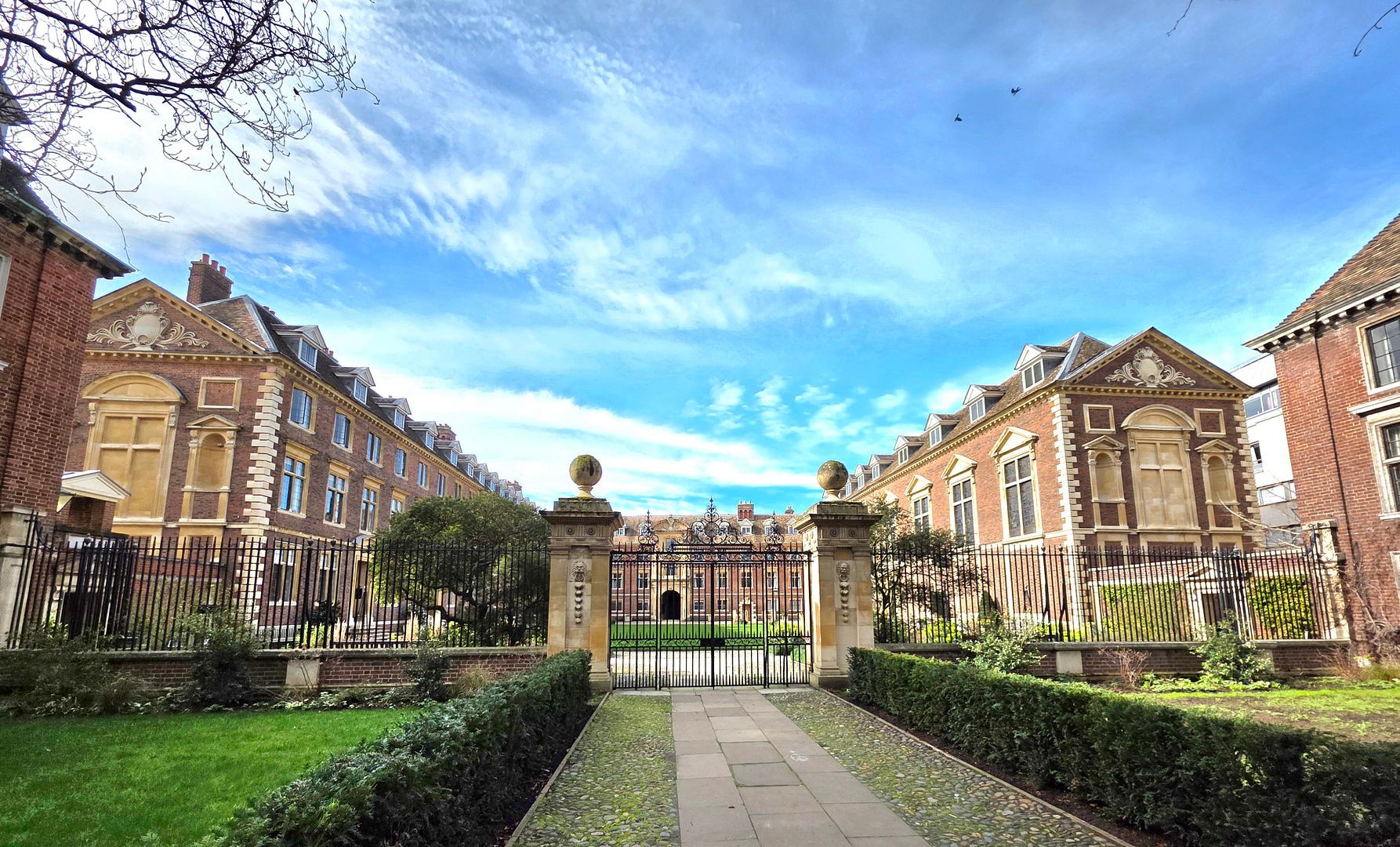
St. Catharine’s College.

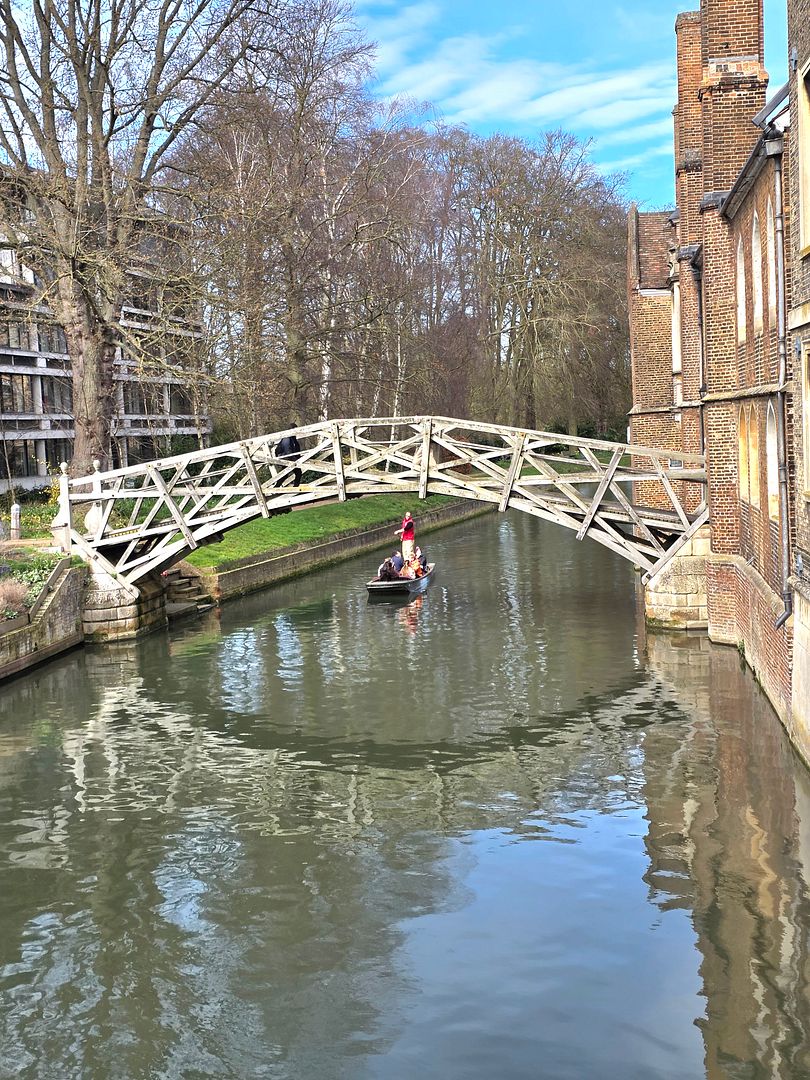
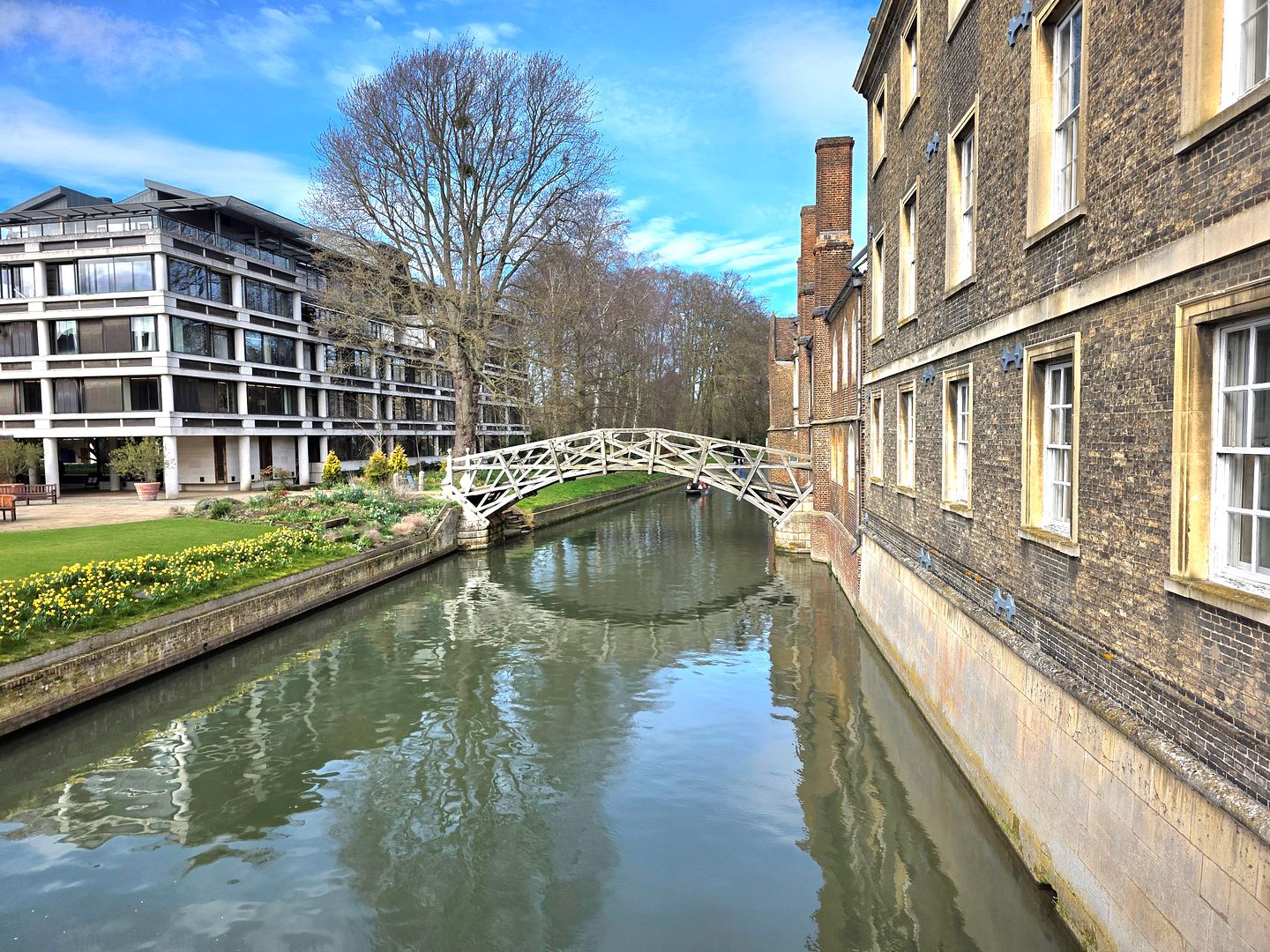
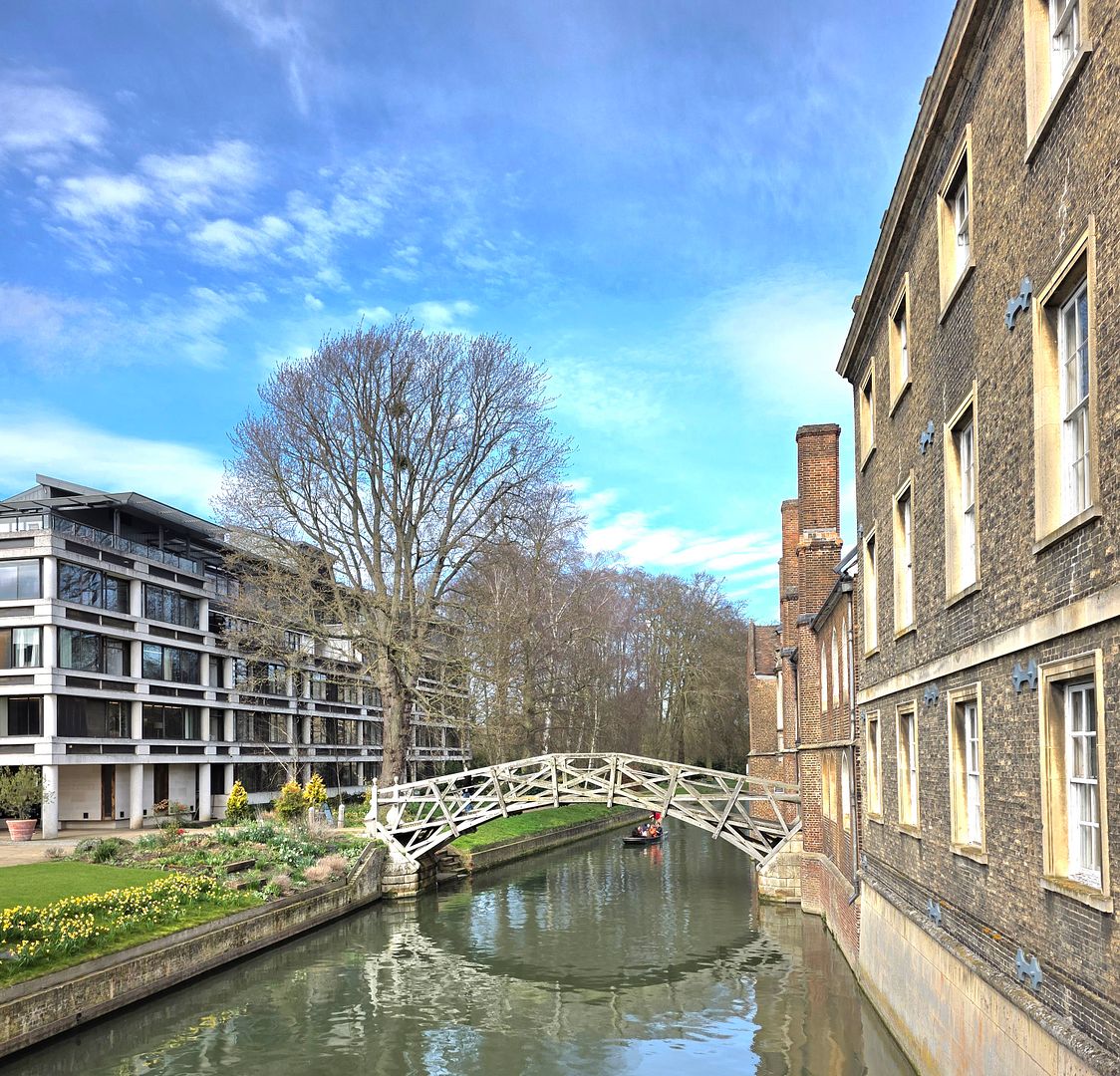
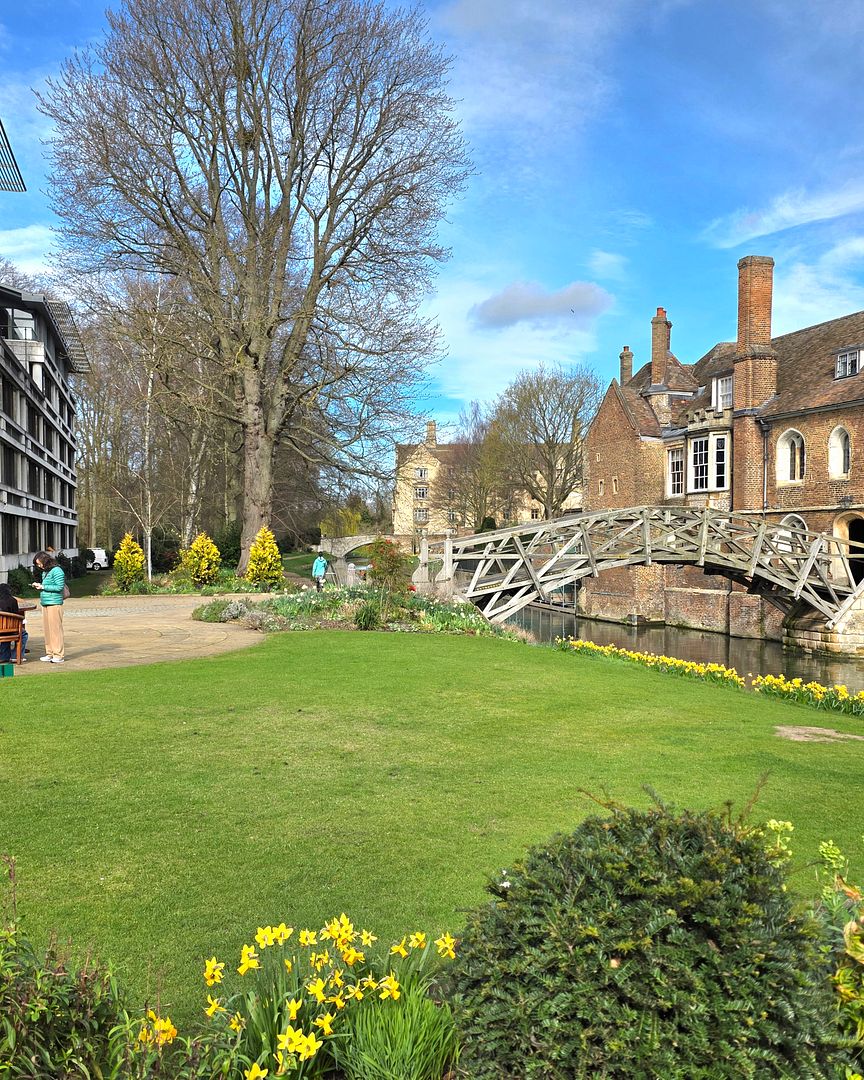
We continued on Silver Street to Queen’s college where the famous Mathematical Bridge spans the River Cam. I was chuckling here as I remembered the new quirky Ludwig murder series filmed in Cambridge. One of the episodes featured the bridge, the building on the left which is part of Queen’s college and a chapel. Have you watched the series. I highly recommend it.

The bridge was designed in 1748 by William Etheridge (1709–76), and was built in 1749 by James Essex the Younger (1722–84). It has subsequently been repaired in 1866 and rebuilt to the same design in 1905. More info here.

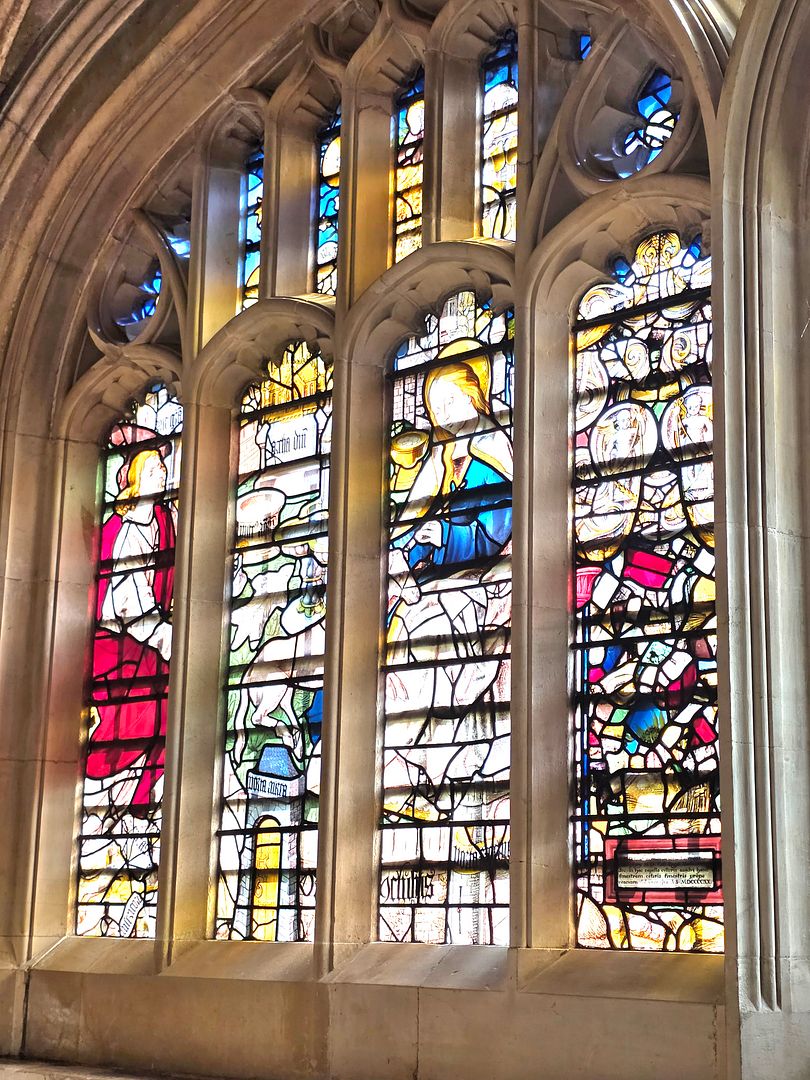
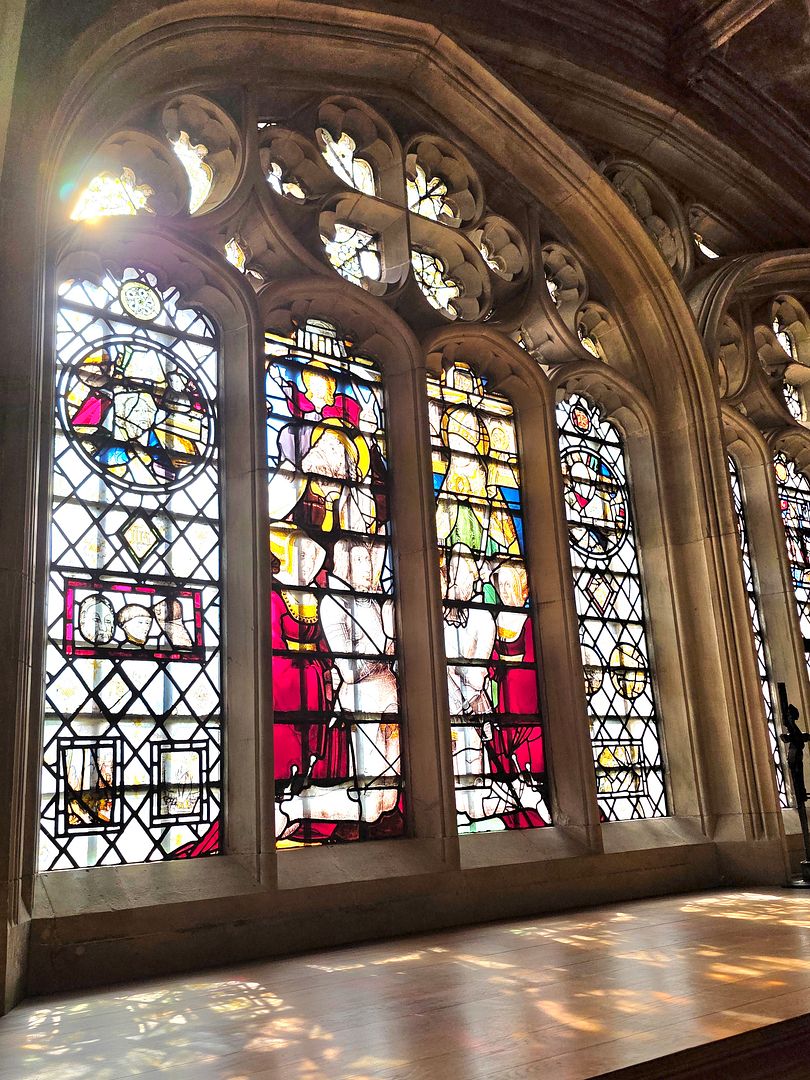
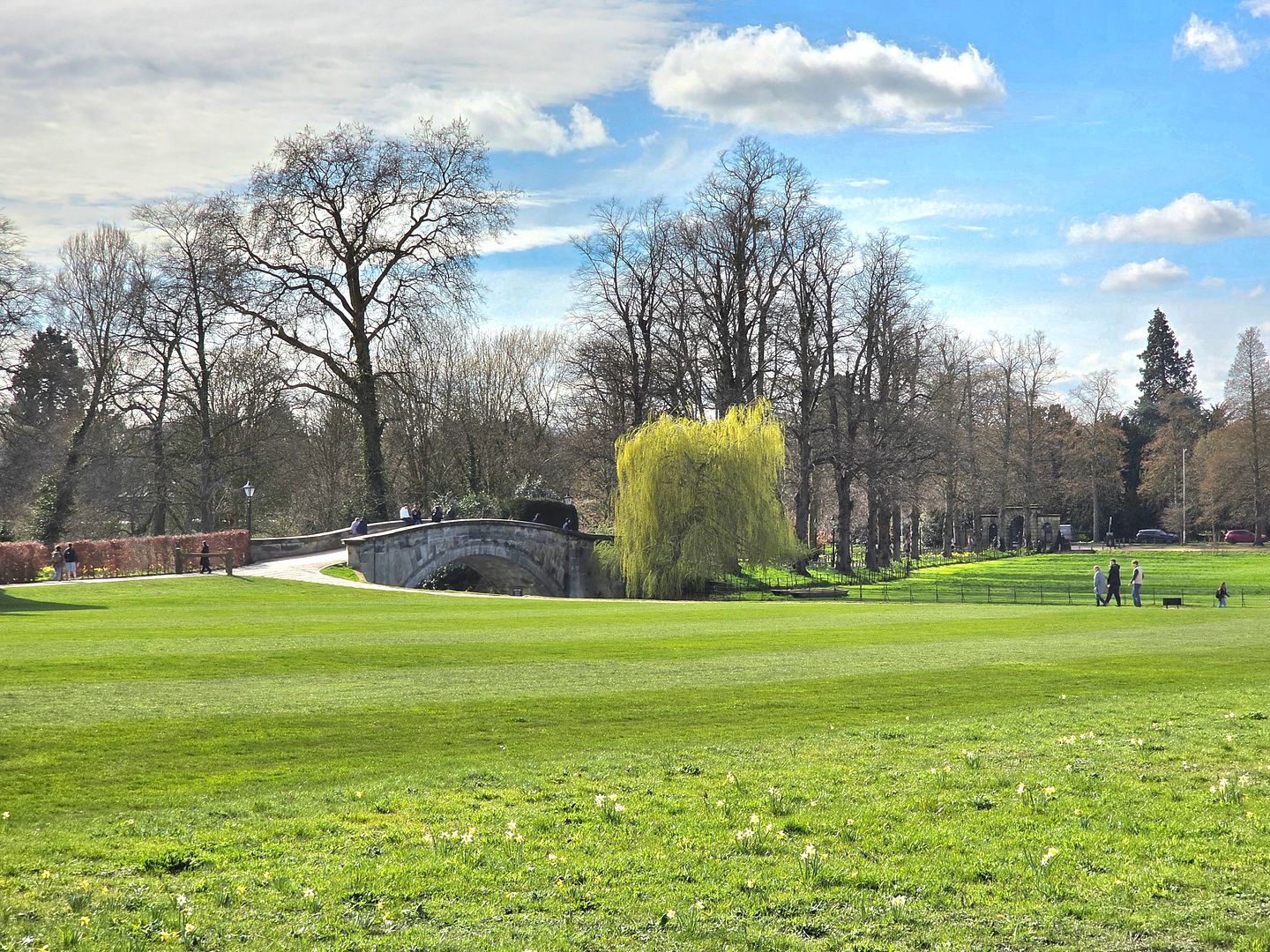
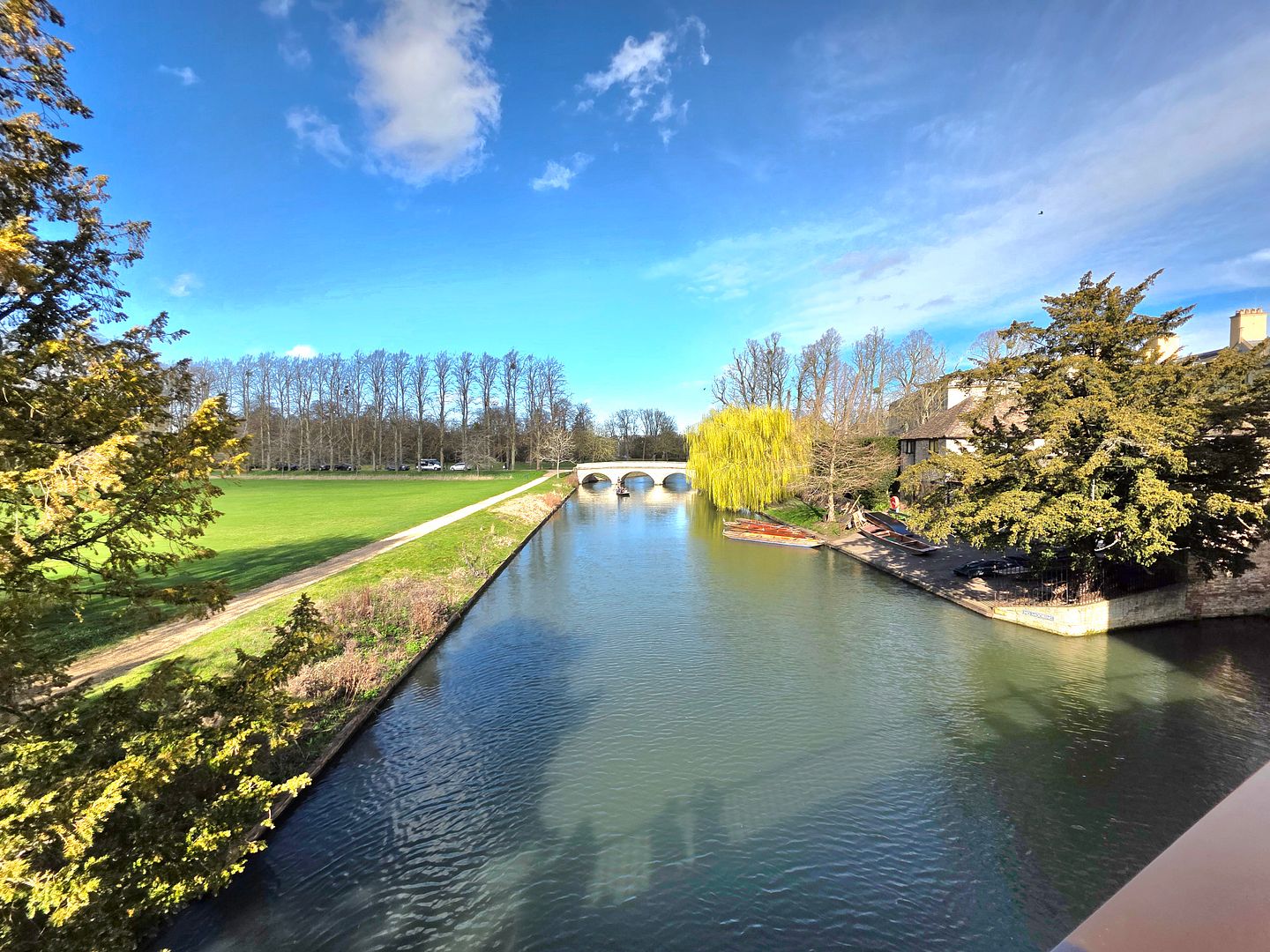
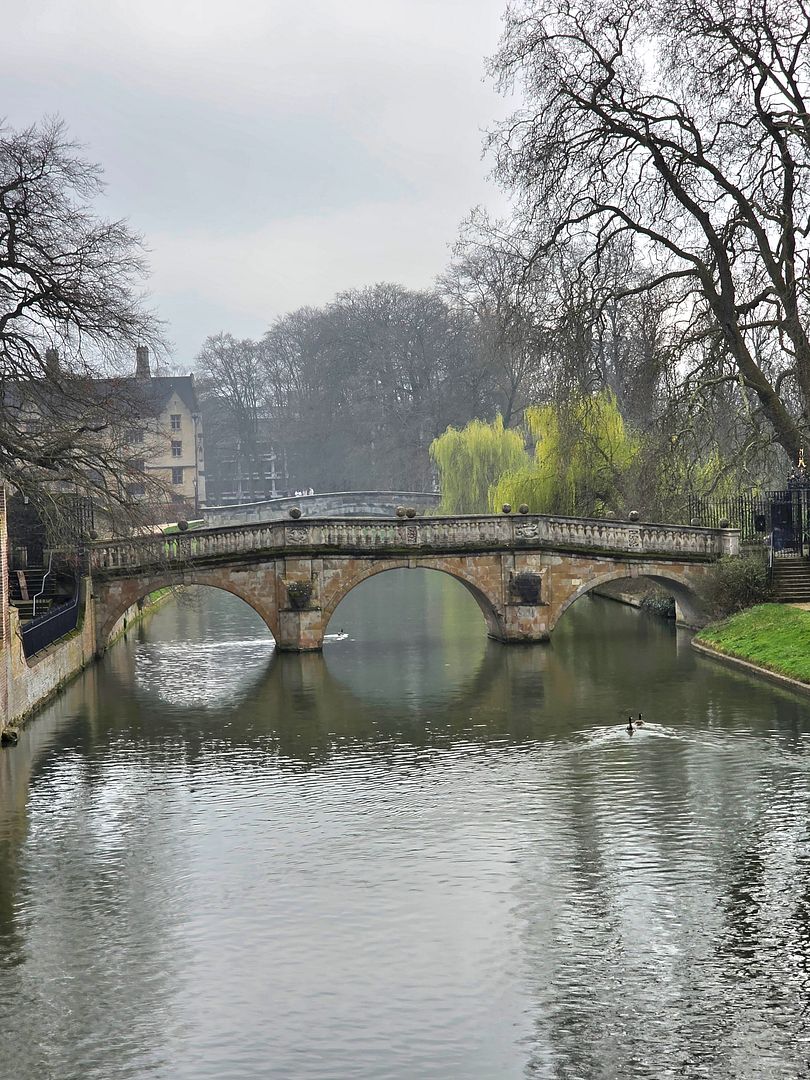
We continued on Silver Street to Queen Street on ‘the backs’ with some nice views of King’s College Chapel.

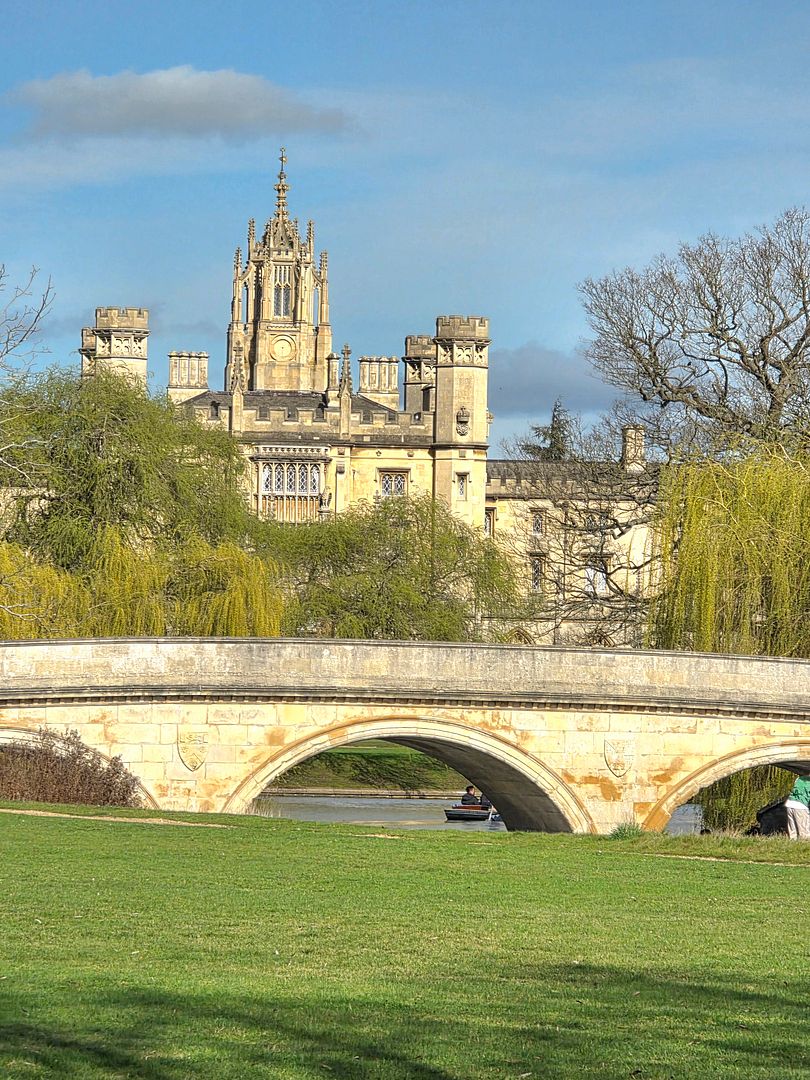
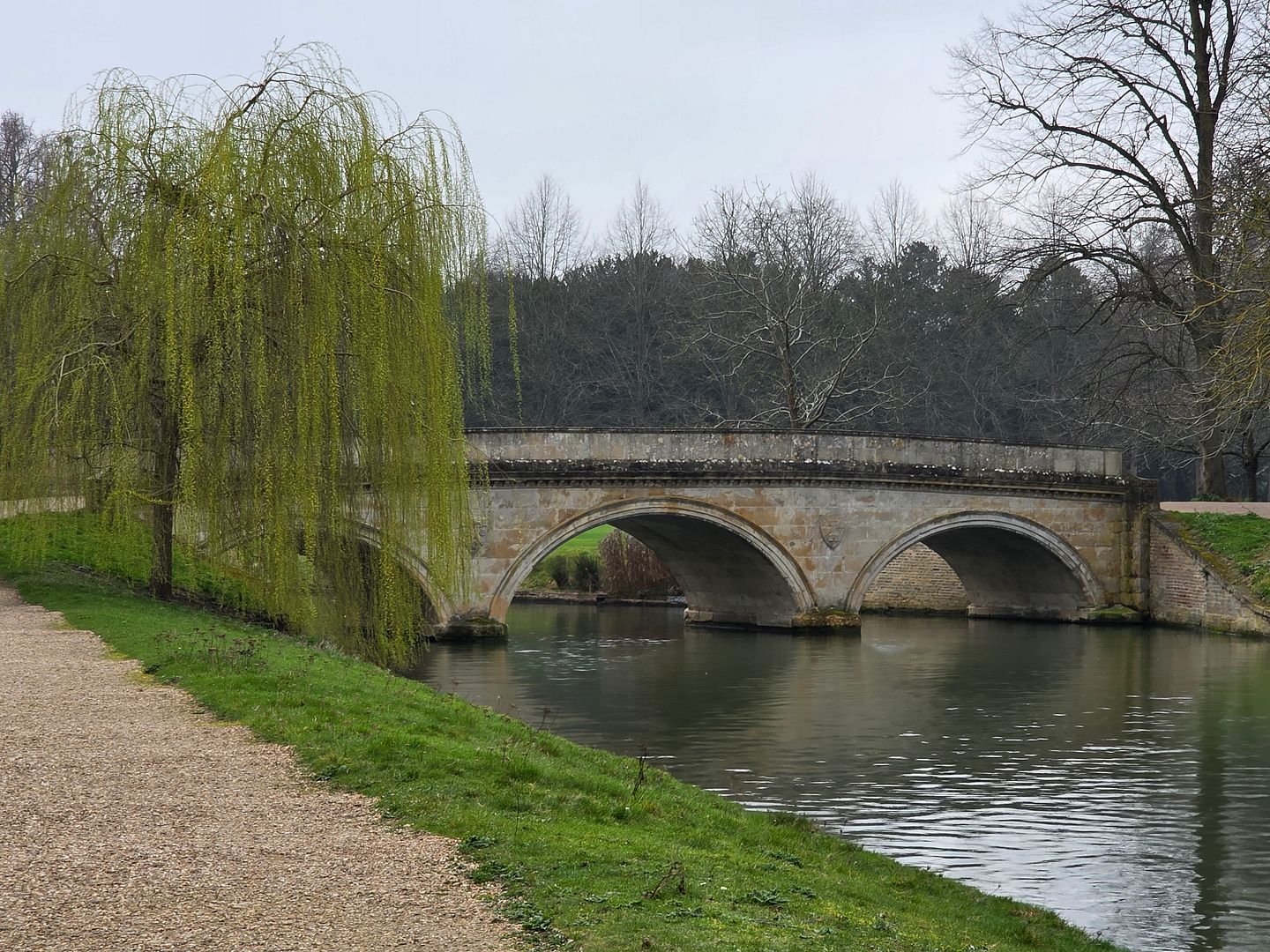
This is Trinity College Bridge.

St. John’s with the clock tower without an actual clock.

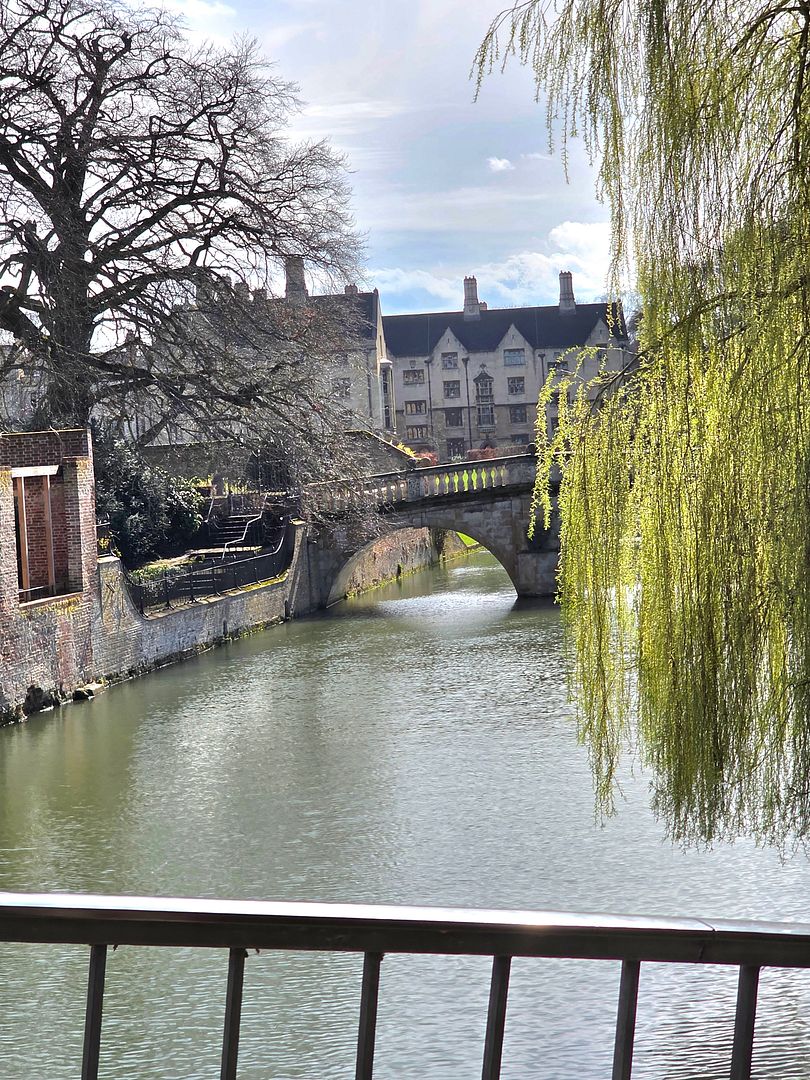
This bridge might be the Kitchen Bridge.

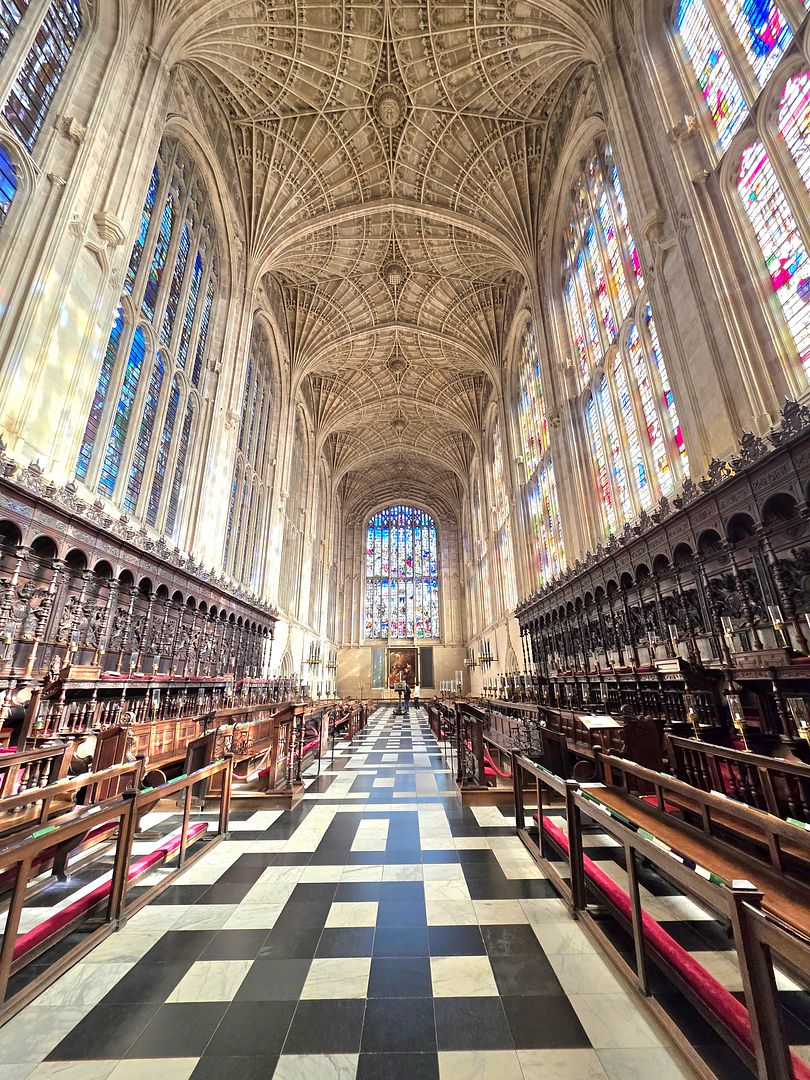
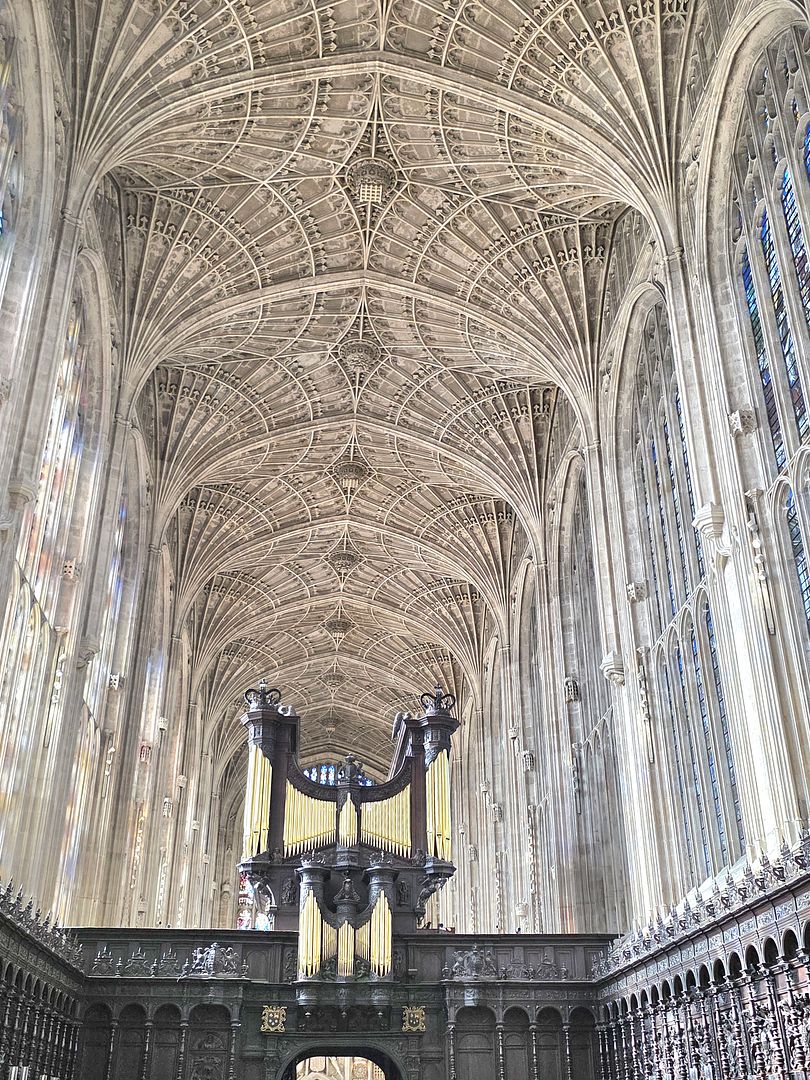
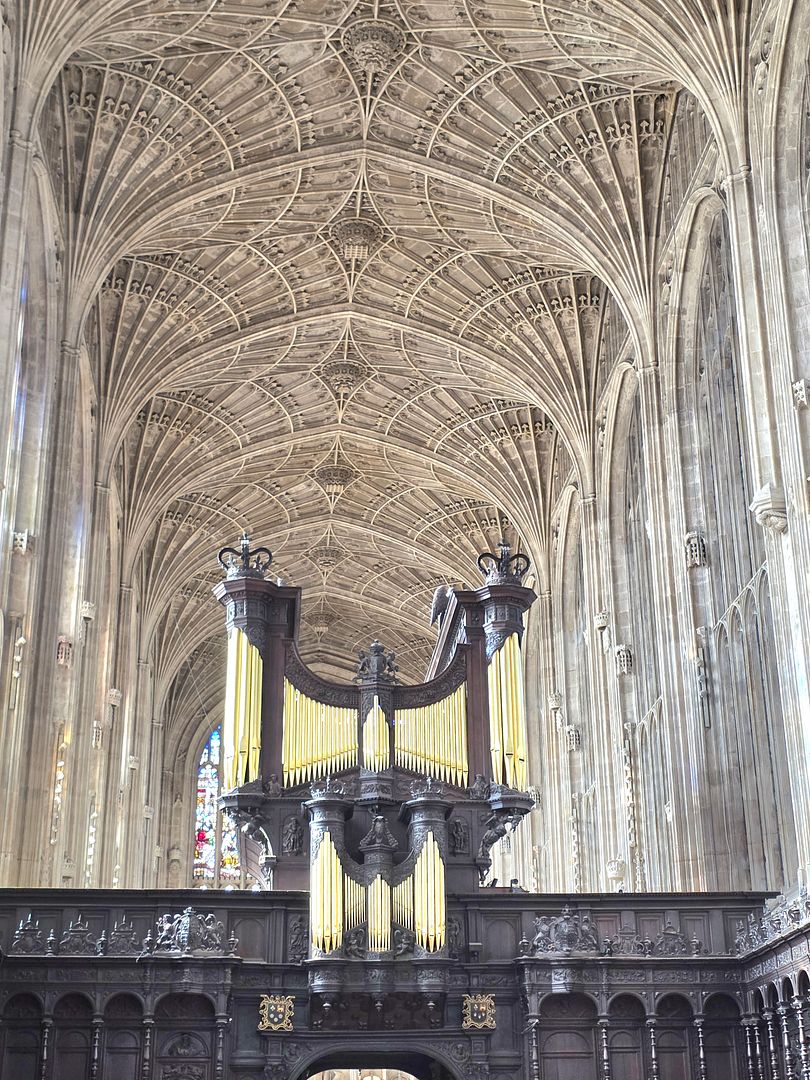
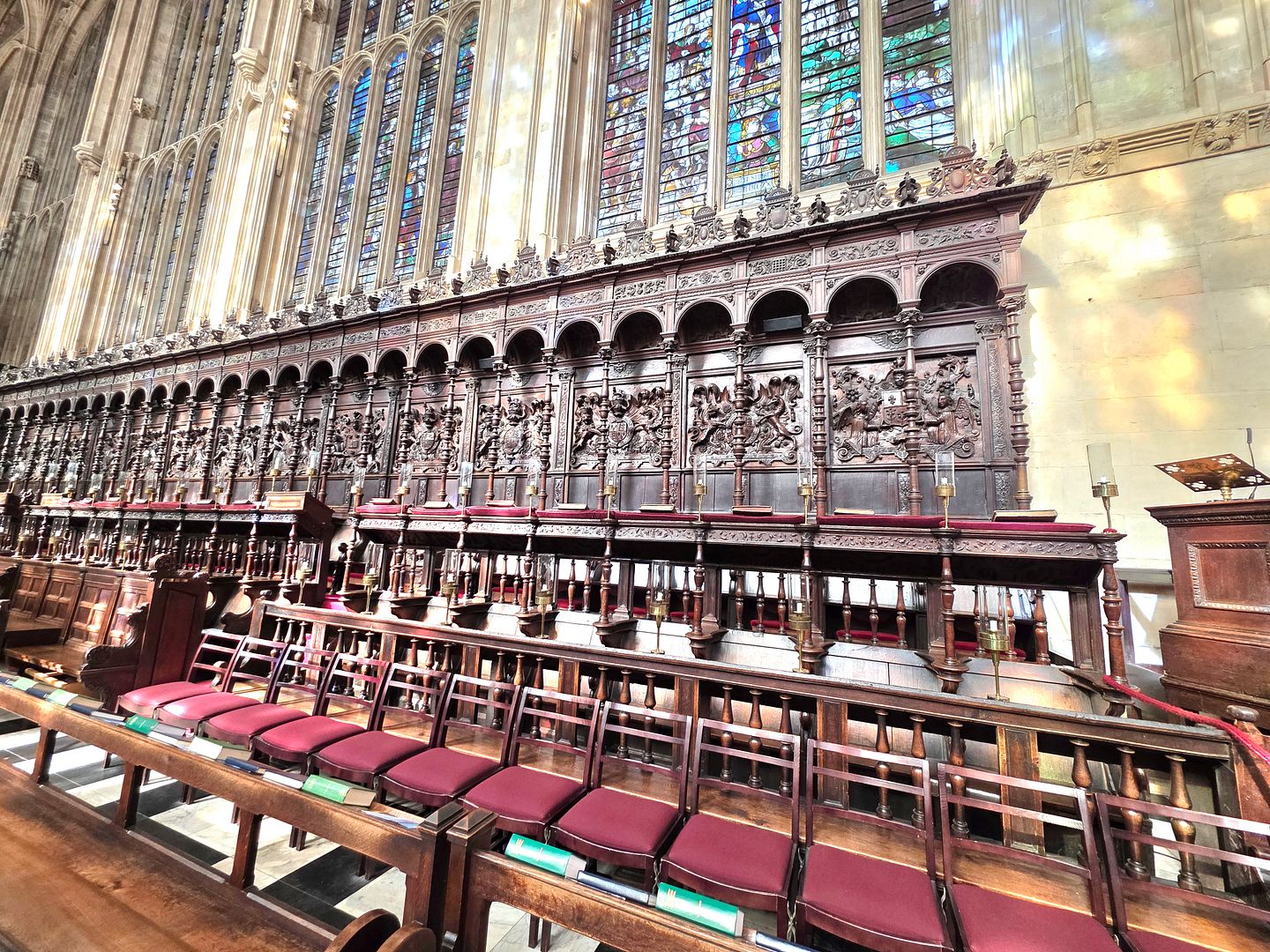
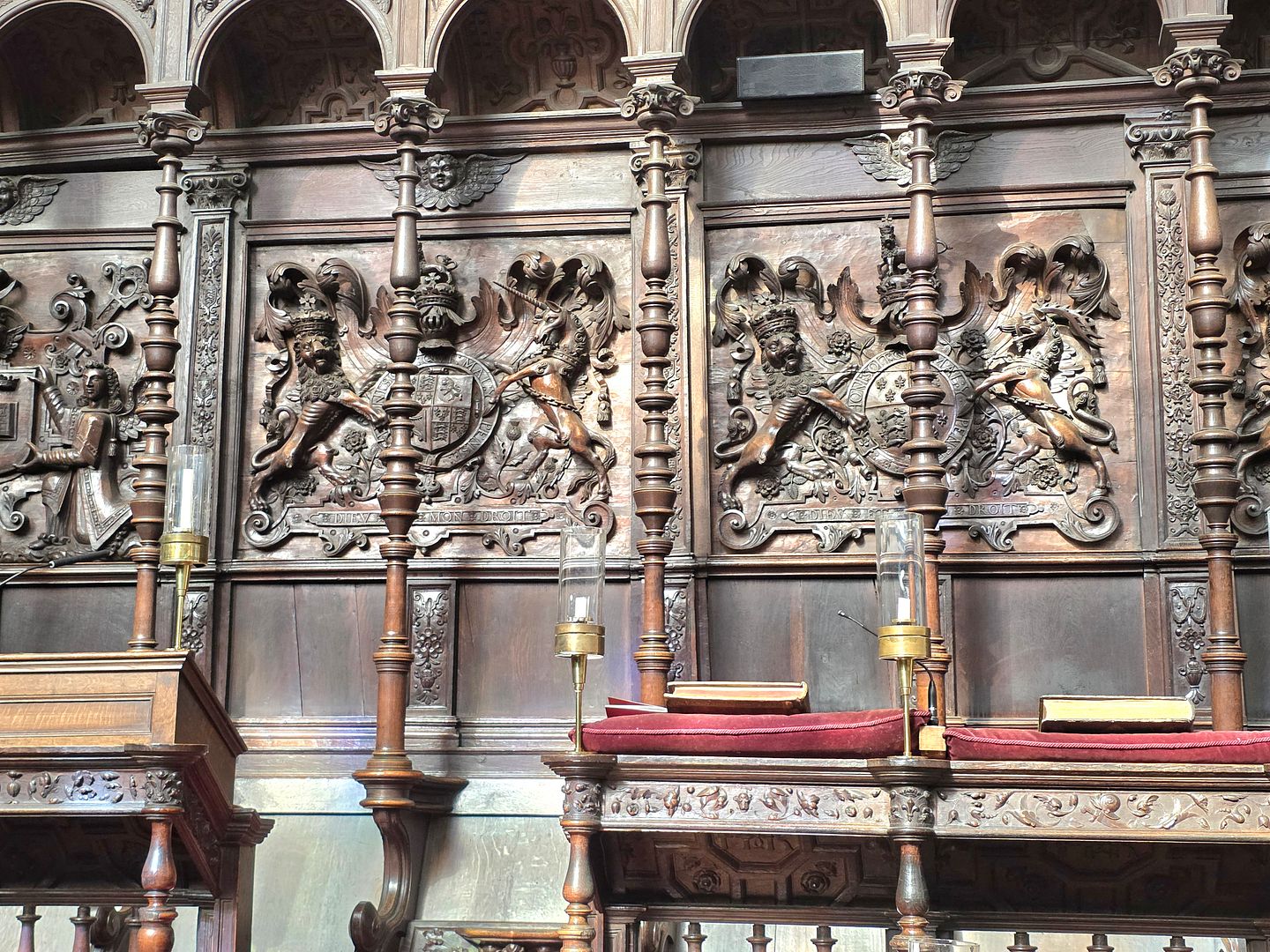
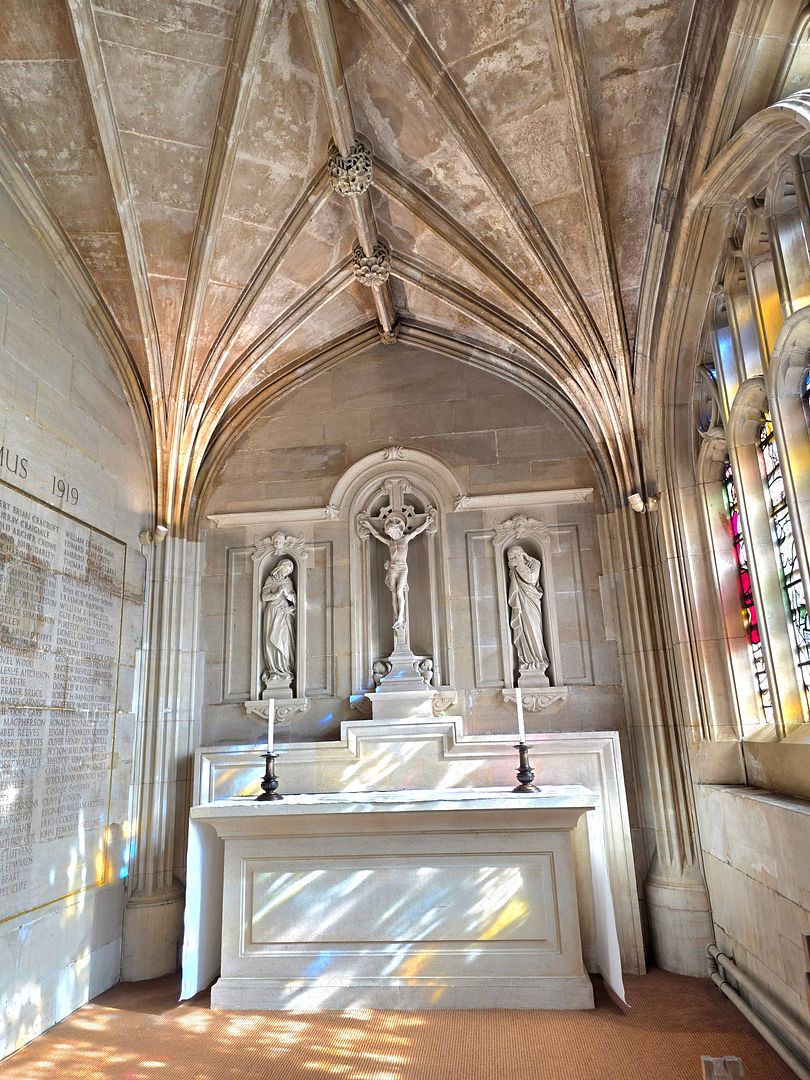
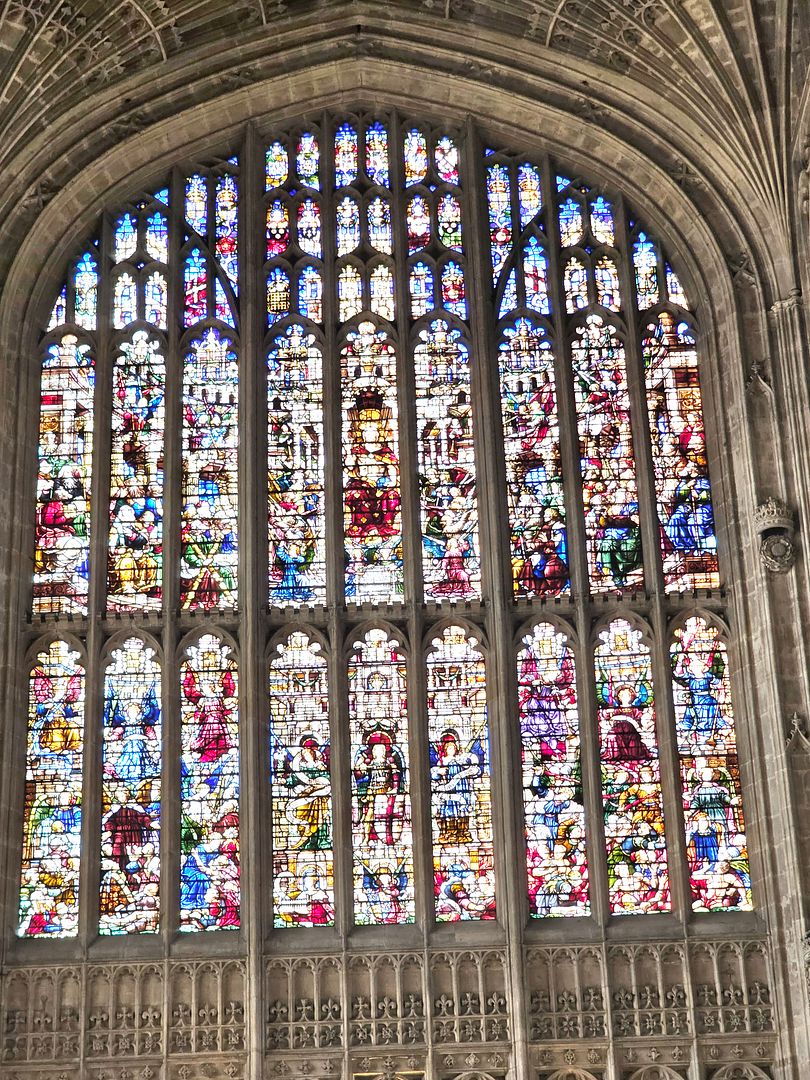
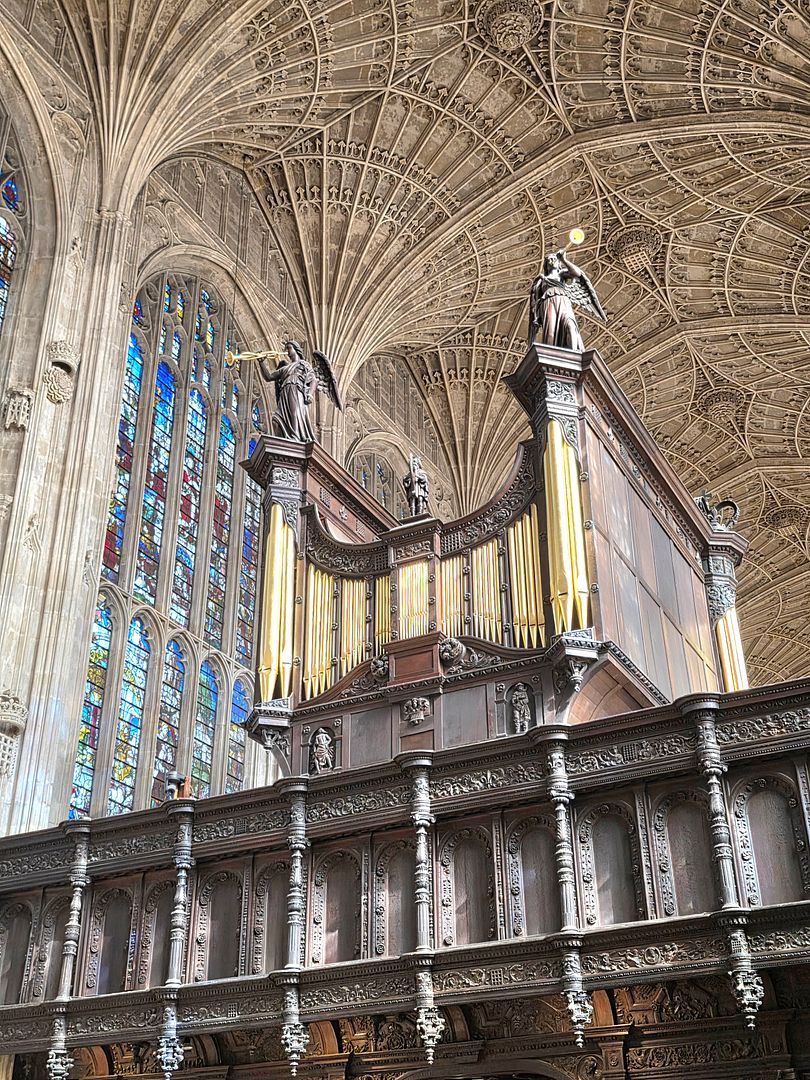
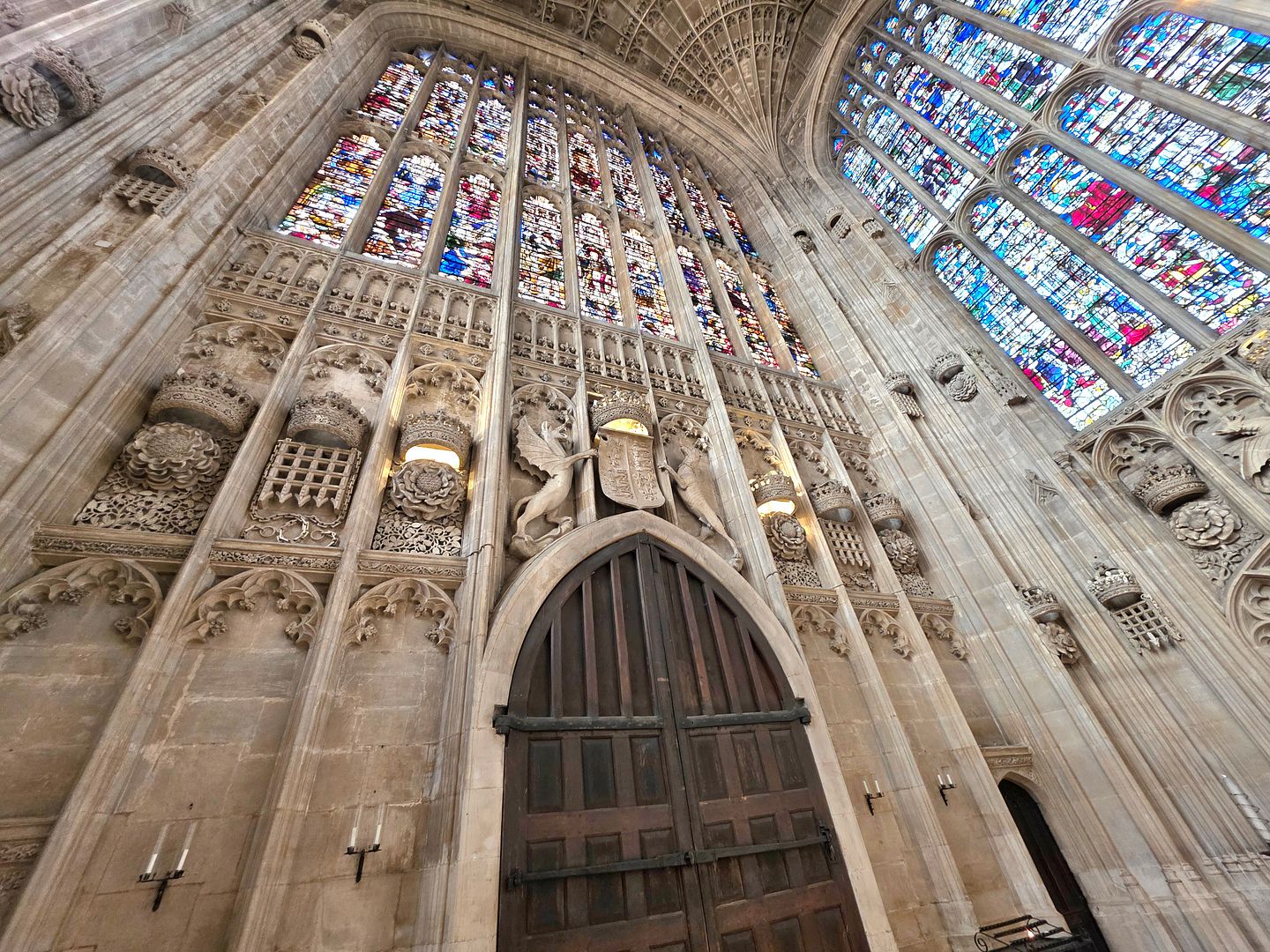
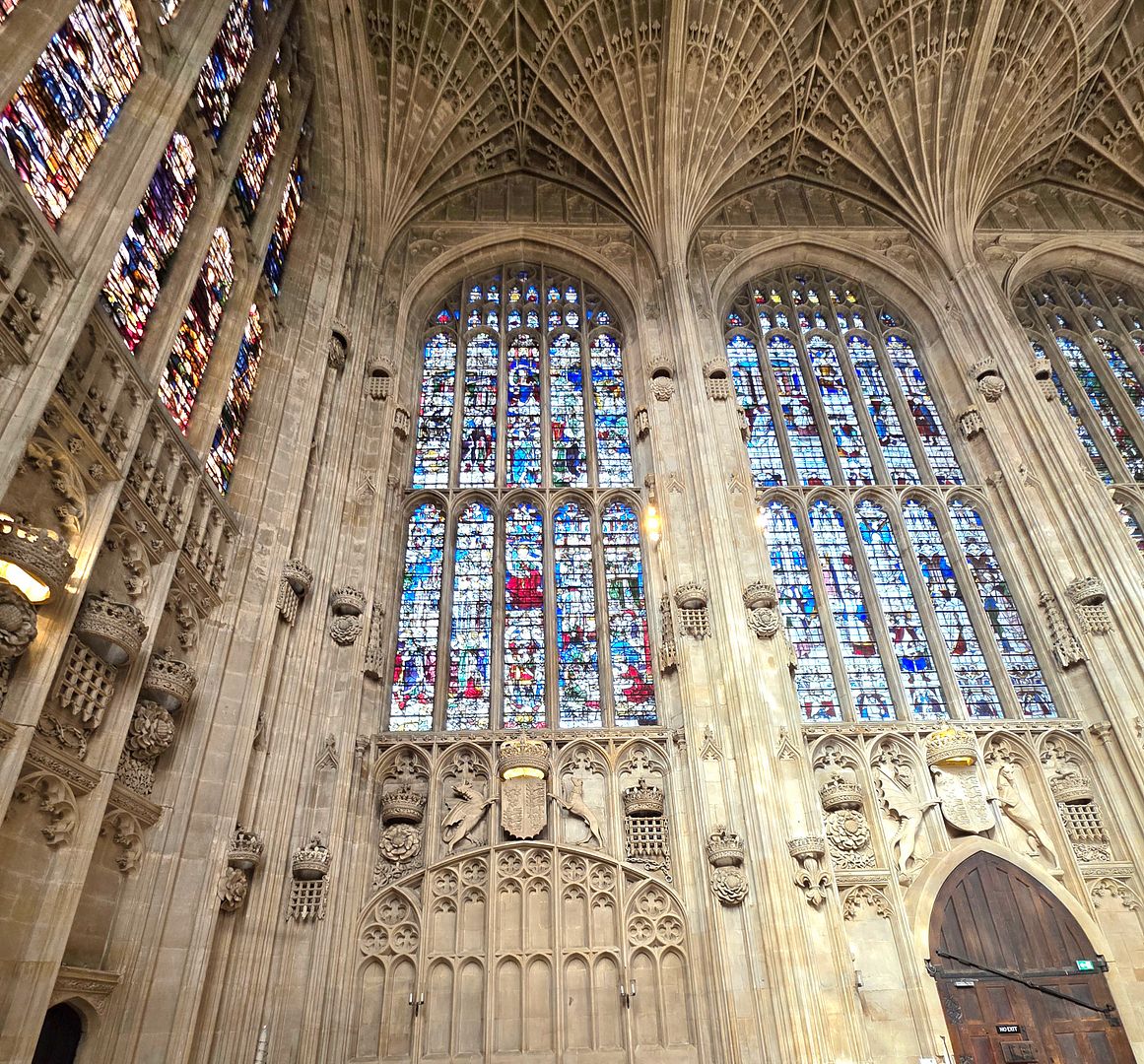
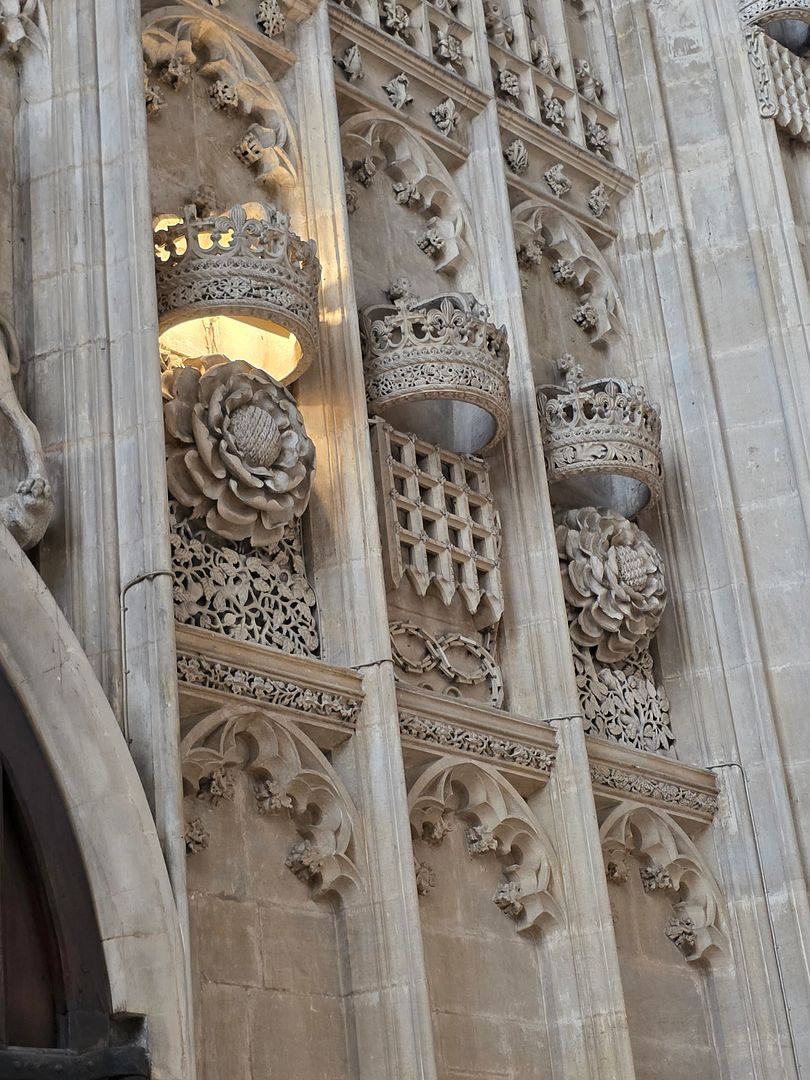
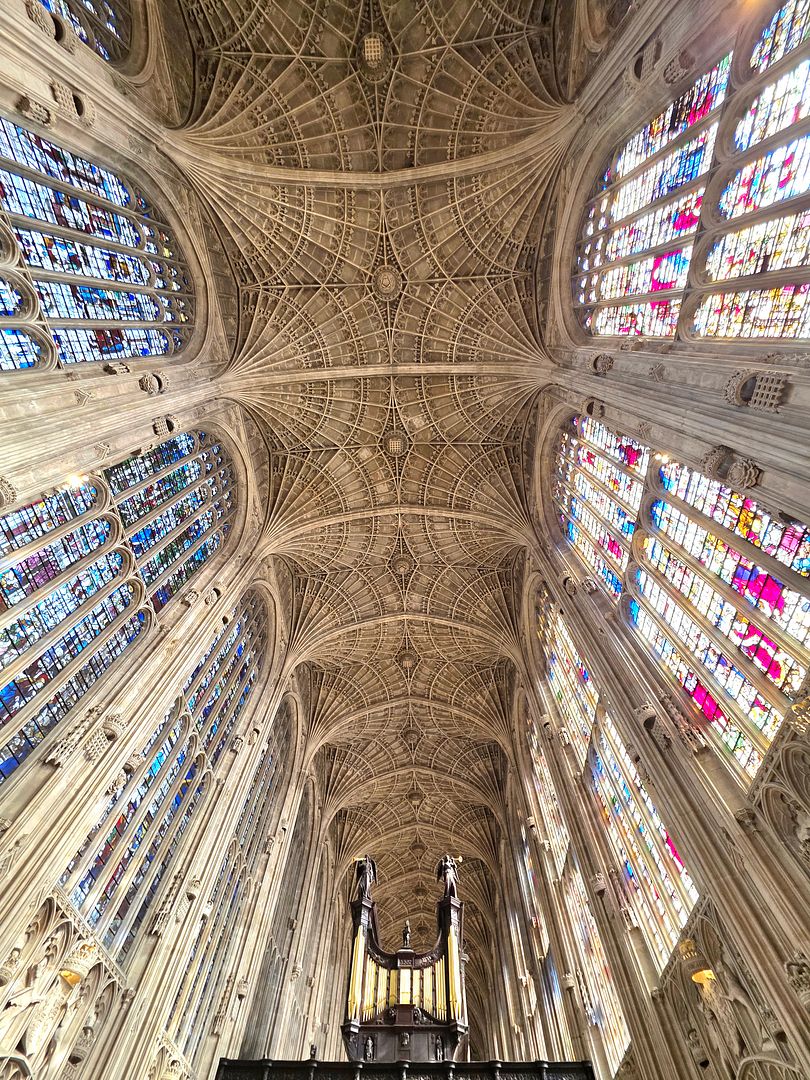
Working our way back to the King’s Parade to King’s College where our tour began and would end except for those of us who paid extra to go into King’s College to be able to visit King’s College Chapel.

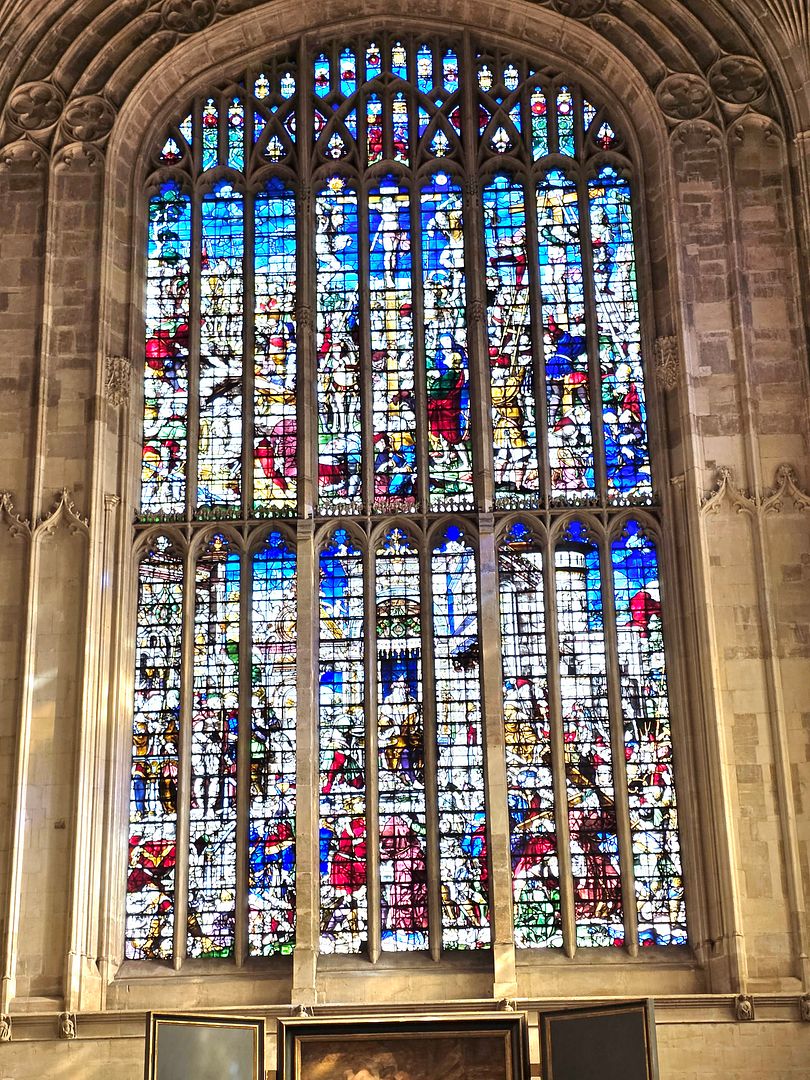
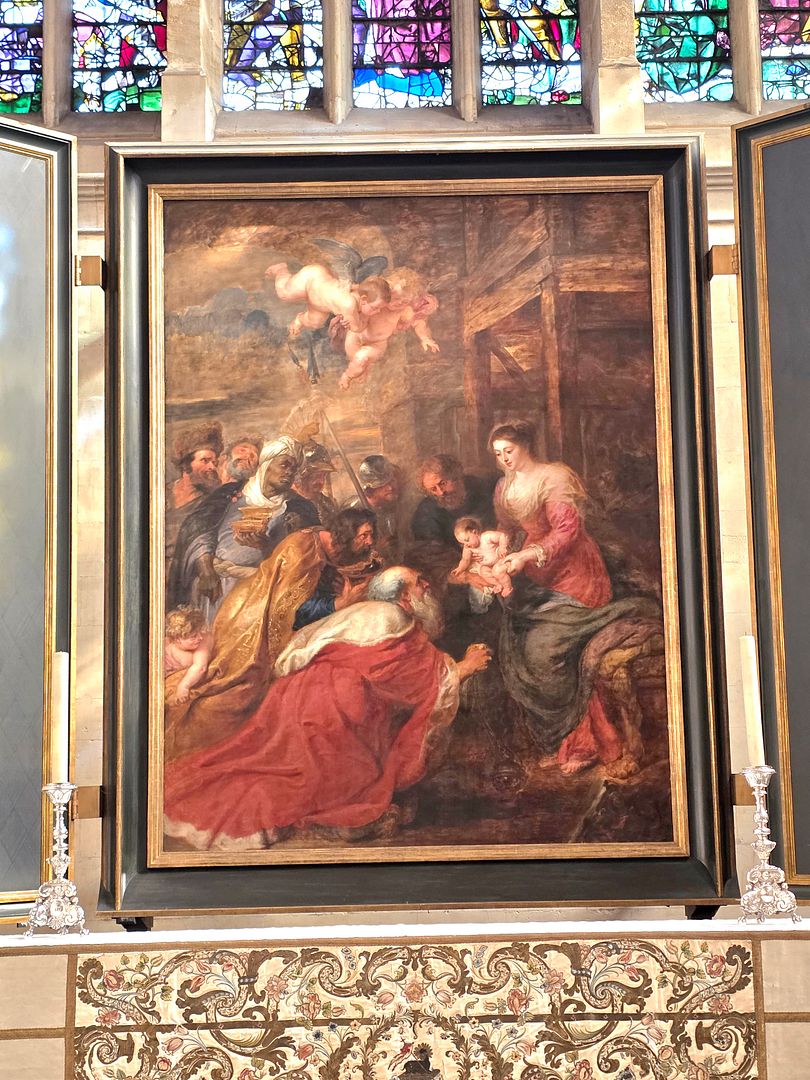
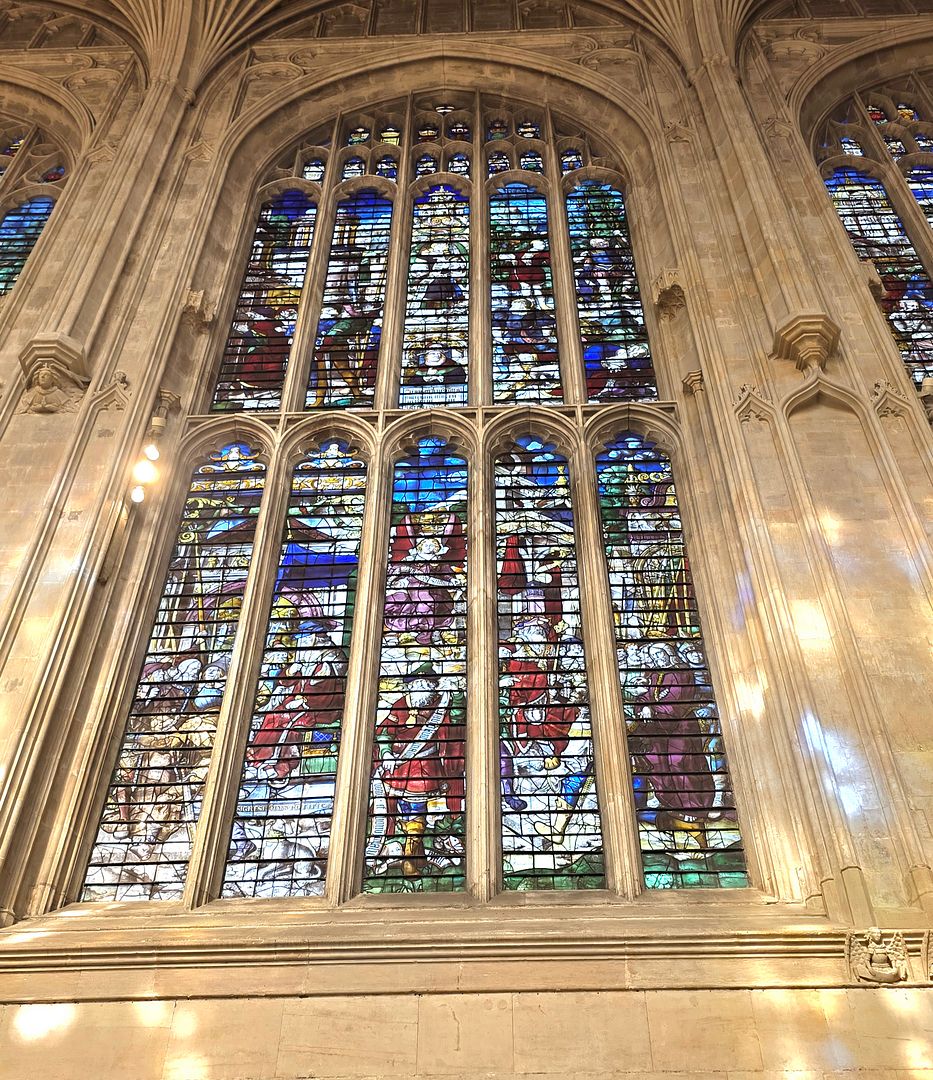
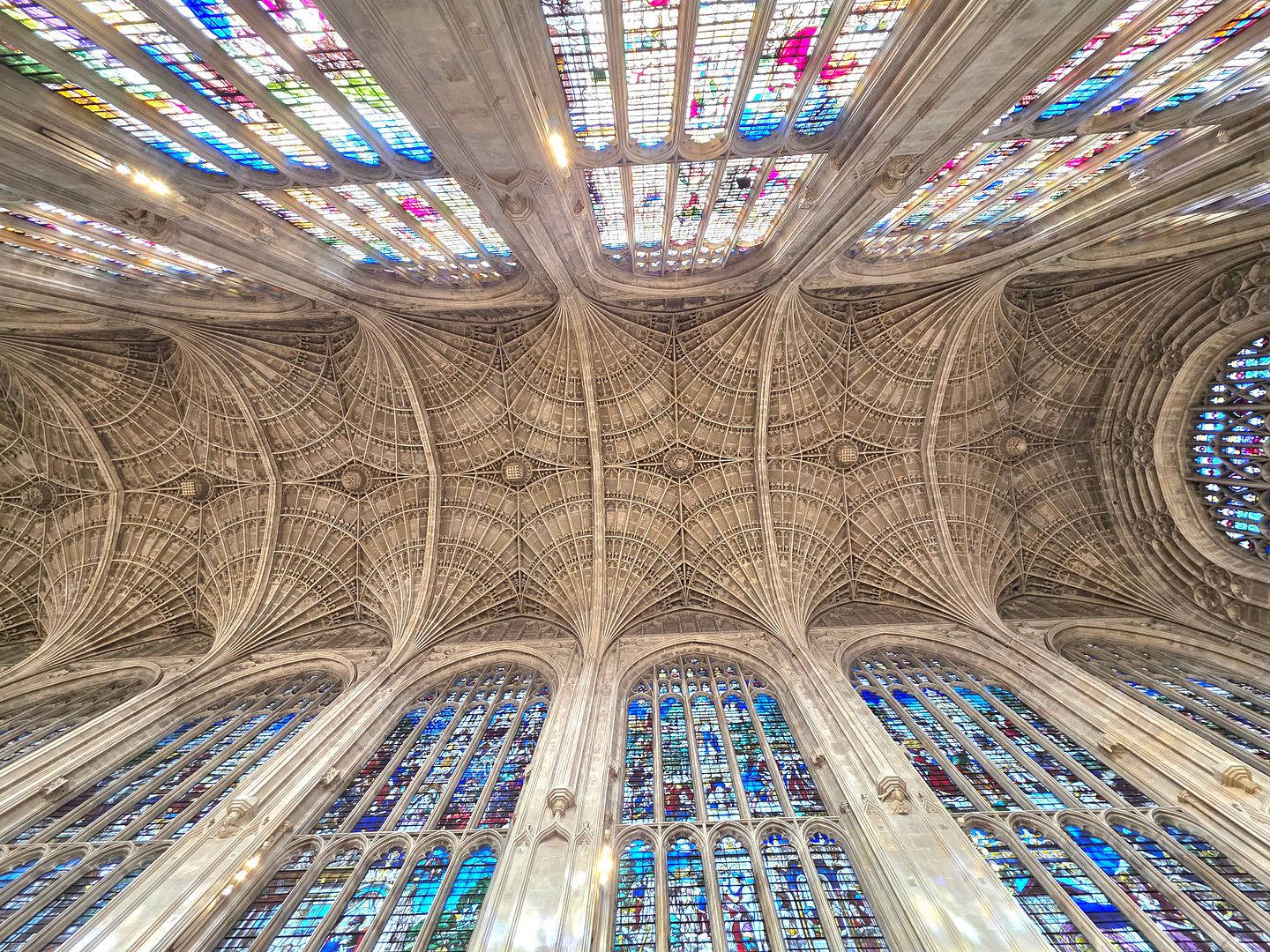
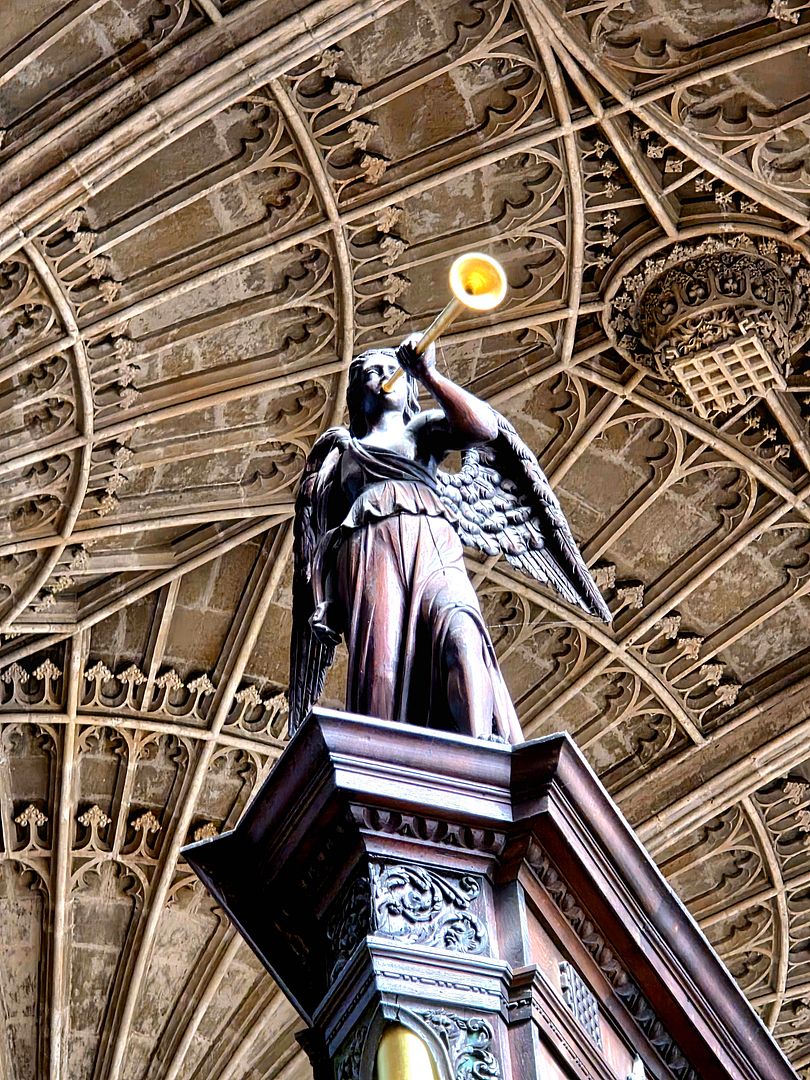
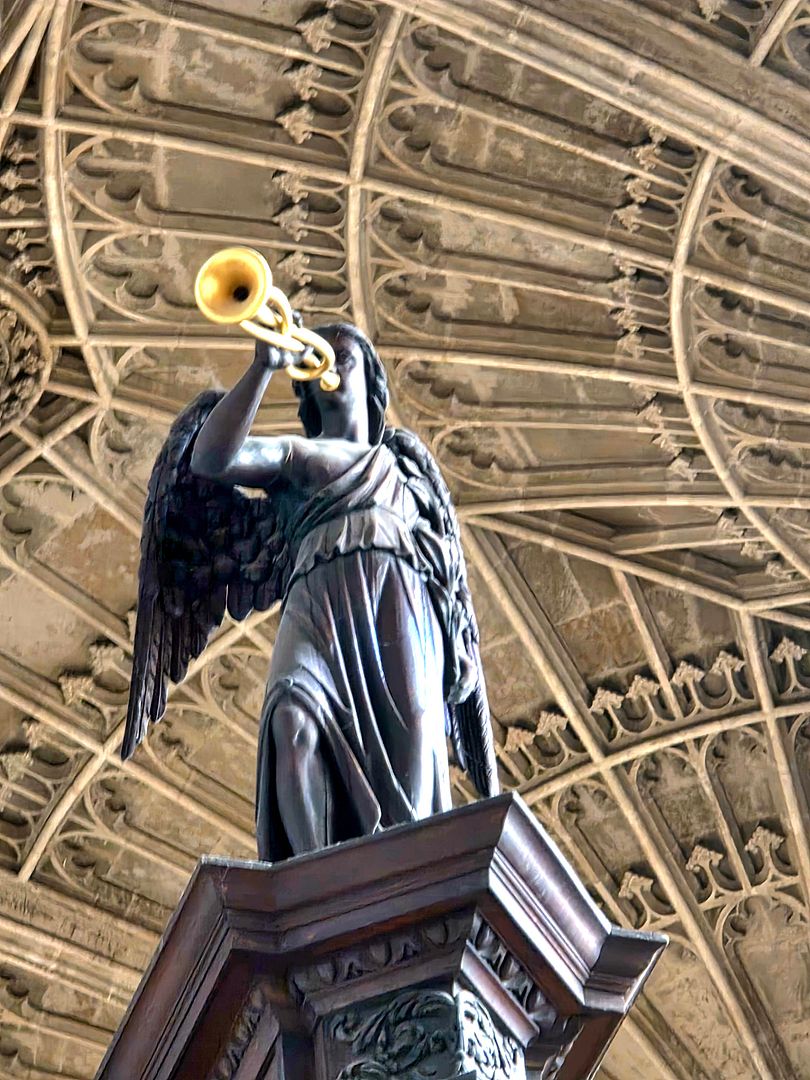
The Chapel deserves a post of it’s own and that will come on another day.

Timber!

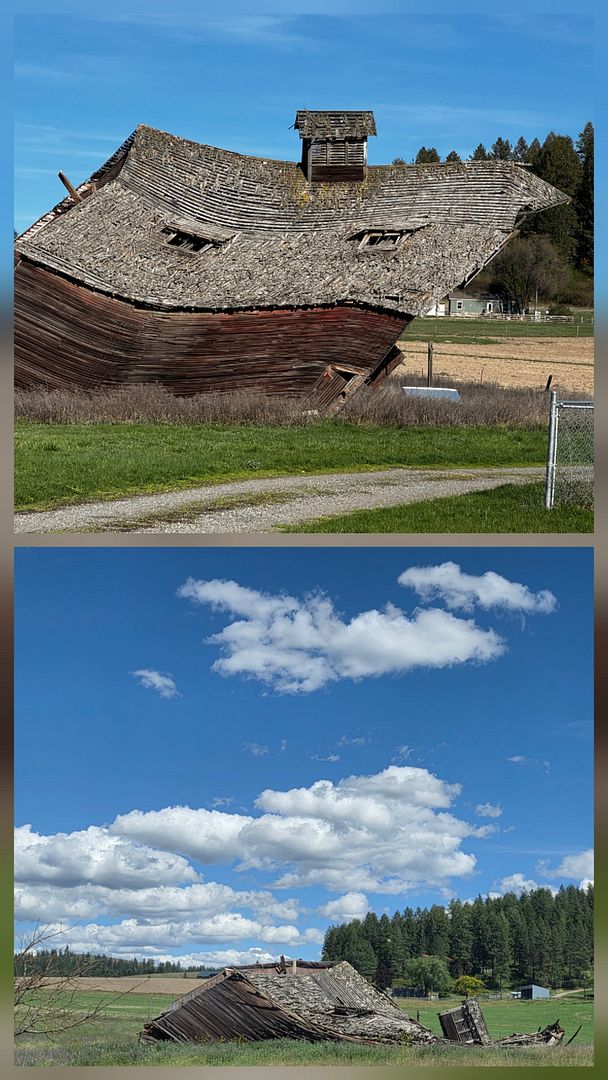
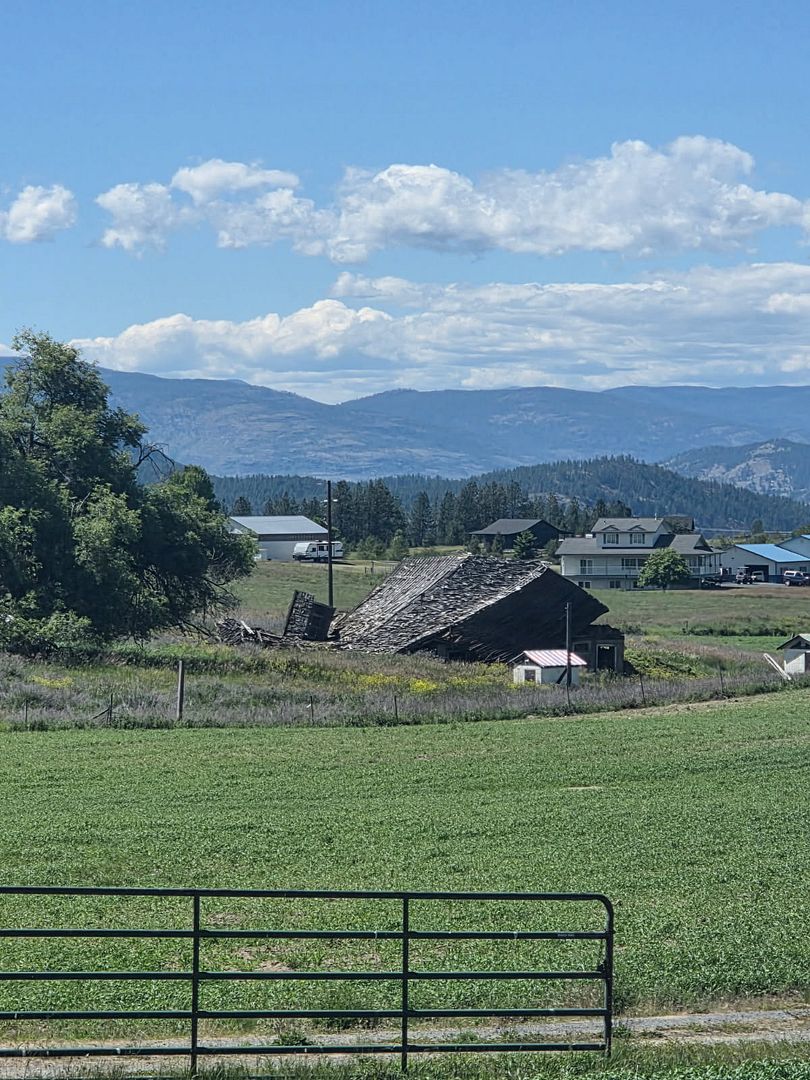
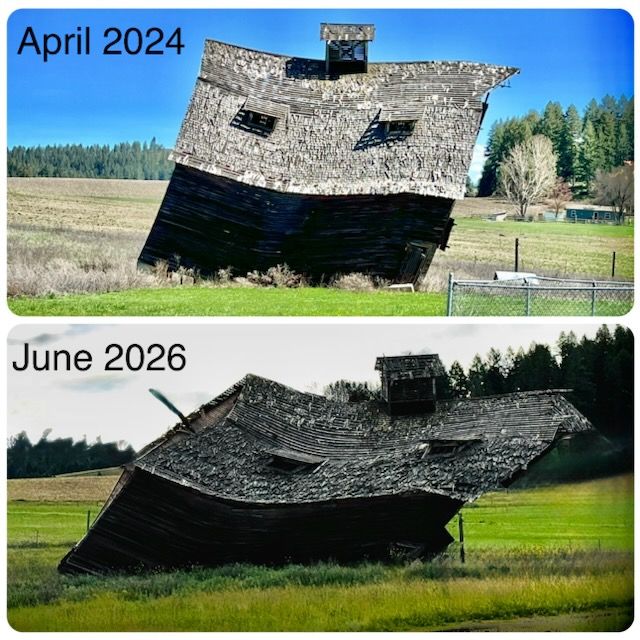
It finally happened! The barn we have enjoyed every time we drive to our local kids and the one we can see from their driveway views collapsed on June 11th of 2026!

We’ve all been wondering for a few years now once it started to lean.

Laura created this collage of the barn in April and the beginning of June.

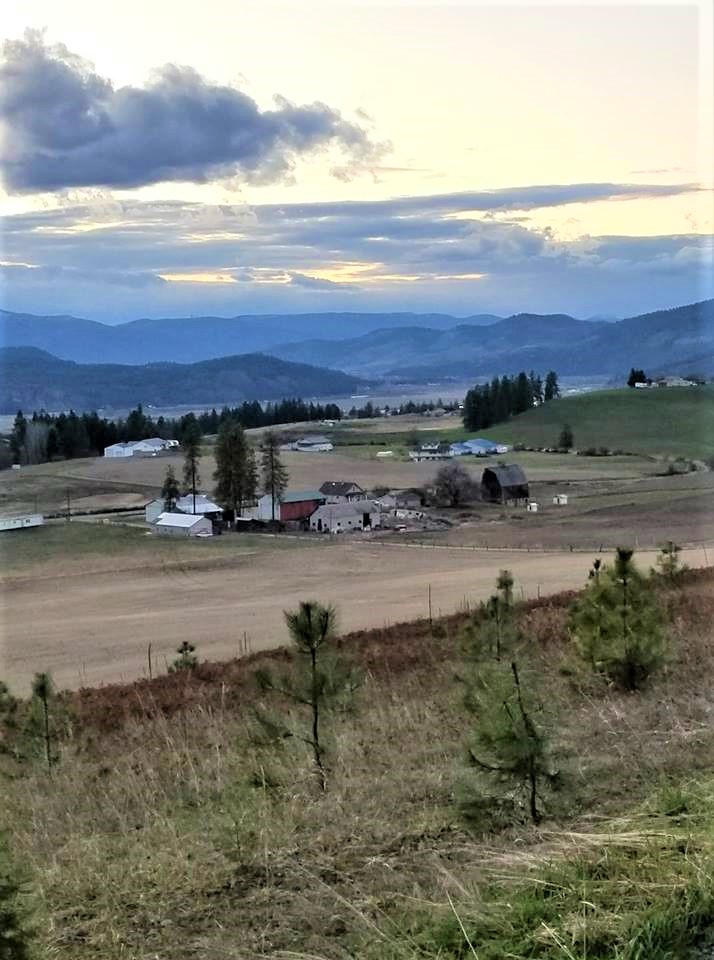
In the distance you can see the barn when it was in pretty good shape.

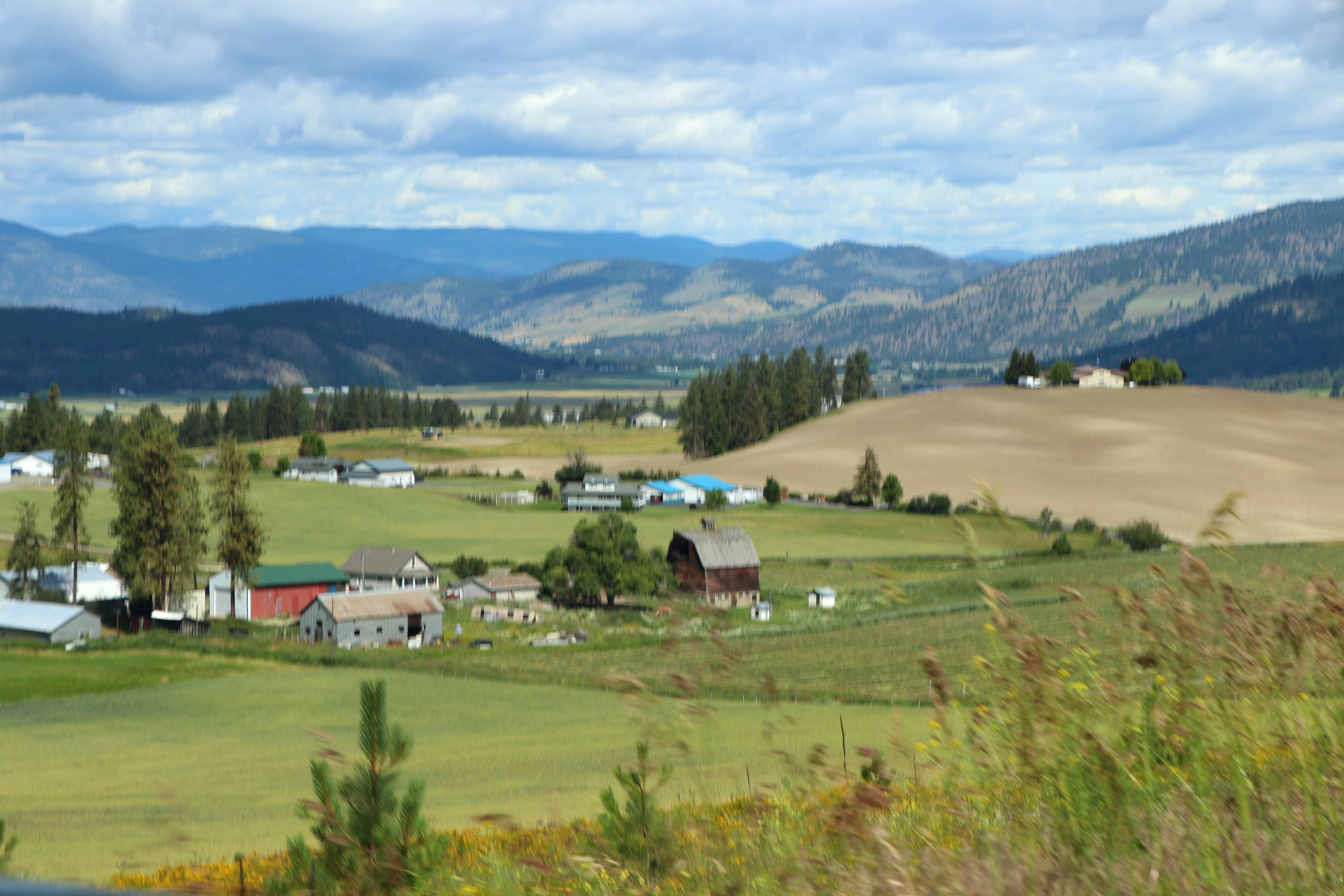
Another view of the barn in the distance.

Here’s a recent post about the leaning barn.

I’m looking forward to a new week with less obligations than we’ve had in the past 10 days. Whew! Hope all is well in your corner.

Cambridge~ Monday March 9th

I’m working on finishing off my posts about our days in Cambridge. These posts are from Monday March 9th.

I’ve already posted about our early morning walk and seeing the famous clock here.

And I also posted about our lunch at The Eagle and all about it’s history here.

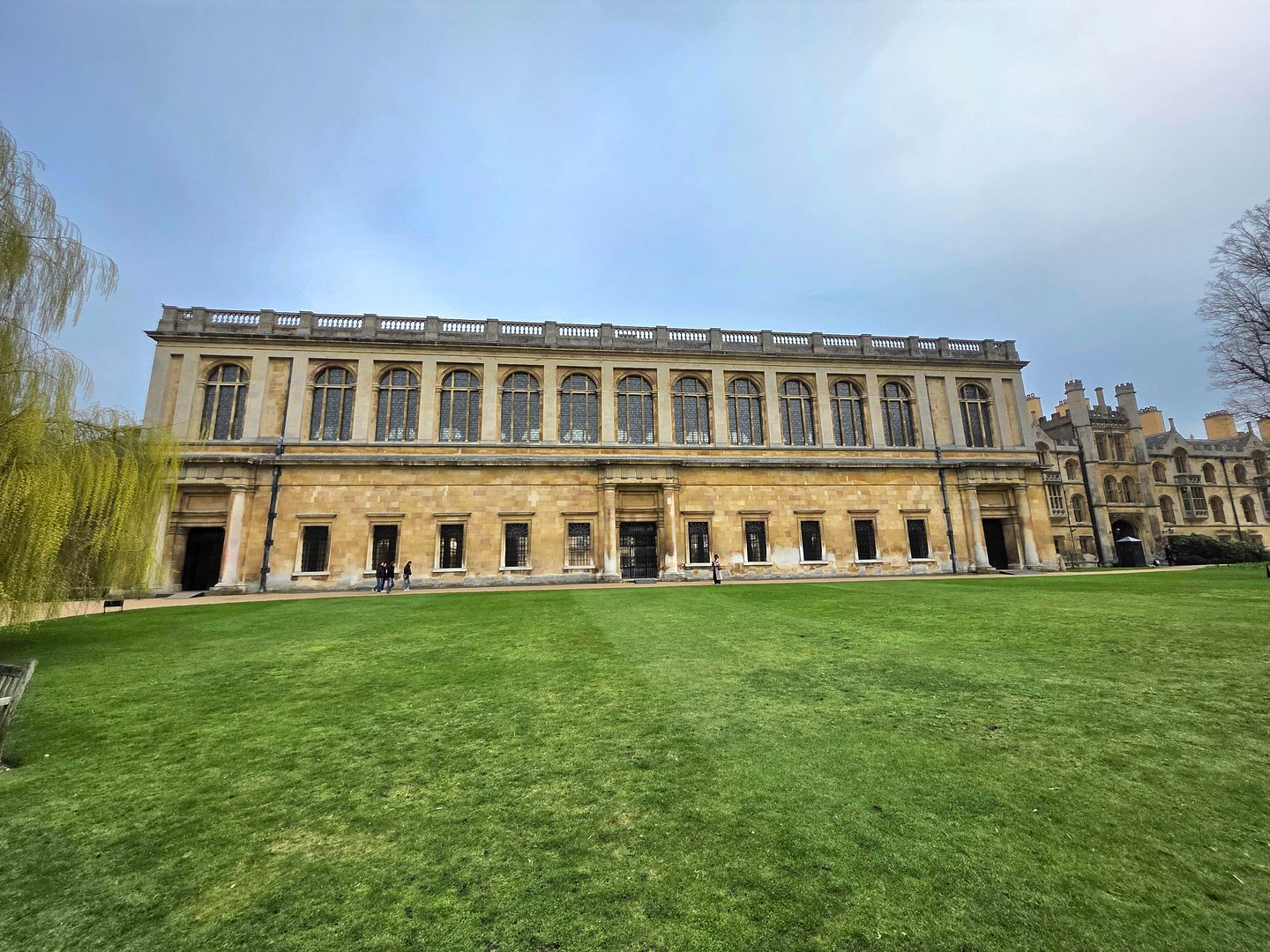
On this same day we visited the beautiful Wren Library.

From the Wren Library we continued on enjoying ‘the backs’. ‘The Backs’ is an area to the east of Queen’s Road in the city of Cambridge, England, where several colleges of the University of Cambridge back on to the River Cam with their grounds covering both banks of the river.

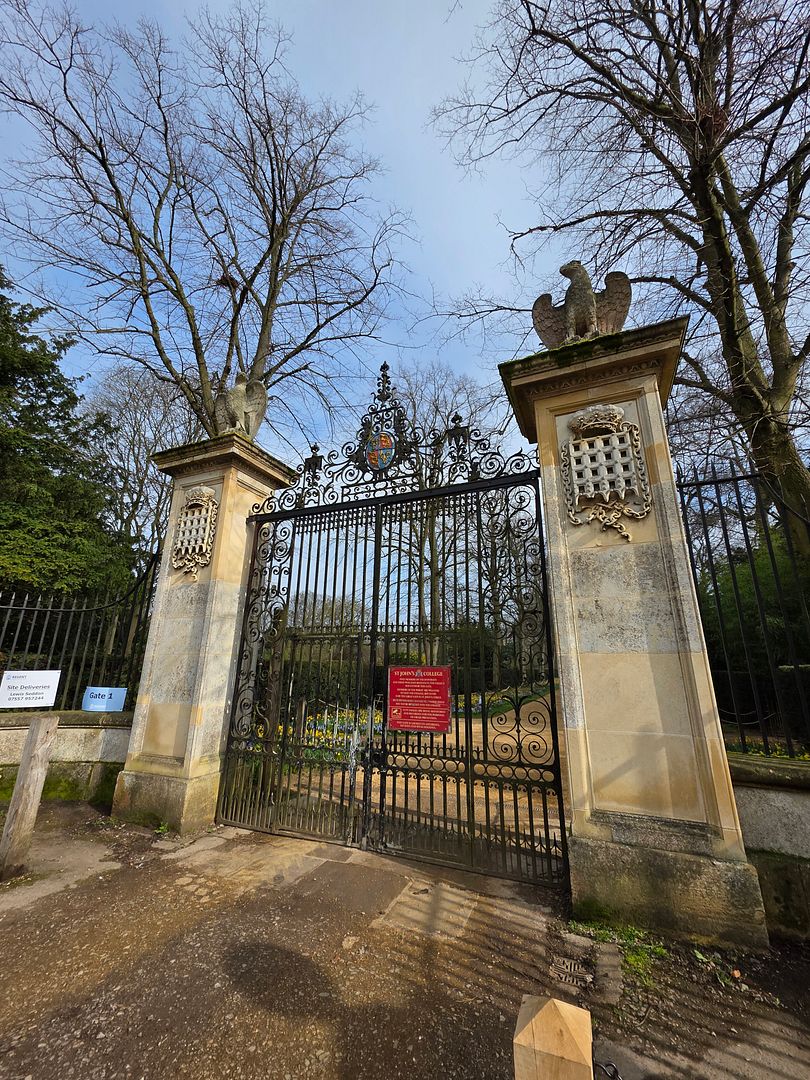
St. John’s College

1776 & 1779 William Wilberforce and Thomas Clarkson begin their studies at St John’s. Joining forces in 1787, they will spend the rest of their lives leading the campaign to abolish the slave trade and slavery

1787 William Wordsworth arrives as a 17-year-old Cumbrian undergraduate.  With his sympathy for the common man and love of nature, he becomes a central figure in shaping English Romanticism and perhaps our most famed alumnus

This is a photo of the back of the building where the Wren Library is housed.

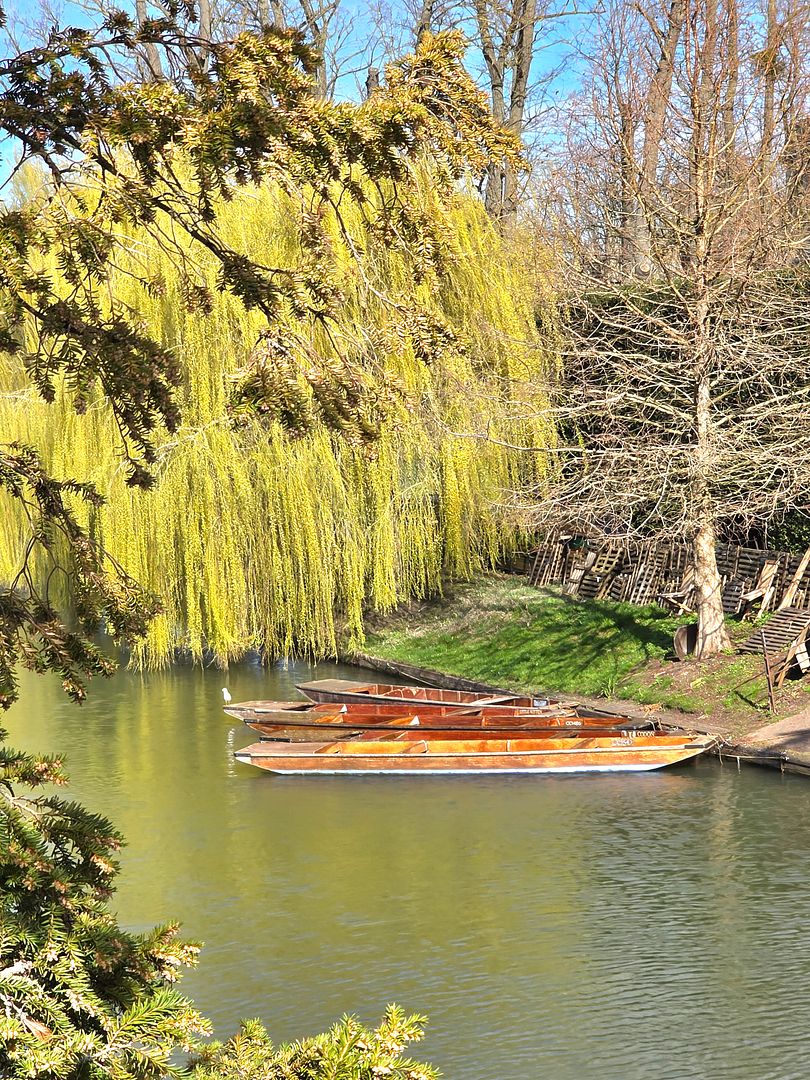
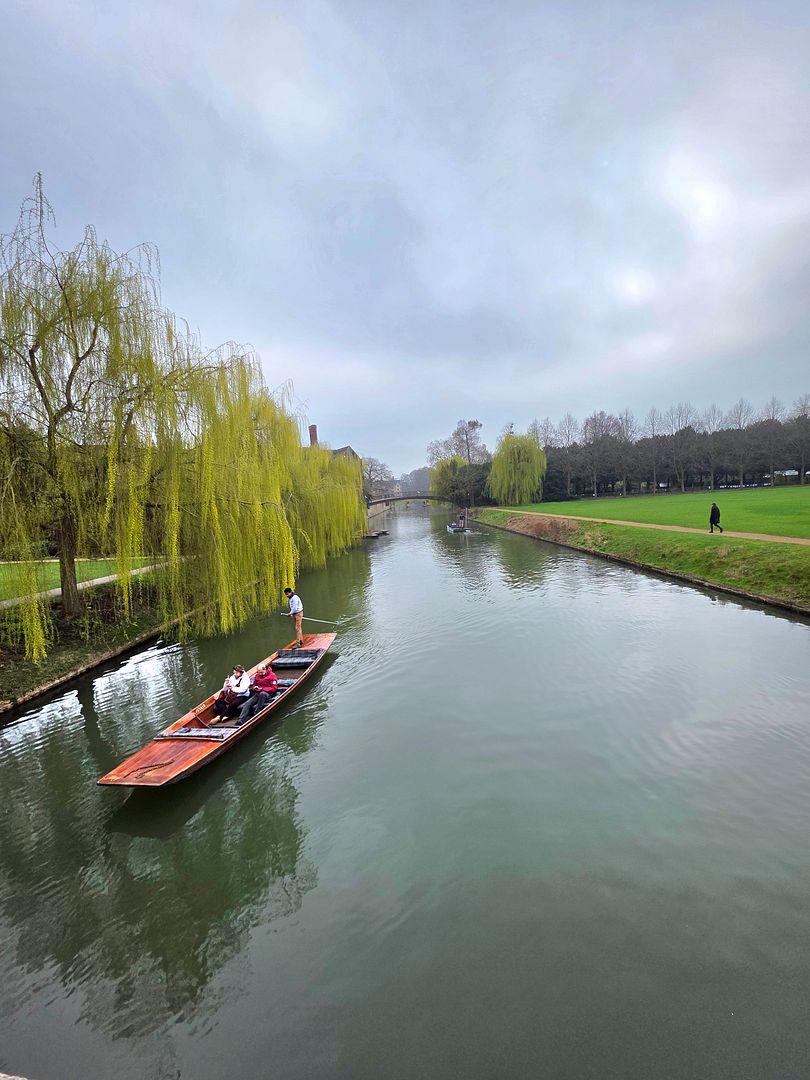
Punting along the river Cam which is a major tourist draw. We did not choose to take a ride.

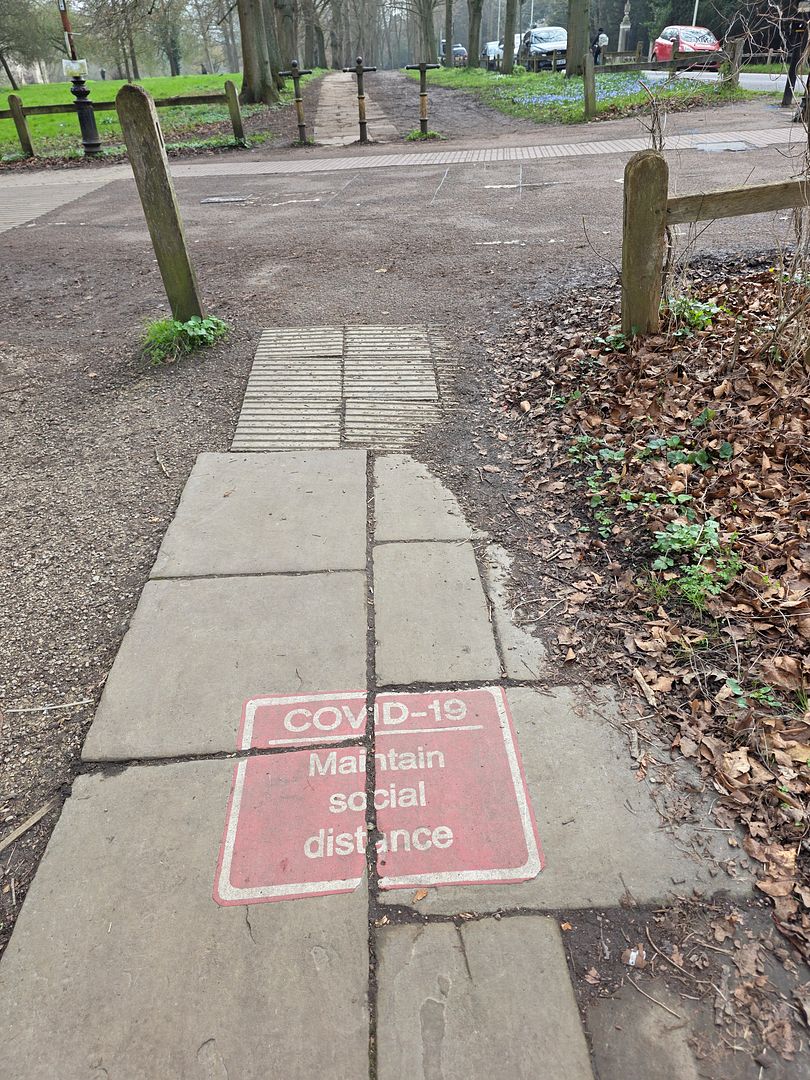
Signs like this were all along the sidewalk along Queen’s Road.

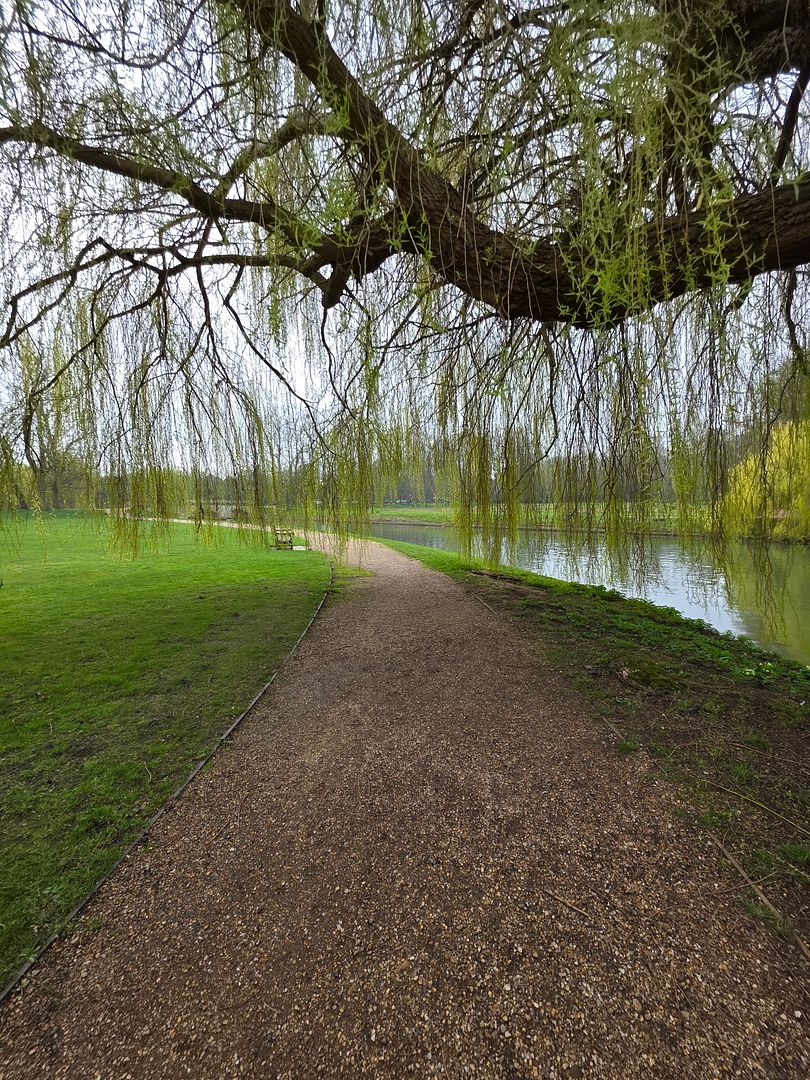
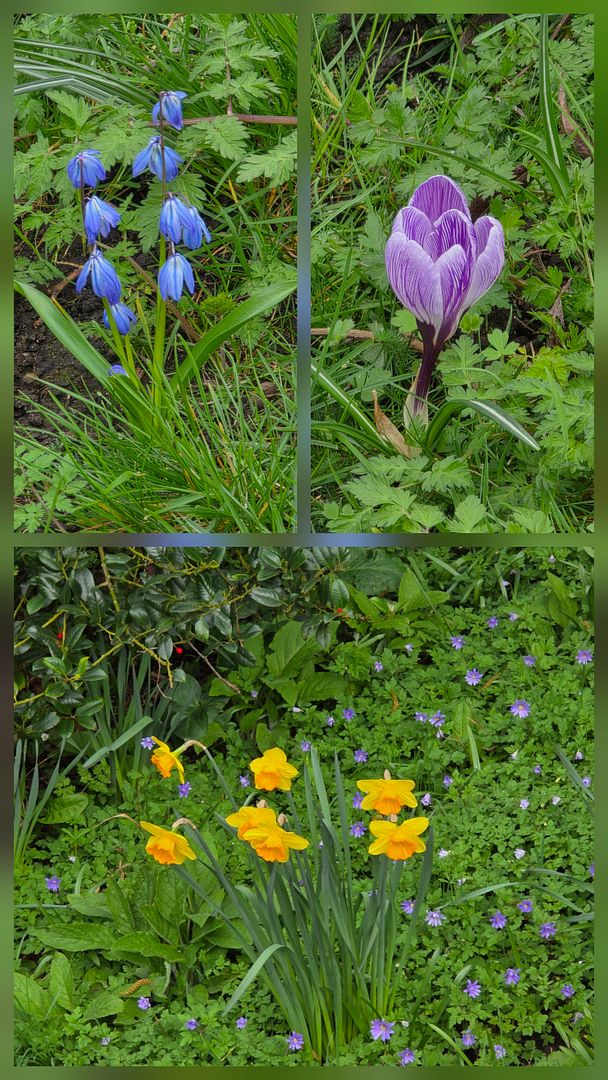
We made our way along the road for our destination for refreshment and along the way we saw many signs of the promise of Spring.

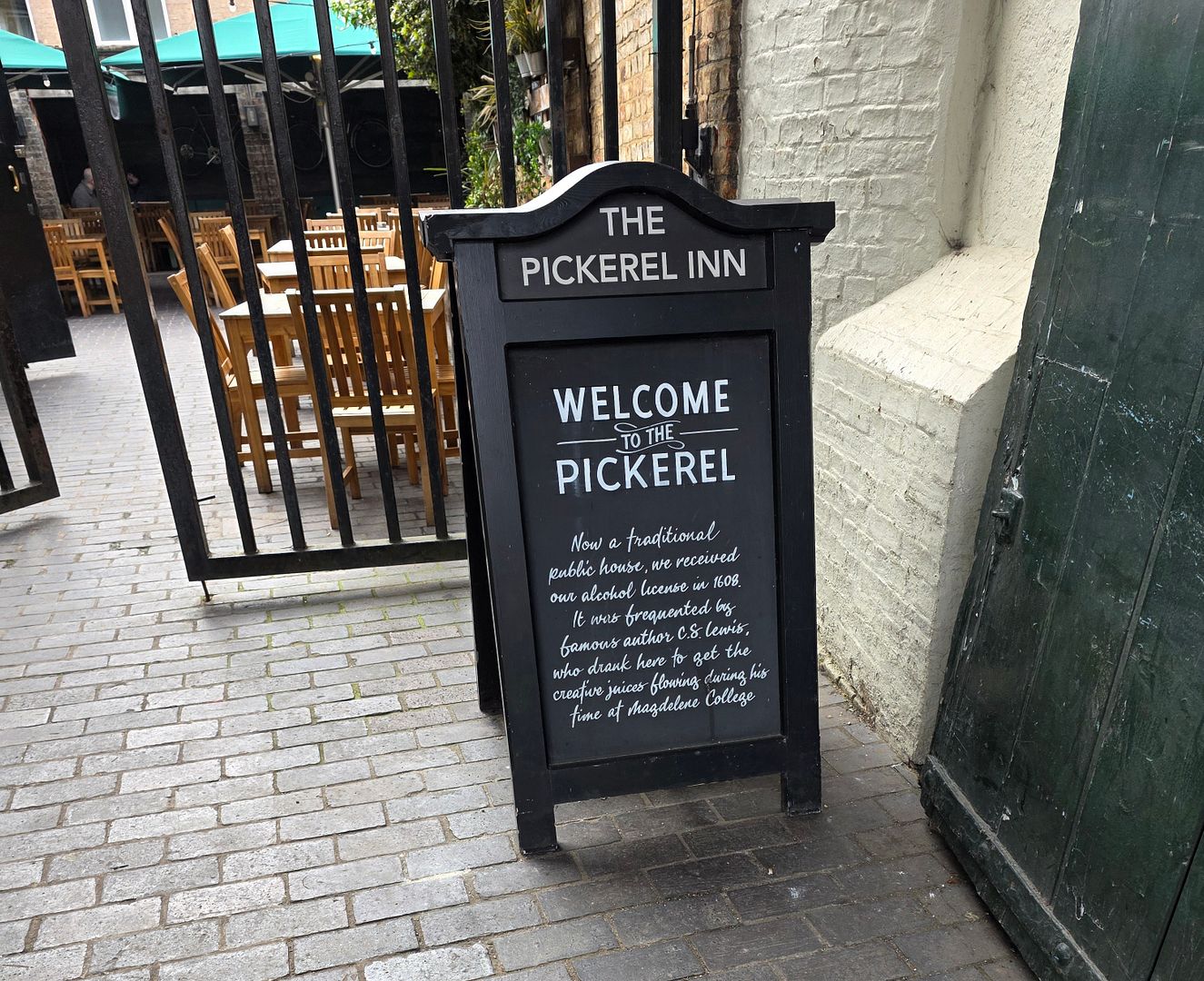
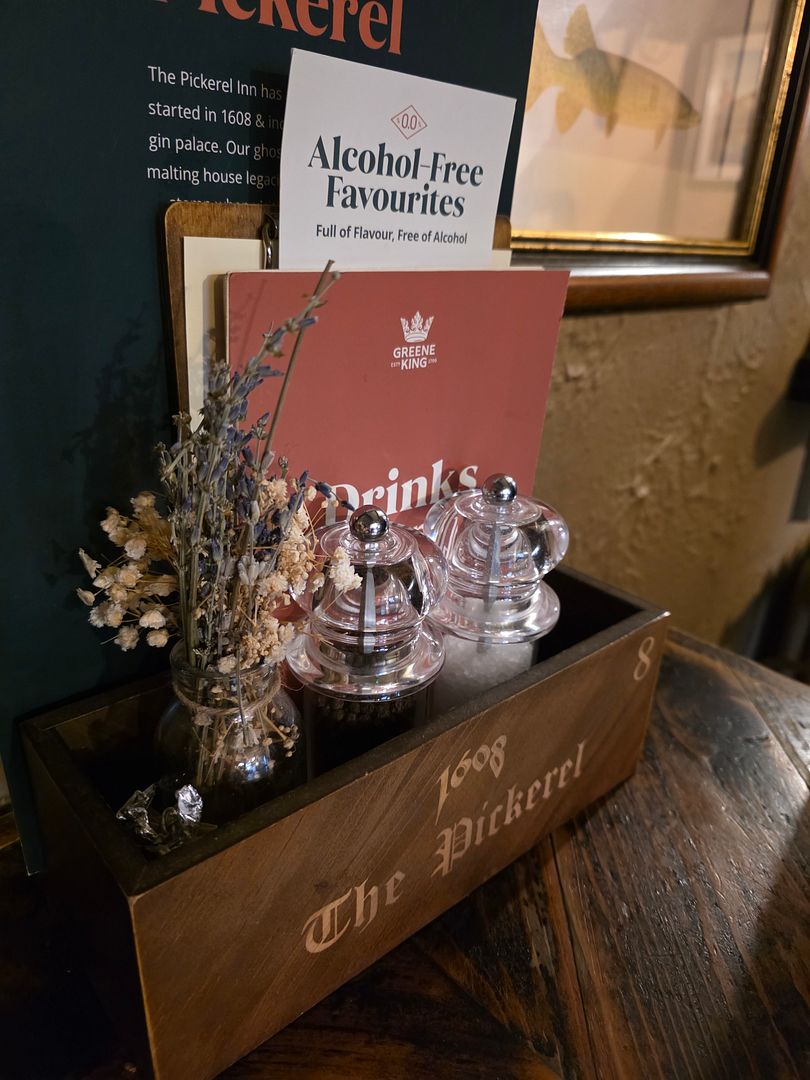
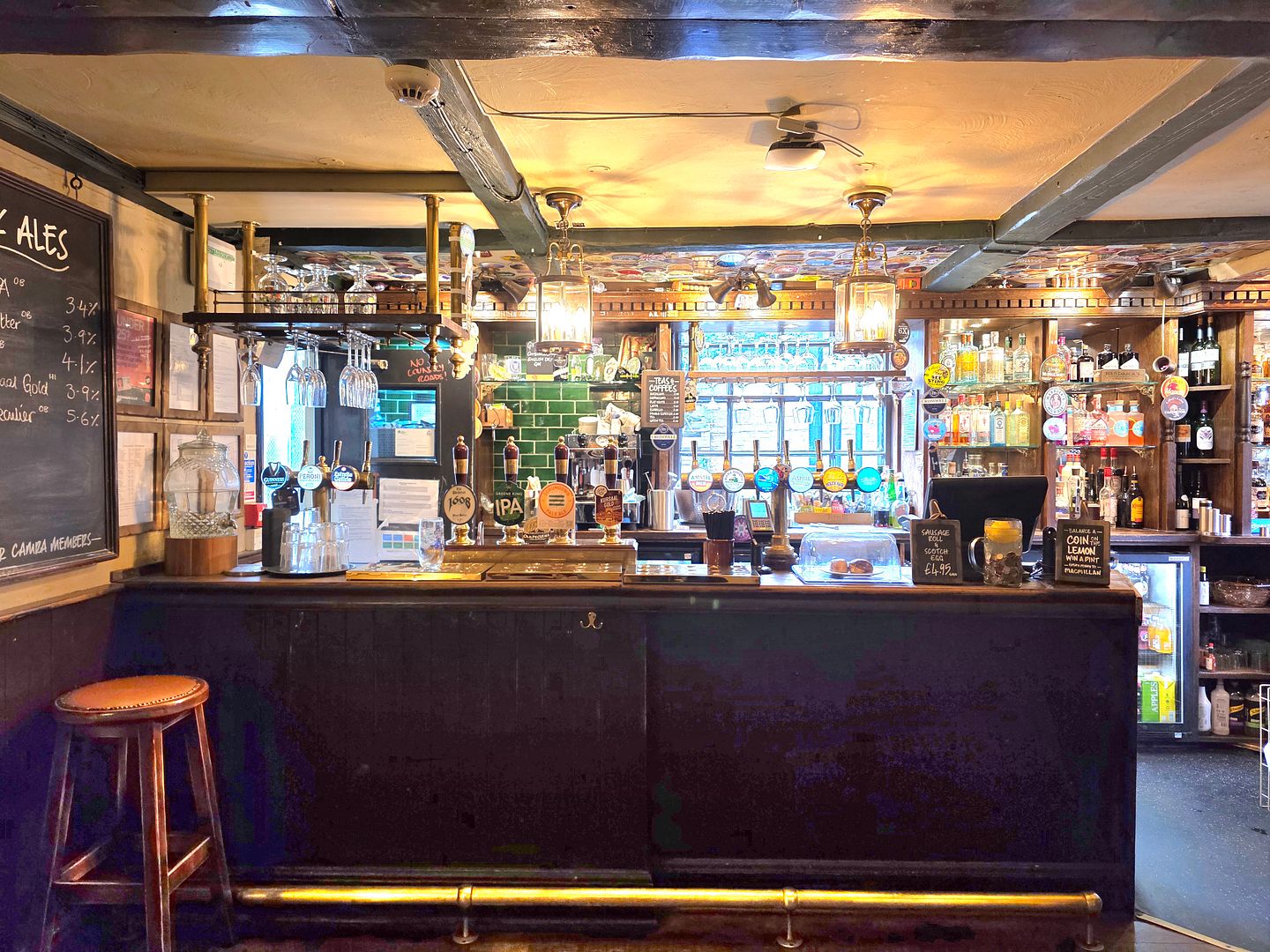
We were beat by the time we found the Pickerel Inn which is now a traditional public house established in 1608.

After our treat we walked back to our lodgings just a short .3 miles from the Pickerel.

The dish towels in our kitchenette had this saying on them.

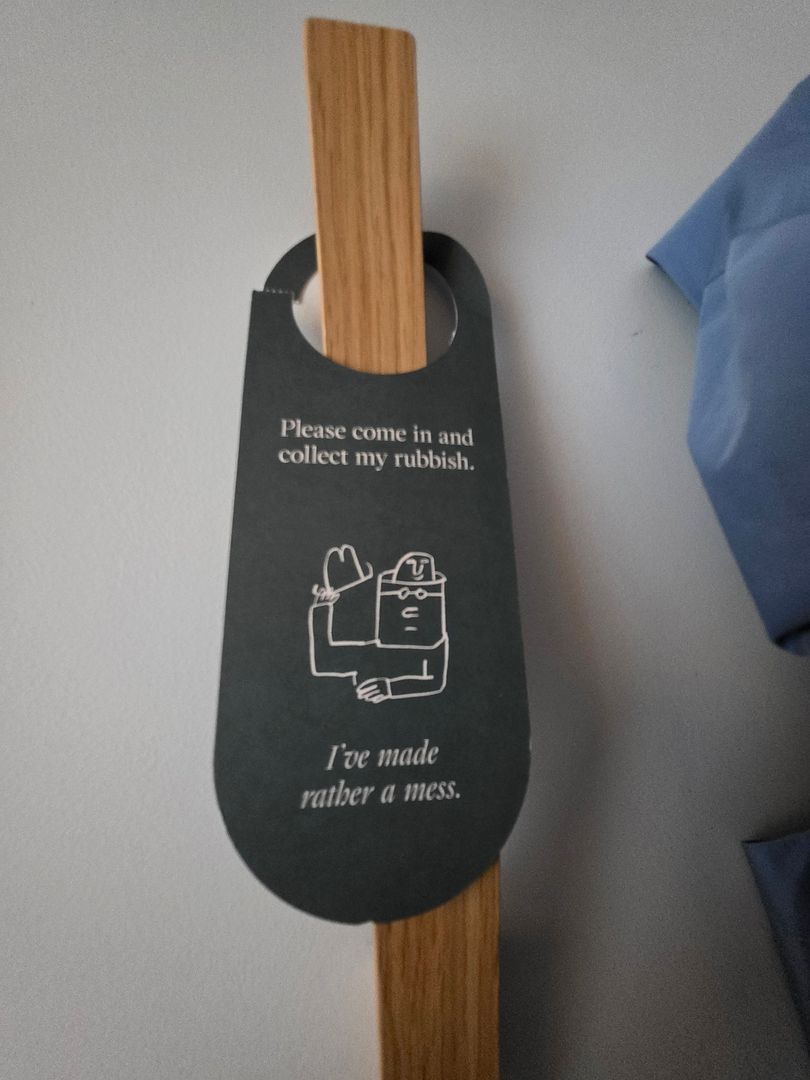
The door signs made us chuckle, too.

We stayed in for this evening after it seemed we were walking all the day long.

We were looking forward to being able to make our own coffee in our room on Tuesday morning since we purchased a French Press and coffee while out and about this day.

Last Day on the Danube

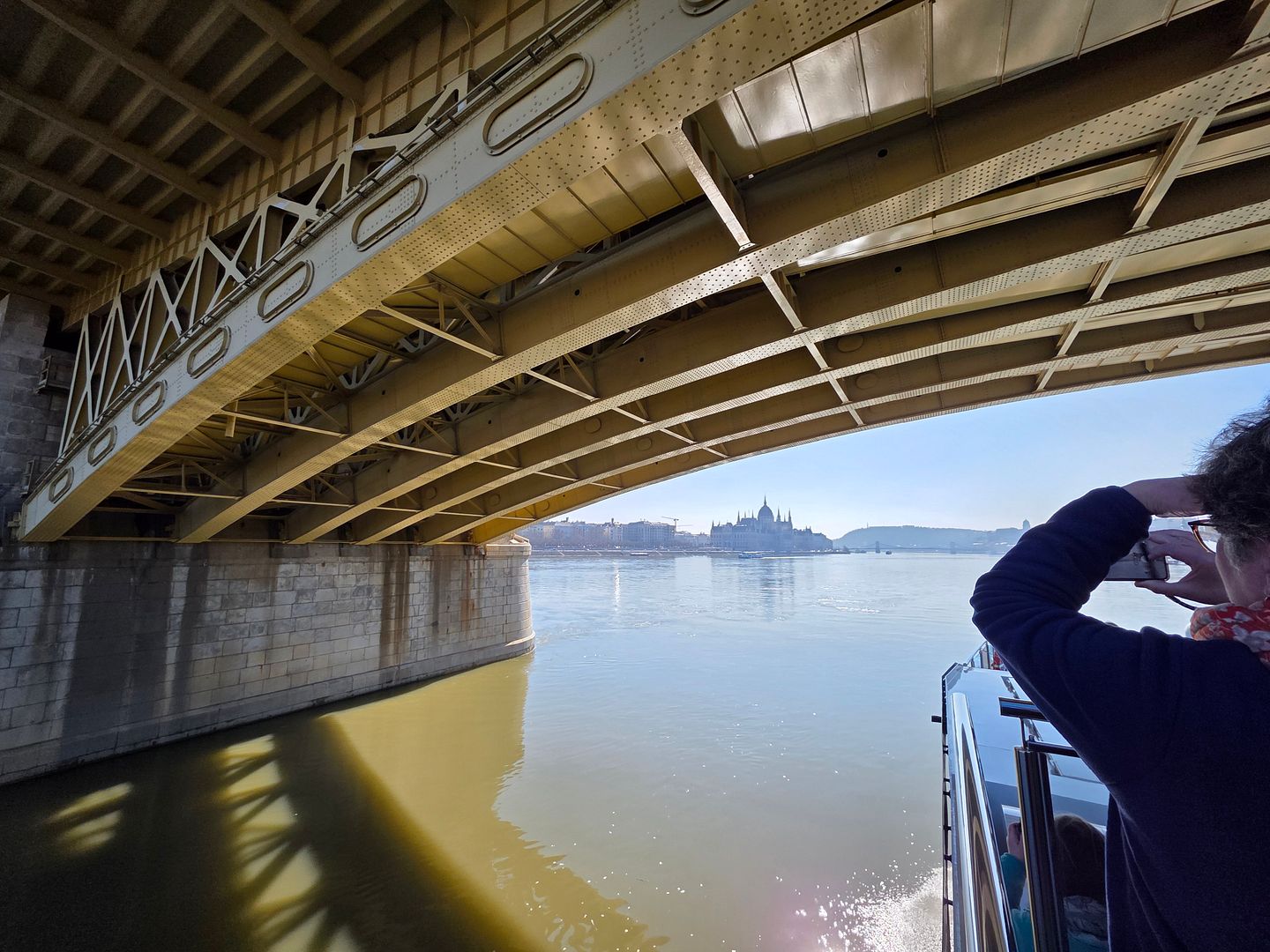
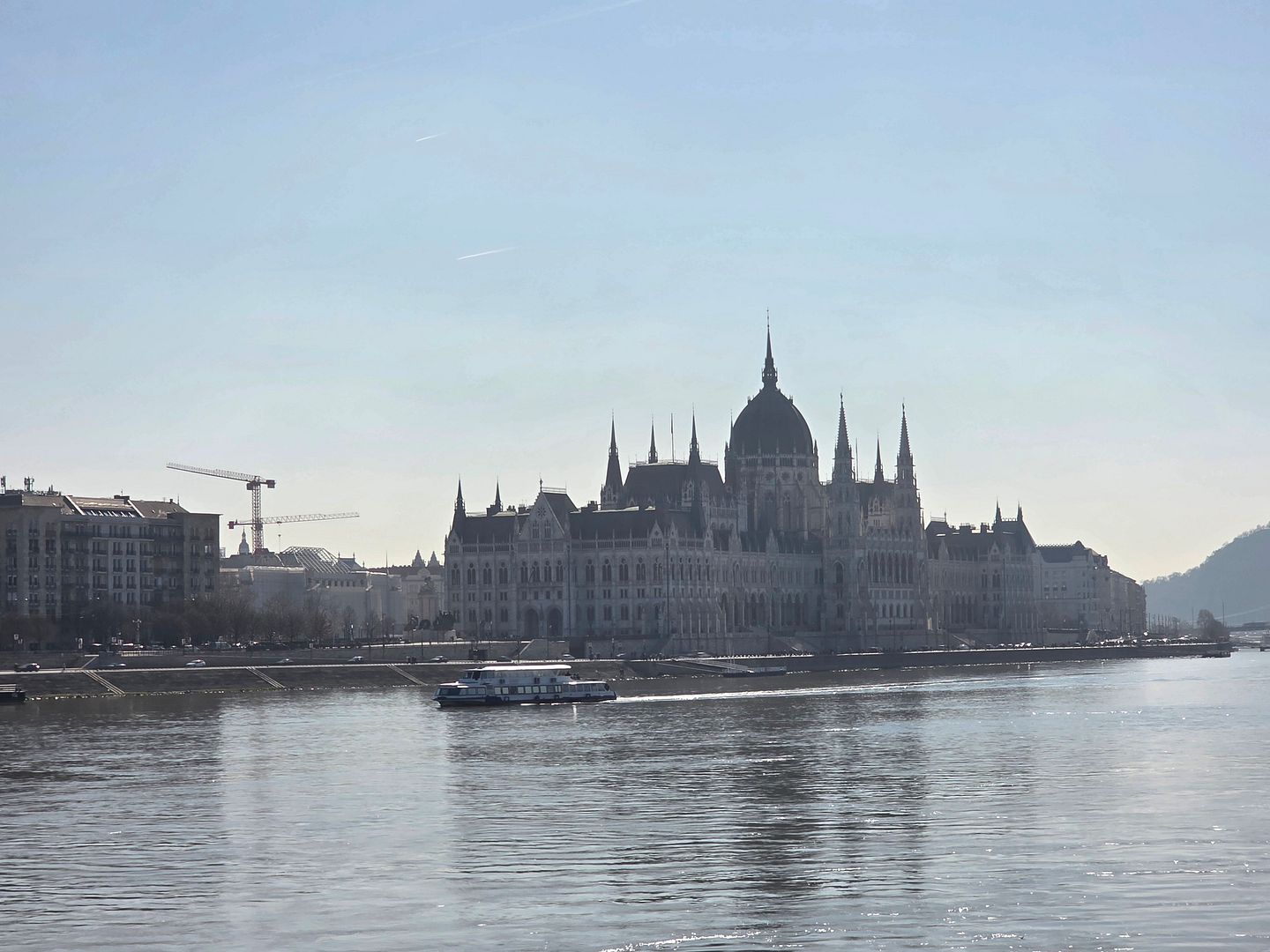
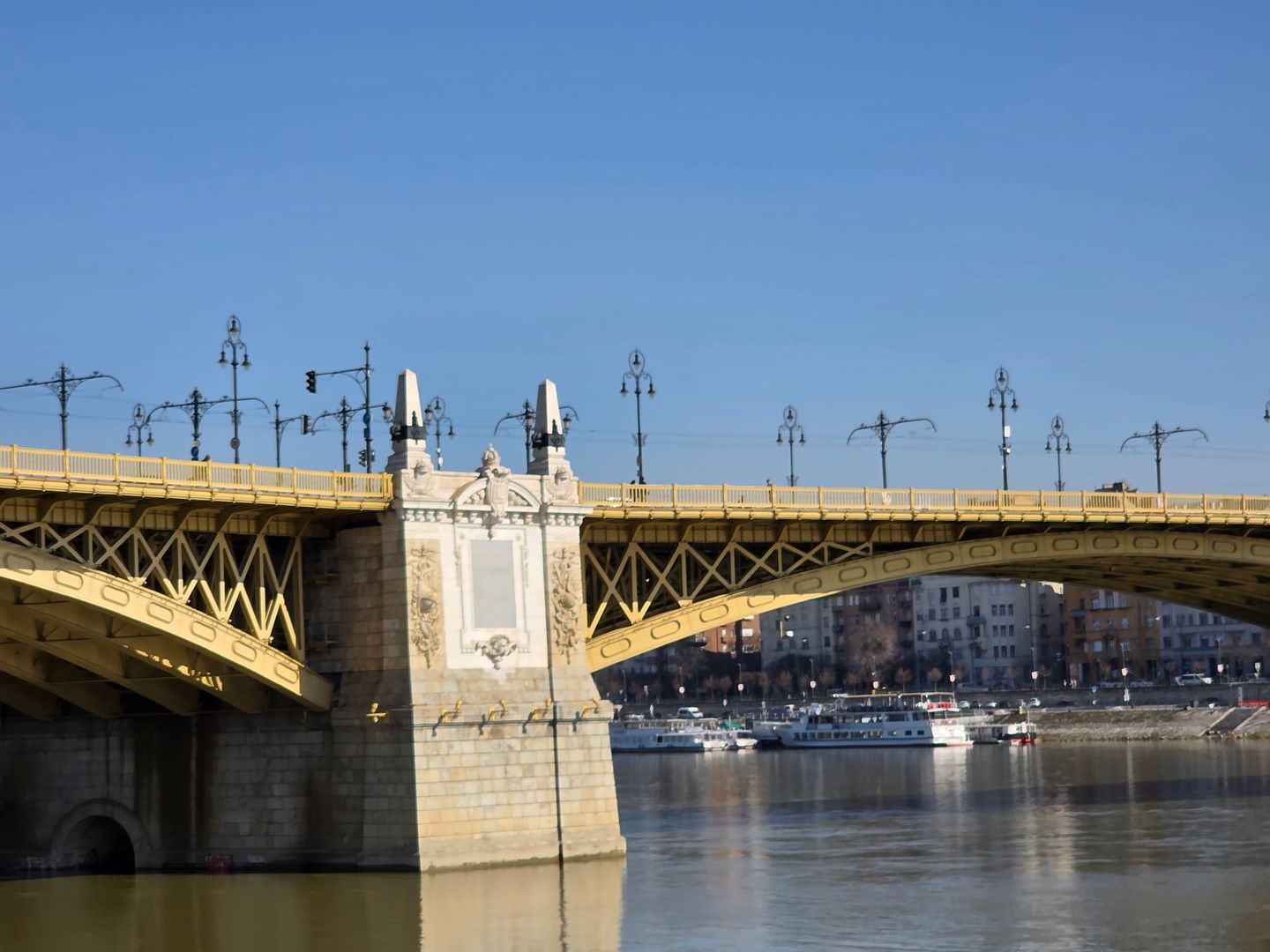
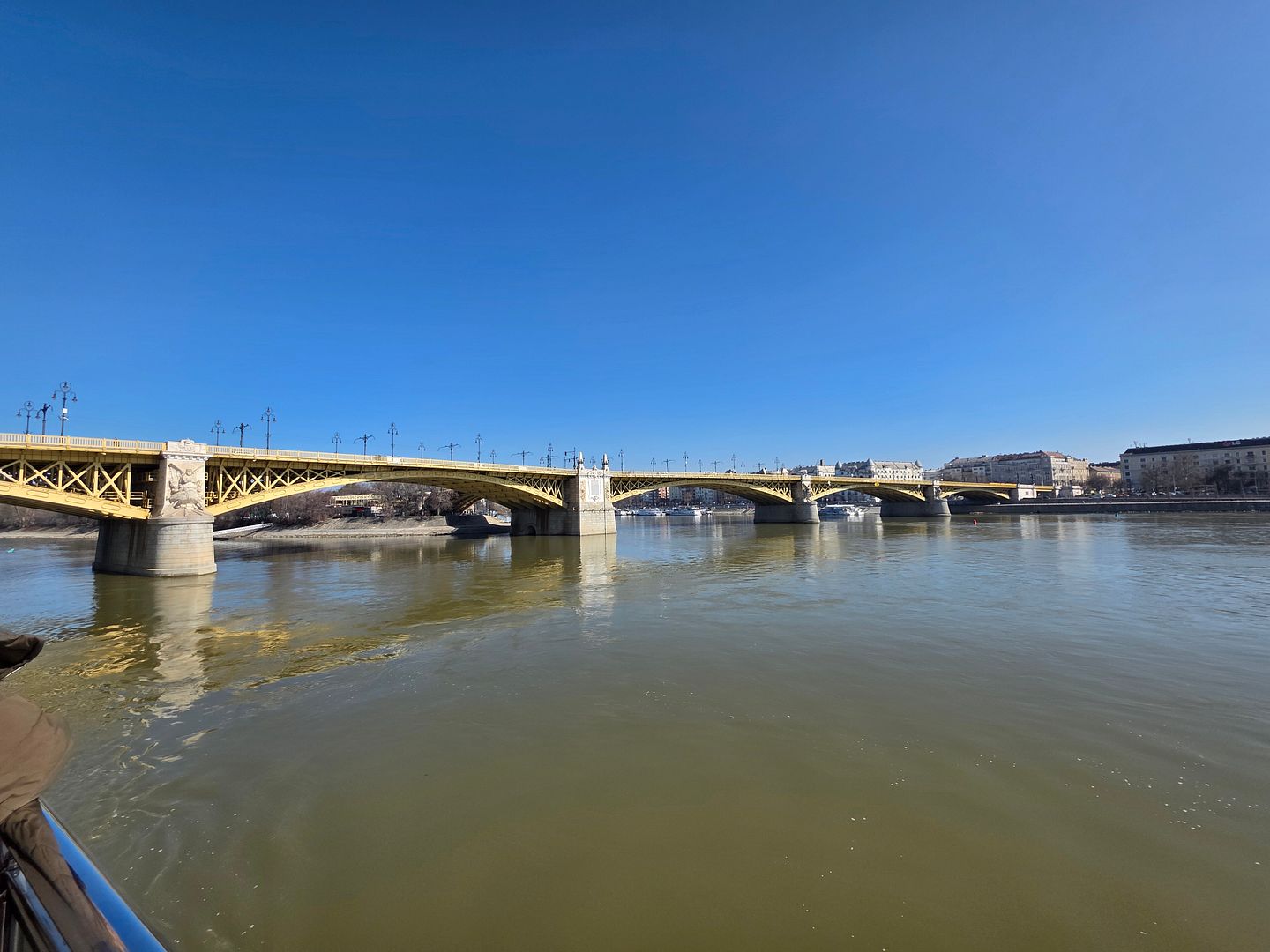
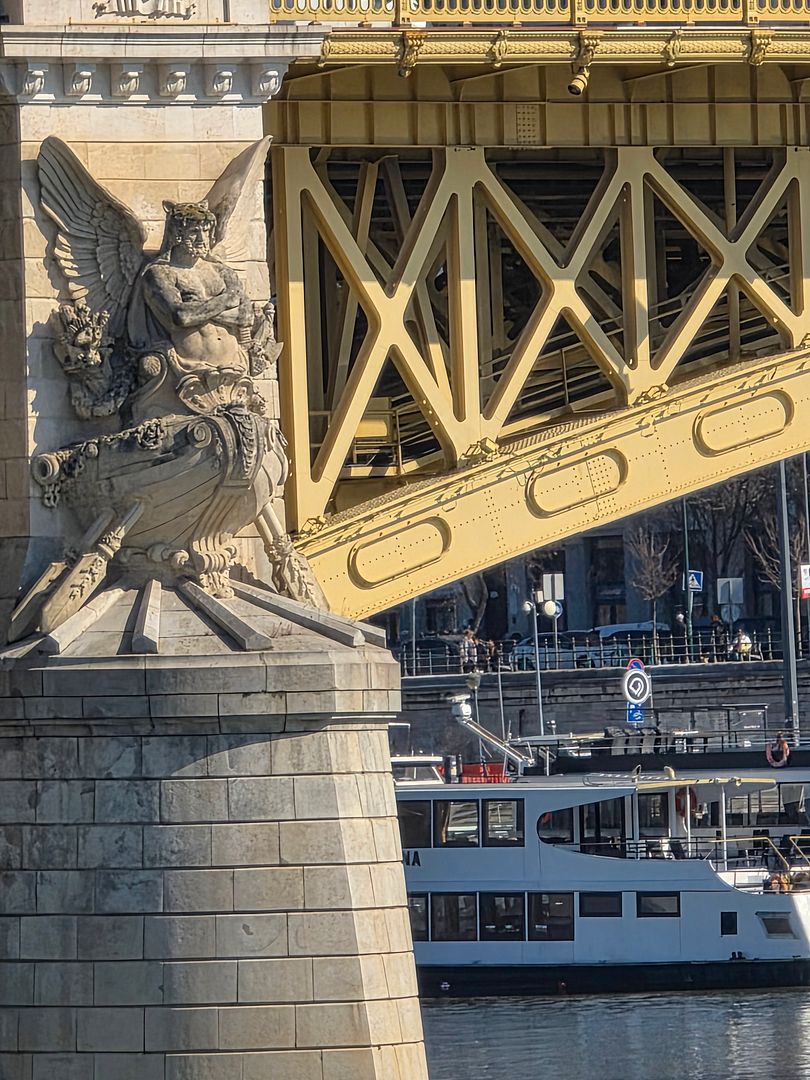
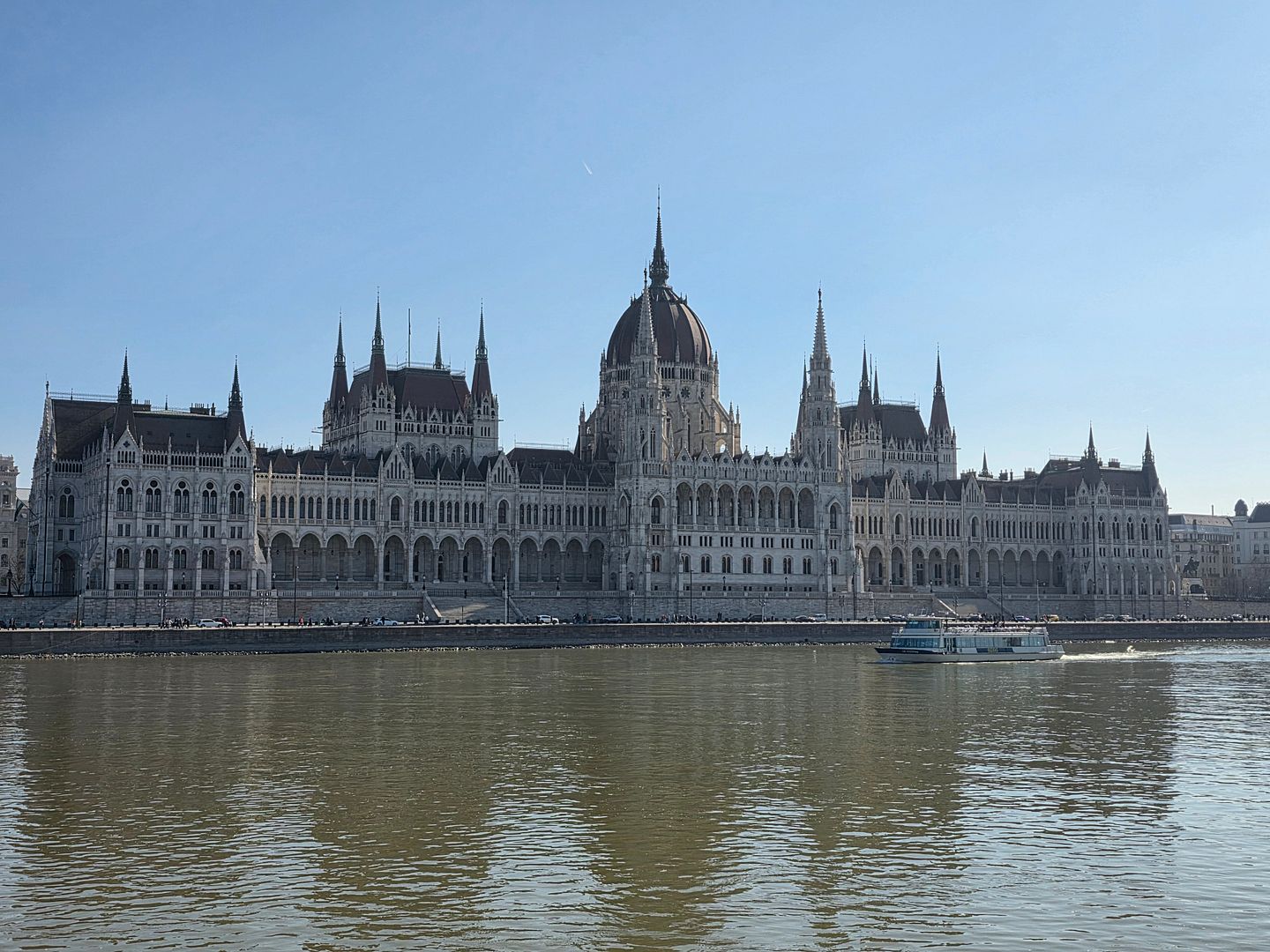
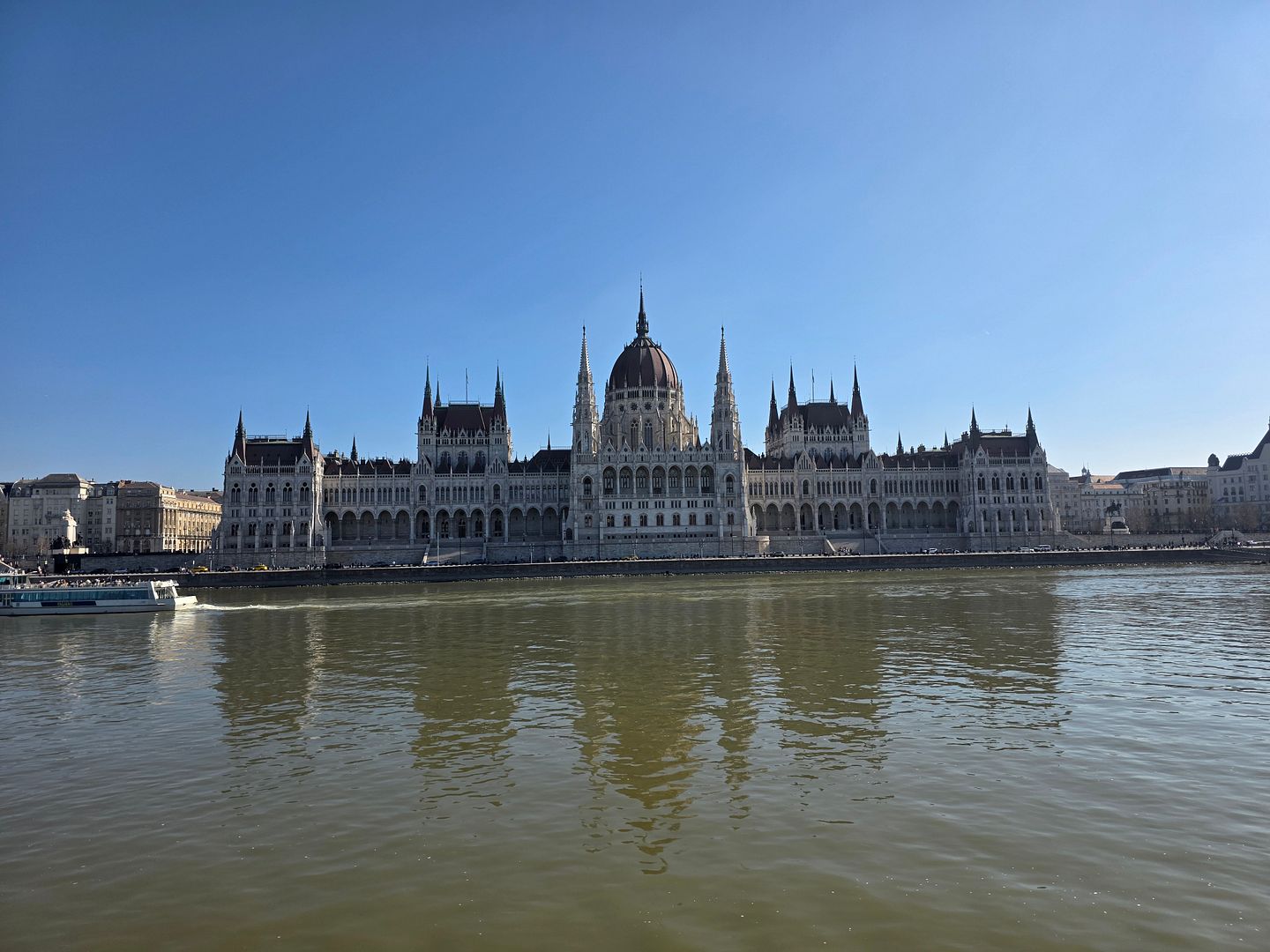
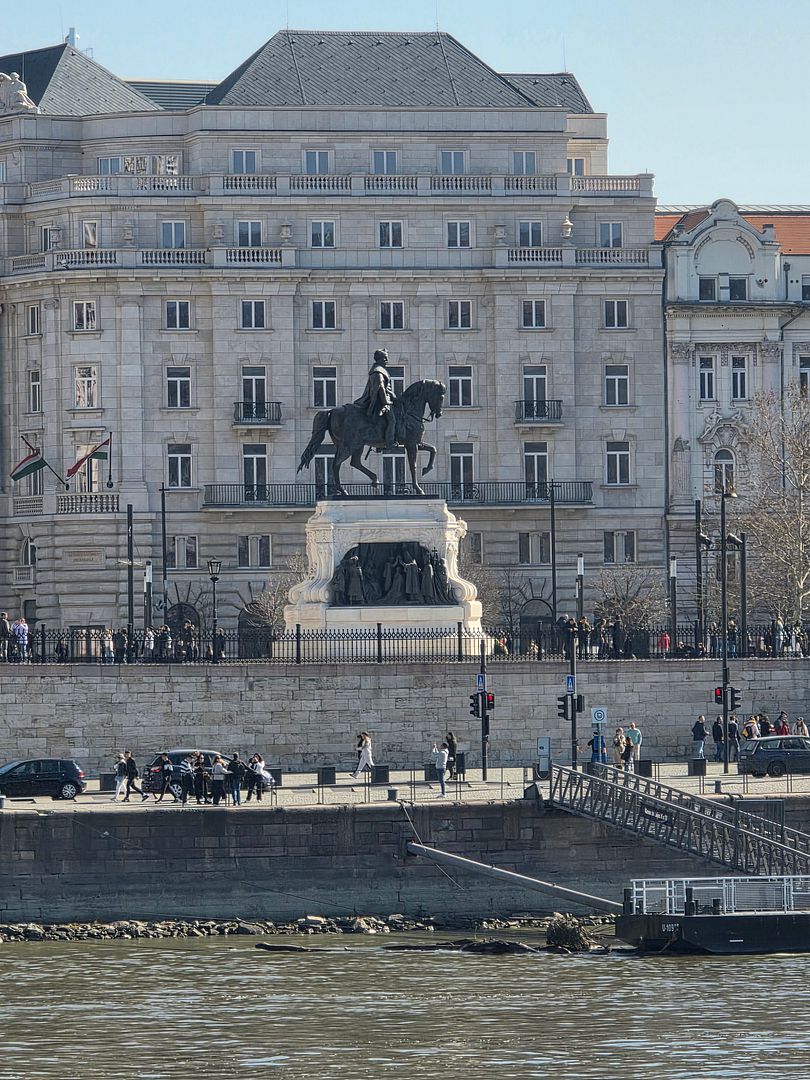
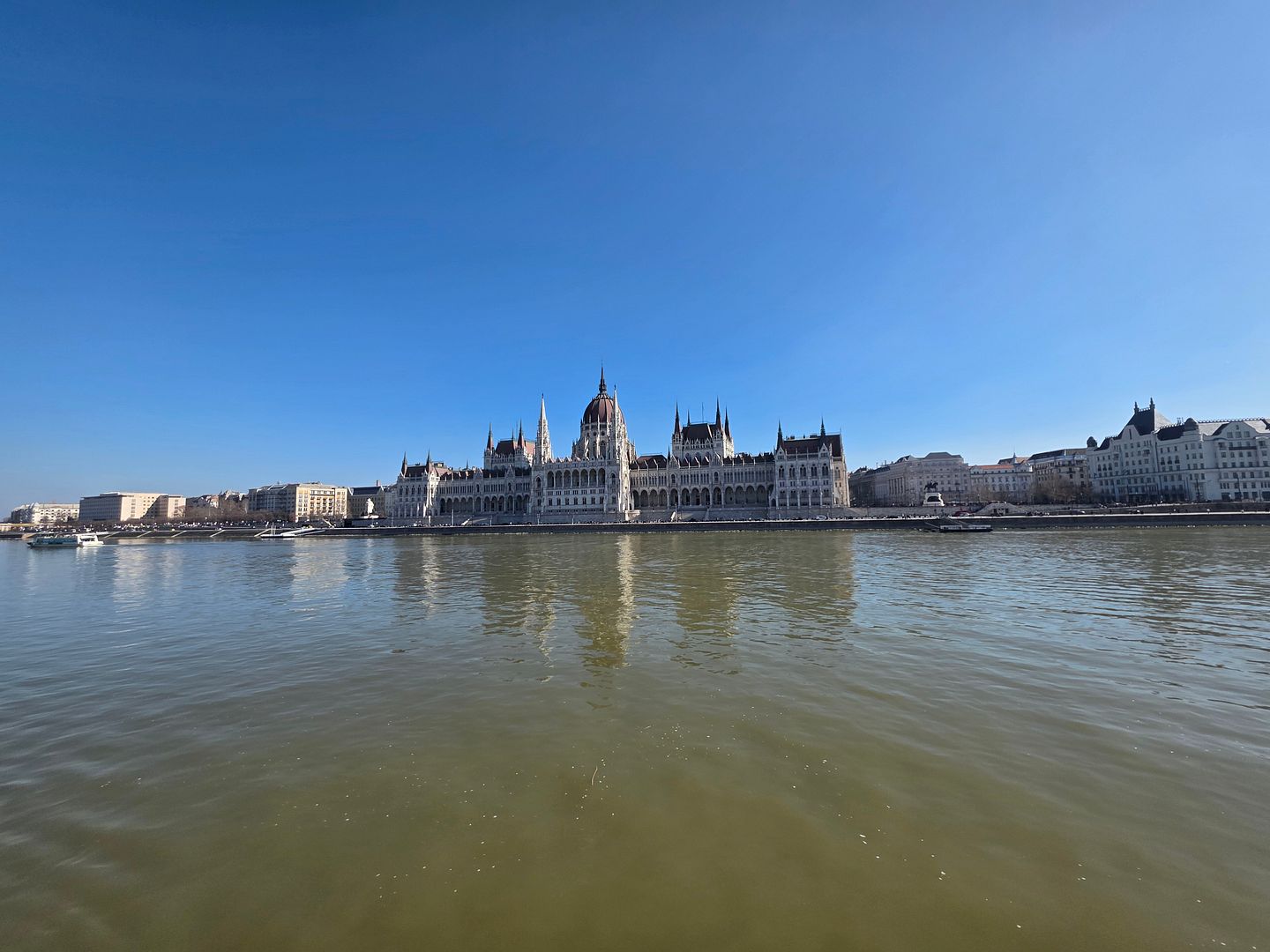
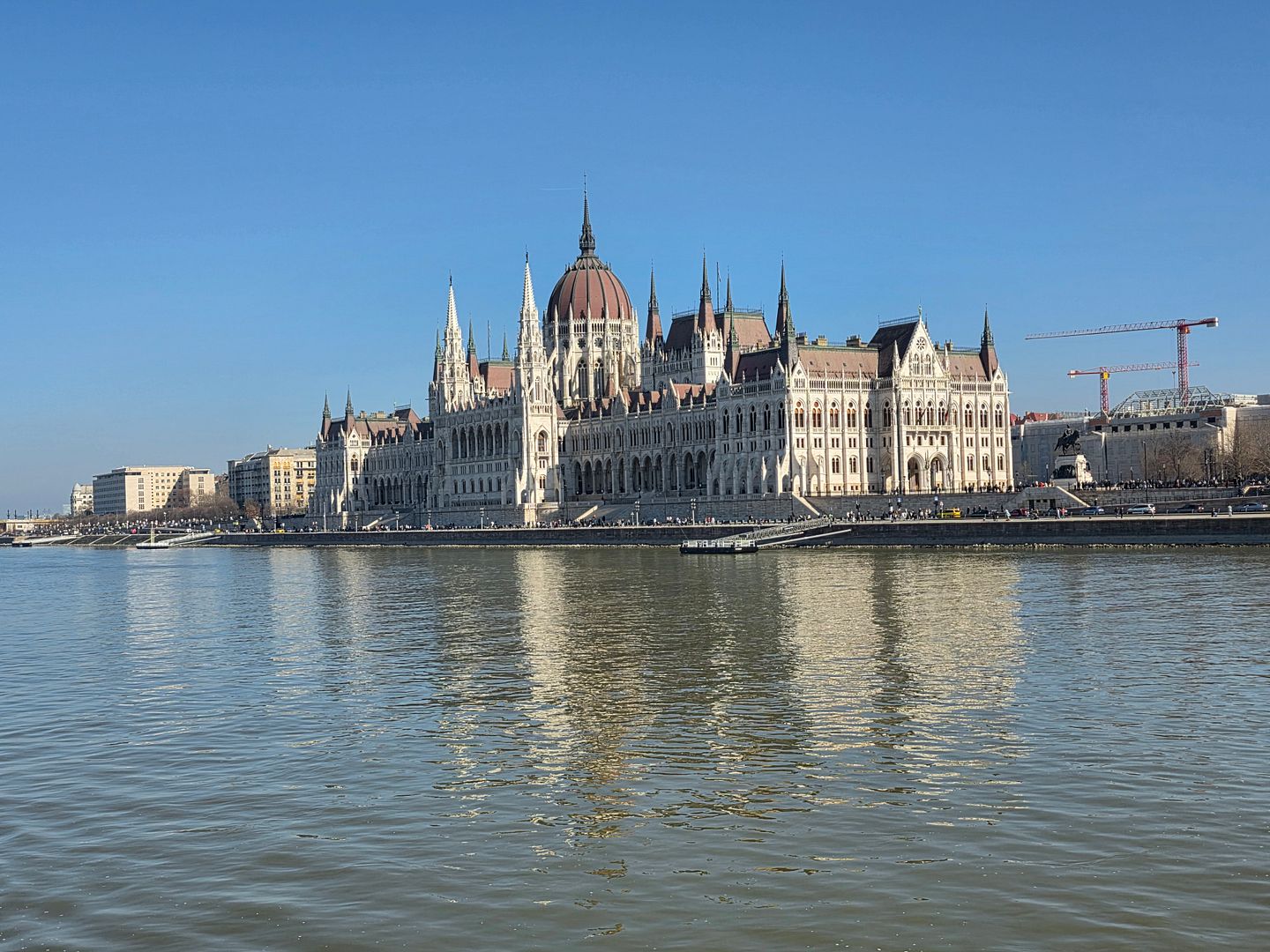
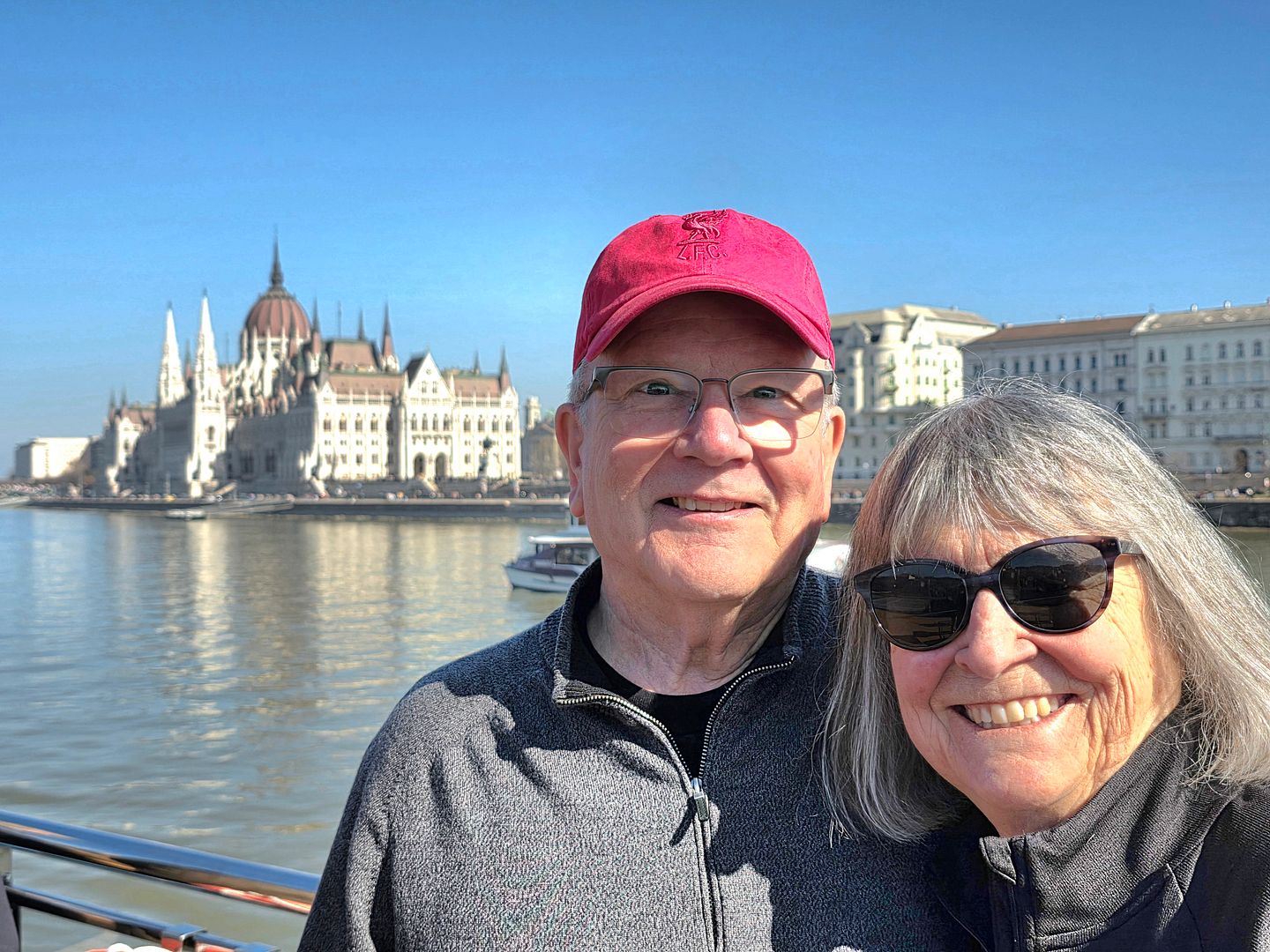
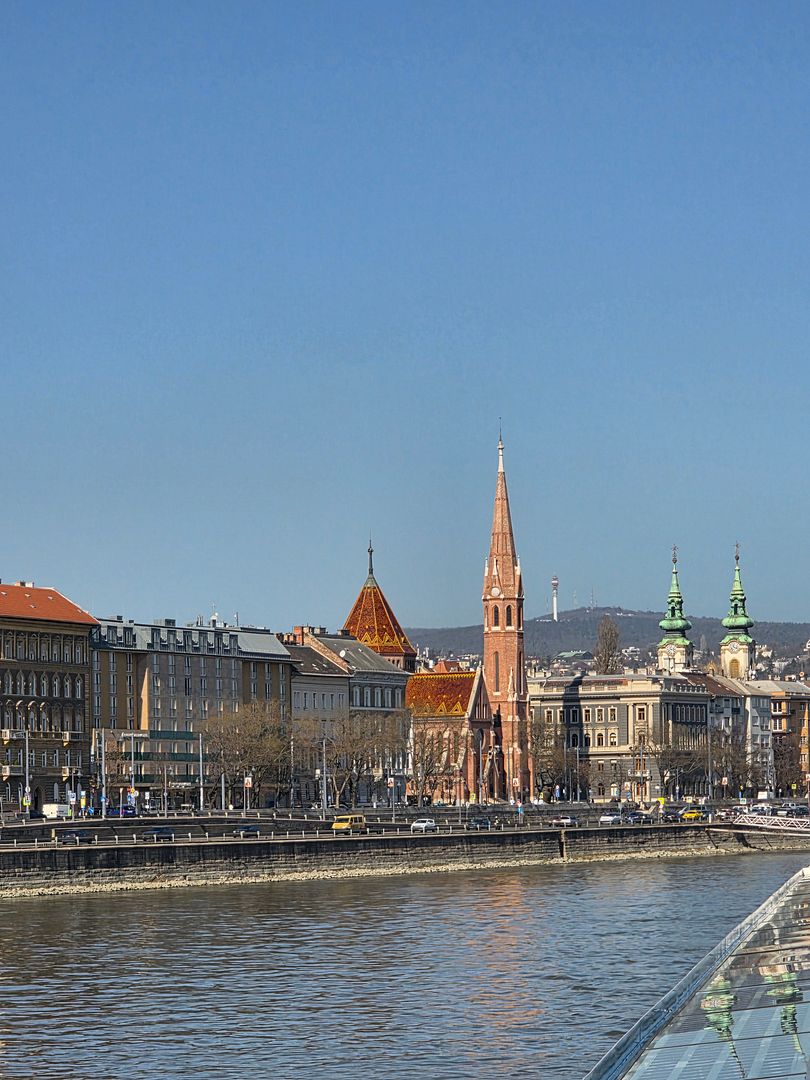
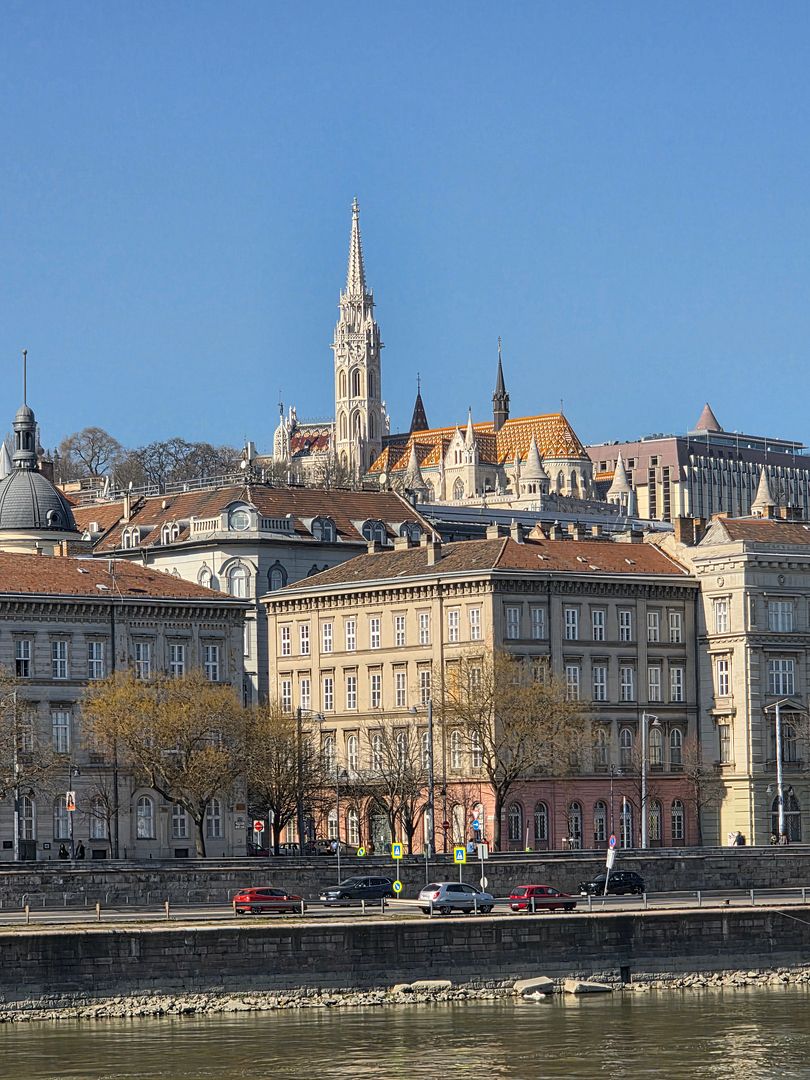
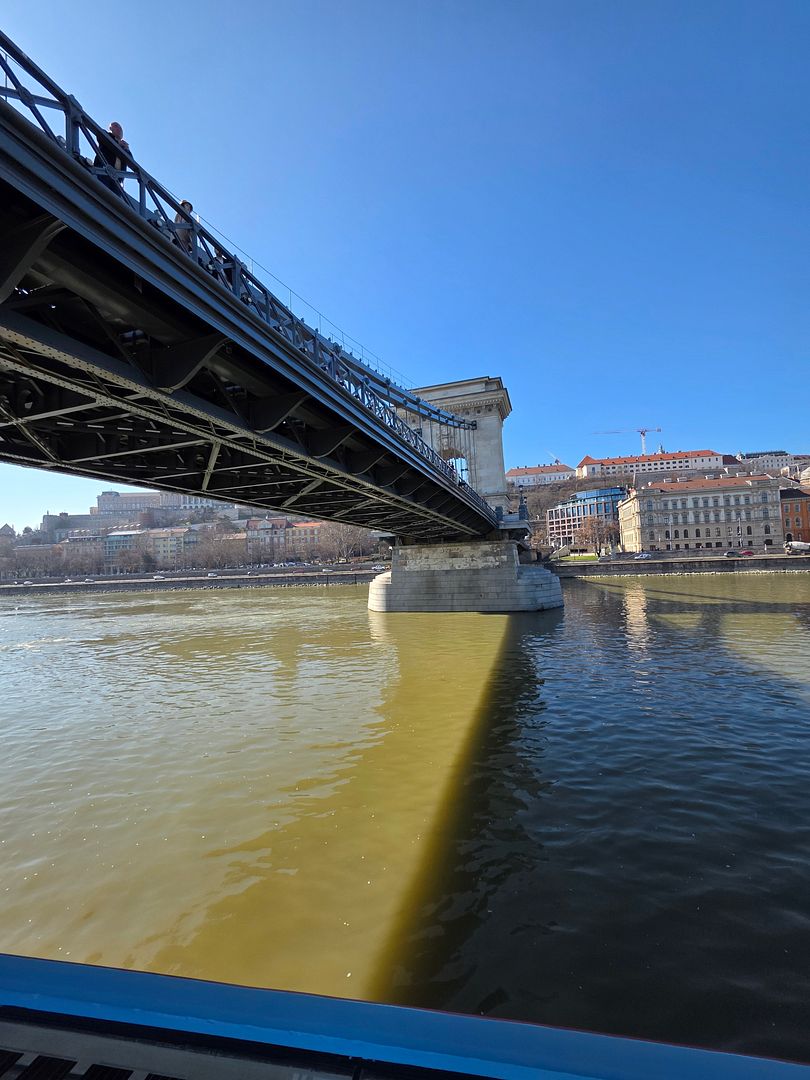
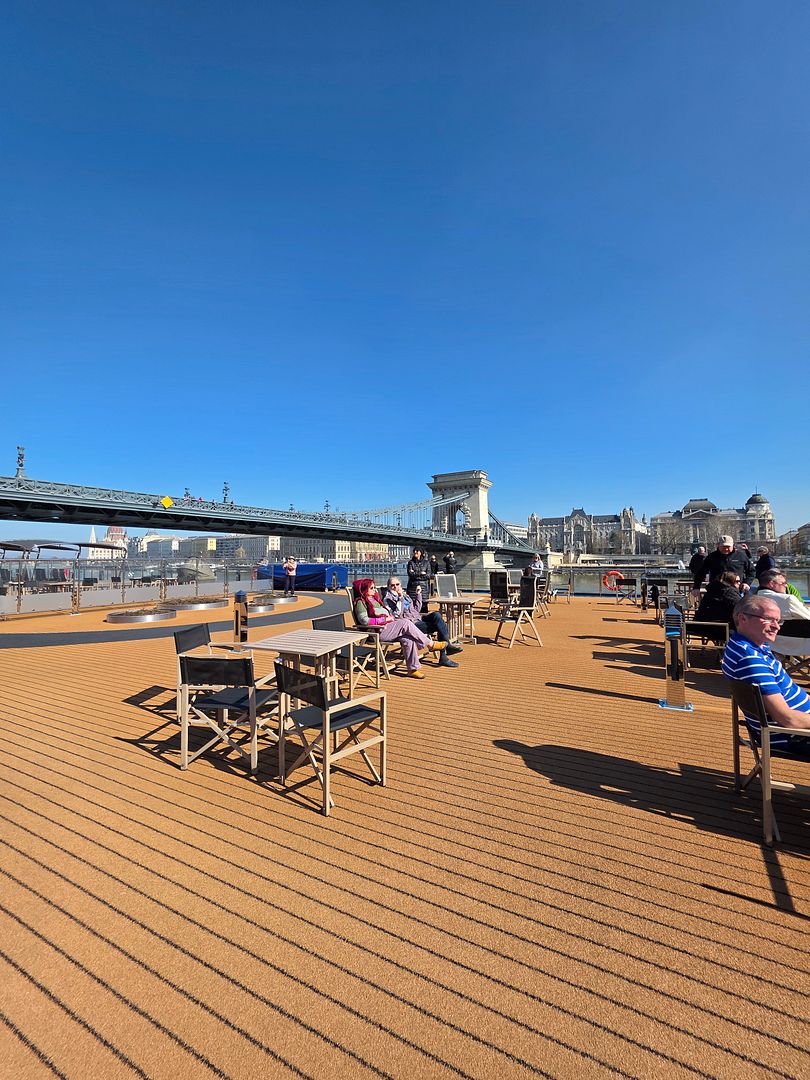
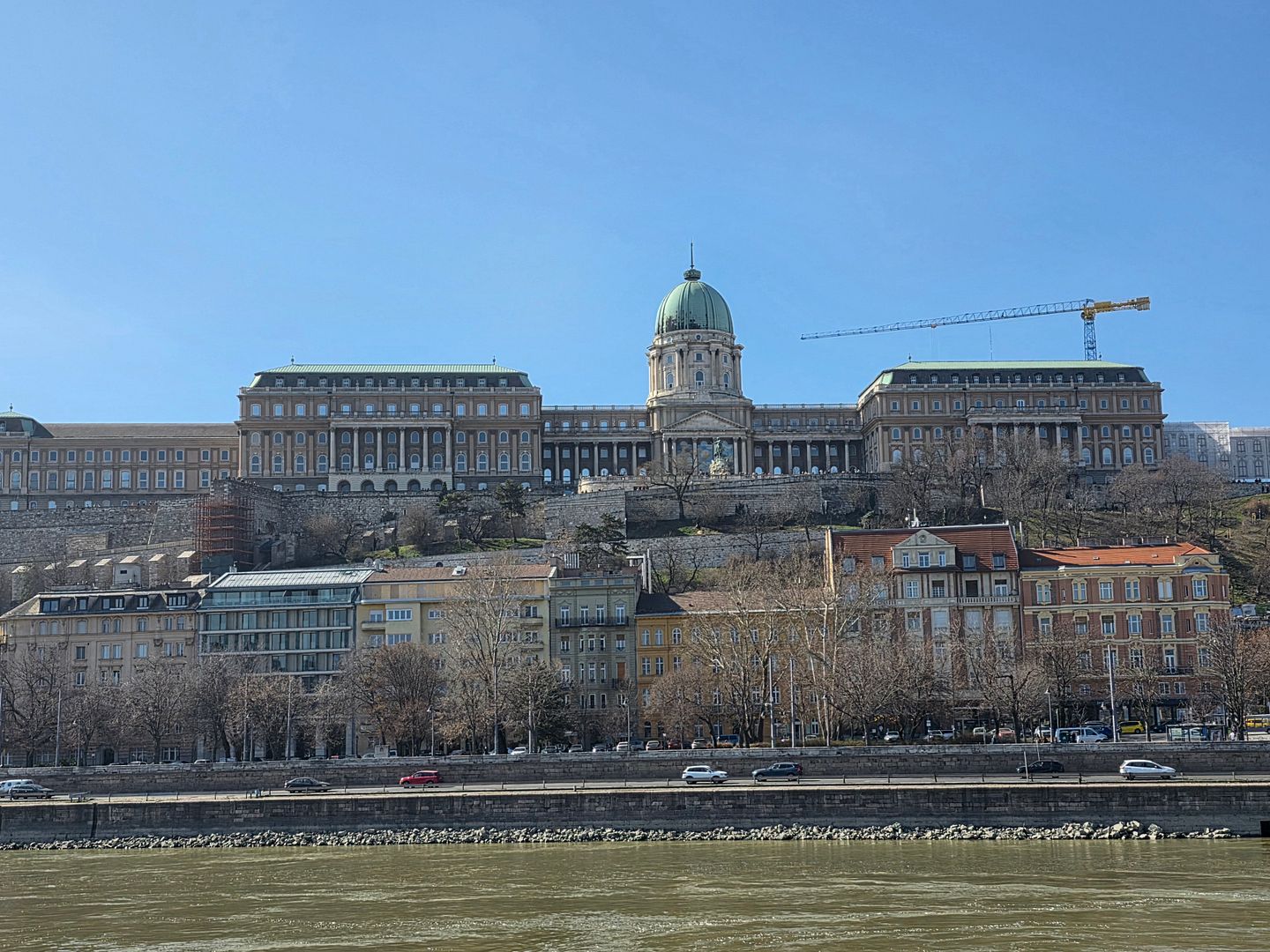
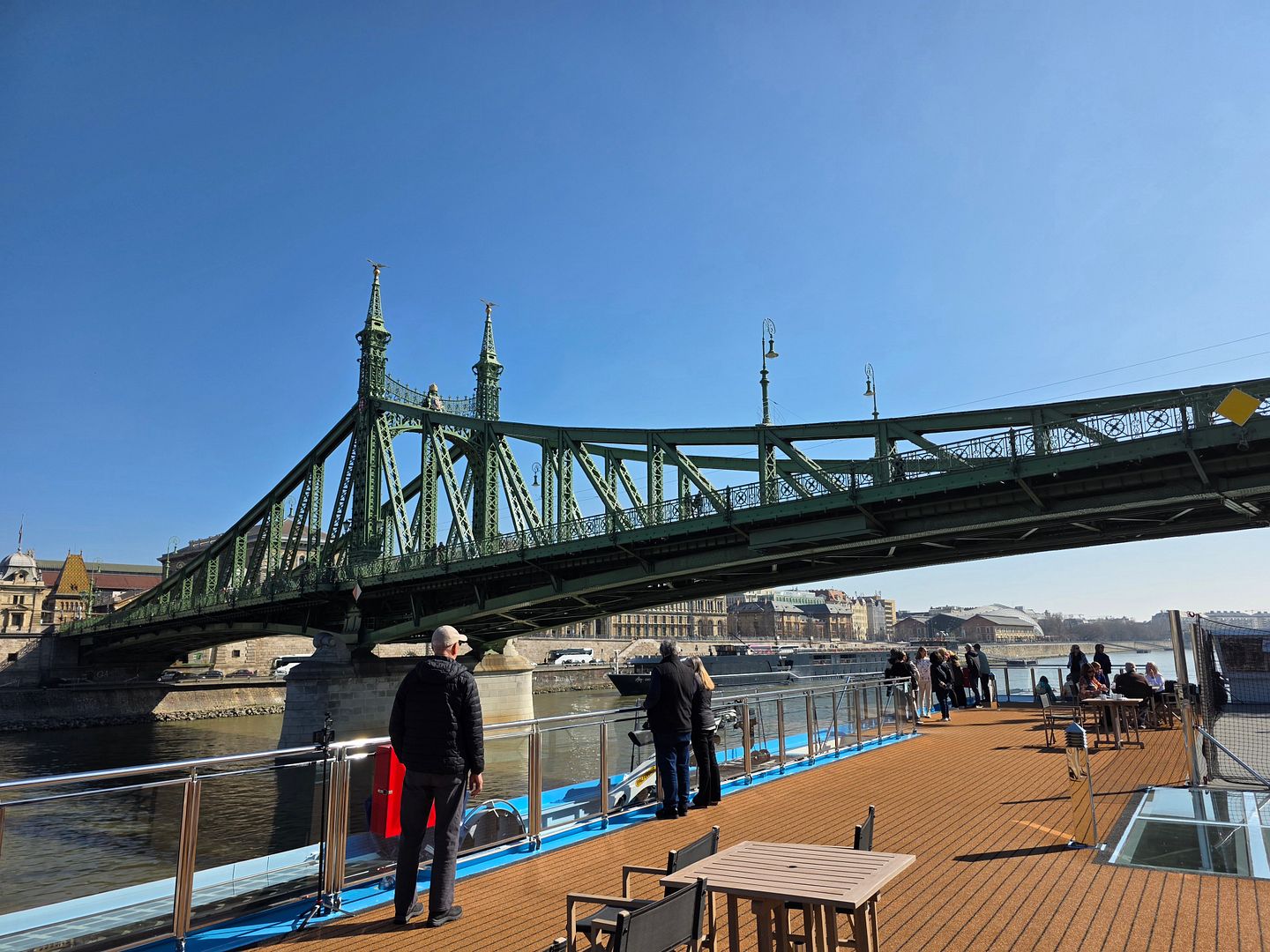
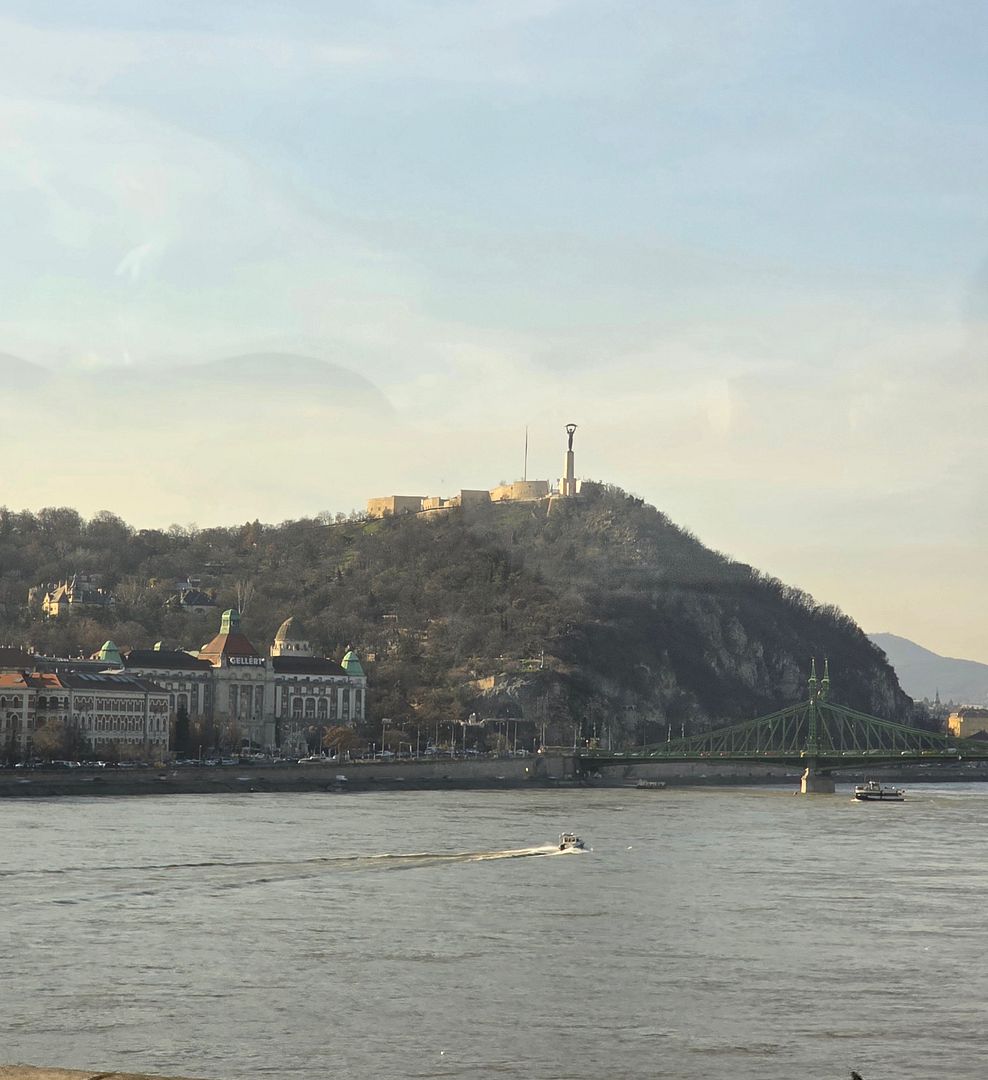
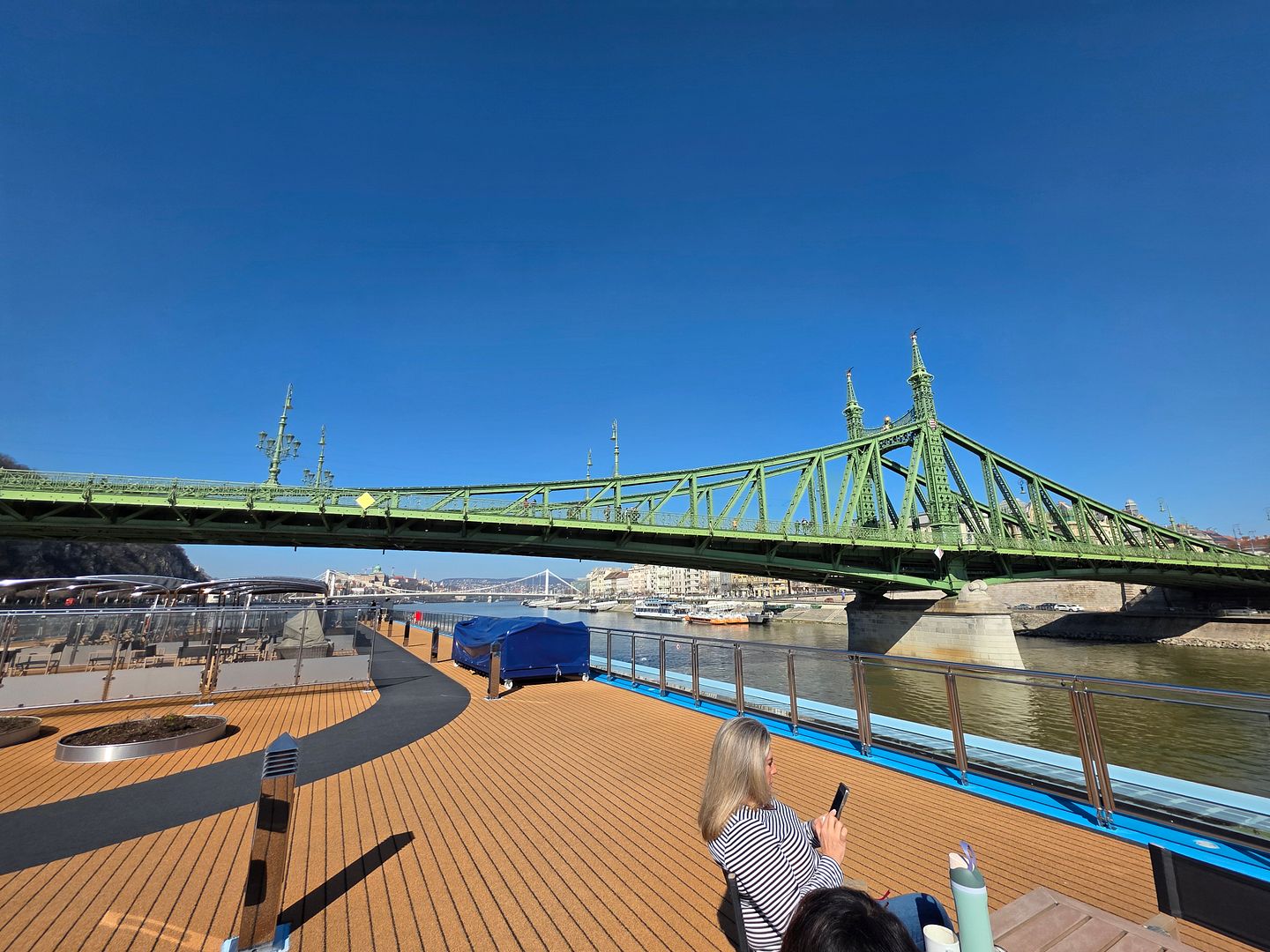
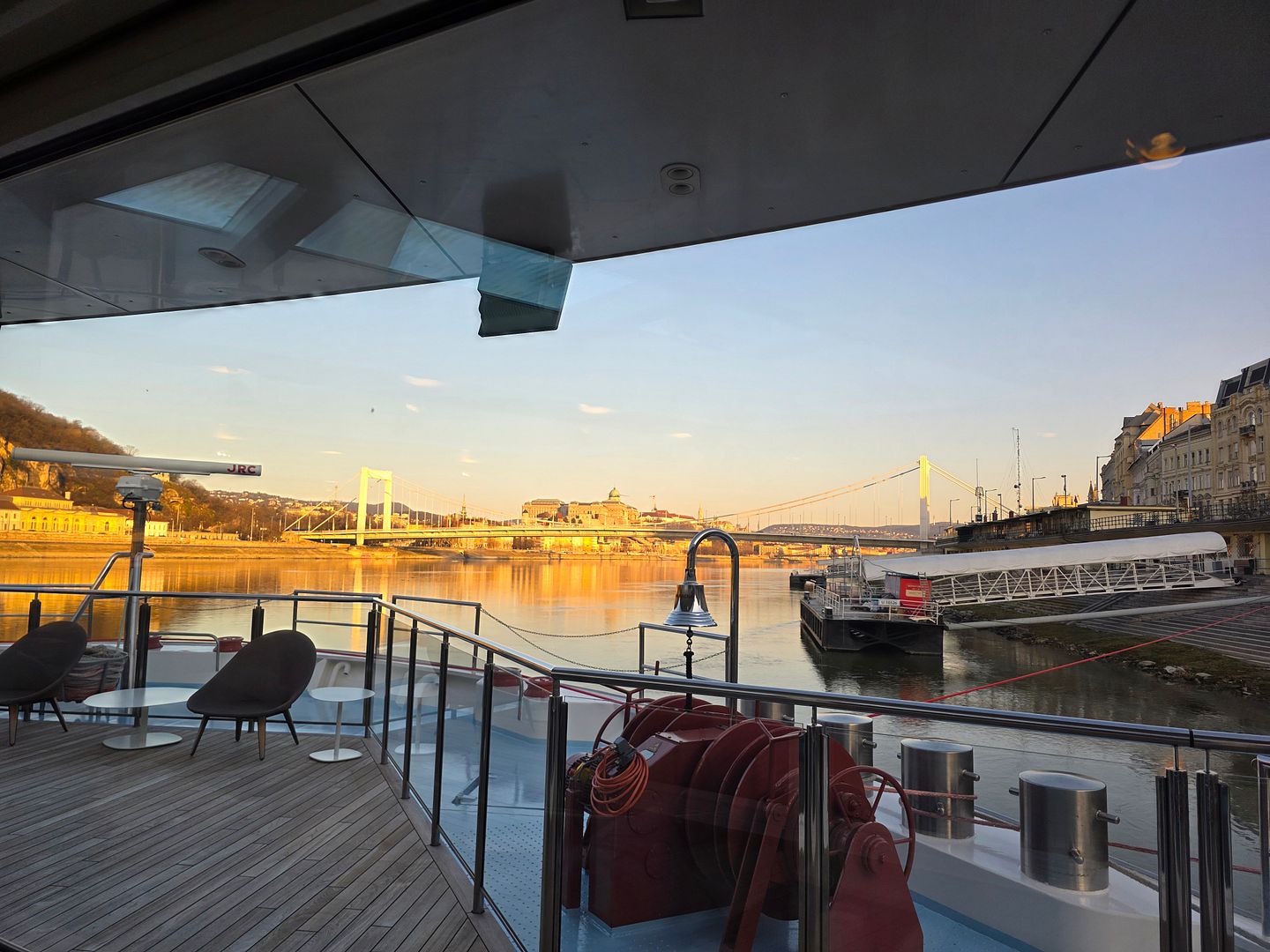
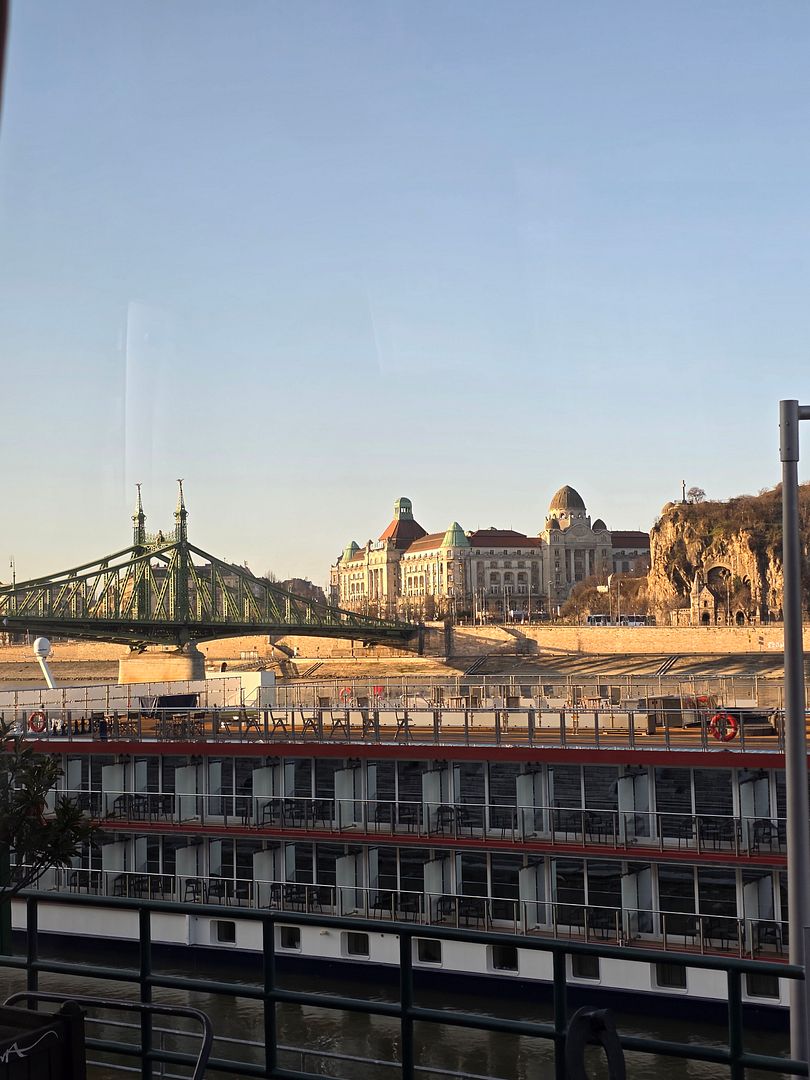
We had our night time shots of the Parliament Building in Budapest and now sailing in during the day time hours we took more photos.

After traveling all night from Vienna we sailed into Budapest on the morning of March 7th, a Saturday.

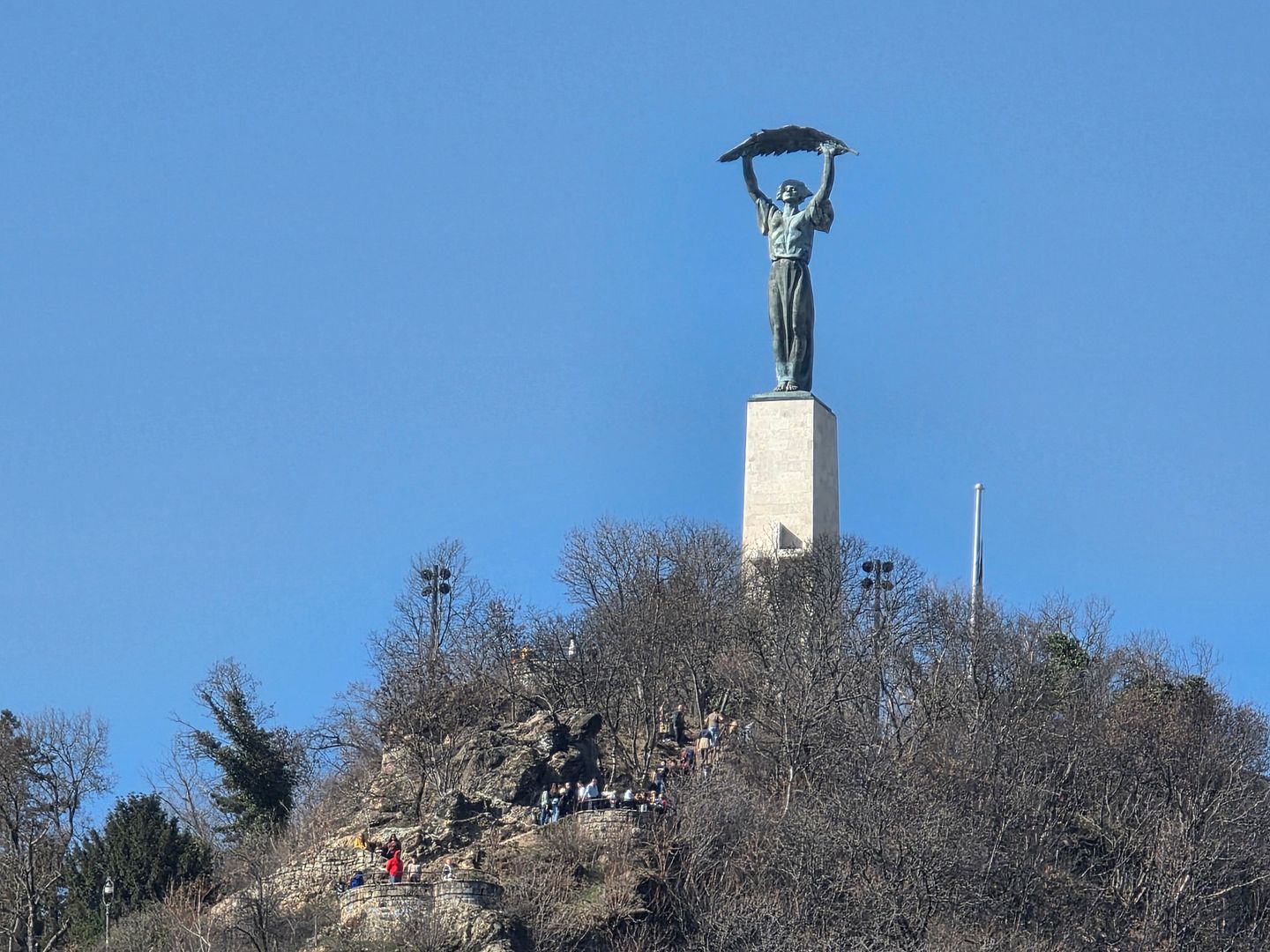
The Liberty Statue that overlooks Budapest. It is hard to miss.

  • The Monument: The bronze female figure holds a large palm leaf of peace overhead. The statue itself is 14 meters (46 feet) tall, standing on a 26-meter (85-foot) pedestal.
  • History: It was erected in 1947 to commemorate the Soviet Red Army’s liberation of Hungary from Nazi occupation during World War II.
  • Rededication: Following the fall of communism, the Soviet inscriptions and statues around the base were removed. The monument was rededicated to all those who sacrificed their lives for the independence and freedom of Hungary.

On this day we were signed up for an excursion to the Fisherman’s Bastion and Castle but my right foot swelled up and was painful so we opted to stay on the boat with my feet elevated. We thought that I might have a stress fracture. With ice and elevation the swelling went down.

On this evening we enjoyed Hungarian Folklore performances on board.

Our shuttle to the airport in Budapest for our flight to London left the boat at 8am Sunday March 8th. A shout out to the Amawaterways added service to the airport. Our luggage was handled for us. The agent who went with us on the bus guided us to the correct check-in desk and then showed us the way to go for security. We were thankful for this service. These extras in service really mean a lot when you are traveling in foreign countries.

Our flight to Heathrow airport was smooth and easy. My next travel posts will be about our days in Cambridge, England.

Vienna Part 6 ~The National Library

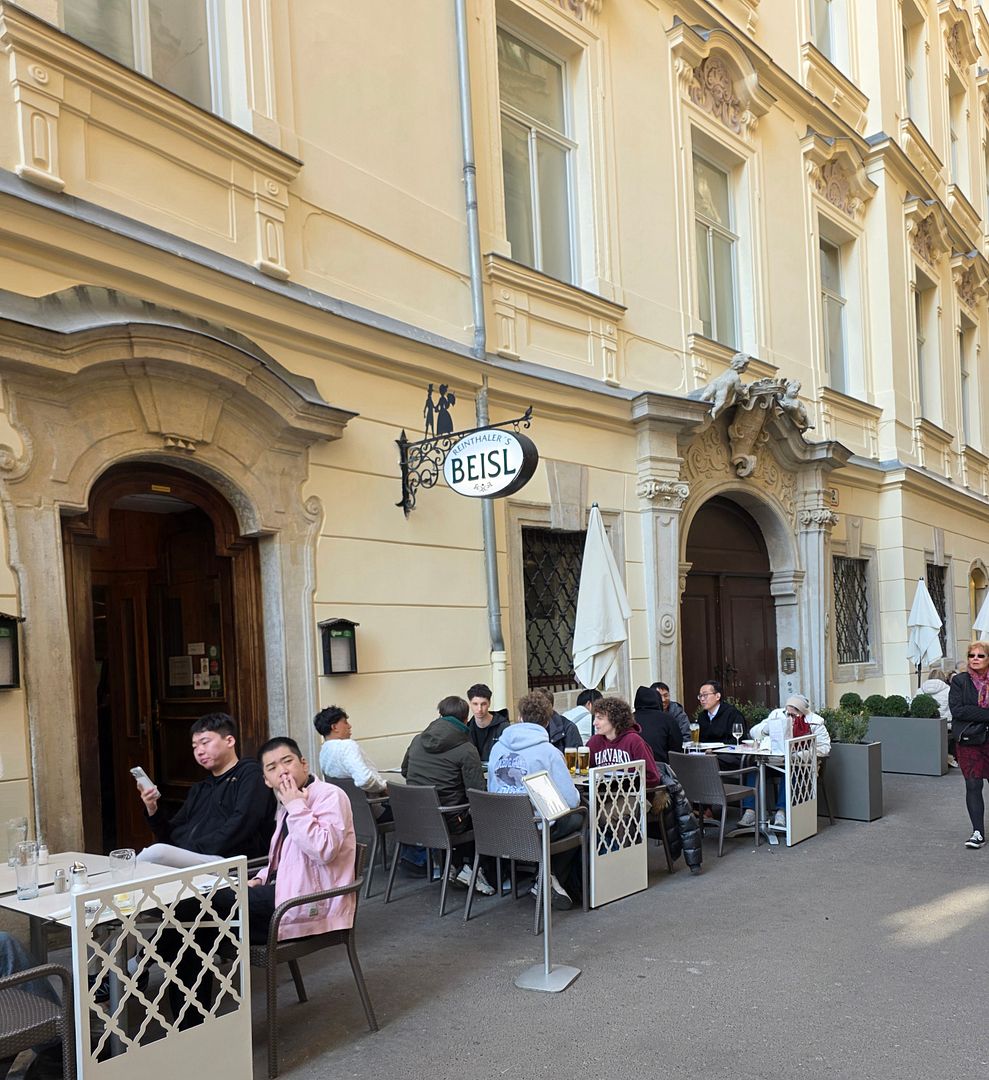
Reinthaler’s Beisl

One of our tour guides suggested that to find a more authentic good Austrian restaurant we should stay off the large streets and follow some of the narrower side streets in Vienna. We took her advice and found Reinthaler’s Beisl after our tour of Schönbrunn Palace on Friday morning, March 6th.

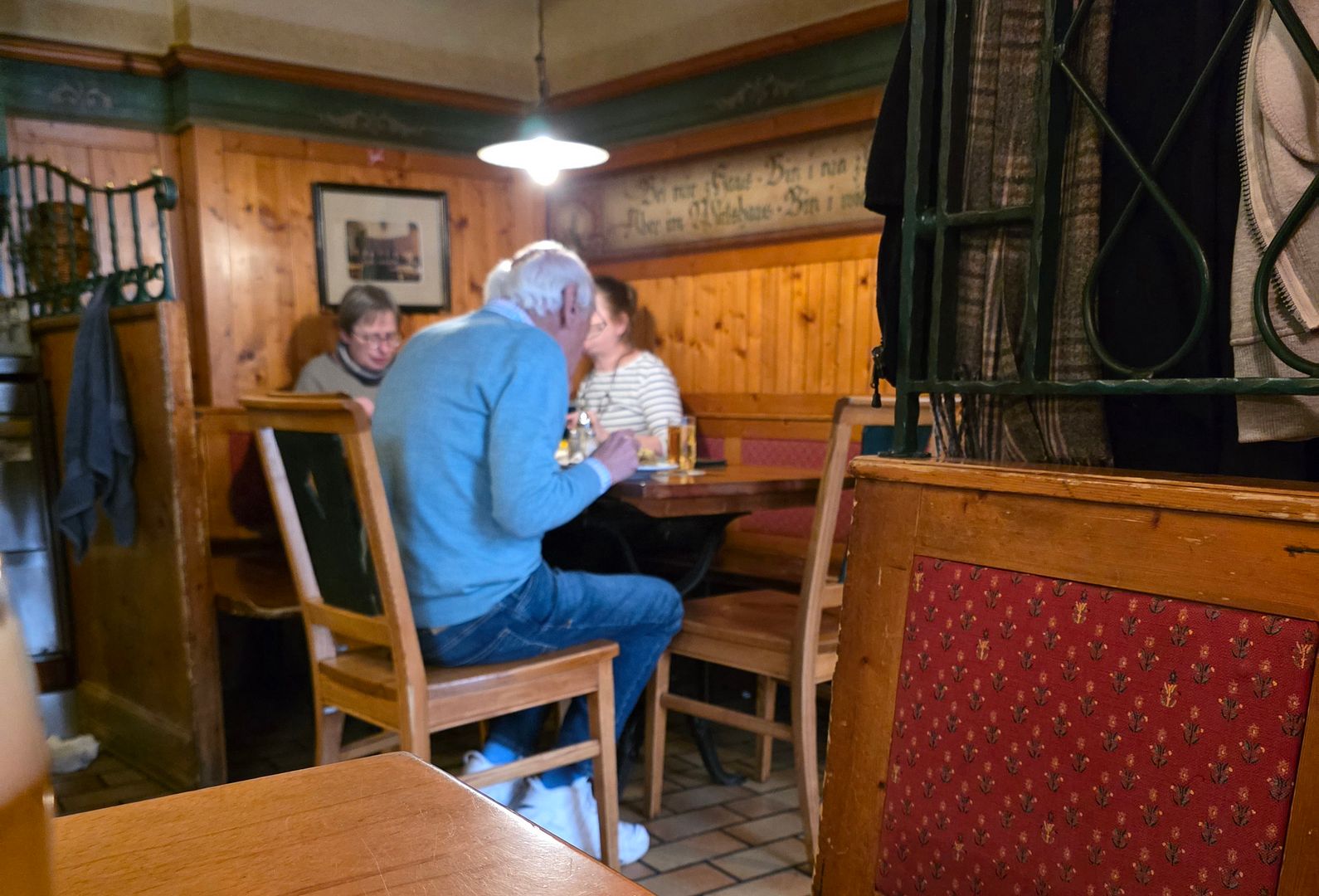
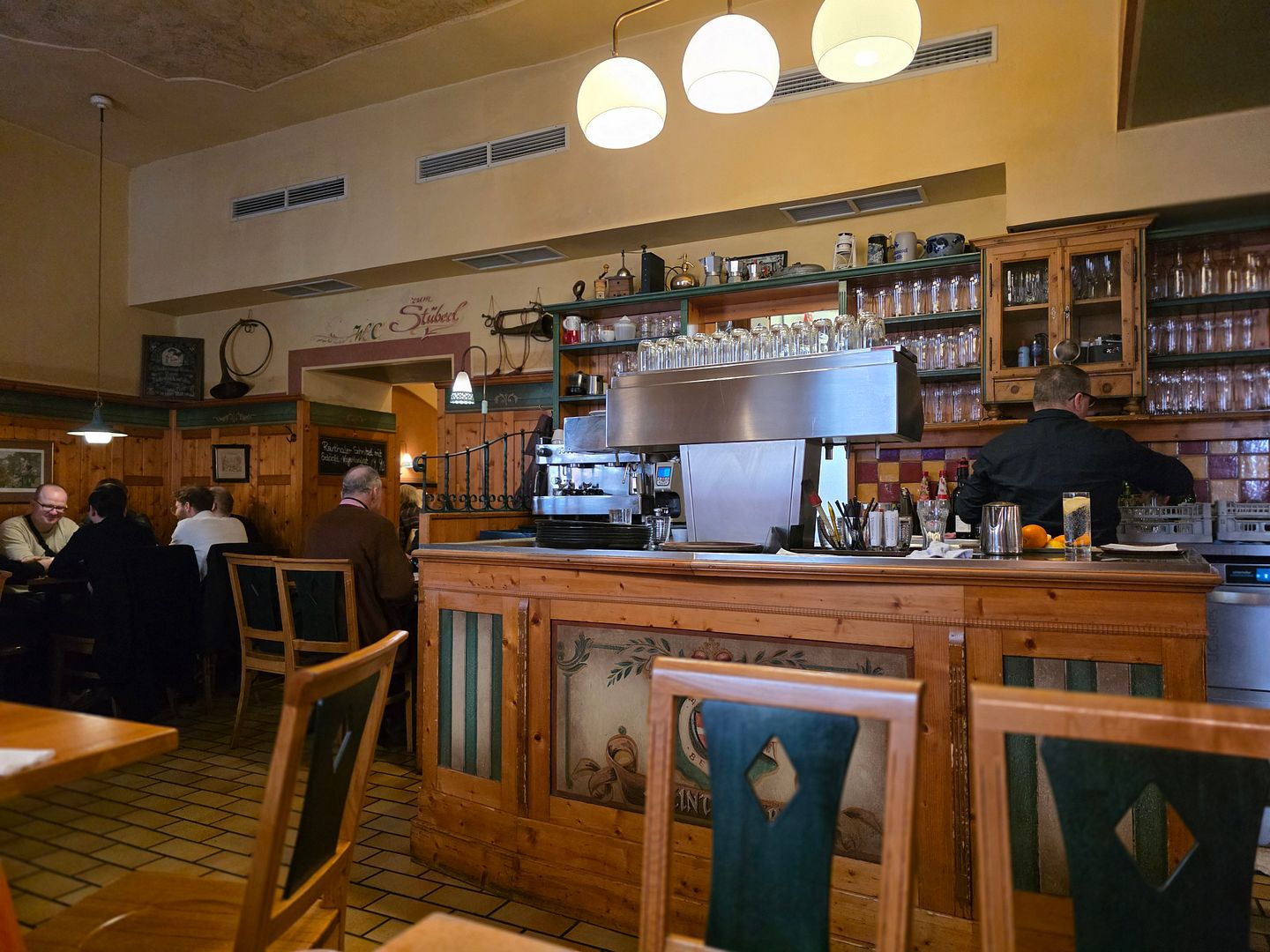
At first we were sharing a table with an older woman who was finishing up her lunch. The restaurant was filled with (from what we could tell) locals not tourists.

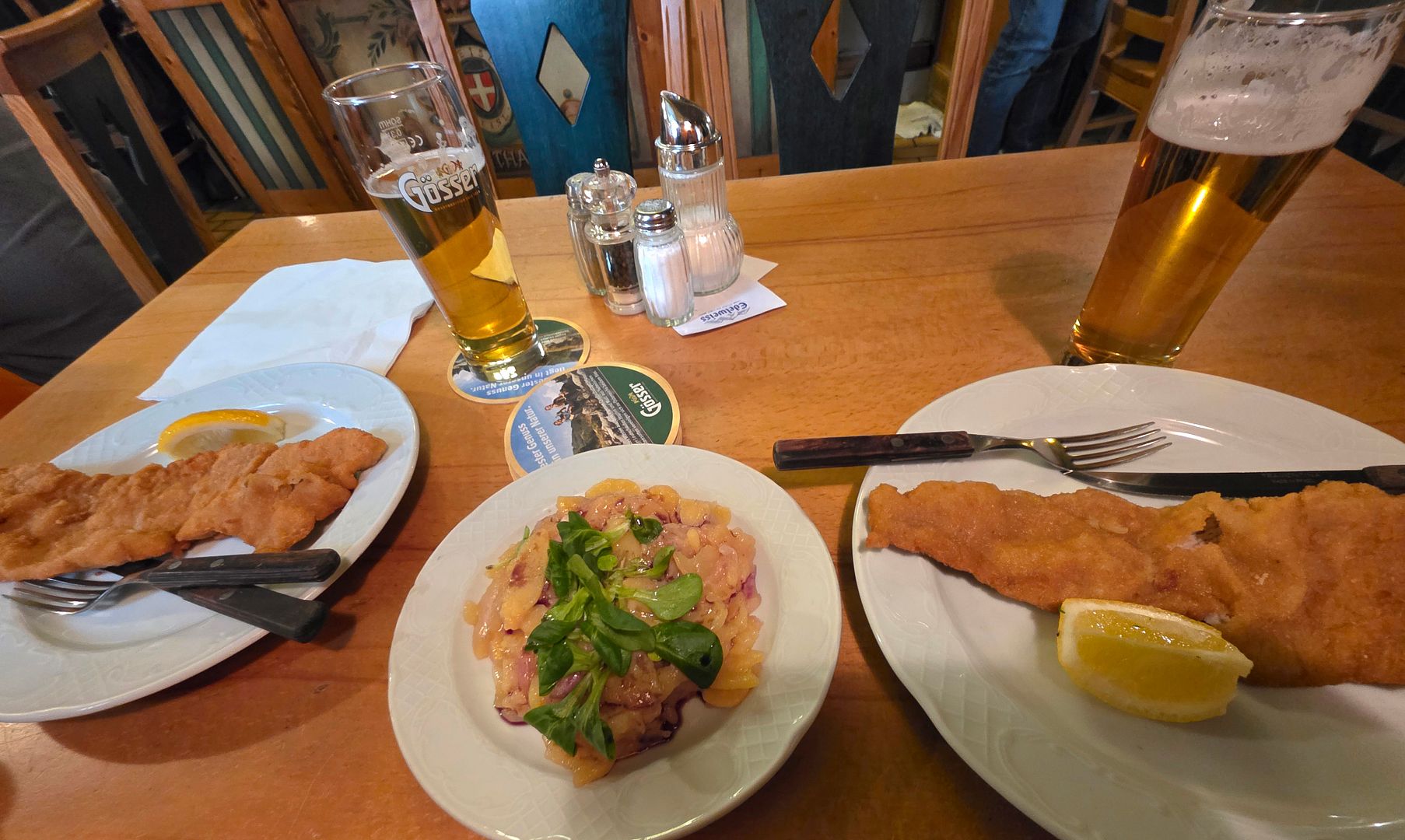
We shared an order of schnitzel and it was the perfect amount for us after our ‘appetizer’ of apple strudel at the Palace.

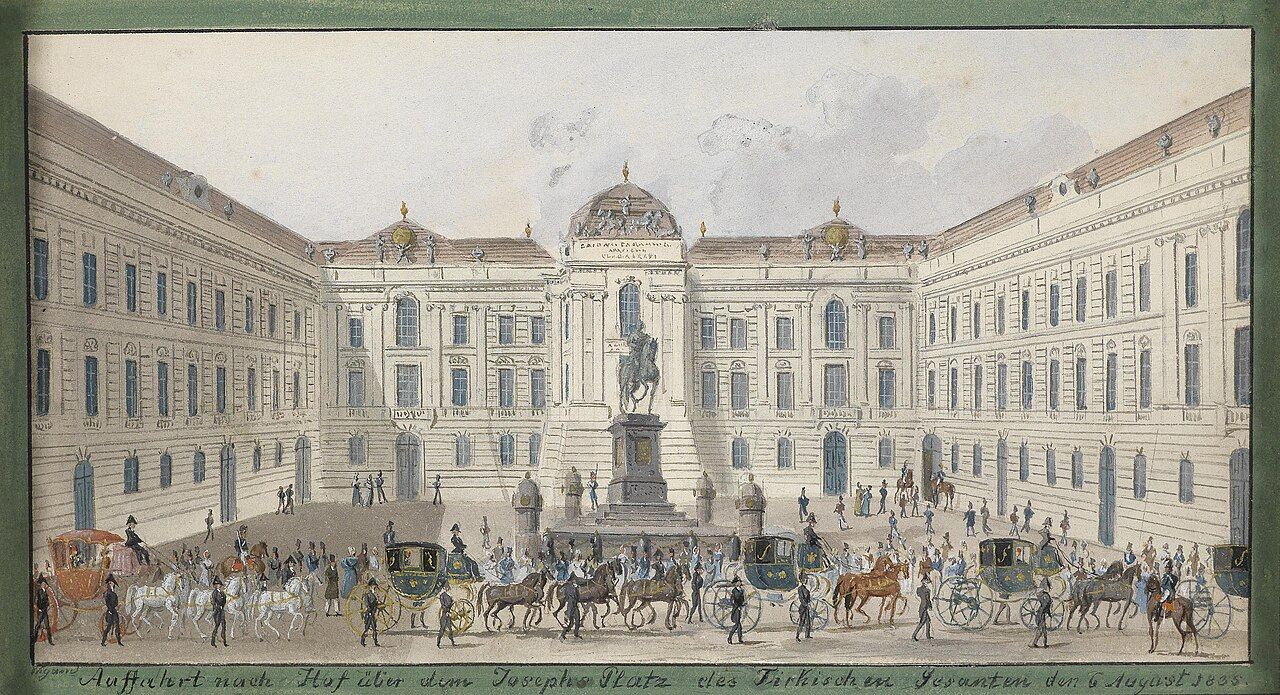
This print above was in the Public Domain so I’m sharing it here. It’s an old and very cool print of the outside of the National Library of Austria in Vienna.

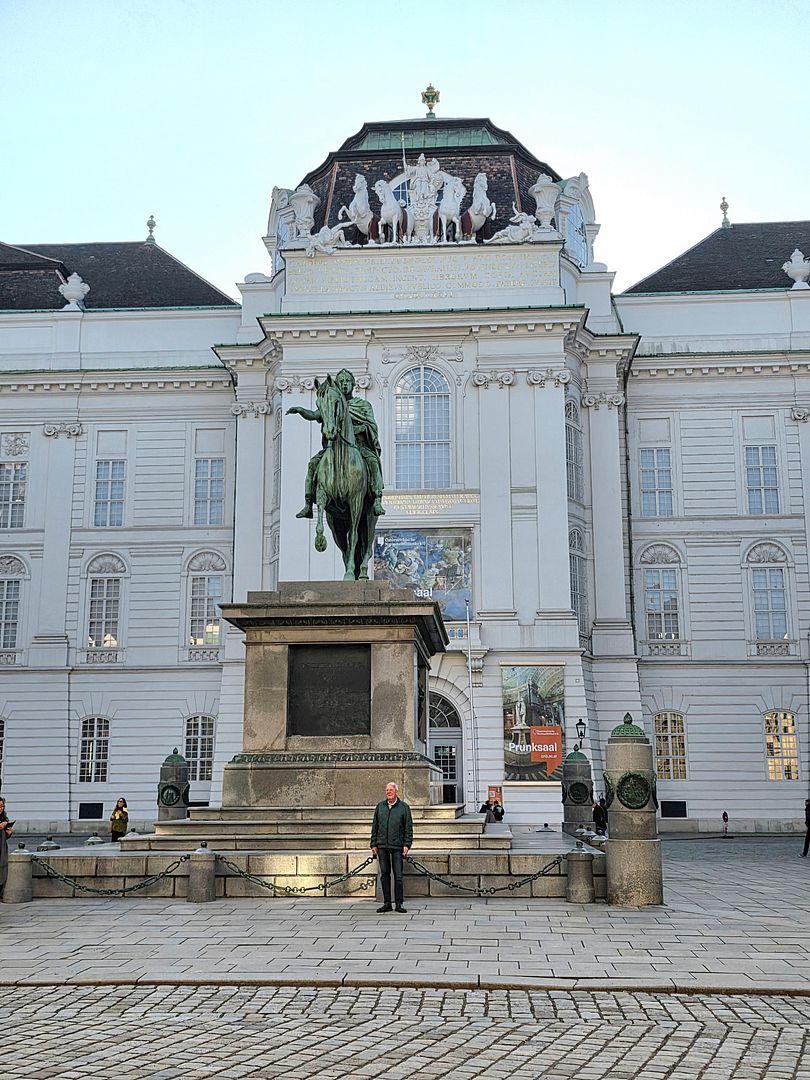
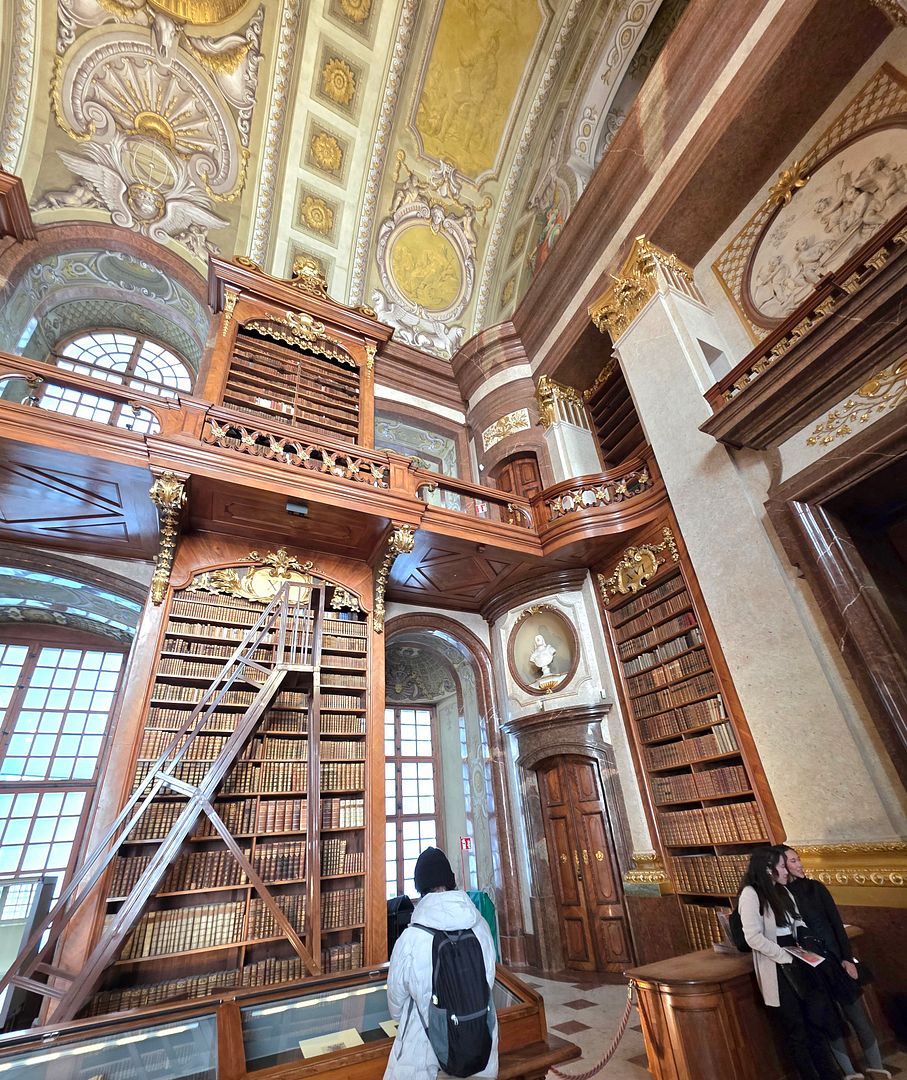
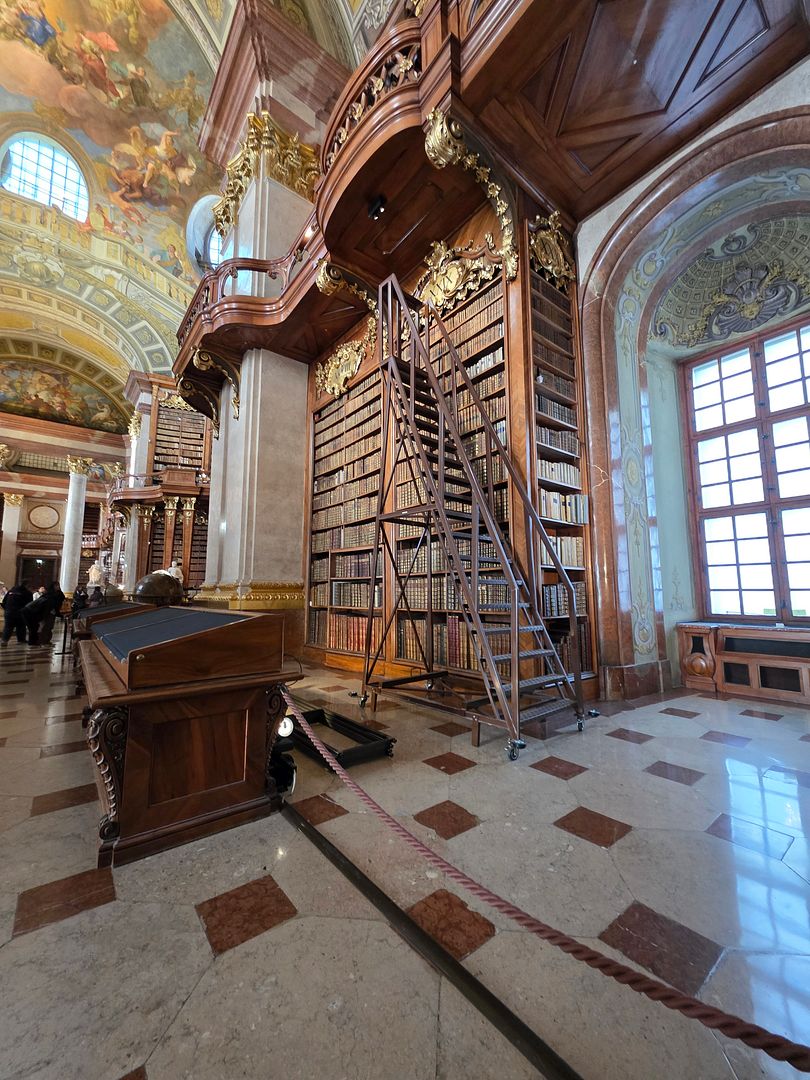
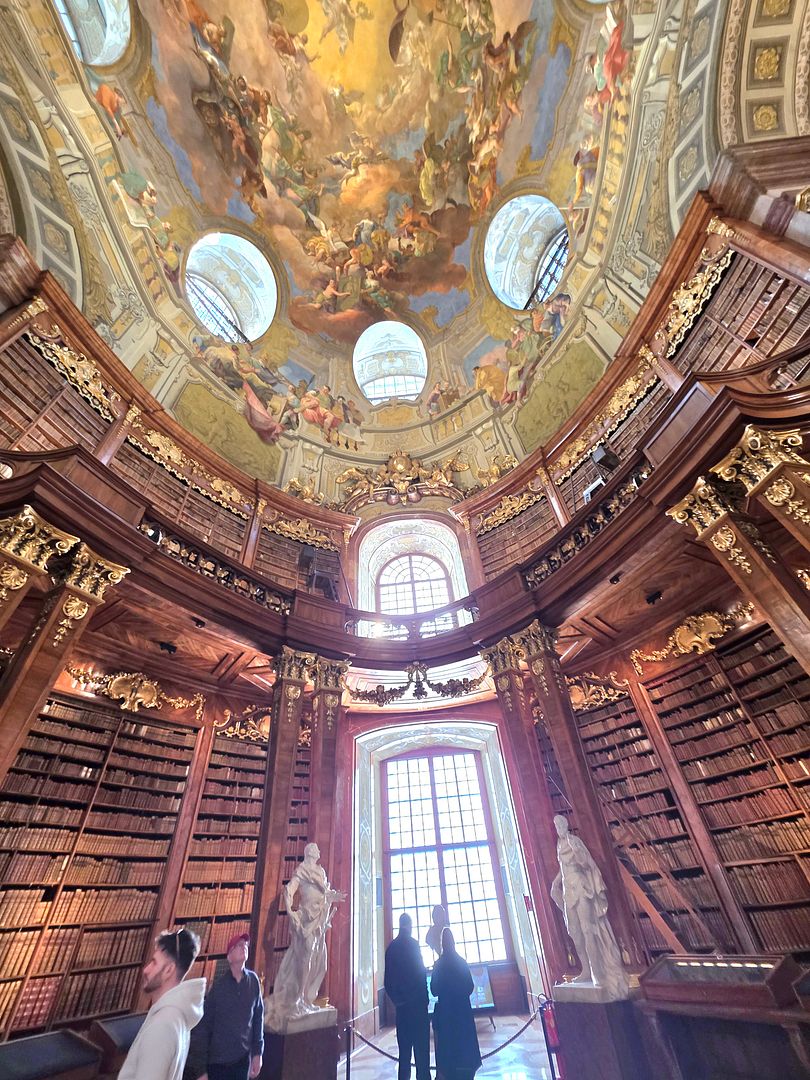
I took this photo above as we passed the library on our carriage ride. I didn’t know as we passed that this was the library.

After our great lunch we ventured out on foot to find the library. After a few twists and turns we made it. We got a senior discount for entry.

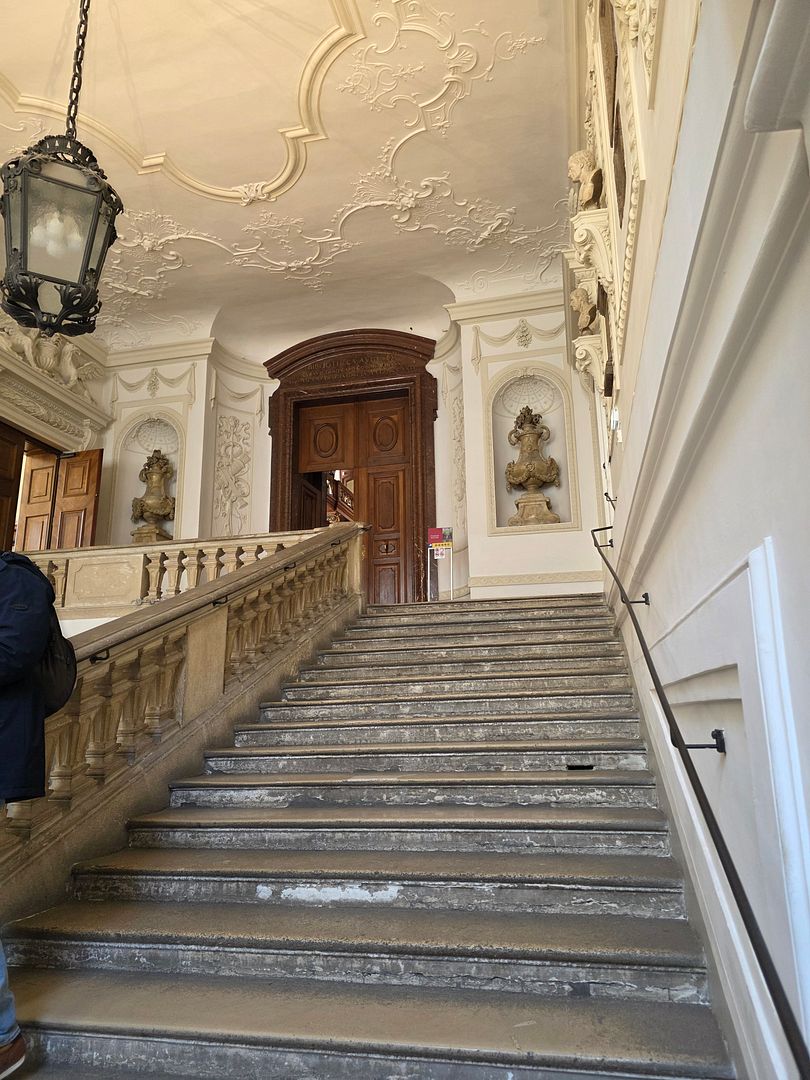
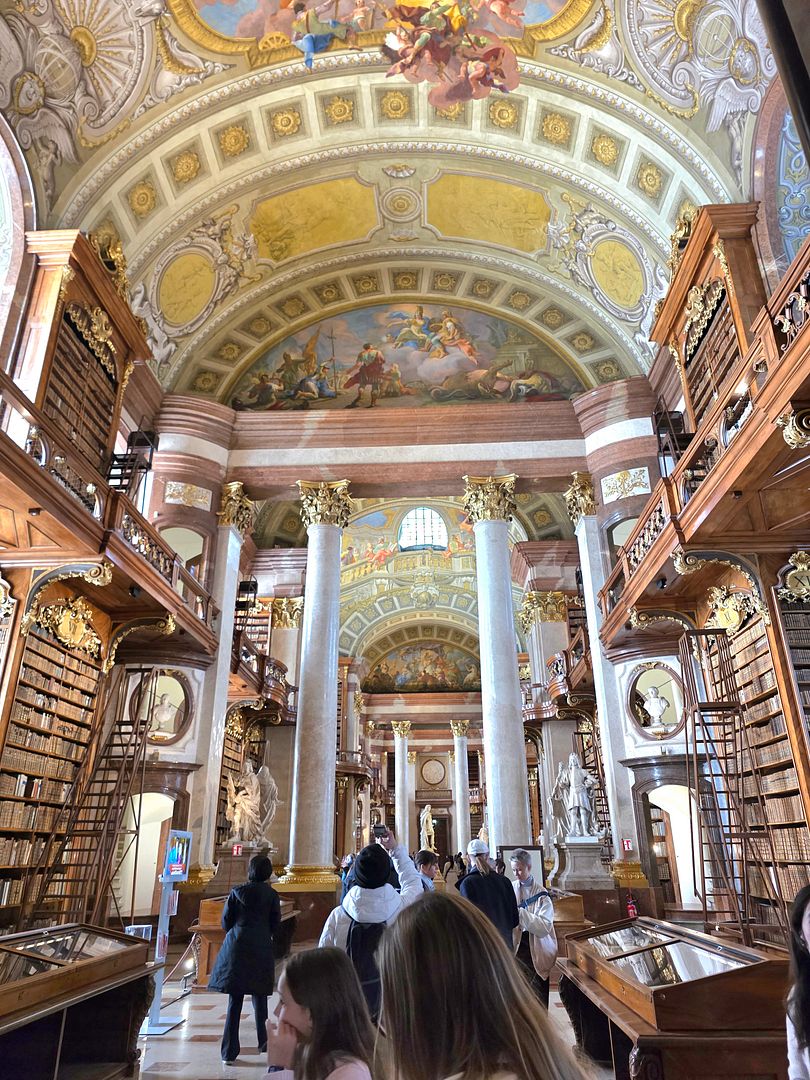
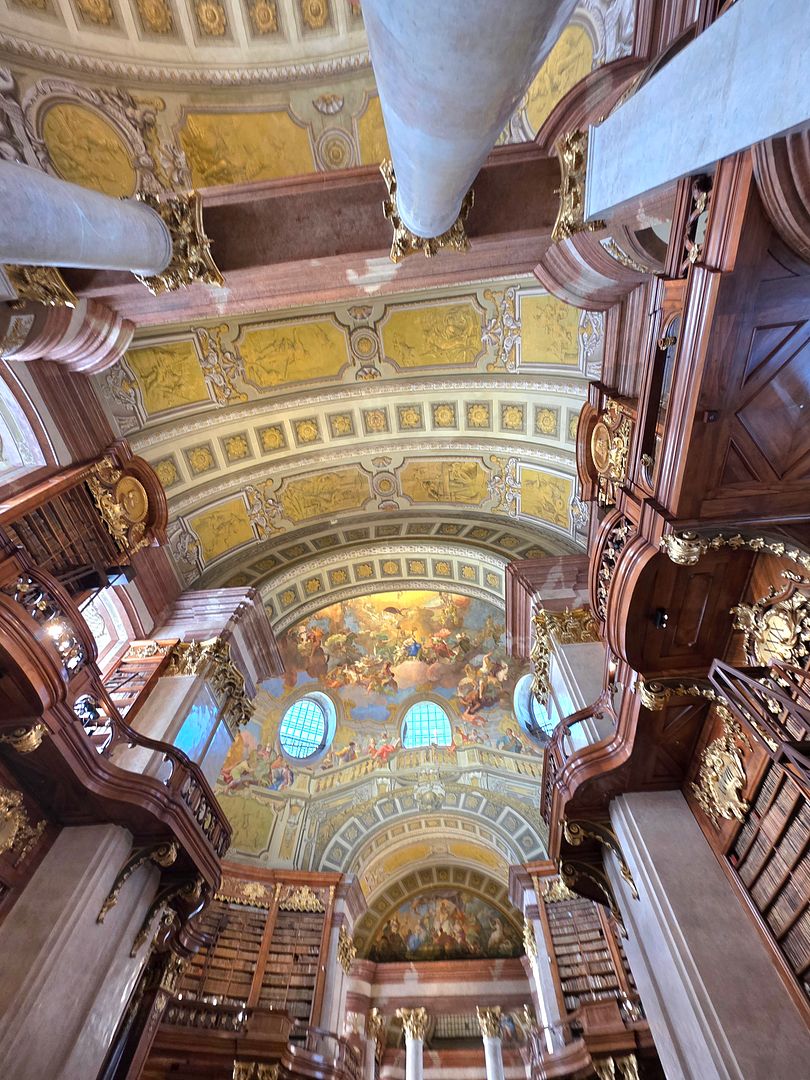
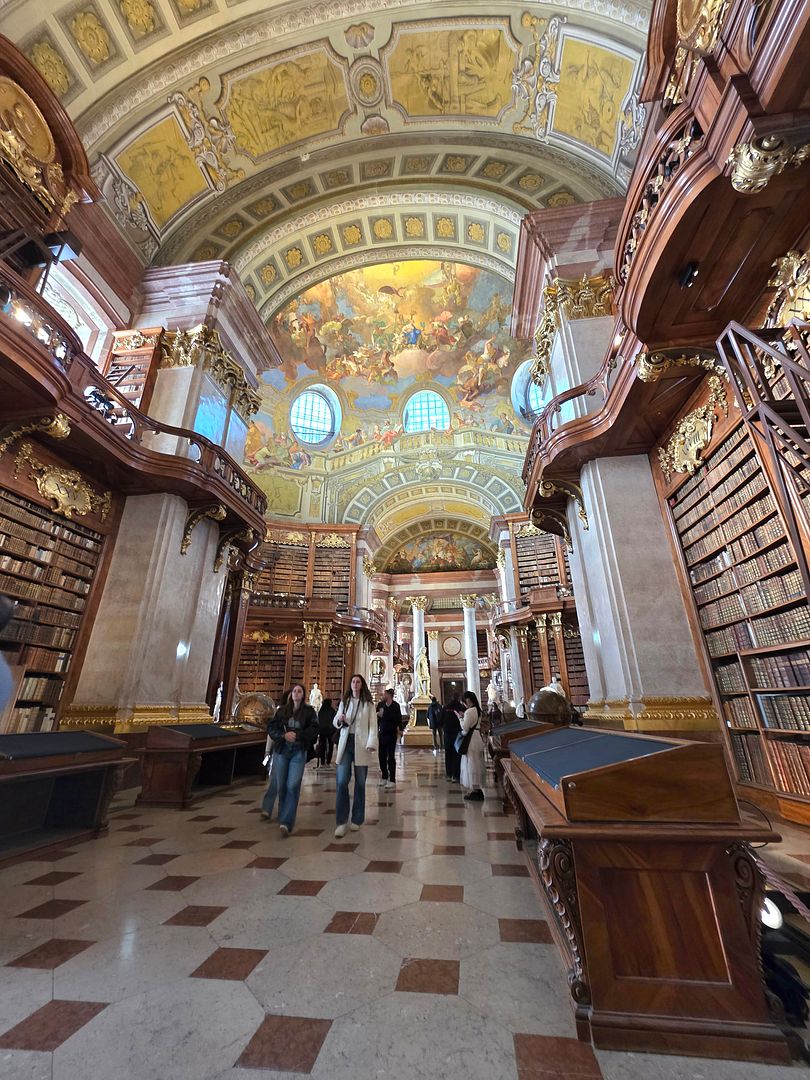
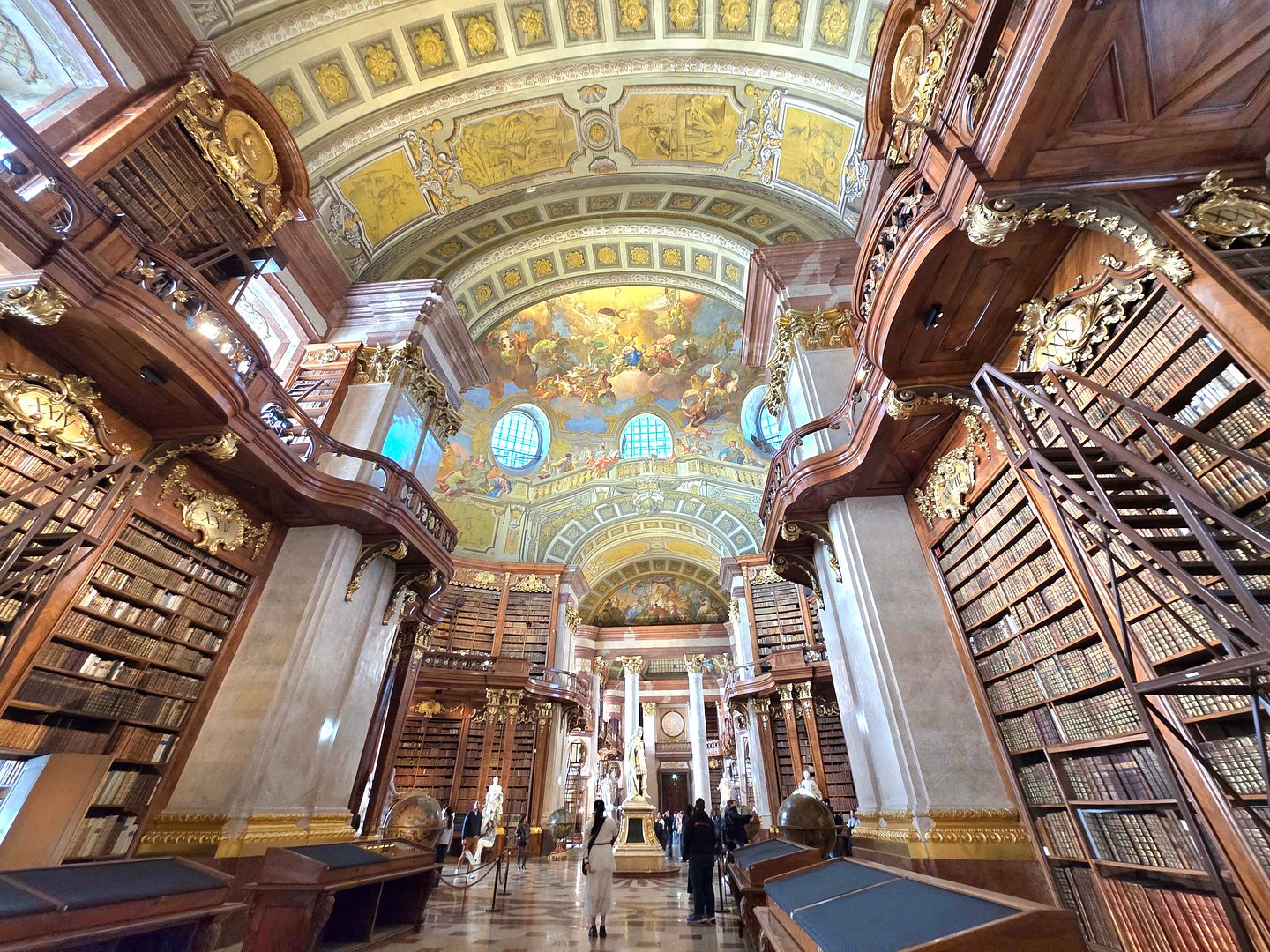
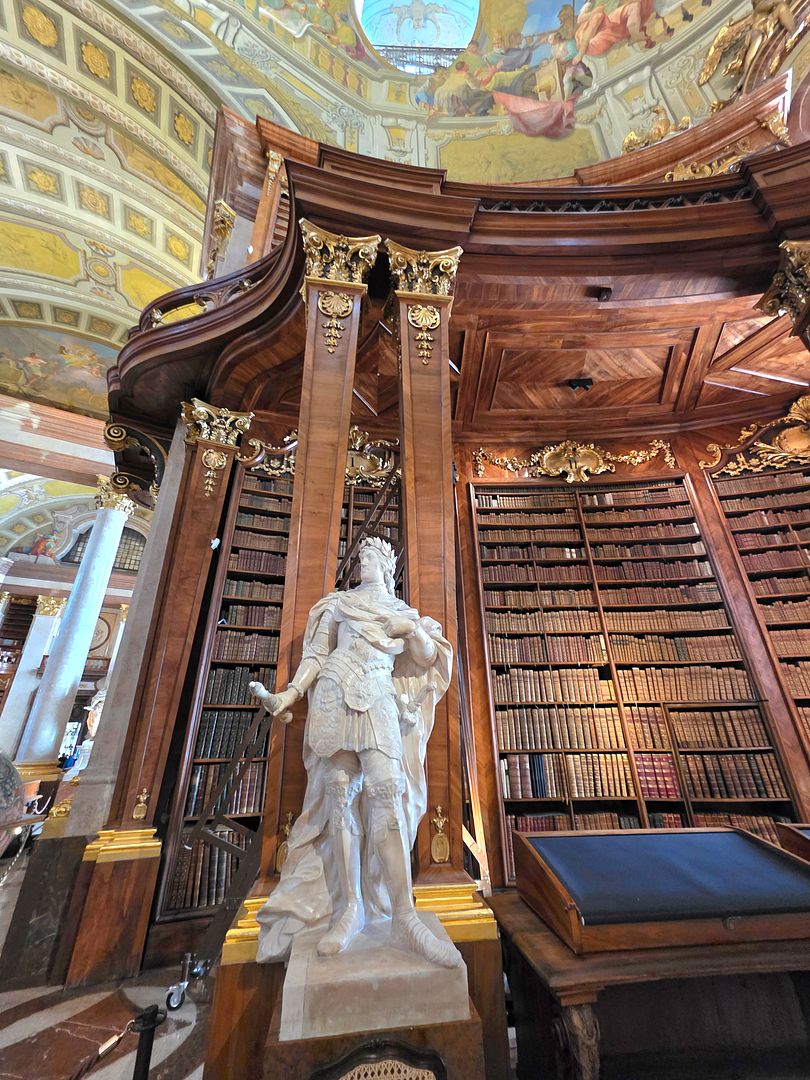
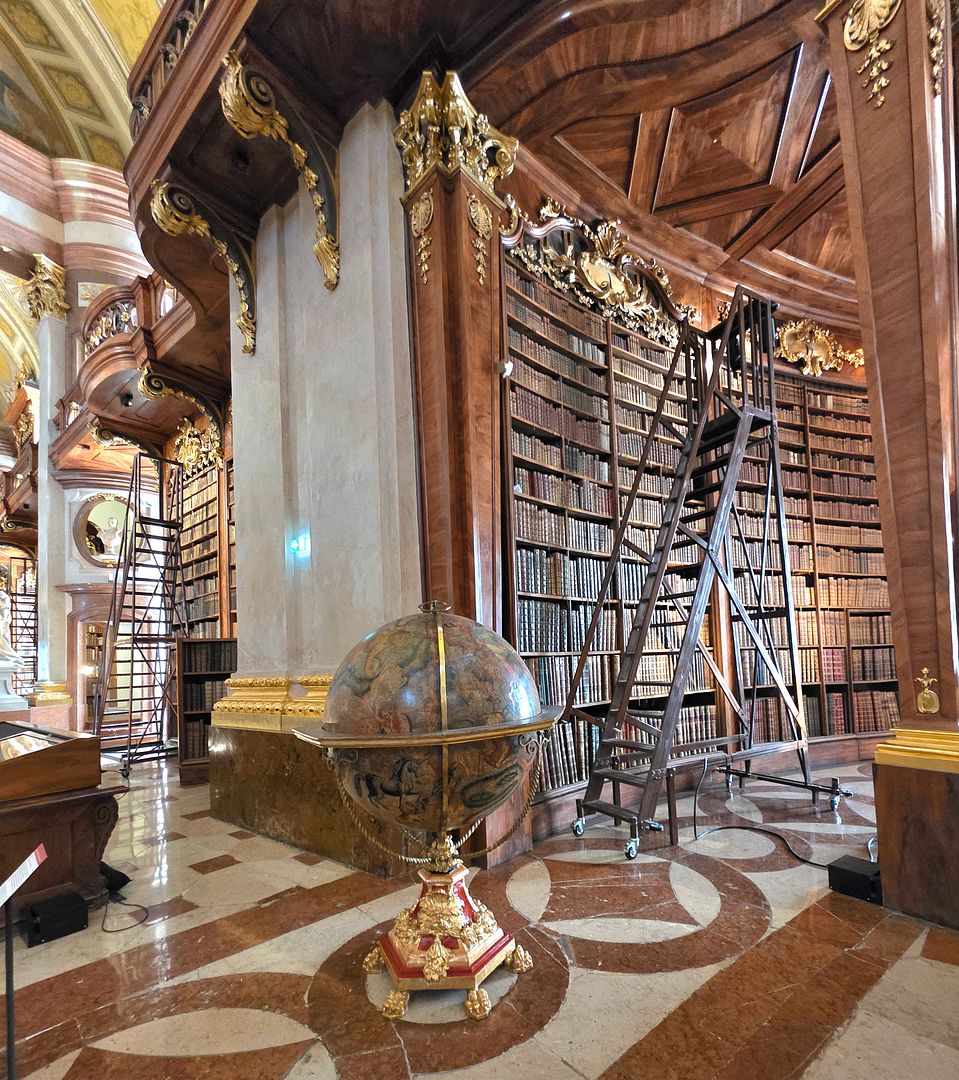
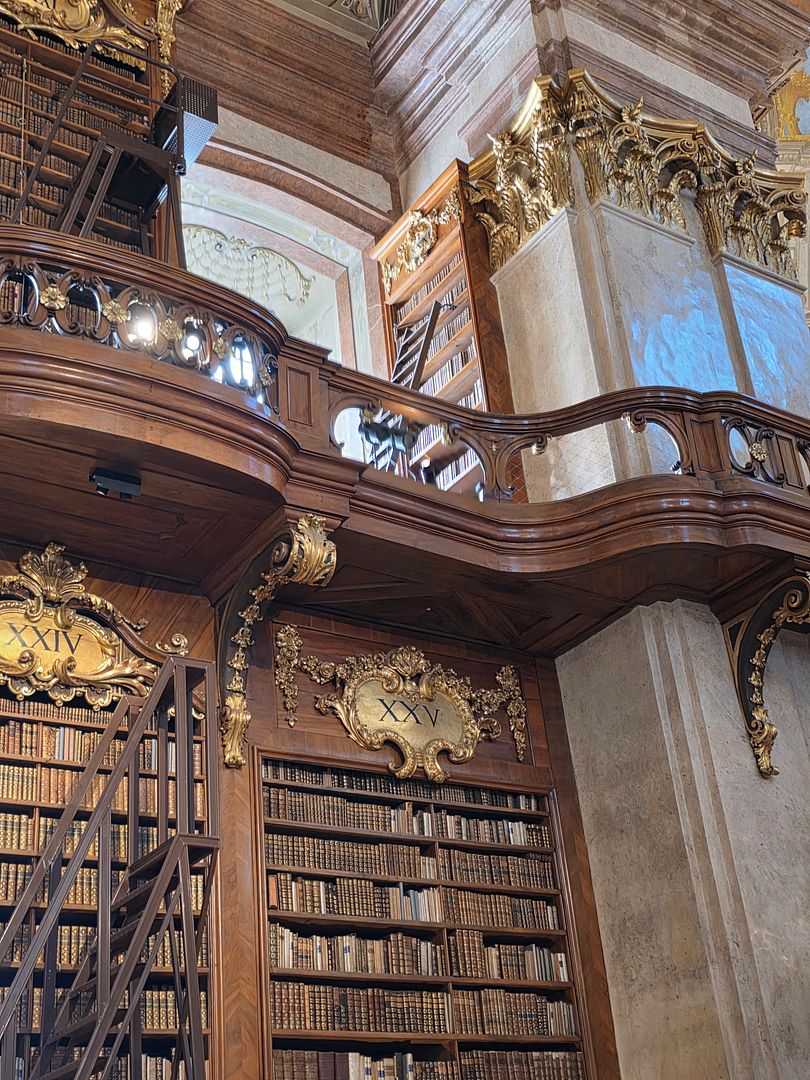
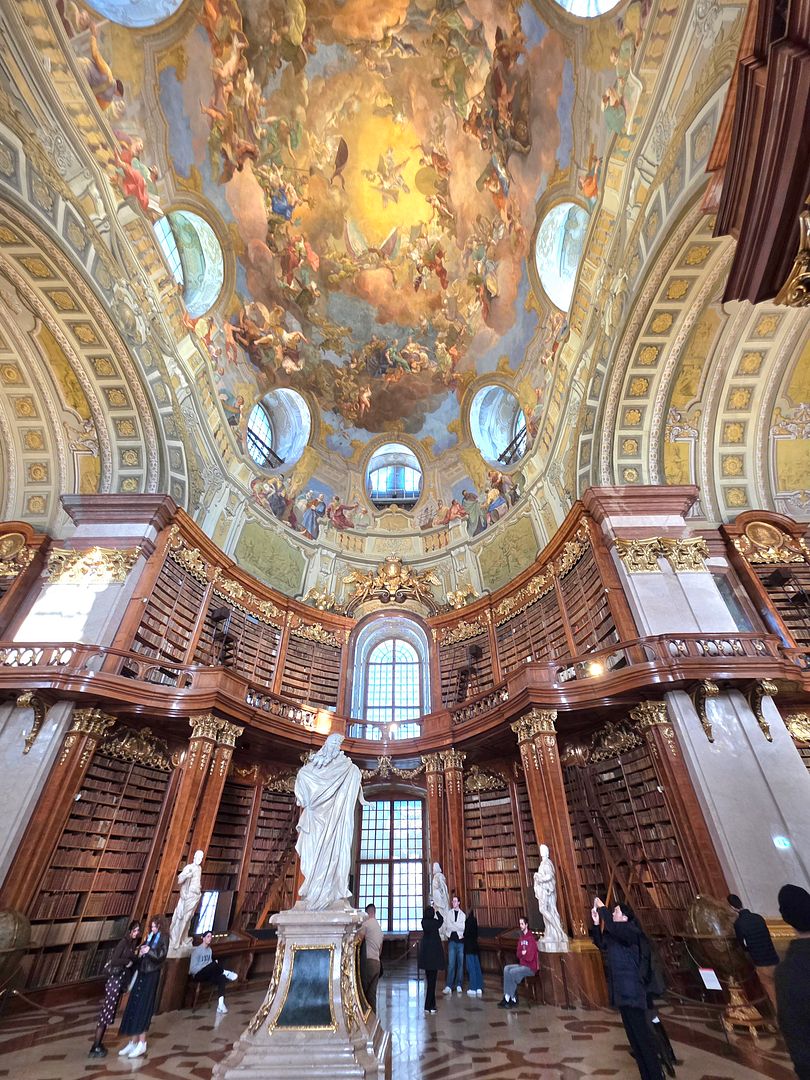
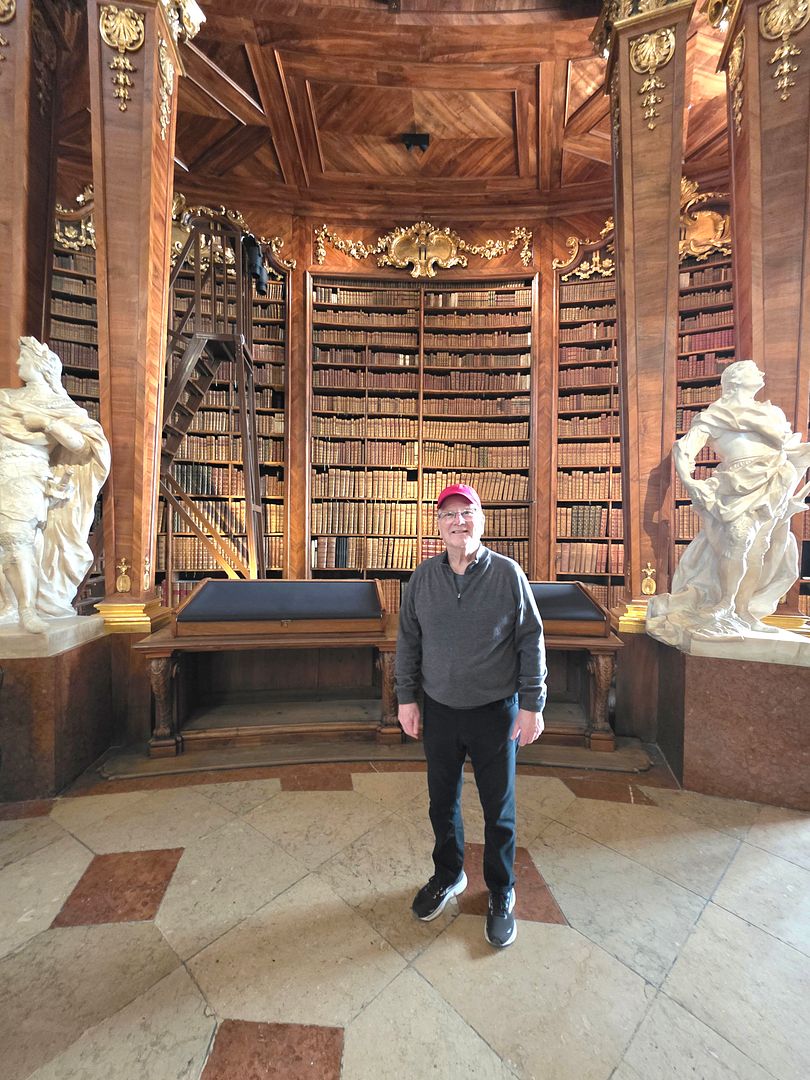
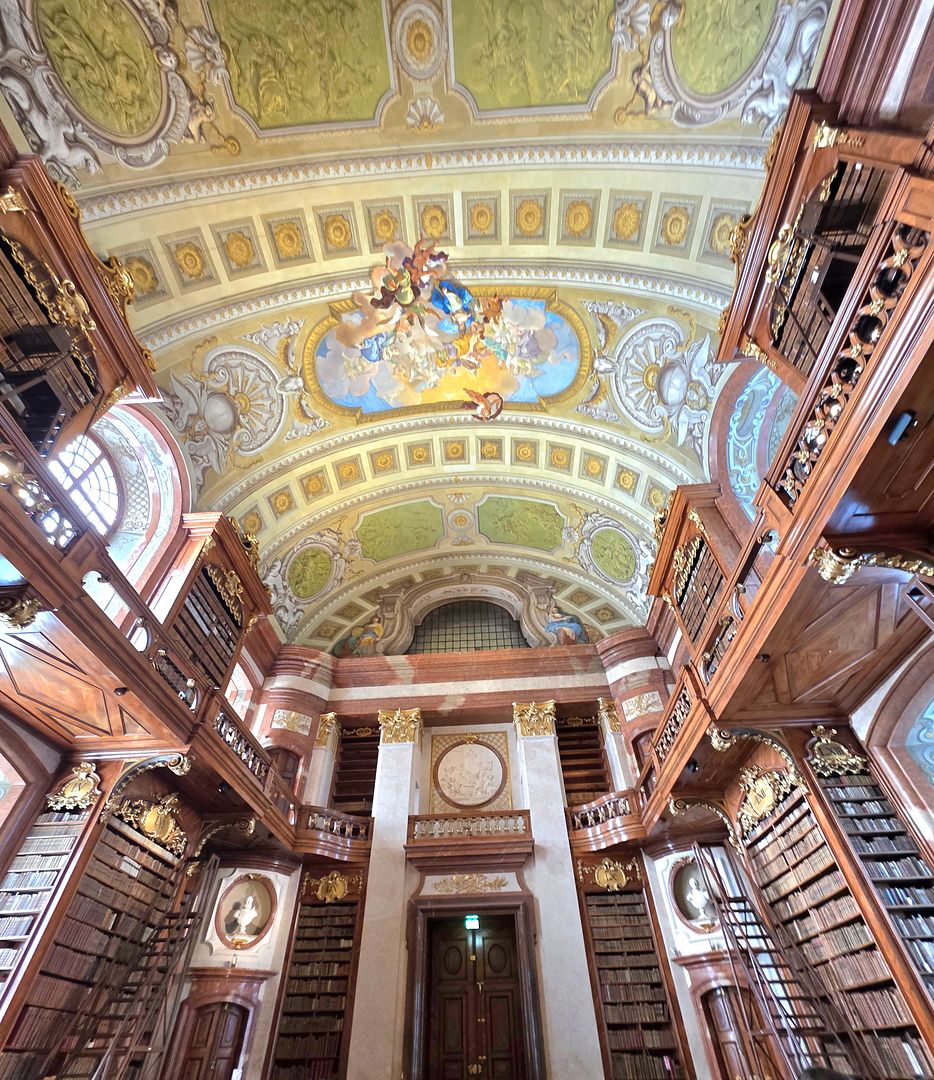
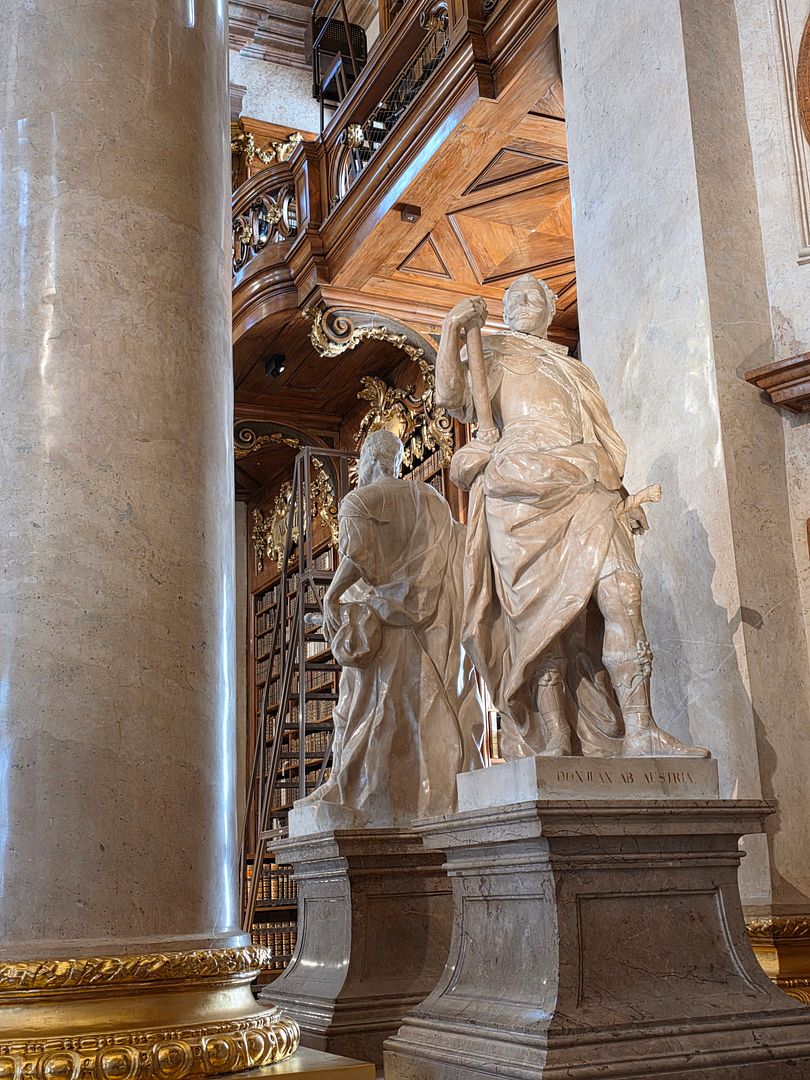
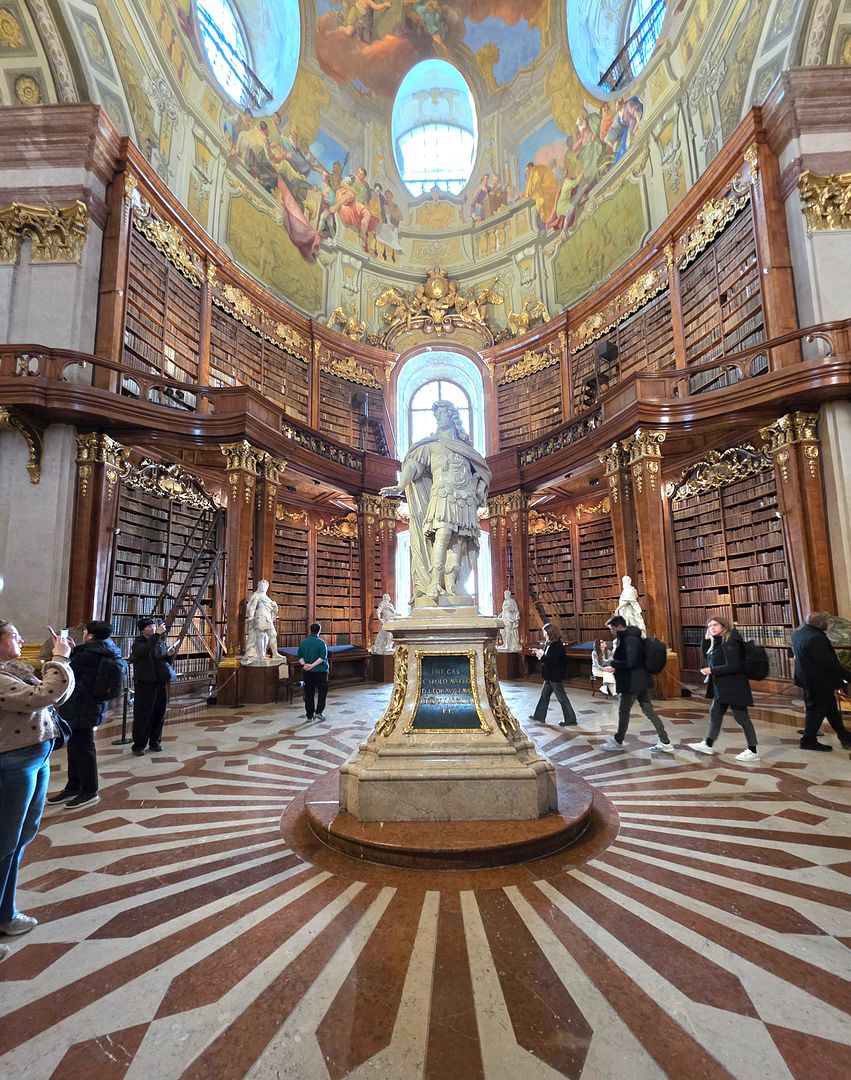
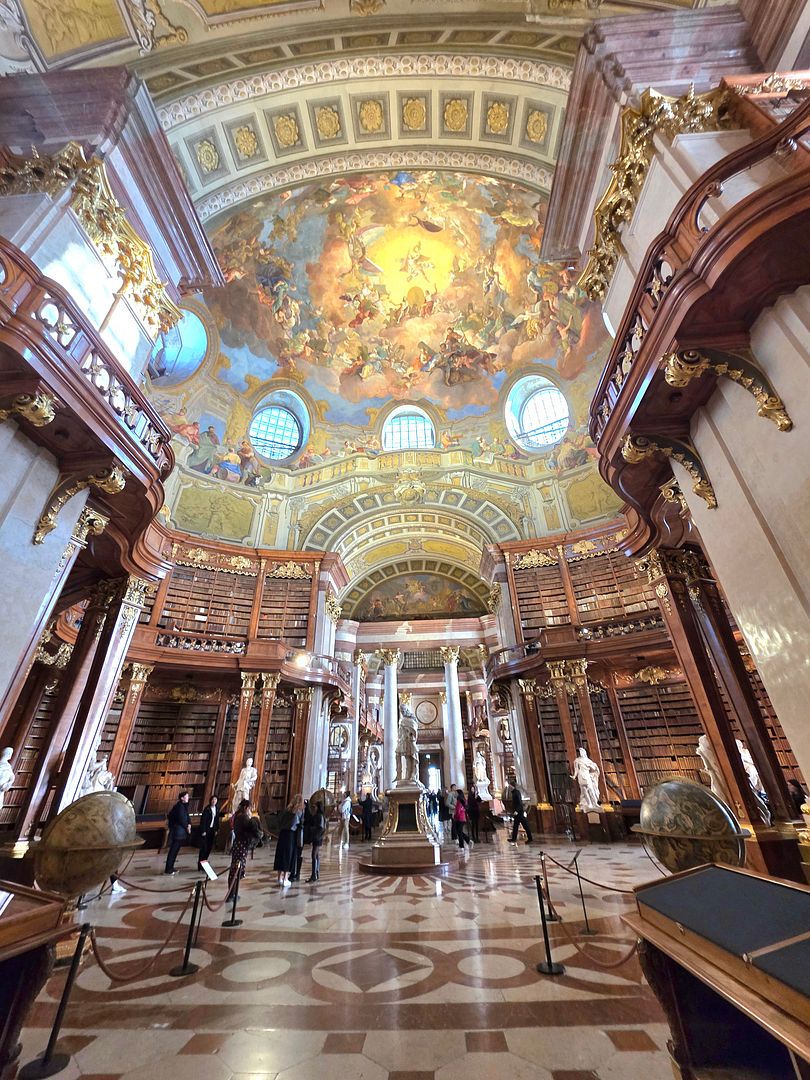
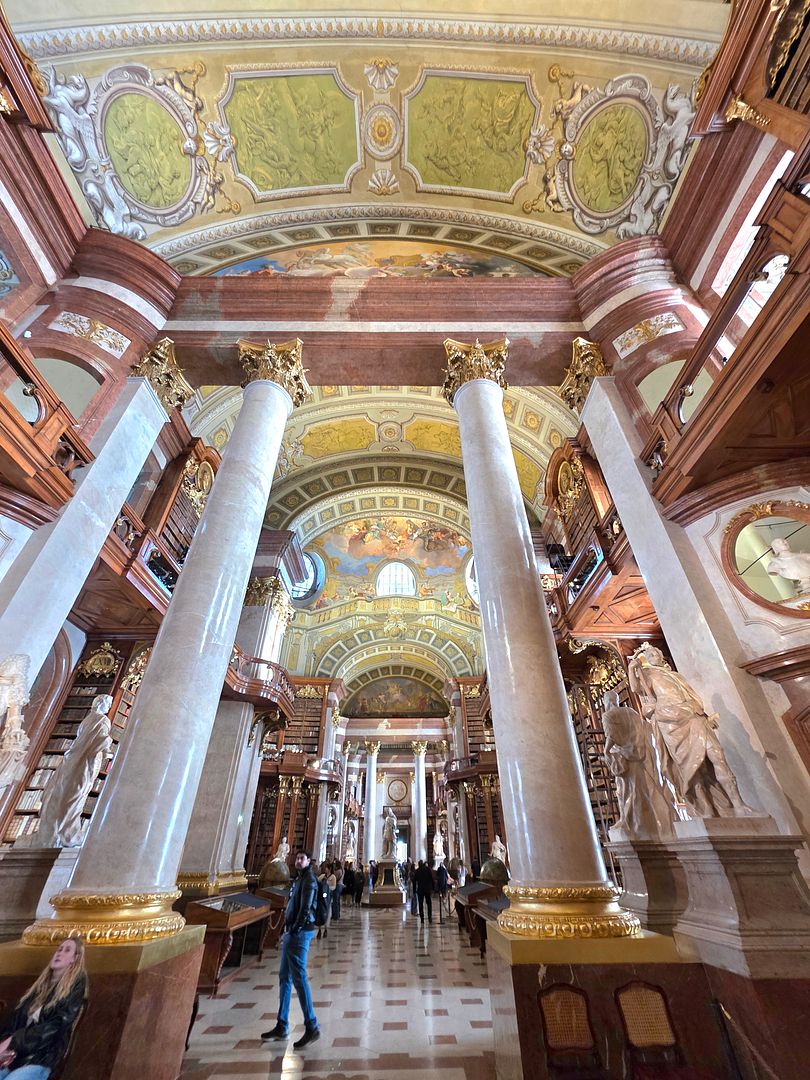
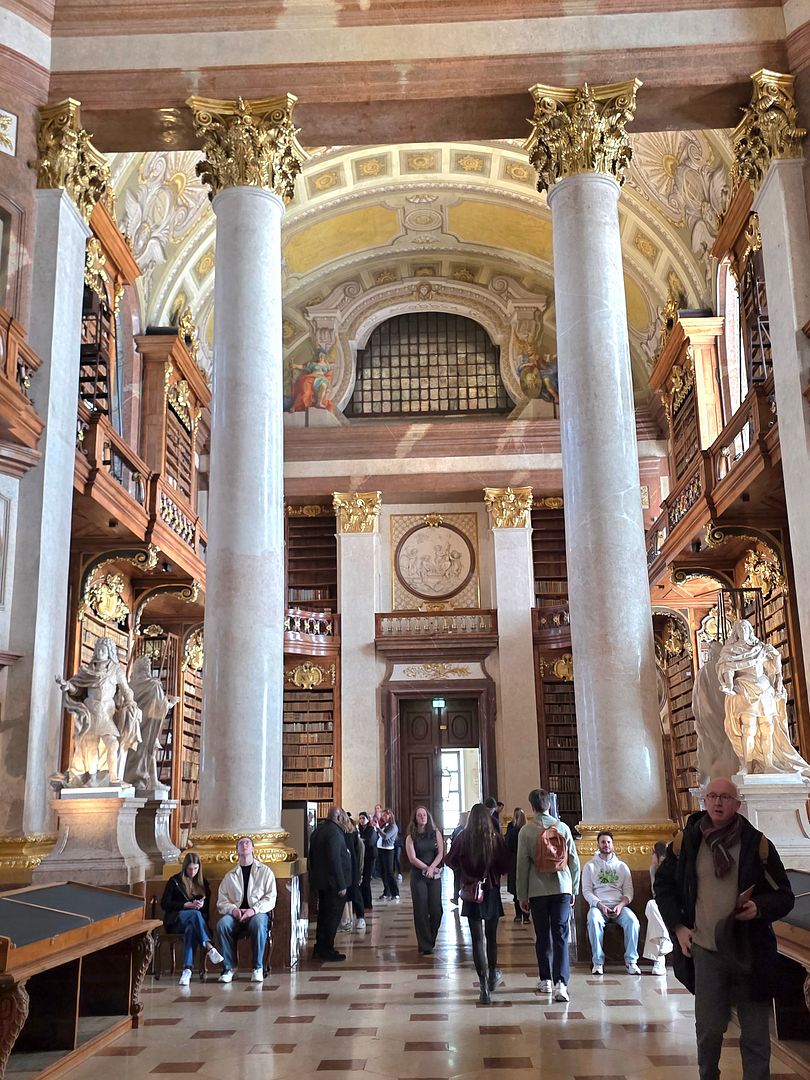
It was a jaw dropping experience to walk around and take it all in. If you would like to learn more click on this link.

Europe’s largest Baroque library houses over 200,000 historic books on its richly decorated wooden shelves. The State Hall is rightly one of the most beautiful library rooms in the world.

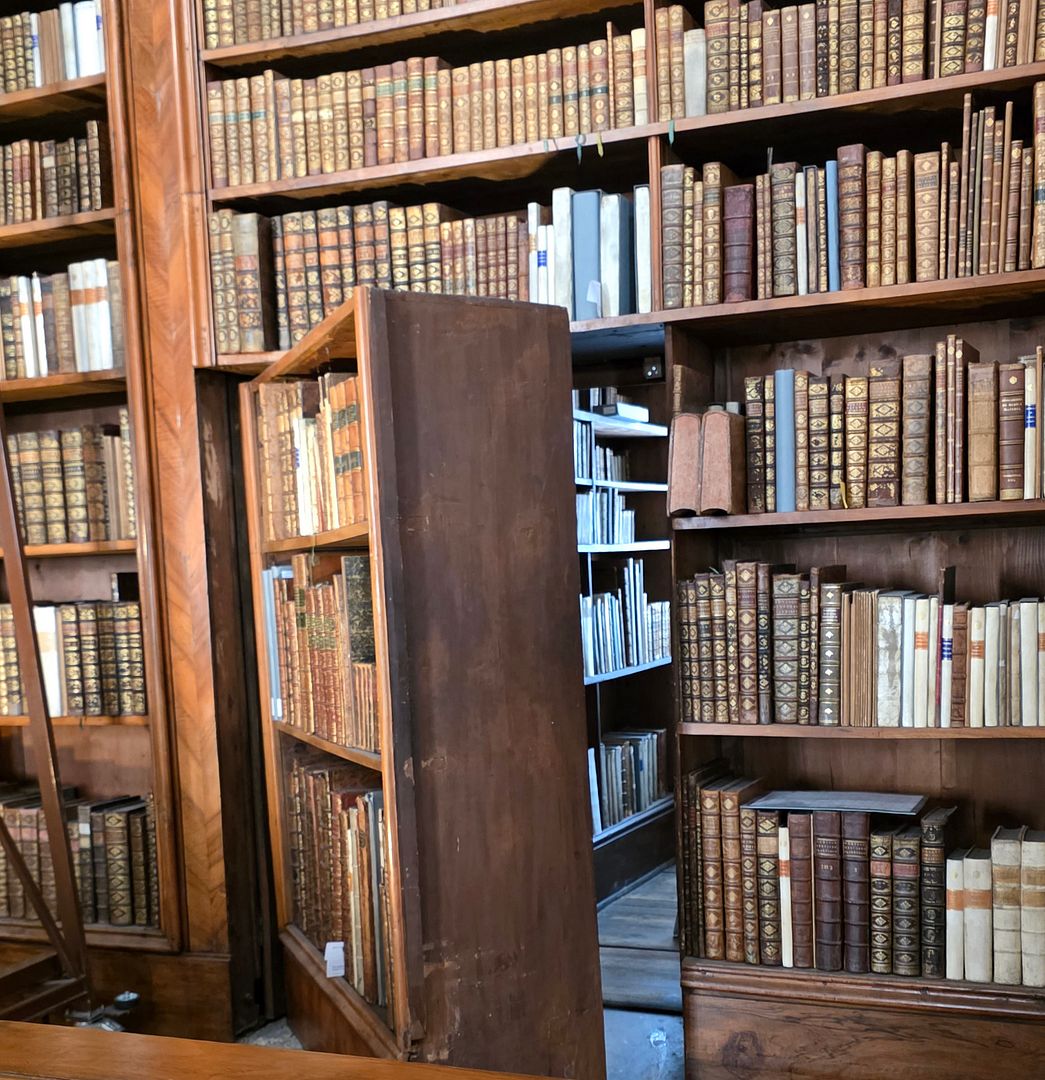
Secret bookshelf doors were a fun surprise, too.

We were glad we could visit this beautiful library.

After the library we made our way to the designated bus shuttle service that would take us back to the river boat. We would leave Vienna for our final leg back to Budapest on this evening.

Vienna Part 5- Schönbrunn Palace

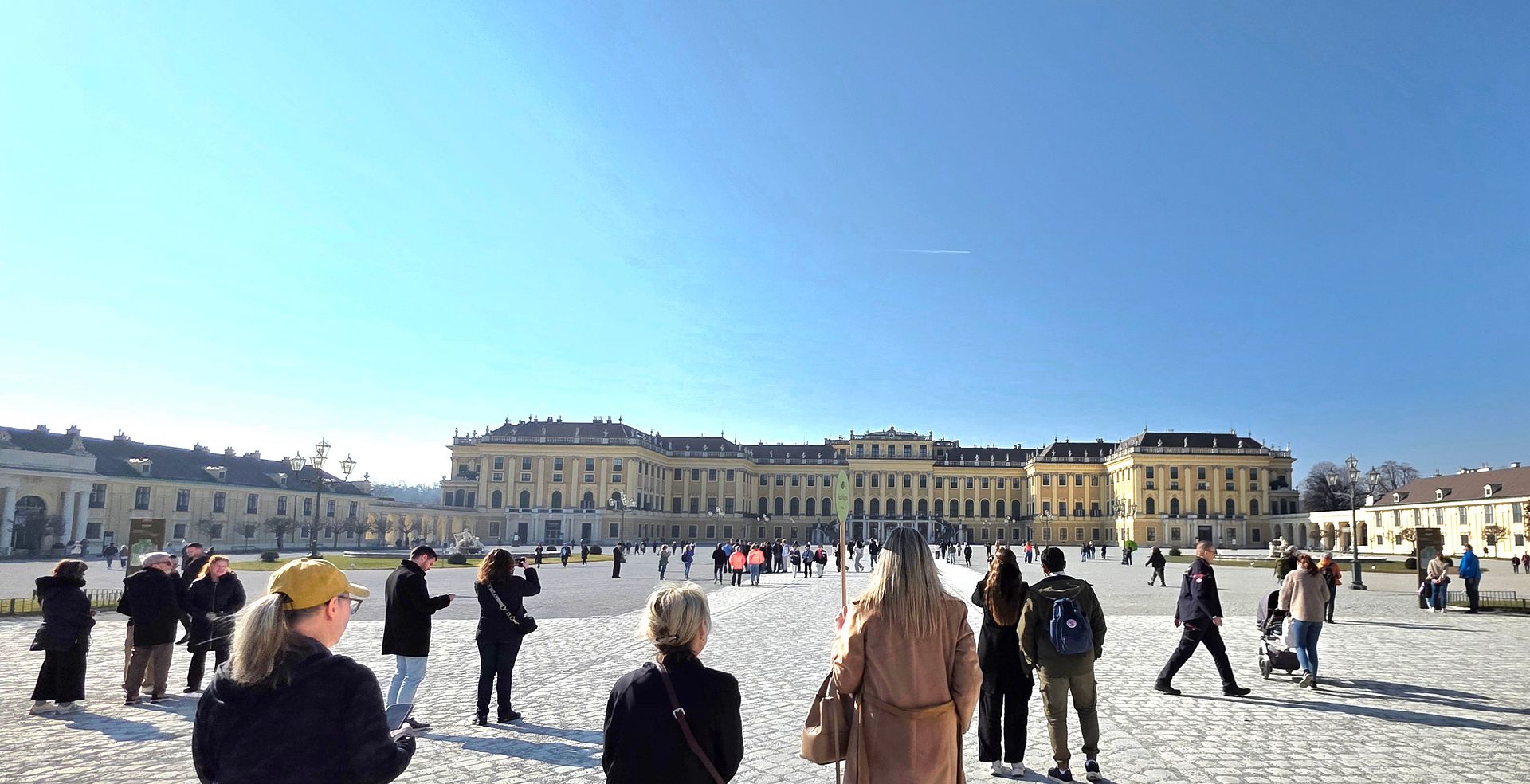
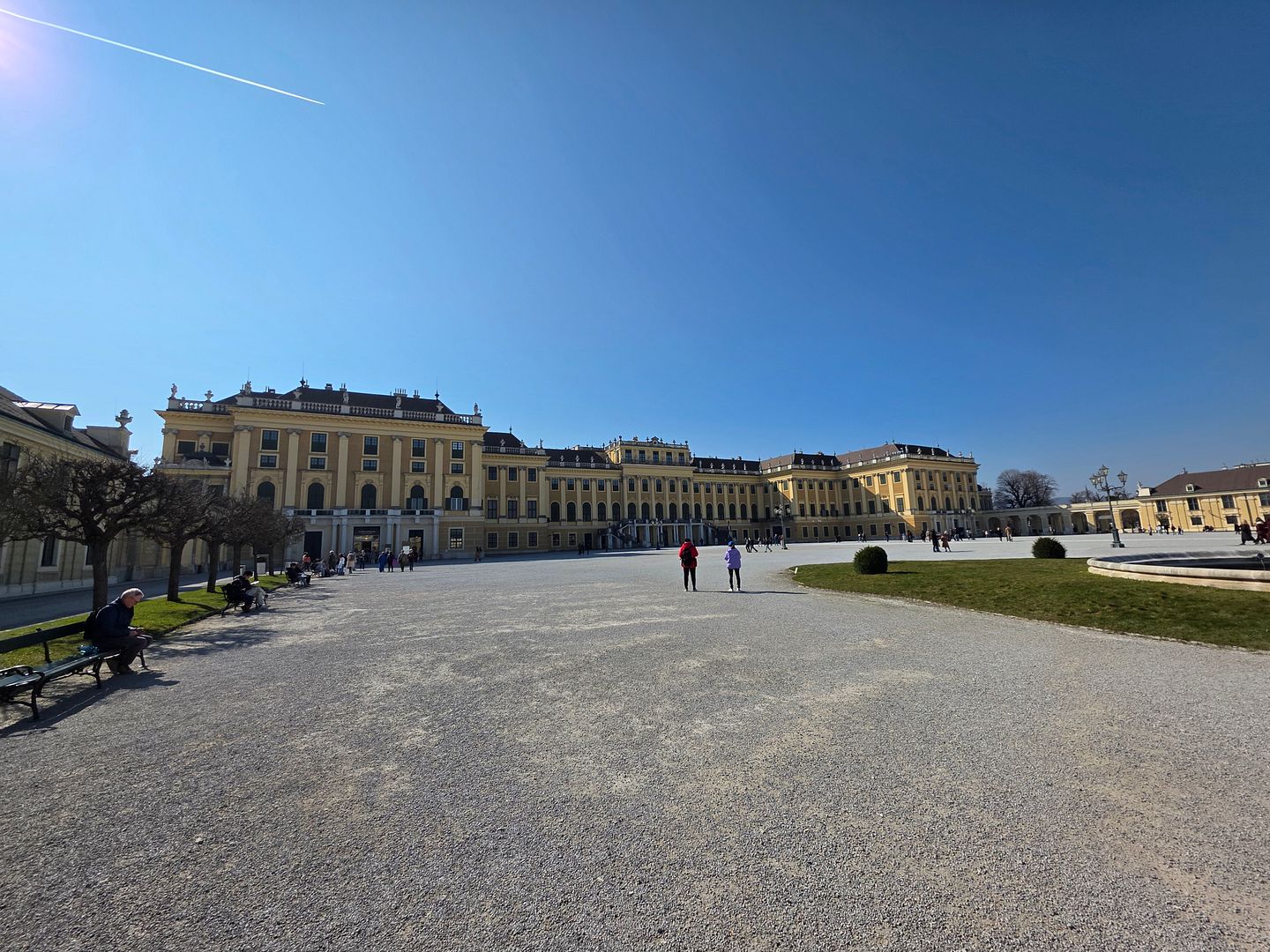
After breakfast aboard the AmaMagna on Friday March 6th we had a morning excursion to Schönbrunn Palace.

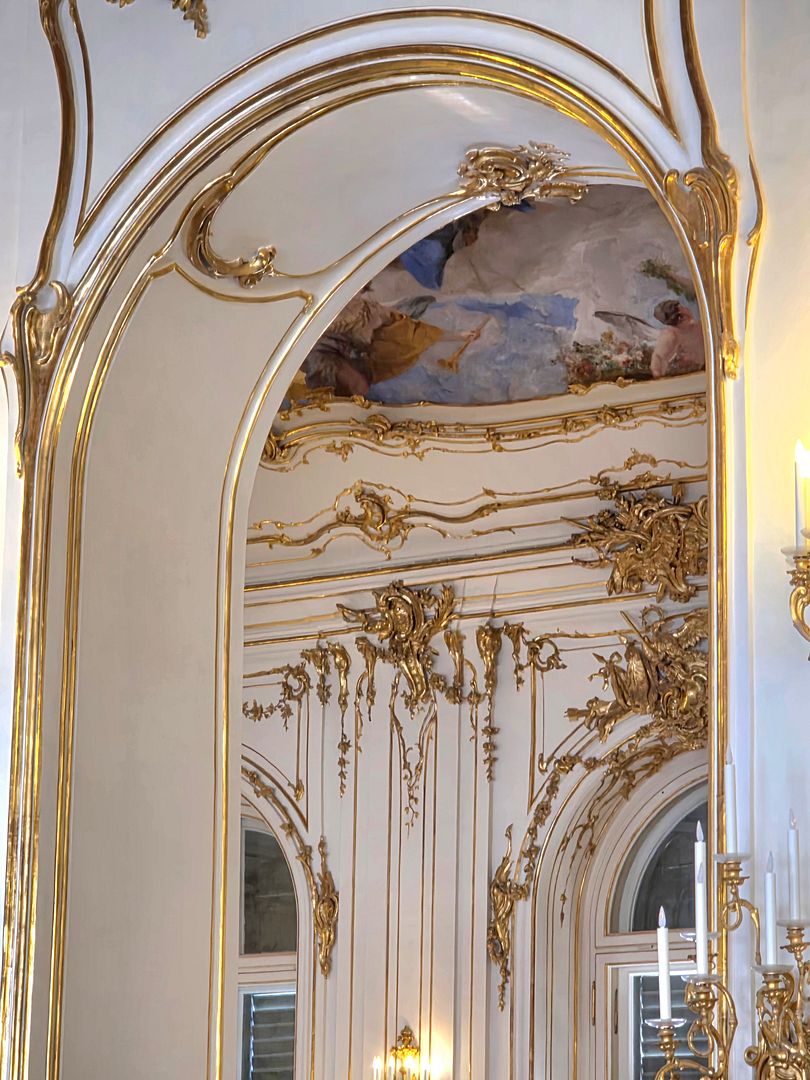
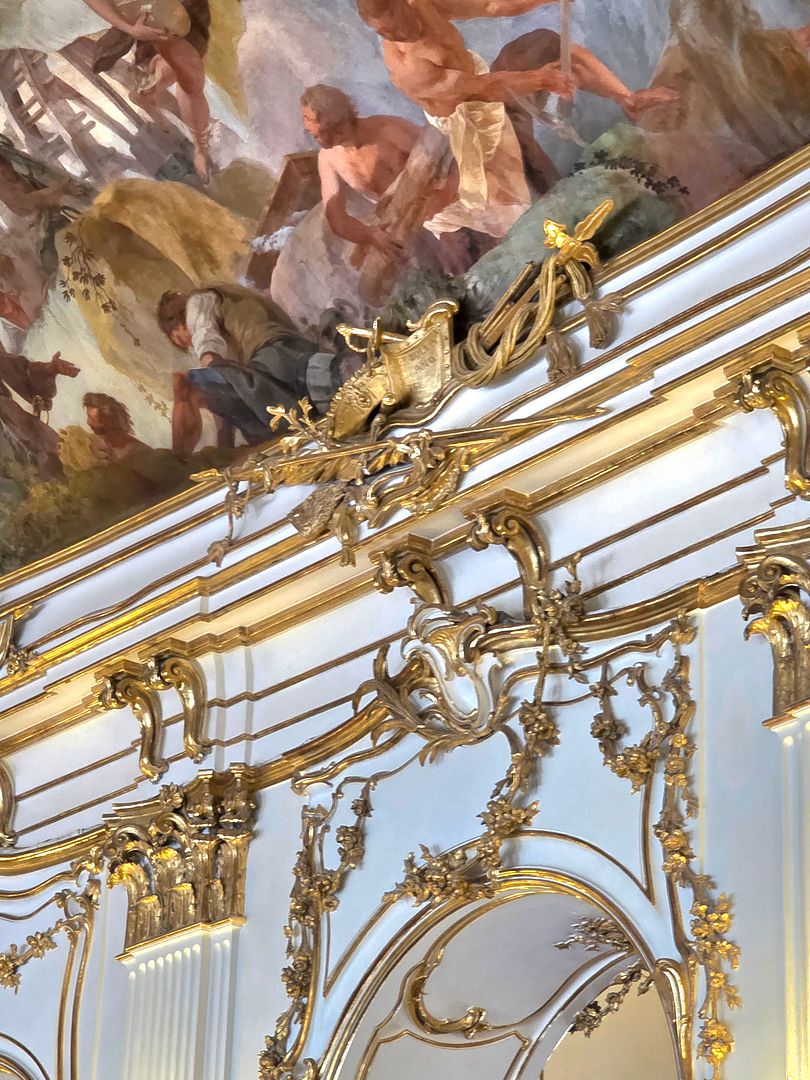
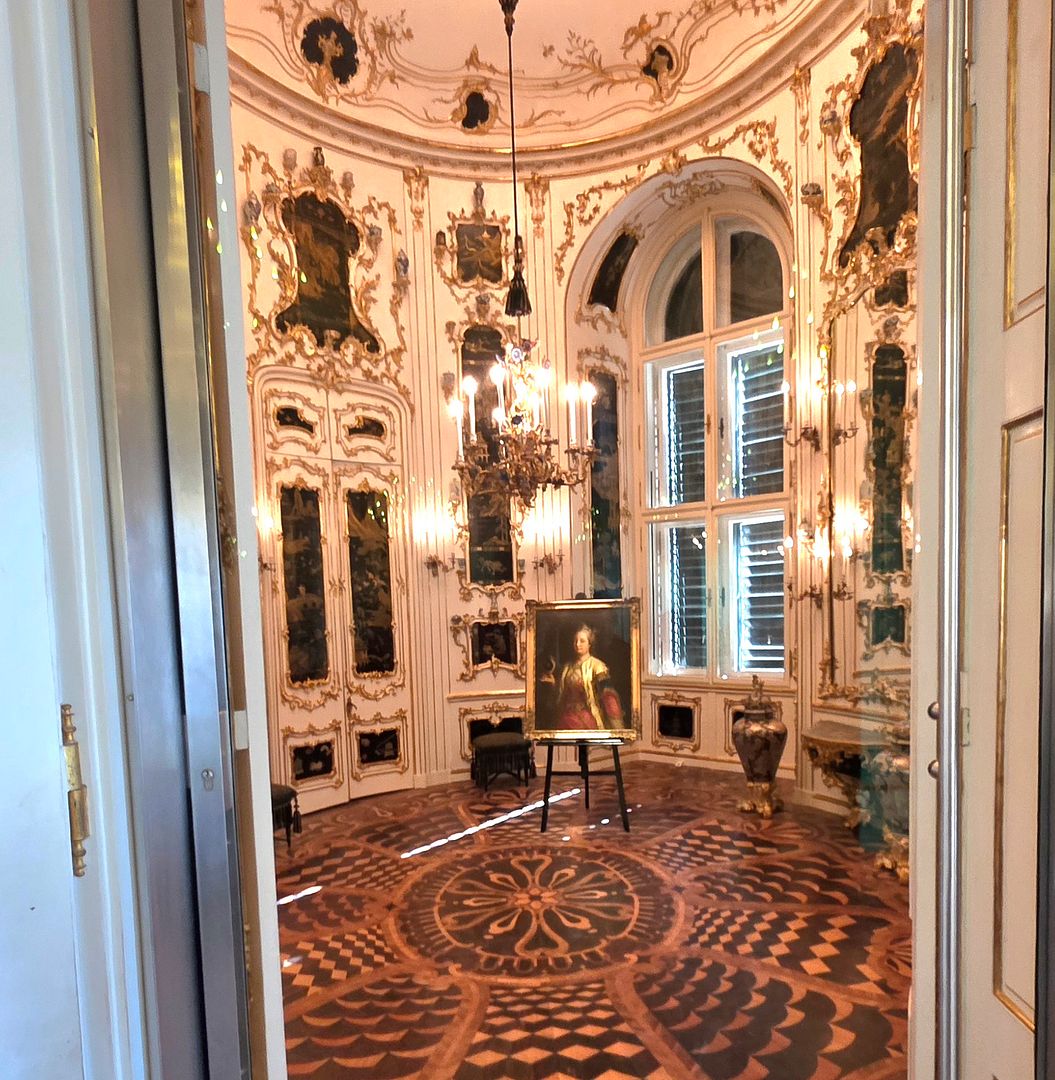
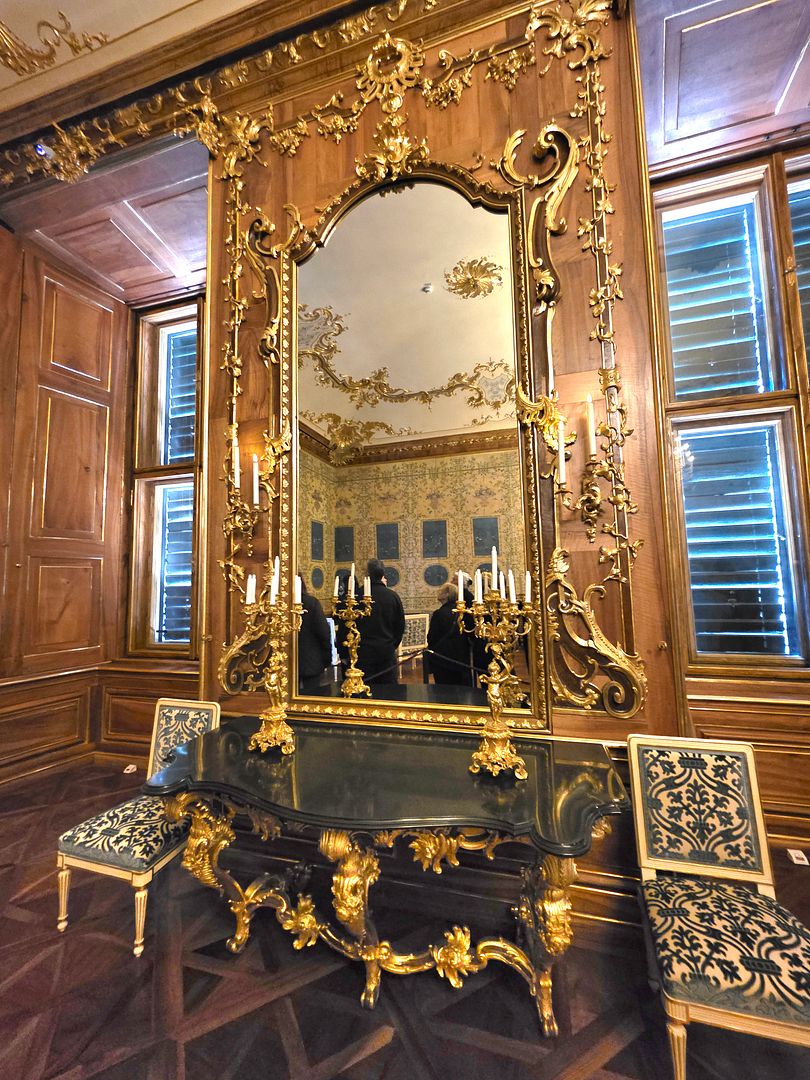
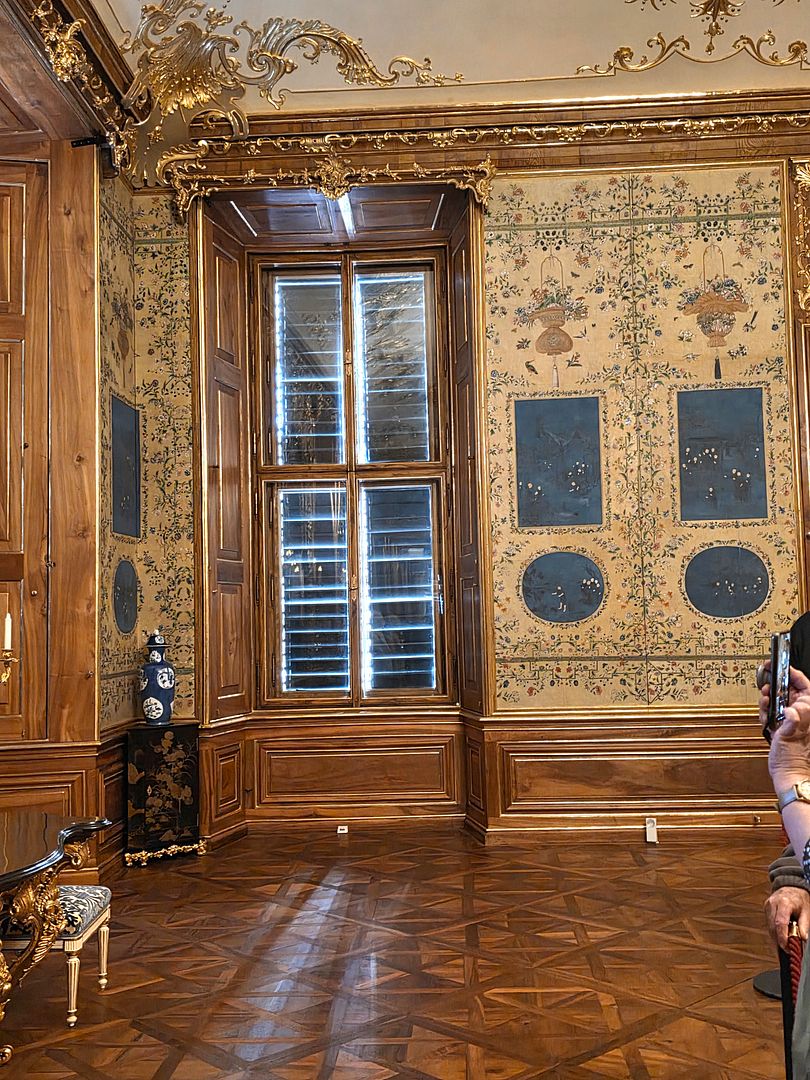
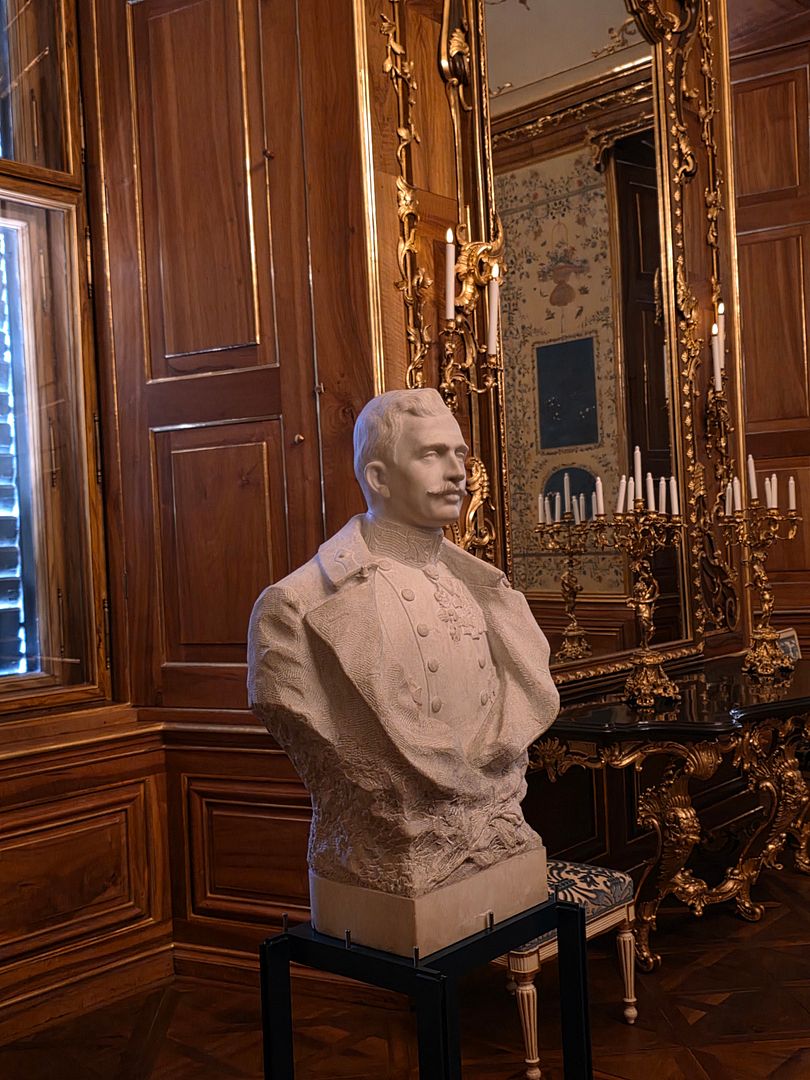
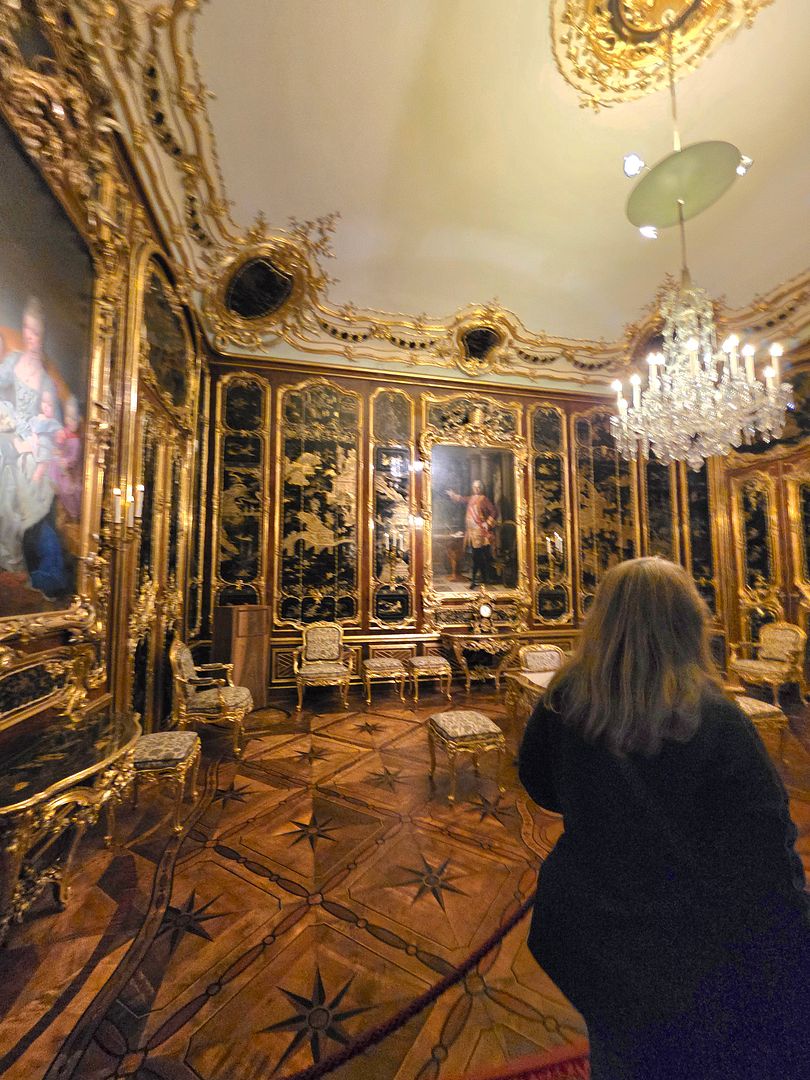
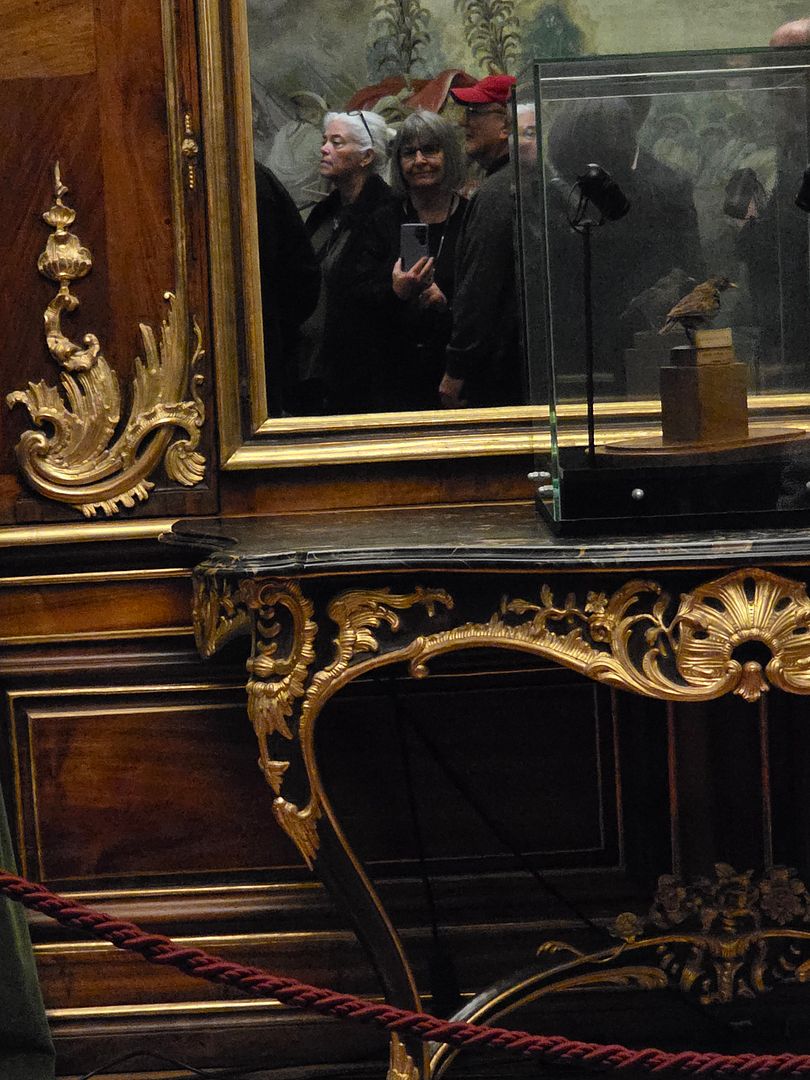
The palace is an exquisite example of Baroque architecture and opulence, illustrating the tastes, interests and aspirations of successive Habsburg monarchs. Built as a summer residence of the Habsburg Emperors and spanning an astounding 1441 rooms, this Rococo palace soon became one of their favorite homes. 

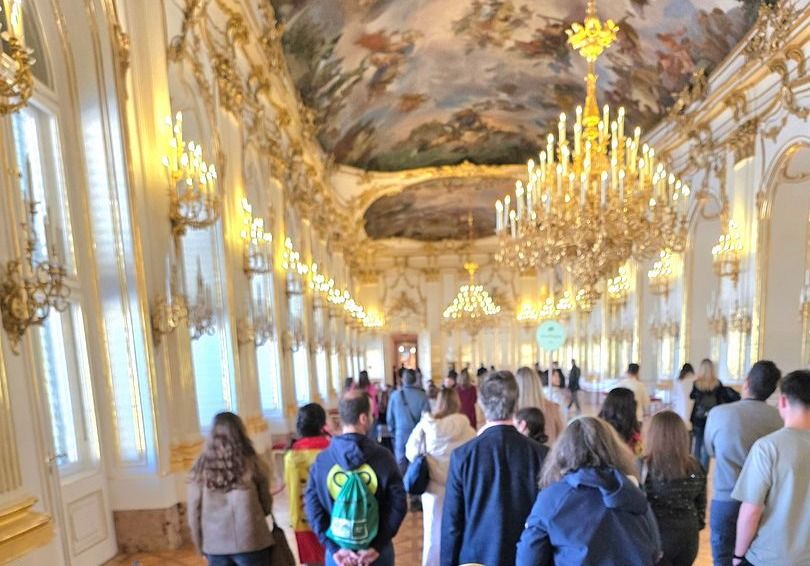
We entered the Grand or Great Gallery.

The most significant official event to have taken place in the Great Gallery in the international context was the legendary encounter between US President John F. Kennedy and the Soviet Prime Minister Nikita Khrushchev in 1961.

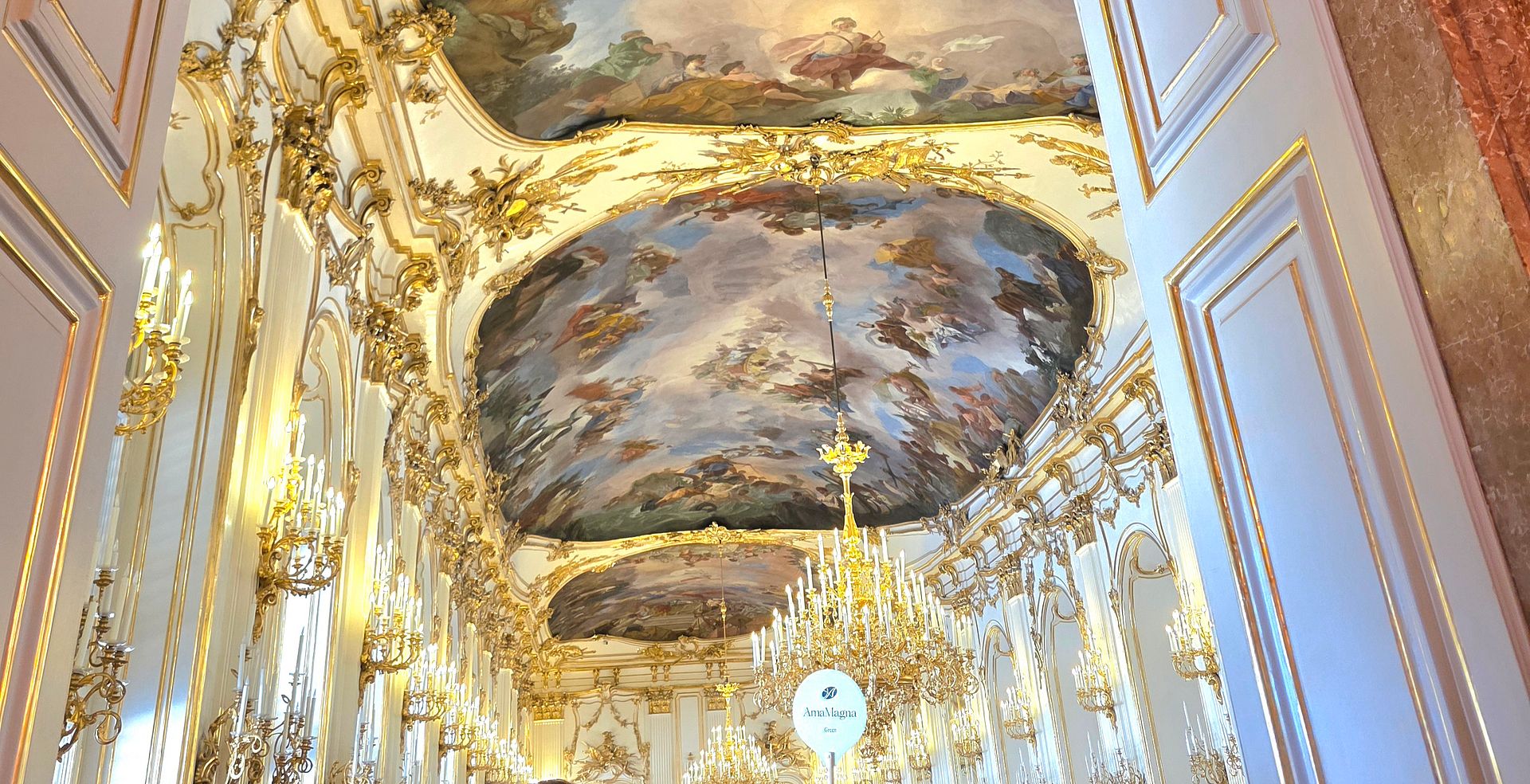
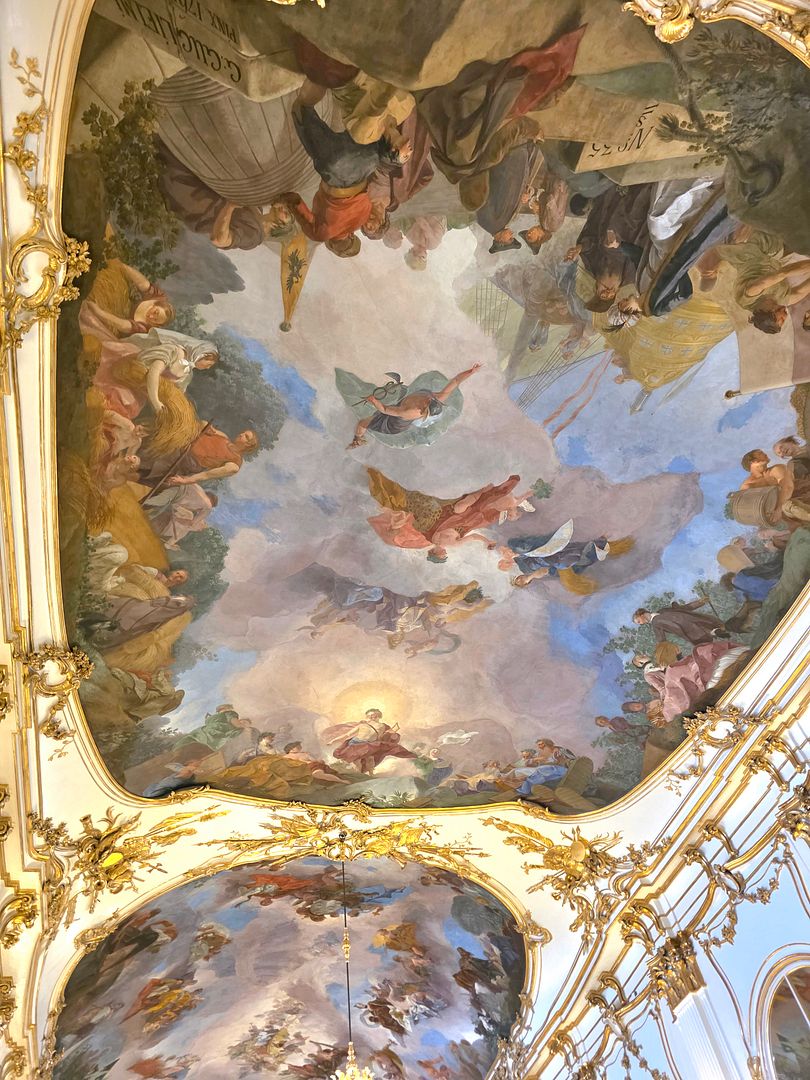
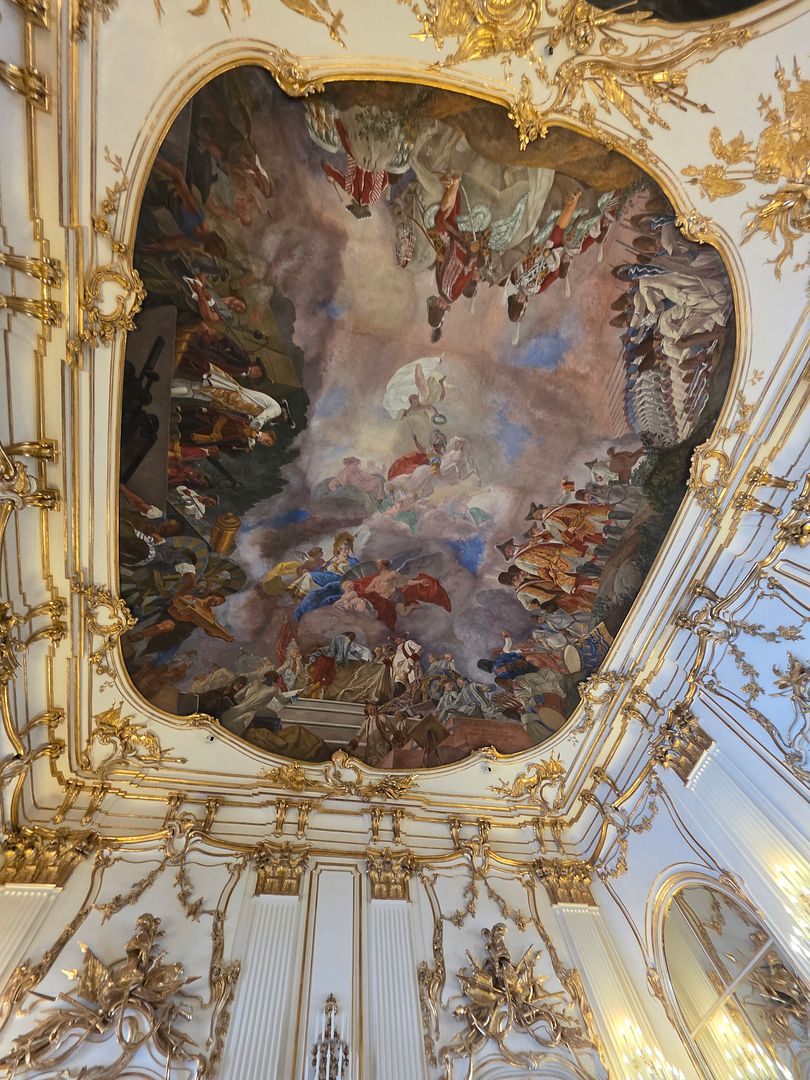
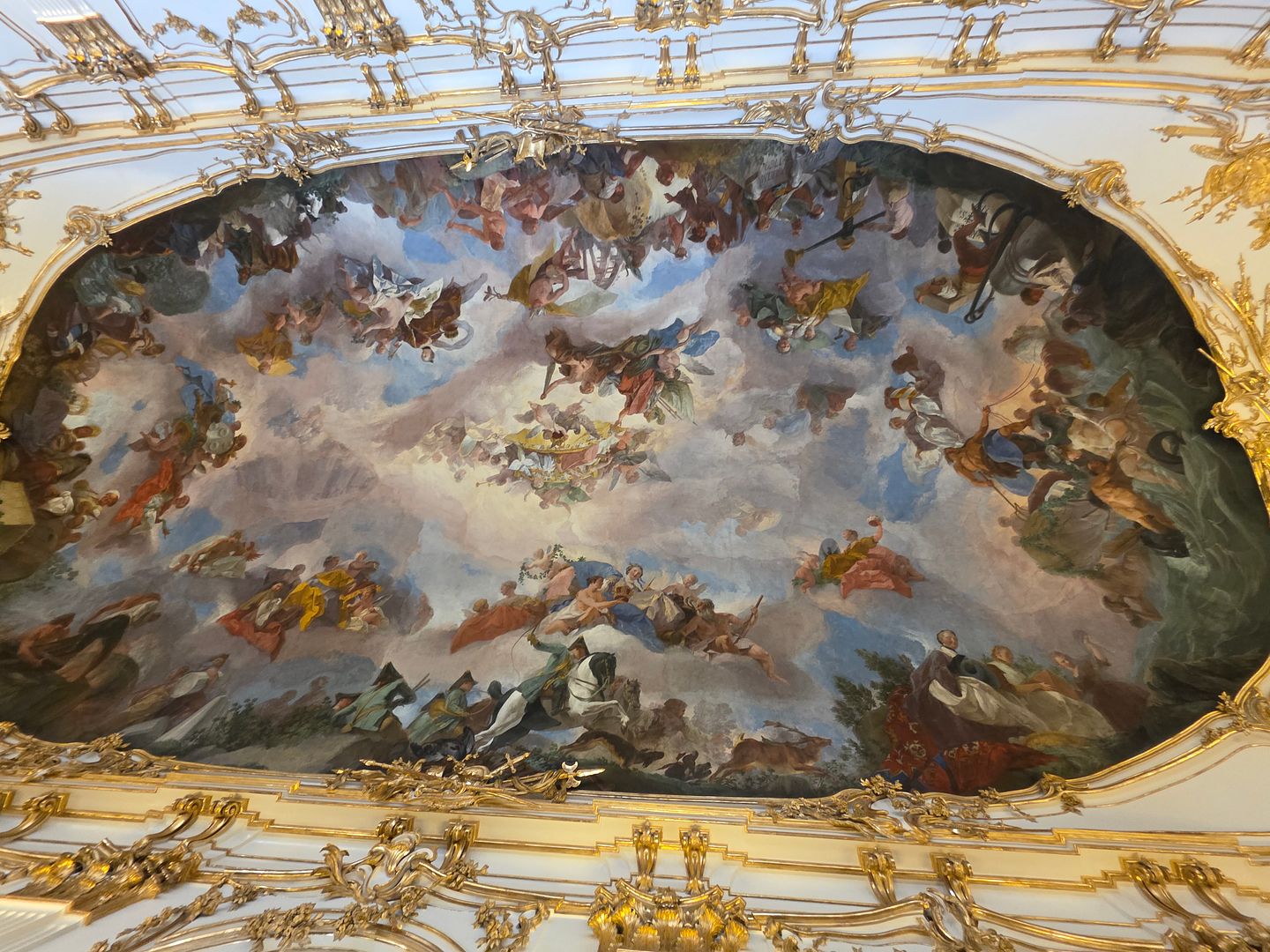
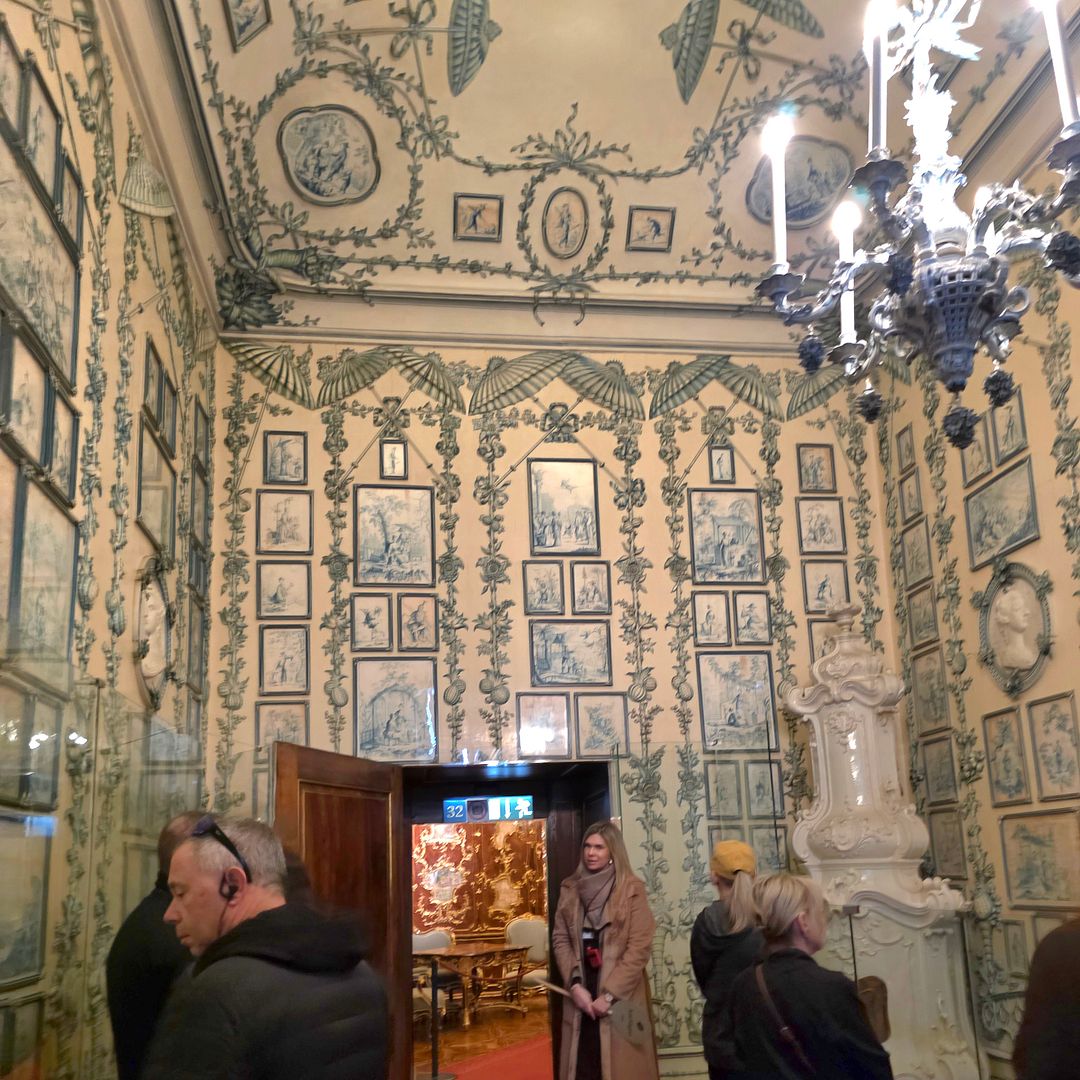
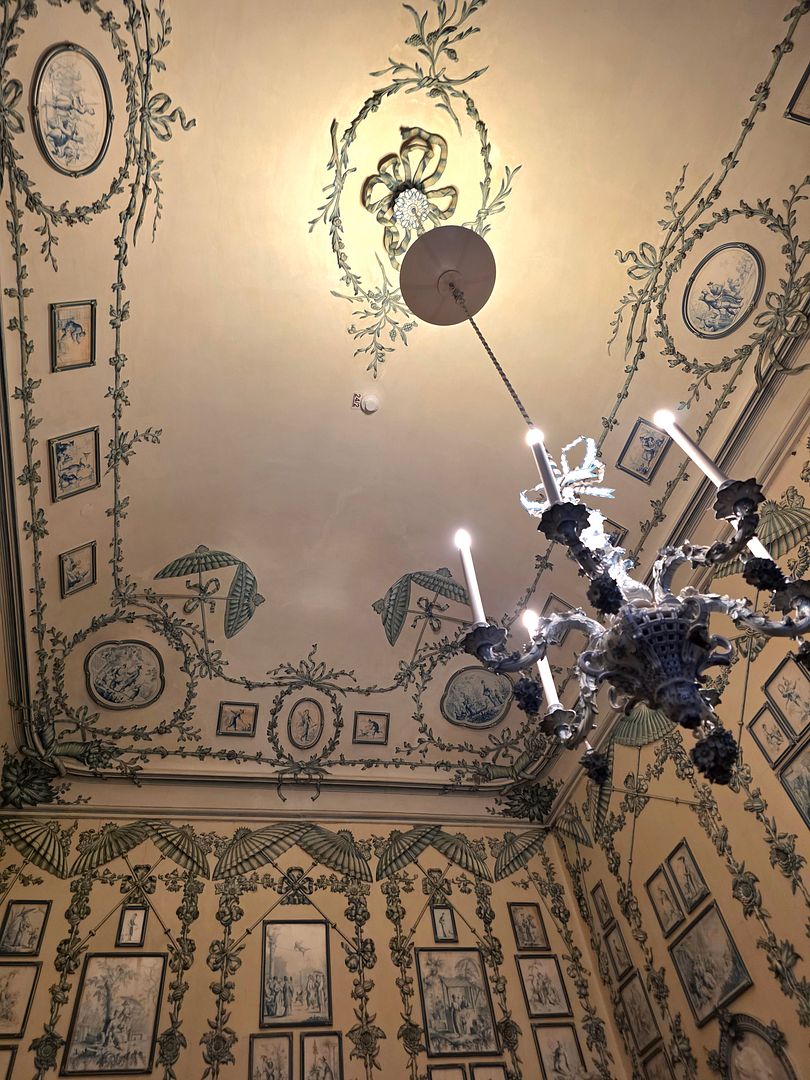
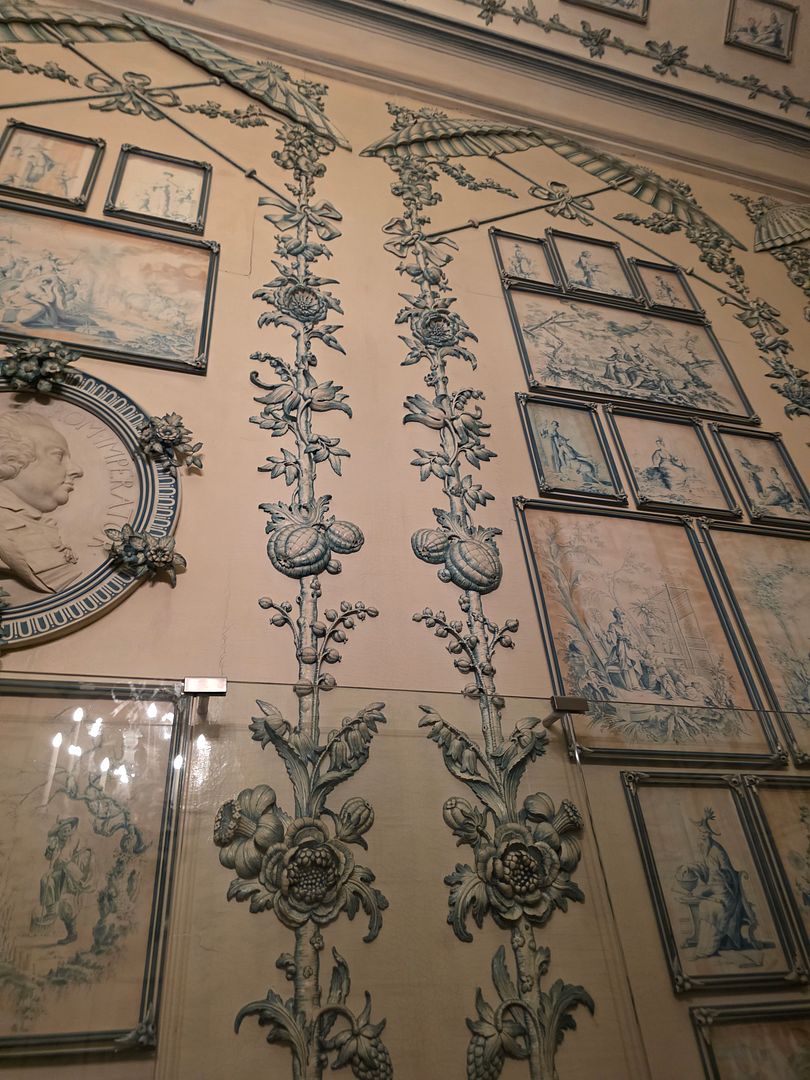
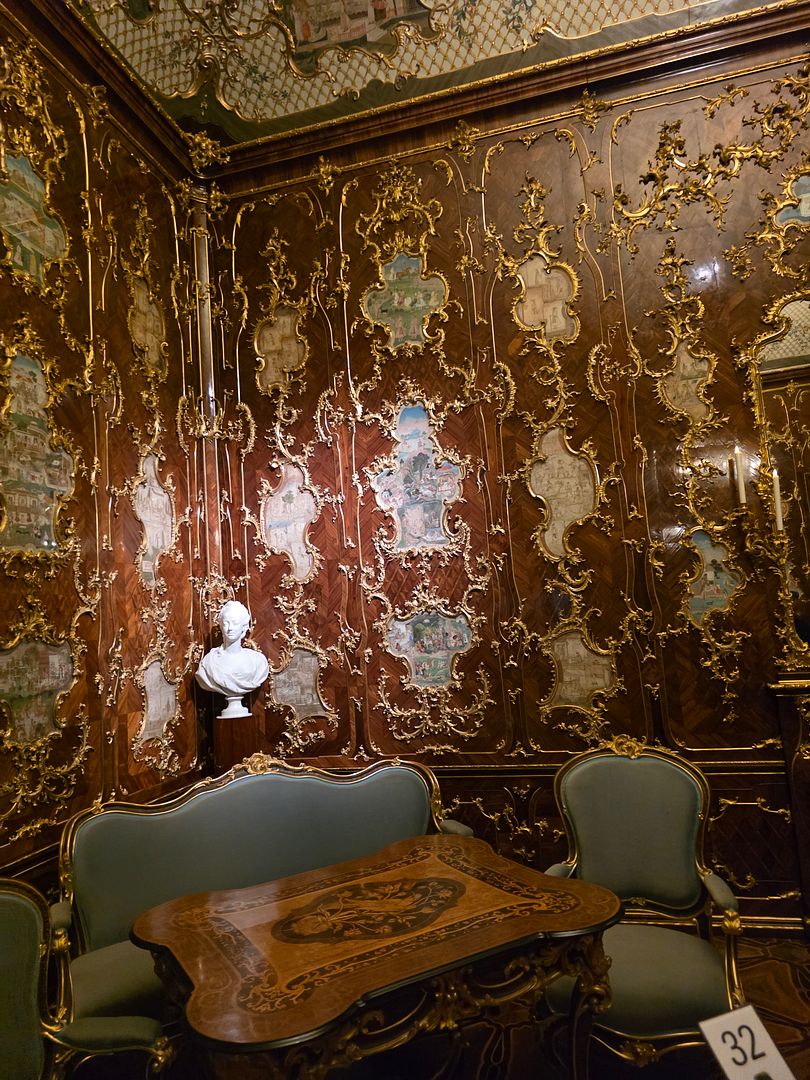
The Great Gallery is the palace’s ceremonial hall and is not merely the architectural centrepiece of the palace: its decorative programme glorifies Habsburg rule under Maria Theresa.

One of the frescoes fell victim to a bomb dropped in April 1945, in the final days of the Second World War. It was replaced with a copy painted by Paul Reckendorfer and Carl Krall in 1947/48.

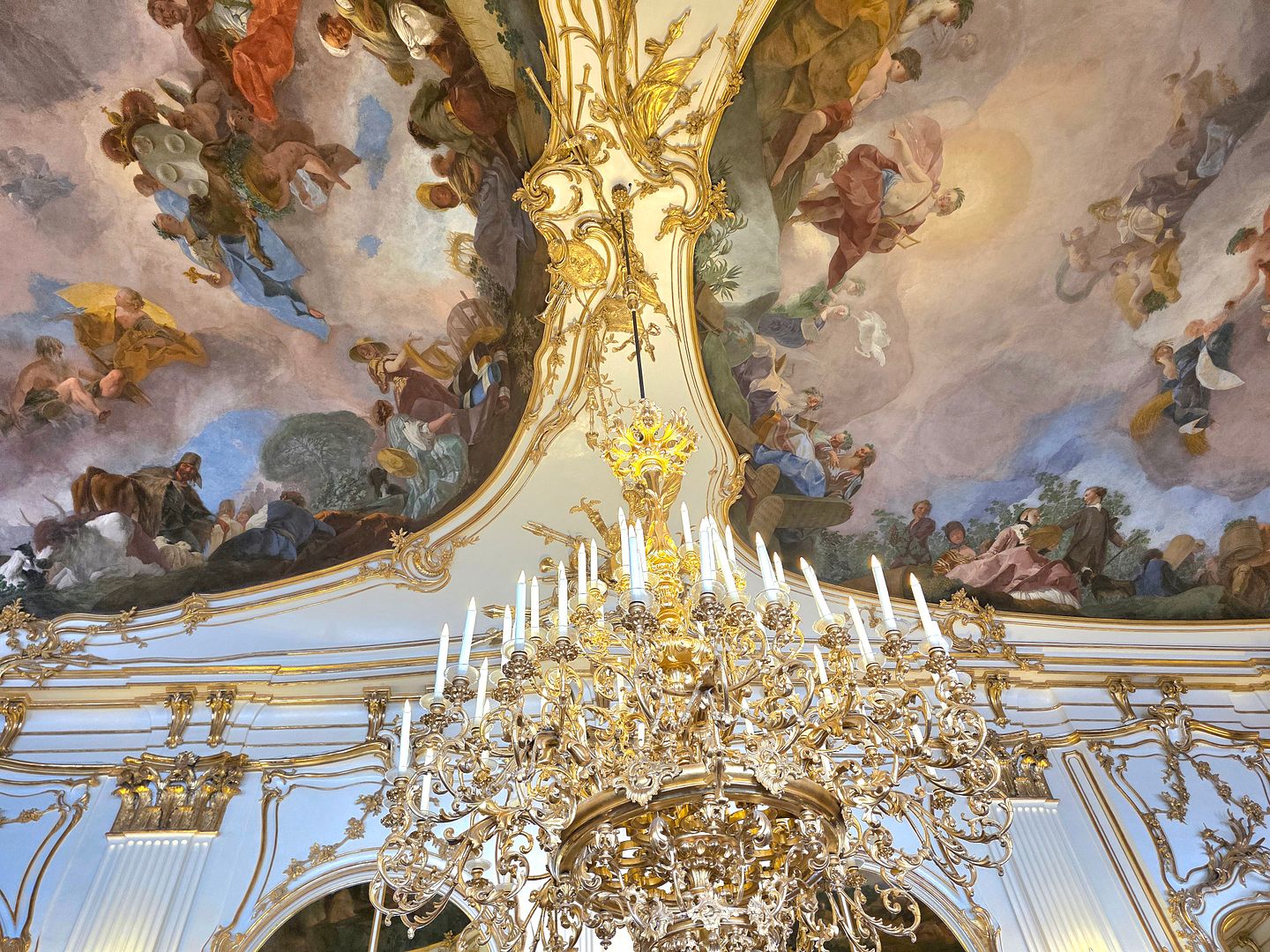
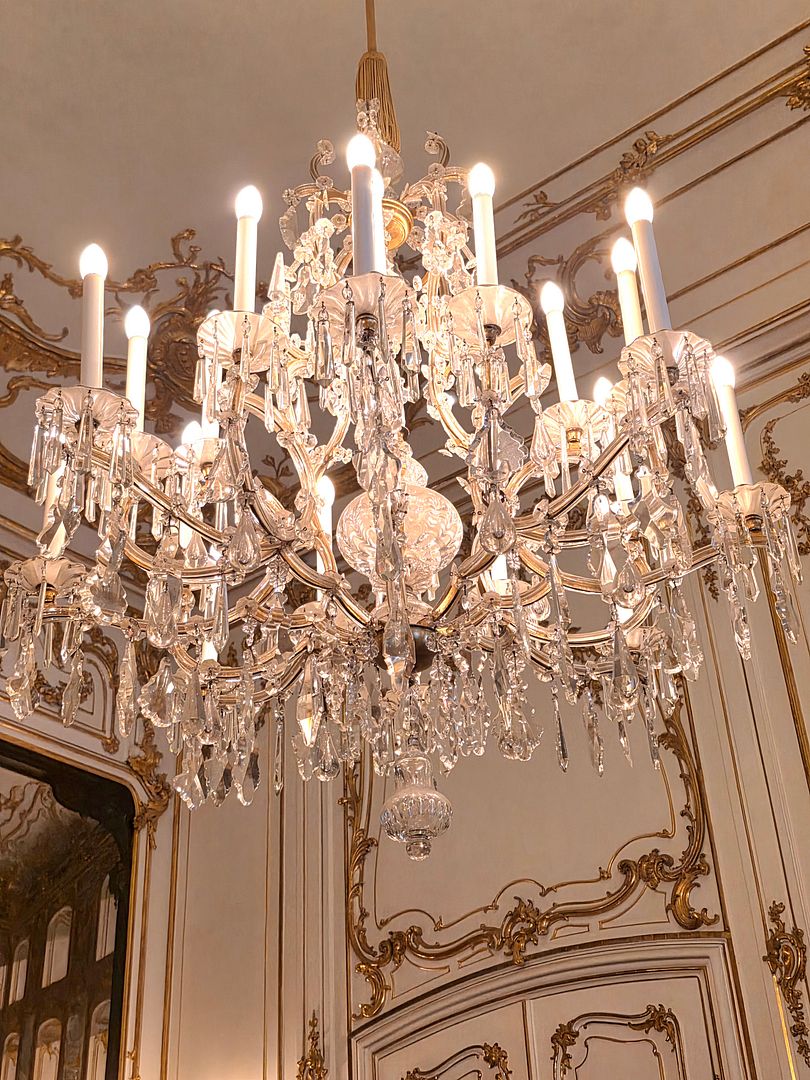
The chandeliers seen in the Great Gallery today are electrified versions of those that originally held candles, maintaining the historic aesthetic with modern technology. The link to the Great Gallery above has descriptions of the ceiling frescoes.

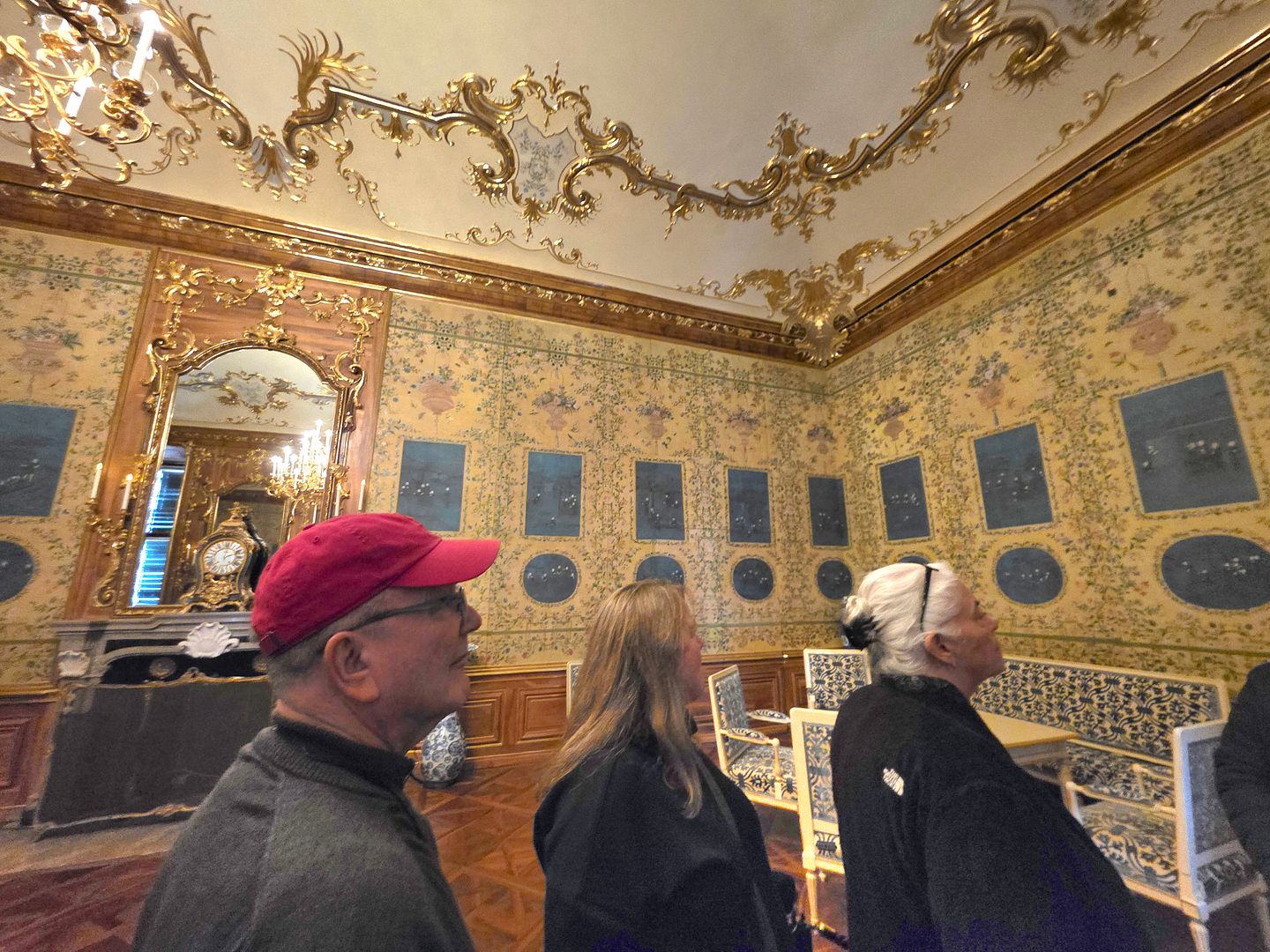
There I am alongside the man with the red hat. 🙂

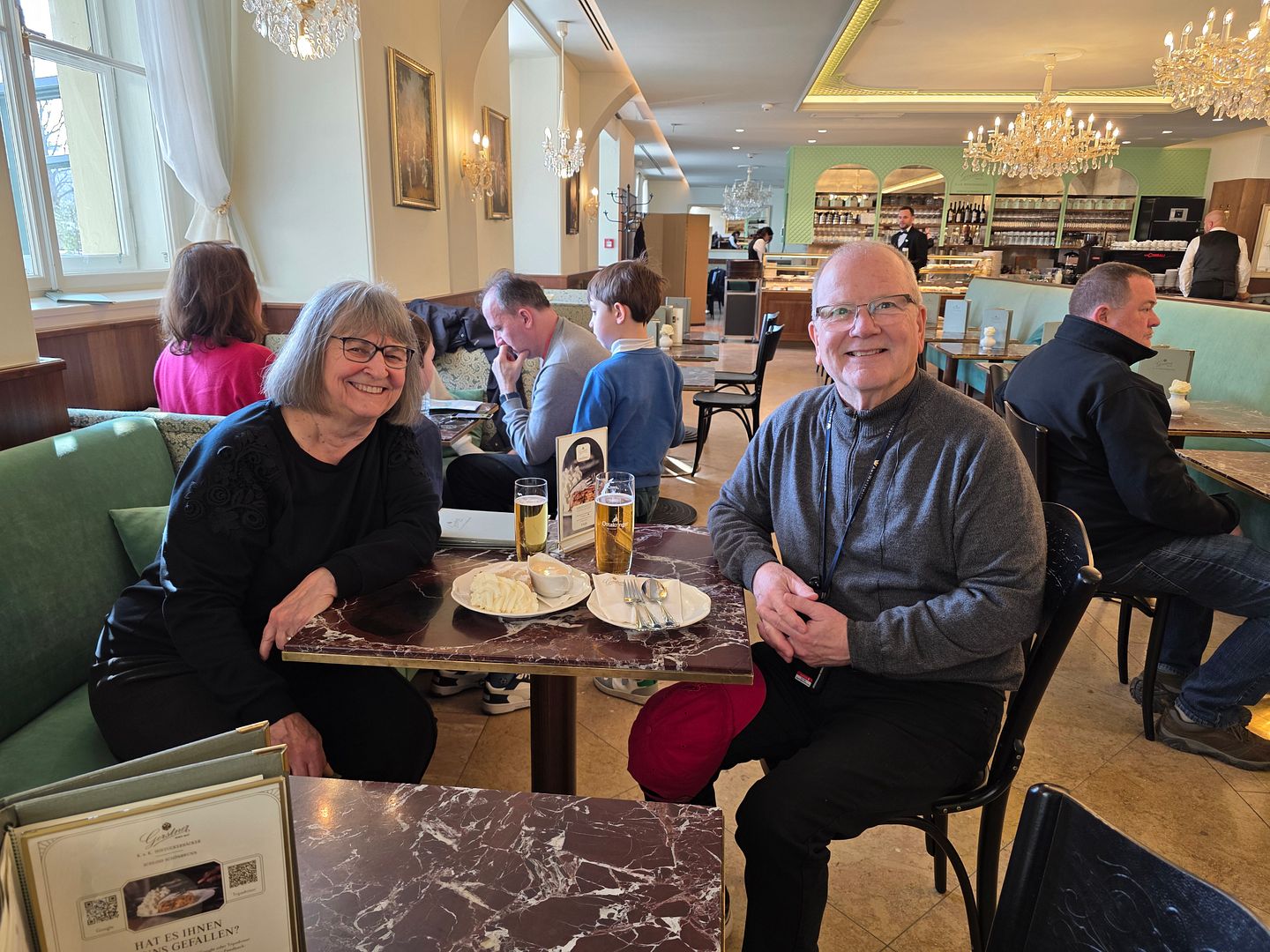
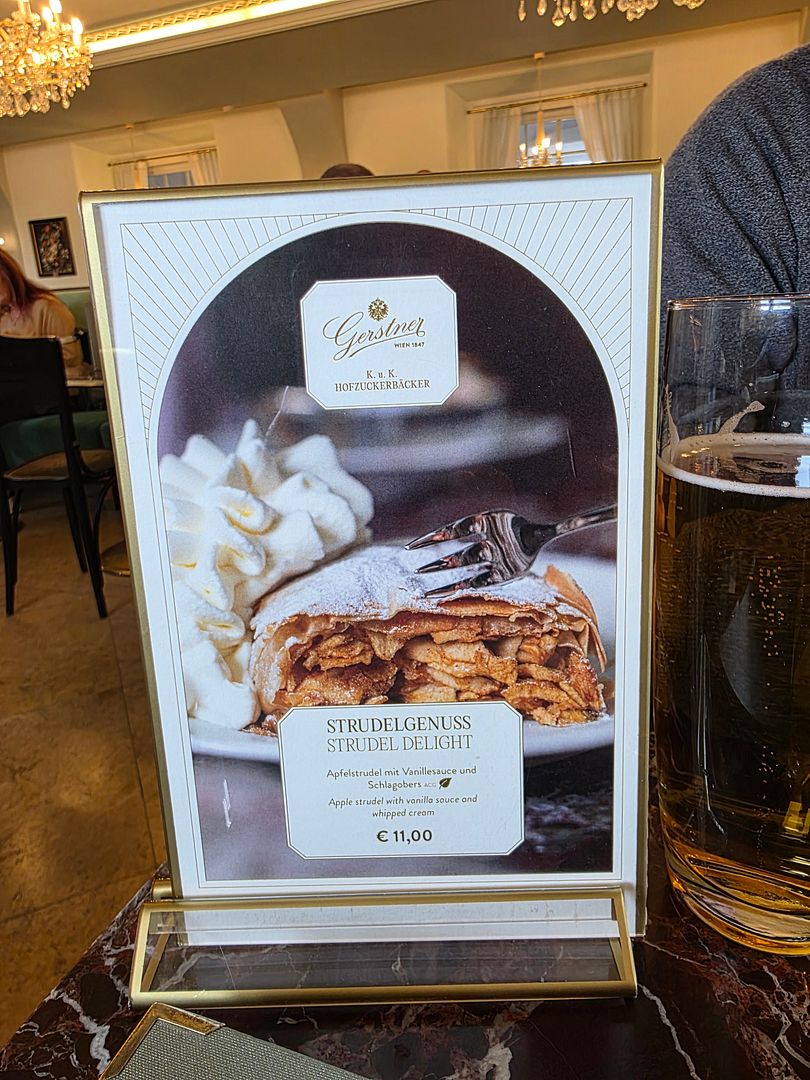
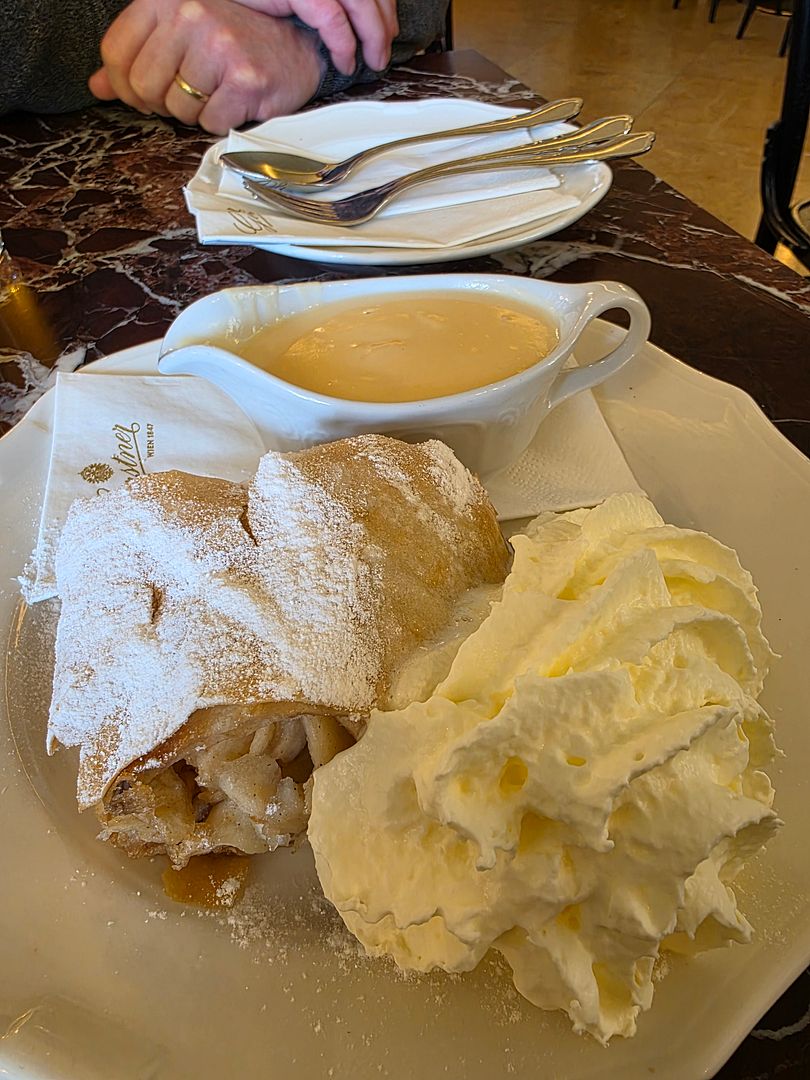
As soon as the tour of the palace was over we made our way to another building that housed a restaurant that served the Palace’s famous Apple Strudel still baked in the Palace ovens in the basement. We had limited time before we had to be back at the bus.

We had another ‘great minds think alike’ moment with the girls from Oklahoma and Colorado. We took each others photos.

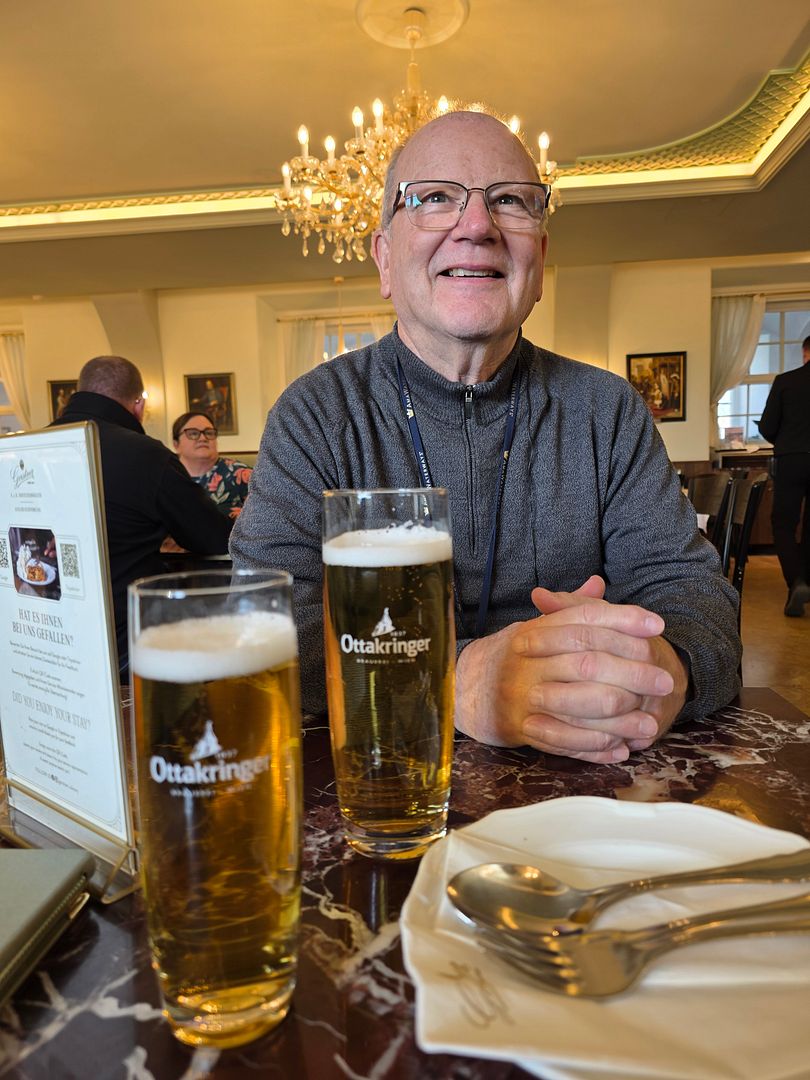
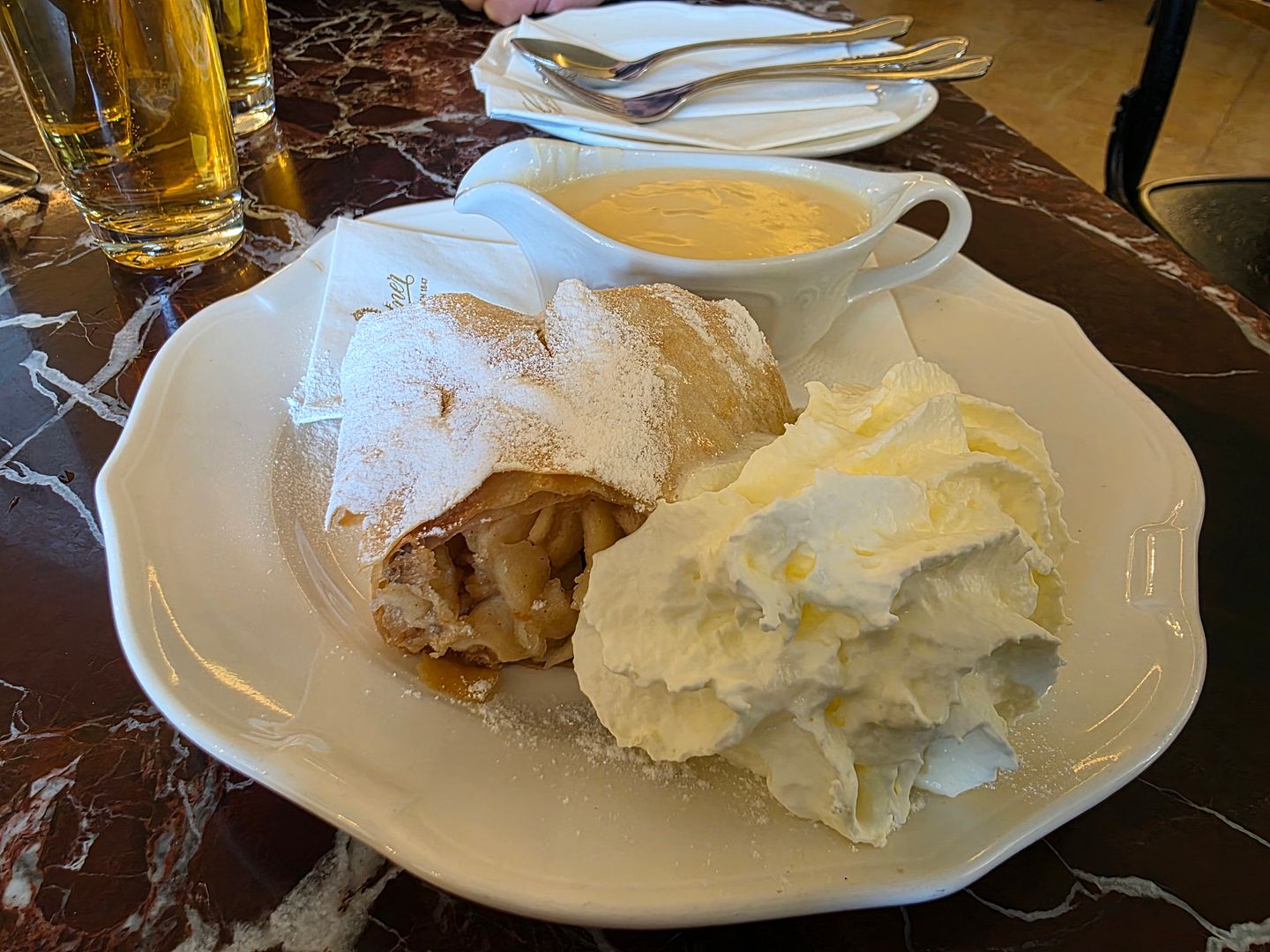
Our first apple strudel in Austria.

It was as good as it looks!!

We had an option to be dropped off in town instead of going all the way back to the boat and that is what we chose to do. There would be shuttle buses available downtown every half-hour to go back to the boat from 2:00 until the last shuttle at 4:00.

We wanted to find a authentic lunch spot and see some things on our own for the rest of the afternoon. That will be my final post for Vienna, Austria.


Vienna Part 4 ~The House of Strauss

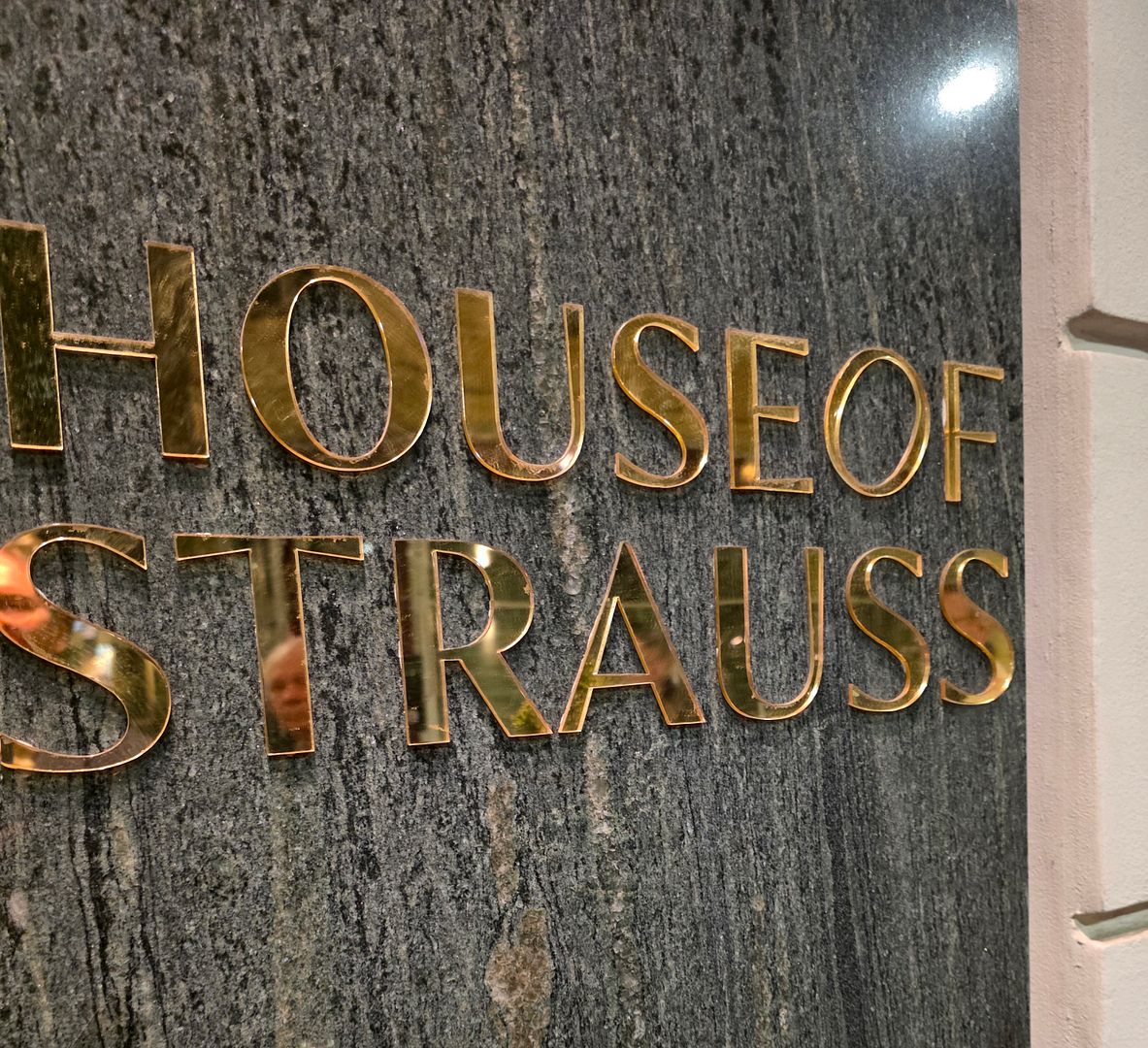
On Thursday evening, March 5th we had signed up for a special excursion that wasn’t part of our ‘package deal’. Being in Vienna we thought it would be a shame not to experience the music they are historically known for. Here is what our ‘daily cruiser’ said, There is no finer place to attend a classical concert than in Vienna, the “Music Capital of the World.” This unforgettable experience will be a mixture of the most popular compositions of Vienna’s favorite and most famed composers–as presented by local musicians.

I’m adding this commentary from the program we were given on this evening in Vienna.

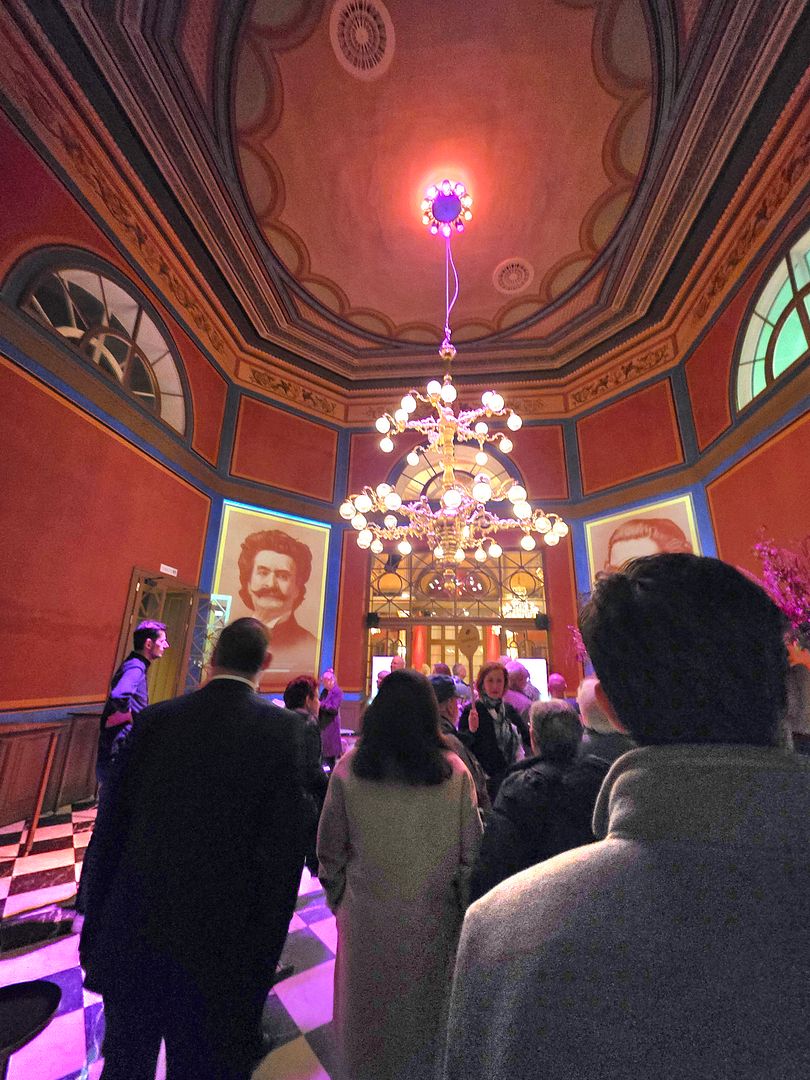
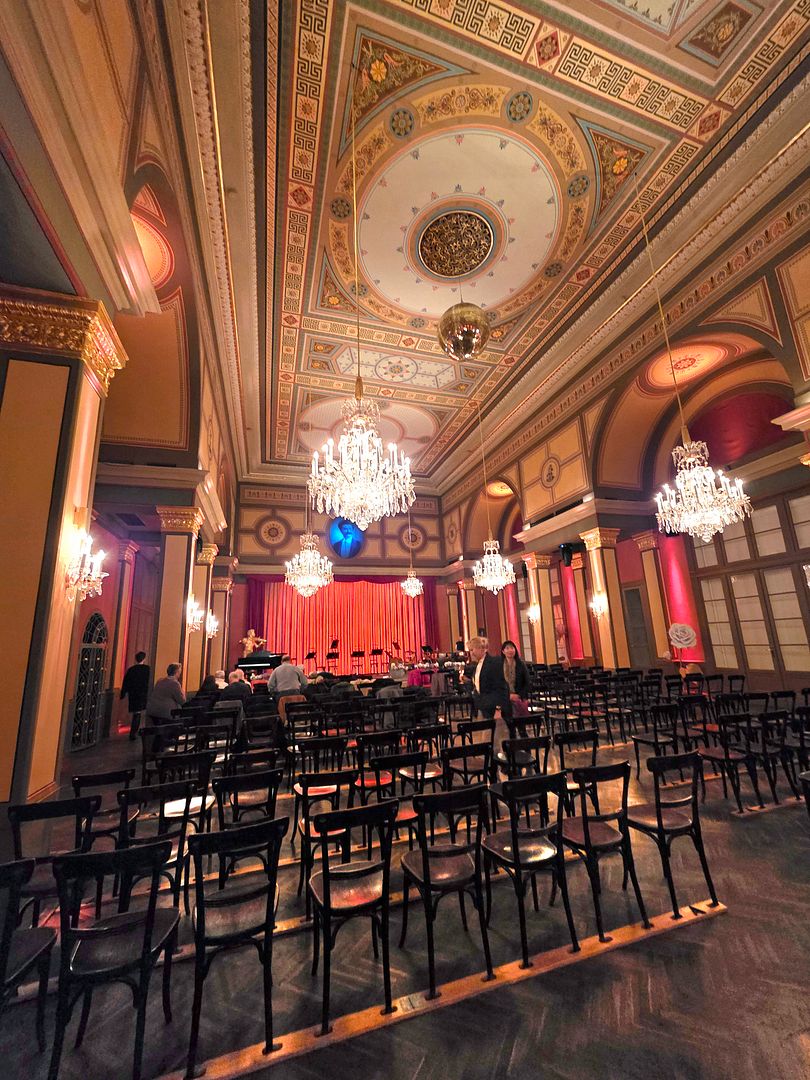
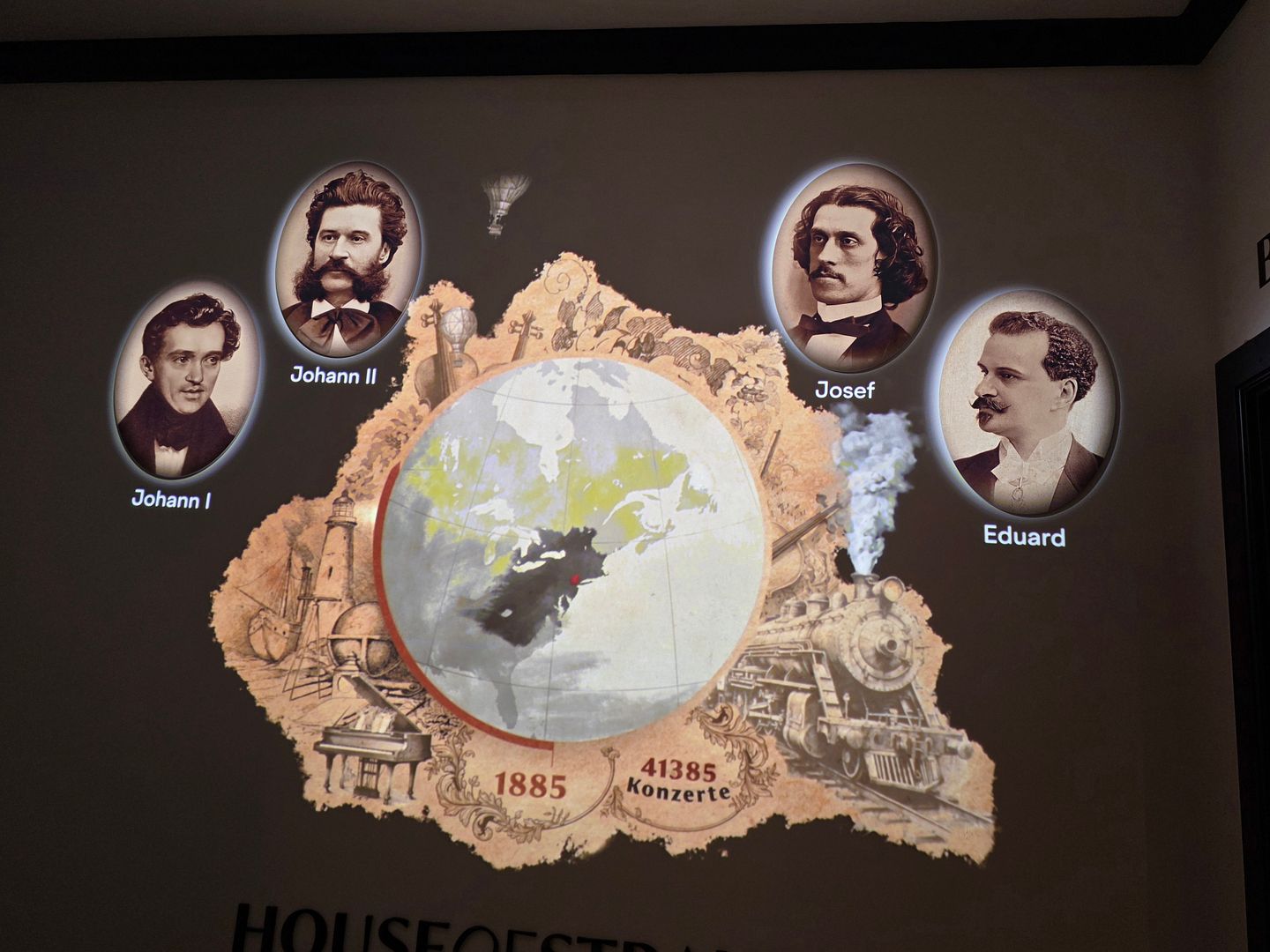
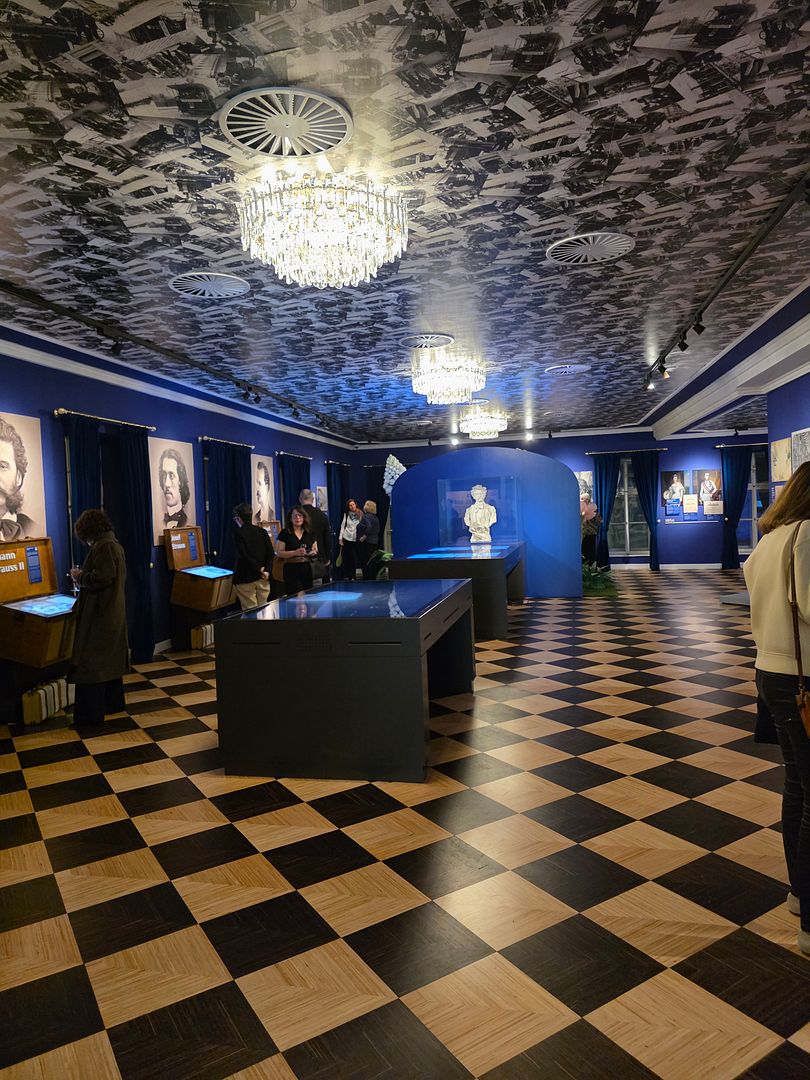
Vienna, known as the world capital of music, tells an unforgettable story that comes to life here. The Strauss Hall is the last original concert hall in the world where all four geniuses of the Strauss dynasty–Johann Strauss Sr., Johann Strauss Jr., Josef, and Eduard Strauss–personally performed. Here, the aura of this history is still palpable. The hall’s exceptional acoustics, the faithful restoration of the historic building, and the seamless integration of modern design make this venue an extraordinary cultural experience.

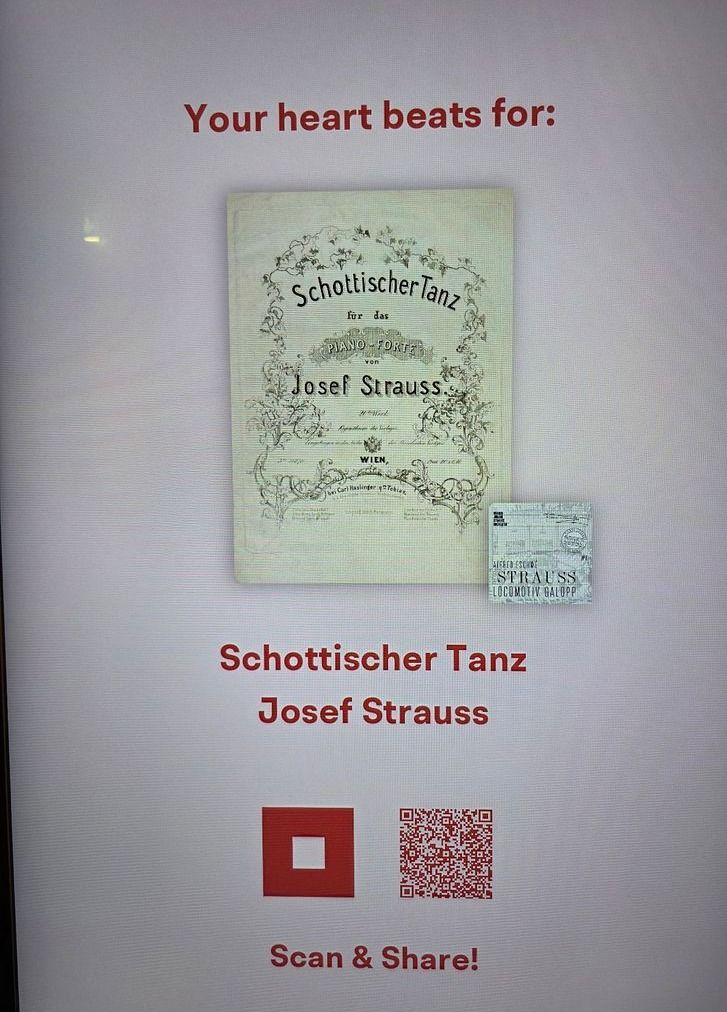
In the museum you could take this interactive questionnaire that would match your preferences to a piece of music. This was my match.

When we purchased the tickets for this extra excursion we had something different in mind in our heads. We thought that we would be in a large concert hall with many more live instruments, etc.

We were surprised by this venue. The concert itself was with twelve or so musicians (House of Strauss Orchestra) and their music was enhanced in some way. The musicians were exceptional and with the enhancement it came across as if there were several more musicians. The soloist was excellent. The seating, although authentic, was not comfortable. We paid 99e or about $116 U.S. each for this excursion.

We heard pieces from Johann Strauss II, Wolgang Amadeus Mozart, Johann Strauss I, and Josef Strauss.

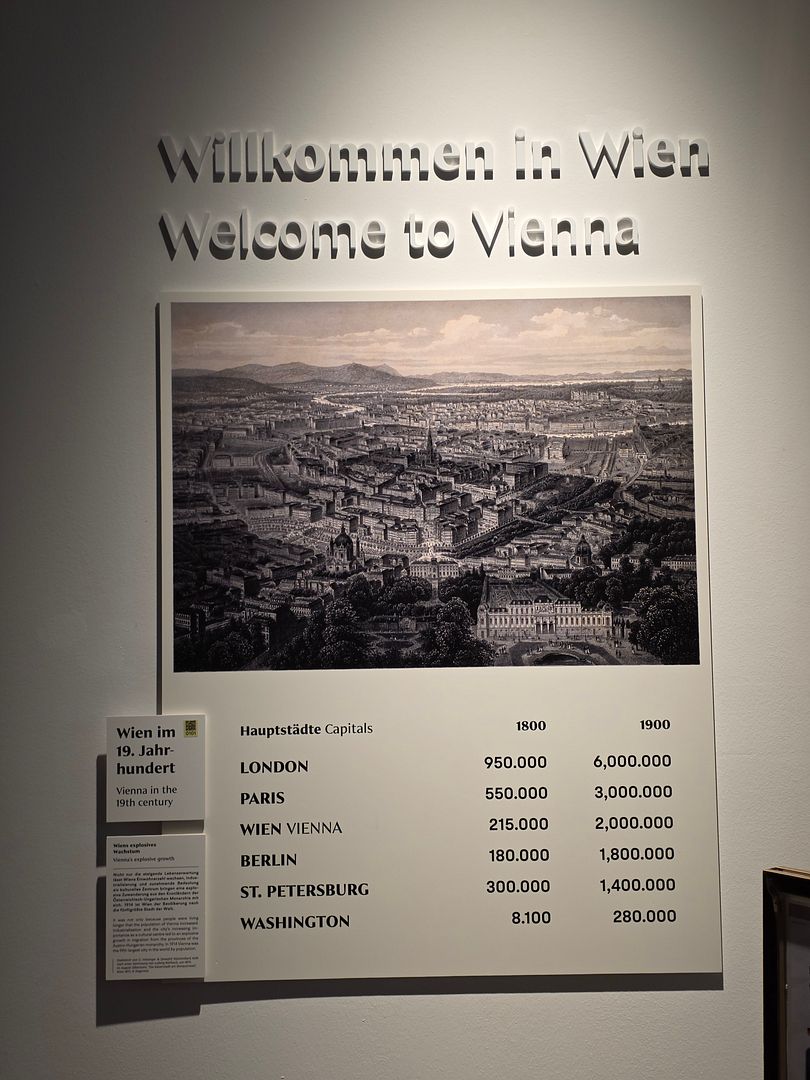
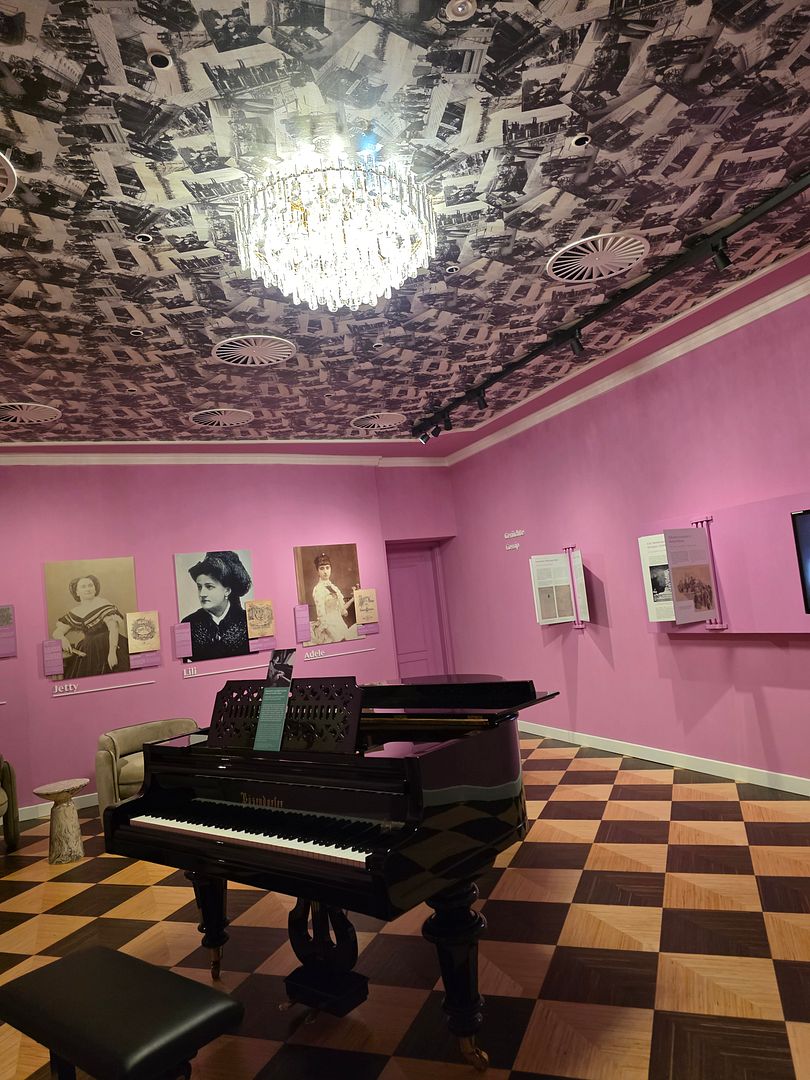
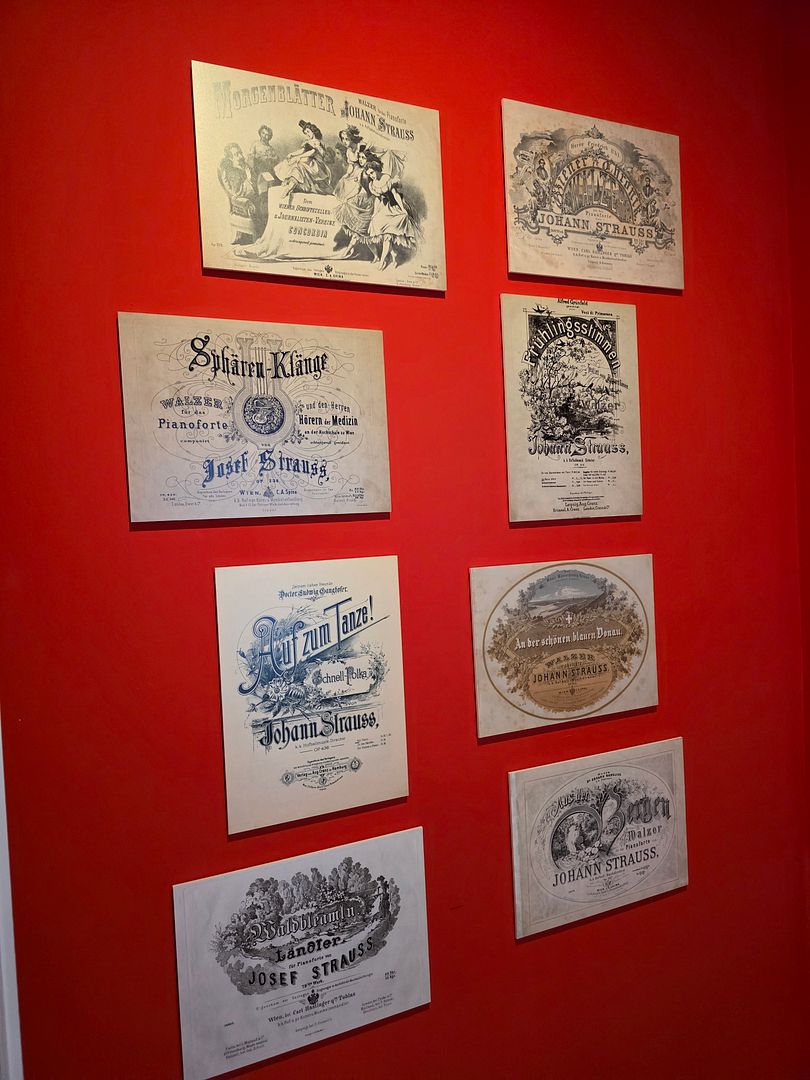
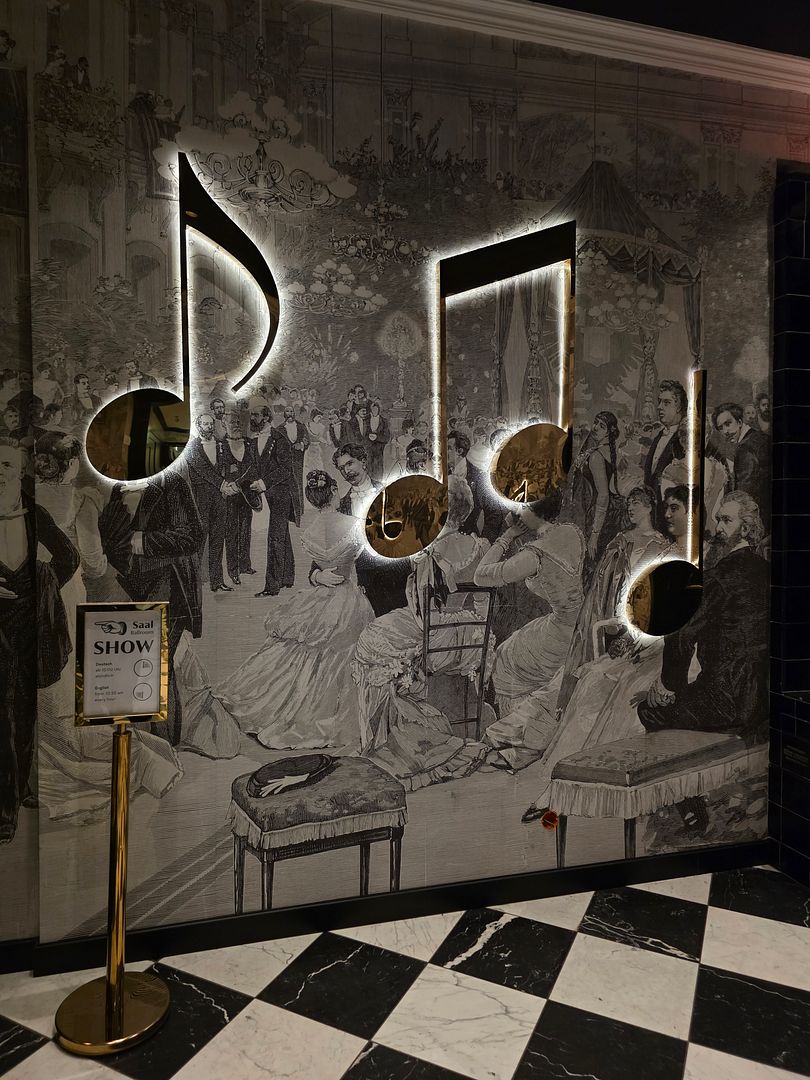
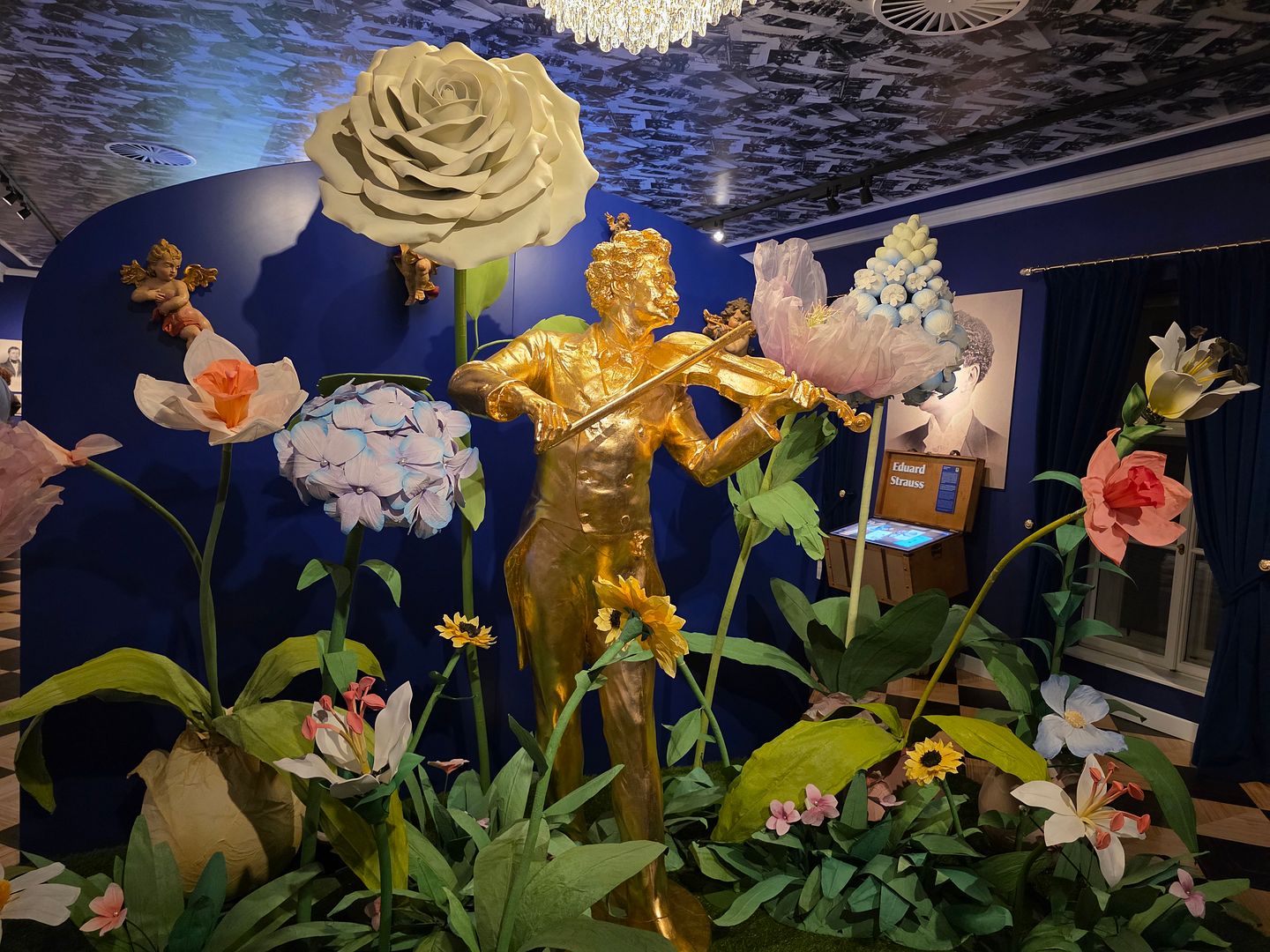
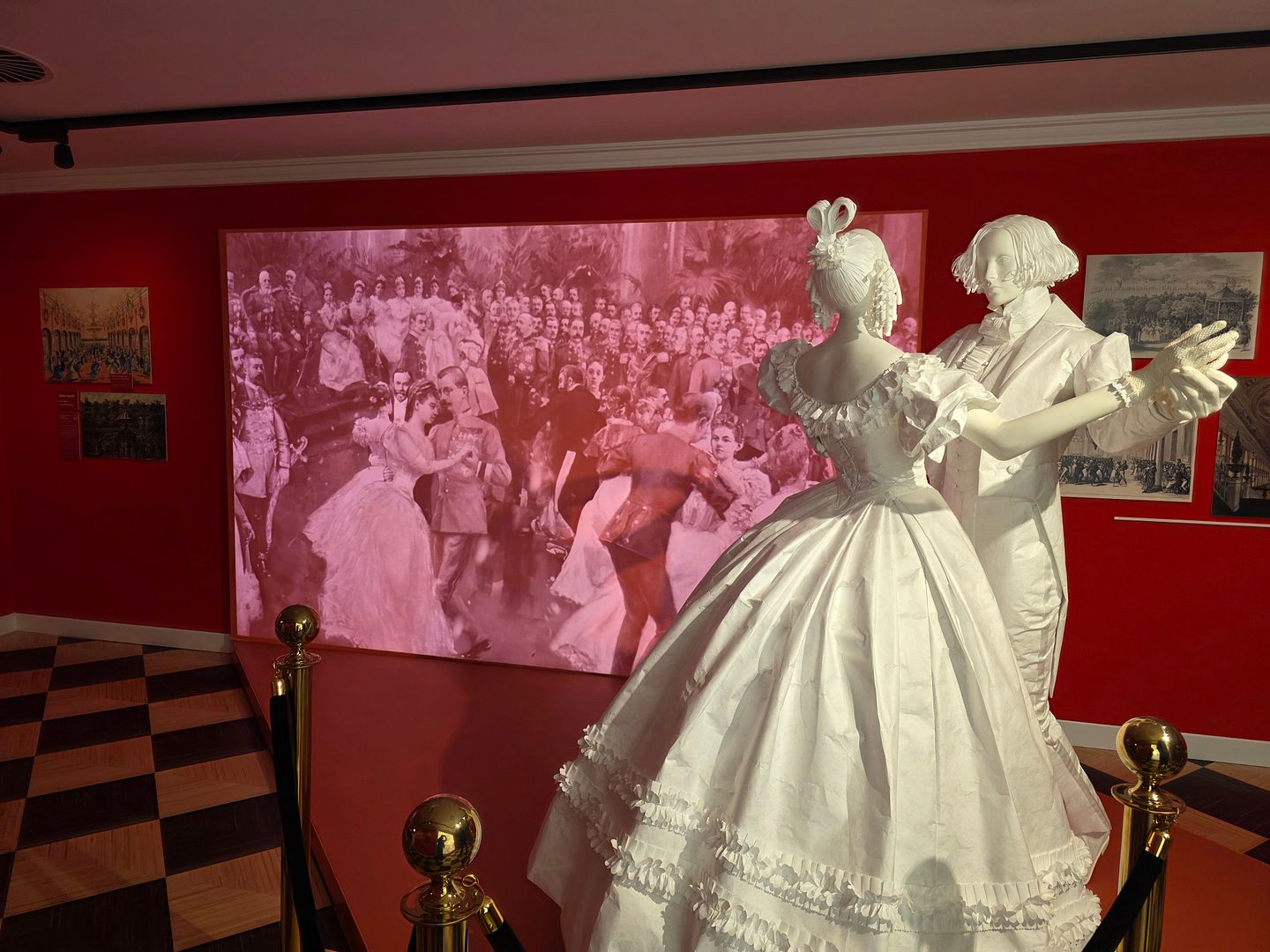
There was a museum in the venue that we were able to visit and most of my photos are from the museum.

I mentioned before that bus rides in Vienna were long and circuitous. It seemed like we were traveling so far to get to this venue but in reality it was only four kilometers from the dock.

Meanwhile in the good ole U.S.A….

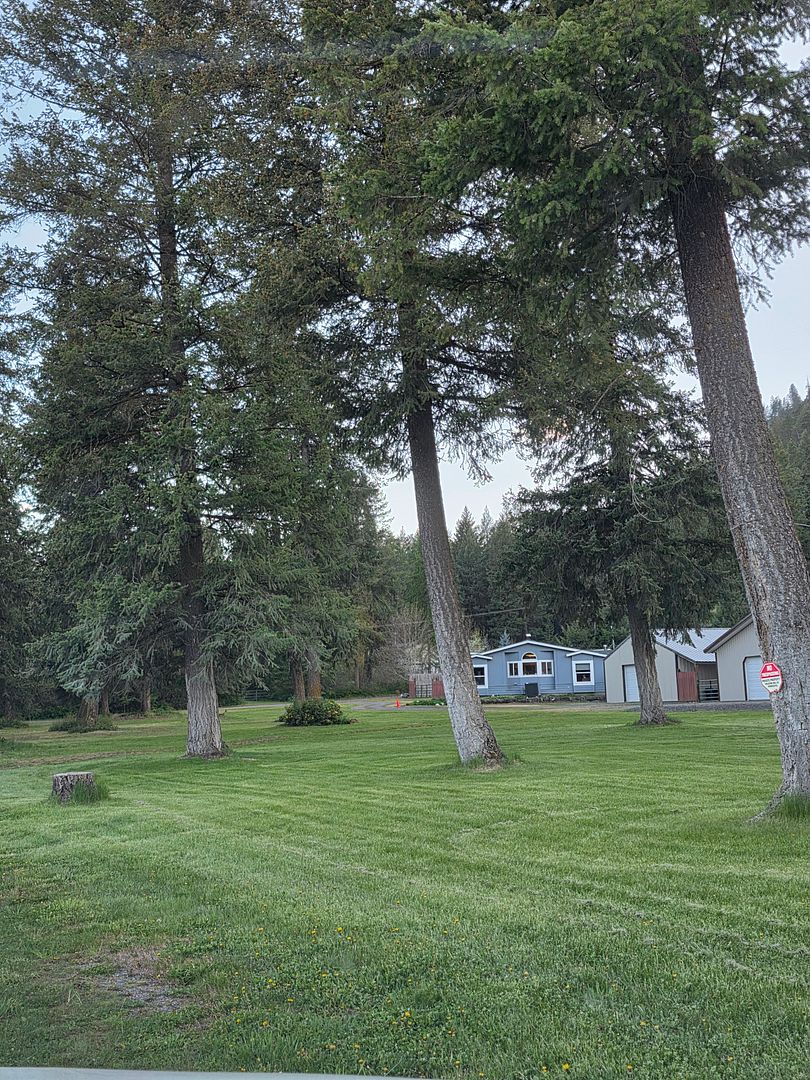
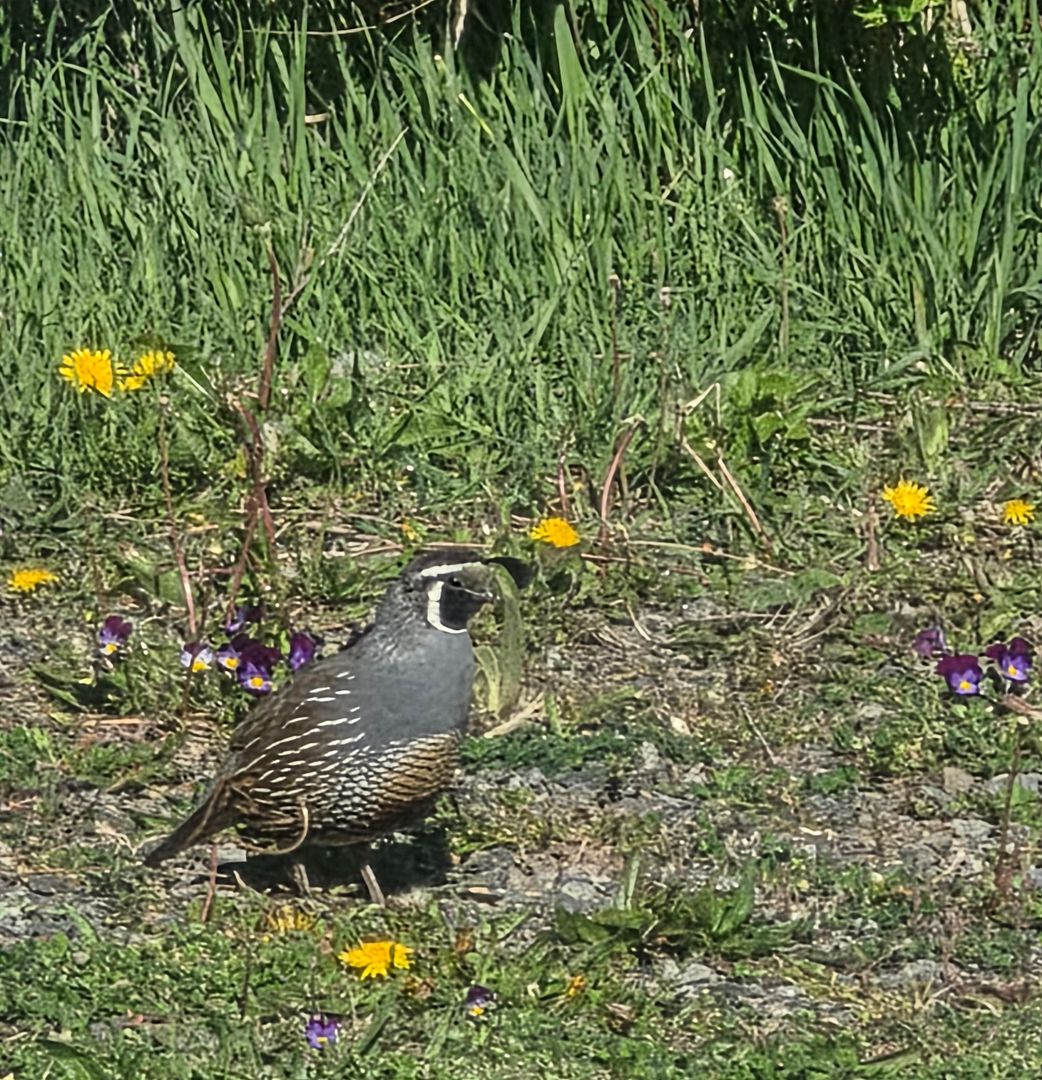
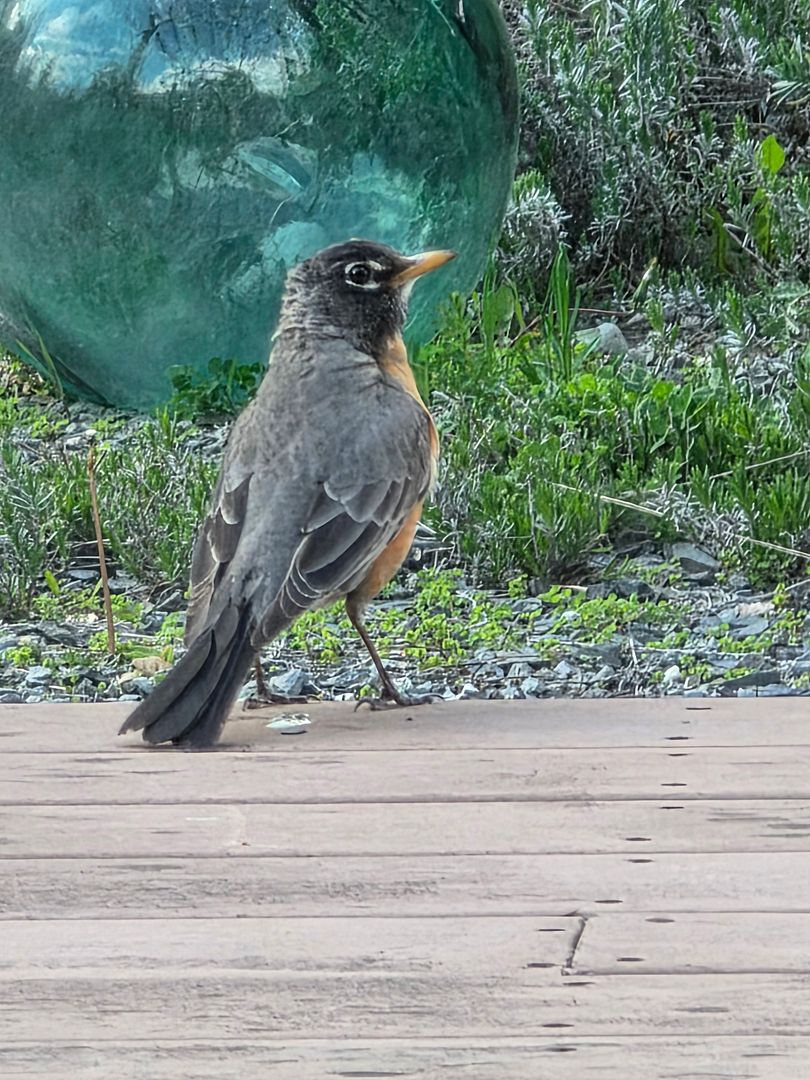
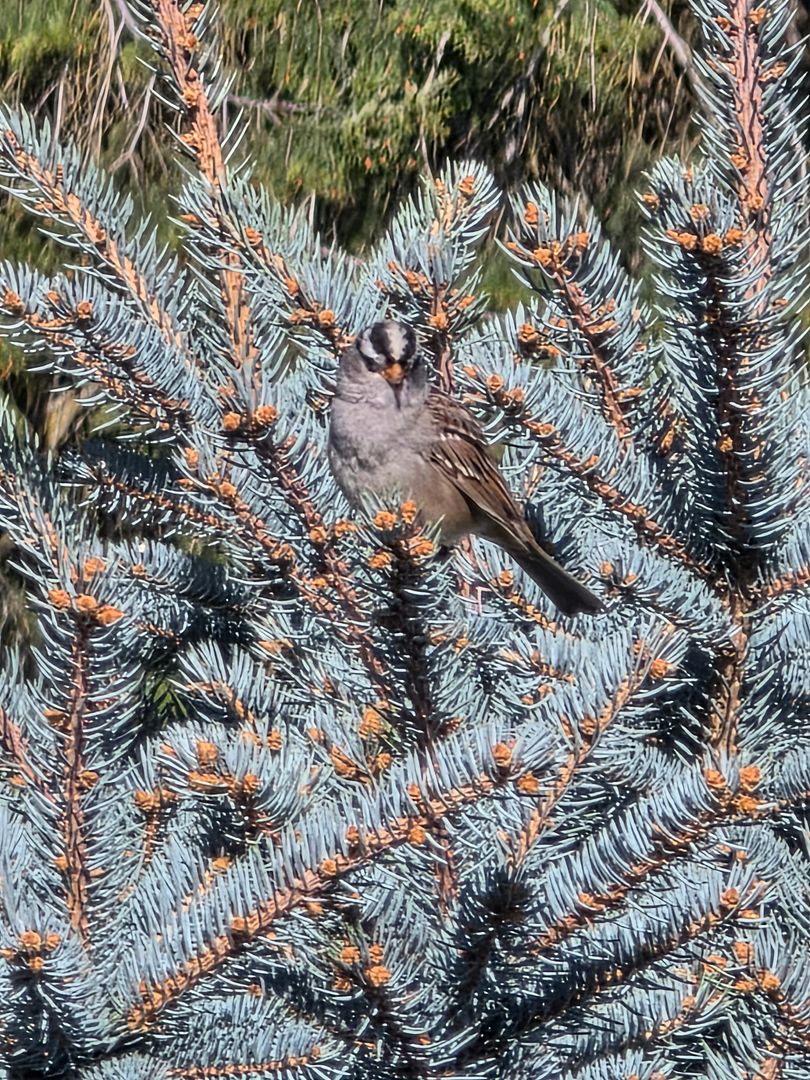
Back to the Present: With our daily sunshine lately, spring growth is thriving. We are spending hours on our acreage mowing and battling weeds. The birds, so many birds, are enjoying our sprinklers since we’ve had to start watering earlier than usual with fewer Spring rains. We’ve had daily visits from birds, deer, turkeys, and of course our resident quail. Hummingbirds have returned, too!

Happy Cinco de Mayo to you all!

Vienna Part 3 ~ St. Stephen’s Cathedral

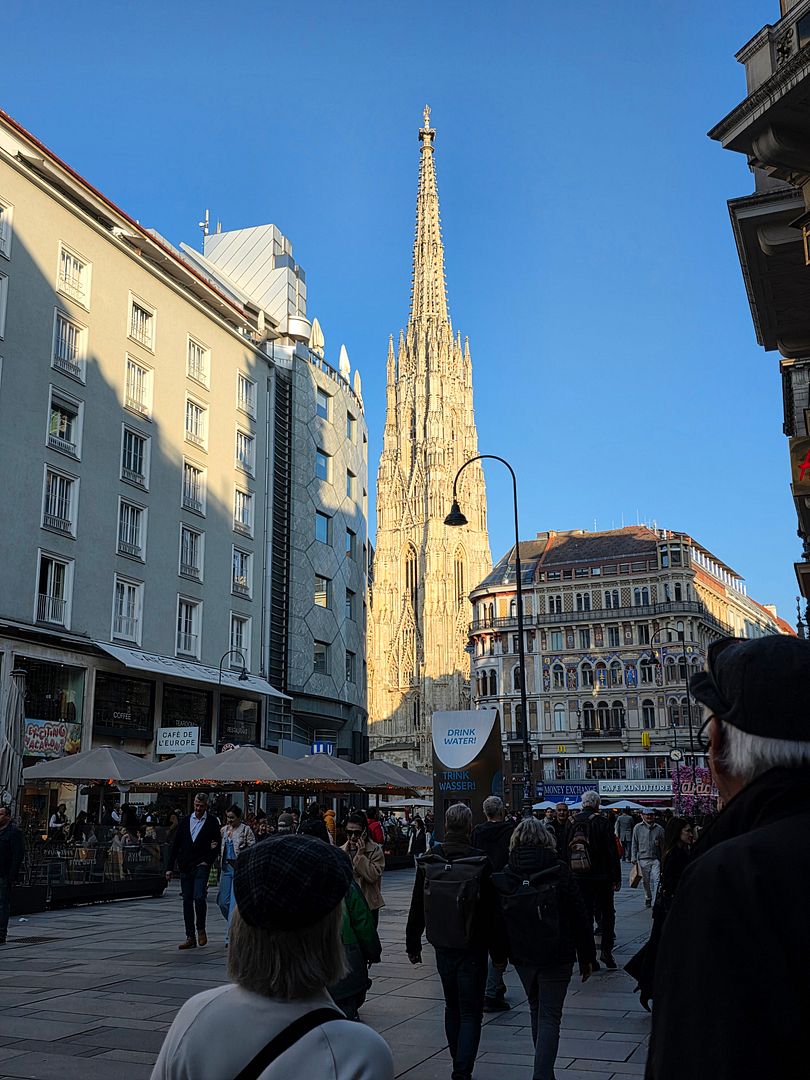
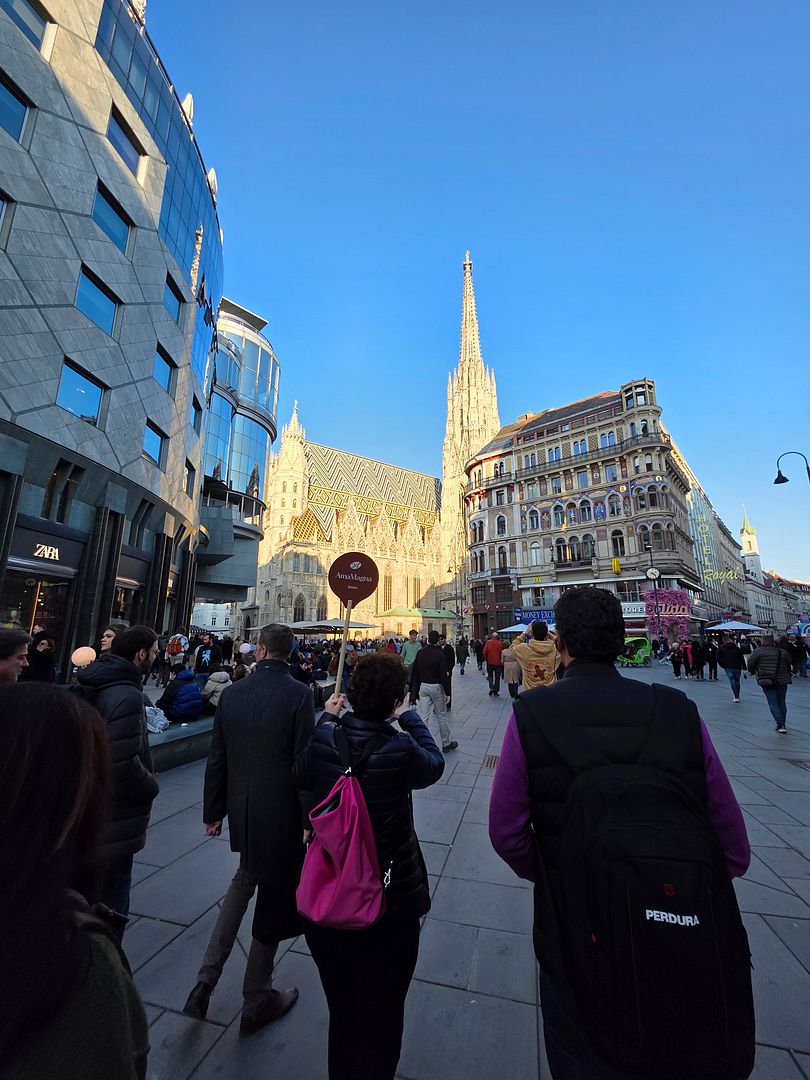
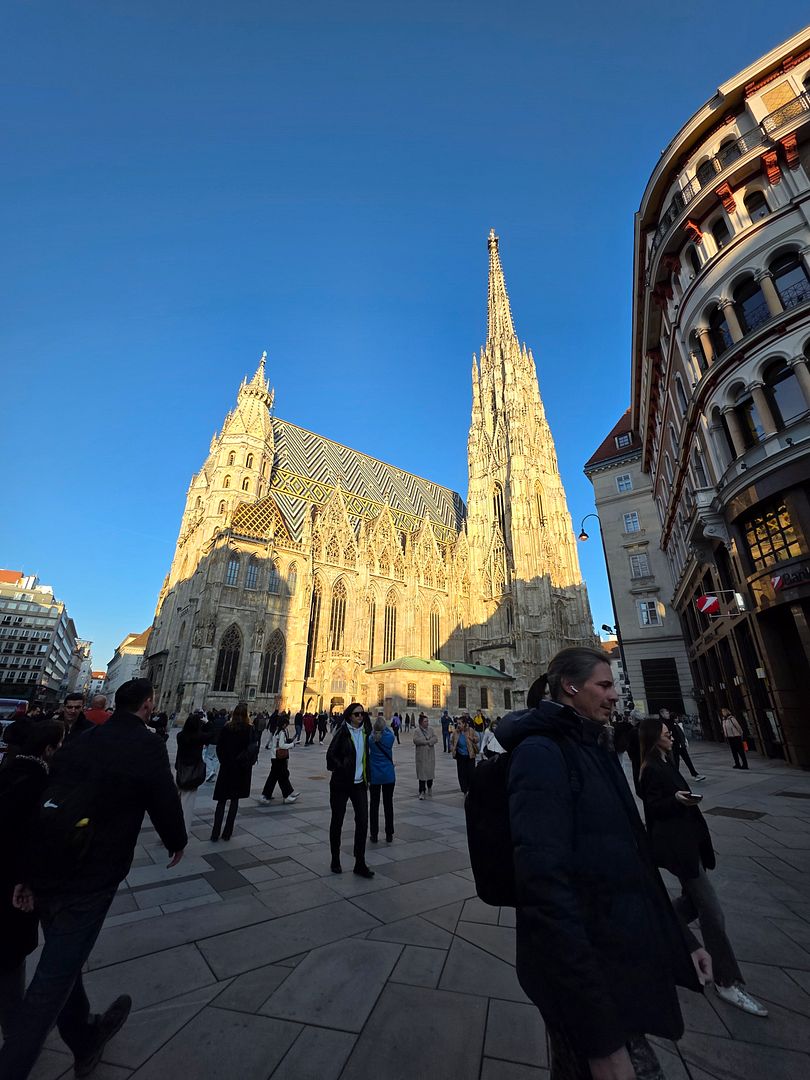
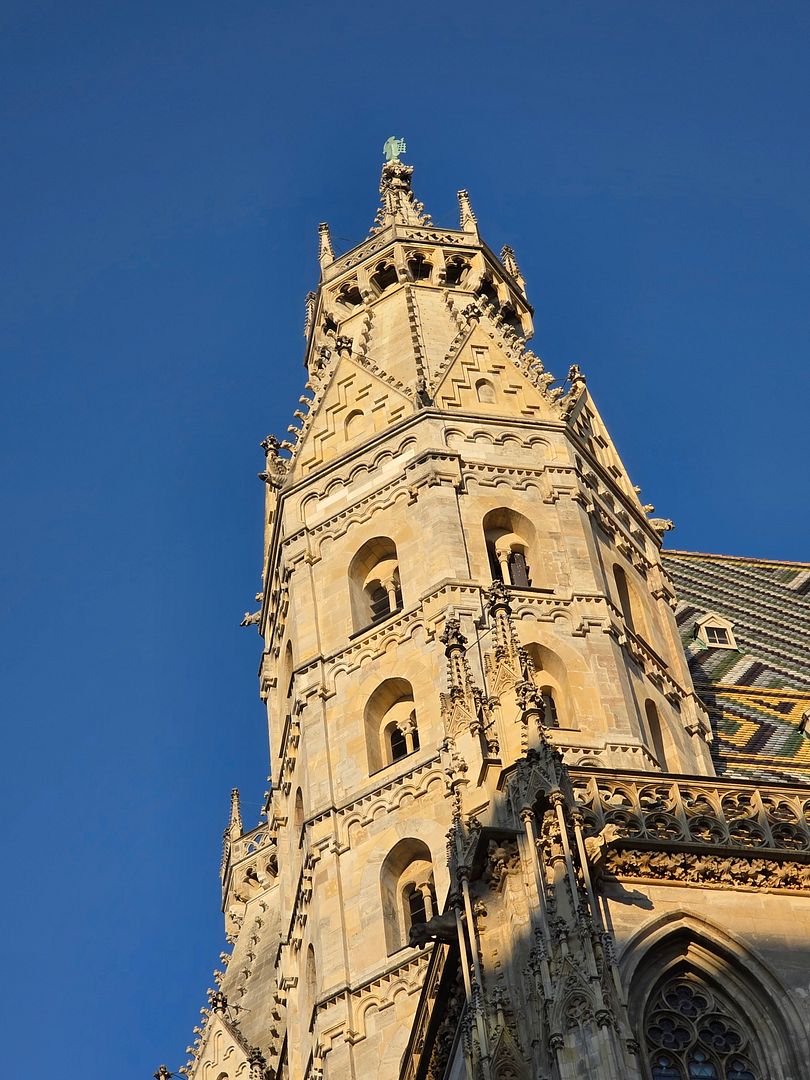
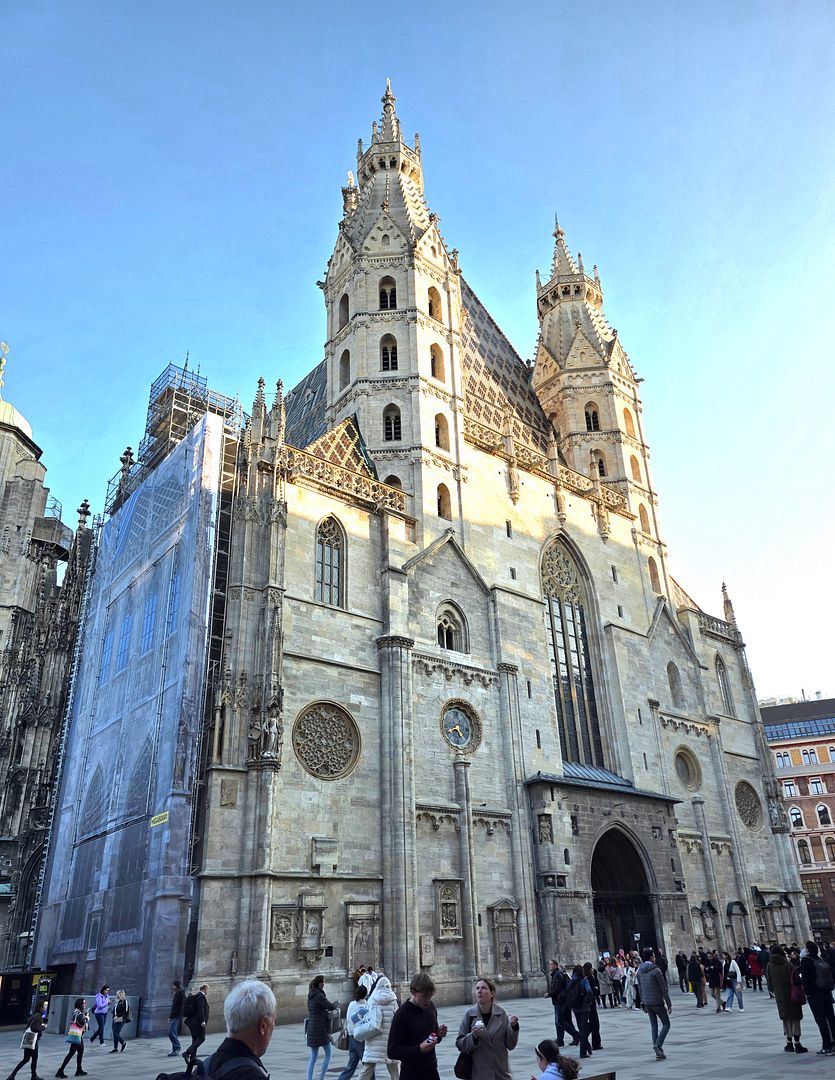
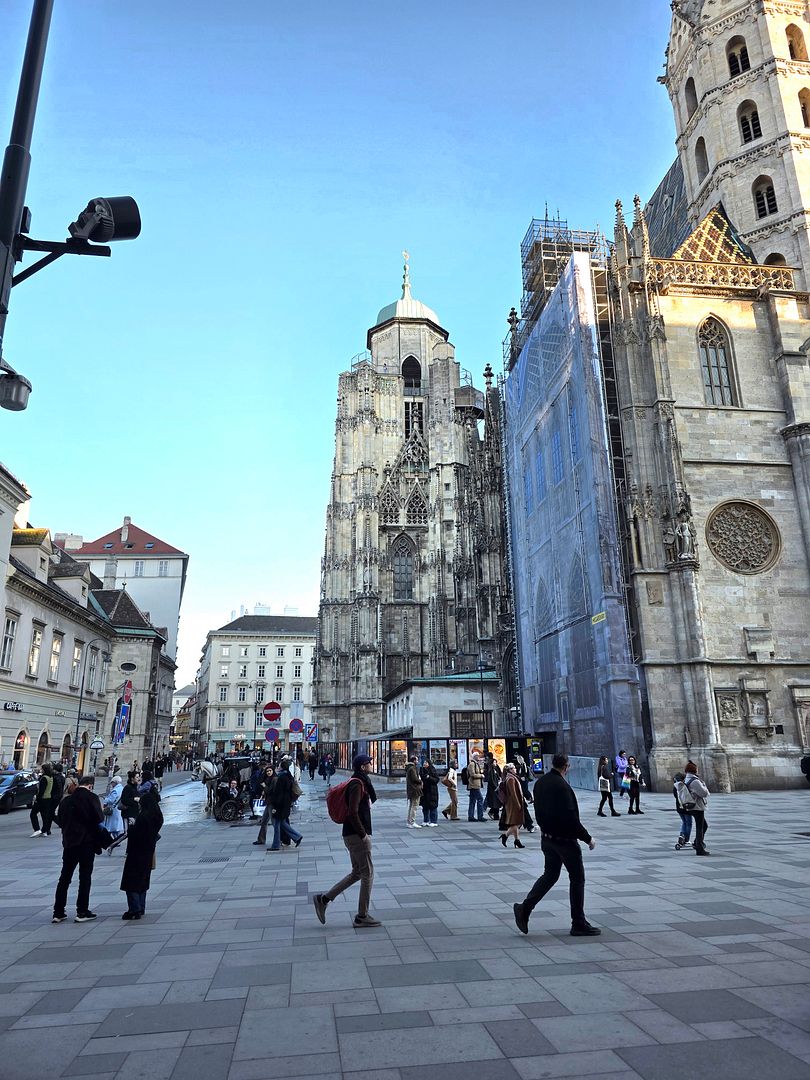
After our carriage ride on Thursday March 5th we followed our tour guide to the center of the city ending our tour with St. Stephen’s Cathedral. In the first photos below you can see the steeple of the church.

This was a very busy central section of Vienna with shops and restaurants and cafes.

A different reminder of what Austria and Vienna are famous for. Later in the evening of this day we would be attending a concert at the House of Strauss.

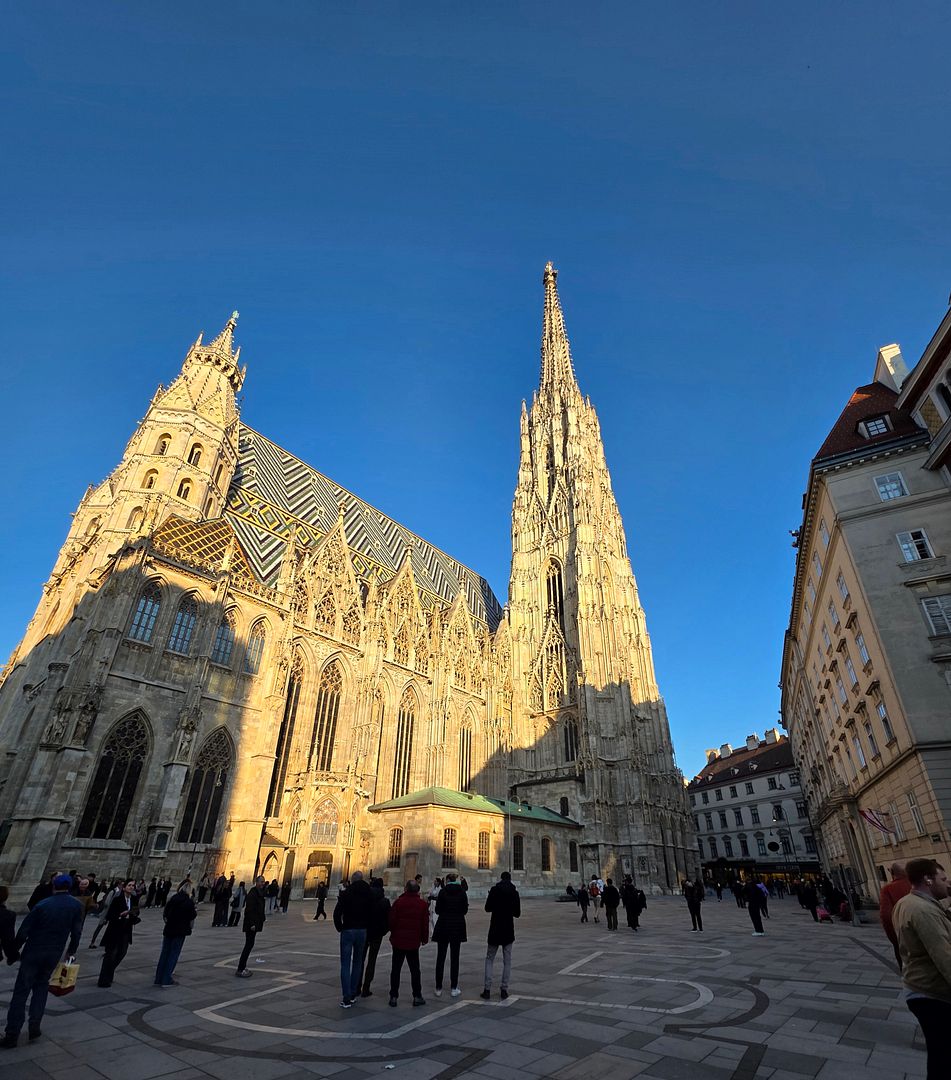
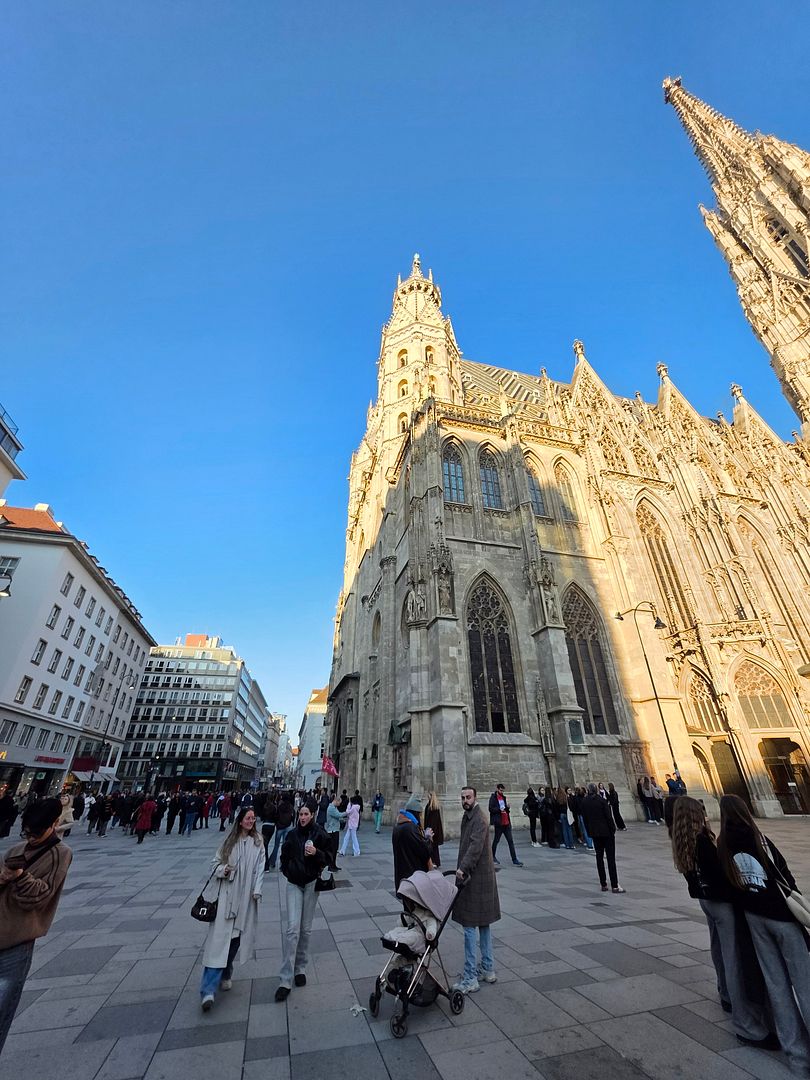
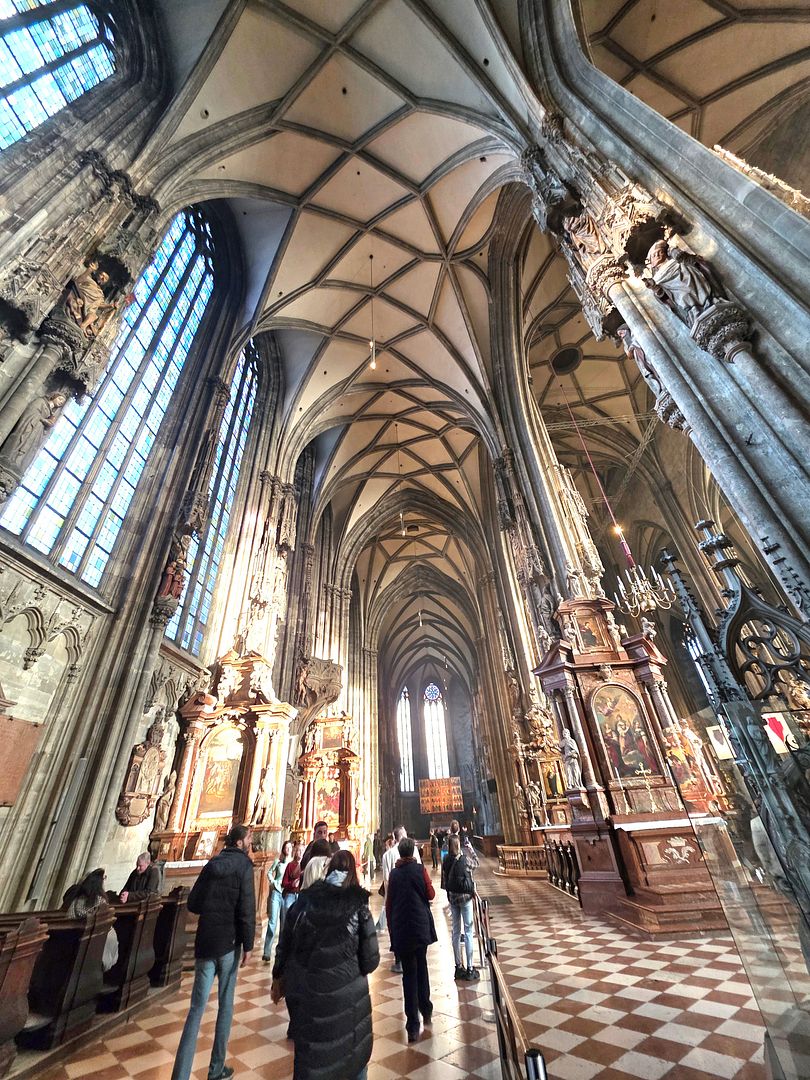
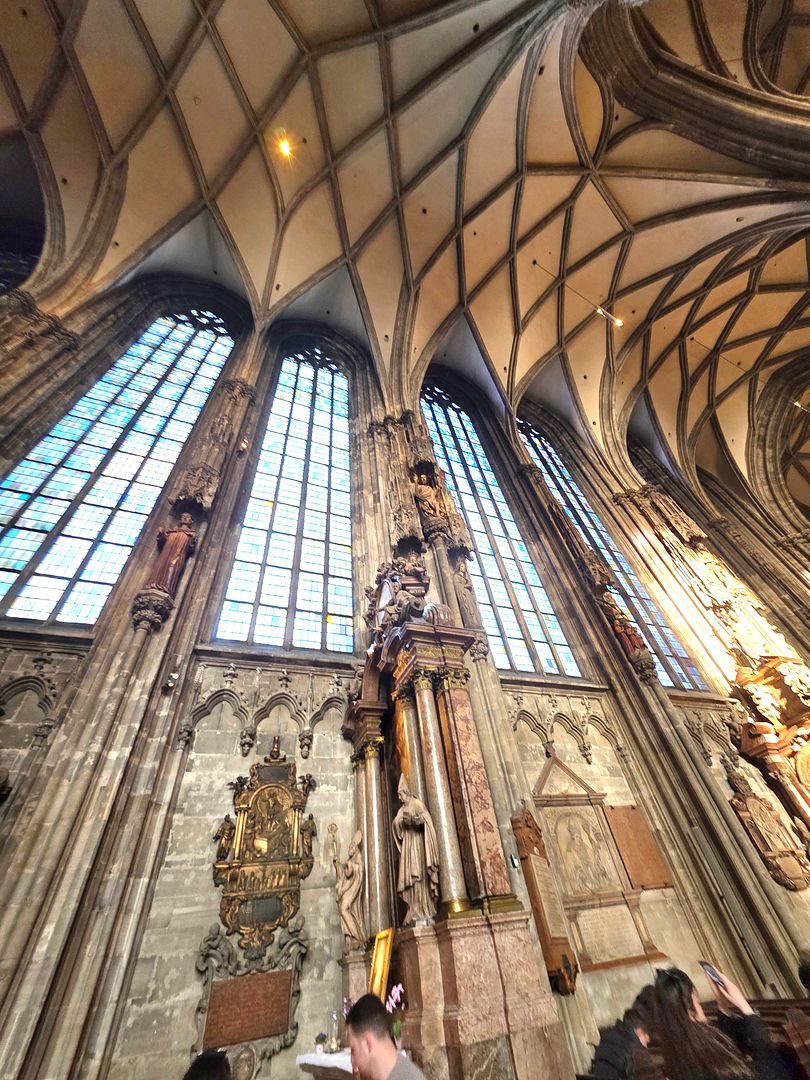
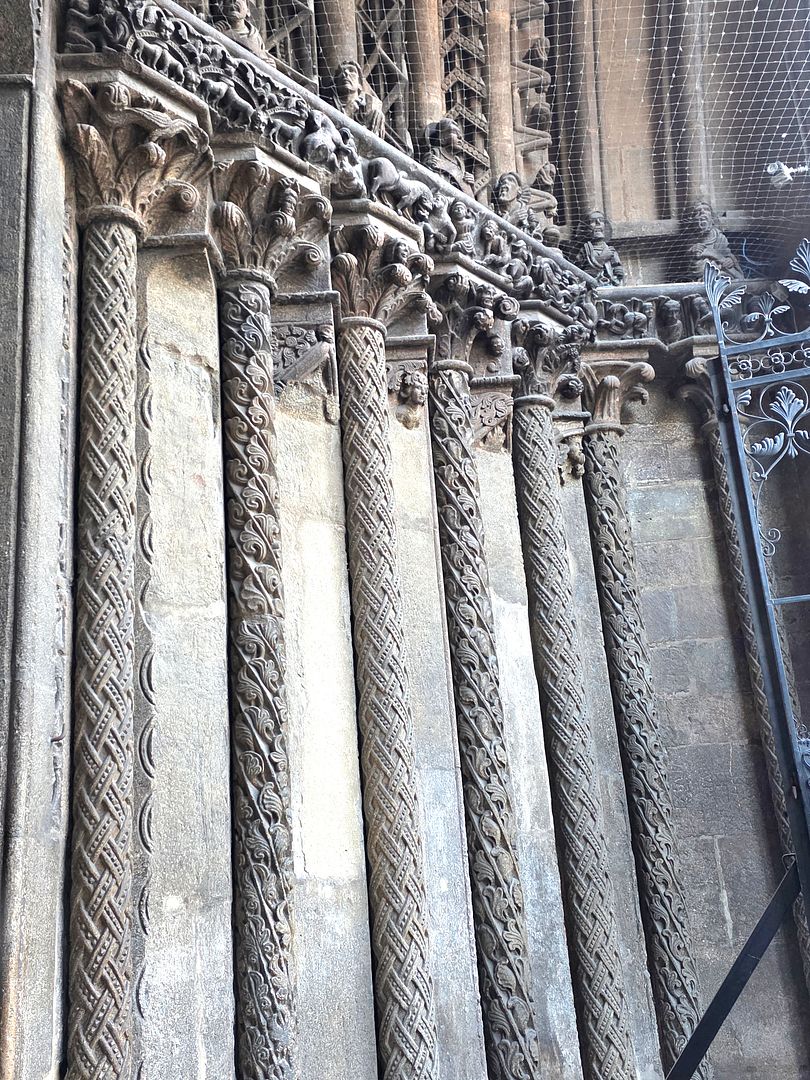
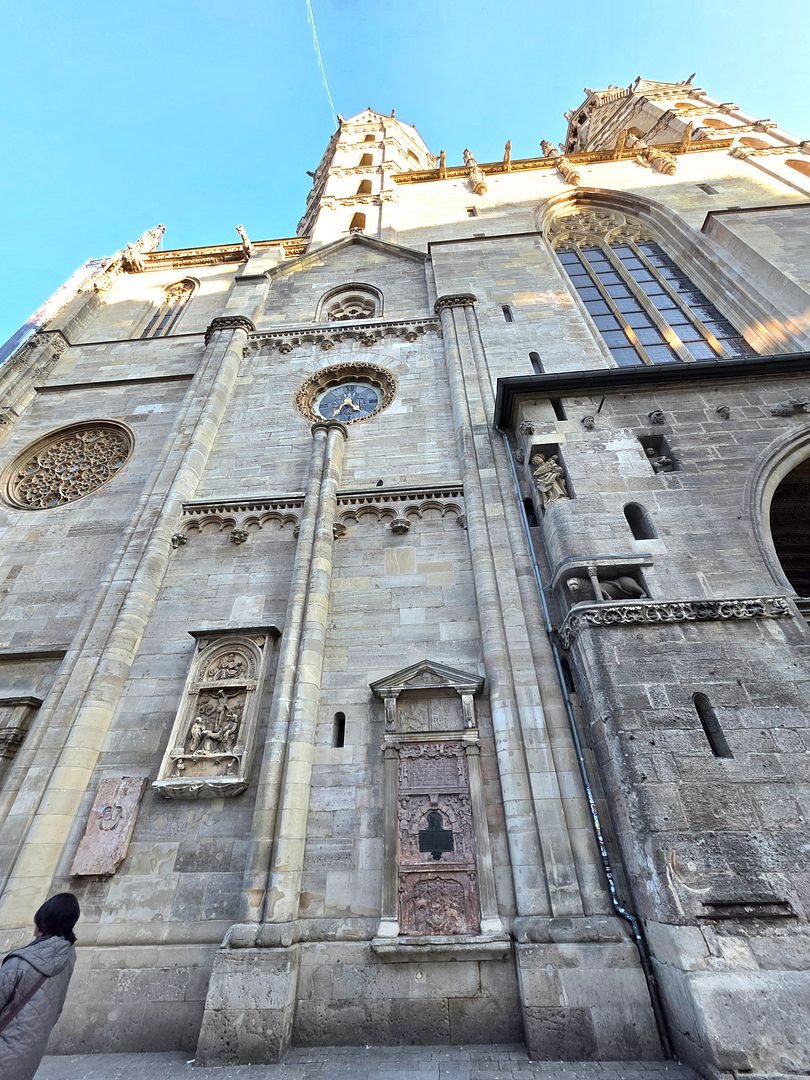
St. Stephen’s Cathedral is not only Austria’s most important Gothic building. The Steffl, as it is affectionately known in Vienna, is much more than that. It is a landmark, a symbol of identity and synonymous with the reconstruction of the Republic after the Second World War. Construction of St. Stephen’s Cathedral began in the 12th century and its interior changed repeatedly over the centuries until it was finally given its current Baroque appearance. The tallest of its four towers is the south tower at 136 meters. The tower room, from which there is a gigantic view across Vienna, is reached via 343 steps. A total of 13 bells hang here. However, the best known of them, the Pummerin, hangs in the 68 meter-tall north tower. It is the second-biggest free-swinging chimed church bell in Europe.

I added a link to the details on the roof.

On the roof of St. Stephen’s Cathedral, colorful roof tiles were laid to create the Royal and Imperial double-headed eagle and the coat of arms of the city of Vienna.

At this point our guide left us on our own for a time before she would return and meet us to take us back to our bus stop for the return to the boat.

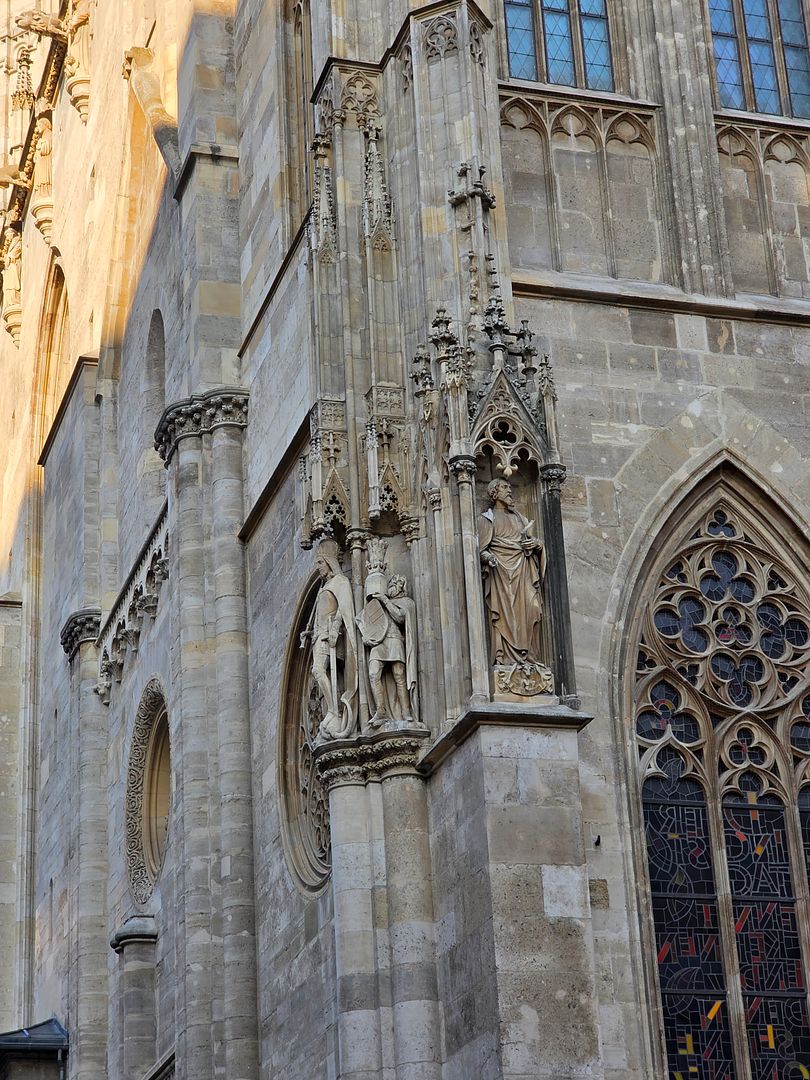
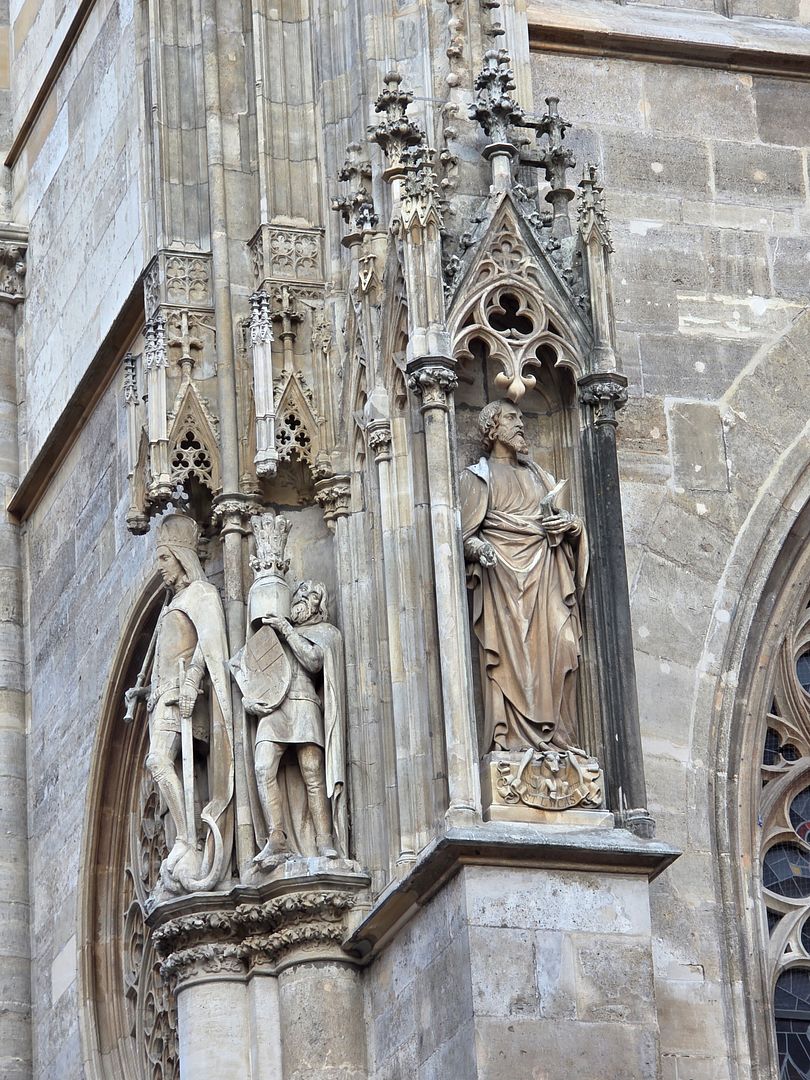
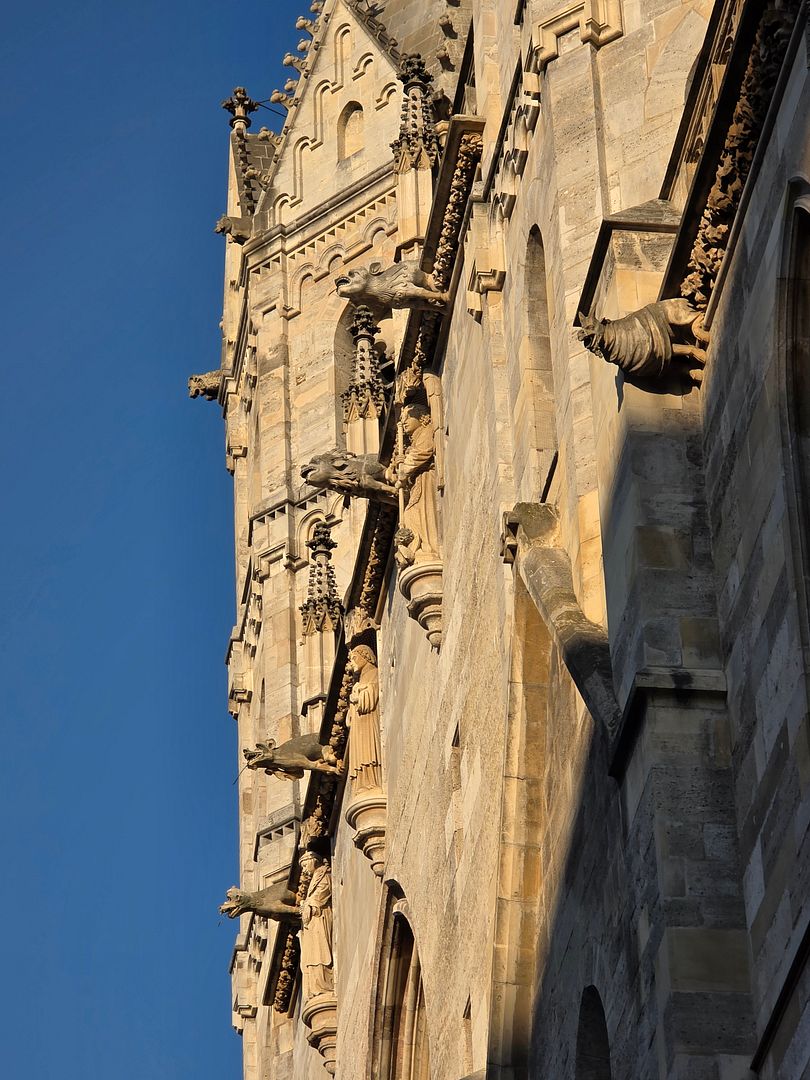
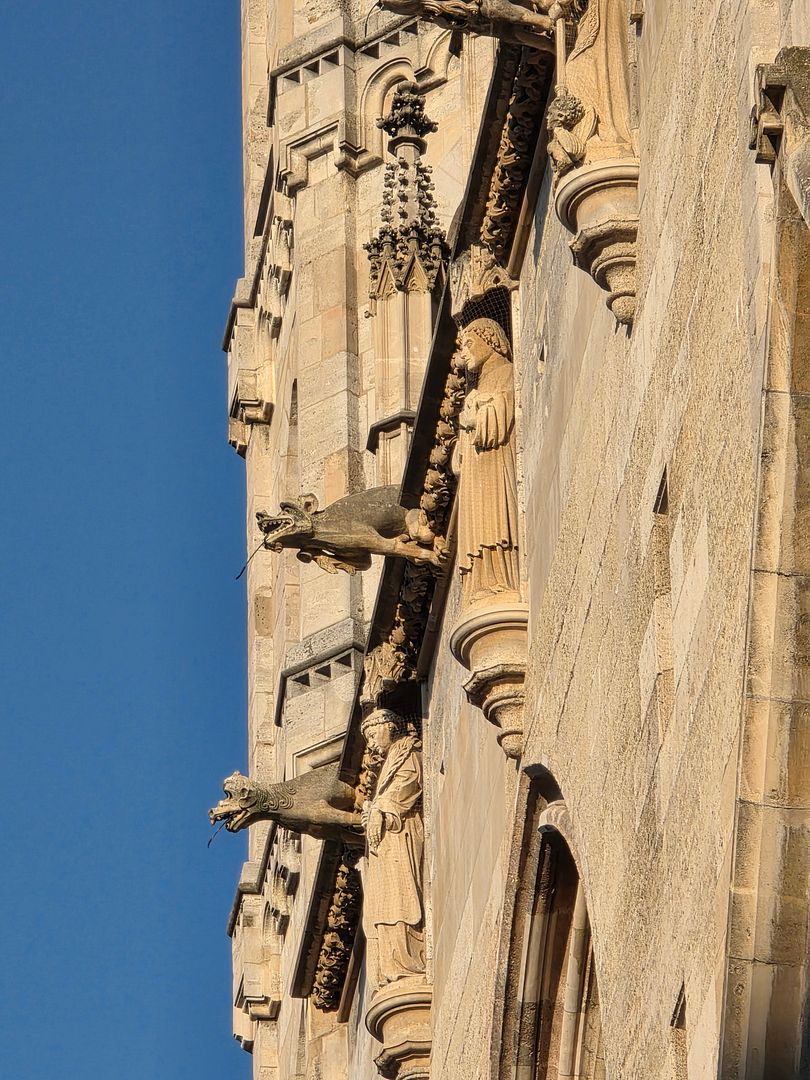
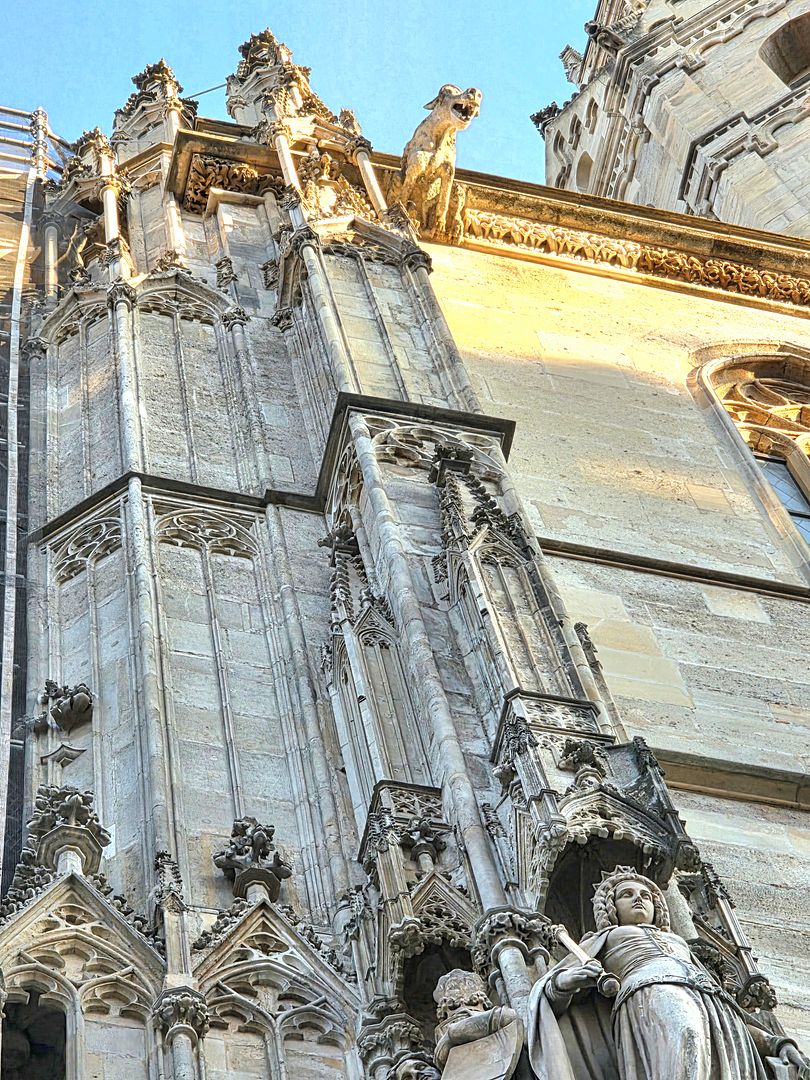
So many statues and gargoyles on the outer walls of the cathedral.
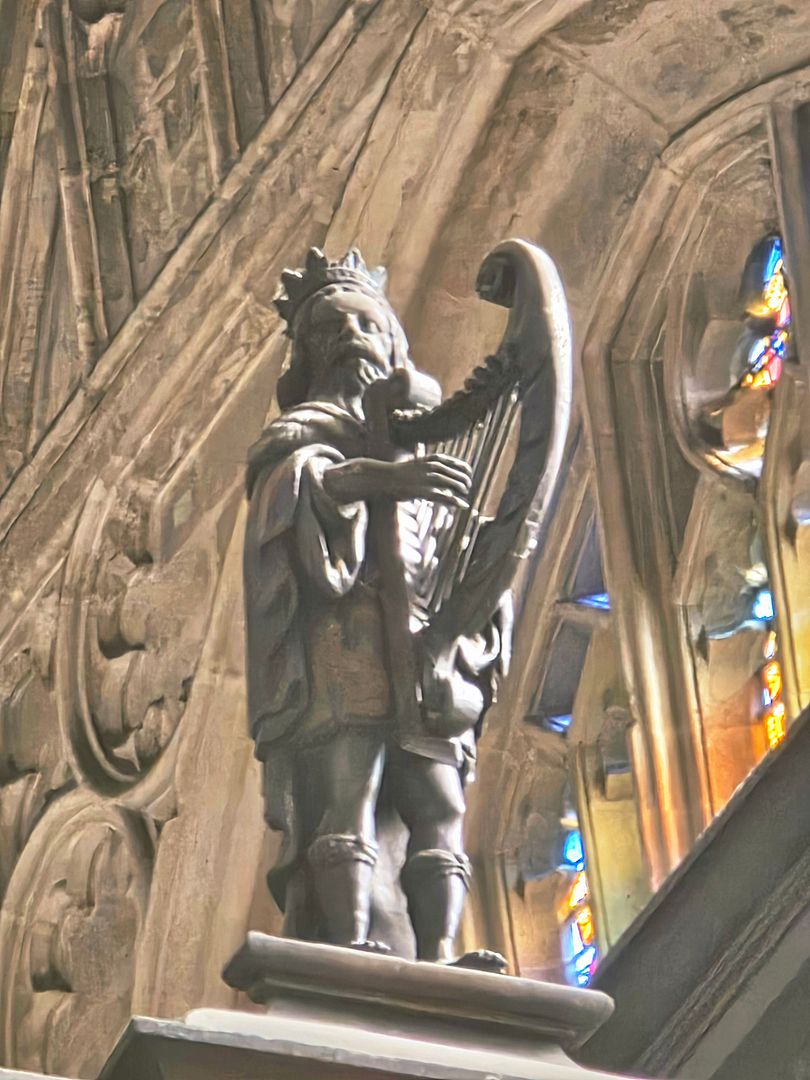
From a video by Rick Steve’s on St. Stephen’s Cathedral,

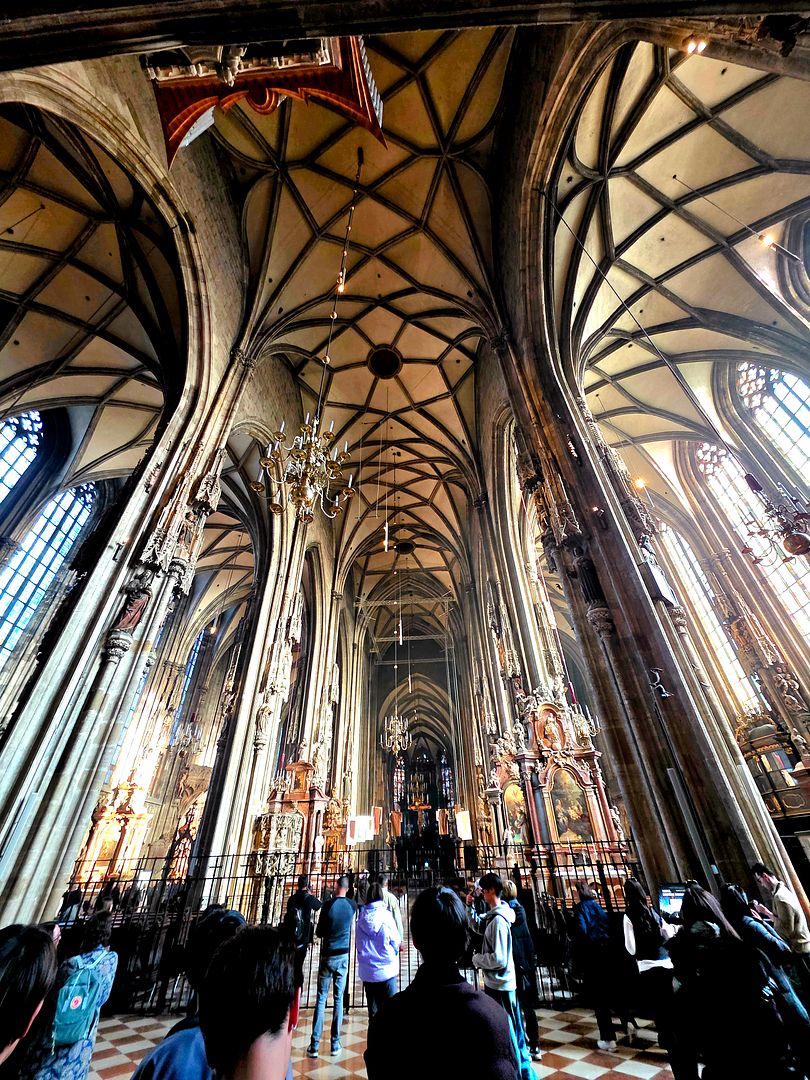
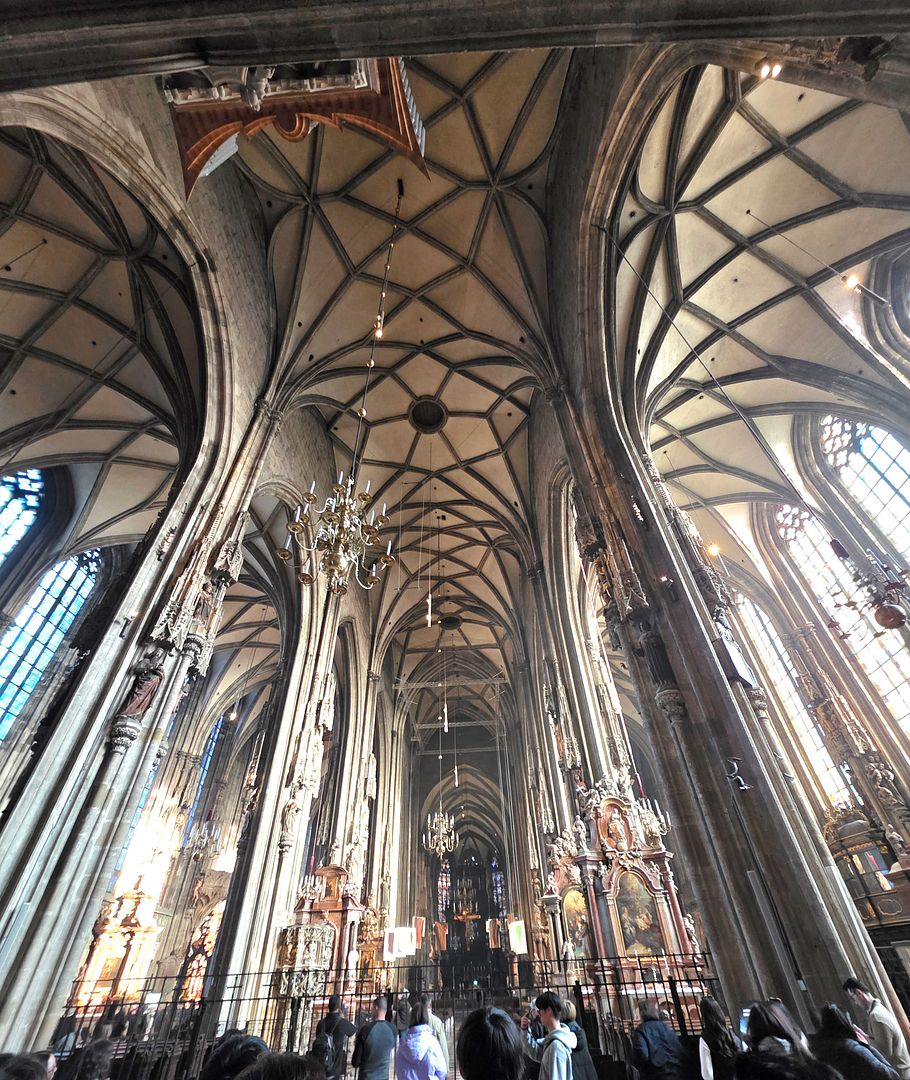
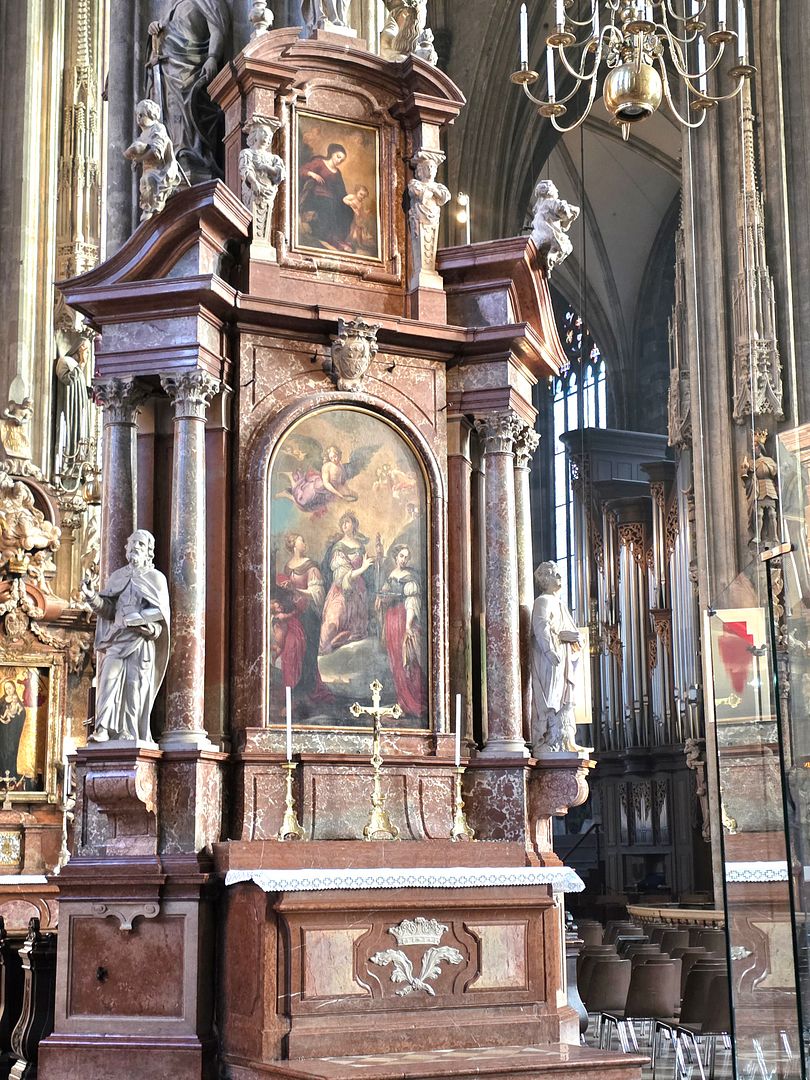
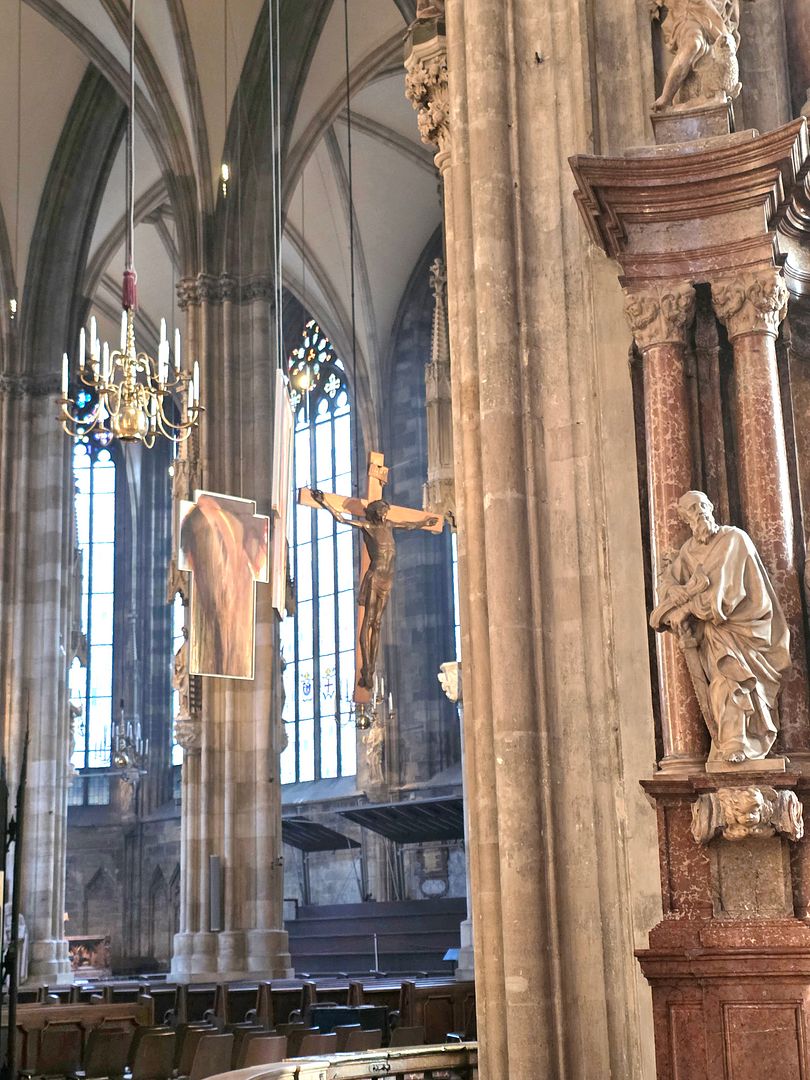
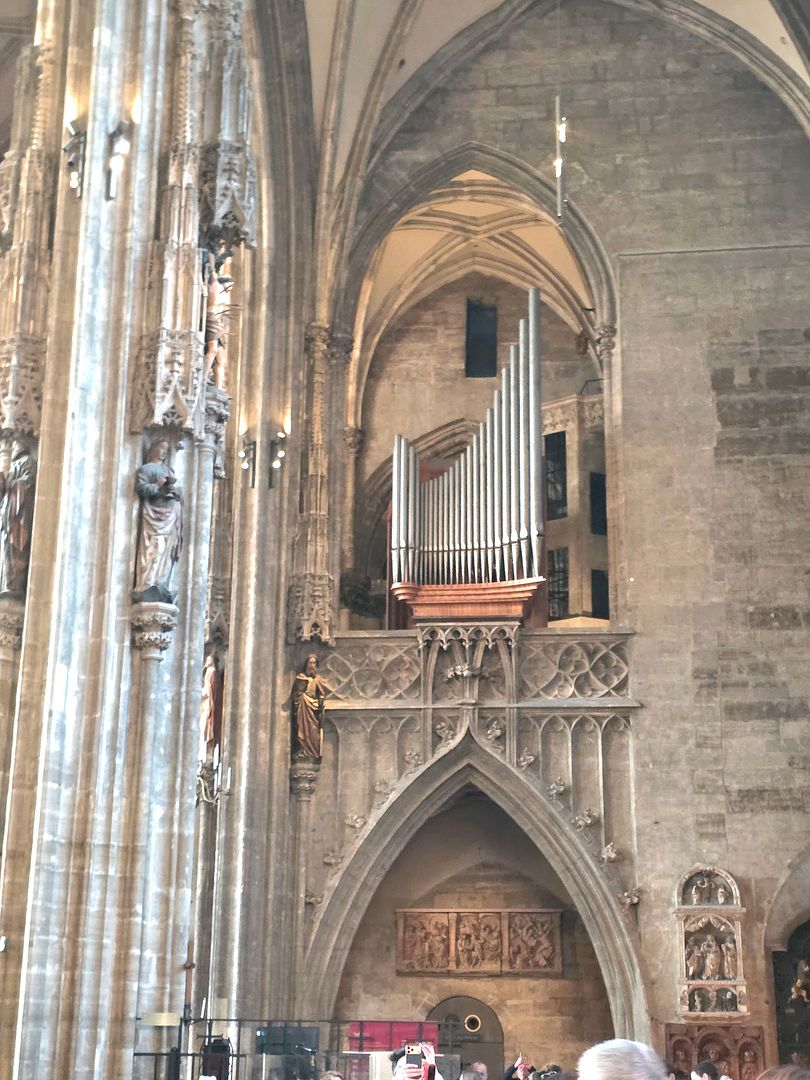
The ornate nave is Gothic with a Baroque overlay. While the columns support the roof, they also tell a story. Richly populated with statues, they make a saintly parade that leads right up to the high altar…

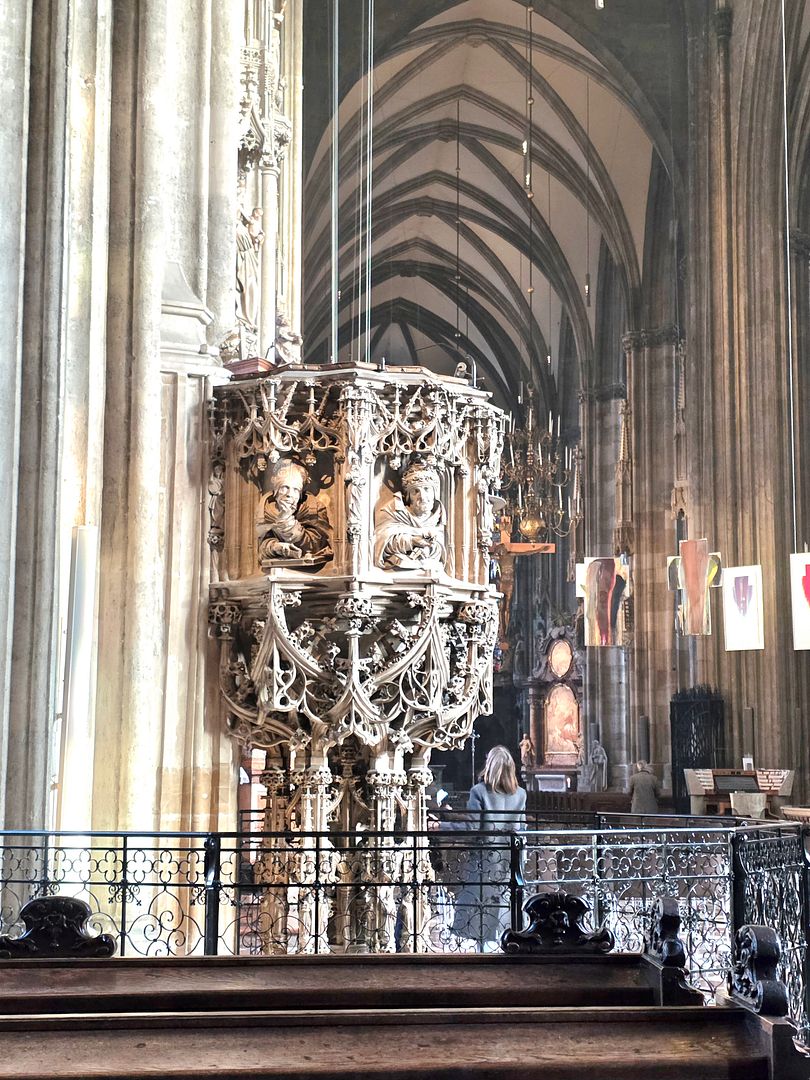
The Gothic pulpit, carved from sandstone, is a masterpiece.

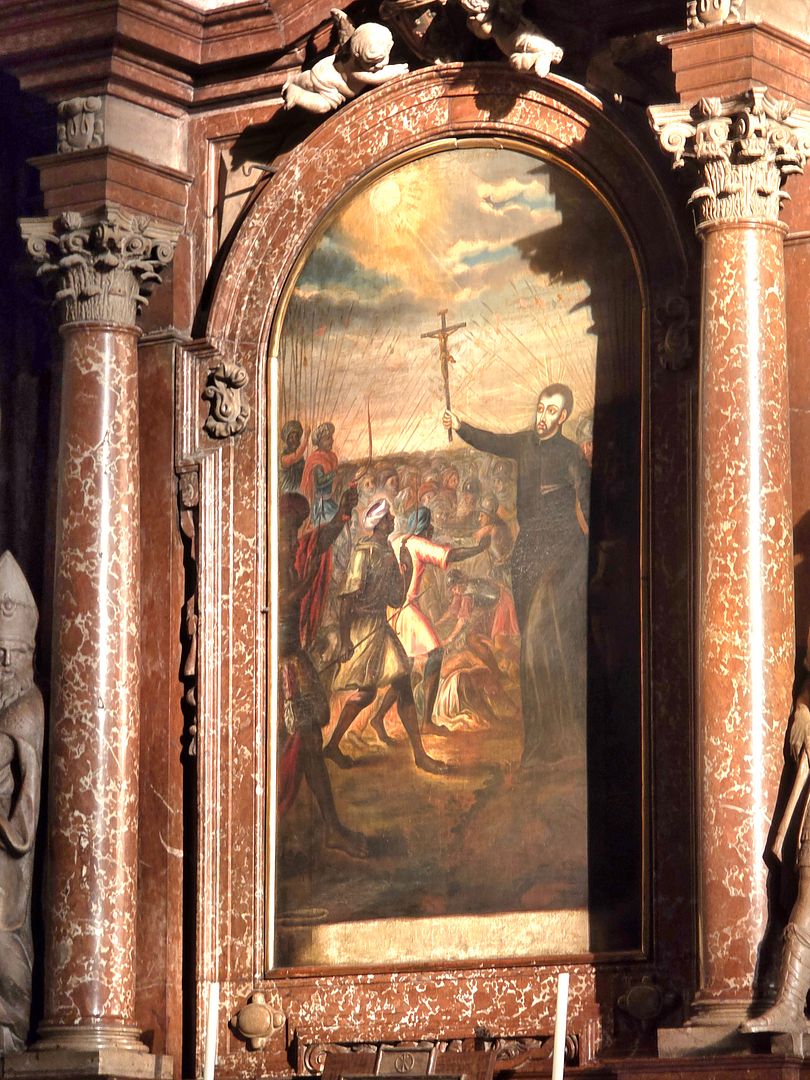
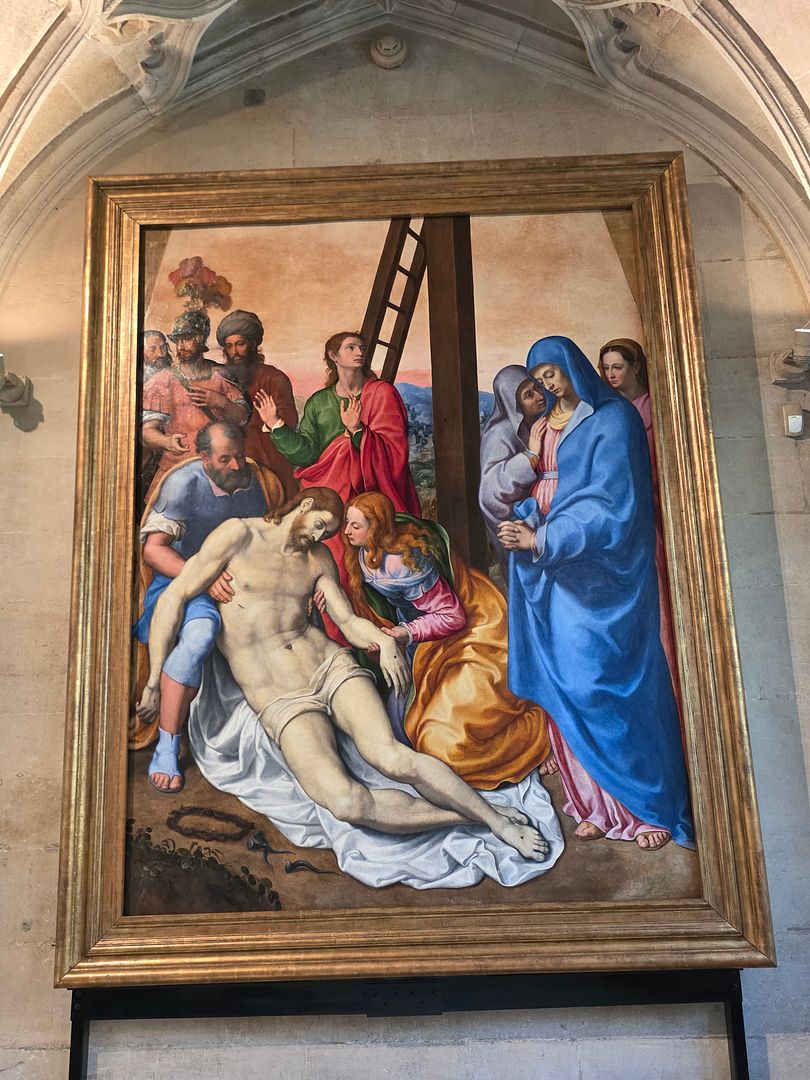
I took this photo of the painting but I could not find a description anywhere. Is it supposed to be Stephen?

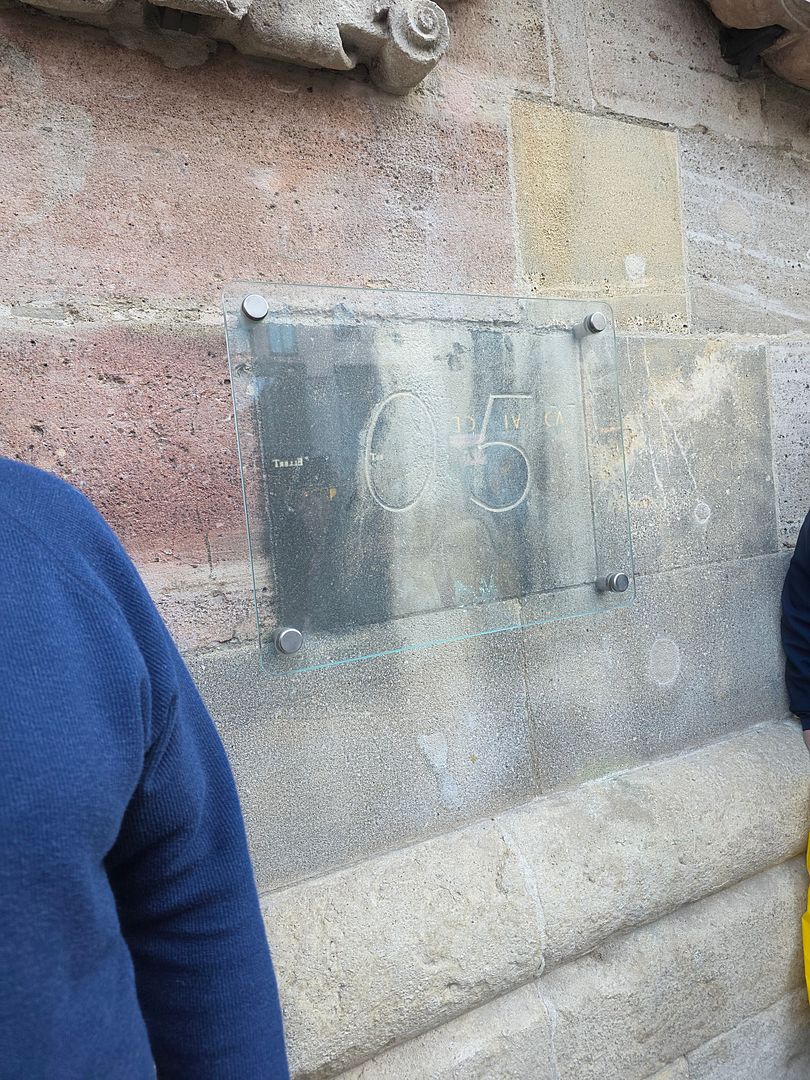
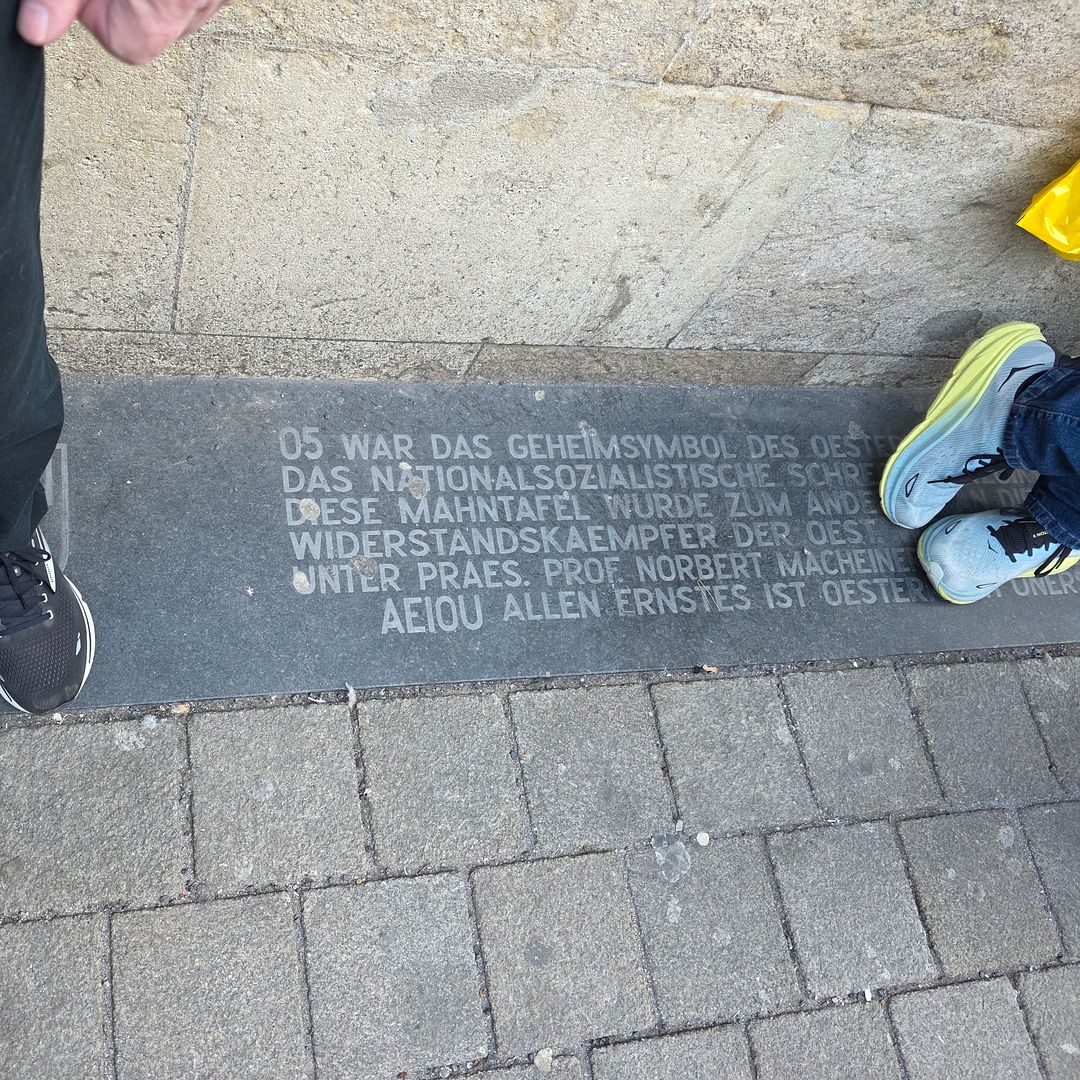
This code ‘O5’ is placed at the right side of the main entrance of St Stephen’s Cathedral. It was the code of an Austrian resistance group during World War II. It stands for Ö (Österreich) built by O and the 5th letter of the alphabet (= OE).
Originally the code was just painted but after World War II it has been engraved and covered by a transparent plate.

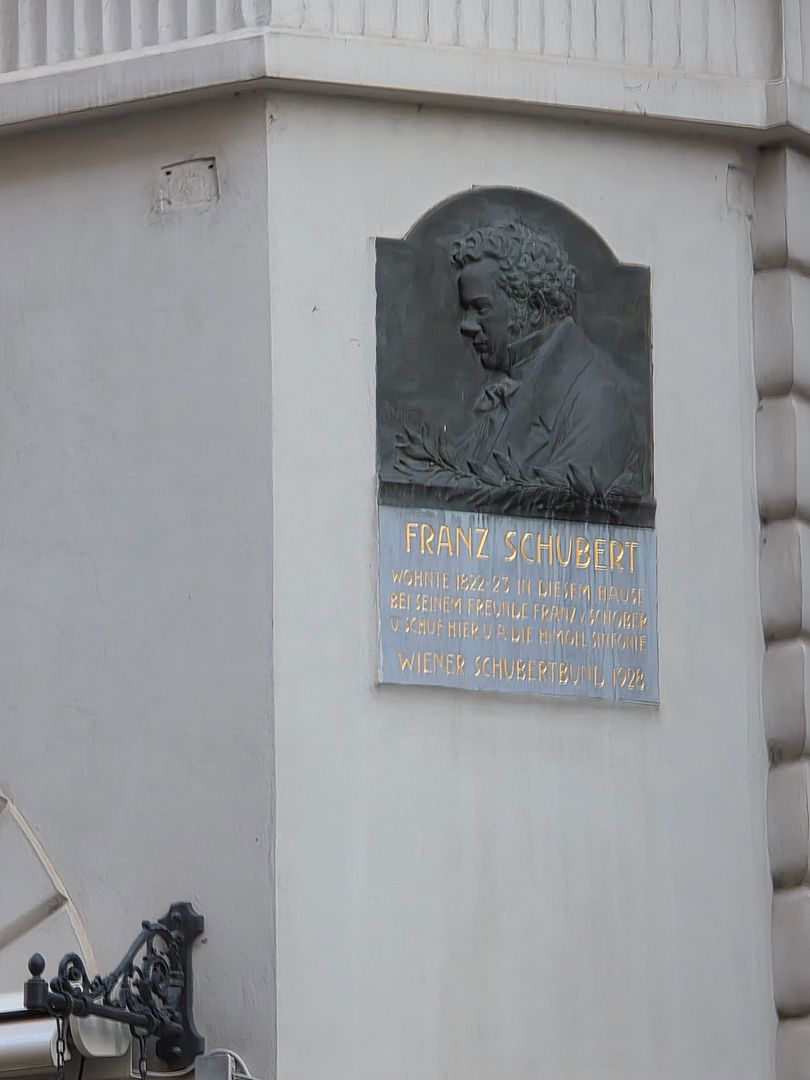
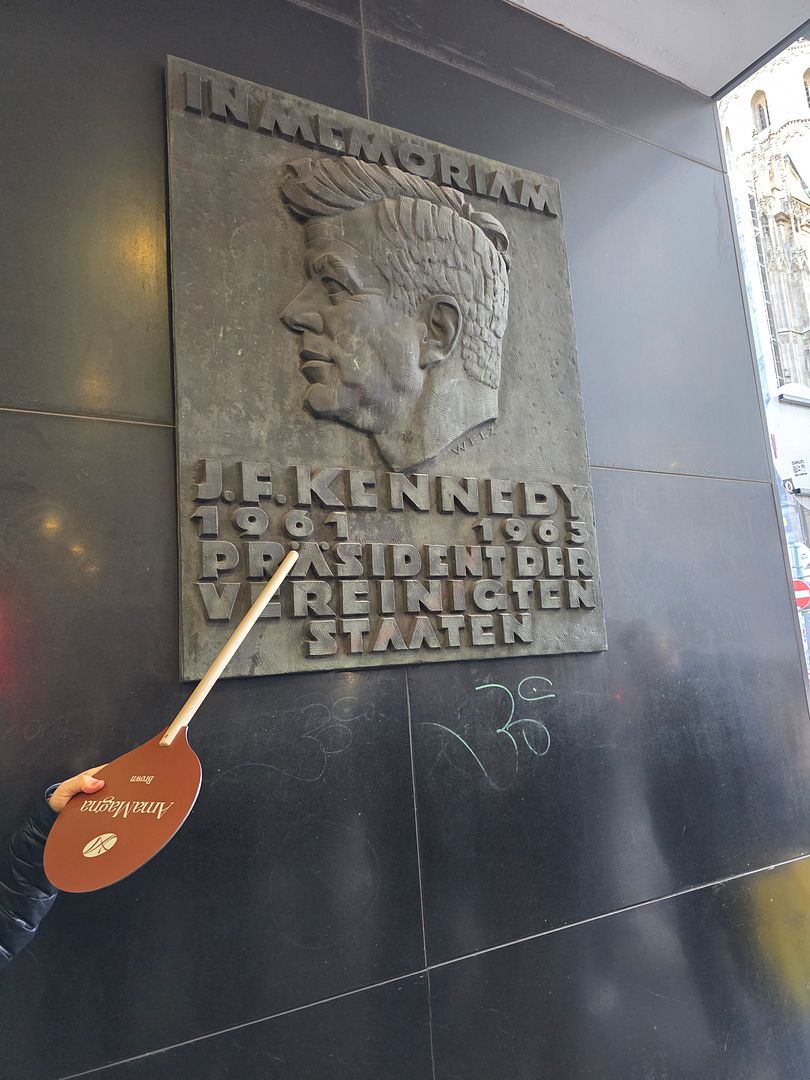
On the way back to our bus stop we saw another interesting plaque.

President John F. Kennedy met Soviet Premier Nikita Khrushchev in Vienna, Austria, on June 3-4, 1961, for a 2-day summit aimed at easing Cold War tensions. The meeting was contentious, with Khrushchev bullying the new president, particularly over the status of divided Berlin. The summit failed to produce agreements, leading to heightened tensions.

Kudos to guides who know about these details in cities because most probably on our own we would miss them totally.

There are so many churches in Vienna that I would have liked to visit.

This was another beautiful winter day on our river cruise.

We made it back to the bus and back to the Danube where the AmaMagna was docked. On this night we would have an earlier dinner because we were booked for a concert in the evening at The House of Strauss.


Vienna Part 2 ~ Carriage Ride

Our driver was determined to take a lot of photos of us in the carriage. The fun part is that we were paired with the girls we met in Cesky Krumlov from Oklahoma and Colorado for this ride through the streets of Vienna.

Looking behind at the other carriages.

There was no commentary on our ride so we weren’t sure of what we were seeing but we enjoyed the architecture, the courts and streets we clip clopped through.


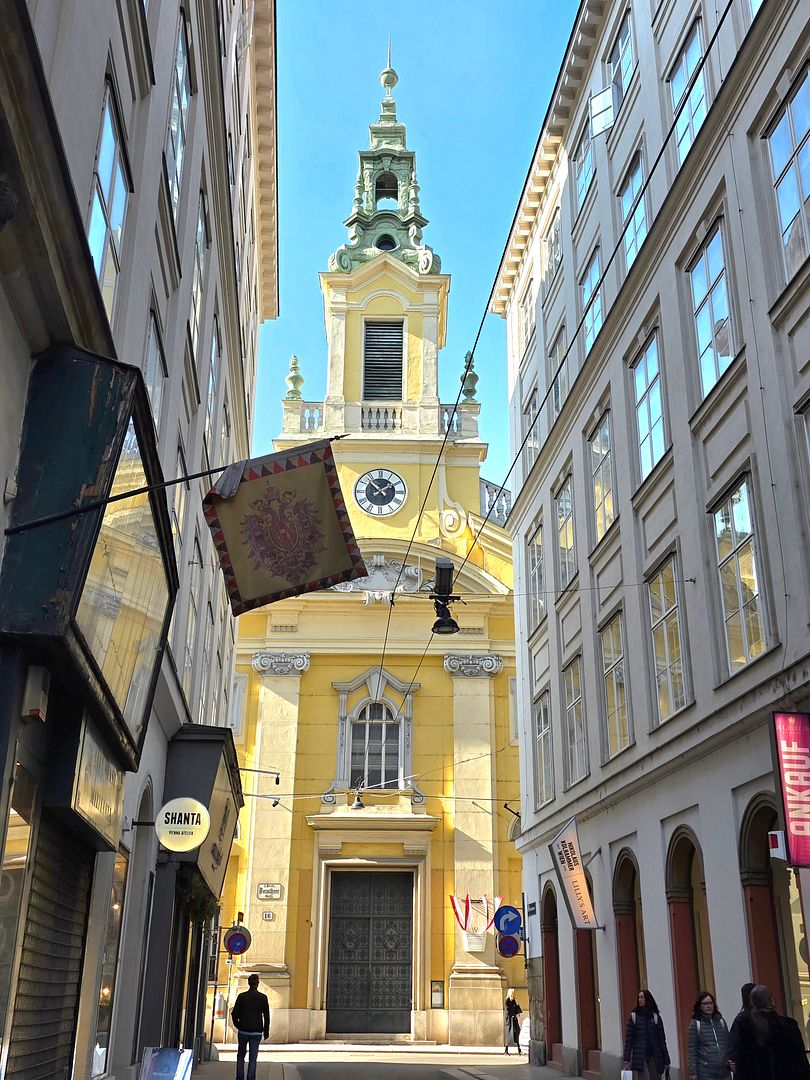
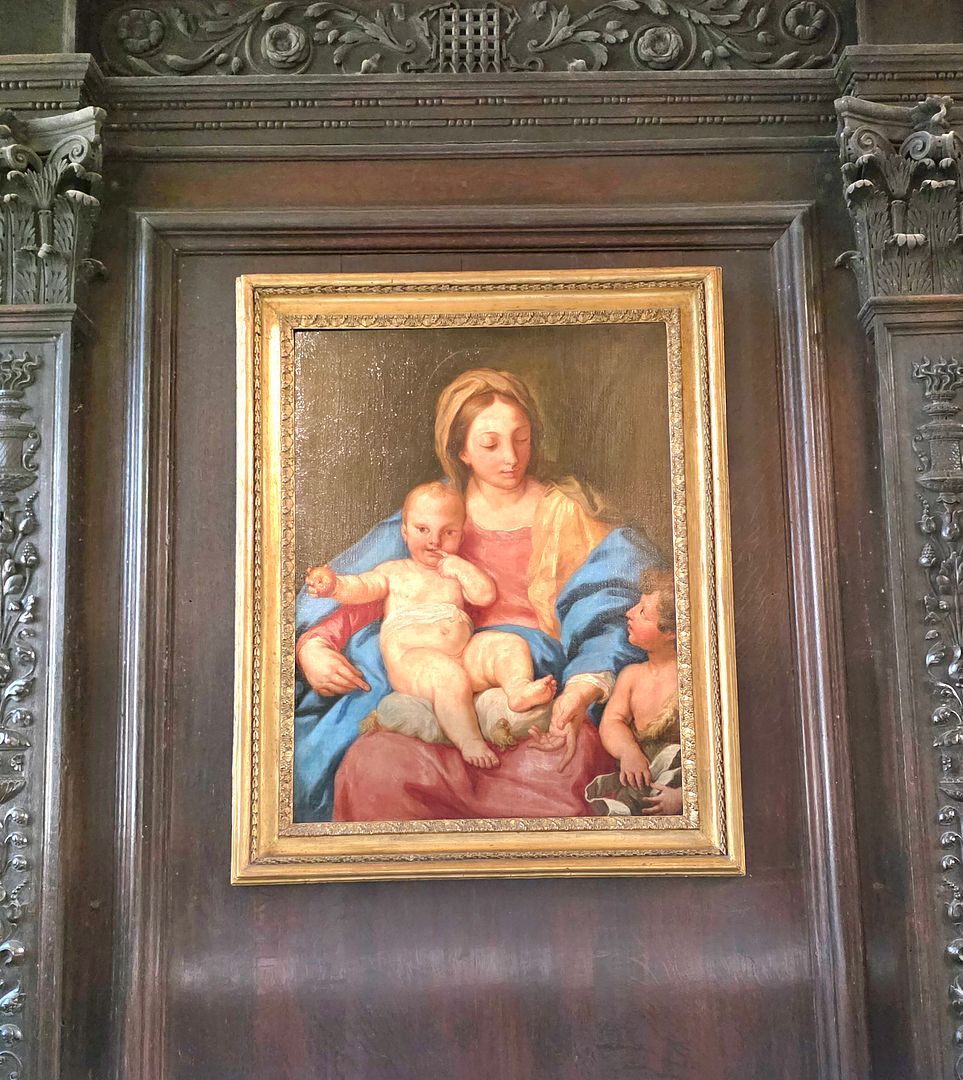
Kirche am hof, Vienna

Kirche am Hof Vienna (Catholic Church)

When the Carriage Ride was over we met up with our tour guide again and walked through some of the areas we just clip clopped through to St. Stevens Cathedral.
That will have to be another post.


Vienna Part 1

On Thursday March 5th our arrival to Vienna would be in the early afternoon. We enjoyed our usual breakfast on board and we also had lunch on board before we had our first excursion into Vienna, an Imperial Vienna tour and carriage ride. Before we docked, we were on the upper deck of the boat and it was fascinating to watch the boat dock in a kind of parallel parking move between two other cruise ships.

There were some bridges we went under where if we were on the upper deck we were advised to duck. It was eerie going under.  I took videos but I am unable to add them here.

The more modern side of Vienna on the opposite side of the Danube from where we docked overnight. After lunch we grabbed our headsets for our first excursion into Old Vienna. A frustrating part of navigating these old cities in a bus is the miles you have to travel in a round about way to get to a designated bus stop. In hindsight walking into and around these cities would be a better option if you are fit and able. Staying in the city center would also be a good option.

Franz Joseph I or Francis Joseph I was Emperor of Austria, King of Hungary, and the ruler of the other states of the Habsburg monarchy from 2 December 1848 until his death in 1916

Vienna’s imperial history is dominated by the Habsburg dynasty, which ruled for over 600 years (1278–1918)l. In their reign they transformed the city from a Roman outpost (Vindobona) into the glittering capital of the Holy Roman, Austrian, and Austro-Hungarian Empires. As a central European power hub, it became a global center of culture, music, and Baroque architecture.
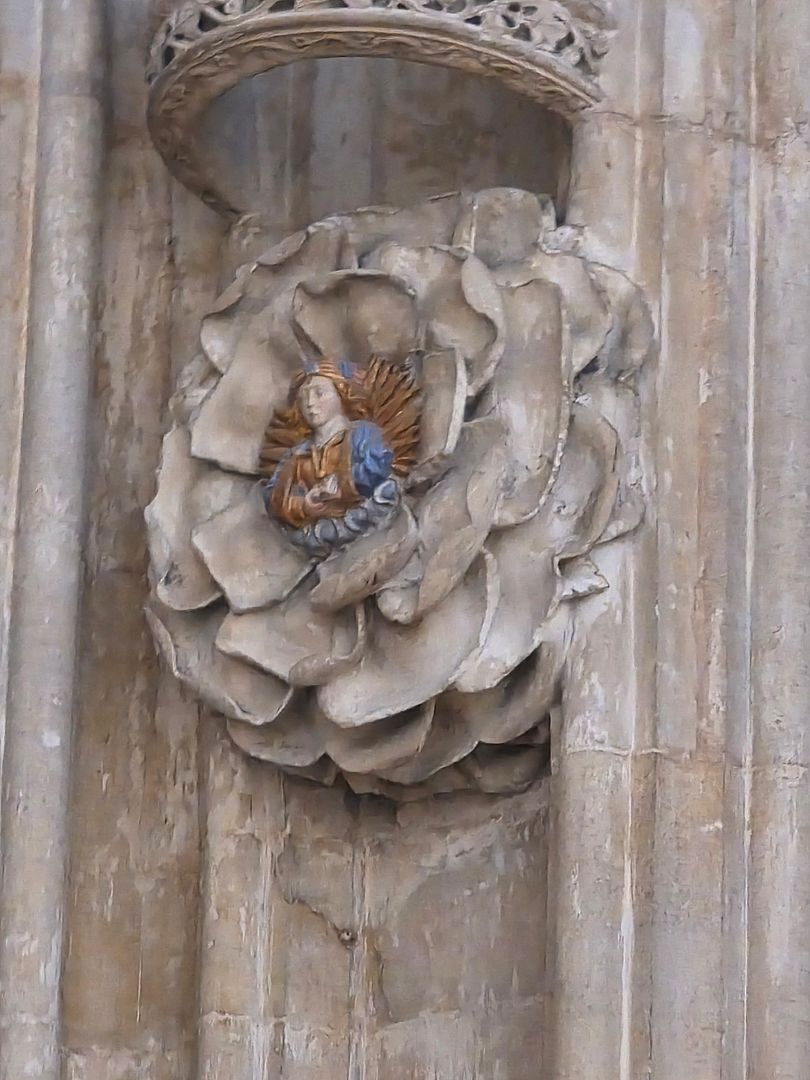
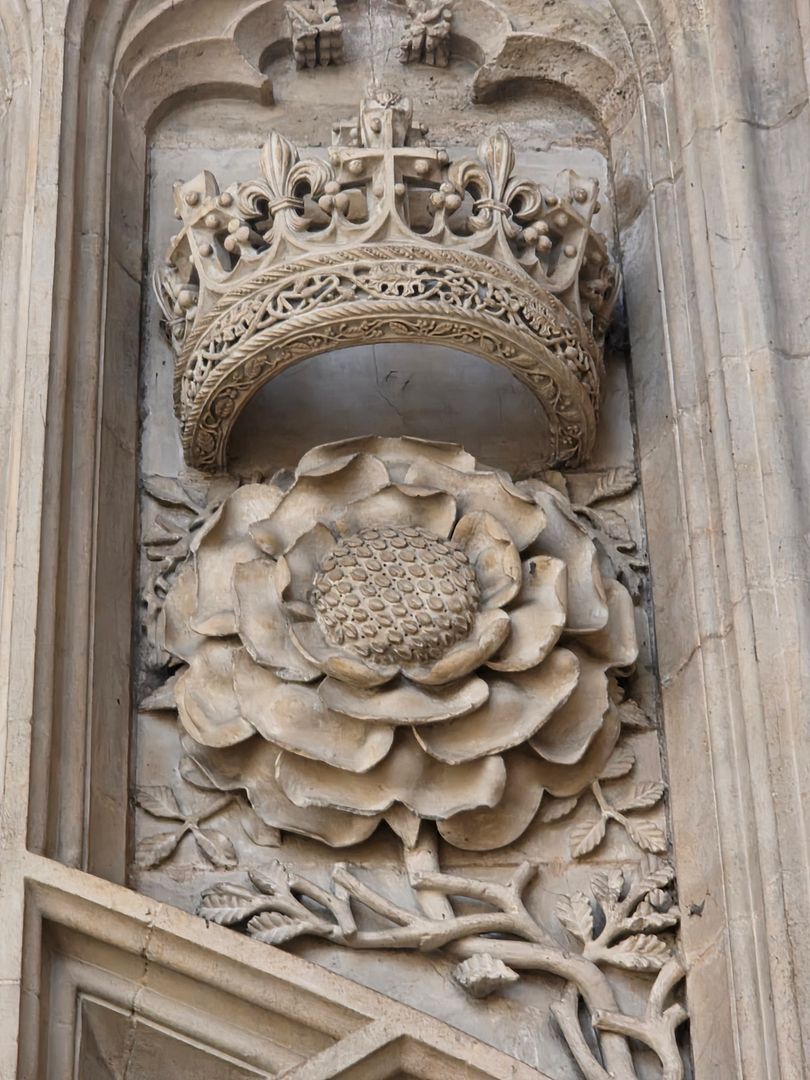
We heard about the Habsburg dynasty everywhere we turned. Not surprising when you consider the extent of their reign.

The Imperial Palace or Hofburg Palace. If there was one day Austria would like never to have happened, it might be March 15th, 1938. A distinct low point for the country: the day Hitler proclaimed the Anschluss with Germany from the balcony (actually a terrace) of the Neue Burg. That balcony remains closed off to any visitors.

The Kaiser Franz II/I statue is a prominent 1846 bronze monument located in the inner courtyard of the Hofburg Palace in Vienna. Designed by Pompeo Marchesi, it honors Francis II, the last Holy Roman Emperor and first Emperor of Austria, featuring him in Roman attire, surrounded by figures representing Religion, Peace, Justice, and Strength

A huge equestrian statue dominates Heldenplatz square on one side of Vienna’s Hofburg palace complex. The monument honours the first man to hand Napoleon a significant military defeat: Archduke Karl.

Eugene of Savoy (1663–1736), one of the most successful military commanders in modern European history, rose to the highest offices of state at the imperial court in Vienna. Born in Paris to aristocratic Italian parents, Eugene grew up around the French court of King Louis XIV, who rejected him for service in the French army. Eugene moved to Austria and transferred his loyalty to the Habsburg Monarchy. He secured his European-wide fame with a decisive victory against the Ottomans at the Battle of Zenta in 1697. Not only did he break the westward thrust of the Ottomans, liberating central Europe after a century and a half of Turkish occupation, but he also helped to save the Habsburg Empire from French conquest.
Habsburgs in the Hofburg Palace. All the burgs can get confusing.

After seeing these inner courts and outer squares and listening to so much amazing history it was time for our Carriage Ride. I’ll save what we saw from the carriage for another post.

Back to the present on this last day of April in 2026. Our Spring mowing has started in earnest and we are considering what to do with our weeds. Our underground critters are a worrisome concern as they are multiplying. It would be fascinating to see their underground world. It’s not all rosy to own property but we are thankful nevertheless.