ABC Wednesday ~ J is for…

Blogspot bloggers!! Please do all of us bloggers a favor and add the “Choose an Identity that lets you put in your name and url without a google account” feature to your comment page. It makes life easier for those of us who aren’t blogspot bloggers. Please, pretty please, with sugar on top!
~

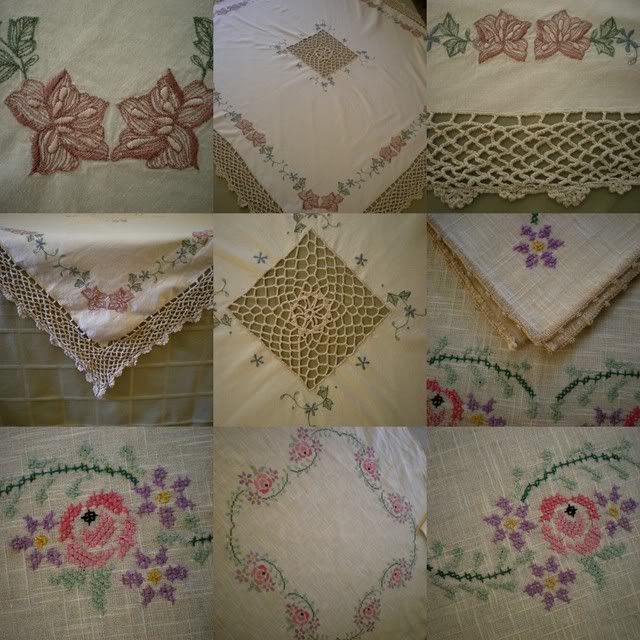
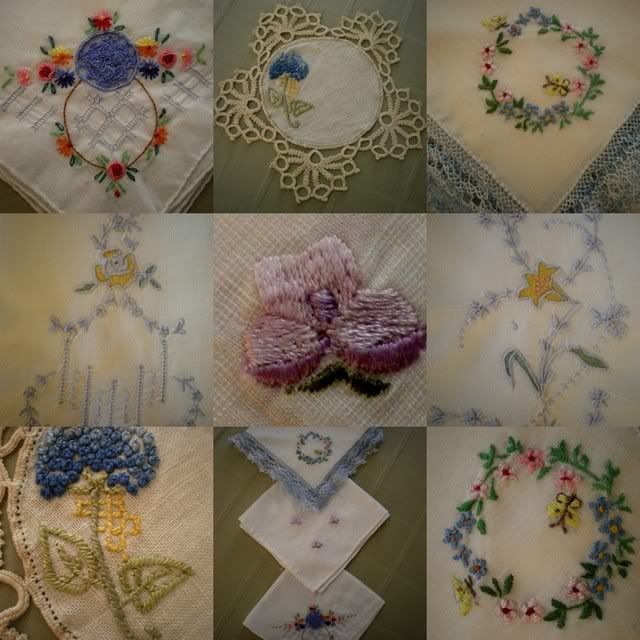
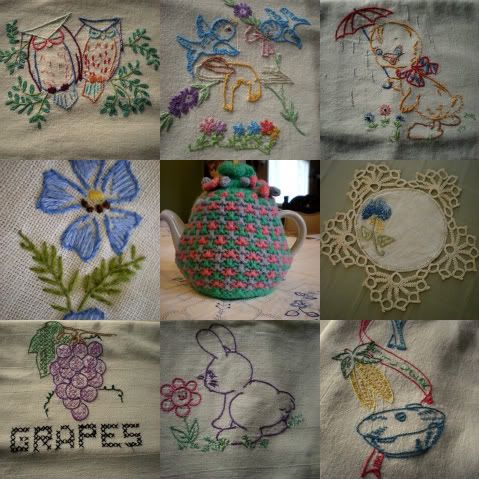
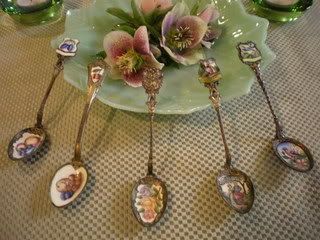
J is for

~

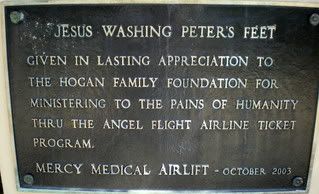
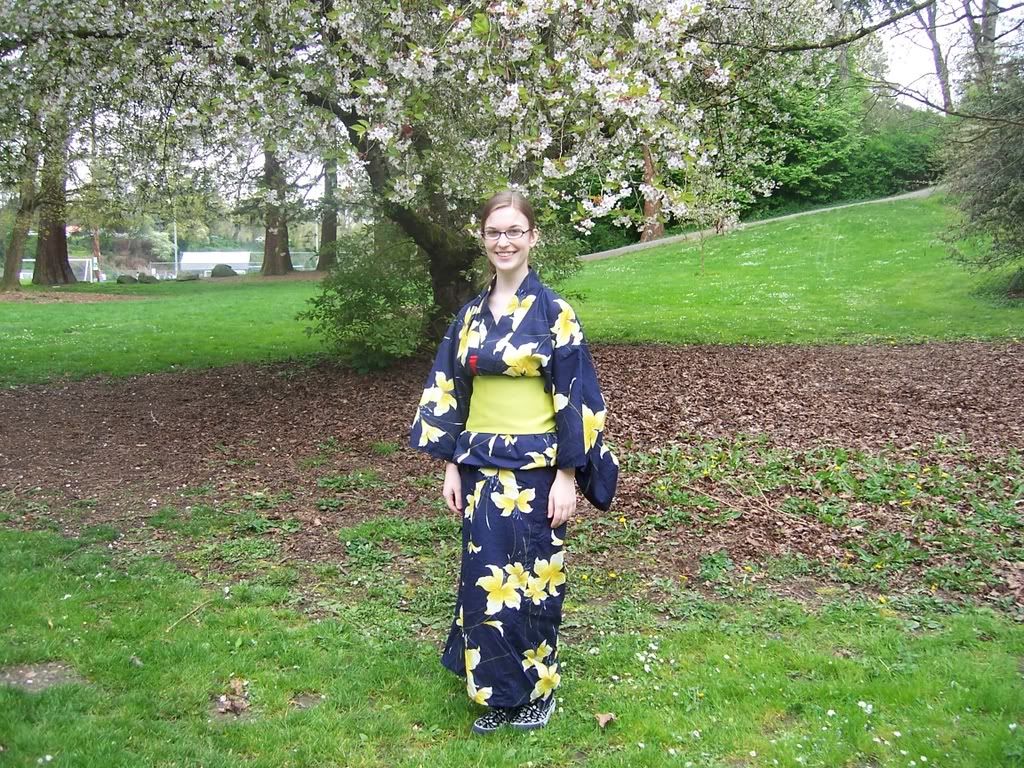
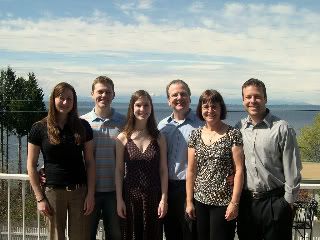
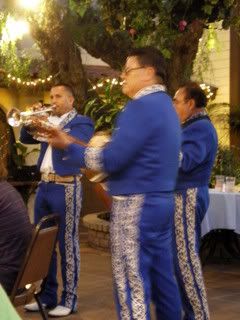
Our Son Josh who has brought lots of Joy to our lives! Click here to see him suspended in the air in China!


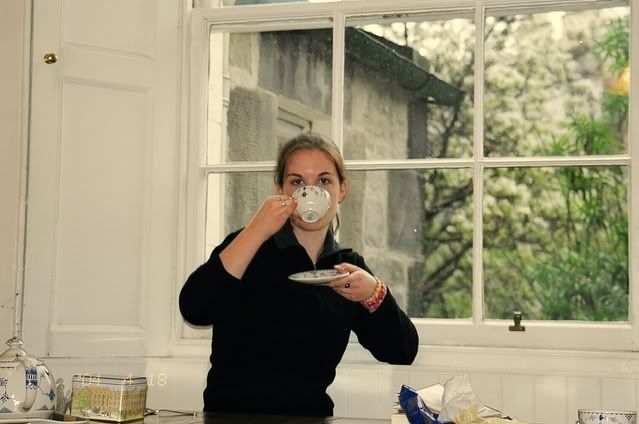
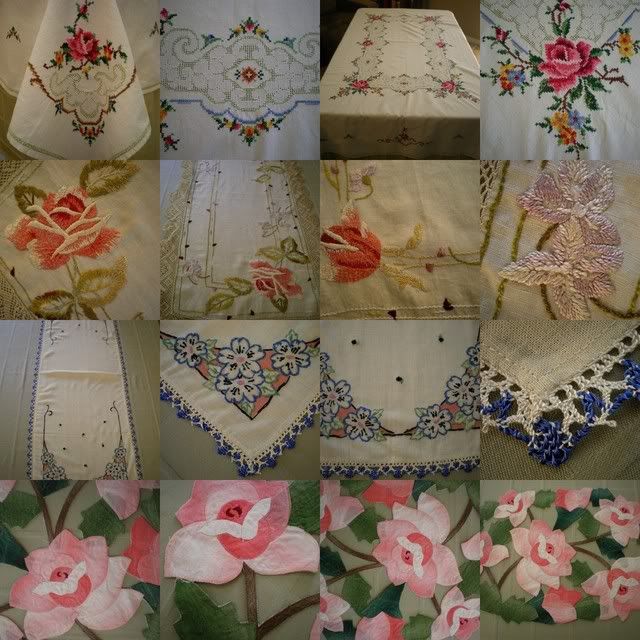
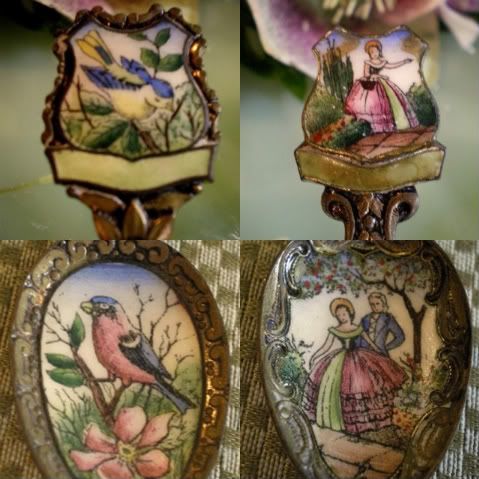
Johnson Bros. Dishes that I love to collect here and there if I find them at a bargain price.

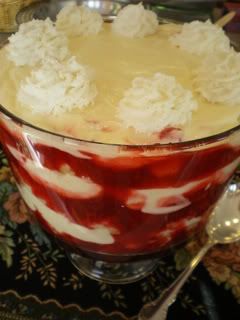
And for your dining pleasure a lovely Applesauce Rasberry Jello Salad that is perfect for Spring and Summer and you can click here for the recipe.

For more ABC Wednesday Posts travel over to Mrs. Nesbitt’s.

Photobucket is holding all my photos from 2007-2015 hostage. I’m working on updating my blog posts very slowly.

Tea Week Two ~ Litera Tea

Photobucket is holding all my photos from 2007-2015 hostage. I’m working on updating my blog posts very slowly.

 Samovar

During the 19th century, samovars gained increasing popularity in major cities, such as St. Petersburg and Moscow, and became inseparably bound to the Russian way of life.

Classics of Russian literature, like Pushkin, Gogol and Chekhov, regularly mention samovars in their works. Chekhov even coined an idiom: “to take one’s own samovar to Tula”. This phrase is still understood and occasionally used by Russians, with a meaning similar to the English “to carry coals to Newcastle”.

“To carry Coals to Newcastle, that is to do what was done before; or to busy one’s self in a needless imployment.”

 Railroad companies in Russia recognized the practicality and popularity of samovars, and fitted long-distance sleeping cars with them. Luxurious cars of the Trans-Siberian railroad were first to adopt this custom. Gradually, the samovar in a railroad car was replaced by the boiler of potable water, known as титан (titan) in the Soviet Union

From Wikipedia, the free encyclopaedia:
A samovar (Russian: самовар, literally “self-brewer”) is a heated metal container traditionally used to brew tea in and around Russia, as well as in other Slavic nations, Iran and Turkey.

A traditional samovar consists of a large metal container with a faucet near the bottom and a metal pipe running vertically through the middle. The pipe is filled with solid fuel to heat the water in the surrounding container. A small smokestack is put on the top to ensure draft. After the fire is off a teapot could be placed on top to be kept heated with the passing hot air. The teapot is used to brew the заварка (zavarka), a strong concentrate of tea. The tea is served by diluting this concentrate with кипяток (kipyatok = boiled water) from the main container, obtaining a lighter or darker brew function of drinkers’ tastes.

“To have a sit by samovar” means to have a leisurely talk while drinking tea from samovar, and it is a Russian expression reflecting the popular attitude towards its use.

In older times it was an economic continuous source of hot water. Various slow-burning items could be used for fuel, such as charcoal or dry pinecones. When necessary, the fire in the samovar pipe was quickly rekindled with the help of bellows manufactured specifically for this use.

In modern times, the samovar is mostly associated with Russian exotica and nostalgia.  During the Olympic games of 1980, an incredible amount of samovars were sold to visitors from abroad, thus affecting the samovar: it gained international recognition and became a symbol of Russia.

I don’t ever remember using tea-cups in our Russian gatherings for tea. Typically a glass was used served with a bowl under it. Many of the children and older folk would pour their tea into the bowl and drink it out of the bowl. There were fancier glass holders called podstakahnyik that I’ve posted a couple of pictures of here. Literally translated it means under the glass. Any Russians out there can correct me if I got that wrong. Russia has two national drinks, tea (chai) and vodka.

Tea is “Chai” in russian, (not the now popular Chai drink you find at Starbuck’s). Chai is just plain old steeped tea with boiled water added to your desired strength.  In our Russian culture it is an important part of a meal. We usually have it at the end of a meal. Many times we’ll have it in the middle of the day too. It’s has been associated with rest, comfort and refreshment. It’s just common for us to say at the end of the meal, “Chai?”  or “Who wants Chai?”

When I have my “russian” crowd over these are what I serve chai in. I have 12 of them and they are perfect to see the strength you want your tea to be. Some add lemon, some add cream, some have it black. I’ll have to share in a later post the varenya that my mom and other russian ladies make to add to tea. It’s a fruit based syrupy liquid to sweeten and flavor your tea instead of sugar.

For more Litera Tea posts click over to Gracious Hospitality.

Fun Monday ~

 Swampy is hosting Fun Monday and this is a short version of her assignment for us.

Choose a topic/theme and make an alphabetical list of words, phrases, photos…however you want to share your topic/theme.

For Spring I assembled this flower collage with an ode to it below using the letters of the alphabet in consecutive order. Not Shakespeare by any means just my zaney attempt at being clever. Enjoy…


A beautiful collage delights. Every fragrance gentle, heavy, intense,  journeys kindly lingering midst new odes poetically quipped resting still tantalized under vines with Xanadu yearnings zealous and zaney!

And because yesterday was Easter here are some ABC words I associate with it…

Angel ~ Blessed ~ Christ ~ Delivered ~ Empty tomb ~ Freed ~ Grace ~ Hope ~ Infinate ~ Joy ~ King ~ Lord ~ Mercy ~ Nails ~ Omnipotent ~ Praise ~ Quench ~ Resurrected ~ Savior ~ Throne ~ Unblemished ~ Victorious ~ Wounded ~ eXalted ~ Yield ~ Zion

For more fun Monday click over to Swampy’s.

Photobucket is holding all my photos from 2007-2015 hostage. I’m working on updating my blog posts very slowly.

Sky Watch ~ Good Friday


Luke 23: 44-46 ~ “It was now about the sixth hour, and darkness fell over the whole land until the ninth hour, because the sun was obscured; and the veil of the temple was torn in two. And Jesus, crying out with a loud voice, said, “Father, INTO YOUR HANDS I COMMIT MY SPIRIT.” Having said thus, He breathed His last.”

For more Sky Watch photos visit Tom at  Wiggers World.

Photobucket is holding all my photos from 2007-2015 hostage. I’m working on updating my blog posts very slowly.

Spring Reading Thing ~ 2008

Welcome to Spring and the Spring Reading Thing!


I participated last year in the Spring Reading Thing. It was my first blog carnival venture because I had just started my blog in March of 2007. Time flies when you’re blogging!

So many books to choose from to read.

Here are my choices so far. (subject to change at the whim of this reader)

Before Green Gables – The prequel to Anne of Green Gables ~ by Budge Wilson

I’m in the process of re-reading/reading for the first time some great classics. I finally just finished reading Anne of Green Gables so I’m excited to read this new book. It is also the 100 year anniversary of Anne so I thought it was a good time to read about her instead of just watching her story.

Scarlet ~ by Stephen R. Lawhead

This is the second book in the King Raven Trilogy. The first book was Hood which I read and enjoyed. Lawhead has an interesting and rich way of bringing you history in his fiction.

Inkspell ~ by Cornelia Funke

Again this is the second book in a series. I read Inkheart a while back and it kept me engaged. Funke has been compared to Rowling.

Gentian Hill ~ by Elizabeth Goudge

Elizabeth Goudge is one of my favorite new/old writers. I am trying to get my hands on all her books. This will be my 5th book of hers I’ll have read. She is another author who develops her characters well. I compare her to George MacDonald in the way he brings a persons faith and relationship with God into the everyday.

Whose Body ~ by Dorothy Sayers

If you read mystery and haven’t read Sayers, you need to. Check out her Lord Peter Wimsey Series. This series was writtten from 1923-1935.

God is the Gospel ~ by John Piper

and right now I am finishing The Wind in the Willows by Kenneth Grahame

This again is in my quest to read some classics that slipped by me…

Head over to Callapidder Days on thursday morning to see more Spring Reading Lists or to join in…

WFW ~ Hebrews 12: 1-2


“Therefore, since we have so great a cloud of witnesses surrounding us, let us also lay aside every encumbrance and the sin that so easily entangles us, and let us run with endurance the race that is set before us, fixing our eyes on Jesus, the author and perfecter of faith, who for the joy set before Him endured the cross, despising the shame, and has sat down at the right hand of the throne of God.”

For more Word Filled Wednesday click here.

Teacup-a-Story ~ Week One


March 16 – March 22
Teacup-a-Story ~
Share a picture of your favorite teacup and saucer; describe it and tell it’s history (or make up a story about it’s past). Why is it meaningful to you? This would be a good place to share about the details of your teacup collection if you have one.


~

These cups are each special to me for different reasons. The first one was made in Russia. My heritage is Russian and I was happy to find this cup and saucer at Goodwill on one of my shopping trips there. I really enjoy blues in dishes so that’s another reason I like it.
~
The second photo is a tea-cup from the tea set that I bought as a souvenir when I was in England in 1973. I really enjoyed the shape of the Royal Albert china. After we were married we traveled to Canada and were able to add to my original tea set with a dinner service for 12. Besides blue and white I find pink and green very pleasing to my eyes.
~
This next tea cup and saucer are from my MIL’s stash. Her brother gave her a set of dishes in this pattern as a wedding gift. I love the flowers and the history that goes with this sweet cup.
~
The last cup is from a set of dishes that I saw in a model home that we walked through before we bought our home in Ventura, California in 1984. When we moved in to our home the housing development had a model home furniture and accessories sale and I bought the service for 4 for $25.00. I was a happy camper. The pattern is English Chippendale/Johnson Bros./ England.

I never collected tea-cups but I inherited and bought them here and there when one caught my eye. You can visit LaTeaDah and see more Tea-cups with a story.

Photobucket is holding all my photos from 2007-2015 hostage. I’m working on updating my blog posts very slowly.

I is for Iona ~

It’s time for ABC Wednesday and this week we are on the letter I.

Come with me to the Isle of Iona in the Hebrides.

We traveled from the town of Oban on the western coast of Scotland by ferry to the Island of Mull and then we boarded a bus to travel down the Island to take a small ferry to the small Isle of Iona.

This little Isle is rich in history and beauty.

History of Iona

St. Columba, an Irish scholar, soldier, priest, and founder of monasteries, got into a small war over the possession of an illegally copied Psalm book. Victorious but sickened by the bloodshed, Columba left Ireland, vowing never to return. According to legend, the first bit of land out of sight of his homeland was Iona. He stopped here in 563 and established the abbey.

Columba’s monastic community flourished, and Iona became the center of Celtic Christianity. Iona missionaries spread the gospel through Scotland and North England, while scholarly monks established Iona as a center of art and learning. The Book of Kells – perhaps the finest piece of art from “Dark Ages” Europe – was probably made on Iona in the eighth century. The island was so important that it was the legendary burial place for ancient Scottish and even Scandinavian kings (including Shakespeare’s Macbeth).

Slowly the importance of Iona ebbed. Vikings massacred 68 monks in 806. Fearing more raids, the monks evacuated most of Iona’s treasures (including the Book of Kells, which is now in Dublin) to Ireland. Much later, with the Reformation, the abbey was abandoned, and most of its finely carved crosses were destroyed. In the 17th century, locals used the abbey only as a handy quarry for other building projects.

Iona’s population peaked at about 500 in the 1830’s. In the 1840’s a potato famine hit. In the 1850’s a third of the islanders emigrated to Canada and Australia. By 1900 the population was down to 210, and today it’s only around 100.

But in our generation a new religious community has given the abbey new life. The Iona community is an ecumenical gathering of men and women who seek new ways of living the Gospel in today’s world, with focus on worship, peace, and justice issues, and reconciliation.

The island is car free. While the present  abbey, nunnery, and graveyard go back to the 13th century, much of what you see today was rebuilt in the 19th century.

ht: history and other information taken from Rick Steves’ Great Britain

For more ABC Wednesday go see Mrs. Nesbitt.
 

WW ~ First Visit


I’m adding some words this week. These are my parents at their first meeting with their new miracle granddaughter. Their last granddaughter (our Katie) was born 22 years ago. Their youngest grandson is 16 years old. This granddaughter, our niece was born in January to my brother and his wife, who are both in their 40’s. It is their first baby. We are thrilled with this latest addition to our family and you can see how thrilled my parents are to finally meet her face to face! Dear and I get to go meet her in May! Praise God from whom all blessings flow…

For more WW click here.

Photobucket is holding all my photos from 2007-2015 hostage. I’m working on updating my blog posts very slowly.