Happy Birthday Mom ~ Nadejda!


Today is my mom’s birthday. On her official papers (she doesn’t have a birth certificate) she’s 85 today. She was born a year earlier than her papers say so she is really 84 today. Little things like birth dates got mixed up when filling out paper work during immigration.

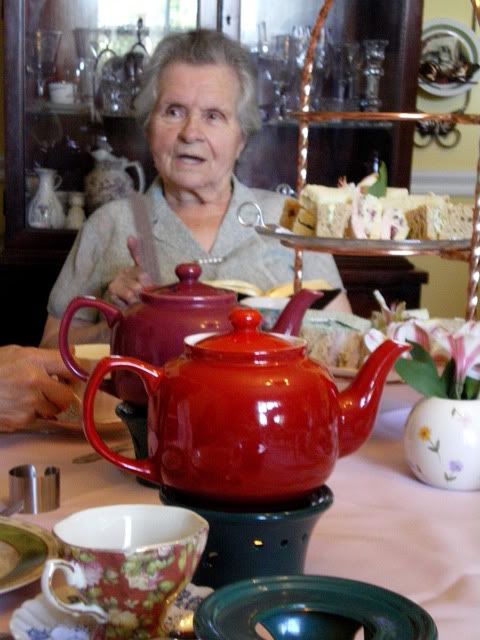
This photo is from a formal tea we enjoyed recently. She is giving us words of wisdom.

God has blessed us richly with a mom who loves her God, husband, children, grandchildren and great grandchildren.

Gracious Hospital-i-Tea Blog-a-thon ~ Stitches

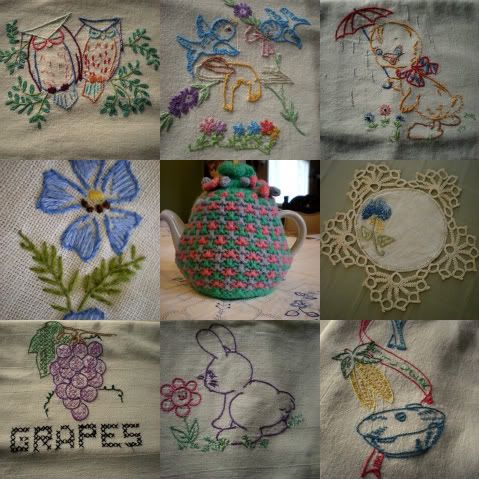
 April 6th – 12th ~ Share ideas and pictures that involve stitching for the tea table. Any kind of stitches count: sewing, embroidery, knitting, crochet, tatting, quilting, etc. The work can be yours or of someone else, but should be homemade rather than done by factory machines. Ideas are
napkins, tea cozies, table linens, and other creations made with tea themes.

I have always called these dish towels tea towels so I’m including them in my stitch post. The Tea Cozy in the center was a gift that a friend in England knit for me after I was so excited seeing my very first tea cozy at her house in 1973. The doilie to the right of the tea cozy is great for setting a teapot on. I have a lot of tablecloths and napkins that I use for pretty tea tables that do not have a tea theme in particular. Most of these items are in my home in Washington and I don’t have access to them for this post. I’m looking forward to my visits to your sites to see what stichery you have…

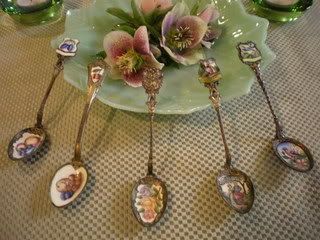
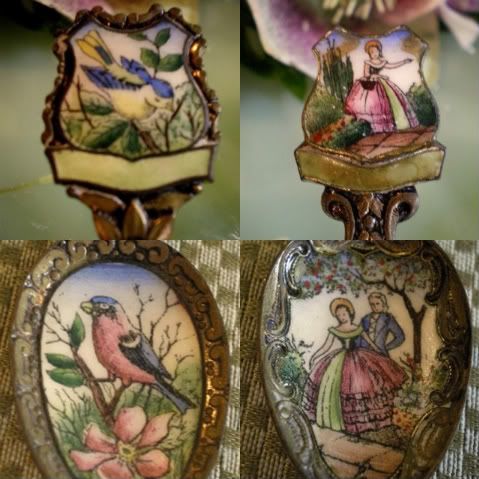
I forgot about these fancy teaspoons we inherited from my MIL and decided to add them to this post

For more Hospital-i-Tea blogathon posts on stichery click here.


One Misty Moisty Morning ~ Ладушки, Ладушки

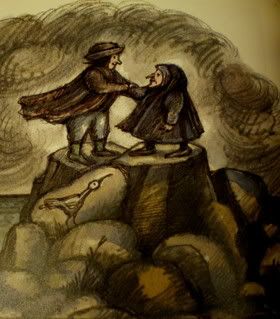
On mornings like today this old Mother Goose nursery rhyme pops into my head and I say it again and say it again and say it again and again…

One misty moisty morning,
When cloudy was the weather,
I chanced to meet an old man,
Clothed all in leather.
He began to compliment
And I began to grin.
How do you do? And how do you do?
And how do you do again?

When I was a school teacher we had a training session on how important nursery rhymes were to a child’s language development and future reading skills. So take that baby on your knee and have fun with all the nursery rhymes out there. Sing them instead of just saying them. I remember bouncing my kids on my knee with this one, too.

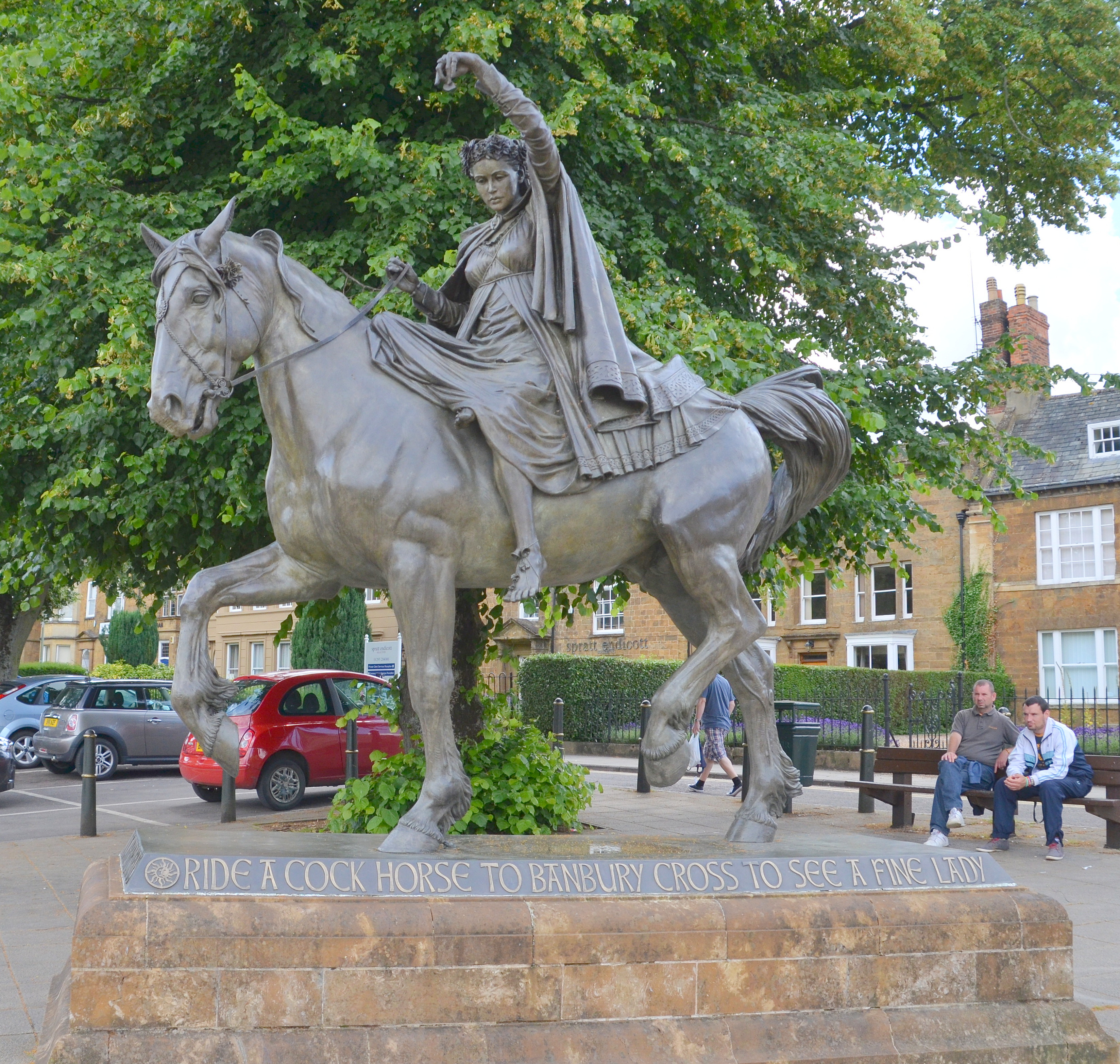
Ride a cock horse to Banbury Cross
To see a fine lady upon a white horse
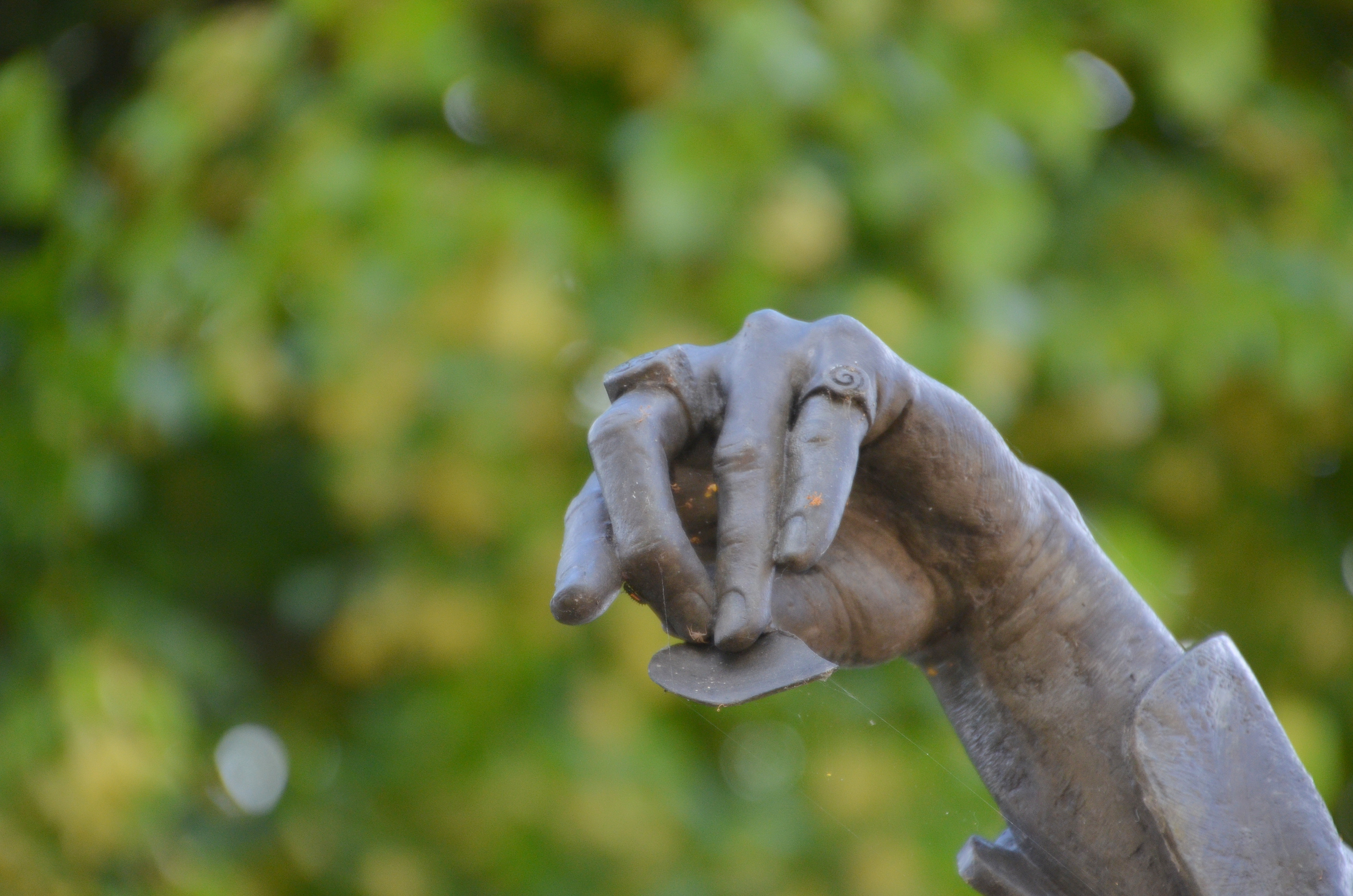
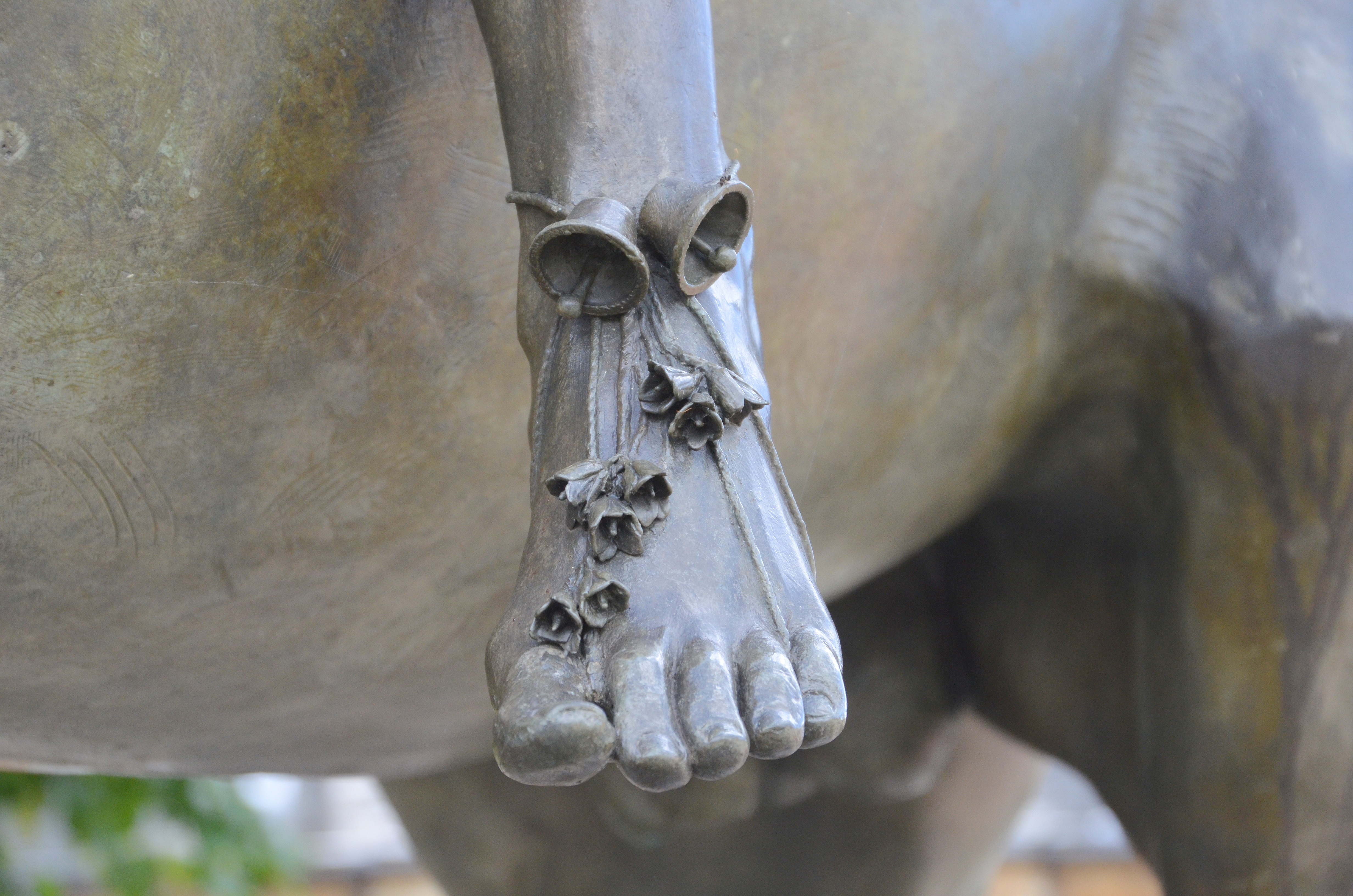
With rings on her fingers and bells on her toes
She shall have music wherever she goes

There’s also a rhyme we would repeat in Russian that goes something like this…

Ладушки, ладушки
Pat-a-cake
Clapping Song
(Russian)
Ладушки, ладушки
Где были?
У бабушки!
Что ели?
Кашку!
Что пили?
Бражку!
Кашка масленька
Бражка сладенька
Бабушка добренька!
~
The loose translation into English
Pat-a-cake, pat-a-cake,
Where were you?
At granny’s!
What did you eat?
Porridge*!
What did you drink?
A little home-brewed beer**
The porridge is buttered,
The home-brewed beer is sweet,
Granny is kind!
~
The version we sang was a bit different at the end. I’ll need to talk to my mom today and update how we ended this rhyme.
~
*In Russia porridge is very famous, it can be made from wheat (millet), oatmeal, buckwheat, rice, fine-ground barley, etc.**This probably means kvas, a Russian home-brewed non-alcoholic drink, or it means that Granny gave the children some beer to try, she indulged her grandchildren. (and actually if it sits long enough Kvas turns into an alcohol drink)
~
I updated this post with photos from our trip to Banbury, England in July of 2014.
ht: Mama Lisa’s World for the Russian Rhyme.

Decor-a-Tea ~ More Pink…

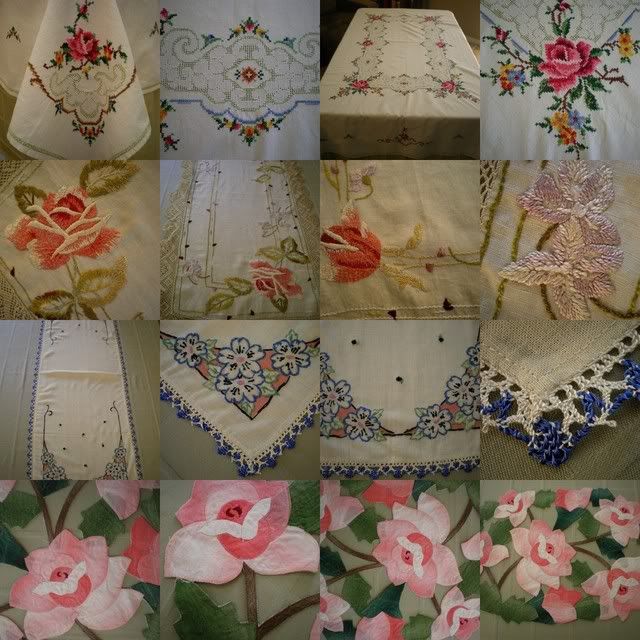
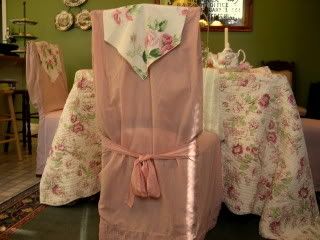
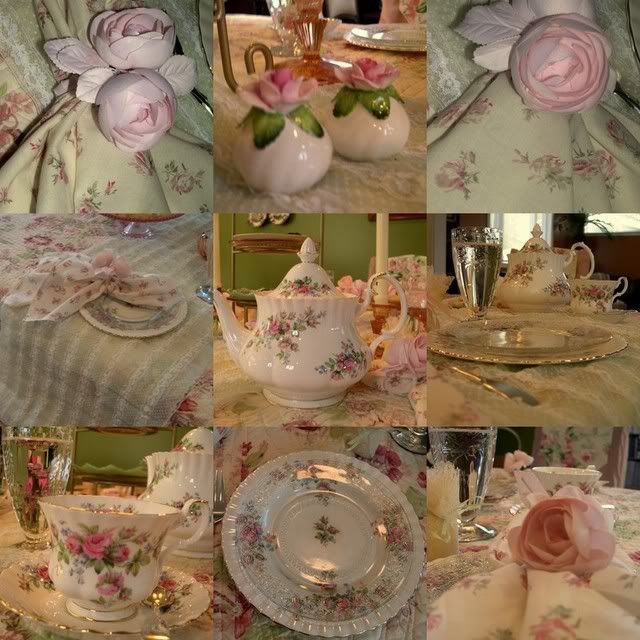
This is a follow-up to my Pink Tea collage with some larger photos. I’ve posted these before in 2007 but wanted to re-post them for the Decor-a-Tea theme.


My next Decor-a -Tea post will be Blue!

Oops! Sorry ladies I just read LaTeaDah’s weekly themes a little more carefully and see that my tea tables could have waited till May. I’ll share my Vintage Blue tea table then and my Tea for One in that week, too. Now to follow the directions and stop jumping the gun! 🙂

For more tea posts visit our Gracious Hostess LaTeDah.

Tea Blog-a-thon ~ Decor-a-Tea

This weeks theme is decorating with tea items, or tea collections etc. I’m getting ready for my posts and wanted to remind you that’s it’s not to late to join in. Head over to Gracious Hospitality for the themes each week. Then you can click on the link below my collage to see other posts for this weeks theme. Here’s my first contribution to Decor-a-Tea.

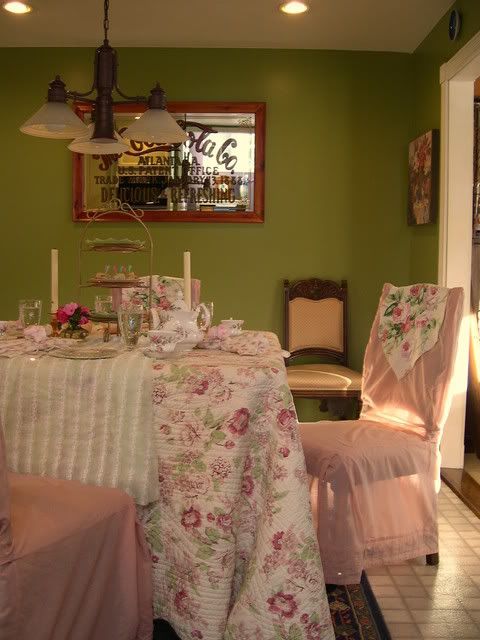
The tea set and dishes are Royal Albert Moss Rose. The napkins and napkin rings are Target clearance. The glasses and clear glass plates on top of the Moss Rose plates are from Goodwill. The tablecloth is a quilt I bought at T.J.Max. The runner is a piece of dotted swiss fabric with lace that I found at Goodwill, too. The salt and pepper shakers are a gift from a friend who purchased them in Victoria, B.C. I love to find things here and there to add to my different ideas for place settings. When I find bargains it’s easier to justify adding them to my collections. I’ve gotten a lot braver in throwing odd things together and most of the time it works out well. Enjoy…

I’m headed to the airport now to return to Southern California. I will add some more Decor-a-Tea posts from there. Have a wonderful week everyone.

To see more Decorating Tea posts click here.

Litera Tea ~ Anne of Green Gables

I just recently read Anne of Green Gables for the first time. I had seen and enjoyed the movies. This is a great quote from the book during a conversation with Anne and Marilla as Anne anticipates going to tea at the manse (a clergyman’s residence).

“But all things have an end, even nights before the day on which you are invited to take tea at the manse. The morning, in spite of Matthew’s predictions, was fine and Anne’s spirits soared to their highest.

“Oh, Marilla, there is something in me today that makes me just love everybody I see, ” she exclaimed as she washed the breakfast dishes. “You don’t know how good I feel! Wouldn’t it be nice if it could last? I believe I could be a model child if I were just invited out to tea everyday. But oh, Marilla, it’s a solemn occasion, too. I feel so anxious. What if I shouldn’t behave properly? You know I never had tea at a manse before, and I’m not sure that I know all the rules of etiquette, although I’ve been studying the rules given in the Etiquette Department of the Family Herald ever since I came here. I’m so afraid I’ll do something silly or forget to do something I should do. Would it be good manners to take a second helping of anything if you wanted to very much?”

“The trouble with you, Anne, is that you’re thinking too much about yourself. You should just think of Mrs. Allan and what would be nicest and most agreeable for her.” said Marilla, hitting for once in her life on a very sound and pithy piece of advice. Anne instantly realized this.

“You are right, Marilla. I’ll try not to think about myself at all.”

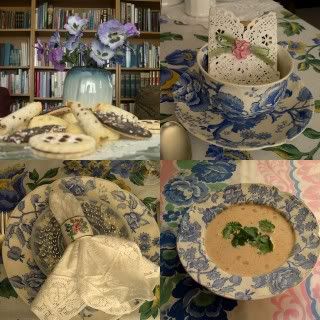
Enjoy a little tea in my library in celebration of Litera-tea!
My first Litera post about Russian Tea is here.

For more Litera-Tea click over to Gracious Hospitality.

Tea Week Two ~ Litera Tea

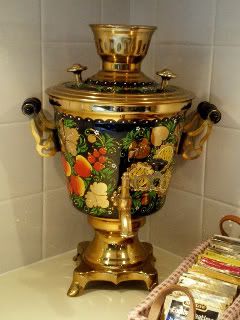
 Samovar

During the 19th century, samovars gained increasing popularity in major cities, such as St. Petersburg and Moscow, and became inseparably bound to the Russian way of life.

Classics of Russian literature, like Pushkin, Gogol and Chekhov, regularly mention samovars in their works. Chekhov even coined an idiom: “to take one’s own samovar to Tula”. This phrase is still understood and occasionally used by Russians, with a meaning similar to the English “to carry coals to Newcastle”.

“To carry Coals to Newcastle, that is to do what was done before; or to busy one’s self in a needless imployment.”

 Railroad companies in Russia recognized the practicality and popularity of samovars, and fitted long-distance sleeping cars with them. Luxurious cars of the Trans-Siberian railroad were first to adopt this custom. Gradually, the samovar in a railroad car was replaced by the boiler of potable water, known as титан (titan) in the Soviet Union

From Wikipedia, the free encyclopaedia:
A samovar (Russian: самовар, literally “self-brewer”) is a heated metal container traditionally used to brew tea in and around Russia, as well as in other Slavic nations, Iran and Turkey.

A traditional samovar consists of a large metal container with a faucet near the bottom and a metal pipe running vertically through the middle. The pipe is filled with solid fuel to heat the water in the surrounding container. A small smokestack is put on the top to ensure draft. After the fire is off a teapot could be placed on top to be kept heated with the passing hot air. The teapot is used to brew the заварка (zavarka), a strong concentrate of tea. The tea is served by diluting this concentrate with кипяток (kipyatok = boiled water) from the main container, obtaining a lighter or darker brew function of drinkers’ tastes.

“To have a sit by samovar” means to have a leisurely talk while drinking tea from samovar, and it is a Russian expression reflecting the popular attitude towards its use.

In older times it was an economic continuous source of hot water. Various slow-burning items could be used for fuel, such as charcoal or dry pinecones. When necessary, the fire in the samovar pipe was quickly rekindled with the help of bellows manufactured specifically for this use.
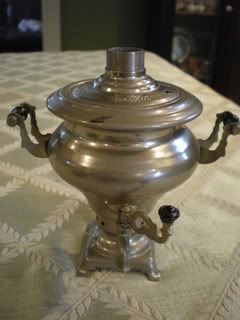
In modern times, the samovar is mostly associated with Russian exotica and nostalgia.  During the Olympic games of 1980, an incredible amount of samovars were sold to visitors from abroad, thus affecting the samovar: it gained international recognition and became a symbol of Russia.

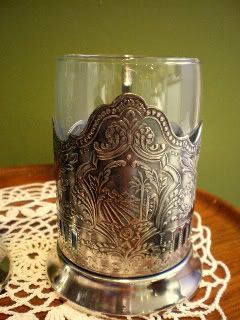
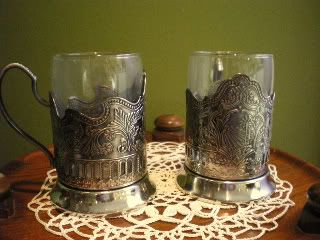
I don’t ever remember using tea-cups in our Russian gatherings for tea. Typically a glass was used served with a bowl under it. Many of the children and older folk would pour their tea into the bowl and drink it out of the bowl. There were fancier glass holders called podstakahnyik that I’ve posted a couple of pictures of here. Literally translated it means under the glass. Any Russians out there can correct me if I got that wrong. Russia has two national drinks, tea (chai) and vodka.

Tea is “Chai” in russian, (not the now popular Chai drink you find at Starbuck’s). Chai is just plain old steeped tea with boiled water added to your desired strength.  In our Russian culture it is an important part of a meal. We usually have it at the end of a meal. Many times we’ll have it in the middle of the day too. It’s has been associated with rest, comfort and refreshment. It’s just common for us to say at the end of the meal, “Chai?”  or “Who wants Chai?”

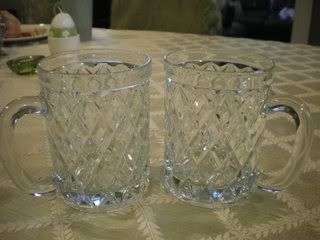
When I have my “russian” crowd over these are what I serve chai in. I have 12 of them and they are perfect to see the strength you want your tea to be. Some add lemon, some add cream, some have it black. I’ll have to share in a later post the varenya that my mom and other russian ladies make to add to tea. It’s a fruit based syrupy liquid to sweeten and flavor your tea instead of sugar.

For more Litera Tea posts click over to Gracious Hospitality.
Eggs and Kulich

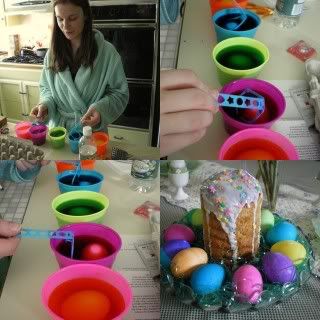
Our Easter preparations are on their way.

Katie colors the eggs each year.

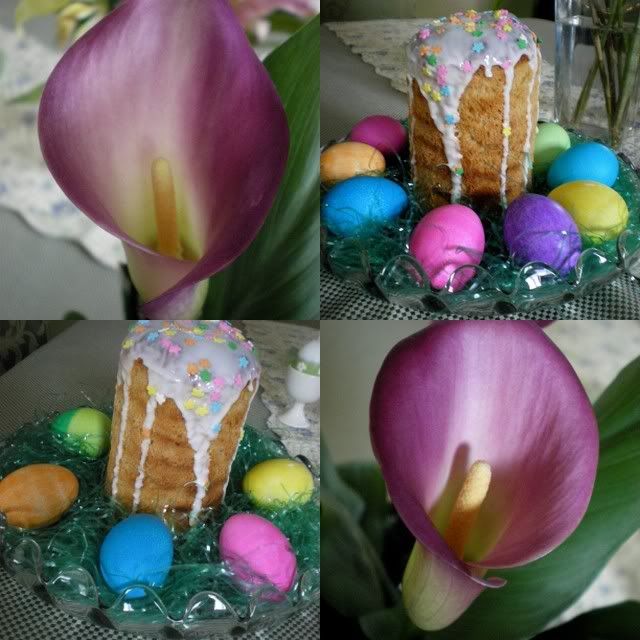
I decorate the show piece of our food celebration, the Kulich (Russian Easter Bread). I did say decorate. I didn’t say I baked it. That is still on my list to do before I die.

We will celebrate all day tomorrow with friends, family, food, hallelujahs and hosannas to our Resurrected King.

Blessings on all your preparations and celebrations…