Just For Fun ~ Open a Book


Open a Book

Open a Book
And you will find
People and places
Of every kind.

Open a book
And you can be
Anything that
You want to be

Open a book
And you can share
Wondrous worlds
You find there.

Open a book
And I will, too.
You read to me
I’ll read to you

Unfortunately, I don’t know who to give credit to for writing this little poem.  I’m laying low today reading and recovering from my lower back spasms. Thanks for your kind words and thoughts. I really do feel a lot better but am still moving slowly. Still working on memorizing 2 Corinthians 4: 16-18. Have a joy filled day!

One Misty Moisty Morning ~ Ладушки, Ладушки

On mornings like today this old Mother Goose nursery rhyme pops into my head and I say it again and say it again and say it again and again…

One misty moisty morning,
When cloudy was the weather,
I chanced to meet an old man,
Clothed all in leather.
He began to compliment
And I began to grin.
How do you do? And how do you do?
And how do you do again?

When I was a school teacher we had a training session on how important nursery rhymes were to a child’s language development and future reading skills. So take that baby on your knee and have fun with all the nursery rhymes out there. Sing them instead of just saying them. I remember bouncing my kids on my knee with this one, too.

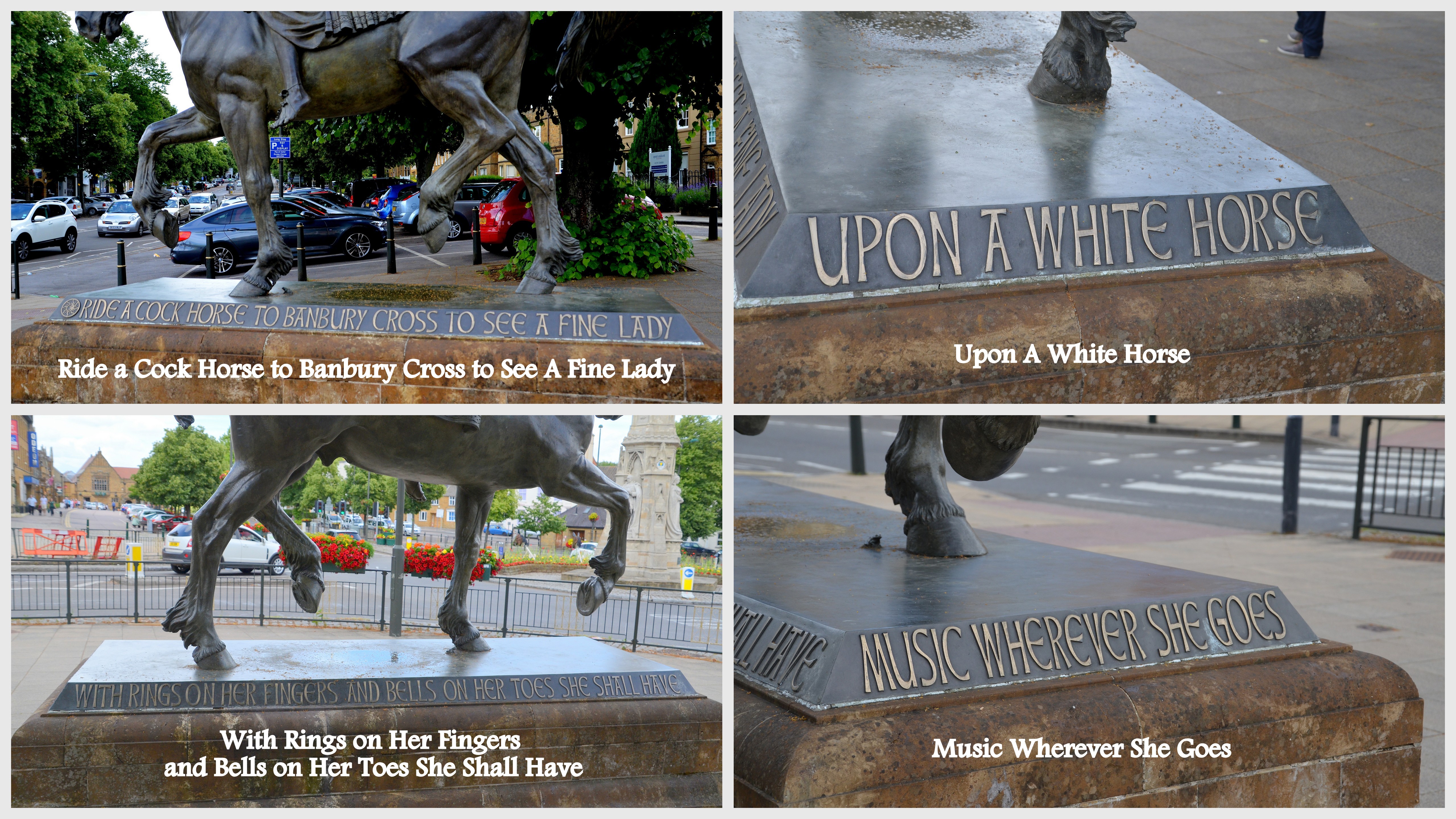
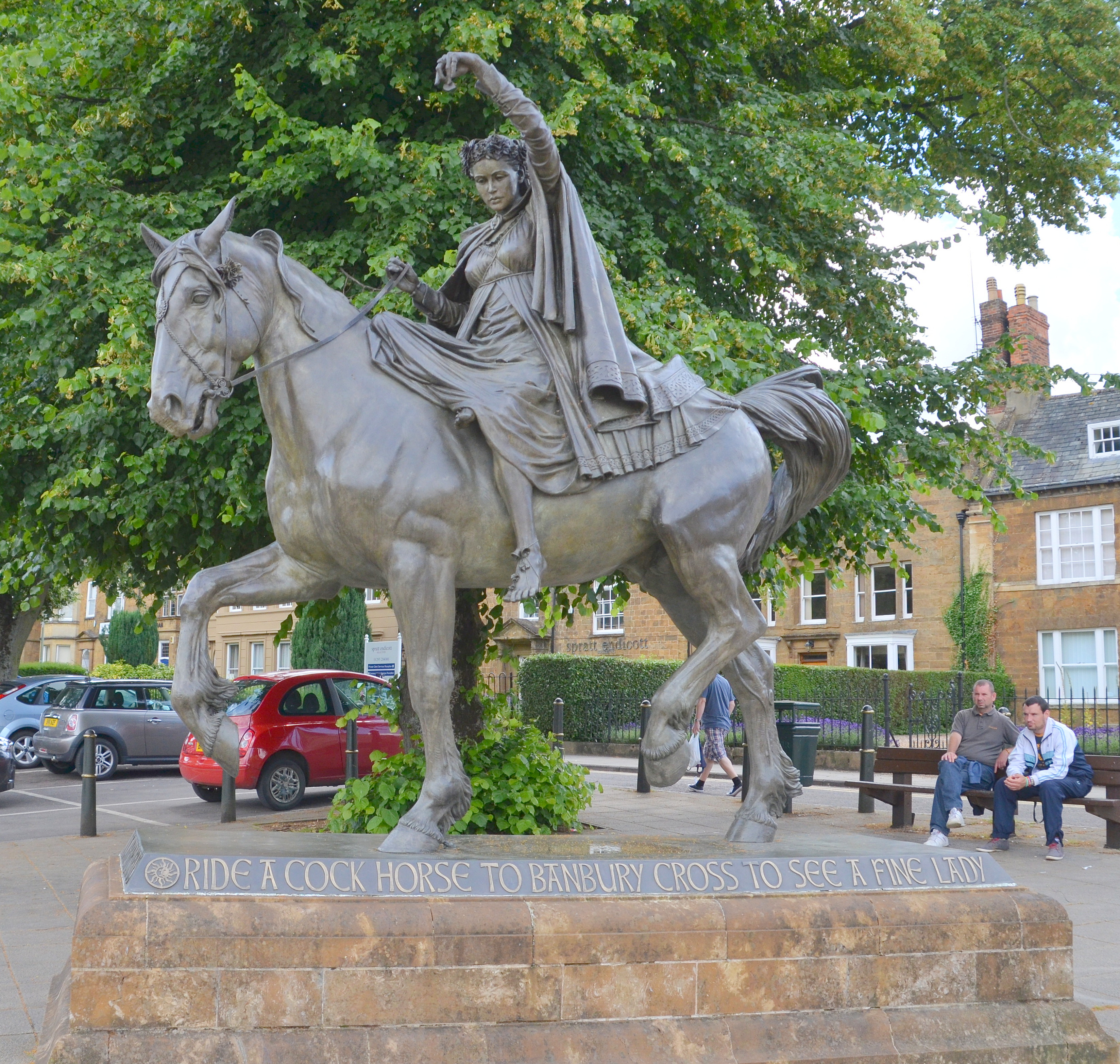
Ride a cock horse to Banbury Cross
To see a fine lady upon a white horse
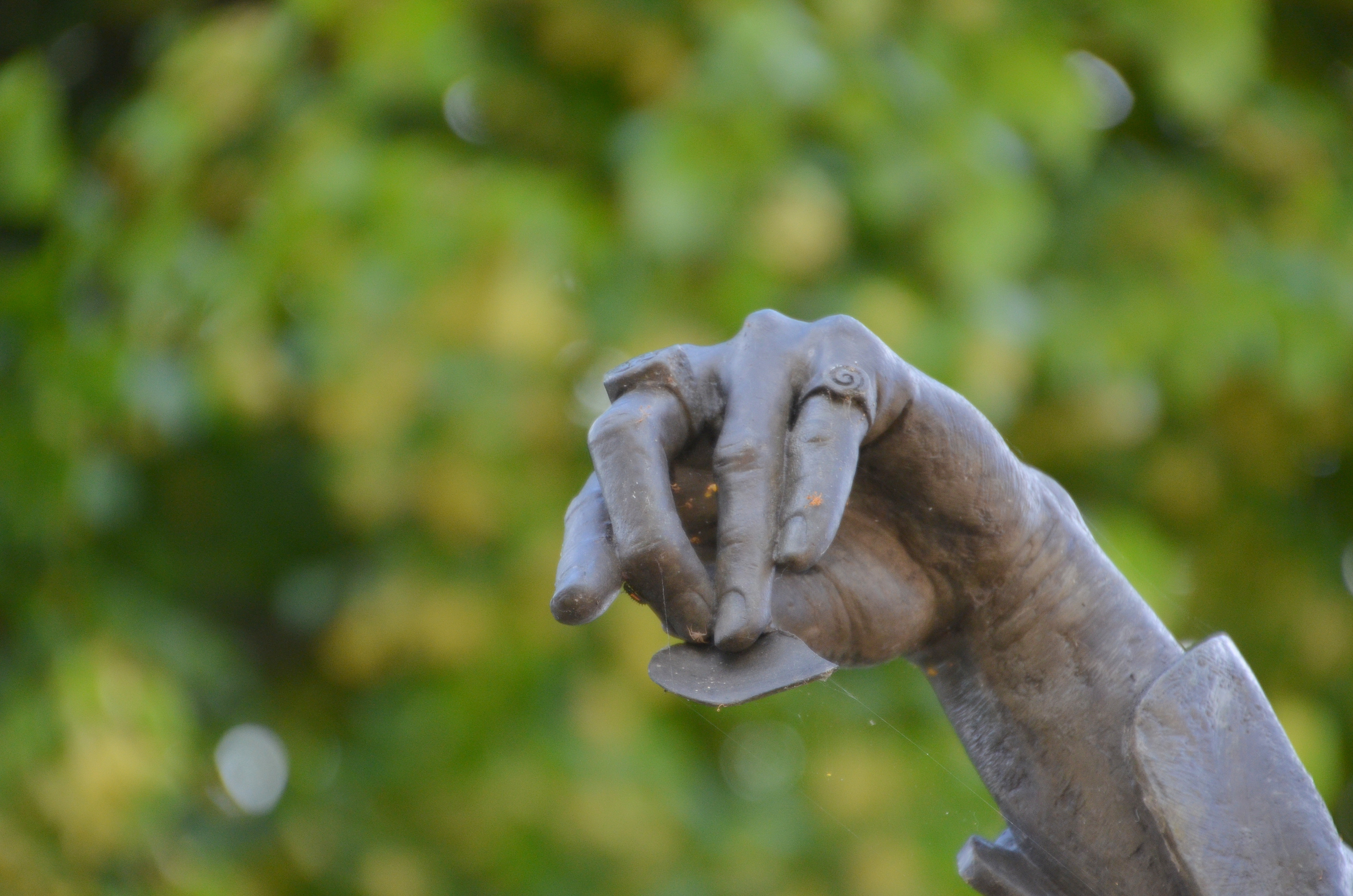
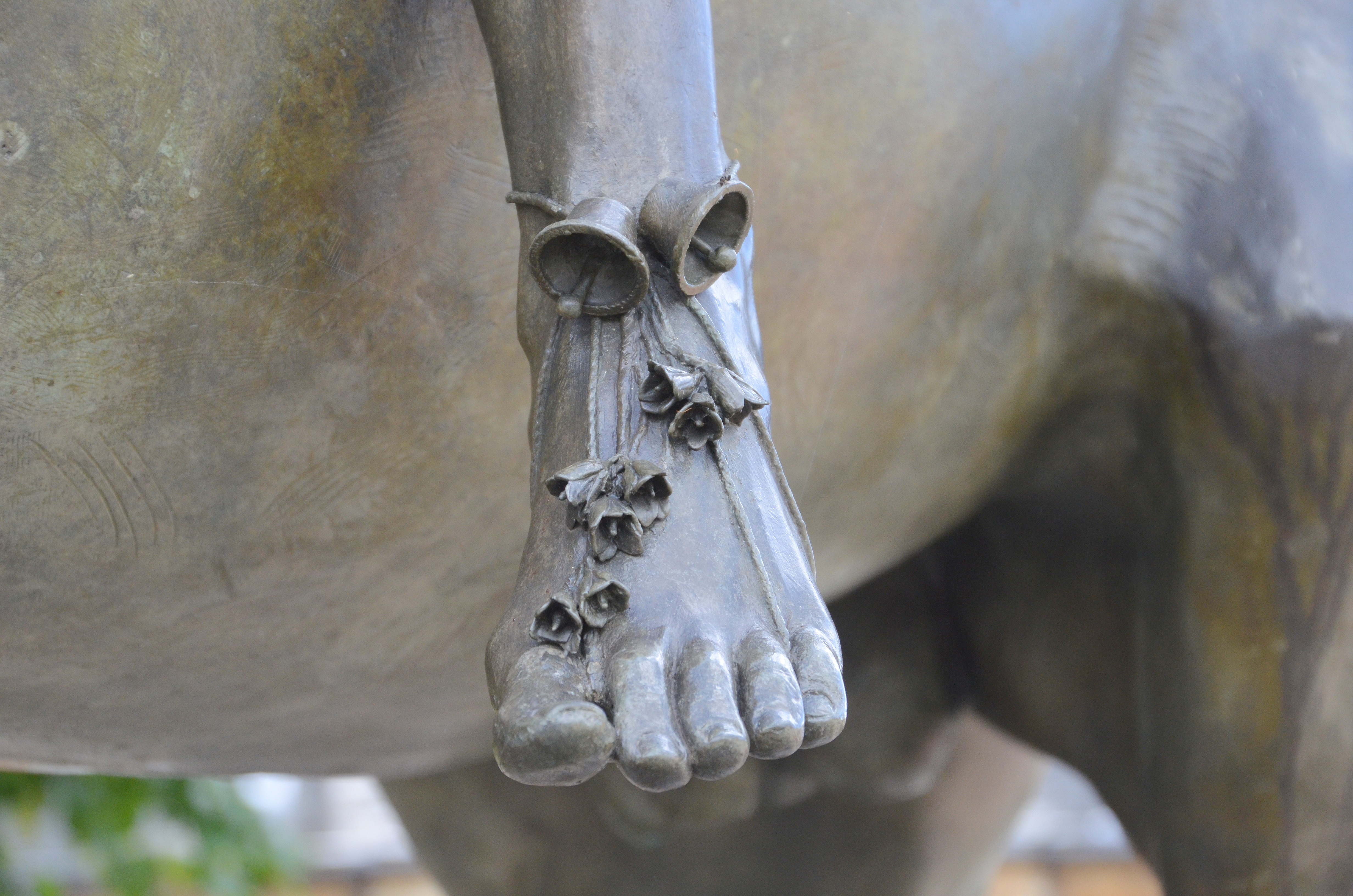
With rings on her fingers and bells on her toes
She shall have music wherever she goes

There’s also a rhyme we would repeat in Russian that goes something like this…

Ладушки, ладушки
Pat-a-cake
Clapping Song
(Russian)
Ладушки, ладушки
Где были?
У бабушки!
Что ели?
Кашку!
Что пили?
Бражку!
Кашка масленька
Бражка сладенька
Бабушка добренька!
~
The loose translation into English
Pat-a-cake, pat-a-cake,
Where were you?
At granny’s!
What did you eat?
Porridge*!
What did you drink?
A little home-brewed beer**
The porridge is buttered,
The home-brewed beer is sweet,
Granny is kind!
~
The version we sang was a bit different at the end. I’ll need to talk to my mom today and update how we ended this rhyme.
~
*In Russia porridge is very famous, it can be made from wheat (millet), oatmeal, buckwheat, rice, fine-ground barley, etc.**This probably means kvas, a Russian home-brewed non-alcoholic drink, or it means that Granny gave the children some beer to try, she indulged her grandchildren. (and actually if it sits long enough Kvas turns into an alcohol drink)
~
I updated this post with photos from our trip to Banbury, England in July of 2014.
ht: Mama Lisa’s World for the Russian Rhyme.

Poetry of the Cross

Over at Rebecca Writes there are links to posts with the theme of the Poetry of the Cross. This is something I found that I’ll contribute during this Holy Week.

I found this old book on our bookcase that Dear’s parents owned. It is called The Gospel in Art by Albert Edward Bailey copyright 1916.

I’m sharing this portion from the section RENI: “ECCE HOMO” John 19:1-5


Reni, Guido (1575-1642) Original: in the National Gallery, London.

“There is no denying that the thought of Christ’s suffering has been a powerful stimulus to the religious life of the past. Latin Christianity is full of it, and even Greek Christianity found inspiration in it. Hymns to the suffering Savior have sounded from many a monastery cell and have echoed sweetly down even to our own time. Take for example the wonderful hymn of Bernard, redolent of the midnight vigil and of modes of thought characteristic of his age, but of such beauty that every country and every Christian sect claims a share of it.

“O Sacred Head, now wounded,
With grief and shame weighed down;
Now scornfully surrounded
With thorn, thine only crown.
O Sacred Head, what glory,
What bliss till now was thine!
Yet though despised and gory
I joy to call thee mine.”

This hymn is one section of a long poem beginning “Salve mundi salutare,” addressed to the different members of Christ, “a most devout prayer of the Abbot St. Bernard, which he made when an image of the Savior with outstretched arms embraced him from the cross.” There is a still earlier hymn by Theoctistus of the Studium, Constantinople, less widely known but scarcely less beautiful in Neale’s translation. It is found in some of our hymnals under the first line, “Jesus, name all names above.” This hymn evidently arose under the same need as Bernard’s, and serves to show how all the harrowing details of suffering may be blended in thought with one’s highest spiritual good.

“Jesus, crowned with thorns for me,
Scourged for my transgression,
Witnessing in agony
That thy good confession.
Jesus clad in purple raiment,
For my evil making payment:
Let not all thy woe and pain,
Let not Calvary be in vain.”

When we visited the National Gallery we started in the religious art section with painting after painting of Christ on the cross. After a while I was eager to head to another part of the gallery. When I think of Jesus I do not typically picture Him on the cross at Calvary. I’m always eager to get from Good Friday (which my nephew thinks should not be called “good”) to Resurrection Sunday. I love to picture the Risen Christ, triumphant and victorious, after all that pain and agony. He Lives! Thanks be to God!

Photobucket is holding all my photos from 2007-2015 hostage. I’m working on updating my blog posts very slowly.

Wildflowers in Winter Week Three ~ Literary

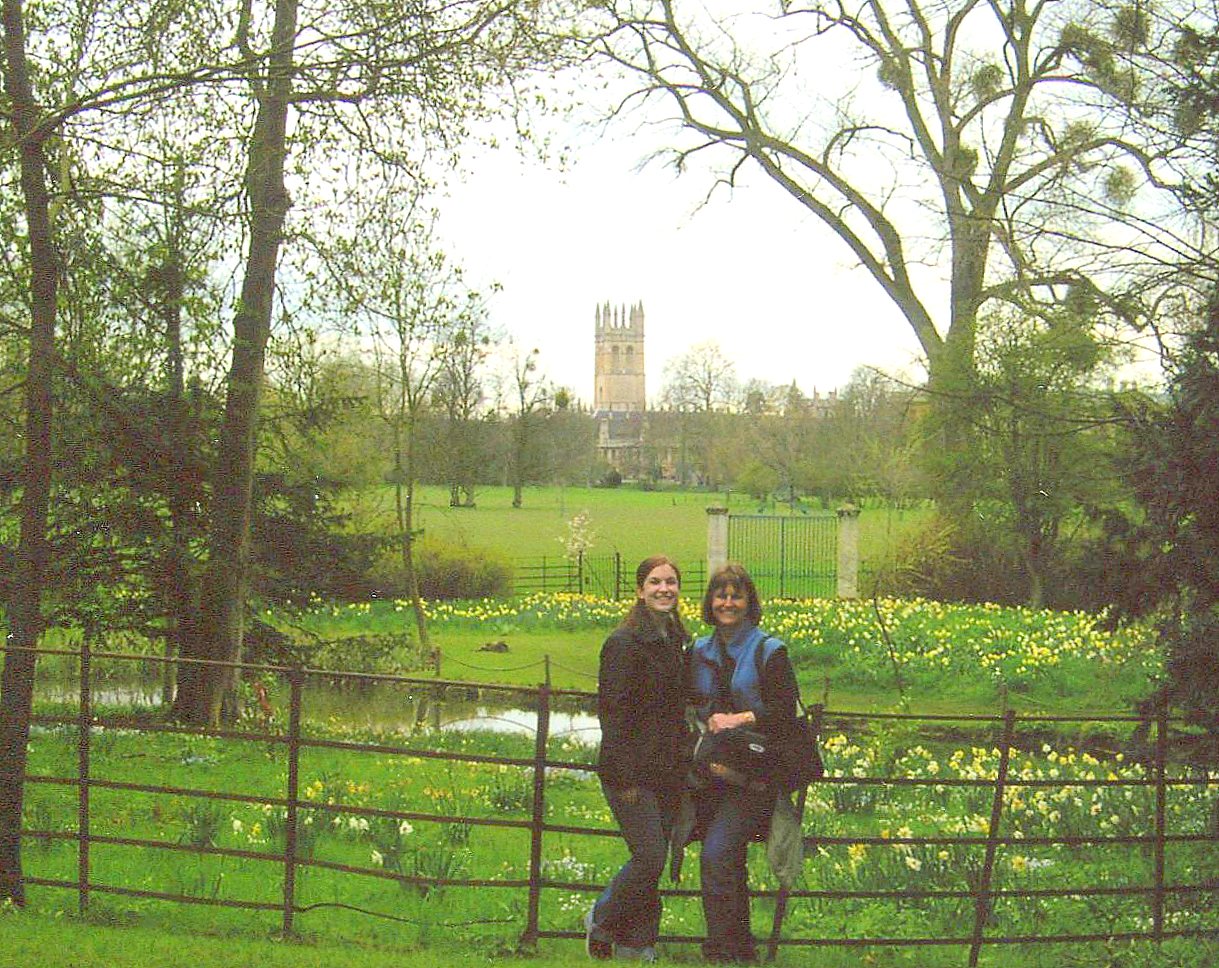
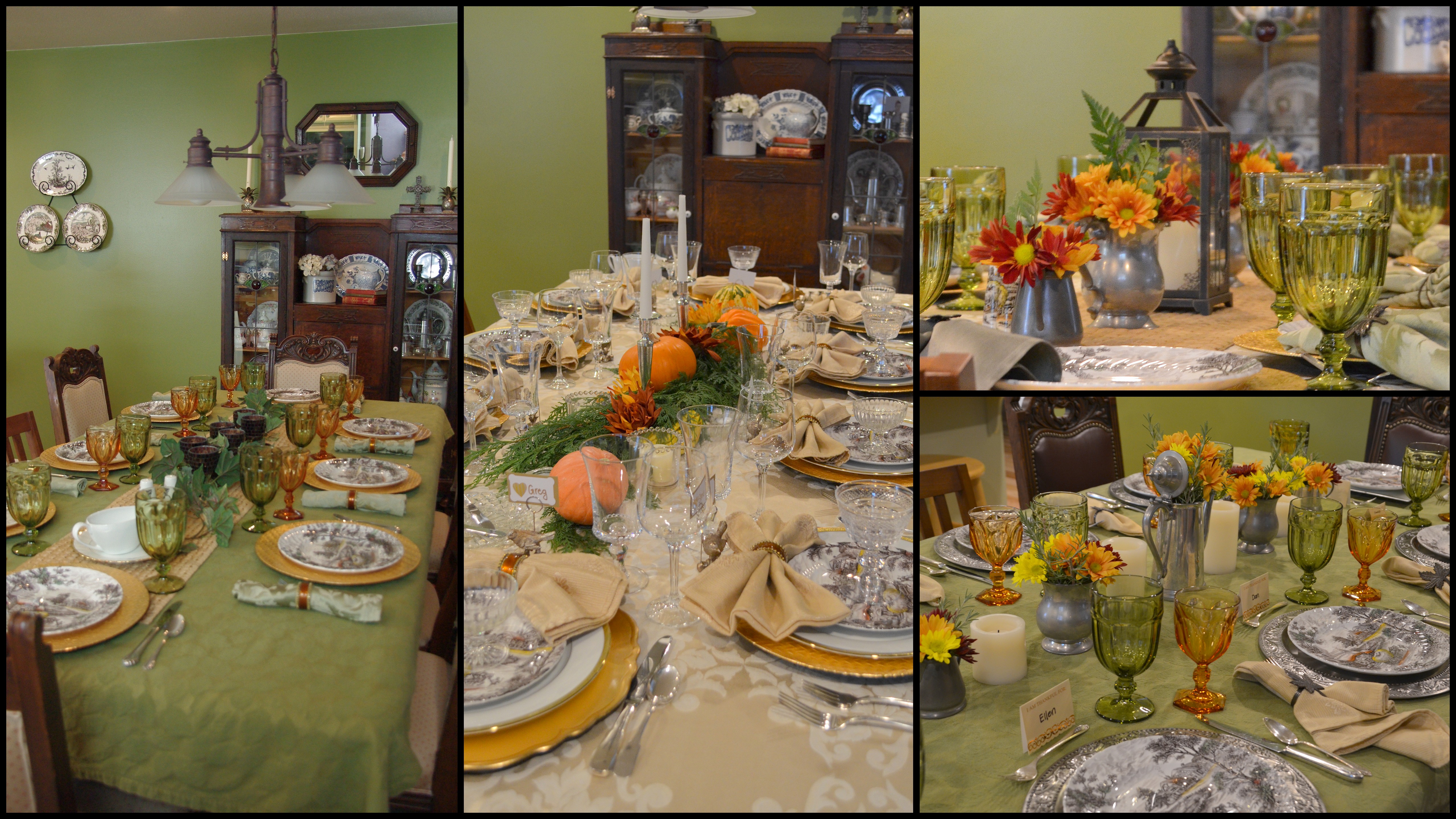
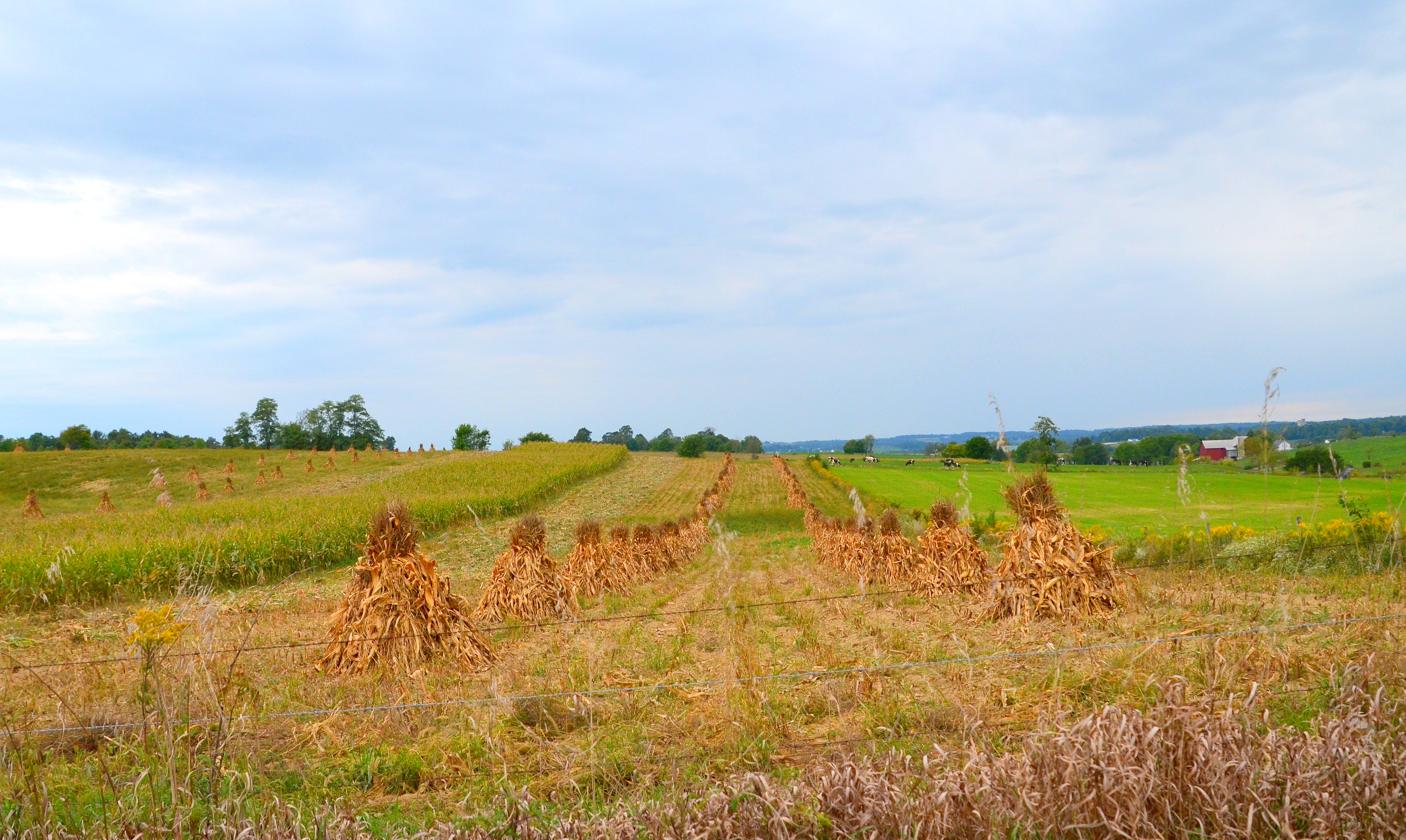
All of these photos of Spring flowers were taken in England. The third photo on the top of the collage is of a Fritillaria meleagris which grow wild on the grounds of Magdalene College in Oxford. This photo was taken on Addison’s Walk, a footpath along the grounds and River Cherwell. When we were on this trip I wasn’t a blogger yet. If I was, I would have taken more and better photos of this wonderful flower. I’ll add a google image of a closeup so you can see it better. The 1st photo I believe are Anenome nemerosa. The second daffodils. The fourth are Pink Pom Pom Aster? Any real gardeners and flower buffs can correct me if I’m wrong, please.
Fritillaria meleagris

While on one of our trips in England we stayed on the Farm in the center picture in the Lake District. This was the first time I ever experienced hearing a Cuckoo Bird. I was amazed and excited to realize it really says “cuckoo, cuckoo”. Then after hearing the cuckoo from our room at the Bed and Breakfast we got to see some of these cuckoos as they flew from tree to tree on one of our walks. This brings me to the poem about Spring and Flowers and the Cuckoo that I chose to share for week 3 of Wildflowers in Winter. I would highly recommend a walking tour in the Lake District or the Cotswolds in late Spring and early summer.

To The Cuckoo

~ by William Wordsworth

O BLITHE New-comer! I have heard,
I hear thee and rejoice.
O Cuckoo! shall I call thee Bird,
Or but a wandering Voice?

While I am lying on the grass
Thy twofold shout I hear,
From hill to hill it seems to pass,
At once far off, and near.

Though babbling only to the Vale,
Of sunshine and of flowers,
Thou bringest unto me a tale
Of visionary hours.

Thrice welcome, darling of the Spring!
Even yet thou art to me
No bird, but an invisible thing,
A voice, a mystery;

The same whom in my school-boy days
I listened to; that Cry
Which made me look a thousand ways
In bush, and tree, and sky.

To seek thee did I often rove
Through woods and on the green;
And thou wert still a hope, a love;
Still longed for, never seen.

And I can listen to thee yet;
Can lie upon the plain
And listen, till I do beget
That golden time again.

O blessed Bird! the earth we pace
Again appears to be
An unsubstantial, faery place;
That is fit home for Thee!

I’m adding two photos of my husband and our daughter and myself with our daughter on Addison’s Walk on the grounds of Magdalene College where Tolkien and C.S. Lewis would walk and talk.

For more literary contributions to Wildflowers in Winter Week 3 click here.

Photobucket is holding all my photos I stored with them from 2007-2015 hostage. They have blacked out all those photos on my blog posts. OH BOTHER! I’m slowly cleaning up my posts.

Another Year is Dawning ~ Frances R. Havergal

Another Year is Dawning

Another year is dawning, dear Father, let it be
In working or in waiting, another year with Thee.
Another year of progress, another year of praise,
Another year of proving Thy presence all the days.

Another year of mercies, of faithfulness and grace,
Another year of gladness in the shining of Thy face;
Another year of leaning upon Thy loving breast;
Another year of trusting, of quiet, happy rest.

Another year of service, of witness for Thy love,
Another year of training for holier work above.
Another year is dawning, dear Father, let it be
On earth, or else in Heaven, another year for Thee.

Words by Frances R. Havergal first written as a poem in her New Year’s greeting cards. Music by Samuel S. Wesley.

ht: cyberhymnal

Thanksgiving Rhyme ~

Giving Thanks 


Thanksgiving
The year has turned its circle,
The seasons come and go.
The harvest all is gathered in
And chilly north winds blow.
Orchards have shared their treasures,
The fields, their yellow grain,
So open wide the doorway~
Thanksgiving comes again!
~Old Rhyme

I’m so looking forward to Thanksgiving this year. Dear and I will be traveling to Seattle a week from today to celebrate there with our children and close friends. I’m really thankful for this. Blessings on all your plans.

For Thanksgiving posts with recipes, plans, poems etc. head over to There’s No Place Like Home this week.

Welcome October!

 A Song in October

Clouds gather, treetops toss and sway;
But pour us wine, an old one!
That we may turn this dreary day
To golden, yes, to golden!

Autumn has come, but never fear,
Wait but a little while yet,
Spring will be here, the skies will clear,
And the fields stand deep in violets.

The heavenly blue of fresh new days
Oh, friend, you must employ them
Before they pass away. Be brave!
Enjoy them; oh, enjoy them!

~ Theodor Storm, A Song in October
 

October’s the month when the smallest breeze

Gives us a shower of Autumn leaves.

Bonfires and pumpkins,

Leaves sailing down

October is red and golden and brown.

~ Songs that teach


I Sing a Song of the Saints of God ~ L. Scott, 1929

 I Sing a Song of the Saints of God

                  I sing a song of the saints of God
Patient and brave and true,
Who toiled and fought and lived and died
For the Lord they loved and knew.
And one was a doctor, and one was a queen,
And one was a shepherdess on the green,
They were all of them saints of God – and I mean,
God help me to be one too.

They love their Lord so dear, so dear,
And his love made them strong;
And they followed the right, for Jesus’ sake,
The whole of their good lives long.
And one was a soldier, and one was a priest,
And one was slain by a fierce wild beast:
And there’s not any reason – no, not the least-
Why I shouldn’t be one too.

They live not only in ages past,
There are hundreds of thousands still,
The world is bright with joyous saints
Who love to do Jesus’ will.
You can meet them in school, or in lanes, or at sea,
In church, or in trains, or in shops, or at tea,
for the saints of God are just folk like me,
and I mean to be one too.

L. Scott, 1929

ht: Jan Karon’s ~Mitford Cookbook & Kitchen Reader

ht: Brian Jacques ~The Redwall Cookbook

Bed in Summer ~ Robert Louis Stevenson

Bed in Summer

Robert Louis Stevenson (1885)


#1
Page Number:
  14.  Illustrator:  Ruth M. Hallock
Publisher:  Rand McNally & Co.  Date:  1919


     In Winter I get up at night
And dress by yellow candle light.
In Summer, quite the other way,
I have to go to bed by day.

I have to go to bed and see
The birds still hopping on the tree,
Or hear the grown-up people’s feet
Still going past me in the street.

And does it not seem hard to you,
When all the sky is clear and blue,
And I should like so much to play,
To have to go to bed by day?

In Washington our summer evenings stay light as late as 10 PM. Fourth of July fireworks shows start late in Seattle. This poem reminds me of my husband and I trying to go to sleep at our normal 9-10 pm time with it being light outside.

www.zoppa.com/Nod/nodbook.html

The Redwall Cookbook ~ Brian Jacques

If your young readers haven’t been introduced to the Redwall Series by Brian Jacques I recommend these books. I’m an adult who loves reading them. Good animals, evil animals, Redwall Abbey, feasts, adventures, what’s not to enjoy. I received The Redwall Cookbook for Christmas and wanted to share a Spring poem from the book. I’ll probably share a recipe from the book in the future. I thought of Rebecca’s backyard when I read this poem, since just this week all the snow melted away.

Spring

Here’s a secret you don’t know,
’twas a day or two ago
when rain washed winter’s snow away.
I heard two mousewives say,
I think the spring will soon be here,
oh my word, oh joy, oh dear!
The ice upon the pond is gone,
and see that bird, the chirpy one?
I tell you, ’tis no jest,
she’s built herself a nest.
Oh well, I never, gracious me!
Pray, what else do you see?
Why, bluebells, crocus, daffodils,
sprouting up ‘twixt vale and hills,
and grass upon the lea I’ve seen,
like gentle mist of green.
‘Tis not like me to gossip, dear,
but this is what I hear ~
Out in the woods, I tell you true,
I’ve heard the first cuckoo!
Cuckoo he cried, now spring is born,
look forward to each shining morn.
So hurry, ladies ~ haste indoors,
for your spring cleaning chores!

Enjoy the rest of Spring. Praise God for the bluebells, crocus, daffodils, and the cuckoos!