Wildflowers in Winter Week Three ~ Literary

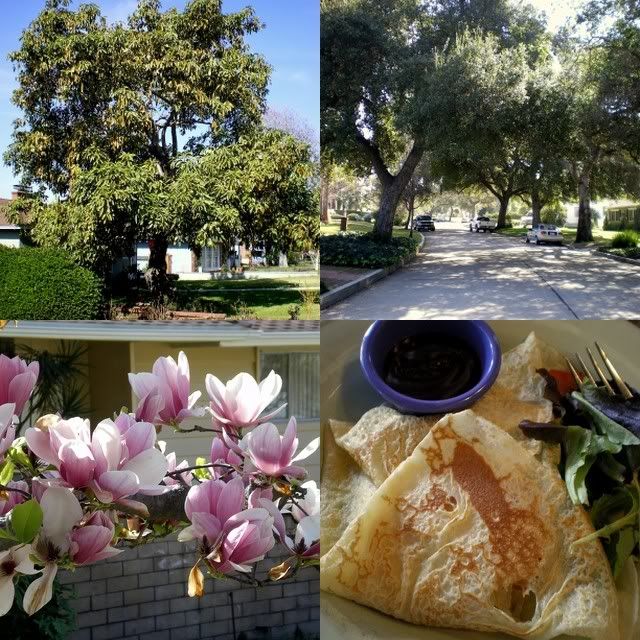
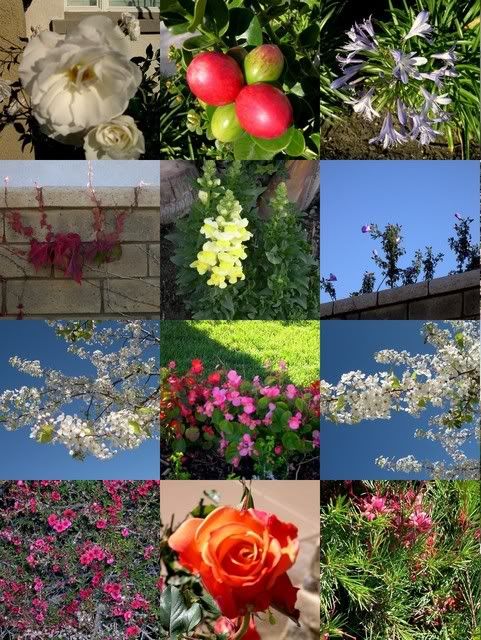
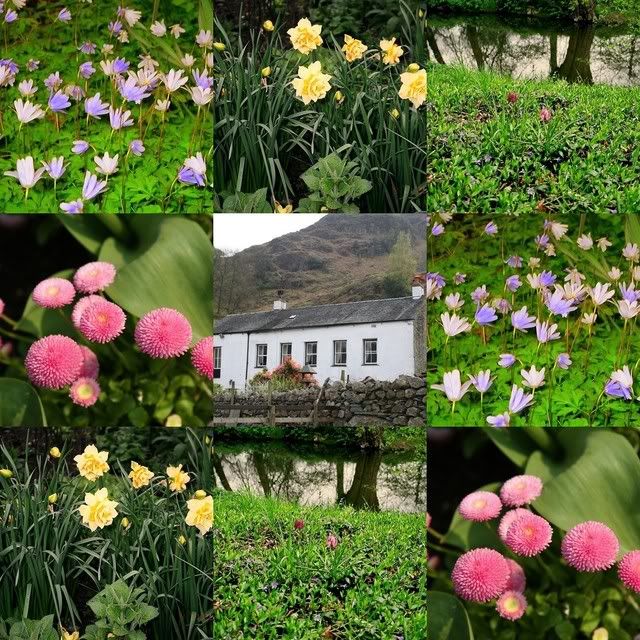
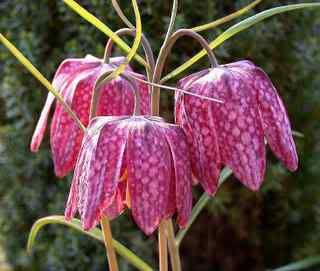
All of these photos of Spring flowers were taken in England. The third photo on the top of the collage is of a Fritillaria meleagris which grow wild on the grounds of Magdalene College in Oxford. This photo was taken on Addison’s Walk, a footpath along the grounds and River Cherwell. When we were on this trip I wasn’t a blogger yet. If I was, I would have taken more and better photos of this wonderful flower. I’ll add a google image of a closeup so you can see it better. The 1st photo I believe are Anenome nemerosa. The second daffodils. The fourth are Pink Pom Pom Aster? Any real gardeners and flower buffs can correct me if I’m wrong, please.

Fritillaria meleagris

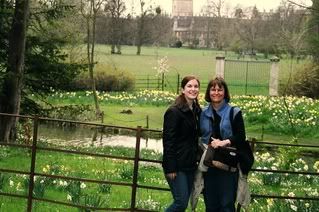
While on one of our trips in England we stayed on the Farm in the center picture in the Lake District. This was the first time I ever experienced hearing a Cuckoo Bird. I was amazed and excited to realize it really says “cuckoo, cuckoo”. Then after hearing the cuckoo from our room at the Bed and Breakfast we got to see some of these cuckoos as they flew from tree to tree on one of our walks. This brings me to the poem about Spring and Flowers and the Cuckoo that I chose to share for week 3 of Wildflowers in Winter. I would highly recommend a walking tour in the Lake District or the Cotswolds in late Spring and early summer.

To The Cuckoo

~ by William Wordsworth

O BLITHE New-comer! I have heard,
I hear thee and rejoice.
O Cuckoo! shall I call thee Bird,
Or but a wandering Voice?

While I am lying on the grass
Thy twofold shout I hear,
From hill to hill it seems to pass,
At once far off, and near.

Though babbling only to the Vale,
Of sunshine and of flowers,
Thou bringest unto me a tale
Of visionary hours.

Thrice welcome, darling of the Spring!
Even yet thou art to me
No bird, but an invisible thing,
A voice, a mystery;

The same whom in my school-boy days
I listened to; that Cry
Which made me look a thousand ways
In bush, and tree, and sky.

To seek thee did I often rove
Through woods and on the green;
And thou wert still a hope, a love;
Still longed for, never seen.

And I can listen to thee yet;
Can lie upon the plain
And listen, till I do beget
That golden time again.

O blessed Bird! the earth we pace
Again appears to be
An unsubstantial, faery place;
That is fit home for Thee!

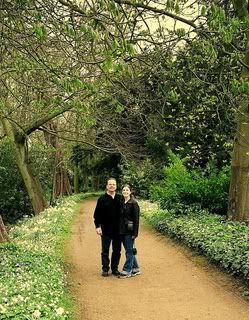
I’m adding two photos of my husband and our daughter and myself with our daughter on Addison’s Walk on the grounds of Magdalene College where Tolkien and C.S. Lewis would walk and talk.

For more literary contributions to Wildflowers in Winter Week 3 click here.

Photobucket is holding all my photos I stored with them from 2007-2015 hostage. They have blacked out all those photos on my blog posts. OH BOTHER! I’m slowly cleaning up my posts.


The Dogwood and Easter


This excerpt is taken from Christianity Today (April 2000), written by Virginia Stem Owens;

Although it has not happened since 1913, and won’t happen again till 2008, Easter can come as early as March 23, just barely inside the official limits of spring. But whether Holy Week falls in March or April makes little difference in Texas. It’s always springtime here by then.

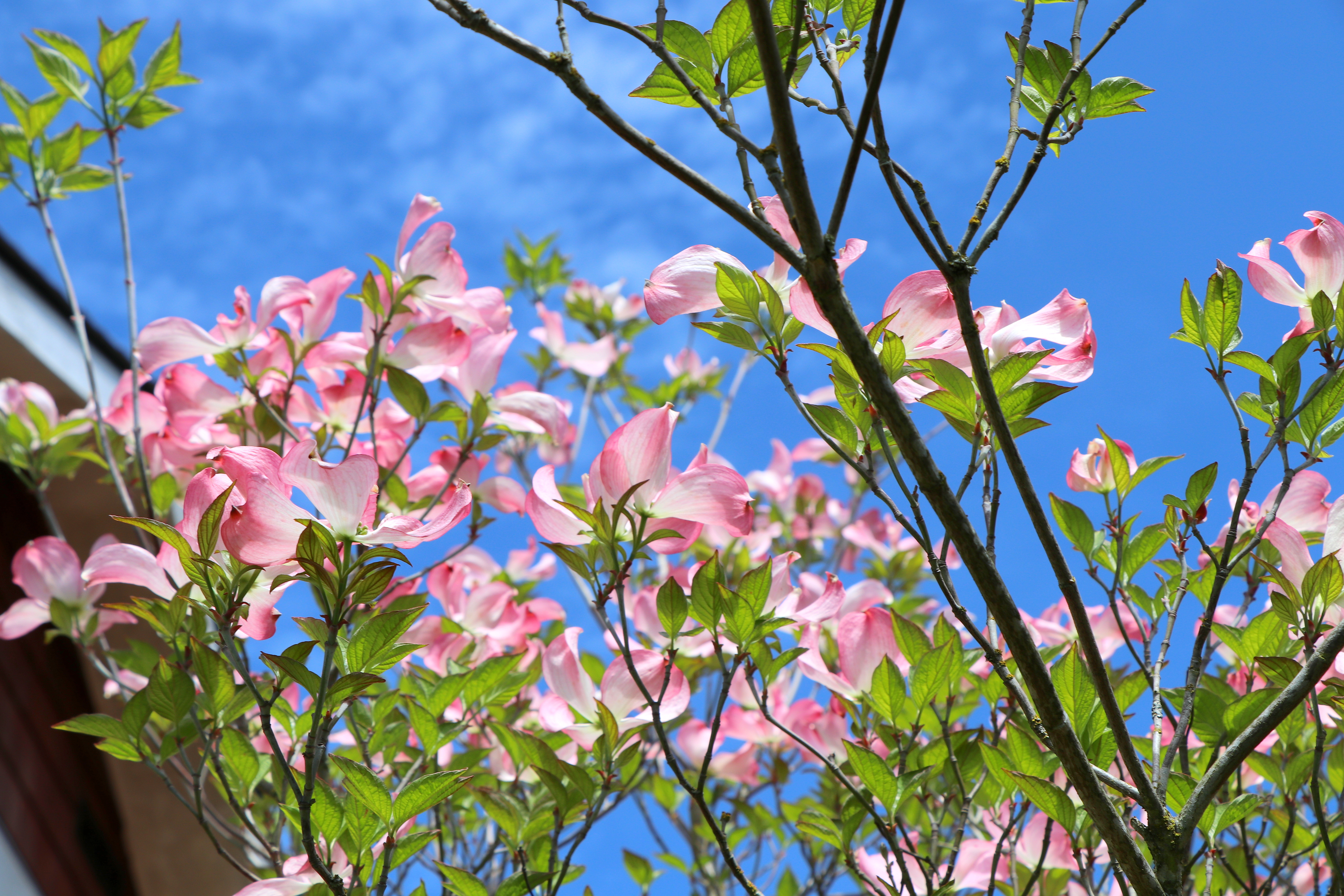
People like the dogwood to be in full bloom for Good Friday. They like to point out to one another how the dogwood’s white blossom, shaped like an ivory Maltese cross, each point dented and tinged with red, is an emblem of Christ’s crucifixion wounds. They even send one another greeting cards bearing the so-called Legend of the Dogwood, which links the tree with the wood used for the cross.

The dogwood trees are usually blooming at about the same time I teach college sophomores the Housman poem that begins,

Loveliest of trees, the cherry now
Is hung with bloom along the bough,
And stands about the woodland ride
Wearing white for Eastertide.

Most of my students have never seen cherry trees in bloom. The Texas weather is too mild and genial for the cherry’s hearty nature, so I rely on the dogwood tree to furnish them with a reasonable facsimile of Housman’s vision. The decorative dogwood chooses to display its white blossoms along the highways precisely when they will be the most conspicuous—before their own leaves unfurl and before the other, taller trees have put on their new leaves. Thus, the shadowy recesses of the winter-bare forests provide the perfect background for the white blossoms.”

The Legend of the Dogwood 

There is a legend, that at the time of the Crucifixion the dogwood had been the size of the oak and other forest trees. So firm and strong was the tree that it was chosen as the timber of the cross. To be used thus for such a cruel purpose greatly distressed the tree, and Jesus, nailed upon it, sensed this, and in His gentle pity for all sorrow and suffering said to it: “Because of your regret and pity for My suffering, never again shall the dogwood tree grow large enough to be used as a cross. Henceforth it shall be slender and bent and twisted and its blossoms shall be in the form of a cross. ..two long and two short petals. And in the center of the outer edge of each petal there will be nail prints, brown with rust and stained with red, and in the center of the flower will be a crown of thorns, and all who see it will remember.”

I recognize that this is just a legend but I wanted to post these two entries because I’ve always loved the Dogwood blooms. If I look at them and think about what my Savior did for me that’s a good thing. He created the tree, the beautiful bloom, and you and me to enjoy it!

http://www.ctlibrary.com/ct/2000/aprilweb-only/43.0b.html

http://www.midamericawoodcarvers.org/patterns/dogwood.htm