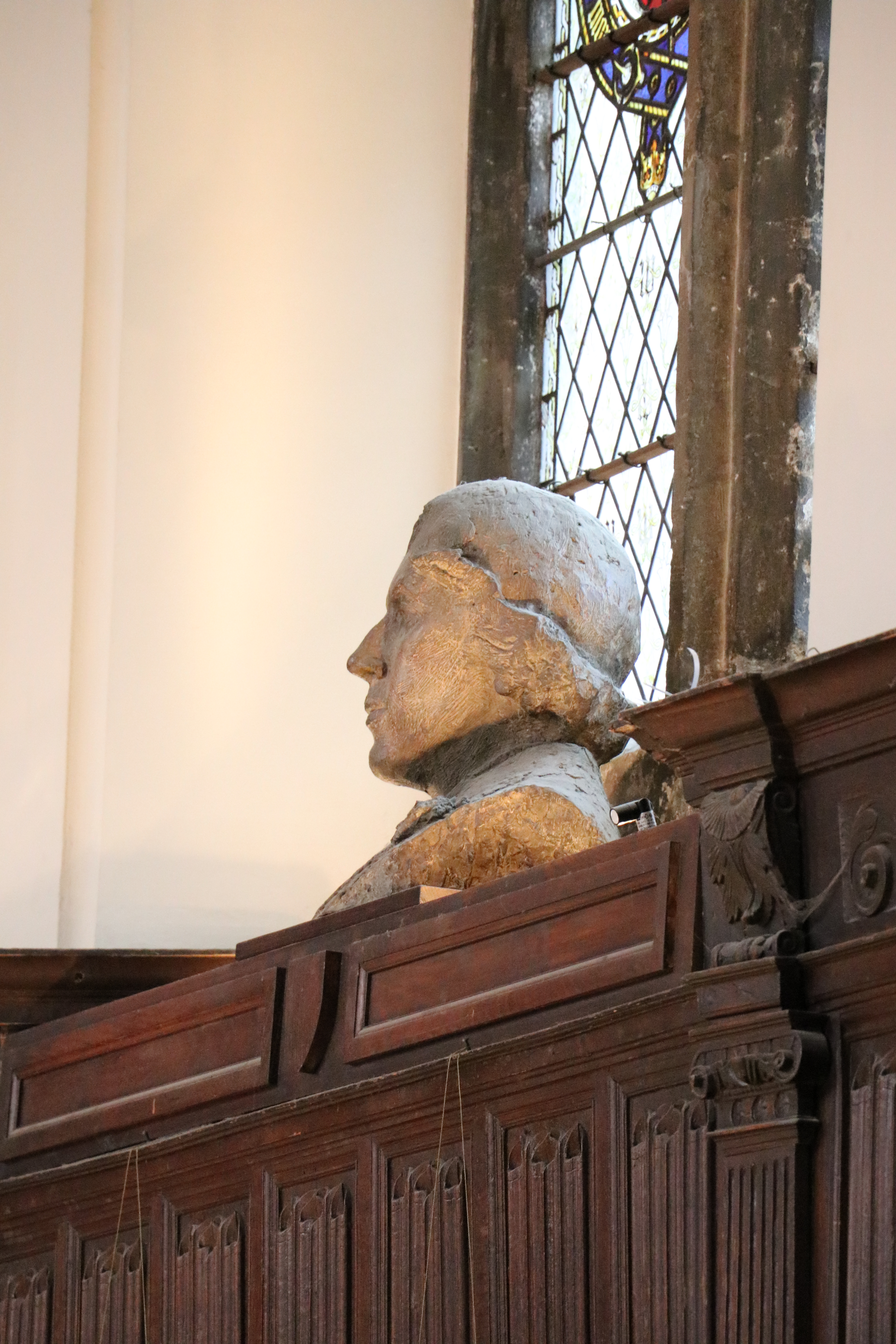
Cotswolds Tour Part 2

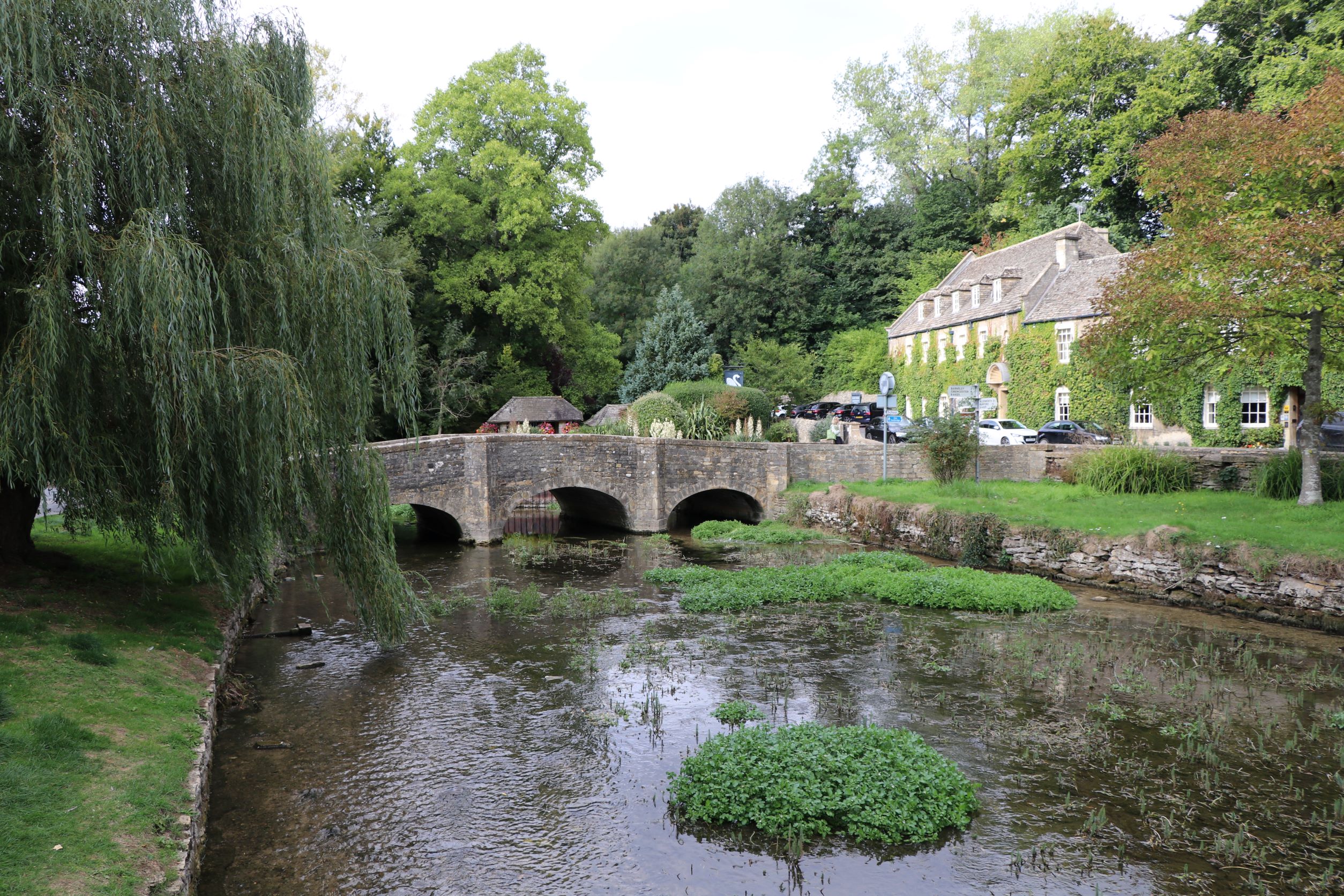
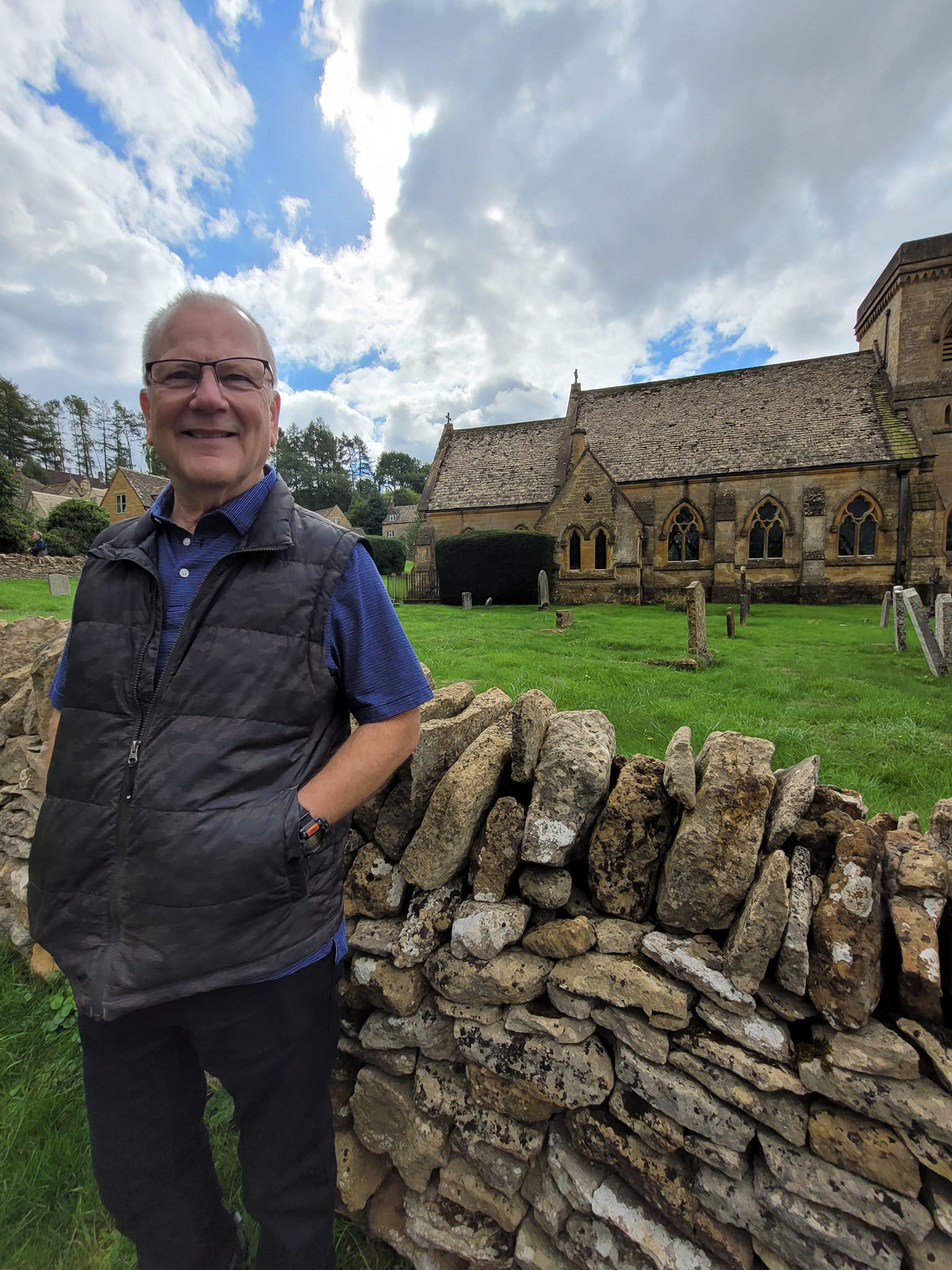
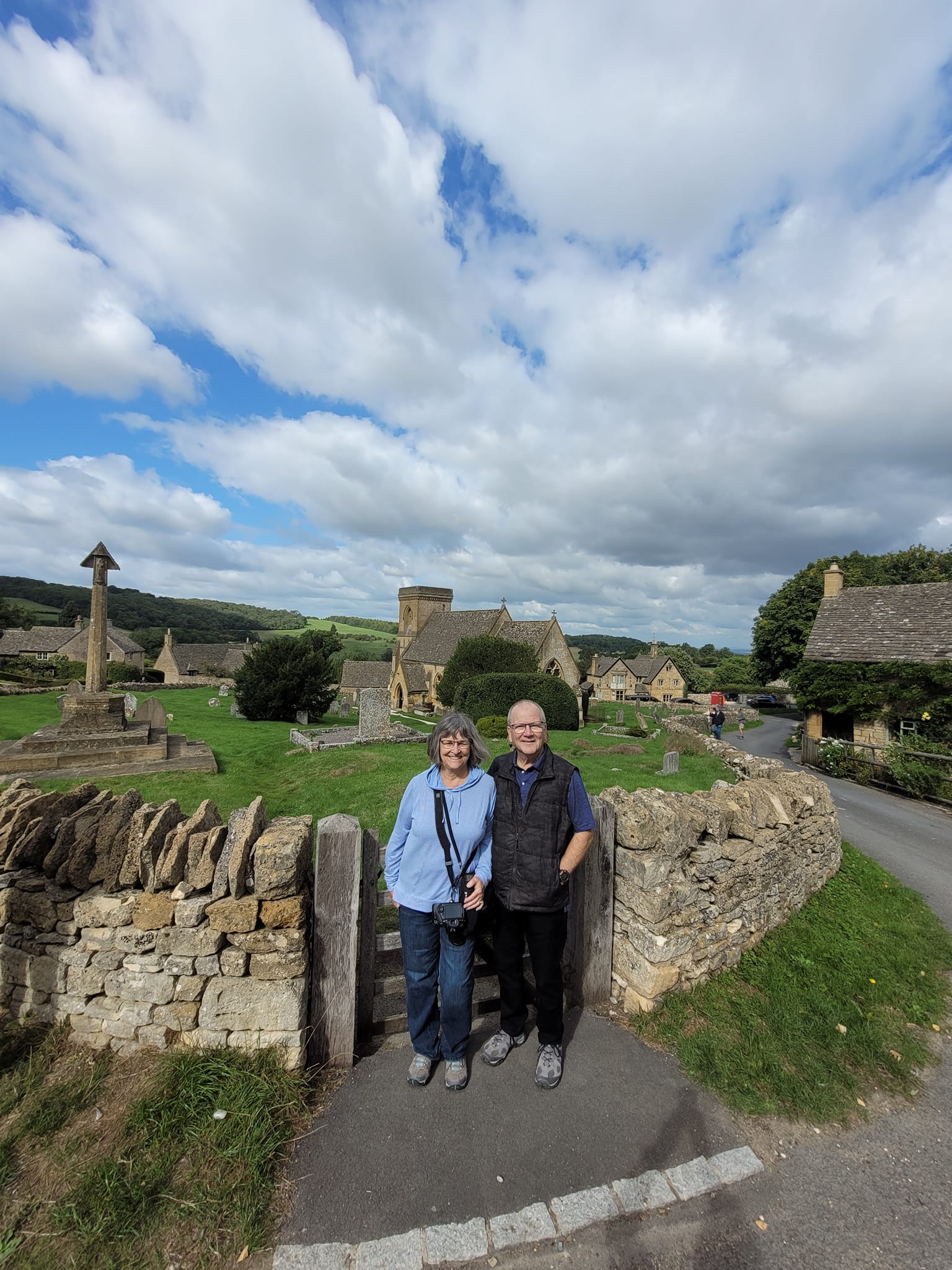
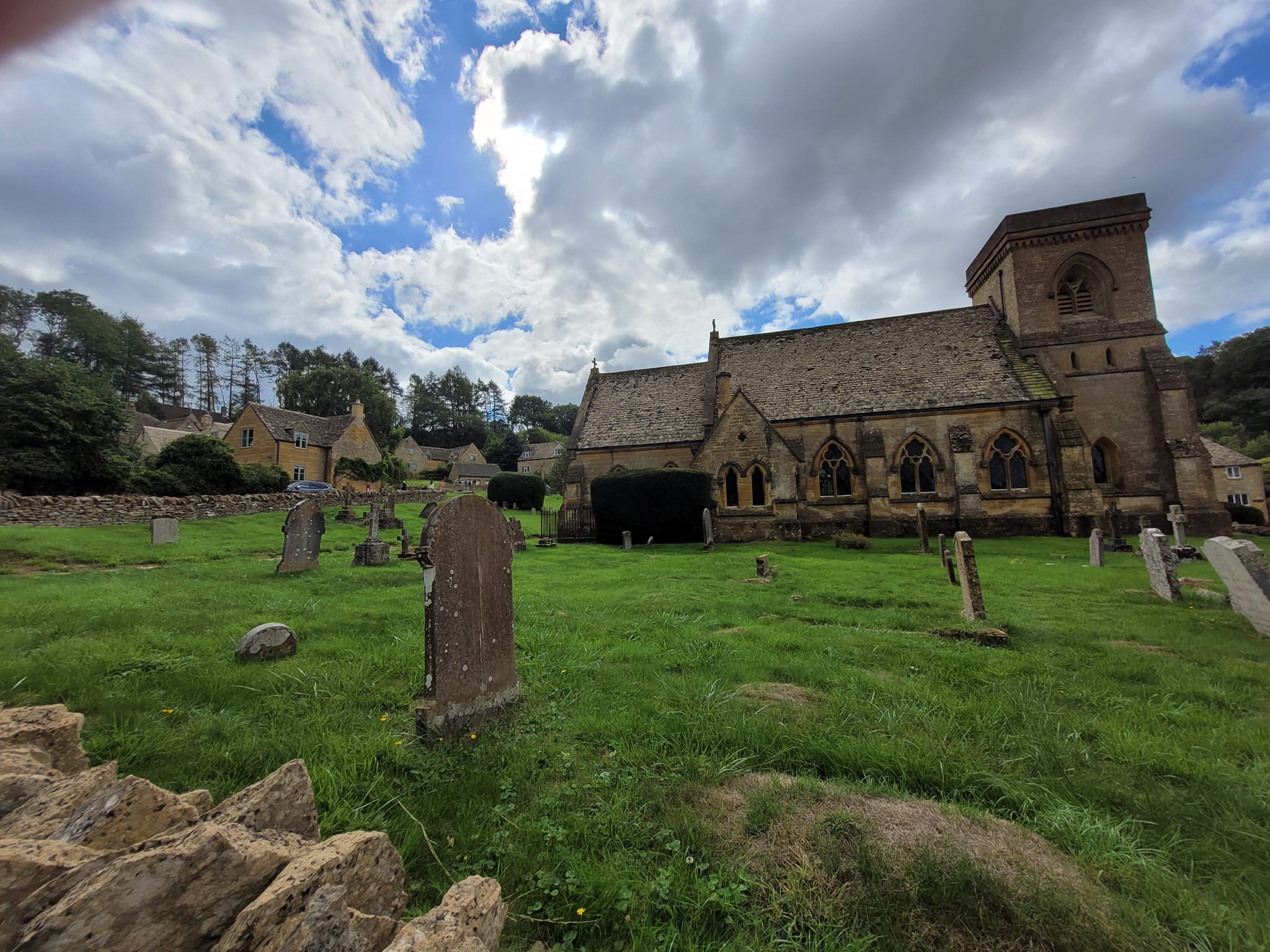
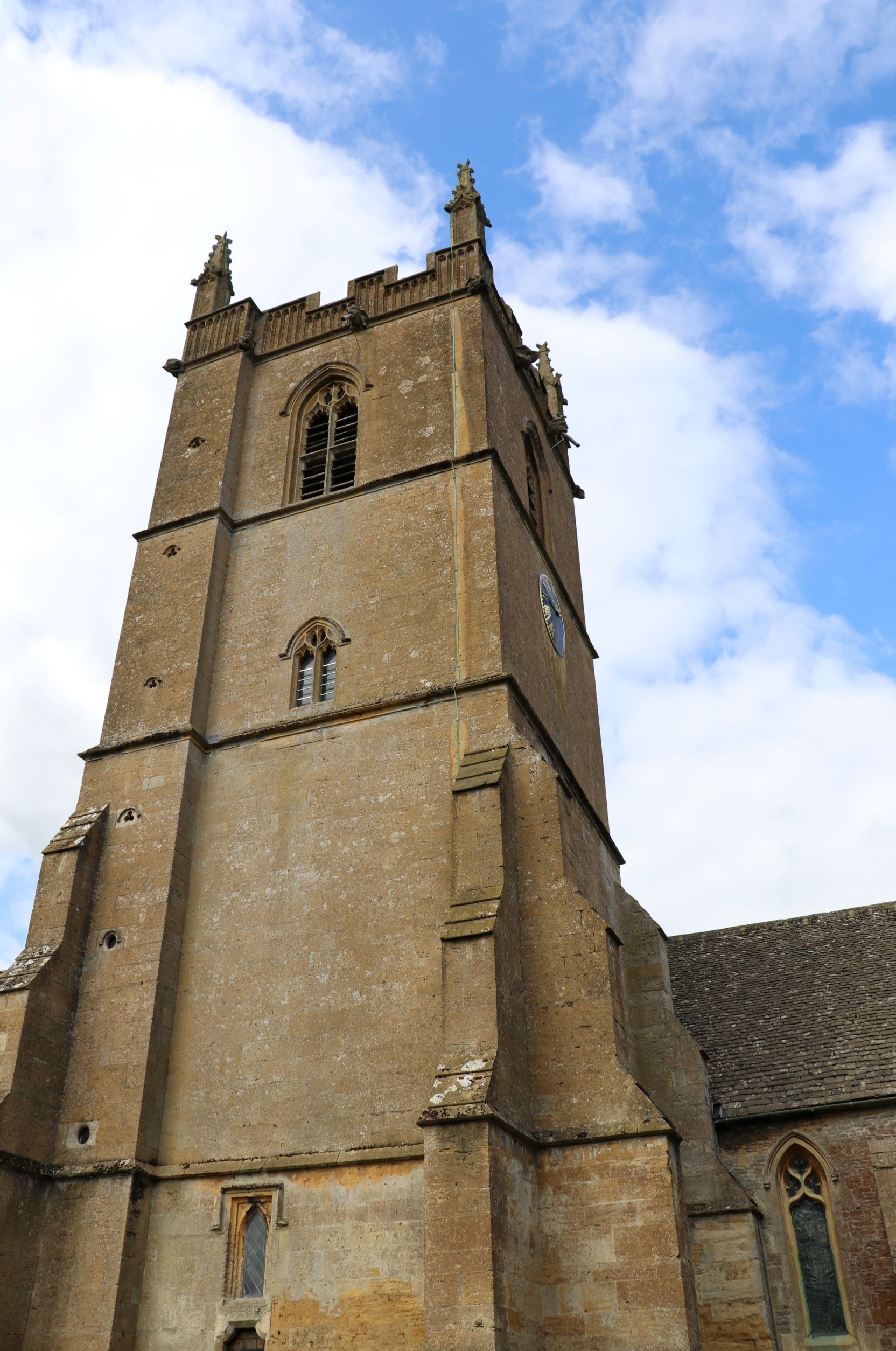
Bourton on the Water and Bibury were the last two villages in the Cotswolds that we visited on our Go Cotswolds Tour on Thursday September 15th.
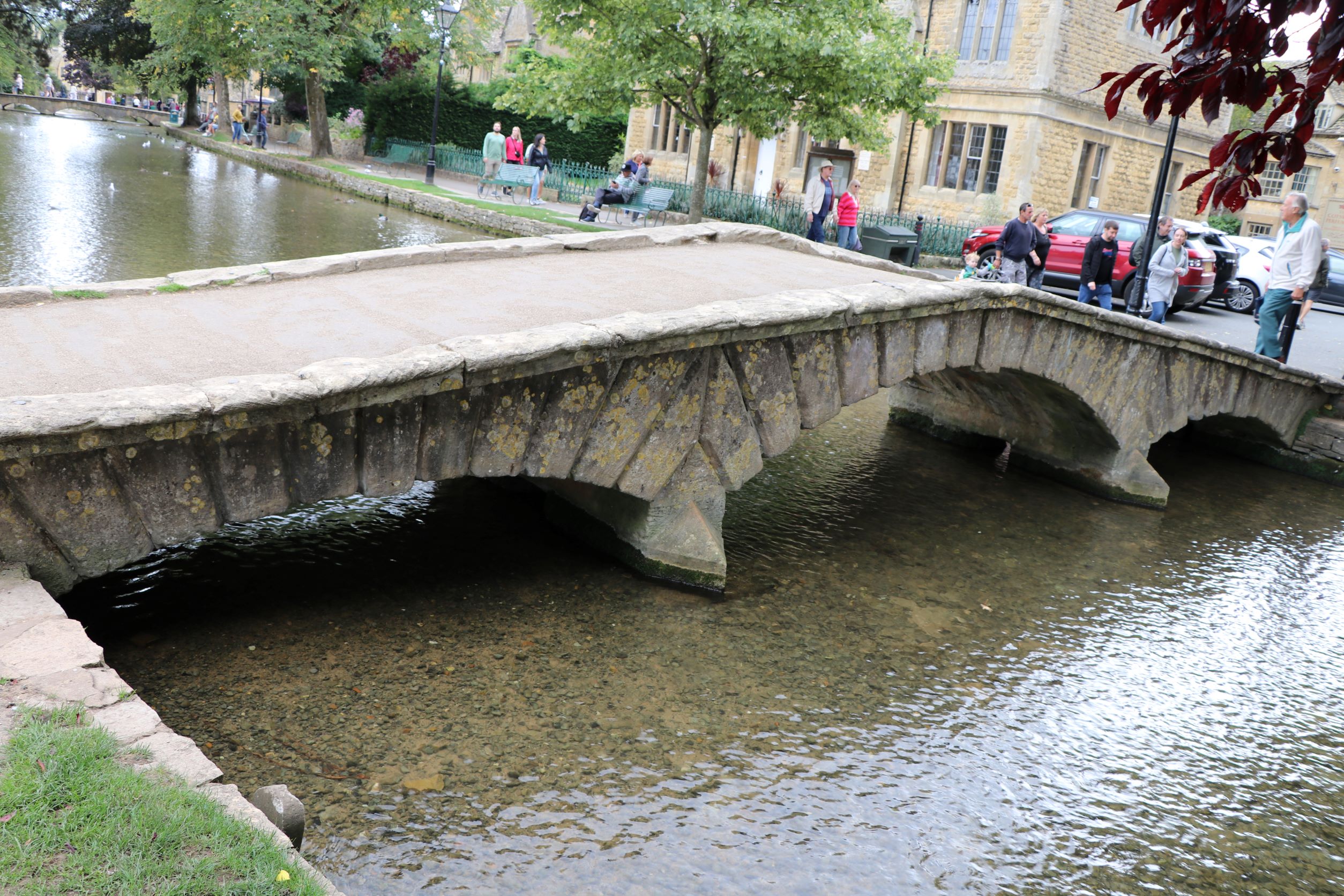
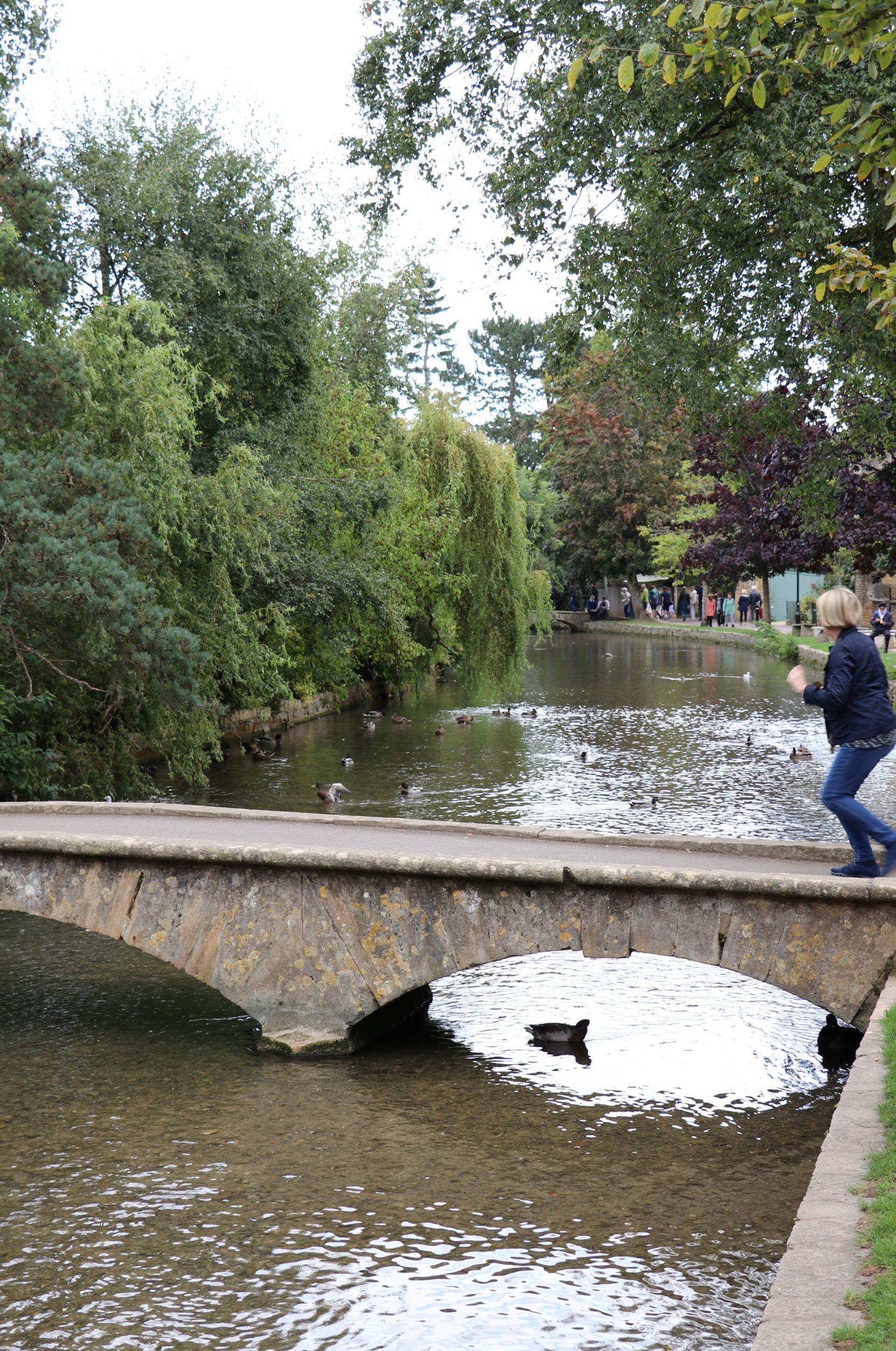
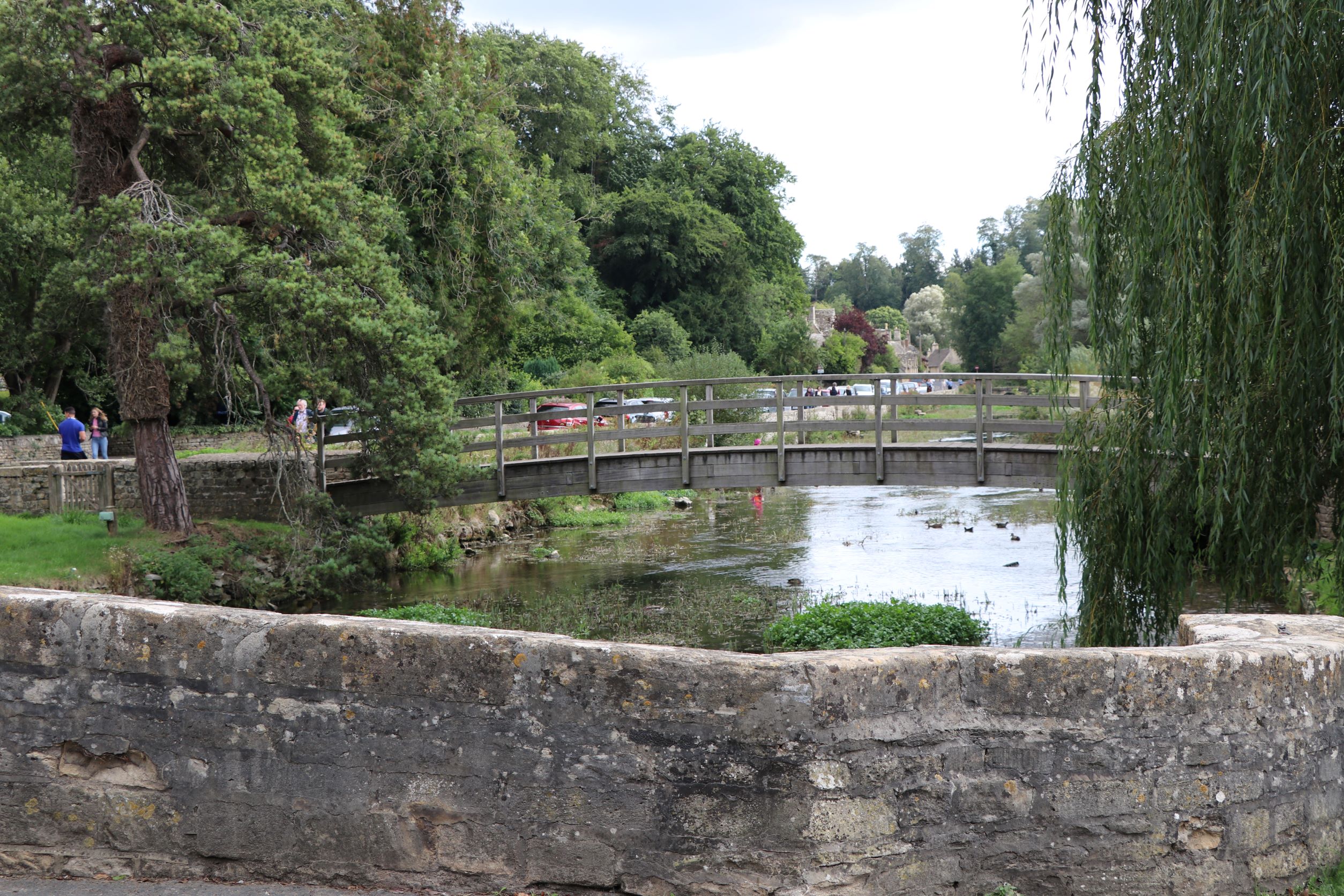
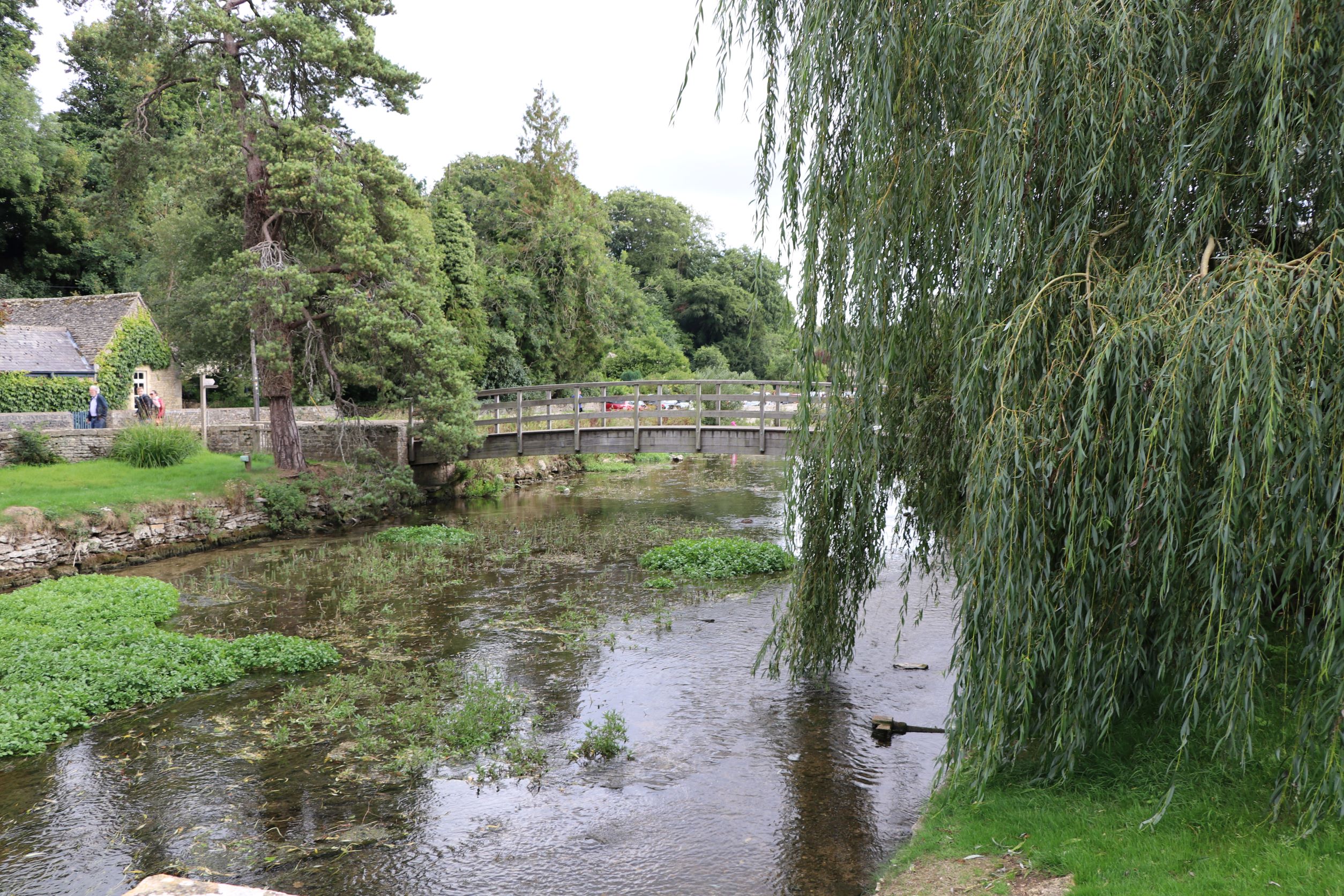
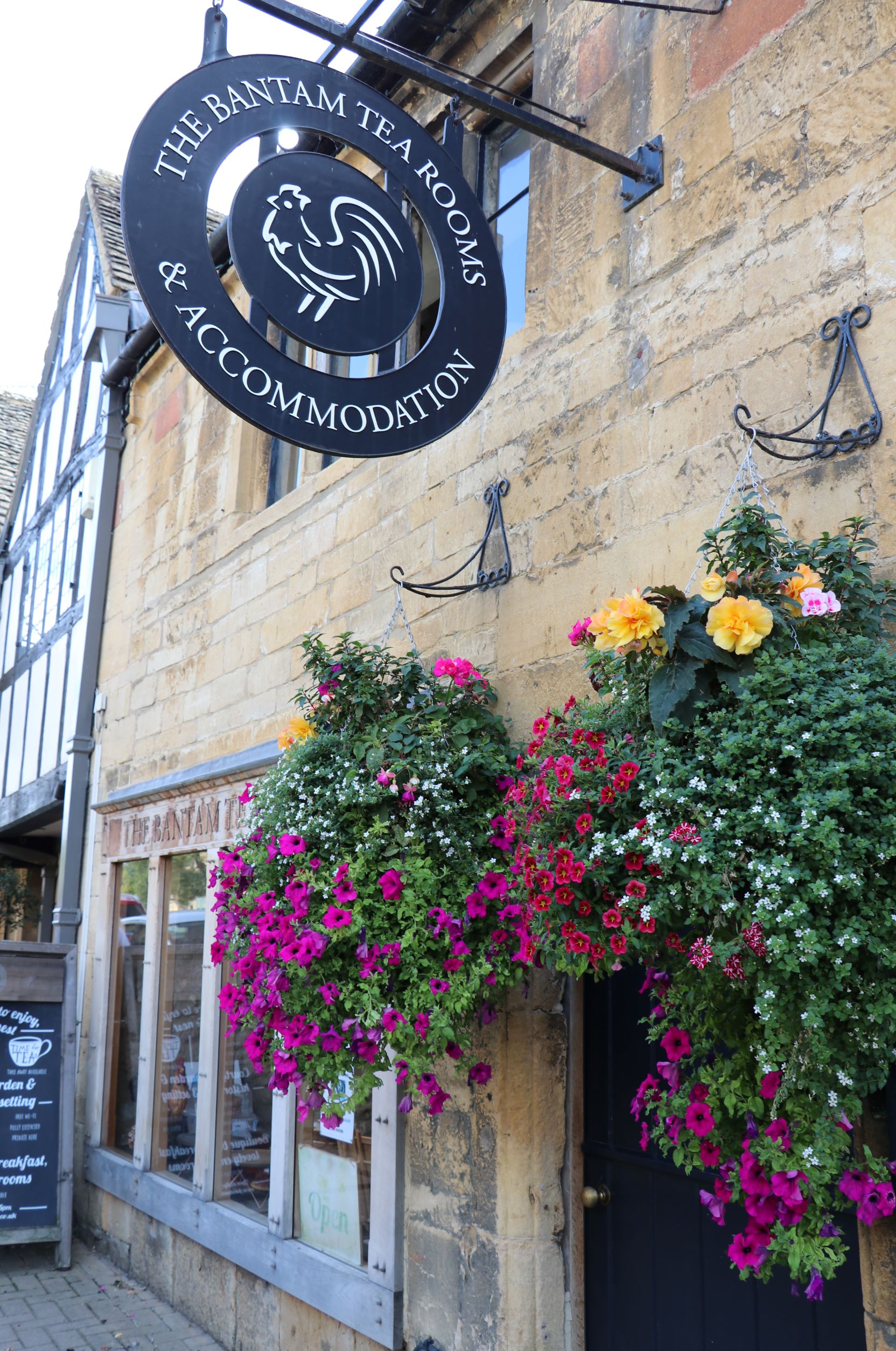
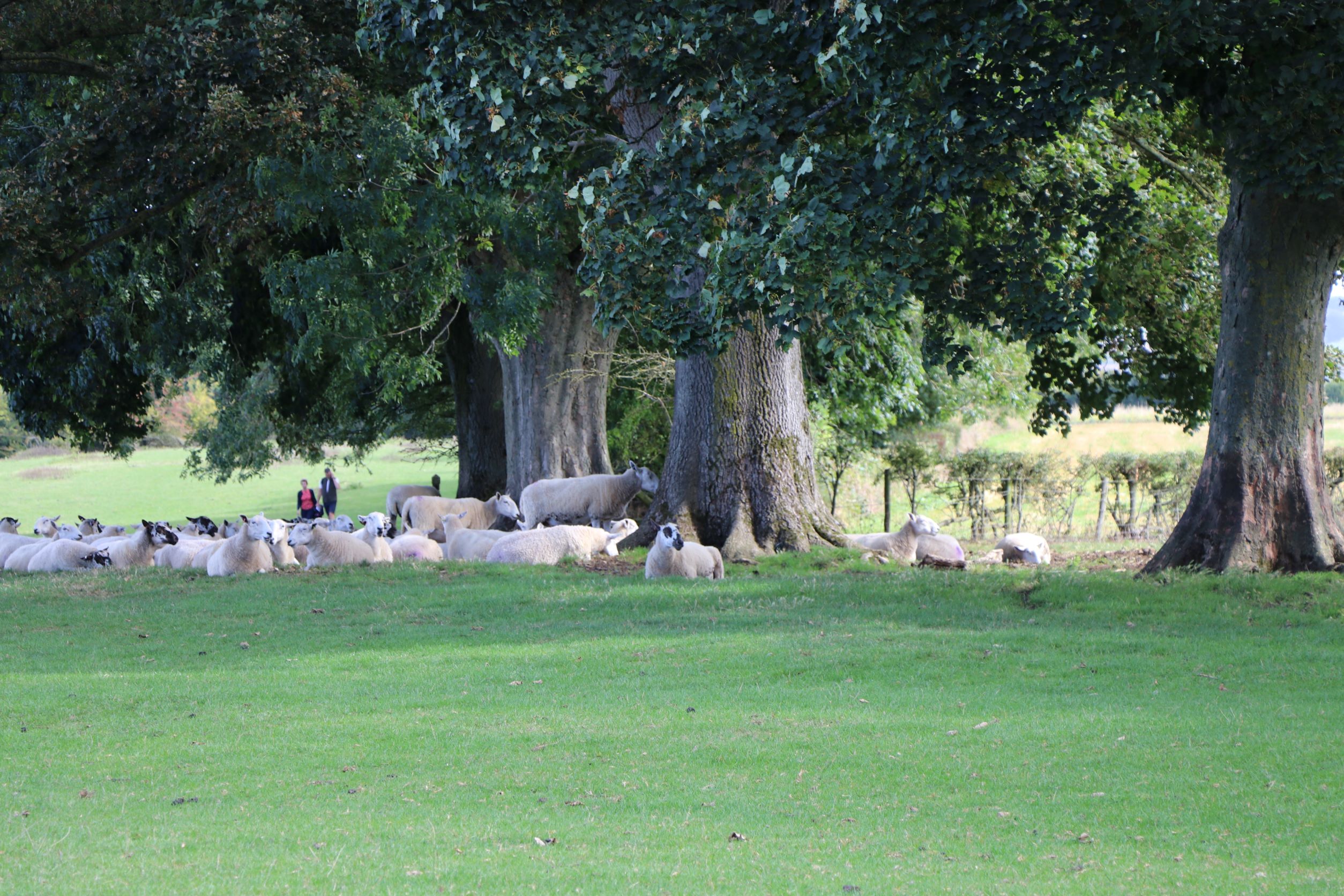
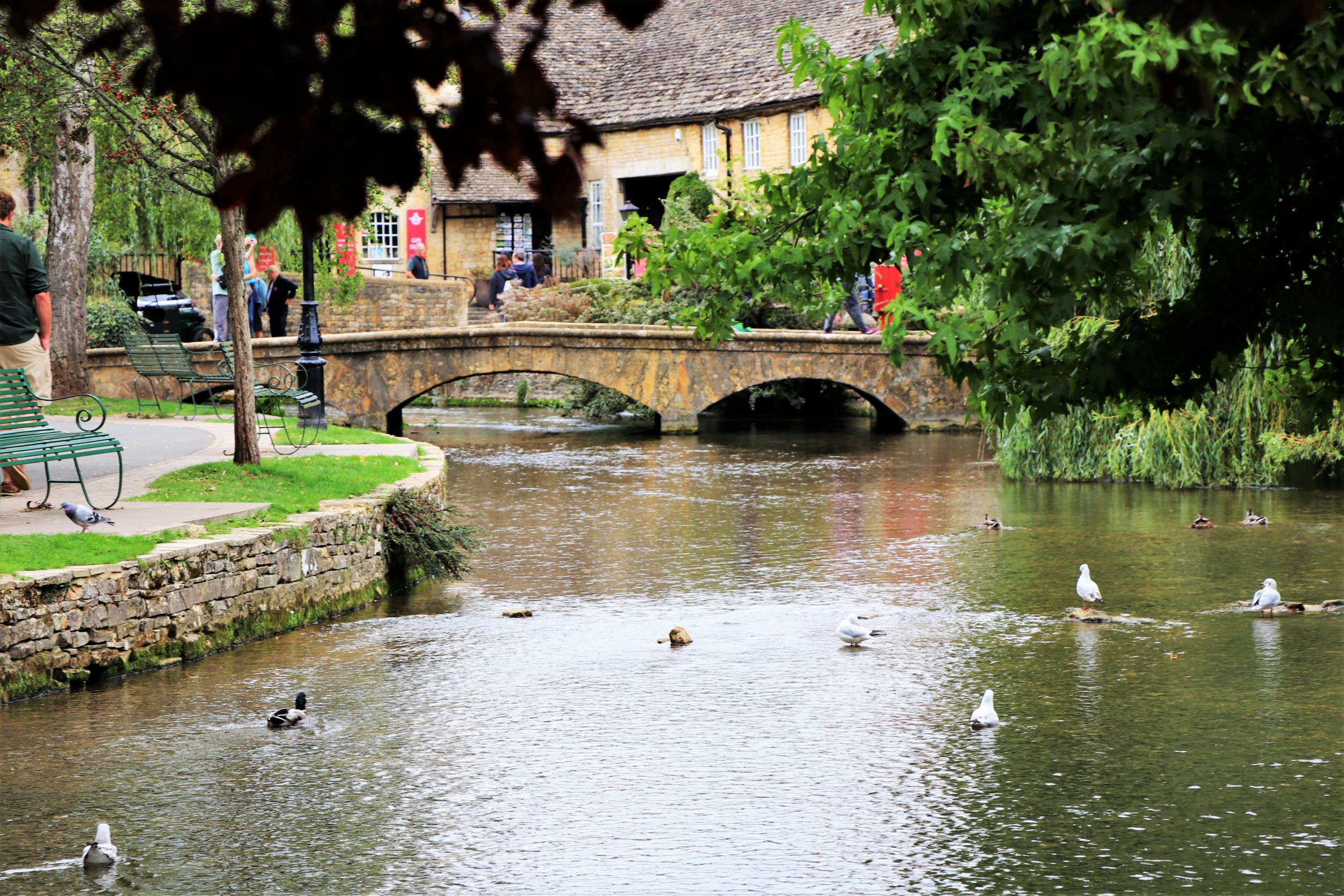
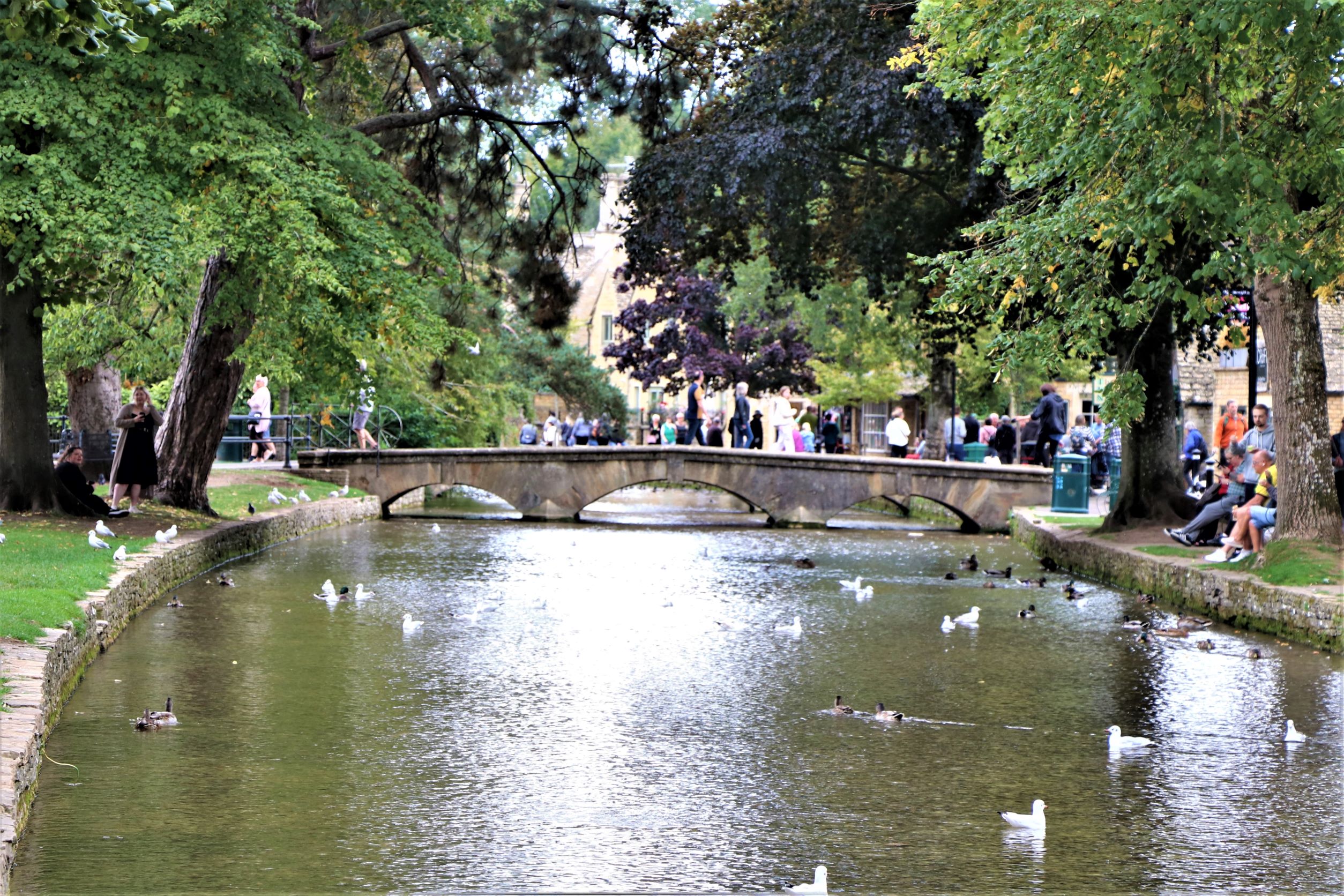
Bourton on the Water is known as the Venice of the Cotswolds. We had time to enjoy an ice cream cone, buy some take away hand pies, and buy a couple souvenirs in Bourton on the Water. There are 5 bridges over the water here. I’m not sure if I got a photo of all five.
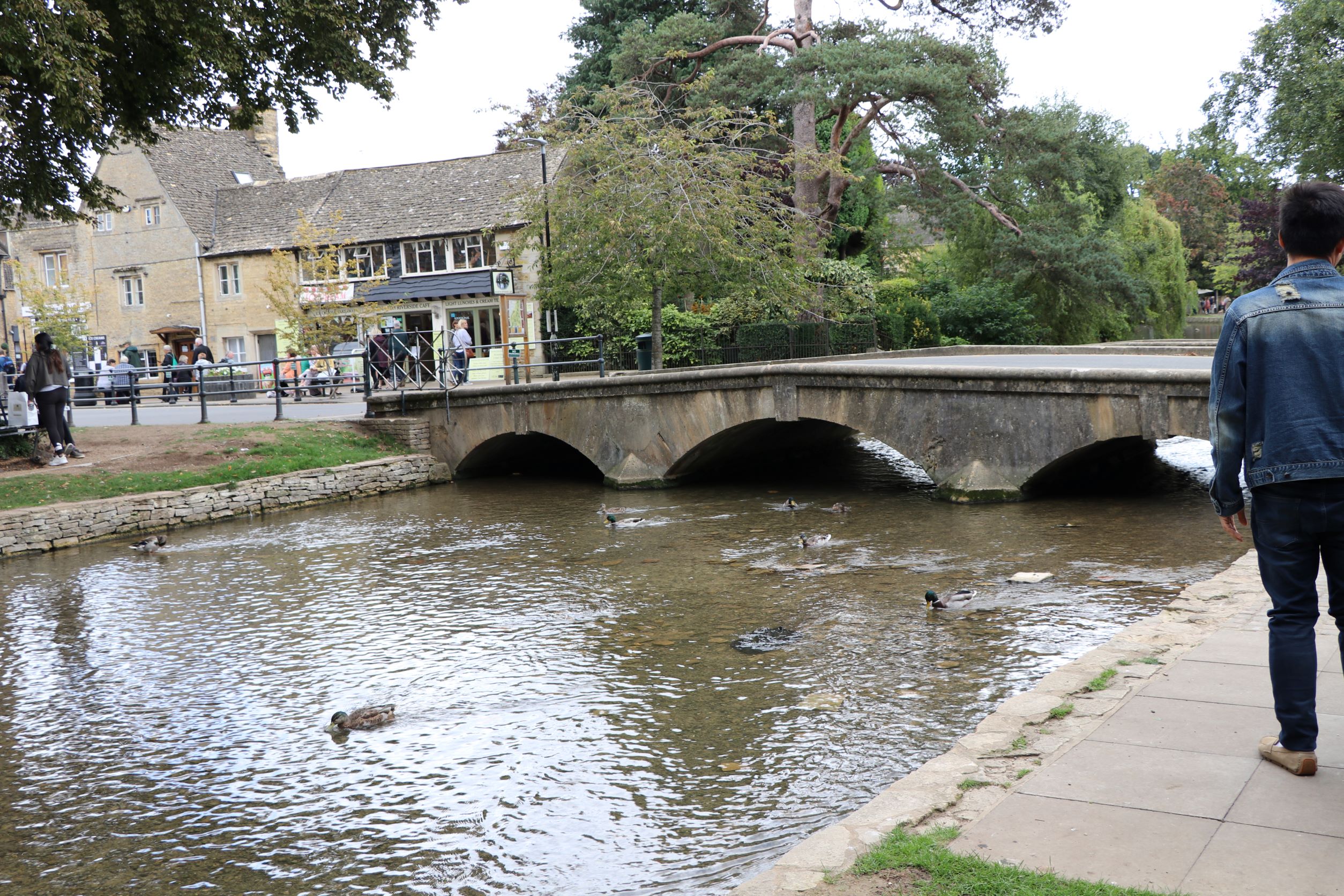
While purchasing our ice cream we met a sweet older couple from Yorkshire who encouraged us to visit their part of England.

We visited Bourton on the Water in July of 2014 and to see the colors of summer in comparison to my Fall photos click over here.

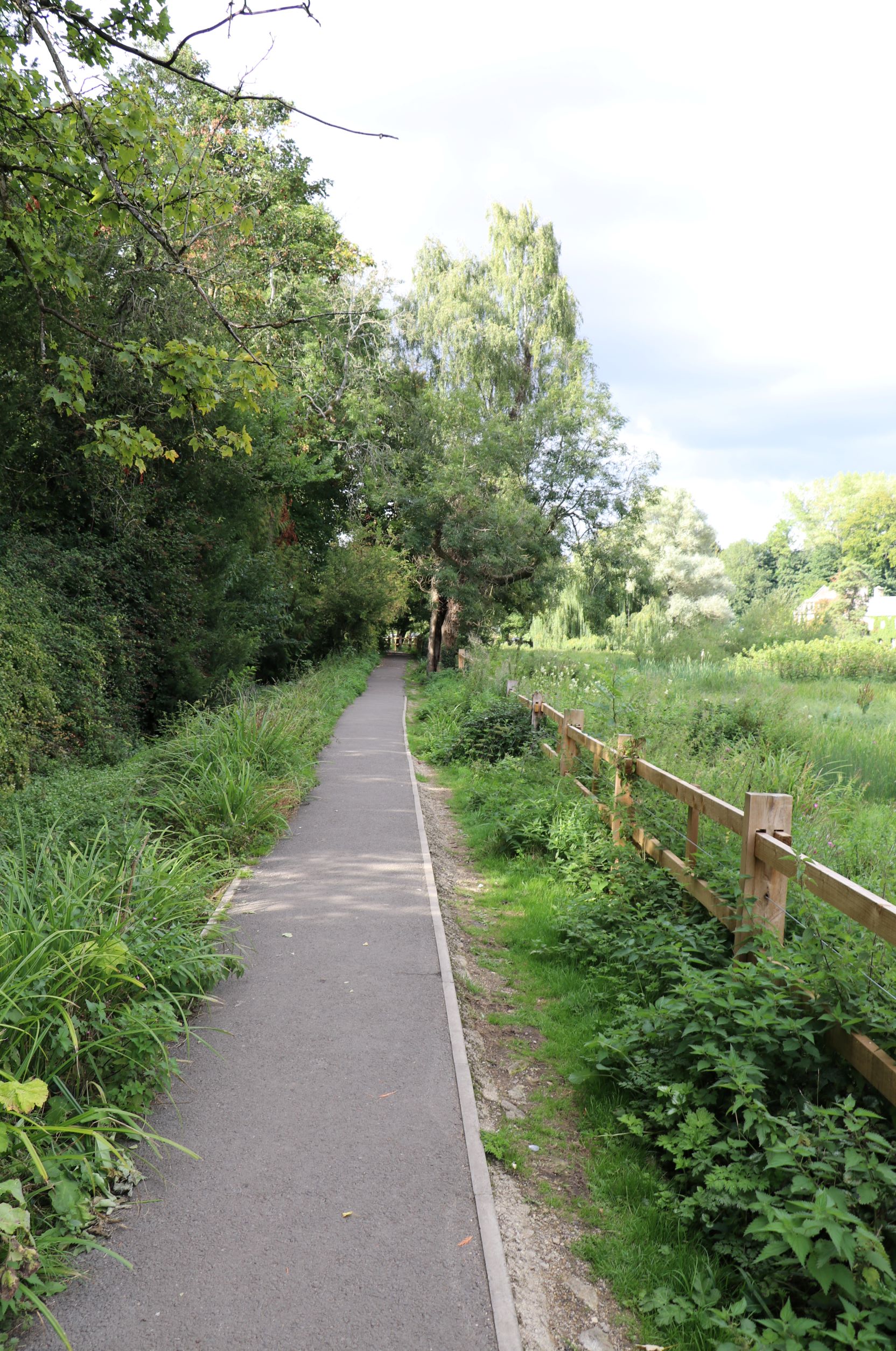
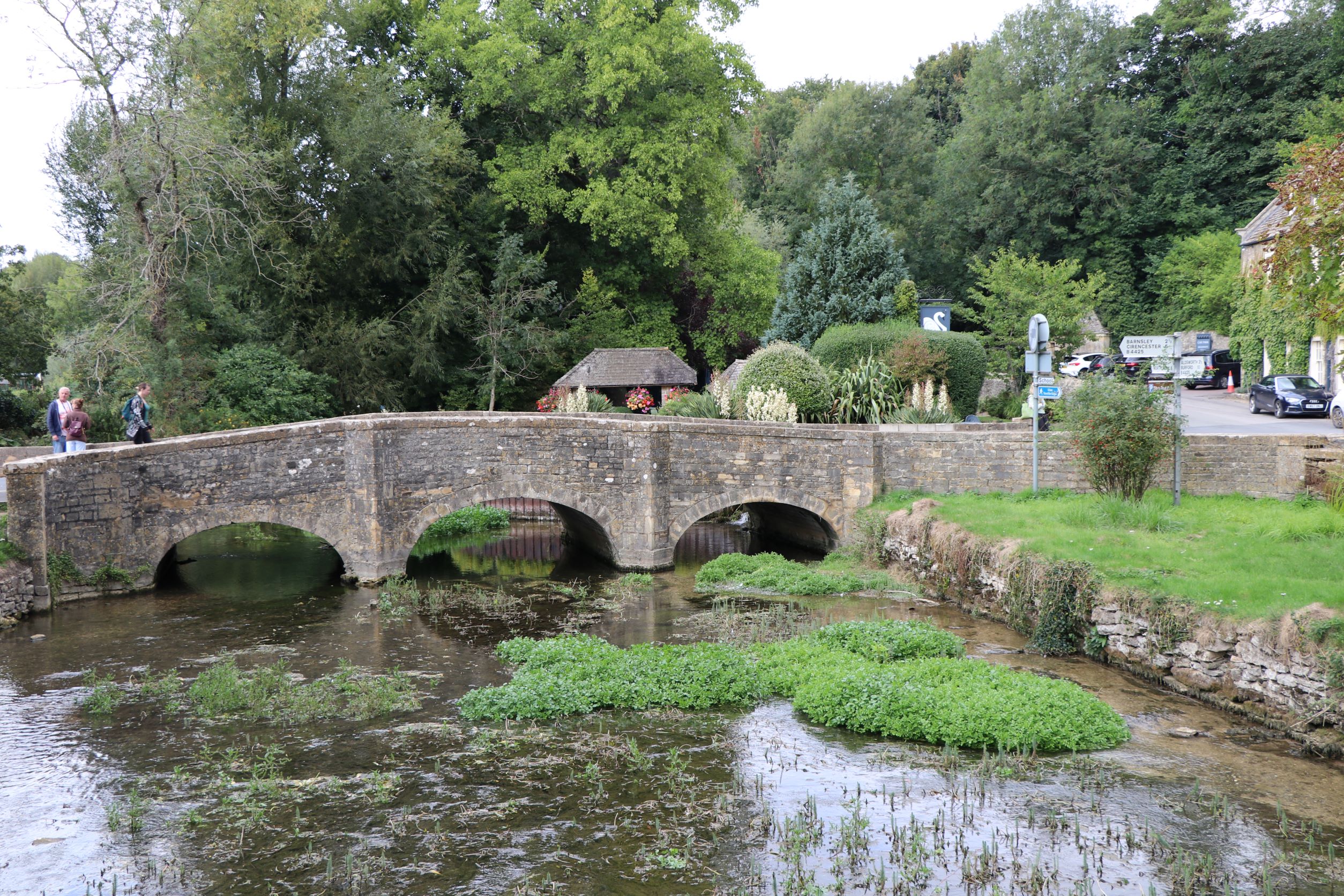
After Bourton on the Water we traveled a short distance to Bibury.
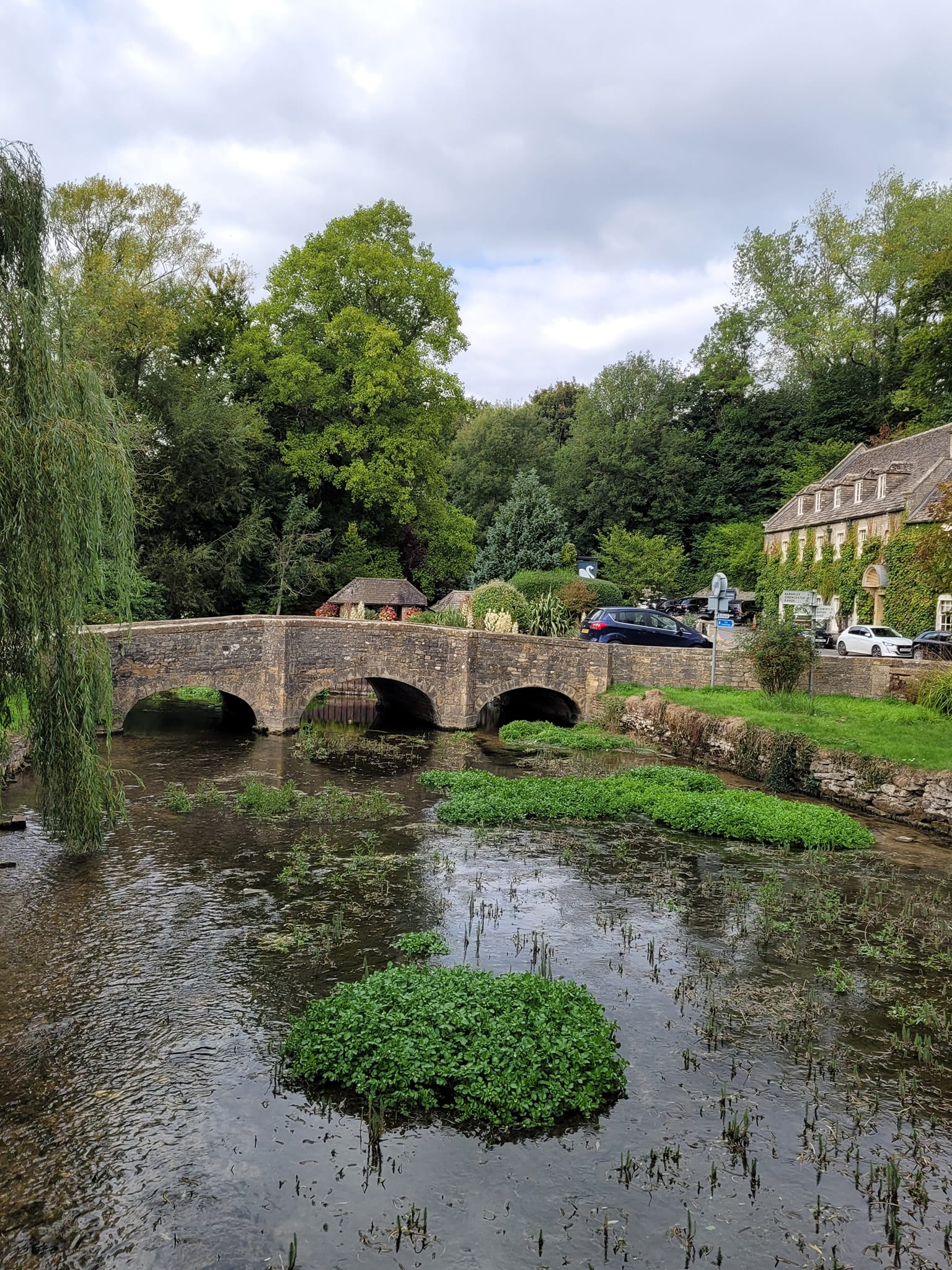
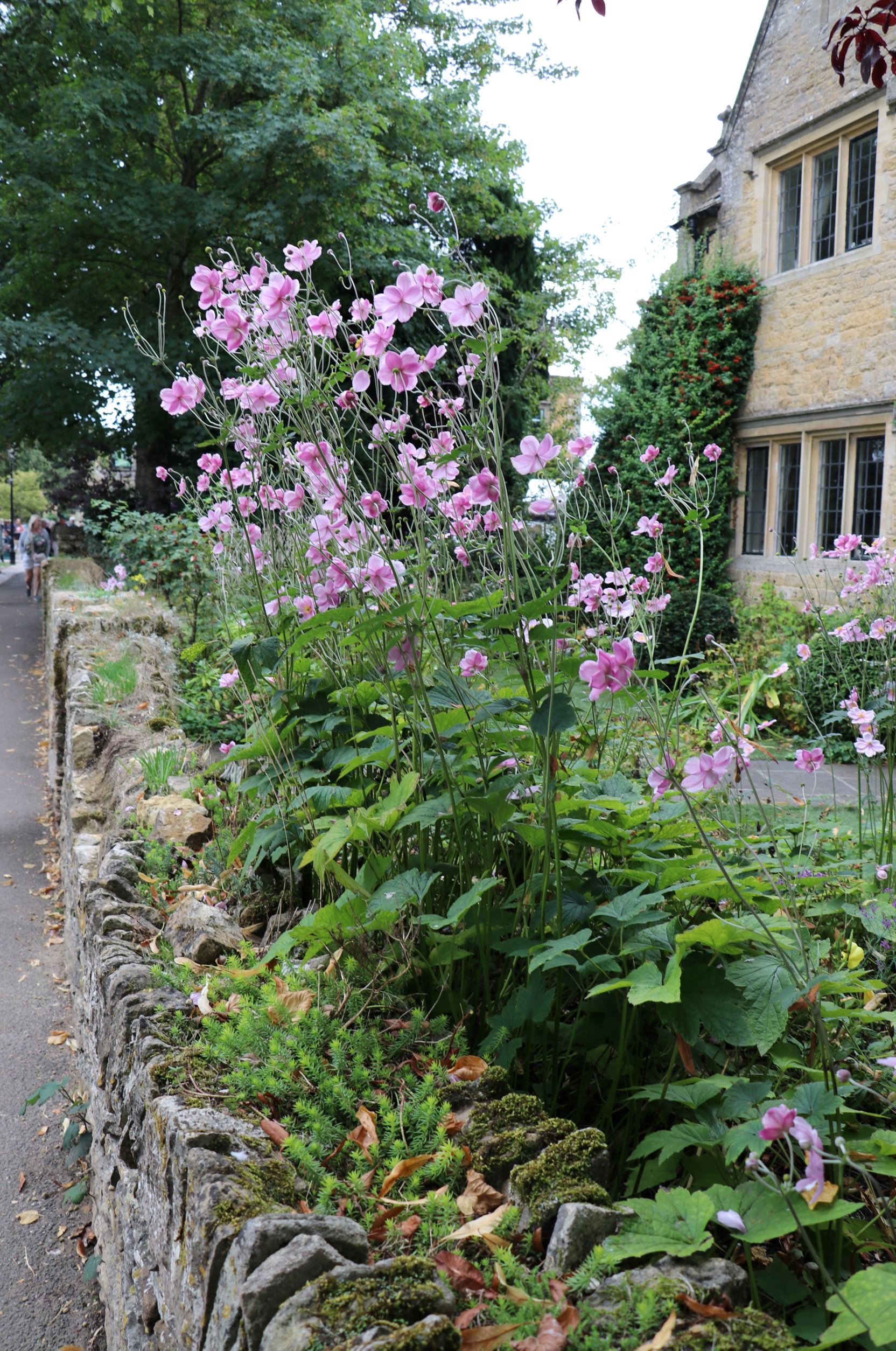
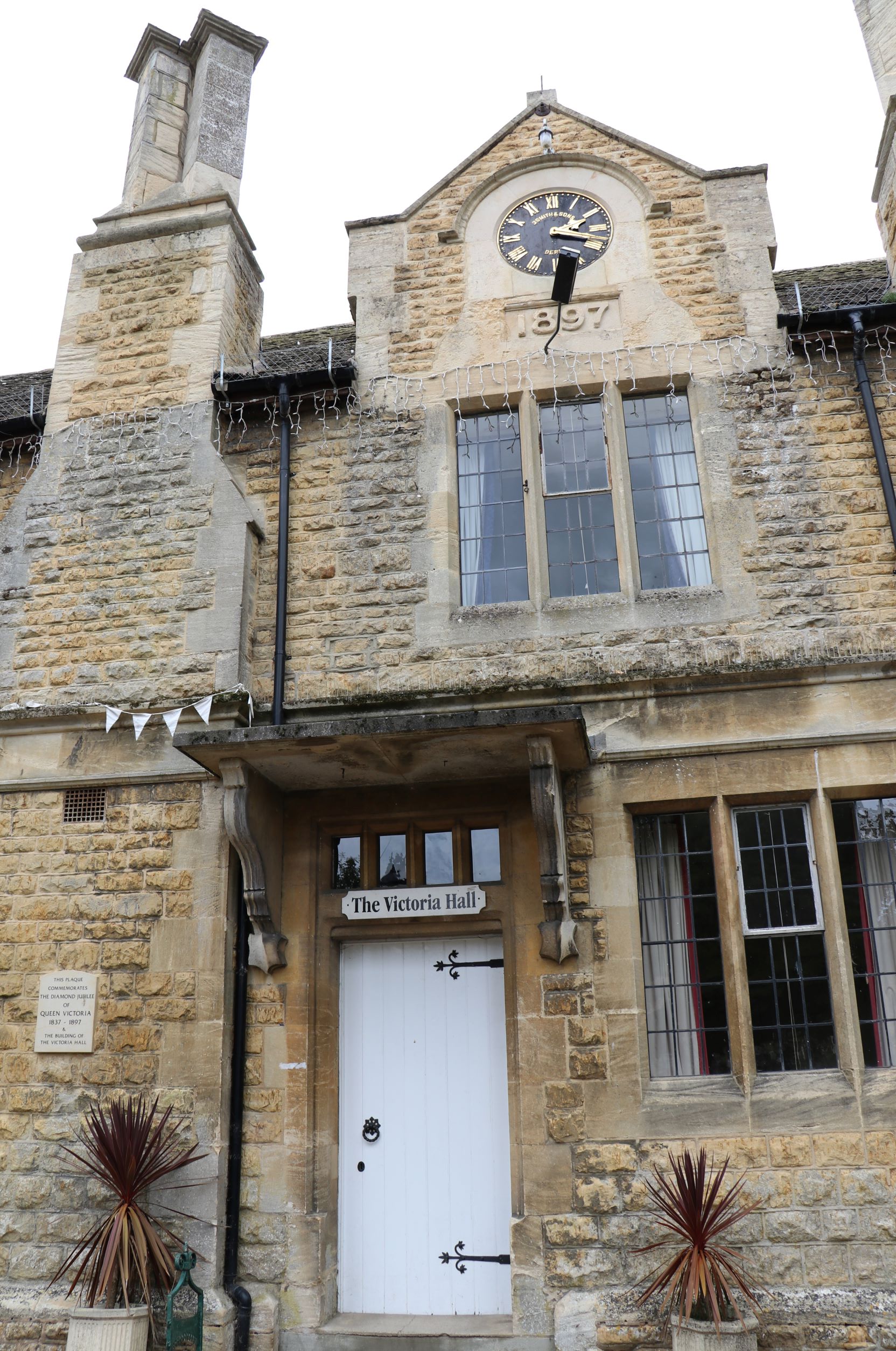
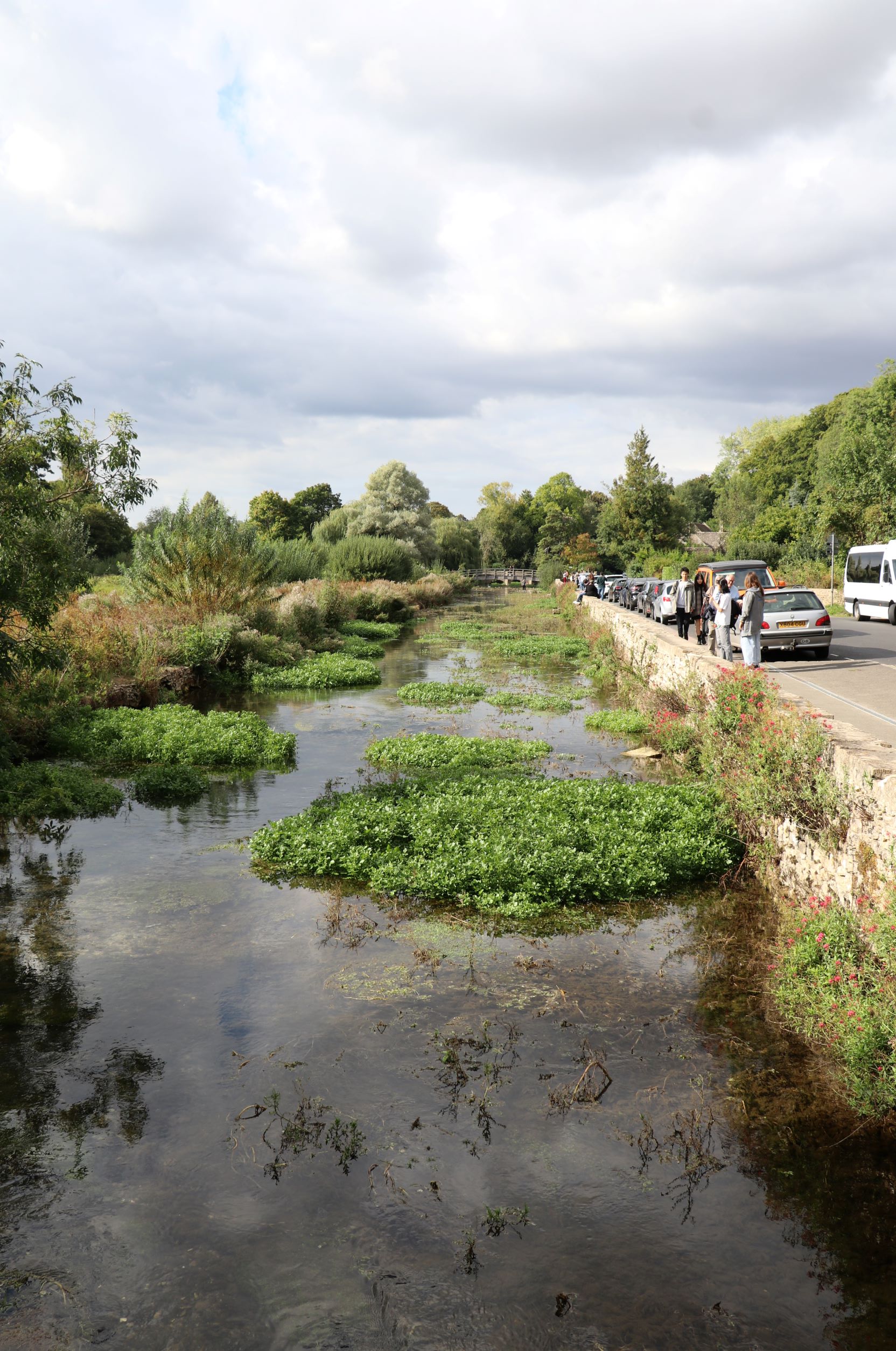
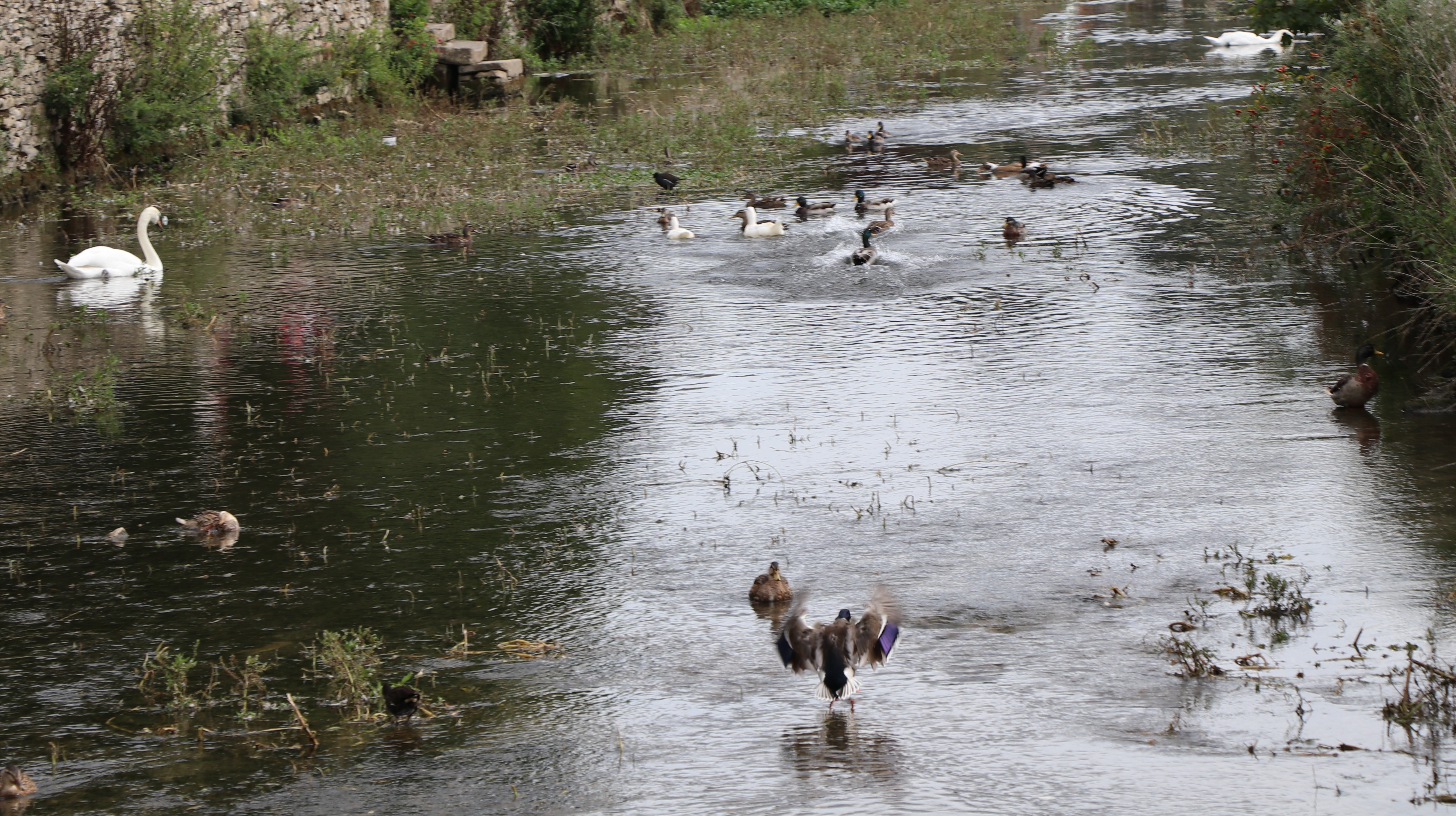
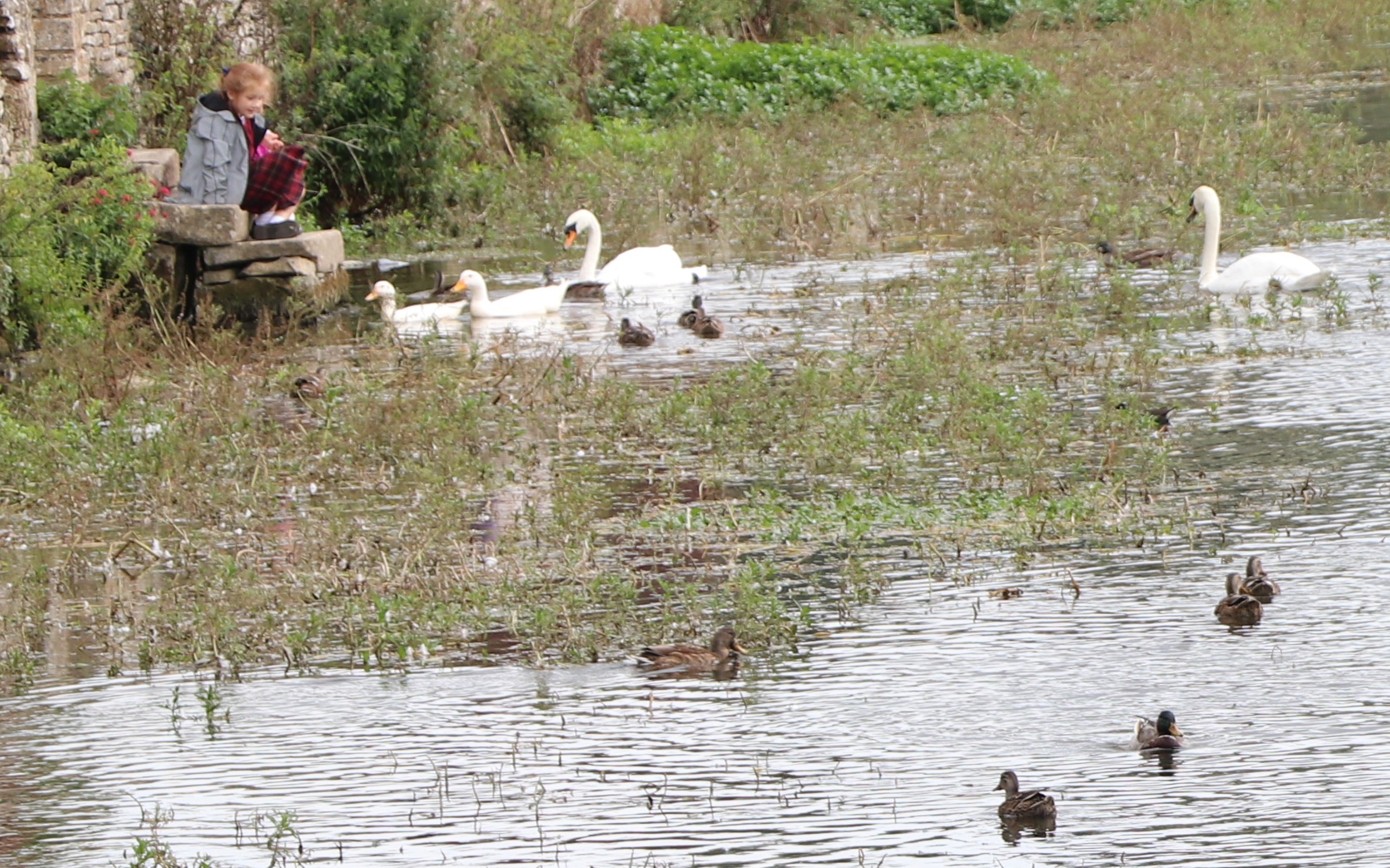
Bibury ‘the most beautiful village in England’.
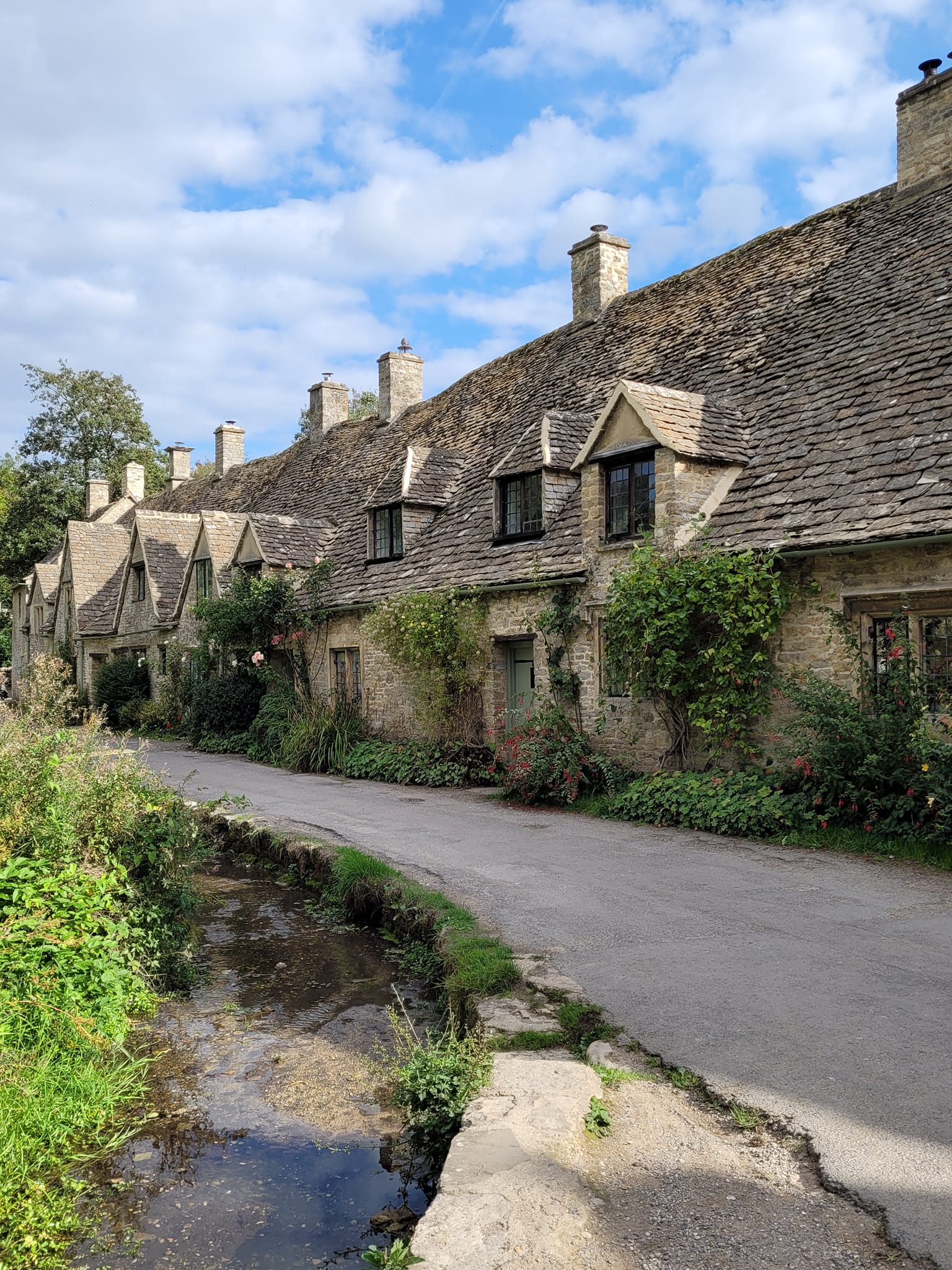
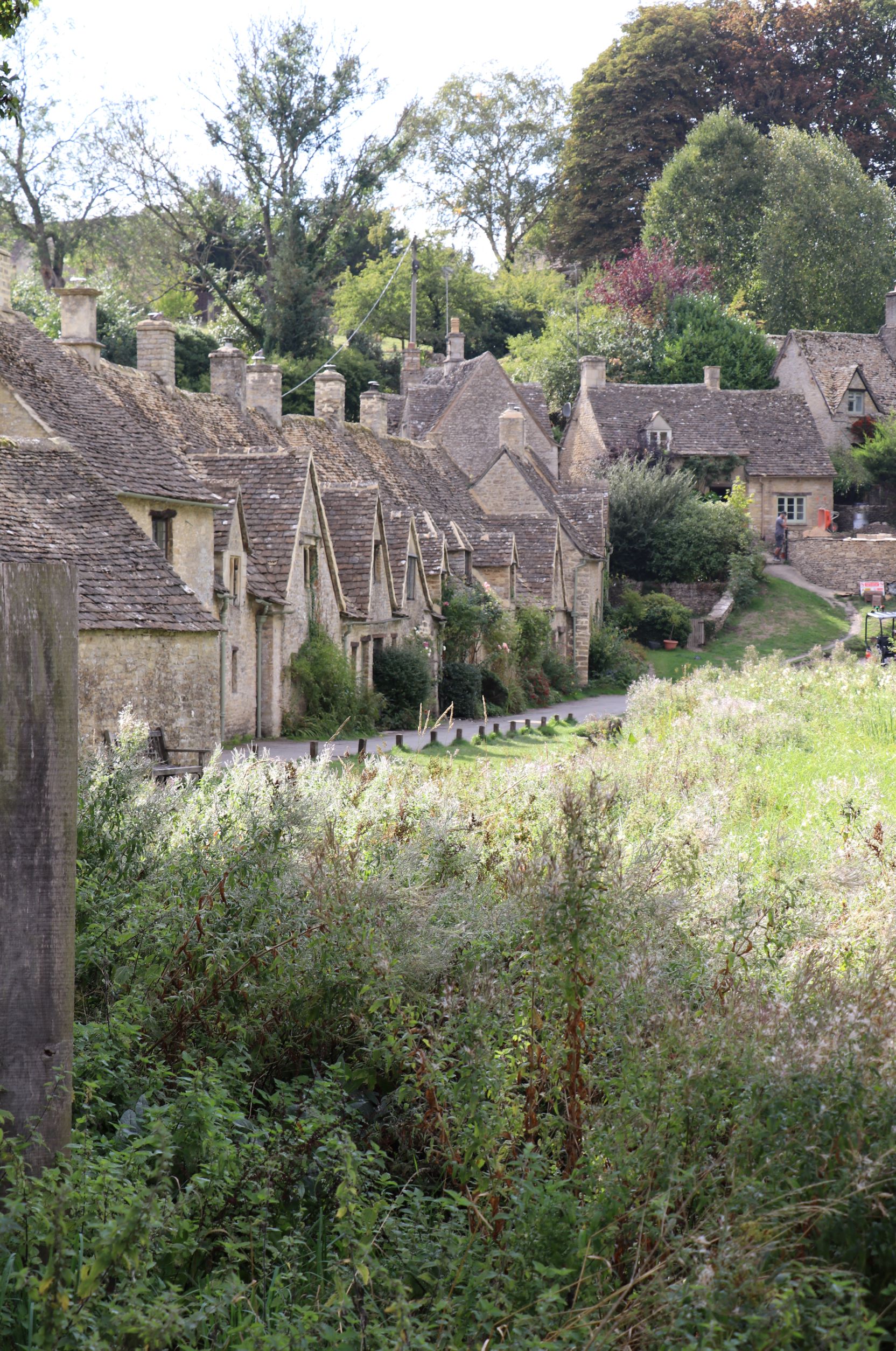
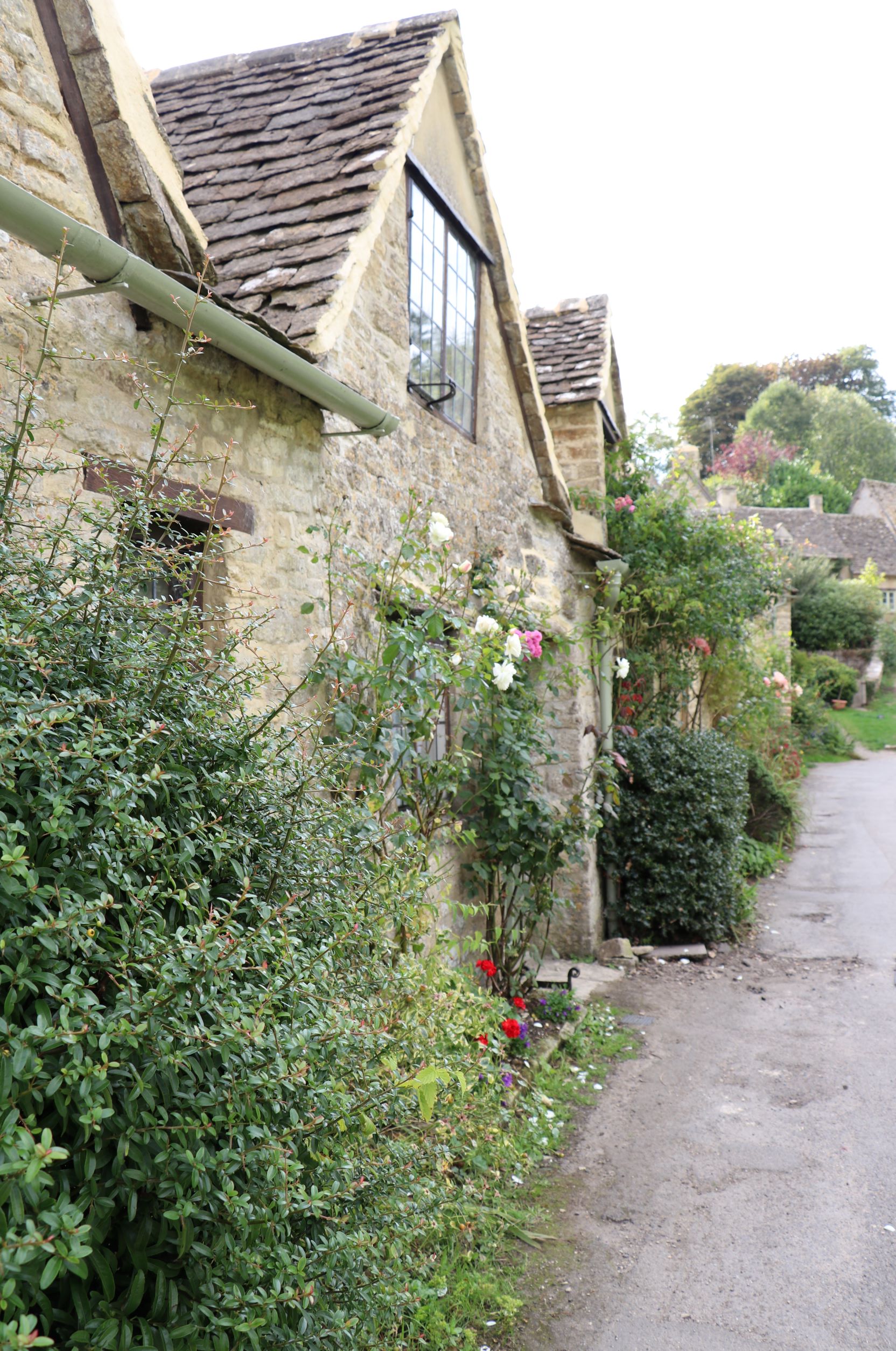
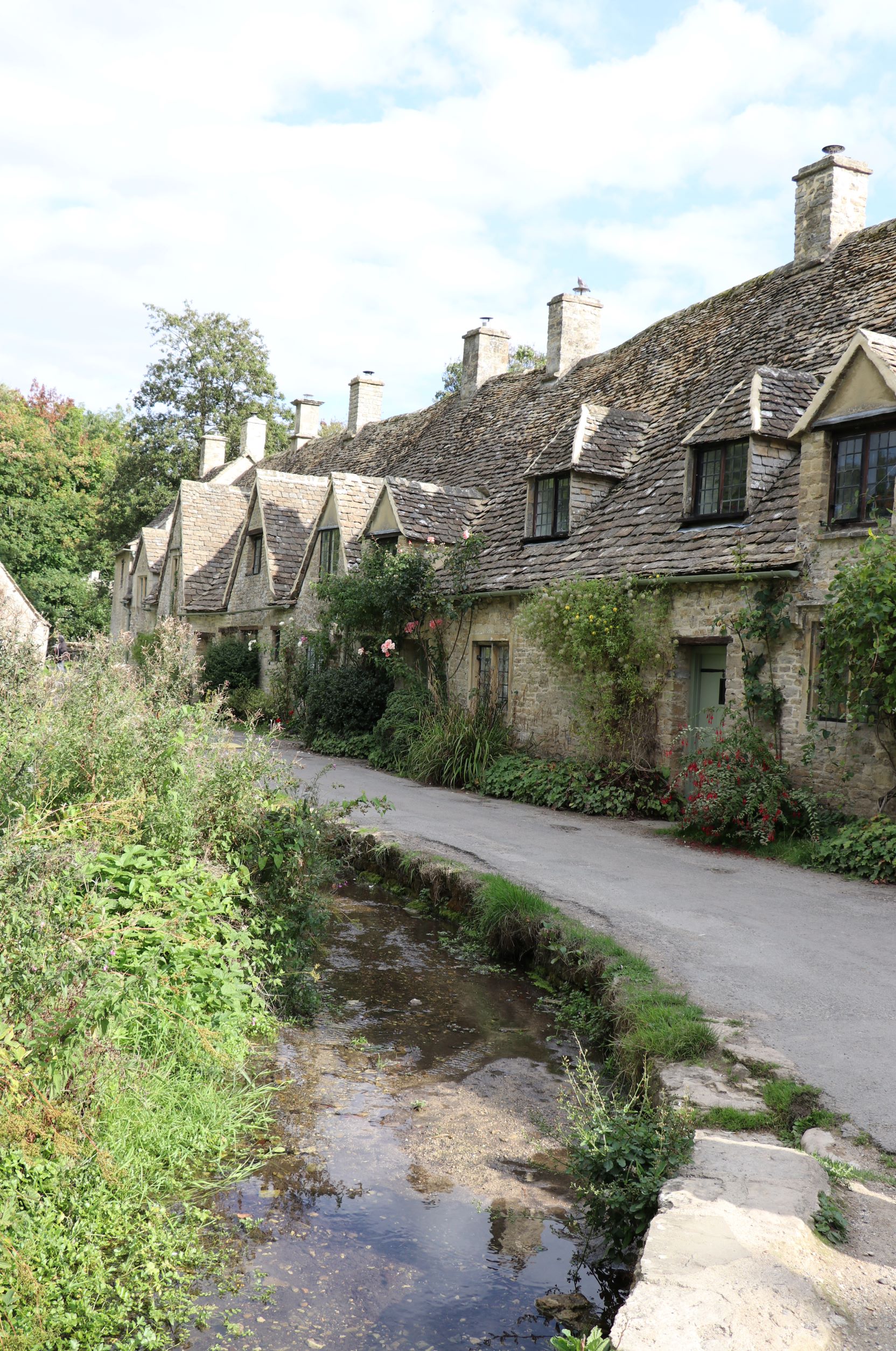
Arlington Row

The cottages of Arlington Row are often referred to as the most photographed and beautiful cottages in the country.

Originally built in 1380 as a monastic wool store, the building was then converted into a row of weavers’ cottages in the 17th century.
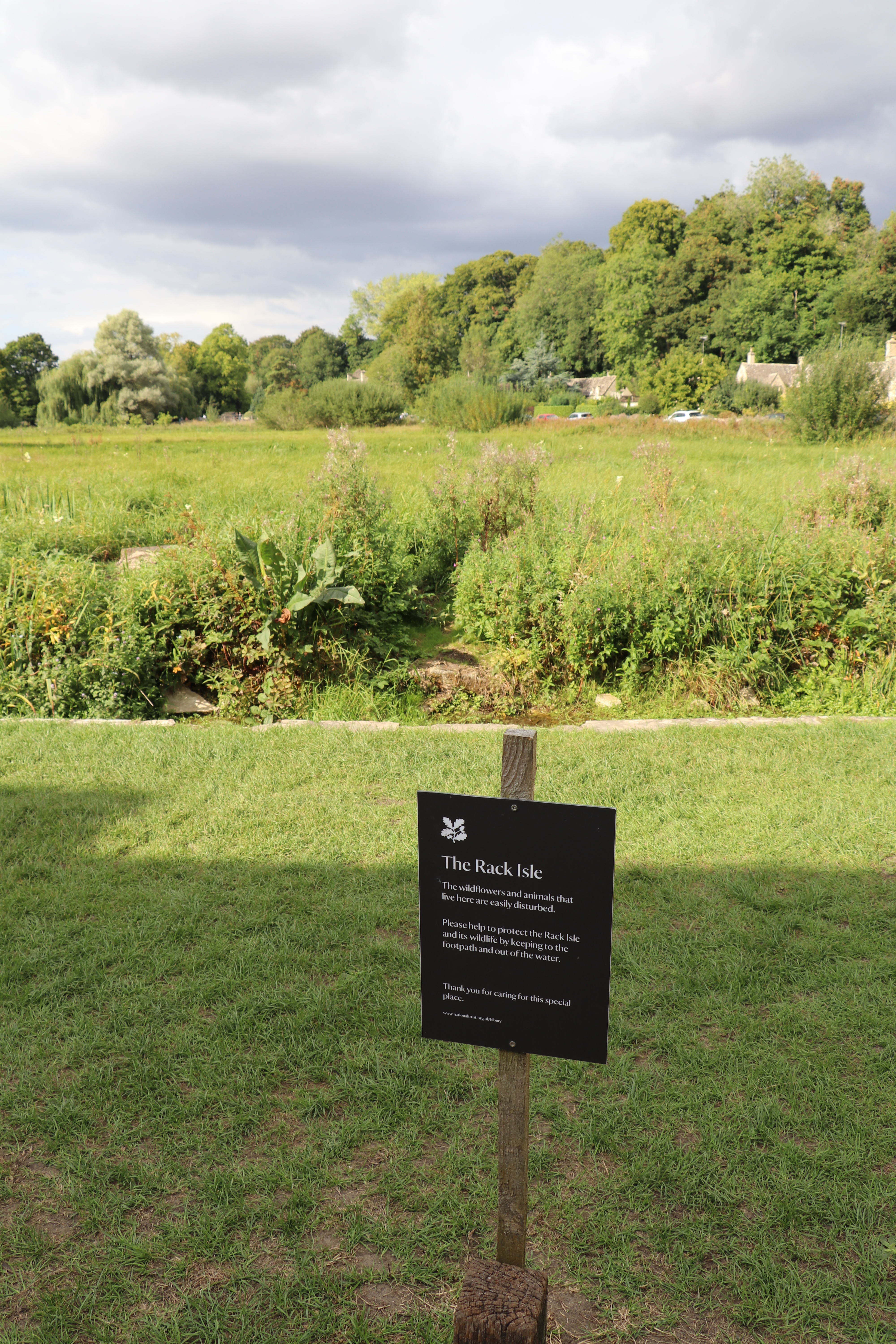
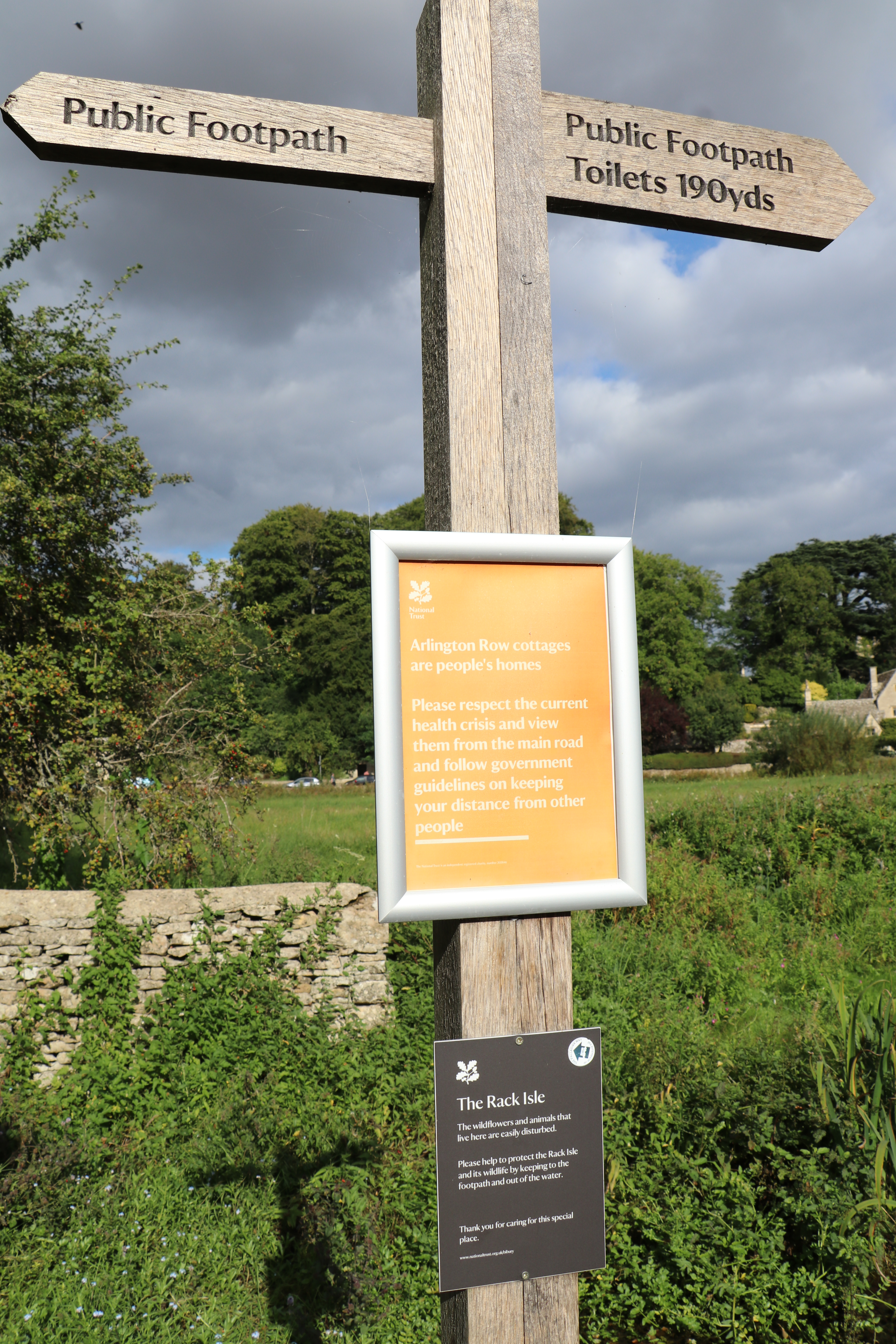
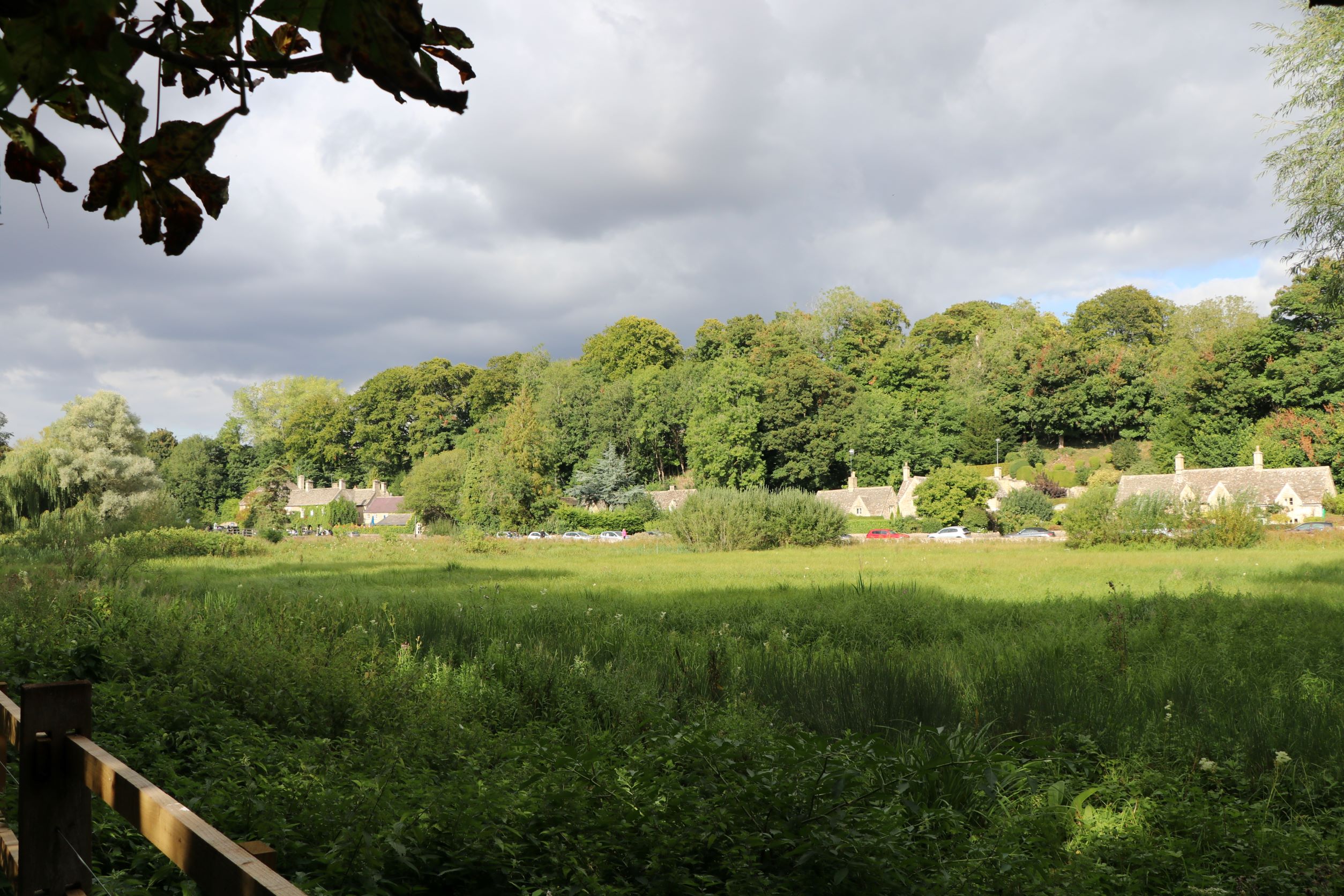
The cloth produced at Arlington Row was sent to Arlington Mill on the other side of Rack Isle. The cloth was then hung on wooden timber frames on Rack Isle after being degreased at Arlington Mill.
 

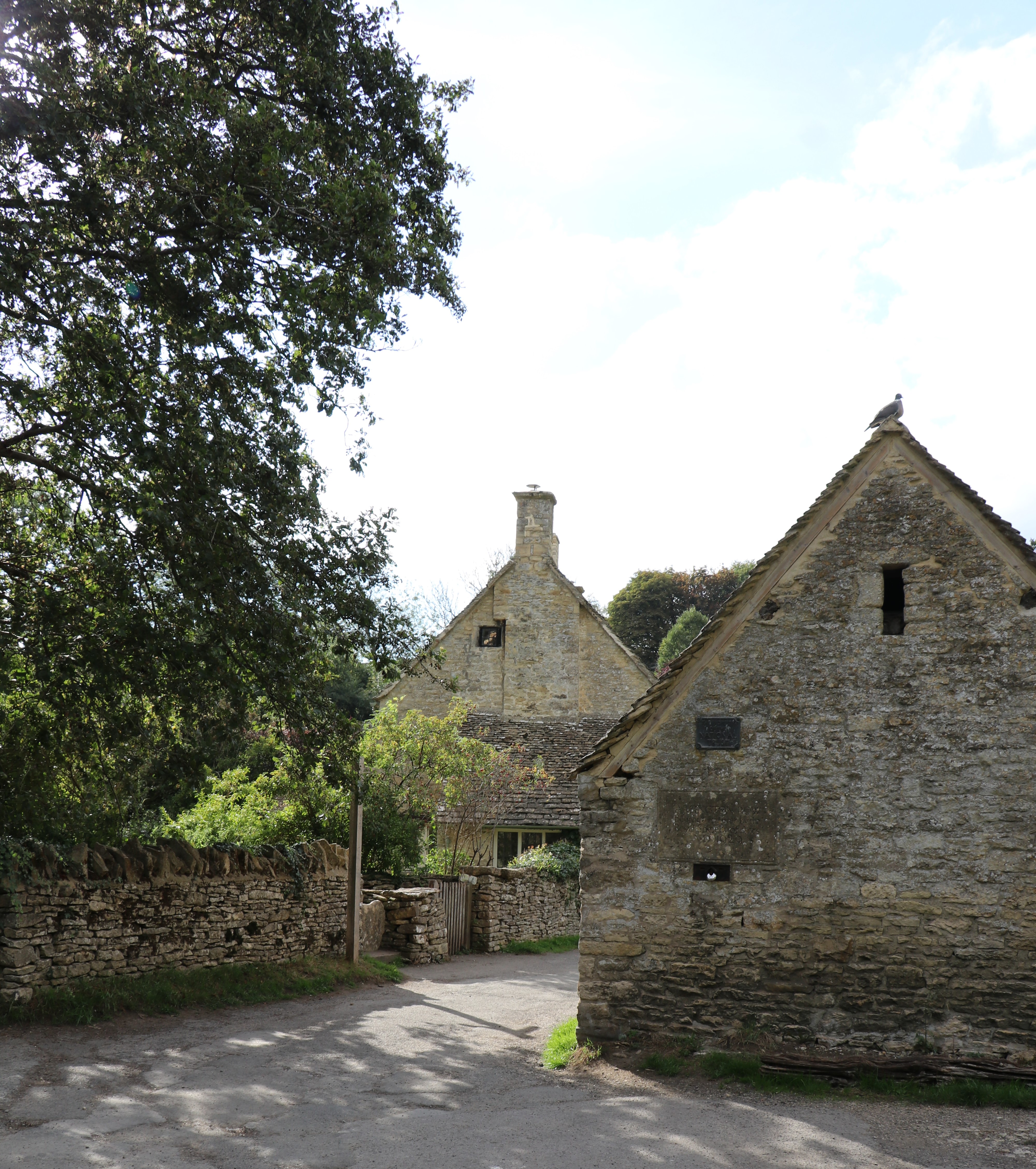
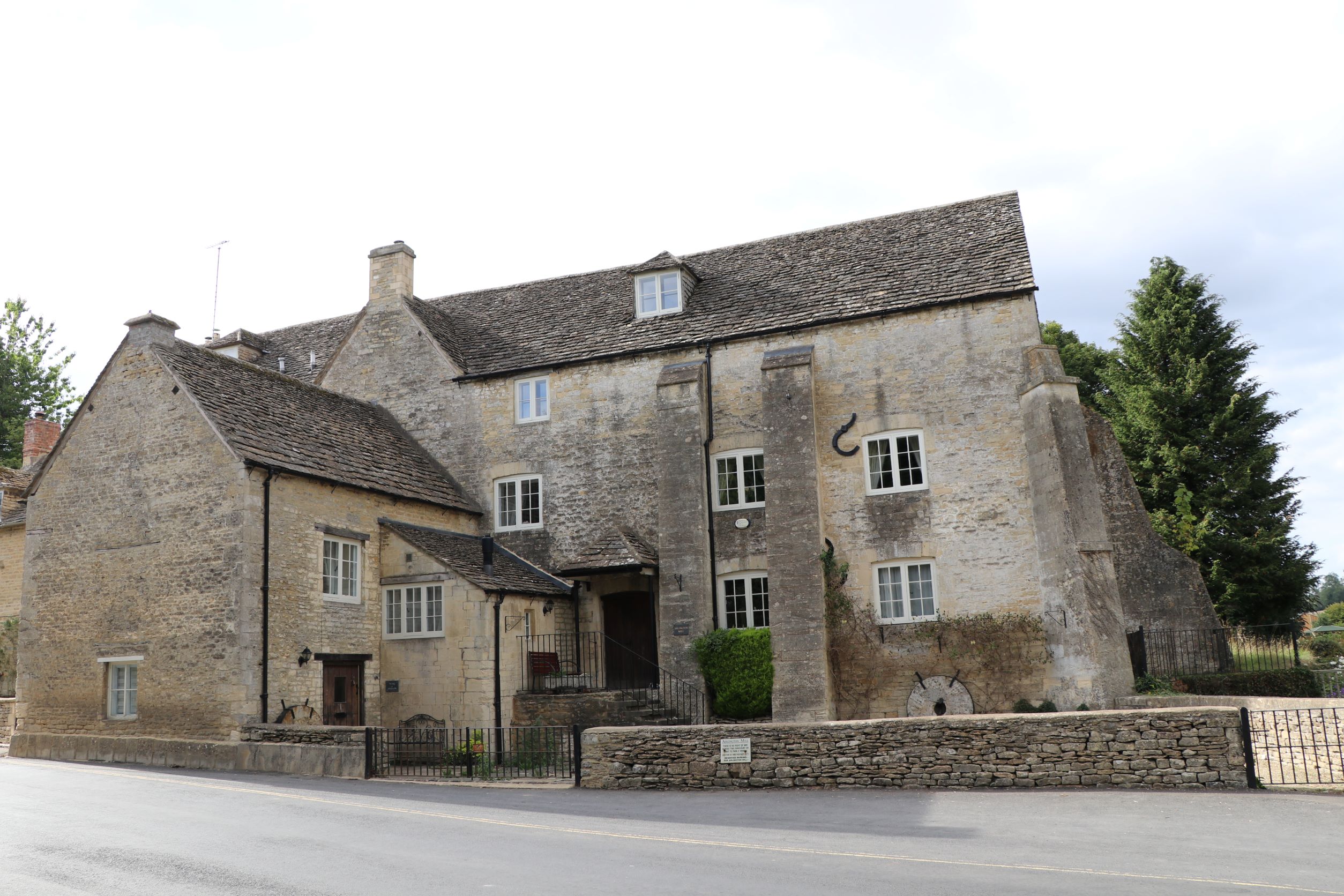
The Arlington Mill

With a history dating back to 1086, the mill which stands on the site today is believed to date back to the 17th Century.

Arlington Mill is now a private residence (which was also available as a holiday cottage), but it was once a working mill processing corn and wool, and later housed the museum of Arlington Mill with a collection of period clothing, documents and working machinery illustrating milling & the Victorian way of life.

Arlington Mill, a Grade II listed building, was recorded as a cloth and corn mill in the 17th Century, continuing in dual use until mid 19th Century when concentration switched to corn milling.
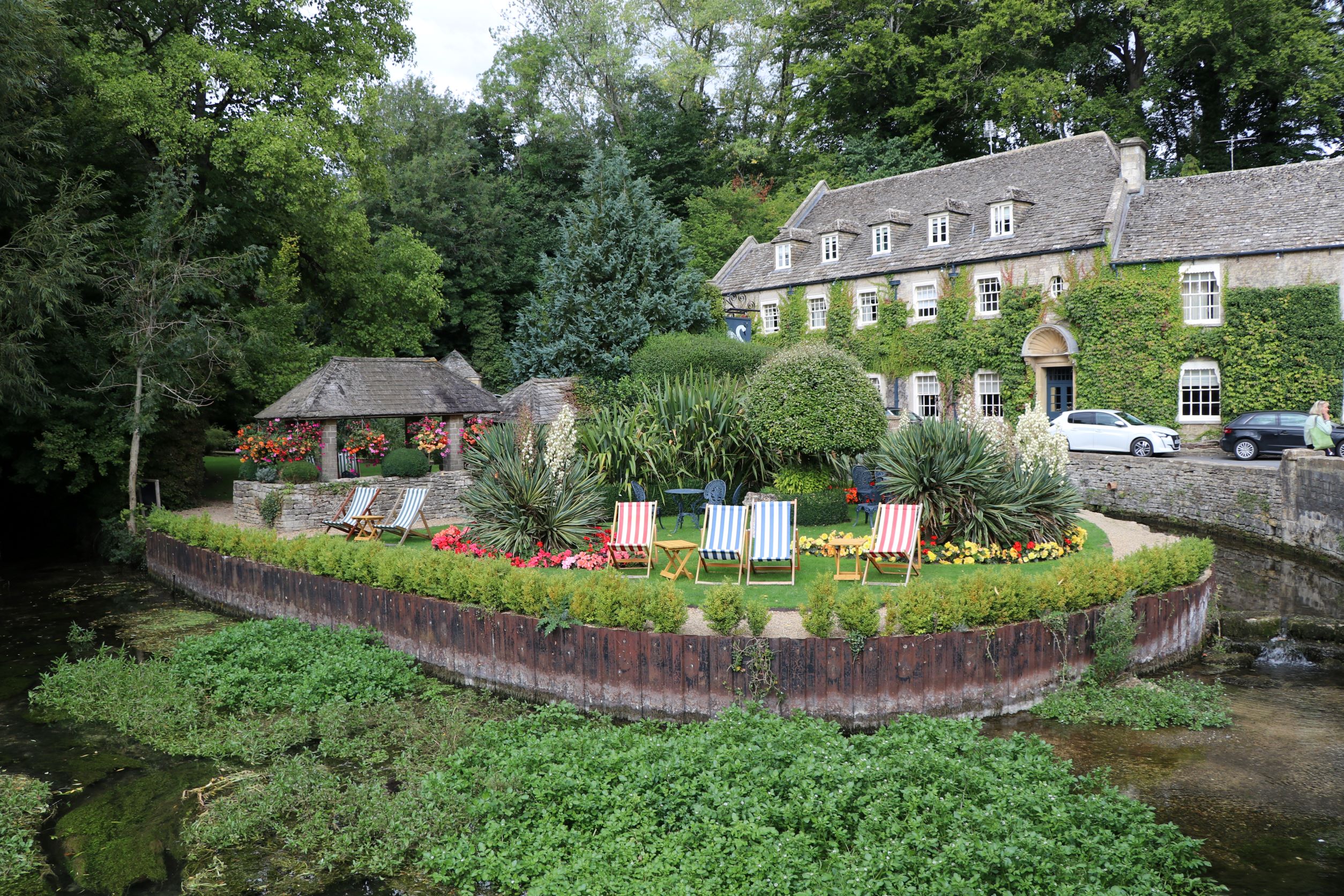
Founded in 1902, Bibury Trout Farm is one of England’s oldest working trout farms set in the historic village of Bibury, in the heart of the Cotswolds.
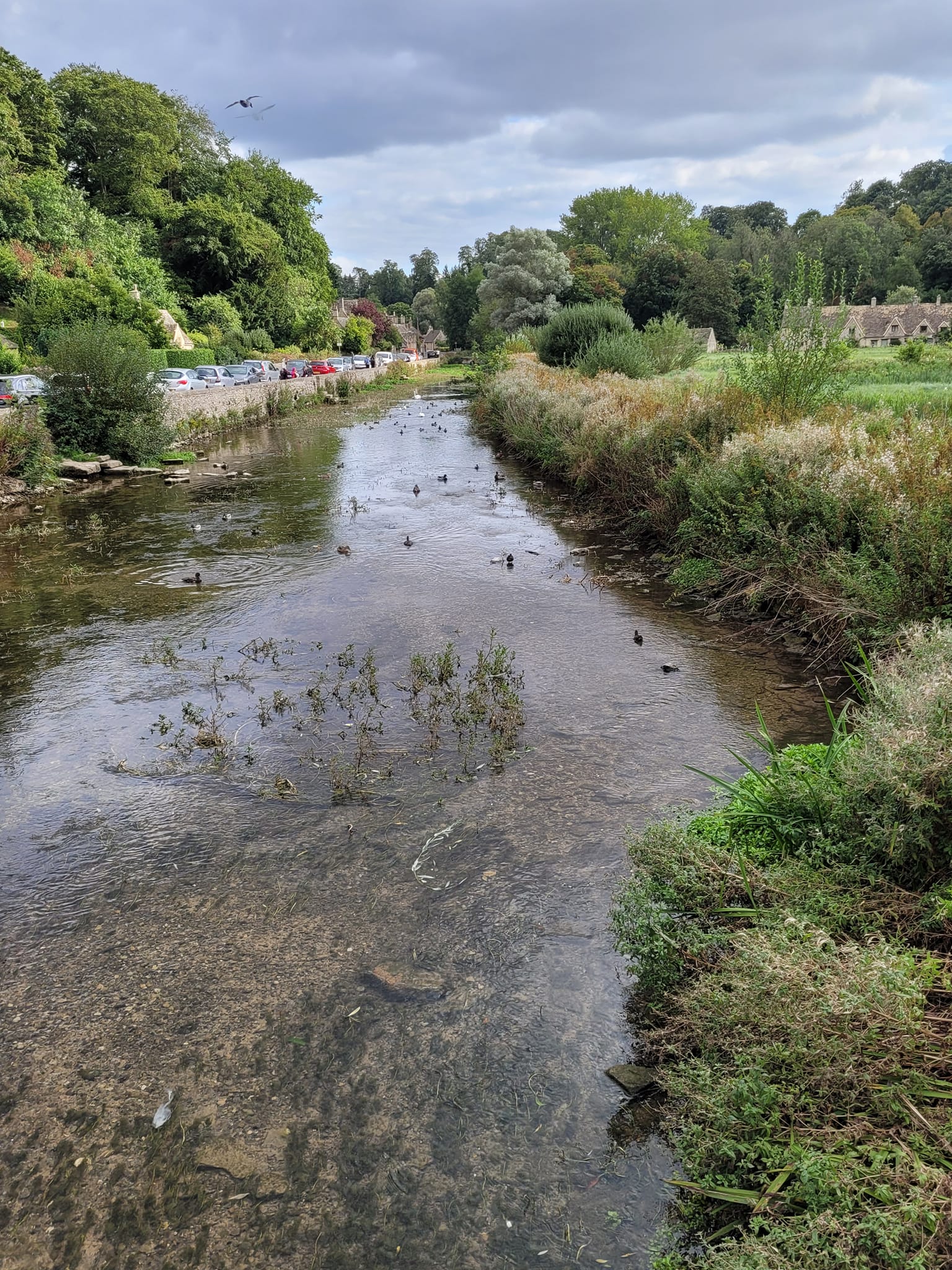
On our Go Cotswold Day Tour we were happy to make a couple stops to places we hadn’t seen in the past. Bibury was one of those stops. This was the end of our tour on this day and we got back on our tour van and were driven back to the Oxford Train Station. While others on the tour headed in the station to catch trains back to London we enjoyed the 5 minute walk back to our apartment in Oxford where we warmed up our steak pies for dinner.

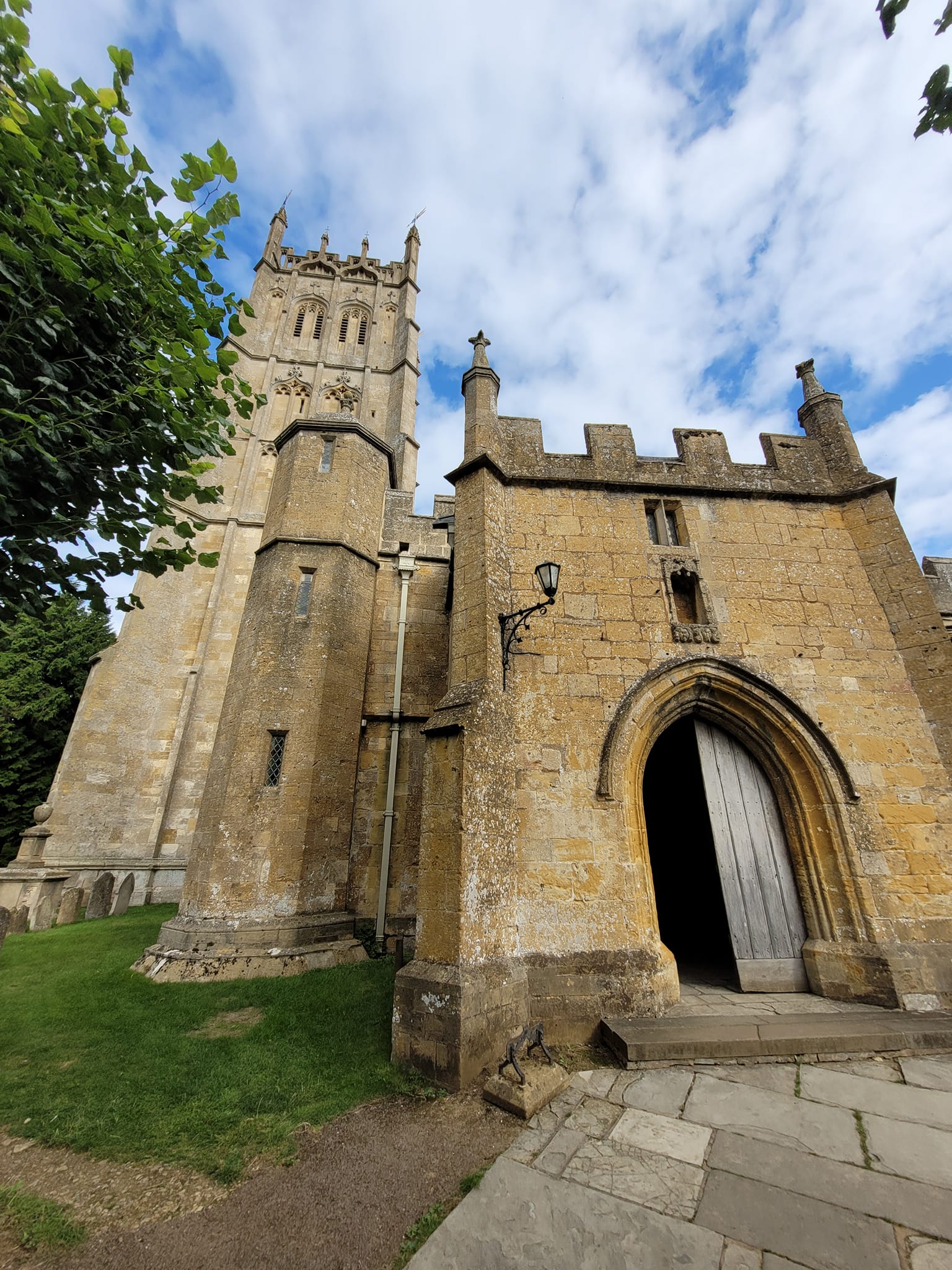
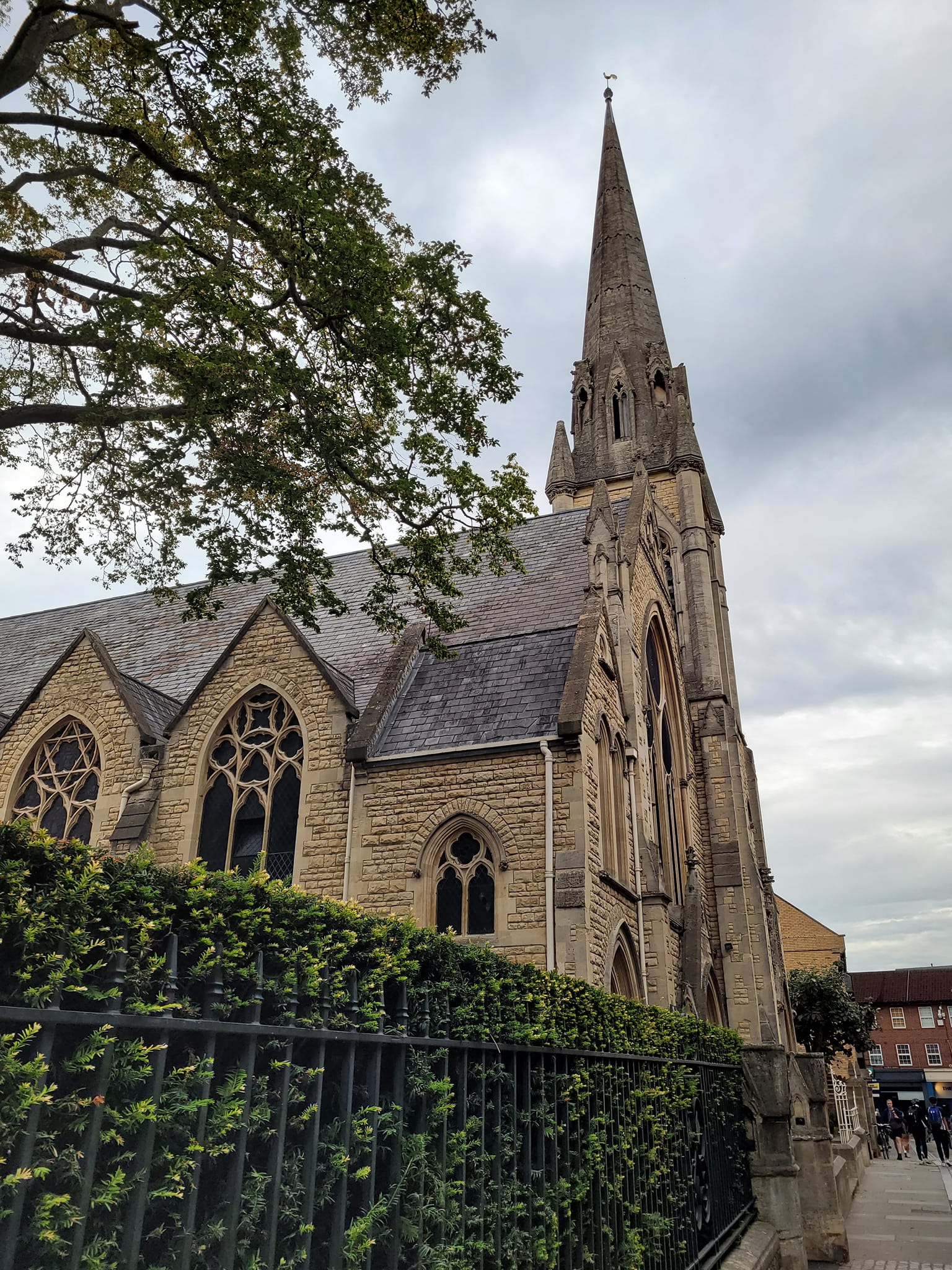
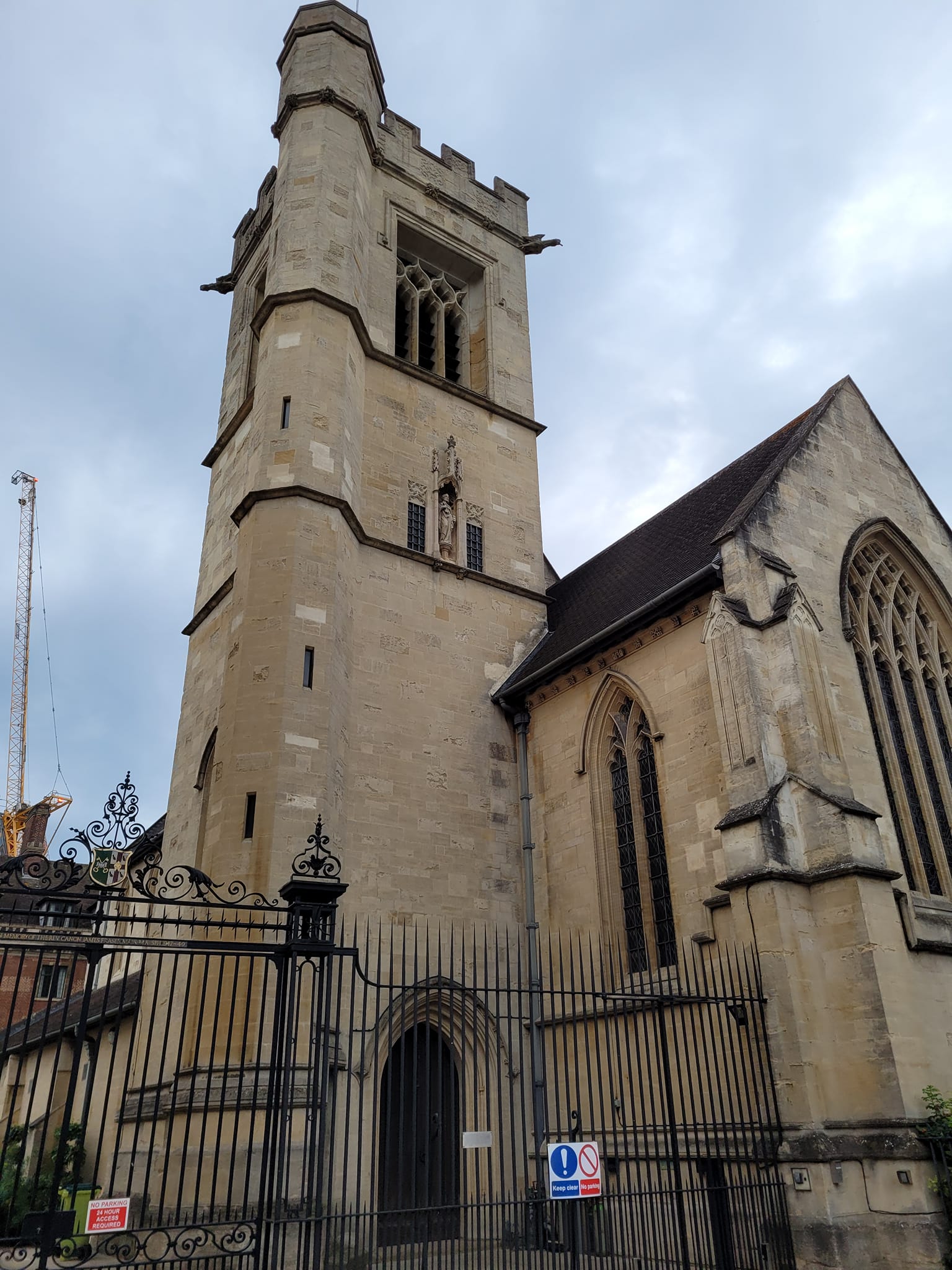
One more post from the Cotswolds featuring St. James Church in Chipping Campden coming soon.

*******************************************************************************

Back to the present…

We are doing well here at our Country Bungalow. Our church family is treating us well with meals and visits. Our friends, family and neighbors are checking in to see if we need anything. We are waiting for Occupational Therapy appointments for Dear. There was a glitch on the referral from Dear’s new doctor. Our sleep schedule is improving.

We had a light dusting of snow on Wednesday night and we have more snow predicted next week. Our temps have been below freezing and the forecast is for several more days of freezing temperatures.

Hope all is well in your corner…
The Cotswolds 2022

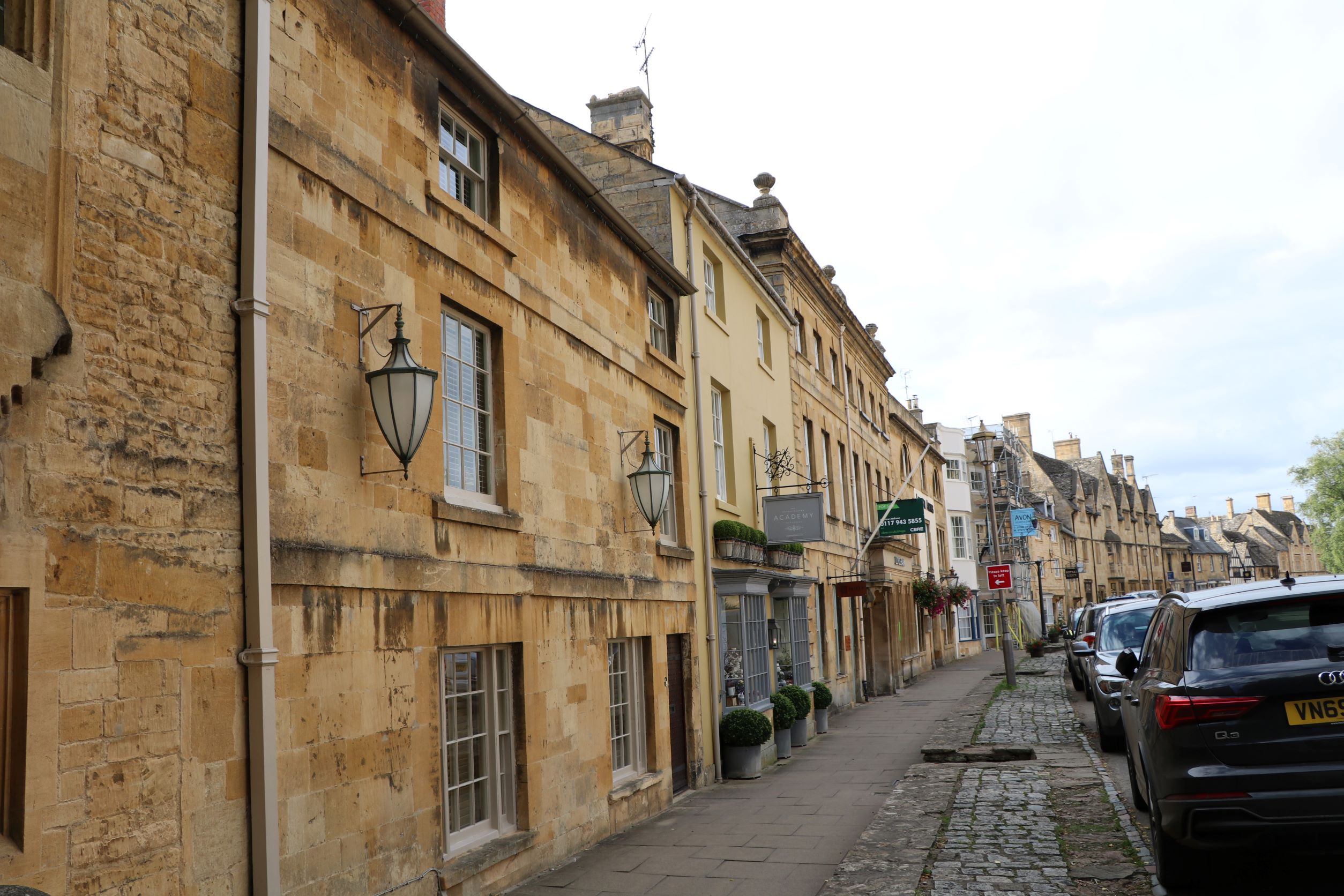
It’s been a while since my last post on our trip to England in September of this year. I have a goal to finish my posts before the end of the year. Our tour with Go Cotswolds, a small family owned touring company, was called Cotswolds in a Day.

On Thursday September 15th (two months ago!) we walked to the Oxford Train Station to be picked up for our day in the Cotswolds. At the station while waiting for the tour van we met another couple waiting for the tour. We enjoyed getting to know them and connecting some dots in our backgrounds that intersected. The rest of the tour group arrived and we hit the road for our first stop which was Chipping Campden. We had a set amount of time to enjoy the village. We chose to spend our time at St. James Church. That will be a separate post.

In 2013 and in 2014 we visited Chipping Campden and my posts are here in 2013 and here in 2014.

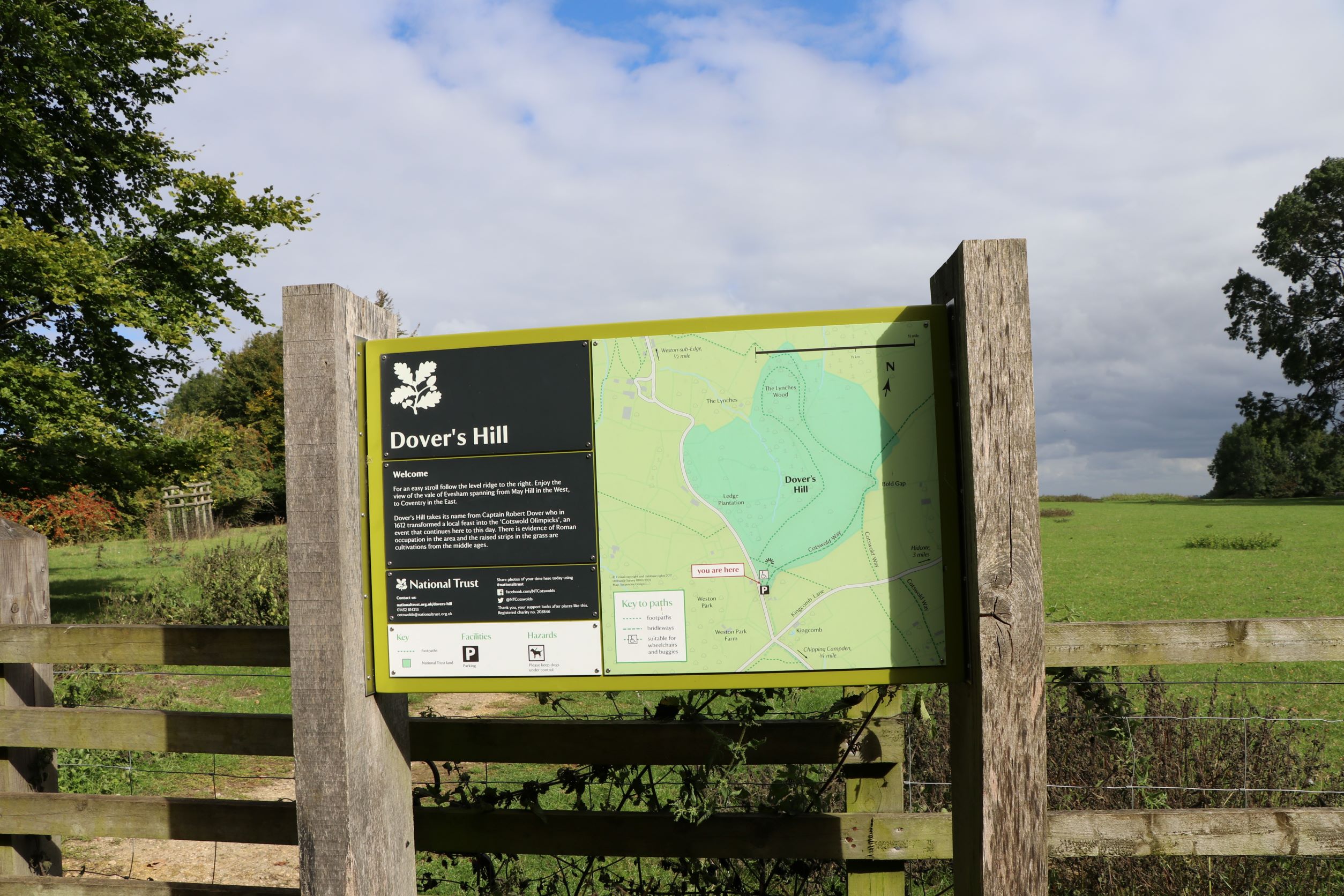
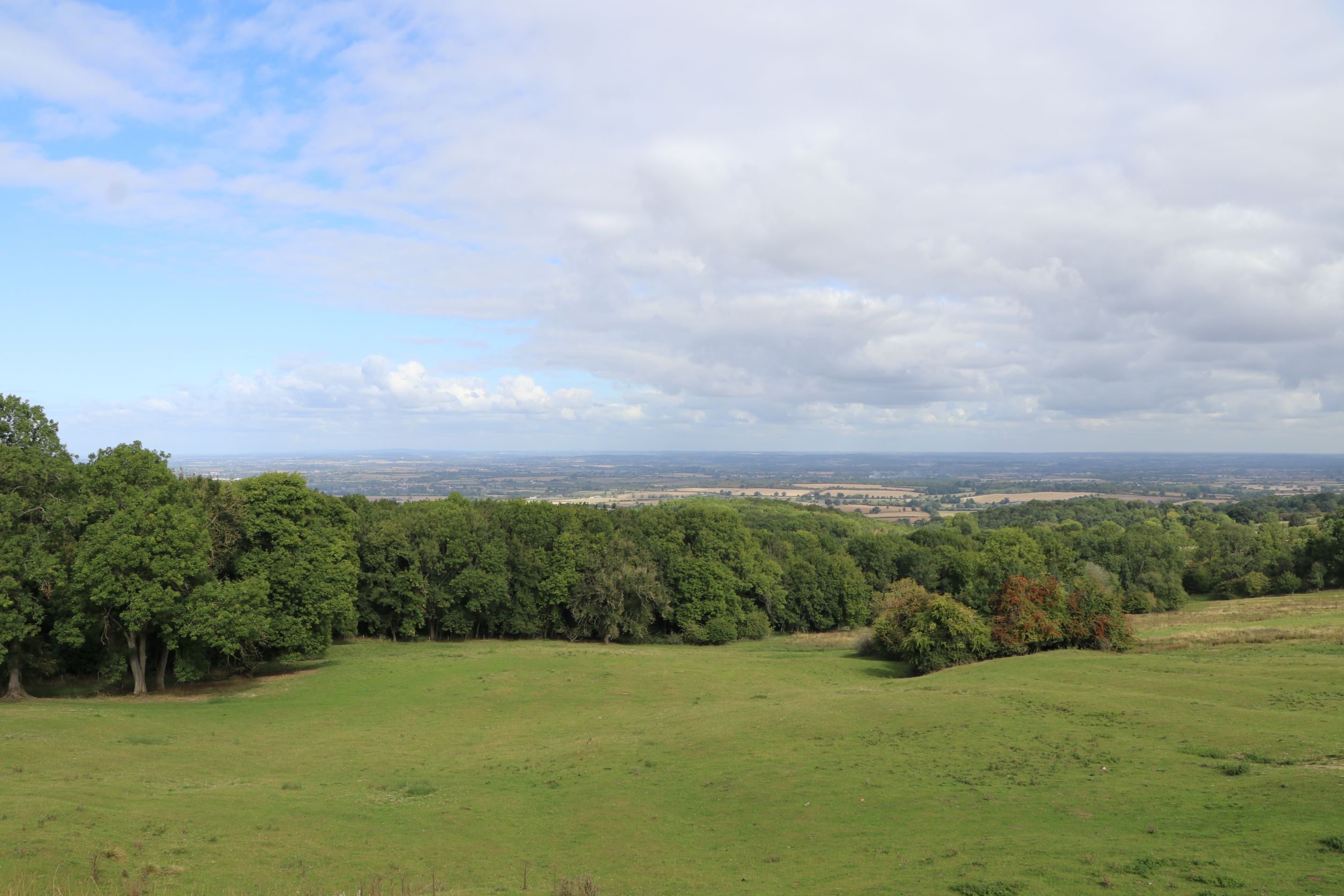
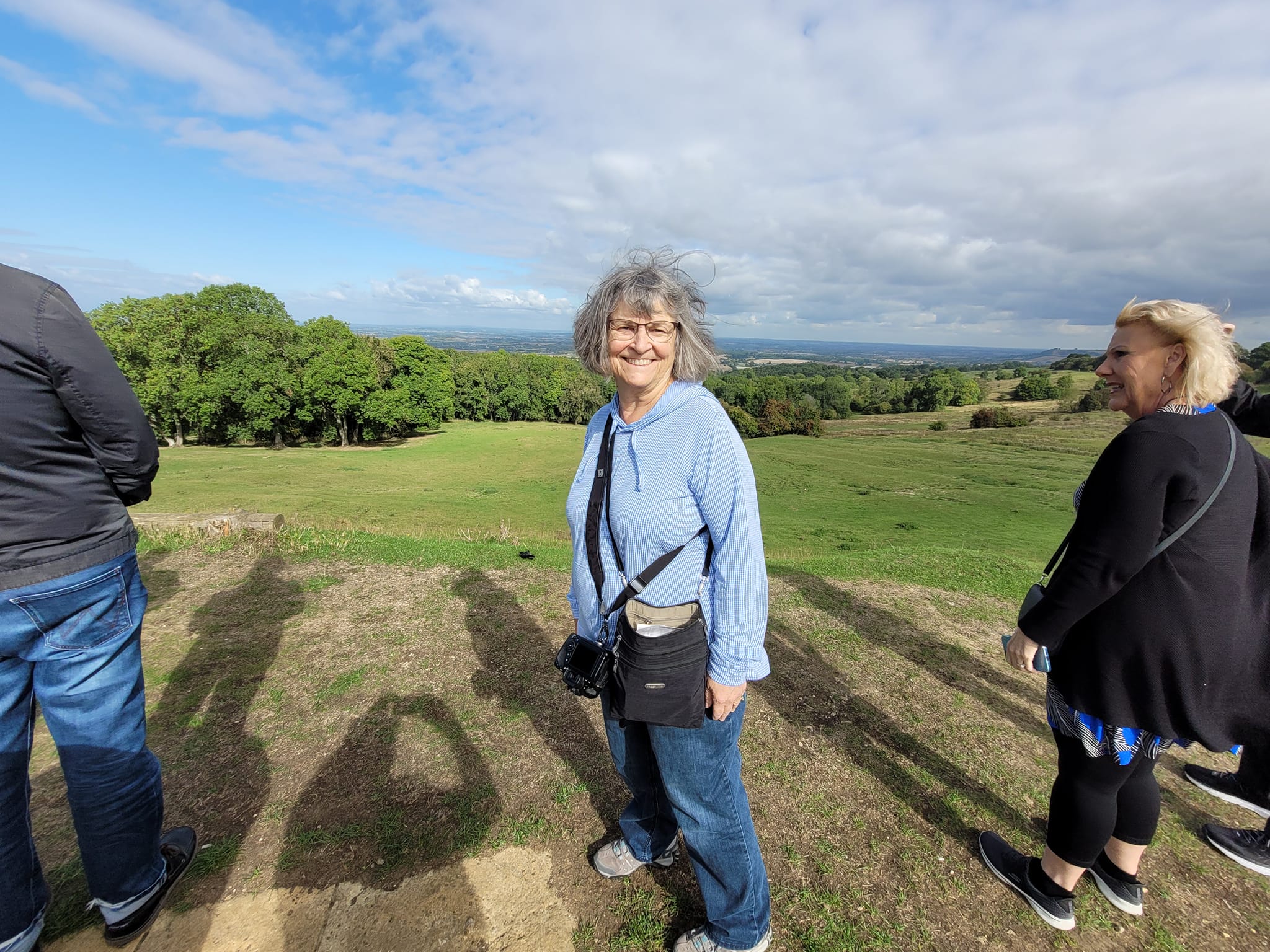
From Chipping Campden we stopped at Dover’s Hill for some panoramic views.

It was breezy!

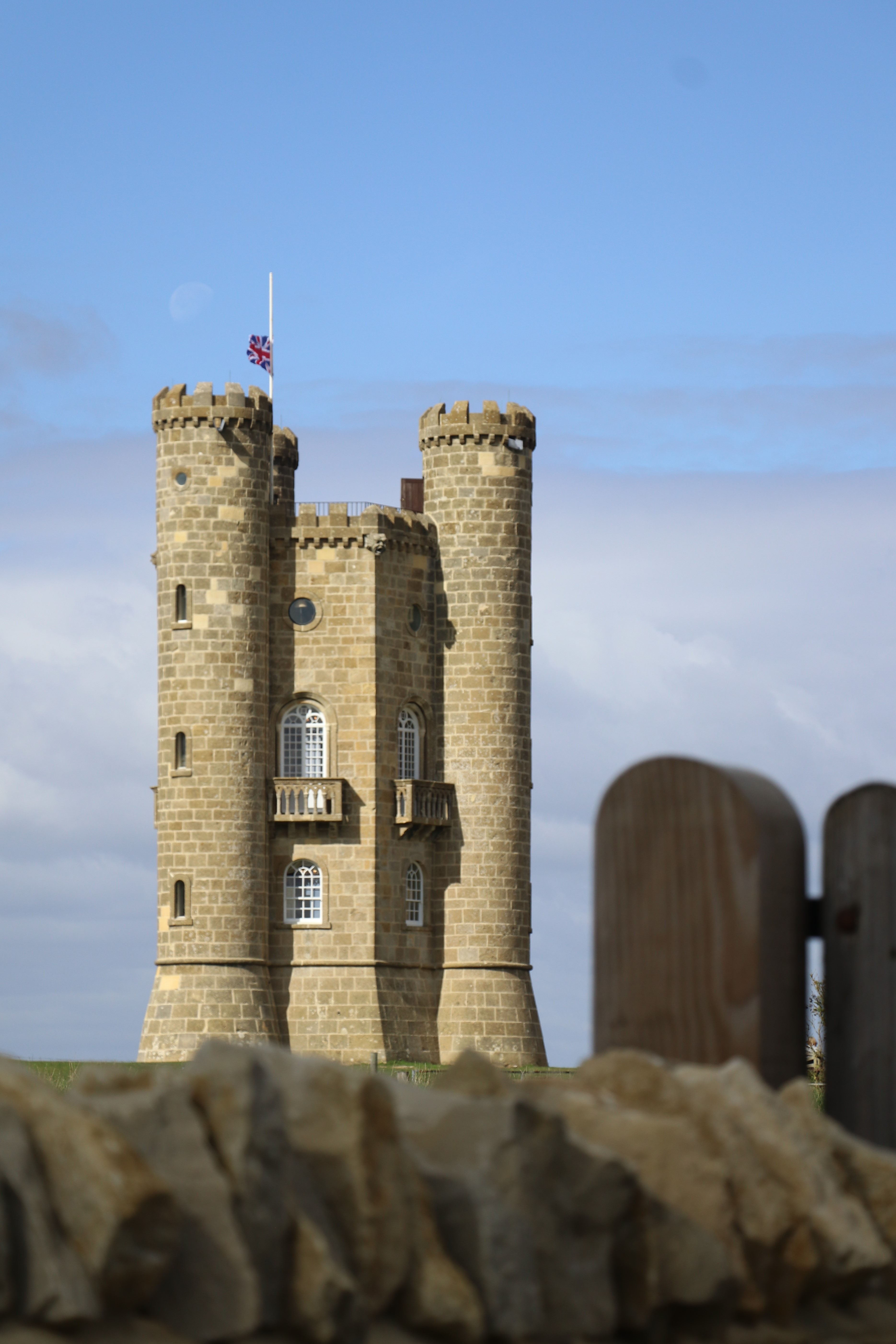
On the way to Snowshill we passed The Broadway Tower.

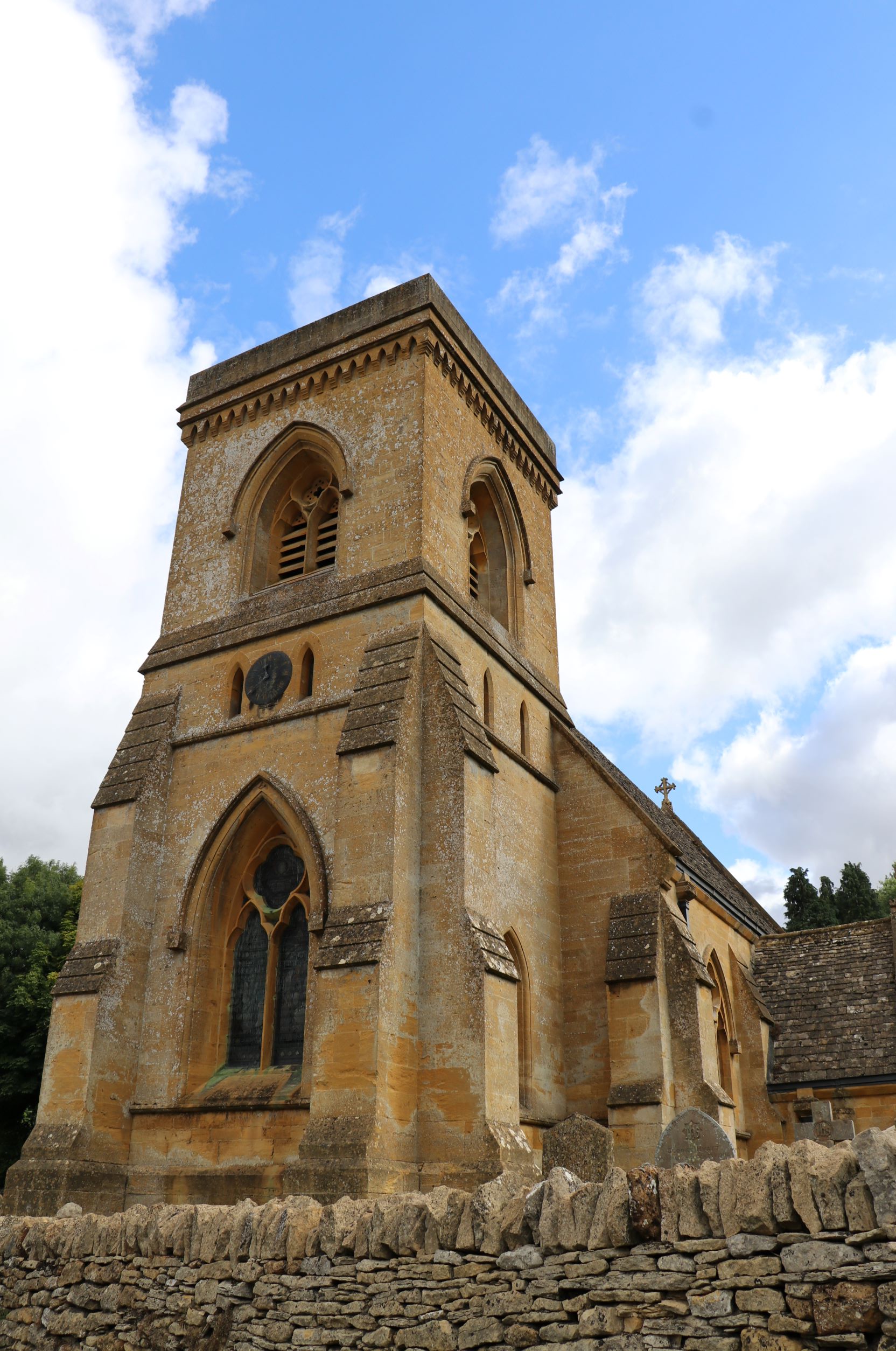
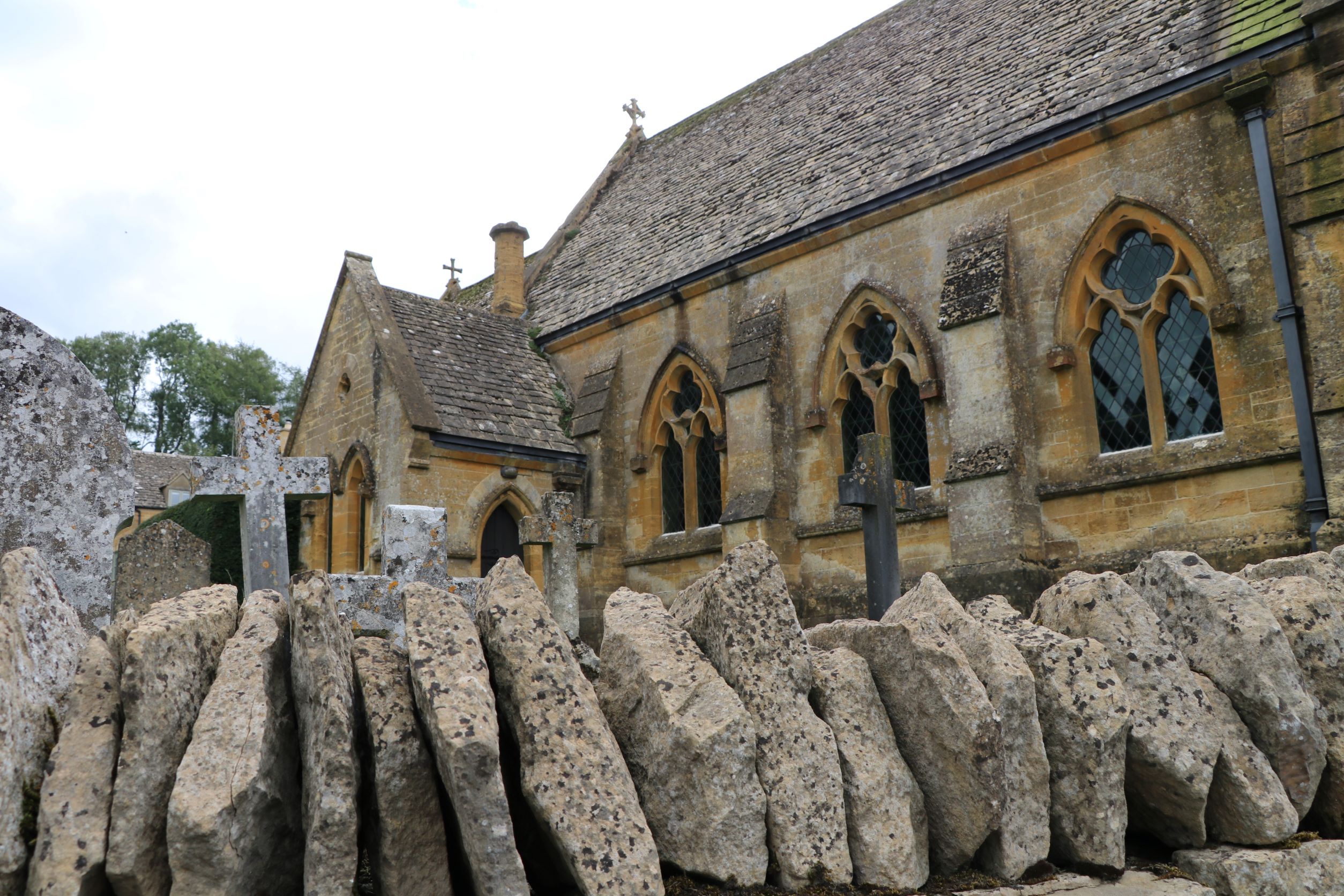
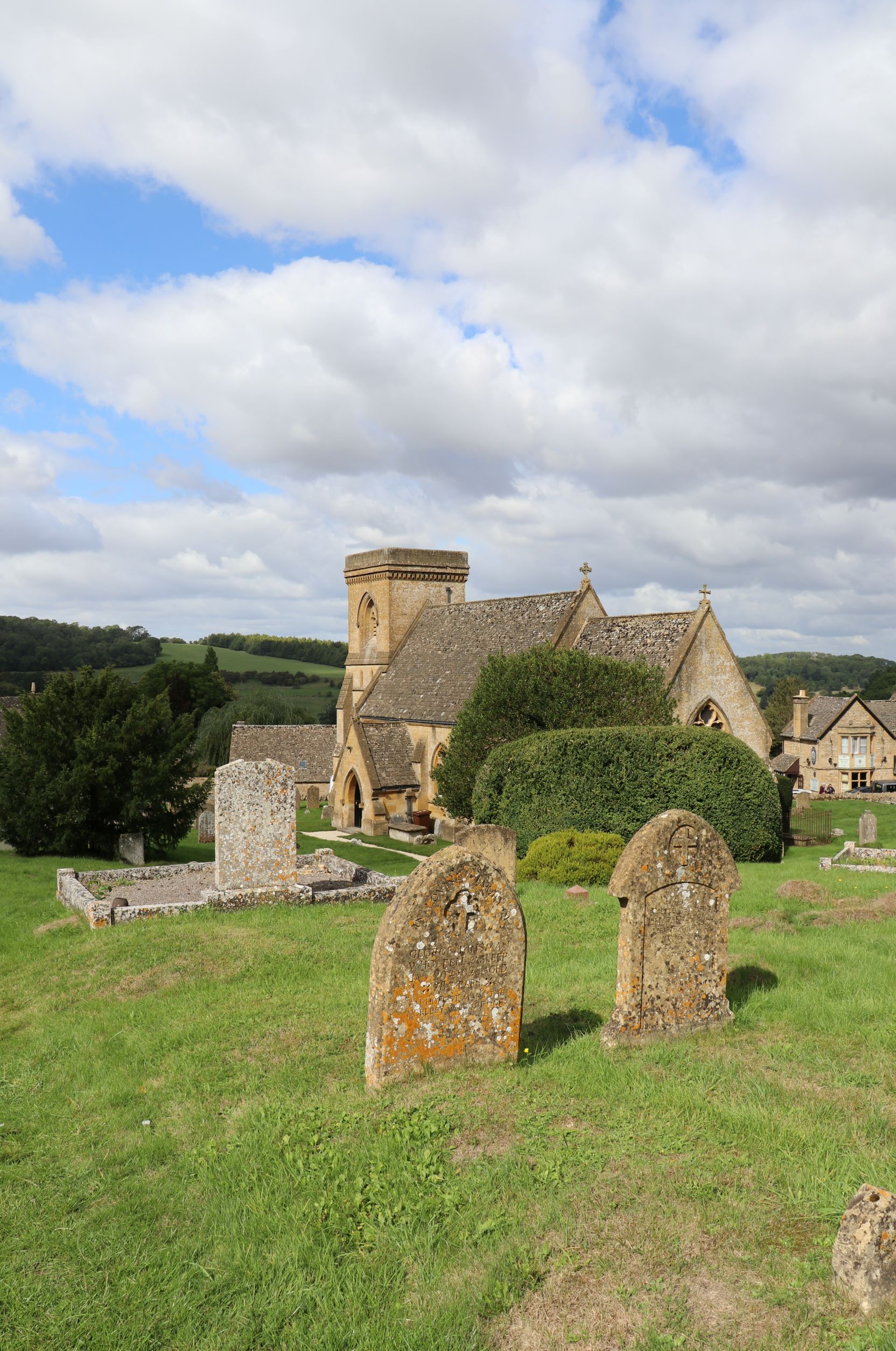
St. Barnabas Church in Snowshill

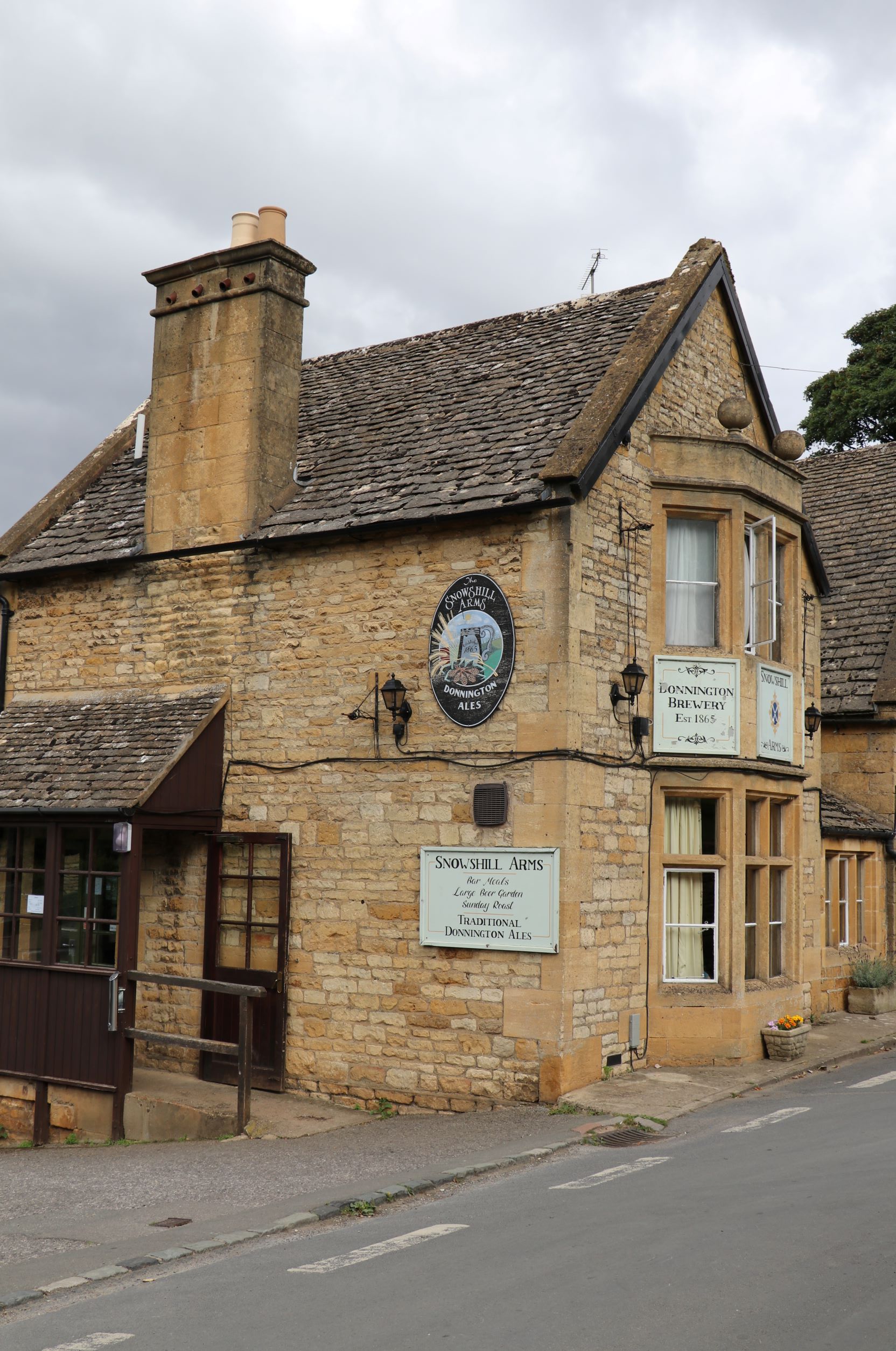
Snowshill village sits on the top of the escarpment above the villages of Broadway, Buckland, and Laverton. It is a secluded village where ancient pretty cottages and a 19th century church cluster around a small green. As its name implies – if there is any snow about then you will find it here first.

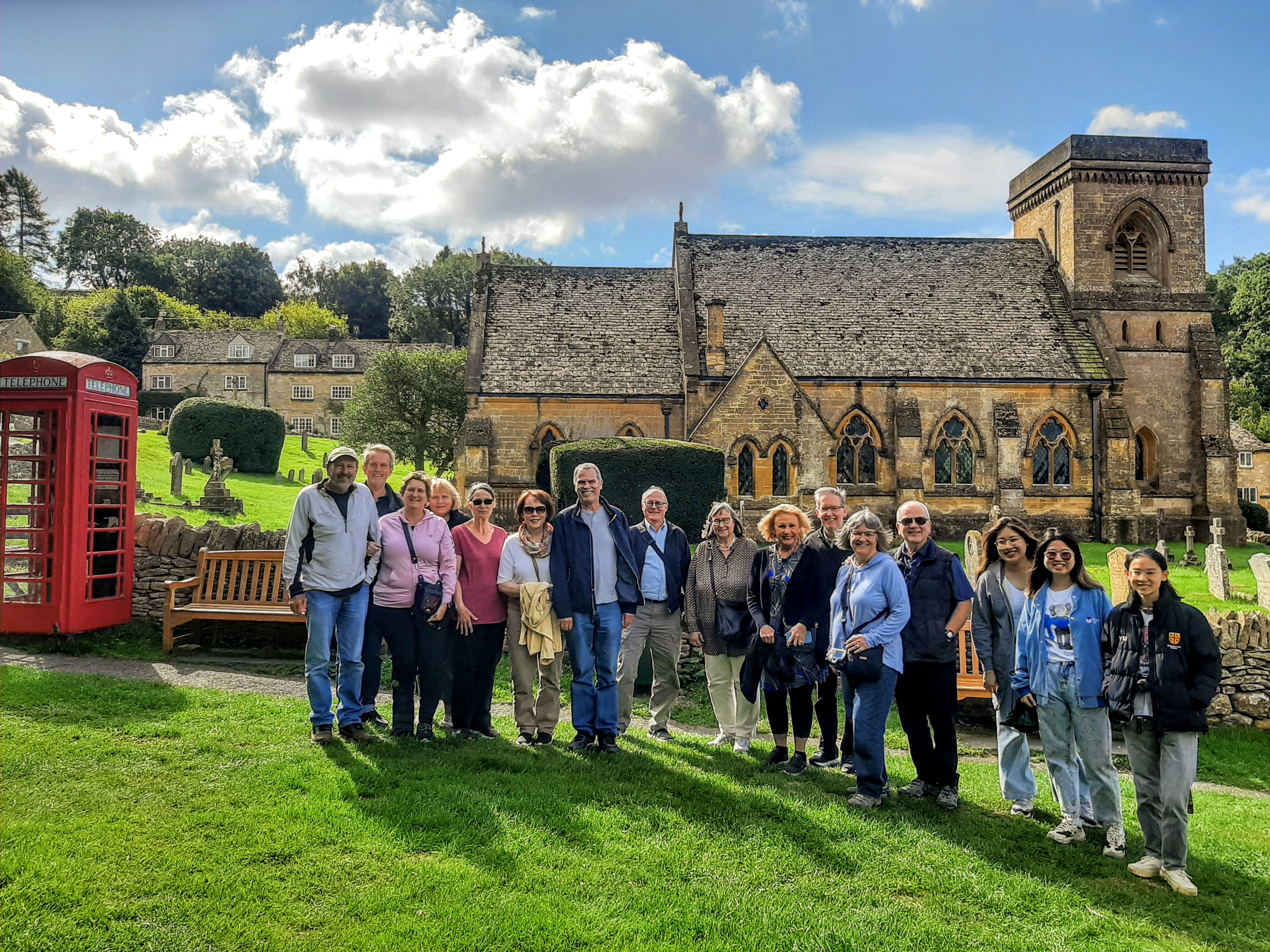
This was our tour group on this day.

In 2014 Dear and I enjoyed this little village and my post is here.

The weather was good with beautiful skies. Our next stop was Moreton in Marsh where we would enjoy some lunch which left little time to explore.

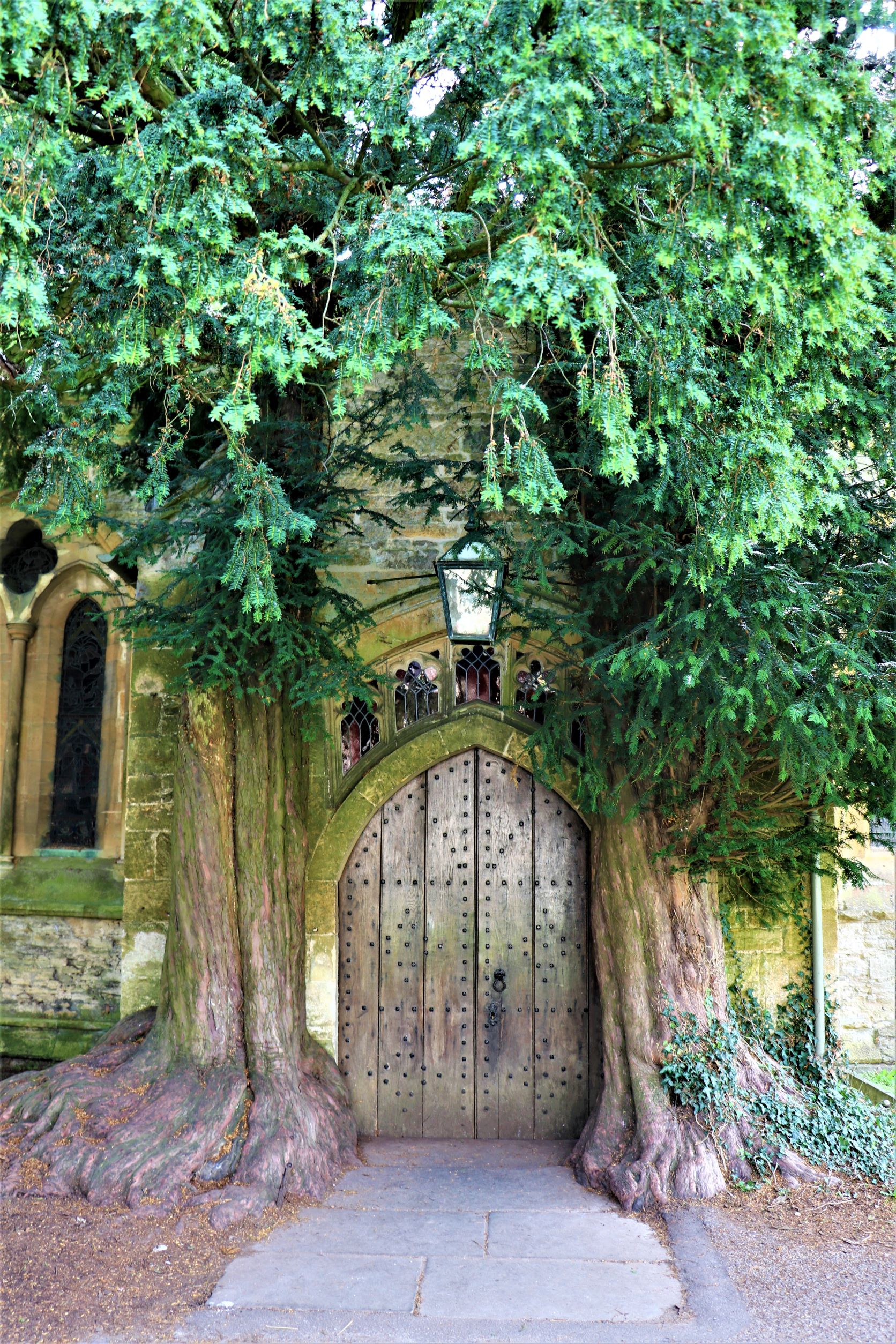
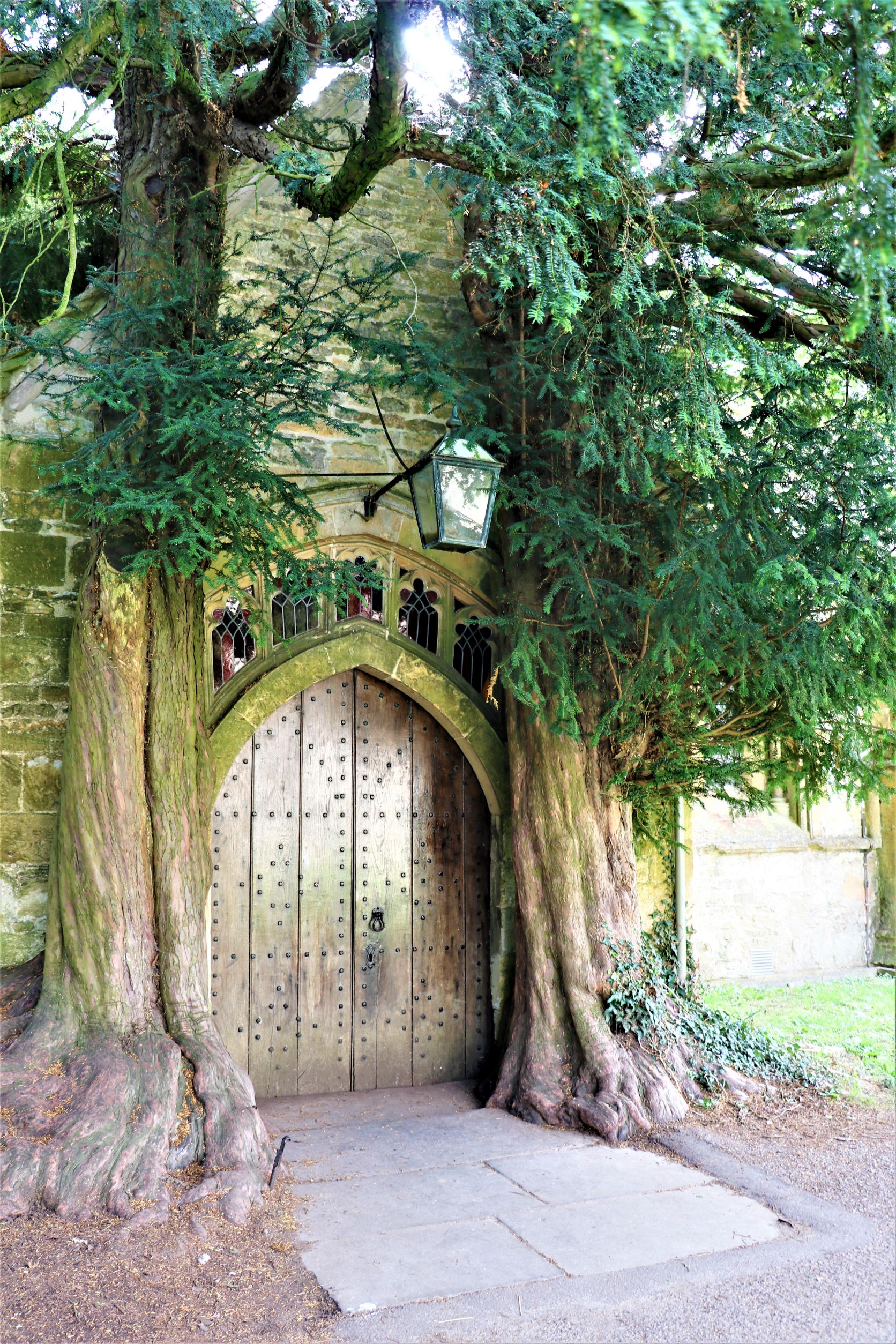
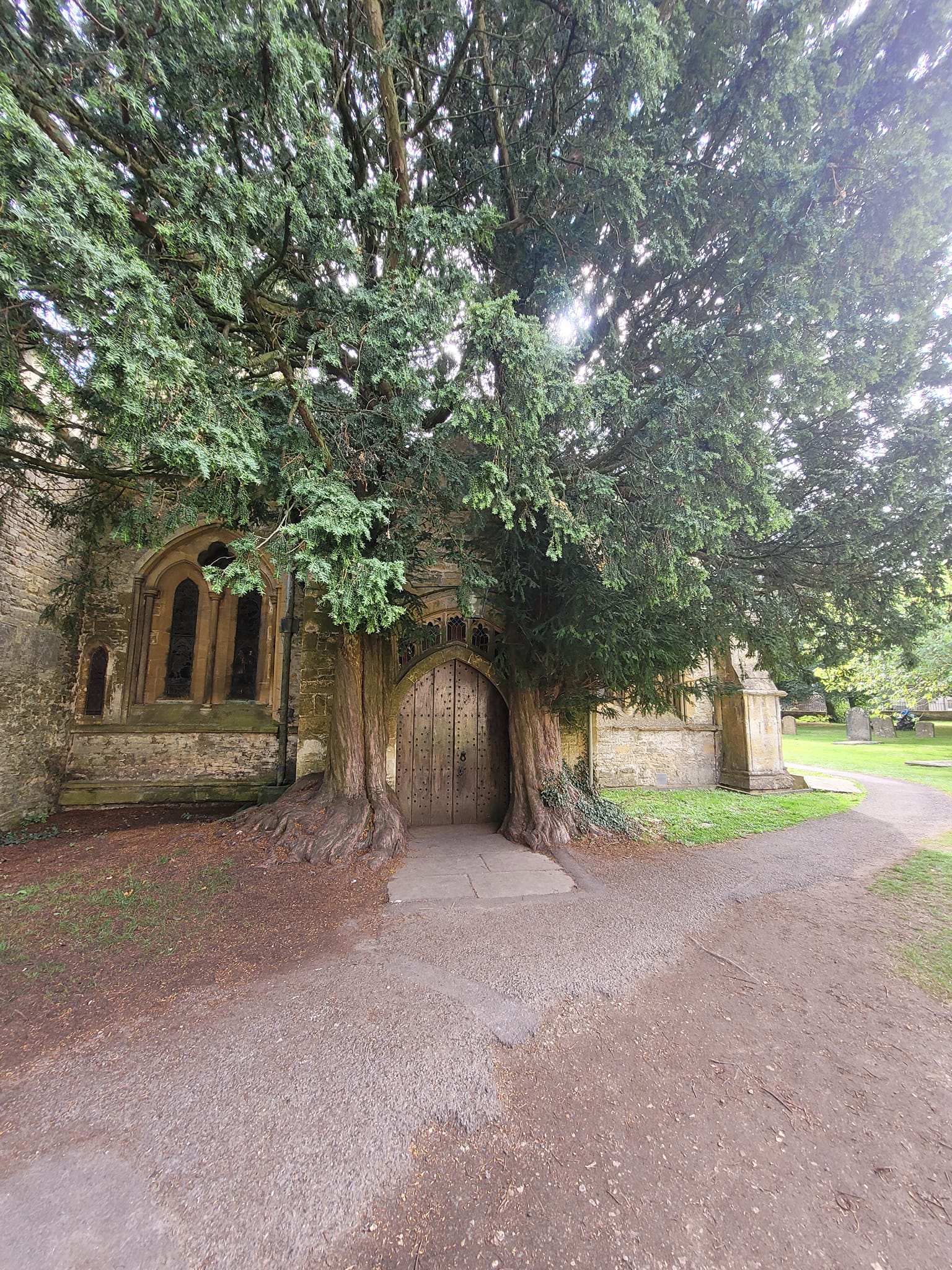
I hurried from our lunch table at the Talbot Inn so I could get some photos of the wonderful door on the back side of St. Edward’s Church.

If you walk around the churchyard towards the north porch, you will stumble upon what’s known locally as ‘The Yew Tree door’ or ‘The Hobbit door’.

“Speak friend and enter”

In 2014 we had more time in Stow on the Wold and my posts with more information are here and here.

Next time the villages of Bourton on the Water and Bibury.


A Mighty Fortress is Our God ~ Hymn

A Mighty Fortress is Our God

A mighty fortress is our God,
A bulwark never failing;
Our helper He, amid the flood
Of mortal ills prevailing:
For still our ancient foe
Doth seek to work us woe;
His craft and power are great,
And, armed with cruel hate,
On earth is not his equal.

Did we in our own strength confide,
Our striving would be losing;
Were not the right Man on our side,
The Man of God’s own choosing:
Dost ask who that may be?
Christ Jesus, it is He;
Lord Sabaoth, His name,
From age to age the same,
And He must win the battle.

And though this world, with devils filled,
Should threaten to undo us,
We will not fear, for God hath willed
His truth to triumph through us:
The Prince of Darkness grim,
We tremble not for him;
His rage we can endure,
For lo, his doom is sure,
One little word shall fell him.

That word above all earthly powers,
No thanks to them, abideth;
The Spirit and the gifts are ours
Through Him who with us sideth:
Let goods and kindred go,
This mortal life also;
The body they may kill:
God’s truth abideth still,
His kingdom is forever.

Words and Music: Martin Luther, 1529.

This song has been called the great­est hymn of the great­est man of the great­est per­i­od of Ger­man his­to­ry, and the Bat­tle Hymn of the Re­for­ma­tion. It was sung at the fun­er­al of Am­er­i­can pre­si­dent Dwight Ei­sen­how­er at the Na­tion­al Ca­thed­ral in Wash­ing­ton, DC, March 1969.

Christ Church College ~ 3

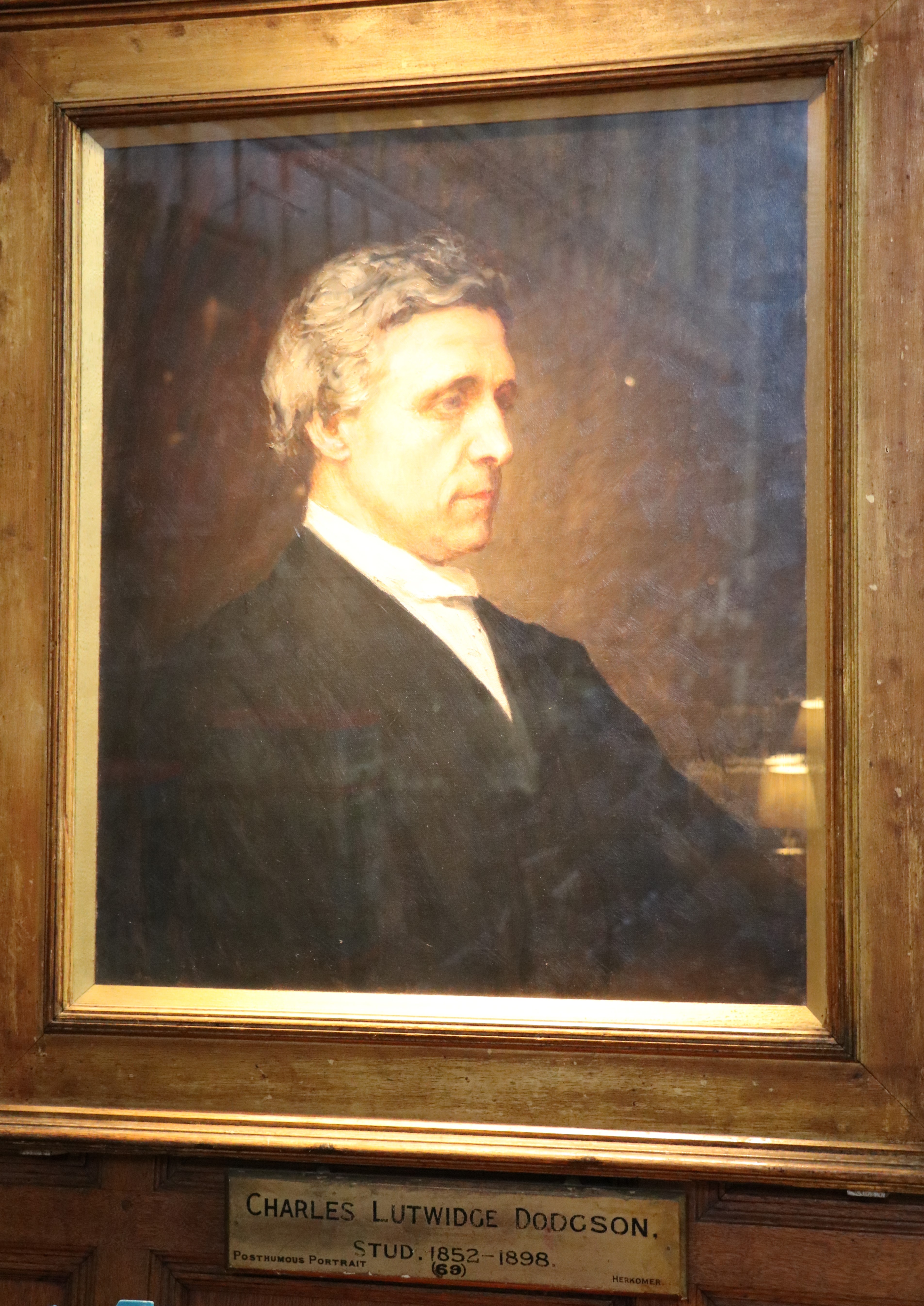
Charles Lutwidge Dodgson, better known as Lewis Carroll attended Christ Church at Oxford and this is where he found inspiration for Alice in Wonderland.

The character of Alice is based on a girl called Alice Liddell, who was the daughter of the Dean of Christ Church at the time.

The Alice stories were first created one legendary ‘golden afternoon’ on 4 July 1862. While entertaining the three Liddell sisters, Alice, Lorina and Edith, during a boating trip, Dodgson improvised the story that would become Alice’s Adventures in Wonderland.

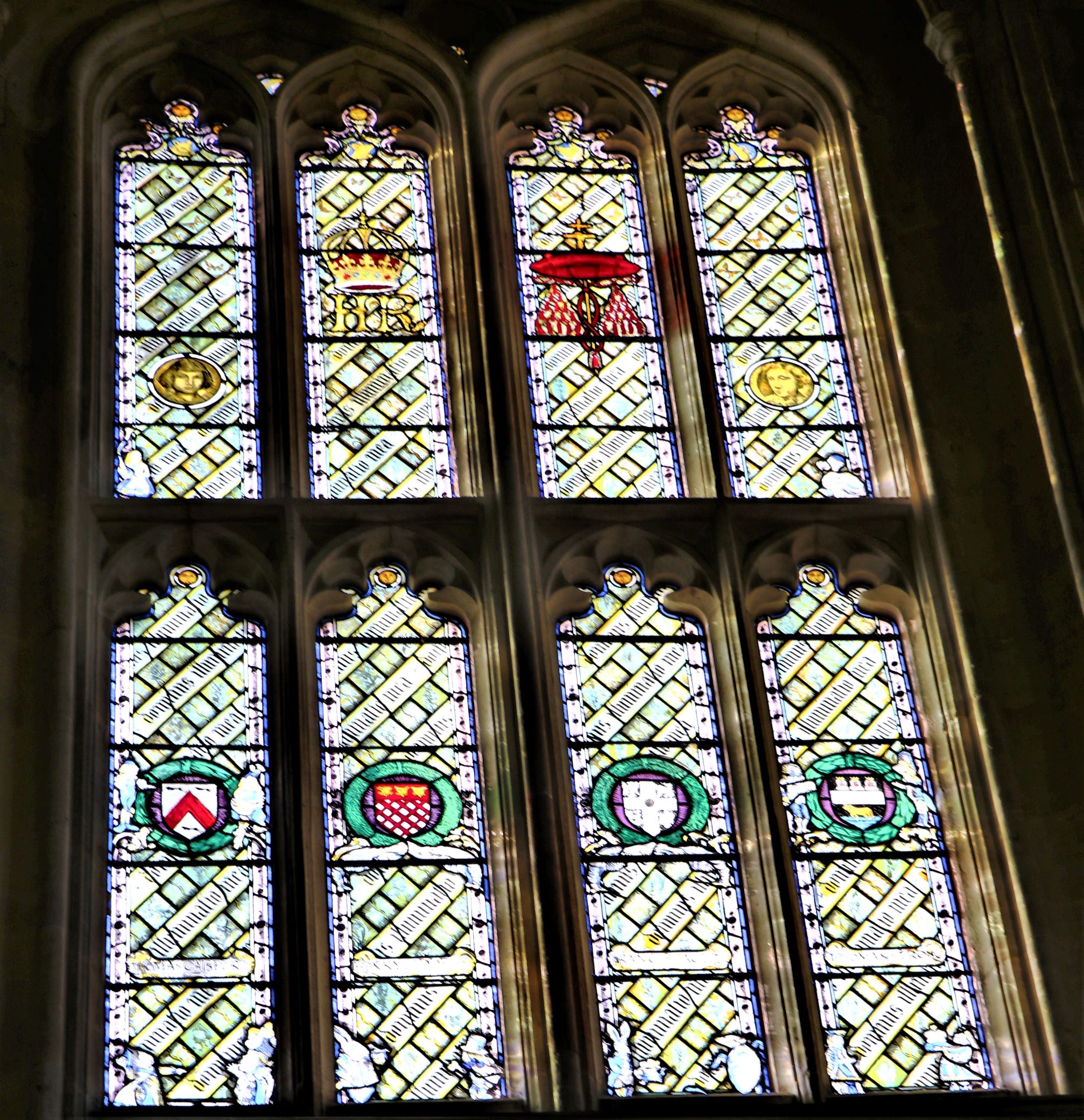
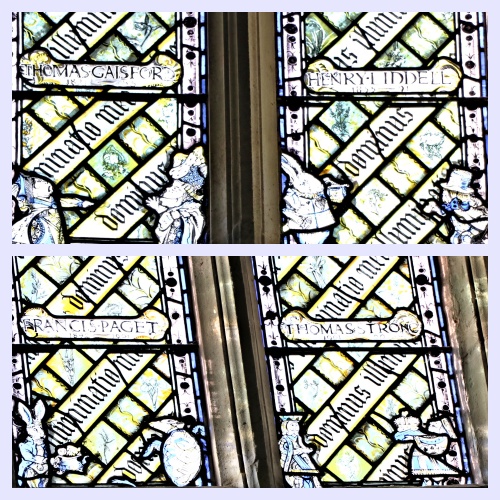
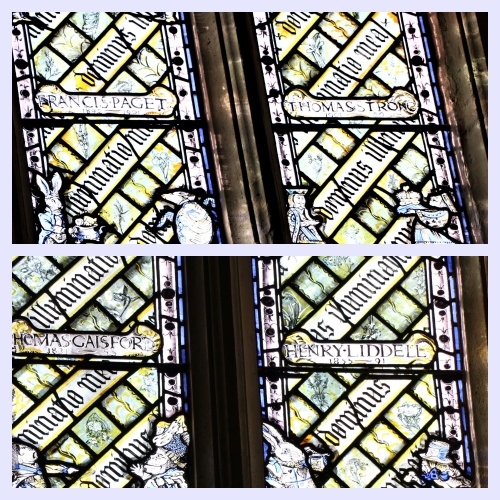
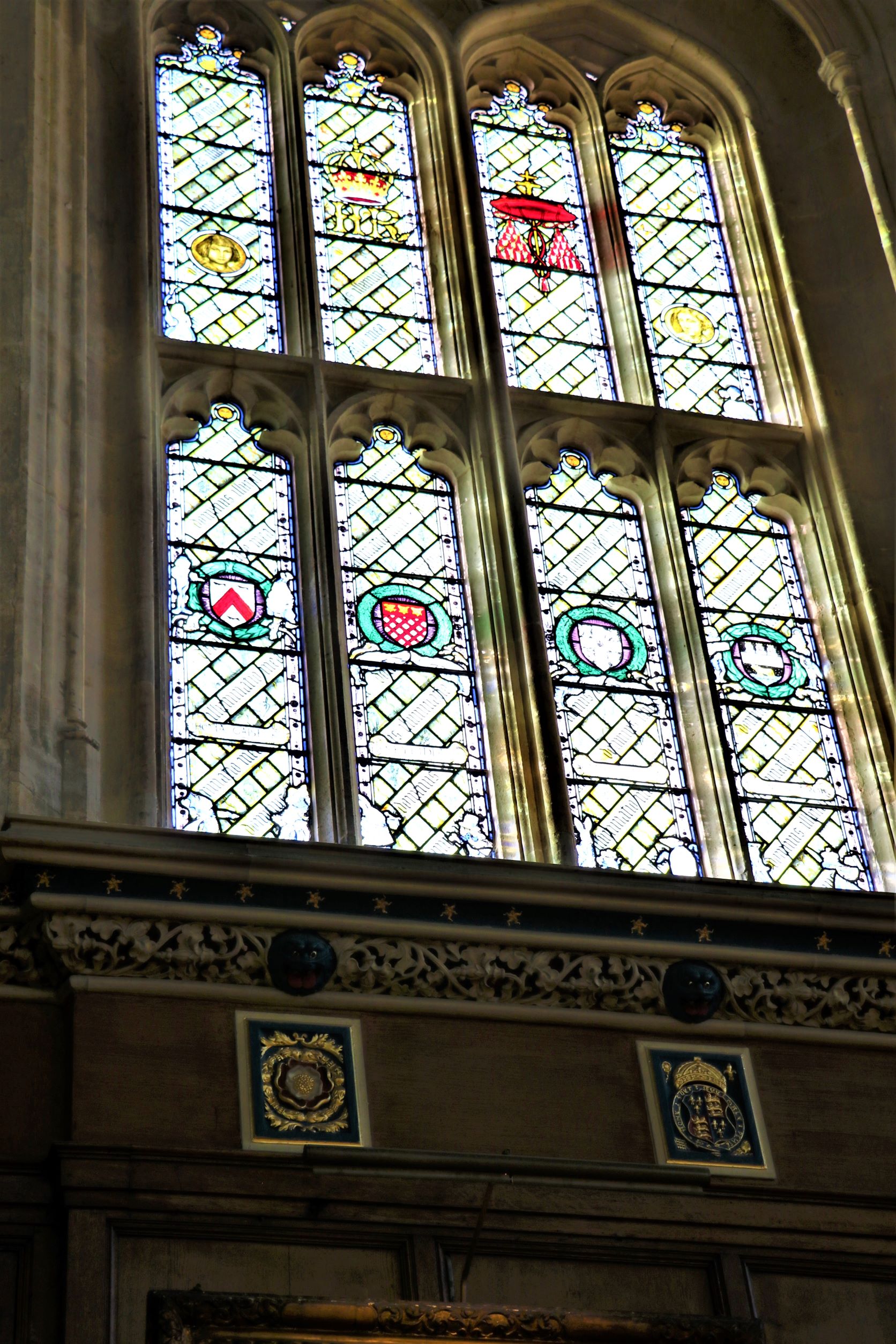
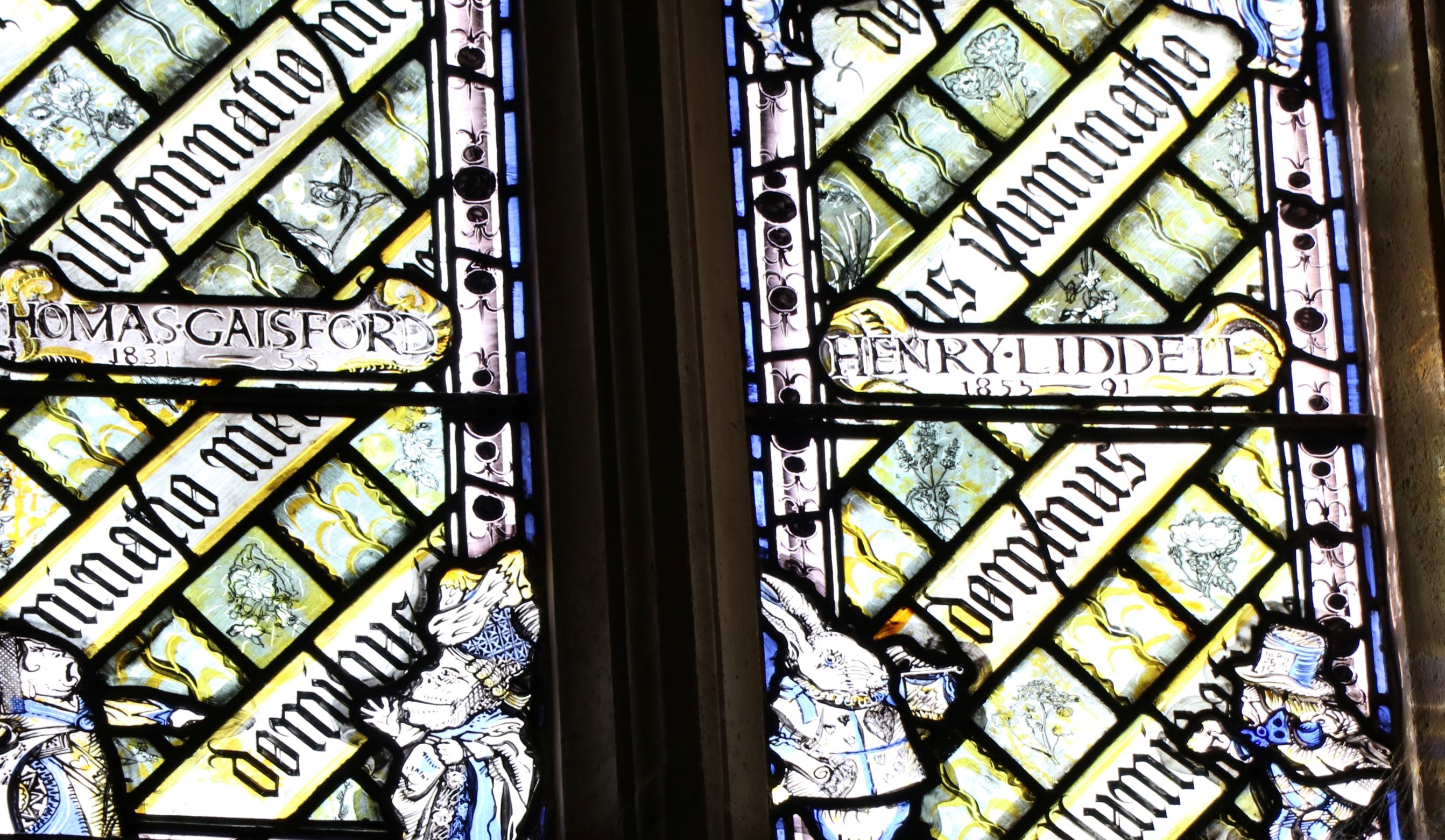
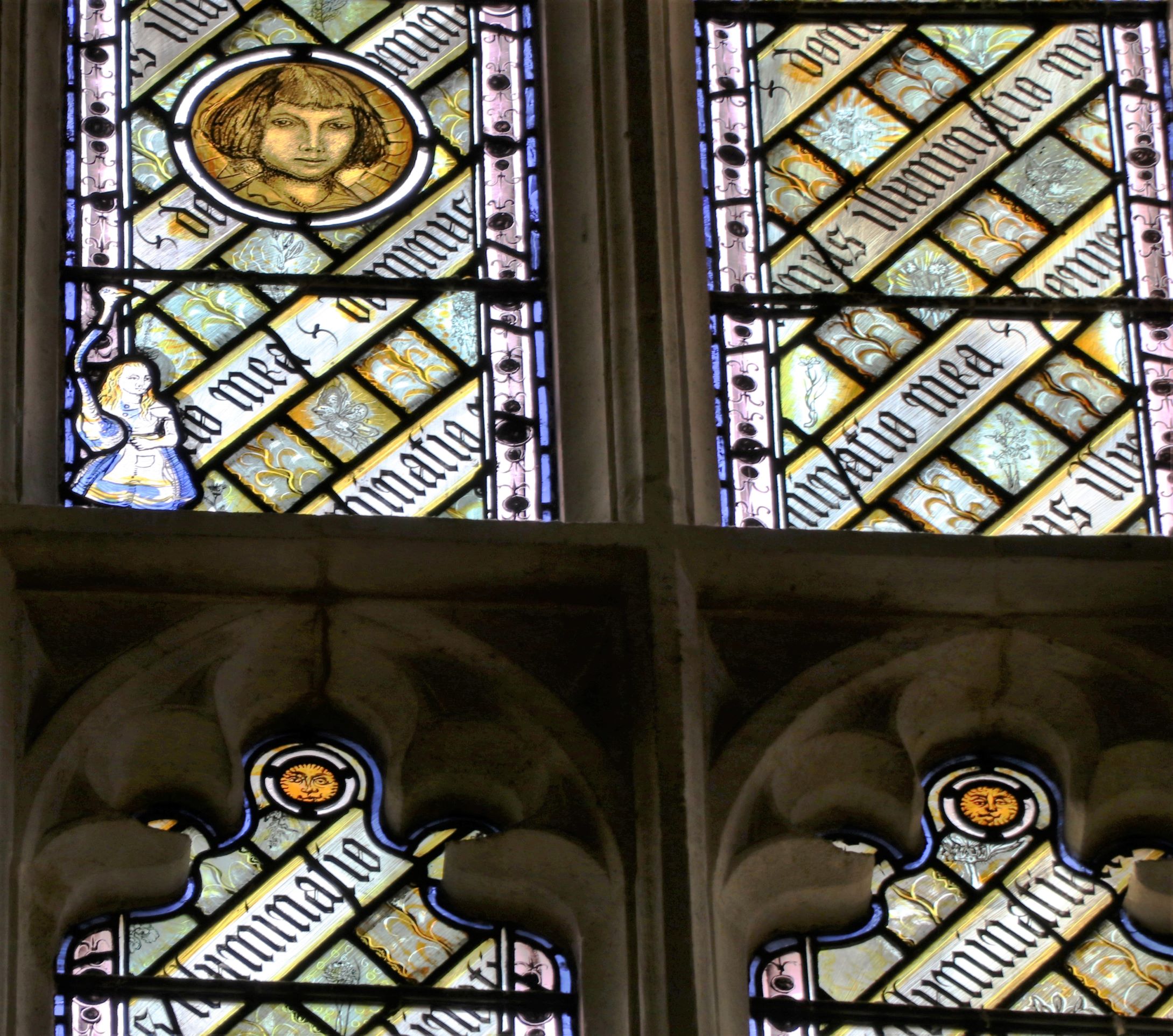
In the dining hall at Christ Church, there is a tiny tribute to Alice in Wonderland in the stained glass. In the bottom left of one of the stained glass panels is a small Alice in Wonderland with long blonde hair in her iconic blue dress. In the centre of the panel is a girl’s face and this is Alice Liddell.

If you are an Alice in Wonderland fan you can read more of the real story behind the book here.

Truth be told, I’m not one of those fans and we do not own a copy of Alice in Wonderland but I do find the story behind the story very interesting. It’s interesting to me how books by C.S. Lewis, Beatrix Potter, and Carroll stemmed from letters they sent to young ones in their lives or from entertaining the children in their lives.

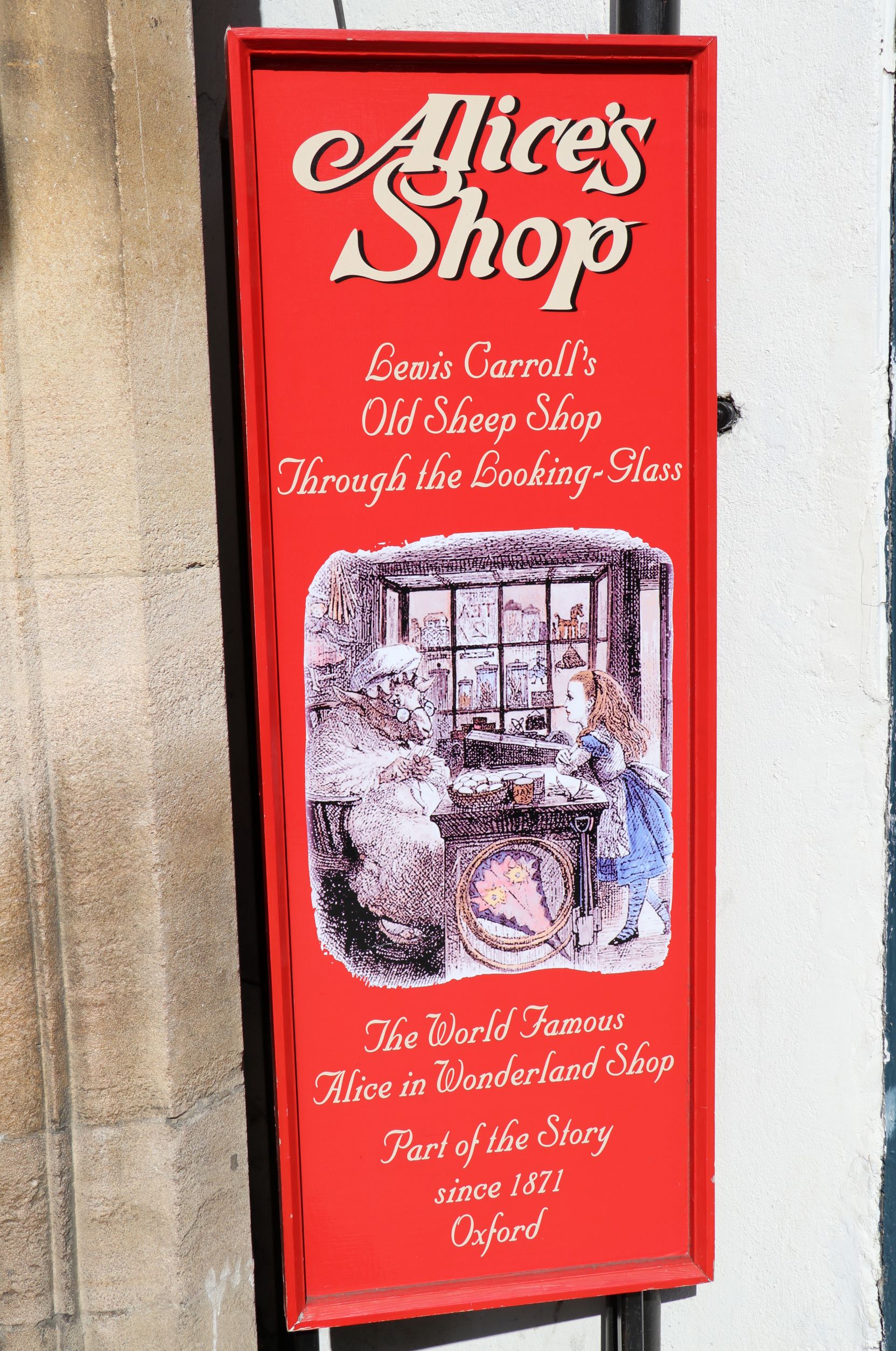
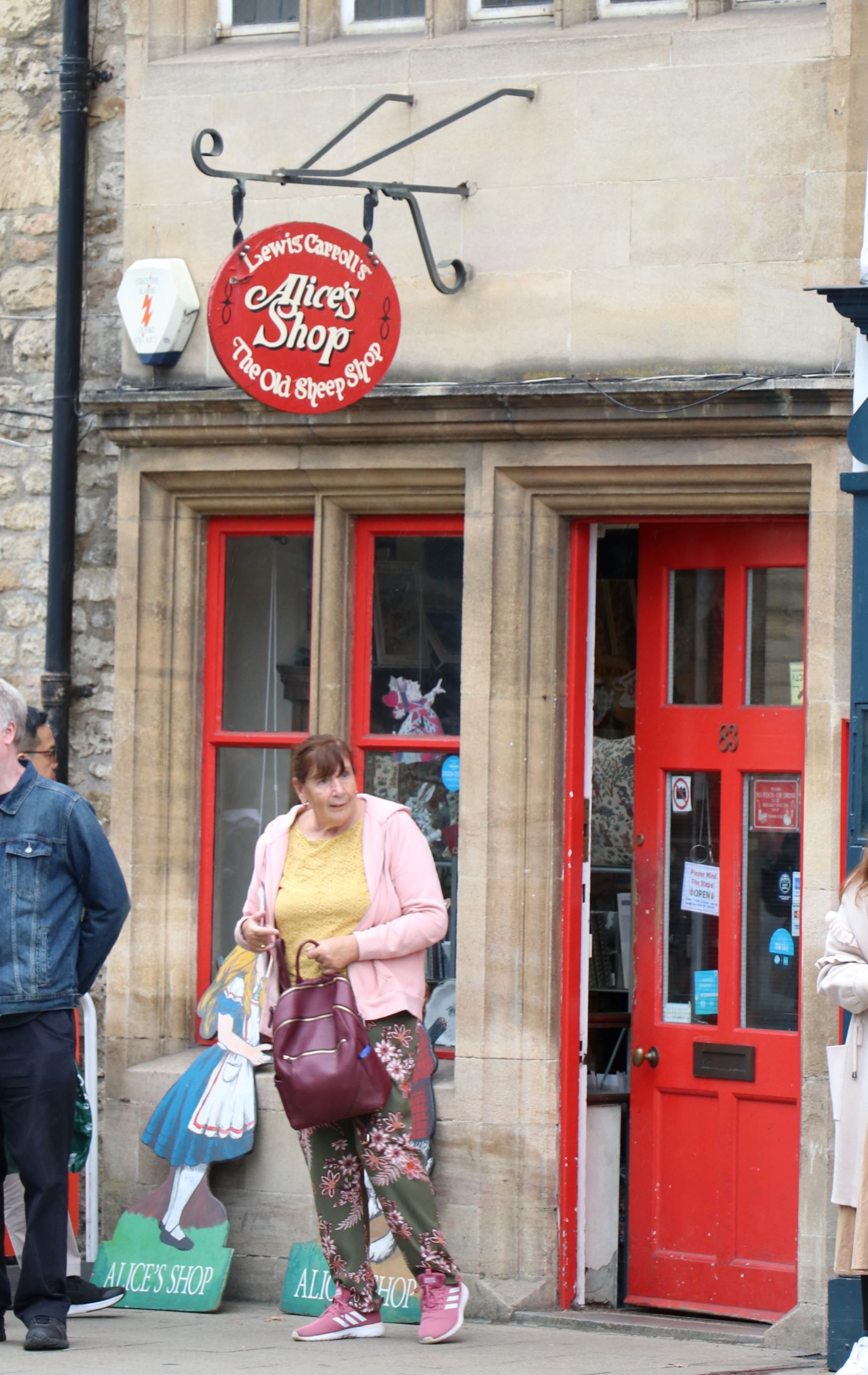
Across the street from Christ Church is Alice’s Shop.

Formerly the grocer’s where Alice Liddell would buy her favorite barley sugars and the inspiration for the Old Sheep Shop in Carroll’s Through the Looking Glass (1871), when Alice finds herself: in a little dark shop, leaning with her elbows on the counter, and opposite to her was an old sheep, sitting in an arm-chair knitting.’ from Walking Oxford 1,000 years of history in 8 walks by Vicky Wilson. I highly recommend this guide book if you are going to spend some time in Oxford.

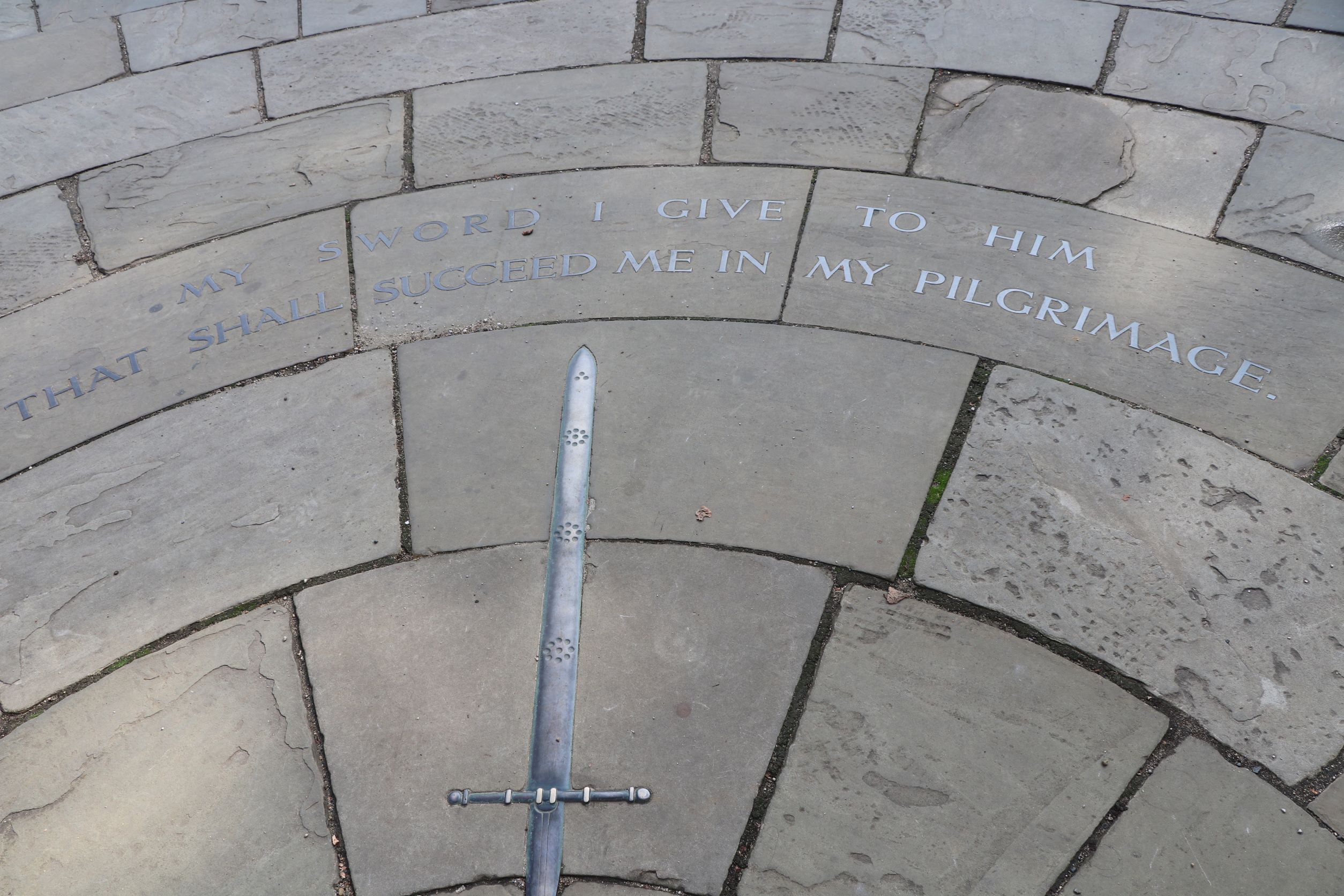
As we walked out of our tour and headed back to St. Aldate’s via Broad Walk (the tourist entrance to Christ Church College) we noticed this quotation inscribed on  the path from John Bunyan’s, The Pilgrim’s Progress.

My Sword I Give to Him That Shall Succeed In My Pilgrimage. ~ John Bunyan

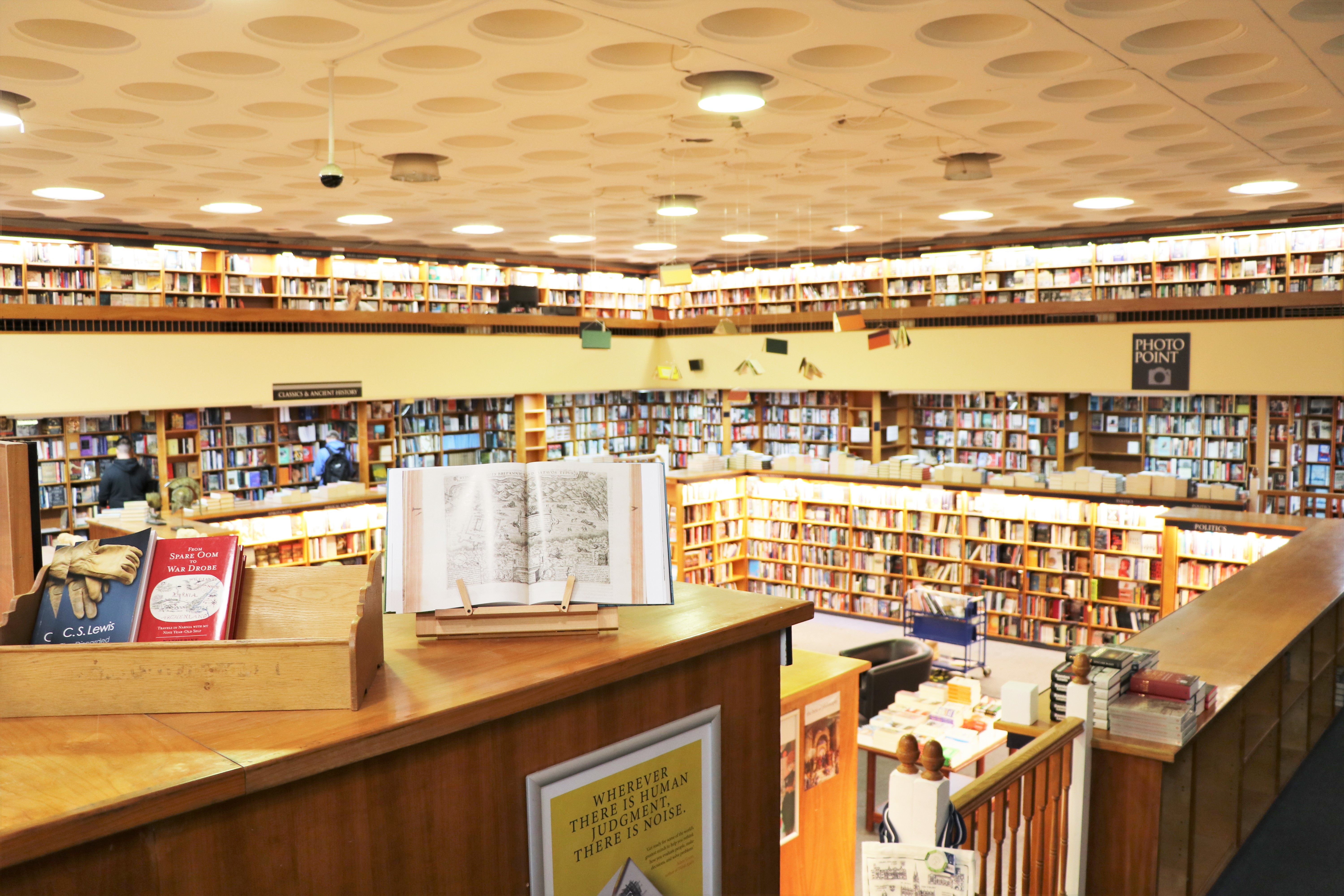
Speaking of John Bunyan, we visited Blackwell’s Bookstore and their famous Norrington room in the basement, the largest bookselling room in the world. Hmm…but not one book by John Bunyan to be had in this huge collection of books. I wanted to buy a copy of The Pilgrim’s Progress while in England but I had no success.

We did find a copy of Grace Abounding ~ The Life and Death of Mr. Badman by Bunyan in St. Philips Books for ten pounds. This bookstore was a couple shops away from Alice’s shop. A very small shop.

I’m in the process of reading The Pilgrim’s Progress. It’s not a quick read for me. It was first published in 1678.

Here are some of the descriptions written about The Pilgrim’s Progress;

An enormously influential 17th-century classic, universally known for its simplicity, vigor, and beauty of language, The Pilgrim’s Progress remains one of the most widely read books in the English language.

The Pilgrim’s Progress, religious allegory by the English writer John Bunyan, published in two parts in 1678 and 1684. The work is a symbolic vision of a Christian man’s pilgrimage through life. At one time second only to the Bible in popularity, The Pilgrim’s Progress is the most famous Christian allegory still in print.

John Bunyan: Born at Elstow, near Bedford, in 1628, the son of a brazier. Served in the Civil War on the Parliamentary side. Became a preacher in 1657; and pastor of a congregation in Bedford, 1671. Intermittently imprisoned for preaching from 1660 to 1672, and again in 1675. Died in London on 31st August 1688.

Have you ever read The Pilgrim’s Progress?

Christ Church College ~ 2

Today we will go that way…

A fair warning: This post will be long with lots of photos!

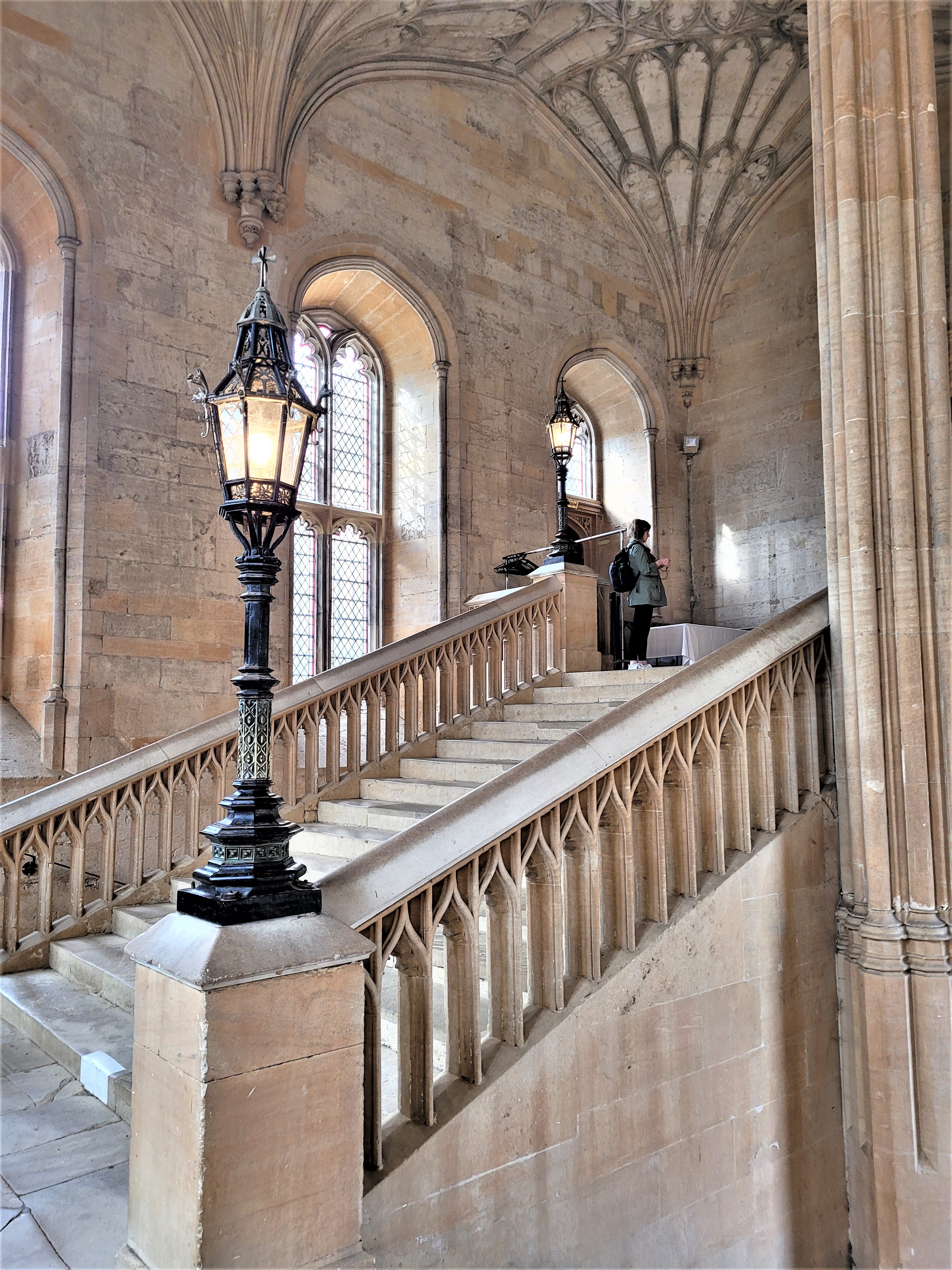
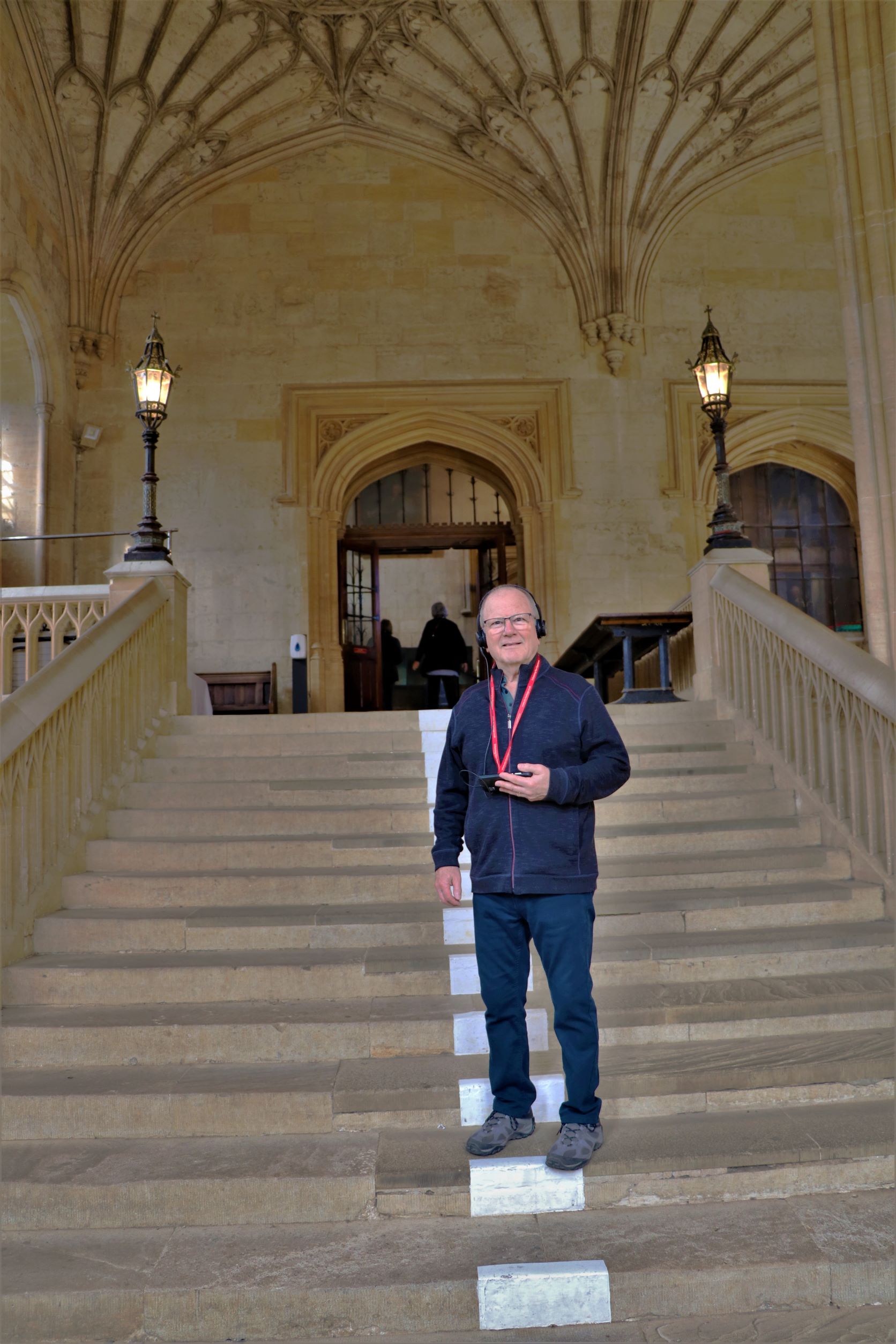
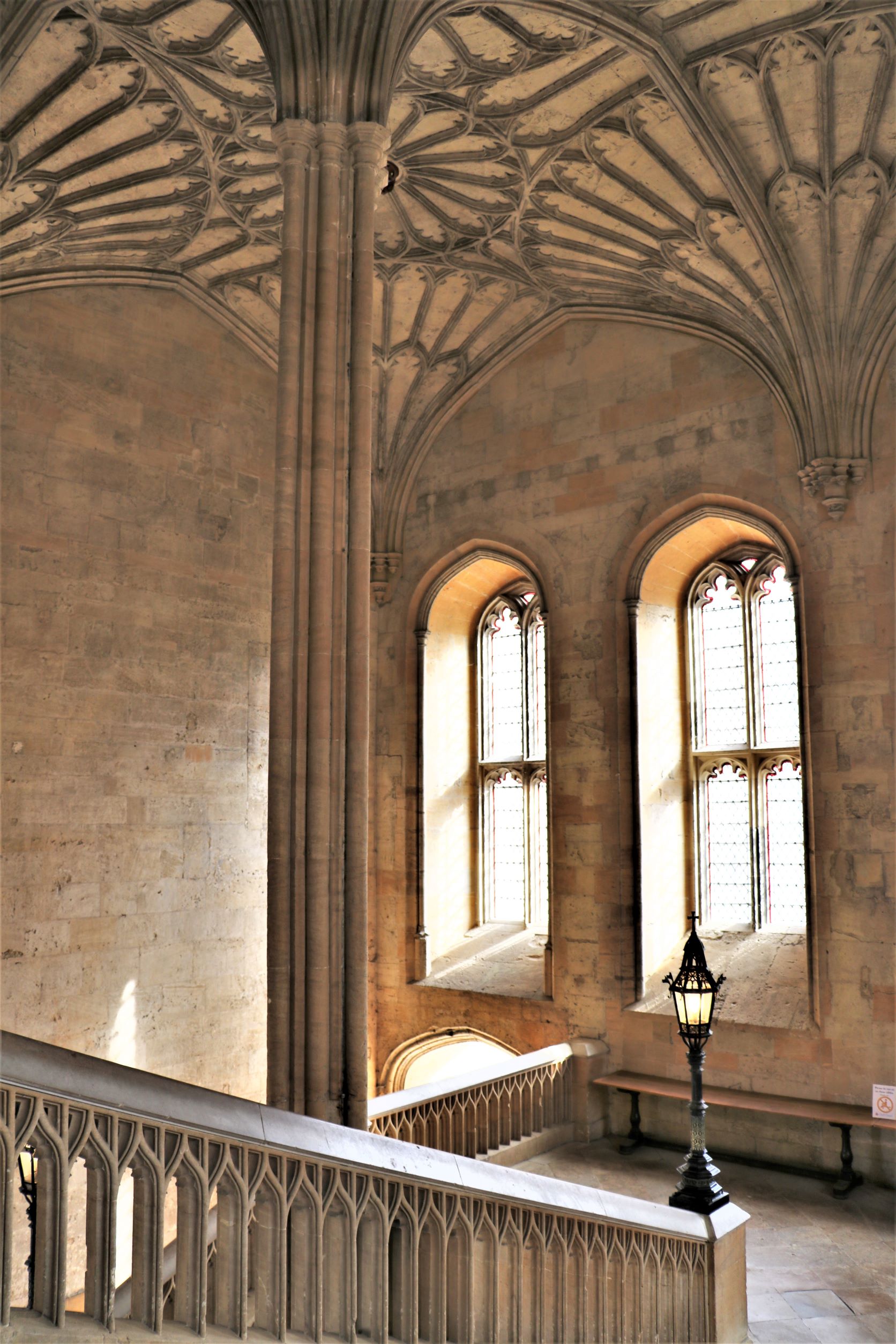
The Grand Staircase where Professor McGonagall met new students arriving at Hogwarts.

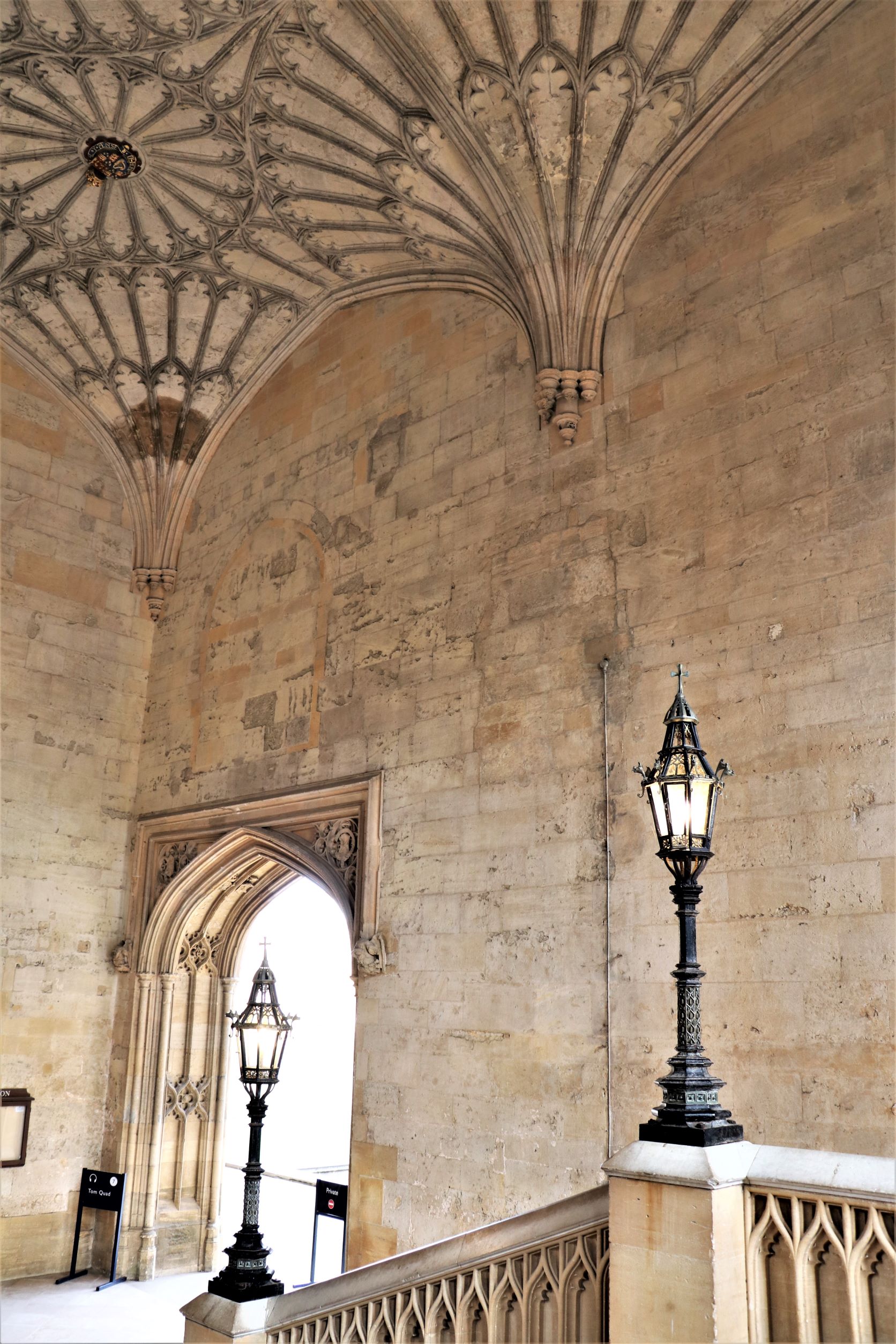
A more well-known Harry Potter filming location is the stairwell, leading up to the Great Hall.

These iconic Harry Potter steps were used in multiple films, but they are mostly known for the grand arrival of the students at Hogwarts on their very first day at Hogwarts.

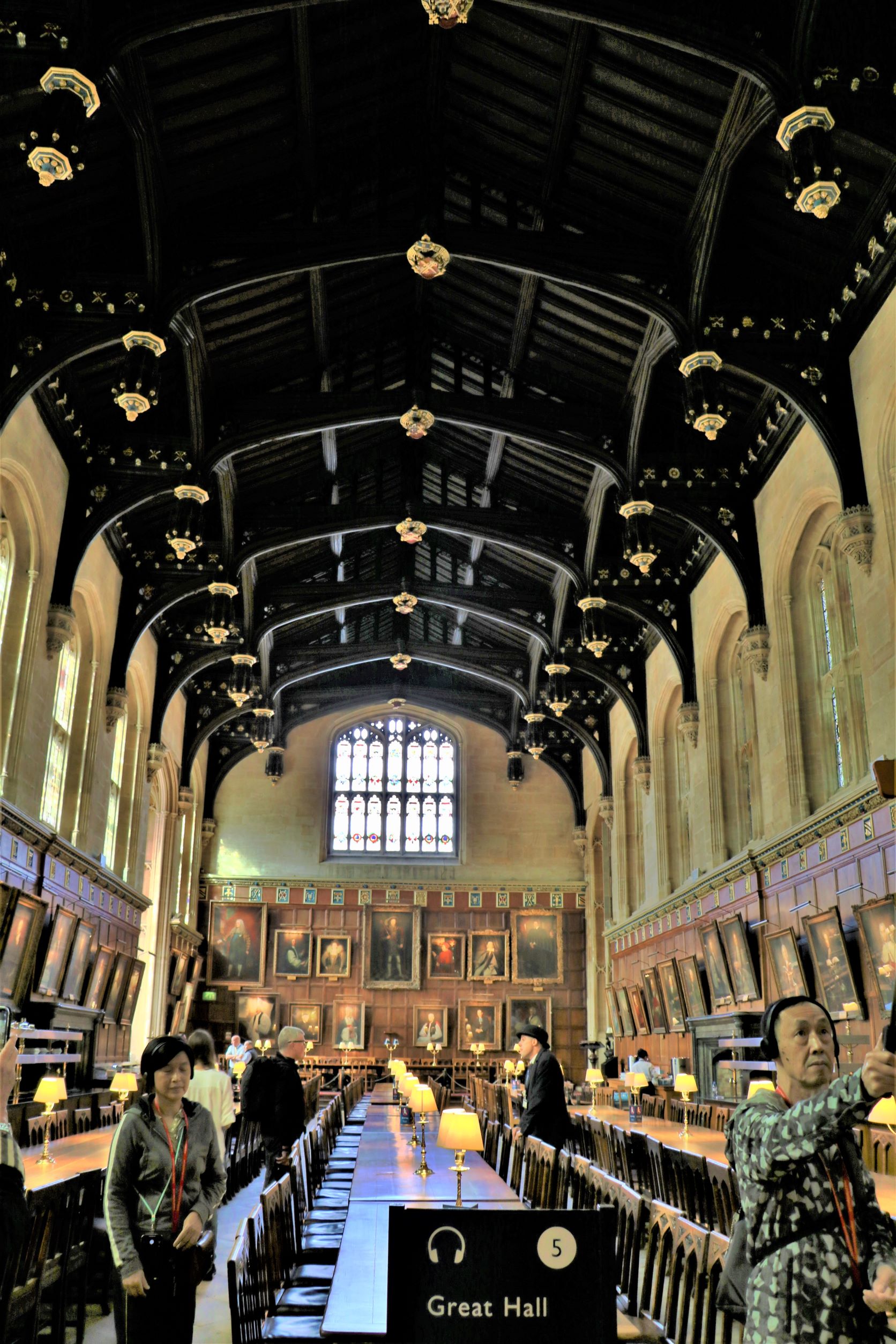
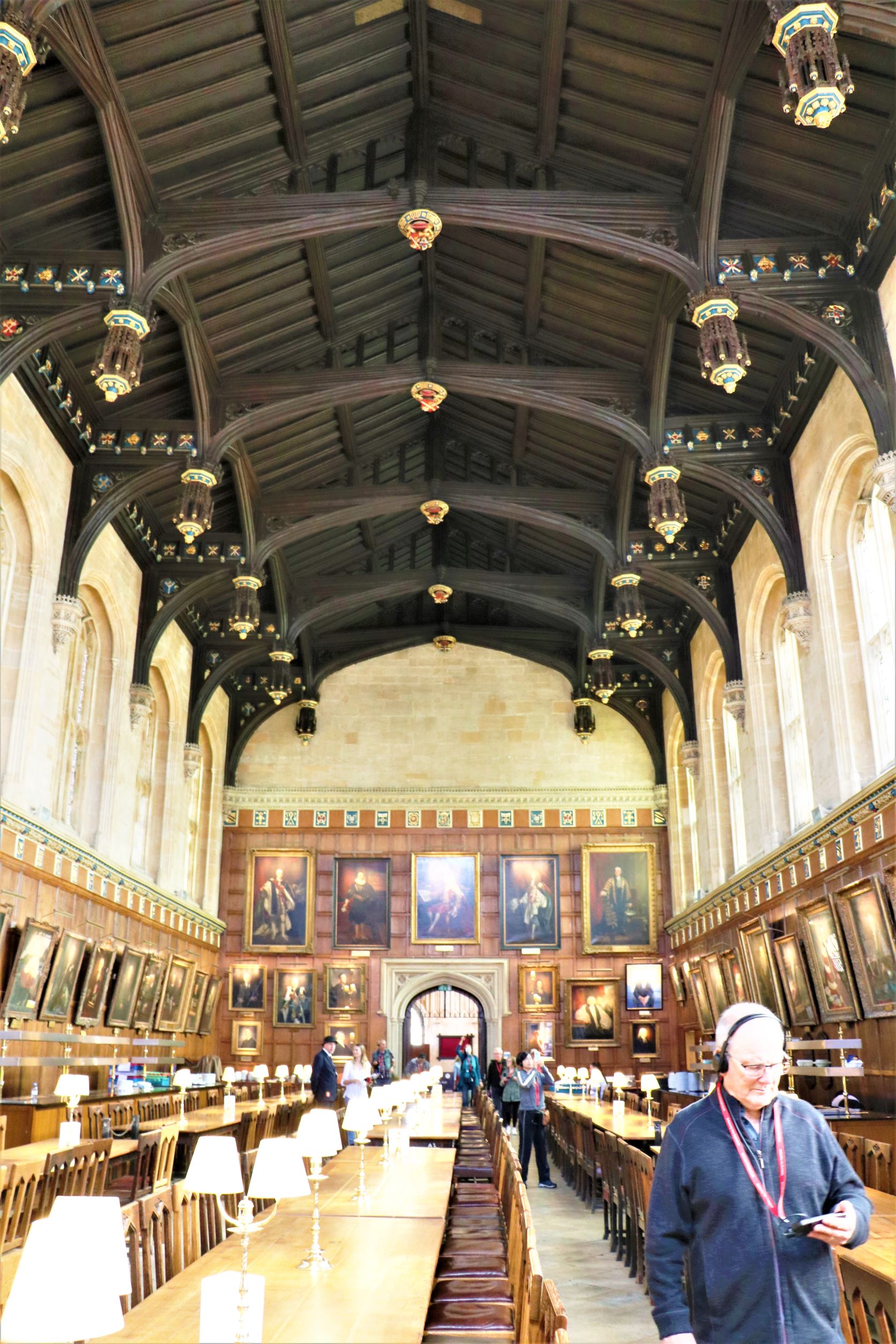
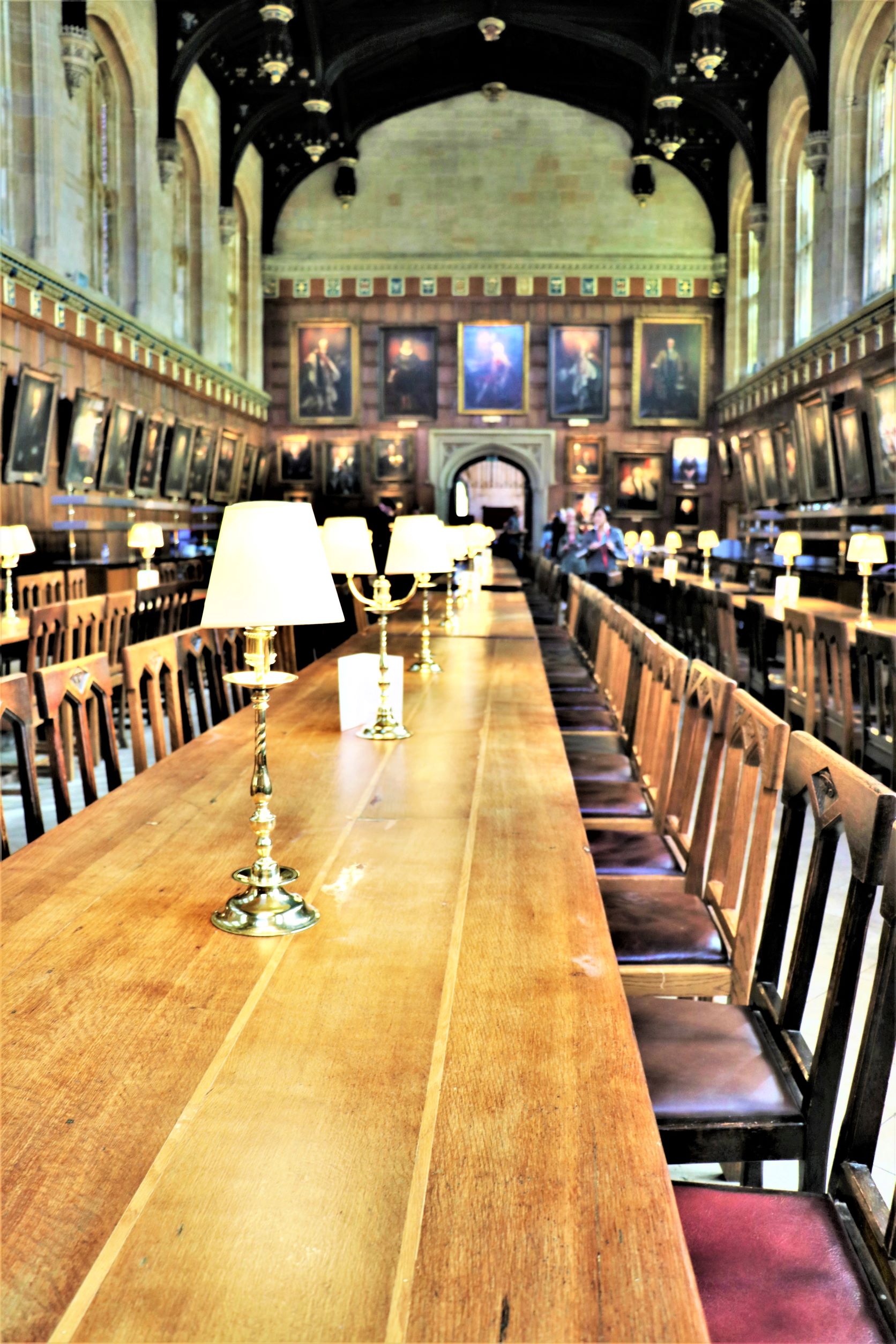
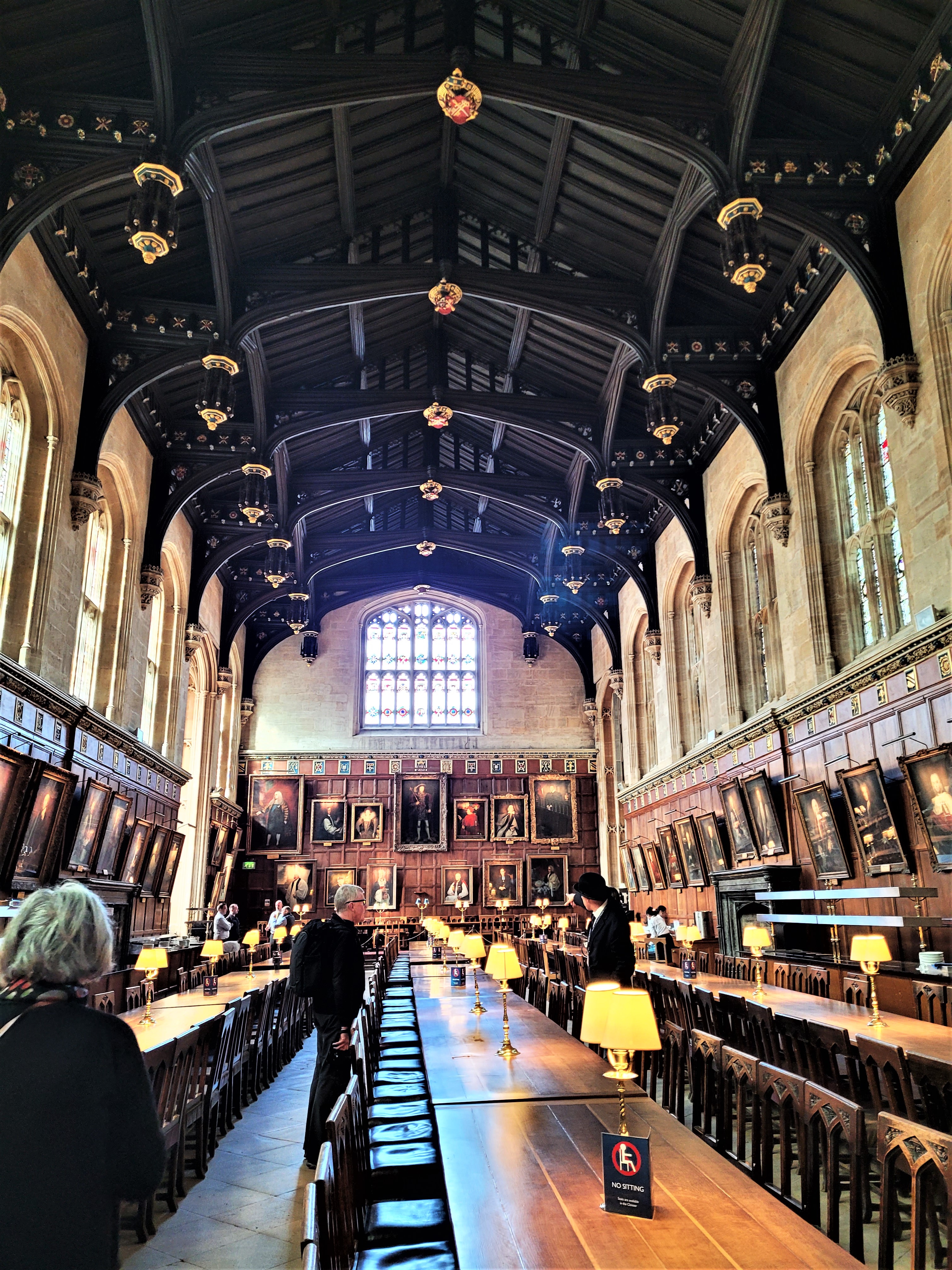
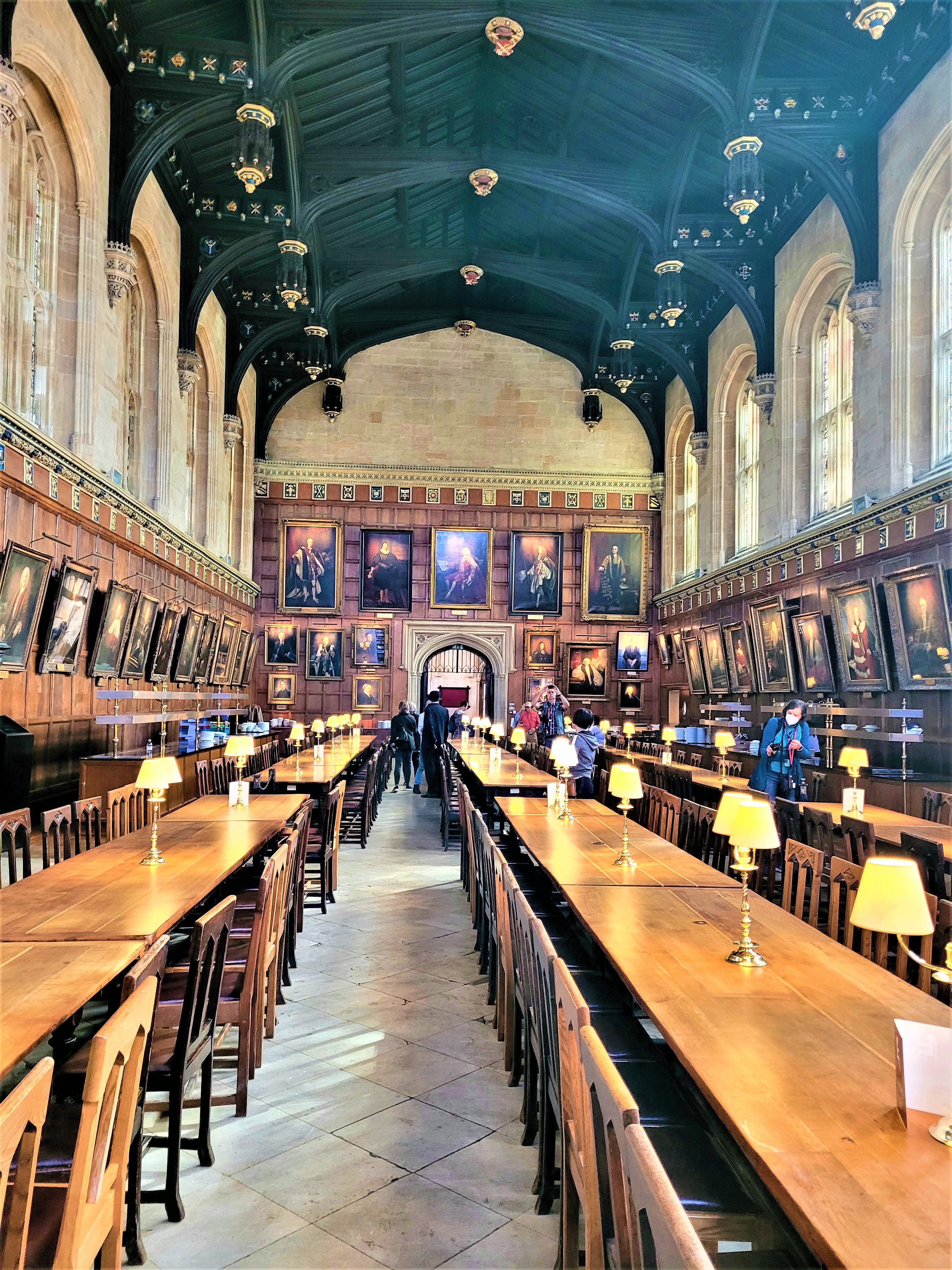
Now we move on to the dining hall that was the inspiration for the dining hall in the Harry Potter series. This great hall is filled with non-fiction history and not just the fiction of J.K. Rowling and Lewis Carroll.

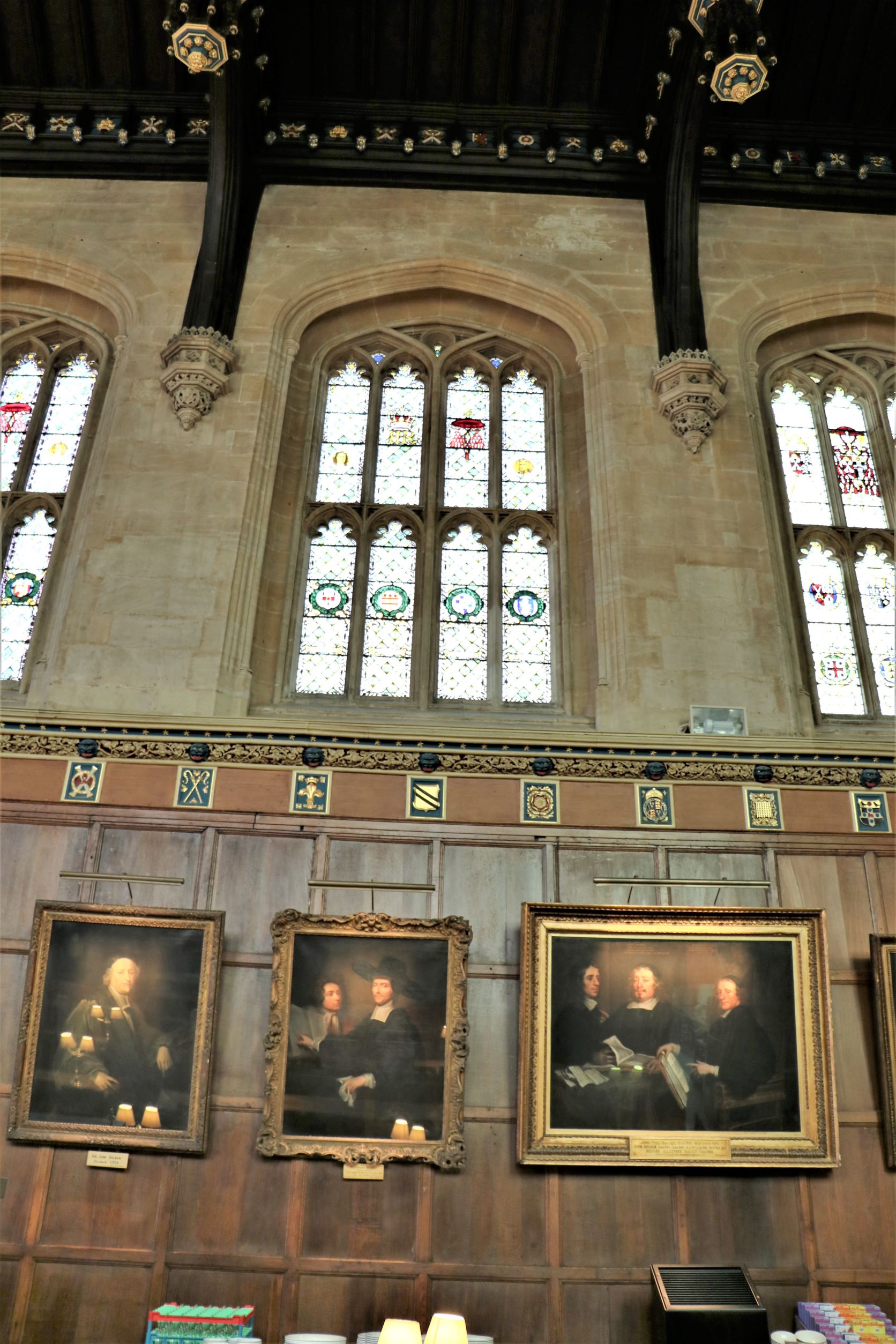
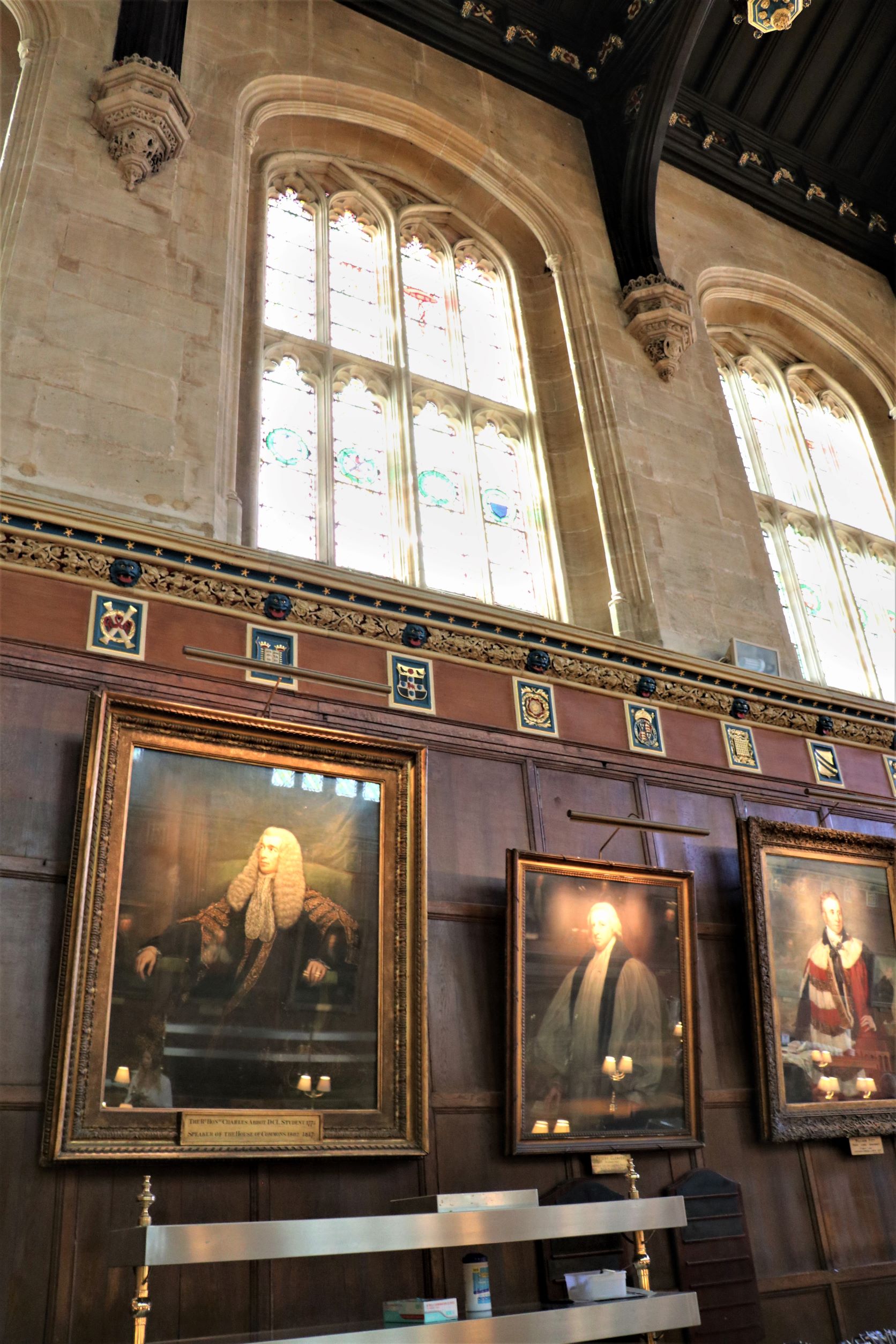
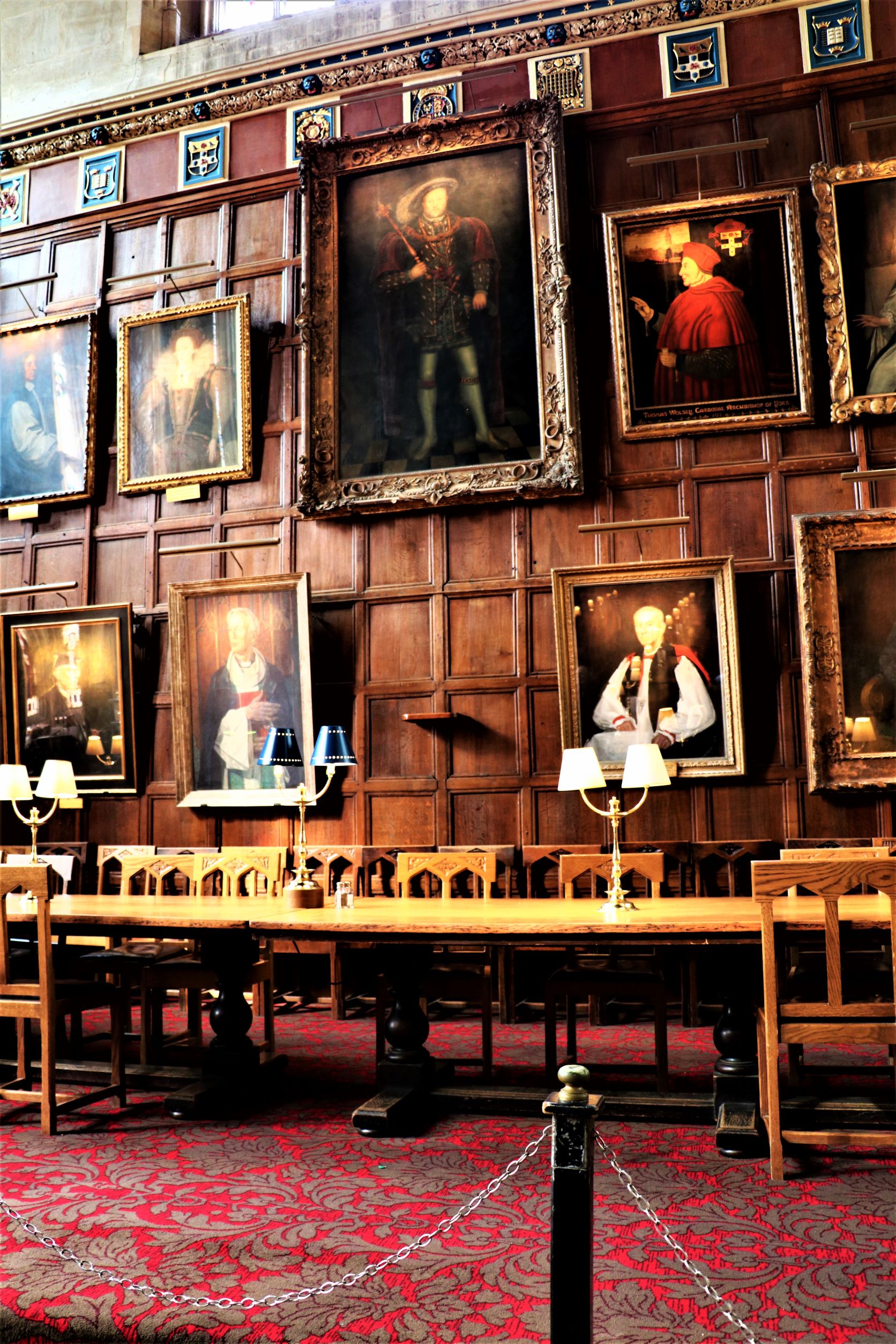
The Christ Church College Dining Hall is the largest in Oxford, seats 300, and is known for its stained glass, hammerbeam roof and portrait collection.

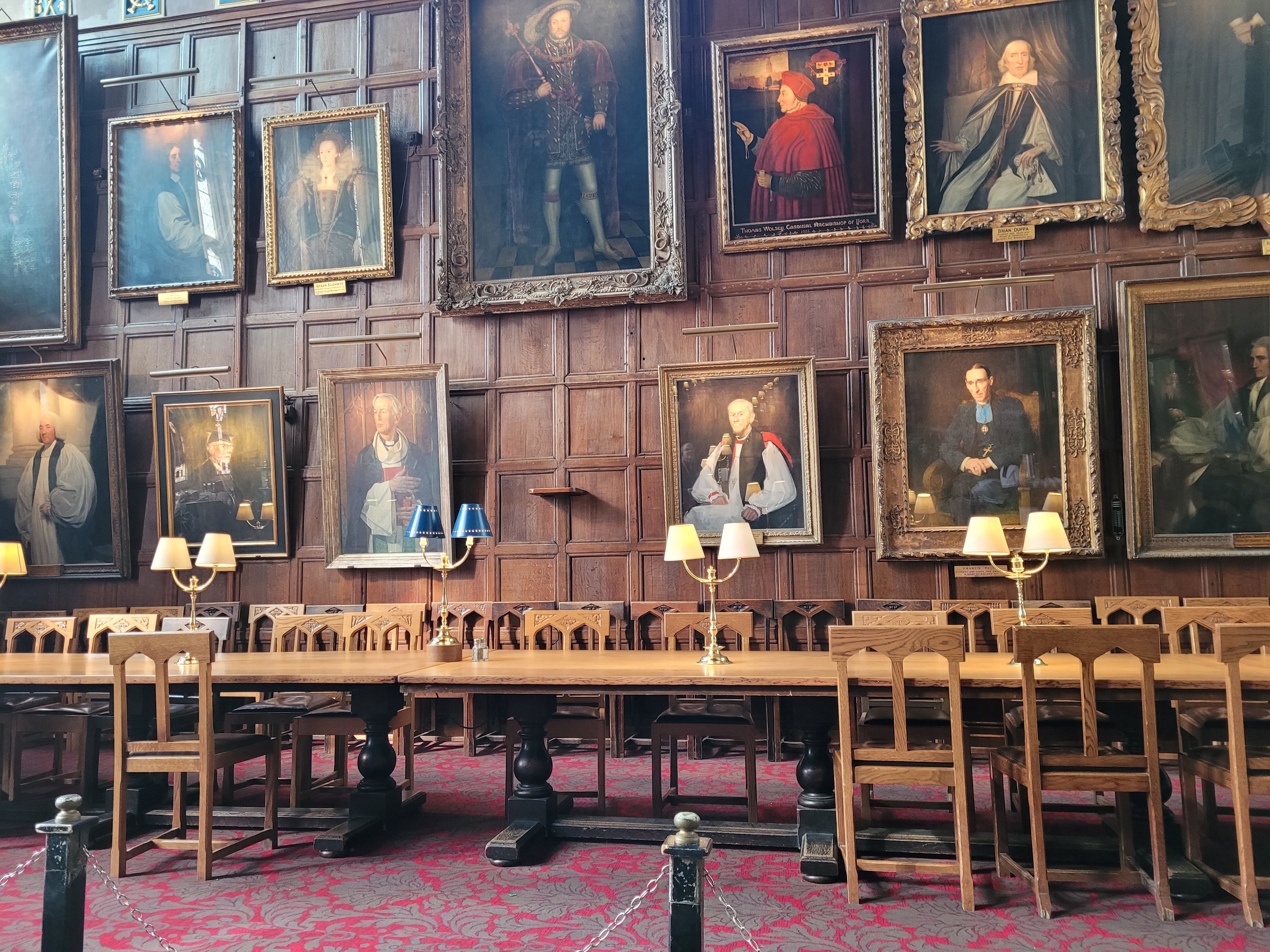
The Dining Hall at Christ Church has dozens of paintings hanging on all four of its walls. This is the wall at the one end of the hall and features paintings of Henry VIII in the middle and Elizabeth 1 to the left. To the right of the King is Cardinal Thomas Wolsey(1475-1530), Lord Chancellor of England (1515-1529).

Christ Church College was founded during the reign of King Henry VIII in the early 16th century.  It is the only college that was founded by King Henry VIII’s Lord Chancellor of England, Cardinal Thomas Wolsey. It was founded in 1524 and originally called Cardinal College, named after Wolsey himself. He was a product of Oxford, having graduated from Magdalen College. The founding of his own college was a great undertaking, and one that could only increase his already-impressive status. He was not only one of the wealthiest men in England, but also one of the most powerful.

Cardinal Wolsey fell out of grace with Henry the VIII when he failed to secure an annulment for the King and his marriage to Katherine of Aragon. He was charged with allegiance to a foreign power (Rome and the Pope). He was forced to hand over all properties to the King. The college was known for some time as “King Henry VIII’s College,” and finally named Christ Church College by King Henry in the year 1546 – one year before his death.

There’s a lot more interesting history from this college but I’ll let you discover it if you wish.

Looks like I’ll need one more post in the Christ Church College series to cover Lewis Carroll and Alice in Wonderland. Till next time, cheers!

Christ Church College Part 1

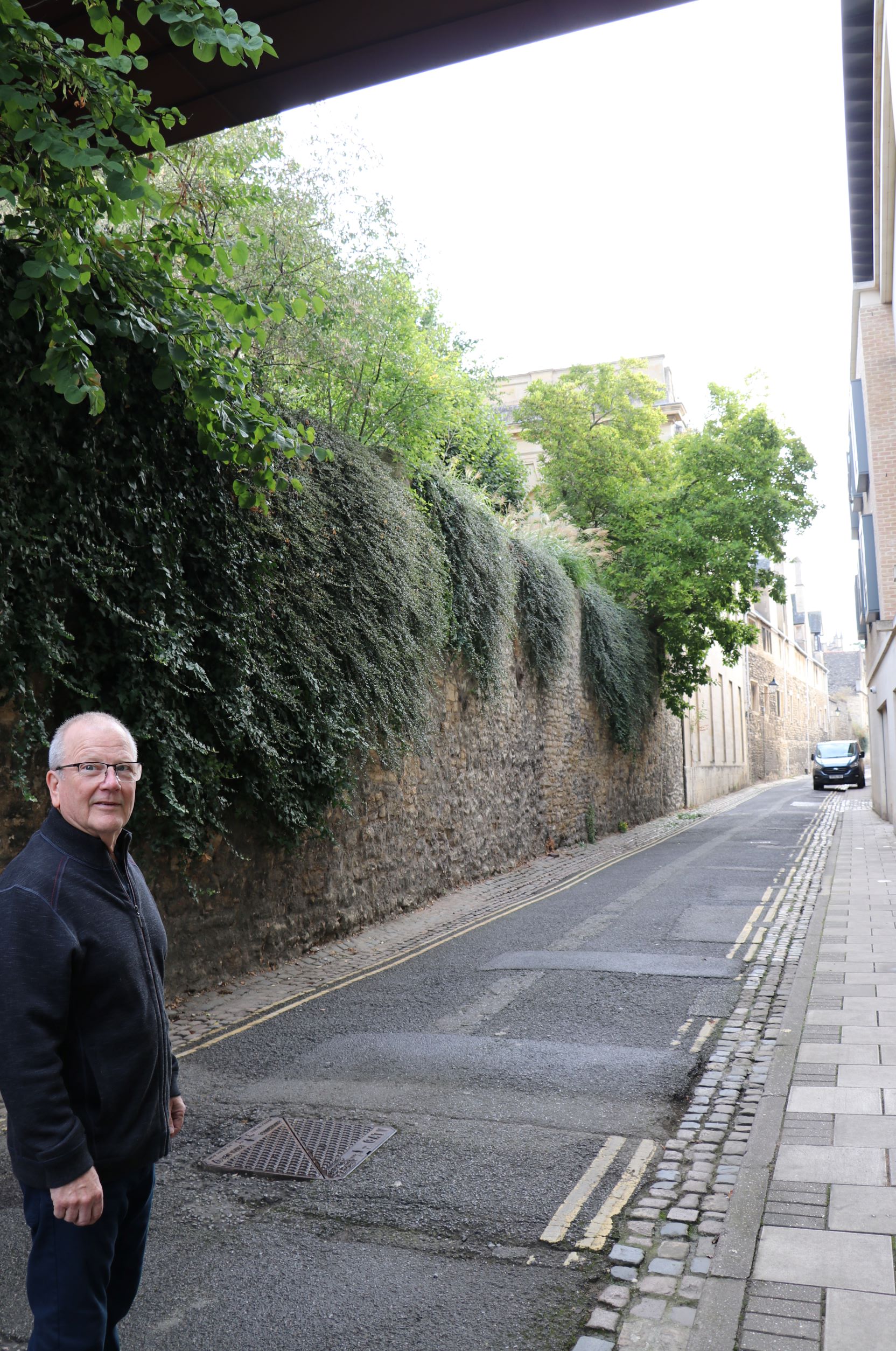
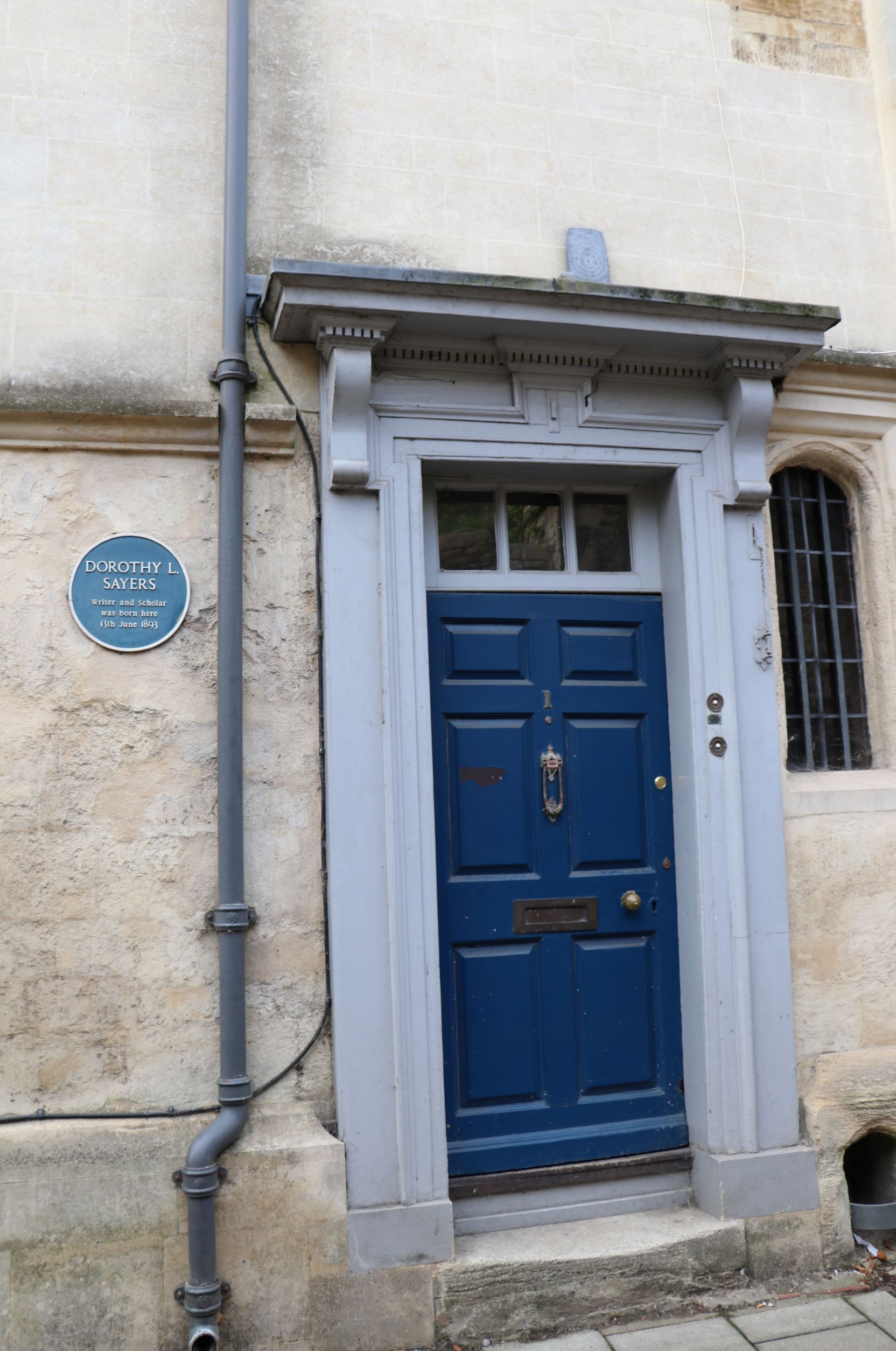
On Wednesday morning September 14th we ate breakfast out at The Breakfast Club on the upper level of Westgate Shopping Center. After breakfast we made our way to Christ Church College via Brewer Street right past the home where Dorothy Sayers was born. We’ve enjoyed many books by Sayers like her Lord Peter Wimsey series. She was a friend of C.S. Lewis and J.R.R. Tolkien. She was baptized by her father in Christ Church Cathedral.

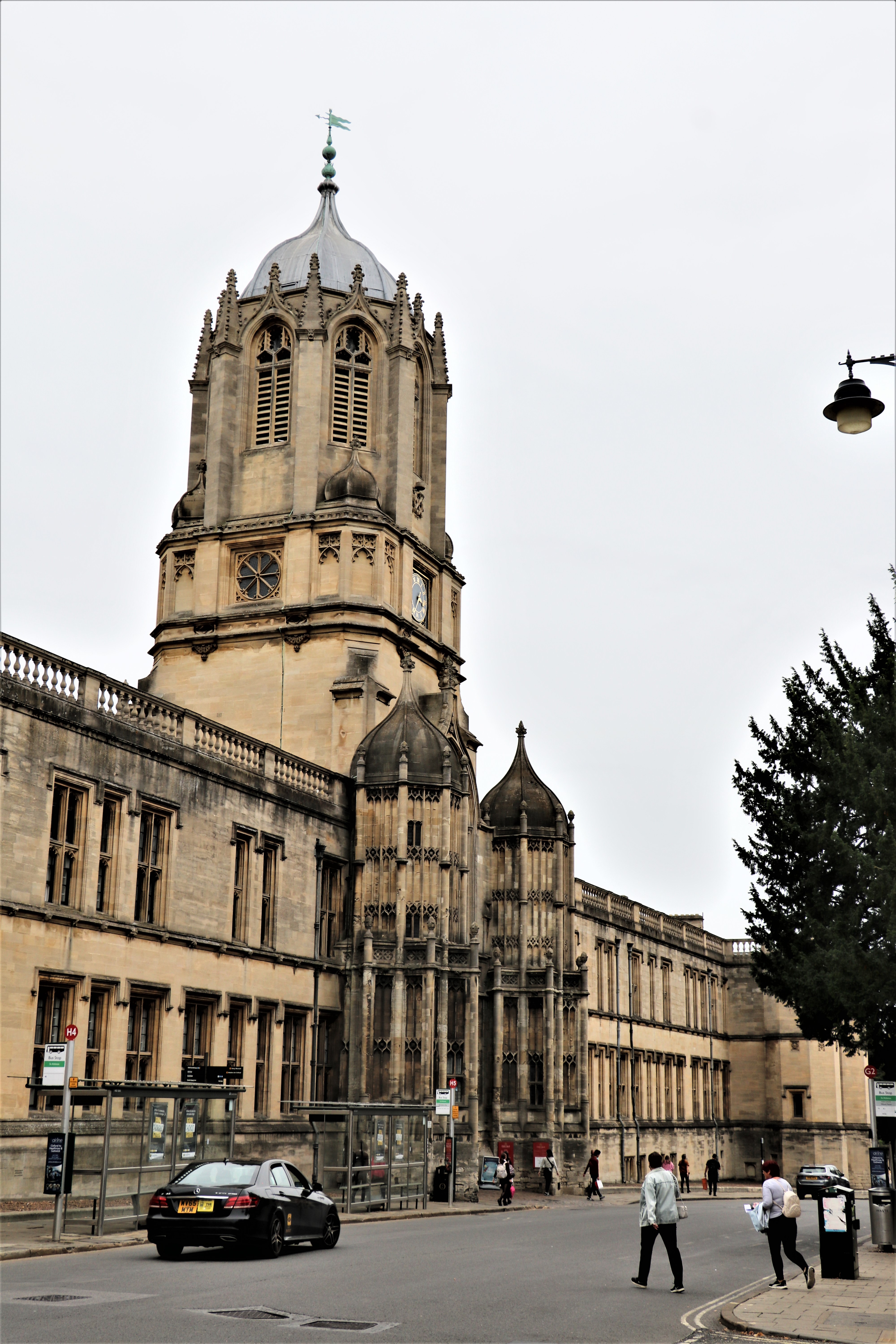
We walk past the front of the college where it’s famous Tom Tower looms onto the Oxford Spire skyline.

We crossed St. Aldates and continued on Broad Walk to the Christ Church Gift Shop to buy our tickets for our tour of Christ Church College.

Our tickets were discounted since the Cathedral was closed to visitors during the Mourning Period for the Queen. Christ Church College was the most commercialized tour and restricted of the colleges we visited. You had to wear a lanyard attached to an electronic tour guide and you got head phones for listening. All the paths were marked and restricted areas marked, too. Not my favorite way to tour but for many it’s a great way to get all the information you need as you walk through.

Christ Church is one of the most famous Oxford colleges for several reasons: its size, its wealth, its grandeur and, to the current generation Harry Potter. But this college’s history spans back over 500 years as Christ Church was founded in 1546 by King Henry VIII.

The tour visitor door is off of Broad Walk across from the Gift Shop. This was the only college to our knowledge that had a gift shop, too.

Christ Church was founded in 1546, and there had been a college here since 1525, but prior to the dissolution of the monasteries, the site was occupied by a priory dedicated to the memory of St Frideswide, the patron saint of both university and city.

Christ Church receives over half a million tourists each year

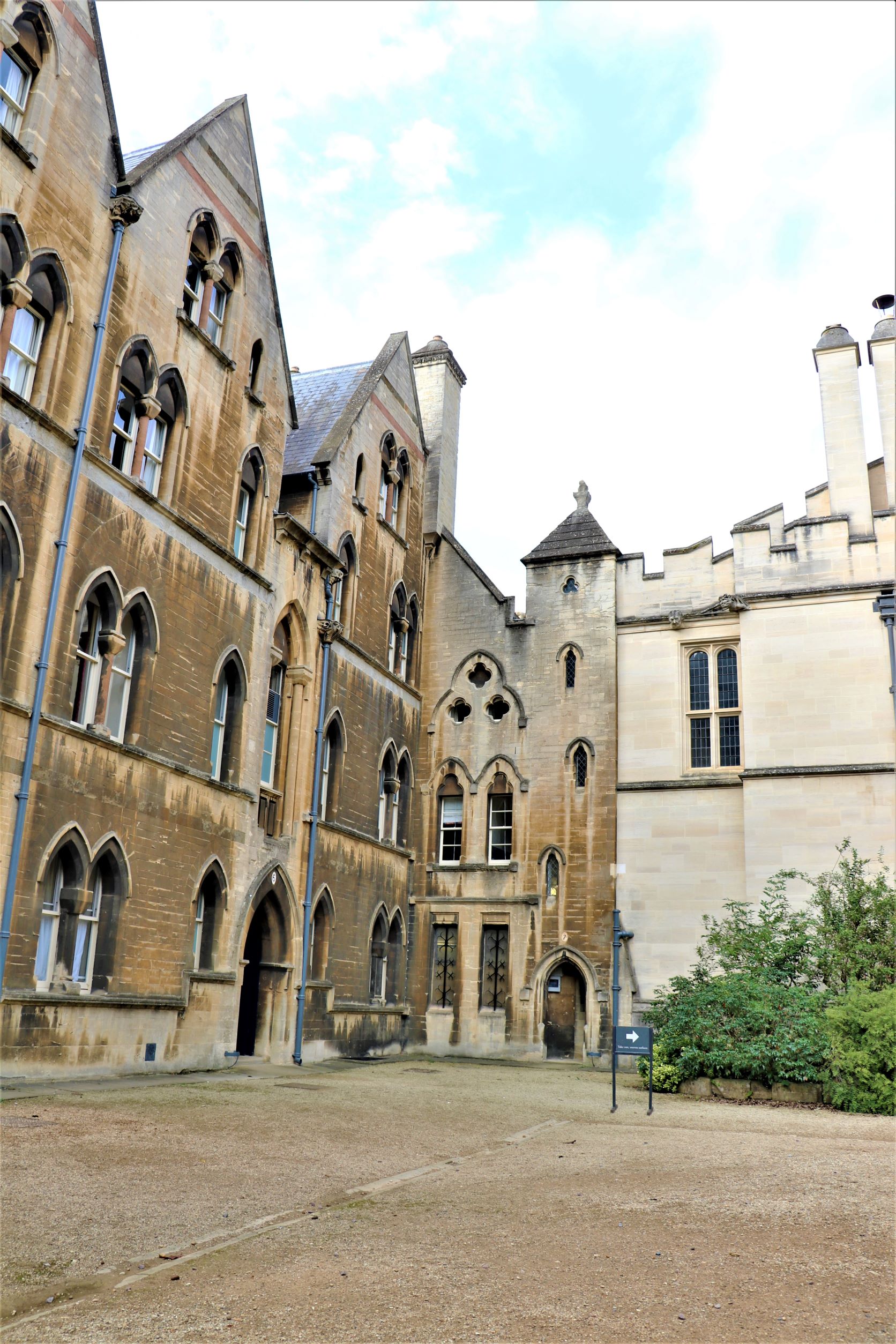
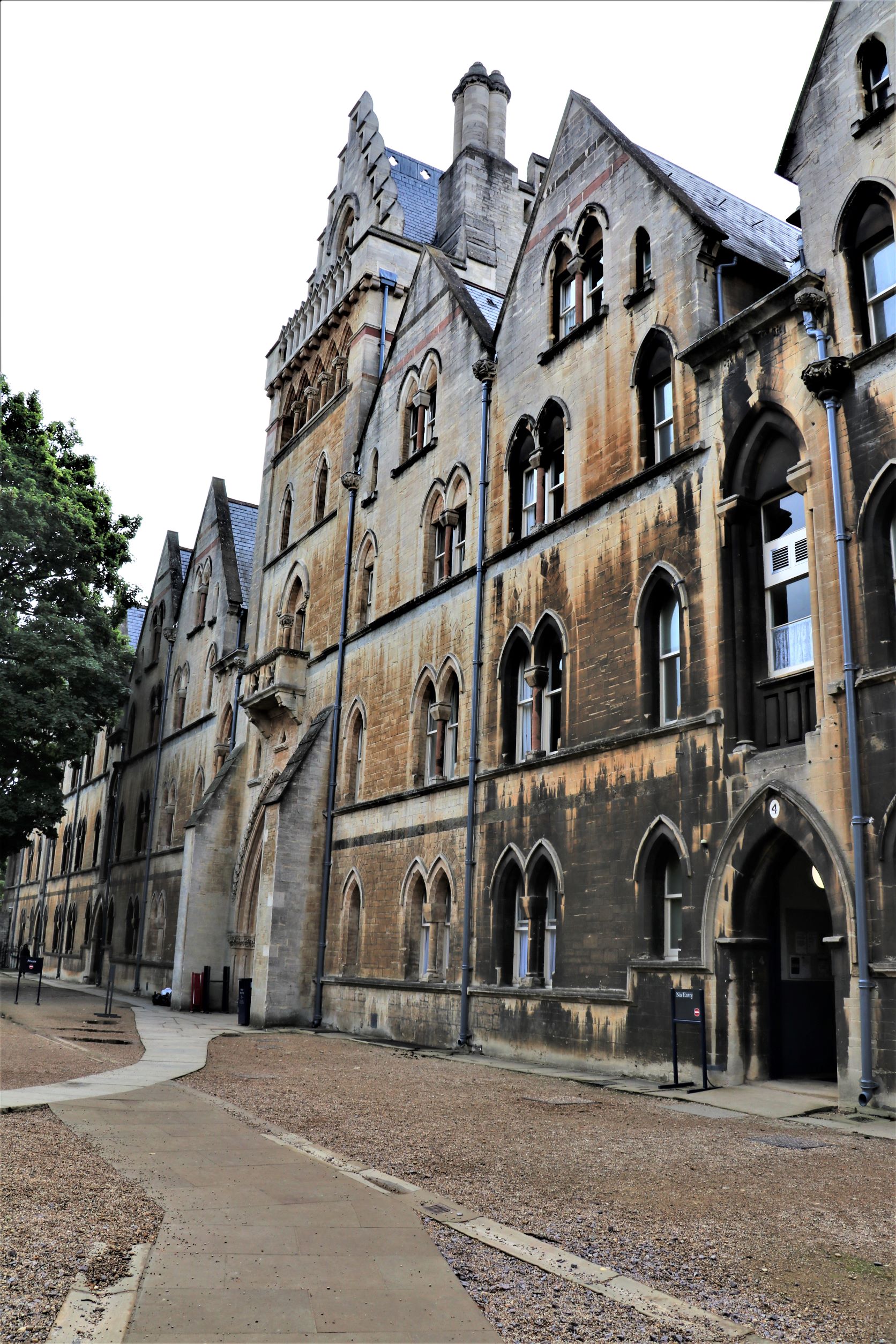
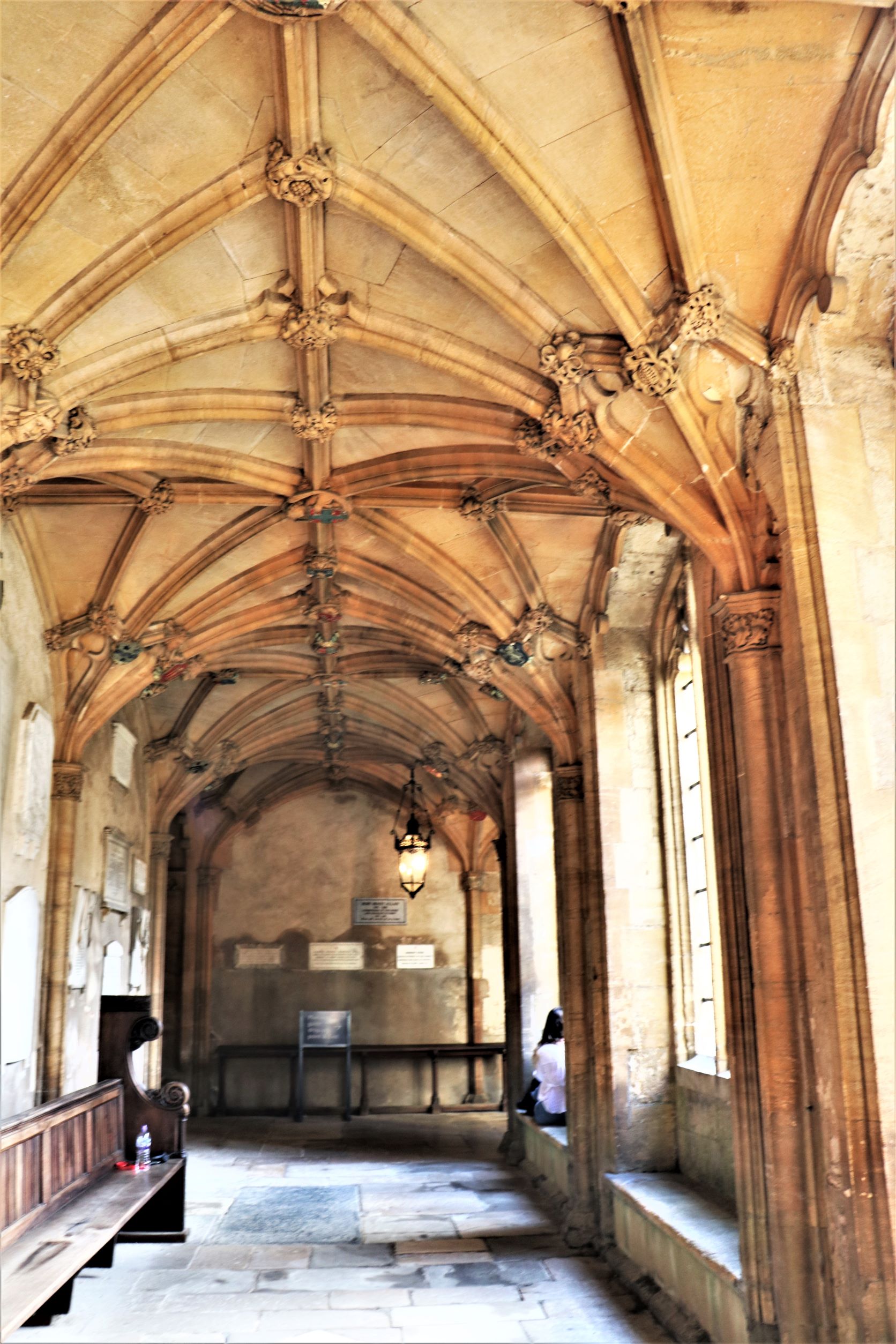
We’ll go that way in my second post about Christ Church. Today we’ll cover the outside and the small courtyard and beautiful cloisters.

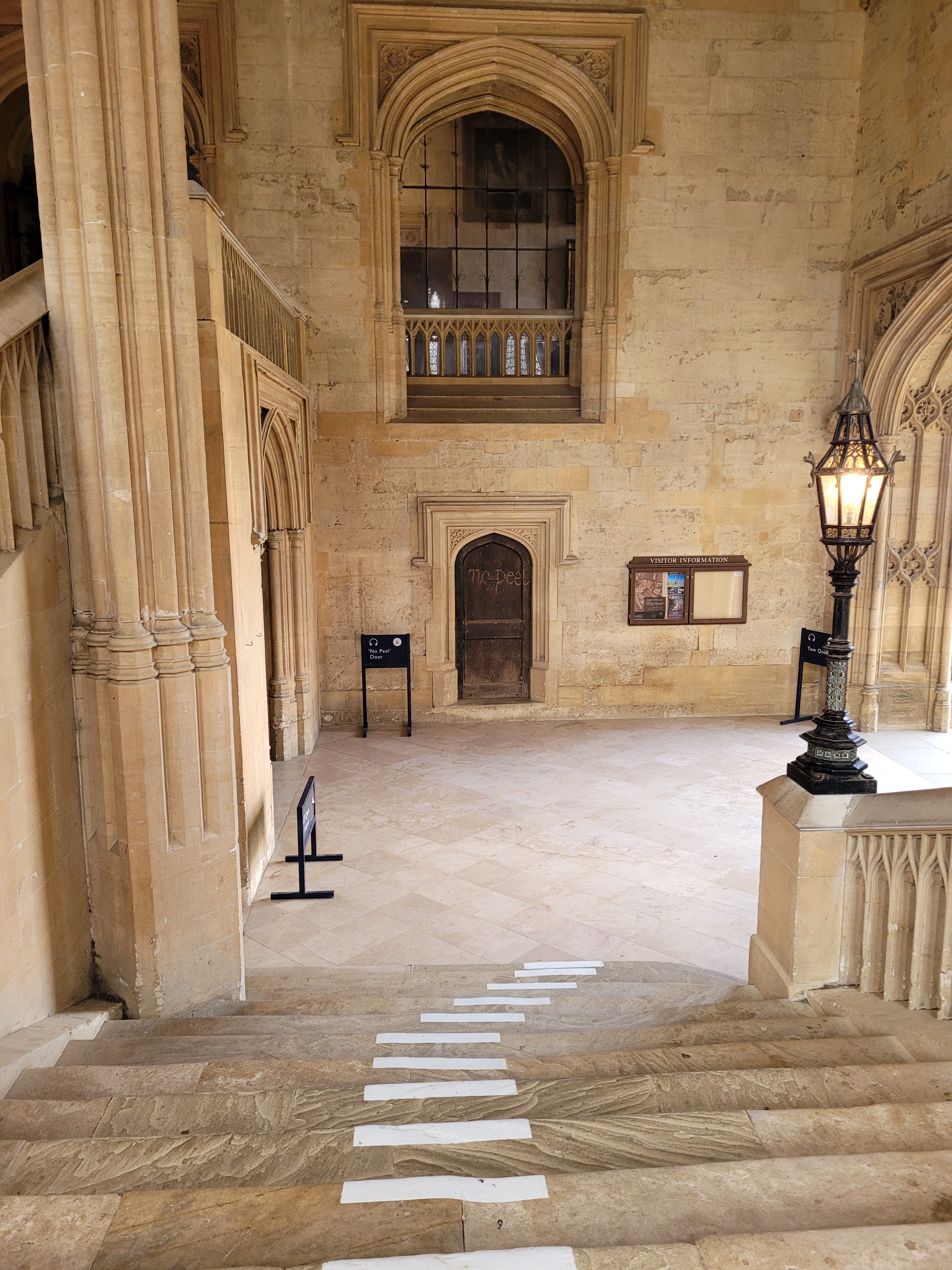
As you approach the “Harry Potter steps” at Christ Church, which lead up to the dining hall, you will notice a curious form of graffiti on a door to the right.

On an old brown door, there is the word “Peel”, with each letter formed out of very small circles.

This is the oldest form of graffiti on record and the door was marked in protest against the Sir Robert Peel who was the British Prime Minister in the early nineteenth century.

The reason it looks like there are lots and lots of tiny circles making up the word is because the name “Peel” was marked onto the door with nails.

Past the ‘No Peel’ door we head out to Tom Quad but have to turn right to the Courtyard that will eventually lead us out of the college.

I was happy to be able to see Tom Quad even though we couldn’t walk around the Quad.

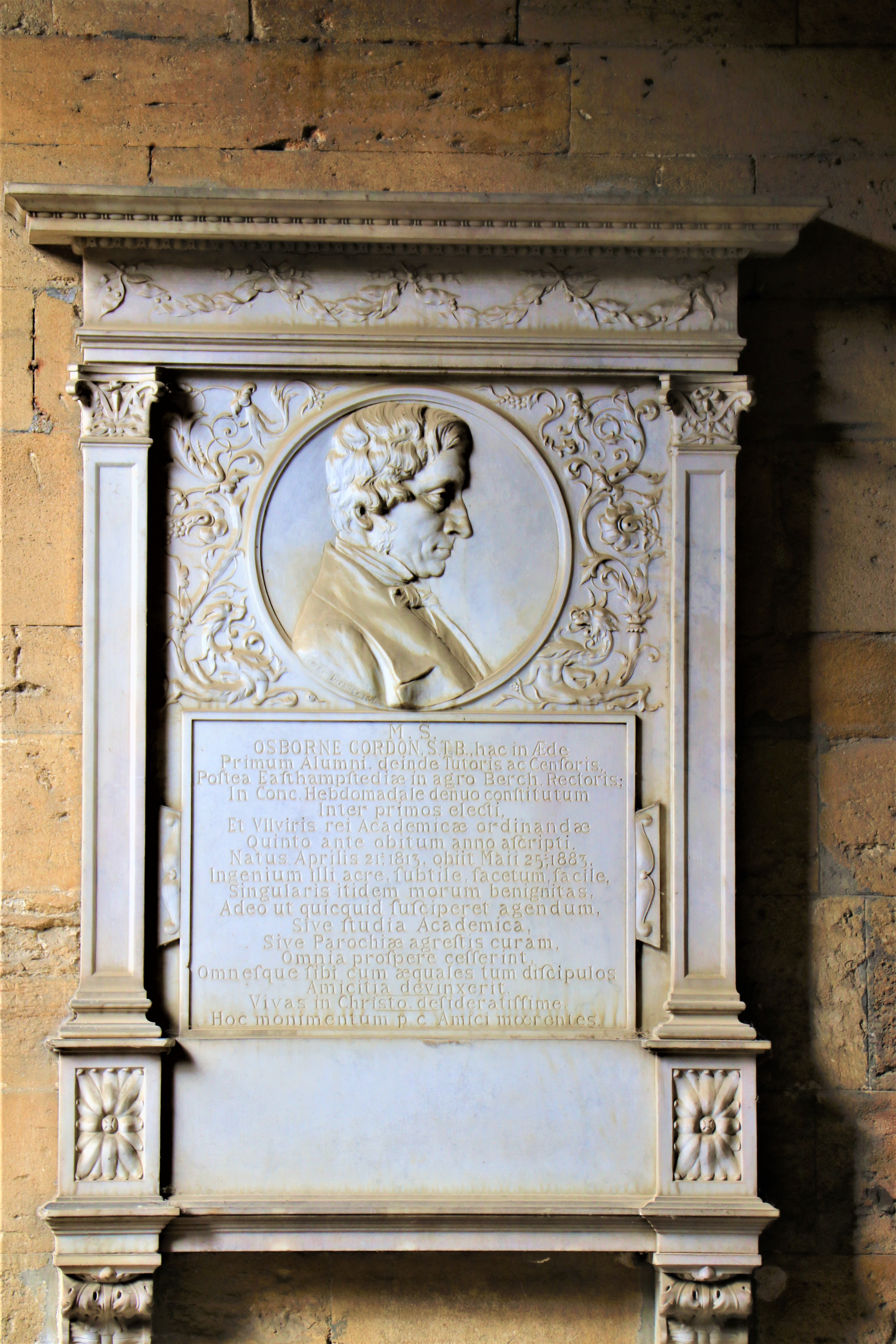
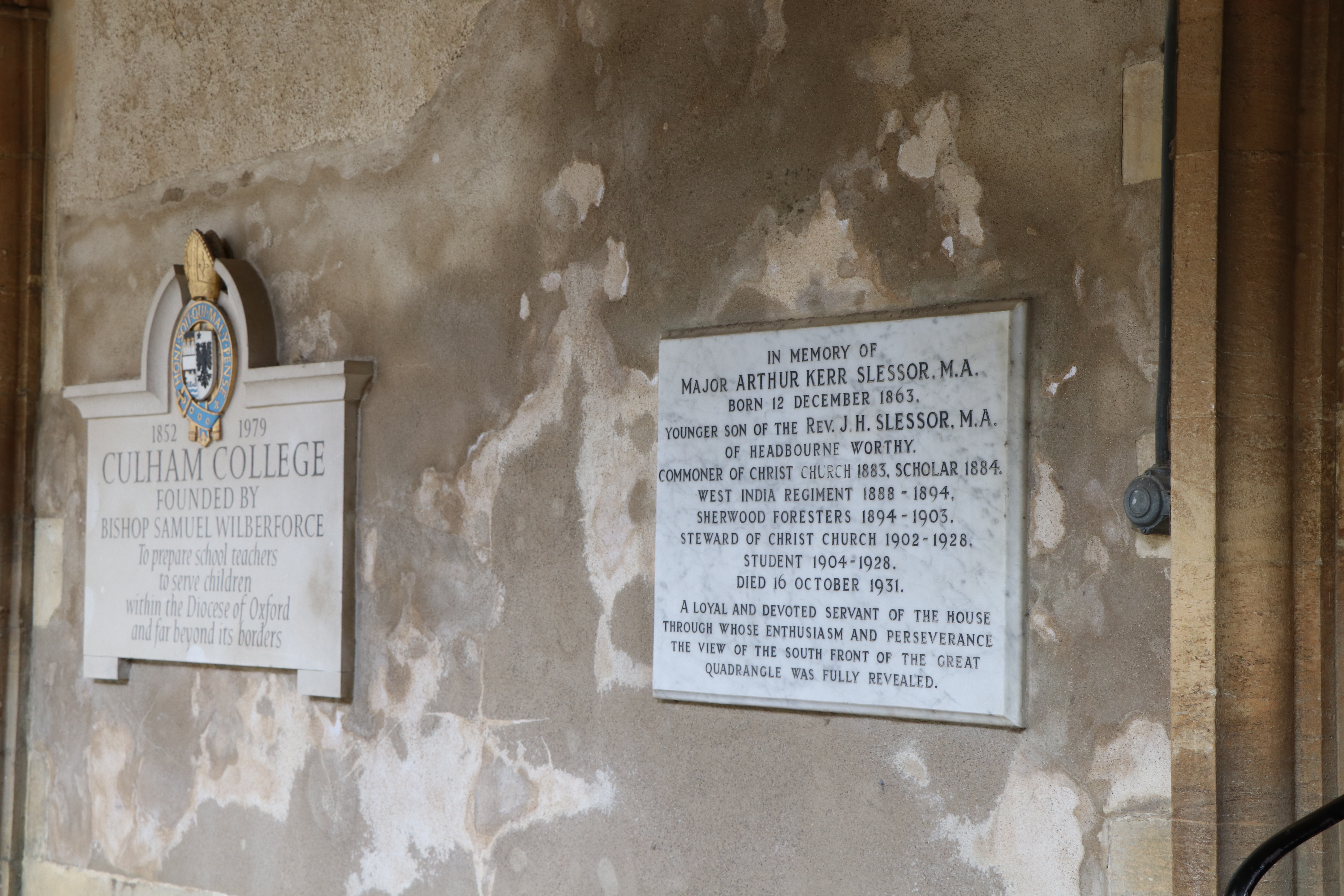
The plaque on the left reads Culham College, Founded by Bishop Samuel Wilberforce, to prepare school teachers to serve children within the Diocese of Oxford and well beyond its borders. 1852-1979

Samuel Wilberforce, FRS was an English bishop in the Church of England, and the third son of William Wilberforce. Known as “Soapy Sam”, Wilberforce was one of the greatest public speakers of his day. He is now best remembered for his opposition to Charles Darwin’s theory of evolution at a debate in 1860.

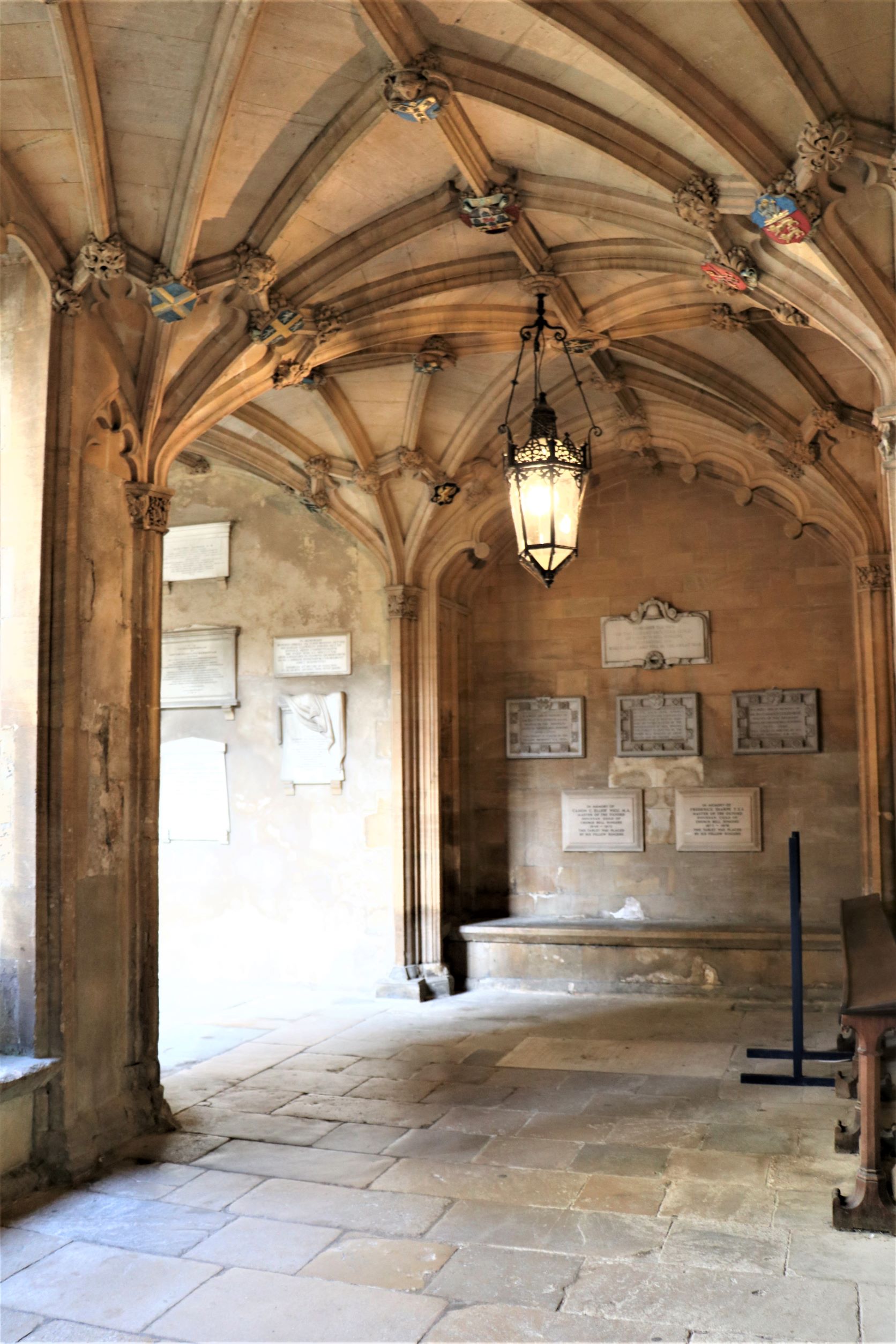
The Cloisters here were used in filming of Harry Potter movies, too.

After touring the courtyard and cloisters around the courtyard we exited the college.

My second post from Christ Church College will cover the Harry Potter and Lewis Carroll connections.


Tuesday Guided Tour

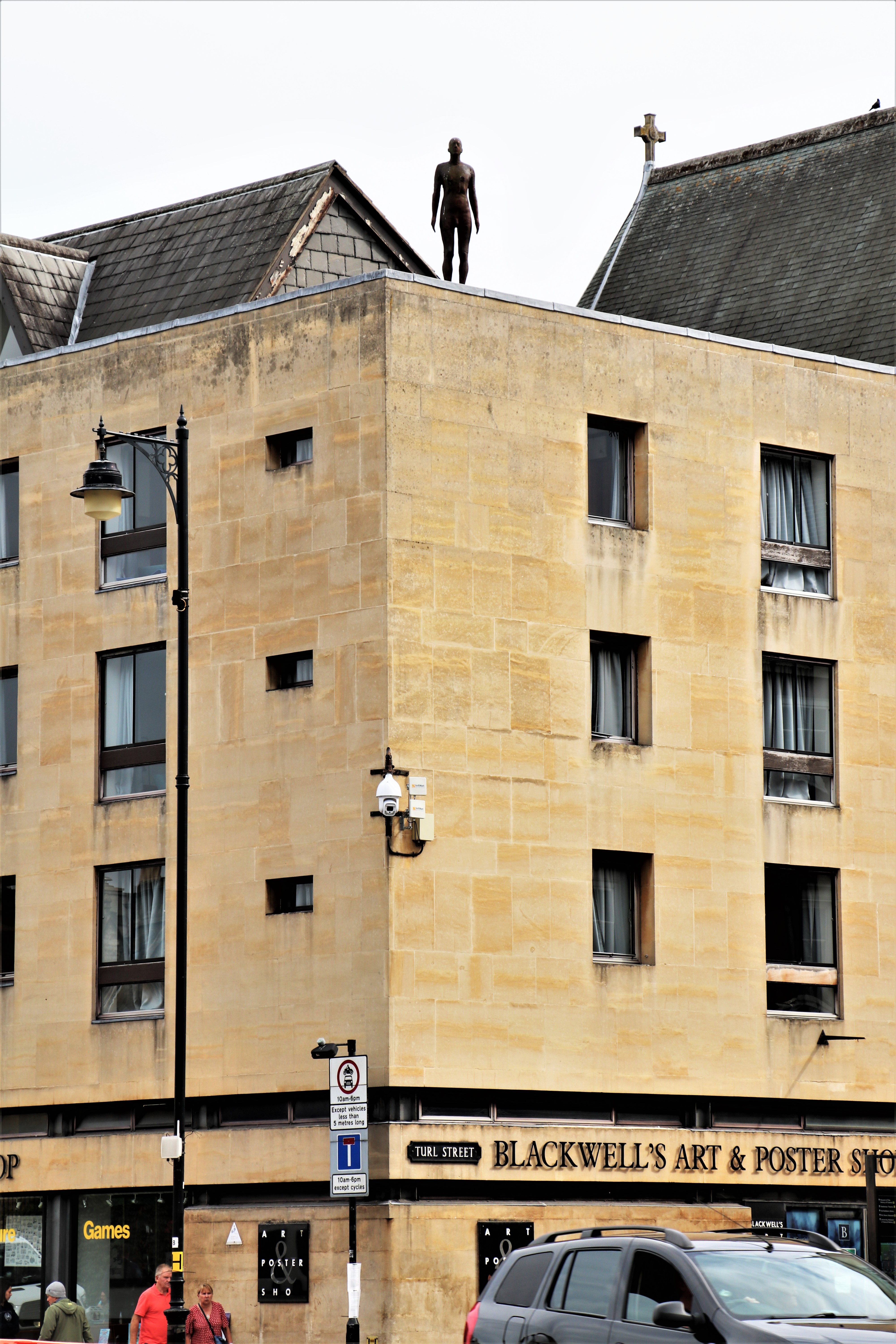
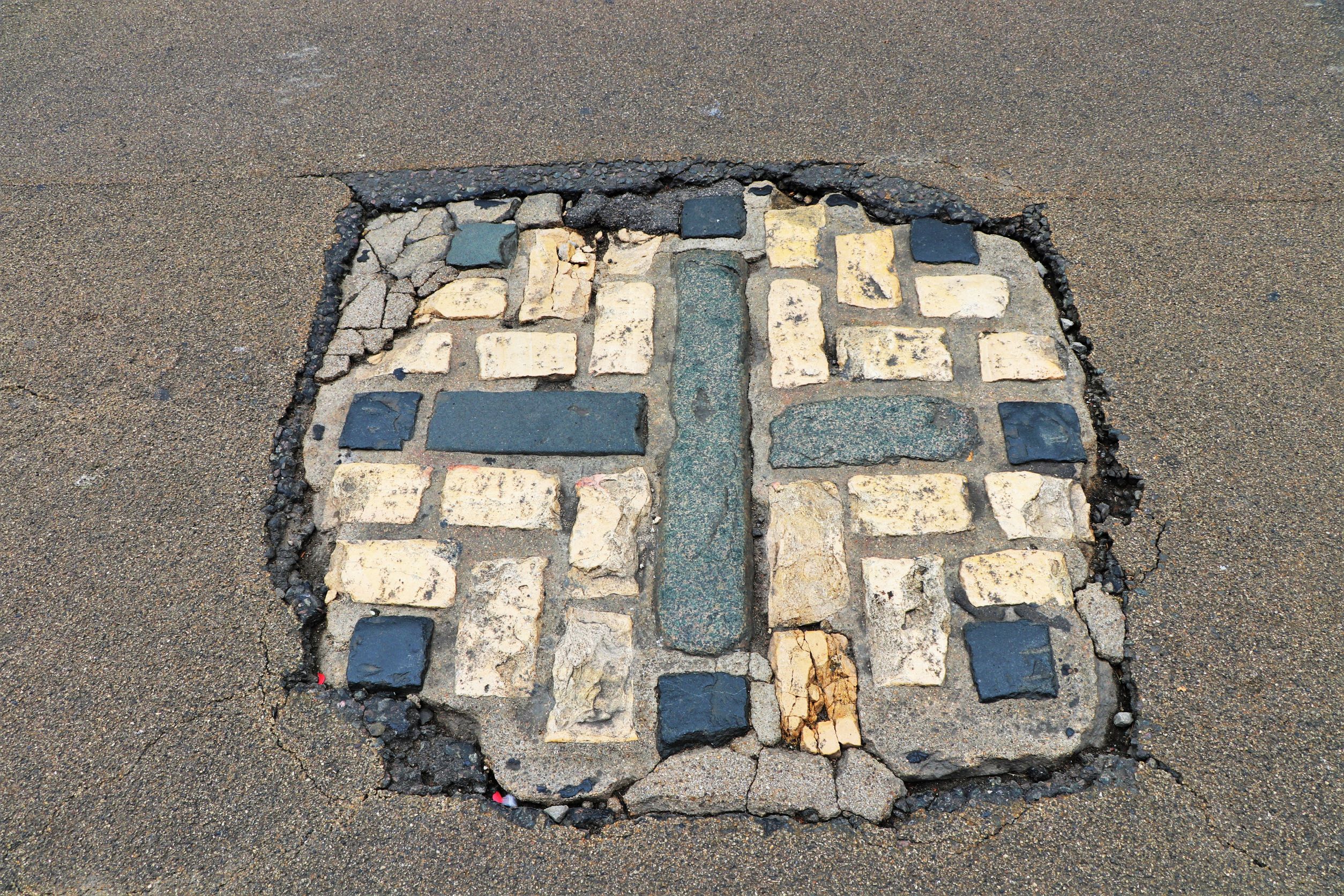
We started our Tuesday afternoon tour with Tony on the 13th of September at 2pm sharp. Our guide pointed out the bronze statue of a man on top of Exeter college and pointed out the idea that the statue is looking down at the martyr’s cross set in a circle of cobbles on Broad Street where the three protestants, Cranmer, Latimer and Ridley were burned at the stake. More about their history in a later post about these Martyrs. The Statue is by Anthony Gormley and installed in 2009. It is about 7feet tall.


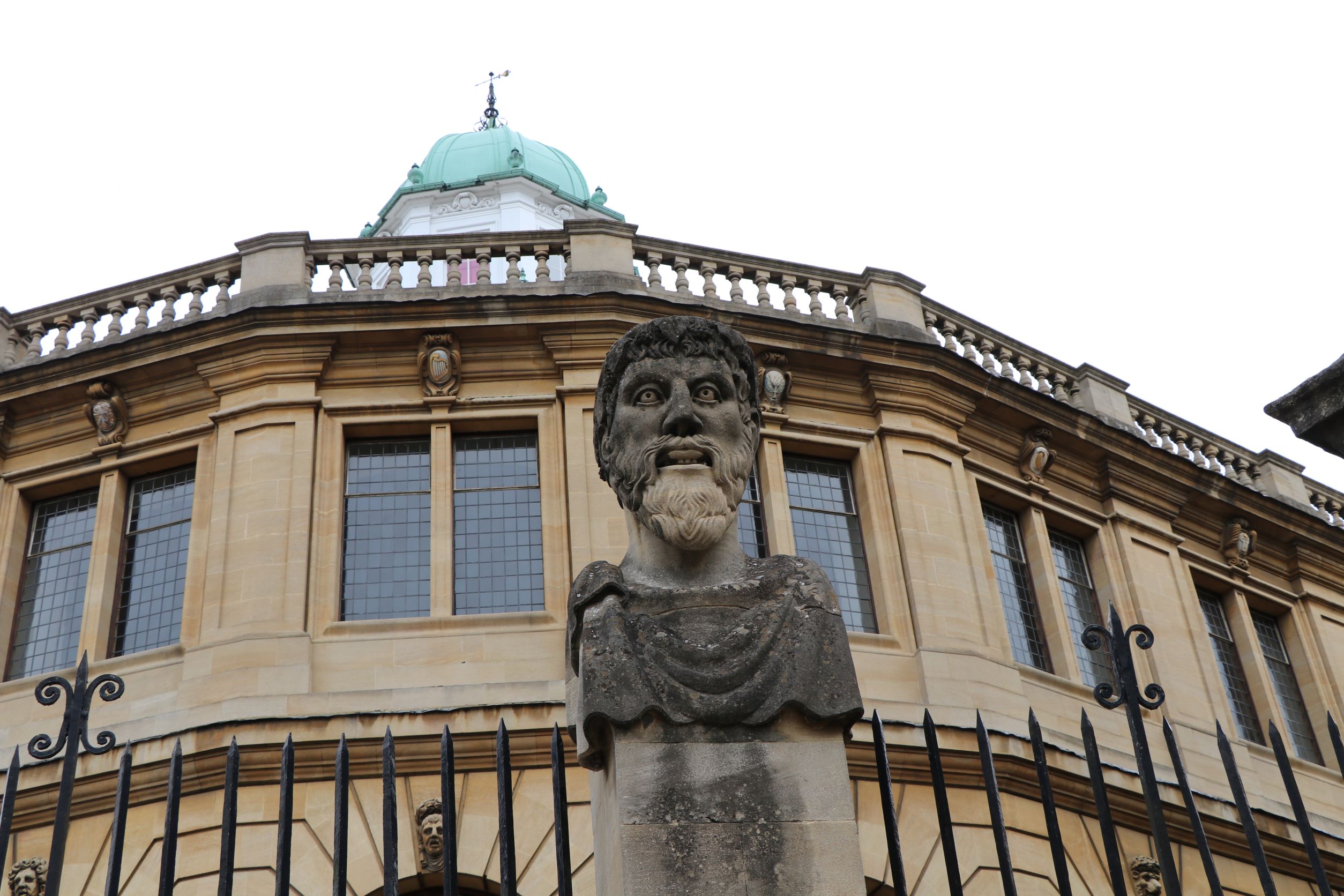
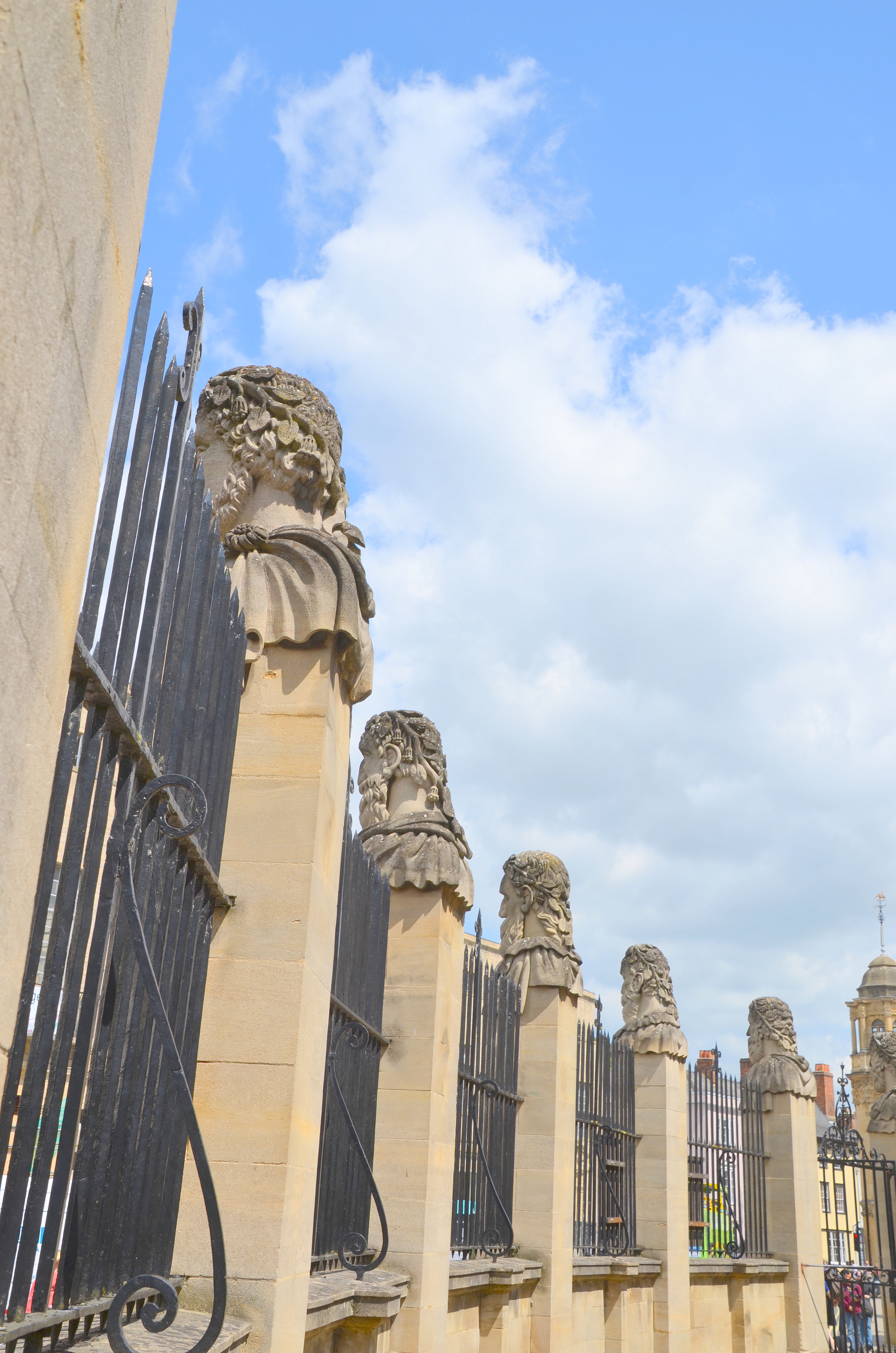
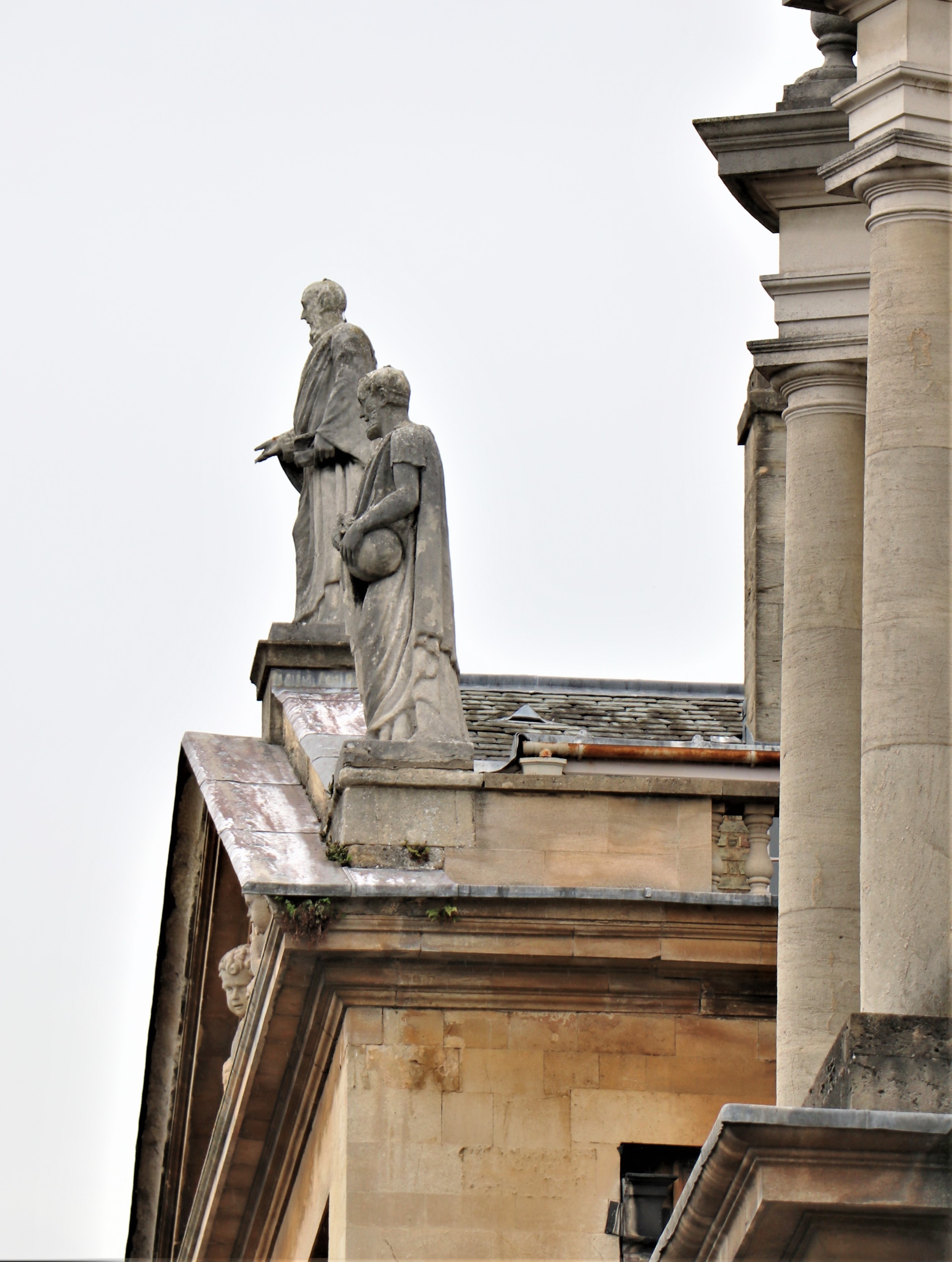
We walked past the Sheldonian where on plinths between the railings are a series of Emperor heads, representing Roman emperors, or philosophers. Each one has a different beard. Christopher Wren is the architect of the Sheldonian and other buildings in Oxford. These heads were installed when the theater was built and then remodeled in 1868 and again in 1970’s. One of the heads has a wren chiseled in its hair in honor of Christopher Wren.

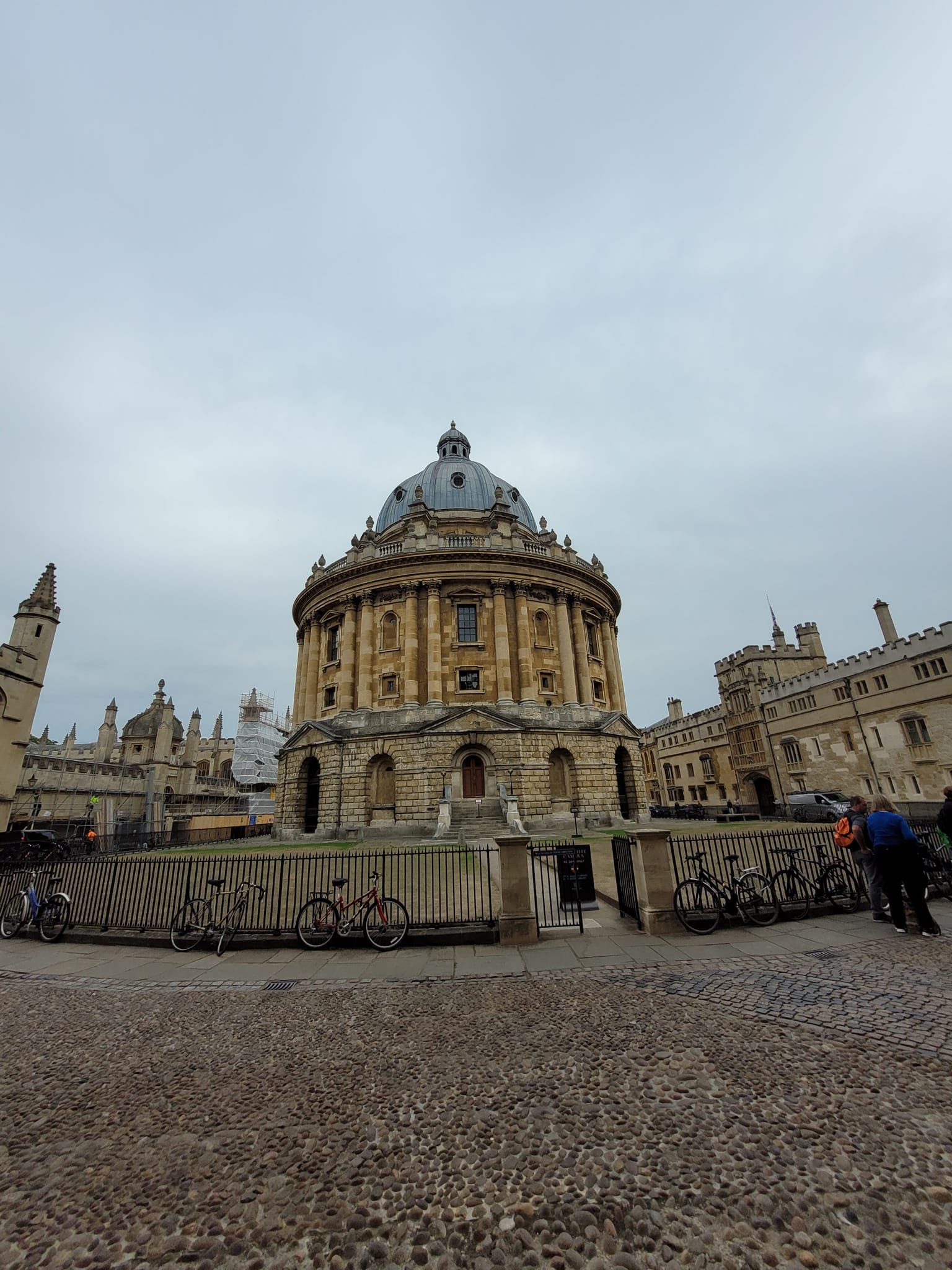
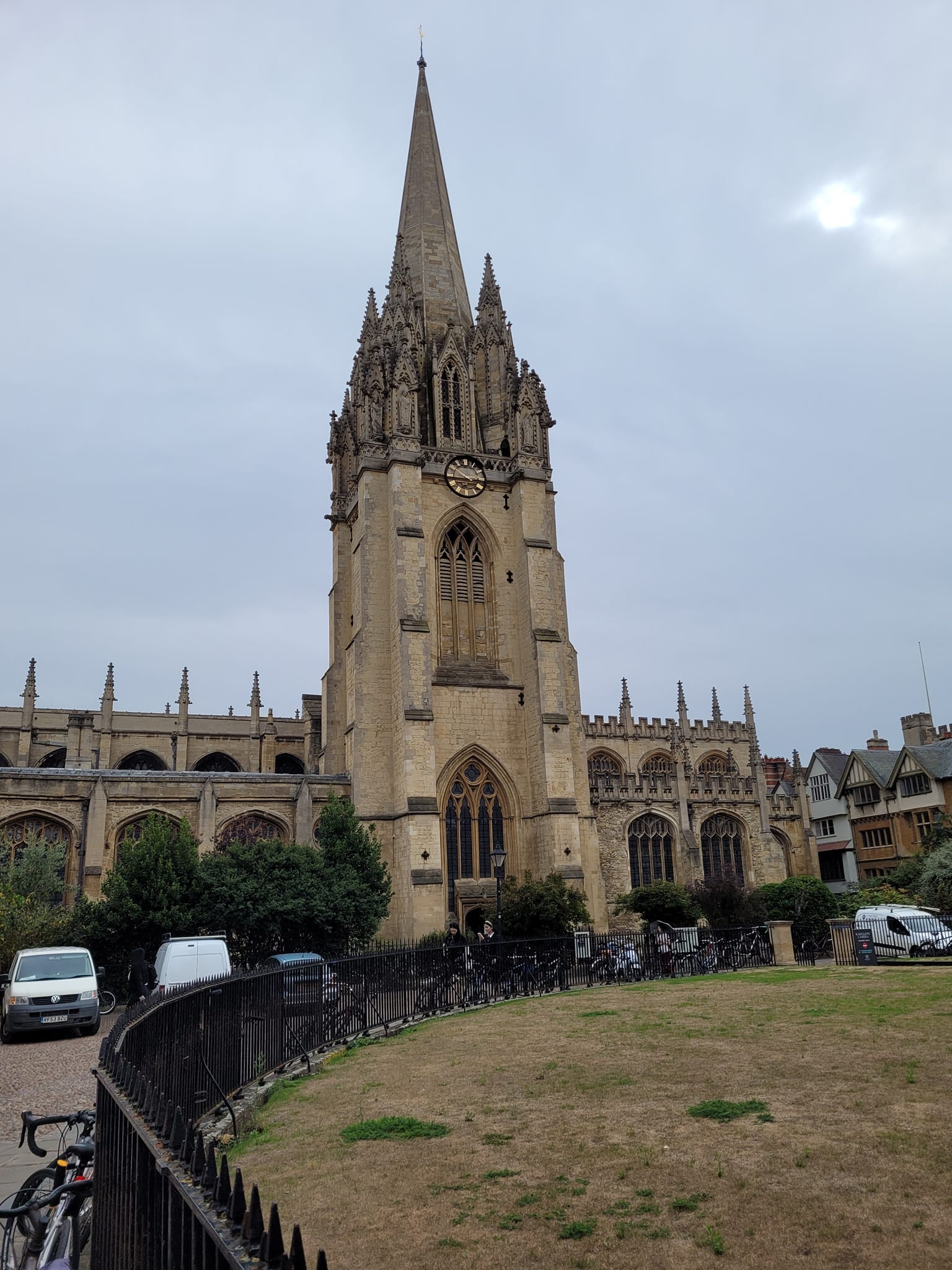
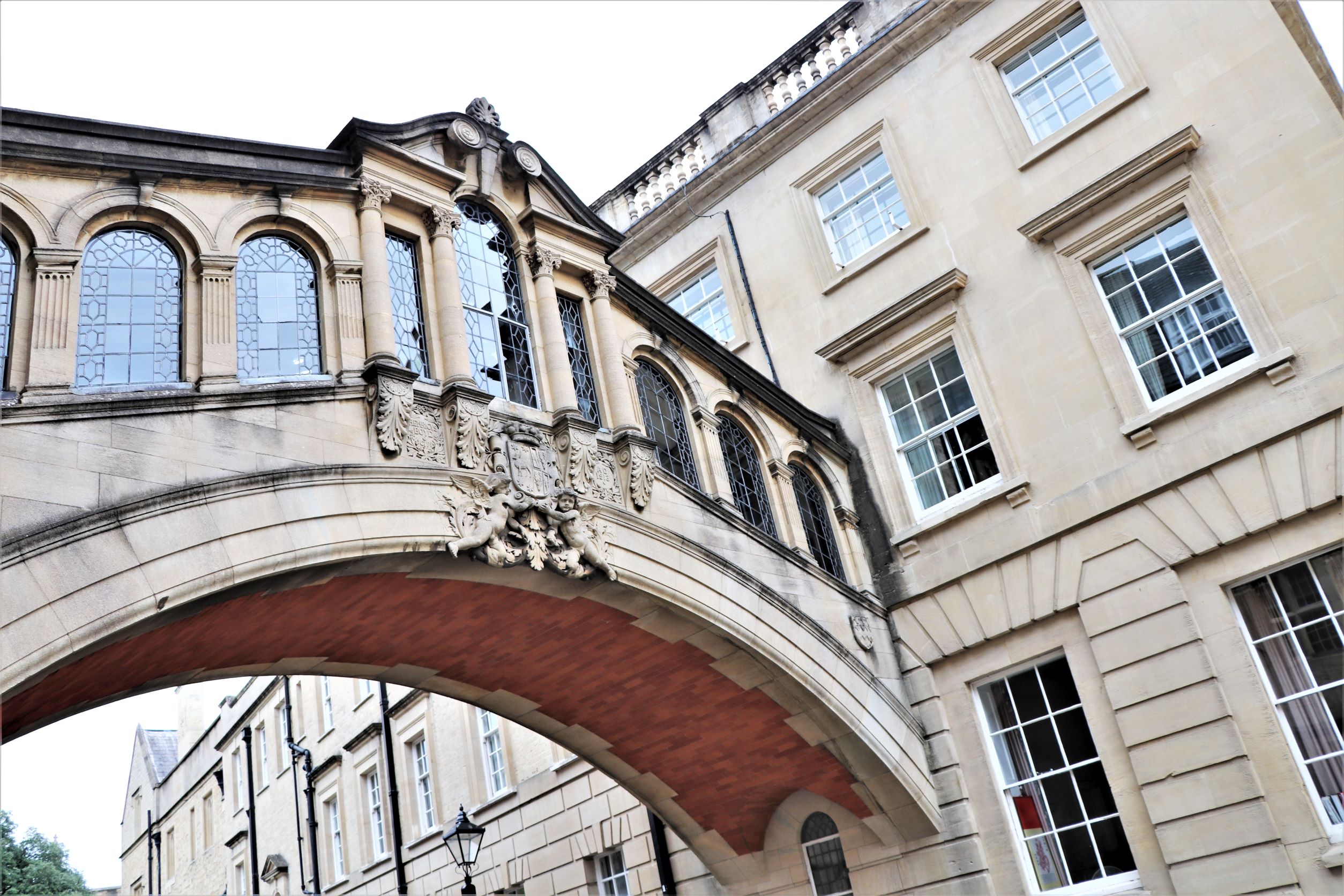
We walked to the back of the Sheldonian past the Bodlein and past the Bridge of Sighs and on to Radcliffe Camera and into University Church of St. Mary’s.

Some of the information and places we visited with our guide were already known to us but he had some other insider information that we gleaned from him.

After walking through the covered market we exited and went onto Turl Street back toward The High with the All Saint’s tower and steeple ahead of us. Once on High Street we continued on to St. Aldate’s to Christ Church College.

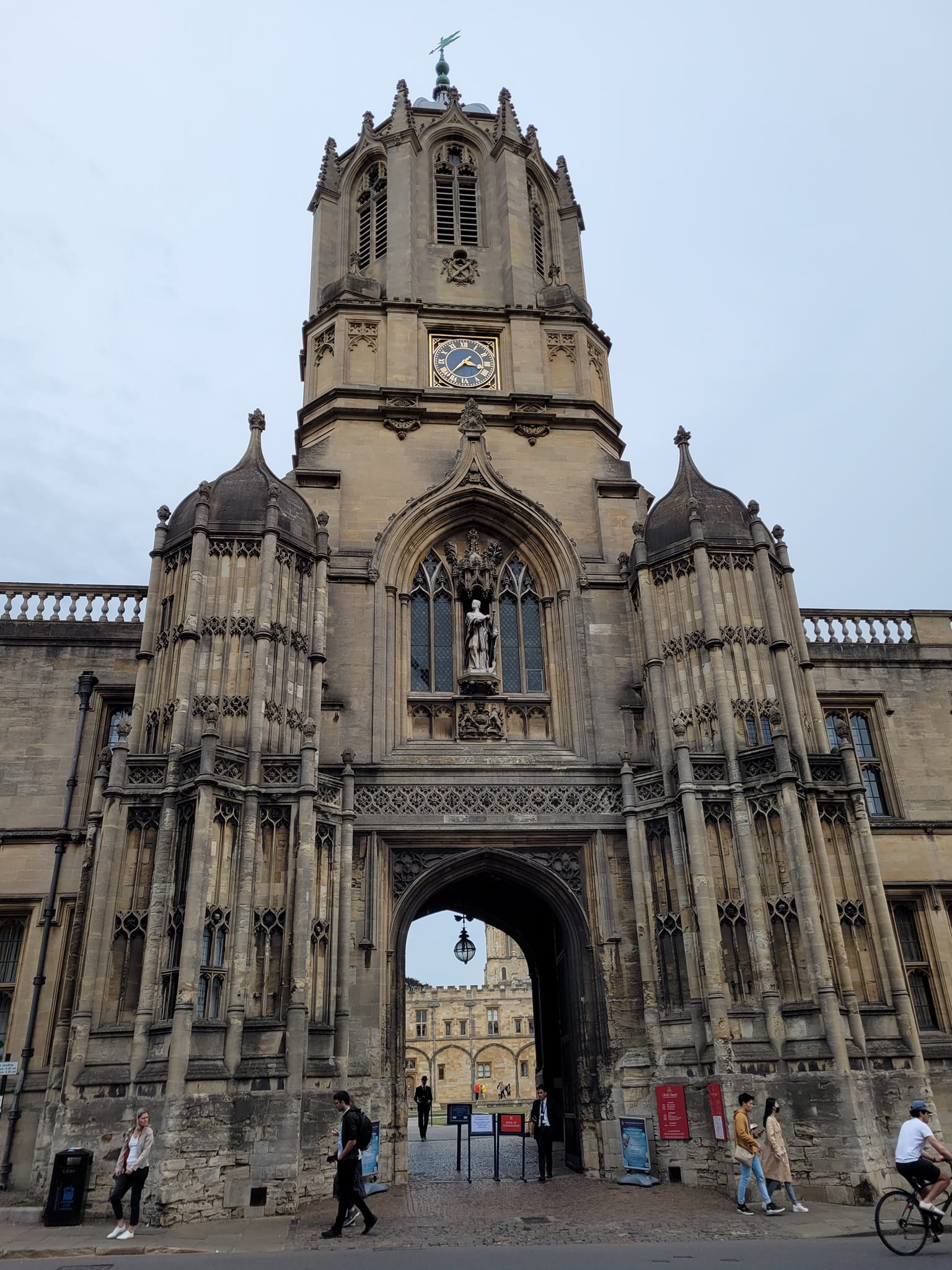
Tom Tower at Christ Church College is another architectural masterpiece by Christopher Wren. This school was founded by Cardinal Wolsey in 1525 with its entrance embellished through the addition of Tom Tower, designed by Wren, in 1680. Great Tom, the bell from Osney Abbey, strikes 101 times at 21:05 each evening: the number represents the 100 students of Henry VIII’s foundation plus an additional place funded later; 21:05 signals the student curfew according to Oxford time, which is five minutes behind Greenwich Mean Time.

We would take a tour of Christ Church College on the following day, Wednesday September 14th.

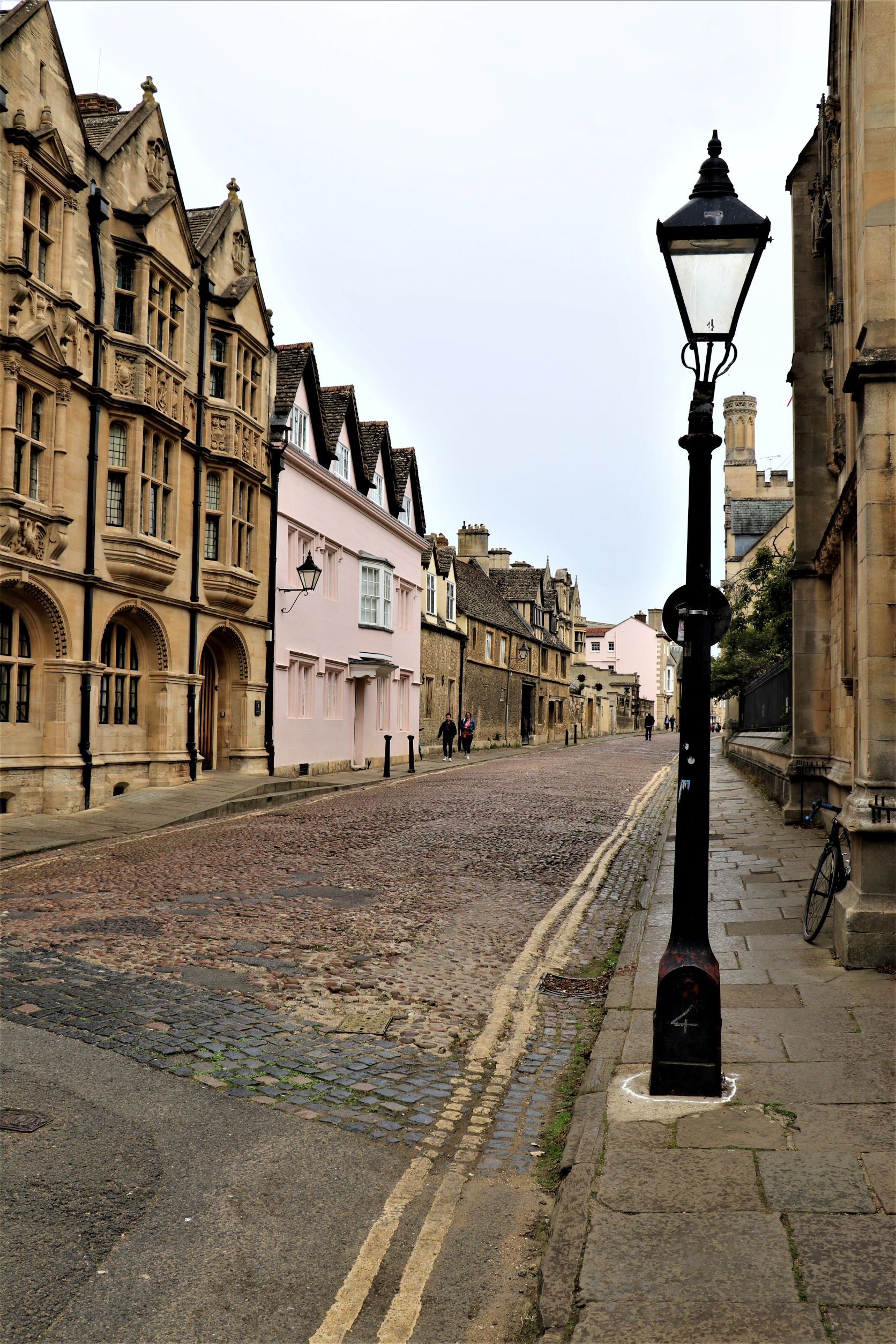
We walked along the Broad Walk through part of the school campus and on to Merton Grove.

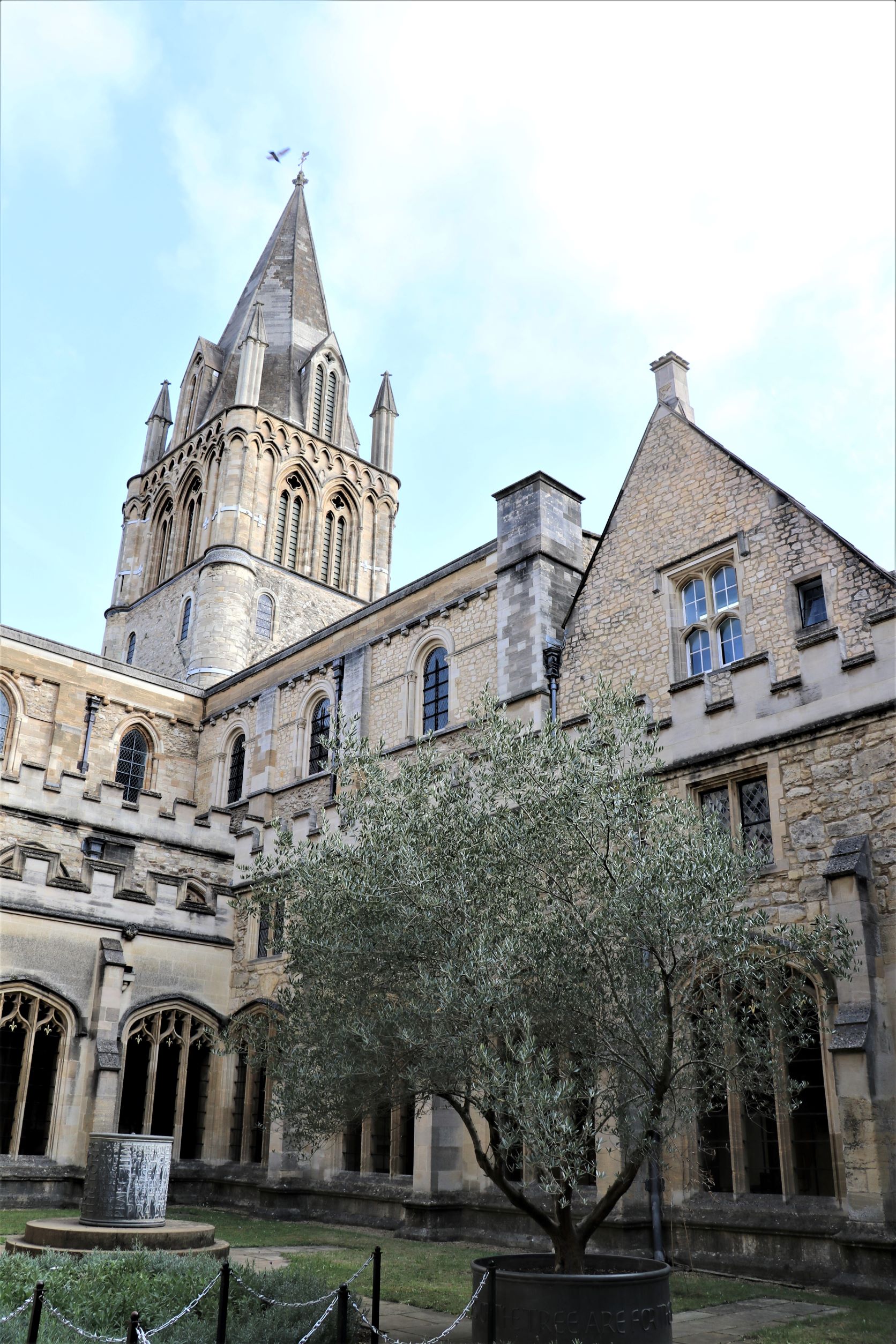
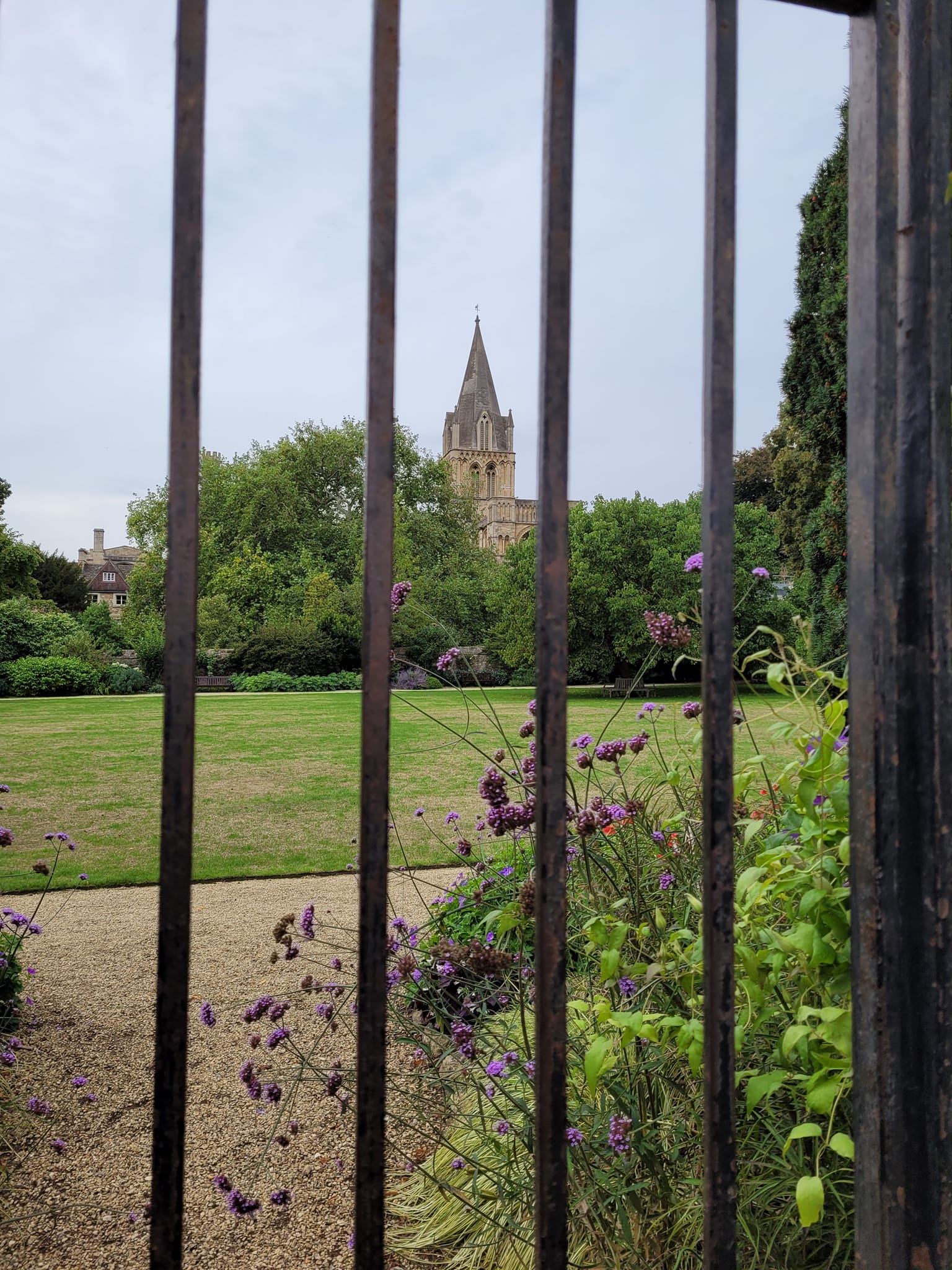
We caught a glimpse of the Christ Church College Cathedral through the iron gate along Merton Grove. This is the only cathedral in Oxford and it’s the smallest cathedral in the U.K. Sadly, the cathedral was closed during the mourning period of the Queen and we were not able to go inside to see it.

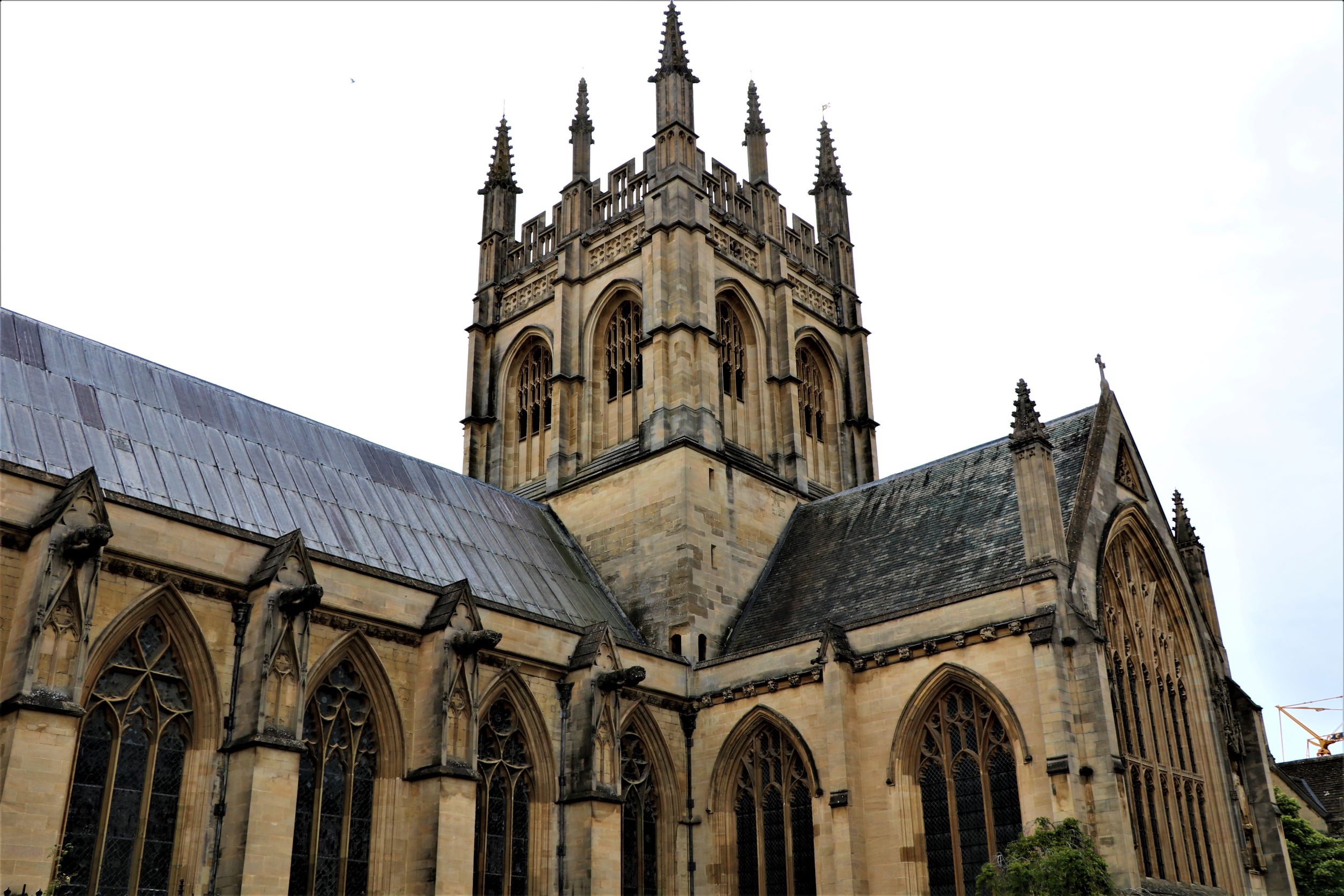
Dear and Tony our guide ahead of me and to the right is the tower at Merton college.

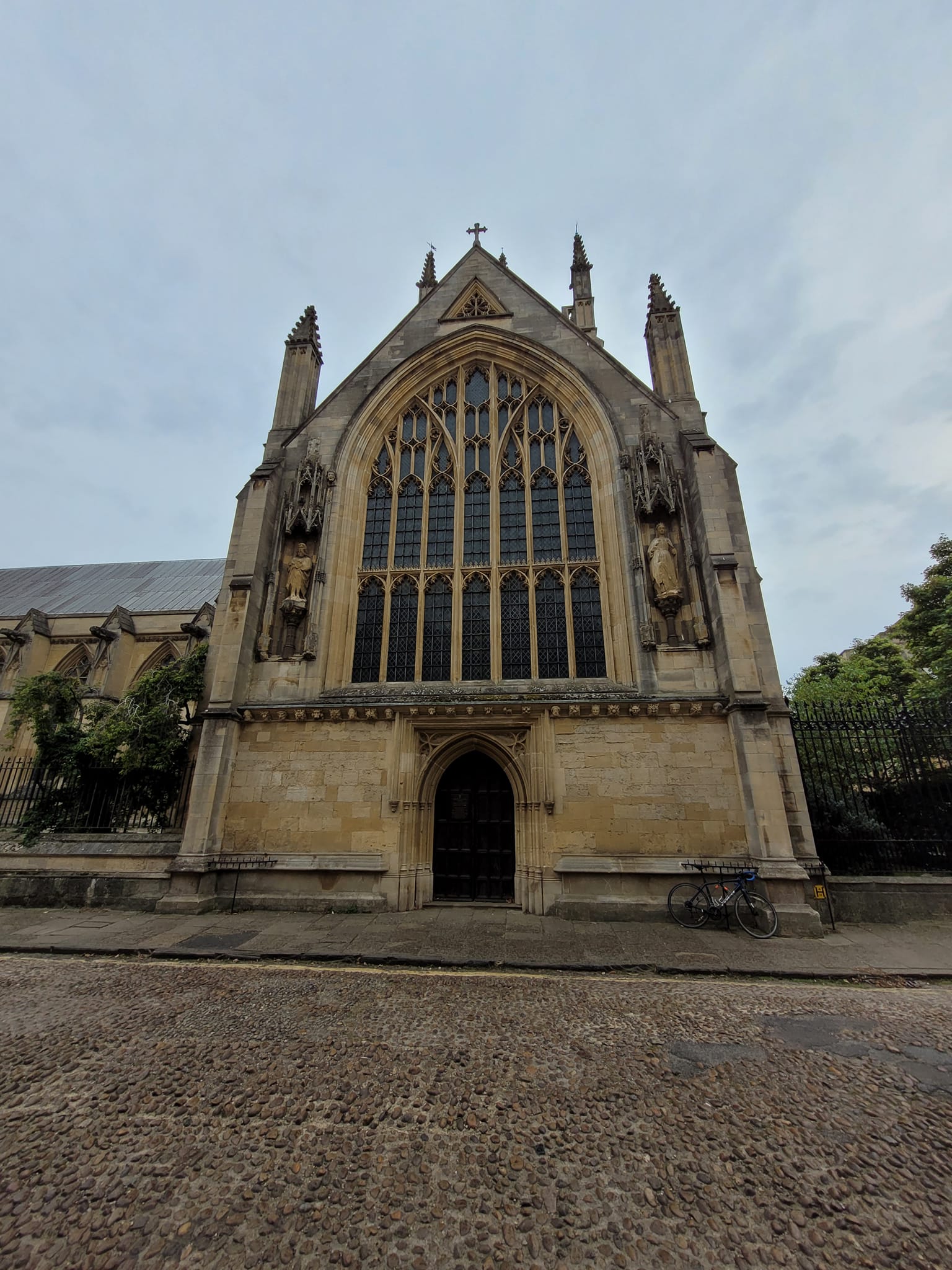
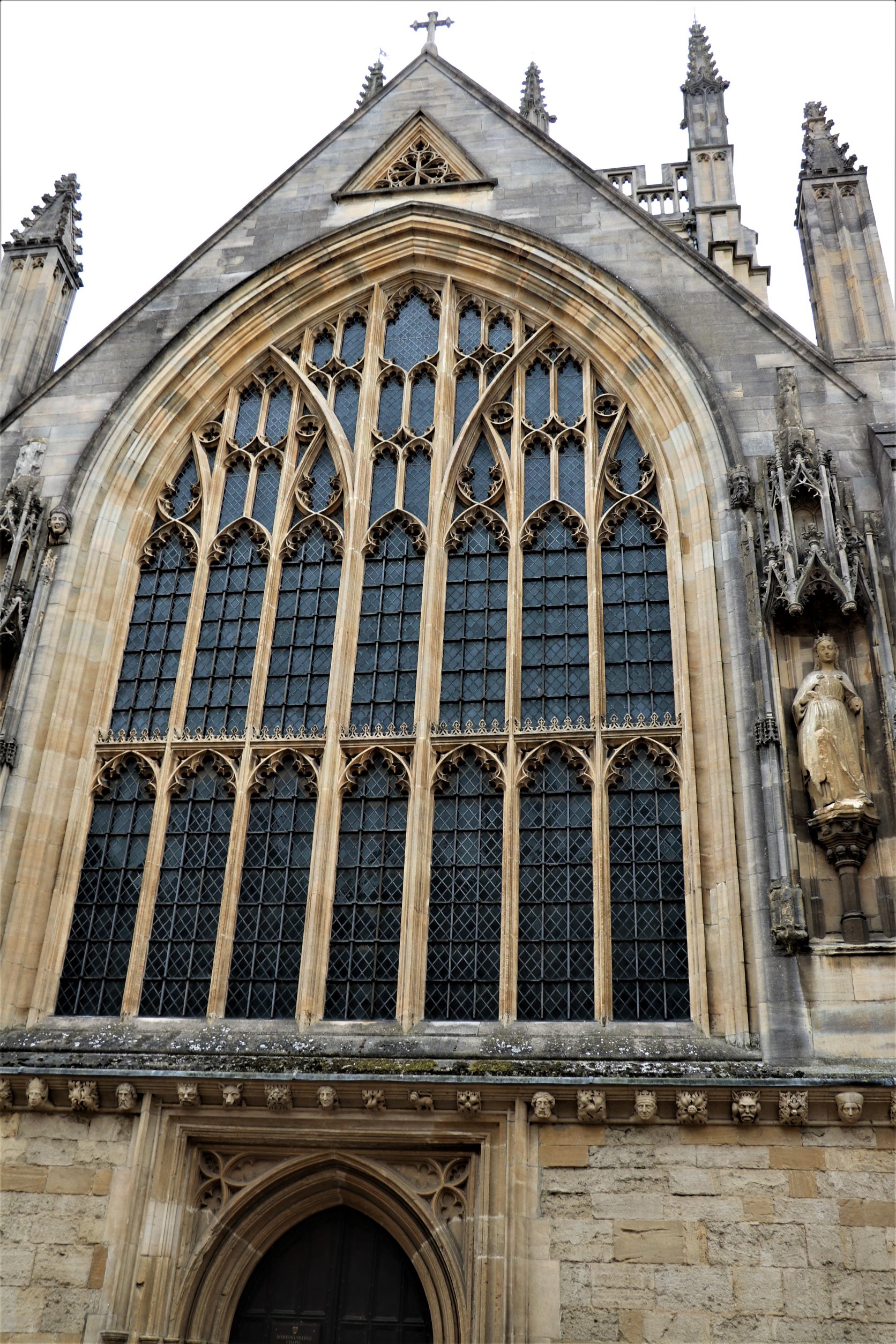
We are on Merton Street now and this is the front of Merton College Chapel.

Merton college was founded in 1264 by William de Merton, Lord Chancellor to Henry III, the oldest college in Oxford.

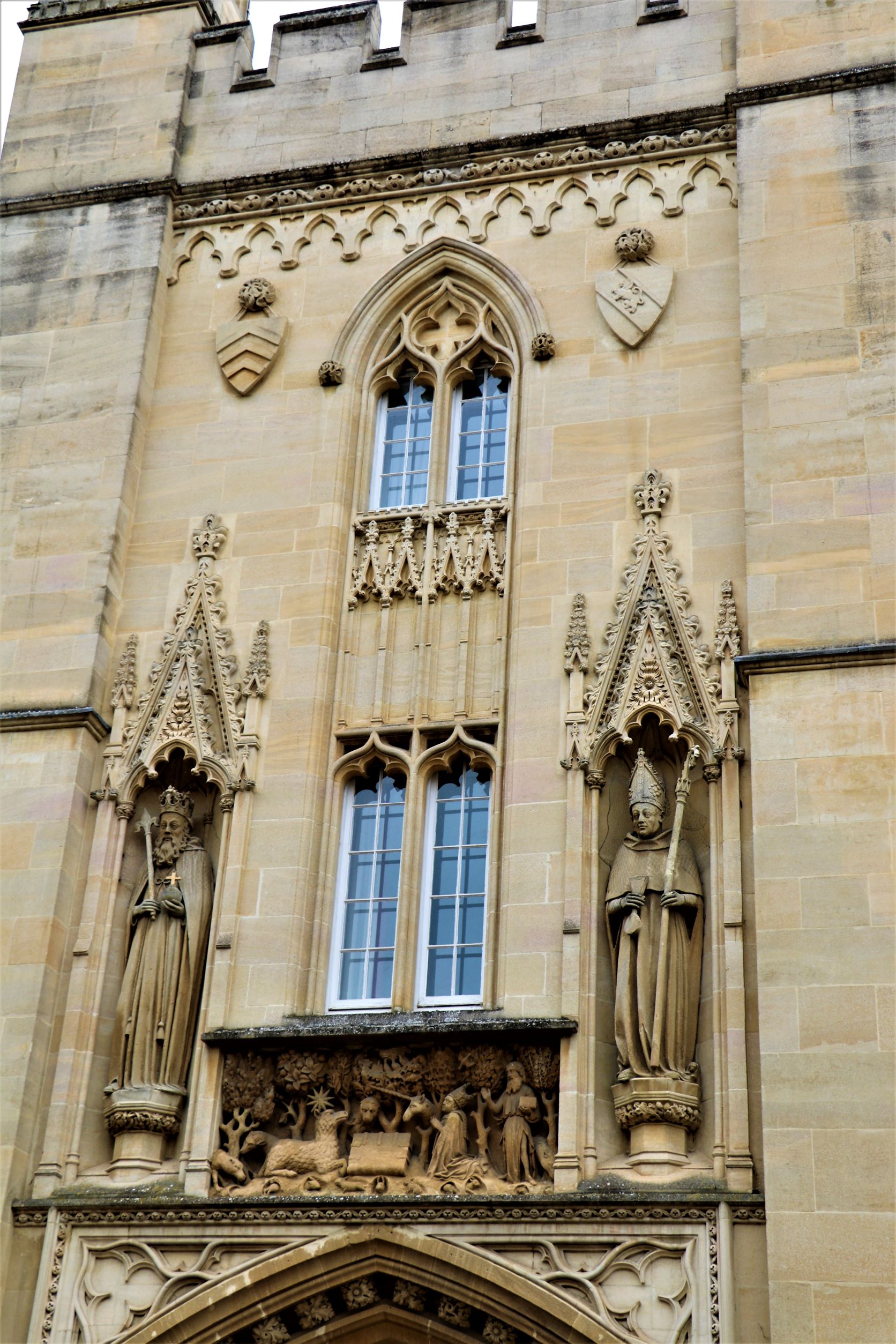
Above, between the statues of Edward I and the founder is a relief of a book, the Lamb of God opposite de Merton kneeling in prayer, flanked by John the Baptist and a unicorn.

J.R.R. Tolkien was an alumni of this college. We tried to get into Merton and Exeter Colleges but both were closed on the days we tried, sadly.

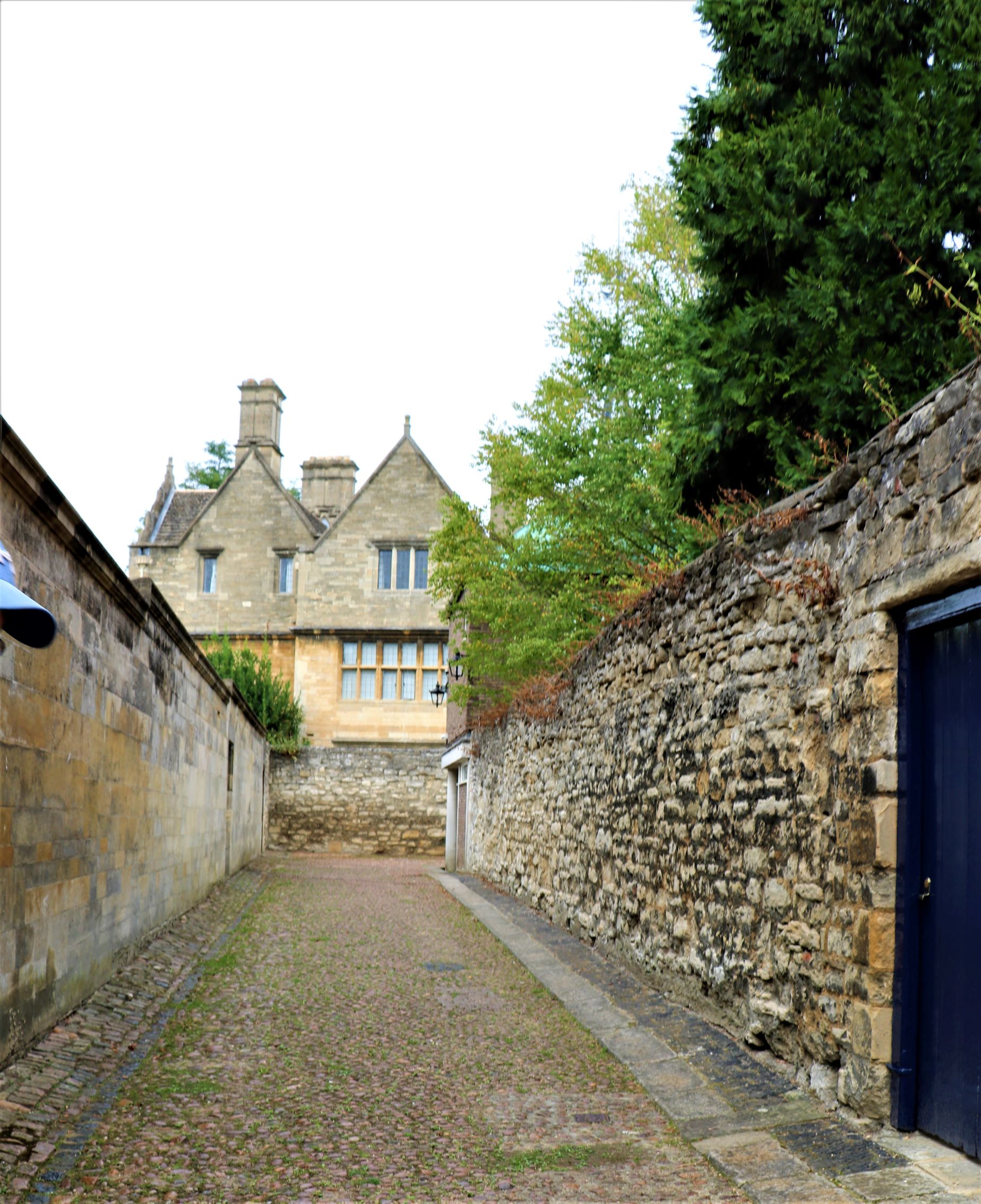
We turned off Merton Street onto Logic Lane.

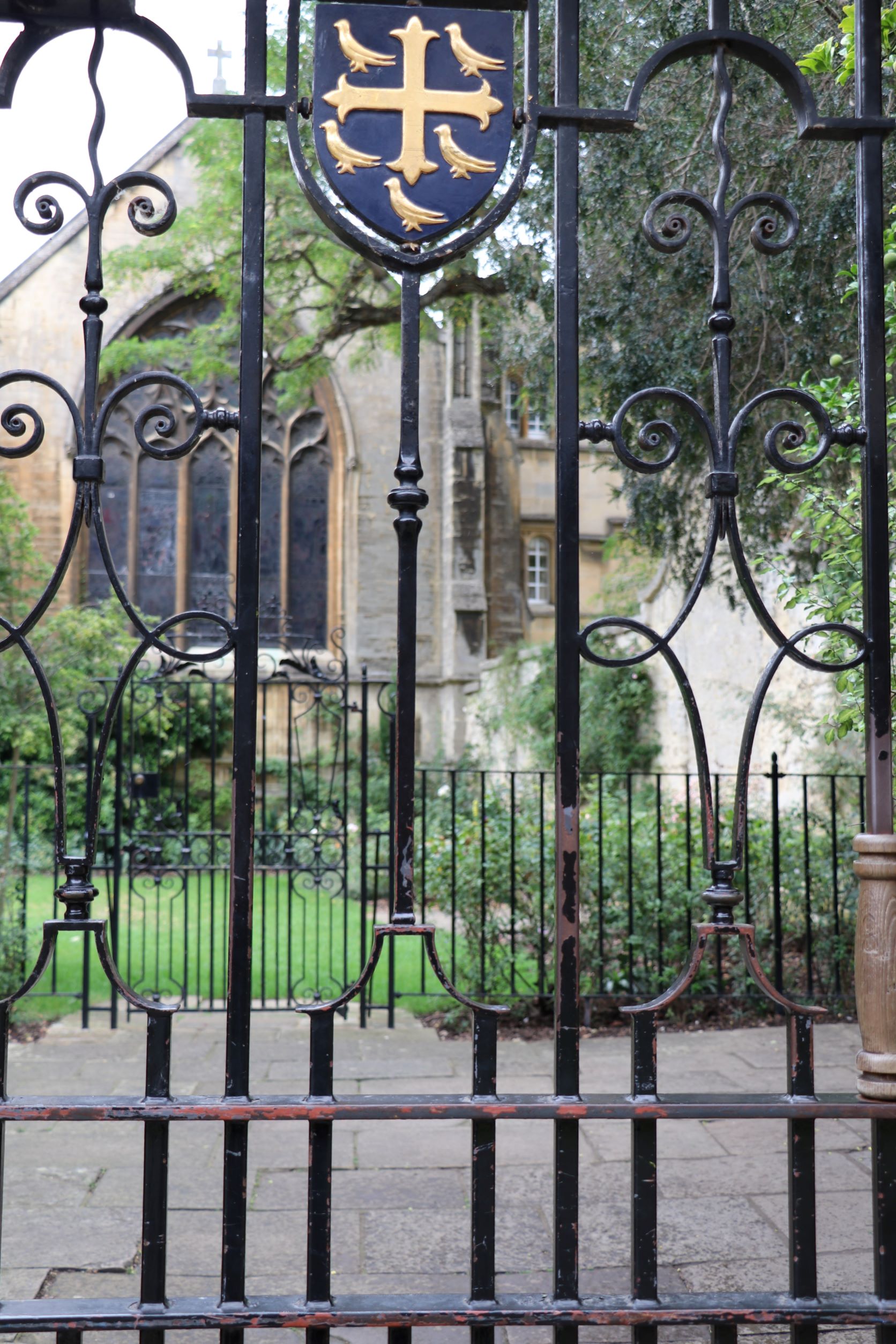
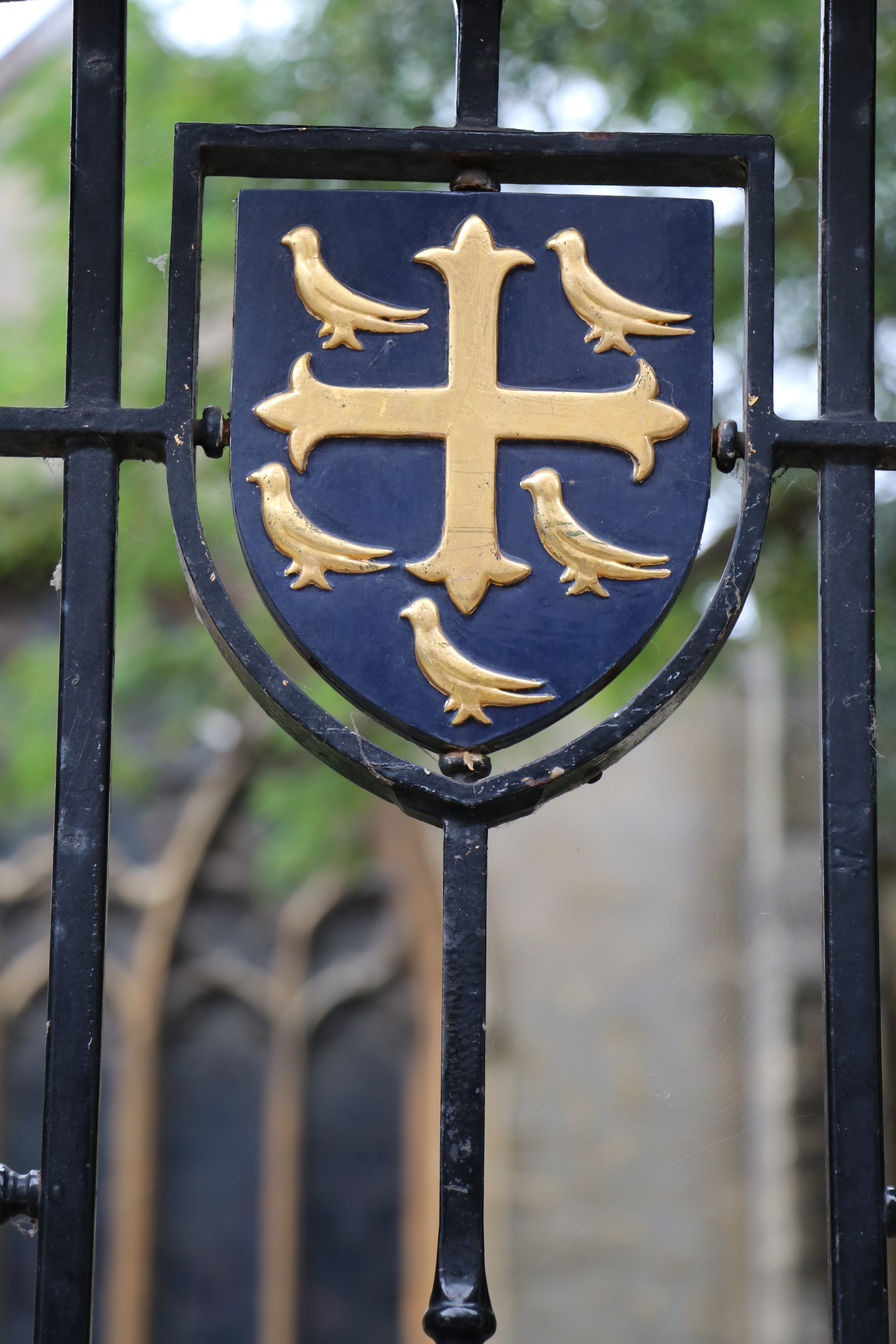
We were drawn to the Martlets on this crest since Dear’s family crest includes these birds.

A martlet in English heraldry is a mythical bird without feet that never roosts from the moment of its drop-birth until its death fall; martlets are proposed to be continuously on the wing.

Off Logic Lane we are back on the High. We cross the street to Queen’s Lane.

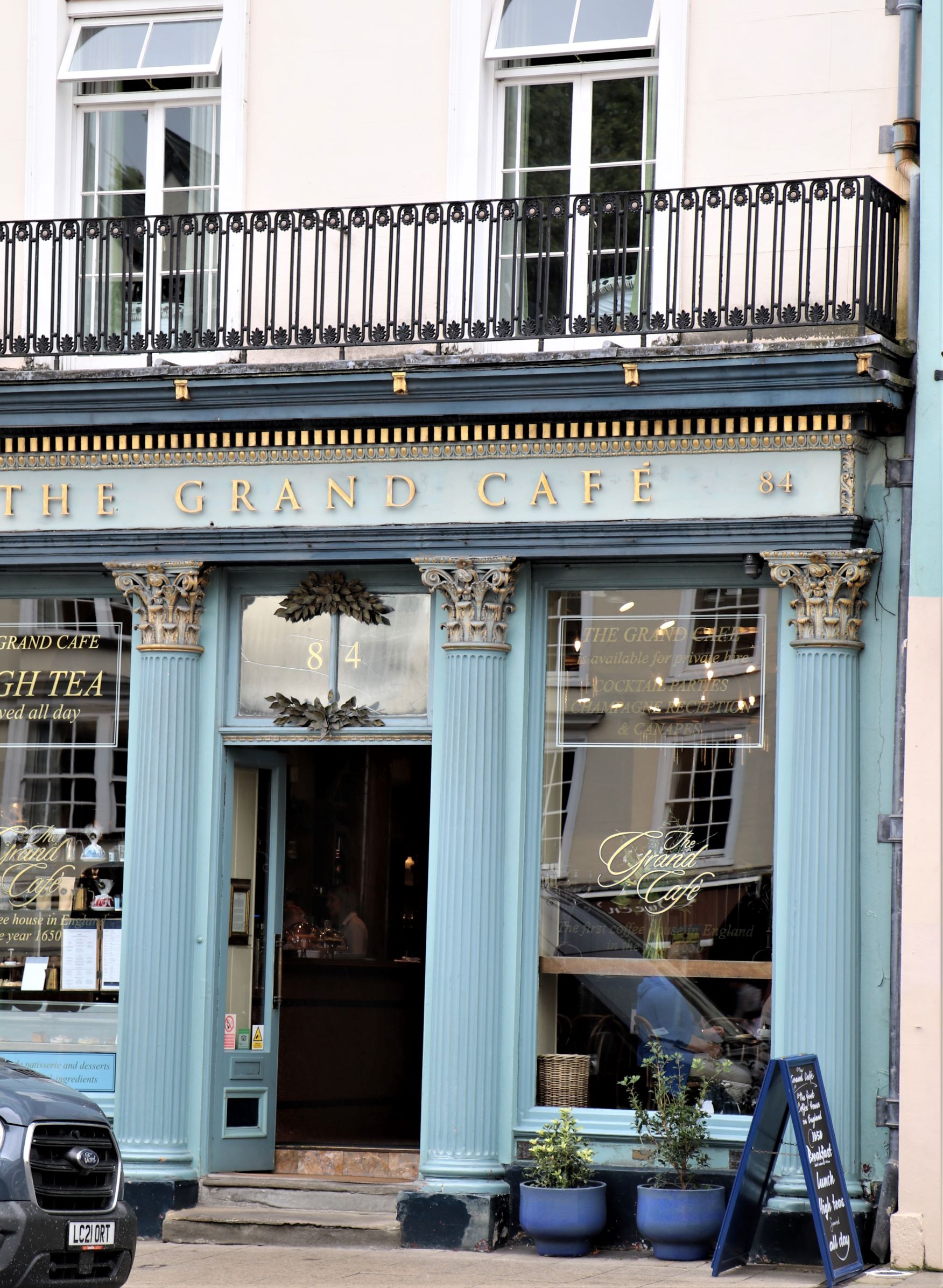
Our guide pointed out The Grand Cafe which we never made it to and another cafe across the street that both claim to be the site of the first coffee house in England.

Onto Queen’s Lane past Queen’s College we turn onto New College Lane.

We see the entrance to New College, one of the colleges we did get into on the following day, and continue on to the end of our tour where we are left off at the Bridge of Sighs at the passageway to The Turf Tavern.

By this time after our 2-1/2 hour tour we are ready to quench our thirst. We say goodbye to Tony and hello to the Turf Tavern. We packed a lot of walking and touring on our first full day in Oxford.

Congratulations if you made it through this long post.

Back to the present, a Happy Thanksgiving Day to our Canadian neighbors and Happy Columbus Day here in the USA. 

The Bodlein

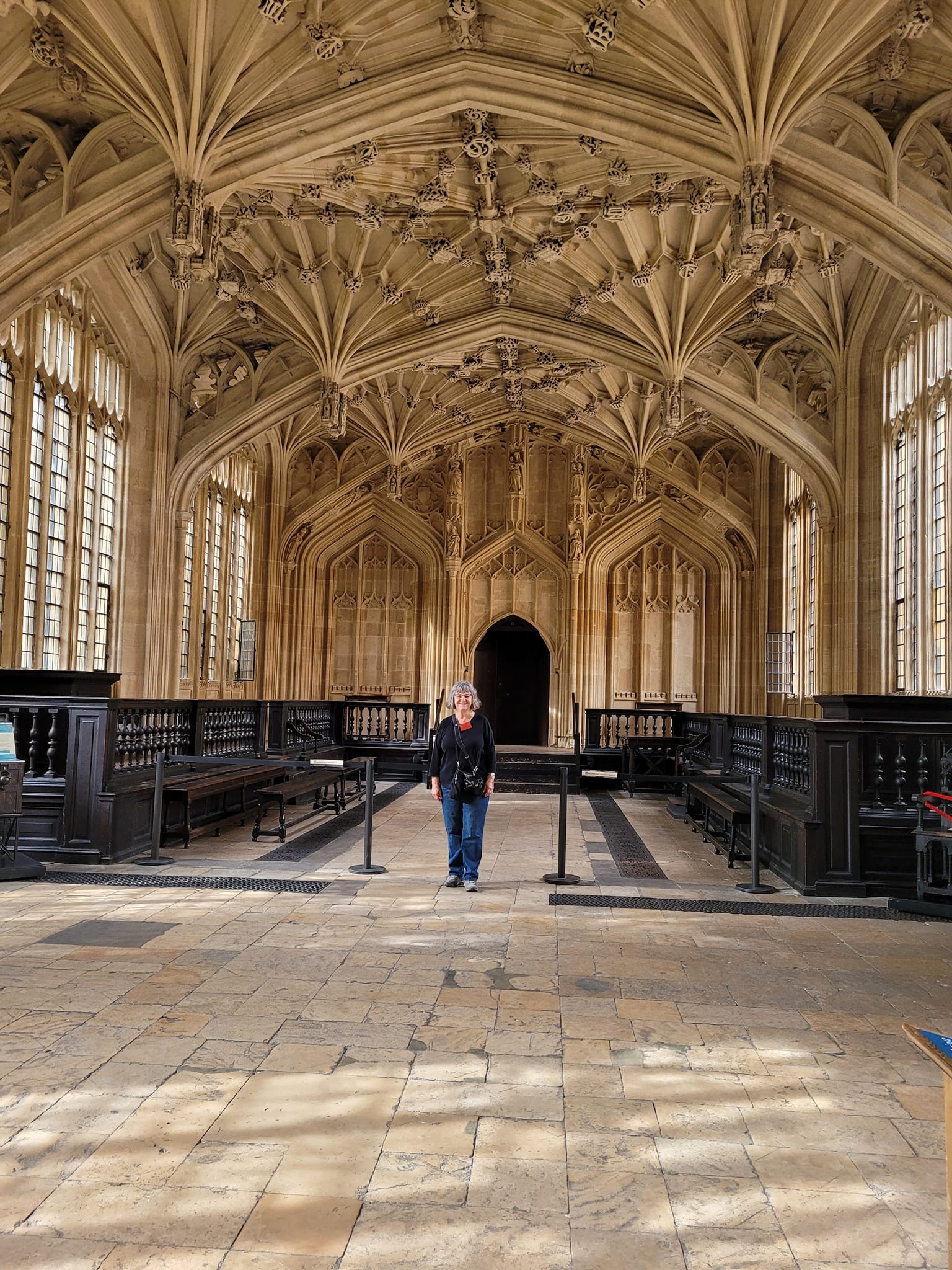
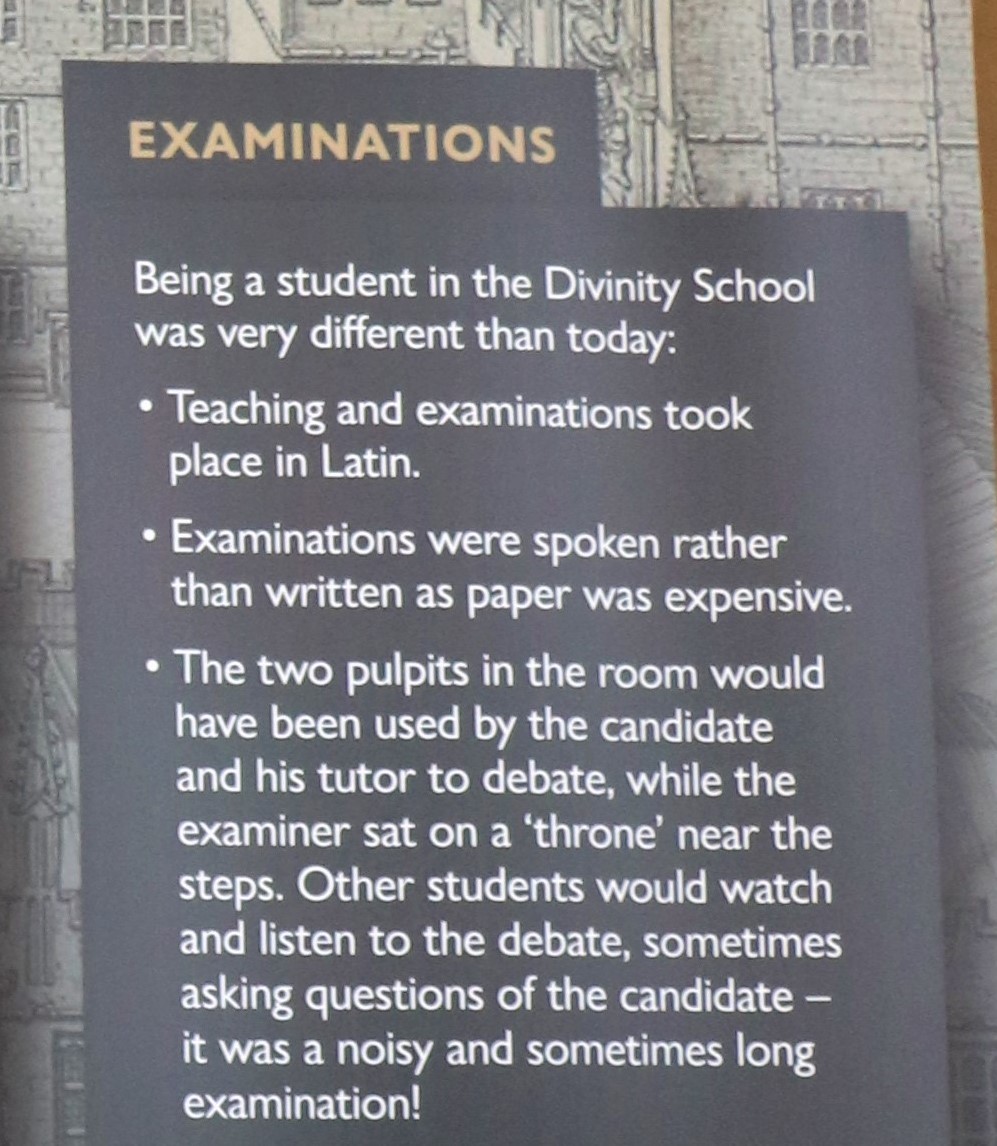
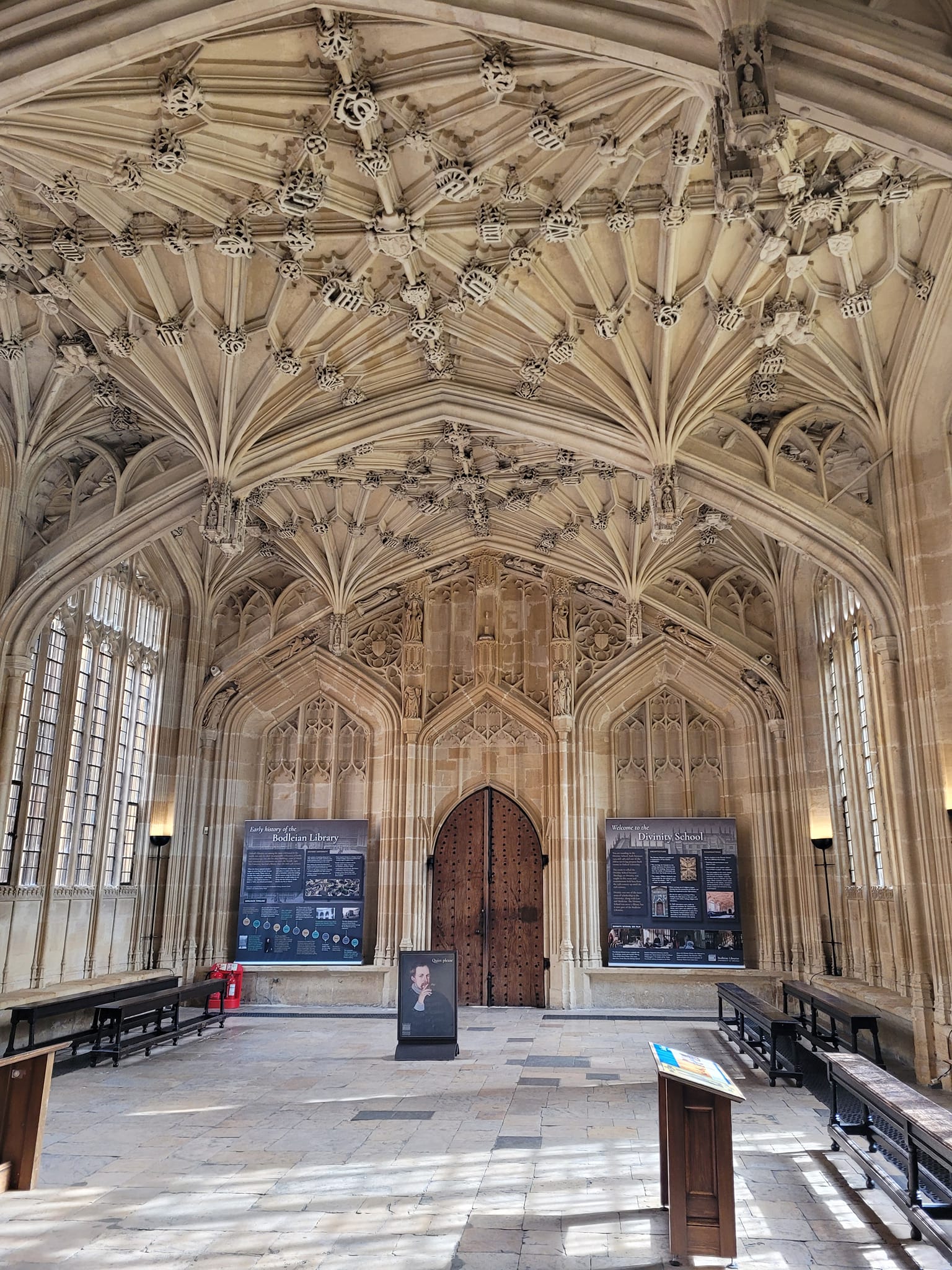
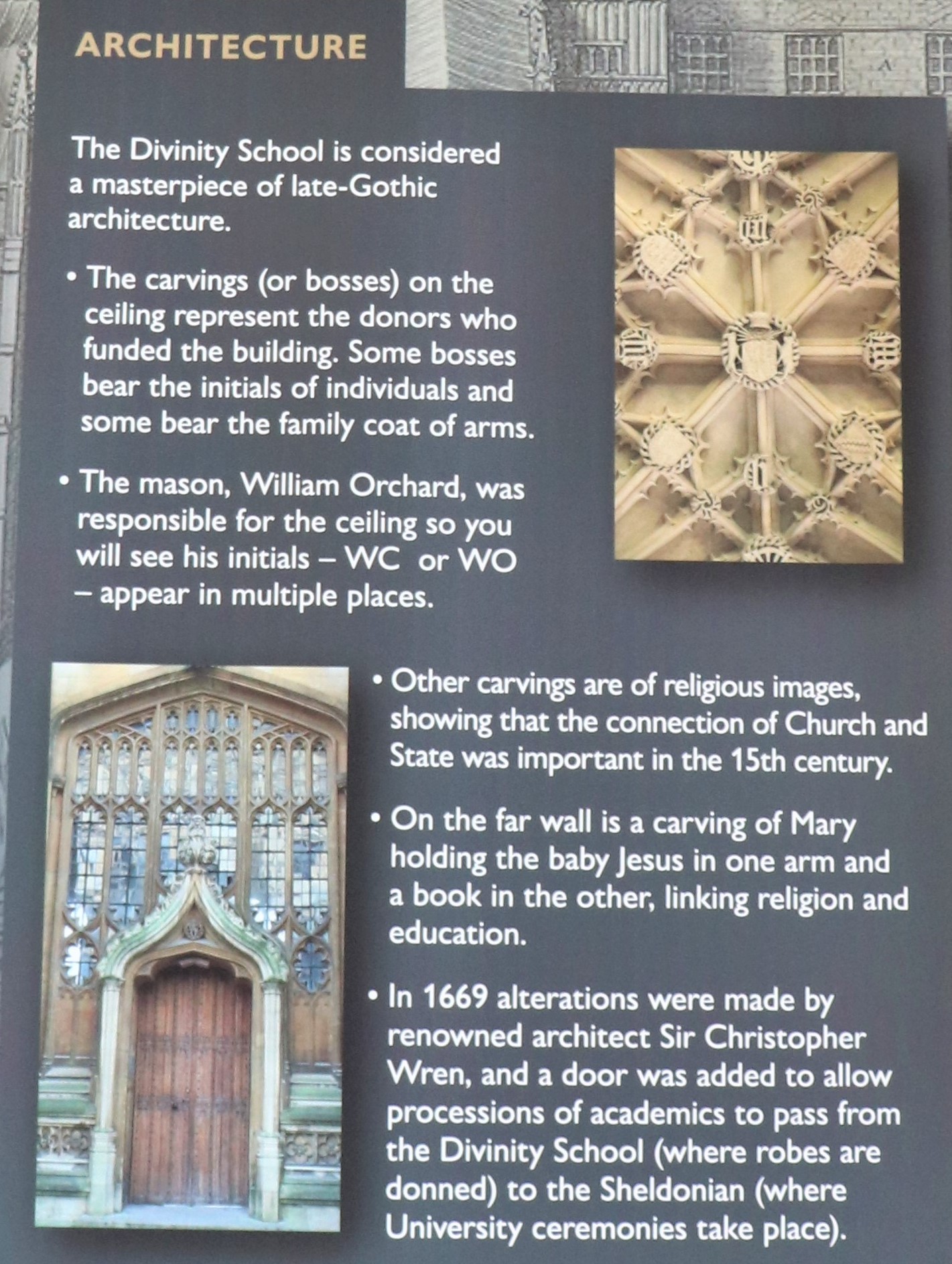
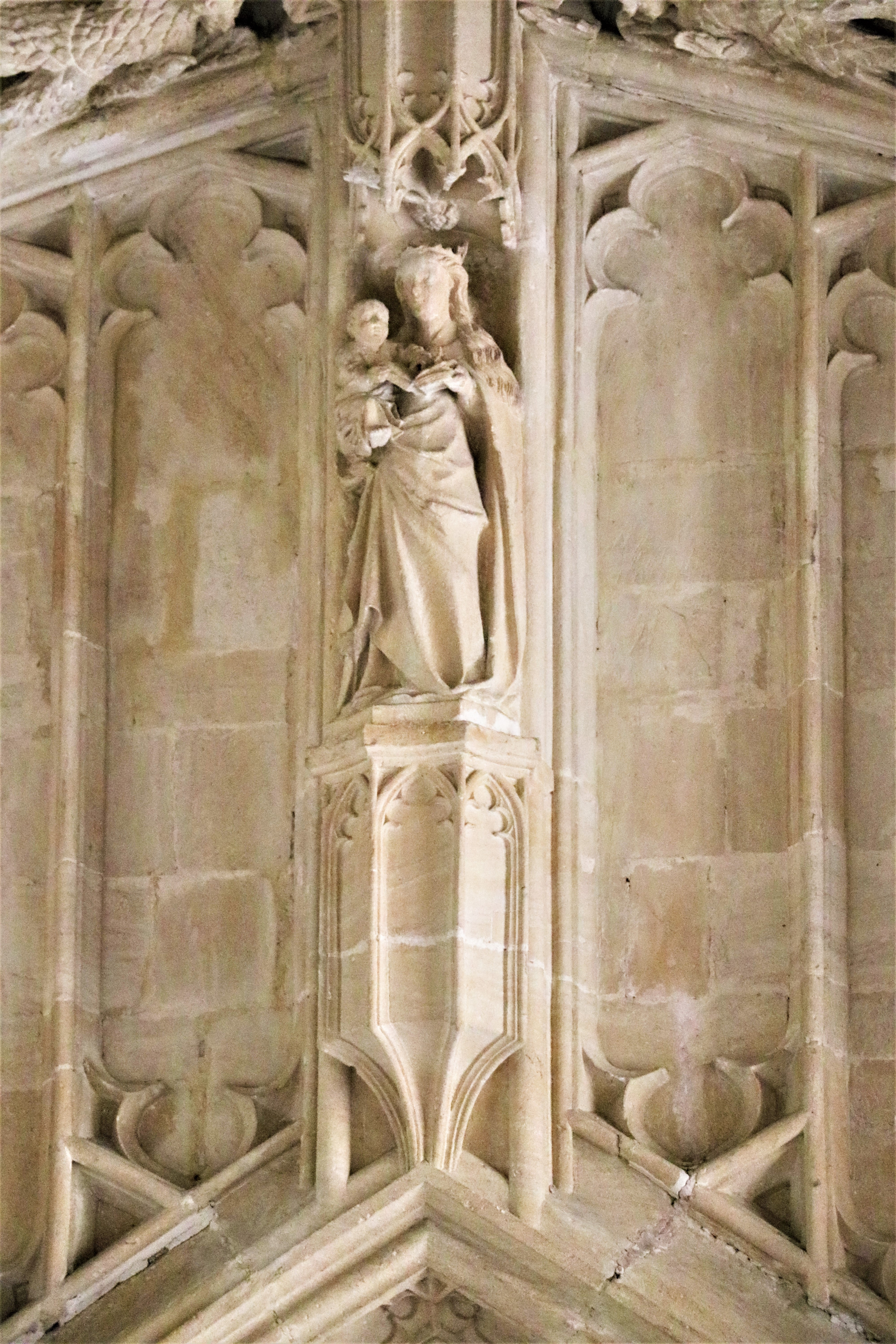
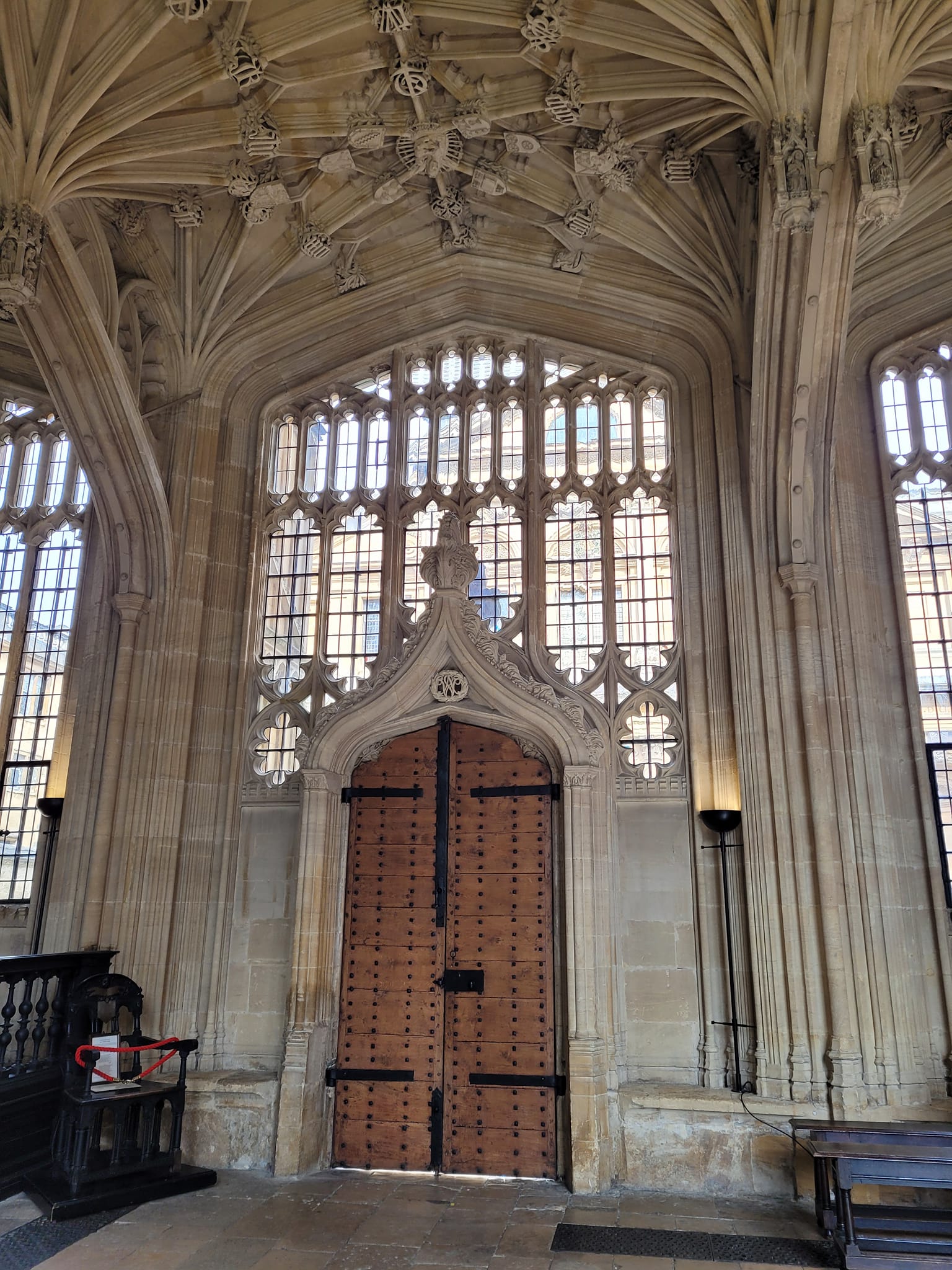
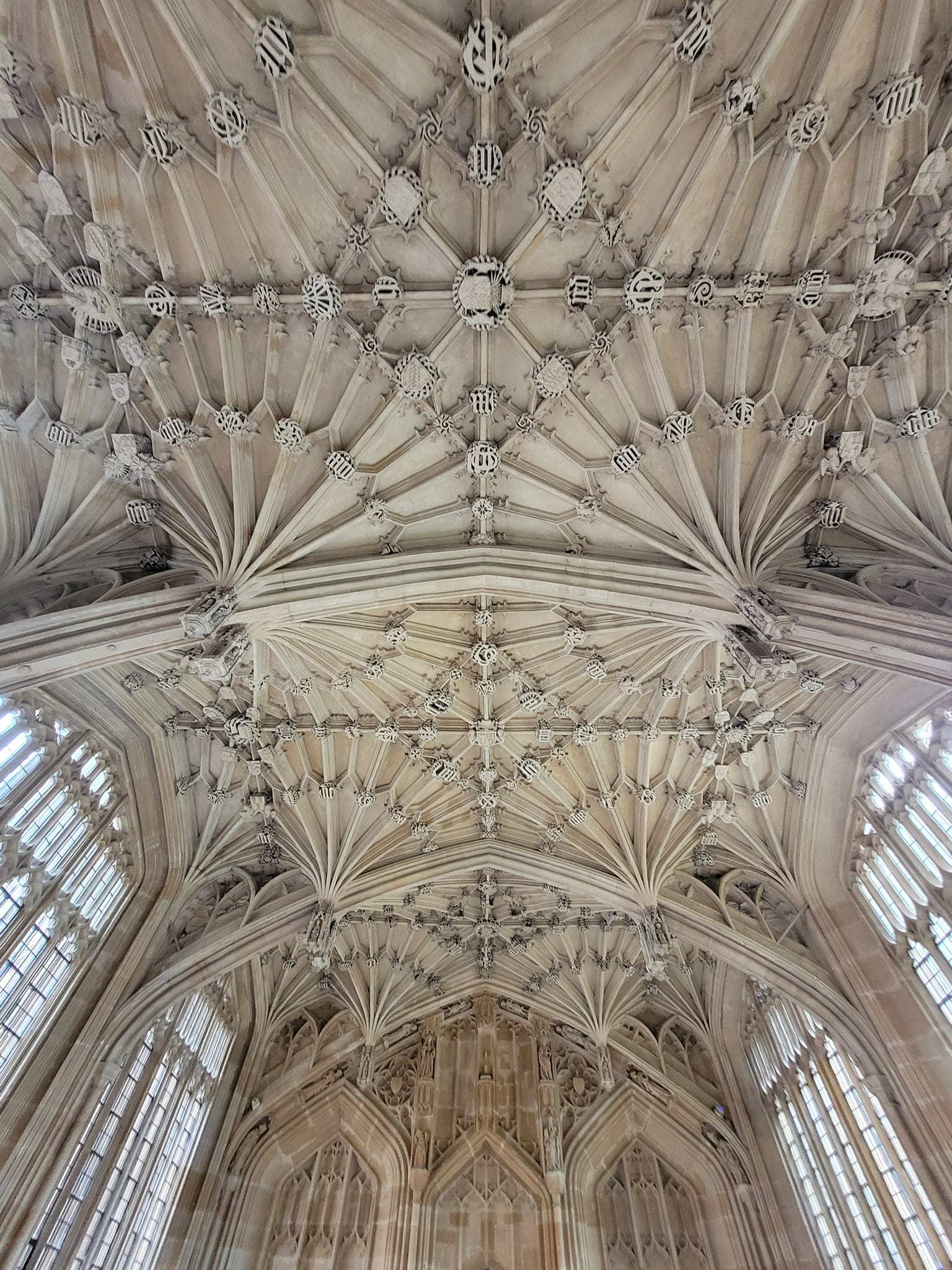
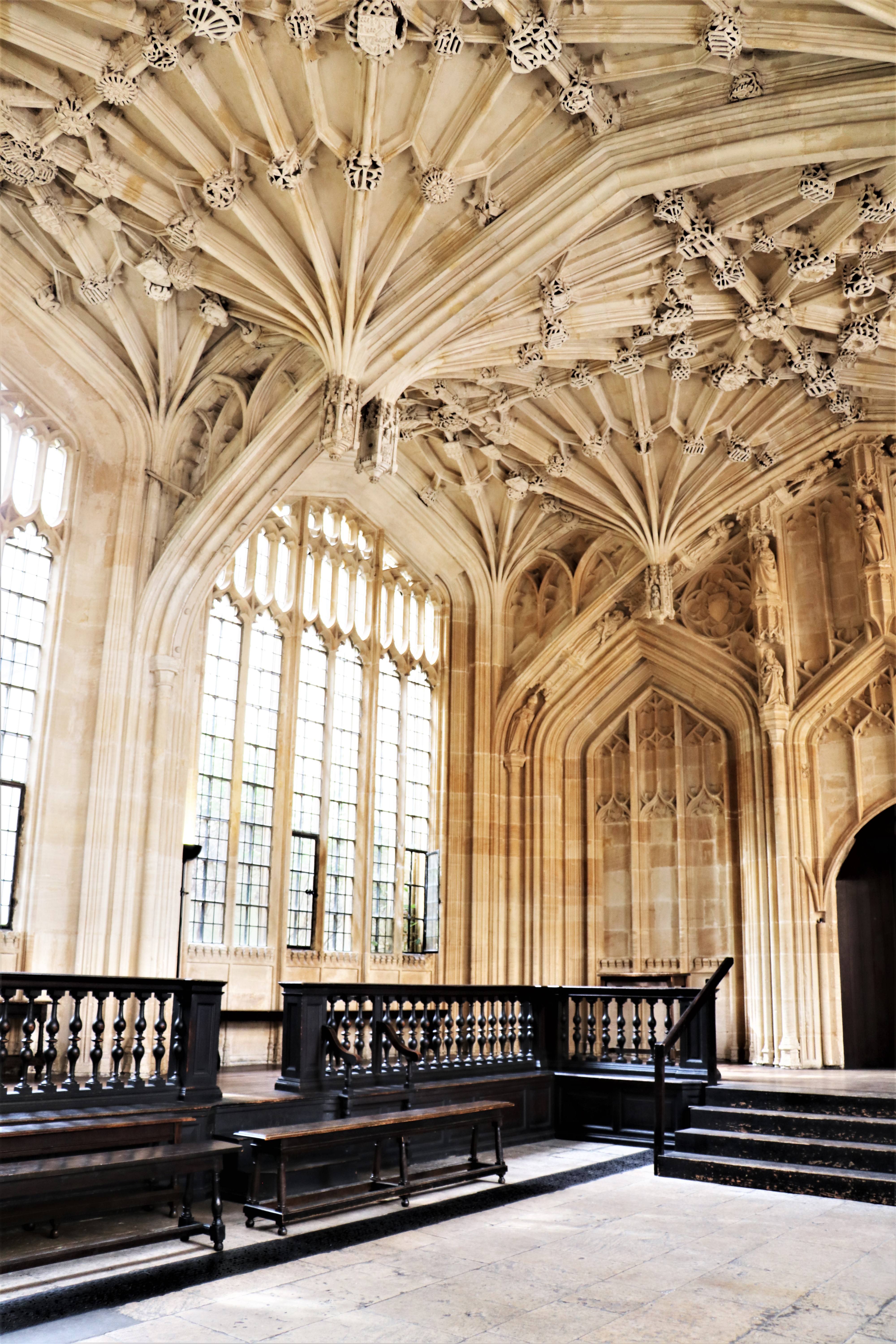
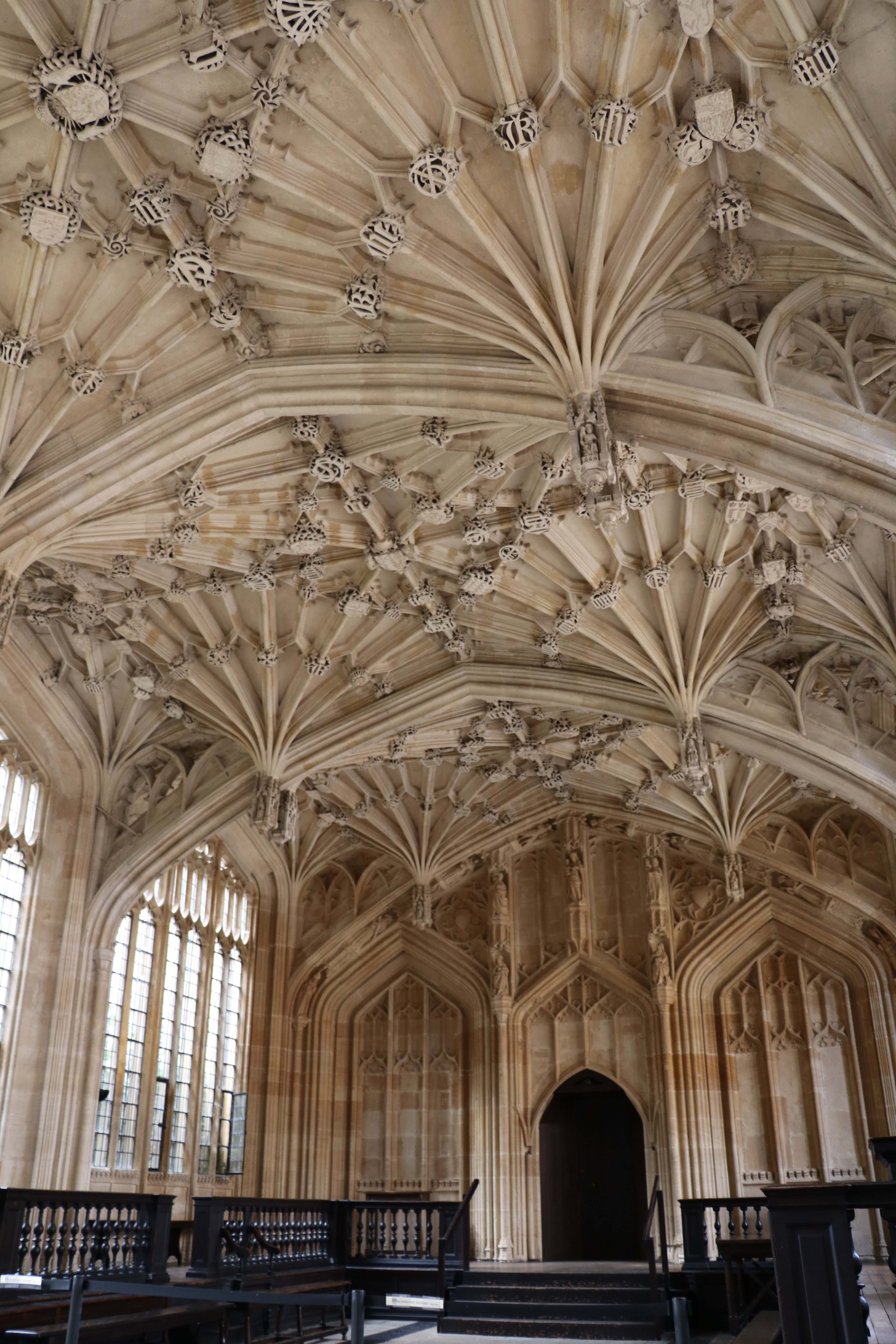
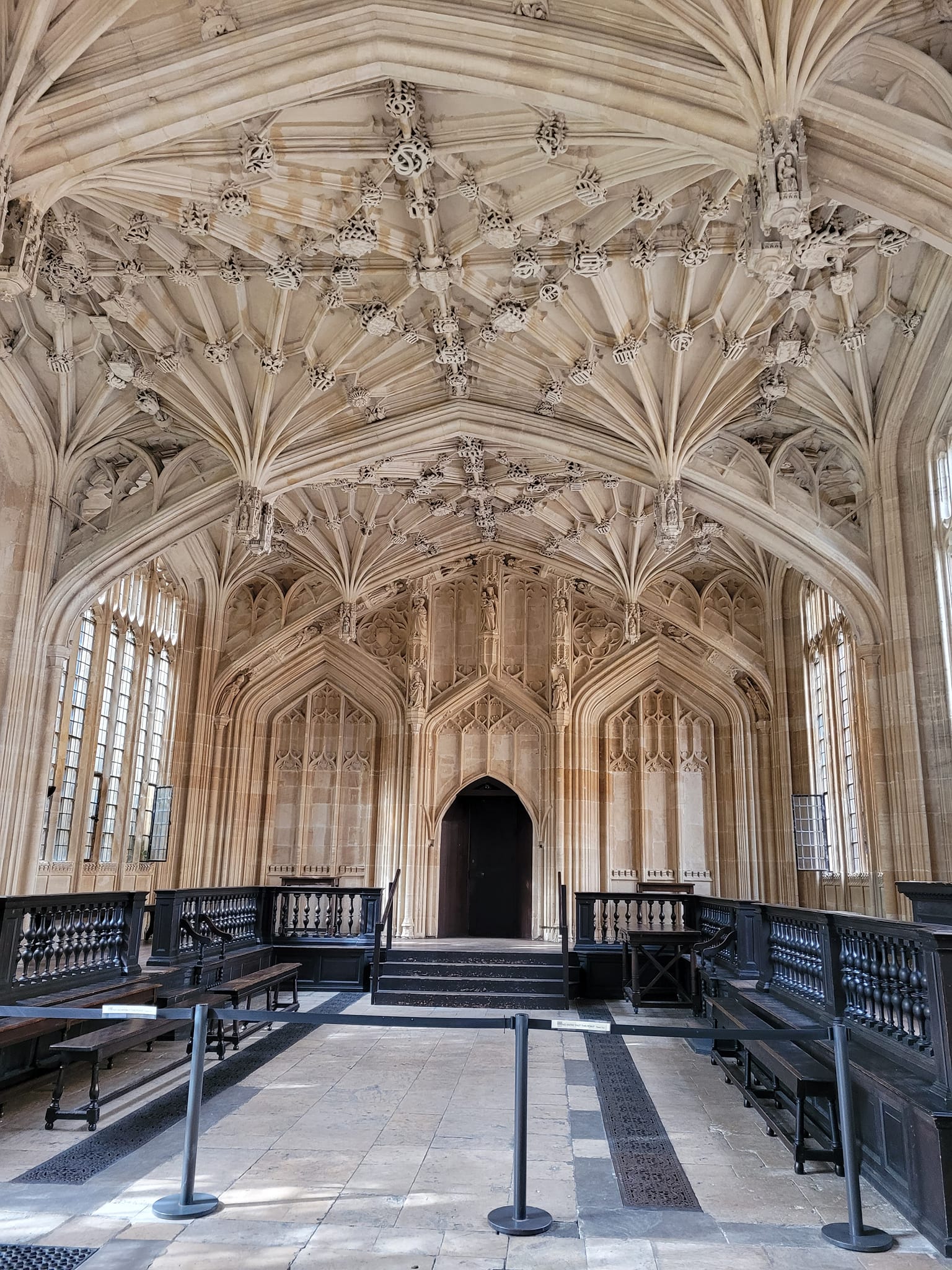
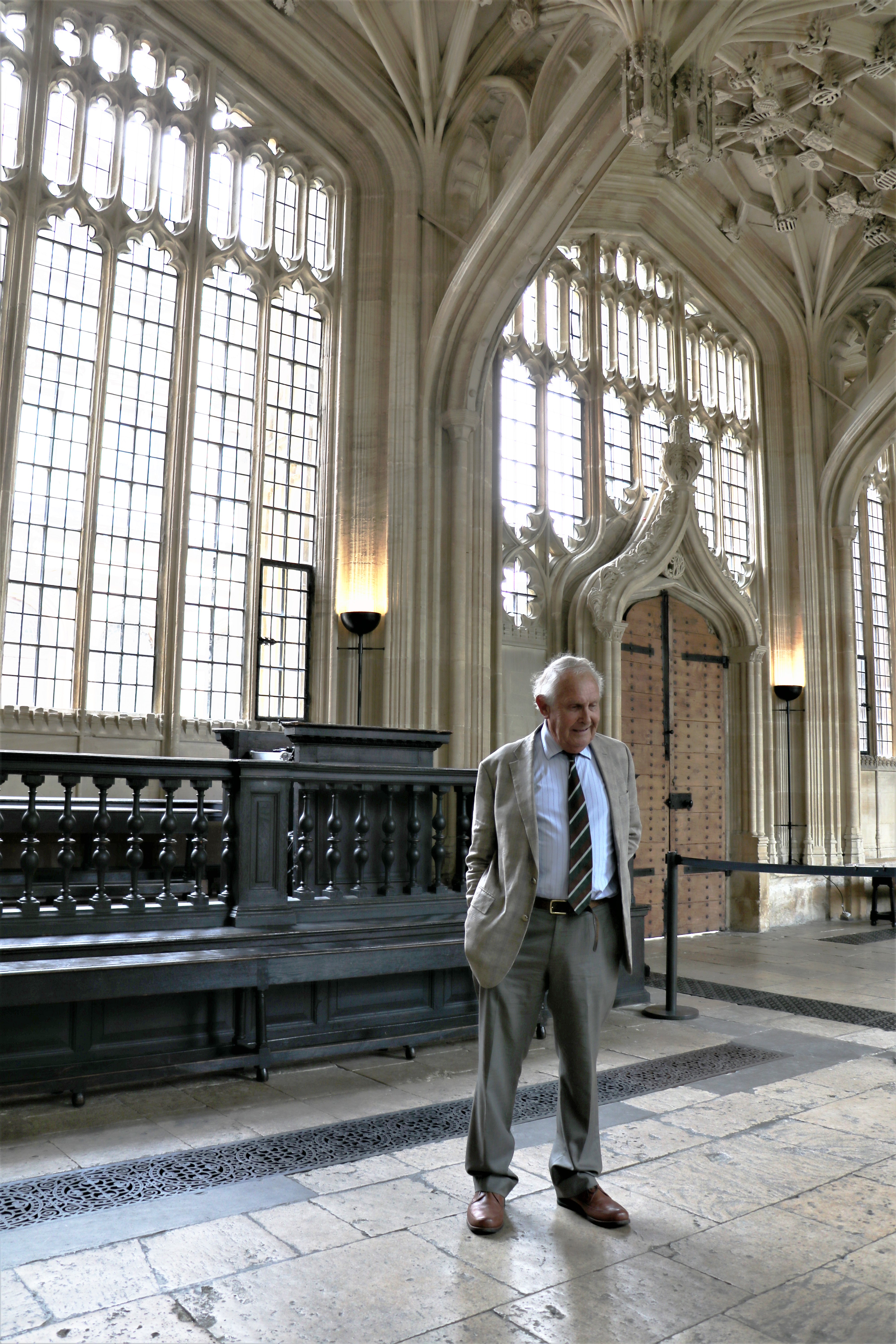
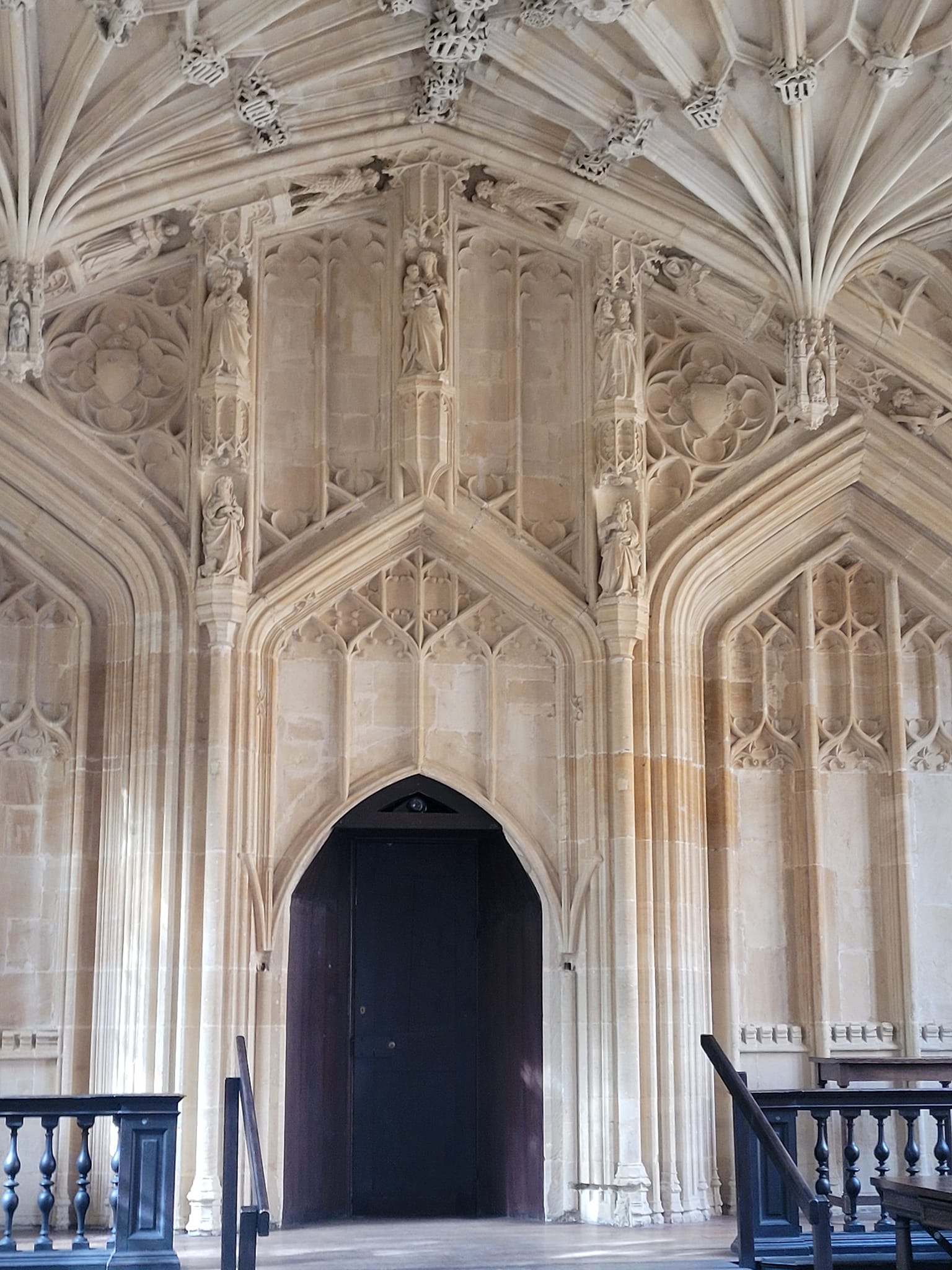
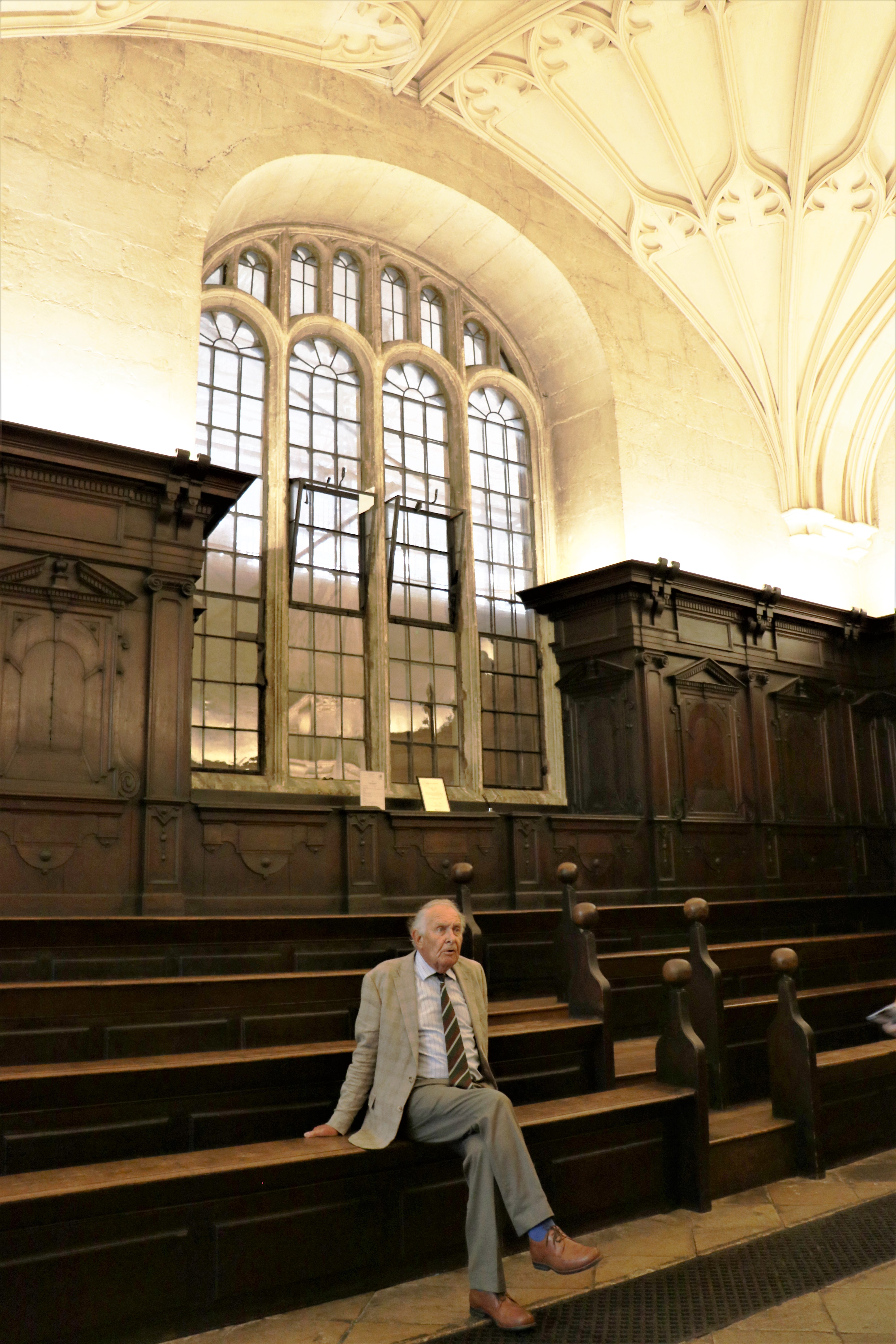
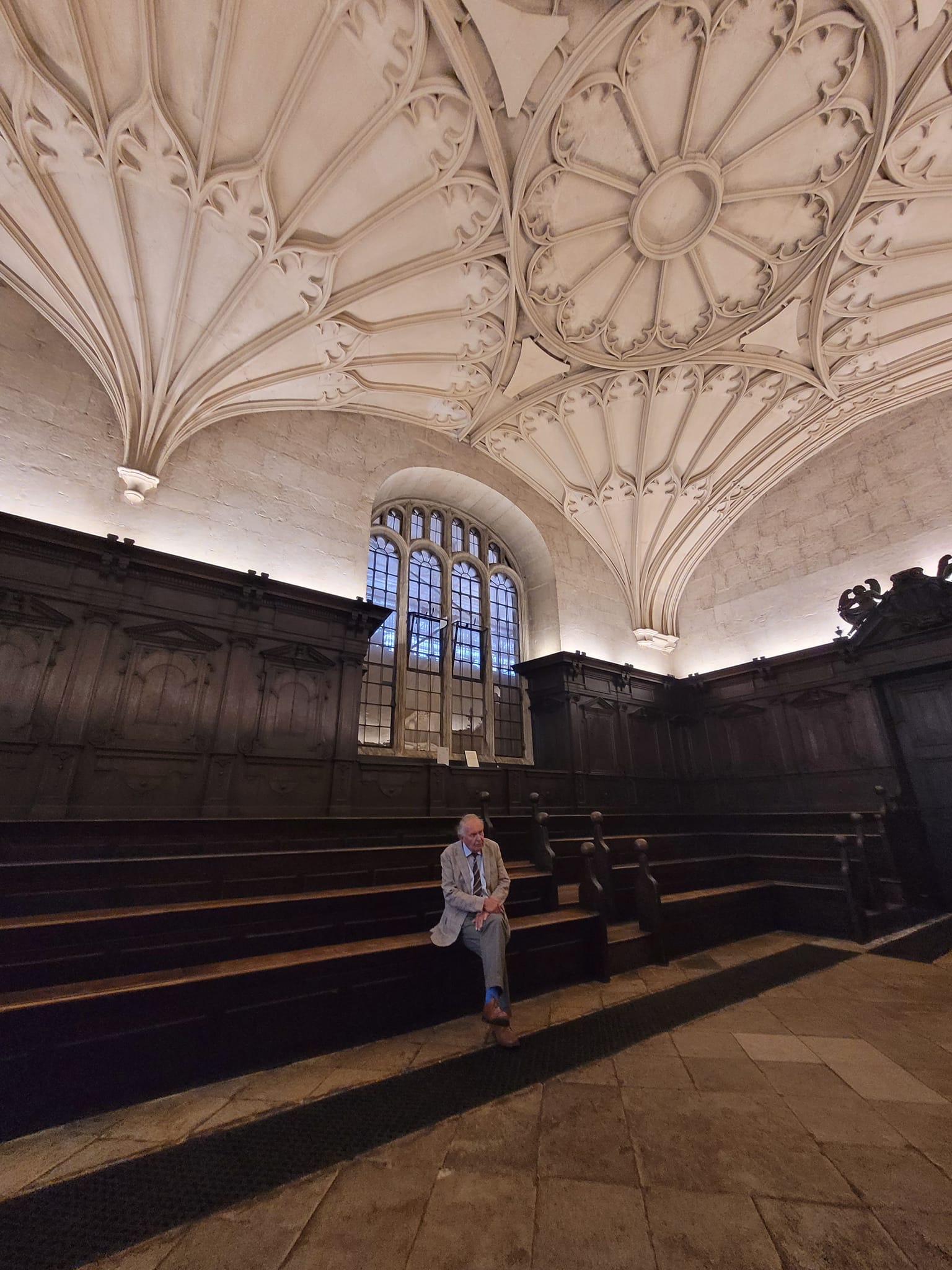
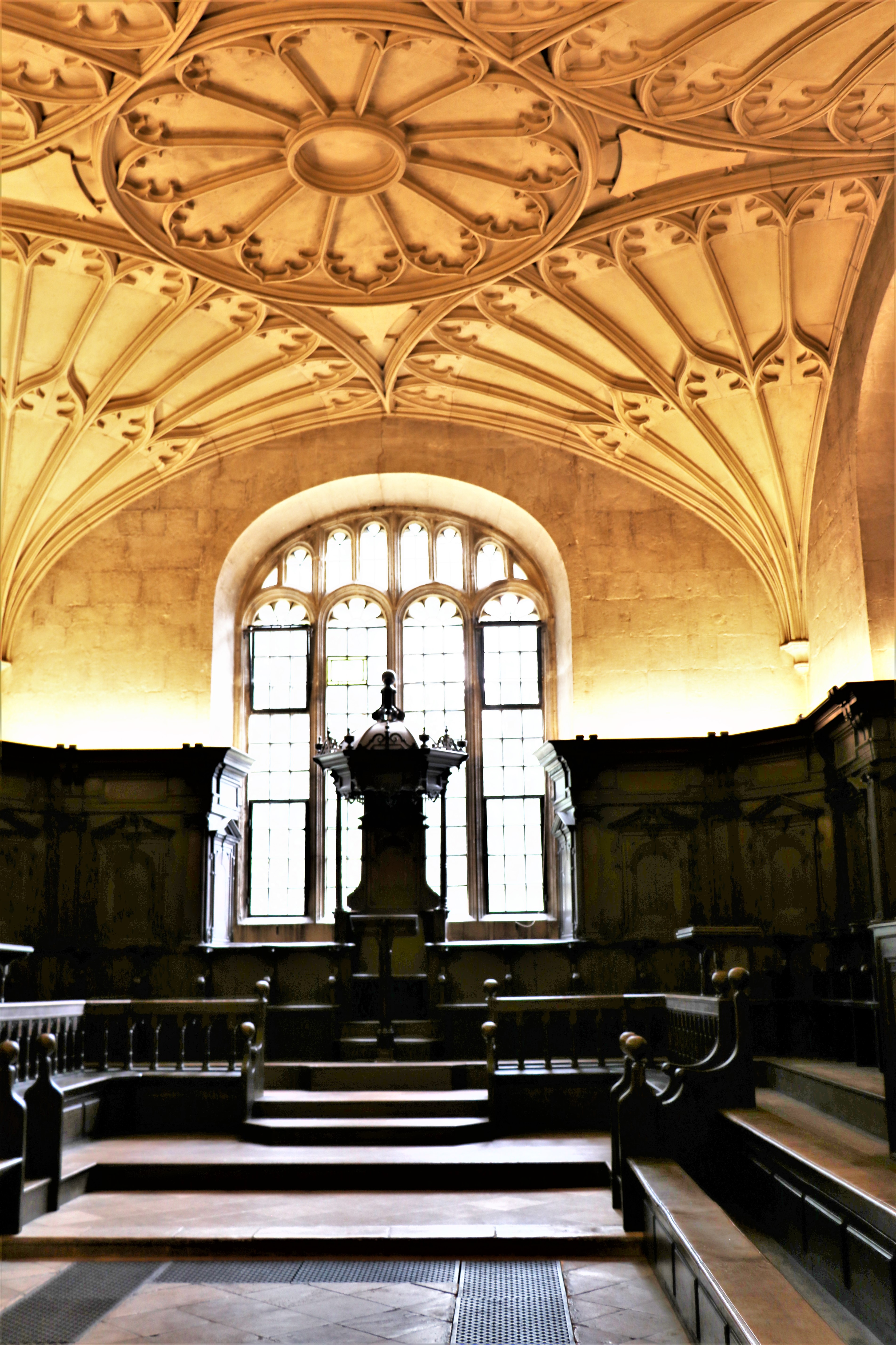
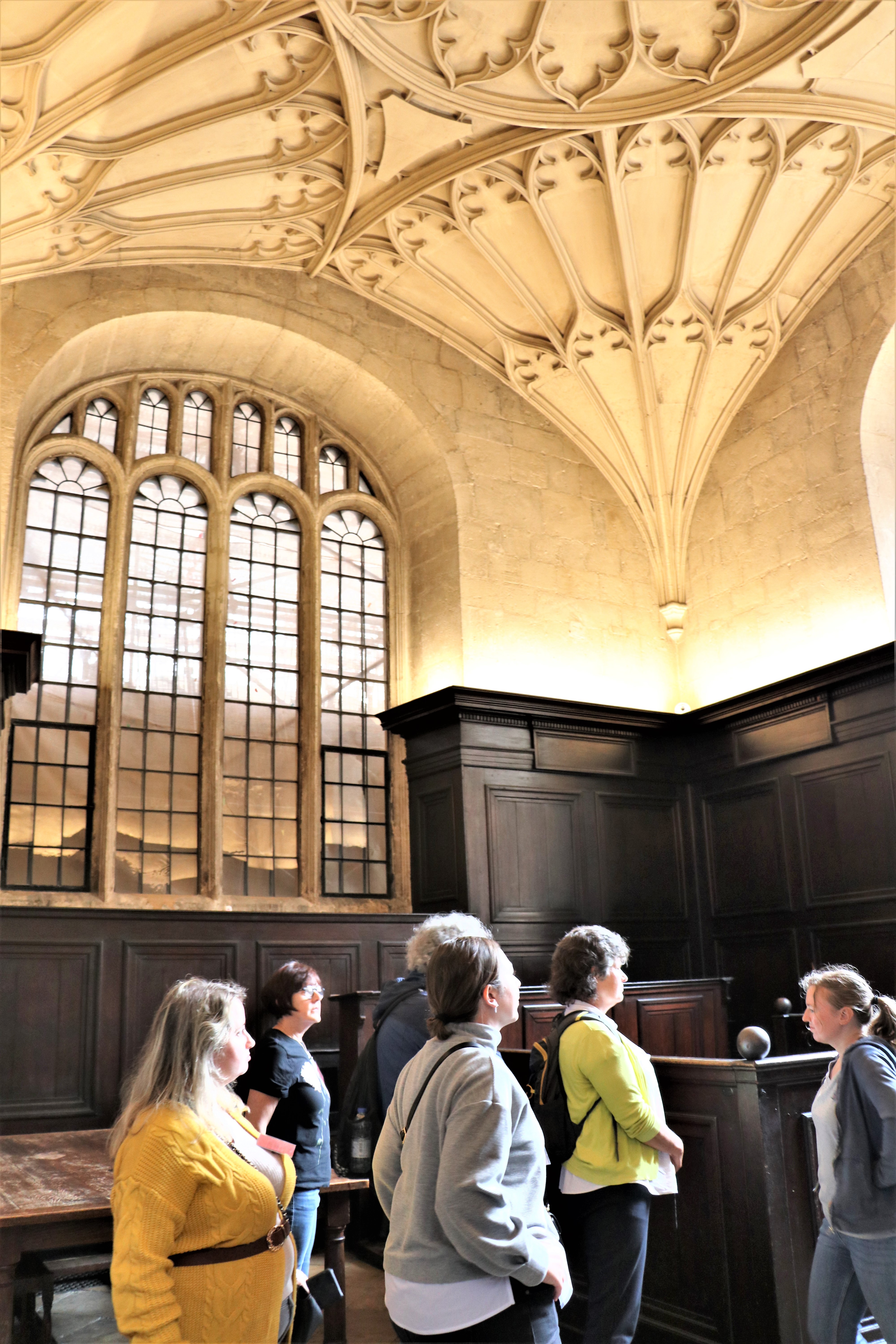
On Tuesday September 13th we booked a tour for the Bodlein Library at 11:00. We waited for our tour guide in this section of the building which was the Divinity School. Divinity School is the oldest and largest room in the Old Bodleian Library, and a masterpiece of late Gothic architecture. The stone carved ceiling is magnificent.

I’m standing between the two pulpits.

This room was used as the Hogwarts infirmary in the Harry Potter film series. It was also used in the Morse Series and Shadowlands. The Hugh Humphreys library was also used in the films. No photos were allowed in the library.

This is the door that was added by Sir Christopher Wren.

Our tour guide arrived and he had so much history stored in his brain to share with us.

We went through this door to the Convocation House and Chancellors Court which was the Universities former courtroom.

Originally built in the 17th century, Convocation House was once designed as a meeting place for the University’s supreme legislative body while Chancellor’s Court was the University’s former courtroom.

Adjoining Convocation House is the anteroom, Chancellor’s Court, which was used as the court for the university.

After we left this room we walked up a series of stairways to the Duke Humphrey’s Library. Duke Humphrey’s Library is the oldest reading room in the Bodleian Library at the University of Oxford. It is named after Humphrey of Lancaster, 1st Duke of Gloucester, who donated 281 books after his death in 1447.

As I mentioned before I was disappointed that photos were not allowed in the Duke Humphrey’s but I’m glad we could see it in person.

The Divinity School and the Convocation House can be rented for weddings or other meetings.

You can read some history about the Bodlein here.

Getting Settled in Oxford


We arrived to Heathrow airport on Monday September 12th in the early afternoon. We were amazed at the customs procedure. There were several entry stations where you enter singly and put your open passport in a scanner while a camera takes your photo. After the scan, if no red flags pop up, you proceed to the baggage claim area. No human interaction at this point. We were flabbergasted but happy with the streamlined procedure. Next we followed the signs to baggage claim and waited for our bags to appear on the moving belt. Again we were happy to see them both appear and then we looked for signs for the central bus station located at Heathrow Terminal 3 . It was a long walk and when we found the bus station we looked for the The Airline Bus, Oxford. The first bus we spotted was with a cranky bus driver who felt his bus was full but a few stalls down there was another bus with a happy bus driver ready to take our bags and let us know a return ticket would save us money. On board and ready to go. The journey would take at least 80 minutes with the stops involved along the way. When we got to Oxford it was a prime traffic time so the journey took longer. We got off the bus and got our luggage and proceeded to find our apartment. Our Airbnb hostess gave us great directions and instructions. It was only 0.2 miles to our apartment from the bus station.

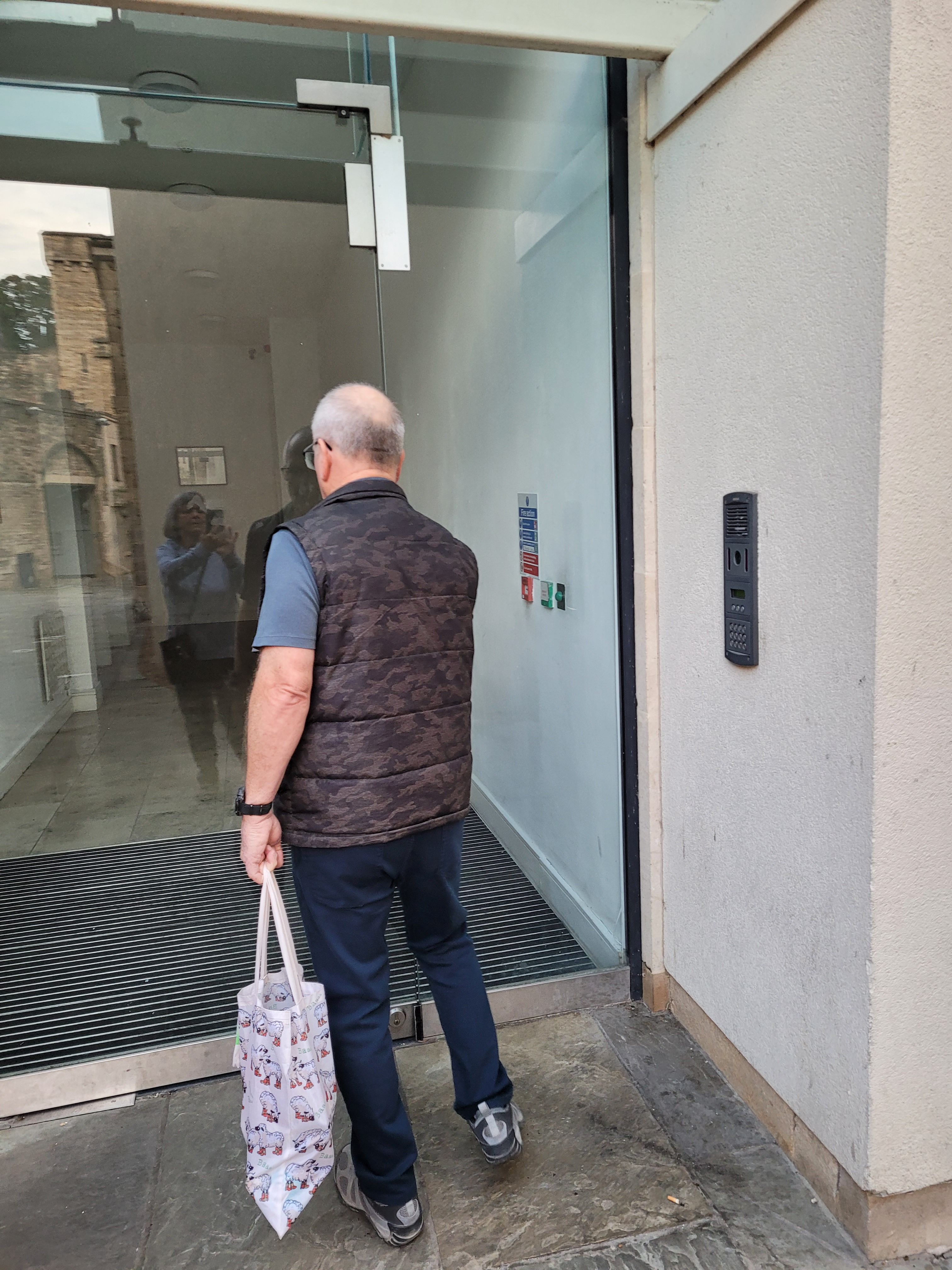
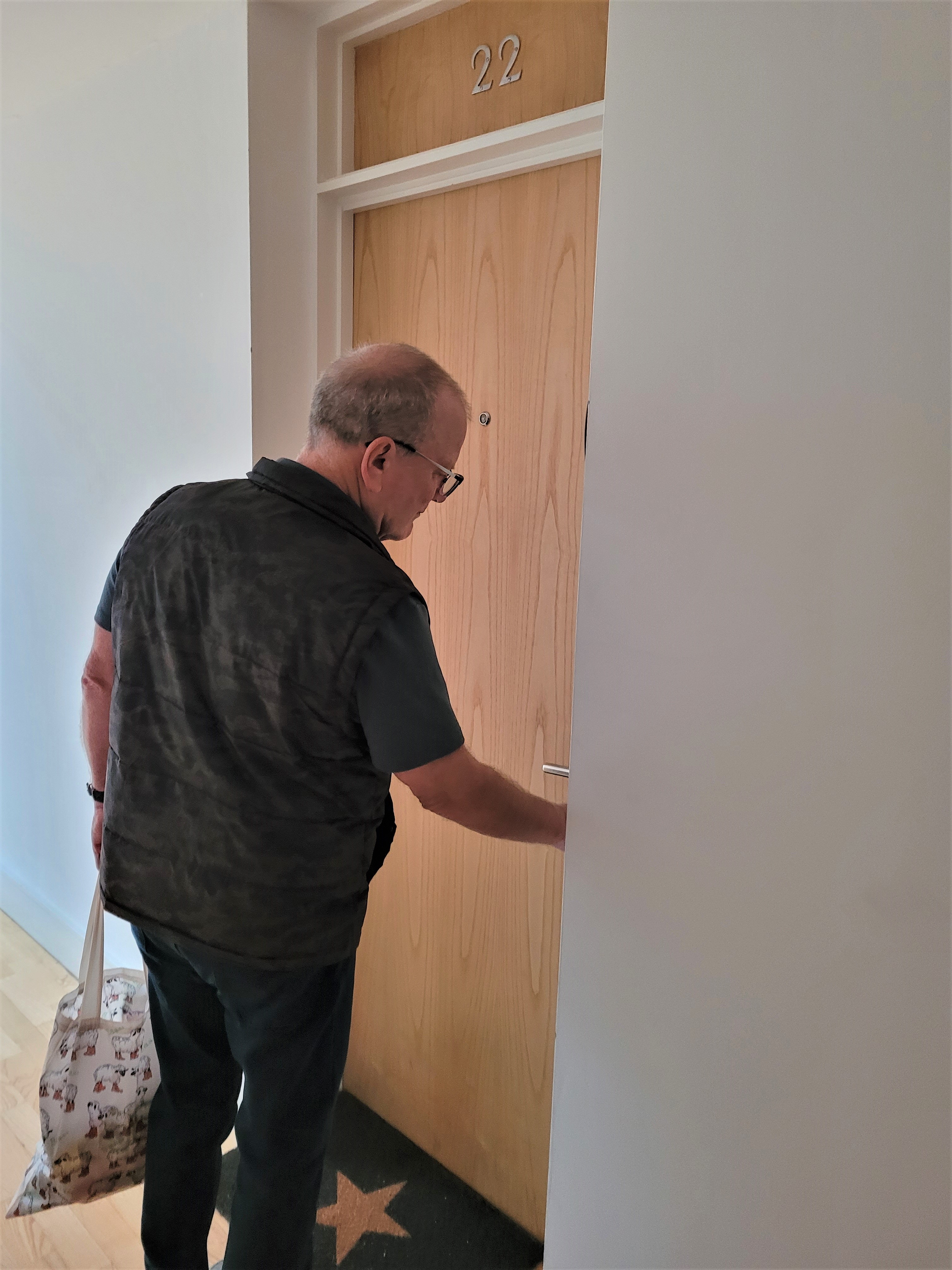
To get into the apartment complex we had to enter a security code for the door to open.

We found our apartment and entered another code to get the key from a lock box. In and ready to dump our bags and settle in before we headed out to find a pub for a meal.

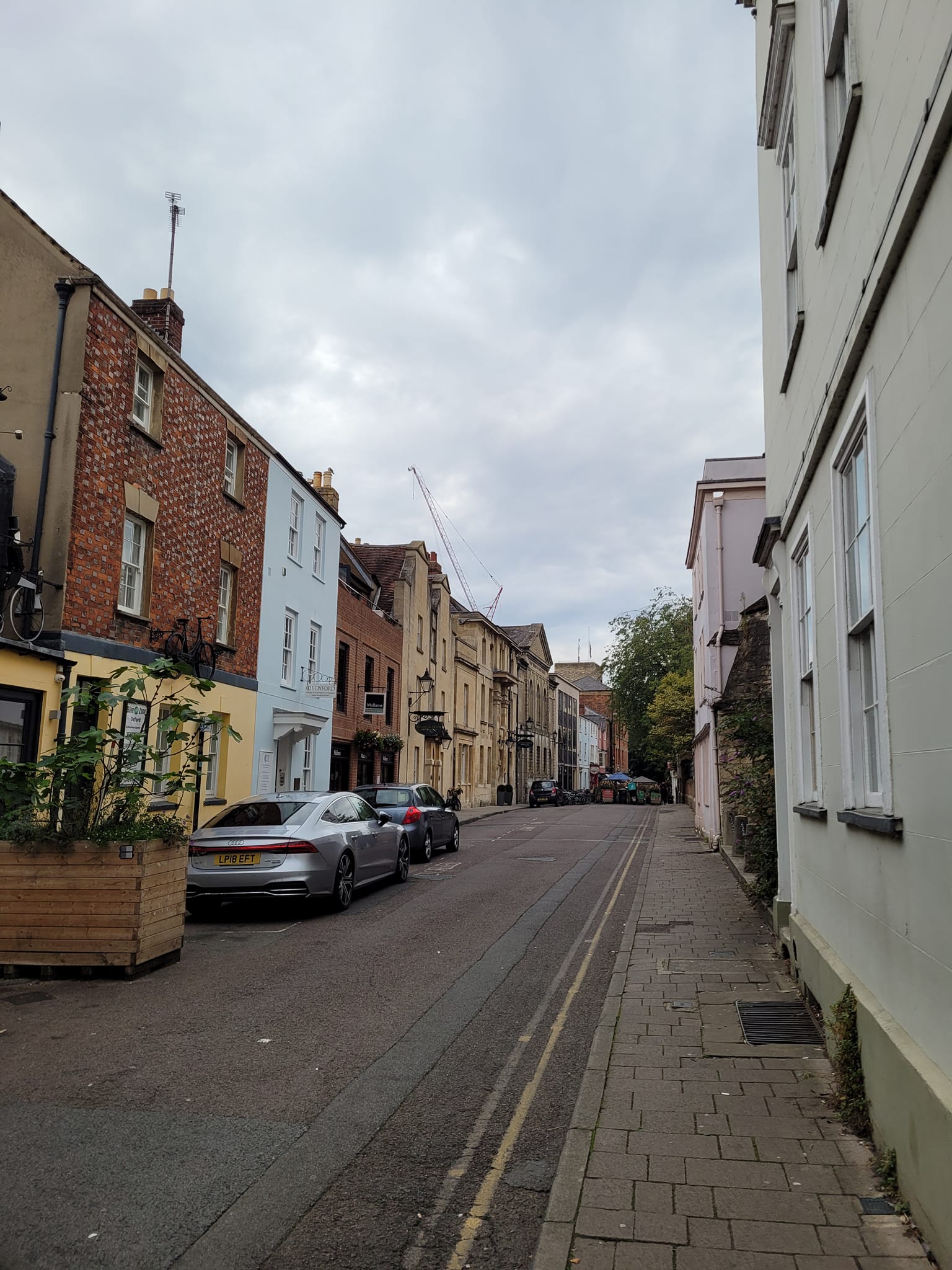
We found our way to New Inn Hall Street heading for St. Michael Street to find The Plough Pub on Cornmarket and St. Michael Street.

The Plough was closed so we headed back a few businesses on St. Michael to the Three Goats Head Pub. We found a table and placed our order.

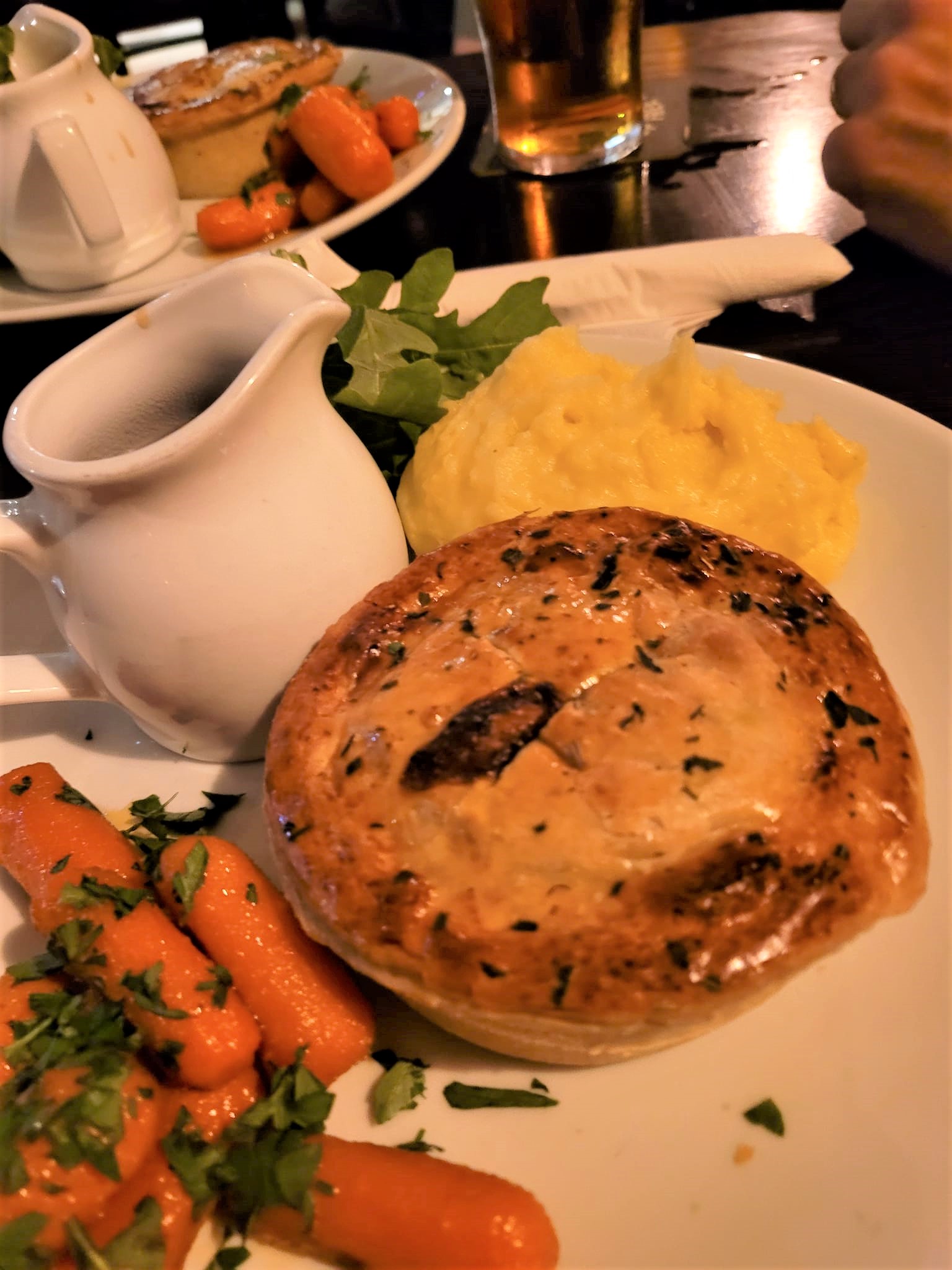
We both enjoyed a Steak and Ale Pie and we had a conversation with a couple from Finland. Maybe half a conversation as we both tried to get beyond a language barrier.

On the way back we discovered a connection to the Wesley family on New Inn Hall Street.

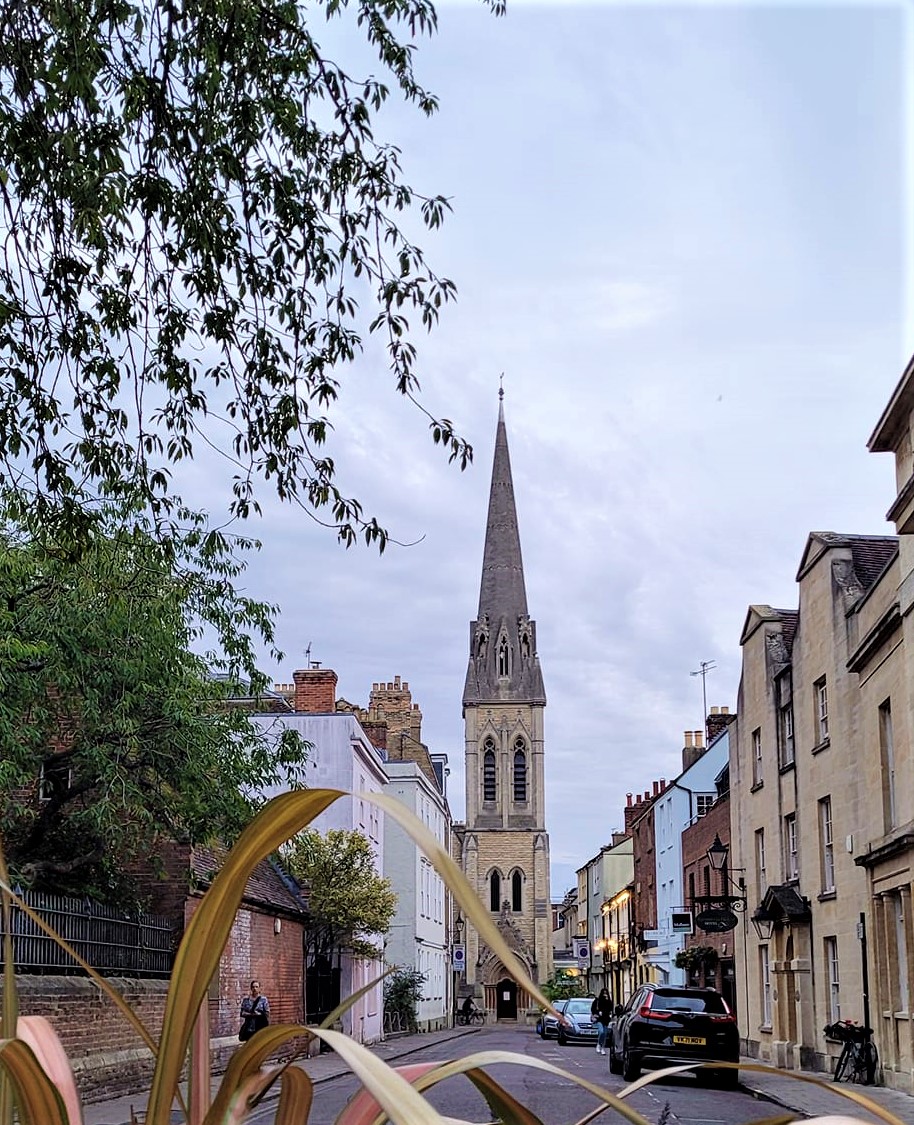
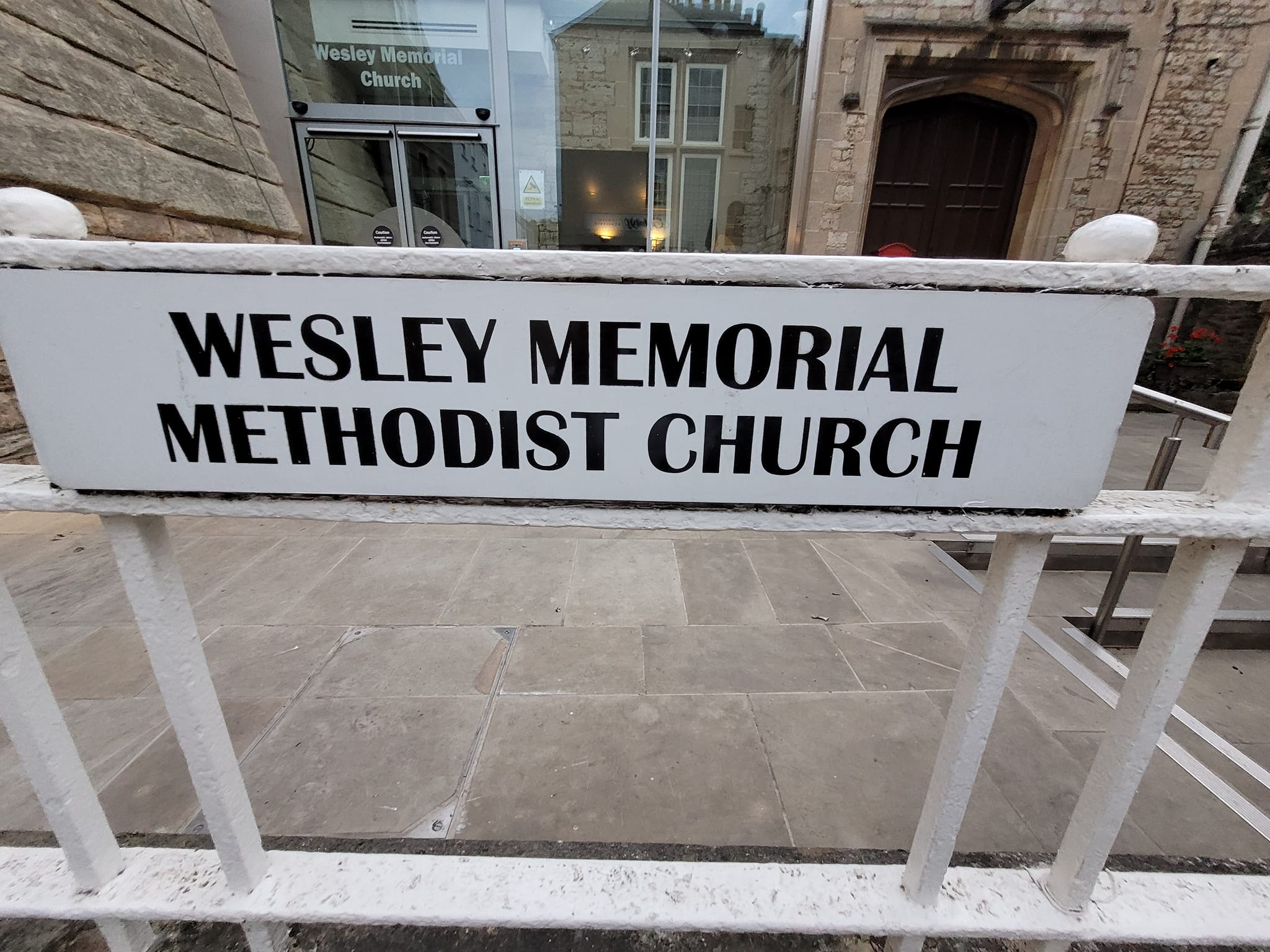
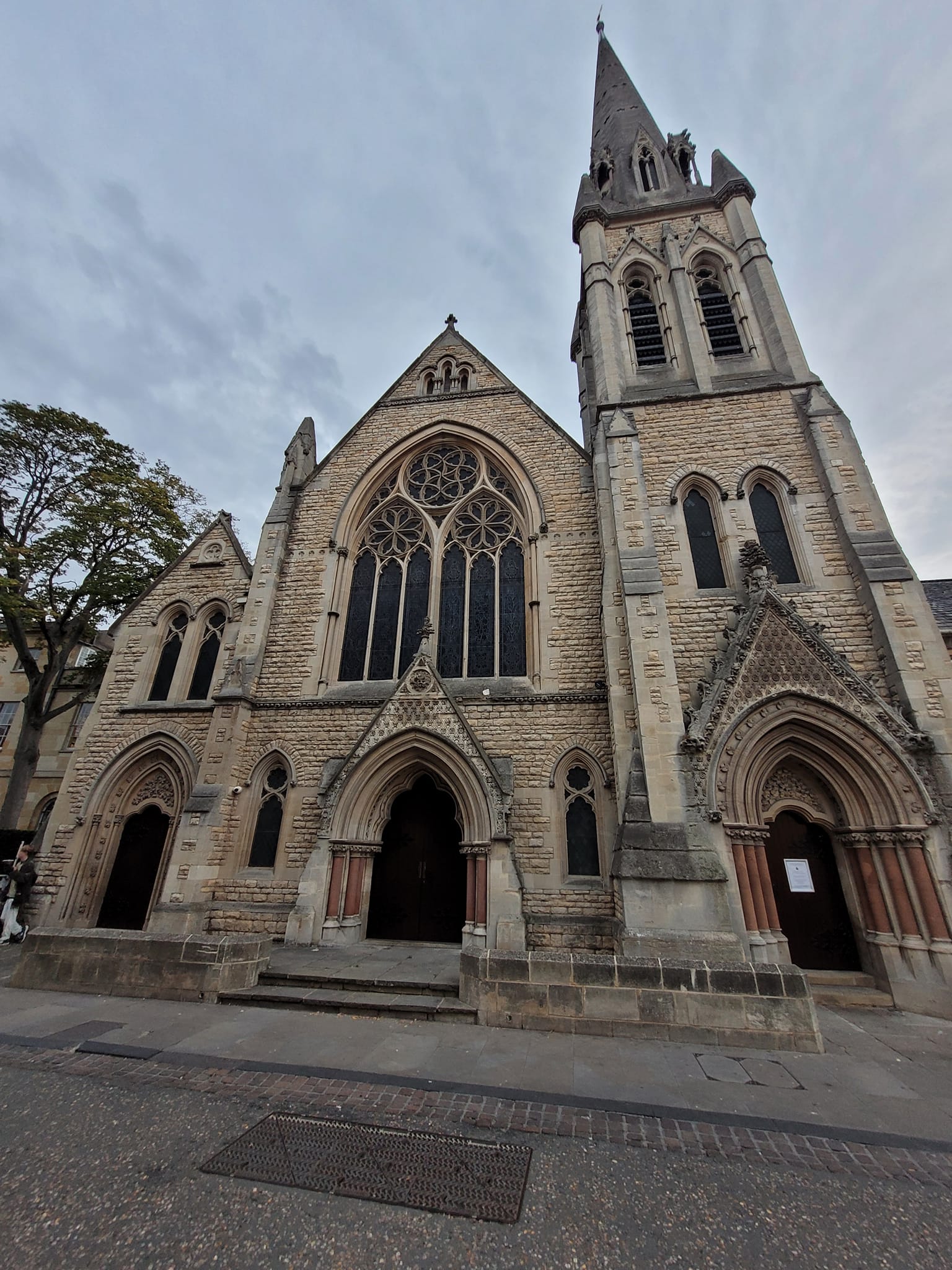
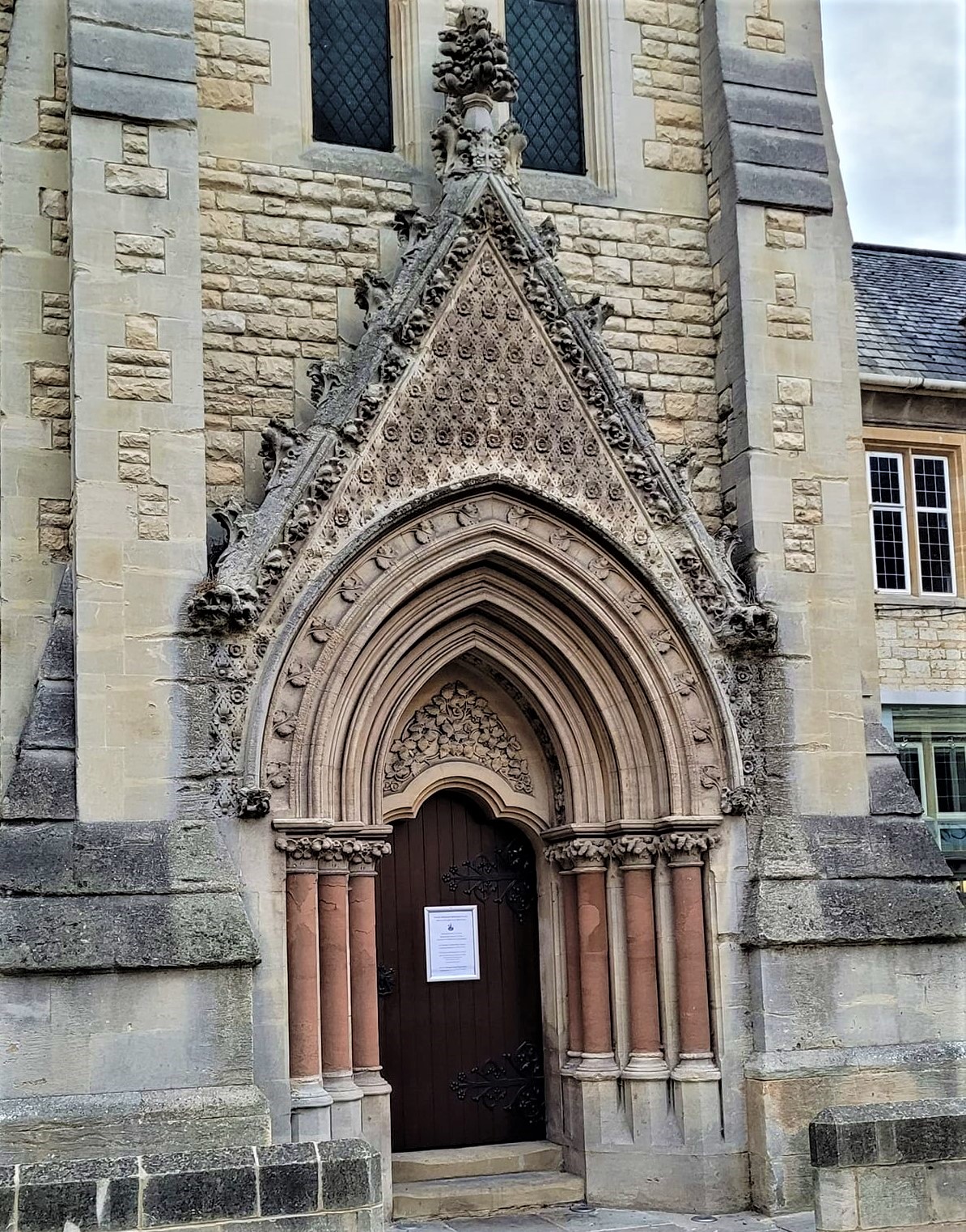
Walking back on St. Michael you can see the Wesley Memorial Methodist Church on New Inn Hall Road.

Oxford is full of connections to the Wesley family. John and Charles Wesley followed their elder brother Samuel to Christ Church; their father, also Samuel, was a student at Exeter College; and their grandfather John studied at New Inn Hall (from which New Inn Hall Street takes its name).

If you follow this link you will find some interesting history of the Wesley family in Oxford and beyond.

On the same road we passed St. Peter’s College.

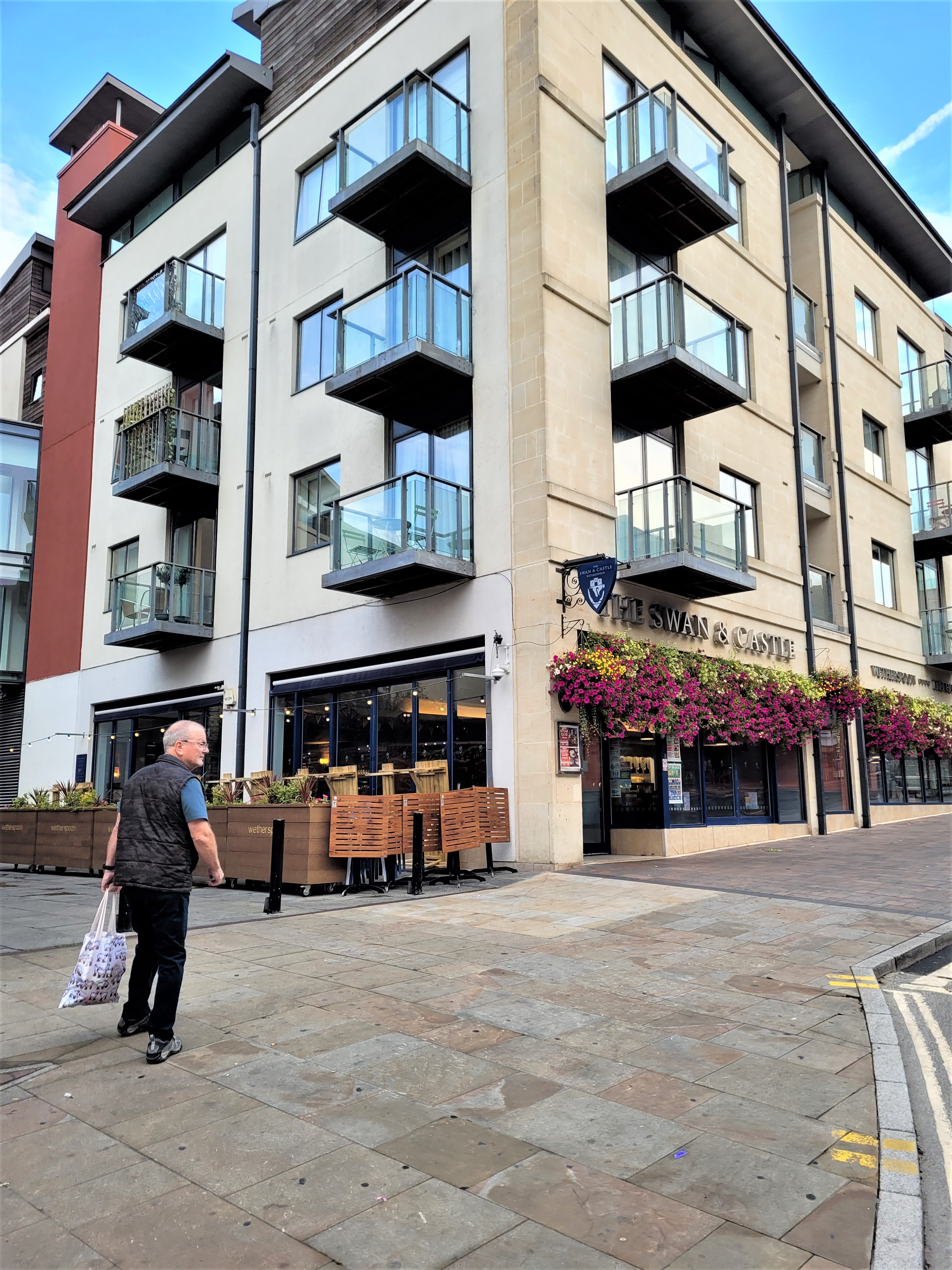
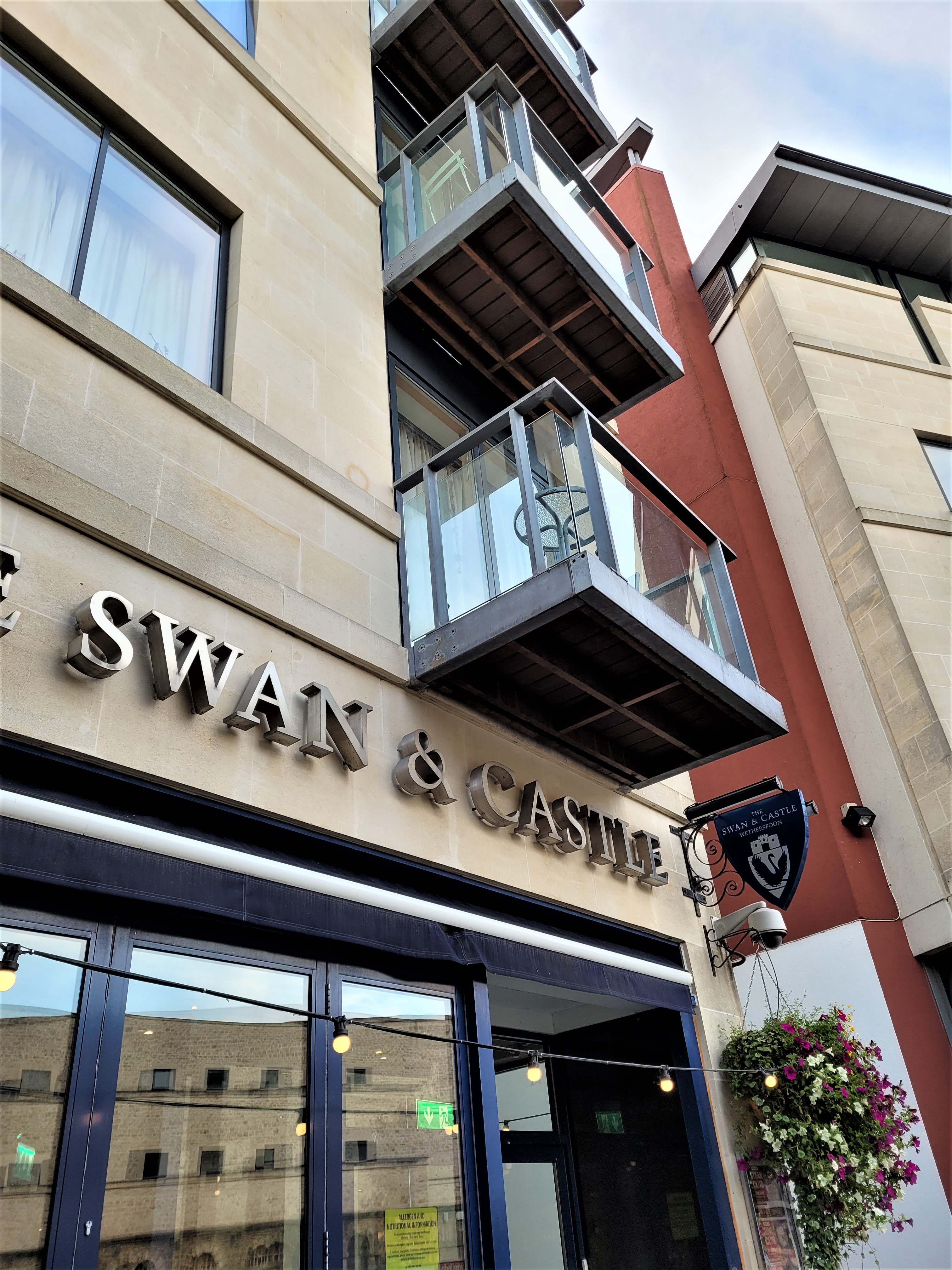
This was the apartment building where our airbnb apartment was located on the Oxford Castle and Prison location (part ruined Norman Castle).  The Swan and Castle is a pub in the Wetherspoon Pub chain. A cheaper pub that is open from 9am until 1pm. We weren’t aware of this fact before we booked our apartment. This wasn’t the type of pub we would choose.

The second balcony up is our apartment. Outside tables were situated below our balcony and windows. The drinking age in the UK is 18 and because this pub was one of the cheaper pubs many young people congregated to drink and smoke and enjoy themselves loudly each night. OYE. Such a nice apartment in a wonderful location with this downside. Thankfully we packed earplugs and there was a fan in our bedroom that we utilized for white noise. It was quiet from 2am until 8am so that was a plus. We decided to go with the flow and enjoy the upside to this apartment and not get in a snit about the downside.

Looking out our apartment window we said goodnight to our first day in the United Kingdom.

Back to the present we are getting more acclimated and feeling less tired. Hopefully we’ll be able to sleep longer into the morning, too.

Good to be Home

We left the other side of the mountains for our 5 plus hour drive Monday at 3:15 am because sadly we both woke up earlier and couldn’t get back to sleep. We are recuperating and trying to get our internal clocks back in sync with the West Coast. It’s not easy. My head feels like stone. When the creative side of my brain starts working again I’ll start on my posts from Oxford and beyond. Thank you for your visits and following along on our trip.

Our Colville kids stopped by for a short visit and it was so good to get hugs from our grands.

On the highway home we spotted Fall colors and changing leaves. Soon those leaves will be falling. Hope all is well in your corners. Praying for those of you who have storms coming your way and for our friends on Prince Edward Island that their power will be restored soon!