Skipton to Knaresborough ~ Day 8

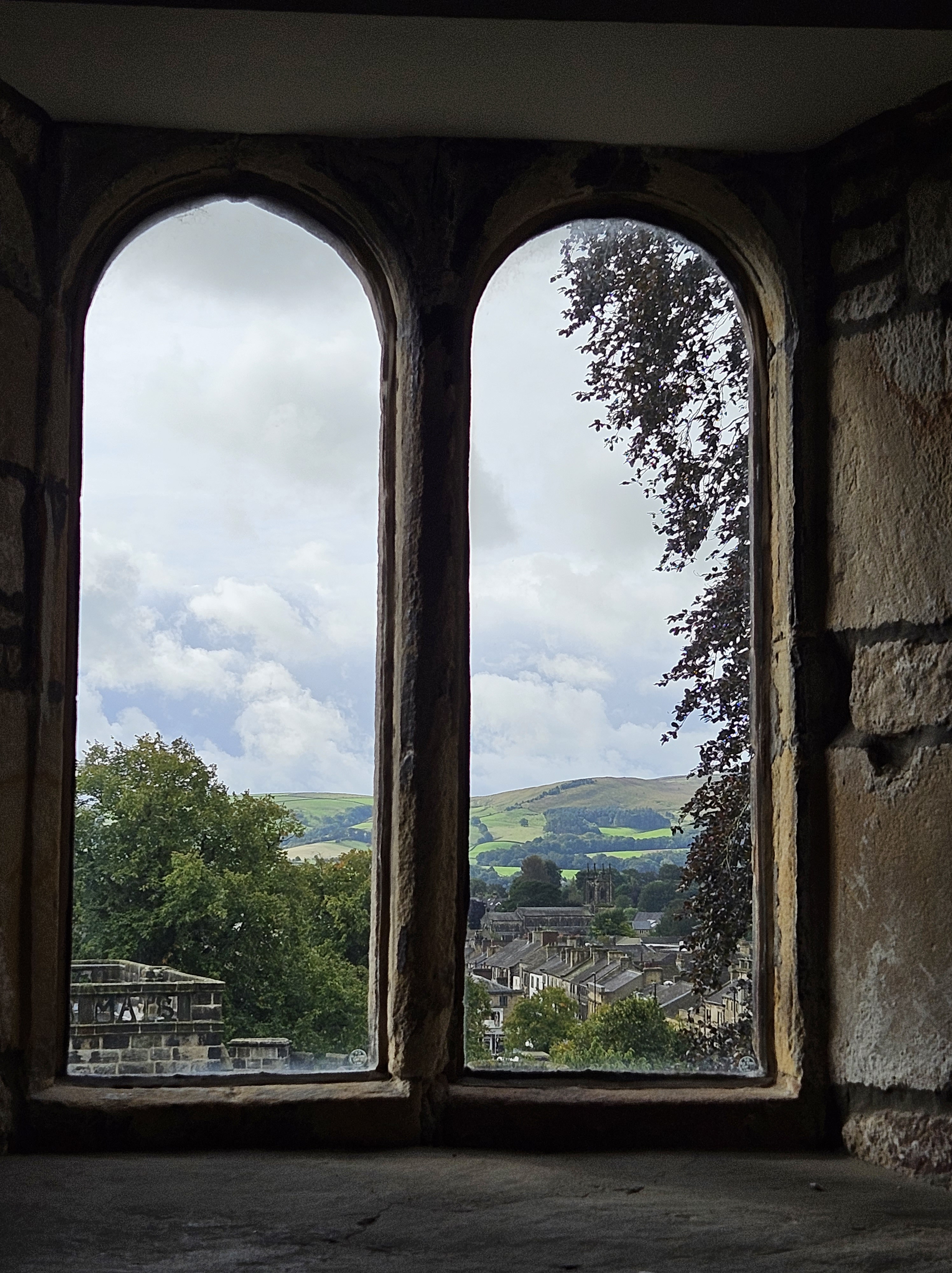
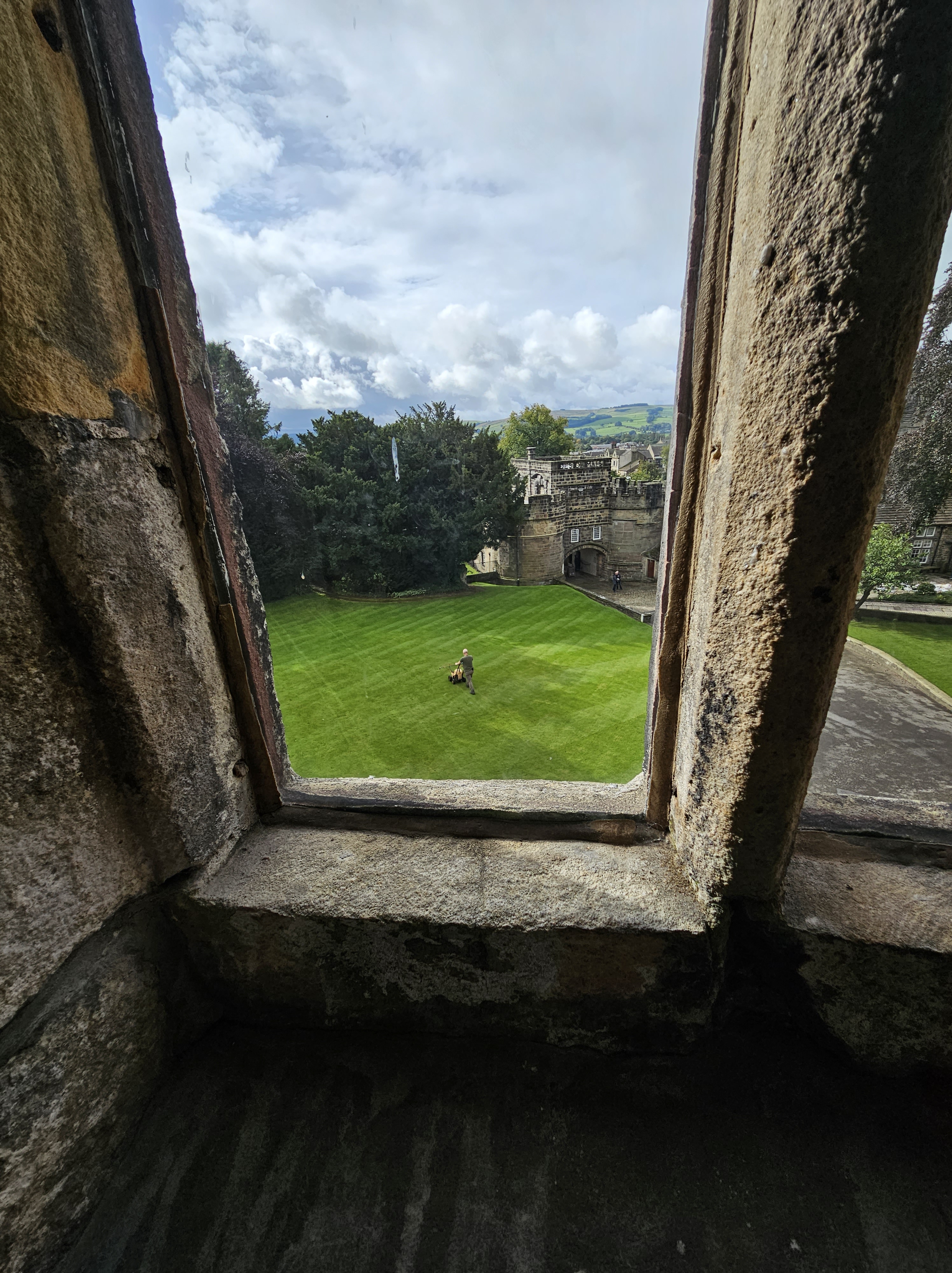
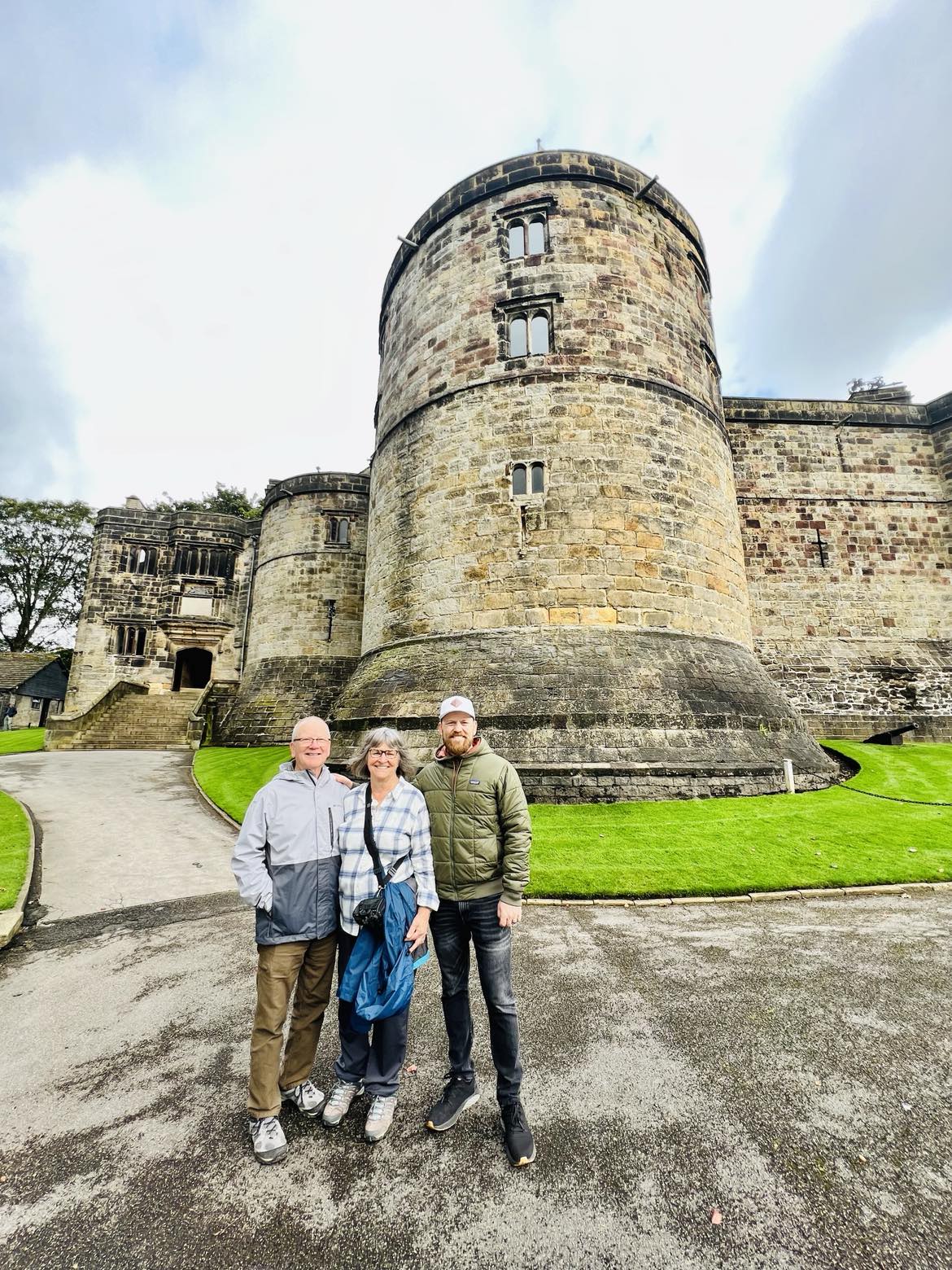
Friday September 22nd was the eighth day of our travels in the UK. Originally we were going to be driving straight to York from Grassington to return our car and take a train to Liverpool. The reason we were traveling to Liverpool was to attend the Liverpool v. West Ham futbol/soccer match which was scheduled for Saturday the 23rd. After we had made reservations for a hotel and flights back to Dublin based on that date the game was switched to Sunday the 24th. We scrambled to make different plans than we had prior to the game change. Instead of spending an extra night in Liverpool we decided to spend Friday night in Knaresborough. On the way to Knaresborough we stopped in Skipton to see the castle.
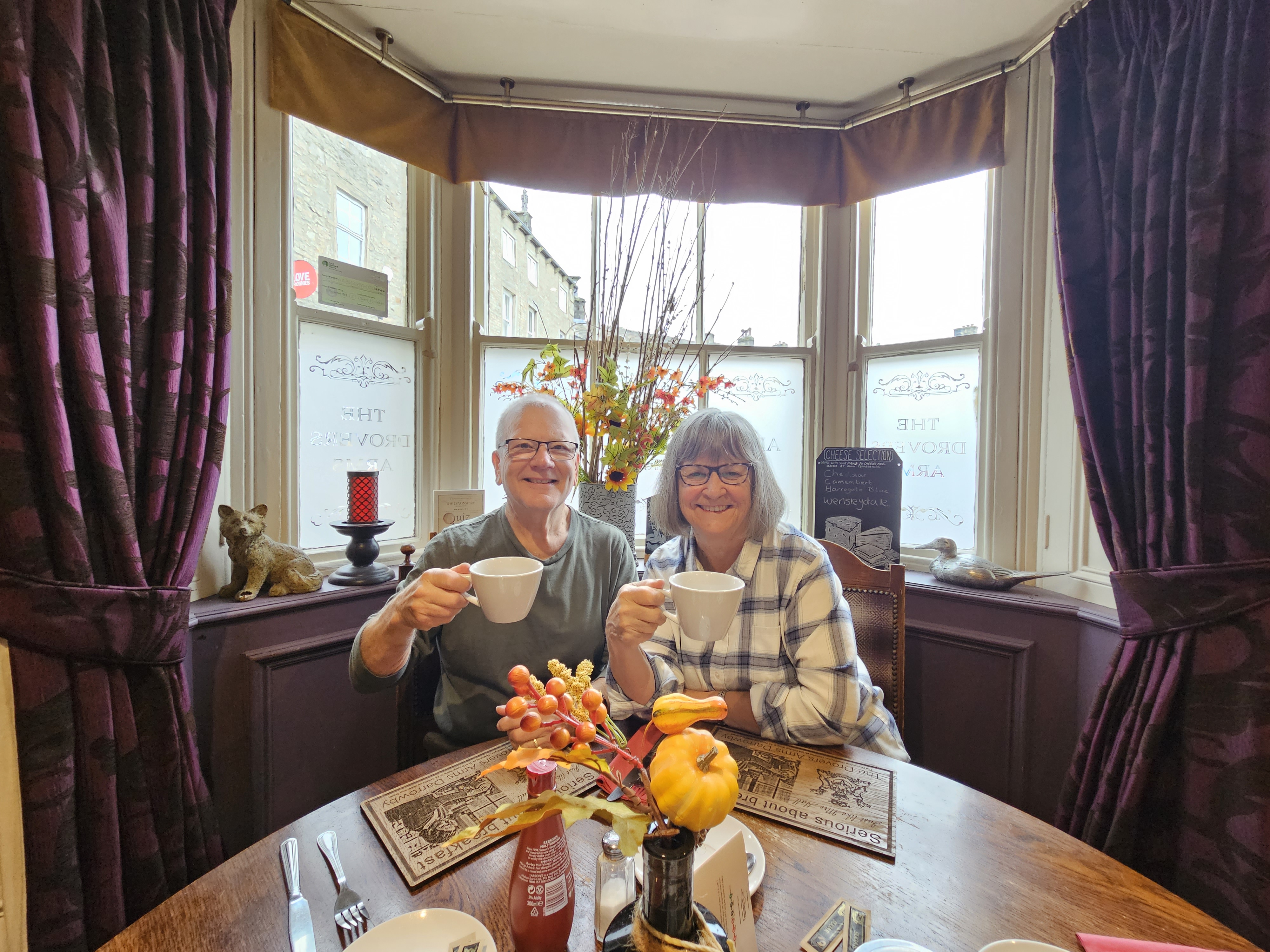
Before we packed up and checked out of the Devonshire in Grassington we enjoyed breakfast.
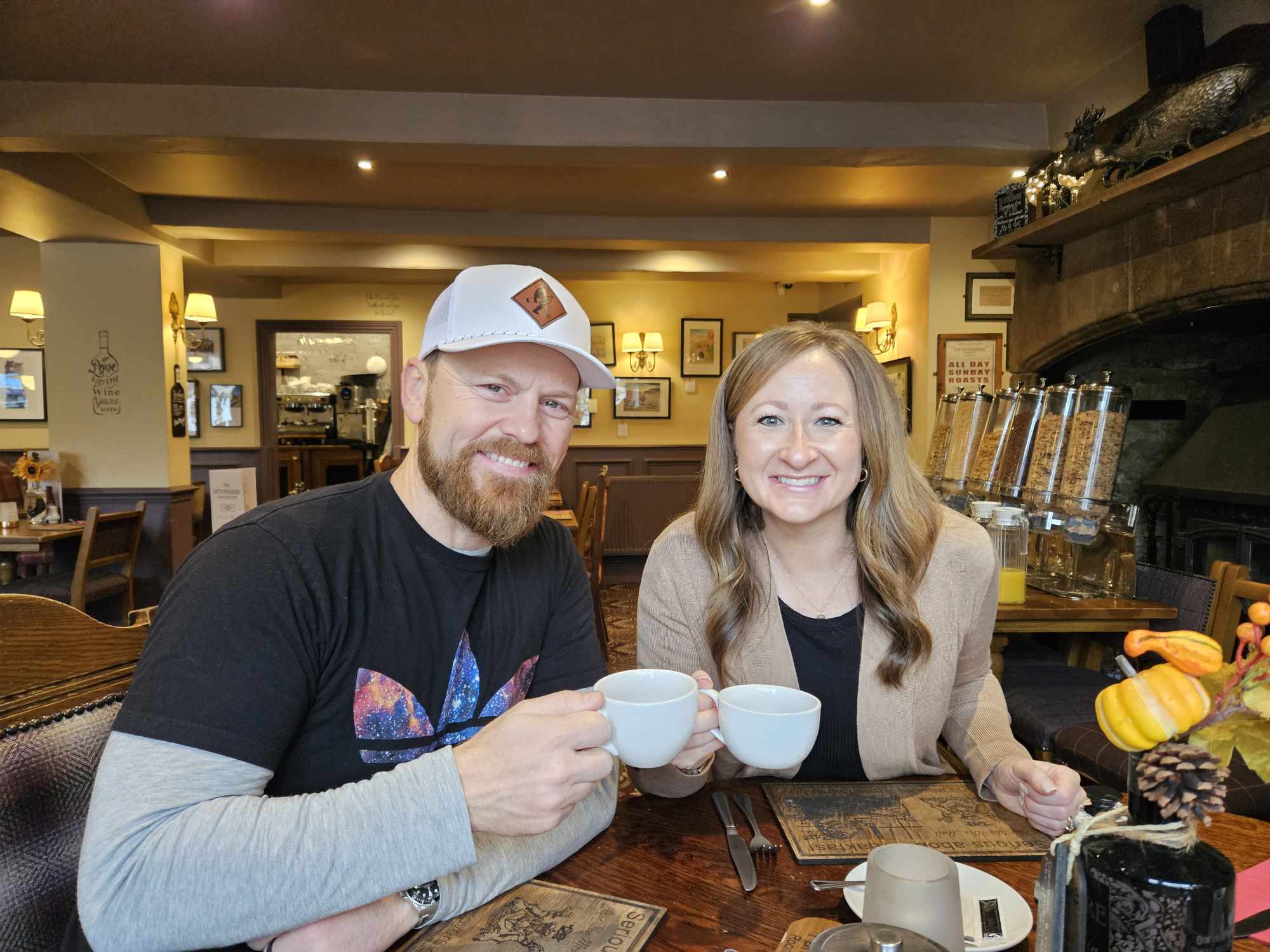
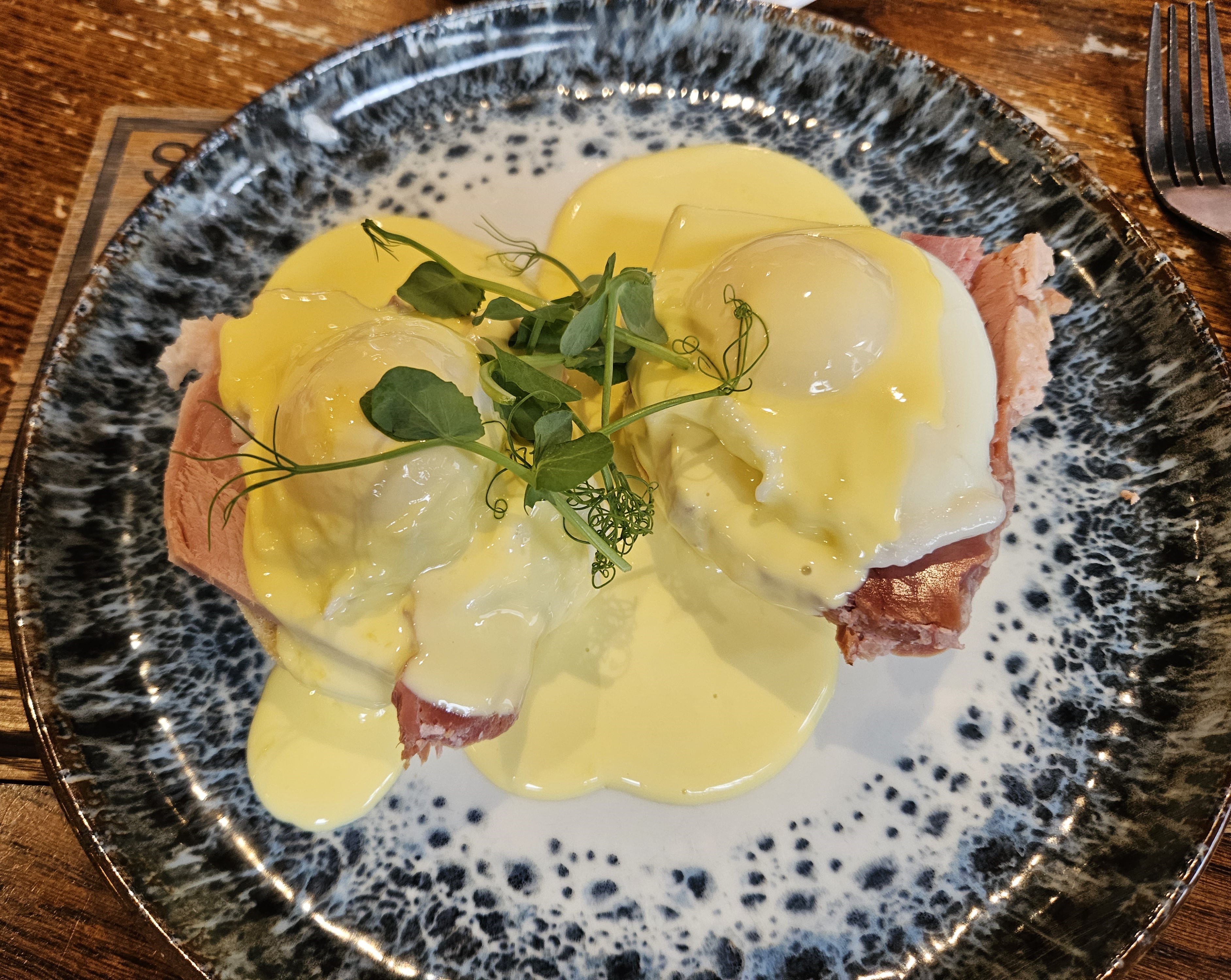
Breakfast was very good each of our mornings here.
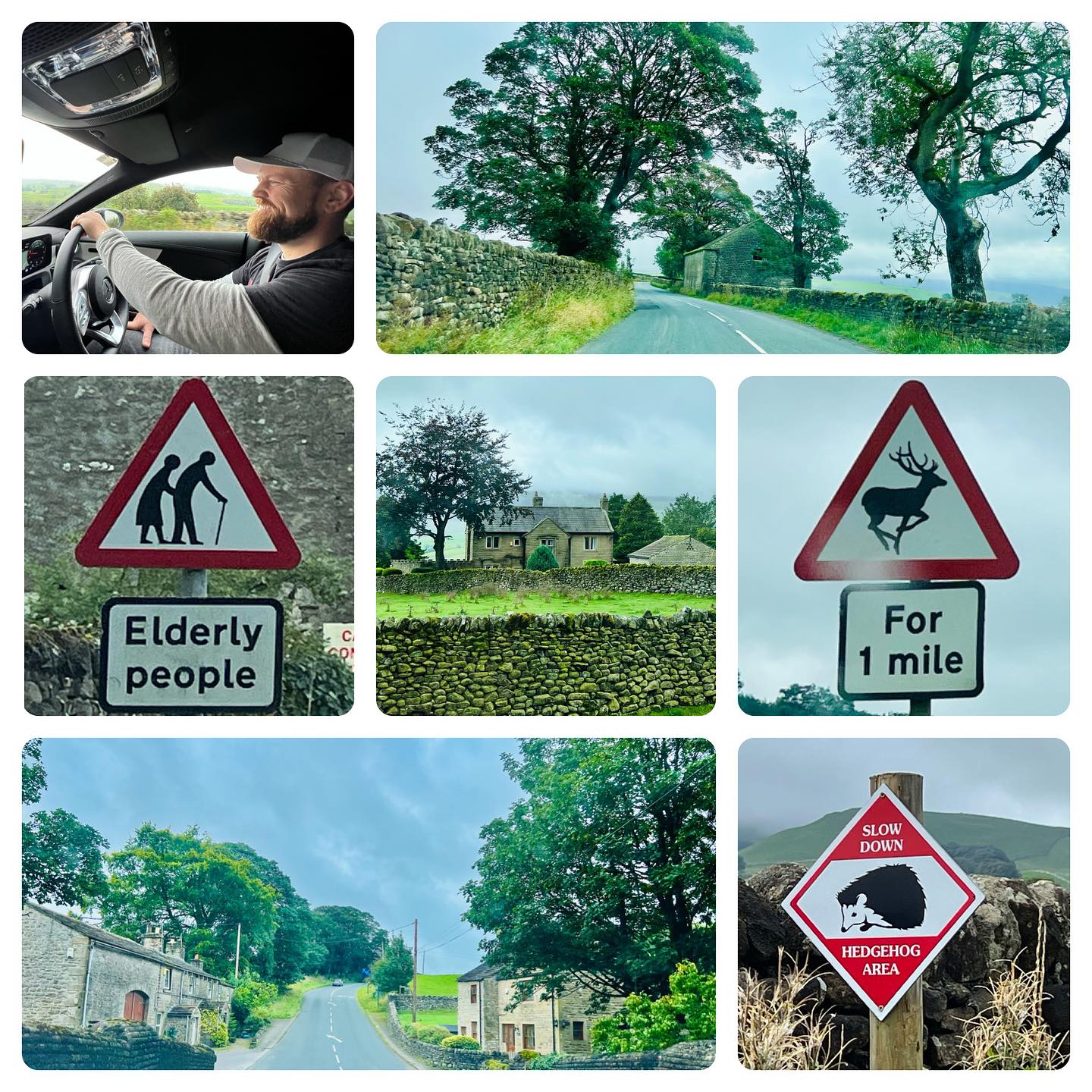
On the road to Skipton Laura managed to get snaps of all these great road signs. We don’t see Hedgehog area signs on any roads we travel in the USA.

We had reservations for the castle and the castle car park.
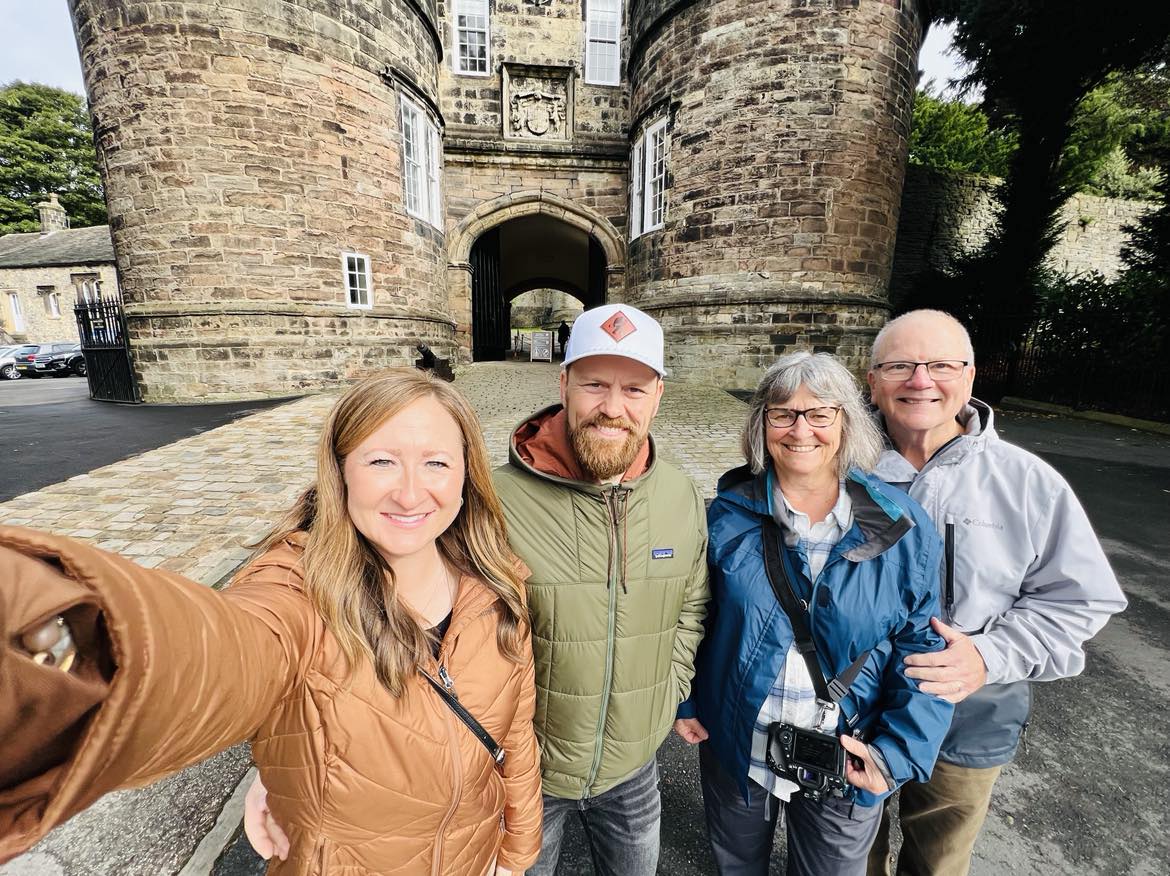
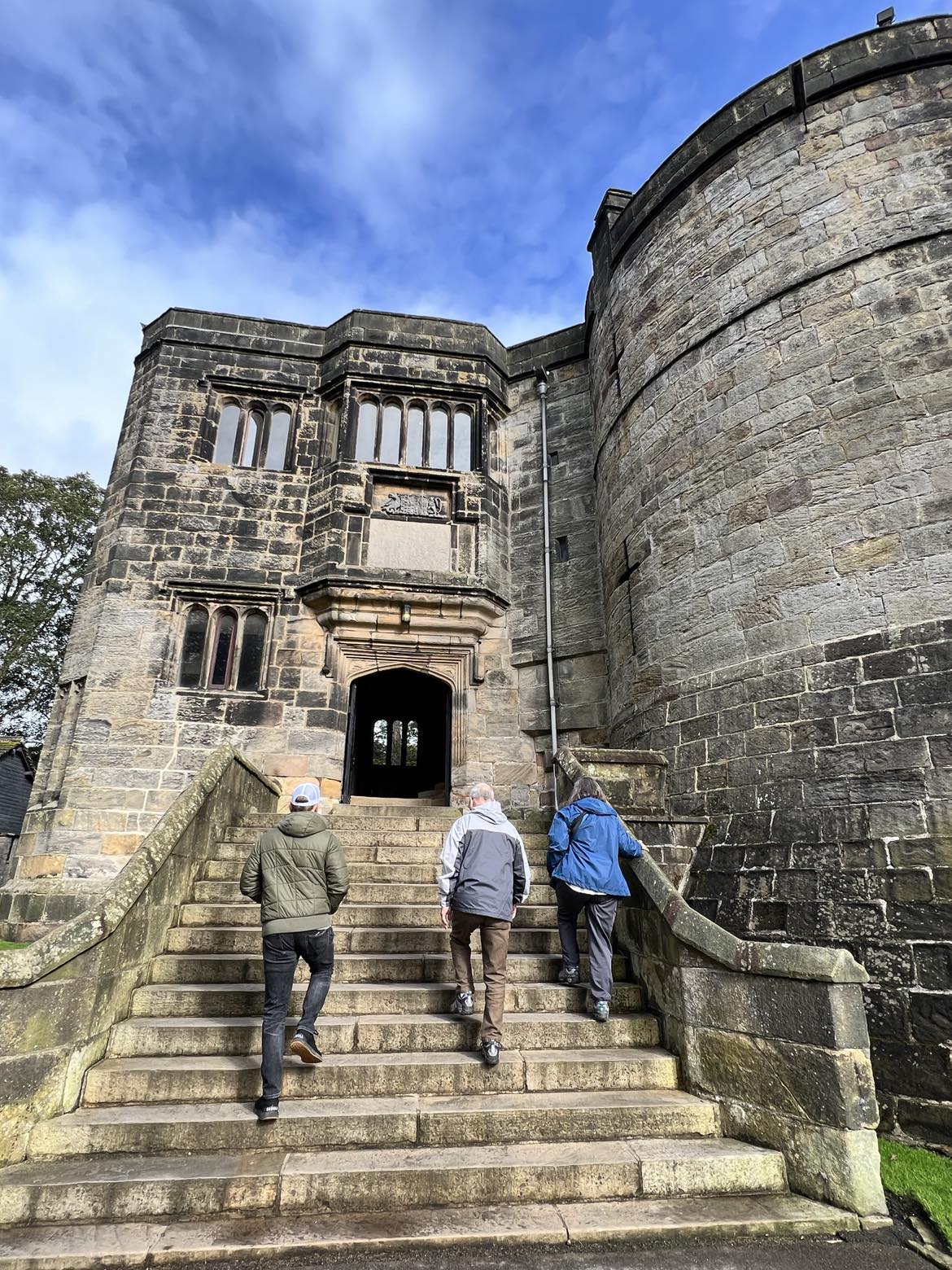
Over 900 years old, Skipton Castle is one of the most complete and best preserved medieval castles in England. If you are interested in the history of this castle follow this link.
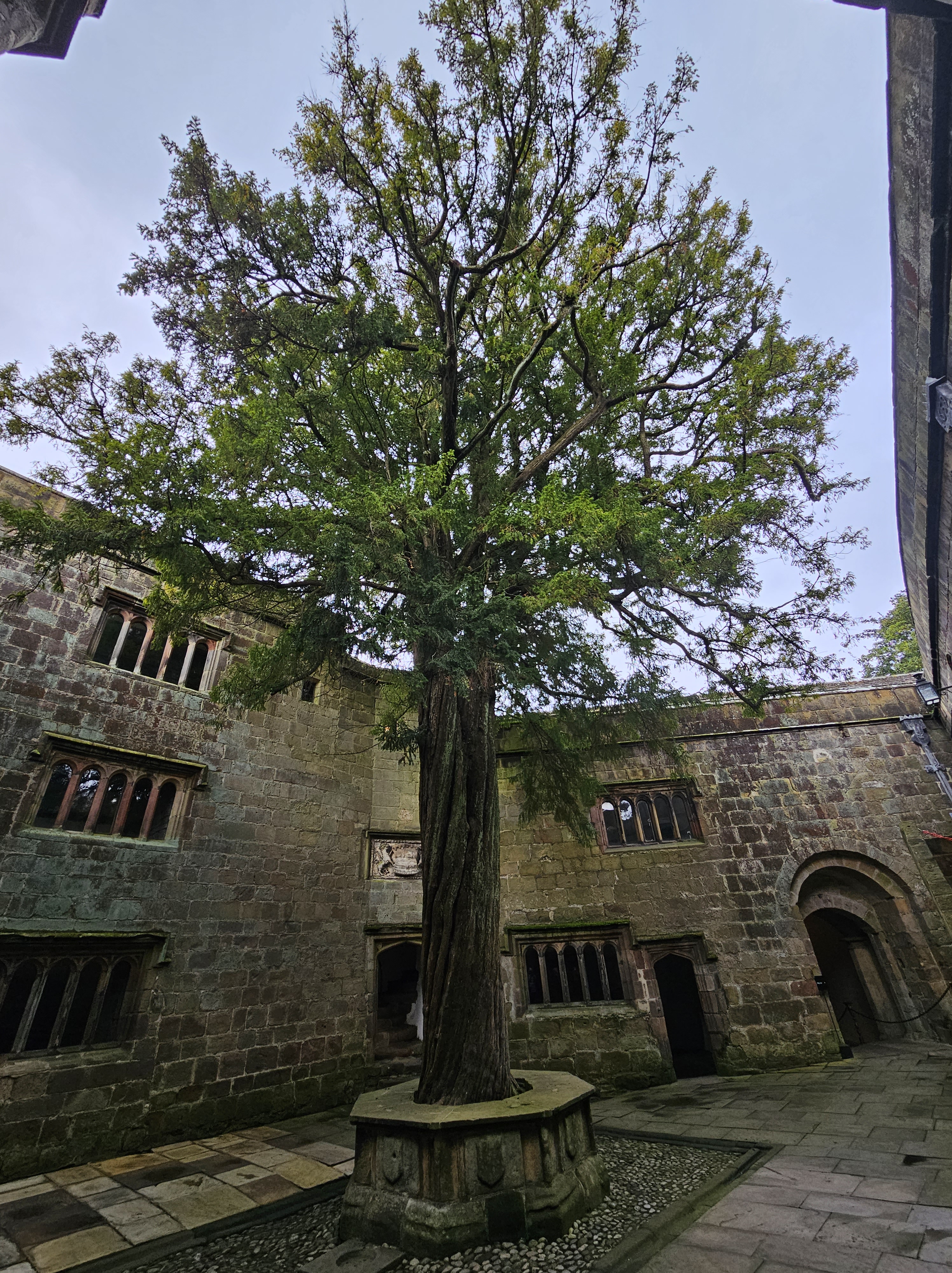
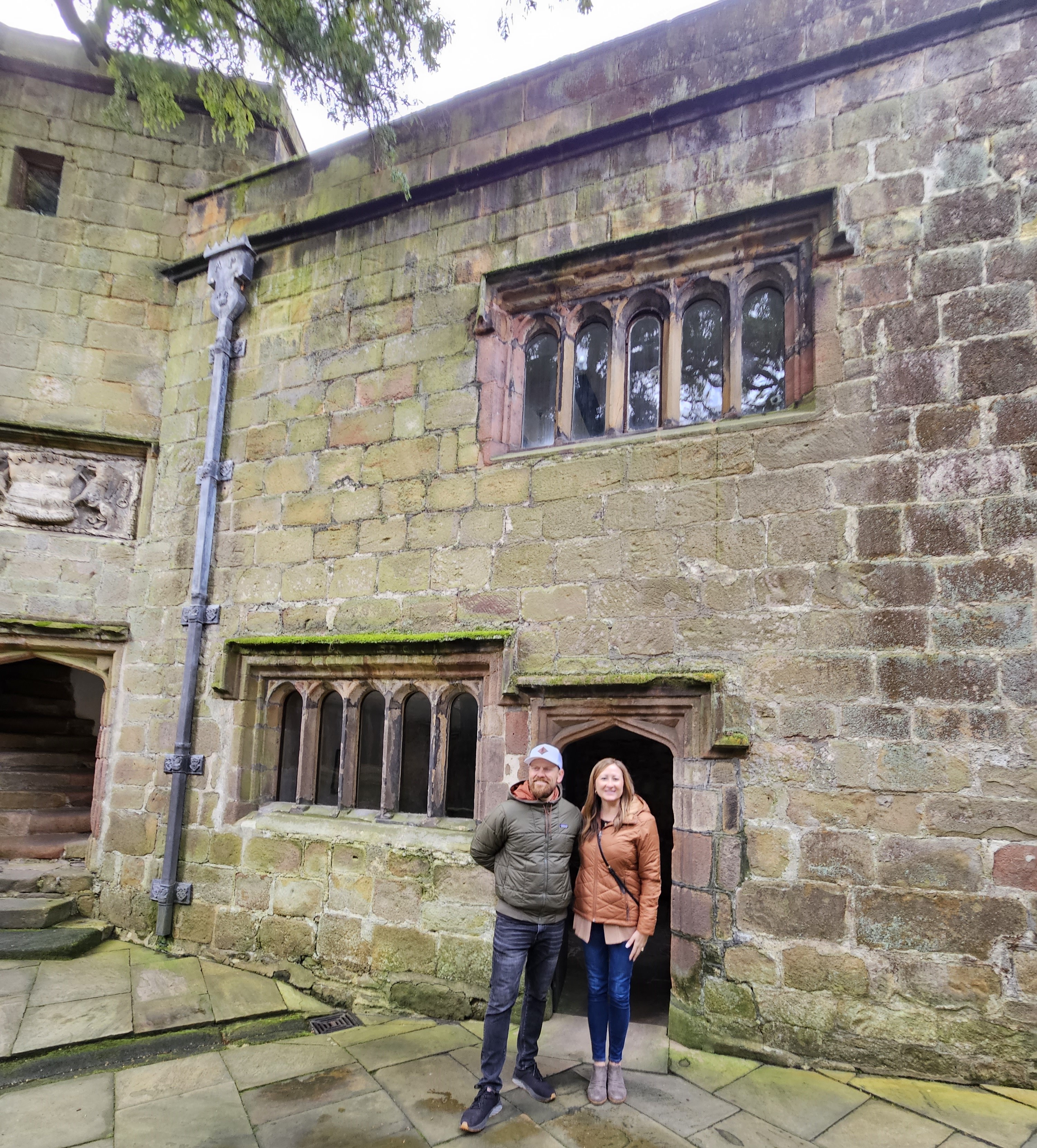
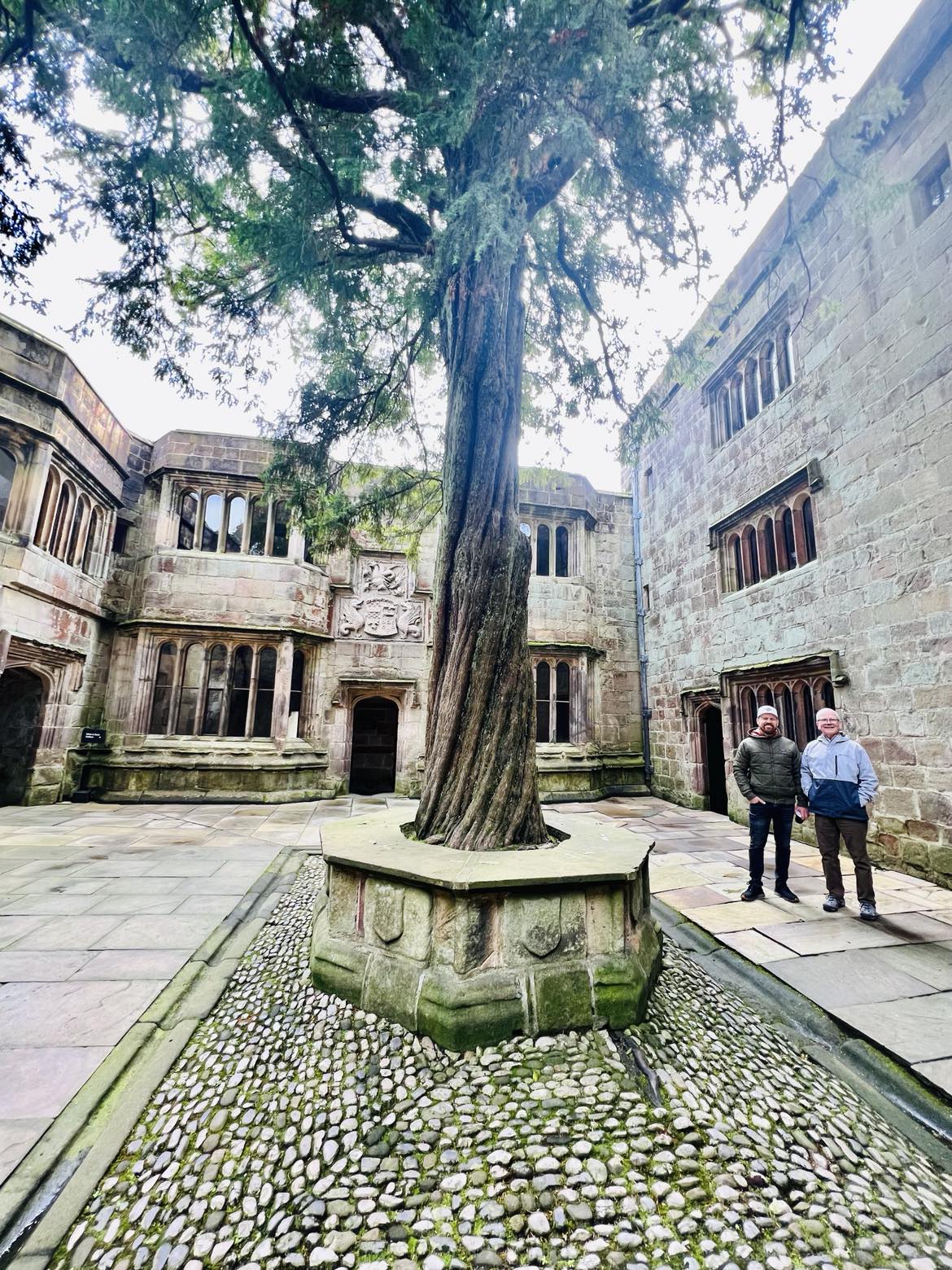
The ancient Yew tree in Conduit Court.
Lady Anne Clifford (1590-1676)
Born at Skipton Castle, 30th January, 1590, the daughter of George Clifford, she was the last Clifford to own Skipton Castle. She fought equally tenaciously for her rights and for the King’s cause in the Civil War, when Skipton Castle withstood a three years siege.

Lady Anne was also remarkable for the extensive post Civil War restoration work on her Castles. In 1659 she planted the yew tree in the central courtyard to mark the Castle’s repair from its Civil War damage.
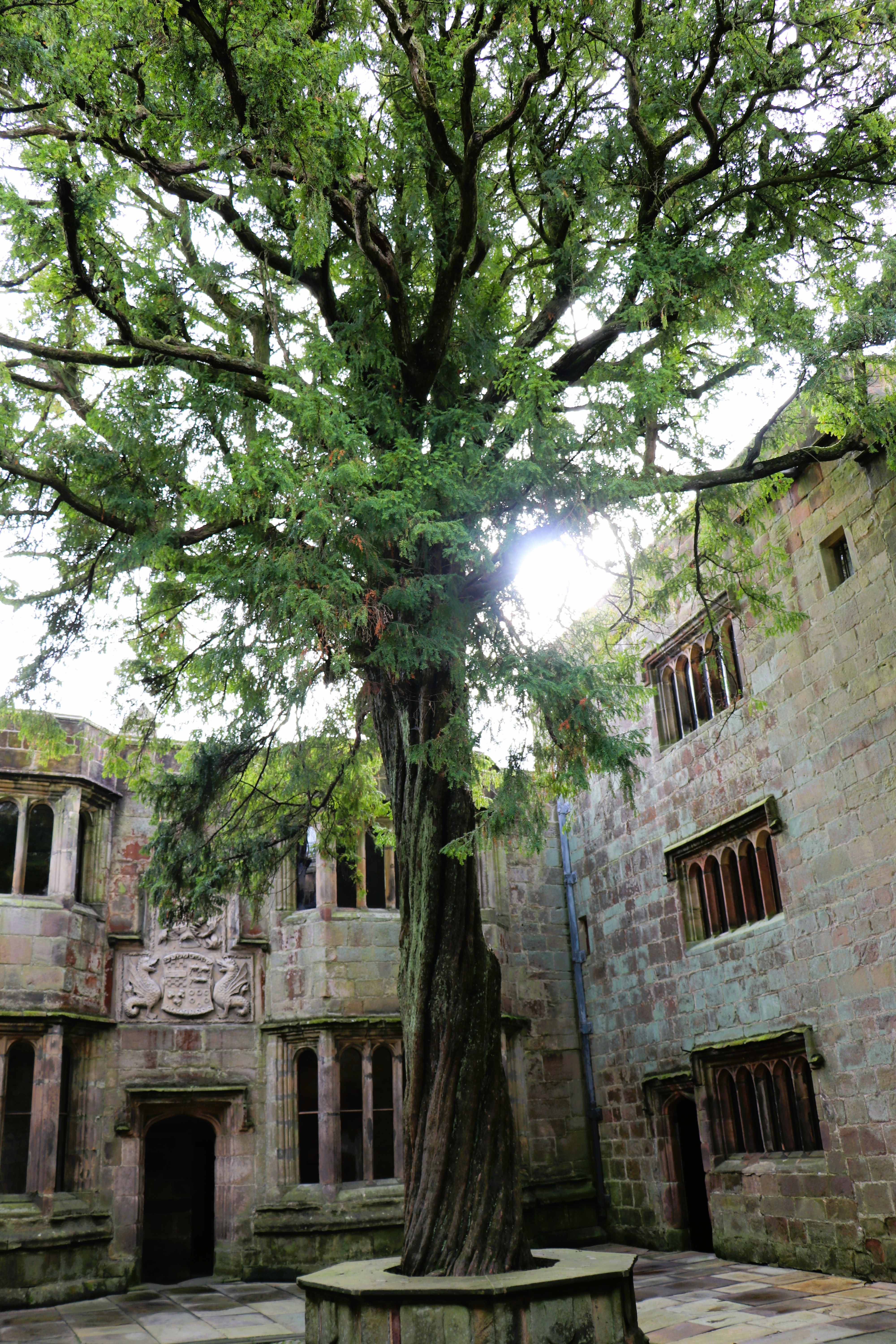
The beautiful Conduit Court where a 350-year old Yew tree planted by Lady Anne Clifford still survives today
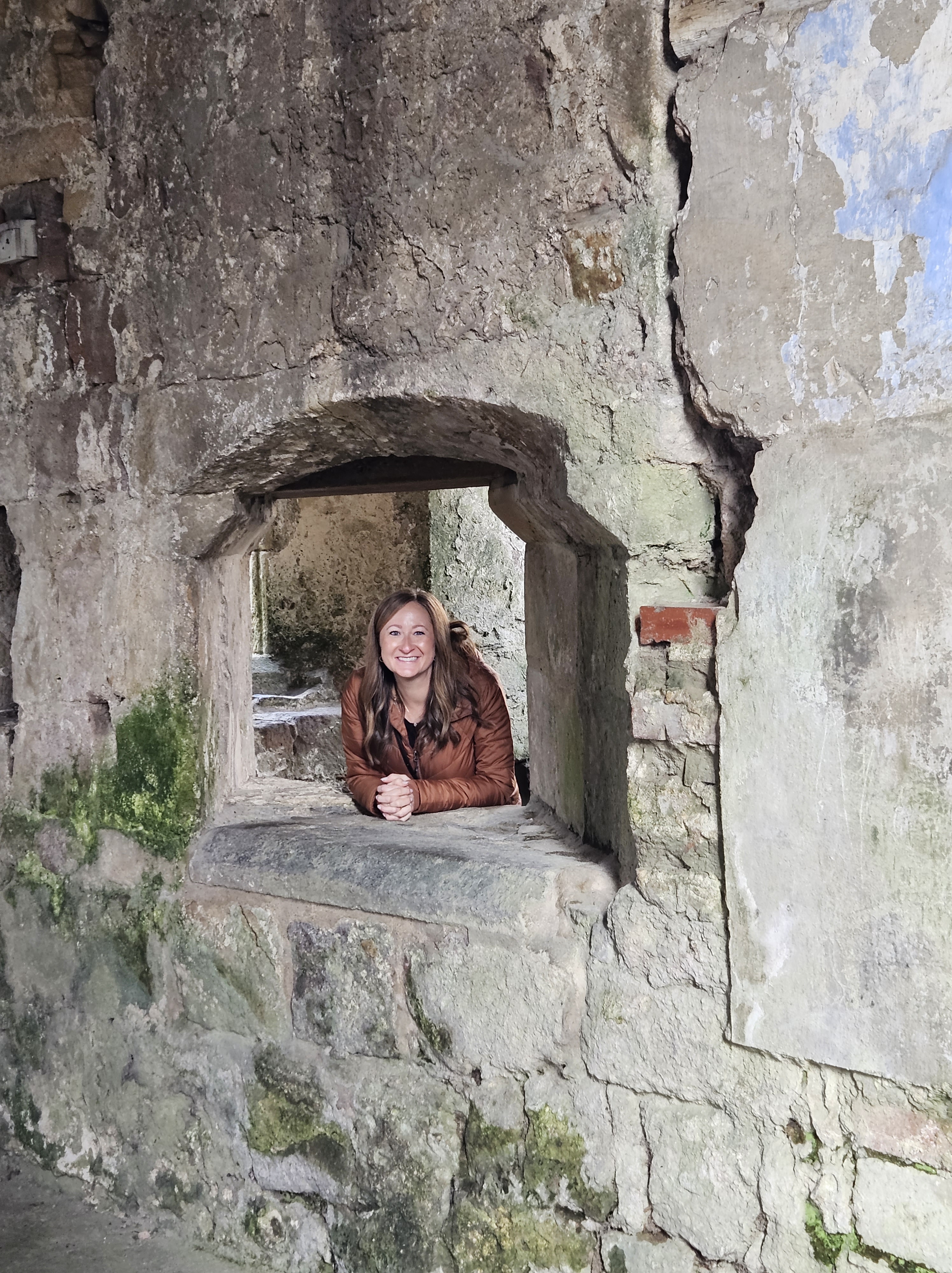
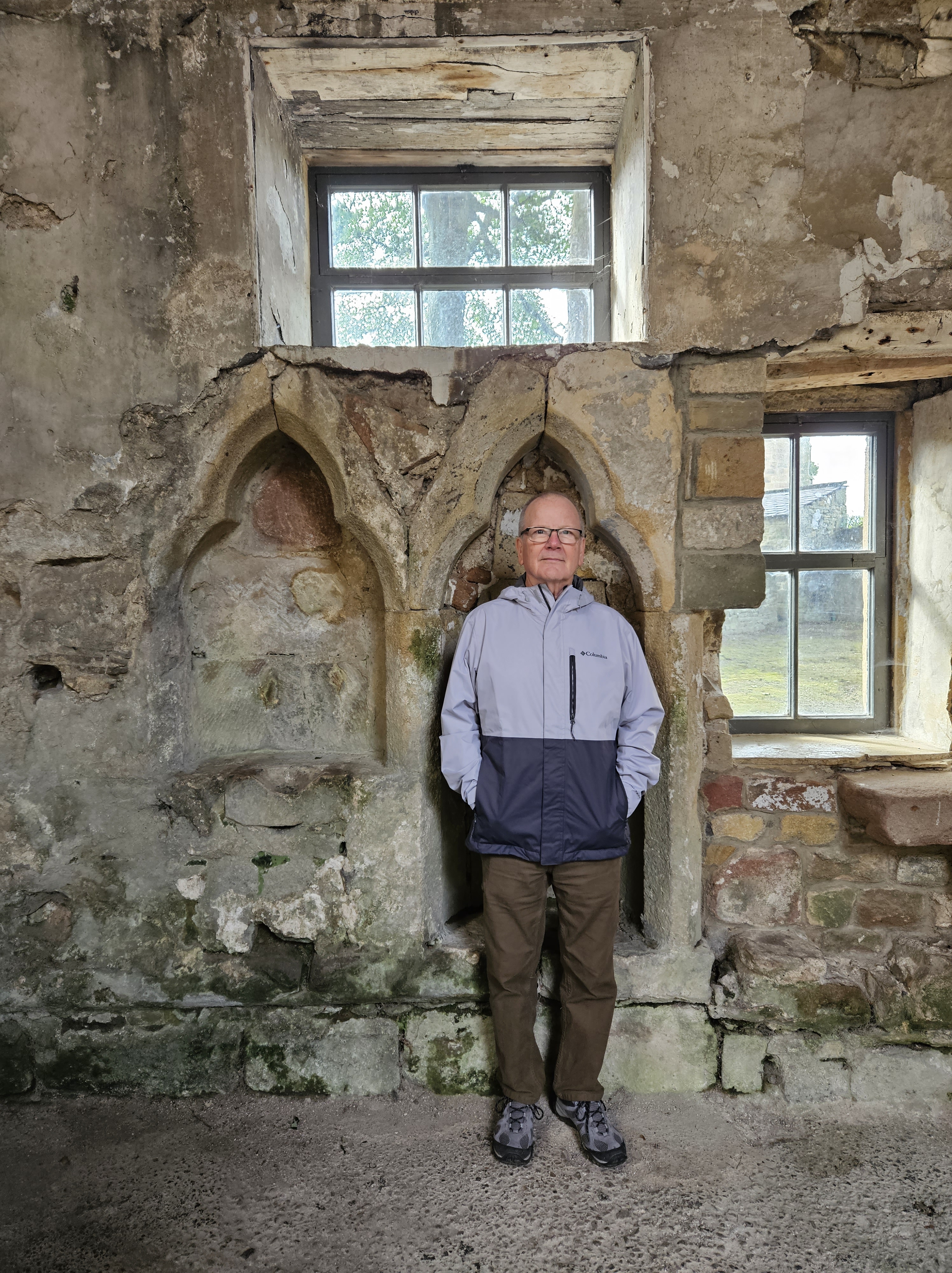
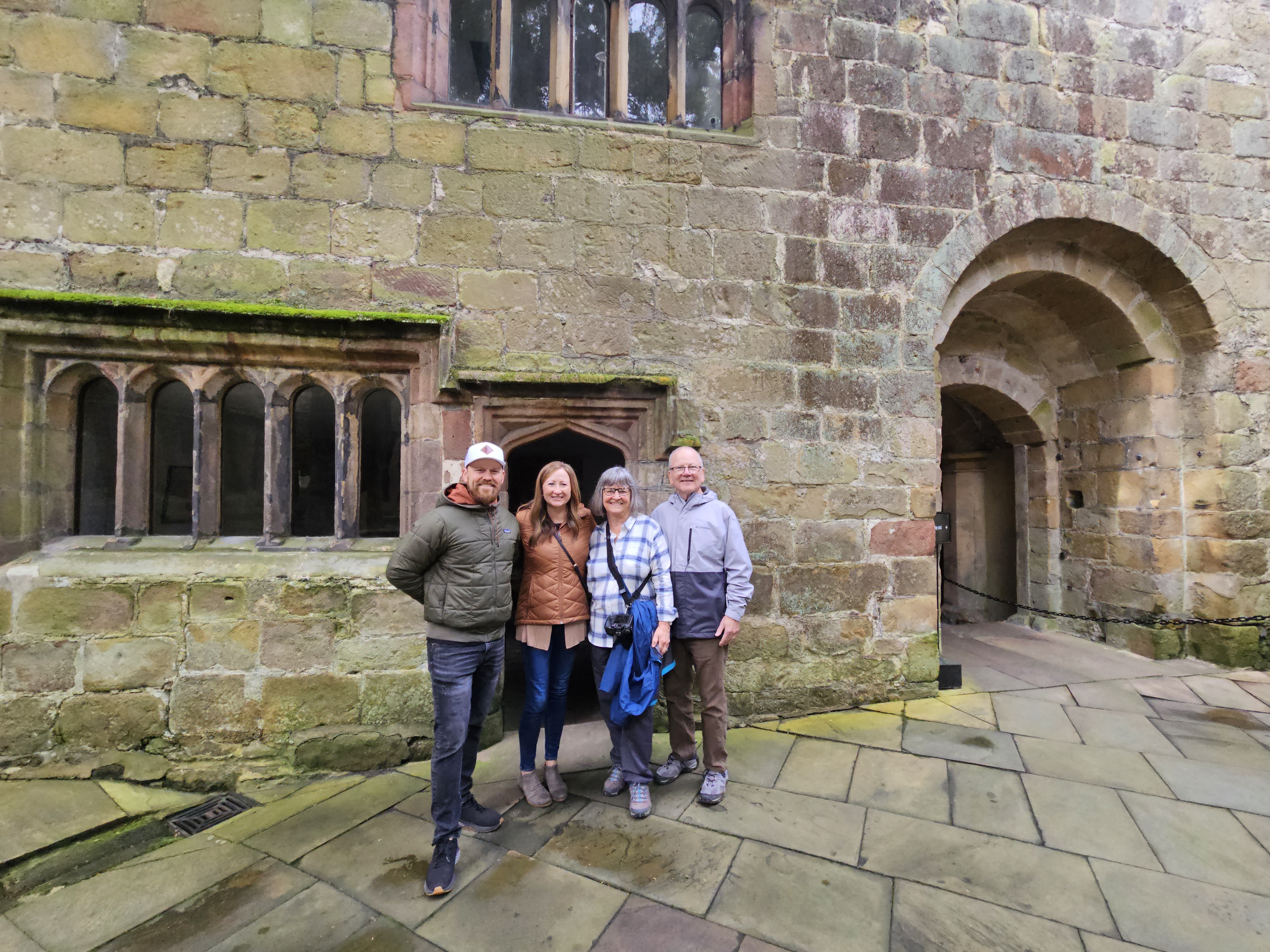
We enjoyed our time here especially since we were early enough to enjoy the castle mostly on our own.
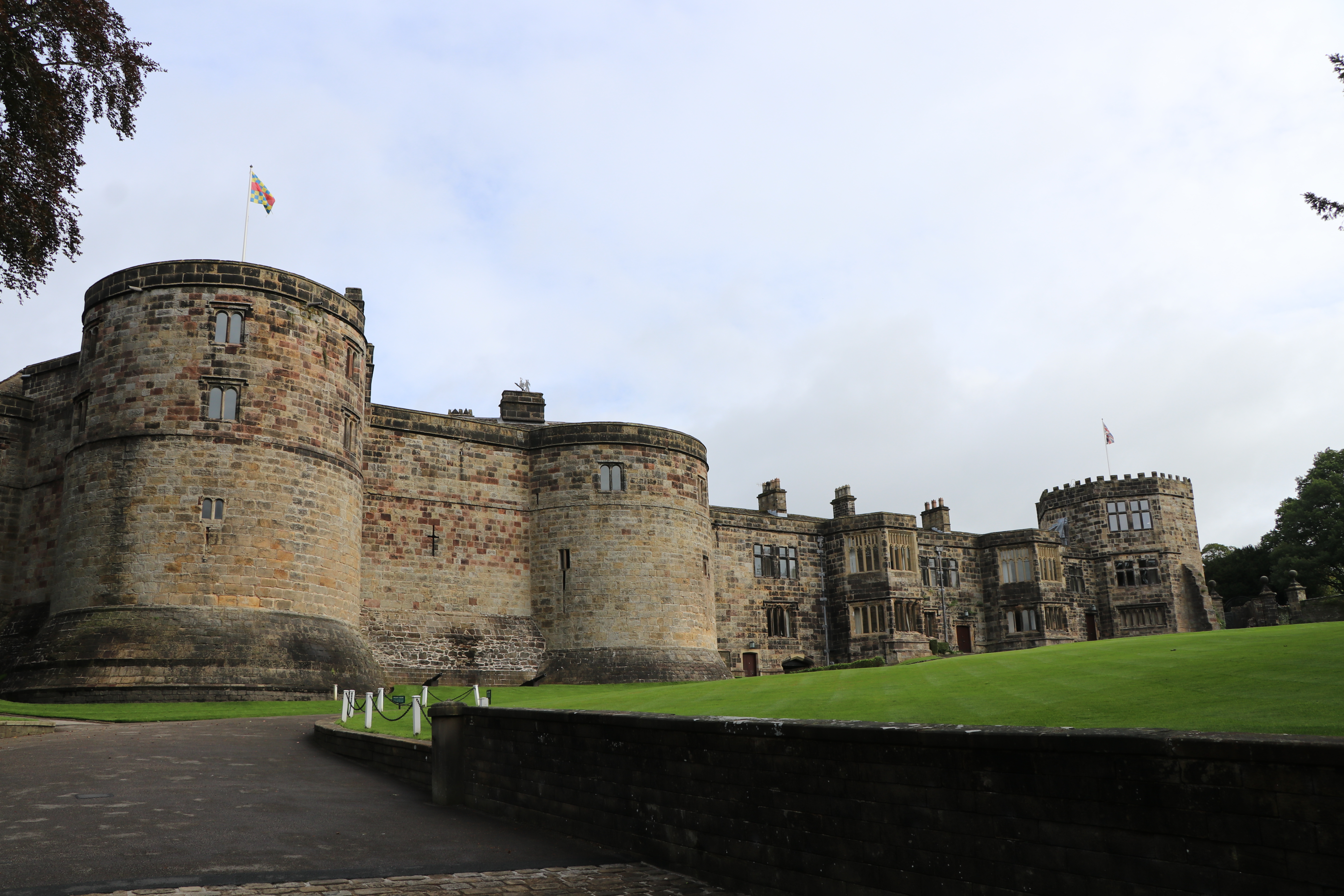
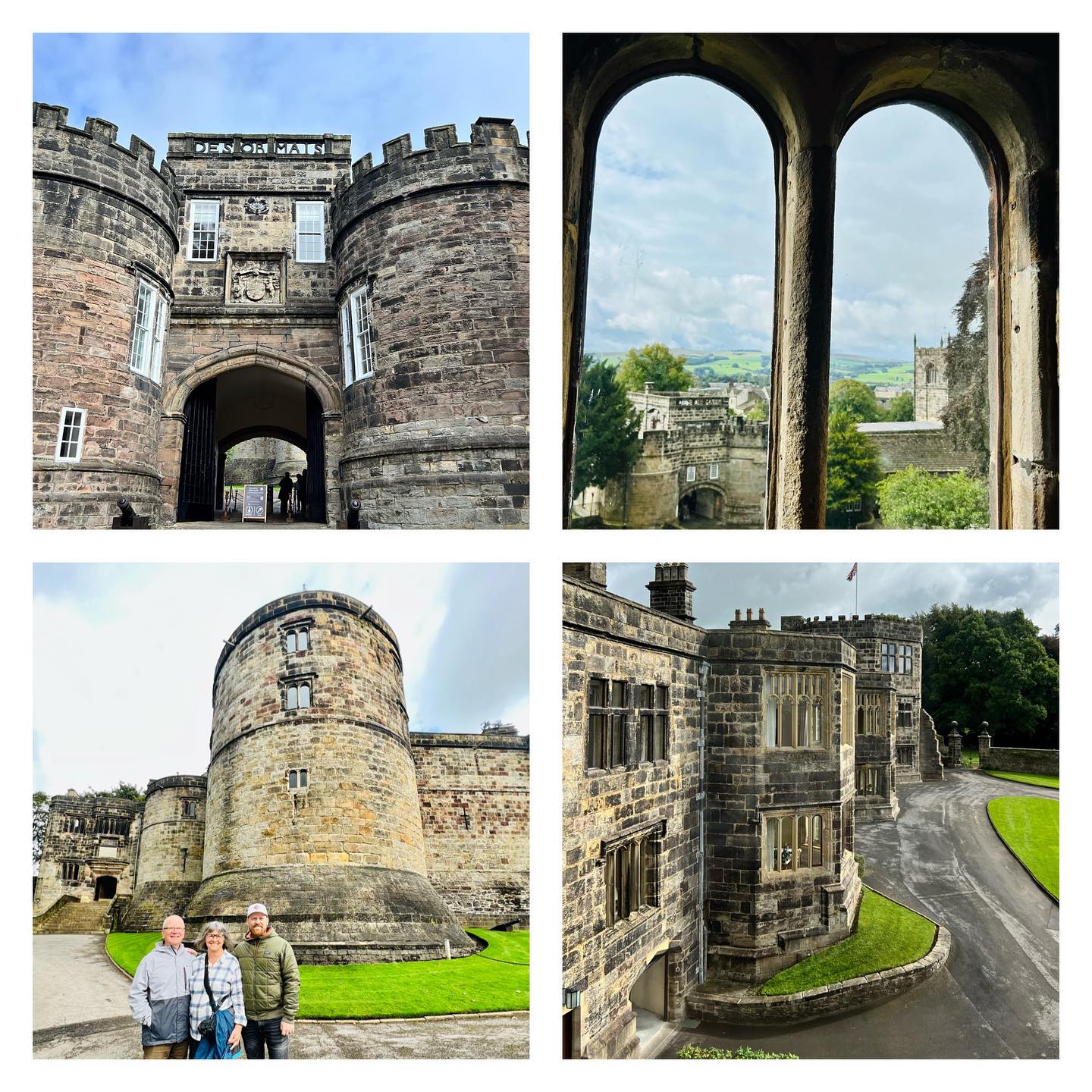
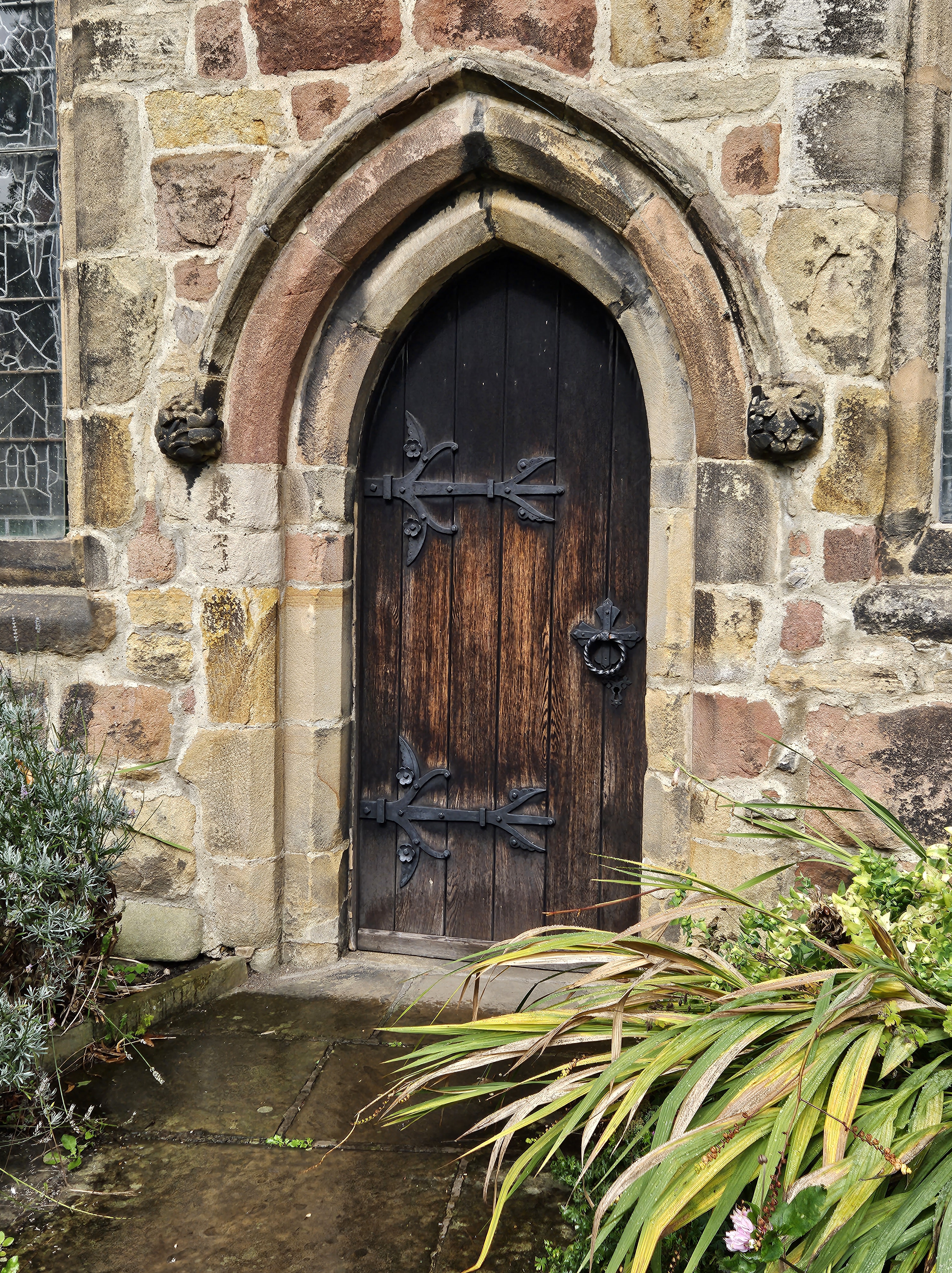
This door called out to me at Holy Trinity Church in Skipton. Before we left Skipton we popped into the church.
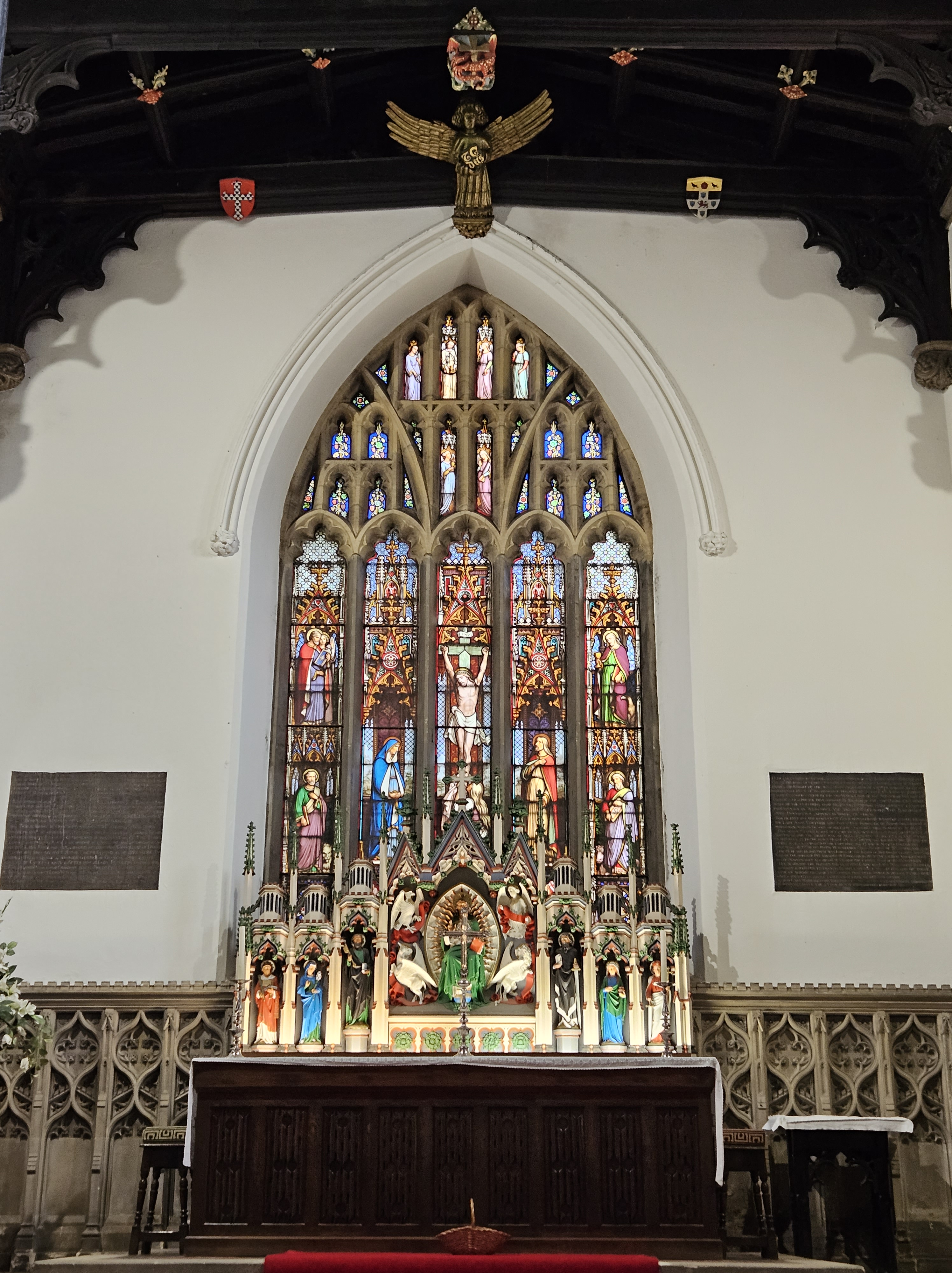
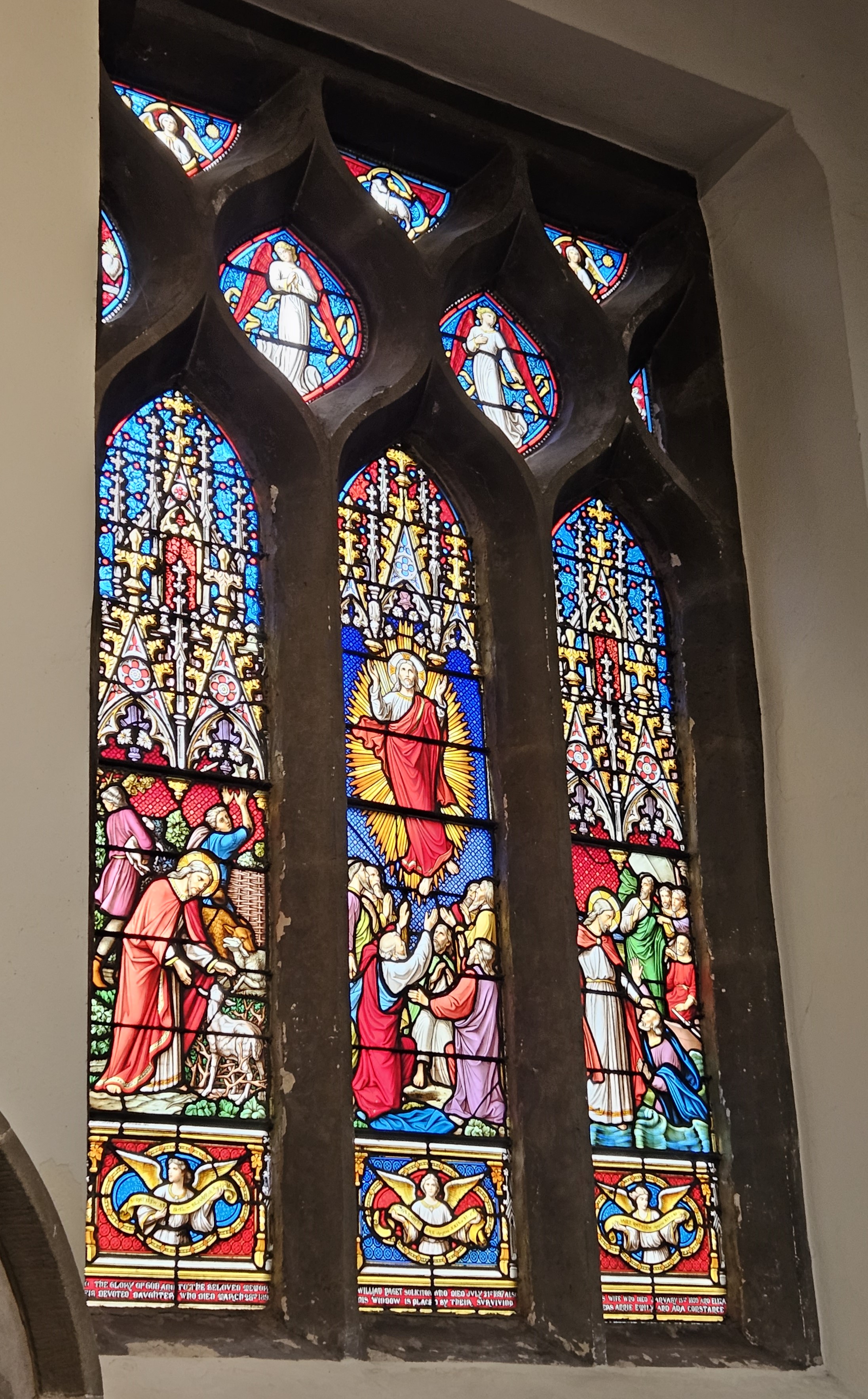
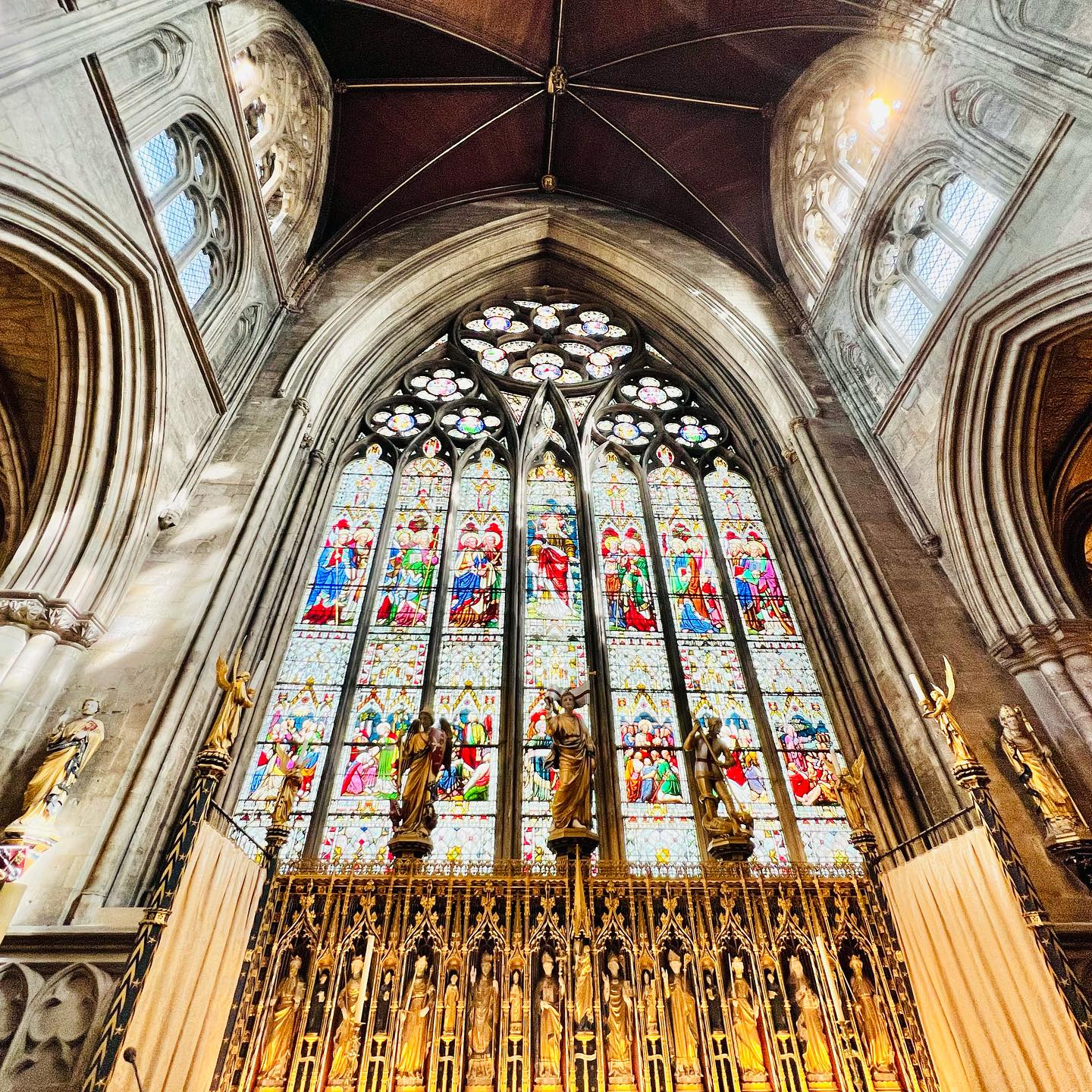
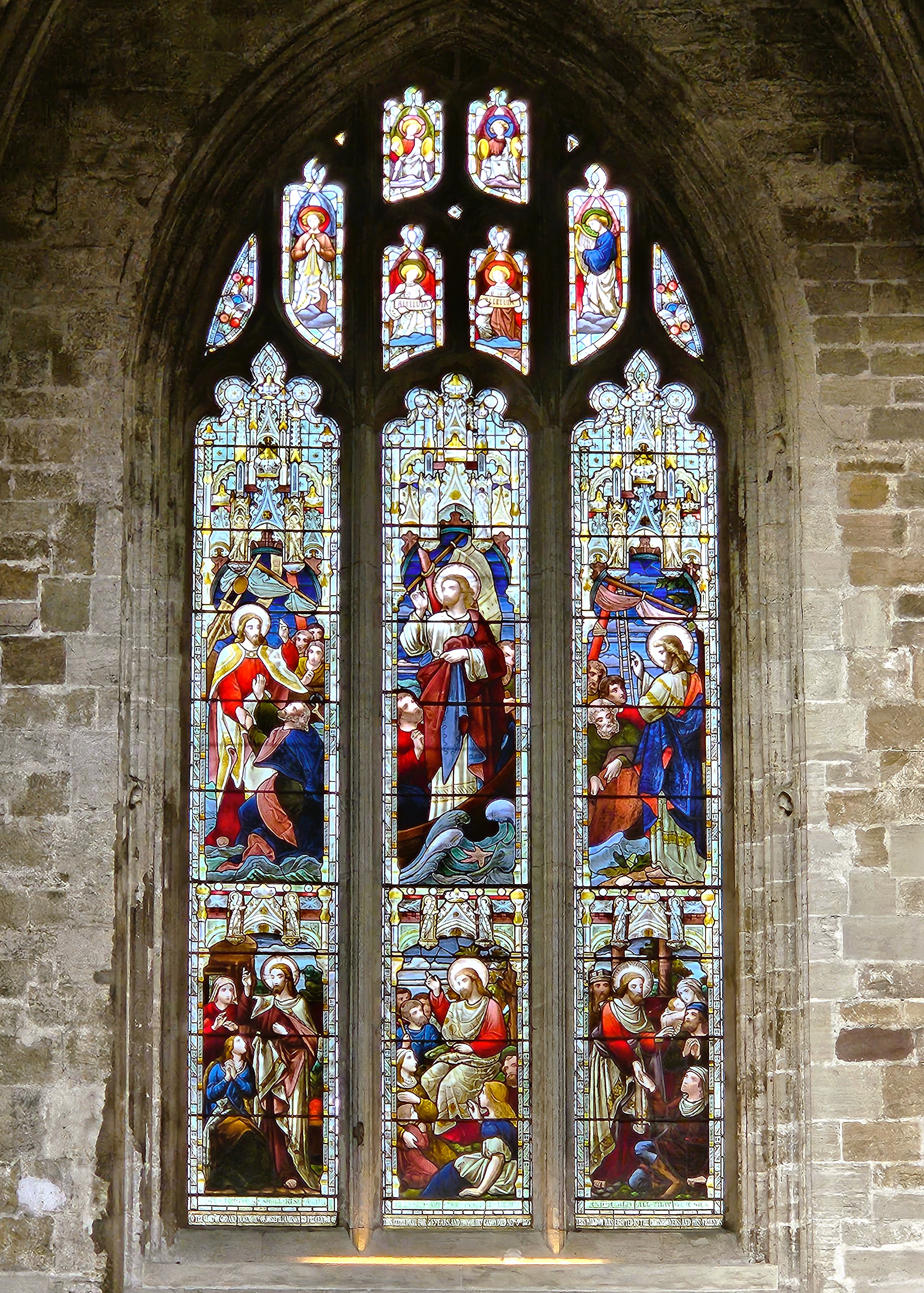
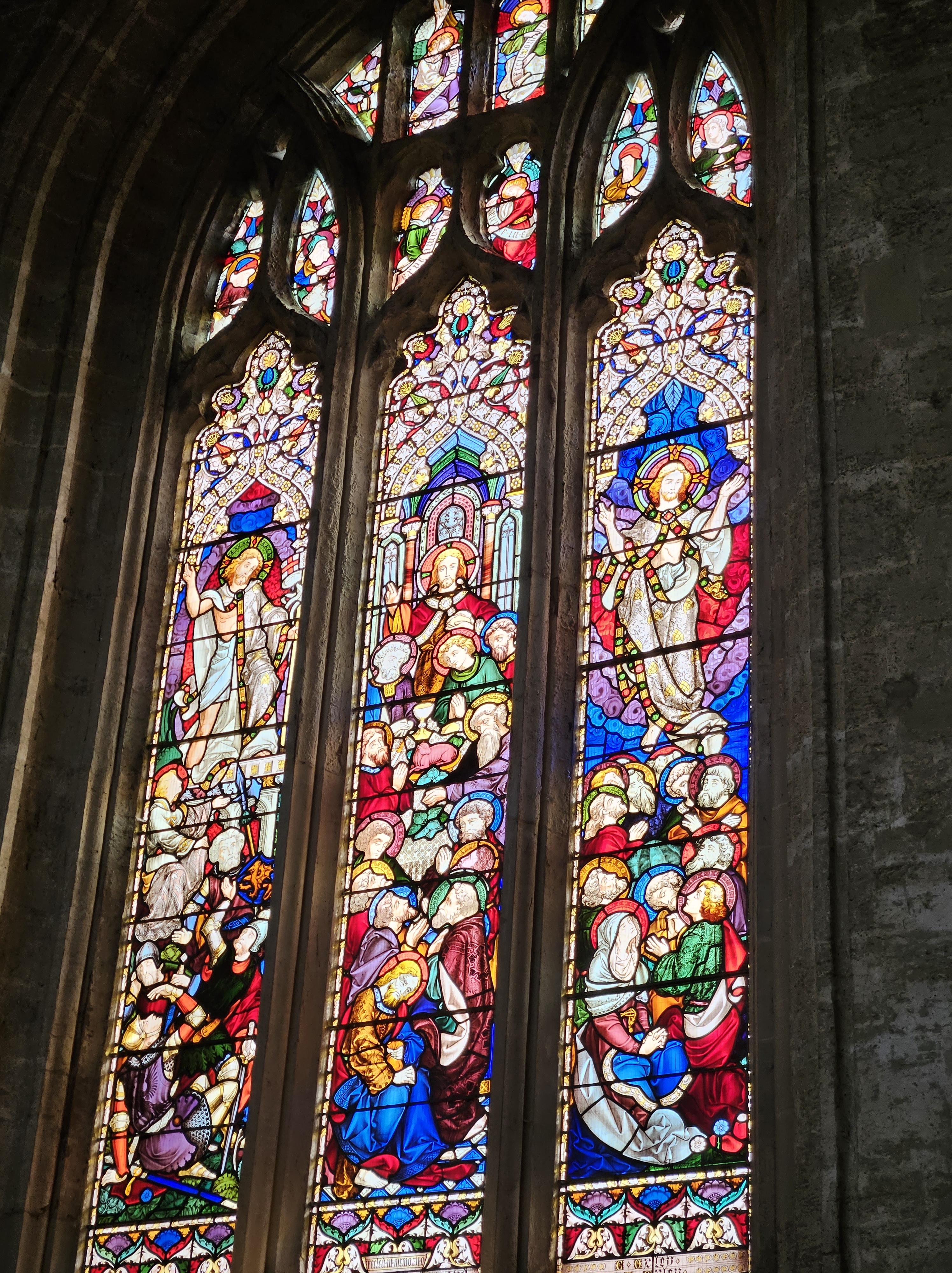
The window of the Ministry and Ascension of Jesus. Centre-Ascension to his Father in Heaven, whilst his disciples watch from the ground as they receive the gift of the Holy Spirit at Pentecost. Left panel: Jesus the Good Shepherd. Right Panel; Jesus walking on water.

Window by; J.B. Cappronnier of Brussels, 1899.

Love the rest of our journey to Knaresborough. That will be another post.

Back to the Present: Greg is working hard to finish up the redo of our Master Bedroom Shower stall. He is almost there. He needed a break from all the hard work so we did a little drive on Friday to some craft fairs. We had breakfast in Chewelah and then took some roads less traveled to see the beautiful larches in our area. Before we left home I put a roast in the slow cooker so dinner would be taken care of while we were out and about.

Saturday was back to work for Greg and he finished the grouting while I did some shopping. We enjoyed leftovers on this day.

We had a wonderful Sunday at church including our annual business meeting. After church we stopped for Mexican food in town. We were happy to see my cousin and her husband at the restaurant and had a good catch up with them. Hope you all had a good weekend.

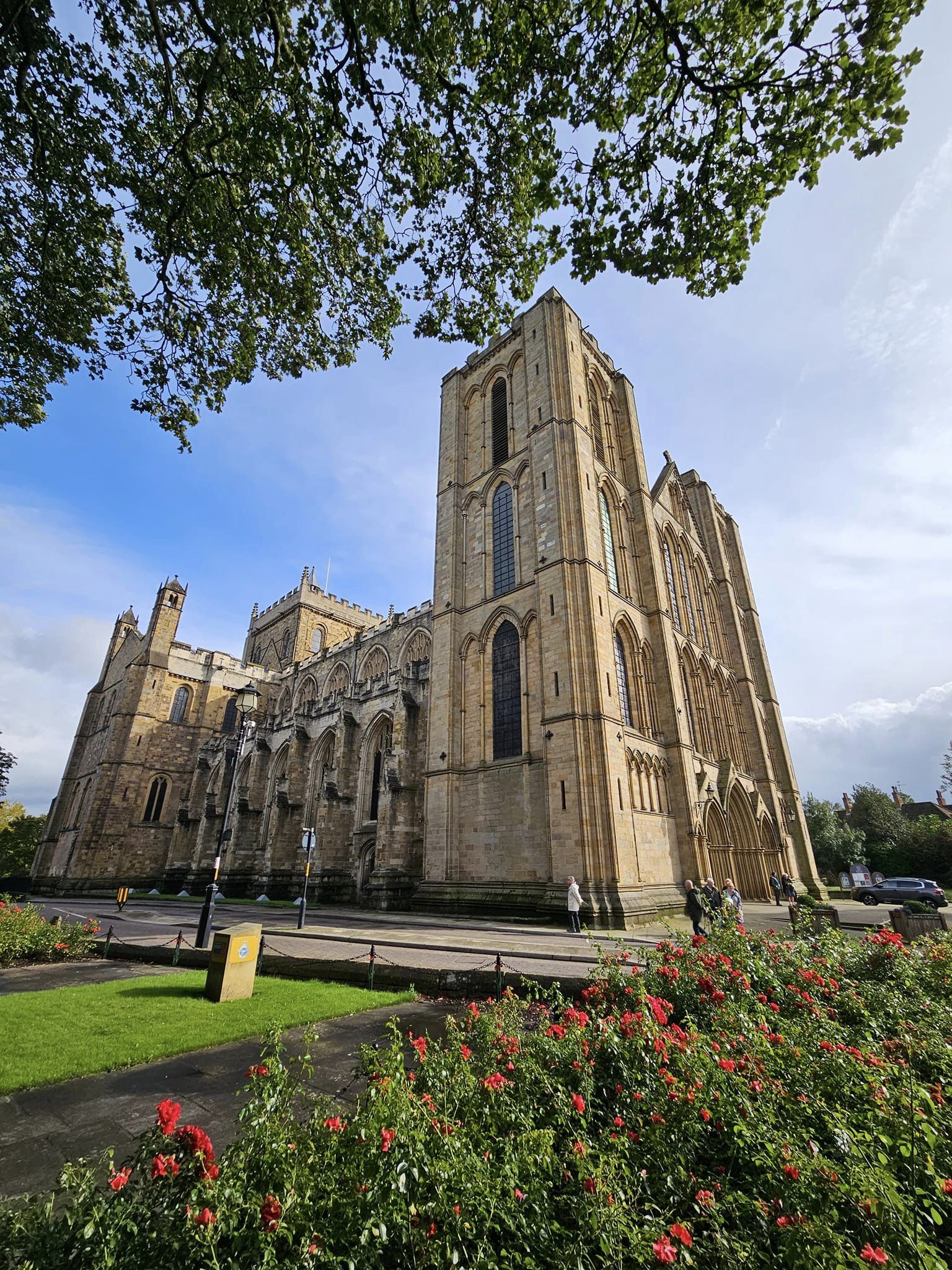
Day Six ~ Ripon

Continuing my travel log of our 6th day in the United Kingdom. Our 6th day, Wednesday September 20th took us into the Yorkshire Dales. Our trusty driver, Josh, kept us on track and gave us confidence on the lanes and highways.

Our route on this day took us northwest with our first stop in Ripon and continuing on through the picturesque village of Pateley Bridge before arriving at our destination for the a couple nights in Grassington which was only 50 miles from York.

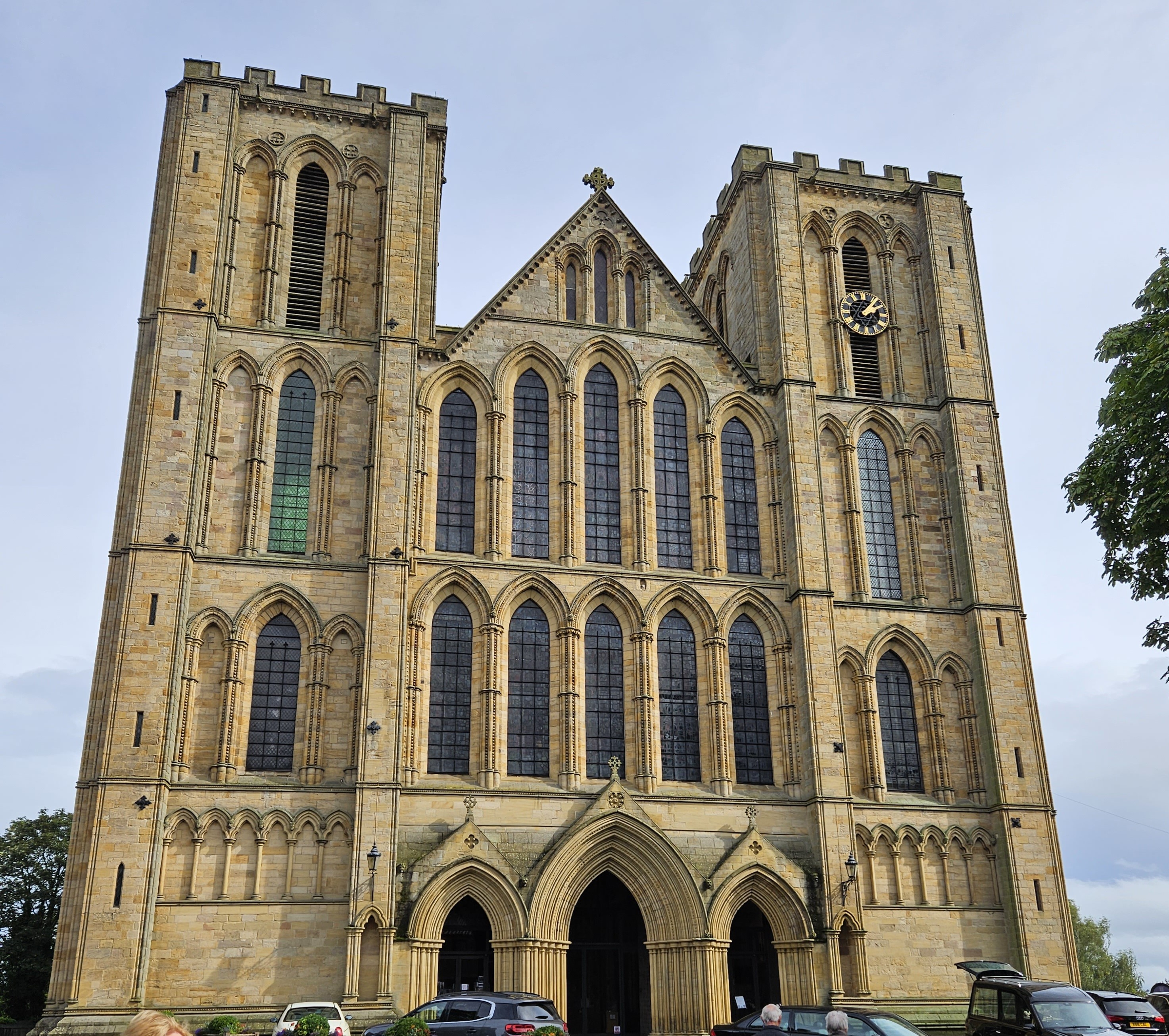
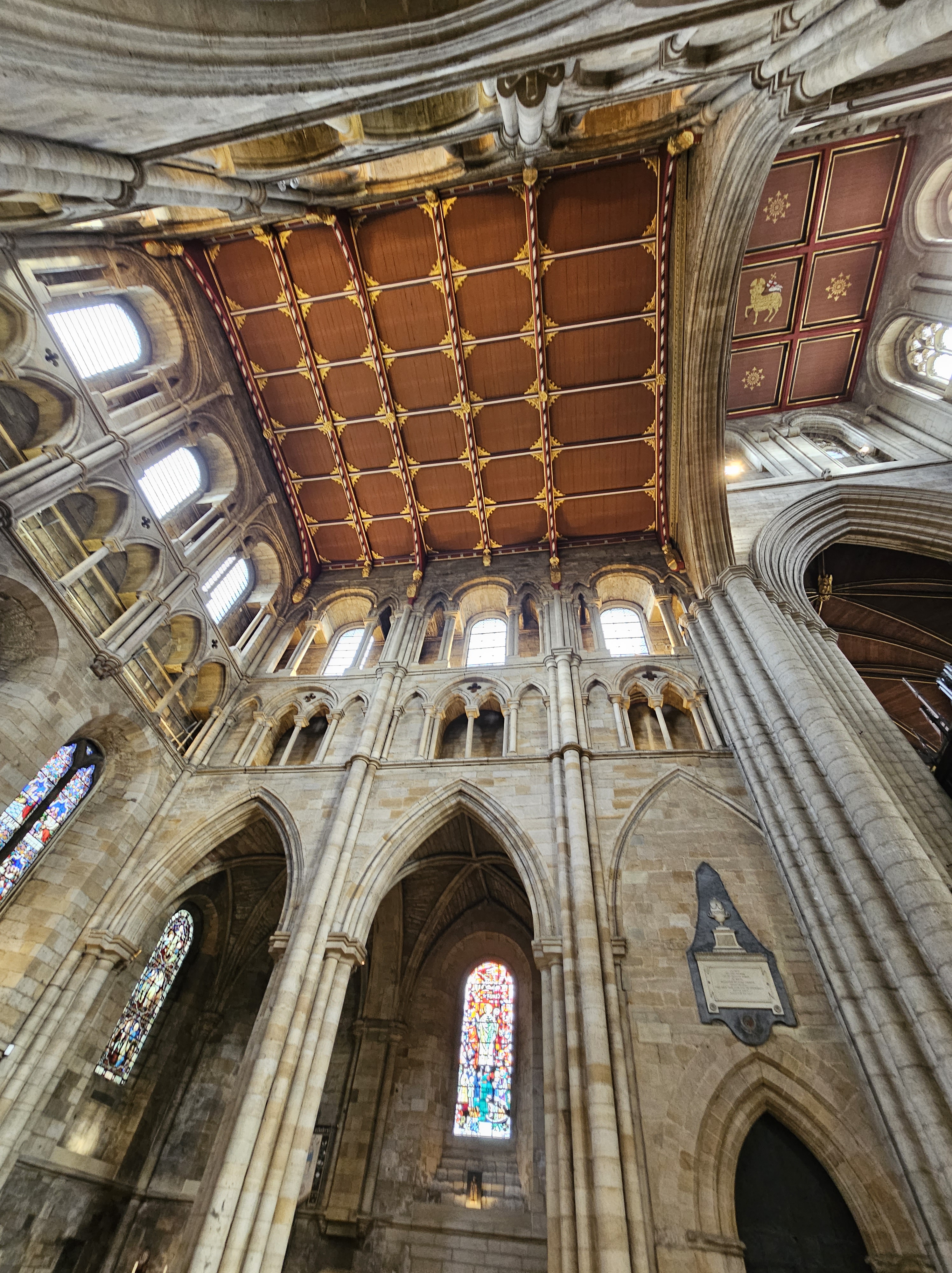
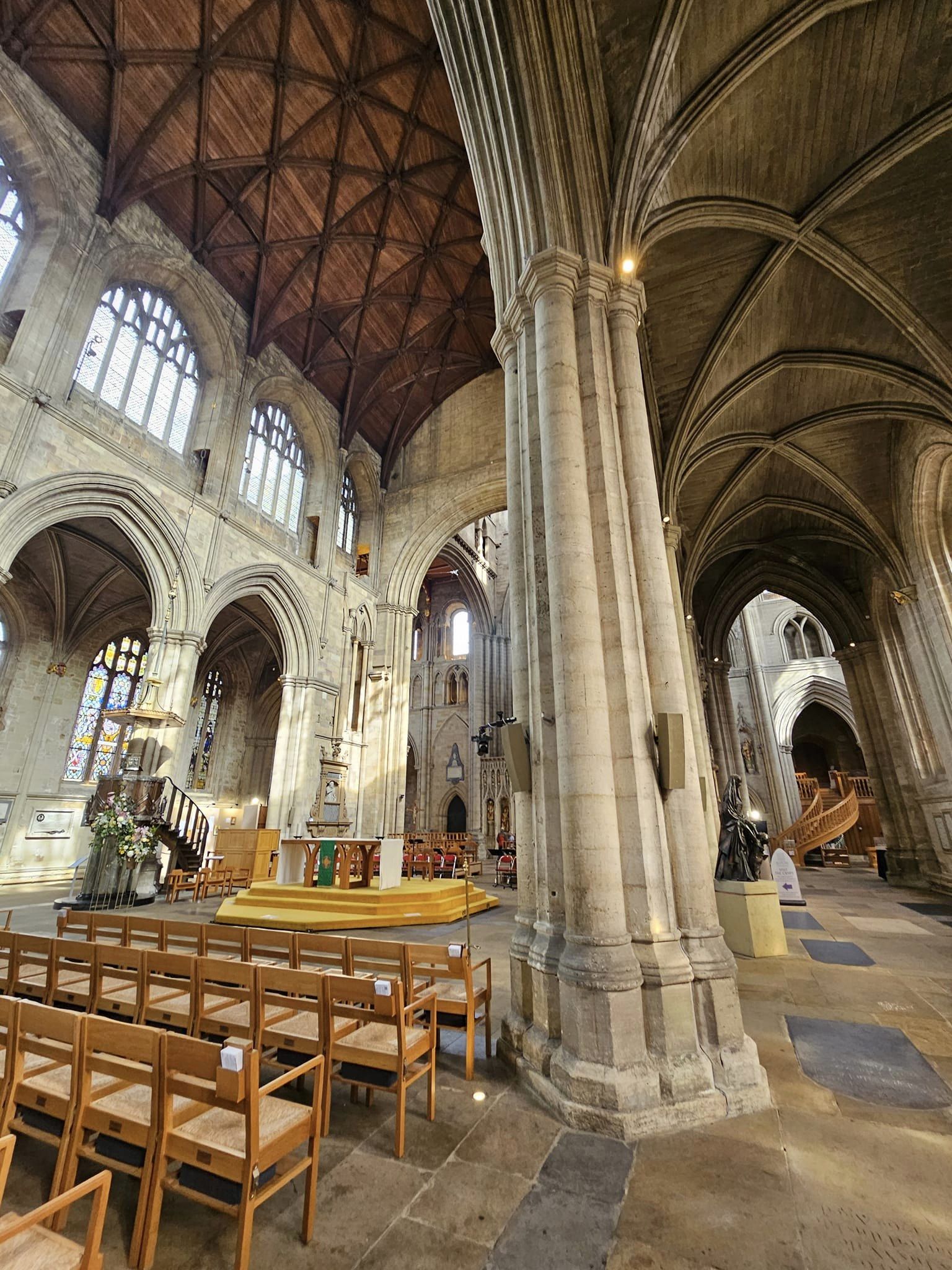
After our lunch at the Silva Bells we walked across the street to the cathedral. There was a funeral in progress so we waited a short time for the friends of the deceased to leave the cathedral. Once inside we met a very helpful volunteer of the Cathedral. We discussed the expense of maintaining these beautiful cathedrals.

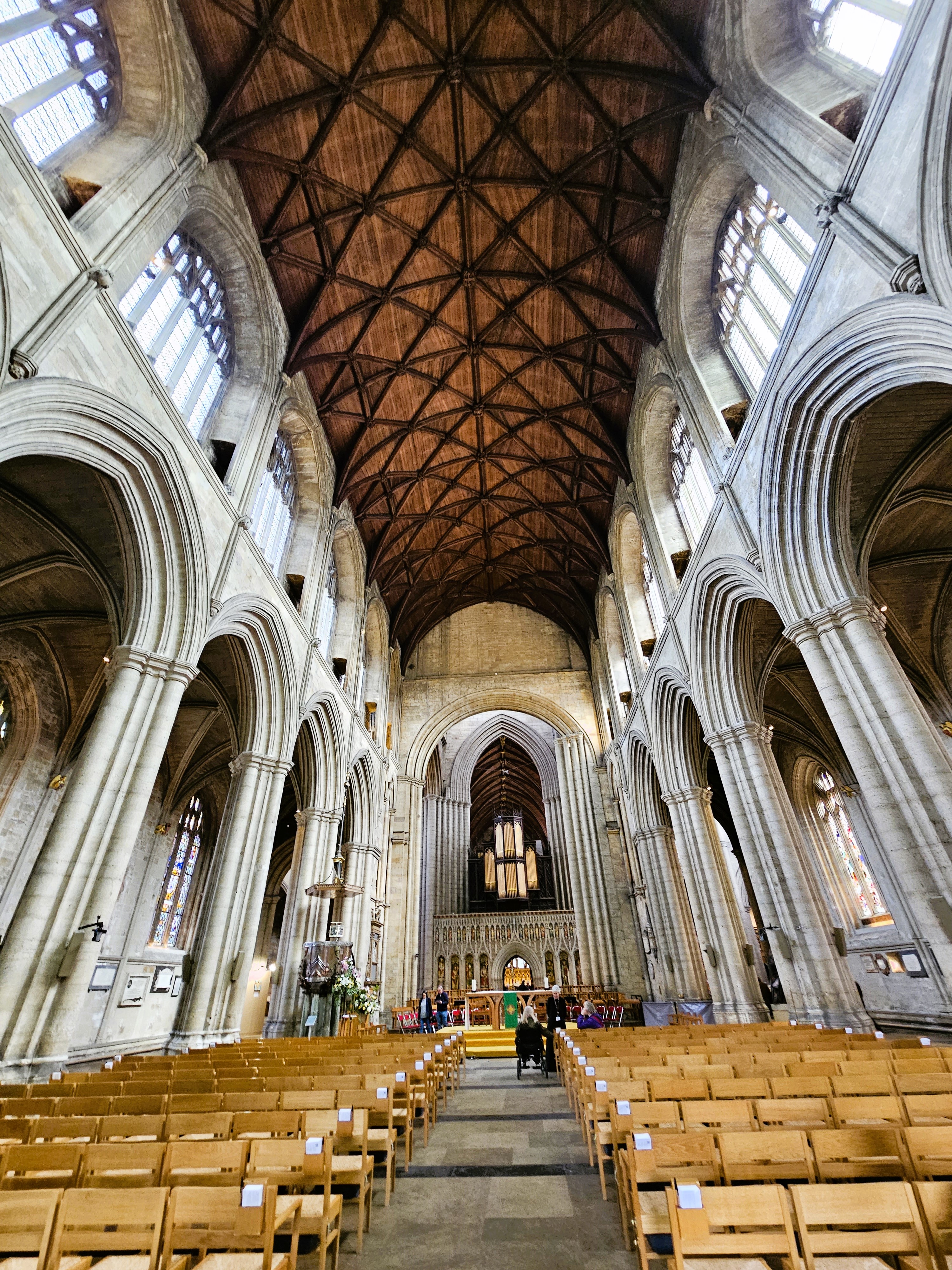
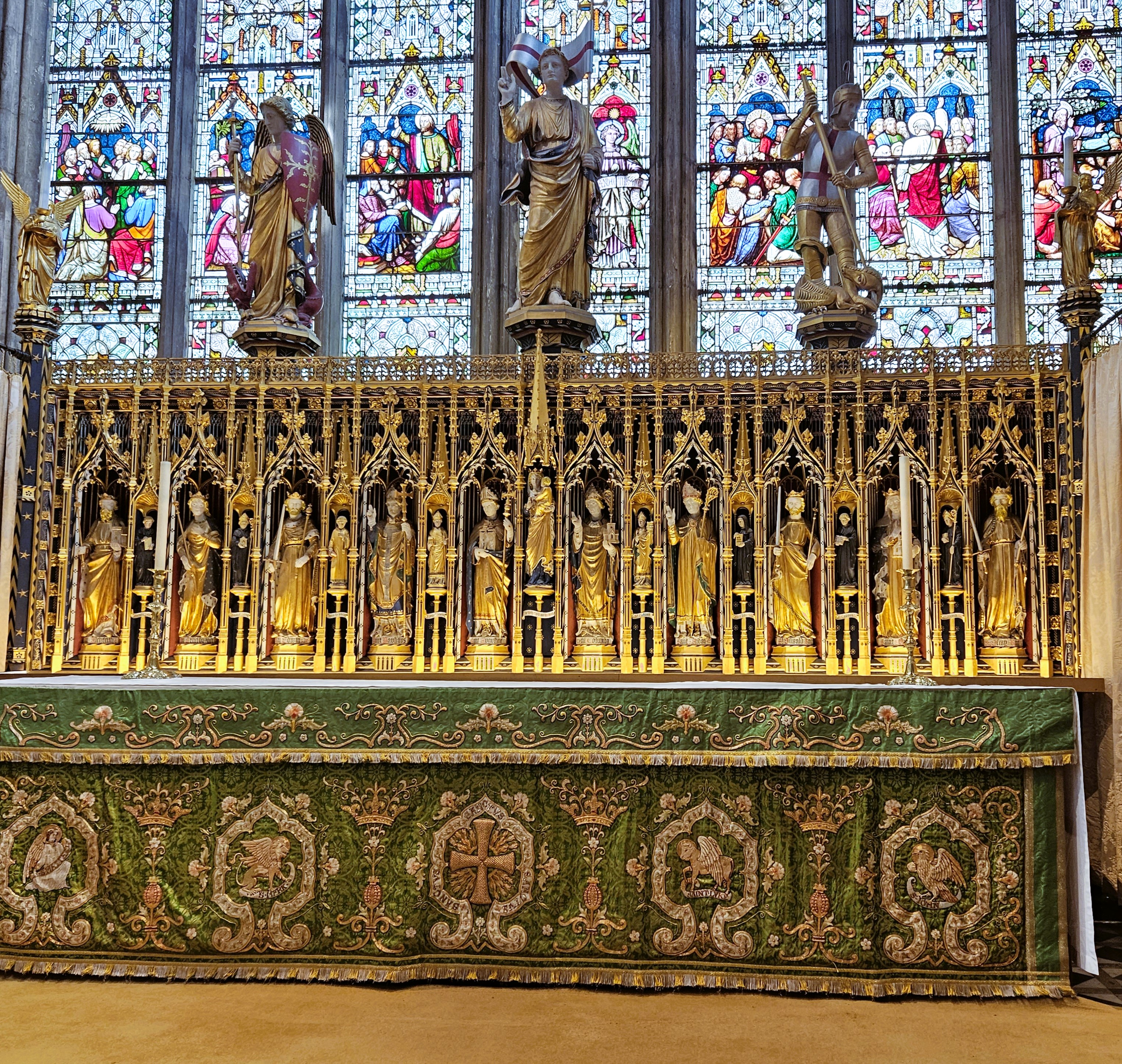
The typical cathedral contains a narthex at the entrance, three aisles with the central being the nave, a transept that gives the church its cross shape, an open choir where the nave and transept meet, and an apse at the far end of the nave, containing the altar.

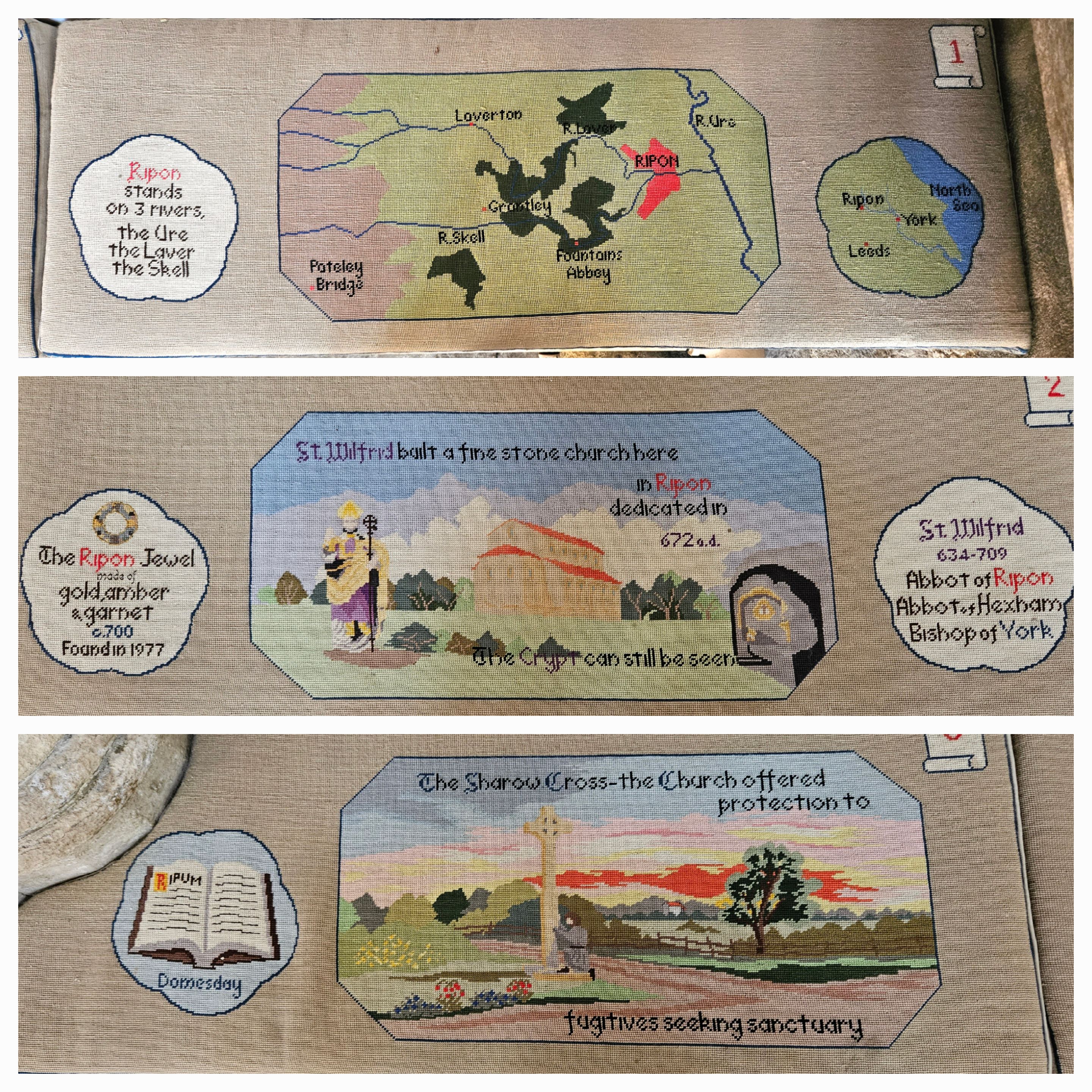
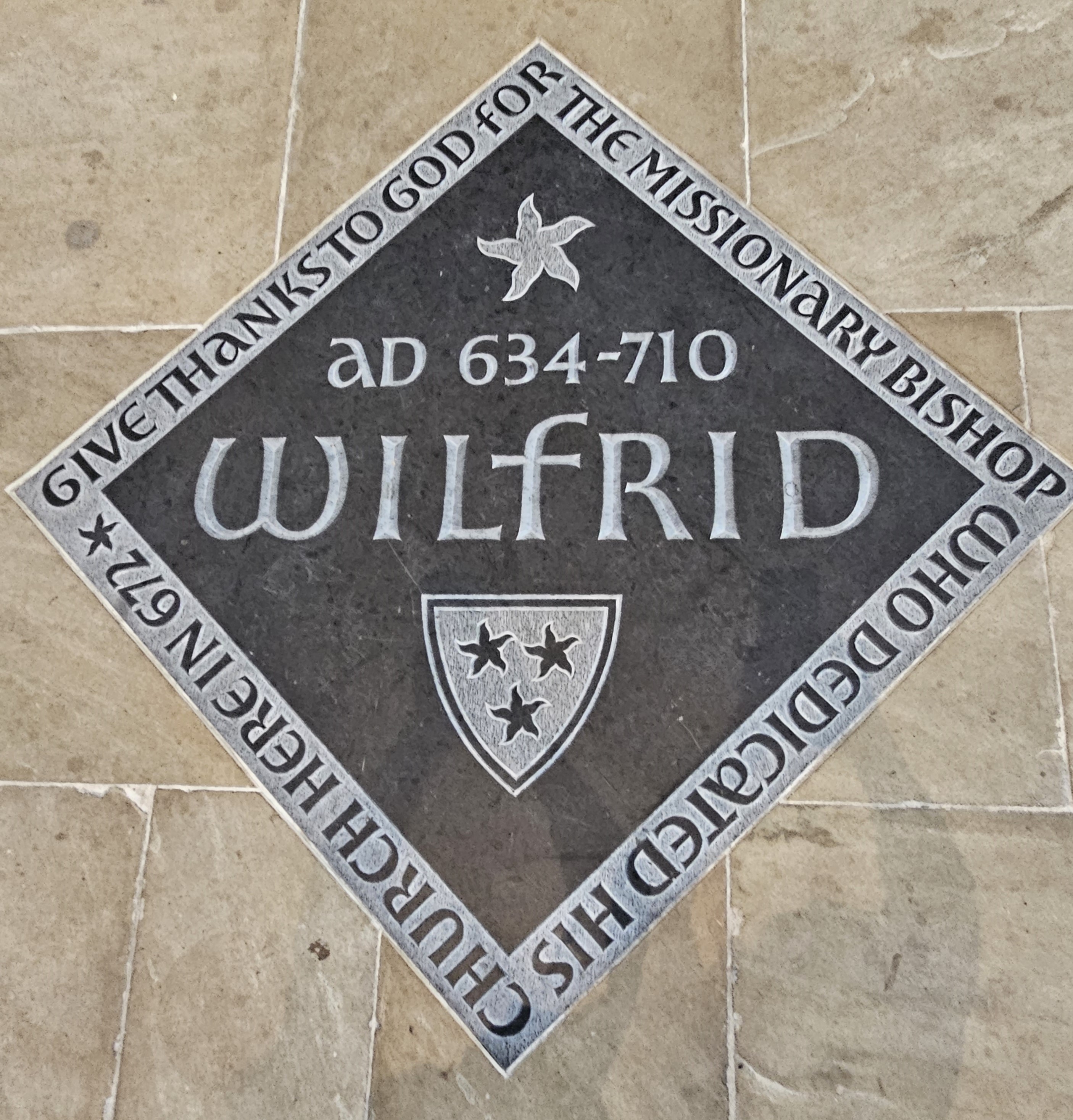
The present church was founded by Saint Wilfrid and dedicated in 672, although it has been rebuilt several times since. The ancient Saxon crypt – one of the oldest in the country – is the only part of Wilfrid’s original church that remains to this day.

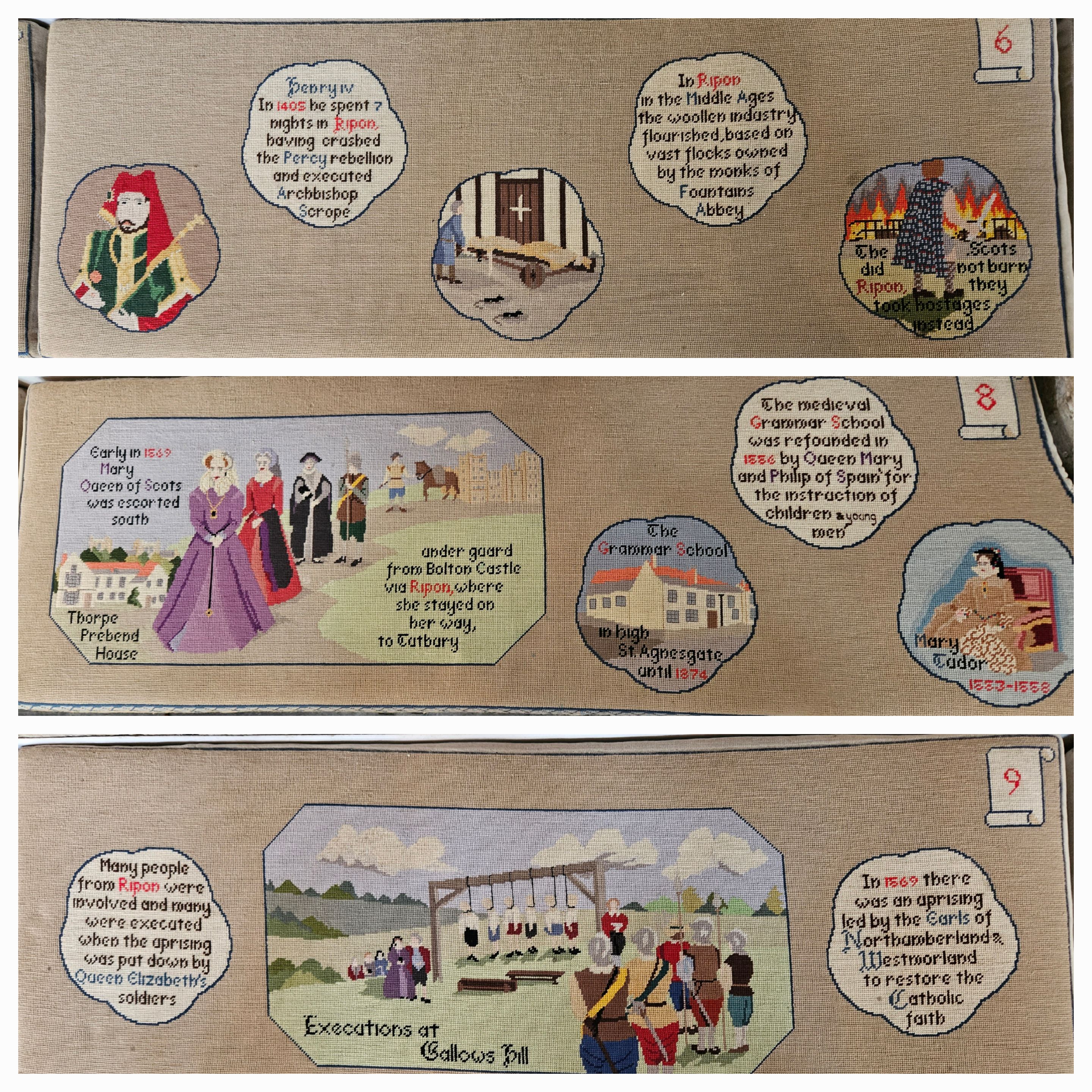
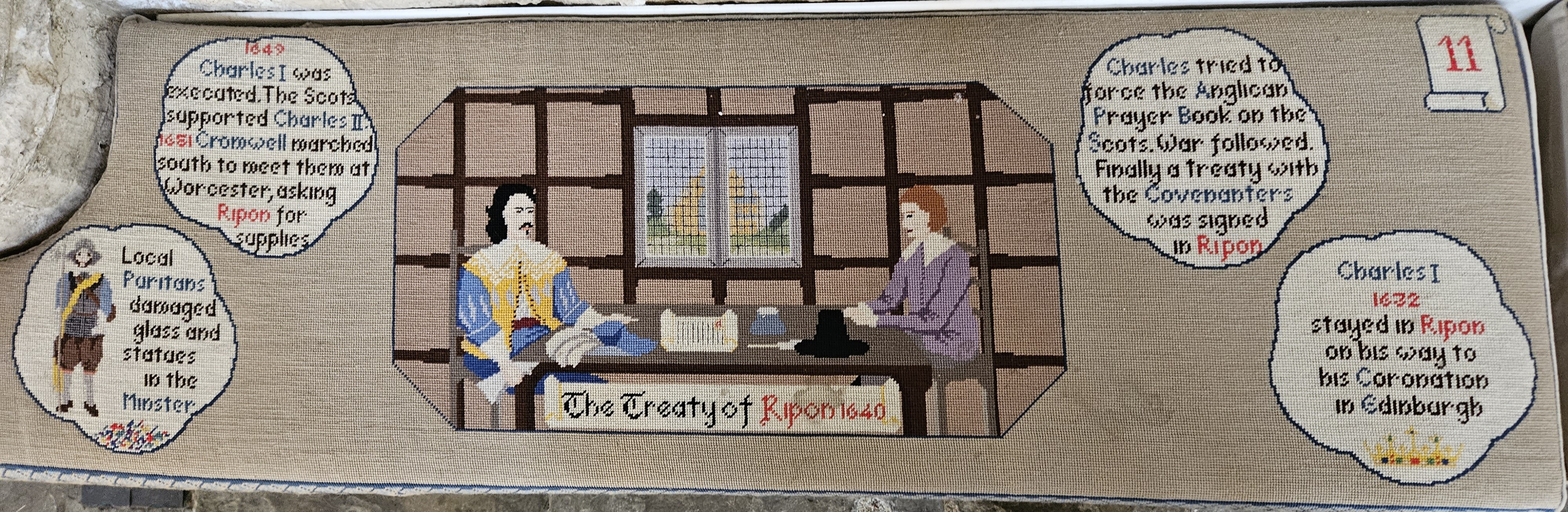
These amazing needlepoint cushions that lined the stone benches on the outer walls represent a piece of the history of this area of Yorkshire and the history of Ripon and the Cathedral. They were created as a commemorative project celebrating the 2000 Millennium.

Let us test and examine our ways, and return to the LORD! Let us lift up our hearts and hands to God in heaven. Lamentations 3:40-41


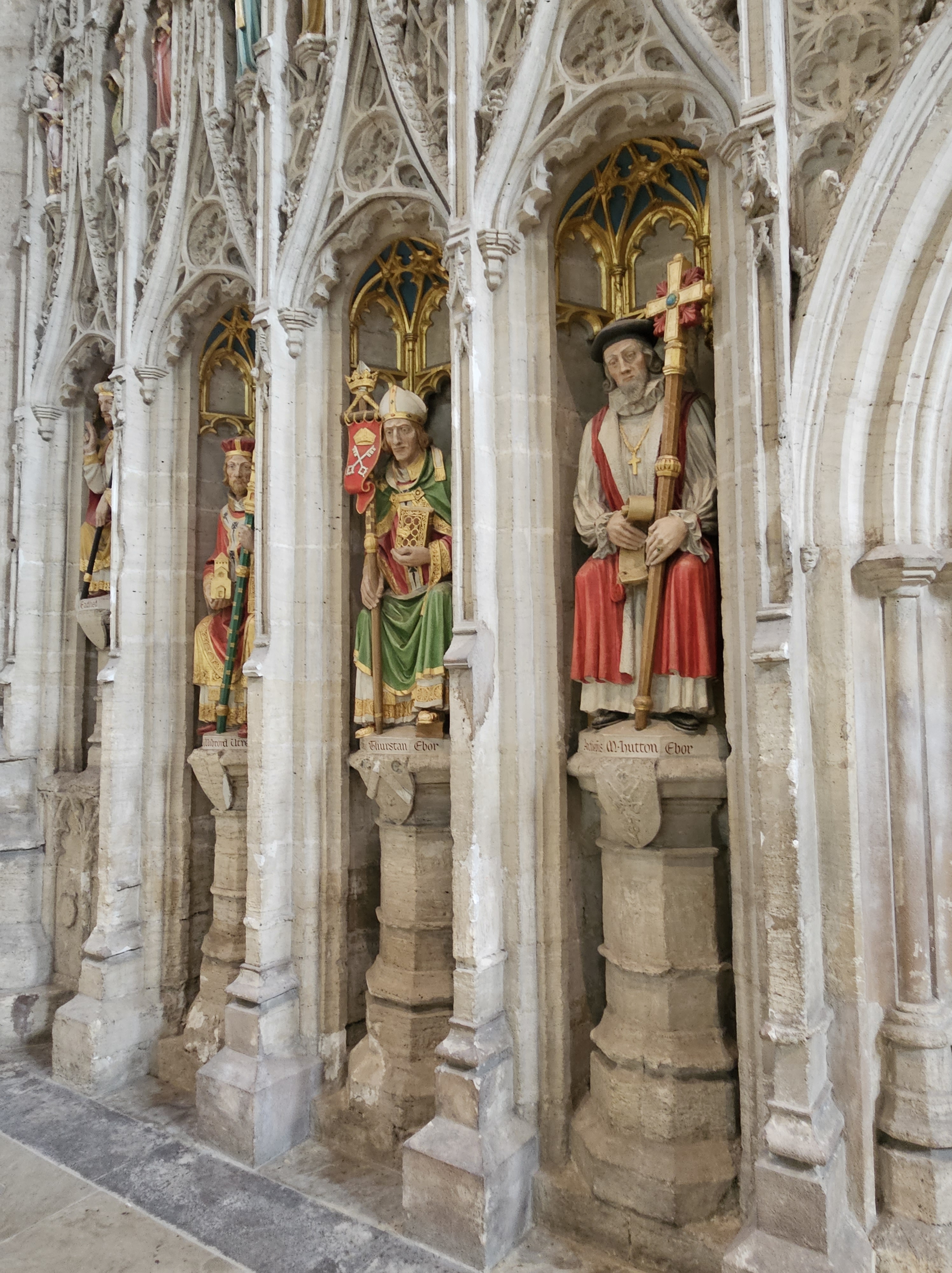
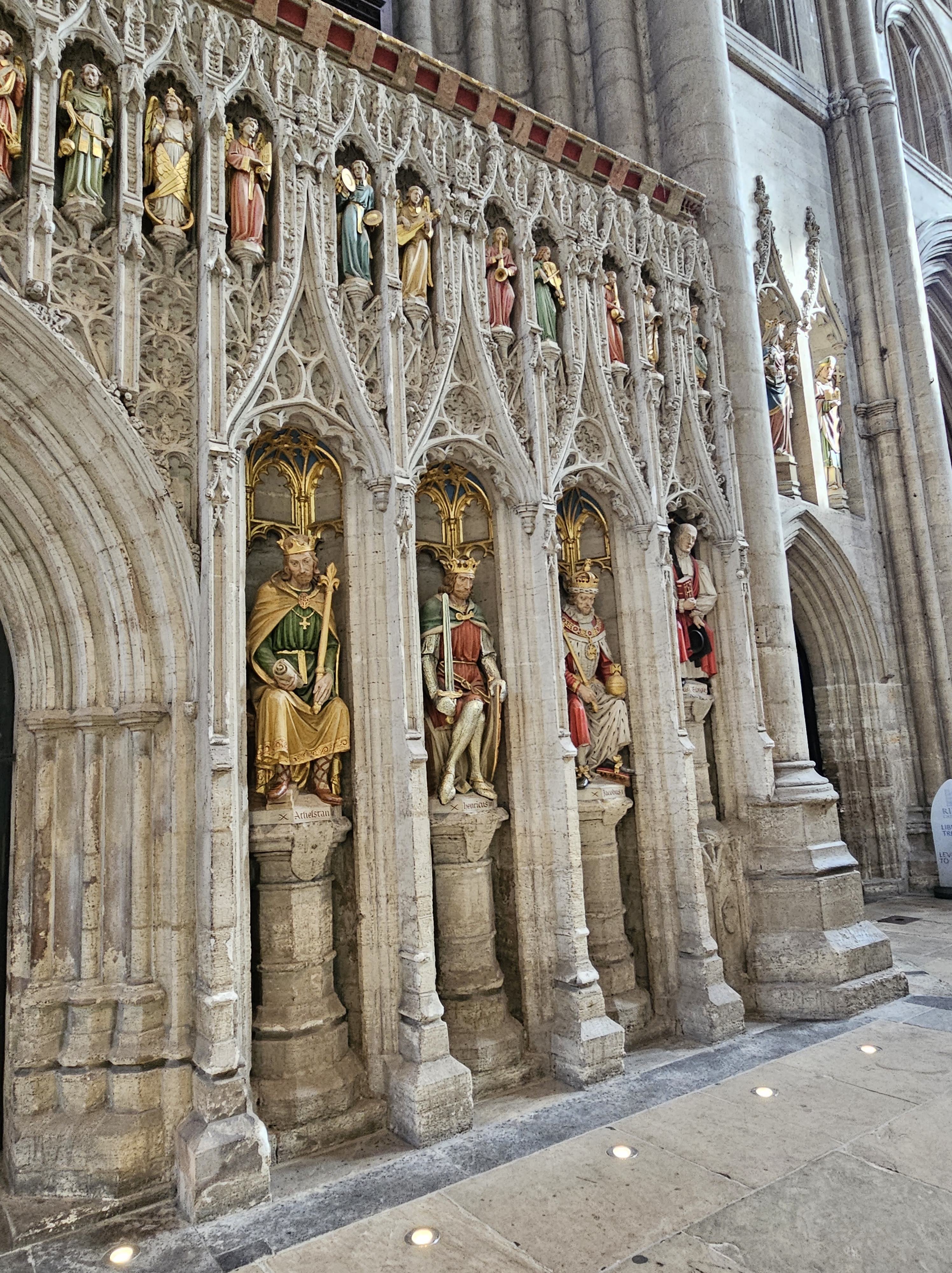
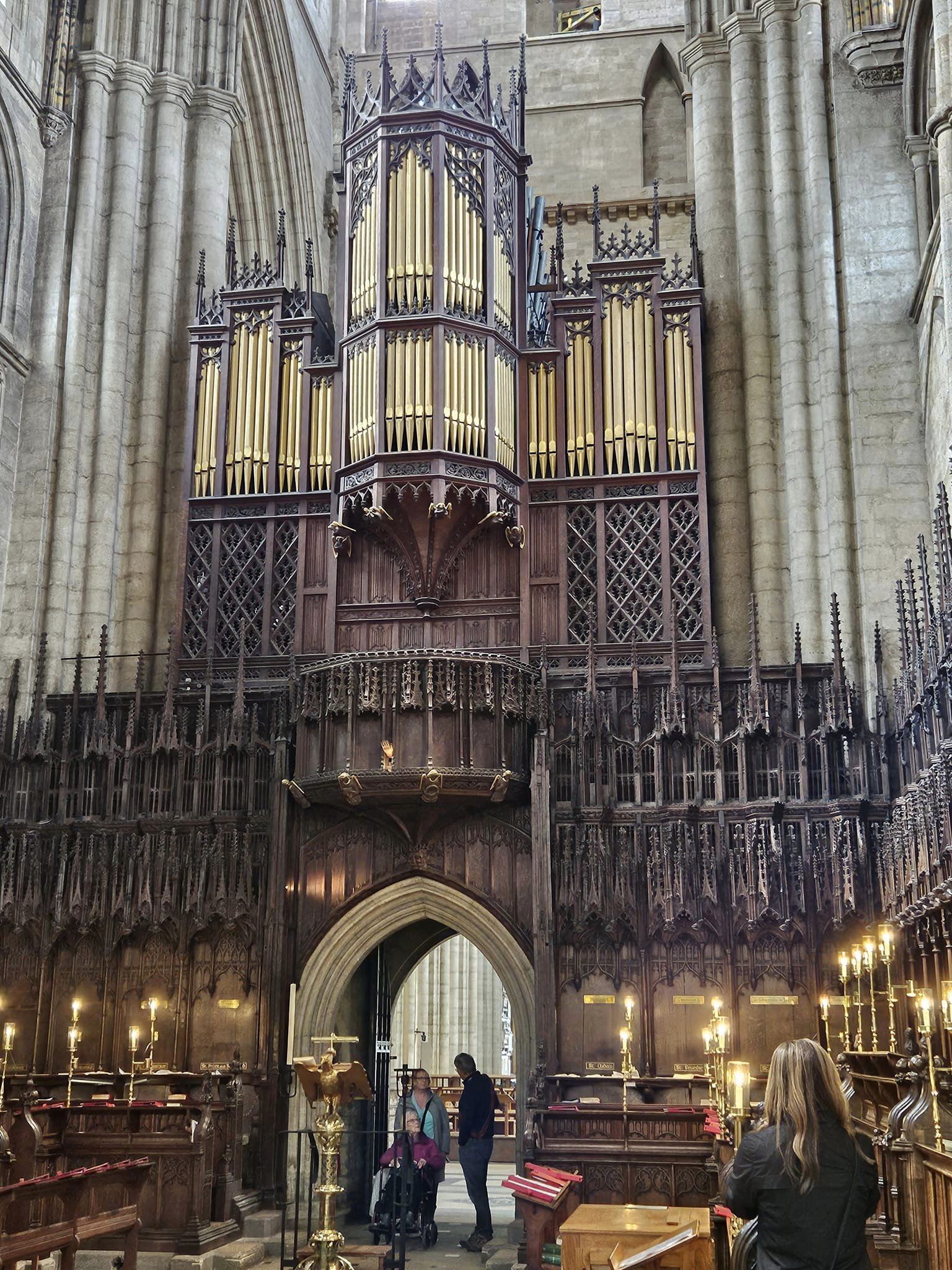
The choir screen, (pictured above) features eight carved and painted kings in canopied niches flanking a central doorway into the choir, with another 24 statues in niches above the doorway arch. The screen, which dates to the fifteenth century, is 8 feet thick. Although the screen is medieval, the statues are Victorian, and represent both kings, bishops, and saints who played a part in the history of the cathedral.

To read more about Ripon Cathedral visit Mike from ‘A Bit About Britain’ and his Introduction to Ripon Cathedral.

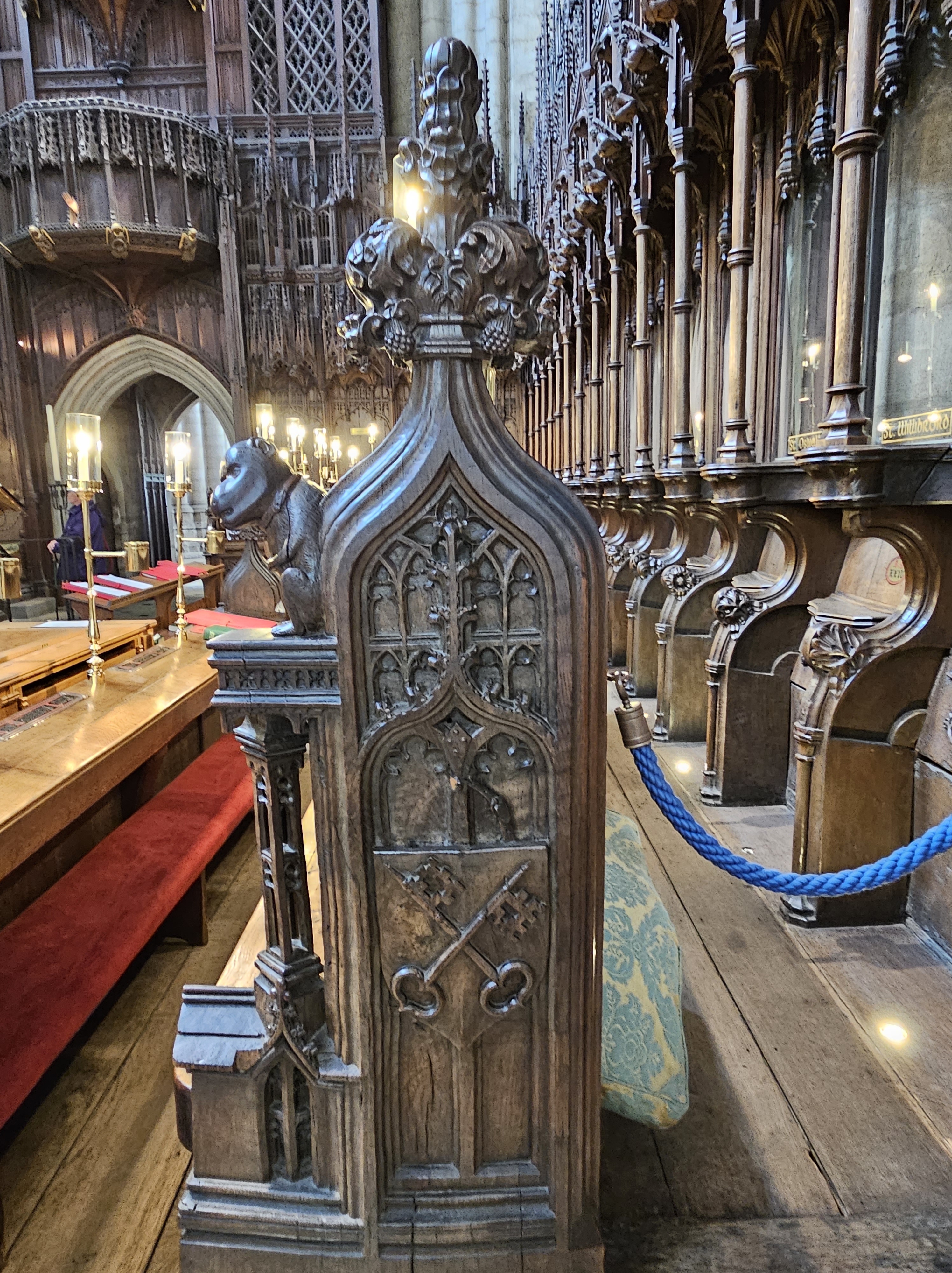
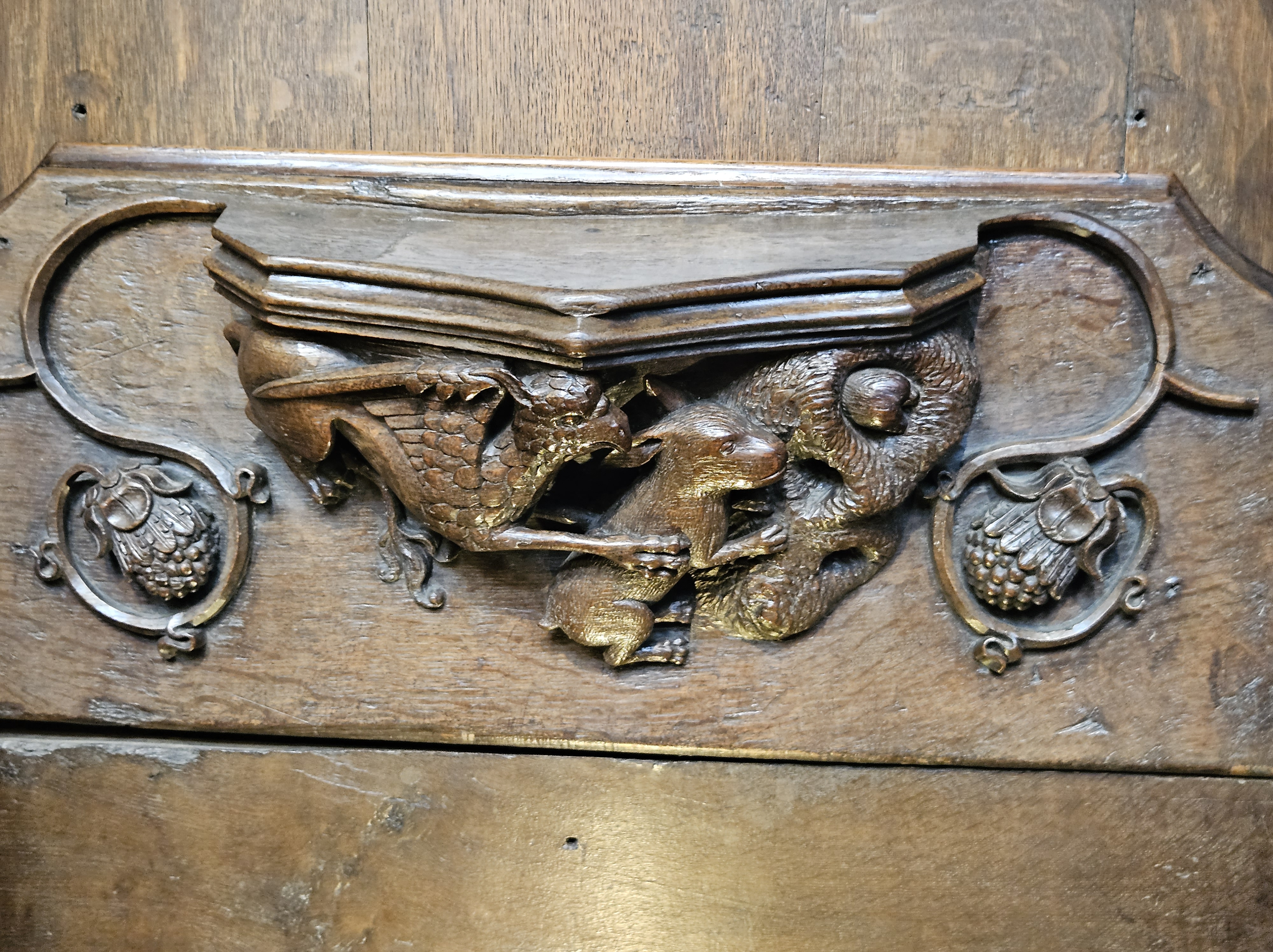
The superb intricate carving of the oak choir stalls which were completed in 1494 by Ripon woodcarvers, they are amongst most famous and finest choir stalls in the country. The cathedral also has many other interesting features, including the late fifteenth century misericords – the carvings on the back of the choir stall seats which are superlative surviving examples of medieval craftsmanship. Many of these, including the misericord of a griffon chasing a rabbit down a rabbit hole, are thought to have inspired Charles Lutwidge Dodgson, more famously known as Lewis Carroll, the author of Alice’s Adventures in Wonderland, whose father became a residentiary canon of the Cathedral in 1852.

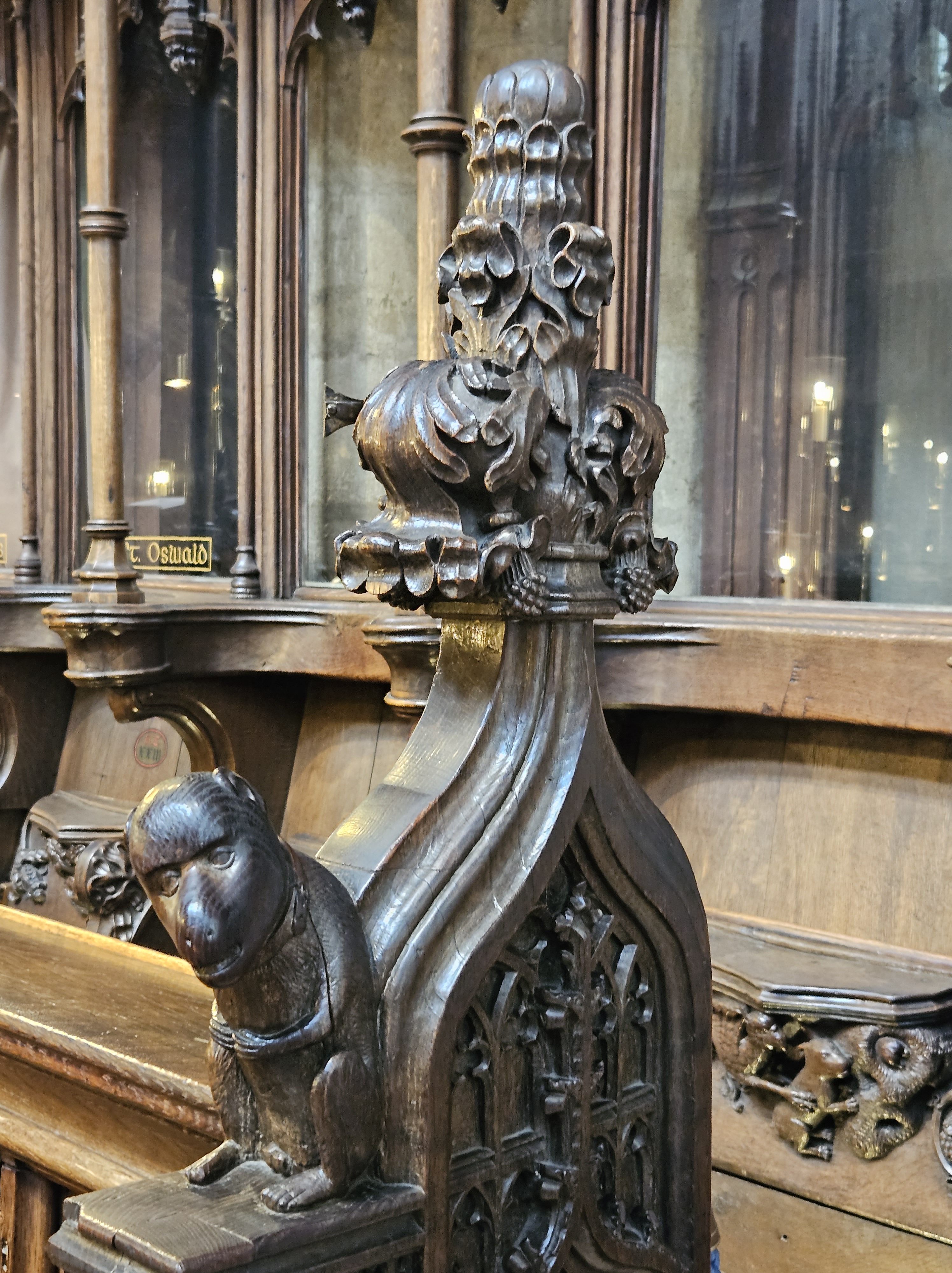
A monkey (perhaps a baboon?) decorating a bench end in the choir of Ripon Cathedral. The choir stalls date from the 1490s with later repairs making good damage caused when a spire over the crossing tower collapsed into the choir in 1660.

The choir stalls had these curious little shelves with carvings underneath. I found a description of what they were called and what they were for.

The term misericord translates from the Latin as ‘mercy seat’, and that’s precisely what it was; a small ledge, or seat, attached to the underside of a pew or choir seat, to provide a merciful and very welcome place for clergy to rest during long periods of standing during lengthy medieval sermons.

Misericords were often elaborately carved, and it is these carvings that make studying them so fascinating. The carvings might be of mythological creatures, religious symbols, grotesque beasts, Green Men, and a wide variety of other unusual and striking symbols.

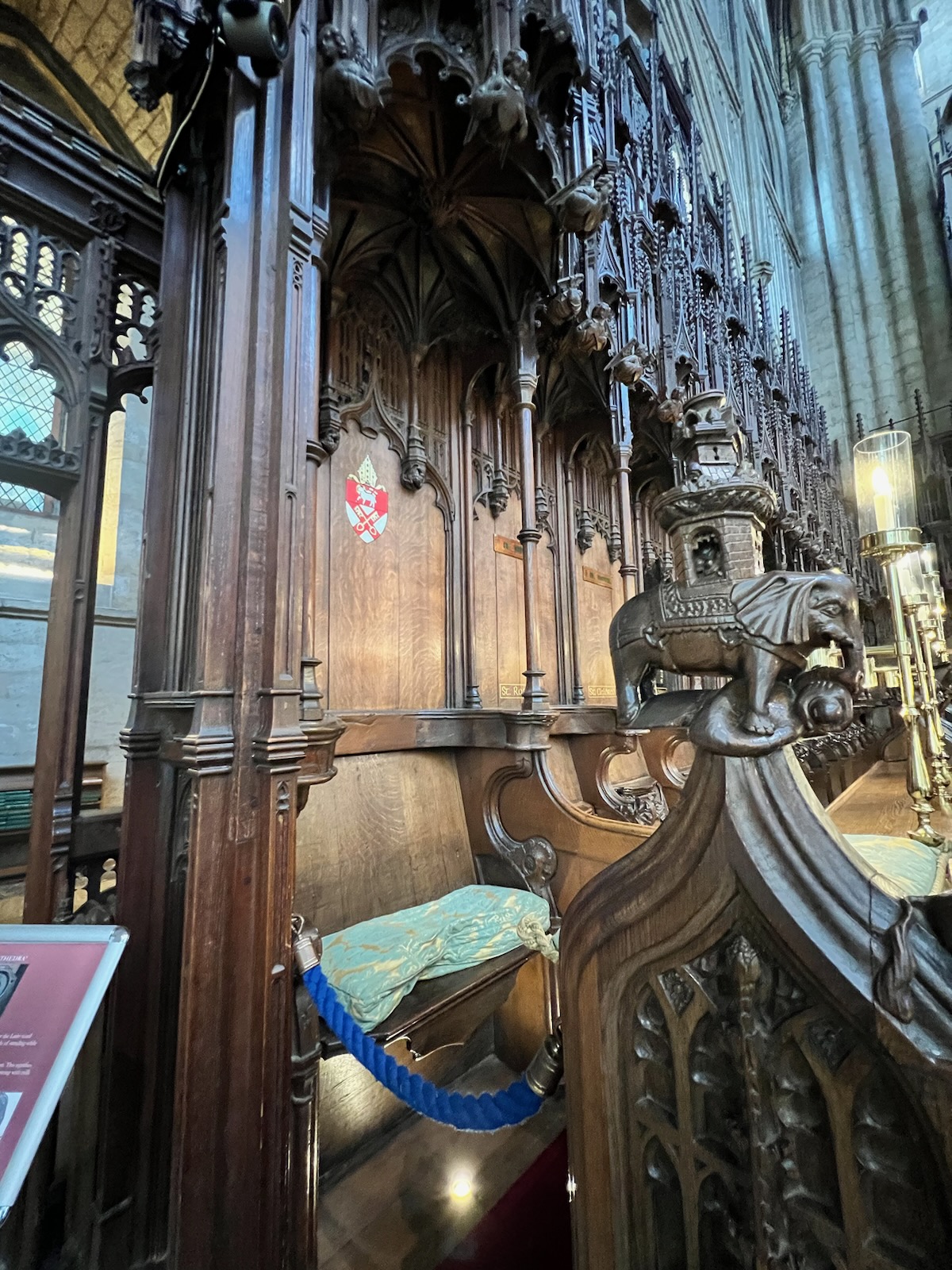
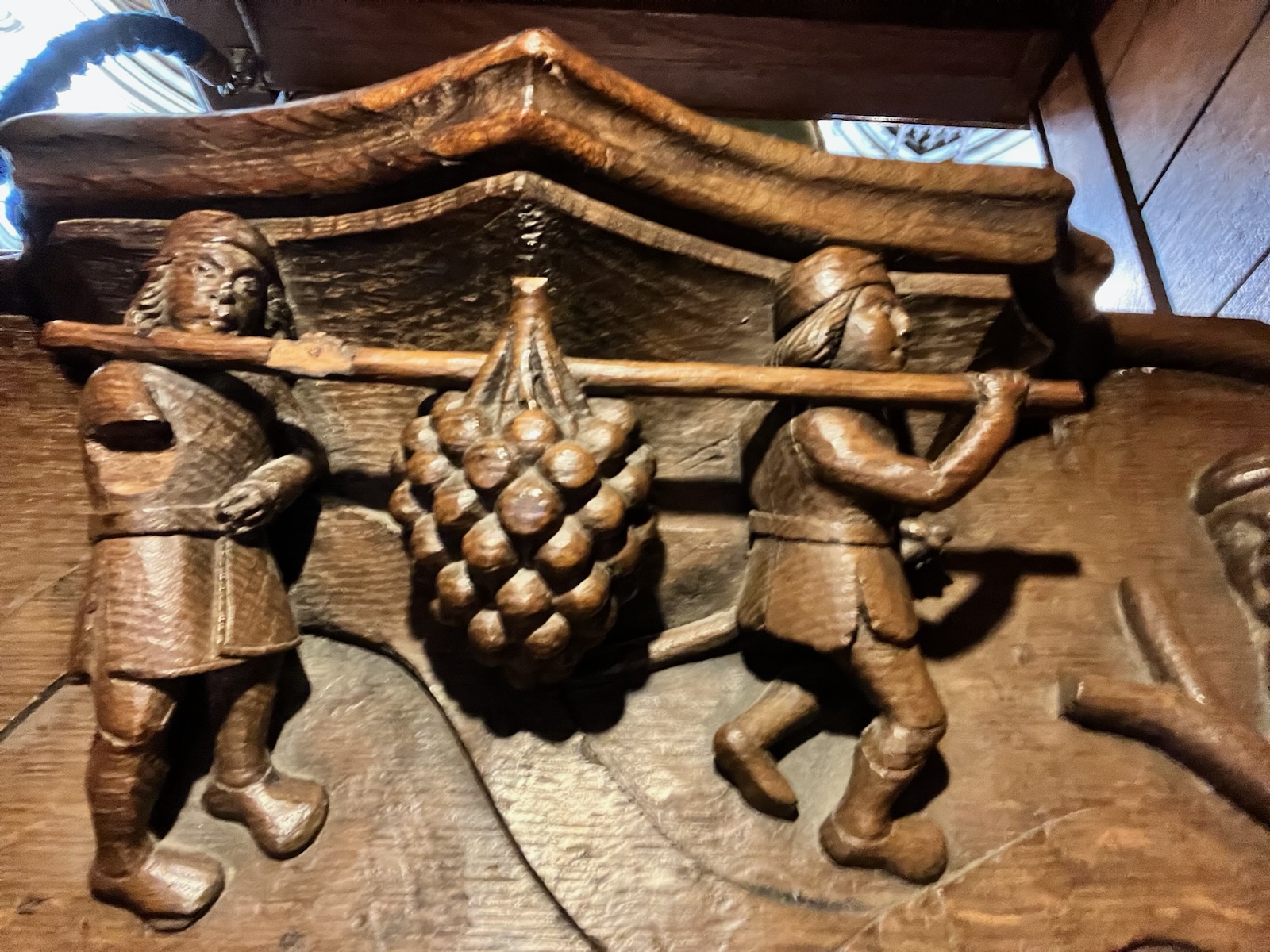
Here is the Bishop’s Seat or ‘Cathedra’ and here is the carving under the seat that Laura was able to capture. She had to take the photo ‘blind’ by getting her phone under the seat and hoping she captured it.

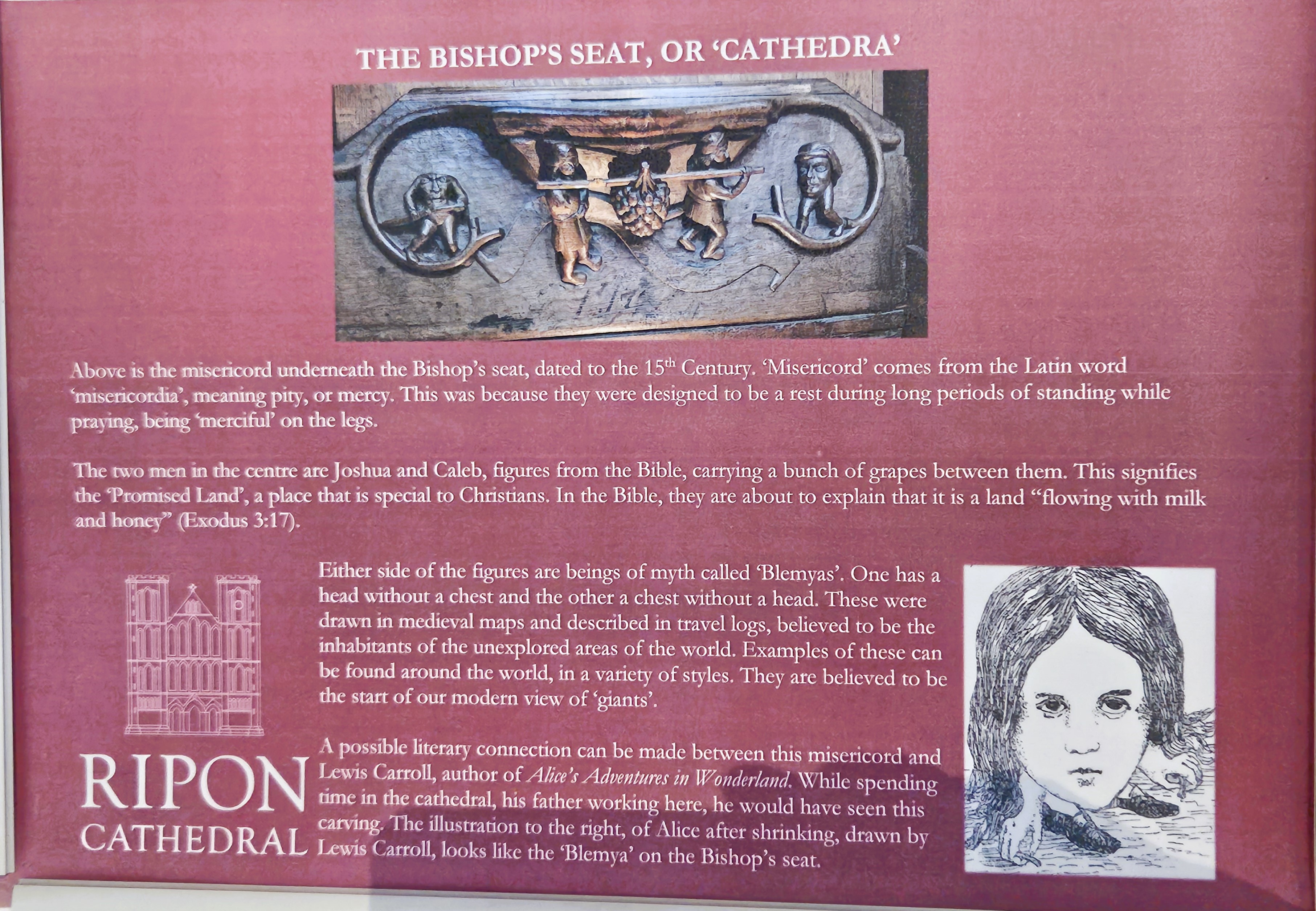
A description was given on a placard beside the Bishop’s seat.

“The Two men in the centre are Joshua and Caleb, figures in the Bible, carrying a bunch of grapes between them. This signifies the ‘promised land’, a place that is special to Christians. In the Bible they are about to explain that it is a land flowing with milk and honey. Ex. 3:17”

I found this description to be curious in it’s wording because we are in a cathedral where you would expect knowledge of the Bible and these central figures in the Old Testament and Bible in general to be more familiar.

The account of the spies sent to learn about the land of Canaan, this ‘promised land’, and the fact that Caleb and Joshua were the only two who brought back a good report can be found in Numbers 13.


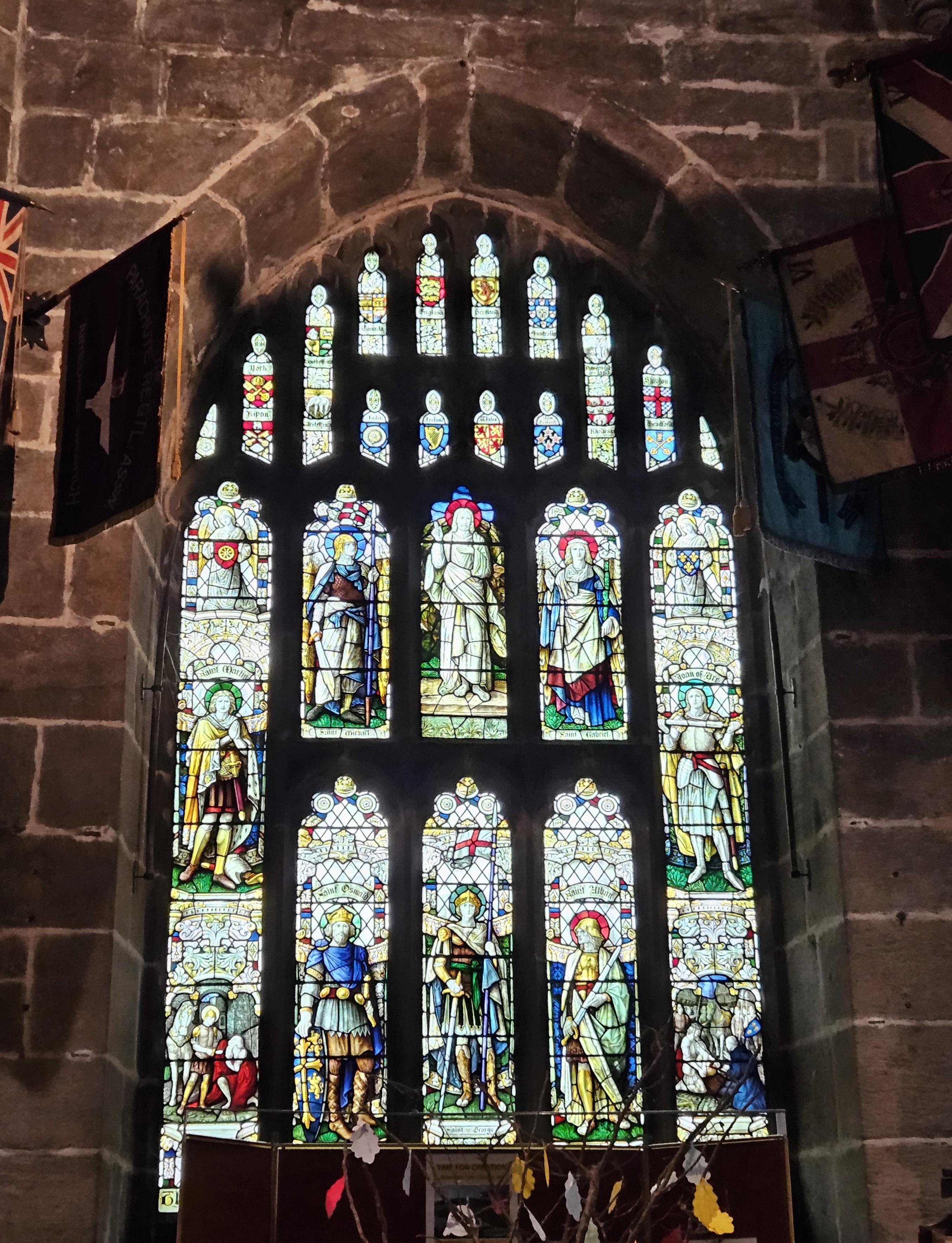
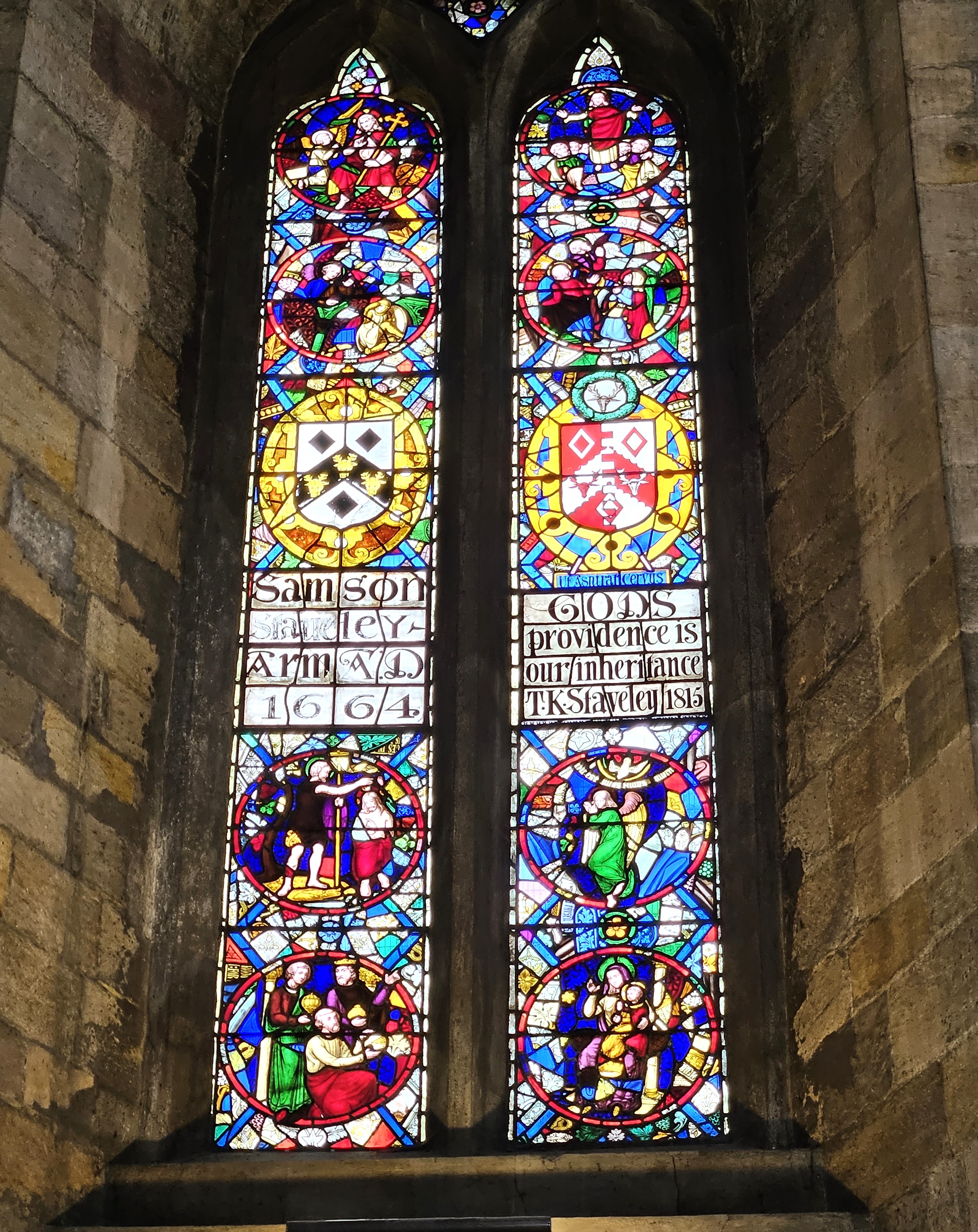
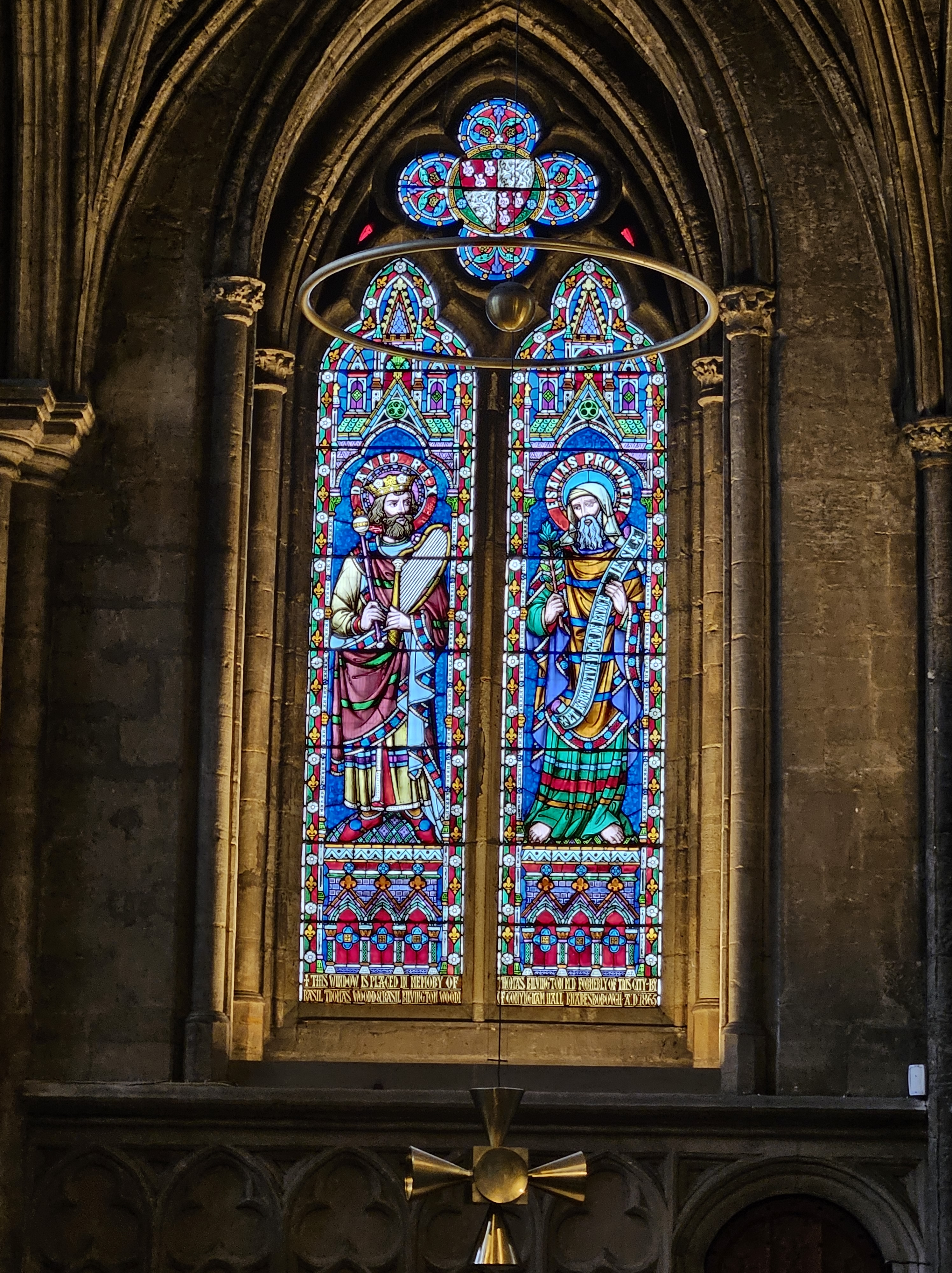
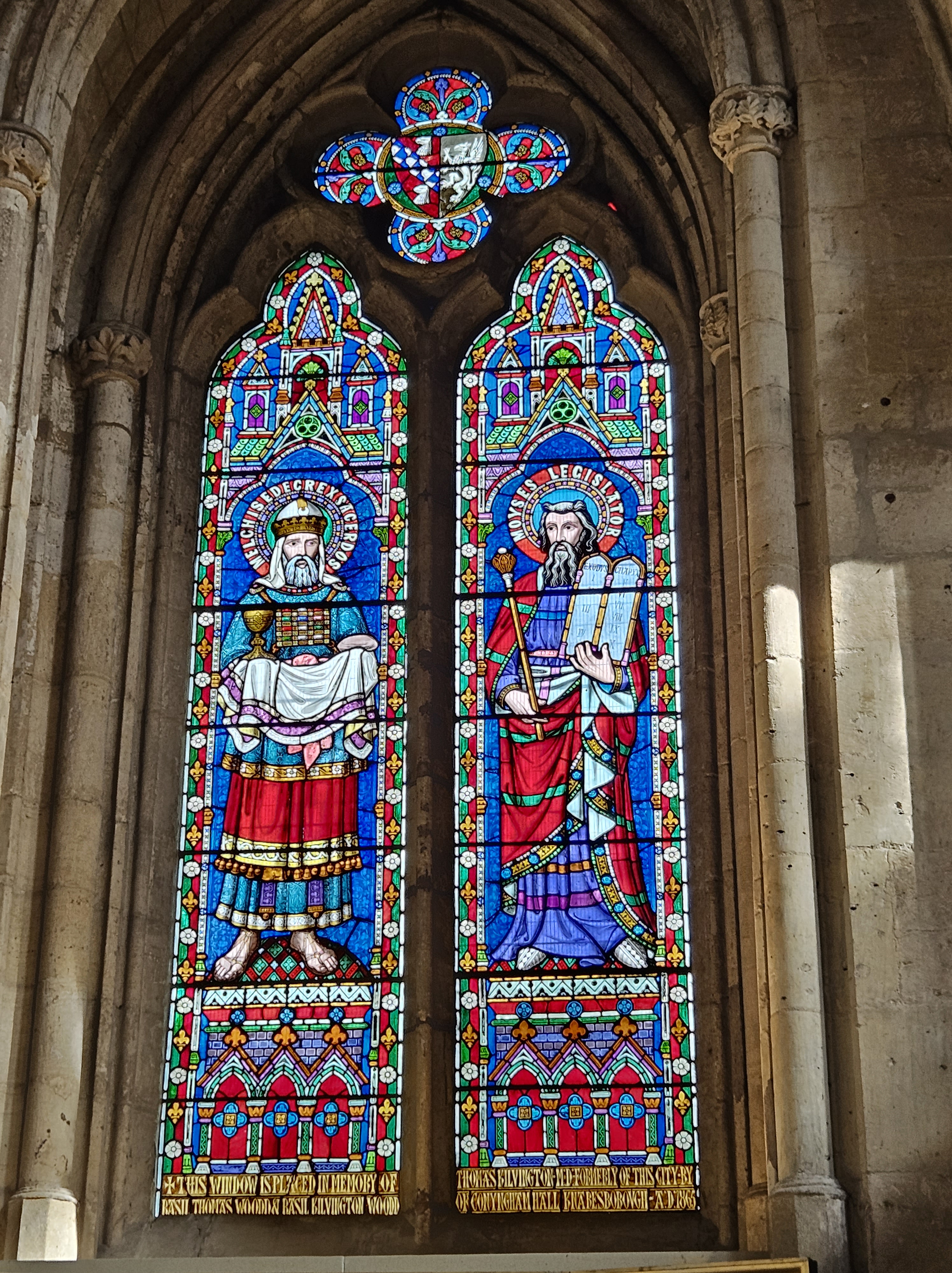
The stained glass windows were exceptional. ‘God’s Providence is our Inheritance’


As I gather more history about Ripon Cathedral I will add it to my post.

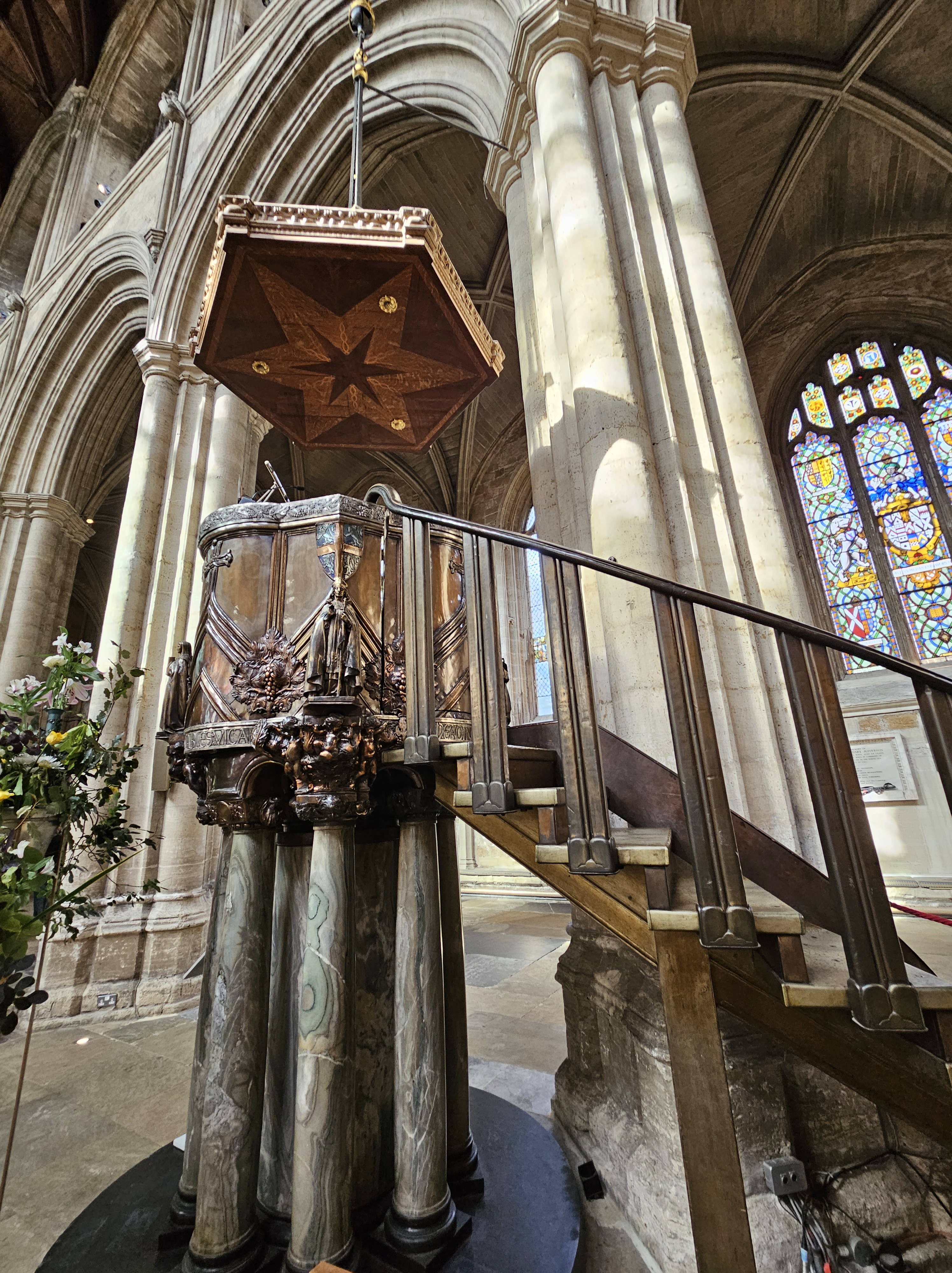
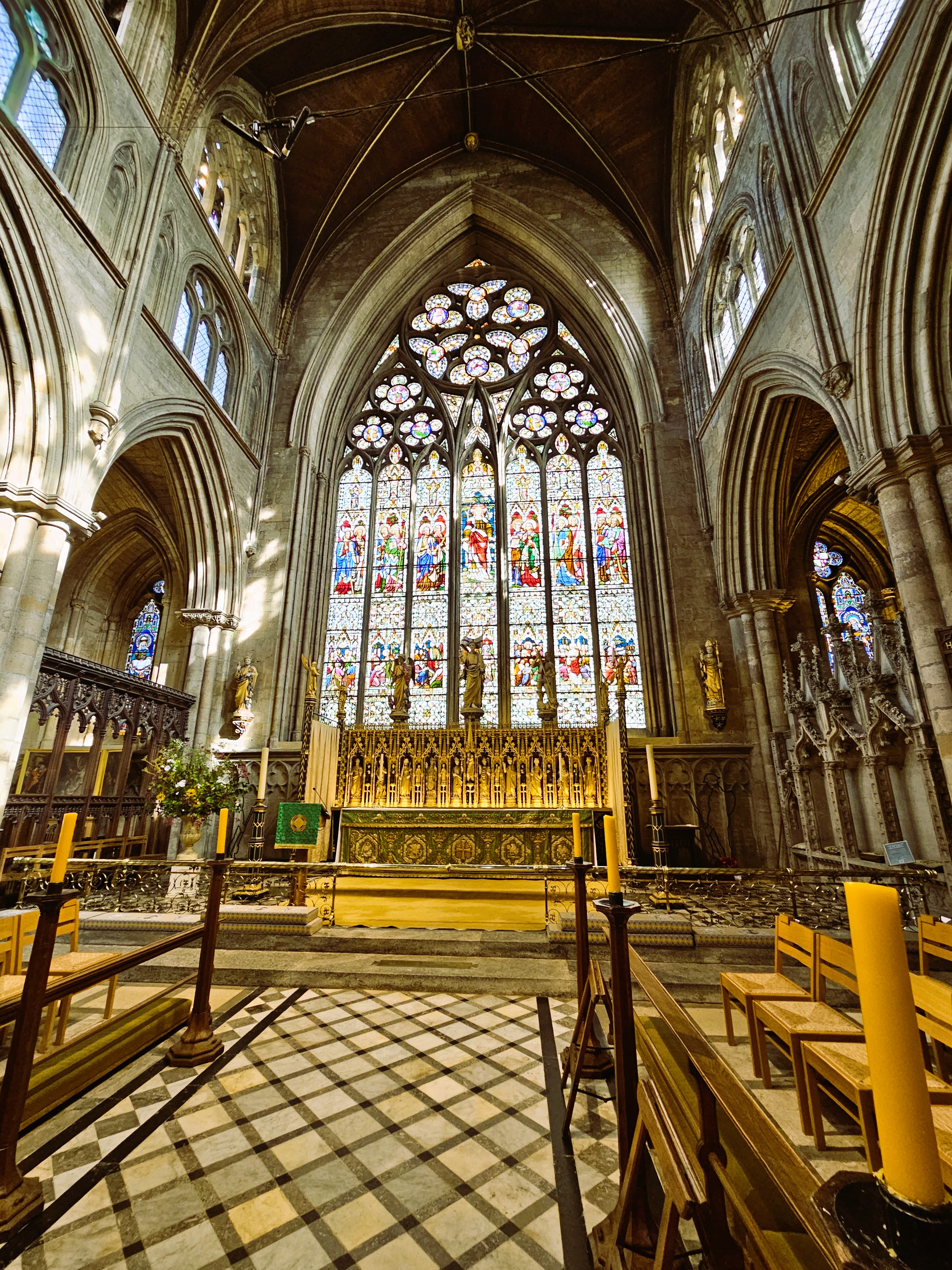
What a treat to be able to walk through and marvel at all the amazing architecture and artistry in the carvings and stained glass. We love how the architecture is meant to draw your eyes upward.

We were happy that we included this stop on our journey to Grassington. That will be my next post to complete Day Six of our travels.


Dublin Day Three ~ Sunday

Sunday the 17th of September was our third day in Dublin. We were in for rain most of this day so it was good that we had several indoor experiences planned. We met up in the lobby of our hotel to walk to Lemon Jelly Cafe for our breakfast. We timed things well for getting seated quickly before the crowds started showing up.

We all enjoyed our choices and were happy with this little spot tucked away from the main roads.

We had ordered a taxi to pick us up at 10:00 so that we could make it to a 10:30 AM church service. The taxi came after ten and we drove to the south of downtown Dublin to Grosvenor Road Baptist Church. The taxi had some mechanical issues but we made it to church on time.

The rain continued.

The sermon was taken from I Corinthians 1:18-2:5, True Spirituality, A Cross Centered Church.

The points covered were, The Message of the Cross, The People of the Cross and The Preacher of the Cross. Some points taken; “True wisdom of the cross does not meet the world’s expectations.” “Boast in the Lord-because all we have is because of Him.” “Simply preach the Word of God.” This service was also a Communion service so we ‘broke bread together’. The last song we sang together was ‘My Worth is Not in What I Own’.

It was good to be with fellow believers in Ireland.
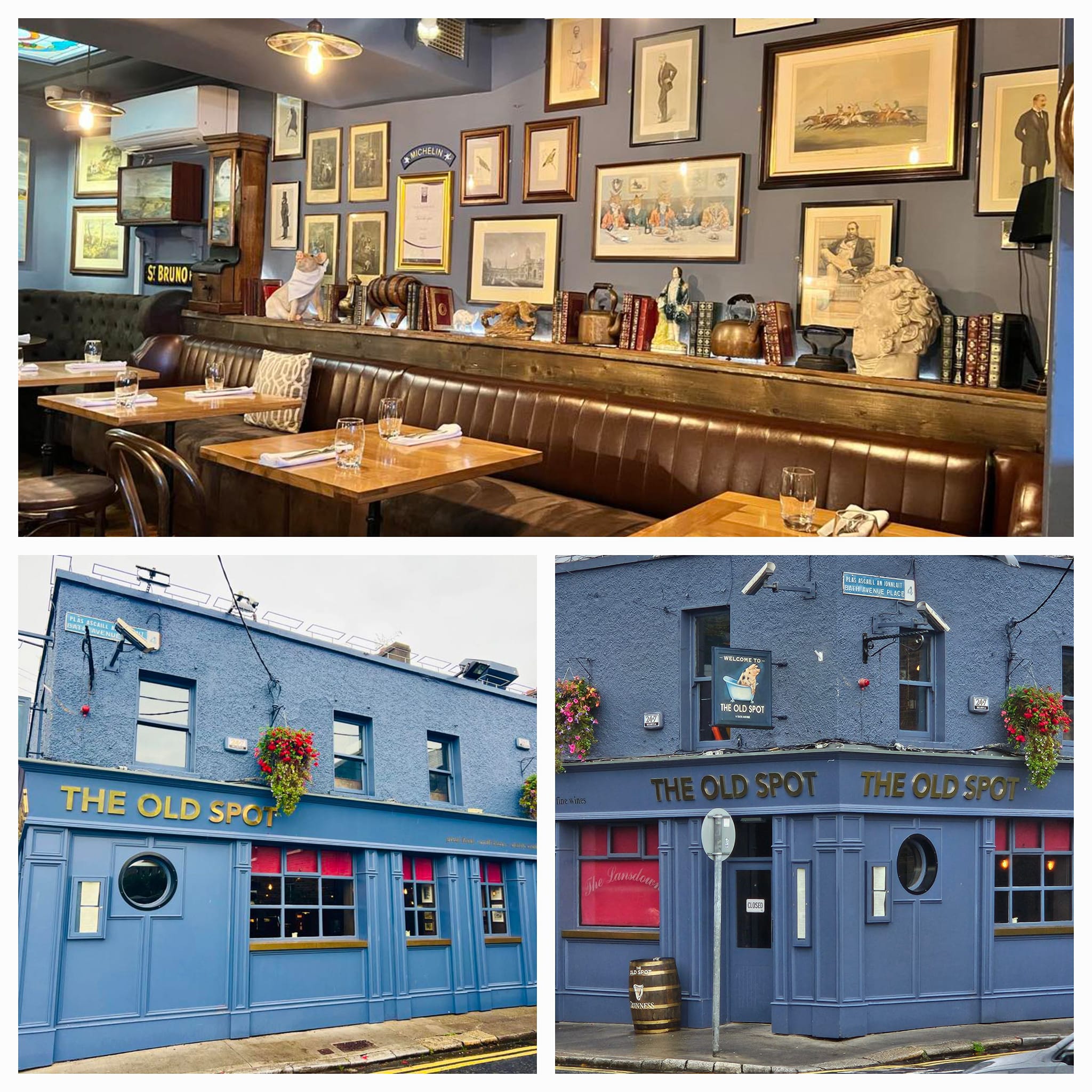
After church our son arranged for an Uber to pick us up and take us to our Sunday Roast destination, The Old Spot east of downtown Dublin. We were early and ended up having a little walk around this neighborhood and the rain had died down for our stroll.

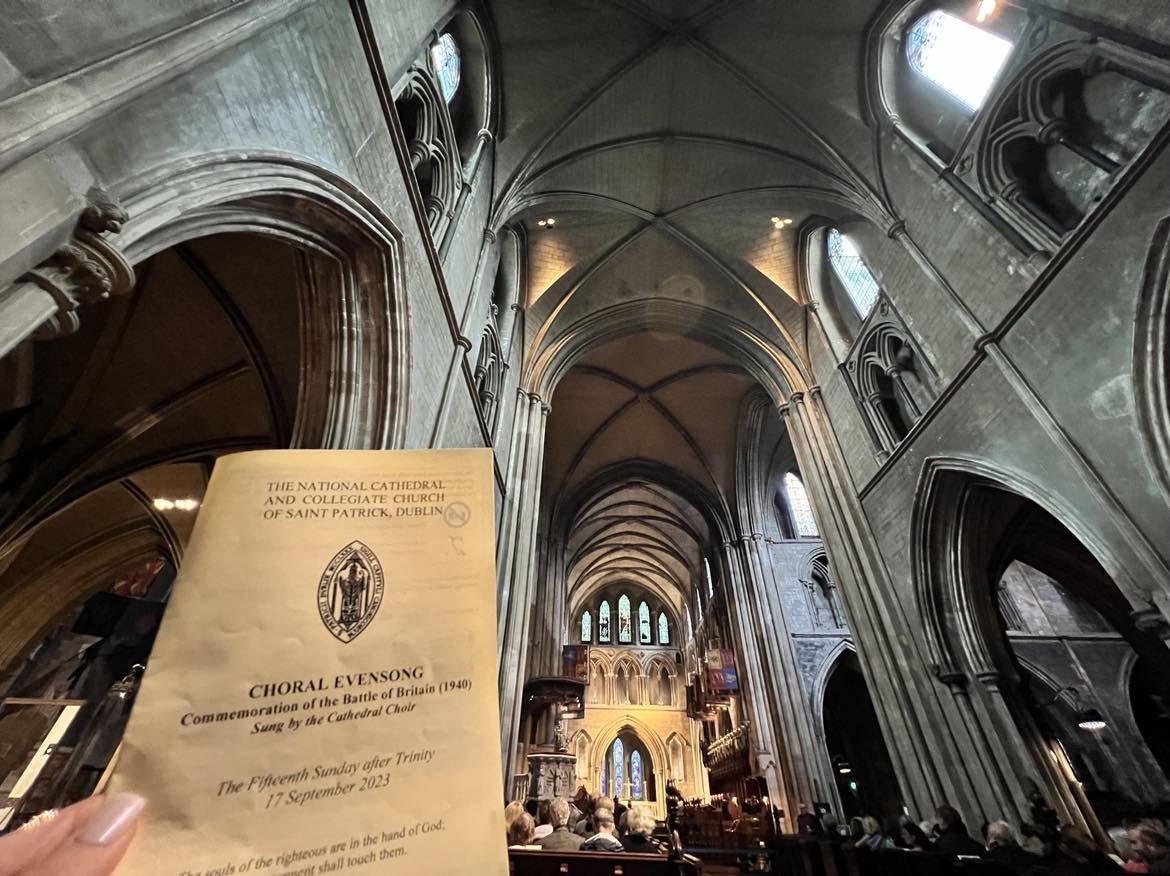
We all had our fill of food and we added two desserts to share. I know one was Sticky Toffee Pudding with the most lovely of sauces but I forgot what the second dessert was. Hmmm. From The Old Spot Josh ordered another Uber to take us to St. Patrick’s Cathedral where we would attend Evensong which would begin at 3:30pm.

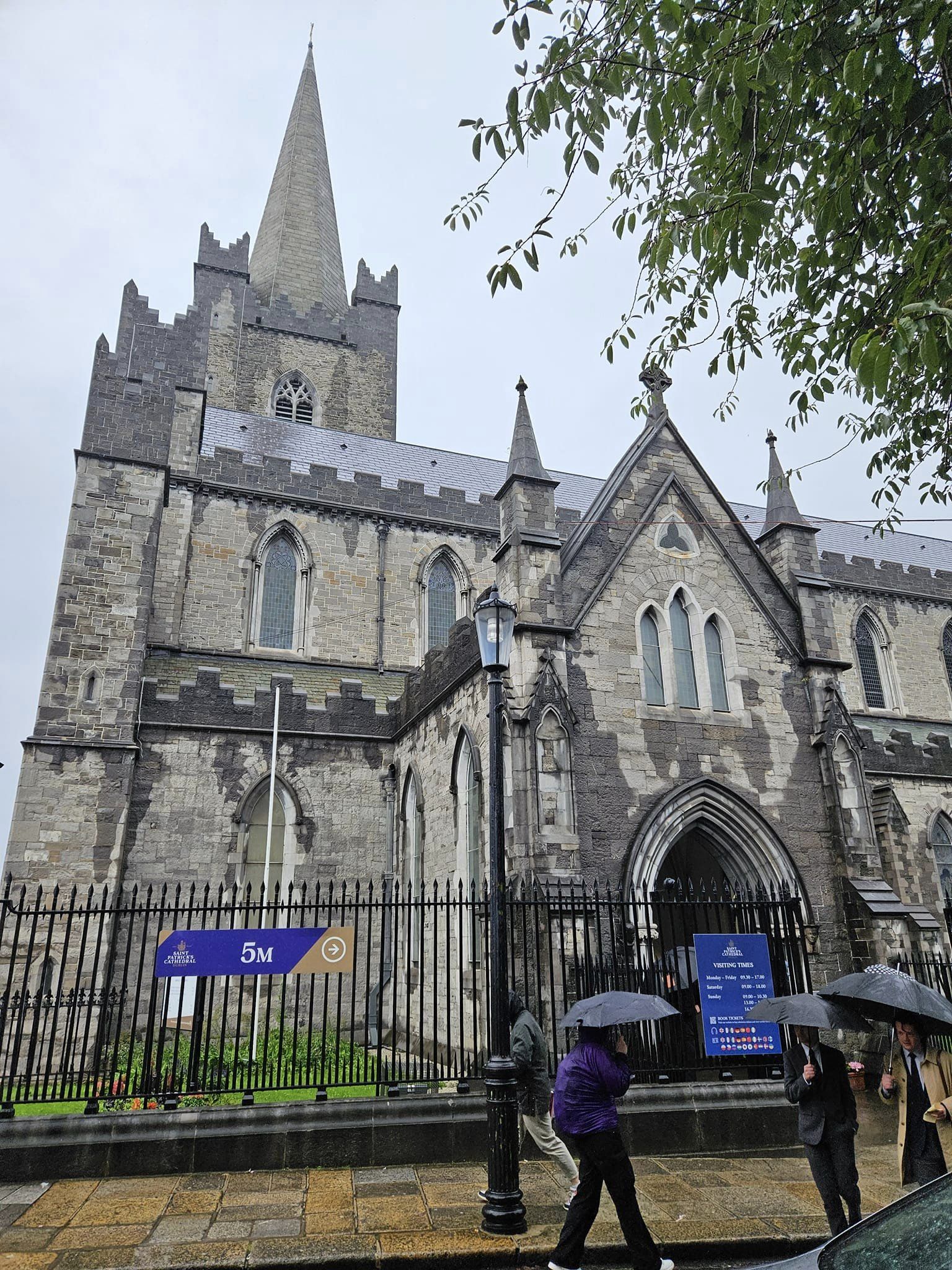
The rain was coming down again so it was not easy to get some good photos of the outside of the cathedral.

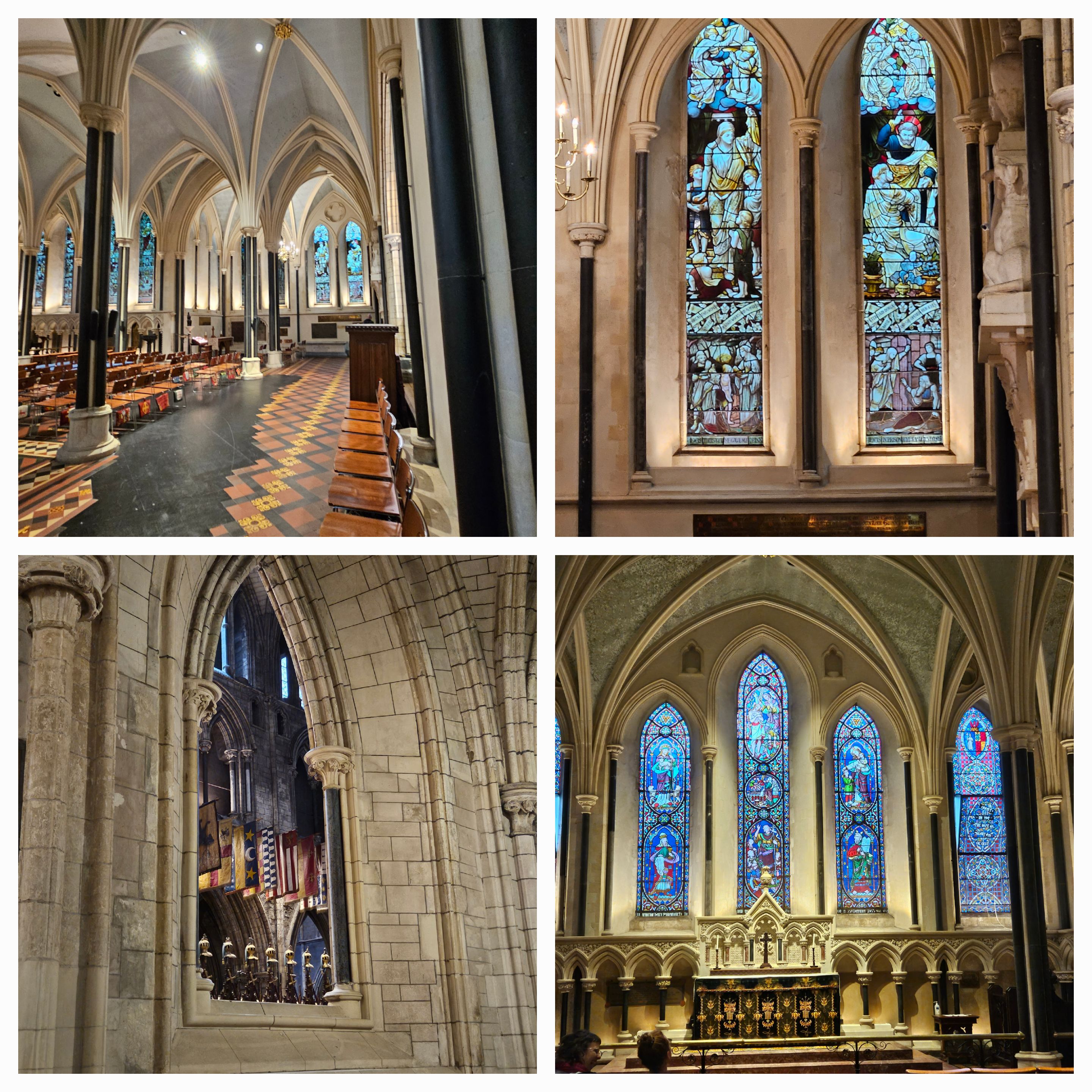
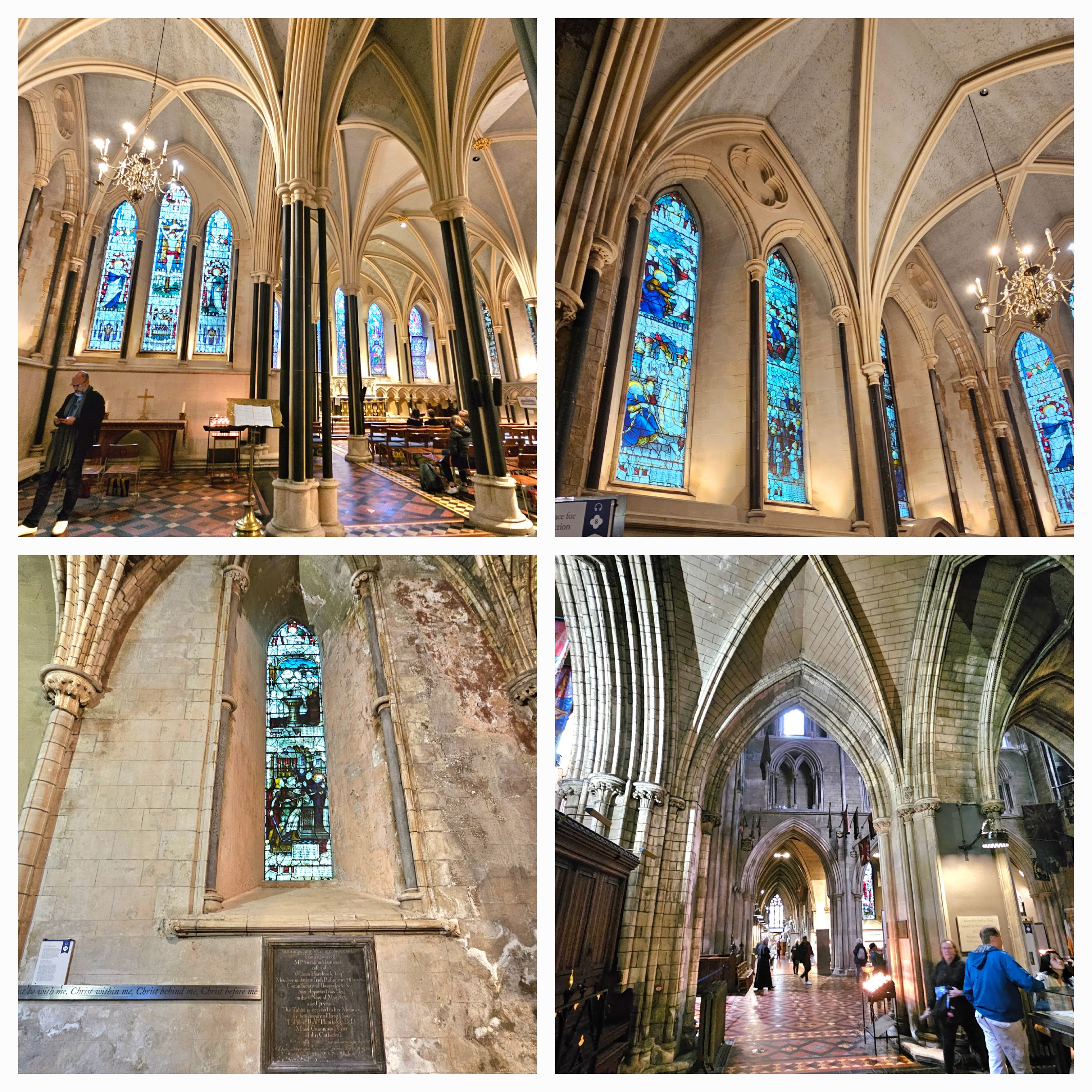
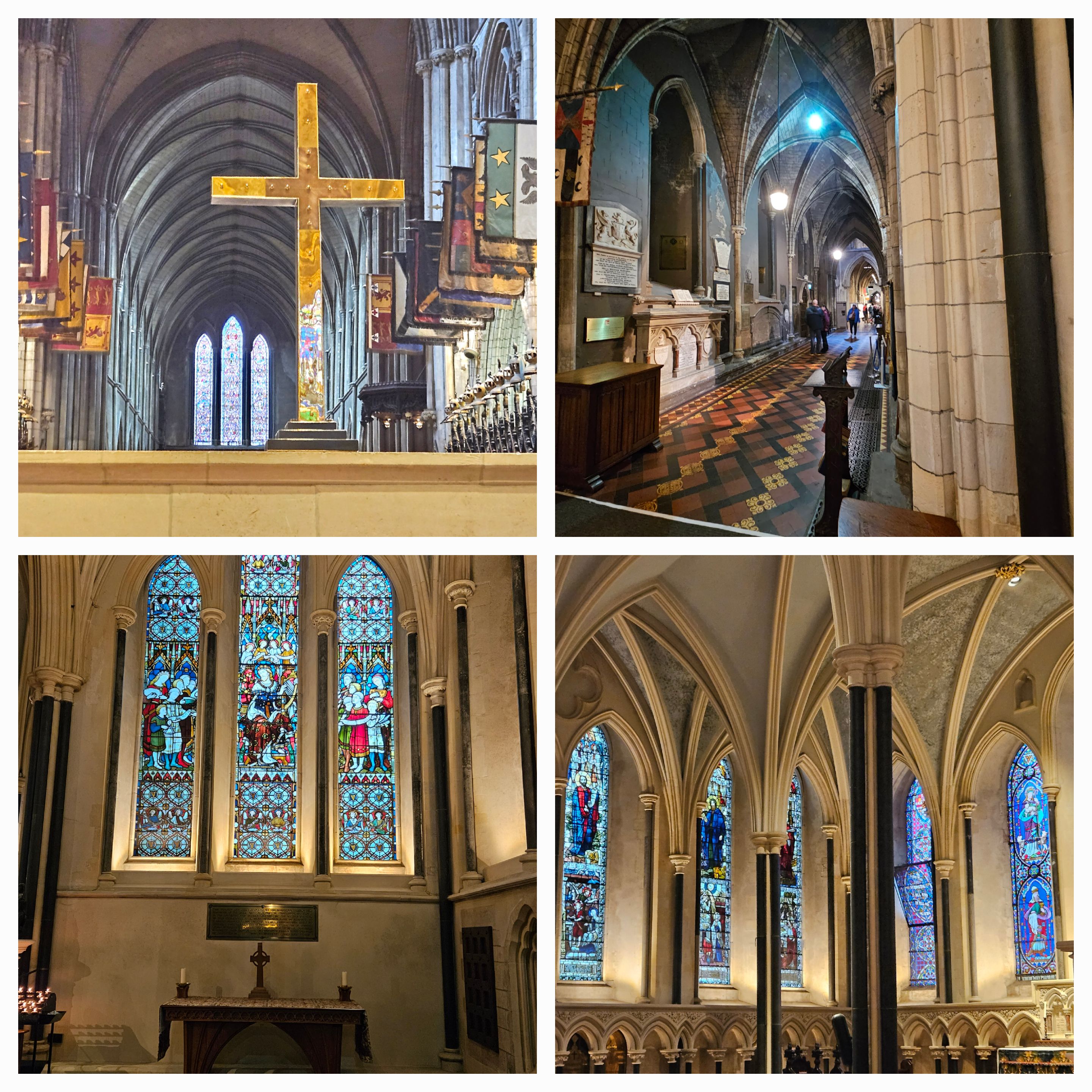
The Choral Evensong was beautiful and moving in song with a special commemoration of the Battle of Britain (1940).

Shout out and thanks again to Laura who took so many great photos and put together collages on our stops each and every day!

We had one more indoor stop on this day with reservations for entry at 4:45. Another Uber transported us from St. Patrick’s Cathedral to The Guinness Storehouse. That will be another post.

Dublin Day Two ~ Tour Part Four

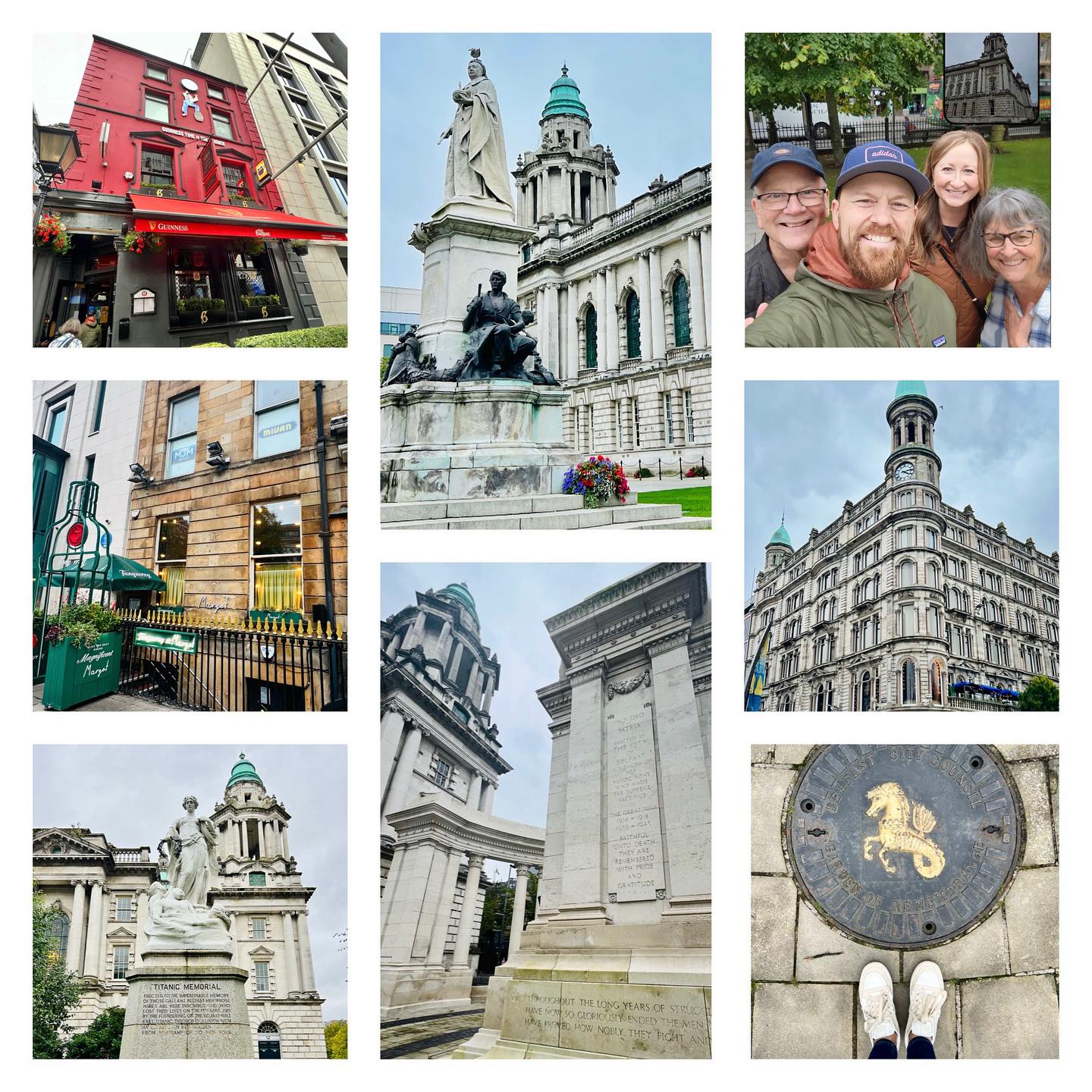
Our last stop of the day on Saturday September 16th before heading back to Dublin was the city of Belfast.

We enjoyed the little we saw of Belfast.

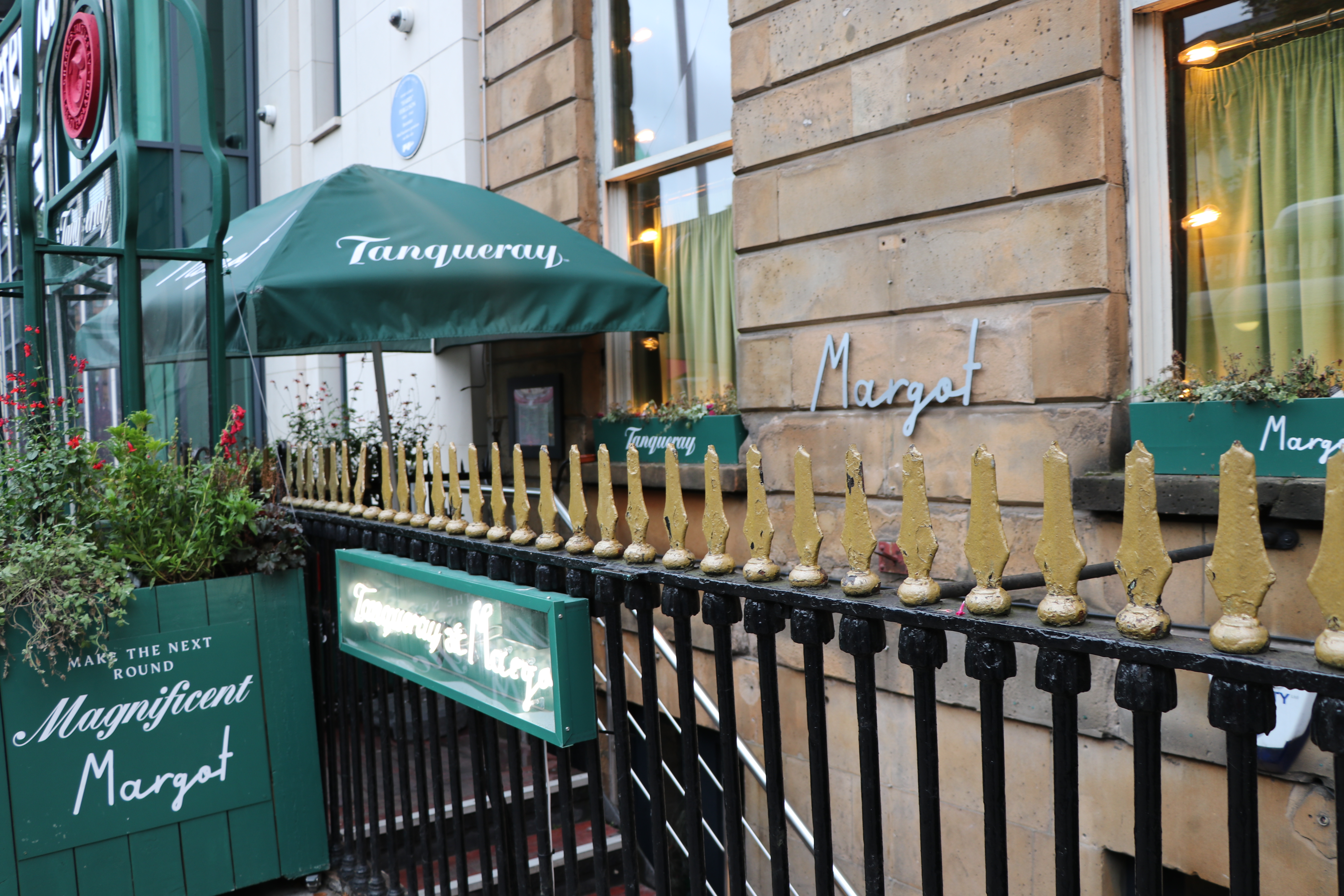
We popped into the Magnificent Margot and had an enjoyable time in the upbeat and friendly atmosphere. We joined a local couple at a table and had an enjoyable conversation with them.

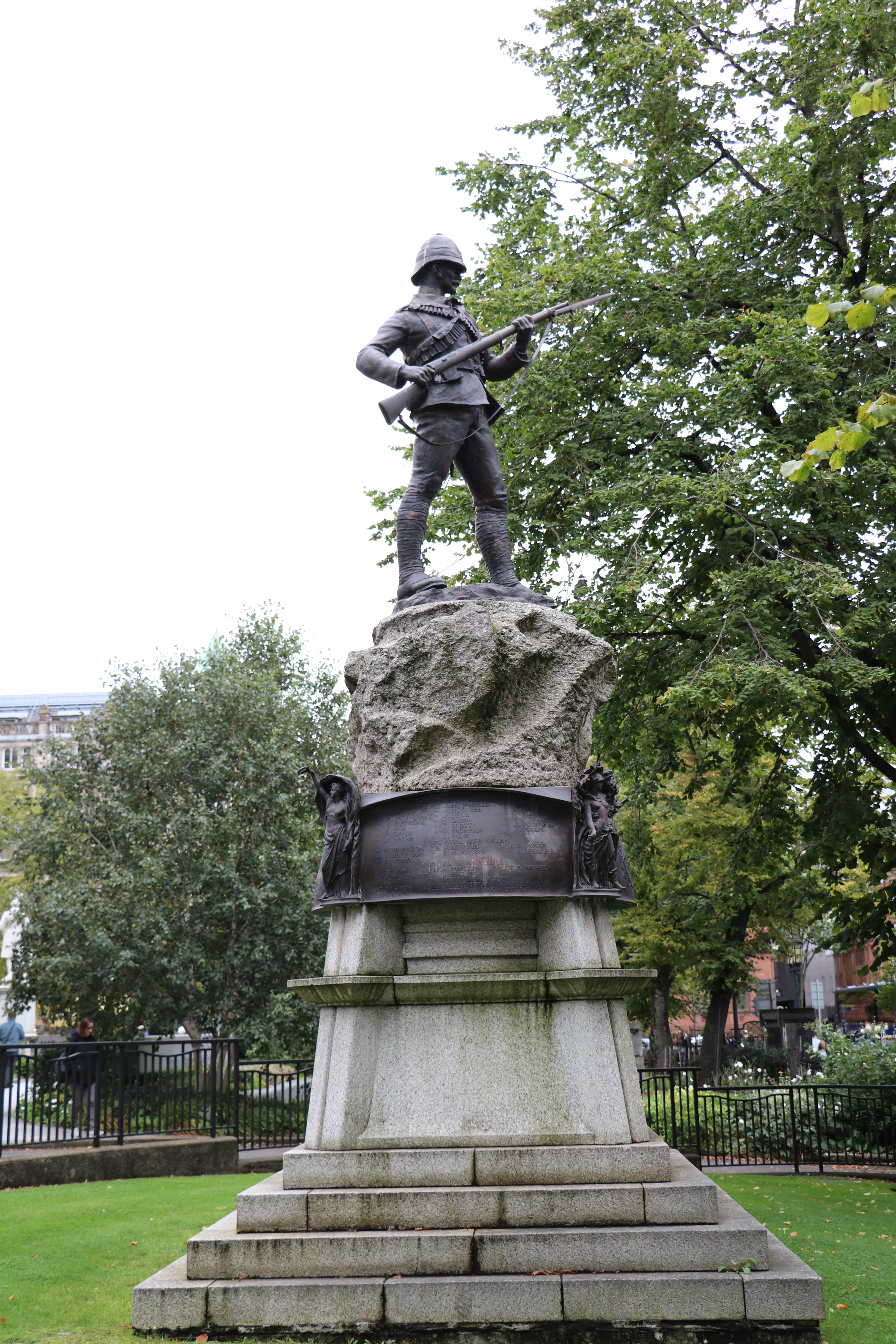
The Belfast Boer war memorial takes the form of a statue of a private of the Regiment in khaki uniform, with topee and puttees, with a rifle and fixed bayonet at the ready. It lists 130 names of the officers, non-commissioned officers and men of the Royal Irish Rifles who were killed during the Second South African War that lasted from 1899 to 1902. The memorial was unveiled by Field Marshall Lord Grenfell in 1905.

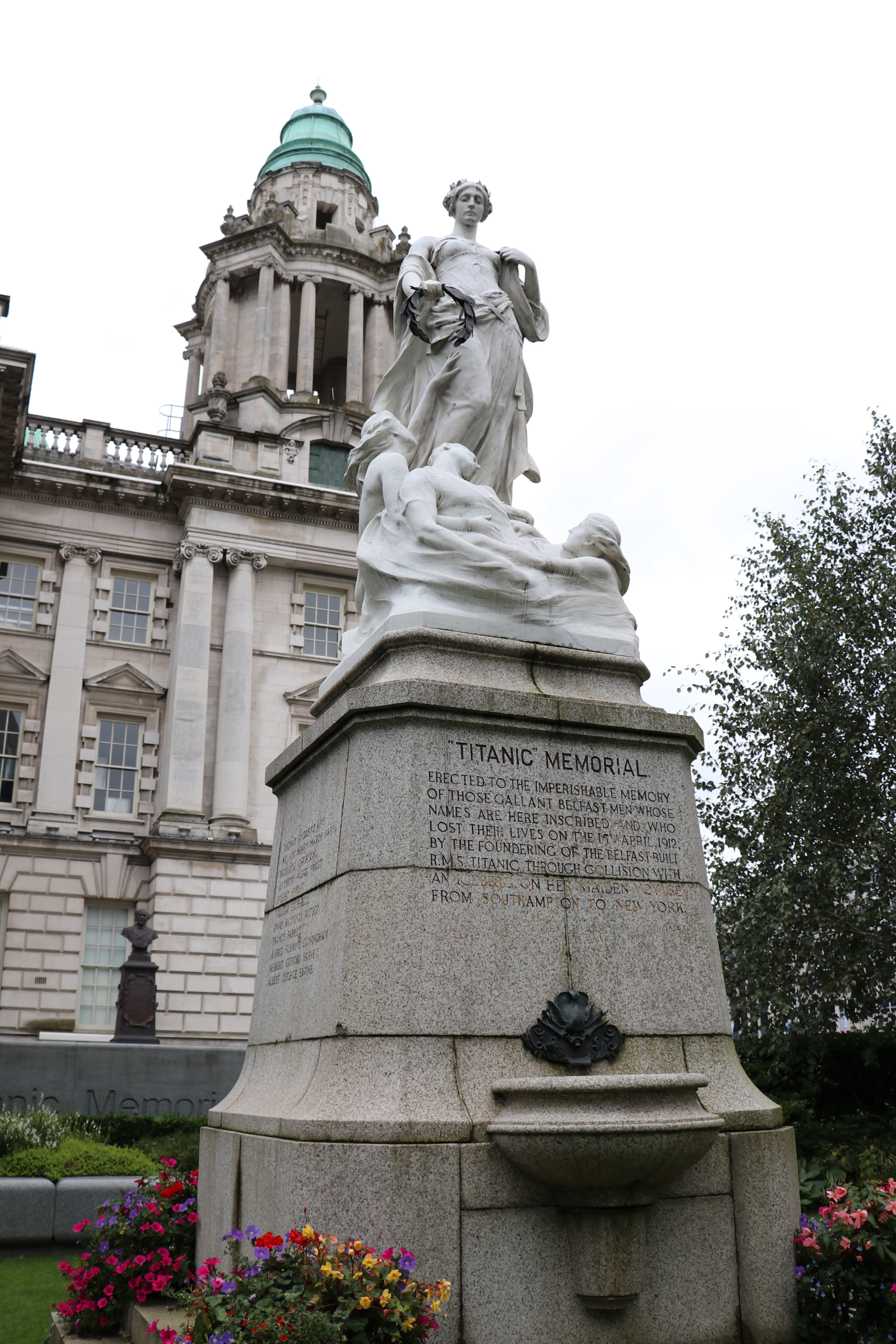
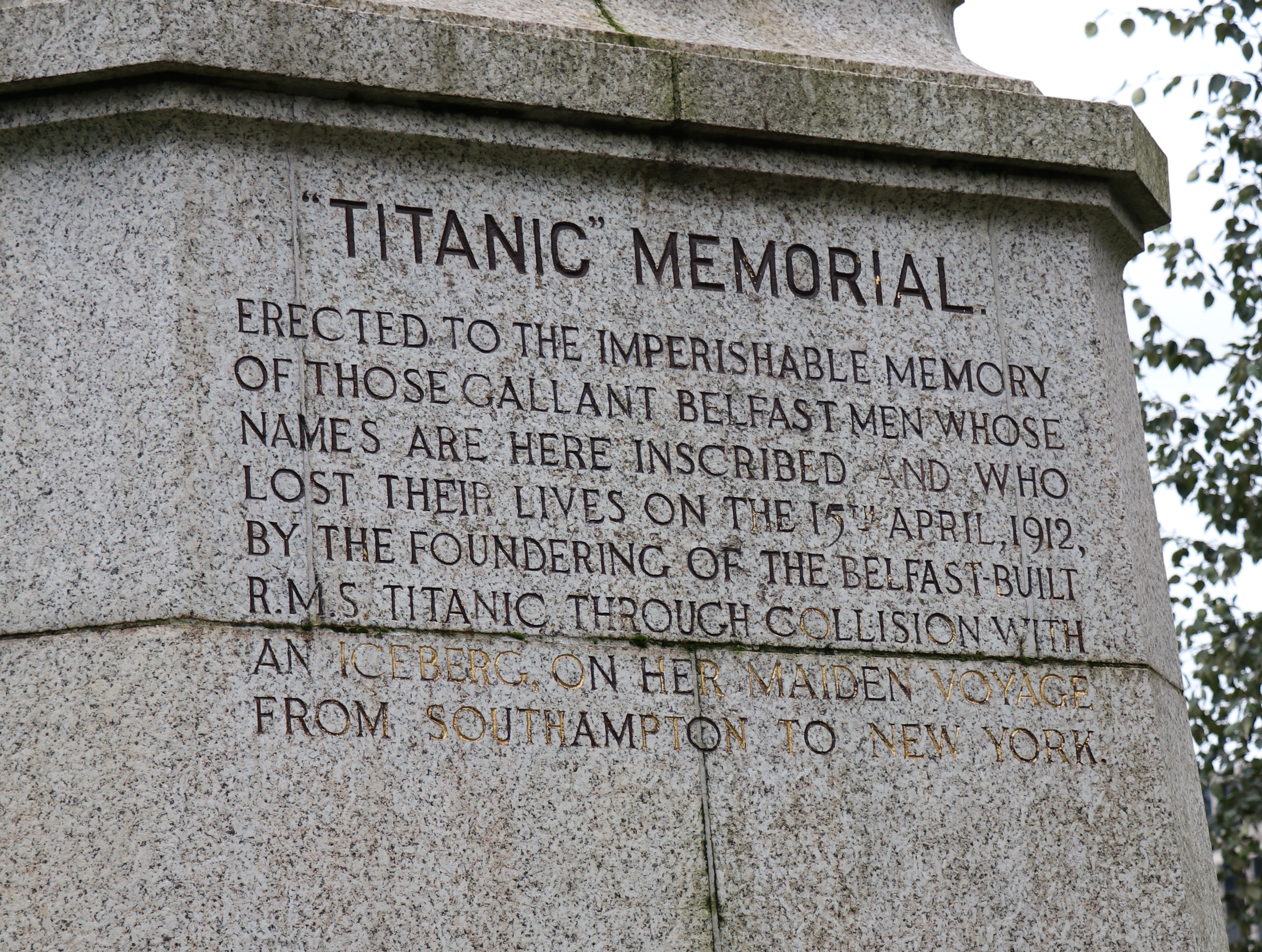
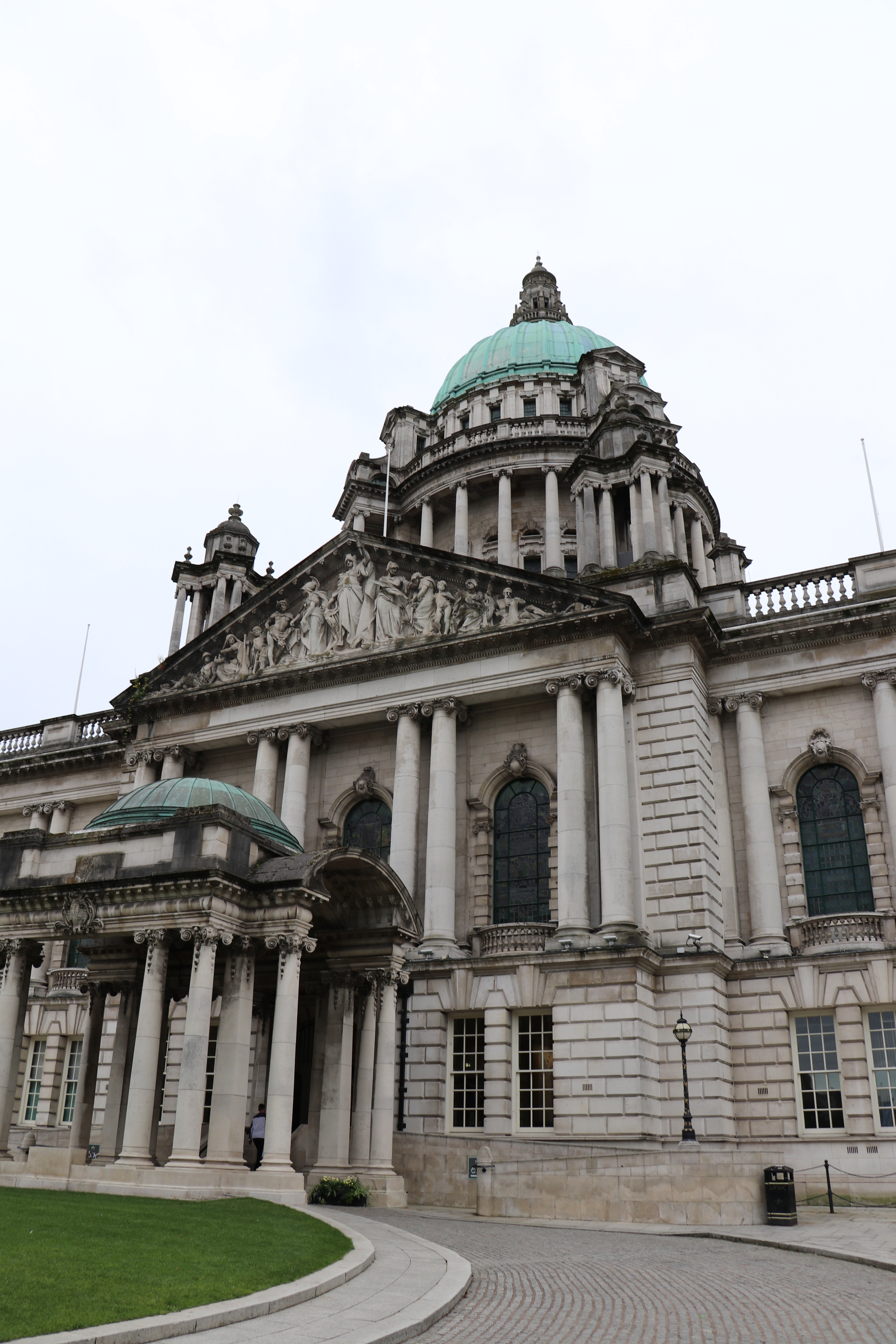
There were several meaningful monuments around the City Hall, war memorials and a memorial to the lives lost on the Titanic.

The last work of sculptor Sir Thomas Brock and originally unveiled in the North of Donegall Square in 1920, this memorial was moved in 1960 to where it stands now. In white Carrera marble, the female figure of Death or Fate looks down at two sea nymphs rising from the waves, with the body of a drowned sailor in their arms. It was thought at the time that only 22 local people had died in the disaster and only the names of those victims are recorded on the original memorial. Their names are listed on two sides in order of rank upon the ship.

The Titanic was built in Belfast.

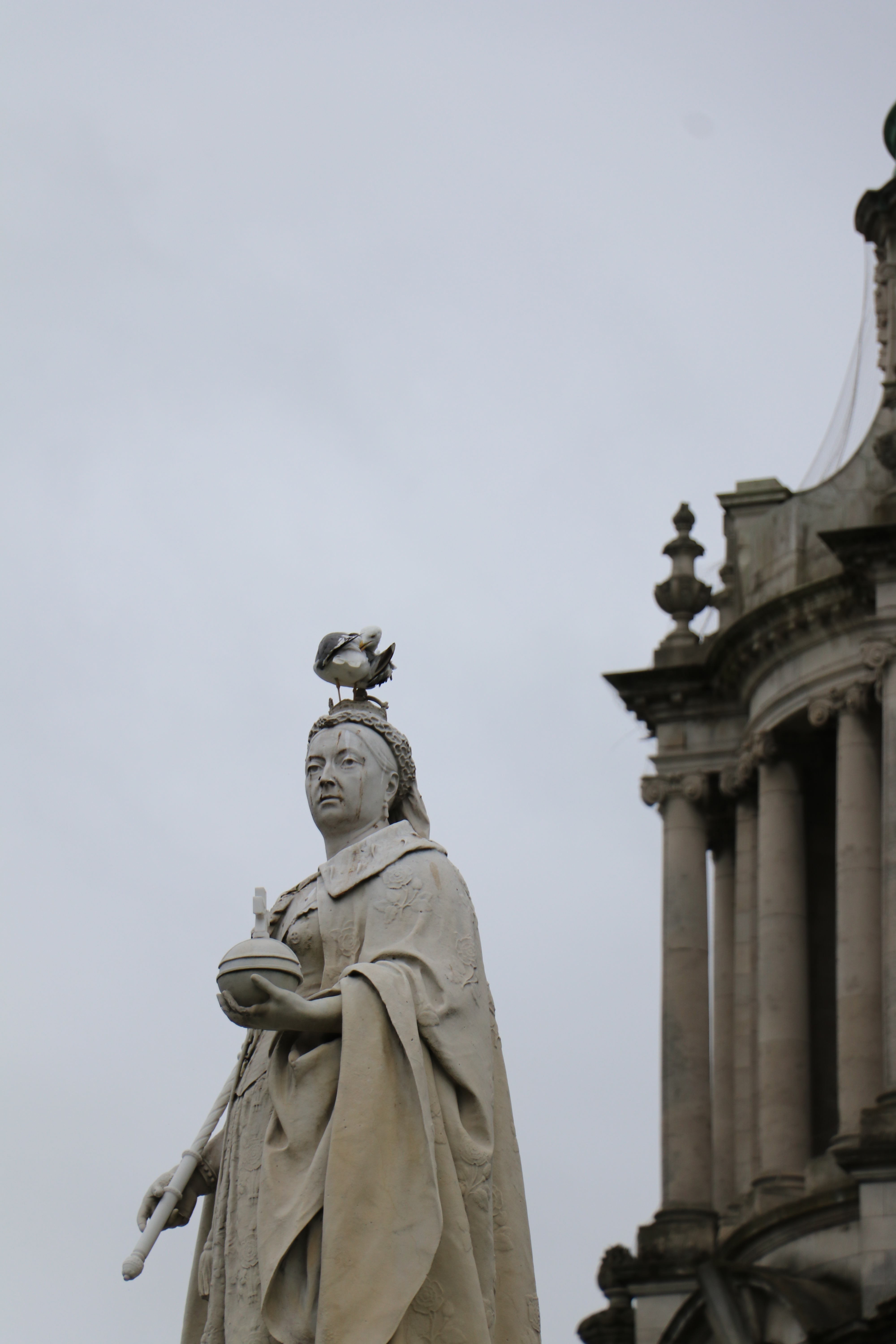
Created by the sculptor Sir Thomas Brock to celebrate the Diamond Jubilee of Queen Victoria in 1897, it was unveiled by her son, King Edward VII in 1903. Carved from Sicilian marble and standing 11 feet high, this memorial is accompanied on each side by life size bronze figures representing spinning and shipbuilding.

The birds have no respect for Queen Victoria or any other people memorialized in the statues.


Robert McMordie Statue at City Hall in Belfast, Northern Ireland
The political position of Lord Mayor of Belfast dates back to 1613 when the Sovereign of Belfast received its charter as a town. This is one of four statues of famous Lord Mayors on the grounds of the Belfast City Hall. The sculpture by Frederick Pomeroy is a tribute to Robert James McMordie. He held the post from 1910 until his unexpected death during his fifth year in 1914.

The Belfast War Memorial is in the form of a cenotaph (a memorial to those who are buried elsewhere) with the backdrop of a colonnade. The memorial was unveiled on Armistice Day 11 November 1929. It was designed by Sir Alfred Brumwell Thomas and constructed by W J Campbell from 1925 to 1927.

Several days after we were here our daughter Katie and hubby Andrew reached Belfast on their small tour and stayed in the hotel directly behind this memorial.

From this stop we boarded the bus for our trip back to Dublin. We had one ‘convenience’ stop off the motorway on our trip back. Dropped off along the River Liffey in Dublin we decided to walk to The Church Cafe for our evening meal. This was a great find I learned about by watching podcasts of places to visit in Dublin. I’ll share more about this Cafe in a post of it’s own.

Sláinte!

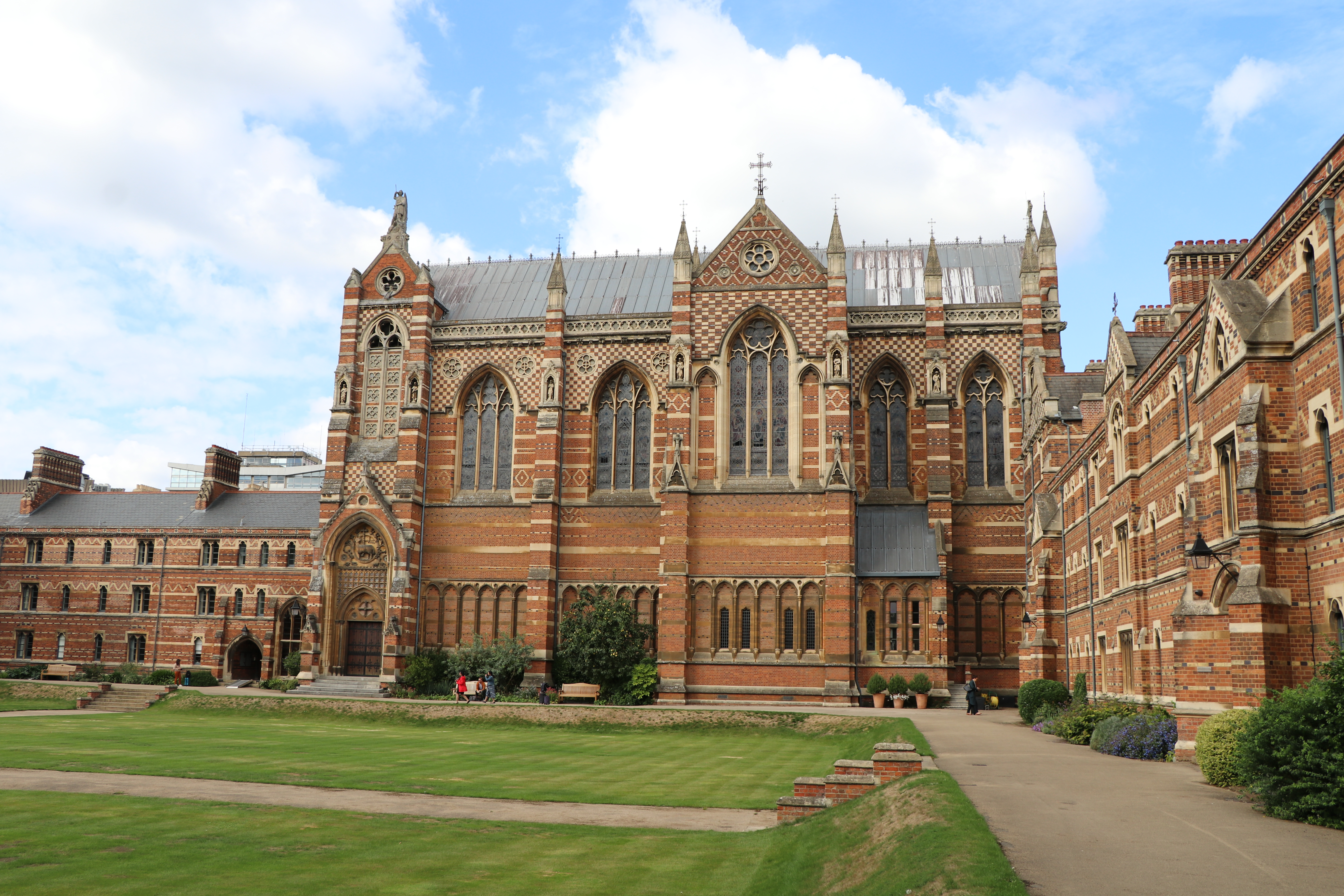
Keble College ~ Oxford Colleges

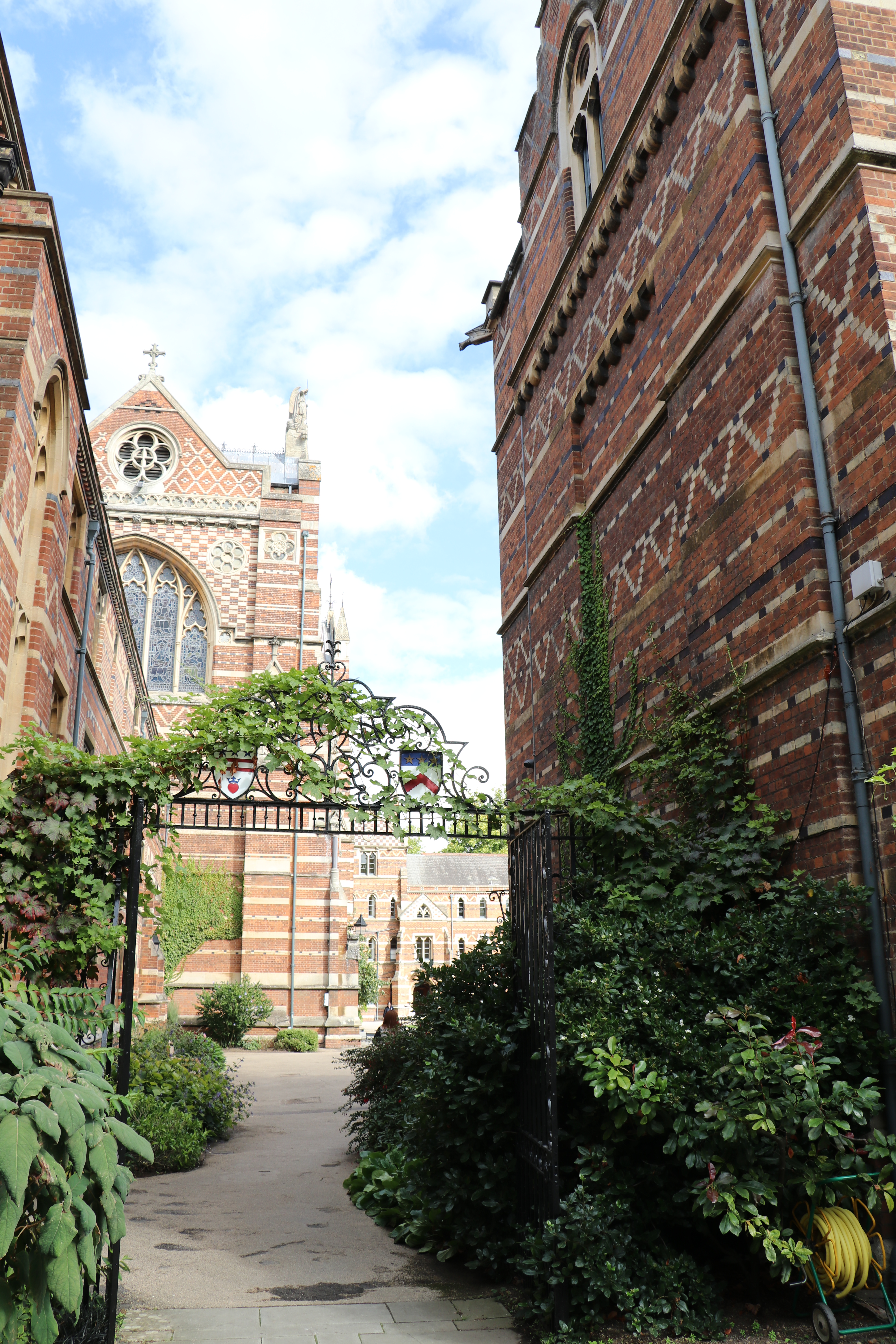
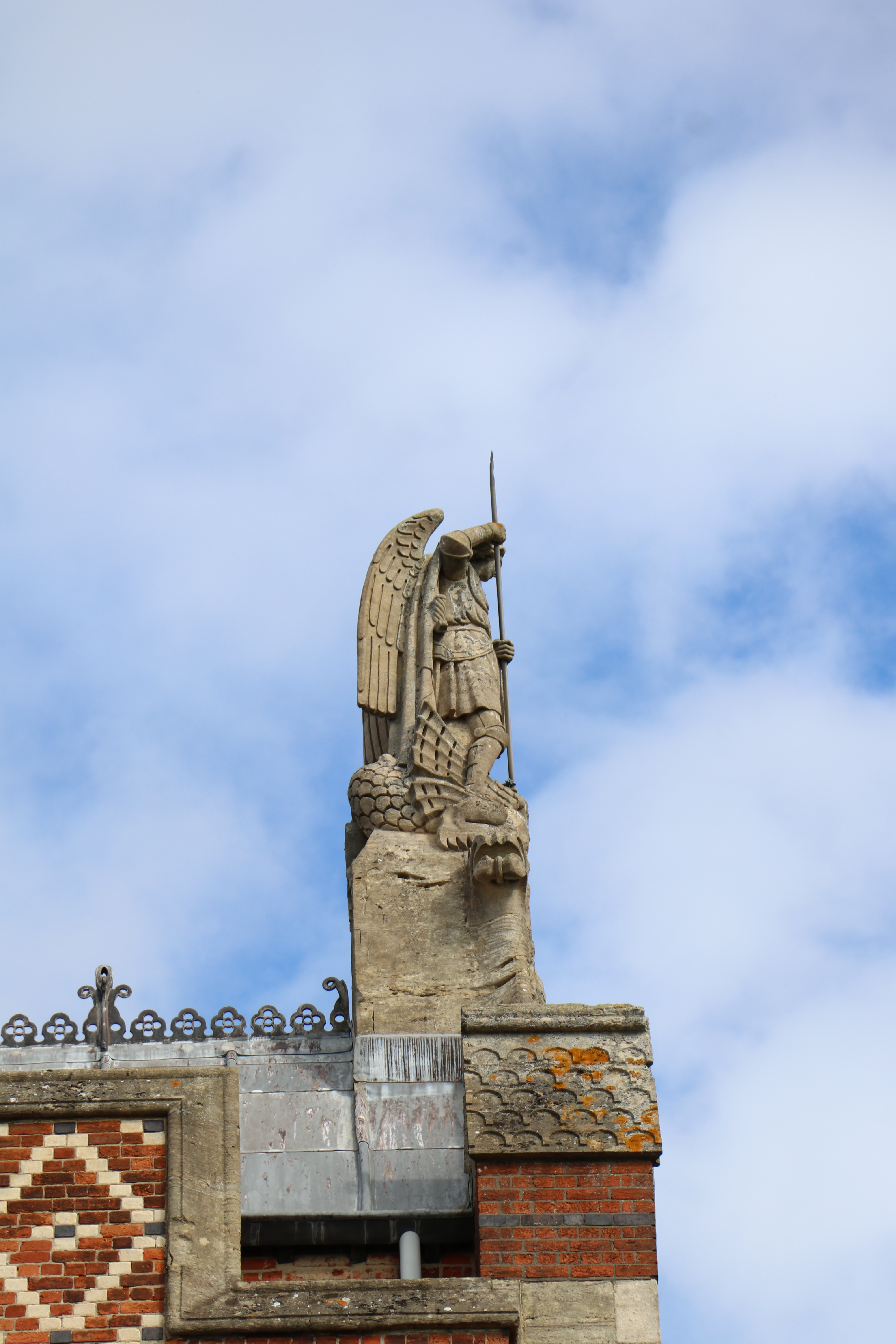
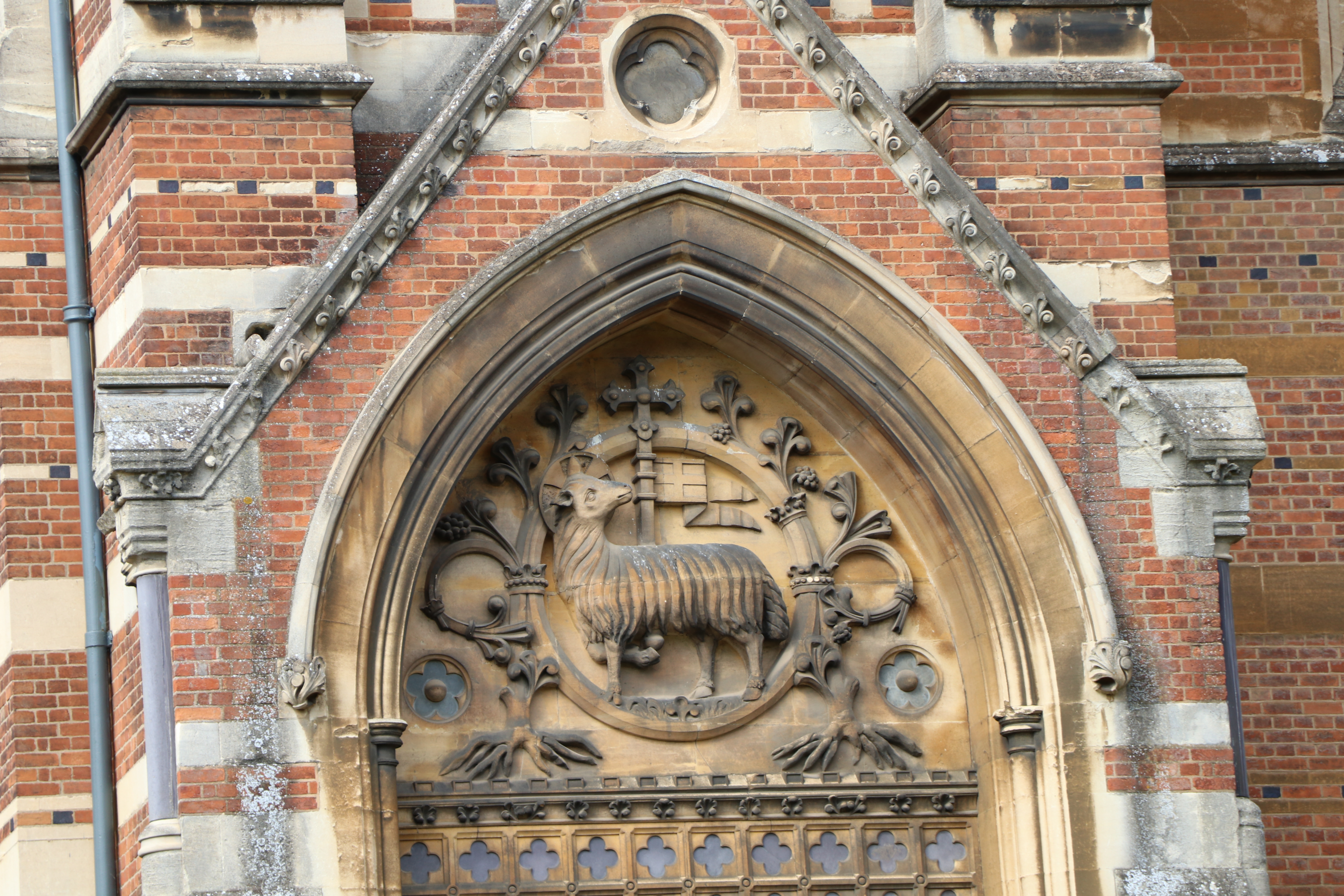
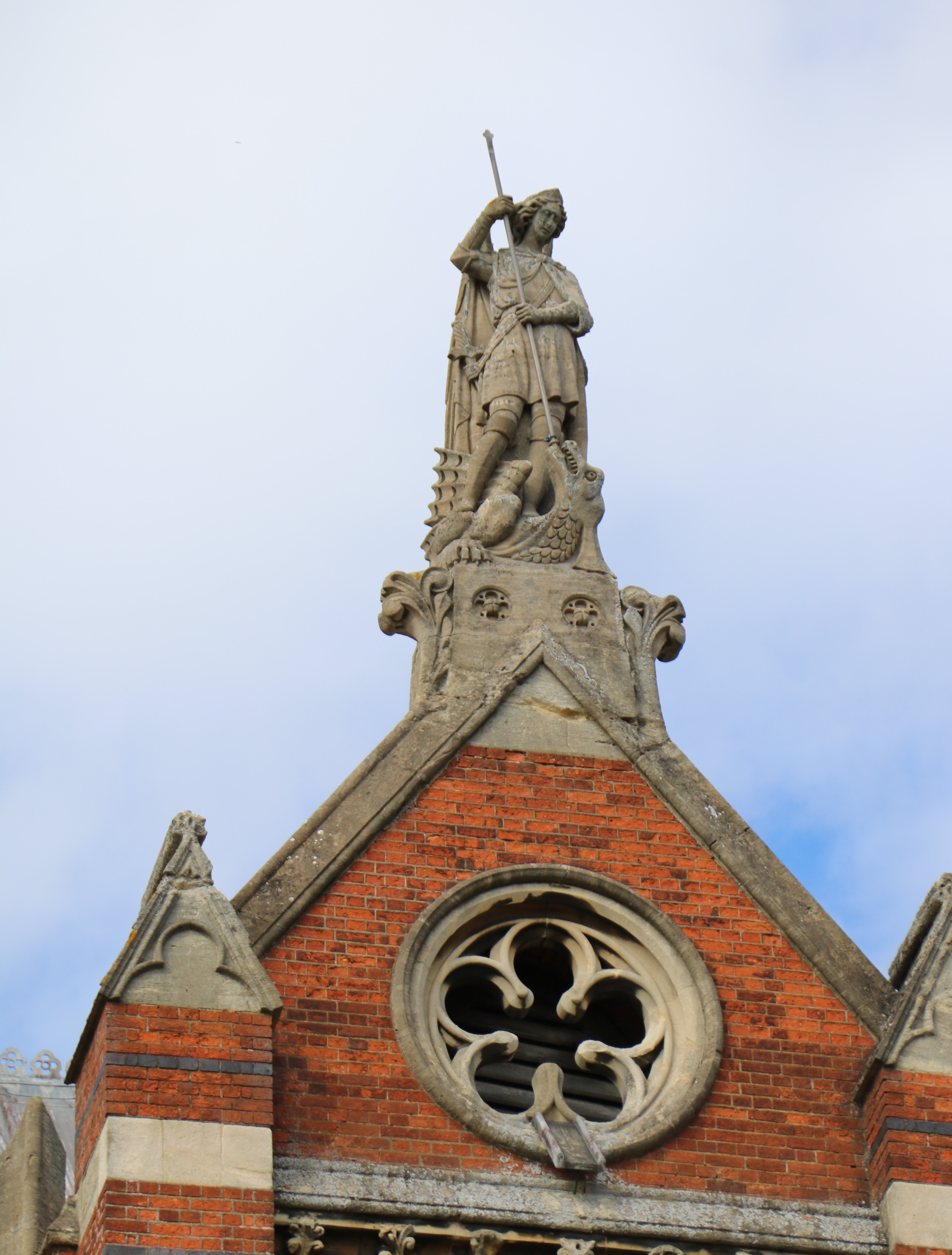
On Friday afternoon September 23rd, 2022 we were able to visit Keble College to see the grounds and the chapel. The dining hall was closed to visitors during our visit.

The idea to found a new college in memory of John Keble was discussed by a group of his friends at Keble’s funeral in April 1866. By modern standards, the speed with which their plans were realized was little short of miraculous.

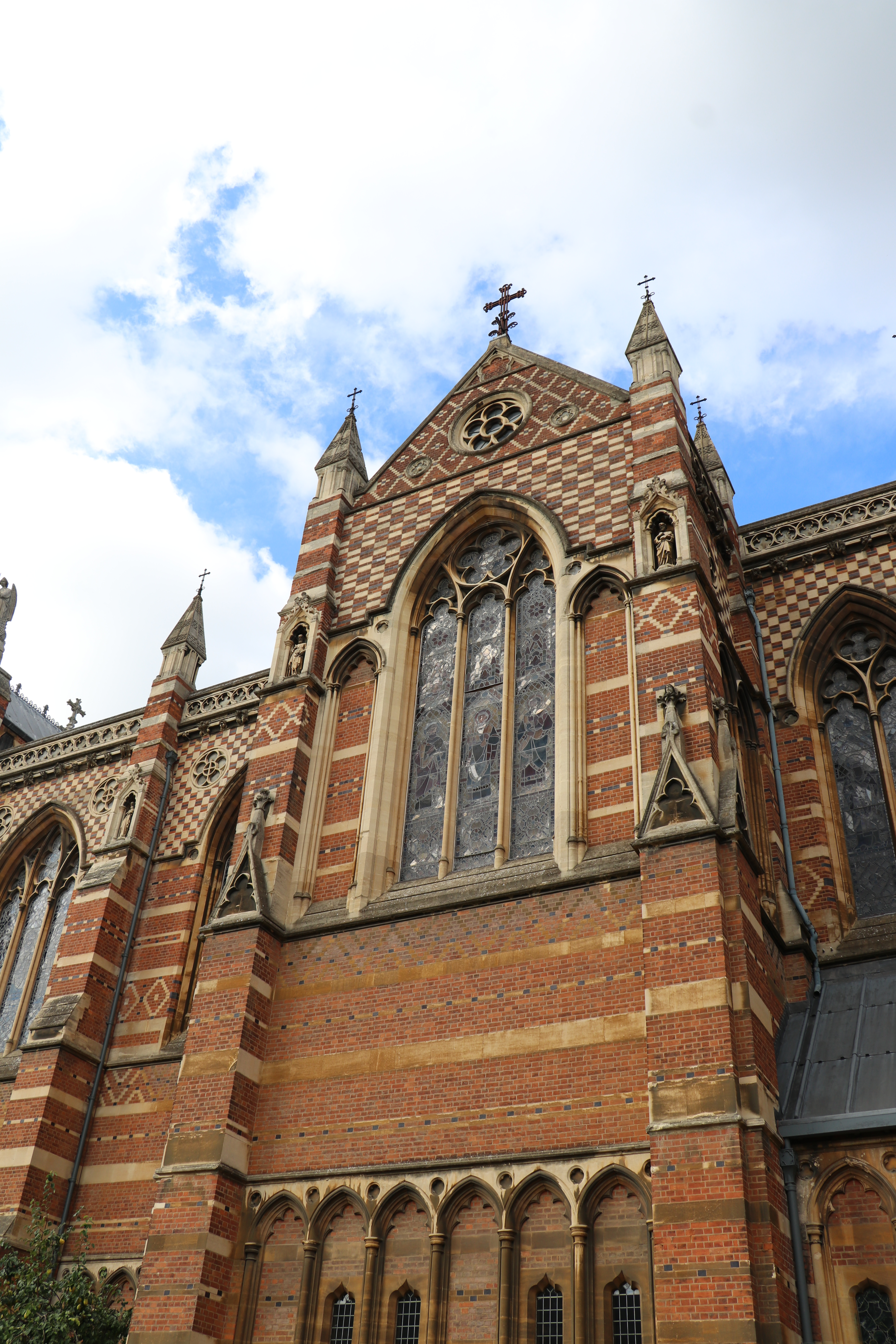
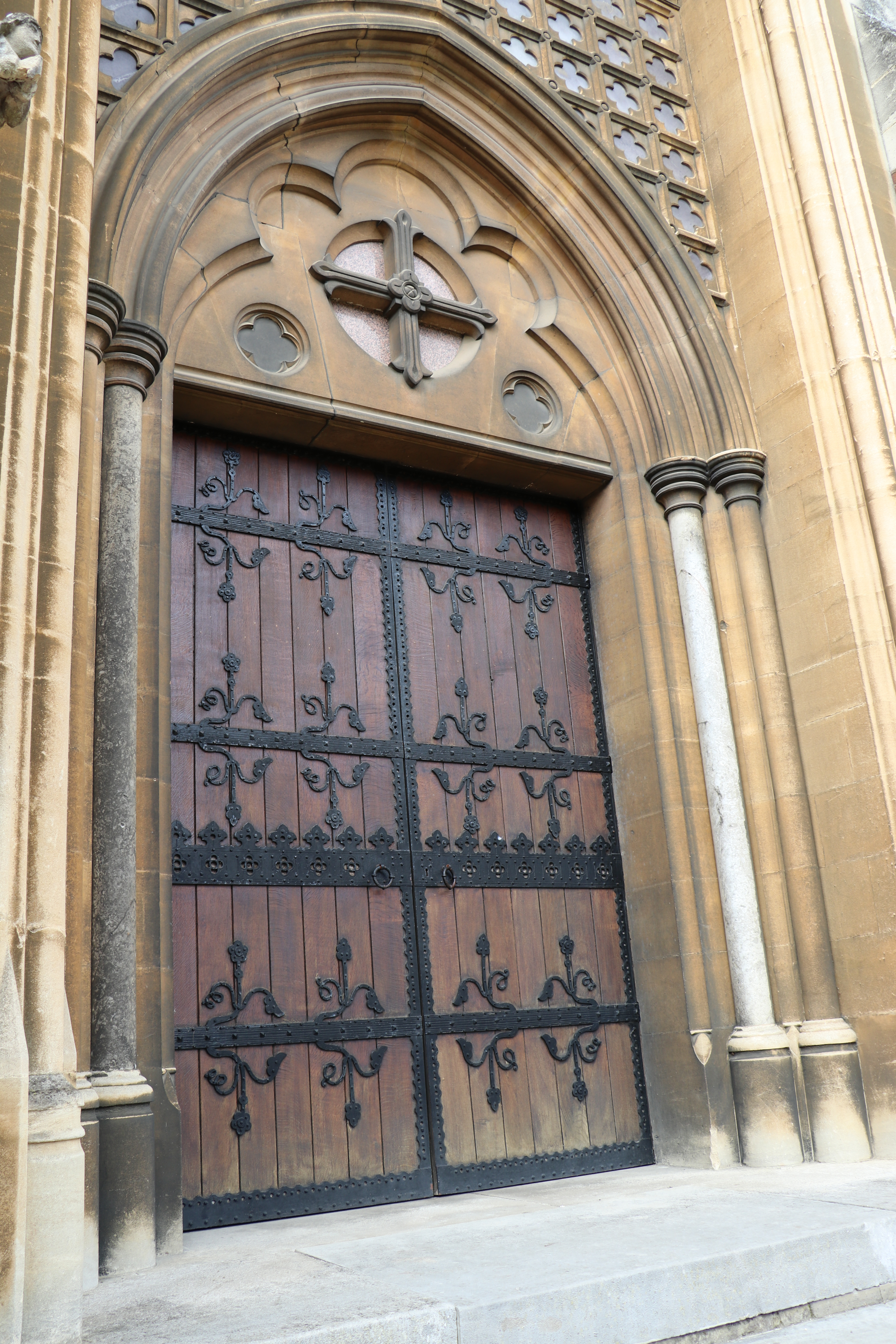
In four years they raised enough money to buy the land, commission an architect and complete the east and west ranges of Liddon Quad and the imposing main gatehouse, all ready in time for the first forty undergraduates to take up residence in the autumn of 1870. Building continued throughout the 1870s: the Chapel was completed in 1876, the Warden’s Lodgings in 1877 and the Hall and Library in 1878, by which time 140 undergraduates were living in Liddon and Pusey Quads.

Keble’s founders chose William Butterfield (1814-1900) as its architect. A man closely associated with the Oxford movement, he had designed churches and vicarages for Anglo-Catholics all over Britain as well as in the colonies, Melbourne cathedral in Australia being a particularly well-known example. His was a controversial choice, and Butterfield’s architecture has long provoked argument.

For decades ivy hid much of the polychrome brick and the buildings were variously derided as hideous and a joke. Opinions began to change in the latter half of the twentieth century and Butterfield’s Keble, Grade 1 listed, is now widely regarded as one of the finest examples of Victorian Gothic anywhere.


The photos from Keble Chapel will have to wait for another day. Be forewarned there are a lot of photos to share. It was one of the larger chapels we were in on this trip.

Back to the Present: We are still having winter here in N.E. Washington state. We had a busier than usual weekend and it was full with Joy and Sorrow and Joy. Today is my hair day, nothing new always the same do. Hope you all have a good week ahead.
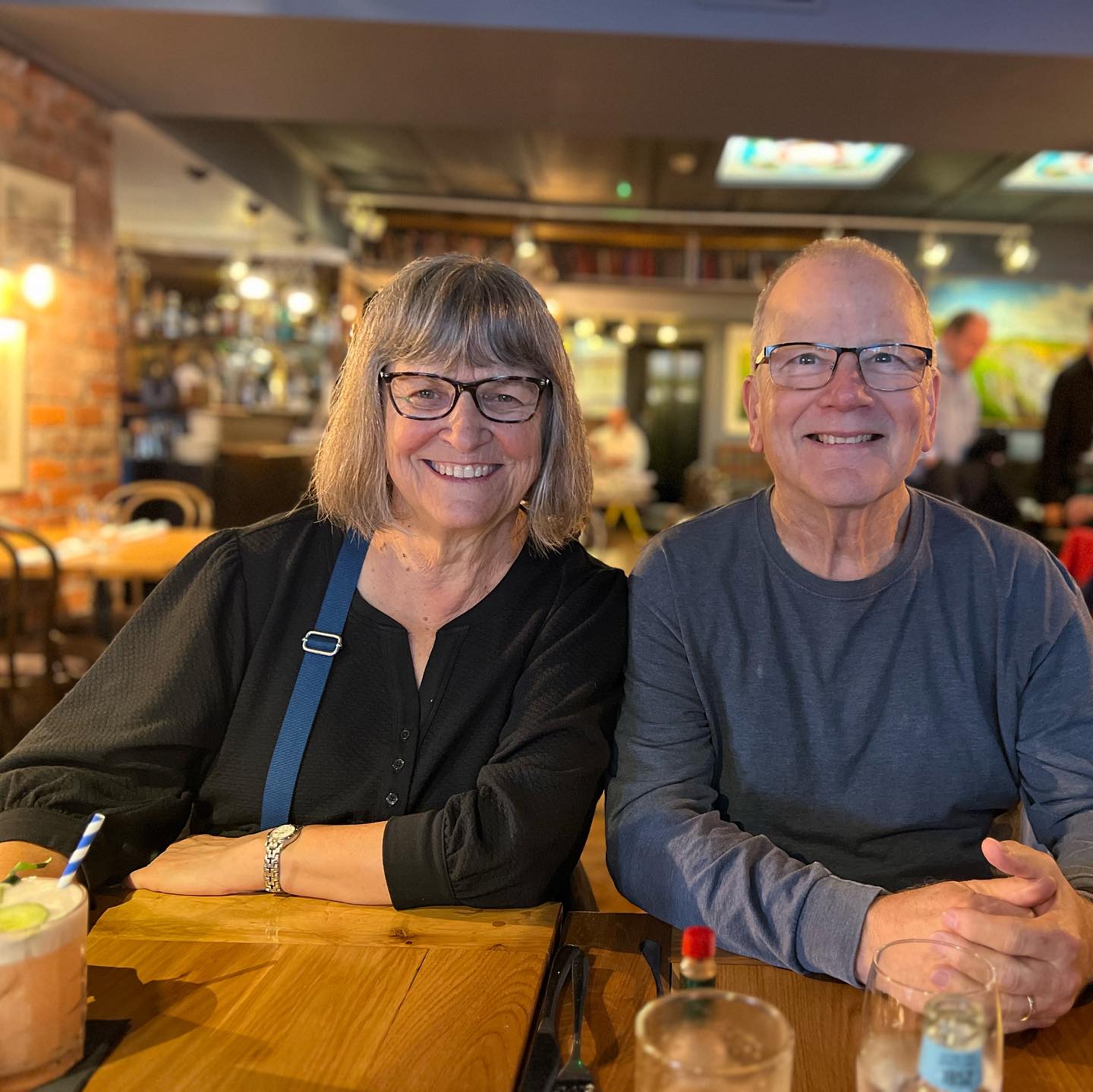
HT: Keble College

Catching Up

It’s time for a little catch-up with my two favorite Grands.
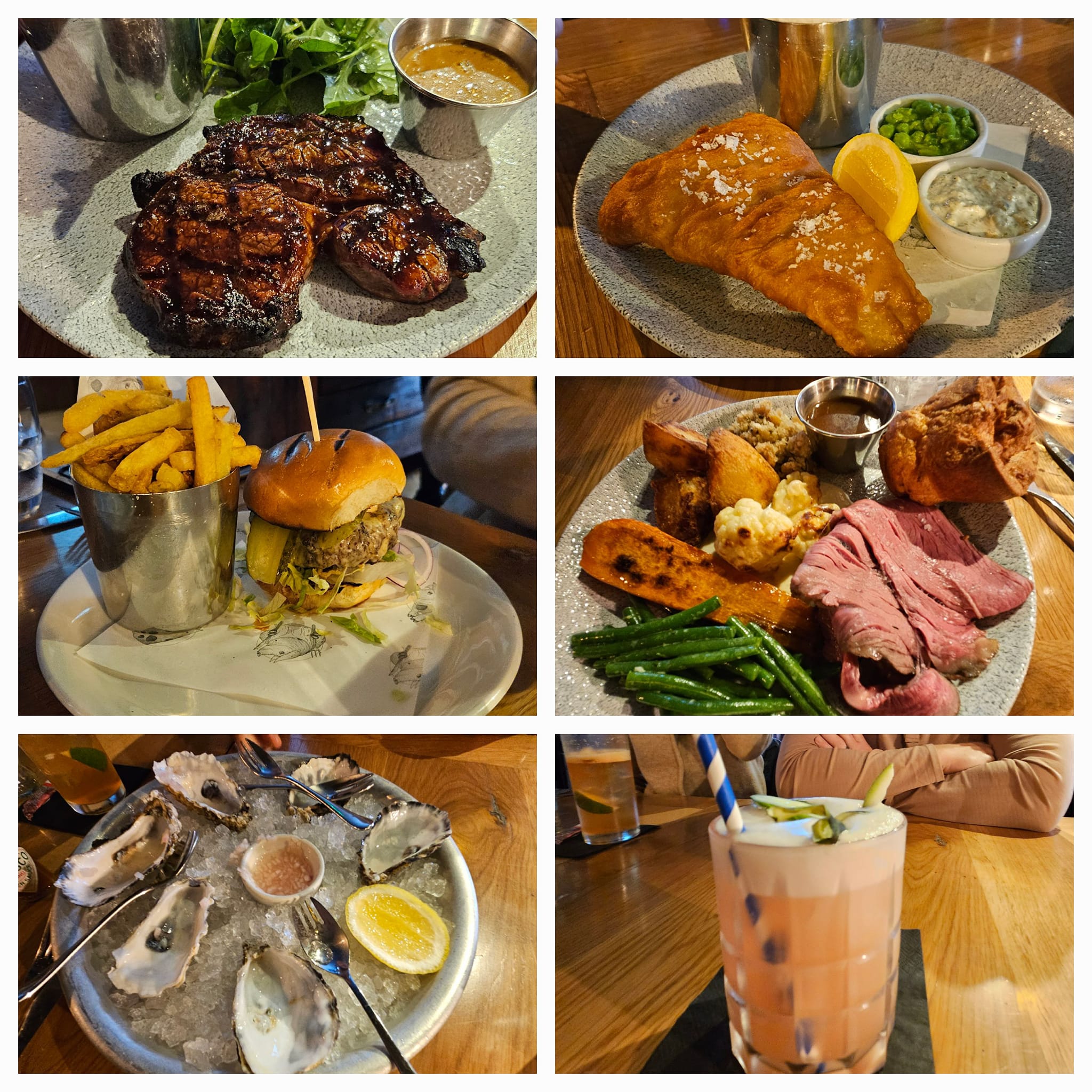
This little guy was under the weather and finally was feeling good enough to smile.

Homeschooling ‘hands on’ experience in learning, E is for Explorer. So thankful that our DIL is committed to this Labor of Love.

Hooray, it’s Friday. Have a good weekend everyone.

Christ Church College ~ 2

Today we will go that way…

A fair warning: This post will be long with lots of photos!

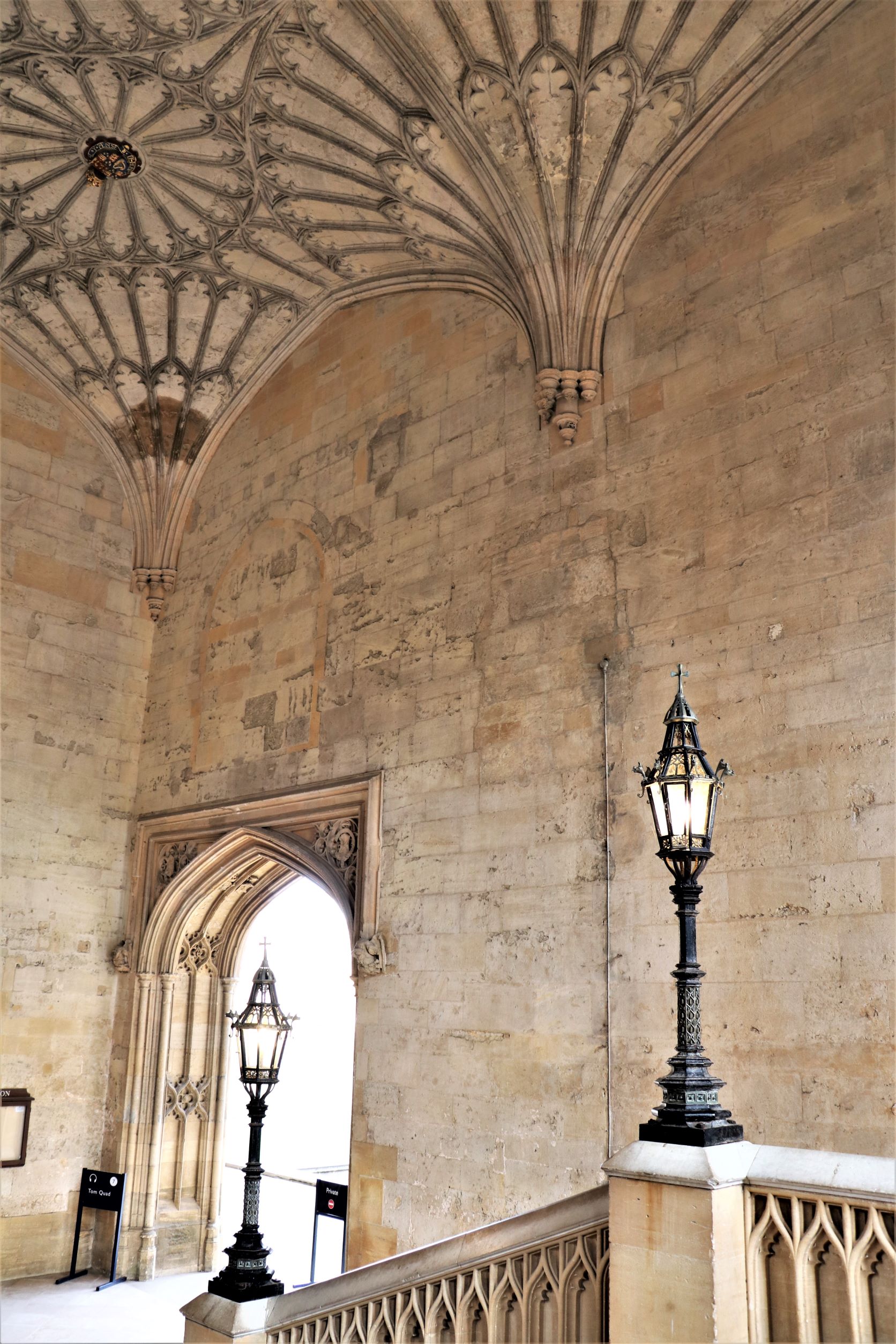
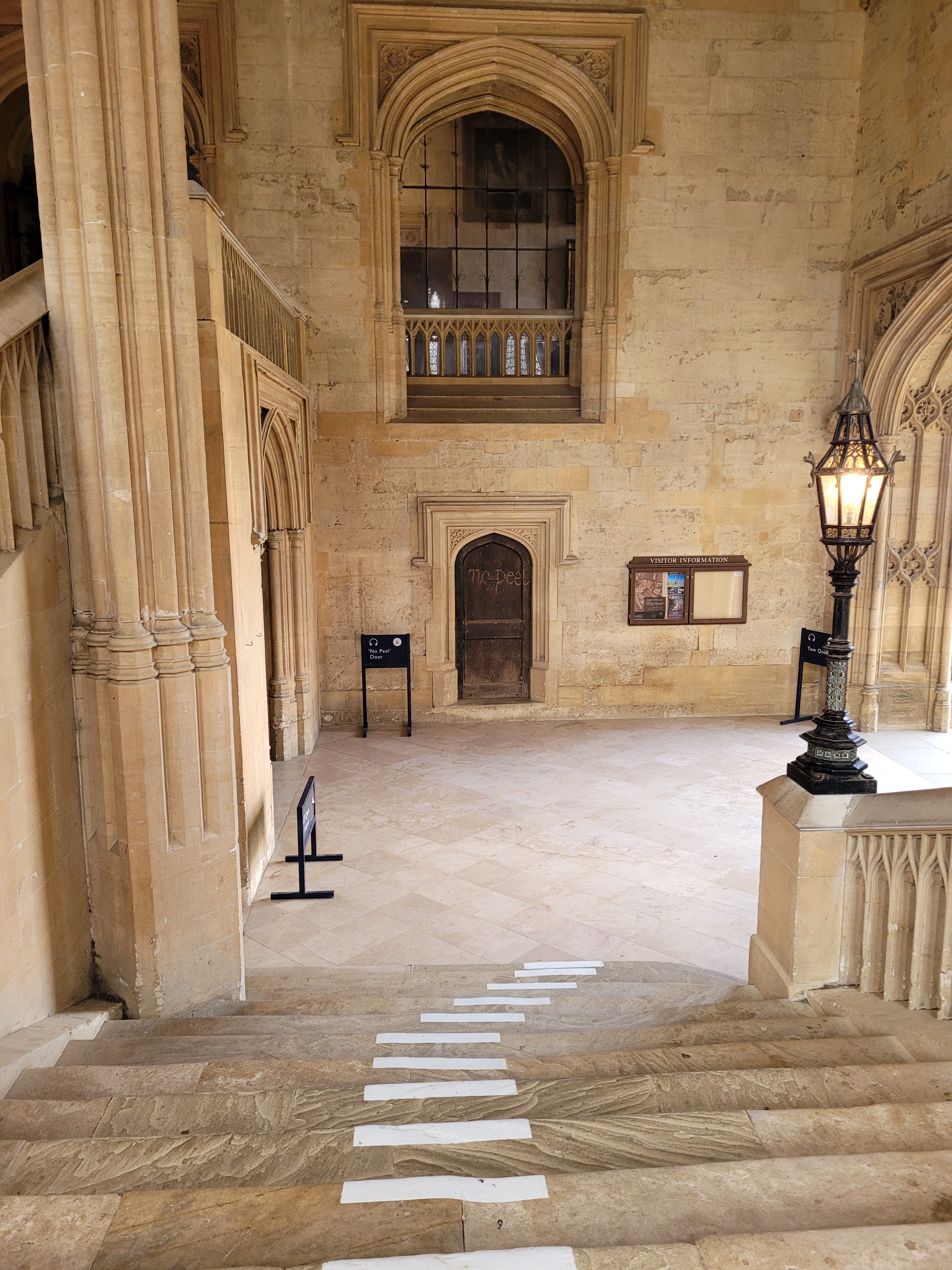
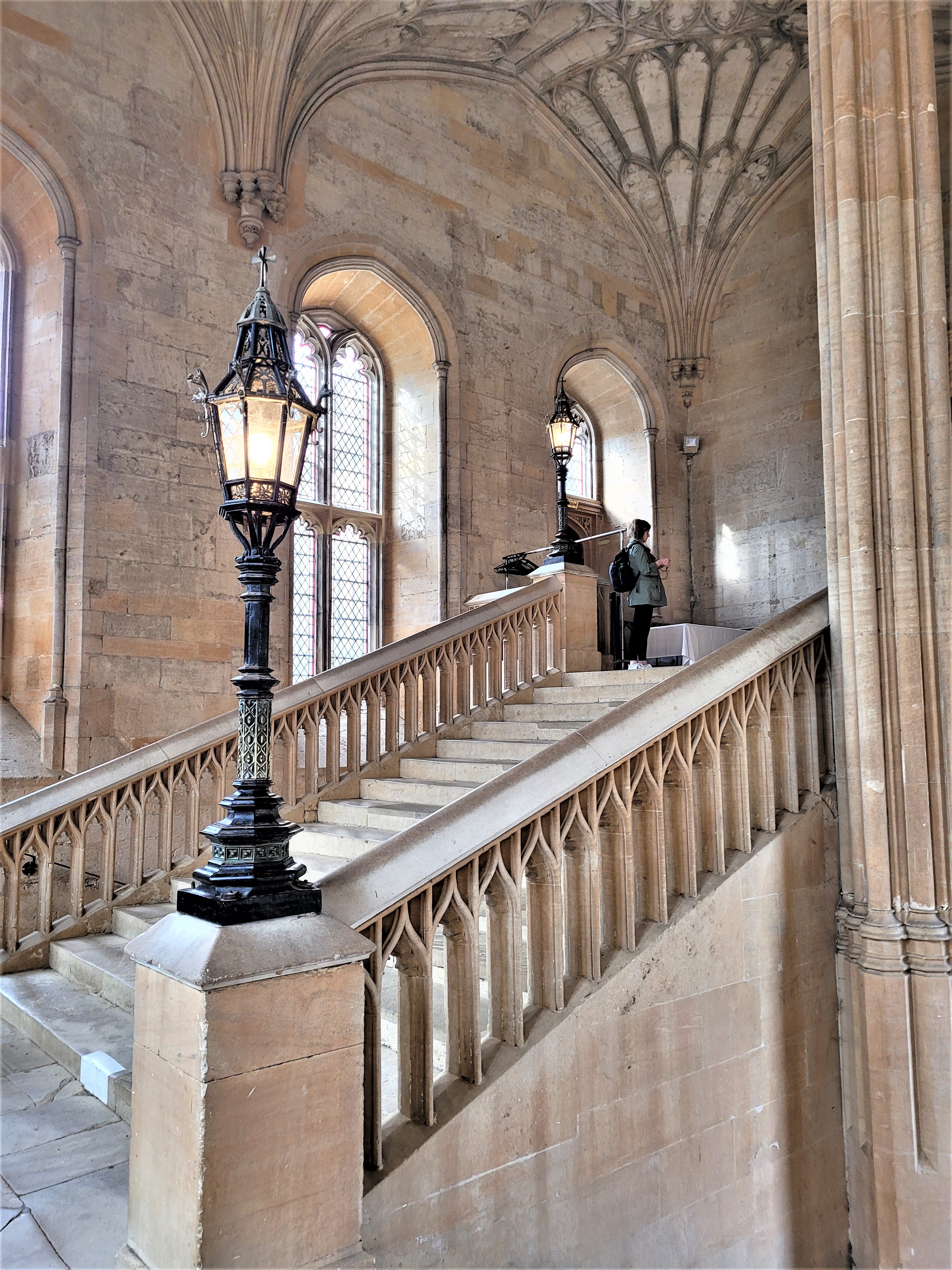
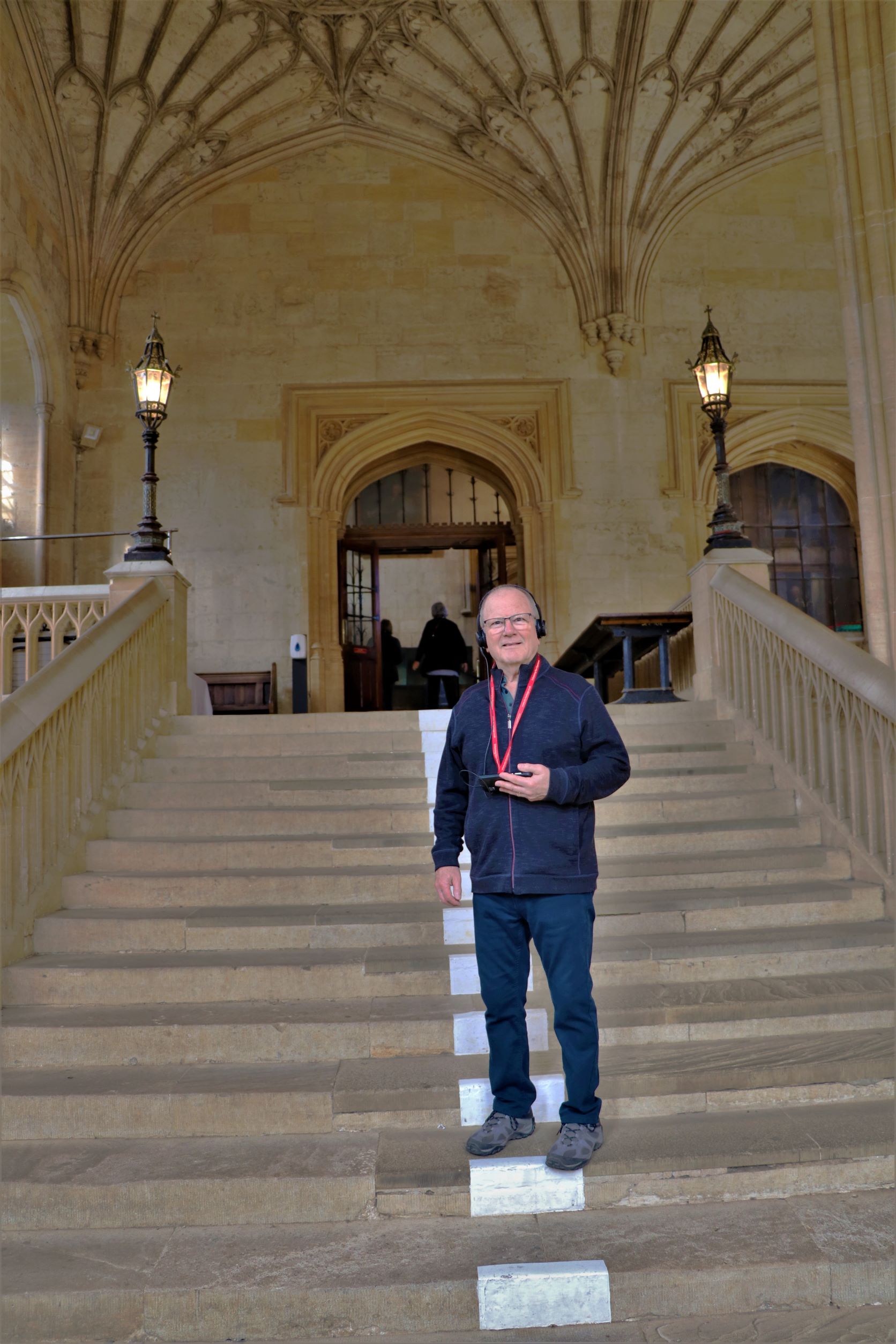
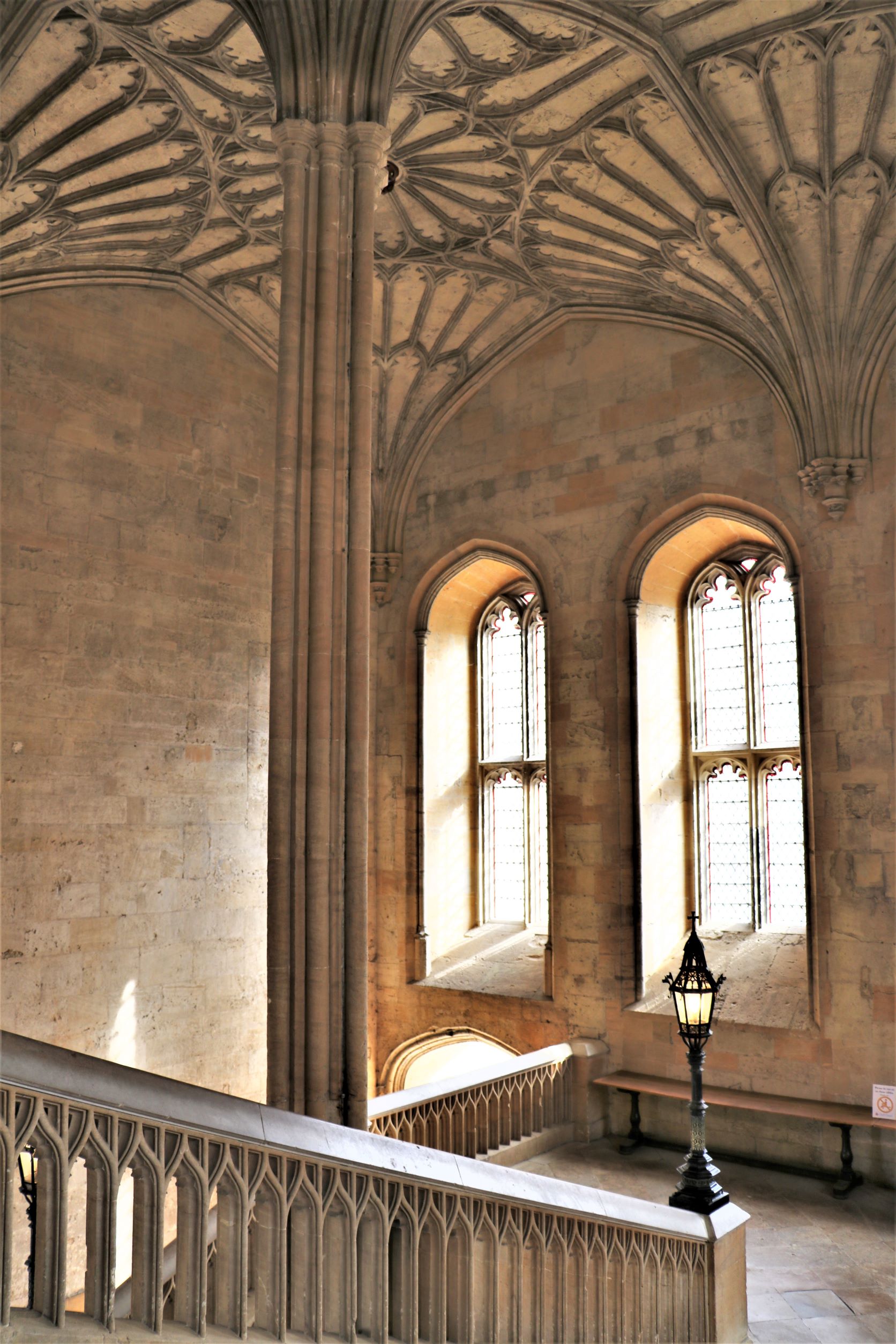
The Grand Staircase where Professor McGonagall met new students arriving at Hogwarts.

A more well-known Harry Potter filming location is the stairwell, leading up to the Great Hall.

These iconic Harry Potter steps were used in multiple films, but they are mostly known for the grand arrival of the students at Hogwarts on their very first day at Hogwarts.

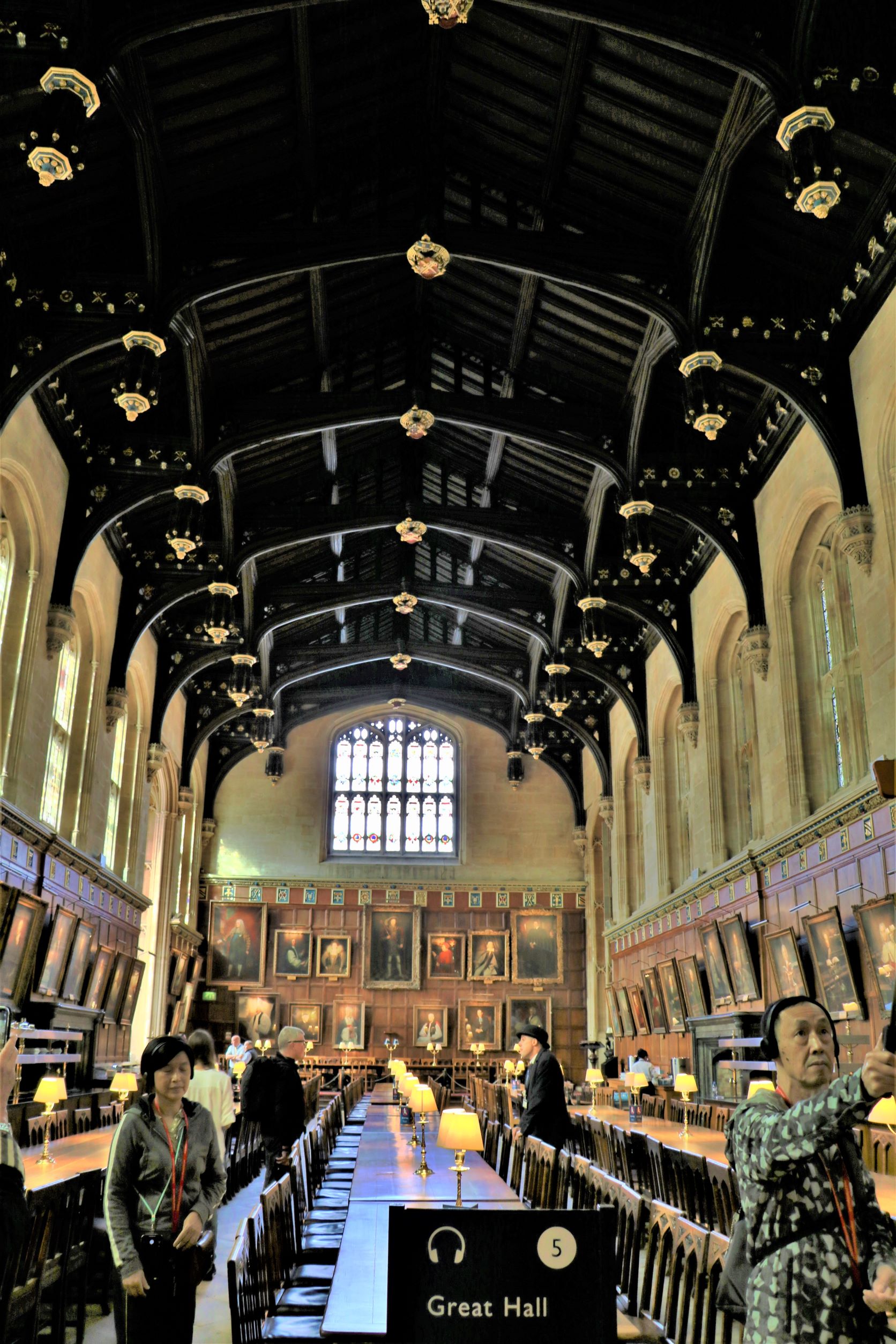
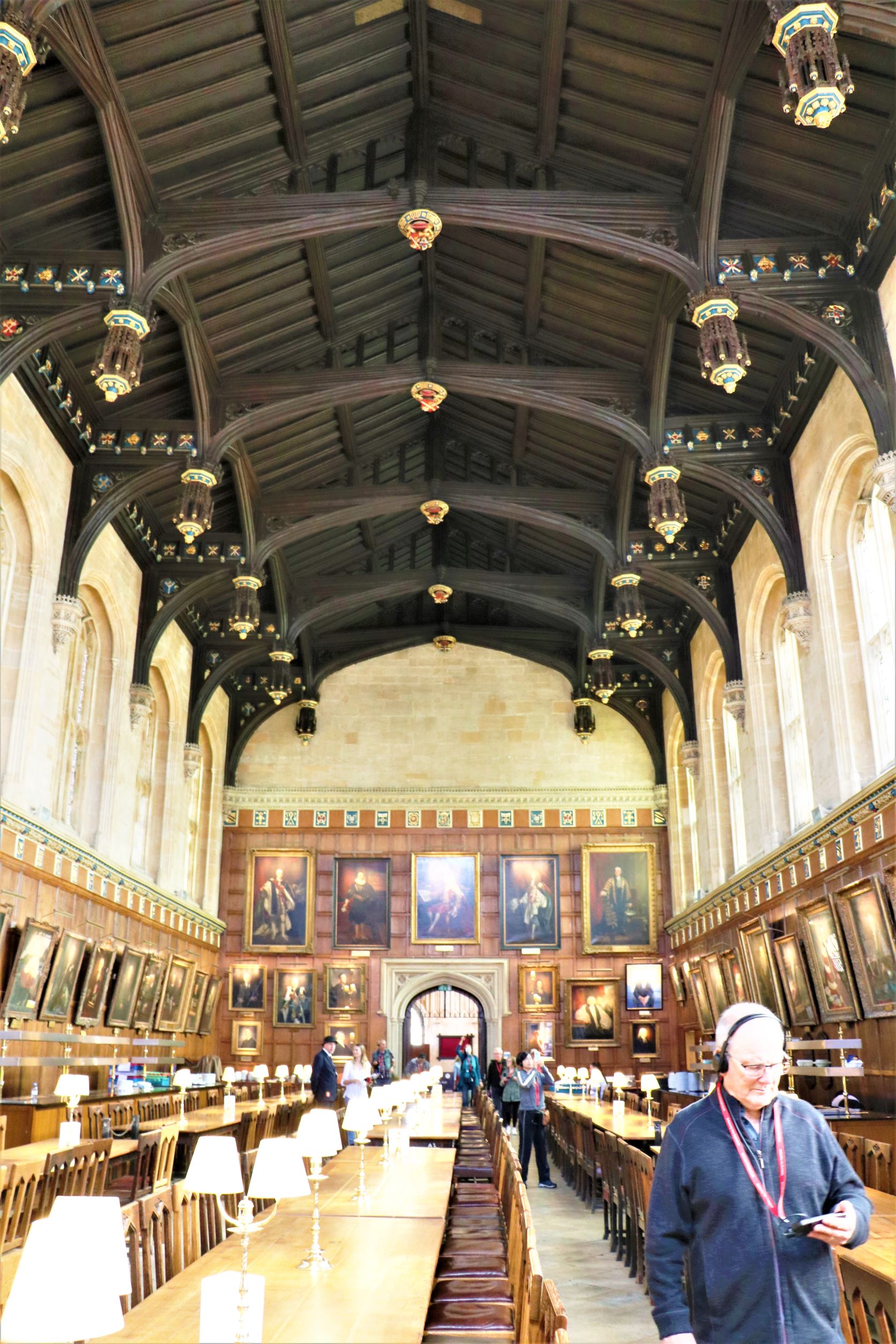
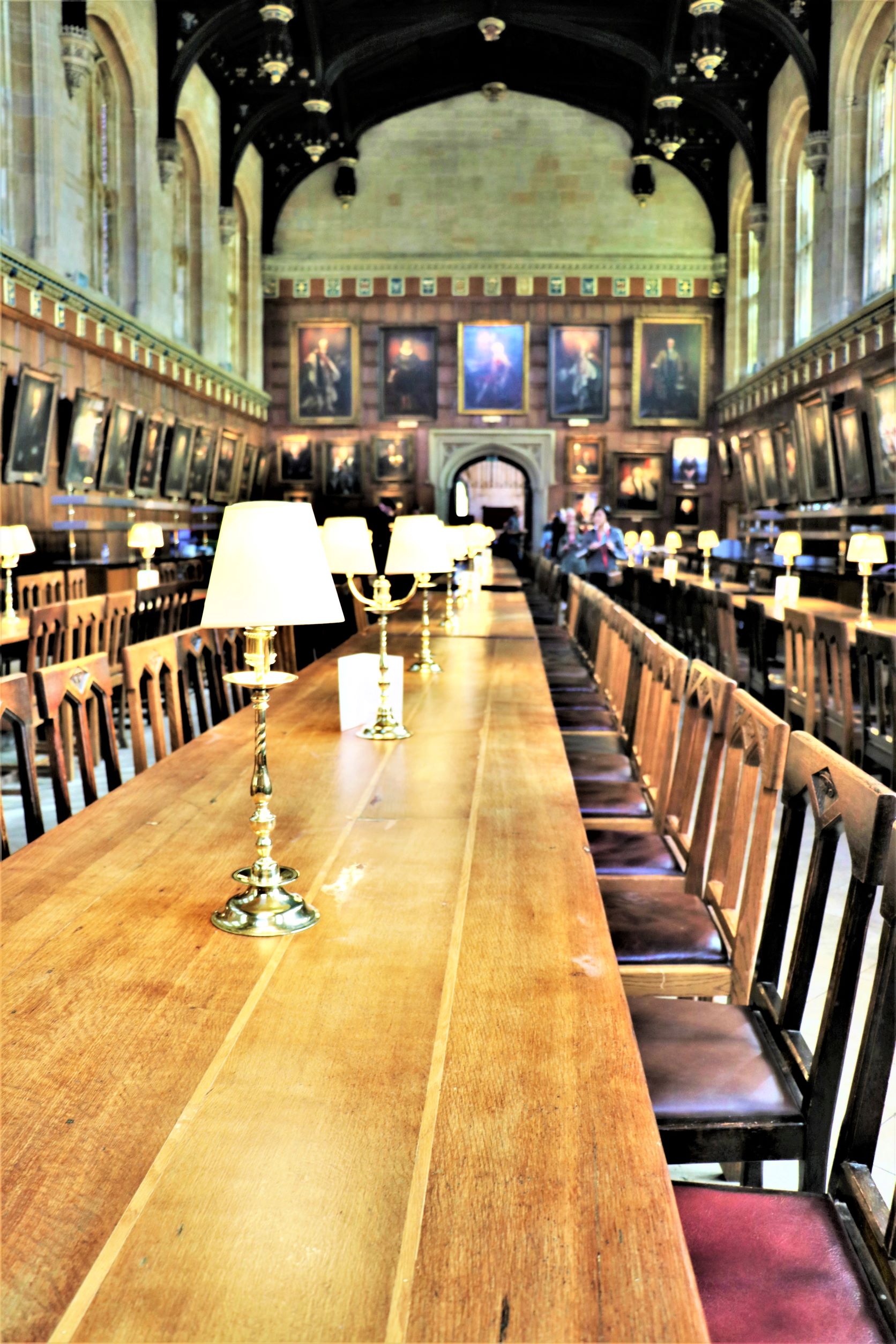
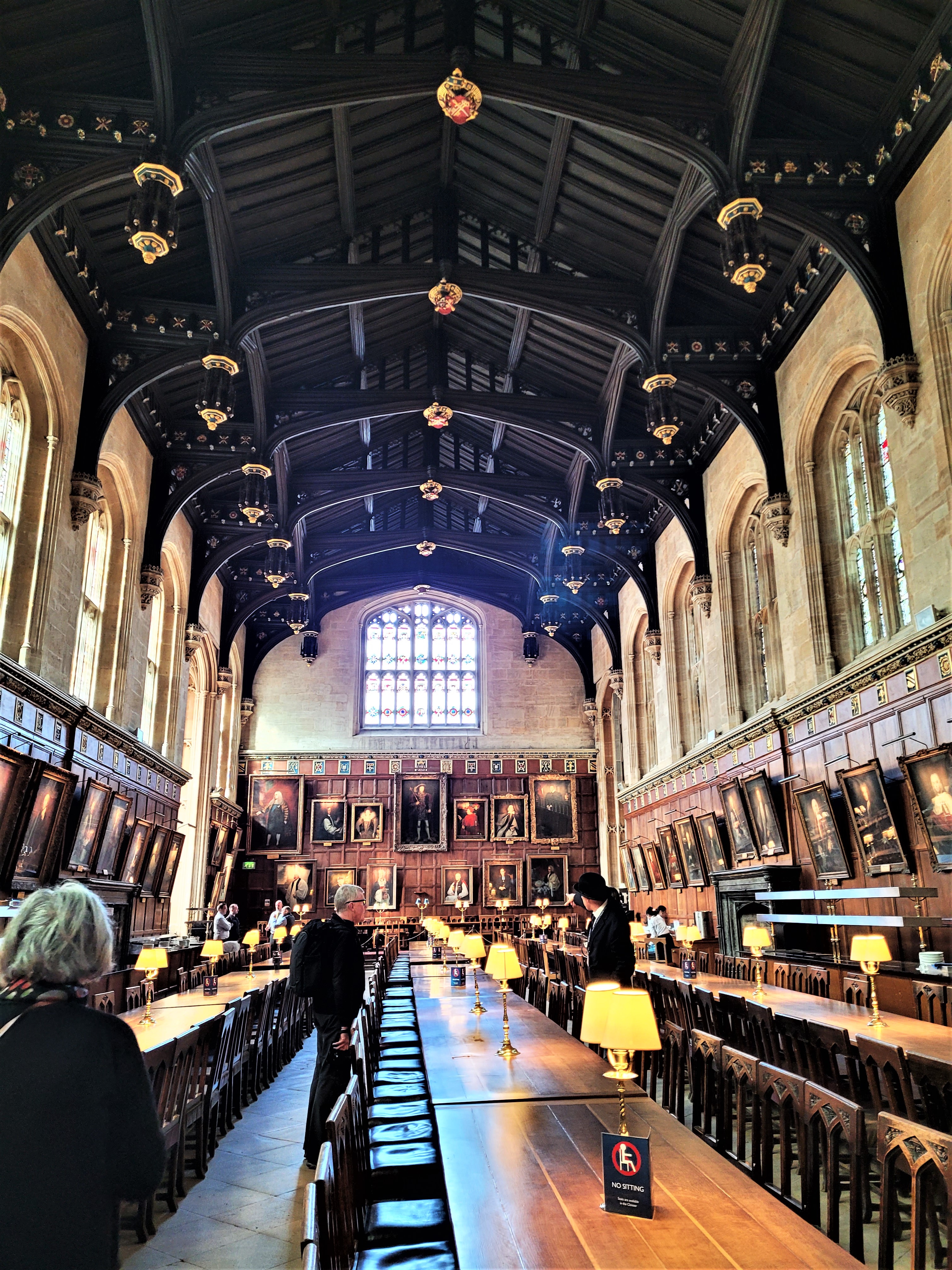
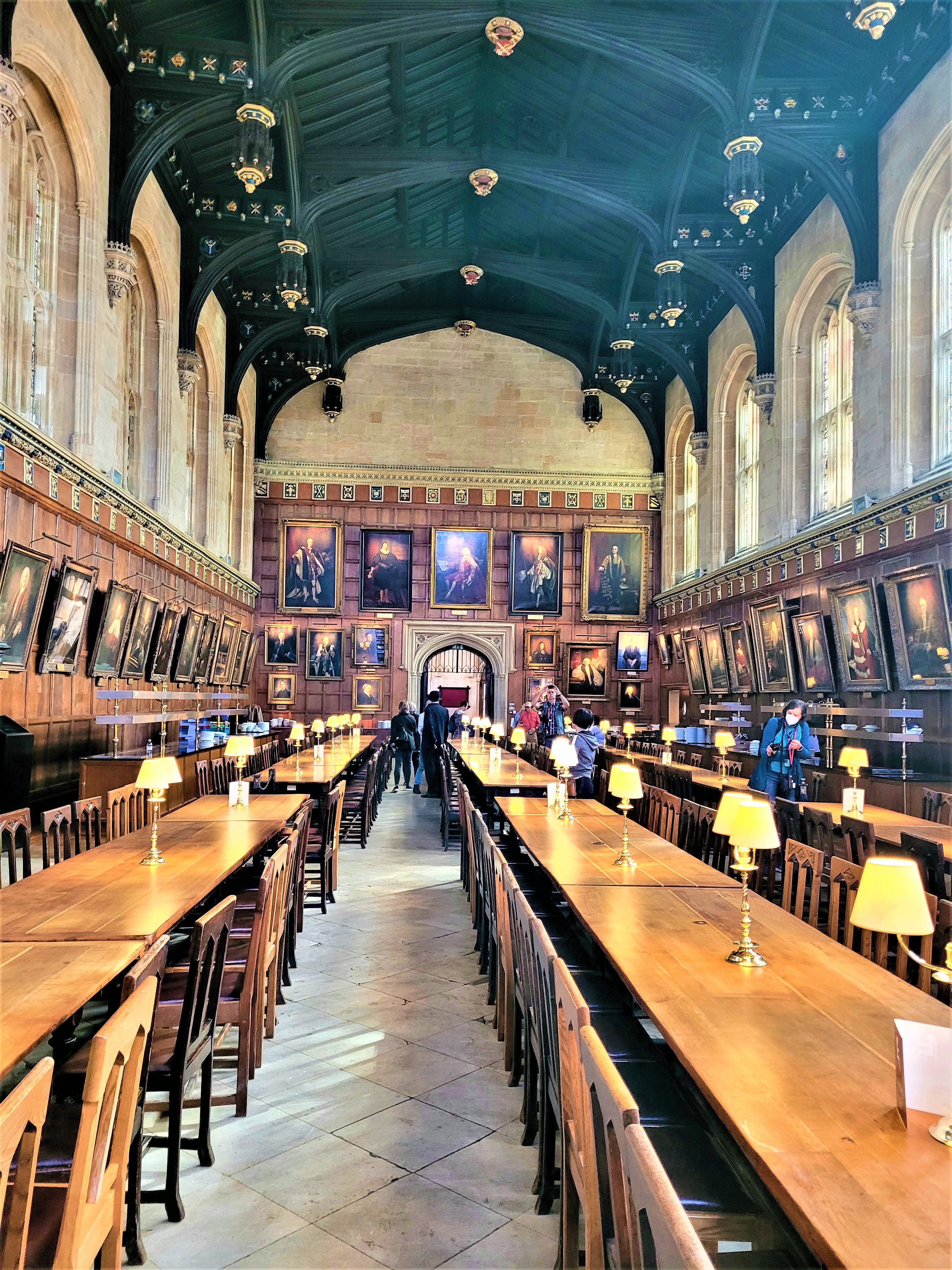
Now we move on to the dining hall that was the inspiration for the dining hall in the Harry Potter series. This great hall is filled with non-fiction history and not just the fiction of J.K. Rowling and Lewis Carroll.

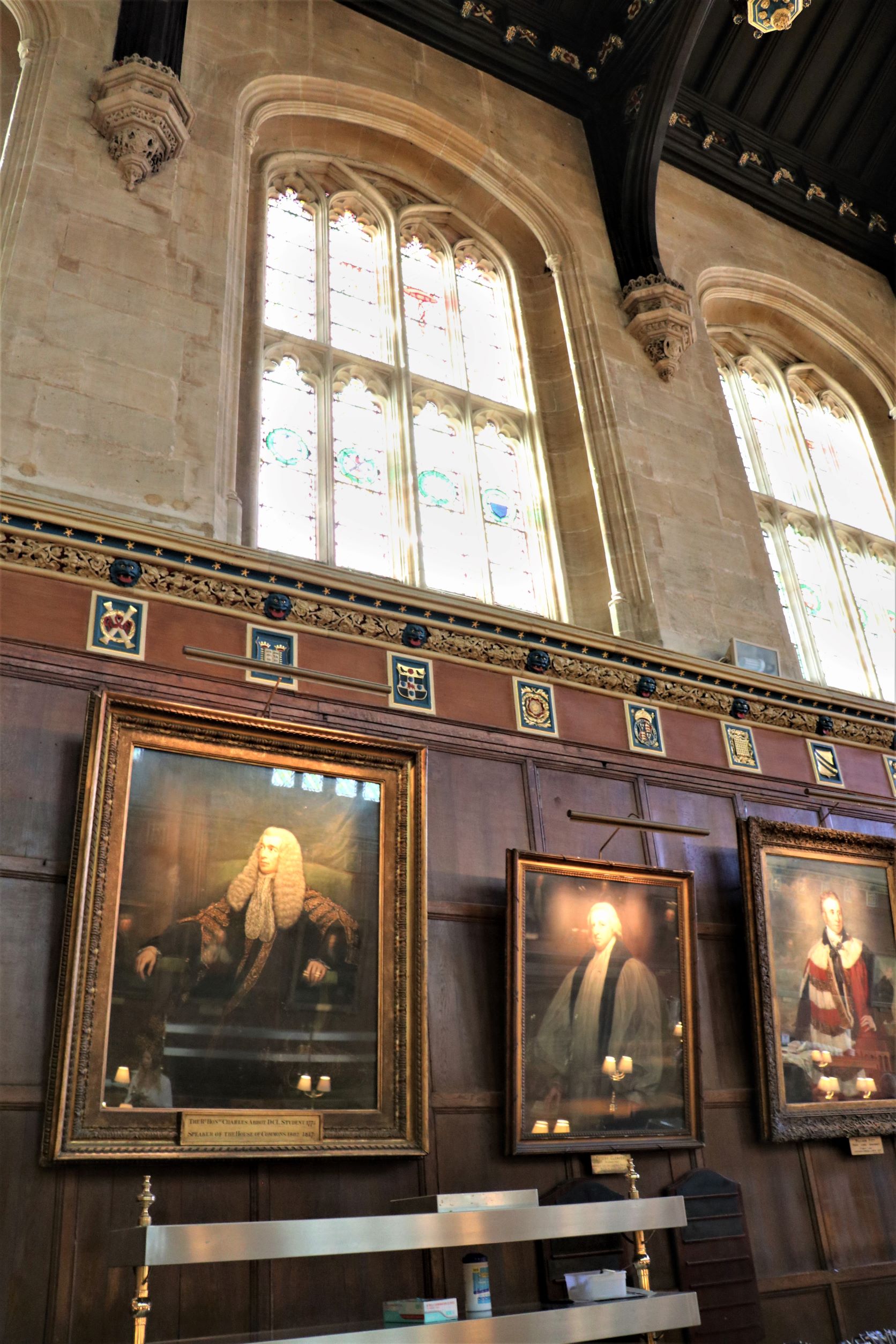
The Christ Church College Dining Hall is the largest in Oxford, seats 300, and is known for its stained glass, hammerbeam roof and portrait collection.

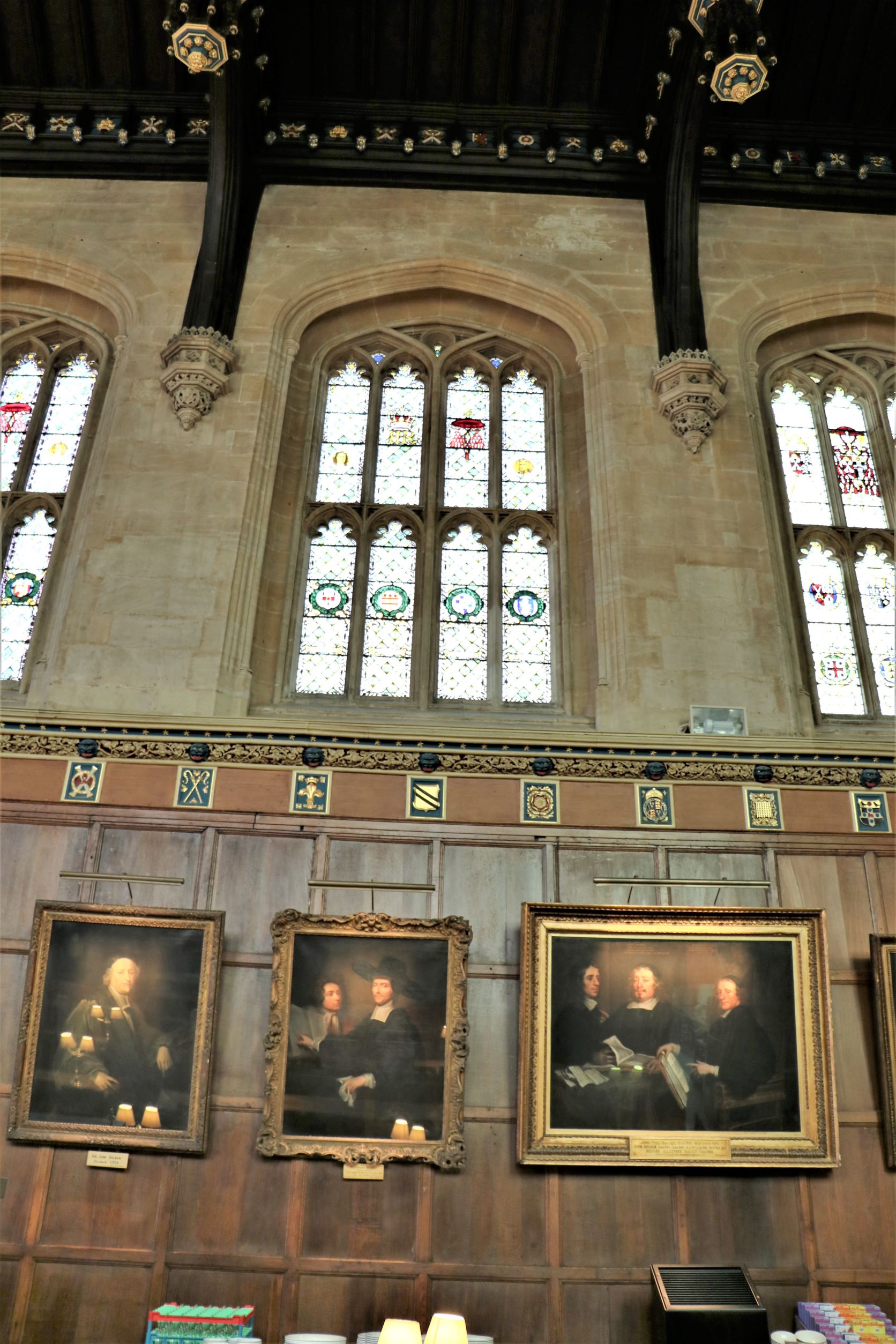
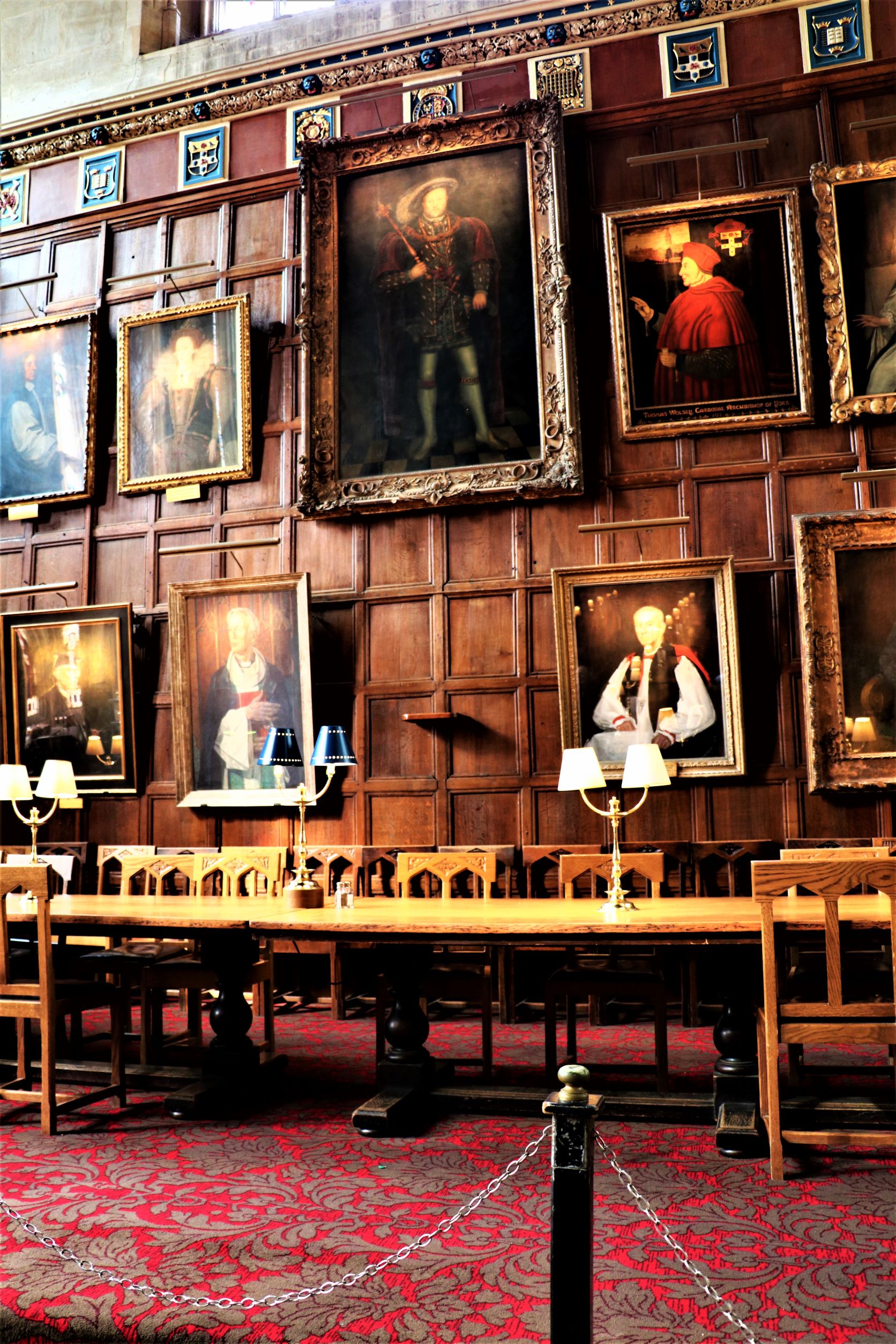
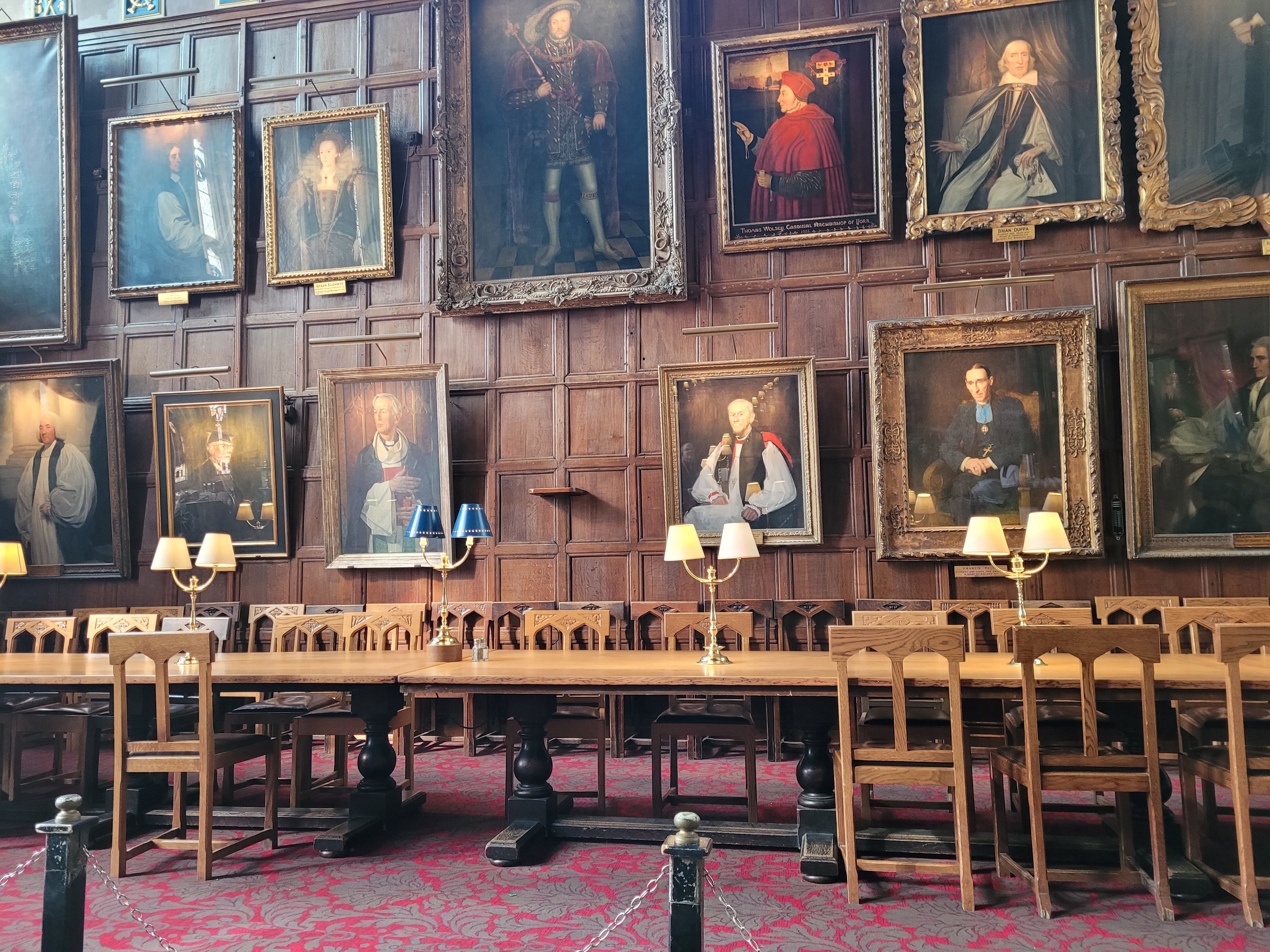
The Dining Hall at Christ Church has dozens of paintings hanging on all four of its walls. This is the wall at the one end of the hall and features paintings of Henry VIII in the middle and Elizabeth 1 to the left. To the right of the King is Cardinal Thomas Wolsey(1475-1530), Lord Chancellor of England (1515-1529).

Christ Church College was founded during the reign of King Henry VIII in the early 16th century.  It is the only college that was founded by King Henry VIII’s Lord Chancellor of England, Cardinal Thomas Wolsey. It was founded in 1524 and originally called Cardinal College, named after Wolsey himself. He was a product of Oxford, having graduated from Magdalen College. The founding of his own college was a great undertaking, and one that could only increase his already-impressive status. He was not only one of the wealthiest men in England, but also one of the most powerful.

Cardinal Wolsey fell out of grace with Henry the VIII when he failed to secure an annulment for the King and his marriage to Katherine of Aragon. He was charged with allegiance to a foreign power (Rome and the Pope). He was forced to hand over all properties to the King. The college was known for some time as “King Henry VIII’s College,” and finally named Christ Church College by King Henry in the year 1546 – one year before his death.

There’s a lot more interesting history from this college but I’ll let you discover it if you wish.

Looks like I’ll need one more post in the Christ Church College series to cover Lewis Carroll and Alice in Wonderland. Till next time, cheers!

Tuesday Guided Tour

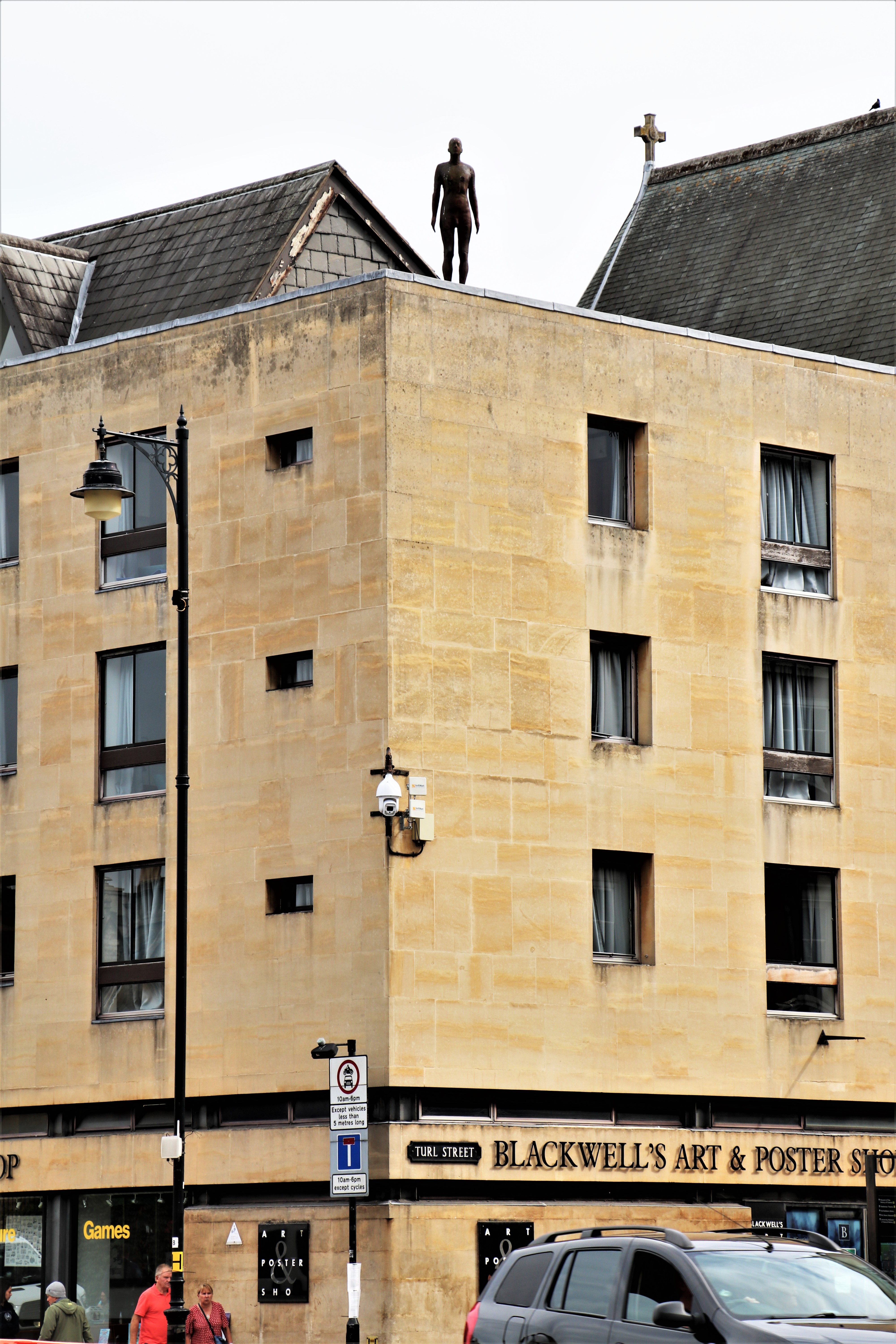
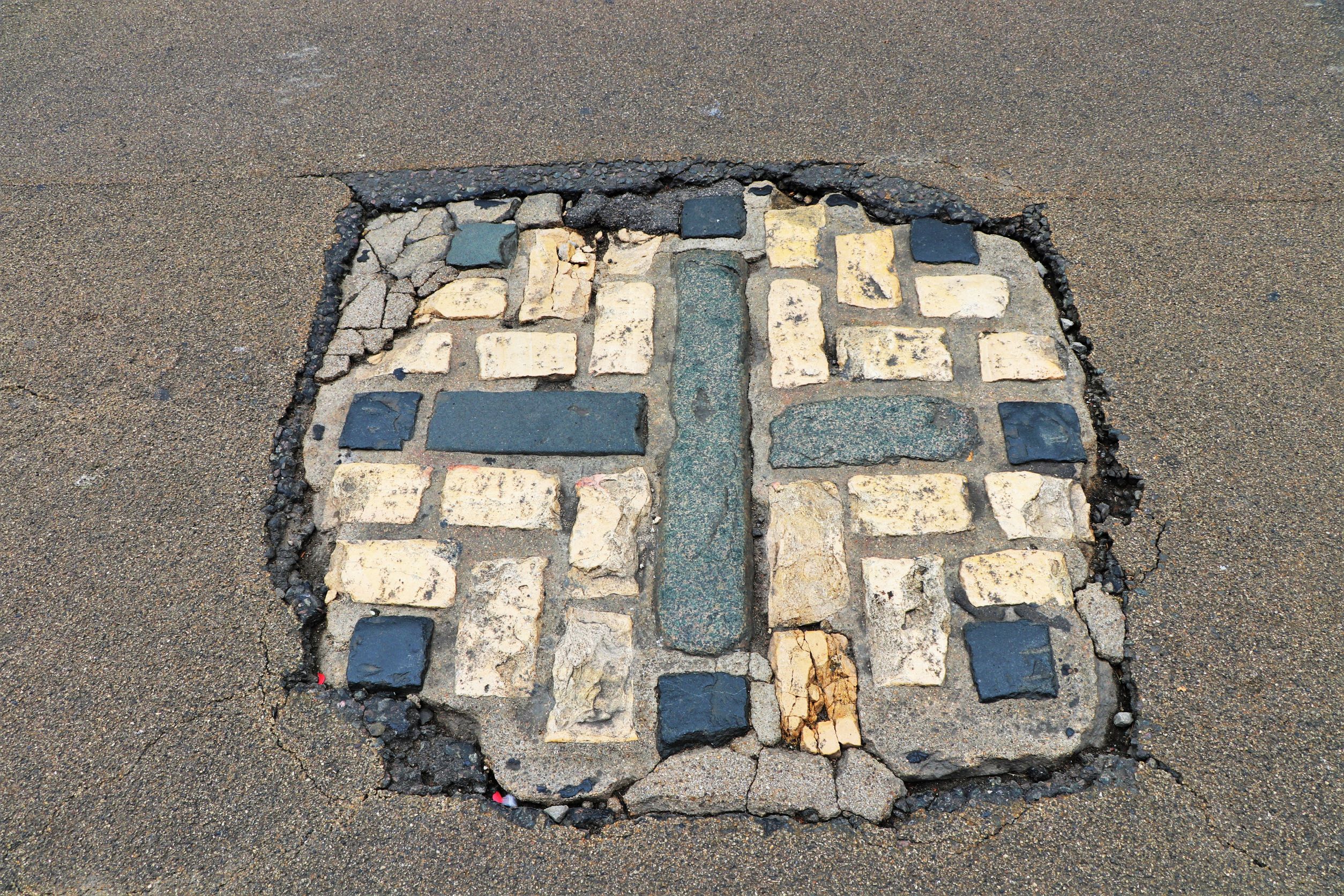
We started our Tuesday afternoon tour with Tony on the 13th of September at 2pm sharp. Our guide pointed out the bronze statue of a man on top of Exeter college and pointed out the idea that the statue is looking down at the martyr’s cross set in a circle of cobbles on Broad Street where the three protestants, Cranmer, Latimer and Ridley were burned at the stake. More about their history in a later post about these Martyrs. The Statue is by Anthony Gormley and installed in 2009. It is about 7feet tall.


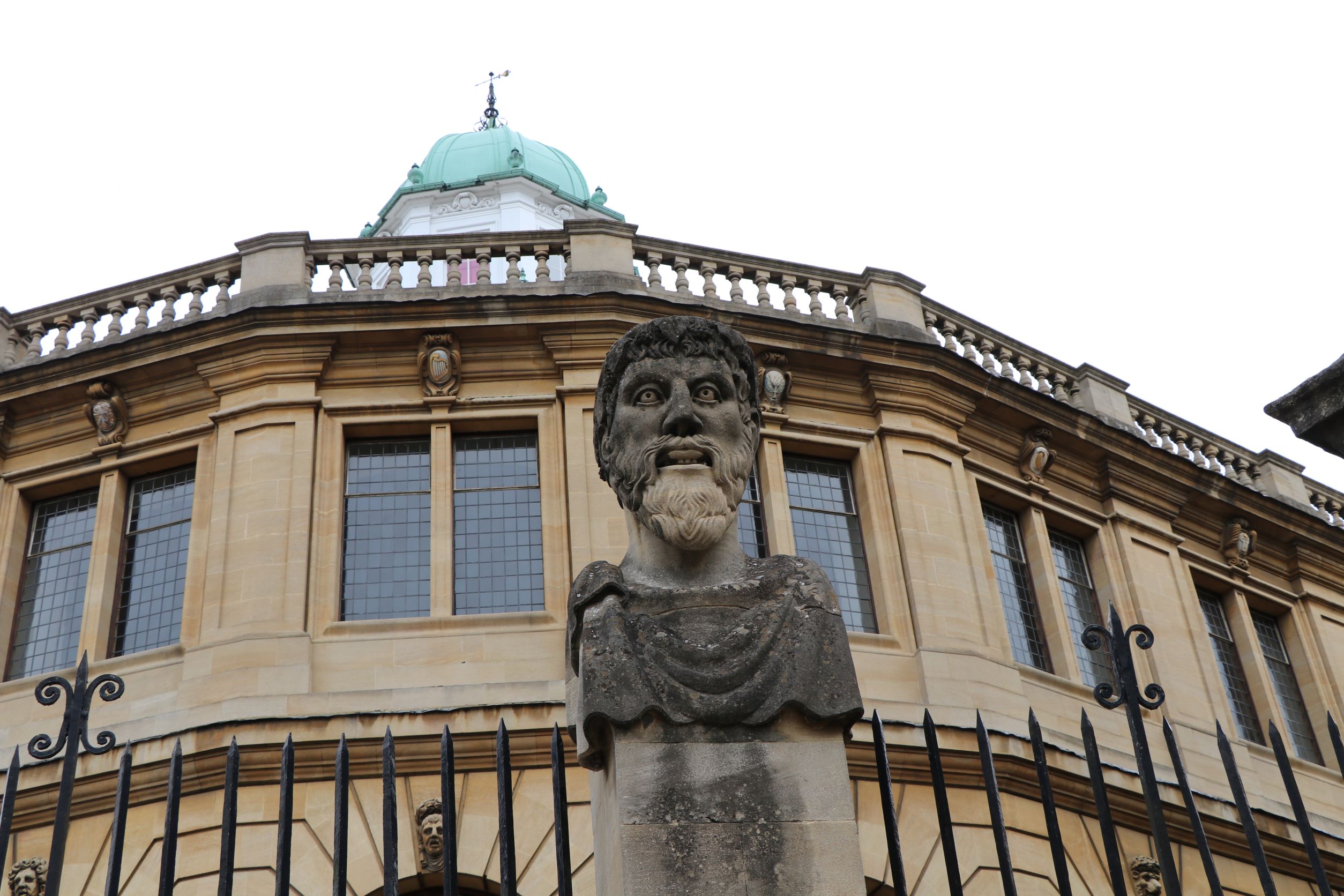
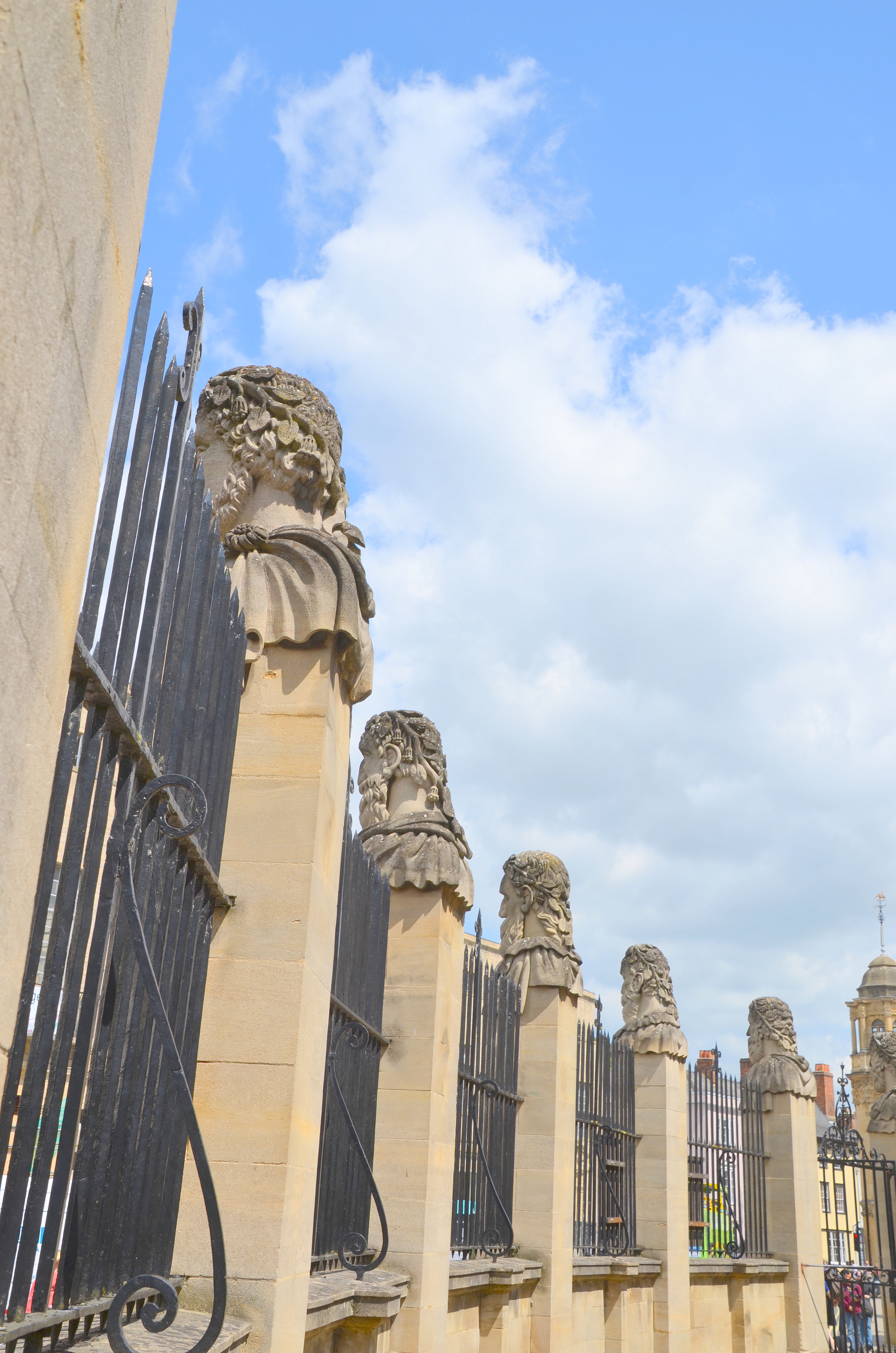
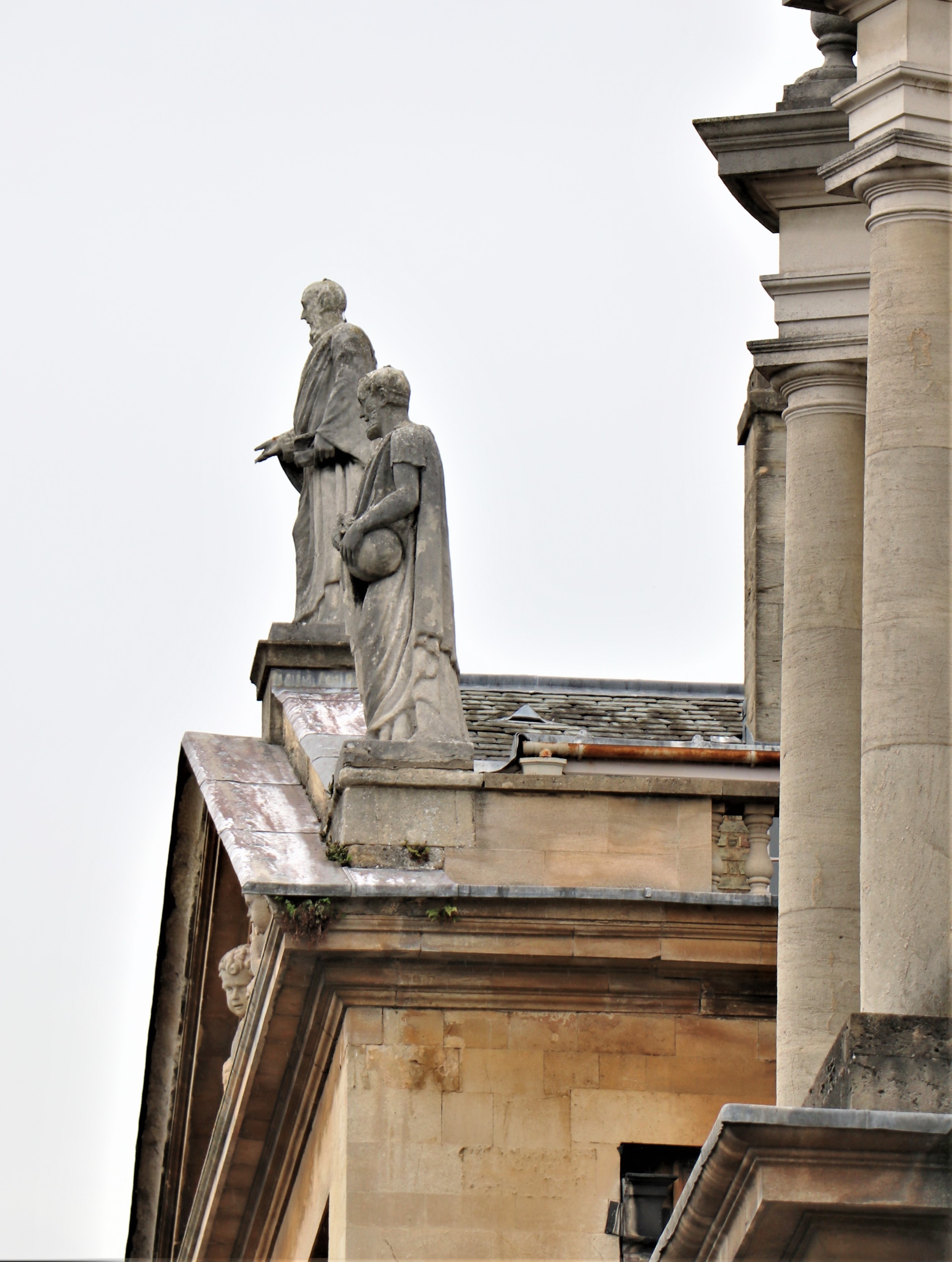
We walked past the Sheldonian where on plinths between the railings are a series of Emperor heads, representing Roman emperors, or philosophers. Each one has a different beard. Christopher Wren is the architect of the Sheldonian and other buildings in Oxford. These heads were installed when the theater was built and then remodeled in 1868 and again in 1970’s. One of the heads has a wren chiseled in its hair in honor of Christopher Wren.
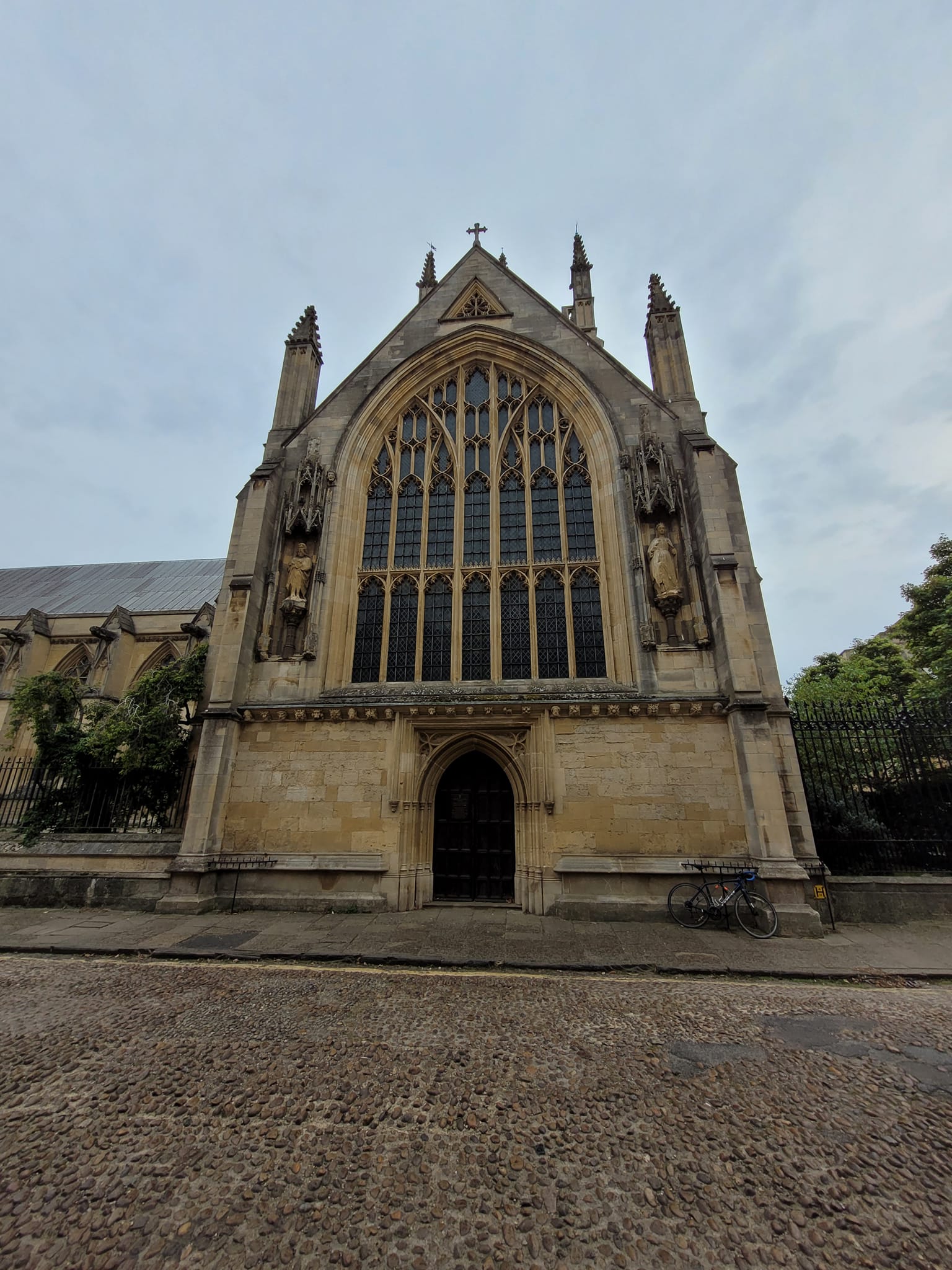
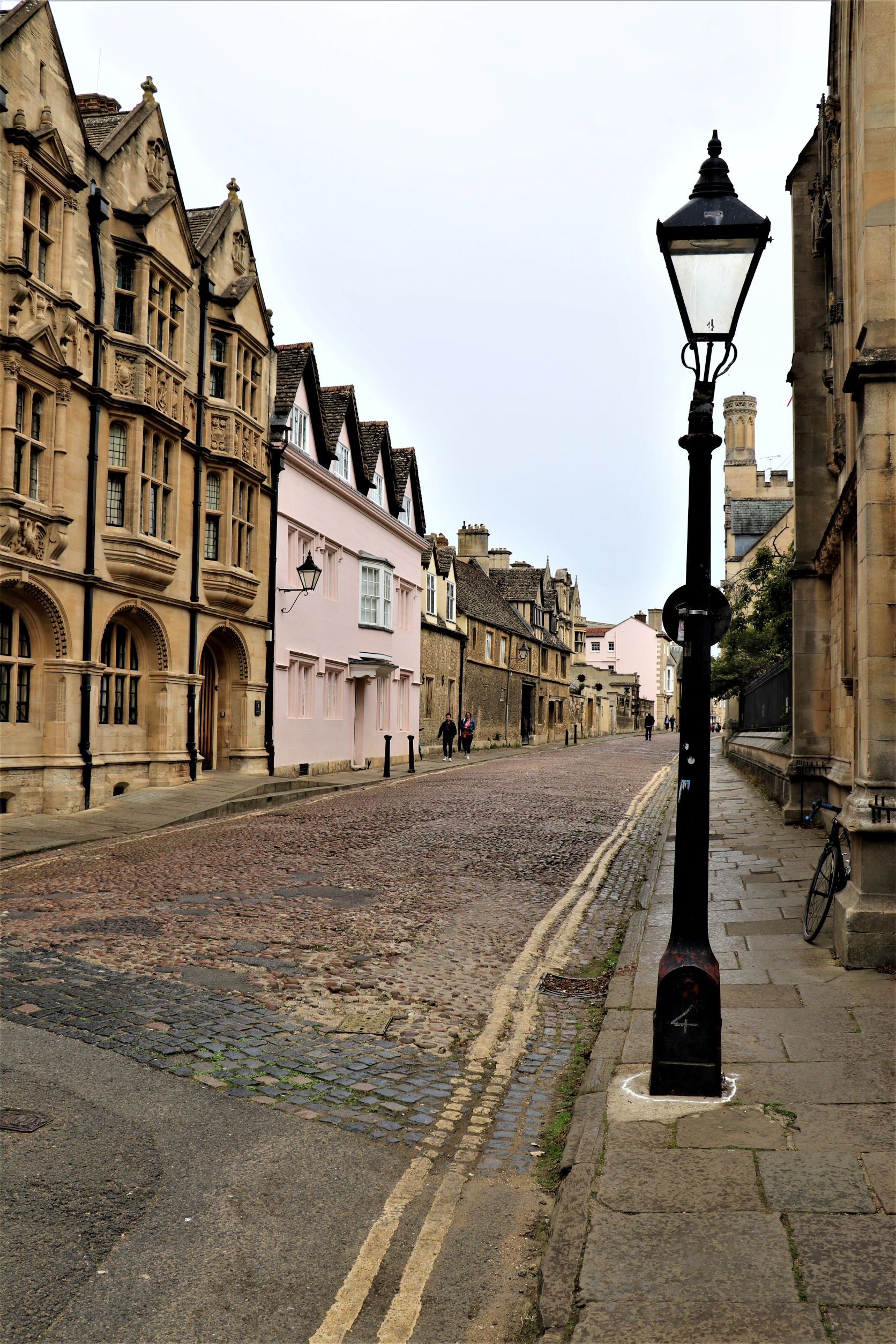
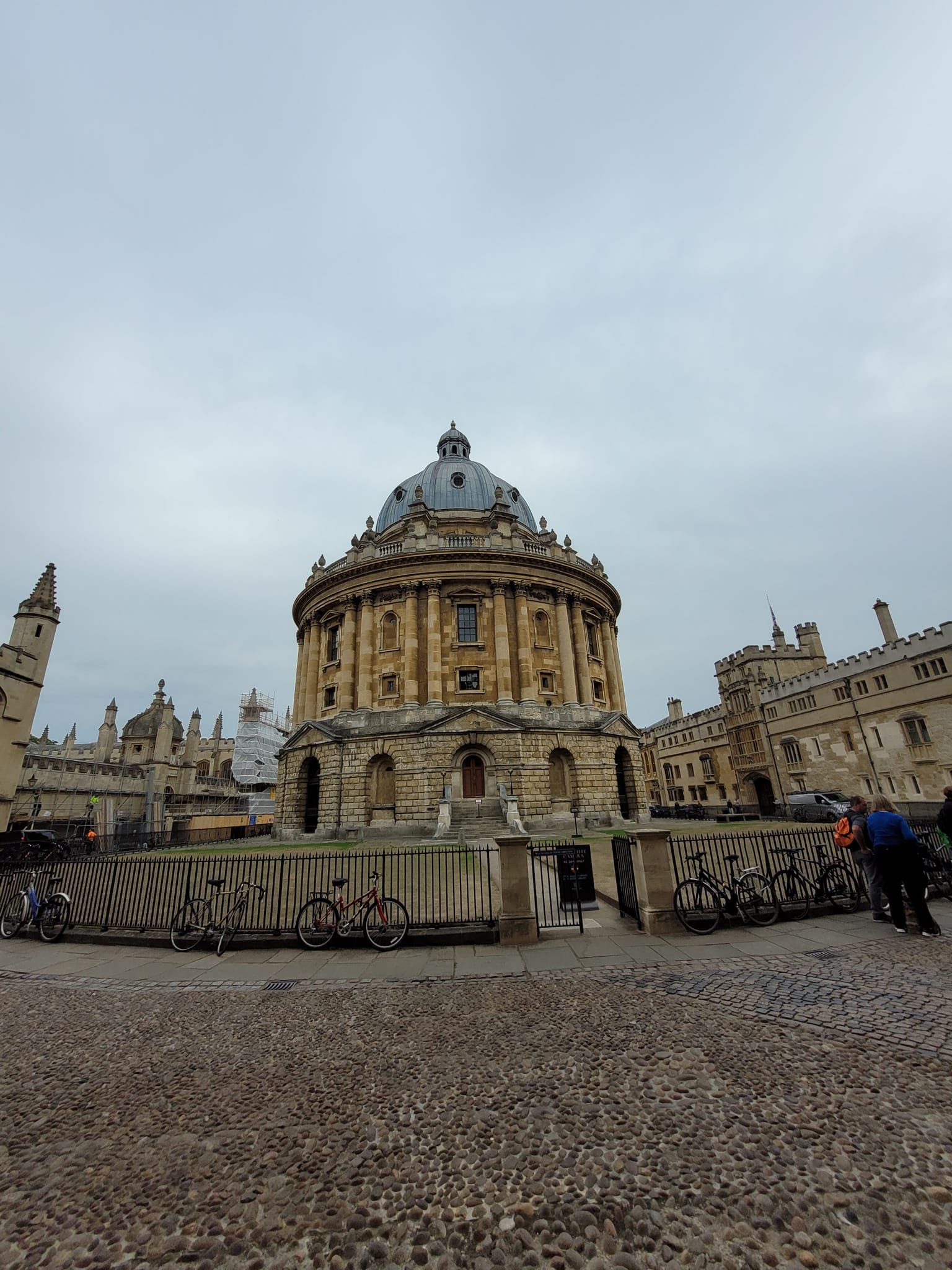
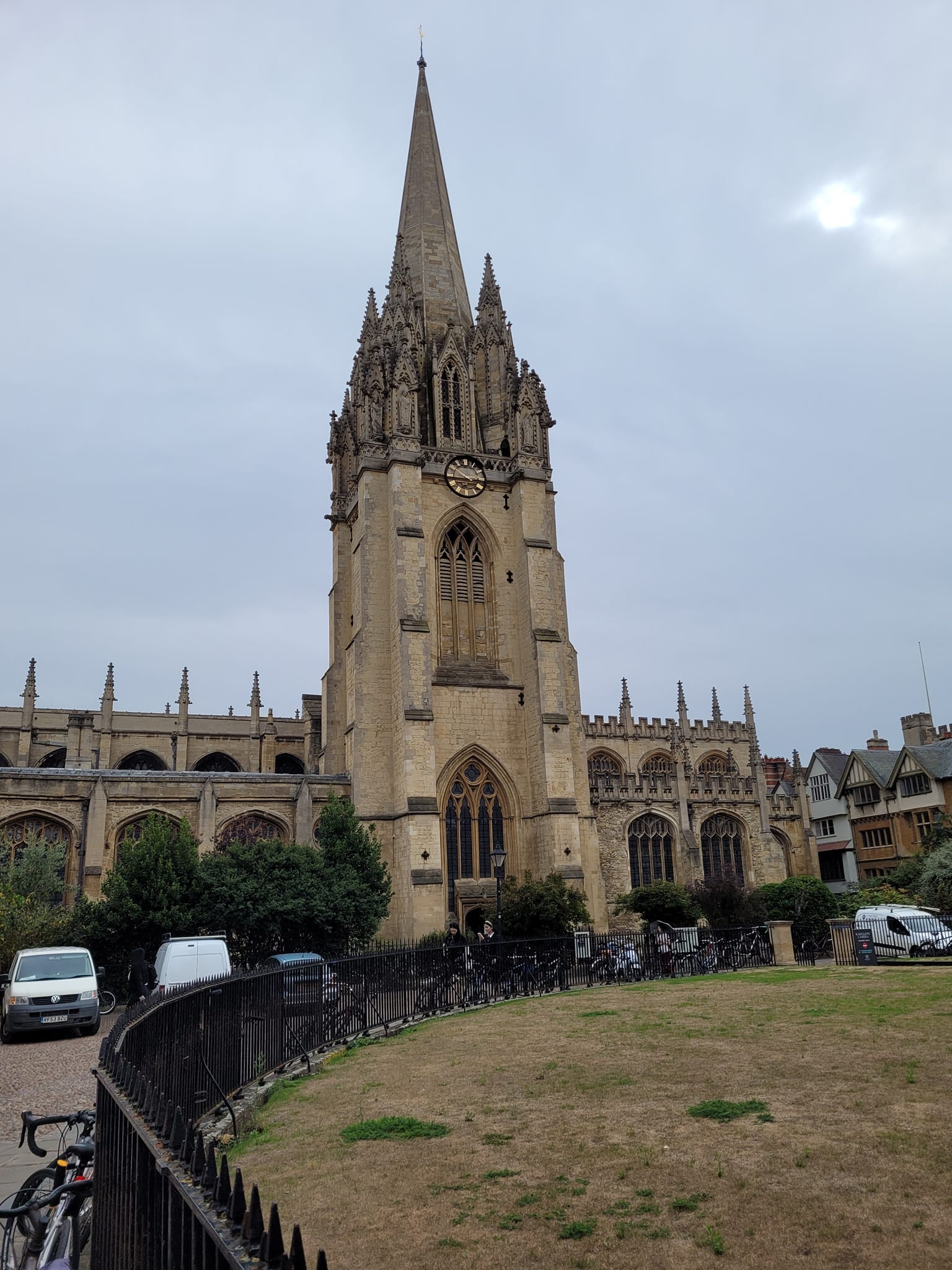
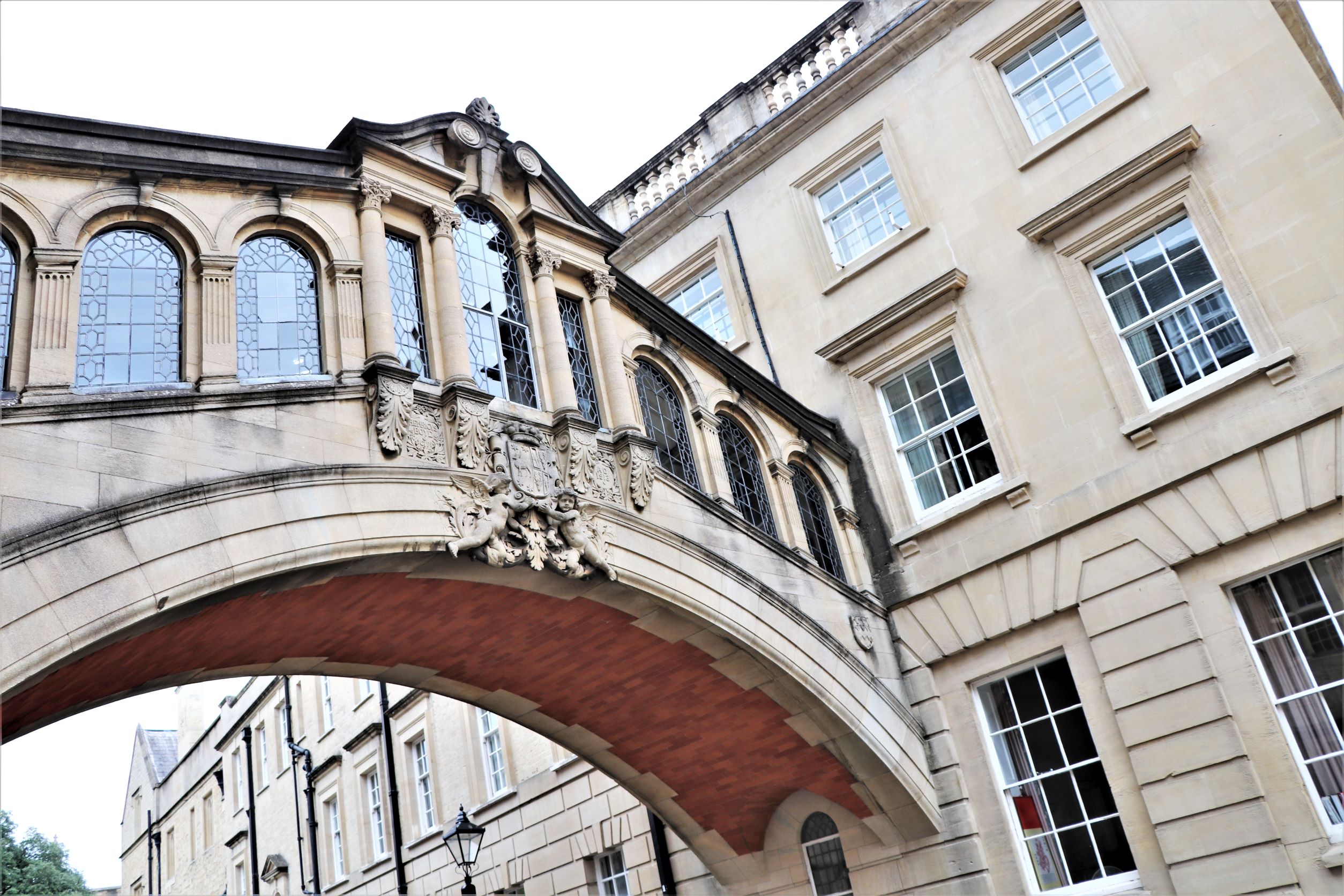
We walked to the back of the Sheldonian past the Bodlein and past the Bridge of Sighs and on to Radcliffe Camera and into University Church of St. Mary’s.

Some of the information and places we visited with our guide were already known to us but he had some other insider information that we gleaned from him.

After walking through the covered market we exited and went onto Turl Street back toward The High with the All Saint’s tower and steeple ahead of us. Once on High Street we continued on to St. Aldate’s to Christ Church College.

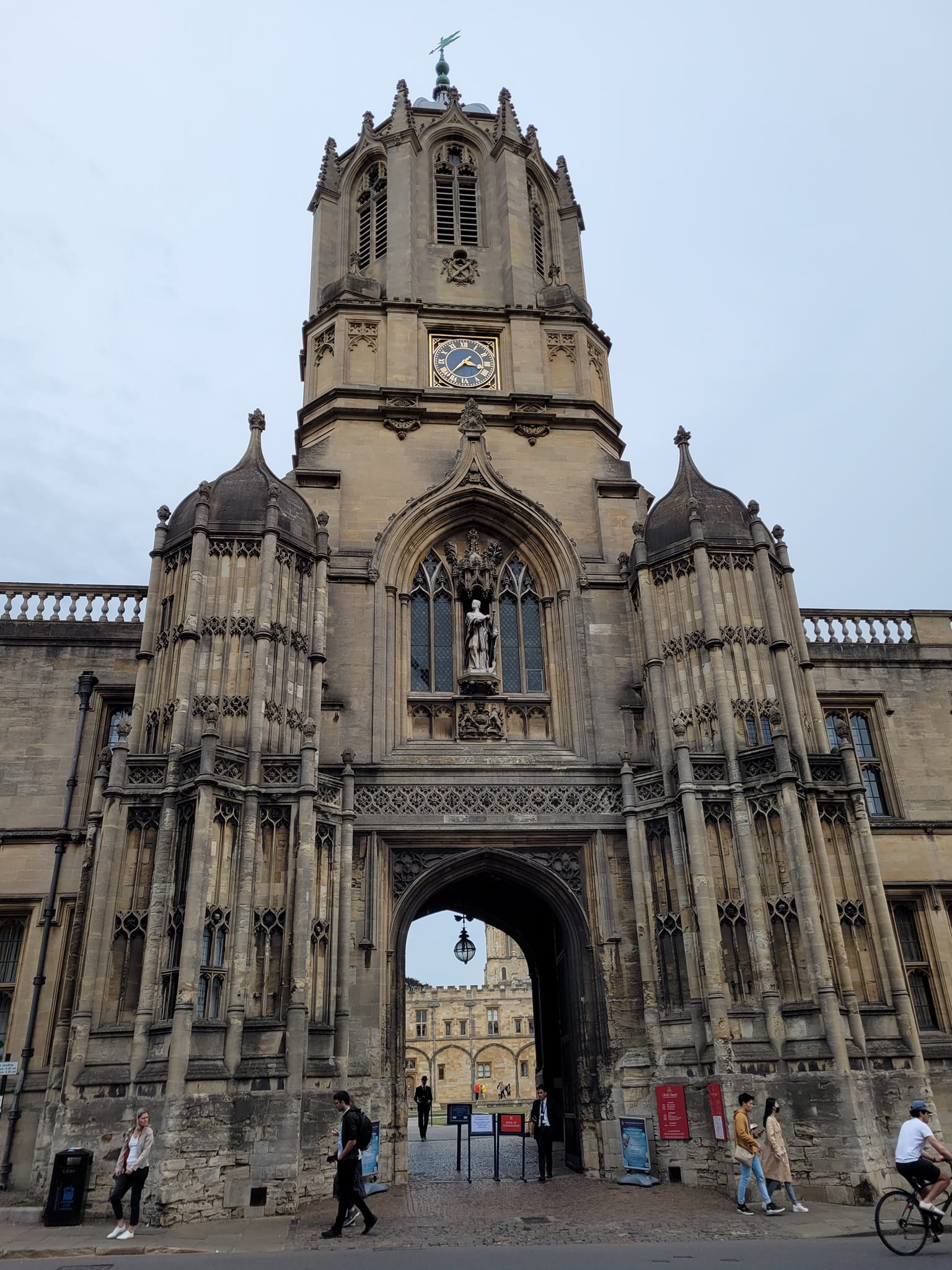
Tom Tower at Christ Church College is another architectural masterpiece by Christopher Wren. This school was founded by Cardinal Wolsey in 1525 with its entrance embellished through the addition of Tom Tower, designed by Wren, in 1680. Great Tom, the bell from Osney Abbey, strikes 101 times at 21:05 each evening: the number represents the 100 students of Henry VIII’s foundation plus an additional place funded later; 21:05 signals the student curfew according to Oxford time, which is five minutes behind Greenwich Mean Time.

We would take a tour of Christ Church College on the following day, Wednesday September 14th.

We walked along the Broad Walk through part of the school campus and on to Merton Grove.

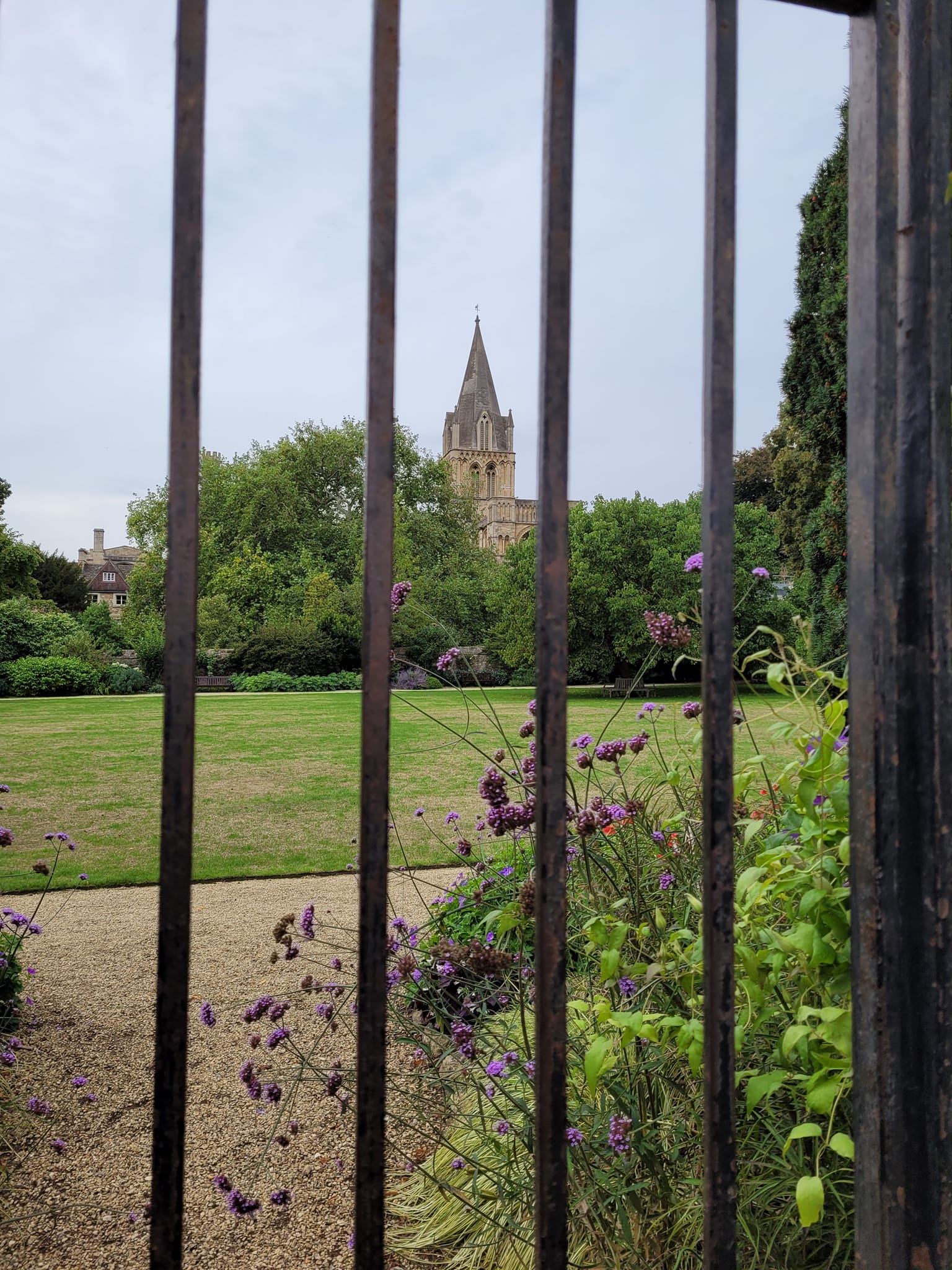
We caught a glimpse of the Christ Church College Cathedral through the iron gate along Merton Grove. This is the only cathedral in Oxford and it’s the smallest cathedral in the U.K. Sadly, the cathedral was closed during the mourning period of the Queen and we were not able to go inside to see it.

Dear and Tony our guide ahead of me and to the right is the tower at Merton college.

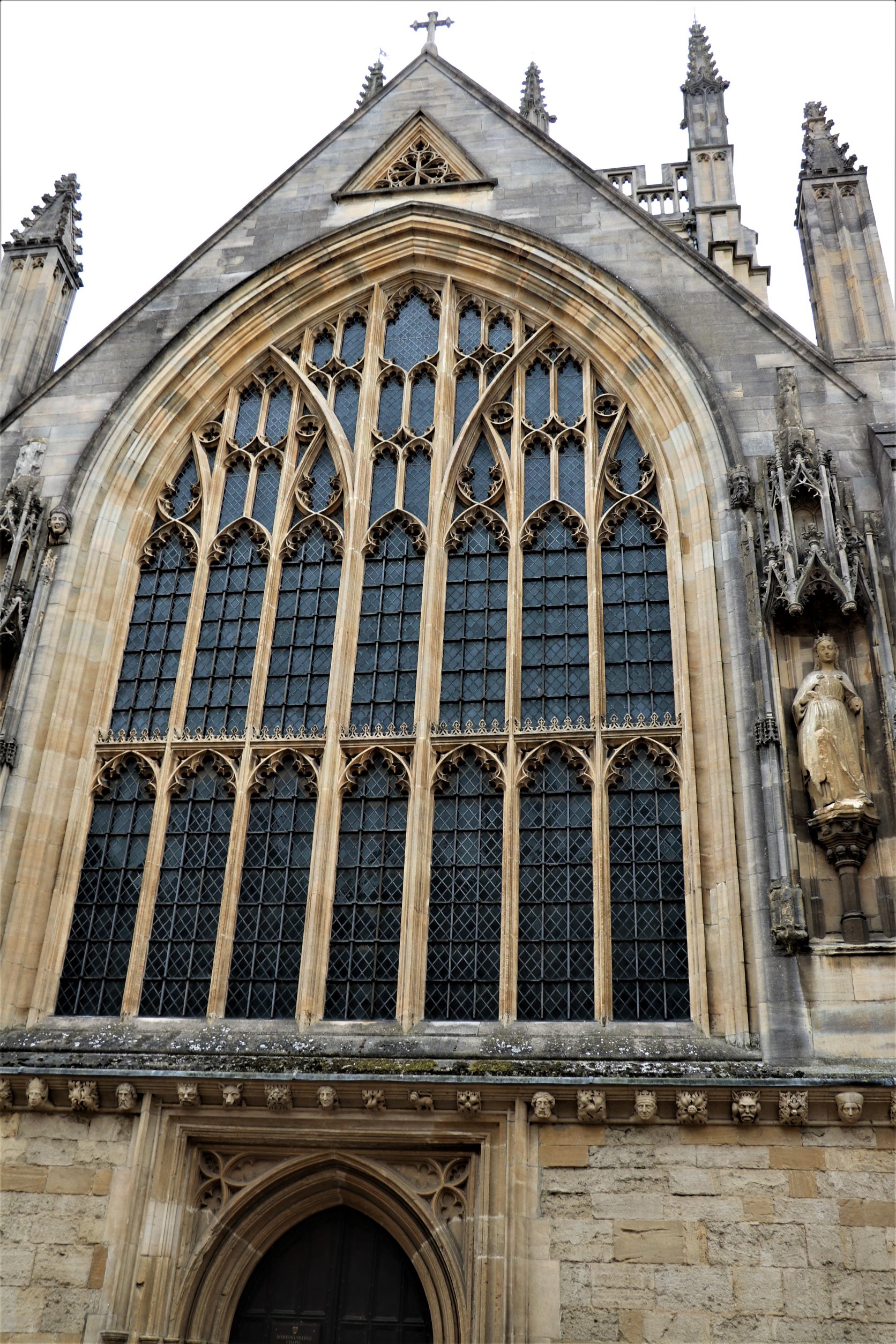
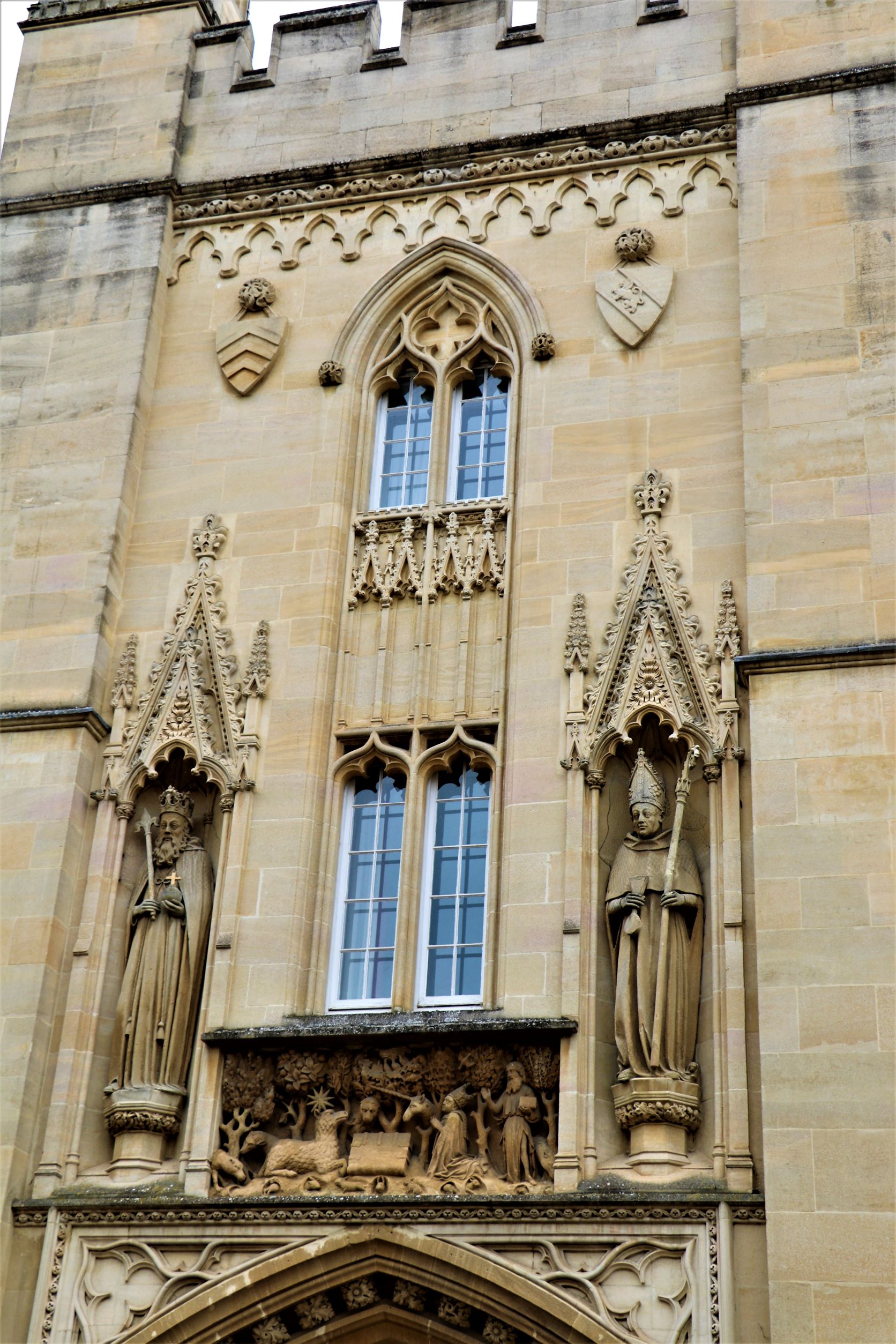
We are on Merton Street now and this is the front of Merton College Chapel.

Merton college was founded in 1264 by William de Merton, Lord Chancellor to Henry III, the oldest college in Oxford.

Above, between the statues of Edward I and the founder is a relief of a book, the Lamb of God opposite de Merton kneeling in prayer, flanked by John the Baptist and a unicorn.

J.R.R. Tolkien was an alumni of this college. We tried to get into Merton and Exeter Colleges but both were closed on the days we tried, sadly.

We turned off Merton Street onto Logic Lane.

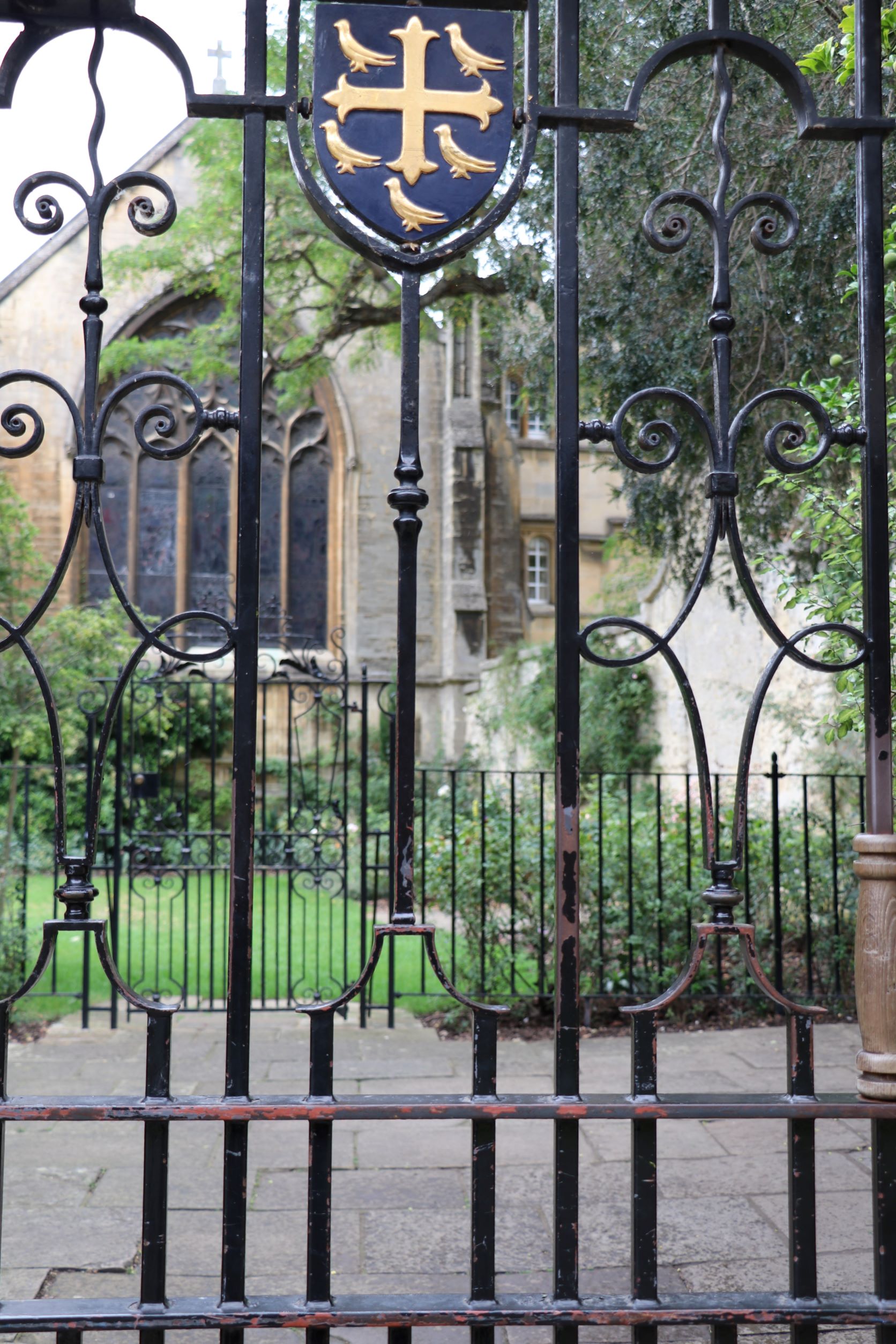
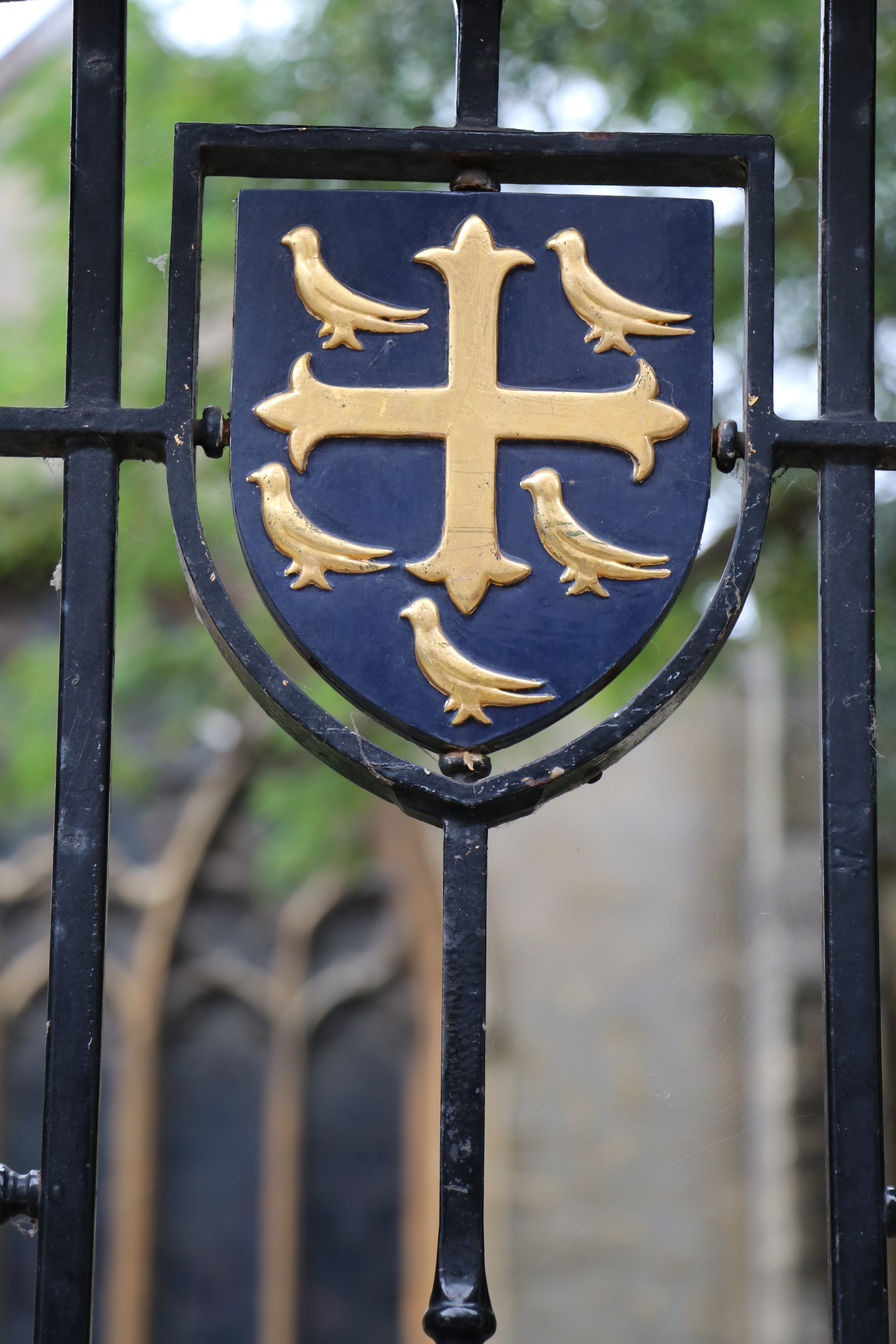
We were drawn to the Martlets on this crest since Dear’s family crest includes these birds.

A martlet in English heraldry is a mythical bird without feet that never roosts from the moment of its drop-birth until its death fall; martlets are proposed to be continuously on the wing.

Off Logic Lane we are back on the High. We cross the street to Queen’s Lane.

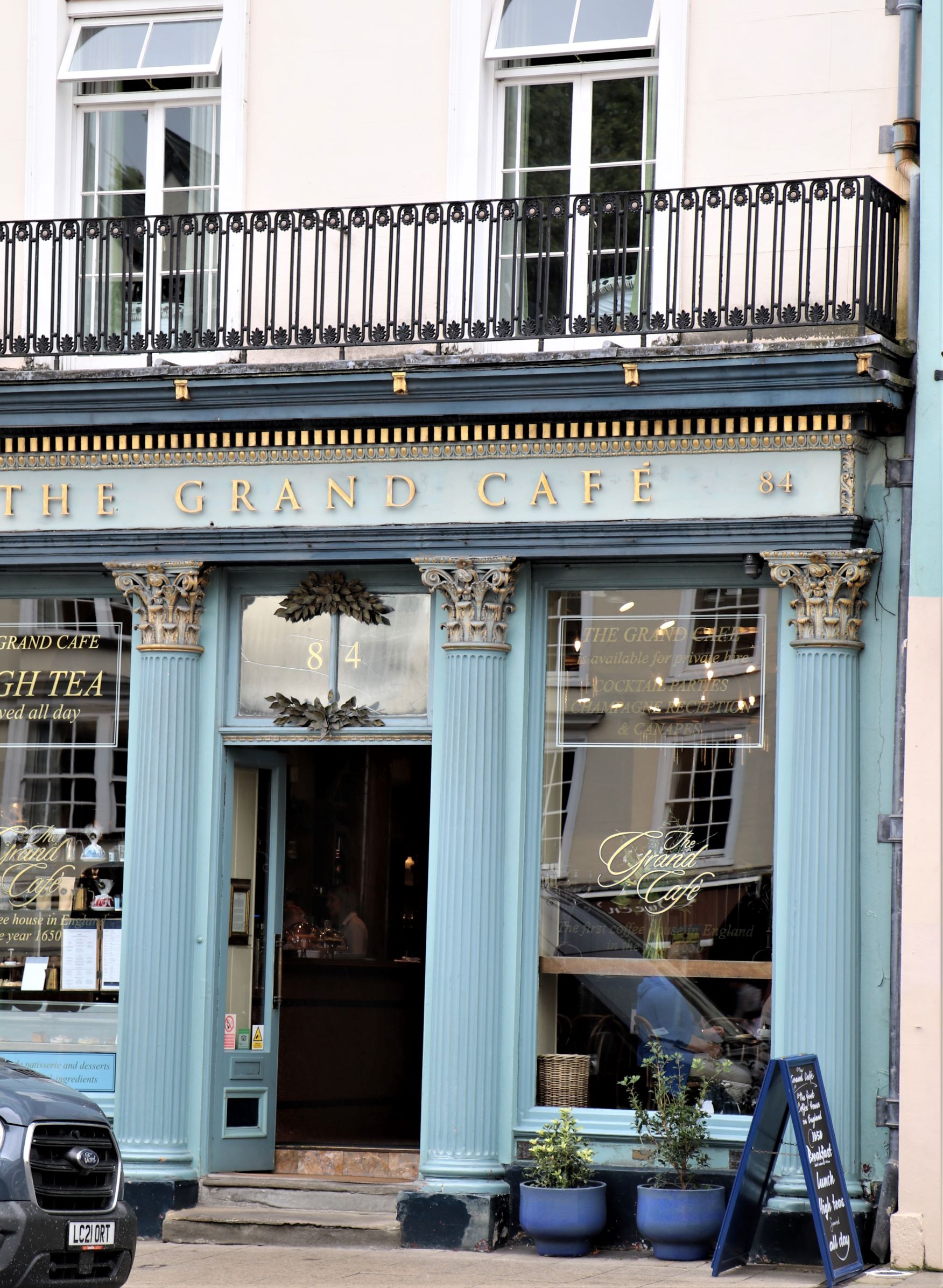
Our guide pointed out The Grand Cafe which we never made it to and another cafe across the street that both claim to be the site of the first coffee house in England.

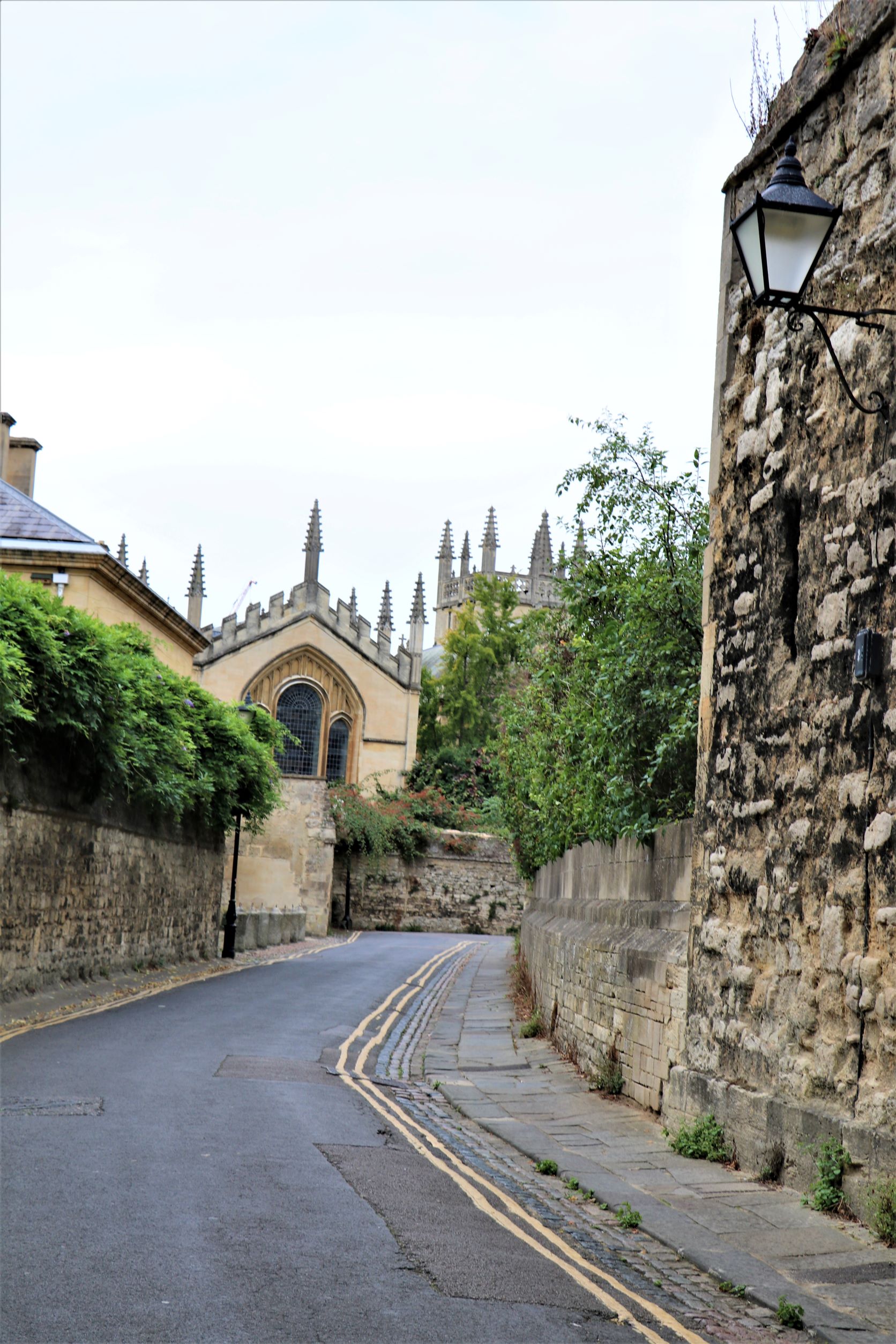
Onto Queen’s Lane past Queen’s College we turn onto New College Lane.

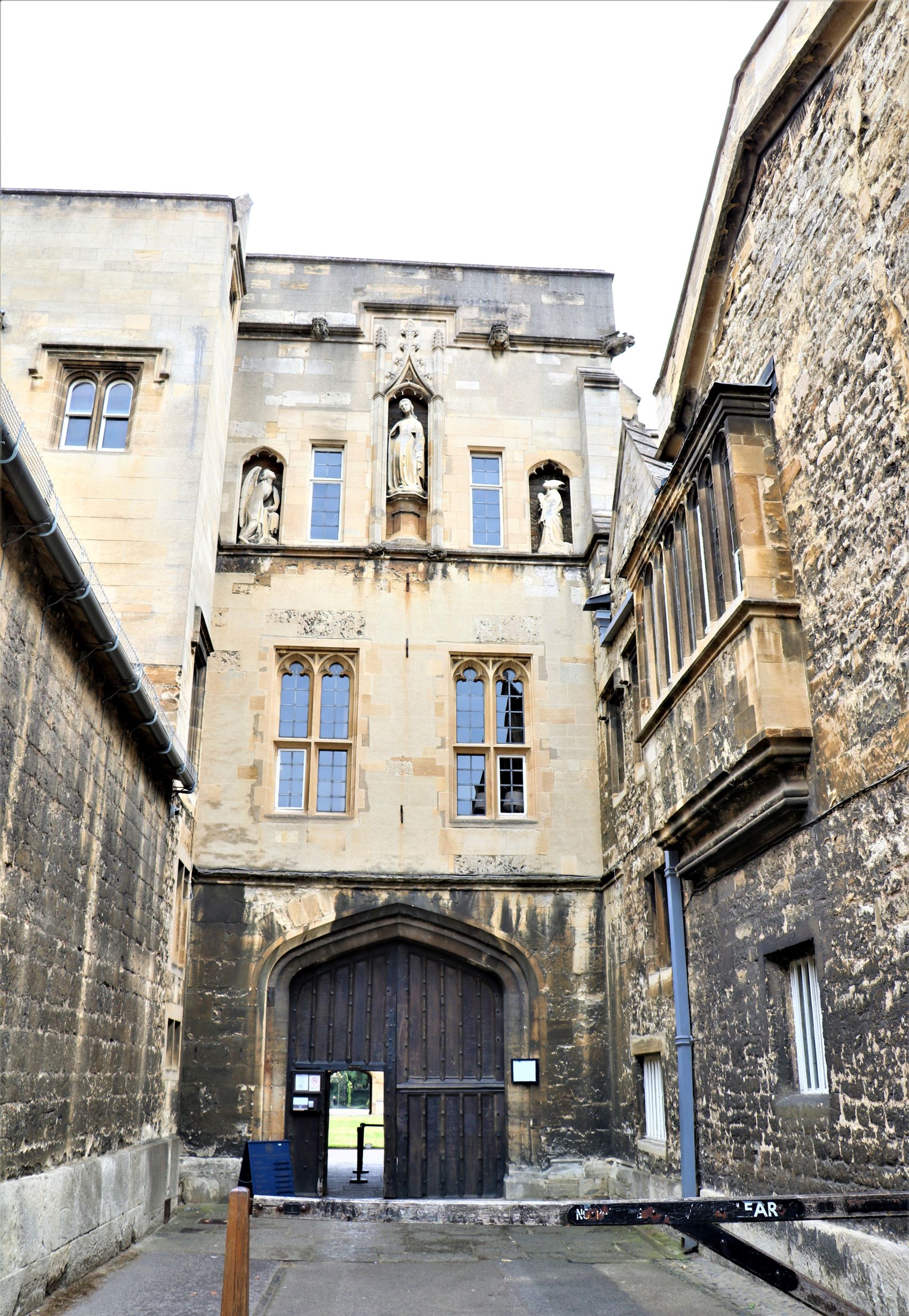
We see the entrance to New College, one of the colleges we did get into on the following day, and continue on to the end of our tour where we are left off at the Bridge of Sighs at the passageway to The Turf Tavern.

By this time after our 2-1/2 hour tour we are ready to quench our thirst. We say goodbye to Tony and hello to the Turf Tavern. We packed a lot of walking and touring on our first full day in Oxford.

Congratulations if you made it through this long post.

Back to the present, a Happy Thanksgiving Day to our Canadian neighbors and Happy Columbus Day here in the USA. 

The Bodlein

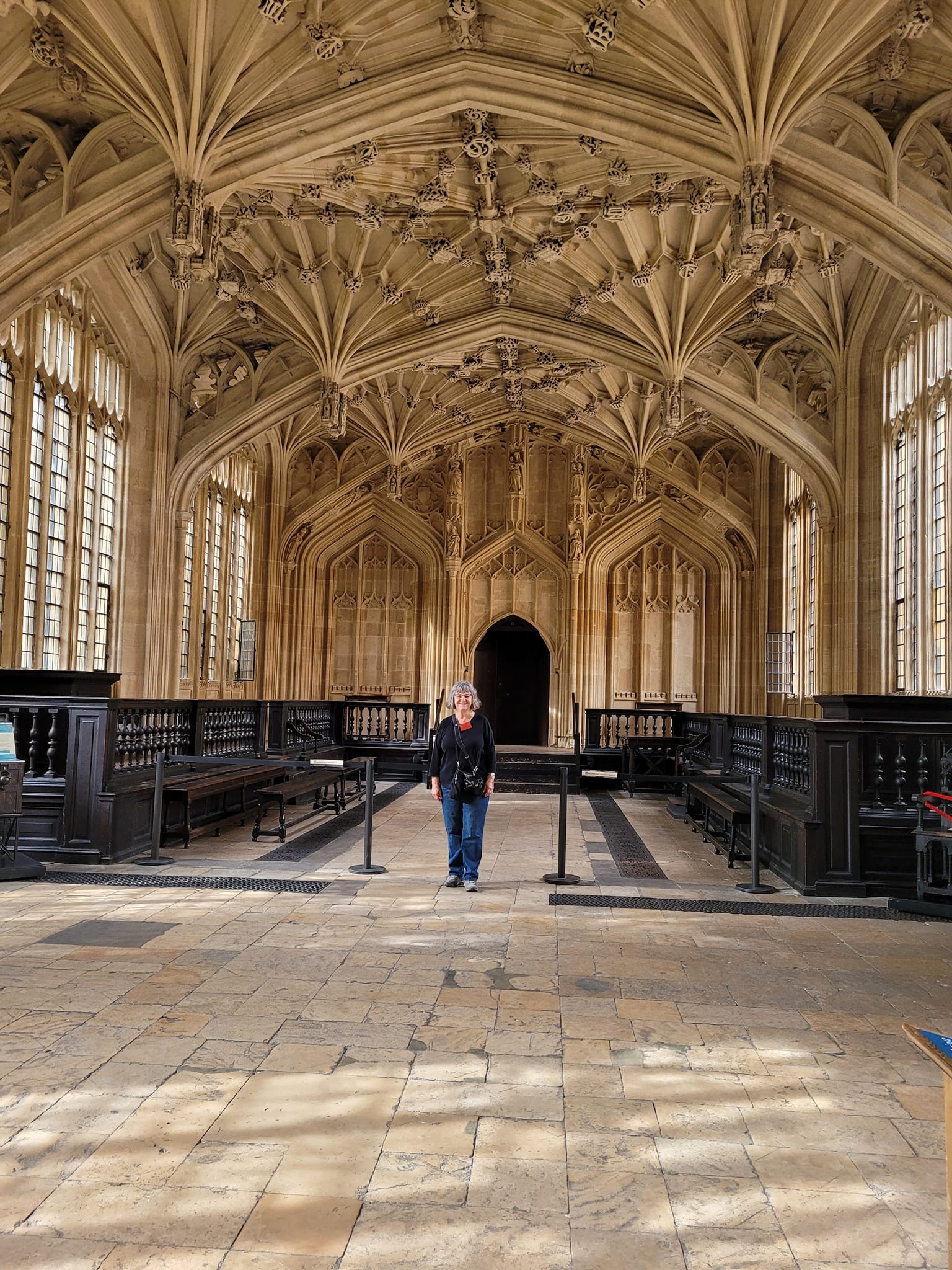
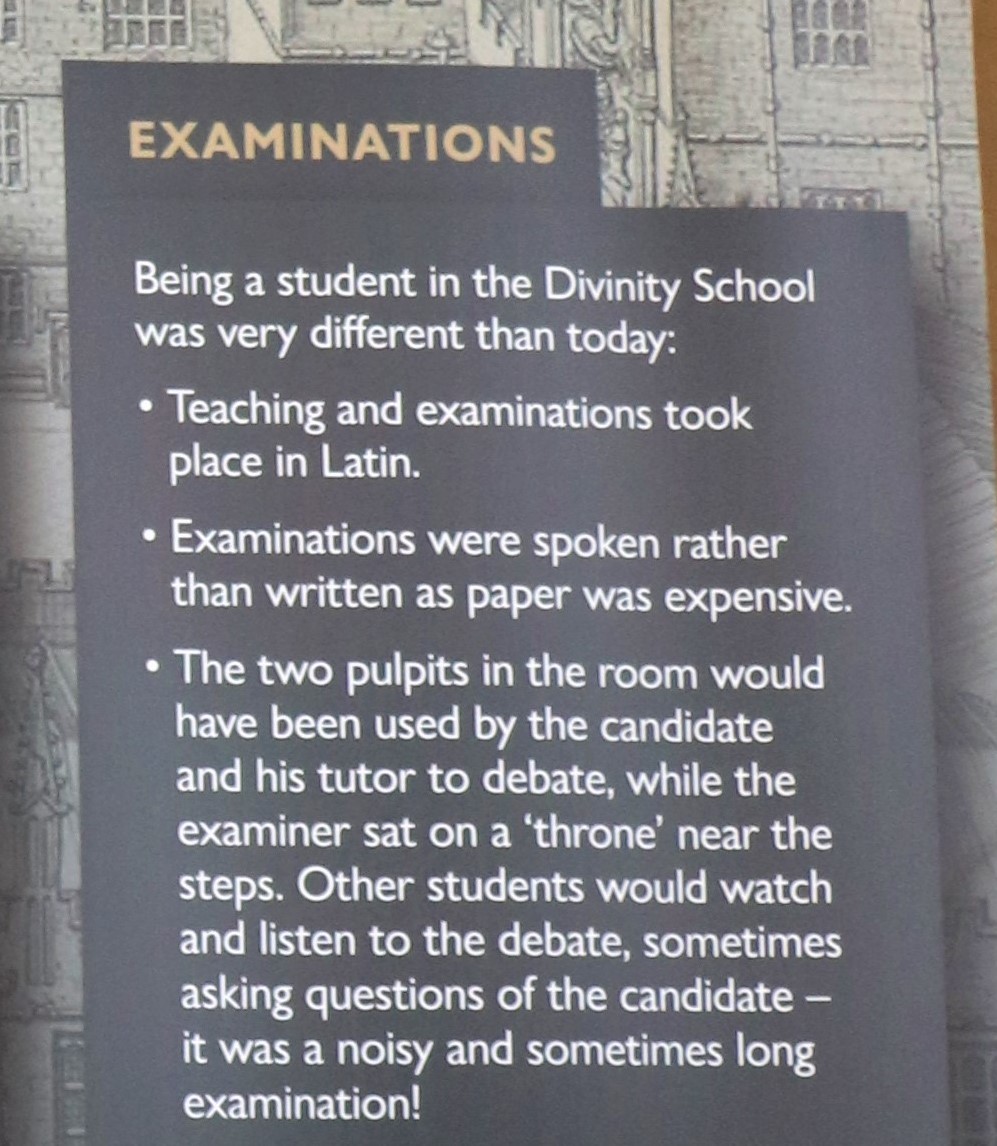
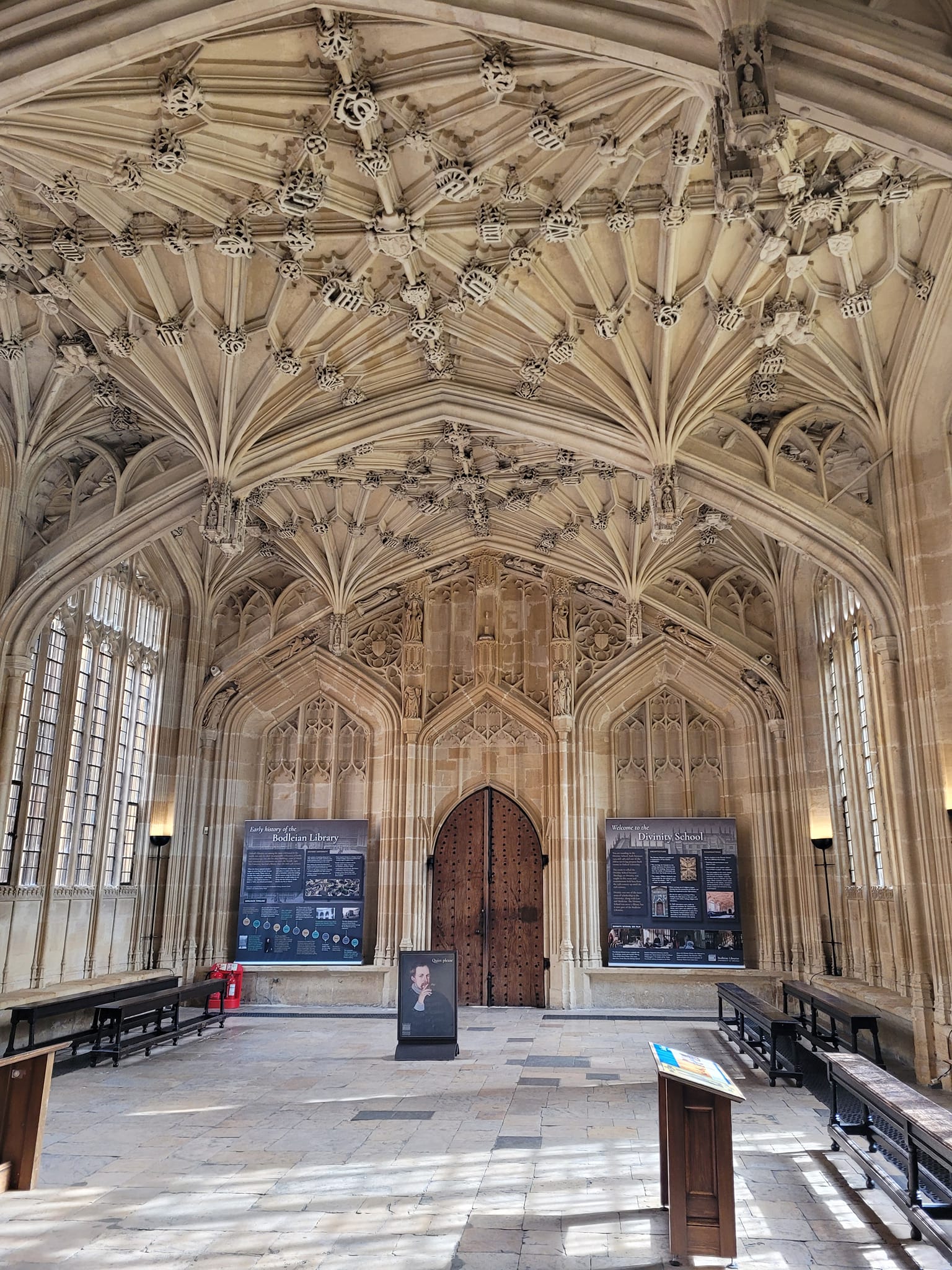
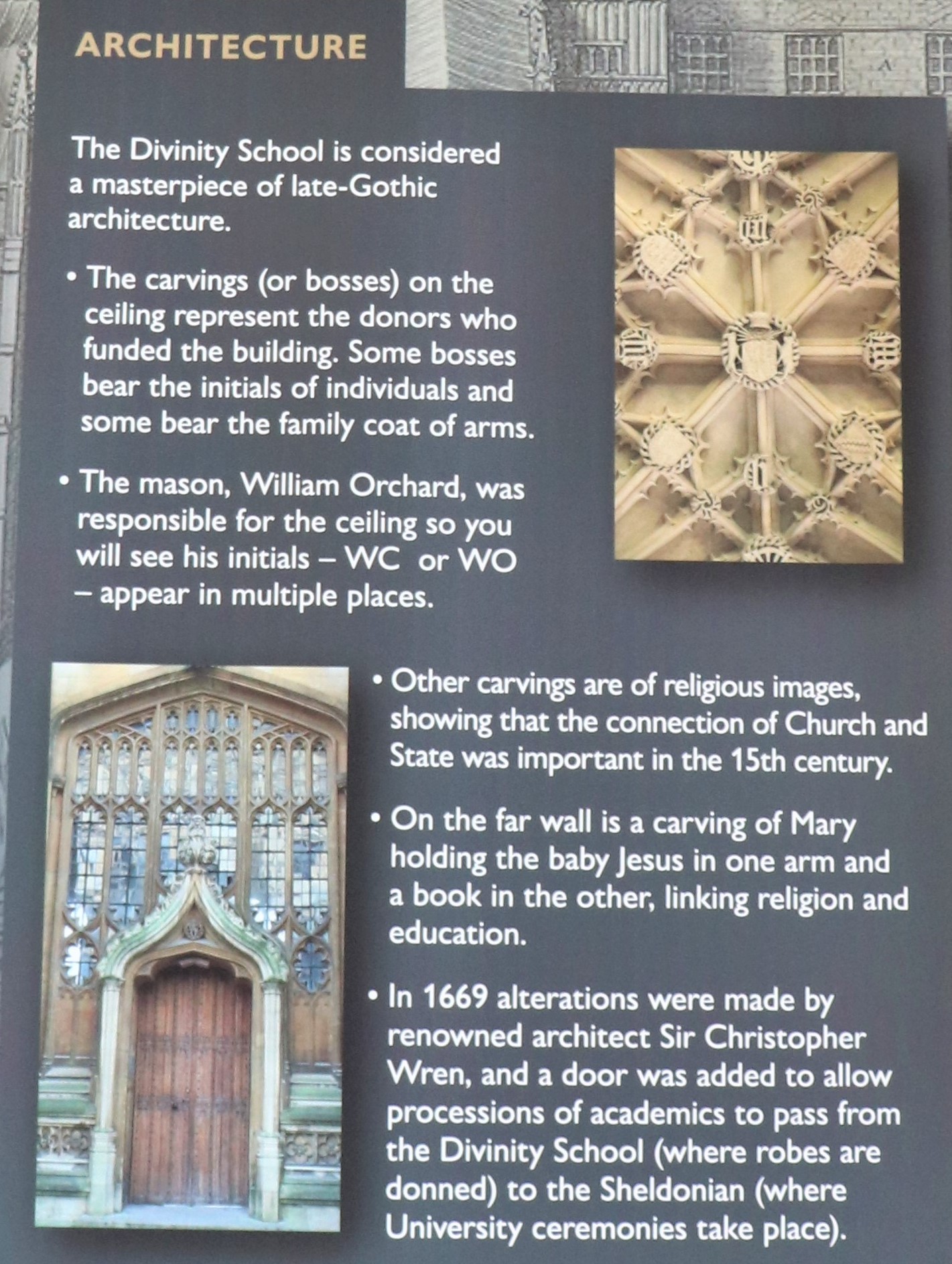
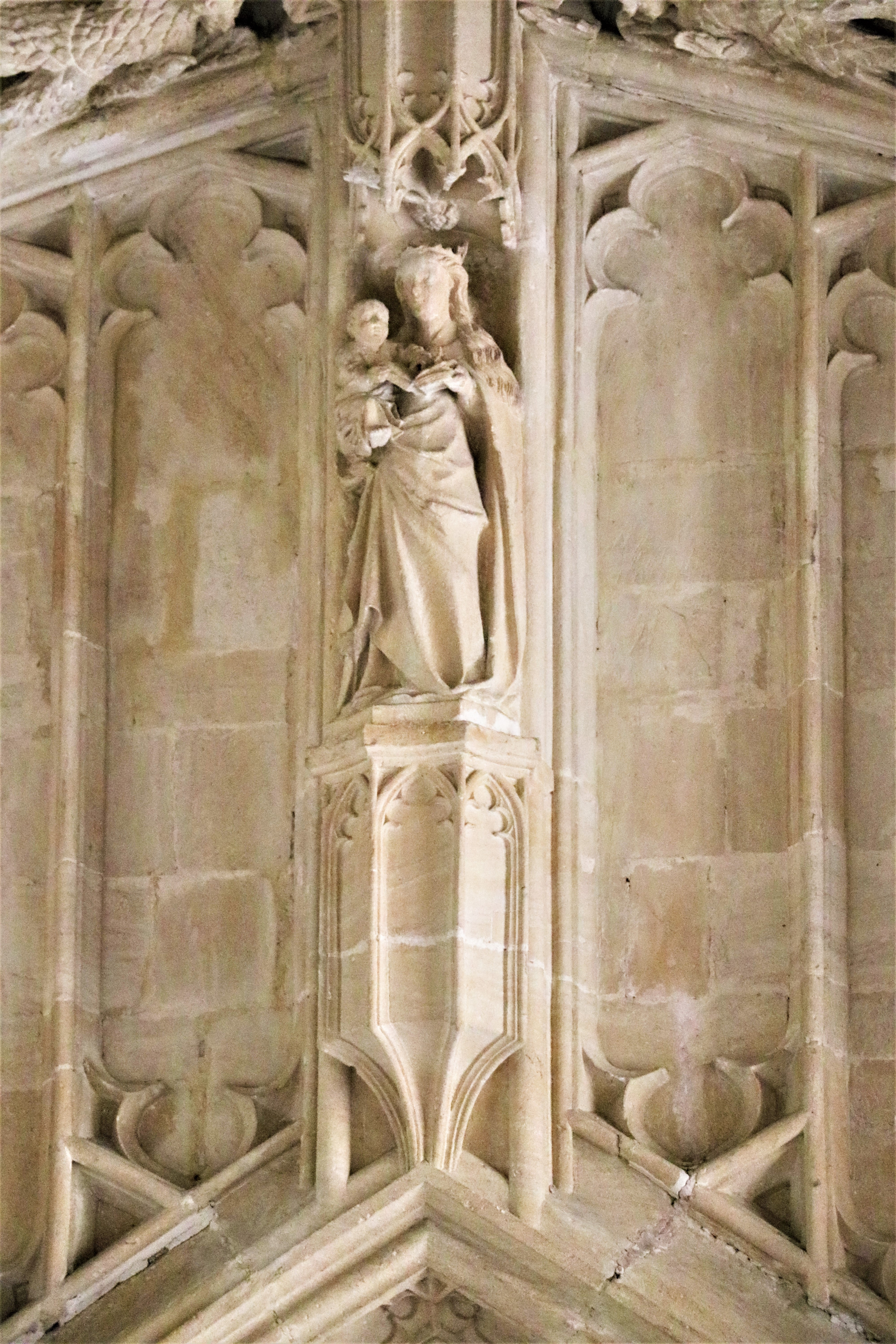
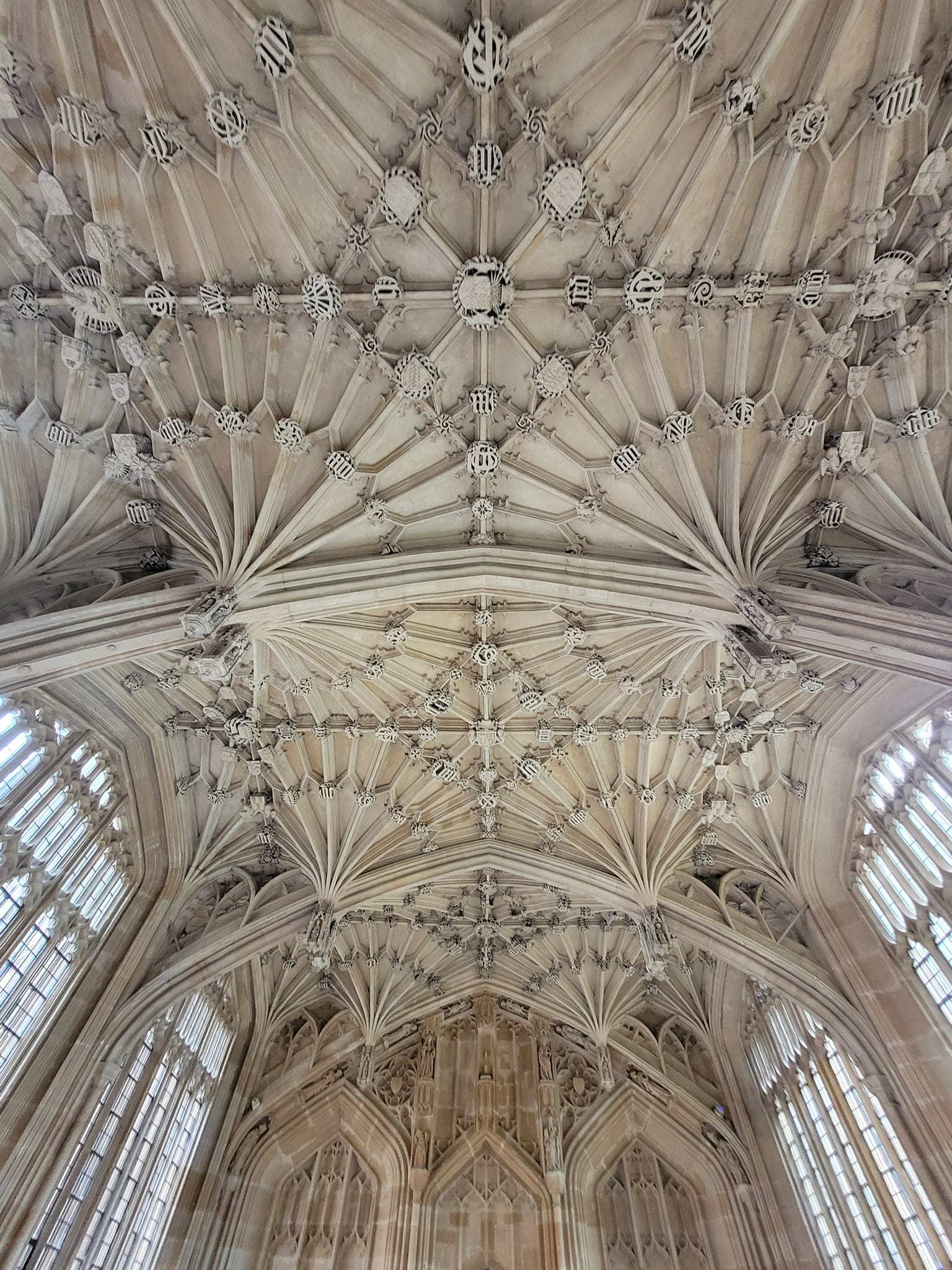
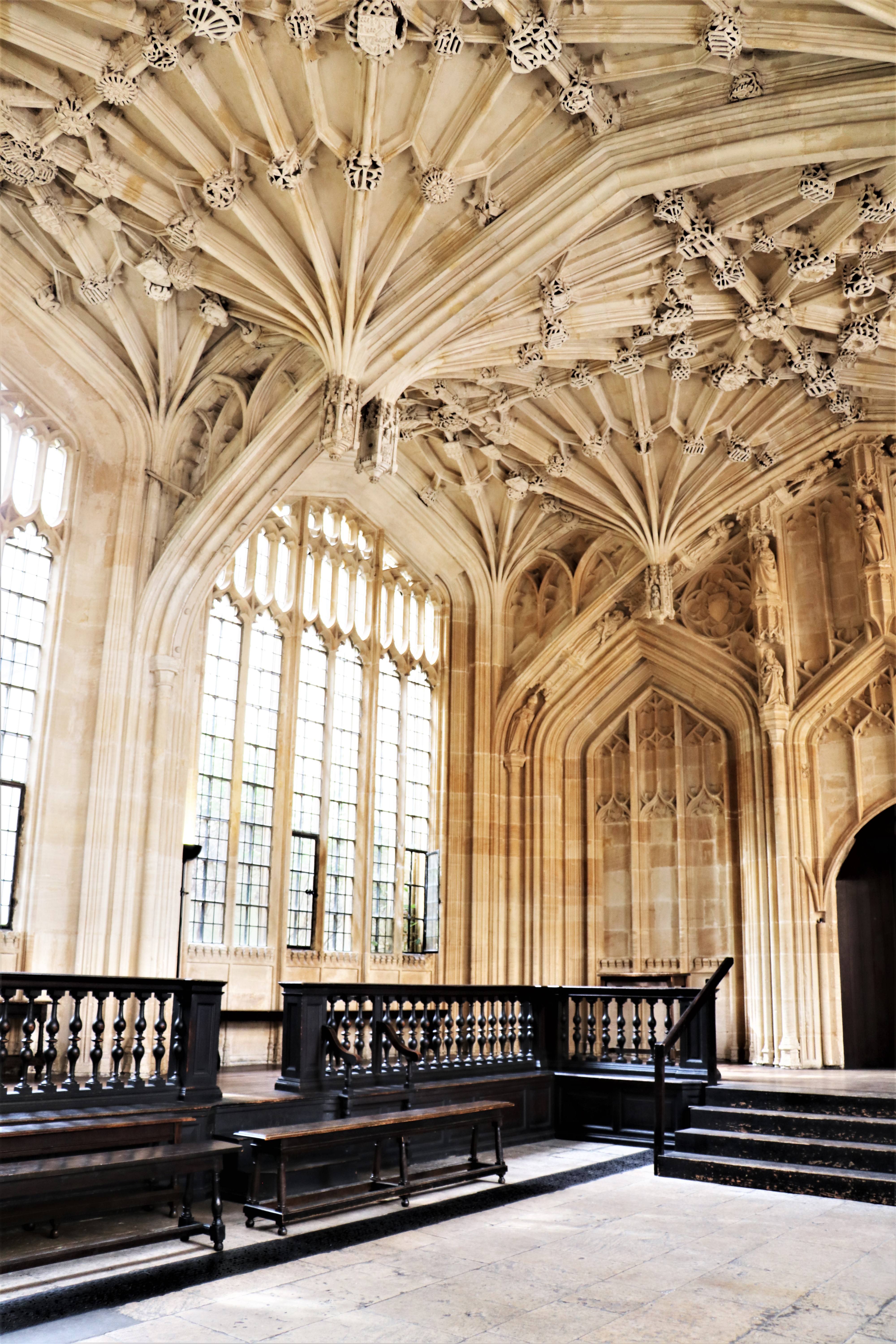
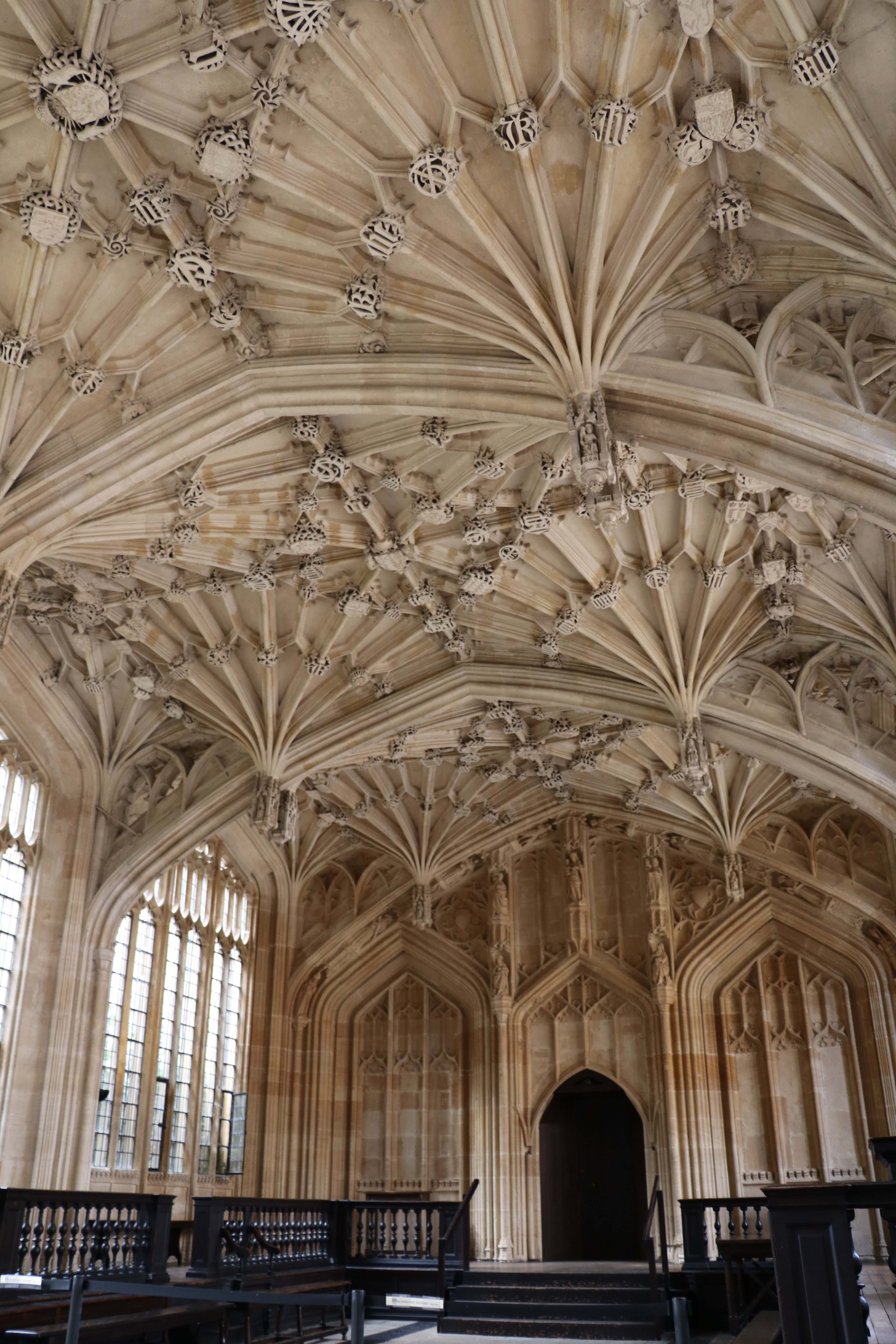
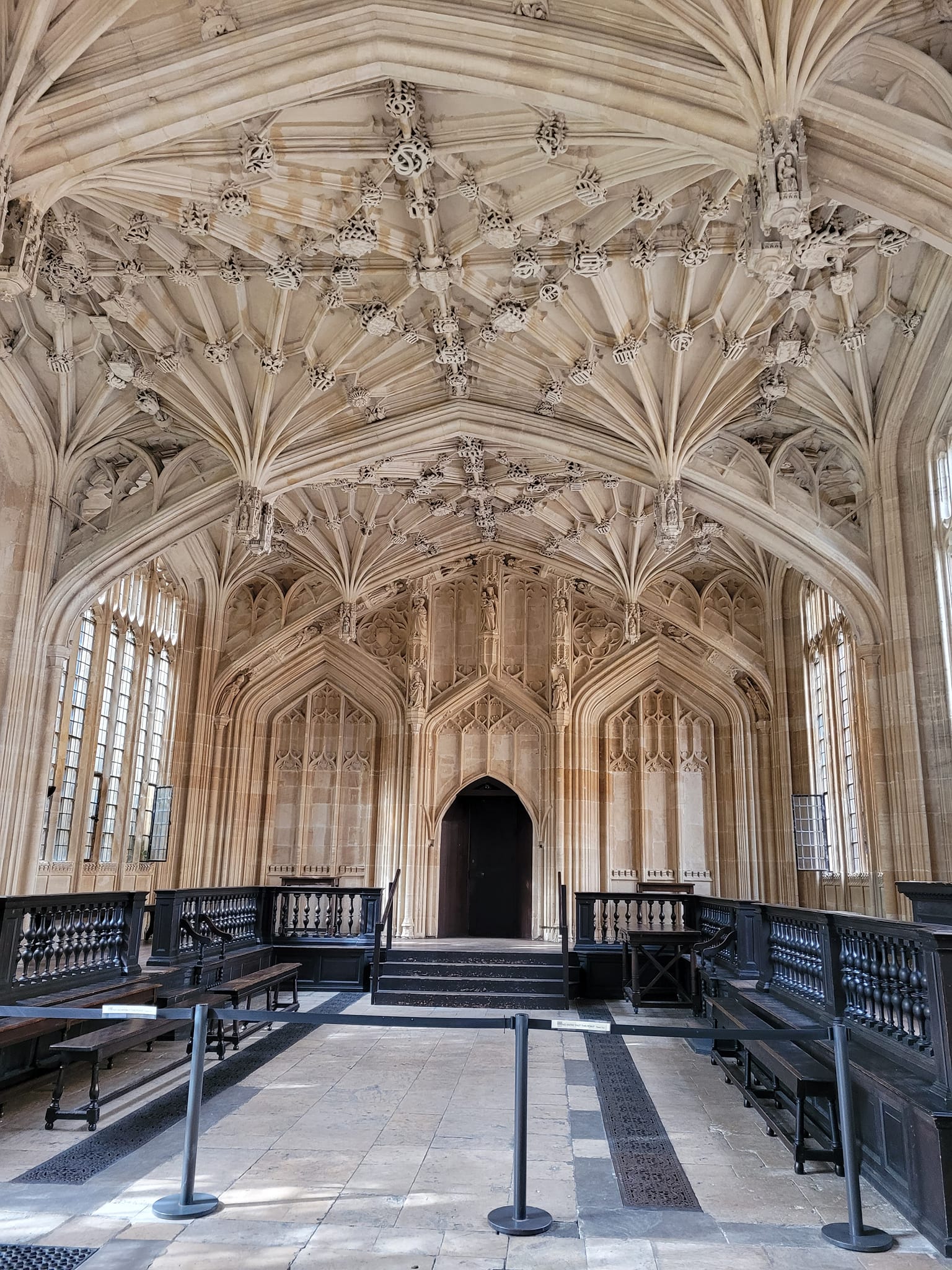
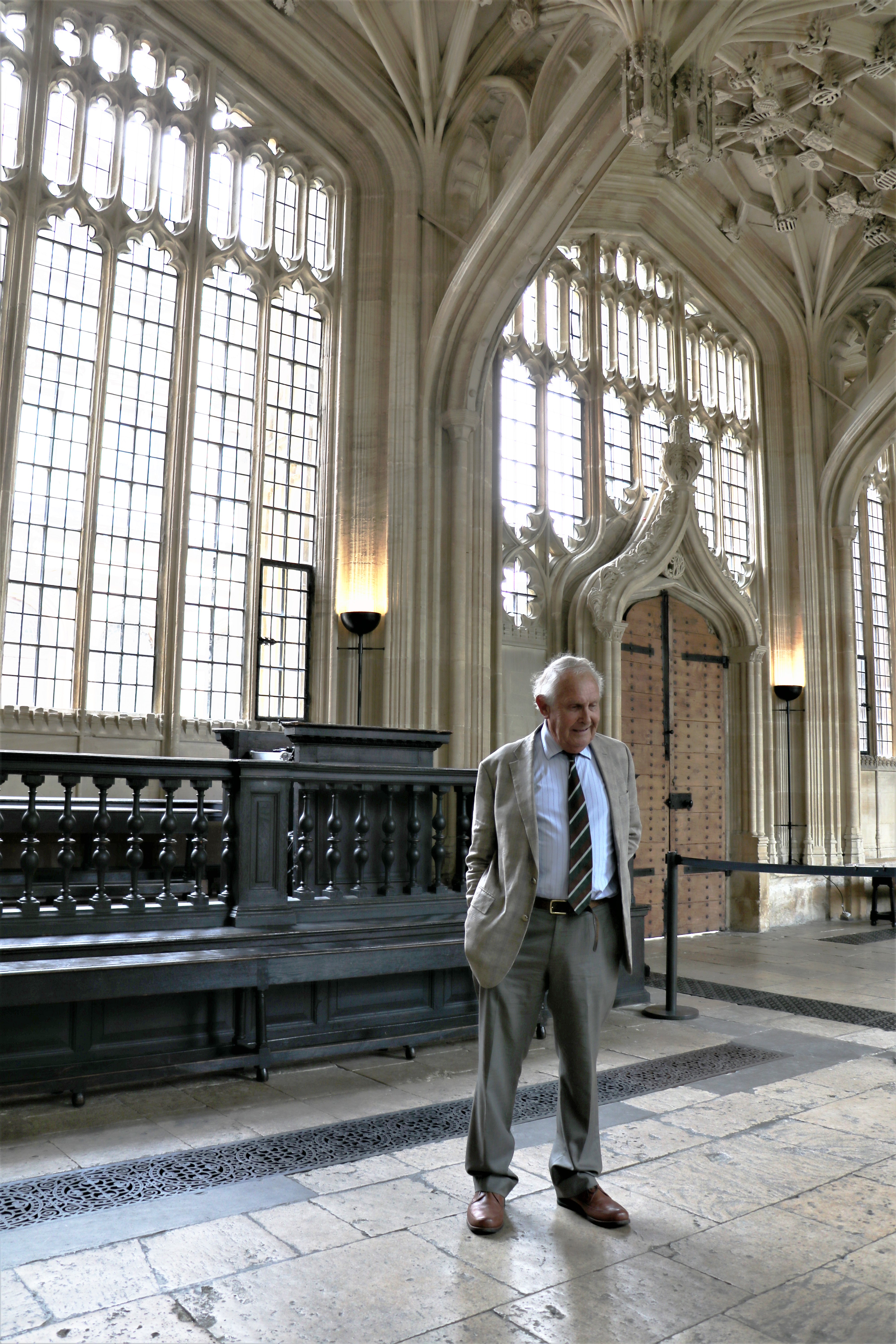
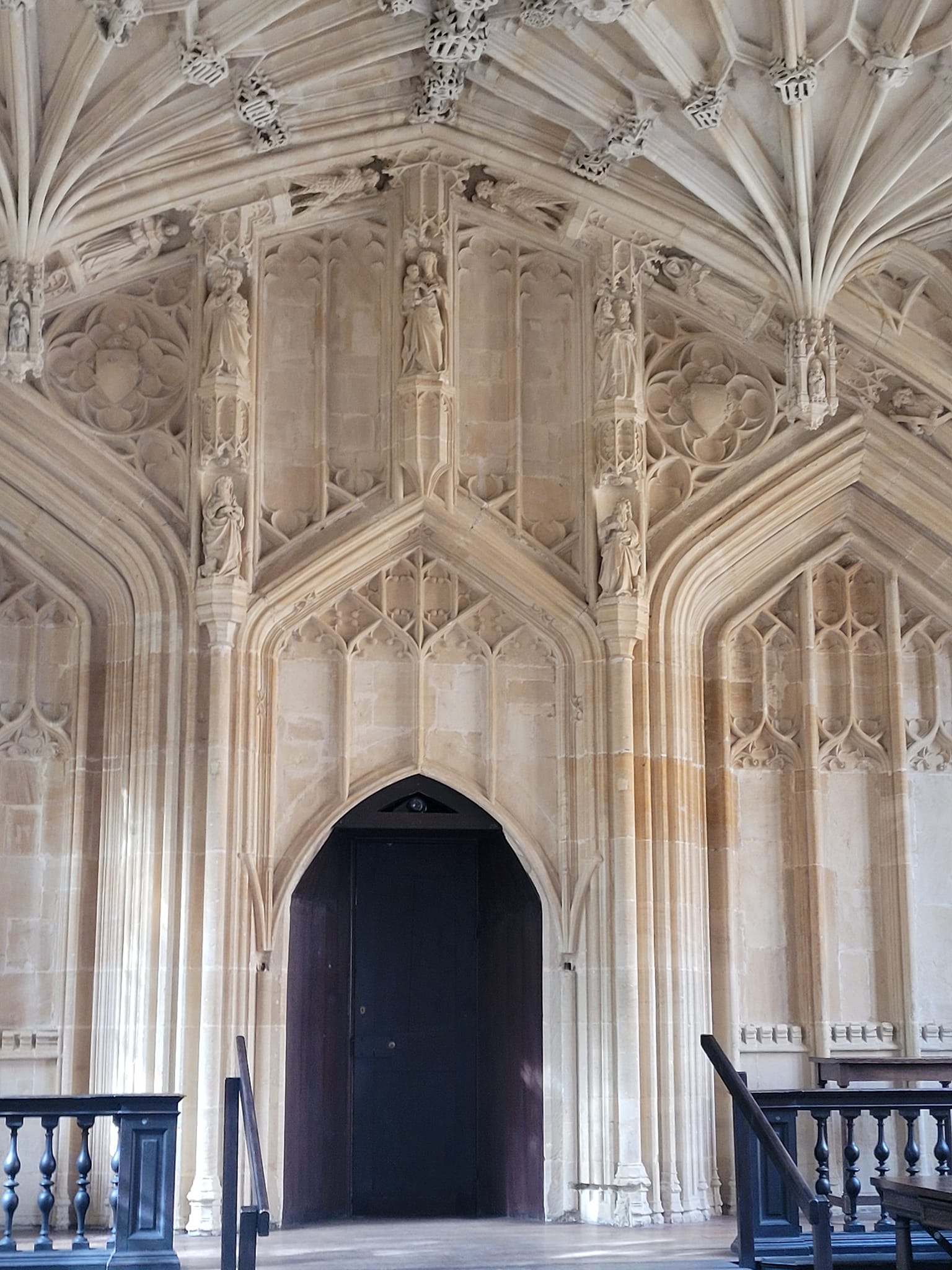
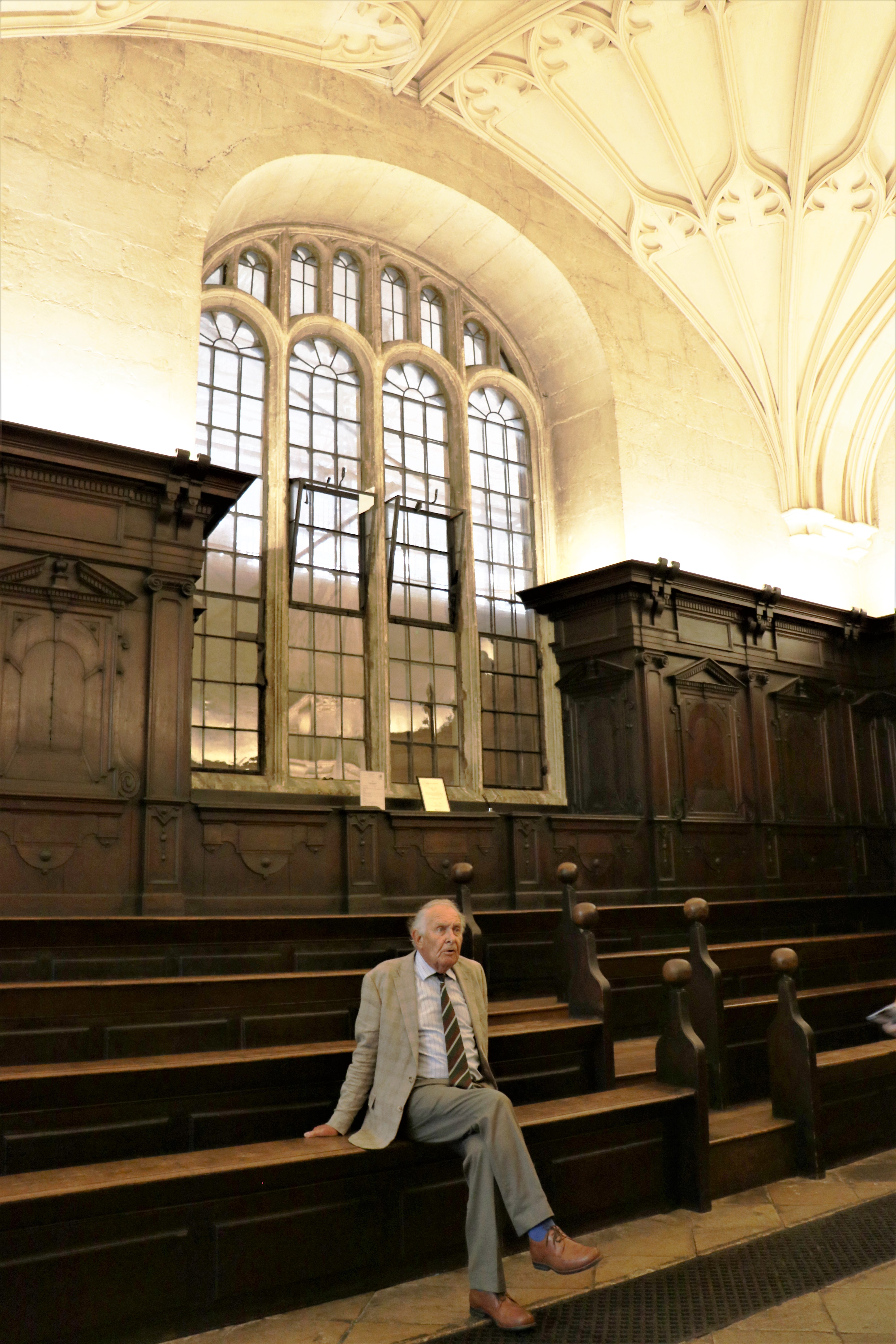
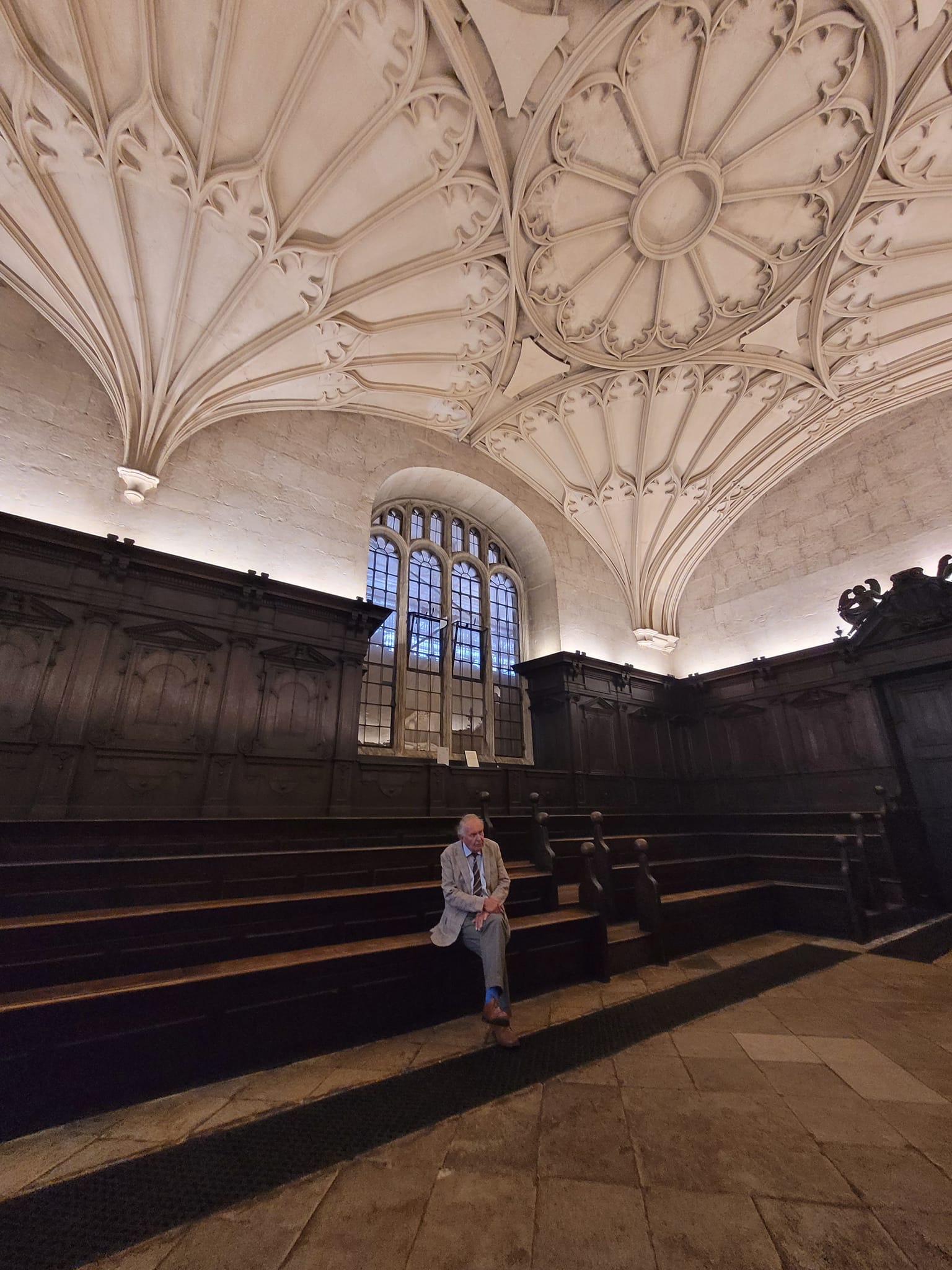
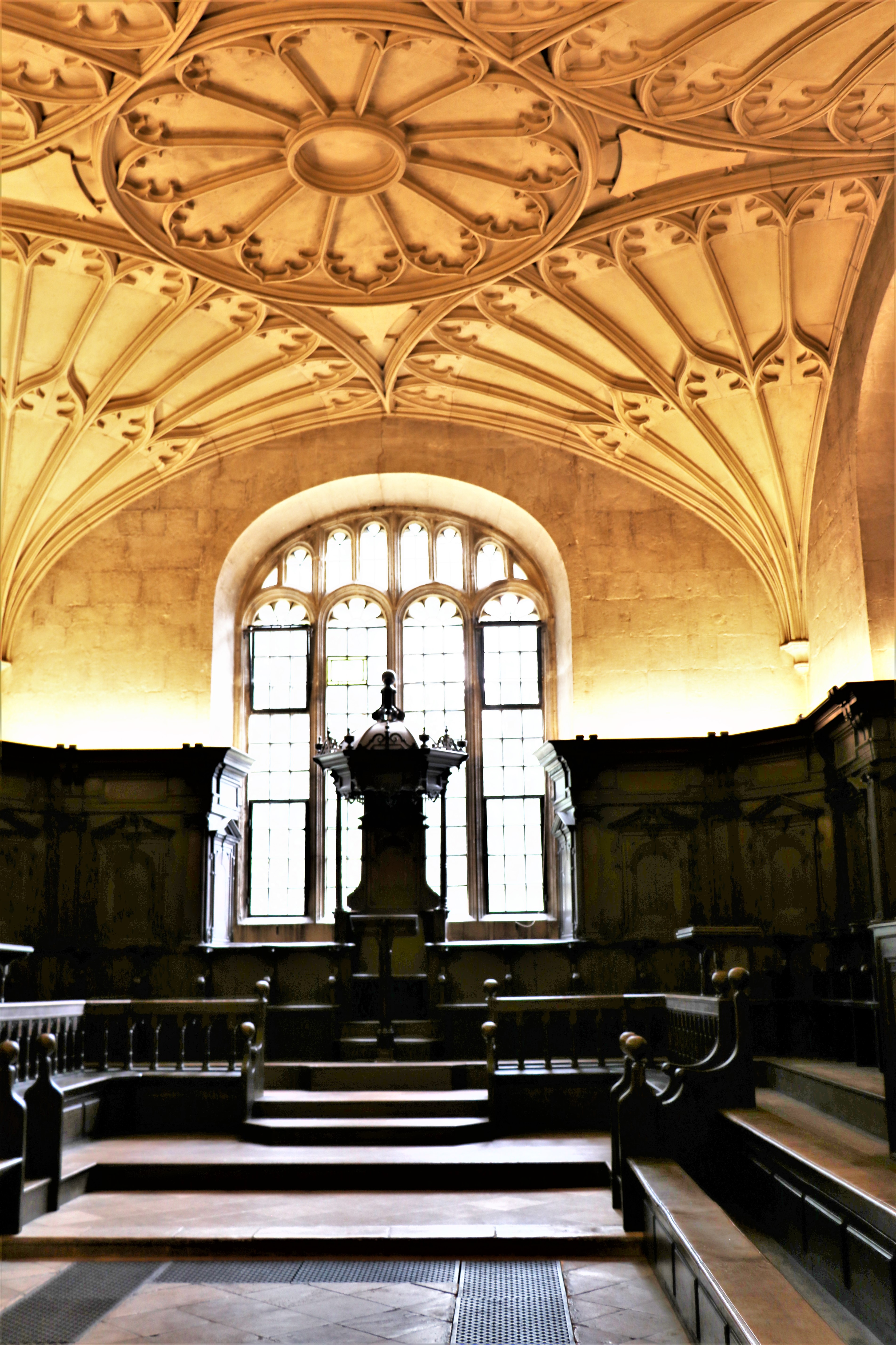
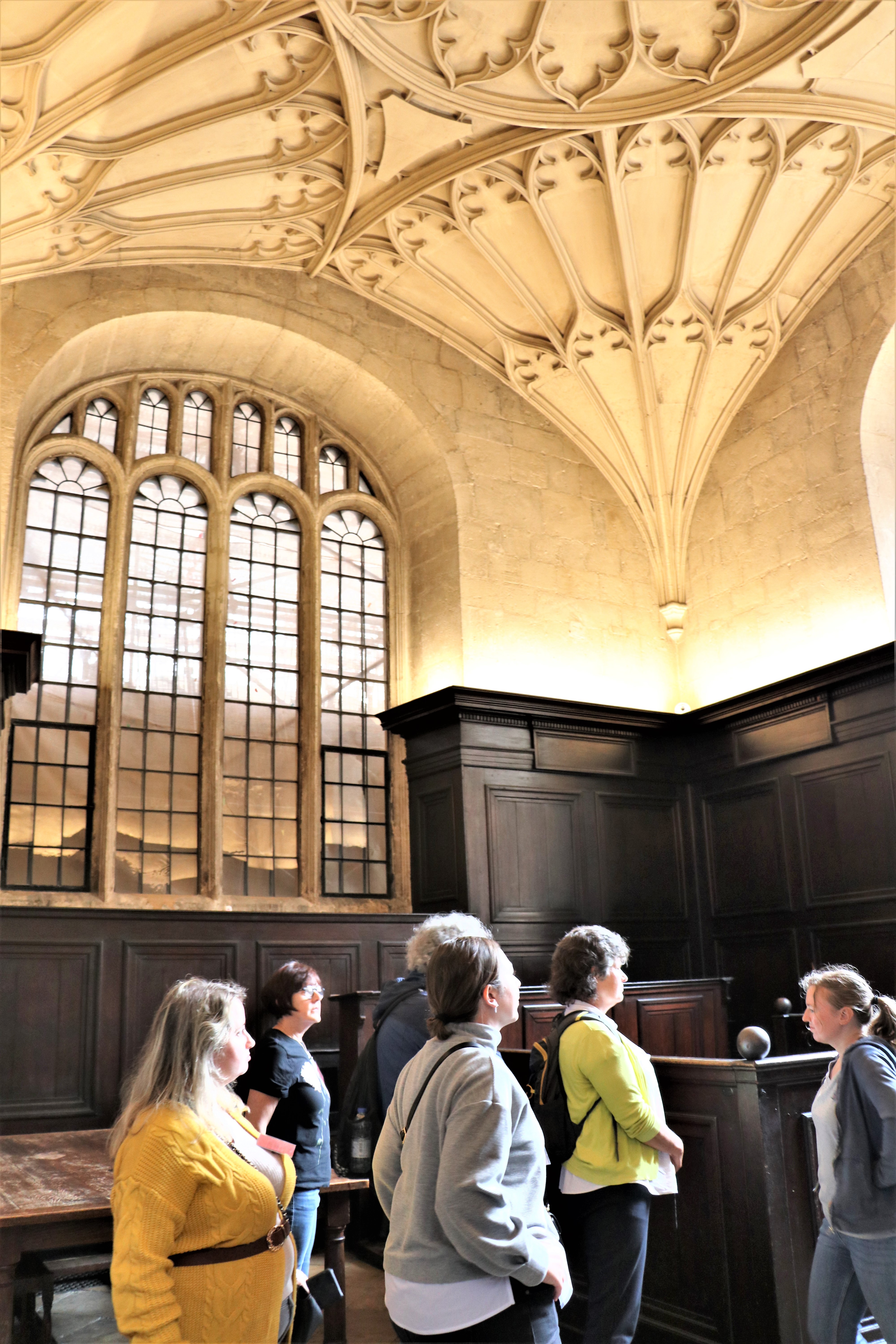
On Tuesday September 13th we booked a tour for the Bodlein Library at 11:00. We waited for our tour guide in this section of the building which was the Divinity School. Divinity School is the oldest and largest room in the Old Bodleian Library, and a masterpiece of late Gothic architecture. The stone carved ceiling is magnificent.

I’m standing between the two pulpits.

This room was used as the Hogwarts infirmary in the Harry Potter film series. It was also used in the Morse Series and Shadowlands. The Hugh Humphreys library was also used in the films. No photos were allowed in the library.

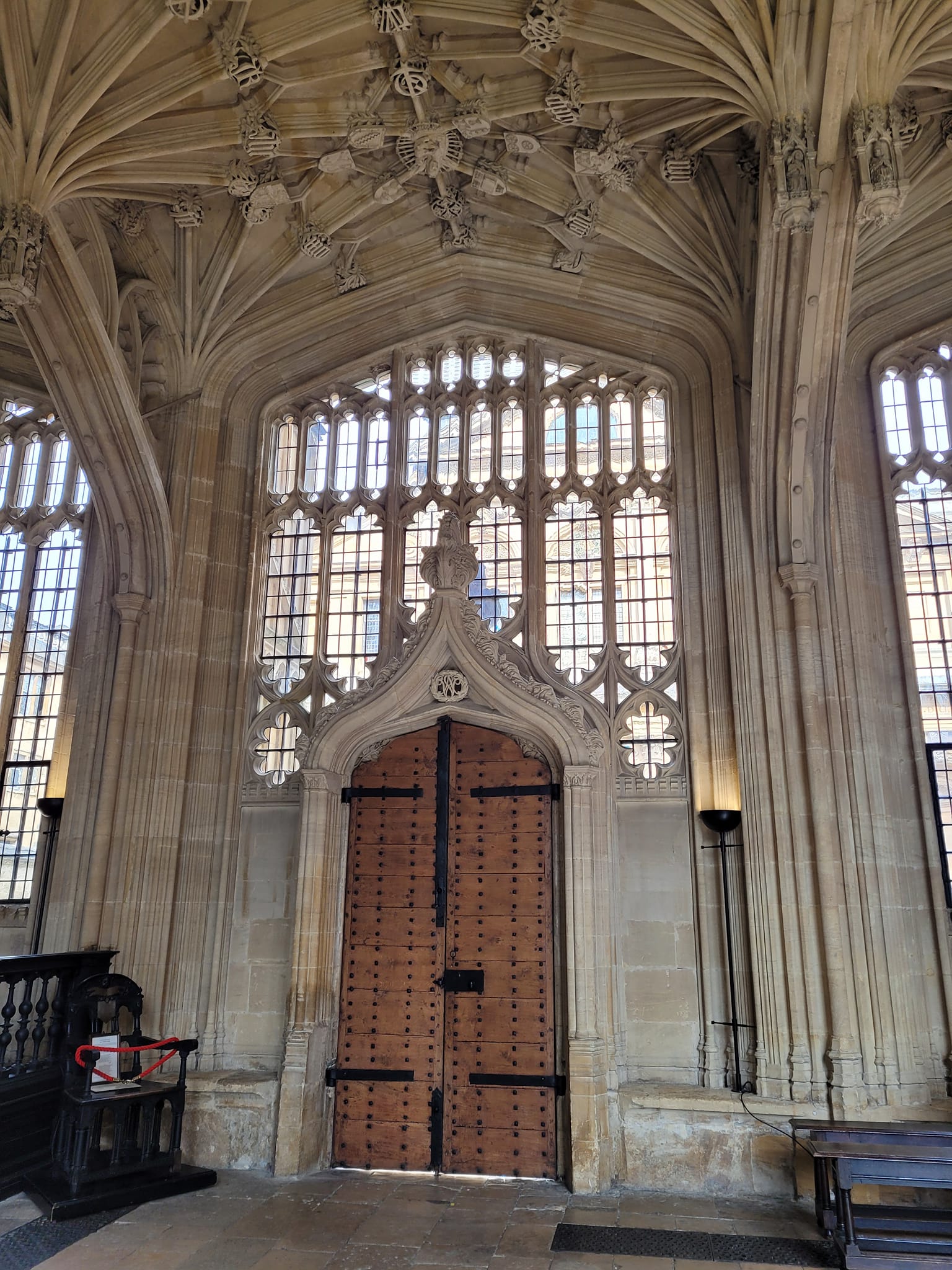
This is the door that was added by Sir Christopher Wren.

Our tour guide arrived and he had so much history stored in his brain to share with us.

We went through this door to the Convocation House and Chancellors Court which was the Universities former courtroom.

Originally built in the 17th century, Convocation House was once designed as a meeting place for the University’s supreme legislative body while Chancellor’s Court was the University’s former courtroom.

Adjoining Convocation House is the anteroom, Chancellor’s Court, which was used as the court for the university.

After we left this room we walked up a series of stairways to the Duke Humphrey’s Library. Duke Humphrey’s Library is the oldest reading room in the Bodleian Library at the University of Oxford. It is named after Humphrey of Lancaster, 1st Duke of Gloucester, who donated 281 books after his death in 1447.

As I mentioned before I was disappointed that photos were not allowed in the Duke Humphrey’s but I’m glad we could see it in person.

The Divinity School and the Convocation House can be rented for weddings or other meetings.

You can read some history about the Bodlein here.

Sneak Peek to Blenheim

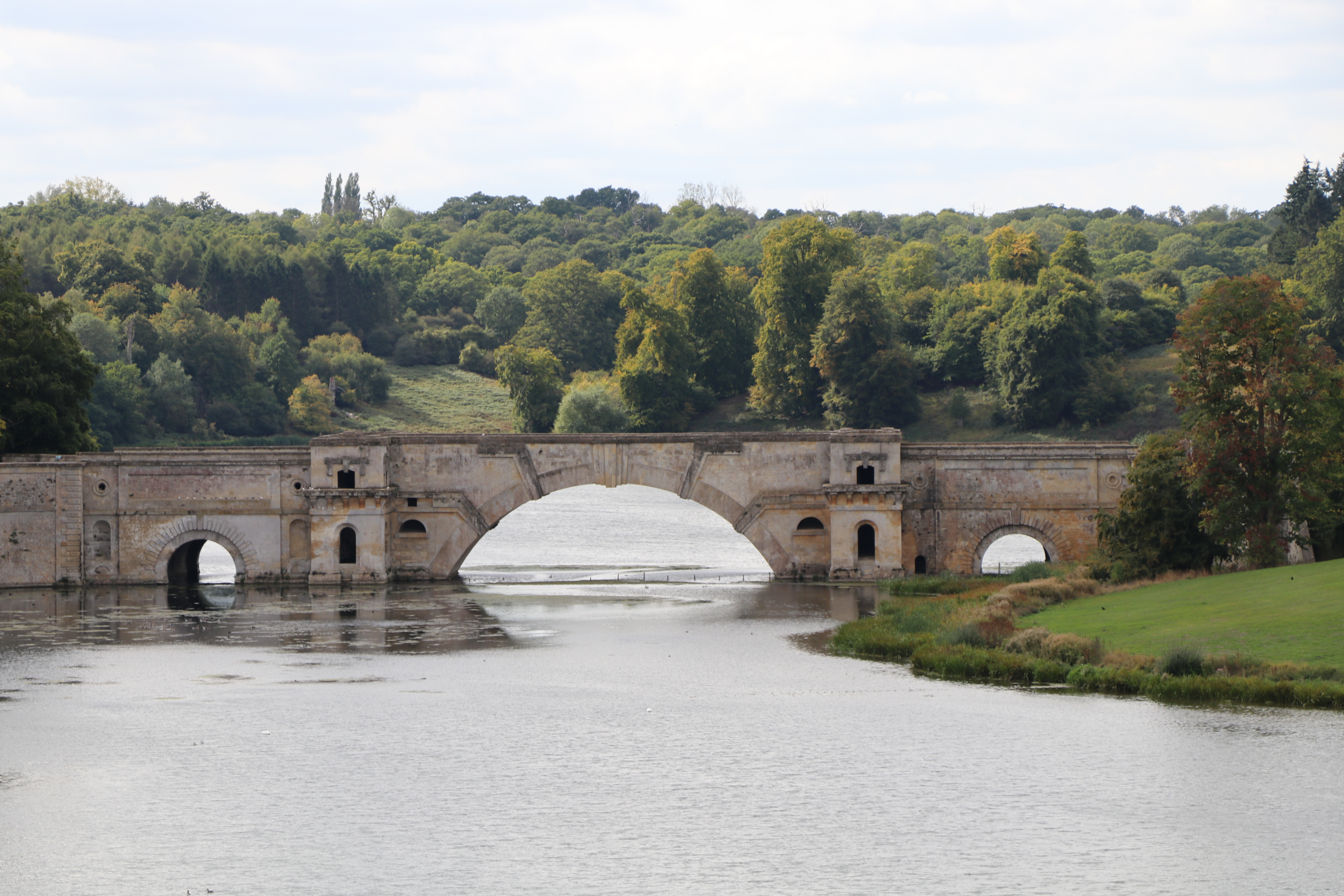
Today Thursday the 22nd of September and the first day of Autumn we walked our feet off. After our hotel breakfast at 7am we walked to a free entrance to Blenheim Palace grounds only to find out the paths we wanted to take were closed and restricted because of work being done with dredging in the lake. We walked around the restricted paths and found our way to the Harry Potter Tree which I will post about later. Back to town and showers and lunch and then back to Blenheim grounds for a ticket to tour the grounds. On Friday we are heading back to Oxford for our last night in the United Kingdom.