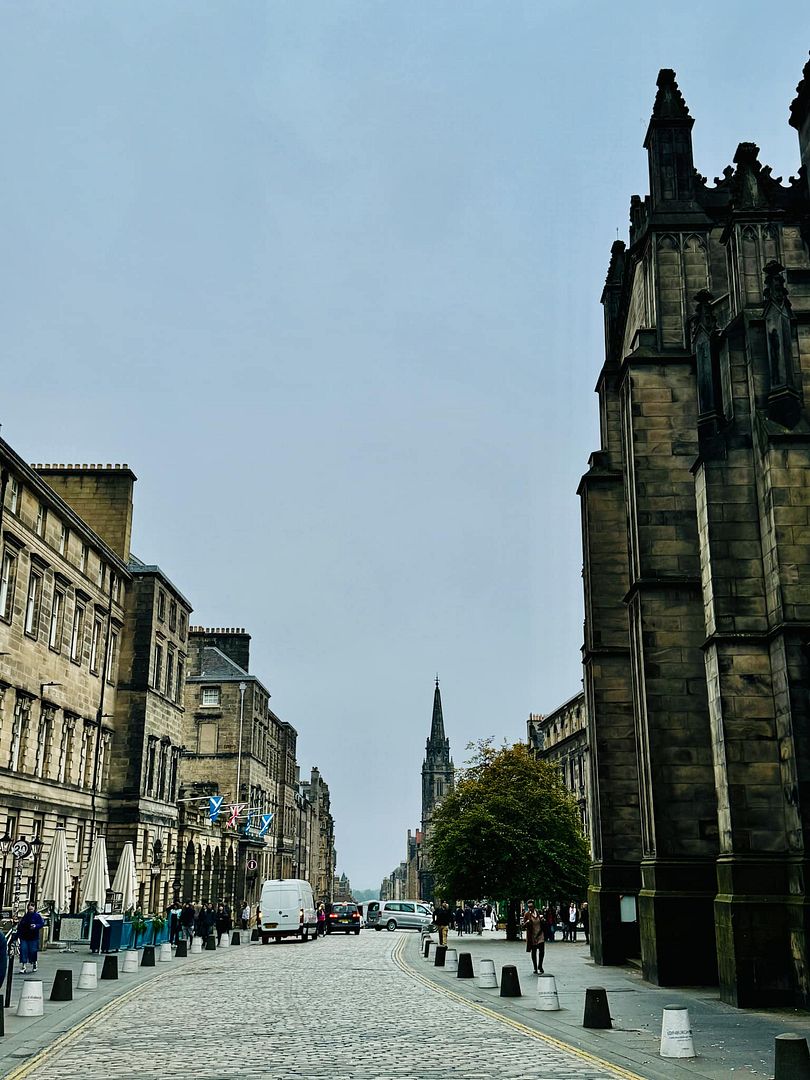
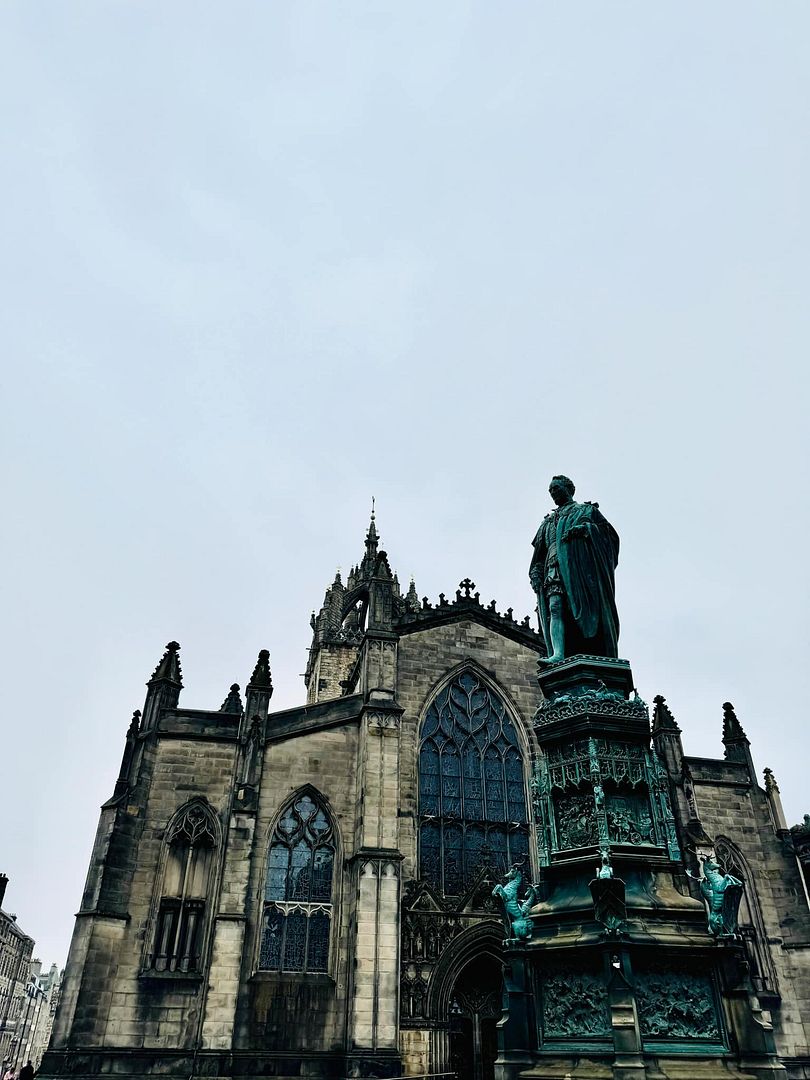
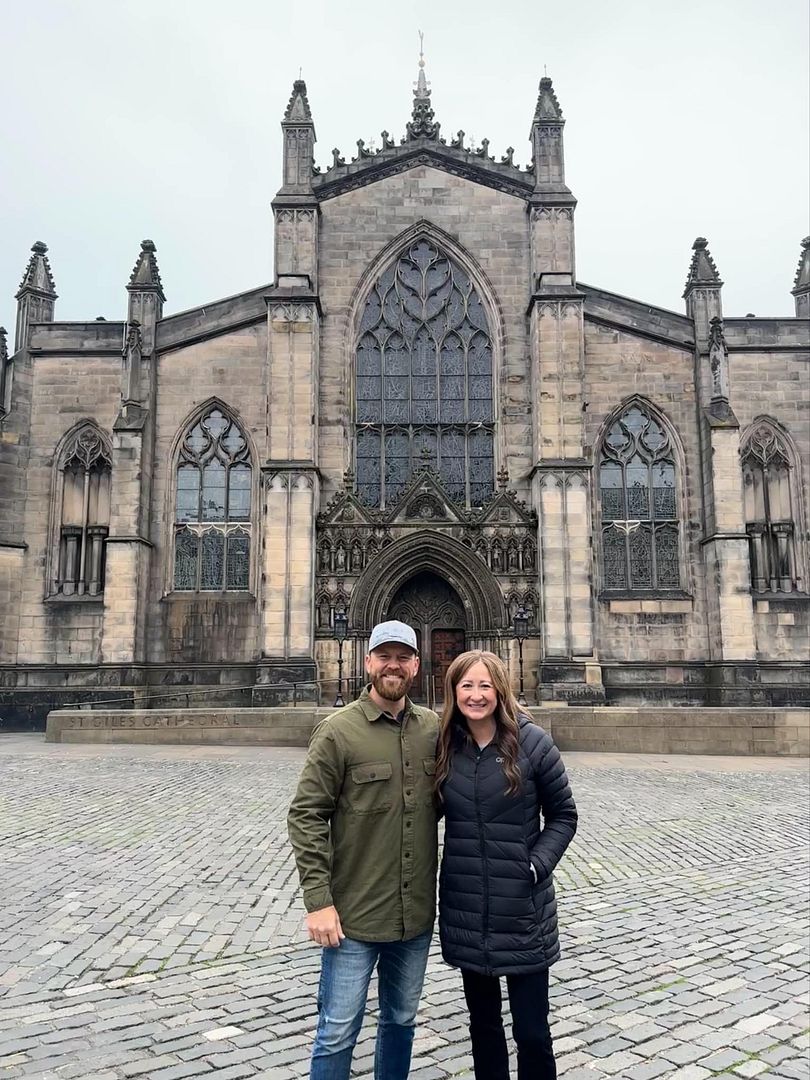
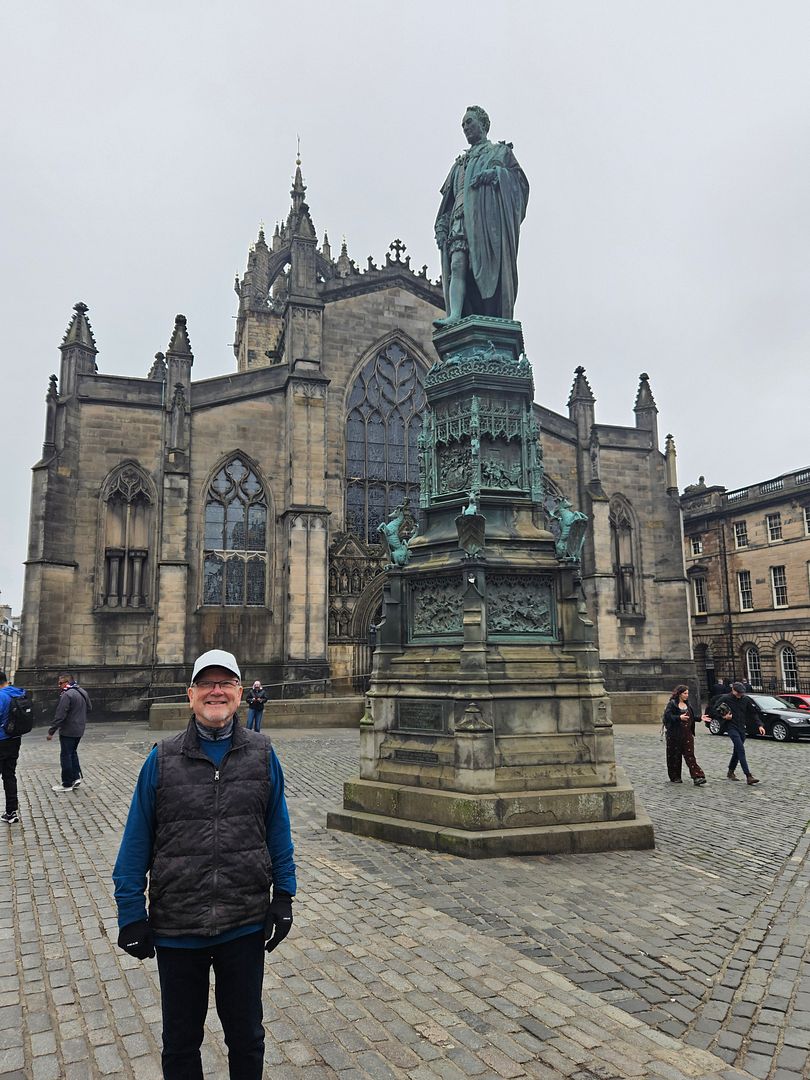
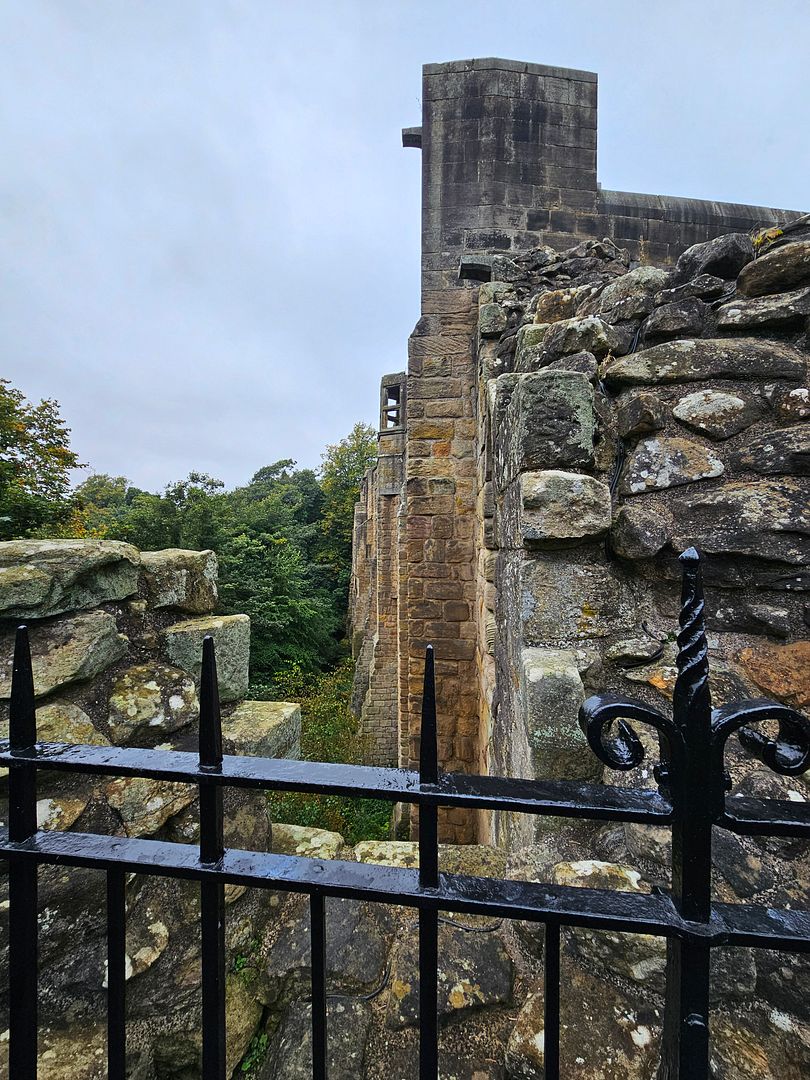
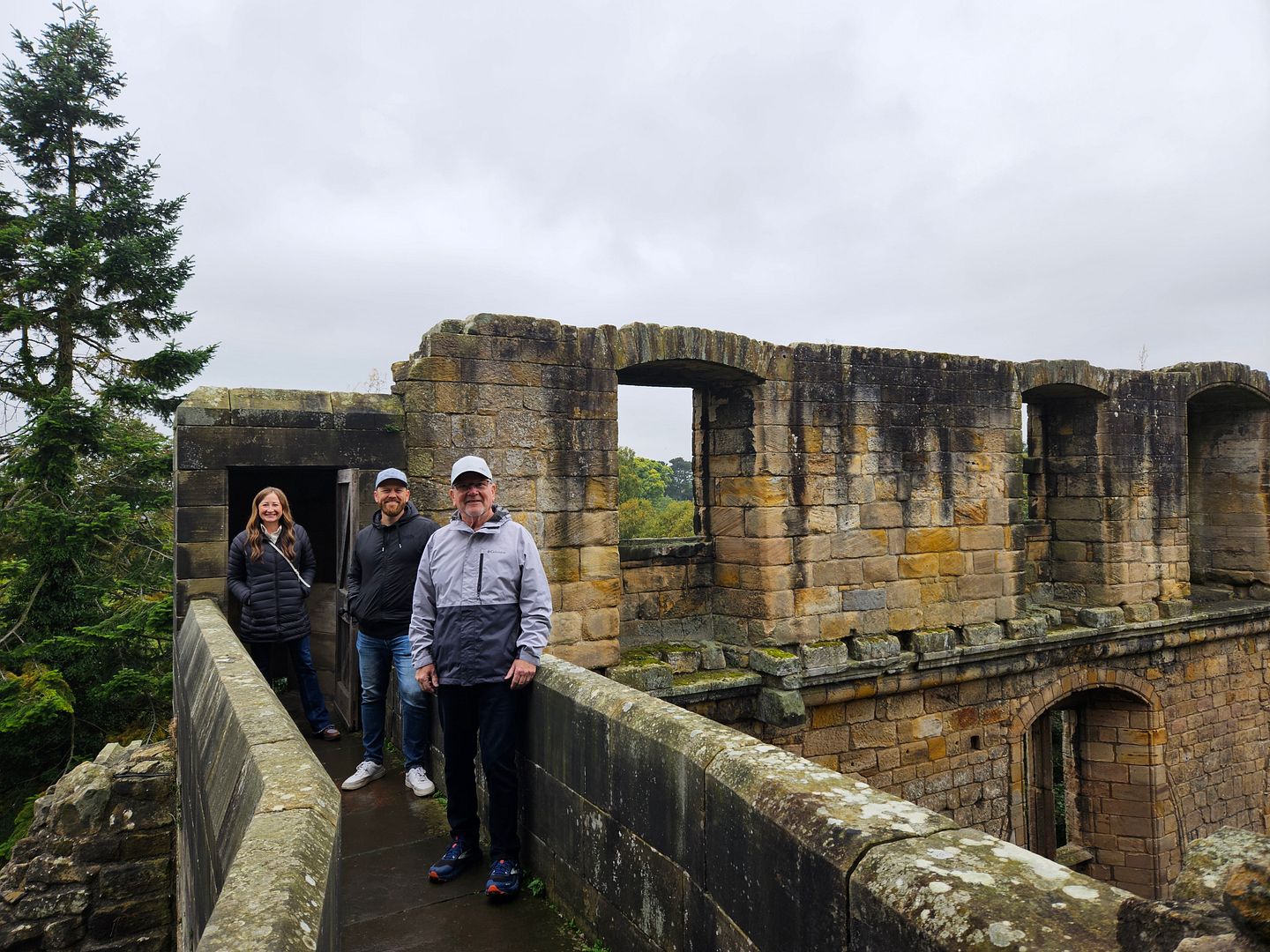
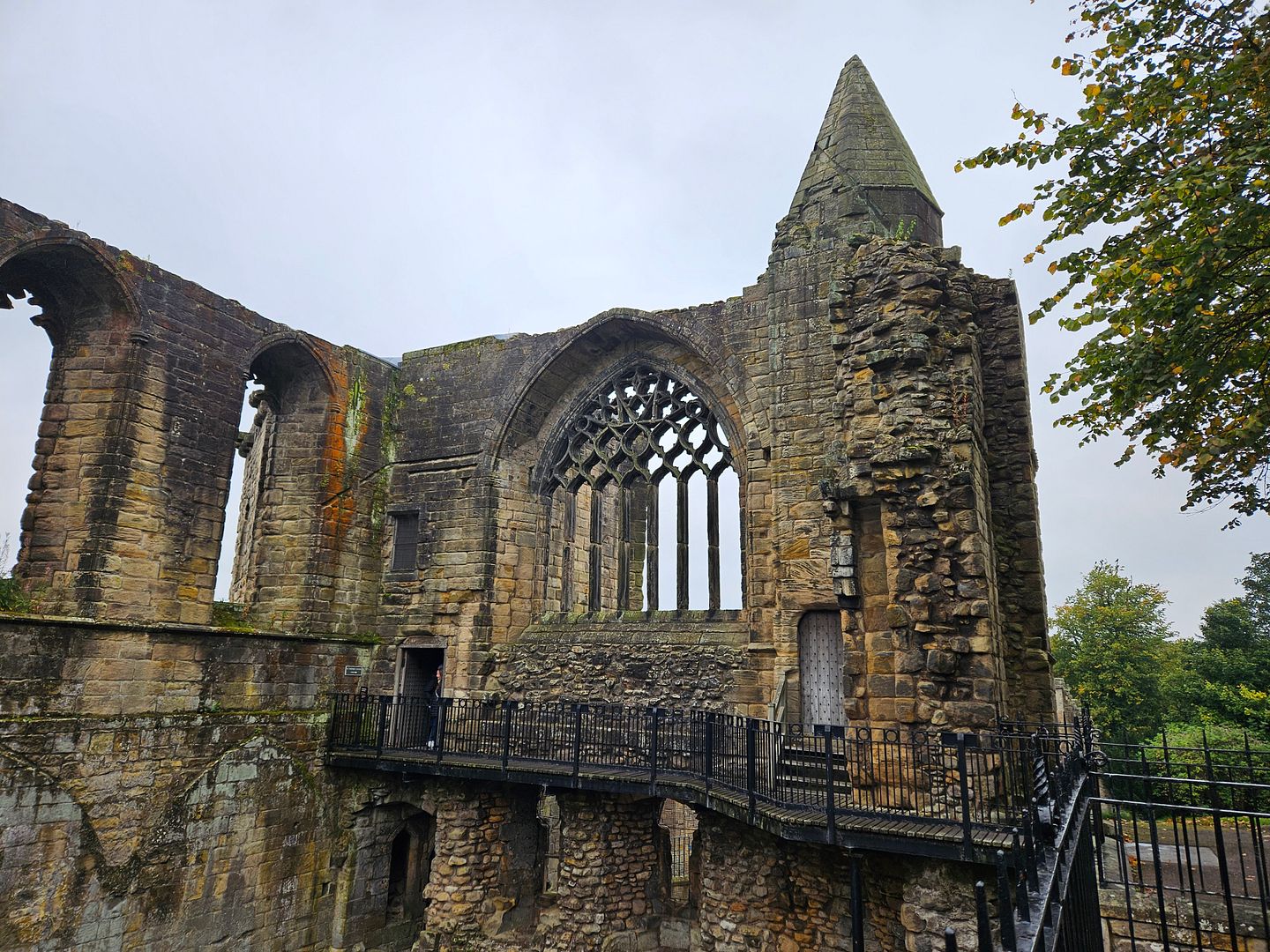
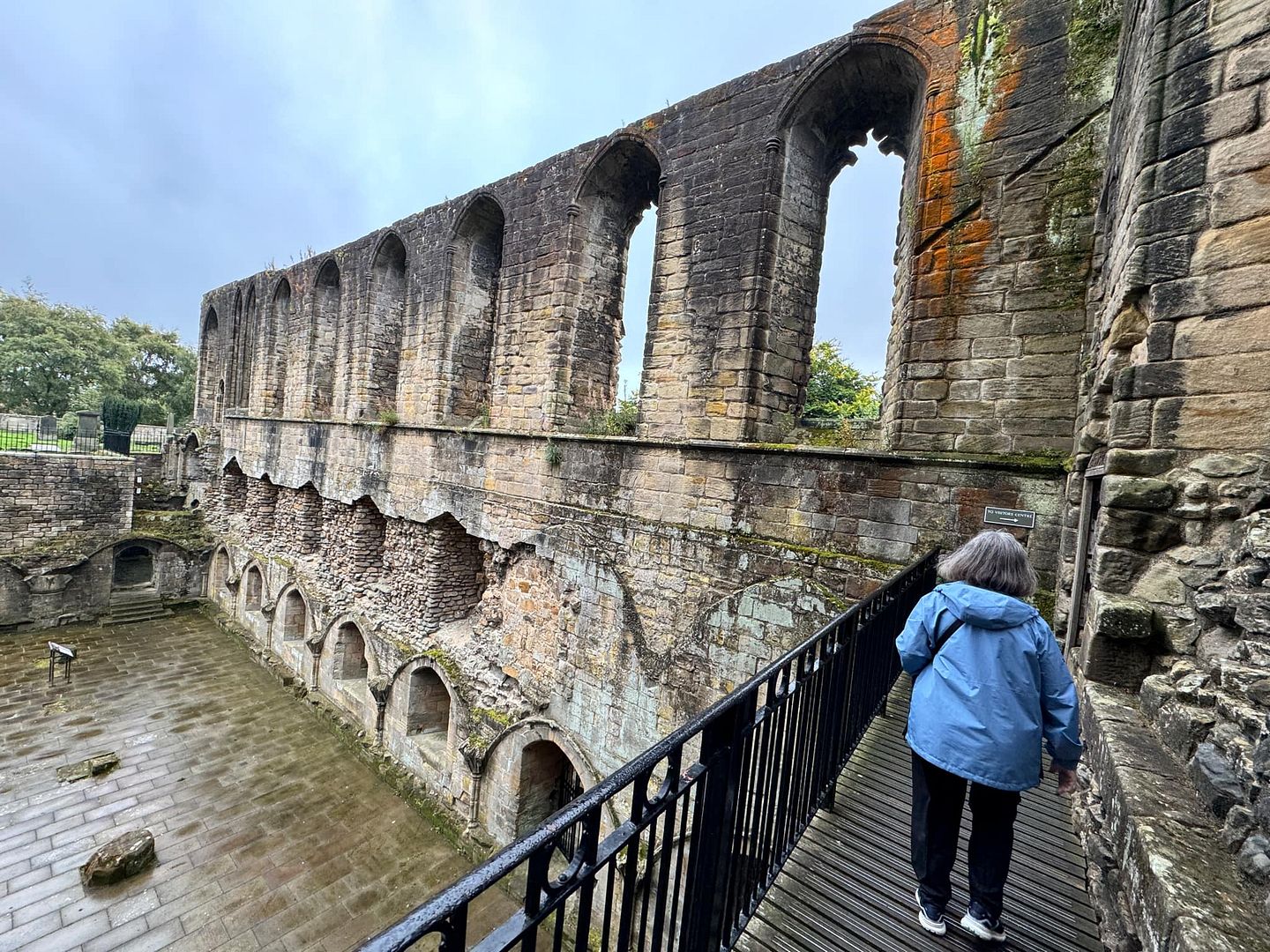
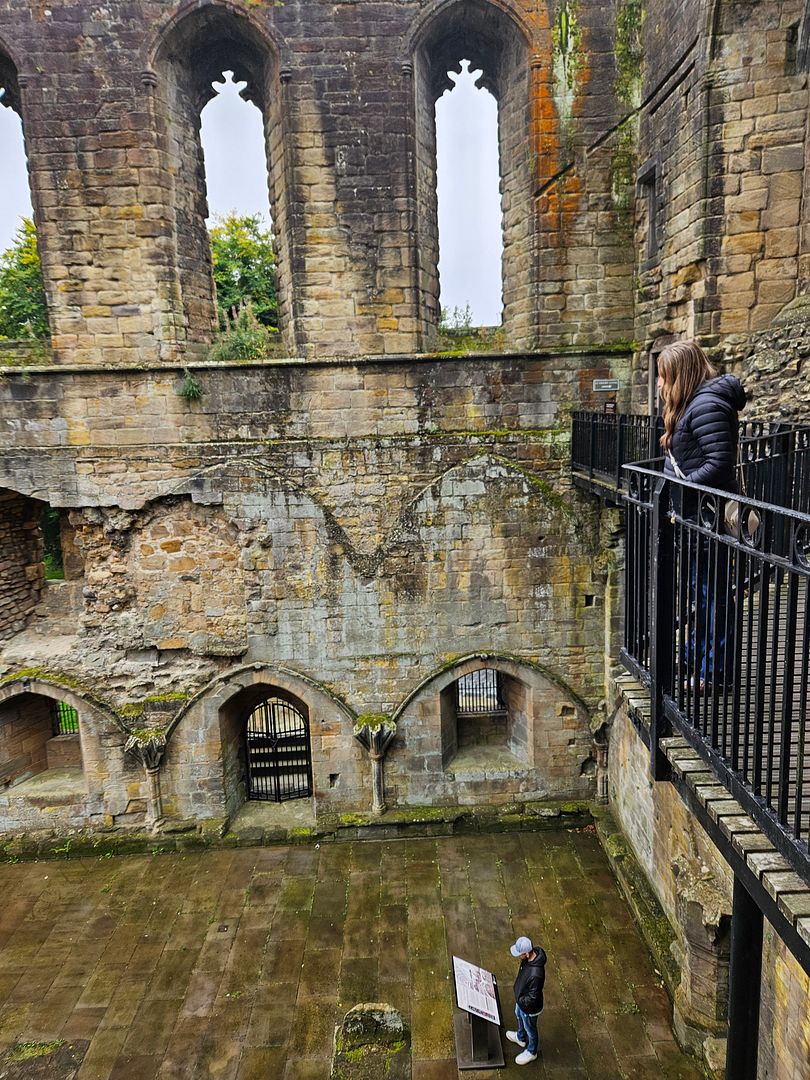
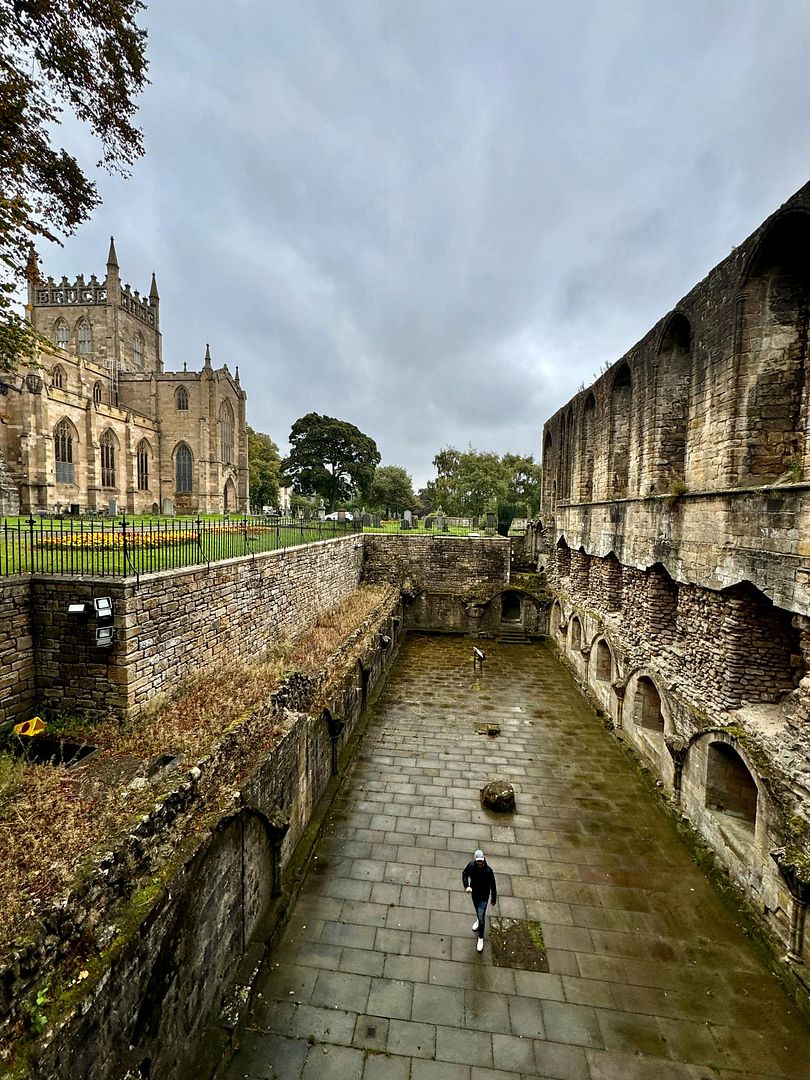
St. James’ Church Chipping Campden

History

The History of St James’ Church

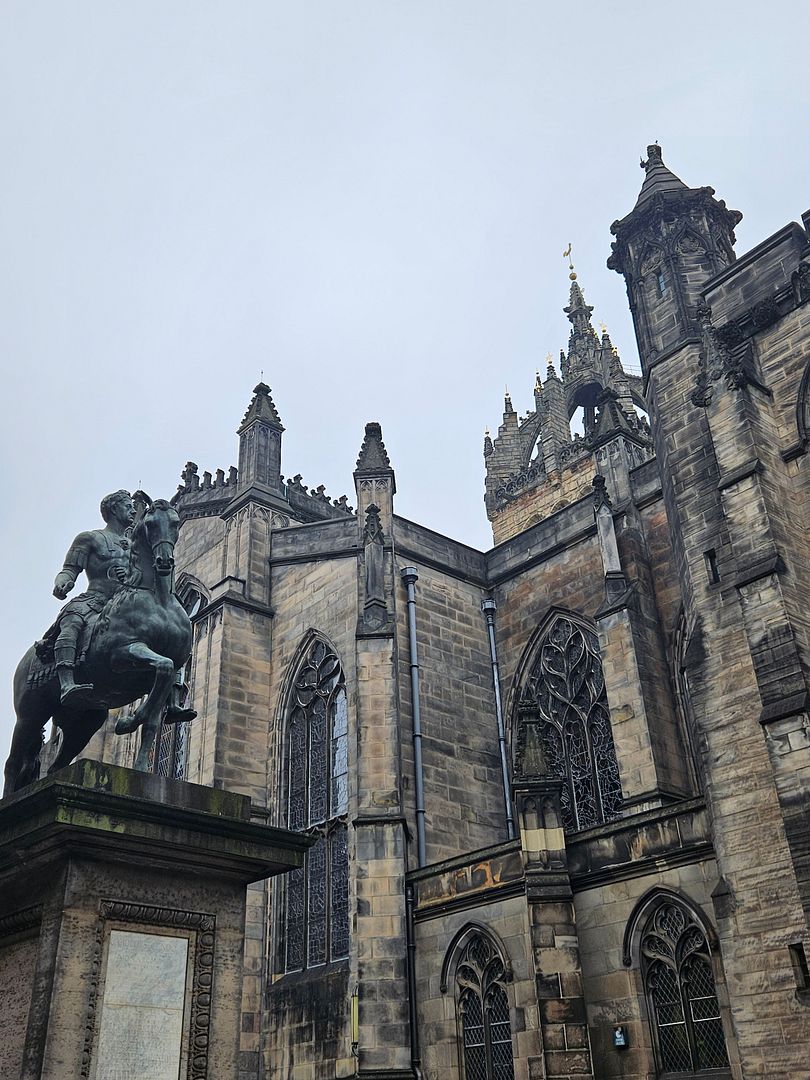
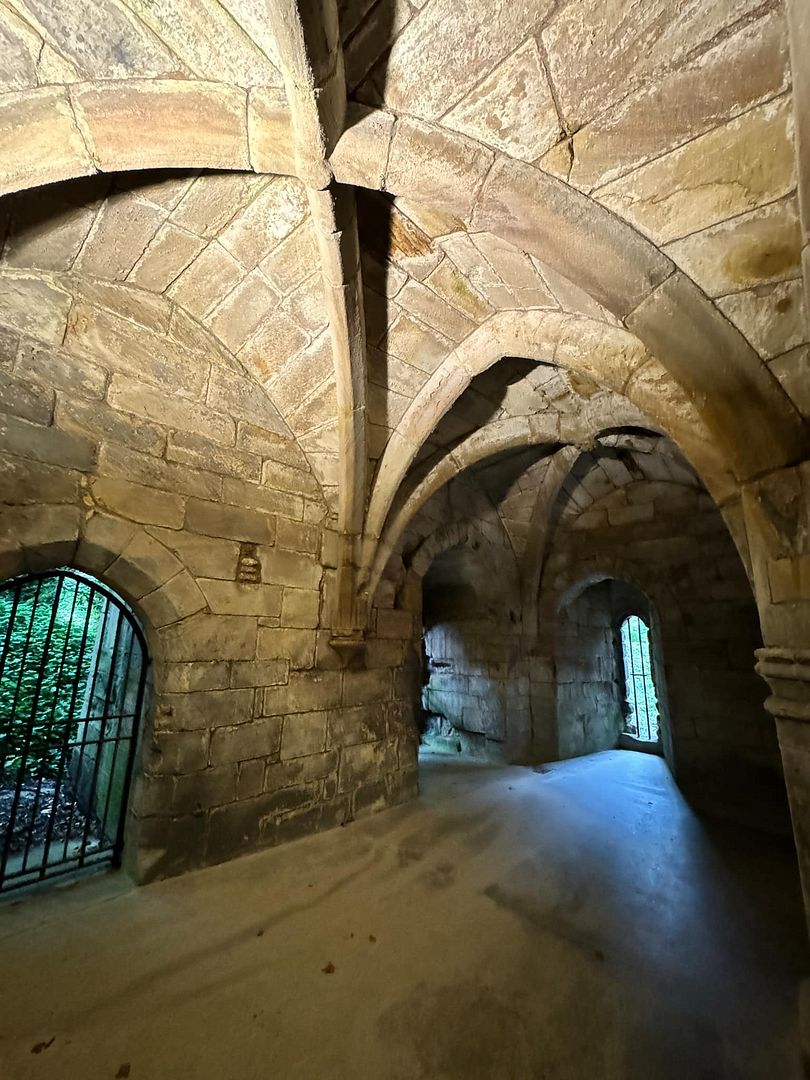
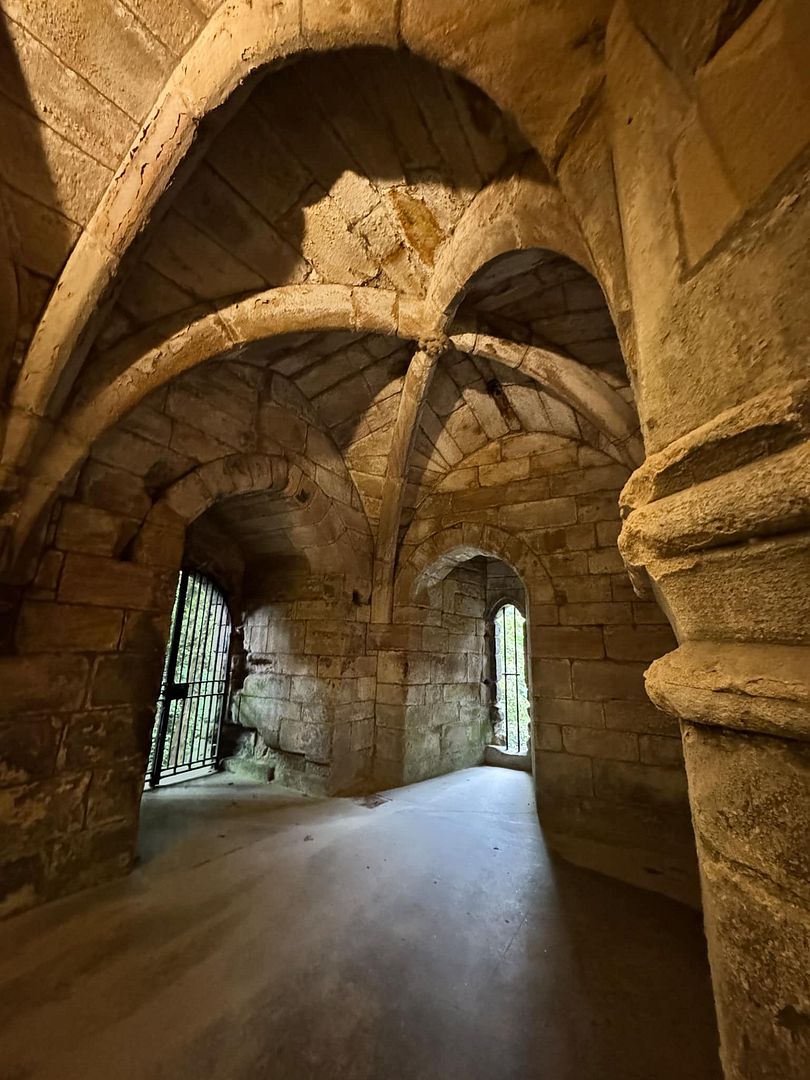
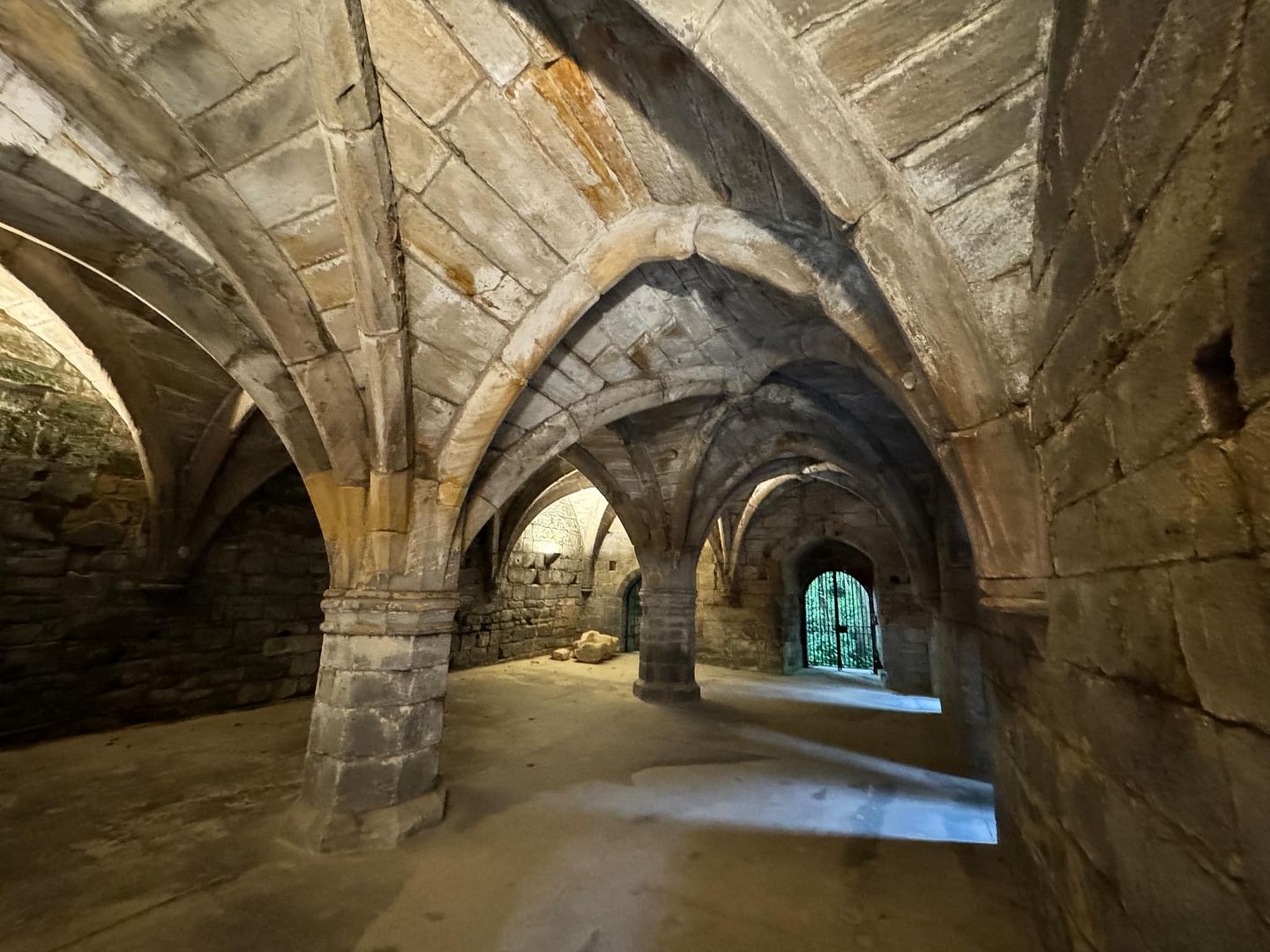
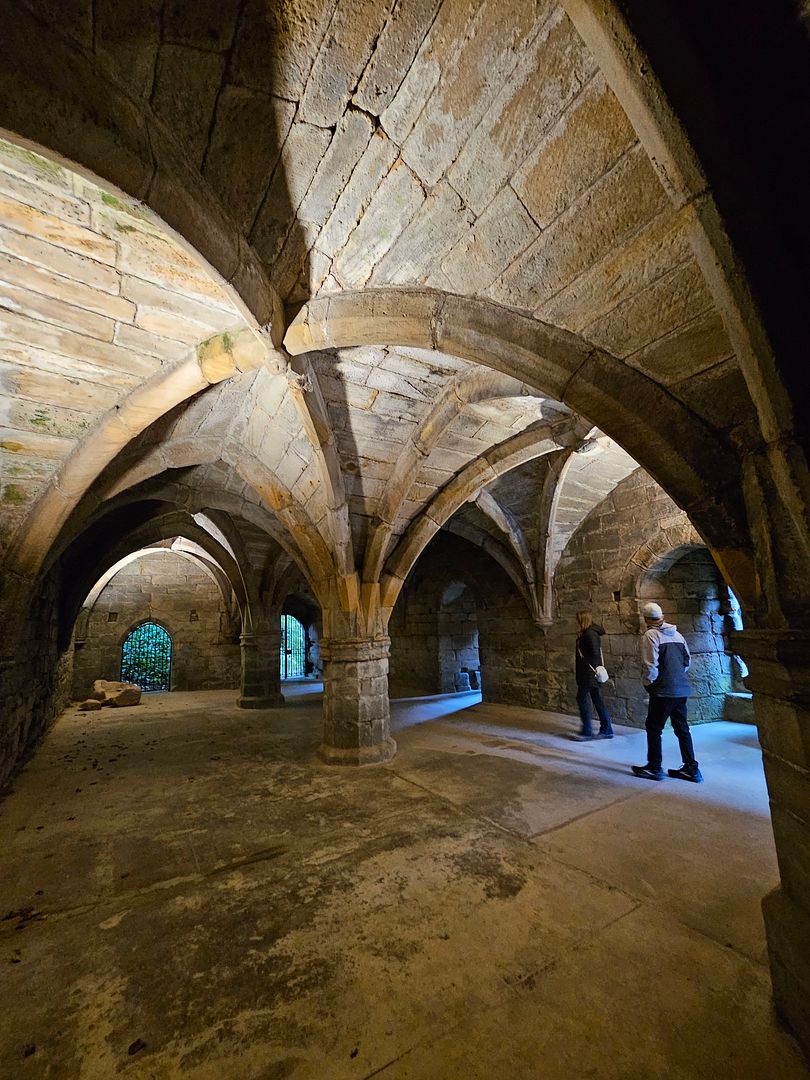
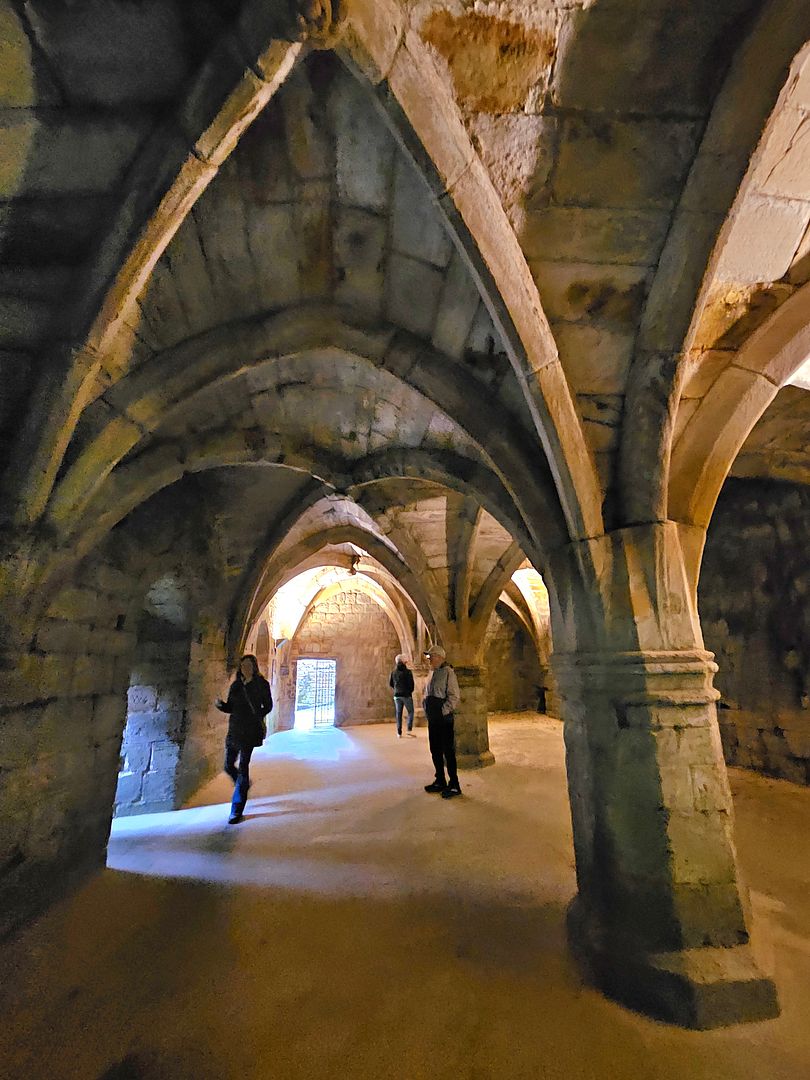
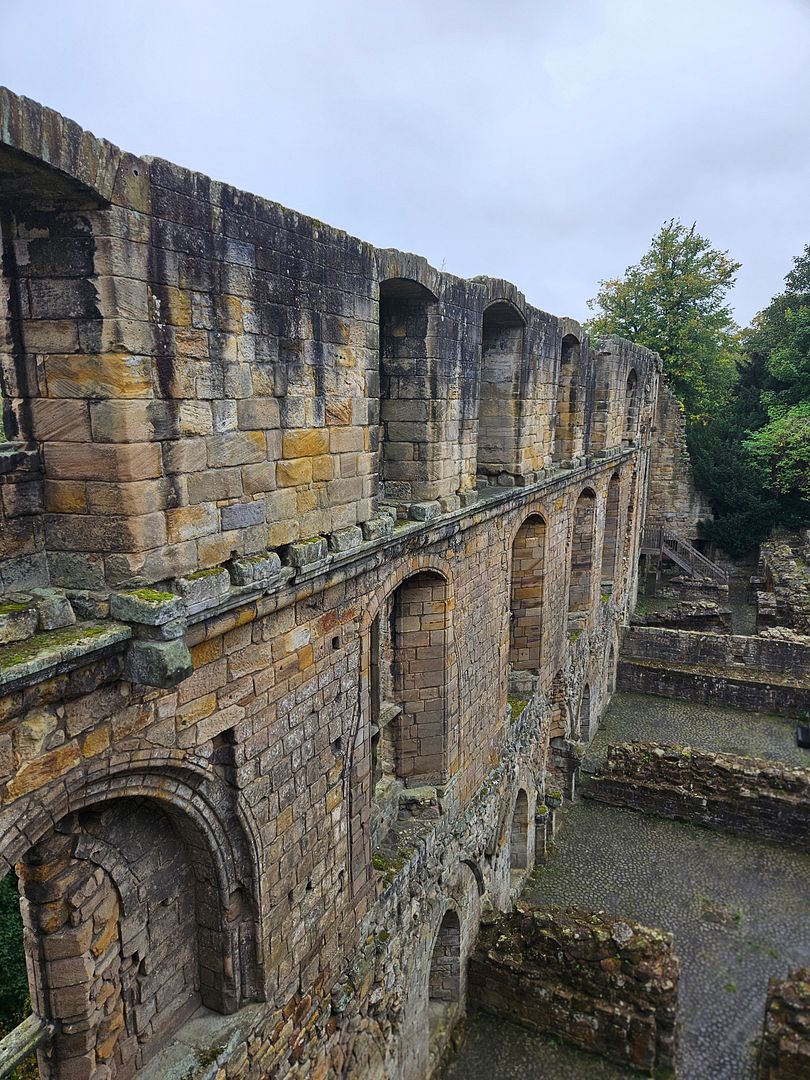
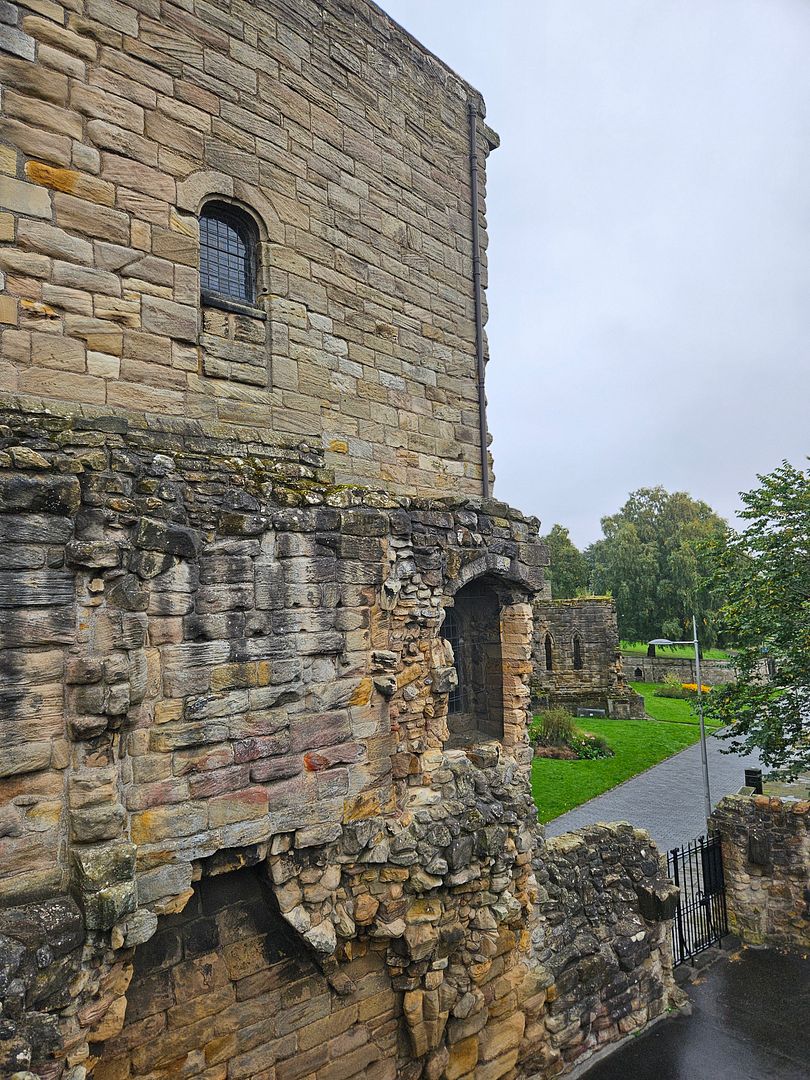
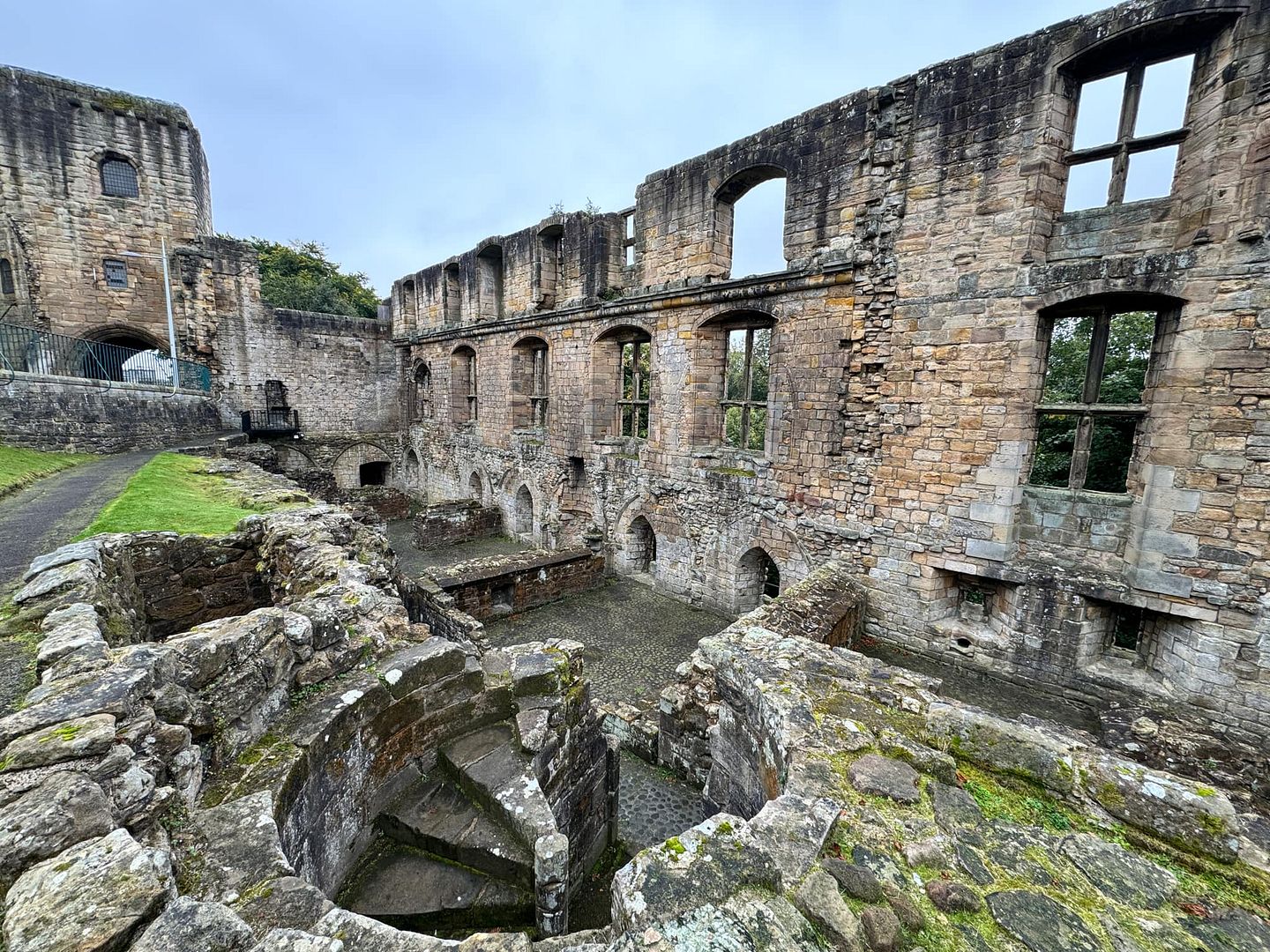
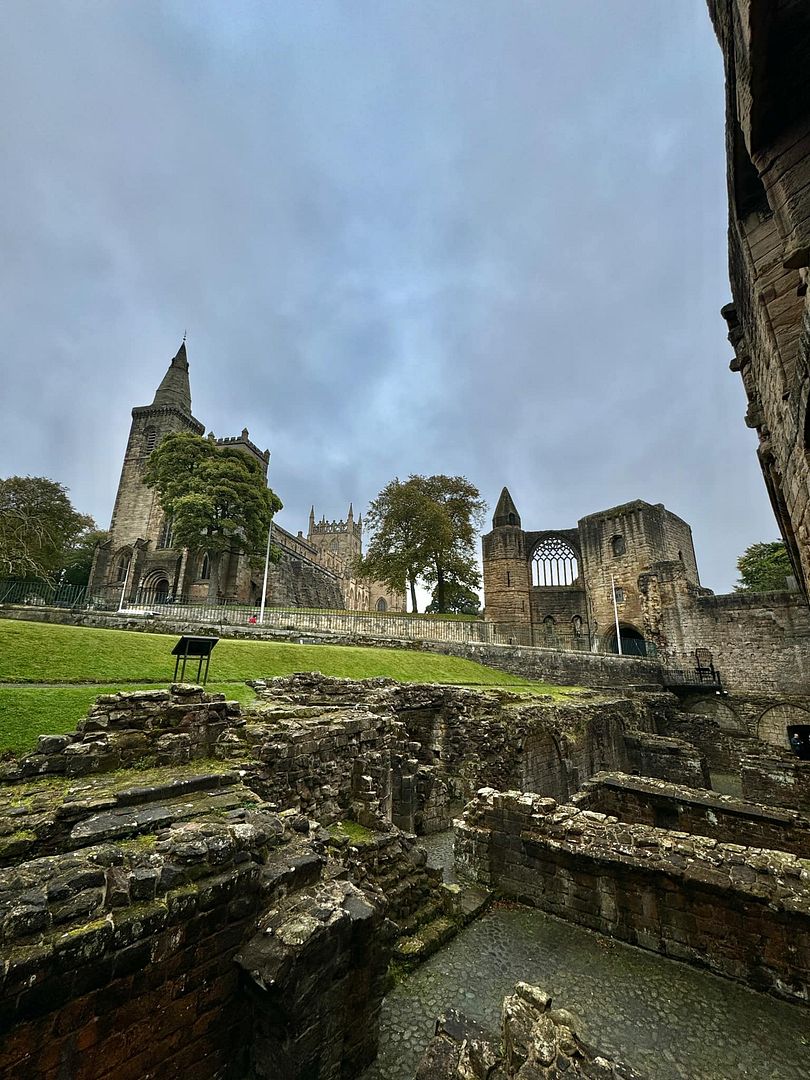
St James’ is one of the finest wool churches in England. Much of the current building dates from the 13th and 14th centuries; a testament to the significance of the town and the wealth of the medieval merchants who paid for its construction. Much of Chipping Campden High Street dates from this period and reflects the historic importance of the wool trade.

The East Window which is a memorial of the First World War (1914-1918) and was dedicated in 1925.

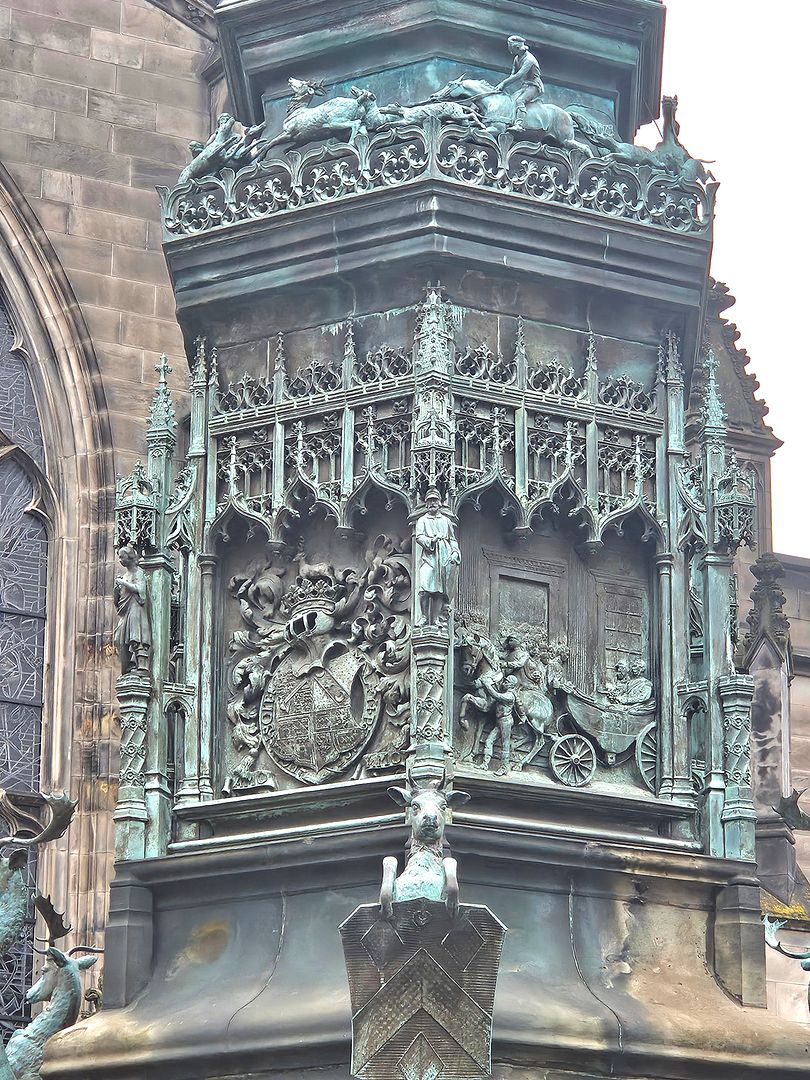
In the Noel Chantry is a memorial of note; that of Sir Baptist Hicks, who built the nearby almshouses and the picturesque Market Hall. Hicks gave money for the pulpit and lectern, and also gave £200 to re-roof the nave. His striking monument is built of marble columns supporting a canopy. On the wall nearby is a memorial to Penelope Noel (d. 1633), daughter of Edmund Noel, Viscount Campden.


The right honorable Sir Edward Noel Viscount Campden and Baron Noel…

This post concludes our Cotswolds in a Day recap.

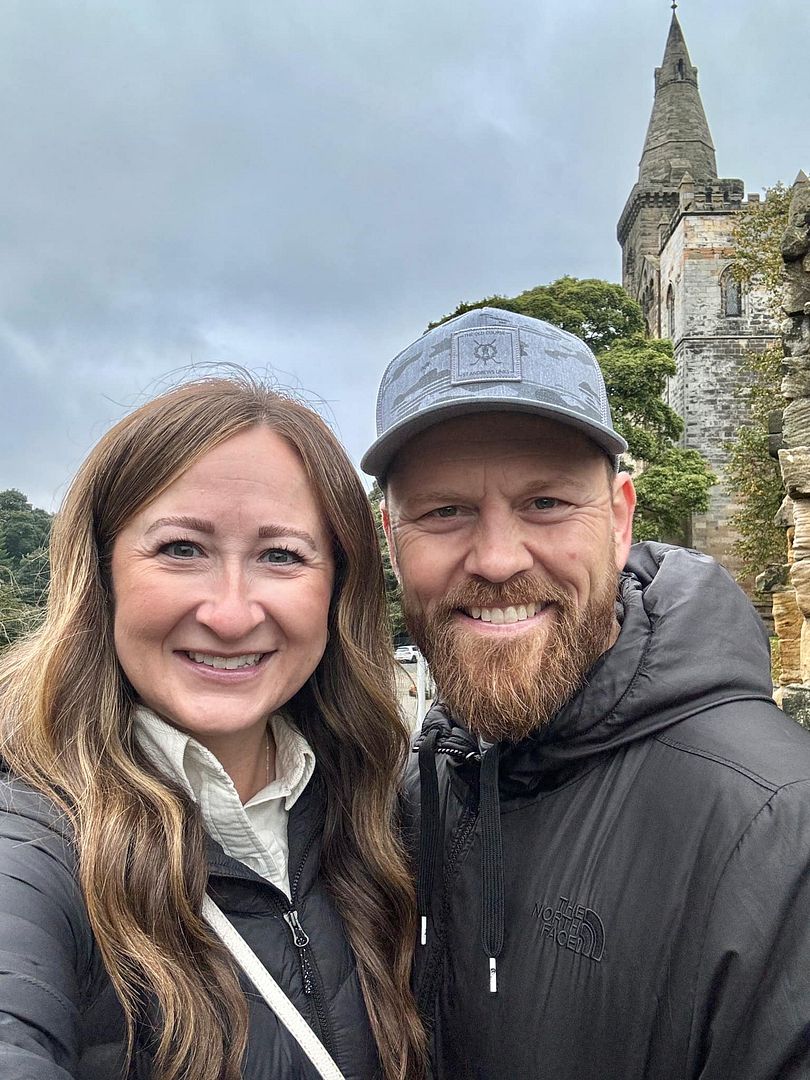
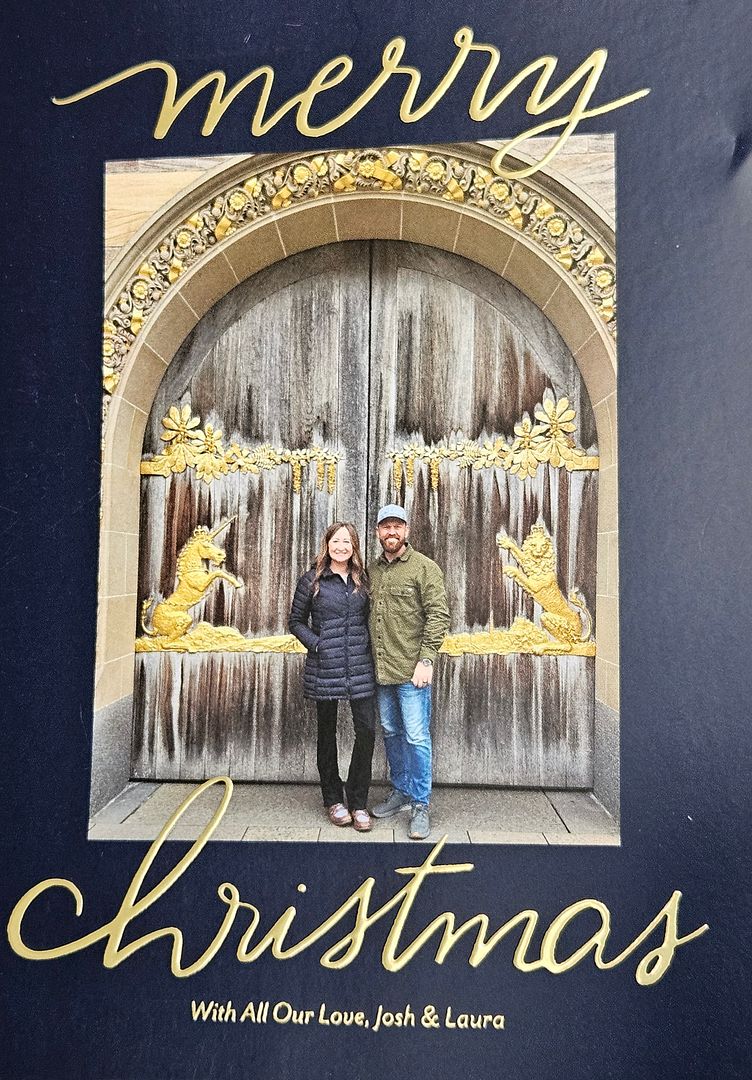
We enjoyed the grounds of St. James back in September of 2013 with Josh and Laura. That post is here.

************************************************************************************

We are enjoying a quiet weekend here at our country bungalow. We’re looking forward to going to church tomorrow and seeing our people face to face. Hope you are having a good weekend.

The Cotswolds 2022

It’s been a while since my last post on our trip to England in September of this year. I have a goal to finish my posts before the end of the year. Our tour with Go Cotswolds, a small family owned touring company, was called Cotswolds in a Day.

On Thursday September 15th (two months ago!) we walked to the Oxford Train Station to be picked up for our day in the Cotswolds. At the station while waiting for the tour van we met another couple waiting for the tour. We enjoyed getting to know them and connecting some dots in our backgrounds that intersected. The rest of the tour group arrived and we hit the road for our first stop which was Chipping Campden. We had a set amount of time to enjoy the village. We chose to spend our time at St. James Church. That will be a separate post.
In 2013 and in 2014 we visited Chipping Campden and my posts are here in 2013 and here in 2014.

From Chipping Campden we stopped at Dover’s Hill for some panoramic views.
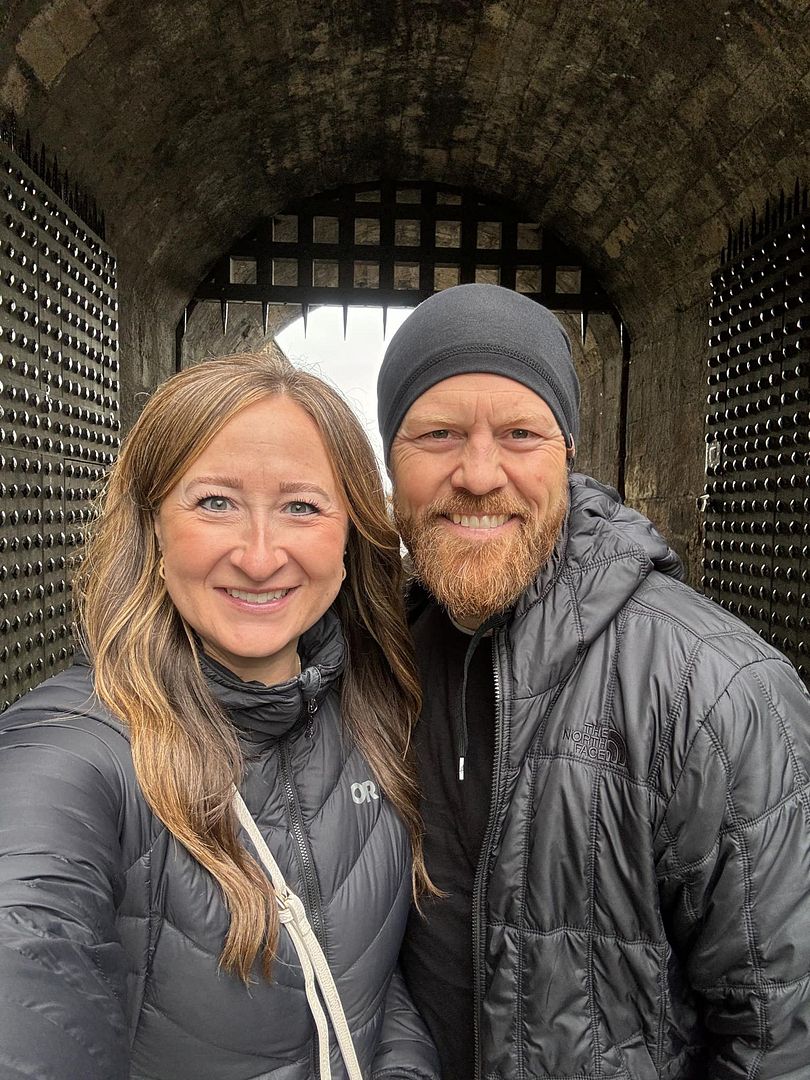
It was breezy!

On the way to Snowshill we passed The Broadway Tower.
St. Barnabas Church in Snowshill

Snowshill village sits on the top of the escarpment above the villages of Broadway, Buckland, and Laverton. It is a secluded village where ancient pretty cottages and a 19th century church cluster around a small green. As its name implies – if there is any snow about then you will find it here first.

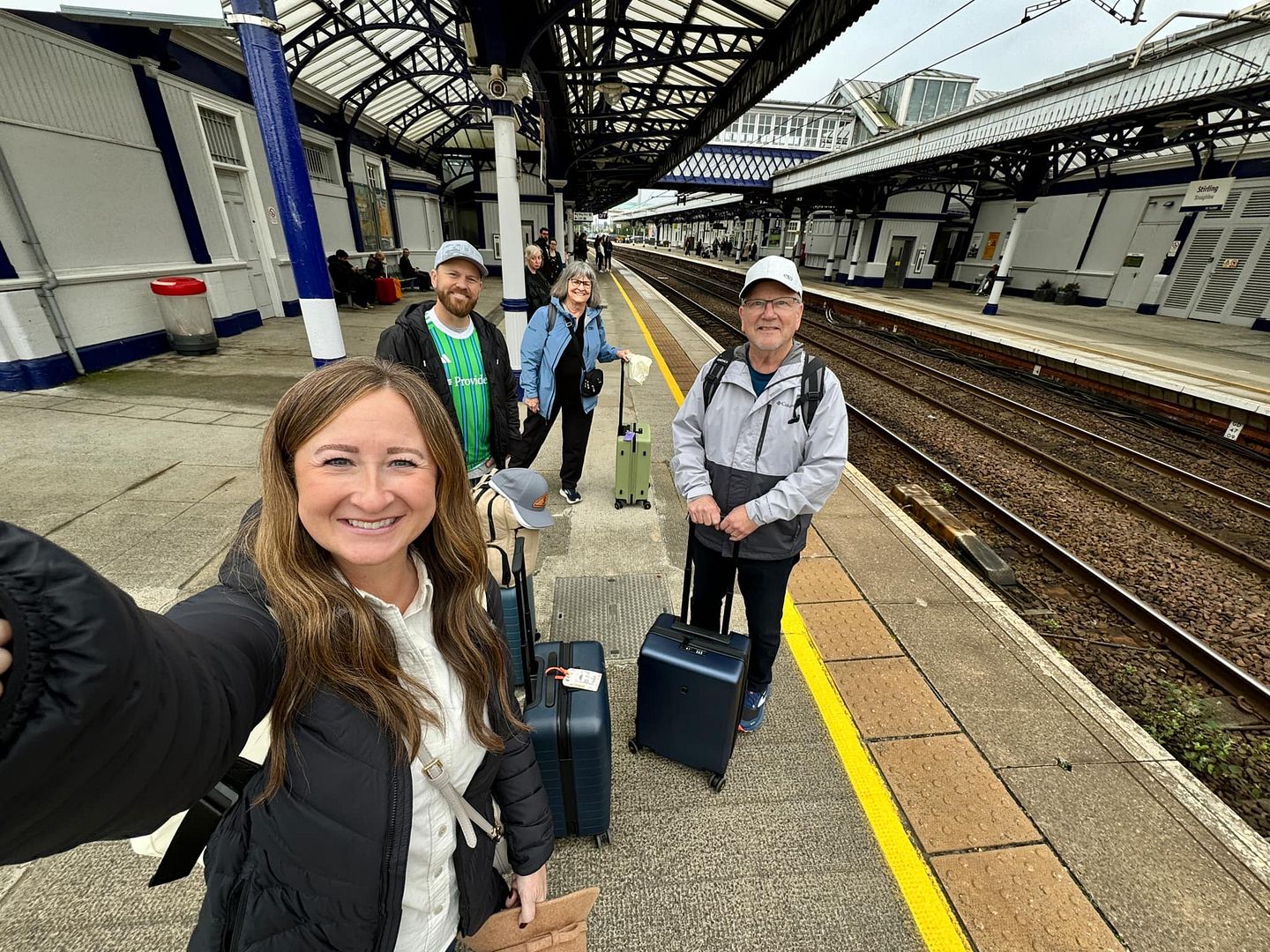
This was our tour group on this day.

In 2014 Dear and I enjoyed this little village and my post is here.

The weather was good with beautiful skies. Our next stop was Moreton in Marsh where we would enjoy some lunch which left little time to explore.

I hurried from our lunch table at the Talbot Inn so I could get some photos of the wonderful door on the back side of St. Edward’s Church.

If you walk around the churchyard towards the north porch, you will stumble upon what’s known locally as ‘The Yew Tree door’ or ‘The Hobbit door’.

“Speak friend and enter”

In 2014 we had more time in Stow on the Wold and my posts with more information are here and here.

Next time the villages of Bourton on the Water and Bibury.


Lake Pend Oreille

Lake Pend Oreille in the northern Idaho Panhandle is the largest lake in the U.S. state of Idaho and the 38th-largest lake by area in the United States, with a surface area of 148 square miles. Lake Pend Oreille is Idaho’s biggest, at 43 miles long with 111 miles of shoreline. It’s also the deepest (at 1,158 feet deep, there are only four deeper lakes in the nation).

These views of the lake were taken in Sandpoint, Idaho at City Beach on the far northwest shore of the lake.

On Saturday October 29th our conference sessions ended in the early afternoon so we drove to City Beach to enjoy a walk along the shore of Lake Pend Oreille. After our walk we had a meal at Trinity, a restaurant with views of the lake and beyond.

We were surprised to find ‘Lady Liberty’ visiting Idaho.

The lake is “located amid three major frontal ranges of the northern Rocky Mountains, it has natural splendor galore to go with a fascinating human and natural history”.

“Lake Pend Oreille is known for its Kamloops (a species of giant rainbow trout), Mackinaw and Kokanee salmon. Kamloops and Mackinaw exceeding 20 pounds are not unusual in the lake, which has seen its fishery rebound in recent years.”

After our meal we drove back to the hotel for the night. We had one more conference session to attend on Sunday morning before we would drive back to Washington State and home.

I’ll add some of our views driving home on Sunday via Highway 2. Our route took us along the Pend Oreille River. “The Pend Oreille River is a tributary of the Columbia River, approximately 130 miles long, in northern Idaho and northeastern Washington in the United States, as well as southeastern British Columbia in Canada. In its passage through British Columbia its name is spelled Pend-d’Oreille River.”

We enjoyed the small towns and Fall colors along the way.

Today, Friday, we are driving home from the western side of Washington. We might be dealing with some snow over the pass so we are happy that our winter tires are on our vehicle. We’ve been taking advantage of those high gas prices (over $4) along the way during our back to back road trips, snicker. Gasoline was a little cheaper in Idaho compared to Washington, btw. It was smooth sailing driving from East to West on Wednesday. Hopefully the same will be true today going West to East, today.

Sandpoint Idaho

Traveling north on US Route 95 from Coeur de Alene, Idaho we crossed the Long Bridge over the Pend Oreille River into Sandpoint, Idaho. Further north we checked into our hotel for the weekend. We got back in the car and drove into the downtown historic district of Sandpoint.

The historic homeland of the Kalispel Indian tribe, Sandpoint began to experience white settlement when fur trappers under the direction of North West Company agent and surveyor David Thompson built a trading post on the Hope peninsula in 1809. Thompson described the peninsula where Sand Creek empties into Lake Pend Oreille as a “pointe of sand,” an apt name for the village and town that would eventually grow up there.

We crossed this Bridge and went down the steps to the Sandpoint Byway Trail and walked north on the trail for a distance.

We didn’t walk on to City Beach and would explore that side of the highway on Saturday.

More history of Sandpoint can be found here.

When we got back to our car I saw some graffiti that looked interesting in an alleyway and went across the street to take some photos while Dear waited in the car.

Before we drove back to register for our conference we stopped at The Hydra Steakhouse for an appetizer and refreshment.


The conference started out very well with great information and met some lovely people.

The Martyrs ~ Oxford and Beyond

By After Conrad Grale – British Museum

Since today is Reformation Day I decided to share my photos from Oxford taken this past September of the Martyr’s Memorial and other history linked to the Martyrs. But first I’m linking to What is Reformation Day All About at Ligonier.org

On October 31, much of the culture will be focused on candy and things that go bump in the night. Protestants, however, have something far more significant to celebrate on October 31. It’s Reformation day, which commemorates what was perhaps the greatest move of God’s Spirit since the days of the Apostles. But what is the significance of Reformation Day, and how should we consider the events it commemorates?

To read more of this history click on the link above.

More about what Reformed means in primer form can be found here.

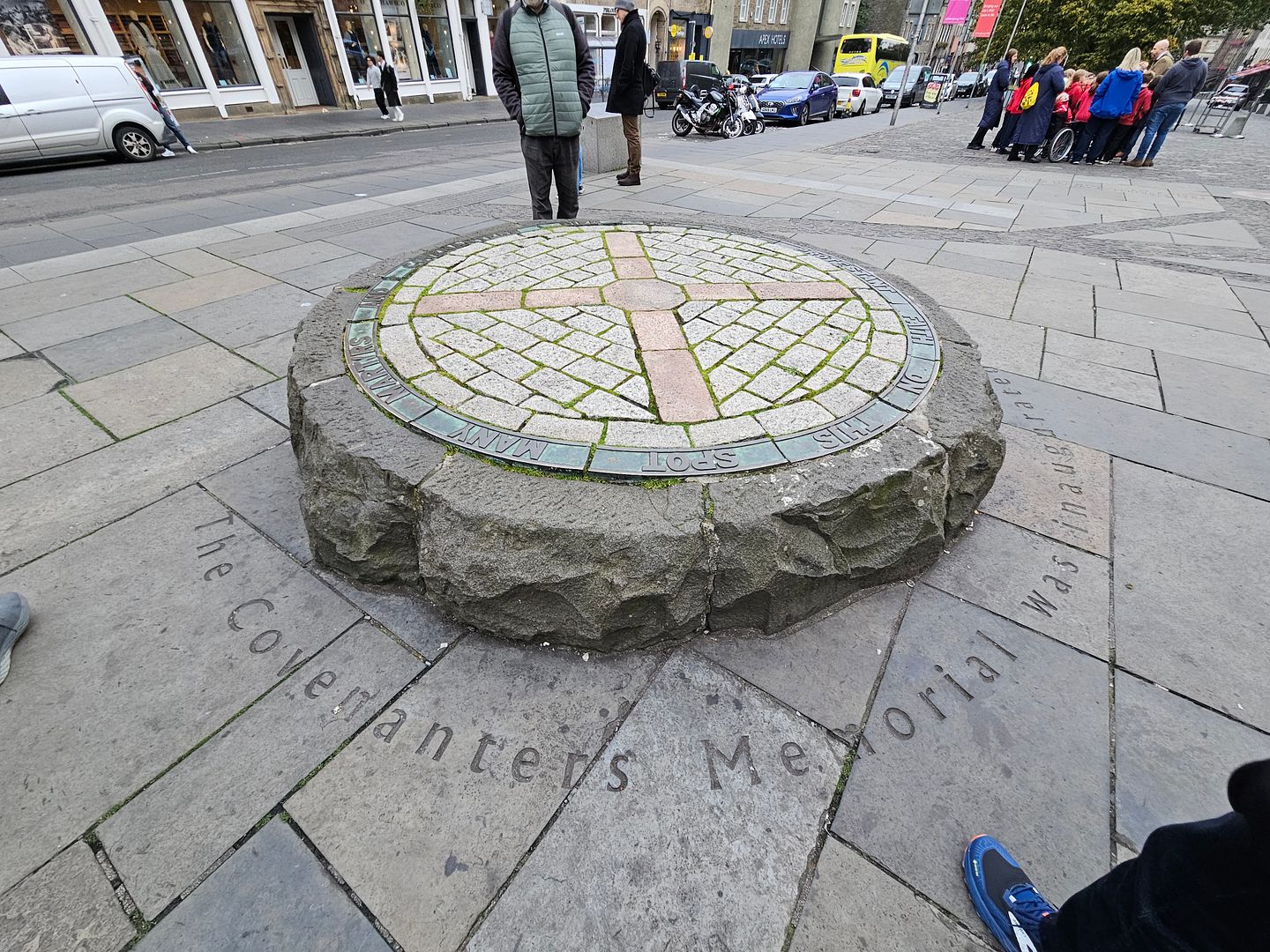
Where St. Giles’ becomes Magdalen Street in Oxford you can’t miss this memorial to the Oxford Martyrs.

Cranmer

Latimer

Ridley

Two men stood back to back at the stake.  As a large crowd watched, a heavy chain was passed around their waists to hold them fast.  A fagot was kindled.  At the sight of the flame, the older of the two men gave utterance to the noblest and shortest sermon he ever gave in his long life of preaching.  “Be of good comfort, Master Ridley, and play the man.  We shall this day light such a candle by God’s grace in England as I trust shall never be put out.”

These lines have become among the most famous lines in English church history.  The chain that bound Latimer and Ridley together on that morning of October 16, 1555, has continued to bind them together in the common mind.  Today, it is almost impossible to think of Latimer without also thinking of Ridley.

This is the spot on Broad Street where Ridley and Latimer were burned at the stake.

I came across this very thorough YouTube on the Oxford Martyrs.

The above explanation is posted in the University Church of St. Mary on the pillar mentioned below.

Archbishop Cranmer and Bishops Ridley and Latimer were twice tried for heresy in St. Mary’s church during Catholic Queen Mary’s attempt to reverse the Reformation. Ridley and Latimer were burned at the stake in 1555: Cranmer then recanted. In 1556 he was again brought to St. Mary’s: this pillar had been cut away to allow the building of a low platform from which he was to make his submission. At the last moment he withdrew his recantation. He walked away from the church to the fire with a firm step and smiling countenance, putting first into the flame the hand with which he had signed his recantation.

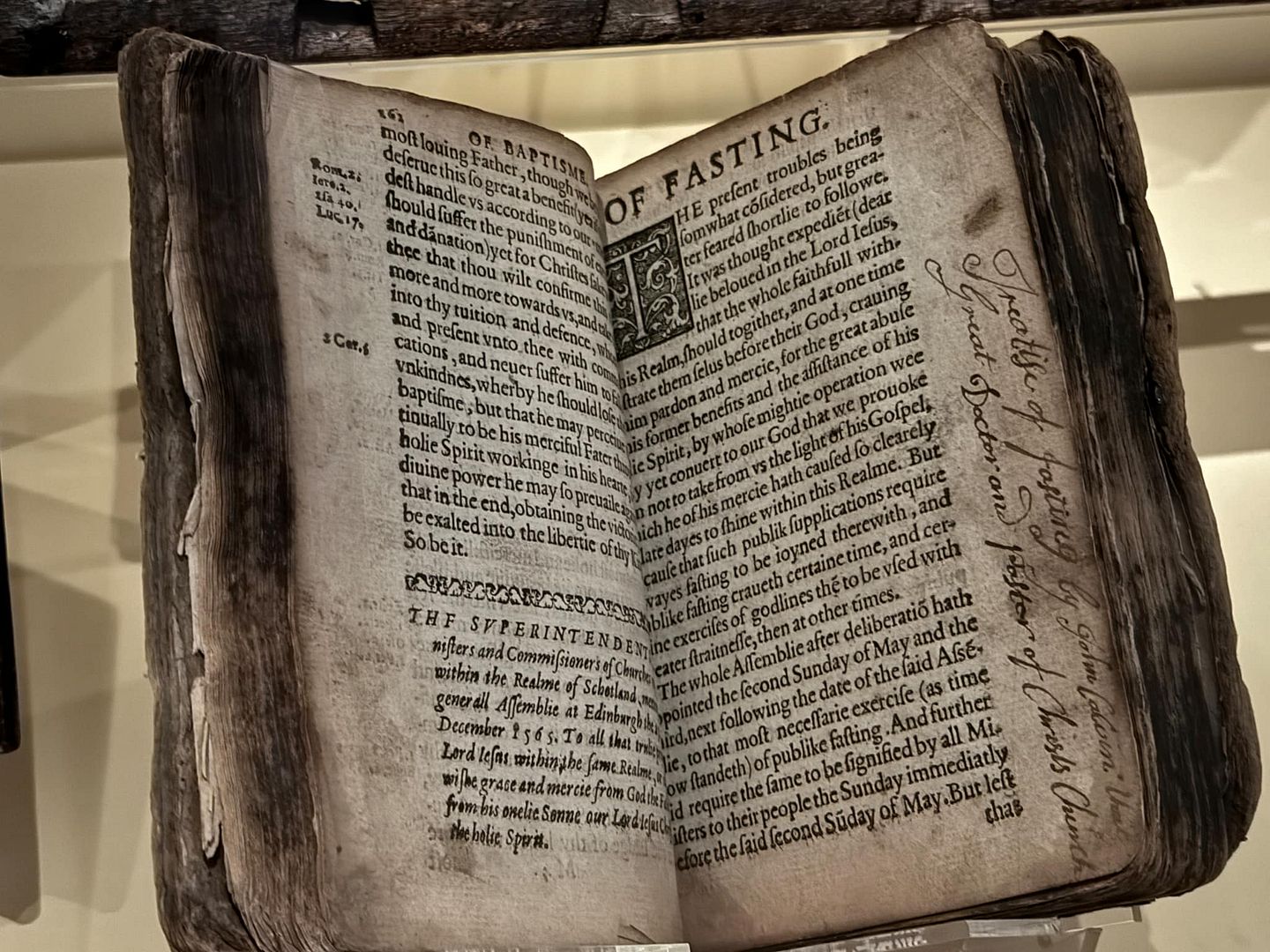
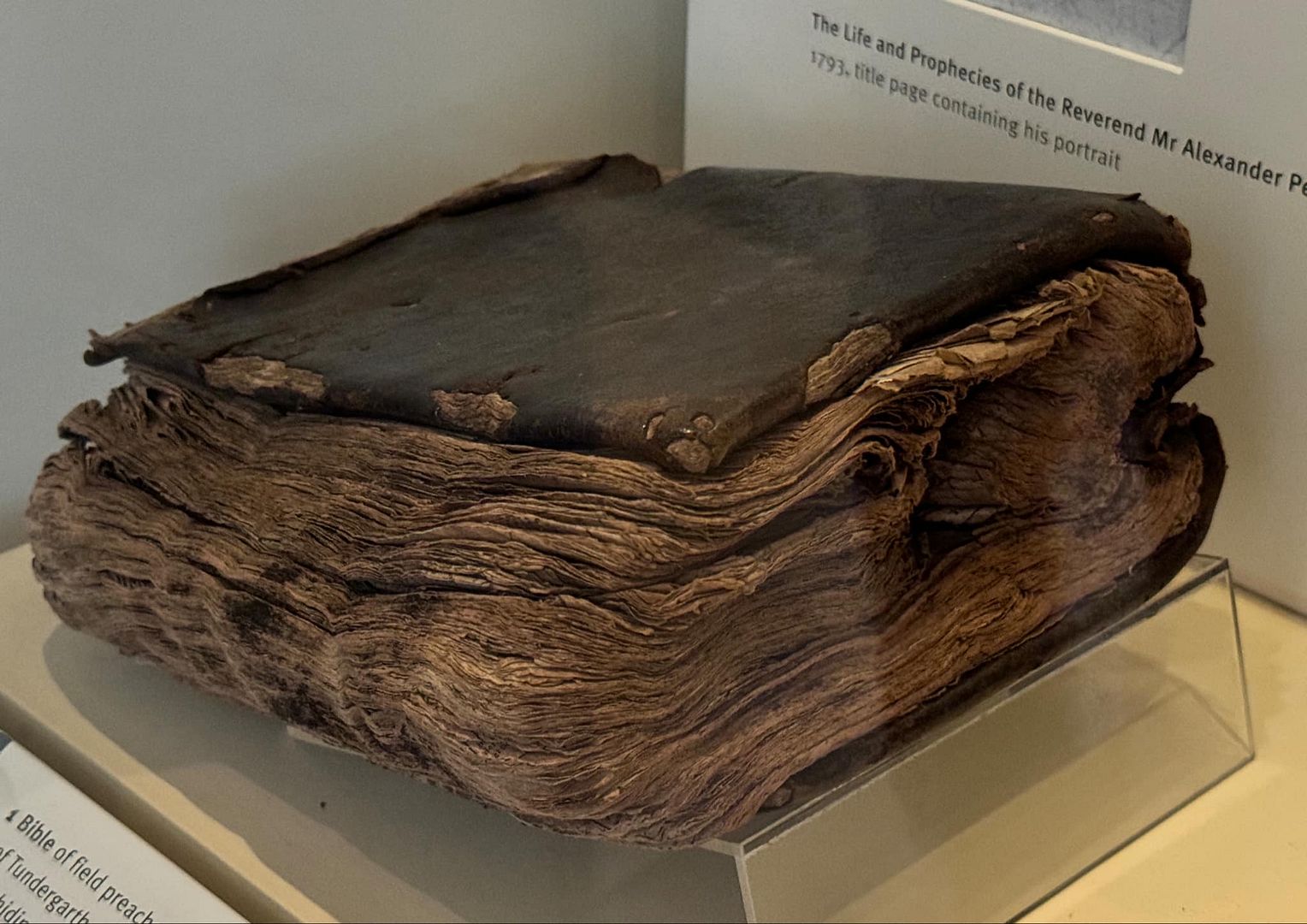
This next quote is from Drawing Near daily readings by John MacArthur ~ I have a friend who has a beautiful collection of rare Bibles. My favorite is one of the earliest printed copies, dating back to sixteenth-century England. The first time I held it in my hands I noticed that the top third of every page was covered with a dark stain. Tears filled my eyes when I realized it was from the blood of its original owner.

My friend explained that when Bloody Mary ruled England, she delighted in terrorizing Protestants and murdering as many as she could. Her soldiers would execute their victims through some bloody means, then take his or her Bible and dip it into the blood. Some of those Bibles have been preserved and are known as Martyrs’ Bibles. Scientists have confirmed that the dark stains on every page of my friend’s Bible are, indeed, human blood.

That same Bible is well worn from being studied. And many of its pages have water stains on them—perhaps from tears. Obviously it was someone’s most precious possession, and his or her blood is there to prove it. 

More and more we are finding importance in knowing the past history of the church.

HT: Discerning History


A Mighty Fortress is Our God ~ Hymn

A Mighty Fortress is Our God

A mighty fortress is our God,
A bulwark never failing;
Our helper He, amid the flood
Of mortal ills prevailing:
For still our ancient foe
Doth seek to work us woe;
His craft and power are great,
And, armed with cruel hate,
On earth is not his equal.

Did we in our own strength confide,
Our striving would be losing;
Were not the right Man on our side,
The Man of God’s own choosing:
Dost ask who that may be?
Christ Jesus, it is He;
Lord Sabaoth, His name,
From age to age the same,
And He must win the battle.

And though this world, with devils filled,
Should threaten to undo us,
We will not fear, for God hath willed
His truth to triumph through us:
The Prince of Darkness grim,
We tremble not for him;
His rage we can endure,
For lo, his doom is sure,
One little word shall fell him.

That word above all earthly powers,
No thanks to them, abideth;
The Spirit and the gifts are ours
Through Him who with us sideth:
Let goods and kindred go,
This mortal life also;
The body they may kill:
God’s truth abideth still,
His kingdom is forever.

Words and Music: Martin Luther, 1529.

This song has been called the great­est hymn of the great­est man of the great­est per­i­od of Ger­man his­to­ry, and the Bat­tle Hymn of the Re­for­ma­tion. It was sung at the fun­er­al of Am­er­i­can pre­si­dent Dwight Ei­sen­how­er at the Na­tion­al Ca­thed­ral in Wash­ing­ton, DC, March 1969.

Christ Church College ~ 3

Charles Lutwidge Dodgson, better known as Lewis Carroll attended Christ Church at Oxford and this is where he found inspiration for Alice in Wonderland.

The character of Alice is based on a girl called Alice Liddell, who was the daughter of the Dean of Christ Church at the time.

The Alice stories were first created one legendary ‘golden afternoon’ on 4 July 1862. While entertaining the three Liddell sisters, Alice, Lorina and Edith, during a boating trip, Dodgson improvised the story that would become Alice’s Adventures in Wonderland.

In the dining hall at Christ Church, there is a tiny tribute to Alice in Wonderland in the stained glass. In the bottom left of one of the stained glass panels is a small Alice in Wonderland with long blonde hair in her iconic blue dress. In the centre of the panel is a girl’s face and this is Alice Liddell.

If you are an Alice in Wonderland fan you can read more of the real story behind the book here.

Truth be told, I’m not one of those fans and we do not own a copy of Alice in Wonderland but I do find the story behind the story very interesting. It’s interesting to me how books by C.S. Lewis, Beatrix Potter, and Carroll stemmed from letters they sent to young ones in their lives or from entertaining the children in their lives.

Across the street from Christ Church is Alice’s Shop.

Formerly the grocer’s where Alice Liddell would buy her favorite barley sugars and the inspiration for the Old Sheep Shop in Carroll’s Through the Looking Glass (1871), when Alice finds herself: in a little dark shop, leaning with her elbows on the counter, and opposite to her was an old sheep, sitting in an arm-chair knitting.’ from Walking Oxford 1,000 years of history in 8 walks by Vicky Wilson. I highly recommend this guide book if you are going to spend some time in Oxford.

As we walked out of our tour and headed back to St. Aldate’s via Broad Walk (the tourist entrance to Christ Church College) we noticed this quotation inscribed on  the path from John Bunyan’s, The Pilgrim’s Progress.

My Sword I Give to Him That Shall Succeed In My Pilgrimage. ~ John Bunyan

Speaking of John Bunyan, we visited Blackwell’s Bookstore and their famous Norrington room in the basement, the largest bookselling room in the world. Hmm…but not one book by John Bunyan to be had in this huge collection of books. I wanted to buy a copy of The Pilgrim’s Progress while in England but I had no success.

We did find a copy of Grace Abounding ~ The Life and Death of Mr. Badman by Bunyan in St. Philips Books for ten pounds. This bookstore was a couple shops away from Alice’s shop. A very small shop.

I’m in the process of reading The Pilgrim’s Progress. It’s not a quick read for me. It was first published in 1678.

Here are some of the descriptions written about The Pilgrim’s Progress;

An enormously influential 17th-century classic, universally known for its simplicity, vigor, and beauty of language, The Pilgrim’s Progress remains one of the most widely read books in the English language.

The Pilgrim’s Progress, religious allegory by the English writer John Bunyan, published in two parts in 1678 and 1684. The work is a symbolic vision of a Christian man’s pilgrimage through life. At one time second only to the Bible in popularity, The Pilgrim’s Progress is the most famous Christian allegory still in print.

John Bunyan: Born at Elstow, near Bedford, in 1628, the son of a brazier. Served in the Civil War on the Parliamentary side. Became a preacher in 1657; and pastor of a congregation in Bedford, 1671. Intermittently imprisoned for preaching from 1660 to 1672, and again in 1675. Died in London on 31st August 1688.

Have you ever read The Pilgrim’s Progress?

Christ Church College ~ 2

Today we will go that way…

A fair warning: This post will be long with lots of photos!

The Grand Staircase where Professor McGonagall met new students arriving at Hogwarts.

A more well-known Harry Potter filming location is the stairwell, leading up to the Great Hall.

These iconic Harry Potter steps were used in multiple films, but they are mostly known for the grand arrival of the students at Hogwarts on their very first day at Hogwarts.

Now we move on to the dining hall that was the inspiration for the dining hall in the Harry Potter series. This great hall is filled with non-fiction history and not just the fiction of J.K. Rowling and Lewis Carroll.

The Christ Church College Dining Hall is the largest in Oxford, seats 300, and is known for its stained glass, hammerbeam roof and portrait collection.

The Dining Hall at Christ Church has dozens of paintings hanging on all four of its walls. This is the wall at the one end of the hall and features paintings of Henry VIII in the middle and Elizabeth 1 to the left. To the right of the King is Cardinal Thomas Wolsey(1475-1530), Lord Chancellor of England (1515-1529).

Christ Church College was founded during the reign of King Henry VIII in the early 16th century.  It is the only college that was founded by King Henry VIII’s Lord Chancellor of England, Cardinal Thomas Wolsey. It was founded in 1524 and originally called Cardinal College, named after Wolsey himself. He was a product of Oxford, having graduated from Magdalen College. The founding of his own college was a great undertaking, and one that could only increase his already-impressive status. He was not only one of the wealthiest men in England, but also one of the most powerful.

Cardinal Wolsey fell out of grace with Henry the VIII when he failed to secure an annulment for the King and his marriage to Katherine of Aragon. He was charged with allegiance to a foreign power (Rome and the Pope). He was forced to hand over all properties to the King. The college was known for some time as “King Henry VIII’s College,” and finally named Christ Church College by King Henry in the year 1546 – one year before his death.

There’s a lot more interesting history from this college but I’ll let you discover it if you wish.

Looks like I’ll need one more post in the Christ Church College series to cover Lewis Carroll and Alice in Wonderland. Till next time, cheers!

Christ Church College Part 1

On Wednesday morning September 14th we ate breakfast out at The Breakfast Club on the upper level of Westgate Shopping Center. After breakfast we made our way to Christ Church College via Brewer Street right past the home where Dorothy Sayers was born. We’ve enjoyed many books by Sayers like her Lord Peter Wimsey series. She was a friend of C.S. Lewis and J.R.R. Tolkien. She was baptized by her father in Christ Church Cathedral.

We walk past the front of the college where it’s famous Tom Tower looms onto the Oxford Spire skyline.

We crossed St. Aldates and continued on Broad Walk to the Christ Church Gift Shop to buy our tickets for our tour of Christ Church College.

Our tickets were discounted since the Cathedral was closed to visitors during the Mourning Period for the Queen. Christ Church College was the most commercialized tour and restricted of the colleges we visited. You had to wear a lanyard attached to an electronic tour guide and you got head phones for listening. All the paths were marked and restricted areas marked, too. Not my favorite way to tour but for many it’s a great way to get all the information you need as you walk through.

Christ Church is one of the most famous Oxford colleges for several reasons: its size, its wealth, its grandeur and, to the current generation Harry Potter. But this college’s history spans back over 500 years as Christ Church was founded in 1546 by King Henry VIII.

The tour visitor door is off of Broad Walk across from the Gift Shop. This was the only college to our knowledge that had a gift shop, too.

Christ Church was founded in 1546, and there had been a college here since 1525, but prior to the dissolution of the monasteries, the site was occupied by a priory dedicated to the memory of St Frideswide, the patron saint of both university and city.

Christ Church receives over half a million tourists each year

We’ll go that way in my second post about Christ Church. Today we’ll cover the outside and the small courtyard and beautiful cloisters.

As you approach the “Harry Potter steps” at Christ Church, which lead up to the dining hall, you will notice a curious form of graffiti on a door to the right.

On an old brown door, there is the word “Peel”, with each letter formed out of very small circles.

This is the oldest form of graffiti on record and the door was marked in protest against the Sir Robert Peel who was the British Prime Minister in the early nineteenth century.

The reason it looks like there are lots and lots of tiny circles making up the word is because the name “Peel” was marked onto the door with nails.

Past the ‘No Peel’ door we head out to Tom Quad but have to turn right to the Courtyard that will eventually lead us out of the college.

I was happy to be able to see Tom Quad even though we couldn’t walk around the Quad.

The plaque on the left reads Culham College, Founded by Bishop Samuel Wilberforce, to prepare school teachers to serve children within the Diocese of Oxford and well beyond its borders. 1852-1979

Samuel Wilberforce, FRS was an English bishop in the Church of England, and the third son of William Wilberforce. Known as “Soapy Sam”, Wilberforce was one of the greatest public speakers of his day. He is now best remembered for his opposition to Charles Darwin’s theory of evolution at a debate in 1860.

The Cloisters here were used in filming of Harry Potter movies, too.

After touring the courtyard and cloisters around the courtyard we exited the college.

My second post from Christ Church College will cover the Harry Potter and Lewis Carroll connections.