Tea Week Two ~ Litera Tea

Photobucket is holding all my photos from 2007-2015 hostage. I’m working on updating my blog posts very slowly.

 Samovar

During the 19th century, samovars gained increasing popularity in major cities, such as St. Petersburg and Moscow, and became inseparably bound to the Russian way of life.

Classics of Russian literature, like Pushkin, Gogol and Chekhov, regularly mention samovars in their works. Chekhov even coined an idiom: “to take one’s own samovar to Tula”. This phrase is still understood and occasionally used by Russians, with a meaning similar to the English “to carry coals to Newcastle”.

“To carry Coals to Newcastle, that is to do what was done before; or to busy one’s self in a needless imployment.”

 Railroad companies in Russia recognized the practicality and popularity of samovars, and fitted long-distance sleeping cars with them. Luxurious cars of the Trans-Siberian railroad were first to adopt this custom. Gradually, the samovar in a railroad car was replaced by the boiler of potable water, known as титан (titan) in the Soviet Union

From Wikipedia, the free encyclopaedia:
A samovar (Russian: самовар, literally “self-brewer”) is a heated metal container traditionally used to brew tea in and around Russia, as well as in other Slavic nations, Iran and Turkey.

A traditional samovar consists of a large metal container with a faucet near the bottom and a metal pipe running vertically through the middle. The pipe is filled with solid fuel to heat the water in the surrounding container. A small smokestack is put on the top to ensure draft. After the fire is off a teapot could be placed on top to be kept heated with the passing hot air. The teapot is used to brew the заварка (zavarka), a strong concentrate of tea. The tea is served by diluting this concentrate with кипяток (kipyatok = boiled water) from the main container, obtaining a lighter or darker brew function of drinkers’ tastes.

“To have a sit by samovar” means to have a leisurely talk while drinking tea from samovar, and it is a Russian expression reflecting the popular attitude towards its use.

In older times it was an economic continuous source of hot water. Various slow-burning items could be used for fuel, such as charcoal or dry pinecones. When necessary, the fire in the samovar pipe was quickly rekindled with the help of bellows manufactured specifically for this use.

In modern times, the samovar is mostly associated with Russian exotica and nostalgia.  During the Olympic games of 1980, an incredible amount of samovars were sold to visitors from abroad, thus affecting the samovar: it gained international recognition and became a symbol of Russia.

I don’t ever remember using tea-cups in our Russian gatherings for tea. Typically a glass was used served with a bowl under it. Many of the children and older folk would pour their tea into the bowl and drink it out of the bowl. There were fancier glass holders called podstakahnyik that I’ve posted a couple of pictures of here. Literally translated it means under the glass. Any Russians out there can correct me if I got that wrong. Russia has two national drinks, tea (chai) and vodka.

Tea is “Chai” in russian, (not the now popular Chai drink you find at Starbuck’s). Chai is just plain old steeped tea with boiled water added to your desired strength.  In our Russian culture it is an important part of a meal. We usually have it at the end of a meal. Many times we’ll have it in the middle of the day too. It’s has been associated with rest, comfort and refreshment. It’s just common for us to say at the end of the meal, “Chai?”  or “Who wants Chai?”

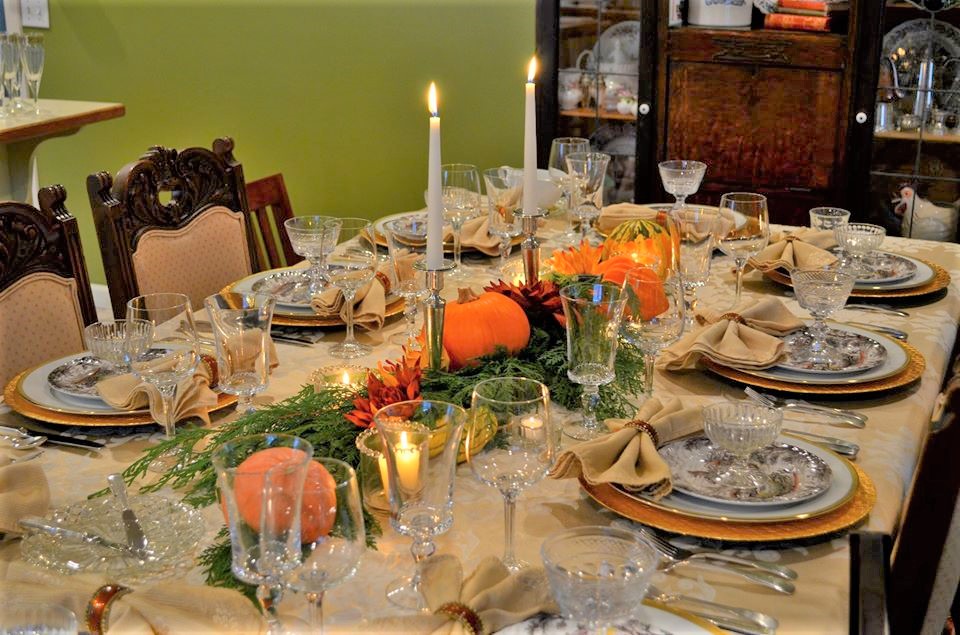
When I have my “russian” crowd over these are what I serve chai in. I have 12 of them and they are perfect to see the strength you want your tea to be. Some add lemon, some add cream, some have it black. I’ll have to share in a later post the varenya that my mom and other russian ladies make to add to tea. It’s a fruit based syrupy liquid to sweeten and flavor your tea instead of sugar.

For more Litera Tea posts click over to Gracious Hospitality.

Legend of the Dogwood ~ Easter


~~~~

The Legend of the Dogwood

There is a legend, that at the time of the Crucifixion the dogwood had been the size of the oak and other forest trees. So firm and strong was the tree that it was chosen as the timber of the cross. To be used thus for such a cruel purpose greatly distressed the tree, and Jesus, nailed upon it, sensed this, and in His gentle pity for all sorrow and suffering said to it: “Because of your regret and pity for My suffering, never again shall the dogwood tree grow large enough to be used as a cross. Henceforth it shall be slender and bent and twisted and its blossoms shall be in the form of a cross. ..two long and two short petals. And in the center of the outer edge of each petal there will be nail prints, brown with rust and stained with red, and in the center of the flower will be a crown of thorns, and all who see it will remember.”
I recognize that this is just a legend but I wanted to post this entry because I’ve always loved the Dogwood blooms. If I look at them and think about what my Savior did for me that’s a good thing. He created the tree, the beautiful bloom, and you and me to enjoy it! Praising God this Easter season for His sacrifice on behalf of us.

Here are some interesting facts about the dates that Easter falls on;

Easter is always the 1st Sunday after the 1st full moon after the Spring Equinox. This dating of Easter is based on the lunar calendar that Hebrew people used to identify passover, which is why it moves around on our Roman Calendar.

Here’s the very full moon from last night 3-21-08 that caused Easter to be so early this year!

This year is the earliest Easter any of us will see for the rest of our lives! The next time Easter will be this early is in the year 2228 (220 years from now).

The earliest calendar date on which Easter can fall is March 22nd and the latest date it can fall is April 25th.

Next year in 2009 Easter will be on April 12th!

Happy Easter Everyone…

Poetry of the Cross

Over at Rebecca Writes there are links to posts with the theme of the Poetry of the Cross. This is something I found that I’ll contribute during this Holy Week.

I found this old book on our bookcase that Dear’s parents owned. It is called The Gospel in Art by Albert Edward Bailey copyright 1916.

I’m sharing this portion from the section RENI: “ECCE HOMO” John 19:1-5


Reni, Guido (1575-1642) Original: in the National Gallery, London.

“There is no denying that the thought of Christ’s suffering has been a powerful stimulus to the religious life of the past. Latin Christianity is full of it, and even Greek Christianity found inspiration in it. Hymns to the suffering Savior have sounded from many a monastery cell and have echoed sweetly down even to our own time. Take for example the wonderful hymn of Bernard, redolent of the midnight vigil and of modes of thought characteristic of his age, but of such beauty that every country and every Christian sect claims a share of it.

“O Sacred Head, now wounded,
With grief and shame weighed down;
Now scornfully surrounded
With thorn, thine only crown.
O Sacred Head, what glory,
What bliss till now was thine!
Yet though despised and gory
I joy to call thee mine.”

This hymn is one section of a long poem beginning “Salve mundi salutare,” addressed to the different members of Christ, “a most devout prayer of the Abbot St. Bernard, which he made when an image of the Savior with outstretched arms embraced him from the cross.” There is a still earlier hymn by Theoctistus of the Studium, Constantinople, less widely known but scarcely less beautiful in Neale’s translation. It is found in some of our hymnals under the first line, “Jesus, name all names above.” This hymn evidently arose under the same need as Bernard’s, and serves to show how all the harrowing details of suffering may be blended in thought with one’s highest spiritual good.

“Jesus, crowned with thorns for me,
Scourged for my transgression,
Witnessing in agony
That thy good confession.
Jesus clad in purple raiment,
For my evil making payment:
Let not all thy woe and pain,
Let not Calvary be in vain.”

When we visited the National Gallery we started in the religious art section with painting after painting of Christ on the cross. After a while I was eager to head to another part of the gallery. When I think of Jesus I do not typically picture Him on the cross at Calvary. I’m always eager to get from Good Friday (which my nephew thinks should not be called “good”) to Resurrection Sunday. I love to picture the Risen Christ, triumphant and victorious, after all that pain and agony. He Lives! Thanks be to God!

Photobucket is holding all my photos from 2007-2015 hostage. I’m working on updating my blog posts very slowly.

I is for Iona ~

It’s time for ABC Wednesday and this week we are on the letter I.

Come with me to the Isle of Iona in the Hebrides.

We traveled from the town of Oban on the western coast of Scotland by ferry to the Island of Mull and then we boarded a bus to travel down the Island to take a small ferry to the small Isle of Iona.

This little Isle is rich in history and beauty.

History of Iona

St. Columba, an Irish scholar, soldier, priest, and founder of monasteries, got into a small war over the possession of an illegally copied Psalm book. Victorious but sickened by the bloodshed, Columba left Ireland, vowing never to return. According to legend, the first bit of land out of sight of his homeland was Iona. He stopped here in 563 and established the abbey.

Columba’s monastic community flourished, and Iona became the center of Celtic Christianity. Iona missionaries spread the gospel through Scotland and North England, while scholarly monks established Iona as a center of art and learning. The Book of Kells – perhaps the finest piece of art from “Dark Ages” Europe – was probably made on Iona in the eighth century. The island was so important that it was the legendary burial place for ancient Scottish and even Scandinavian kings (including Shakespeare’s Macbeth).

Slowly the importance of Iona ebbed. Vikings massacred 68 monks in 806. Fearing more raids, the monks evacuated most of Iona’s treasures (including the Book of Kells, which is now in Dublin) to Ireland. Much later, with the Reformation, the abbey was abandoned, and most of its finely carved crosses were destroyed. In the 17th century, locals used the abbey only as a handy quarry for other building projects.

Iona’s population peaked at about 500 in the 1830’s. In the 1840’s a potato famine hit. In the 1850’s a third of the islanders emigrated to Canada and Australia. By 1900 the population was down to 210, and today it’s only around 100.

But in our generation a new religious community has given the abbey new life. The Iona community is an ecumenical gathering of men and women who seek new ways of living the Gospel in today’s world, with focus on worship, peace, and justice issues, and reconciliation.

The island is car free. While the present  abbey, nunnery, and graveyard go back to the 13th century, much of what you see today was rebuilt in the 19th century.

ht: history and other information taken from Rick Steves’ Great Britain

For more ABC Wednesday go see Mrs. Nesbitt.


Photo Hunters ~ Wooden

When I was at the San Buenaventura Mission last Monday I took this photo of a wooden bell that was in the museum. You can see more of my photos from the mission here.


Photobucket is holding all my photos I stored with them from 2007-2015 hostage. They have blacked out all those photos on my blog posts. OH BOTHER! I’m slowly cleaning up my posts.
For more Photo Hunters click here.

Sky Watch Friday ~

Photobucket is holding all my photos I stored with them from 2007-2015 hostage. They have blacked out all those photos on my blog posts. OH BOTHER! I’m slowly cleaning up my posts.


This was taken at the City Hall in the City of Ventura. This is Fray Junipero Serra who founded the Mission San Buenaventura. If you are interested in seeing more photos from the Mission he founded click here. The sky was clear and blue on this Saturday.


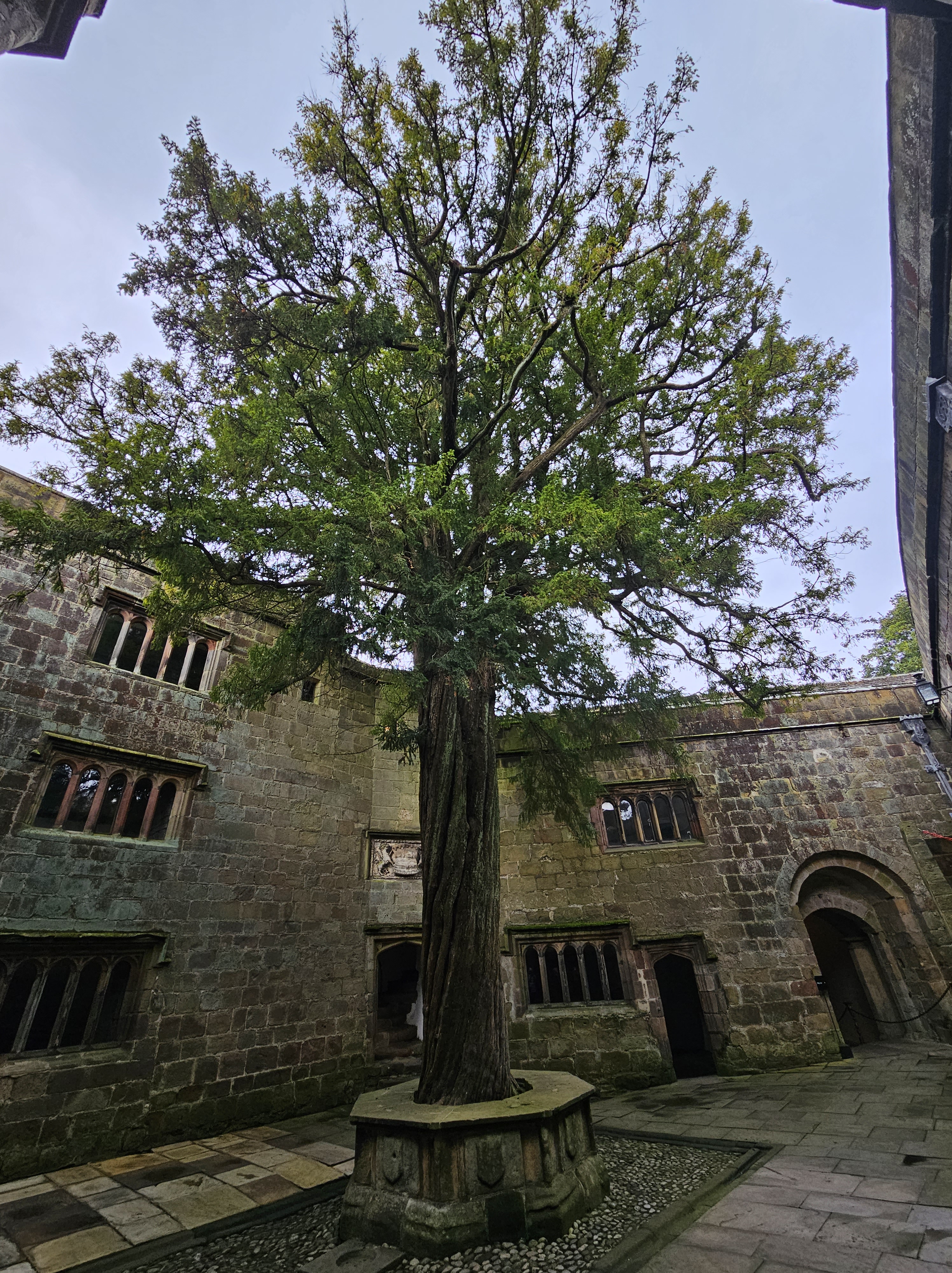
This great looking tree was kitty corner from the Statue and I liked how the sky looked through the branches.

This is the tree. I’ll need to do some research to see what kind of tree it is.

For more Sky Watch Photos click here.

Wildflowers in Winter ~ Week 6

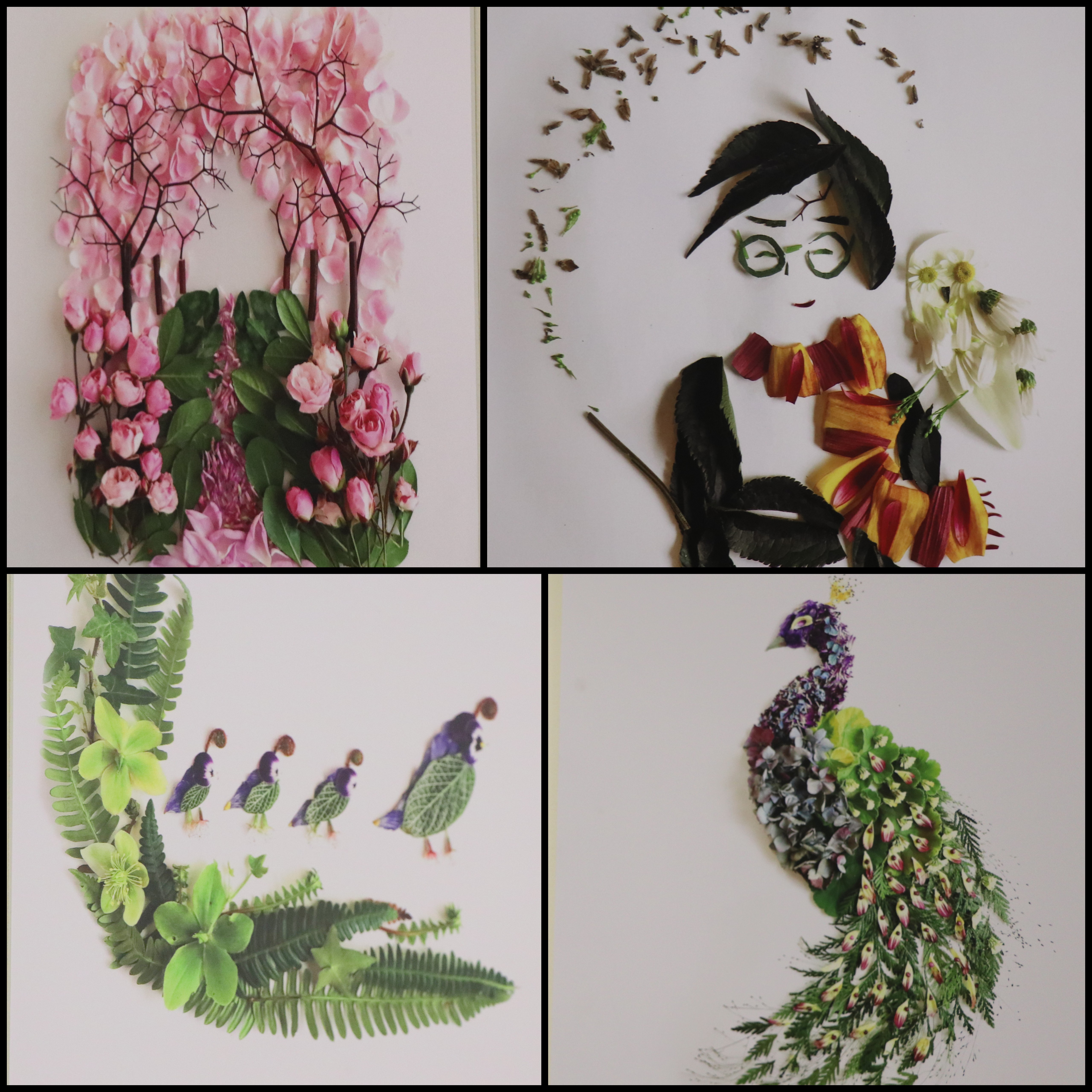
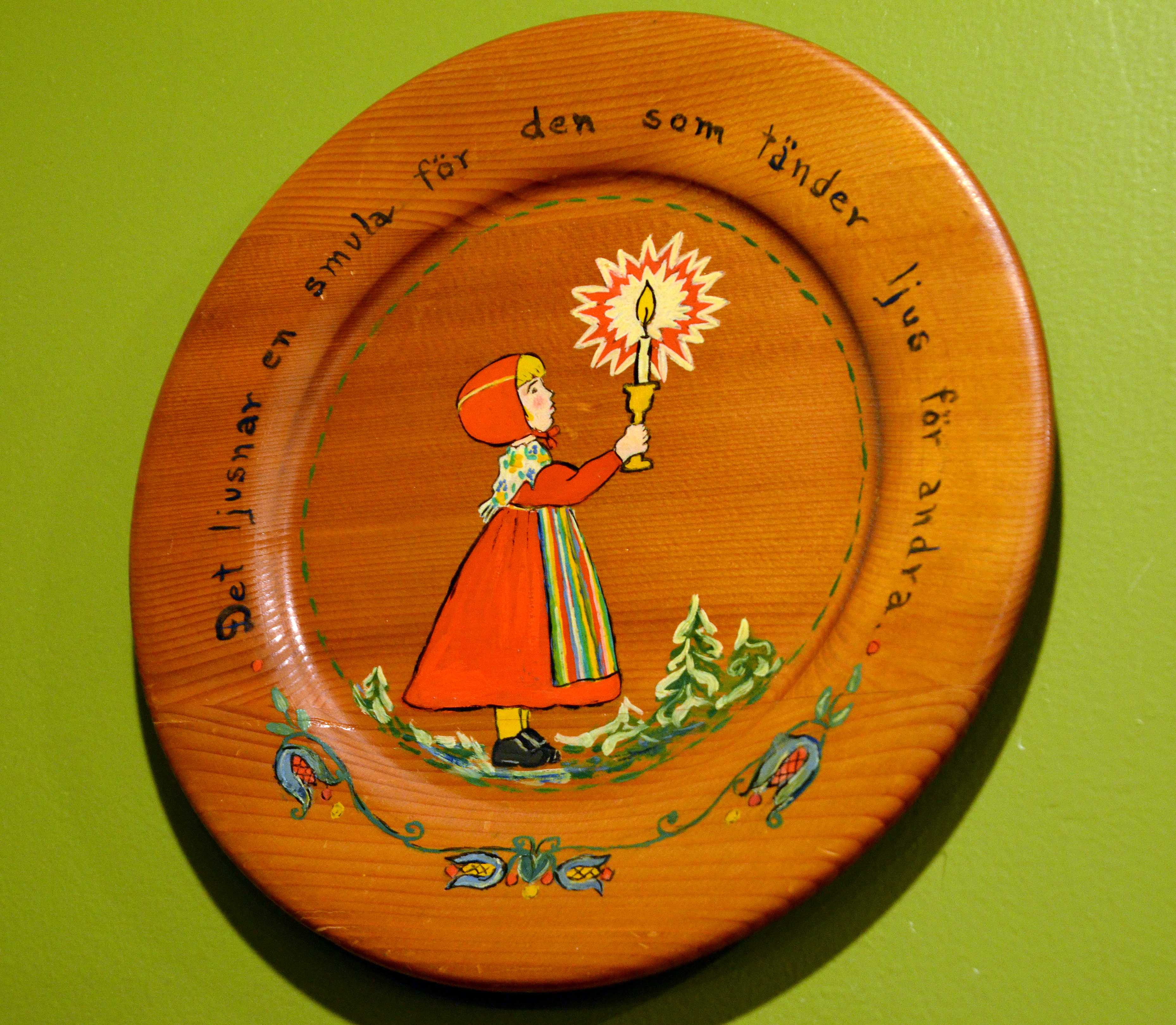
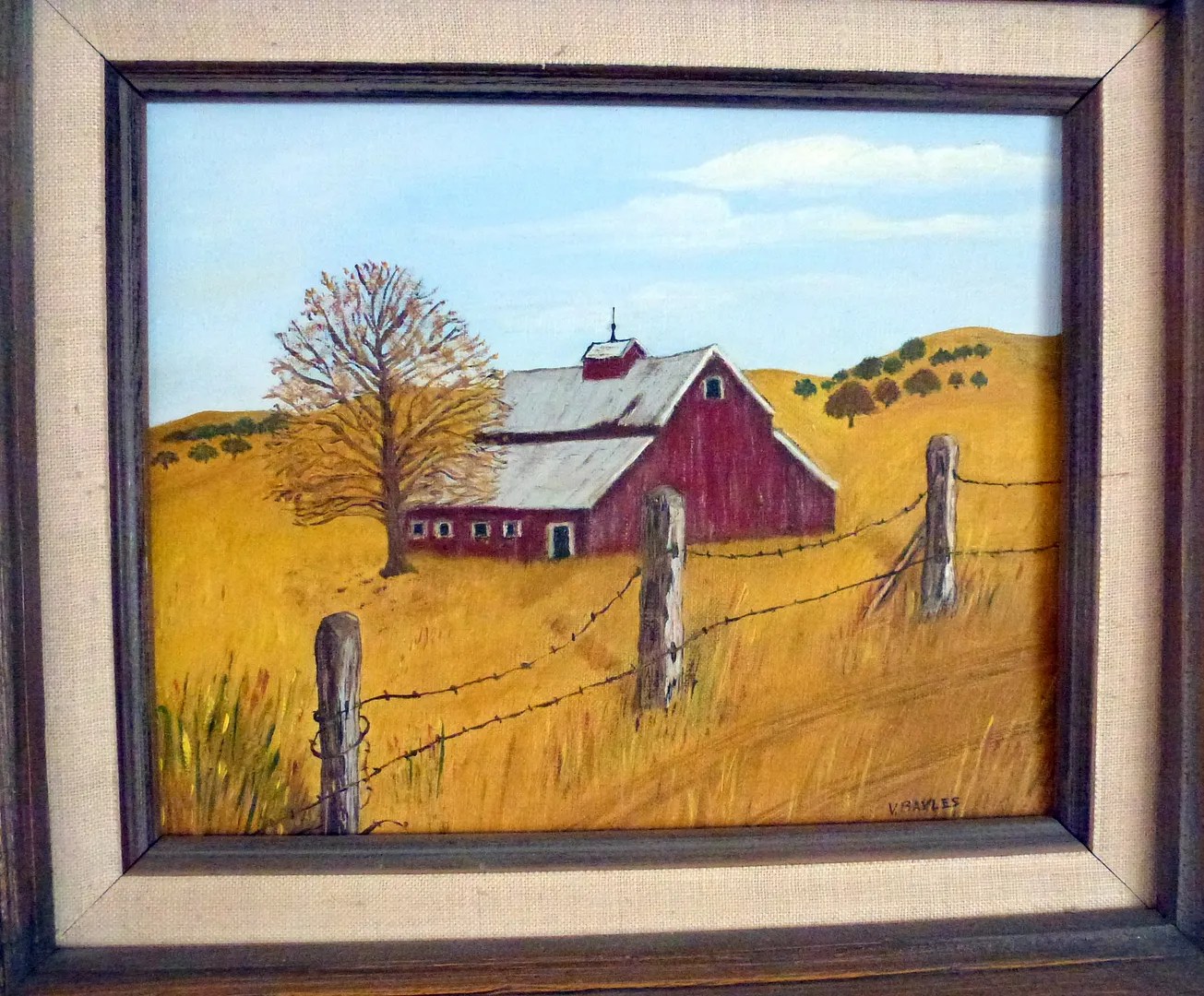
Week 6 – February 20 – 26. Wildflower Art – Share art made by you or someone else that features wildflowers.


I bought these two pieces at Goodwill a while back. I really was drawn to the Old Fashioned look. They are on a wall in the livingroom at my house in Washington.


These two tins that I enjoy have a cross-stitch looking design on them.
~
To see more Wildflower Art go visit Elizabeth Joy at Wildflower Mornings.
Photobucket is holding all my photos I stored with them from 2007-2015 hostage. They have blacked out all those photos on my blog posts. OH BOTHER! I’m slowly cleaning up my posts.

TT #22 ~ Mission San Buenaventura 1782

   On President’s Day I drove up to Ventura to do some thrift store shopping and I took a side trip to the Mission by the Sea. Here are 13 or more Photos from the mission. There are 21 California Missions and this Mission was the 9th Mission founded.

The founding of San Buenaventura Mission was foreshadowed well over two centuries ago on the Spanish isle of Mallorca, when a devout Franciscan priest, who was a brilliant scholar and professor of theology, earnestly prayed that he might be permitted to forsake his comfortable circumstances to take up the Lord’s work among the aborigines in the New World. The hoped-for answer to his prayers came on Palm Sunday, March 30, 1749.

Thirty-three years and one day later the zealous priest, Fray Junipero Serra- who had been subjected to painful sufferings and several brushes with death during his missionary ministry – raised the Cross at “la playa de la canal de Santa Barbara” (the beach of the Santa Barbara Channel) on Easter Morning, March 31, 1782. Assisted by Padre Pedro Benito Cambon, he celebrated a High Mass, preached on the Resurrection, and dedicated a Mission to San Buenaventura (St. Bonaventure). It had been planned as the third in the chain of twenty-one Missions founded by Padre Serra but was destined to be the ninth and last founded during his lifetime, and one of six he personally dedicated.


The Department of the Interior certified this Mission as a Historic Building and gave it permanent reference in the Library of Congress.


The front door to the Mission Chapel and Fray Junipero Serra


An antique confessional and other artifacts in the mission museum


The mission grounds and side door to the chapel


Inside the chapel


More photos from the grounds…


For more Thursday Thirteen click here.

ht: Information from Mission Brochure

Photobucket is holding all my photos I stored with them from 2007-2015 hostage. They have blacked out all those photos on my blog posts. OH BOTHER! I’m slowly cleaning up my posts.