

For April I’m challenging myself to an A-Z photo a day excluding Sundays and in addition to any regular posts that come to be.
Today is April 5th and we are on the letter E.

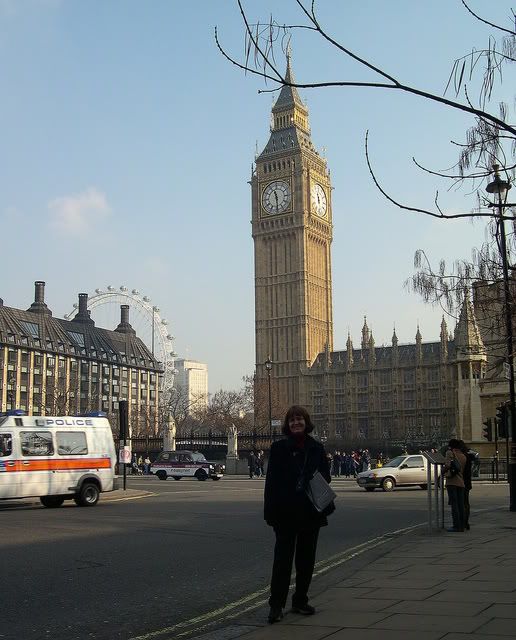
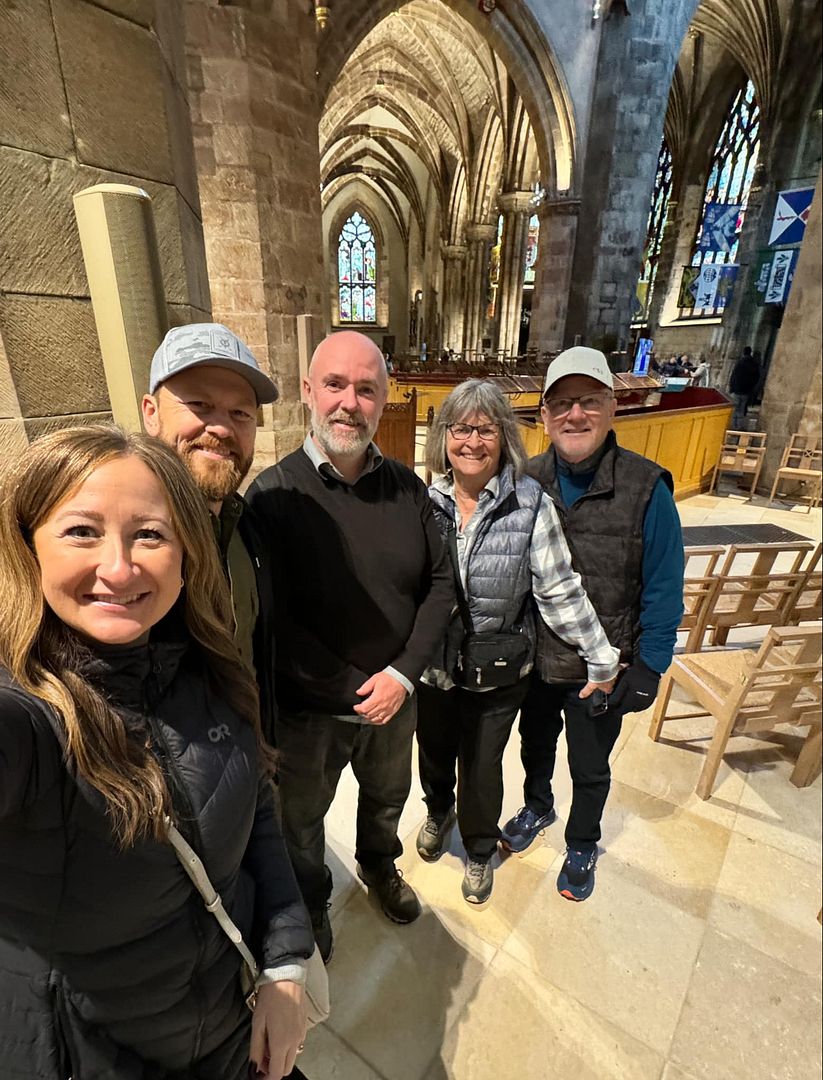
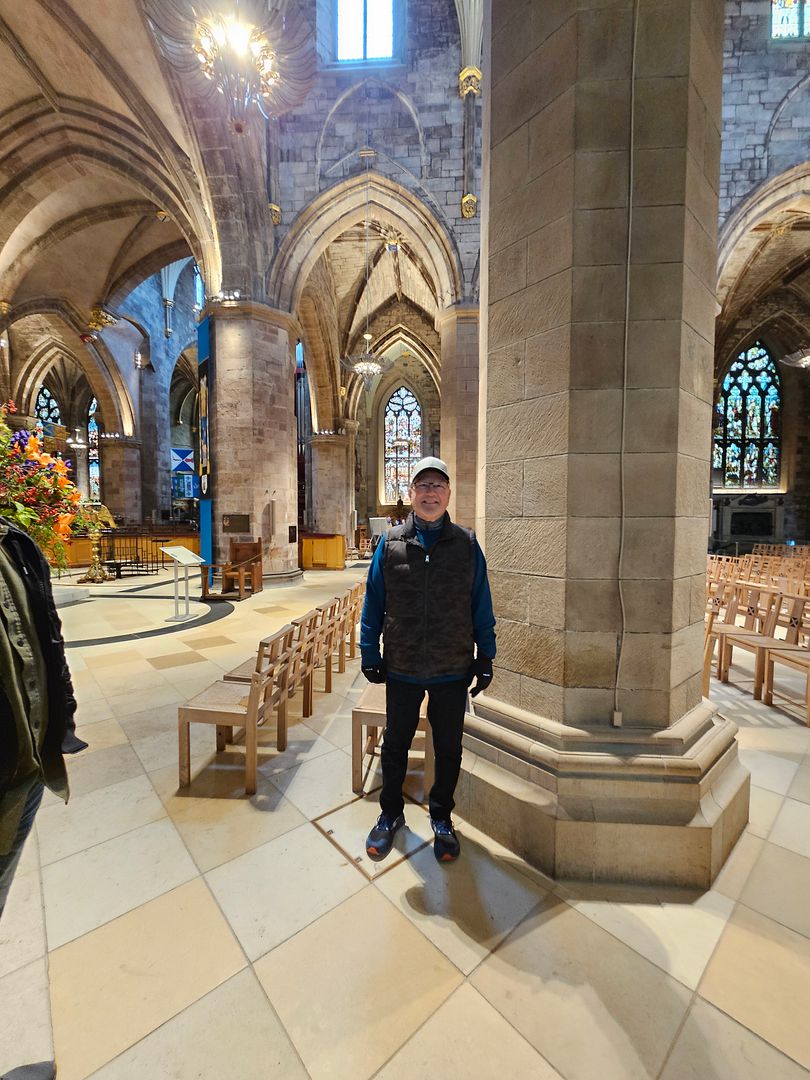
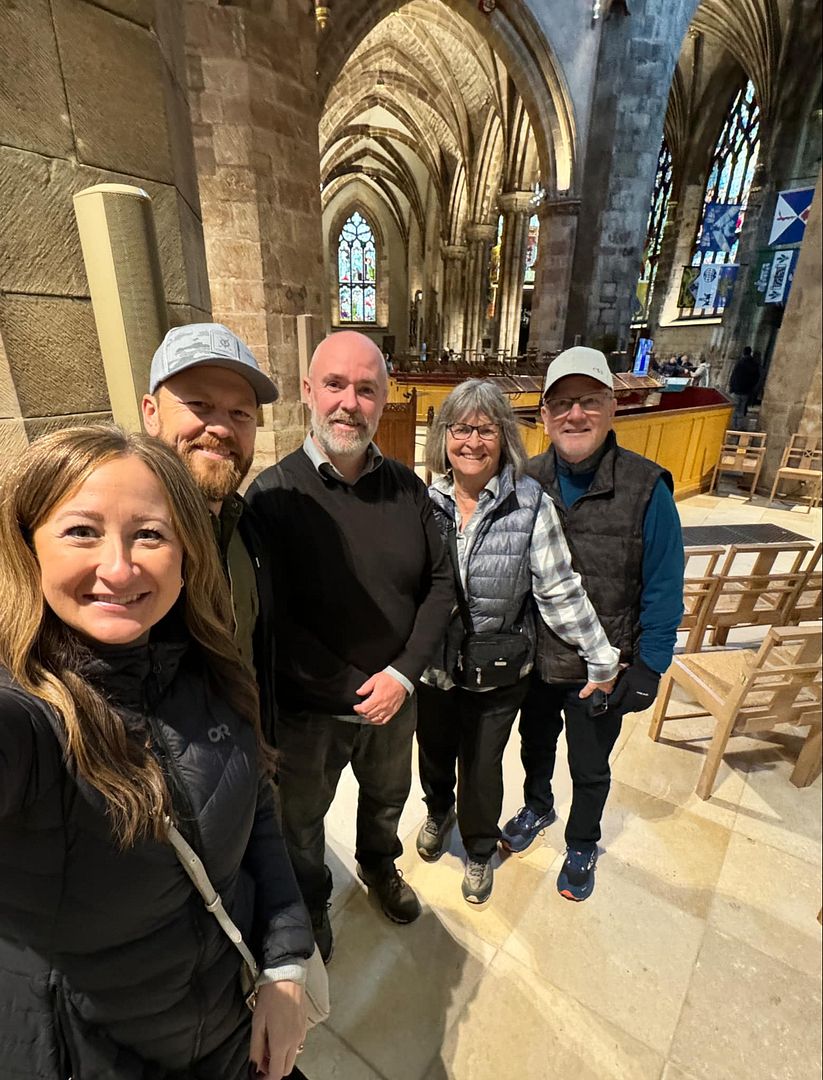
Ellen in England and Ellen in Edinburgh 21 years later…


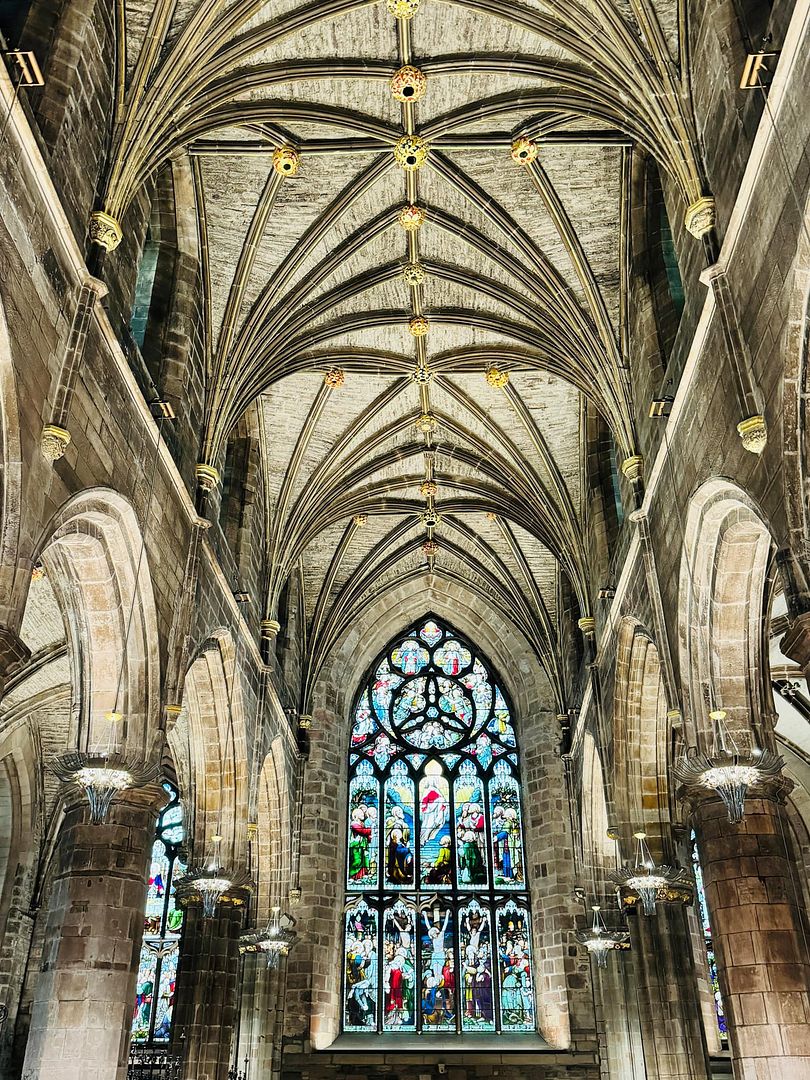
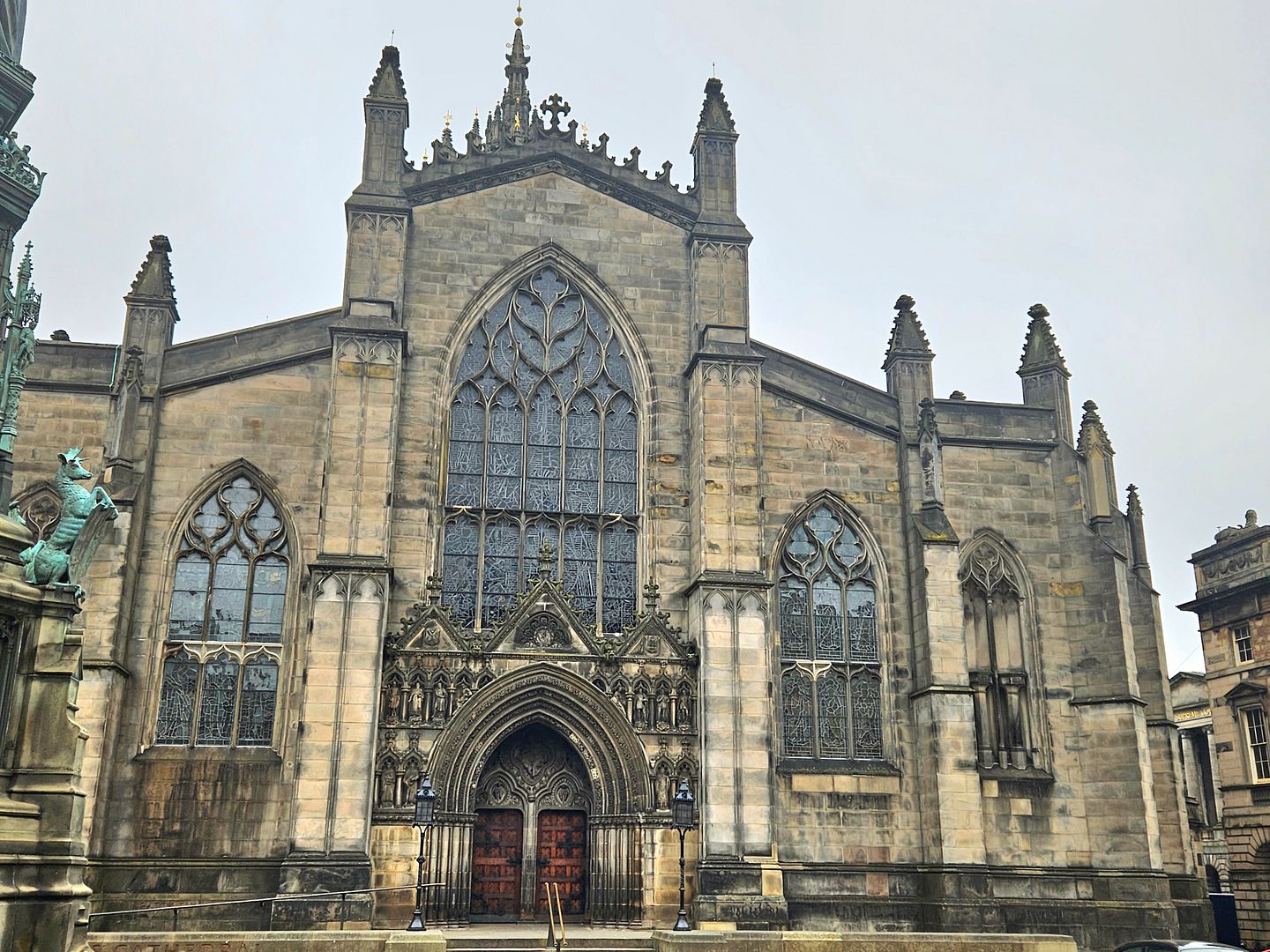
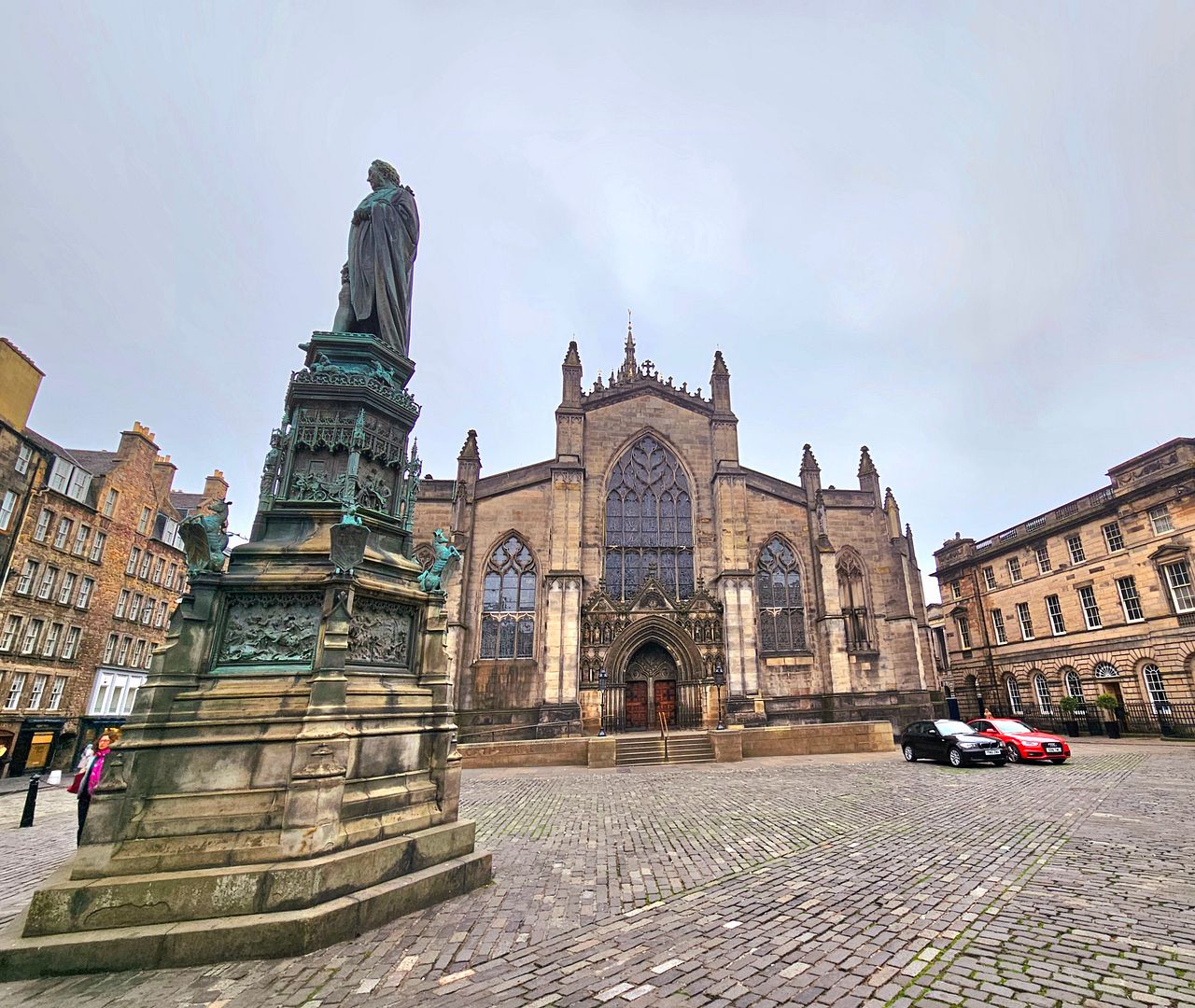
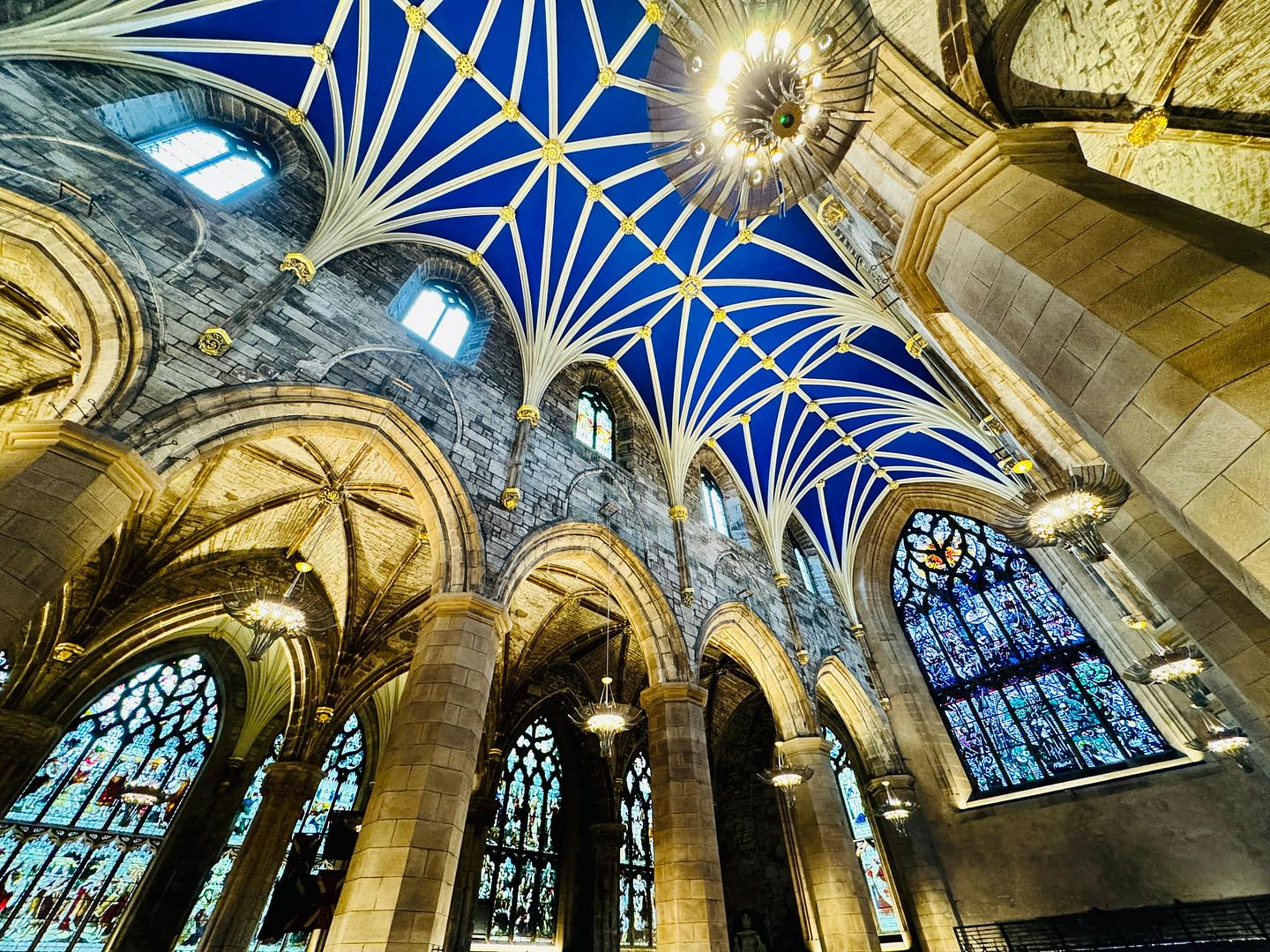
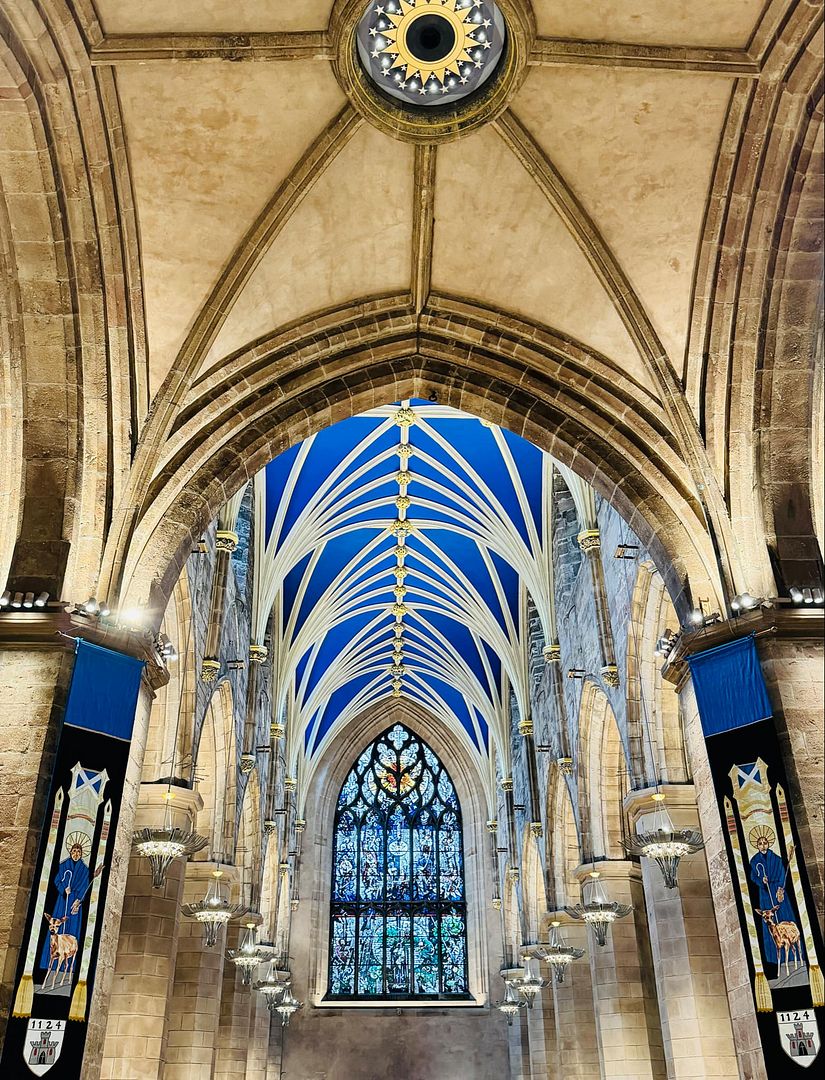
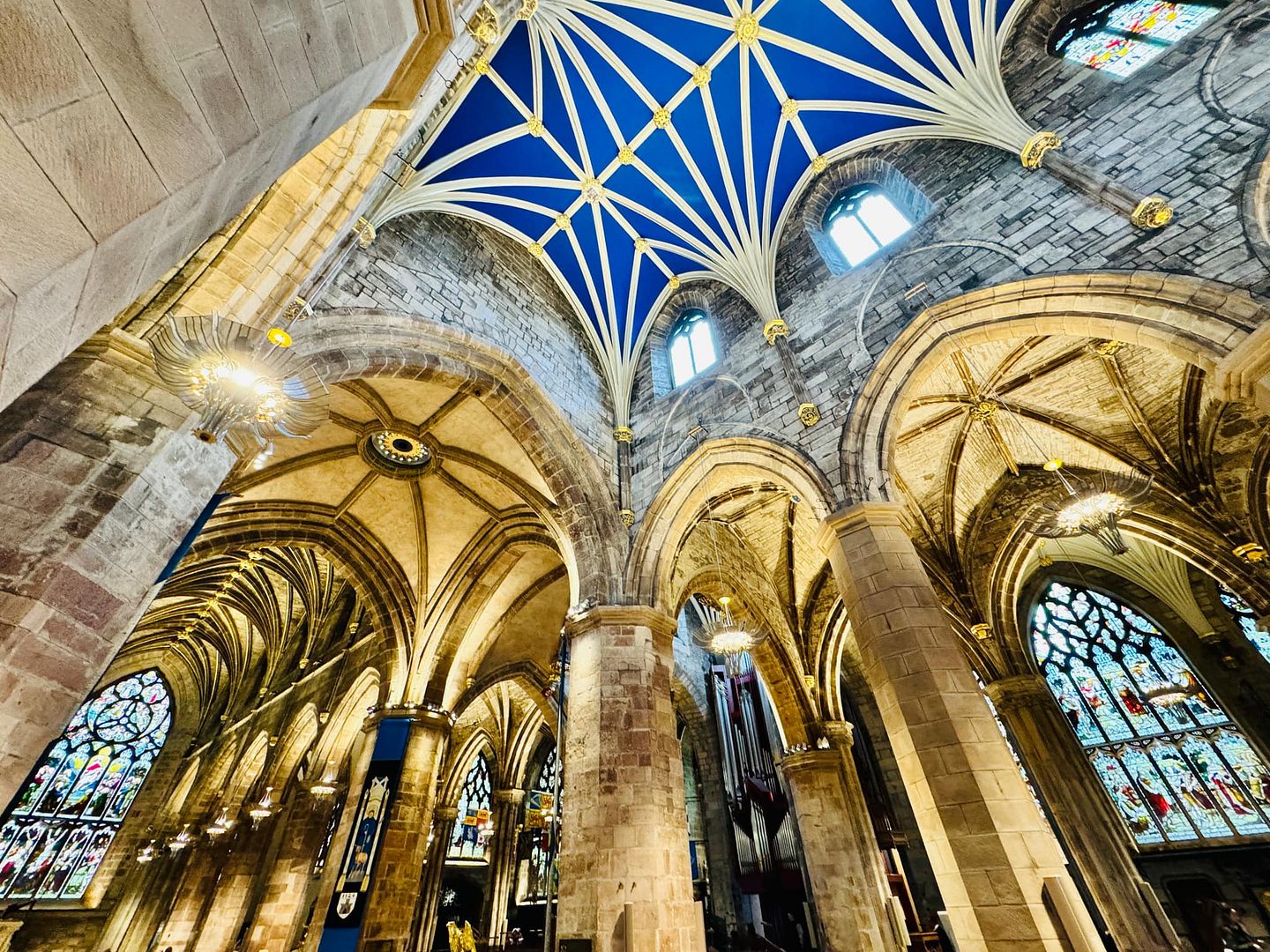
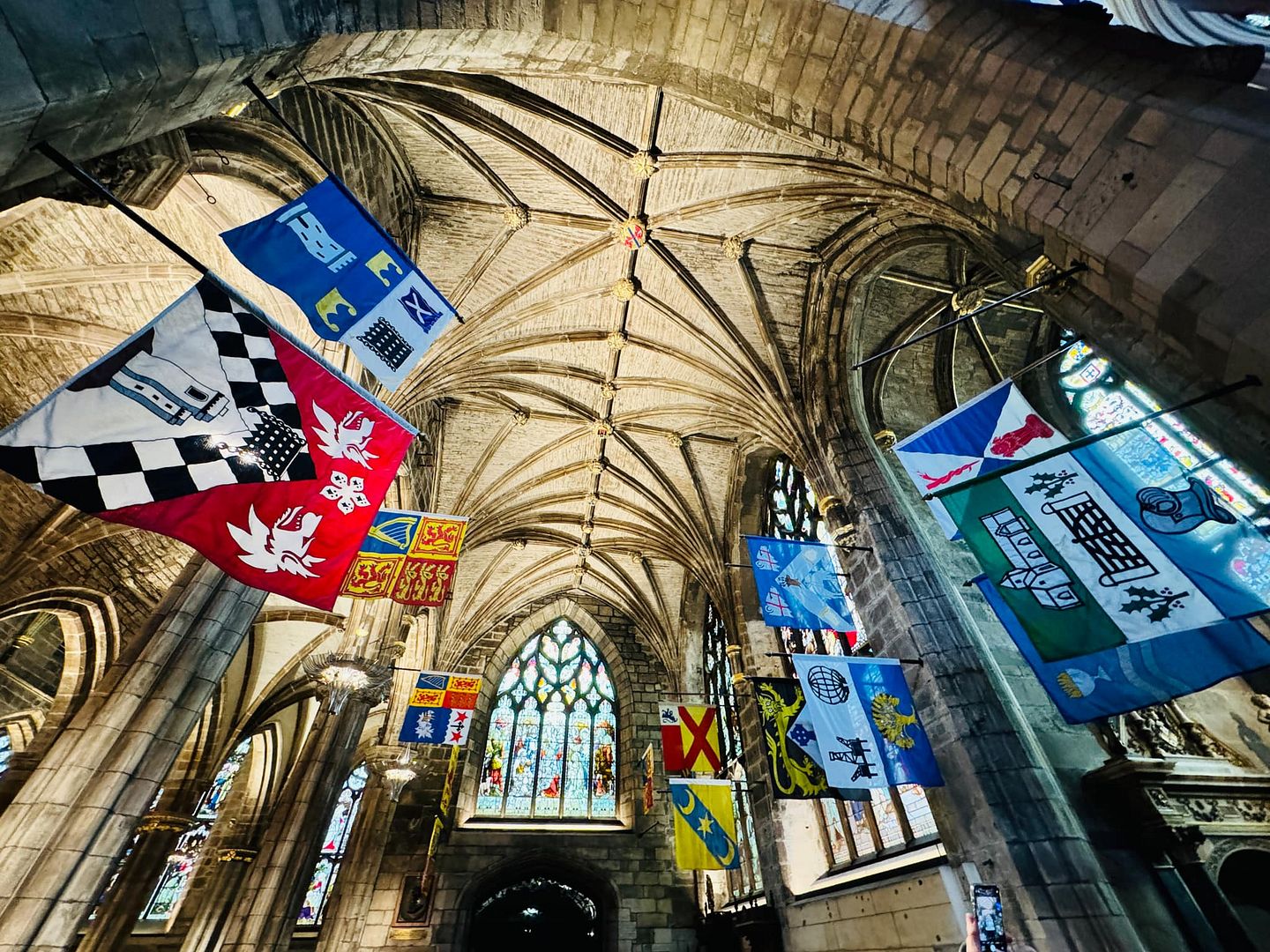
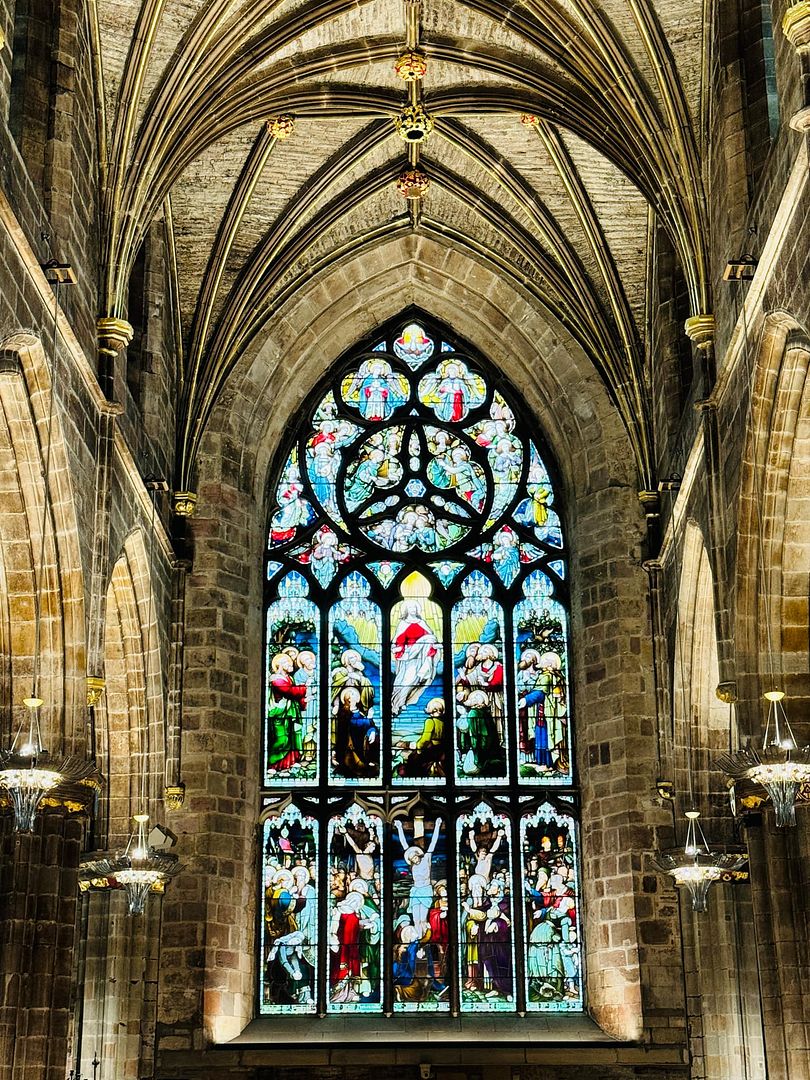
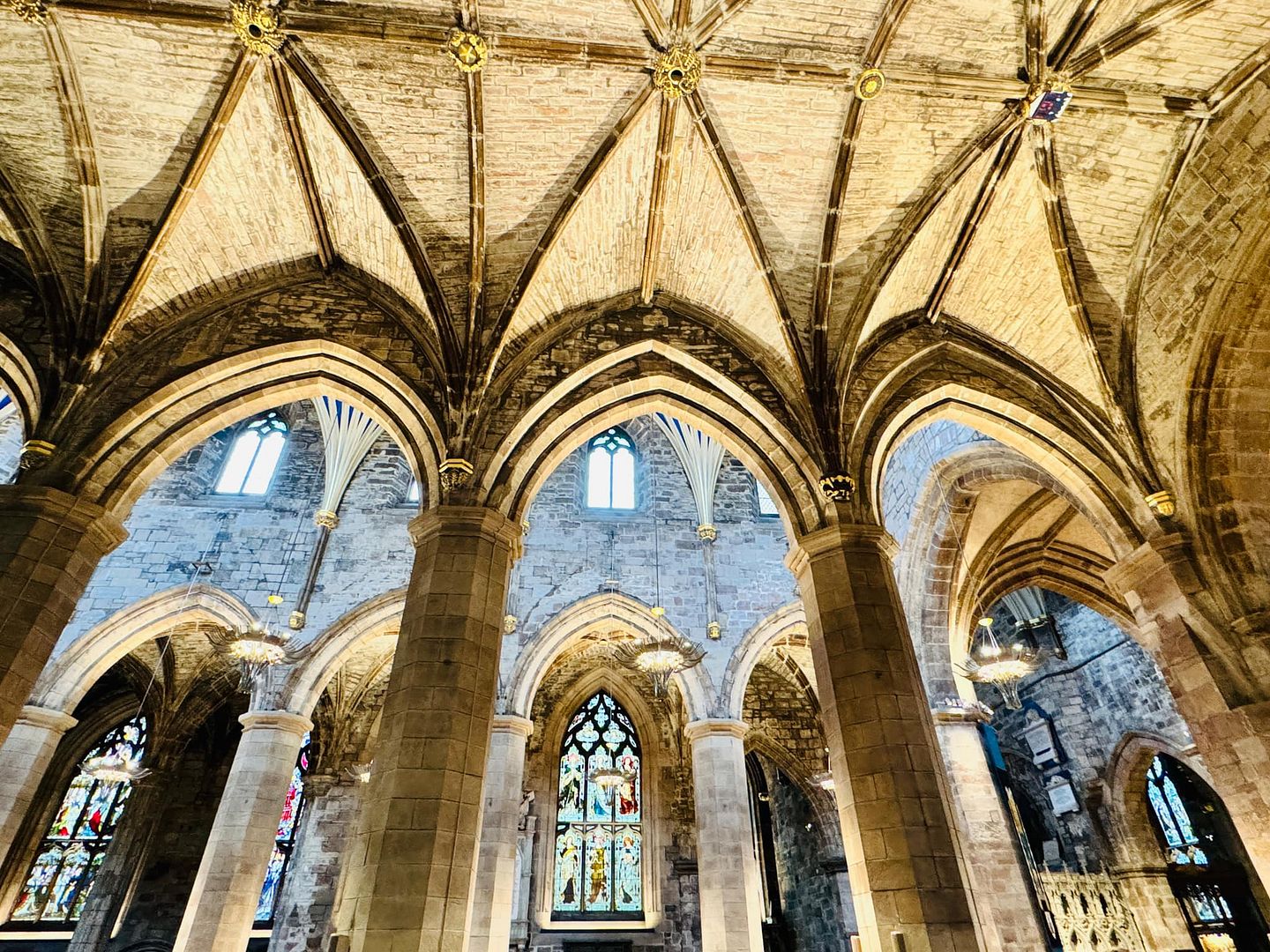
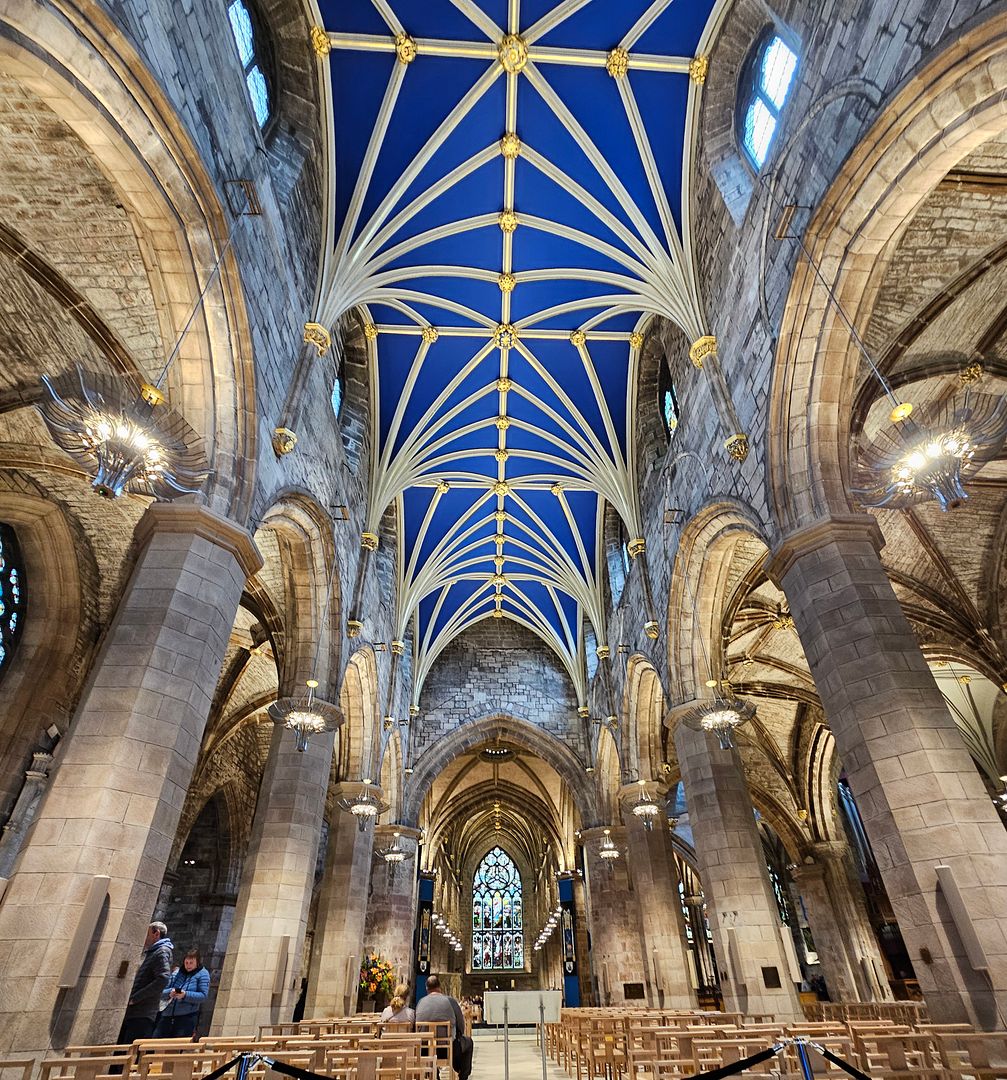
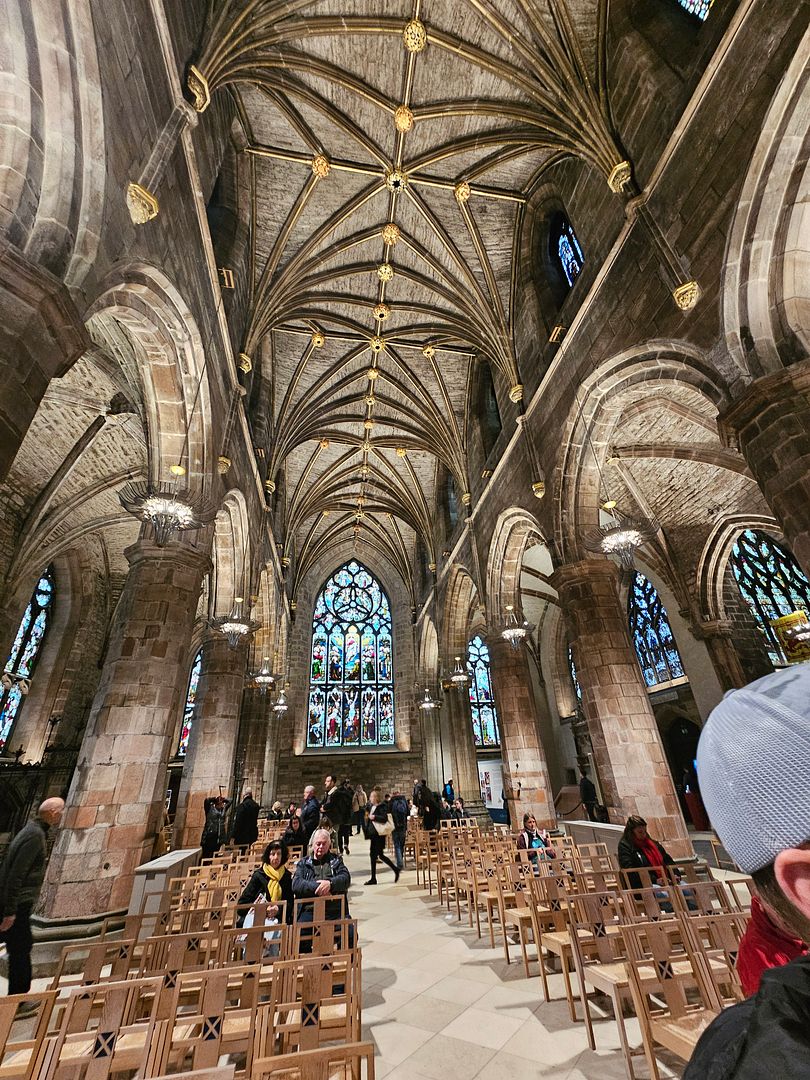
From Greyfriars Kirkyard we made our way back to St. Giles Cathedral which would be the end of our tour. By this time the cathedral was full of fellow tourists from around the world.

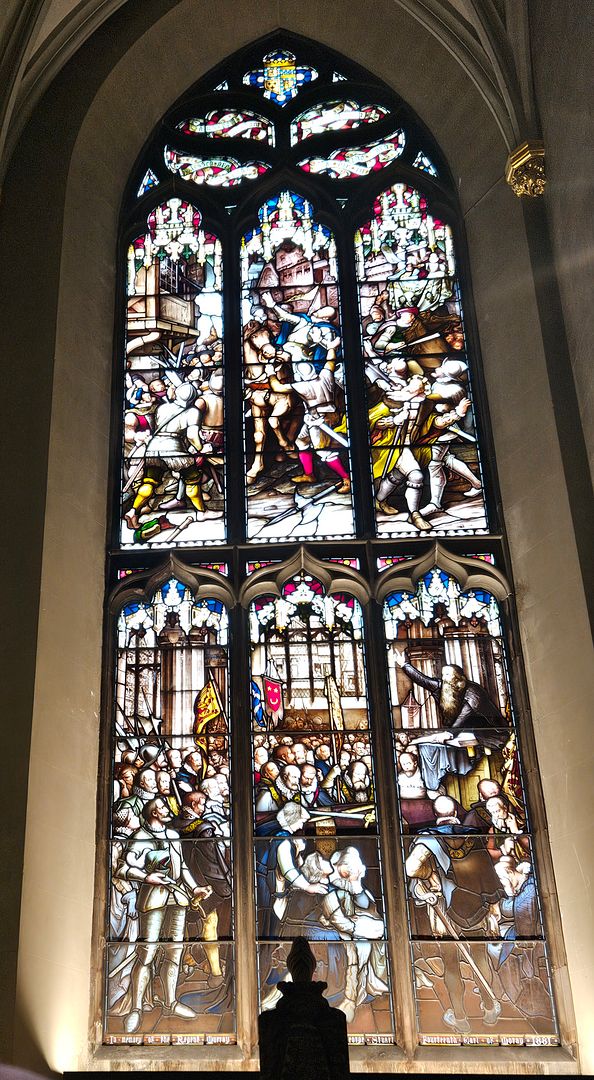
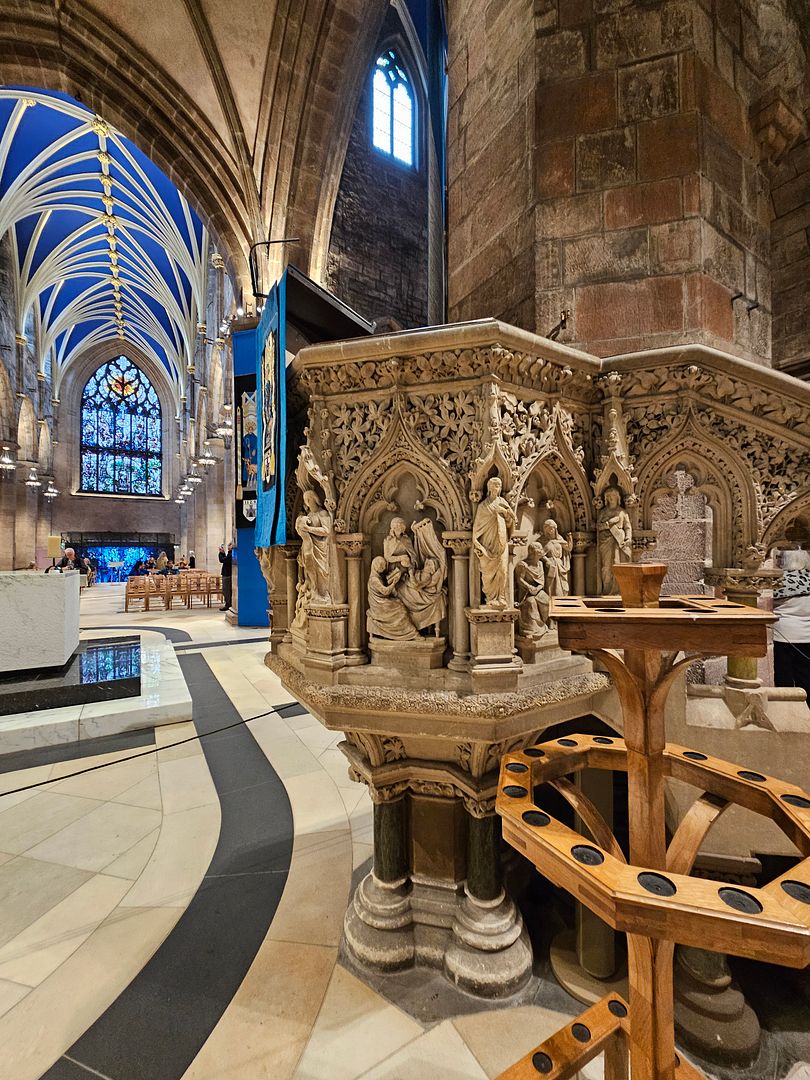
St Giles’ Cathedral, founded in 1124 by King David I, has been a working church for almost 900 years. A backdrop to Scotland’s turbulent religious history, it has seen the seeds of civil war sown and been John Knox’s parish church during the Reformation. It is still an important centre for civic services such as the Kirking of the Parliament and services for Most Ancient and Most Noble Order of the Thistle.
More history of St. Giles can be found here.


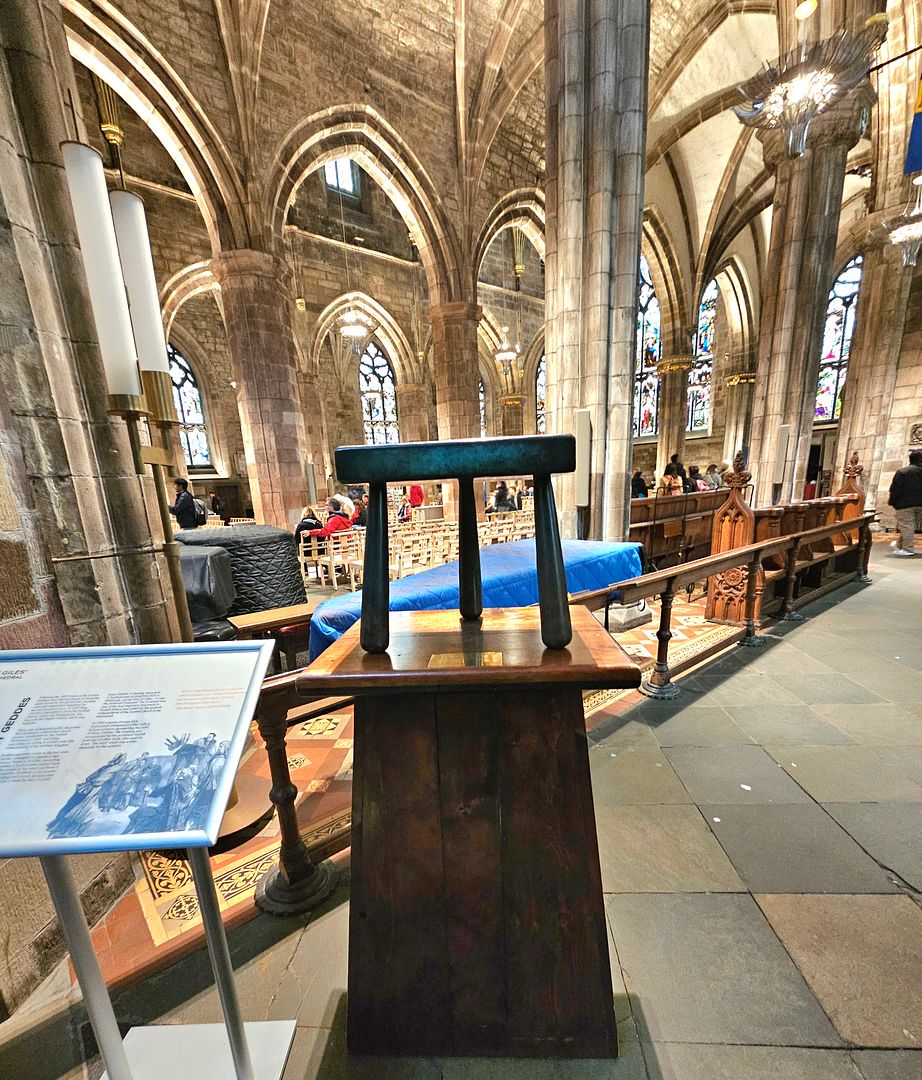
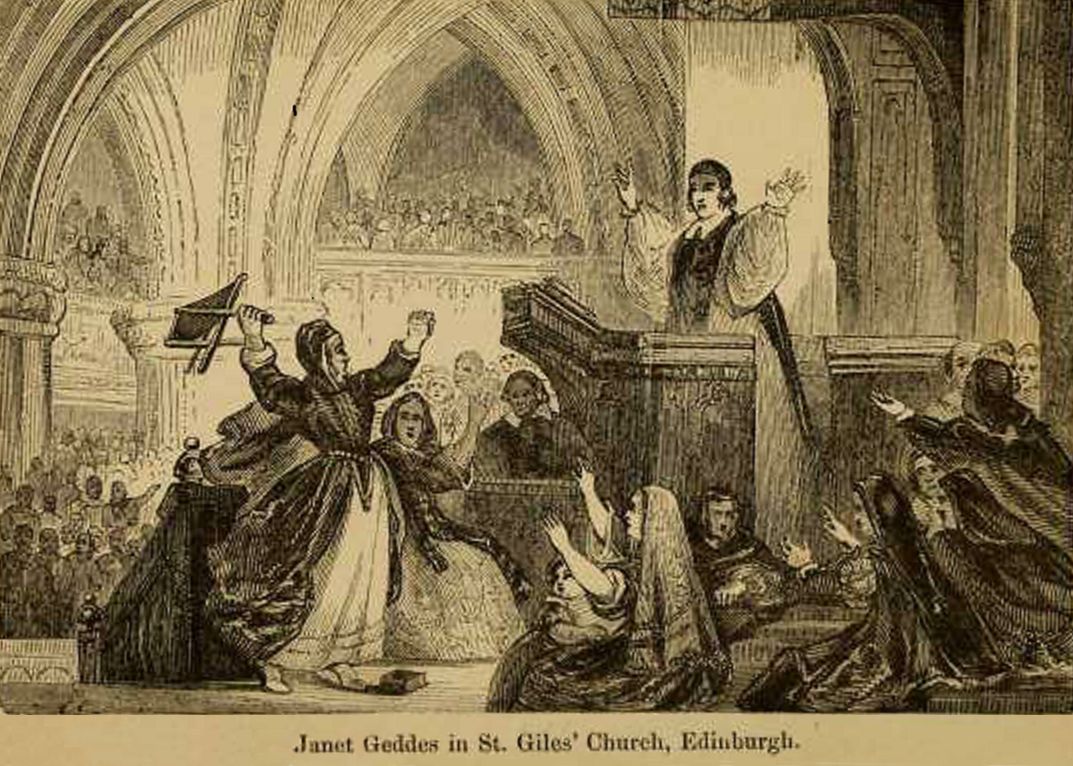
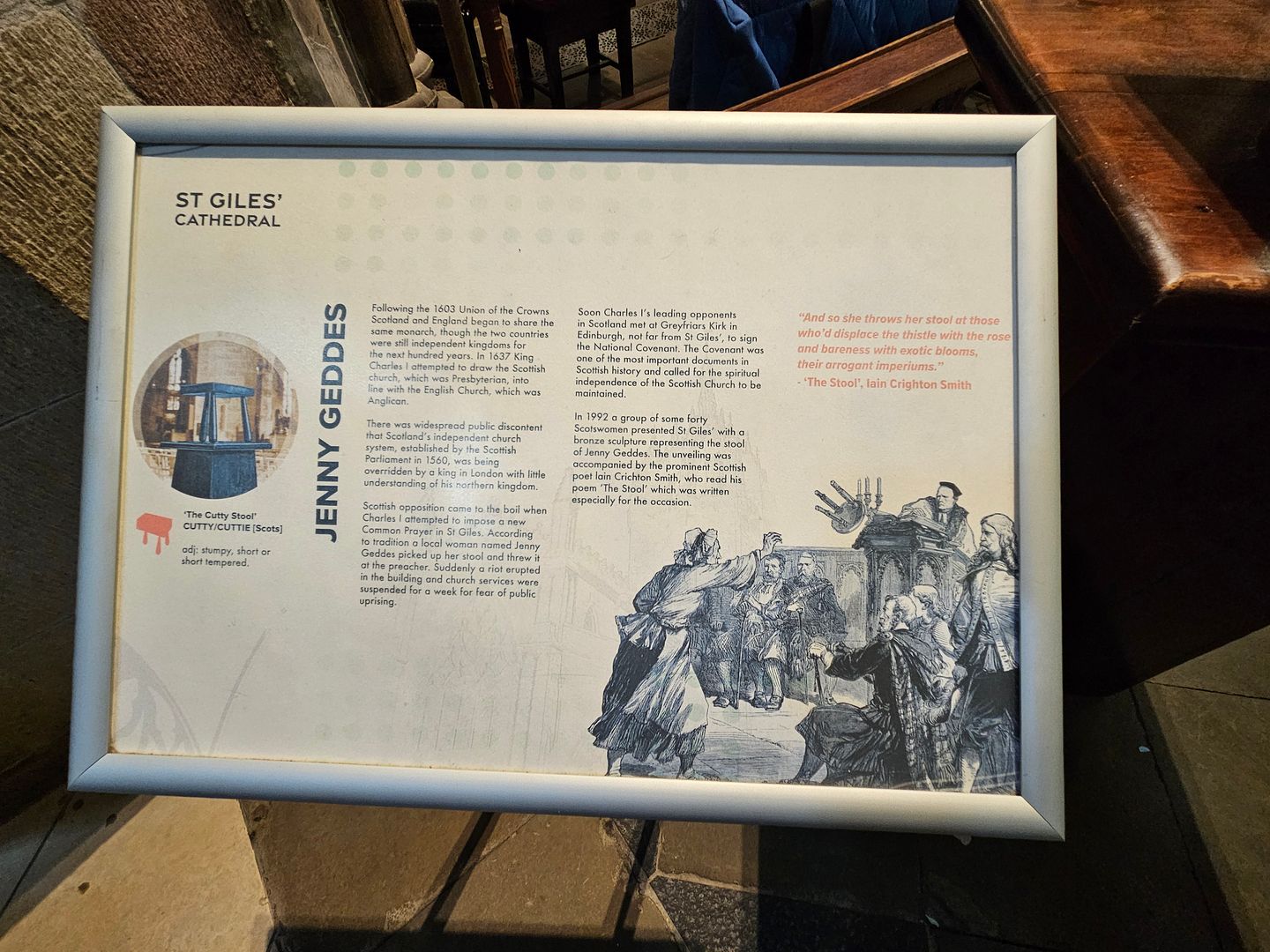
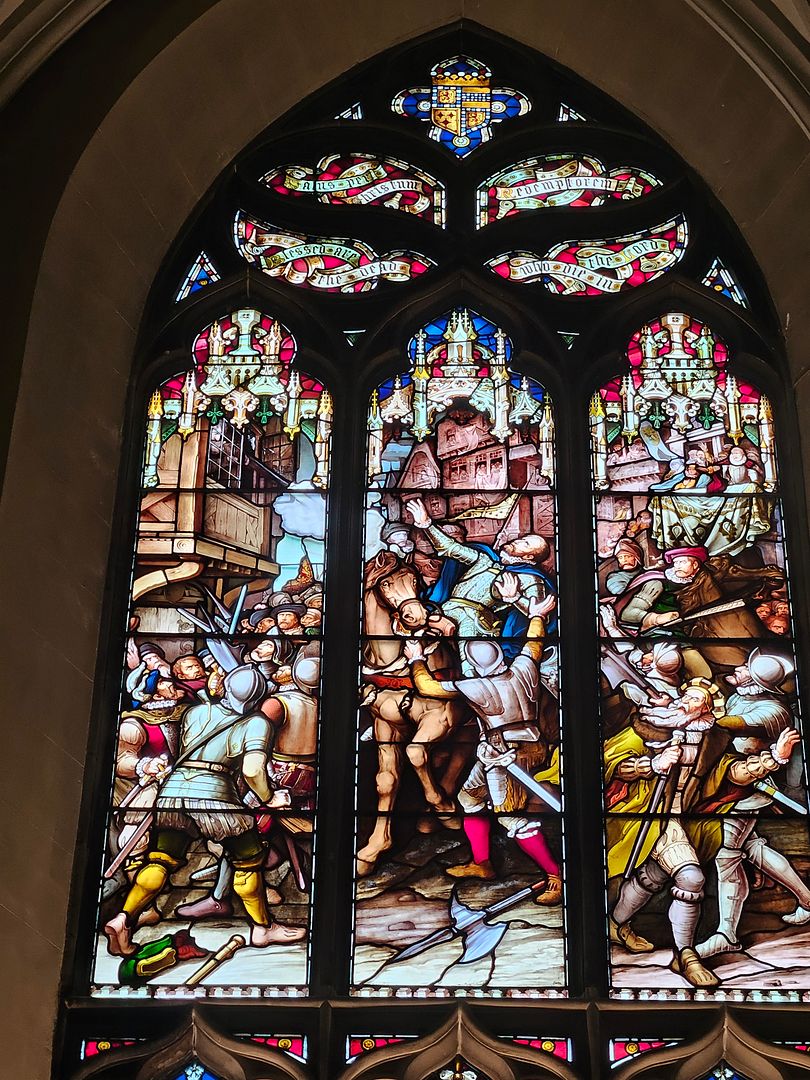
On 23 July, 1637 Dean Hannay rose to read the new liturgy in the High Church of Edinburgh, St. Giles. The liturgy had nineteen chapters within its forty-three pages “detailing how the church should be governed, from the King gaining his position from God, down to the renaming of ministers, kirk sessions, and presbyteries with terms taken from the Episcopal Church.” As the pastor began intoning from the prayer book, Jenny Geddes, allegedly a local street vendor, stood up and yelled, “Wha dur say mass in my lug!” (How dare you say the Mass in my ear) and flung her three-legged stool at the minister. Pandemonium broke out as others followed suit and the prelatical entourage fled the scene out a back door. The town guard had to rescue the bishop from the rioters. Similar scenes were enacted in other Scottish towns where the liturgy was read.

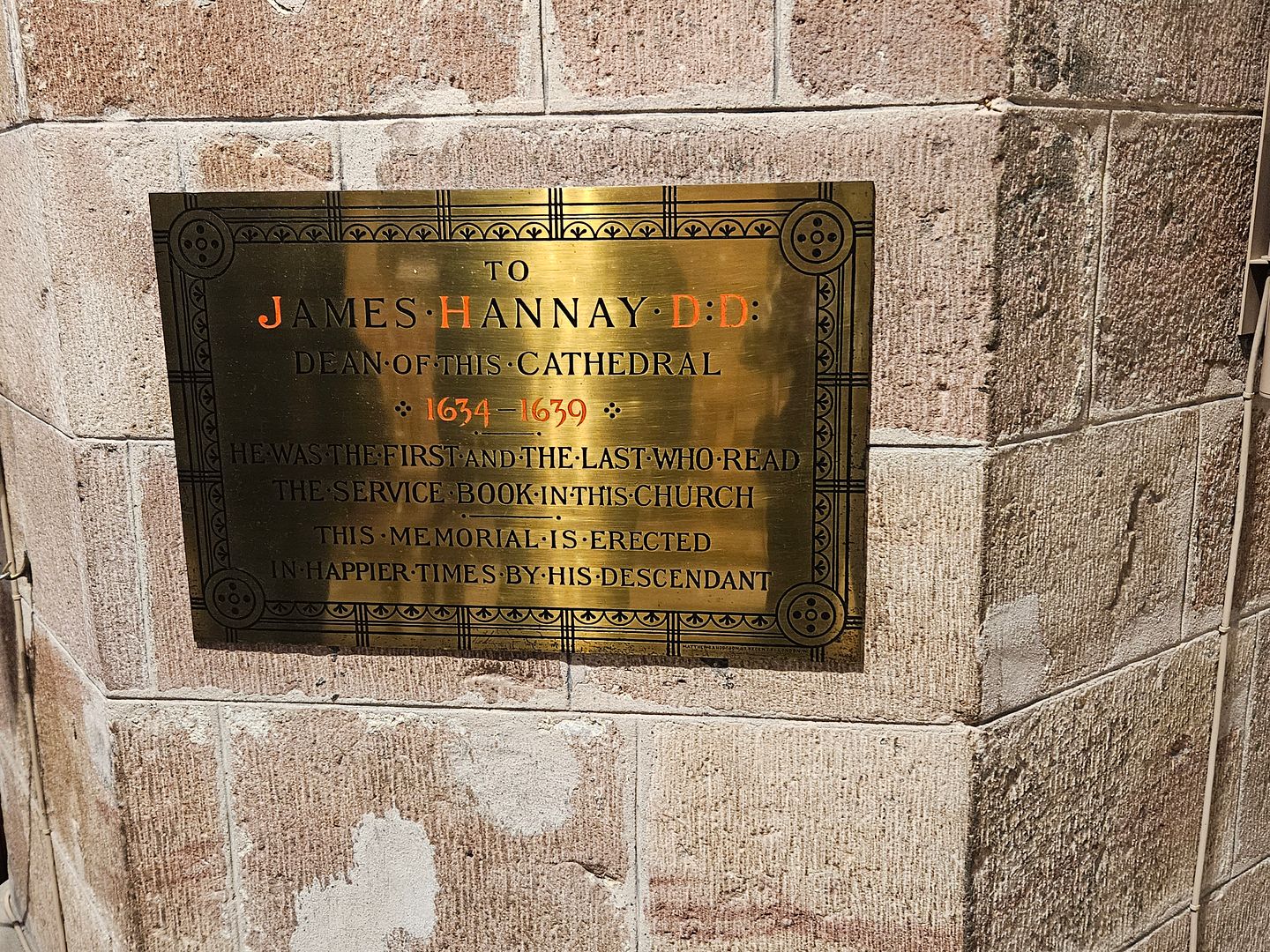
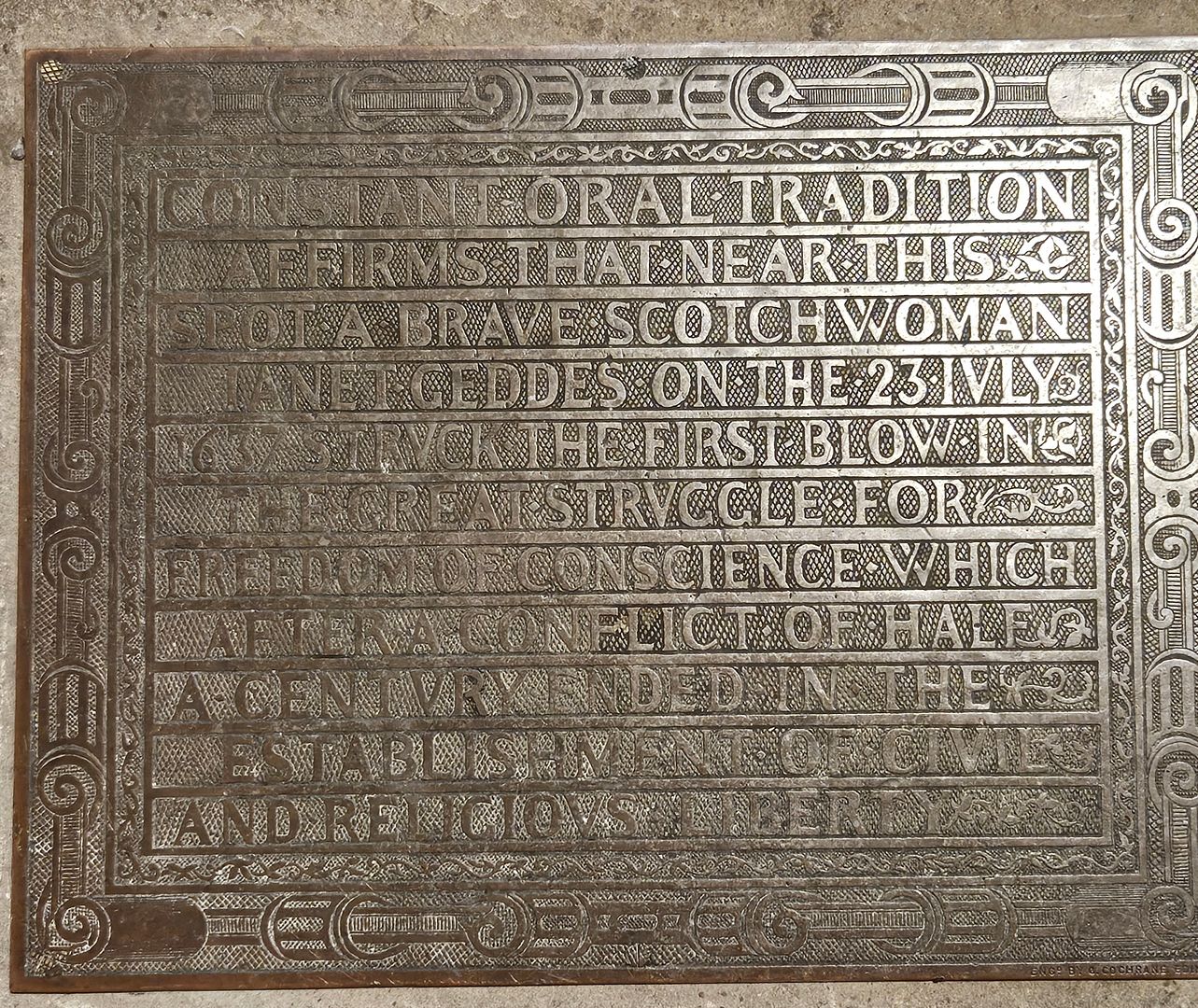
This plaque made me chuckle. James Hannay D.D. the Dean of this Cathedral, 1634-1639, He was the first and the last who read the service book in this church. This memorial is erected in happier times by his descendants.

“Constant oral tradition affirms that near this spot a brave Scotch woman Janet Geddes on the 23 July 1637 struck the first blow in the great struggle for freedom of conscience which after a conflict of half a century ended in the establishment of civil and religious liberty.”


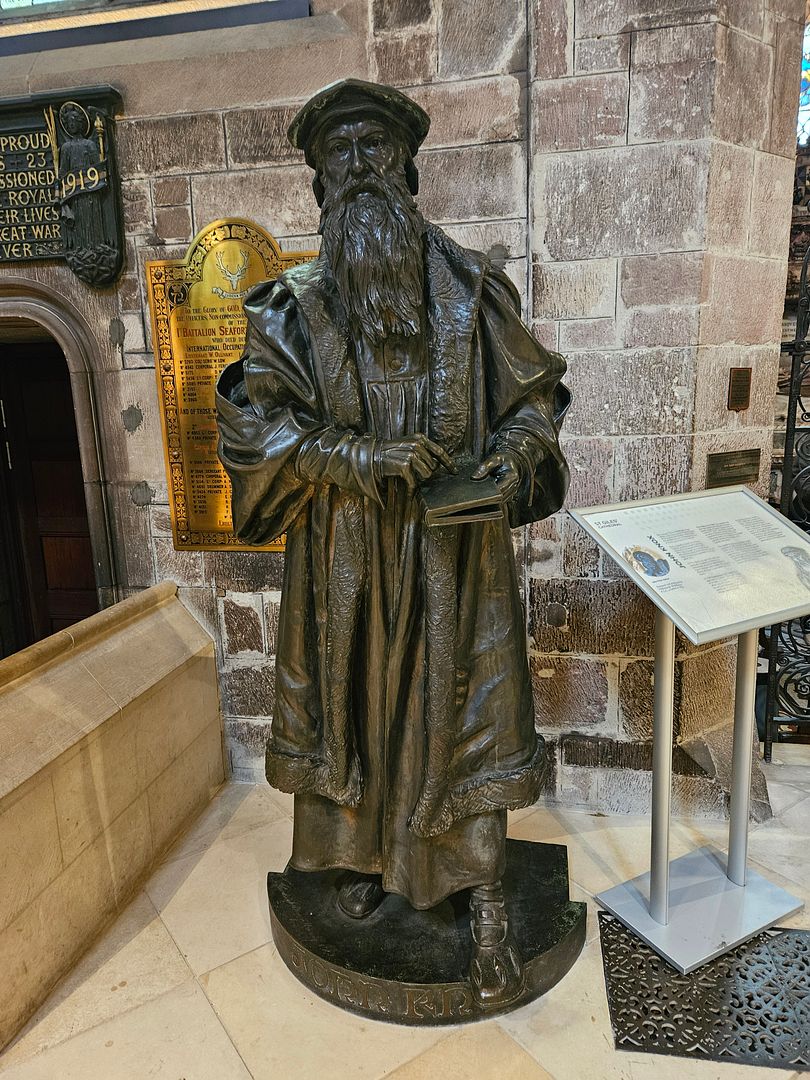
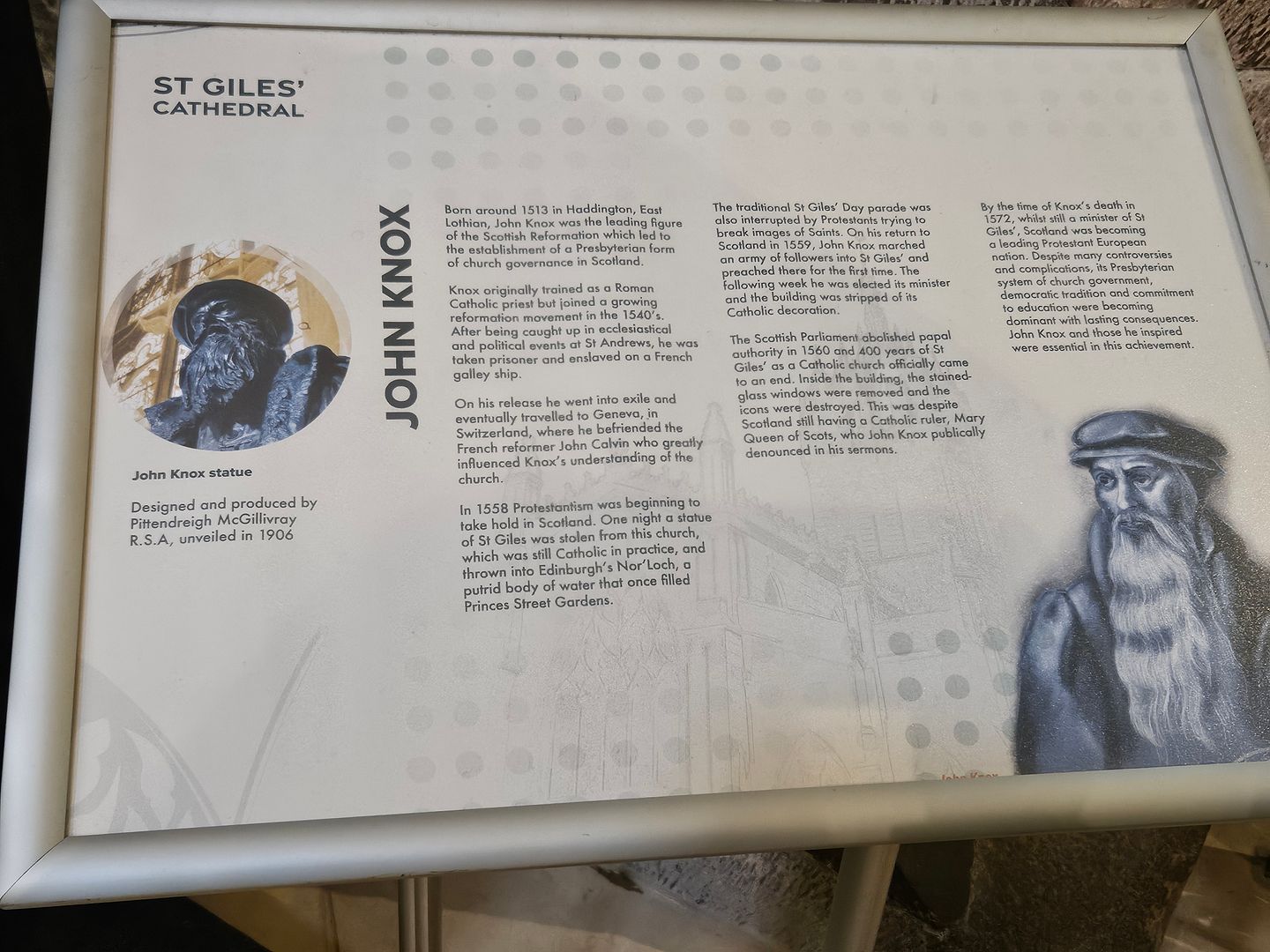
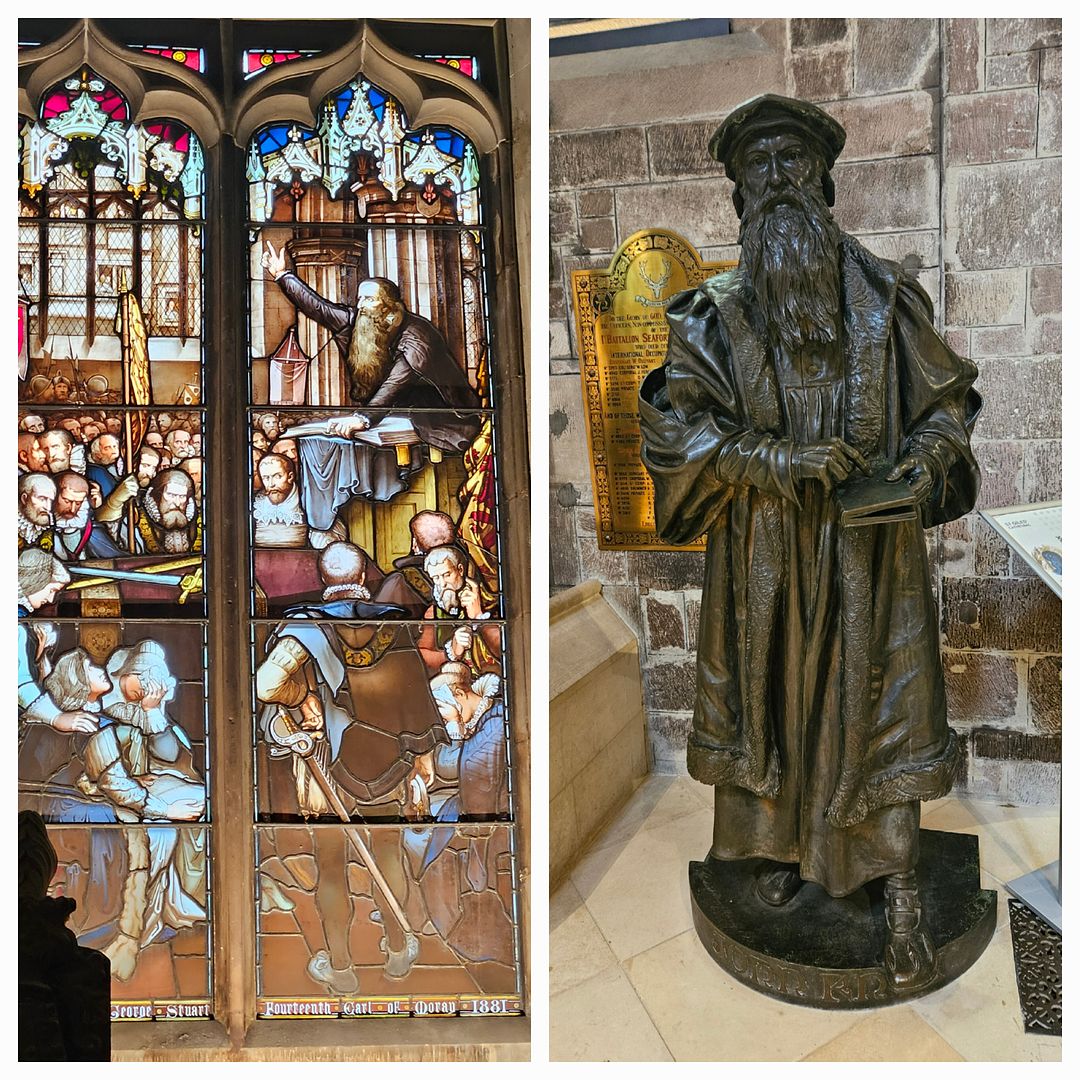
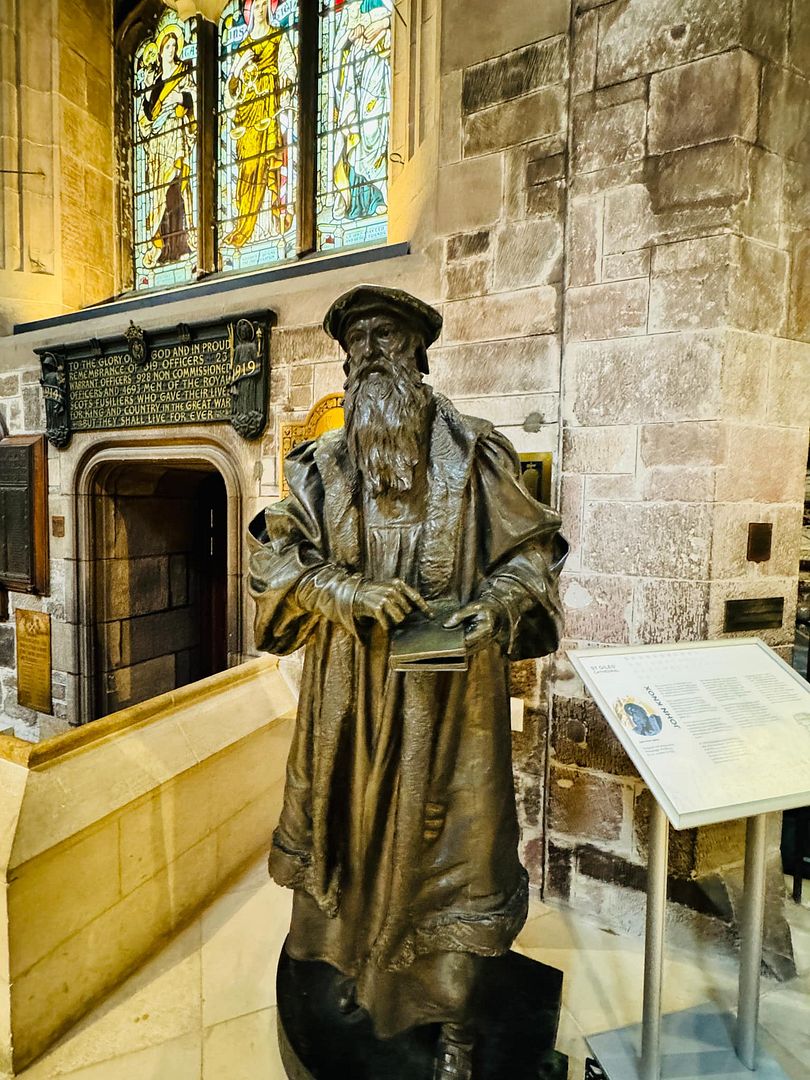
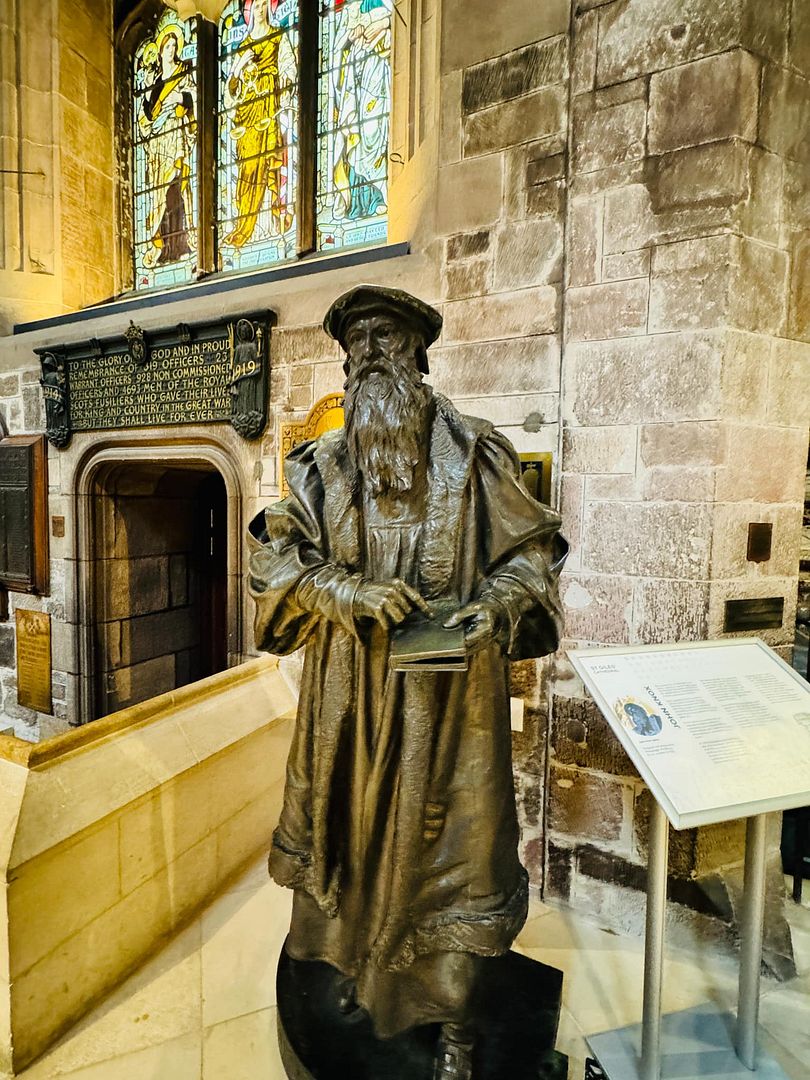
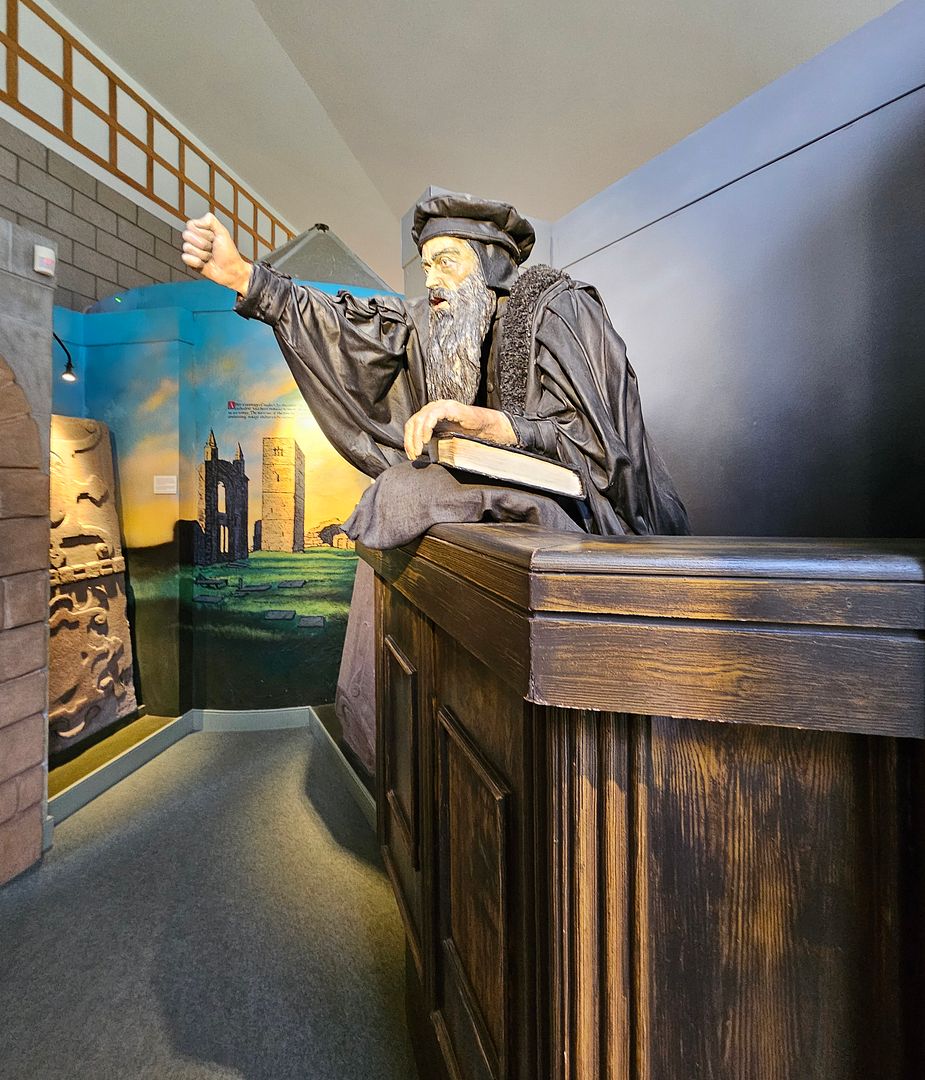
The famous Scottish Reformer, John Knox was born near Edinburgh in 1505. Knox’s writings and his determination to fight for Scotland to be Protestant saw the Scottish nation and its identity changed forever…

John Knox saw how important it was for the church to do what the Bible said, and not just what they thought was right. He wasn’t afraid to stand up to anyone, even kings and queens, for what he knew was right. His preaching was used by God to transform the whole of Scotland.


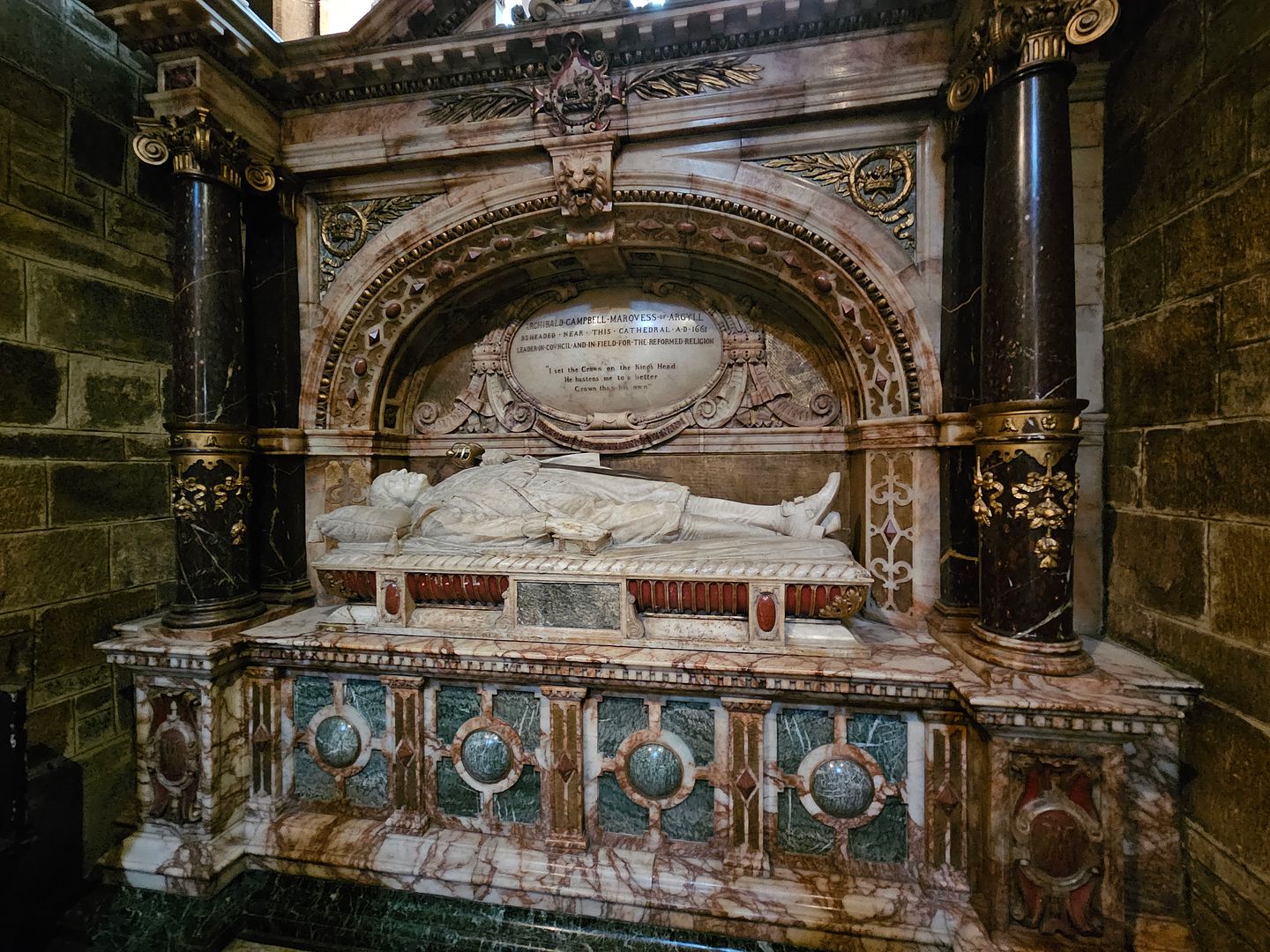
Archibald Campbell, Marquis of Argyll ~ Beheaded near this cathedral- A-D-1661
Leader in council and in field for the Reformed Religion
‘I had the honour to set the crown on the King’s head, and now he hastens me to a better Crown than his own.’
I found some of his history at Christian Heritage Edinburgh site.
With all the niceties settled at the coronation, it was time for King Charles II to reveal his true nature. One of the few nobles to oppose the king’s decree and stand faithfully for the Covenants was Archibald Campbell, the first Marquis of Argyll. He travelled from Scotland to London to congratulate Charles II, arriving there on 8 July 1660. He never got to see the king however, for he was straightaway arrested and thrown into the Tower of London on a charge of treason and false accusation that he was one of Cromwell’s conspirators behind the execution of Charles I. After languishing there for five months, he was sent to Edinburgh castle and was sentenced to death. The marquis was beheaded at the Mercat cross next to St Giles on 27 May 1661, being the first of many of the Covenanters who followed him as martyrs.
Before he was executed, he is cited as saying, ‘I had the honour to set the crown on the King’s head, and now he hastens me to a better Crown than his own.’ Back in 1651 he had crowned Charles II as King of Scotland at Scone after this prince had lied to God and man, swearing under oath that he would support and defend the Presbyterian Church and the Covenants. The marquis is also said to have stooped and kissed the guillotine called the Maiden, and quipped, ‘That is the sweetest maiden I have ever kissed!’ He welcomed the thought of leaving this corrupt world and joining his Saviour in heaven.


Our son Josh left this review of our tour.
“Jimmy was an incredible wealth of knowledge!!! This walking tour in Edinburgh and the history and stories he told, tied our whole 12 day Scotland trip together! We visited different cities, castles, monuments, grave sites and memorials all over the country and this was the absolute capstone experience of our trip! My faith was deepened hearing stories of these martyrs and how they died trusting and following their Saviour~!”

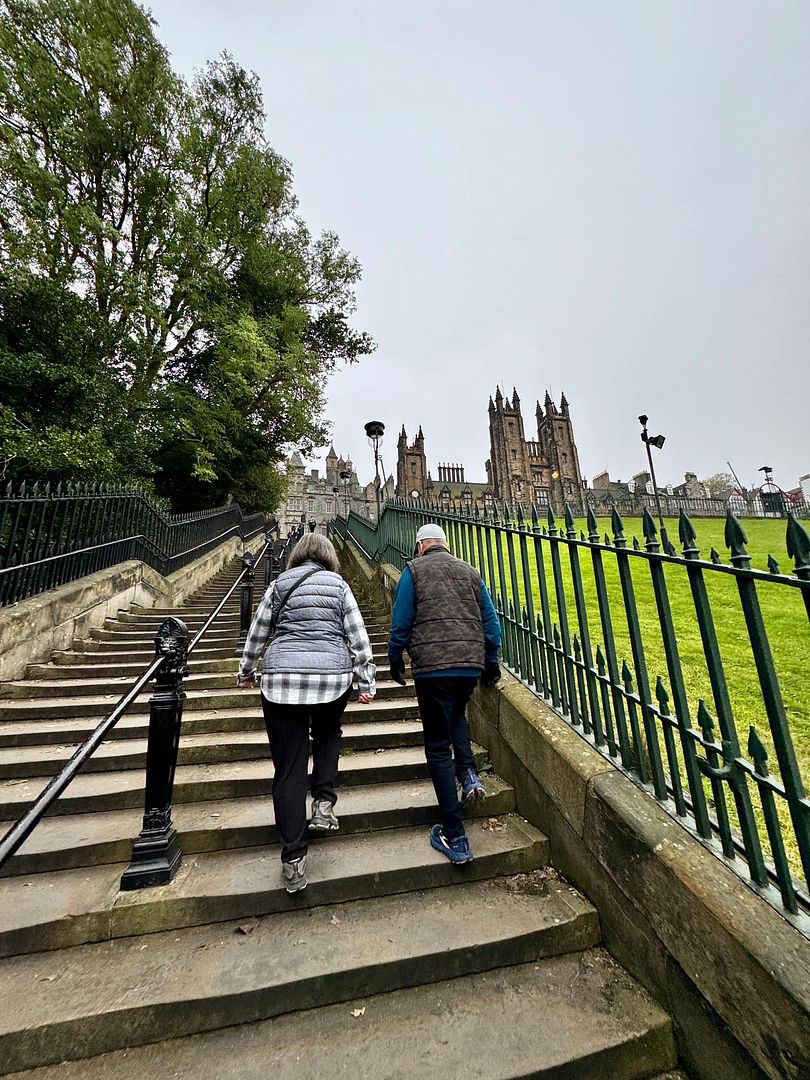
Monday September 23rd was our last full day in Edinburgh and Scotland. This would be a day filled with walking and stairs and information. We were thankful on this morning that Greg was well enough to walk and not miss our special tour.
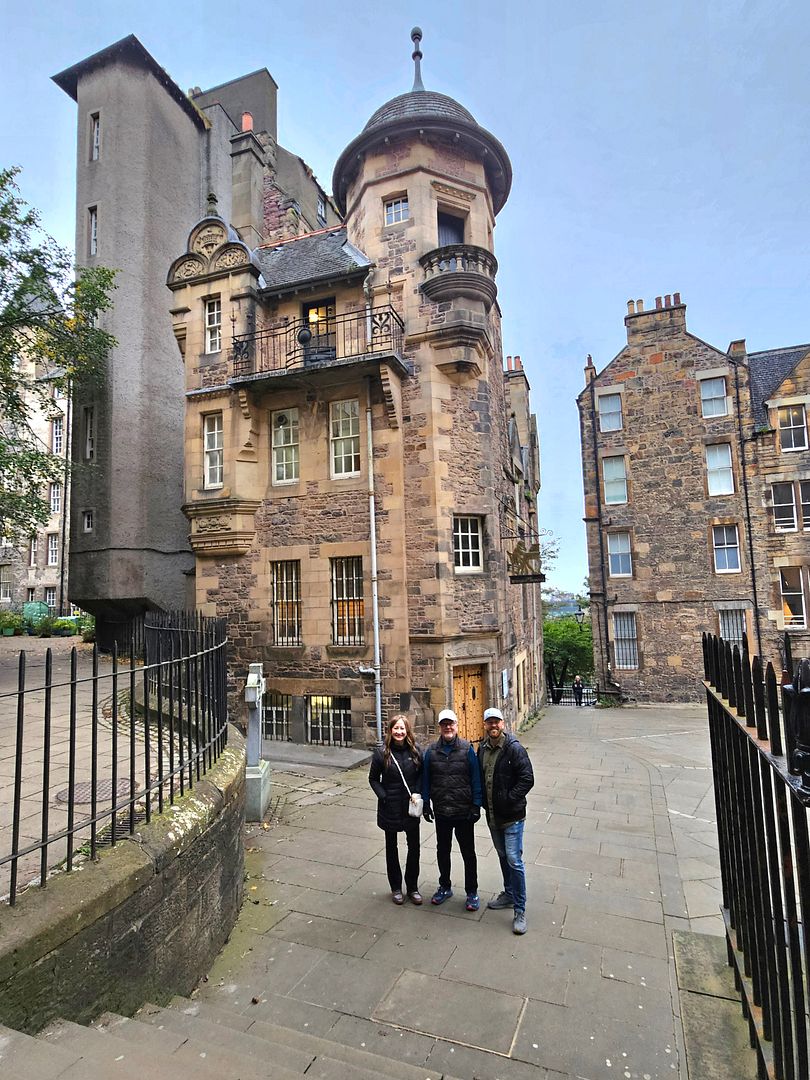
We took the Lady Stair’s Close to get up to the Royal Mile. We stopped to take some photos outside the Writer’s Museum.
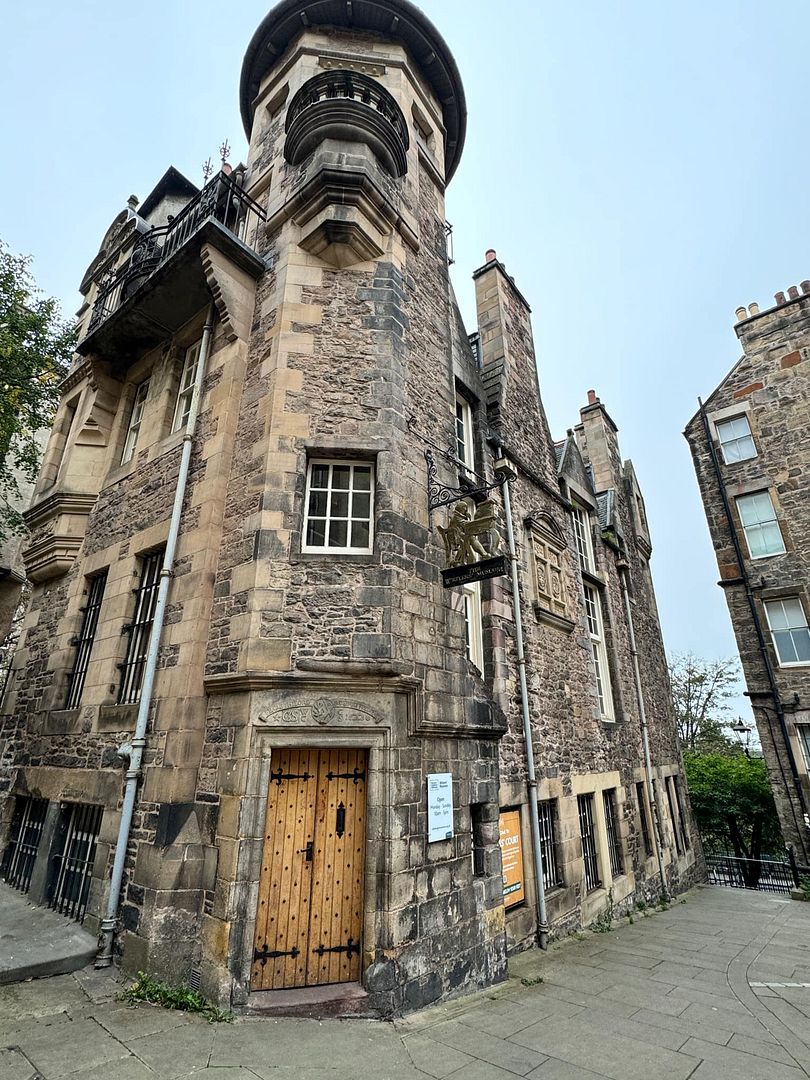
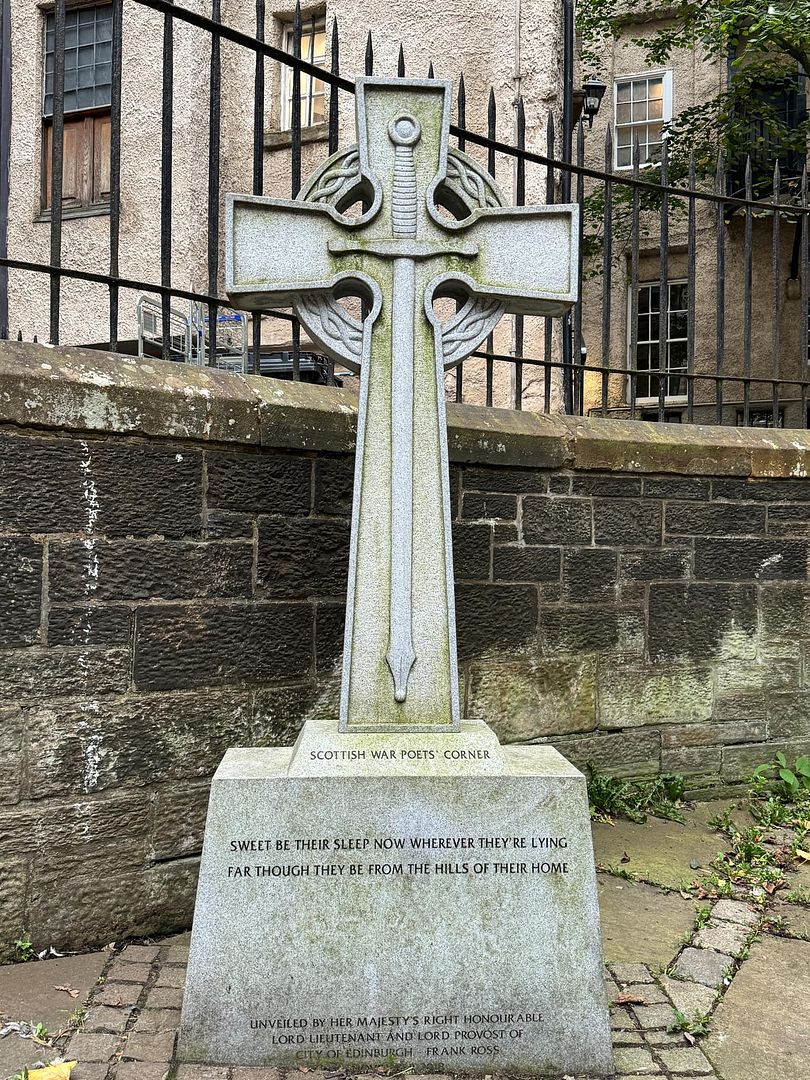
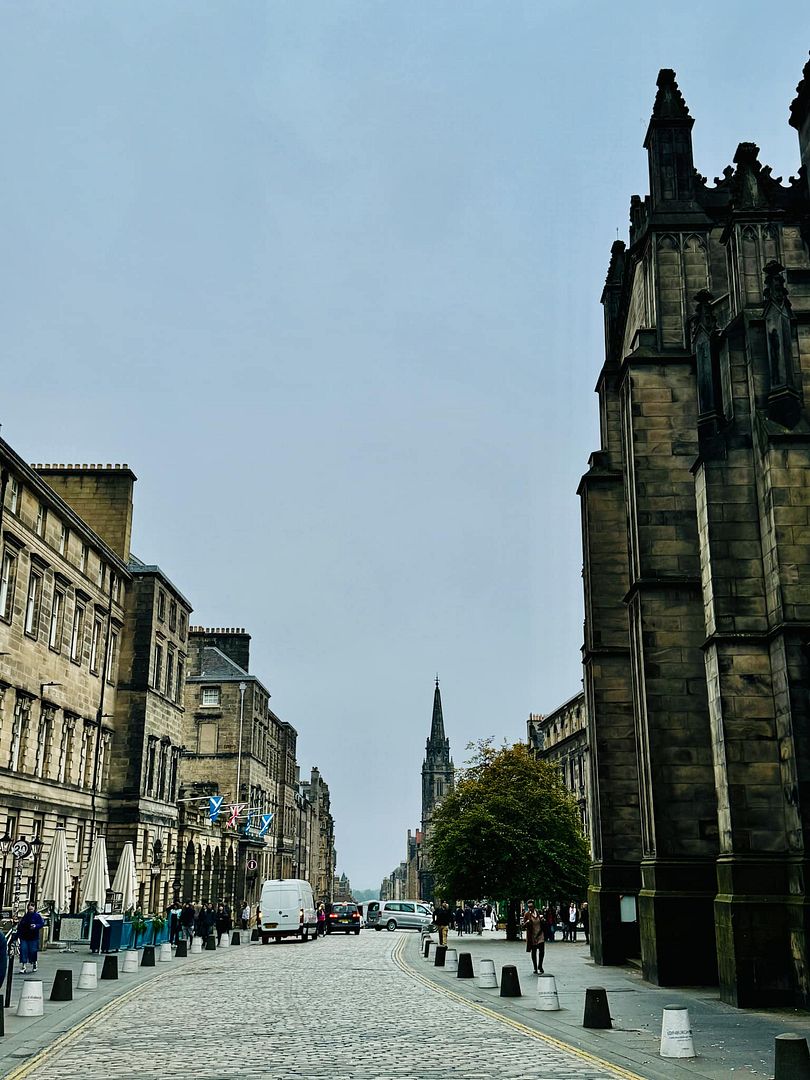
Early on the Royal Mile there were fewer folk milling about. That would change soon.
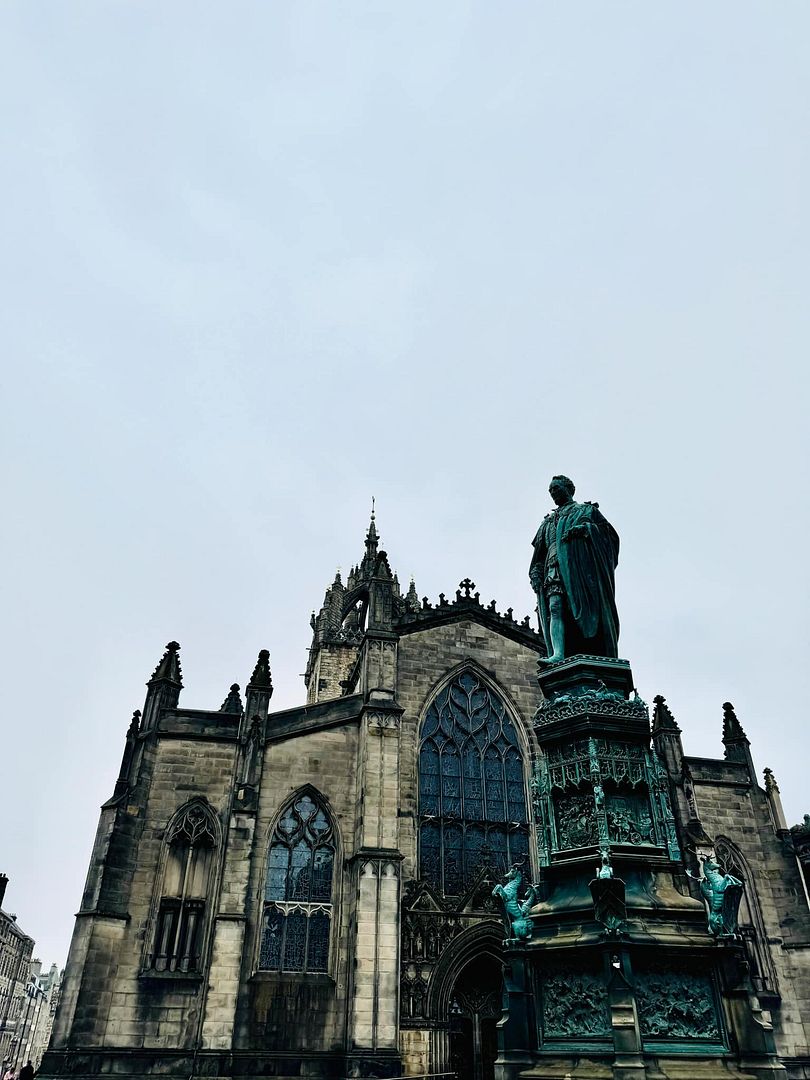
We scheduled a private Scottish Reformation Tour on this day.
I included the link above. We were to meet Jimmy at 9am in front of St. Giles Cathedral.
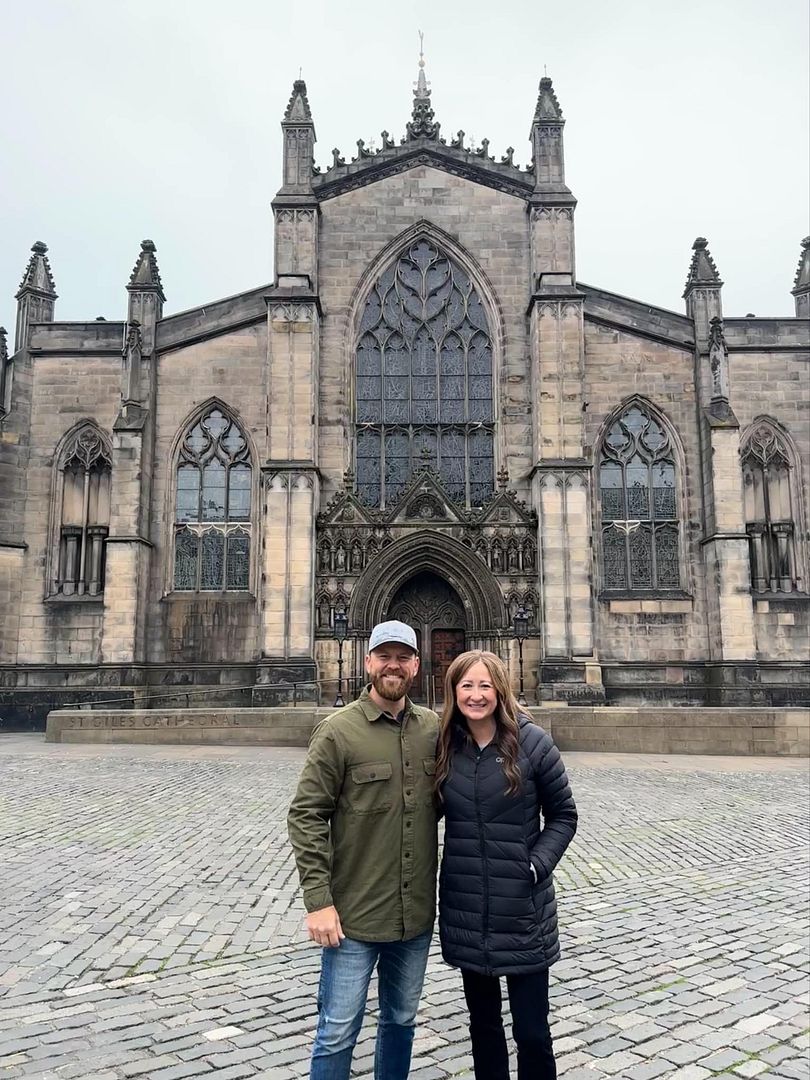
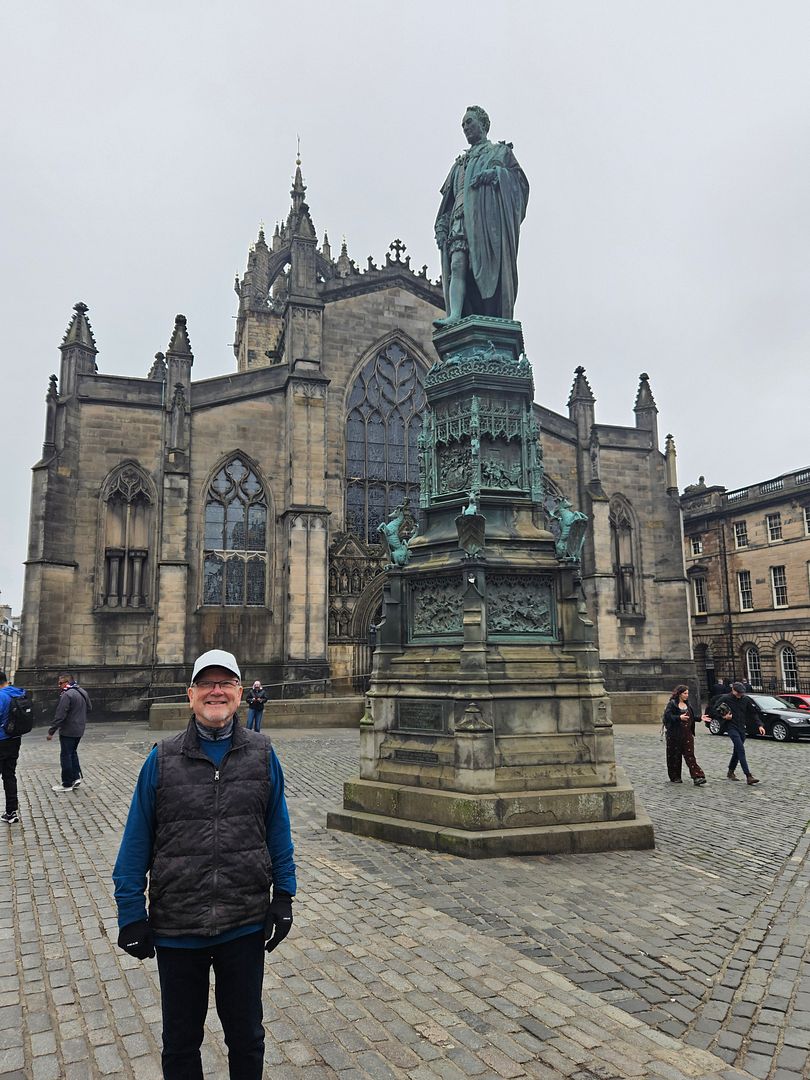
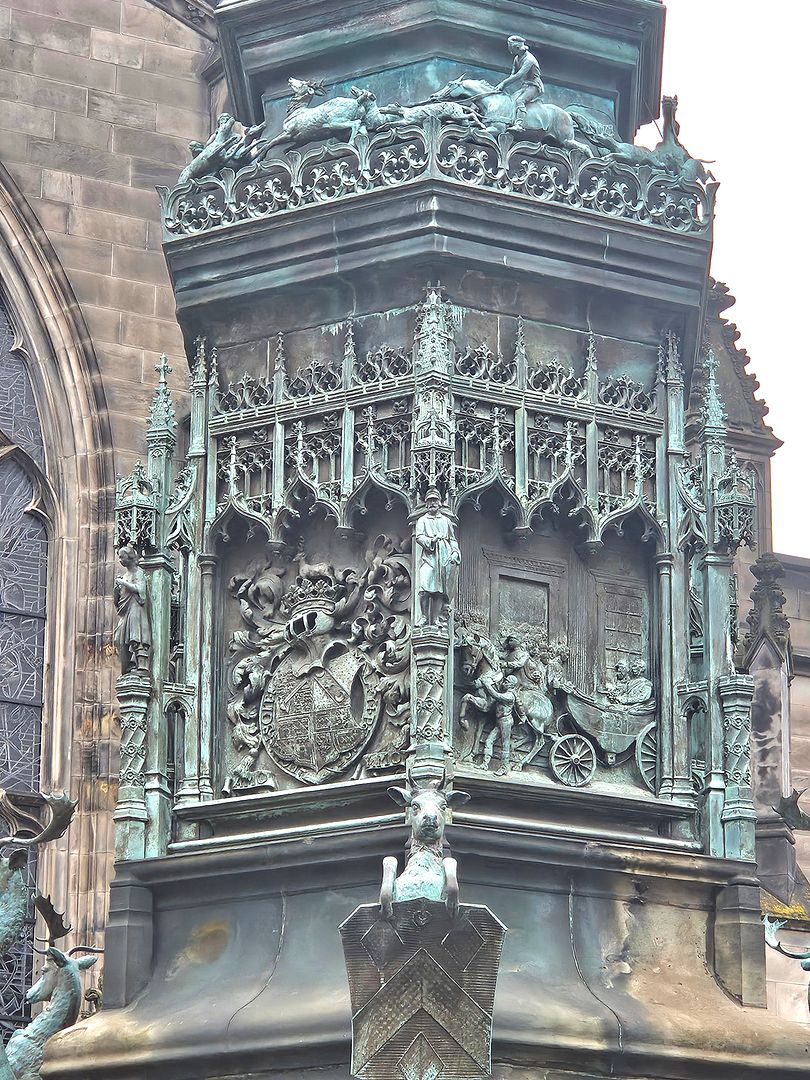
Soon we saw who we assumed was Jimmy and he came right to us assuming we were his clients for the morning.
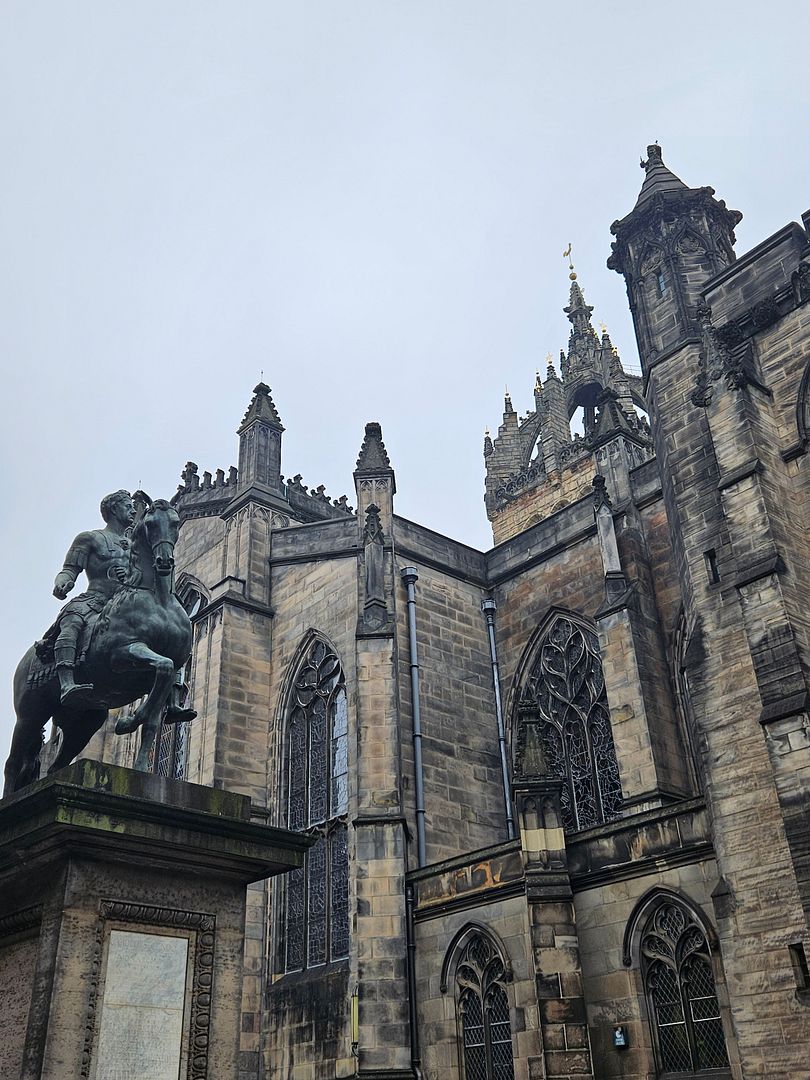
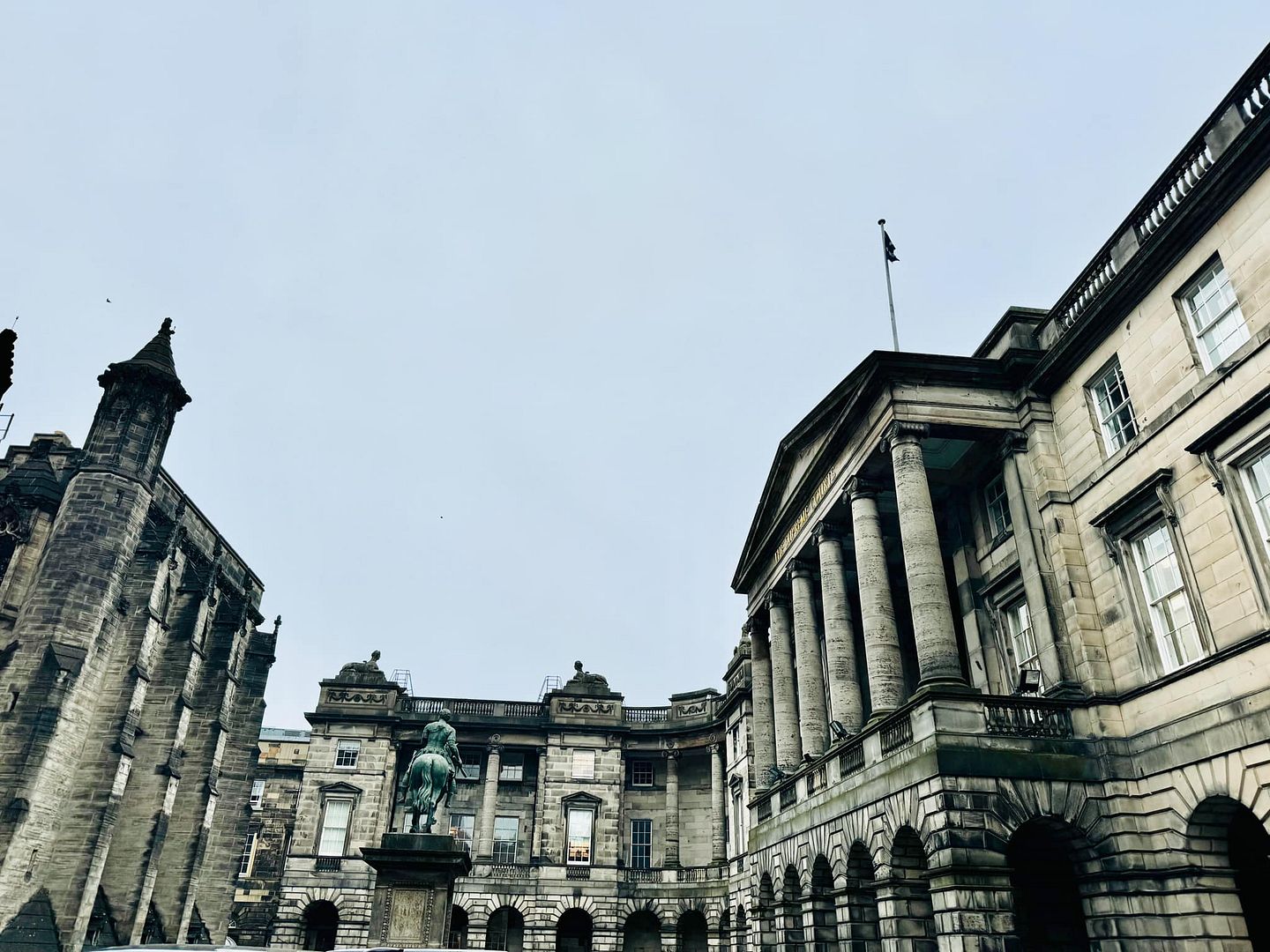
St. Giles was not open to the public yet on this particular morning so Jimmy took us around to the parking lot between St. Giles and The Supreme Court building. We would visit the inside of the cathedral at the end of our tour.
It looked to Jimmy’s keen eye that something was going on in the Supreme Court building so he managed to gain us access into the hall outside the courtroom.
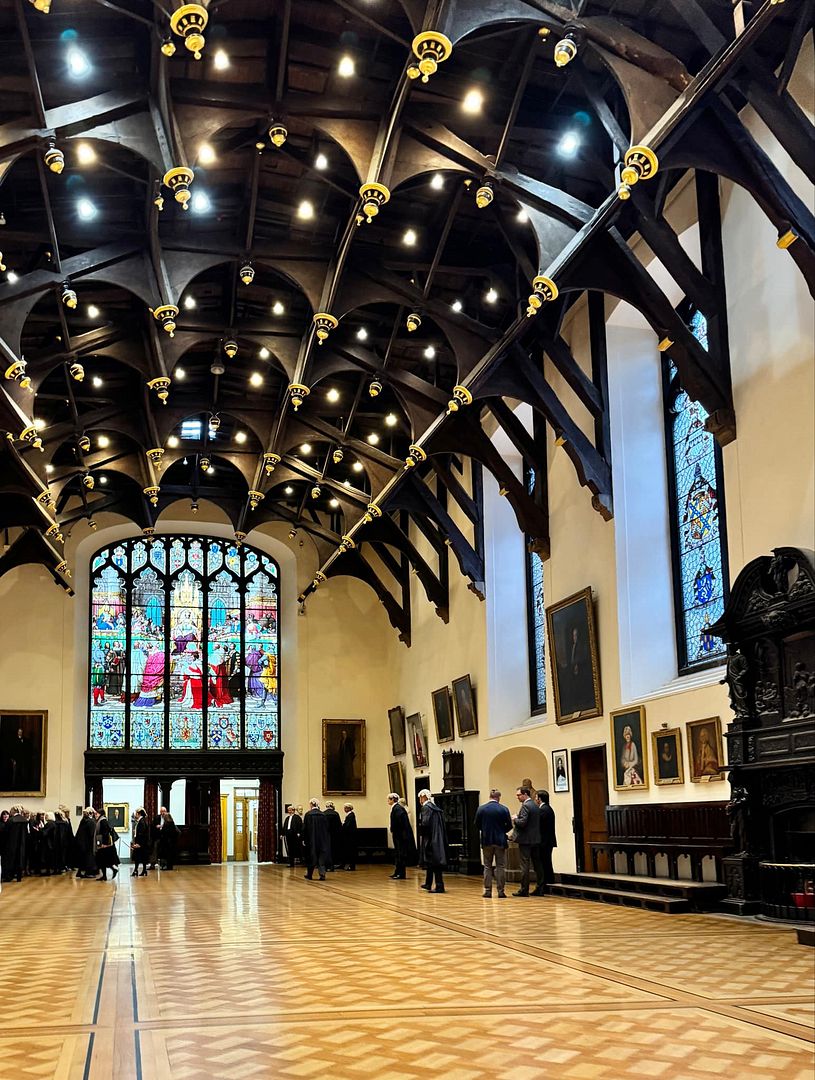
It was quite fascinating to see all the ‘big wigs’ standing around and some pacing back and forth the length of the room discussing their cases.
Back outside we were on the search for parking space #23.
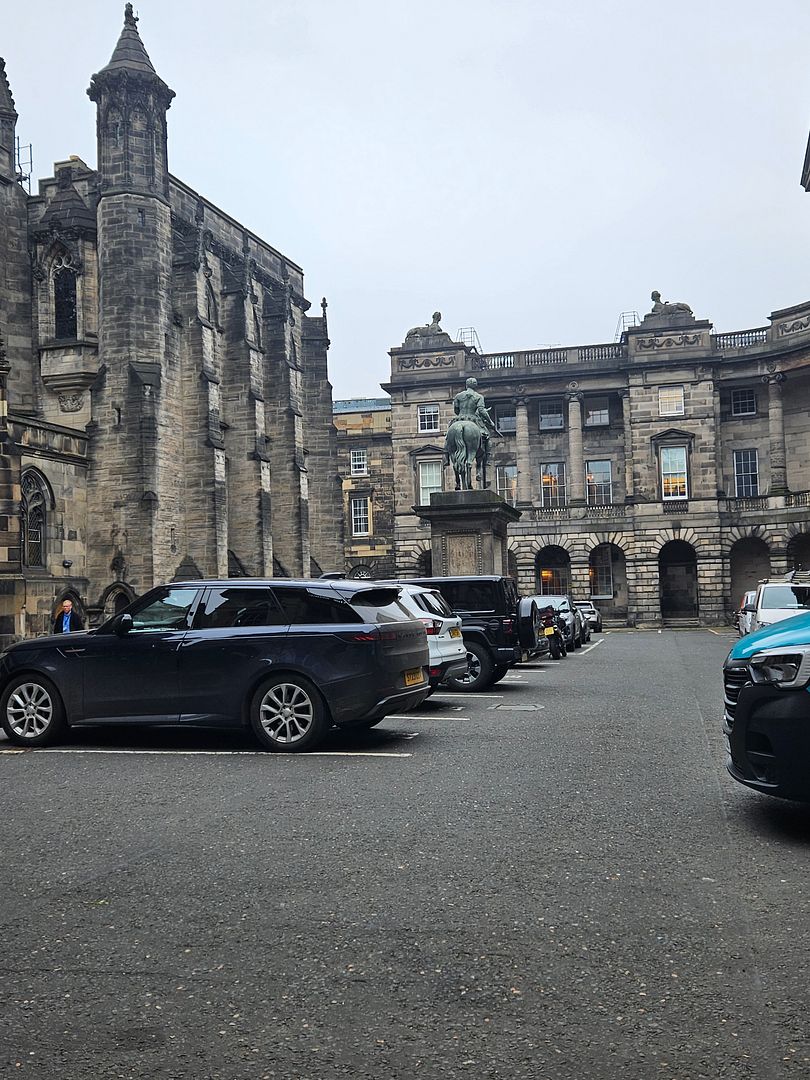
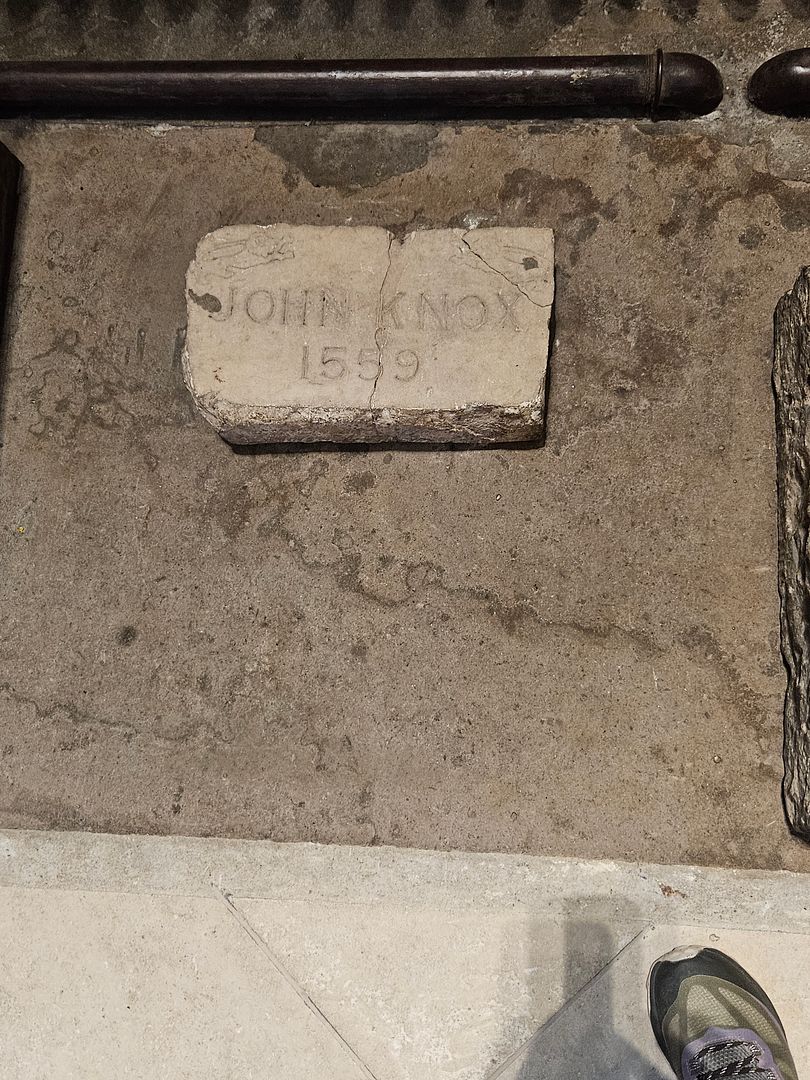
Here at space number 23 in the car park is approximately where John Knox is buried!
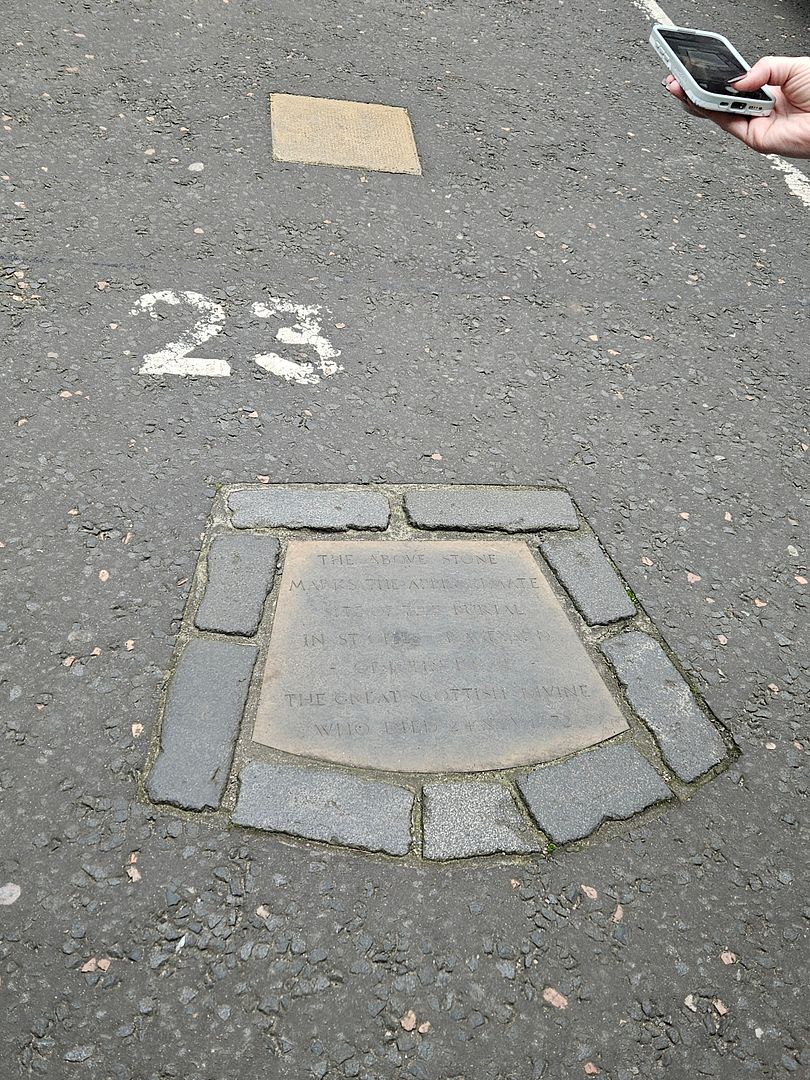
The Scottish Reformation leader’s grave was paved over and is now a parking lot. The stone inscription reads;
‘The Above Stone Marks
the Approximate
Site of the Burial
In St. Giles Graveyard
Of John Knox
The Great Scottish Divine
Who Died 24th November 1572′
It’s said that Knox wanted to be buried within 20 feet of Saint Giles, so he was laid to rest right outside the church in what was once a proper graveyard. However, the site has since been tarmacked over and is now a functioning parking lot. A plaque in parking space number 23 marks the approximate location of his now-lost grave.
Knox was a 16th-century preacher who commanded that his people be able to read the Bible in their own language. He was a key figure in turning a nation of Catholics into one of Protestants. His fire and brimstone sermons and teachings often put him at odds with the Catholic Mary, Queen of Scots.
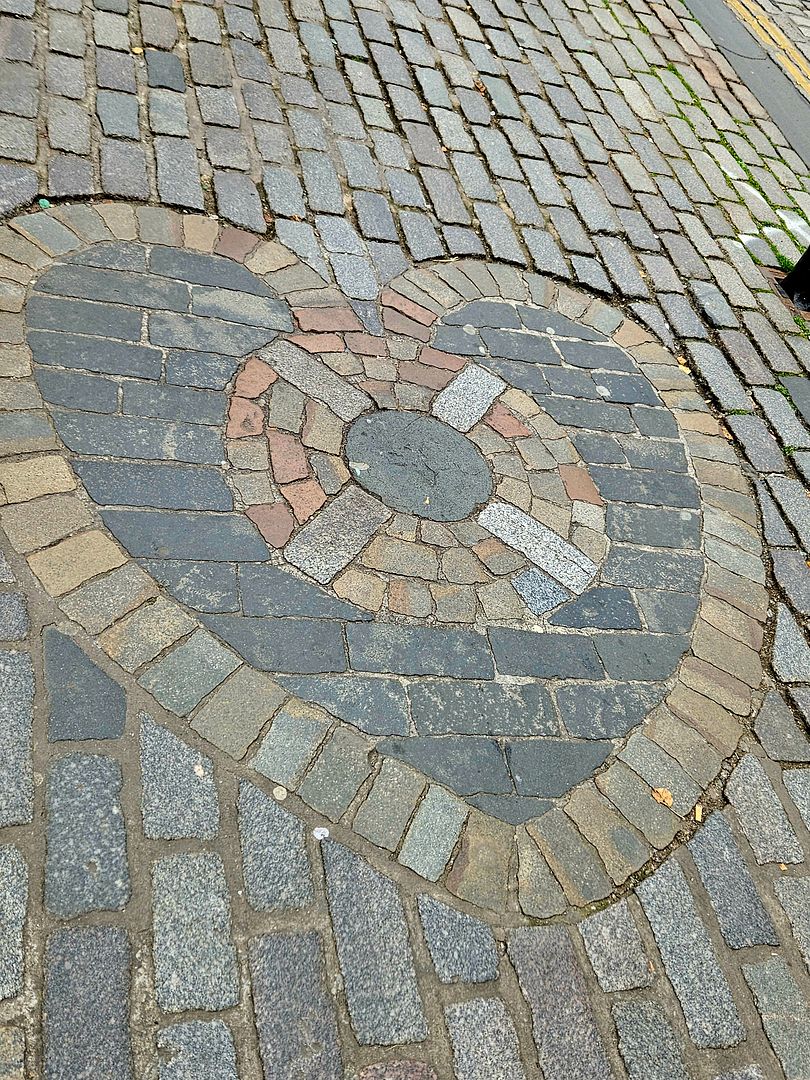
On our walk to Victoria street we came across this Famous Heart.
The Heart of Midlothian is both a historic mosaic dating to the Middle Ages and a landmark that denotes the location of Edinburgh’s Old Tolbooth administrative building. Locals often spit on the sign as a good luck charm, a tradition that has morphed from its original meaning of disdain for the many executions that took place at this site over the years. The Heart of Midlothian F.C., the local soccer club, takes its name from the mosaic and the Old Tolbooth.
The Heart was installed as part of a replacement building to the Old Tolbooth in 1561, and after this second building was demolished in 1817, the Heart was all that remained. It has been an inspiration for the writings of Sir Walter Scott and has become an iconic part of the city’s culture and historic identity – even if many now don’t remember its true origins.
FYI: Tolbooth is a Scottish term that refers to a townhall, jail or guildhall where tolls are collected.
From here we walked down Victoria Street to Grassmarket.
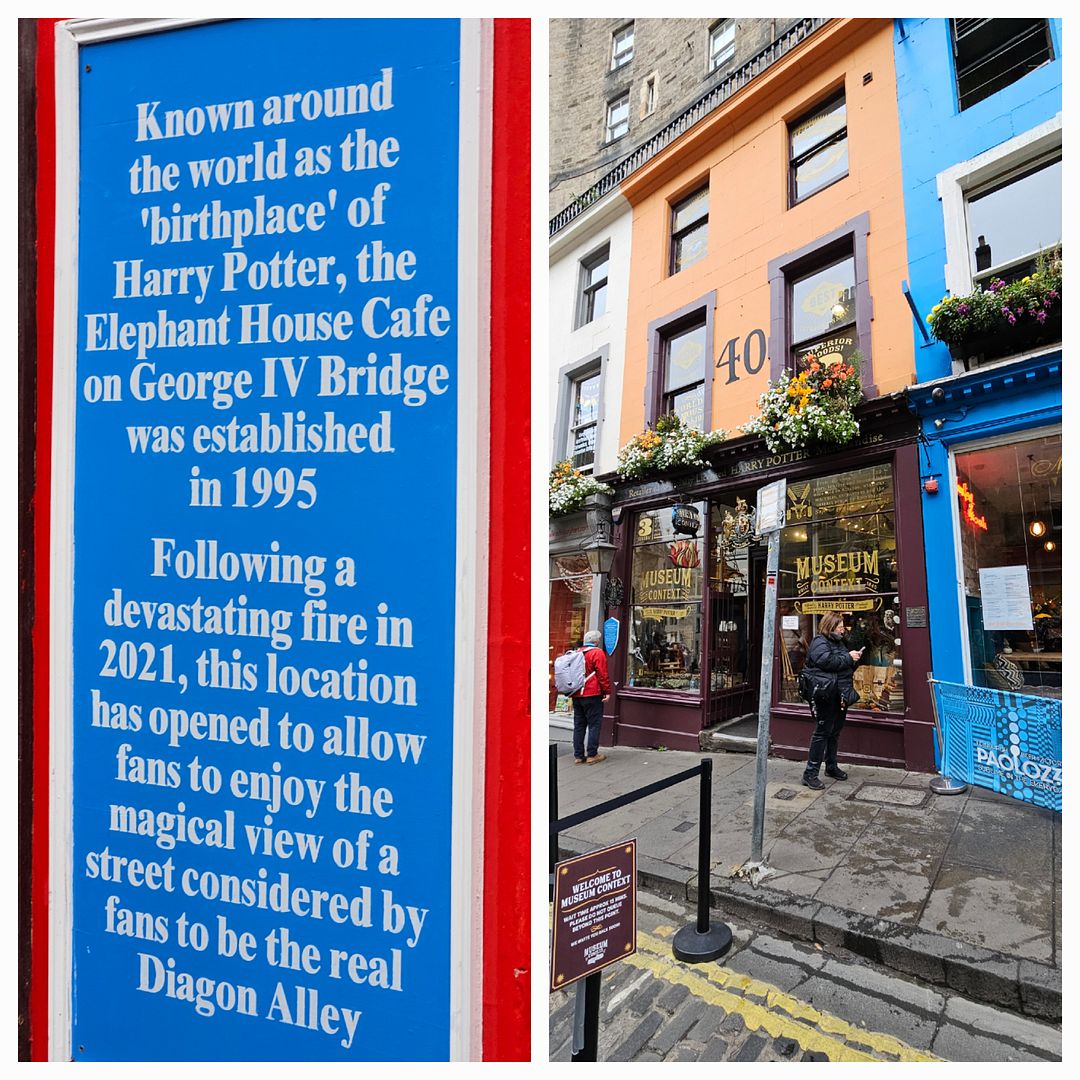
Victoria Street is said to be an inspiration for Diagon Alley in the Harry Potter books but J.K. Rowling denies that it is. Nonetheless fans flock here and stand in line to get in the museum on this colorful street.
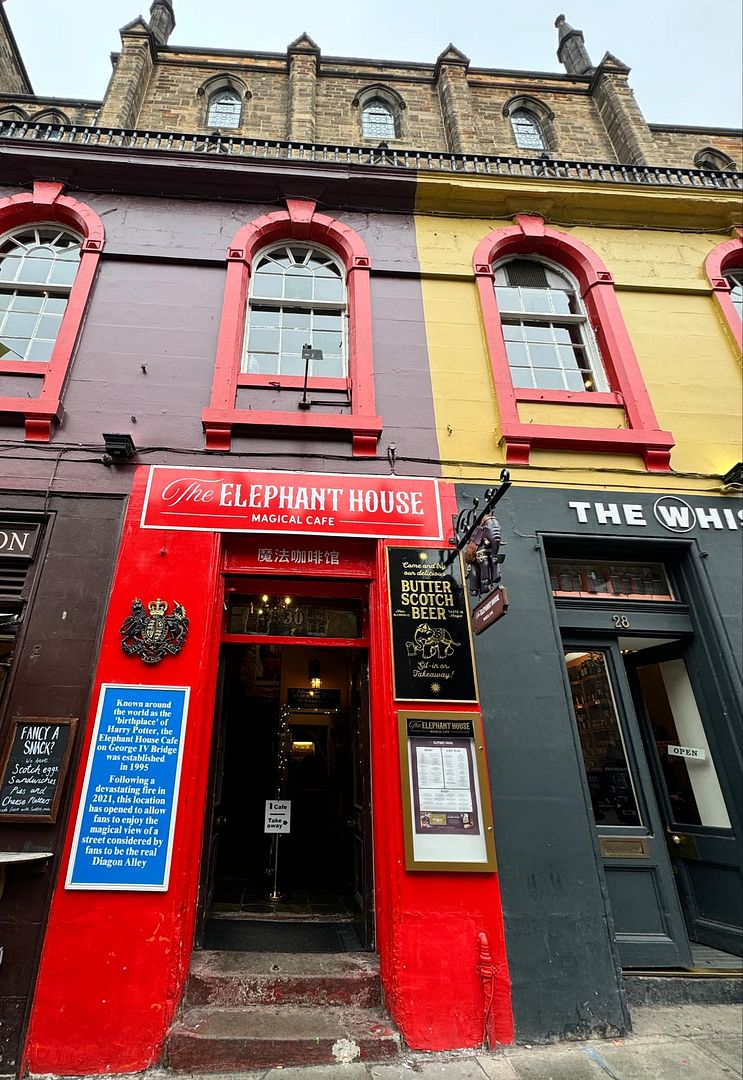
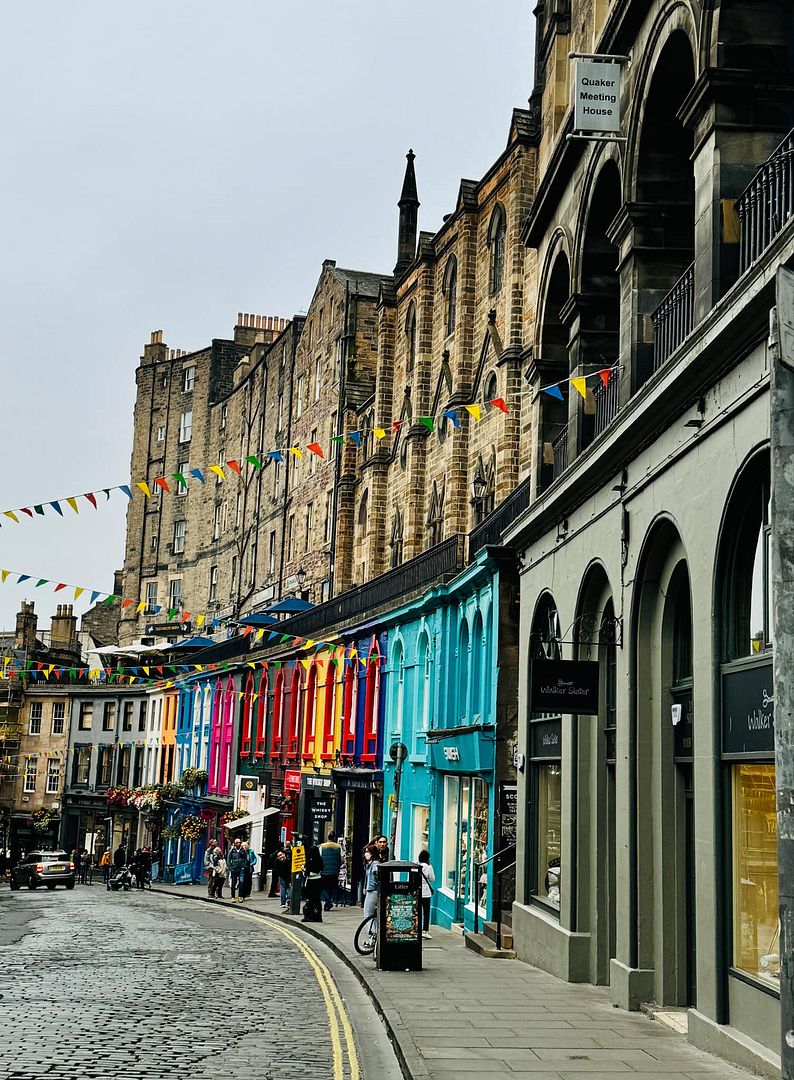
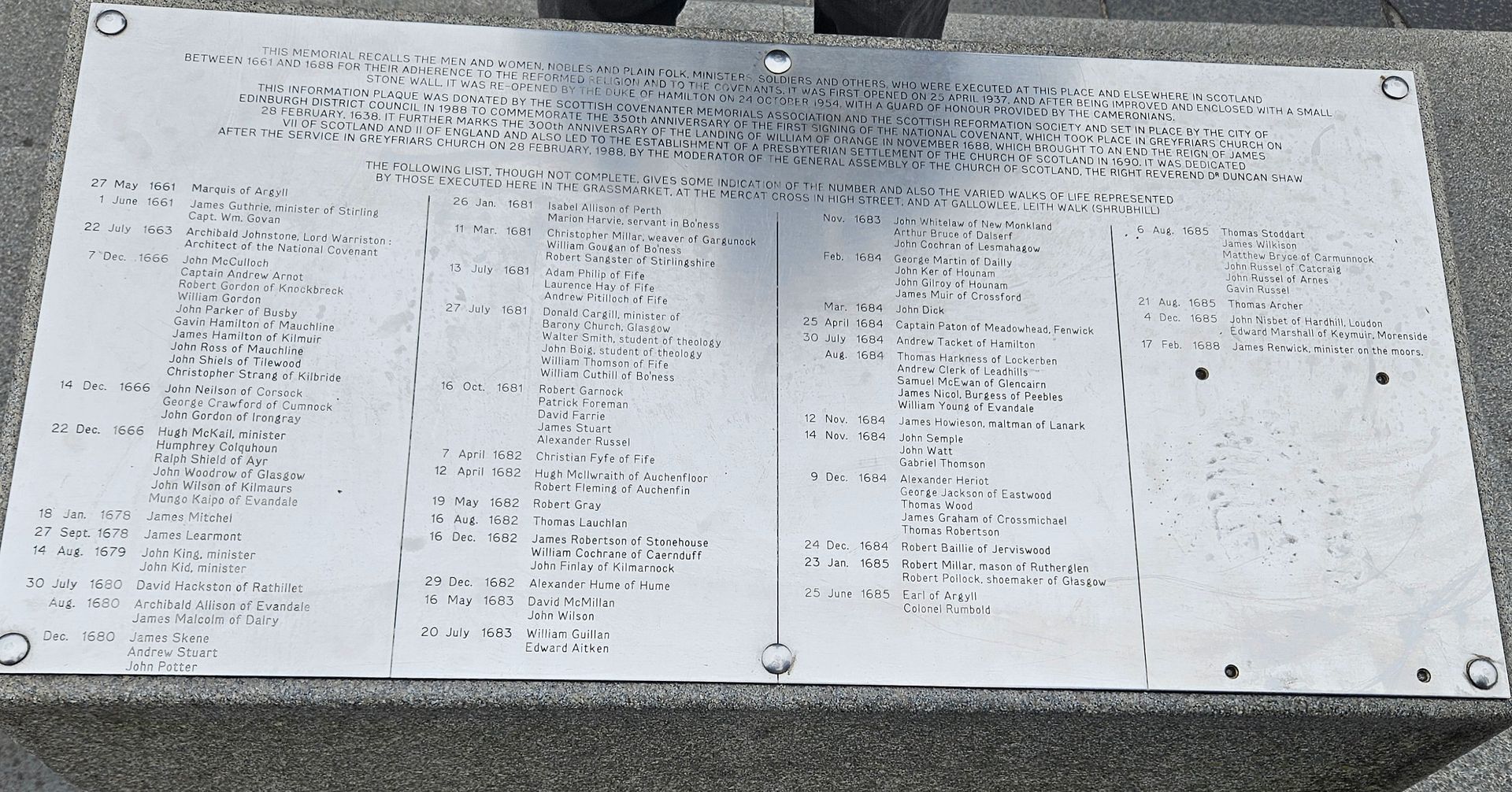
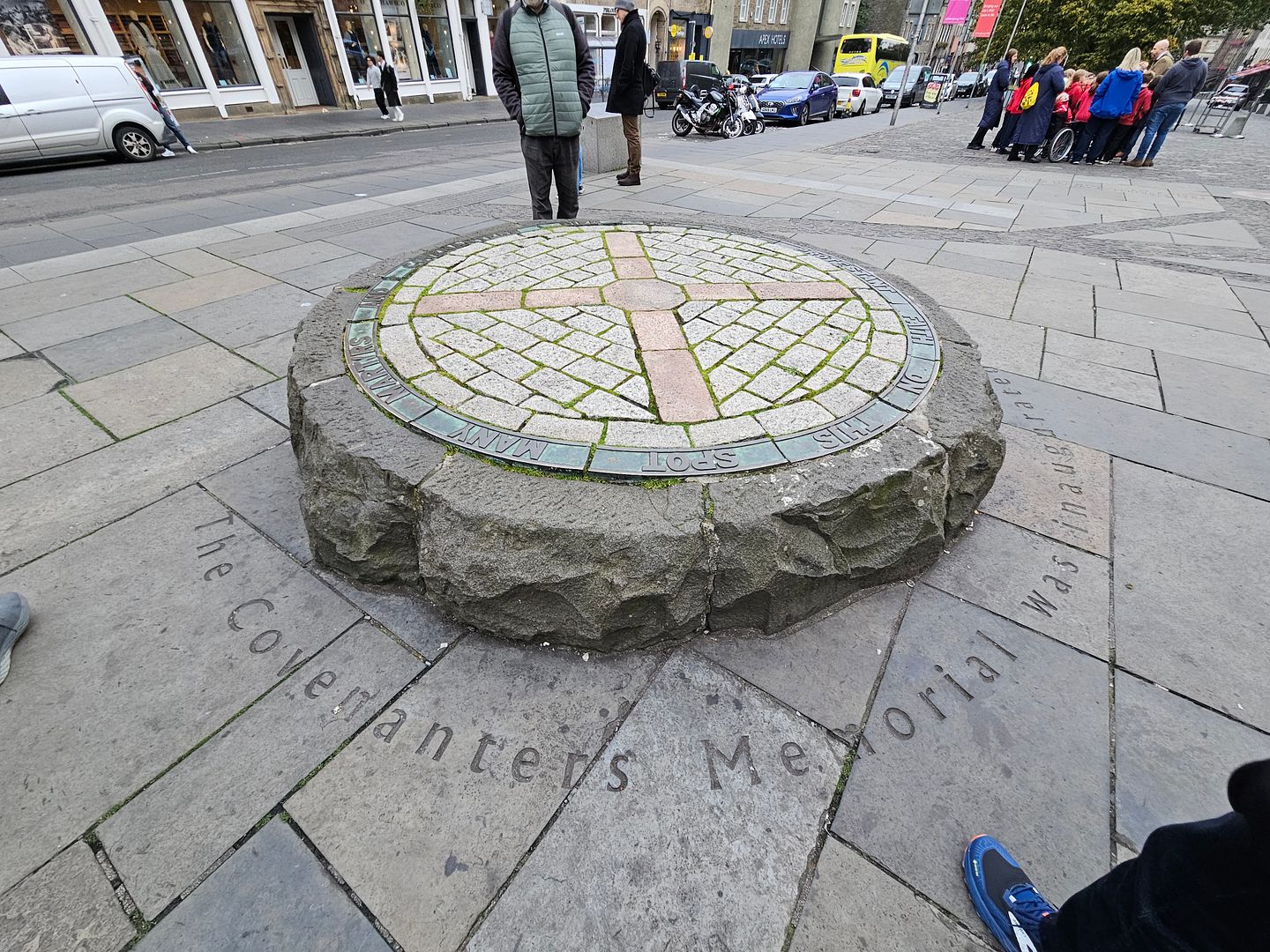
This is where the ‘meat’ of our Reformation Tour began as we were told that this was the route that martyrs would take from their sentencing in the courts above then down Victoria Street to the public gallows. Once we reached Grassmarket we stood around this monument to Martyrs and Covenanters who lost their lives at this spot for their faith.
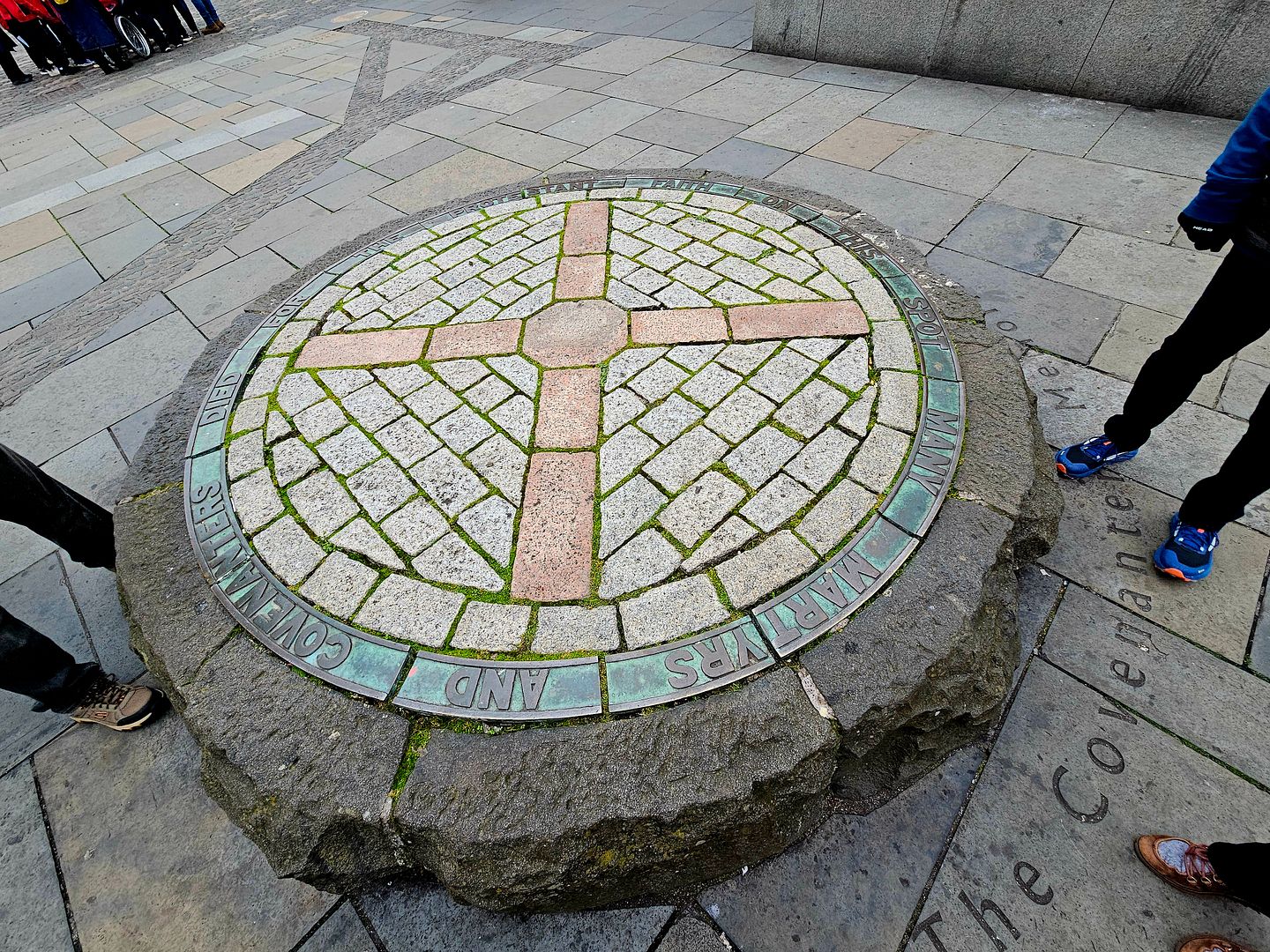
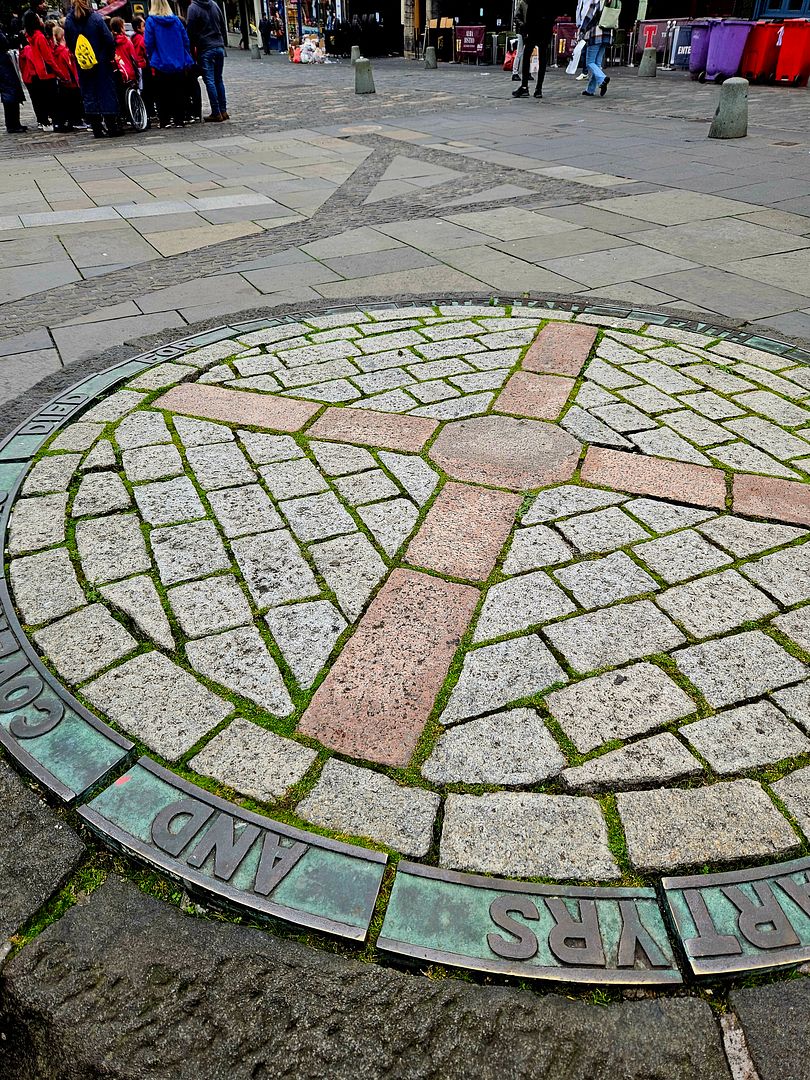
The Grassmarket is an wide open street on the south side of Edinburgh’s Old Town. The city had the public gallows there, and many Covenanters were executed during the Covenanting period.
A circular memorial, erected by public subscription in 1937, marks the site, and an adjoining plaque lists the names of the many Covenanters who were hanged there.
In a recent renovation of the locality, a representation of the gallows’ shadow was made on the ground using different coloured stone, as seen in the picture to the left.
Our tour continued from here. We made stops at Greyfriars Kirkyard, The National Museum, The National Library and St. Giles Cathedral.
At this stage in January, many months later, I’m not sure of the order of those stops! Travel failure in not writing a journal while on our trip. I’ll put it down to the fact that our days were so full we didn’t have a lot of down time in the evenings.
Hello to February. I was hoping to have our Scotland Journal Posts done by the end of January but it will take a few days into February to accomplish that.

We give you thanks, Lord God, for all the benefits we continue to receive from your generous hand.
You not only give us what we need in this life, but in your free mercy you have fashioned us anew into an assured hope of a far better life —declared to us in the gospel.
So we humbly ask, heavenly Father, do not let our affections be so entangled or rooted in these earthly things that will not last.
Instead may we always have our minds directed to you on high, always watching for the coming of our Lord and Savior, when he will appear for our full redemption.
To whom, with you and the Holy Spirit, be all honor and glory, forever and ever. So be it.
(John Knox in Grace from Heaven)

2. Thursday is National Poetry Day (first Thursday in October)…do you like to read poetry? If so, what’s a favorite poem, or whose poetry do you especially enjoy?
My favorites are songs and hymns and spiritual songs. That kind of poetry I can understand. I also enjoy children’s rhymes.
So many favorites in the Psalms;
The LORD is my light and my salvation;
whom shall I fear?
The LORD is the stronghold of my life;
of whom shall I be afraid?
3. Tell us about something you’ve seen recently that could be described as ‘poetry in motion’.
Other than watching Eagles and Hawks in the sky I would hearken back to the Olympics and watching the diving and other pool events including synchronized swimming that they now call artistic swimming.
4. What’s one song on your autumn playlist? Do you have an autumn playlist? If not, pretend you do. If yes, then feel free to share more than one.
This is a song that has been playing on the cd in my car that gets me every time.
And this one that I was listening to yesterday…
5. Share a quote that inspires you this time of year especially.
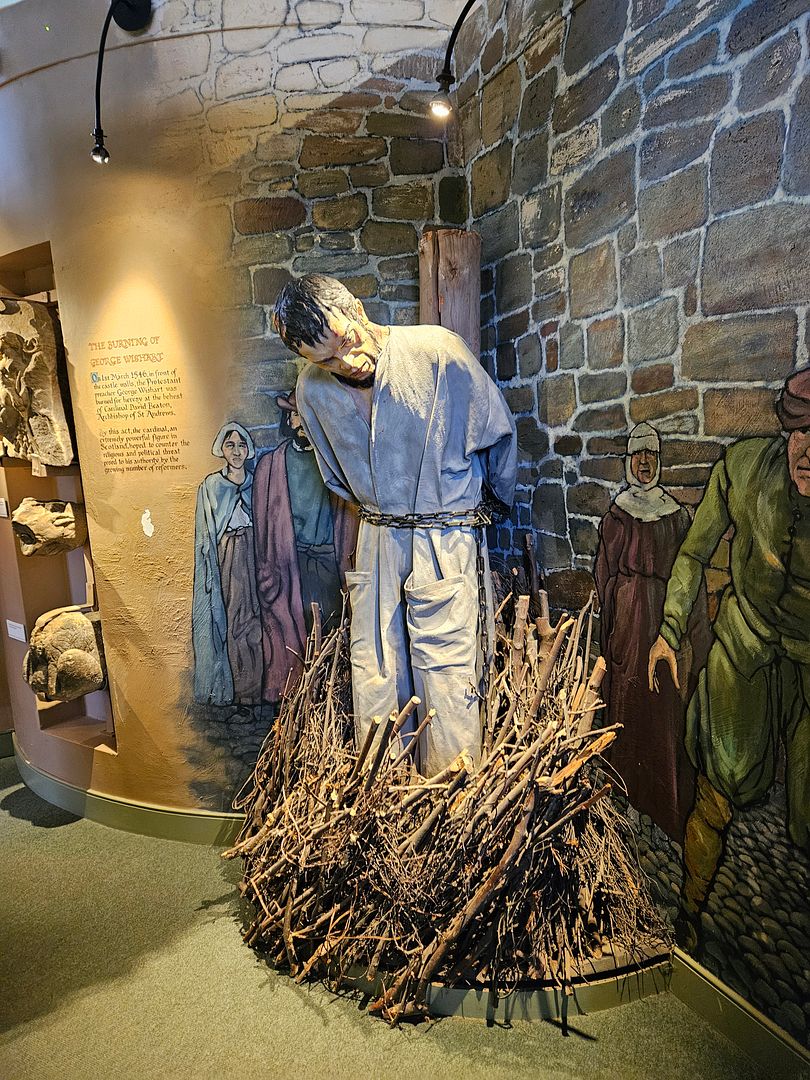
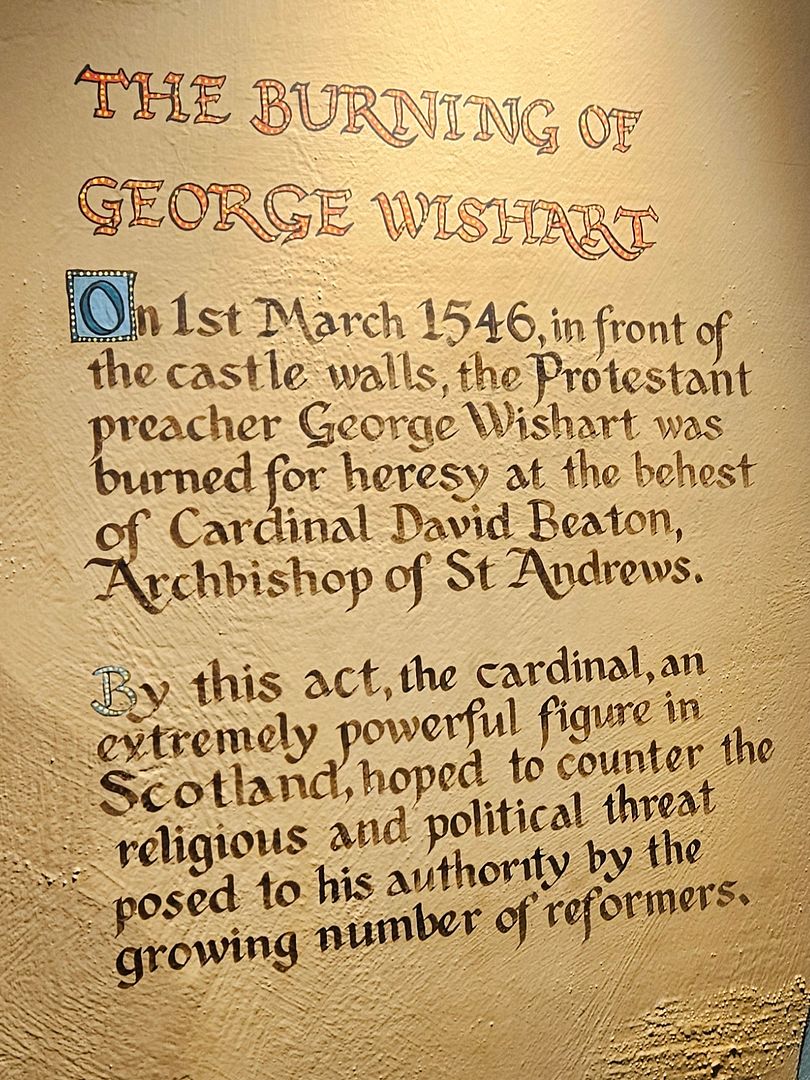
I’m inspired by our very recent trip to Scotland and specifically walking along the steps of John Knox and his influence on Scotland and the Scottish Reformation. Not him alone but many other Covenantors who lost their lives for the Gospel and the Kingship of Christ and the Church. So at this time of year I’m inspired by Knox and other Martyrs. John Knox preached across Scotland and in England and Europe. George Wishart was burned at the stake in front of St. Andrews Castle another location where John Knox spent time. We visited St. Andrews and the ruins of the castle. St. Andrews is filled with history and not just golf. 🙂

“Resistance to tyranny is obedience to God.”
―
“The man who stands with God is always in the majority.”
―
And from George Wishart a friend of Knox and Scottish Martyr–
When he came to the place of his death he knelt and prayed to Christ, then he addressed the watching crowd: ‘If I had taught men’s doctrine, I had gotten greater thanks by men. But for the true Evangel [gospel], which was given to me by the Grace of God, I suffer this day by men, not sorrowfully, but with a glad heart and mind… This grim fire I fear not: and so I pray you to do, if any persecution come unto you for the Word’s sake; and not to fear them that slay the body, and afterwards have no power to slay the soul… I know surely that my soul shall sup with my Saviour this night, ere it be six hours, for whom I suffer this.’ Next he prayed for those who had viciously persecuted and slandered him, saying, ‘I forgive them with all my heart.’

These images and placards were inside the visitors center for St. Andrews Castle Ruins.

6. Insert your own random thought here.
We are still recovering from our Jet Lag and thankfully each day gets better.
The devastation from Hurricane Helene has been on my mind and I pray that help will reach the stranded. Thankful for the groups like Samaritan’s Purse who respond quickly and compassionately to those in need. The family members we have living in North Carolina were spared and they are pitching in to help where they can.
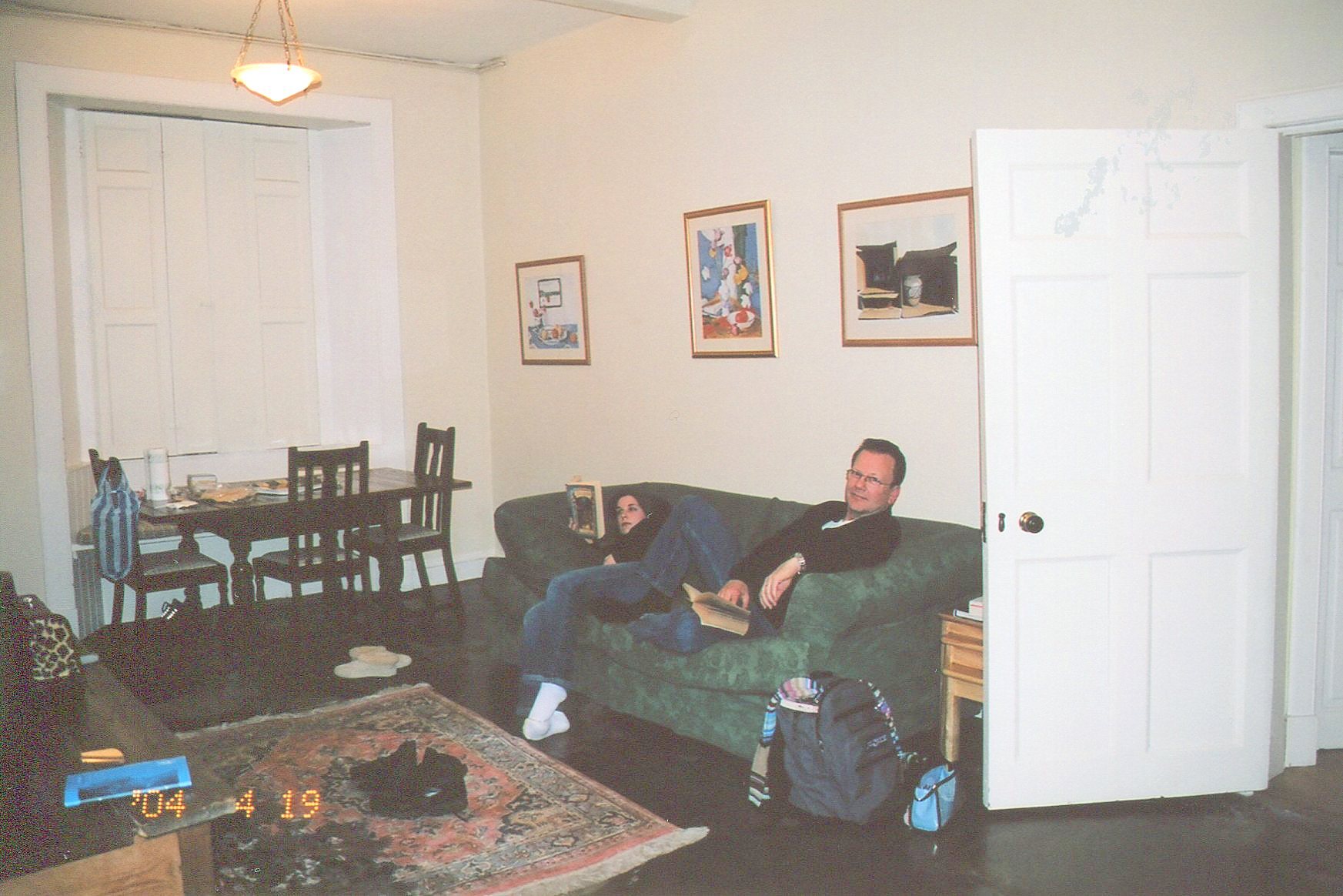
This will be my second to the last post on our 2004 literary tour with our daughter Katie. We traveled north by train from York to Edinburgh. We made arrangements at a self catered apartment for our days in the city and beyond.
We walked from the train station to the street where our rental was and found no one there to answer the door. We finally were spotted by some neighbors who happened to have the key to the flat and they let us in. It was nice to have a tea tray waiting for us.
We toured Edinburgh Castle and walked down High Street where St. Giles Cathedral stands.
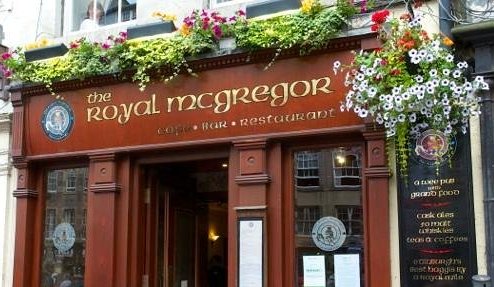
We ate at the Royal Mcgregor where Katie had her favorite hamburger on our trip.

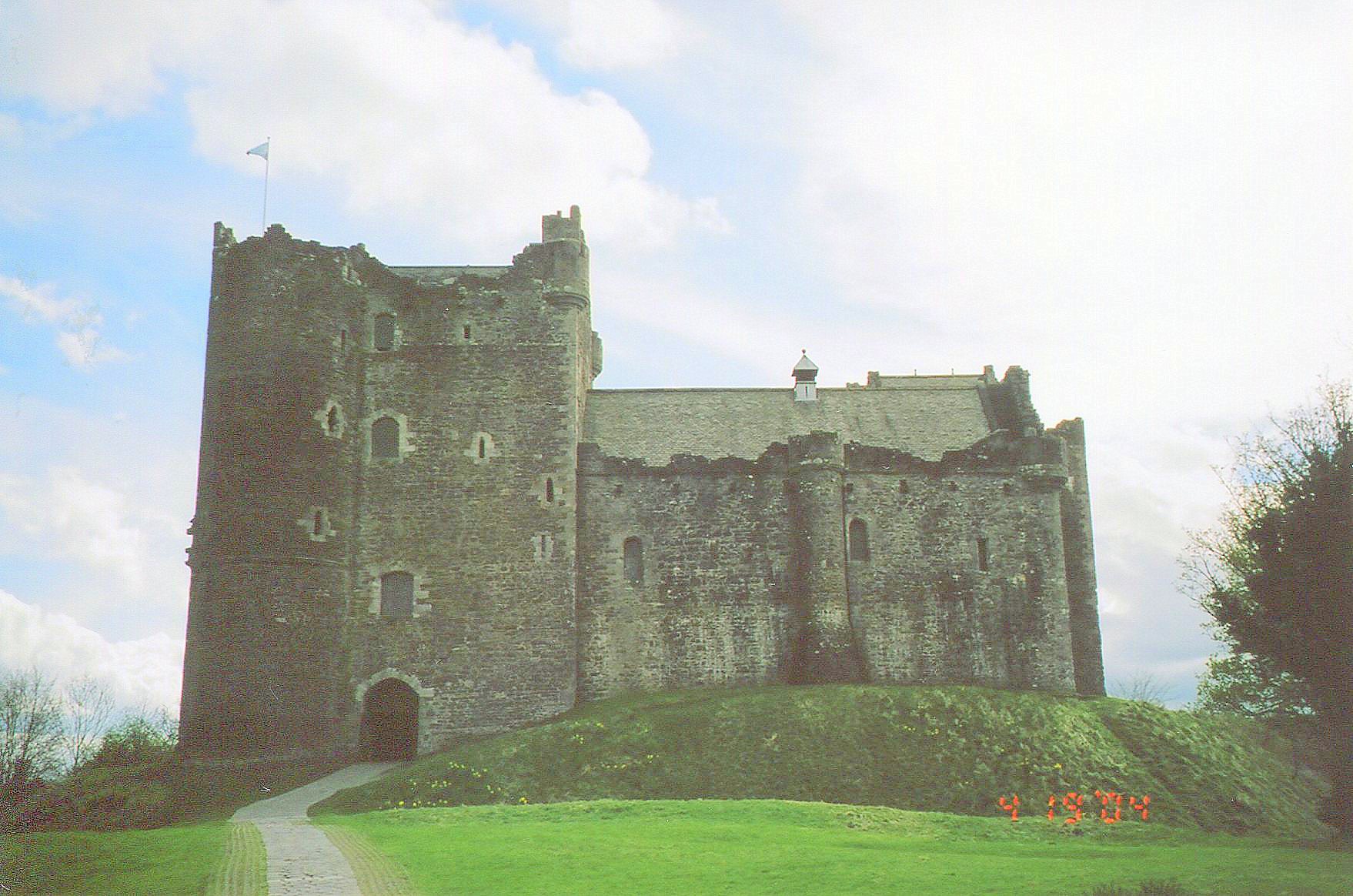
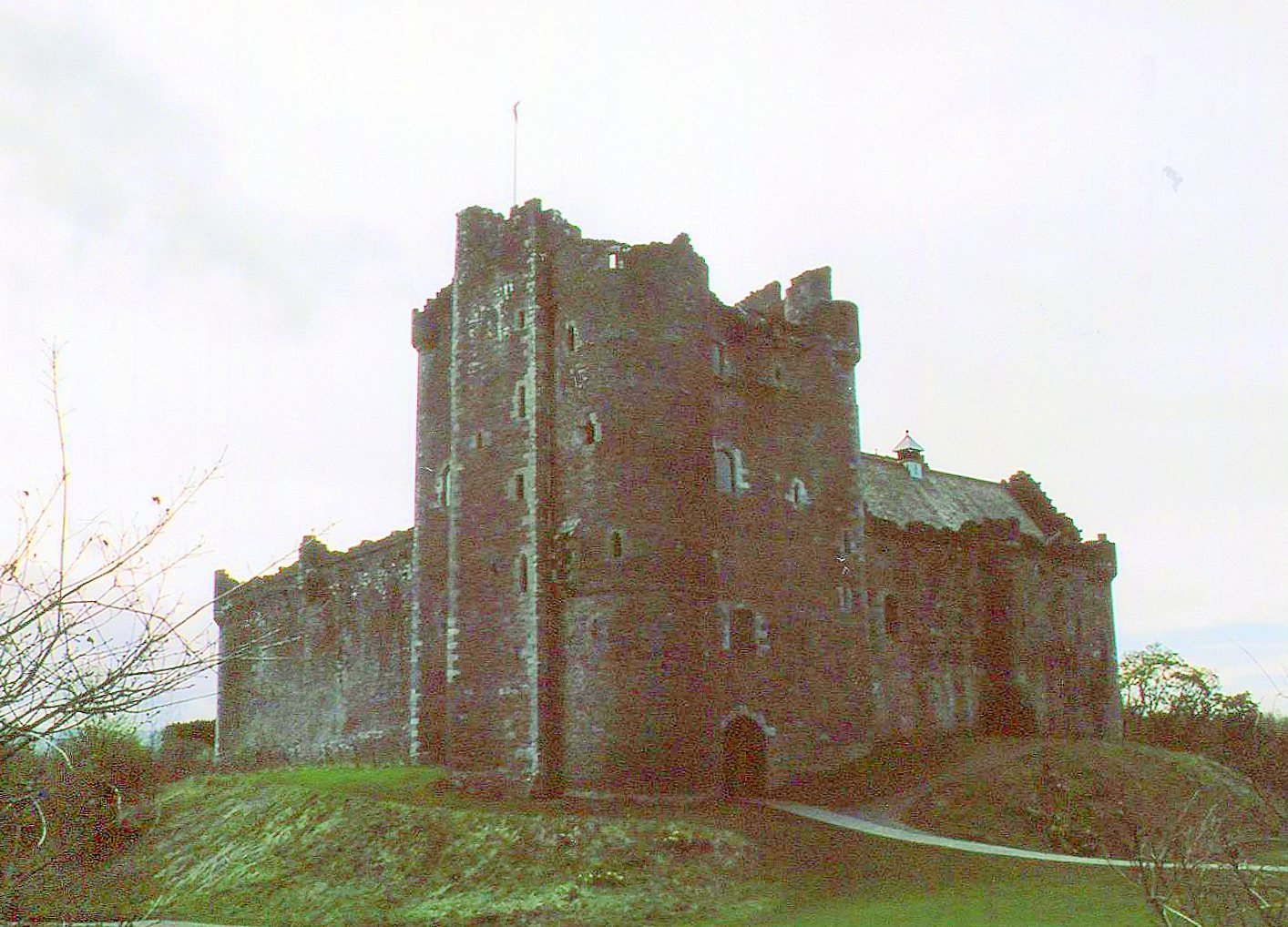
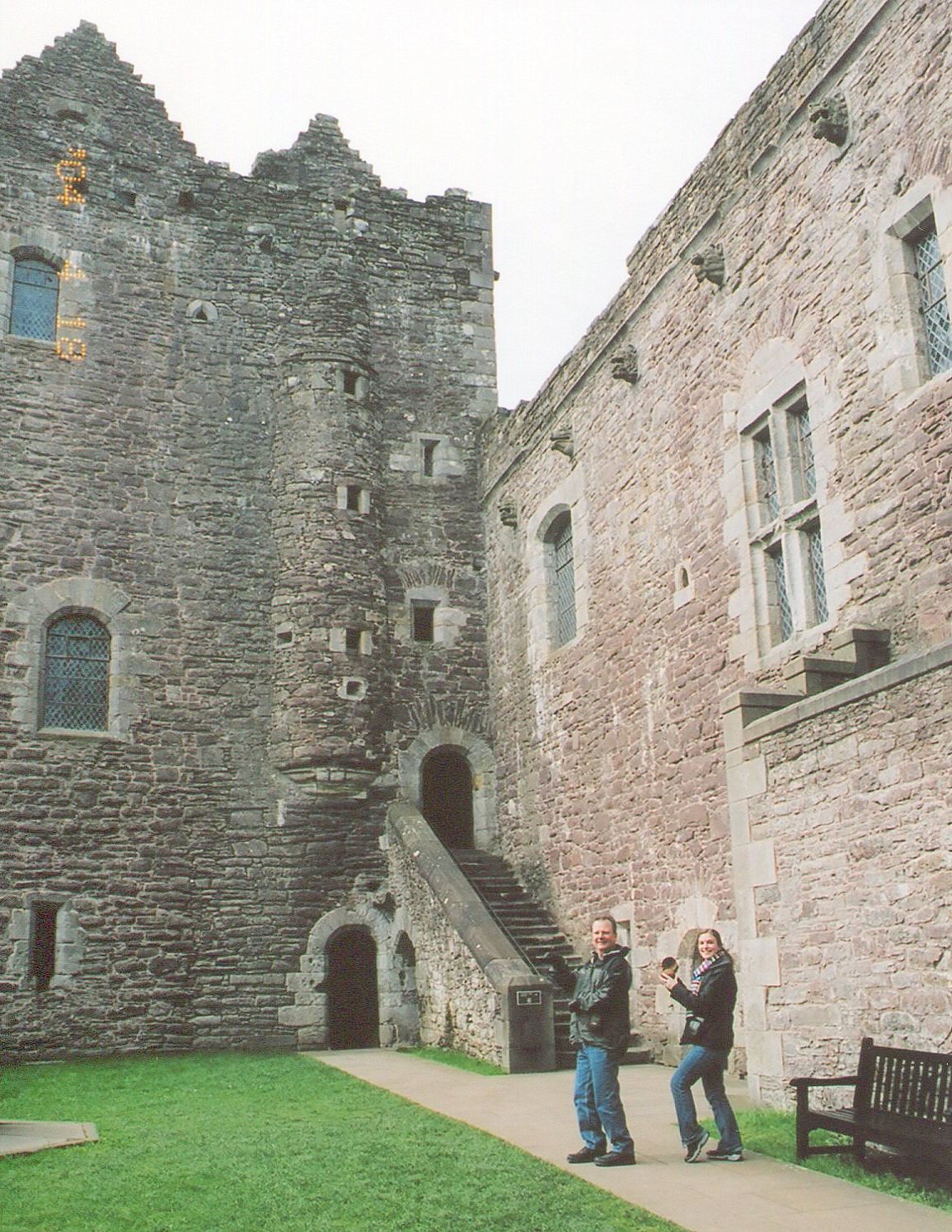
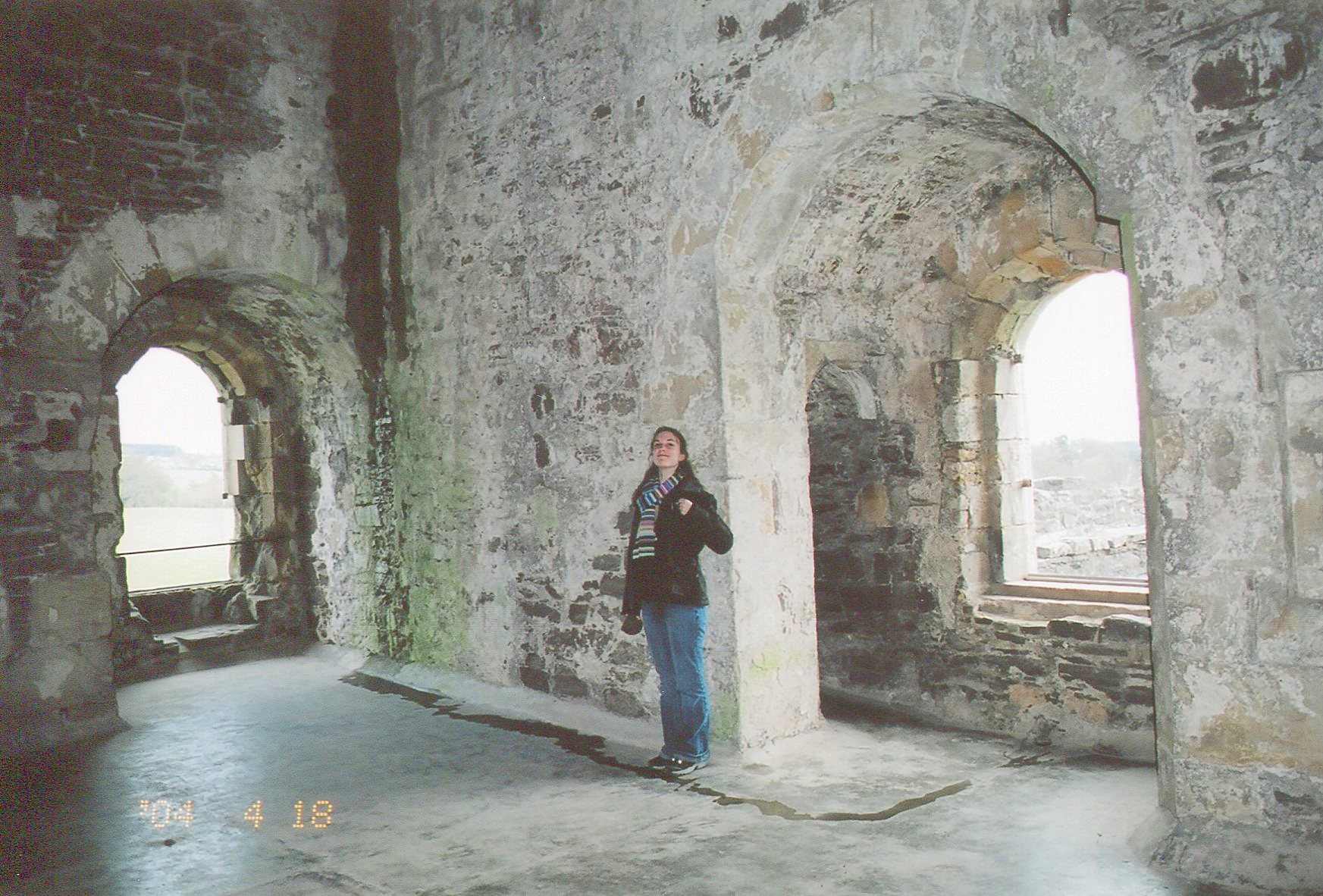
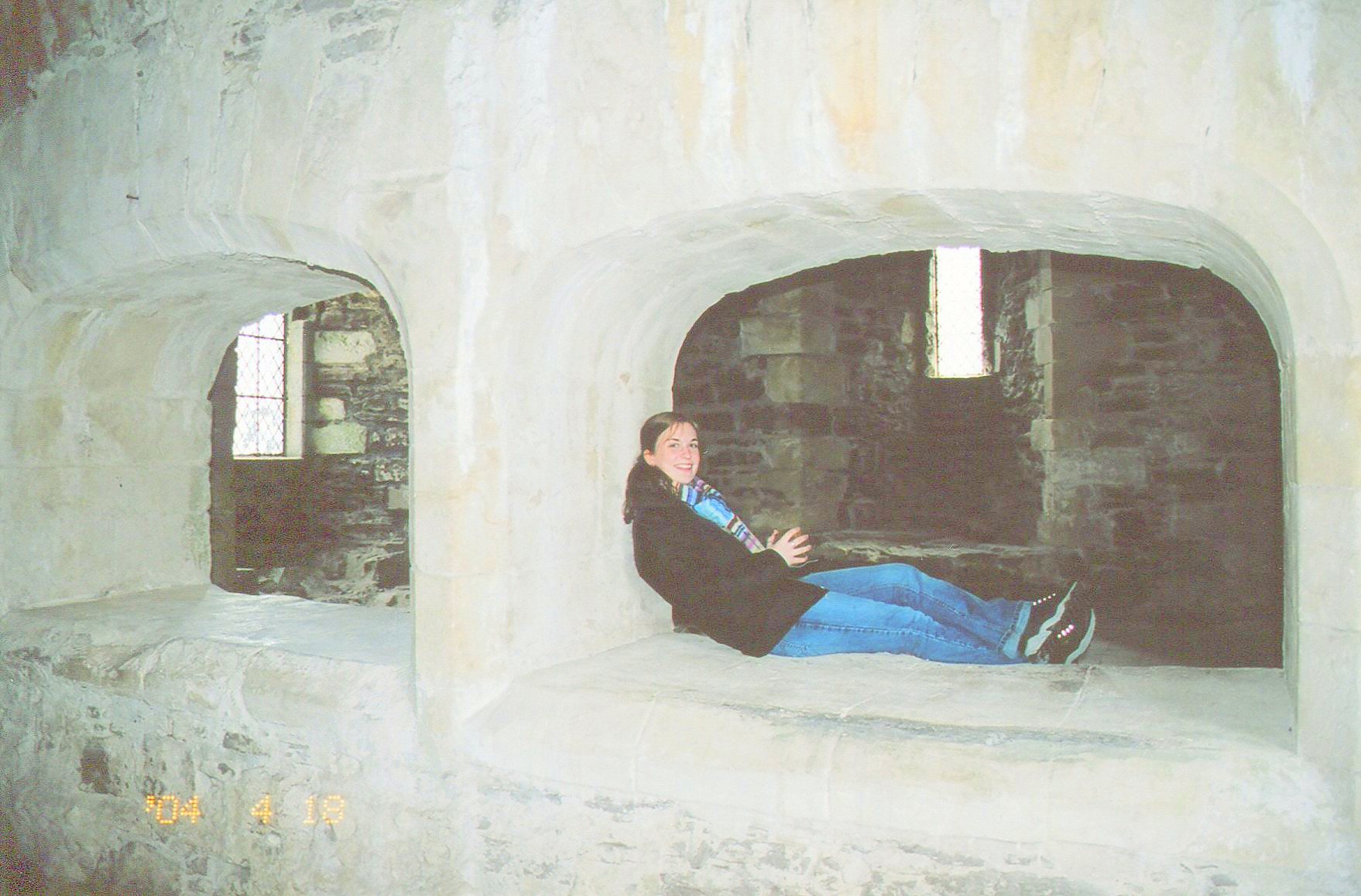
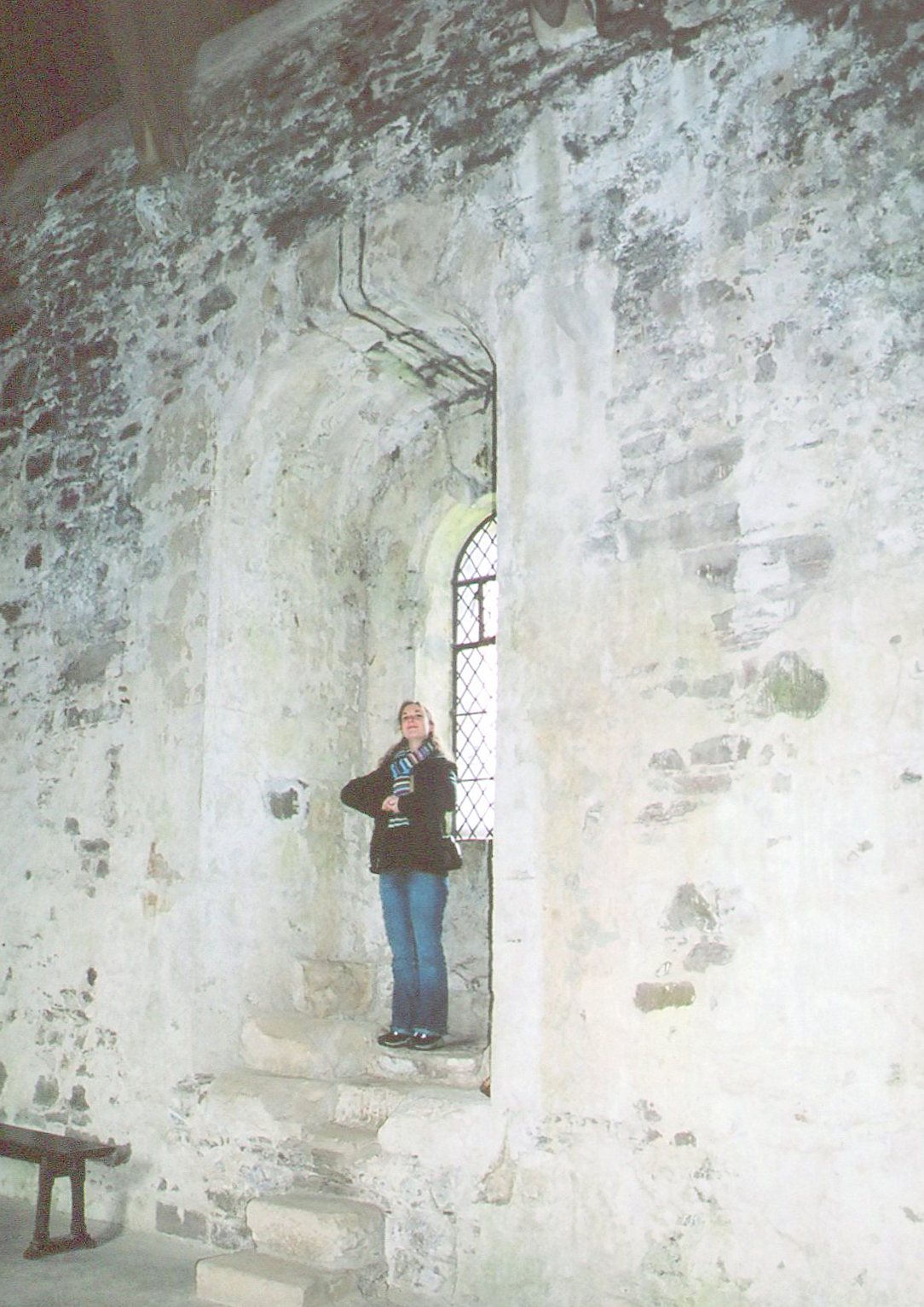
Our main side trip from Edinburgh was by bus to Stirling with a connecting bus to the little town of Doune where you’ll find Castle Doune. Castle Doune is the sight of some of the filming of Monty Python and the Holy Grail. This was a must stop for our daughter Katie. We were the only people at the castle (it was part of our Heritage Pass). To those of you who are familiar with this film you are handed coconut shells to walk around the grounds with. We were throwing out lines from the movie (Run Away, run away!) and making horse clip clop noises (with the coconut shells). They even take a picture of you here and post it on the official web page for Castle Doune and Monty Python and the Holy Grail. Hilarious fun.
From Edinburgh we took the train south all the way to London where we would finish off our literary tour.
We are entering a busy week leading up to Easter. I love Easter and all the preparations that it involves.