Tuesdays With Moisi ~ 9

Our Pop’s story continued…

This is our Pop’s story dictated verbally by him a few years ago. I’ll be sharing excerpts every Tuesday. When I add to his story or explain a photo I will Italicize my words. Our Pop’s words will not be italicized. Our mom does not come into Pop’s story until “Tuesdays With Moisi ~ 9” even though I’ve posted photos of her before #9. I have very few photos from our parents’ life in Russia and Persia. At the end of my Tuesday posts I’ll add links to all the other posts.
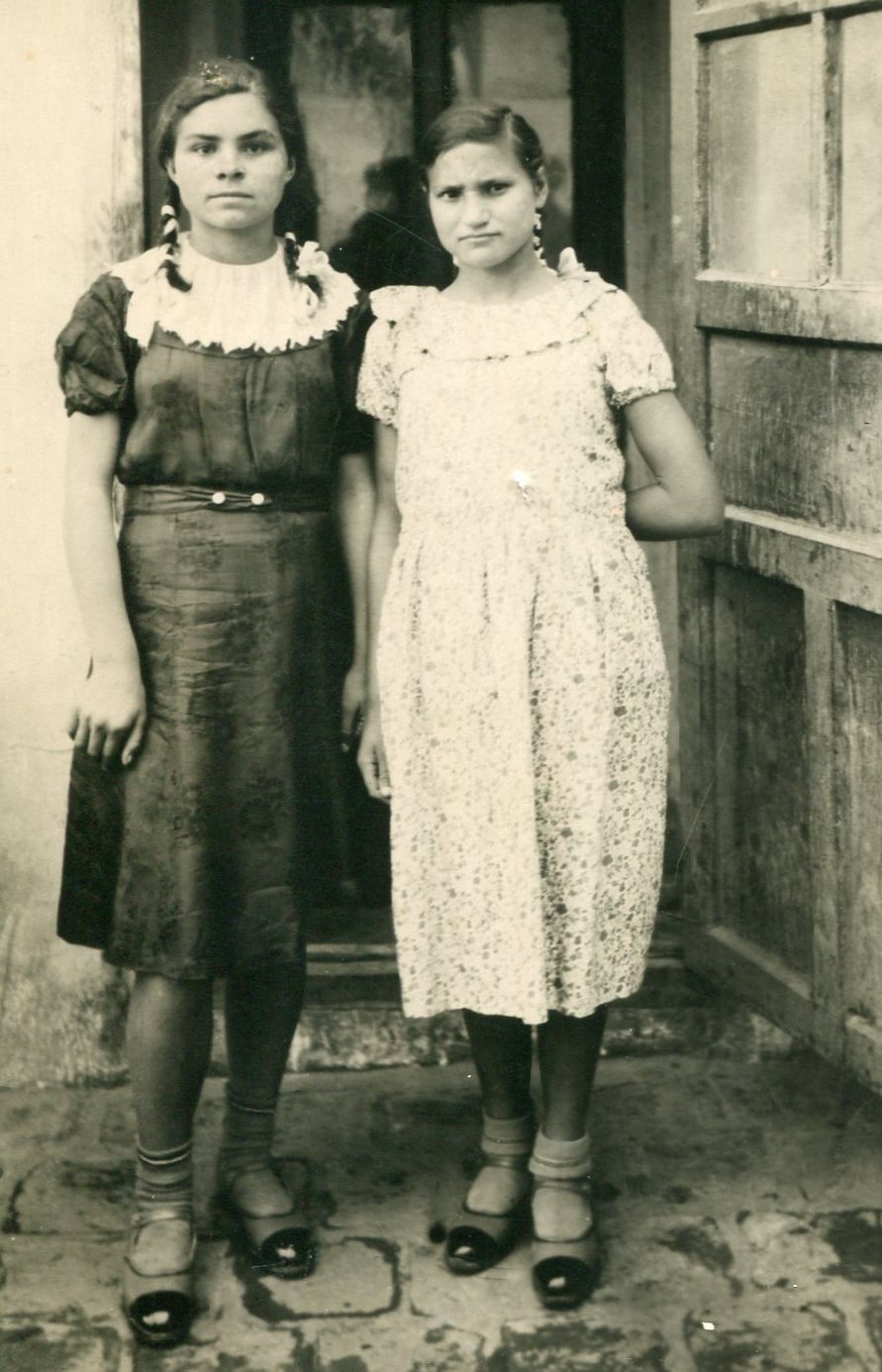
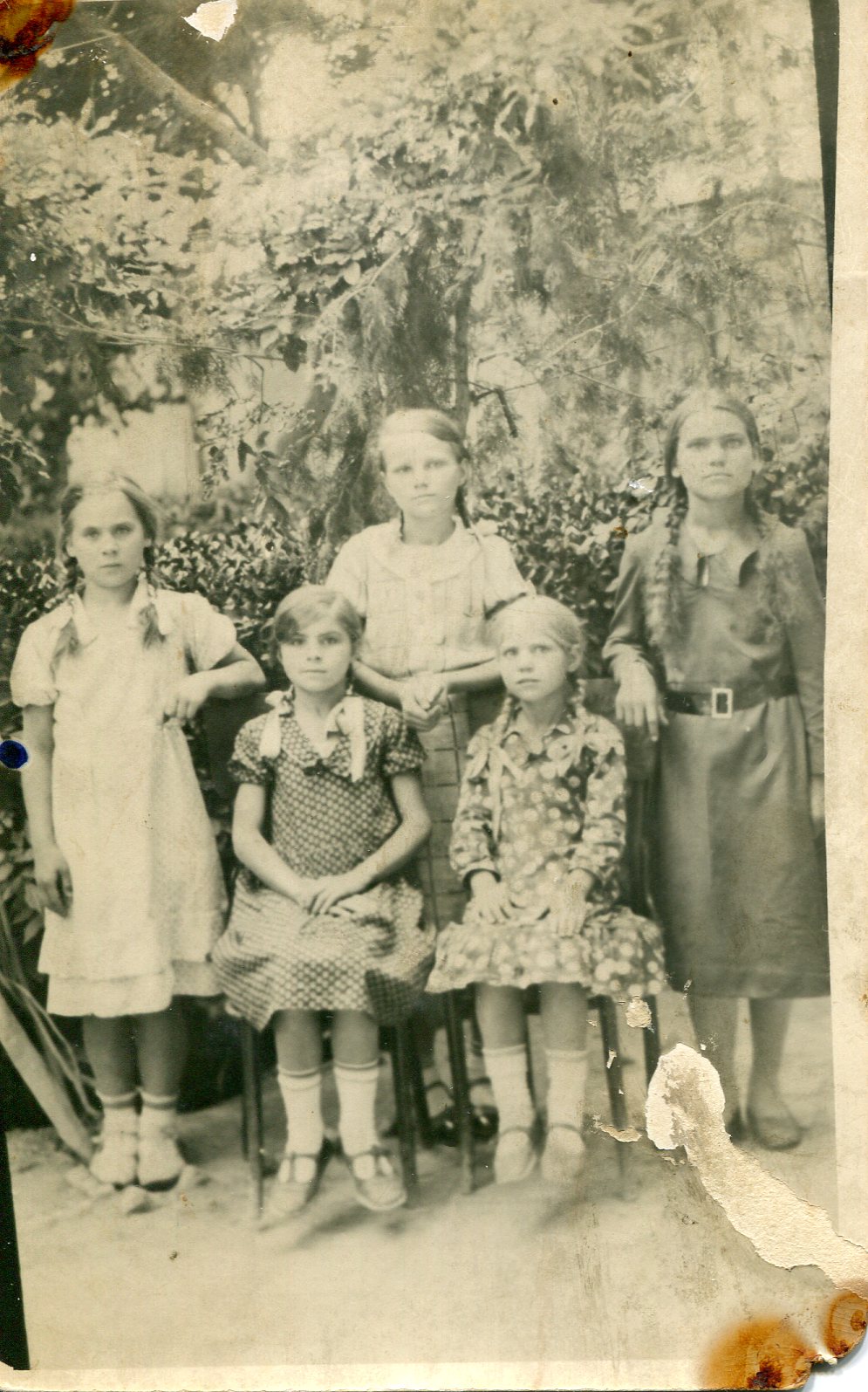
Our mom with her cousin Luba.

Nineteen forty-one saw the start of World War II and as a result, demand for wheat grew and we began to prosper.  In 1943, I began to seriously think of marriage and started looking for a suitable mate. One of my sister’s-in-law came from Teheran to give birth in our town because her mother was there.  I was assigned the duty of escorting her and her baby back to Teheran. When I was there I became acquainted with the local young people. Two girls among them caught my eye – Nina Katkov and Nadia Shvetzov.  At that time I mentally picked Nina for myself and Nadia for my friend. Of course this was unbeknownst to them and so I returned home and told my friend of all that had transpired.
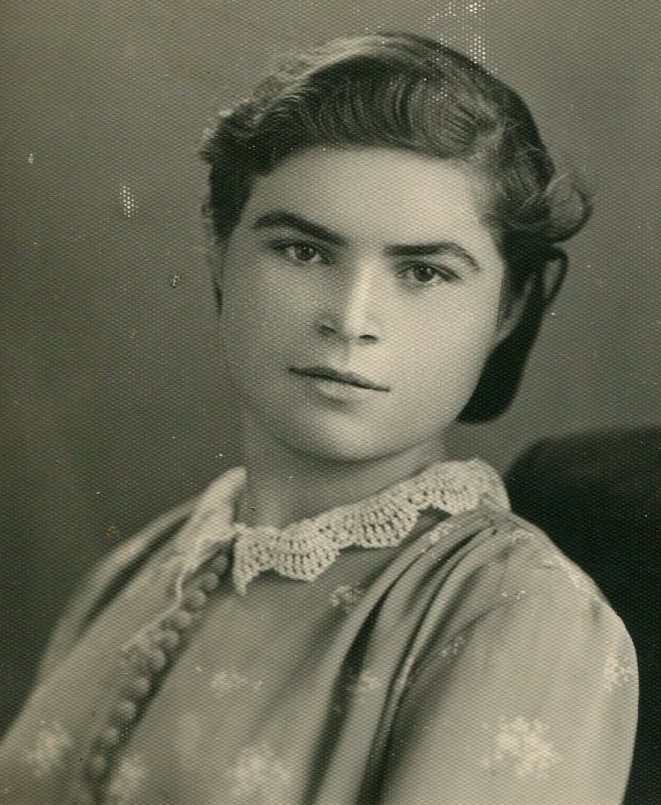
Our Mom in the 1940’s.

In May of 1943 the harvest was just beginning and it just so happened, within a few weeks of my return home, that Nina came with her folks and Nadia with her mom to participate in the harvest.  This suited me just fine. The day they came, I happened to be at home and not in the fields because I had hurt my leg. Their first stop upon arrival was our neighbor’s house. They came outside to wash up a bit after their journey – there was no indoor plumbing in those days.  I went next door, brought water from the well and poured it on their hands. Out came Nadia from the house, extended her hands to be watered, and smiled at me. That was it. Her smile rendered Nina a distant memory.

During the harvest, about four or five families worked as a group.  Lots would be cast as to what order each farm would be harvested. Each group worked for a specific farm.  The owners would feed us, and in general the work was quite pleasant. Since many of the workers were young singles of marriageable age, serious courting took place in the evenings.  Protracted individual dating was unknown back then. In those two summer months following that particular harvest, twelve marriages took place. I remember that some of these marriages did not do well primarily because of the immaturity of both bride and groom.

This is our mom with her brother Paul in Persia before she and Pop were married. Our mom’s brother Paul ended up marrying Nina and the next photo is from their wedding which occurred after my parents immigrated to the United States. I’m including this photo since Nina was mentioned in this part of Pop’s story. Nina ended up being our pop’s sister-in-law, our aunt.
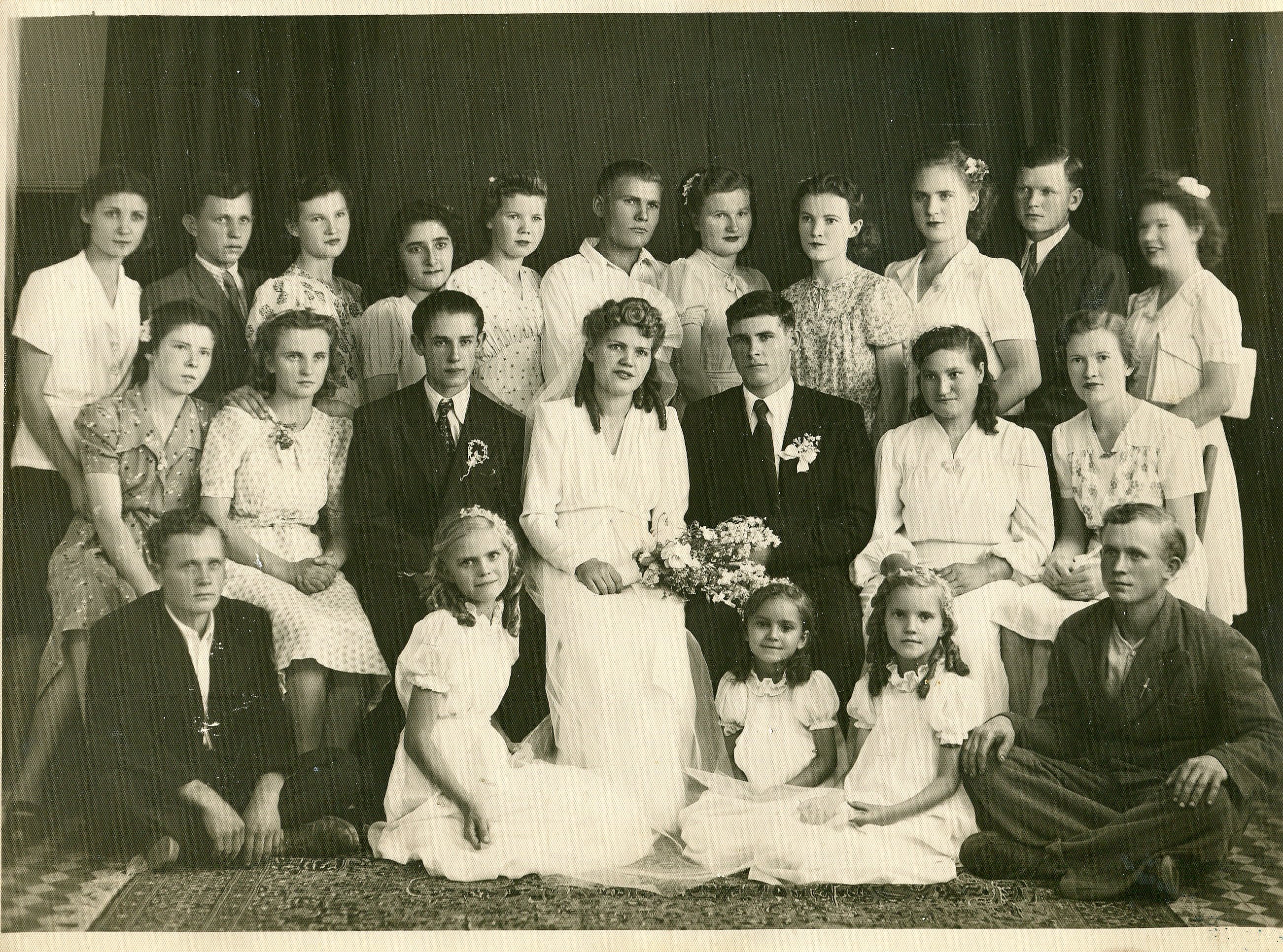
In Persia on wedding days one of the customary photos taken was of the couple that just got married with all their single relatives and friends. Next to my uncle Paul is Luba who is also in the top photo with my mom when they were younger.
Mosaic Monday

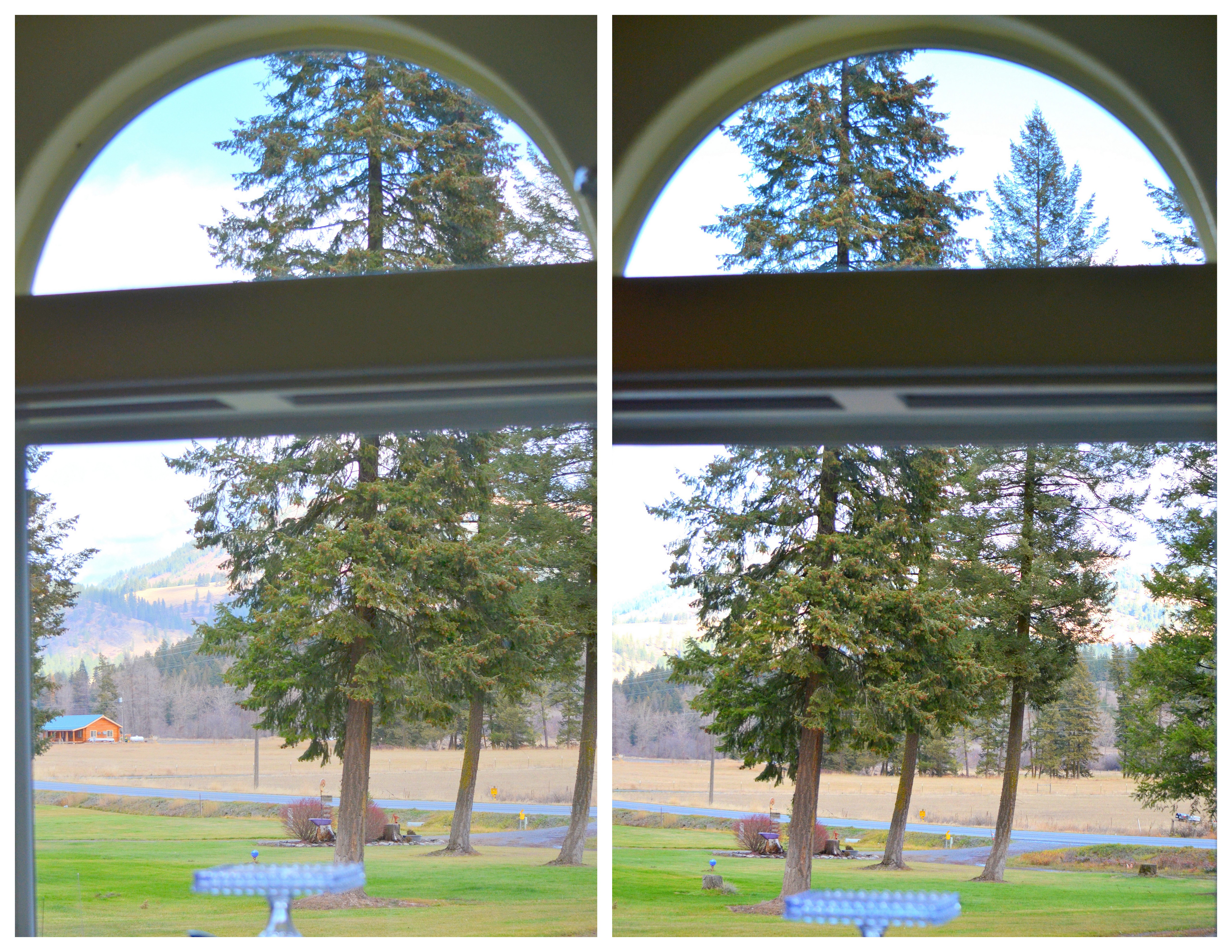
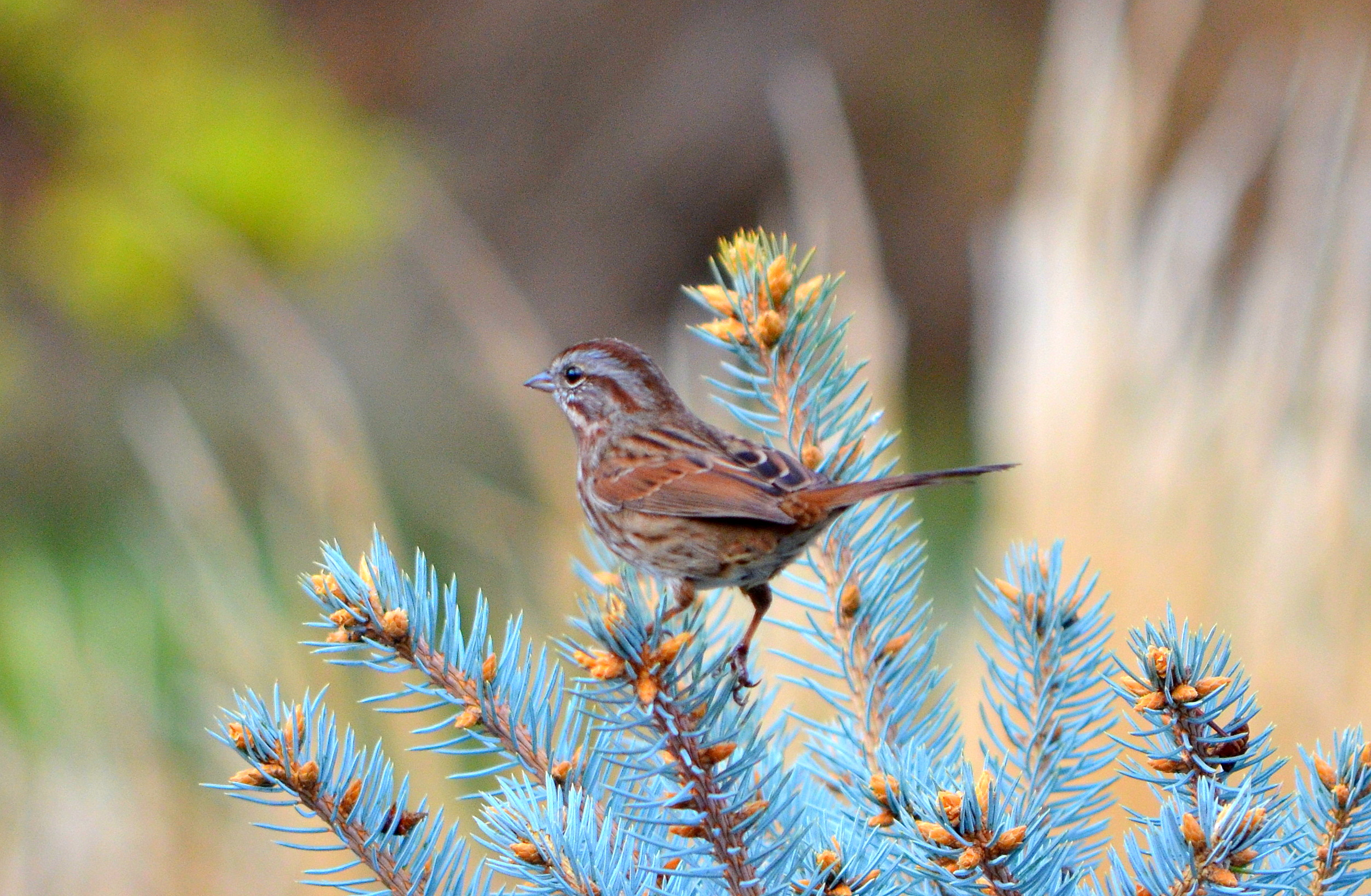
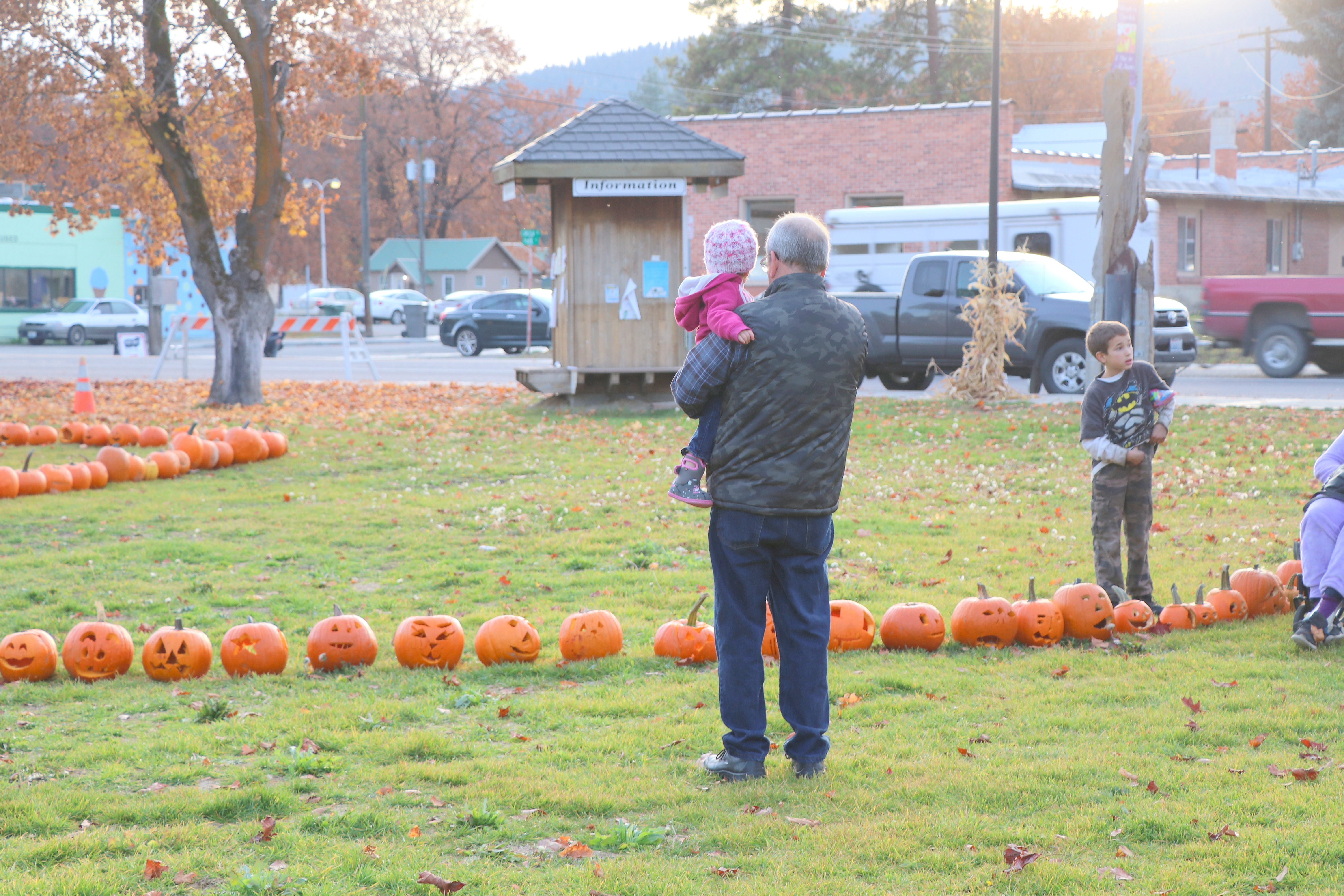
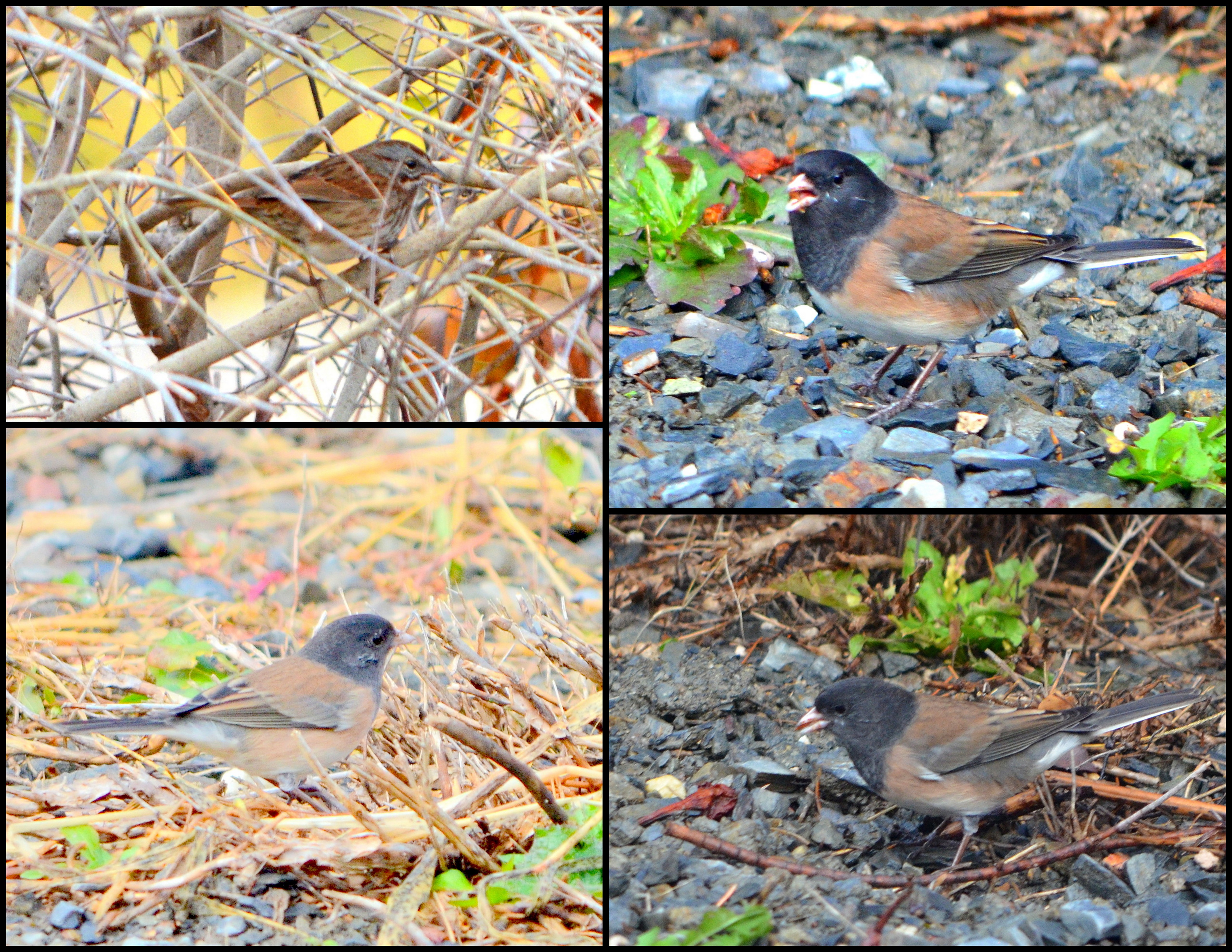
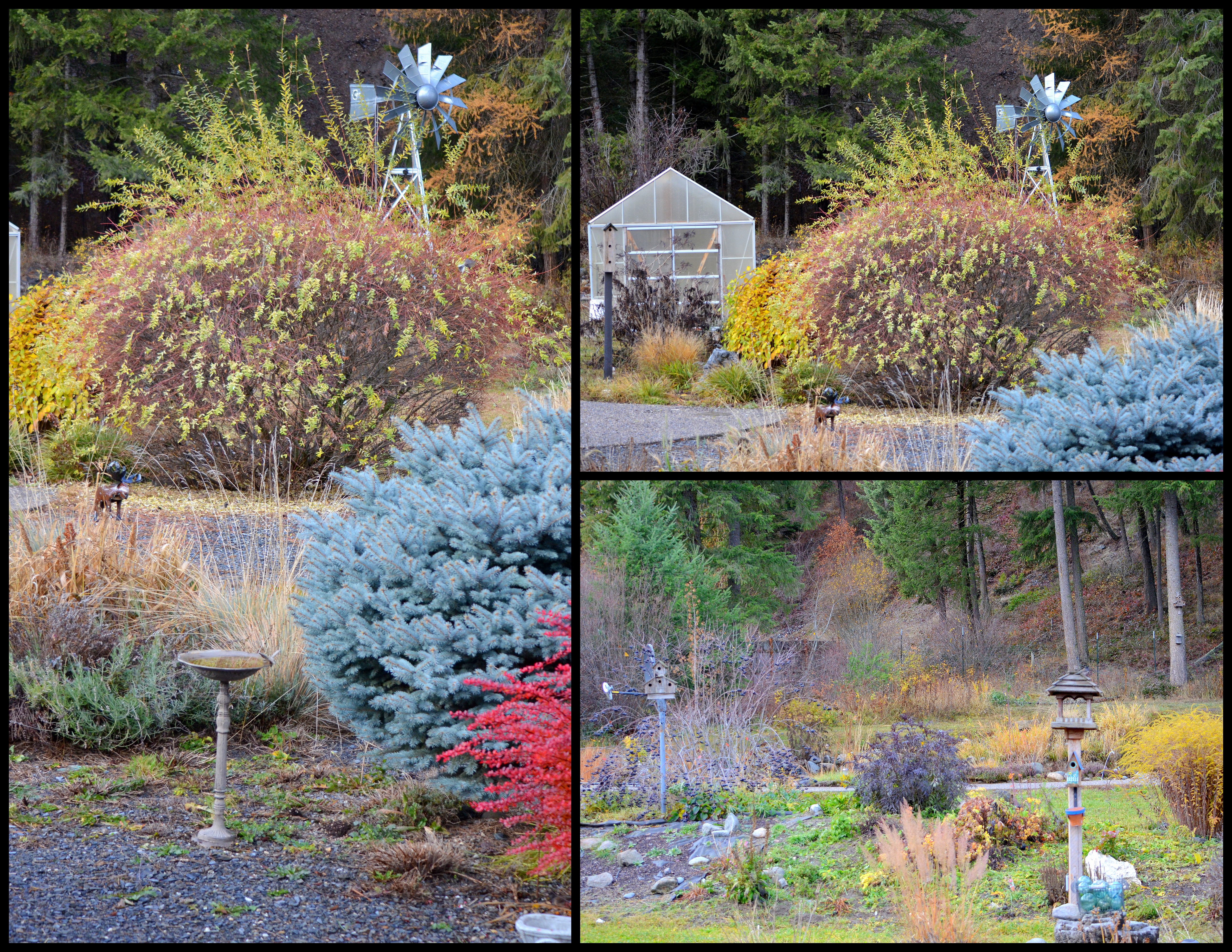
All these photos were taken on Friday November 2nd showing my backyard visitors and the views from my kitchen window and through my front door.

We are getting more and more settled in to our new country bungalow and to country living in general.

Mosaic Monday continues with a new hostess. Thank you to Angie at Letting Go of the Bay Leaf for keeping this meme alive. It’s been a long time since I’ve participated but I’m happy to join up again. Click over to join in the fun.

Praise to the Lord, the Almighty ~ Hymn

Praise to the Lord, the Almighty

Praise to the Lord,
The Almighty, the king of creation!
O my soul, praise Him,
For He is thy health and salvation!
All ye who hear,
Now to His temple draw near;
Praise Him in glad adoration.

Praise to the Lord,
Who o’er all things so wondrously reigneth,
Shelters thee under His wings,
Yea, so gently sustaineth!
Hast thou not seen
How thy desires ever have been
Granted in what He ordaineth?

Praise to the Lord,
Who hath fearfully, wondrously, made thee;
Health hath vouchsafed
And, when heedlessly falling, hath stayed thee.
What need or grief
Ever hath failed of relief?
Wings of His mercy did shade thee.

Praise to the Lord,
Who doth prosper thy work and defend thee;
Surely His goodness
And mercy here daily attend thee.
Ponder anew
What the Almighty can do,
If with His love He befriend thee.

Praise to the Lord,
Who, when tempests their warfare are waging,
Who, when the elements
Madly around thee are raging,
Biddeth them cease,
Turneth their fury to peace,
Whirlwinds and waters assuaging.

Praise to the Lord,
Who, when darkness of sin is abounding,
Who, when the godless
Do triumph, all virtue confounding,
Sheddeth His light,
Chaseth the horrors of night,
Saints with His mercy surrounding.

Praise to the Lord,
O let all that is in me adore Him!
All that hath life and breath,
Come now with praises before Him.
Let the Amen sound from His people again,
Gladly for aye we adore Him.

Words: Joachim Neander, 1680.

Weekend Roundup “R”

This weeks prompts

Starts with “R.” 

 A Favorite. 

“R”ed

Starts with “R”.

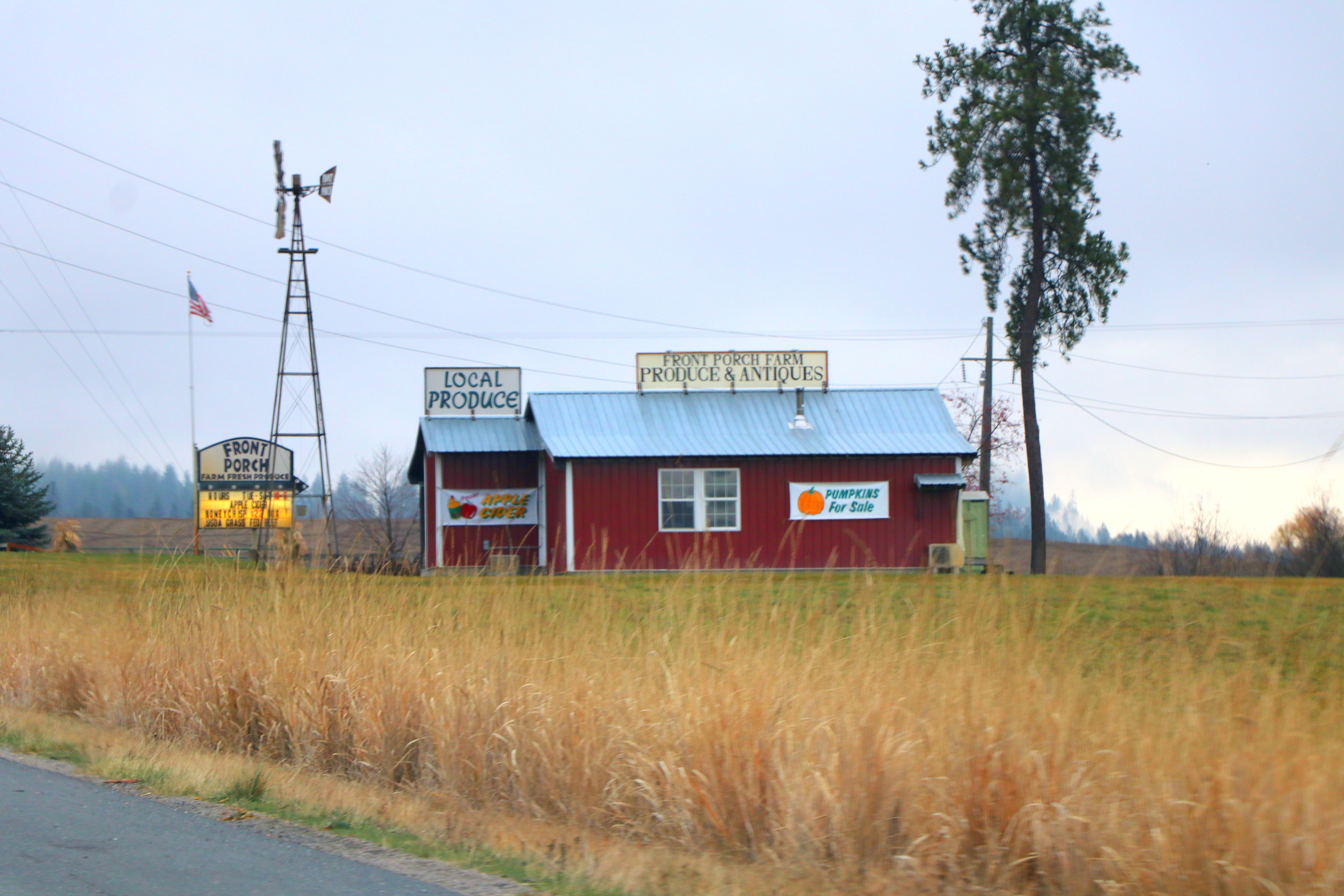
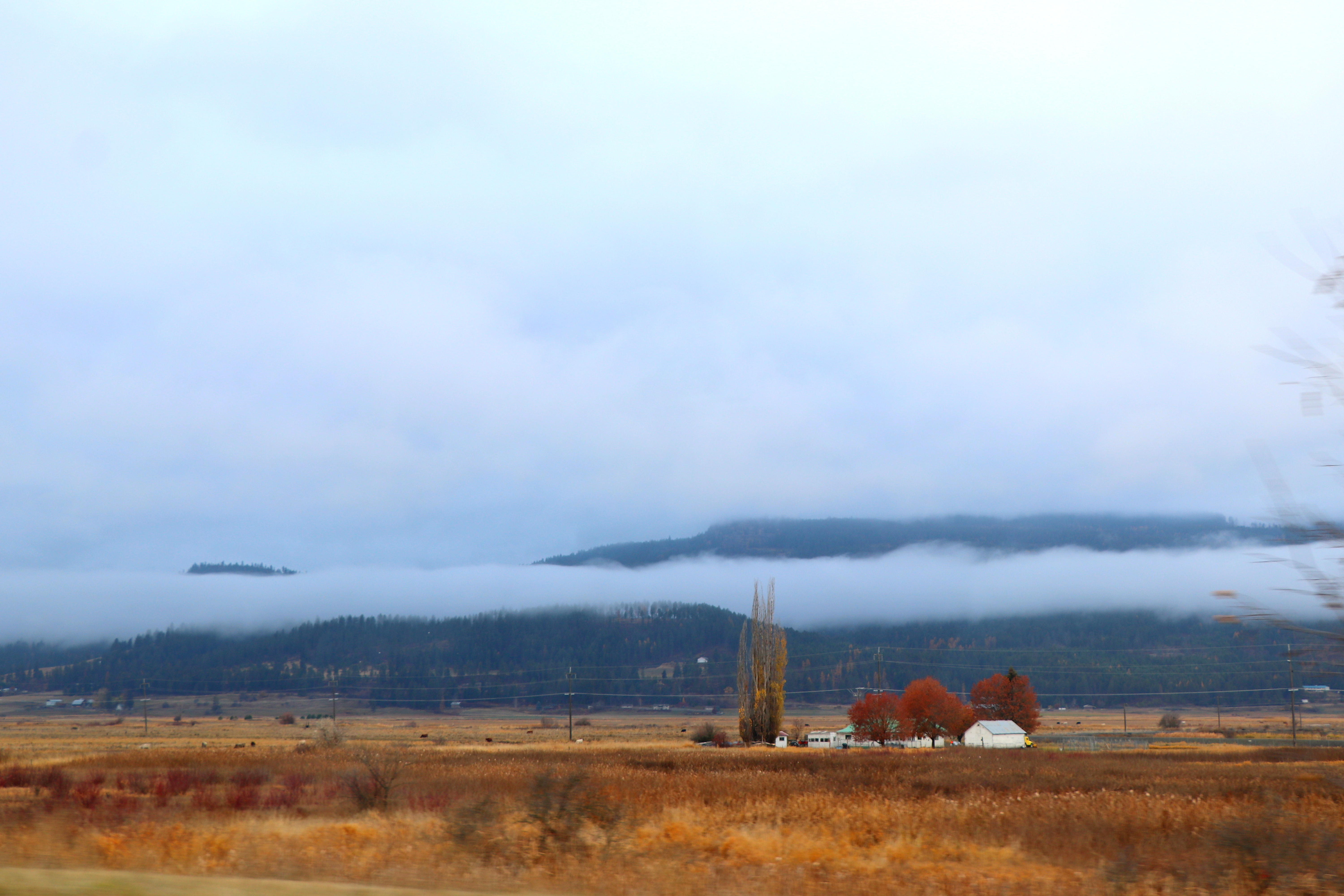
Rural: A rural ride down a country road reveals a red retail outlet.

A Favorite:

Relaxing and reading recently with this view that I find restful.

“R”ed:

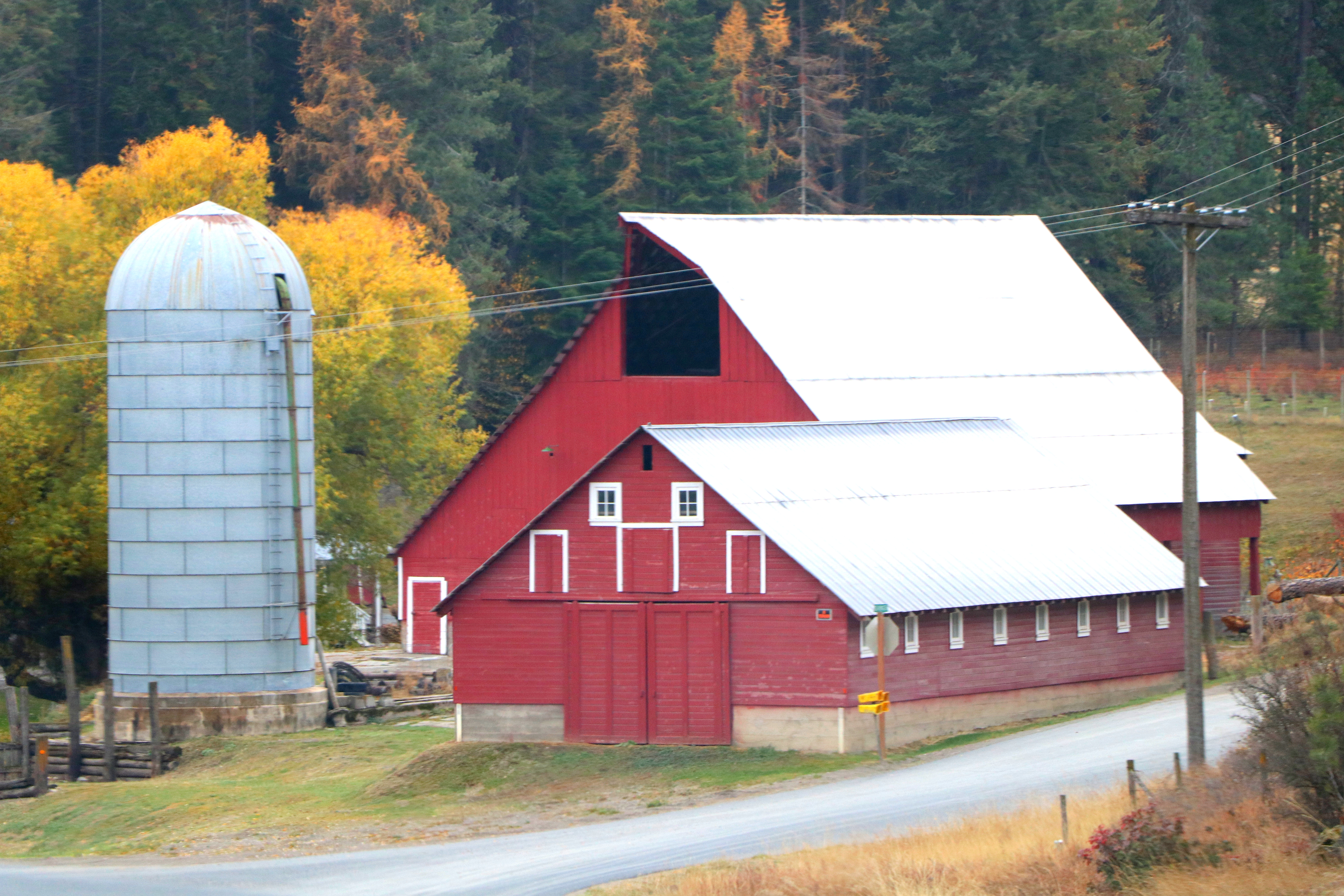
A red barn and farm on a rural road in northeastern Washington.

Parting shot:

A bush in my backyard that I’m calling red.

Linking up with Tom The Backroads Traveller for The Weekend Roundup.

Hello first weekend in November. I’m happy to report my haircut went just fine today. When I went to the register to pay I almost gasped when she said, “that will be $15.00”. In Seattle I pay $60.00. I felt compelled to leave a hefty tip. To be fair, in Seattle I also got a shampoo/conditioning/head massage. The $15.00 was just for the cut and a little curling iron styling. One of the reasons we moved to Colville from the Seattle area was for a lower cost of living. I’m happy to experience this being true.

Quotes of the Week ~ 2

If that didn’t light your fire your wood’s wet.

Source: This was the quote of the day from church on Sunday from the pastor.
“Prayer is the easiest and the hardest of all things; the simplest and the sublimest; the weakest and the most powerful; its results lie outside the range of human possibilities – they are limited only by the omnipotence of God. Few Christians have anything but a vague idea of the power of prayer; fewer still have any experience of that power. The Church seems almost wholly unaware of the power God puts into her hand; this power is rarely, if ever, used – never used to the full measure of honoring God. It is astounding how poor the use, how little the benefits. Prayer is our most formidable weapon, but the one in which we are the least skilled, the most averse to its use. We do everything else for the heathen save the thing God wants us to do; the only thing which does any good – makes all else we do efficient.”

E. M. Bounds
(1835-1913) Methodist minister and devotional writer who served as a pastor in the American South and became a POW during the Civil War.

Source: I read the quote above in the book Between Heaven and Earth compiled by Ken Gire.

John Piper, The Pleasures of God

“Prayer is the walkie talkie on the battlefield of the world. It calls on God for courage (Eph. 6:19). It calls in for troop deployment and target location (Acts 13: 1-3). It calls in for protection and air cover (Matt. 6:13; Luke 21:36). It calls in for fire power to blast open a way for the Word (Col. 4:3). It calls in for the miracle of healing for the wounded soldiers (James 5:16). It calls in for supplies for the forces (Matt. 6:11; Phil. 4:6). And it calls in for needed reinforcements (Matt. 9:38). This is the place of prayer – on the battlefield of the world. It is a wartime walkie talkie for spiritual warfare, not a domestic intercom to increase comforts of the saints. And one of the reasons it malfunctions in the hands of so many Christian soldiers is that they have gone AWOL.”

Source: Between Heaven and Earth: Prayers and Reflections that Celebrate an Intimate God. Copyright 1997 by Ken Gire.

I’m getting a haircut today which is scary because my hairdresser is still in Seattle and here I am in Colville, 6ish hours away. Here’s hoping the gal I let use sheers on my hair today will see my vision and do a good job on my grey locks.

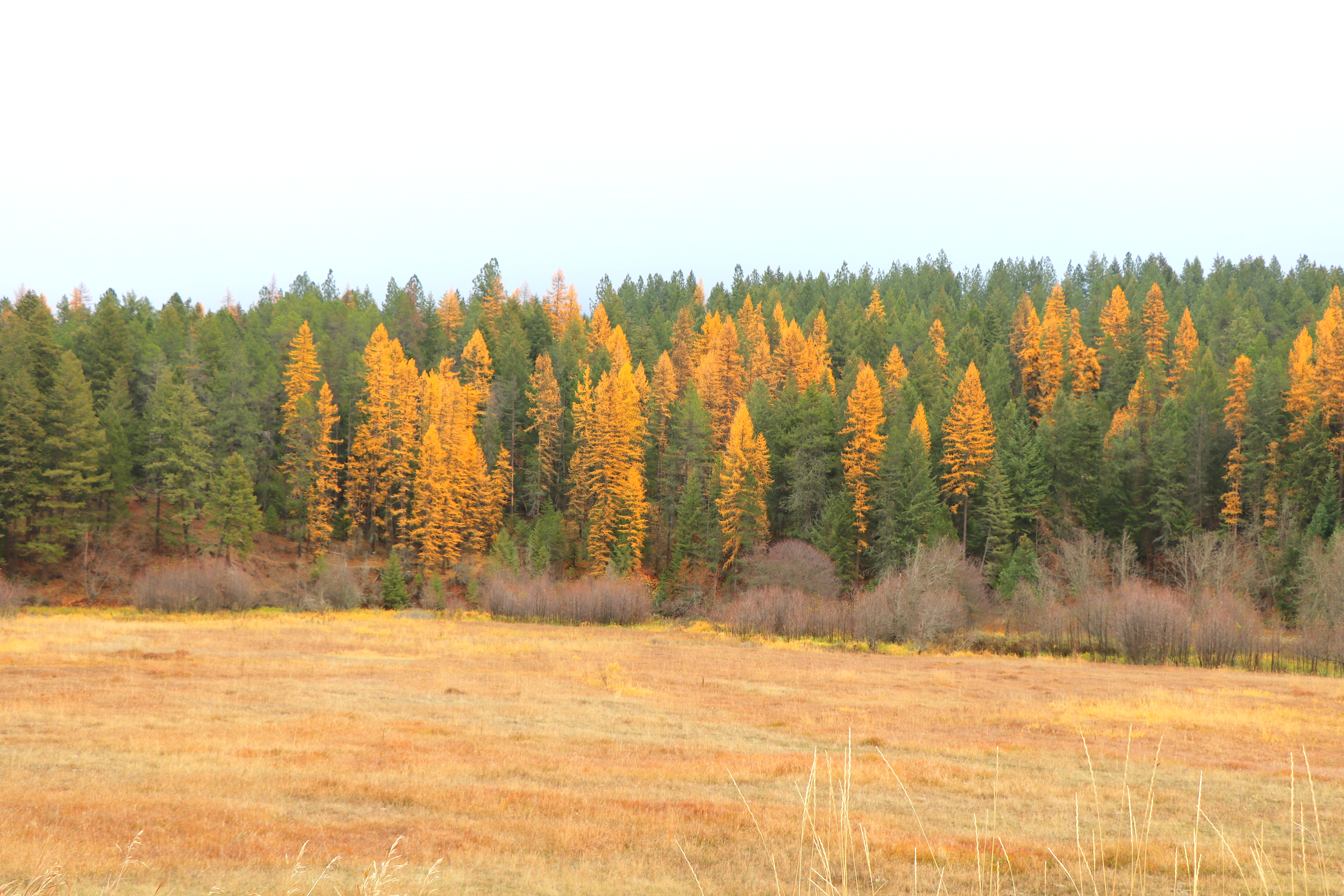
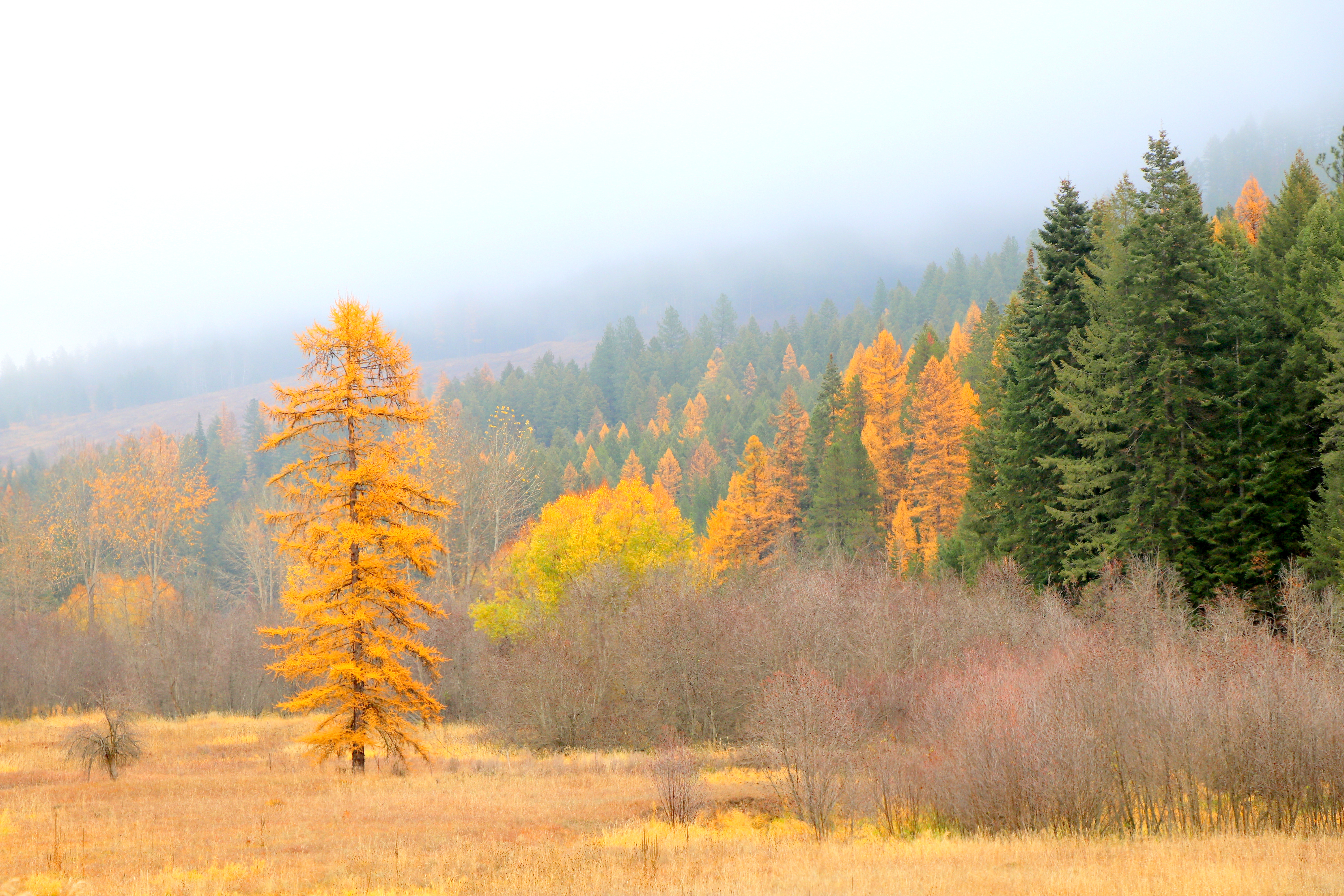
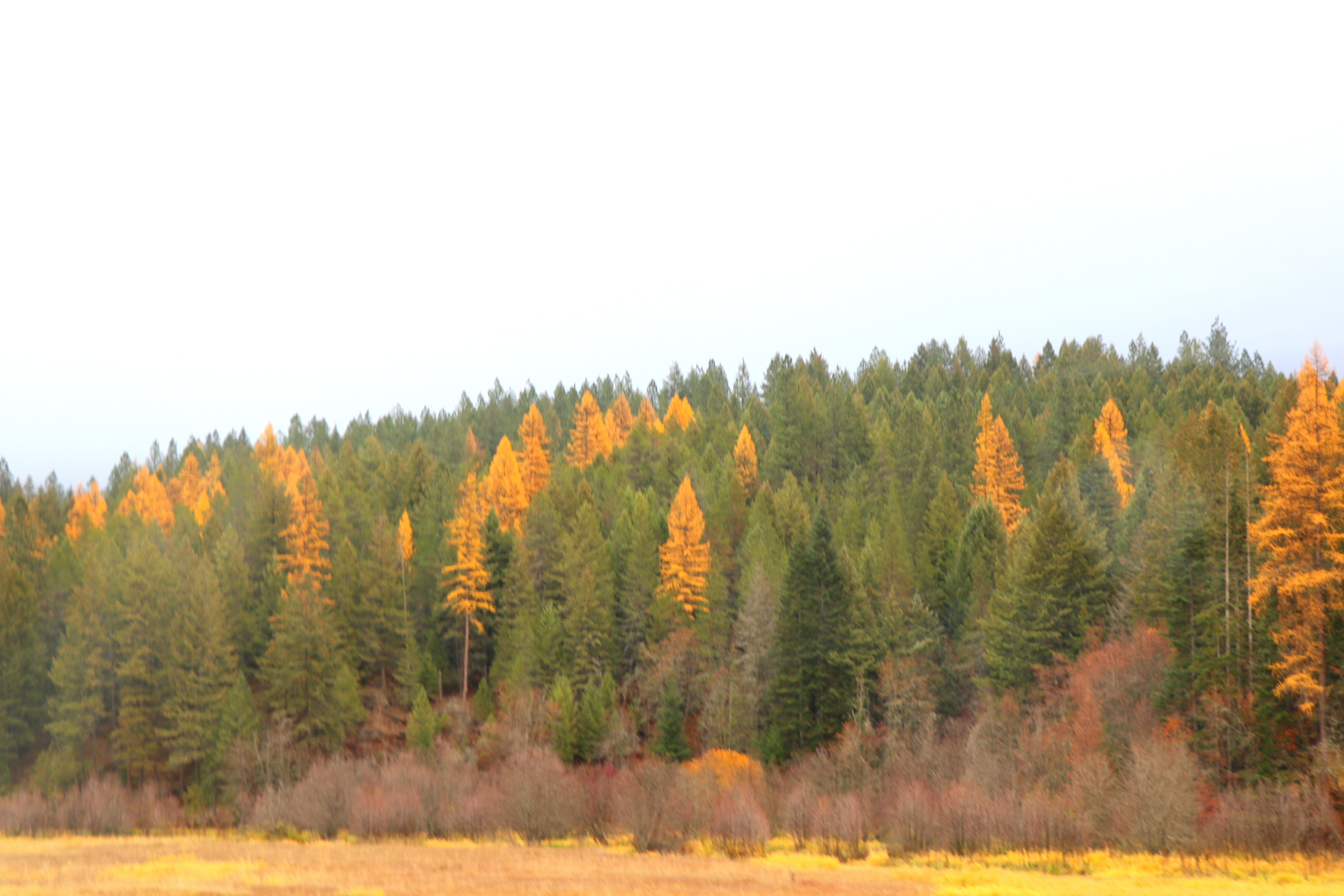
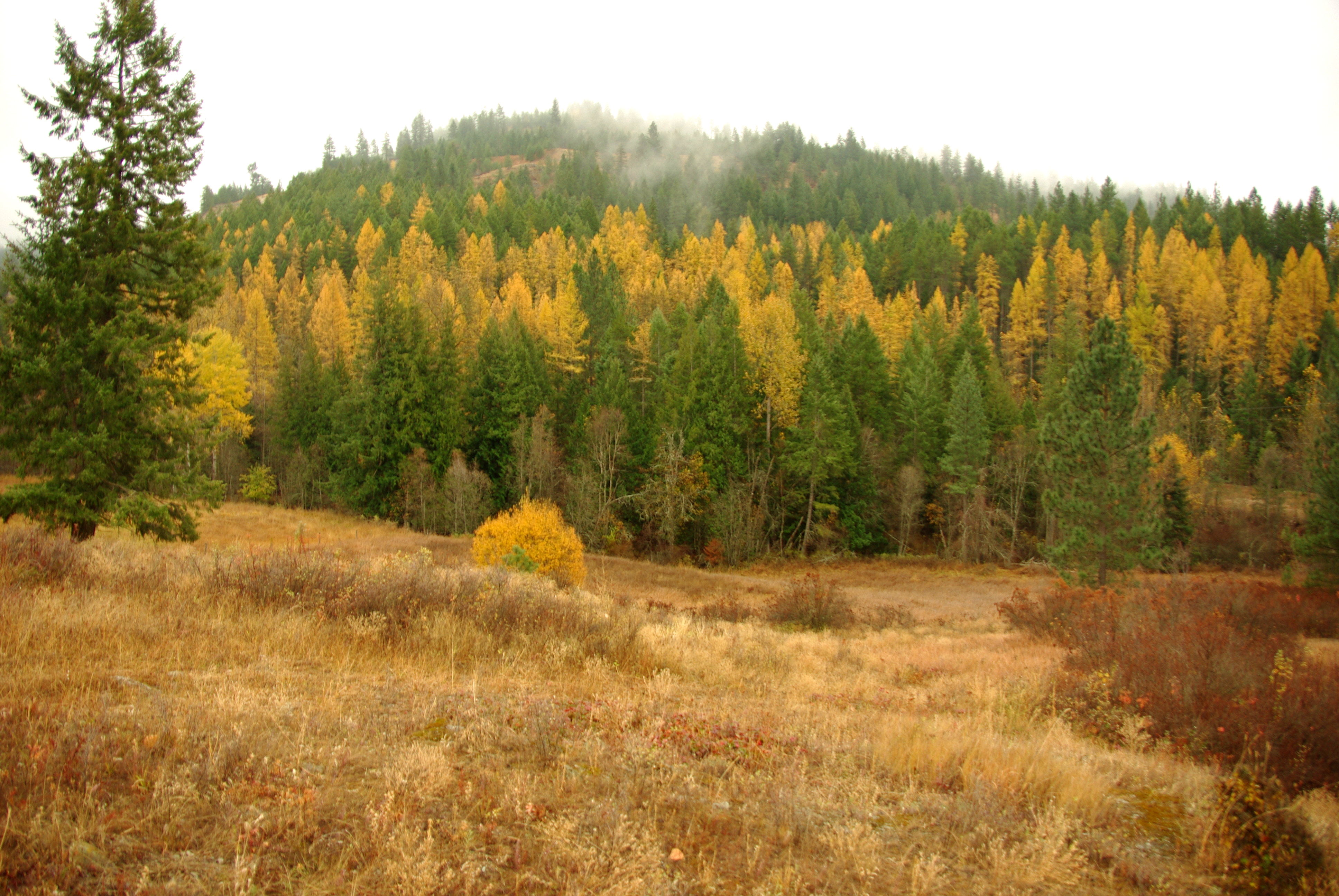
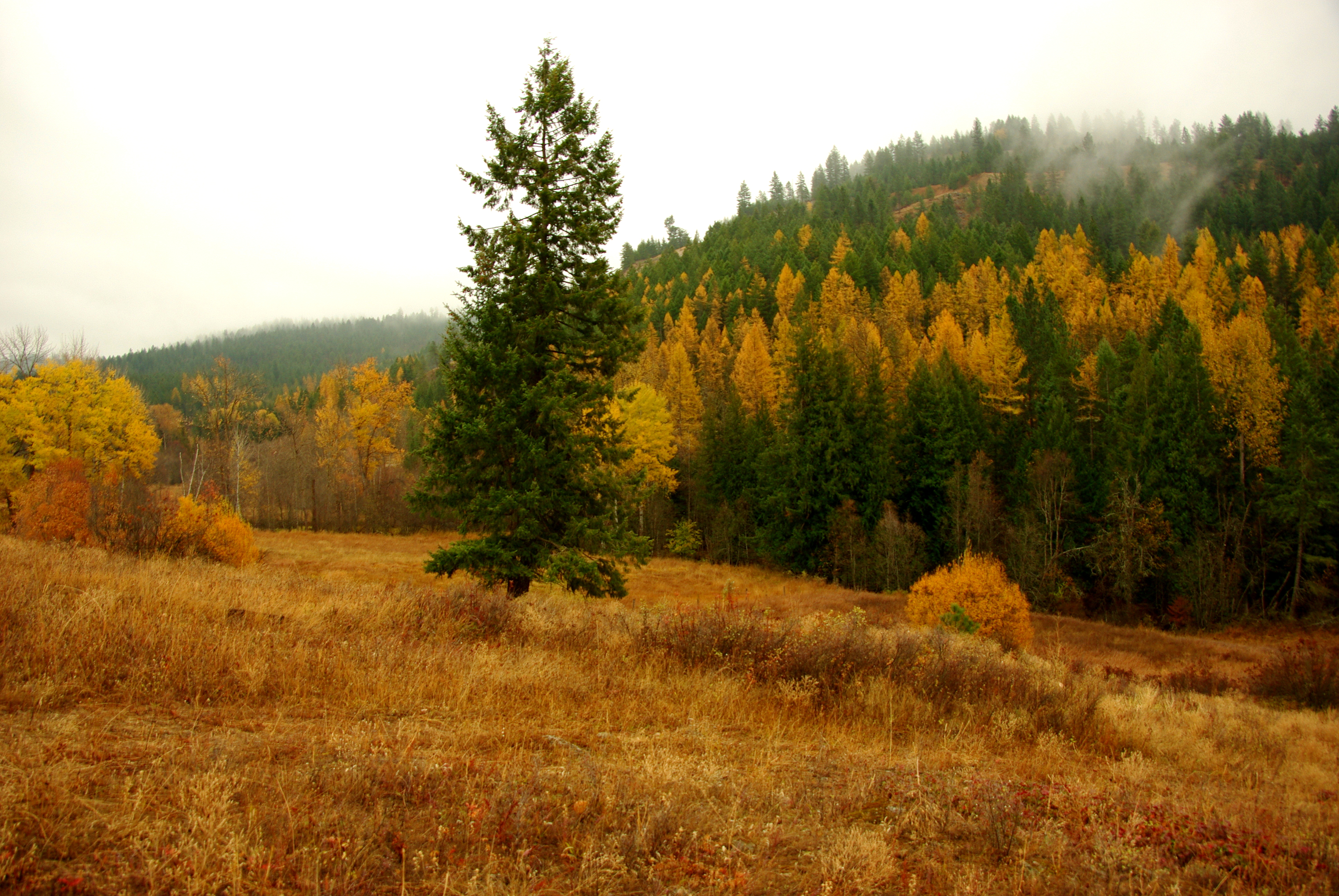
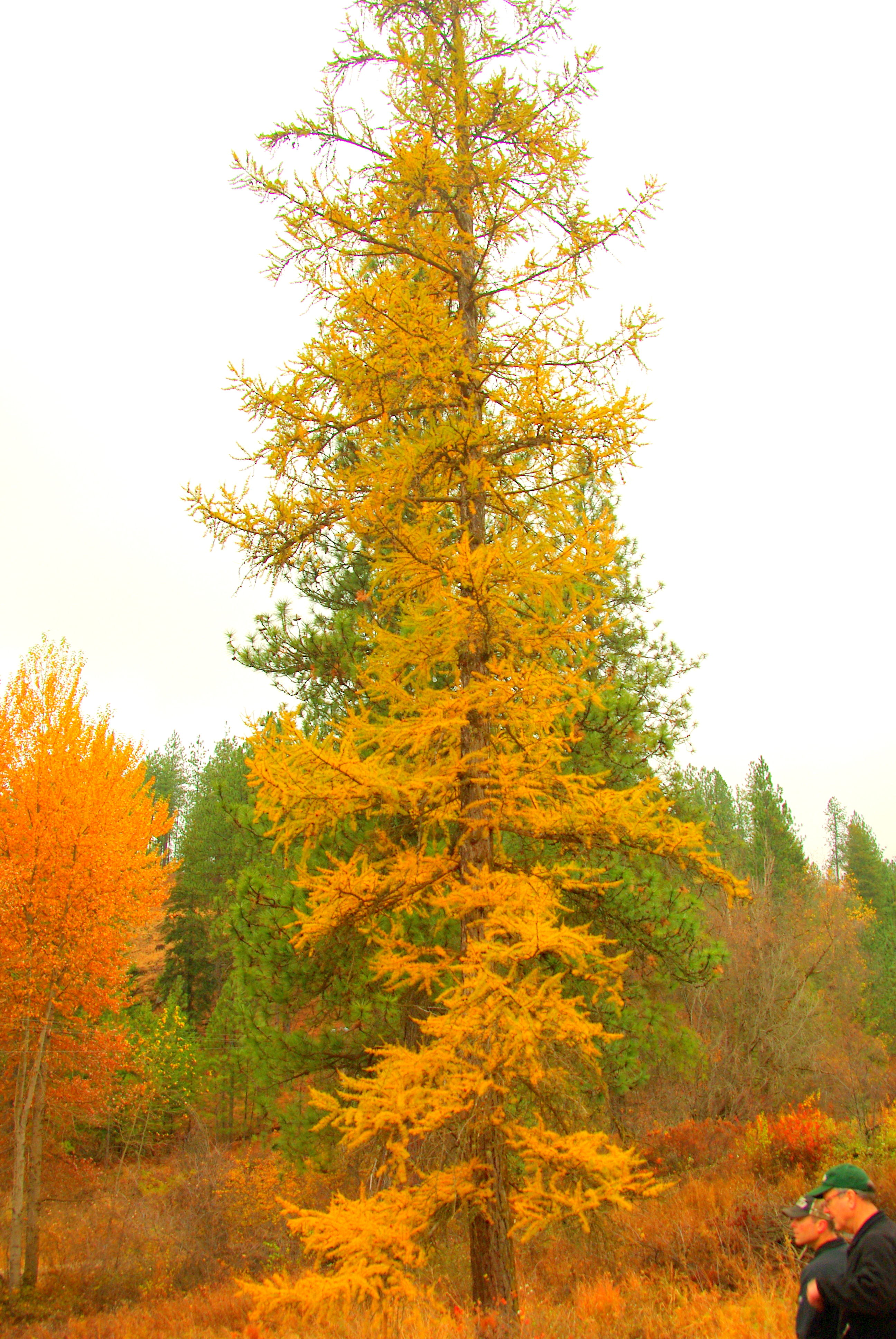
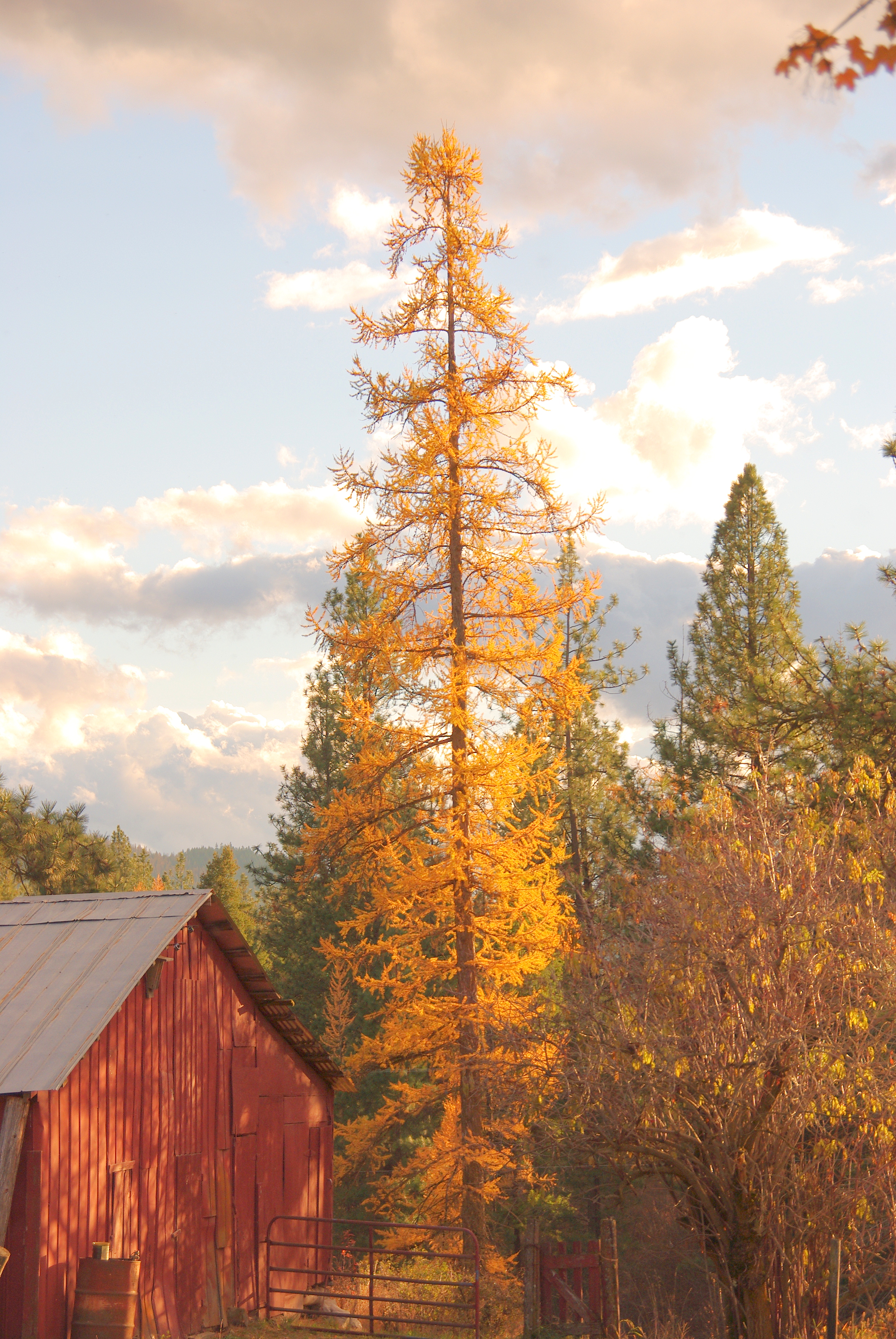
Western Larch

Larches are different from most conifers because they’re deciduous–they lose their needles each fall. In addition, their needles are arranged differently from those of most conifers; on current-year twigs they’re borne singly, but on older twigs they arise in dense clusters from stout, woody pegs that resemble wooden barrels. Only 10 species of larch occur in the world, mostly in cold parts of the northern hemisphere. Only western larch and subalpine larch grow in the Pacific Northwest. Larches are commonly called tamaracks, especially by people whose roots are in eastern North America.


Needles are deciduous. They fall from the tree in winter, turning brilliant yellow before they fall.

Needles are about 1″ long and typically grow in dense clusters (20-40) attached to short woody shoots (called spur shoots).

Needles are soft to the touch–never sharp or spiny. Current-year needles are borne singly on slender pegs.

Small, woody cones (1-2″ long).

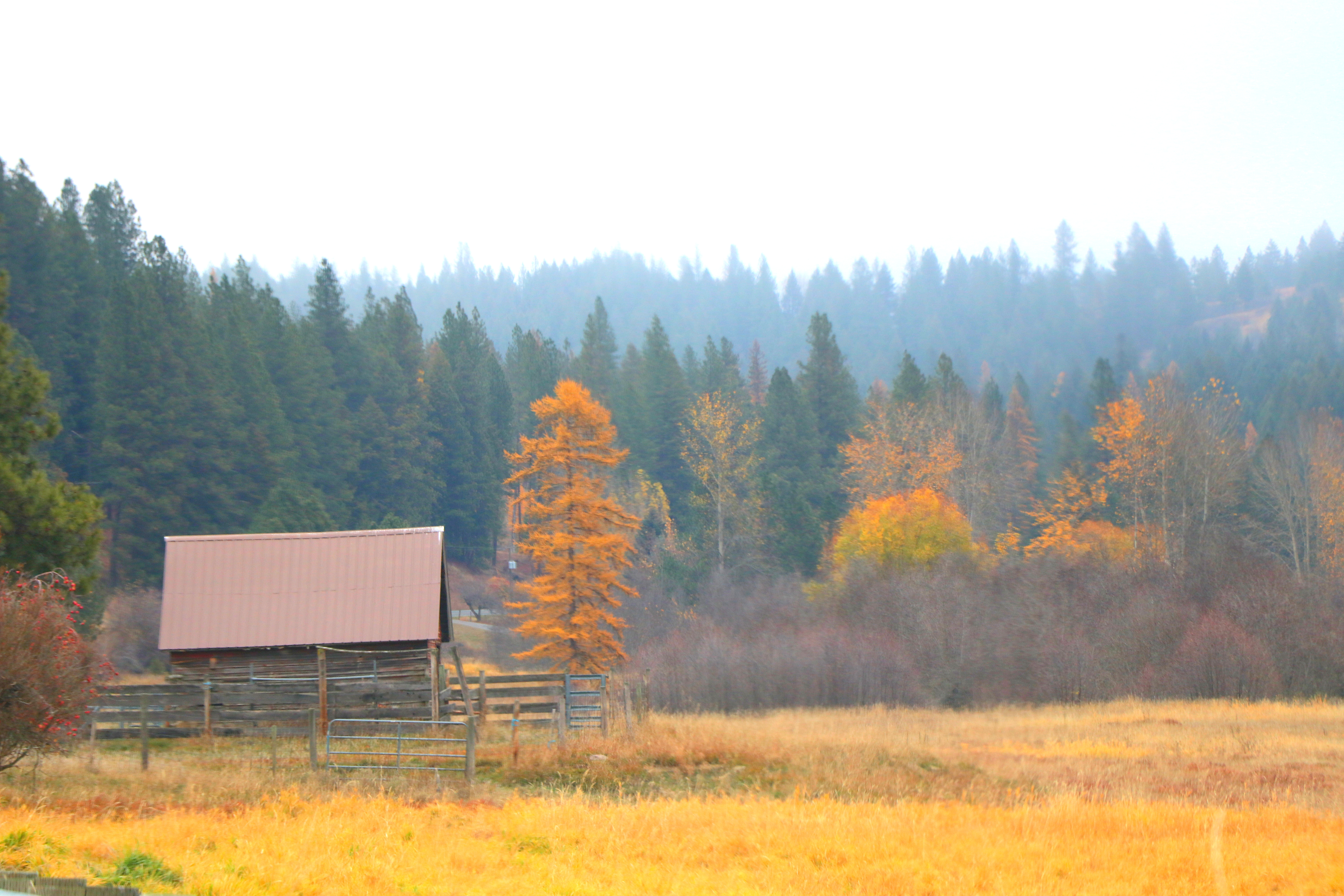
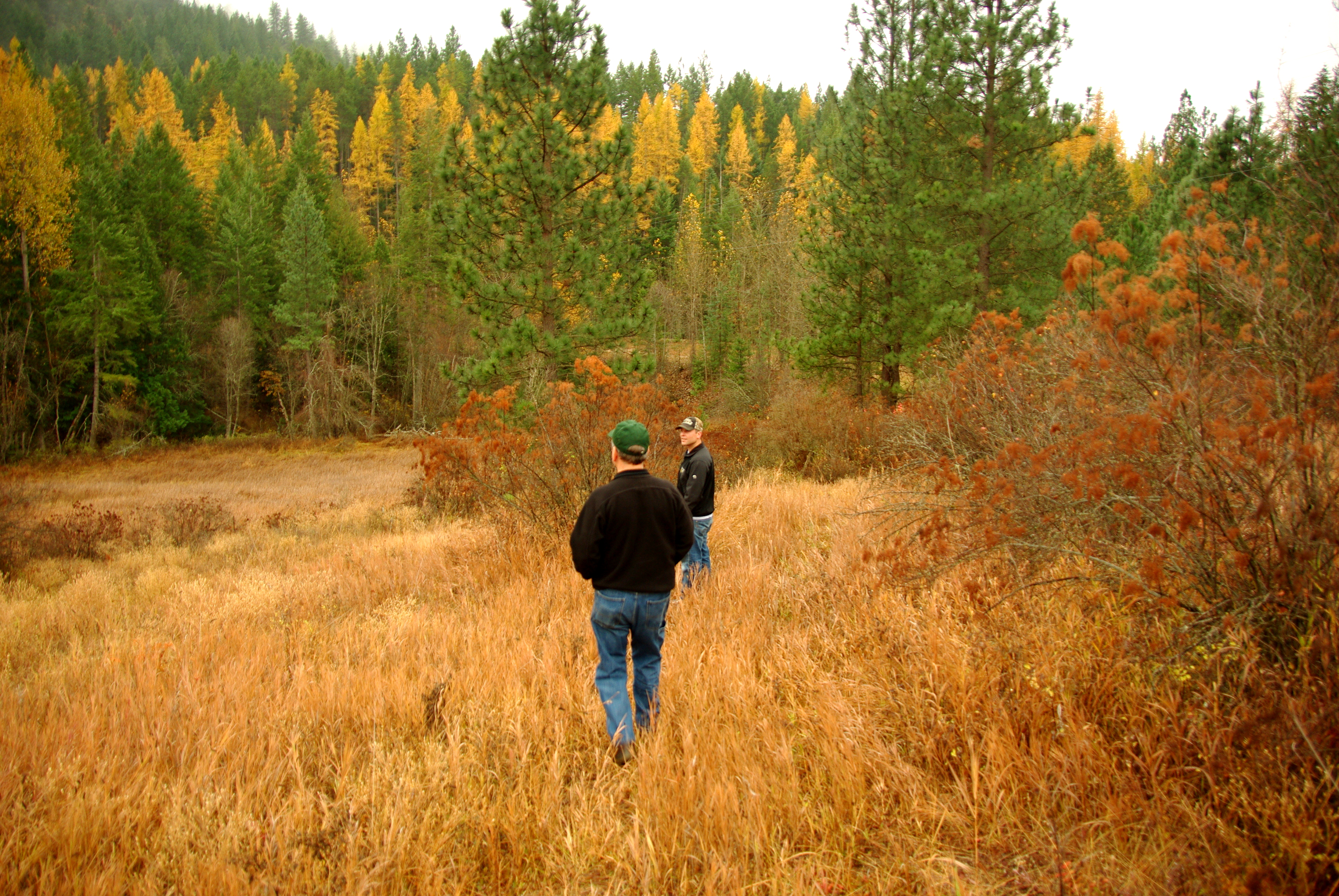
The photos above were taken on October 30th on a drive Dear and I took out Addy-Gifford Rd. to Bluecreek Rd. The following photos are from 2012 on our son’s property in Chewelah.

I was happy to find that we have Larches on our new piece of property.

We did not have any random trick or treaters coming to our door last night but we did have our Colville family drop in for some treats and our little Miss Addy was sporting goofy smiles for the evening. What a joy to have these drop in visits!

Happy November to all of you!


Farewell October…

We took a drive yesterday to a taxidermist in the back country. I’ll be sharing a post about Larch Trees that we saw on those back roads soon.

Today we are wondering if we will have any trick or treaters at our Country Bungalow. Time will tell. We do know that one little girl will stop by with her parents sometime in the evening. Do you get many costumed cuties at your front door?

Tuesdays With Moisi ~ 8

Our Pop’s story continued…

This is our Pop’s story dictated verbally by him a few years ago. I’ll be sharing excerpts every Tuesday. When I add to his story or explain a photo I will Italicize my words. Our Pop’s words will not be italicized. Our mom does not come into Pop’s story until “Tuesdays With Moisi ~ 9” even though I’ve posted photos of her before #9. I have very few photos from our parents’ life in Russia and Persia. At the end of my Tuesday posts I’ll add links to all the other posts.

The photo above is of our mom and some of her friends in Iran. This is well before my pop met my mom. I chose this photo to show how our Russian friends who immigrated to Persia dressed. Our mom is the girl seated on the left.

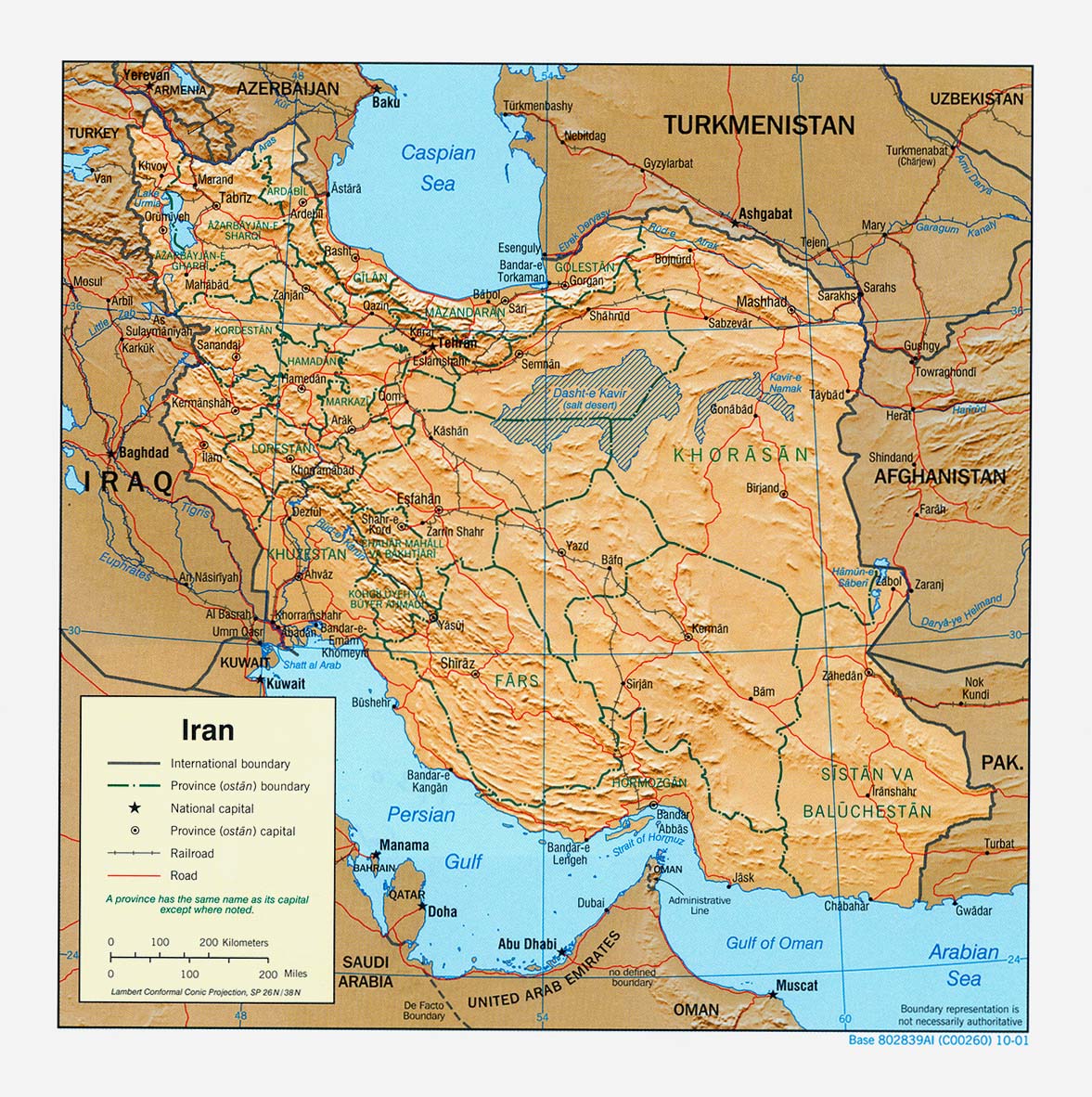
At this time in history the Shah issued a decree that Iranian women were no longer forced to wear head coverings.  He wanted to Europeanize Iran. This was met with fierce resistance from Muslims to the point of violence. We Europeans began to fear for our lives because we were blamed for the existence of this edict.  The Shah also wanted to scatter us Europeans among his people in order to teach them modern farming methods. We resisted this because we realized if we were to acquiesce, we Russians would be picked off one by one, resulting in our eventual extinction.  We had to cluster in order to effectively defend ourselves. So when a rich Iranian offered us substantial acreage for farming purposes, our community of about twenty families took him up on it. It was an abandoned village with surrounding farm land. Within the first year, however, some of us began to come down with malaria.  It grew to almost plague like proportions among us. Six of our group actually died. We then concluded that this area was not conducive for living, let alone farming, and so eventually we all left.

After this episode our family moved to a village near the Caspian Sea in Iranian territory.  We stayed there about two years and moved to another village. We stayed at this village for two years and moved to a town called Rahmanabad.  In my first year there, I worked as a driver delivering rocks and sand for the construction of roads and bridges. Then for the next three years I became a tenant farmer.  The Shah leased us the land and our payment to him was one-fifth of the harvest.

My Soul, Now Praise Thy Maker ~ Hymn

My Soul, Now Praise Thy Maker

My soul, now praise thy maker!
Let all within me bless His name
Who maketh thee partaker
Of mercies more than thou dar’st claim.
Forget Him not whose meekness
Still bears with all thy sin,
Who healeth all thy weakness,
Renews thy life within.
Whose grace and care are endless
And saved thee thro’ the past;
Who leaves no sufferer friendless,
But rights the wronged at last.

He shows to man His treasure
Of judgment, truth, and righteousness,
His love beyond all measure,
His yearning pity o’er distress,
Nor treats us as we merit,
But lays His anger by.
The humble, contrite spirit
Finds His compassion nigh;
And high as Heav’n above us,
As break from close of day,
So far, since He doth love us,
He puts our sins away.

For as a tender father
Hath pity on his children here,
He in His arms will gather
All who are His in childlike fear.
He knows how frail our powers
Who but from dust are made;
We flourish like the flowers,
And even so we fade;
The wind but o’er them passes,
And all their bloom is o’er—
We wither like the grasses,
Our place knows us no more.

God’s grace alone endureth,
And children’s children yet shall prove
How He with strength assureth
The hearts of all that seek His love.
In Heav’n is fixed His dwelling,
His rule is over all;
Angels, in might excelling,
Bright hosts, before Him fall.
Praise Him who ever reigneth,
All ye who hear His Word,
Nor our poor hymns disdaineth—
My soul, O praise the Lord!

Words: Johann Graumann, 1525