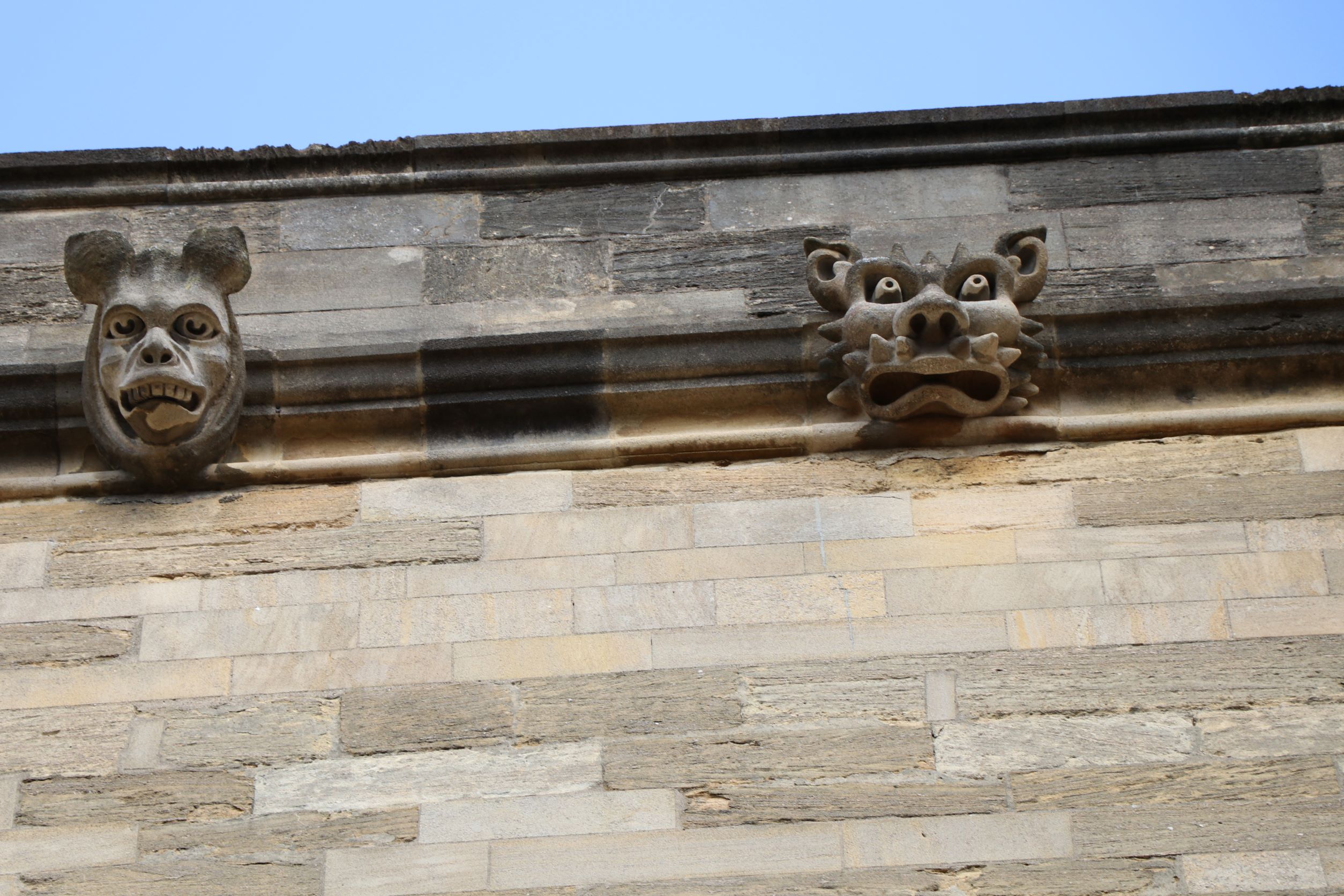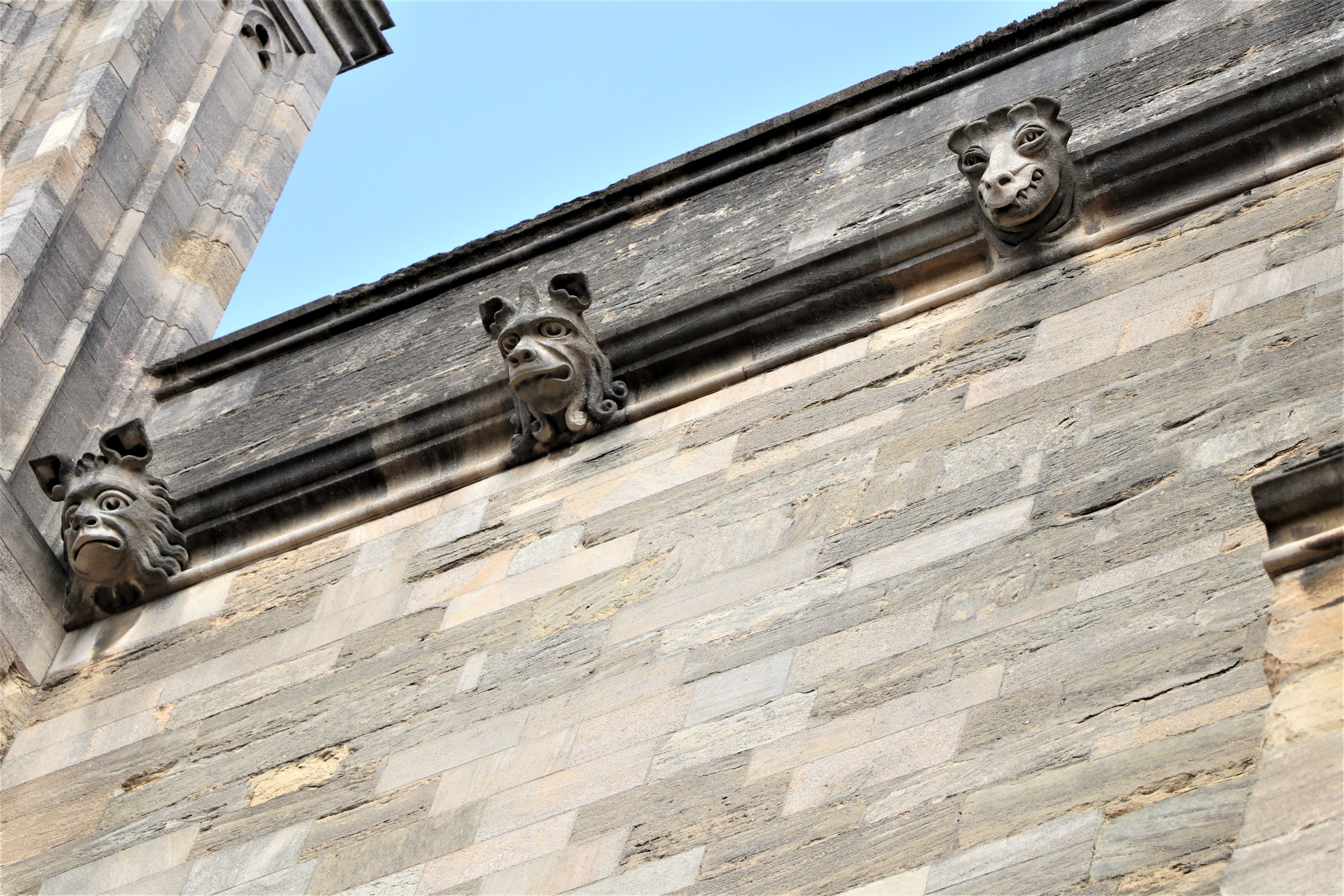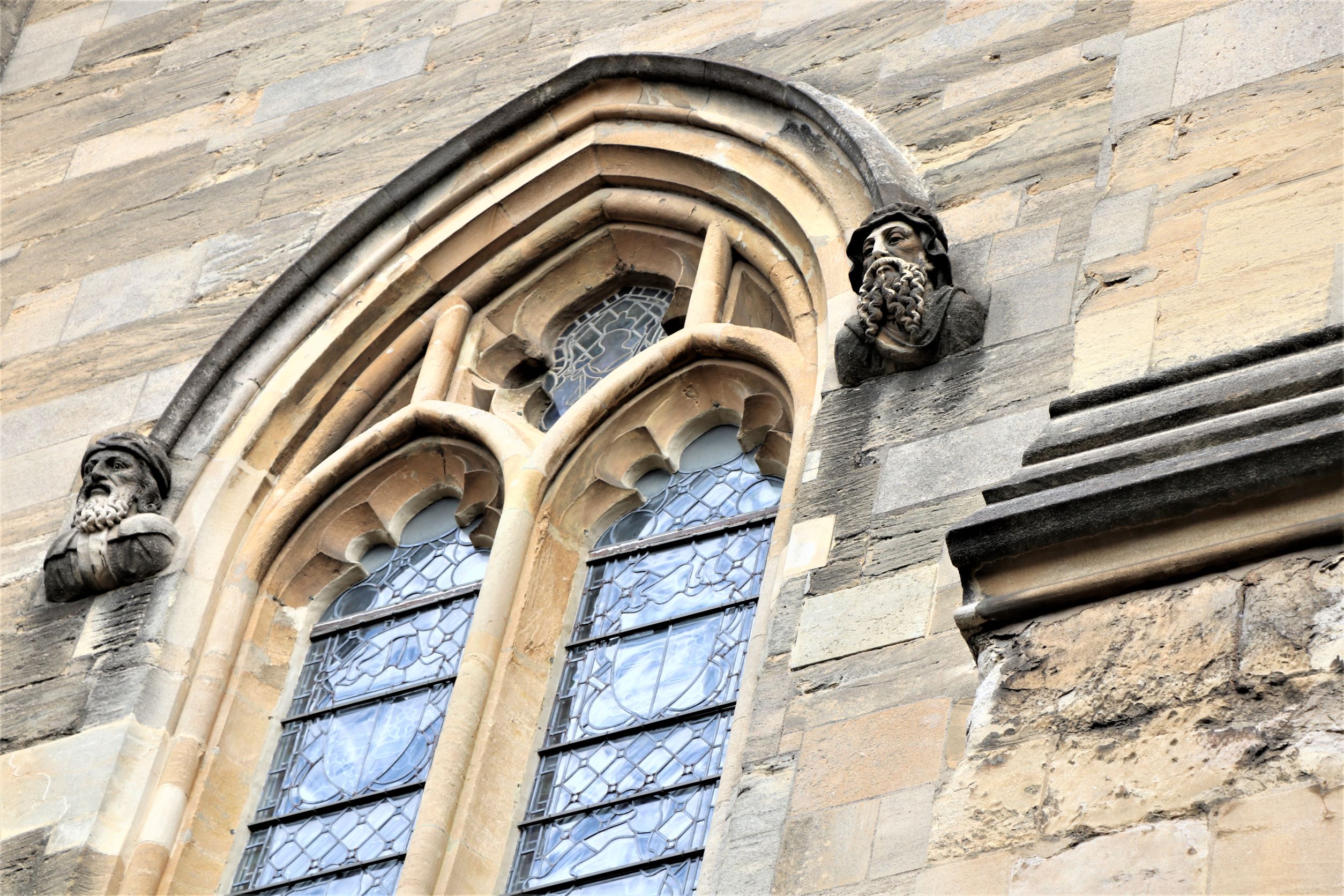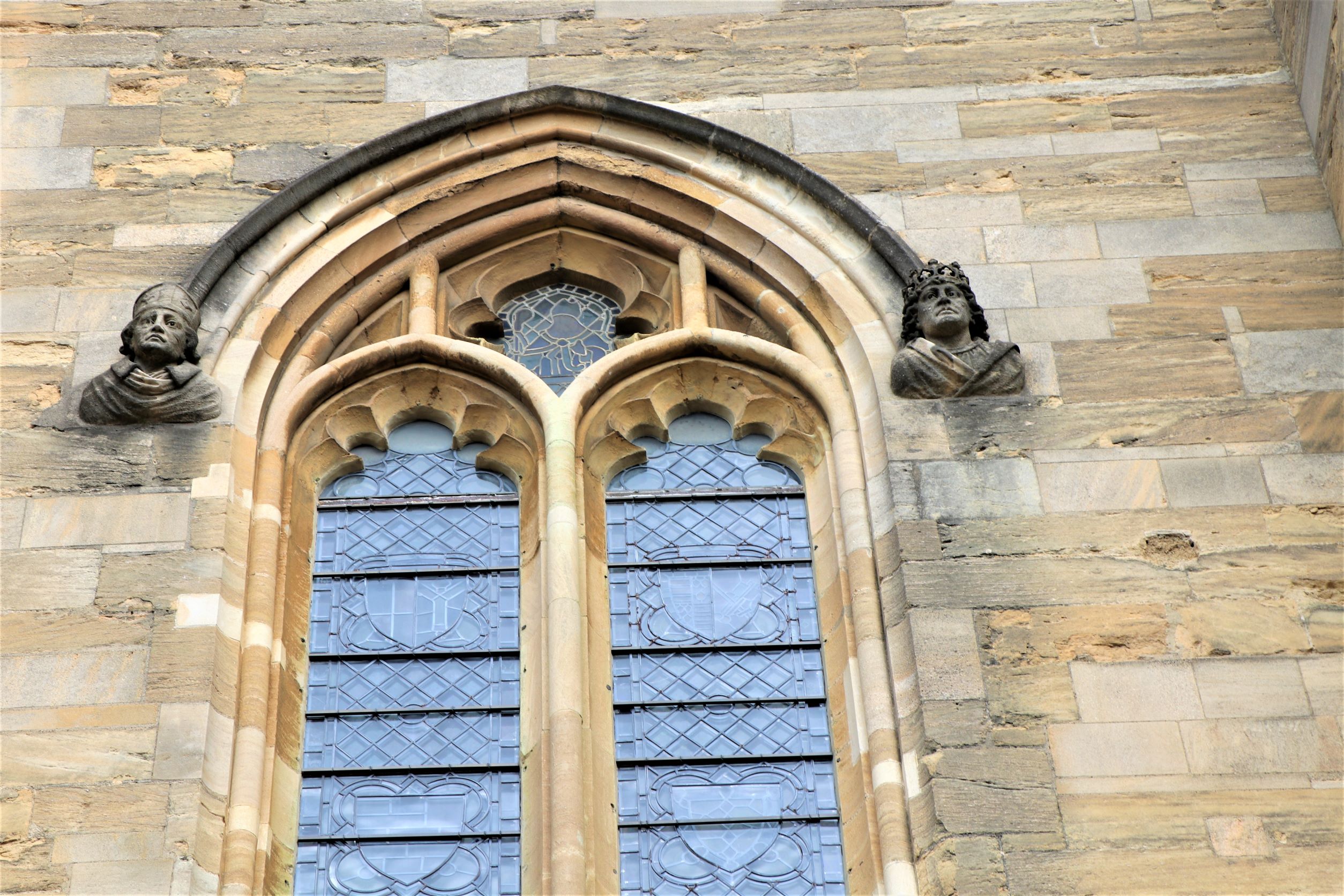
Keble College ~ Oxford Colleges

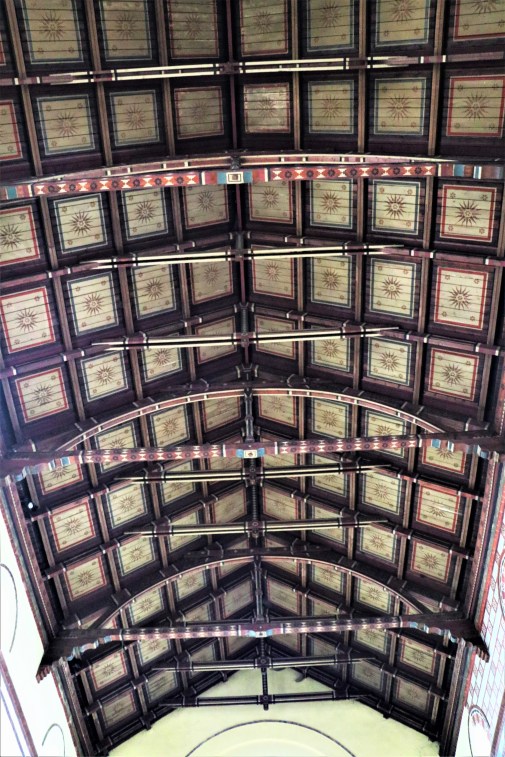
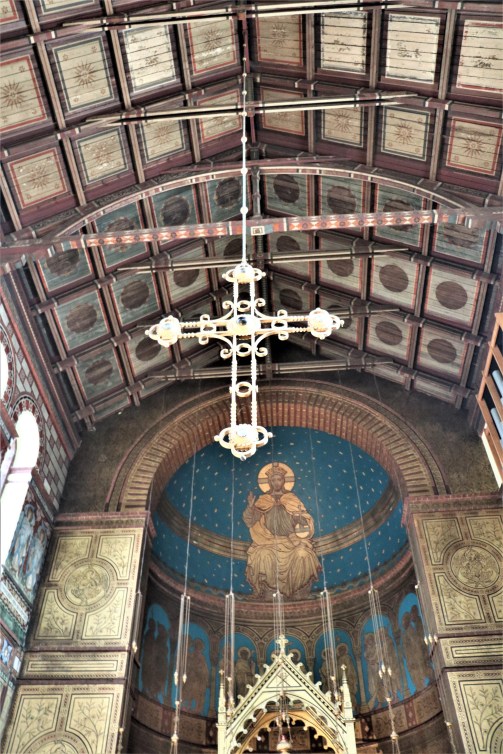
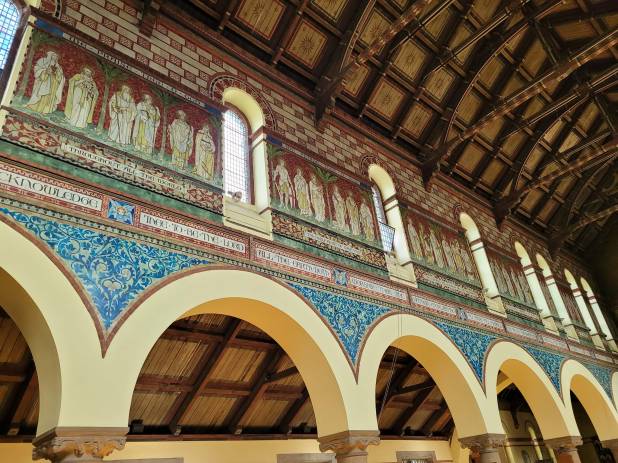
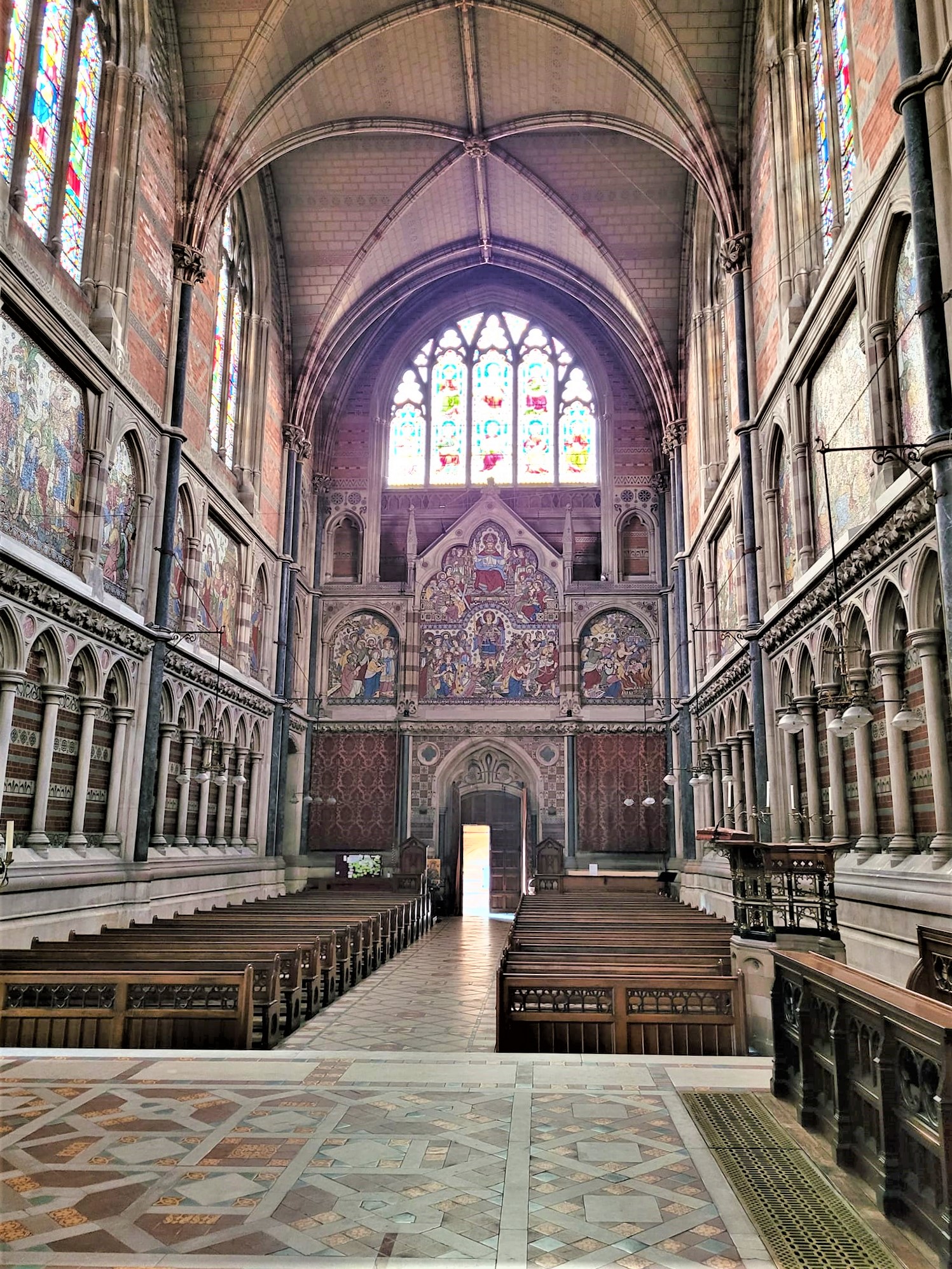
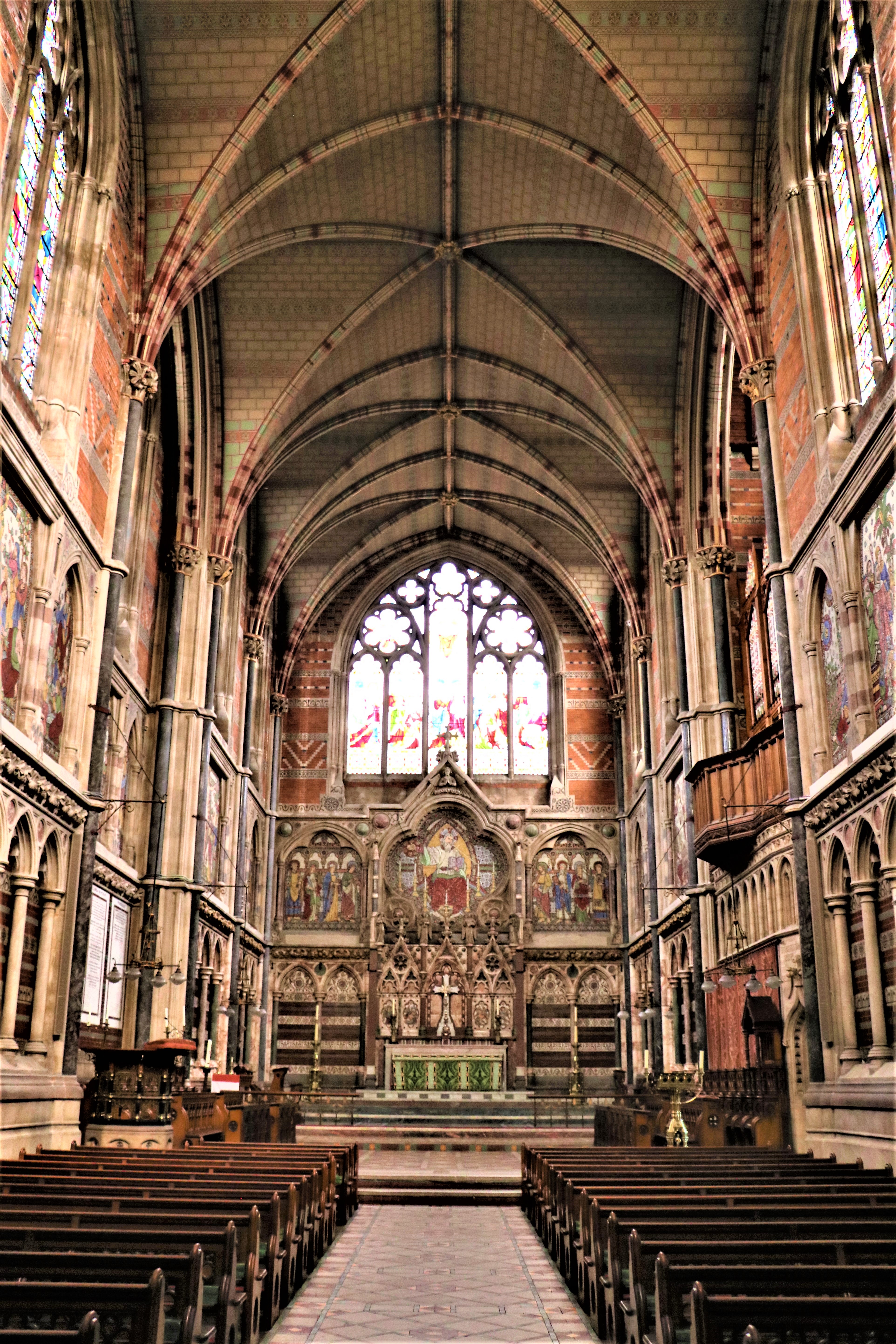
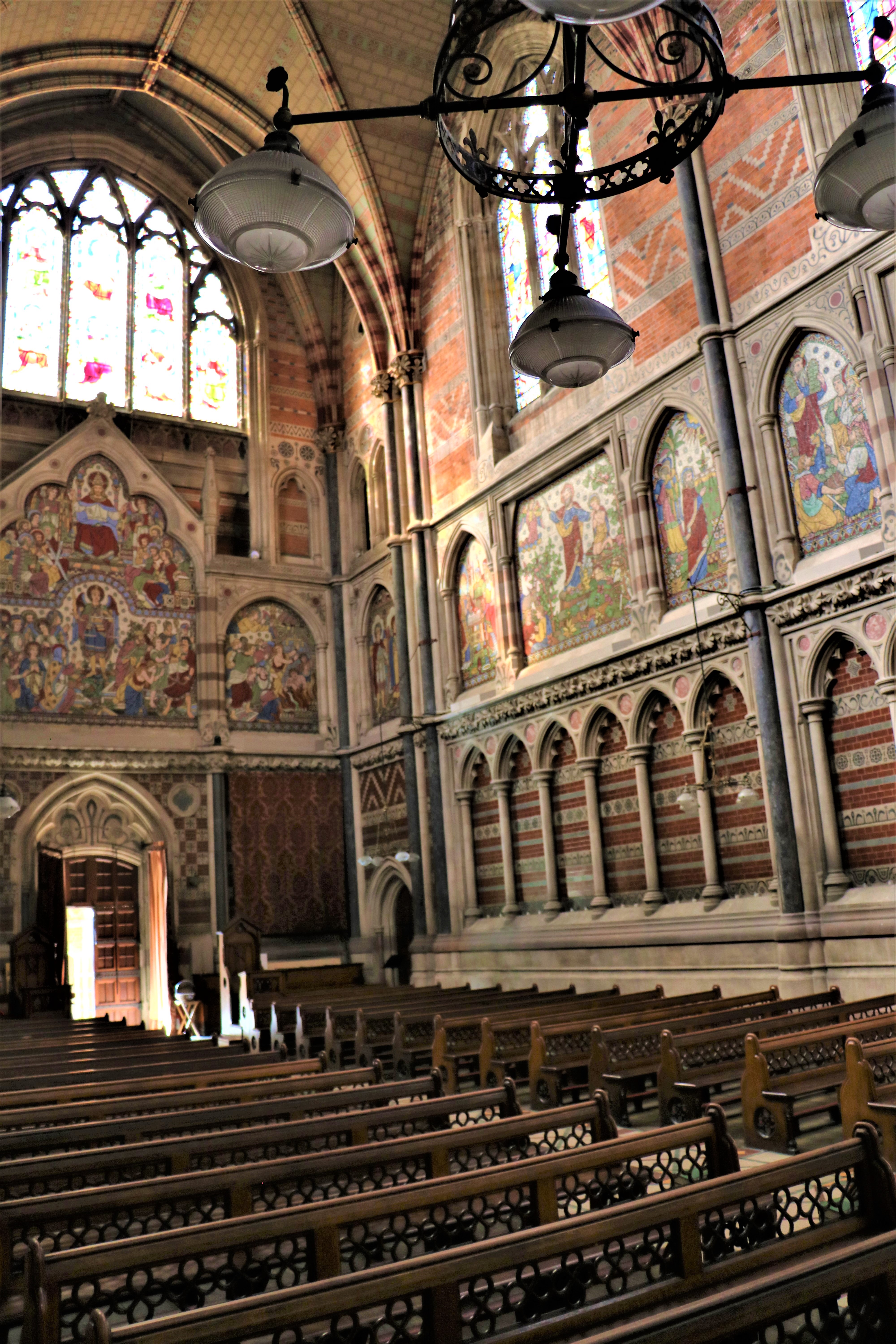
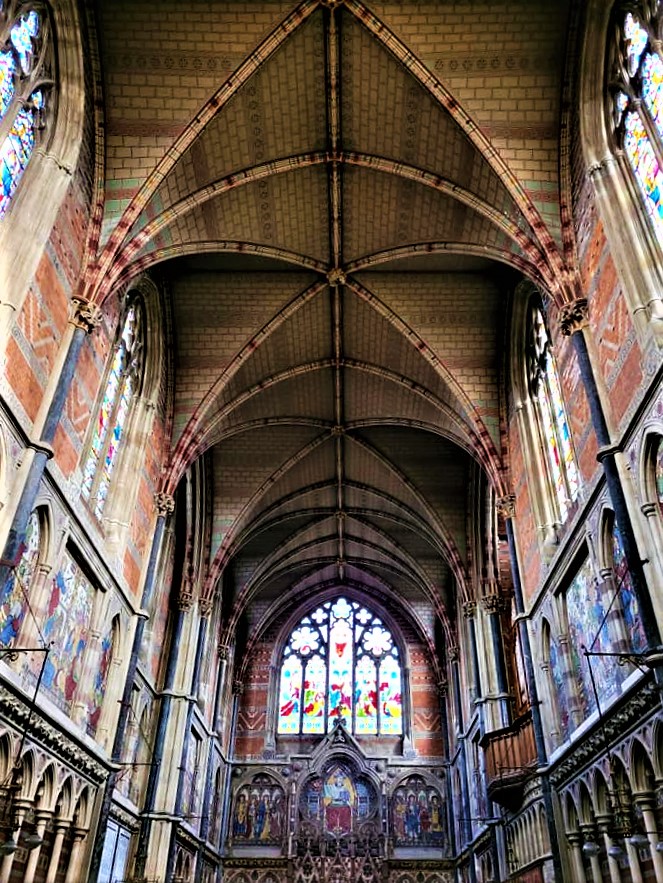
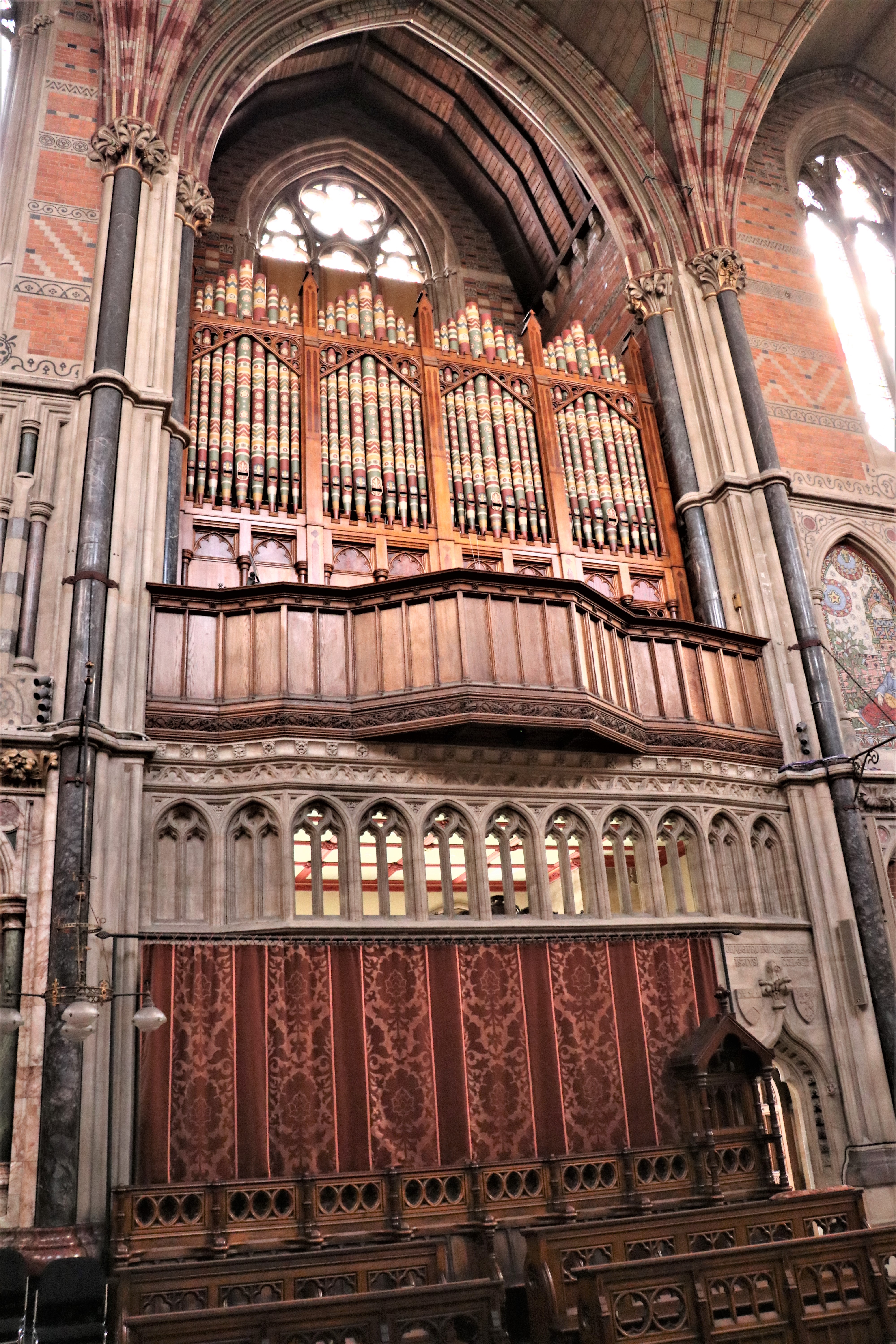
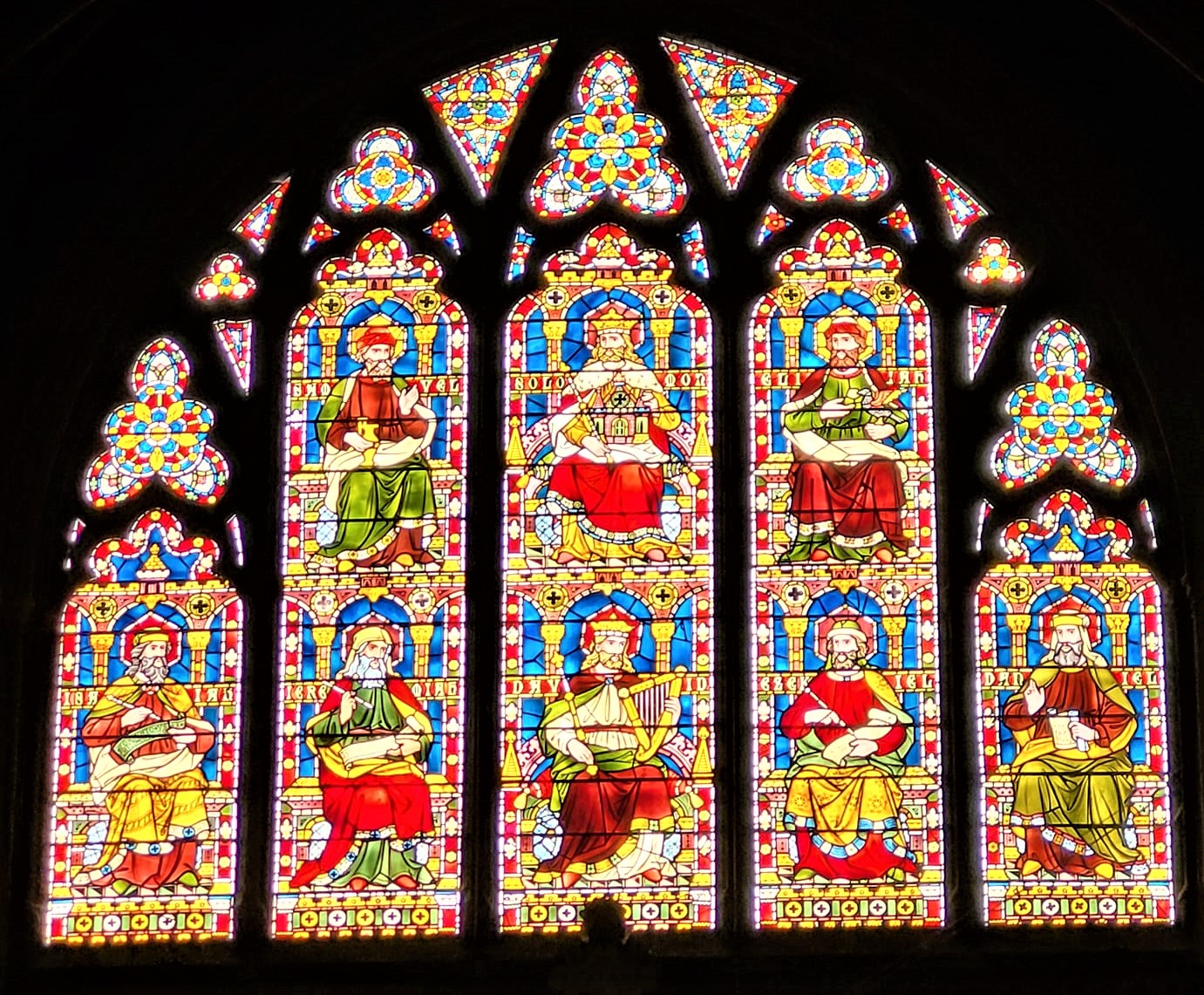
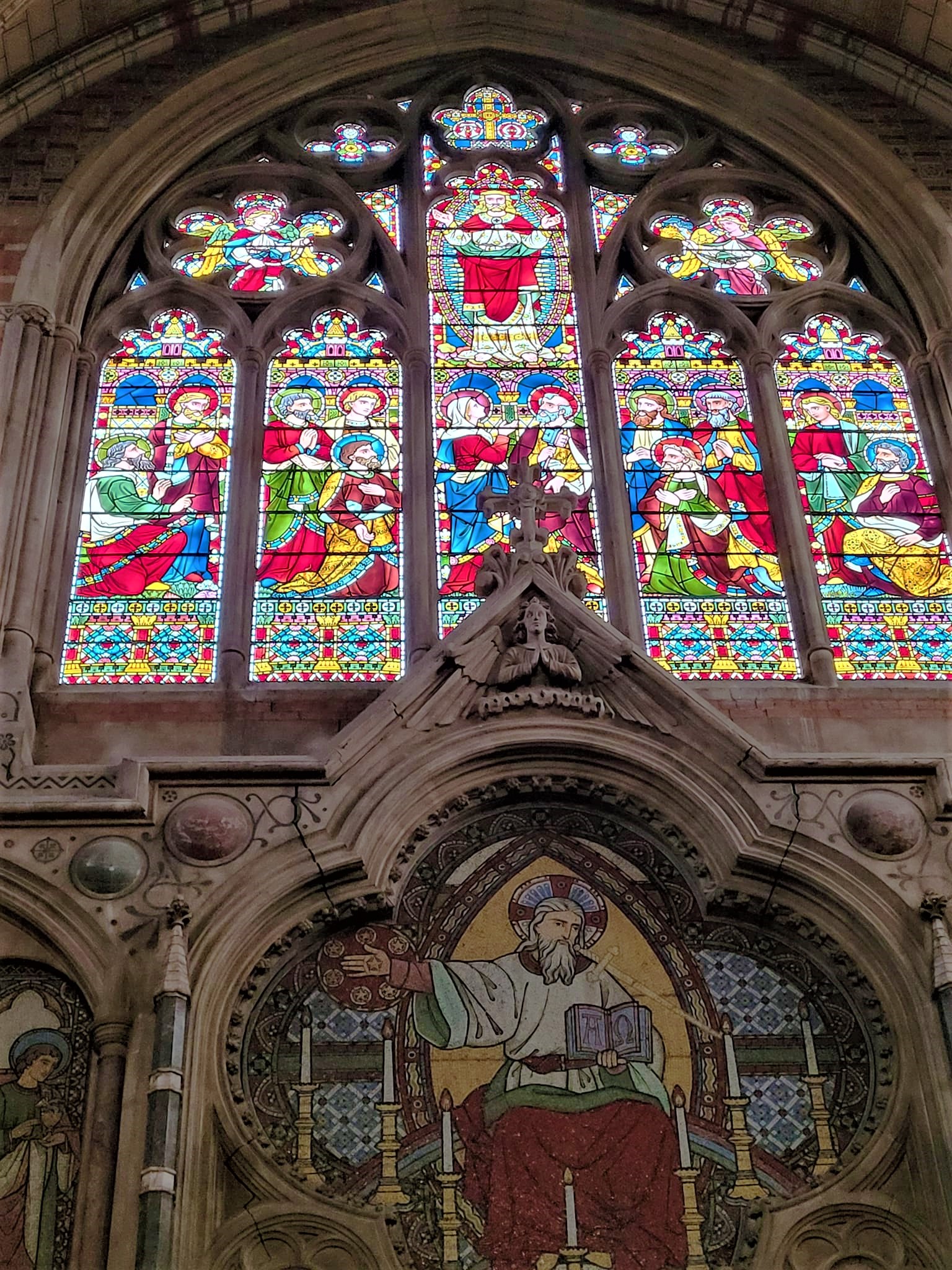
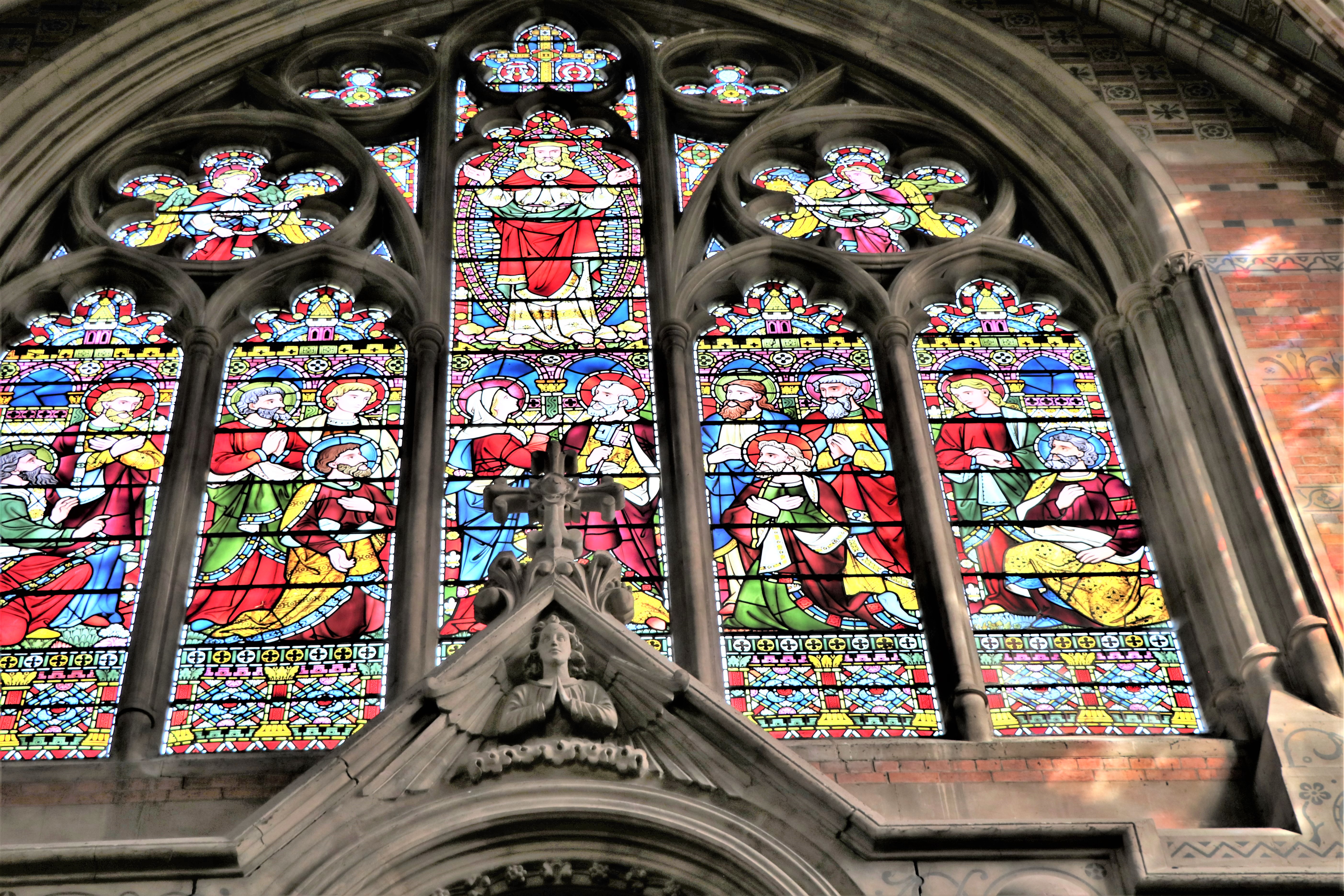
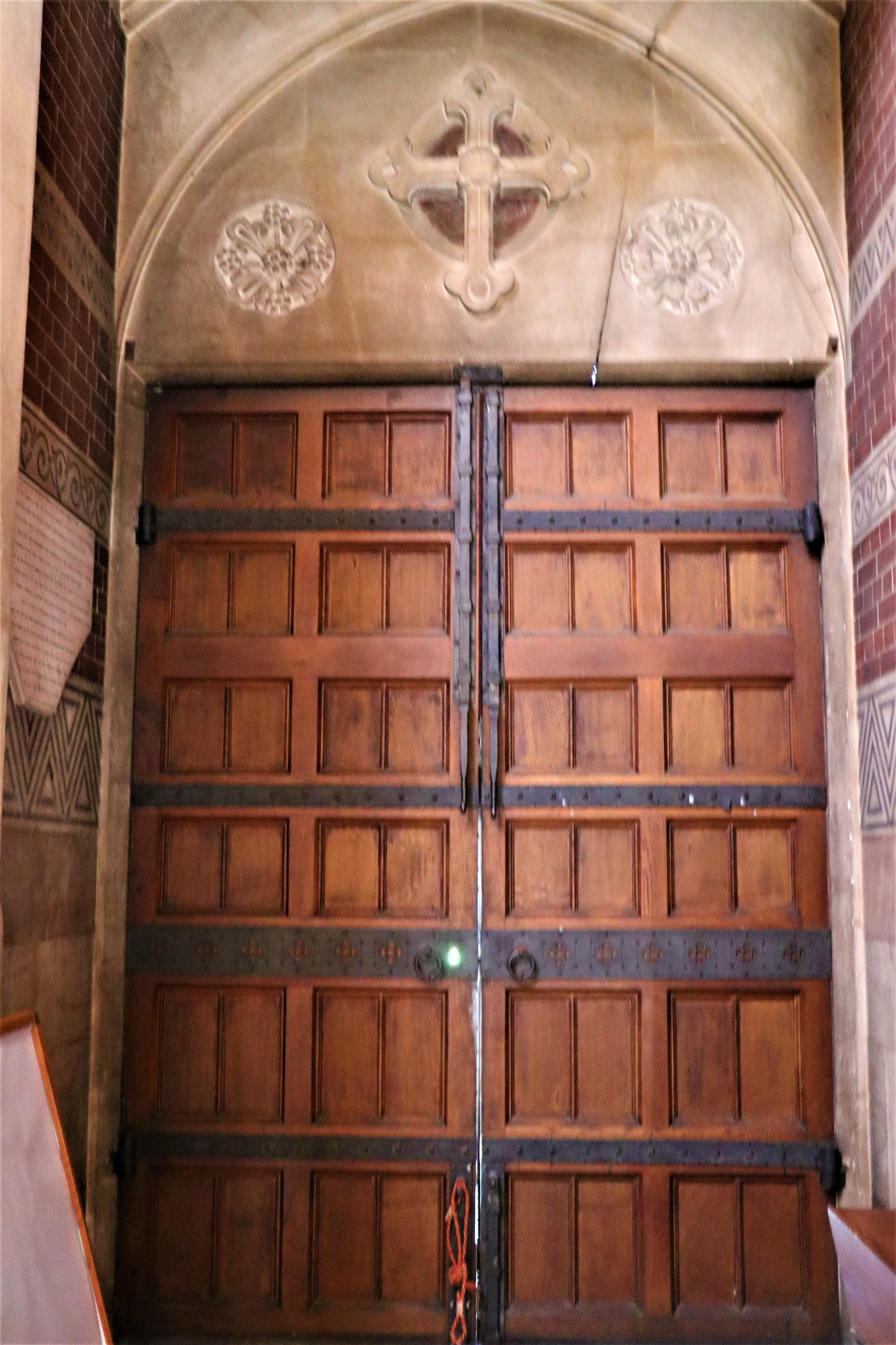
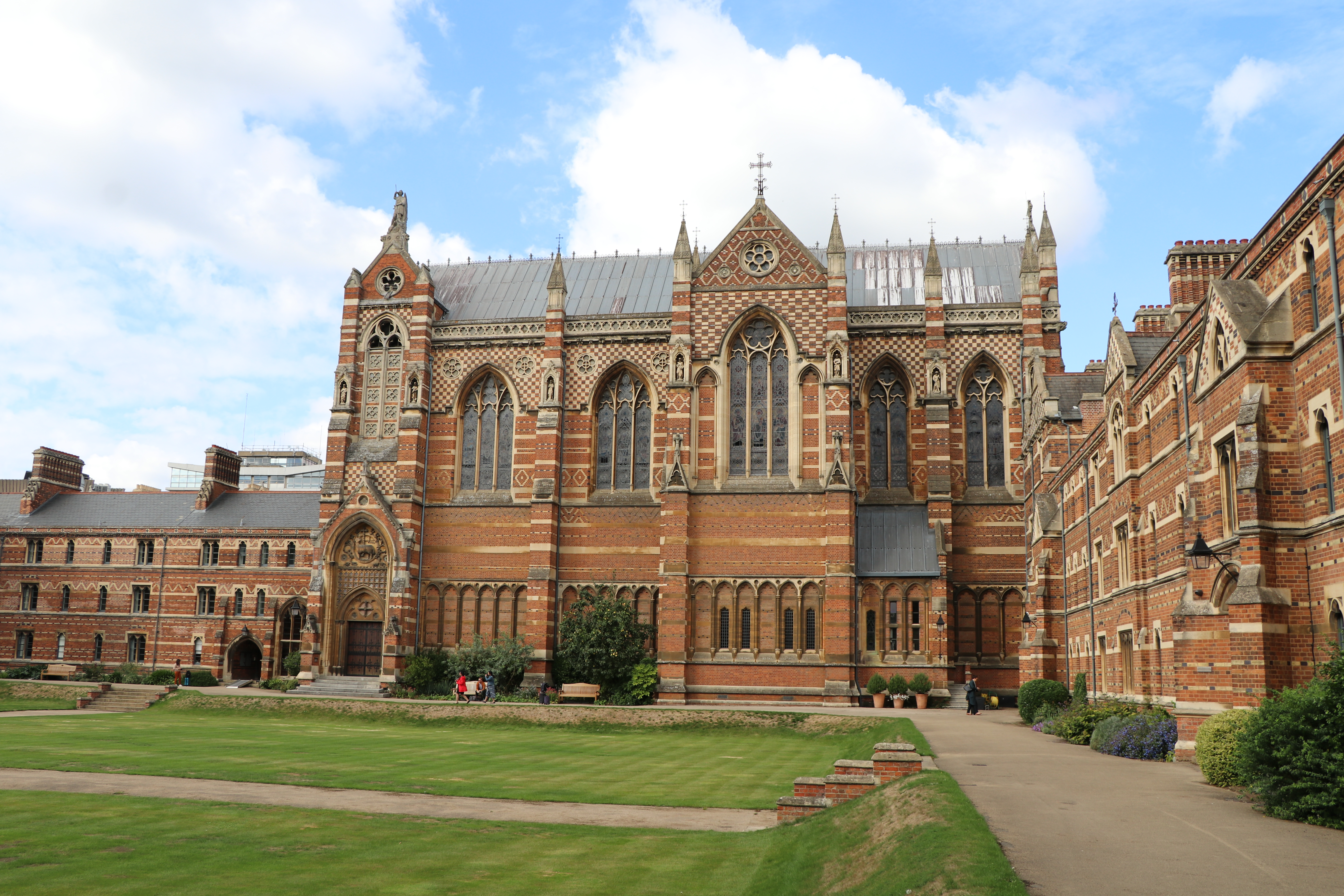
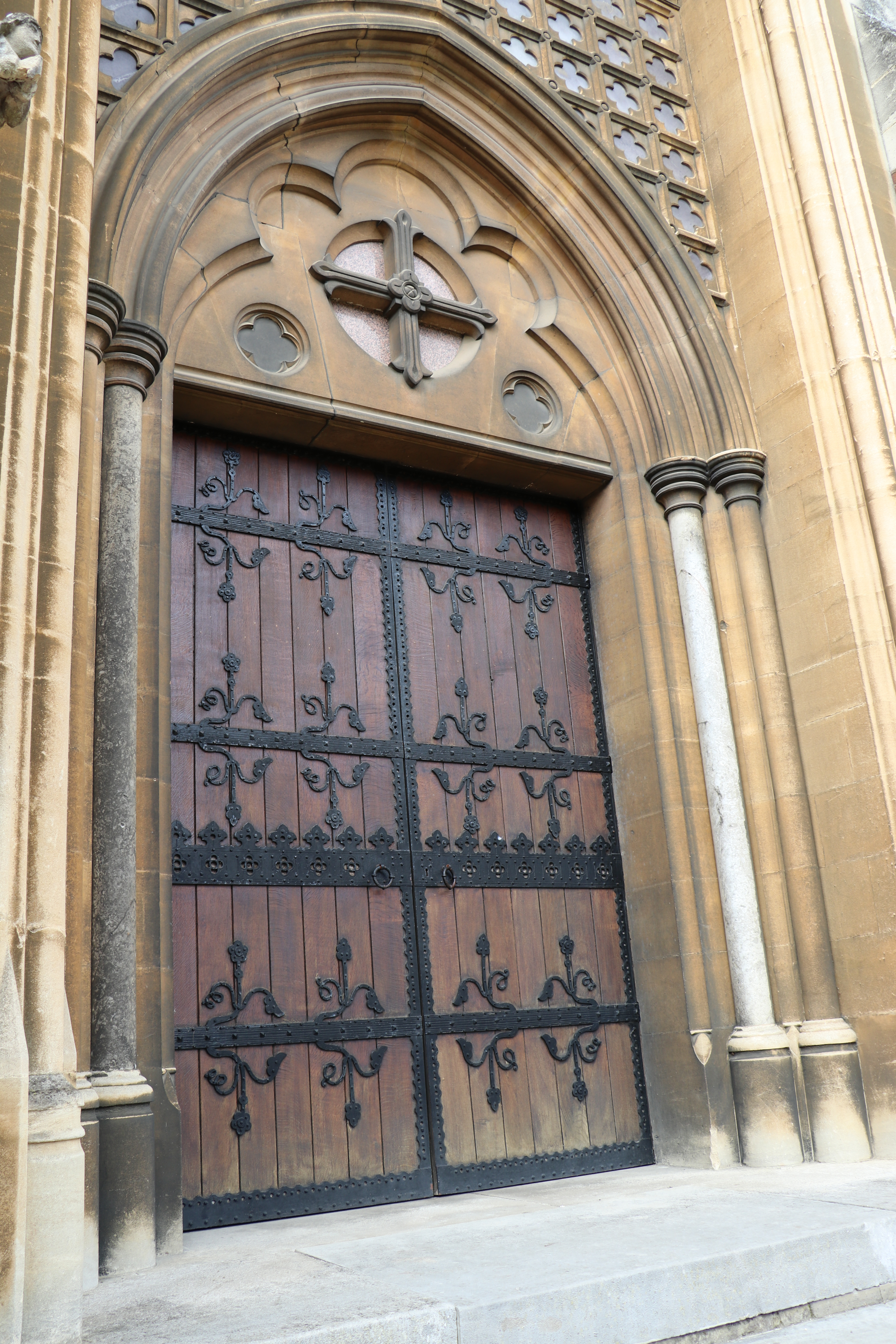
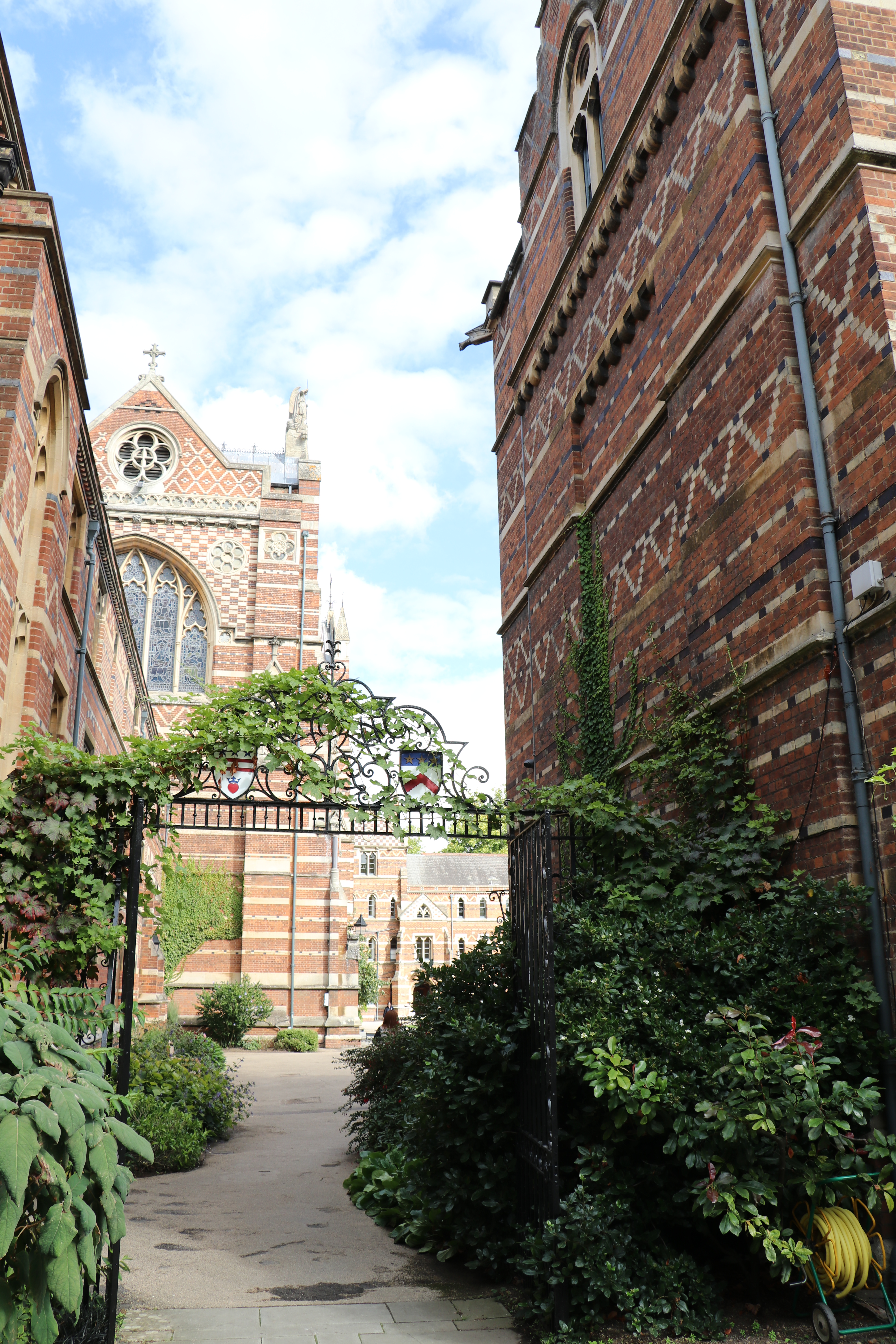
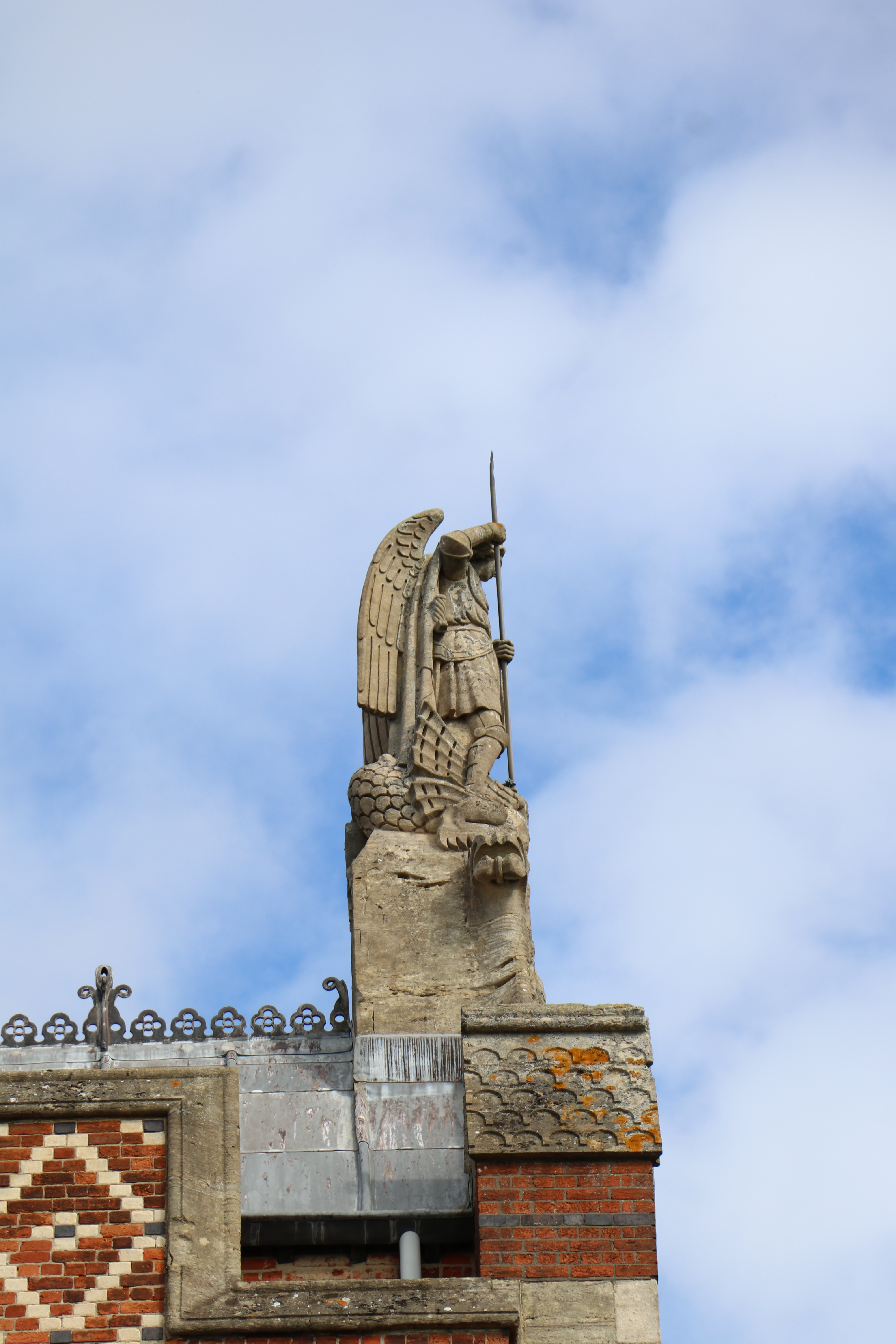
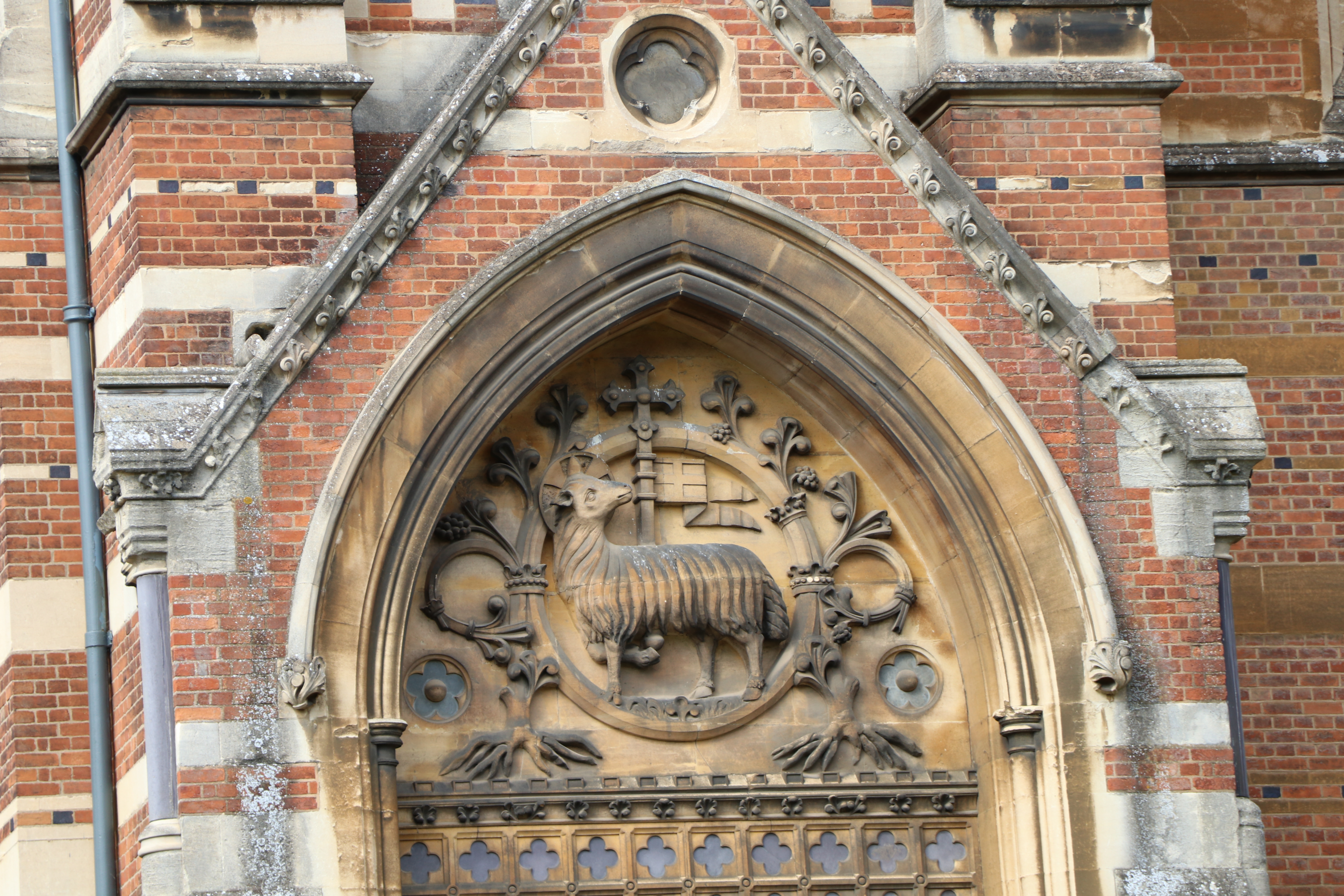
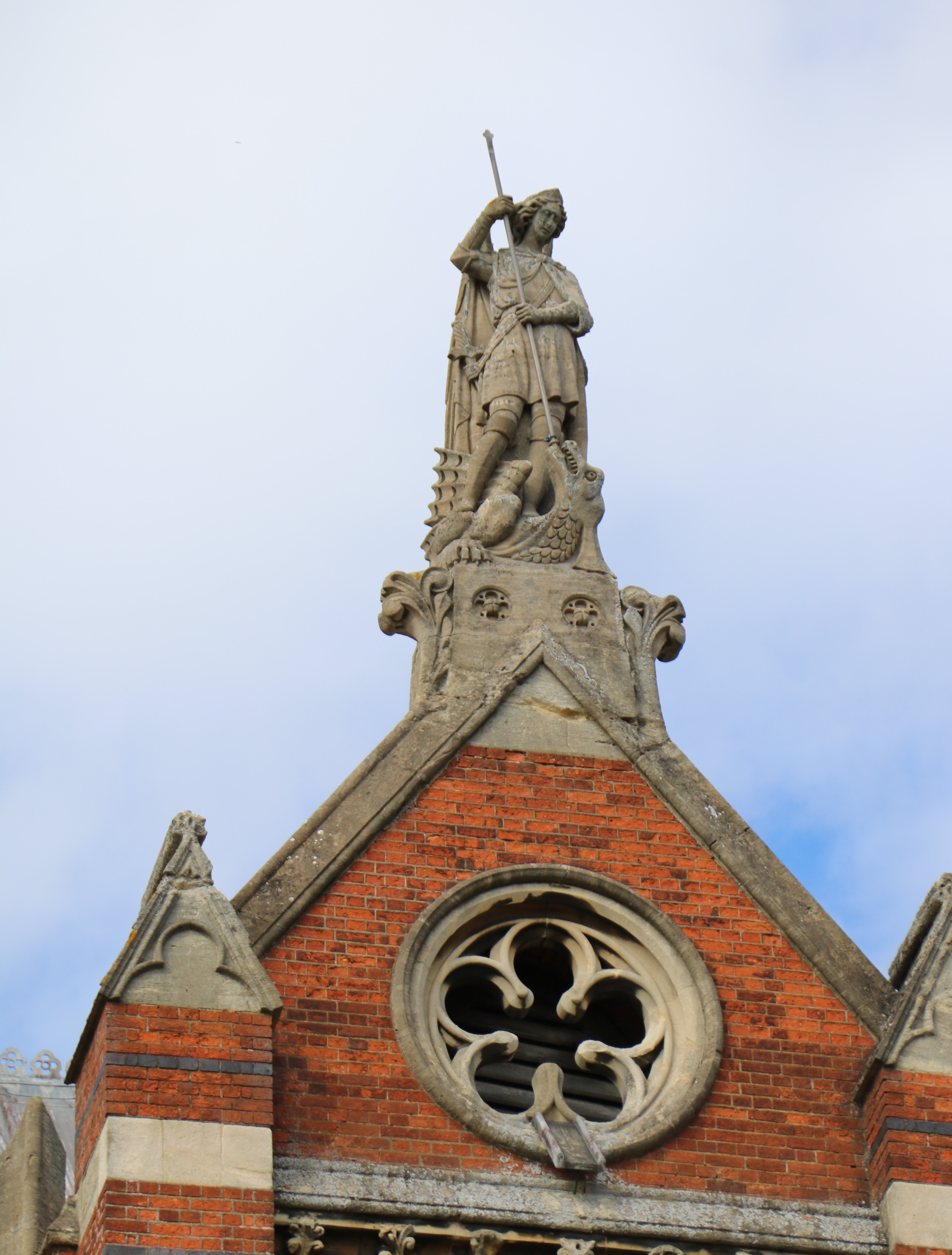
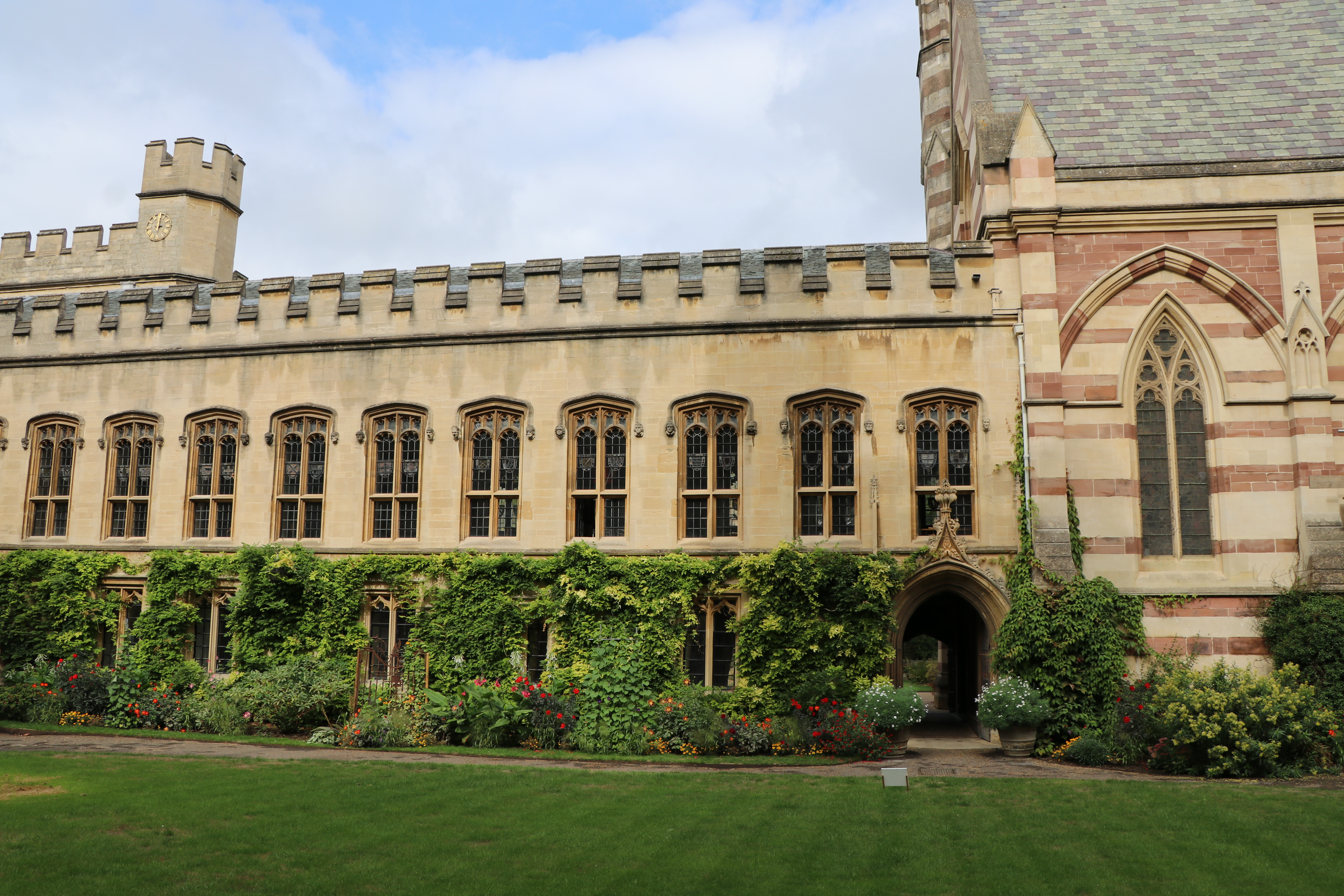
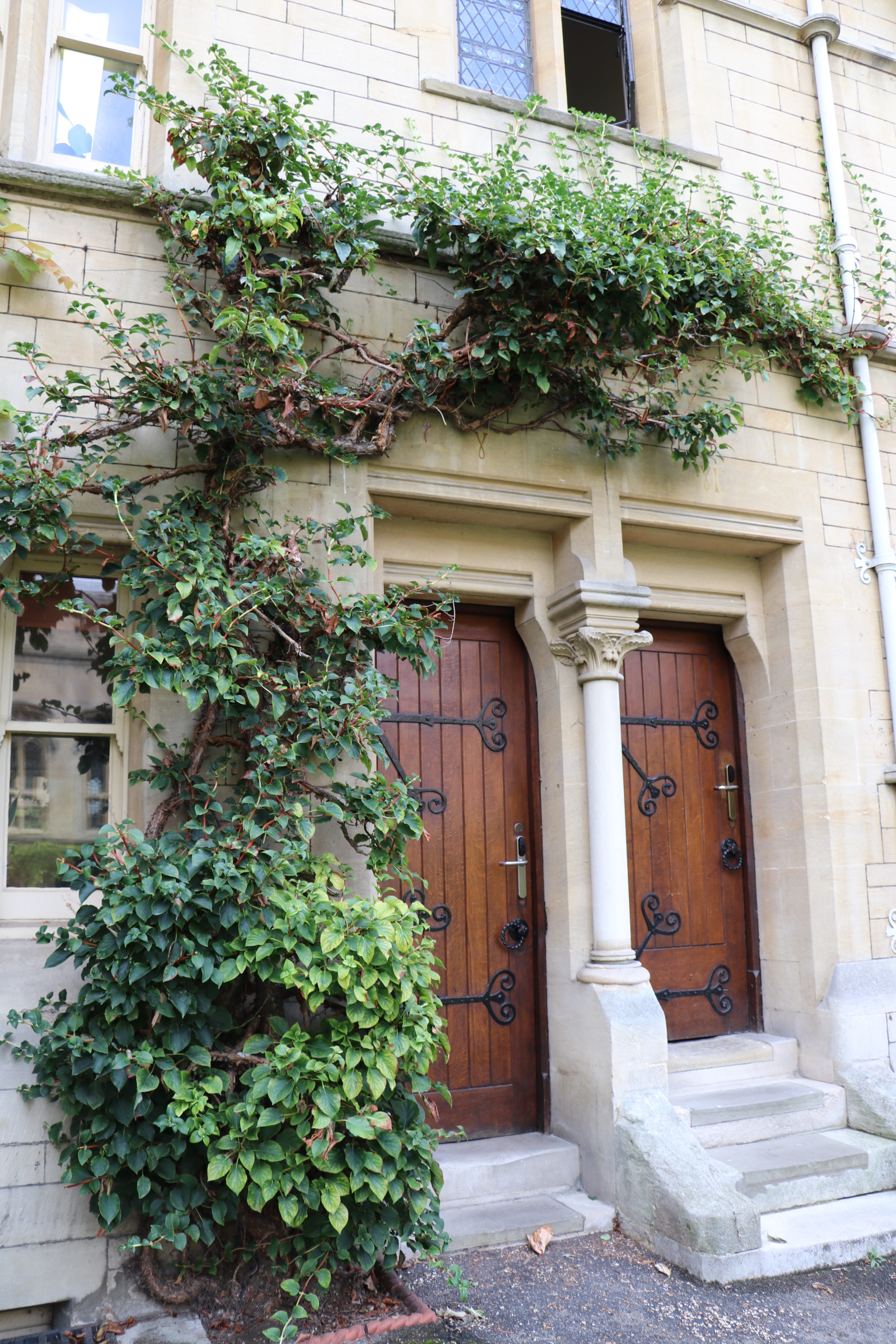
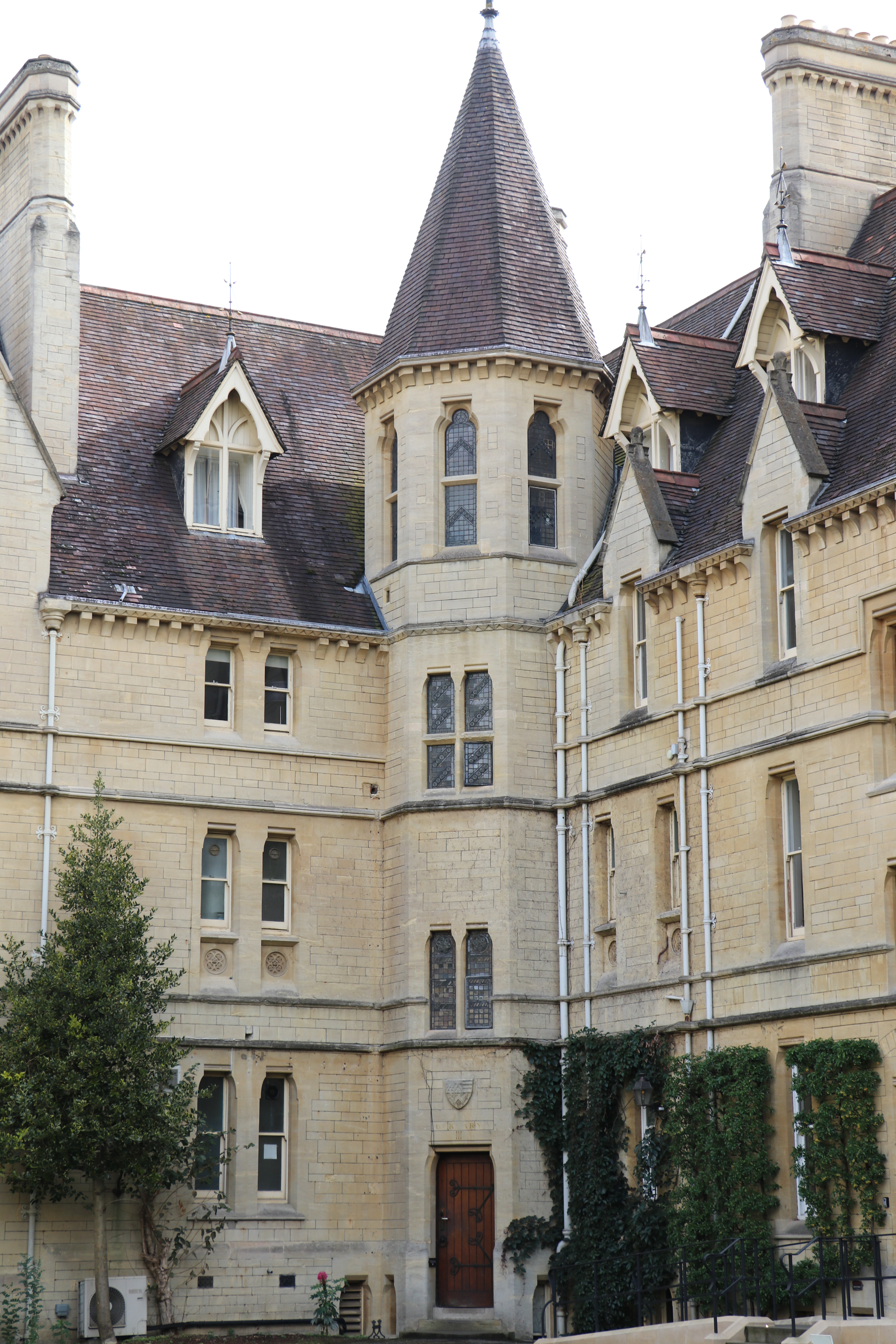
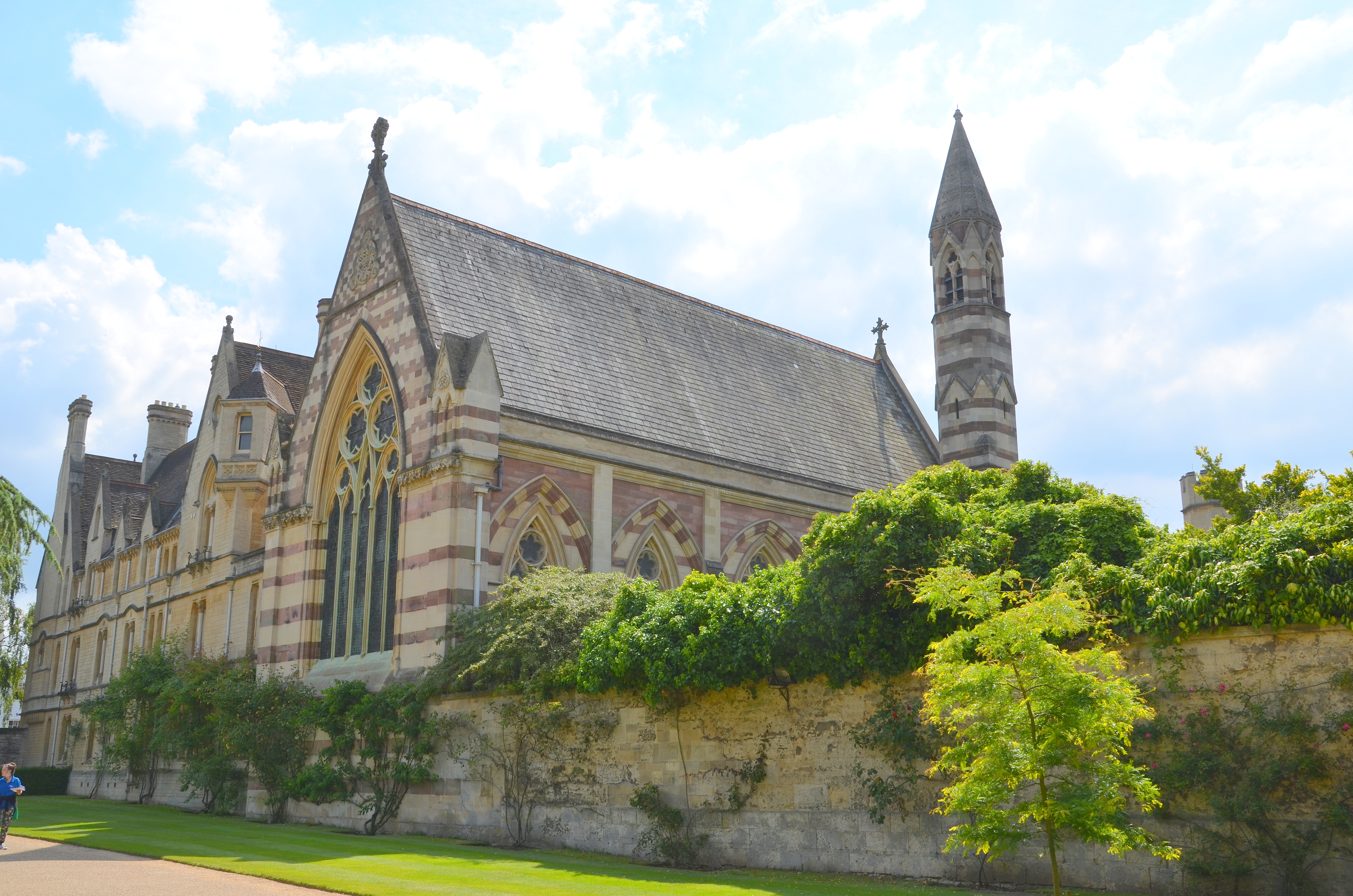
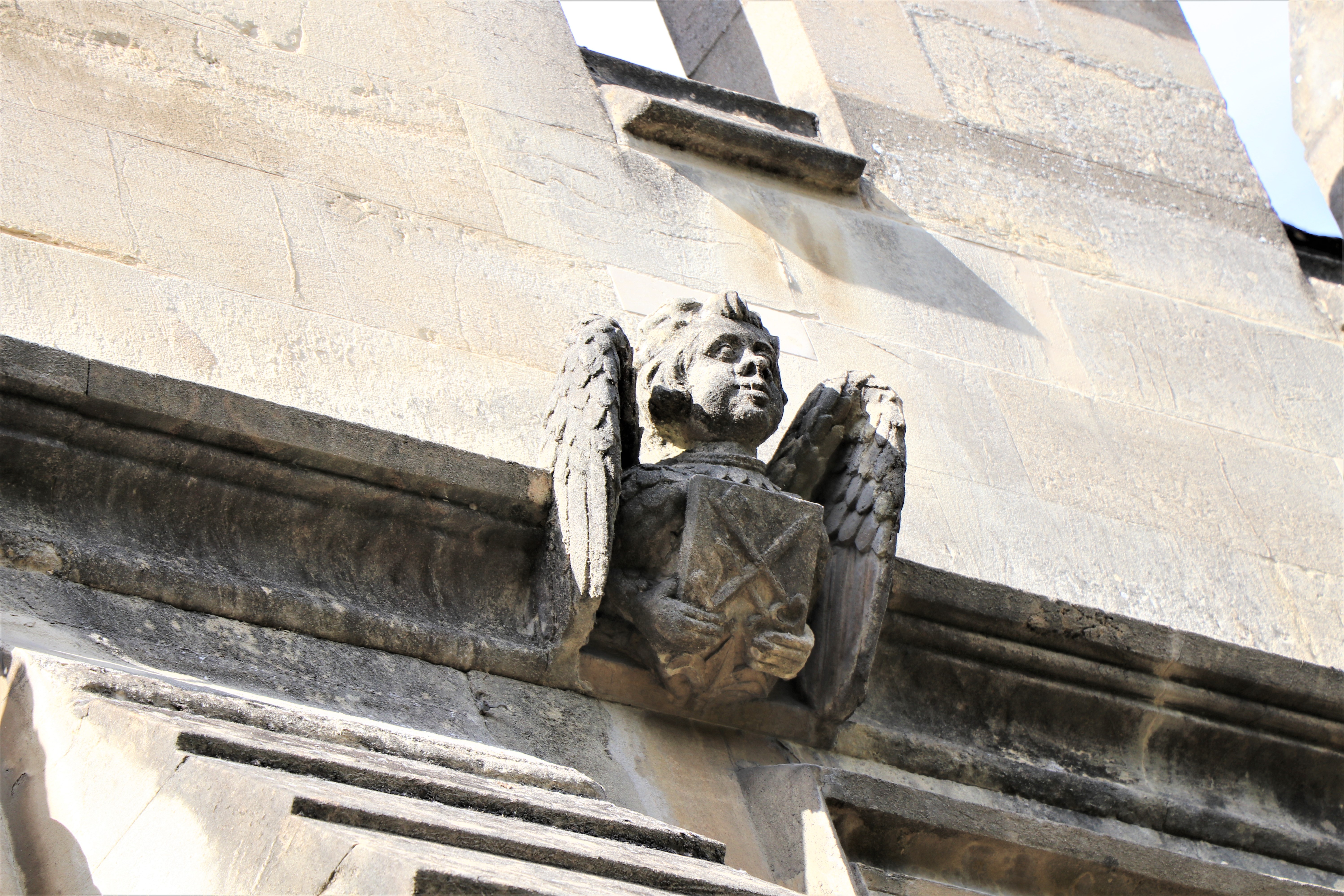
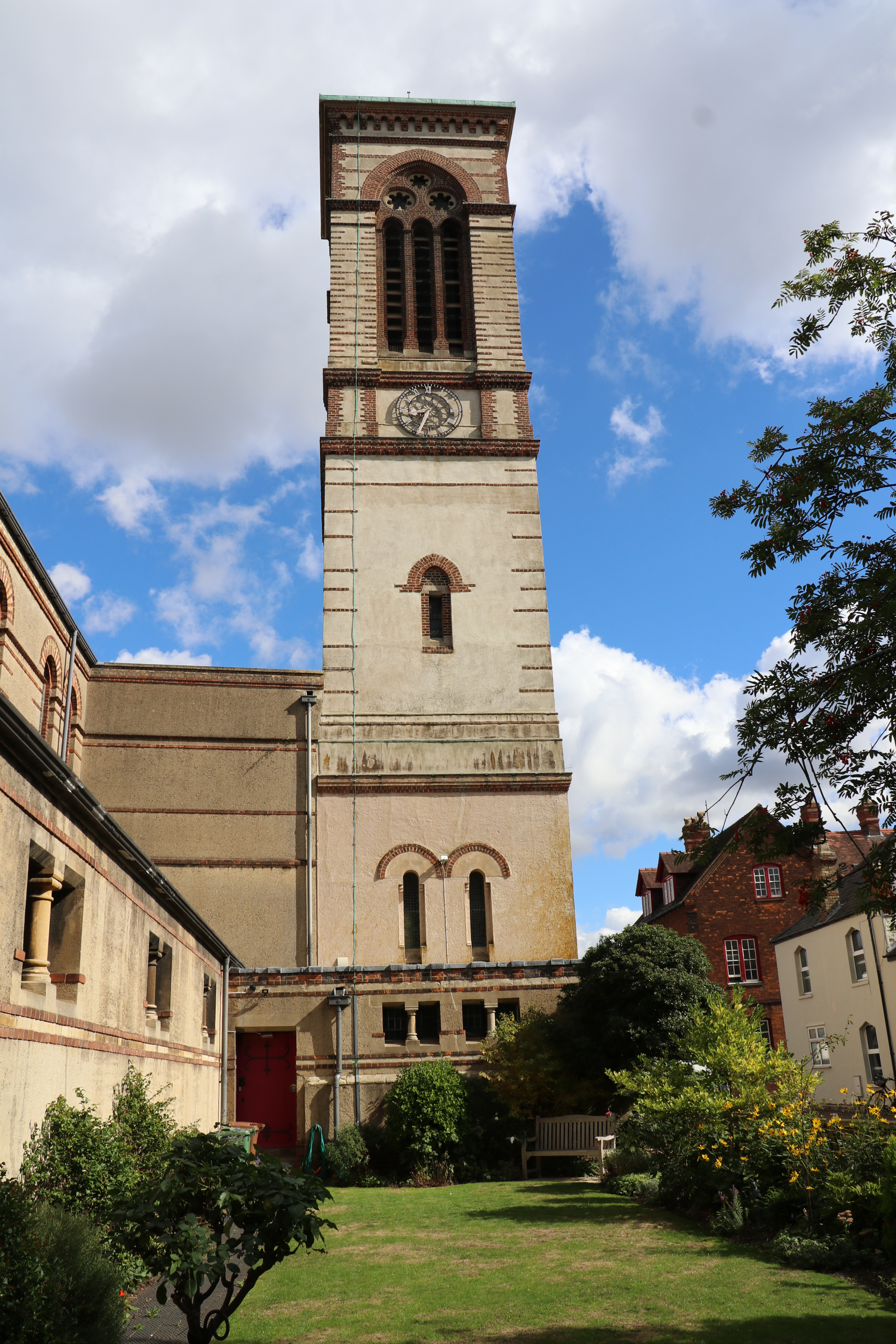
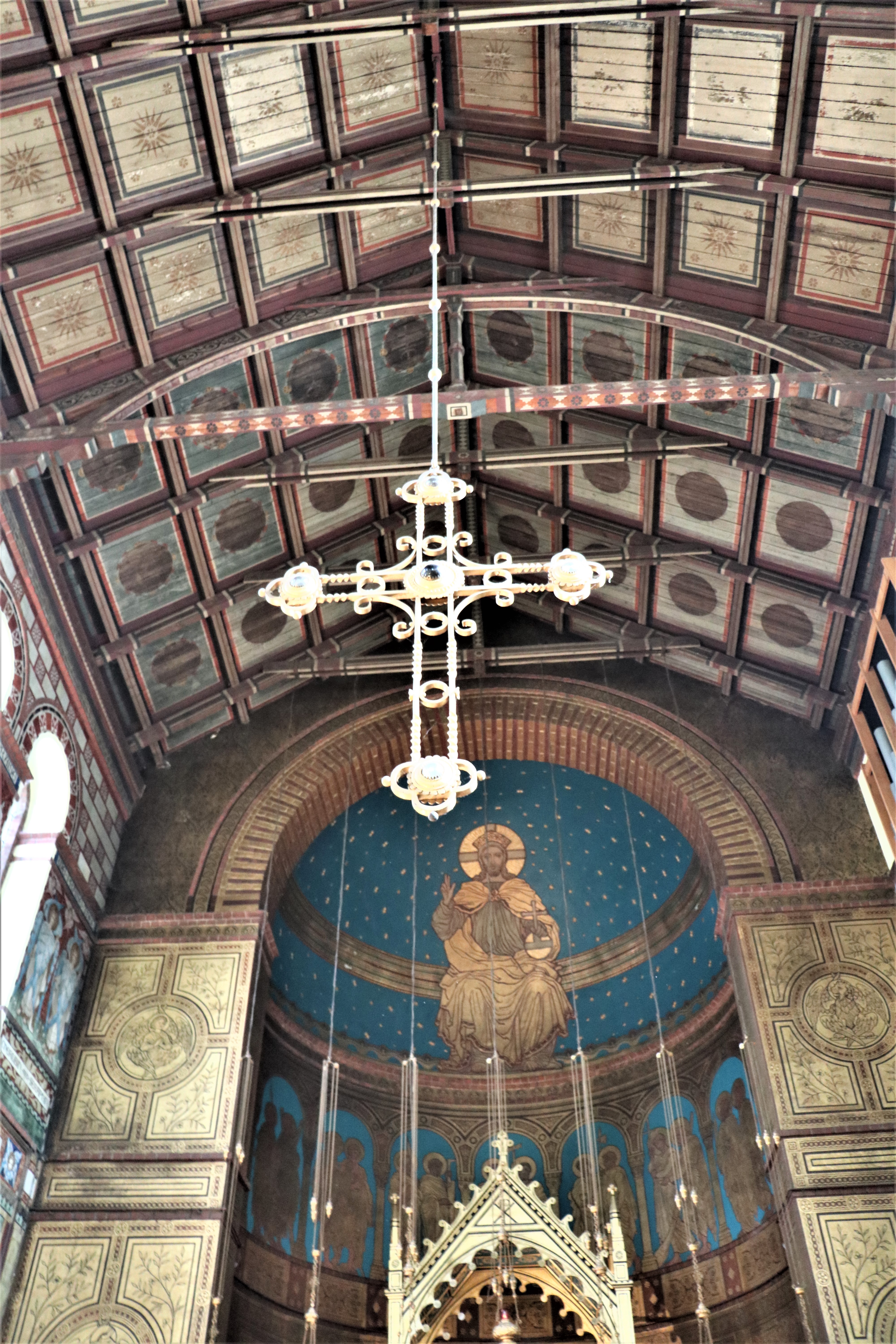
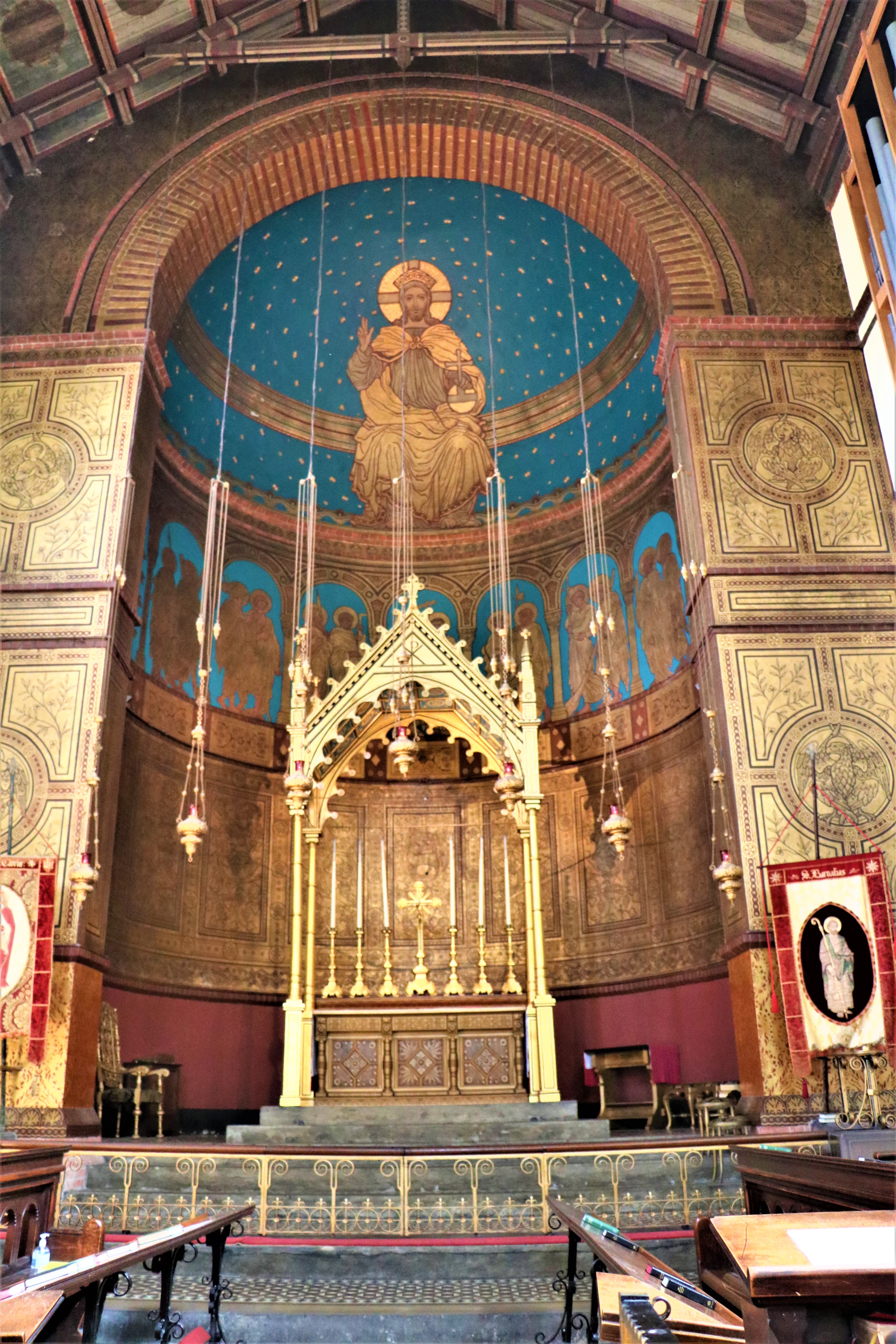
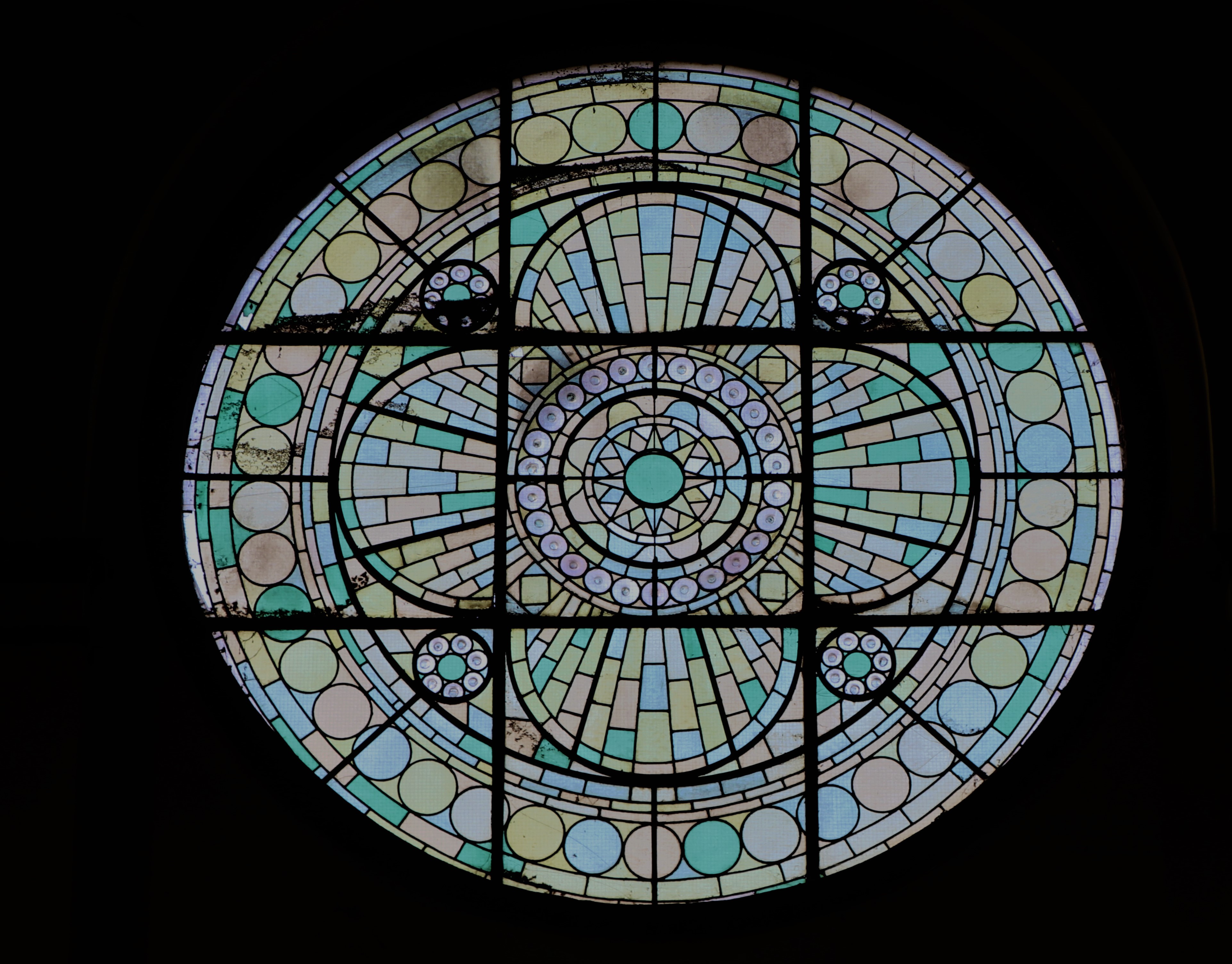
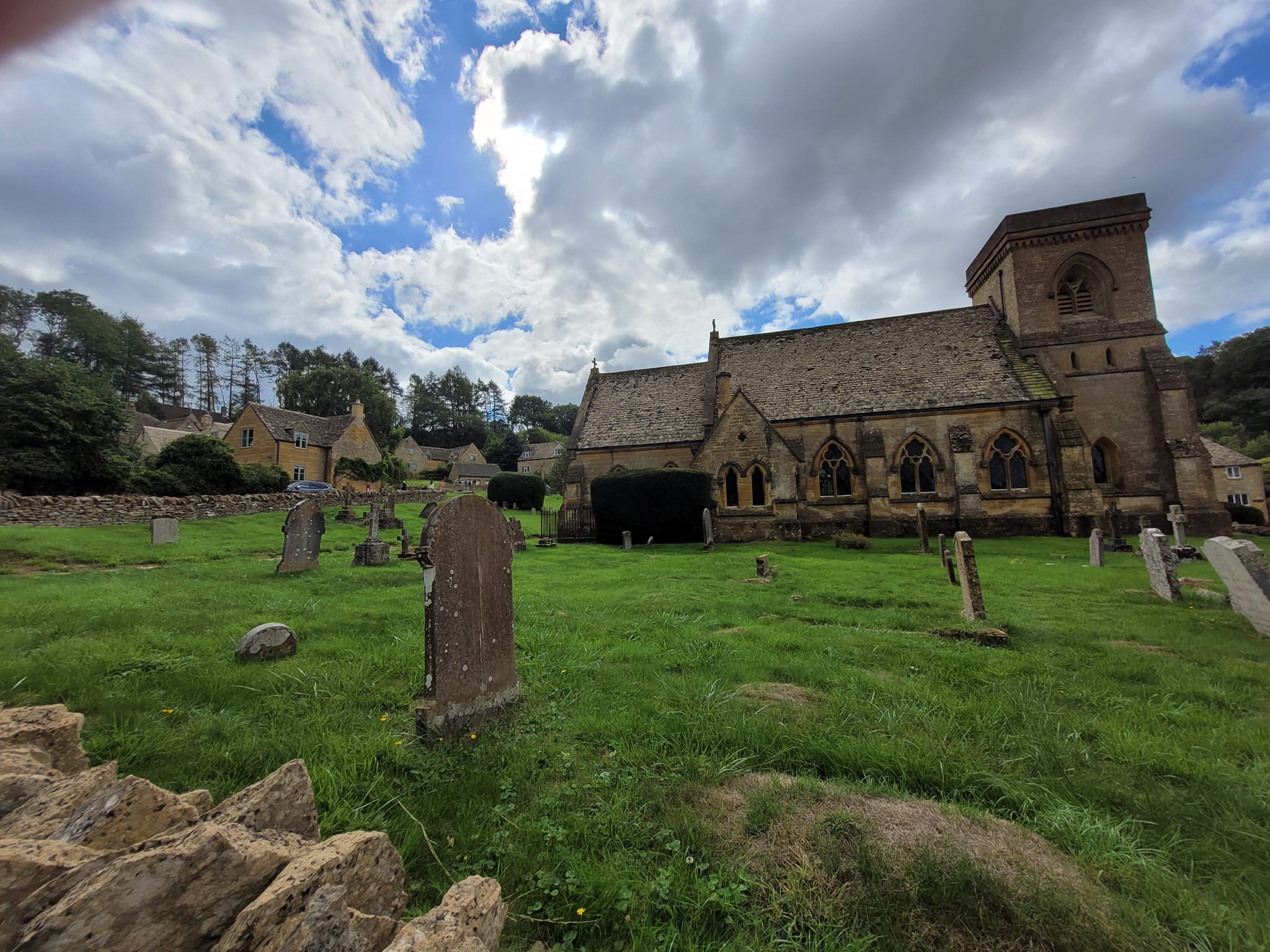
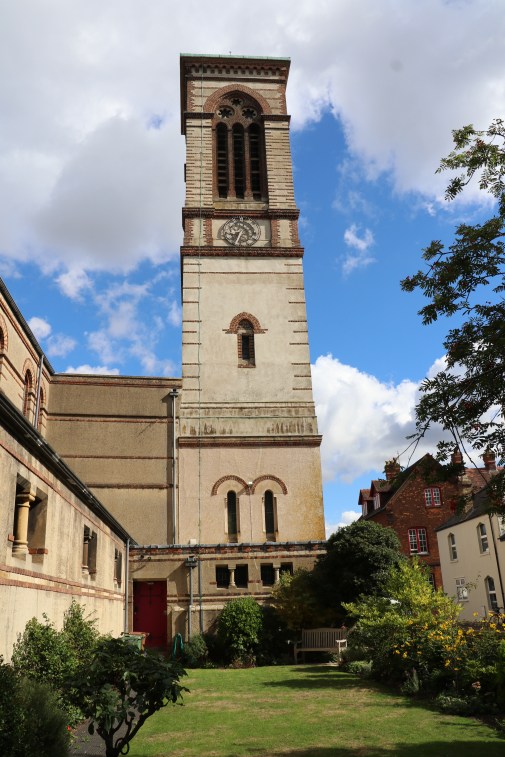
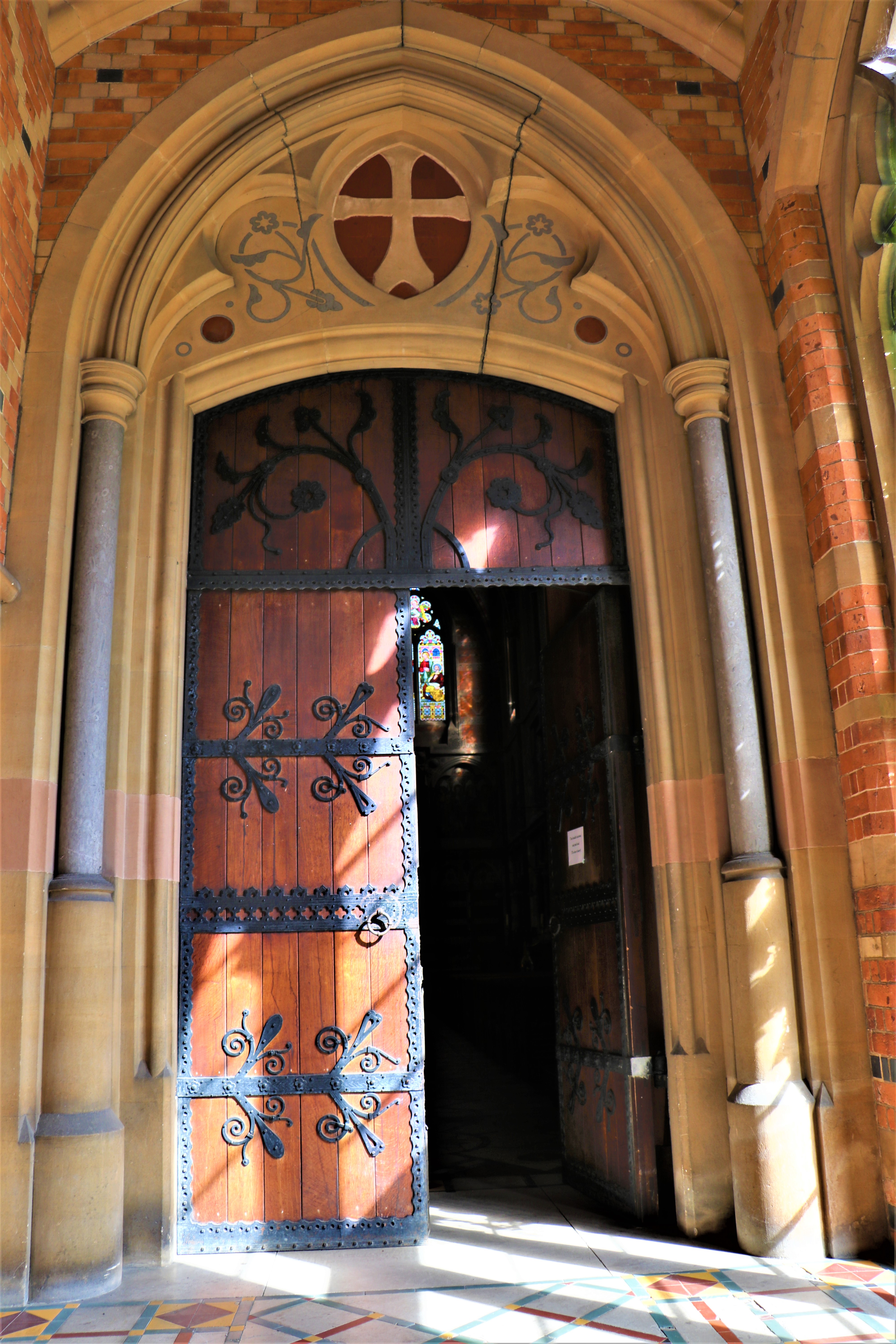
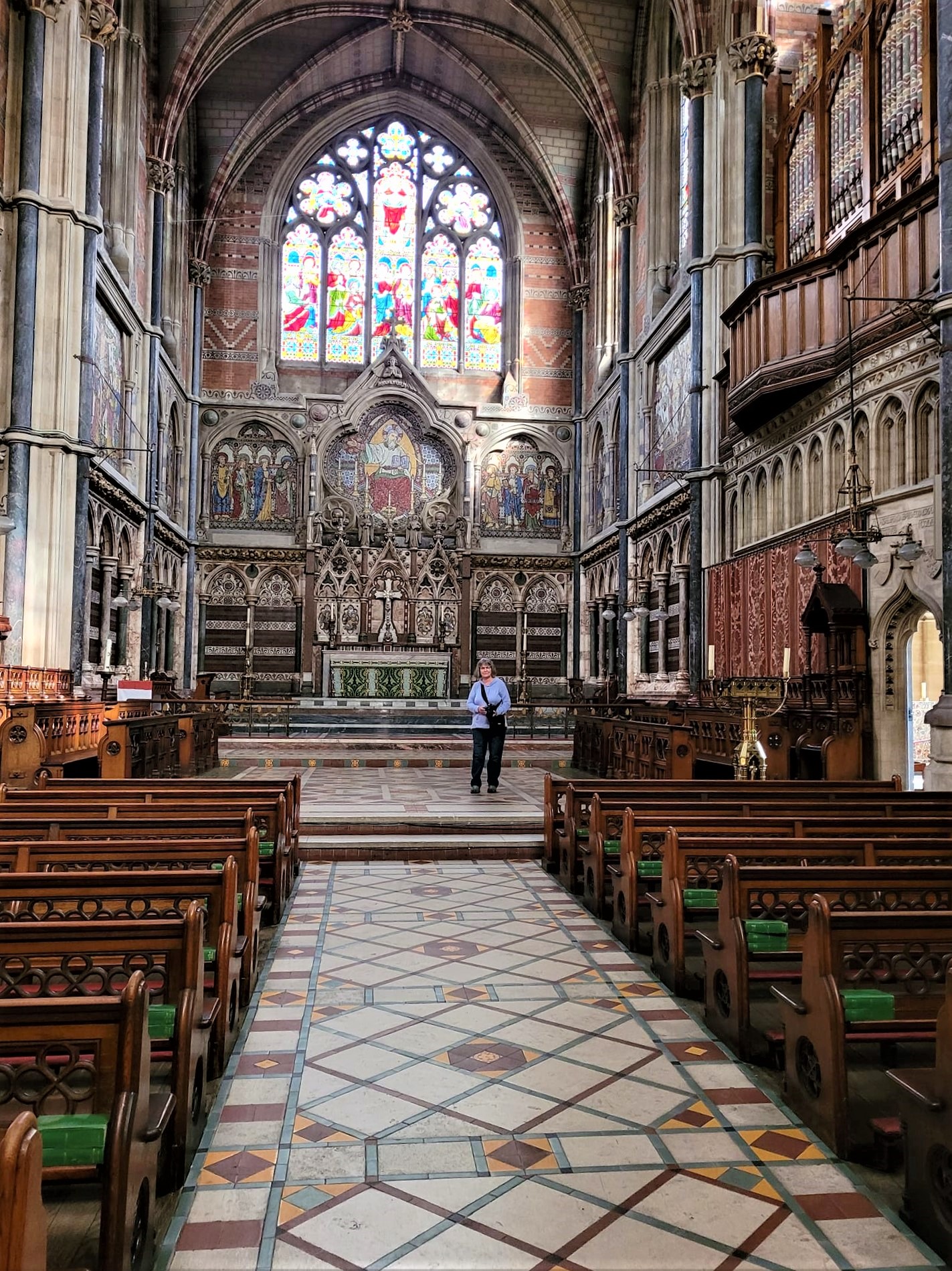
On Friday afternoon September 23rd, 2022 we were able to visit Keble College to see the grounds and the chapel. The dining hall was closed to visitors during our visit.

The idea to found a new college in memory of John Keble was discussed by a group of his friends at Keble’s funeral in April 1866. By modern standards, the speed with which their plans were realized was little short of miraculous.

In four years they raised enough money to buy the land, commission an architect and complete the east and west ranges of Liddon Quad and the imposing main gatehouse, all ready in time for the first forty undergraduates to take up residence in the autumn of 1870. Building continued throughout the 1870s: the Chapel was completed in 1876, the Warden’s Lodgings in 1877 and the Hall and Library in 1878, by which time 140 undergraduates were living in Liddon and Pusey Quads.

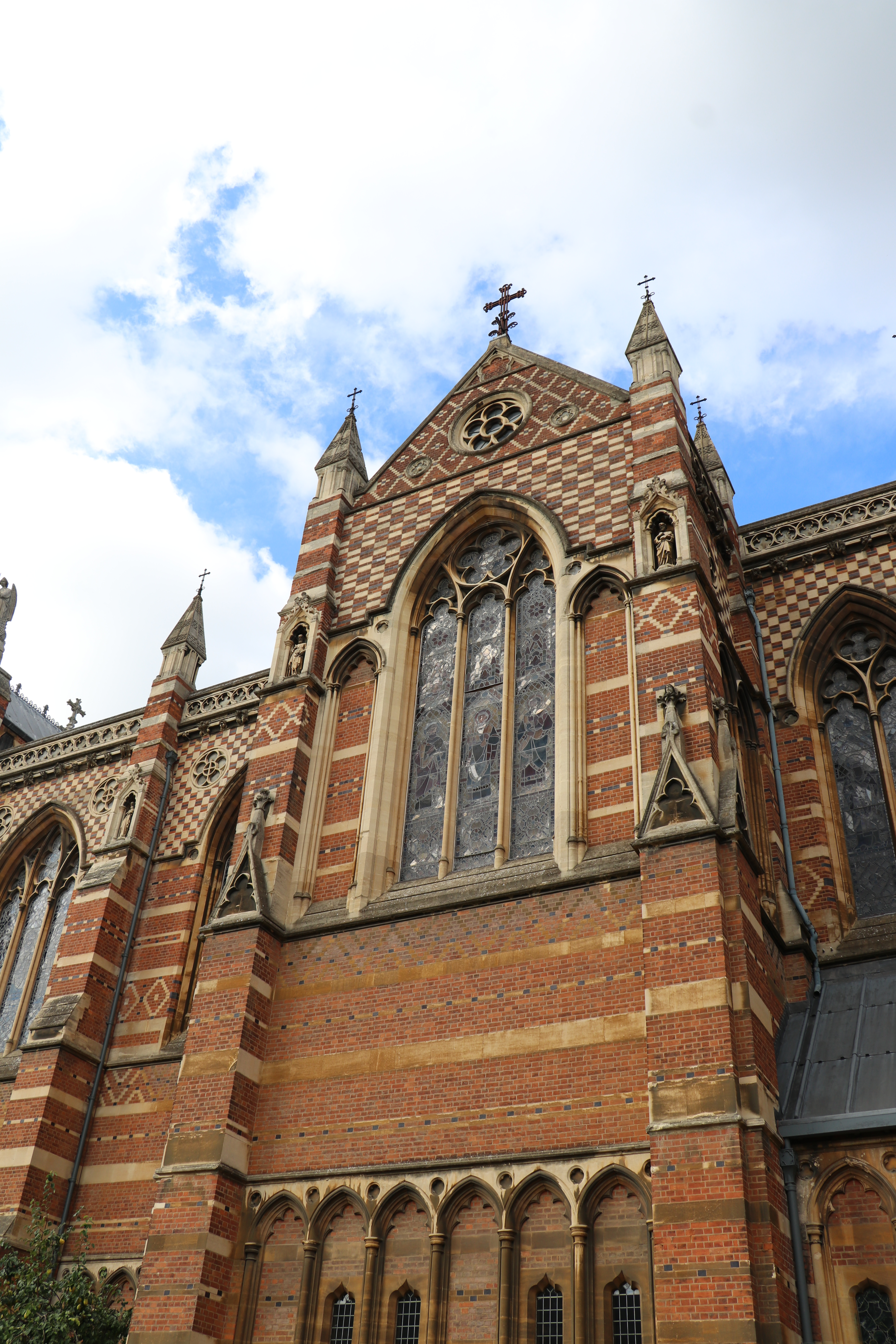
Keble’s founders chose William Butterfield (1814-1900) as its architect. A man closely associated with the Oxford movement, he had designed churches and vicarages for Anglo-Catholics all over Britain as well as in the colonies, Melbourne cathedral in Australia being a particularly well-known example. His was a controversial choice, and Butterfield’s architecture has long provoked argument.

For decades ivy hid much of the polychrome brick and the buildings were variously derided as hideous and a joke. Opinions began to change in the latter half of the twentieth century and Butterfield’s Keble, Grade 1 listed, is now widely regarded as one of the finest examples of Victorian Gothic anywhere.


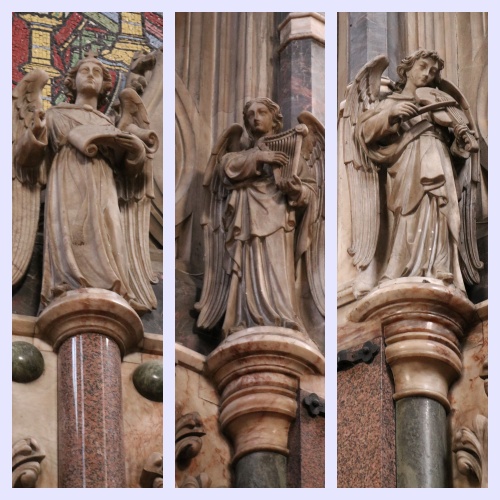
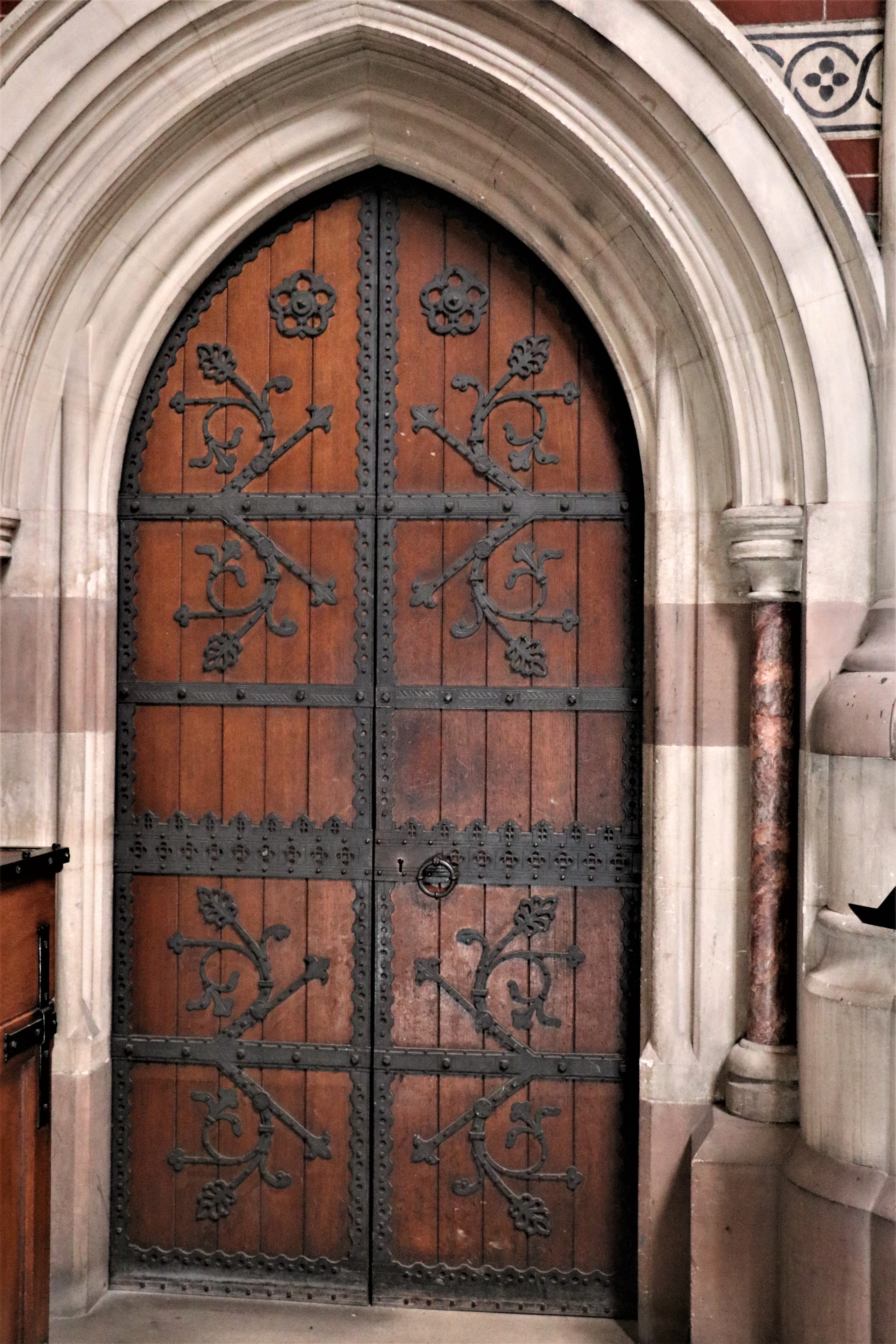
The photos from Keble Chapel will have to wait for another day. Be forewarned there are a lot of photos to share. It was one of the larger chapels we were in on this trip.

Back to the Present: We are still having winter here in N.E. Washington state. We had a busier than usual weekend and it was full with Joy and Sorrow and Joy. Today is my hair day, nothing new always the same do. Hope you all have a good week ahead.

HT: Keble College

Balliol College ~ Oxford Colleges

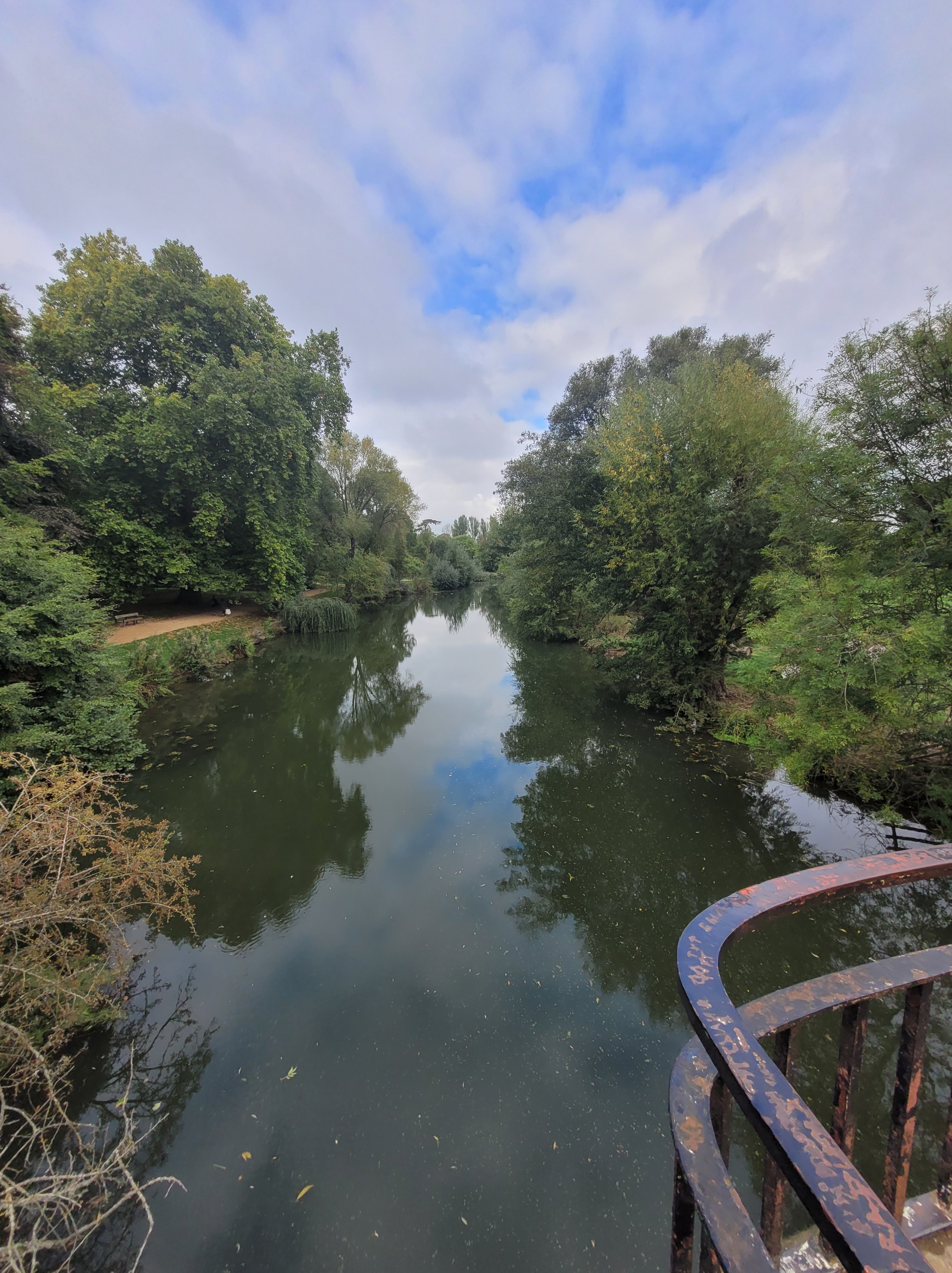
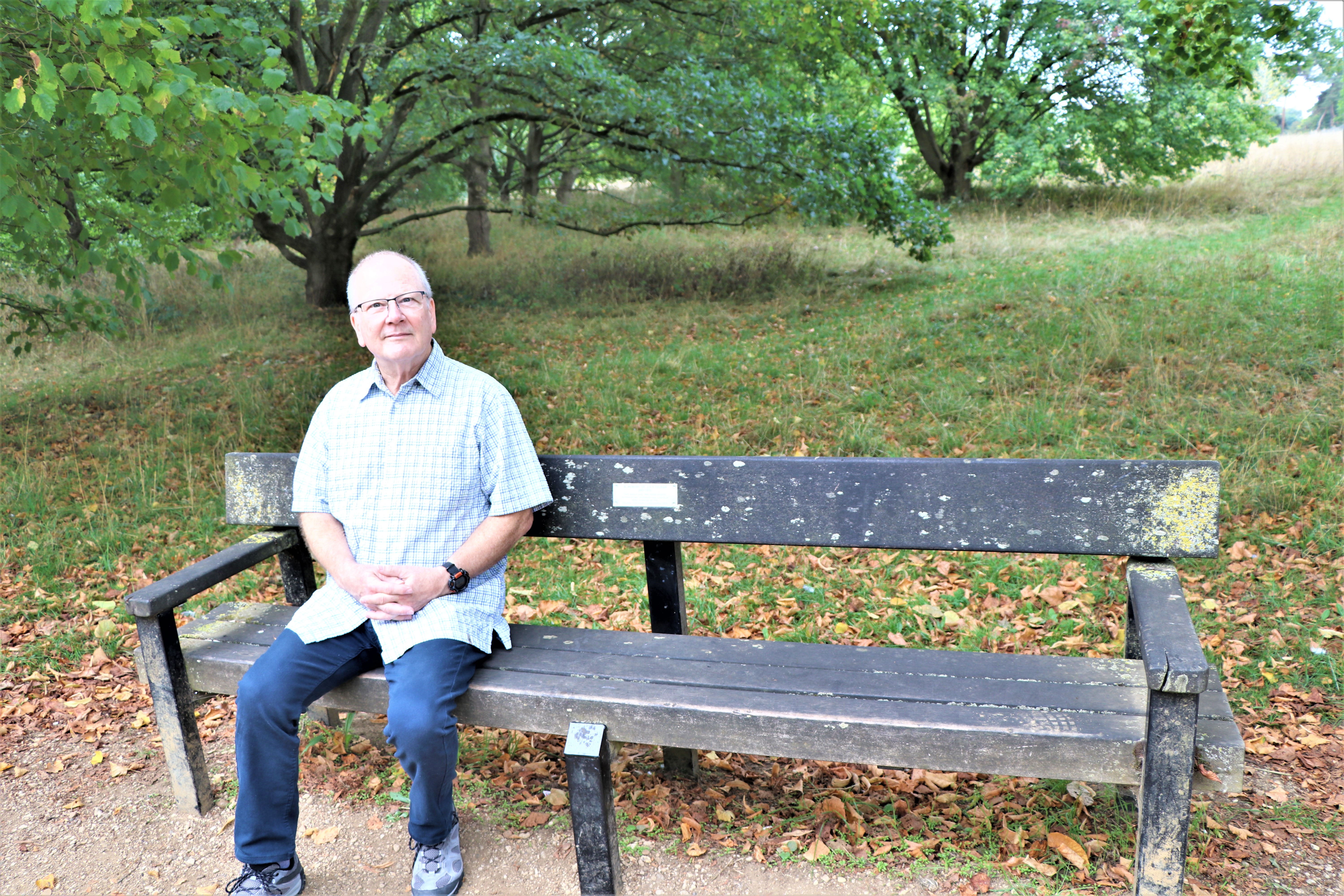
On Friday September 23rd, 2022 after we took in the Natural Museum we headed across University Park to the River Cherwell and we found a bench dedicated to J.R.R. Tolkien. The bench has seen better days and could use a sprucing up.

A few of our family are huge fans of Tolkien and his work.

We continued down the river path to a another path that led to South Parks Road and on to Parks Rd.

When we reached Broad we took a right to see if we could get into Balliol College.

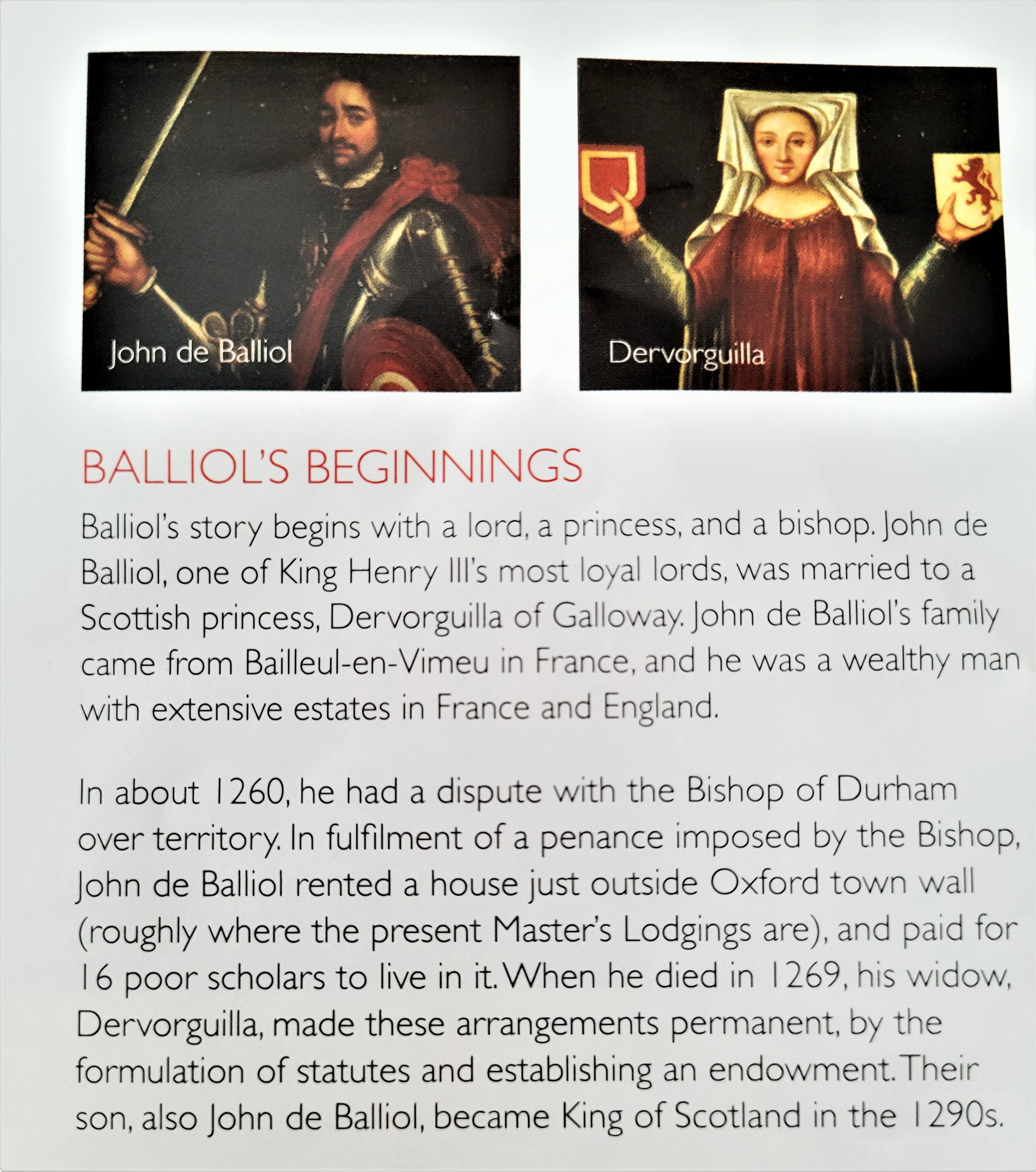
Success! From the brochure we were handed we learned some interesting things about Balliol.

The current ‘Master’ of the college says, “Balliol is arguably the oldest college in Oxford, founded in 1263. It has stood on a single site (where you are now) longer than any other college in the English-speaking world. It has also over the centuries played a leading role in the intellectual life of the University and the public life of Britain and the wider world.”


This is the hallway that leads to the Chapel entrance.

A smaller chapel but one we could walk into and enjoy all the windows and other craftmanship.

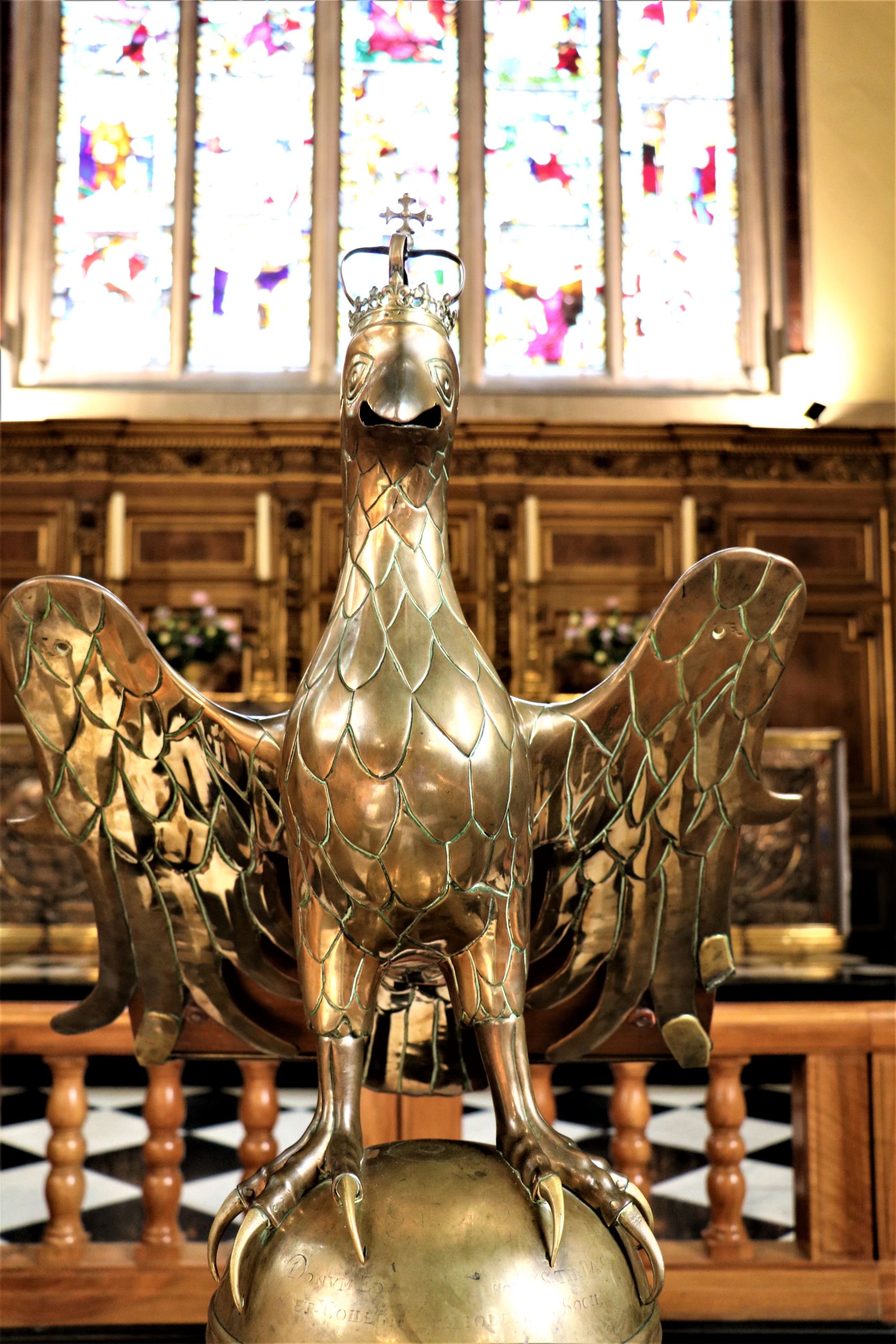
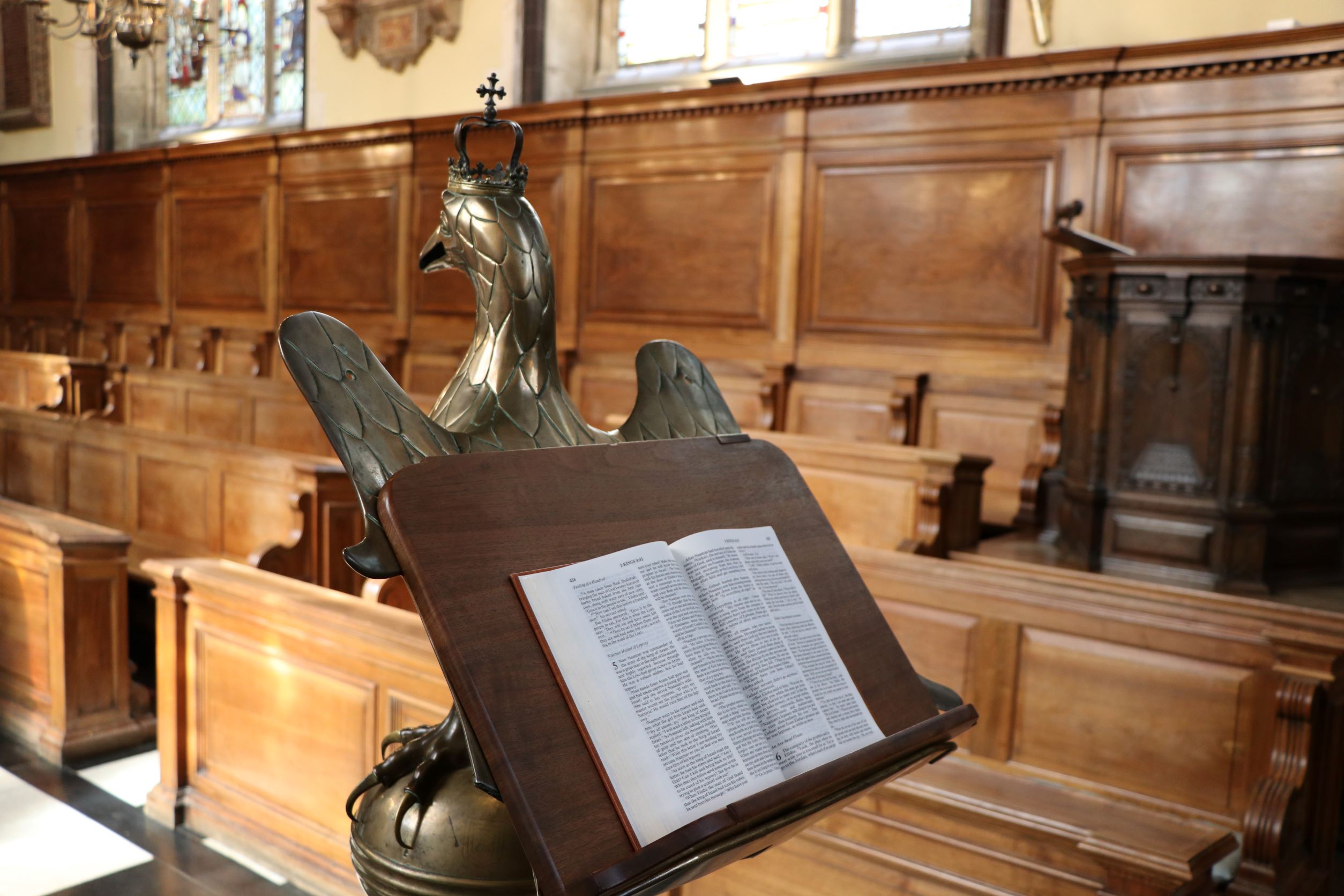
An eagle lectern is a lectern made in the shape of an eagle on whose outstretched wings the Bible rests. Because it soars upward, the eagle is often used as symbol of Jesus’ Resurrection and Ascension (lifting up) into Heaven. The eagle is also the symbol used to depict St John.

The eagle lectern was given to the College in about 1635 by Edward Wilson, a former Senior Fellow.

THE FLYING eagle is the symbol of John the Evangelist (see Revelation, ch 4, v 7) who proclaimed Christ as ‘the Word of God’ at the beginning of his Gospel. The flying eagle is thus a suitable emblem from which God’s word is read, reaching to the ends of the earth.

Oxford Day 6 099

The present chapel is the third on the site and was built in 1857. The architect was William Butterfield, who also designed Keble College. Keble is the college we visited after Balliol so that post is yet to come.

This is a link to another post on Balliol College when we visited in 2014.

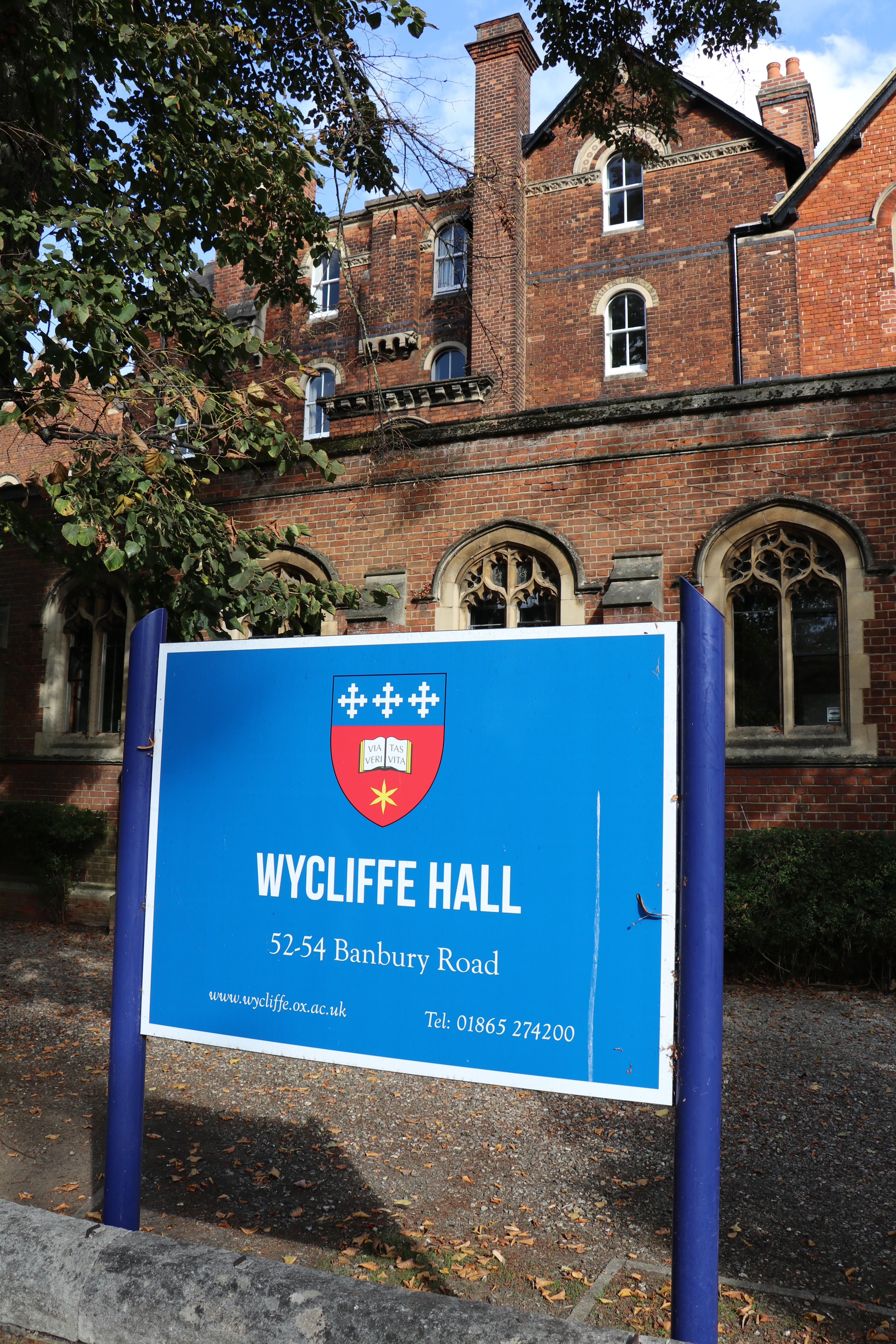
I was fascinated to read that John Wycliffe, first translator of the Bible into English, was Master of Balliol in 1360. Later on this day we saw this sign.

When we lived in Huntington Beach from 1975-1984 we attended Huntington Beach EVFree church and shared the Wycliffe Bible Translators office space on Sundays for extra Sunday School rooms. We also shared the parking lot. They are no longer at that location in Huntington Beach.

Here’s some history about Wycliffe Bible Translators:

In 1917 a missionary named William Cameron Townsend went to Guatemala to sell Spanish Bibles. But he was shocked when many people couldn’t understand the books. They spoke Cakchiquel, a language without a Bible. Cam believed everyone should understand the Bible, so he started a linguistics school (the Summer Institute of Linguistics, known today as SIL) that trained people to do Bible translation. The work continued to grow, and in 1942 Cam officially founded Wycliffe Bible Translators.

Over the following decades, Wycliffe celebrated many milestones — from the first translation completed in 1951, all the way to the 500th translation completed in 2000. Around the same time, Wycliffe adopted a new challenge — a goal of seeing a Bible translation project started in every language still needing one by 2025.

Museum of Natural History ~ Oxford

On Friday September 23rd, 2022 we had breakfast at the hotel in Woodstock and then checked out and waited for a taxi to take us back to Oxford where we had reservations for our last night in England.

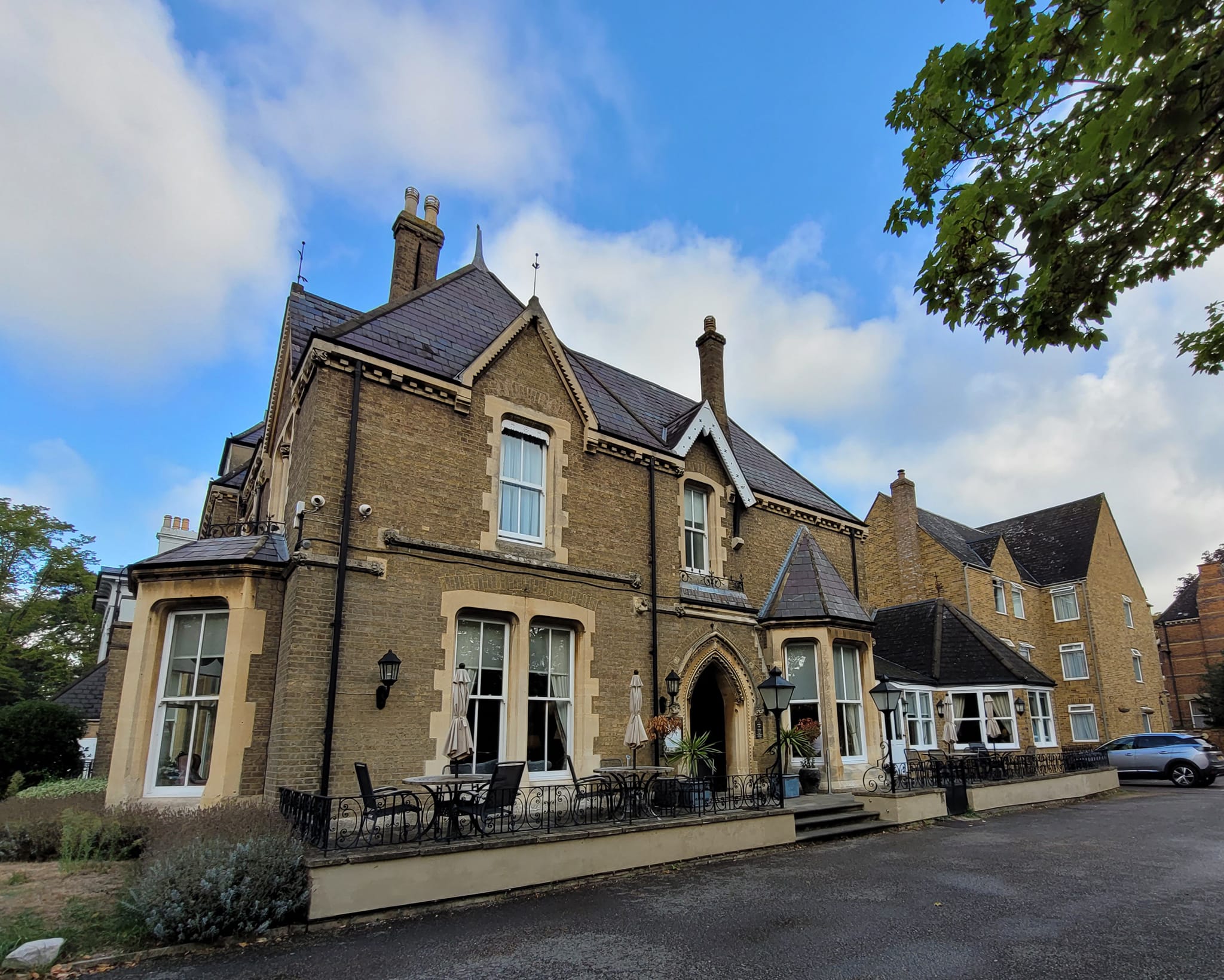
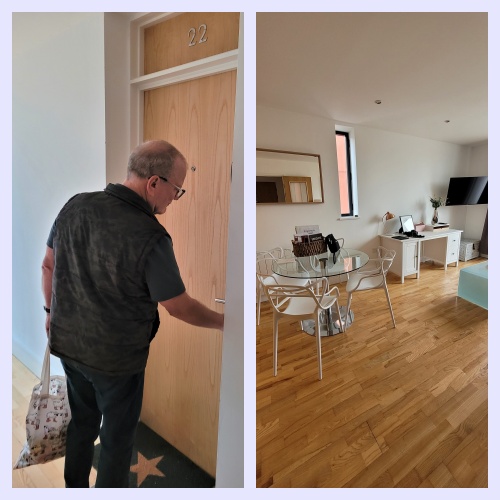
This was the lodge we stayed in on Banbury Road. Check in wasn’t until four so we had many hours to see what we could see after our taxi dropped us off. Thankfully we could leave our luggage at the lodge.

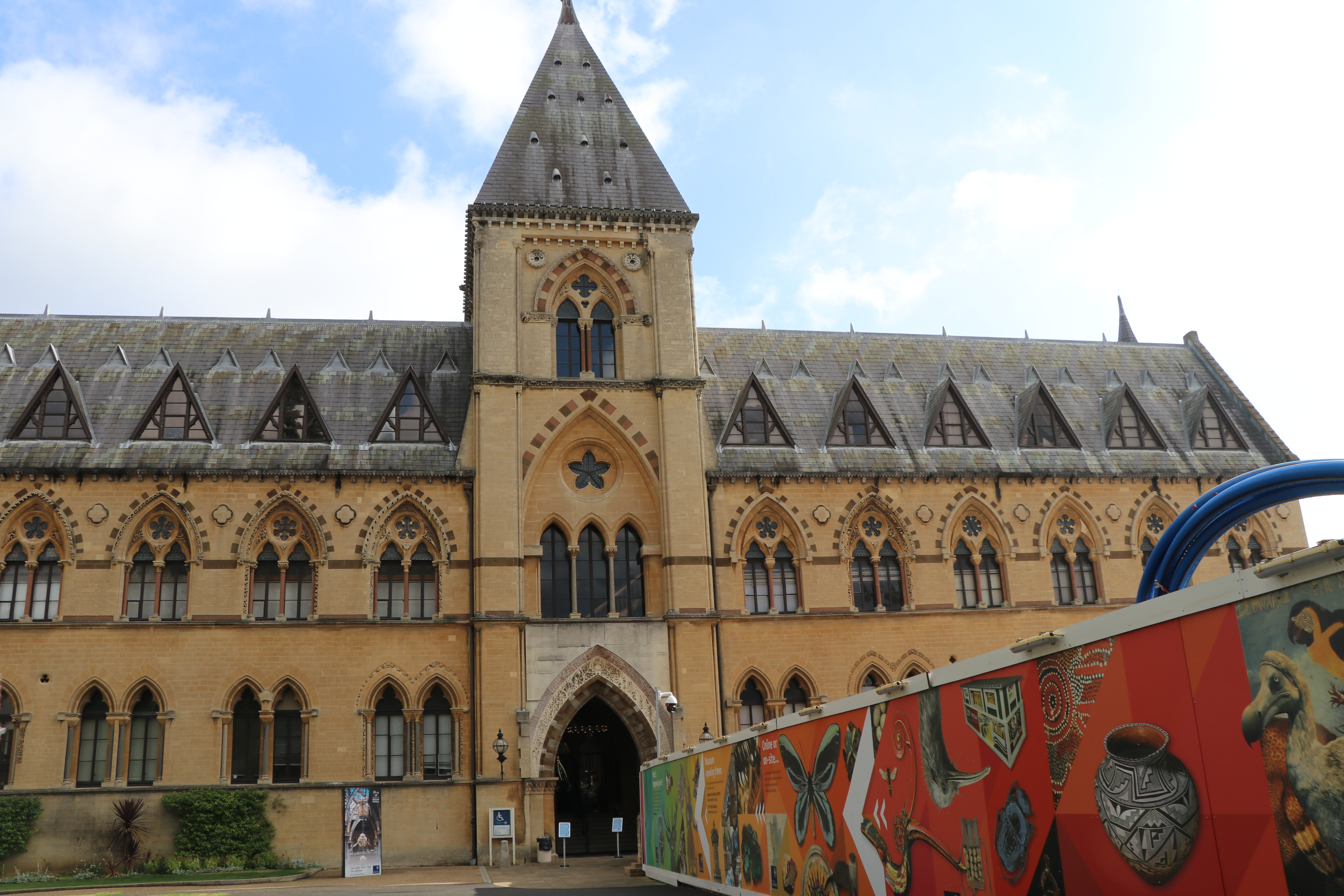
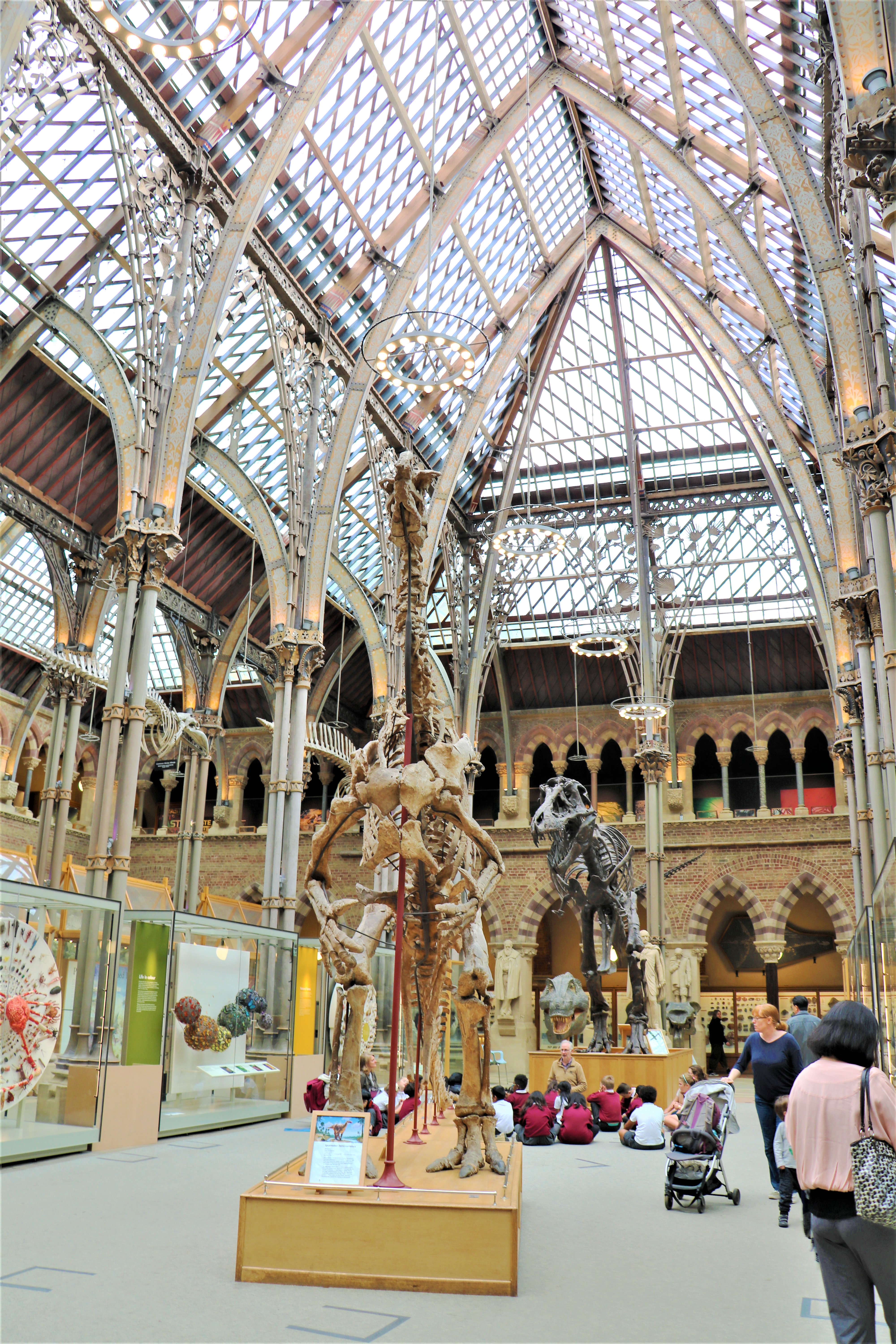
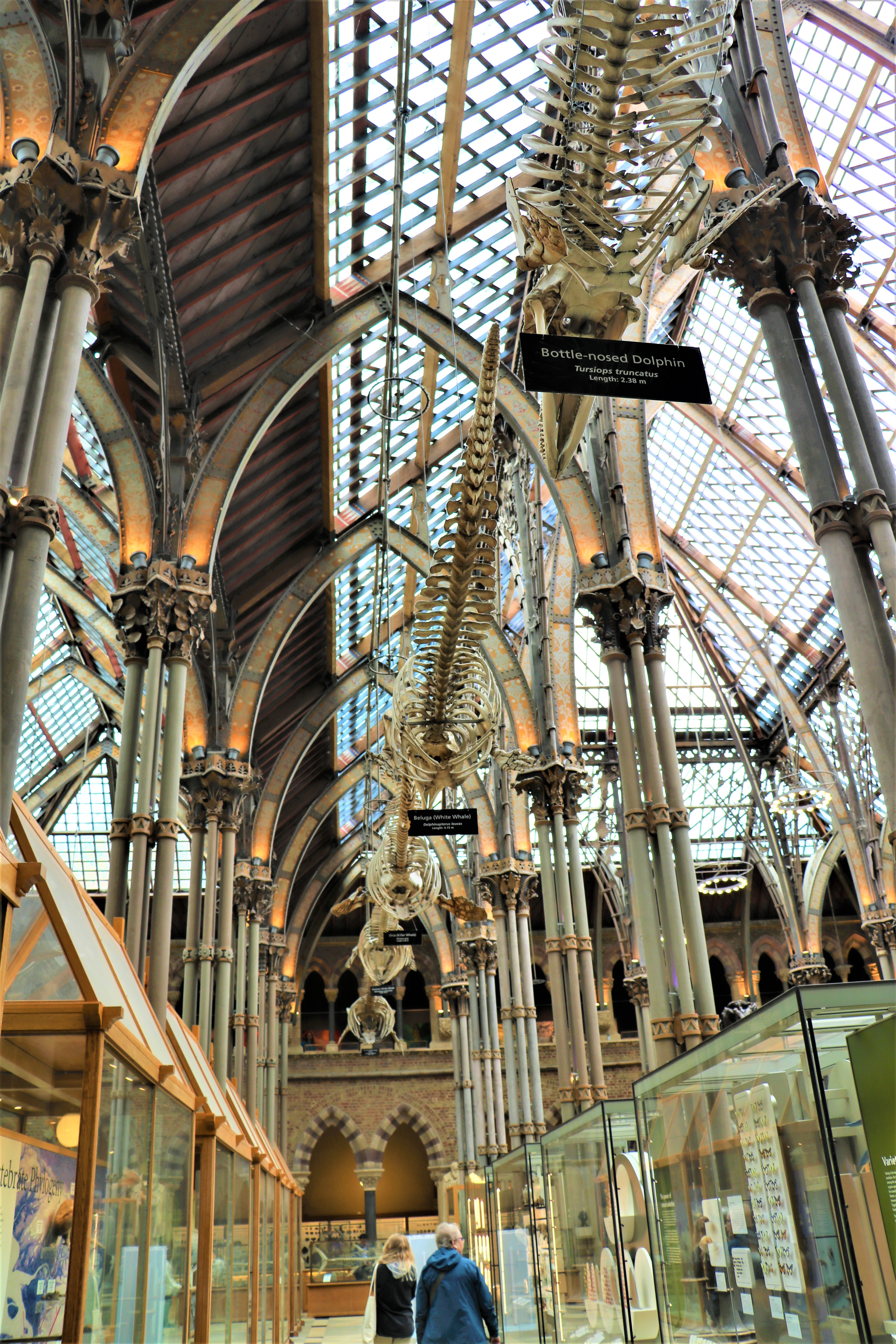
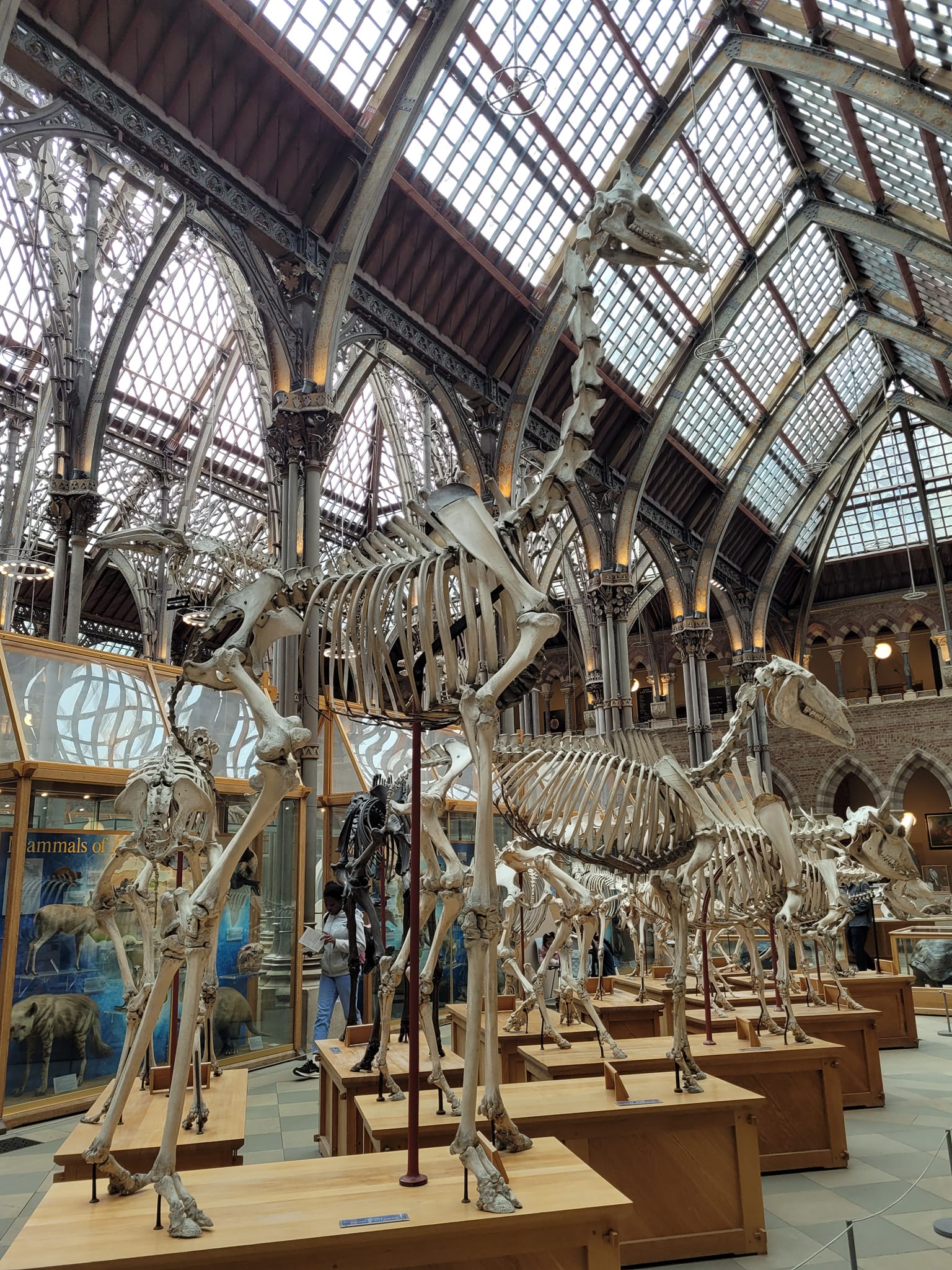
We found our way to Parks Rd. and made note of when it would be possible for us to get into the grounds of Keble College, not until the afternoon. Across from Keble College was the Museum of Natural History so we decided to take a peek.

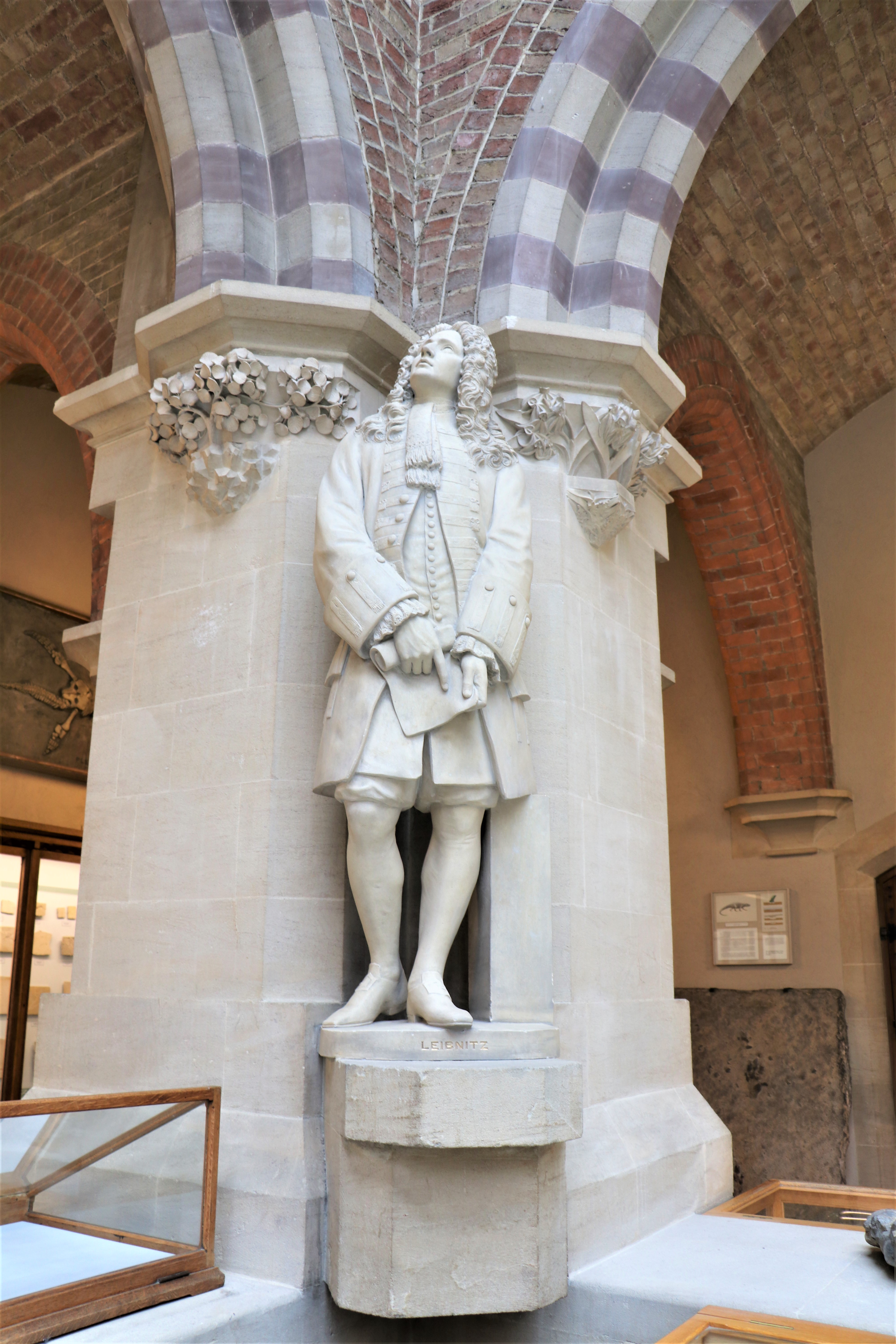
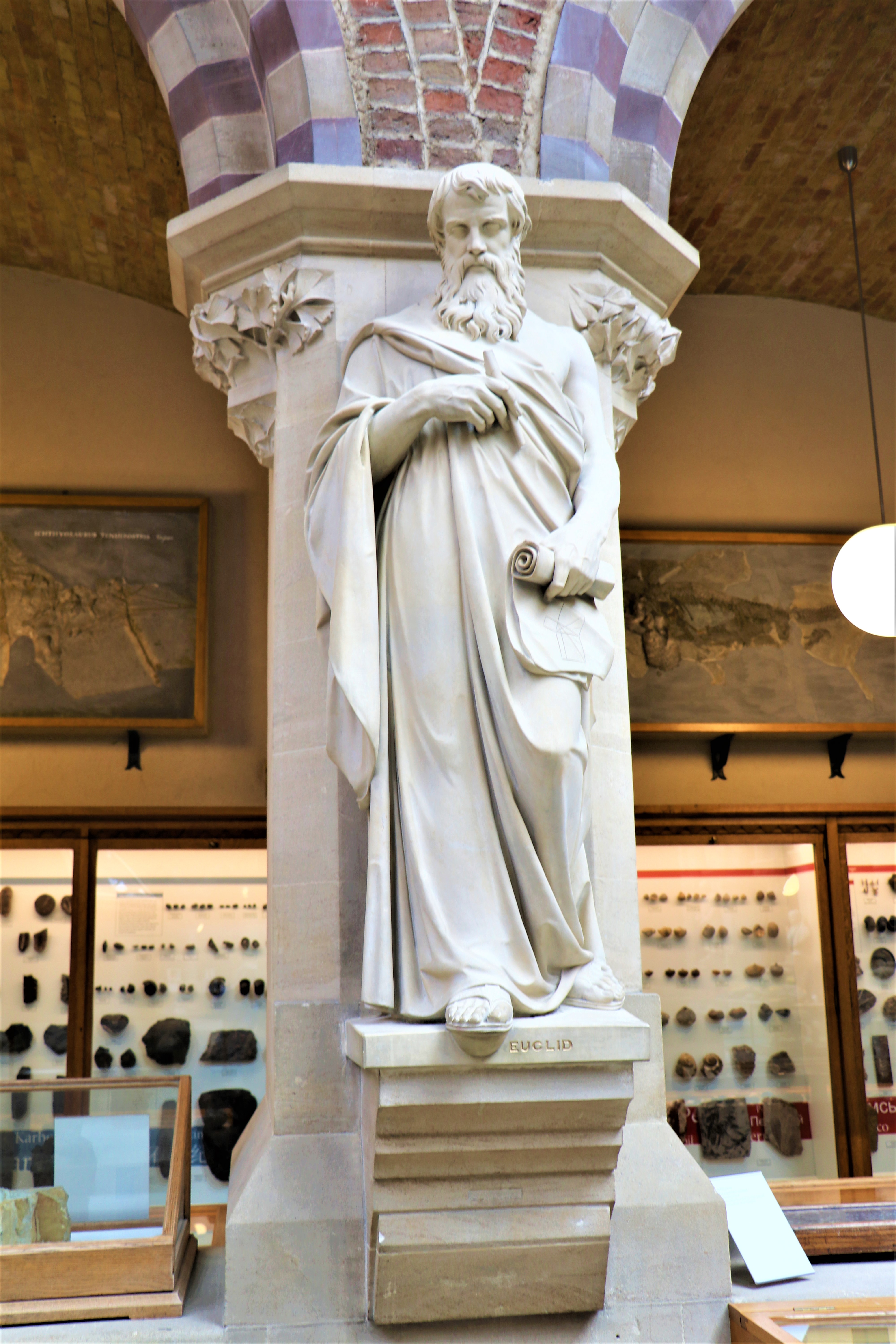
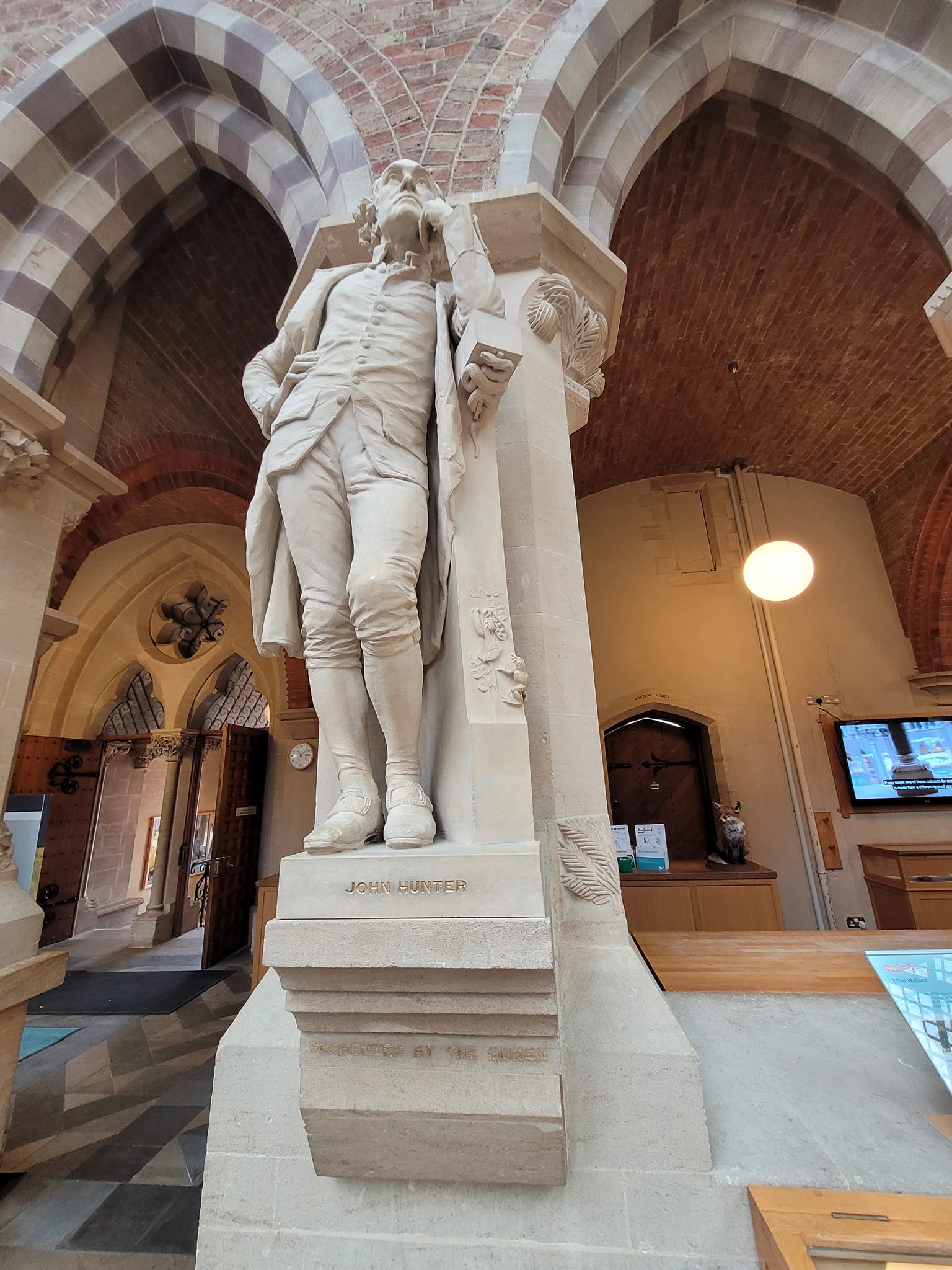
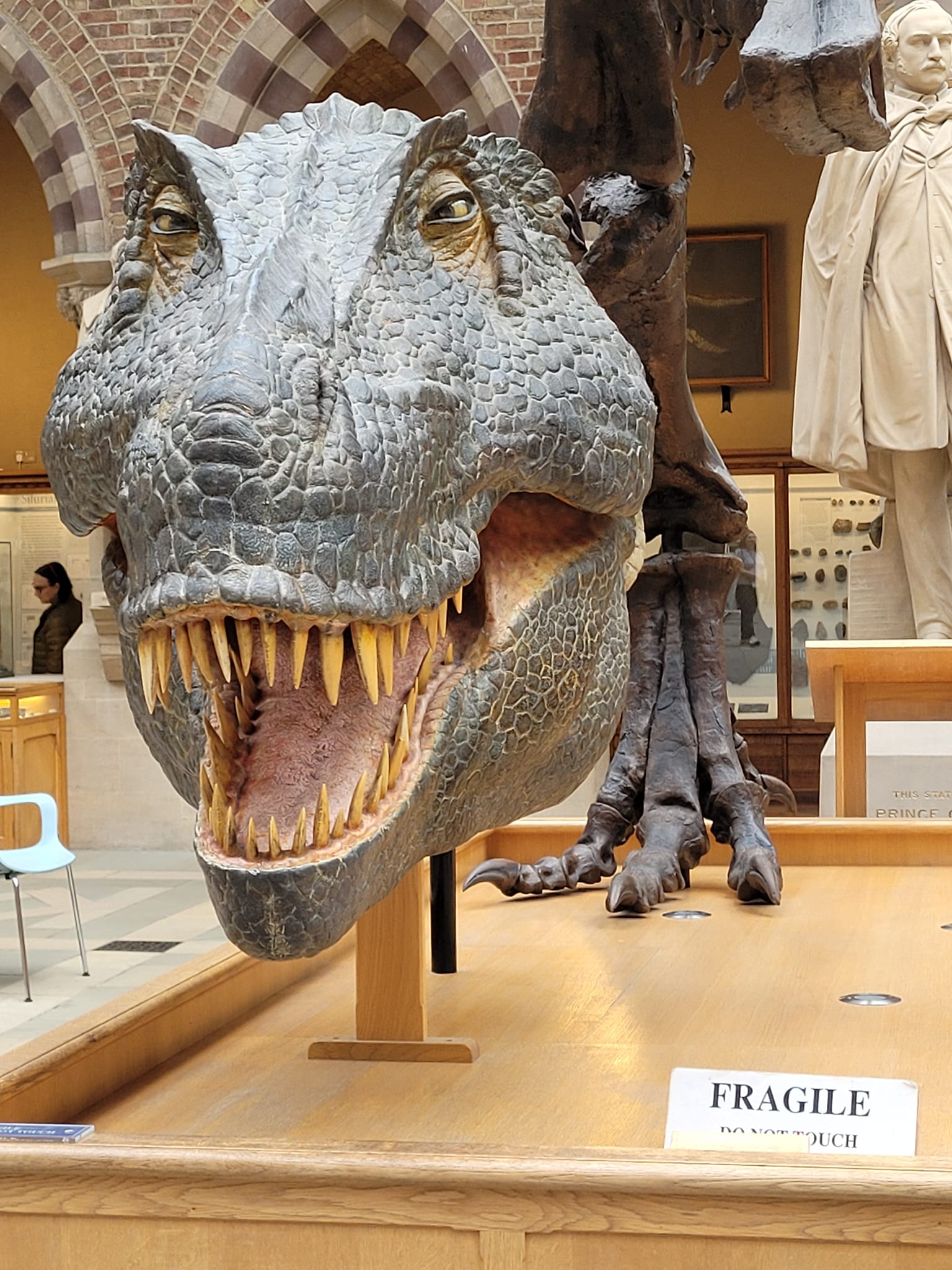
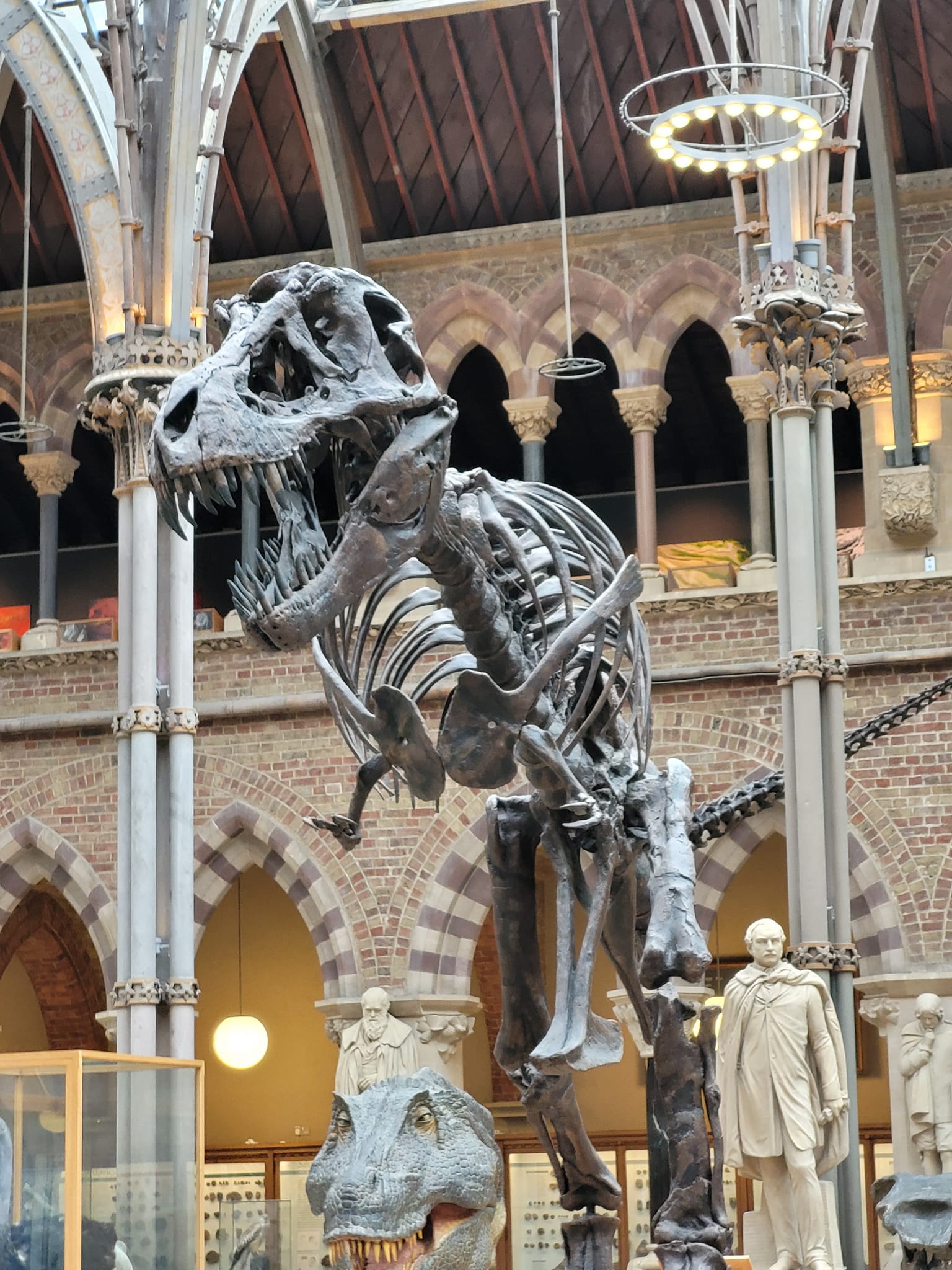
I was drawn to the statues throughout the museum of scientists, mathematicians and philosophers. I only took photos of a few of them and probably missed the more famous.

In the main exhibition room of the Oxford University Museum of Natural History (built 1854-60) are 18 statues of eminent scientists, philosophers and engineers and 10 busts of Oxford men of science that have made a significant contribution to the Museum, plus a portrait medallion of the architect of the building. The 19th statue is that of the founder, the Prince Consort, is placed more central in the hall.
The plan was that each pillar around the gallery would play host to a statue of one of the great scientists. The statues were paid for by private subscription however, and unfortunately only 19 full statues were completed. Many of these were presented by Queen Victoria. All but one of the statues is carved in Caen stone – a limestone from Normandy in France. Many of the sculptors were well-known Victorian artists.

Gottfried Wilhelm Leibnitz German mathematician and philosopher

Euclid ~sometimes called Euclid of Alexandria, Greek mathematician, often referred to as the ‘Father of Geometry

Joseph Priestly credited with the discovery of oxygen.


John Hunter ~ Scottish surgeon, one of the most distinguished scientists and surgeons of his day.

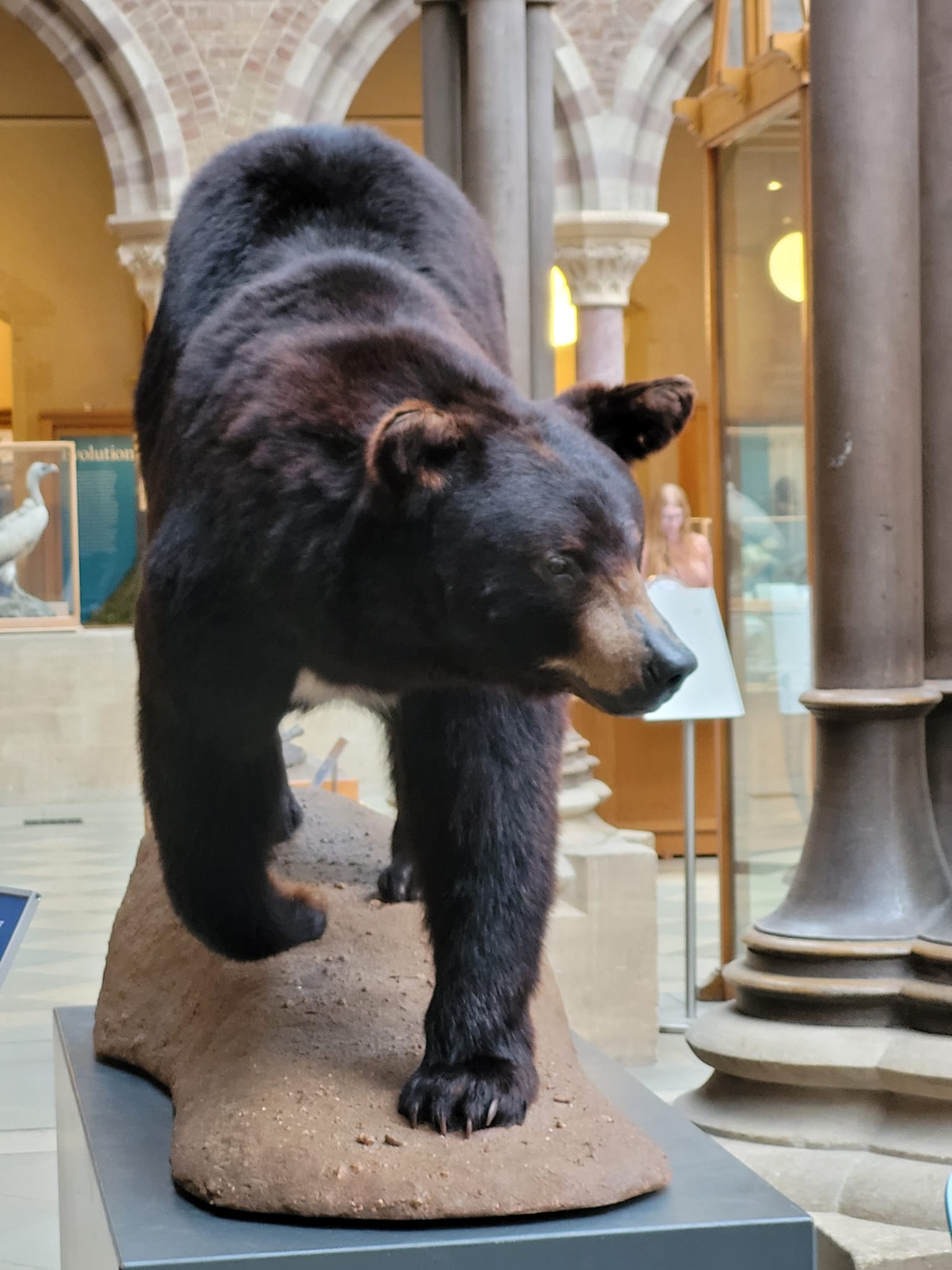
This bear was labelled from Washington State which made me smile and click a photo.

From the museum we walked across University Park to get to the River Cherwell and walk up the river path to make our way on the back roads to Broad Street.

Just a few more posts to finish off our travels from Oxfordshire in September of 2022.

Back to the Present: This is a busier week for us starting with a nice long doctor appointment and new instructions for Dear’s treatments. We had a little more snow overnight and our temperatures are still starting below freezing but managing to get up over freezing as the day progresses. My sister, Vera, is celebrating her birthday today. She’s a Leap Year baby so on the off years we celebrate her on the 28th. Happy Birthday dear sister!!

The Harry Potter Tree

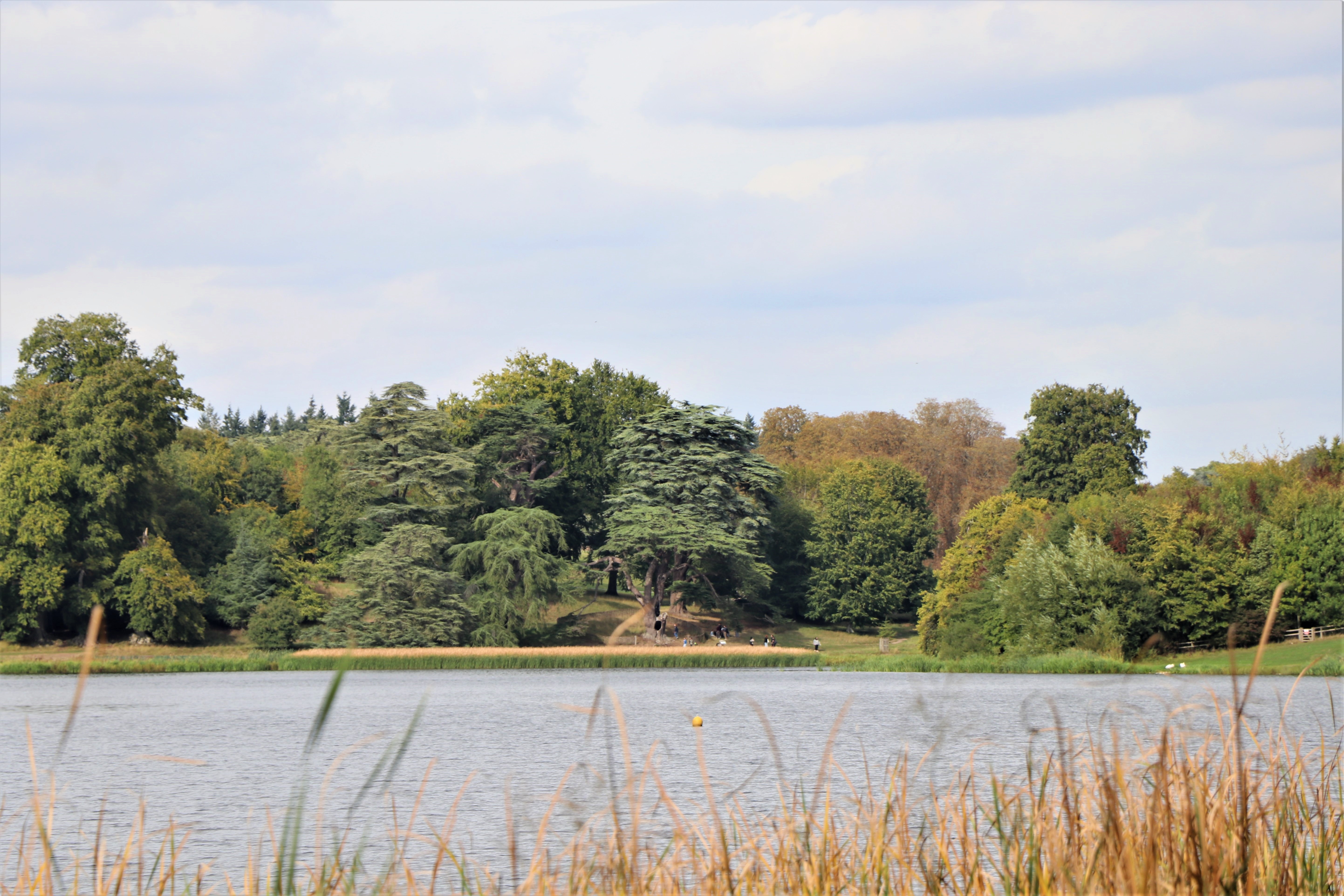
Early in the morning of September 22nd we walked along the main road on the edge of Woodstock to an entrance to the Blenheim Park grounds. I marked the route we wanted to take with orange highlighter. When we entered through the gate we immediately saw the path closure signs because of the on going dredging taking place in the Queen Pool. We diverted to take the green highlighted way around the pool across the bridge and down to the ‘Harry Potter’ Tree which is on the shore of the Great Lake.

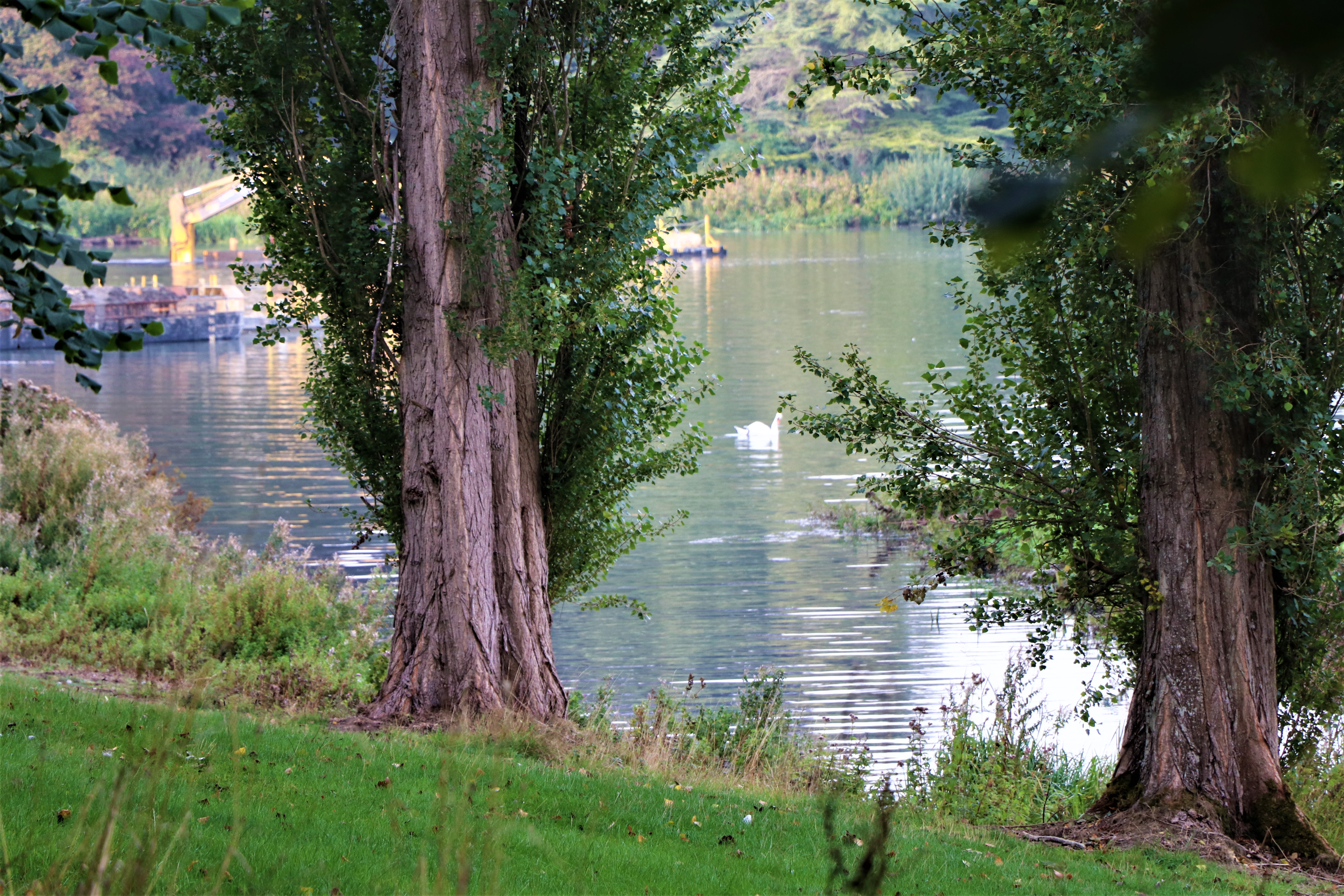
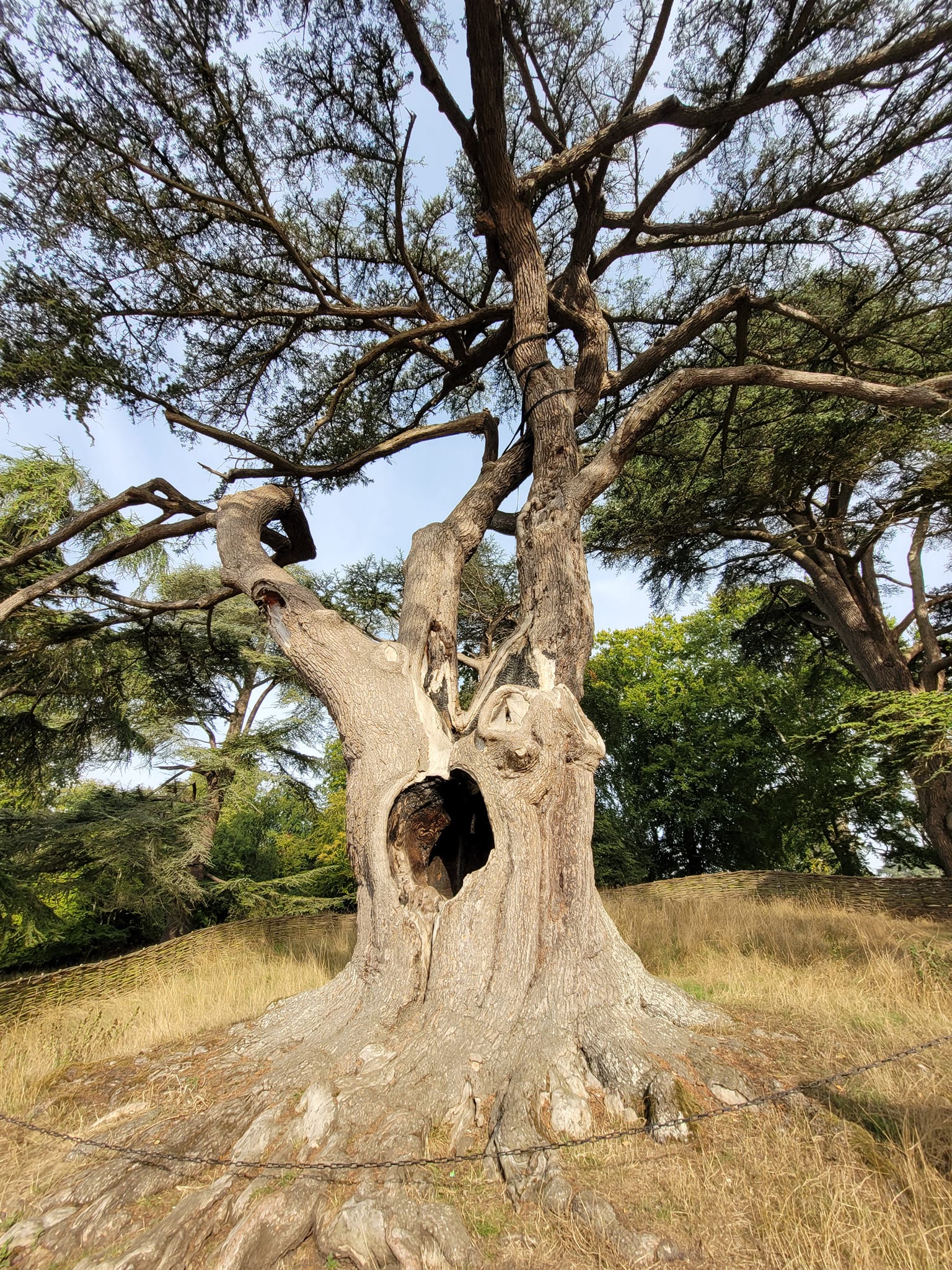
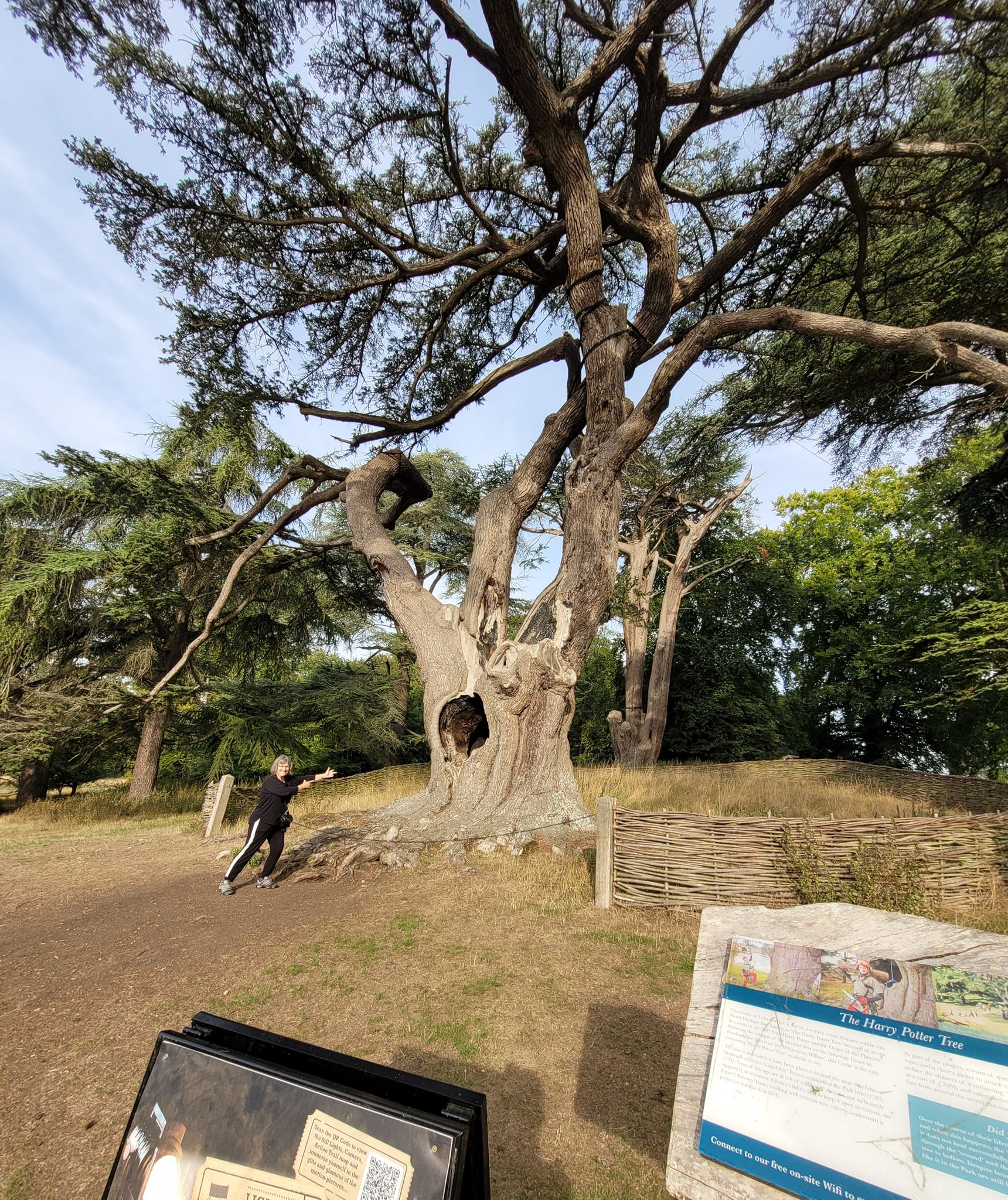
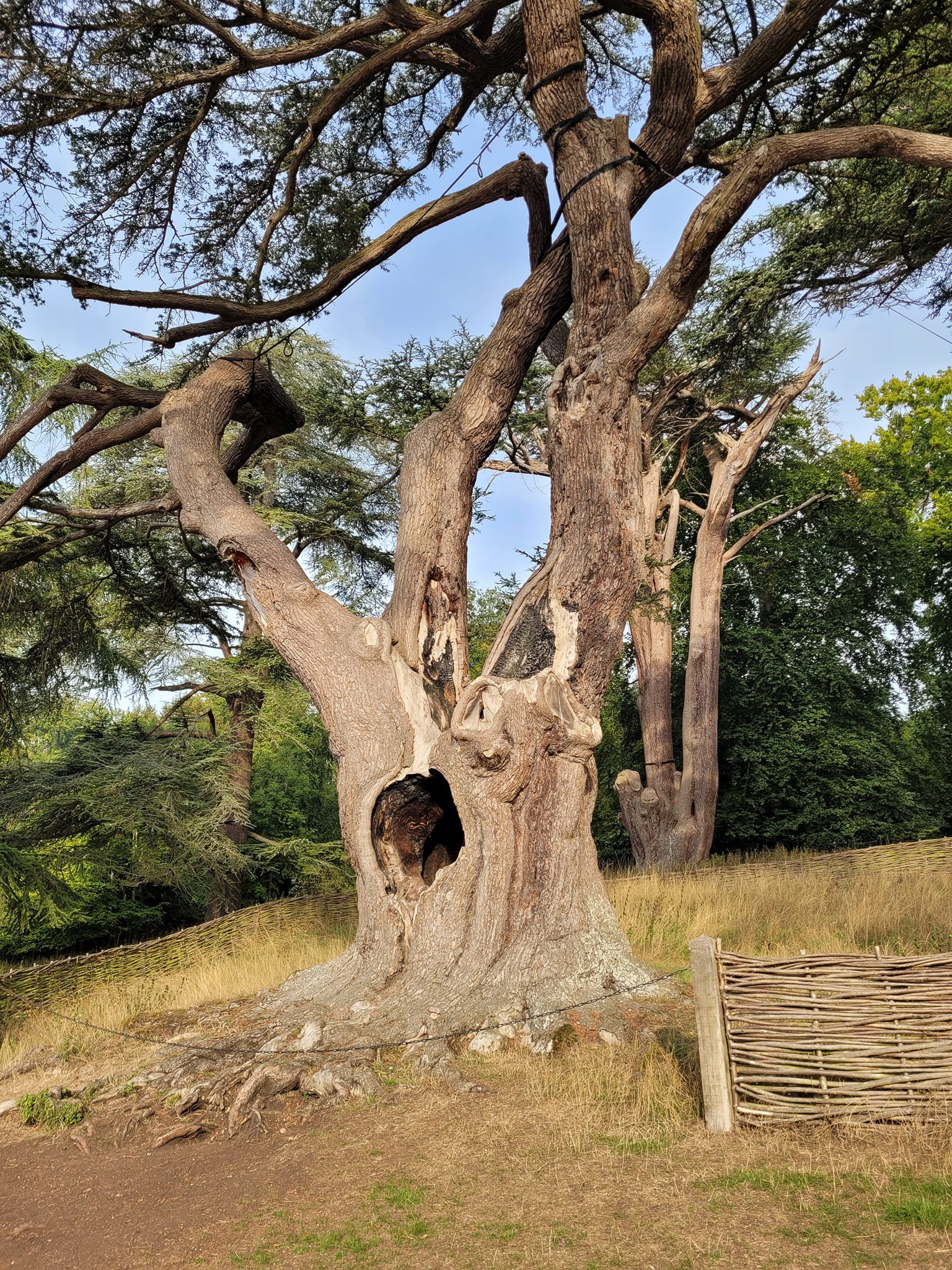
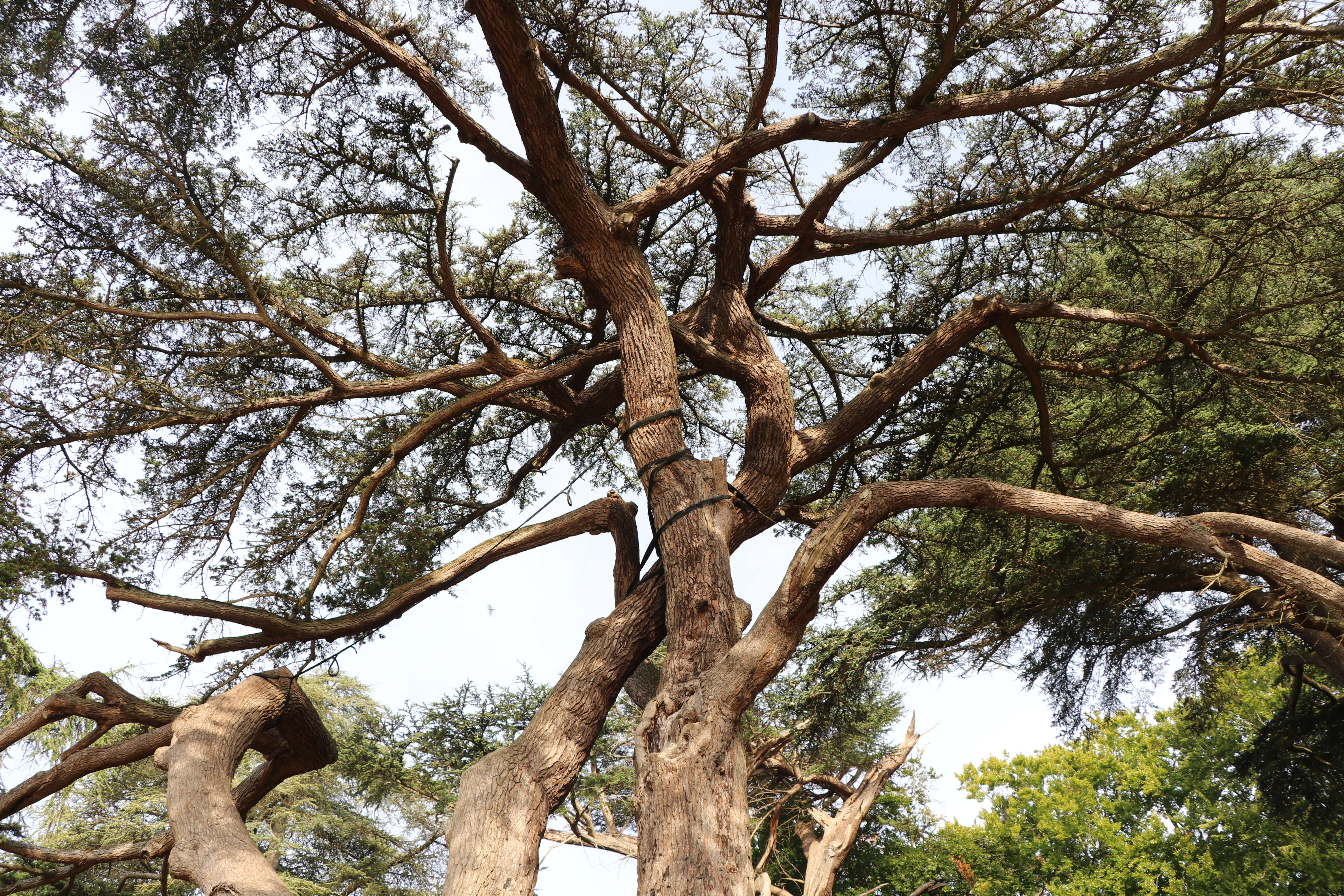
Standing on the bank of The Lake in a historic landscape below Blenheim Palace is a Cedar of Lebanon known as The Harry Potter Tree for its role in the 2007 film Harry Potter and the Order of the Phoenix.

Perhaps the Harry Potter Tree should more accurately be called The Severus Snape Tree, for the scene filmed here was centred around Professor Snape’s memories of a time when, as a student at Hogwarts, he was bullied by Harry Potter’s father while sitting under the tree. The scene is important, for it gives us an understanding of why Snape is so hostile towards Harry.

To counter a common misunderstanding, the Harry Potter Tree at Blenheim is not the Whomping Willow! The tree used for the Whomping Willow in the films stood on the National Trust’s Ashridge Estate in Hertfordshire. And, just to confuse things further, it was not a willow at all, but a yew.

The Harry Potter Tree was probably planted during ‘Capability Brown’s’ landscape work on Blenheim Park. Over the years 1763-1774 Brown carried out extensive work at Blenheim, transforming the Palace grounds into a picturesque landscape garden on a vast scale, with sinuous waterways and viewpoints created by carefully planted clumps of trees.

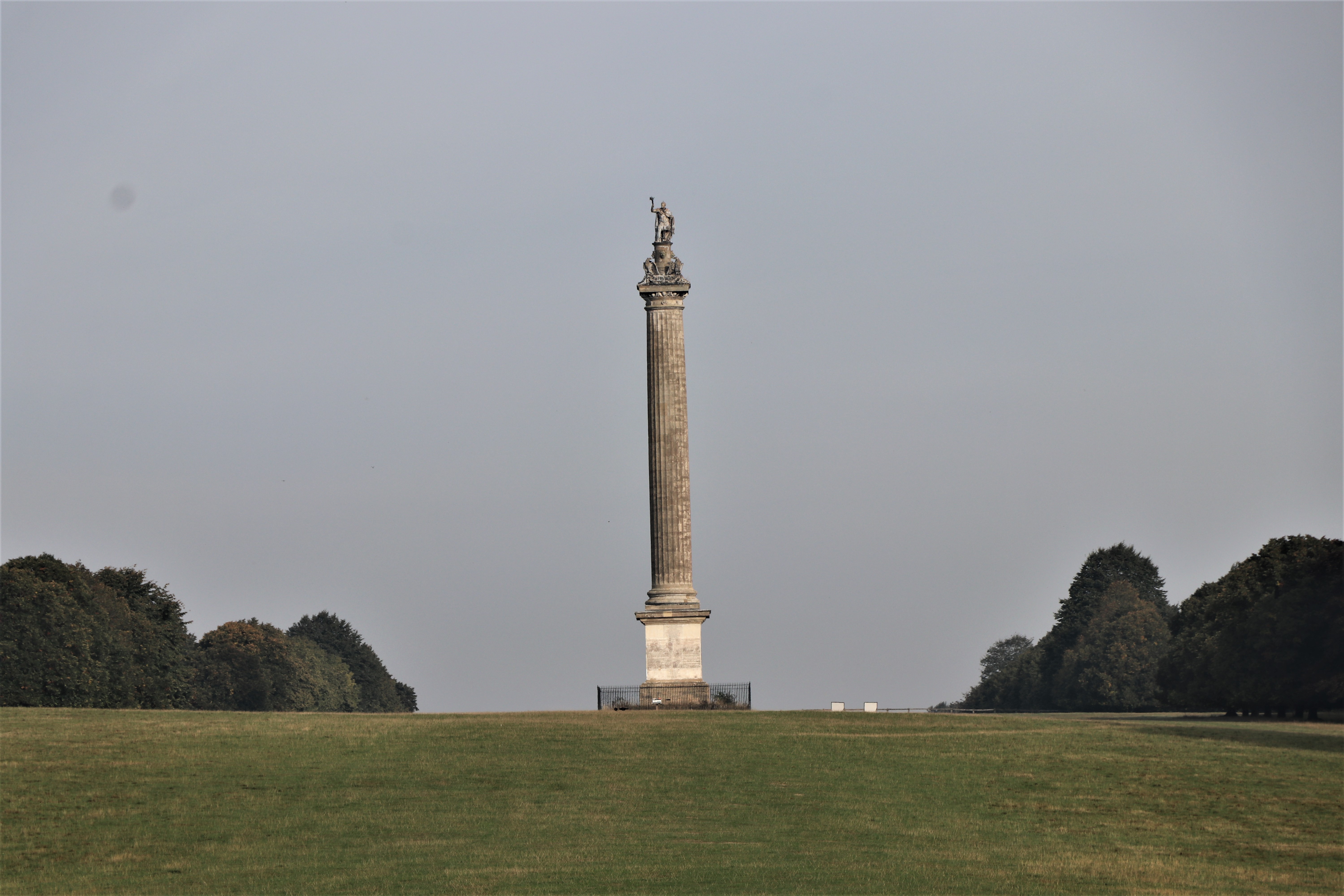
The Column of Victory.

This column was built in 1727-30 by Lord Herbert, later ninth Earl of Pembroke. It is based on designs by Nicholas Hawksmoor. His designs were based on the pillar in the Piazza Navona, Rome. It was built to commemorate the Duke of Marlborough’s military successes.

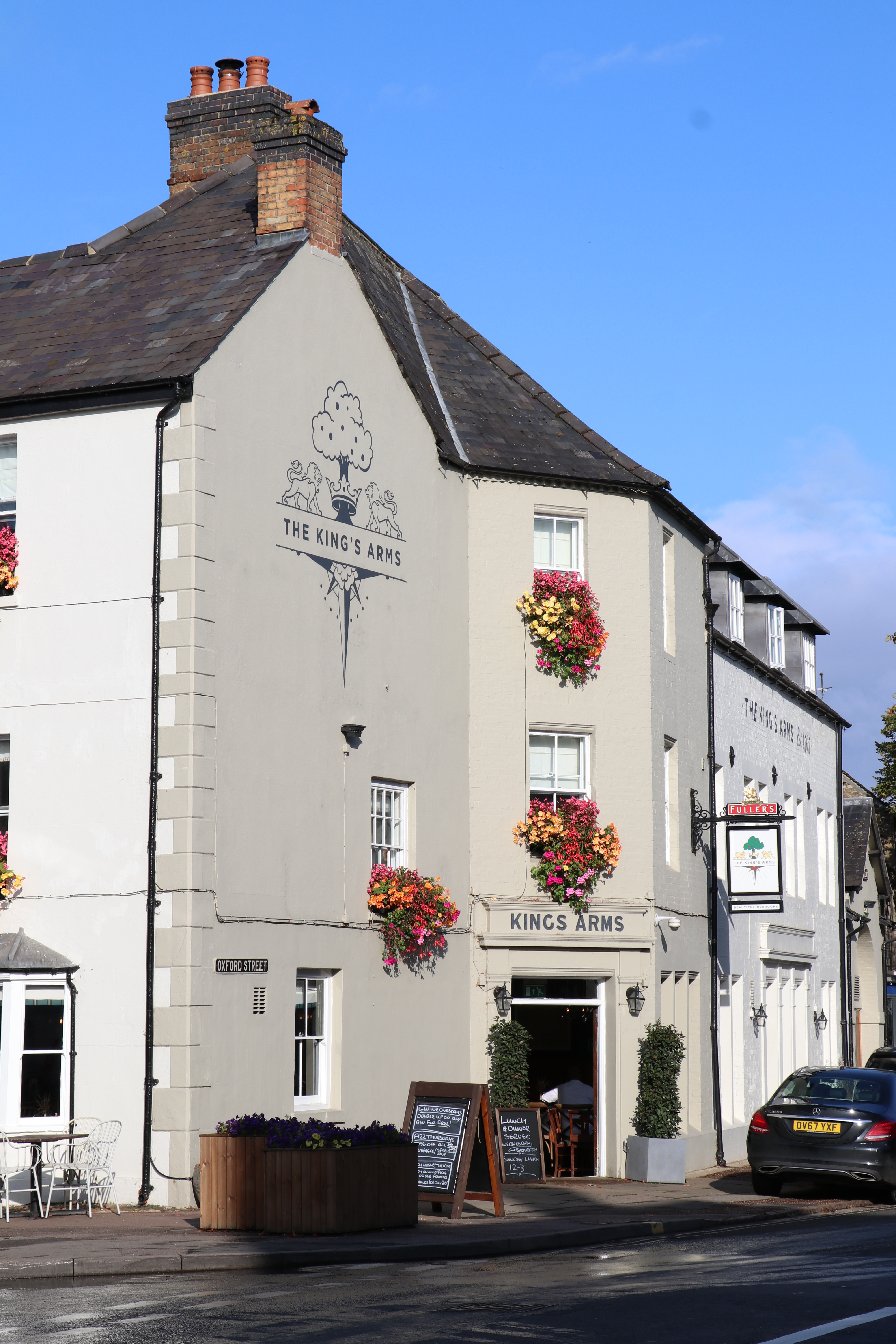
We walked back to Woodstock and had some lunch at The King’s Arms before we ventured back to the Palace Grounds for our tour of the outer courts of Blenheim Palace and some of the grounds.

Later in the day while walking on the opposite shore of the Great Lake we saw the tree in the distance. Zooming in you can see others visiting the tree.

Back to the Present: This week ended with sorrow for us and our whole church family as our beloved church secretary died suddenly on Thursday evening. She was a dear friend to us here in Colville and she will leave a hole that will be hard to fill. She is with her Savior sooner than she expected but she was eagerly waiting for His return so she got an advanced calling Home. I rejoice for her but I will really miss her on this earth and I grieve, too.

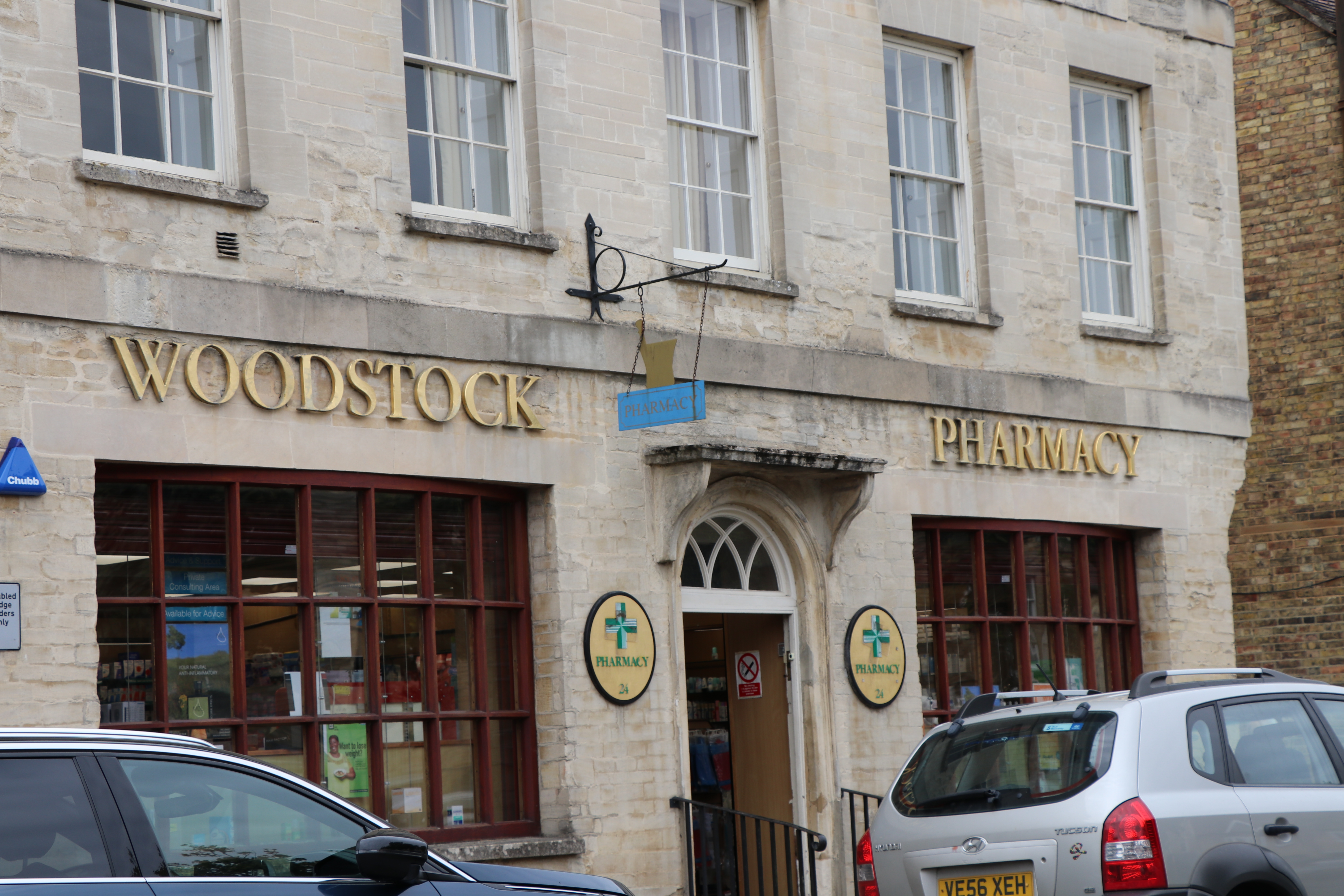
Woodstock

On Wednesday morning September 21st, 2022 we checked out of our apartment in Oxford.

We had a taxi booked to drive us to Woodstock which was under ten miles from our location. We decided on a taxi instead of the buses that run regularly from Oxford to Woodstock because we didn’t want to shlep our luggage to a bus stop and onto the bus.

Goodbye Oxford, hello Woodstock.

Since our checkout was at 10am we arrived in Woodstock before our check in time of 4pm.

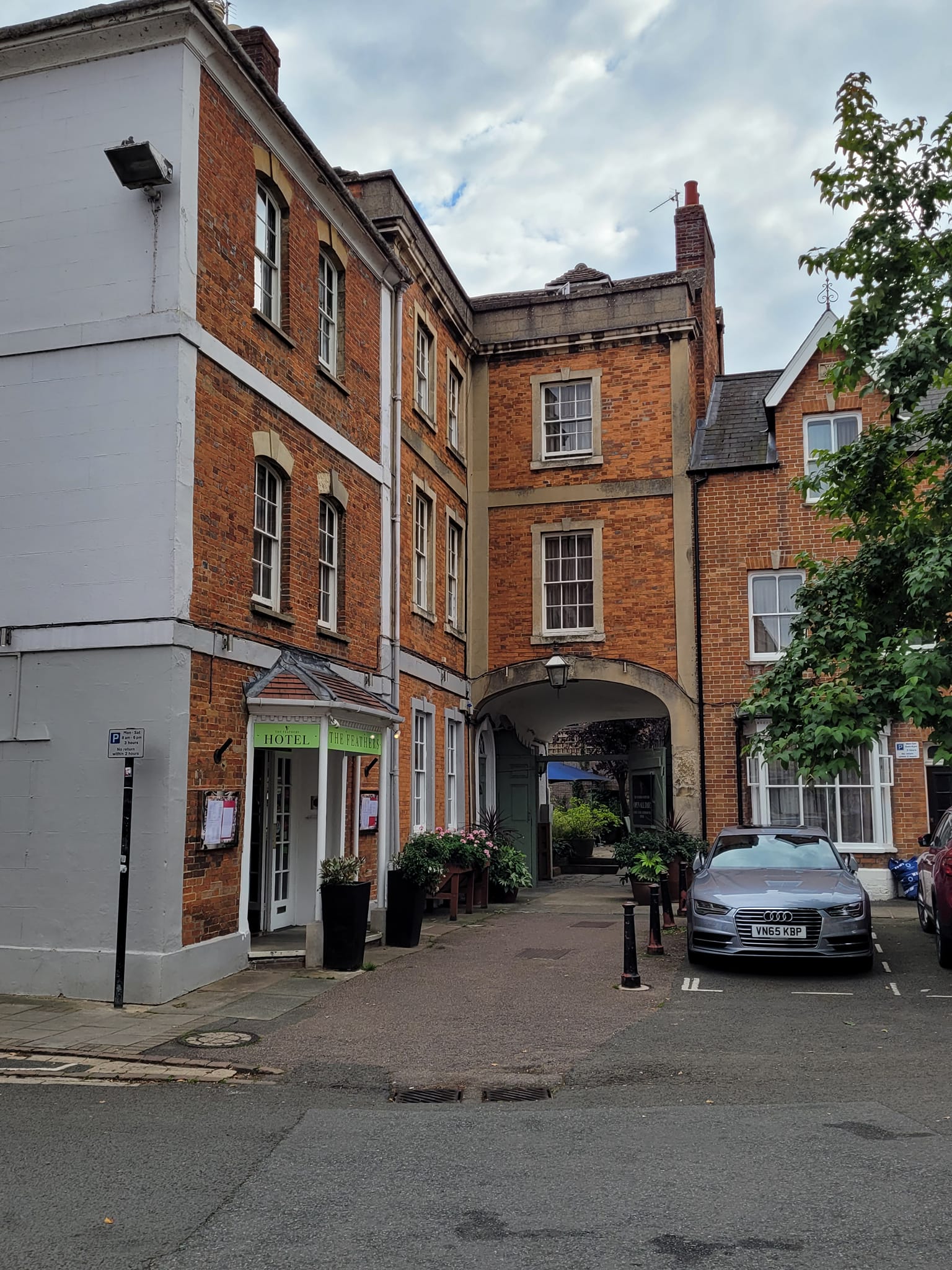
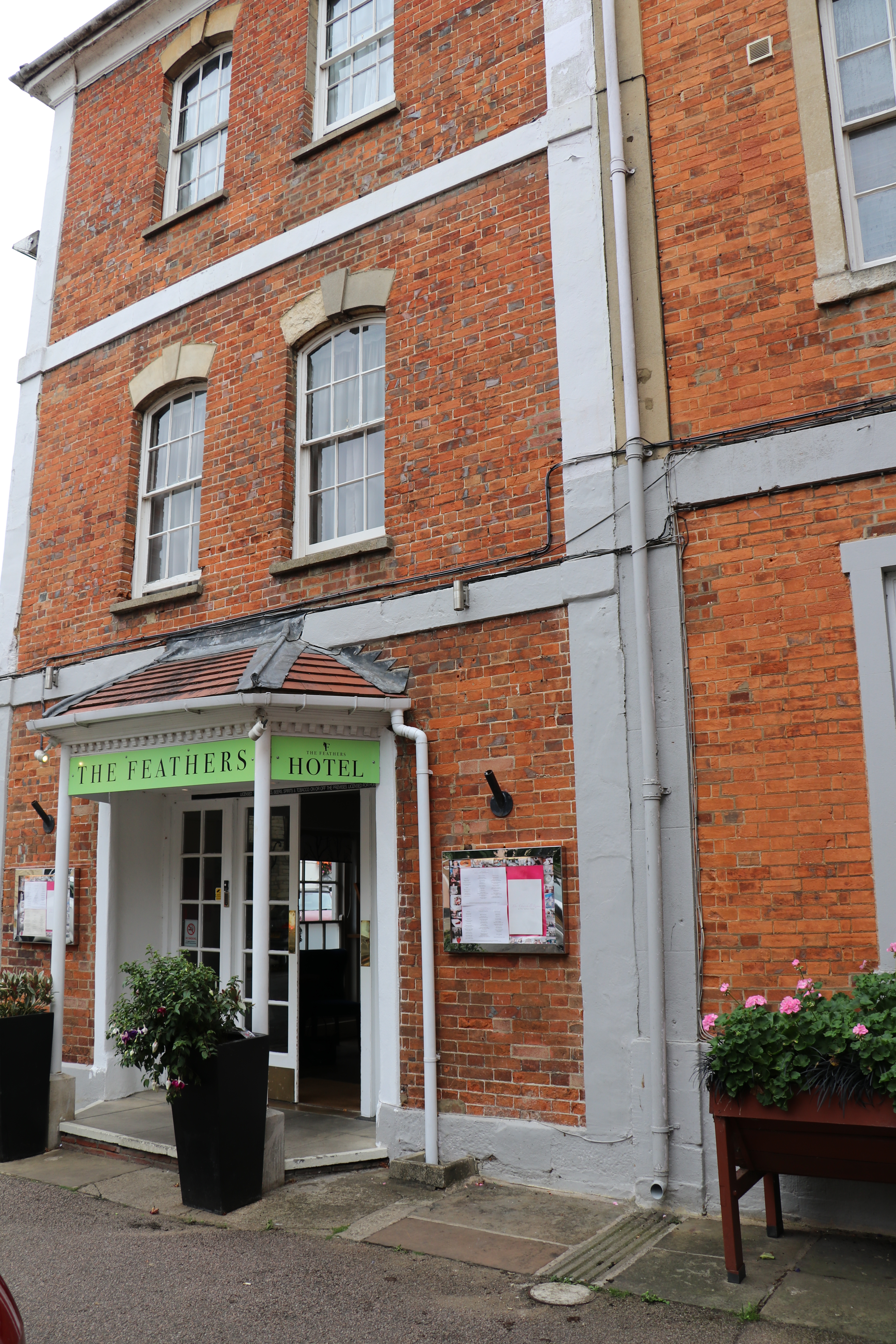
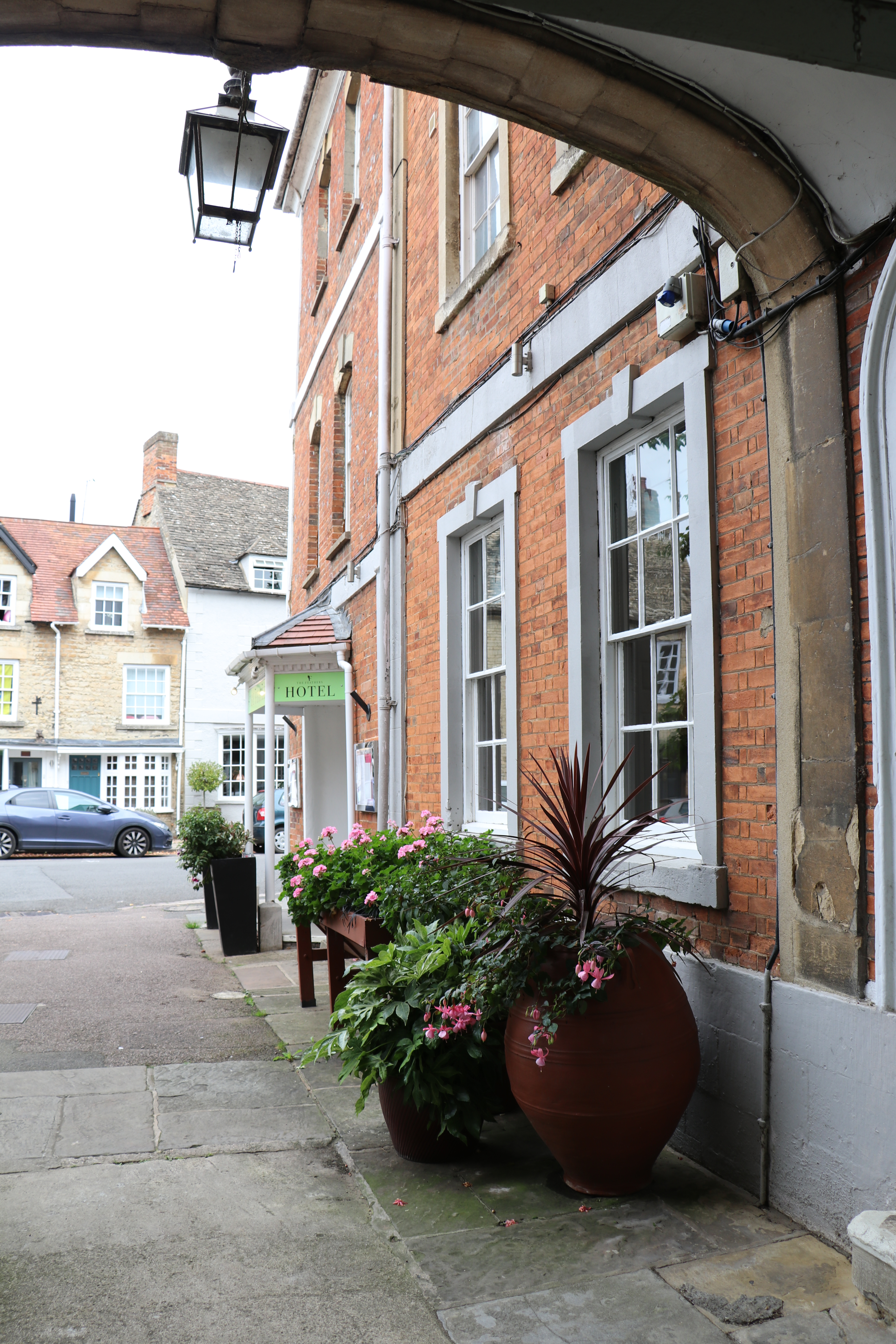
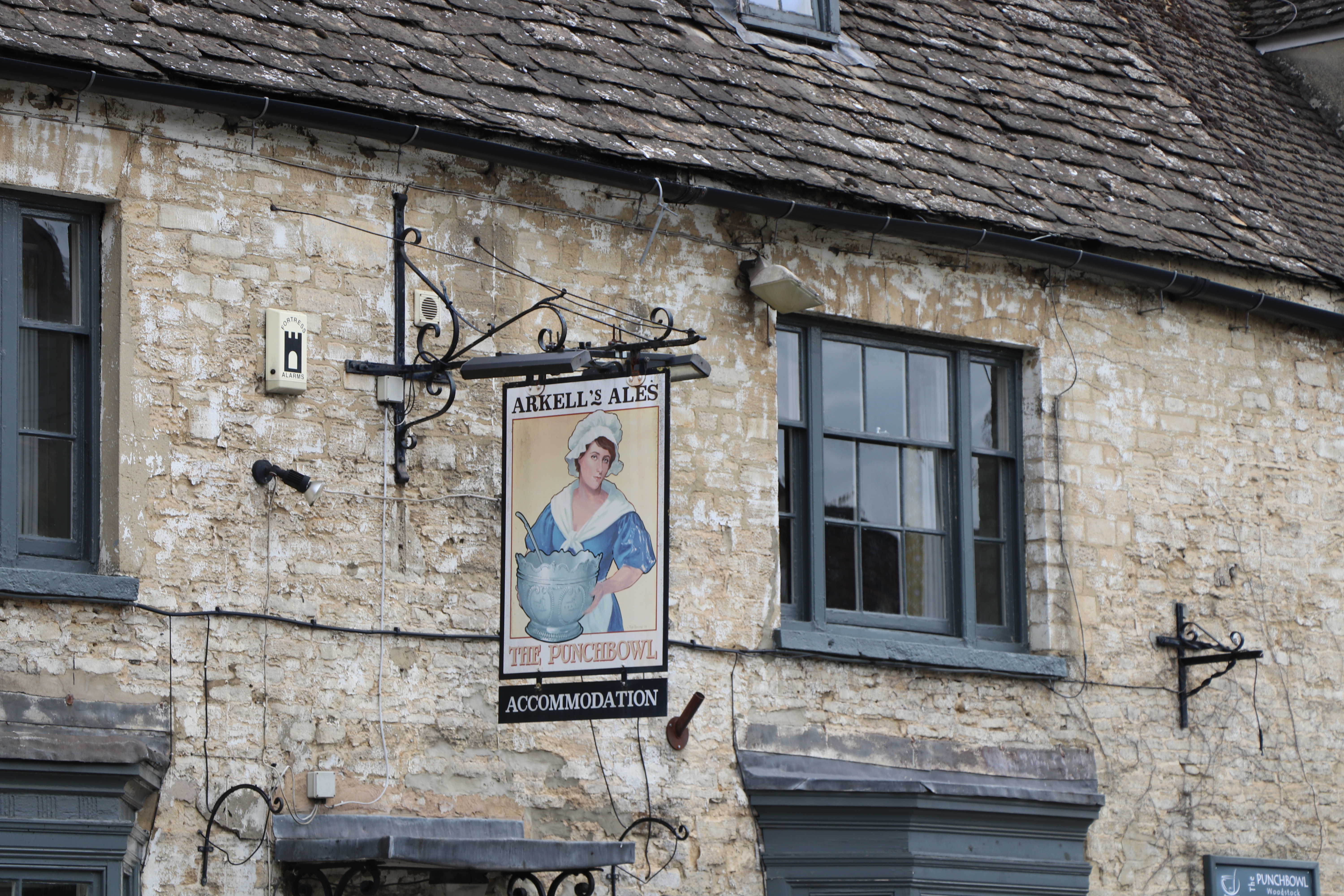
We booked 2 nights at the Feathers Hotel. We left our luggage at the hotel and took a stroll around the small town.

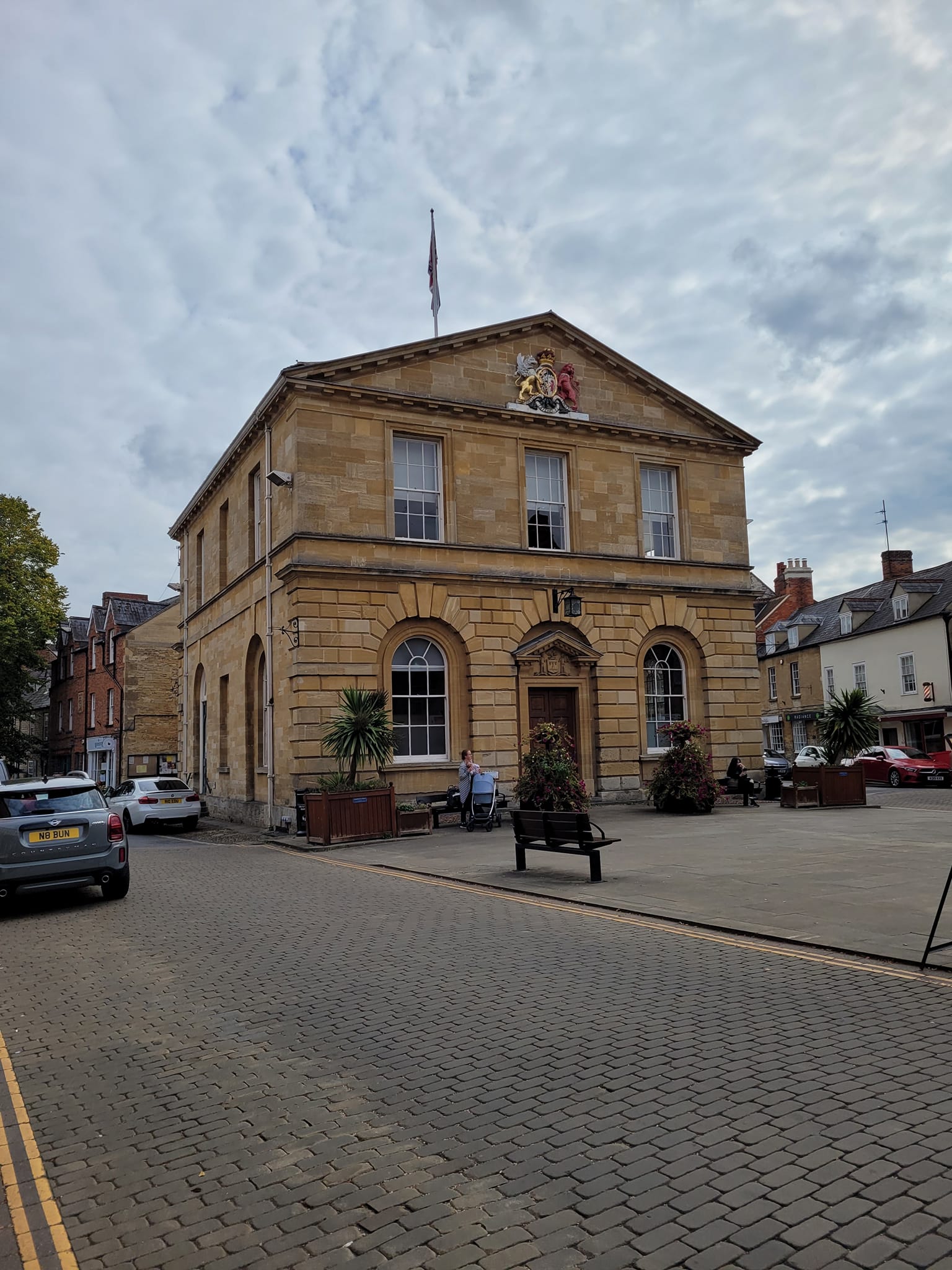
Woodstock Town Hall, a beautiful Grade II listed building which was built in 1766 and is now a major landmark in the town.

We were looking for a good spot to have a lite lunch during our stroll around the town.

The War Memorial next to the church. “To The Memory of The Fallen 1914-1918 1939-1945”.  War Memorials are easy to find in most villages, towns, and cities. There are over 68,000 war memorials in the UK.

We would return to the church after lunch since it was occupied for a service when we walked by.

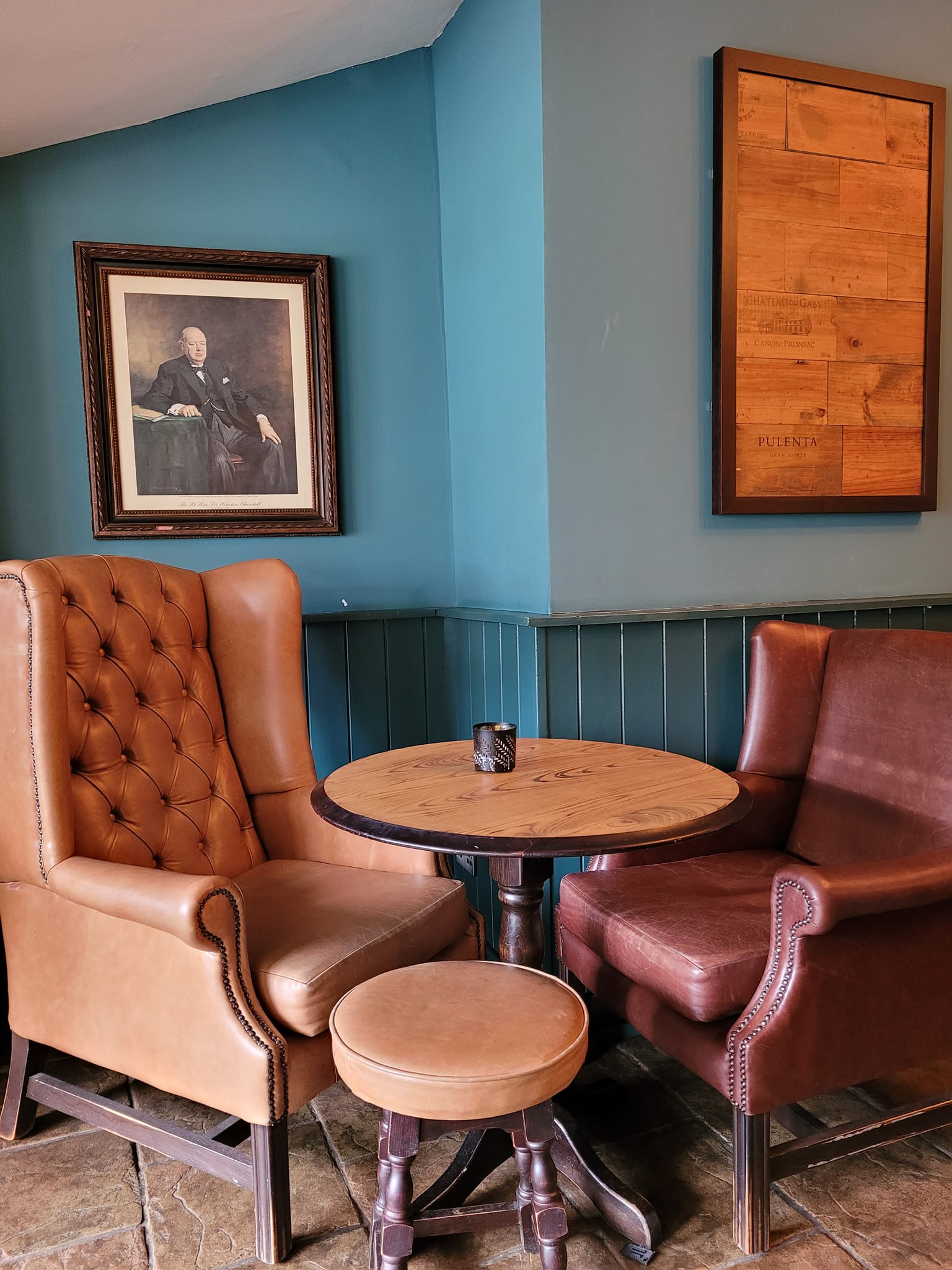
We found a cozy spot at the Back Lane for a refreshment but they weren’t serving lunch until noon. We would be seeing a lot of Winston Churchill in Woodstock.

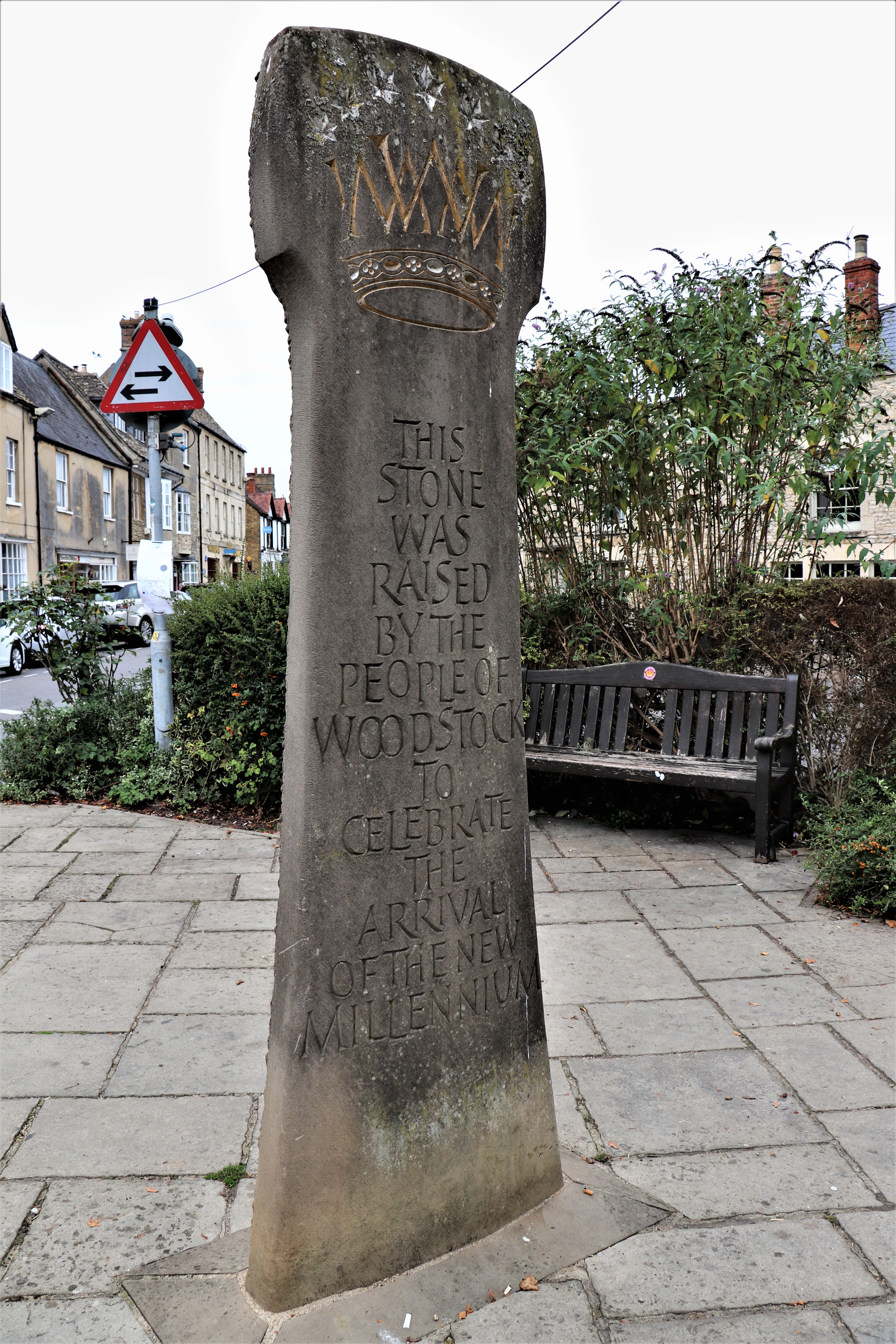
THIS STONE WAS RAISED BY THE PEOPLE OF WOODSTOCK TO CELEBRATE THE ARRIVAL OF THE NEW MILLENNIUM.

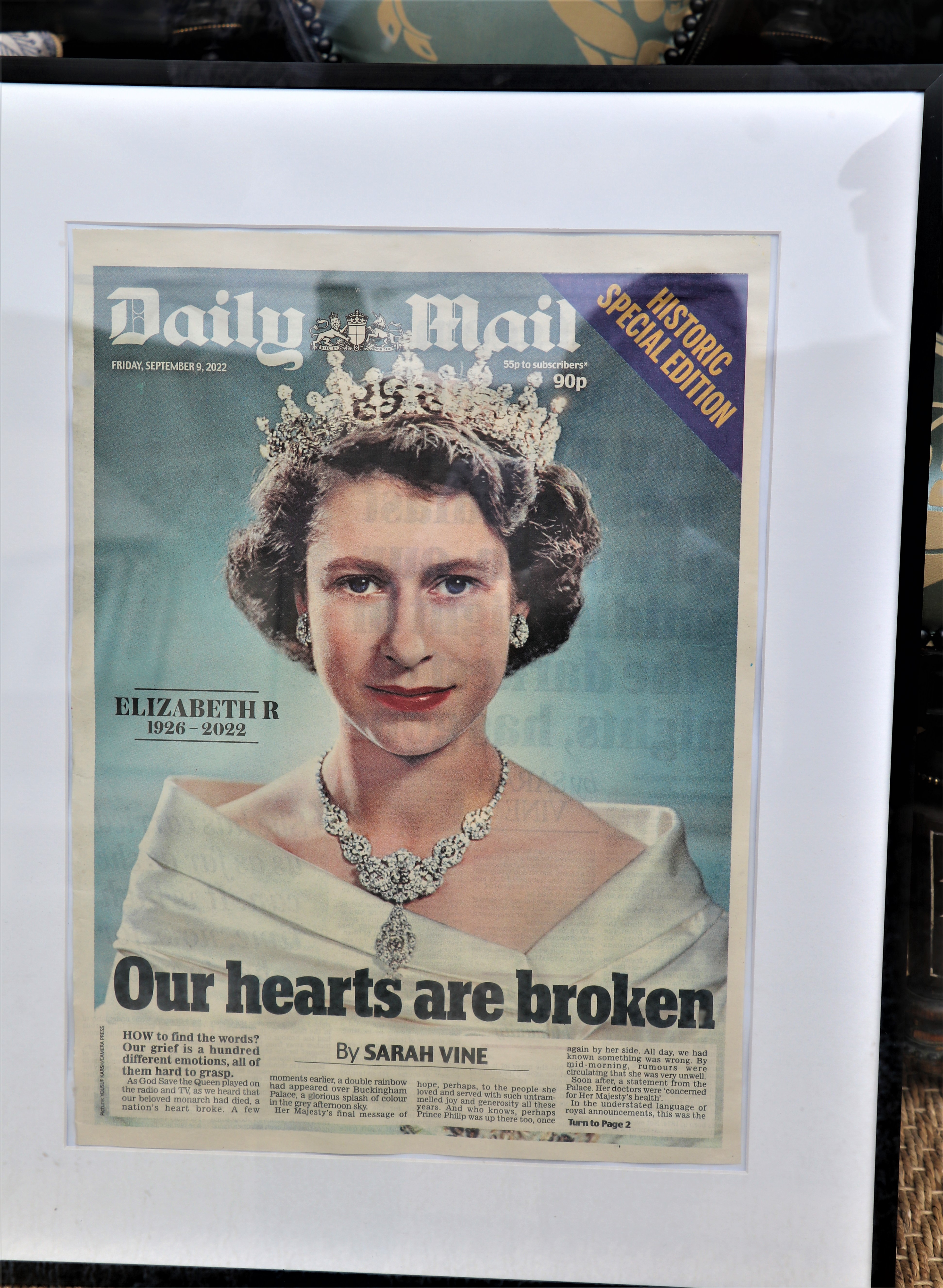
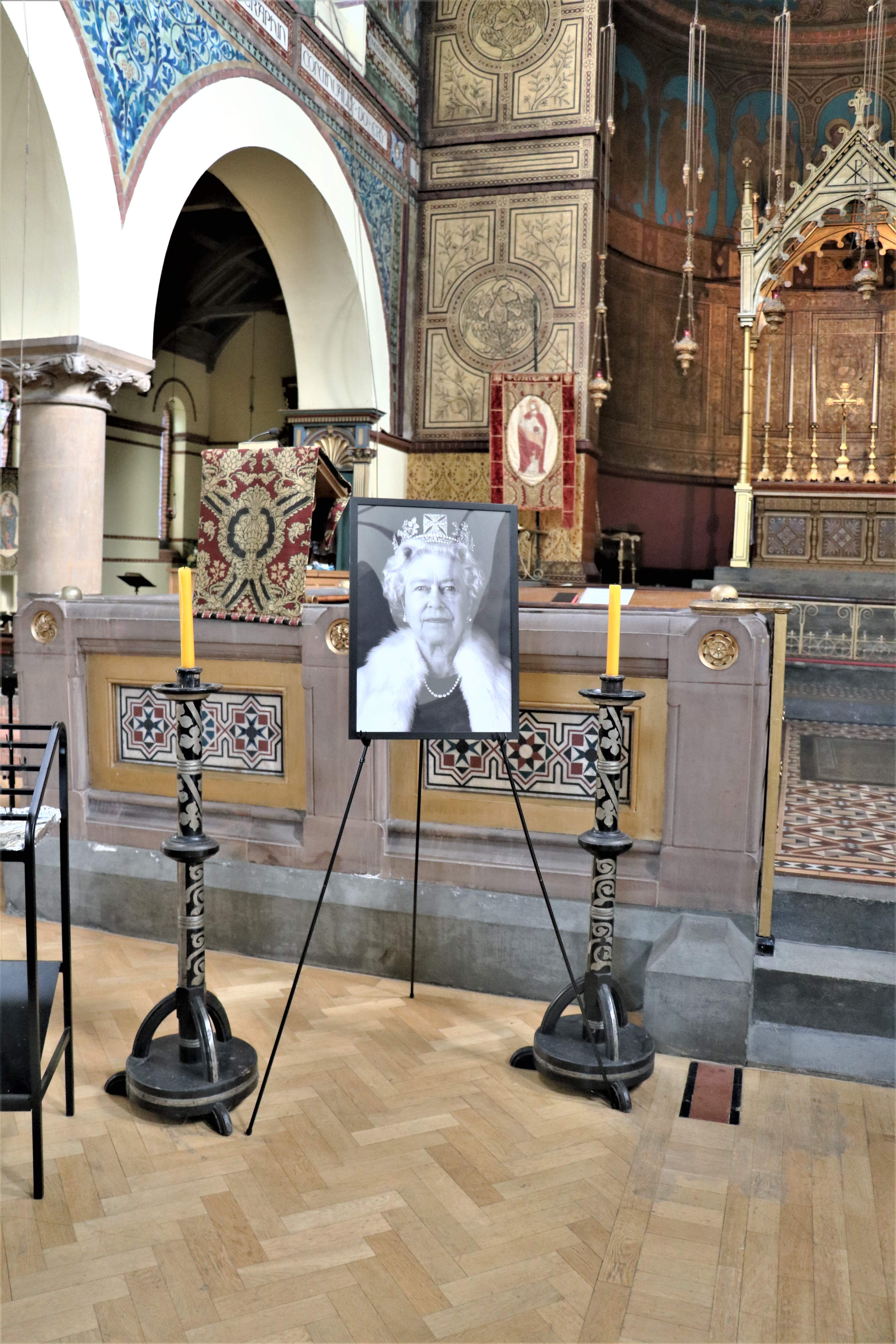
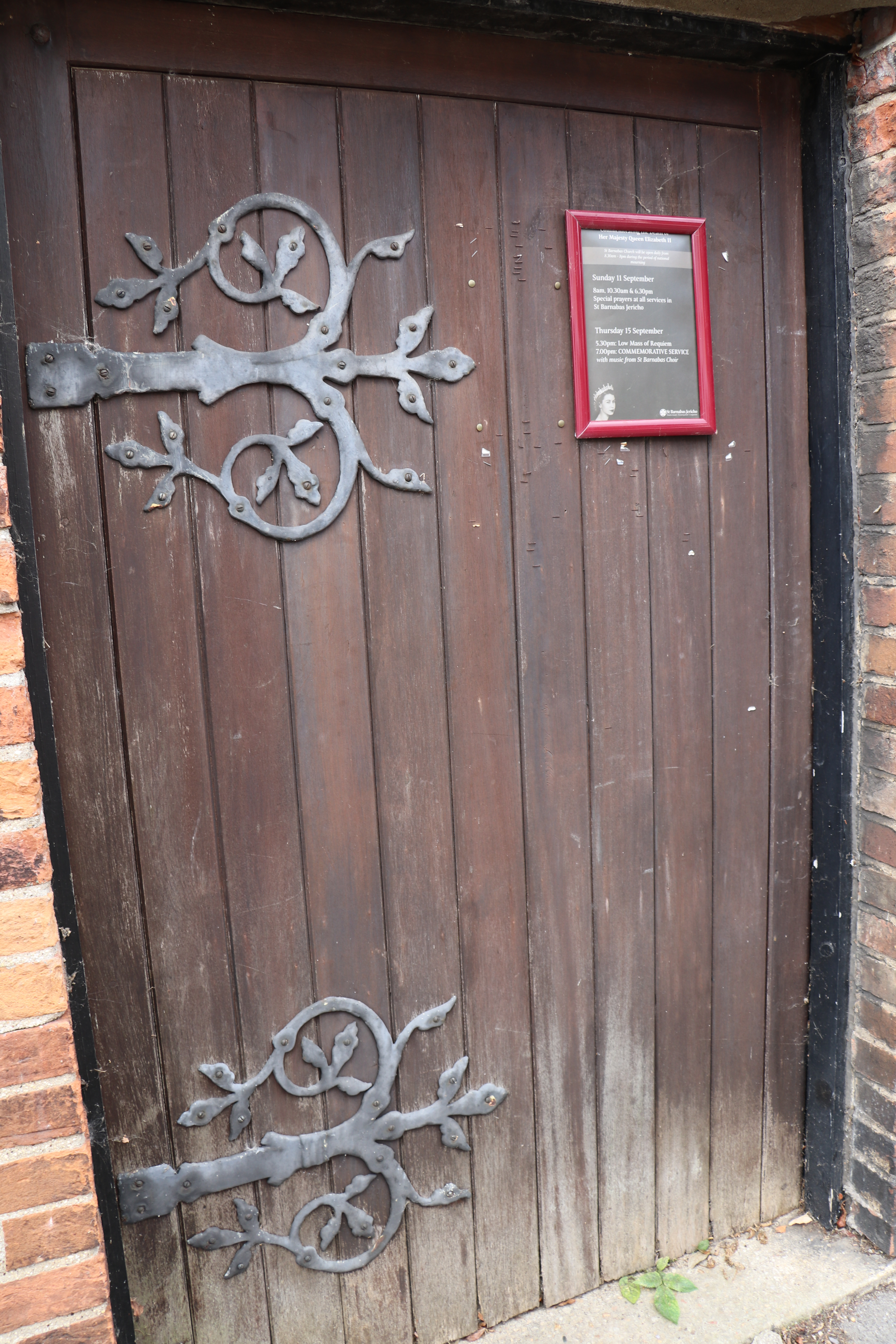
There were many tributes to the late Queen around town. (Remember we were in England during the mourning period for the Queen)


The Kings Arms looked welcoming for our lunch spot.

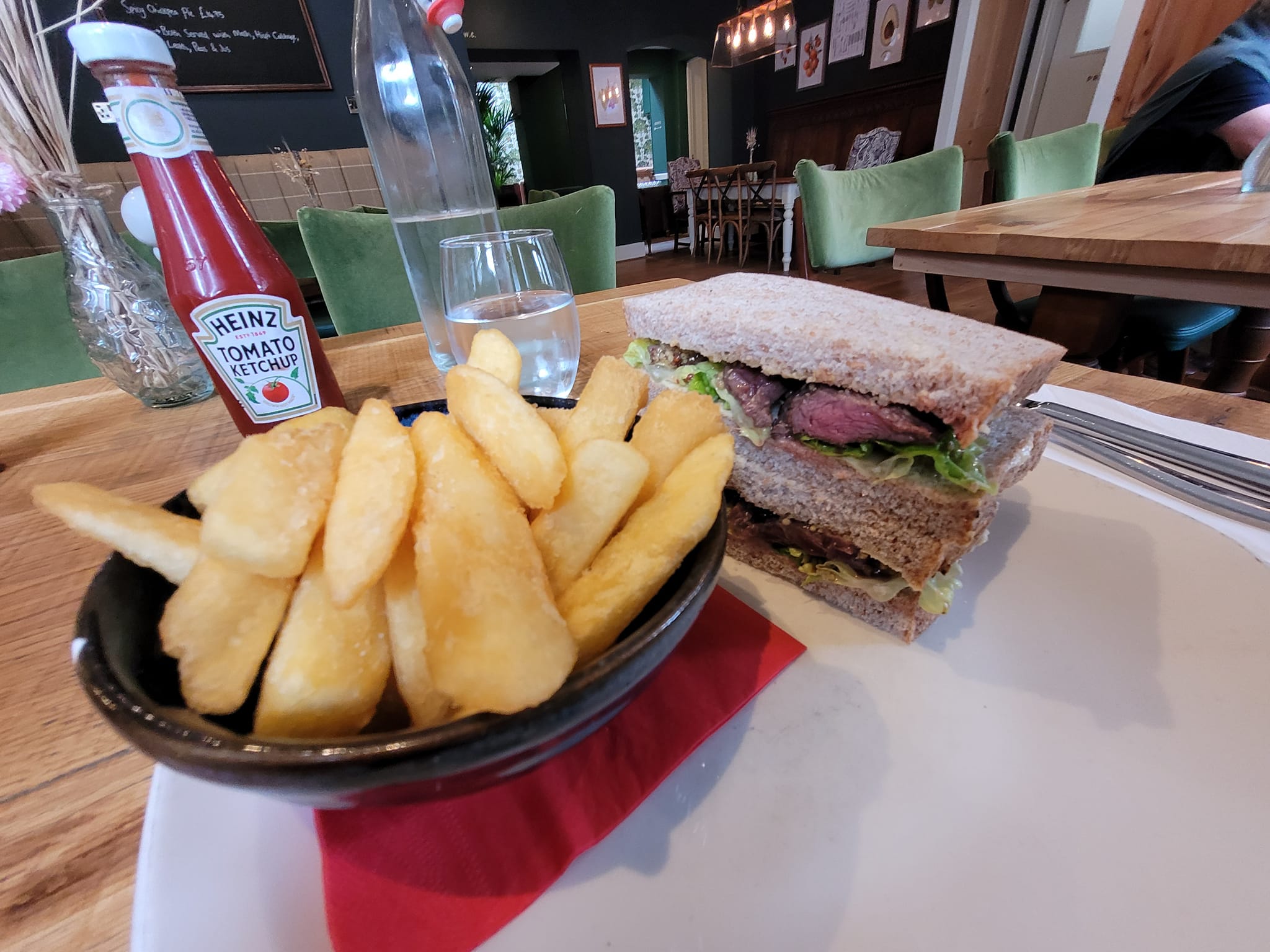
We enjoyed their lunch special beef sandwich and chips.

After our nice lunch we walked back to St. Mary Magdalene Church to see if it was possible to get a look inside. It was open and we were welcomed in.  We were still early for our hotel check-in time.

It’s a challenge to get the old brain back to Oxfordshire to remember some details of our last few days there. As challenging as it is the posts will be good to look back on.

Back to the present: We have a relatively quiet week and our temps have been above freezing so there is a lot of melting happening. Plants are emerging that have been covered in snow since November.

Quotes of the weekend:

“Sin is always a big deal.” ~ Dennis Wilkening

“If you want to be a wise person, you need a Bible.” ~ Alistair Begg

Have a good week everyone! If you need a Bible, I could send you one. 🙂

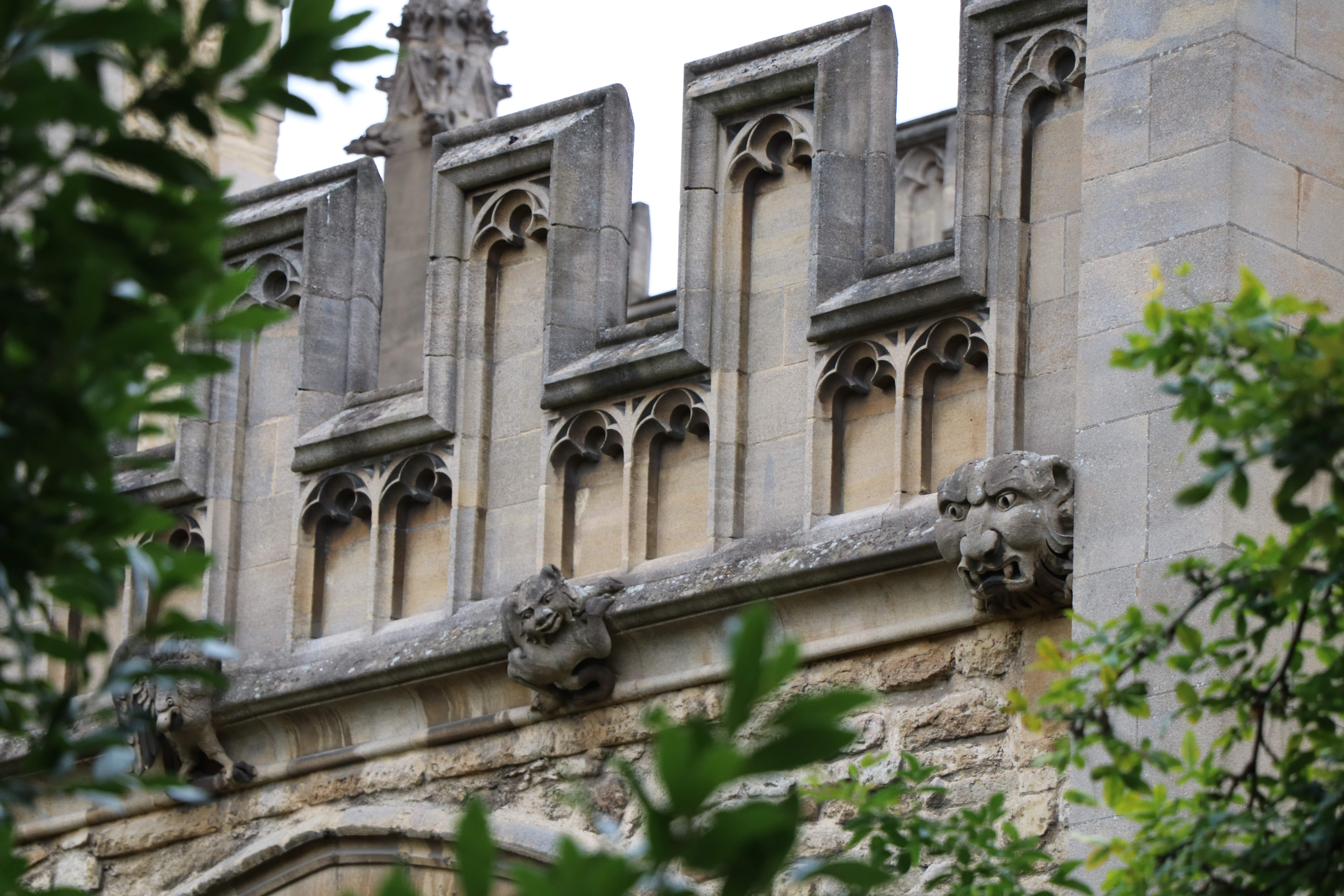
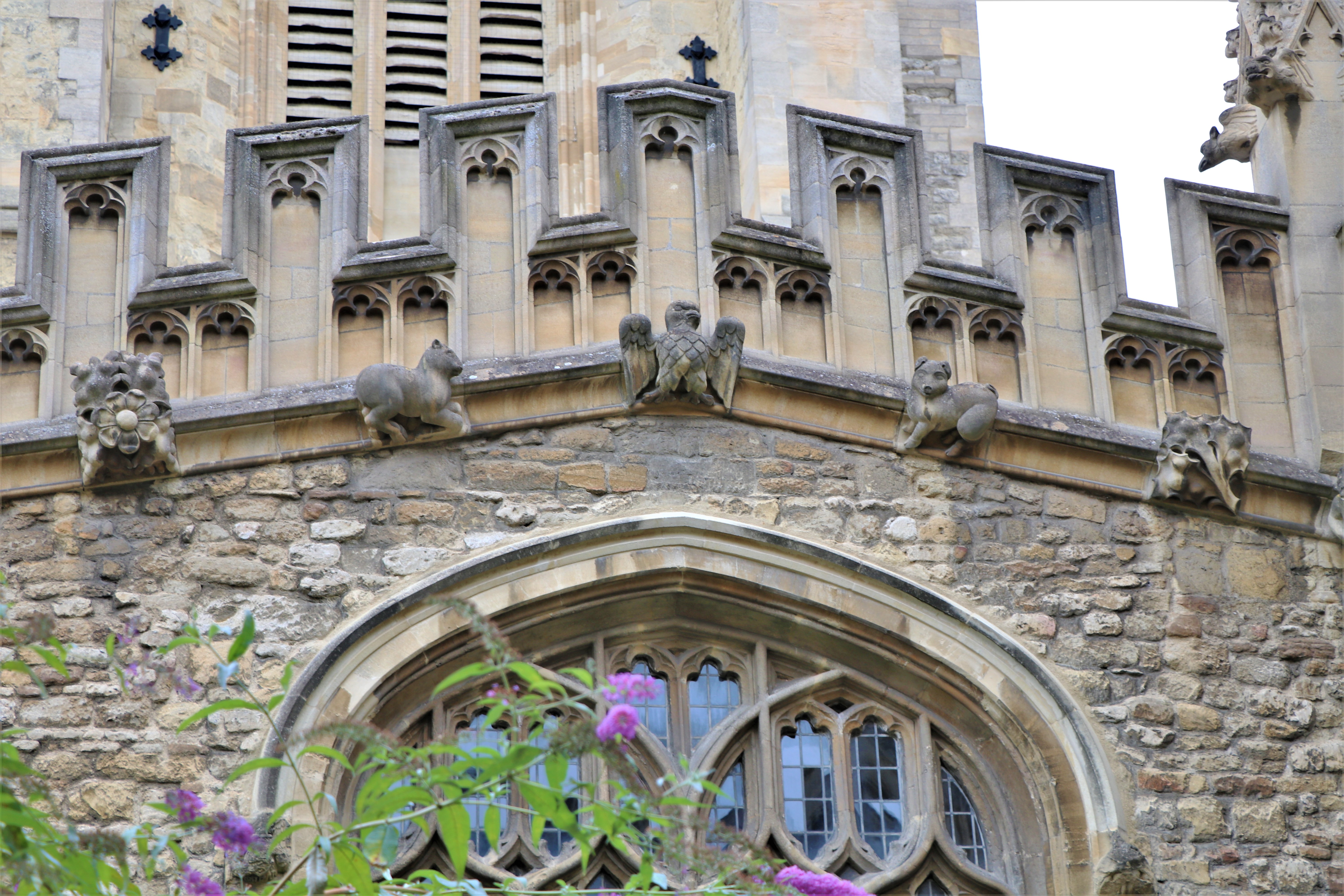
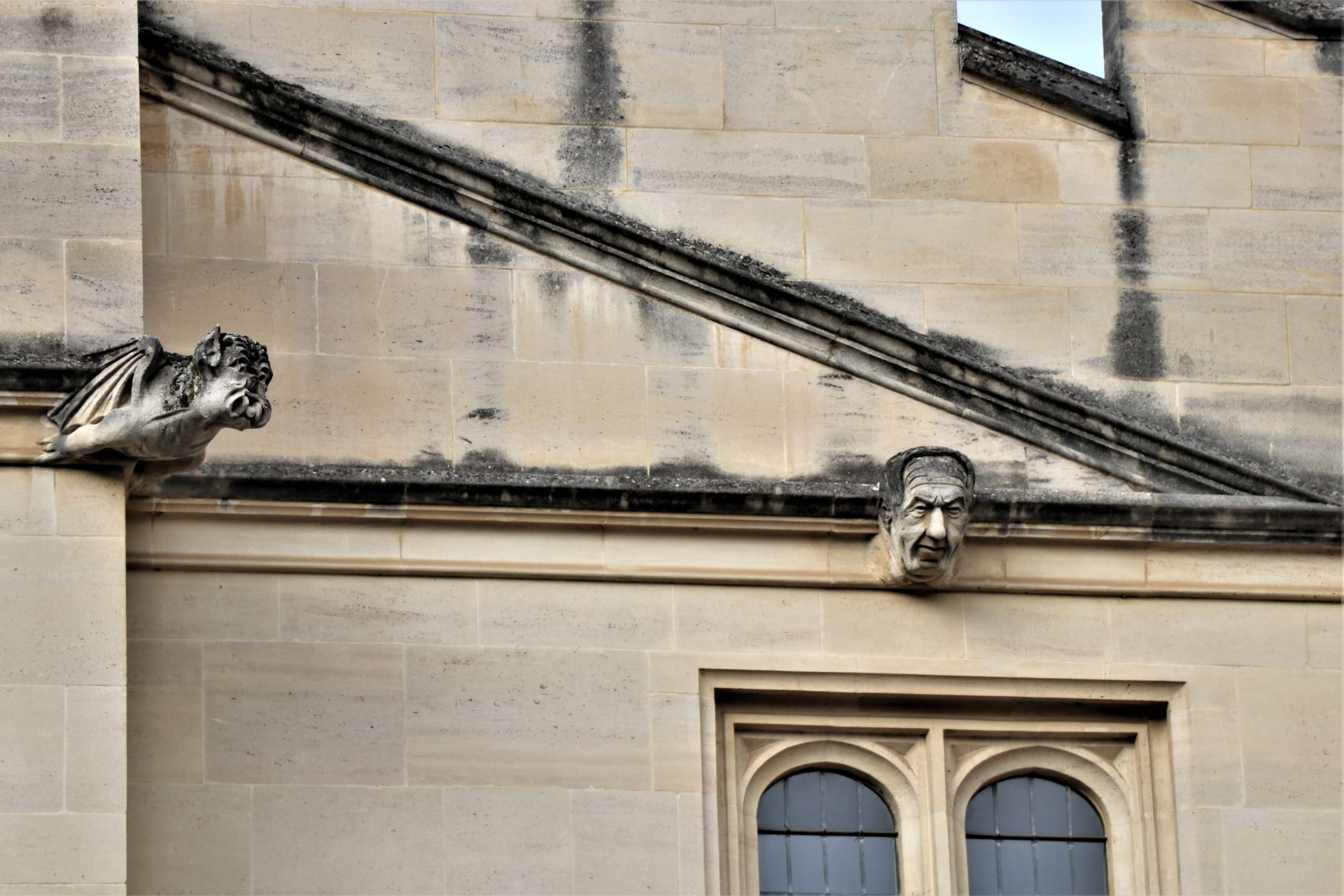
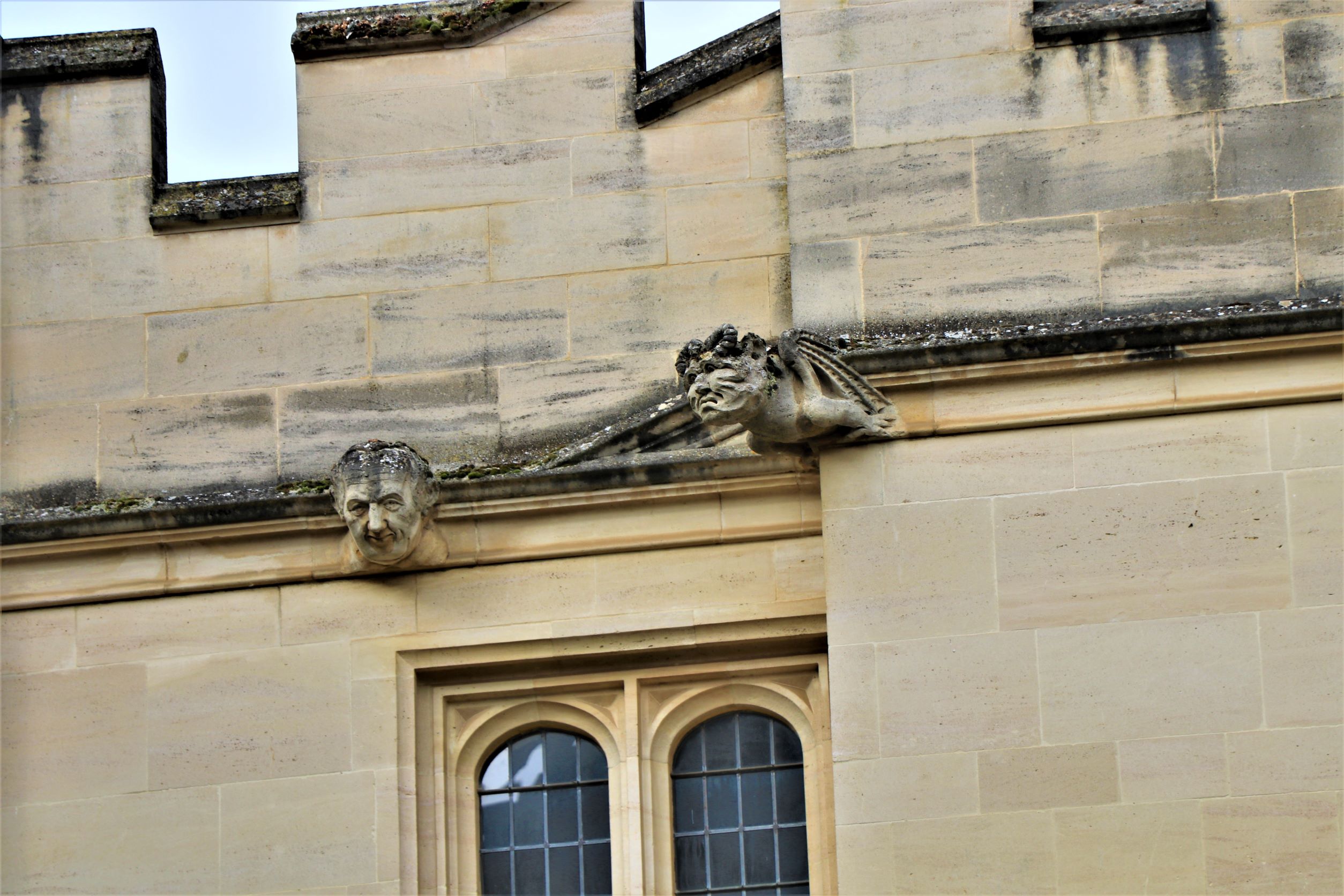
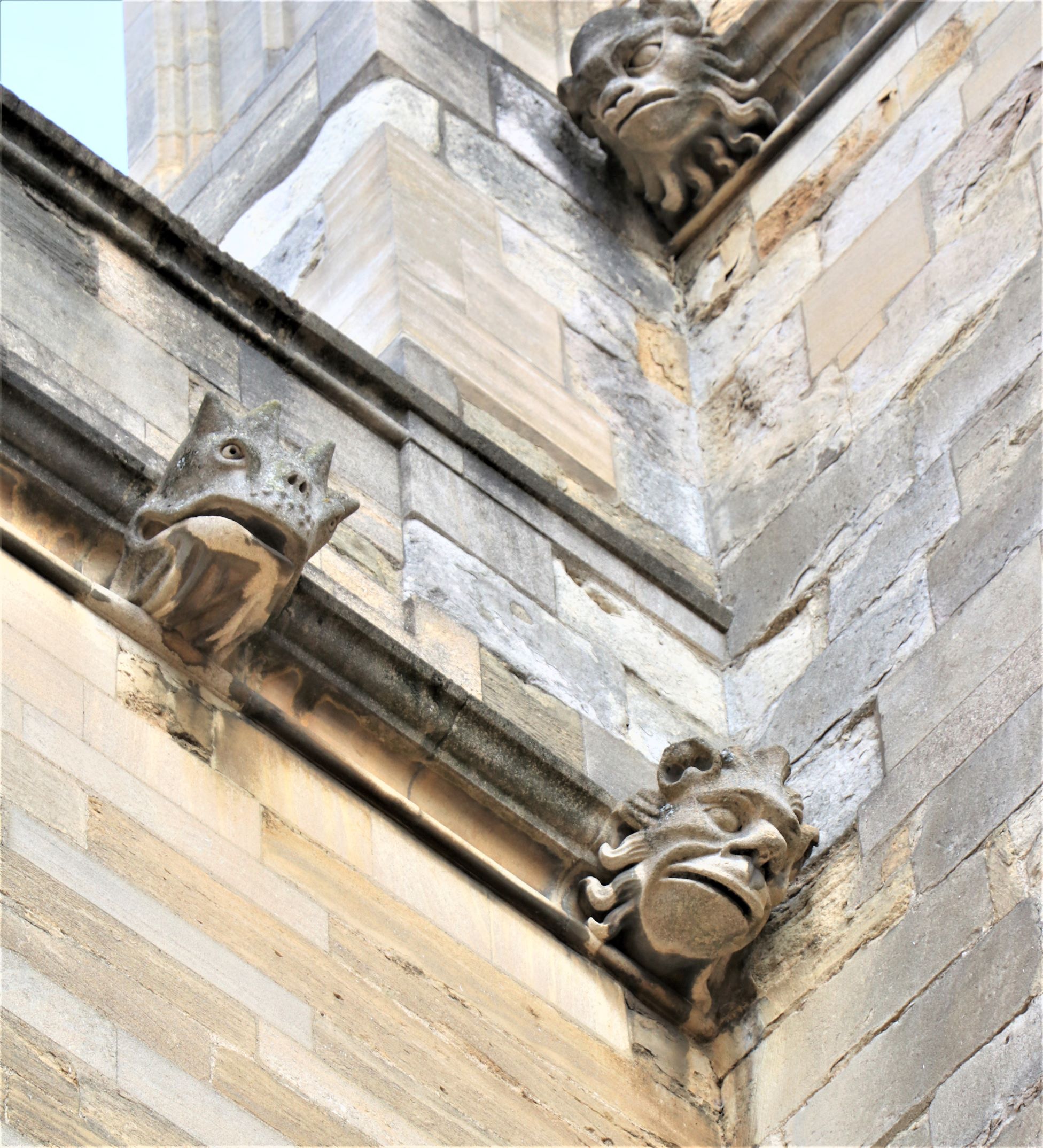
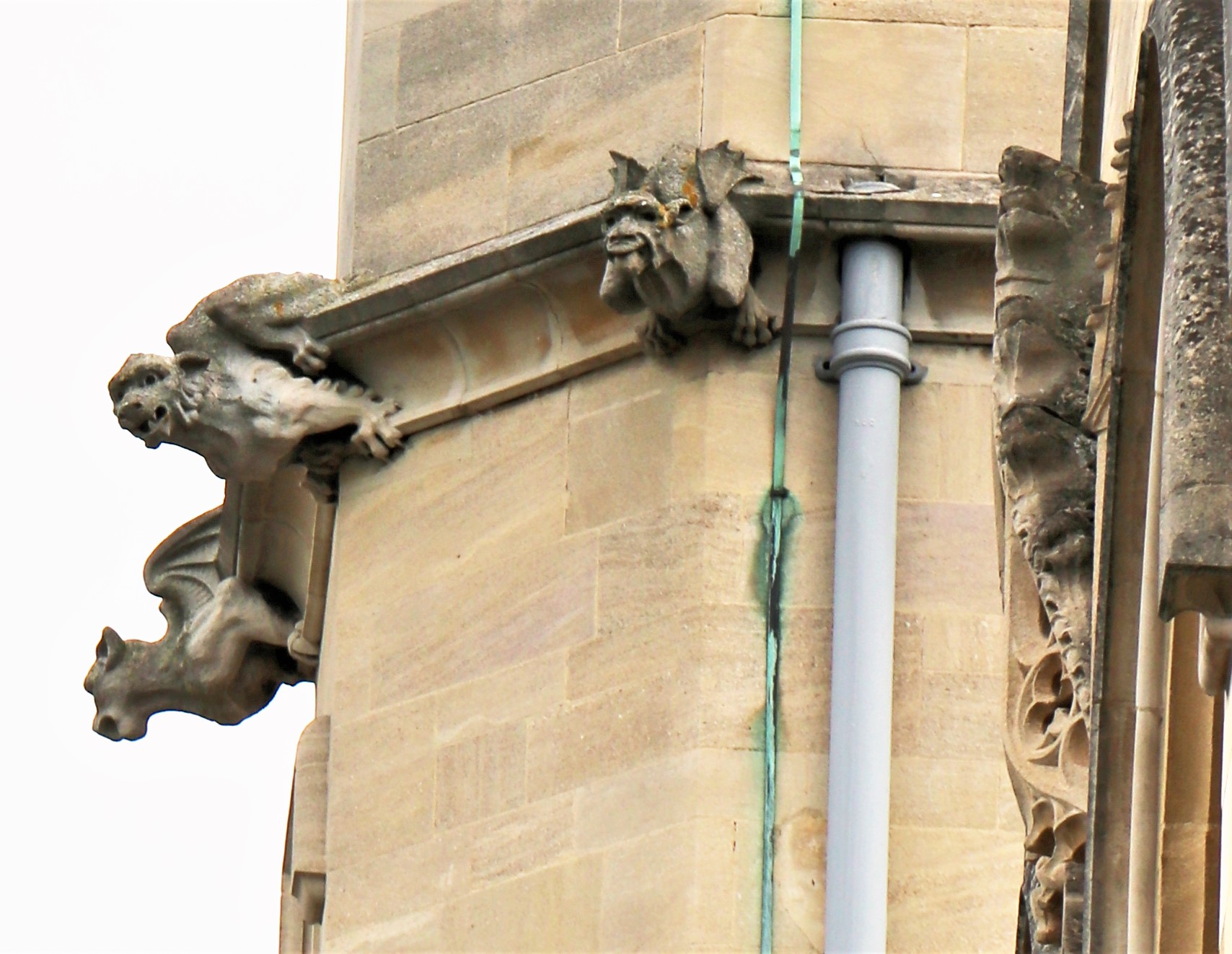
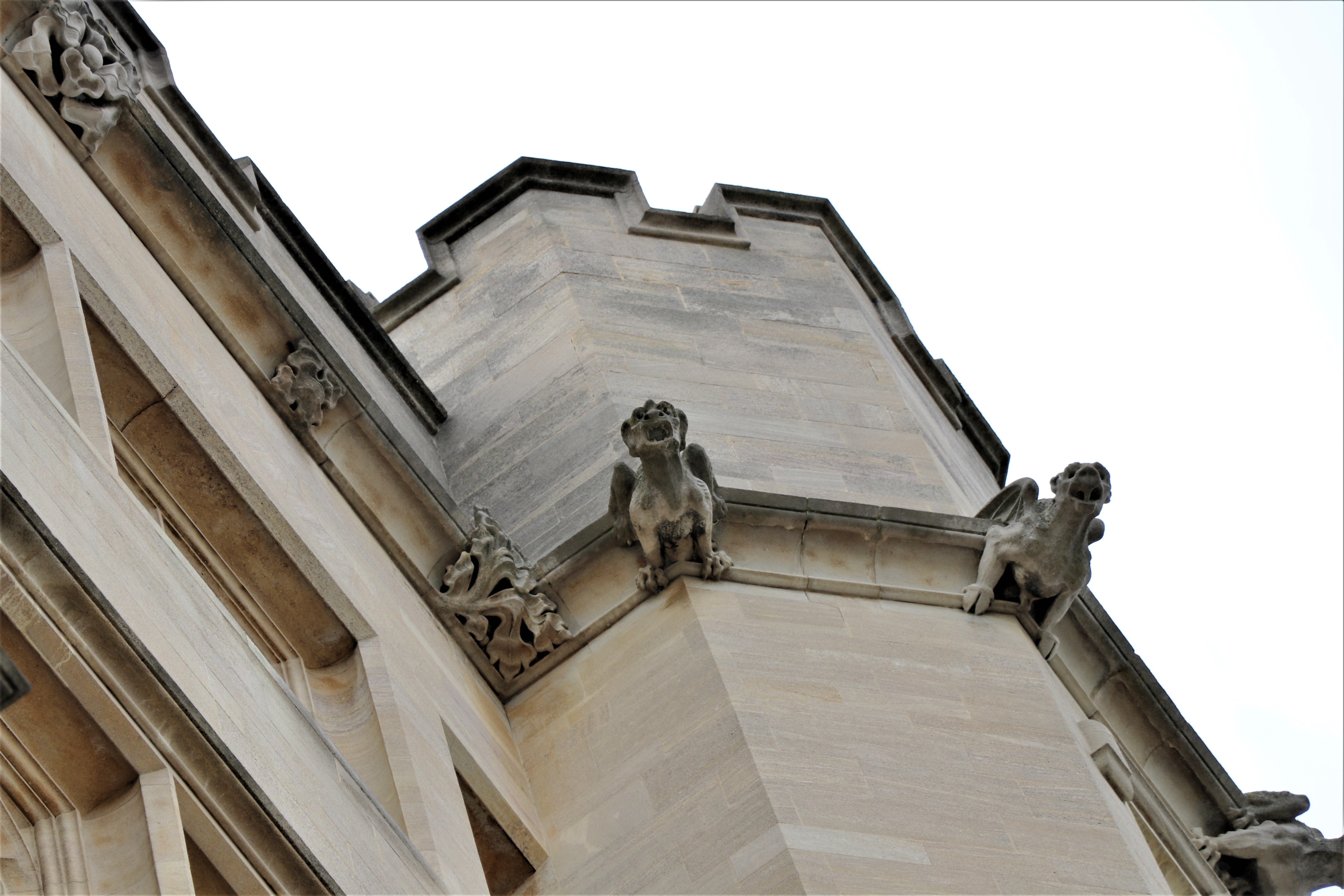
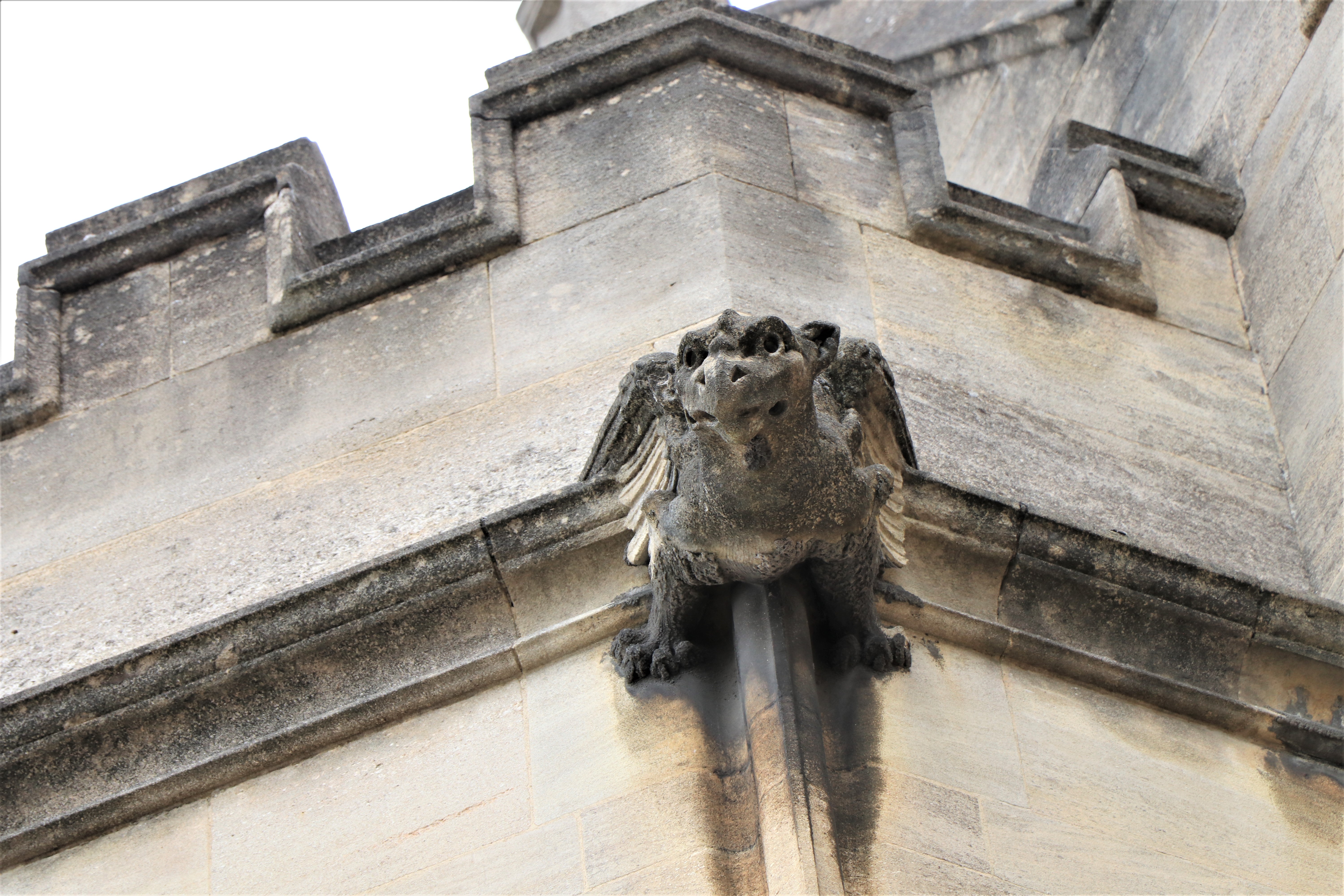
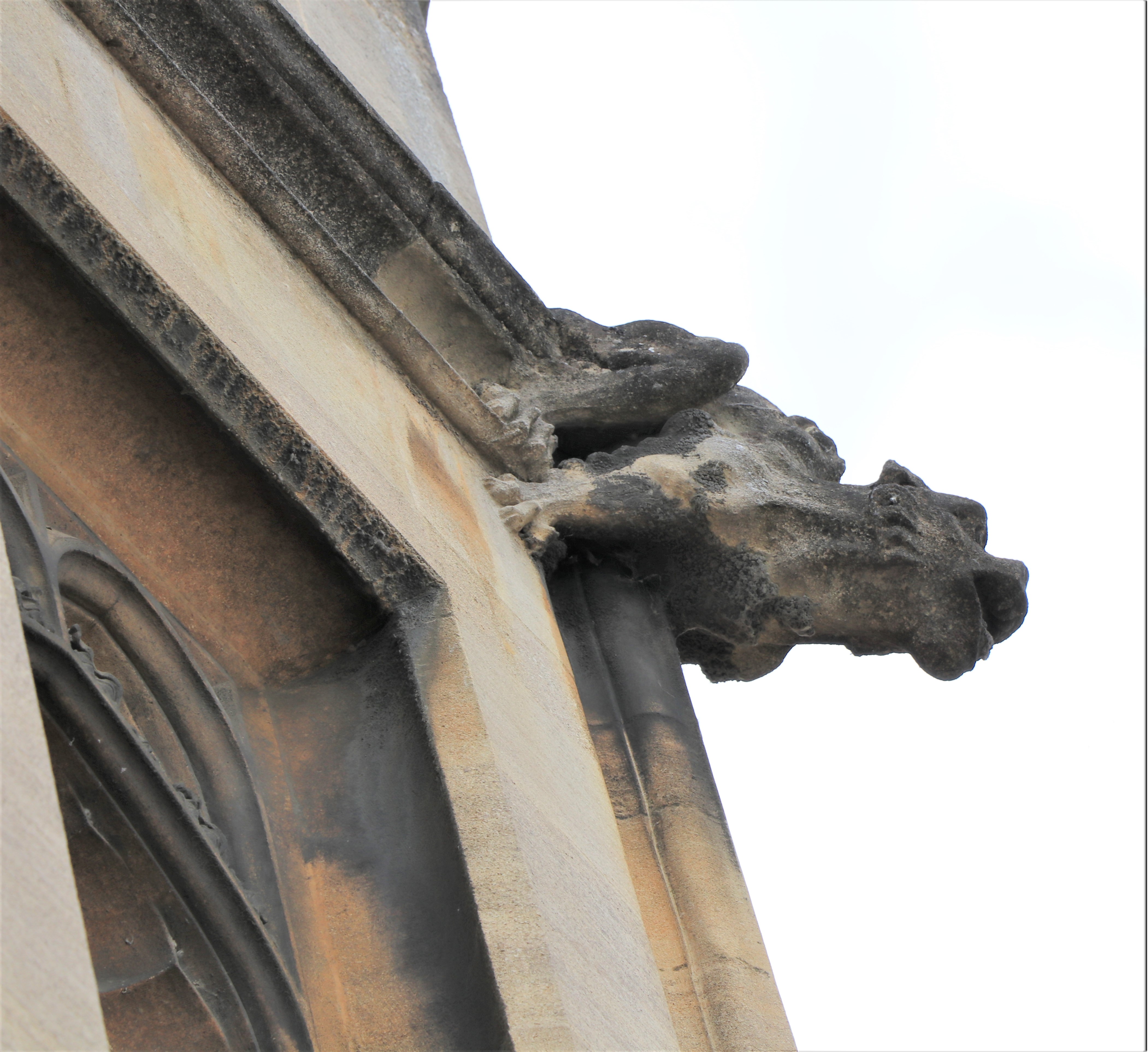
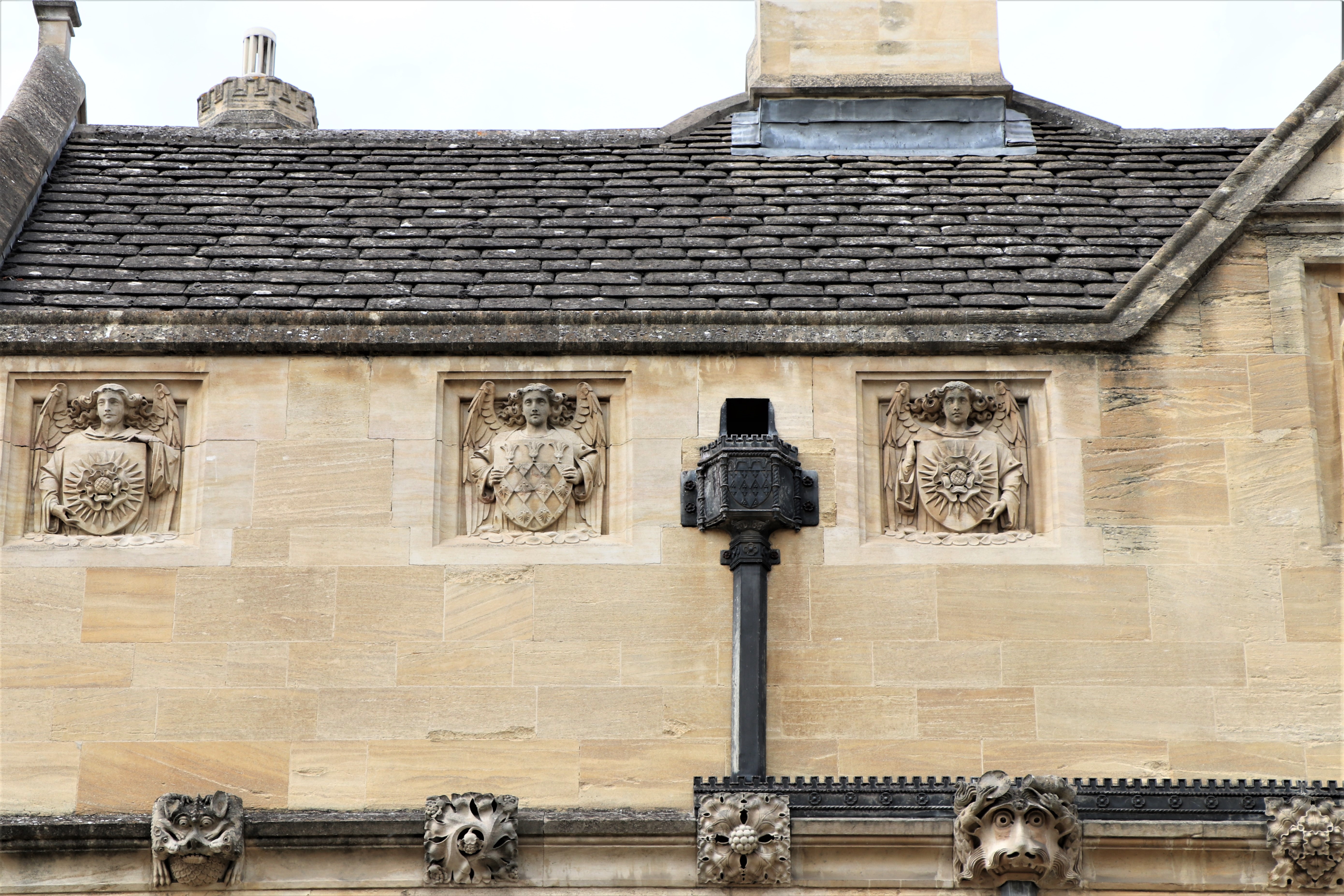
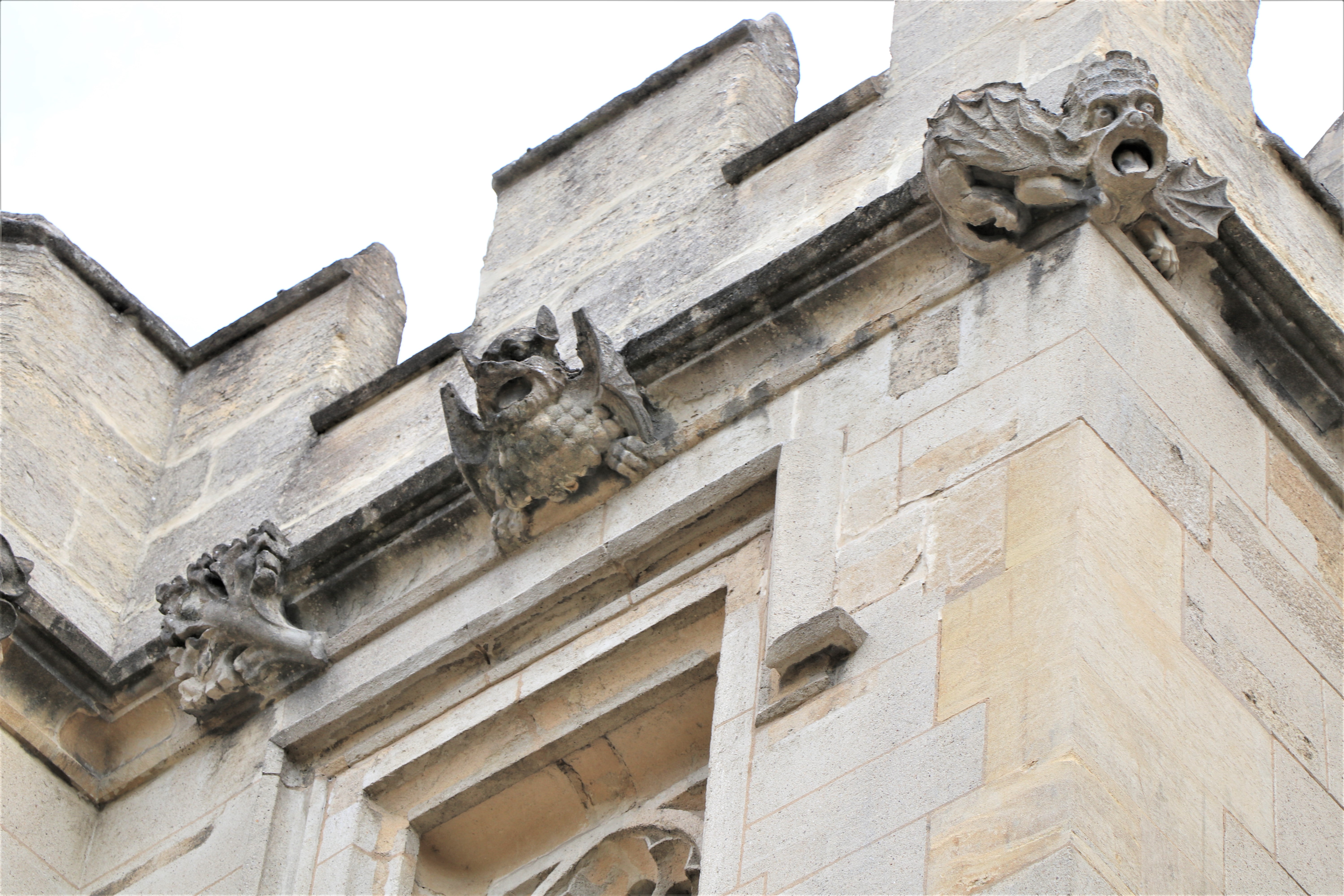
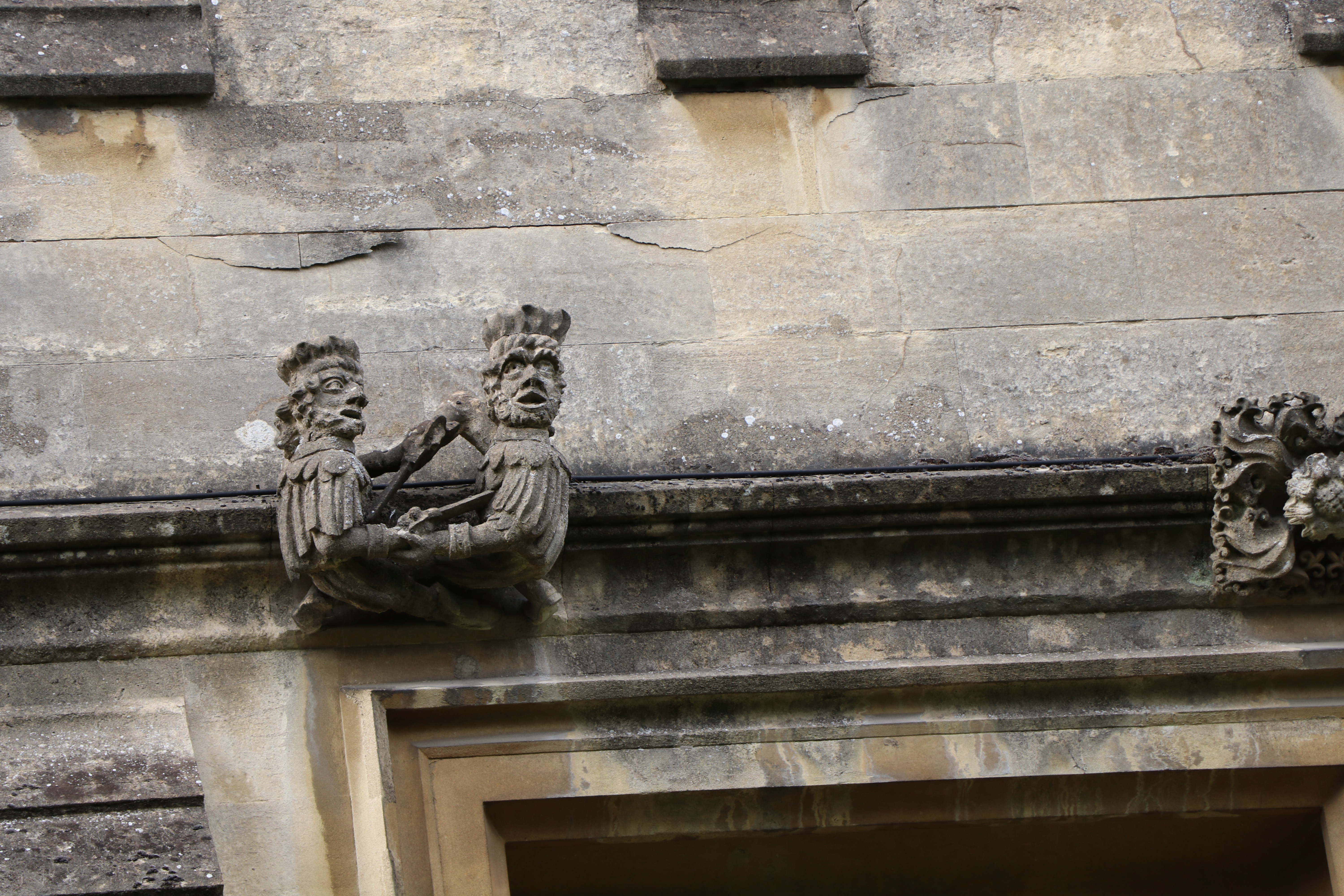
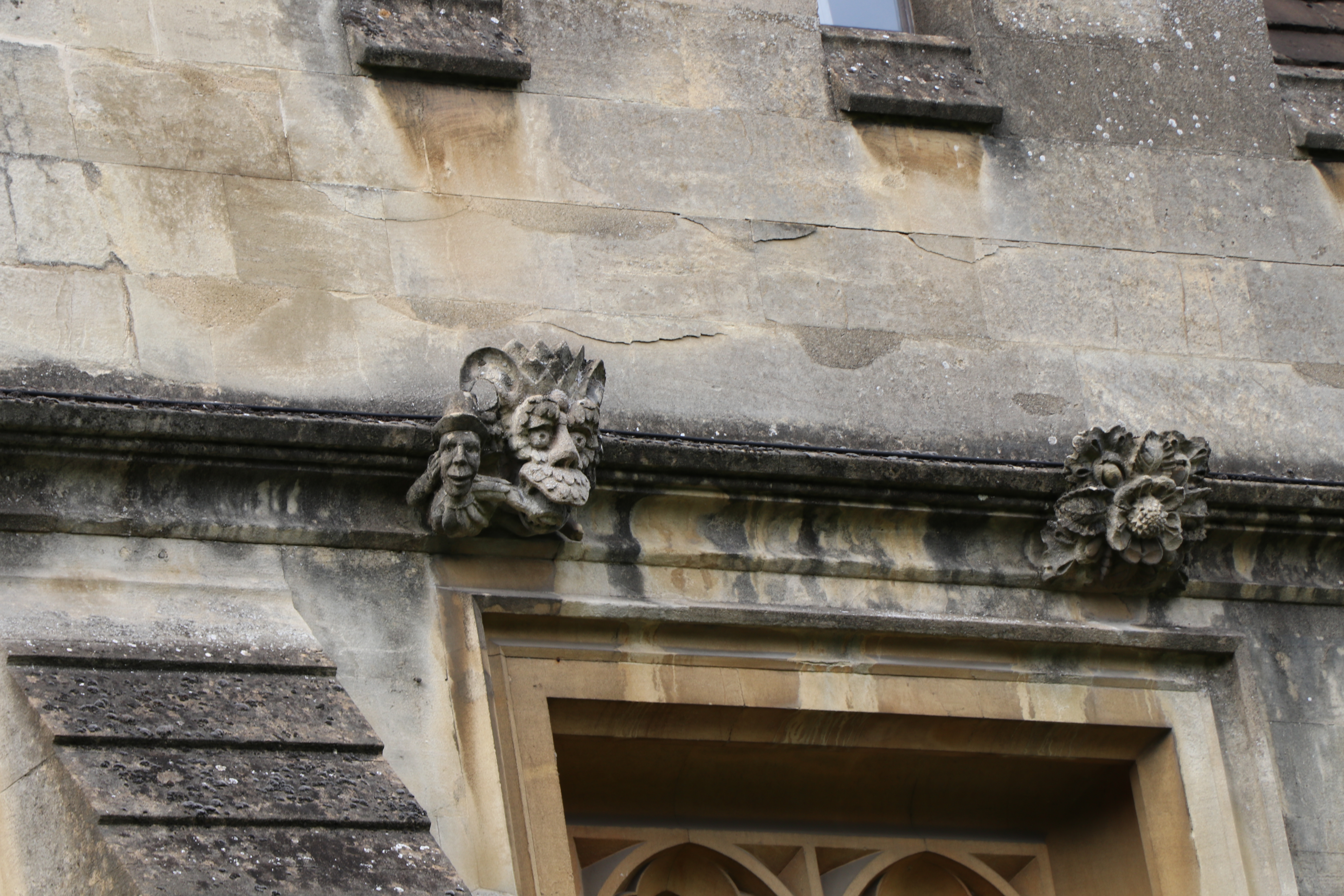
Gargoyles

Gargoyles were originally designed in 13th century French architecture as a means of disposing of water. Think of them as the precursor to the gutter. Typically, a trough was cut into the back of the gargoyle and the rainwater was able to run off of the roof and through the gargoyle’s mouth.

And that’s the story I’m sticking to in showing all the gargoyles I took photos of while we were in England in September of 2022. This will be a photo heavy post.


If you would like to read more about gargoyles and grotesques in Oxford click here. You’ll see what I missed and what I’ll keep a lookout for Lord willing we ever are able to return to Oxford.

Back to the present in Colville at our Country Bungalow. It’s been raining and the temps are above freezing. Things are getting very soggy around here. We’ll call this the drip and puddle season that will soon turn to the mud season before we see the green of Spring. Dear is driving again and we managed to snow shovel the way for our truck to get out of the shop and on to the dump to make our winter dump run. Romantic, isn’t it? We did stop for lunch on the way home from the dump so that’s a thing. 🙂 Happy New week to you.

St. Barnabas Church, Oxford (Jericho)

On Friday September 16th we decided on a self-guided tour of the Jericho area of Oxford. This day was a student open day at all the Oxford colleges so none of the colleges were open to general visitors only to perspective students and their families.

We walked north from our apartment and followed Walking Oxford, a worthwhile book of walking tours that we purchased before traveling to Oxford.

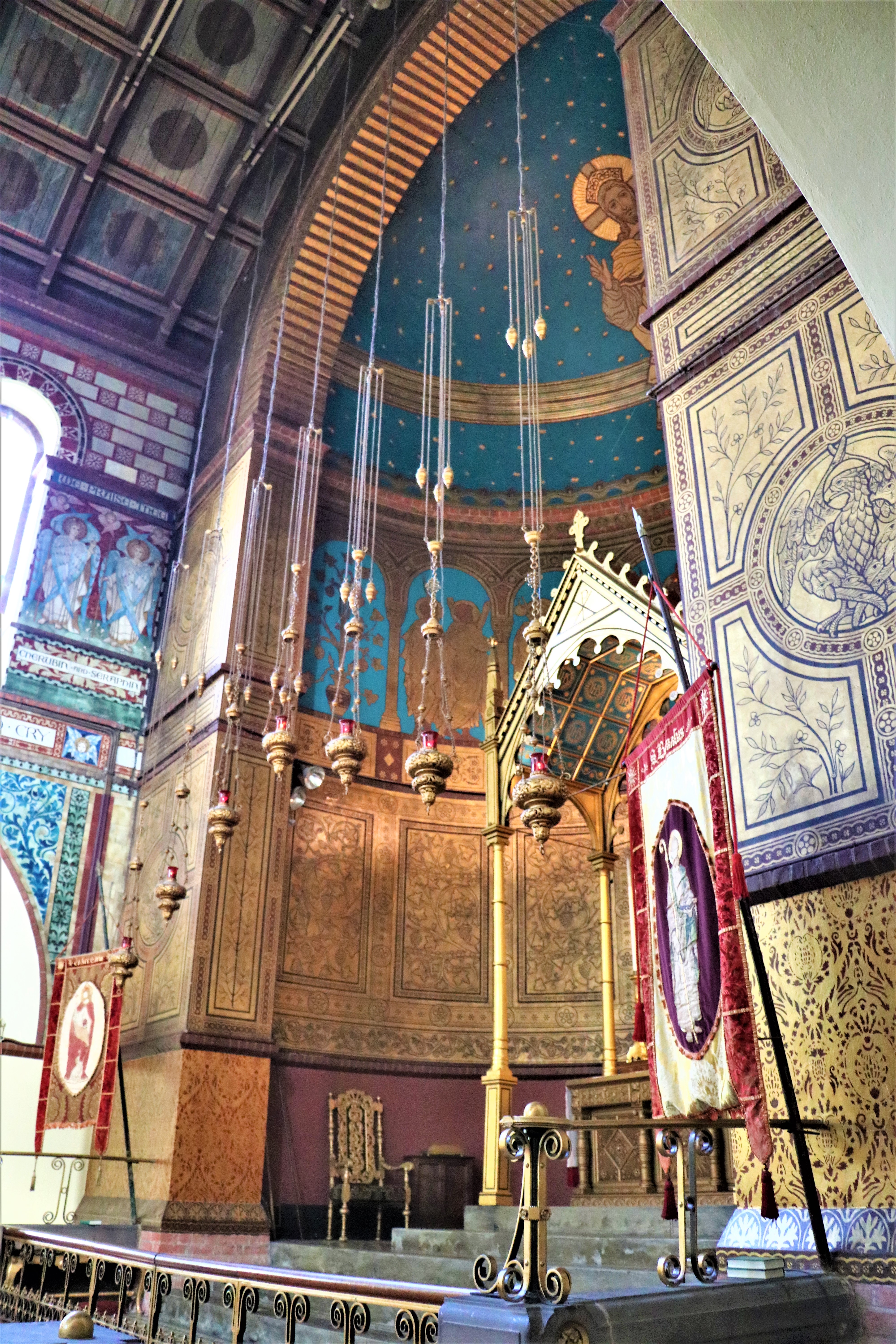
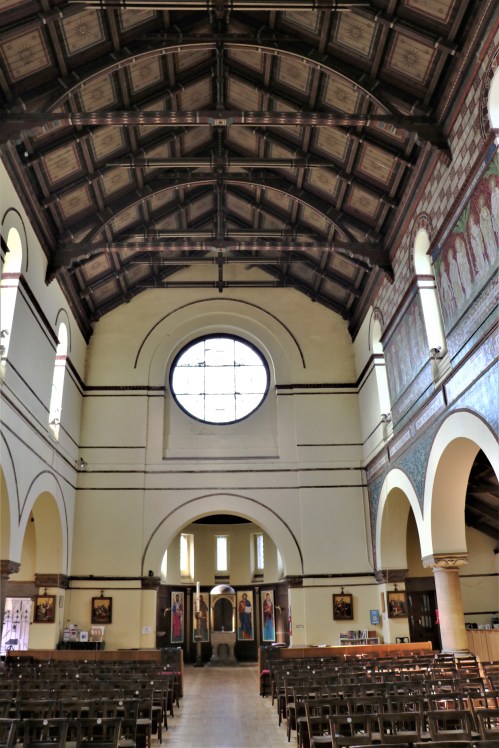
St Barnabas Jericho is a fine Victorian Basilica-style Church in west Oxford, built in 1869.
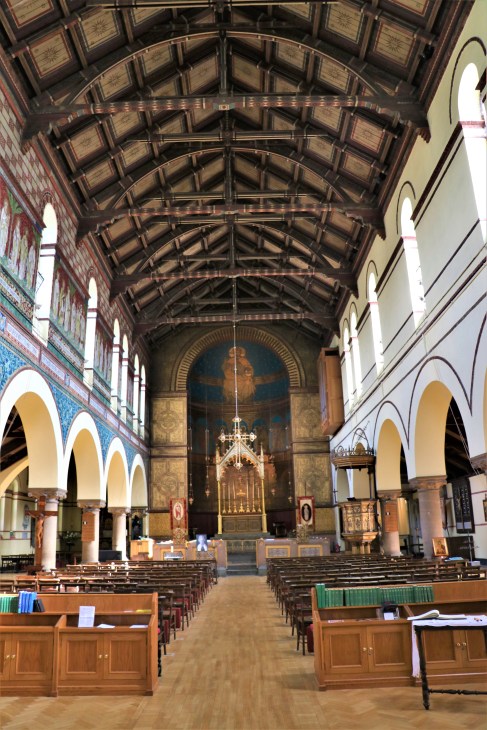
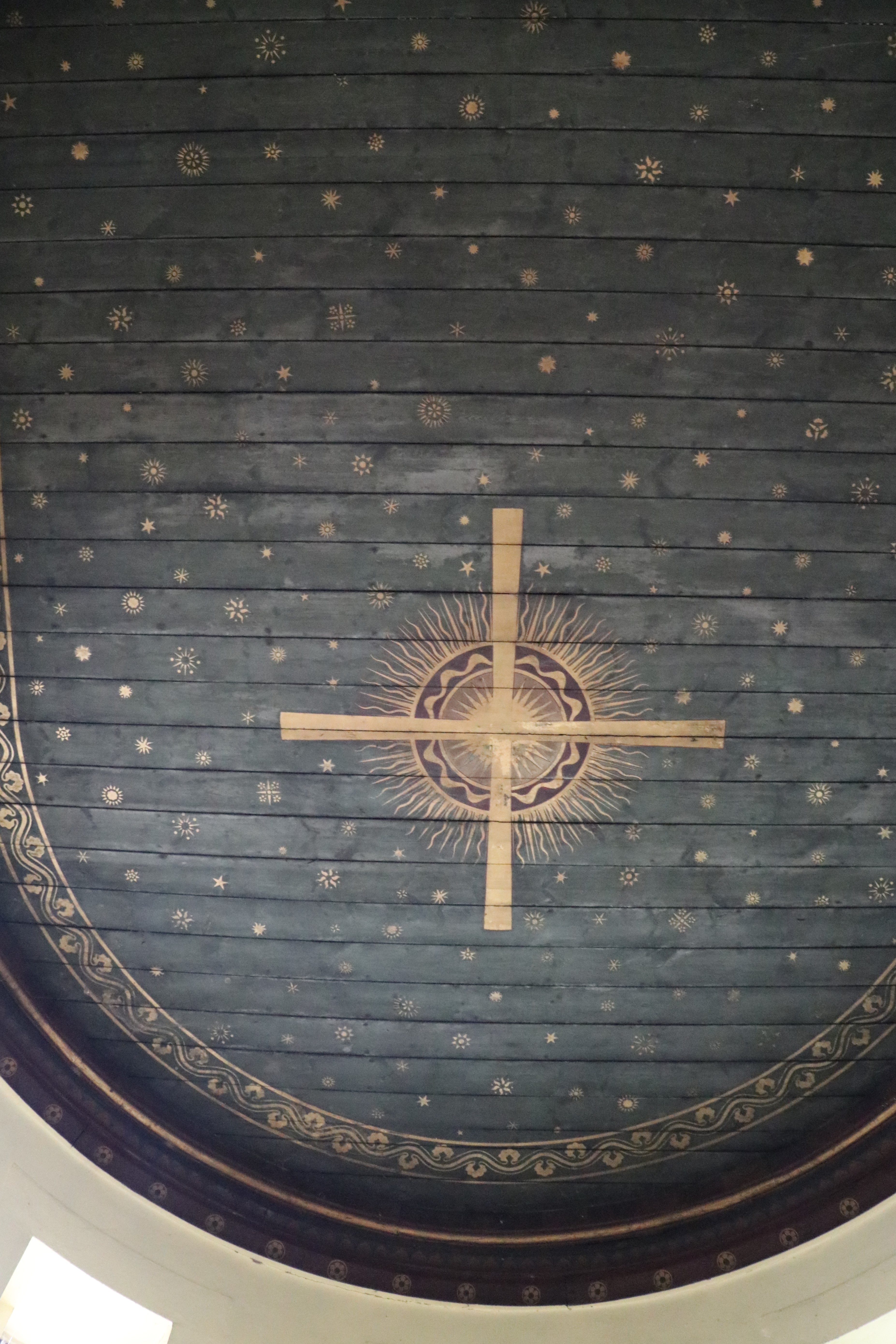
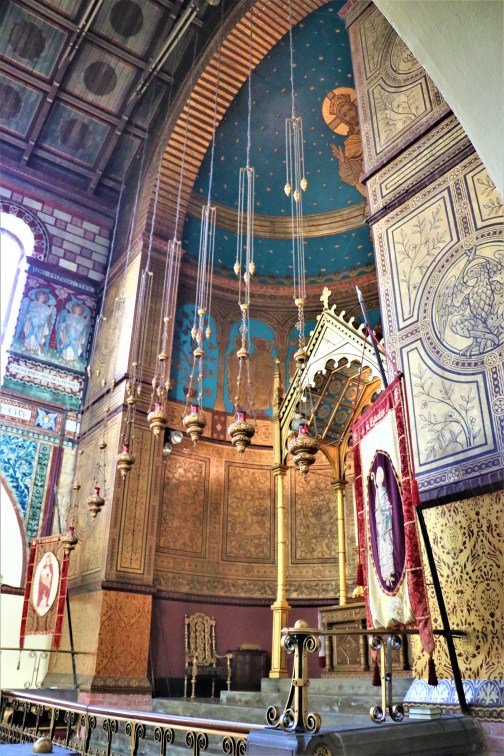
Inside, the church is very beautiful with wall panels in the eastern apse depicting Christ in Majesty above the 12 Apostles. On the other walls, panels feature the animals mentioned in the Book of Revelation, chapter 4.

The High Altar is higher than the nave and is reached by nine steps and has a delicately ornate gilded ciborium over it.
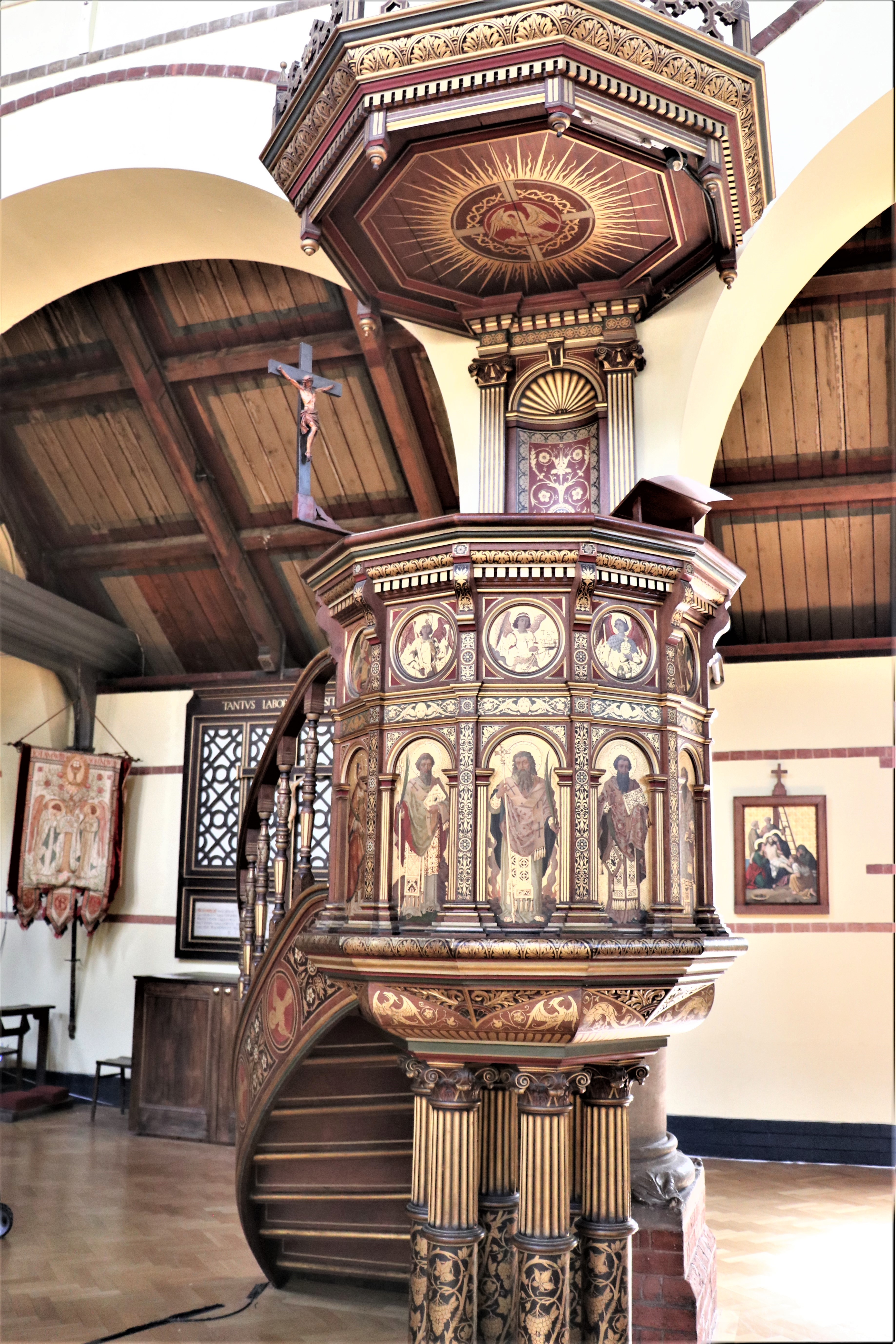
The intricately decorated Walnut pulpit was donated in 1887.
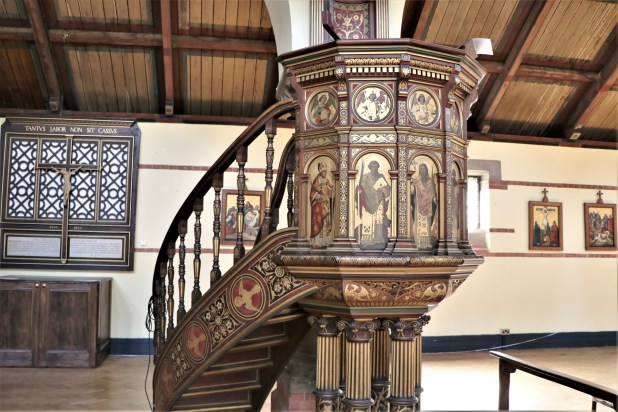
On the North Nave wall of the church I was taken in by these panels which I will show in more detail.

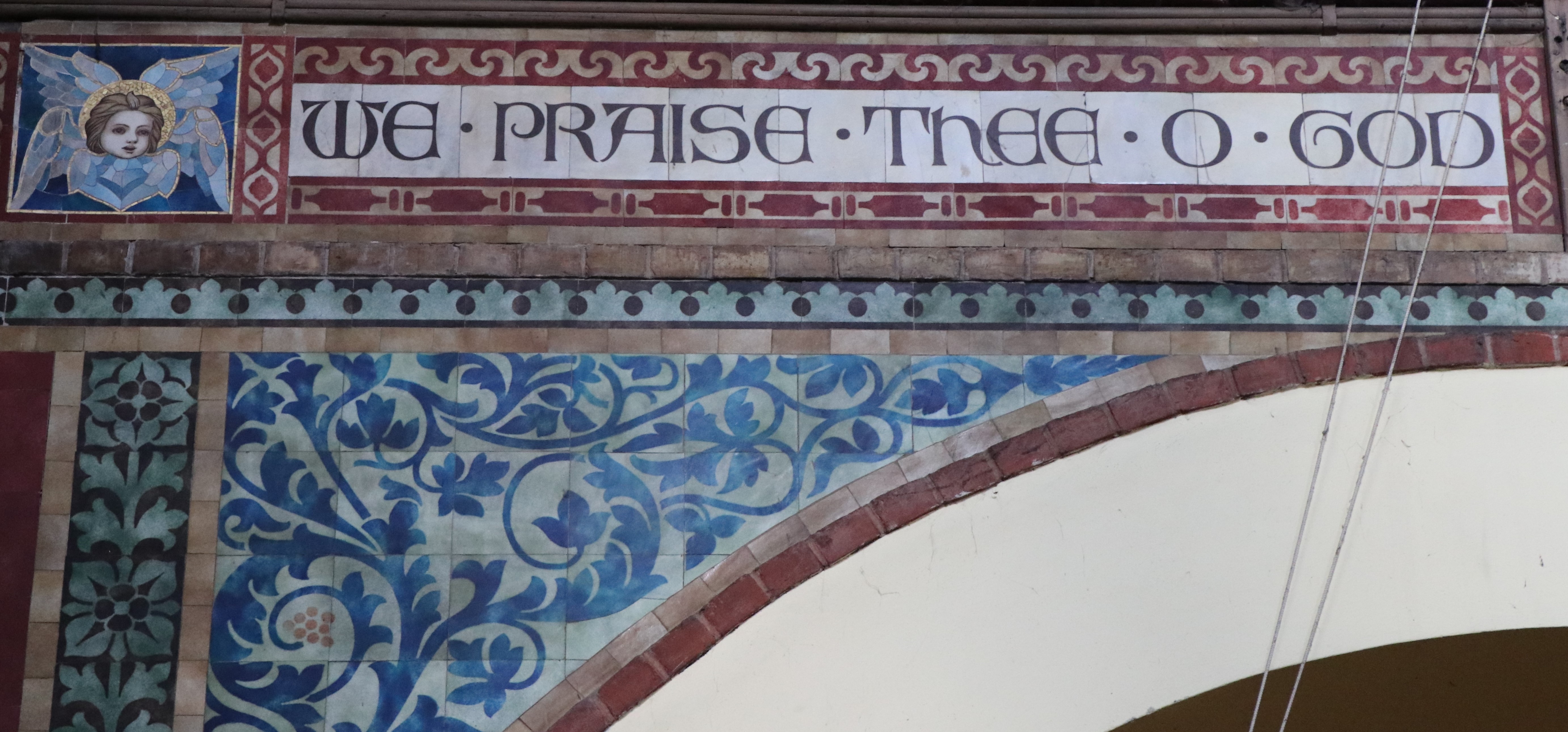
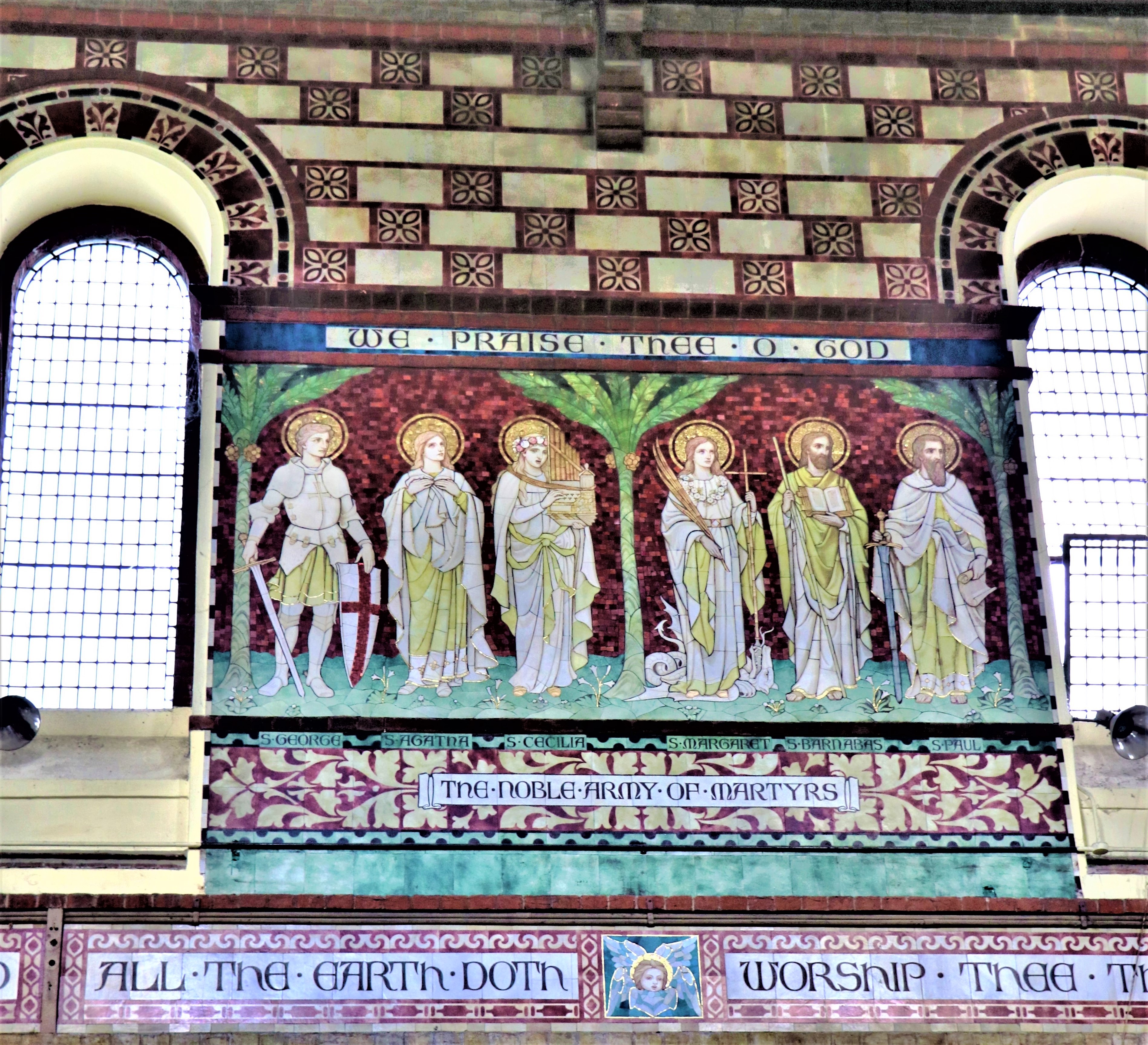
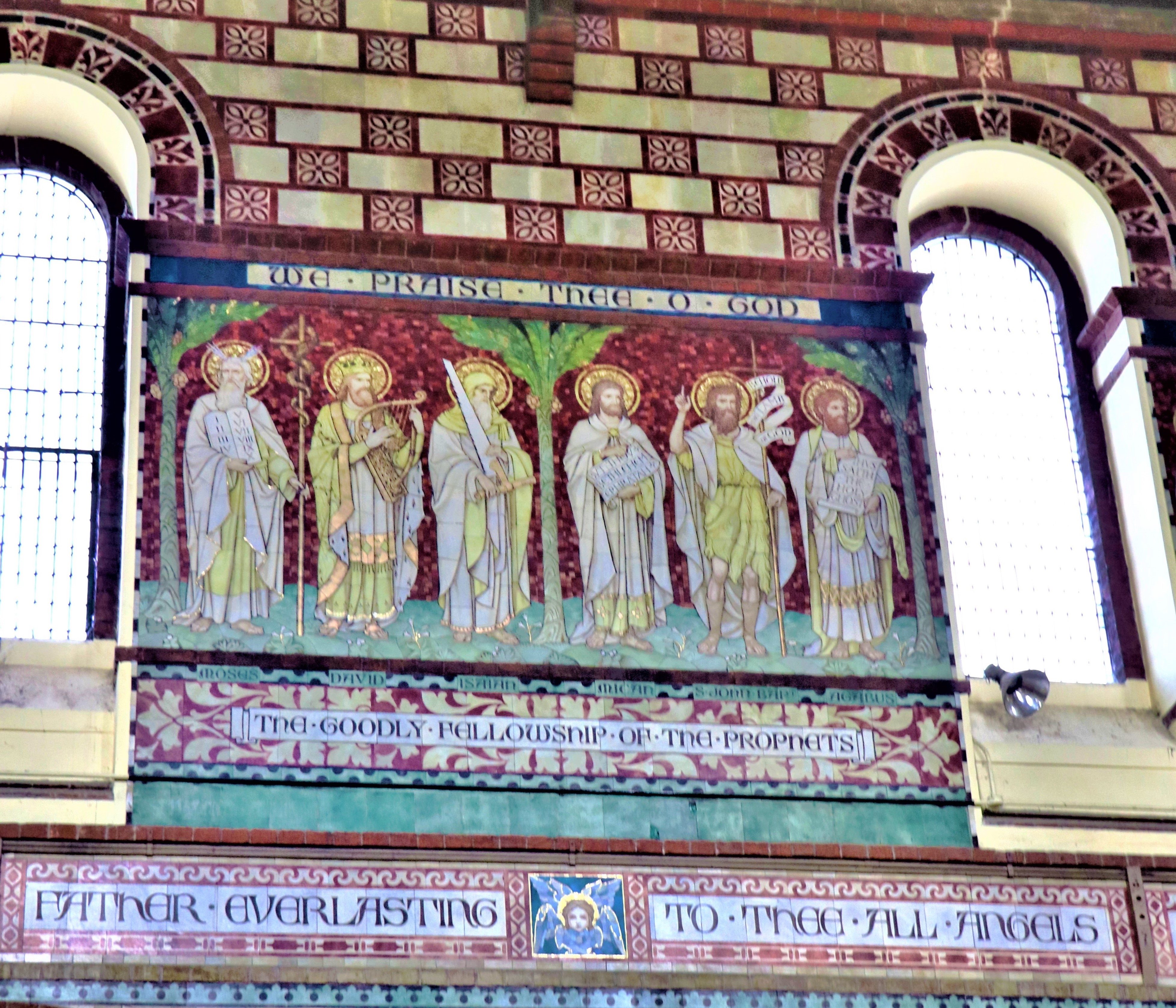
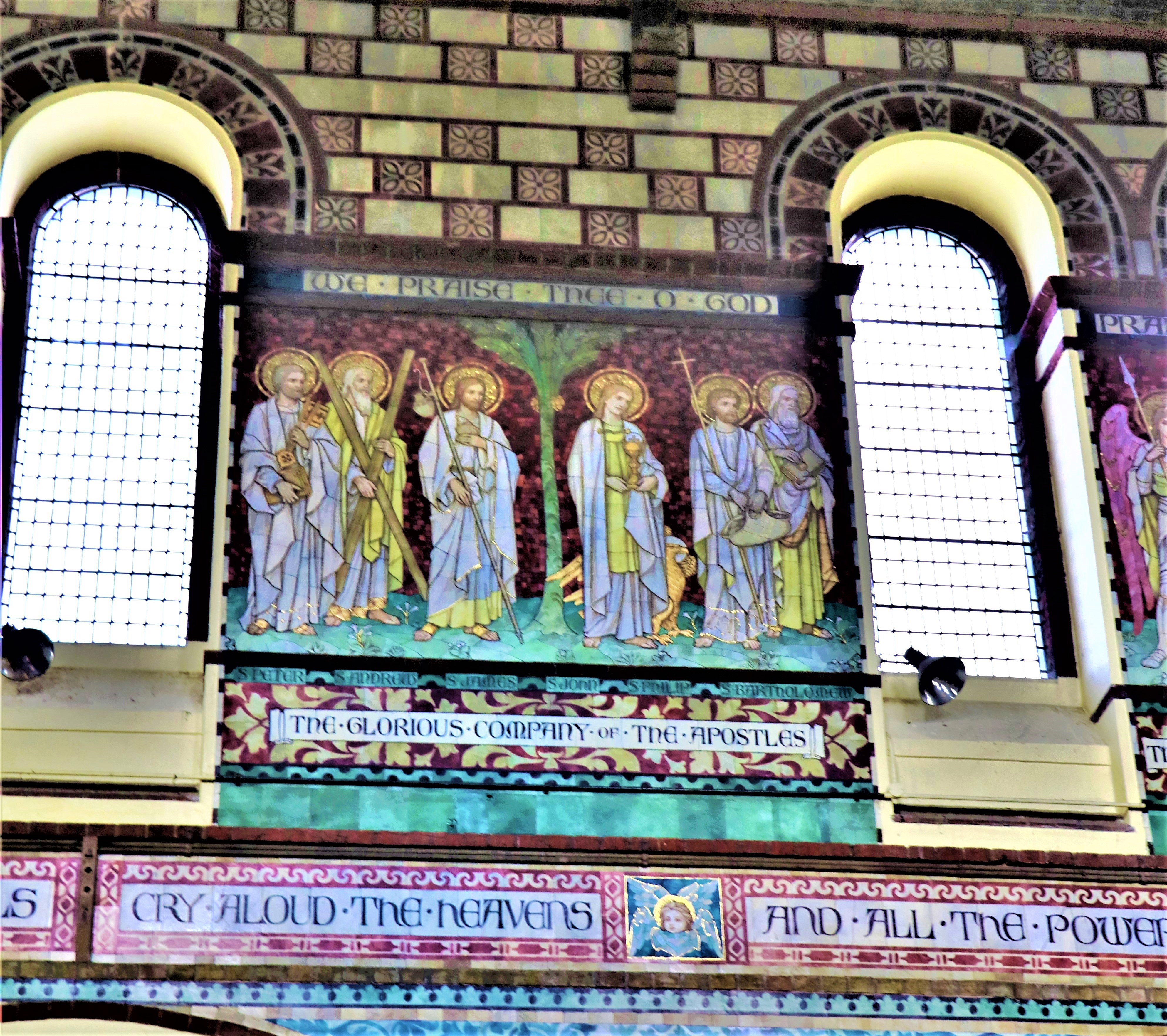
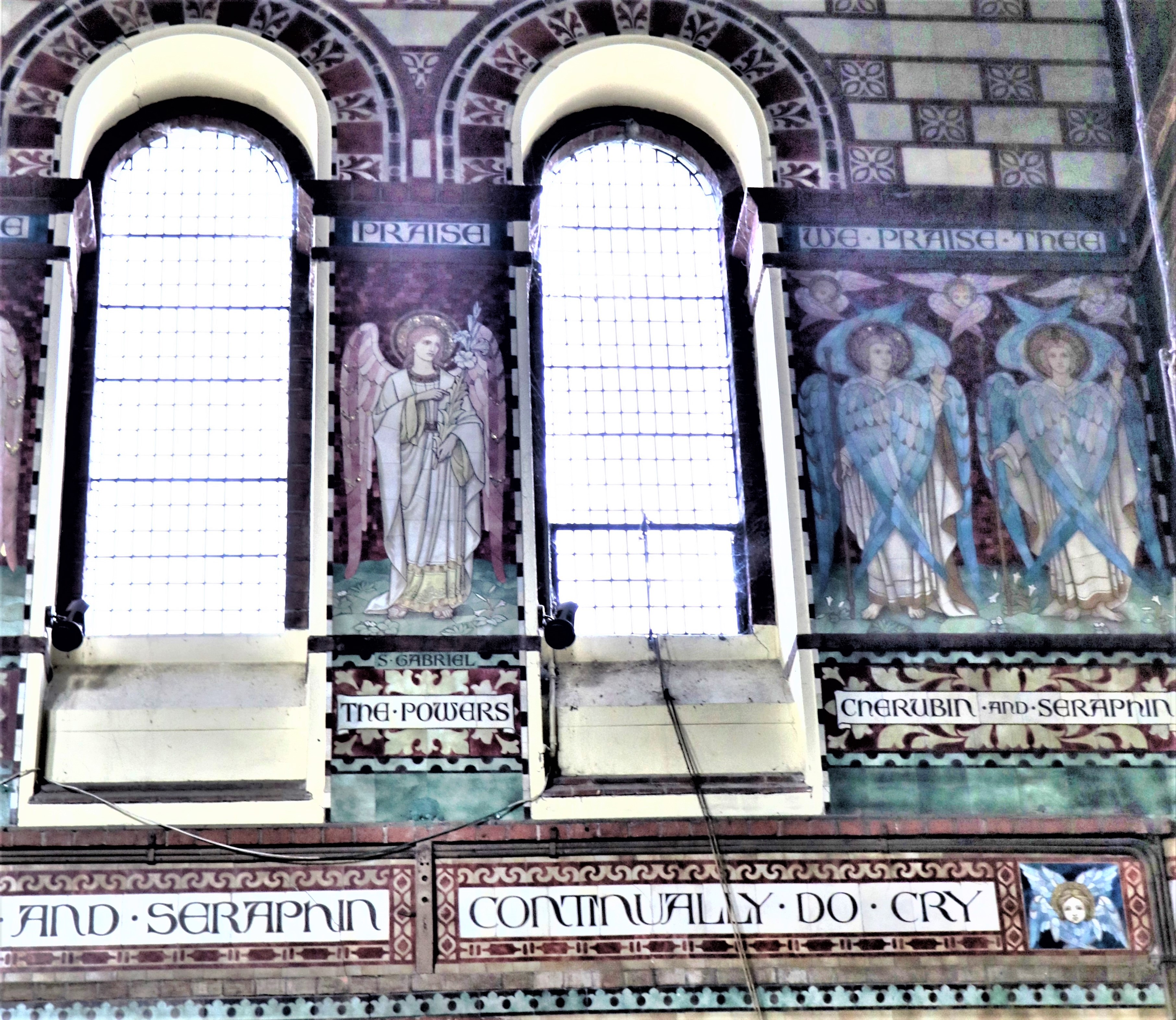
The murals on the north wall of the nave represent Te Deum laudamus, (Latin: “God, We Praise You” ) and are made of cut glass using the “opus sectile” technique.
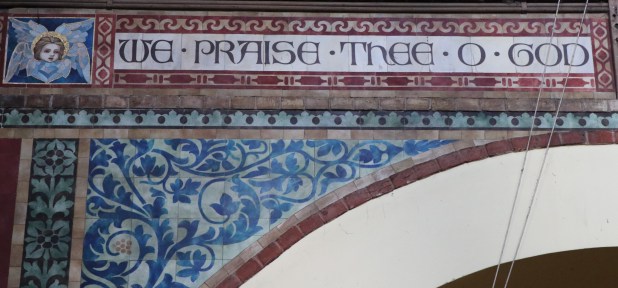
We Praise Thee O God
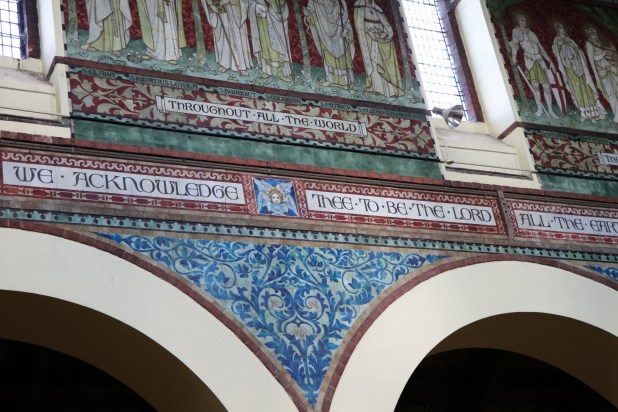
We Acknowledge Thee To Be the Lord
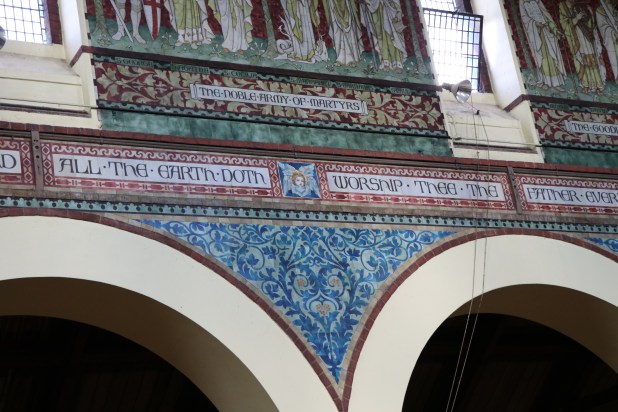
All the Earth Doth Worship Thee ~ The Father Everlasting ~ To Thee All Angels Cry Aloud ~ The Heavens and All the Powers ~ Therein to Thee Cherubim and Seraphim Continually Do Cry ~ We Praise Thee O God Throughout All the World.

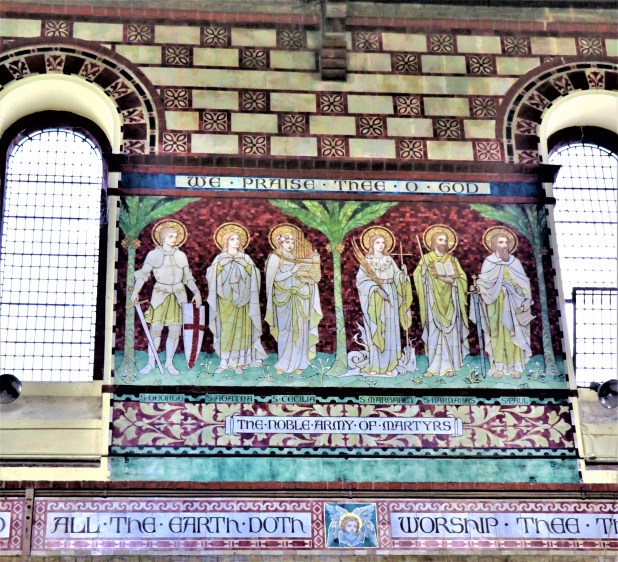
We Praise Thee O God ~ The Noble Army of Martyrs

We Praise Thee O God ~ The Goodly Fellowship of the Prophets
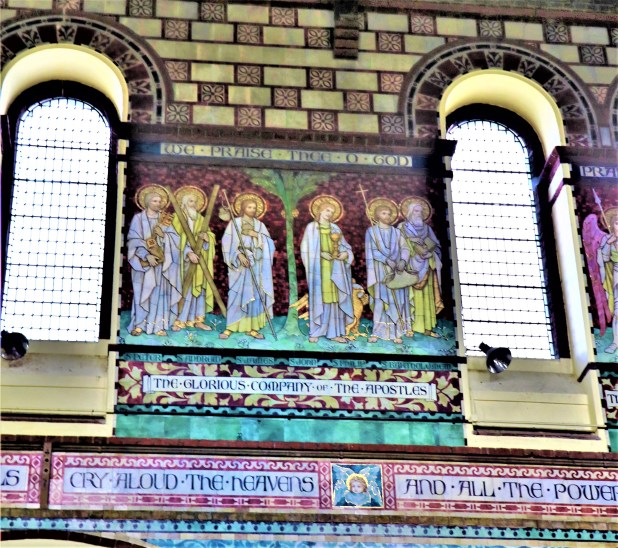
We Praise Thee O God ~ The Glorious Company of the Apostles

Praise The Powers ~ We Praise Thee ~ The Angels
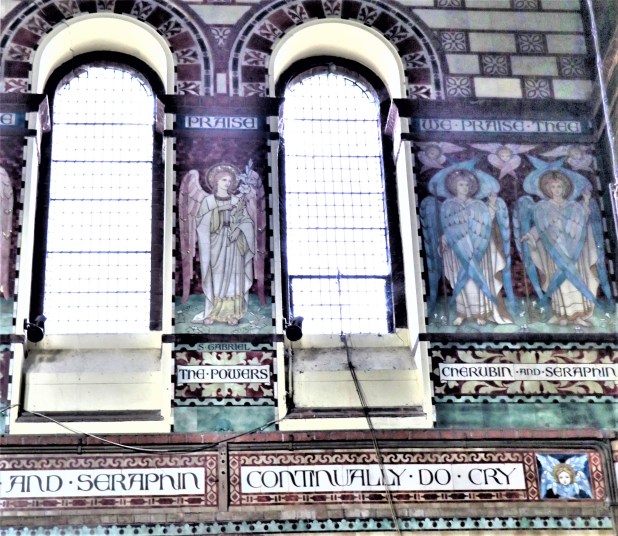
Praise ~The Powers ~ We Praise Thee ~ Cherubin and Seraphin

They never completed the South wall because they ran out of money.
We were in Oxford during the grieving period for Queen Elizabeth II.

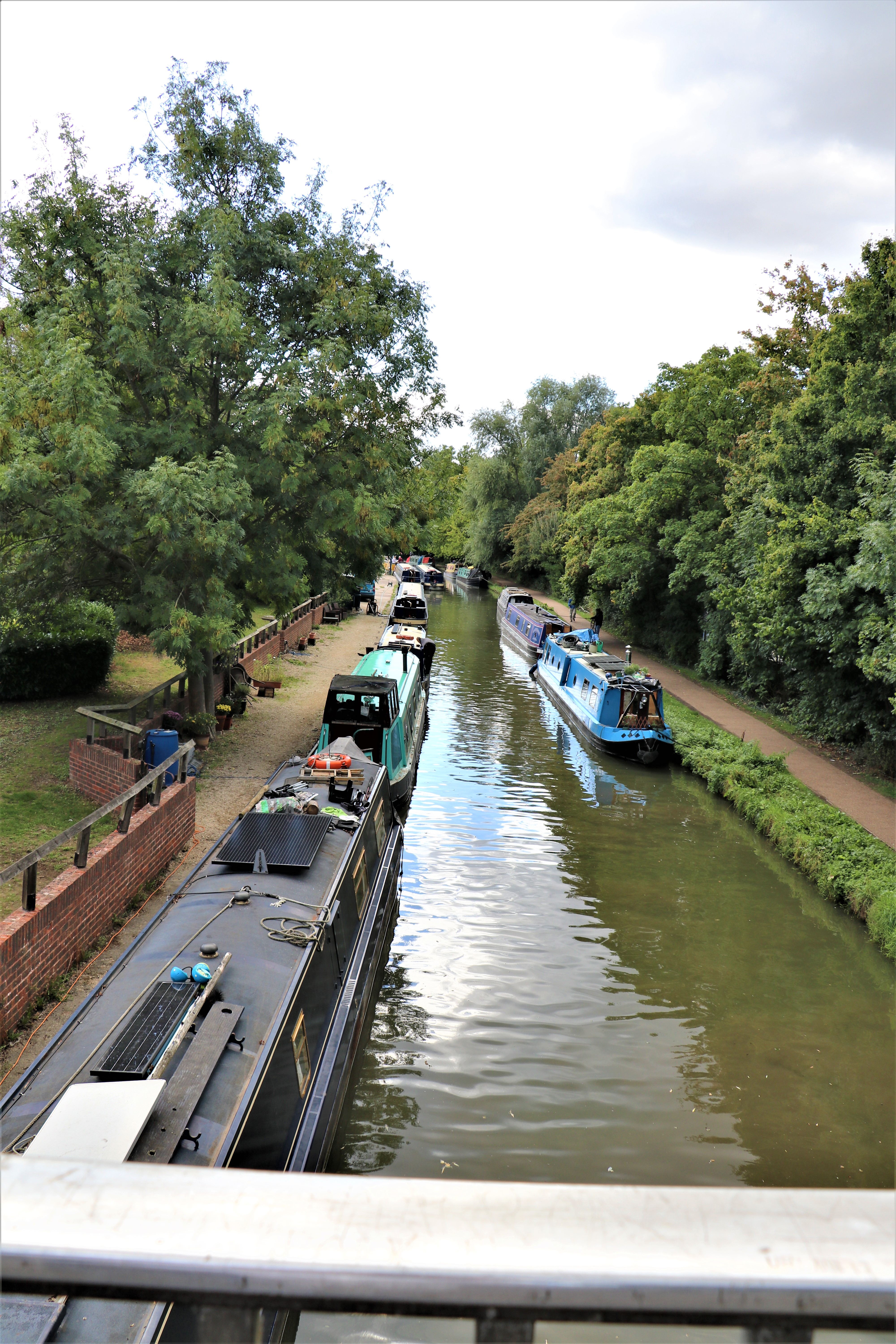
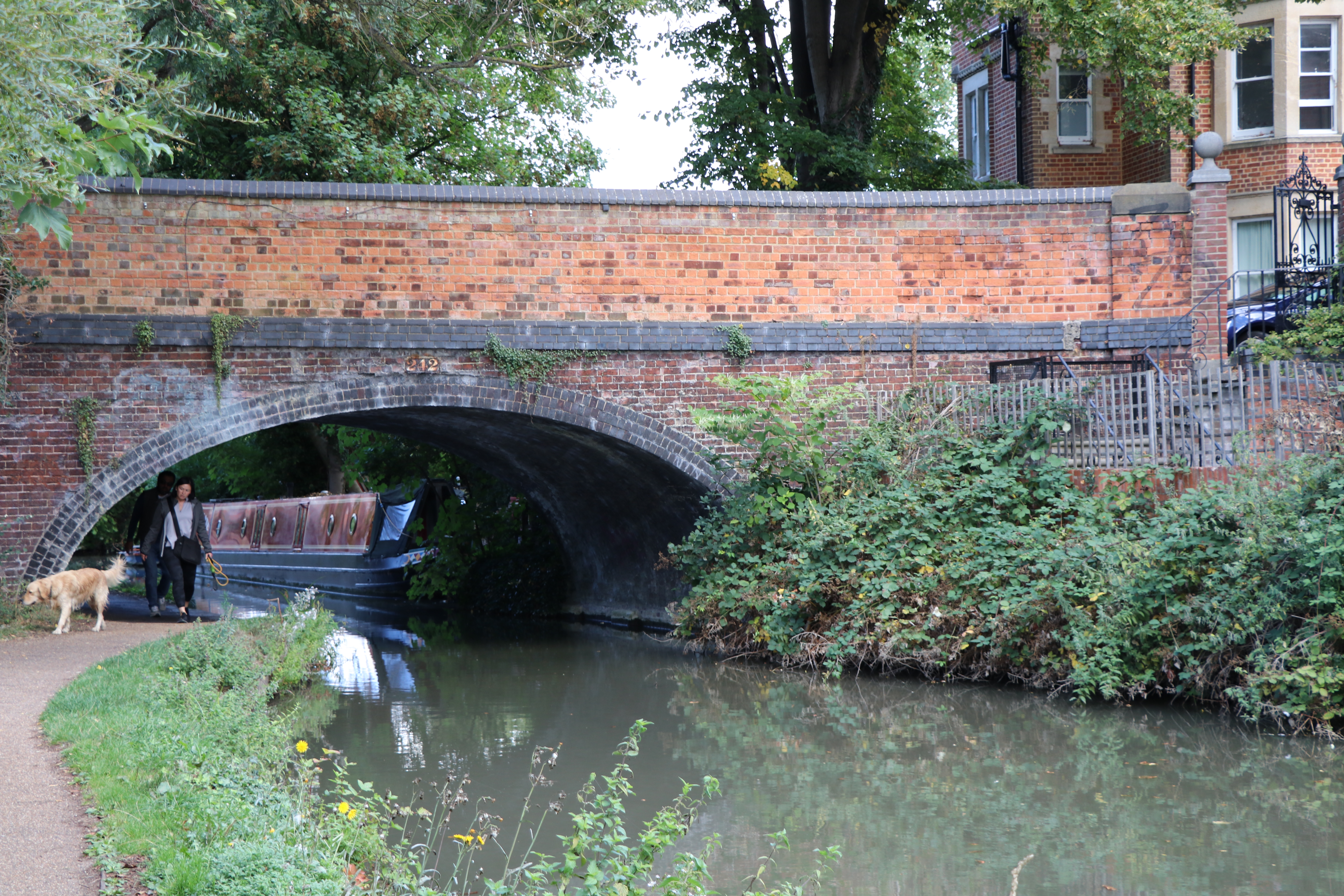
We left the church and continued walking north and made our way to the path along the Oxford Canal on to Walton Well Rd. We crossed the Walton Well Bridge which connected us to Walton Road.

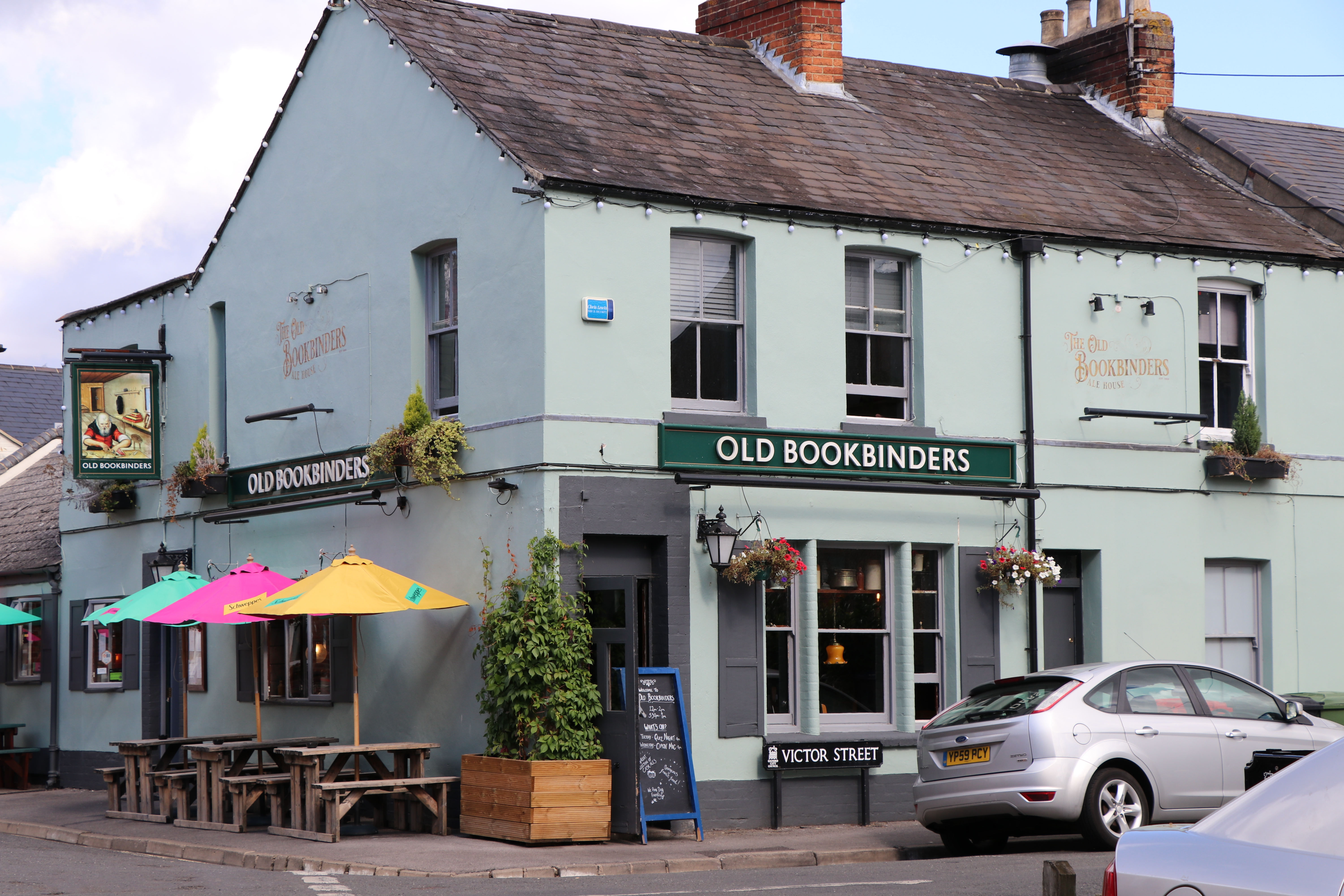
On the way to the canal we passed Old Bookbinders and it was still too early to enjoy a refreshment there.
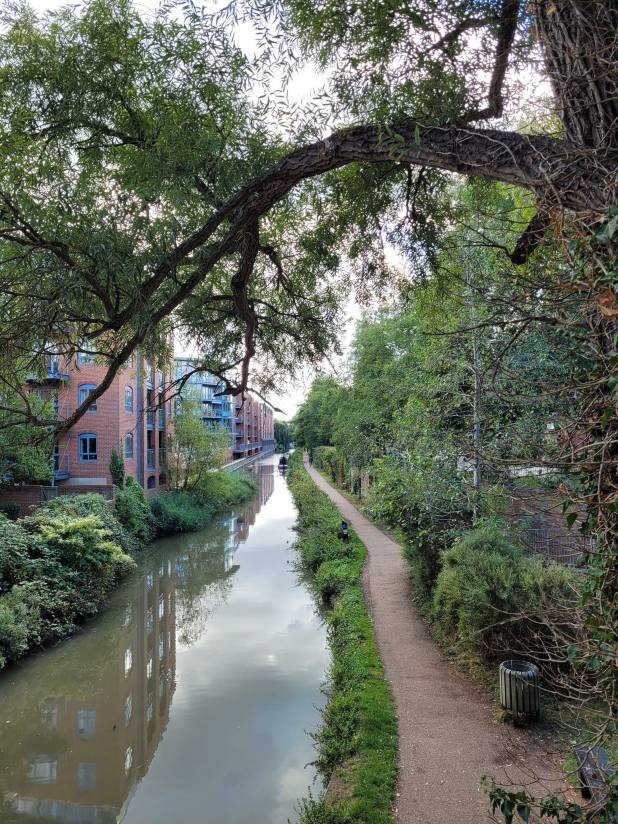
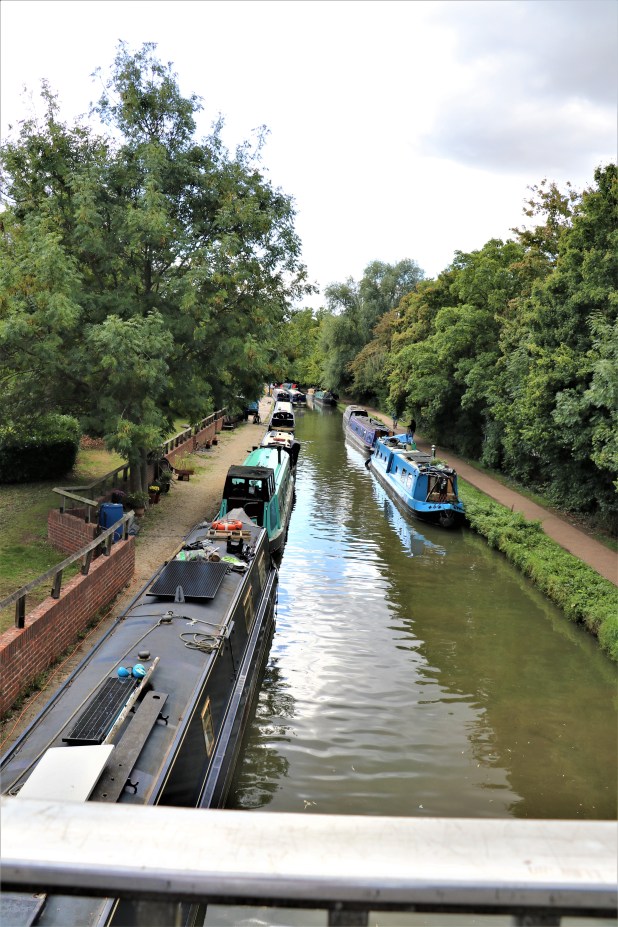
 

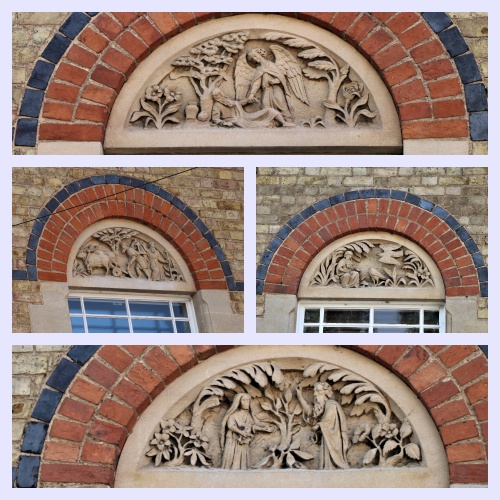
Along Walton Well Rd. were a group of terrace residences nos 11-25 which included these finely carved scenes from the life of Elijah on the arches above the first floor windows, with the prophet being fed by ravens at one end of the terrace and whisked up to heaven at the other.
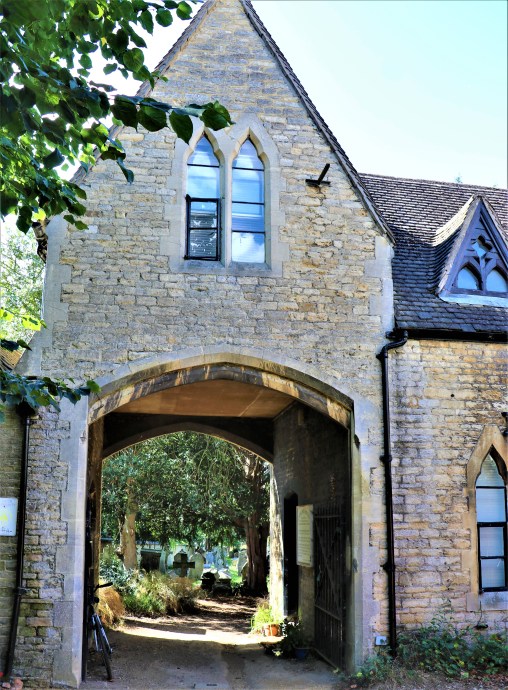
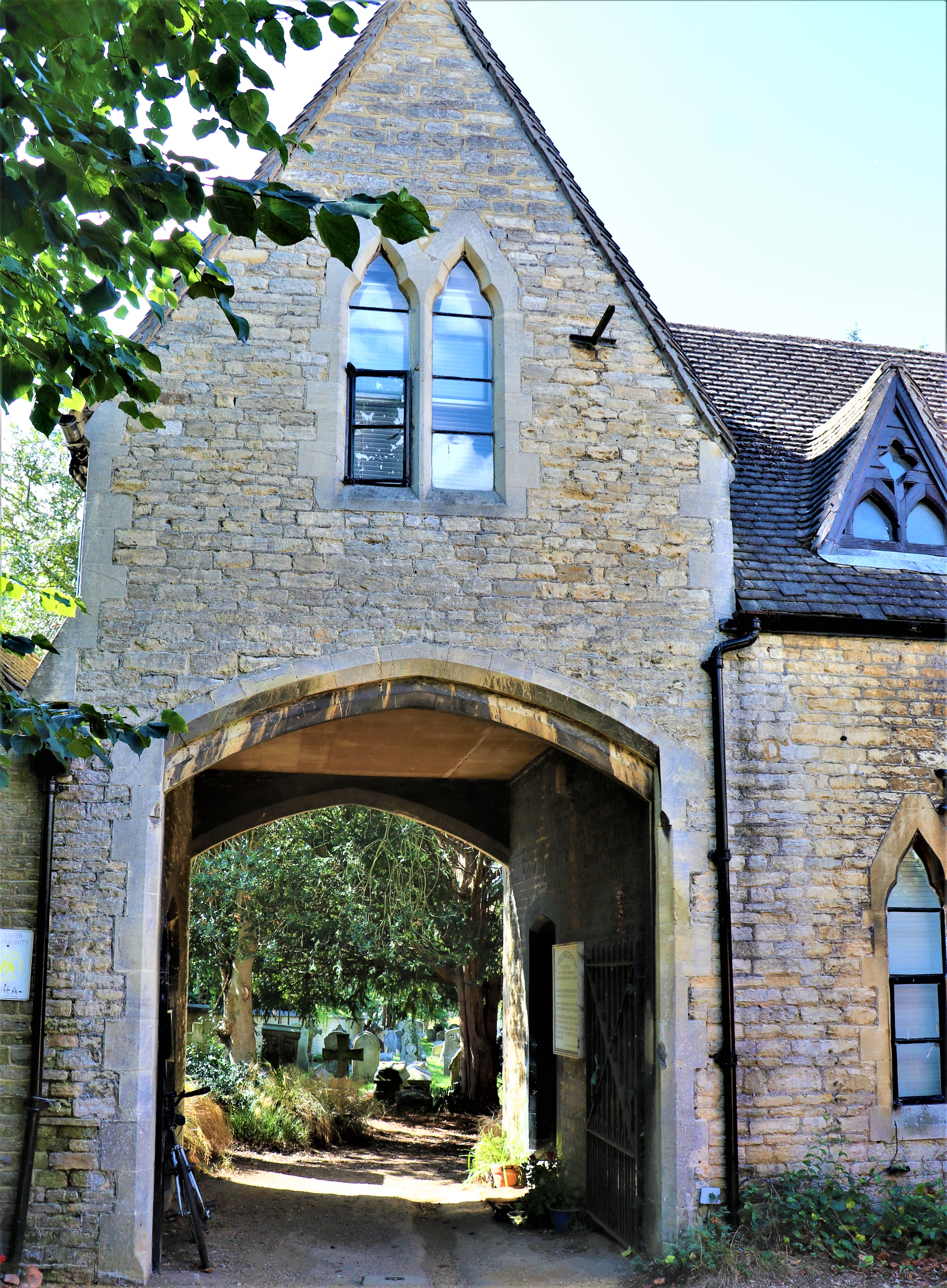
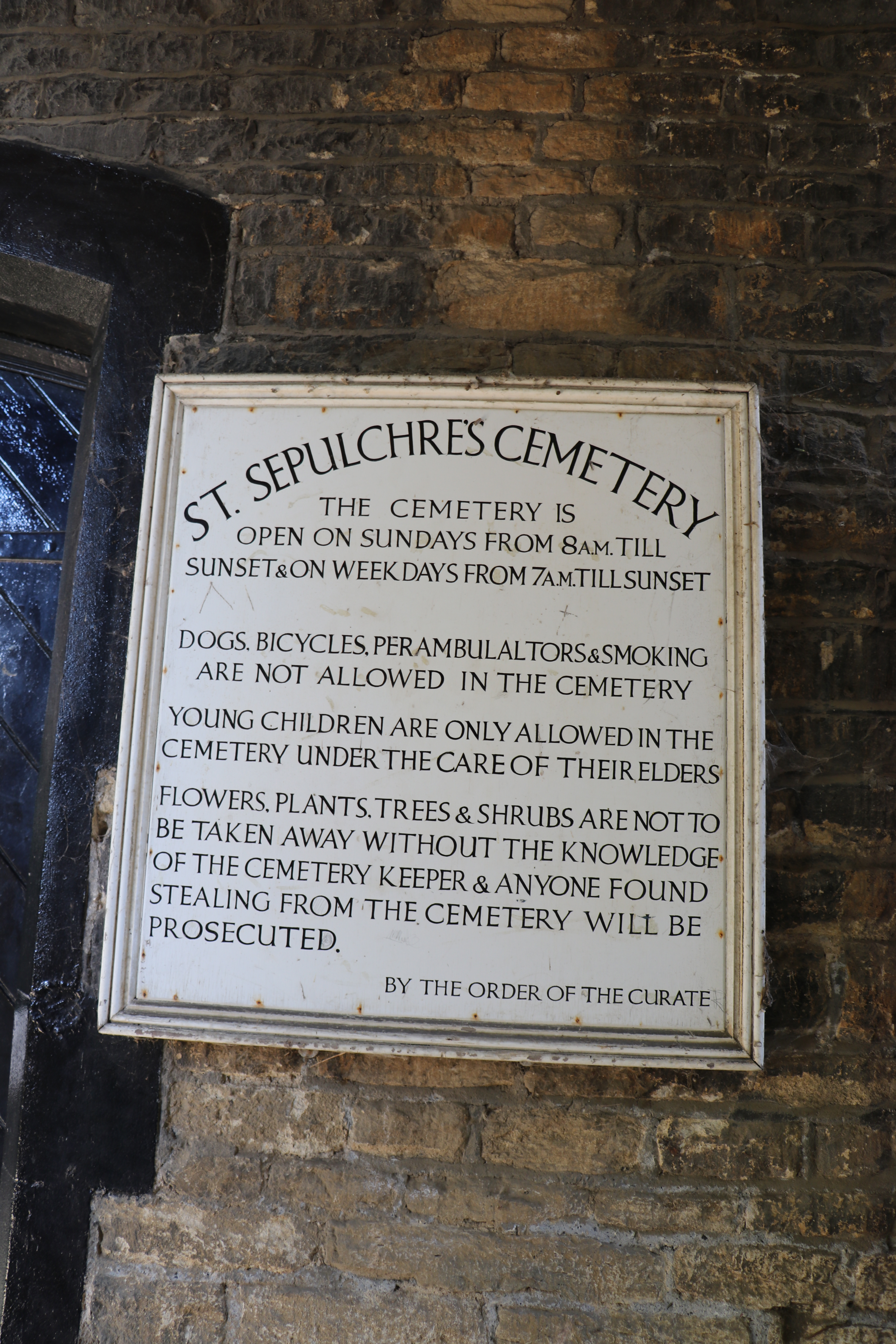
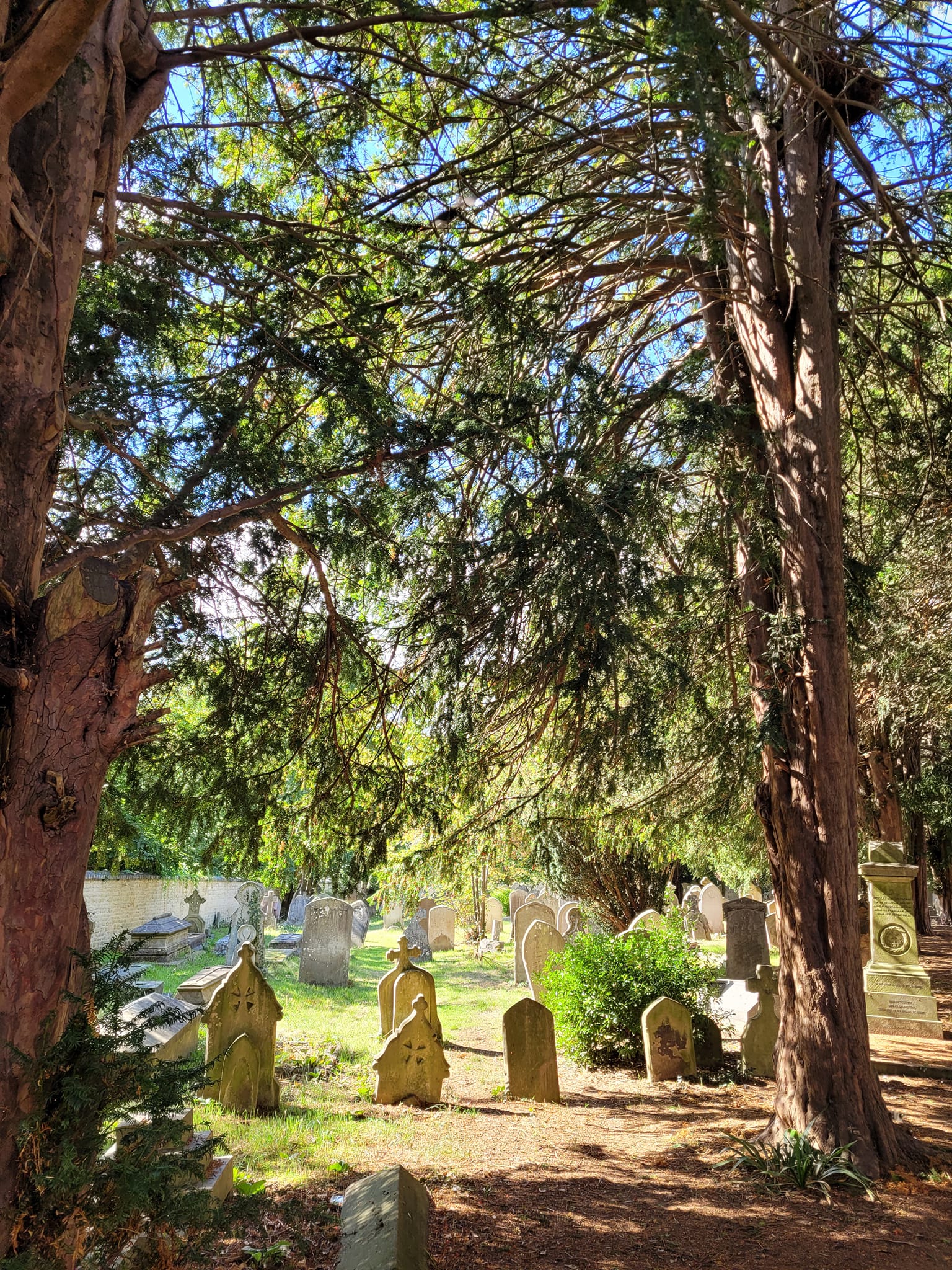
After we turned south on to Walton Road we came to the entrance to St. Sepulchre’s Cemetery.
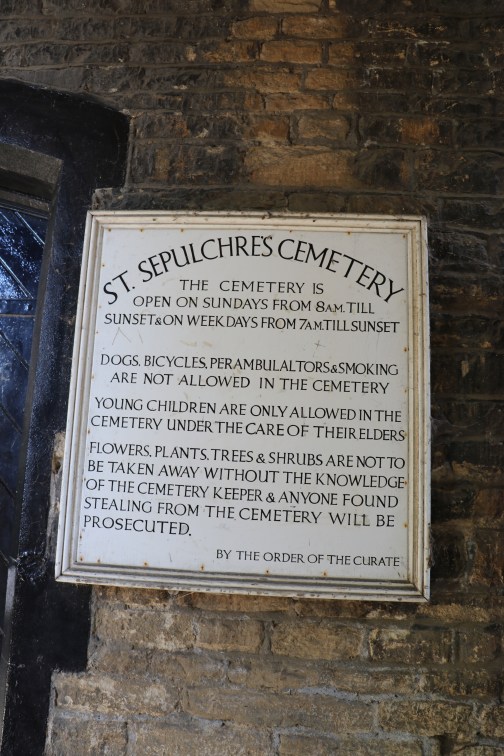
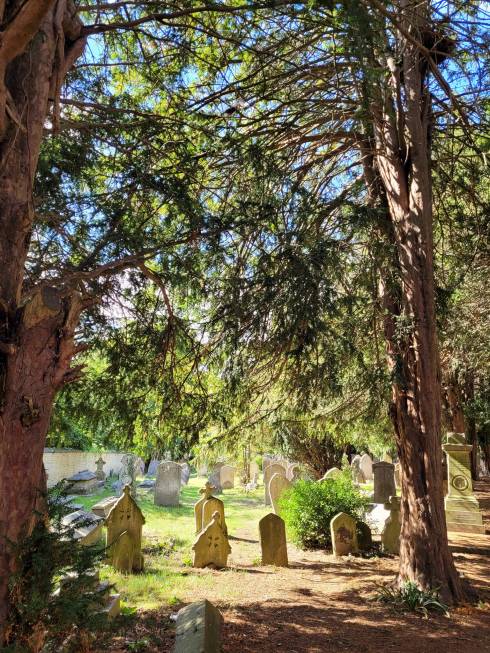
We spent some time here poking around and then it was time to move on to wet our whistle.

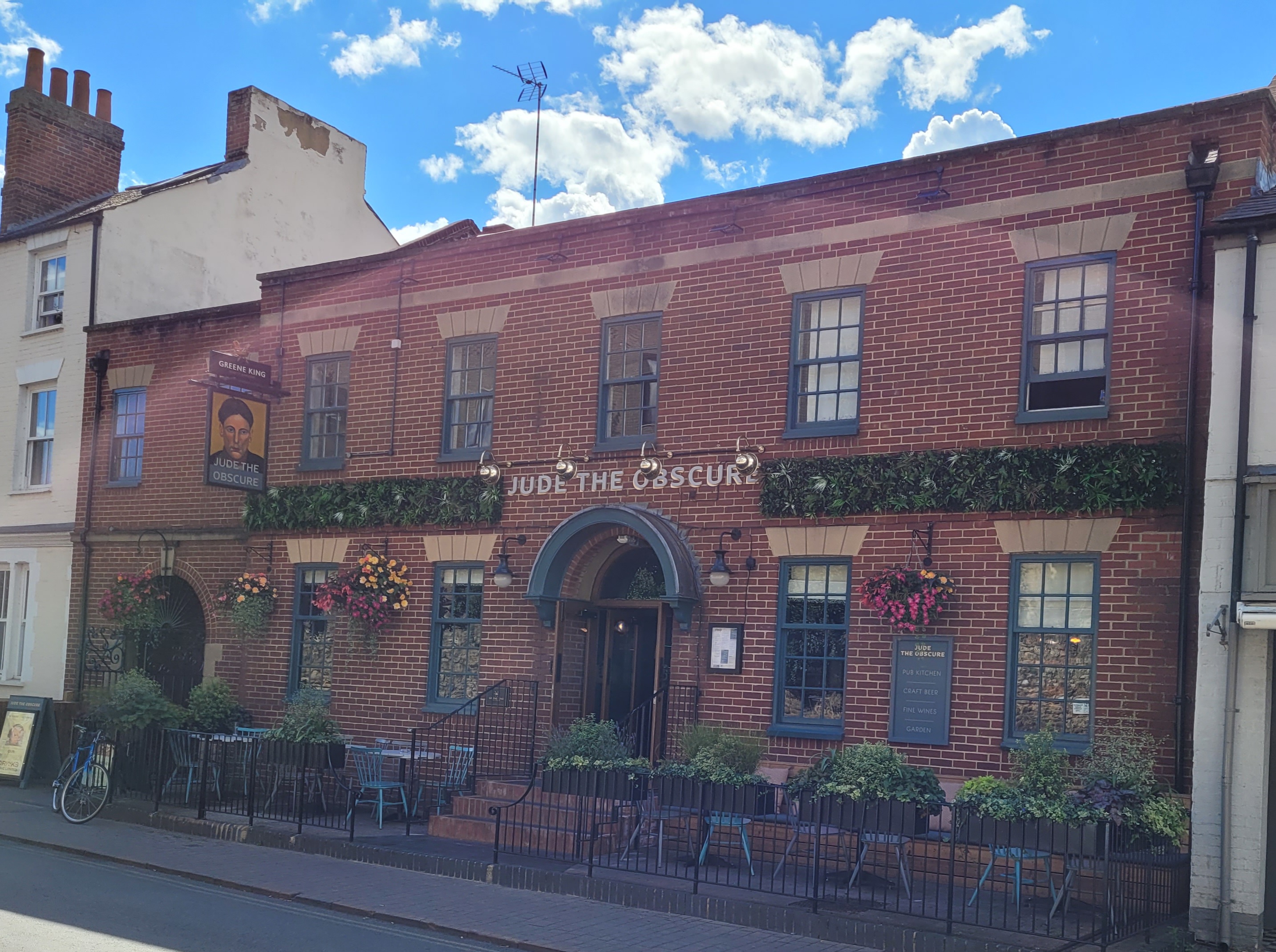
We thought we were ready for some Fish and Chips, too. We stopped at the Jericho Tavern, no fish and chips. We stopped at Jude the Obscure, no fish and chips.
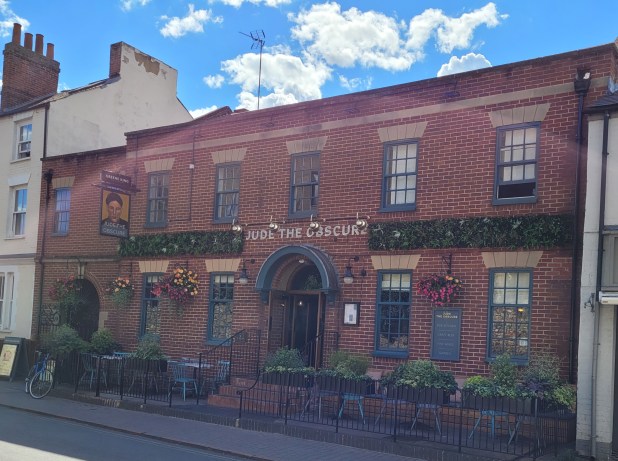
We decided to head further south and east taking Little Clarendon St. where we discovered the wonderful Gail’s Bakery and bought a couple goodies to enjoy later. We were still on our quest for Fish and Chips.

We found the Lamb and Flag where The Inklings (C.S. Lewis/Tolkien) were known to frequent off St. Giles but alas it was closed for renovations. Bird and Baby or Eagle and Child has been closed for 2 years and there were no signs of renovations when we walked past.

Our Fish and Chips hunt was becoming a real challenge. Walking along St. Giles we popped into The Randolph and sat down in the Alice dining room.

After being ignored for well over our usual tolerance level we walked out and continued our quest along George St. and tried the Wig and Pen and to our dismay they were out of Fish and Chips, too.

At this point we decided to go back to Broad and head over to our fast becoming favorite The Turf Tavern.

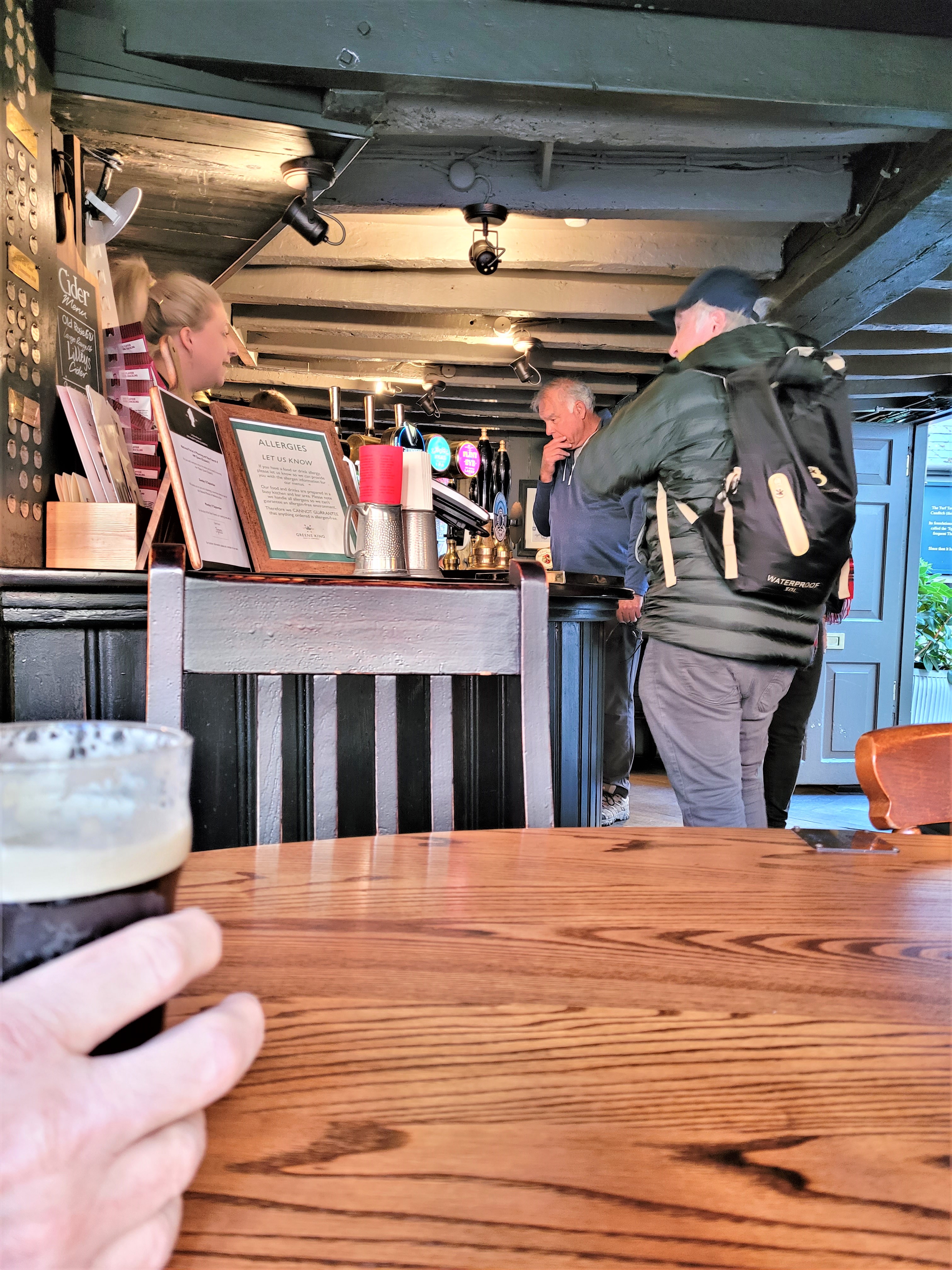
We sat at table #1 and waited for our Fish and Chips because they had not run out!
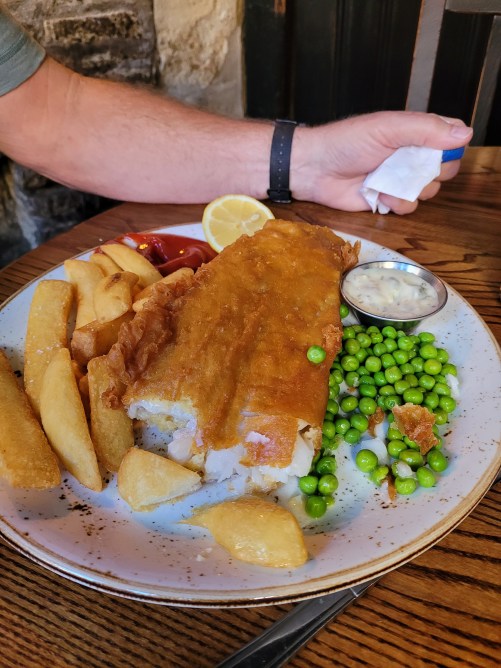
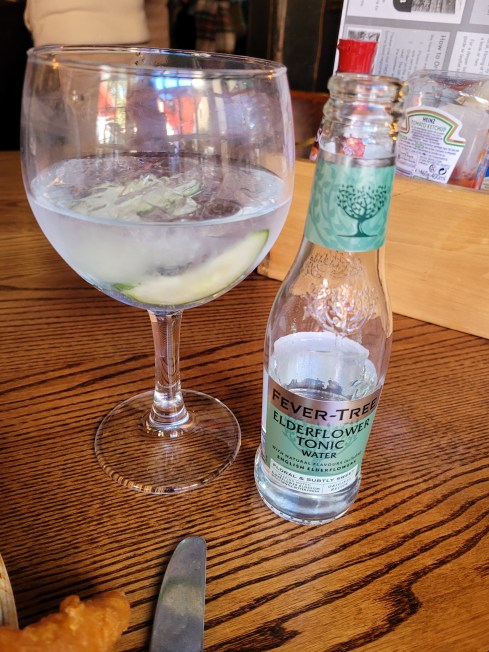
Cheers from the Turf Tavern! The end of a long walking day in Oxford overrun by prospective students and their parents who all decided to eat up the Fish and Chips! Thankfully they didn’t all try to find the Turf Tavern tucked away from the main streets of town.

***************************************************************************

Back to the present. Today begins the week of Thanksgiving here in the U.S.A. Thursday is Thanksgiving Day. We are looking forward to all of our kids being together. The west siders arrive on Thursday and Friday. Thanksgiving day we will be at our Colville kids’ home for our Thanksgiving meal. Friday and Saturday we’ll spend time at our country bungalow all together. We will be counting our blessings together.

World Cup started yesterday and our TV service is set to record all the games. I’m a huge soccer fan. The USA has two of our Seattle Sounders on the roster. The team from Ecuador has one of our players and the team from Cameroon has one of our players, also.

Hope all is well in your corner of the world and you all recount the things you can be thankful for!
Cotswolds Tour Part 2

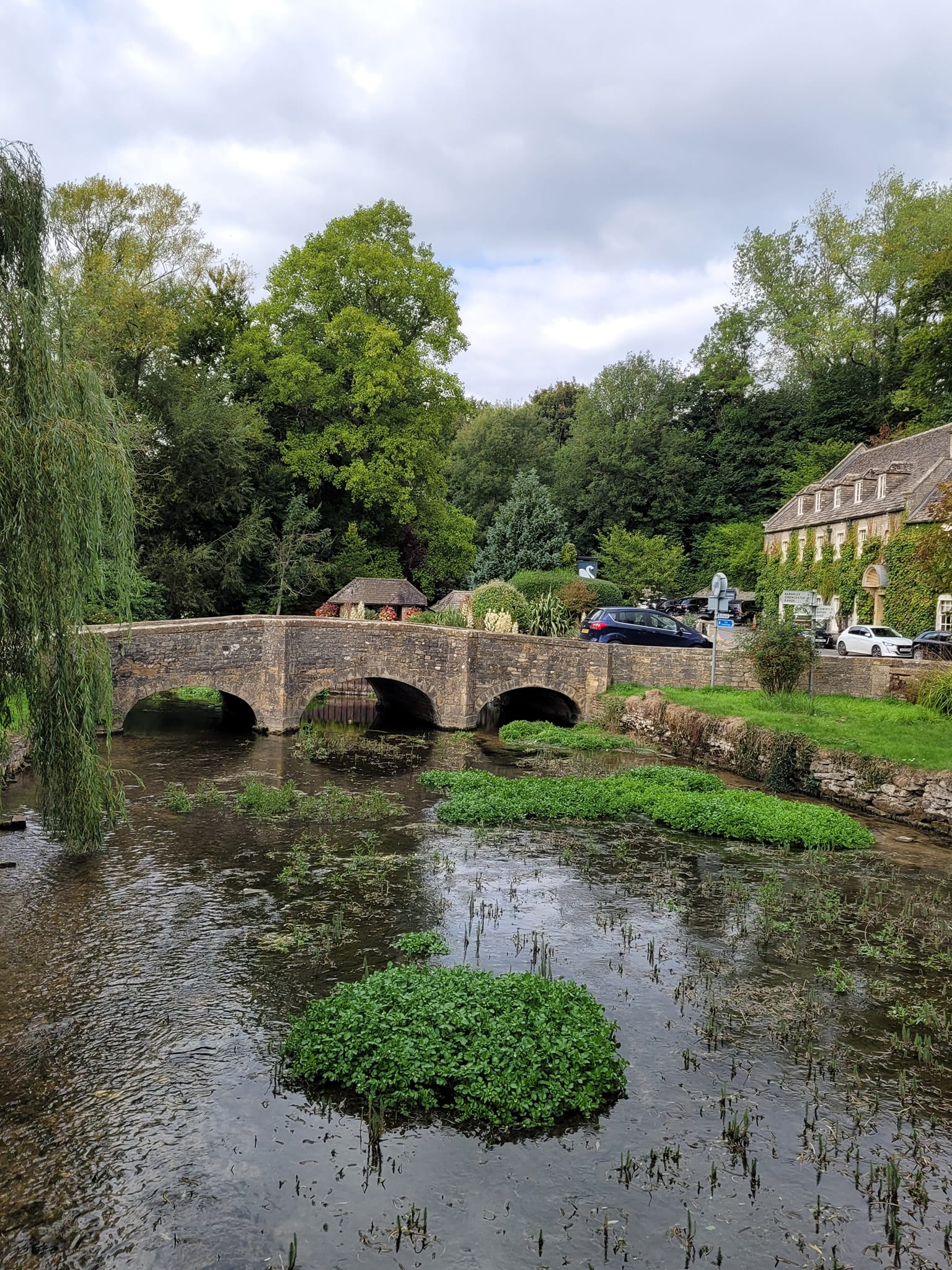
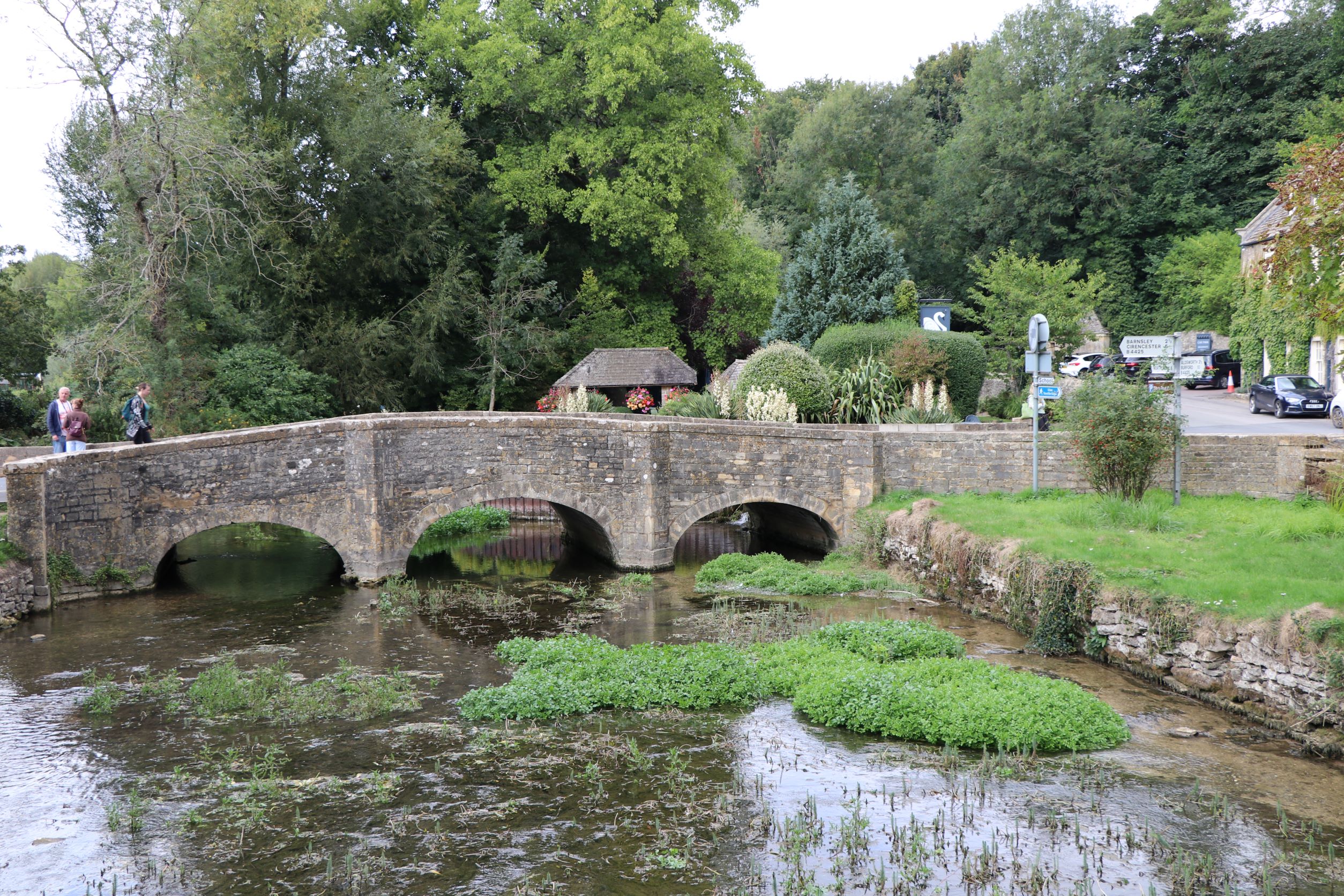
Bourton on the Water and Bibury were the last two villages in the Cotswolds that we visited on our Go Cotswolds Tour on Thursday September 15th.

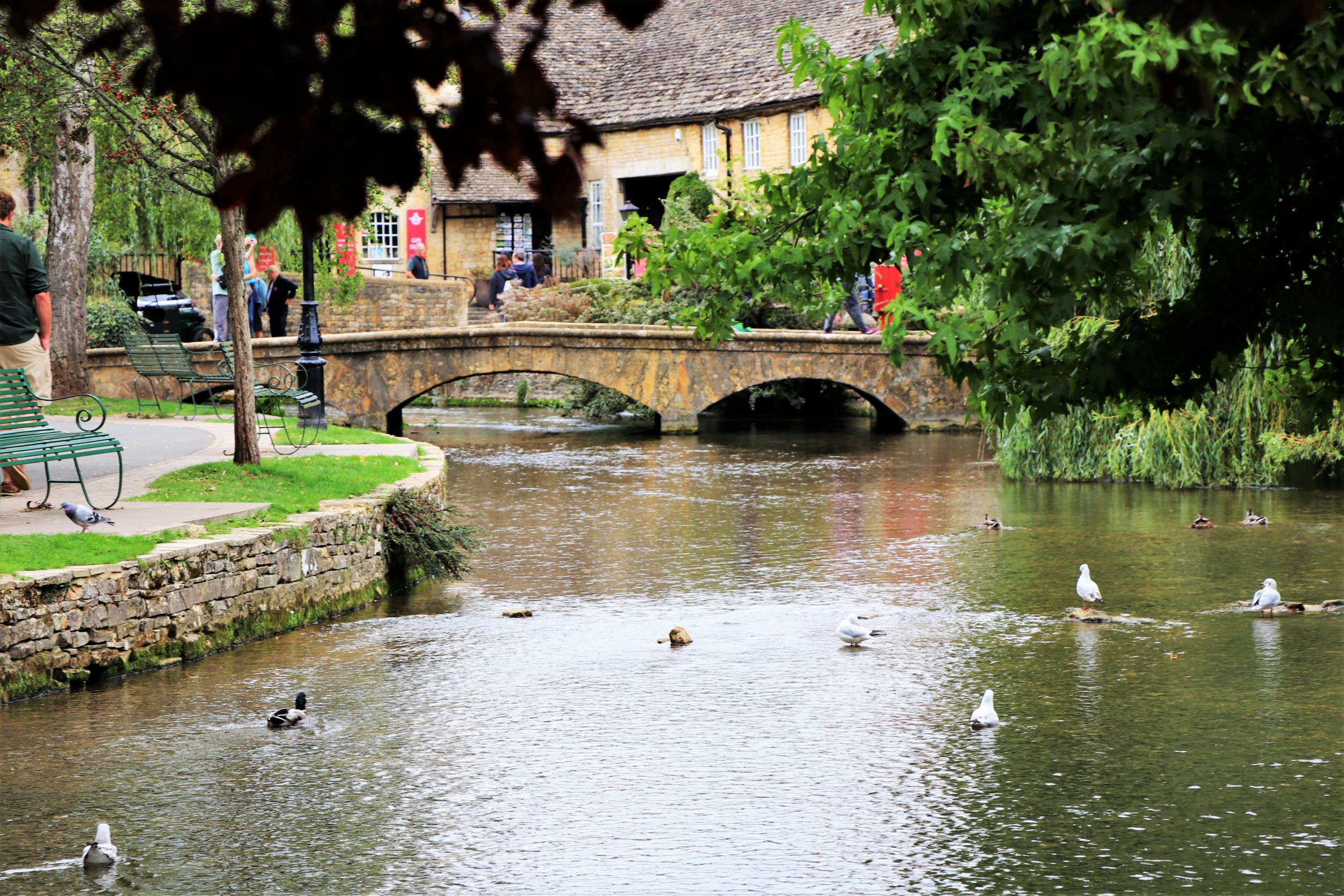
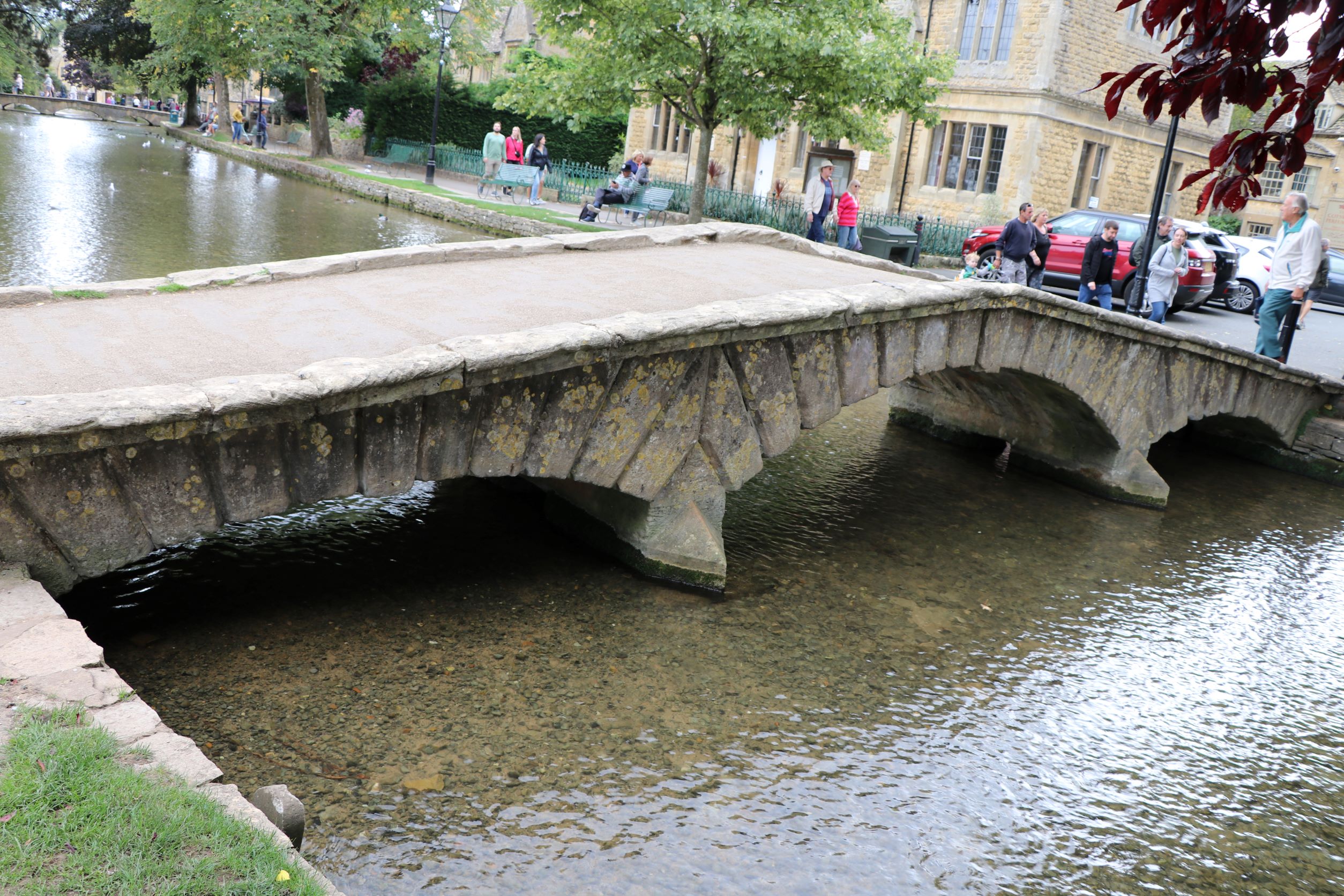
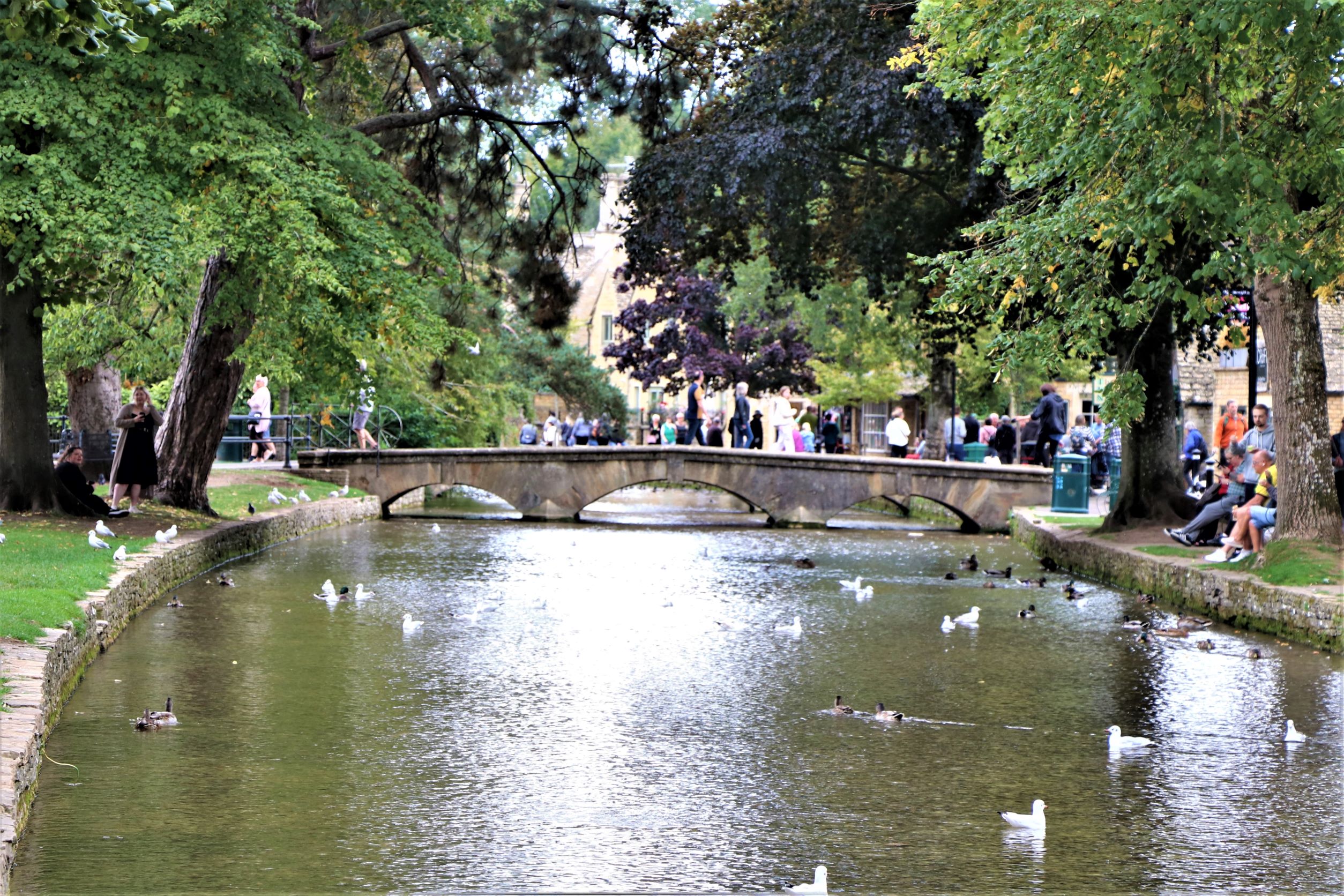
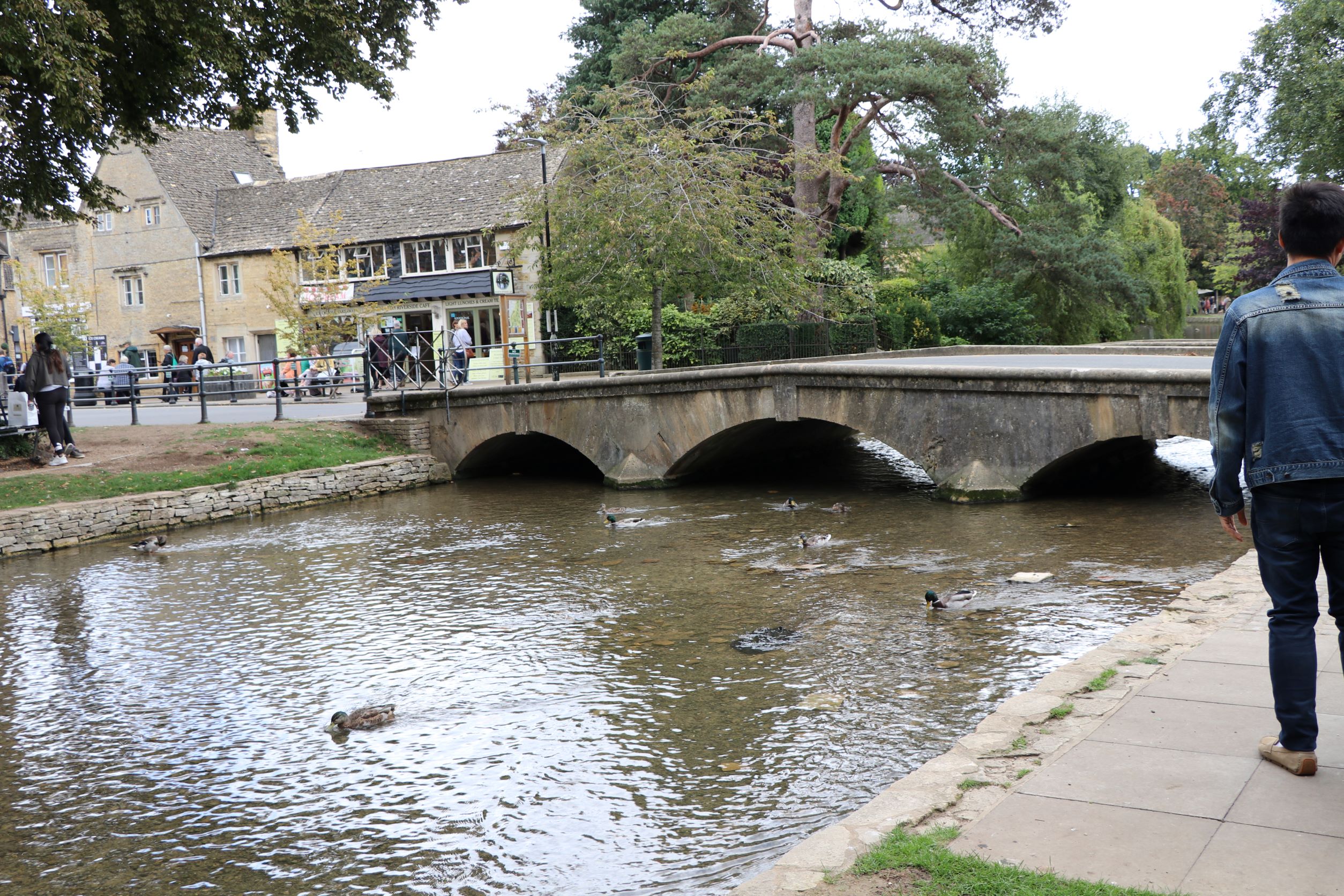
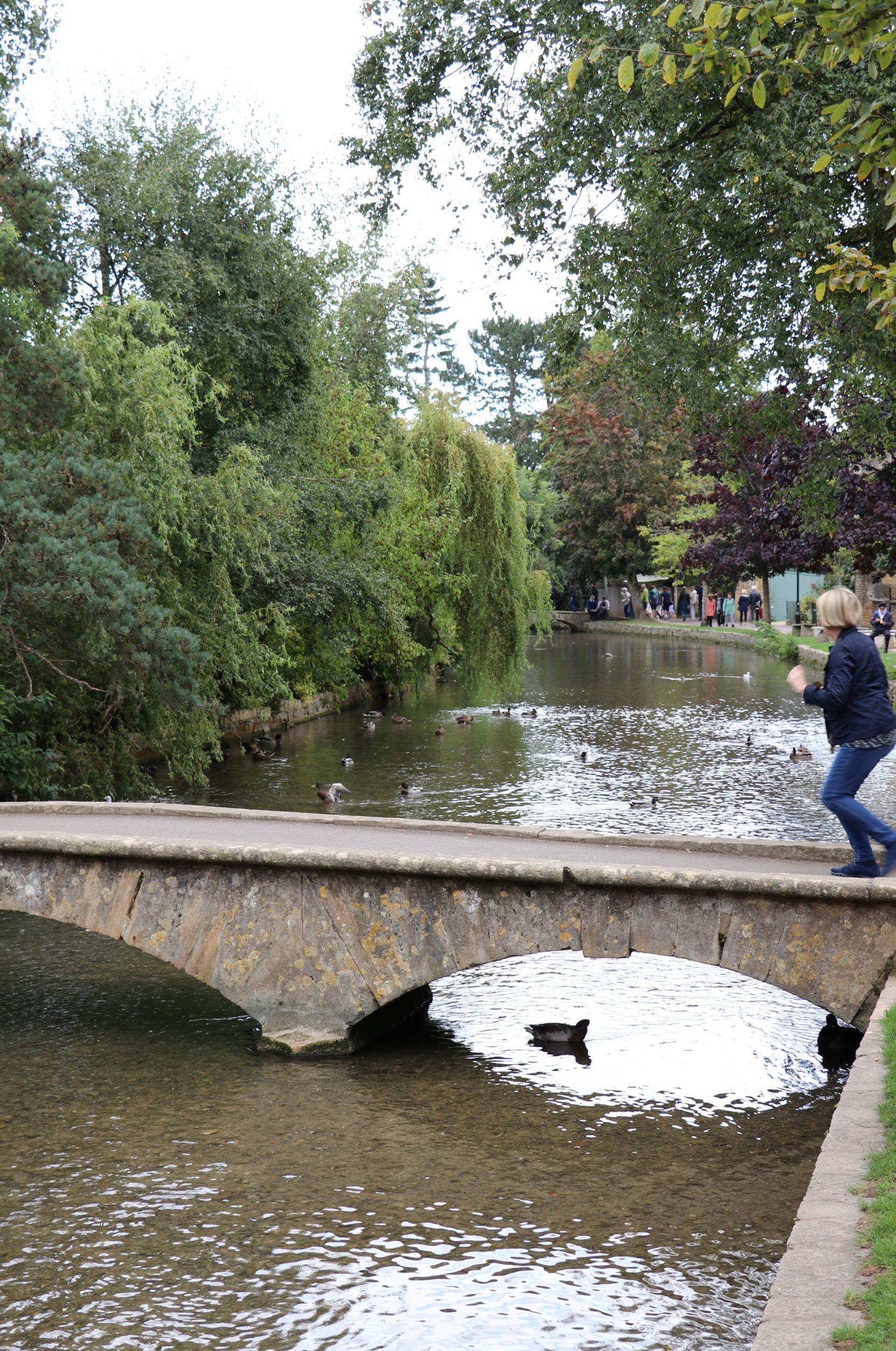
Bourton on the Water is known as the Venice of the Cotswolds. We had time to enjoy an ice cream cone, buy some take away hand pies, and buy a couple souvenirs in Bourton on the Water. There are 5 bridges over the water here. I’m not sure if I got a photo of all five.

While purchasing our ice cream we met a sweet older couple from Yorkshire who encouraged us to visit their part of England.

We visited Bourton on the Water in July of 2014 and to see the colors of summer in comparison to my Fall photos click over here.

After Bourton on the Water we traveled a short distance to Bibury.

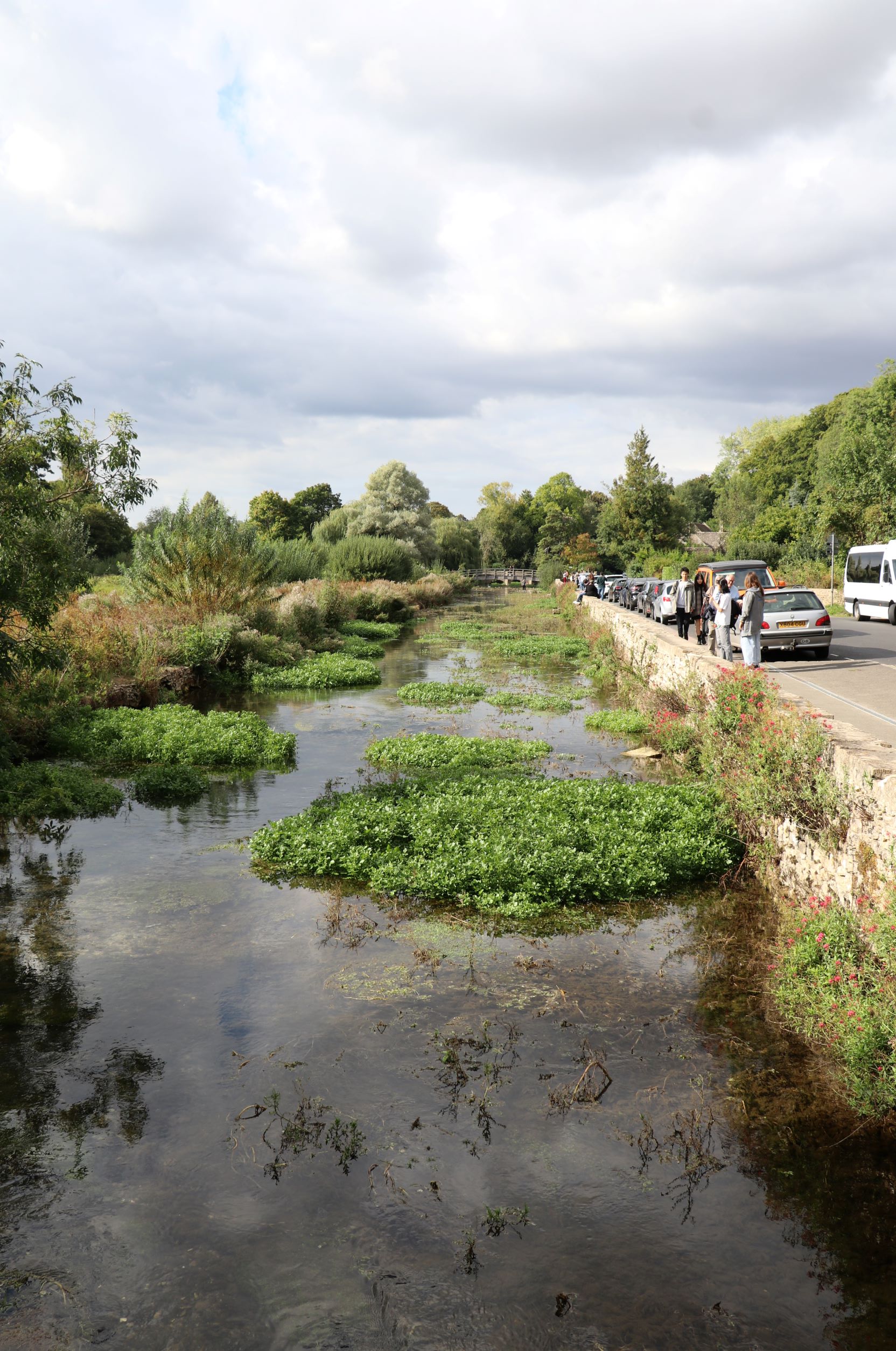
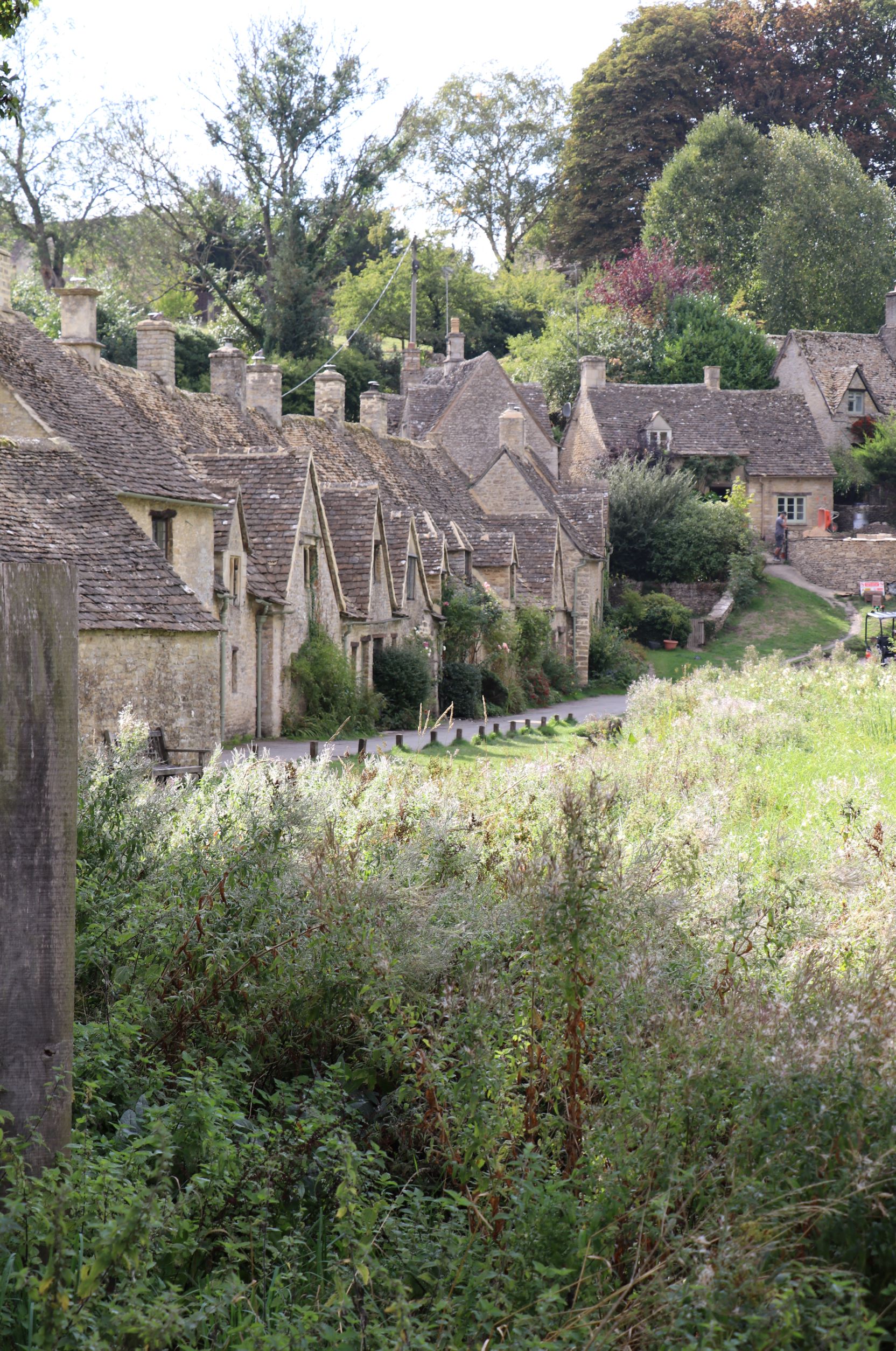
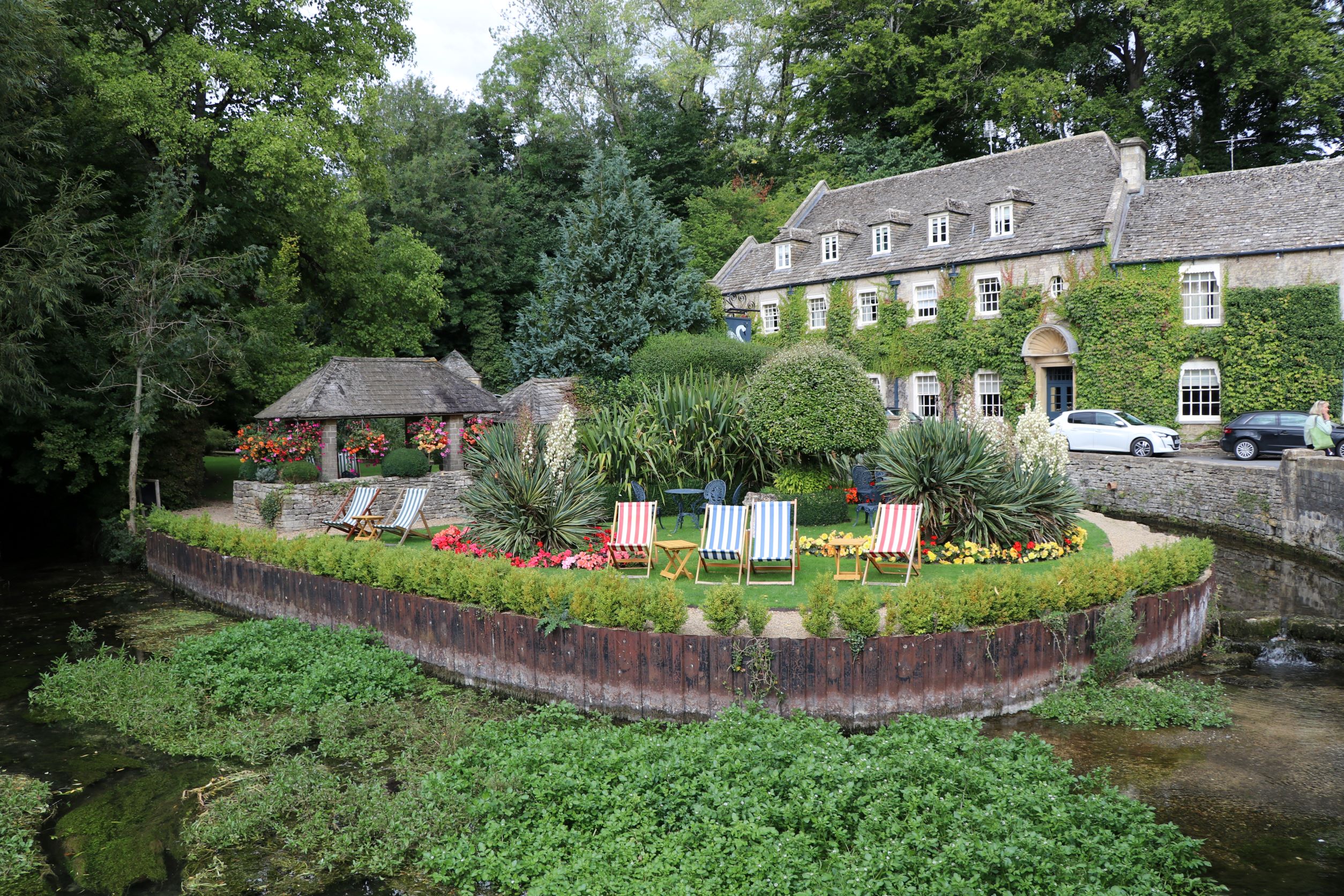
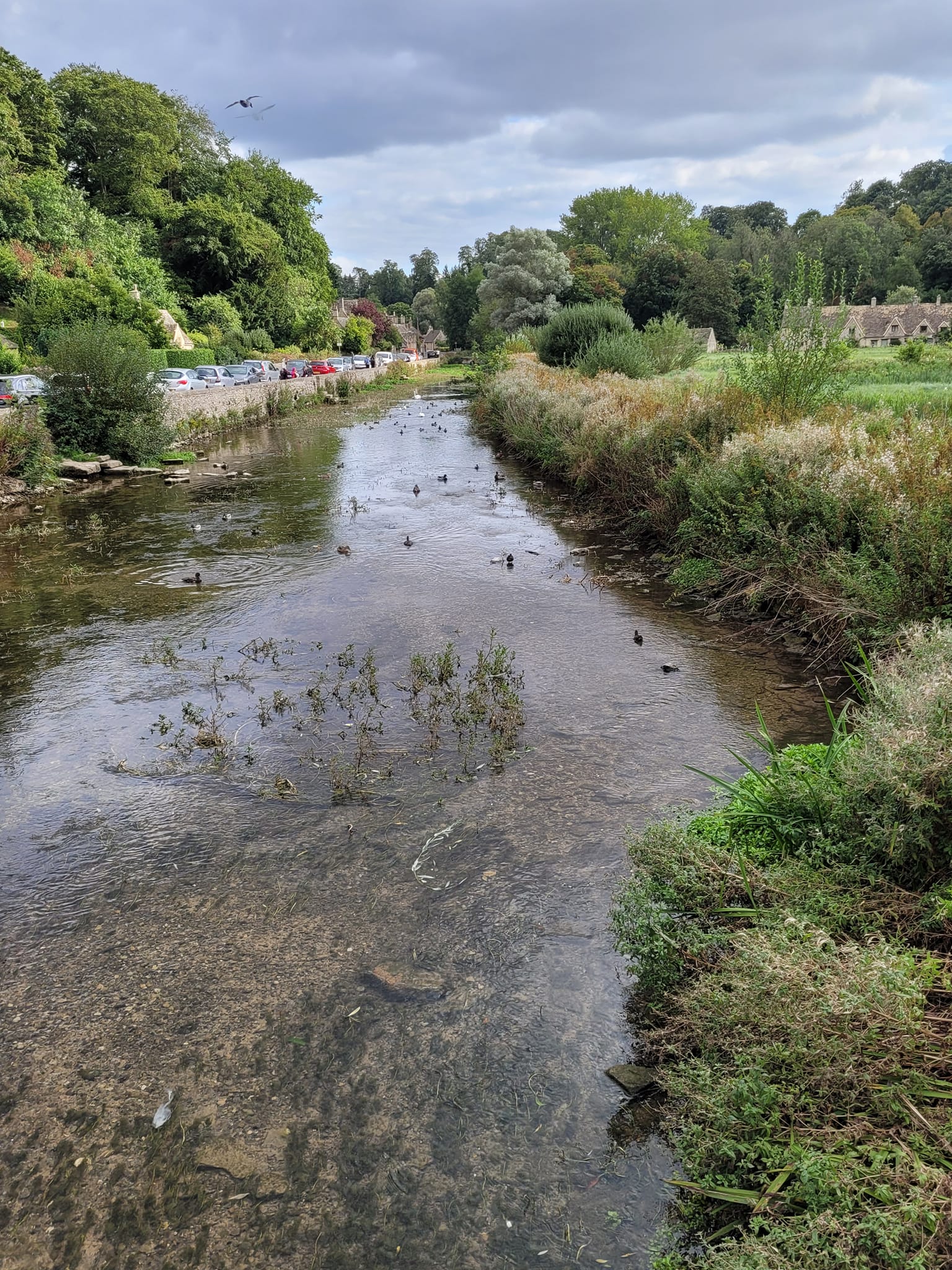
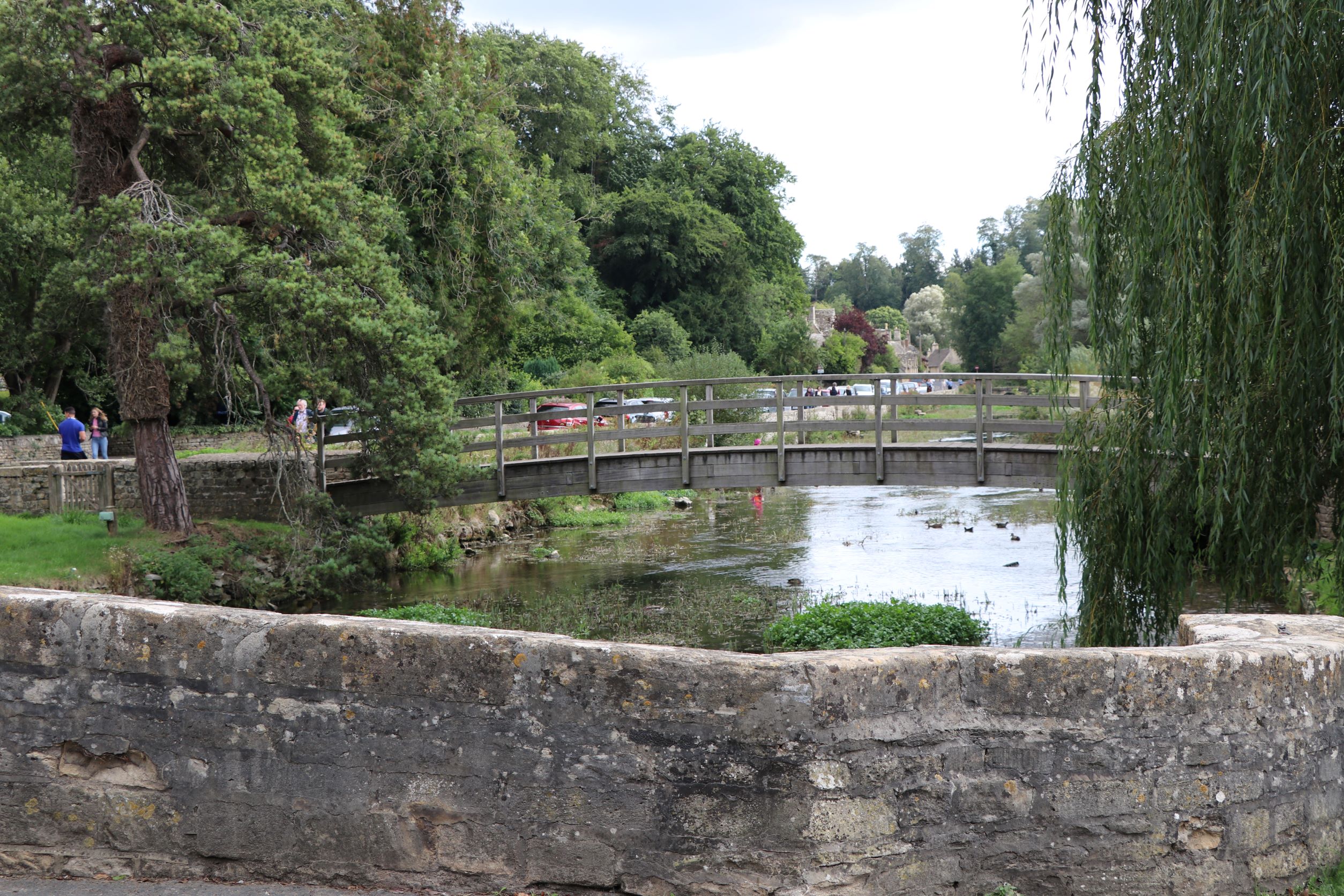
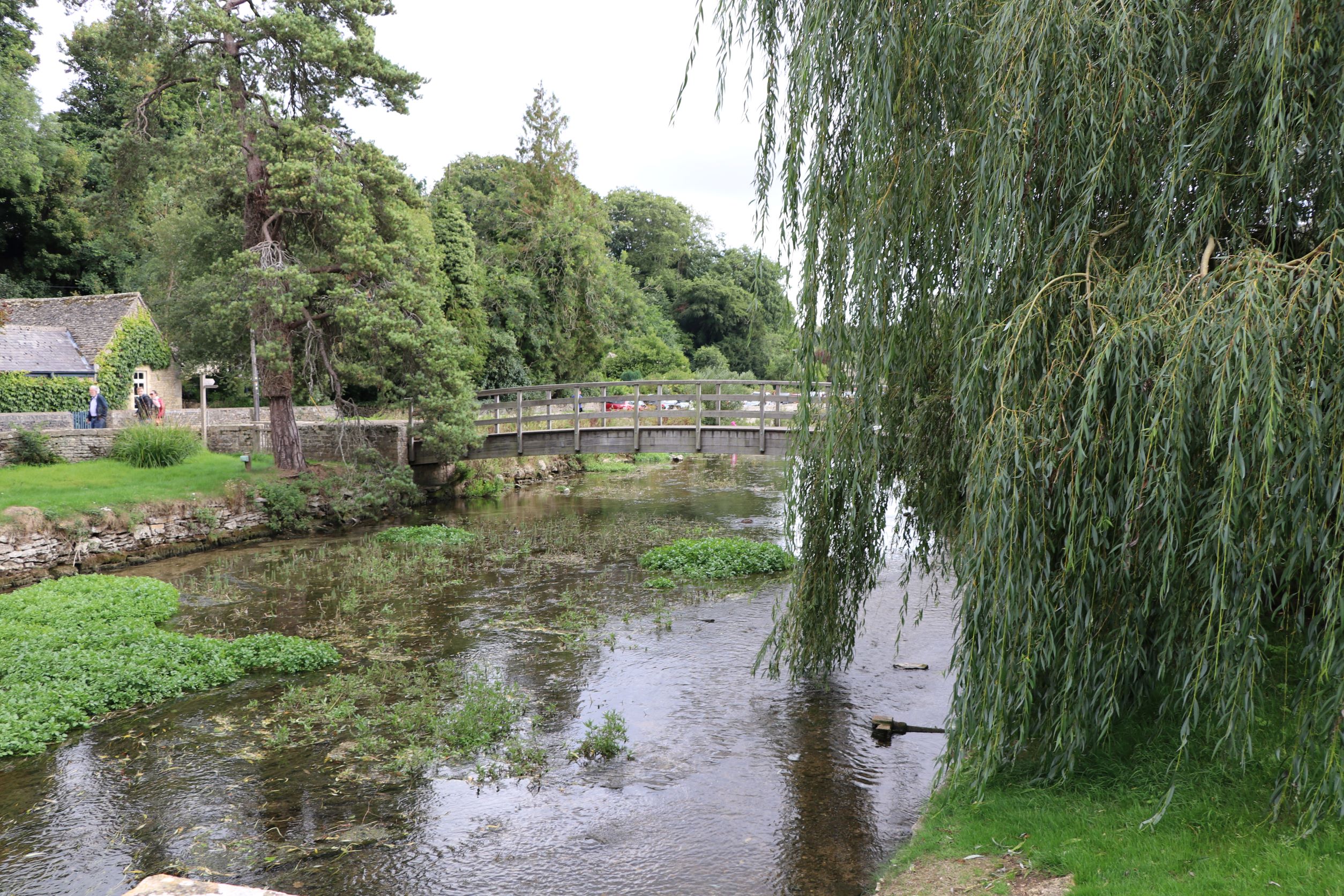
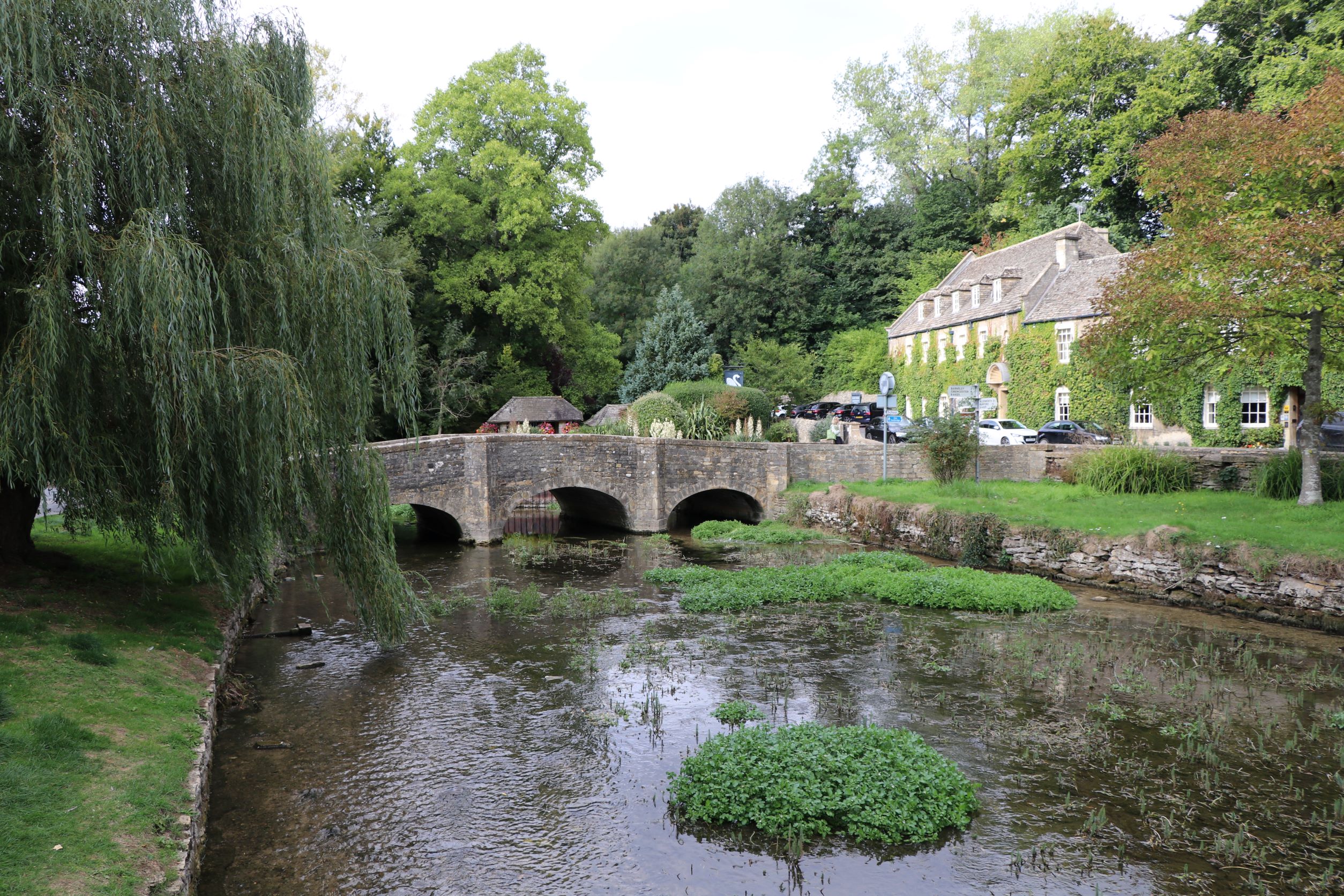
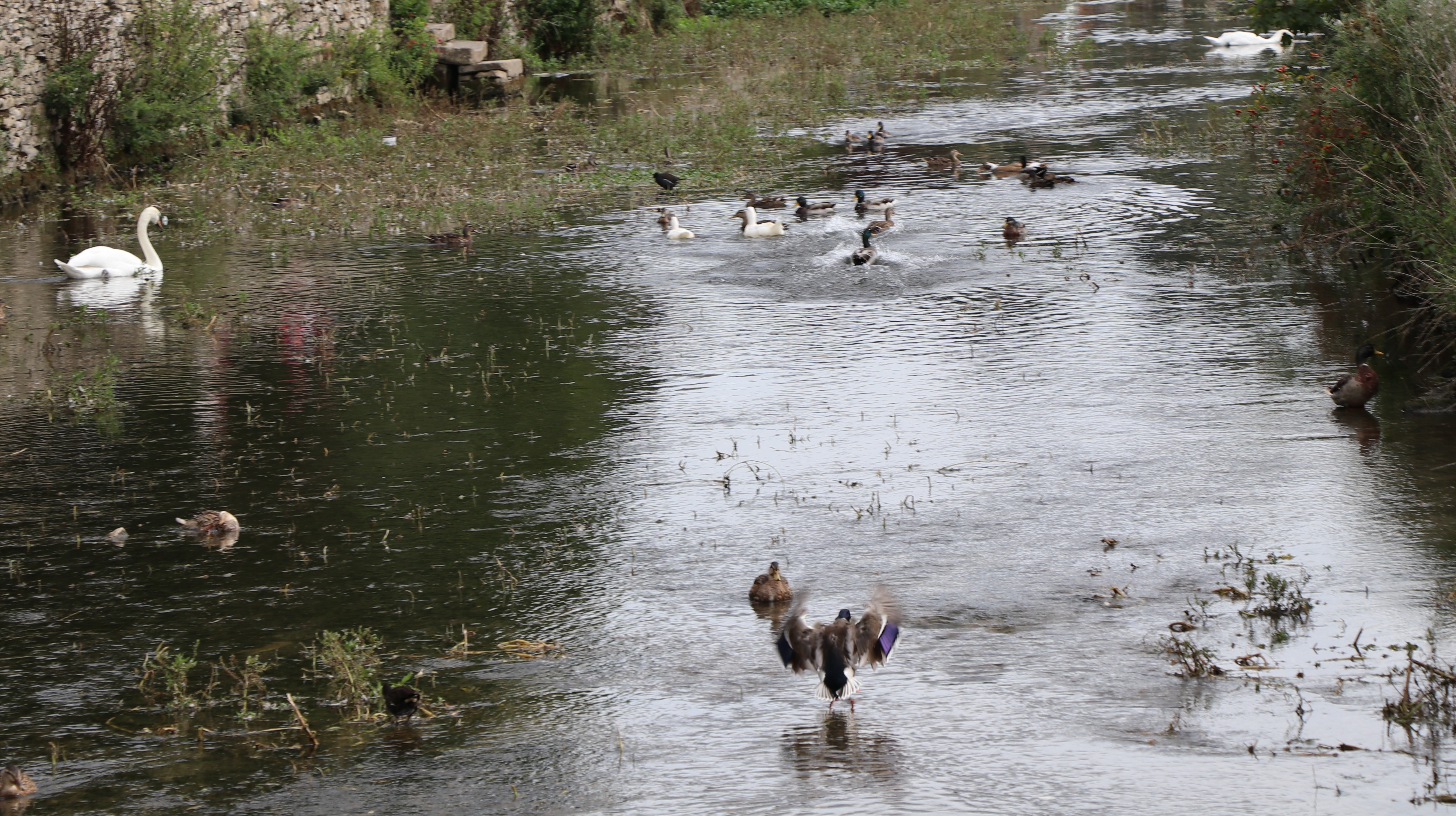
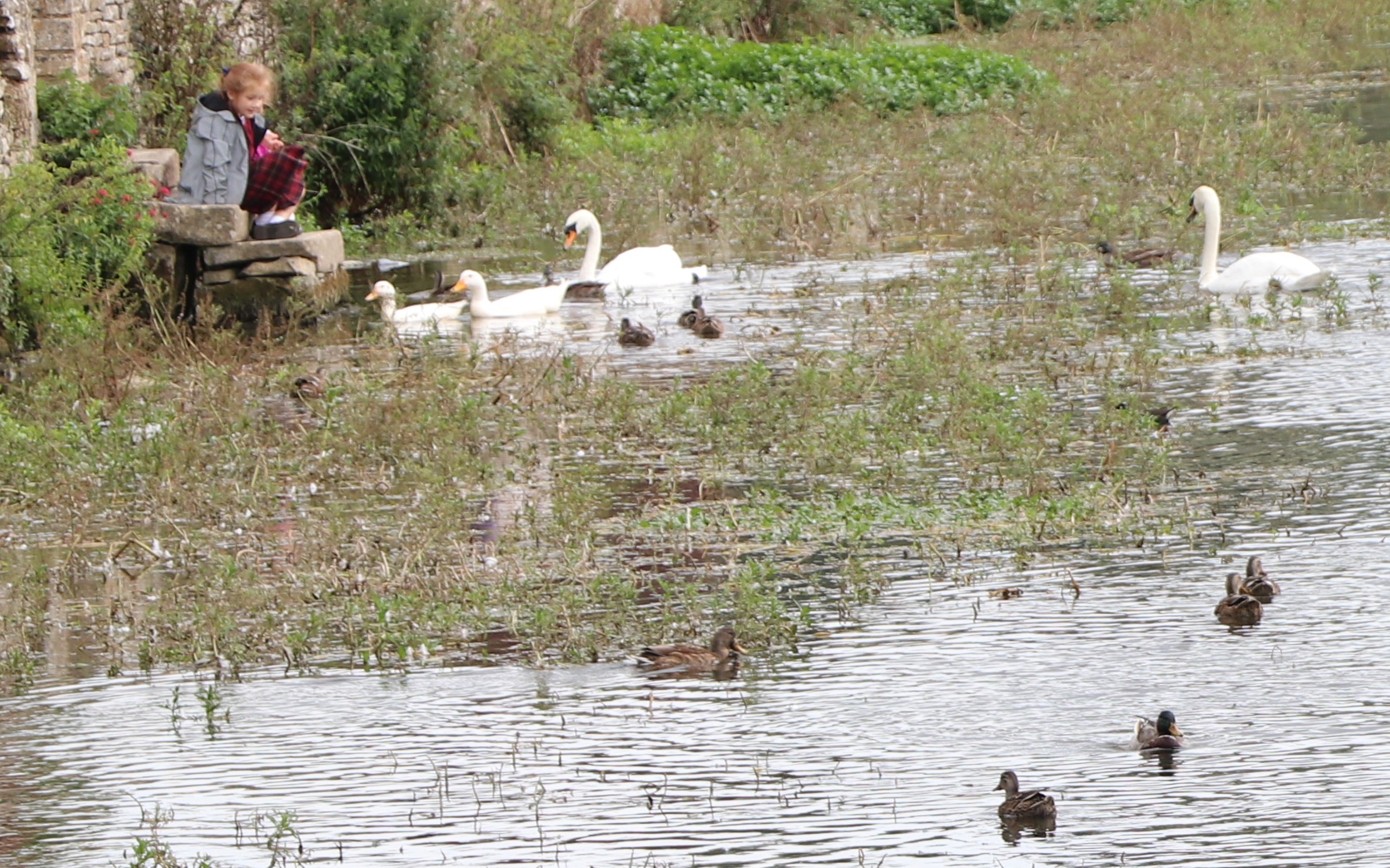
Bibury ‘the most beautiful village in England’.

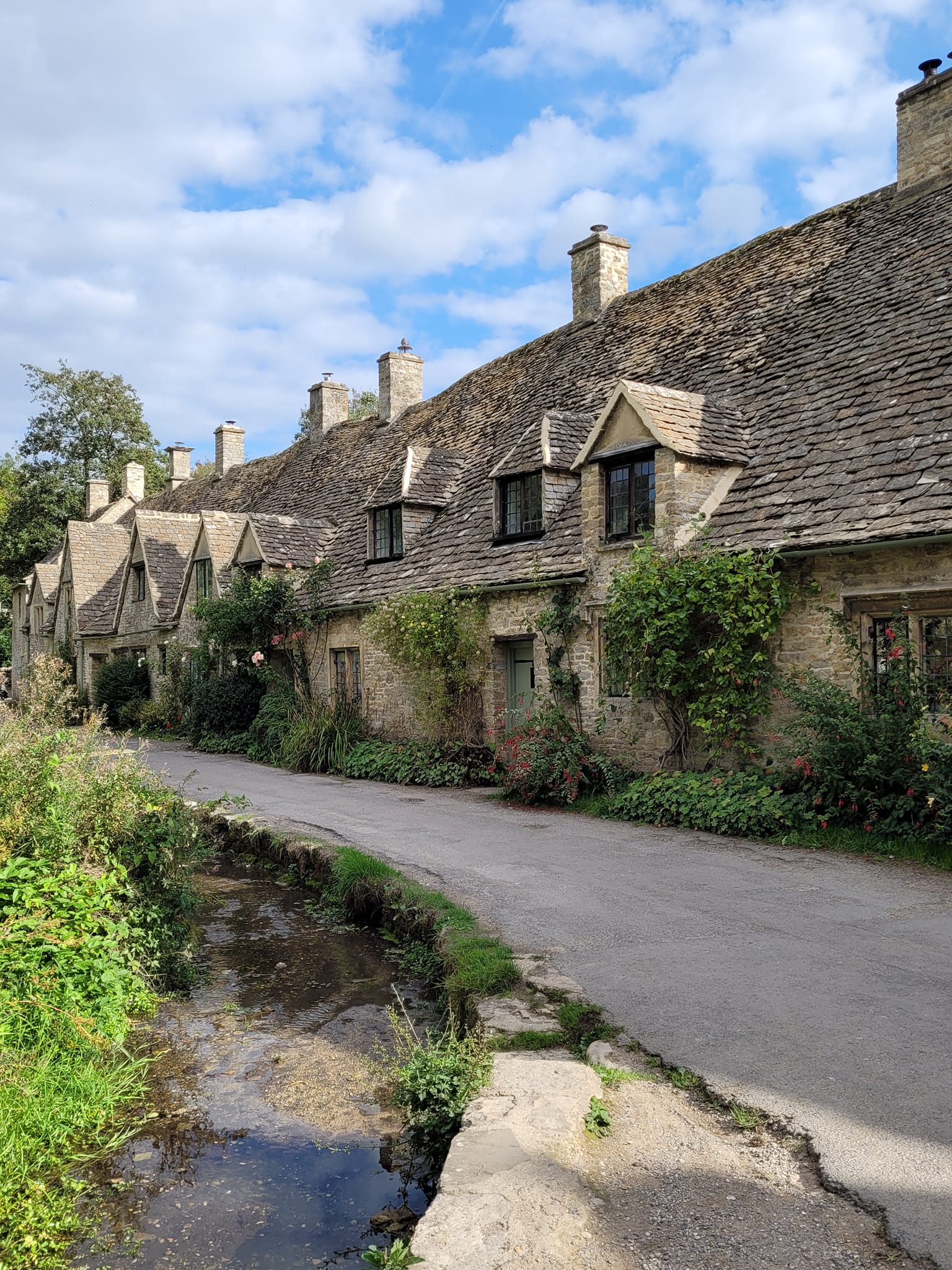
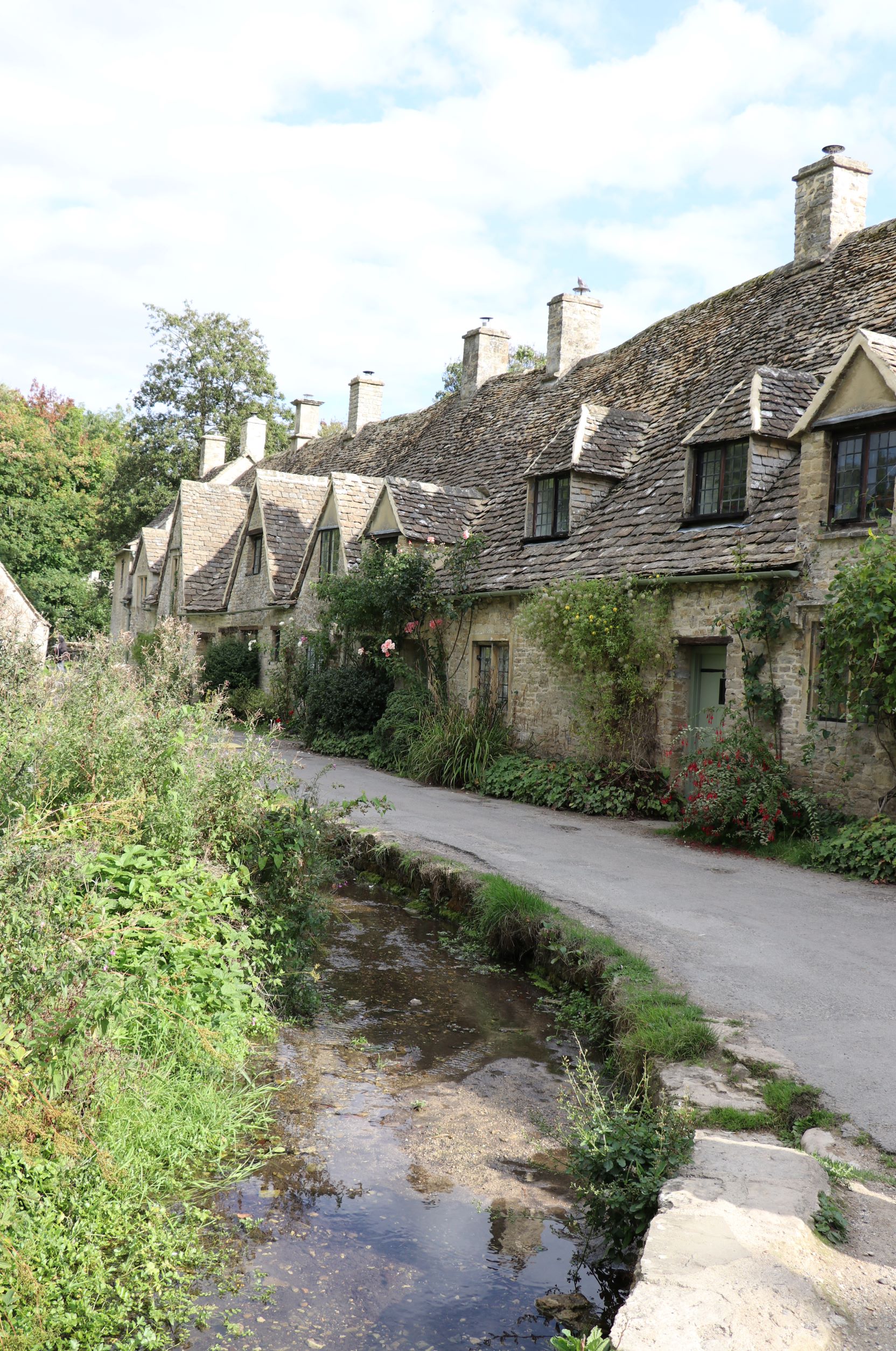
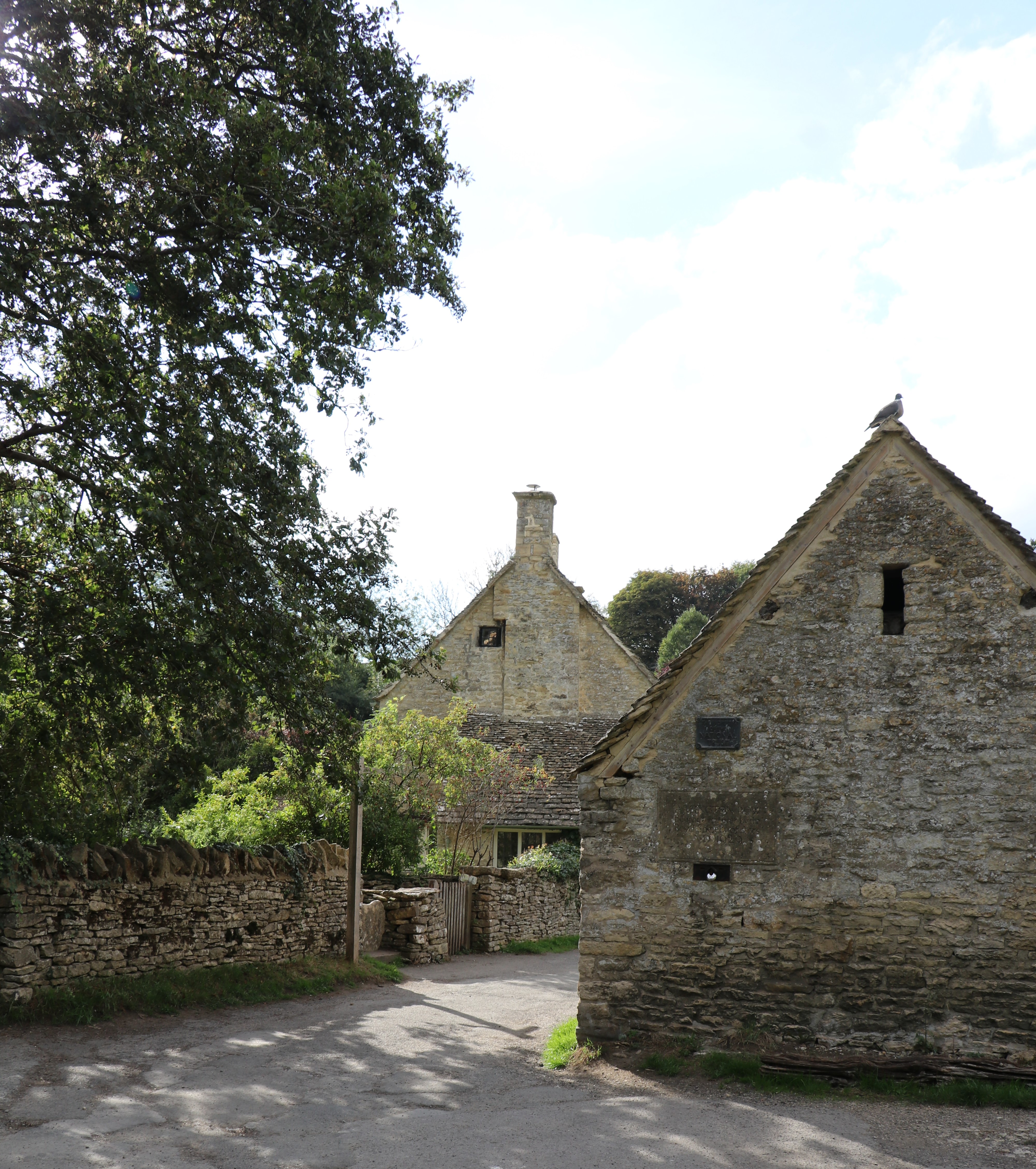
Arlington Row

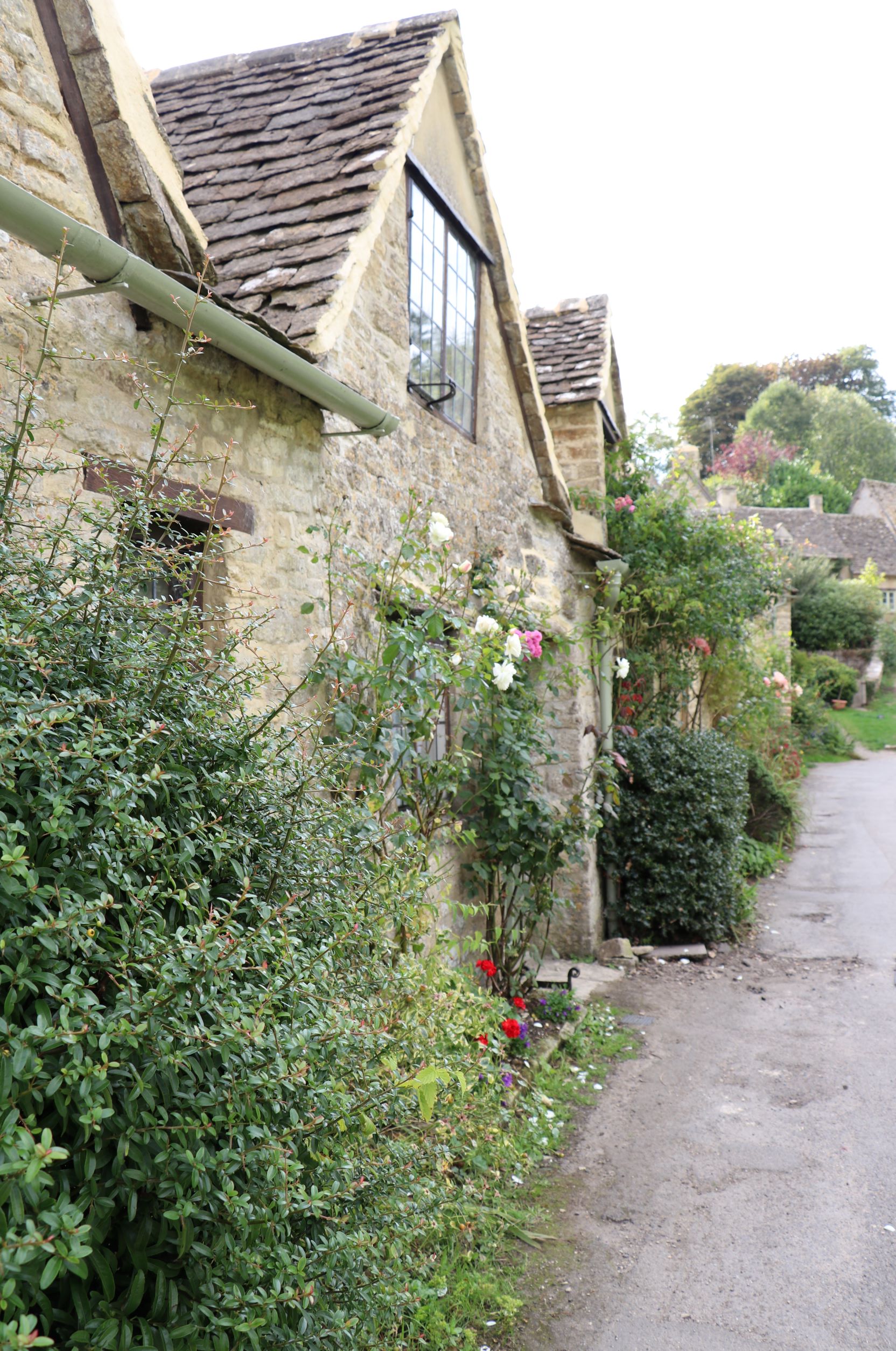
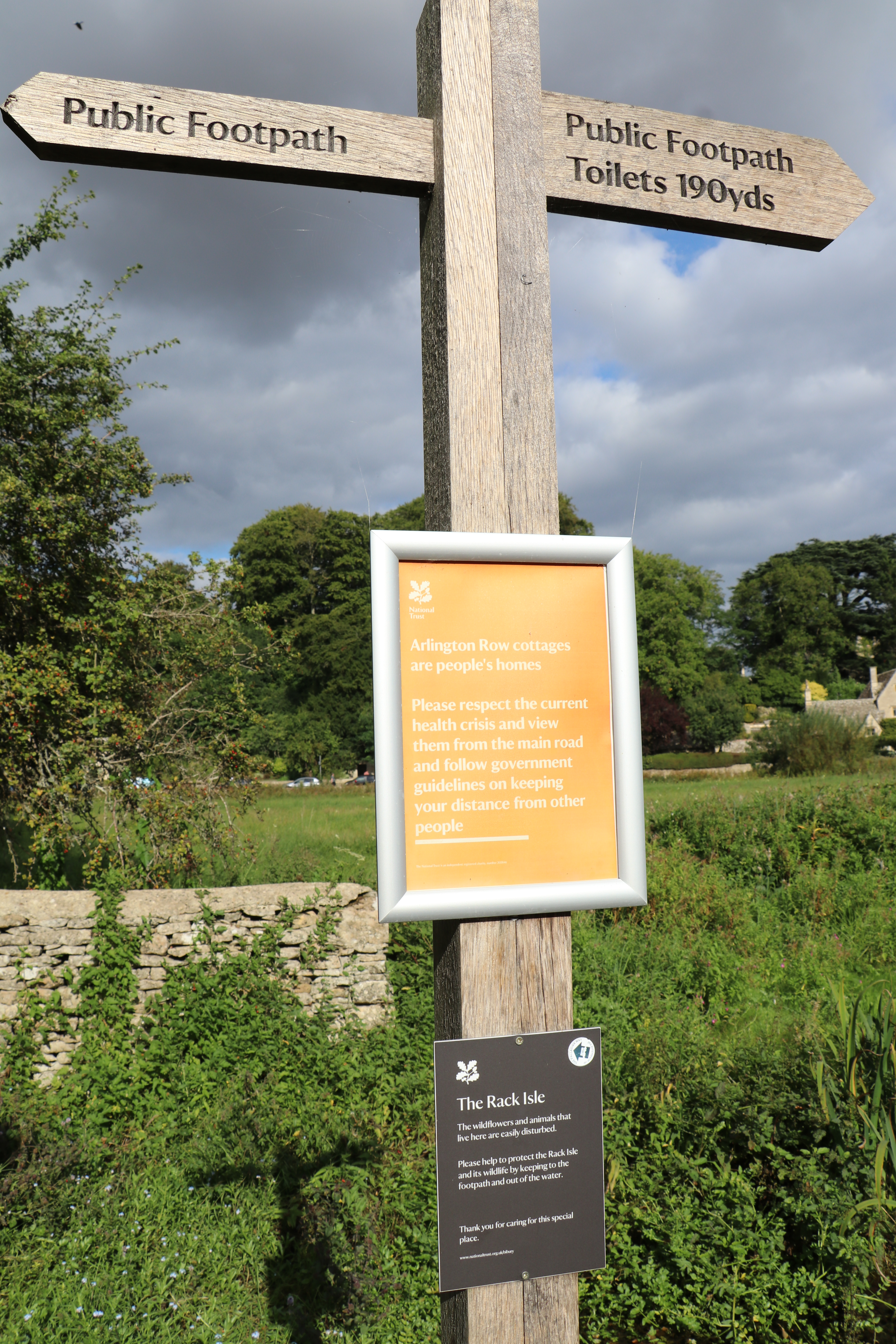
The cottages of Arlington Row are often referred to as the most photographed and beautiful cottages in the country.

Originally built in 1380 as a monastic wool store, the building was then converted into a row of weavers’ cottages in the 17th century.

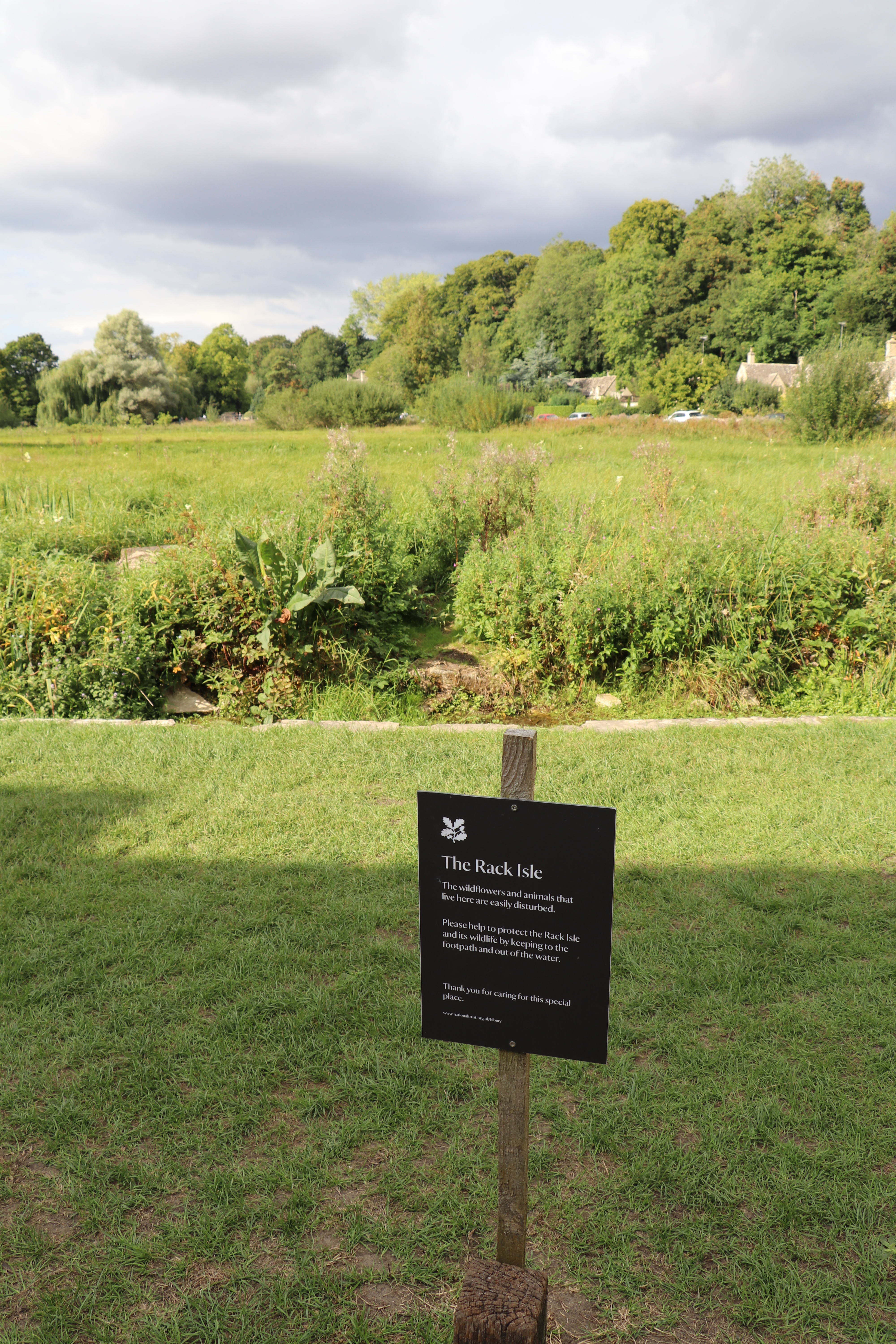
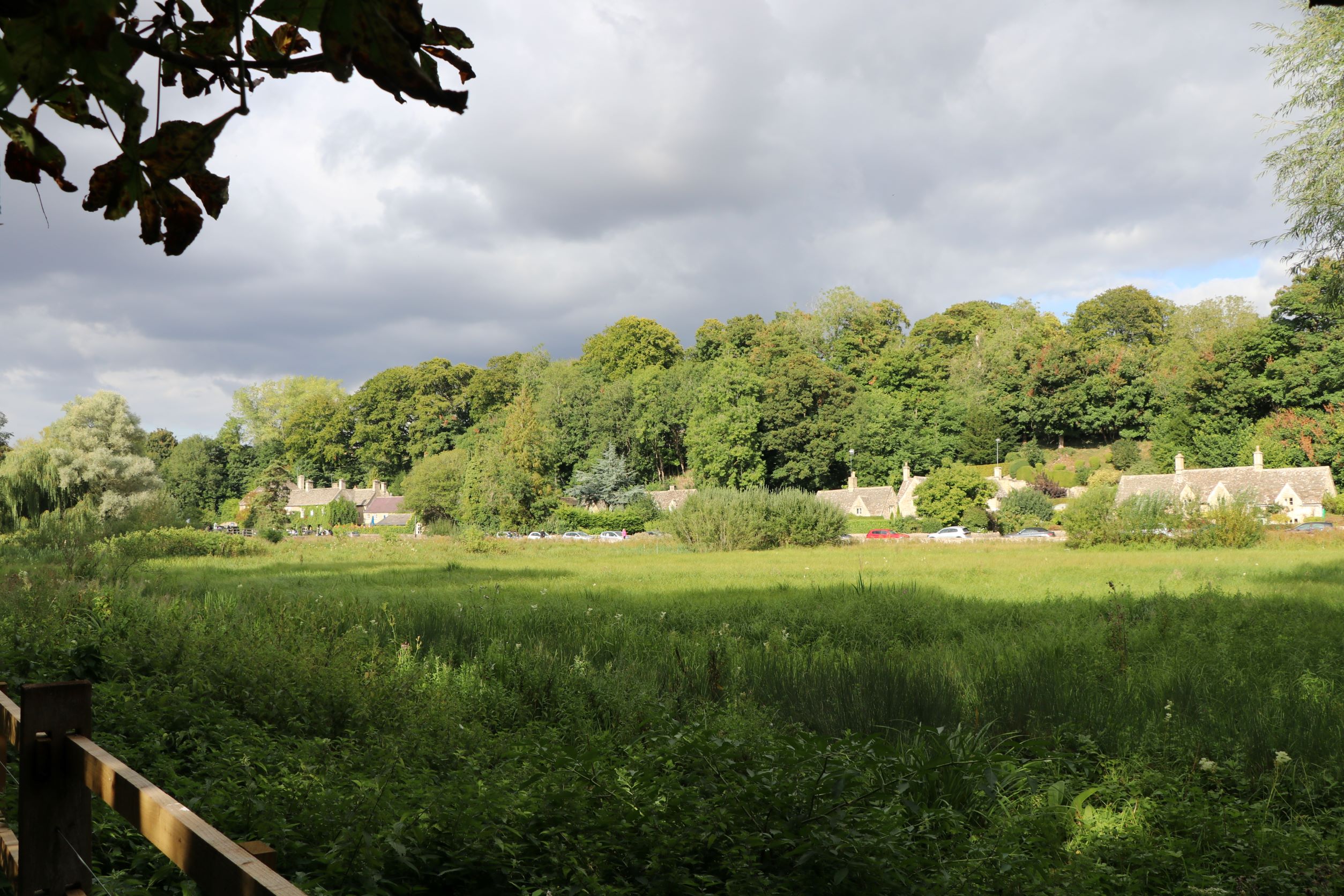
The cloth produced at Arlington Row was sent to Arlington Mill on the other side of Rack Isle. The cloth was then hung on wooden timber frames on Rack Isle after being degreased at Arlington Mill.


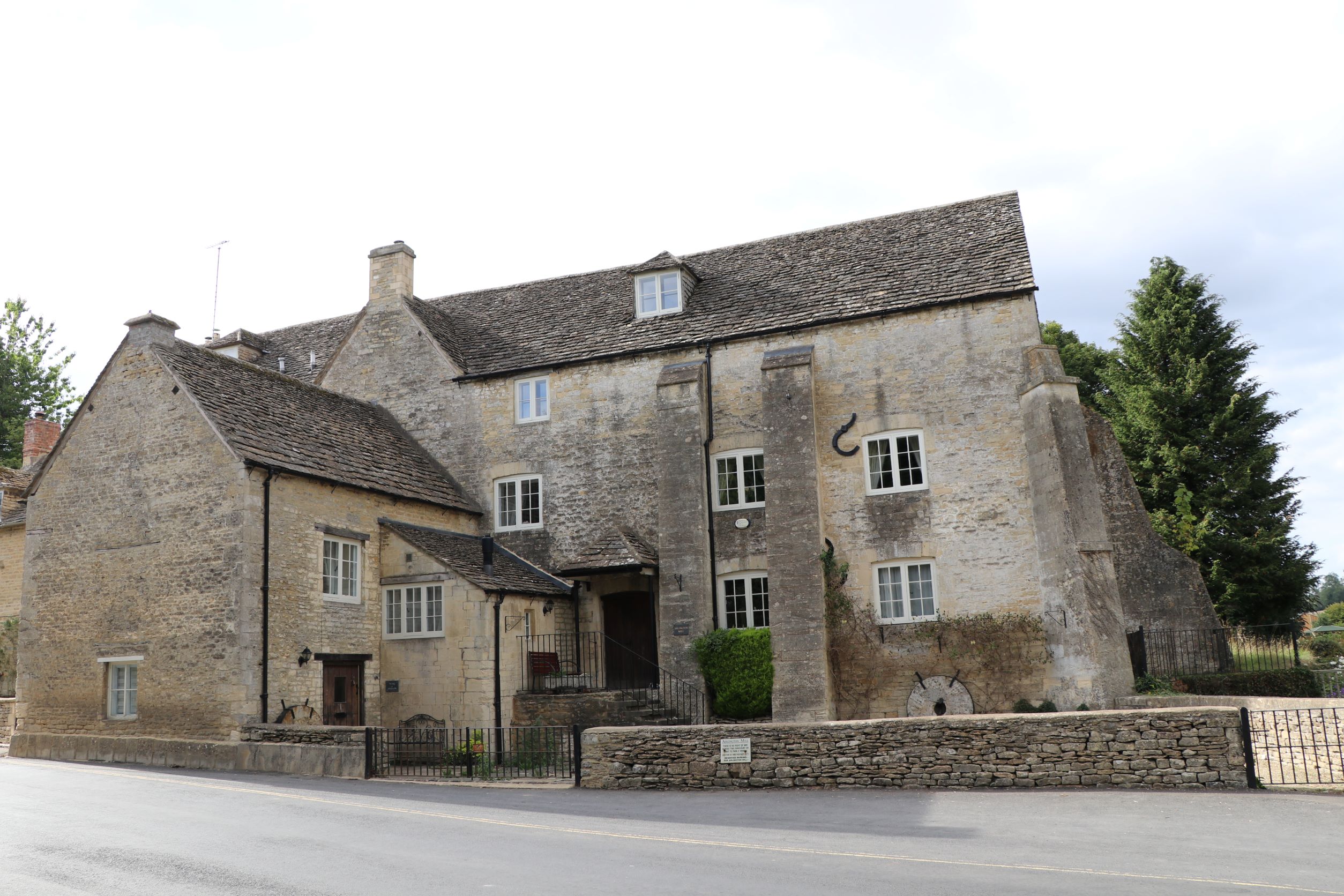
The Arlington Mill

With a history dating back to 1086, the mill which stands on the site today is believed to date back to the 17th Century.

Arlington Mill is now a private residence (which was also available as a holiday cottage), but it was once a working mill processing corn and wool, and later housed the museum of Arlington Mill with a collection of period clothing, documents and working machinery illustrating milling & the Victorian way of life.

Arlington Mill, a Grade II listed building, was recorded as a cloth and corn mill in the 17th Century, continuing in dual use until mid 19th Century when concentration switched to corn milling.

Founded in 1902, Bibury Trout Farm is one of England’s oldest working trout farms set in the historic village of Bibury, in the heart of the Cotswolds.

On our Go Cotswold Day Tour we were happy to make a couple stops to places we hadn’t seen in the past. Bibury was one of those stops. This was the end of our tour on this day and we got back on our tour van and were driven back to the Oxford Train Station. While others on the tour headed in the station to catch trains back to London we enjoyed the 5 minute walk back to our apartment in Oxford where we warmed up our steak pies for dinner.

One more post from the Cotswolds featuring St. James Church in Chipping Campden coming soon.

*******************************************************************************

Back to the present…

We are doing well here at our Country Bungalow. Our church family is treating us well with meals and visits. Our friends, family and neighbors are checking in to see if we need anything. We are waiting for Occupational Therapy appointments for Dear. There was a glitch on the referral from Dear’s new doctor. Our sleep schedule is improving.

We had a light dusting of snow on Wednesday night and we have more snow predicted next week. Our temps have been below freezing and the forecast is for several more days of freezing temperatures.

Hope all is well in your corner…

The Cotswolds 2022

It’s been a while since my last post on our trip to England in September of this year. I have a goal to finish my posts before the end of the year. Our tour with Go Cotswolds, a small family owned touring company, was called Cotswolds in a Day.

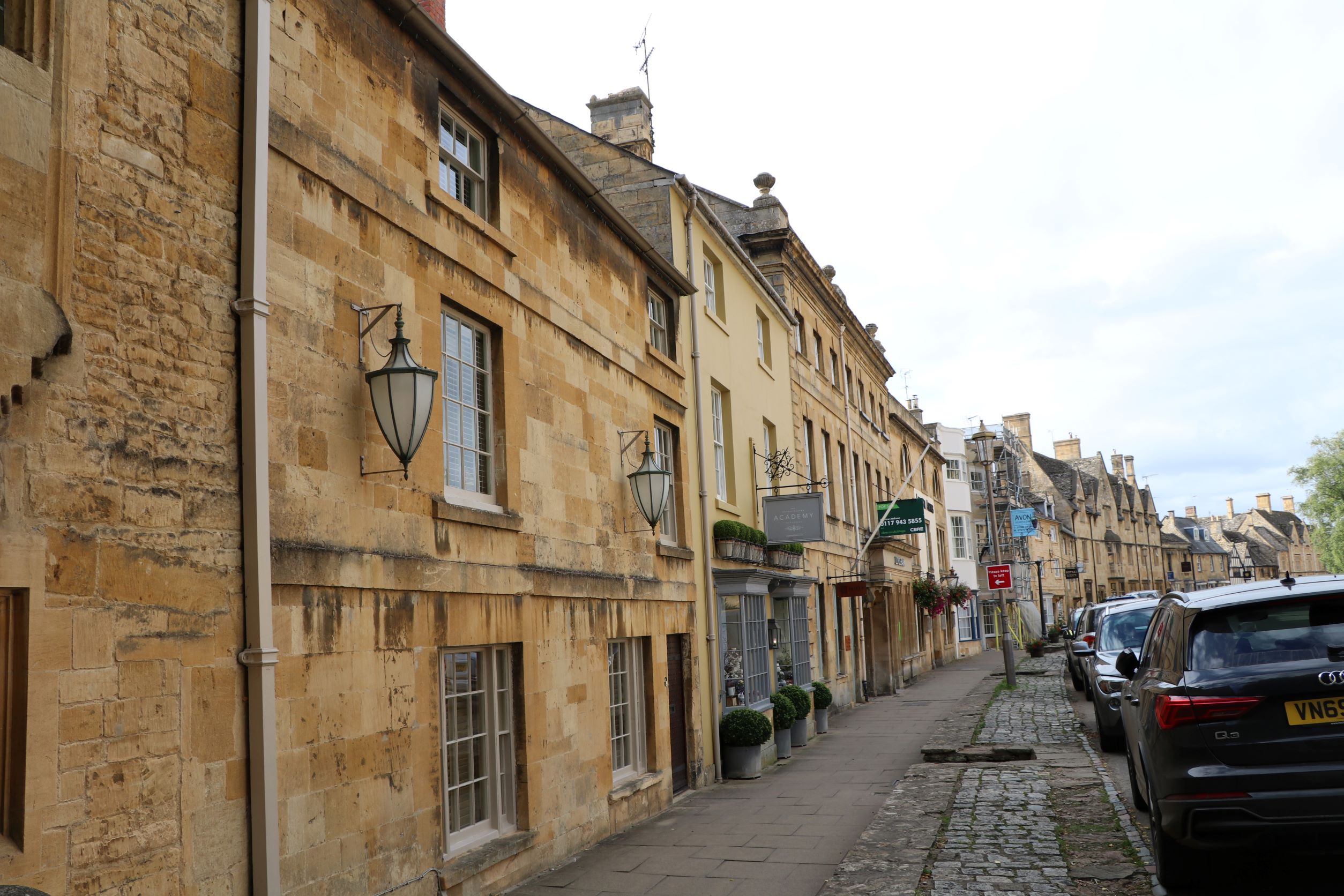
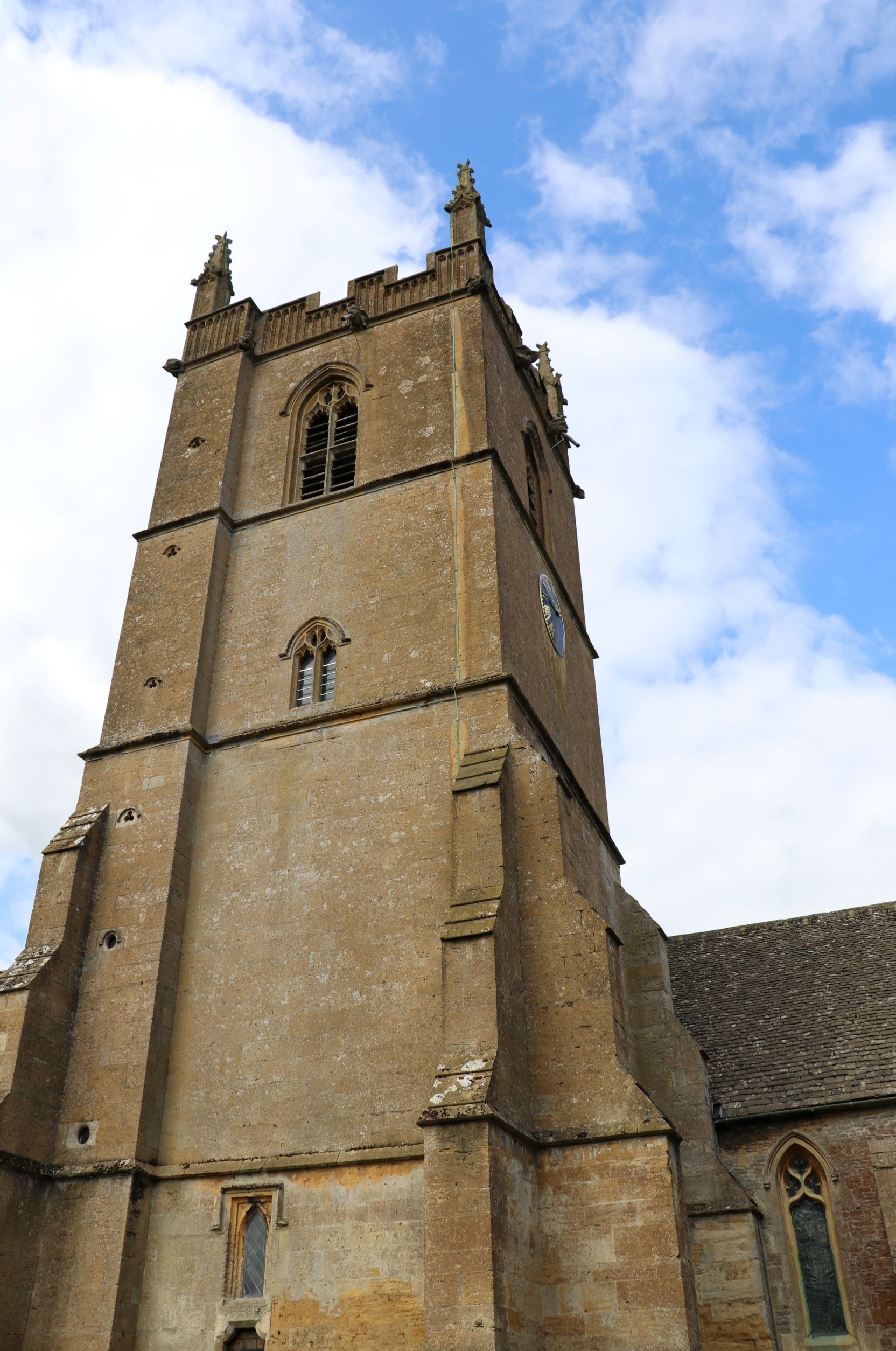
On Thursday September 15th (two months ago!) we walked to the Oxford Train Station to be picked up for our day in the Cotswolds. At the station while waiting for the tour van we met another couple waiting for the tour. We enjoyed getting to know them and connecting some dots in our backgrounds that intersected. The rest of the tour group arrived and we hit the road for our first stop which was Chipping Campden. We had a set amount of time to enjoy the village. We chose to spend our time at St. James Church. That will be a separate post.

In 2013 and in 2014 we visited Chipping Campden and my posts are here in 2013 and here in 2014.

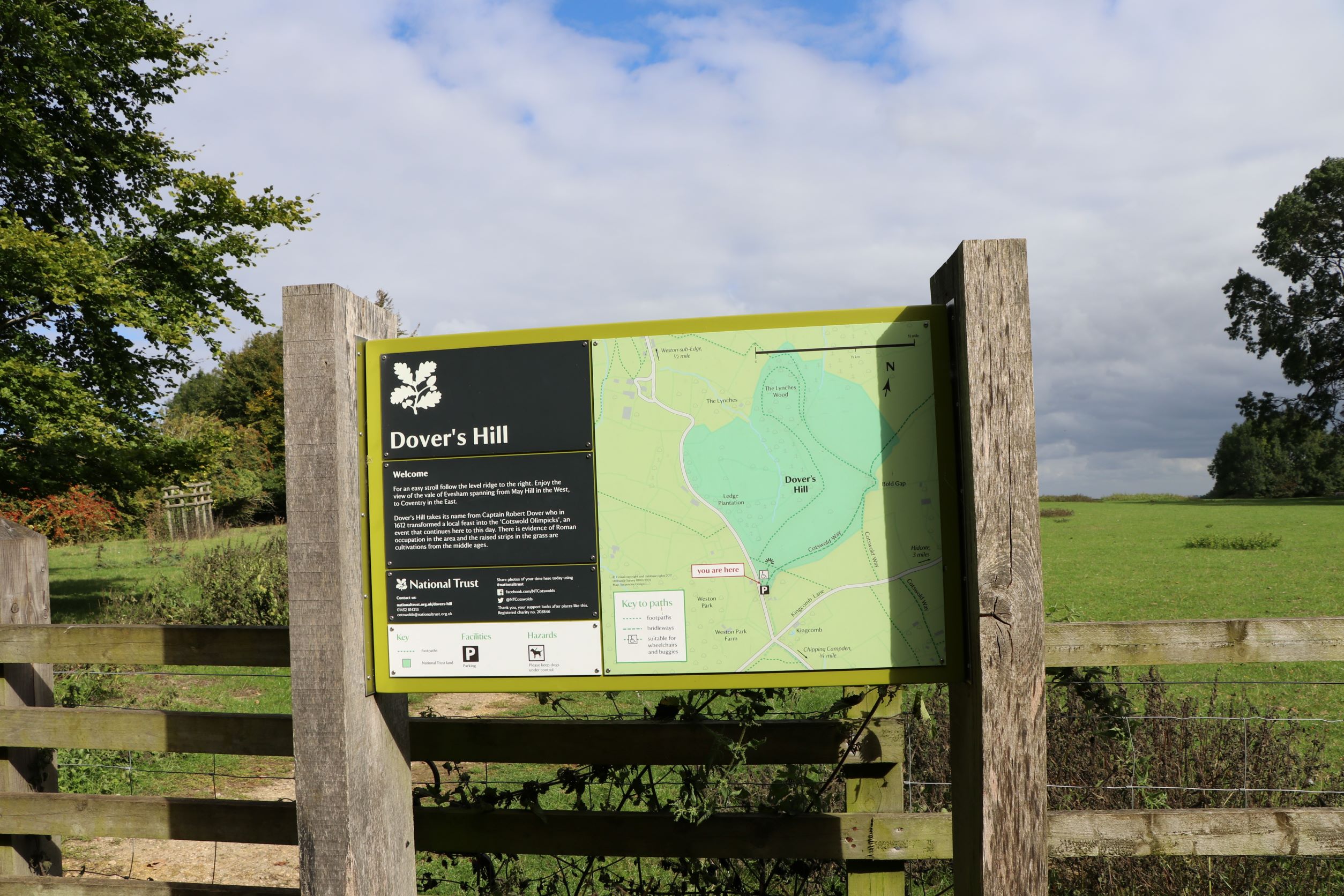
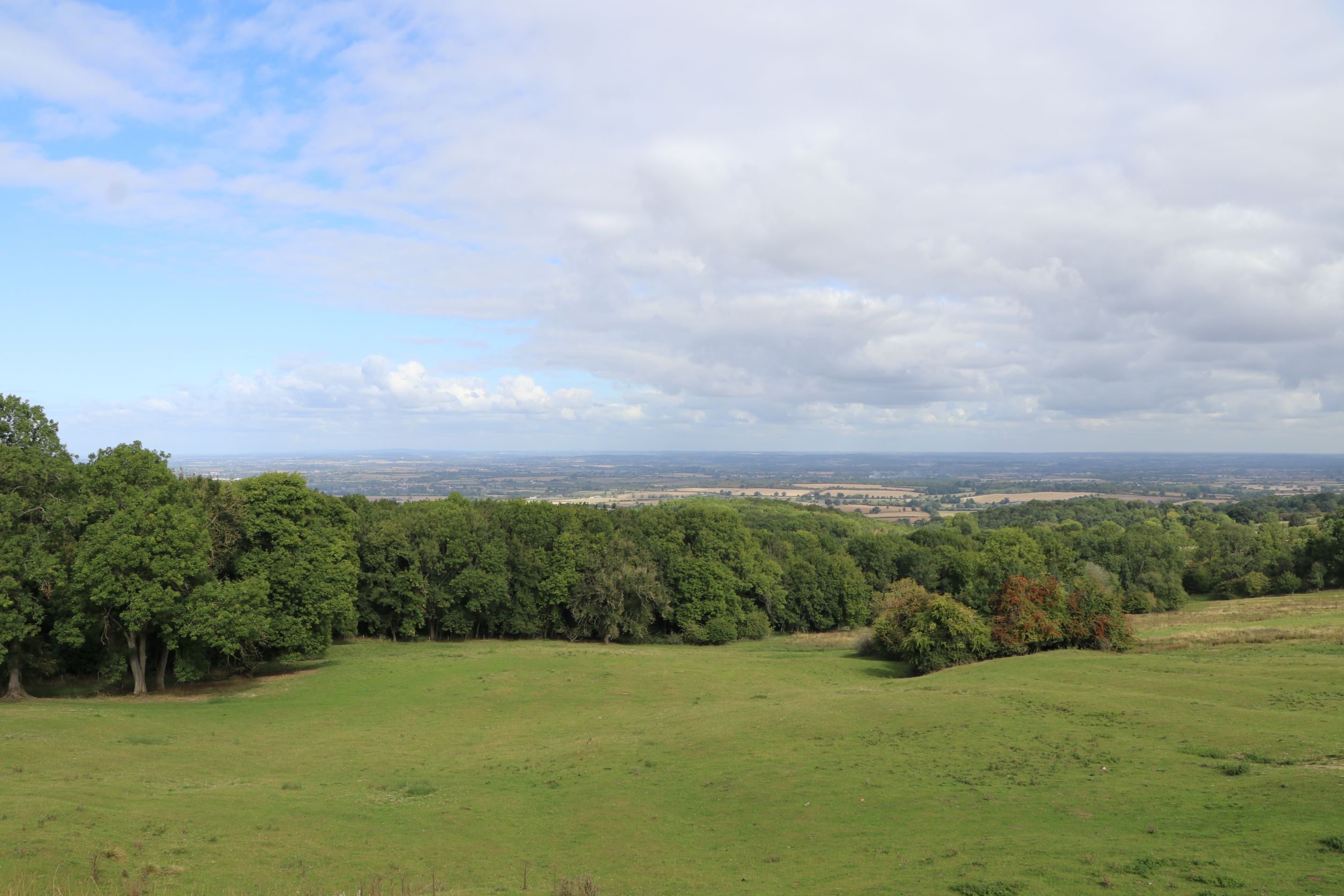
From Chipping Campden we stopped at Dover’s Hill for some panoramic views.

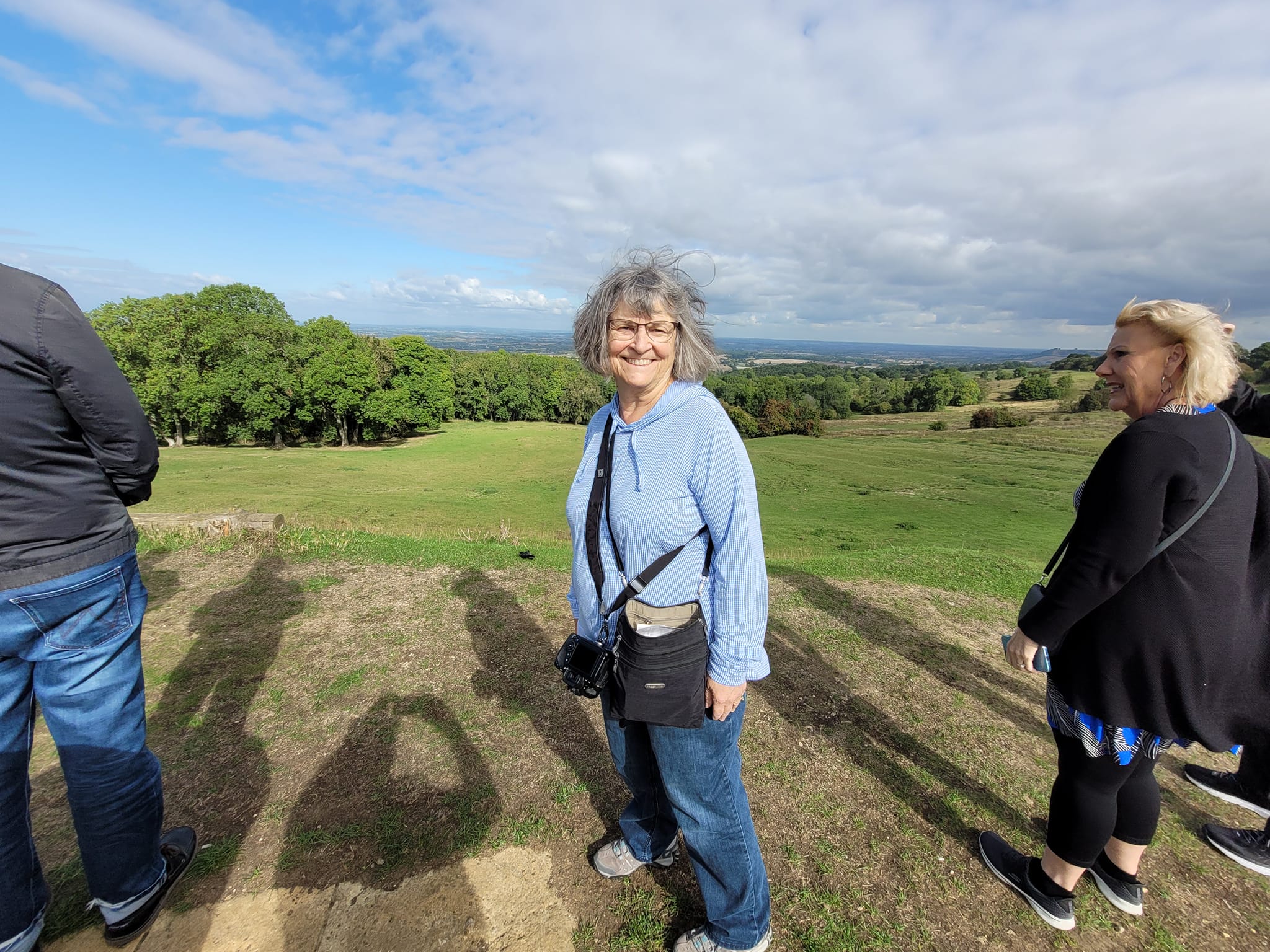
It was breezy!
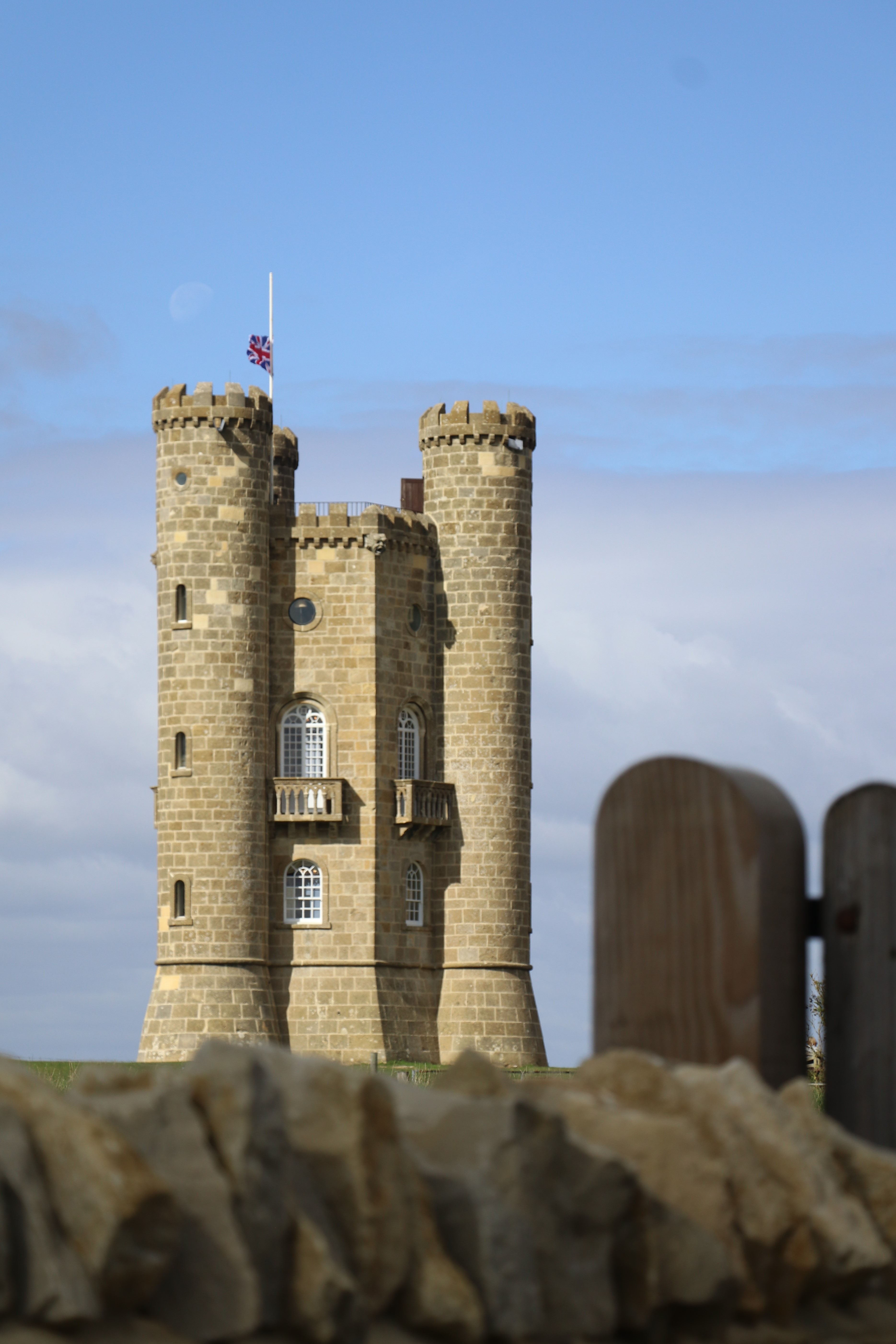
On the way to Snowshill we passed The Broadway Tower.

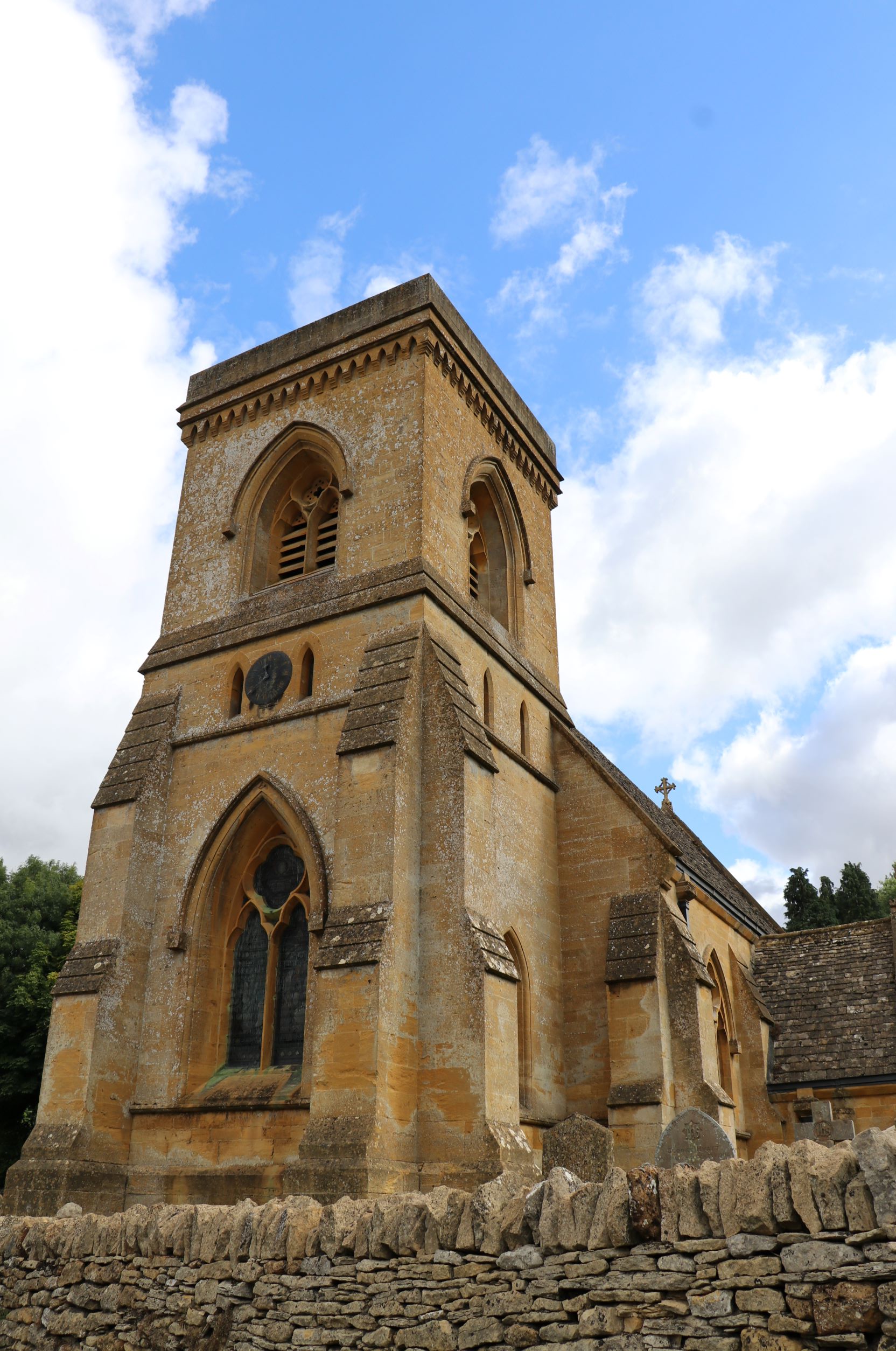
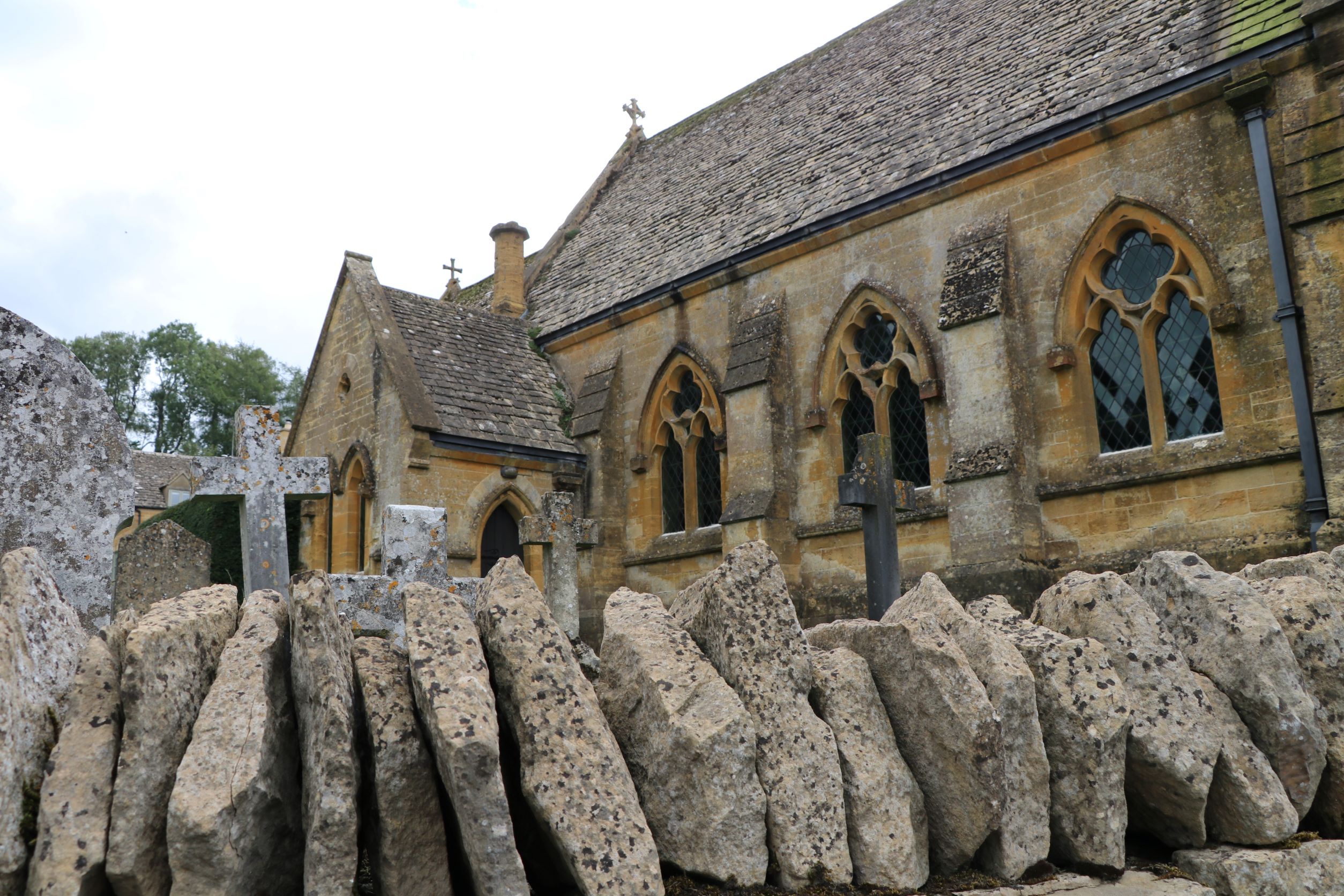
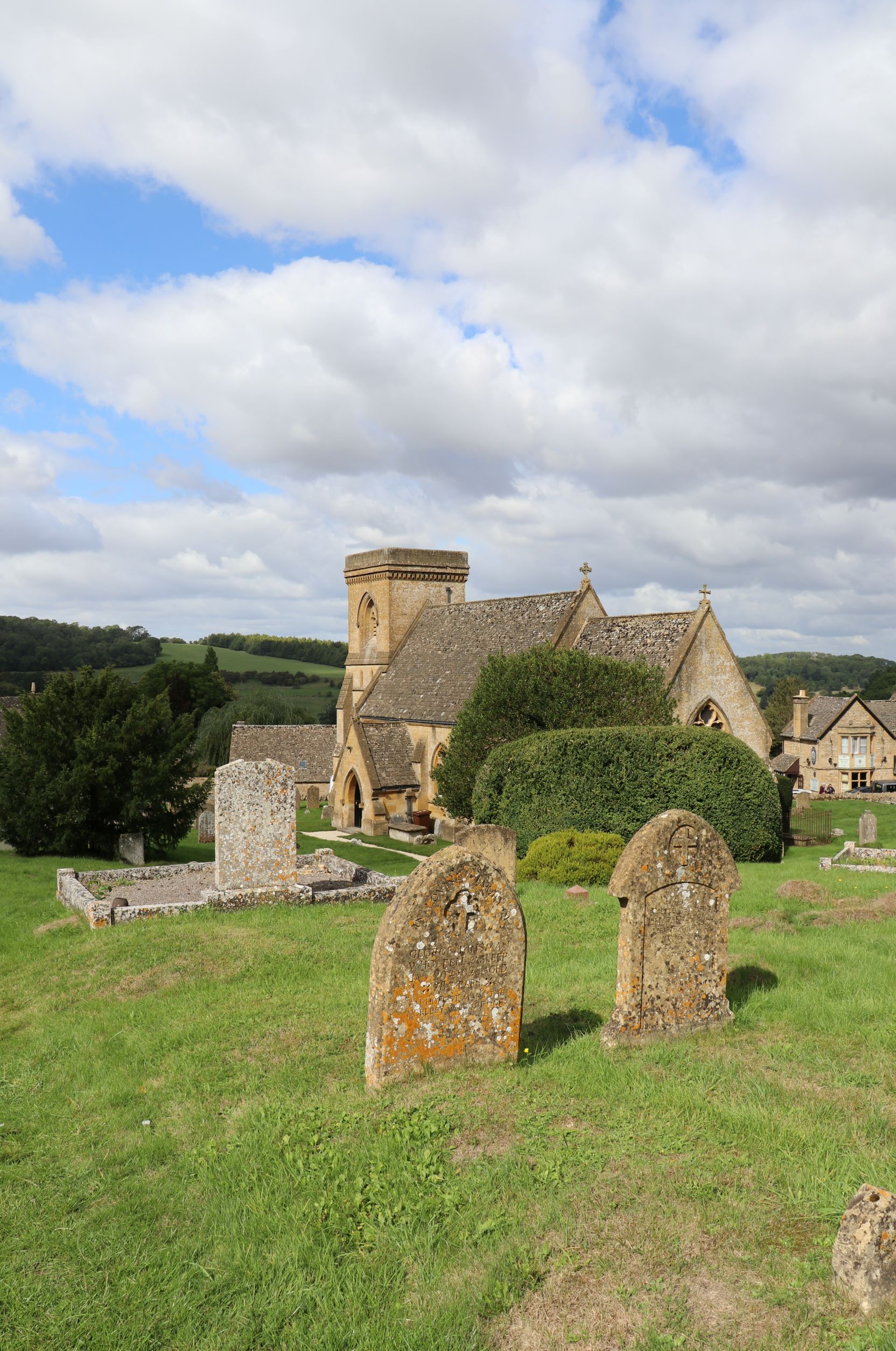
St. Barnabas Church in Snowshill

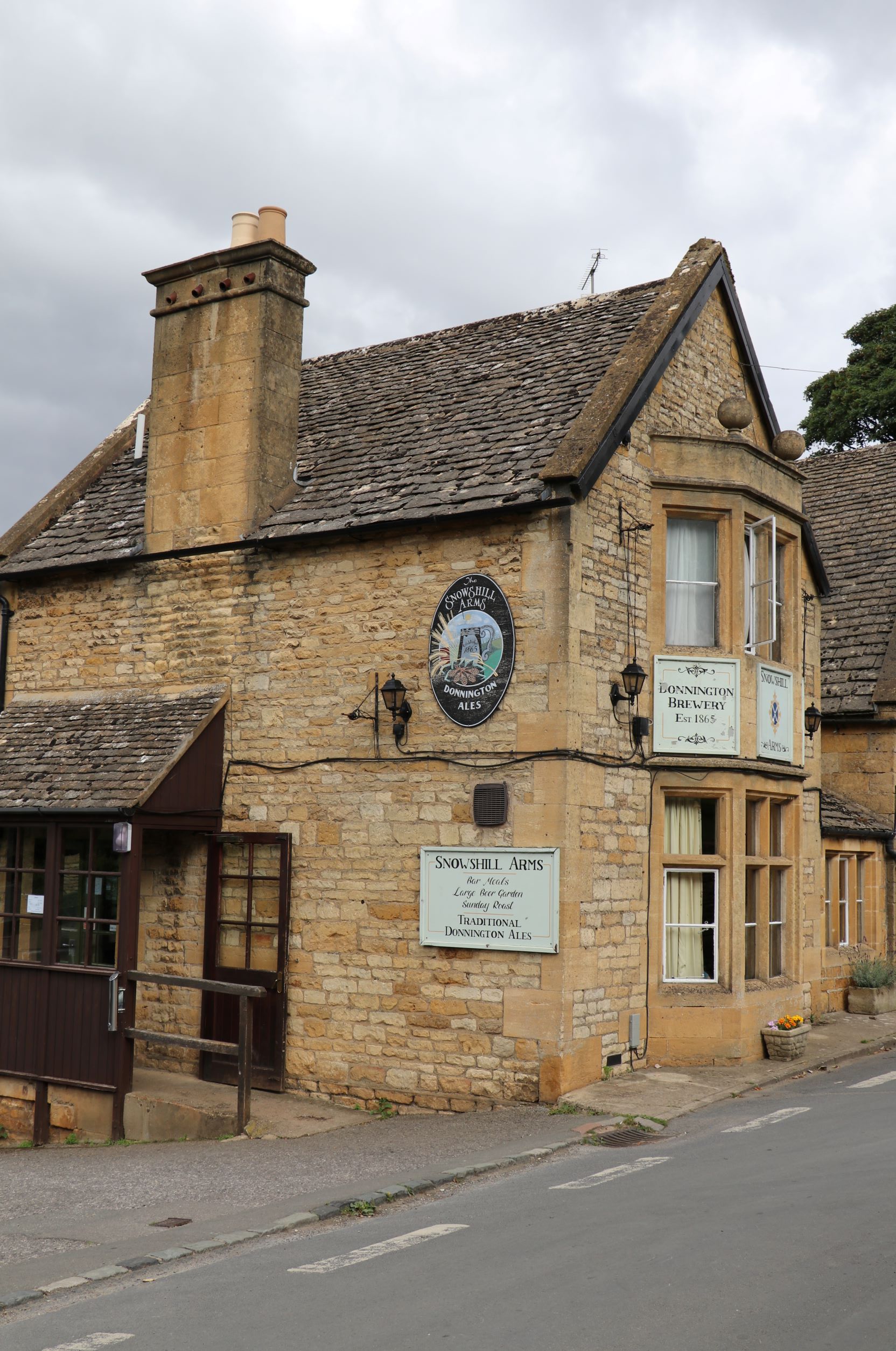
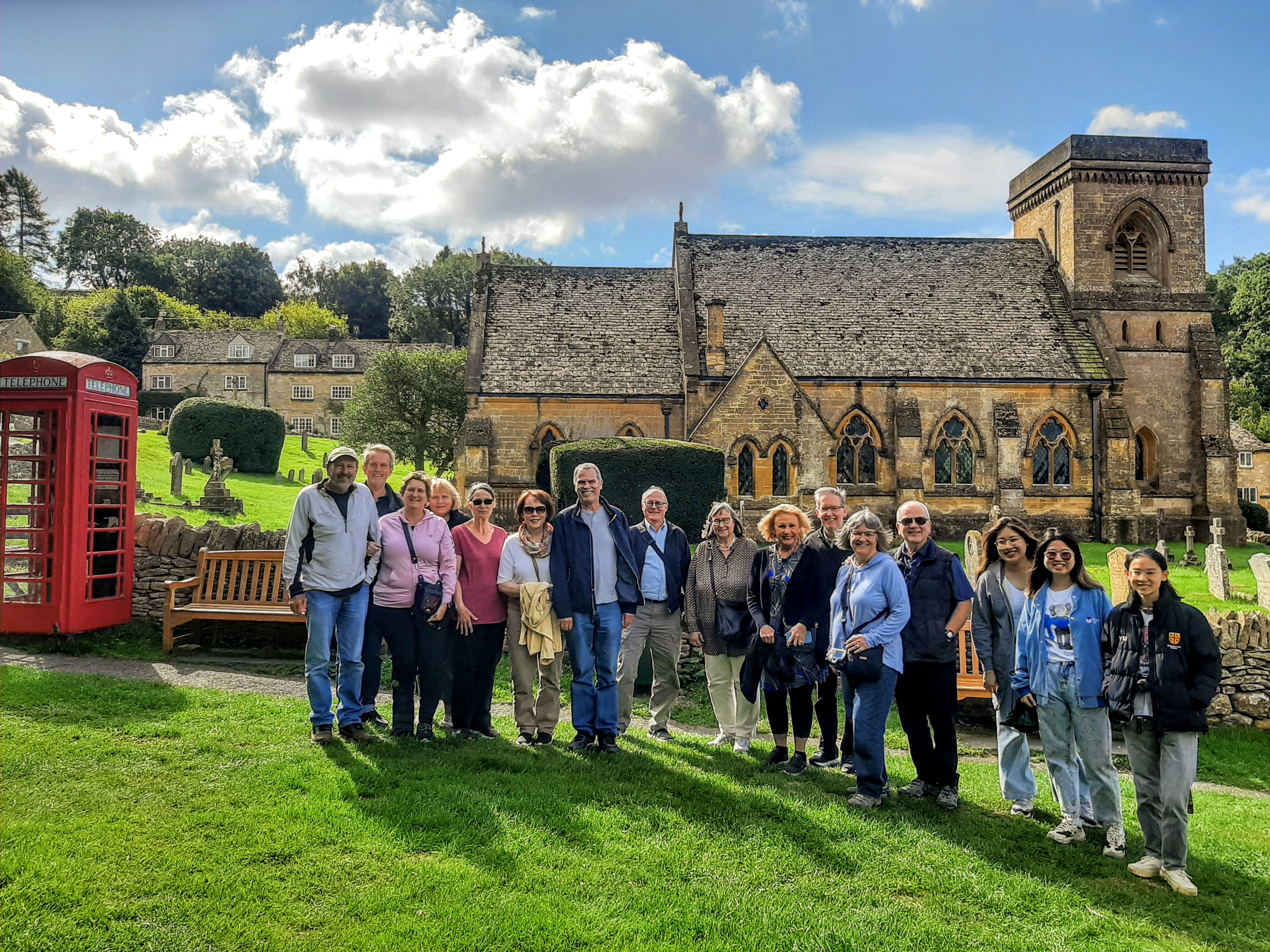
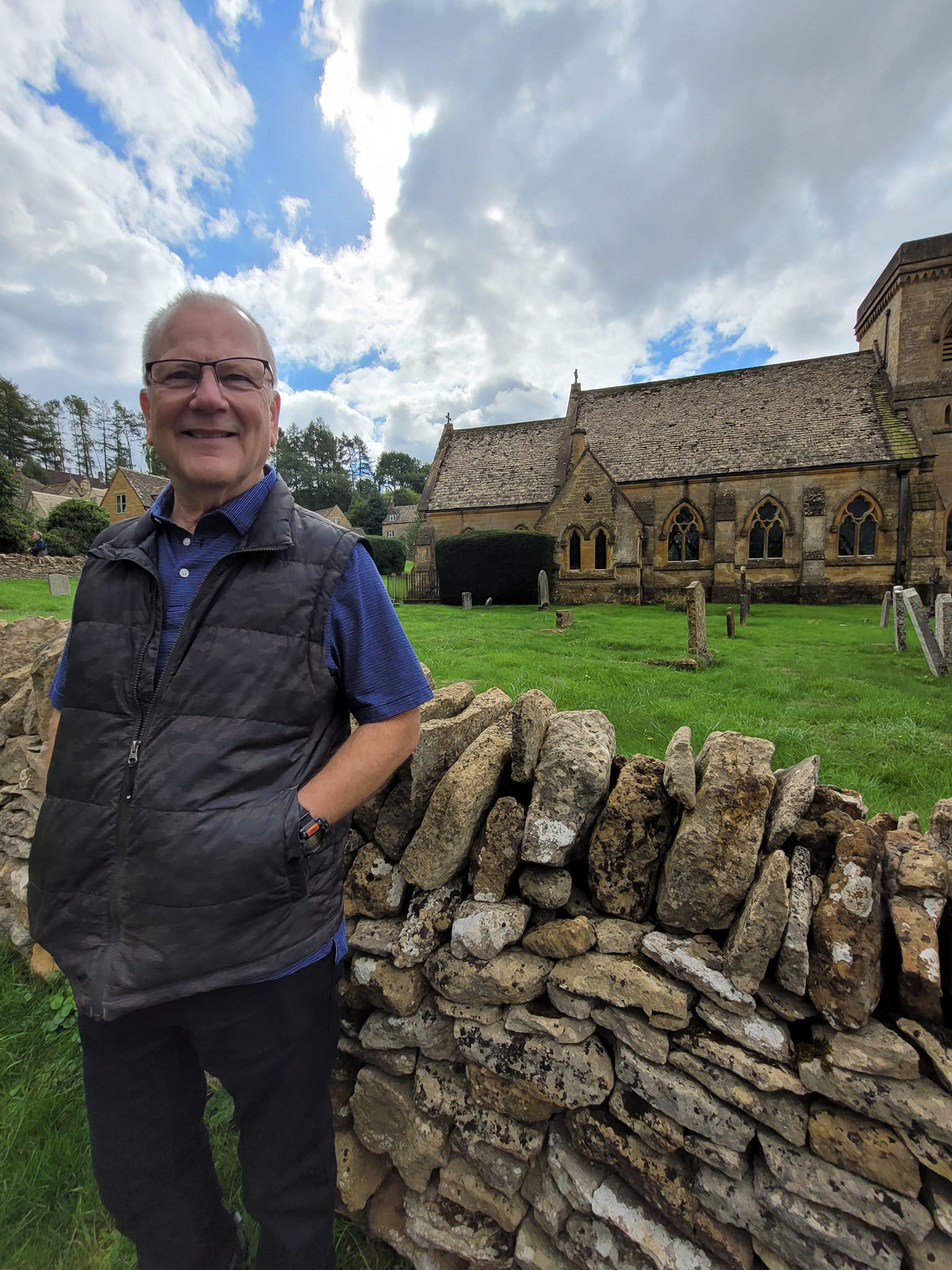
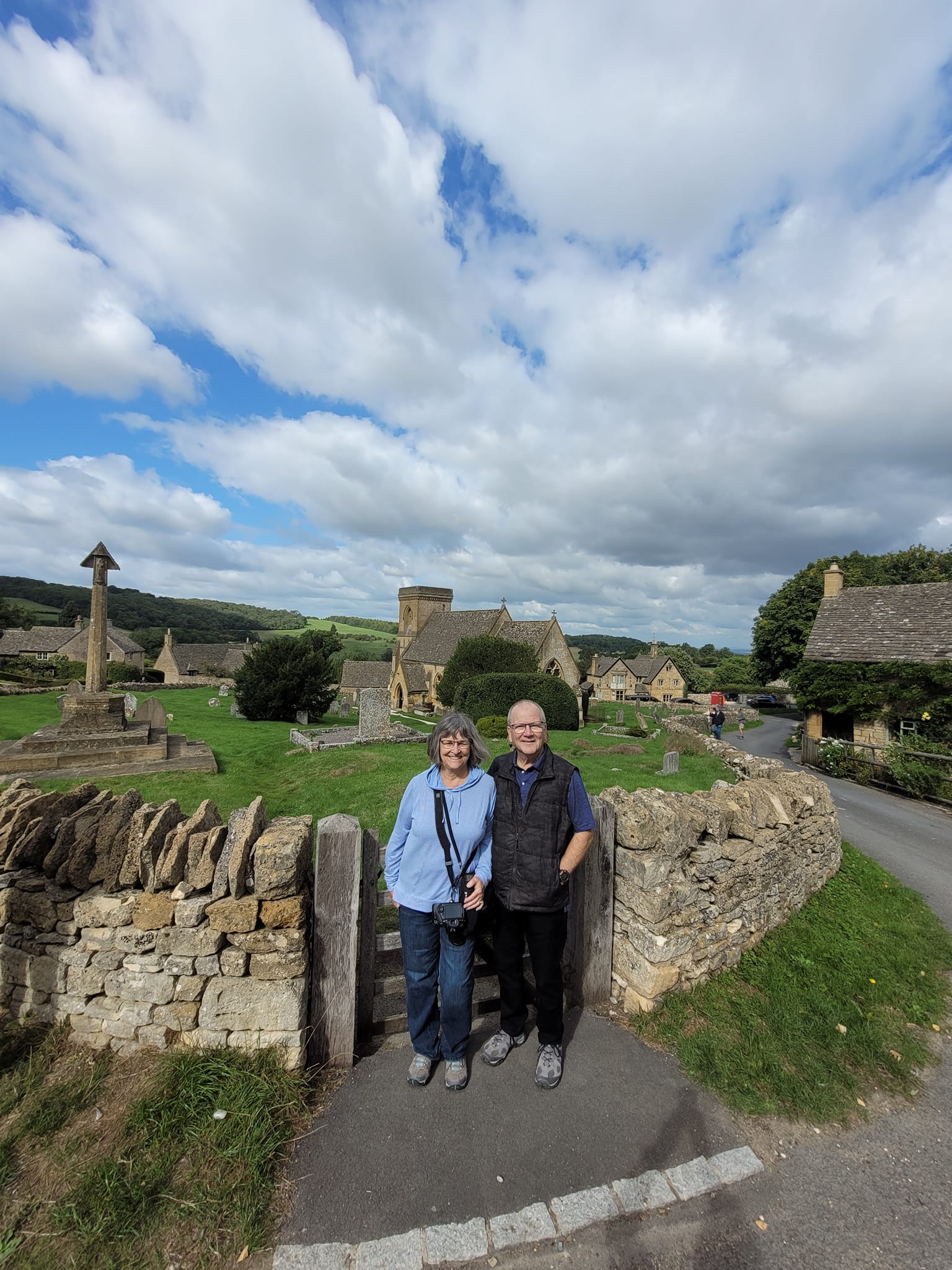
Snowshill village sits on the top of the escarpment above the villages of Broadway, Buckland, and Laverton. It is a secluded village where ancient pretty cottages and a 19th century church cluster around a small green. As its name implies – if there is any snow about then you will find it here first.

This was our tour group on this day.

In 2014 Dear and I enjoyed this little village and my post is here.

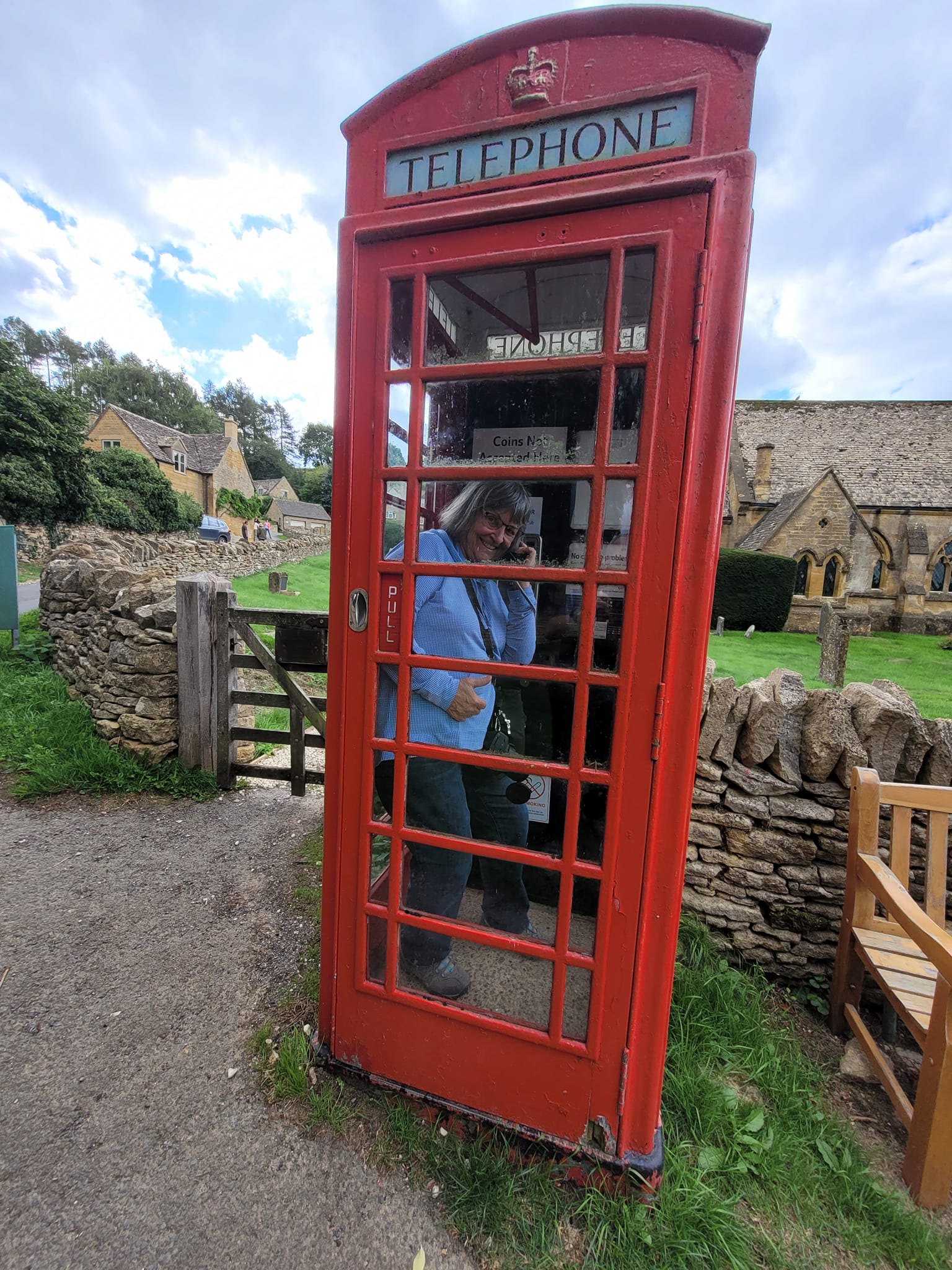
The weather was good with beautiful skies. Our next stop was Moreton in Marsh where we would enjoy some lunch which left little time to explore.

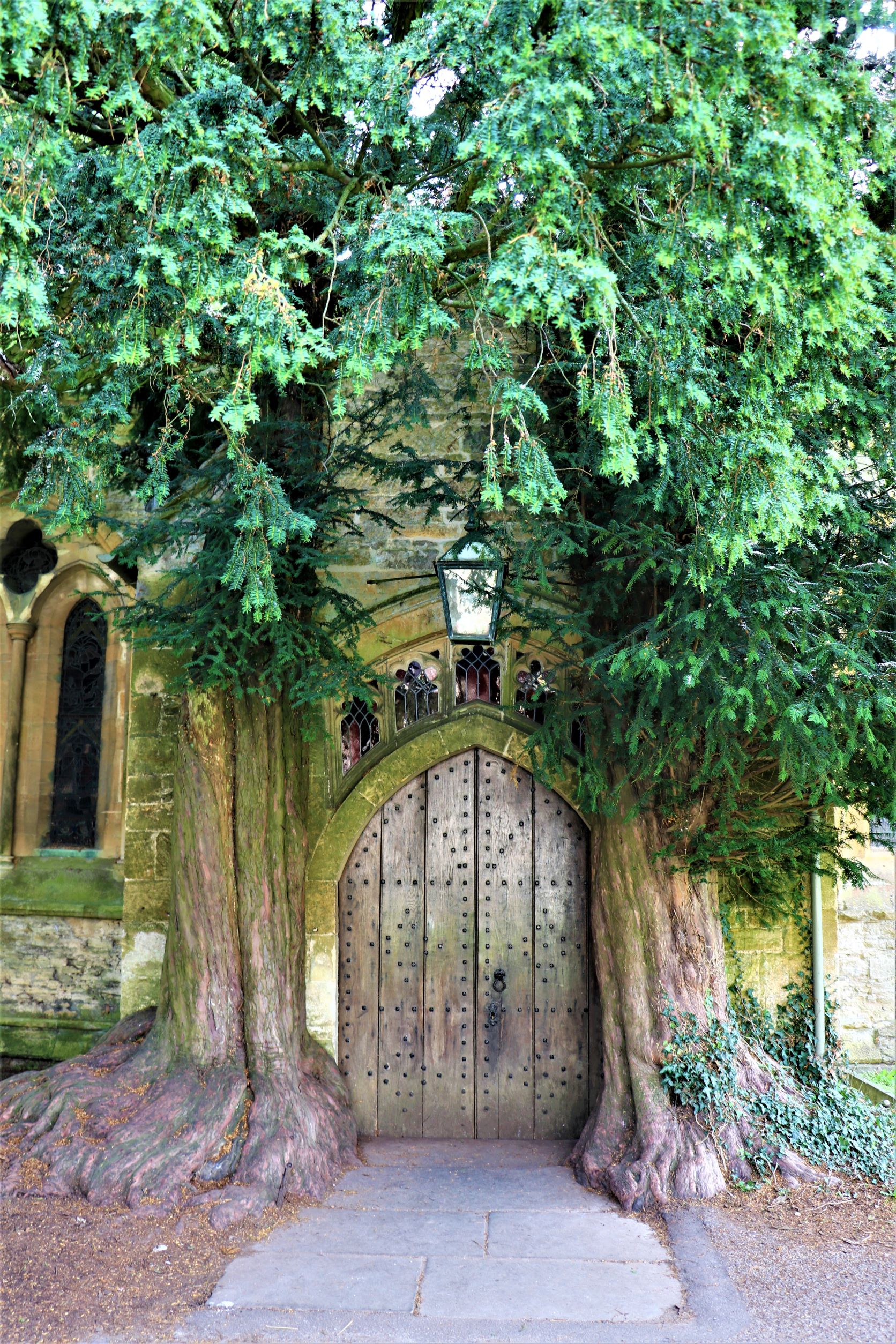
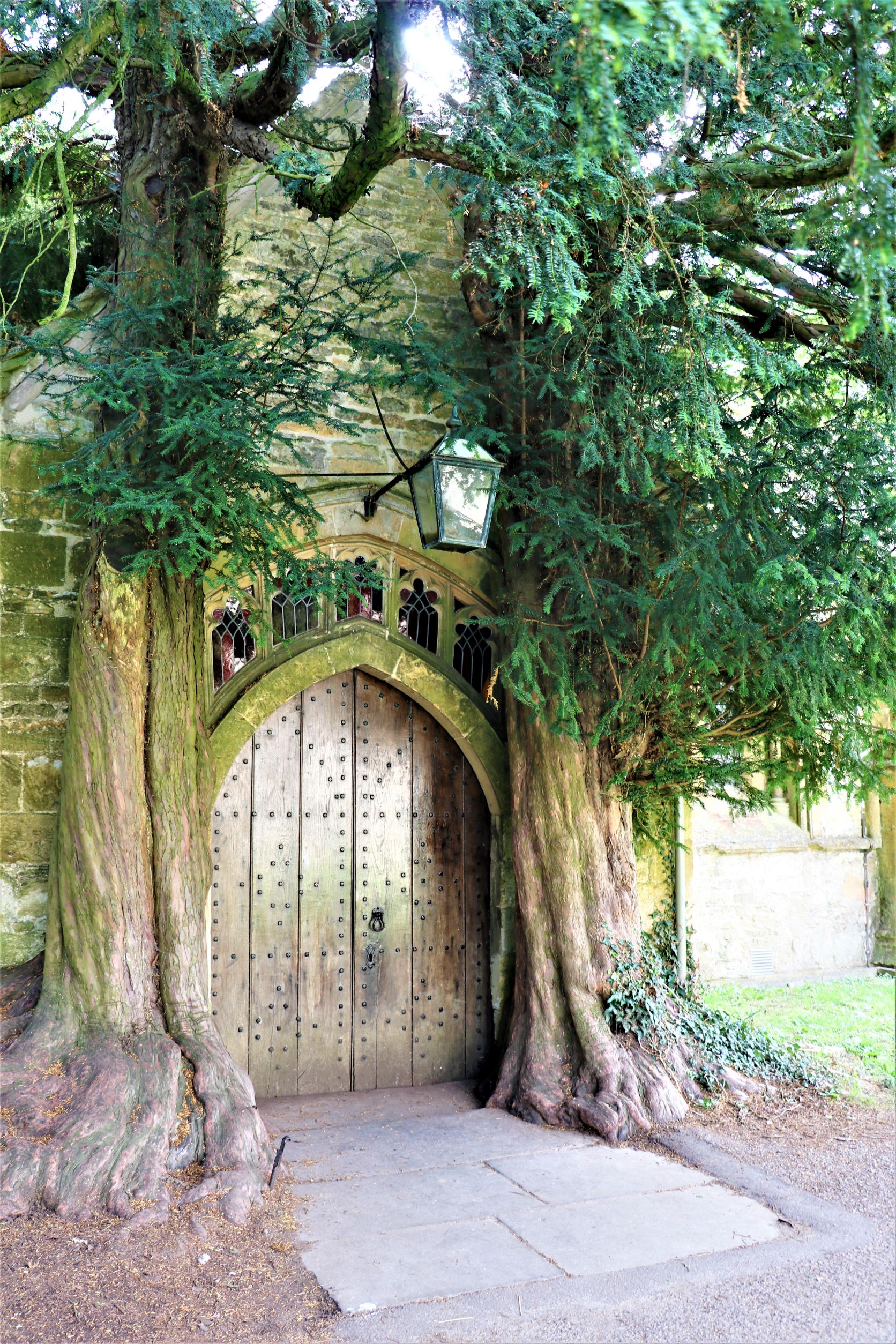
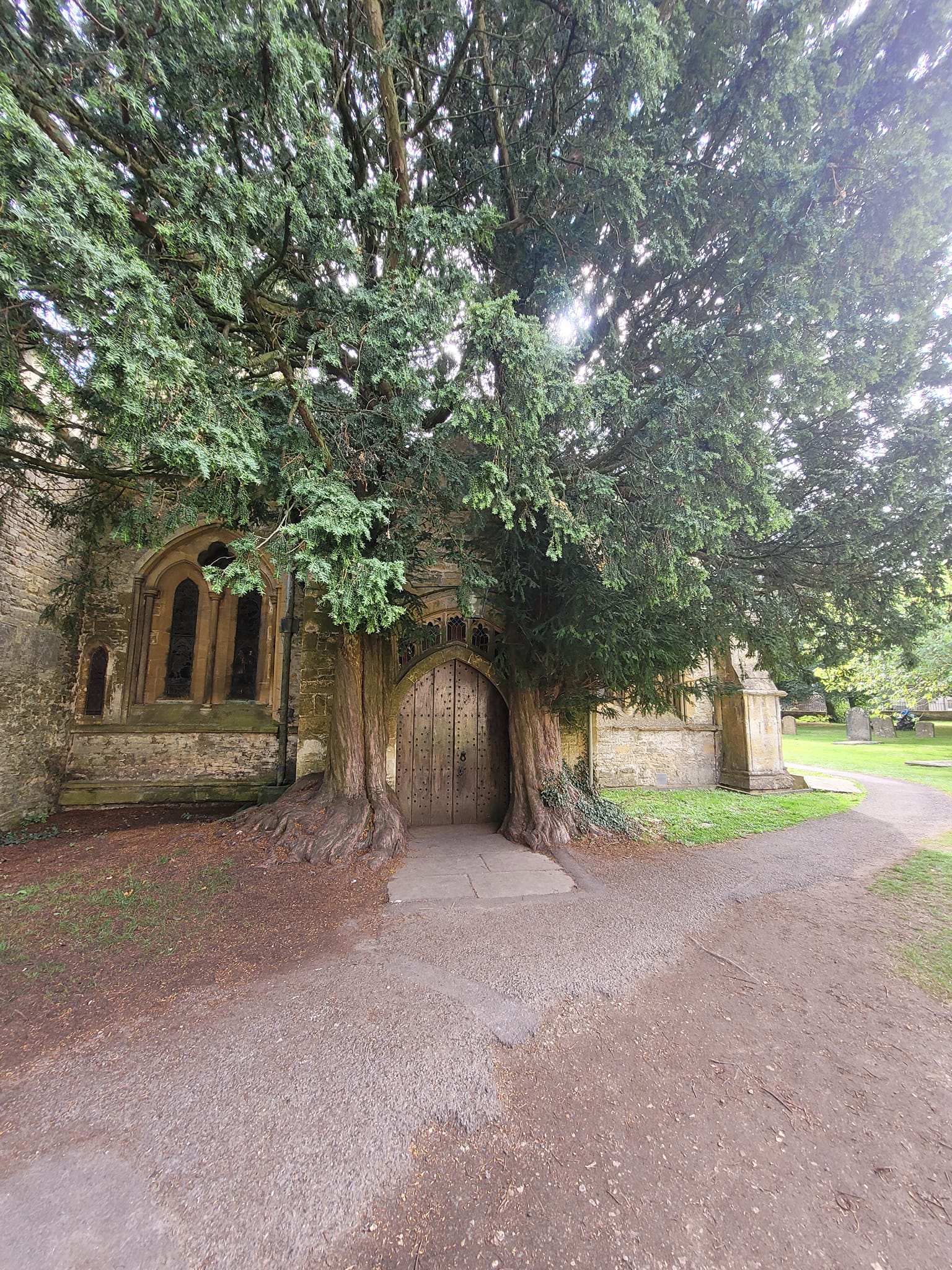
I hurried from our lunch table at the Talbot Inn so I could get some photos of the wonderful door on the back side of St. Edward’s Church.

If you walk around the churchyard towards the north porch, you will stumble upon what’s known locally as ‘The Yew Tree door’ or ‘The Hobbit door’.

“Speak friend and enter”

In 2014 we had more time in Stow on the Wold and my posts with more information are here and here.

Next time the villages of Bourton on the Water and Bibury.


A Mighty Fortress is Our God ~ Hymn

A Mighty Fortress is Our God

A mighty fortress is our God,
A bulwark never failing;
Our helper He, amid the flood
Of mortal ills prevailing:
For still our ancient foe
Doth seek to work us woe;
His craft and power are great,
And, armed with cruel hate,
On earth is not his equal.

Did we in our own strength confide,
Our striving would be losing;
Were not the right Man on our side,
The Man of God’s own choosing:
Dost ask who that may be?
Christ Jesus, it is He;
Lord Sabaoth, His name,
From age to age the same,
And He must win the battle.

And though this world, with devils filled,
Should threaten to undo us,
We will not fear, for God hath willed
His truth to triumph through us:
The Prince of Darkness grim,
We tremble not for him;
His rage we can endure,
For lo, his doom is sure,
One little word shall fell him.

That word above all earthly powers,
No thanks to them, abideth;
The Spirit and the gifts are ours
Through Him who with us sideth:
Let goods and kindred go,
This mortal life also;
The body they may kill:
God’s truth abideth still,
His kingdom is forever.

Words and Music: Martin Luther, 1529.

This song has been called the great­est hymn of the great­est man of the great­est per­i­od of Ger­man his­to­ry, and the Bat­tle Hymn of the Re­for­ma­tion. It was sung at the fun­er­al of Am­er­i­can pre­si­dent Dwight Ei­sen­how­er at the Na­tion­al Ca­thed­ral in Wash­ing­ton, DC, March 1969.