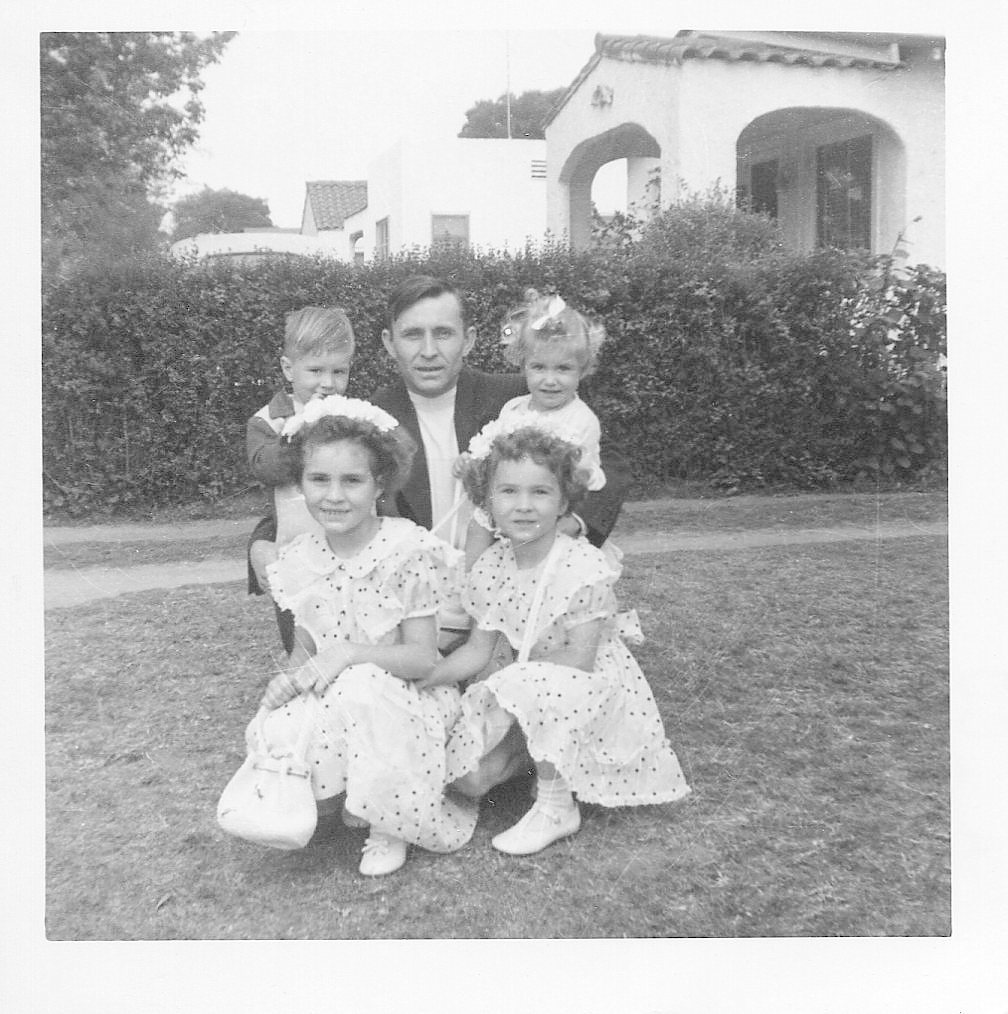
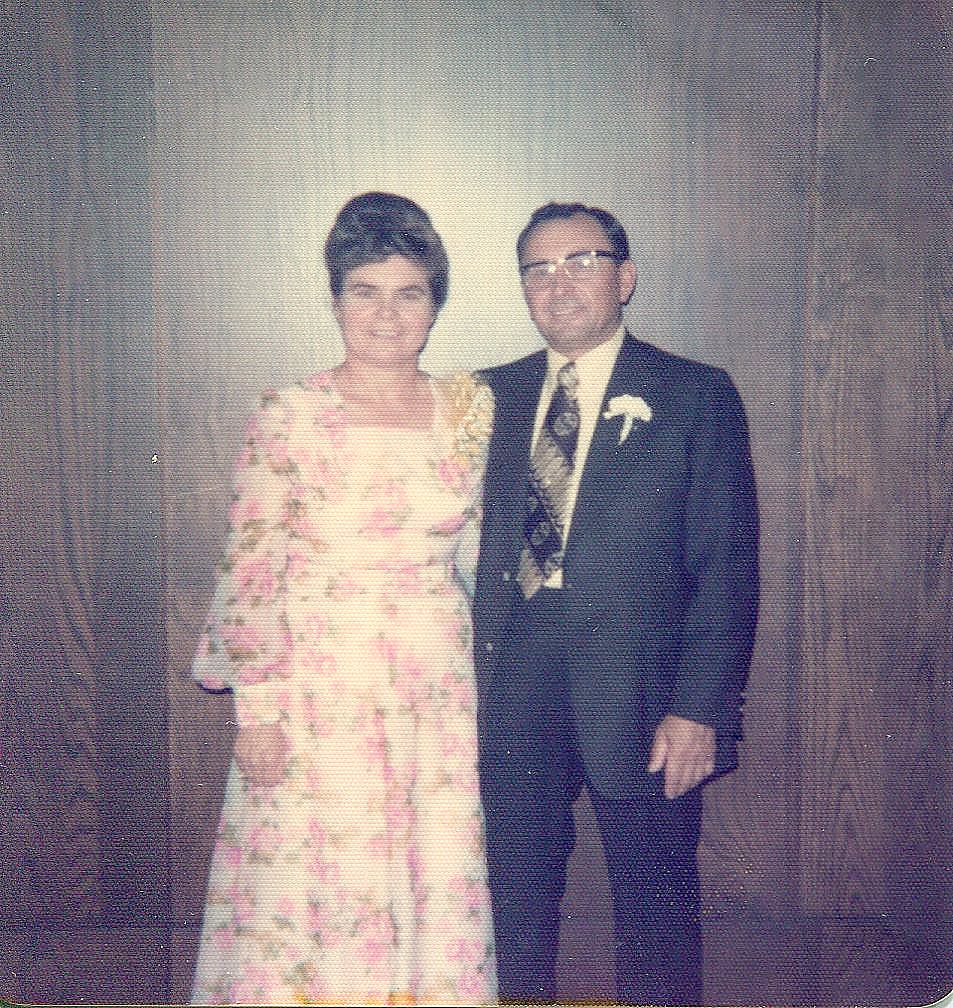
 Here are 3 of my siblings, me and my pop in the glorious 50’s. Fred, Pop, Ellen (me), Kathy and Vera. The next four siblings started arriving from 1958 through 1963.
I was born in 1951. The beginning of the 50’s. Here are some amazing events that occurred in this decade.
1950 – Senator Joseph McCarthy embarks on a public crusade to uncover Communist activity in the U.S.
1950 – First kidney transplant and first successul heart massage are performed.
1950 – U.S. sends troops to Korea.
1951 – Color television is introduced. [Ellen was born, maybe this is the reason I’m visual!]
1952 – A priest, minister, and rabbi sanction the appearance of Lucille Ball’s pregnancy on her TV show.
1952 – Albert Scweitzer is awarded the Nobel Peace Prize.
1952 – President Dwight D. Eisenhower is elected.
1953 – Jonas Salk’s polio vaccine is certified to prevent infantile paralysis.
1954 – Congress adds the phrase “under God” to the Pledge of Allegiance.
1954 – Brown v The Board of Education of Topeka, Kansas outlaws segegation in schools striking down the doctrine of “separate but equal.”
1955 – Rosa Parks refuses to give up her seat on a city bus and, in effect, begins the civil rights movement.
[1955 – Disneyland Opens in Anaheim, California.]
1956 – Elvis Presley releases “Heartbreak Hotel” and starts a music revolution.
1956 – Eisenhower and Nixon win again.
1957 – Federal troops are called in to protect the Little Rock Nine, the first black students to attend all-white Central High.
1957 – The baby boom peaks at 4.3 million births.
1957 – The USSR launches a satellite, Sputnik I, into orbit around the earth.
1959 – The first Barbie doll is introduced.
1959 – Texas Instruments invents the microchip.
1959 – Alaska becomes the 49th state, Hawaii the 50th.
Some memorable quotes to go with this decade…
“We conclude that in the field of education the doctrine of “separate but equal” has no place.” Earl Warren, Chief Justice, Brown v. The Board of Education, 1954
“Recognition of the Supreme Being is the first, the most basic, expression of Americanism. Without God , there could be no American form of government, nor American way of life.” Dwight D. Eisenhower – American Chronicle, 1955
“If the television craze continues with the present level of programs, we are destined to have a nation of morons.” Daniel Marsh (President of Boston College, Columbia Chronicles, 1950)
“Roll over Beethoven. And tell Tchaikovsky the news.” Chuck Berry, “Roll Over Beethoven,” 1956
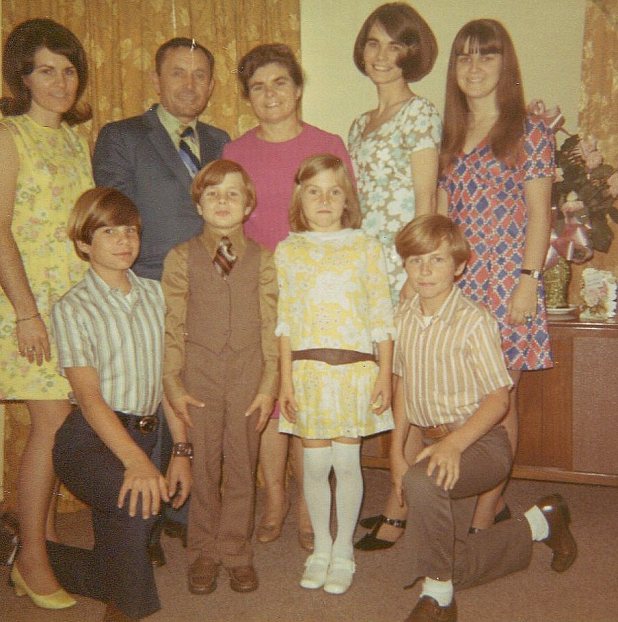
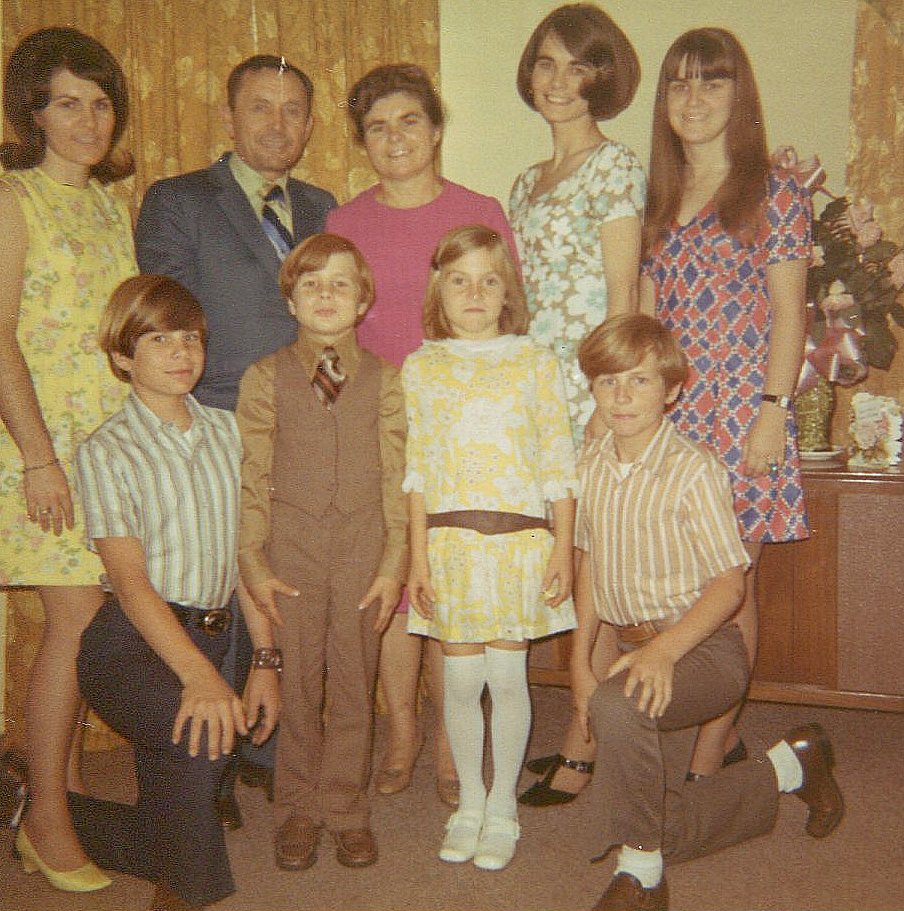
This photo was taken in the late 60’s. Top Row: Oldest sister Kathy, pop, mom, Vera, Me, Tim, Leonard, Lana and Steve. Our brother Fred who is older than me is missing from this photo. All of my parents kids were born in the late 40’s, 50’s with the twins arriving in the 60’s.

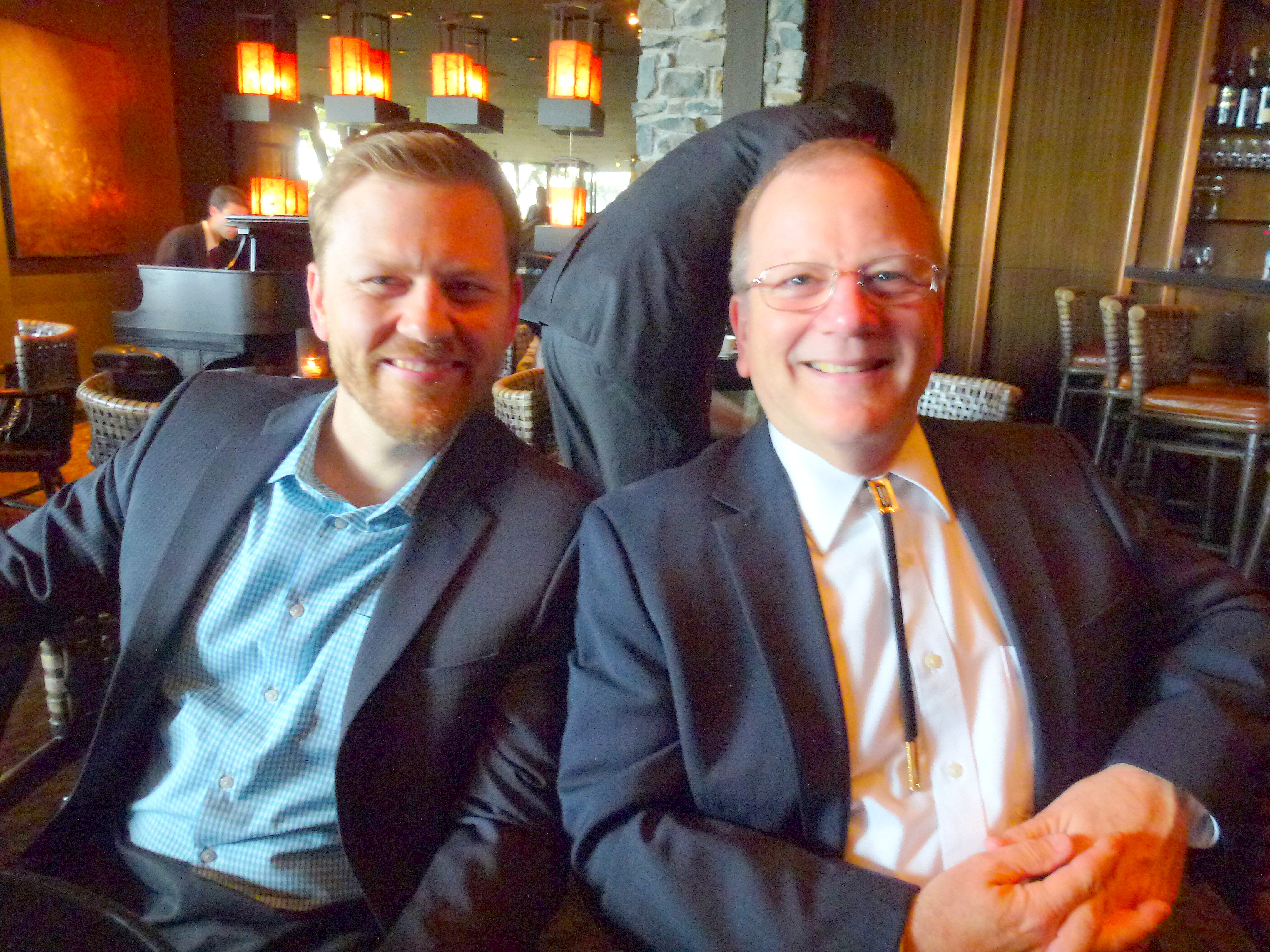
I couldn’t finish this post without an additional photo of the last two siblings in our family. Twins born in 1963, Lana and Leonard. Oh the tales we can tell you about the marvelous 60’s and these two, but this is a post about the 50’s so those tales will have to wait….
ht: 100 Voices ~ Words That Shaped Our Souls, Wisdom To Guide Our Future ~ compiled by Anne Christian Buchanan and Debra K. Klingsporn Copyright 1999 by Front Porch Books
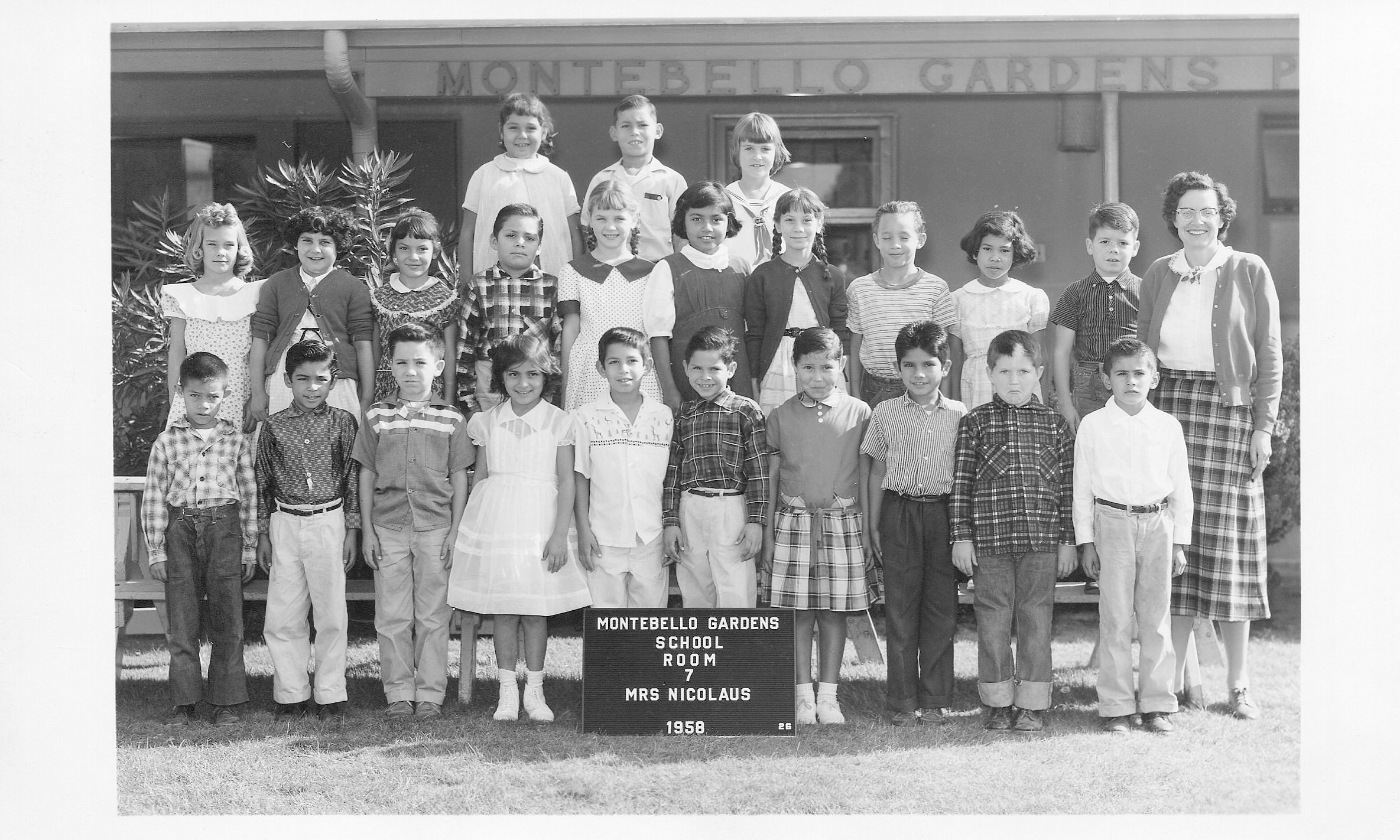







 The photos in this post were updated because Photobucket blacked out the original photos on this post.


 The Happy Wonderer ~ ellen b.