Wednesday has popped up again so time for the Hodgepodge. Jo From This Side of the Pond asks the timely questions and we take a stab at answering them. Thank you Jo!
1. This week’s Hodgepodge lands on Ash Wednesday which signals the beginning of Lent. Do you mark this season in some way? If so tell us more.
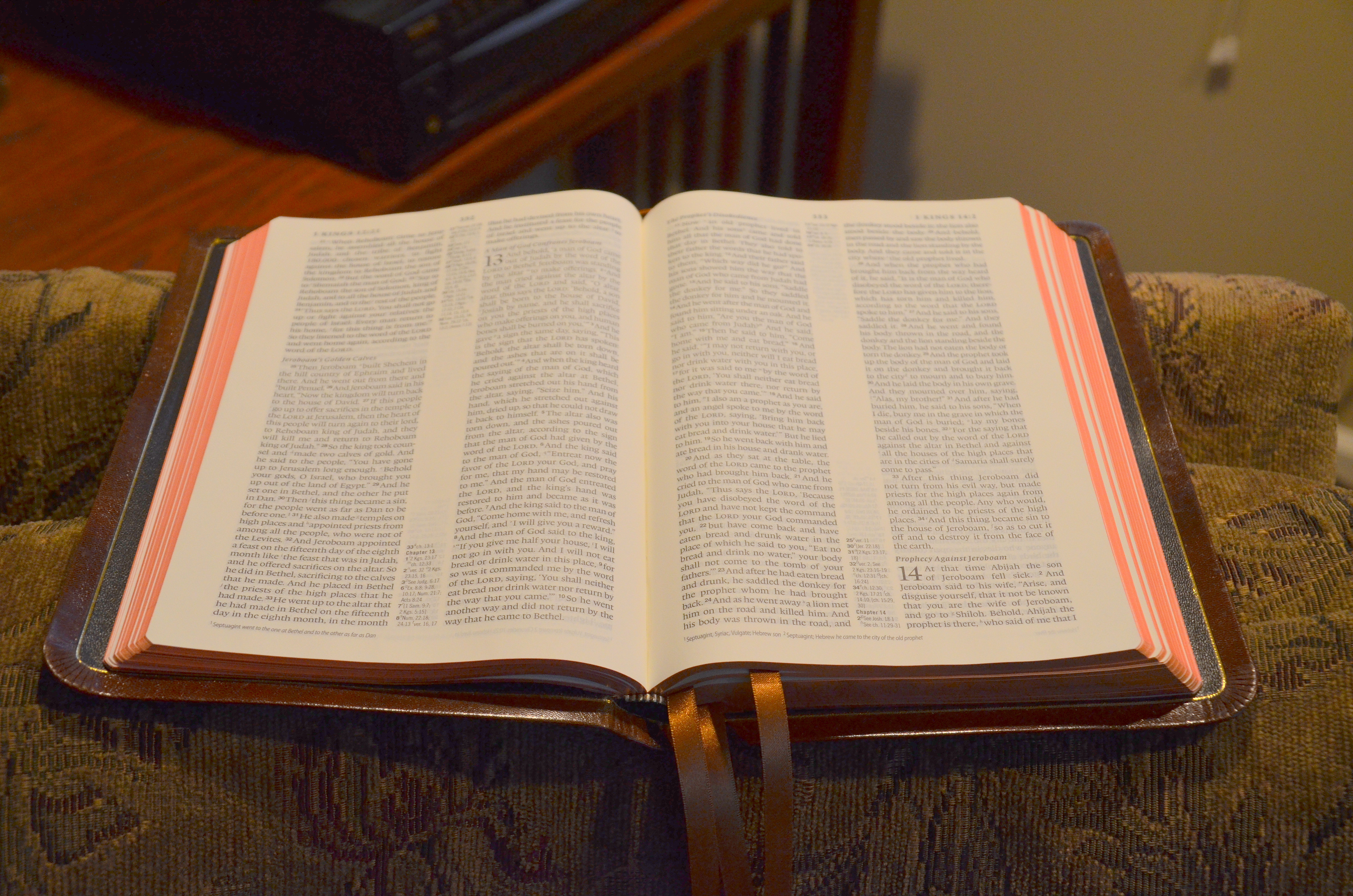
We are aware of the season of Lent but we typically do not mark this season with ash on our foreheads or choosing something to give up for 40days. In the last few years I have used a few Lenten devotionals during the season but mostly stick to my daily Bible reading and meditation on what I’ve read in the Bible.
Did you grow up ‘celebrating’ Lent?
My first exposure to Lent was at the schools I attended in Southern California. There was a high population of Catholics and I was intrigued when I first saw some of my classmates come to school on Ash Wednesday with ash marks on their foreheads. Then to hear they couldn’t have gum or candy or cuss for 40 days gave me pause. The religion I grew up in distanced themselves from liturgical and Catholic traditions.
Is attending church part of your weekly routine?
Meeting together with fellow born again believers of Jesus Christ has been both my husbands and my practice since childhood which we have continued into our married life. The fellowship with other believers is an encouragement that we don’t want to miss. Worshipping God together corporately is a very important dimension of the Christian life.
Are churches open for in-person worship where you live?
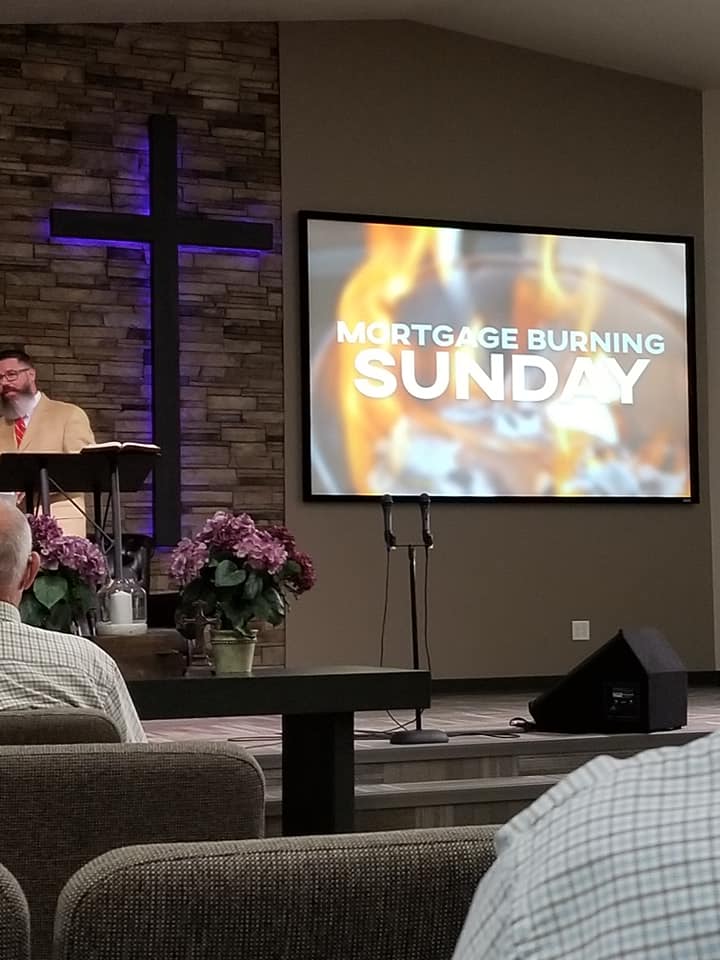
Our church has been meeting since June of 2020. We still offer online services and we have a ‘mask only’ room at the church during services and we have a ‘social distancing’ room available, too. In our main sanctuary you will find those who wear masks and those who don’t.
We ceased meeting together from March until June of 2020 when the first mandates were instituted. When we returned to meeting again in June you could feel the corporate joy. It was overwhelming and good.
2. When is the last time you sat beside a ‘real’ fire?
In our son’s backyard sometime in the last year? Most of our fire experience since we moved to the country has been tending our burn piles in Spring and when the local fire danger is low and burning is permitted.
Do you have a fireplace in your home? Wood or gas logs?
Our country bungalow does not have a fireplace.
Favorite thing cooked over a fire?
I’m not a fan of smores so I’m going to say a hot dog.
3. Something that’s currently got you fired up?
All forms of wickedness. I’ll leave it at that because I don’t want to get anyone else fired up.
4. February 17th also happens to be National Cabbage Day. Who knew? Do you like cabbage?
Is cabbage on your menu Wednesday? Of the following cabbage dishes which is your favorite-coleslaw (mayo or vinegar?), sauerkraut, cabbage rolls, cabbage soup, kielbasa and cabbage, grilled cabbage, bubble and squeak, kimchi, or haluski?
Cabbage is not on the menu but if it was it would be Golupstzi (Russian Cabbage Rolls), or Borsch (Russian Cabbage Soup). I love these dishes now but growing up I’d pull the cabbage off the cabbage rolls and I hated the cabbage part of Borsch.
5. Do you hang on to pennies?
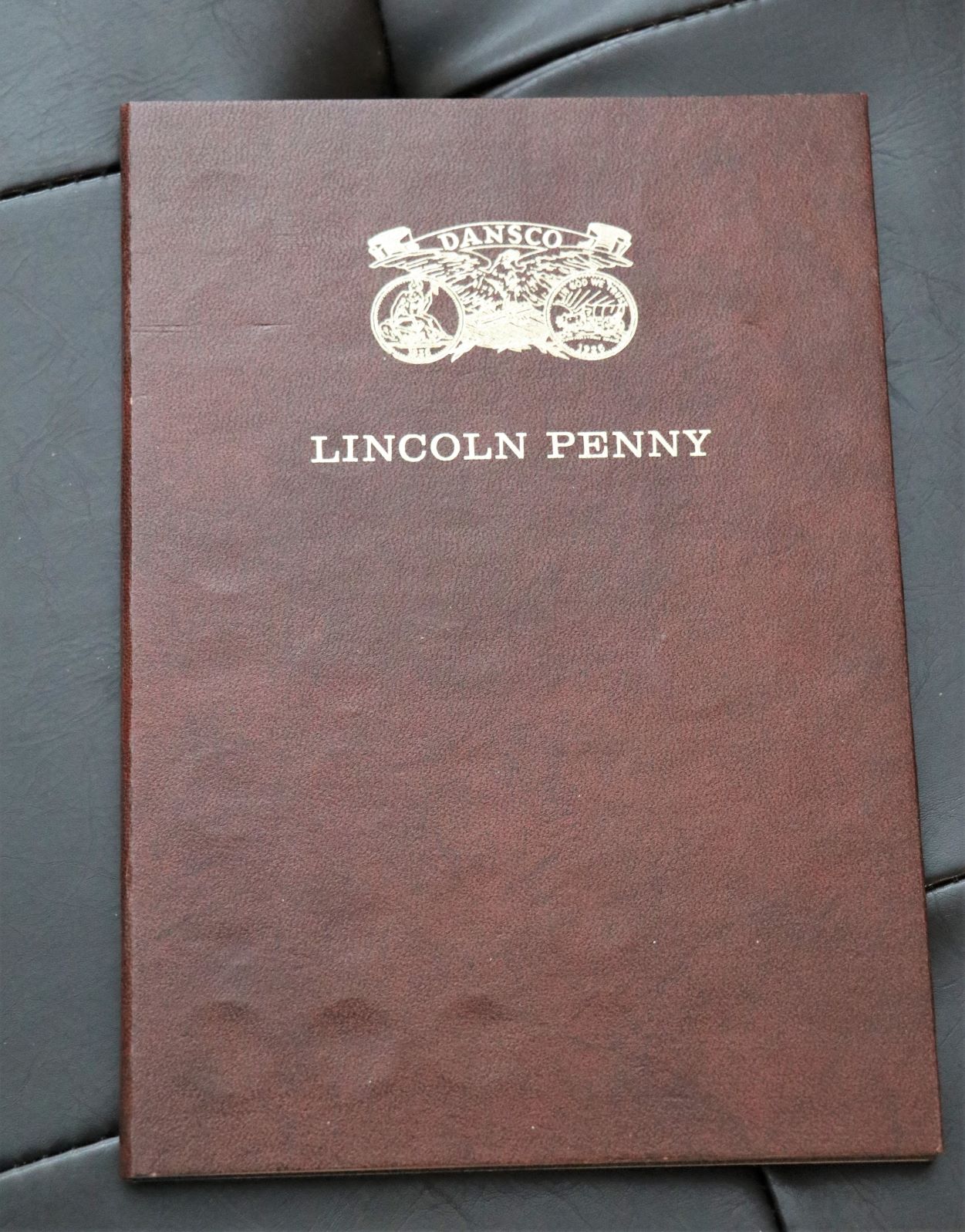
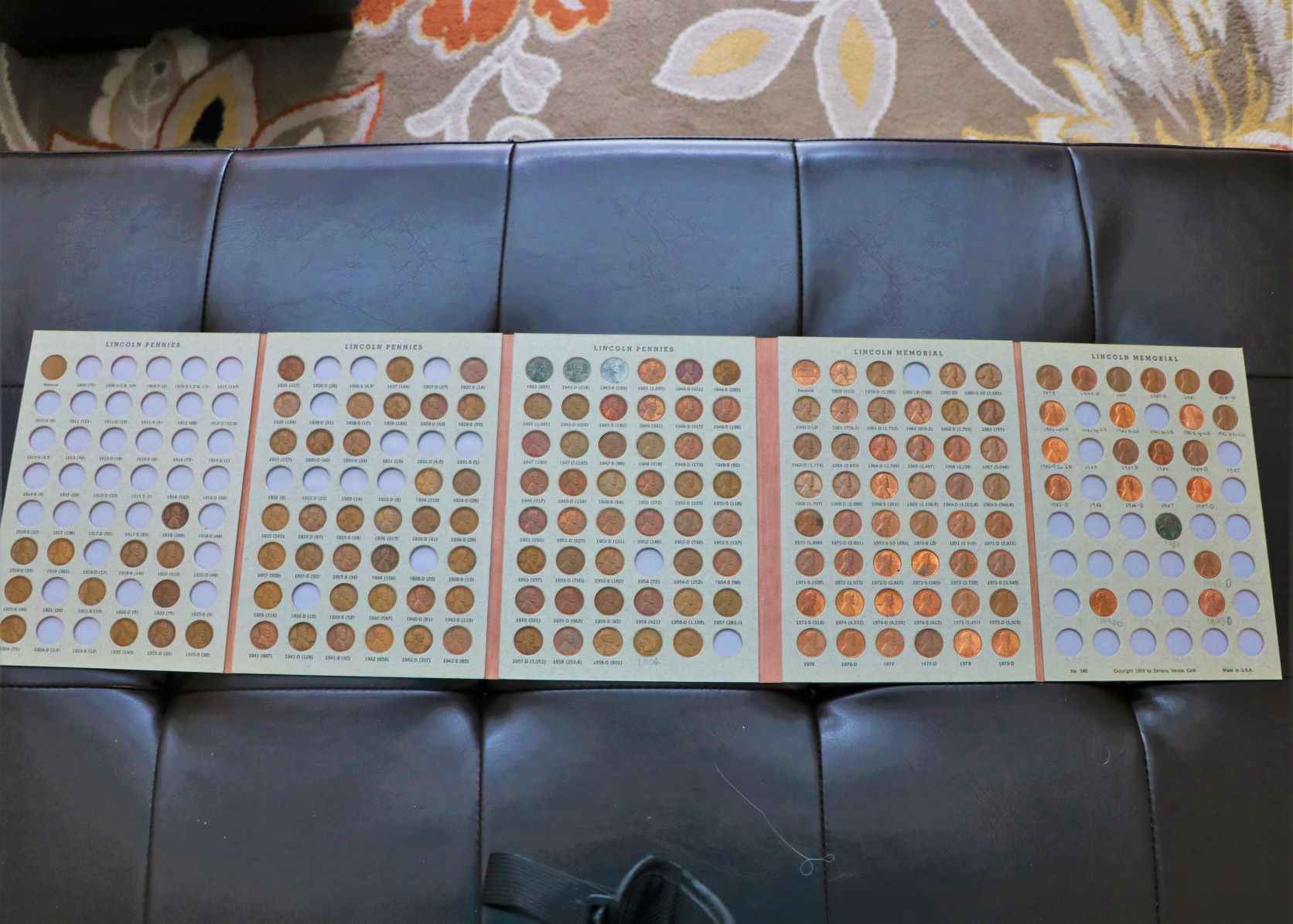
Not recently but back in Dear’s early years he started coin collections and we still have those.
He has pennies from 1918 to 1993 in this collection.
What do you do with them?
Nothing. Funny coincidence is that we just retrieved Dear’s coin folders from the filing cabinet in the garage on Monday before these hodgepodge questions were posted on Tuesday.
Last thing you purchased for $1.00?
A Valentine’s day card at the Dollar Store.
Last thing you purchased for $5.00?
A Costco rotisserie chicken for $4.99 last Thursday. One cent shy of the $5.
6. Insert your own random thought here.
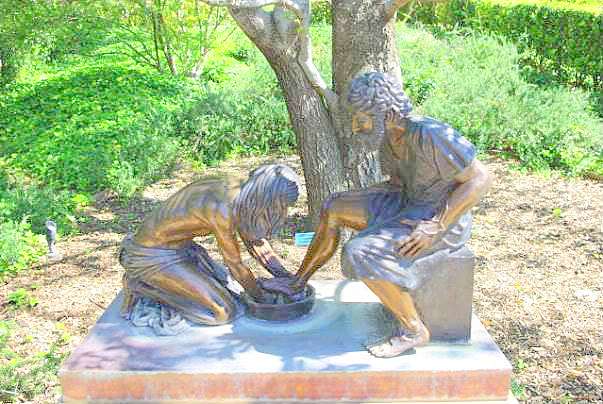
It was just before the Passover Feast. Jesus knew that the time had come for him to leave this world and go to the Father. Having loved his own who were in the world, he now showed them the full extent of his love.
Even though we don’t observe Lent with ashes or fasting we do read and meditate on God’s Word and read sections of scripture that lead up to the Crucifixion and Resurrection of Jesus to fix our minds on what Jesus did for us and why we celebrate Easter, Christ’s Resurrection Day. Our Easter celebration is one of our grandest along with Christmas.
My photograph of the sculpture above (Jesus washing Peter’s feet) was taken at the Gardens of the World in Thousand Oaks, California back in 2011.