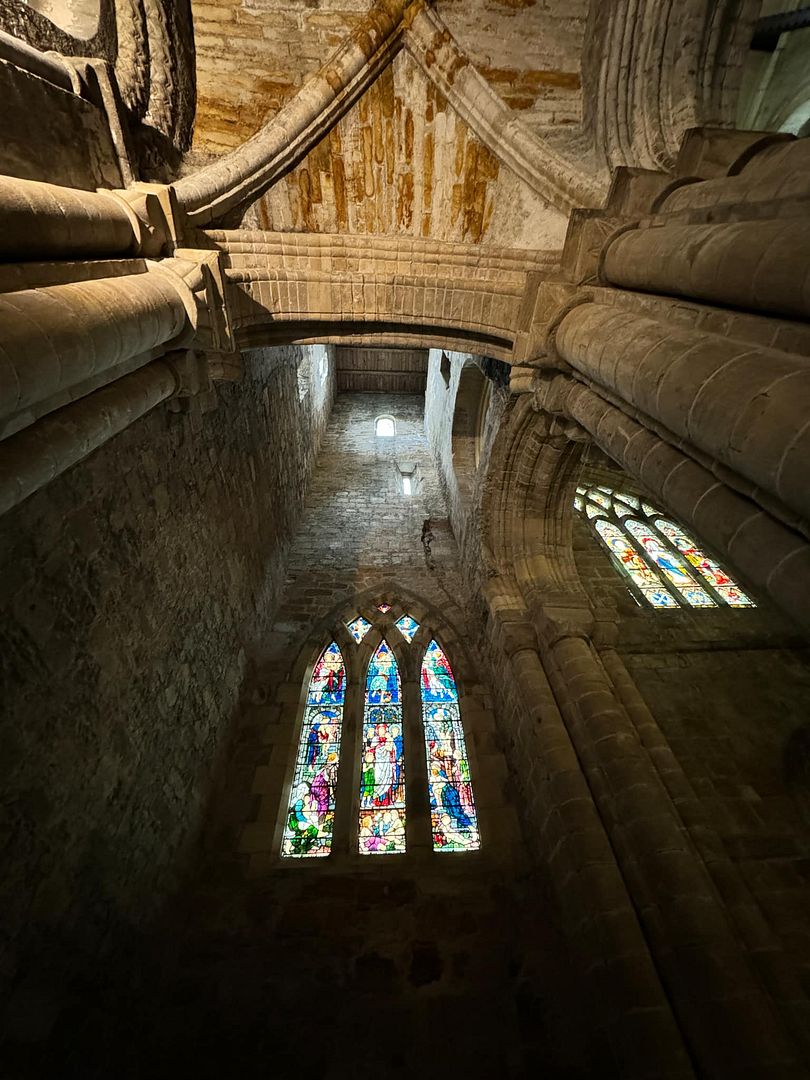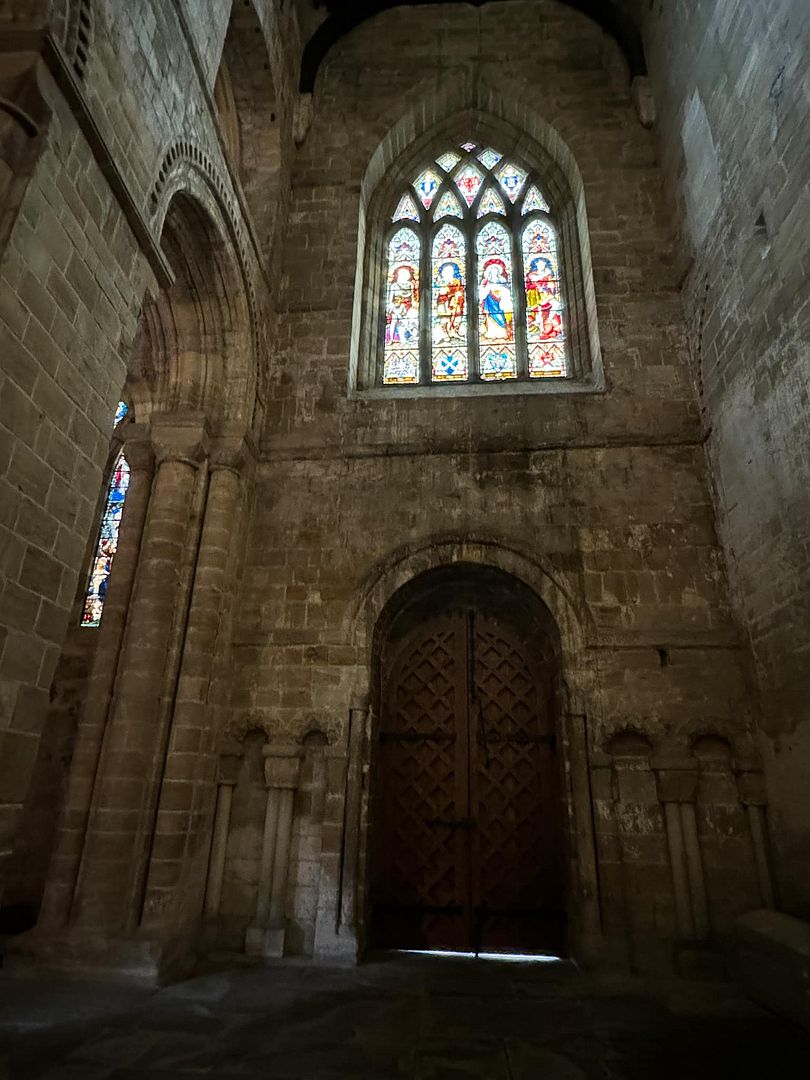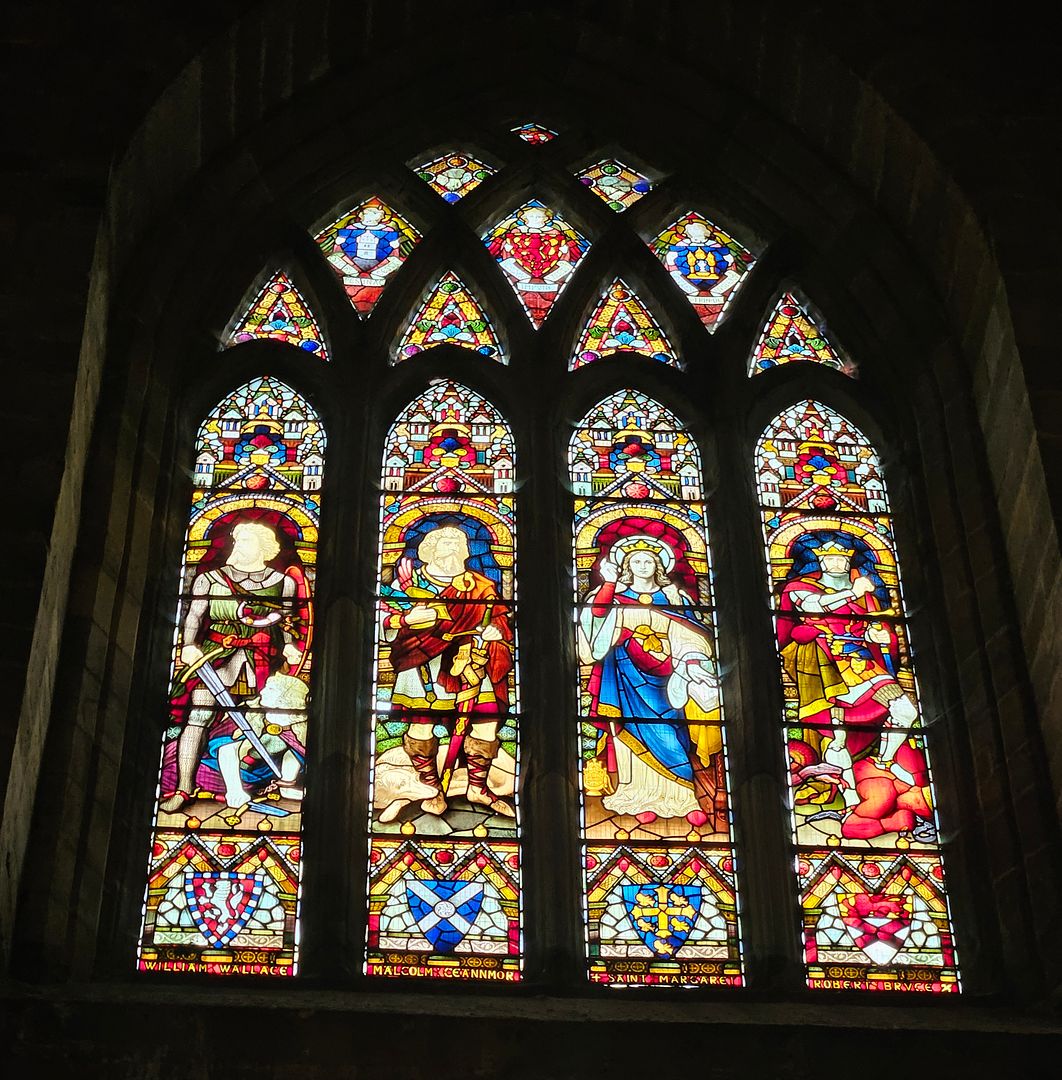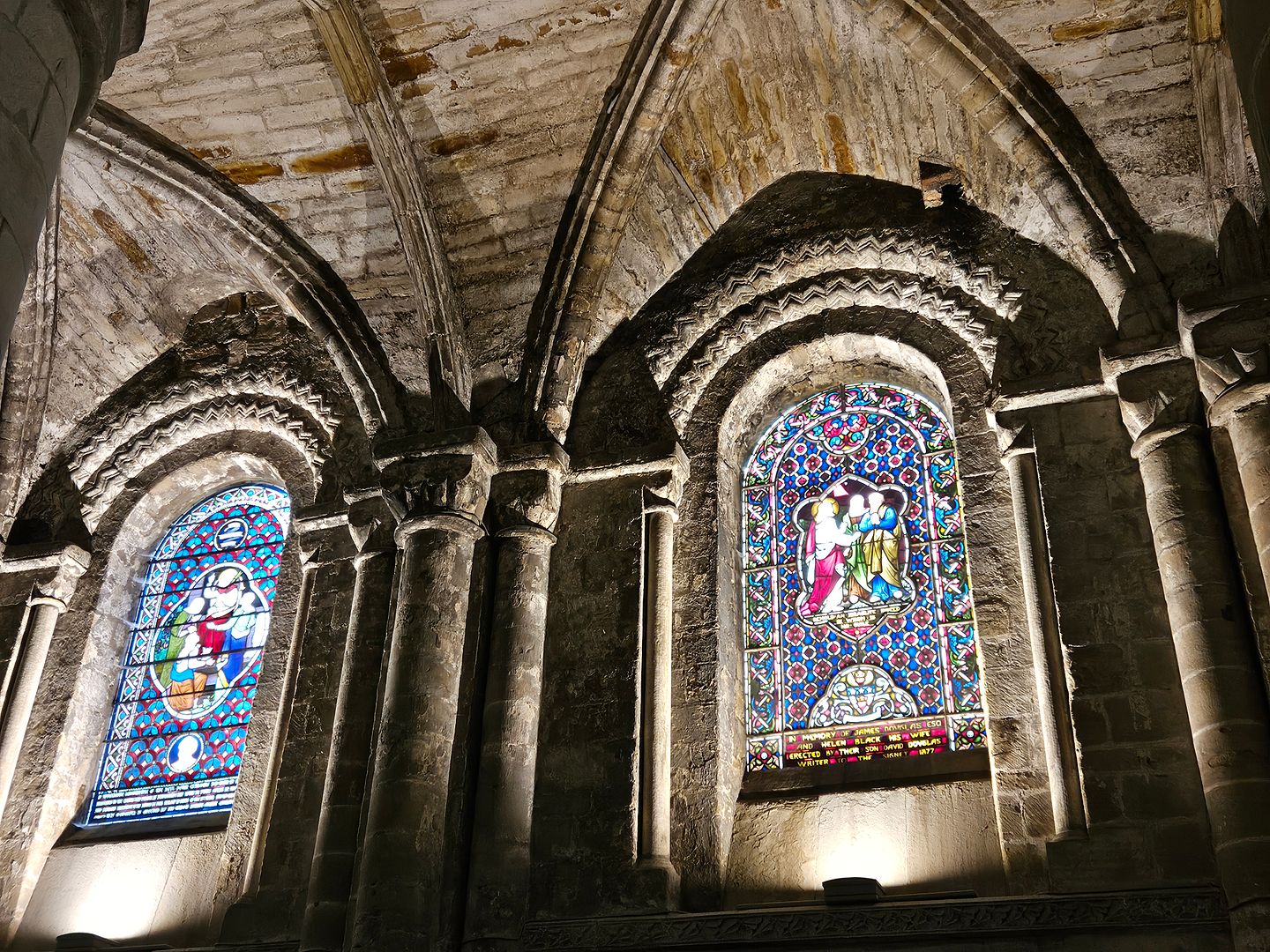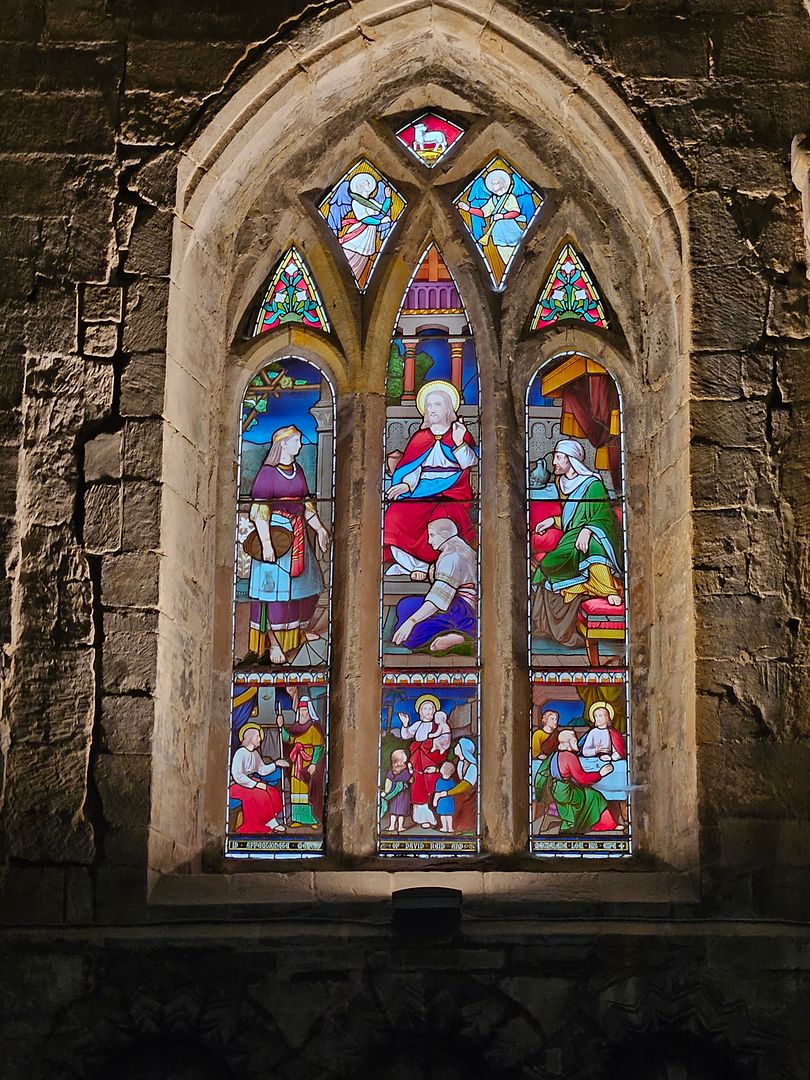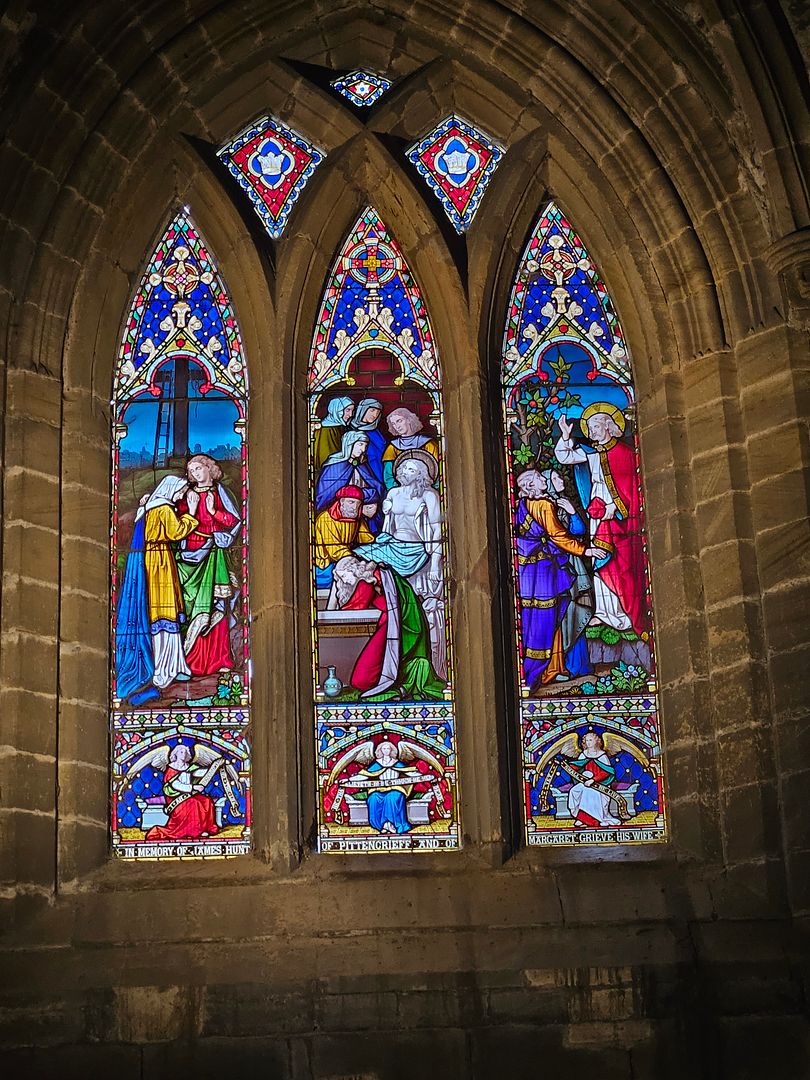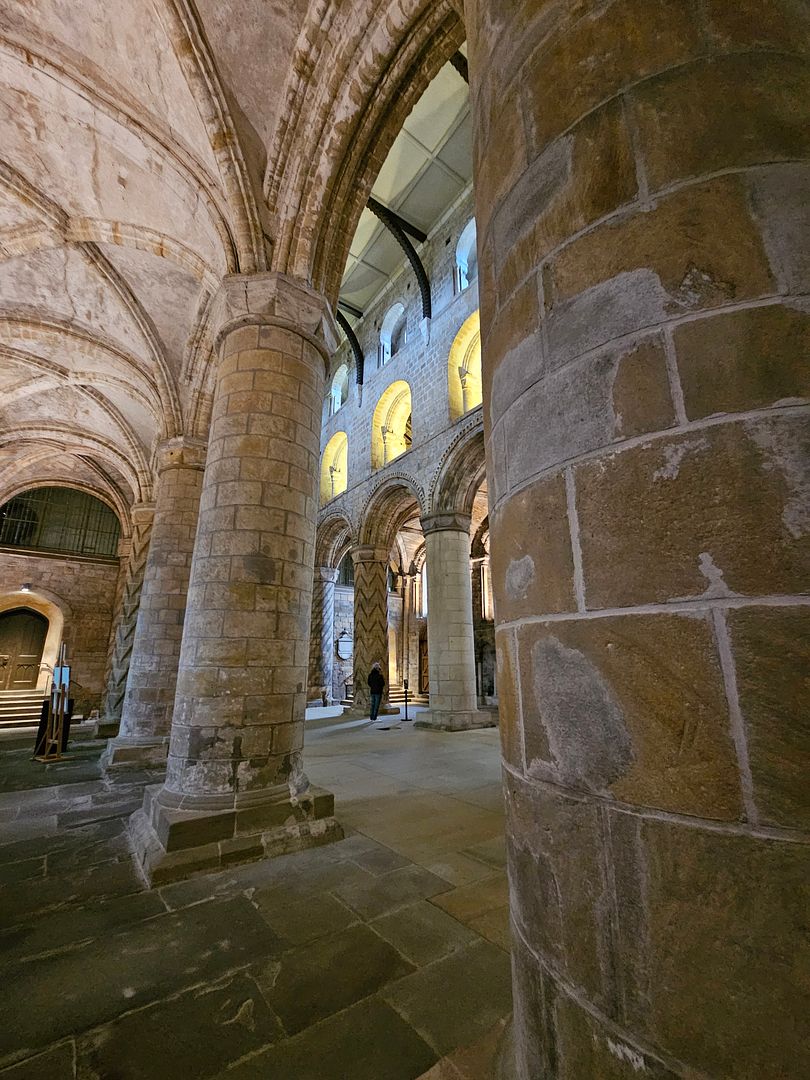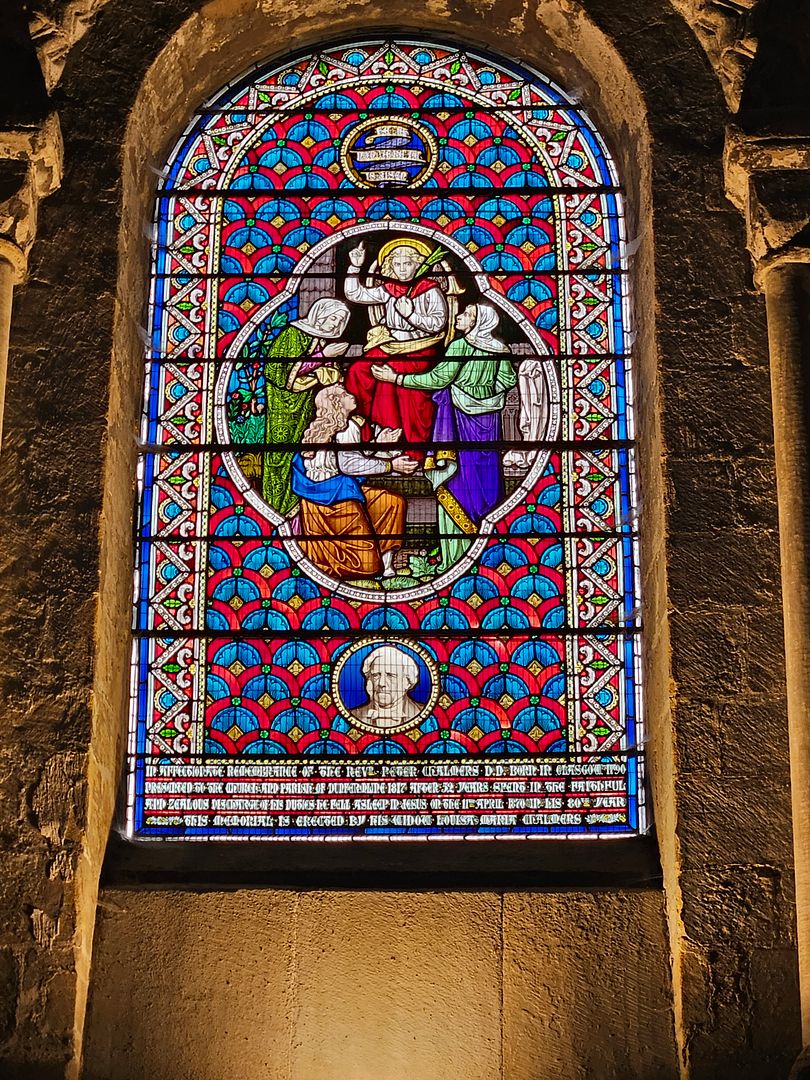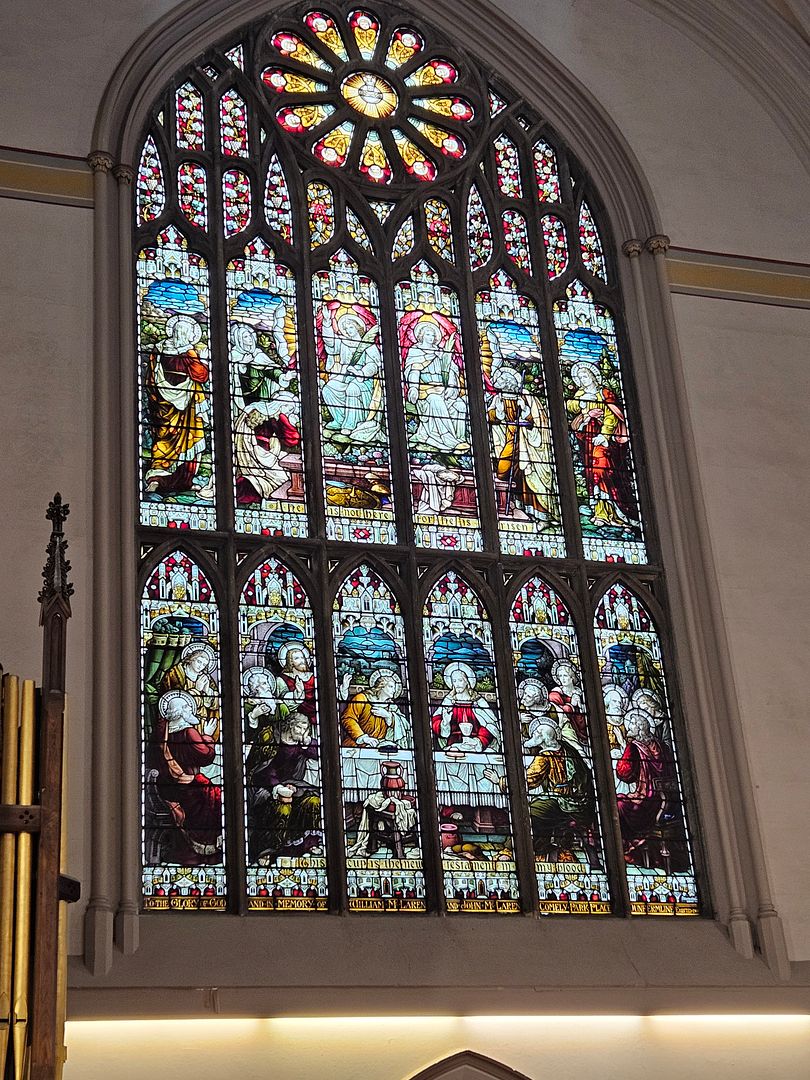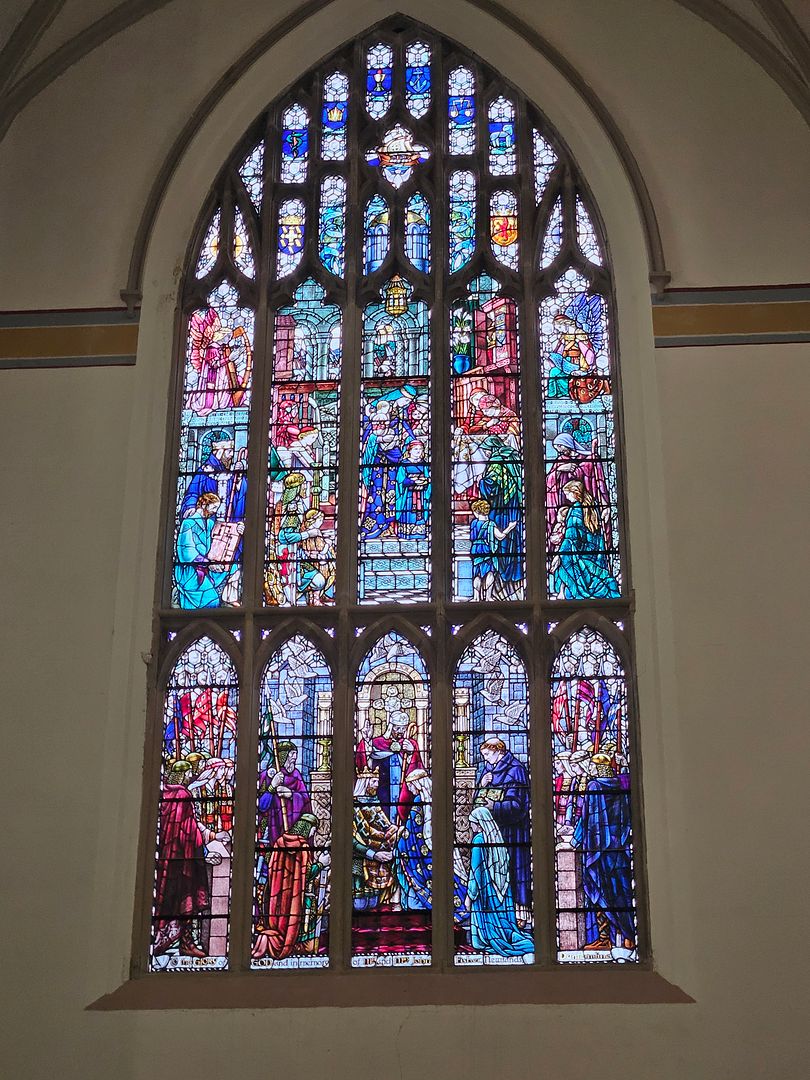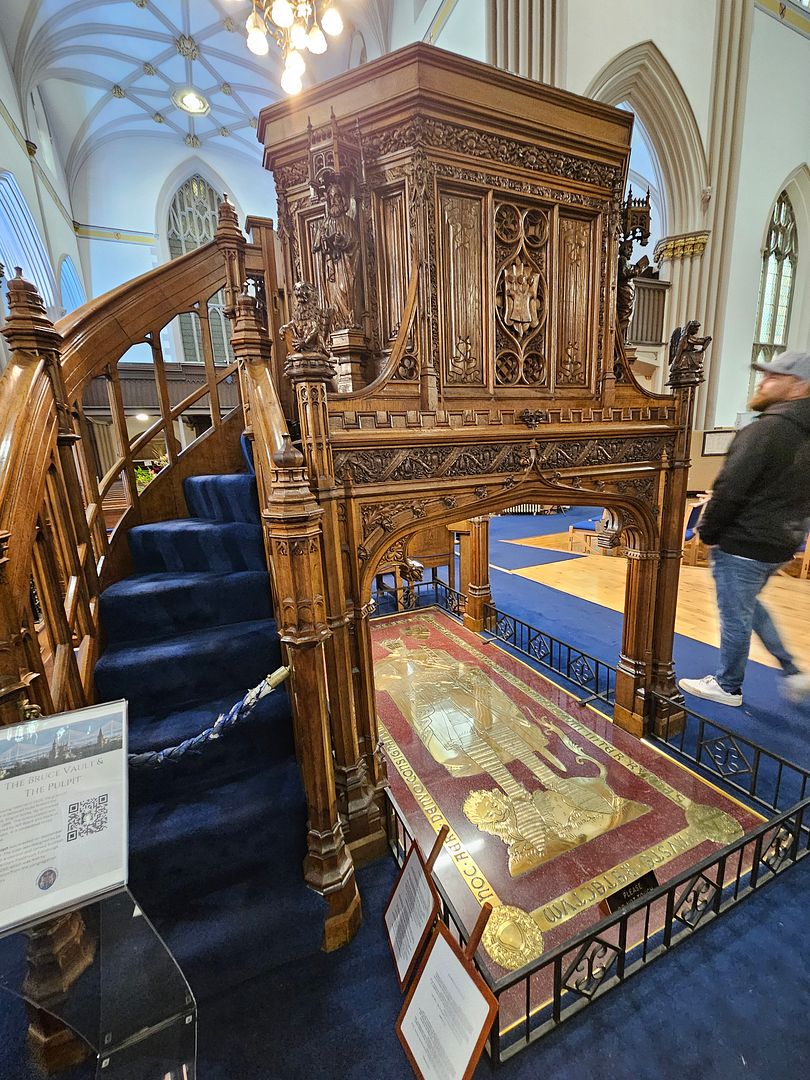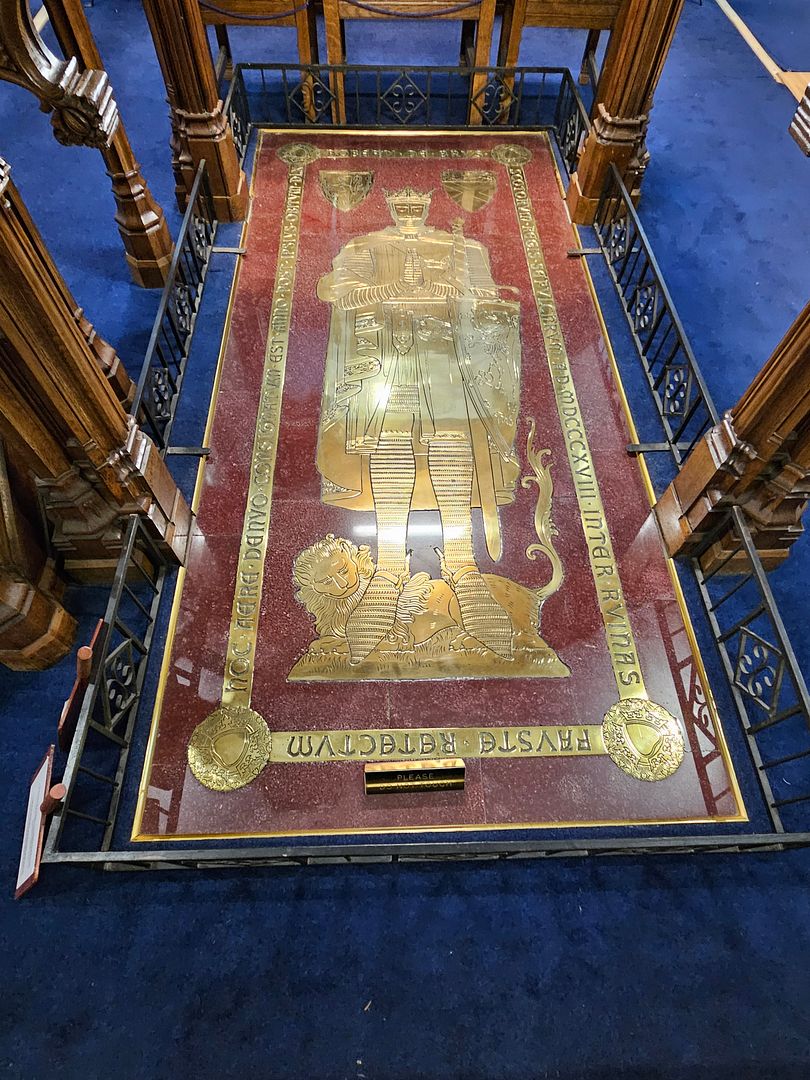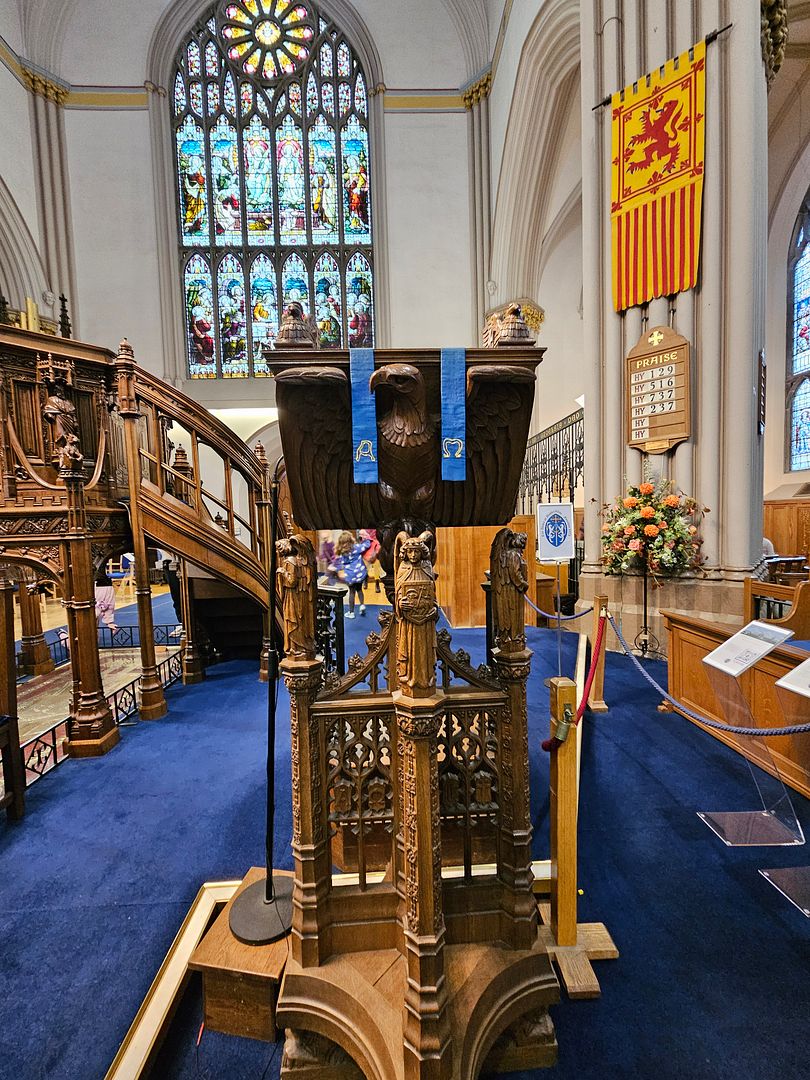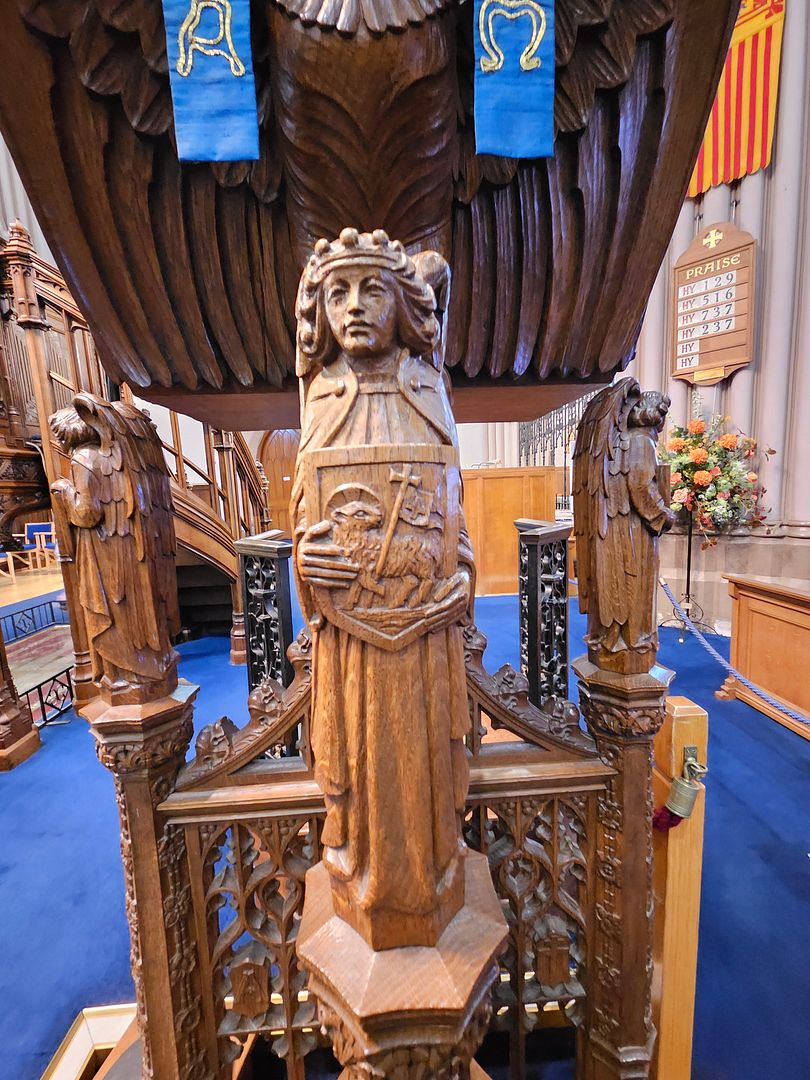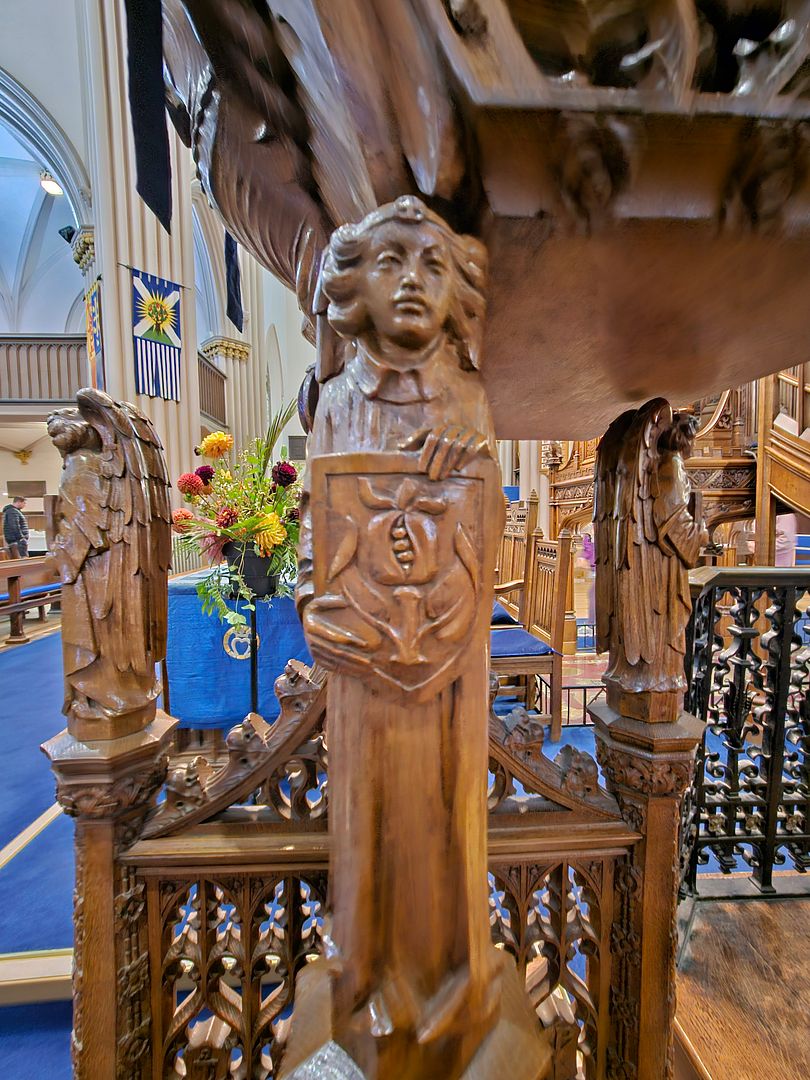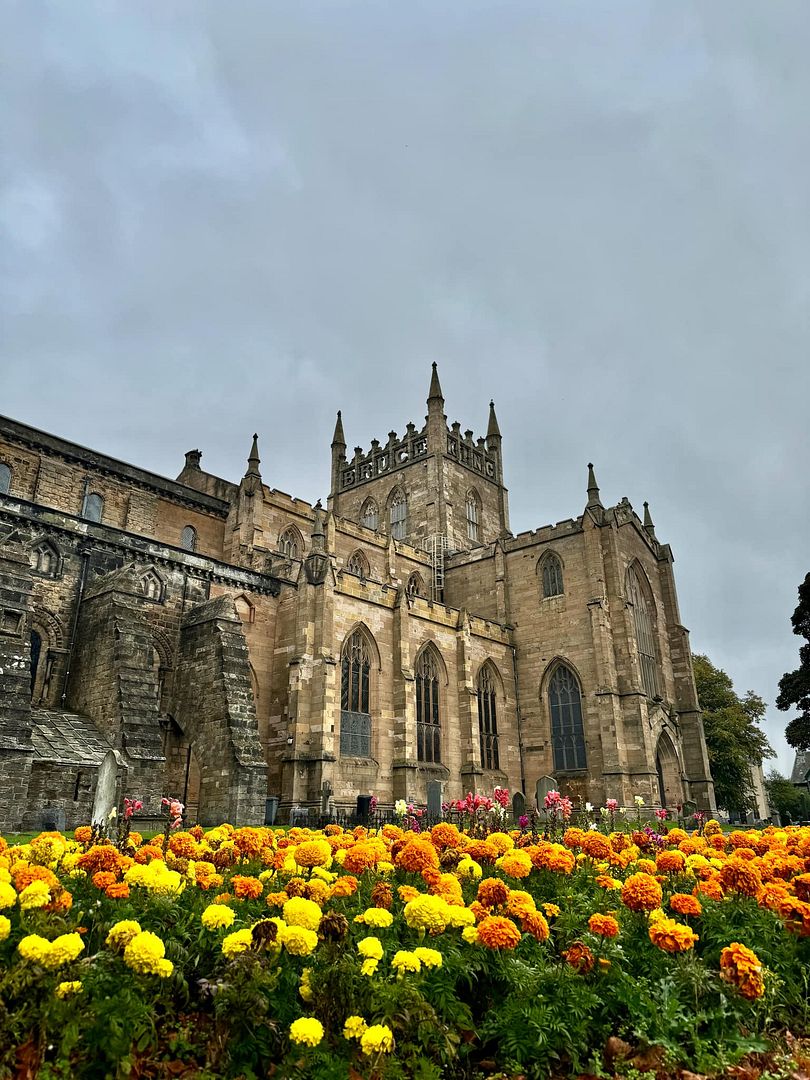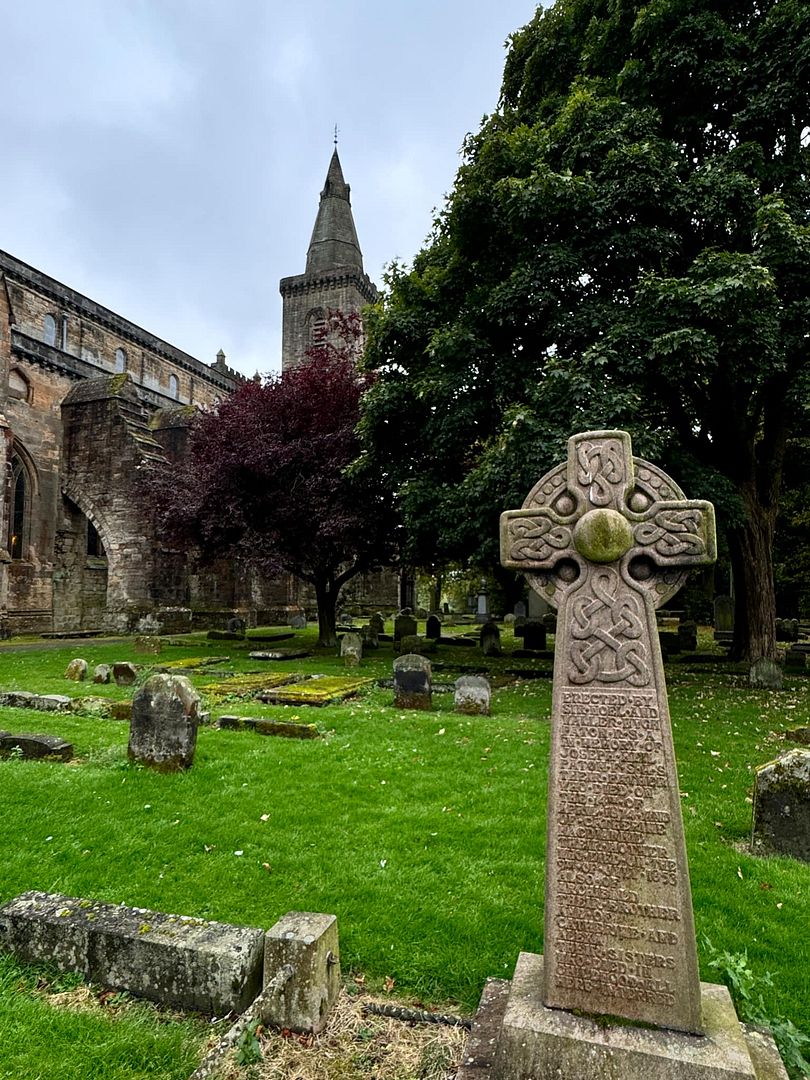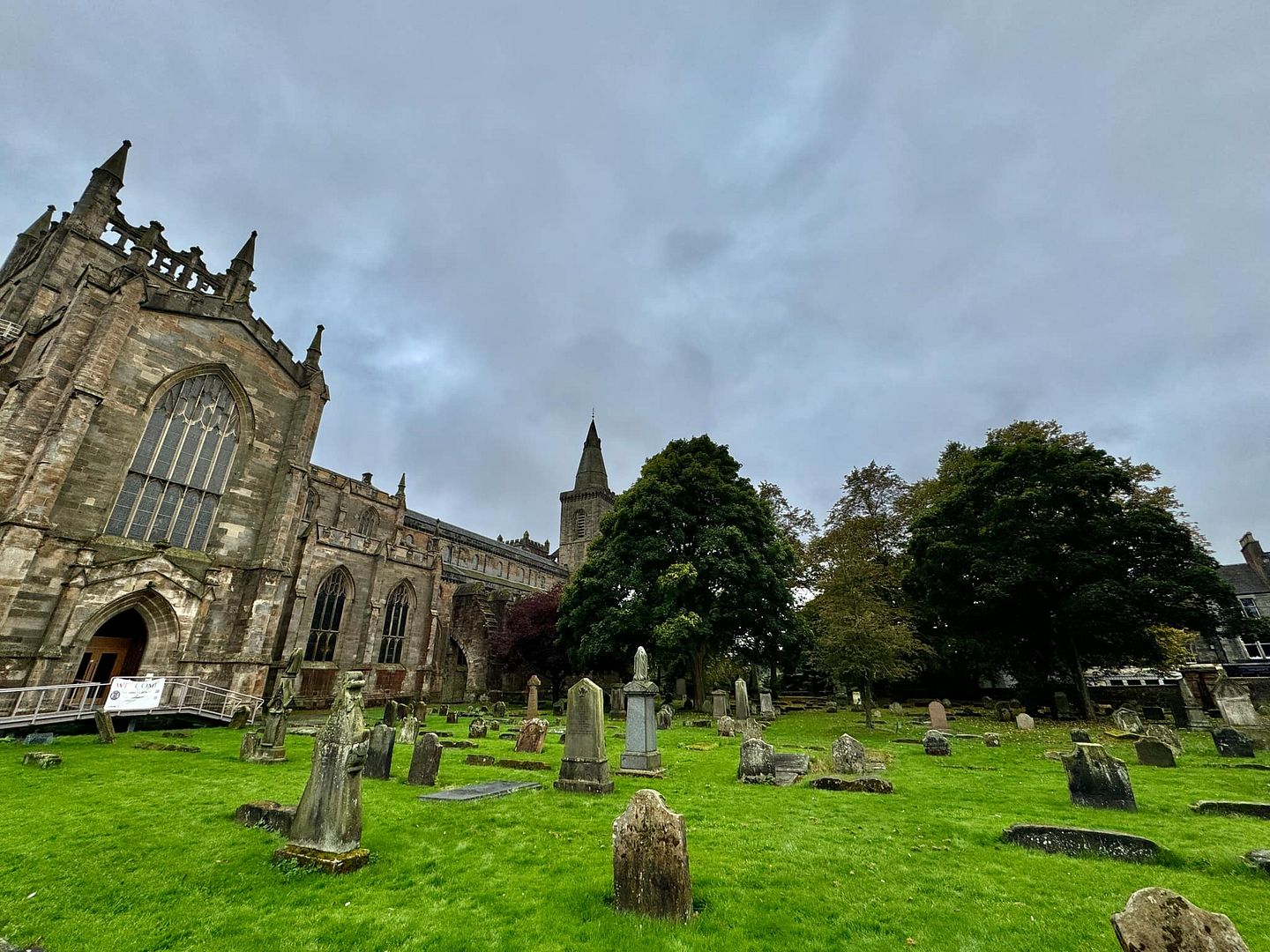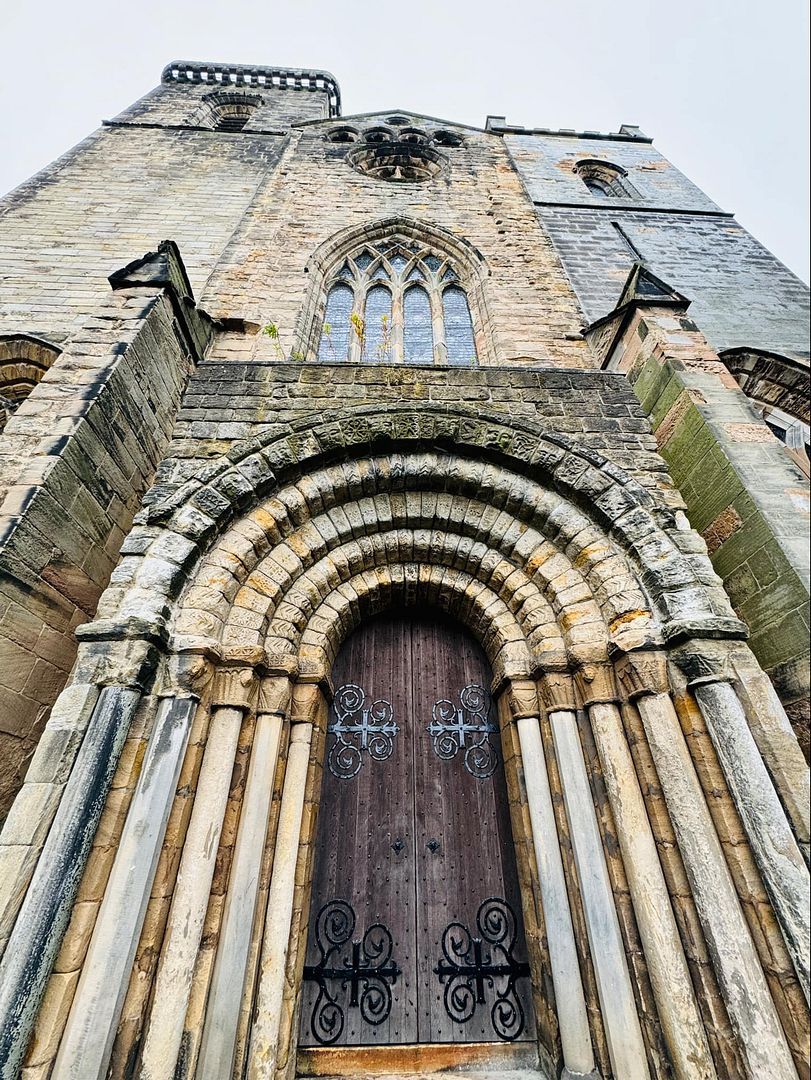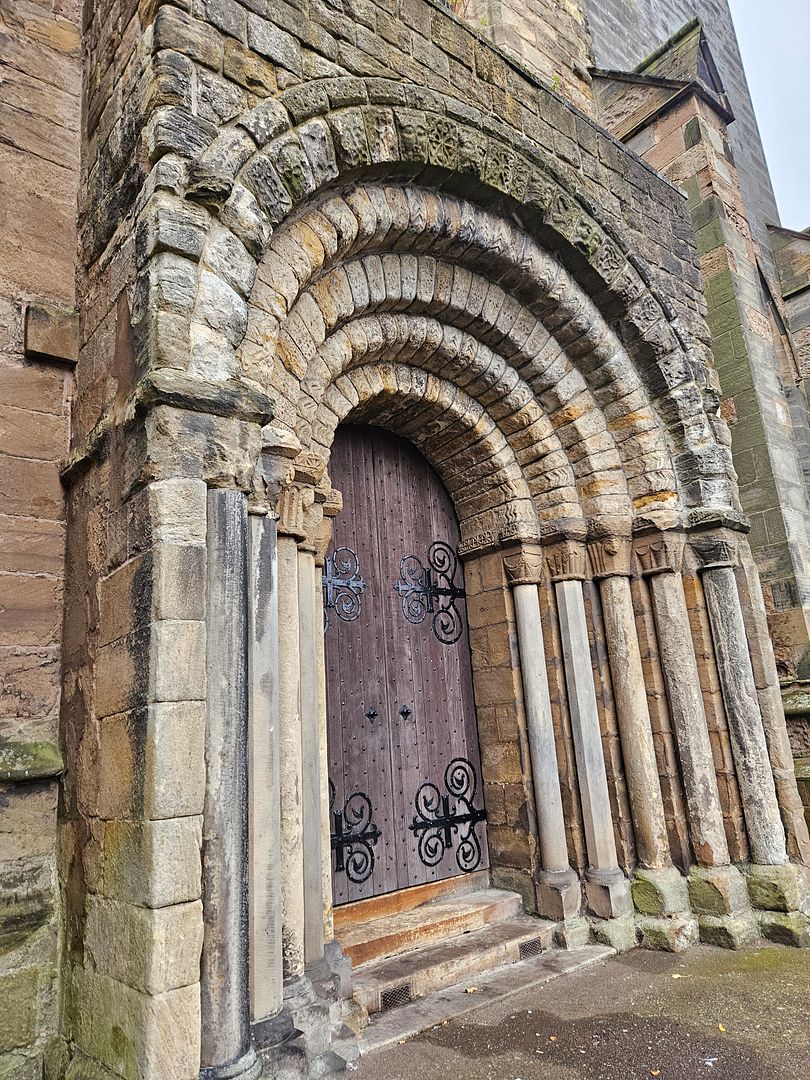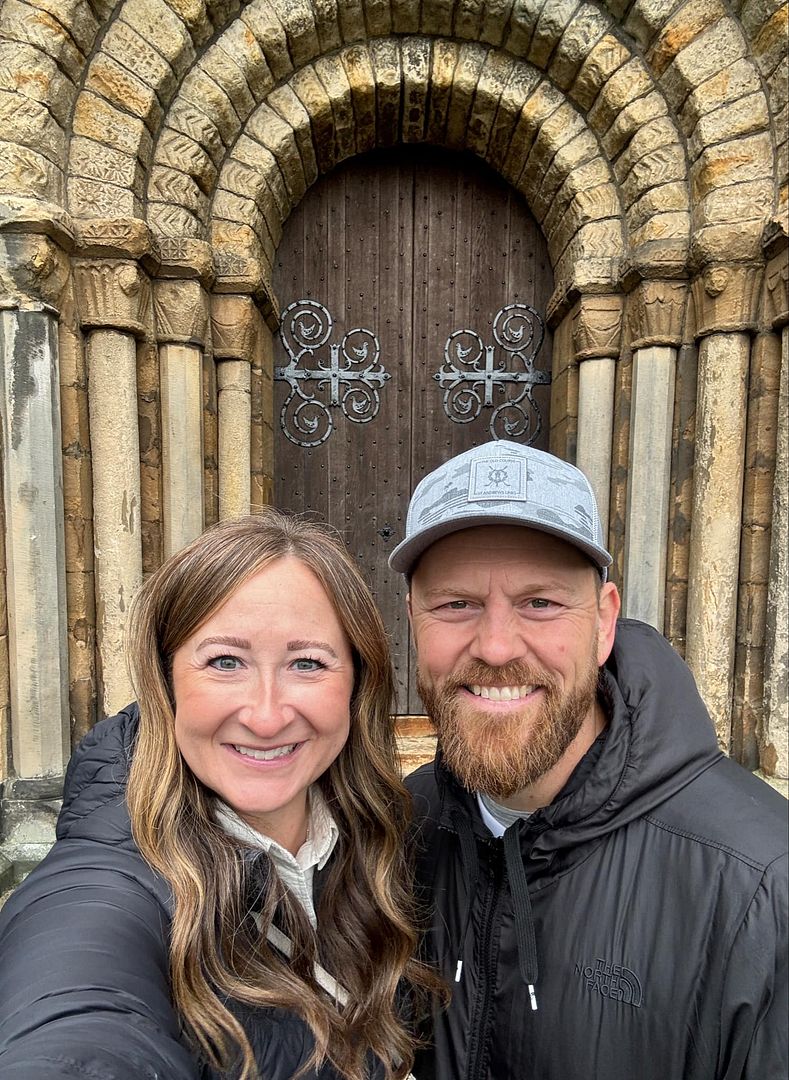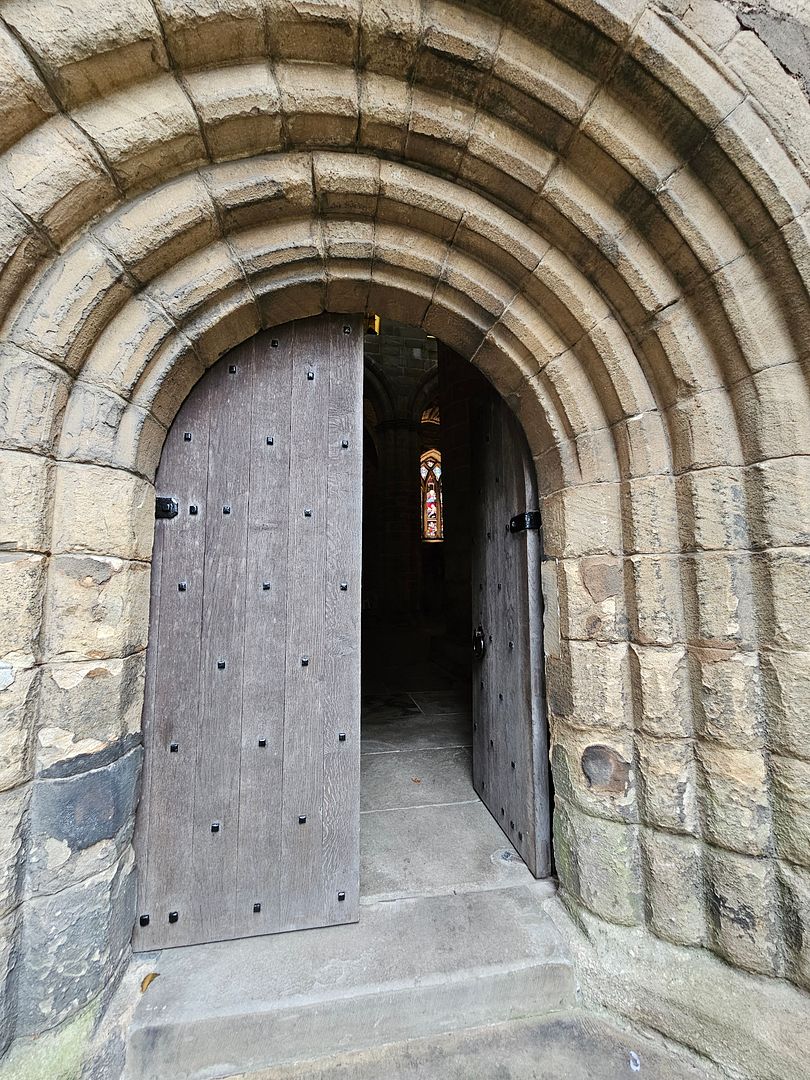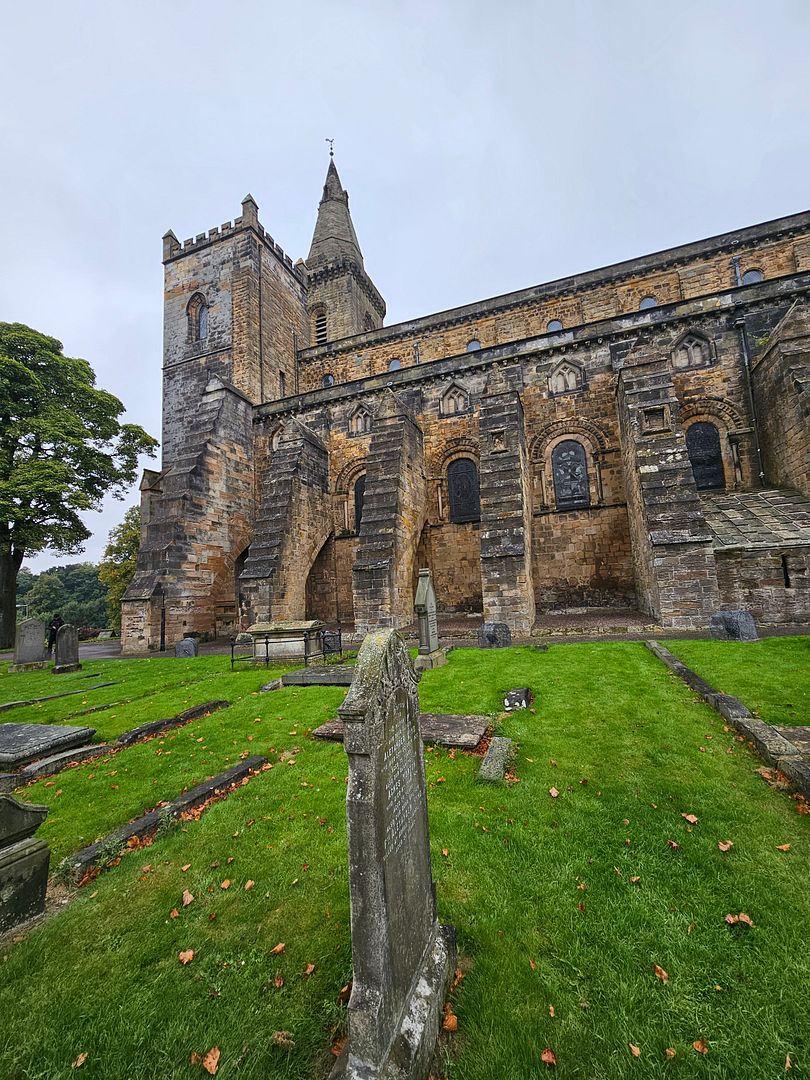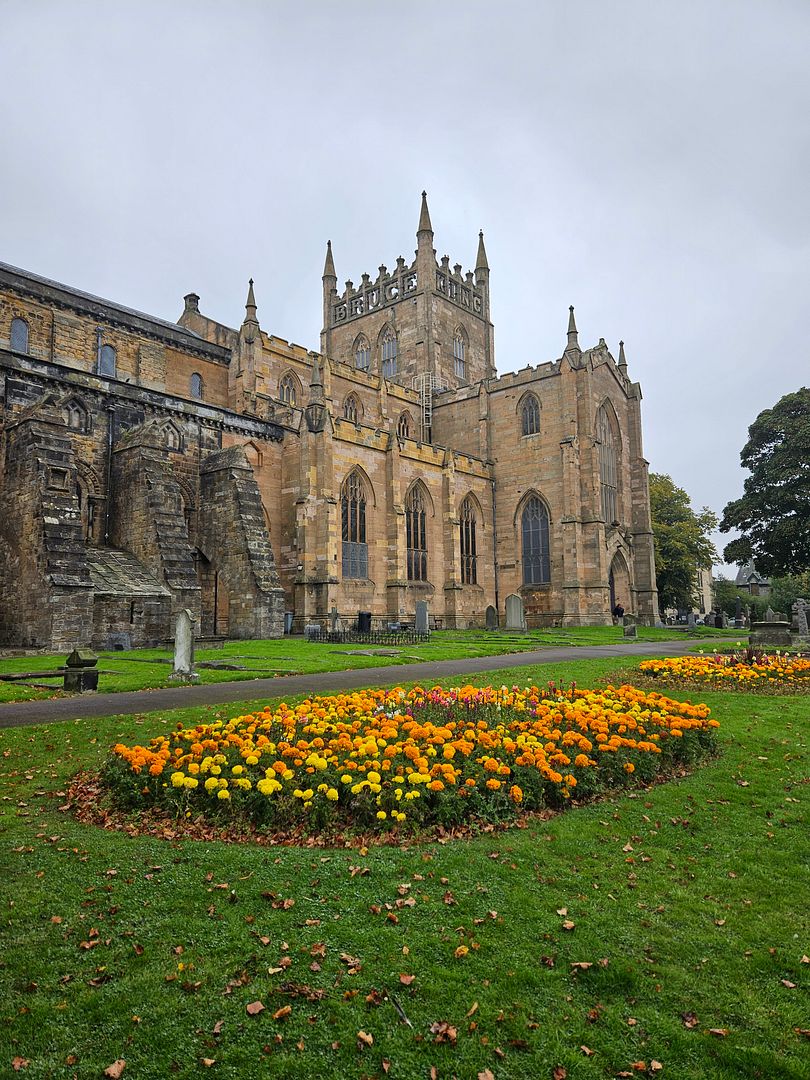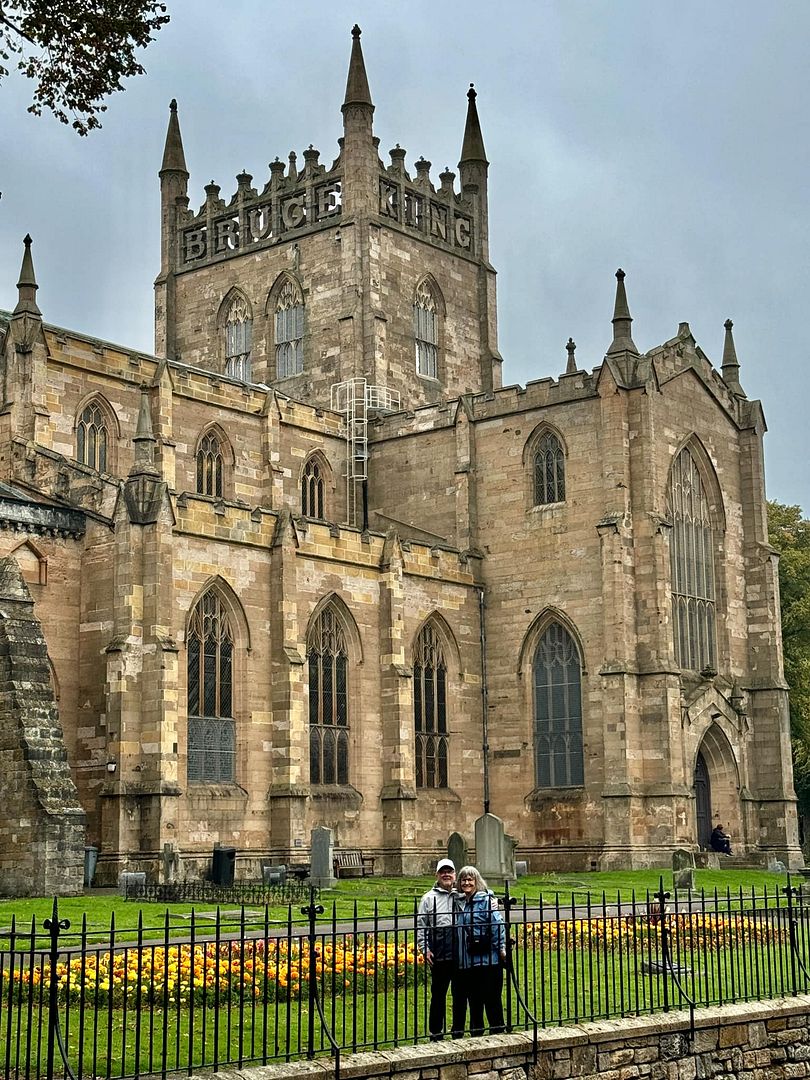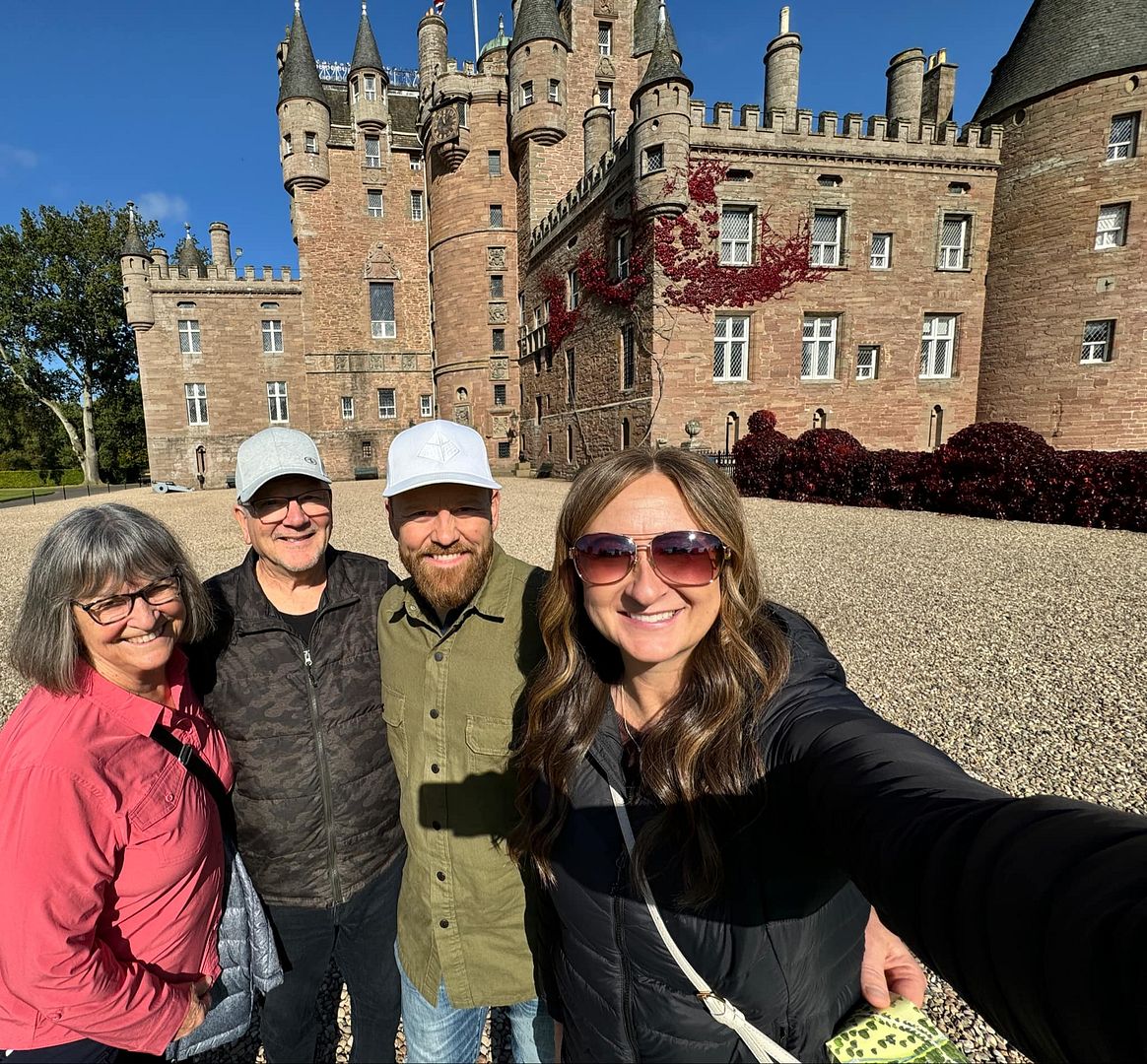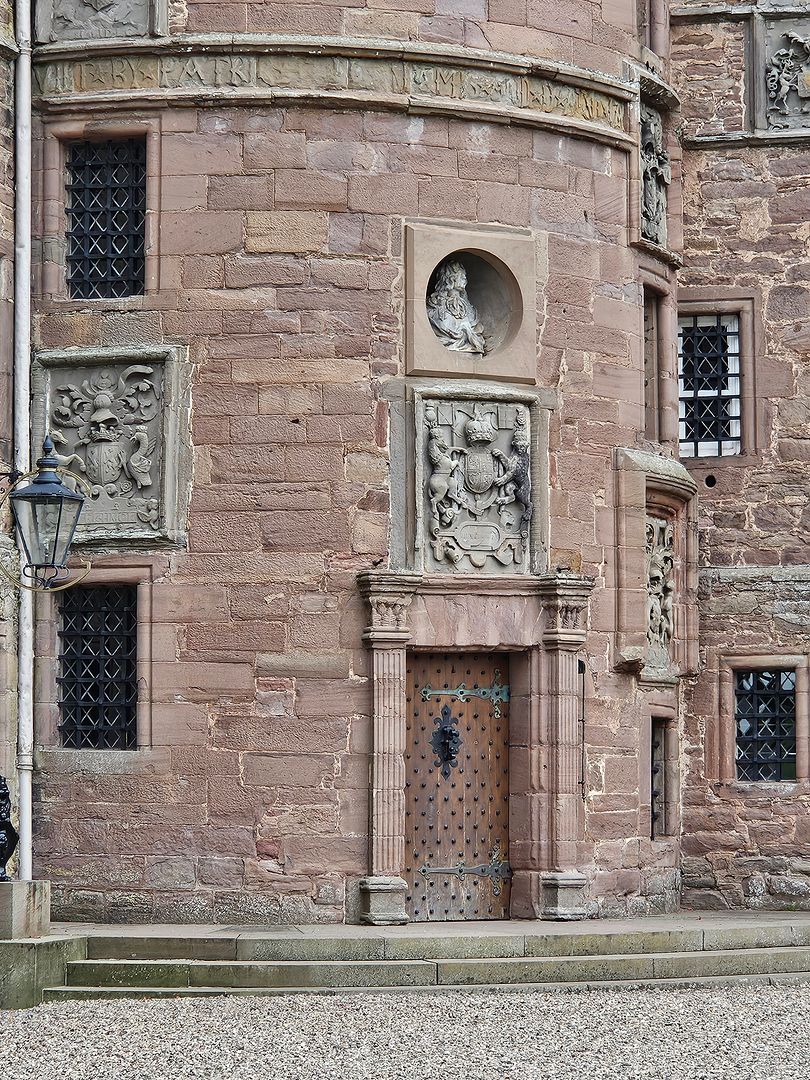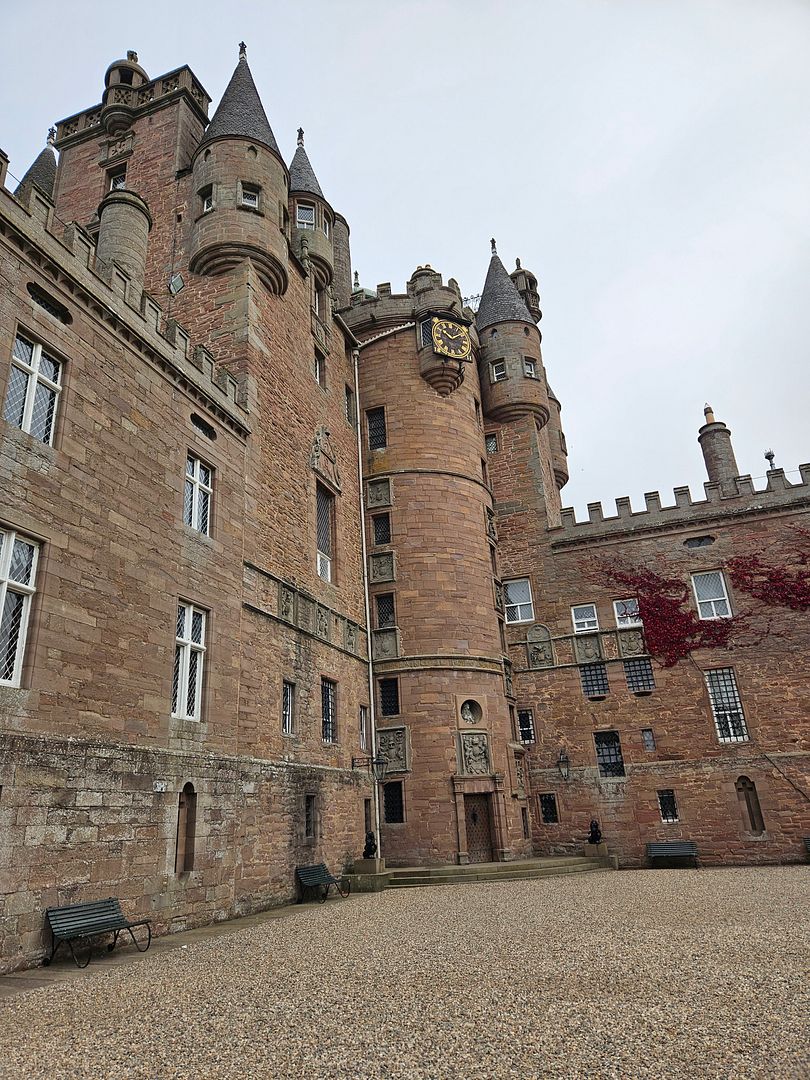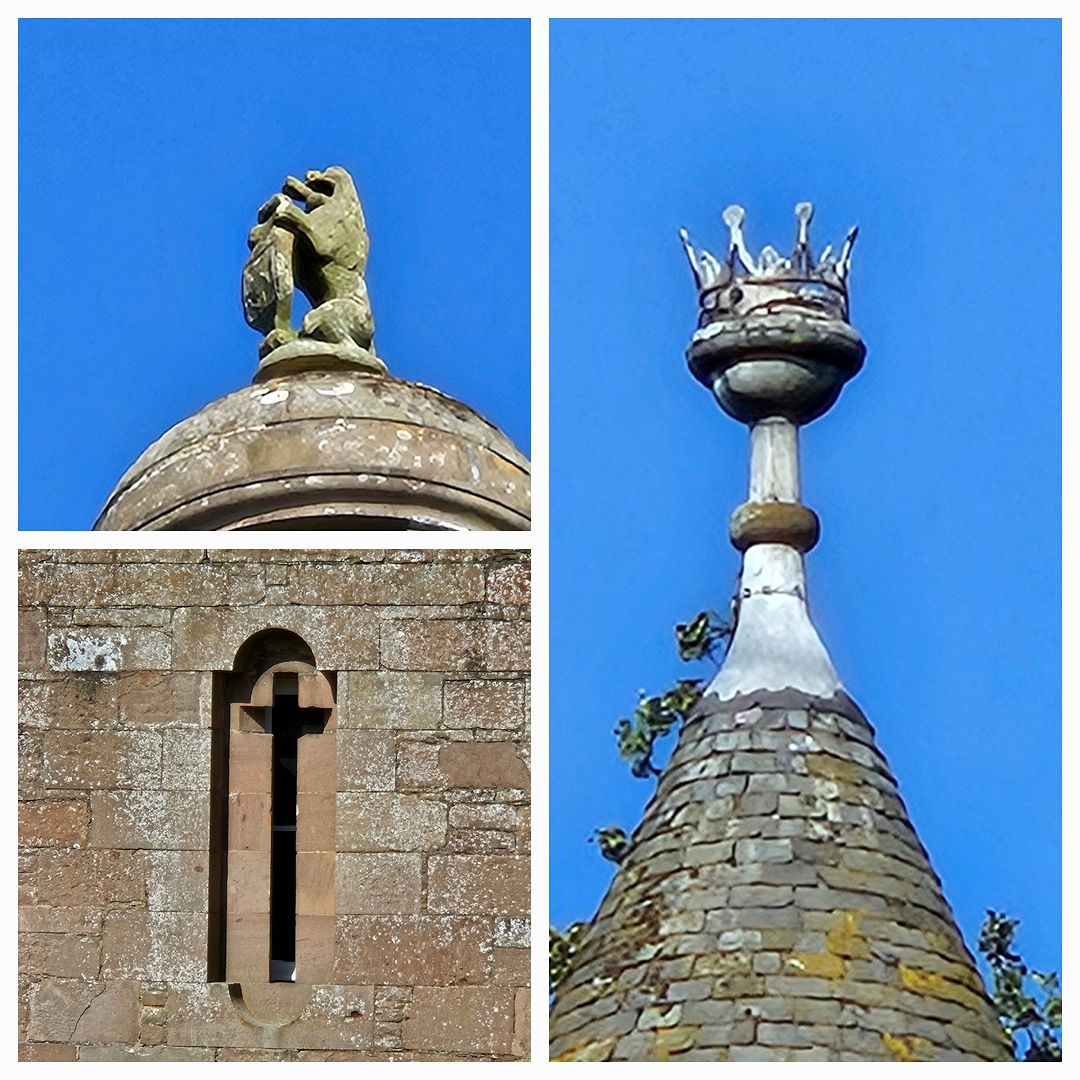
Scotland Travel Journal ~ Dunfermline

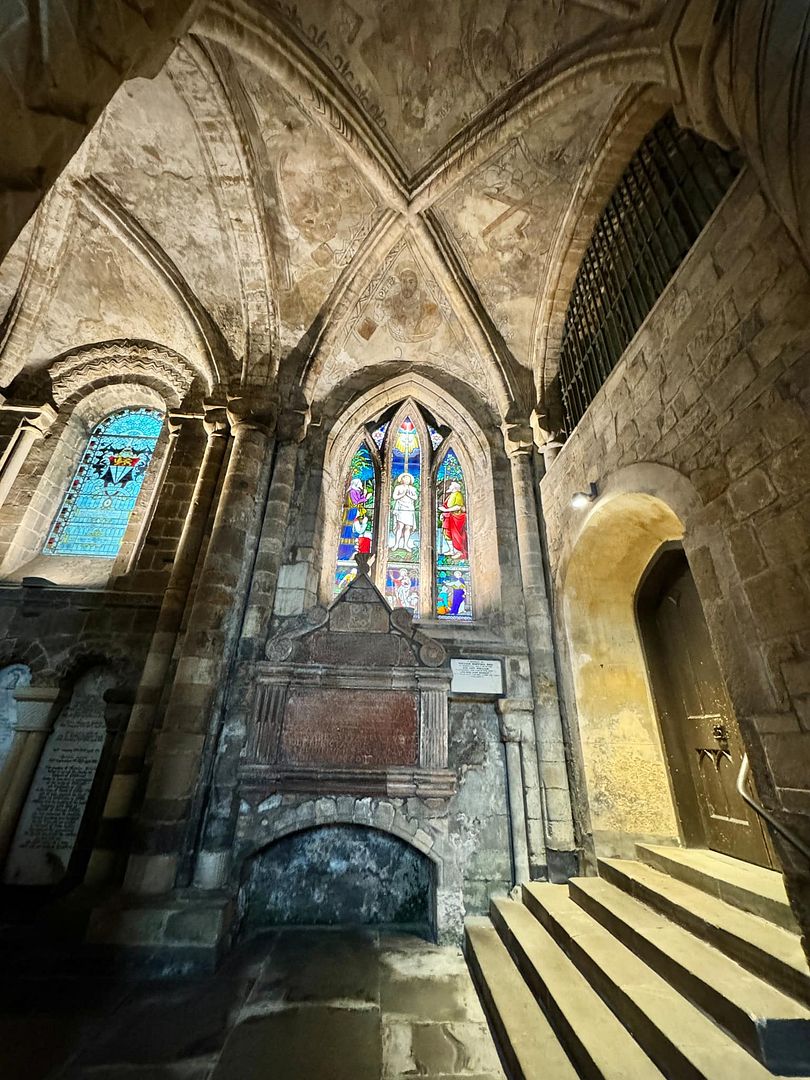
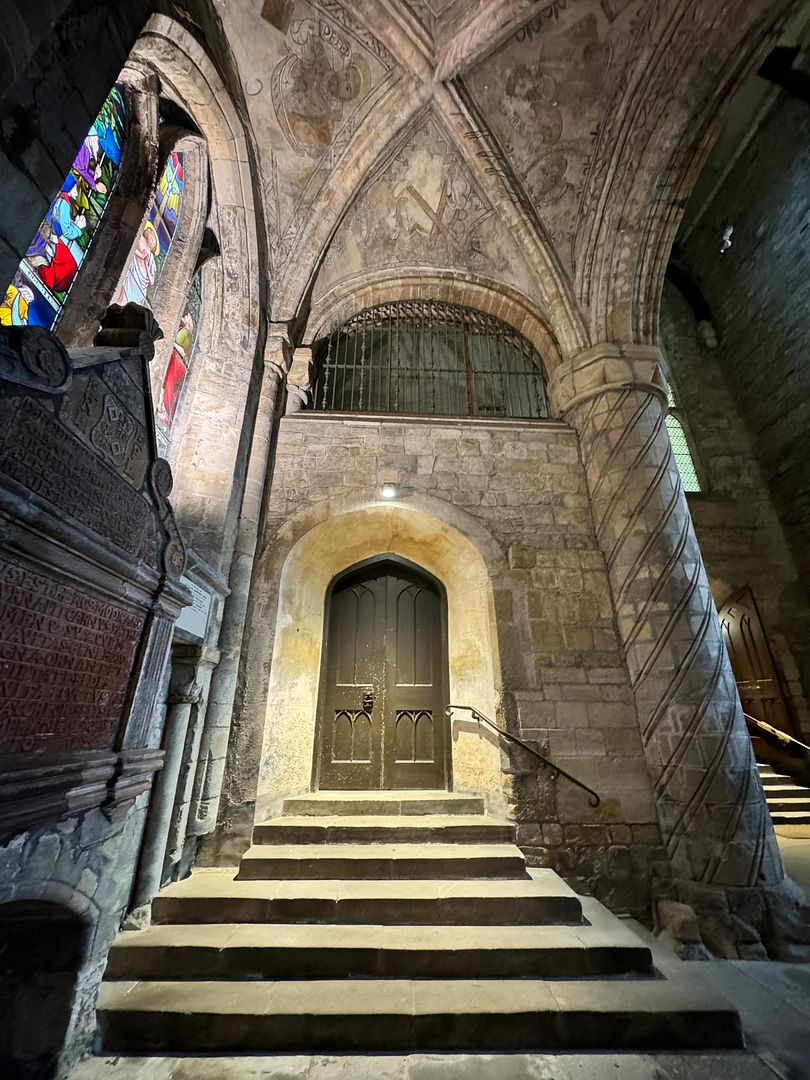
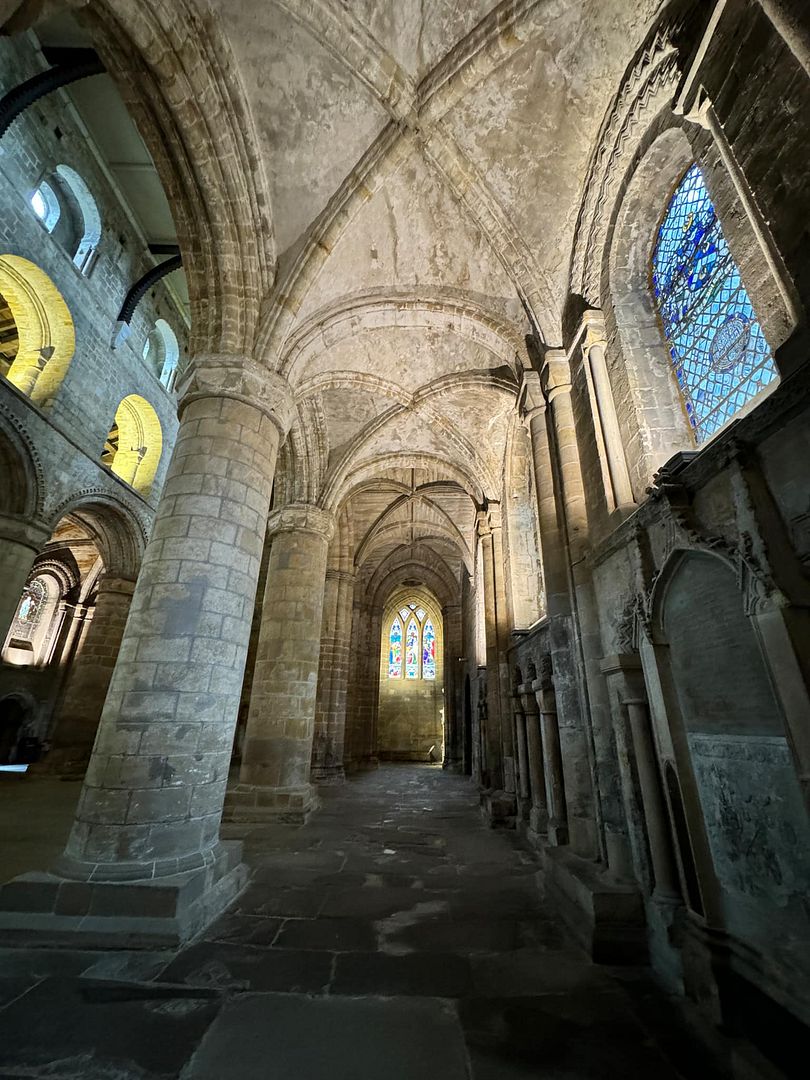
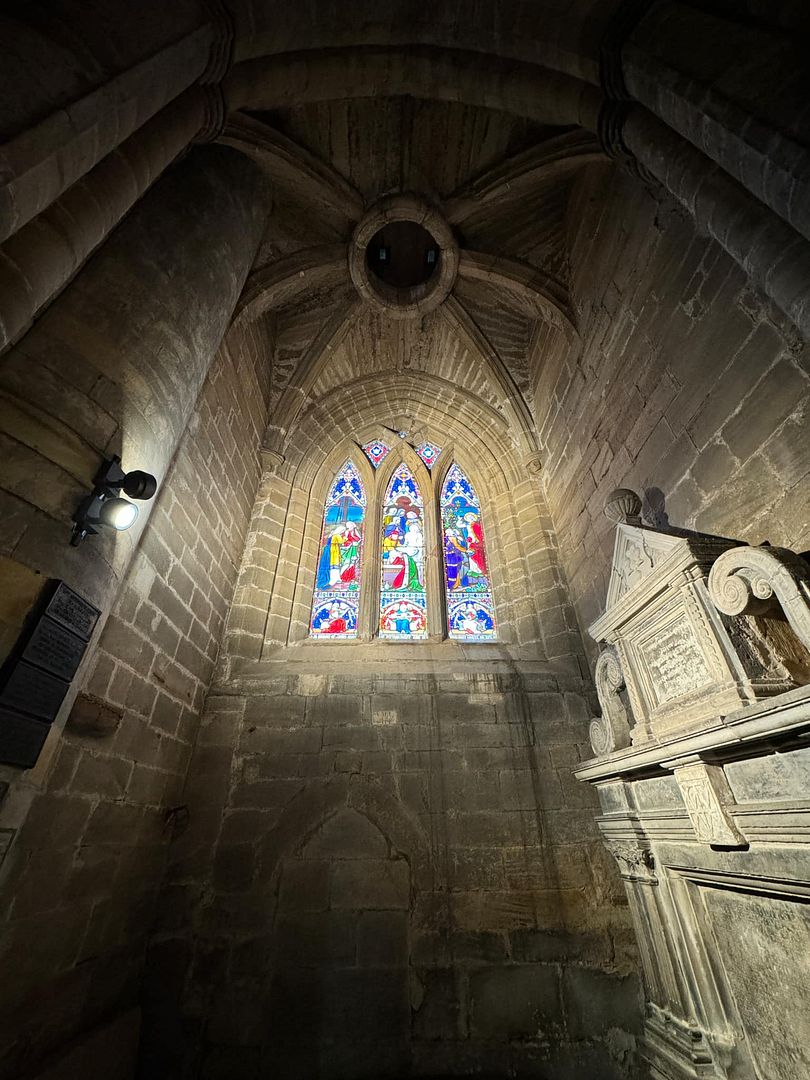
On Saturday the 21st of September after our breakfast at Pinewood Country House we packed up and started our travels to return our rental car in Stirling with a stop on the way to visit Dunfermline Abbey and Palace.

We took many photos here and the history was more than we could take in on our visit. Here’s a link to some of the history for those of you who are interested. 

I got the following information from the Visit the Abbey site.

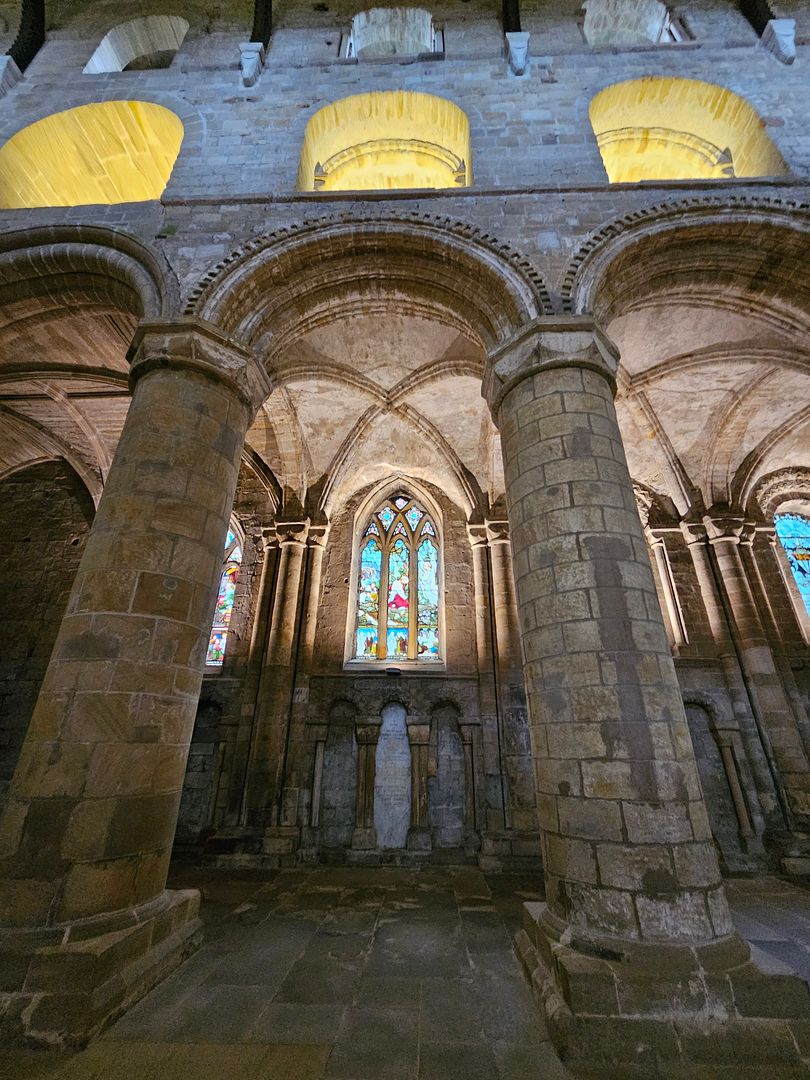
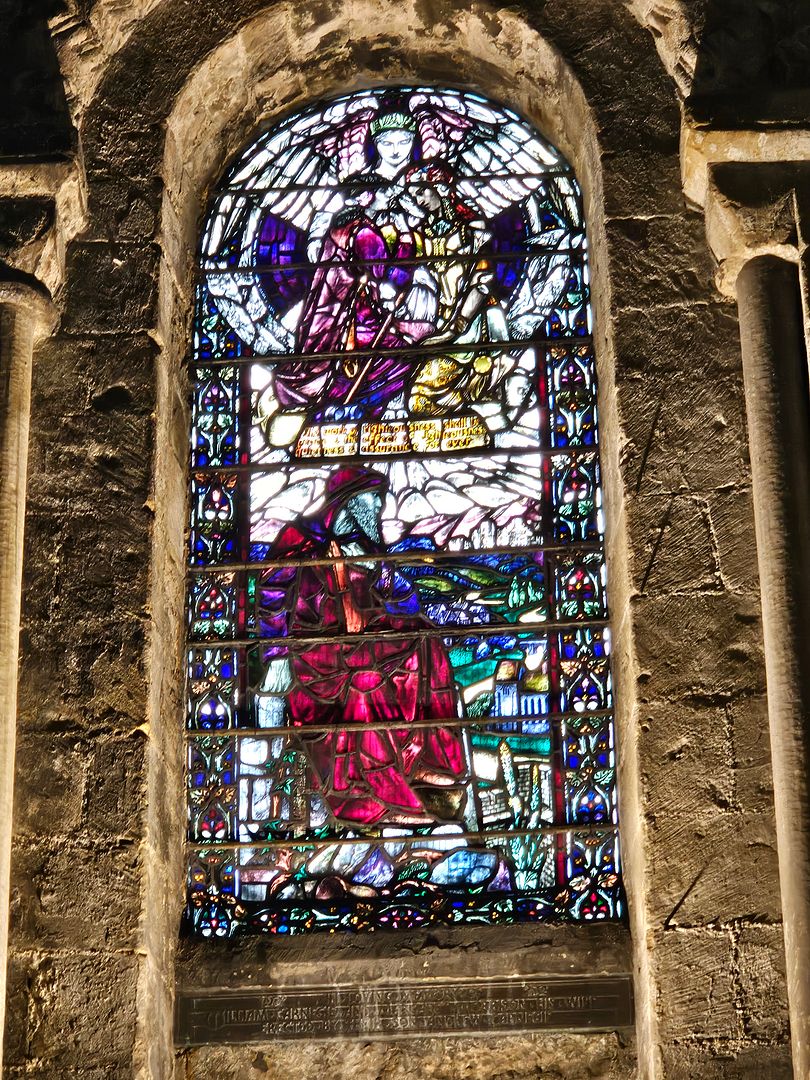
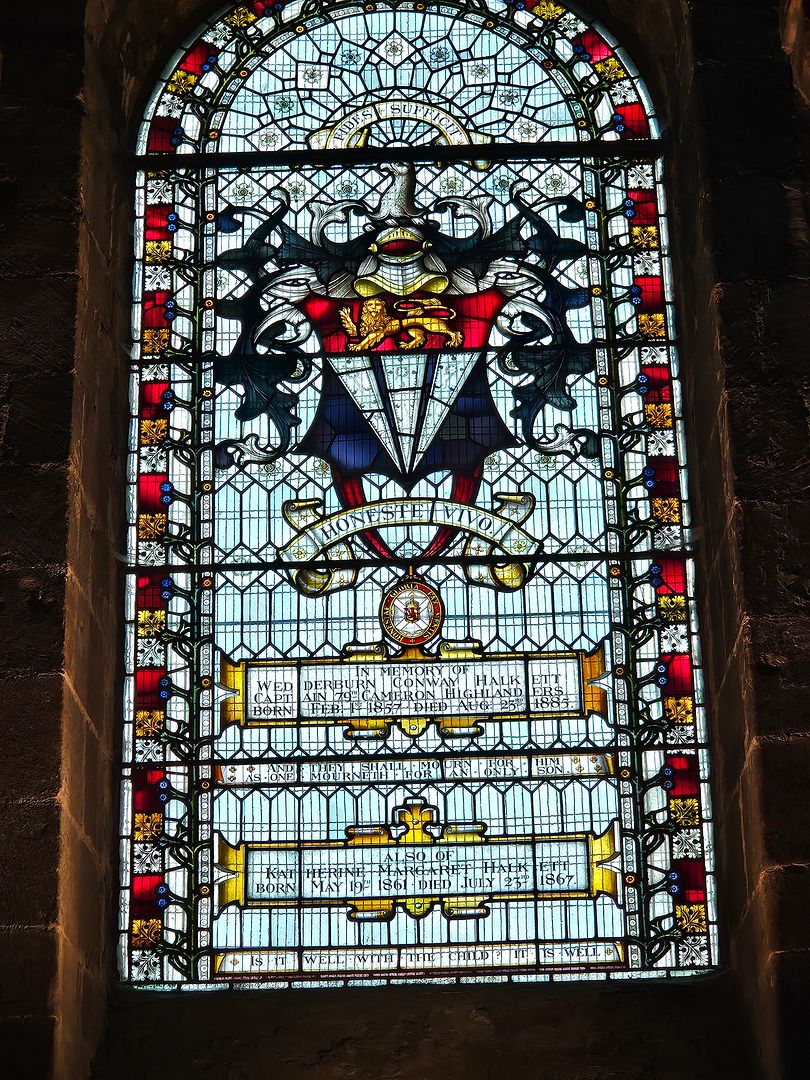
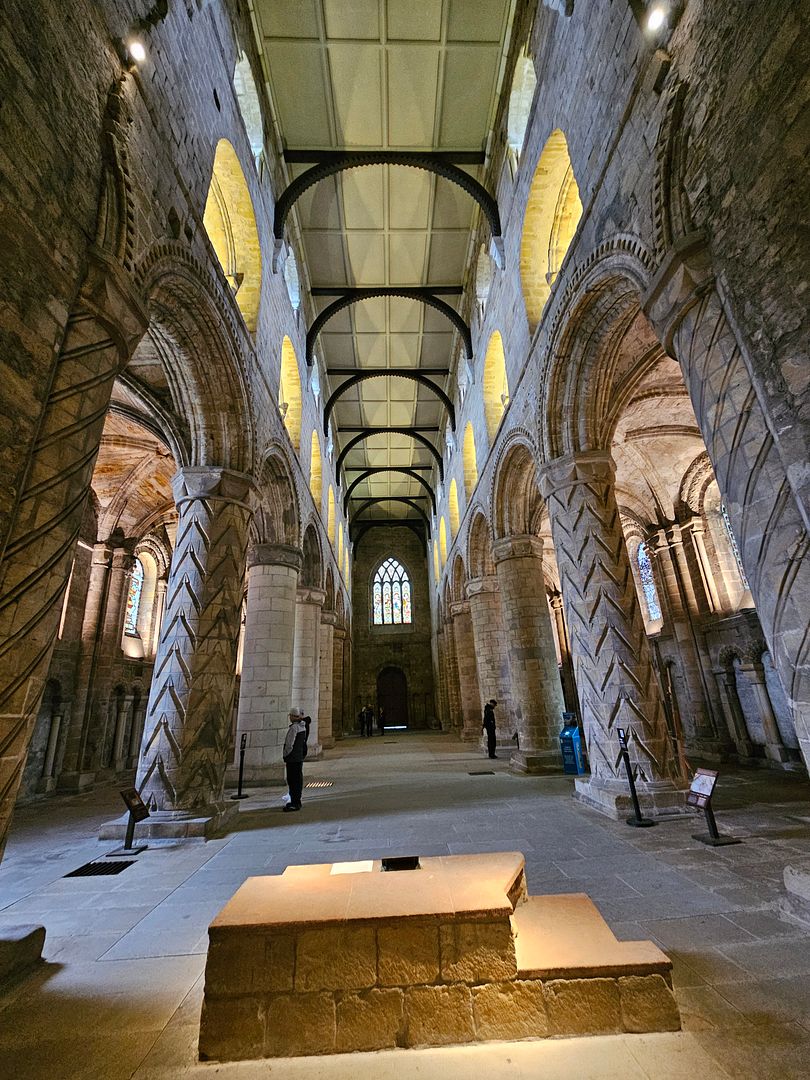
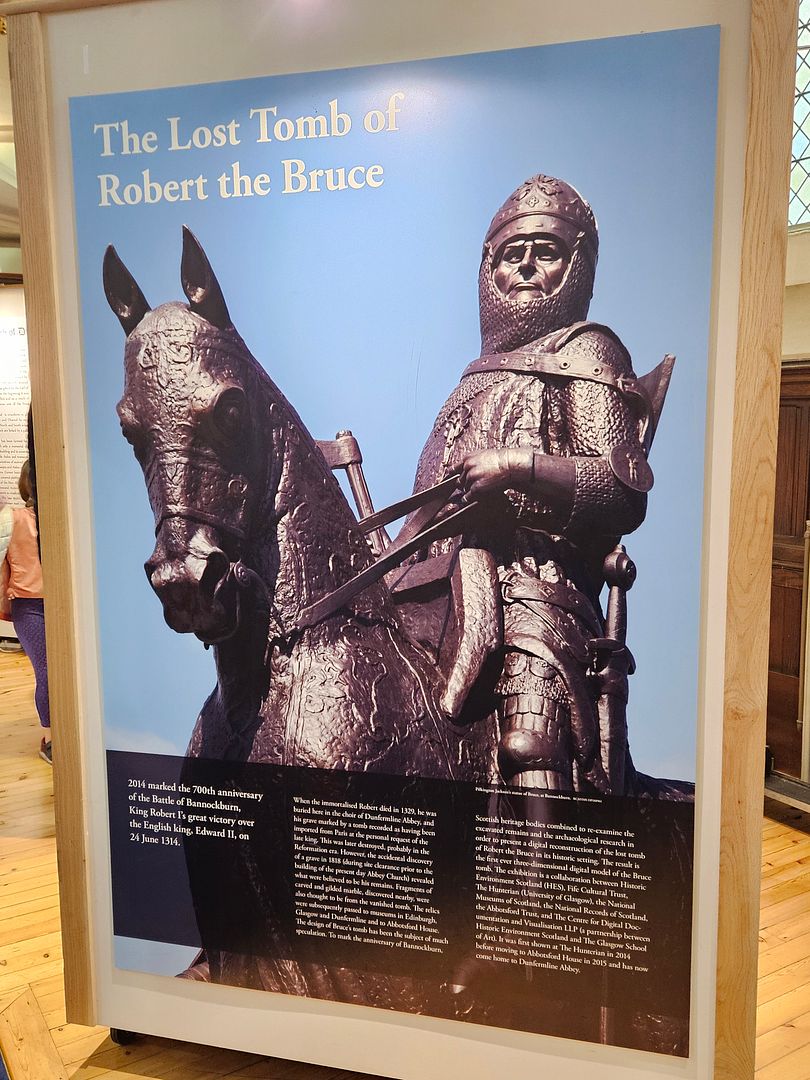
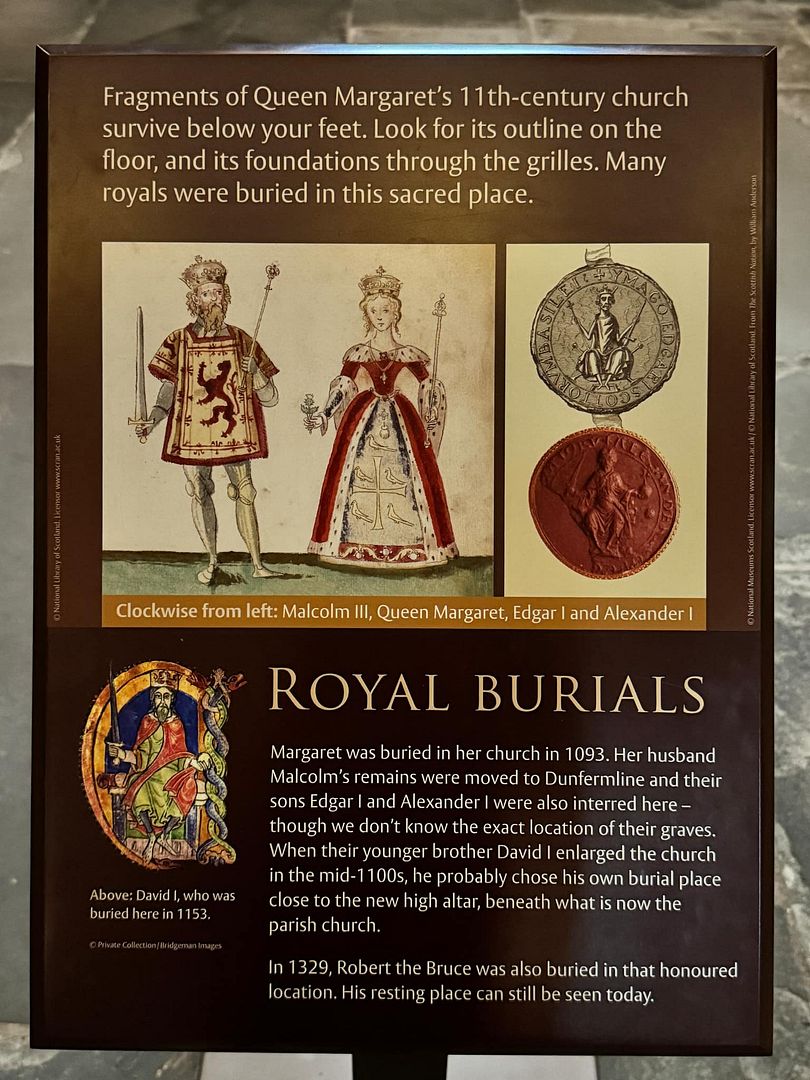
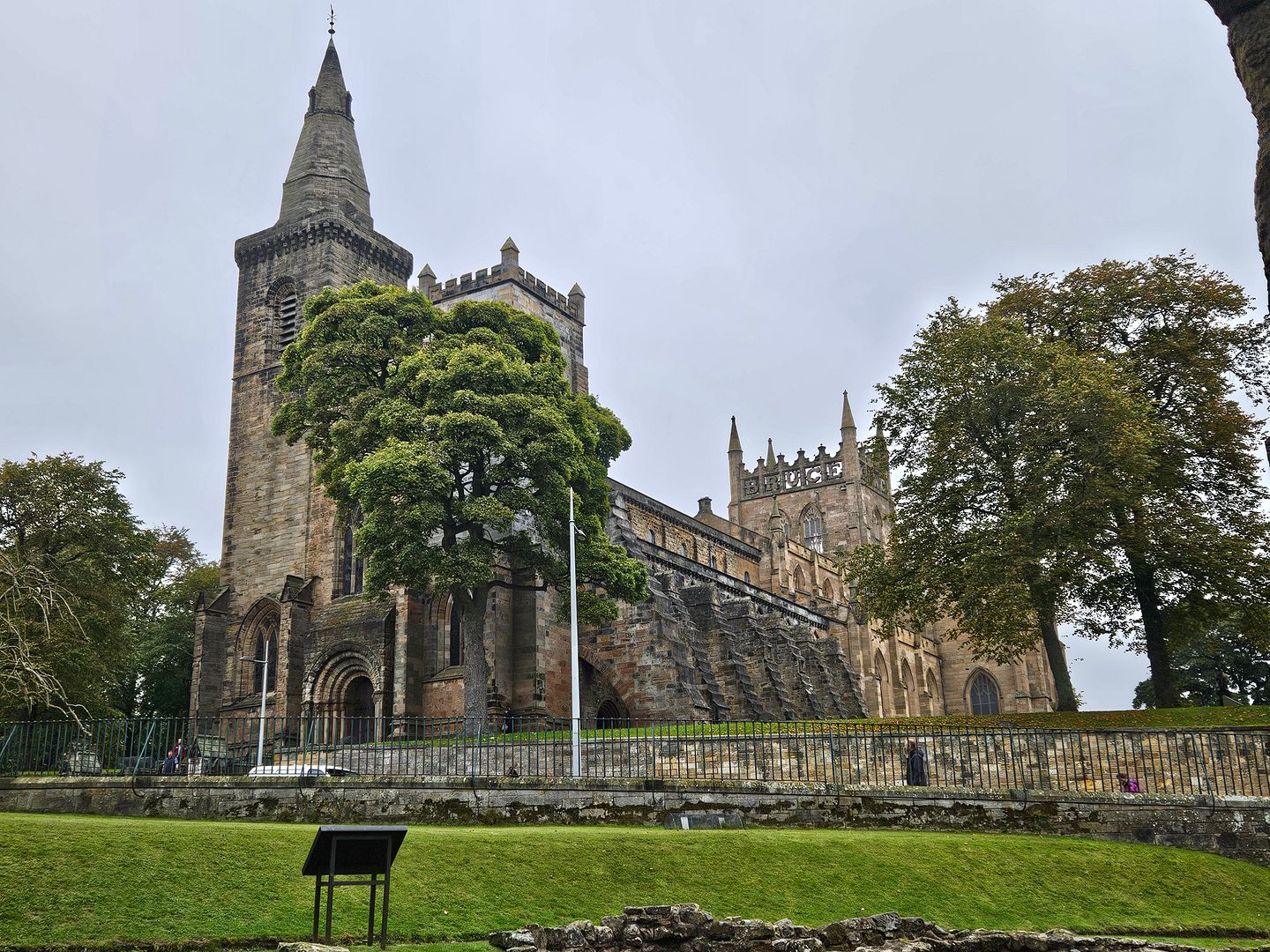
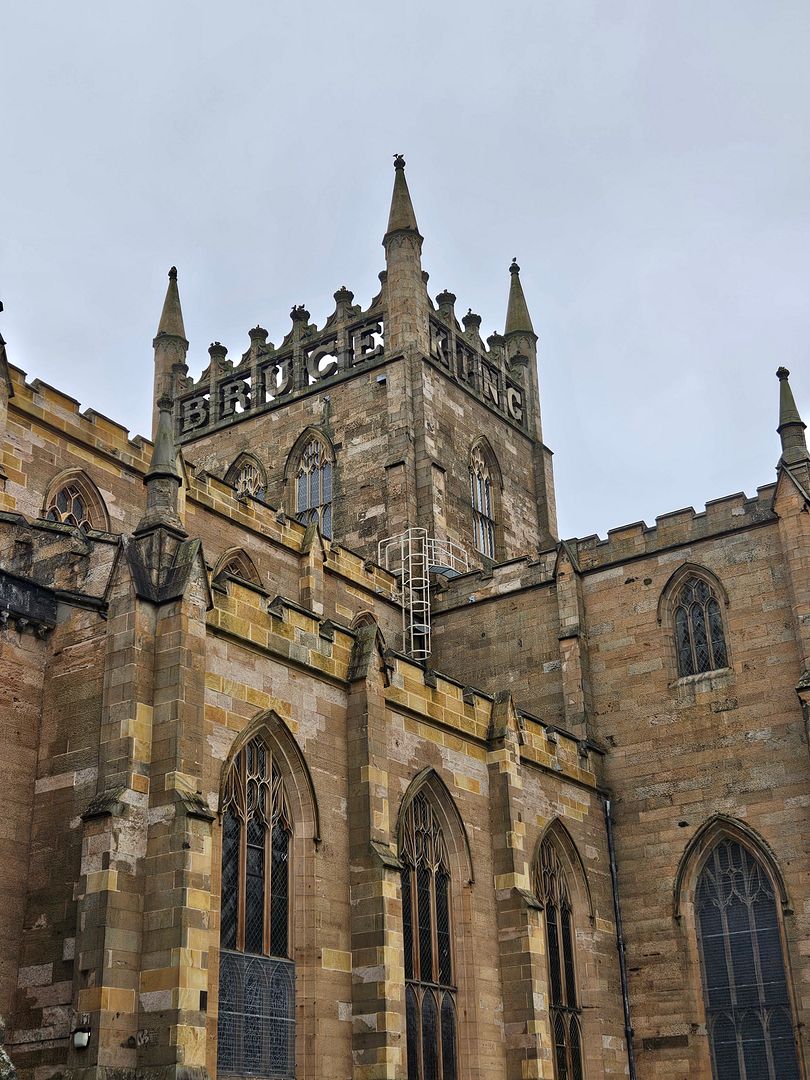
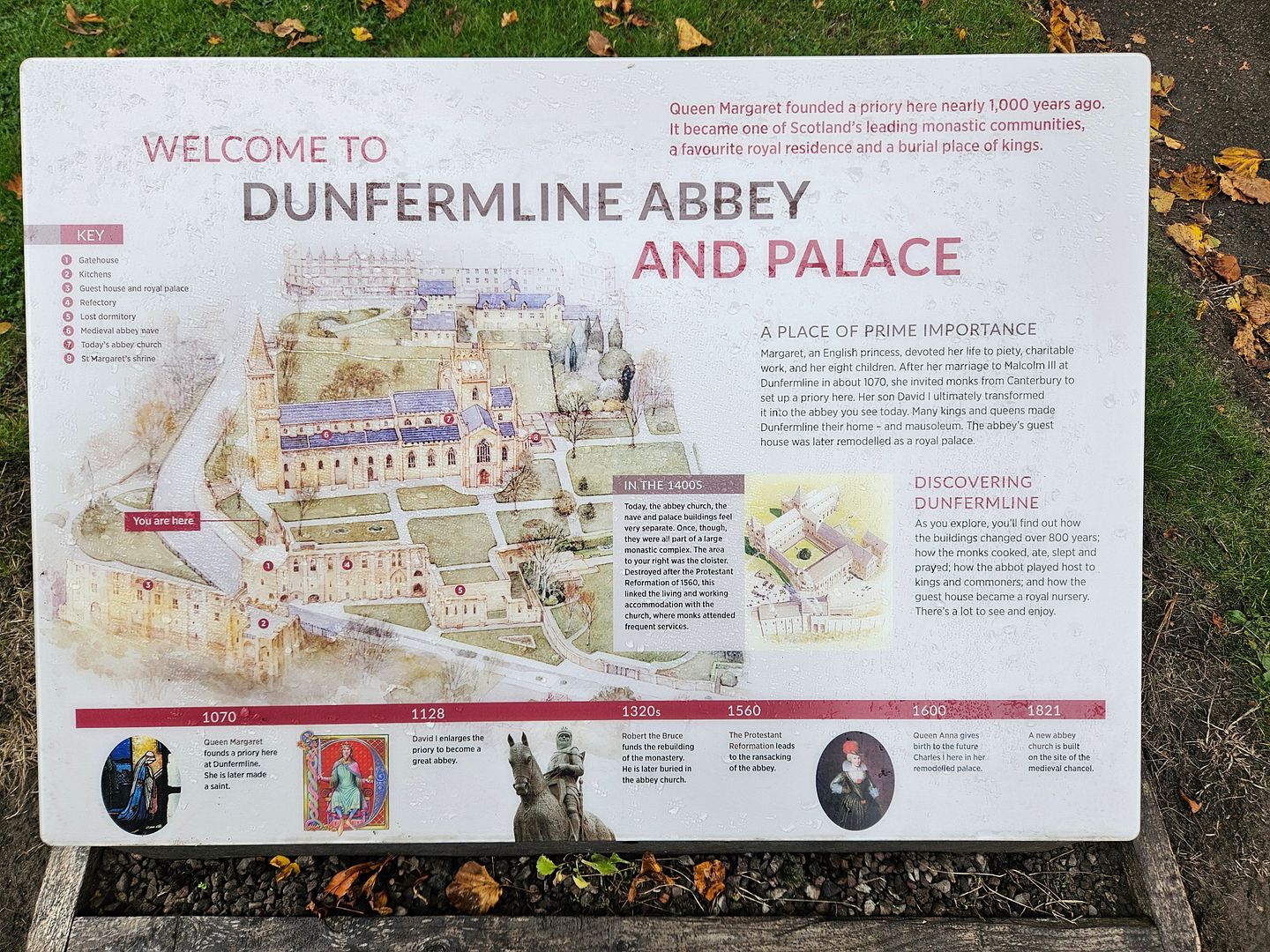
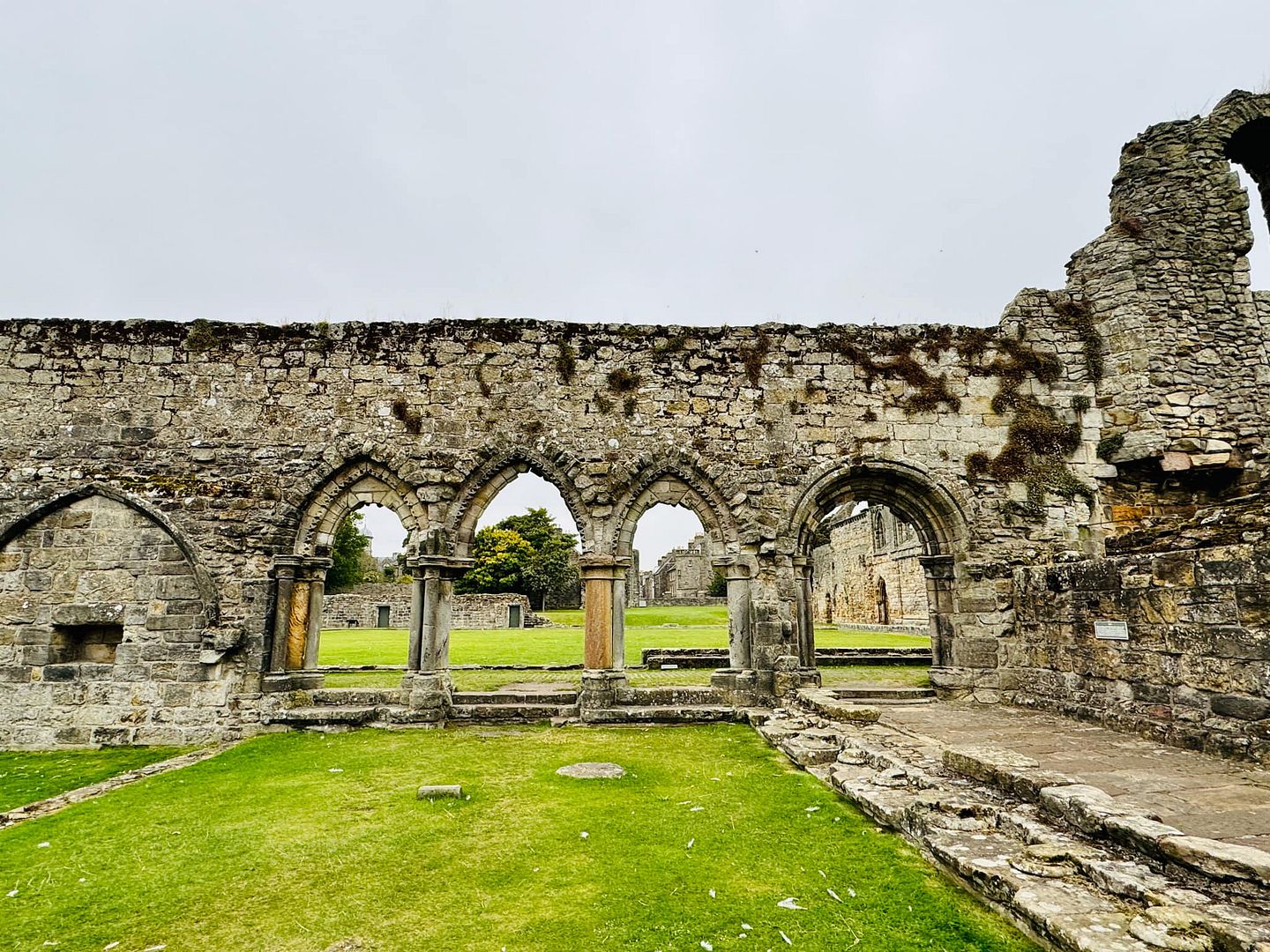
Dunfermline Abbey sits at the heart of Dunfermline, Scotland’s ancient capital. Dunfermline lies thirty minutes from the centre of Edinburgh, across the spectacular Forth Bridges. Dunfermline`s royal and monastic past dominates a town whose lifeblood is history. Dunfermline Abbey is the final resting place of King Robert the Bruce and the post-Iona burial site of the Kings and Queens of Scotland.

The tomb of King Robert the Bruce and many other royal and historical associations attracts tens of thousands of visitors each year.

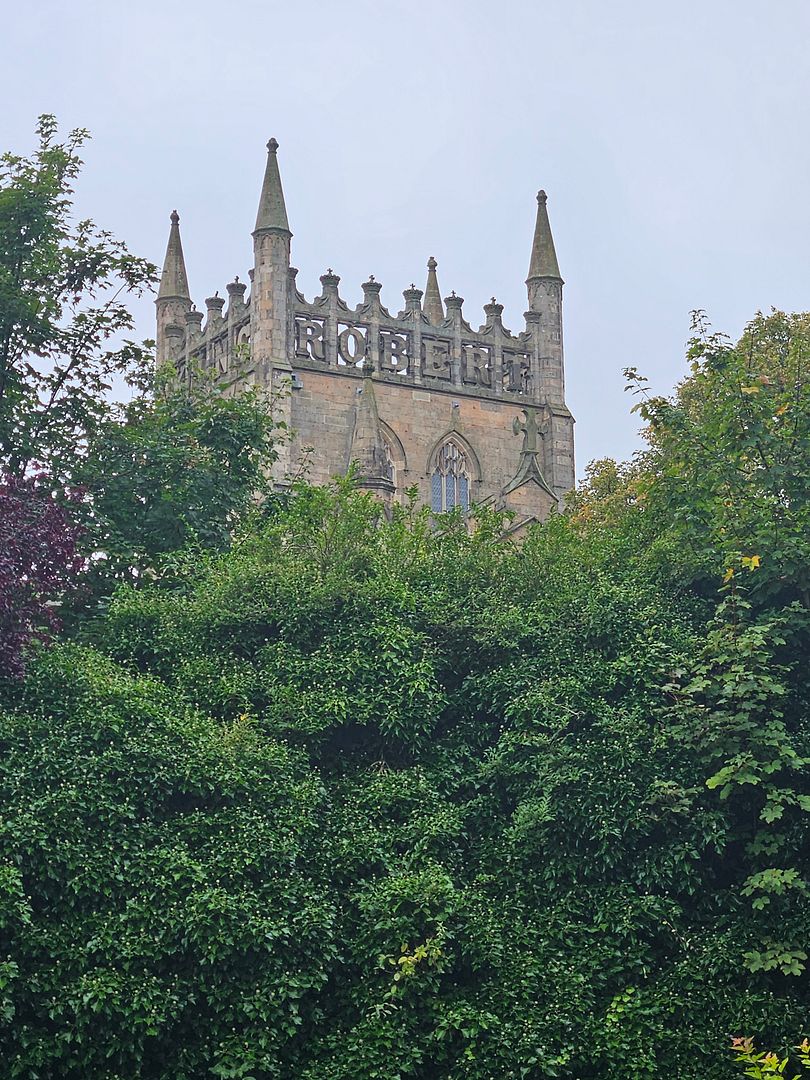
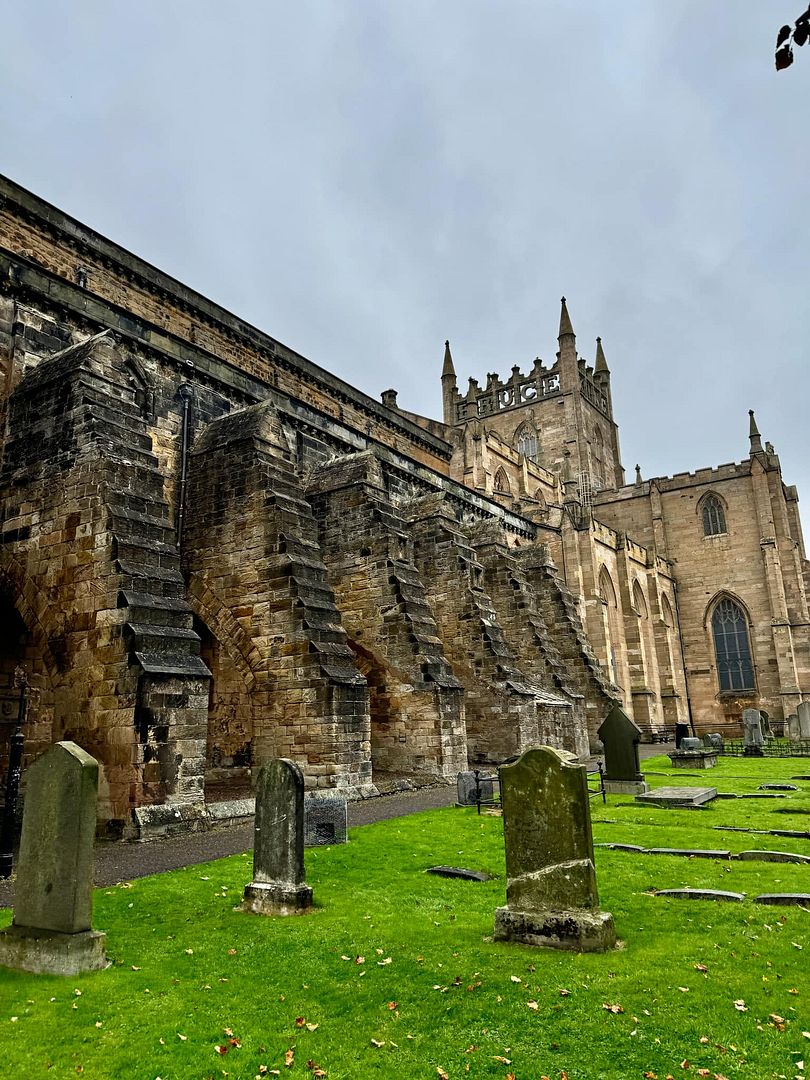
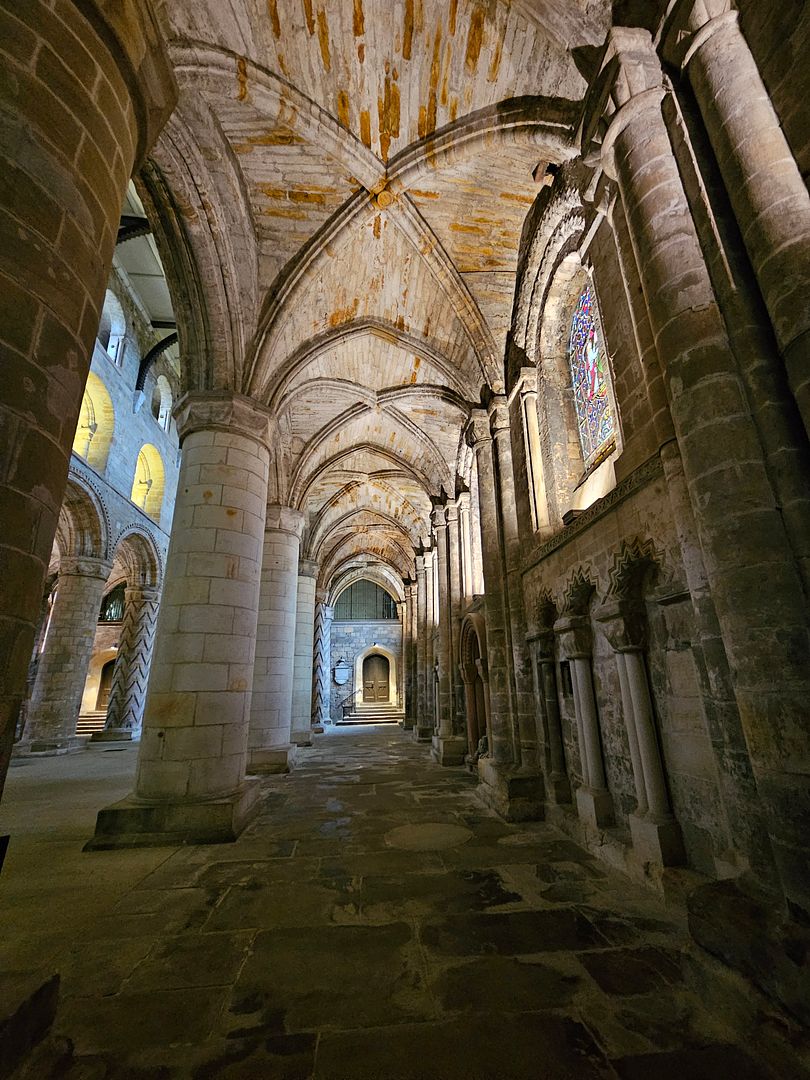
I’ll have the outdoor photos of the Abbey today and post the interior of the church  and the Palace ruins on another day.

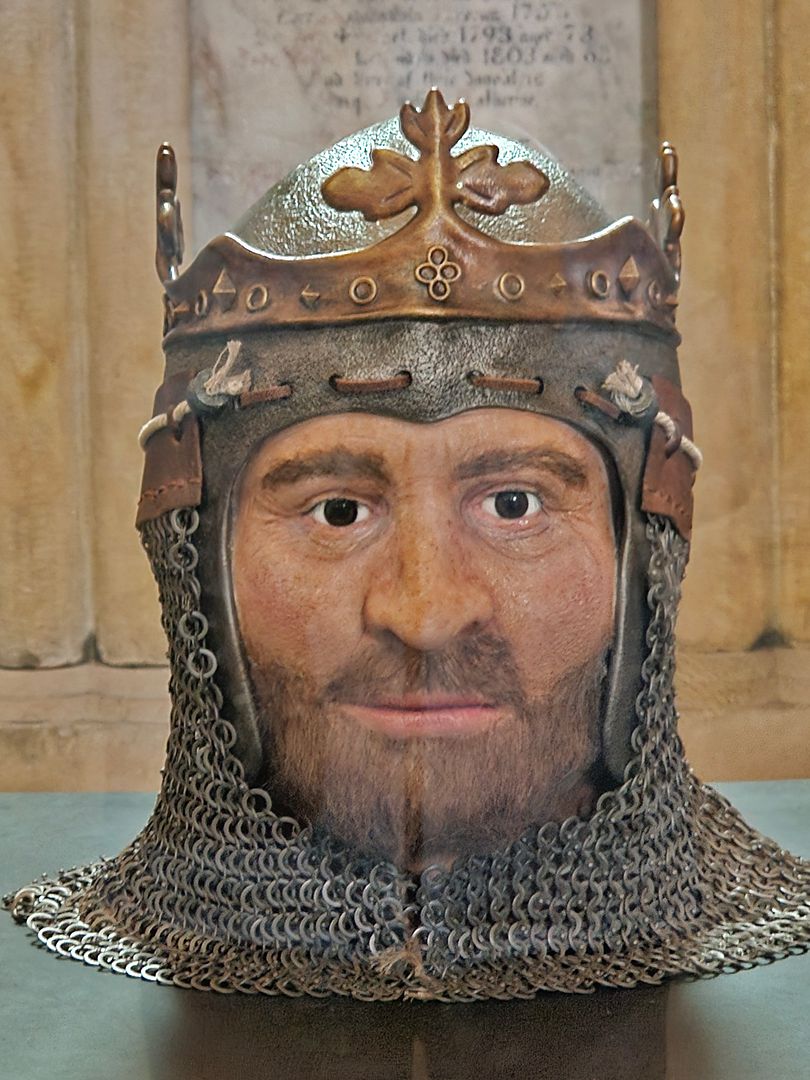
Robert the Bruce is one of the most memorable kings of Scotland, reigning from 1306 to 1329. He was a nobleman from the south west of the country, most famous for his victory at the Battle of Bannockburn and gaining his nation’s crown and independence with the Declaration of Arbroath in the early 14th century.

Robert I, known as Robert the Bruce, was the king of the Scots who secured Scotland’s independence from England.


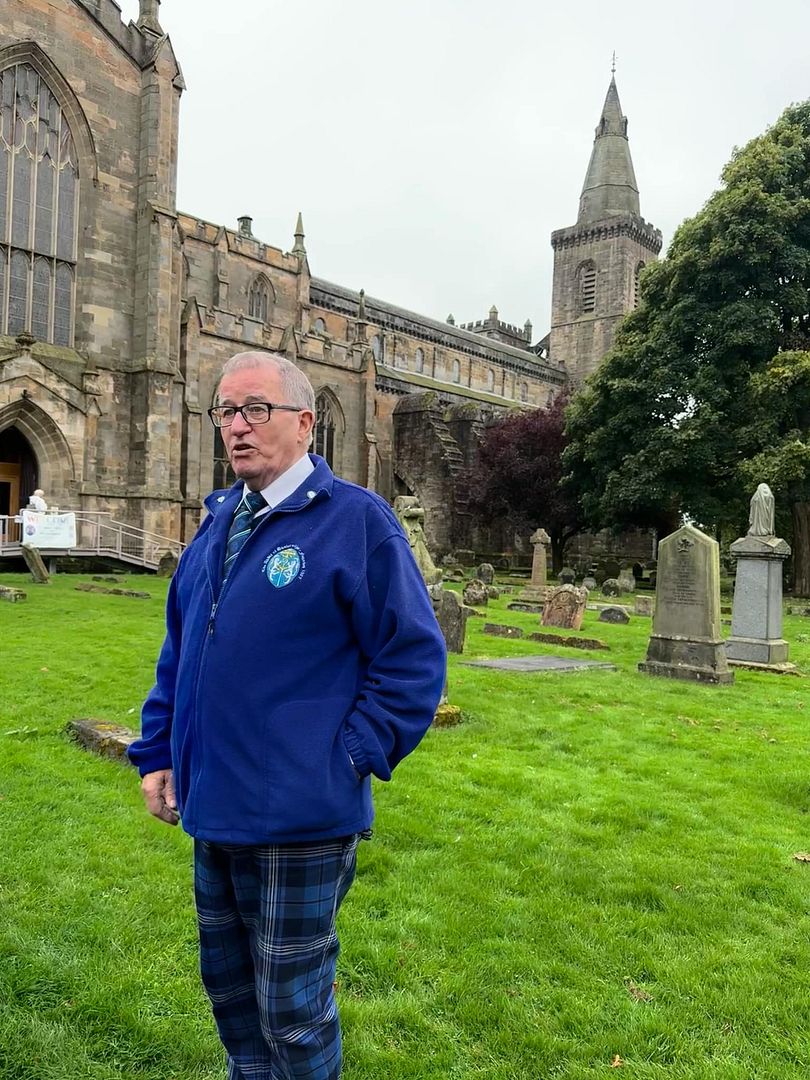
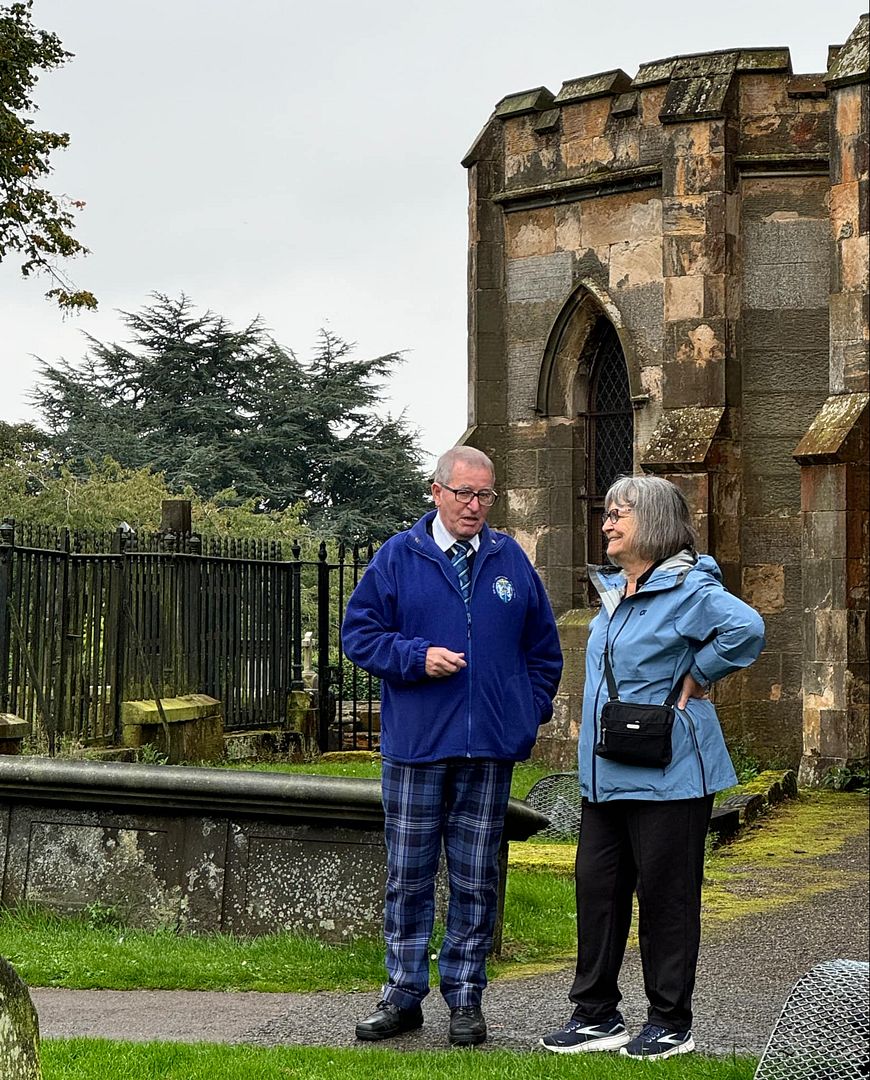
This docent offered up a lot of history and folklore which was fun.


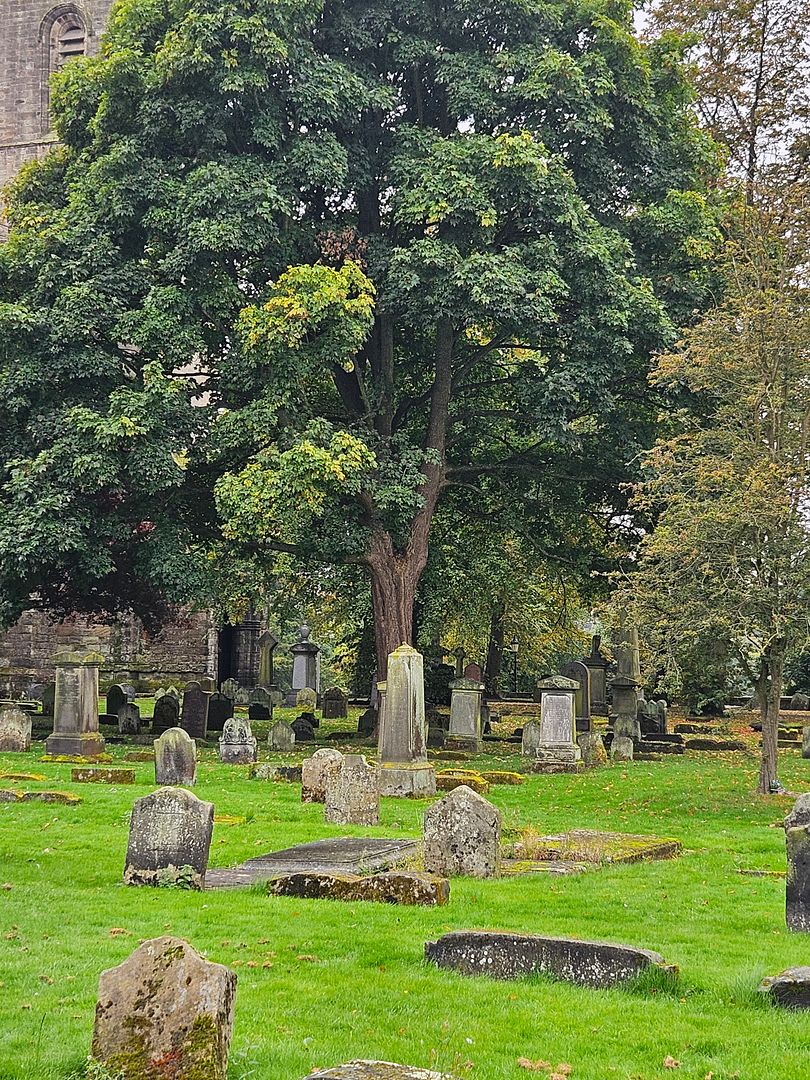
When we stopped here on our way to Stirling it took a short time to find an appropriate parking spot. Once we did the rest of our time was spent in awe of this place. More to come.

Thanks for following along.

Scotland Travel Journal~ St. Andrews #3

On Friday the 20th of September 2024 after our time at St. Andrews castle we got some back lane directions to get to North Street.

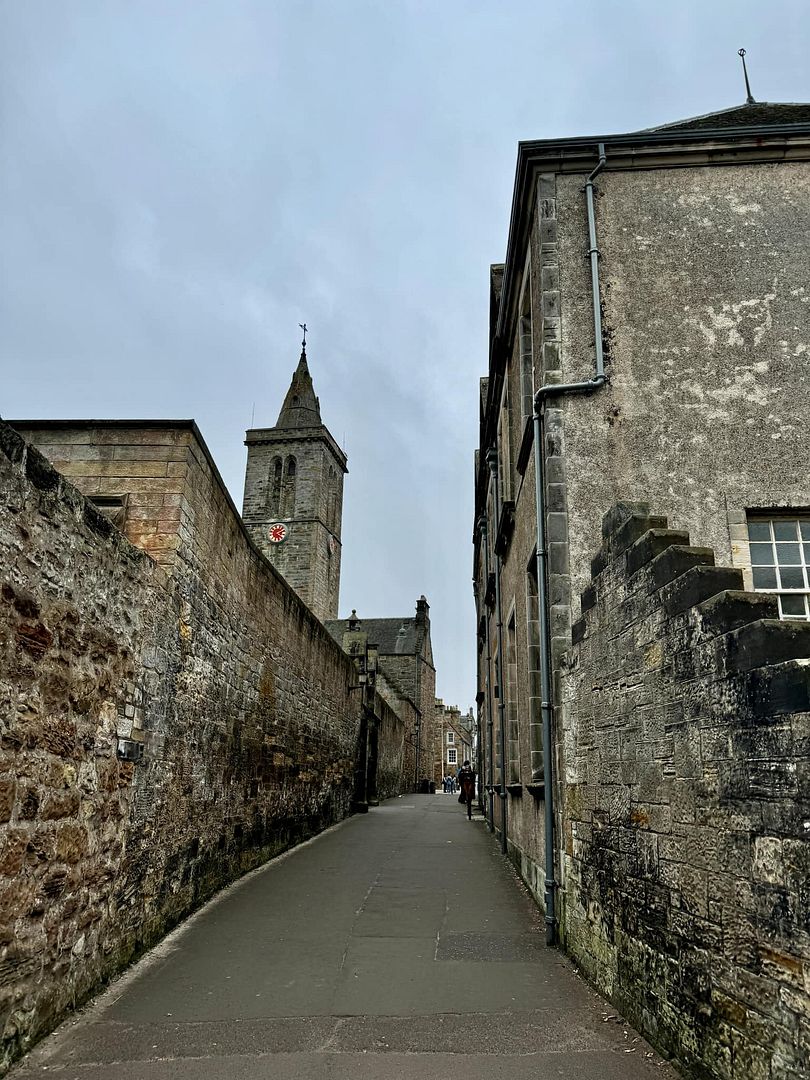
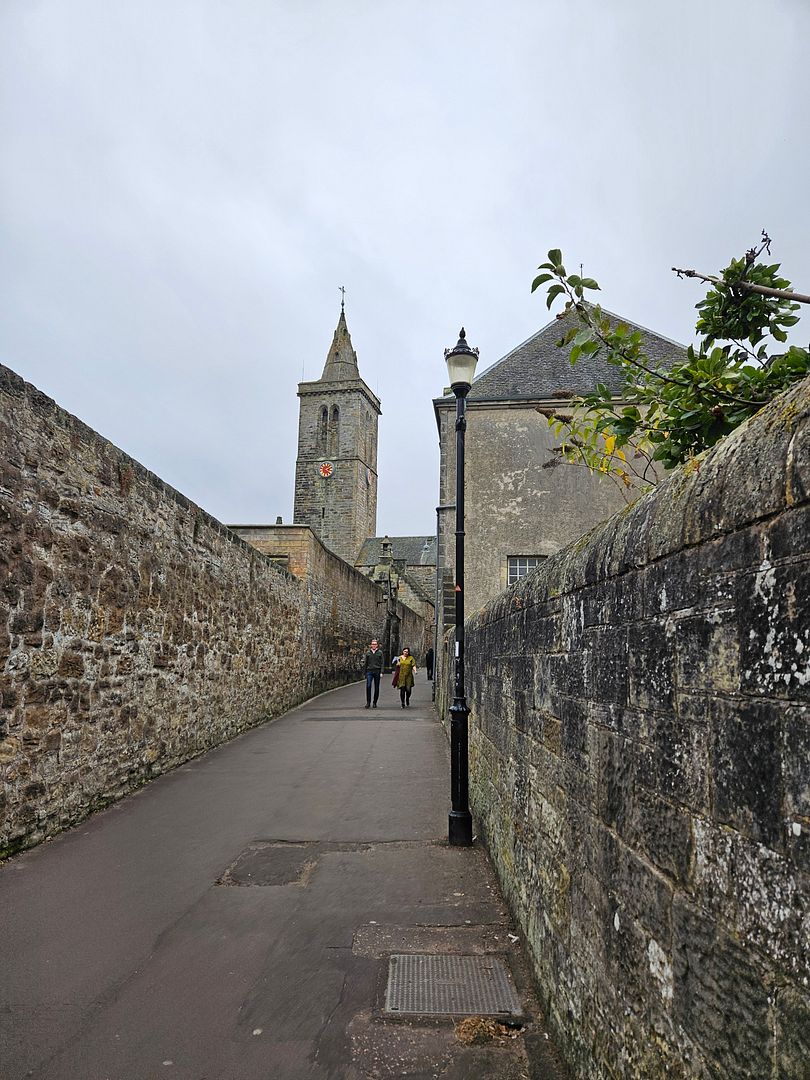
Butts Wynd Lane

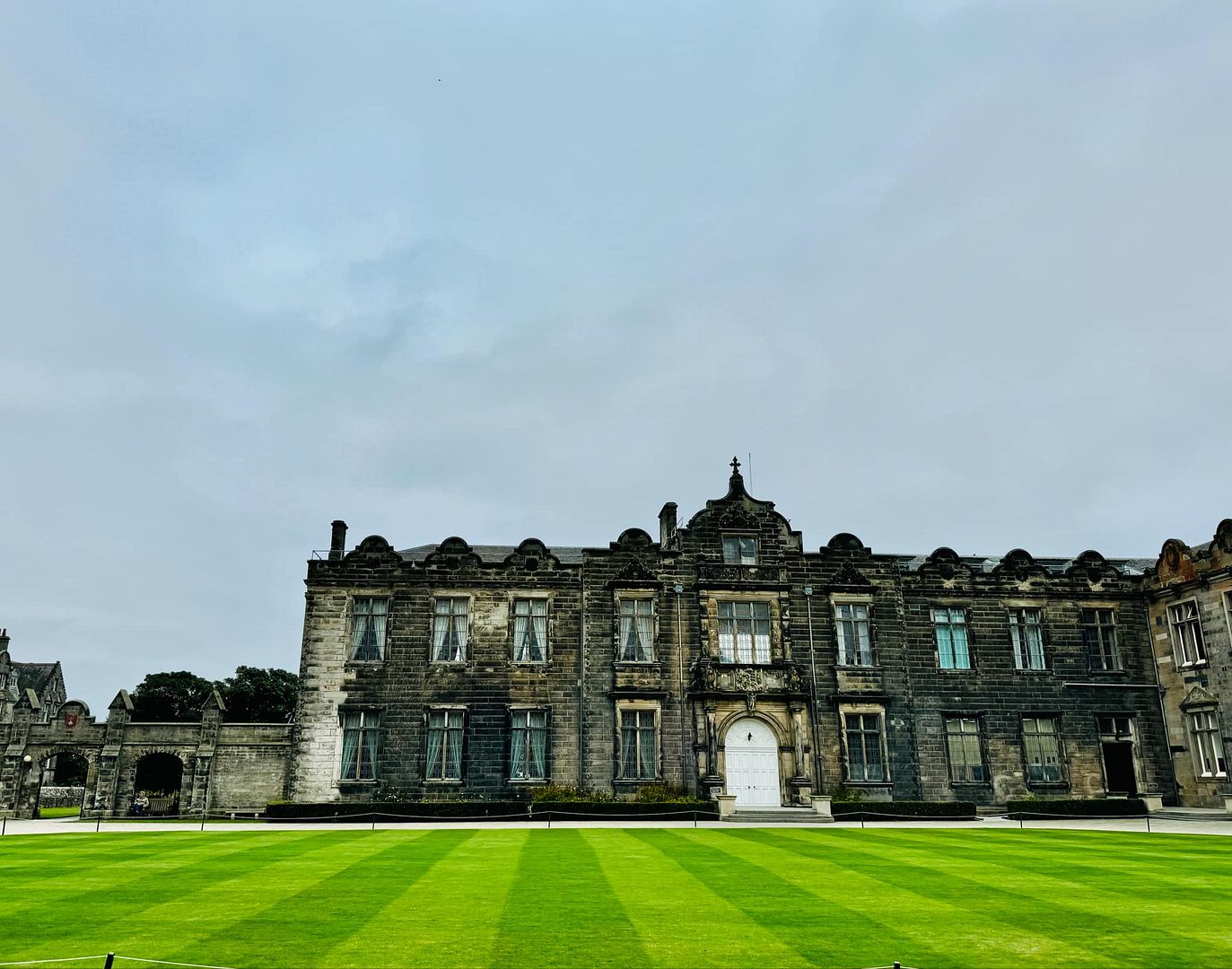
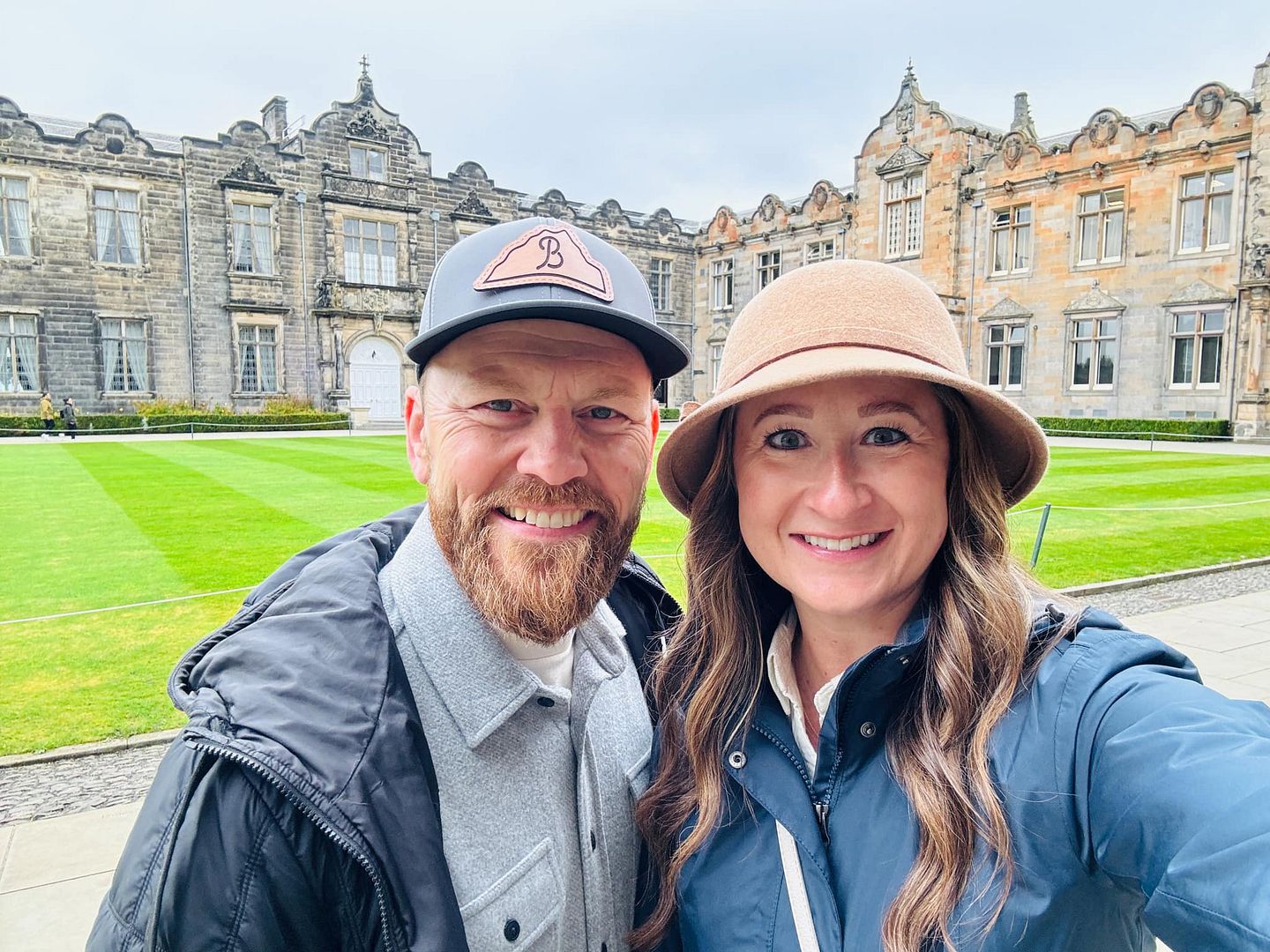
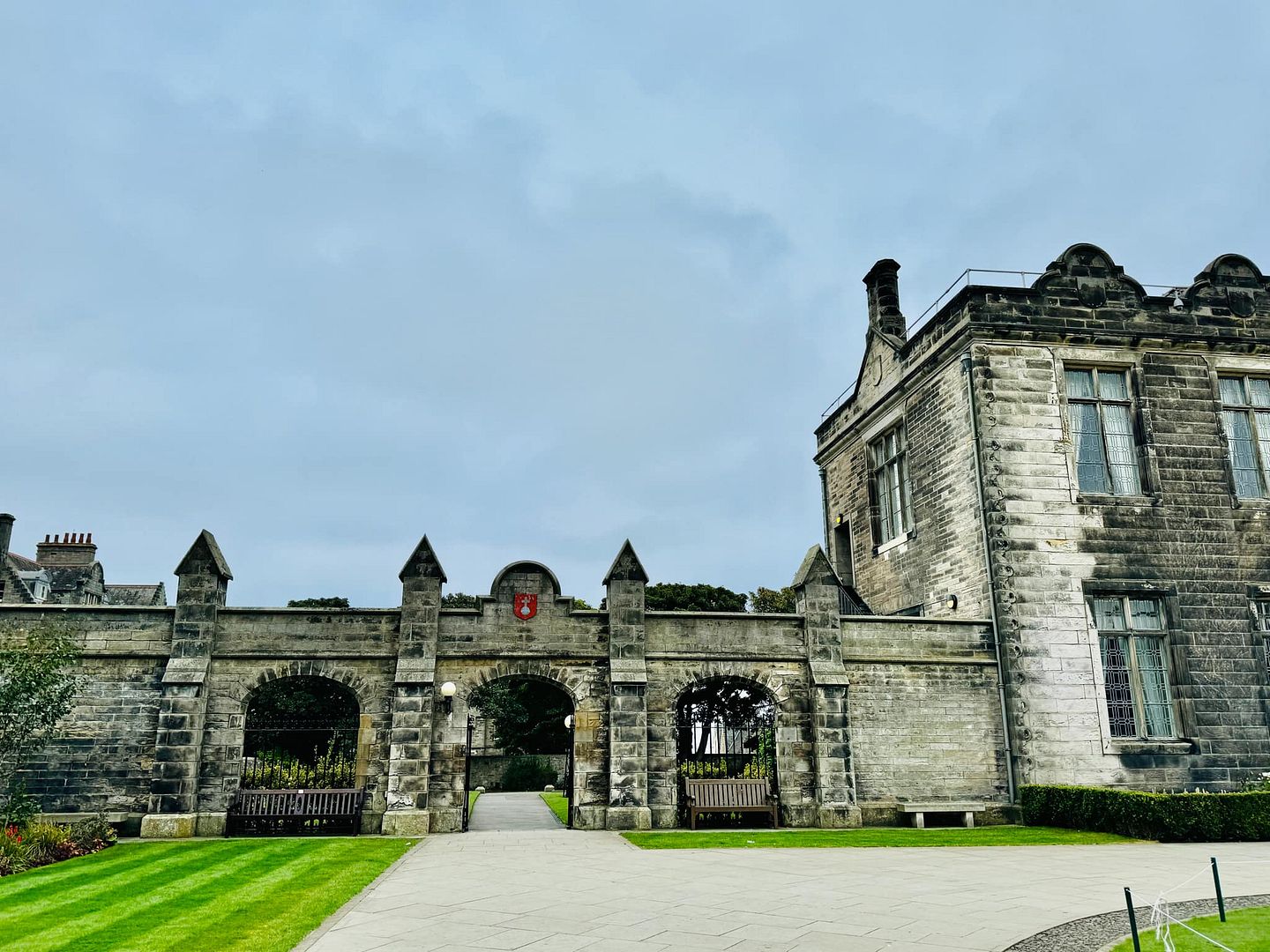
The lane took us by some of the University of St. Andrews buildings with this beautiful St. Salvatores quad.

We were hoping to be able to get inside Saint Salvatore’s Chapel but were disappointed to find a private event going on with no entry for us.

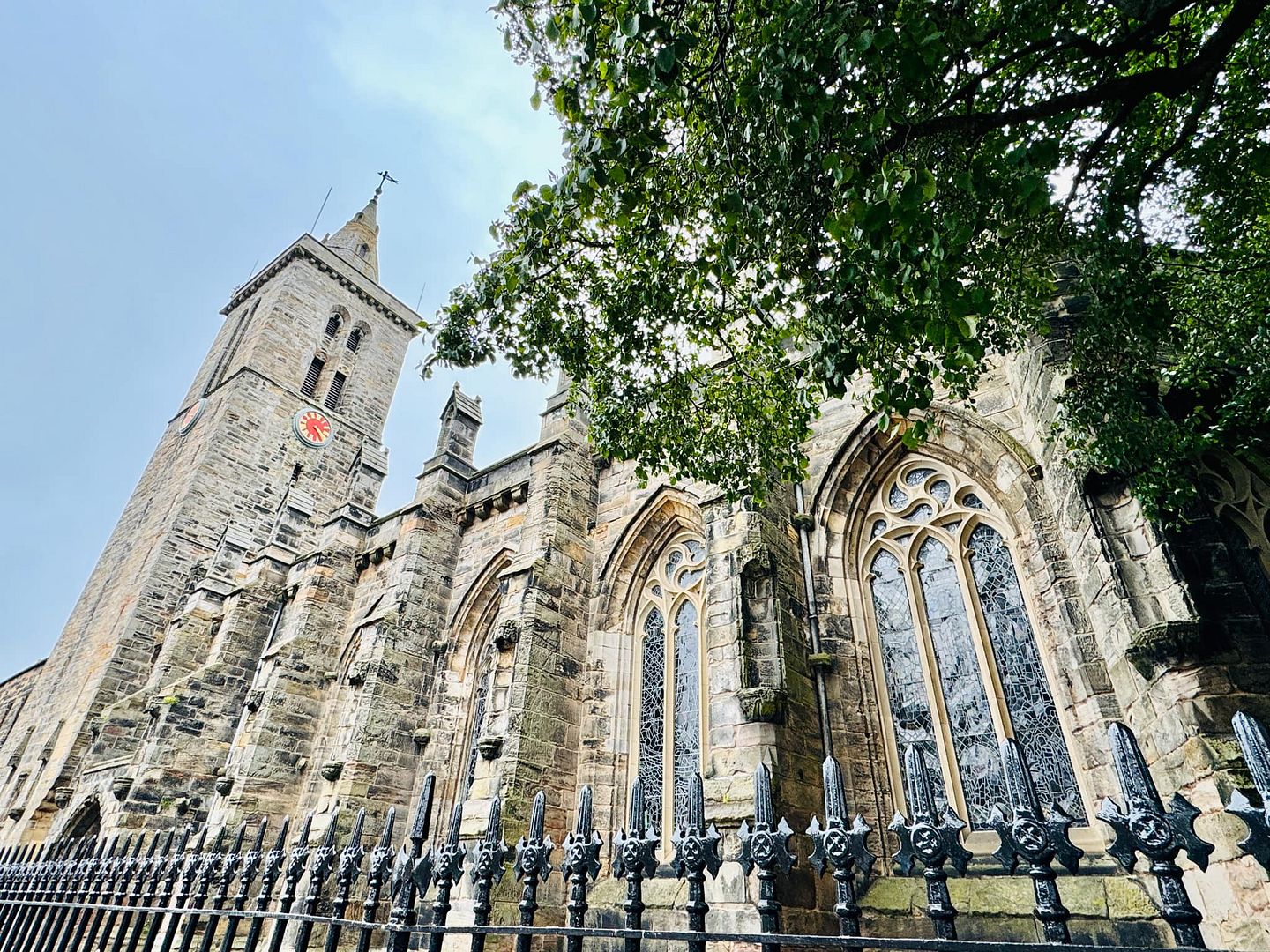
We walked by along North Street and could tell this was a beautiful chapel. I found this youtube and the gal who took the video does show the interior of the chapel with added information and history. She shows the spot where Patrick Hamilton a Presbyterian Reformer was martyred in the video, also.

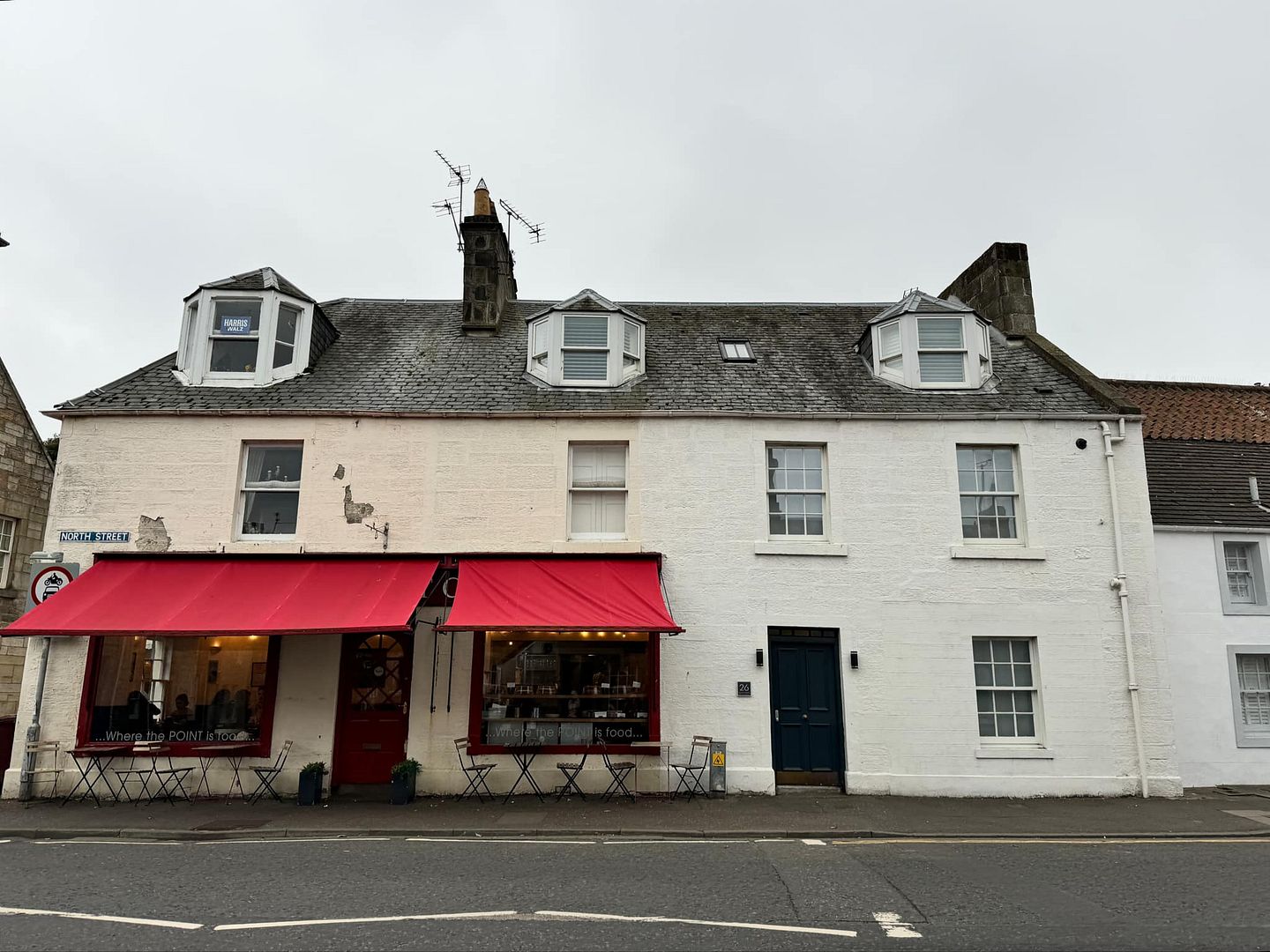
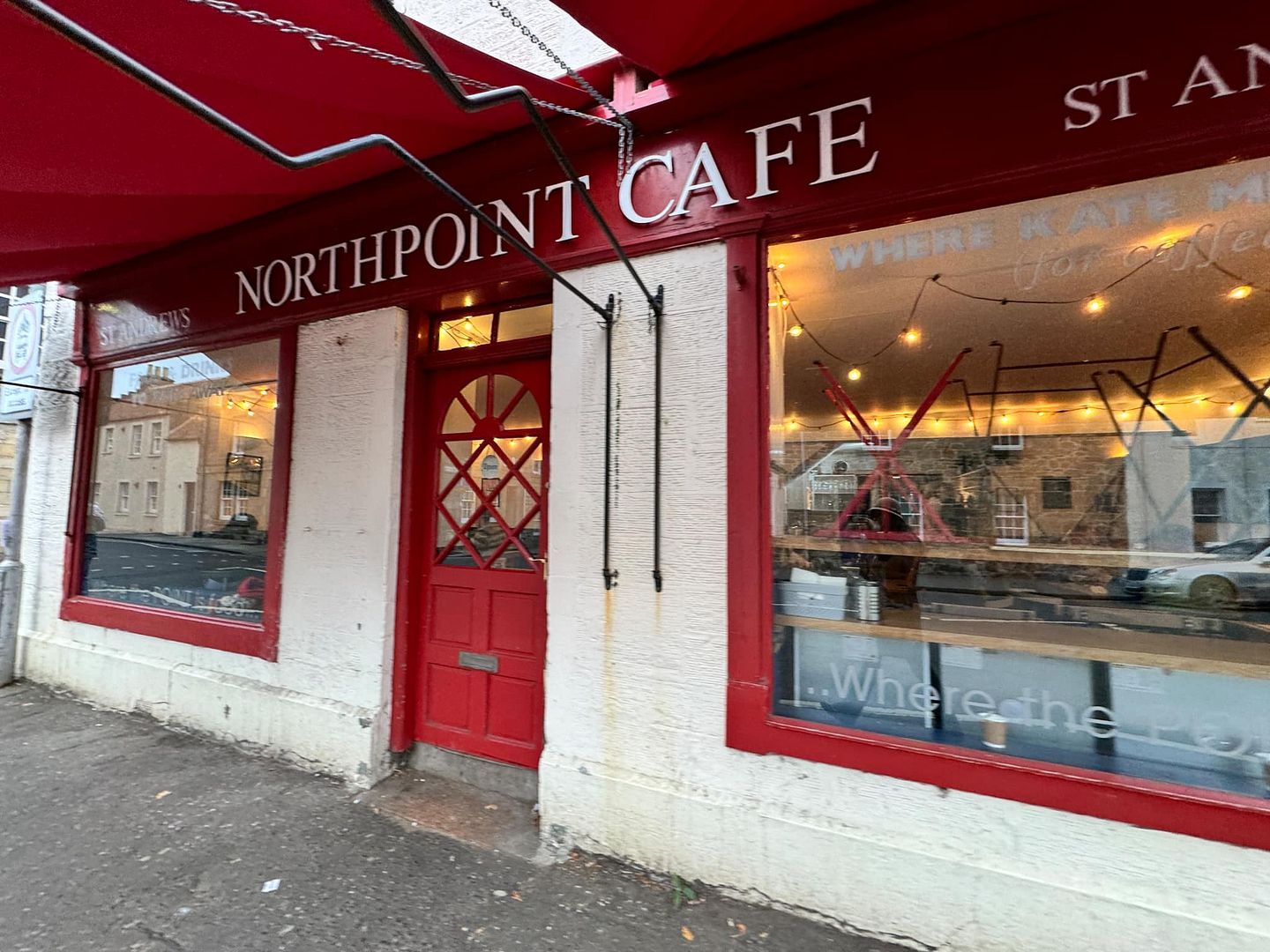
Our next stop was the Northpoint Cafe made famous by Prince William and Kate. We made it in time to have some refreshments before it closed.

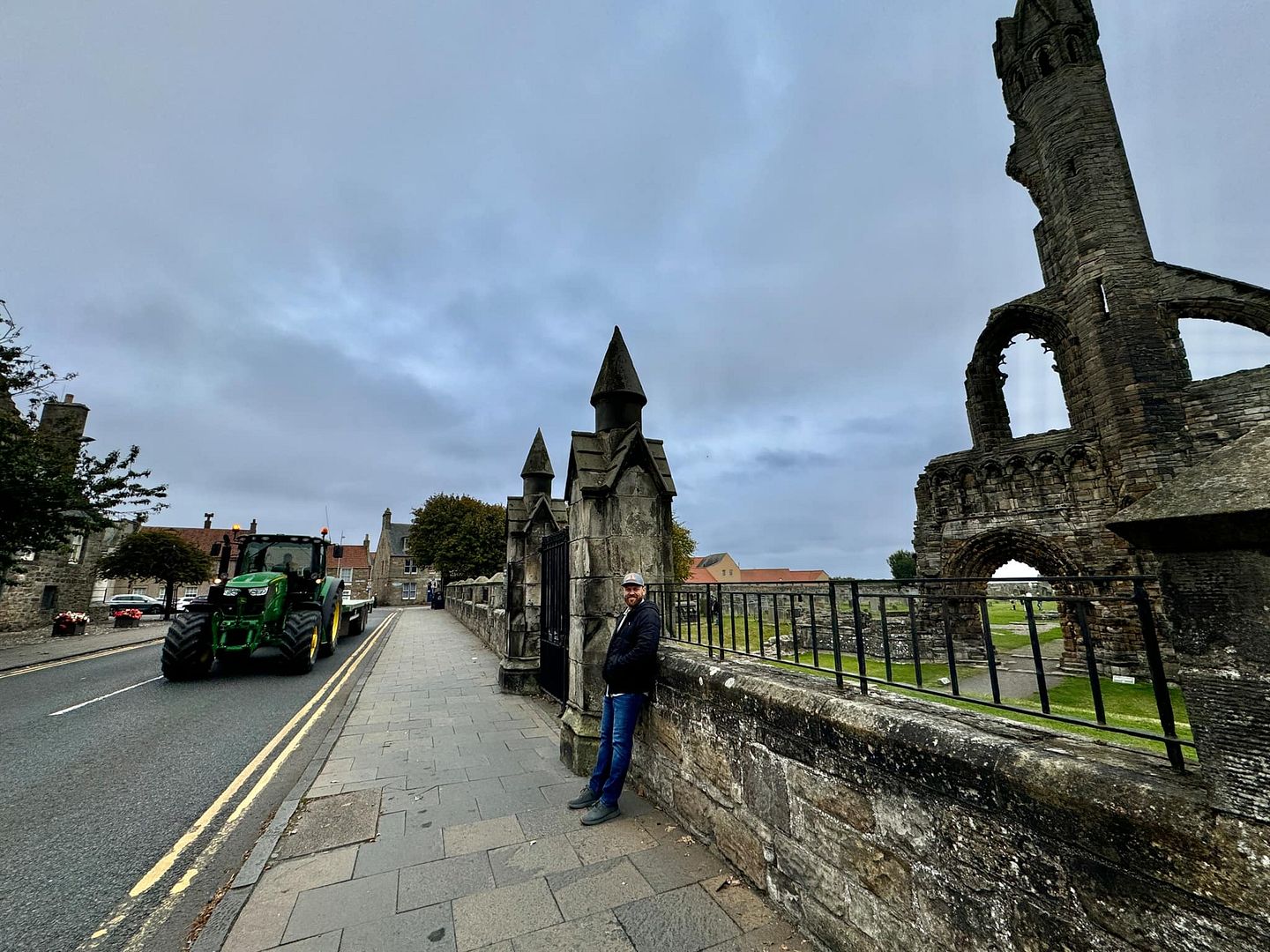
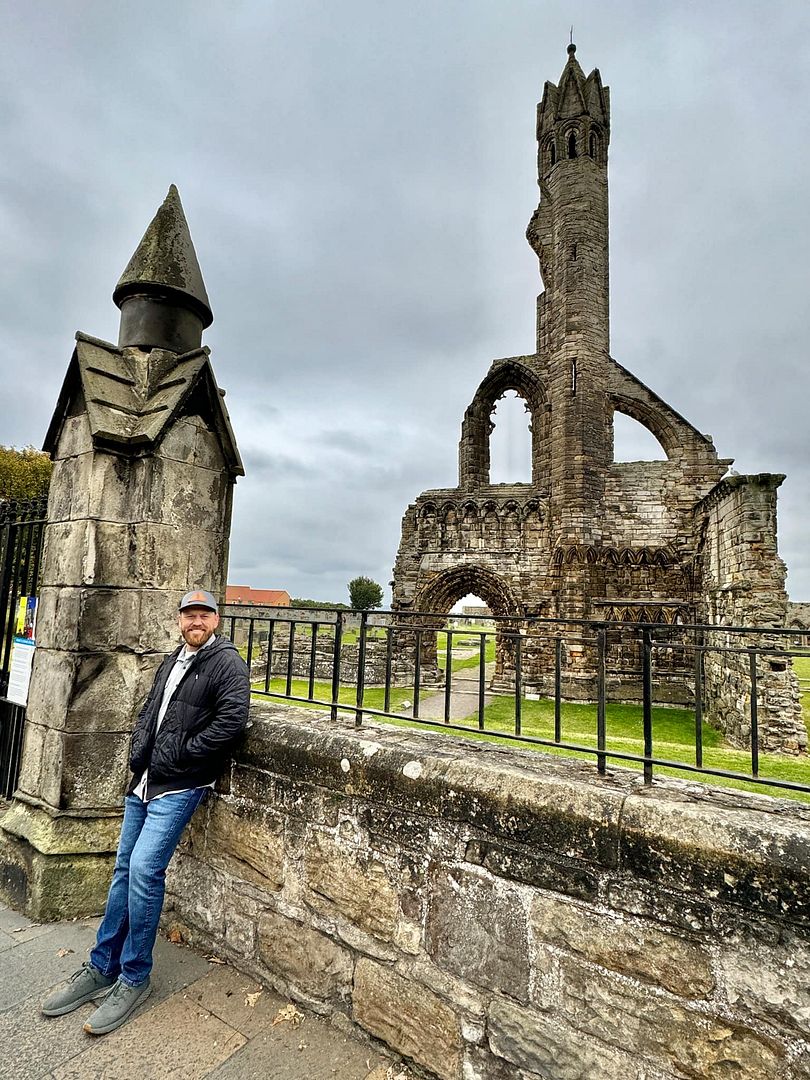
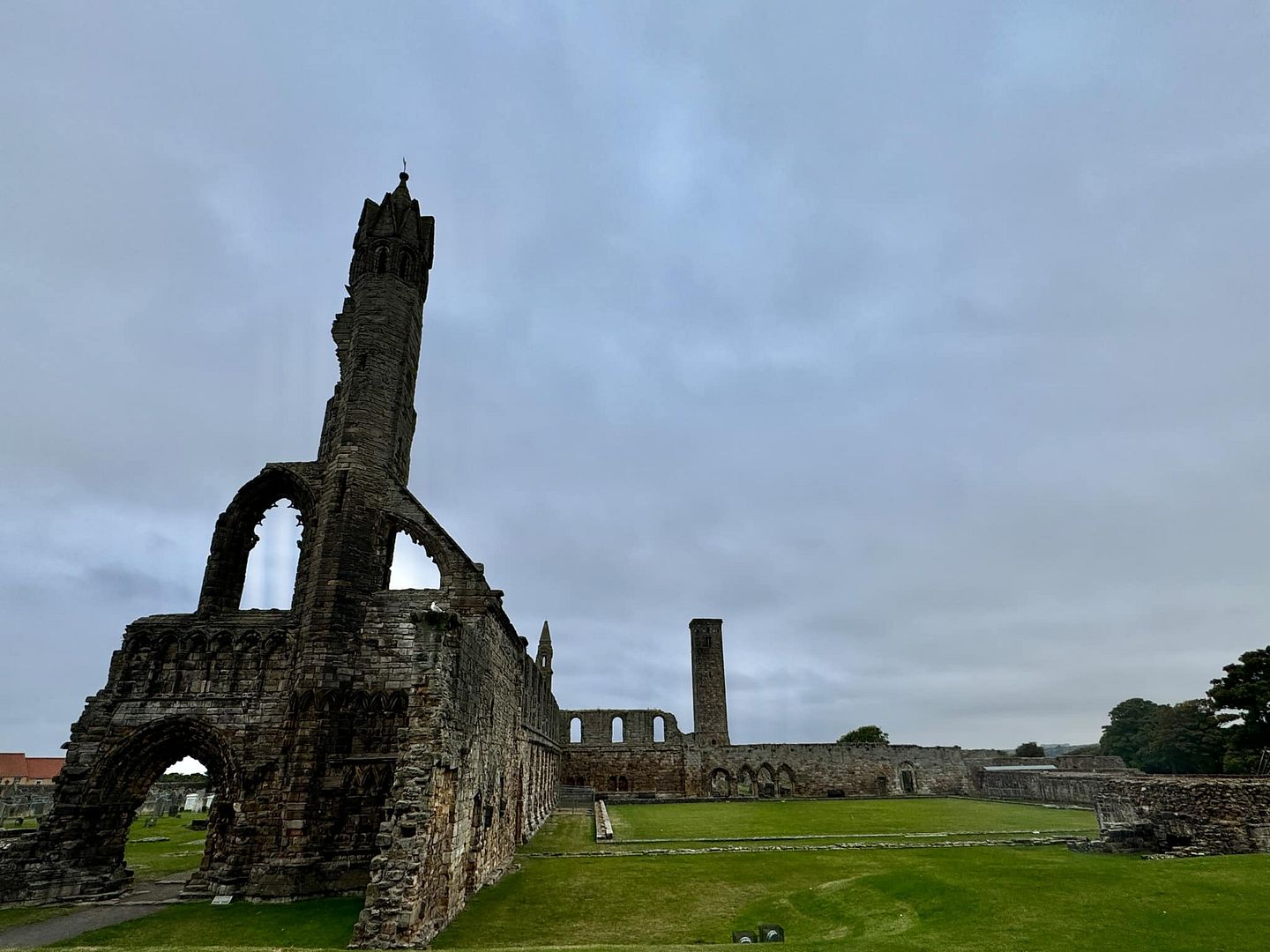
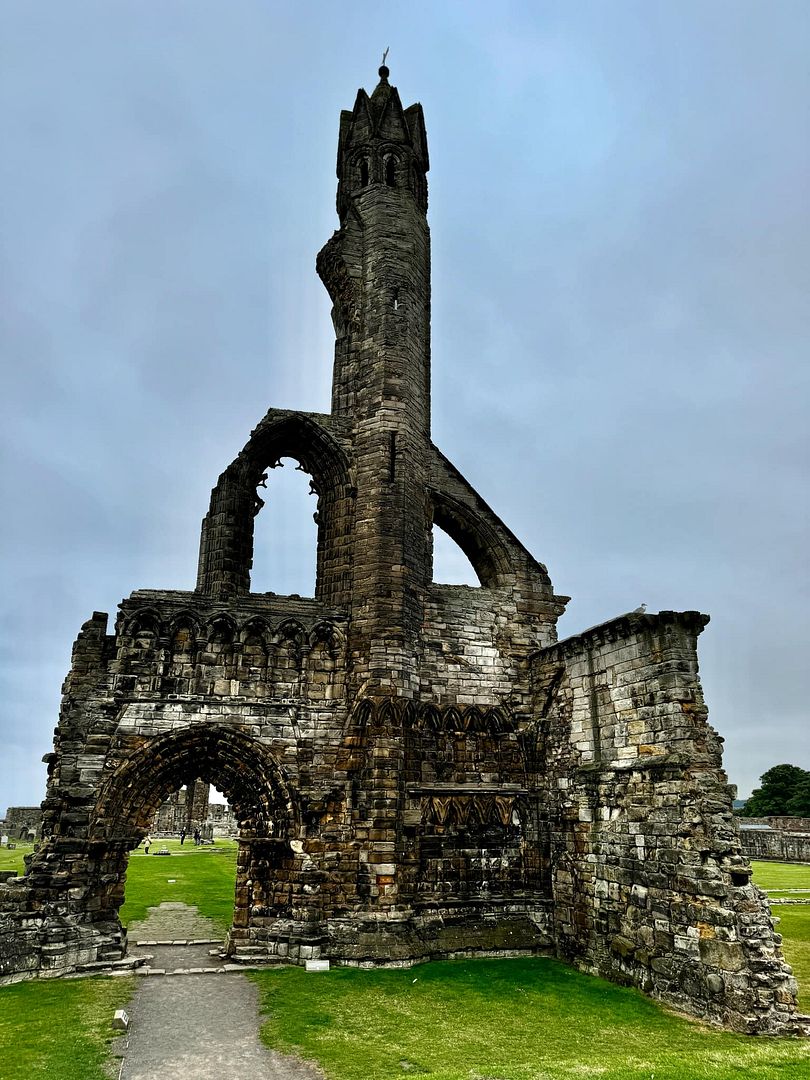
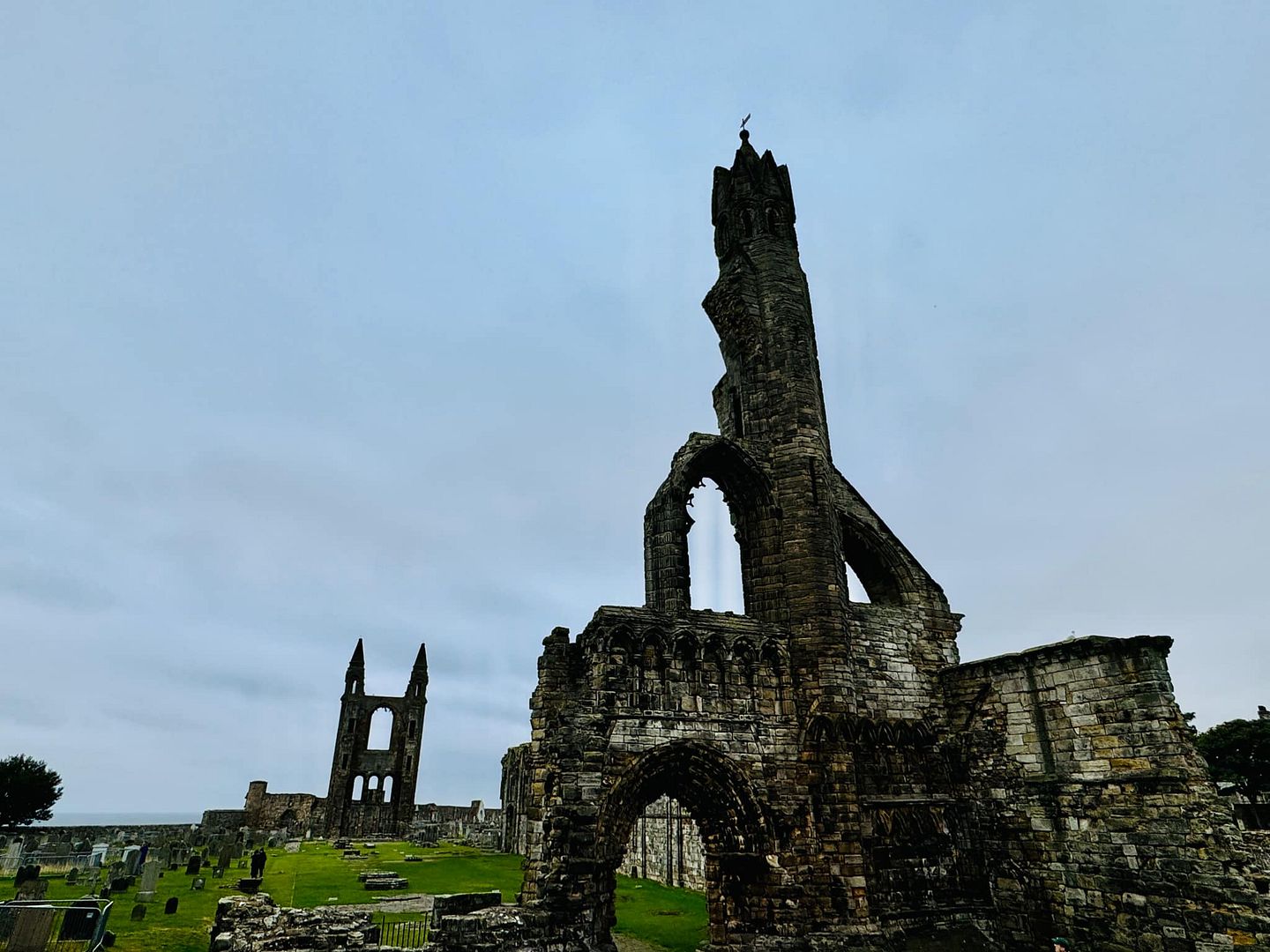
Back on the streets we wound our way to the ruins of St. Andrews Cathedral and St. Rules Tower


Our feet and our backs were complaining at the end of this afternoon. The grounds were in the process of closing just as we arrived so before they locked the gate, Laura and I went in. I kept the gatekeeper occupied with questions and conversation while Laura walked about the ruins taking photos.

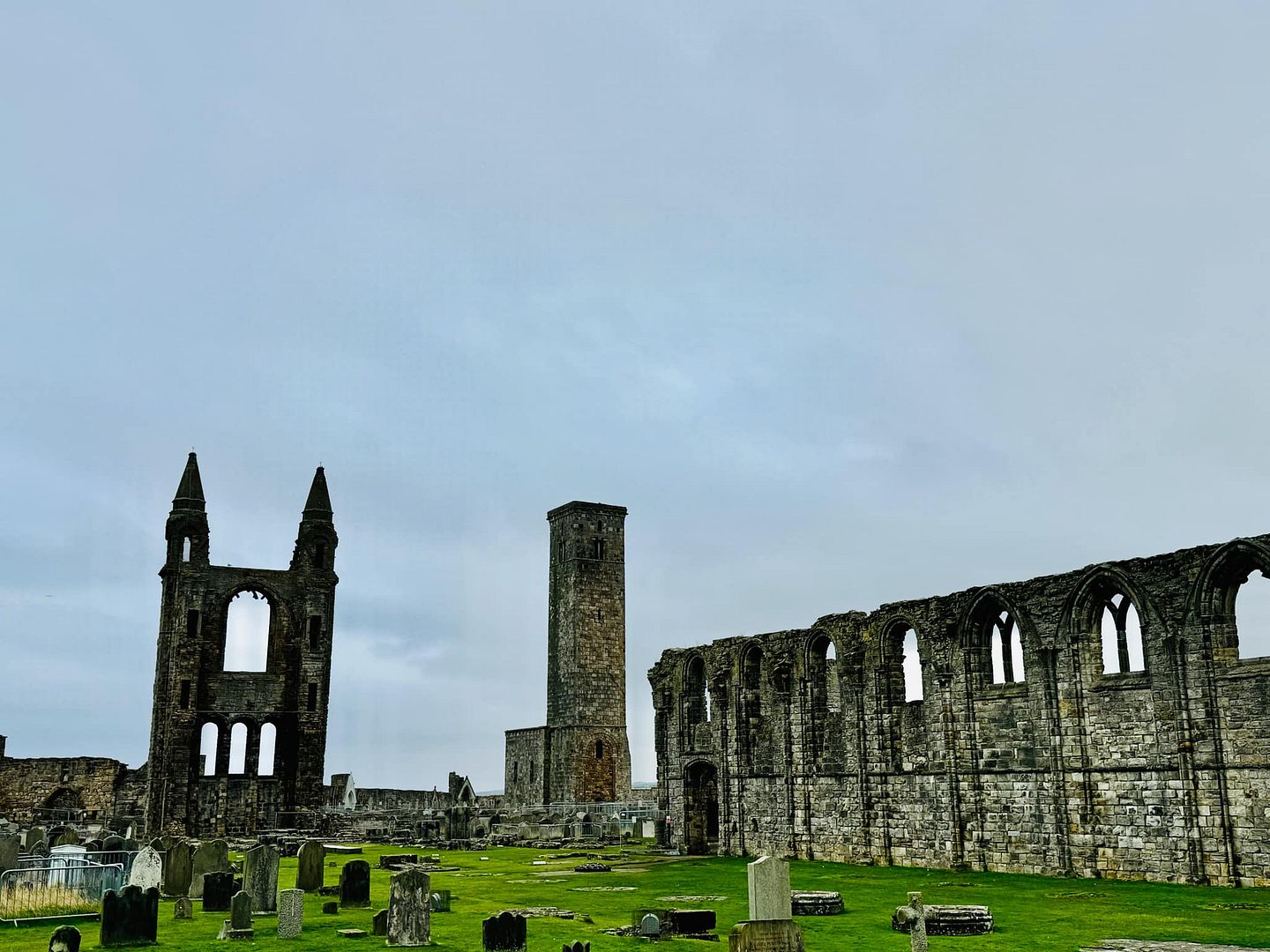
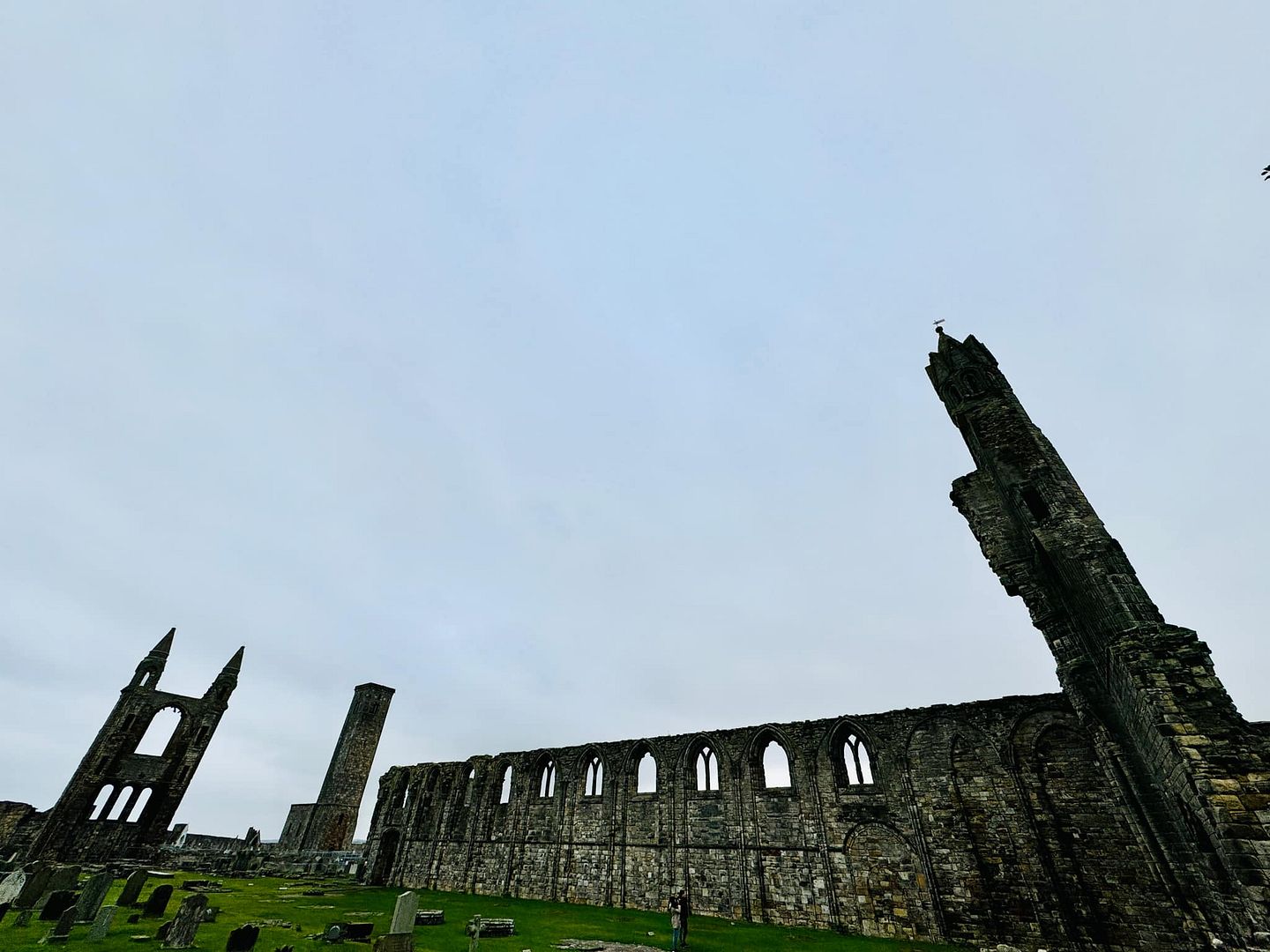
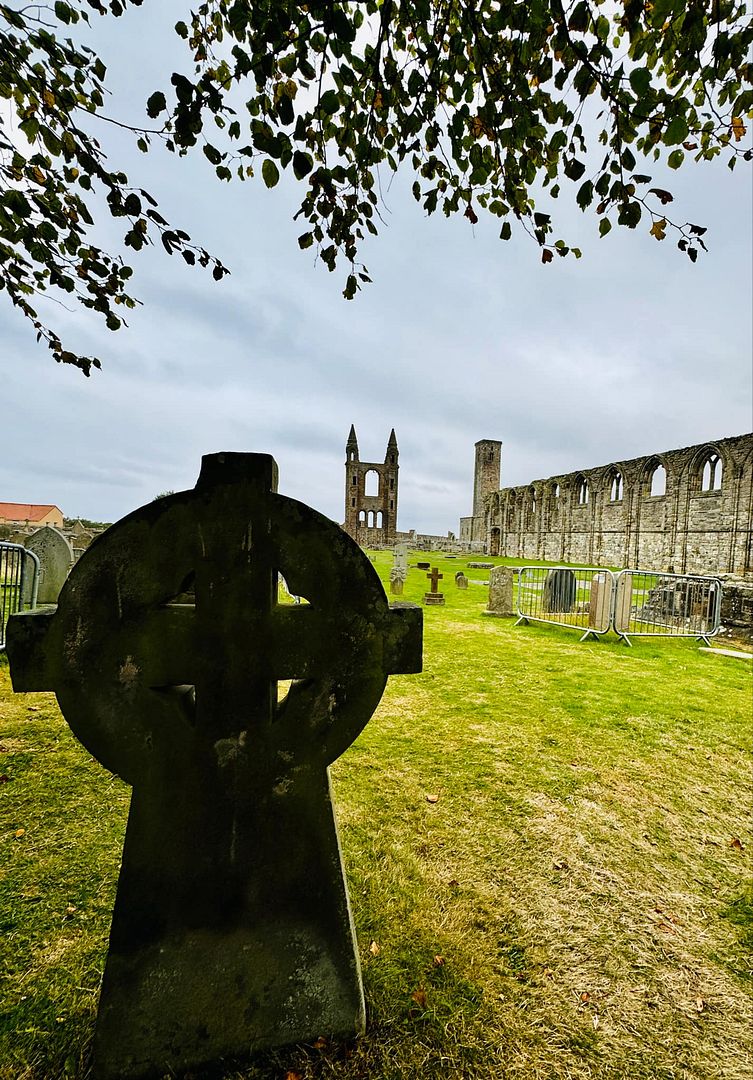
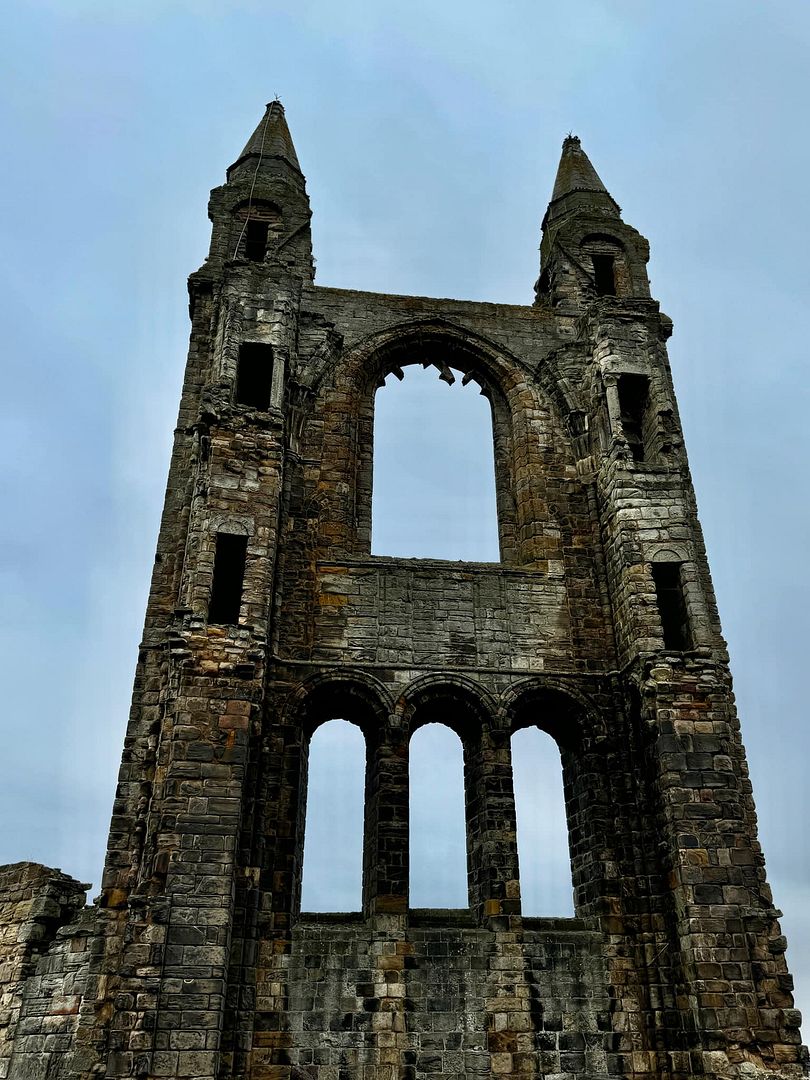
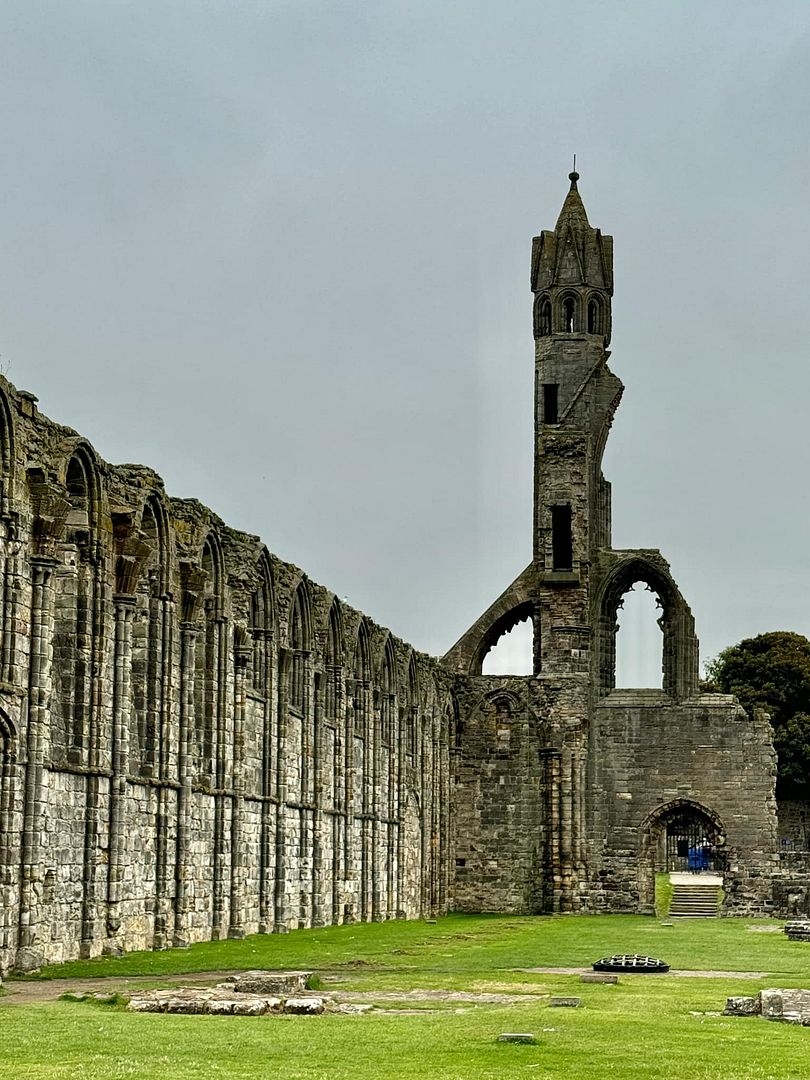
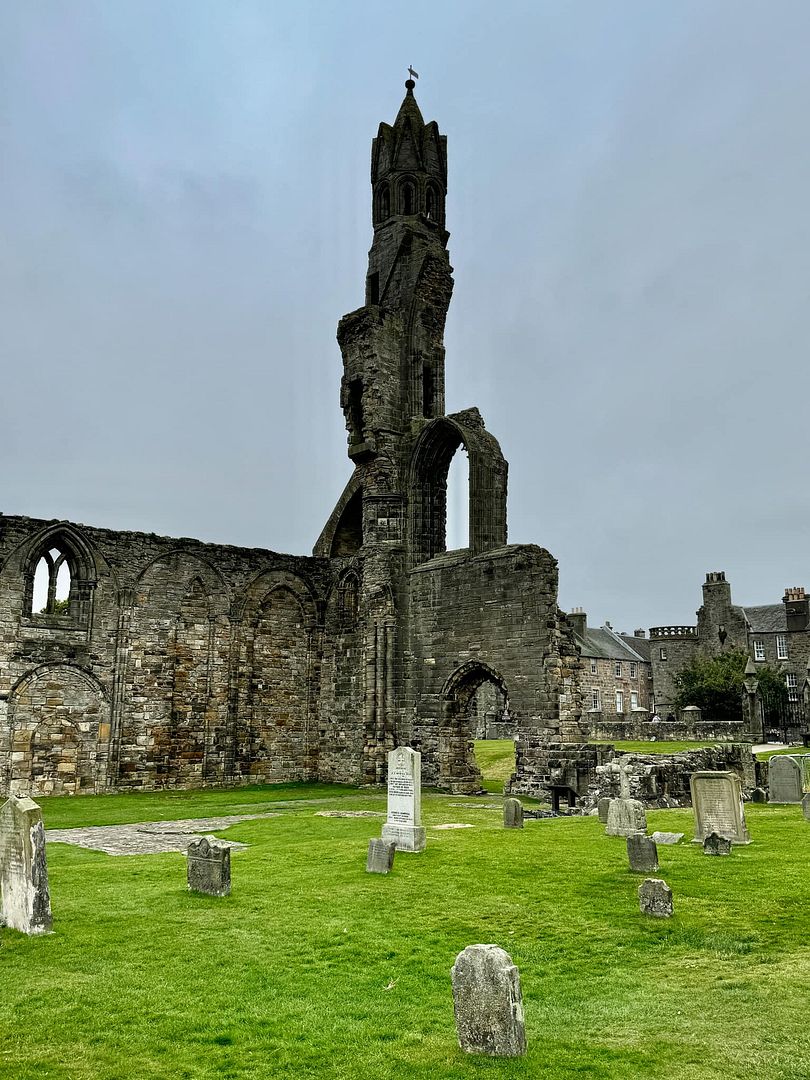
St Andrews Cathedral was Scotland’s largest cathedral. It took nearly 150 years to build and was consecrated in 1318 by Robert the Bruce. An ill-fated building, it suffered damage from fires and storms, but the Religious Reformation of 1559 was the most damaging event of all. Following an anti-Papal sermon by John Knox, his congregation went to the Cathedral and destroyed its symbols of Roman Catholicism. Further attacks led to the Cathedral being closed and the friars expelled. 


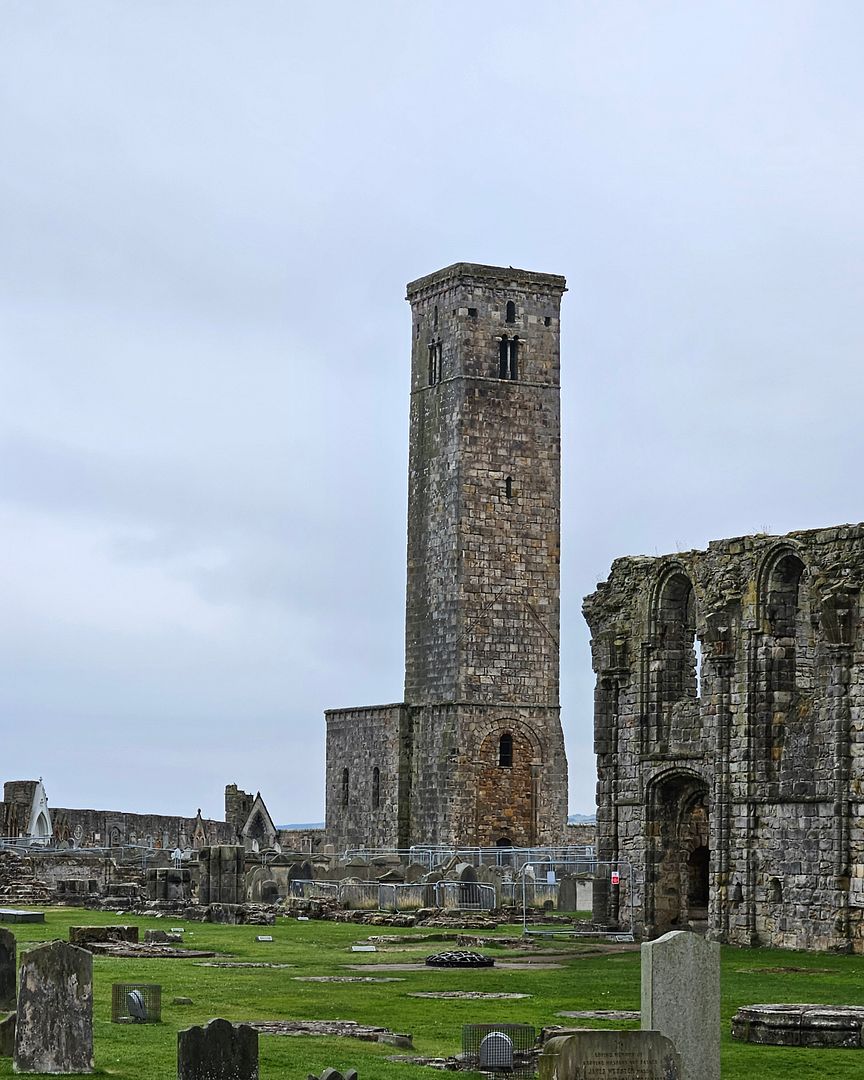
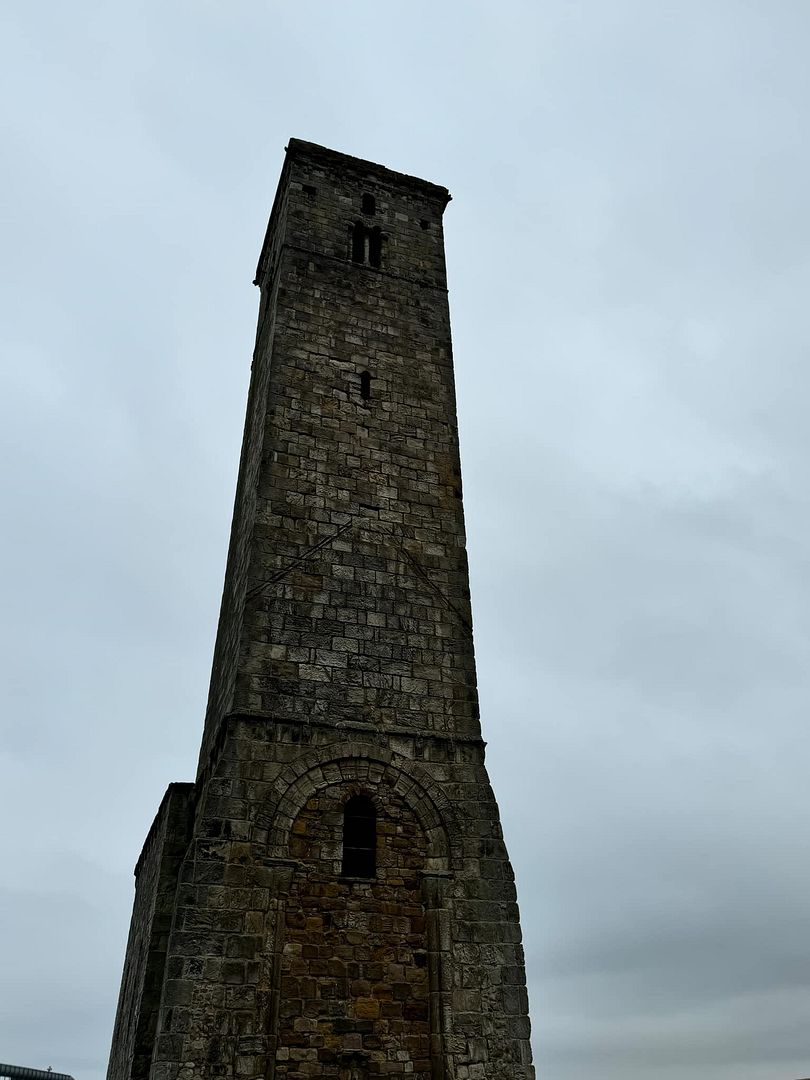
On the site of St Andrews Cathedral, there was originally St Rule’s Church, which belonged to a community of Augustinian Canons who had the adjoining building as their living quarters. Nowadays, only the Tower remains, and at 30 meters high, it provides the best panoramic views across St Andrews. 

The tower is generally accessible to climb and see great views but we arrived too late in the day for that.

There is also a museum on this site but, you guessed it, the museum was closed by the time we reached this site.

You can find more information here.

When we couldn’t hold the gatekeeper off any longer we left the grounds and let him lock the gate. We walked back to where our vehicle was parked along the University lanes with one more stop in mind before we left St. Andrews.

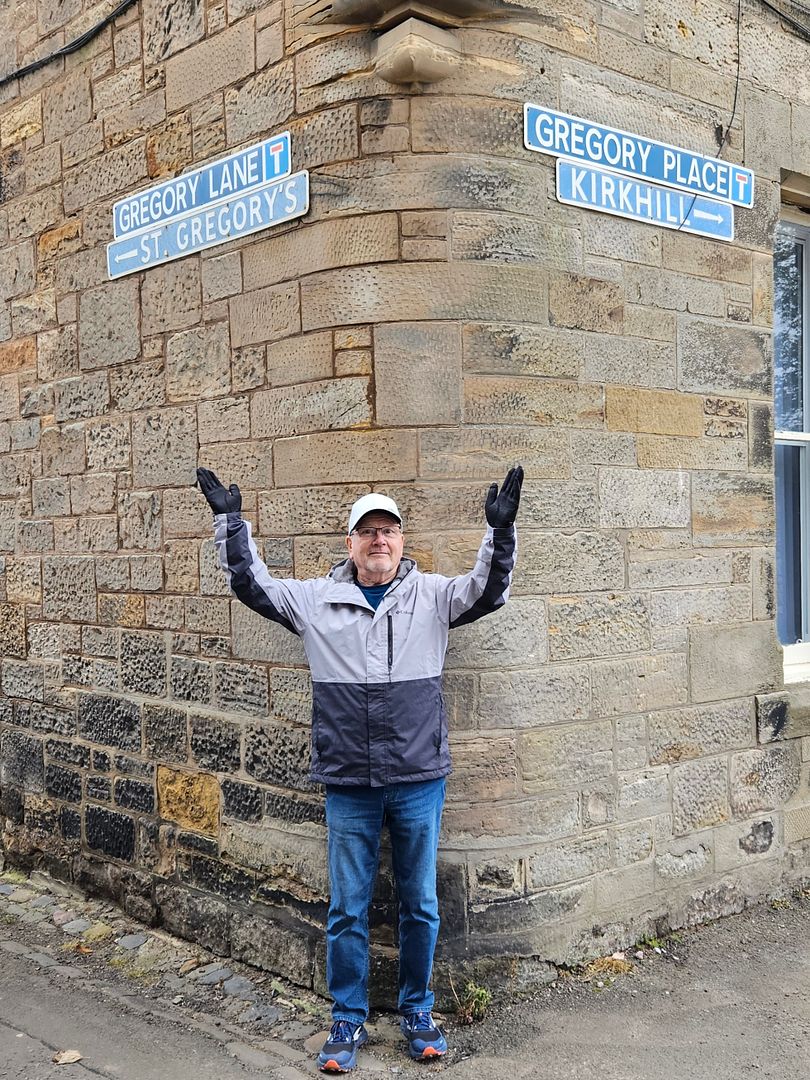
Well of course we needed a photo of our Gregory right at this spot!

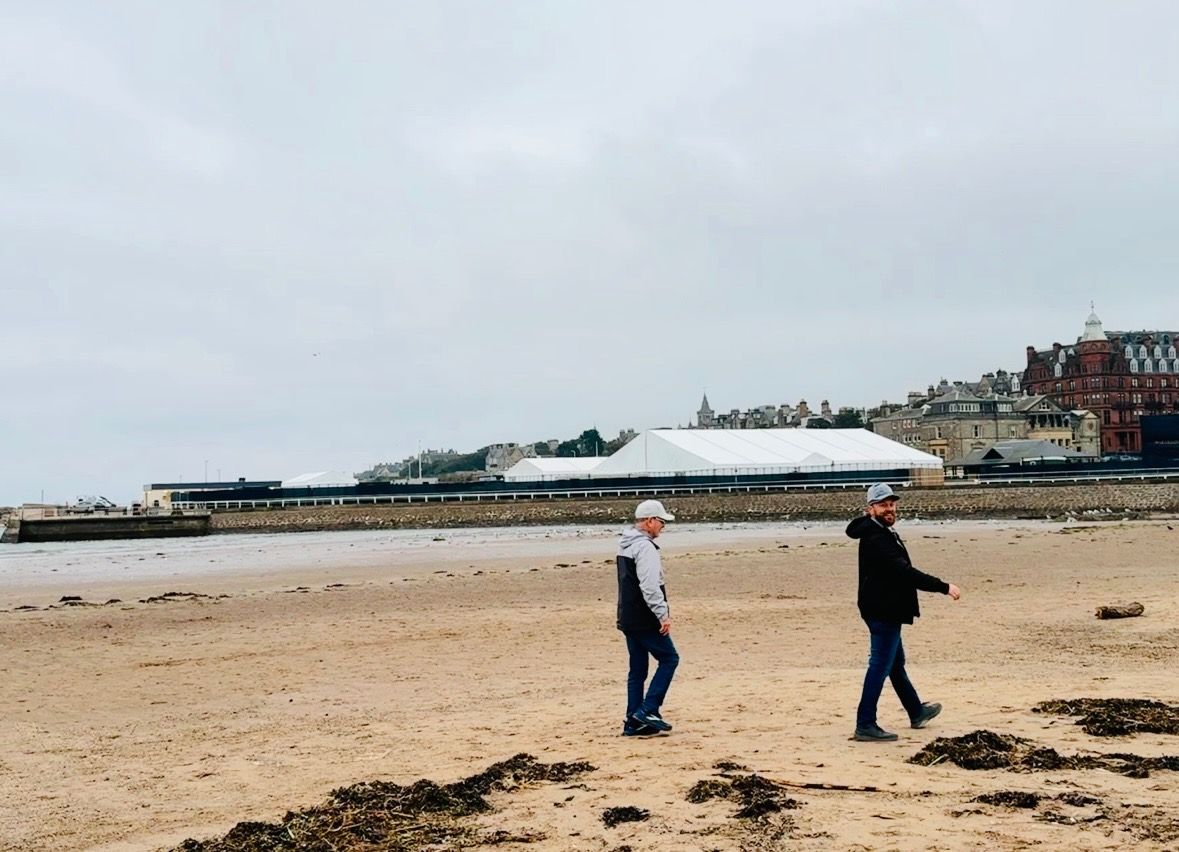
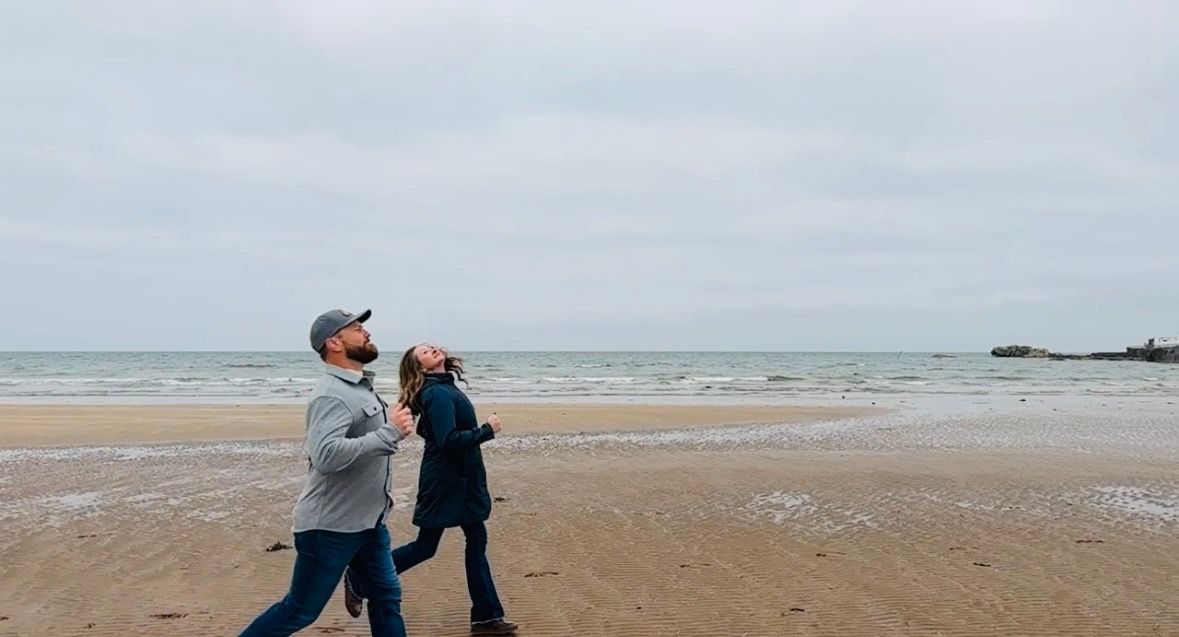
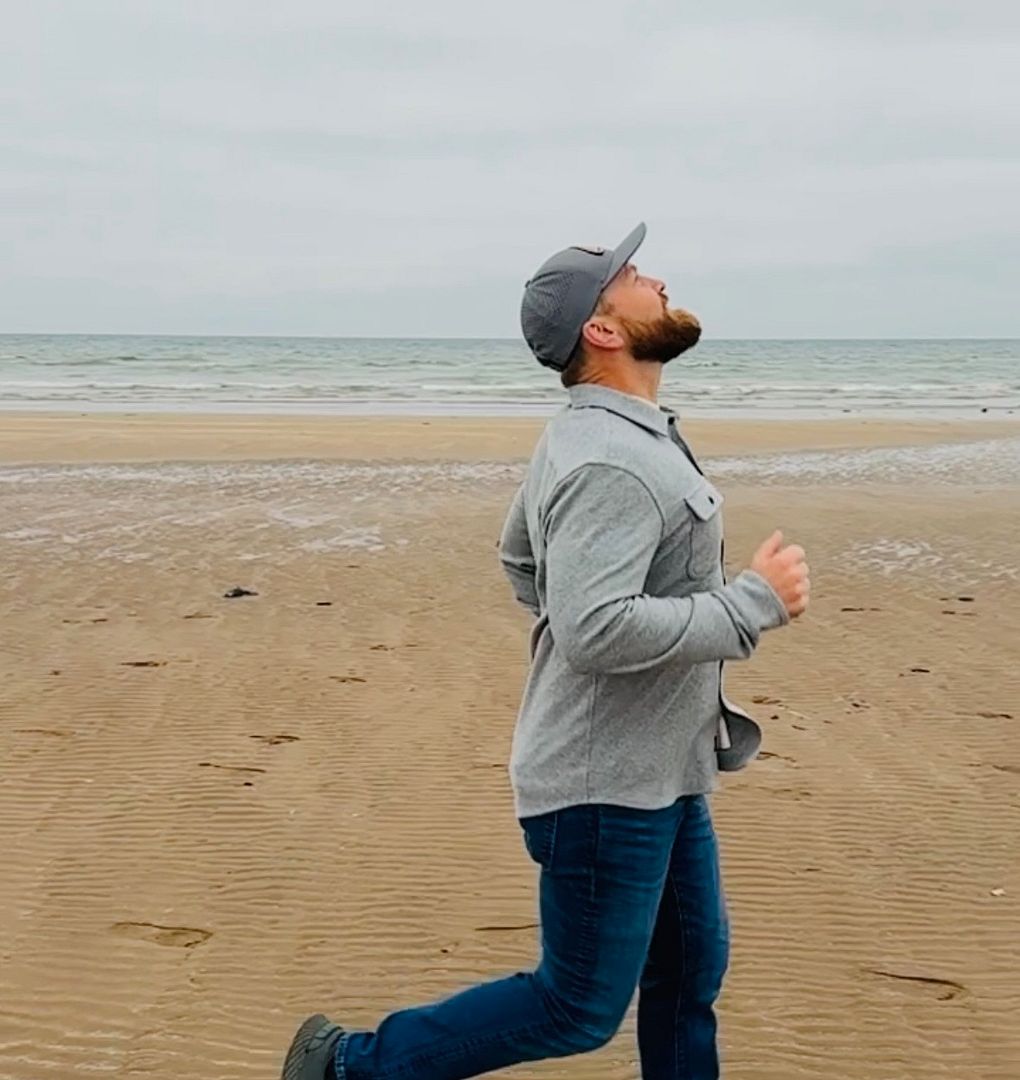
Before we left to Scotland we watched Chariots of Fire knowing we would be close to the beach where the famous opening to the movie was filmed. We wanted to re-enact that opening.

Eric Liddell: I believe God made me for a purpose – but He also made me fast. And when I run, I feel His pleasure.

“I have no formula for winning the race. Everyone runs in her own way, or his own way. And where does the power come from, to see the race to its end? From within. Jesus said, ‘Behold, the Kingdom of God is within you. If with all your hearts, you truly seek me, you shall ever surely find me.’ If you commit yourself to the love of Christ, then that is how you run a straight race.” ~ Eric Liddell

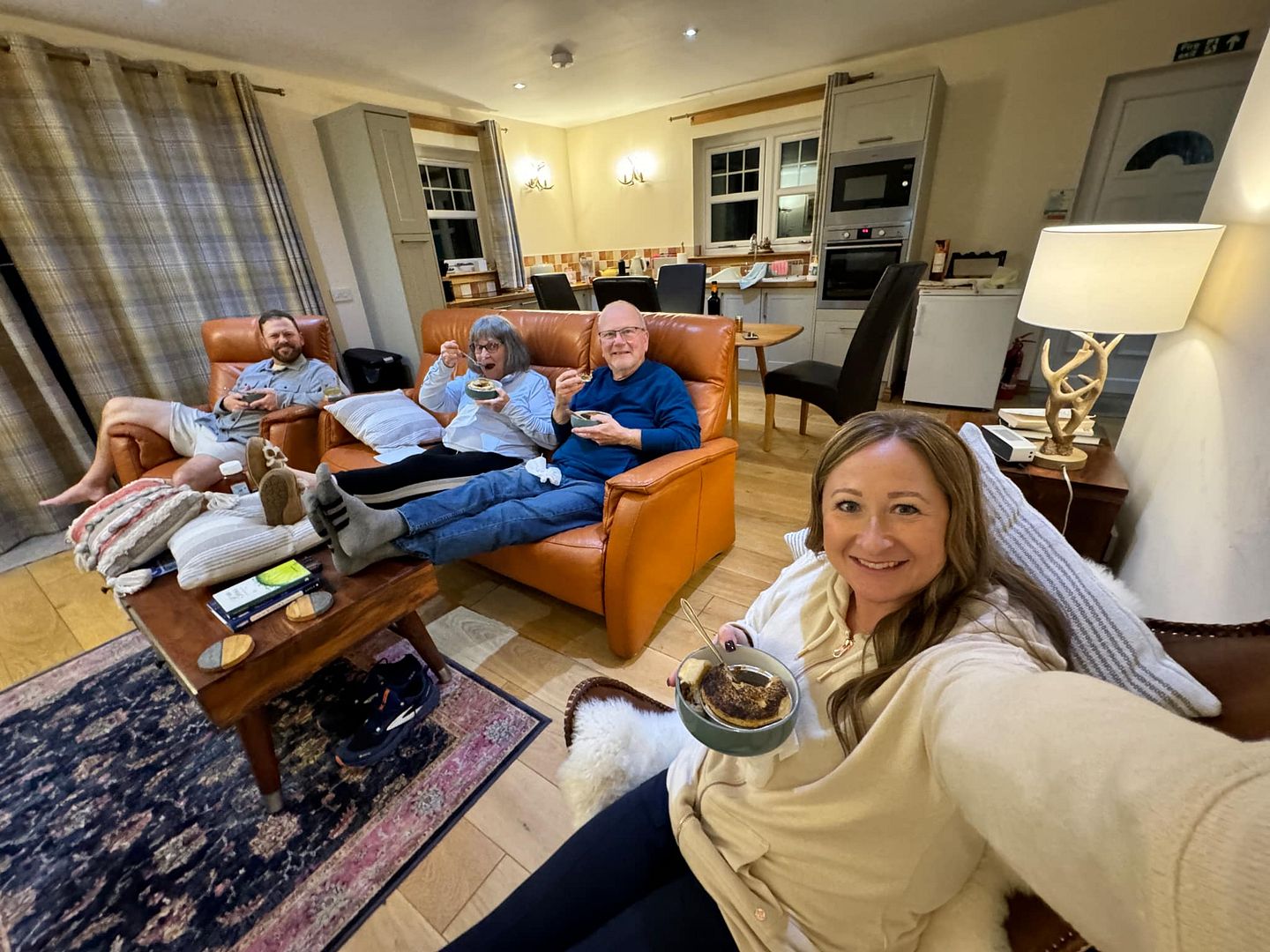
We were pleased with the results. We have videos but unfortunately I can’t find a way to post that on my blog. We were cracking ourselves up and amazed our feet allowed this last event of the day. When we got back to our car, it was decided we needed to find some takeaway or purchase something we could pop in the oven for dinner. Take away did not materialize so we stopped at M&S and found some savoury pies and some desserts, too.

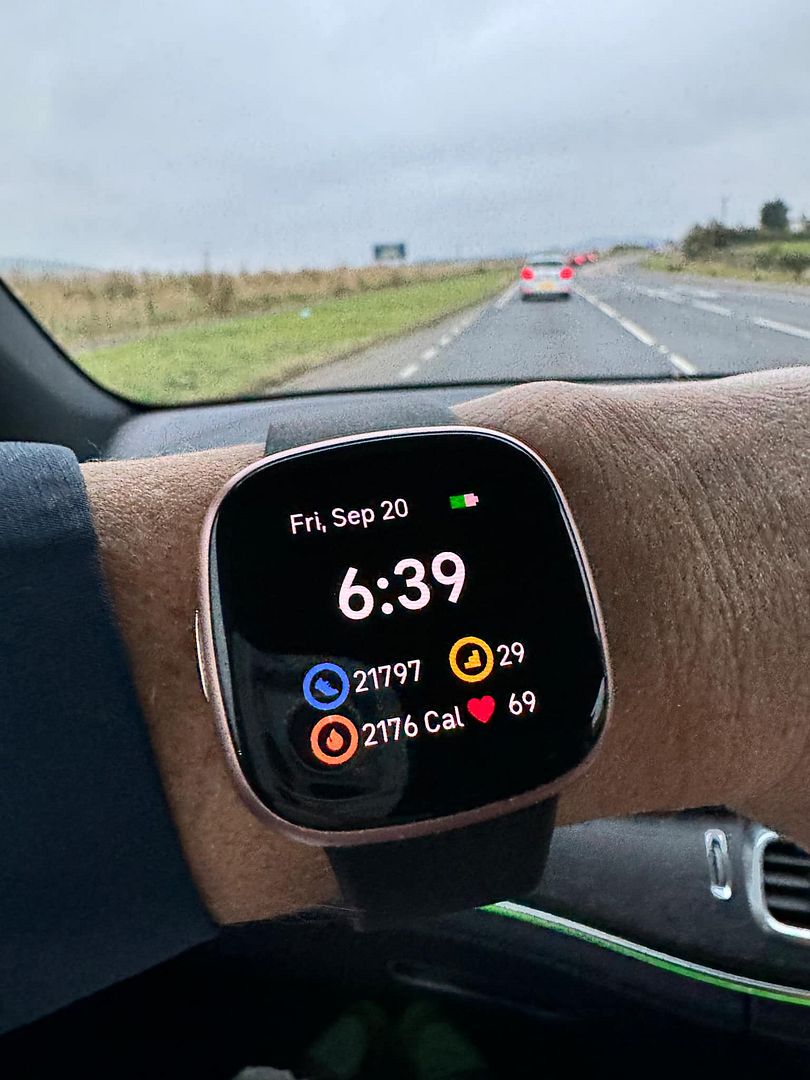
Laura’s watch clocked us at 21,797 steps with 29 stairway climbs, too. Yikes.

Food heated and feet up for the rest of the evening!! Cheers!

After breakfast on Saturday we would start our journey back to Stirling to drop off our rental car and take a train to Edinburgh for the last leg of our trip.

Scotland Travel Journal ~St. Andrews #2

I do hope my old brain can go back and capture the rest of our Scotland travels and get them posted before the end of January!

After our time at the ‘links’ on Friday September 20th, we found out more of what St. Andrews is famous for. We would also intersect our interest in John Knox and the Reformers that we were introduced to in Glasgow and Stirling. We did not have an extended time to see the rest of St. Andrews but we fit in what we could. Fair warning, this will be a long post.

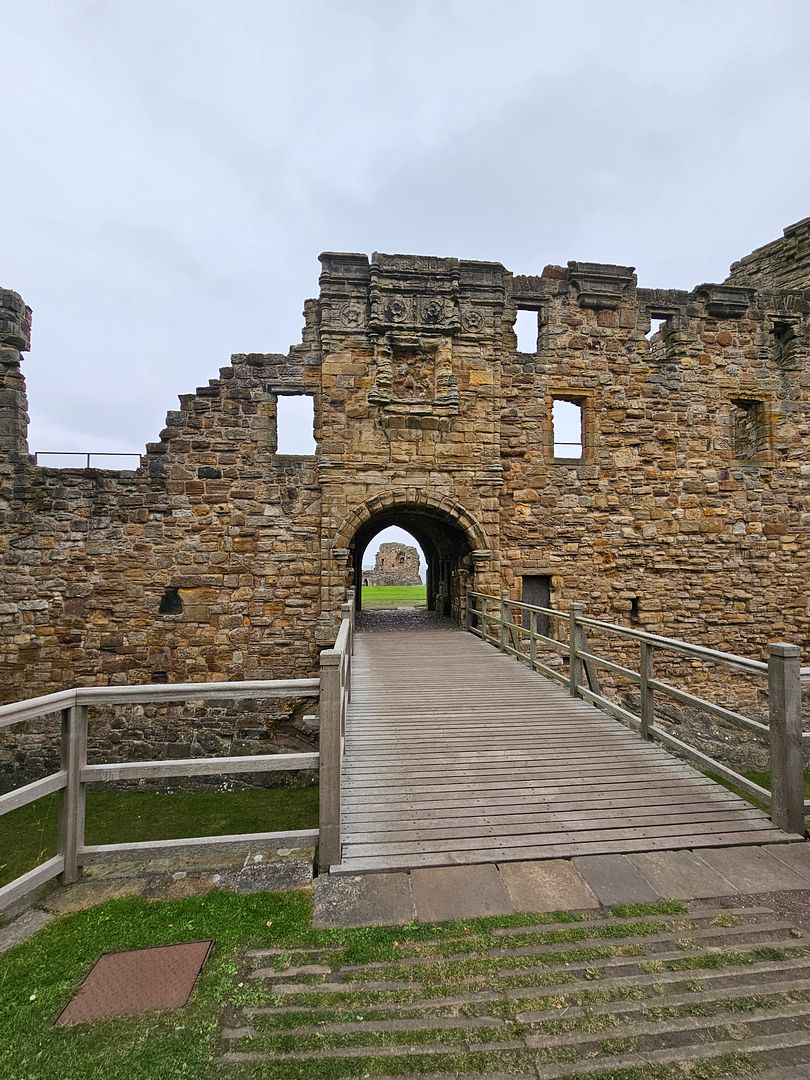
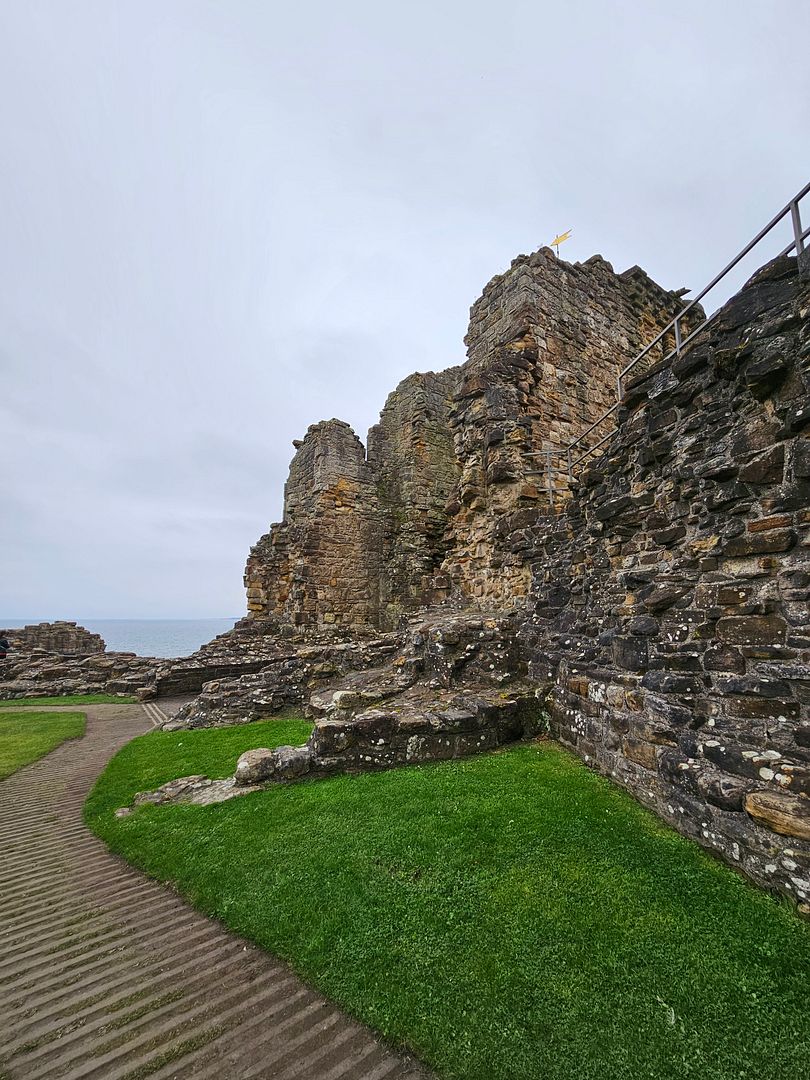
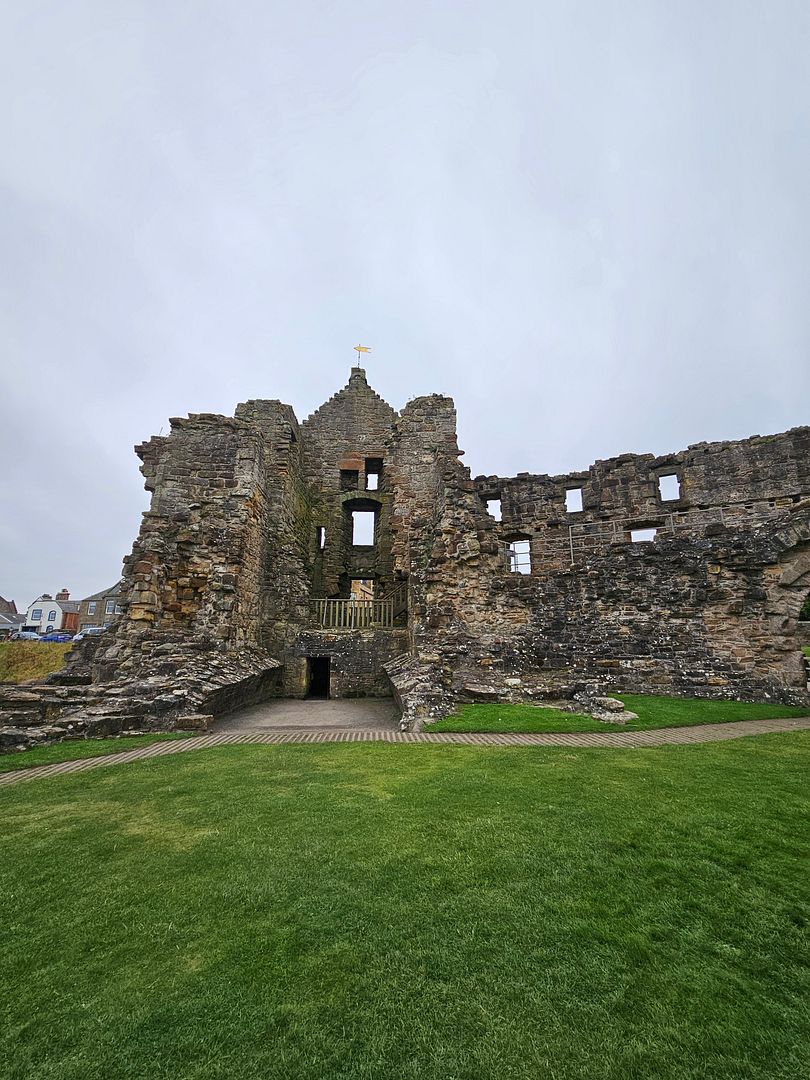
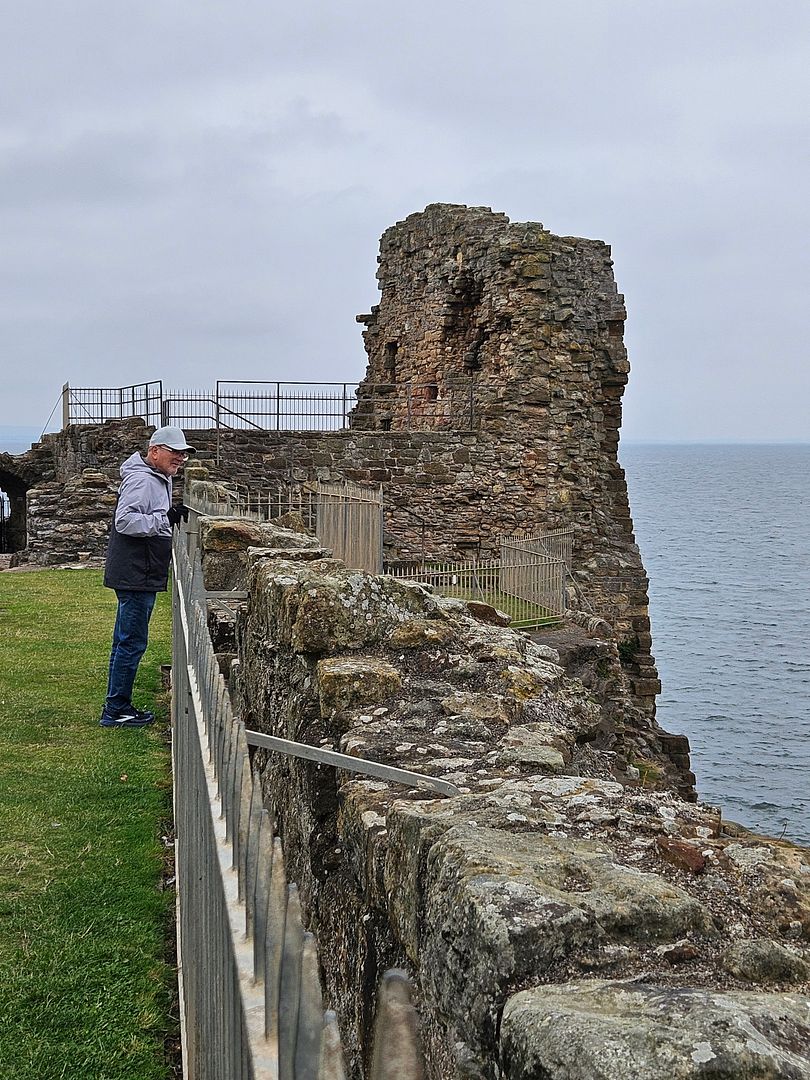
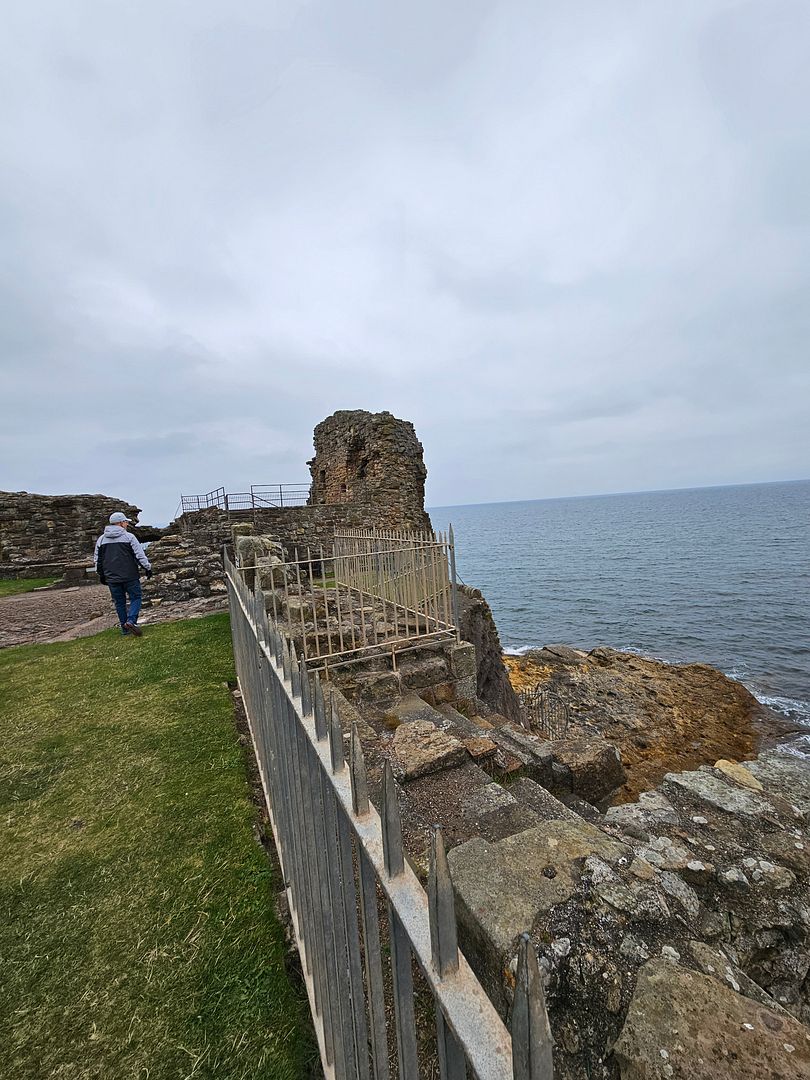
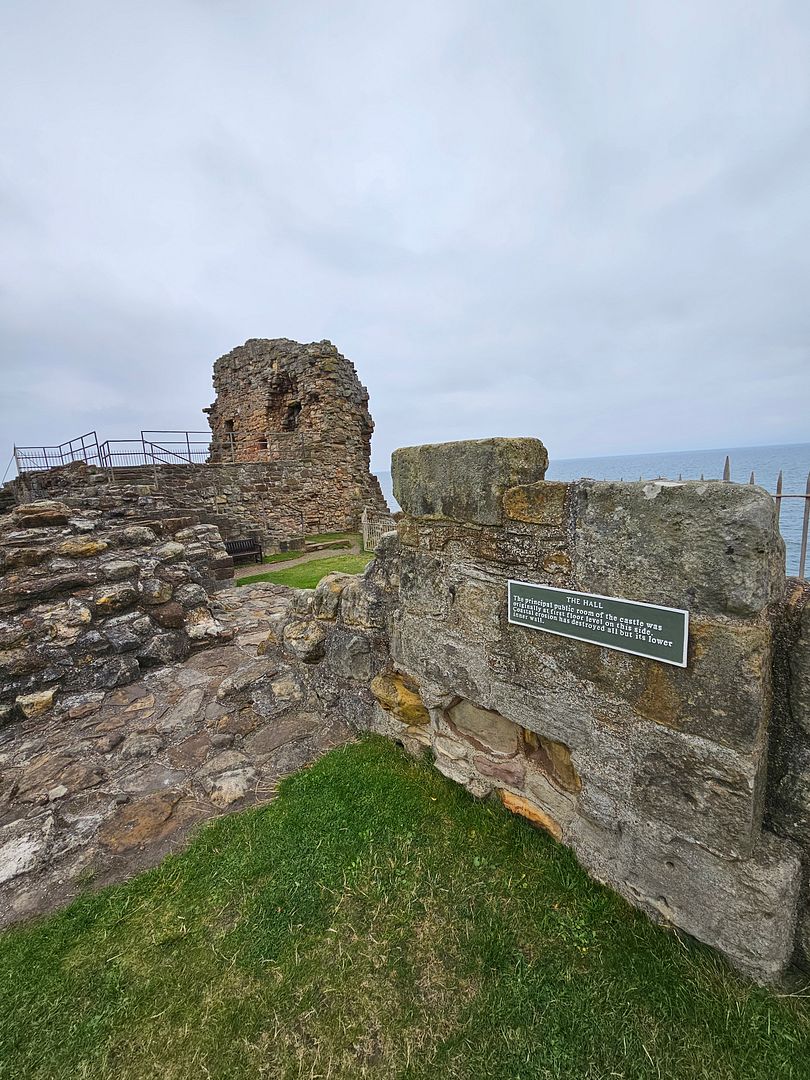
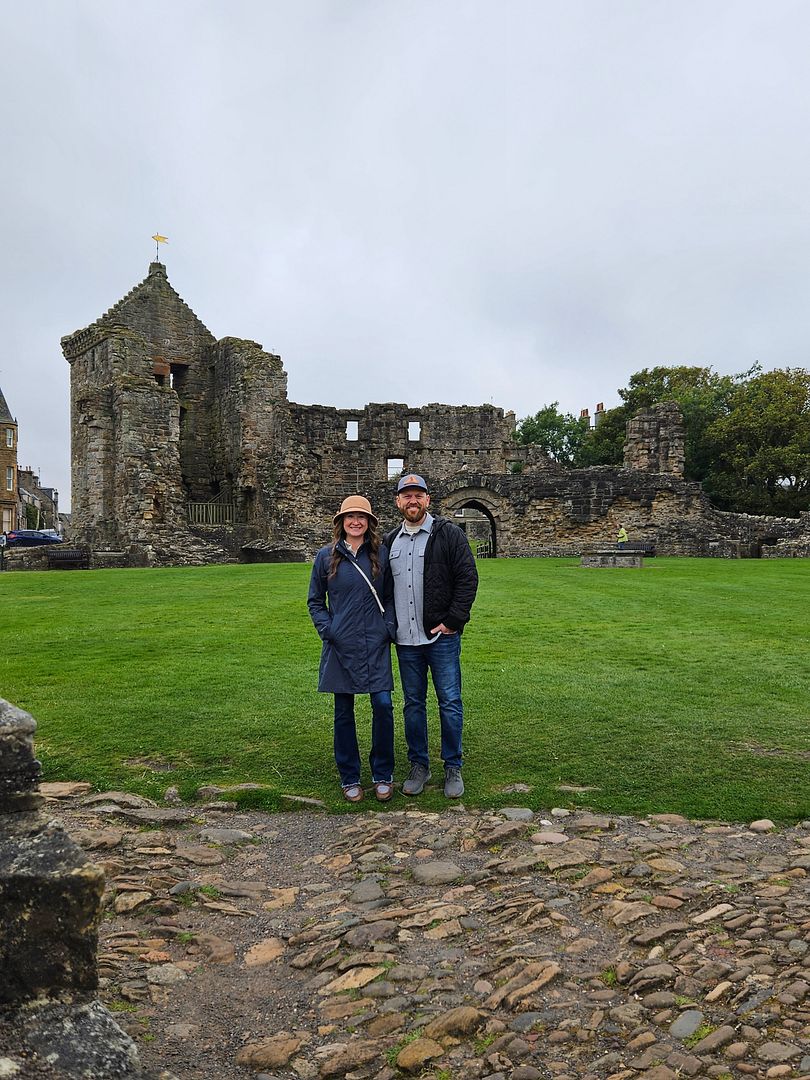
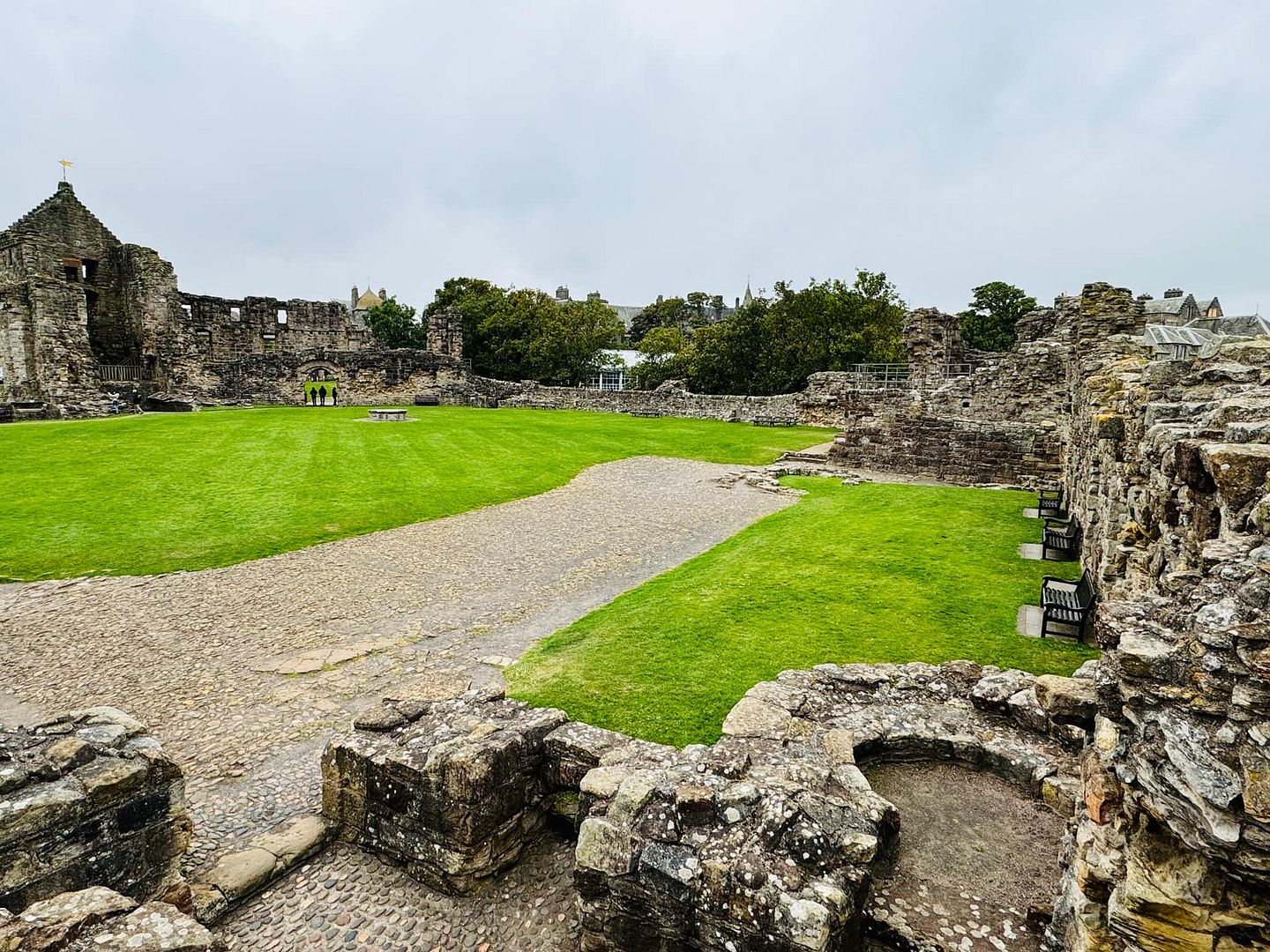
We walked along The Scores to get to the ruins of St. Andrews Castle.

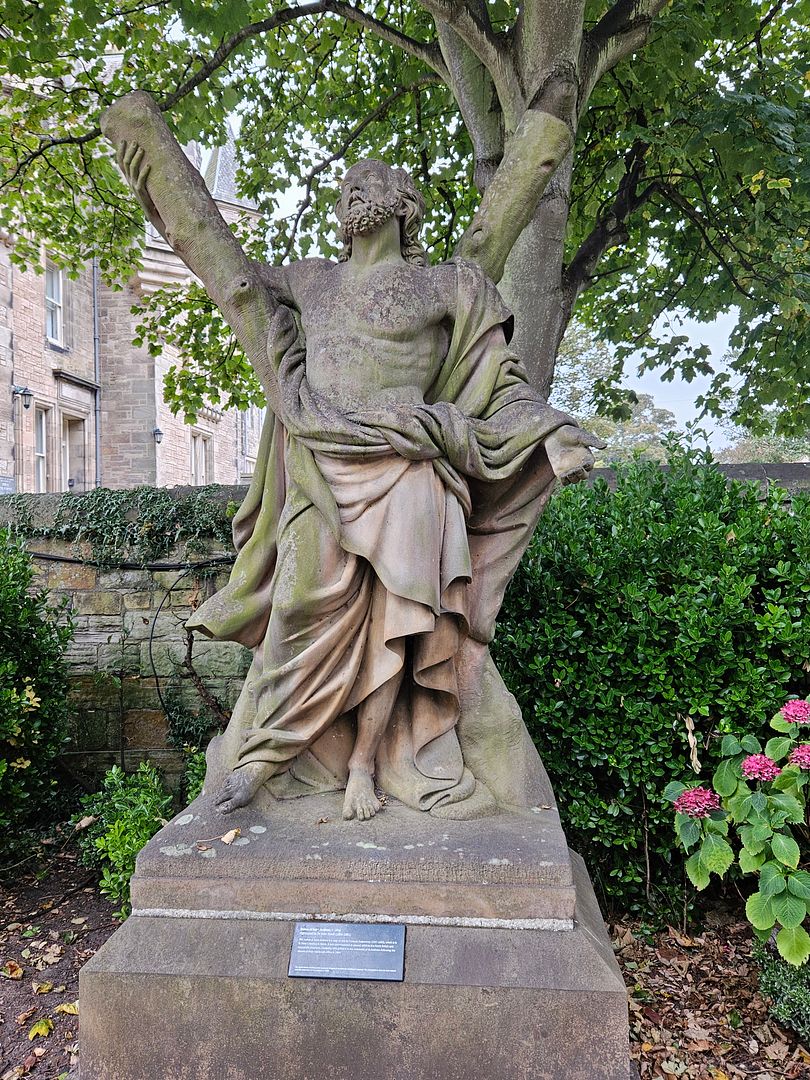
Along our route we passed the restored statue of St. Andrew, the patron saint of Scotland, outside the Wardlow Museum.

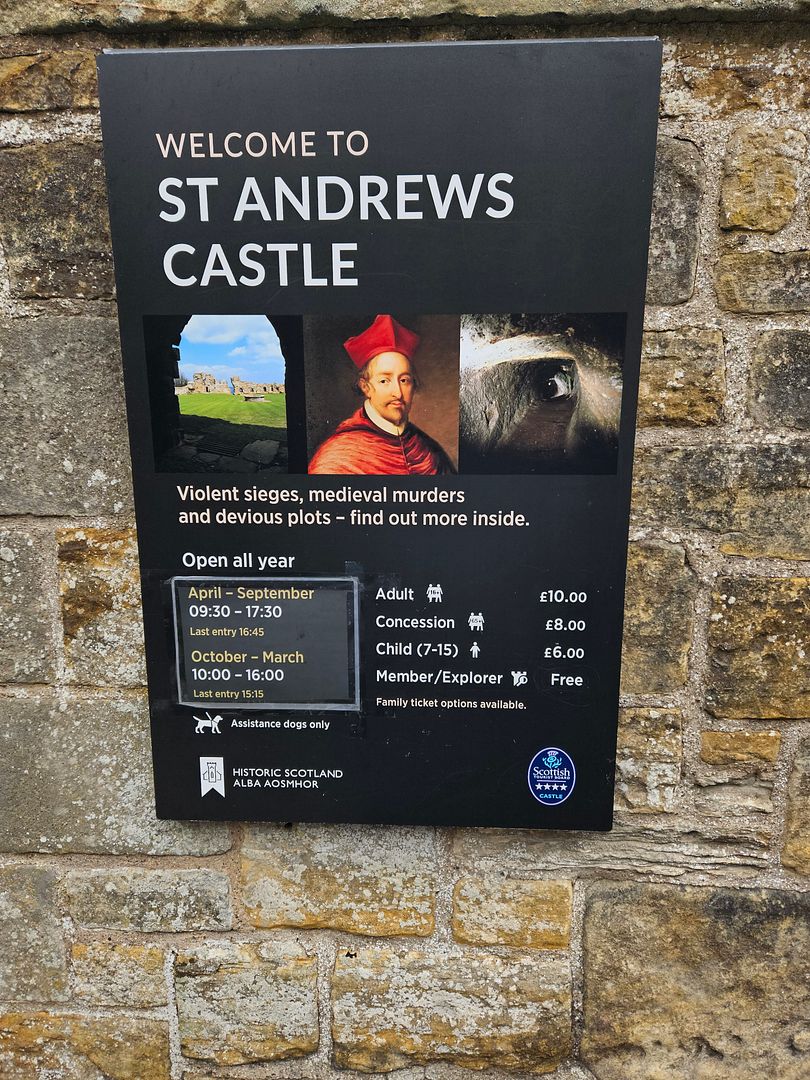
Entering the Castle grounds we paid and then walked through the history presentation before heading out to the castle ruins.

I’ll add some of the history of the castle that pertains to the Reformers and namely George Wishart and John Knox. I’ll add another link for those of you who might be interested in more history.

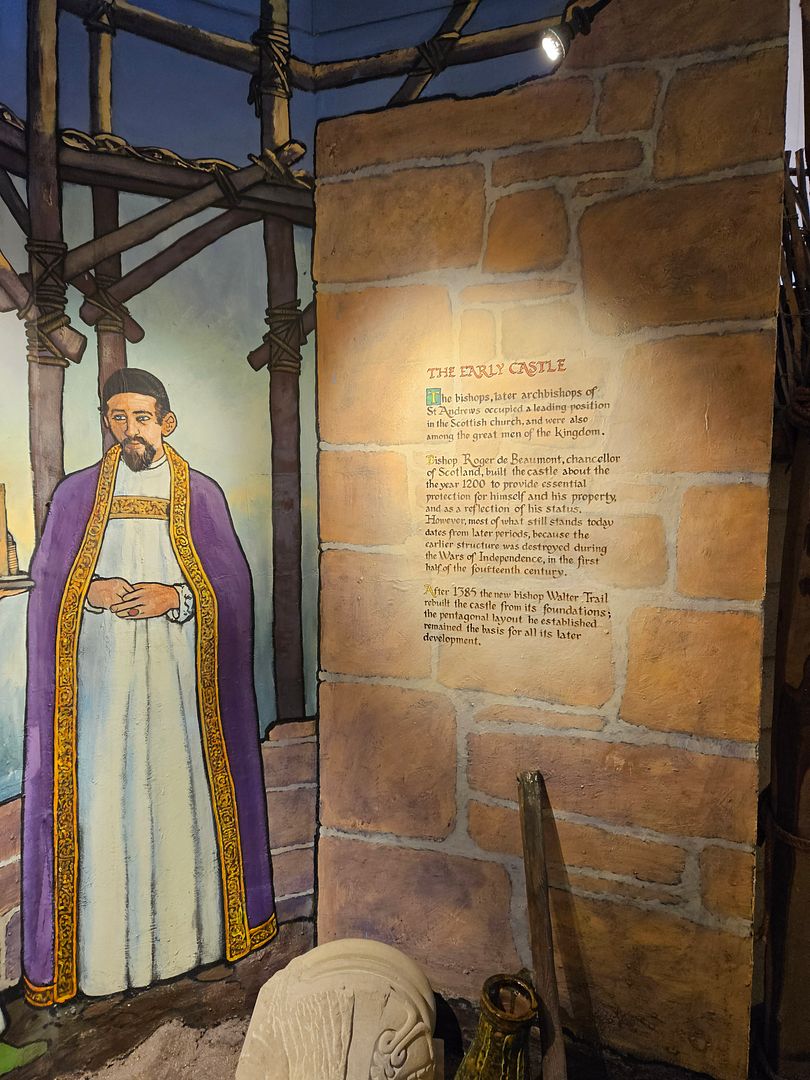
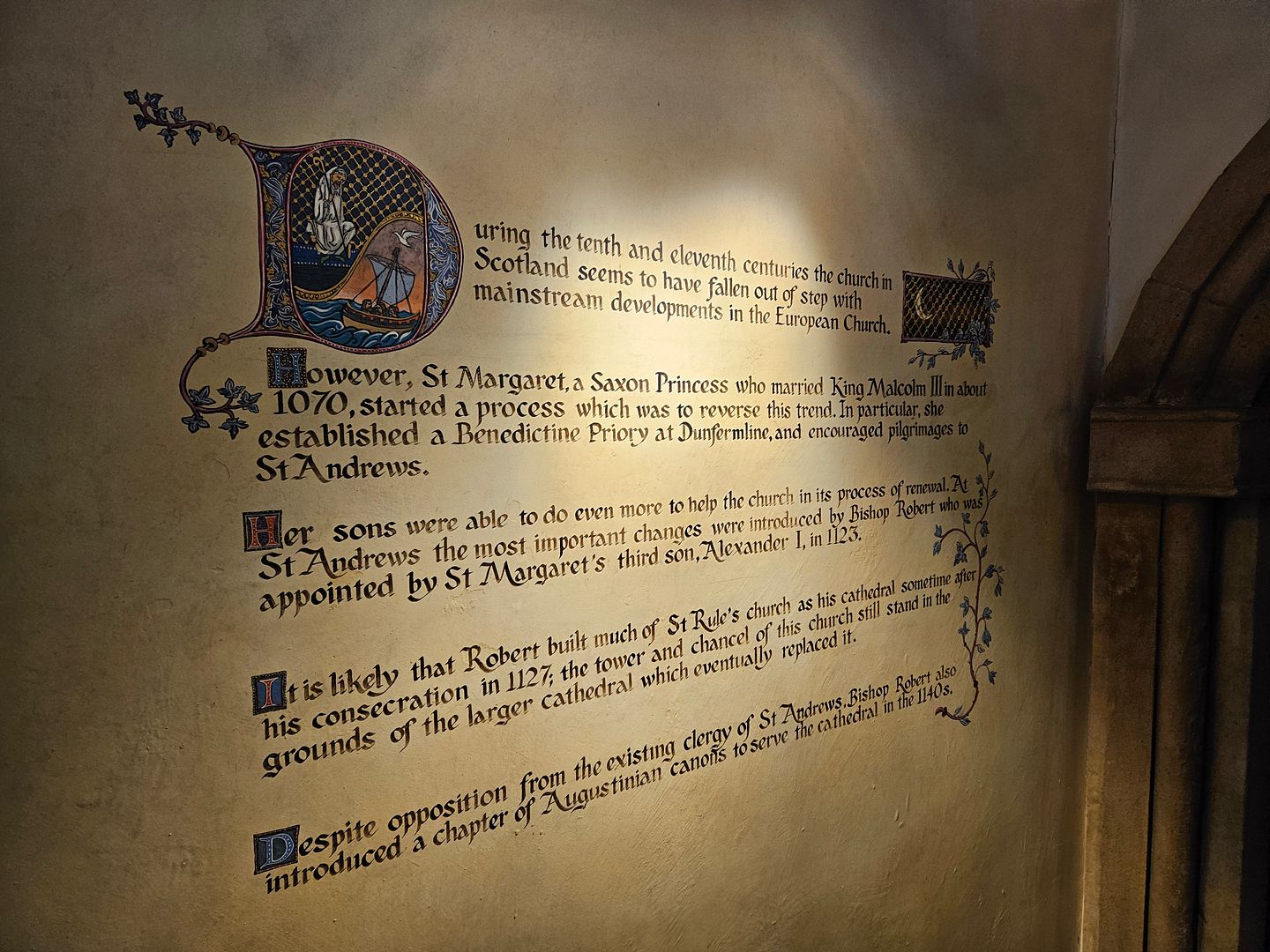
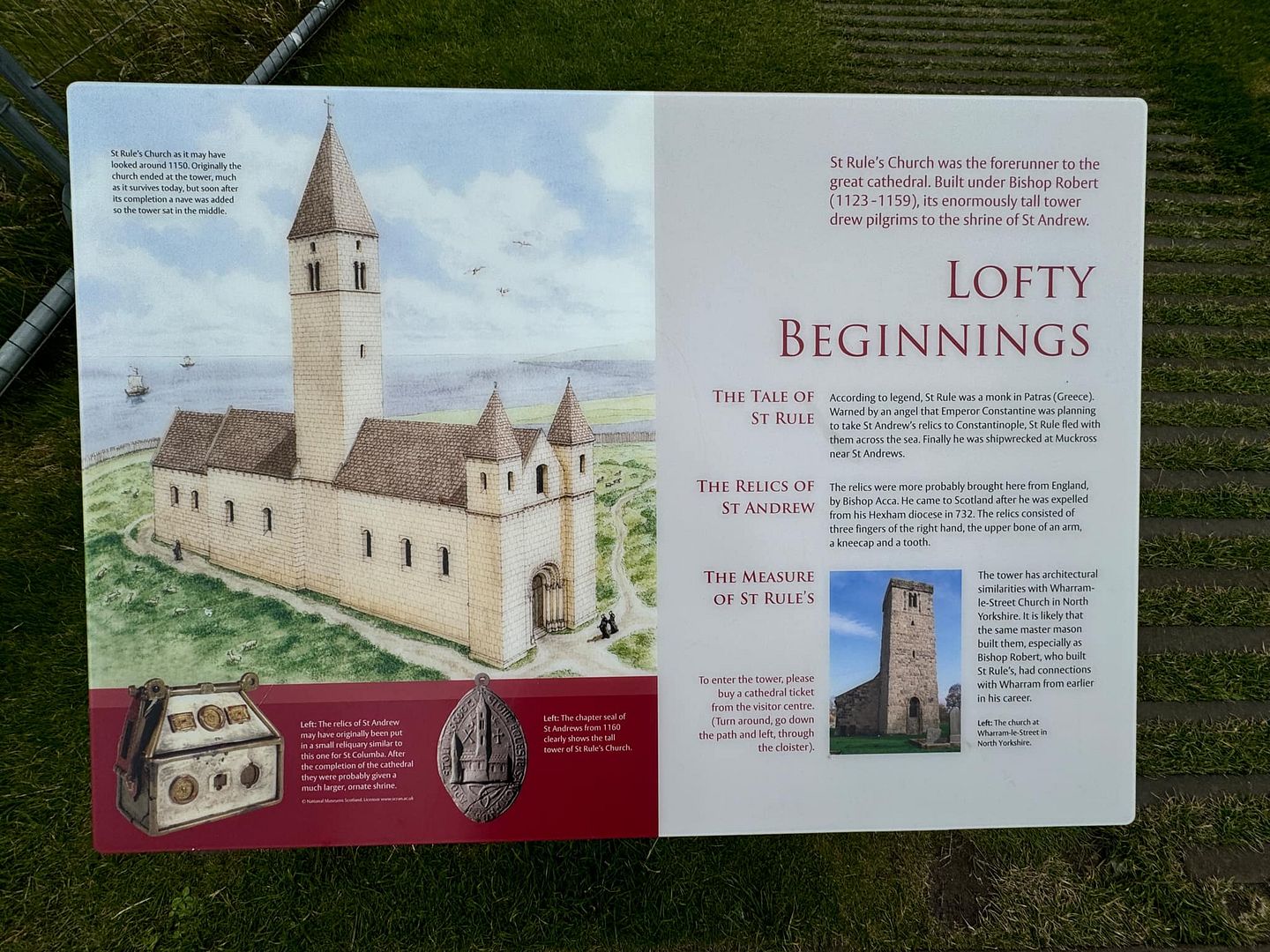
During the tenth and eleventh centuries the church of Scotland seems to have fallen out of step with mainstream developments in the European church. However, St. Margaret, a Saxon princess who married King Malcolm III in about 1070, started a process which was to reverse this trend. In particular she established a Benedictine Priory in Dunfermline, and encouraged pilgrimage to St. Andrews. Her sons were able to do even more to help the church in the process of renewal. At St. Andrews the most important changes were introduced by Bishop Robert who was appointed by St. Margaret’s third son, Alexander the I, in 1123. It is likely that Robert built much of St. Rule’s church as his cathedral sometime after his consecration in 1127; the tower and chancel of this church still stand in the grounds of the larger cathedral which eventually replaced it. Despite opposition from existing clergy of St. Andrews, Bishop Roberts also introduced a chapter of Augustinian canons to serve the cathedral in the 1140’s.
It would be a mistake to think of the Bishop in terms of his religious power; churchmen in Scotland were far more than spiritual leaders; they were often major players on the political stage, and frequently acted as military leaders too.

The Siege of 1546

The clash of new Protestant ideas and the traditional Catholic religion was not a peaceful one in Scotland. The hierarchy of the established Catholic church was determined to stamp out the Protestant Reformation by any means necessary.
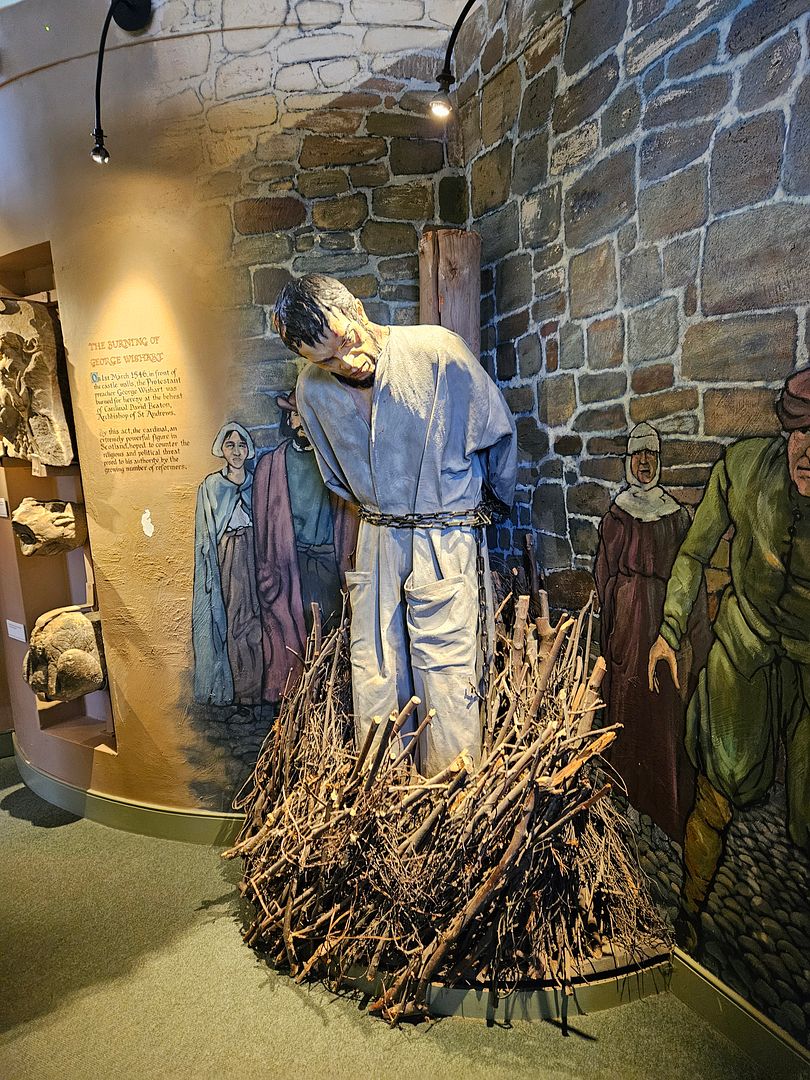
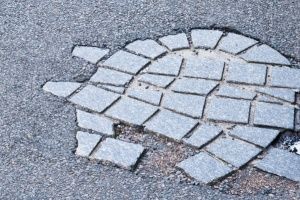
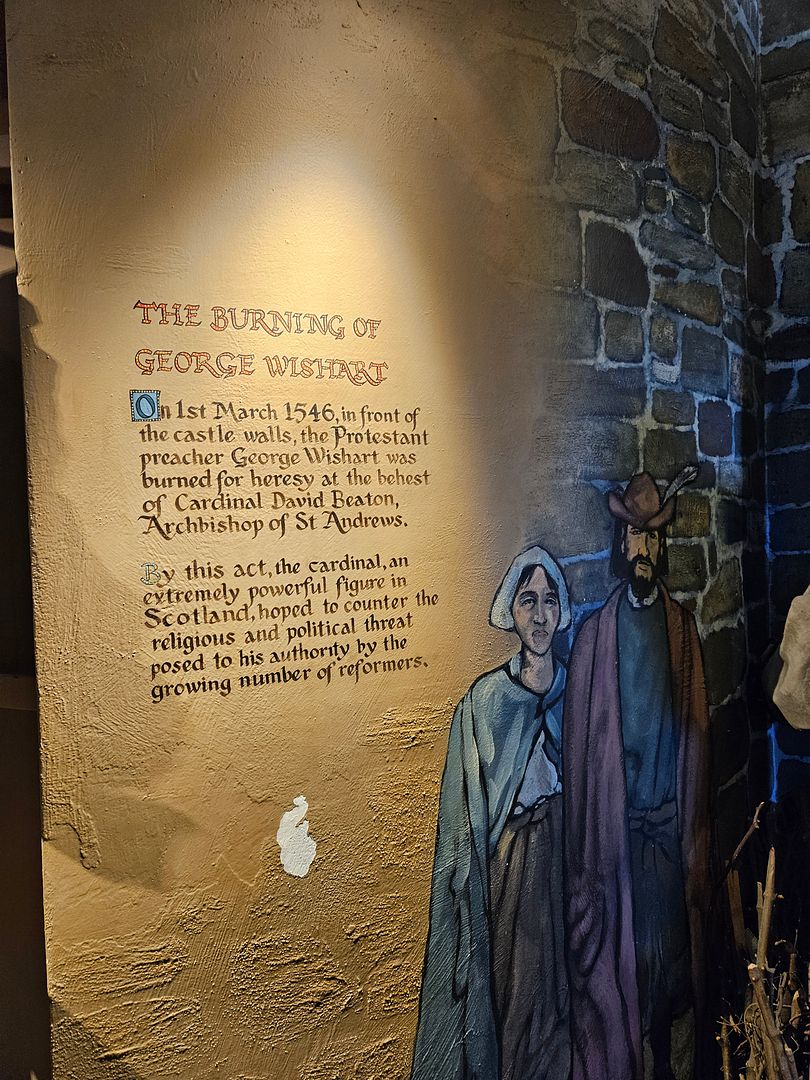
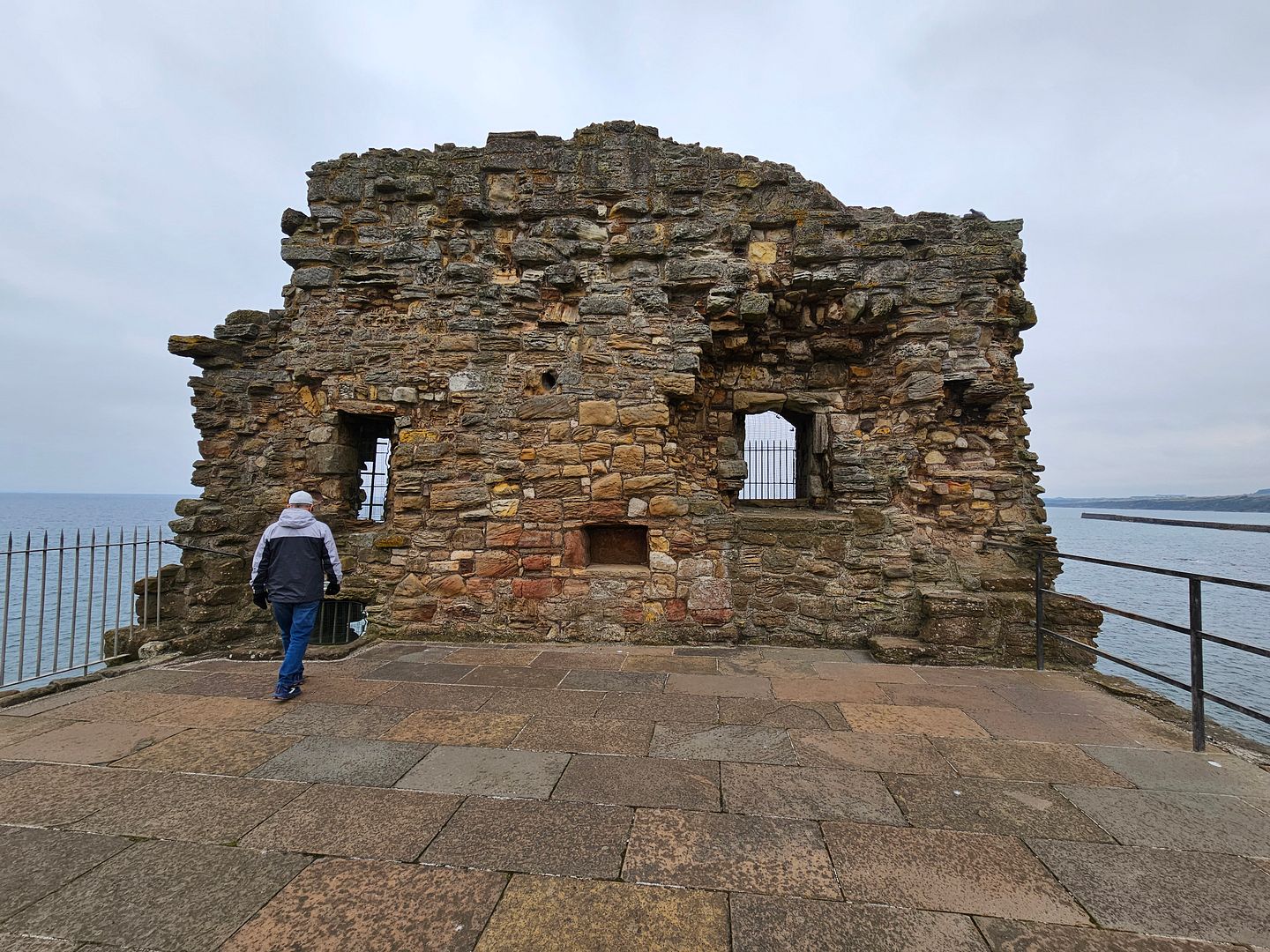
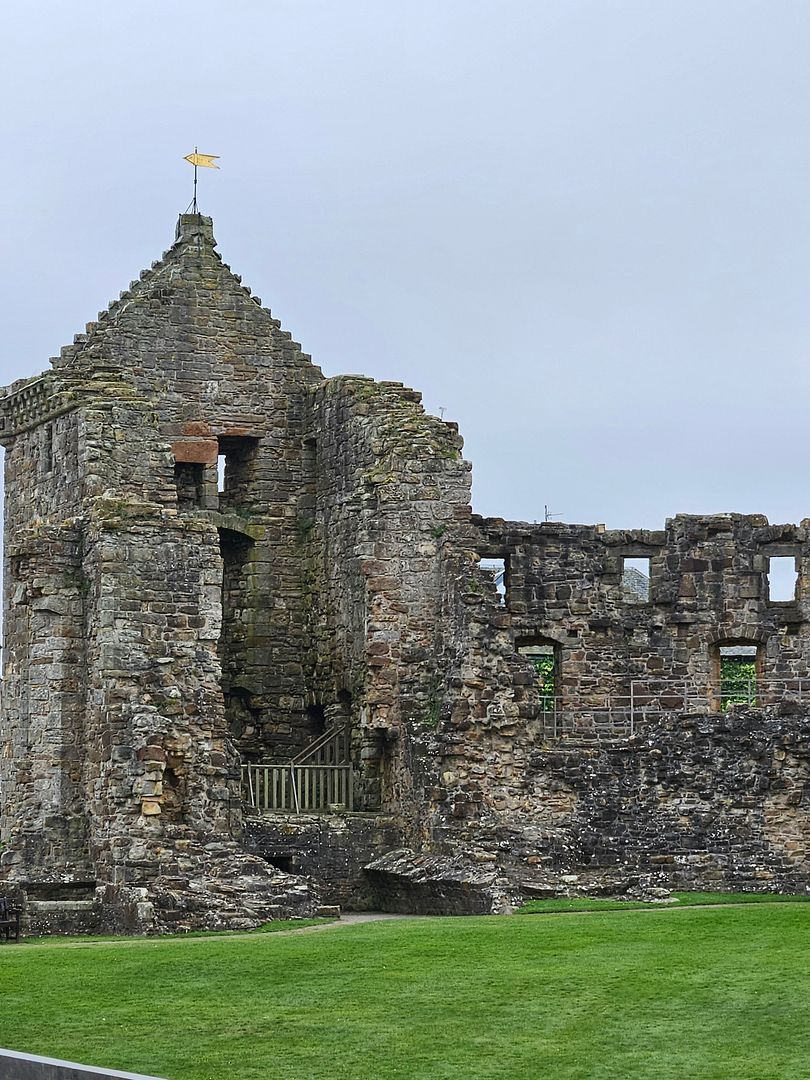
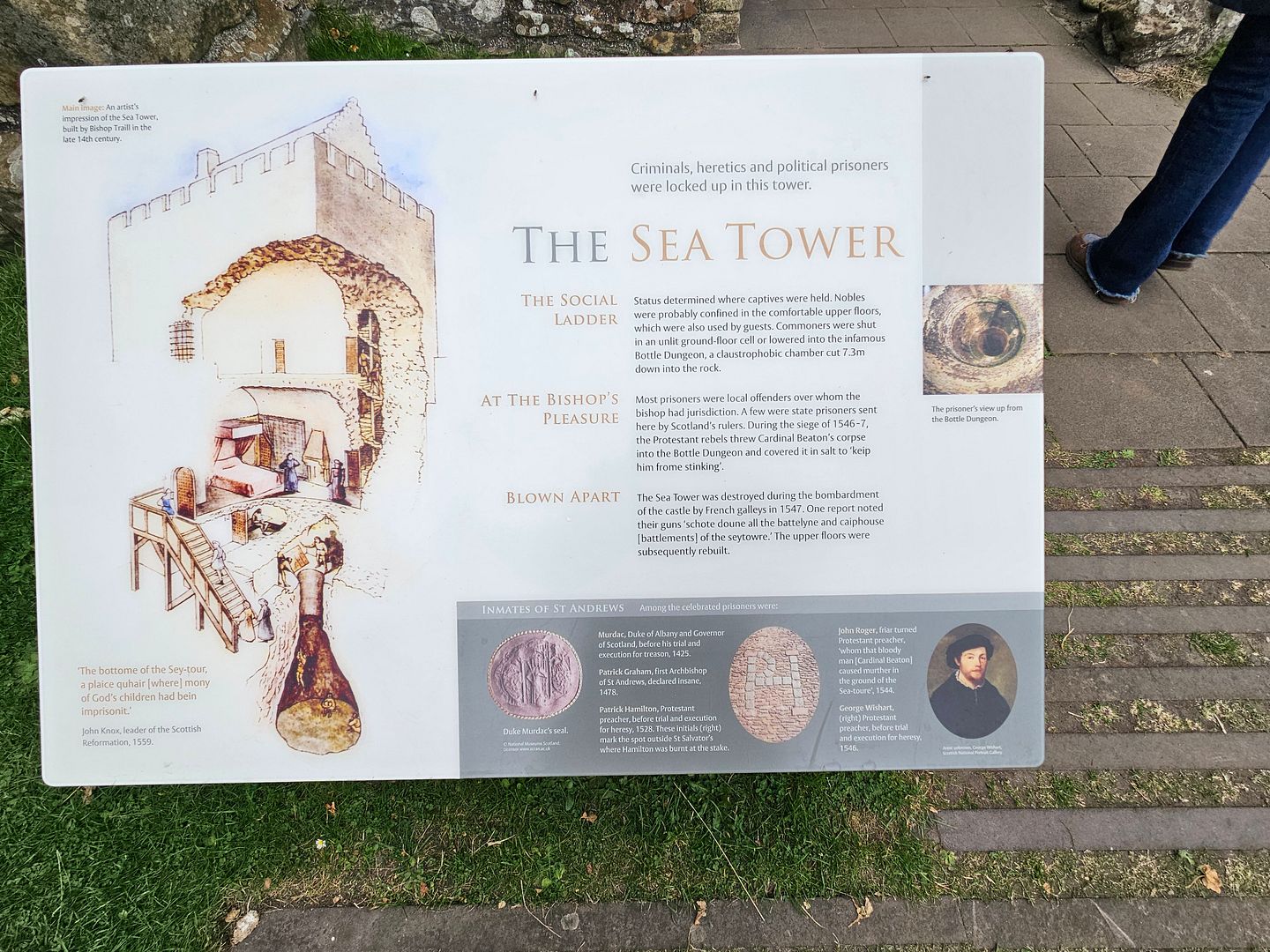
In March 1546 a Lutheran preacher named George Wishart was imprisoned in the Sea Tower, and then burned at the stake in front of St Andrews Castle, a spot now marked by a simple design of paving bricks spelling out his initials. When I visited, a car was parked partly over the memorial bricks, the driver oblivious that they were parking on the spot where a man died in flames.

Taken from here where you can read more of the history. 

We missed seeing the spot marked in front of the castle where Wishart was martyred but I’m adding it here.

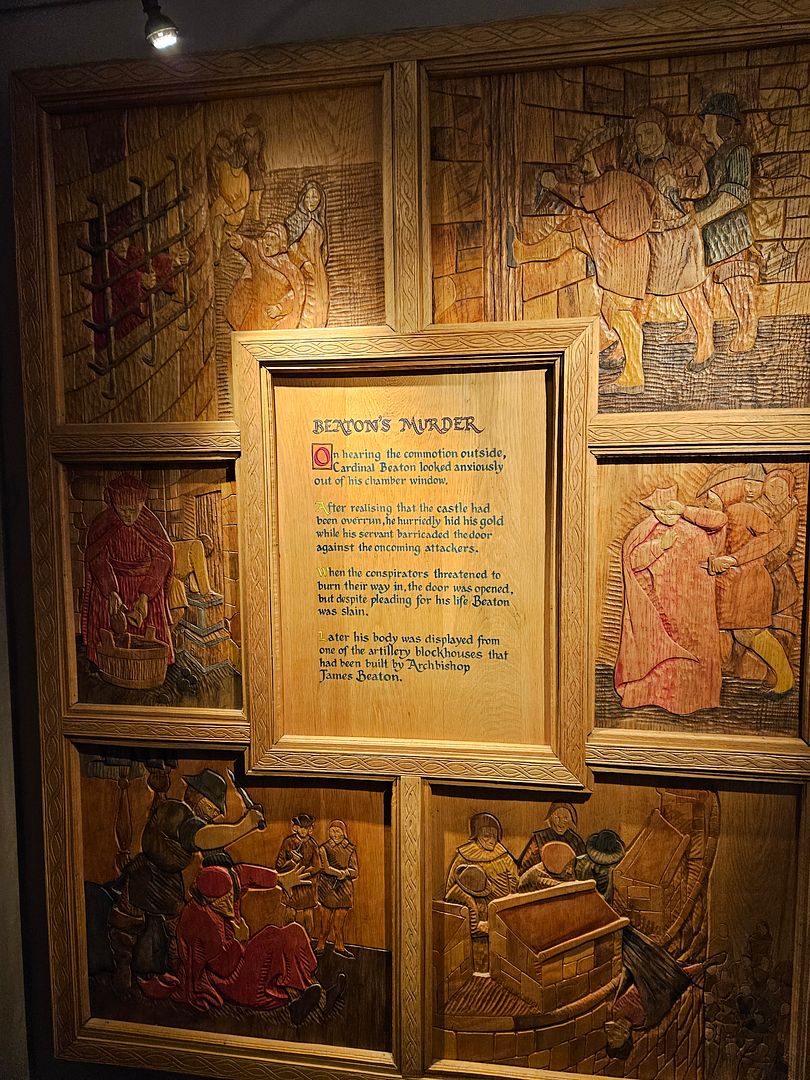
Wishart’s execution was ordered and witnessed by the powerful Archbishop of St Andrews, Cardinal David Beaton, nephew of the earlier Archbishop James Beaton. But Cardinal Beaton’s triumph was shortlived.
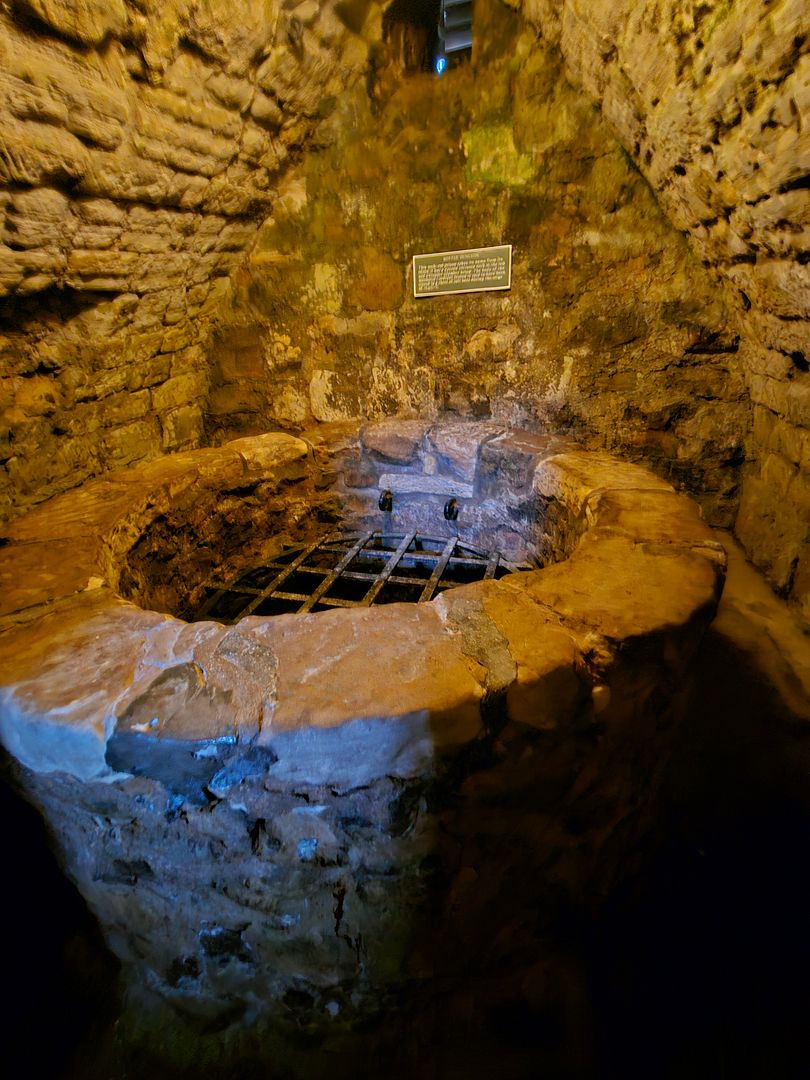
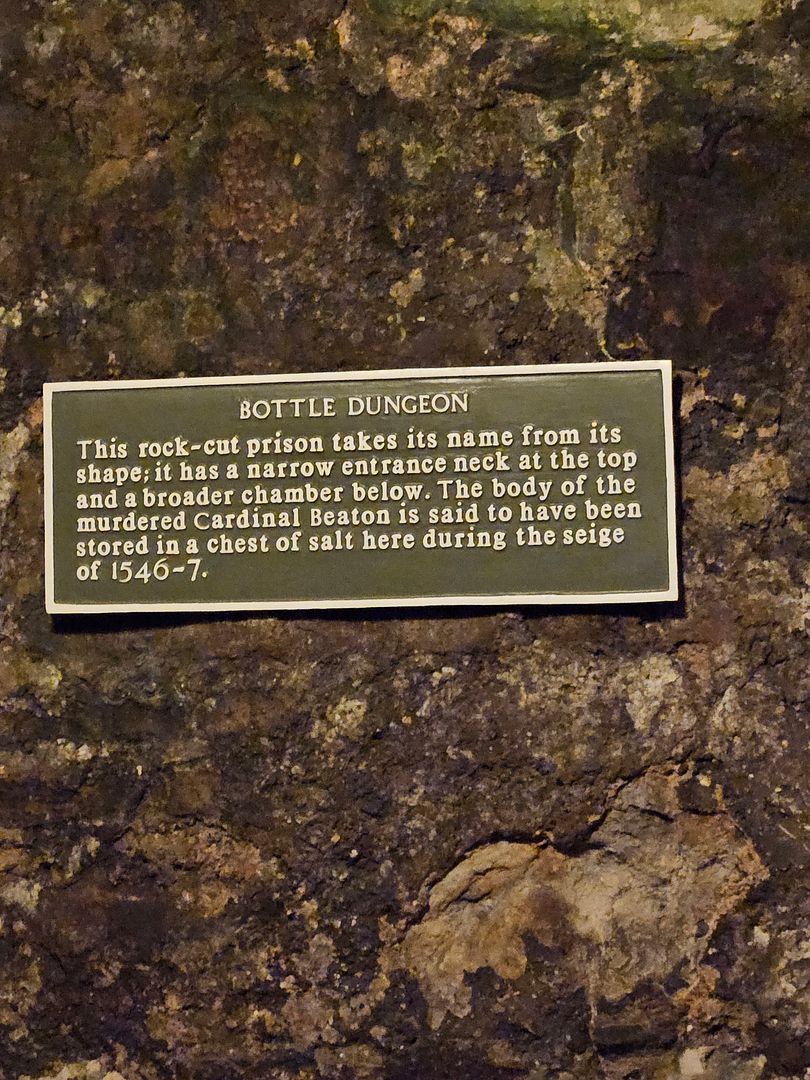
A band of Wishart’s supporters, prominent local lairds, snuck into the castle dressed as stonemasons. They took the castle garrison by complete surprise, murdered Archbishop Beaton, and hung his naked body from a window high in the castle tower. They then occupied the castle and proceeded to form the first Protestant congregation in the country. Together they hoped to hold the castle against troops led by the Regent, the Earl of Arran.
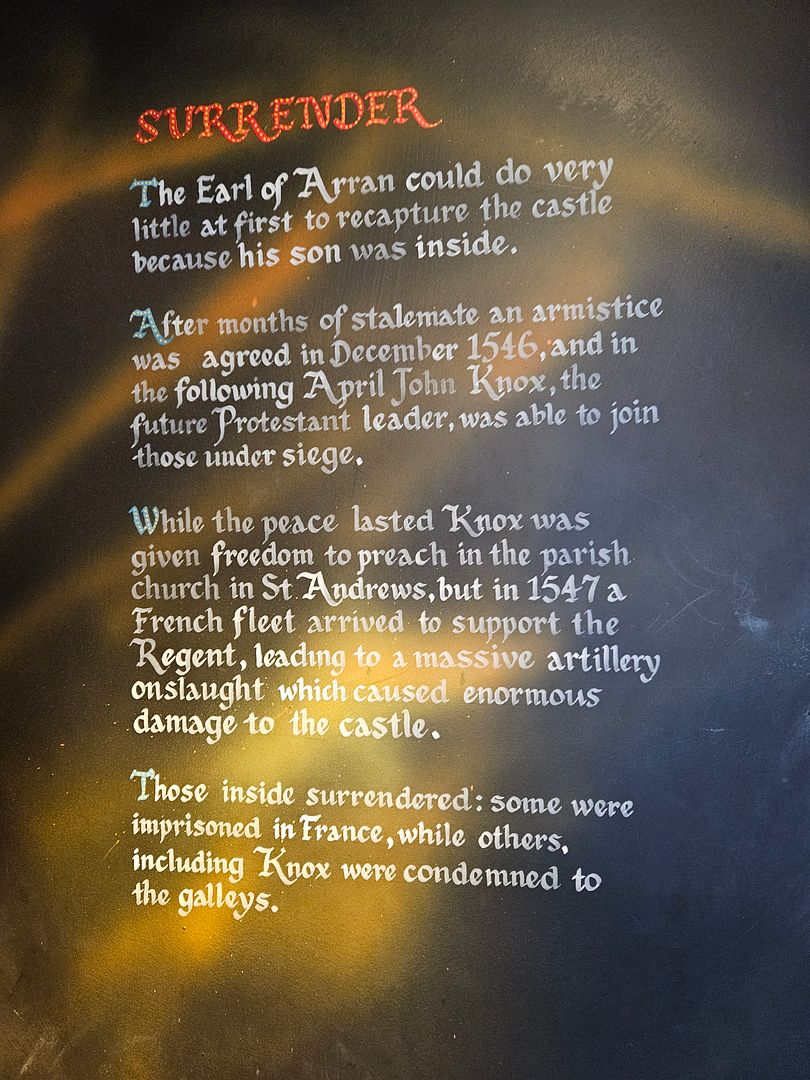
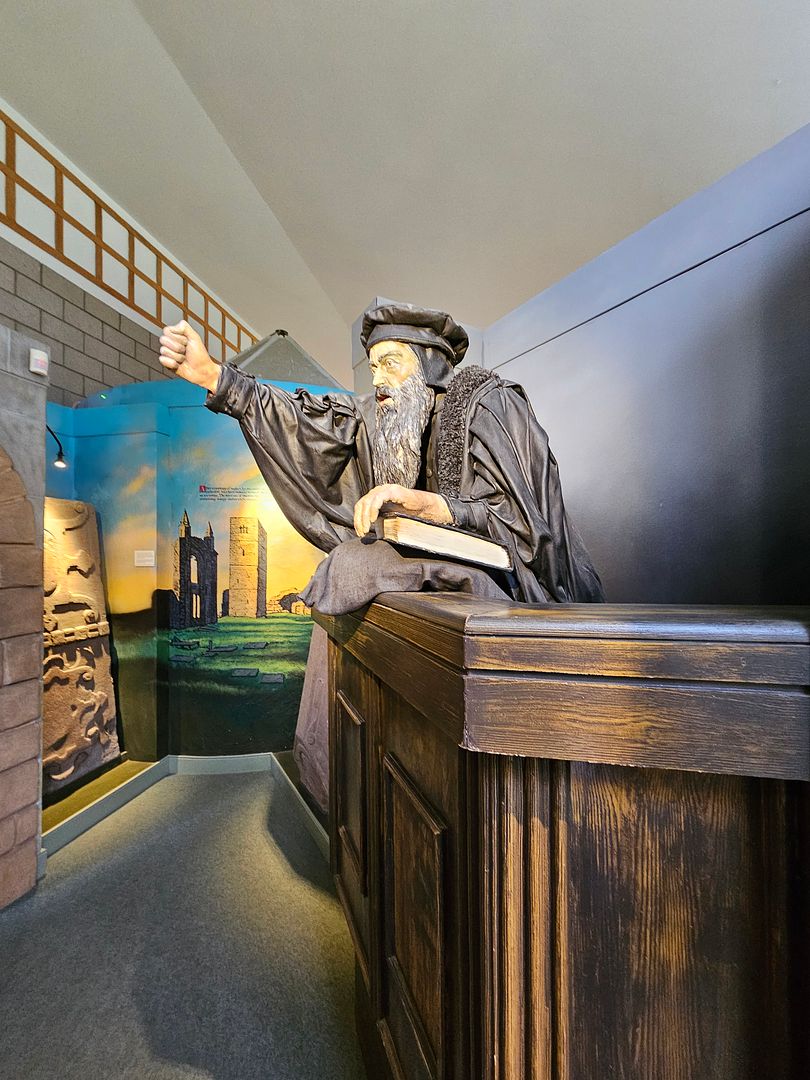
The occupation of St Andrews Castle and the killing of the Archbishop acted as a clarion call to Protestant reformers, who flocked to St Andrews. Among the reformers who came to support the Protestant uprising was John Knox, who was allowed to enter the castle under a temporary truce, and act as a preacher to the occupiers.

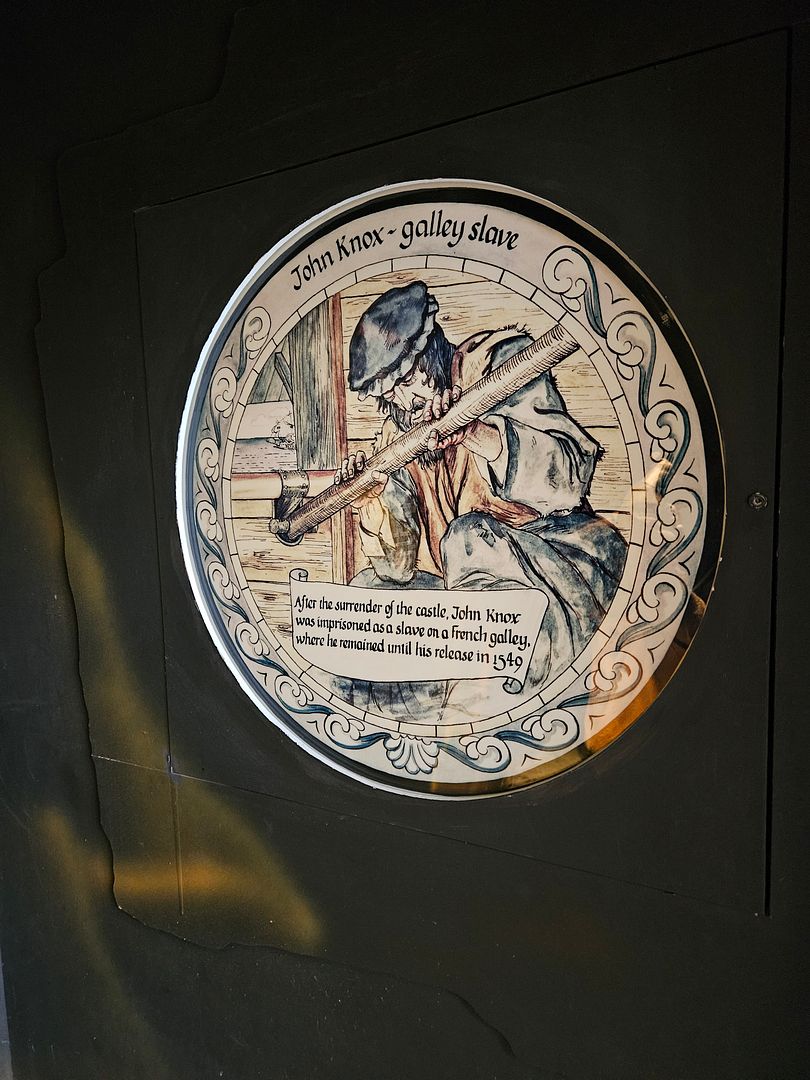
John Knox was a slave on a French galley for two years!

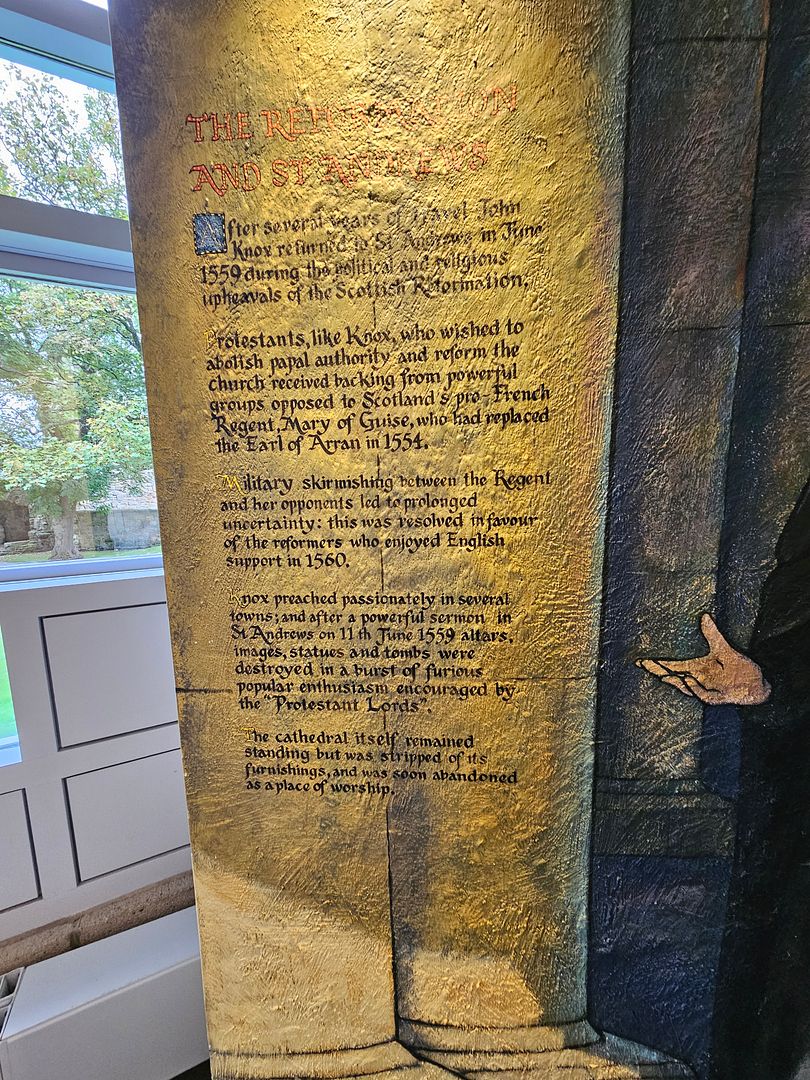
The lighting on this was not good but it reads;

The Reformation at St. Andrews

After several years of travel John Knox returned to St. Andrews 1559 during the political and religious upheavals of the Scottish Reformation. Protestants like Knox, who wished to abolish papal authority and reform the church received backing from powerful groups opposed to Scotland’s pro French regent, Mary of Guise, who had replaced the Earl of Arran in 1554. Military skirmishing between the Regent and her opponents led to prolonged uncertainty: this resolved in favour of the Reformers who enjoyed English support in 1560.

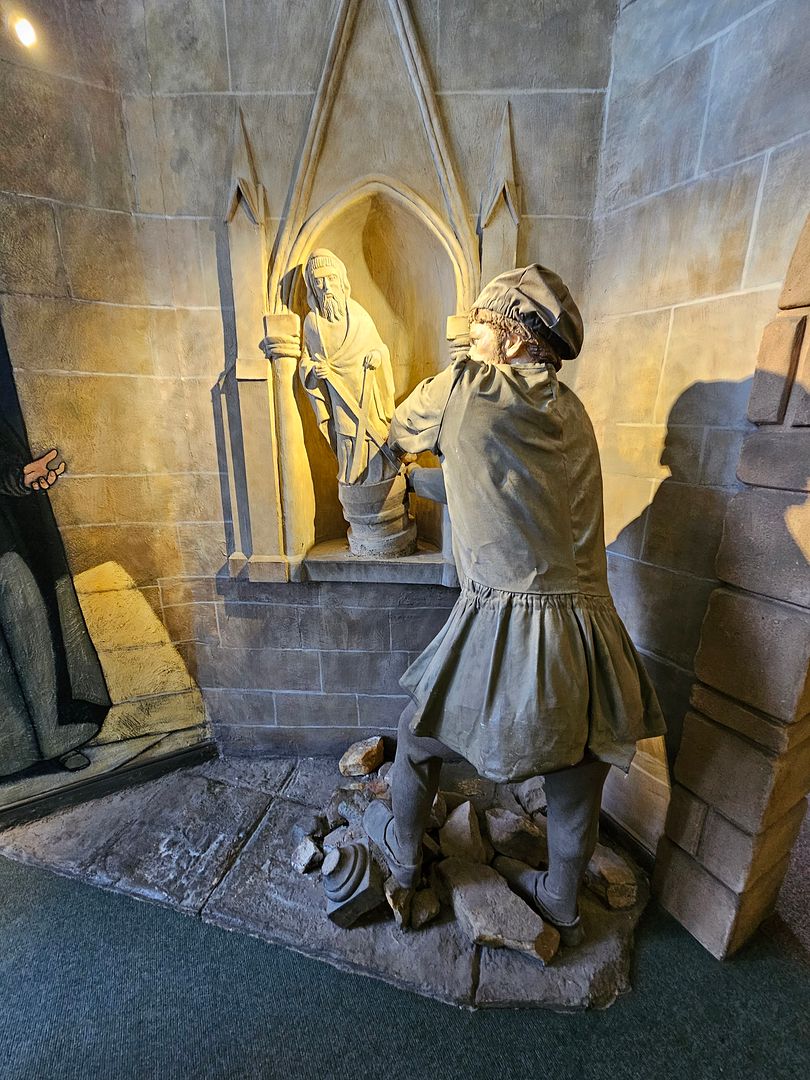
Knox preached passionately in several towns; and after a powerful sermon in St. Andrews on 11th June 1559 altars, images, statues and tombs were destroyed in a burst of furious popular enthusiasm encouraged by the “Protestant Lords”. The cathedral itself remained standing but was stripped of its furnishings, and was soon abandoned as a place of worship.

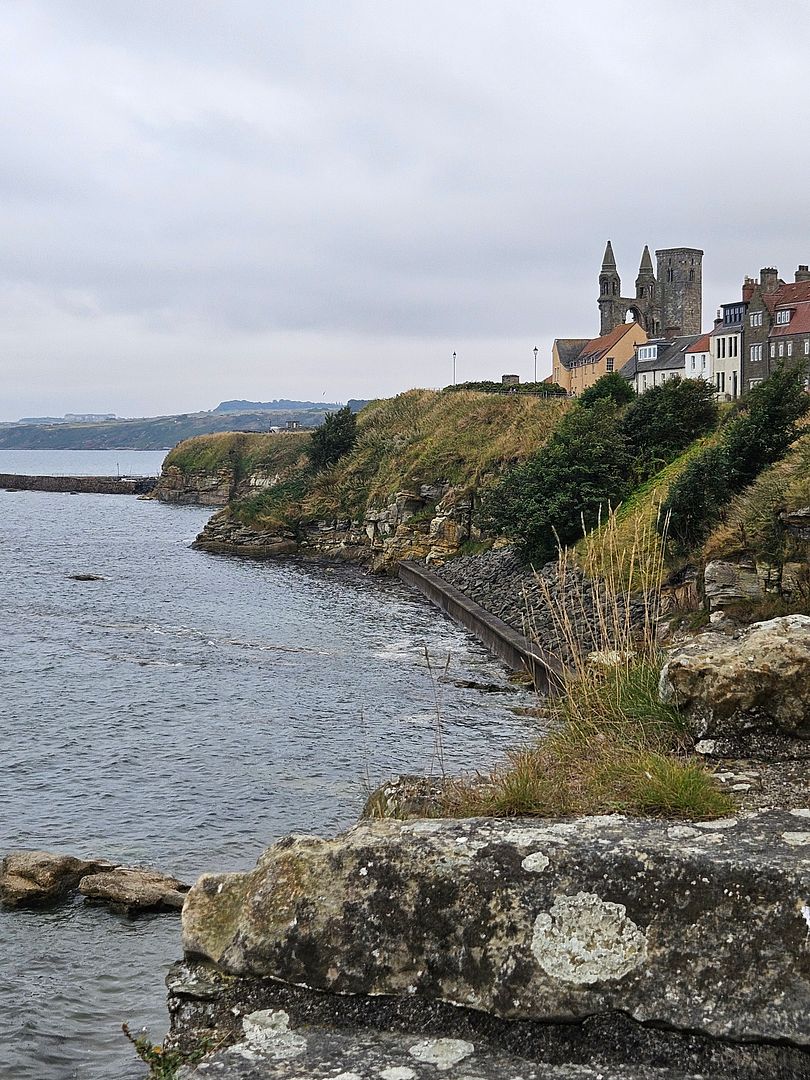
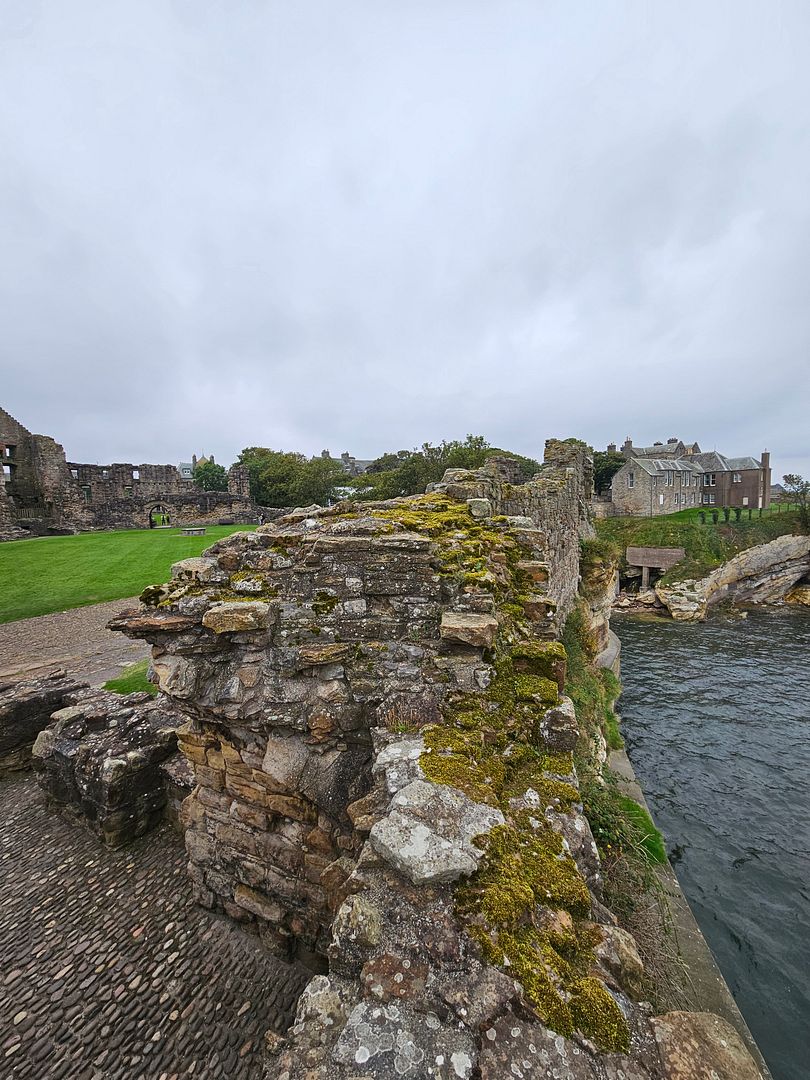
From this spot at the castle ruins you can see St. Andrews Cathedral ruins in the distance. We would have a short visit there before they closed the grounds.

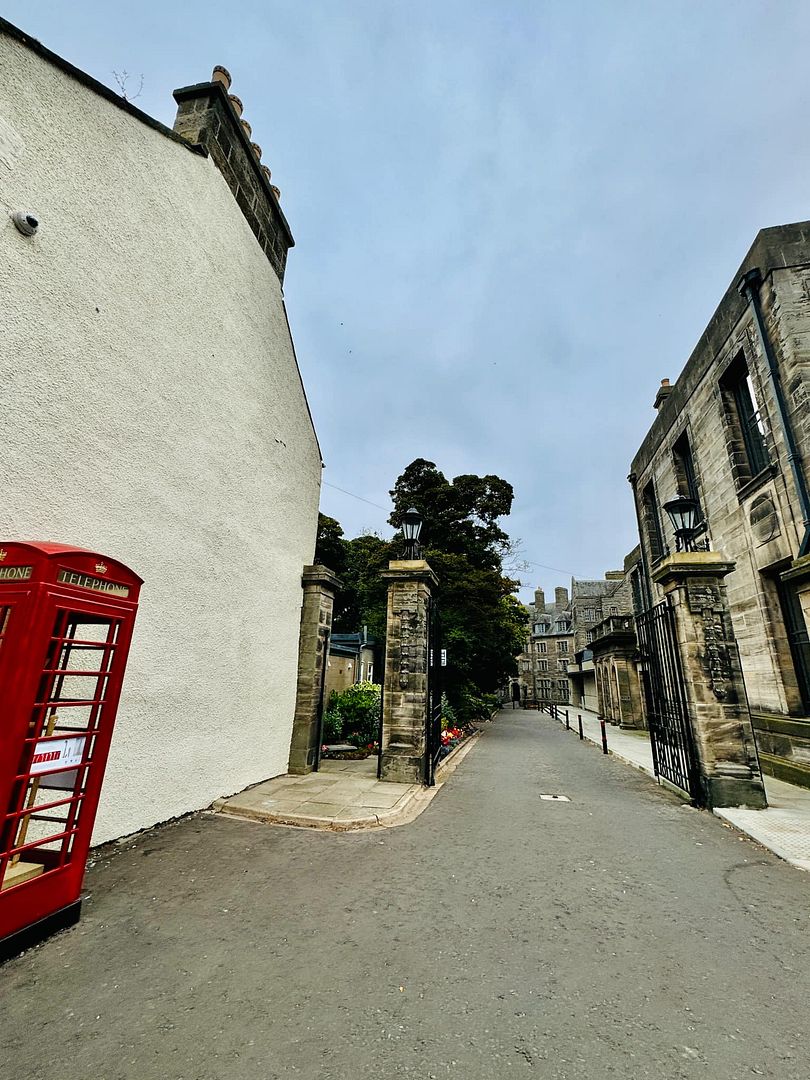
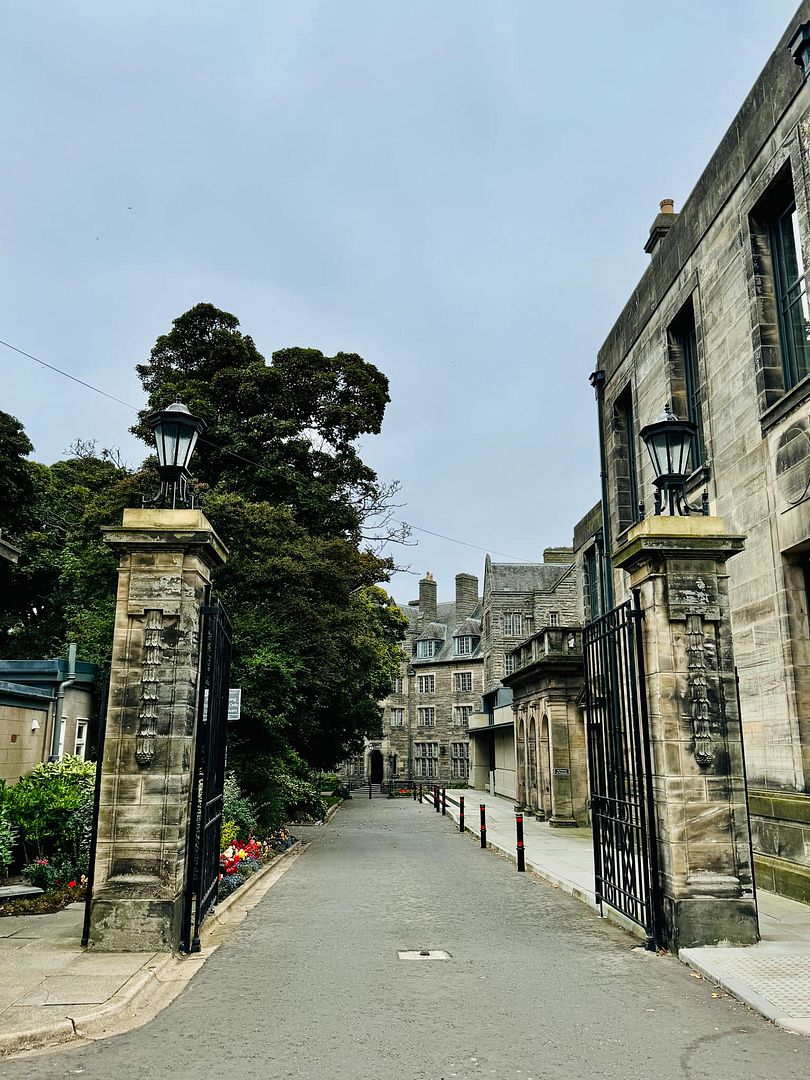
On leaving the castle we asked for directions to get to our next stop which included walking along Butts Wind to North St. along side of University of St. Andrews.

More from St. Andrews soon.

On the Road Hodgepodge

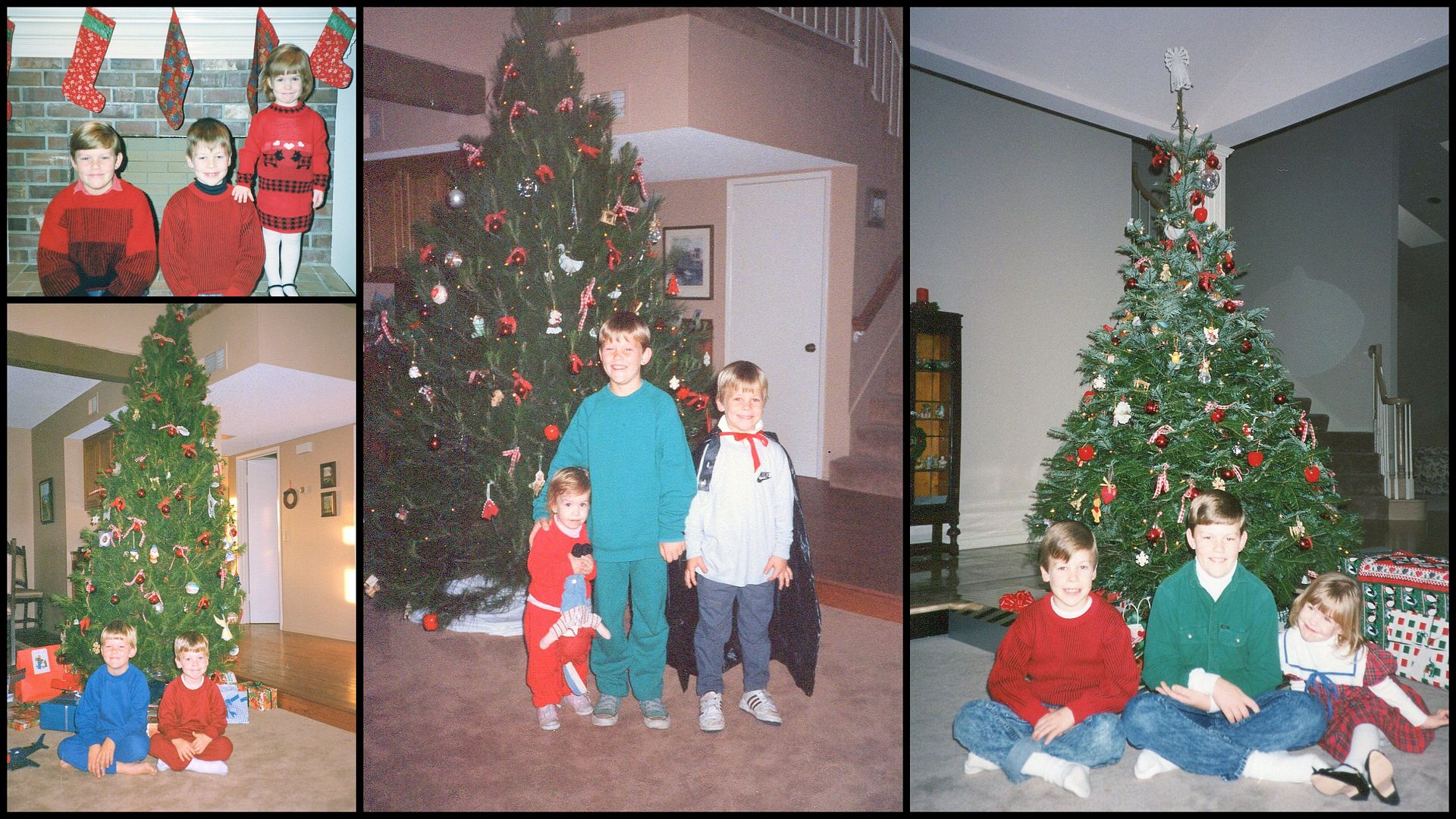
A few photos from Christmas past.

Thank you, Joyce, for the Wednesday Hodgepodge questions each week.

1. What’s one task you’d like a little Christmas elf to sneak in and take care of tonite? 

I would love for a little elf to come in and address all my Christmas cards!

2. What’s your biggest challenge during the holidays? 

Writing our Christmas letter is harder some years than others. Once the letter is written, the cards are addressed, and the envelopes are taken to the post office and dropped down the slot I feel a load off!

3. Are you a cookie baker this time of year? If your year had to be summed up in the shape of a cookie cutter what shape would it be? 

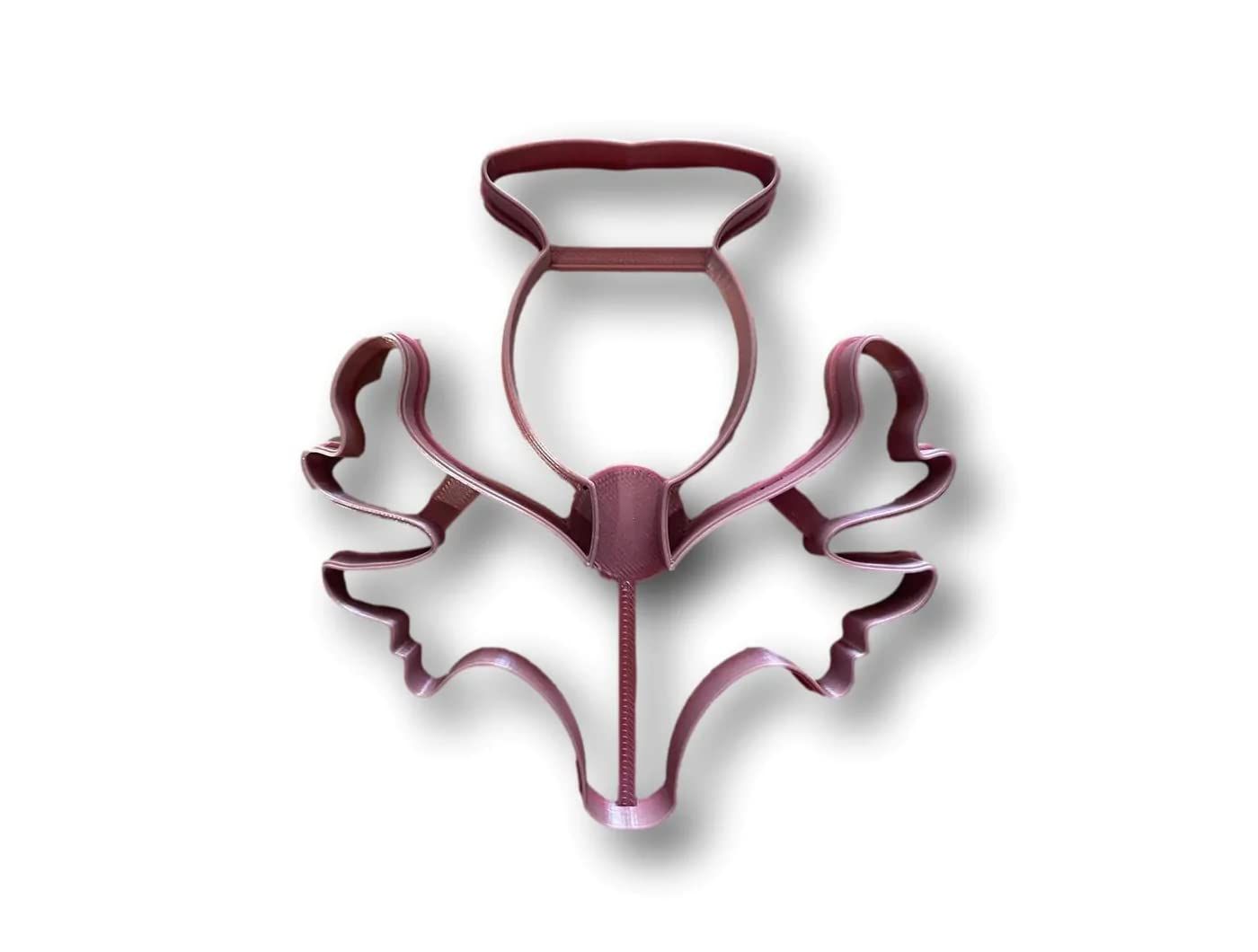
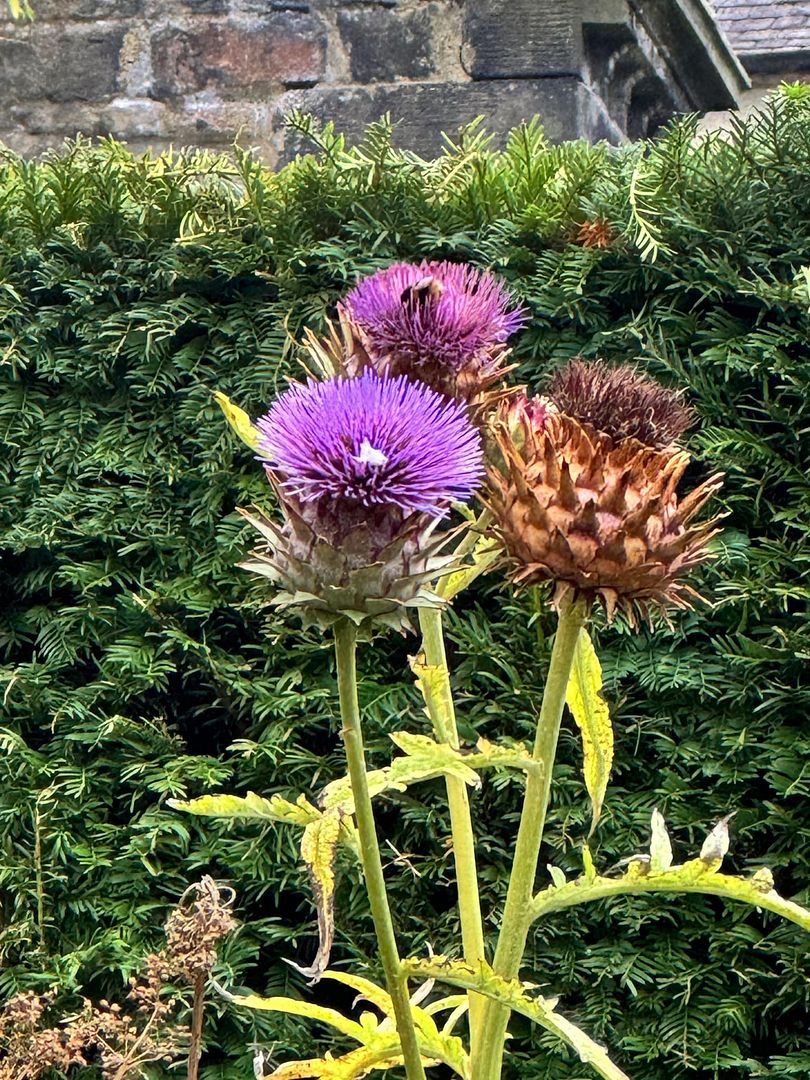
Cookies are not something that get baked every year. This year I hope to make some cookies for our Children’s play/musical coming up soon. My cookie cutter shape for 2024 would be thistle in honor of our trip to Scotland.
4. Santa likes milk with his cookies. Do you like milk? What kind of milk is on tap in your house? (whole, 2%, skim, almond, oat, etc). What’s the last thing you made that called for milk? 

I like milk but I can’t have too much of it as it doesn’t sit well with me. We typically have 2% on hand. Cereal is the last thing I enjoyed with milk, not something I made but something I put together.
5. Share one favorite line from a Christmas carol or holiday tune? 

O come to my heart, Lord Jesus, There is room in my heart for Thee.

and

O come. let us adore Him, Christ the Lord!

And there are so many more!

6. Insert your own random thought here. 

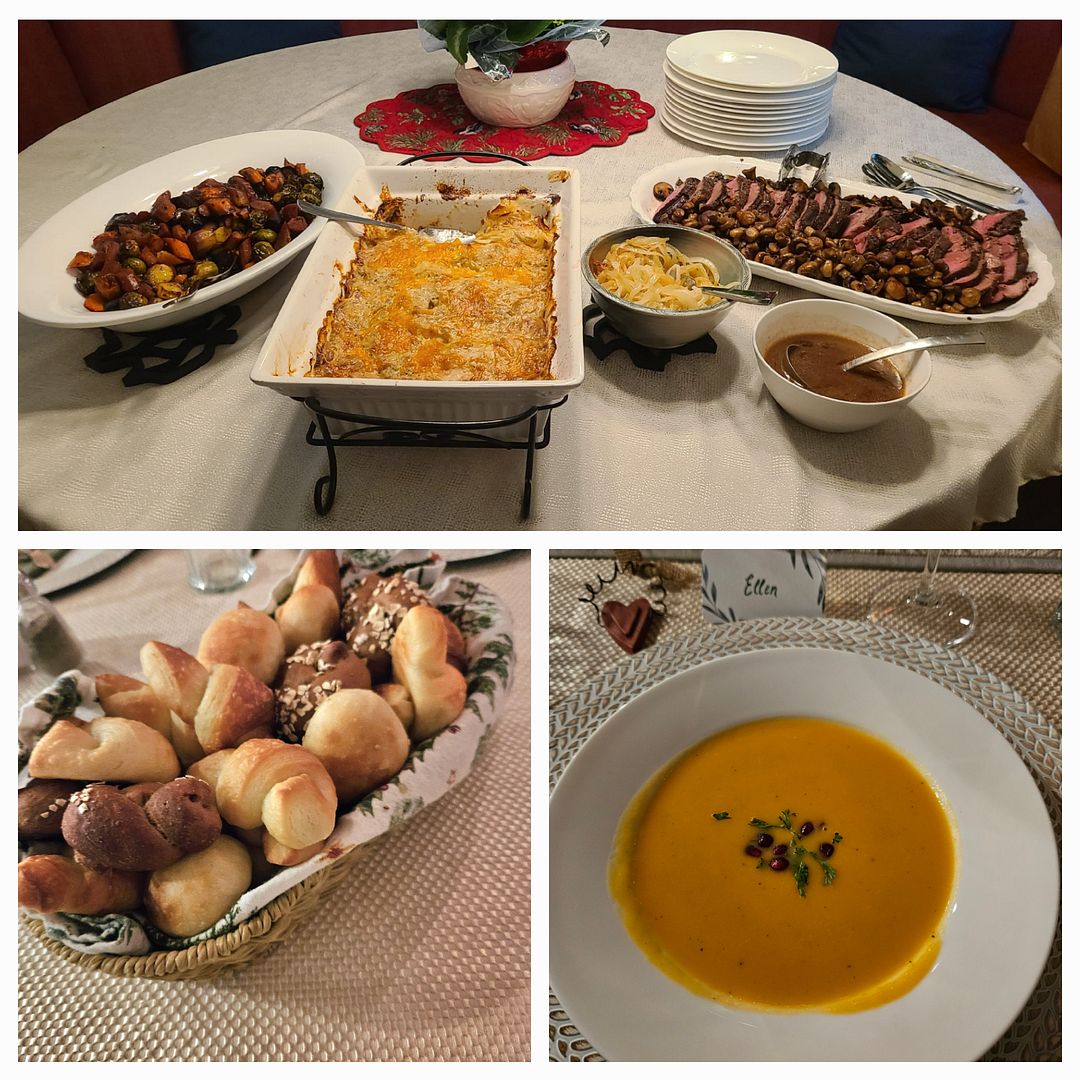
We are on the road again today, on our way back home from the westside of the Cascades. We were in Canada on Monday and overnight into Tuesday. Lots of time in our vehicle. I will be late in visiting Hodgepodgers. In Canada we enjoyed time with the B.C. Mennonite Girls Can Cook. More photos of our time to come later but here is a preview of some of the food we enjoyed.

Scotland Travel Journal ~ The Old Course

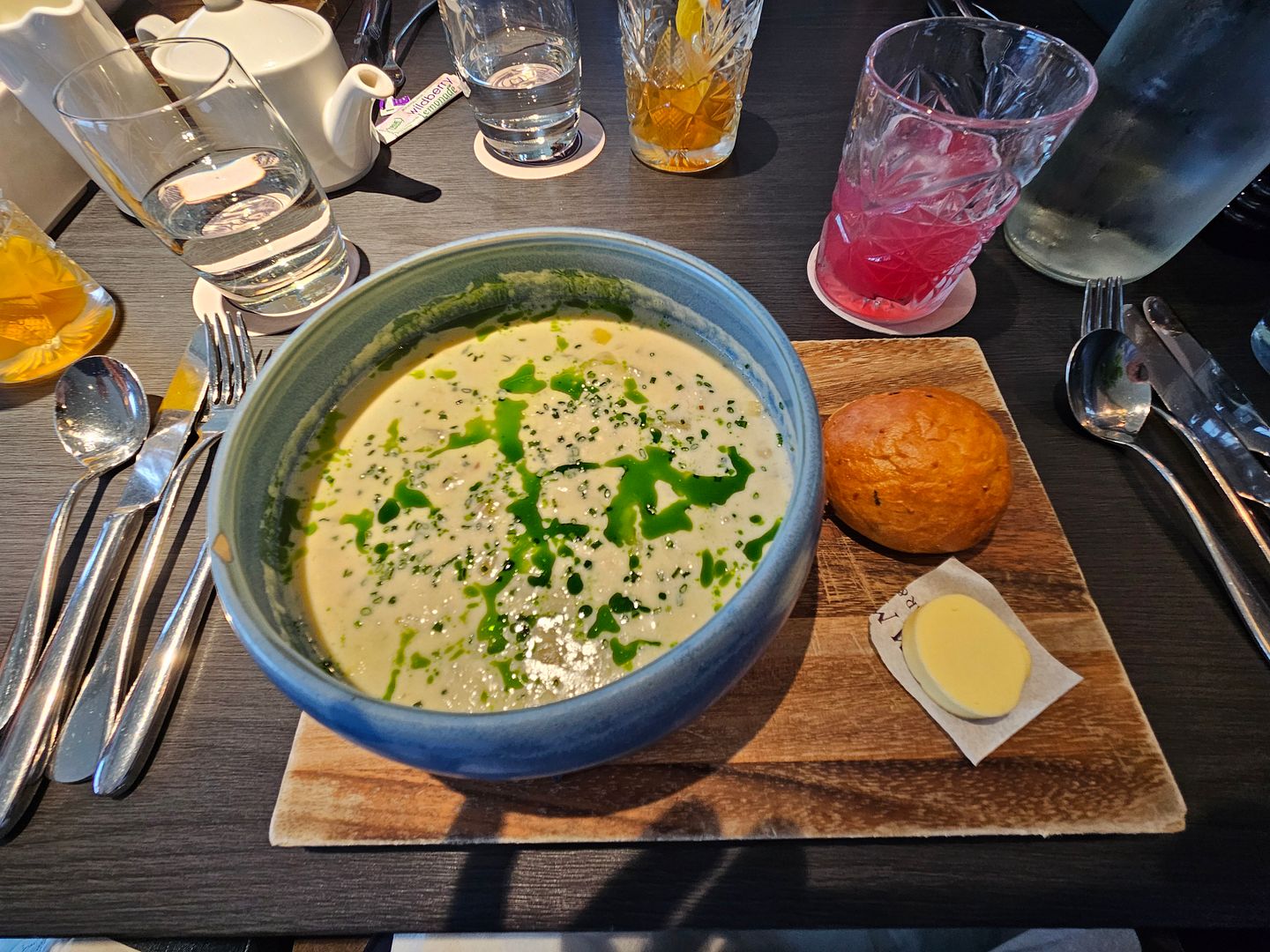
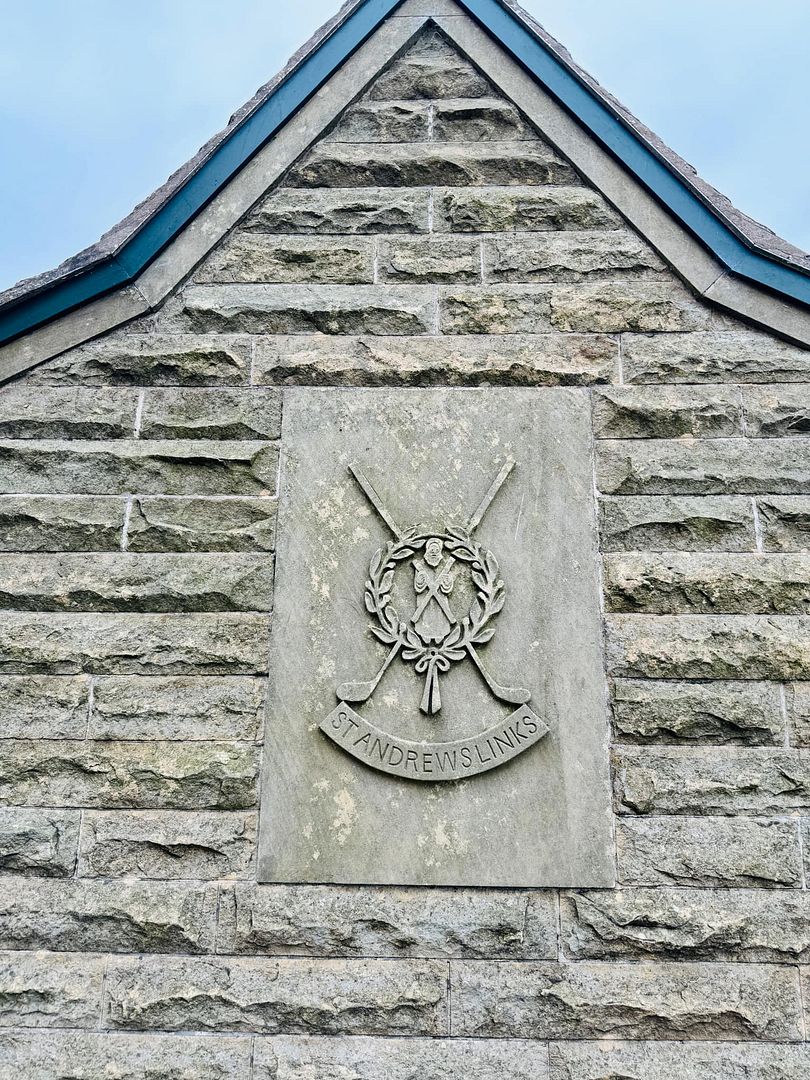
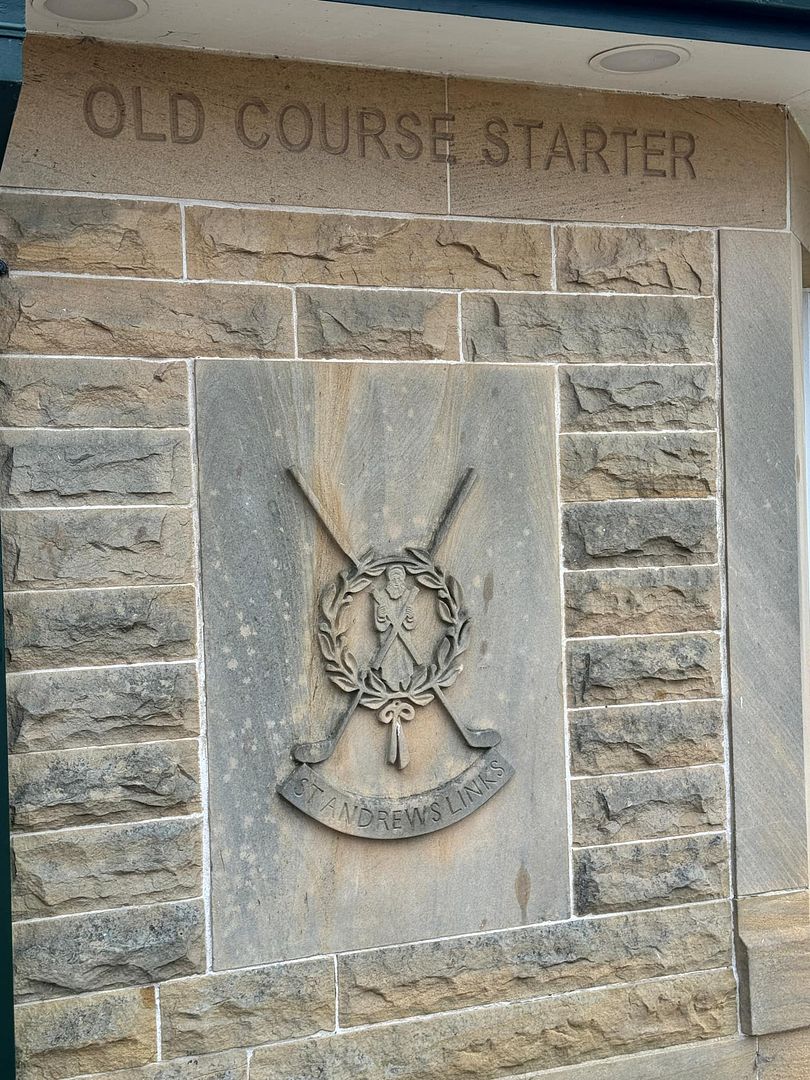
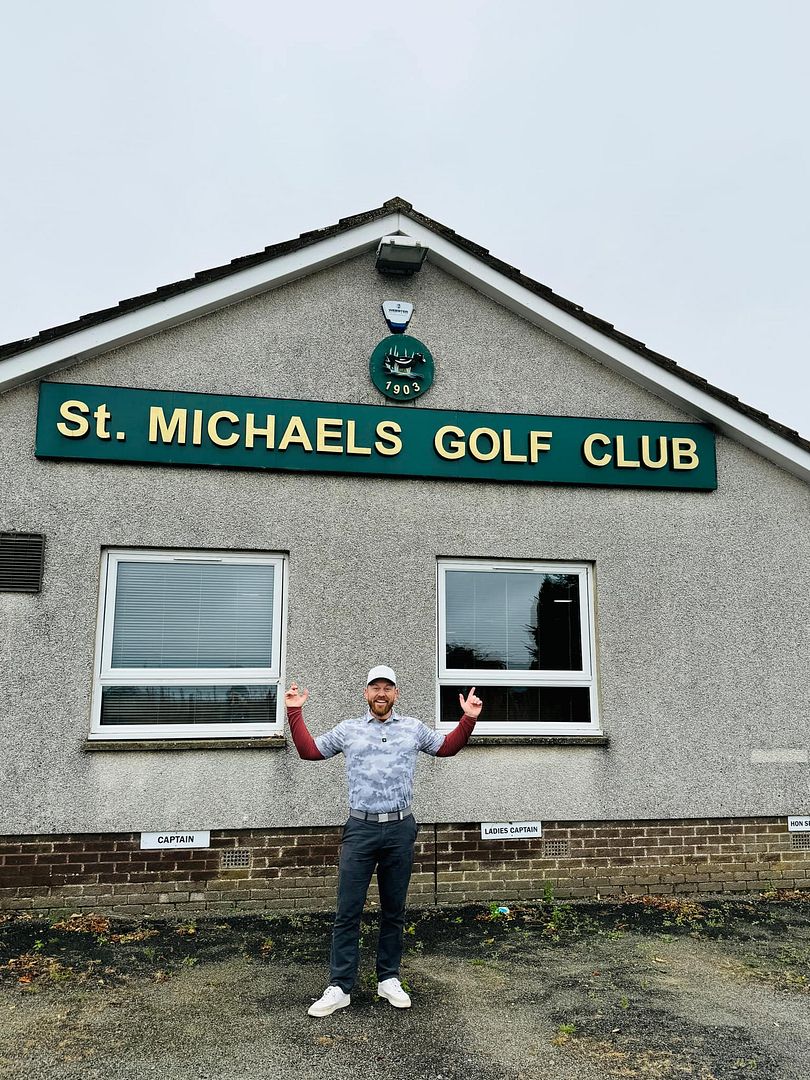
In our time in Scotland, Friday the 20th of September was filled with golf. After Josh completed the course at St. Michaels Golf Club, he and Laura came back to the Lodge to get ready for our afternoon in St. Andrews. We found a parking spot at the St. Andrews Links ~ The Old Course and made our way to the Tom Morris Bar and Grill.

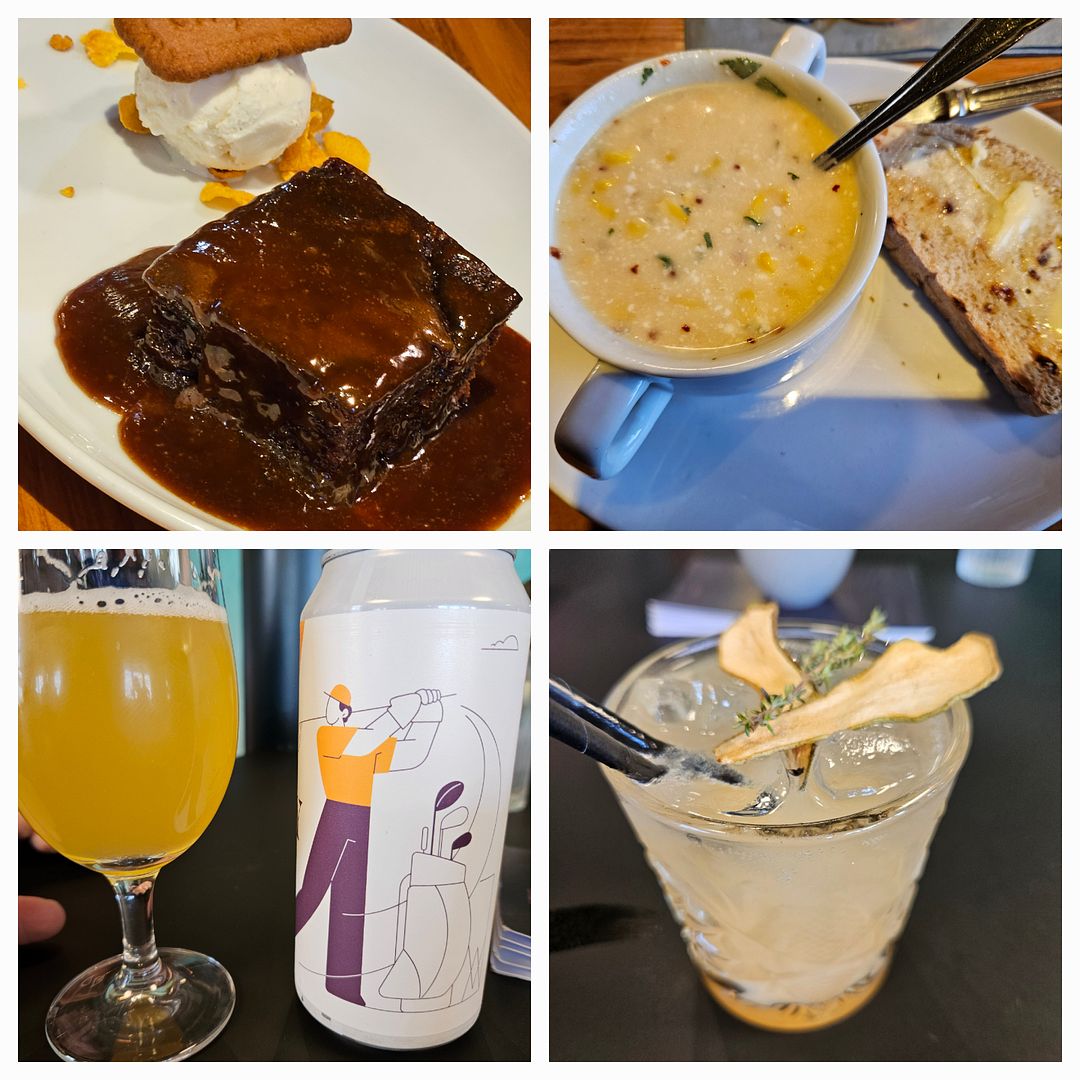
Another bowl of Cullen and Skink for me!

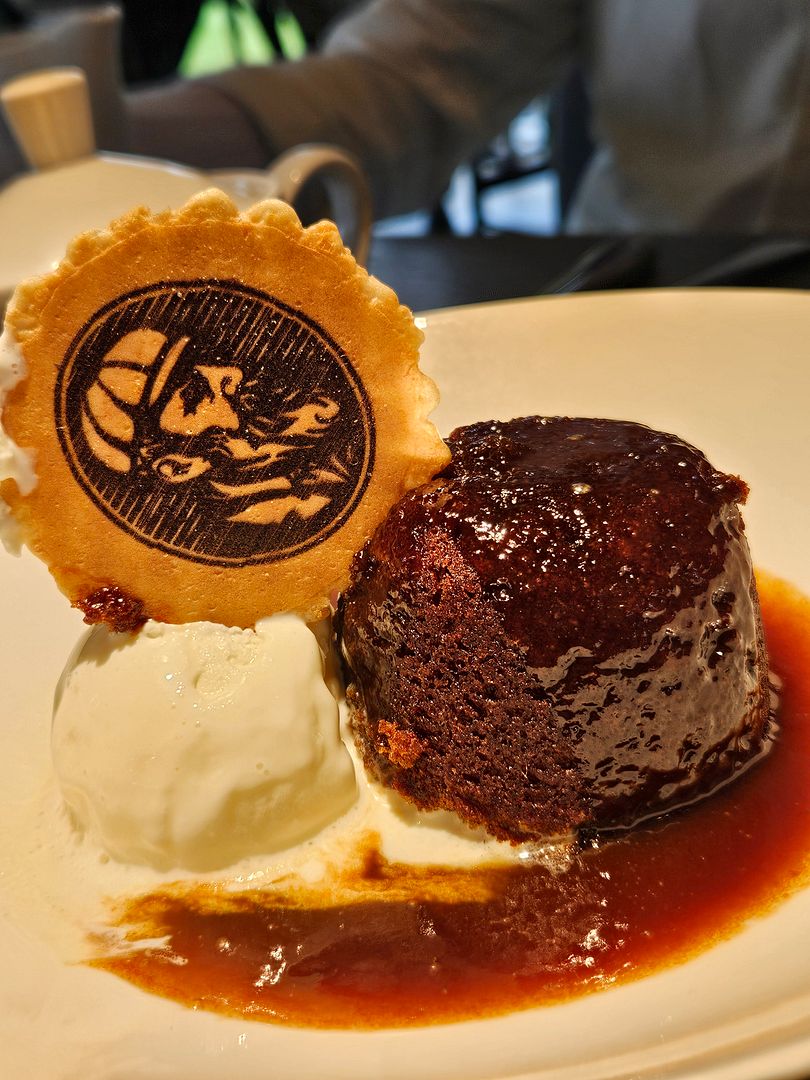
We all shared some Sticky Toffee Pudding and were ready for our tour of the Old Course which would begin at 2pm.

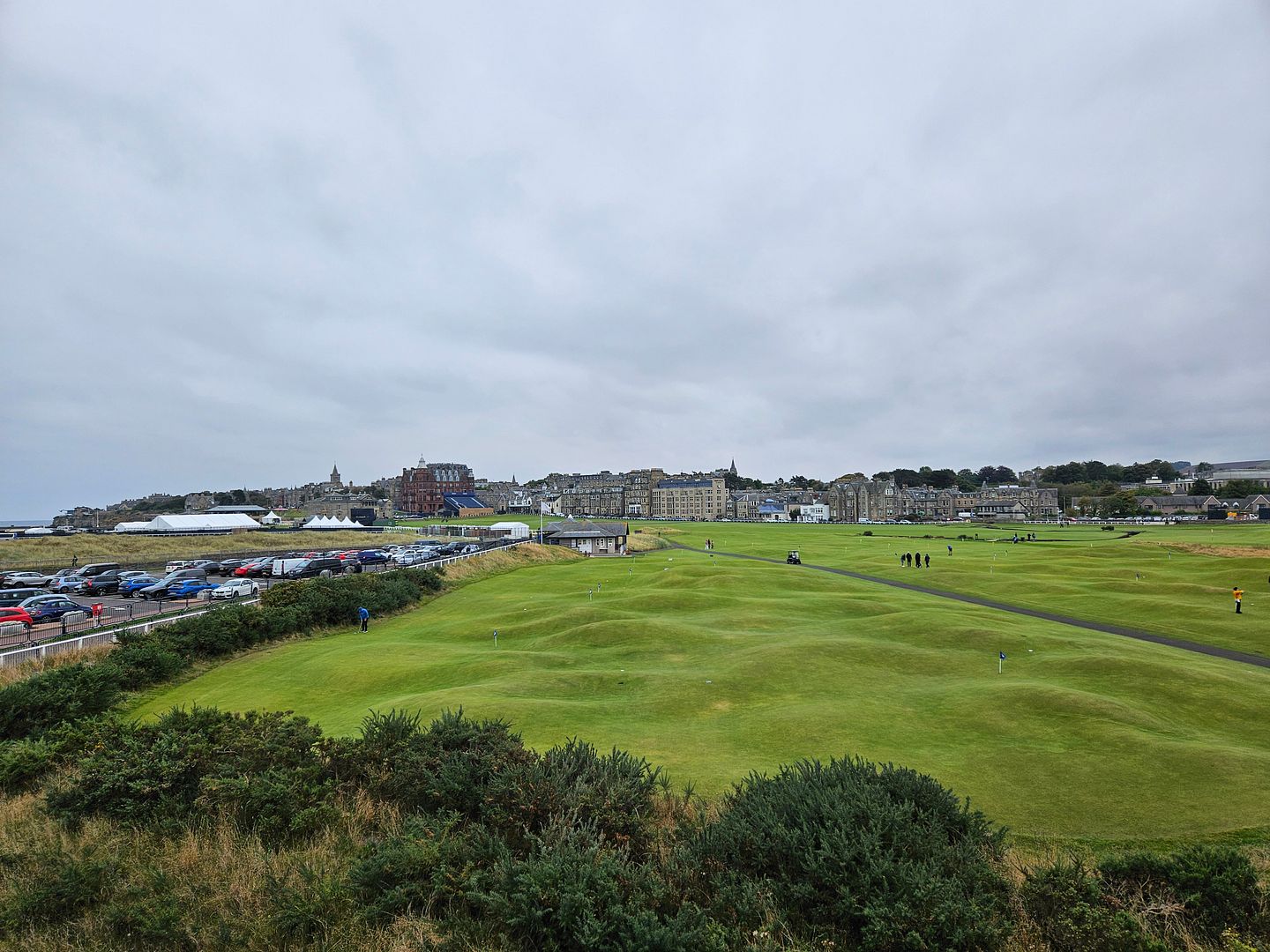
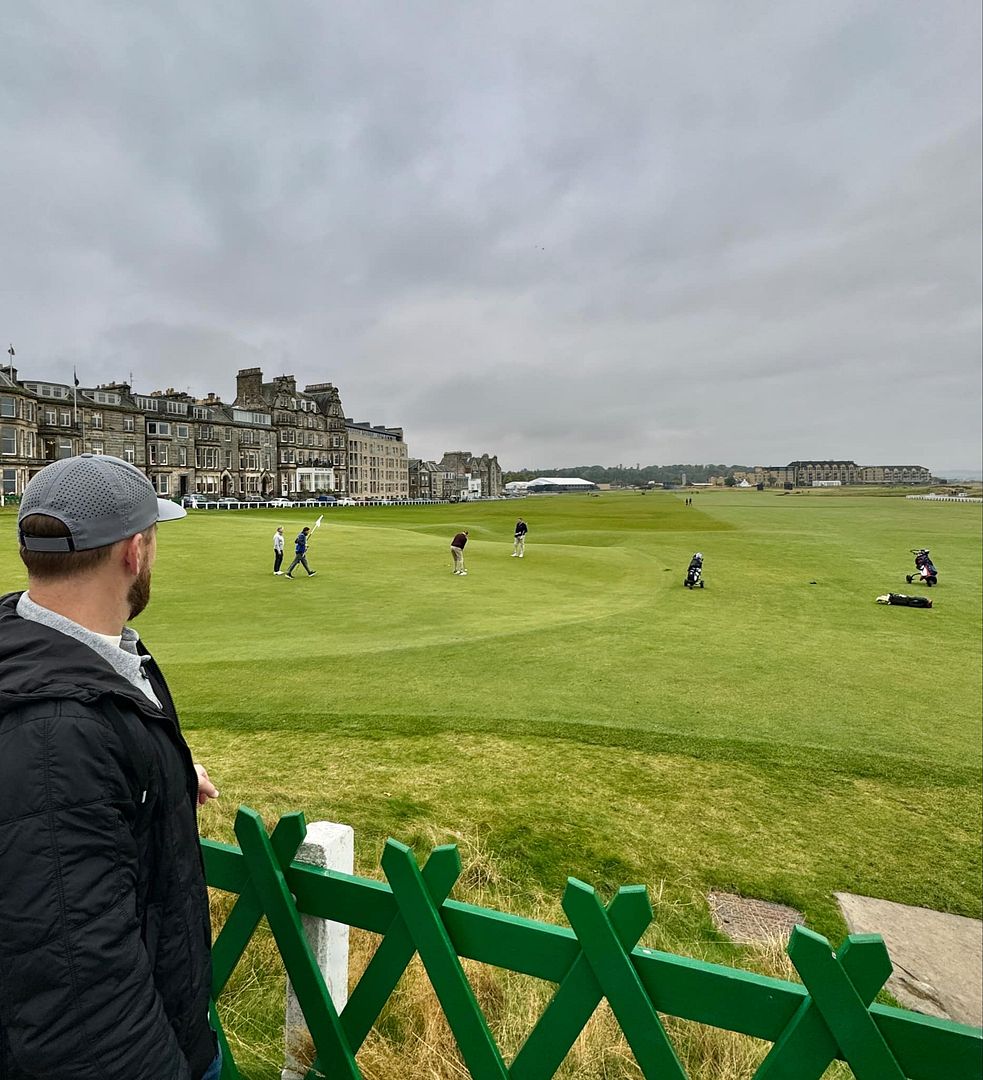
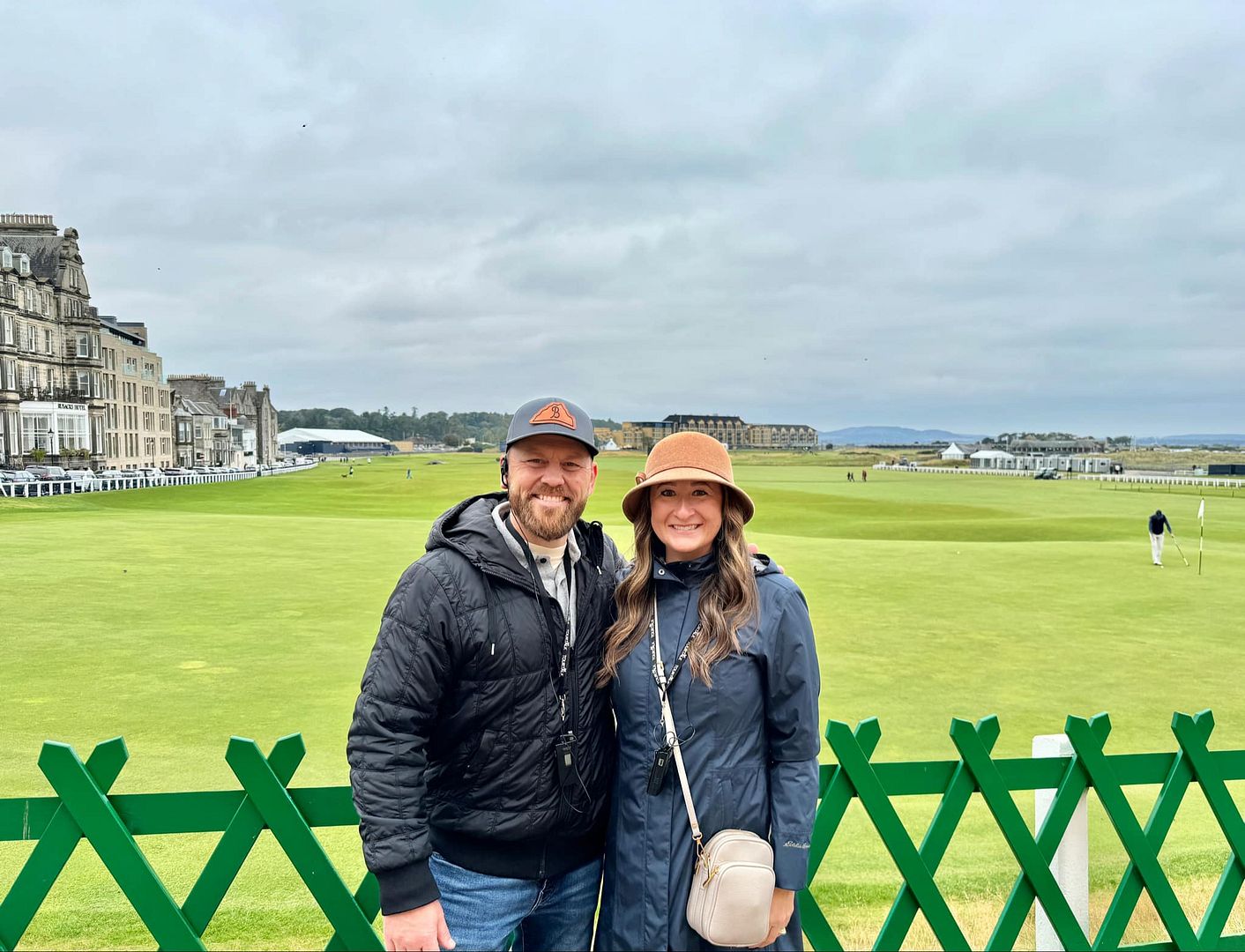
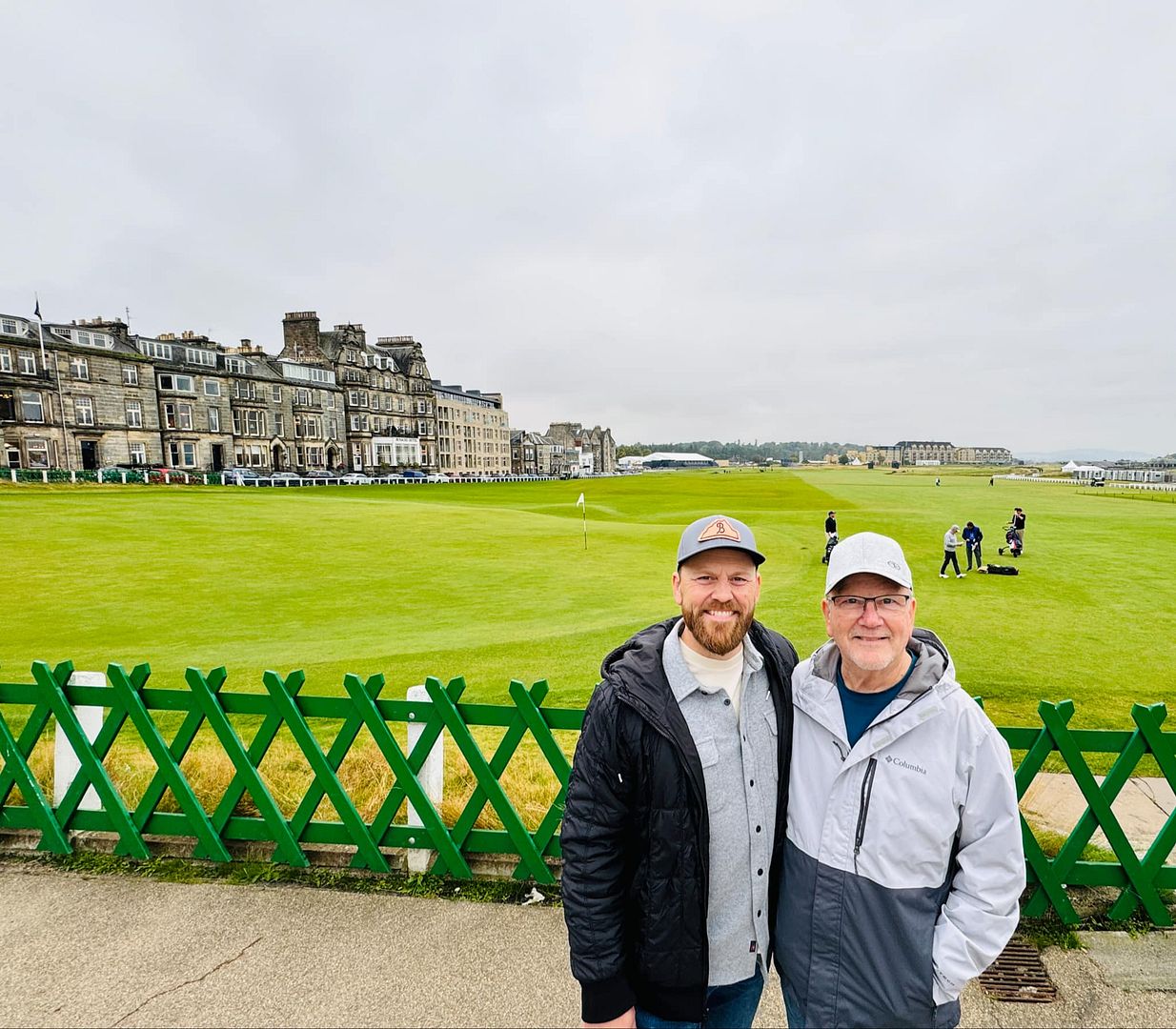
The World Famous Old Course. You can find some history of the Old Course here.

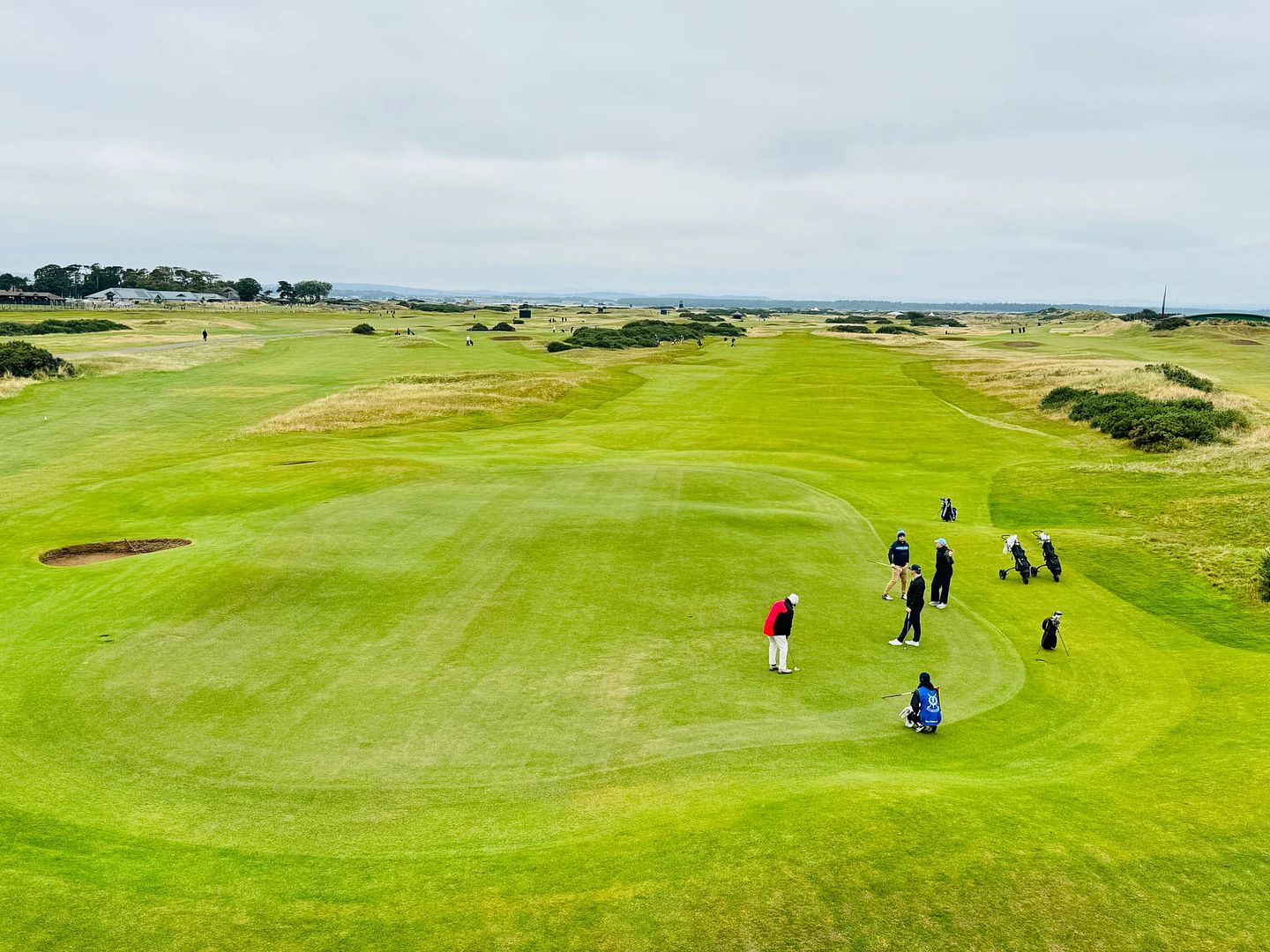
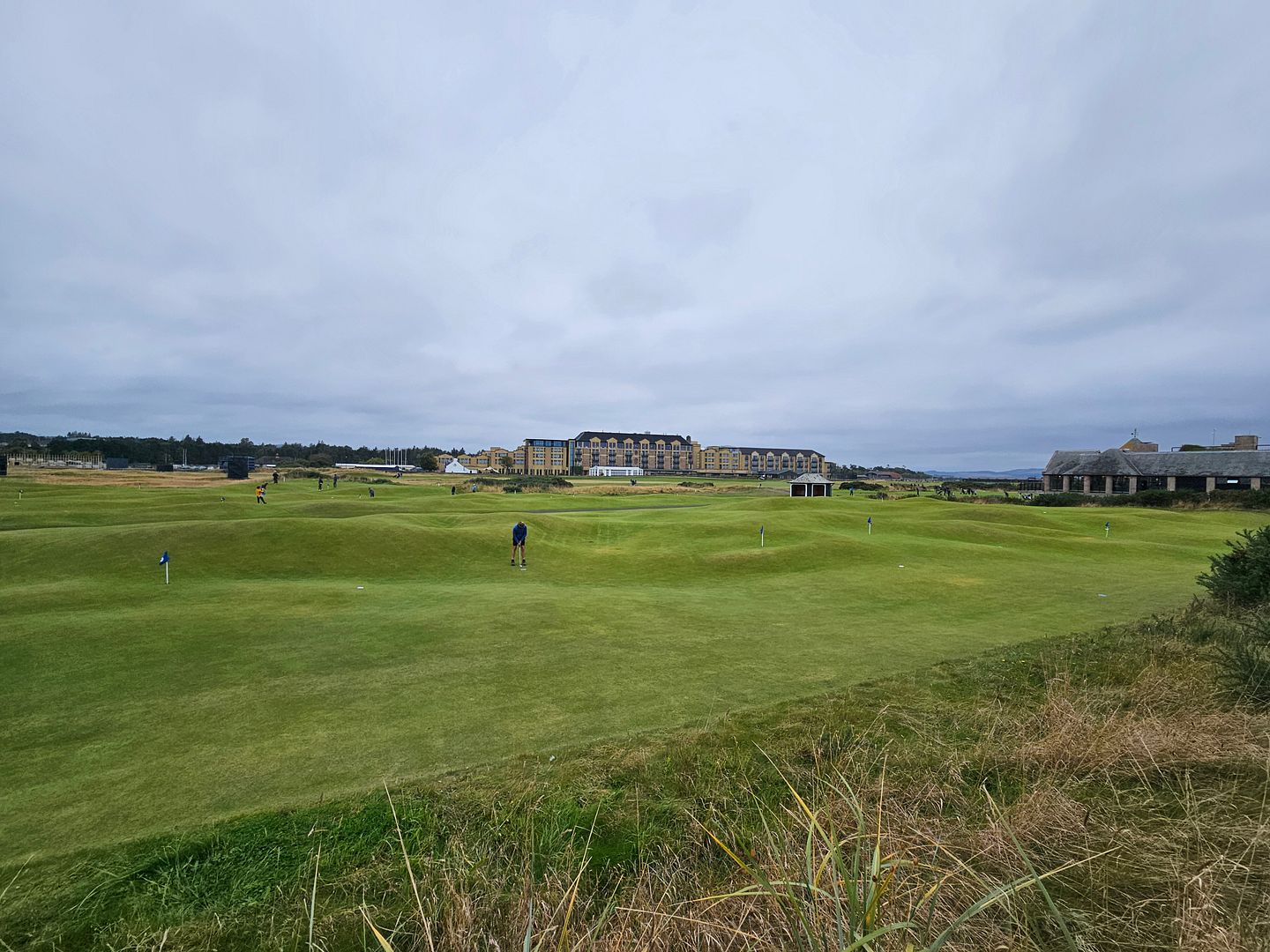
If we would have known about the Himalayas we would have tried to get on this course for fun. Here is a link for the history of the St. Andrews Ladies Putting Club (The Himalayas).

This day was a full day with clouds. The clouds did not produce rain this day and for that we were thankful.

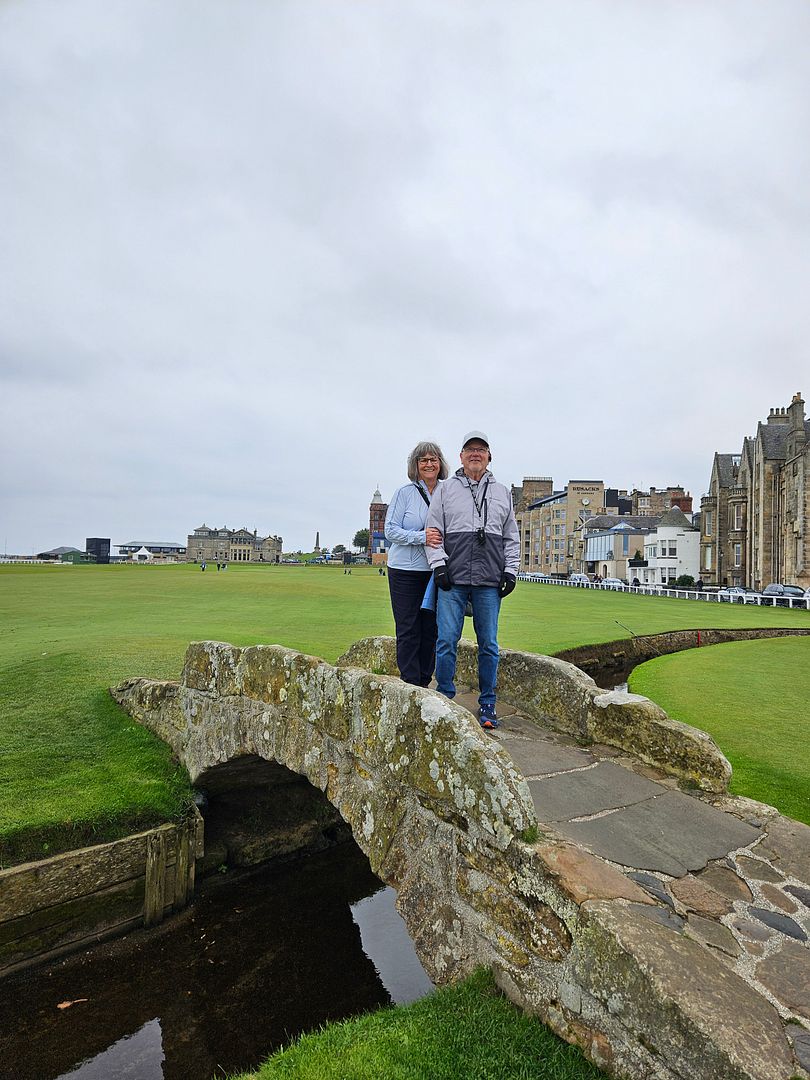
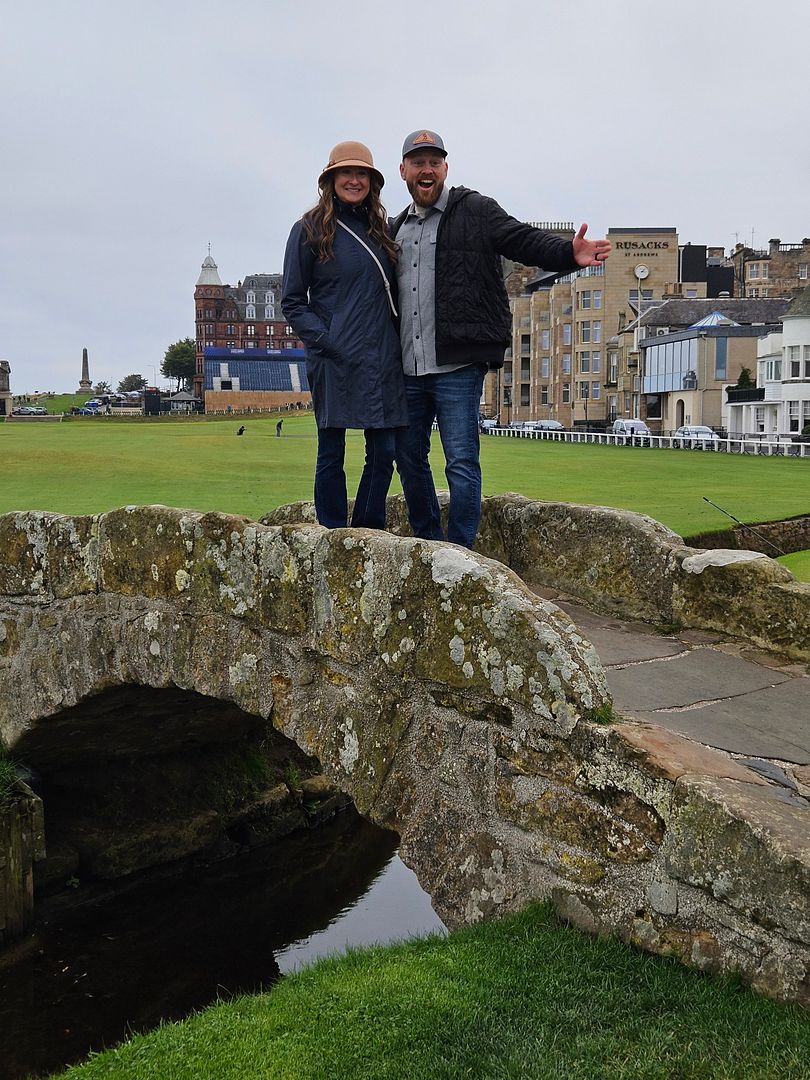
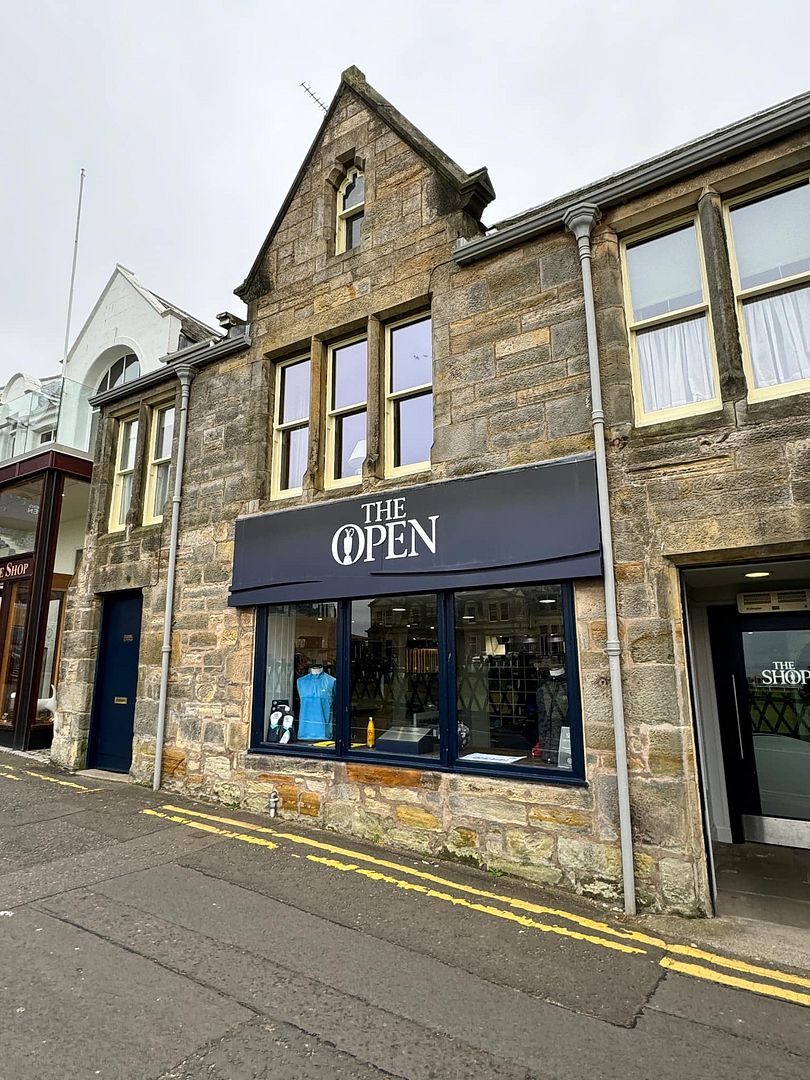
St Andrews Links is one of the hosts to the first major professional golf tournament, the Open Championship. The first playing of the Open at the Old Course was in 1873, the winner was Tom Kidd. St Andrews Links has hosted the Open Championship more than any other course. It typically hosts the Open every five years. St Andrews Links provides unique challenges with its infamous bunkers, including the Old Course’s “Hell Bunker” on 14 and the Road Hole on 17. Many of the greatest Open Champions have crossed the famous 700-year-old Swilcan Bridge on the 18th hole of the Old Course.

And we crossed the bridge, too.

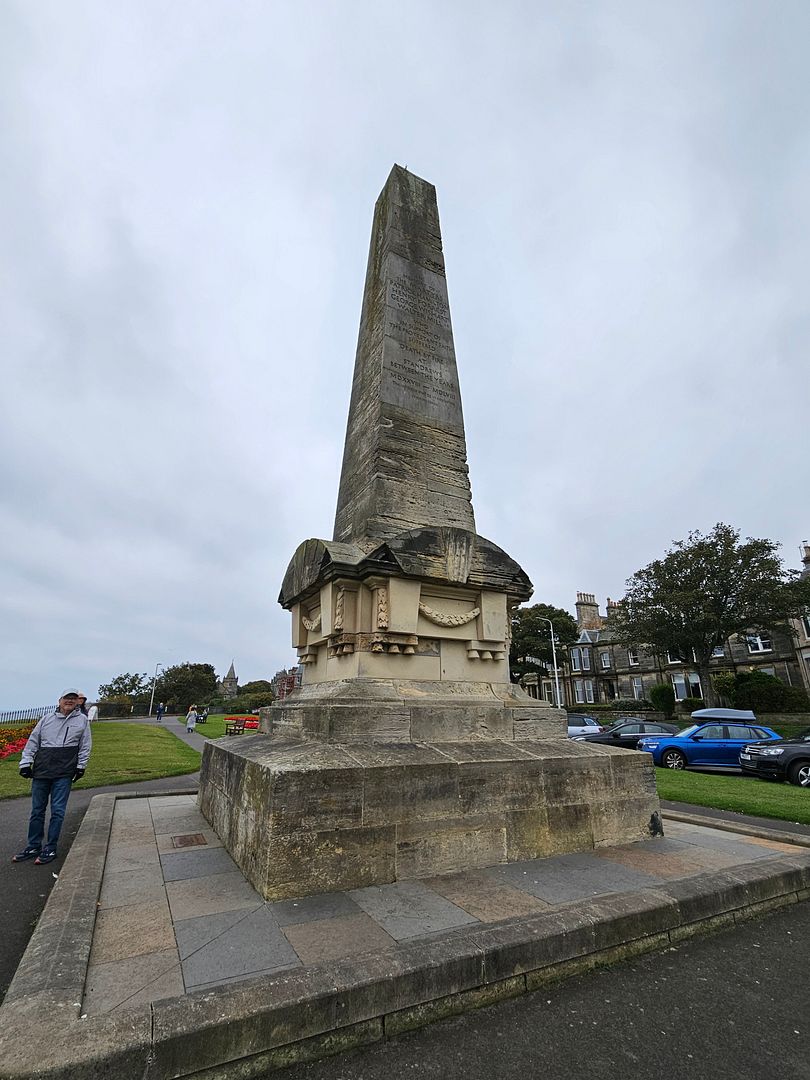
After our tour we decided to walk into St. Andrews to visit the Castle ruins, the cathedral, and other historical sites connecting our trip again to the John Knox and many other Reformers. On the way into town we stopped at the Martyrs’ Monument.

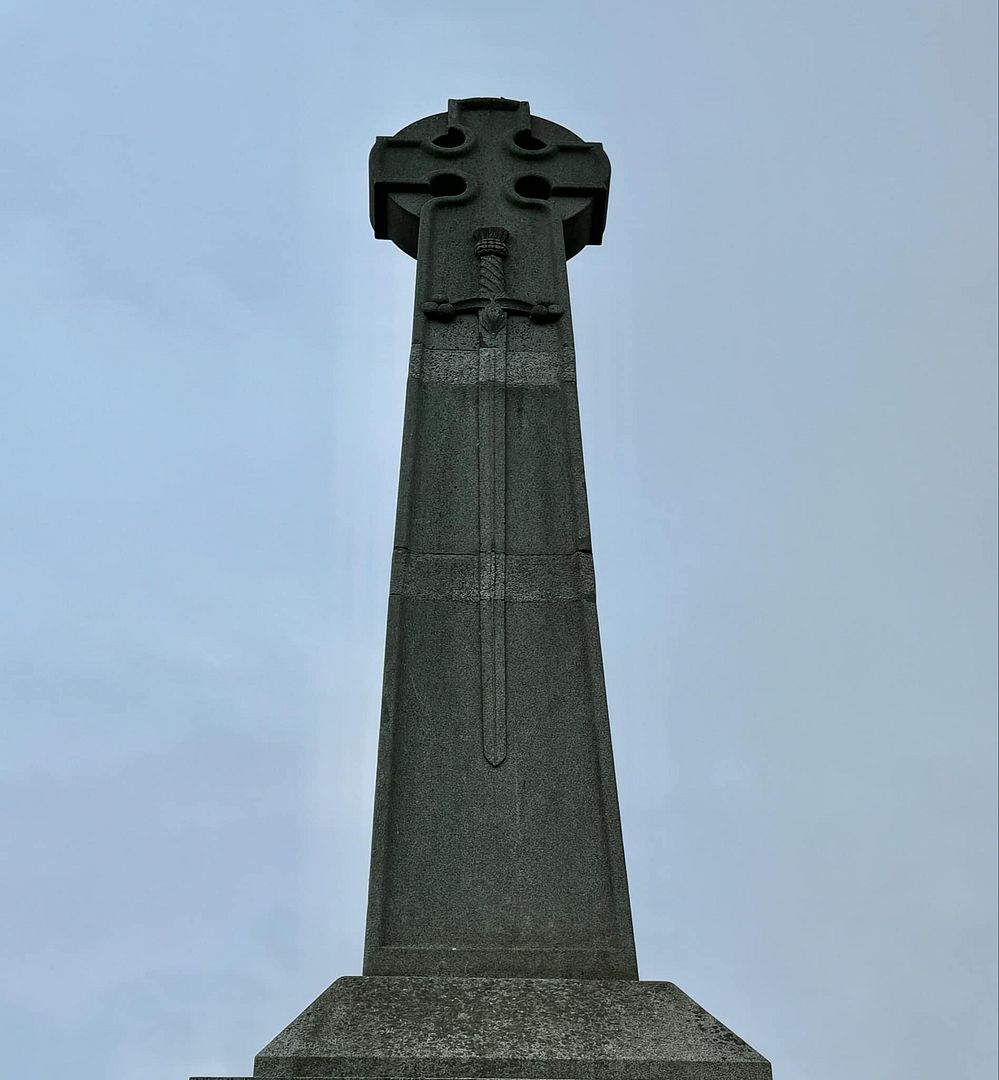
Martyrs’ Monument in St Andrews, Scotland, enjoys a high-profile location adjacent to the Royal and Ancient Golf Club, overlooking the world-famous Old Course and the spectacular West Sands. It was built to commemorate a number of Protestant figures who were martyred in St Andrews between 1520 and 1560, and highlights the important role that the town played in the Reformation.

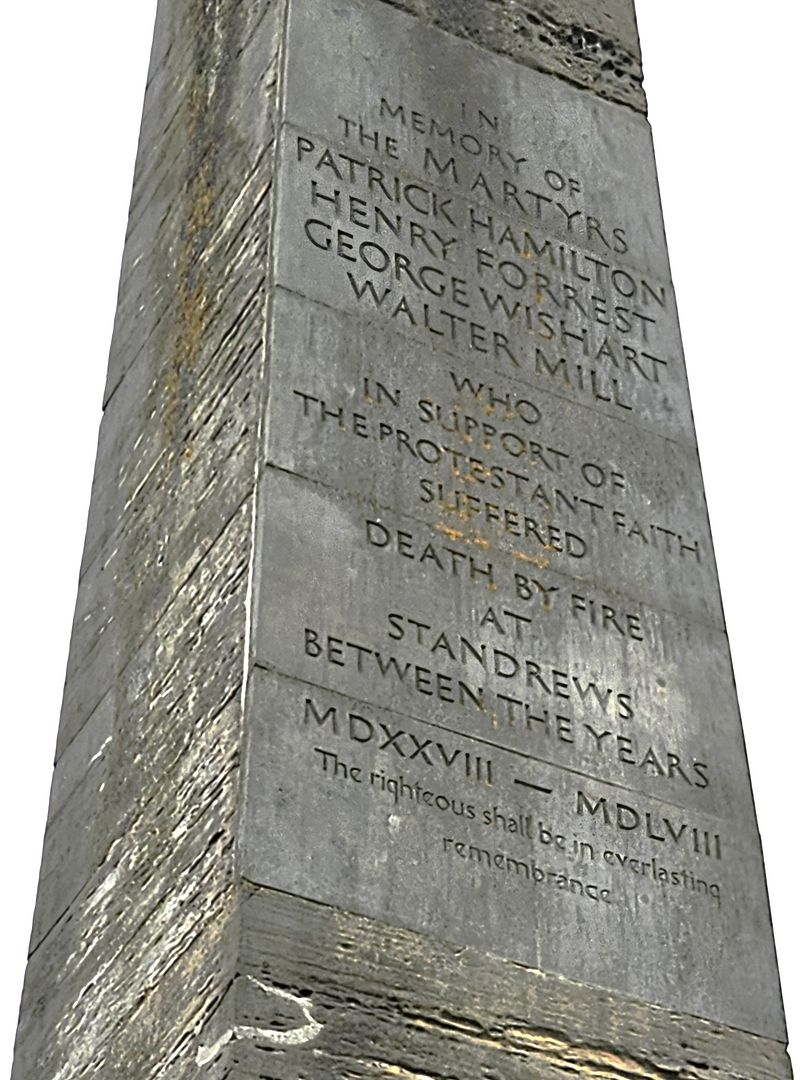
Martyrs’ Monument was built to commemorate four men executed in St Andrews during the 16th Century for their Protestant beliefs. St Andrews, which at that time had the largest cathedral in Scotland and one of the most celebrated in Europe, was, somewhat inevitably, drawn into the events leading up to the Protestant Reformation.

Patrick Hamilton was first to be burnt at the stake, in 1527, after he promoted the doctrines of Martin Luther. Henry Forest was executed in 1533 for owning a copy of the New Testament in English. George Wishart was burnt at the stake for defying the Catholic Church and Walter Myln followed in 1558, having advocated married clergy.

I’ll wrap this post up here and continue our St. Andrews adventures on another day.

Happy Birthday, dear Laura, enjoy your day!

Scotland Travel Journal ~ St. Michaels Golf Club

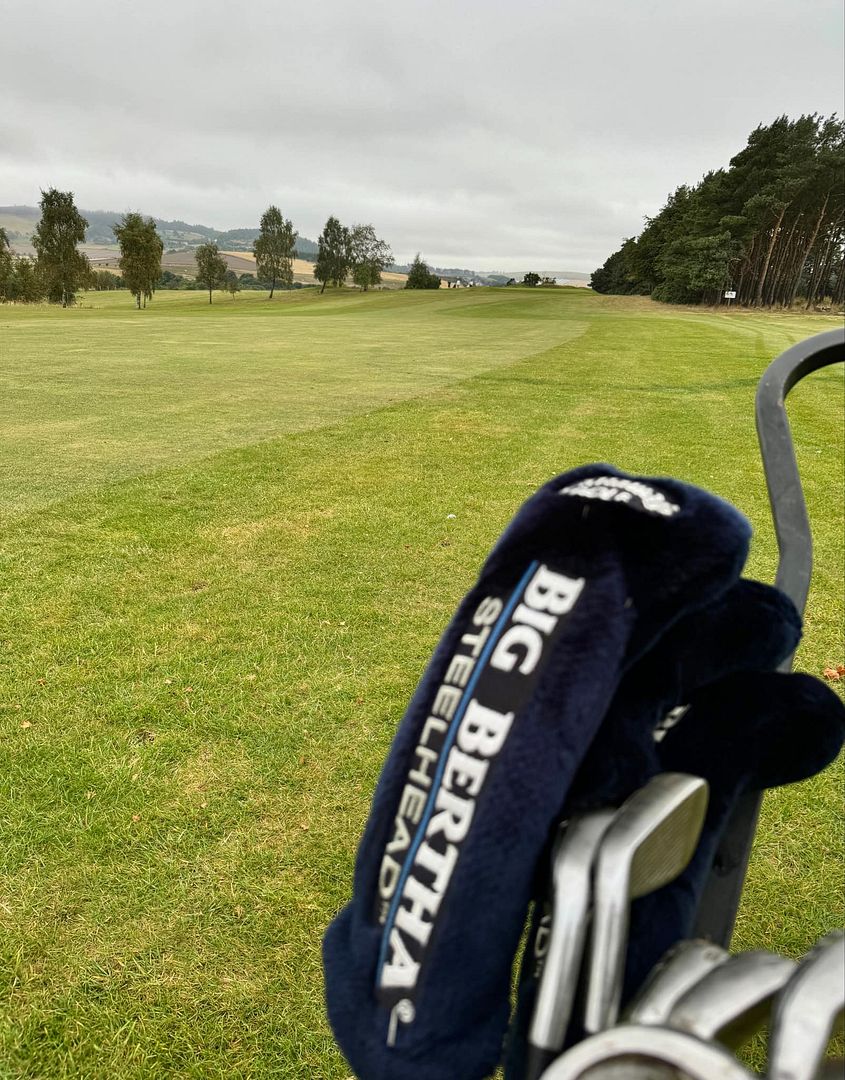
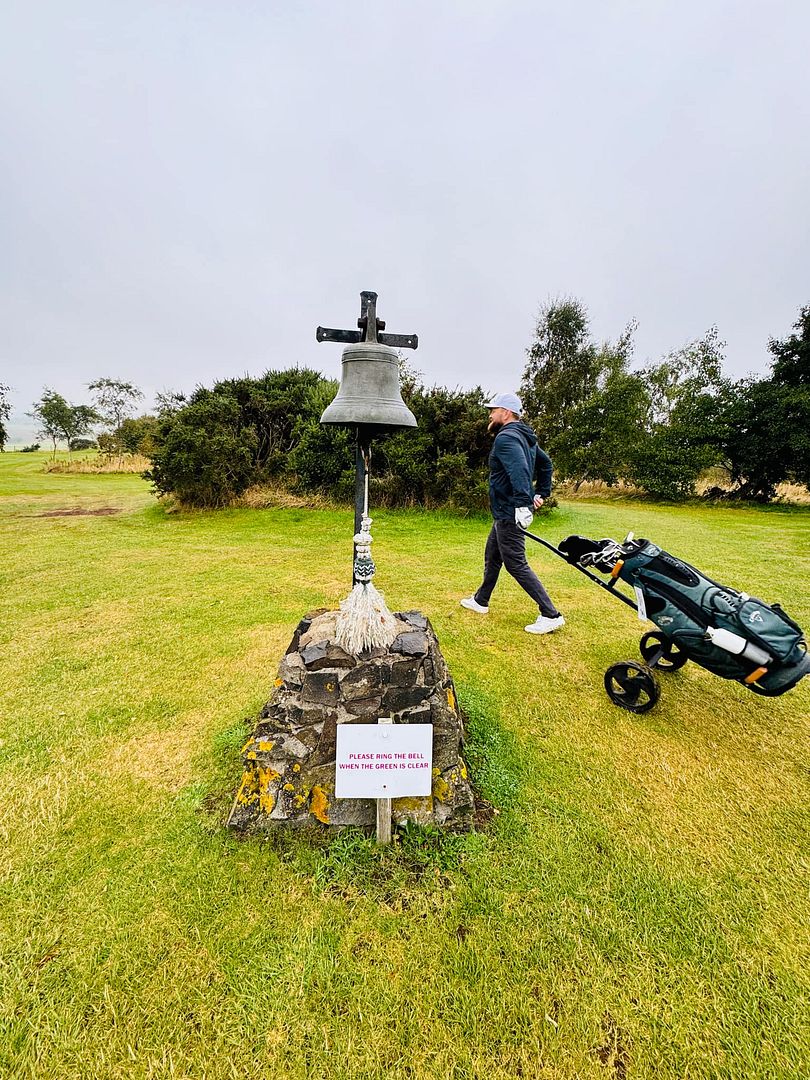
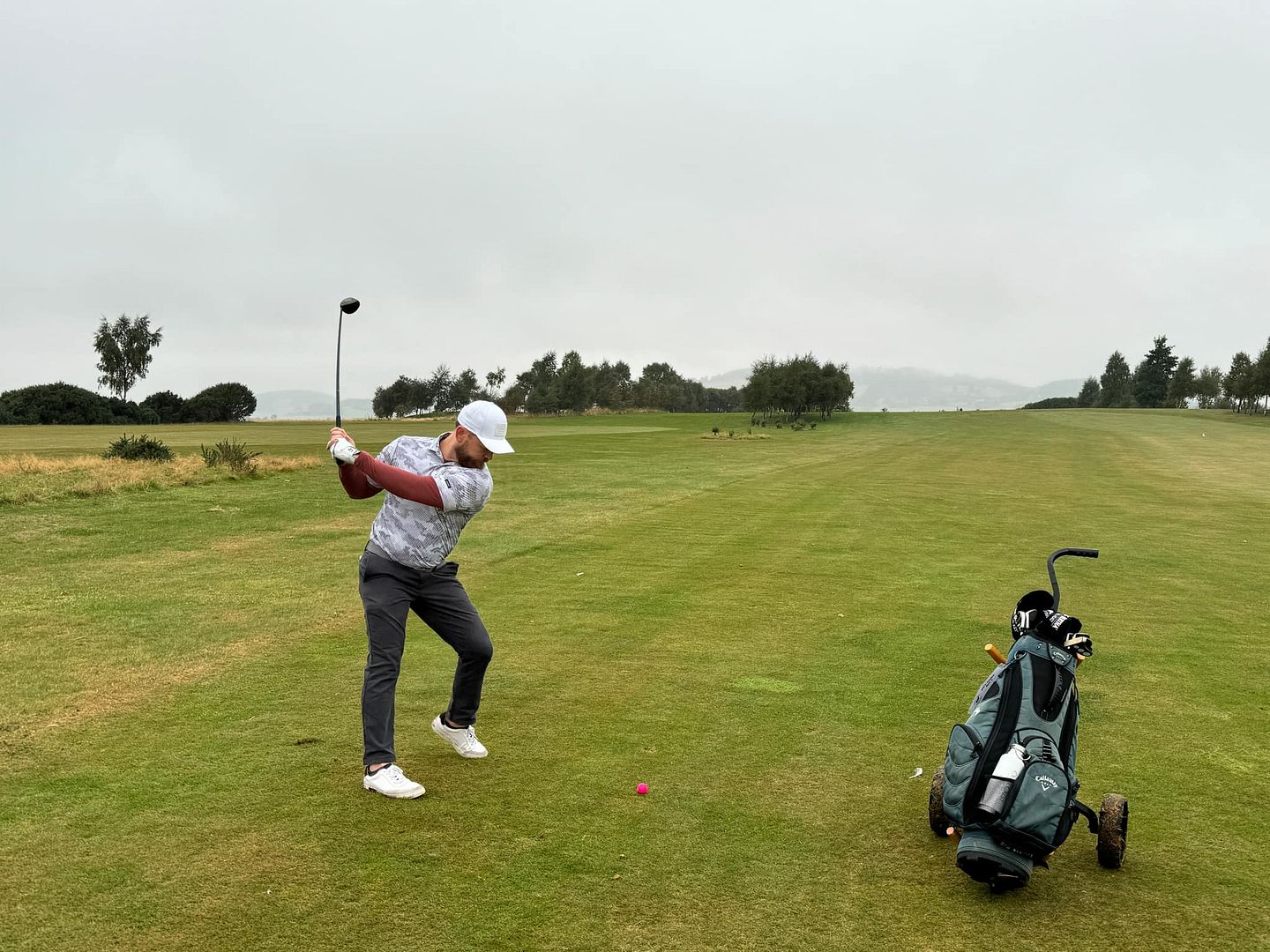
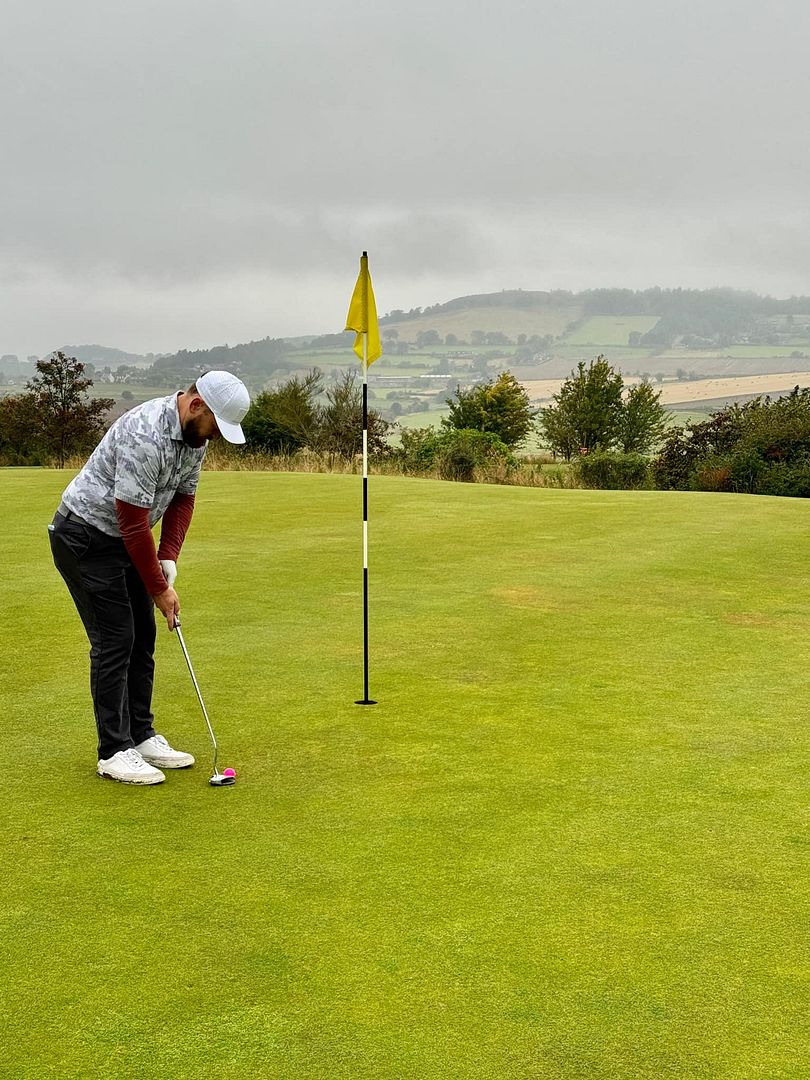
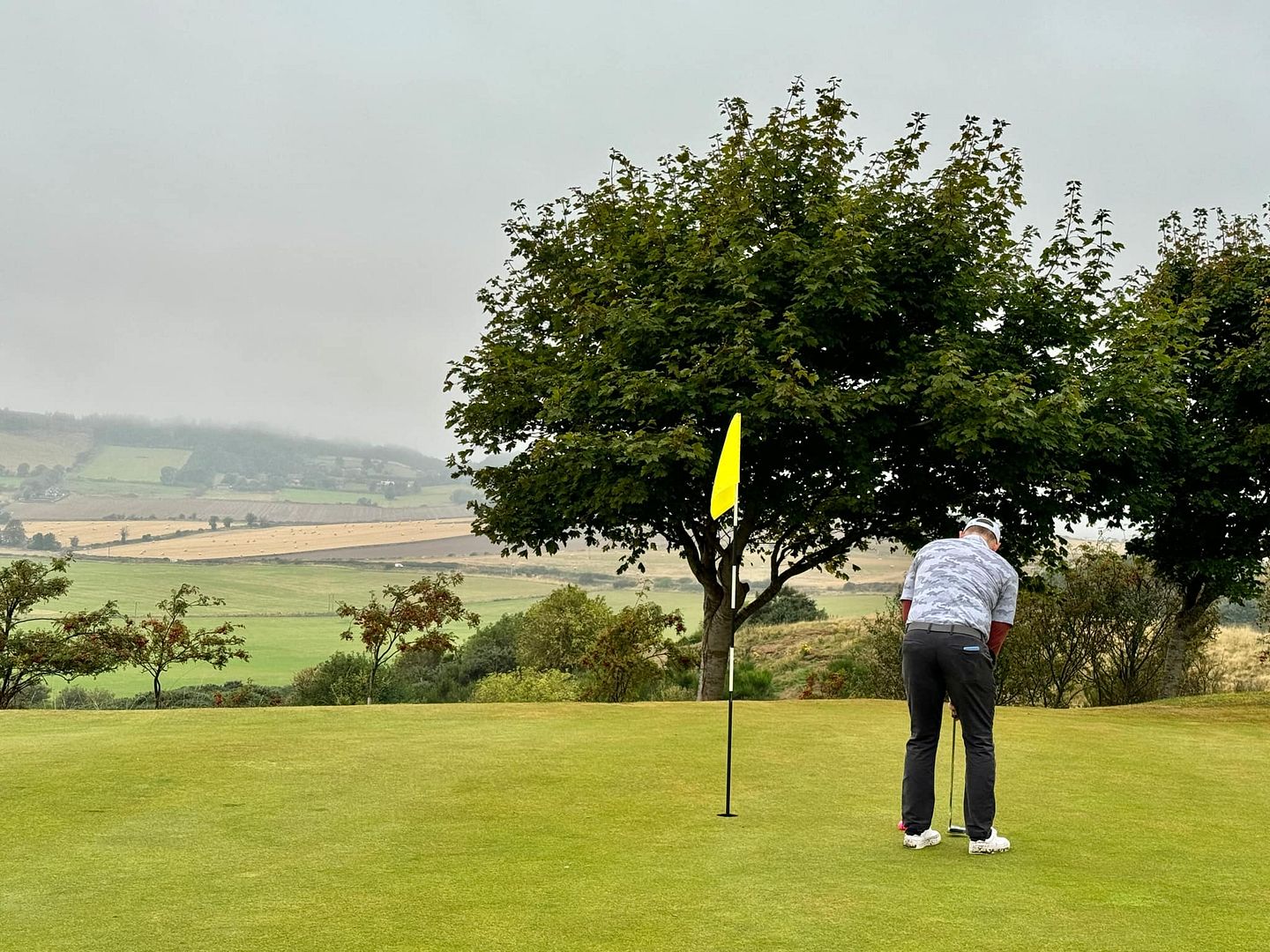
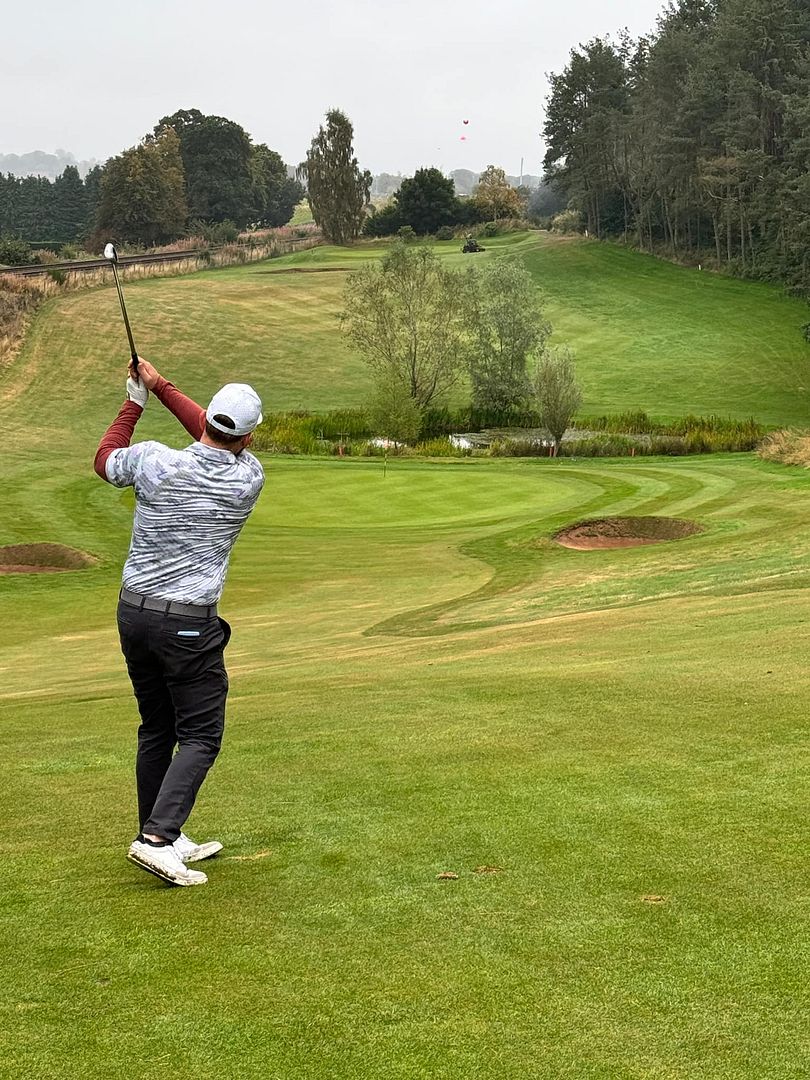
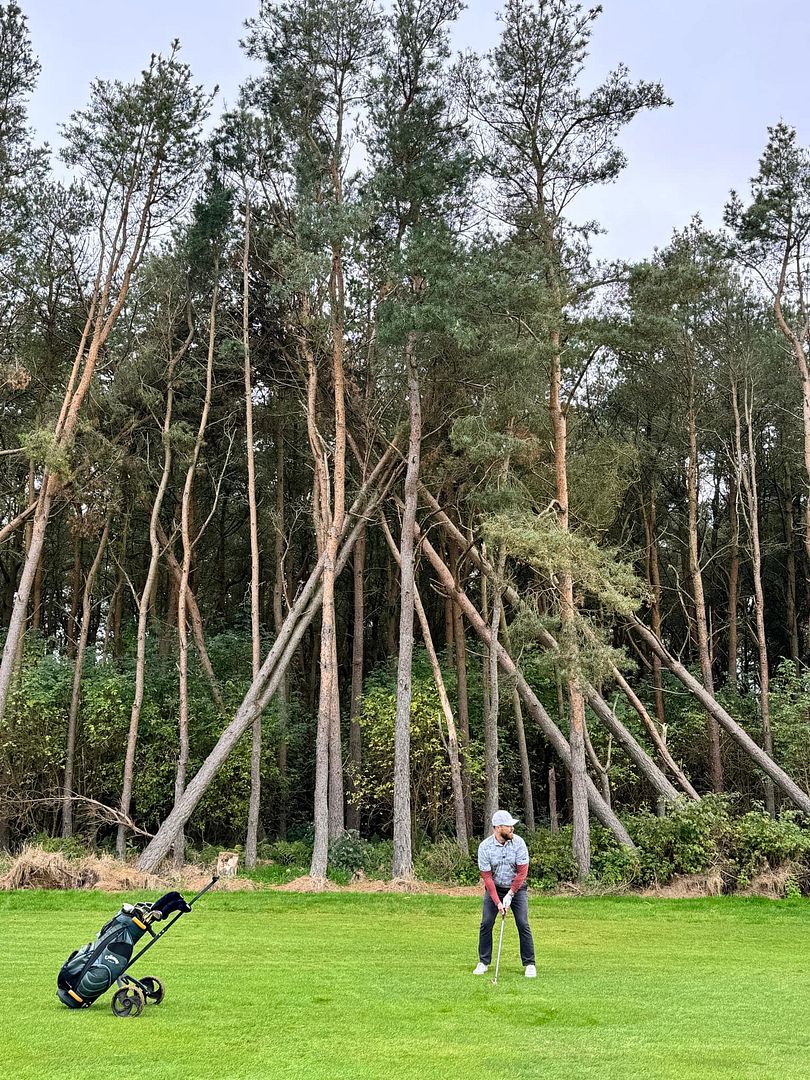
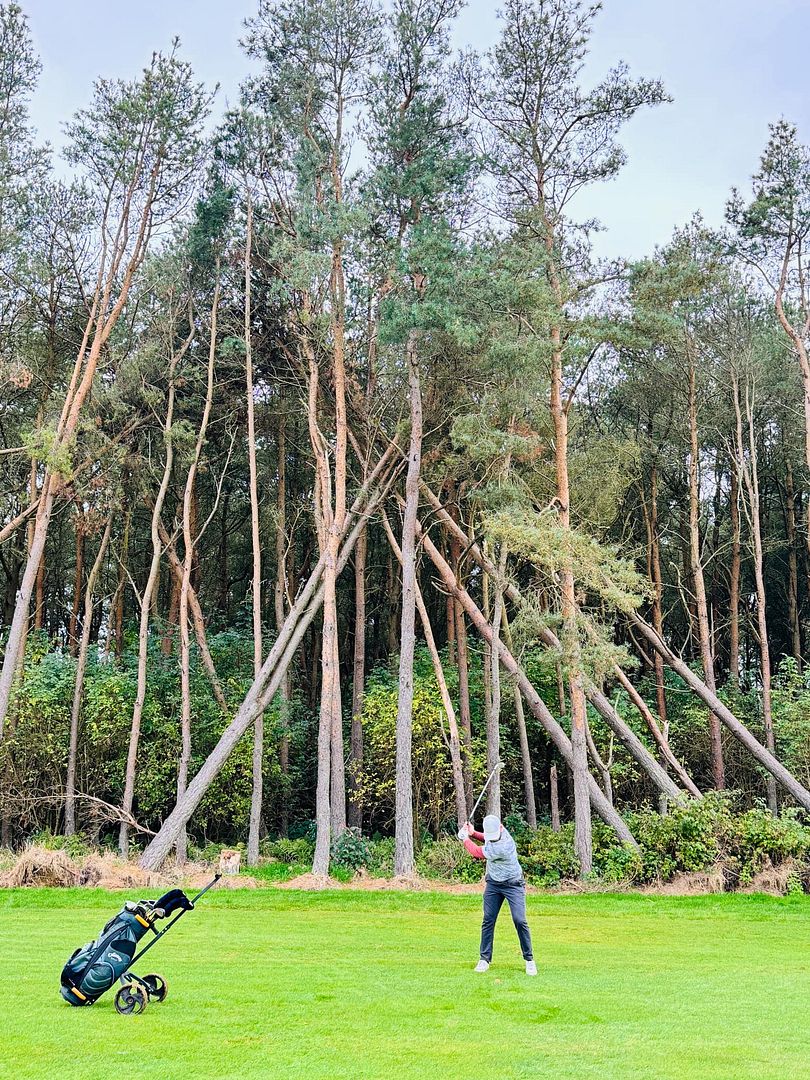
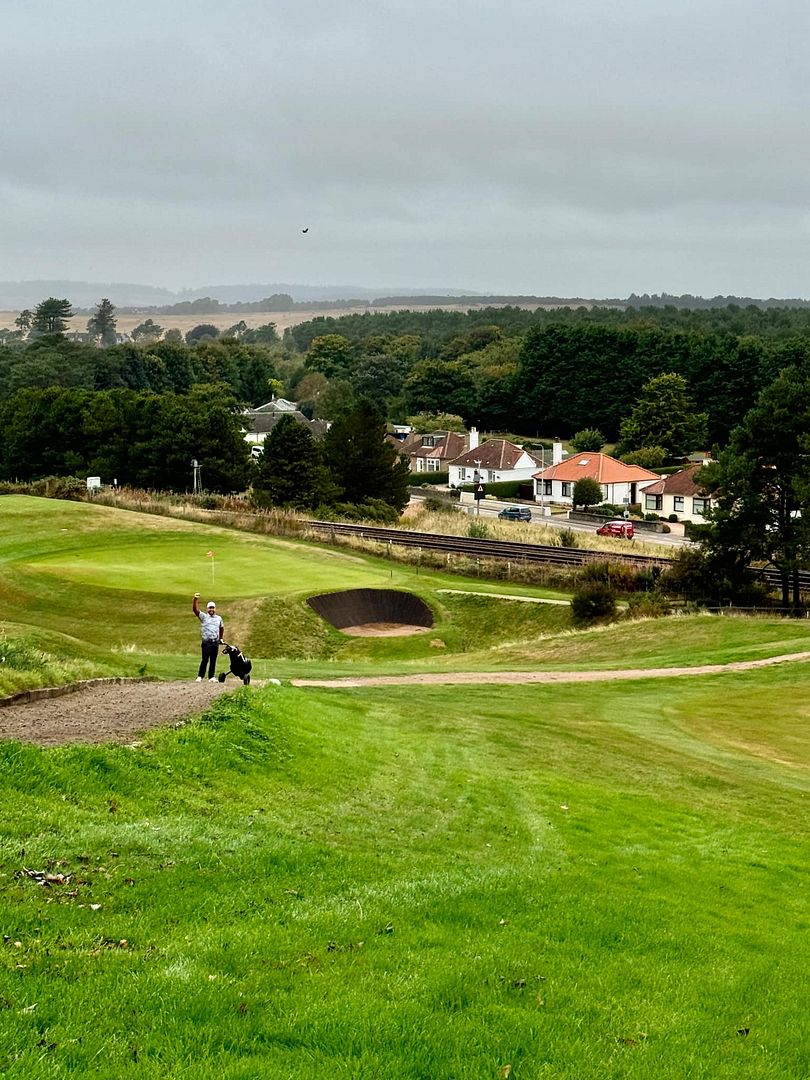
On Friday September 20th Josh was able to tuck away a goal by playing a round of golf in the country where it is said that the game of golf originated.

Golf in Scotland was first recorded in the Scottish late Middle Ages, and the modern game of golf was first developed and established in the country.

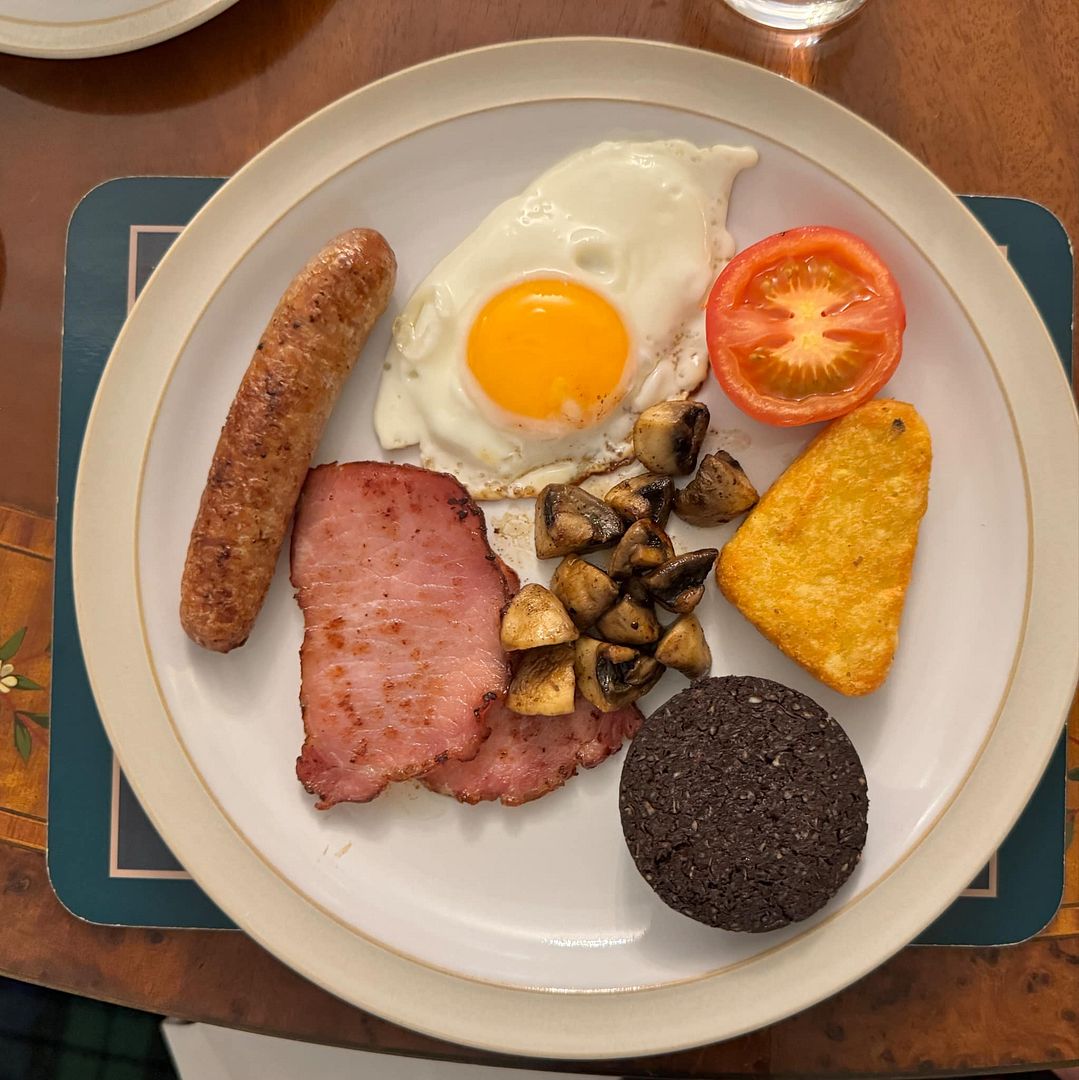
After a nice early breakfast at our lodgings, Josh and Laura drove the very short distance to St. Michaels Golf Club. There was a one track bridge with limited sight to cross to get into the club where you were directed to honk so that you wouldn’t meet another vehicle head on.

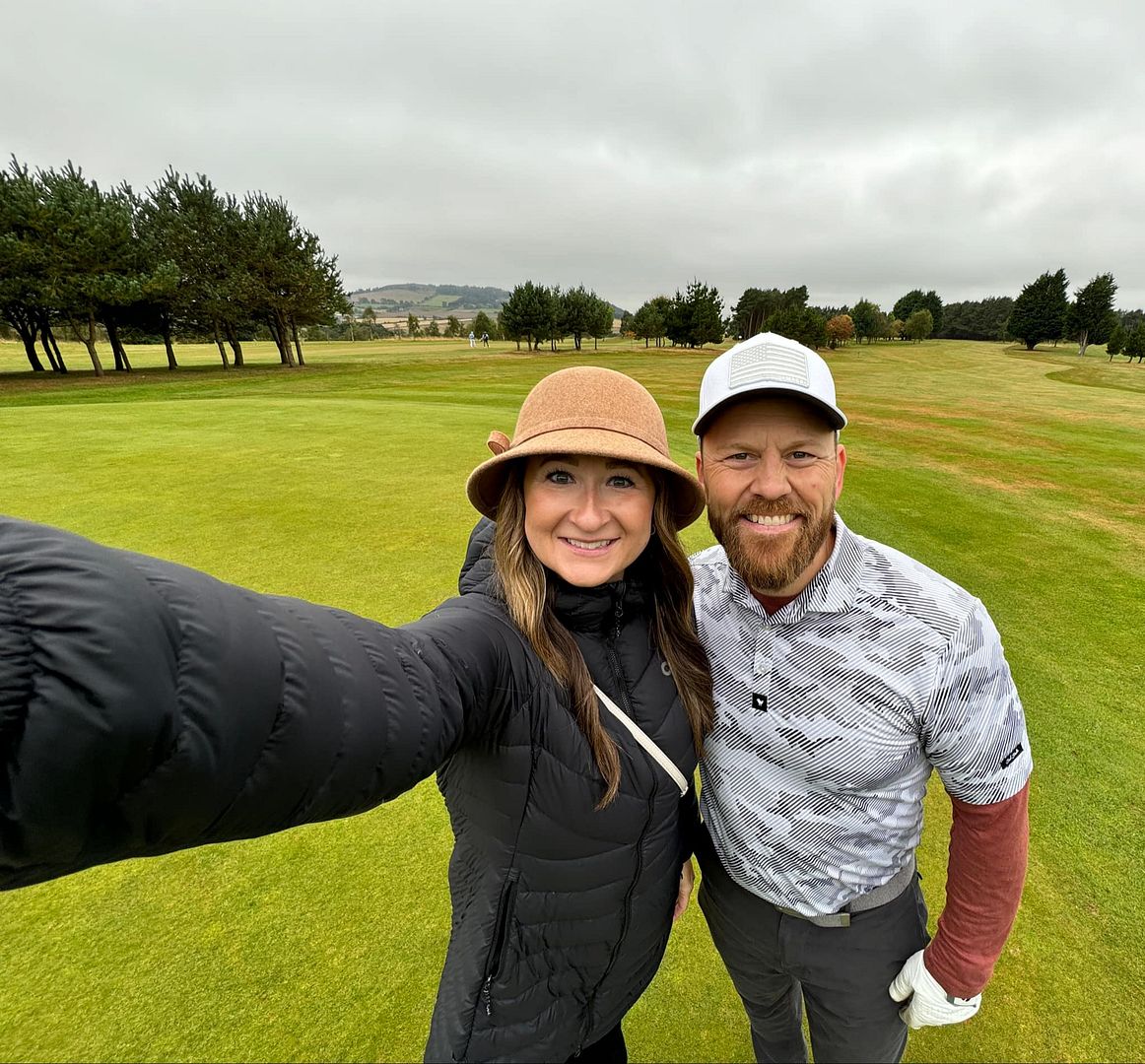
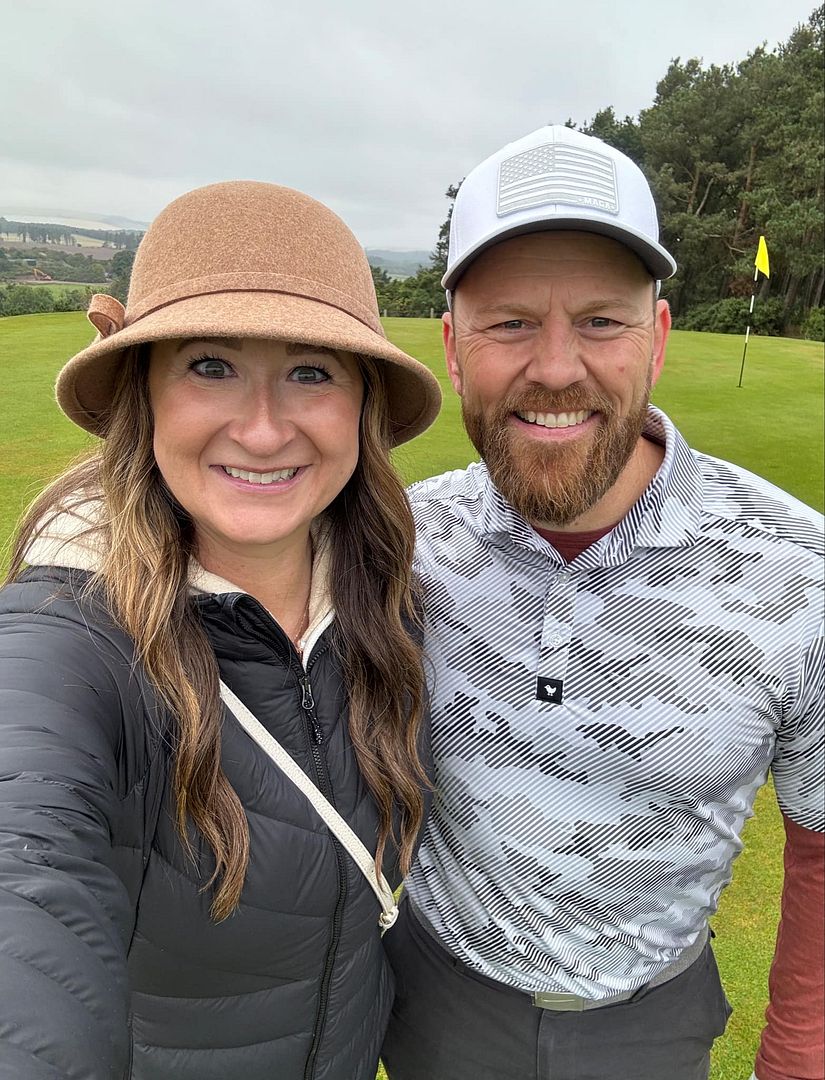
Laura kept Josh company getting some great photos and adding thousands of steps to this 22,000+ step day!

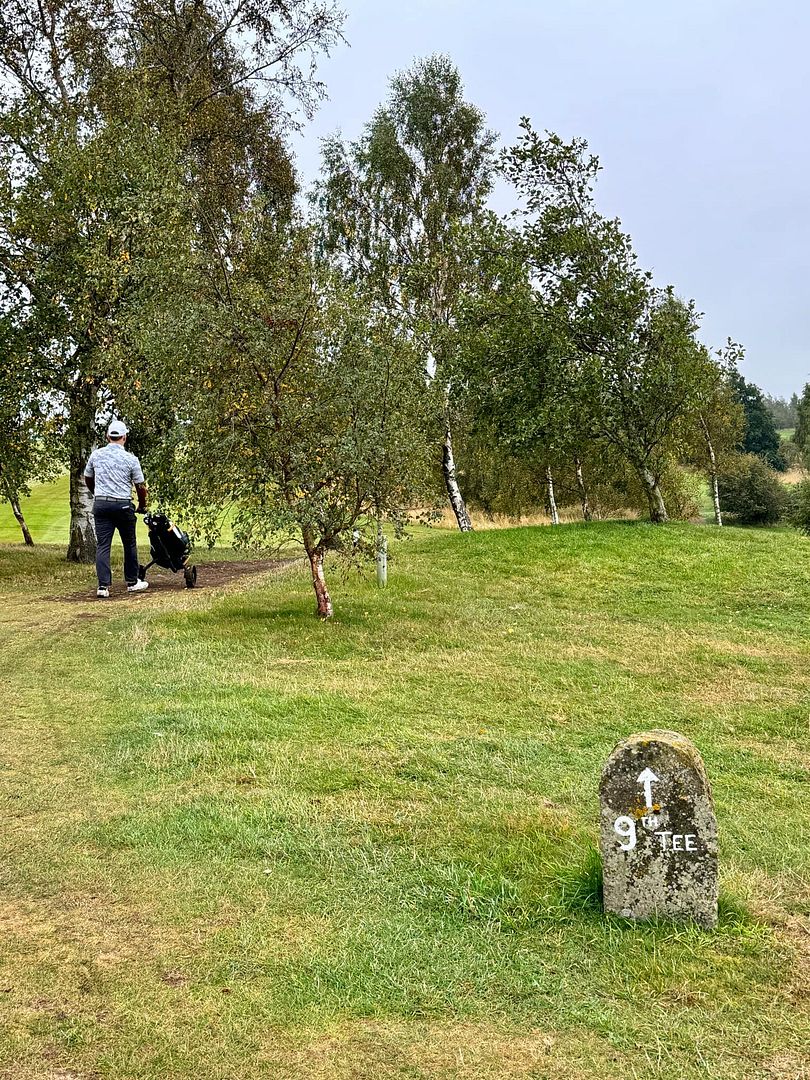
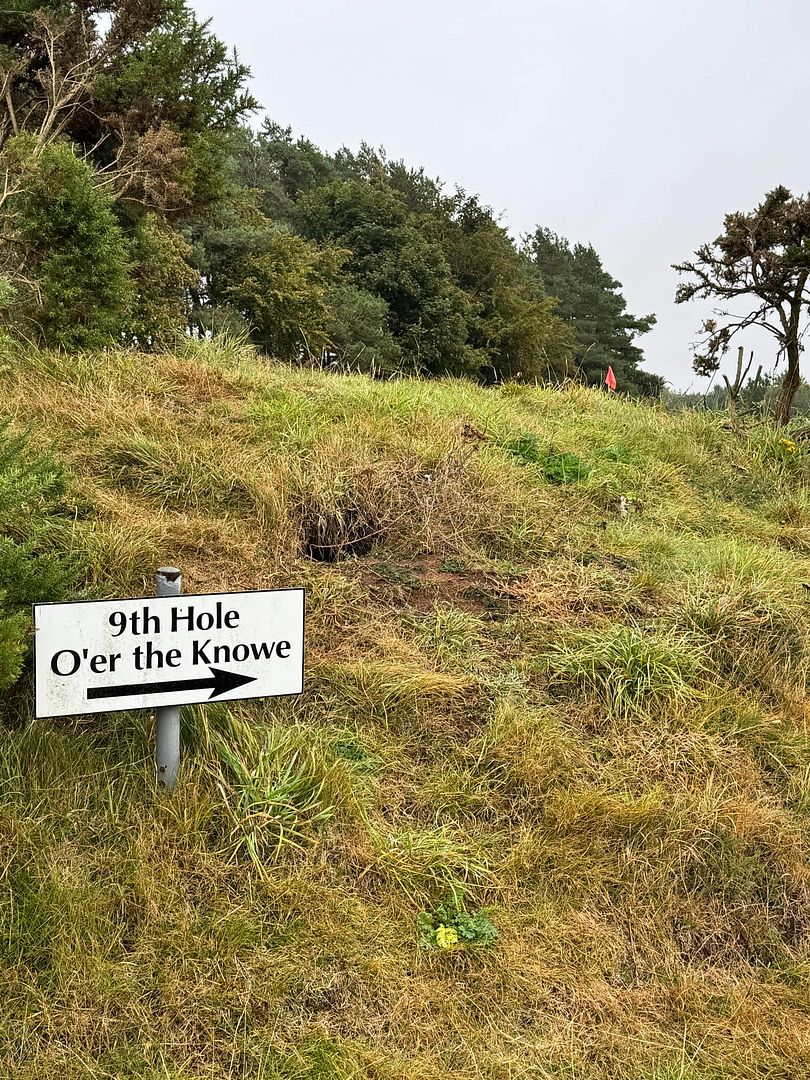
Borrowed clubs and cart in tow, he set out on the course.

The owner of the lodge we were staying in gave Josh a bag of golf balls for his game.

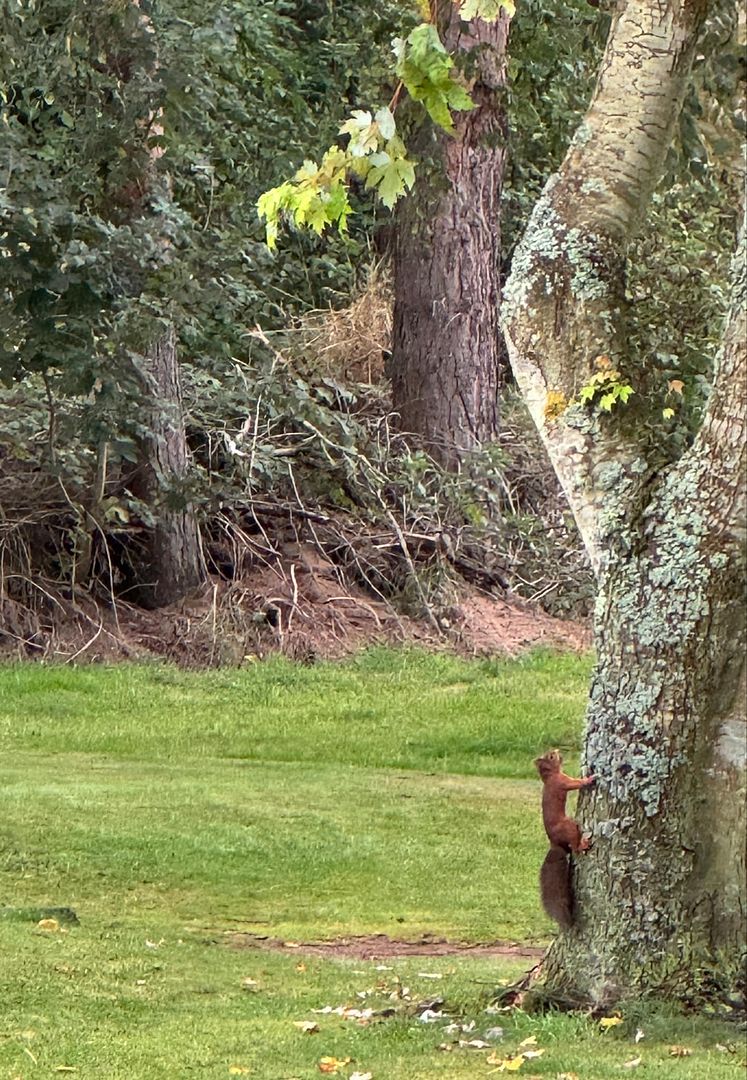
Yippee for the one and only red squirrel that was spotted on our trip. Well done, Laura!

Greg and I enjoyed a leisurely morning in the lodge while Josh golfed. Josh and Laura returned before noon for our afternoon in St. Andrews, just a short distance from our lodgings. As you can see this was a rare cloudy and overcast day that we experienced on our Scotland travels.

Our Scotland Travel Journal serves to keep our memories alive and to remind us of God’s care and provision in our travels. Thank you for traveling along with us.

Scotland Travel Journal ~ Glamis

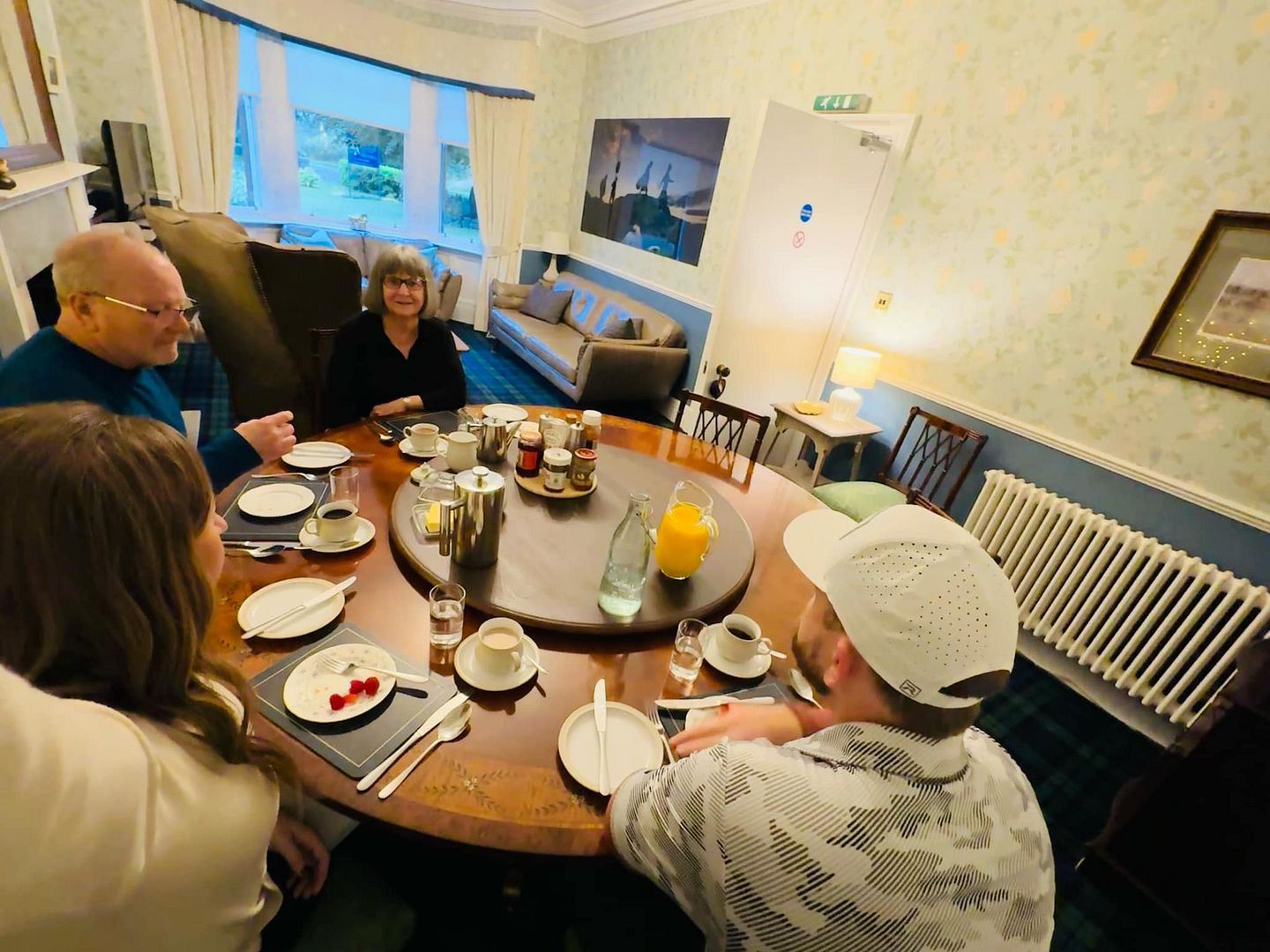
On Thursday the 19th of September we had a very nice breakfast at our B&B meeting some of the other guests. One of the couples was from Washington State! We had a nice chat. We paid up and headed for the coast road for our 42 mile drive to Glamis Castle.

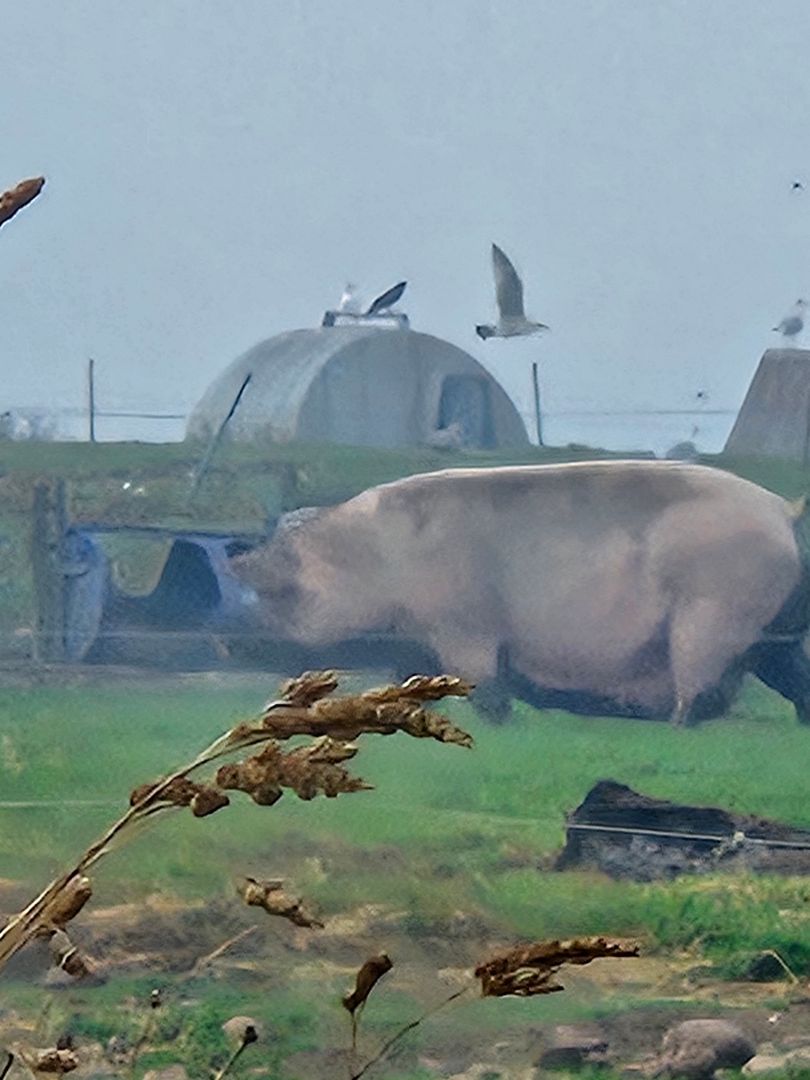
On the way to A92 we passed this farm and saw this gigantic pig. The photo is fuzzy but that pig was real!

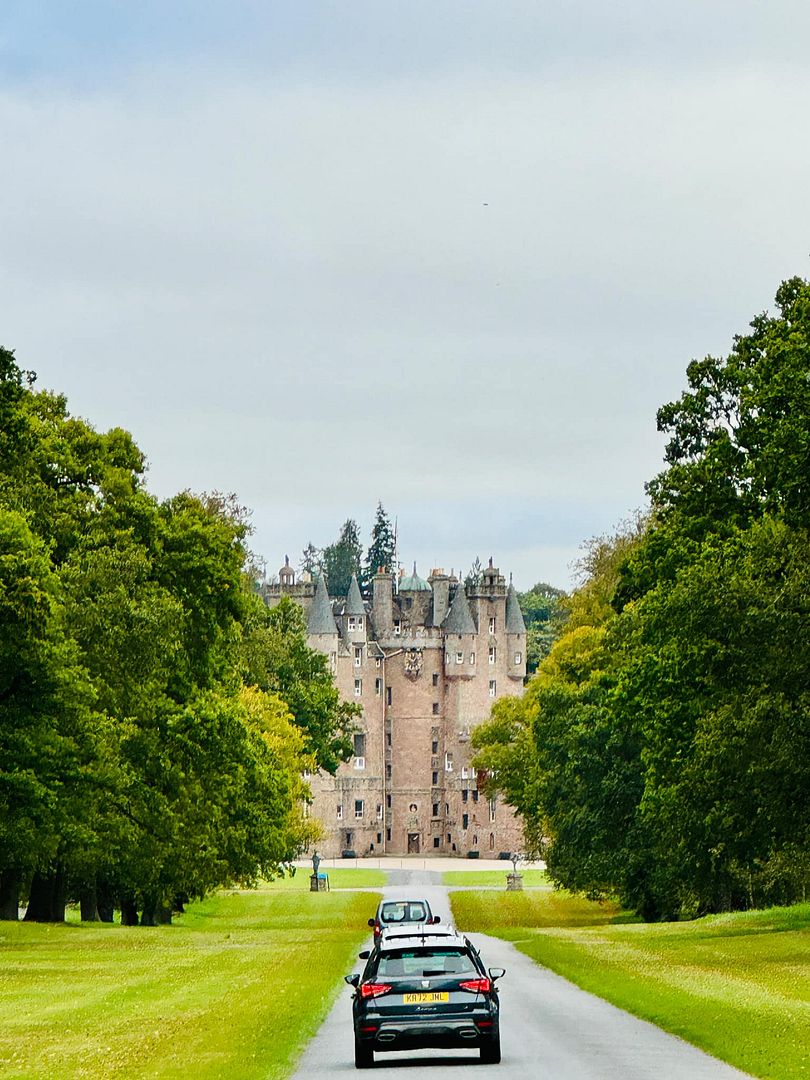
We had more picturesque views and soon we were driving up the long drive to the castle. We were there right at opening.

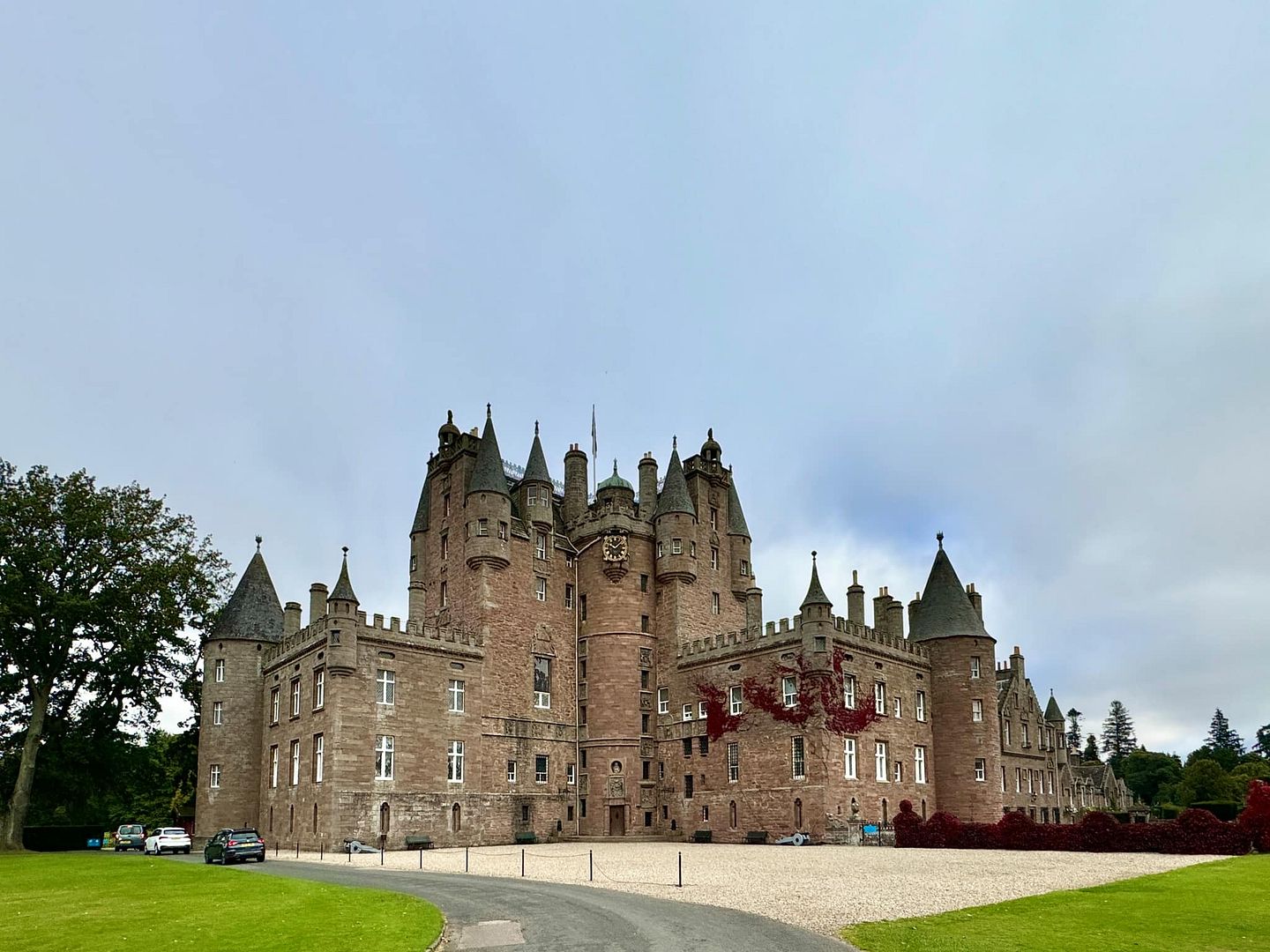
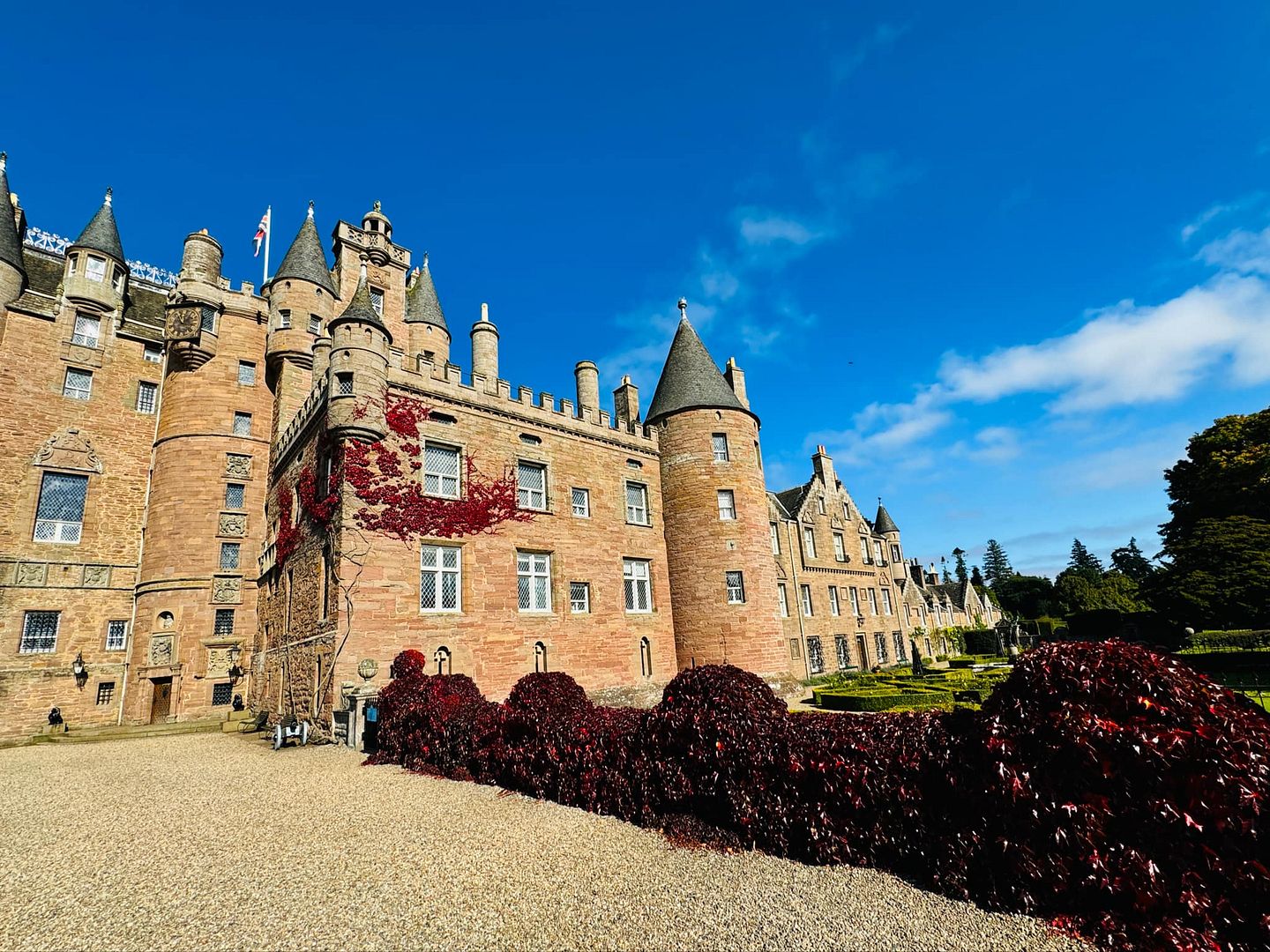
Glamis has been the ancestral seat to the Earls of Strathmore and Kinghorne since King Robert II granted the Thanage of Glamis to Sir John Lyon in 1372. Once host to Mary, Queen of Scots, Glamis is said to have inspired one of Shakespeare’s most famous plays, Macbeth. Glamis also has a deep connection to today’s Royal Family as it was the childhood home of Her Majesty Queen Elizabeth The Queen Mother and birthplace of HRH Princess Margaret.

The Timeline of history of the castle can be found here.

We joined a tour of the castle but no photography was allowed since part of the castle is still a residence. You were not allowed to roam around this castle without the tour guide.

When our tour was completed we enjoyed a little snack in the Castle Kitchen. The Castle Gift shop next to the parking area was on two levels and we found some goodies to buy.

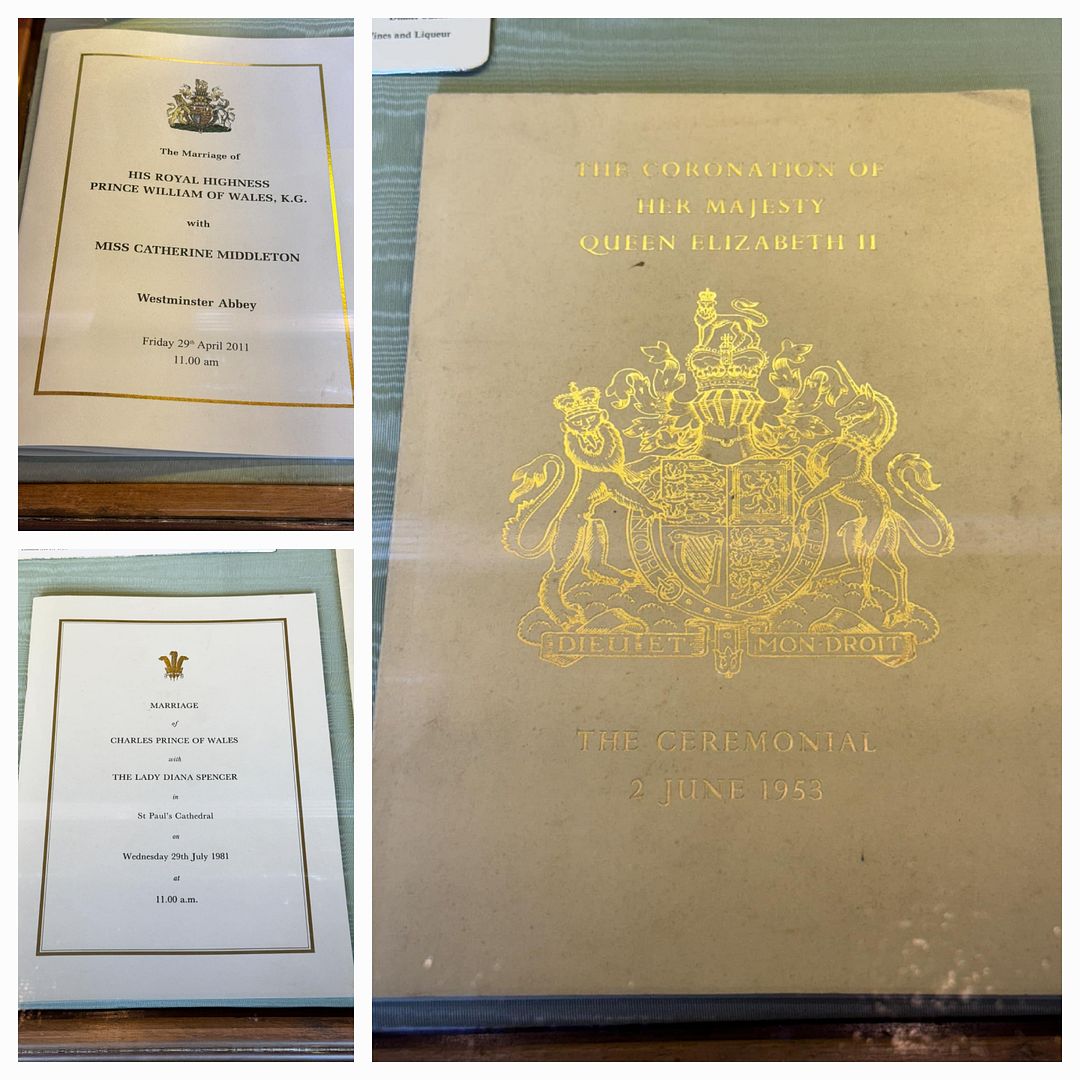
This castle had a Royal Connection and you can read the history here. This is the Coronation program from Queen Elizabeth’s ceremony in 1953 and the wedding programs from Prince Charles, Lady Di, Prince William and Catherine Middleton.

From Forfar we drove about 18 miles to the coast to the Carnoustie Golf Links to see if there was any chance of Josh getting a tee time. We found out that wouldn’t be possible and he’d have to look for another option but we enjoyed a nice lunch in the Rookery. It was at the Rookery that I had my first taste of Cullen Skink. I really enjoyed it!

Welcome to our restaurant at Carnoustie Golf Links. For as long as anyone can remember, crows have made their name in this area. In fact, legend has it that the old Scots name, ‘Craws Nestie’ is where our much-loved Carnoustie got its name. Over the years these resourceful, community-minded birds have made their home in our coastal town, as, like golf, they belong in this challenging and formidable place. They call it home. We call it The Rookery.

Cullen skink, one of Scotland’s most famous dishes, is a hearty soup traditionally made with smoked haddock. The name of this soup comes from Cullen, a small town in the northeast of Scotland. Skink is the Scottish term for a knuckle, shin, or hough of beef, so most soups made of these parts were called skink. When people in northern Scotland were unable to find scraps of beef due to economic strains but had plenty of fish to cook with, and smoked haddock was found everywhere, meat stews transformed into fish-based soups, but the name skink stuck.

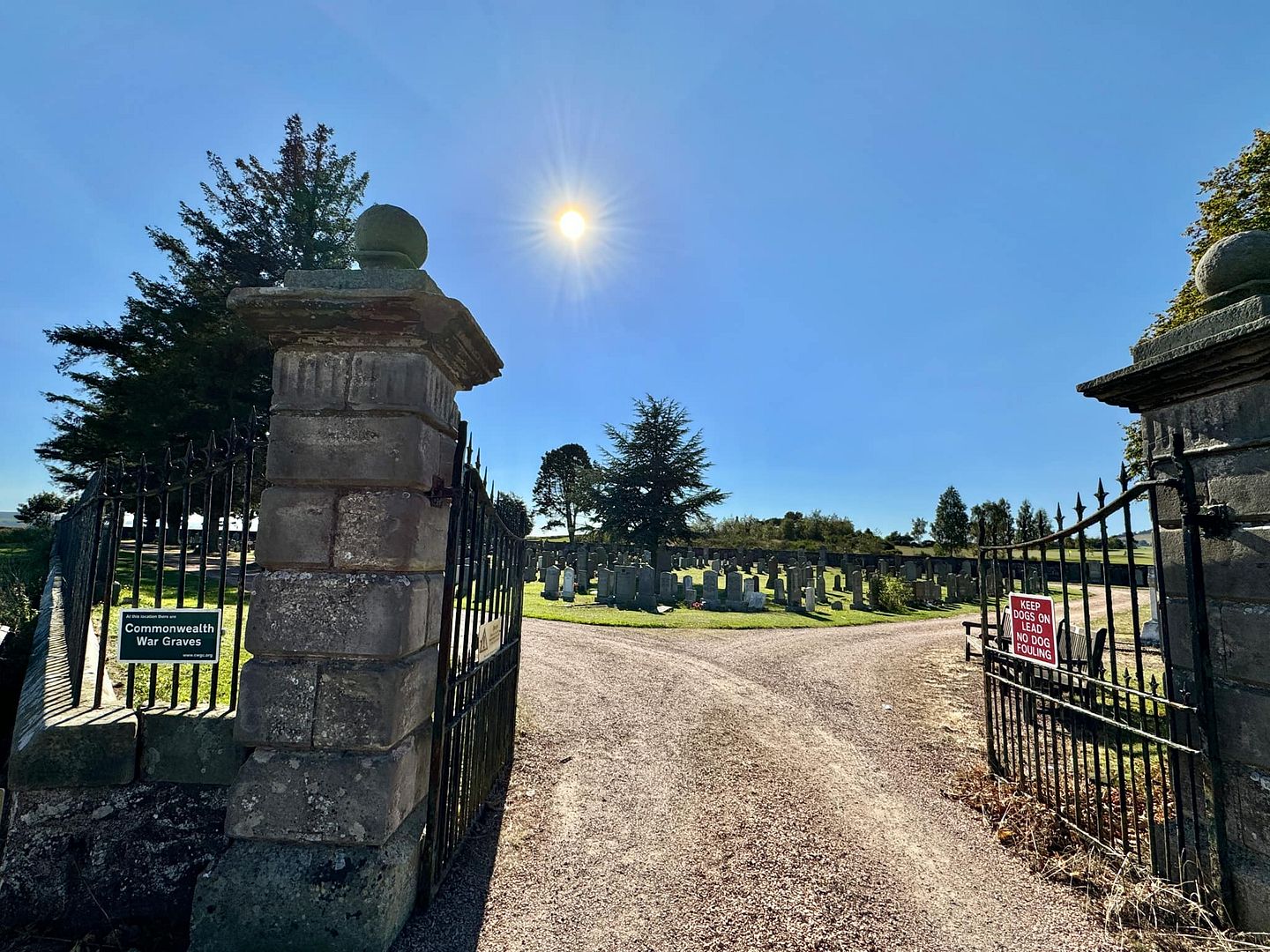
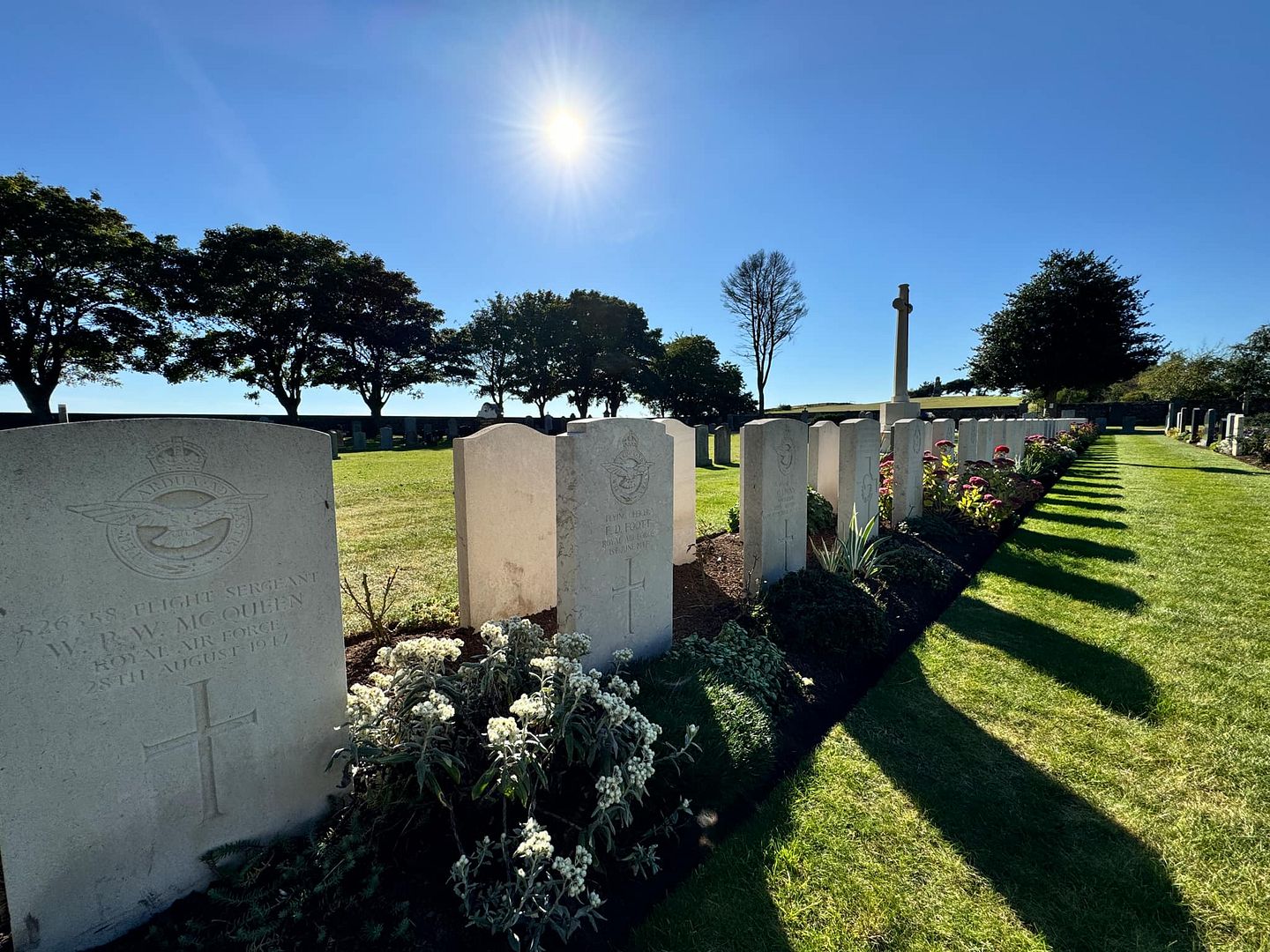
We checked our maps and saw a golf club closer to our lodging for the next two nights and we swung by to see if Josh could get a T-time here, St. Michael’s Golf Club. While Josh talked to someone in the golf shop we walked through the cemetery next door.

With a T-time and the promise of a set of golf clubs to borrow Friday morning we set off to find our home away from home for the next two nights.

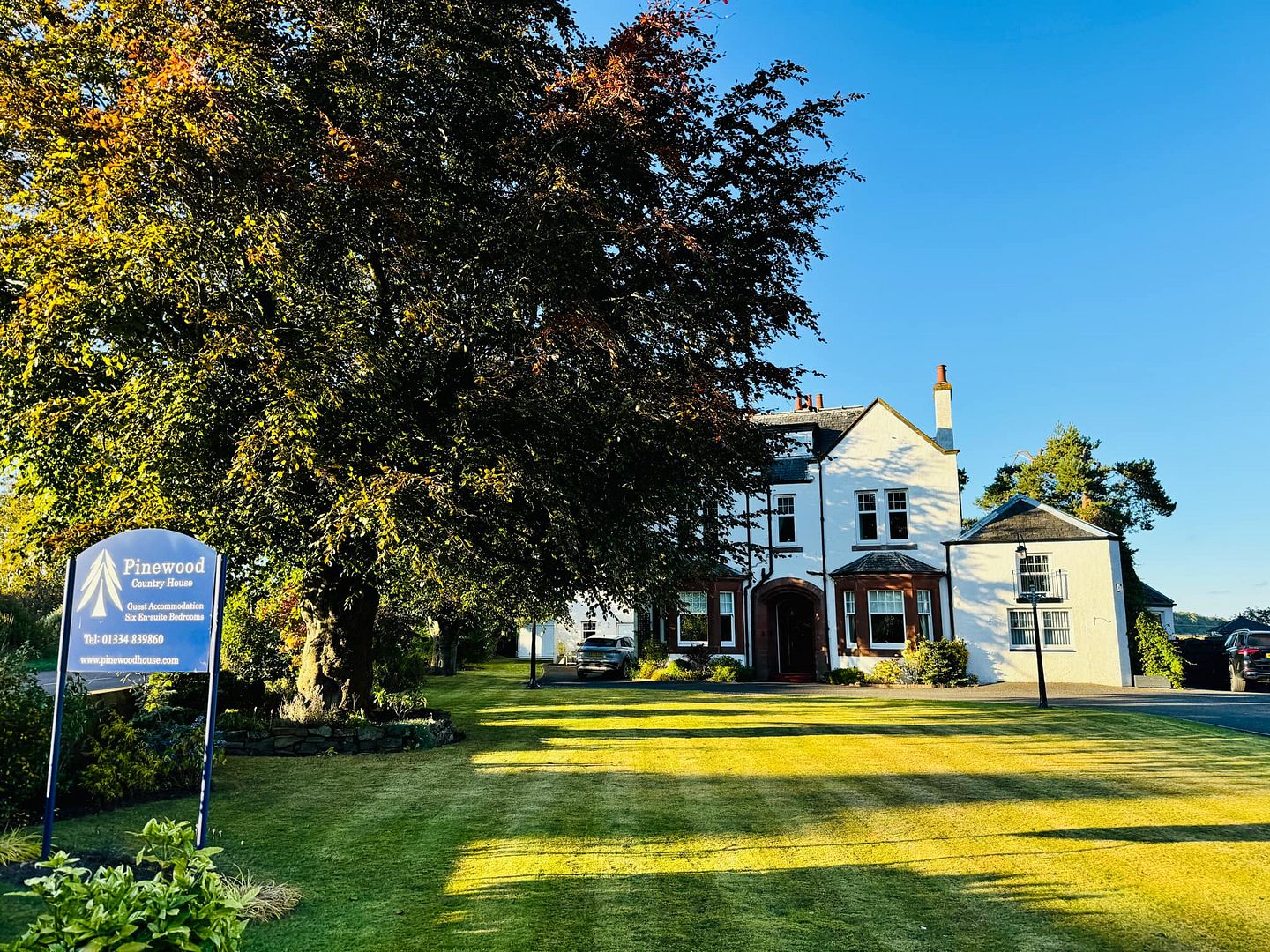
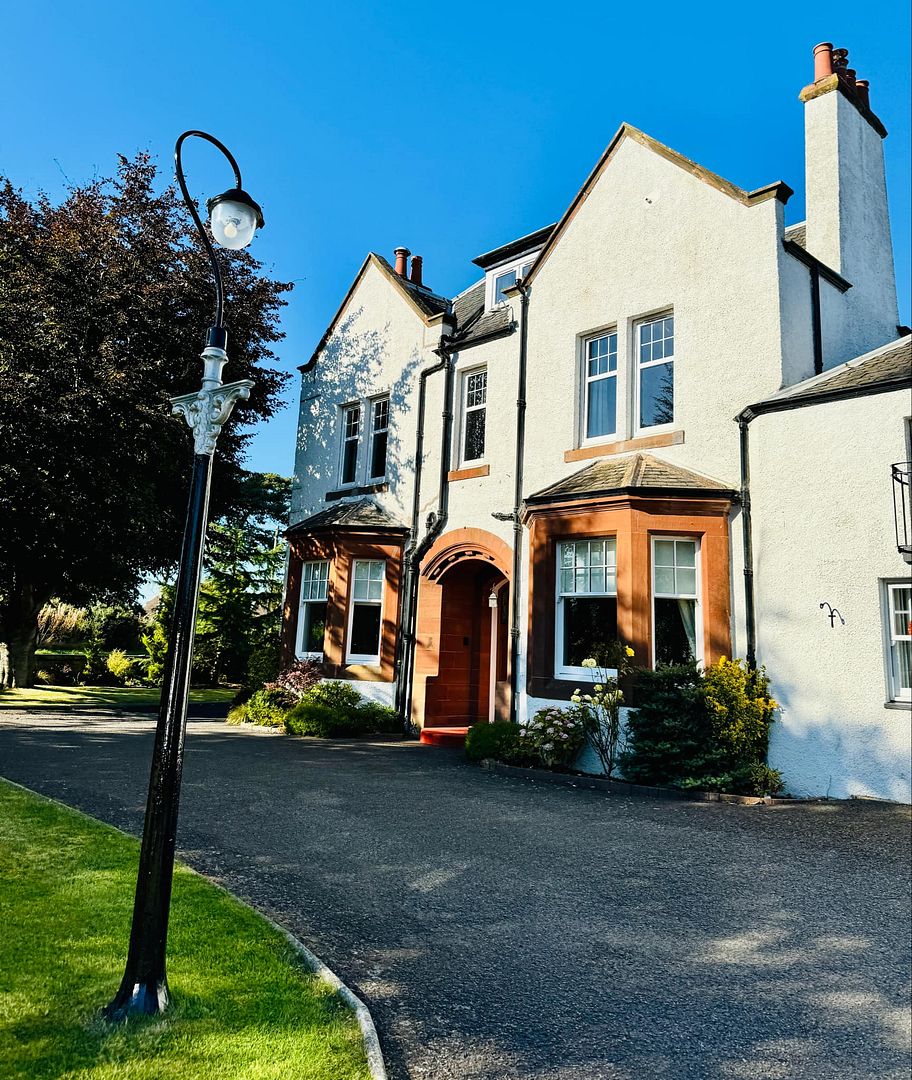
Pinewood Country House was easy to find and it was our favorite lodging of our whole trip. The owners put us up in the Red Squirrel Lodge which was behind the large country home. We chose Pinewood for it’s close proximity to St. Andrews.

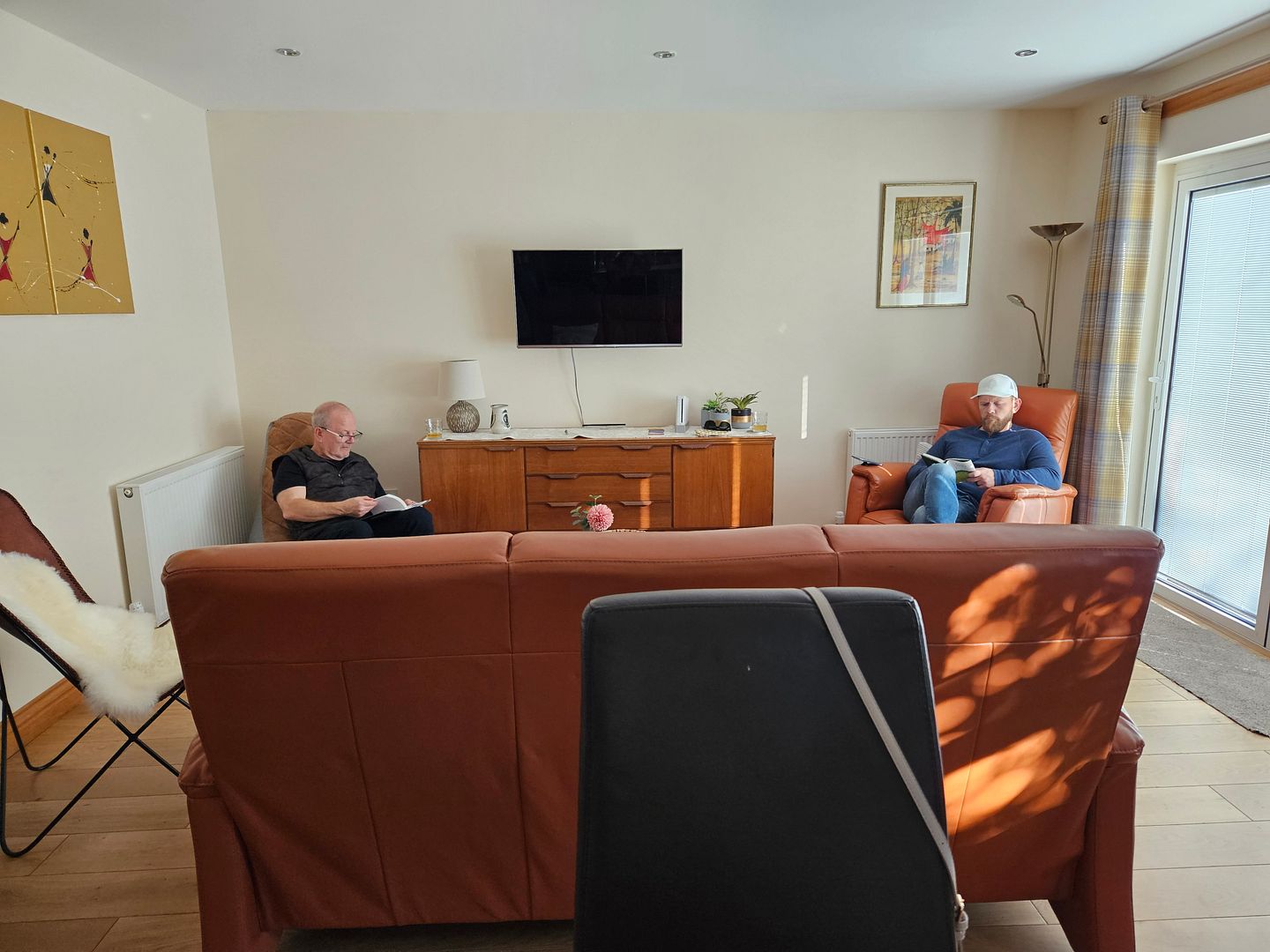
The lodge was two stories with the main living area, full kitchen and a king size room and bathroom and upstairs was another king size bedroom with sitting area and a bathroom. I didn’t take photos of all the areas.

Here is the link to Pinewood and we would recommend staying in the main house or the lodge if you are ever in this area of Scotland.

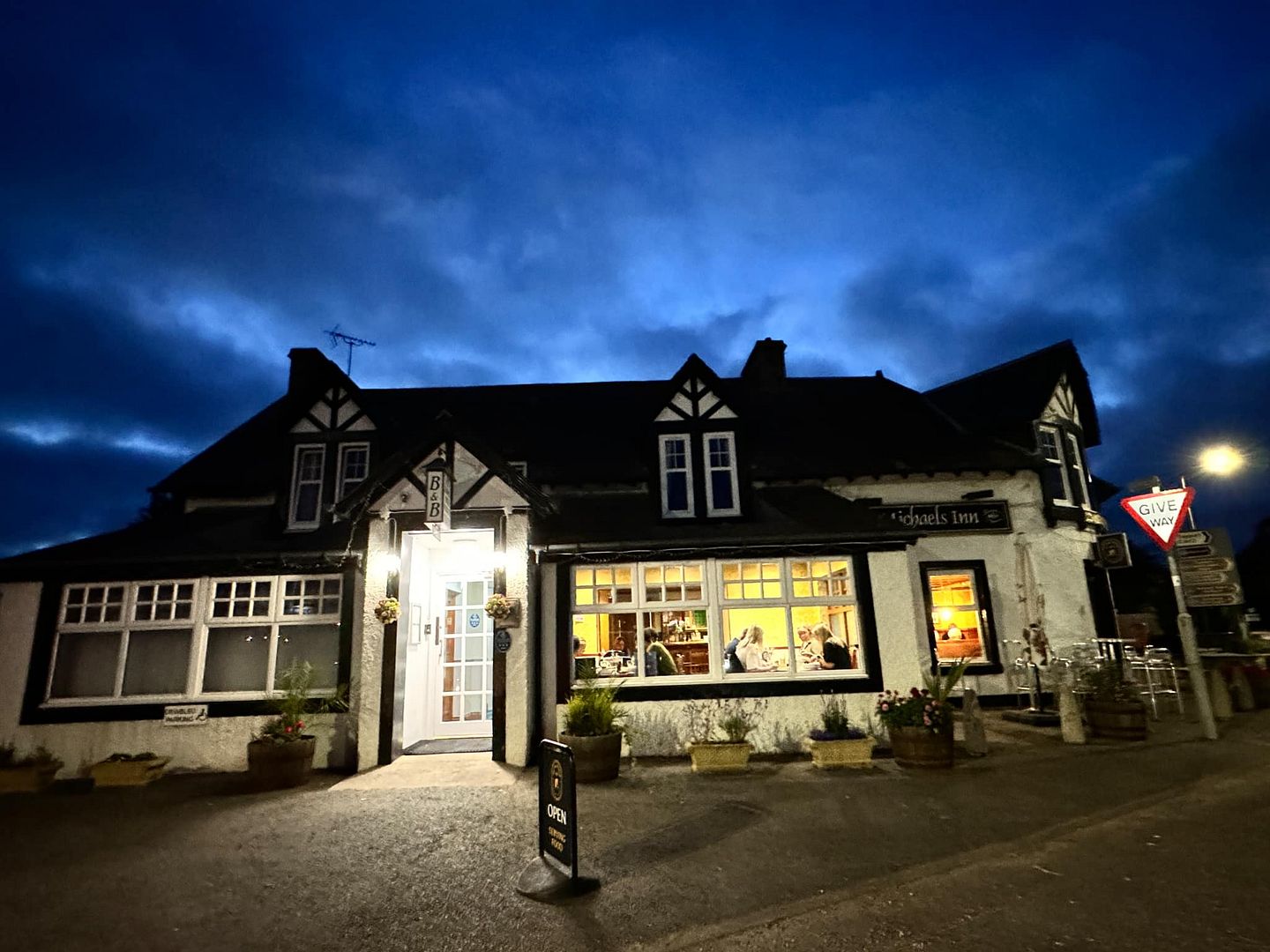
We settled in to our lodge and relaxed until it was time for dinner at the close by St. Michael’s Inn. The owners of the Inn were having dinner at the same restaurant this evening celebrating their anniversary. We didn’t have reservations but slipped in under the radar and had a nice meal despite a hectic start because of some kitchen issues.

After dinner we drove into St. Andrews to find a grocery store to pick up a few items for our next couple of days.

Thursday was another picture perfect blue sky day for us. You can see in the last photo some clouds forming. Friday would be a full day with golf and ruins as the theme in St. Michaels and St. Andrews.

We were again thanking the LORD for taking such good care of us in our travels.

Scotland Travel Journal ~ Stonehaven

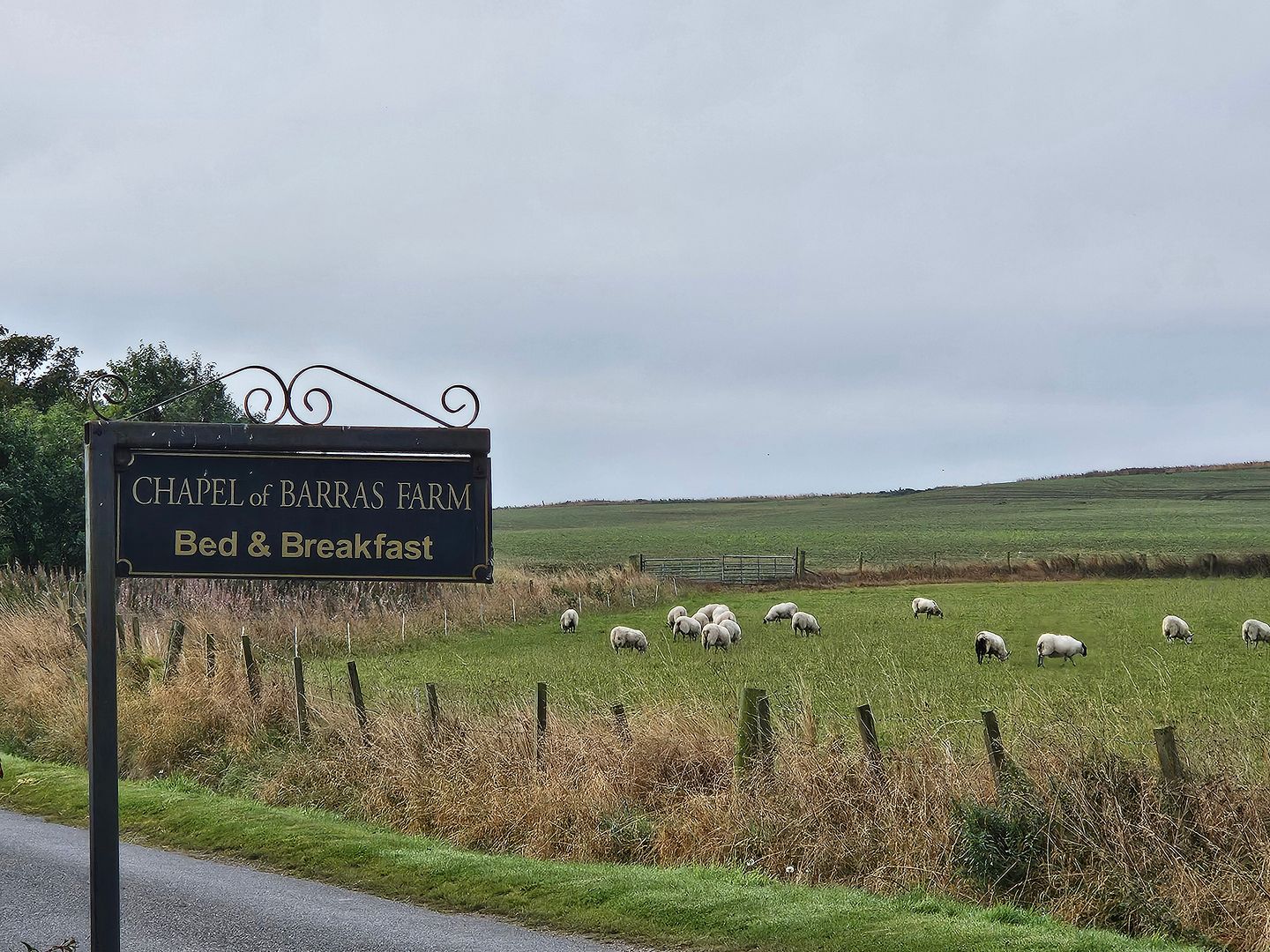
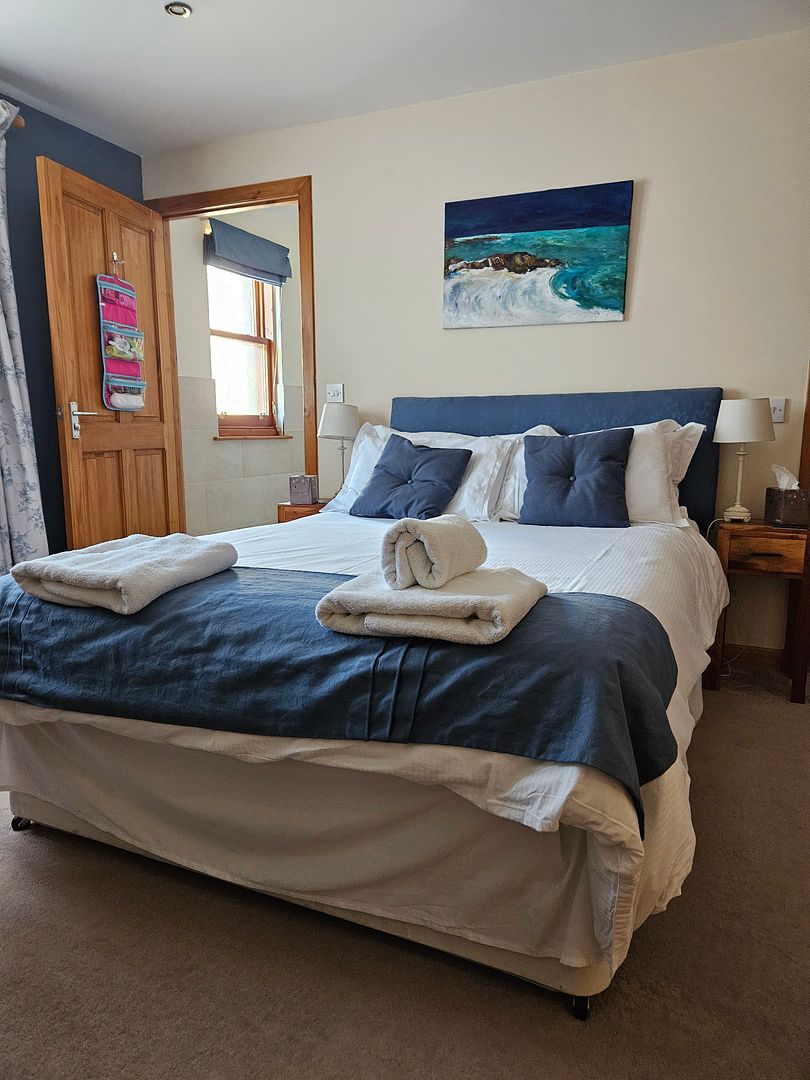
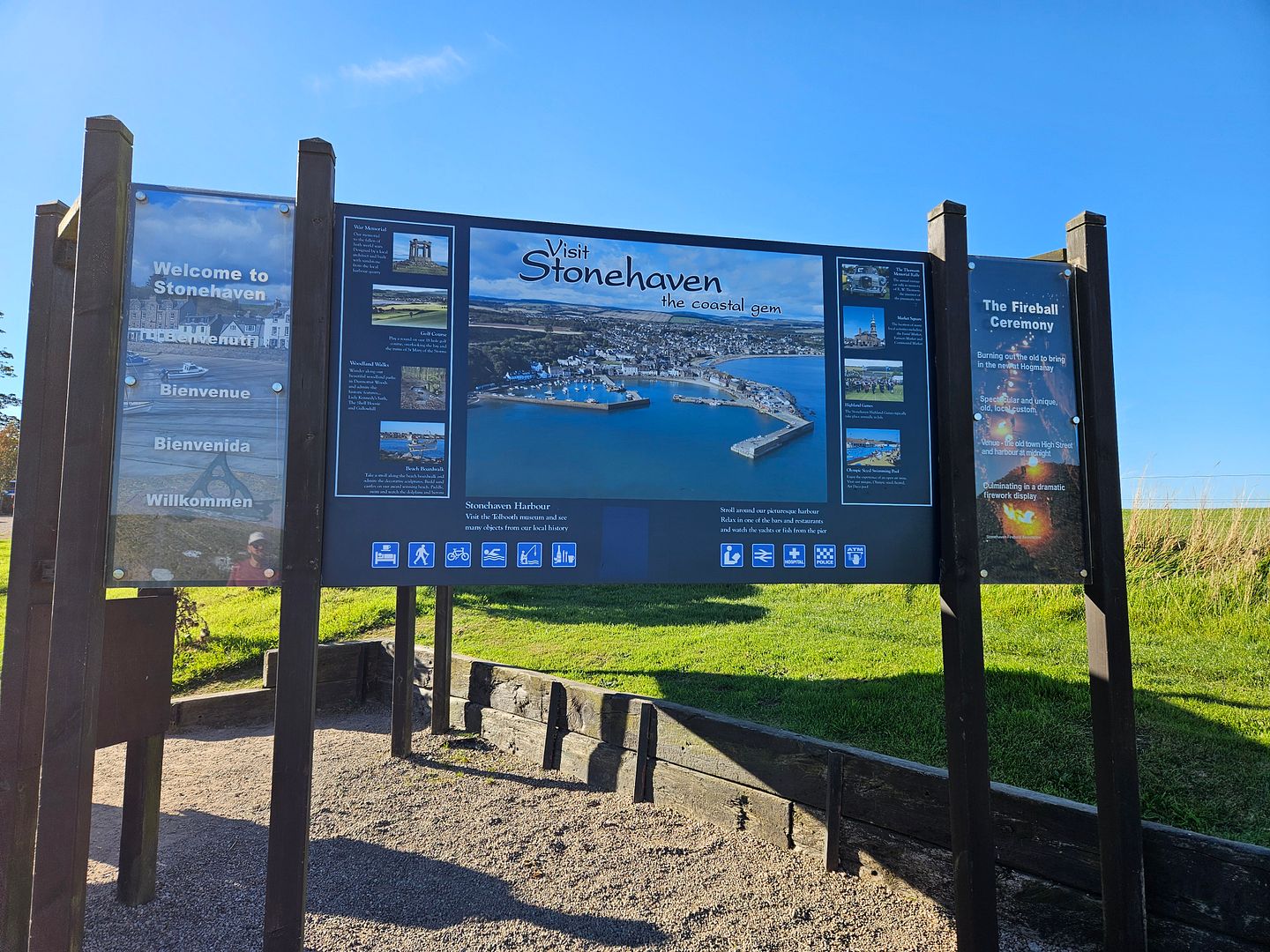
After our time at Dunnottar Castle we found our B&B just 6 miles south and checked into our rooms. Before we set off for Scotland, we had some recommendations for places to visit and for restaurants in Stonehaven. Our B&B hosts recommended the same restaurant so it was confirmed where we would have our evening meal. Truth be told, there weren’t many restaurants to choose from.

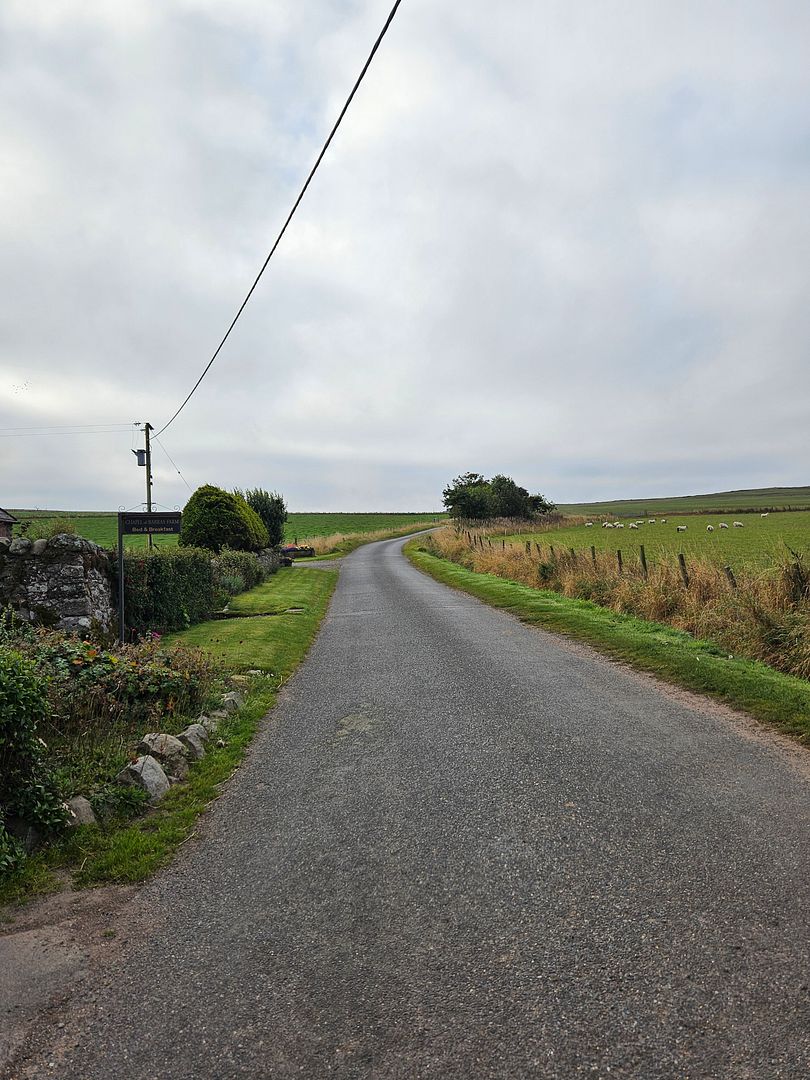
We would highly recommend Chapel of Barras B&B if you find yourselves in this part of Scotland.


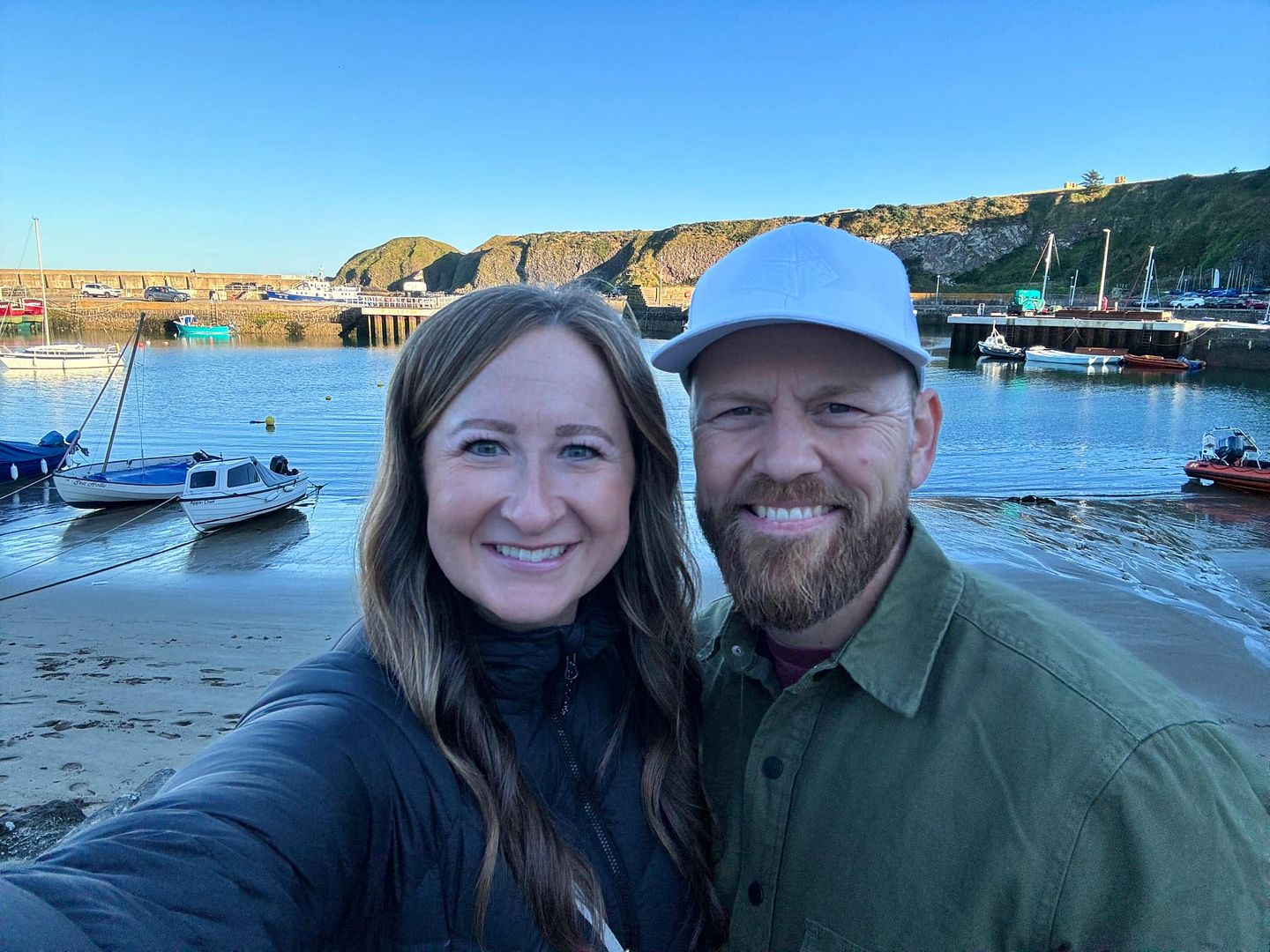
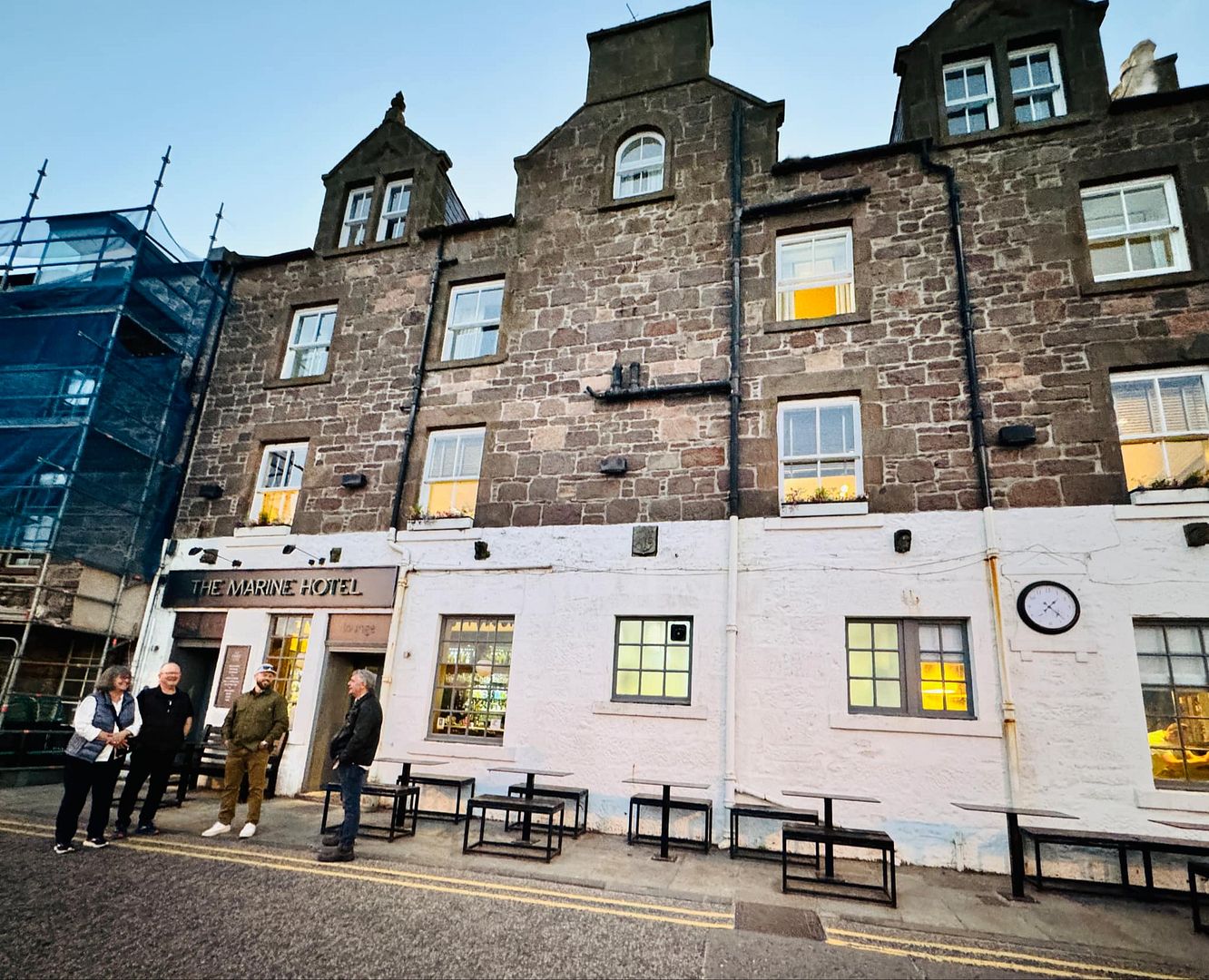
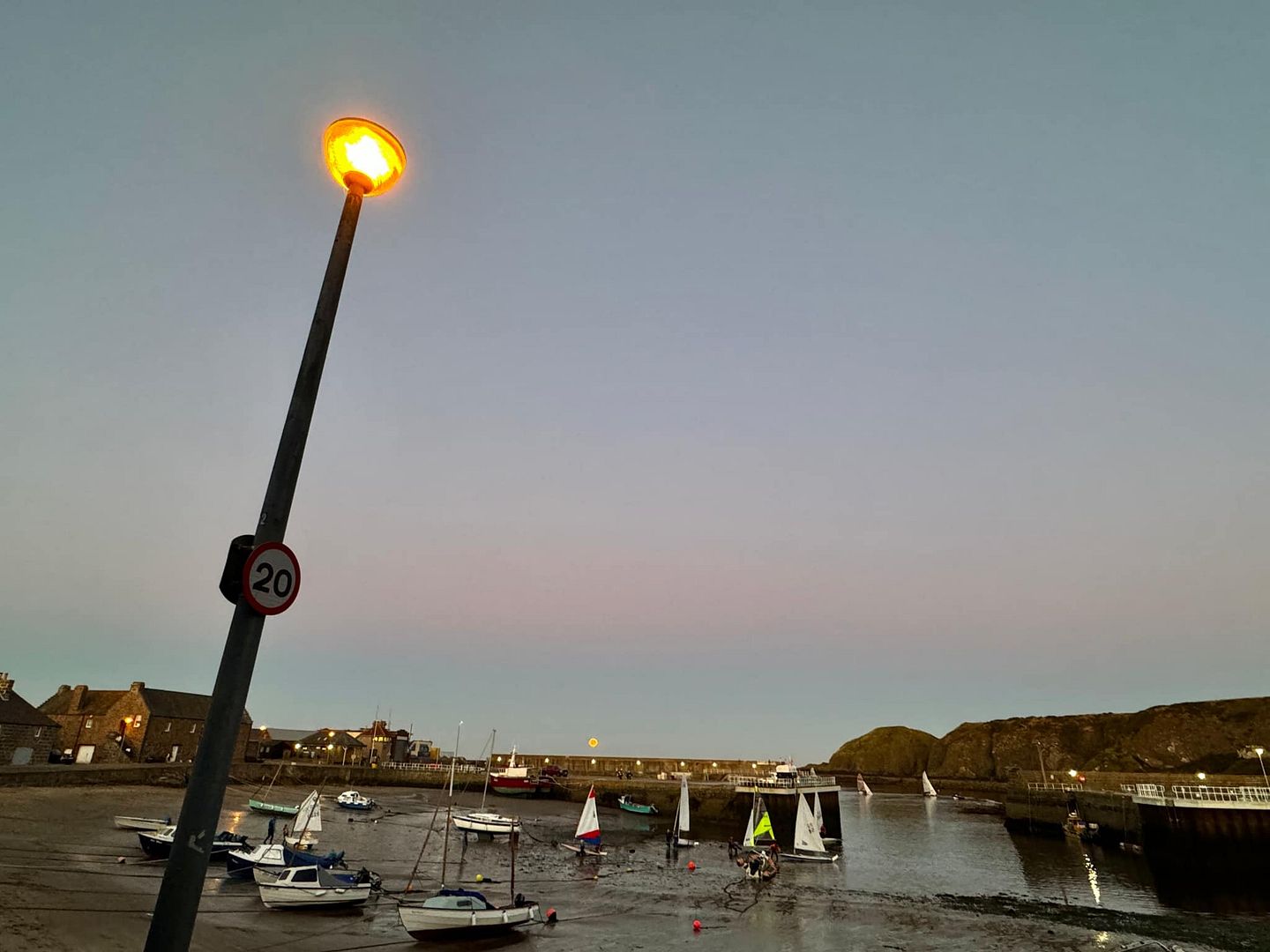
We arrived before dinner service started so while Greg and I sat in the downstairs lounge area of the restaurant, Josh and Laura checked out the harbour.

Still enjoying the need for sunglasses on this great weather day!

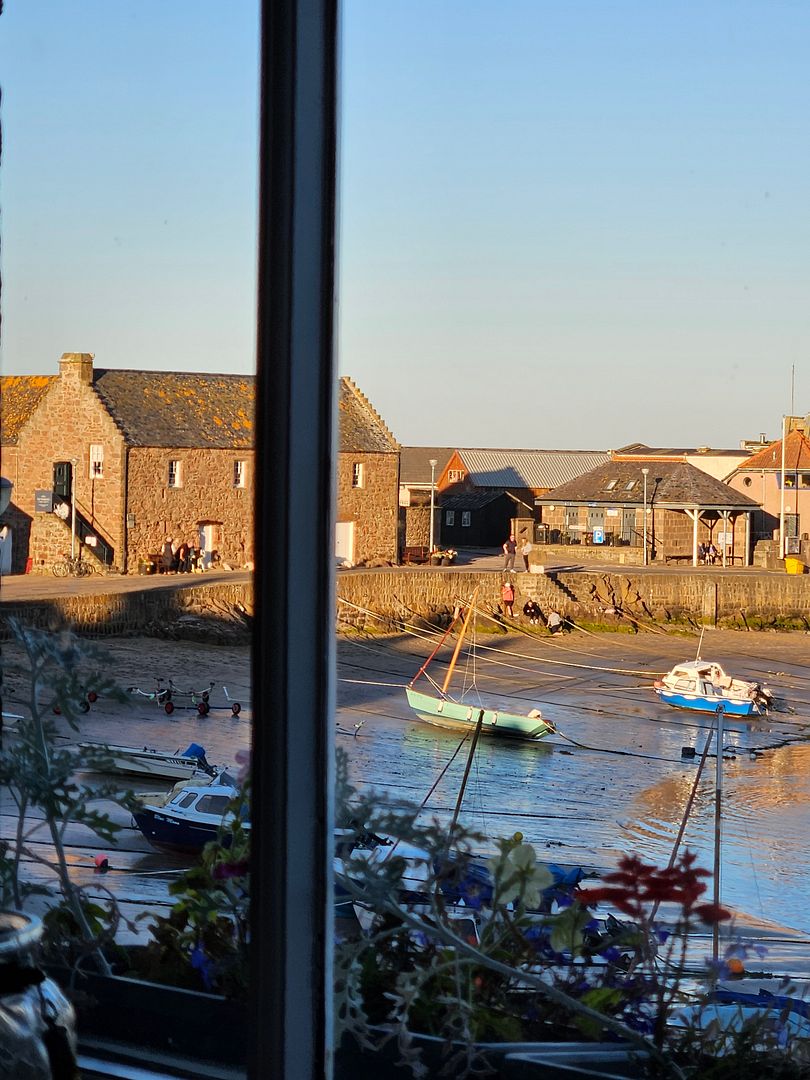
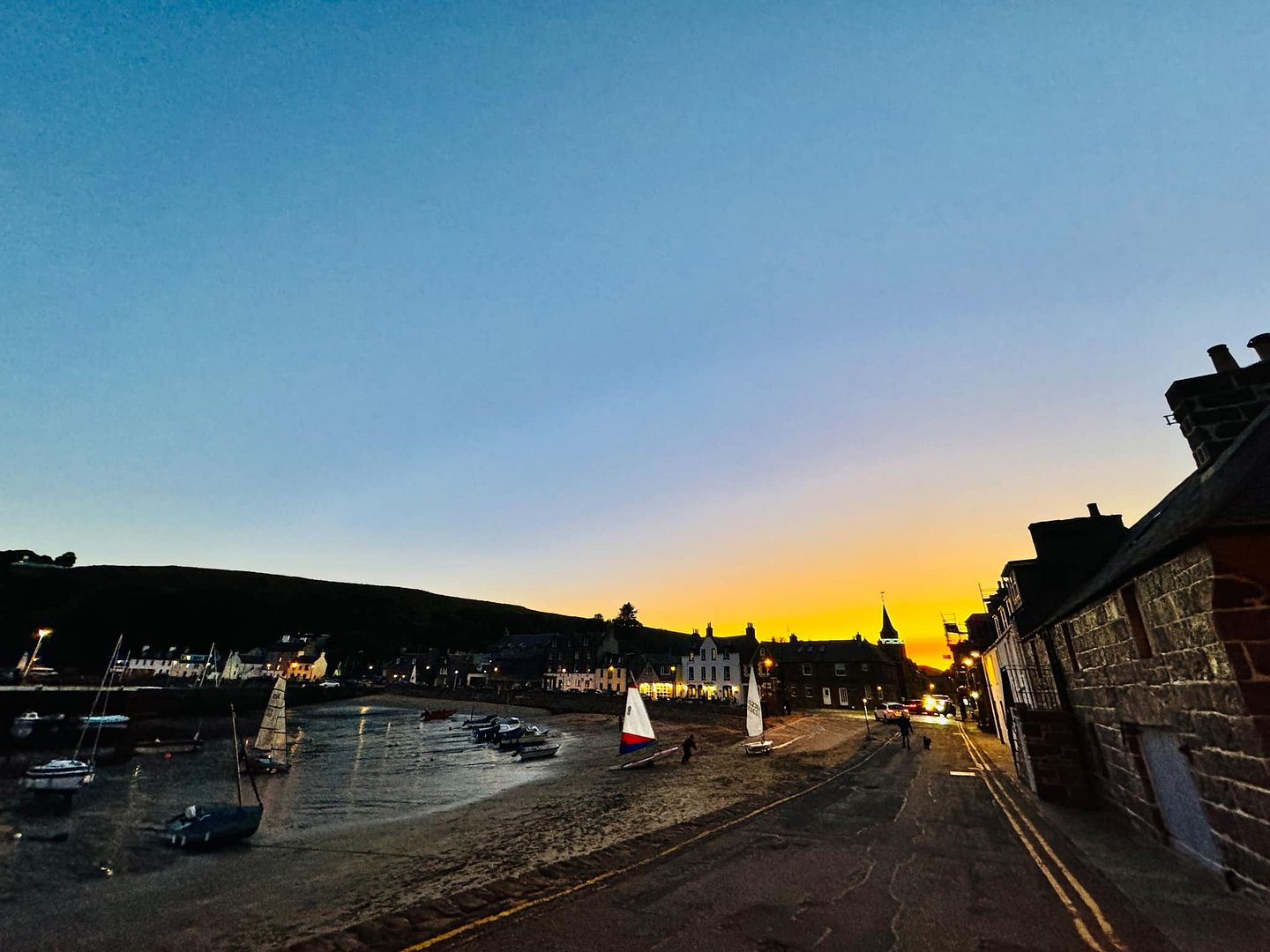
Another shot as the sun was retreating.

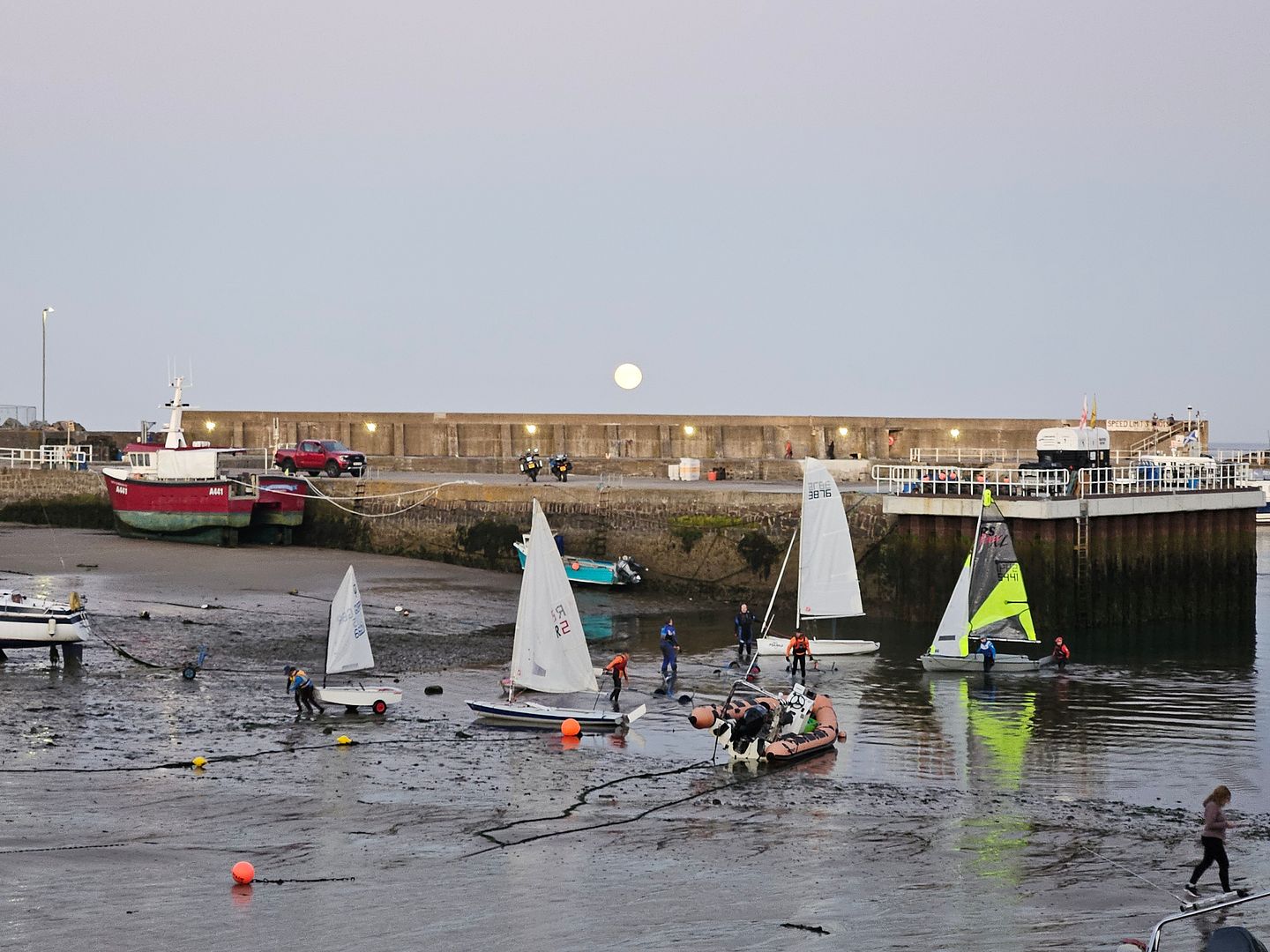
We could see the tide going out during our dinner time upstairs.

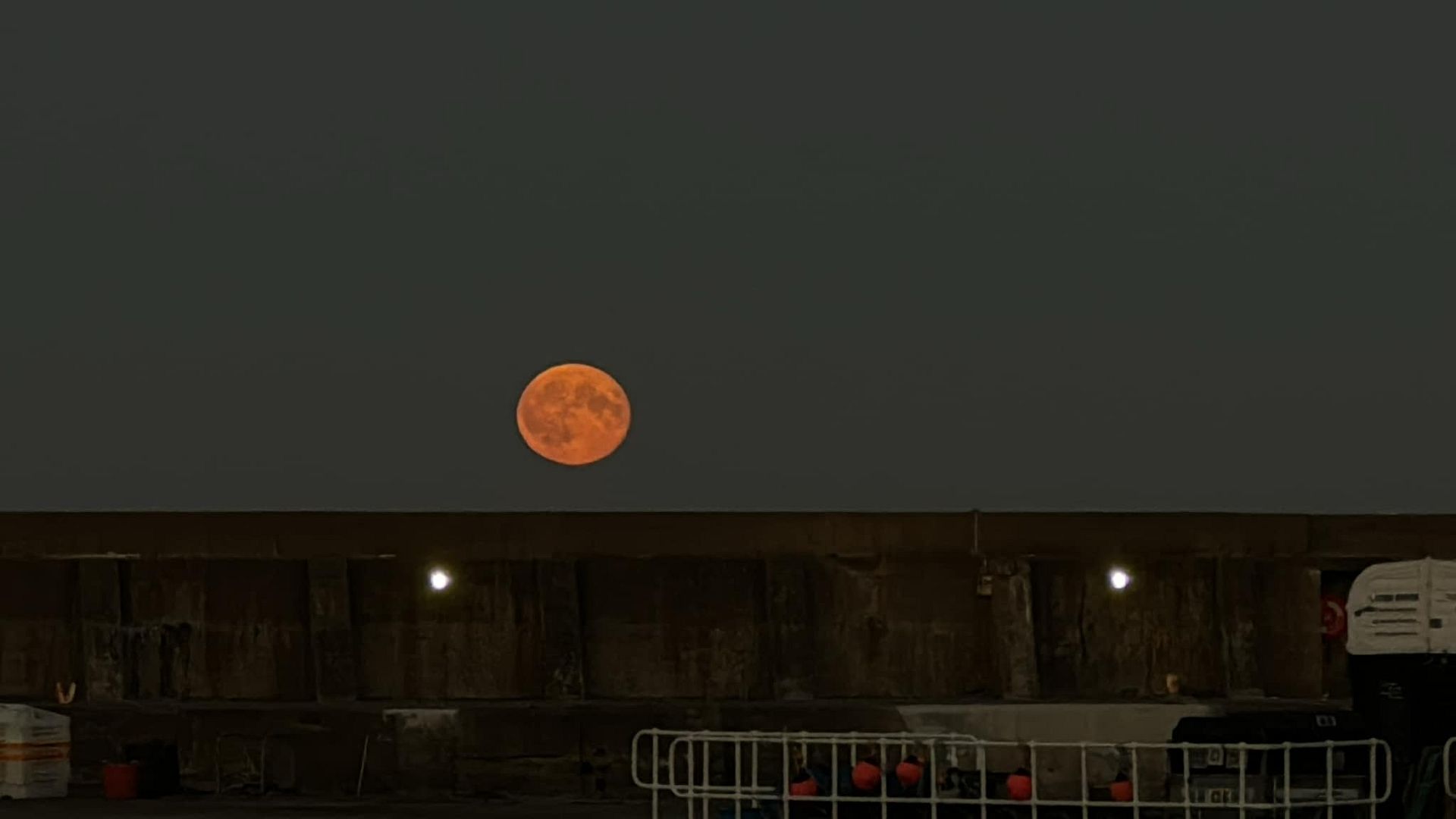
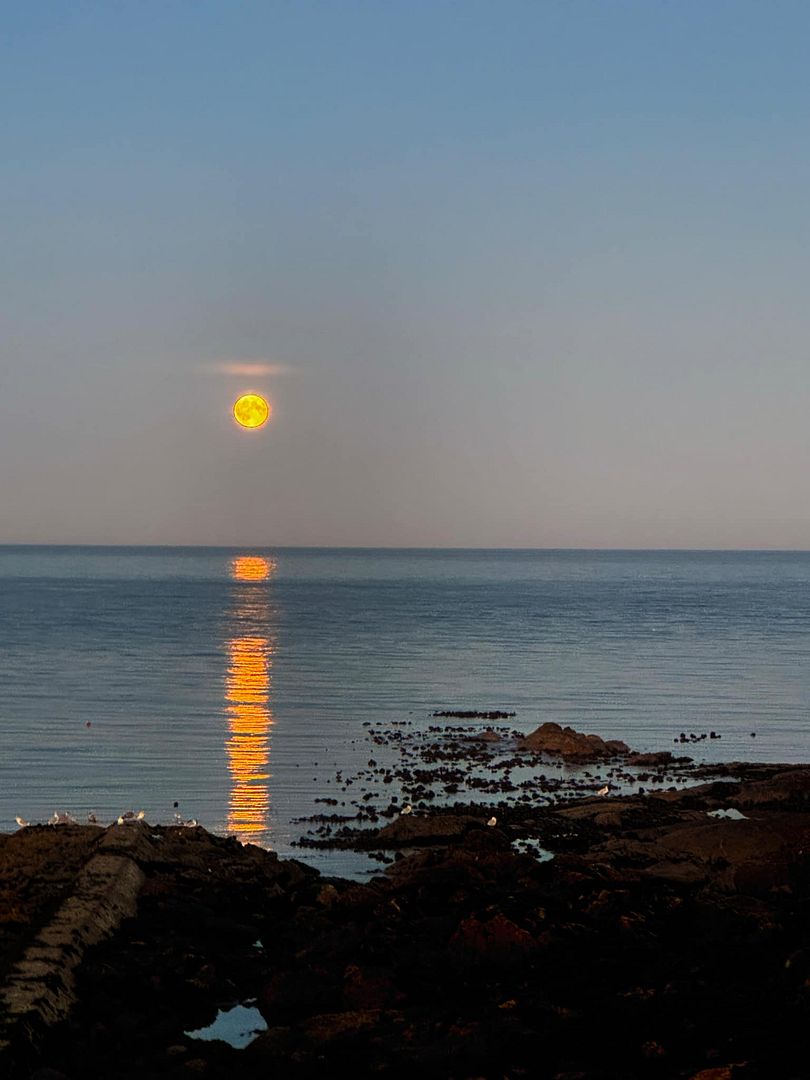
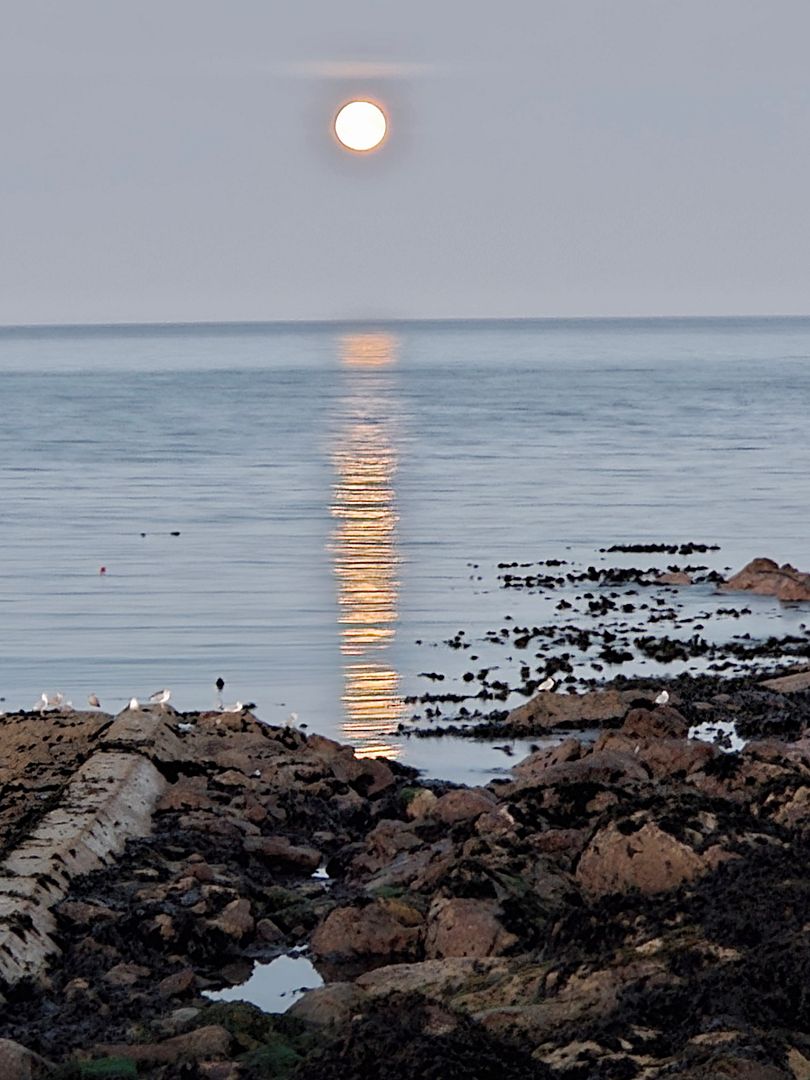
Here comes the moon…

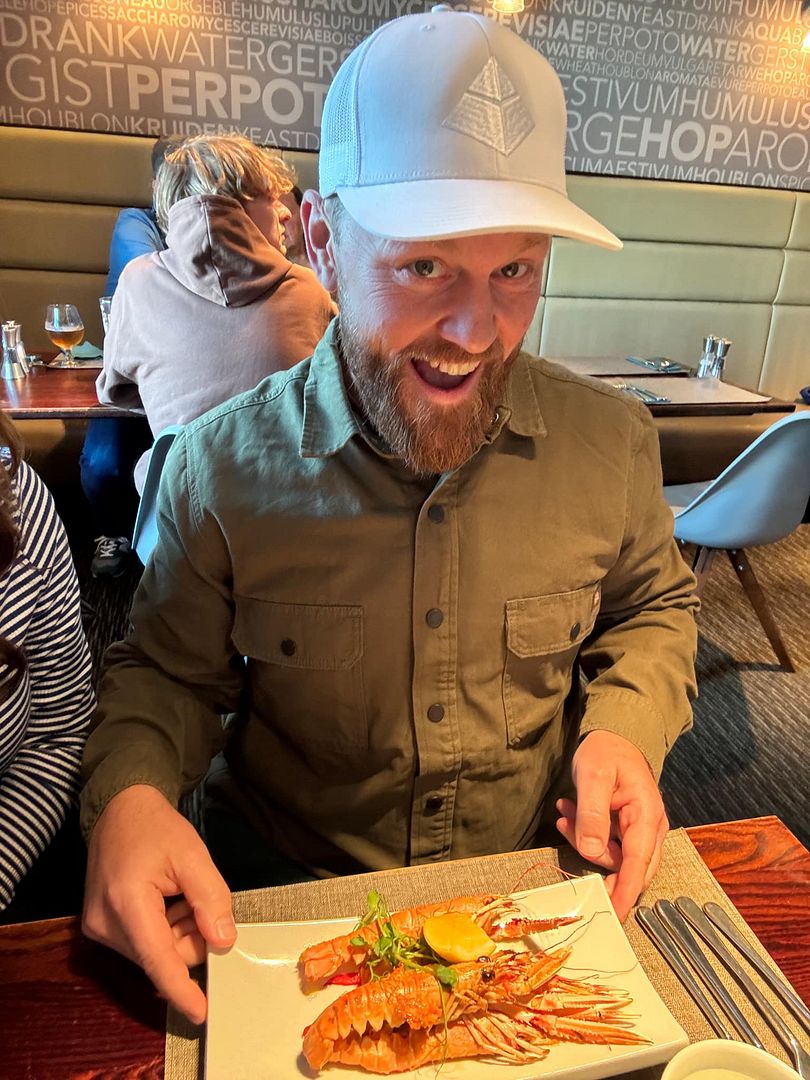
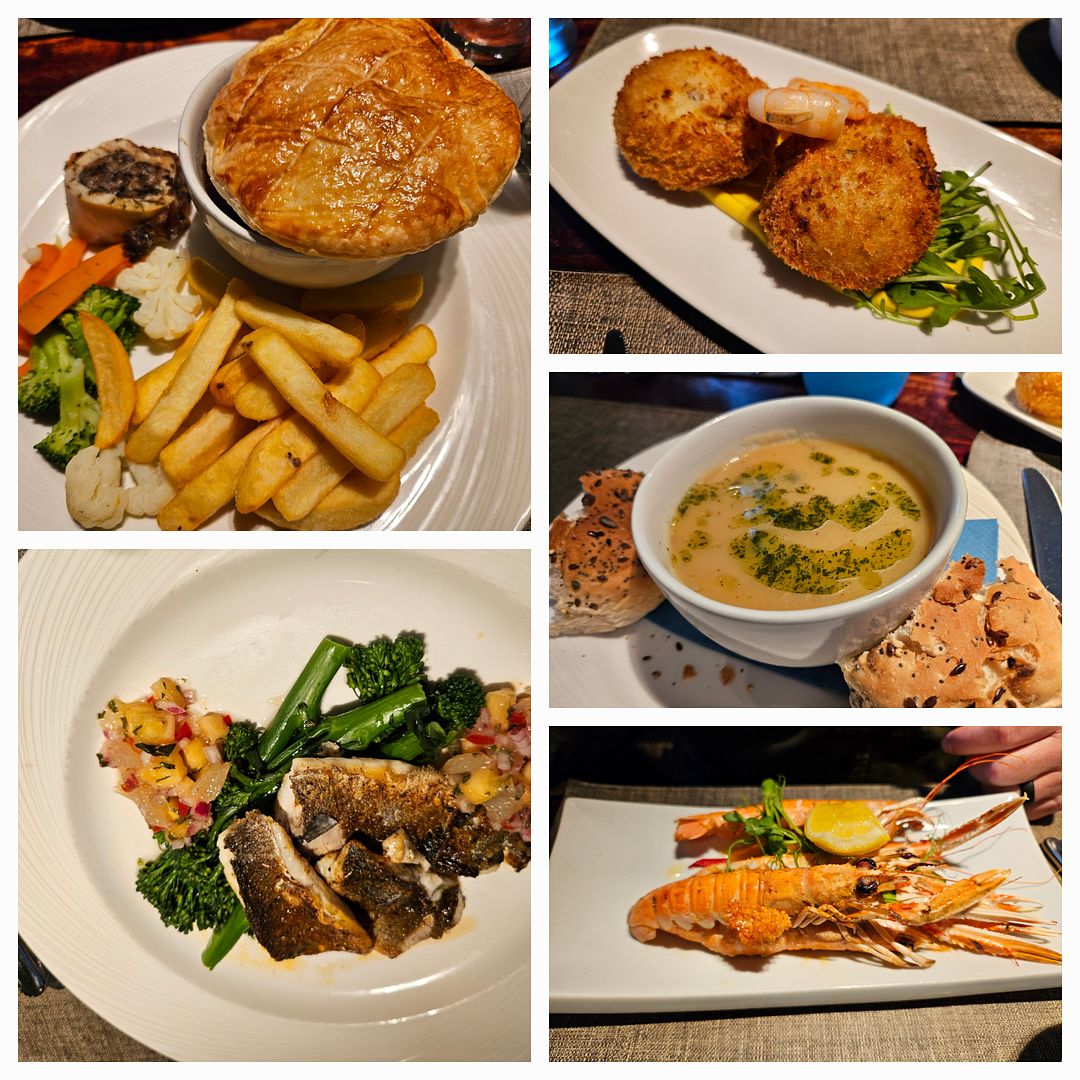
Time to eat and try some new things.

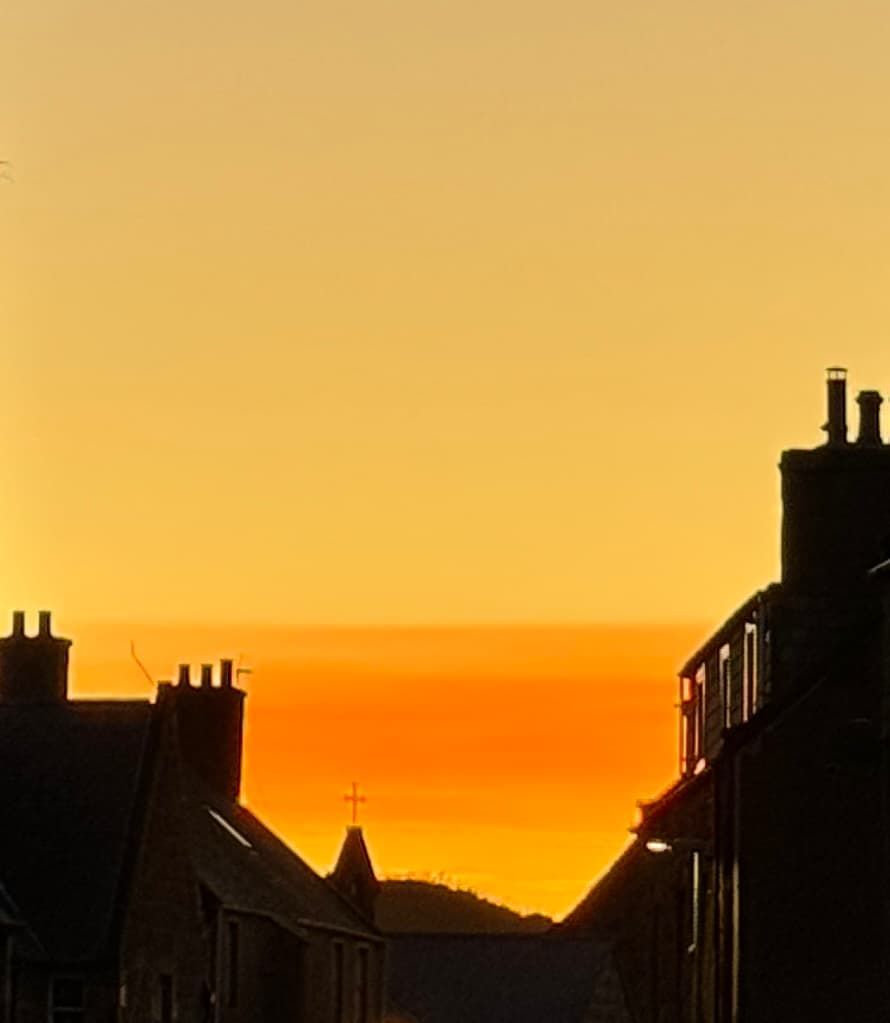
After dinner we enjoyed conversation with a local and then had some time for taking in the gorgeous moon and sunset as we walked along the harbour.

Goodnight to a long day on the road. Wednesday September 18th was complete. On Thursday we were heading south with some stops before our next destination in St. Michaels.

Hometown Love Hodgepodge


After today, there are only 5 more Wednesdays in 2024 and the last Wednesday of the year is Christmas! Thank you, Joyce, for the Hodgepodge Questions again this week!

1. What was your favorite part about growing up in your hometown? 

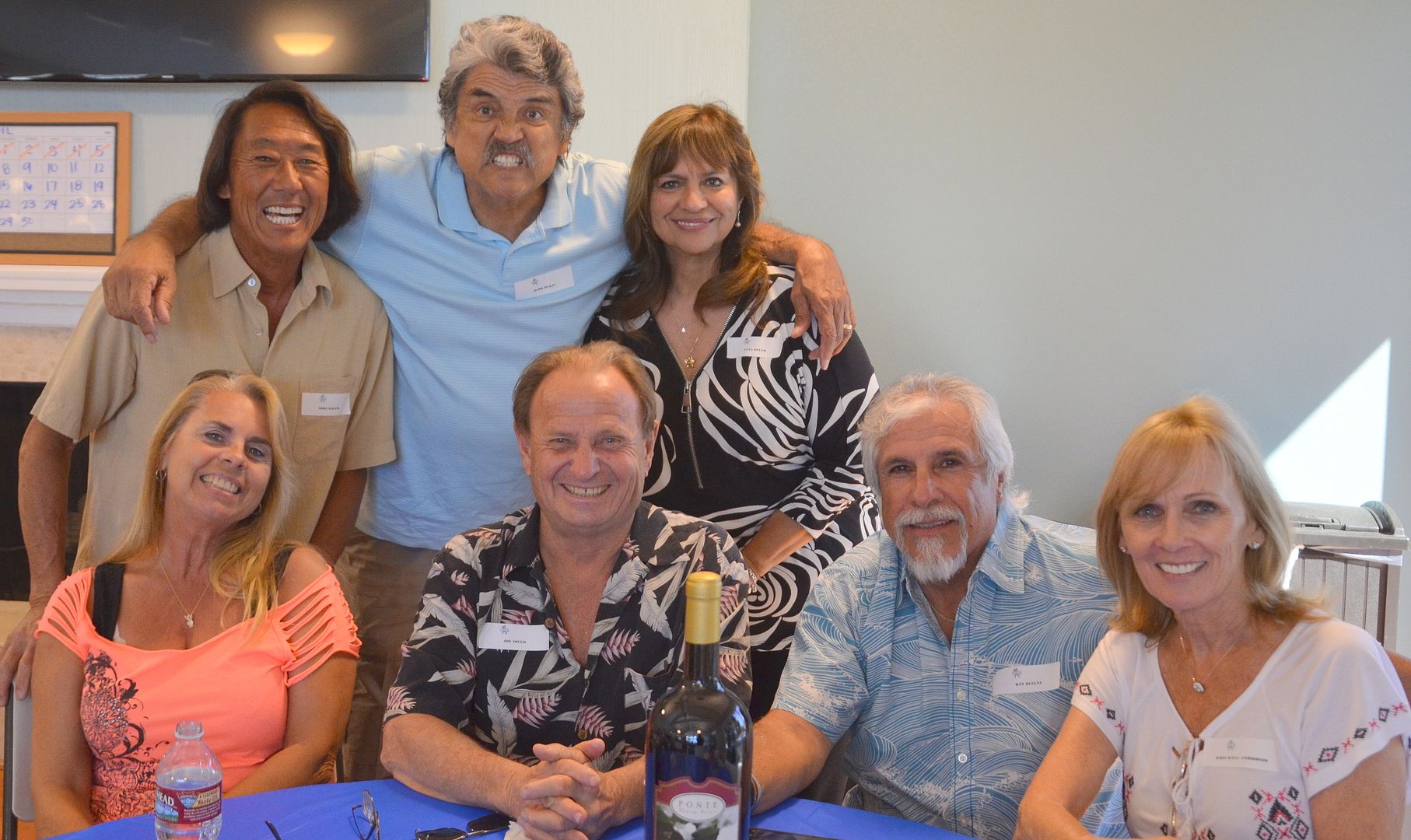
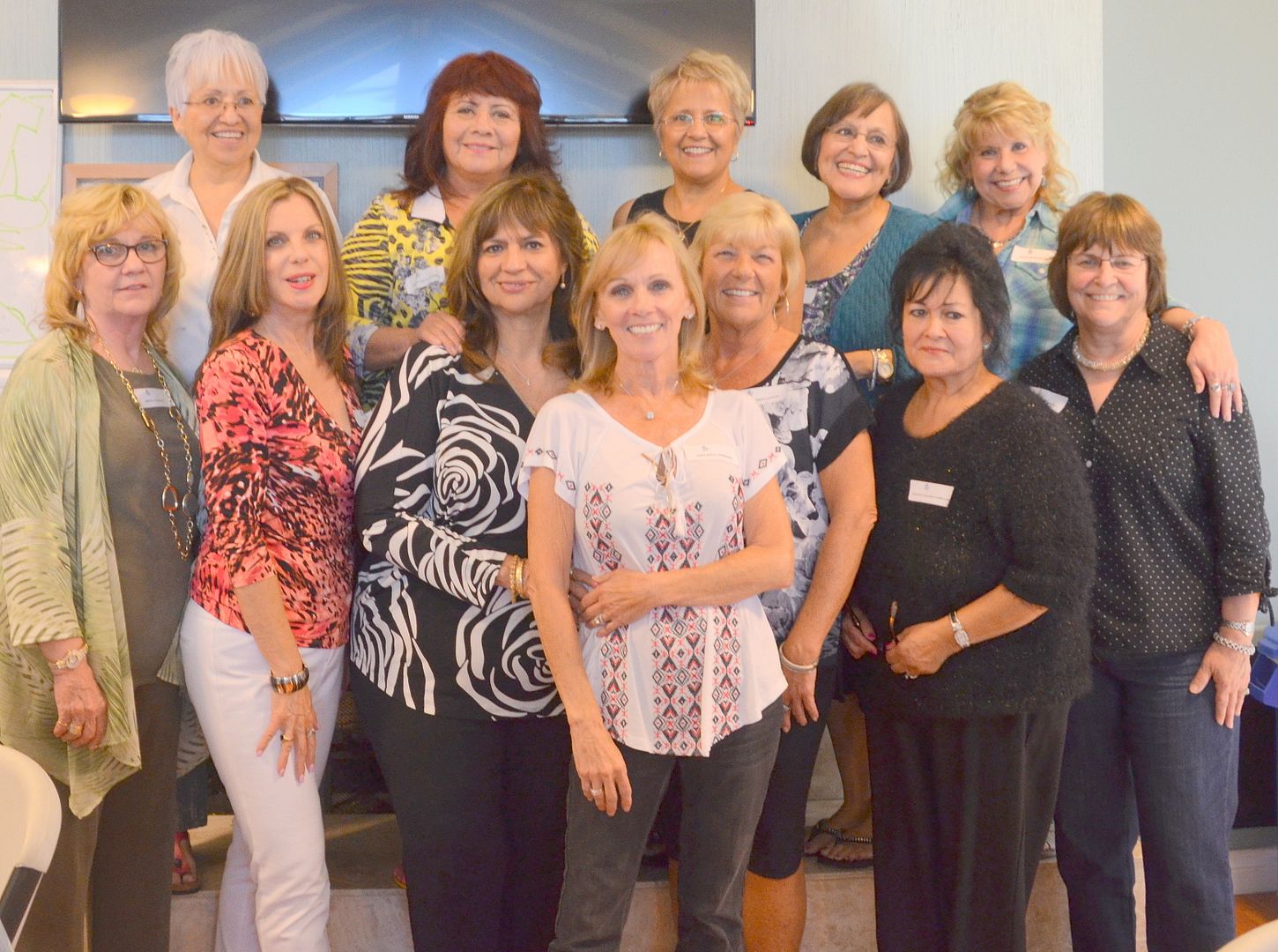
My hometown was a melting pot of people from many cultures that opened up my eyes to the world. Besides friendships with other Russian-Americans like myself, there were many Mexican, Jewish, Japanese, and Armenian Americans in my friendship circles. The photos are from a mini-reunion with some high school friends.

2. Do you prefer ‘material’ gifts or ‘experience’ gifts? If you answered experience, tell us about one you’ve received and truly enjoyed. 

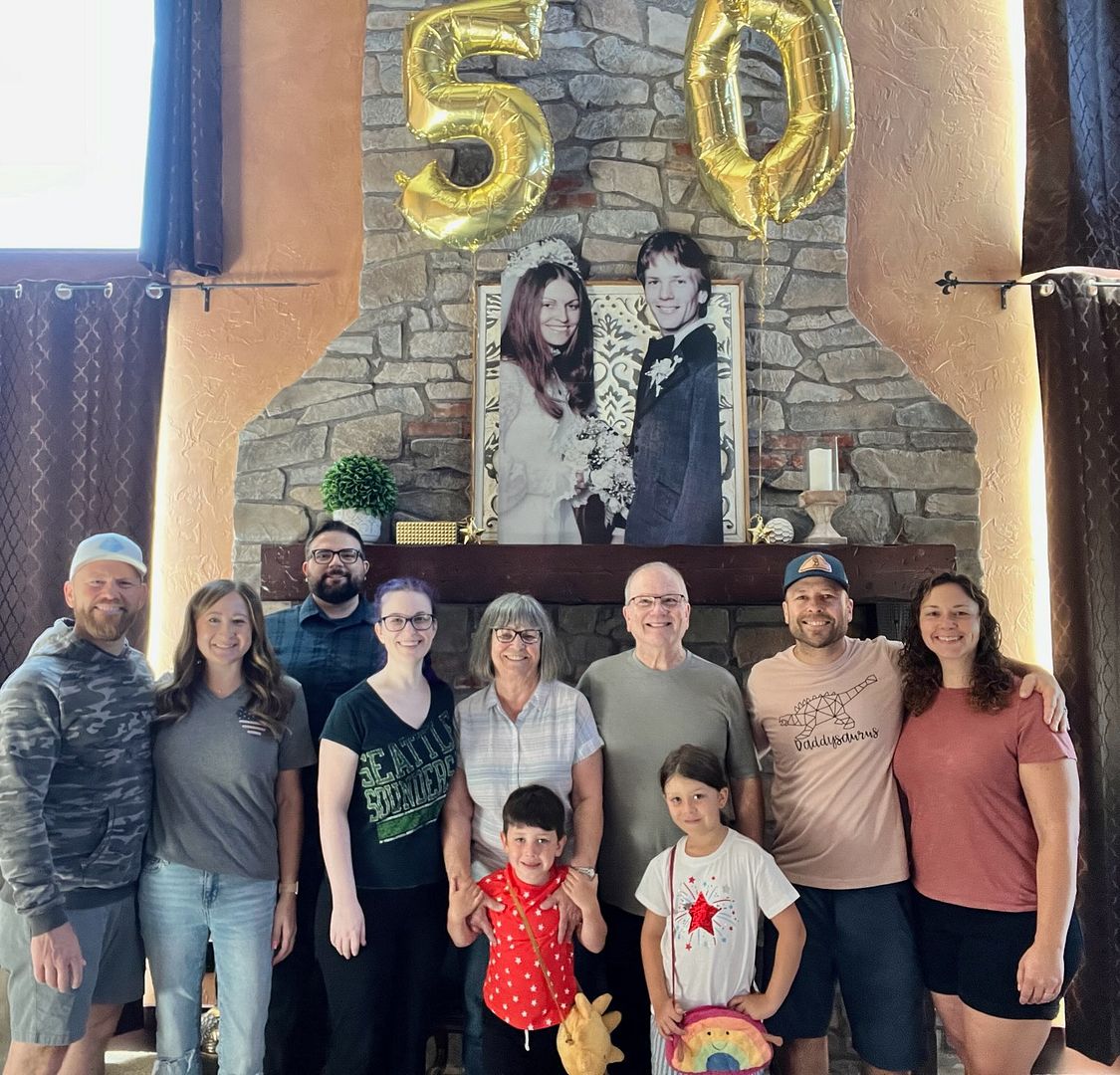
At this stage of life I’ll say the experience gifts are the best! The gift of our whole family being together is always so so good. Our 50th Anniversary weekend in Walla Walla with all our kids and grands and our Scotland trip with our oldest and our dear DIL were priceless!

3. Is brown a color featured prominently in your home decor? Your wardrobe? What’s a favorite brown thing you own? Of the brown foods listed here which one is your favorite and/or most often consumed… brown sugar, brown rice, pretzels, coffee, dates, cloves, German chocolate cake, whole wheat bread?

Shades of brown do play a dominant roll in our home especially since all of our wood furniture and chairs and sofas are brown. Our walls are Khaki Shadow. As far as foods go, it’s coffee for me.

4. Which ‘Charlie Brown’ character do you relate to most? If you’re not sure, you can take a fun quick quiz by clicking here-Which Charlie Brown Character Are You?  or the one found here-Charlie Brown Quiz. I got the same answer on both. 

I got Linus and Marcie and I’m really not an introvert. I don’t need a security blanket, either. 🙂

5. What’s a favorite item you’ve purchased this year? 

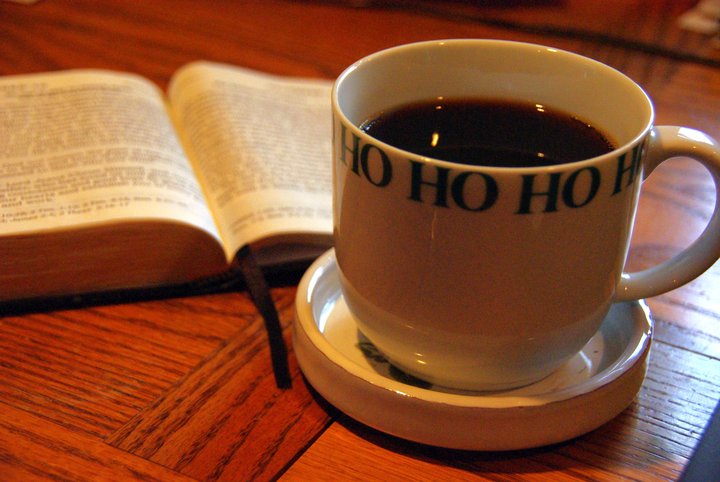
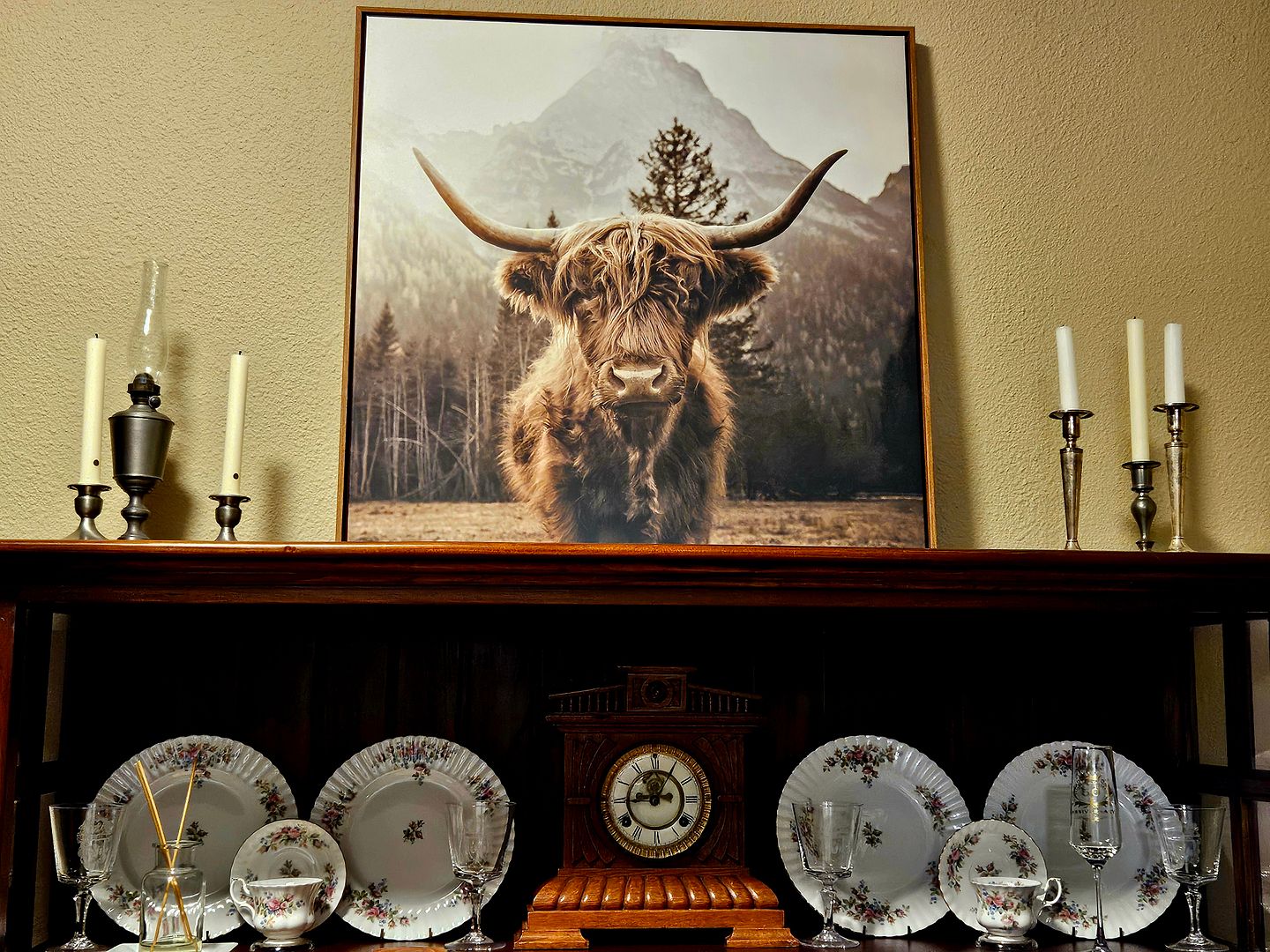
This ‘Coo’ print we picked up at Hobby Lobby to remind us of our Scotland travels is a favorite. This Highland Coo puts a smile on my face each morning as I walk from our bedroom to our living area for my cuppa black (dark brown) coffee!

6. Insert your own random thought here. 

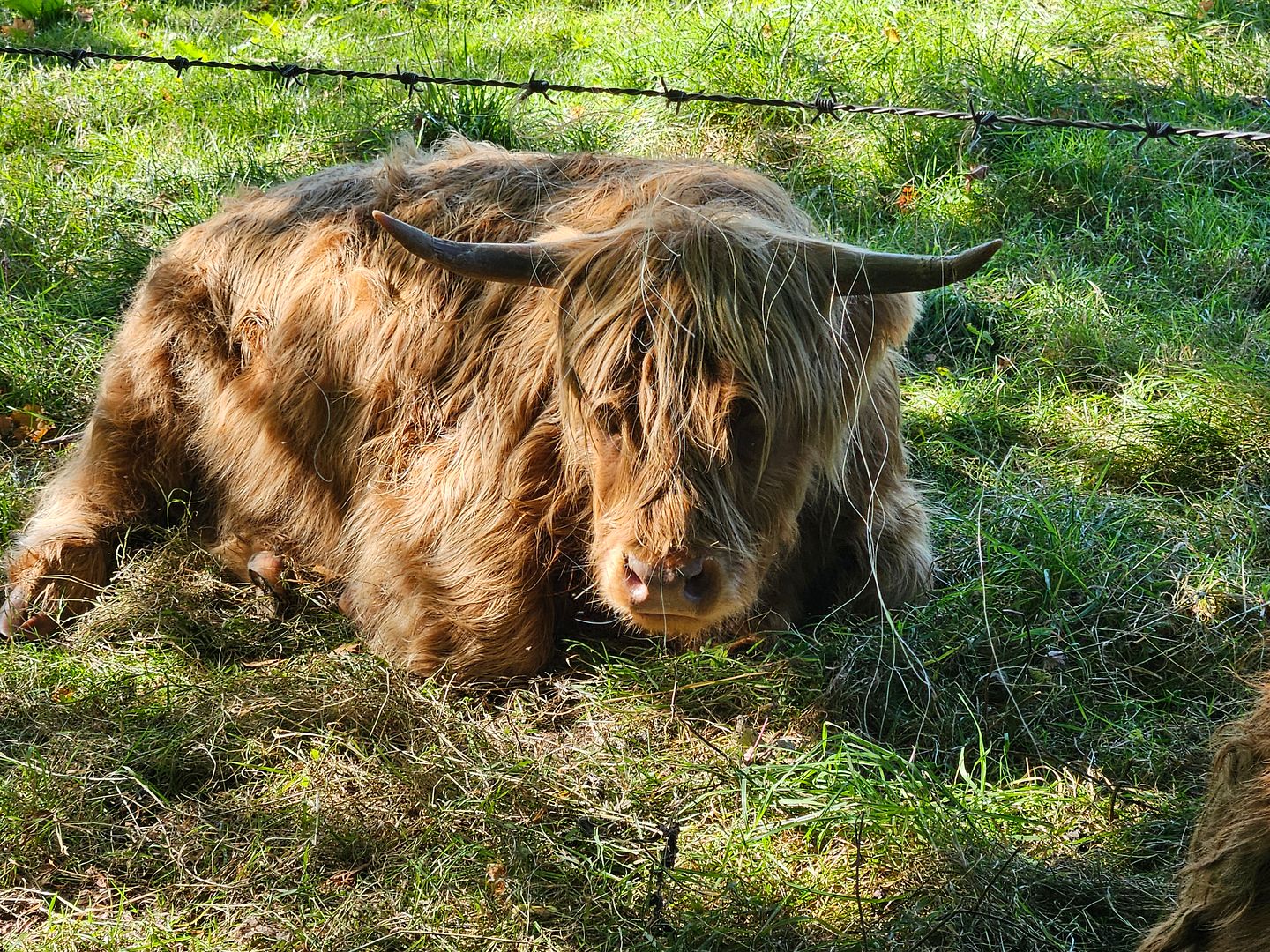
Here’s a real Highland Coo…

This one is a baby.

Thank you to all who visit here and double thanks for leaving a comment.

Scotland Travel Journal ~ Dunnottar

After lunch at the Flying Stag in Braemar we continued east on the A93 to a slugroad for a coastal route that would take us to Dunnottar Castle. GPS is a wonderful thing.

The history of Dunnottar castle can be found here. I also found more of it’s history here that I’ve quoted below.

Perched atop a 160 foot rock and surrounded on three sides by the North Sea, these dramatic and evocative cliff-top ruins were once an impregnable fortress of the Earls Marischal, once one of the most powerful families in Scotland.

Scotland has some magnificently located castles. Think no further than Stirling Castle or Edinburgh Castle, both built on top of rocks that allow them to dominate the landscape for miles around. But if we had to pick just one to trust with our lives in a time of great danger then it would without any doubt be Dunnottar Castle. No other Scottish castle comes close in terms of a sense of sheer brooding impregnability. This is a castle which looks across to the nearby coastal cliffs and whose presence, even today, conveys a very simply message: “Don’t mess with me.”

At this point we could see we would have a long downward descent before we reached a steep climb to get to the castle grounds!

Down, down, down and then soon we’d be going up again!

Given Dunnottar’s obvious defensive qualities, it is no surprise to find that it has been home to fortifications of one sort or another for most of the past two thousand years and probably much longer. The very name “dun” is Pictish for fort and it is believed that St Ninian came to Dunnottar in the late 400s, converting the Picts to Christianity and founding a chapel here.

In 1715 the tenth Earl Marischal backed the losing side in the Jacobite uprising and was condemned for treason. His estates were forfeited and Dunnottar Castle was sold to the York Building Company, who removed everything that was transportable and usable. The difficulty in accessing the castle probably saved it yet again: it seems likely that if it had been readily reachable by cart, far more of the structure would have been demolished and taken away.

The drawing room was restored in the 1920’s.

Dunnottar’s darkest moment came in May 1685 when 167 Covenanter prisoners, 122 men and 45 women, were locked in the Whig’s Vault below one of the buildings in the Quadrangle. Some died of starvation and disease, while others were killed after trying to escape. The survivors were transported to the colonies as slaves (where most died of fever) after two months in the castle.

We made it with time to spare before closing. Thank you, Lord, for our timing, the weather and the strength to walk and climb and descend all the stairs!

We headed a little south along the coast to find our B&B for the night, to check in and get a recommendation for dinner. The day wasn’t over…