Veteren’s Day 2009

Thank you, thank you to all the soldiers who have gone before us and those who are still serving us. Thank you to all those who are in harm’s way keeping us safe. May God protect you from evil and bring you safely home.

“They have laid aside their armor
For the robe of spotless white;
And with Jesus they are walking
Where the river sparkles bright.
We have labored here together,
We have labored side by side,
Just a little while before me
They have crossed the rolling tide.”

From the Hymn The Lights of Home by Fanny Crosby.

Homecoming!

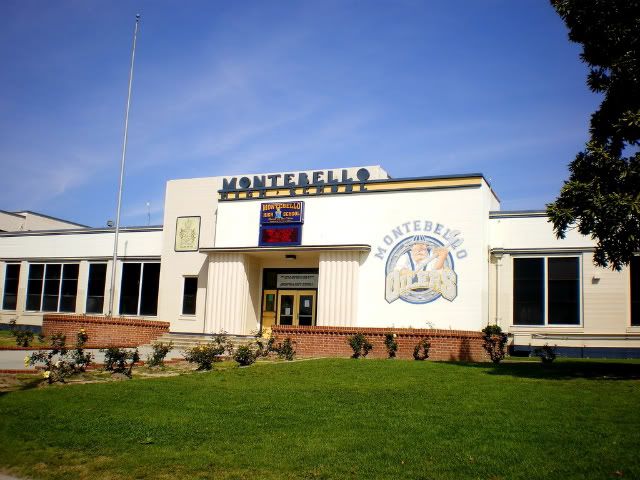
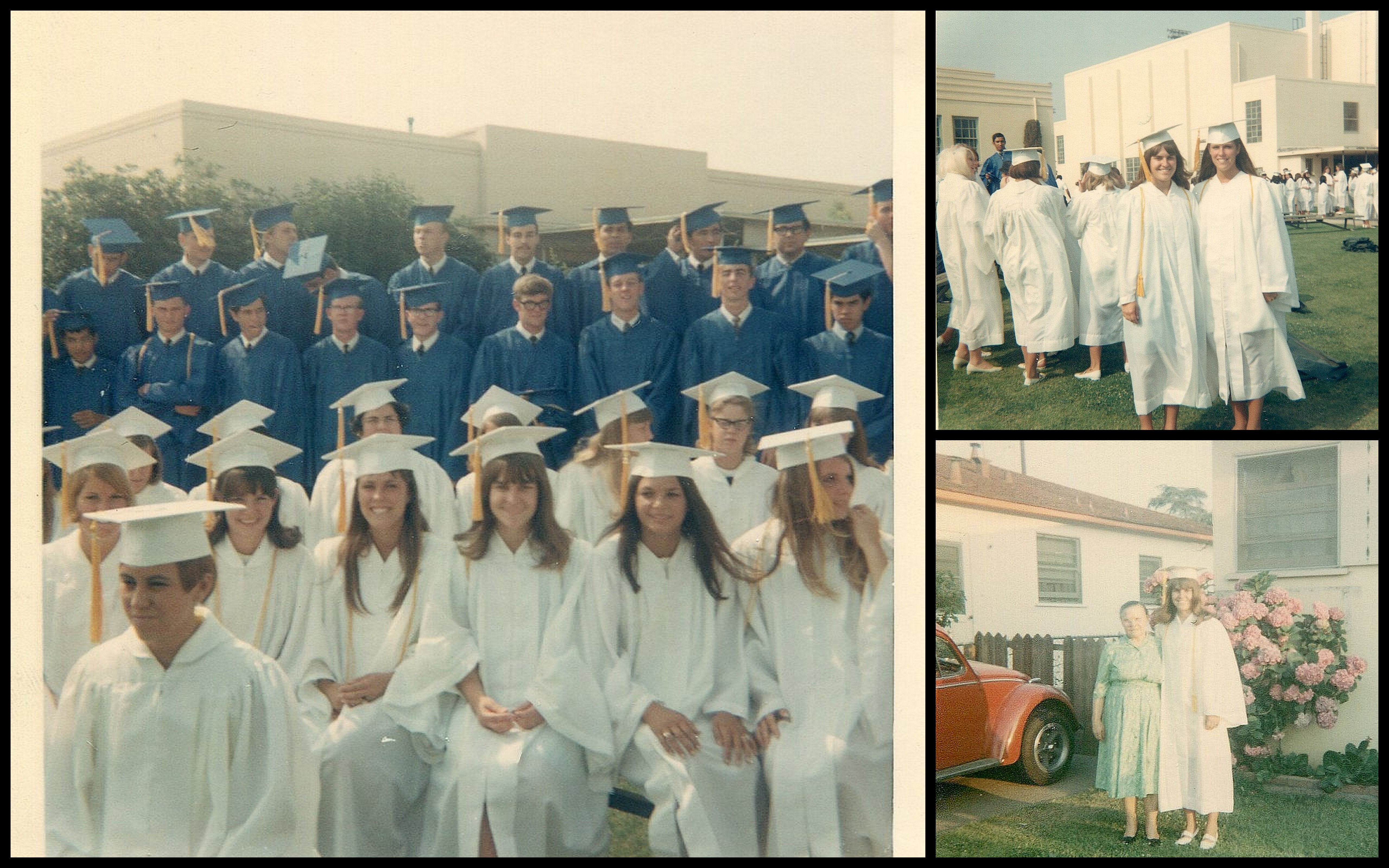
Today two of my sisters are meeting me at Montebello High School for a Homecoming BBQ. It’s special this year because our High School is celebrating their 100 year anniversary. Kathy graduated in 1964, Vera graduated in 1966, Fred graduated in 1967, and I graduated in 1968. It wasn’t easy following my older sisters and brother through school because they were a lot more compliant and successful then I was. I’d always hear comments like “you aren’t like your sisters”,or “I thought you’d do better because you are a Bagdanov”. My sister Kathy was G.A.A. president. My sister Vera was Valedictorian of her class, a wiz in mathematics. Back then there were no calculators and you should have seen her work that slide rule…amazing. My brother Fred was ASB president. Our 4 younger brothers and sister graduated from high school in Whittier. Was it Monte Vista Lana?

I’m looking forward to meeting a couple who I’ve met through my blog who graduated in 1951 and 1954. I’m also hoping to see other people I haven’t seen for 41 years.

Have a great Thursday everyone.

C is for Camarillo Ranch House ~

When I’m not visiting the Seattle area my days are spent in Camarillo, California. Camarillo was named after Adolfo Camarillo.

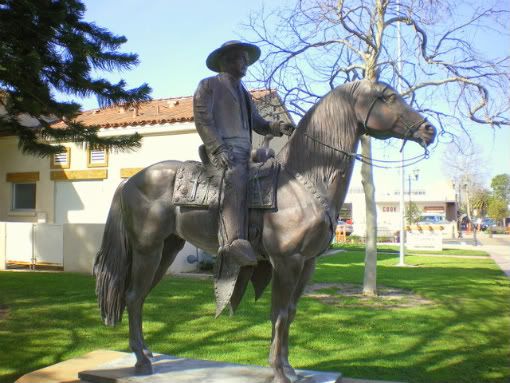
This is a statue of Adolfo Camarillo on one of his prized horses. This statue is in Old Town Camarillo.

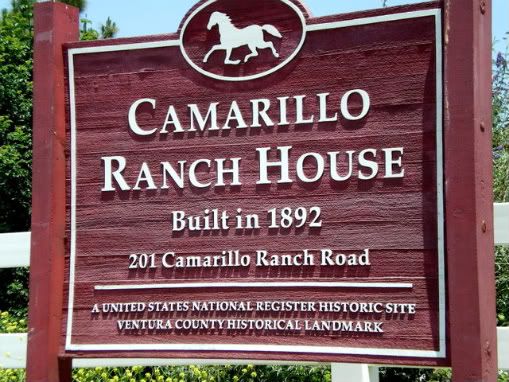
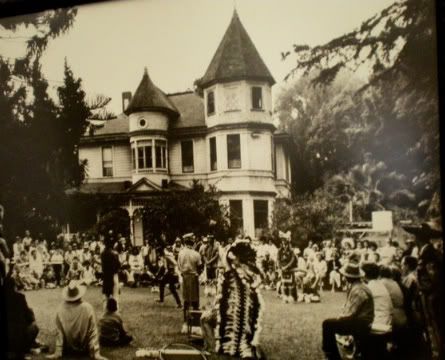
The Camarillo Ranch was originally a 10,000 acre Spanish land grant created in 1837, patented to Gabriel Ruiz in 1866, then purchased by Juan Camarillo in 1875. His son Adolfo built the Queen Anne Victorian home in 1892. Later the barn and stables were added to support the agricultural work and house the renowned Camarillo White Horses. Today the ranch is owned by the City of Camarillo and operated by the non profit Camarillo Ranch Foundation.

Adolfo (1864-1958) married Isabel Menchaca (1861-1936) in 1888 and they moved into an adobe home on the Ranch, which was later destroyed by fire. They had seven children. In 1890, with the help of two Chumash Indian boys, he planted two rows of eucalyptus trees. The trees arched across Highway 101 in Camarillo for many years. Some of the trees still line the north side of the freeway. Adolfo also employed a number of Chumash Indians on the Ranch

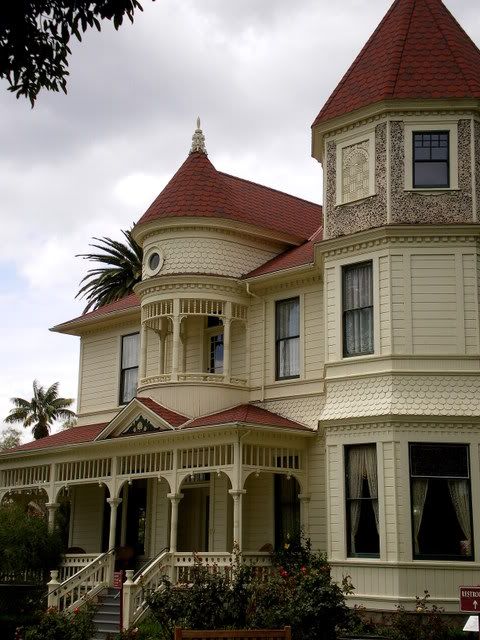
The Camarillo House was built in 1892 by Adolfo and others using the services of Architects Franklin Ward and Herman Anlauf This three-story, 14-room home was built in the Victorian Queen Anne style

Adolfo also helped the community in other ways. He gave 50 acres of land for the first high school in Camarillo. It is named for him, “Adolfo Camarillo High School.” He also gave land for the building of the Southern Pacific Railroad through Camarillo (1904), the new Conejo Grade (Highway 101) in 1937, and the expansion of St. John’s Seminary to include St. John’s College.

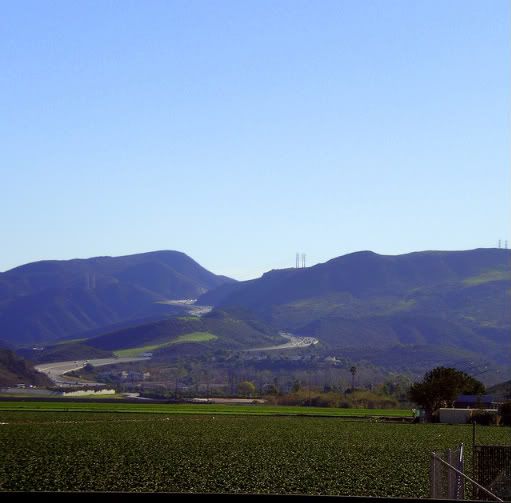
This is the part of the 101 Freeway known as the Conejo Grade. Just last month this stretch from the top of the Conejo Grade to Lewis Road — was officially designated the Adolfo Camarillo Memorial Highway by state lawmakers.


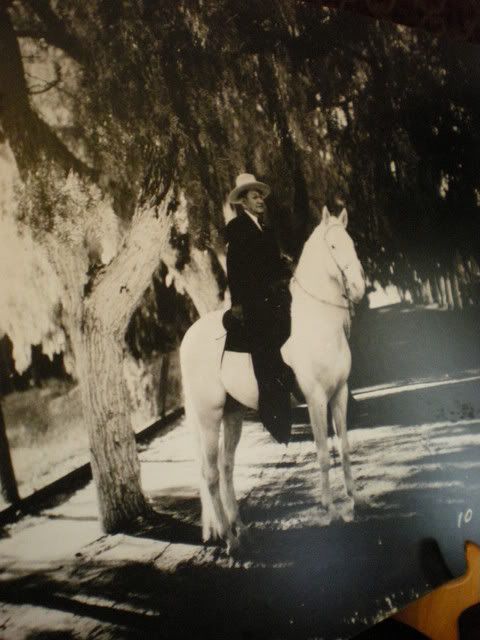
In the year 1911 or 1912, a brilliant white colt with brown eyes was born.  As he frolicked at his mother’s side, it was unknown that he would become the foundation stallion for a breed of horse known as the Camarillo White Horse; which over the next 95 years would create a family tradition, a new breed of horse, and a legend as well. In 1921, when Sultan was nine or ten years old, Adolfo Camarillo (Founder of the city of Camarillo, California) discovered this “Stallion of a Dream” and purchased him from the Miller and Lux cattle ranch at the Sacramento State Fair.

Sultan, over the next few years, won many stock championships throughout California.  Adolfo bred Sultan to Morgan mares at the Camarillo Ranch.  Adolfo never sold his land or a white horse: however, on rare occasions, the Camarillo family would make gifts of the prized white horses.

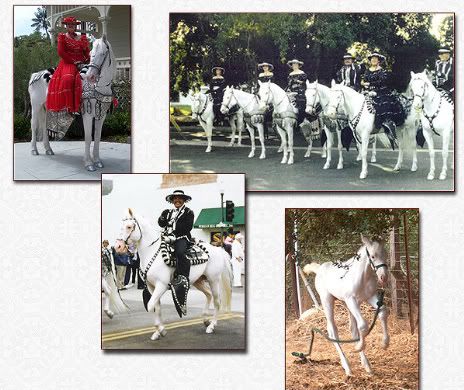
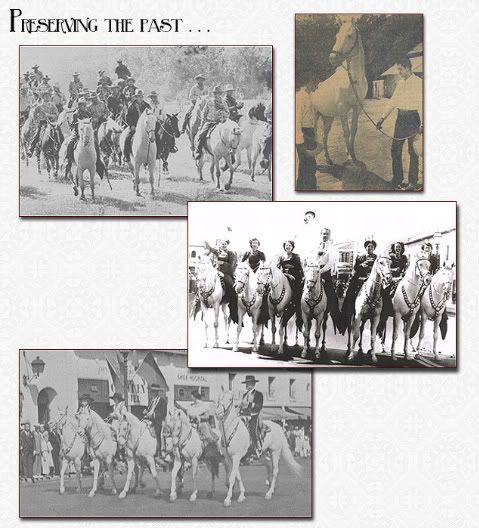
The Camarillo White Horses became famous over the years as they paraded and performed at fiestas and other activities.  They became well known at the Pasadena Rose Parades; attended the parade to open the Oakland Bay Bridge; a Los Angeles parade to raise war bonds; and went to the Santa Barbara Fiesta parades since they began in the ’30’s. Often dignitaries would be seen riding the Camarillo White Horses, including: President Harding, Governor Ronald Reagan; John Mott; movie star Leo Carrillo; and the son of President Gerald Ford.

To read more about the history of these horses visit this History of Camarillo Site.

For more ABC Wednesday Posts visit the new Mr. Linky site here.

ht: photos of the Camarillo White Horse from Camarillo White Horse Association.

Bothell Landing ~ Bothell, Washington

ABC Wednesday Round 3 ~ B is for Bothell

Bothell is the first town that we lived in when our little family moved from California to Washington in 1988. Our kids went through elementary, junior high, and high school in Bothell. Since then part of Bothell has been renamed Kenmore. Bothell is located northeast of the city of Seattle and on the eastside of Lake Washington.

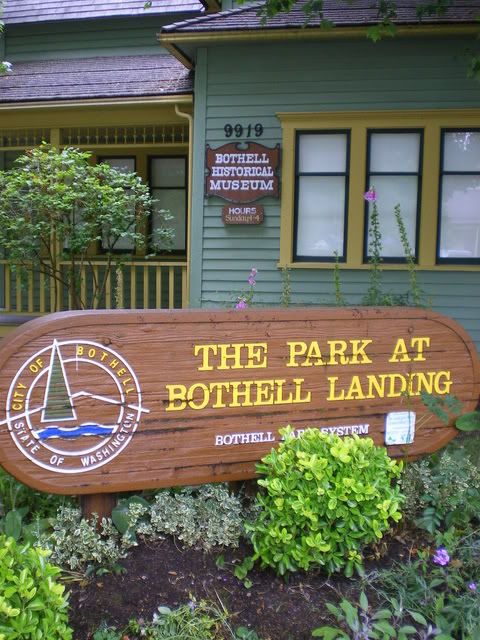
The Park at Bothell Landing is home to several of Bothell’s historical buildings. Each historical structure at the Park was relocated and restored to take on a new life at the Landing.

Now the Bothell Historic Museum, this home was built by William Hannan himself.

Born in Pennsylvania in 1853 and moving to the Northwest in 1888, Hannan bought property in Bothell in 1890. This was the beginning of a long history in which Hannan was involved in shaping much of early Bothell. He had the post office from 1894 until 1898 and was Bothell’s mayor from 1916 to 1919; he was also member of the school board, the Commercial Club, Odd Fellows and Masons.

The school bell from the second Bothell schoolhouse has been re-hung in the Landing bell tower. It is rung for special occasions in Bothell, such as the Fourth of July, the first day of school, and graduation day.

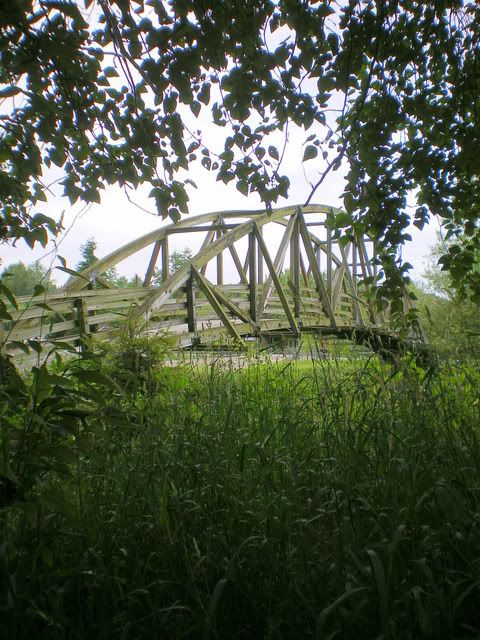
You can also see the Bridge in the background that take you across the River to the Burke Gilman/Sammamish River Trail.

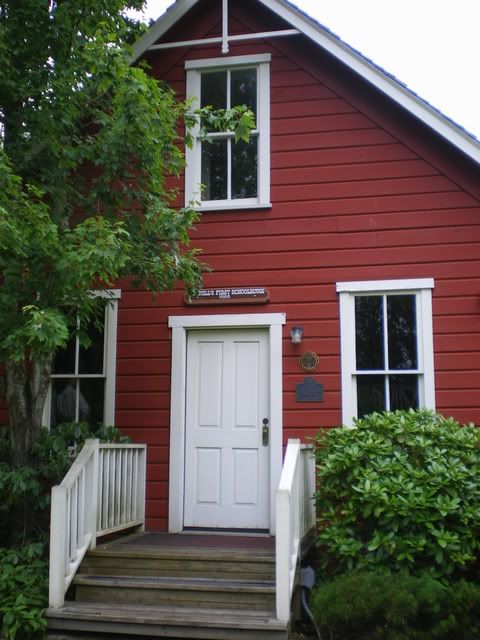
While the schoolhouse itself was built in 1885, weather delayed the opening and it wasn’t until March of 1886 that the doors opened to teach the children. Miss Helen DeVoe, originally from New York state, was the first school teacher for Bothell; some of her first students were William Keener, Albert Bothell, Annie Beckstrom, and George Brackett

This cabin housed Andrew and Augusta Beckstrom and their 16 children! Their 3rd child, John, was born in the cabin, and is the first recorded birth in Bothell.

Wayne Curve Bridge located along the Burke Gilman Trail is another registered historic site. When I’m in Washington my girlfriends and I walk the Burke Gilman Trail every Saturday morning and we pass this spot twice.

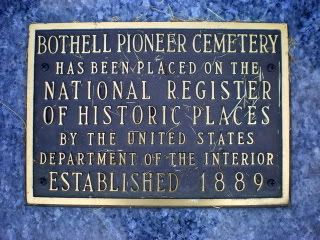
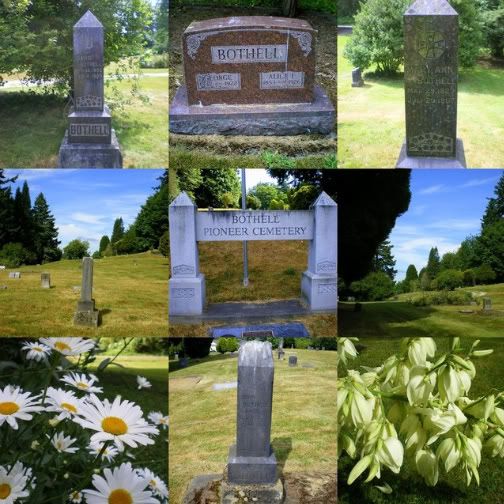
 1909 – Bothell was incorporated as a town with a population around 600. George Bothell was elected as the towns first mayor and another relative, AF Bothell was elected council, the town became ‘Bothell’. Gerhard Ericksen, the first Postmaster, is reputed to have said, “There are so many Bothell’s in town, let’s call it Bothell.” Many of the ‘Bothell Family’ are buried in Bothell’s historic Pioneer Cemetery

This was too much for me to try to post on the Blogger site. If you made it though all of this you did well. For more ABC Wednesday Posts on the Letter B visit Mrs. Nesbitt and the new ABC Wednesday Blog.

.

Tea Week Two ~ Litera Tea

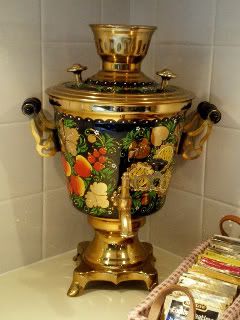
 Samovar

During the 19th century, samovars gained increasing popularity in major cities, such as St. Petersburg and Moscow, and became inseparably bound to the Russian way of life.

Classics of Russian literature, like Pushkin, Gogol and Chekhov, regularly mention samovars in their works. Chekhov even coined an idiom: “to take one’s own samovar to Tula”. This phrase is still understood and occasionally used by Russians, with a meaning similar to the English “to carry coals to Newcastle”.

“To carry Coals to Newcastle, that is to do what was done before; or to busy one’s self in a needless imployment.”

 Railroad companies in Russia recognized the practicality and popularity of samovars, and fitted long-distance sleeping cars with them. Luxurious cars of the Trans-Siberian railroad were first to adopt this custom. Gradually, the samovar in a railroad car was replaced by the boiler of potable water, known as титан (titan) in the Soviet Union

From Wikipedia, the free encyclopaedia:
A samovar (Russian: самовар, literally “self-brewer”) is a heated metal container traditionally used to brew tea in and around Russia, as well as in other Slavic nations, Iran and Turkey.

A traditional samovar consists of a large metal container with a faucet near the bottom and a metal pipe running vertically through the middle. The pipe is filled with solid fuel to heat the water in the surrounding container. A small smokestack is put on the top to ensure draft. After the fire is off a teapot could be placed on top to be kept heated with the passing hot air. The teapot is used to brew the заварка (zavarka), a strong concentrate of tea. The tea is served by diluting this concentrate with кипяток (kipyatok = boiled water) from the main container, obtaining a lighter or darker brew function of drinkers’ tastes.

“To have a sit by samovar” means to have a leisurely talk while drinking tea from samovar, and it is a Russian expression reflecting the popular attitude towards its use.

In older times it was an economic continuous source of hot water. Various slow-burning items could be used for fuel, such as charcoal or dry pinecones. When necessary, the fire in the samovar pipe was quickly rekindled with the help of bellows manufactured specifically for this use.
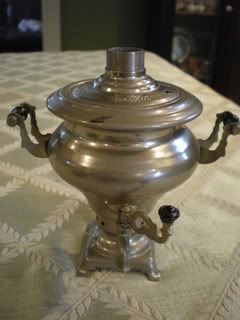
In modern times, the samovar is mostly associated with Russian exotica and nostalgia.  During the Olympic games of 1980, an incredible amount of samovars were sold to visitors from abroad, thus affecting the samovar: it gained international recognition and became a symbol of Russia.

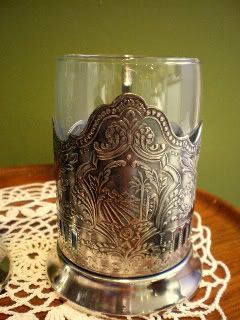
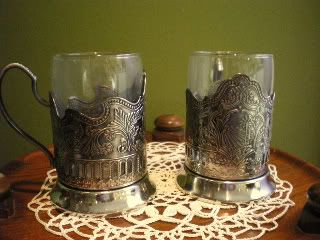
I don’t ever remember using tea-cups in our Russian gatherings for tea. Typically a glass was used served with a bowl under it. Many of the children and older folk would pour their tea into the bowl and drink it out of the bowl. There were fancier glass holders called podstakahnyik that I’ve posted a couple of pictures of here. Literally translated it means under the glass. Any Russians out there can correct me if I got that wrong. Russia has two national drinks, tea (chai) and vodka.

Tea is “Chai” in russian, (not the now popular Chai drink you find at Starbuck’s). Chai is just plain old steeped tea with boiled water added to your desired strength.  In our Russian culture it is an important part of a meal. We usually have it at the end of a meal. Many times we’ll have it in the middle of the day too. It’s has been associated with rest, comfort and refreshment. It’s just common for us to say at the end of the meal, “Chai?”  or “Who wants Chai?”

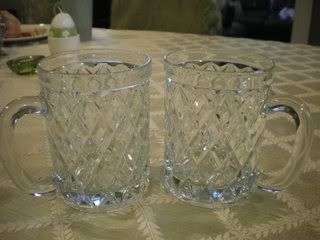
When I have my “russian” crowd over these are what I serve chai in. I have 12 of them and they are perfect to see the strength you want your tea to be. Some add lemon, some add cream, some have it black. I’ll have to share in a later post the varenya that my mom and other russian ladies make to add to tea. It’s a fruit based syrupy liquid to sweeten and flavor your tea instead of sugar.

For more Litera Tea posts click over to Gracious Hospitality.
Sky Watch ~ Good Friday


Luke 23: 44-46 ~ “It was now about the sixth hour, and darkness fell over the whole land until the ninth hour, because the sun was obscured; and the veil of the temple was torn in two. And Jesus, crying out with a loud voice, said, “Father, INTO YOUR HANDS I COMMIT MY SPIRIT.” Having said thus, He breathed His last.”

For more Sky Watch photos visit Tom at  Wiggers World.

Photobucket is holding all my photos from 2007-2015 hostage. I’m working on updating my blog posts very slowly.

WFW ~ Hebrews 12: 1-2


“Therefore, since we have so great a cloud of witnesses surrounding us, let us also lay aside every encumbrance and the sin that so easily entangles us, and let us run with endurance the race that is set before us, fixing our eyes on Jesus, the author and perfecter of faith, who for the joy set before Him endured the cross, despising the shame, and has sat down at the right hand of the throne of God.”

For more Word Filled Wednesday click here.

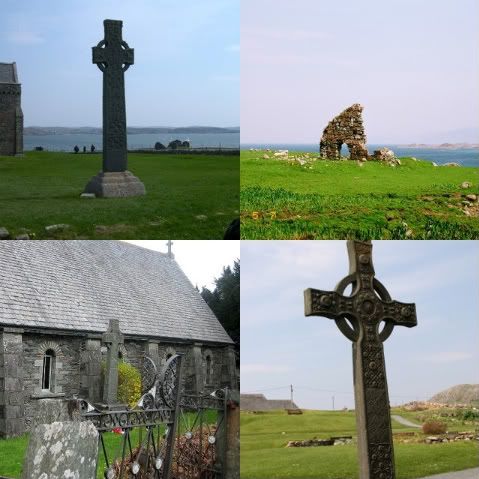
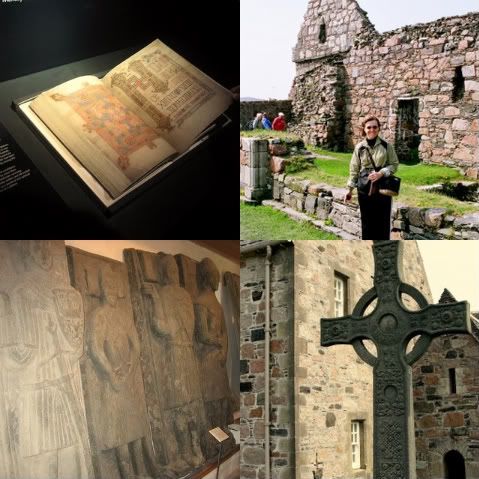
I is for Iona ~

It’s time for ABC Wednesday and this week we are on the letter I.

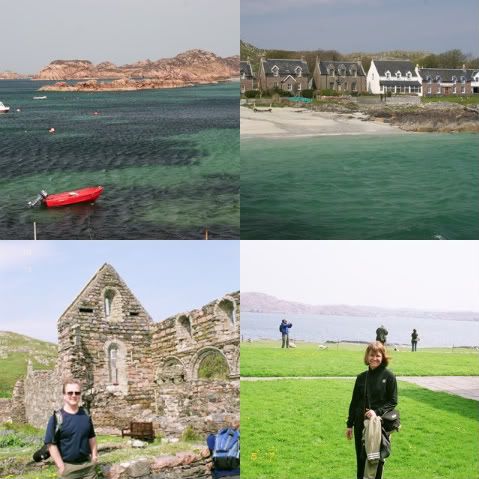
Come with me to the Isle of Iona in the Hebrides.

We traveled from the town of Oban on the western coast of Scotland by ferry to the Island of Mull and then we boarded a bus to travel down the Island to take a small ferry to the small Isle of Iona.

This little Isle is rich in history and beauty.

History of Iona

St. Columba, an Irish scholar, soldier, priest, and founder of monasteries, got into a small war over the possession of an illegally copied Psalm book. Victorious but sickened by the bloodshed, Columba left Ireland, vowing never to return. According to legend, the first bit of land out of sight of his homeland was Iona. He stopped here in 563 and established the abbey.

Columba’s monastic community flourished, and Iona became the center of Celtic Christianity. Iona missionaries spread the gospel through Scotland and North England, while scholarly monks established Iona as a center of art and learning. The Book of Kells – perhaps the finest piece of art from “Dark Ages” Europe – was probably made on Iona in the eighth century. The island was so important that it was the legendary burial place for ancient Scottish and even Scandinavian kings (including Shakespeare’s Macbeth).

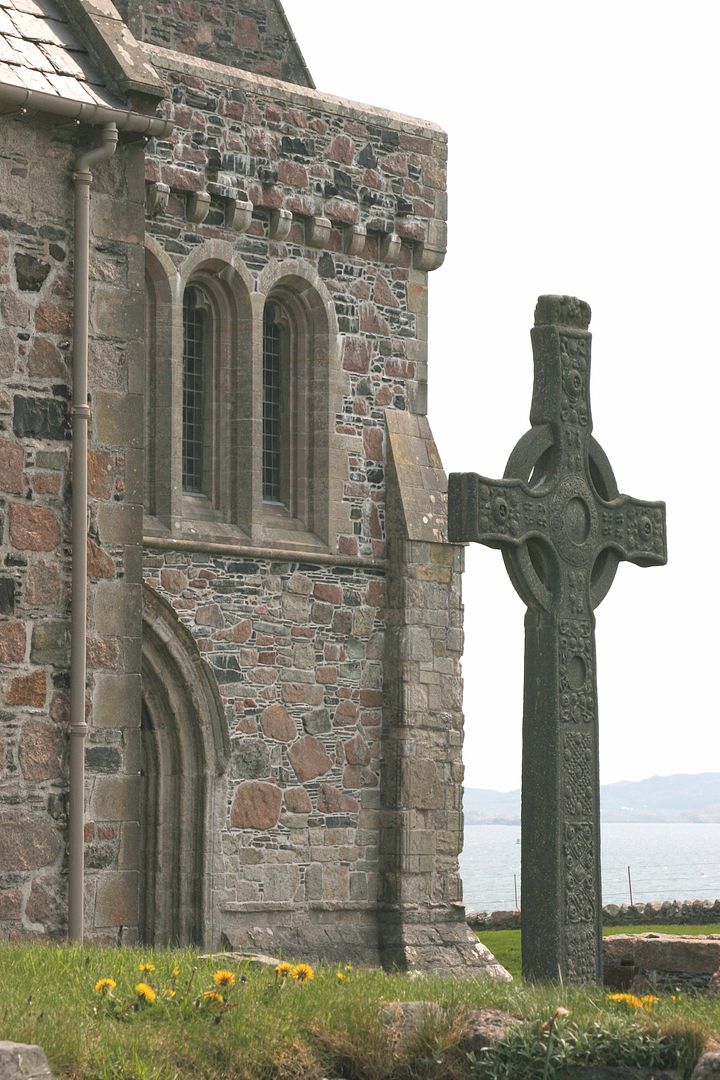
Slowly the importance of Iona ebbed. Vikings massacred 68 monks in 806. Fearing more raids, the monks evacuated most of Iona’s treasures (including the Book of Kells, which is now in Dublin) to Ireland. Much later, with the Reformation, the abbey was abandoned, and most of its finely carved crosses were destroyed. In the 17th century, locals used the abbey only as a handy quarry for other building projects.

Iona’s population peaked at about 500 in the 1830’s. In the 1840’s a potato famine hit. In the 1850’s a third of the islanders emigrated to Canada and Australia. By 1900 the population was down to 210, and today it’s only around 100.

But in our generation a new religious community has given the abbey new life. The Iona community is an ecumenical gathering of men and women who seek new ways of living the Gospel in today’s world, with focus on worship, peace, and justice issues, and reconciliation.

The island is car free. While the present  abbey, nunnery, and graveyard go back to the 13th century, much of what you see today was rebuilt in the 19th century.

ht: history and other information taken from Rick Steves’ Great Britain

For more ABC Wednesday go see Mrs. Nesbitt.


Birthday Memories from Montebello!

Today is my birthday and I decided to go down memory lane and post some older photos and show you a little of my history.


First I’ll surround myself with things I enjoy. I do know how to pamper me 🙂

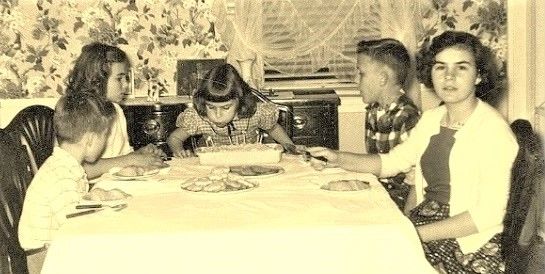
I think this is my seventh birthday because of the candles on the cake which would make this 1958.

This is our dining room at 4635 Oak Street in Montebello Gardens. We lived here till I was in 5th grade. My brother Fred, sister Vera, me, my cousin Jim and my sister Kathy who got cut off when I posted this (sorry Kathy)

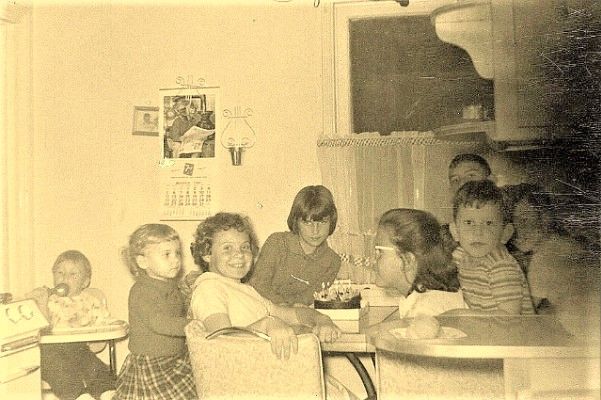
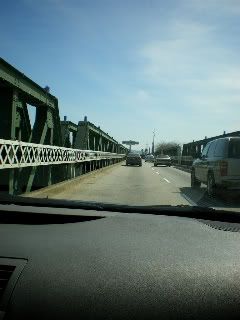
This birthday was either 1960 or 1961 because there’s my little brother Steve in the high chair and he was born in December of 1959. This is the kitchen and my cousins around me are Tanya, Valia, Vera, Johnny, and you can barely see Walter. These next 4 photos were taken just last Sunday when we ended up driving through Montebello to go to a family function in Whittier.

While we lived on Oak Street in Montebello Gardens (Pico Rivera) my 3 older siblings and I would walk to the Montebello library to check out books. We’d head to Whittier Blvd. and have to cross this bridge over the Rio Hondo River to get to the library. It was approximately 2 miles each way.

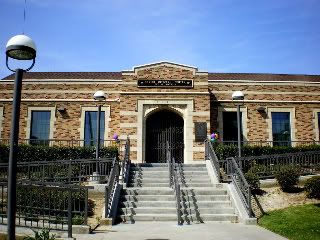
The library was located at Montebello Park. This is the building the library was housed in where I spent many happy hours looking at all those books and trying to choose just 4. Now it’s a senior center.

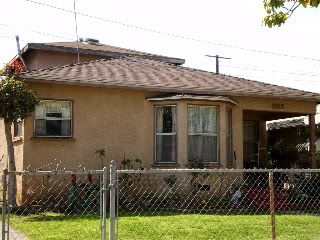
We moved from Montebello Gardens across the river to Montebello when I was in 5th grade. This is our house at 305 Los Angeles Ave. When we lived here there wasn’t a second story and there wasn’t a chain link fence. Although a chain link fence would have come in handy after the twins (escape artists) were born…


This was my high school. Montebello High home of the Montebello Oilers. It’s totally fenced in now so they can have Lock-downs. How sad is that?! That’s a reality of our times. No fences in the 60’s!

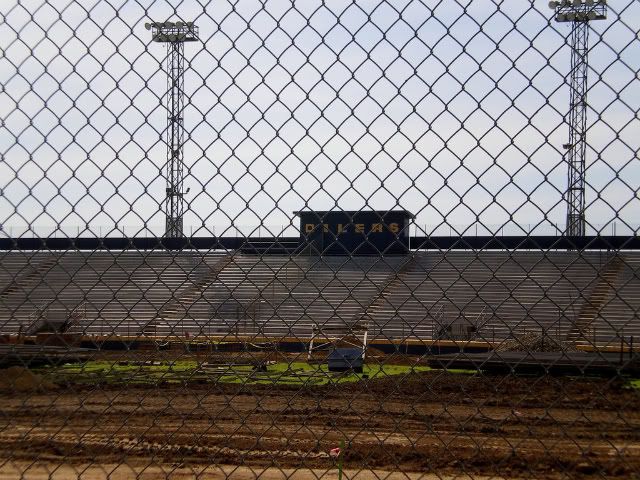
The football field that I spent most Friday nights at during football season in high school. It’s under renovation.

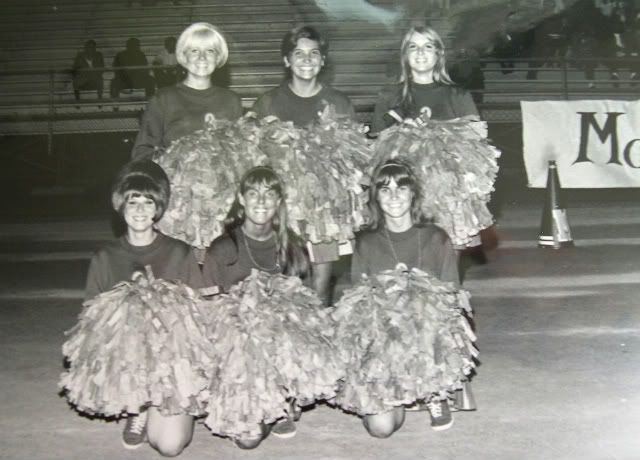
In my junior and senior year I was a Song-leader and part of the cheer squad. I’m in the bottom row on the right.  Judy, my best friend from junior high and high school is next to me. Debbie next to her. The top row left to right is Kathy, Bet (yes we called her Bet), and Judy. You can see those same stands behind us. This photo was taken in fall of 1967. We’re seniors here and will all graduated in June of 1968.

These are the photos I had access to while I’m here at the condo in California. Tomorrow I fly to Seattle to see my kids and celebrate Easter with them. I’ll be there for a couple of weeks. I haven’t seen them face to face since January 1st so I’m really looking forward to my time with them.

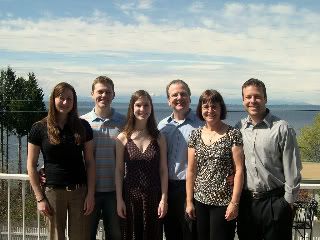
This was taken last Easter in Edmonds overlooking Puget Sound at our good friends Dave and Jody’s. They started the tradition of eating  fish on Easter because that is what Jesus ate after his resurrection to show the Disciples He was alive.
~