A Mighty Fortress is Our God ~Hymn

A Mighty Fortress is Our God

A mighty fortress is our God,
A bulwark never failing;
Our helper He, amid the flood
Of mortal ills prevailing:
For still our ancient foe
Doth seek to work us woe;
His craft and power are great,
And, armed with cruel hate,
On earth is not his equal.

Did we in our own strength confide,
Our striving would be losing;
Were not the right Man on our side,
The Man of God’s own choosing:
Dost ask who that may be?
Christ Jesus, it is He;
Lord Sabaoth, His name,
From age to age the same,
And He must win the battle.

And though this world, with devils filled,
Should threaten to undo us,
We will not fear, for God hath willed
His truth to triumph through us:
The Prince of Darkness grim,
We tremble not for him;
His rage we can endure,
For lo, his doom is sure,
One little word shall fell him.

That word above all earthly powers,
No thanks to them, abideth;
The Spirit and the gifts are ours
Through Him who with us sideth:
Let goods and kindred go,
This mortal life also;
The body they may kill:
God’s truth abideth still,
His kingdom is forever.

Words and Music: Martin Luther, 1529.

This song has been called the great­est hymn of the great­est man of the great­est per­i­od of Ger­man his­to­ry, and the Bat­tle Hymn of the Re­for­ma­tion. It was sung at the fun­er­al of Am­er­i­can pre­si­dent Dwight Ei­sen­how­er at the Na­tion­al Ca­thed­ral in Wash­ing­ton, DC, March 1969.

Happy New Year, Hodgepodge!

Glory to God in highest heaven,
Who unto man His Son hath given;
While angels sing with tender mirth,
A glad new year to all the earth.
~Martin Luther

С новым годом!
Joyce has a brand new set of Hodgepodge questions for a brand new year. Thank you, Joyce, and Happy New Year everyone! Happy 2025!

1. Oxford’s Word of the year for 2024 is ‘brain rot’. Are you familiar with this term? Do you suffer from the condition? Ha! This is a term used to ‘capture concerns about the impact of consuming excessive amounts of low-quality online content, especially on social media’. If you were choosing a word to capture 2024 (for the nation/world, not your own life personally) what word would you choose? 

I have to be honest and admit that I am suffering from brain rot because of smart phones, computers, and social media. It is easy to get into the habit of using my phone or computer for everything. I want to read more good books in 2025 and master some good questions to engage friends and loved ones into good conversations.

My pick for a phrase to capture 2024 for our nation would be ‘from downhill to hope’.

2. It’s National Polar Bear Plunge Day (January 1)…will you be participating in one of these events (or even your own)? How will you spend the first day of this brand new year? Do you have a traditional New Year’s Day menu? 

No plunging in the frigid waters for me but some of our kids do that more than just on the 1st. No traditional menus for New Year’s Day. Because I grew up in Southern California I got into the habit of watching the Rose Parade and and the Rose Bowl game on New Year’s Day. There were even years that I enjoyed both in person.

3. What’s something that brings you joy and how will you do more of it in this new year? 

Spending time with family whenever we can brings me joy and I will do as much as is possible in the new year.

4. Do you struggle with the January blues? What’s one thing you can/will do to keep them at bay? 

Thankfully, I do not suffer much from the blues. We have several family birthdays in January and I will concentrate on being thankful for these family members and celebrating them which will keep those blues at bay.

5. Will you choose your own personal word of the year for 2025? What about a goal, resolution, or maybe even a bucket list? Elaborate as much or as little as you like. 

No personal word but some of the same old goals like losing some pounds which means eating less and exercising more. A new devotional with a reading the Bible plan as part of it is on my desk.

Bucket list is always about adding a place to travel to. We already have airfare purchased for Dallas but where else will we go, LORD willing. Still pondering that.

6. Insert your own random thought here.

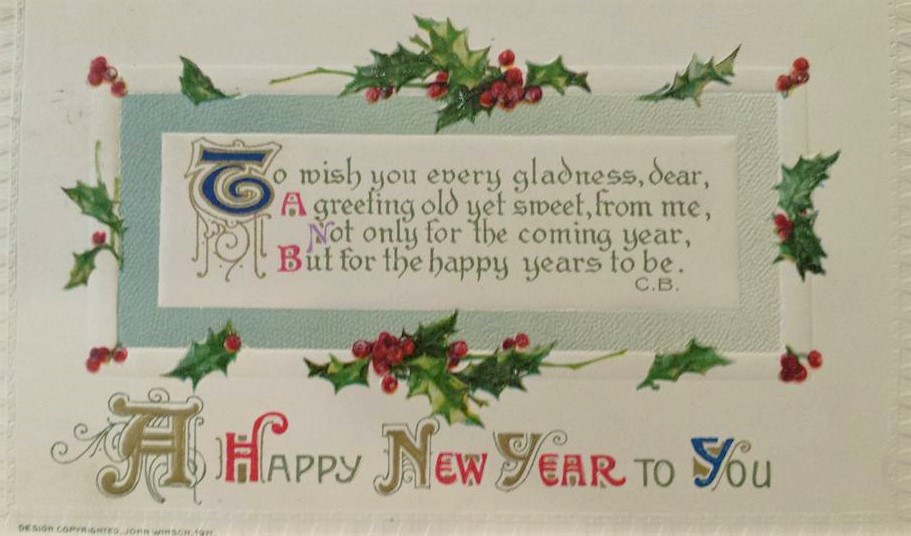
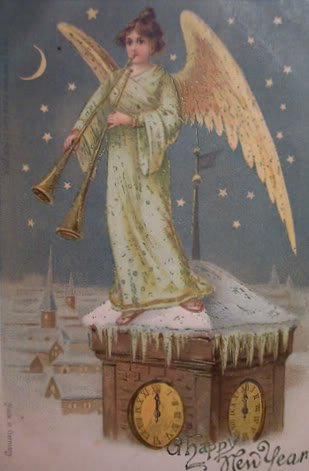
Another antique postcard Happy New Year Greetings to you all.

Reformation Day

I’m changing up my regular Thursday Truth for Today post since it is Reformation Day.

Reformation Day is a public holiday in five states in Germany on October 31 each year to remember the religious Reformation in Europe. It commemorates when German monk and theologian Martin Luther’s proposals were nailed on the doors of a church in 1517. This event was the start of religious and social changes in Europe.

I’ll share a little information on a few Reformers we learned about in Scotland on our recent trip and some others I’ve been reading about this month.

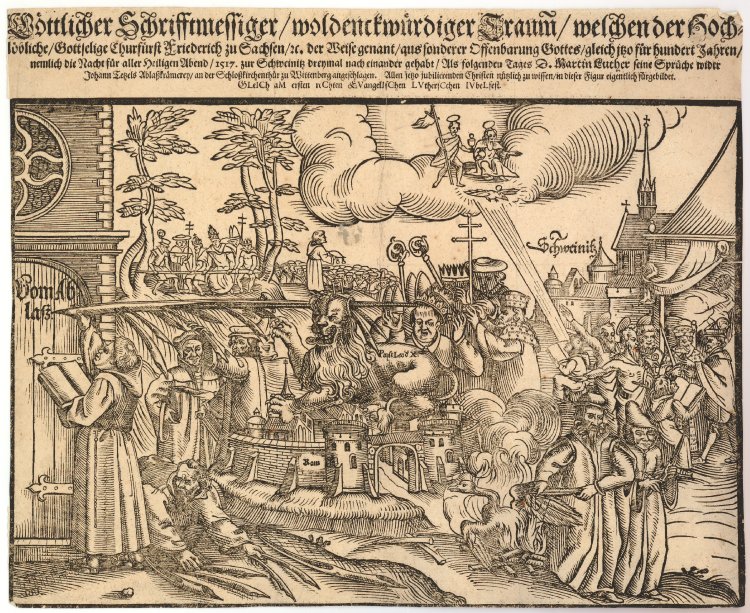
Five hundred years ago, a lowly German priest walked up to the church door in Wittenberg and posted a document that altered the course of history. Martin Luther’s bold stand ignited the Reformation, but he wasn’t alone. The Reformation was a movement of many heroes, known and unknown, who shaped history.

The Morning Star of the Reformation, John Wycliffe (1330-1384).

His most important contribution, the Wycliffe Bible. Wycliffe called for the Bible to be translated into English. According to Roman Catholic law, translating the Bible into a vulgar, common language was a heresy punishable by death. It is almost impossible to imagine why a church would want to keep God’s word from people, unless that church wanted to hold power over the people. Wycliffe was more convinced of the power of the word of God than the power wielded by the papal office. Consequently, he and a group of colleagues committed themselves to making the word of God available. His efforts in translating, copying, and proclaiming the Bible in English were driven by a singular motive, expressed by Wycliffe this way: “It helps Christian men to study the Gospel in that tongue which they know best.”

Wycliffe would be pleased to hear of the work of Bible translation has continued in his name.

When we lived in Huntington Beach from 1975-1984 we attended Huntington Beach EVFree church and shared the Wycliffe Bible Translators office space on Sundays for extra Sunday School rooms. We also shared the parking lot. They are no longer at that location in Huntington Beach.

Here’s some history about Wycliffe Bible Translators:

In 1917 a missionary named William Cameron Townsend went to Guatemala to sell Spanish Bibles. But he was shocked when many people couldn’t understand the books. They spoke Cakchiquel, a language without a Bible. Cam believed everyone should understand the Bible, so he started a linguistics school (the Summer Institute of Linguistics, known today as SIL) that trained people to do Bible translation. The work continued to grow, and in 1942 Cam officially founded Wycliffe Bible Translators.

Over the following decades, Wycliffe celebrated many milestones — from the first translation completed in 1951, all the way to the 500th translation completed in 2000. Around the same time, Wycliffe adopted a new challenge — a goal of seeing a Bible translation project started in every language still needing one by 2025.

Latimer

Bishops Hugh Latimer and Nicholas Ridley are fastened together in history primarily because they were fastened to the same stake on October 16, 1555, on the north side of Oxford. But Latimer and Ridley share more than a martyrdom. The bishops also join each other on the list of England’s most influential Reformers — men and women whose allegiance to Scripture and the glory of Christ transformed England from a Catholic kingdom to a lighthouse of Reformation.

Ridley

Two men stood back to back at the stake.  As a large crowd watched, a heavy chain was passed around their waists to hold them fast.  A fagot was kindled.  At the sight of the flame, the older of the two men gave utterance to the noblest and shortest sermon he ever gave in his long life of preaching.  “Be of good comfort, Master Ridley, and play the man.  We shall this day light such a candle by God’s grace in England as I trust shall never be put out.”

These lines have become among the most famous lines in English church history.  The chain that bound Latimer and Ridley together on that morning of October 16, 1555, has continued to bind them together in the common mind.  Today, it is almost impossible to think of Latimer without also thinking of Ridley.

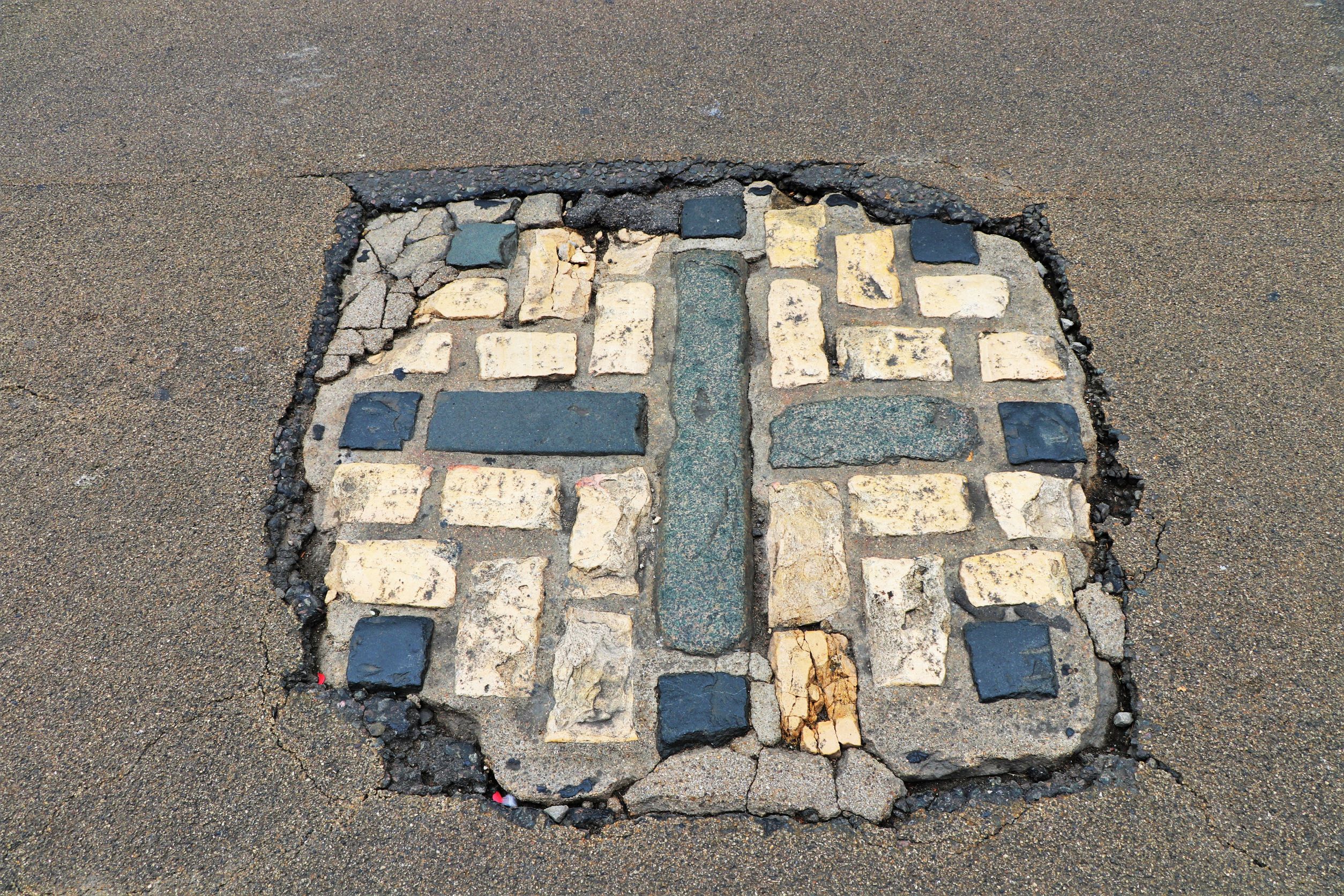
This is the spot on Broad Street in Oxford where Ridley and Latimer were burned at the stake.

I could go on and on. We owe so much to these Reformers.

Tyndale

For the first time ever in history, the Greek New Testament was translated into English. Before his martyrdom in 1536, Tyndale would go on to translate into clear, common English not only the New Testament but also the Pentateuch, Joshua to 2 Chronicles, and Jonah. All this material became the basis of the Great Bible issued by Miles Coverdale in England in 1539 and the basis for the Geneva Bible published in 1557 — “the Bible of the nation,” which sold over a million copies between 1560 and 1640.

“We don’t want to forget him because every time you pick up your Bible, you have a debt to pay to William Tyndale.” John MacArthur

I’ll be highlighting John Knox in my continuing posts about our time in Scotland instead of here. Some other reformers I’ve enjoyed reading about are; Zwingli, Lady Jane Grey, John Calvin, Jan Hus and several others.

Personally I’m so thankful to all the Reformers who made translating the Bible into English a priority in their lives no matter what the cost. I’m also thankful to preachers and shepherds of God’s Word who faithfully exegete the Bible today. I’m humbled to look at our stacks of Bibles when reading how 500 years ago the common man or woman could not hold a Bible in their hand or read one. Also humbled that there were those who were killed for owning a translated Bible that they could finally read for themselves.

My Fortress

“Battle Hymn of the Reformation”

Psalm 18:1-3:

I love you, O LORD, my strength.

The LORD is my rock and my fortress and my deliverer, my God, my rock, in whom I take refuge, my shield, and the horn of my salvation, my stronghold. 

I call upon the LORD, who is worthy to be praised, and I am saved from my enemies.

Are you feeling weak or discouraged or overwhelmed? I hope you can take some time to just breath in the words of this Psalm. Read it out loud and look with me at the definitions of some of the words in the text.

Stronghold: A place that has been fortified so as to protect it against attack.
A place where a particular cause or belief is strongly defended or upheld.

Fortress: a large fortified place; a fort or group of forts, often including a town; citadel.
Any place of exceptional security; stronghold.

Shield: To cover with, or as with, a shield; to cover from danger; to defend; to protect from assault or injury.

Call upon the Lord today. Praise him because he is worthy of all our praise. Rest in the fact that He is our Rock and our deliverer. He is always with us, guiding us through His Spirit within us.

A Mighty Fortress is Our God

A mighty fortress is our God,
A bulwark never failing;
Our helper He, amid the flood
Of mortal ills prevailing:
For still our ancient foe
Doth seek to work us woe;
His craft and power are great,
And, armed with cruel hate,
On earth is not his equal.

Did we in our own strength confide,
Our striving would be losing;
Were not the right Man on our side,
The Man of God’s own choosing:
Dost ask who that may be?
Christ Jesus, it is He;
Lord Sabaoth, His name,
From age to age the same,
And He must win the battle.

And though this world, with devils filled,
Should threaten to undo us,
We will not fear, for God hath willed
His truth to triumph through us:
The Prince of Darkness grim,
We tremble not for him;
His rage we can endure,
For lo, his doom is sure,
One little word shall fell him.

That word above all earthly powers,
No thanks to them, abideth;
The Spirit and the gifts are ours
Through Him who with us sideth:
Let goods and kindred go,
This mortal life also;
The body they may kill:
God’s truth abideth still,
His kingdom is forever.

Words and Music: Martin Luther, 1529.

This song has been called the great­est hymn of the great­est man of the great­est per­i­od of Ger­man his­to­ry, and the Bat­tle Hymn of the Re­for­ma­tion. It was sung at the fun­er­al of Am­er­i­can pre­si­dent Dwight Ei­sen­how­er at the Na­tion­al Ca­thed­ral in Wash­ing­ton, DC, March 1969.

Happy New Year!

Glory to God in highest heaven,
Who unto man His Son hath given;
While angels sing with tender mirth,
A glad new year to all the earth.
~Martin Luther

С новым годом!

I’m adding a favorite quote for the New Year by one of my favorites, Charles Spurgeon;

“What heavens are laid up in Jesus! What rivers of infinite bliss have their source, aye, and every drop of their fullness in Him! Since, O sweet Lord Jesus, You are the present portion of Your people, favor us this year with such a sense of Your preciousness that from its first to its last day we may be glad and rejoice in you. Let January open with joy in the Lord, and December close with gladness in Jesus.”

Ah, Dearest Jesus ~ Hymn


Ah, Dearest Jesus

Ah, dear­est Jesus, ho­ly Child,
Make Thee a bed, soft, un­de­filed
Within my heart, that it may be
A qui­et cham­ber kept for Thee.

My heart for ve­ry joy doth leap,
My lips no more can si­lence keep;
I, too, must sing with joy­ful tongue
That sweet­est an­cient cra­dle song.

Glory to God in high­est Heav­en,
Who un­to man His Son hath giv­en;
While an­gels sing with ten­der mirth,
A glad new year to all the earth.

Words: Martin Luther, 1535.

Grateful Hodgepodge

Time for Wednesday Hodgepodge with a new set of questions that Joyce From This Side of the Pond is asking.

1. Besides Thanksgiving (in the USA) what’s one thing you’re looking forward to in November? 

Cozy clothes and sitting by a fire.

2. Do you like candles? Your favorite scent? How often do you burn a candle in your home? 

I do like candles and I enjoy soft scents not overly sweet scents. We do not burn scented candles often but we do burn lots of birthday candles.

3. What gadgets did you use today? 

A Sonicare toothbrush, a wooden spoon, and a measuring cup. A low gadget day. 🙂

4. This question is a repeat from one asked in November of 2014, but I liked it so it’s coming round again. Many of you weren’t here in 2014. Okay, you can have fifty pounds of something (anything but money)…what will you choose?

If gasoline came in pounds, I’d choose fifty pounds of gasoline for my car and lawnmower. Since it doesn’t, I’ll pick fifty pounds of flour.

Also, since I mentioned it…what were you up to in November of 2014? 

In November of 2014 we were still living in Western Washington. We were getting to know our future daughter-in-law. Our son asked her to marry him soon after Thanksgiving.

5. ‘Tis the season…what’s something you’re feeling especially grateful for today? 

I posted this quote from Martin Luther on Facebook Tuesday which was when I was working on the Hodgepodge. Yesterday was Reformation Day.

“Lord Jesus, You are my righteousness; I am Your sin. You took on You what was mine, yet set on me what was Yours. You became what You were not, that I might become what I was not.” – Martin Luther
~
Thank you, Jesus!

6. Insert your own random thought here.

Some Halloween shenanigans from yesterday, Beetlejuice, Barbie, Bowling crew…the pin, the bowling ball and the bowler, a cat and random wig guy.
~
Welcome November!

I Hear the Words of Love ~ Hymn

I Hear the Words of Love

I hear the words of love,
I gaze upon the blood,
I see the mighty sacrifice,
And I have peace with God.

’Tis everlasting peace!
Sure as Jehovah’s name,
’Tis stable as His steadfast throne,
For evermore the same.

The clouds may go and come,
And storms may sweep my sky;
This blood-sealed friendship changes not,
The cross is ever nigh.

My love is ofttimes low,
My joy still ebbs and flows;
But peace with Him remains the same,
No change Jehovah knows.

That which can shake the cross
May shake the peace it gave,
Which tells me Christ has never died,
Or never left the grave!

Till then my peace is sure,
It will not, cannot yield,
Jesus, I know, has died and lives—
On this firm rock I build.

I change, He changes not,
The Christ can never die;
His love, not mine, the resting place,
His truth, not mine, the tie.

The cross still stands unchanged,
Though Heav’n is now His home,
The mighty stone is rolled away,
But yonder is His tomb!

And yonder is my peace,
The grave of all my woes!
I know the Son of God has come,
I know He died and rose.

I know He liveth now,
At God’s right hand above,
I know the throne on which He sits,
I know His truth and love.

Words: Horatius Bonar, (1808-1889)

Happy New Year everyone!

Glory to God in highest heaven,
Who unto man His Son hath given;
While angels sing with tender mirth,
A glad new year to all the earth.
~Martin Luther


The Martyrs ~ Oxford and Beyond

By After Conrad Grale – British Museum

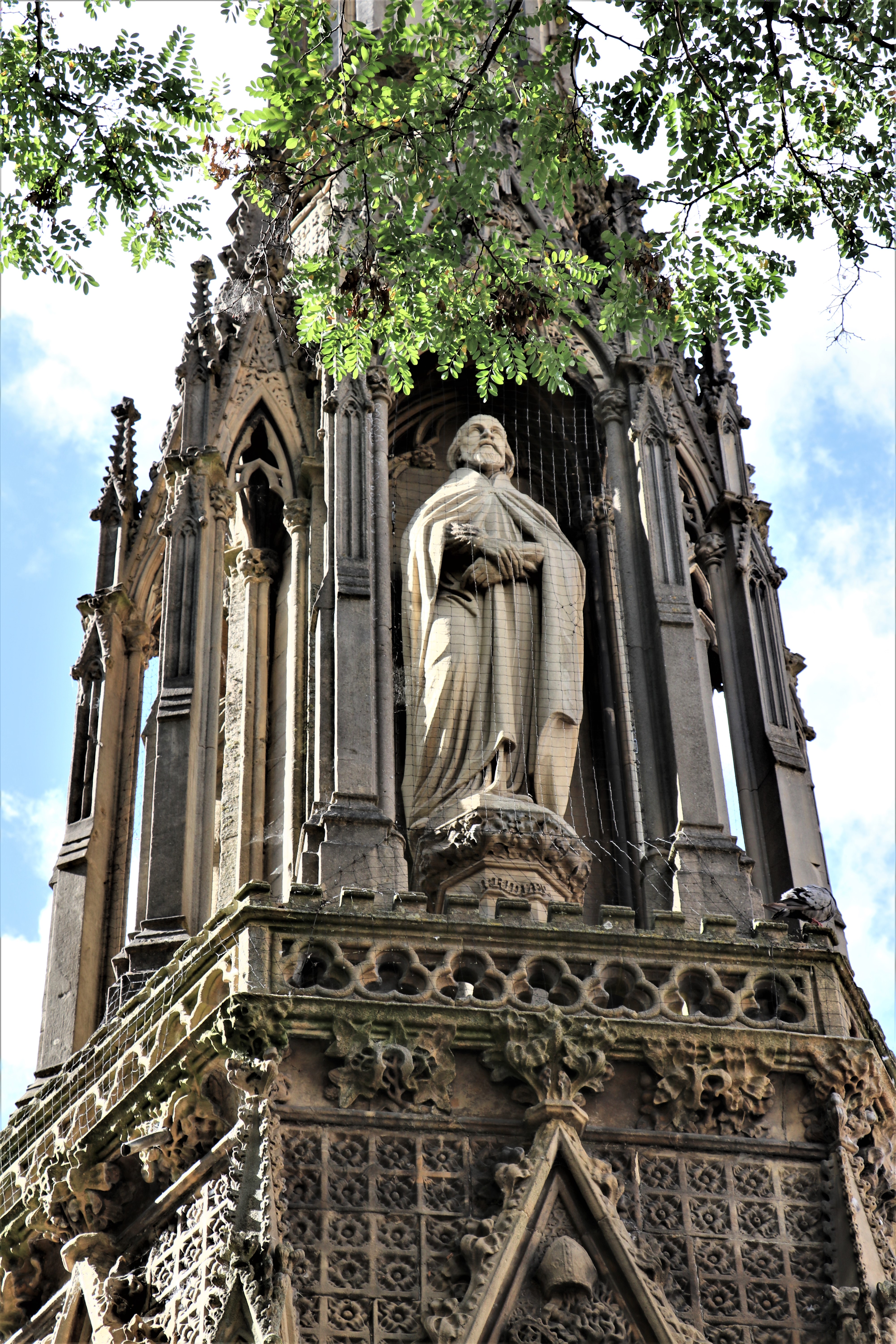
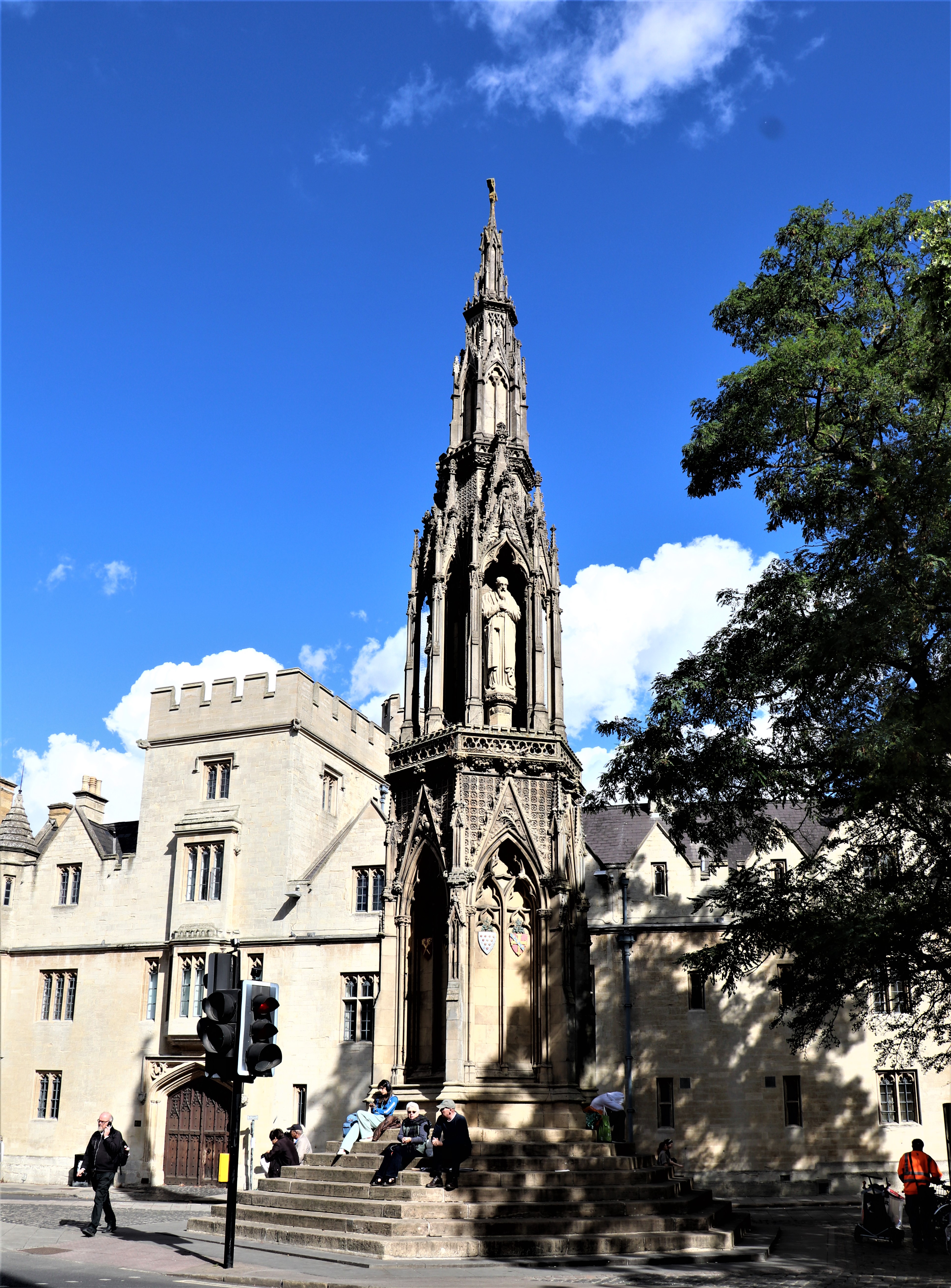
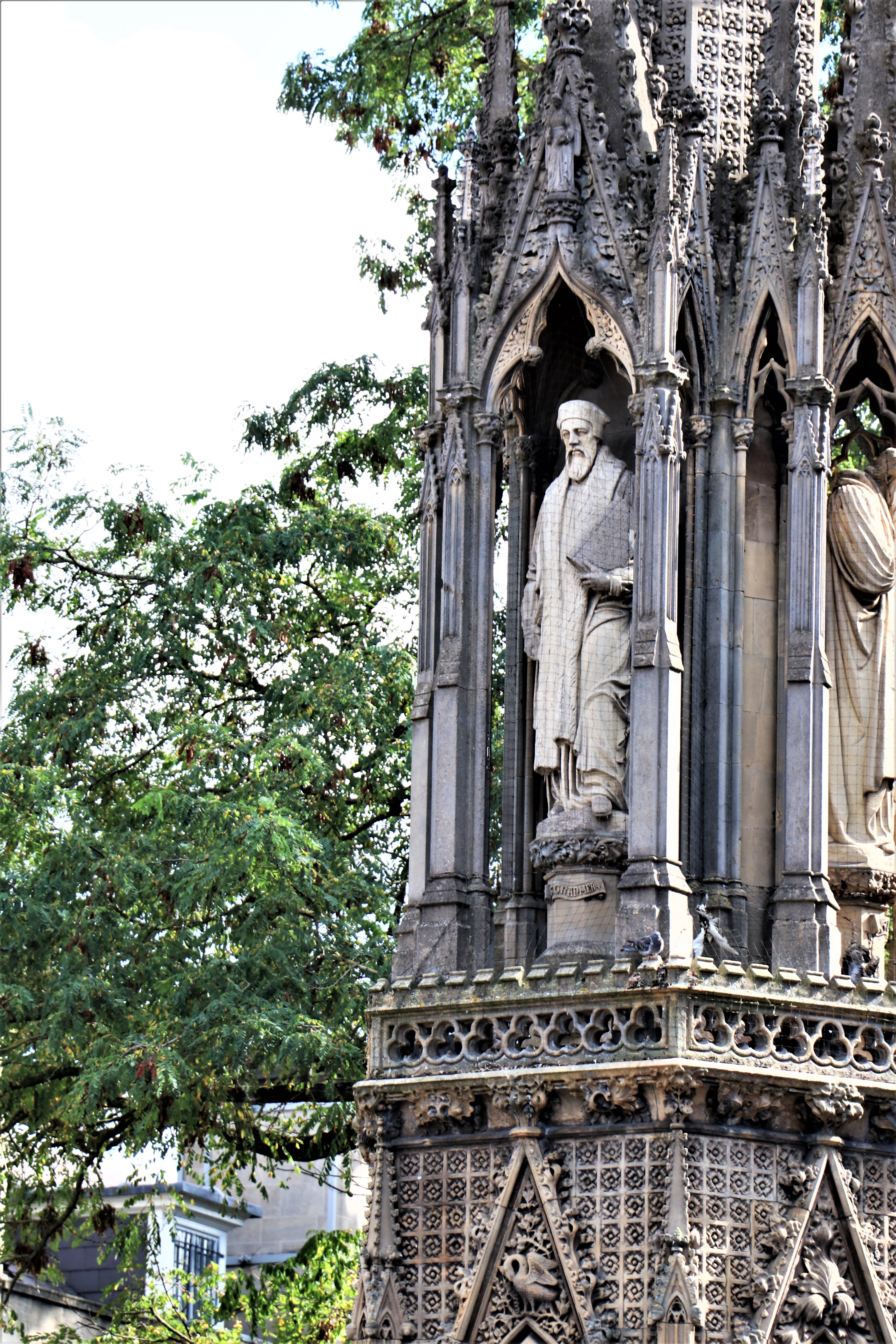
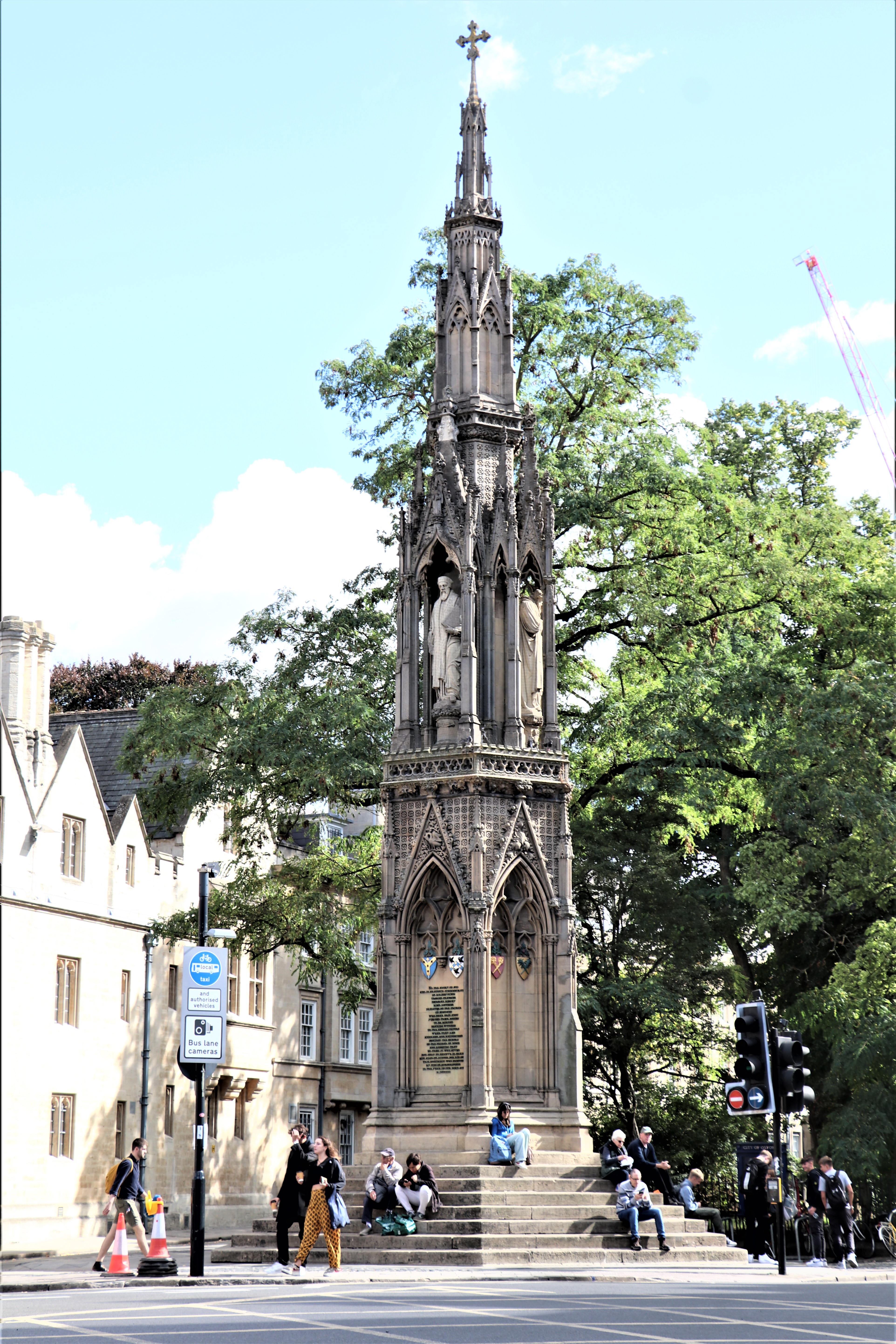
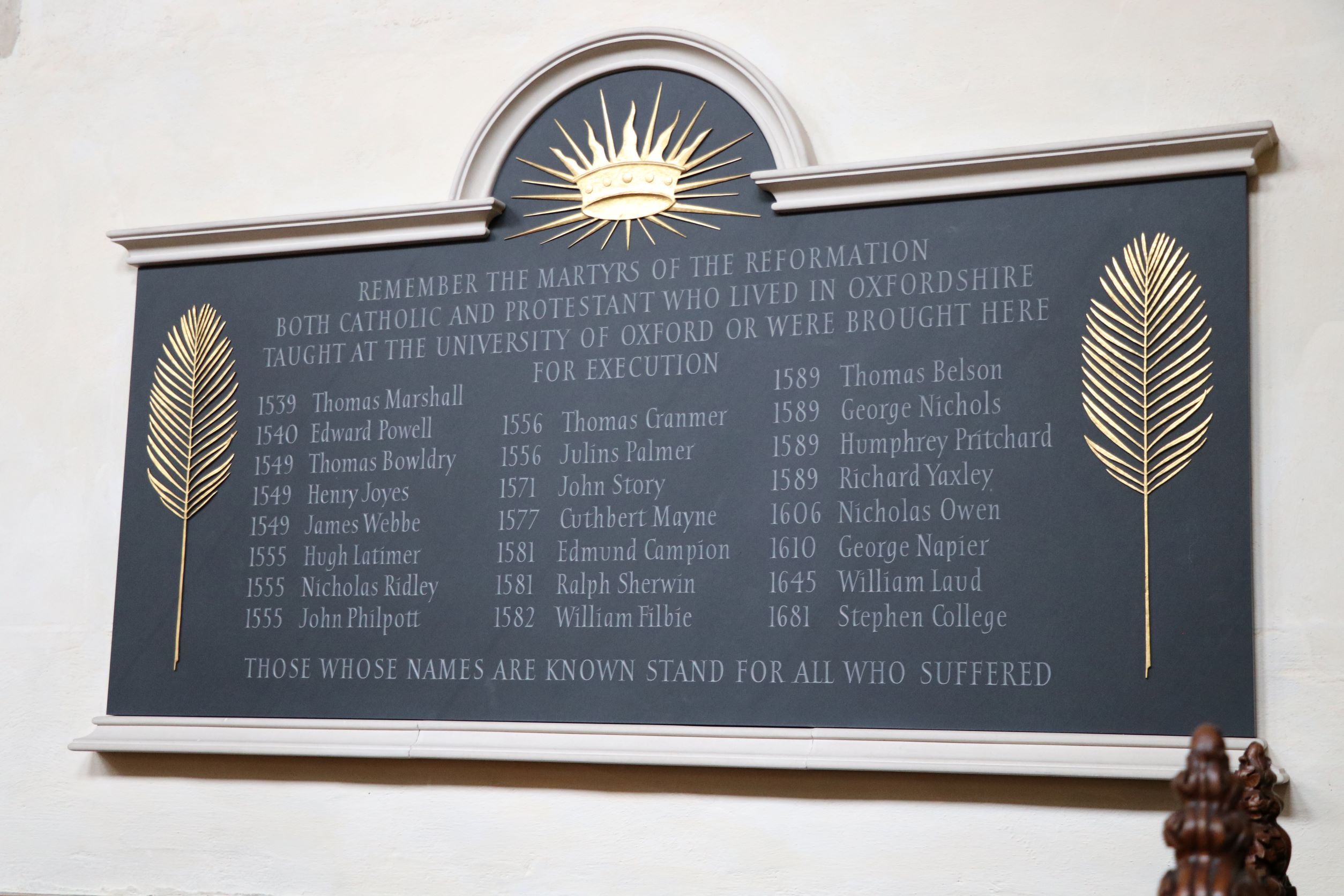
Since today is Reformation Day I decided to share my photos from Oxford taken this past September of the Martyr’s Memorial and other history linked to the Martyrs. But first I’m linking to What is Reformation Day All About at Ligonier.org

On October 31, much of the culture will be focused on candy and things that go bump in the night. Protestants, however, have something far more significant to celebrate on October 31. It’s Reformation day, which commemorates what was perhaps the greatest move of God’s Spirit since the days of the Apostles. But what is the significance of Reformation Day, and how should we consider the events it commemorates?

To read more of this history click on the link above.

More about what Reformed means in primer form can be found here.

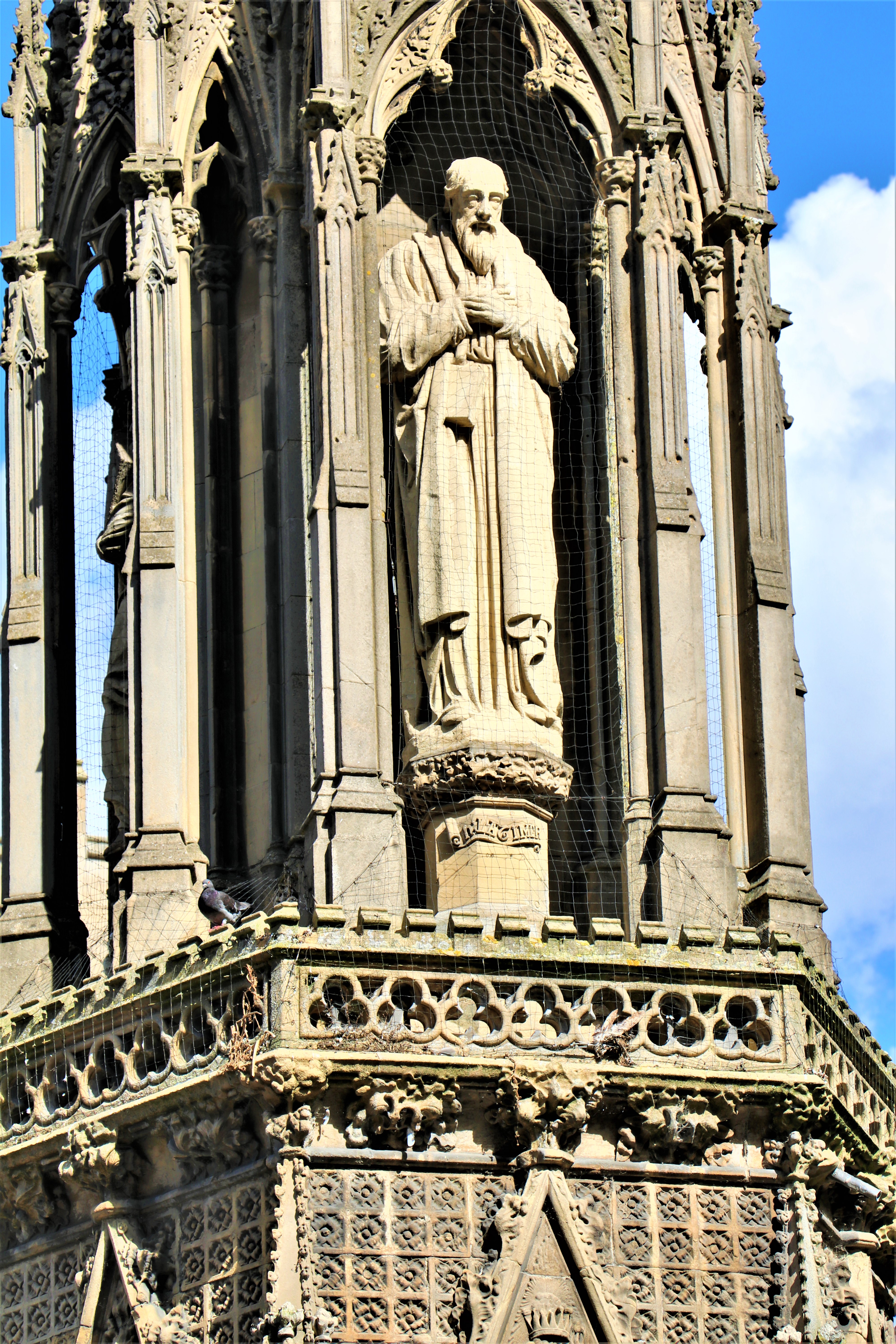
Where St. Giles’ becomes Magdalen Street in Oxford you can’t miss this memorial to the Oxford Martyrs.

Cranmer

Latimer

Ridley

Two men stood back to back at the stake.  As a large crowd watched, a heavy chain was passed around their waists to hold them fast.  A fagot was kindled.  At the sight of the flame, the older of the two men gave utterance to the noblest and shortest sermon he ever gave in his long life of preaching.  “Be of good comfort, Master Ridley, and play the man.  We shall this day light such a candle by God’s grace in England as I trust shall never be put out.”

These lines have become among the most famous lines in English church history.  The chain that bound Latimer and Ridley together on that morning of October 16, 1555, has continued to bind them together in the common mind.  Today, it is almost impossible to think of Latimer without also thinking of Ridley.

This is the spot on Broad Street where Ridley and Latimer were burned at the stake.

I came across this very thorough YouTube on the Oxford Martyrs.

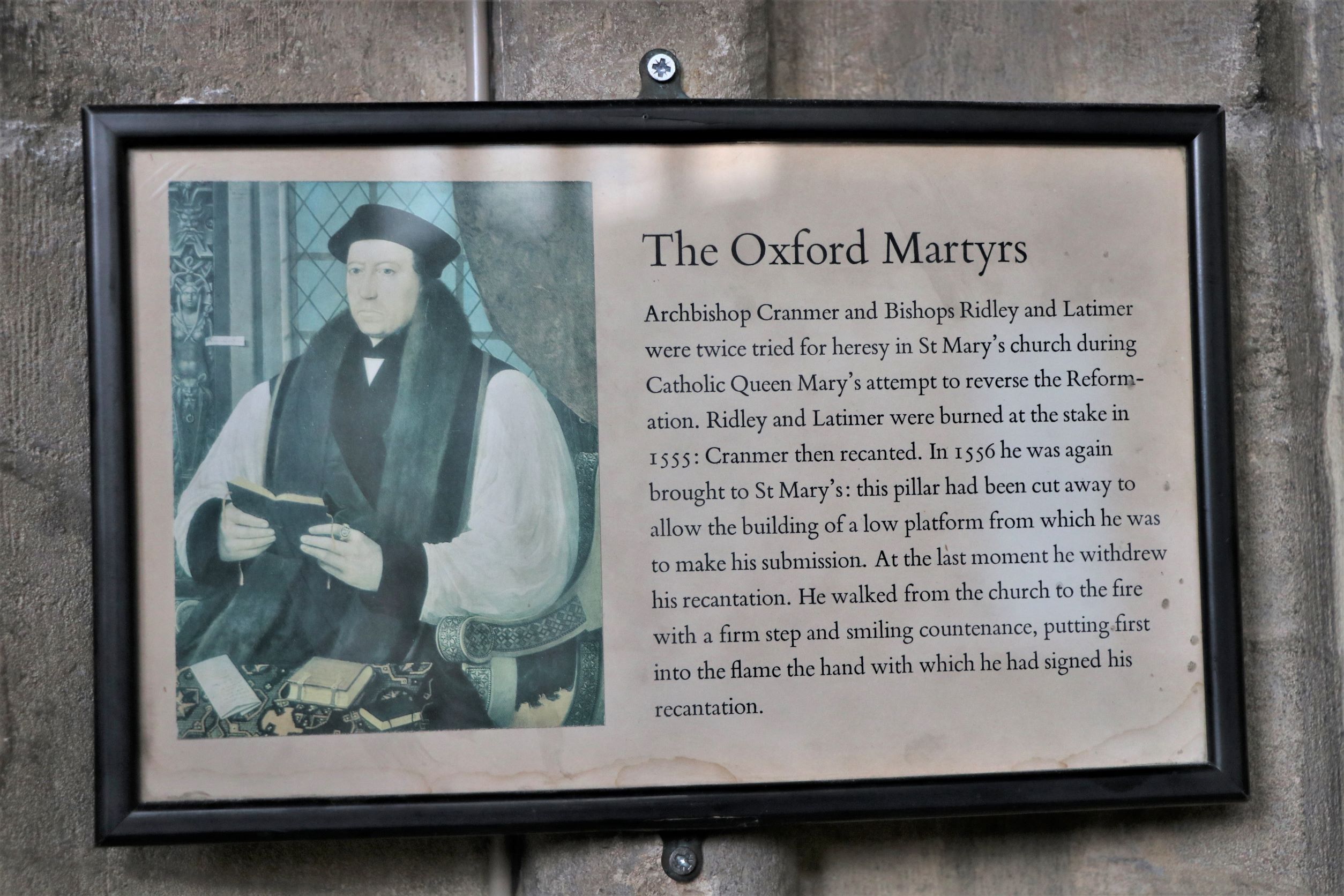
The above explanation is posted in the University Church of St. Mary on the pillar mentioned below.

Archbishop Cranmer and Bishops Ridley and Latimer were twice tried for heresy in St. Mary’s church during Catholic Queen Mary’s attempt to reverse the Reformation. Ridley and Latimer were burned at the stake in 1555: Cranmer then recanted. In 1556 he was again brought to St. Mary’s: this pillar had been cut away to allow the building of a low platform from which he was to make his submission. At the last moment he withdrew his recantation. He walked away from the church to the fire with a firm step and smiling countenance, putting first into the flame the hand with which he had signed his recantation.

This next quote is from Drawing Near daily readings by John MacArthur ~ I have a friend who has a beautiful collection of rare Bibles. My favorite is one of the earliest printed copies, dating back to sixteenth-century England. The first time I held it in my hands I noticed that the top third of every page was covered with a dark stain. Tears filled my eyes when I realized it was from the blood of its original owner.

My friend explained that when Bloody Mary ruled England, she delighted in terrorizing Protestants and murdering as many as she could. Her soldiers would execute their victims through some bloody means, then take his or her Bible and dip it into the blood. Some of those Bibles have been preserved and are known as Martyrs’ Bibles. Scientists have confirmed that the dark stains on every page of my friend’s Bible are, indeed, human blood.

That same Bible is well worn from being studied. And many of its pages have water stains on them—perhaps from tears. Obviously it was someone’s most precious possession, and his or her blood is there to prove it. 

More and more we are finding importance in knowing the past history of the church.

HT: Discerning History


A Mighty Fortress is Our God ~ Hymn

A Mighty Fortress is Our God

A mighty fortress is our God,
A bulwark never failing;
Our helper He, amid the flood
Of mortal ills prevailing:
For still our ancient foe
Doth seek to work us woe;
His craft and power are great,
And, armed with cruel hate,
On earth is not his equal.

Did we in our own strength confide,
Our striving would be losing;
Were not the right Man on our side,
The Man of God’s own choosing:
Dost ask who that may be?
Christ Jesus, it is He;
Lord Sabaoth, His name,
From age to age the same,
And He must win the battle.

And though this world, with devils filled,
Should threaten to undo us,
We will not fear, for God hath willed
His truth to triumph through us:
The Prince of Darkness grim,
We tremble not for him;
His rage we can endure,
For lo, his doom is sure,
One little word shall fell him.

That word above all earthly powers,
No thanks to them, abideth;
The Spirit and the gifts are ours
Through Him who with us sideth:
Let goods and kindred go,
This mortal life also;
The body they may kill:
God’s truth abideth still,
His kingdom is forever.

Words and Music: Martin Luther, 1529.

This song has been called the great­est hymn of the great­est man of the great­est per­i­od of Ger­man his­to­ry, and the Bat­tle Hymn of the Re­for­ma­tion. It was sung at the fun­er­al of Am­er­i­can pre­si­dent Dwight Ei­sen­how­er at the Na­tion­al Ca­thed­ral in Wash­ing­ton, DC, March 1969.