Truth for Today #169

Friday November 14th

On Fridays my posts will include verses that stood out in my readings from the Bible during week. One, two, three or maybe more. If you have a verse/verses that you read during the week and would like to share, leave it/them in the comments and I will add it/them to the post. Let’s dig deep in God’s Truth again this year!

The verses that you share are appreciated and so encouraging, I’m thankful for them and for each of you! 

I’m adding a little note here for the verses I’m sharing today from John 17.

My First Anchor:

On November 24, 1572, John Knox, as he lay dying, said to his wife, Margaret, “Go, read to me where I cast my first anchor.” Margaret knew immediately what to do. She reached for a Bible, opened to John 17, and read to her husband the first three verses. Margaret knew this text was where Knox first met Christ as his Savior. The passage served as both the first and the last anchor for Knox.

John 17:1-3

When Jesus had spoken these words, he lifted up his eyes to heaven, and said, “Father, the hour has come; glorify your Son that the Son may glorify you, since you have given him authority over all flesh, to give eternal life to all whom you have given him. And this is eternal life, that they may know you, the only true God, and Jesus Christ whom you have sent.”

From Vera:

“For he himself is our peace, who has made us both one and has broken down in his flesh the dividing wall of hostility by abolishing the law of commandments expressed in ordinances, that he might create in himself one new man in place of the two, so making peace, and might reconcile us both to God in one body through the cross, thereby killing the hostility. And he came and preached peace to you who were far off and peace to those who were near. For through him we both have access in one Spirit to the Father.”
‭‭Ephesians‬ ‭2‬:‭14‬-‭18‬ ‭ESV‬‬

From Dianna:

For Christ also died for sins once for all, the just for the unjust, so that He might bring us to God, having been put to death in the flesh, but made alive in the Spirit.

1 Peter 3:18 NASB


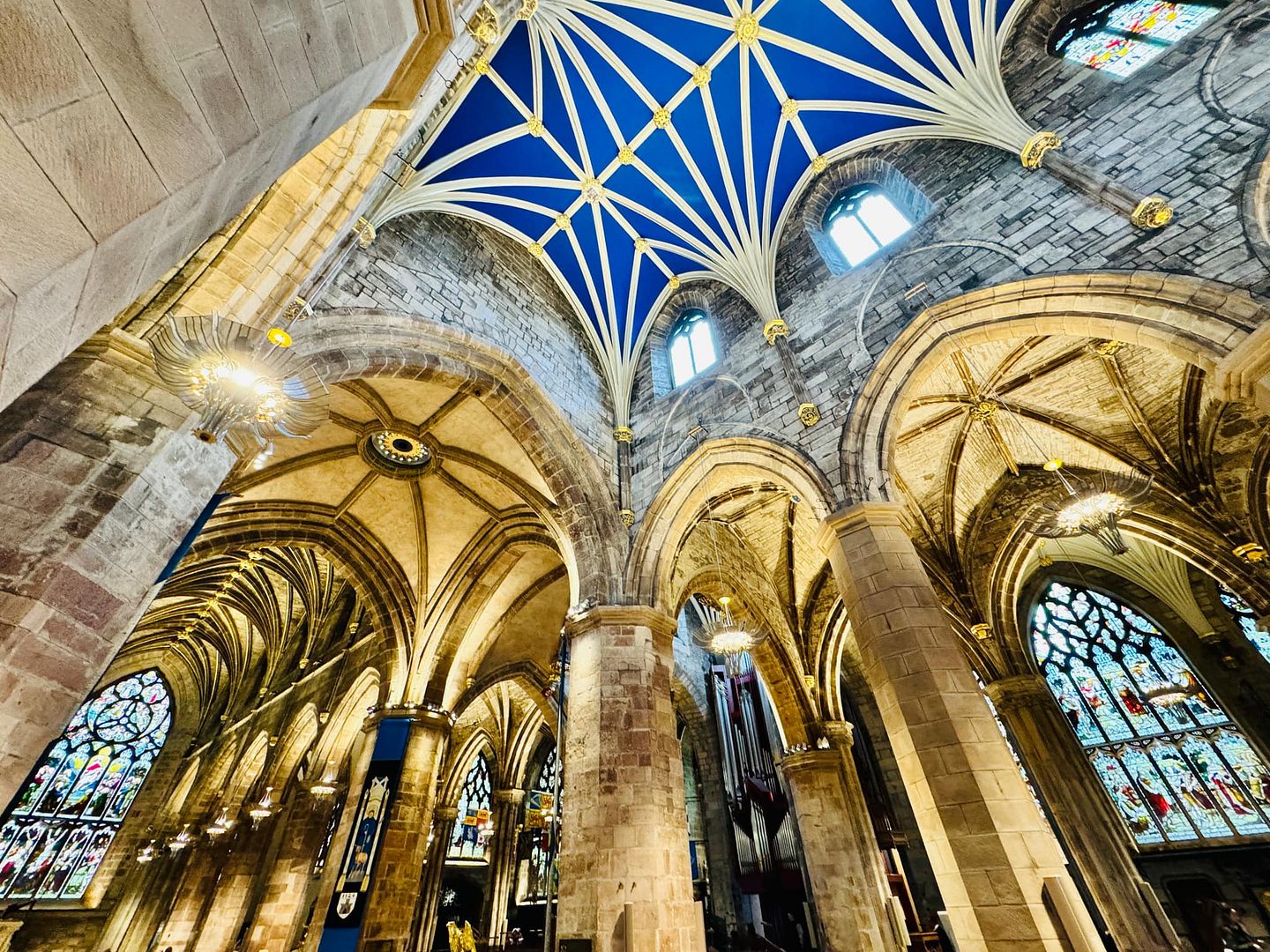
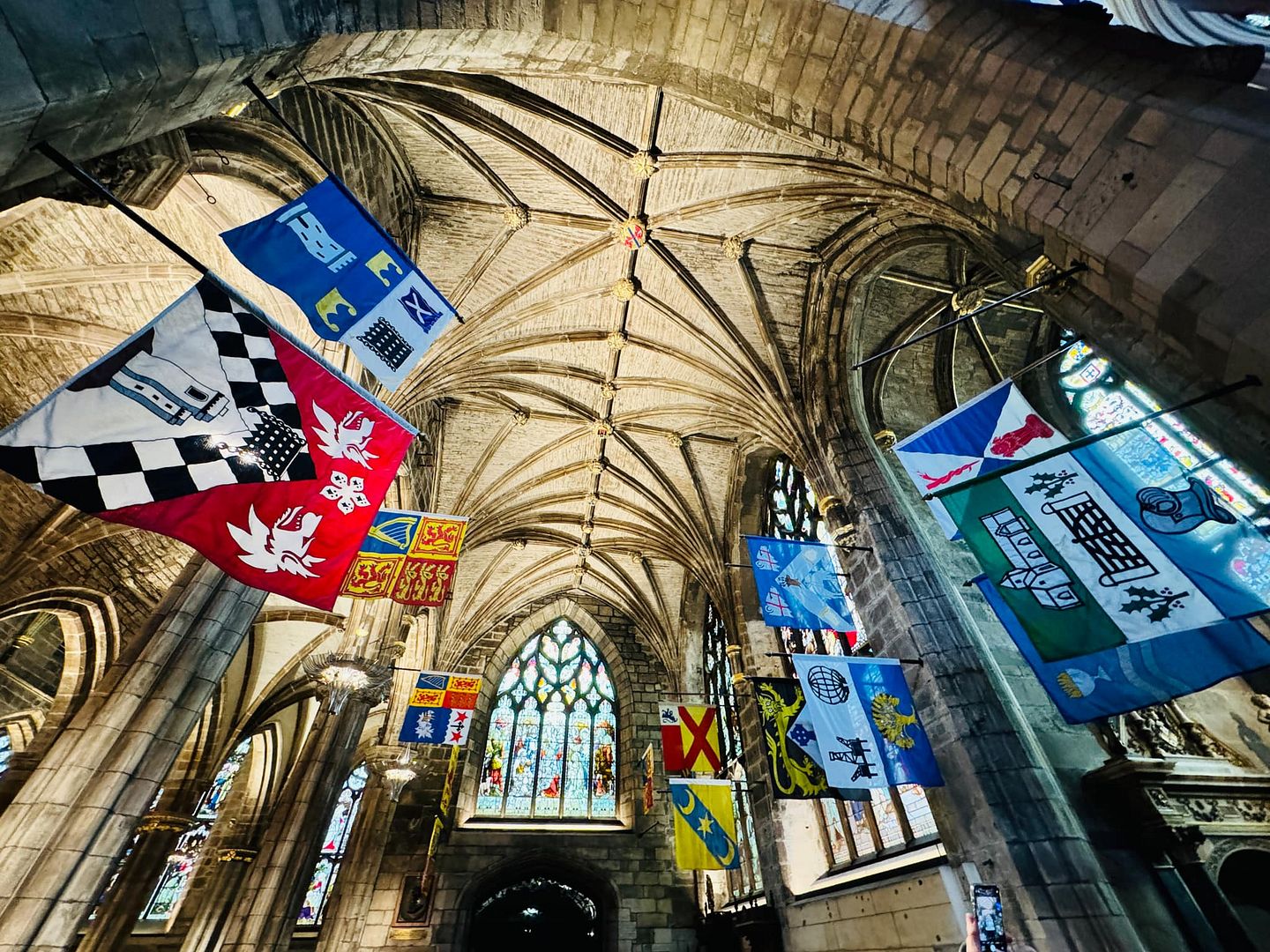
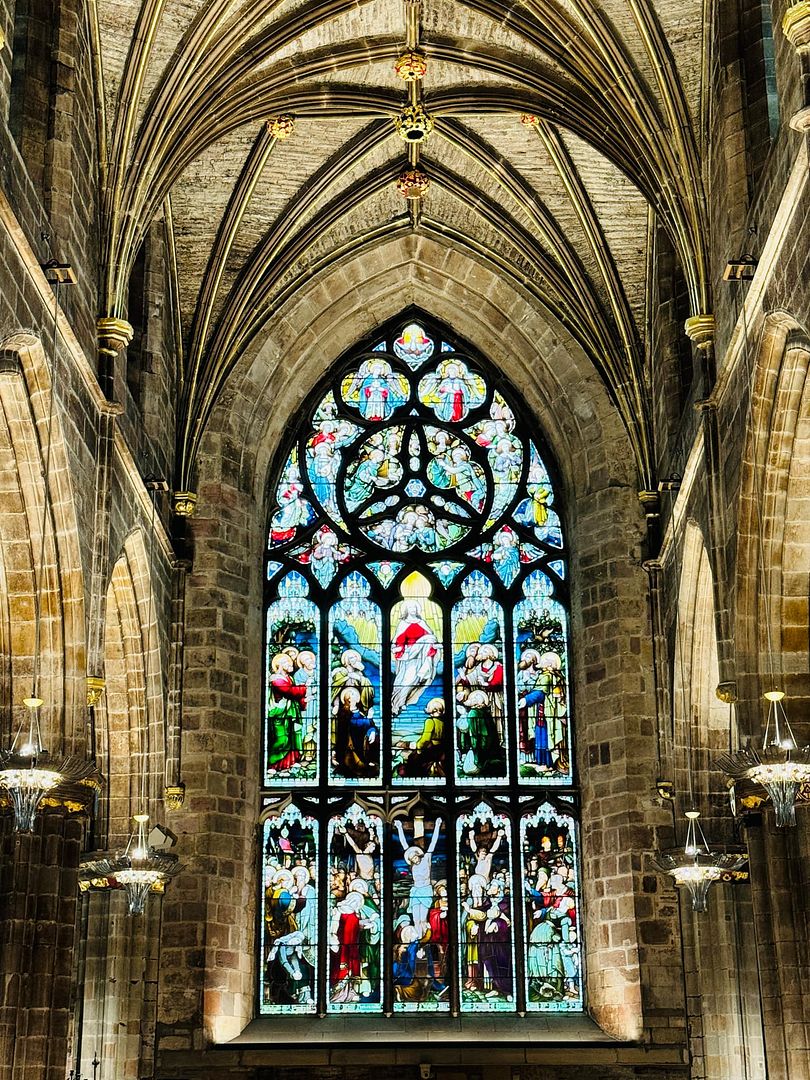
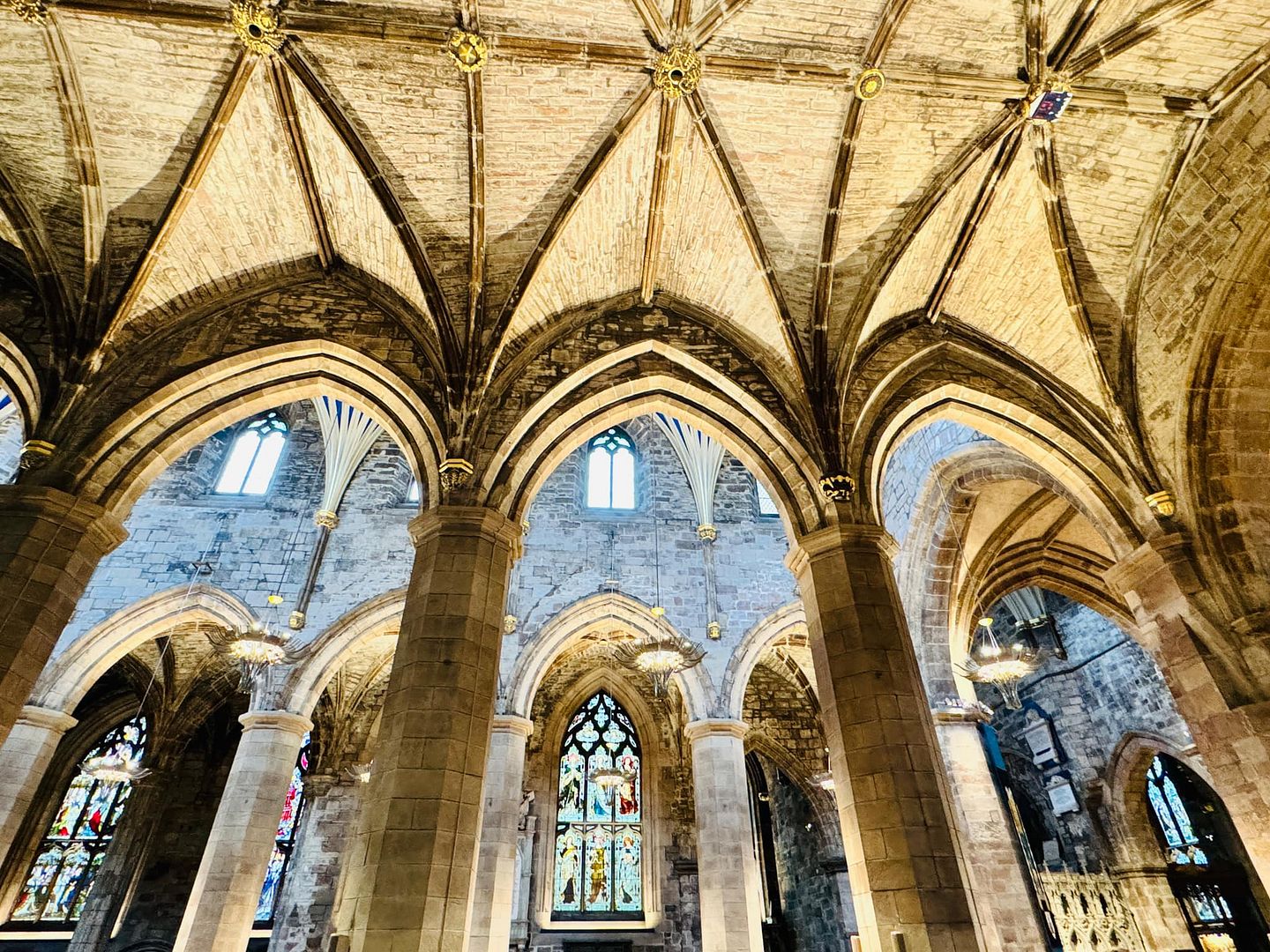
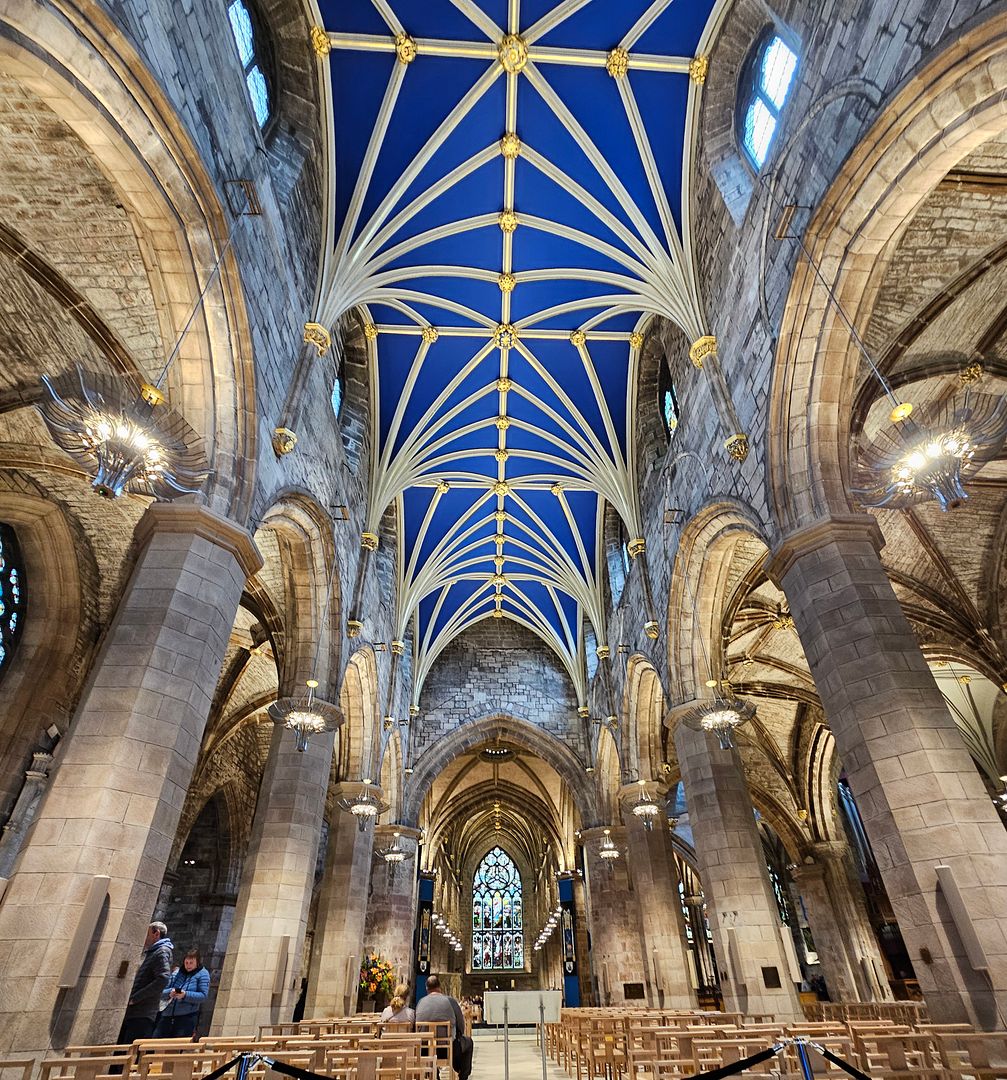
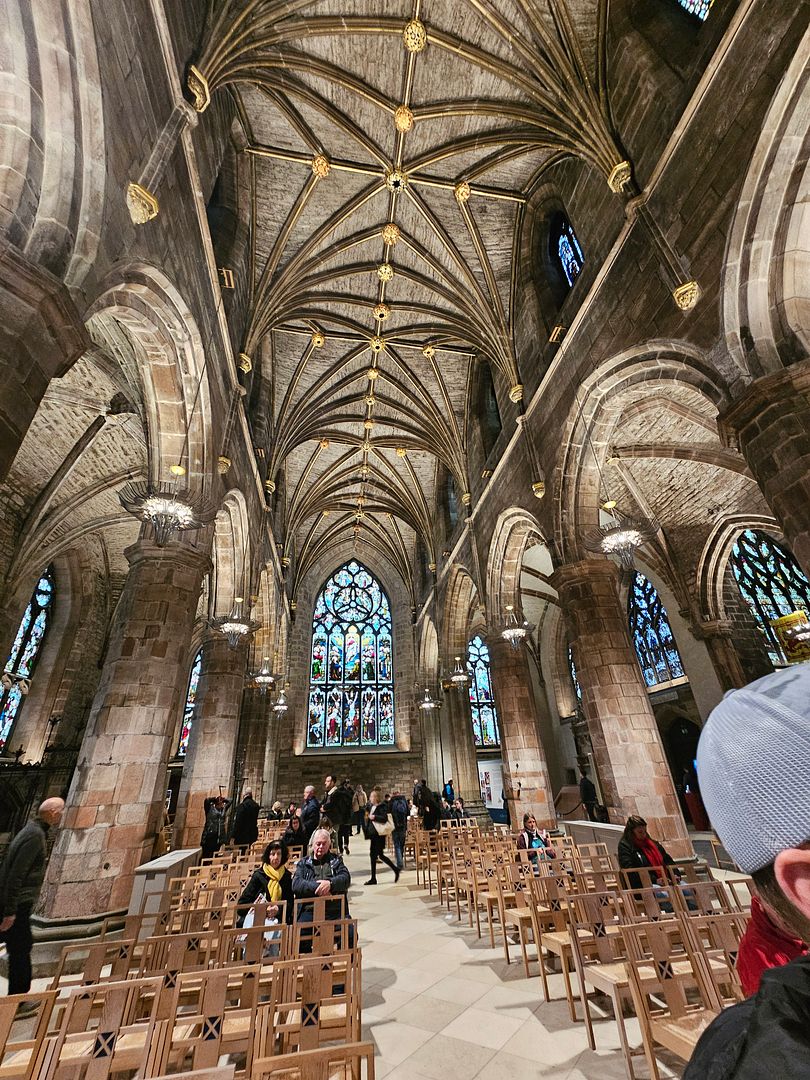
Scotland Travel Journal ~ St. Giles Cathedral

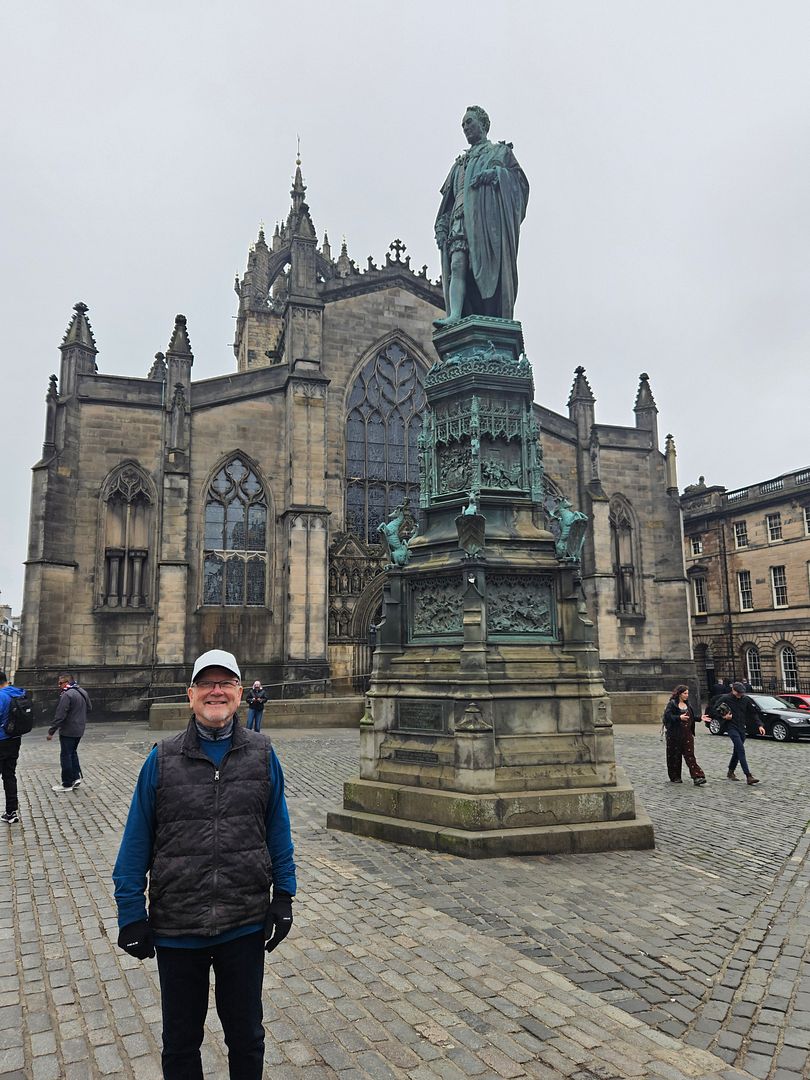
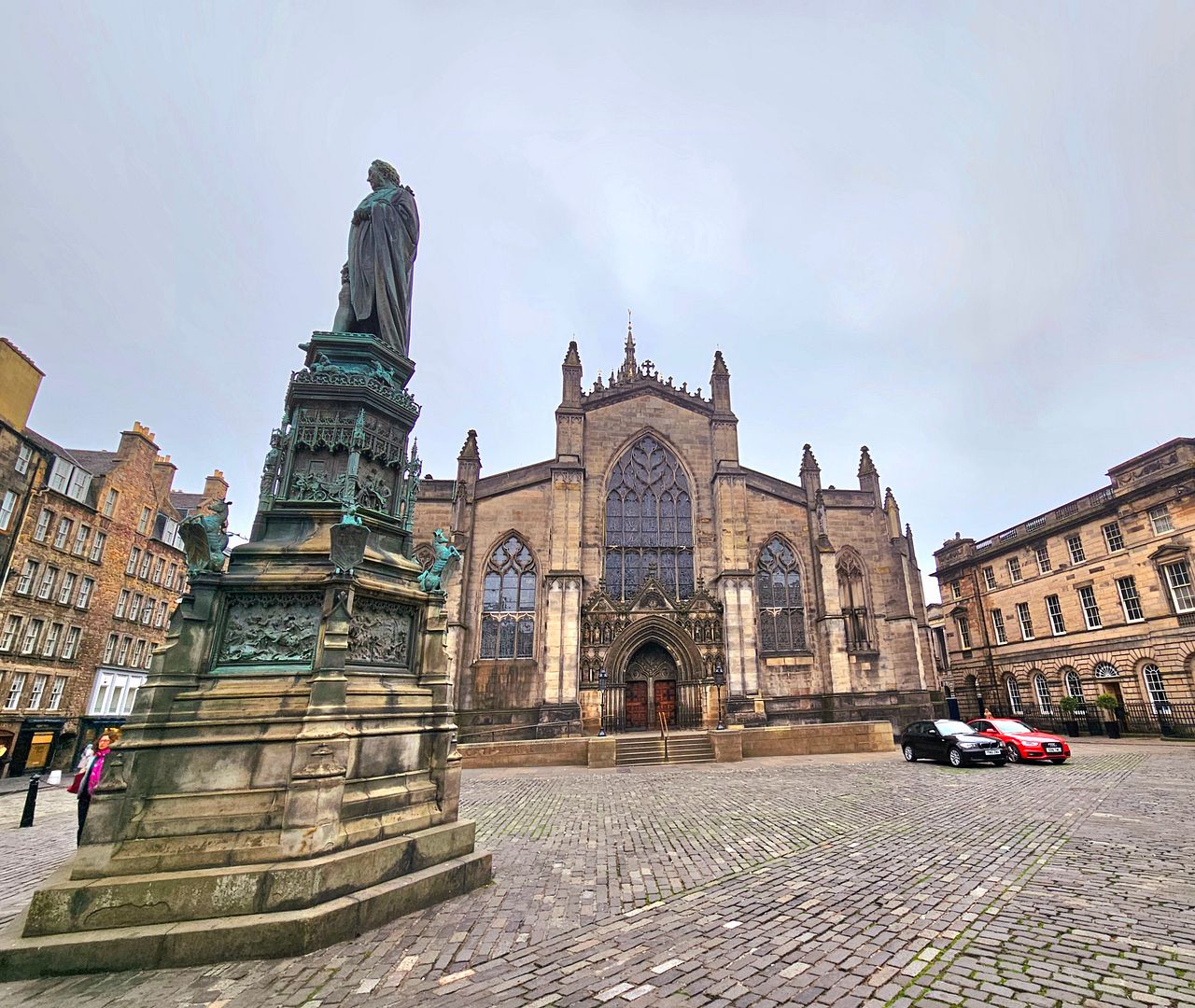
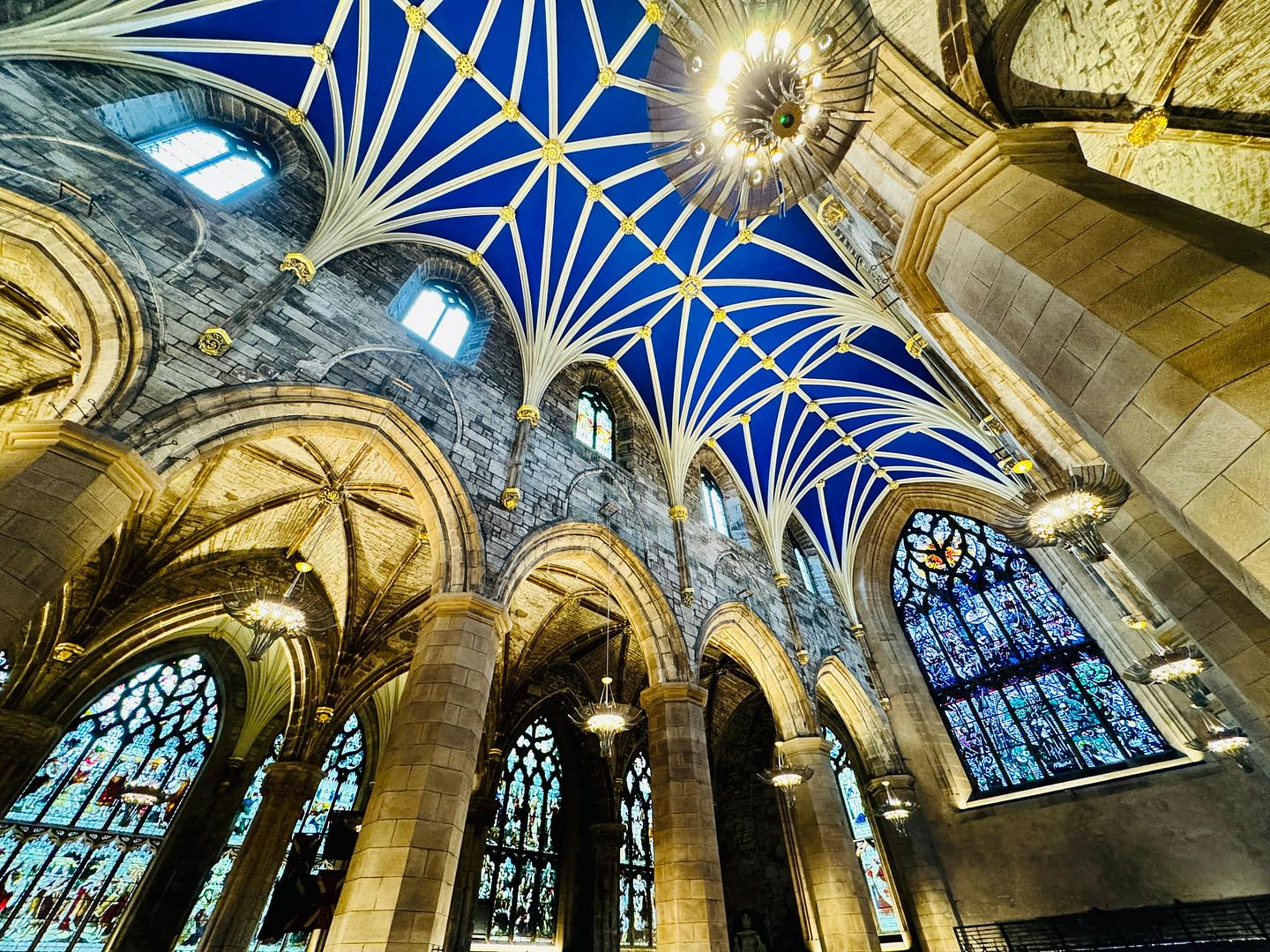
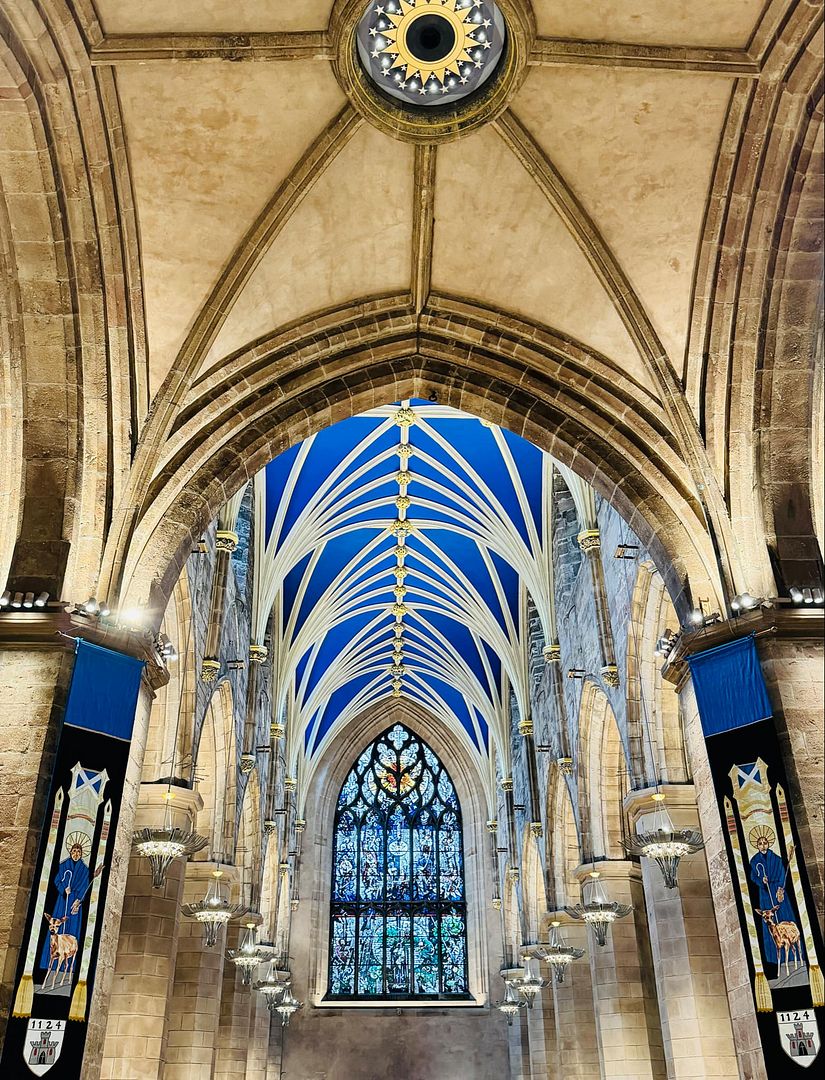
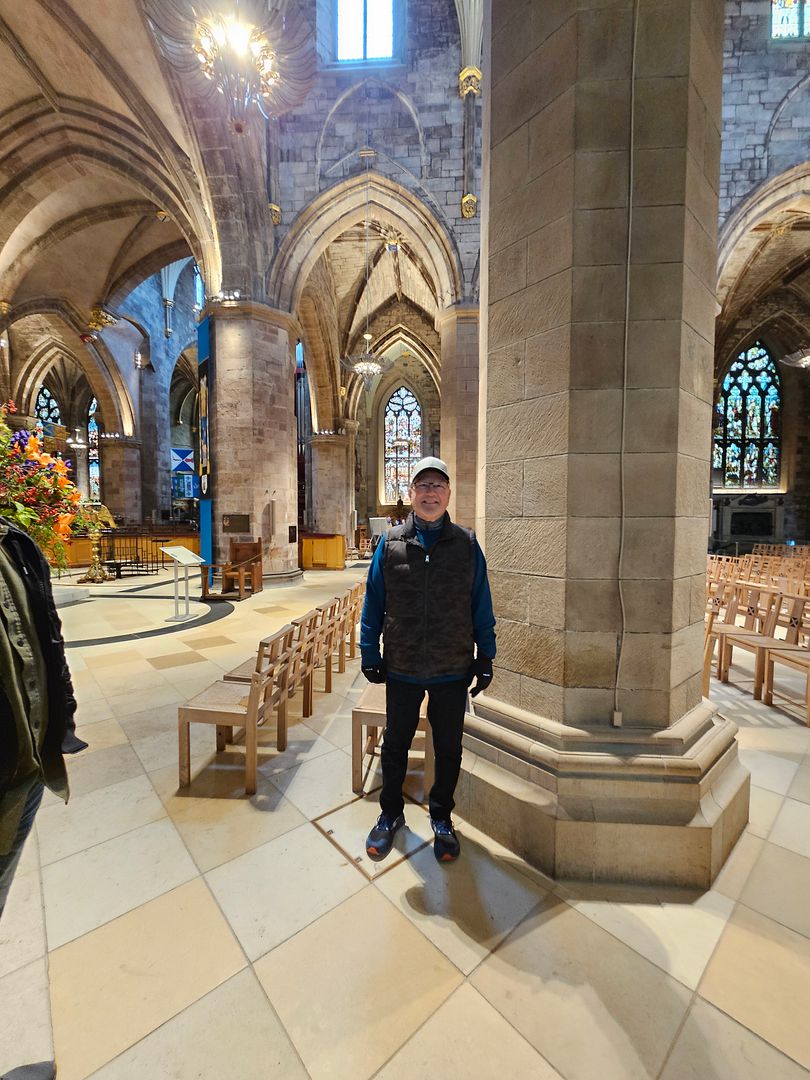
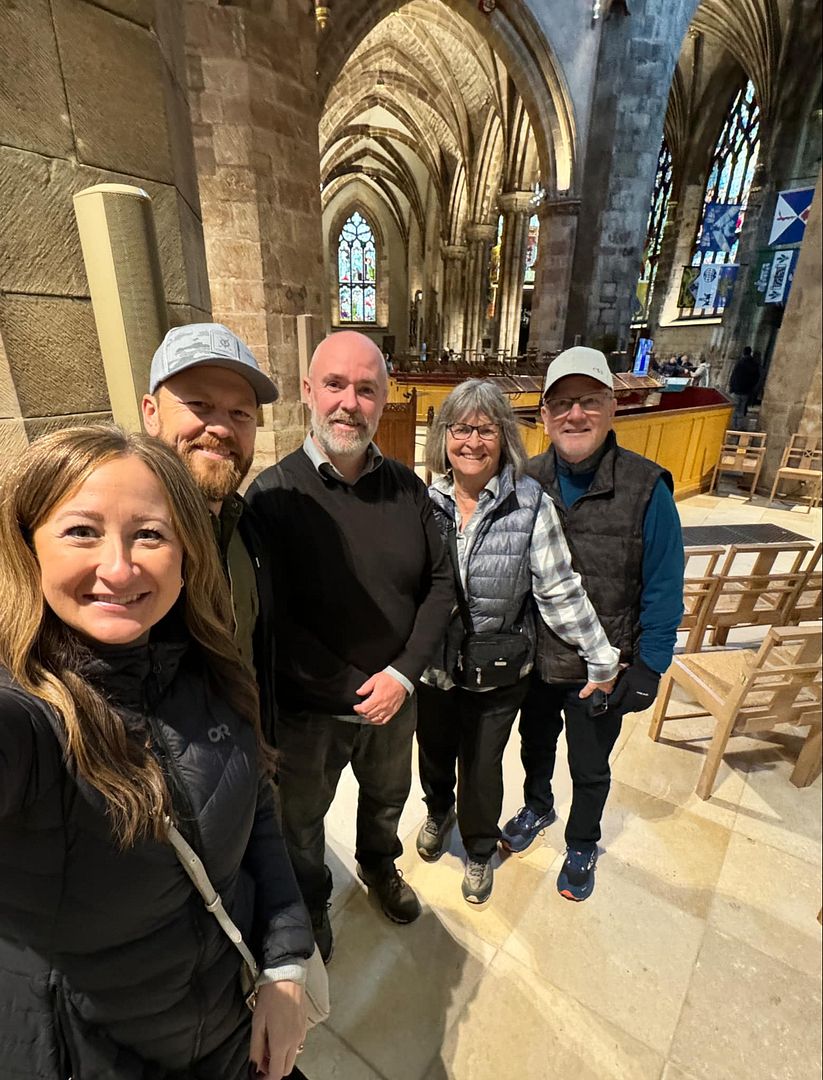
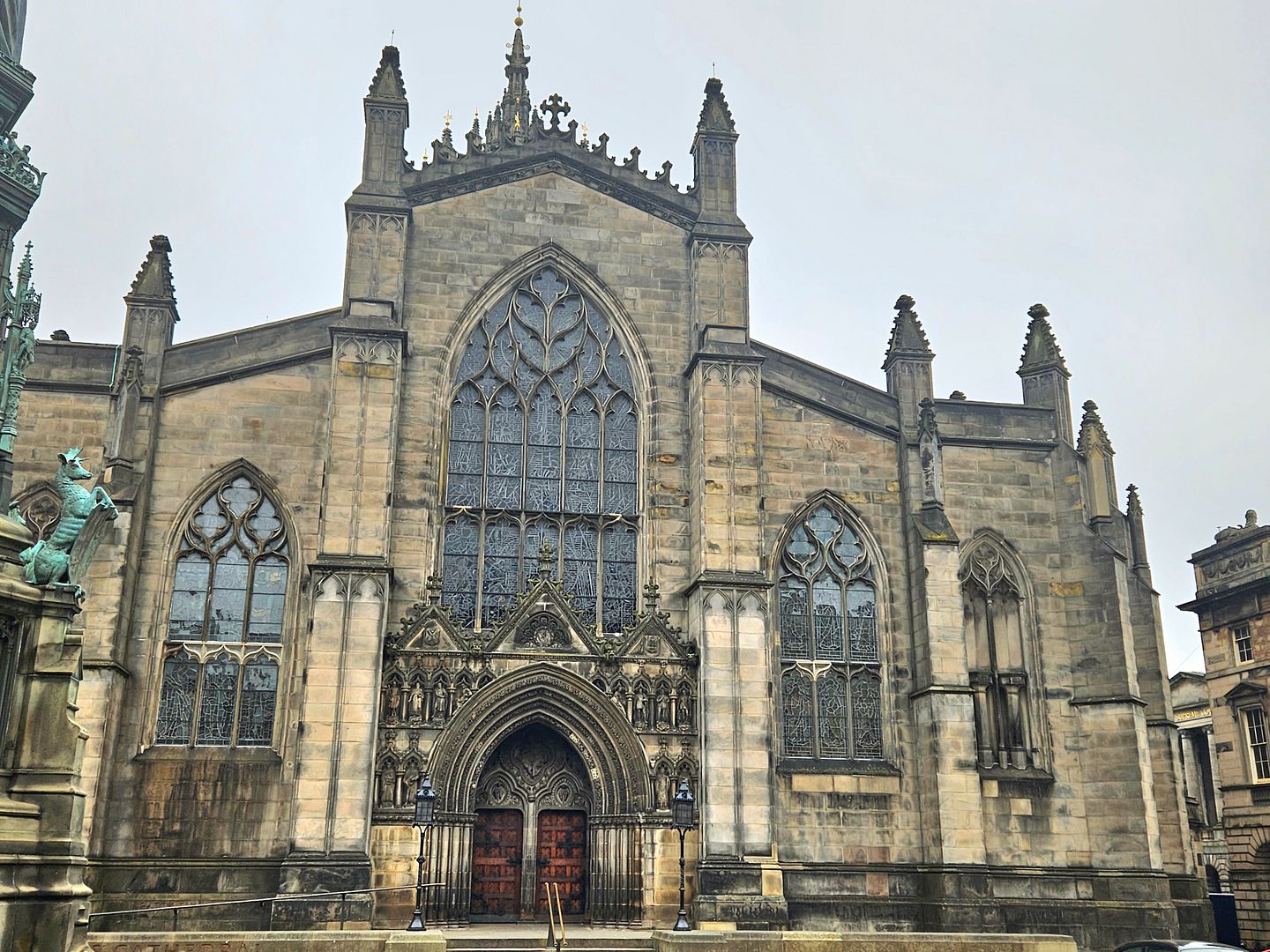
From Greyfriars Kirkyard we made our way back to St. Giles Cathedral which would be the end of our tour. By this time the cathedral was full of fellow tourists from around the world.

St Giles’ Cathedral, founded in 1124 by King David I, has been a working church for almost 900 years. A backdrop to Scotland’s turbulent religious history, it has seen the seeds of civil war sown and been John Knox’s parish church during the Reformation. It is still an important centre for civic services such as the Kirking of the Parliament and services for Most Ancient and Most Noble Order of the Thistle.

More history of St. Giles can be found here.

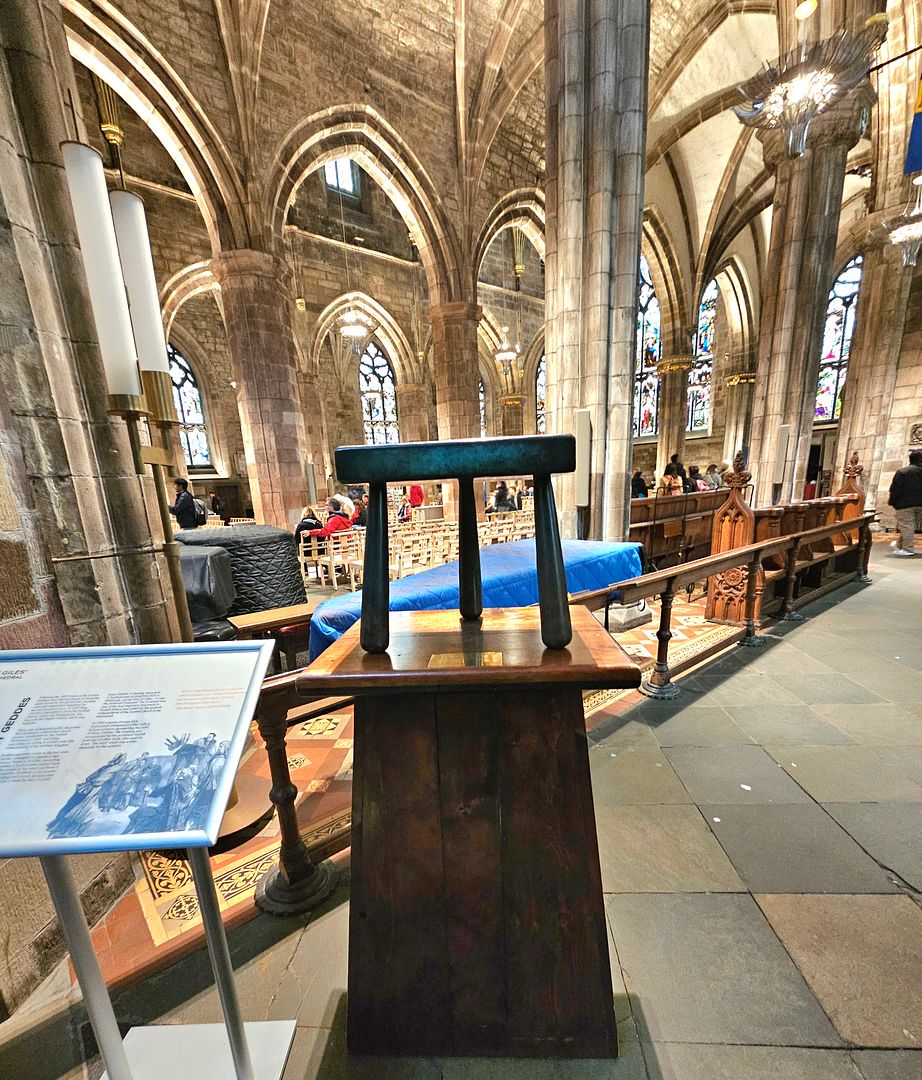
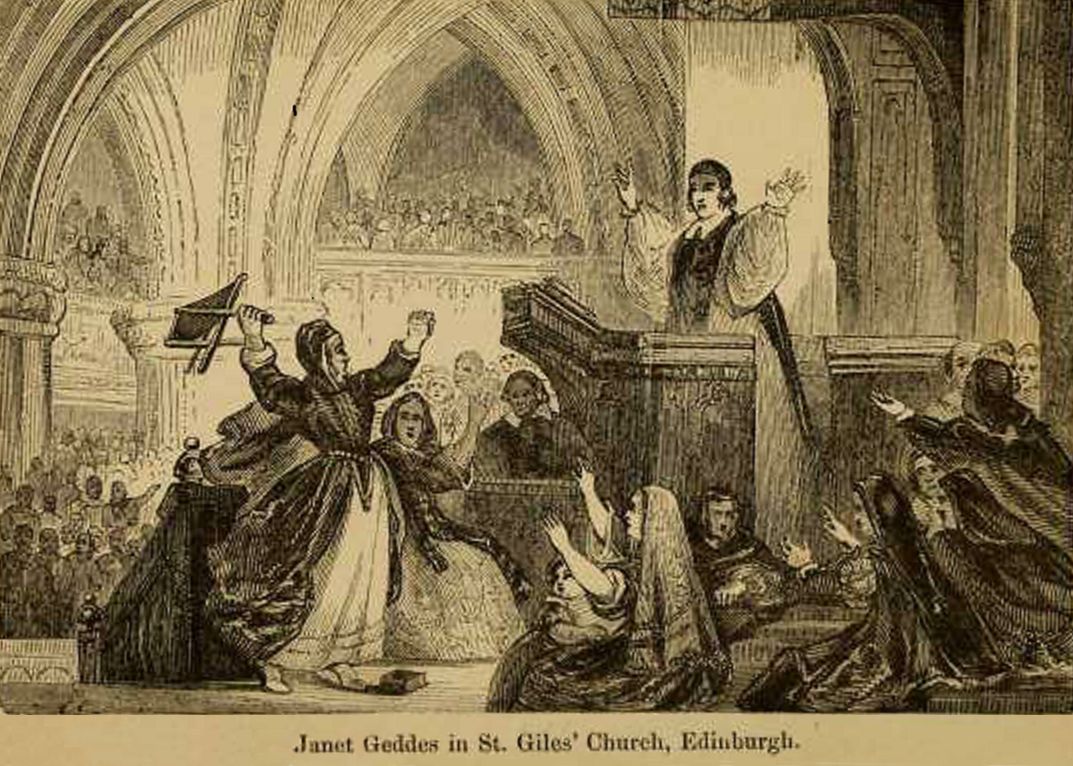
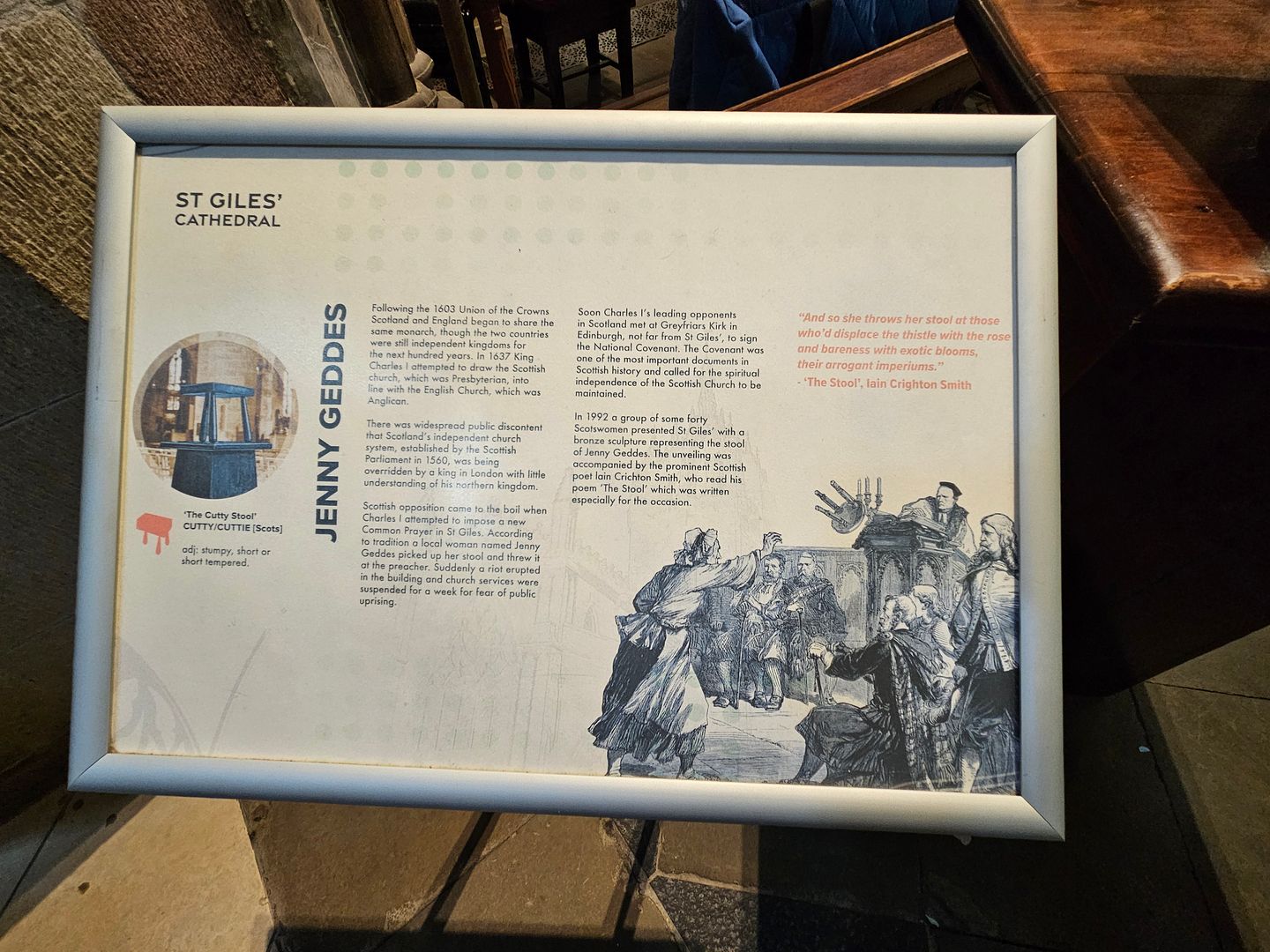
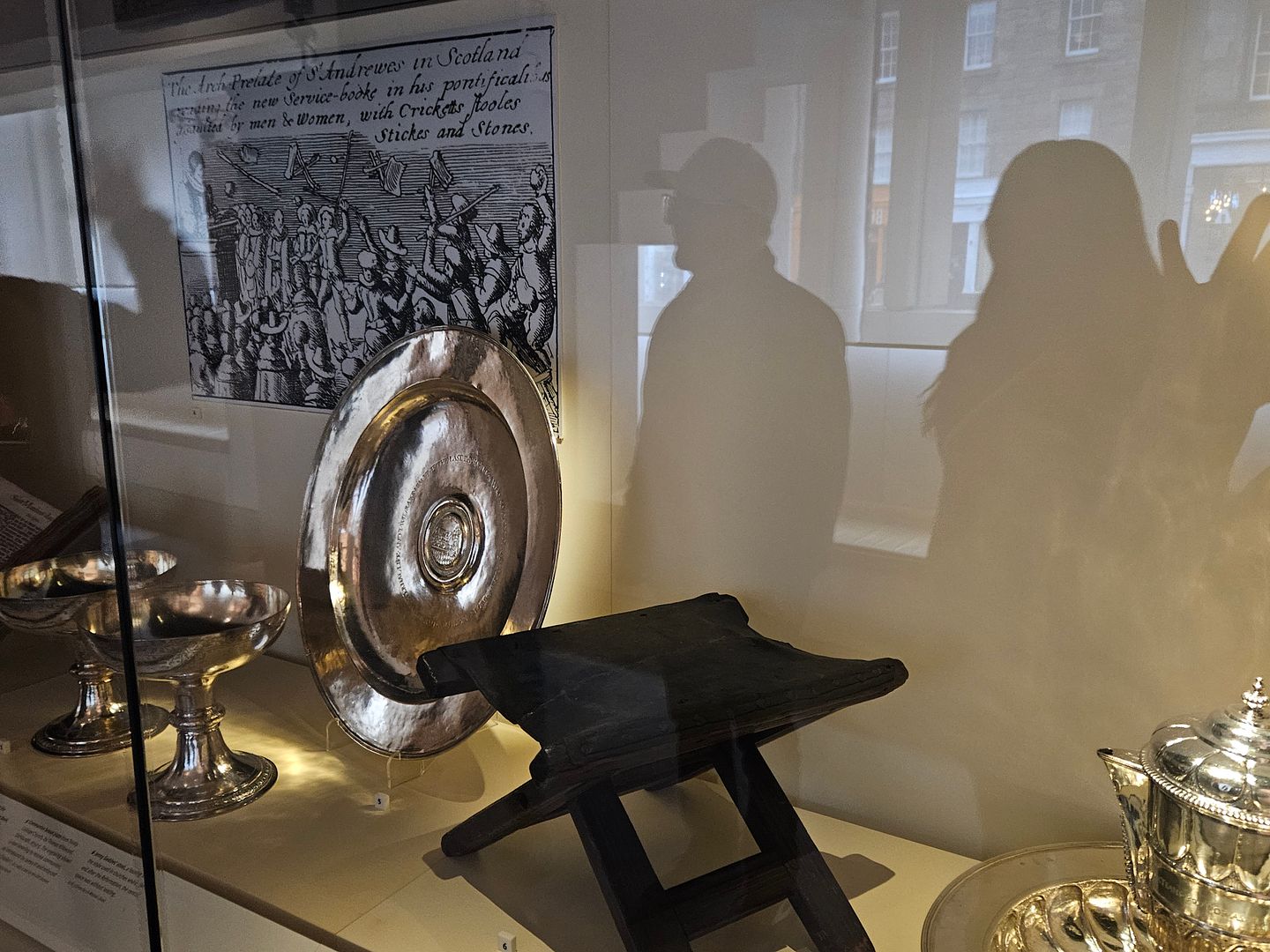
On 23 July, 1637 Dean Hannay rose to read the new liturgy in the High Church of Edinburgh, St. Giles. The liturgy had nineteen chapters within its forty-three pages “detailing how the church should be governed, from the King gaining his position from God, down to the renaming of ministers, kirk sessions, and presbyteries with terms taken from the Episcopal Church.” As the pastor began intoning from the prayer book, Jenny Geddes, allegedly a local street vendor, stood up and yelled, “Wha dur say mass in my lug!” (How dare you say the Mass in my ear) and flung her three-legged stool at the minister. Pandemonium broke out as others followed suit and the prelatical entourage fled the scene out a back door. The town guard had to rescue the bishop from the rioters. Similar scenes were enacted in other Scottish towns where the liturgy was read.

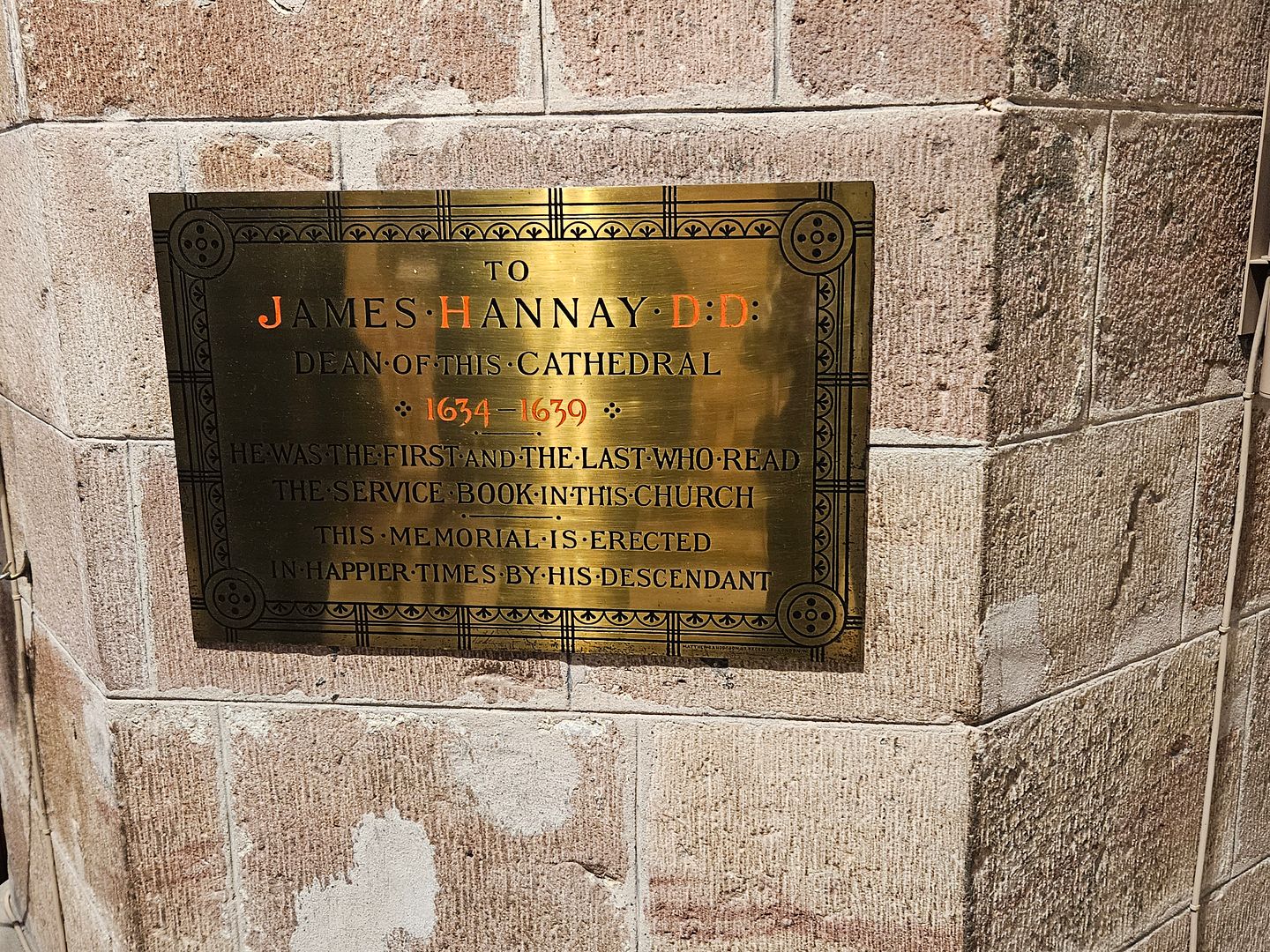
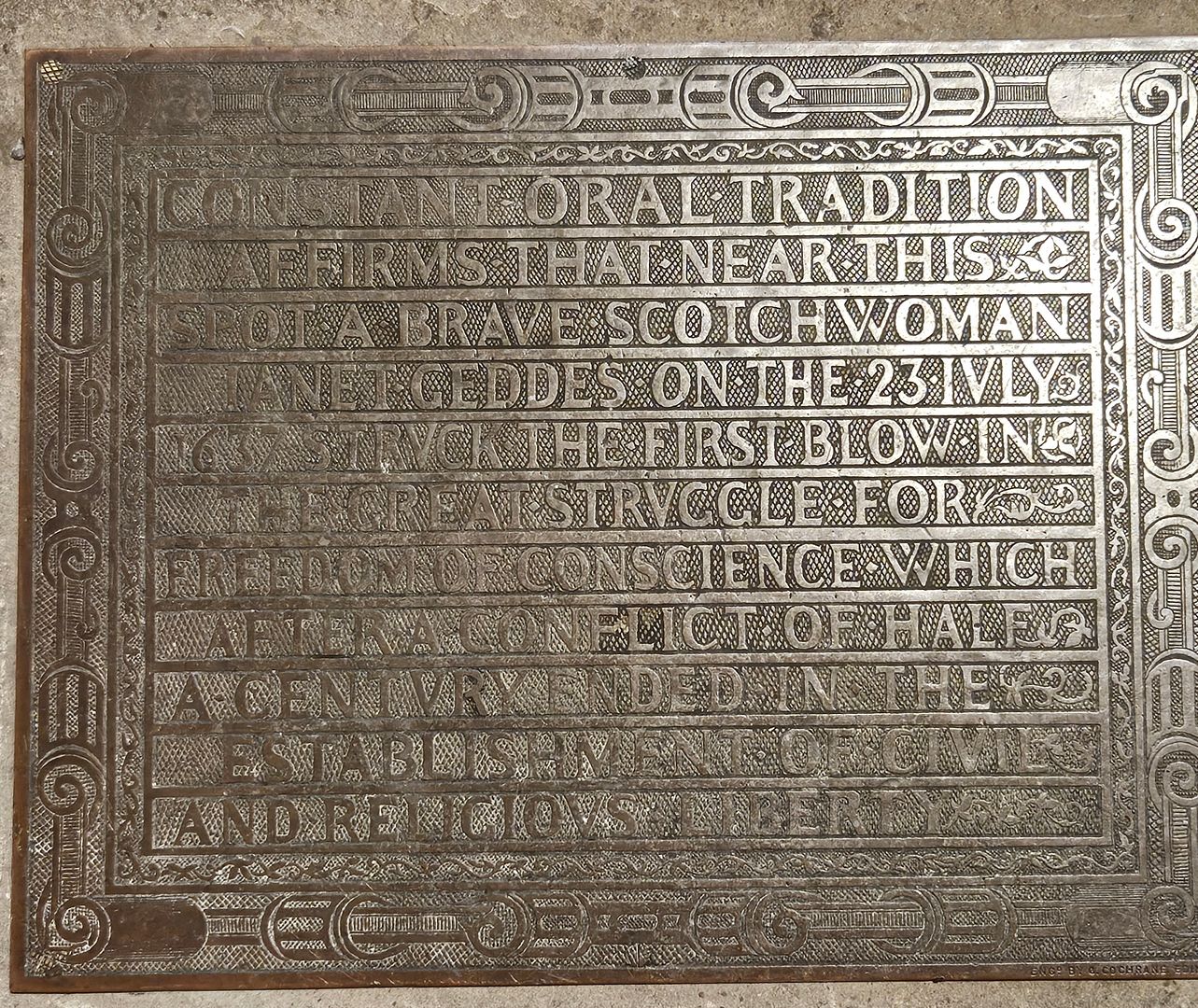
This plaque made me chuckle. James Hannay D.D. the Dean of this Cathedral, 1634-1639, He was the first and the last who read the service book in this church. This memorial is erected in happier times by his descendants.

“Constant oral tradition affirms that near this spot a brave Scotch woman Janet Geddes on the 23 July 1637 struck the first blow in the great struggle for freedom of conscience which after a conflict of half a century ended in the establishment of civil and religious liberty.”

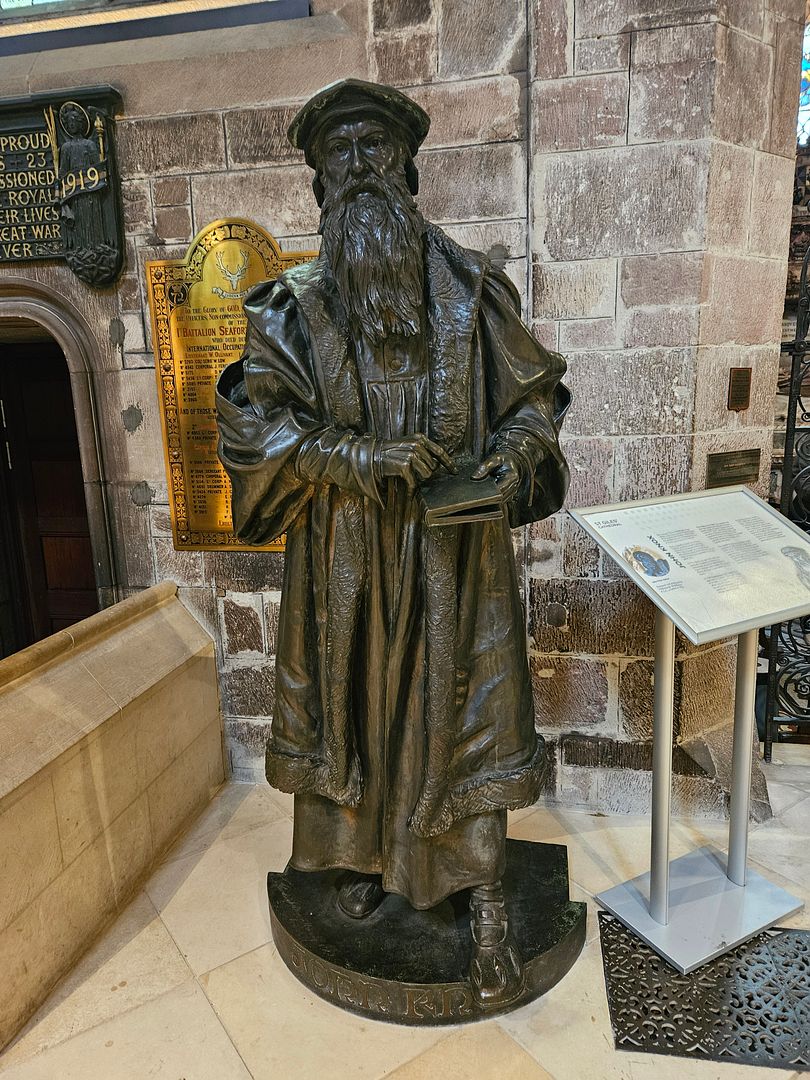
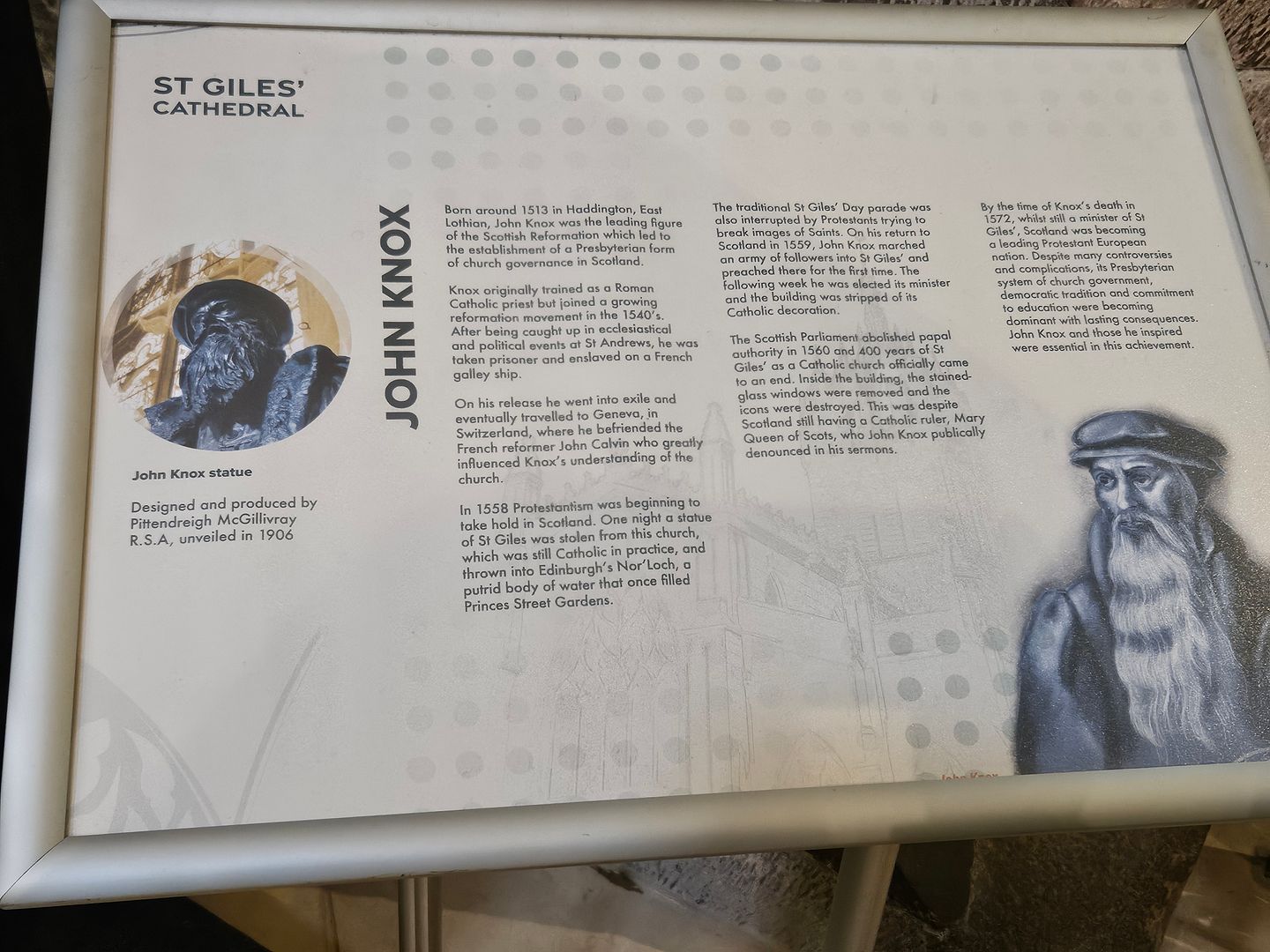
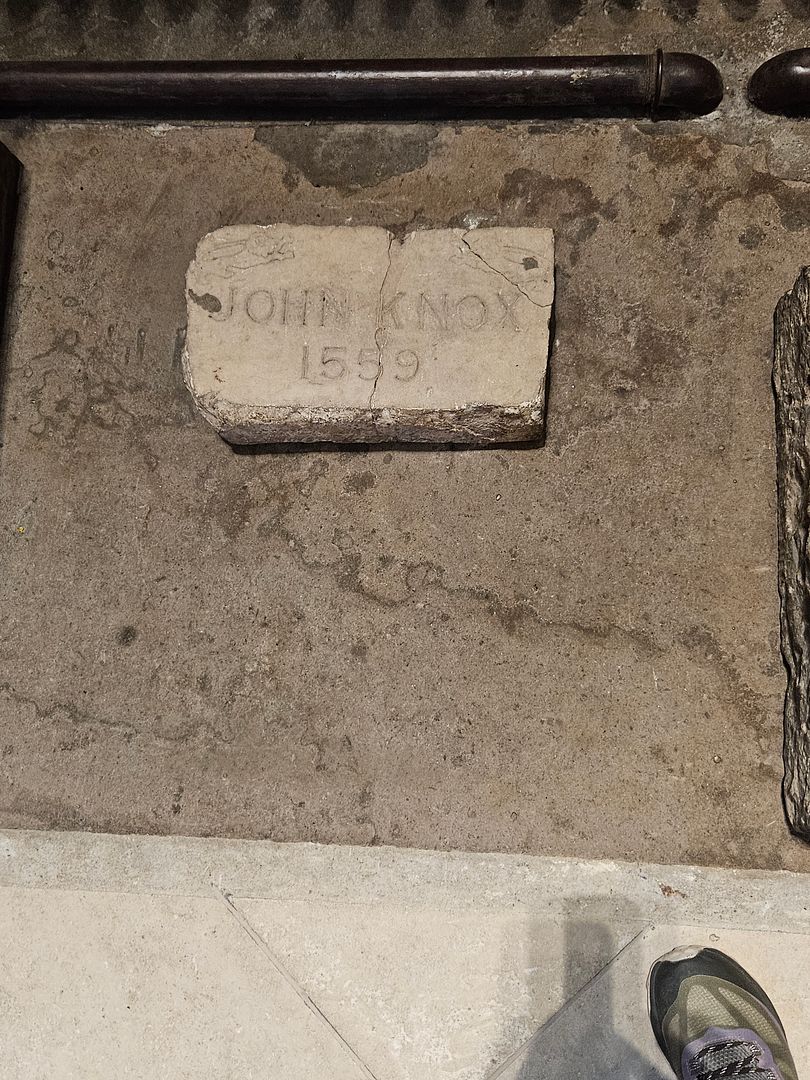
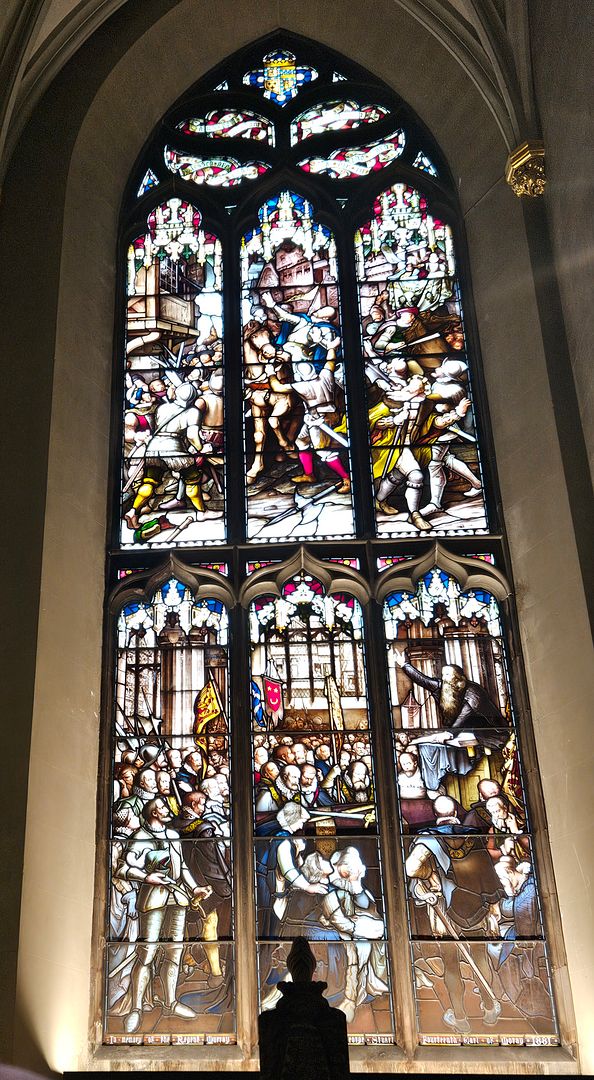
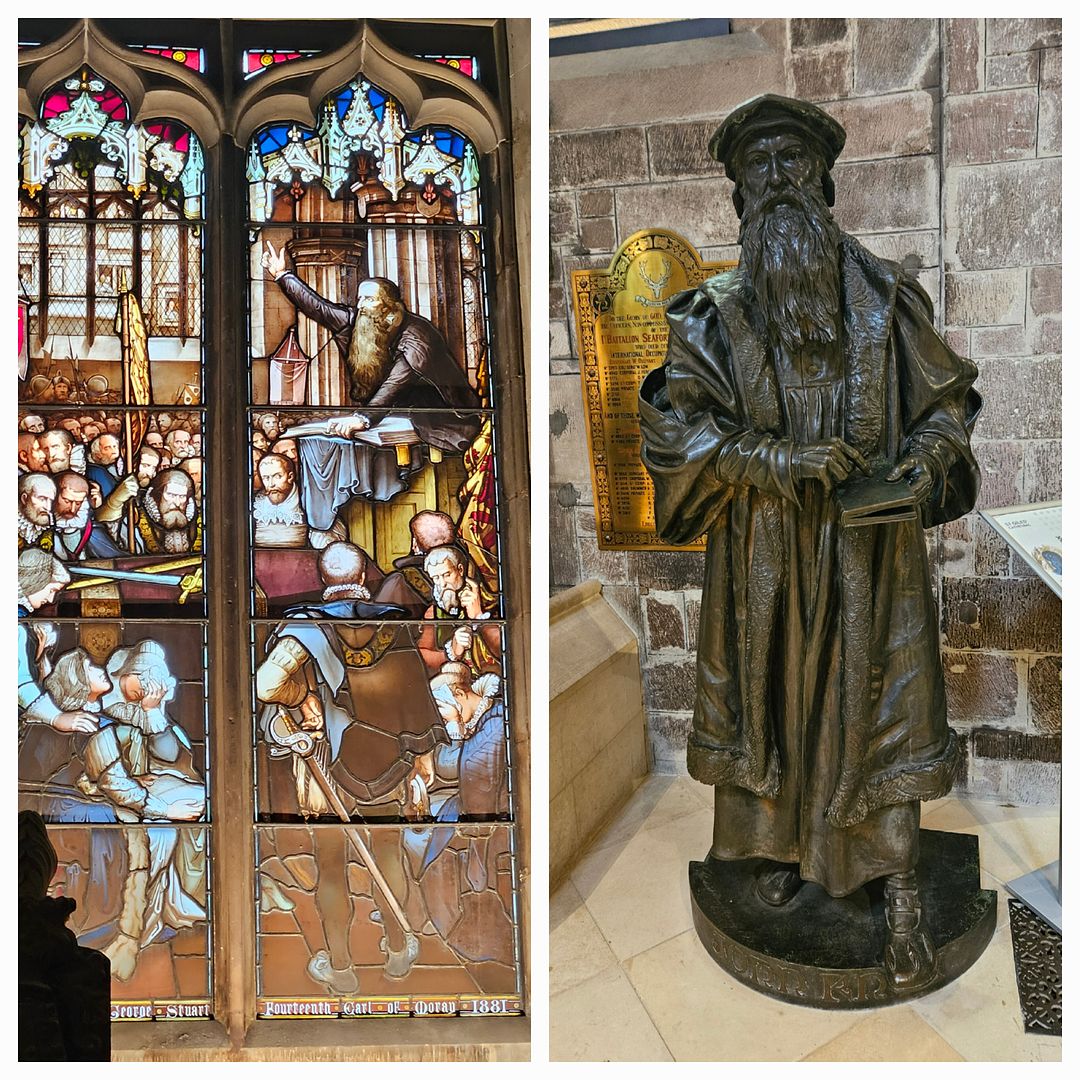
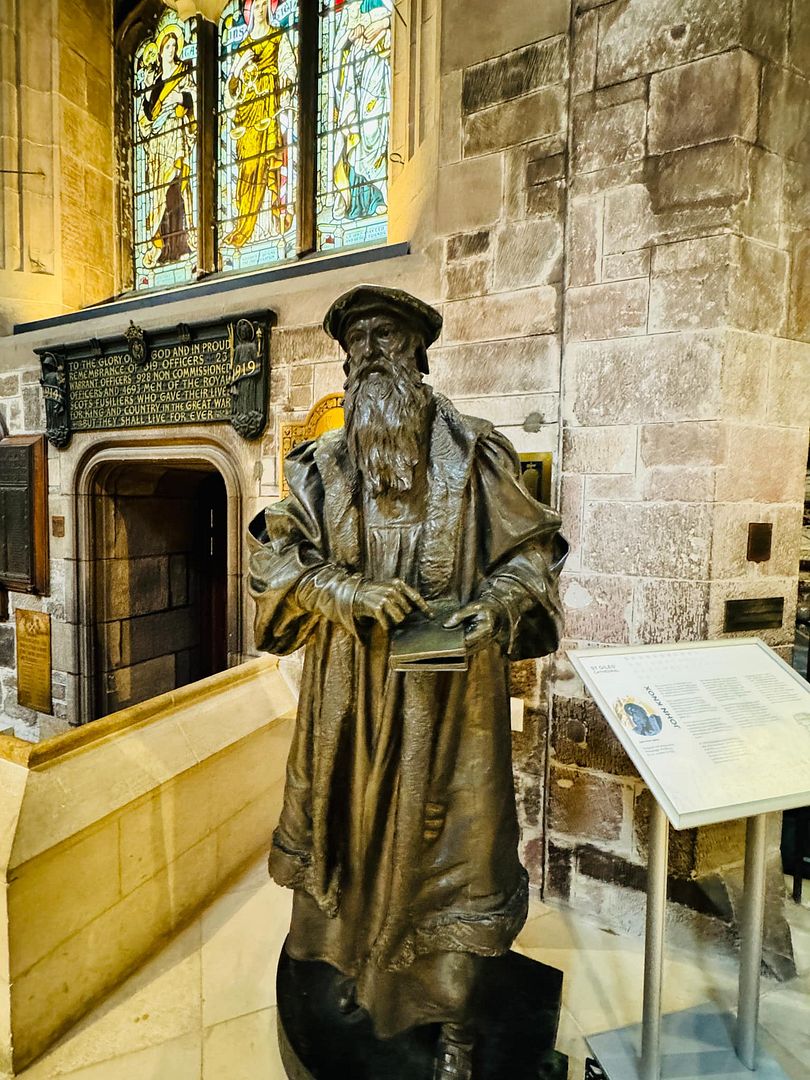
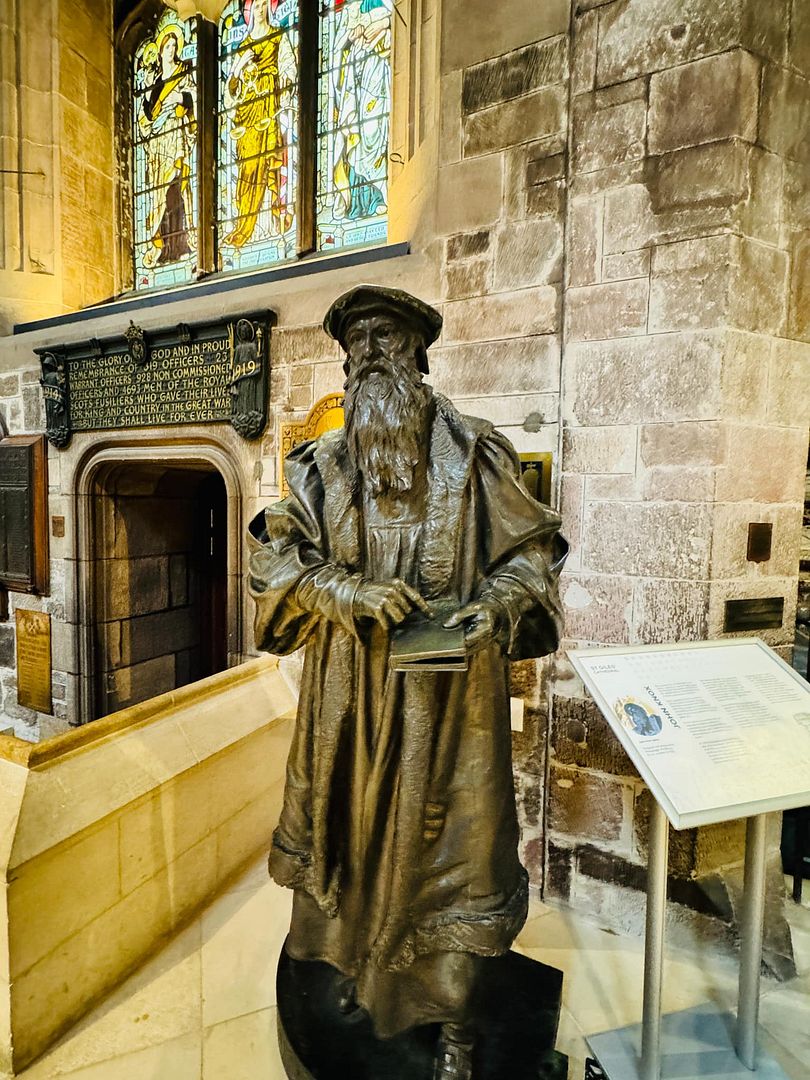
The famous Scottish Reformer, John Knox was born near Edinburgh in 1505. Knox’s writings and his determination to fight for Scotland to be Protestant saw the Scottish nation and its identity changed forever…

John Knox saw how important it was for the church to do what the Bible said, and not just what they thought was right. He wasn’t afraid to stand up to anyone, even kings and queens, for what he knew was right. His preaching was used by God to transform the whole of Scotland.

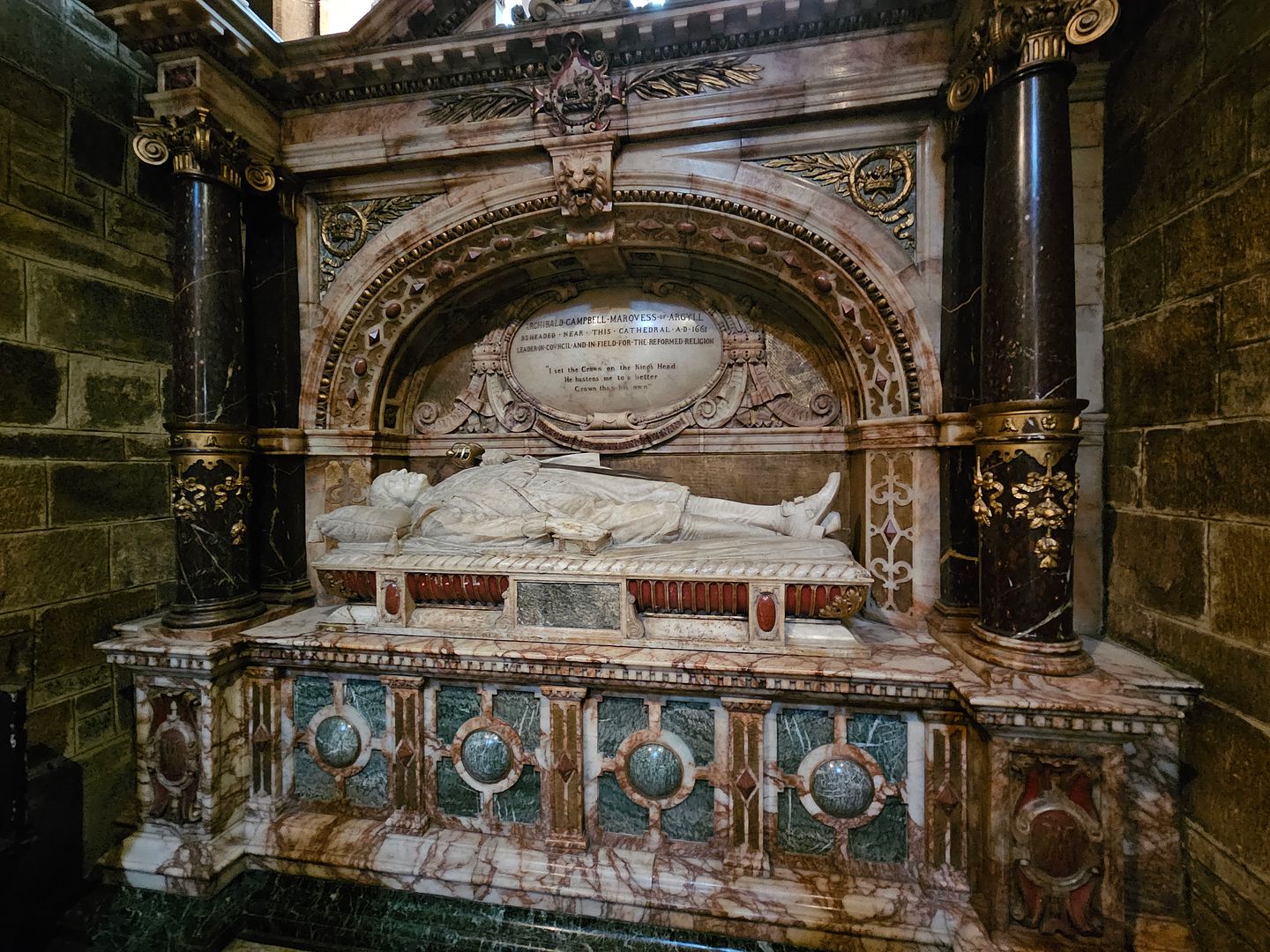
Archibald Campbell, Marquis of Argyll ~ Beheaded near this cathedral- A-D-1661

Leader in council and in field for the Reformed Religion

I had the honour to set the crown on the King’s head, and now he hastens me to a better Crown than his own.

I found some of his history at Christian Heritage Edinburgh site.

With all the niceties settled at the coronation, it was time for King Charles II to reveal his true nature. One of the few nobles to oppose the king’s decree and stand faithfully for the Covenants was Archibald Campbell, the first Marquis of Argyll. He travelled from Scotland to London to congratulate Charles II, arriving there on 8 July 1660. He never got to see the king however, for he was straightaway arrested and thrown into the Tower of London on a charge of treason and false accusation that he was one of Cromwell’s conspirators behind the execution of Charles I. After languishing there for five months, he was sent to Edinburgh castle and was sentenced to death. The marquis was beheaded at the Mercat cross next to St Giles on 27 May 1661, being the first of many of the Covenanters who followed him as martyrs.

Before he was executed, he is cited as saying, ‘I had the honour to set the crown on the King’s head, and now he hastens me to a better Crown than his own.’ Back in 1651 he had crowned Charles II as King of Scotland at Scone after this prince had lied to God and man, swearing under oath that he would support and defend the Presbyterian Church and the Covenants. The marquis is also said to have stooped and kissed the guillotine called the Maiden, and quipped, ‘That is the sweetest maiden I have ever kissed!’ He welcomed the thought of leaving this corrupt world and joining his Saviour in heaven.

Our son Josh left this review of our tour.

“Jimmy was an incredible wealth of knowledge!!! This walking tour in Edinburgh and the history and stories he told, tied our whole 12 day Scotland trip together! We visited different cities, castles, monuments, grave sites and memorials all over the country and this was the absolute capstone experience of our trip! My faith was deepened hearing stories of these martyrs and how they died trusting and following their Saviour~!”

Scotland Travel Journal ~Edinburgh Reformation Tour 2

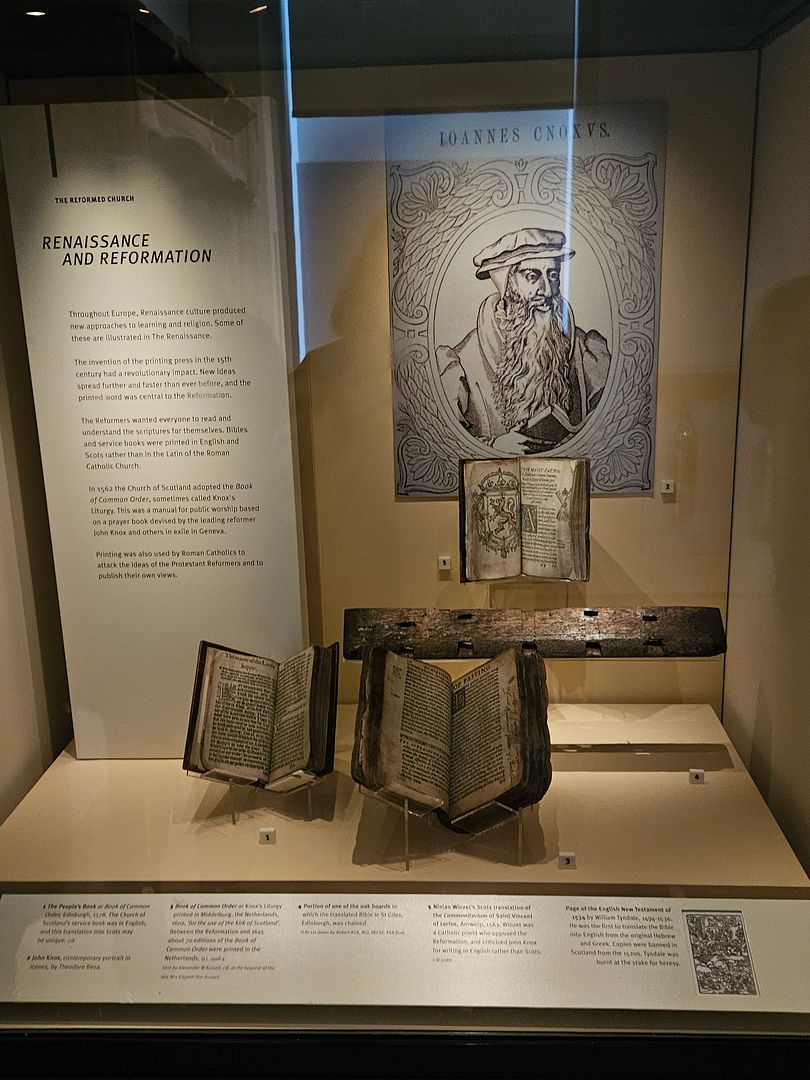
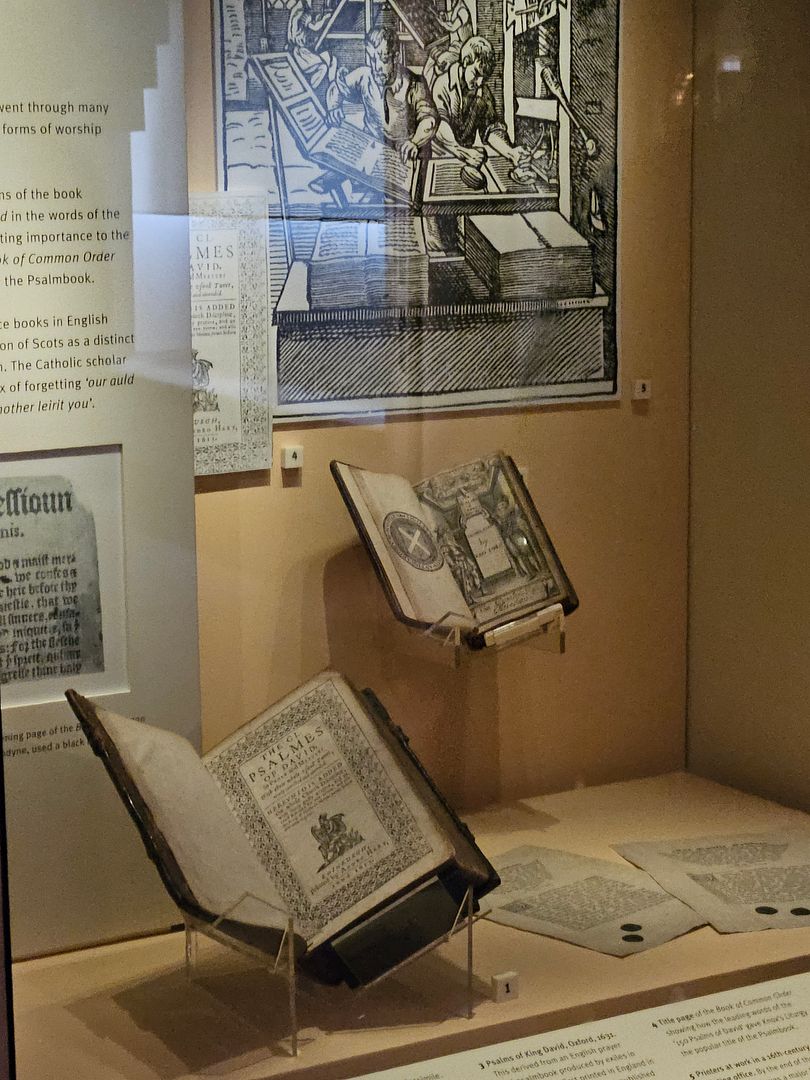
From Grassmarket, Jimmy took us to The National Museum of Scotland and to the National Library where we saw more artifacts and information about the Covenanters and The Reformation.

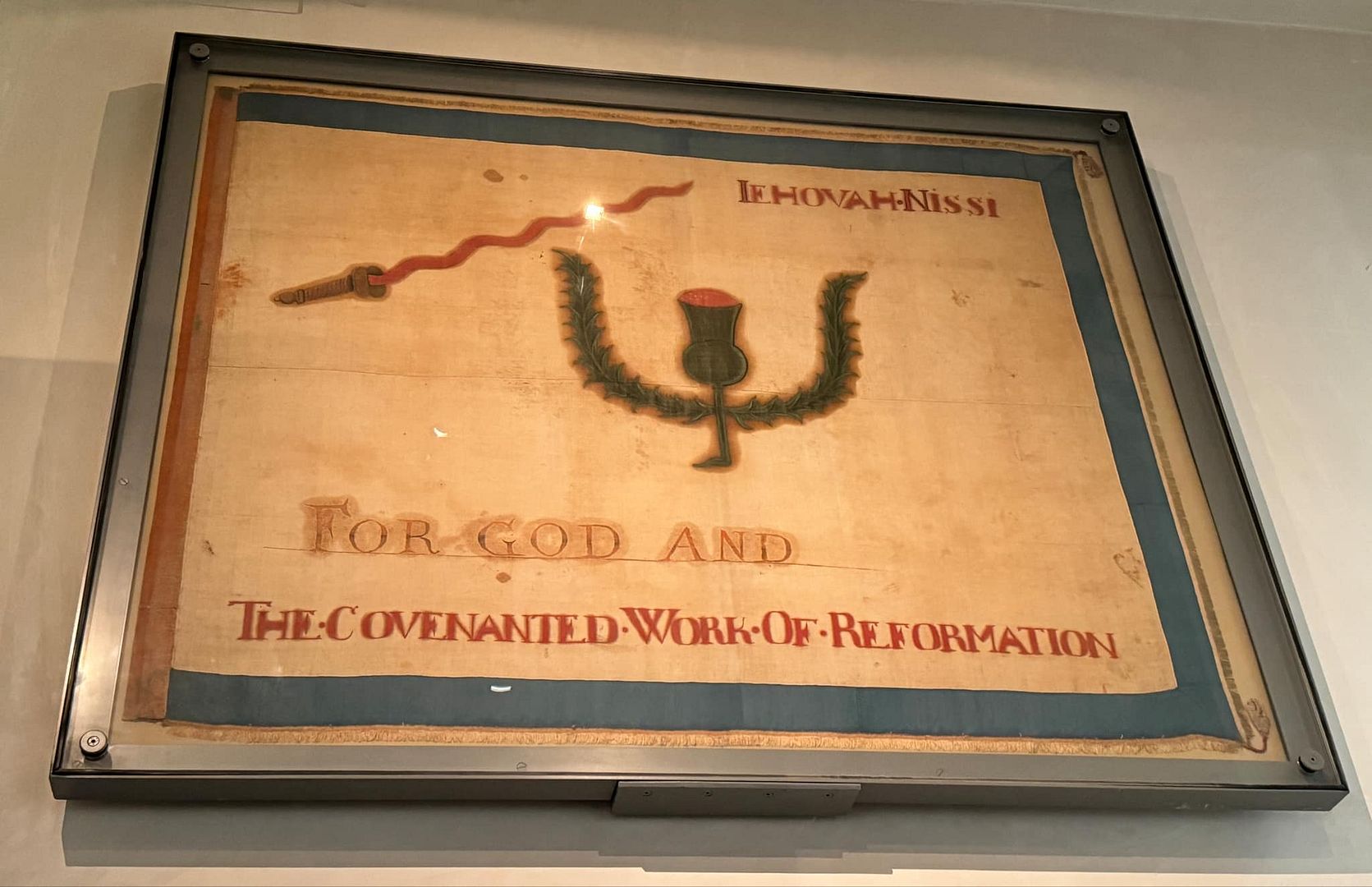
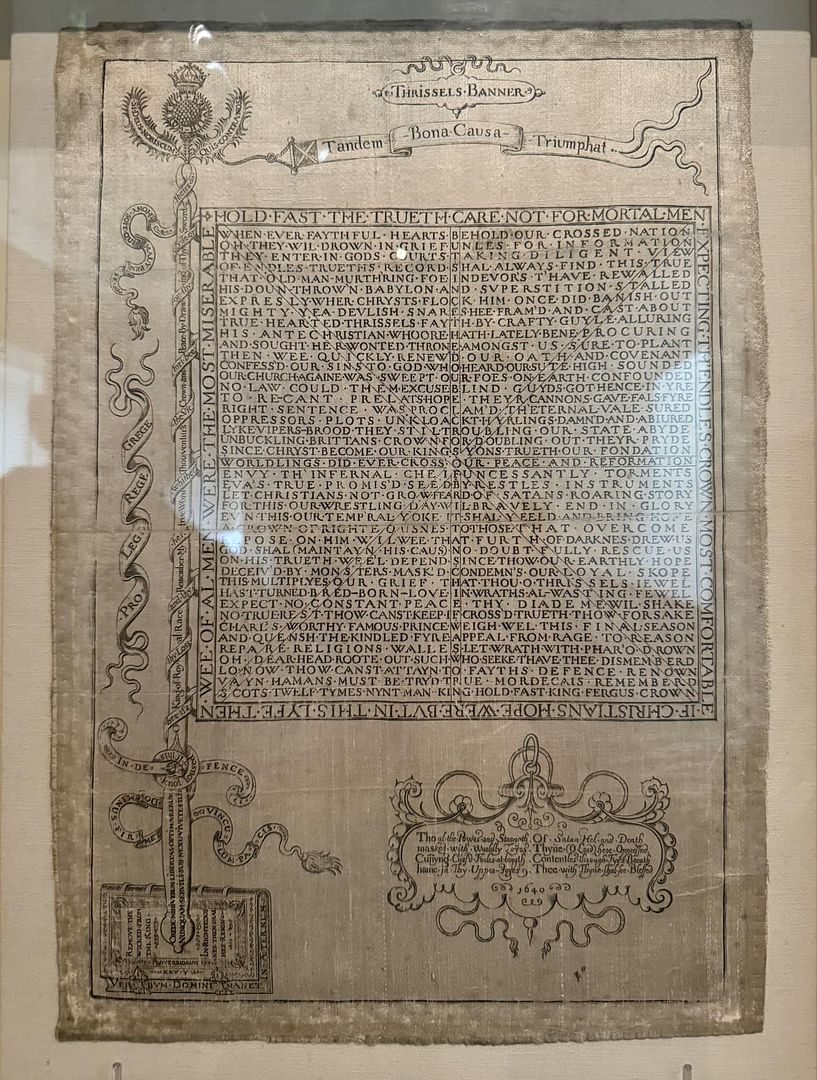
This printed satin banner, known as the ‘Thrissels Banner’, dates from 1640. The text on the banner was written by Thomas Cunynghame. It expresses opposition to the Crown and to the contemporary policy of religious anglicization.

On the left is the ‘staff’ of the banner, shown as a sword with a crowned thistle and bible at either end.

John Knox is a notable figure in Scotland’s history and in Christendom.

Jenny Geddes chair of which I was very interested. I’ll share more about it with a photo from St. Giles Cathedral in another post.

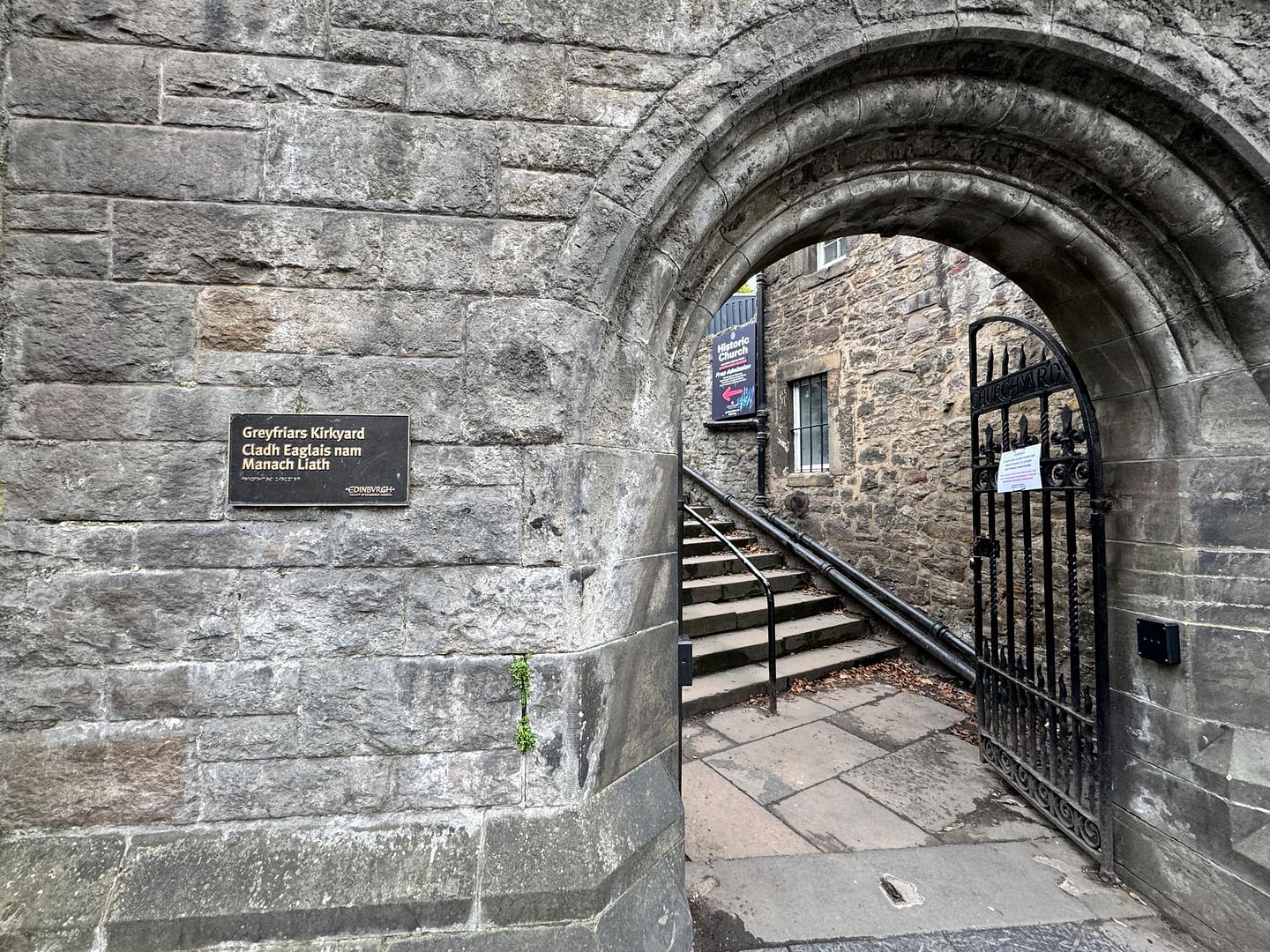
From the museum and library we made our way to Greyfriars Kirkyard.


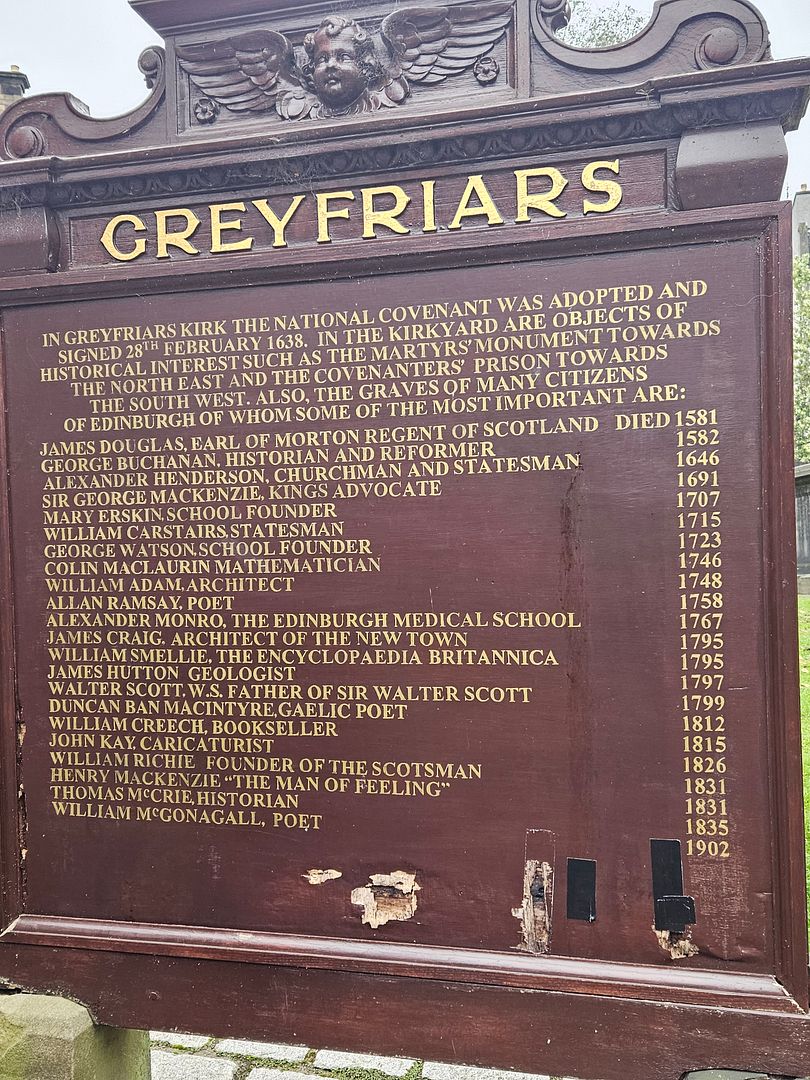
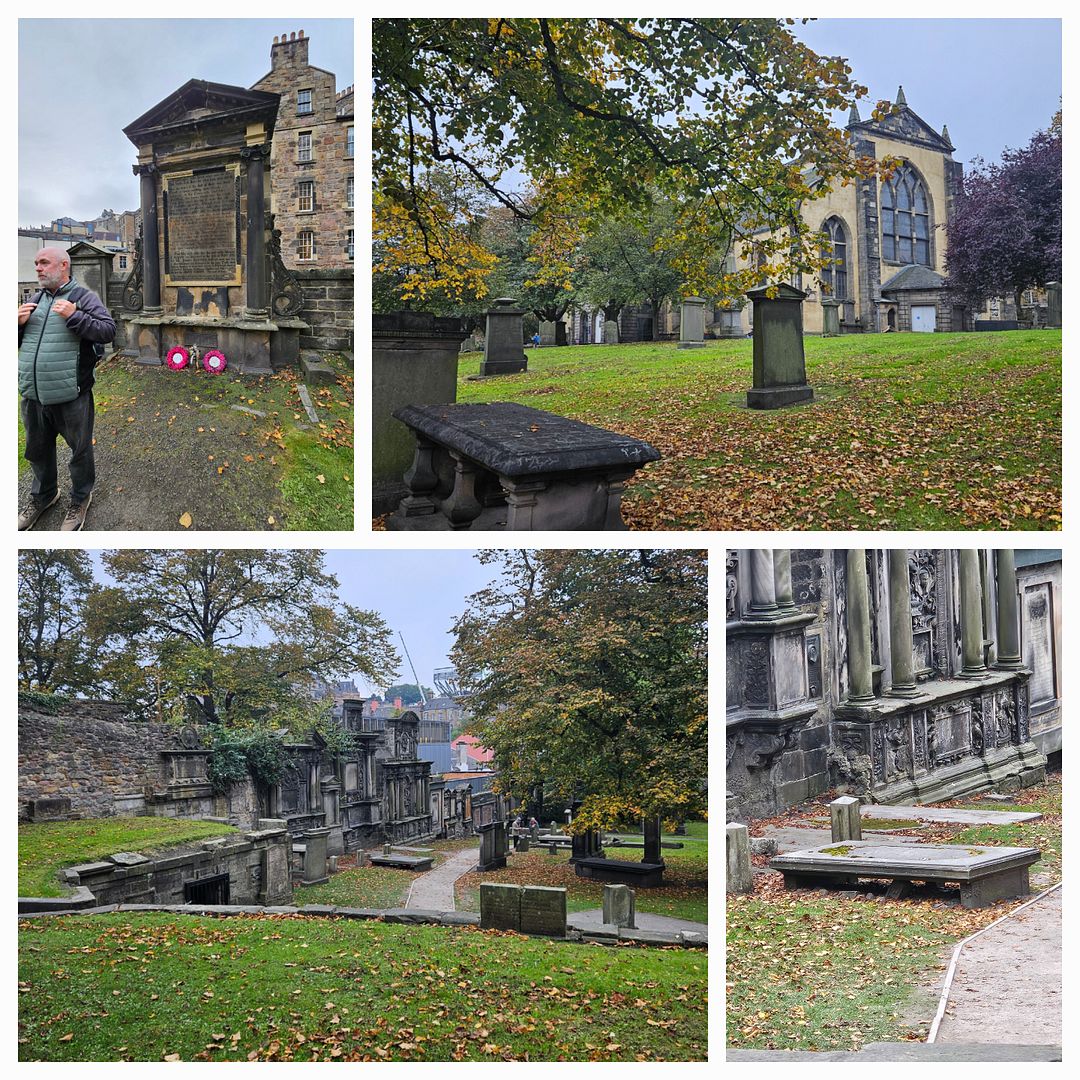
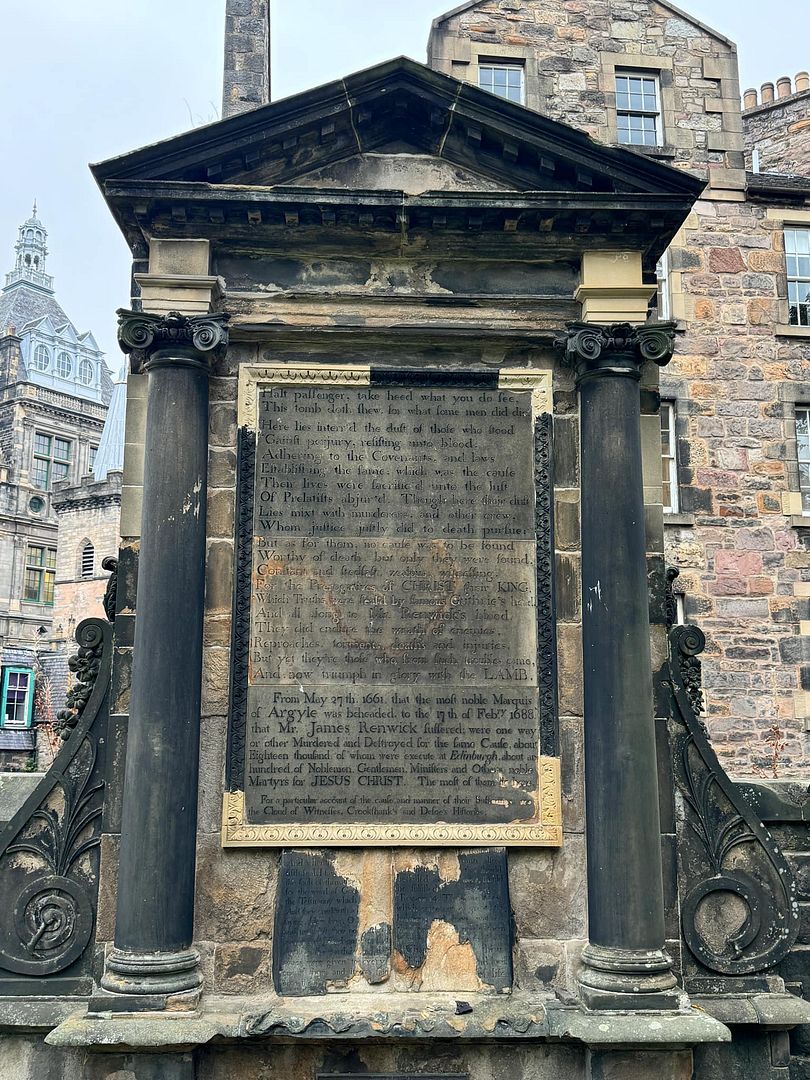
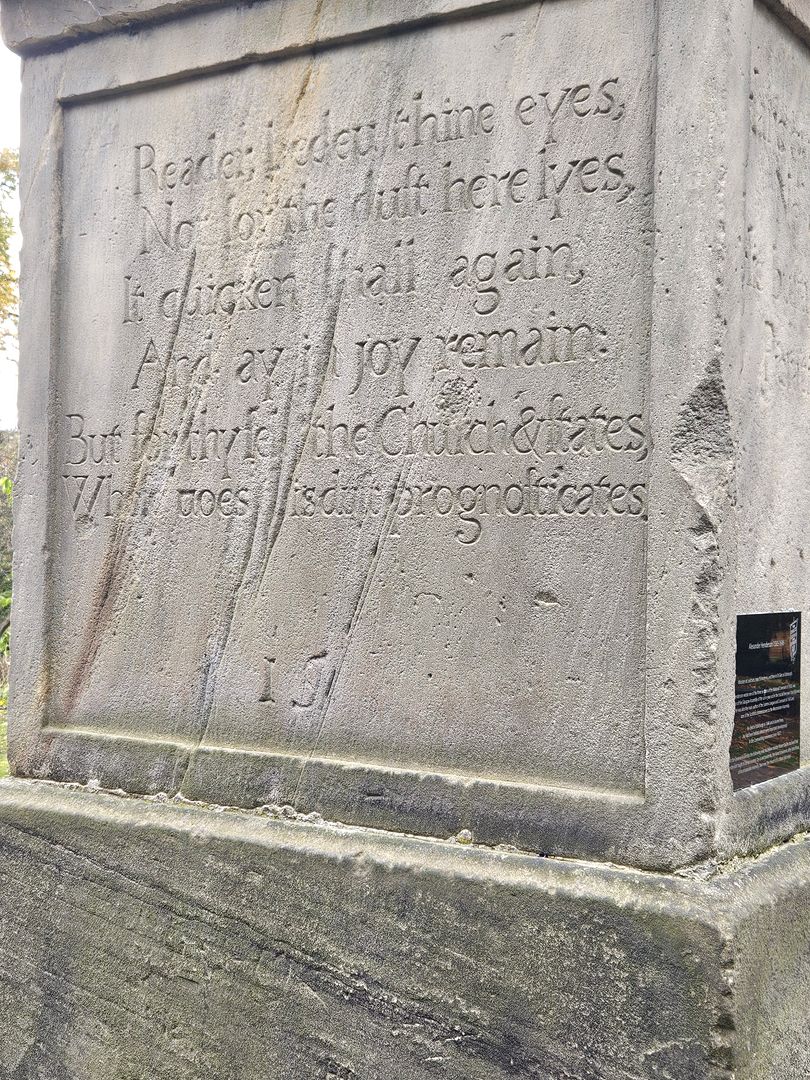
If you venture down to Greyfriars’ Kirk graveyard, which these days sees hordes of Harry Potter devotees brandishing their wands and reciting Potterite spells, you will find a large monument at the bottom right of this fascinating corner of Edinburgh. The monument towers above you and recalls the Covenanting struggle. The monument, first erected in 1706, then rebuilt in its 1771 version, has undergone restoration work up until recent times.

The Martyr’s Monument.

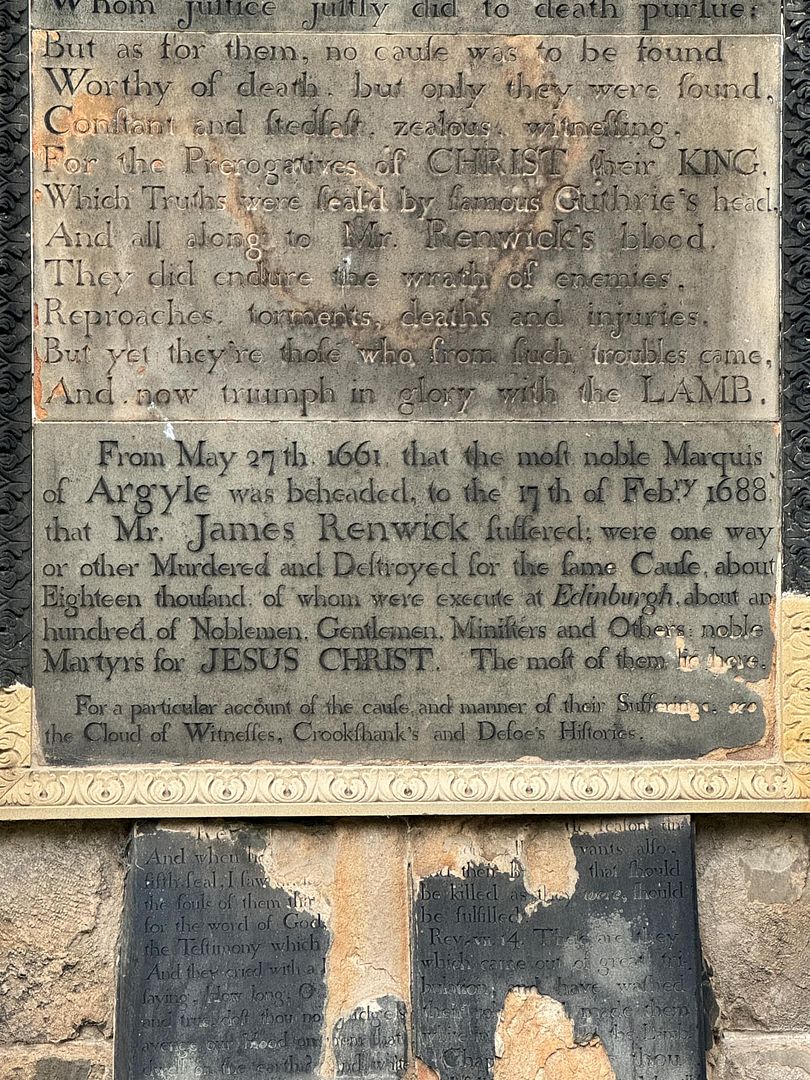
Halt passenger, take heed what you do see…’ The text then outlines the Covenanters’ cause ‘Gainst perjury, resisting unto blood: Adhering to the Covenants and Laws, their lives were sacrific’d unto the lust of Prelatiffs [bishops] abjur’d …’. The words ‘CHRIST their KING’ is deliberately written in large letters, designating their struggle against tyrant kings who wanted absolute power over Church and State. At the bottom of the monument, it states that ‘one way or other [were] Murdered and Destroyed for the same Cause, about Eighteen thousand of whom were execute at Edinburgh, about one hundred of Noblemen, Gentlemen, Ministers and others, noble martyrs for JESUS CHRIST.

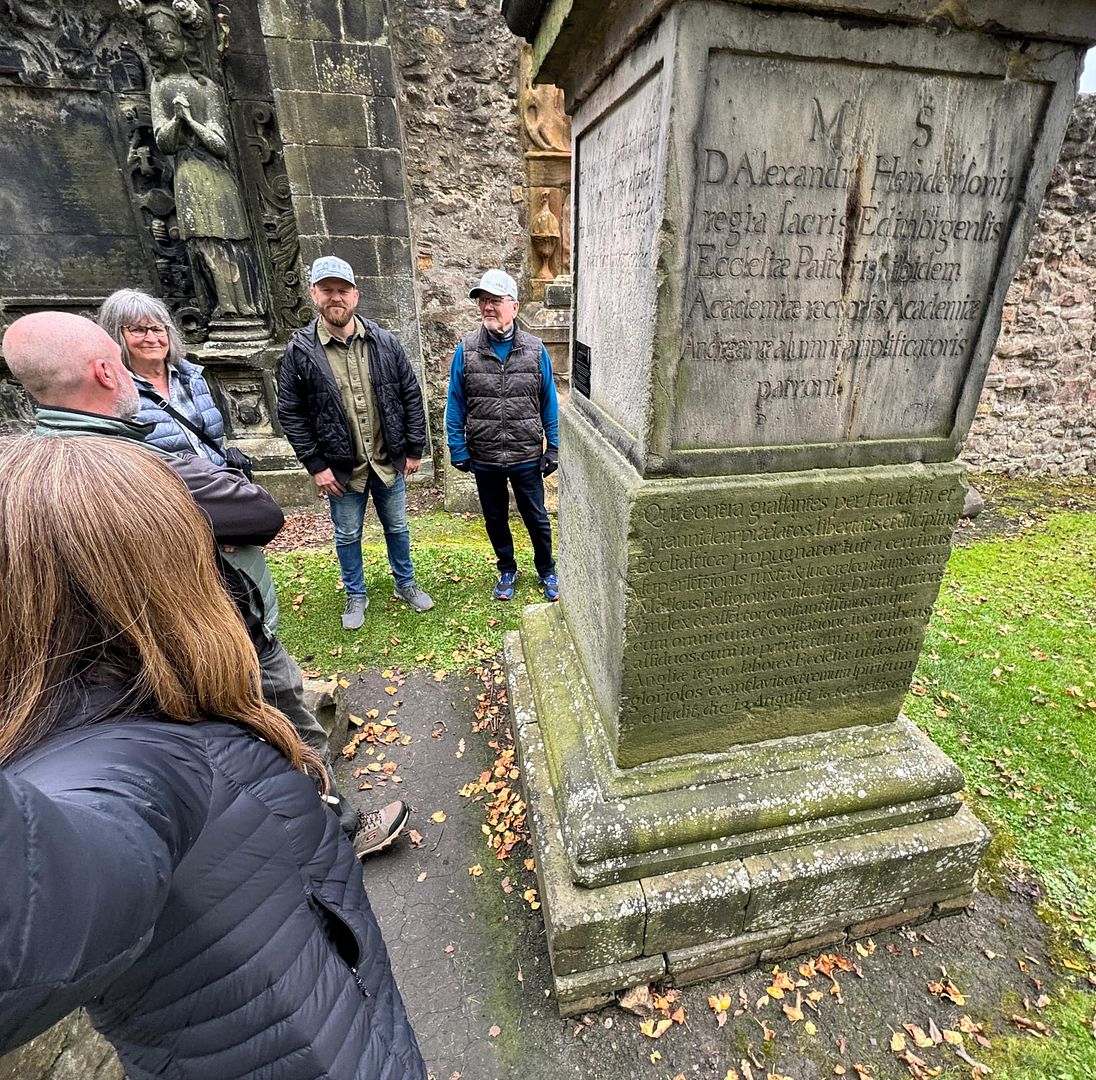
We heard about the Reverend Alexander Henderson at this site of his burial.

He was one of Scotland’s greatest Covenanter Ministers.

He died in Edinburgh in 1646 and was buried in Greyfriars kirkyard. He had been behind almost every important development in the Covenanting movement since 1637. At the General Assembly the following year, Baillie declared that Henderson ‘ought to be accounted by us and posterity, the fairest ornament, after John Knox, of incomparable memory, that ever the church of Scotland did enjoy.

Click on his name above to read more about the history of this ‘fairest ornament’.

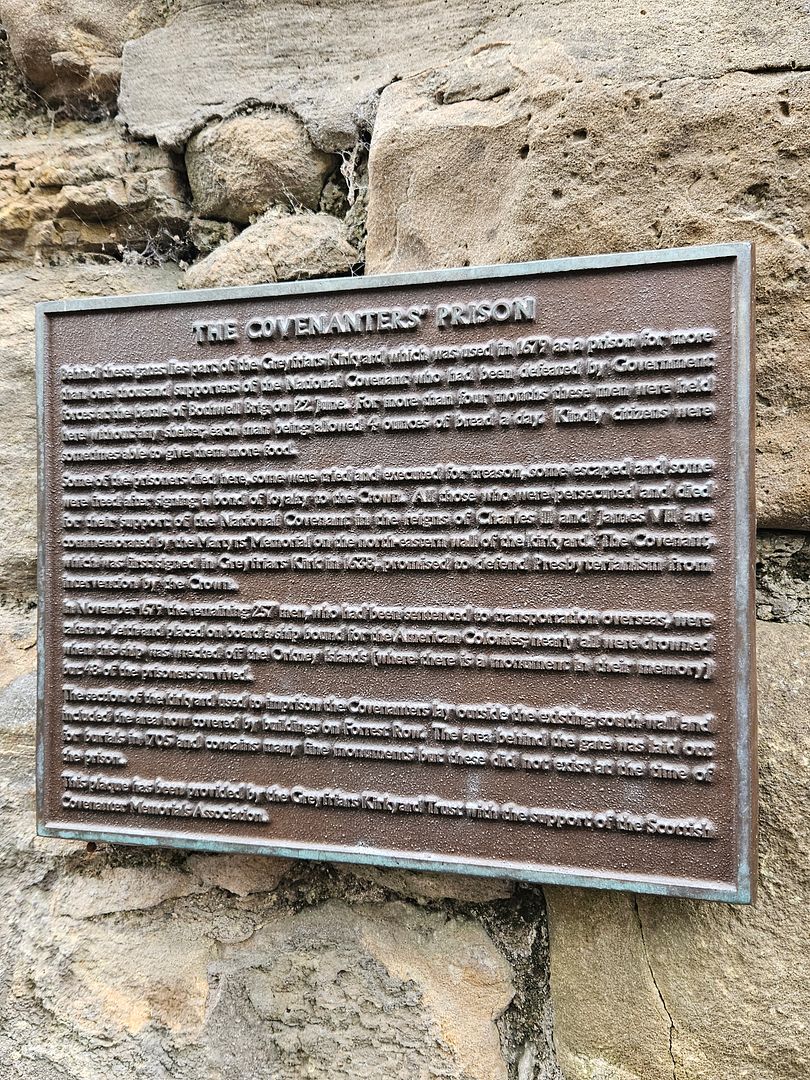
THE COVENANTERS’ PRISON
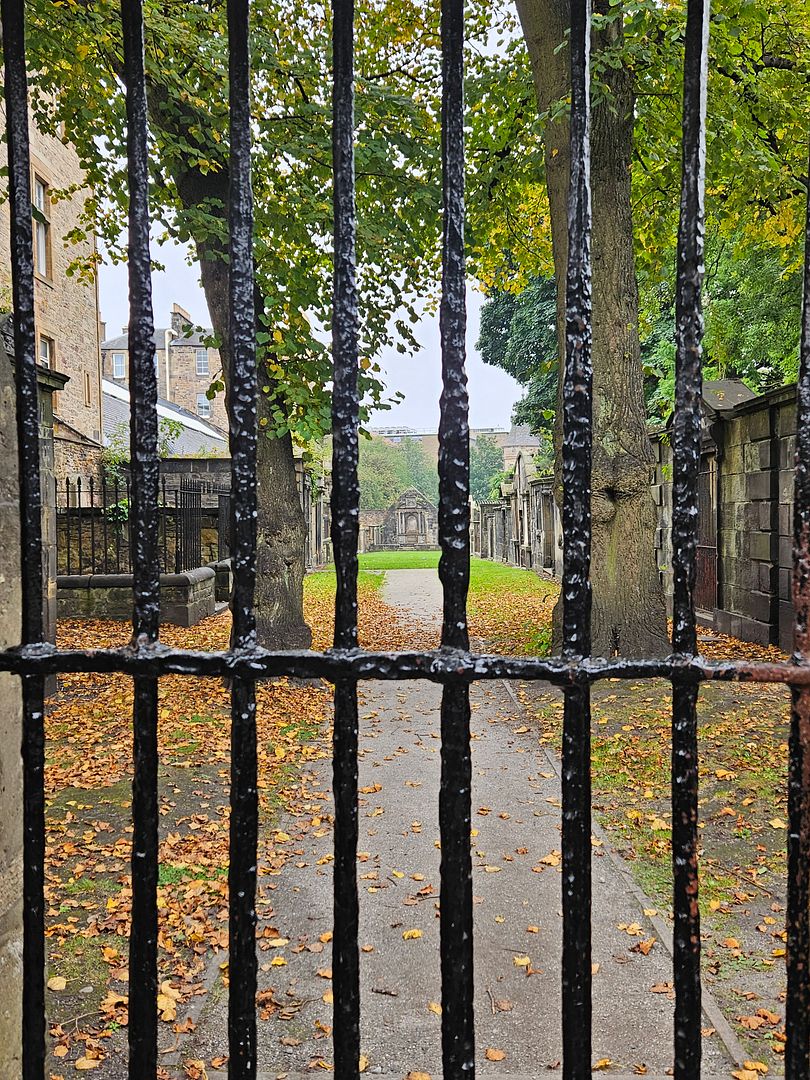
Behind these gates lies part of the southern section of Greyfriars Kirkyard which was used in 1679 as a prison for over one thousand supporters of the National Covenant who had been defeated by Government forces at the battle of Bothwell Brig on 22 June. For over four months these men were held here without any shelter, each man being allowed 4 ounces of bread a day. Kindly citizens were sometimes able to give them more food.

Some of the prisoners died here, some were tried and executed for treason, some escaped, and some were freed after signing a bond of loyalty to the Crown. All those who were persecuted and died for their support of the National Covenant in the reigns of Charles II and James VII are commemorated by the Martyrs’ Memorial on the north-eastern wall of the kirkyard. The Covenant, which was first signed in Greyfriars Kirk in 1638, promised to defend Presbyterianism from intervention by the Crown.

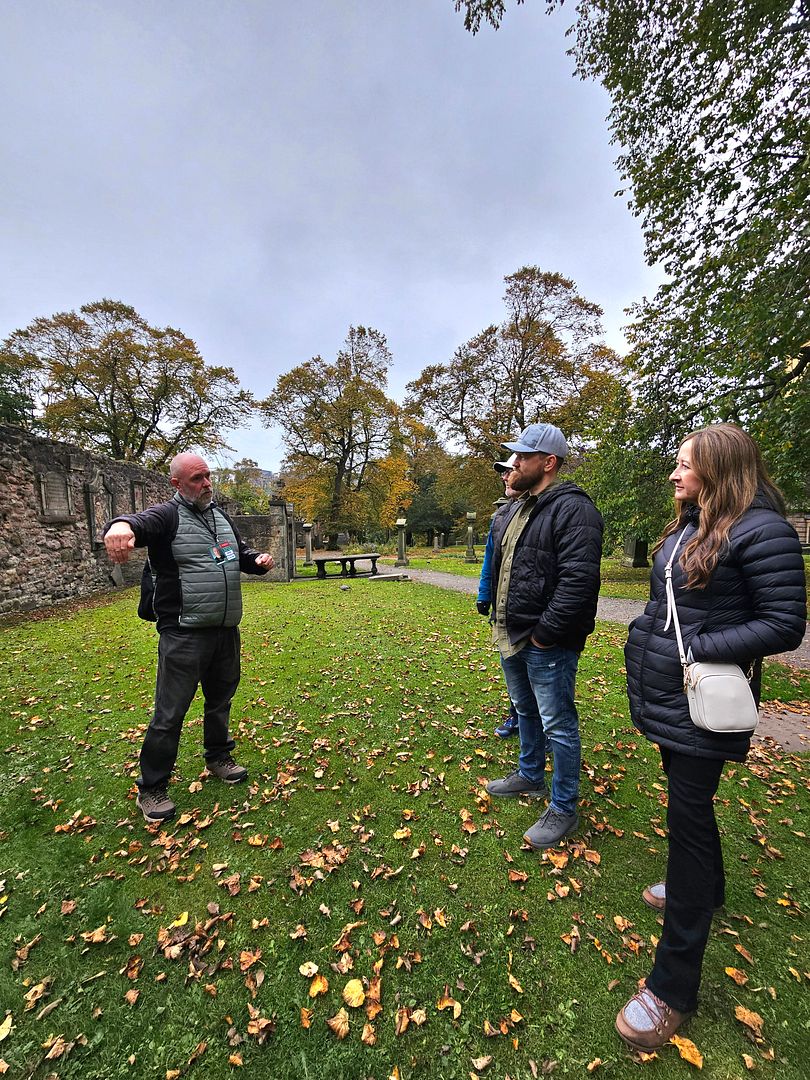
Jimmy our tour guide, was so knowledgeable and we were in awe of all that we were learning on this tour.

Our last stop with Jimmy would be St. Giles Cathedral. Such a fitting end to this amazing tour of the Covenanters in Edinburgh. It was a humbling experience.

That will be another post.

Scotland Travel Journal ~ Edinburgh Reformation Tour 1

Monday September 23rd was our last full day in Edinburgh and Scotland. This would be a day filled with walking and stairs and information. We were thankful on this morning that Greg was well enough to walk and not miss our special tour.
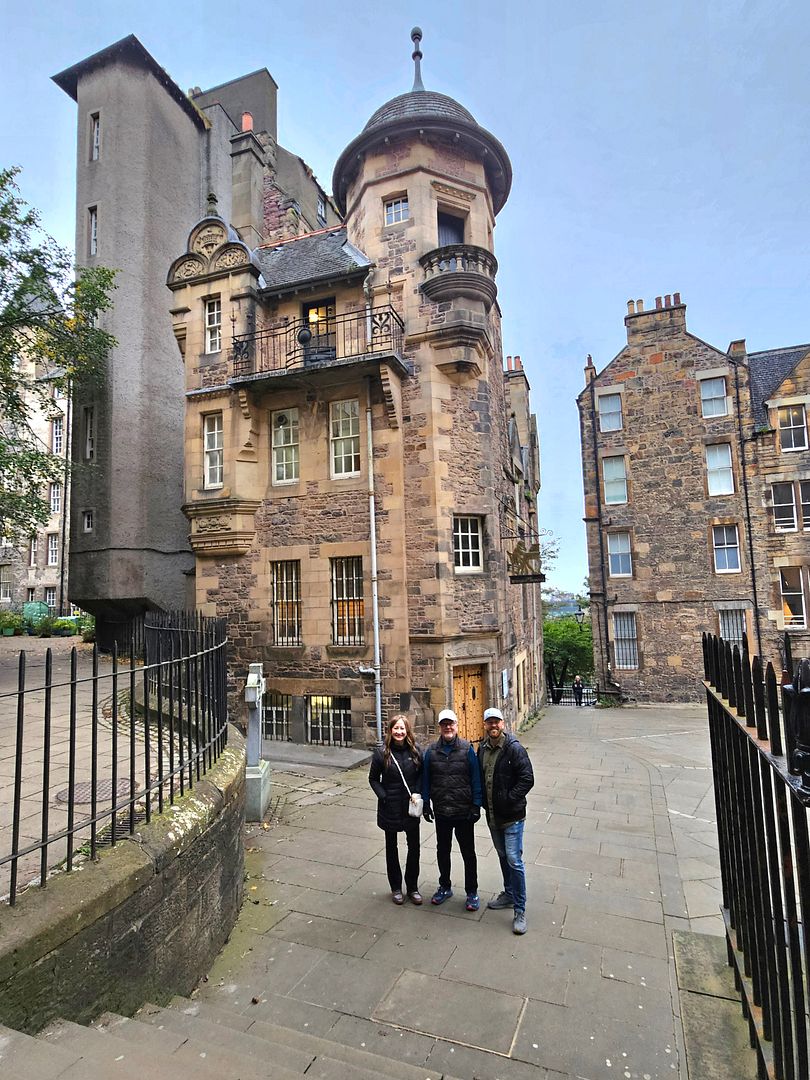
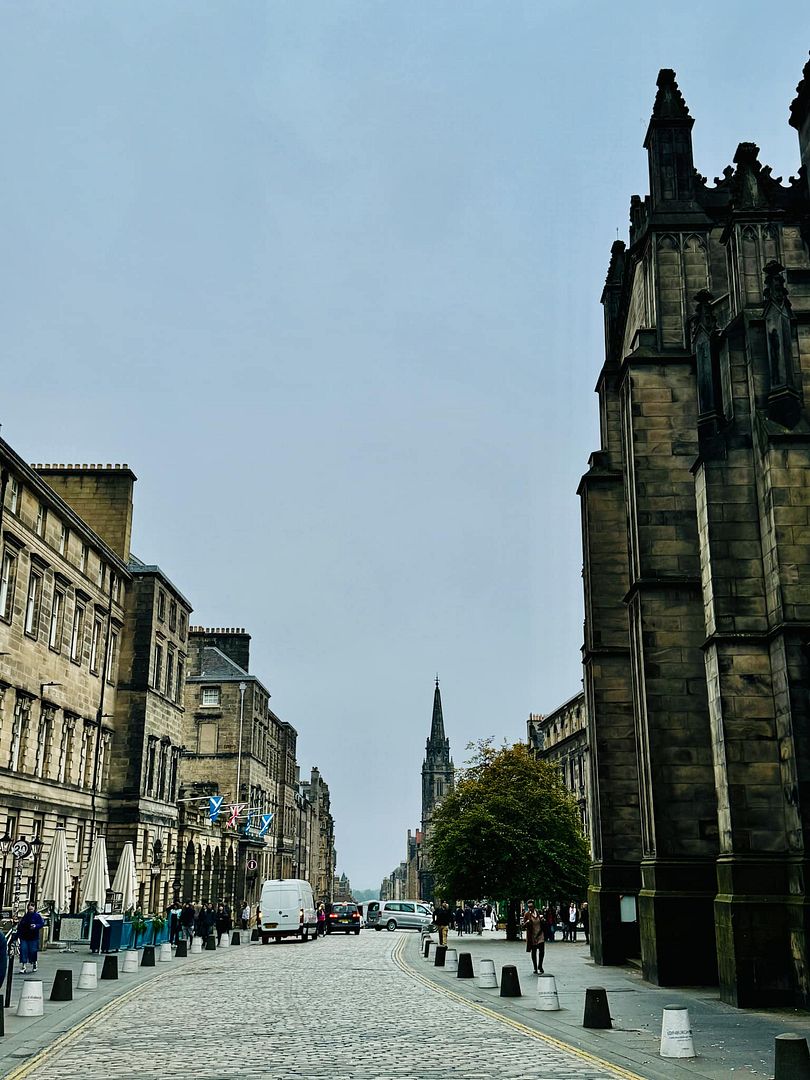
We took the Lady Stair’s Close to get up to the Royal Mile. We stopped to take some photos outside the Writer’s Museum.
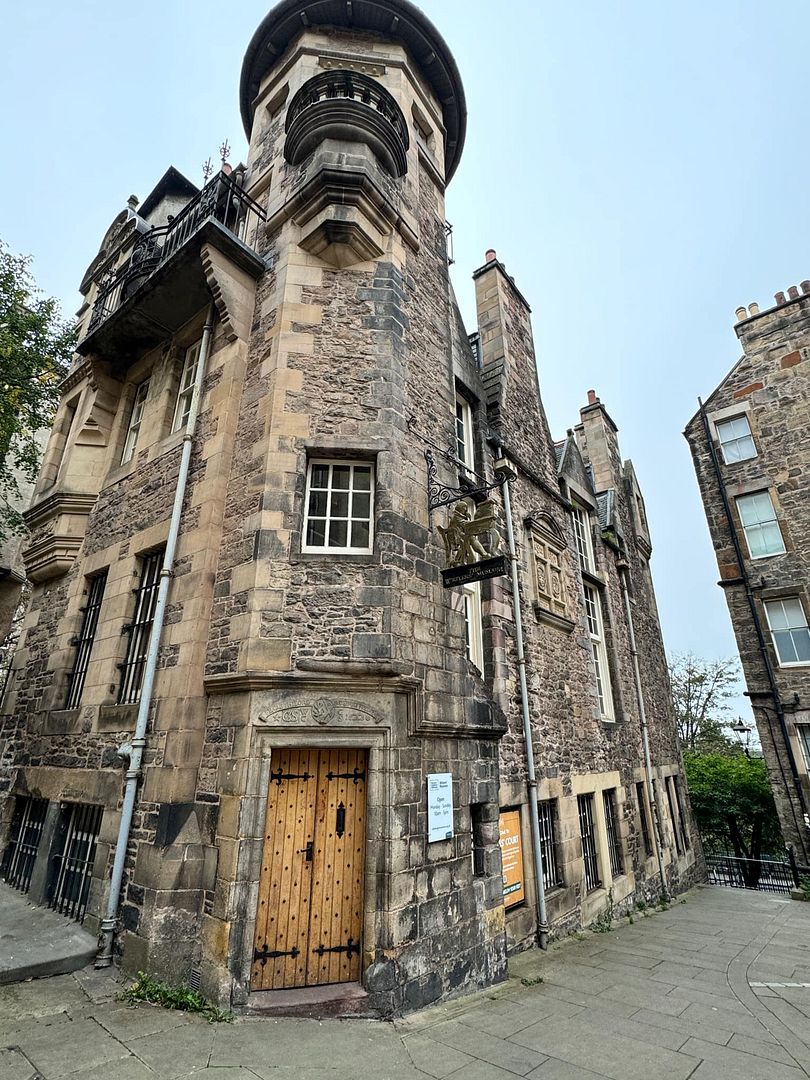
Early on the Royal Mile there were fewer folk milling about. That would change soon.
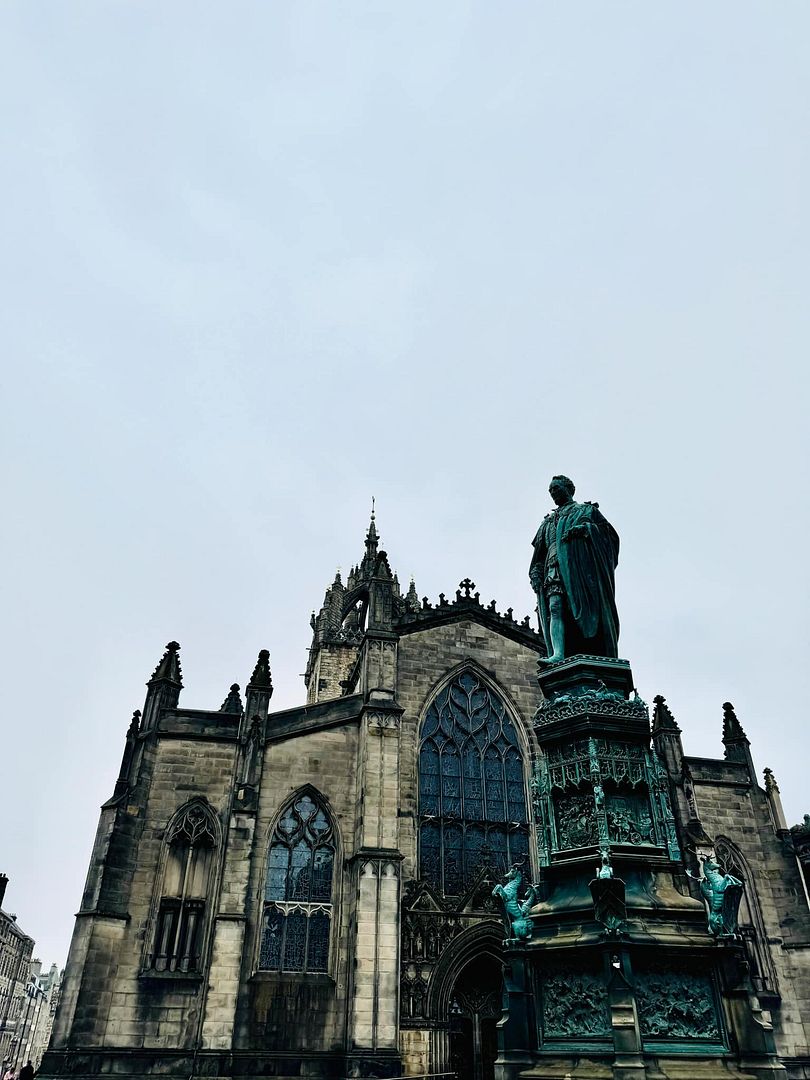
We scheduled a private Scottish Reformation Tour on this day.

I included the link above. We were to meet Jimmy at 9am in front of St. Giles Cathedral.
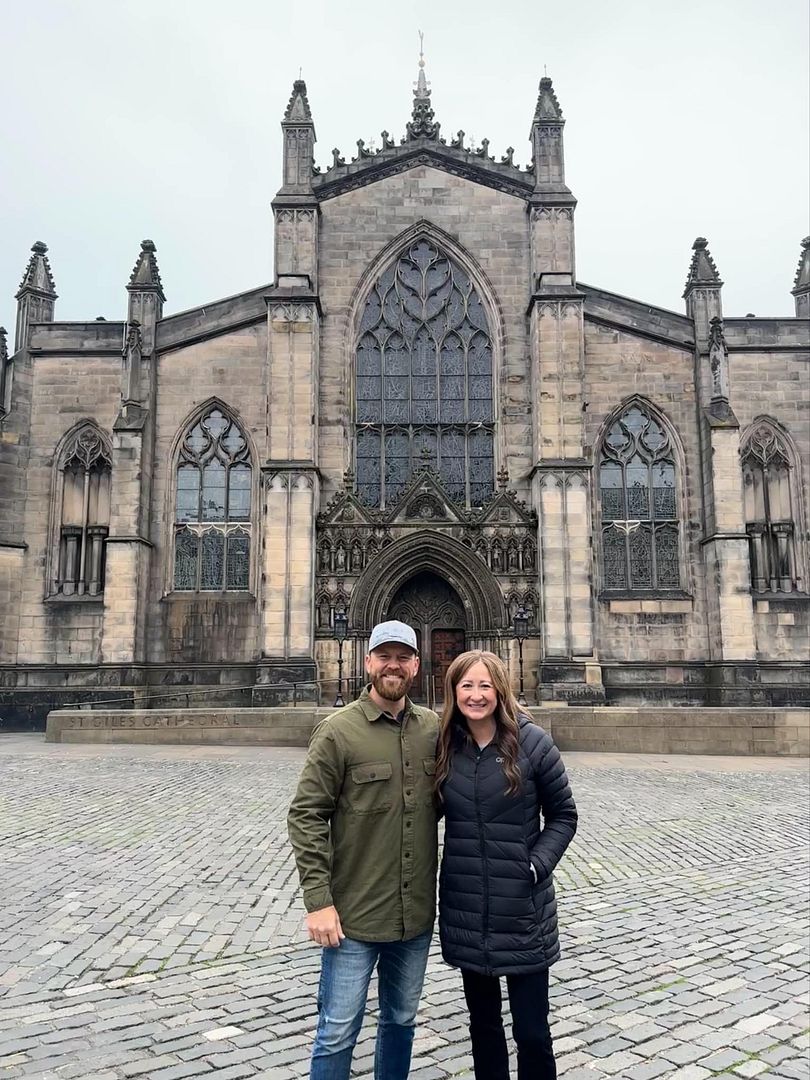
Soon we saw who we assumed was Jimmy and he came right to us assuming we were his clients for the morning.
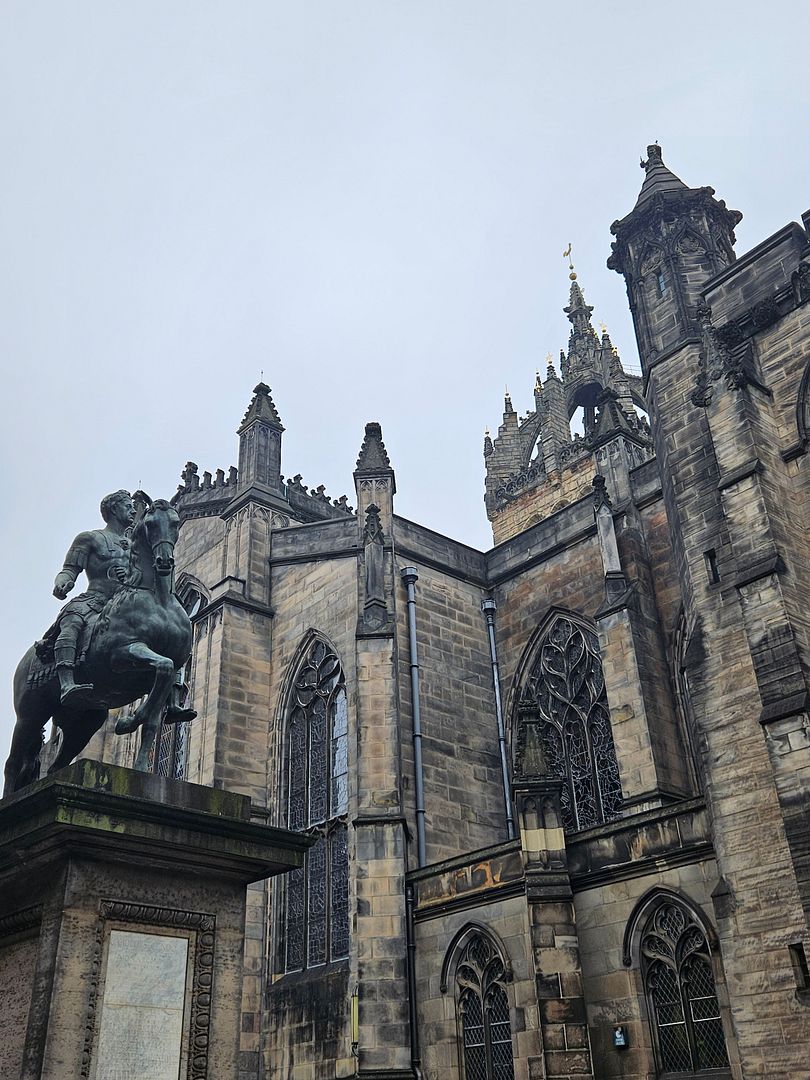
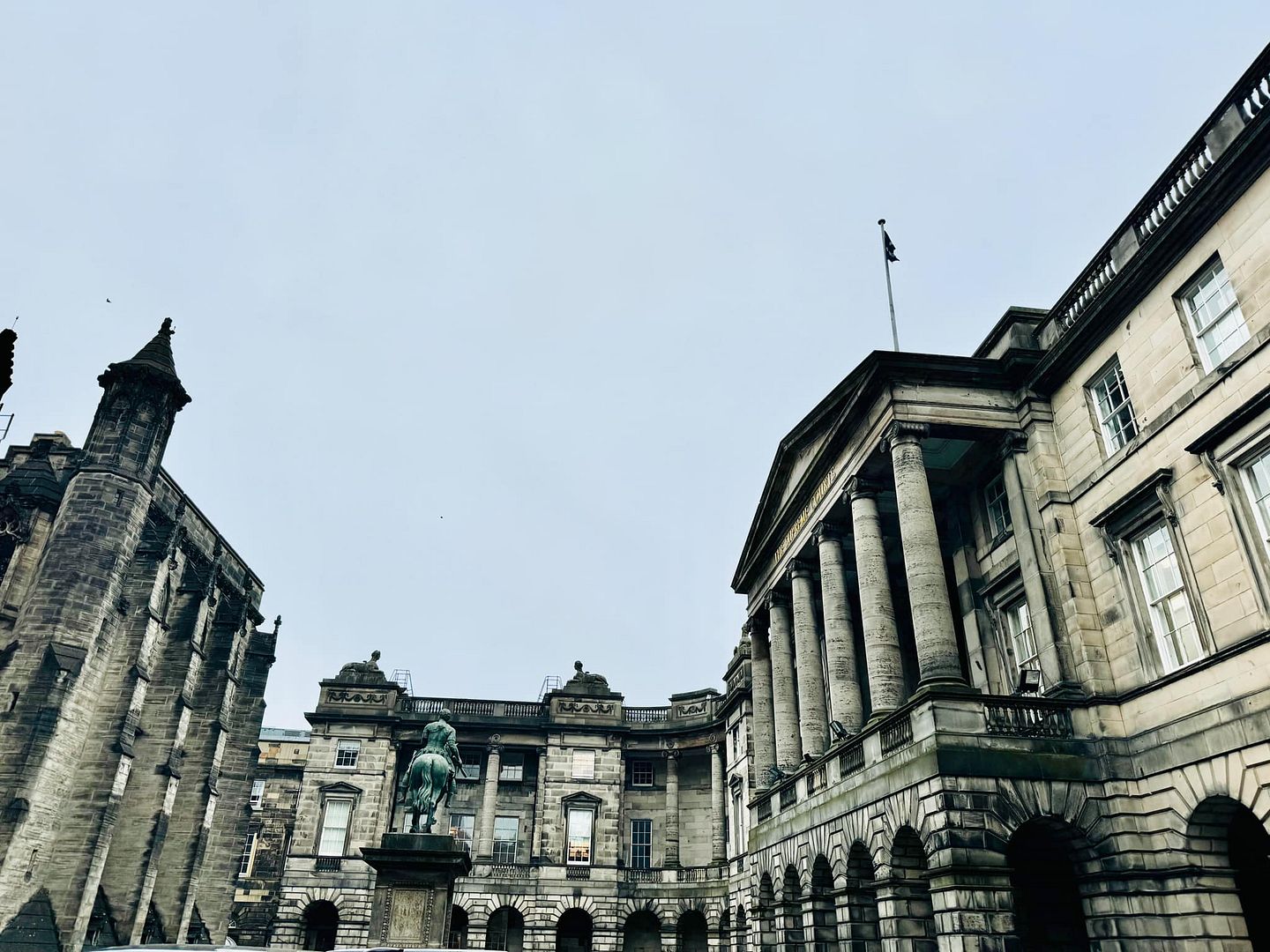
St. Giles was not open to the public yet on this particular morning so Jimmy took us around to the parking lot between St. Giles and The Supreme Court building. We would visit the inside of the cathedral at the end of our tour.

It looked to Jimmy’s keen eye that something was going on in the Supreme Court building so he managed to gain us access into the hall outside the courtroom.
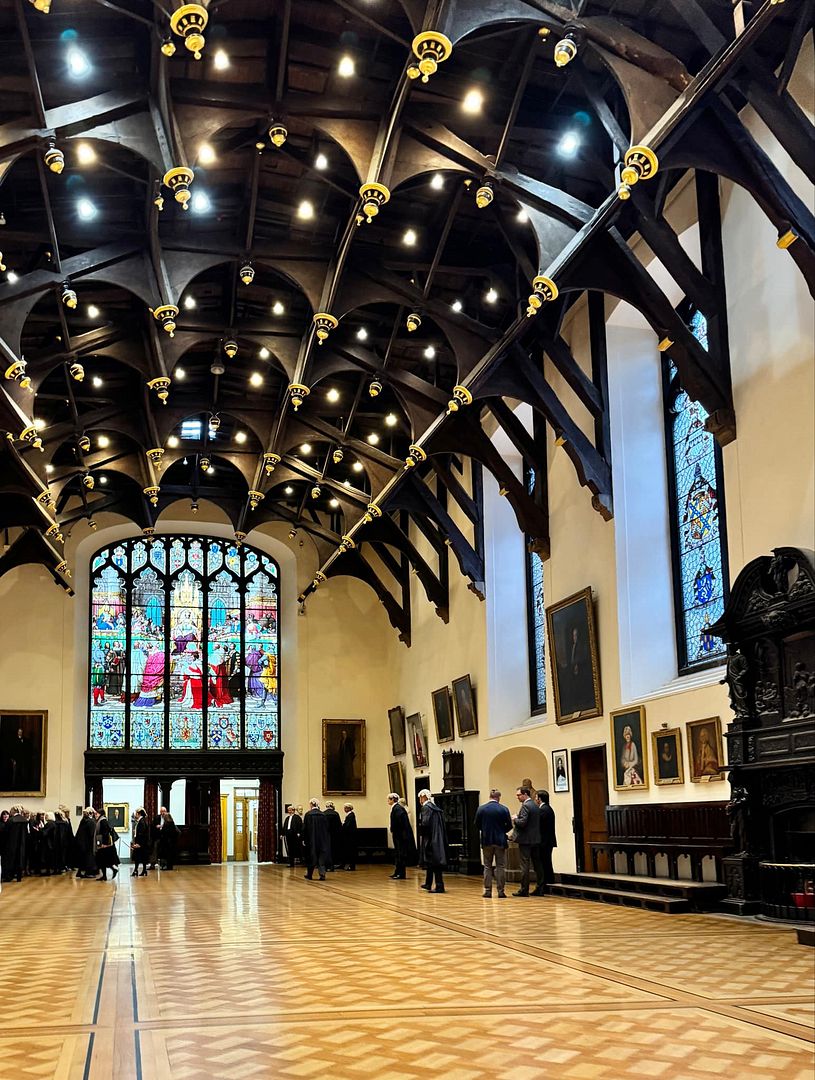
It was quite fascinating to see all the ‘big wigs’ standing around and some pacing back and forth the length of the room discussing their cases.

Back outside we were on the search for parking space #23.
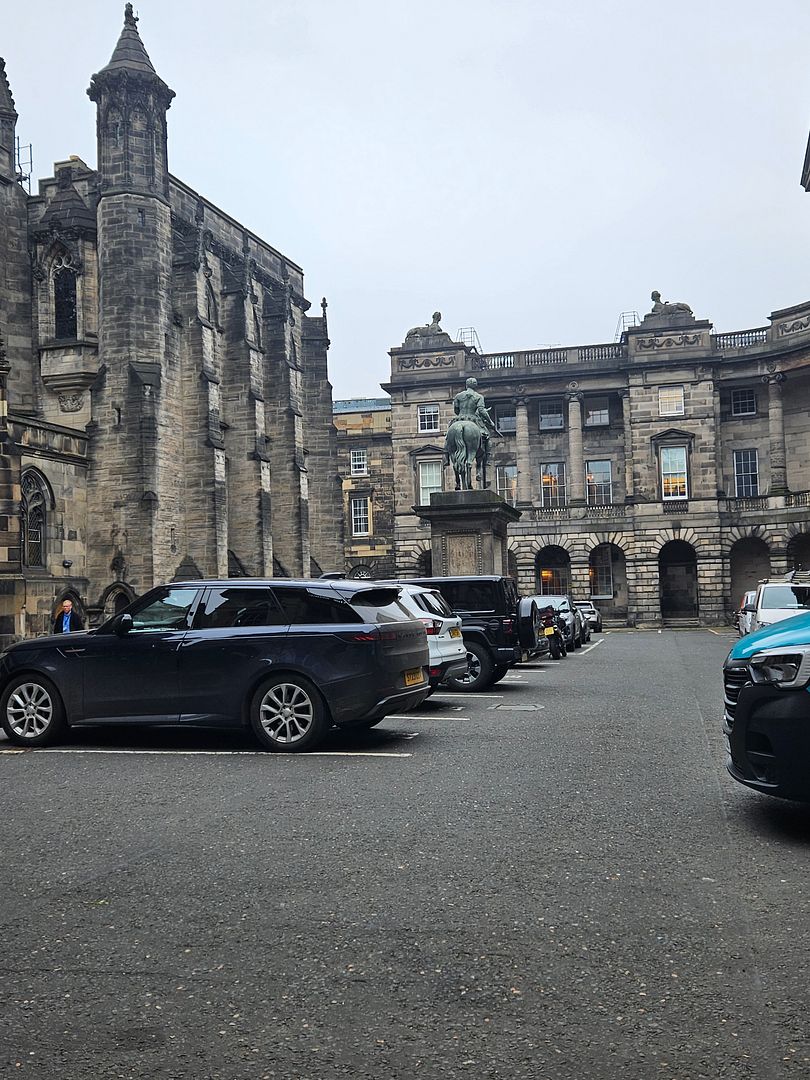
Here at space number 23 in the car park is approximately where John Knox is buried!
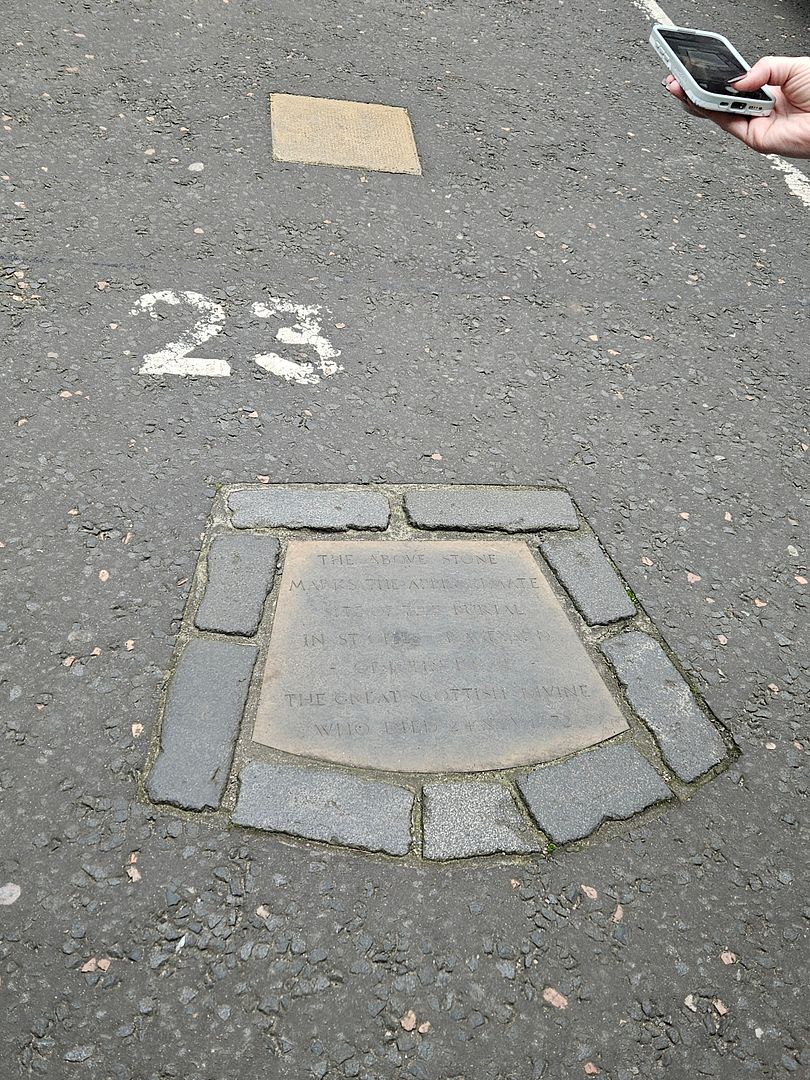
The Scottish Reformation leader’s grave was paved over and is now a parking lot. The stone inscription reads;

‘The Above Stone Marks

the Approximate

Site of the Burial

In St. Giles Graveyard

Of John Knox

The Great Scottish Divine

Who Died 24th November 1572′

It’s said that Knox wanted to be buried within 20 feet of Saint Giles, so he was laid to rest right outside the church in what was once a proper graveyard. However, the site has since been tarmacked over and is now a functioning parking lot. A plaque in parking space number 23 marks the approximate location of his now-lost grave.

Knox was a 16th-century preacher who commanded that his people be able to read the Bible in their own language. He was a key figure in turning a nation of Catholics into one of Protestants. His fire and brimstone sermons and teachings often put him at odds with the Catholic Mary, Queen of Scots.
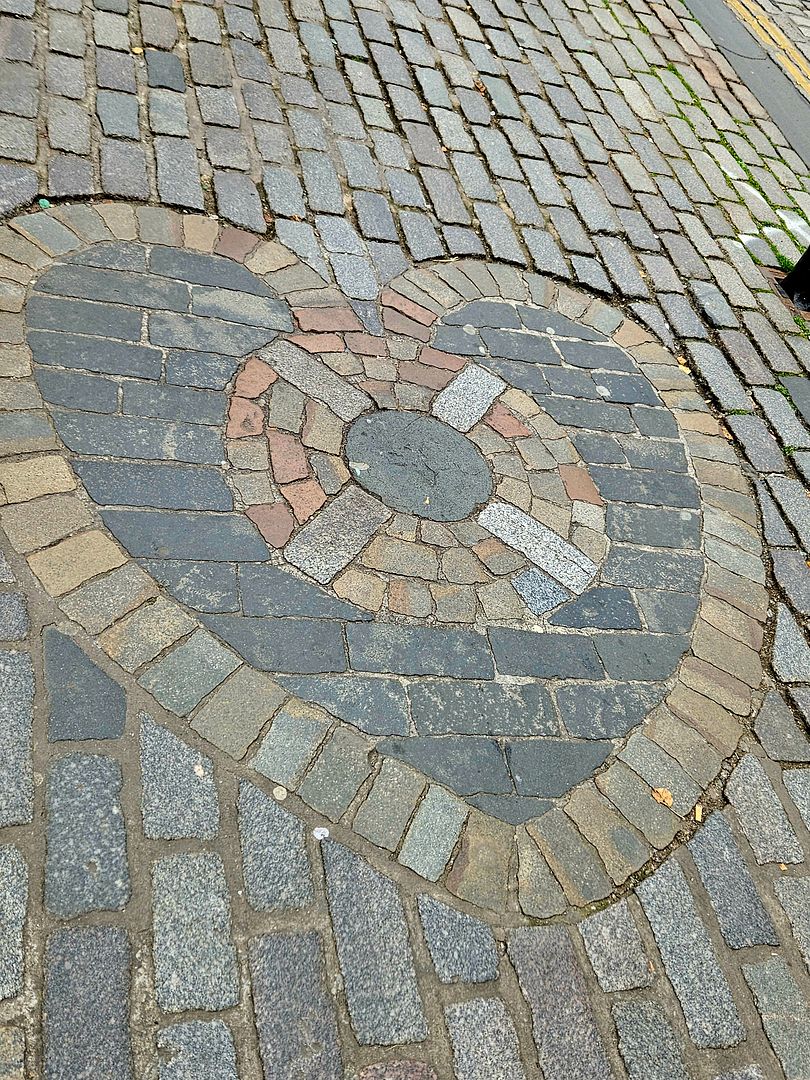
On our walk to Victoria street we came across this Famous Heart.

The Heart of Midlothian is both a historic mosaic dating to the Middle Ages and a landmark that denotes the location of Edinburgh’s Old Tolbooth administrative building. Locals often spit on the sign as a good luck charm, a tradition that has morphed from its original meaning of disdain for the many executions that took place at this site over the years. The Heart of Midlothian F.C., the local soccer club, takes its name from the mosaic and the Old Tolbooth.

The Heart was installed as part of a replacement building to the Old Tolbooth in 1561, and after this second building was demolished in 1817, the Heart was all that remained. It has been an inspiration for the writings of Sir Walter Scott and has become an iconic part of the city’s culture and historic identity – even if many now don’t remember its true origins.

FYI: Tolbooth is a Scottish term that refers to a townhall, jail or guildhall where tolls are collected.

From here we walked down Victoria Street to Grassmarket.

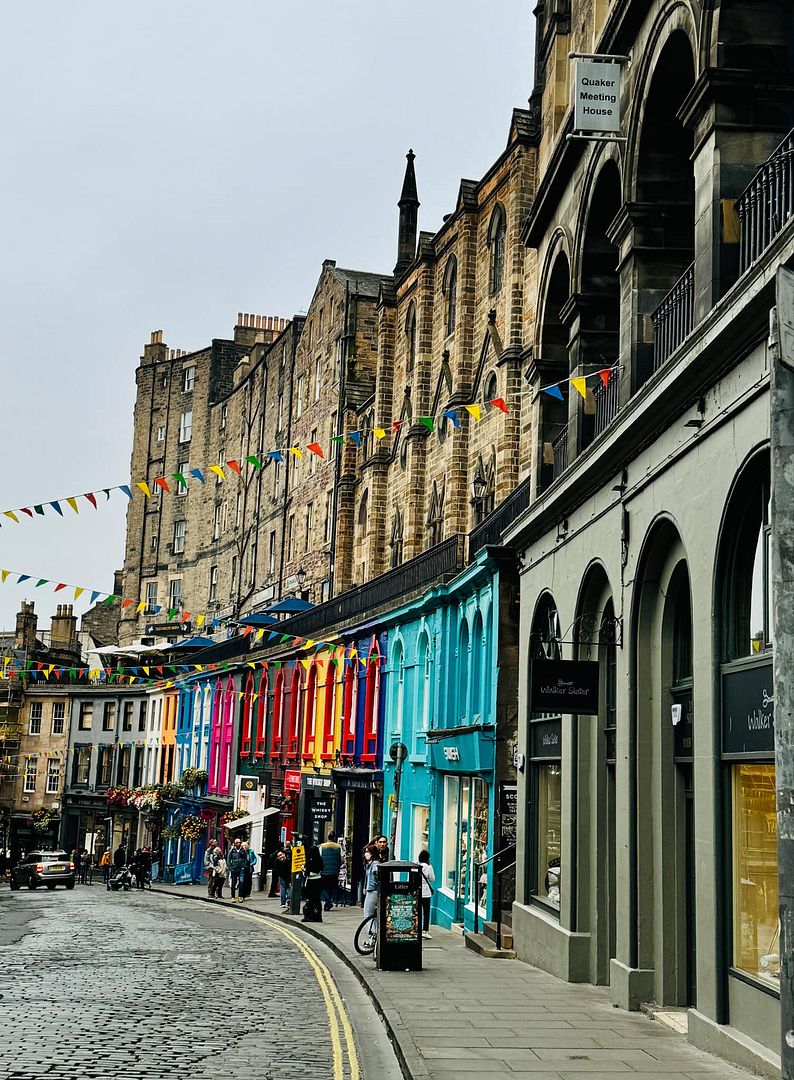
Victoria Street is said to be an inspiration for Diagon Alley in the Harry Potter books but J.K. Rowling denies that it is. Nonetheless fans flock here and stand in line to get in the museum on this colorful street.
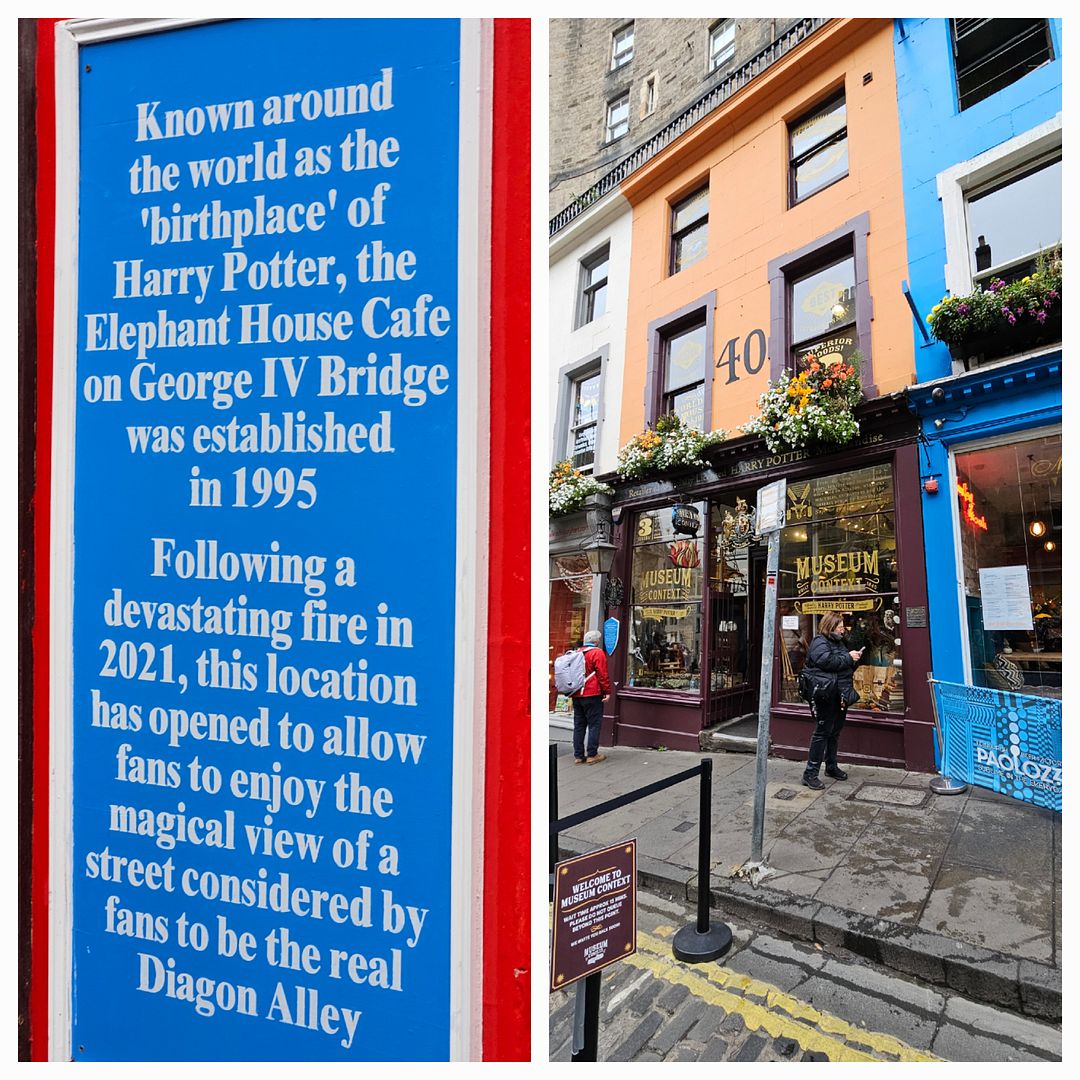
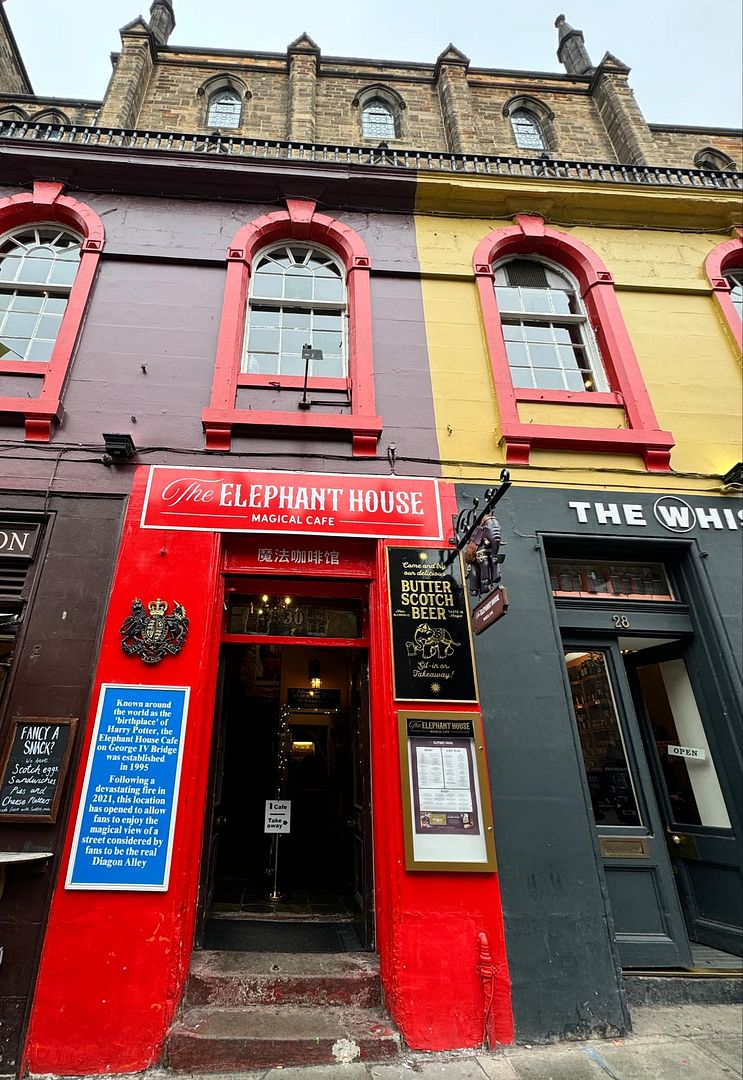
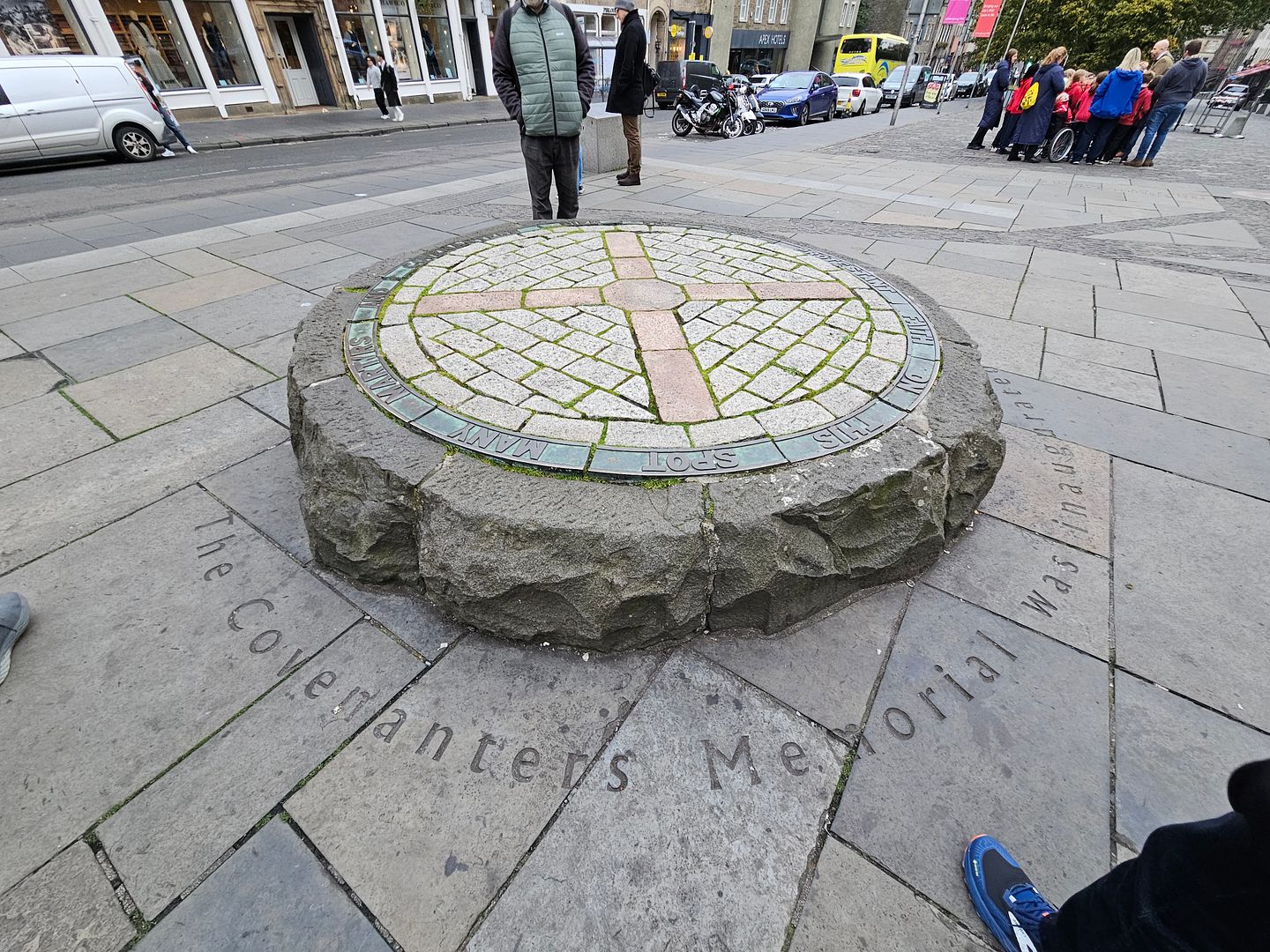
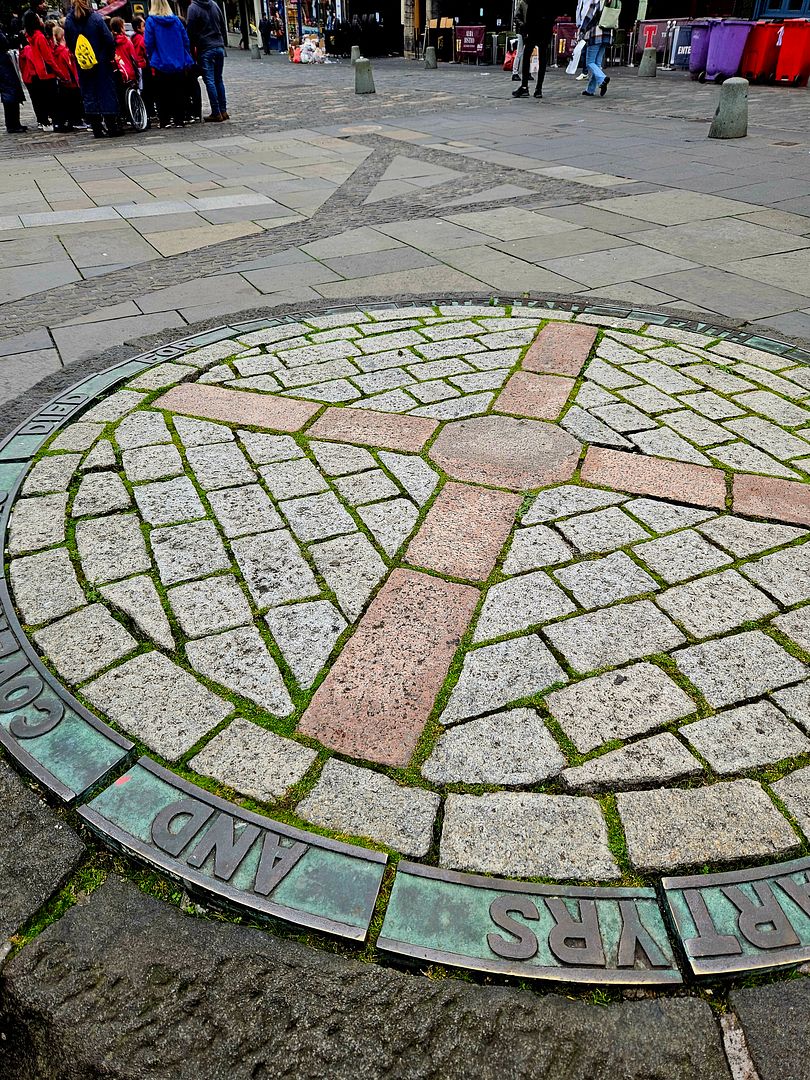
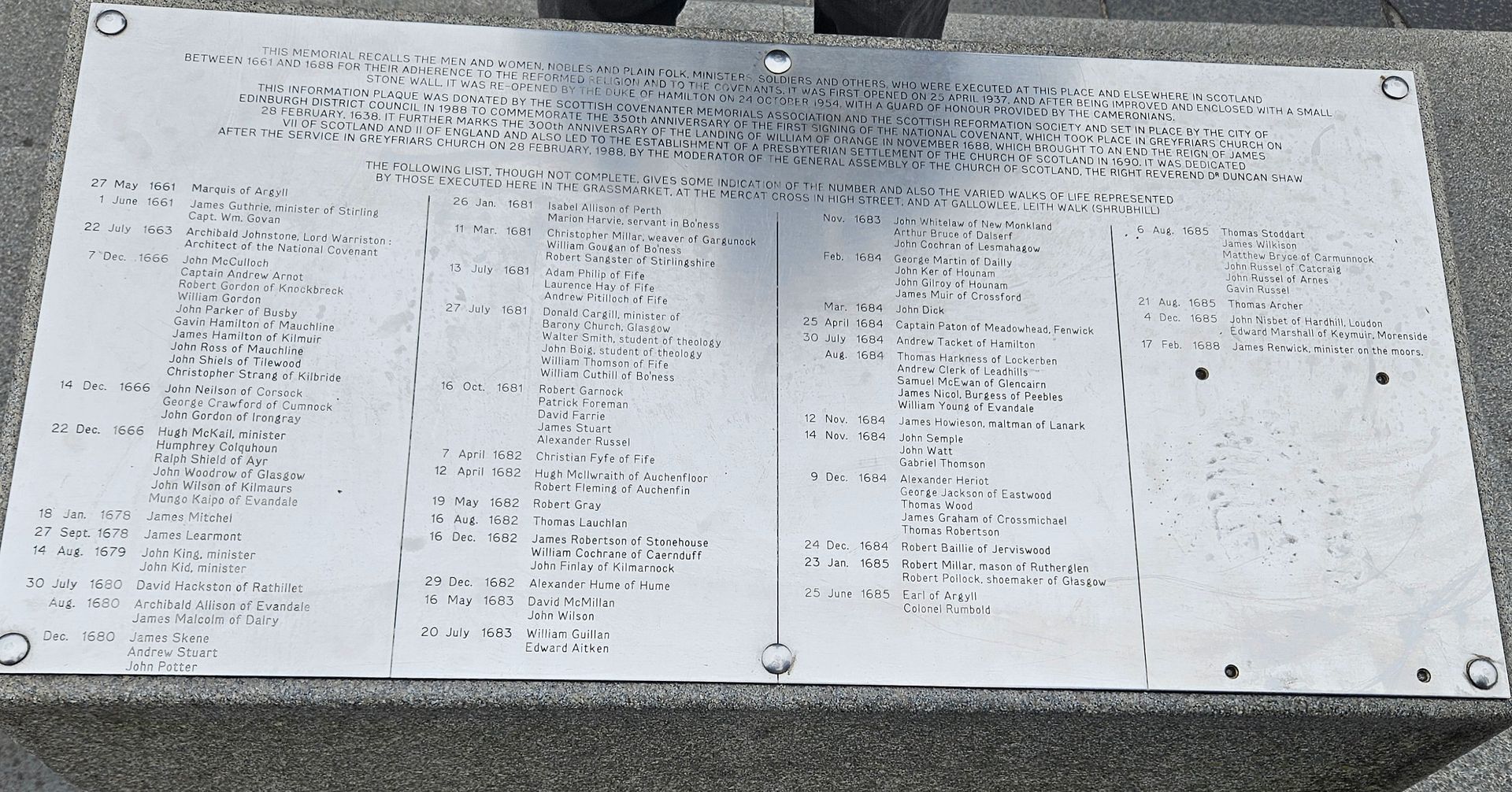
This is where the ‘meat’ of our Reformation Tour began as we were told that this was the route that martyrs would take from their sentencing in the courts above then down Victoria Street to the public gallows. Once we reached Grassmarket we stood around this monument to Martyrs and Covenanters who lost their lives at this spot for their faith.
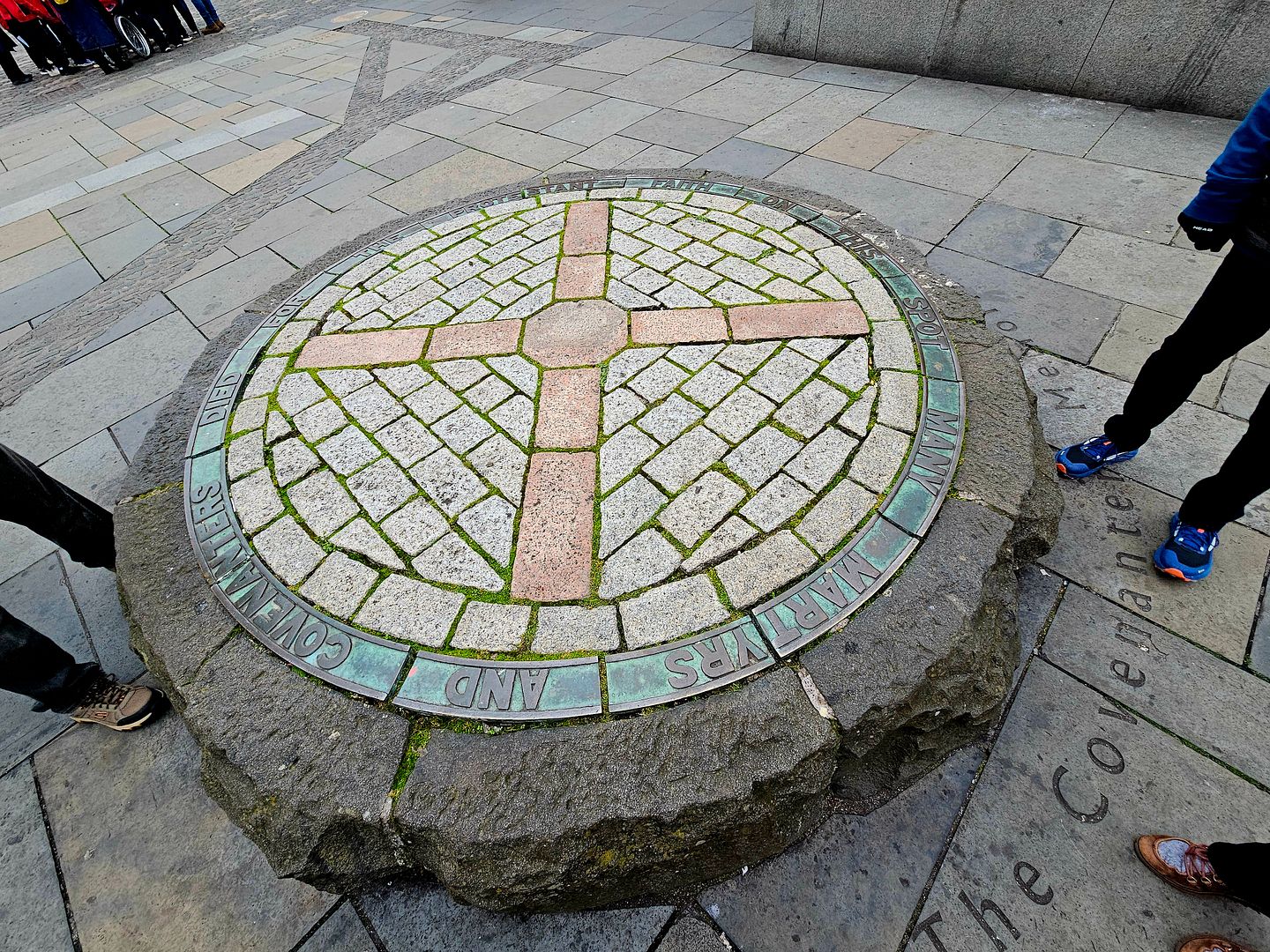
The Grassmarket is an wide open street on the south side of Edinburgh’s Old Town. The city had the public gallows there, and many Covenanters were executed during the Covenanting period.

A circular memorial, erected by public subscription in 1937, marks the site, and an adjoining plaque lists the names of the many Covenanters who were hanged there.

In a recent renovation of the locality, a representation of the gallows’ shadow was made on the ground using different coloured stone, as seen in the picture to the left.
Our tour continued from here. We made stops at Greyfriars Kirkyard, The National Museum, The National Library and St. Giles Cathedral.

At this stage in January, many months later, I’m not sure of the order of those stops! Travel failure in not writing a journal while on our trip. I’ll put it down to the fact that our days were so full we didn’t have a lot of down time in the evenings.

Hello to February. I was hoping to have our Scotland Journal Posts done by the end of January but it will take a few days into February to accomplish that.

Scotland Travel Journal ~St. Andrews #2
I do hope my old brain can go back and capture the rest of our Scotland travels and get them posted before the end of January!

After our time at the ‘links’ on Friday September 20th, we found out more of what St. Andrews is famous for. We would also intersect our interest in John Knox and the Reformers that we were introduced to in Glasgow and Stirling. We did not have an extended time to see the rest of St. Andrews but we fit in what we could. Fair warning, this will be a long post.
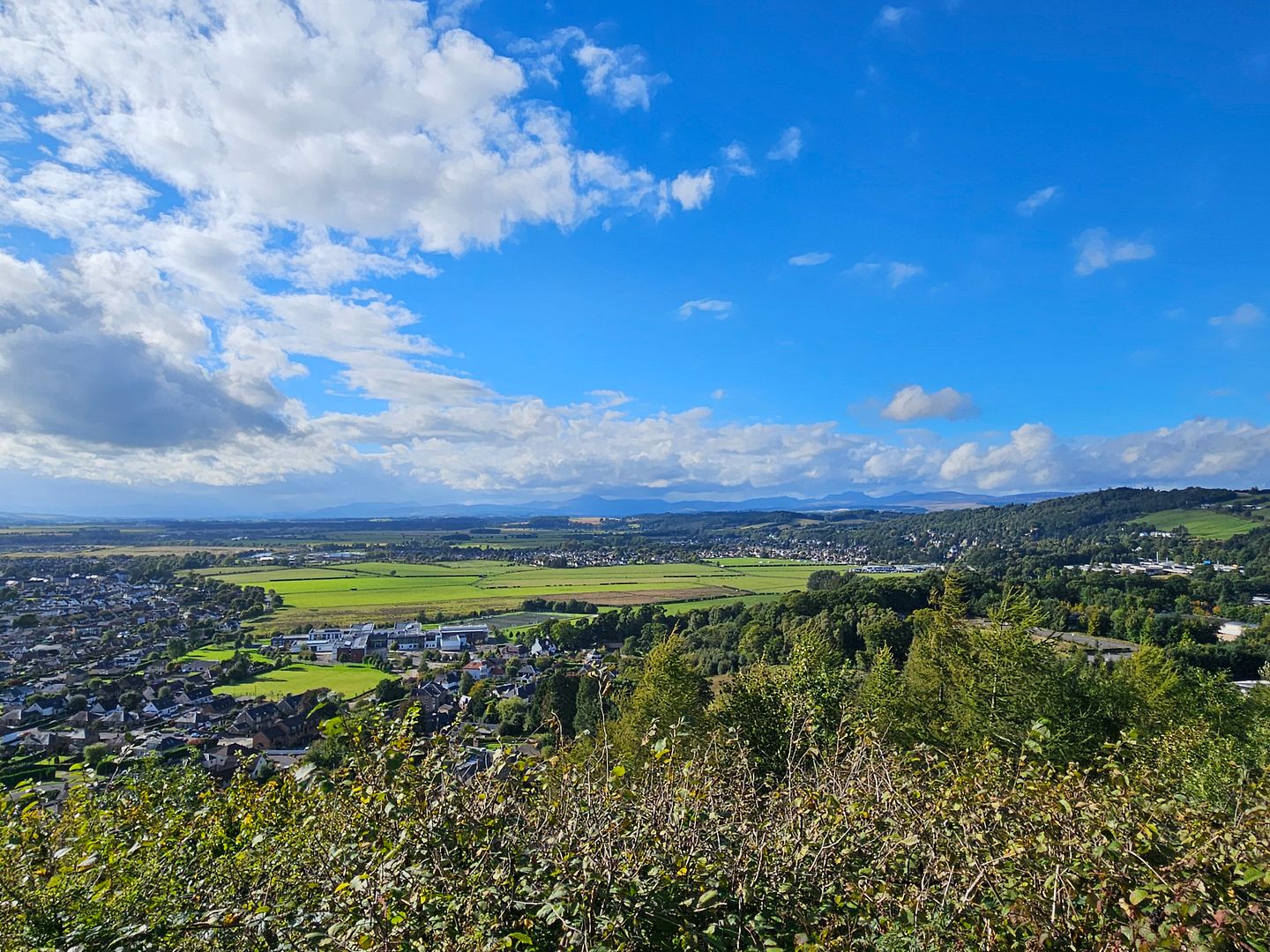
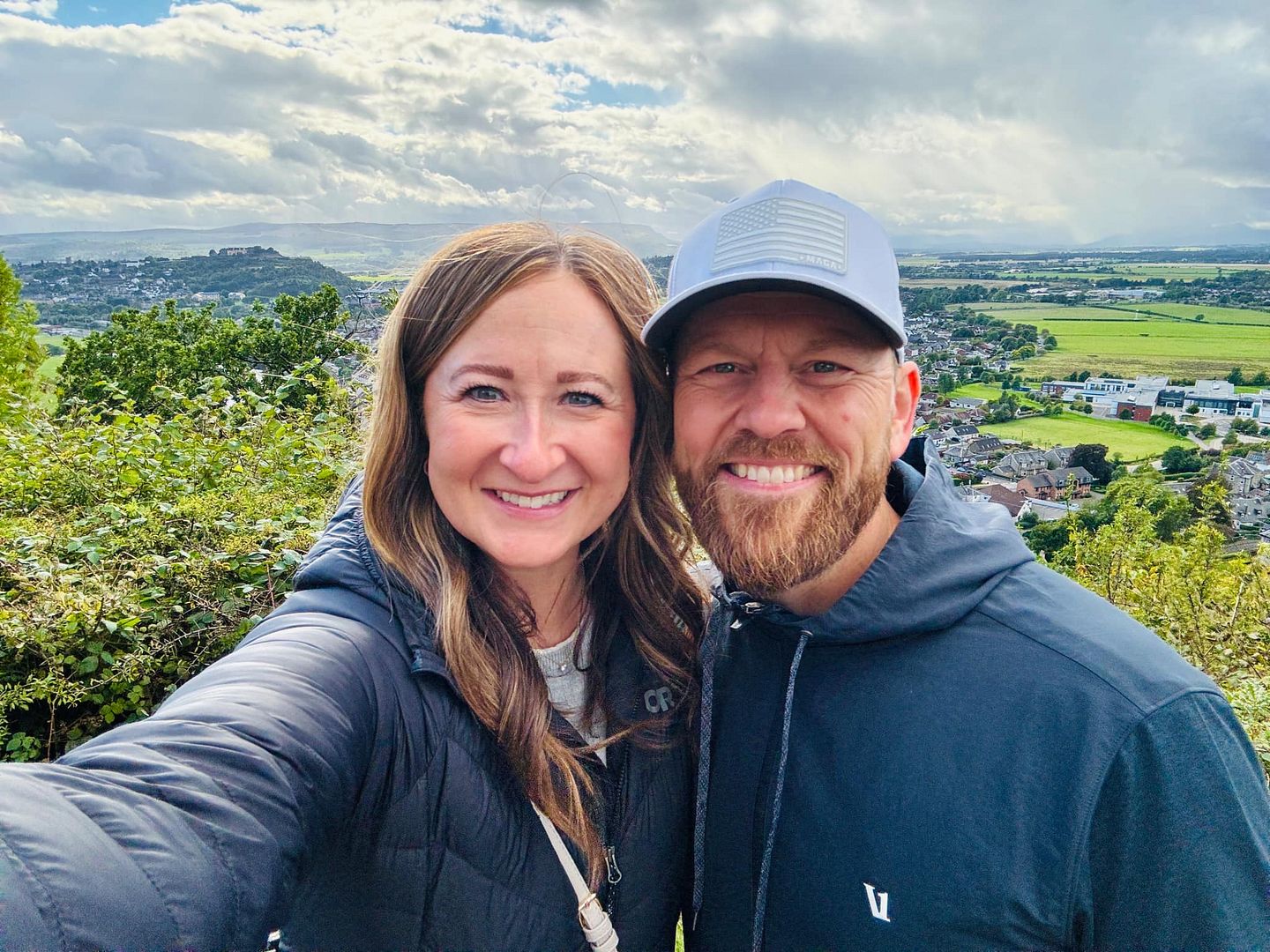
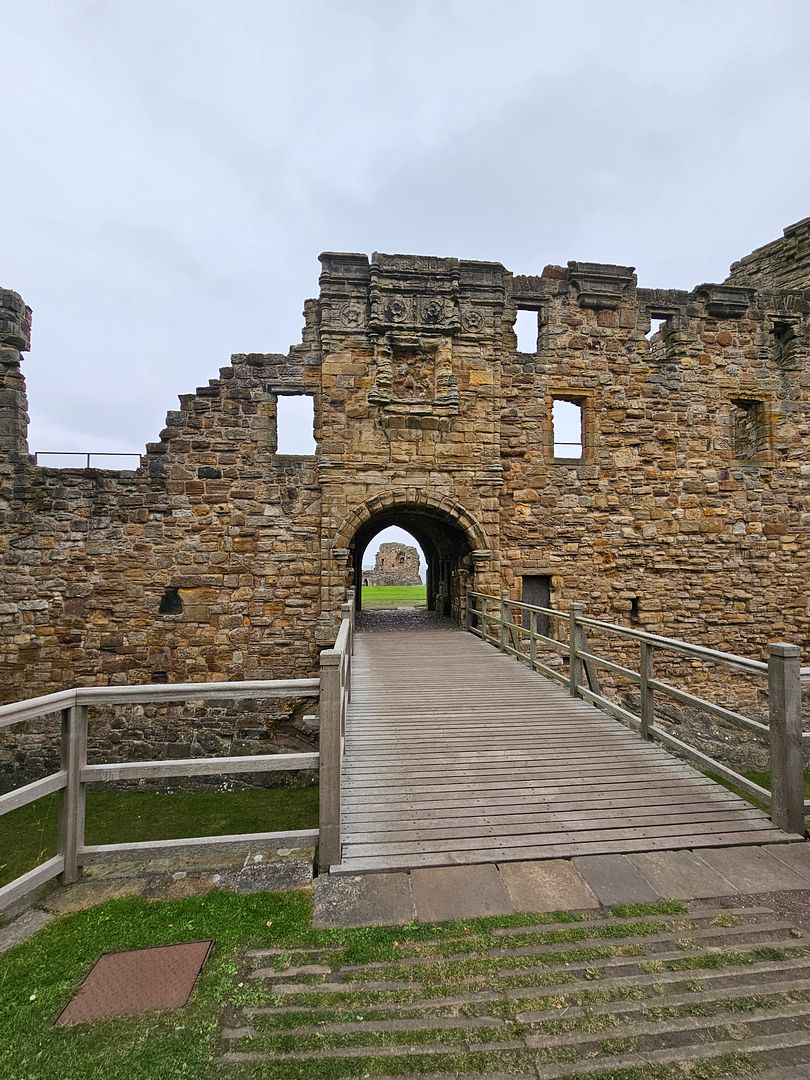
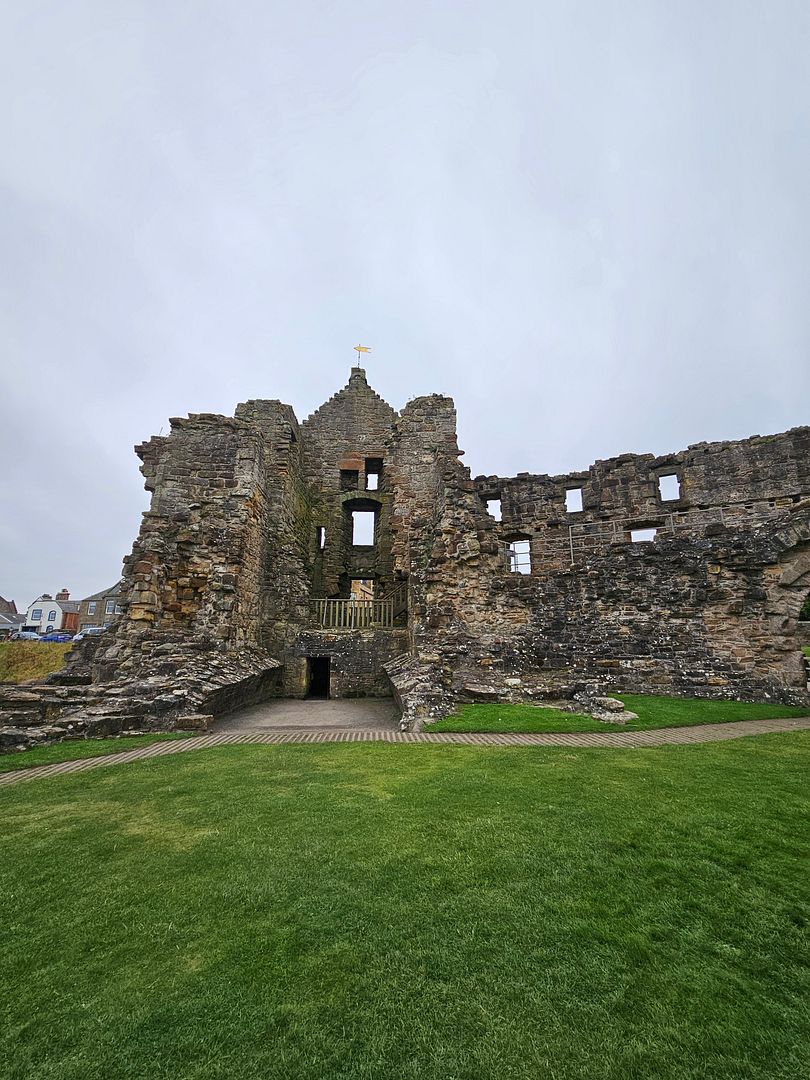
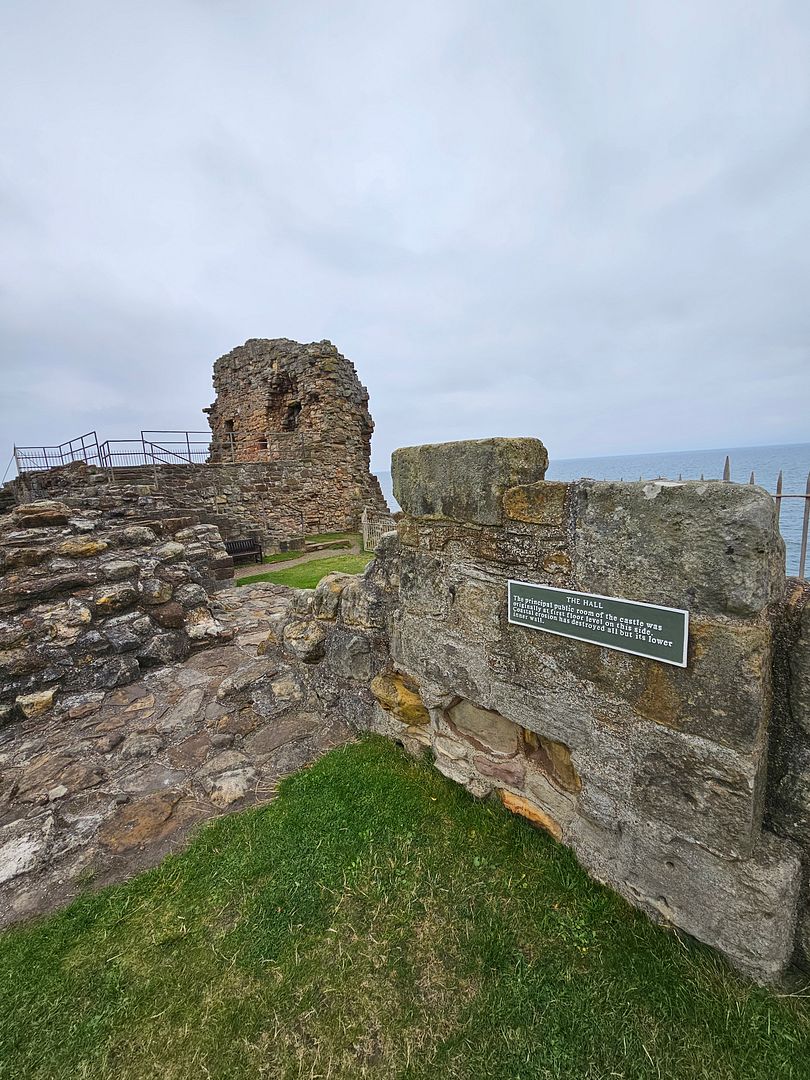
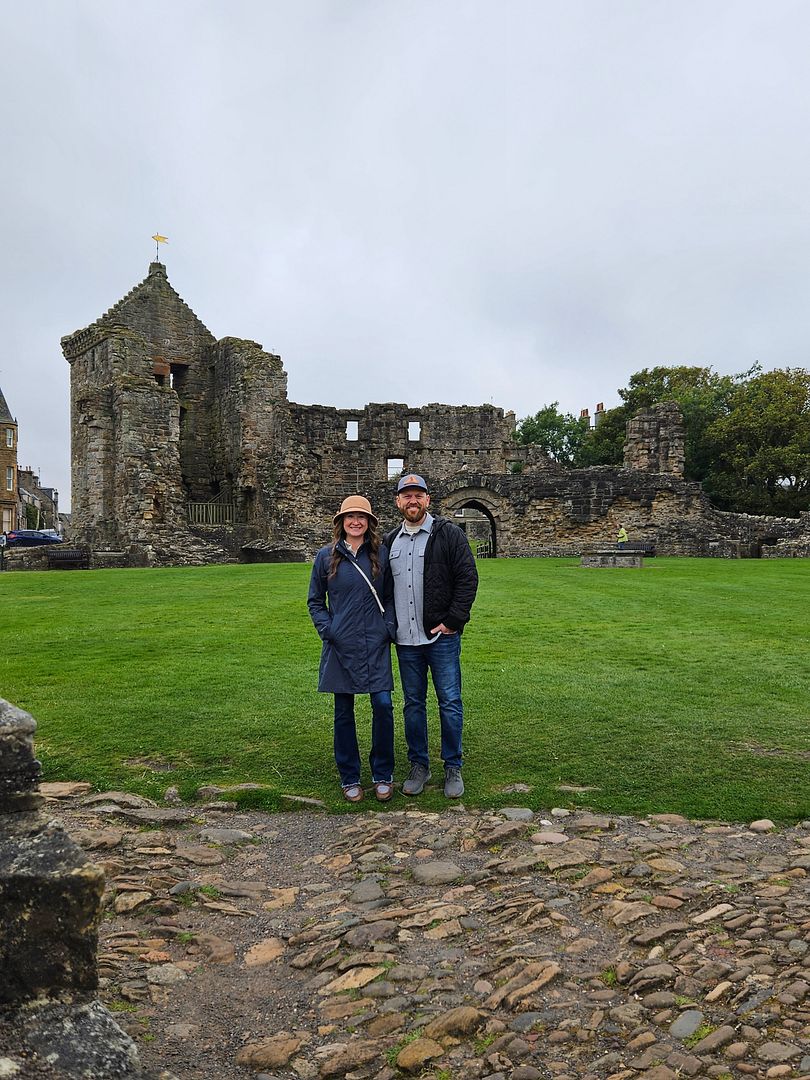
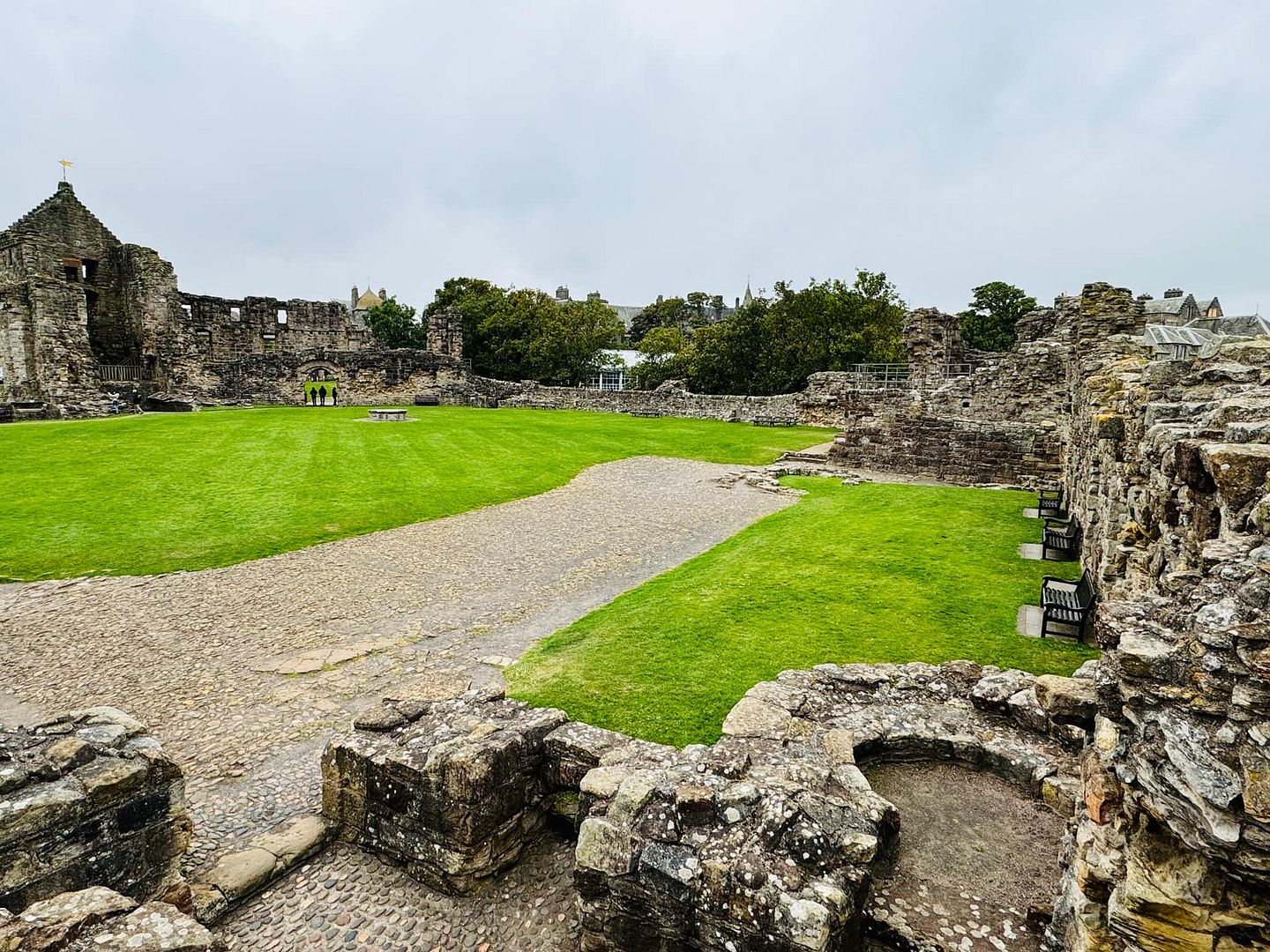
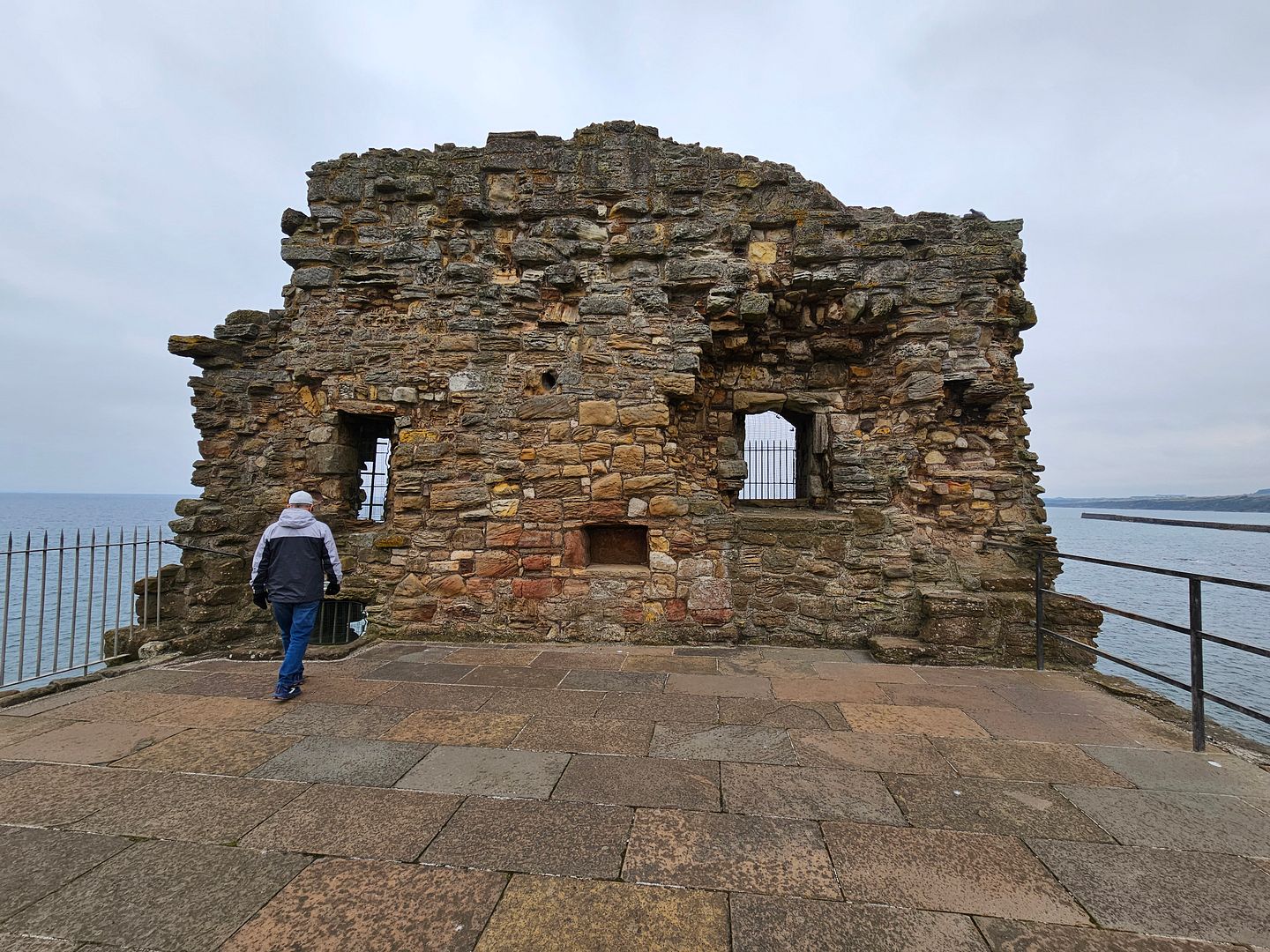
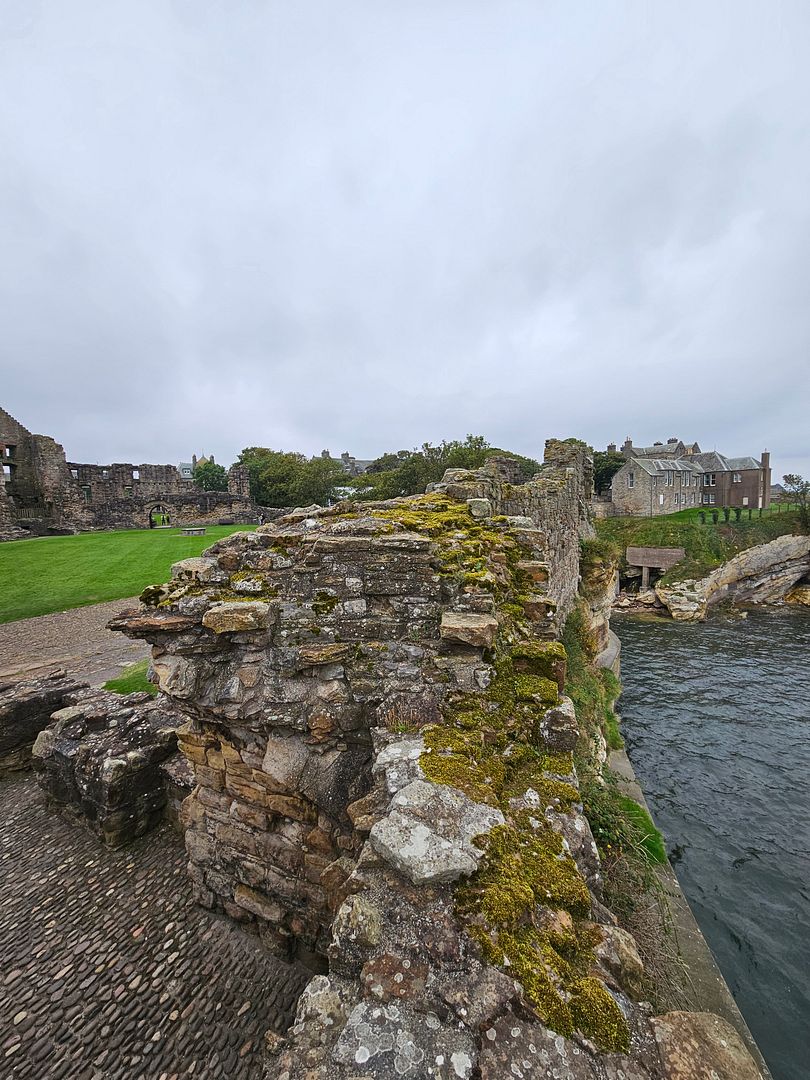
We walked along The Scores to get to the ruins of St. Andrews Castle.

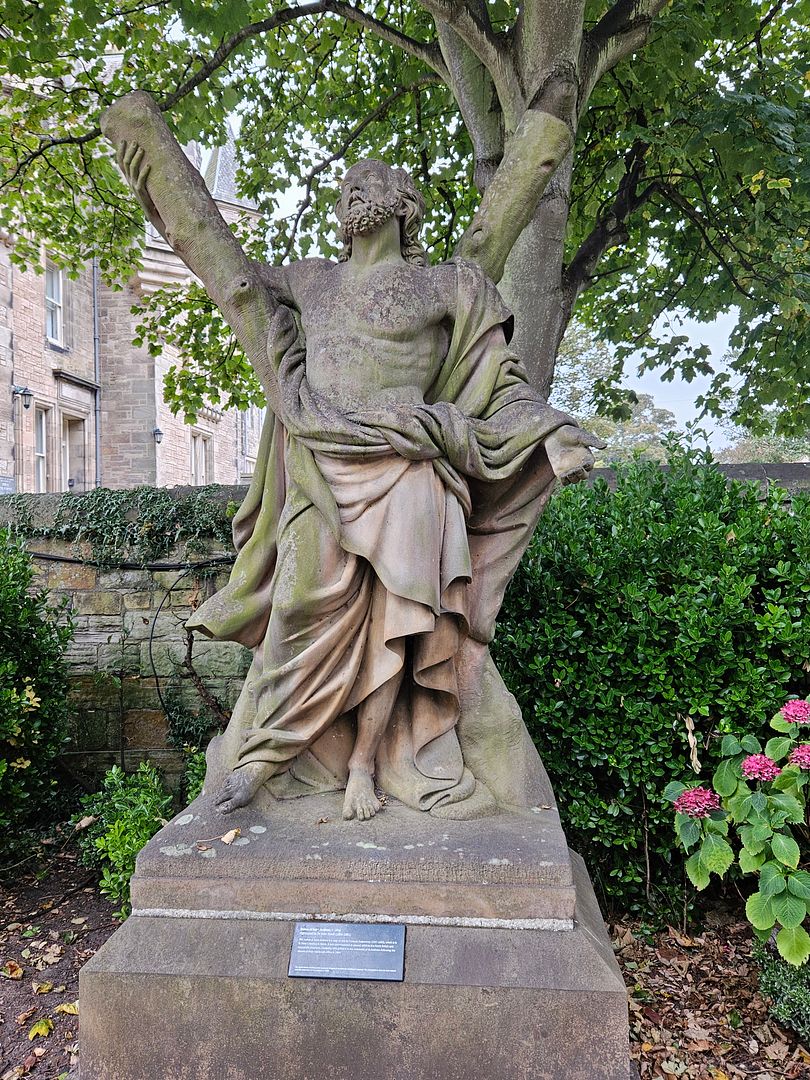
Along our route we passed the restored statue of St. Andrew, the patron saint of Scotland, outside the Wardlow Museum.

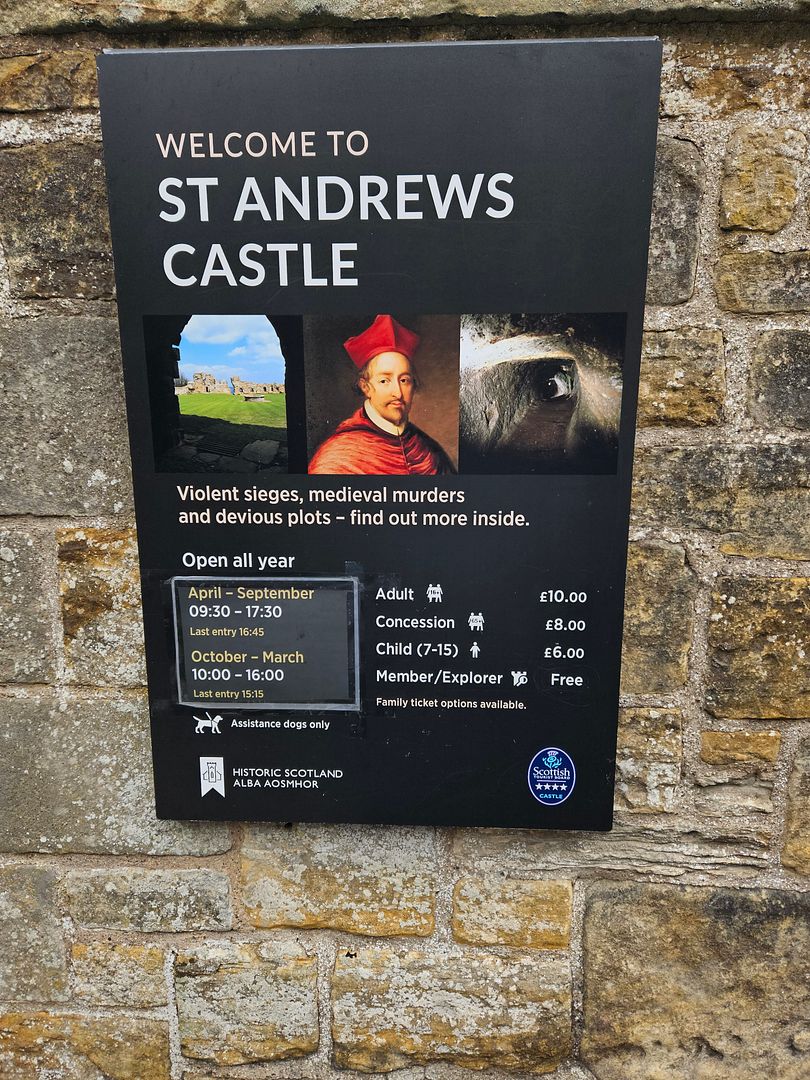
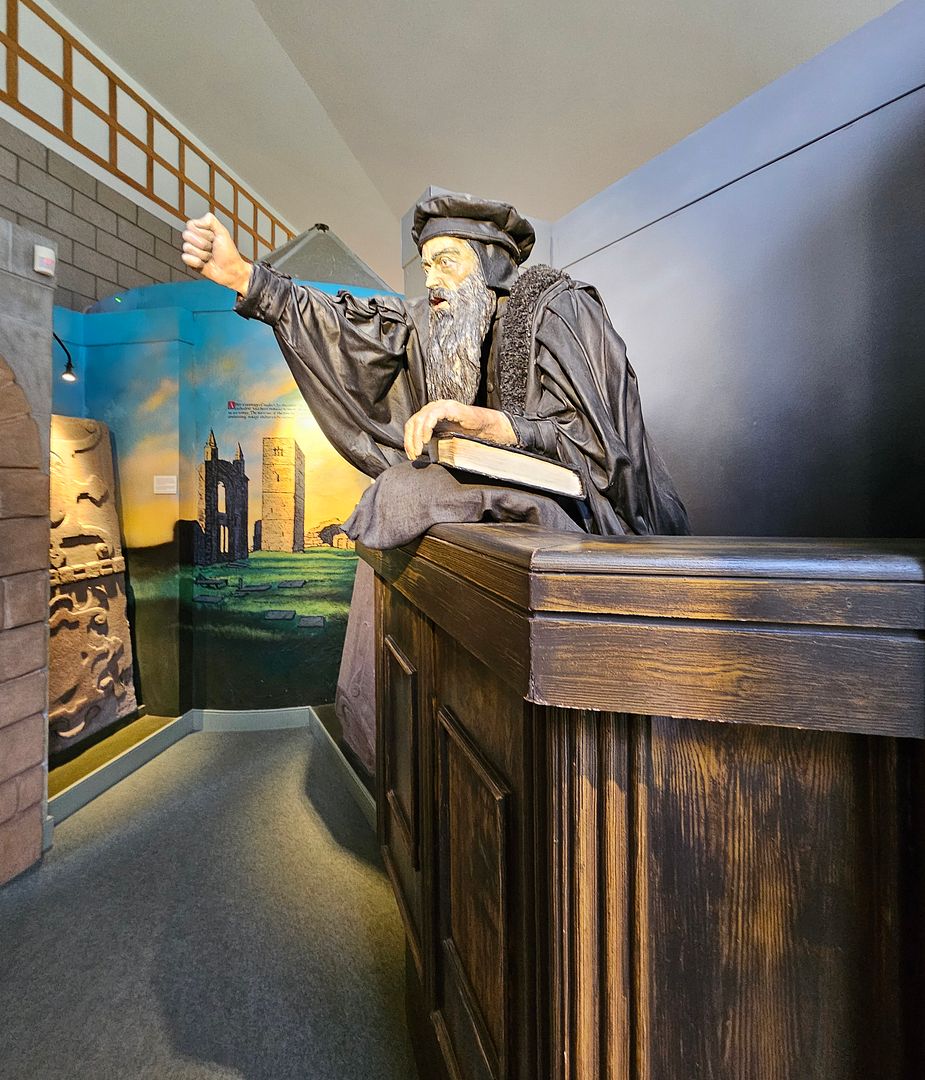
Entering the Castle grounds we paid and then walked through the history presentation before heading out to the castle ruins.

I’ll add some of the history of the castle that pertains to the Reformers and namely George Wishart and John Knox. I’ll add another link for those of you who might be interested in more history.

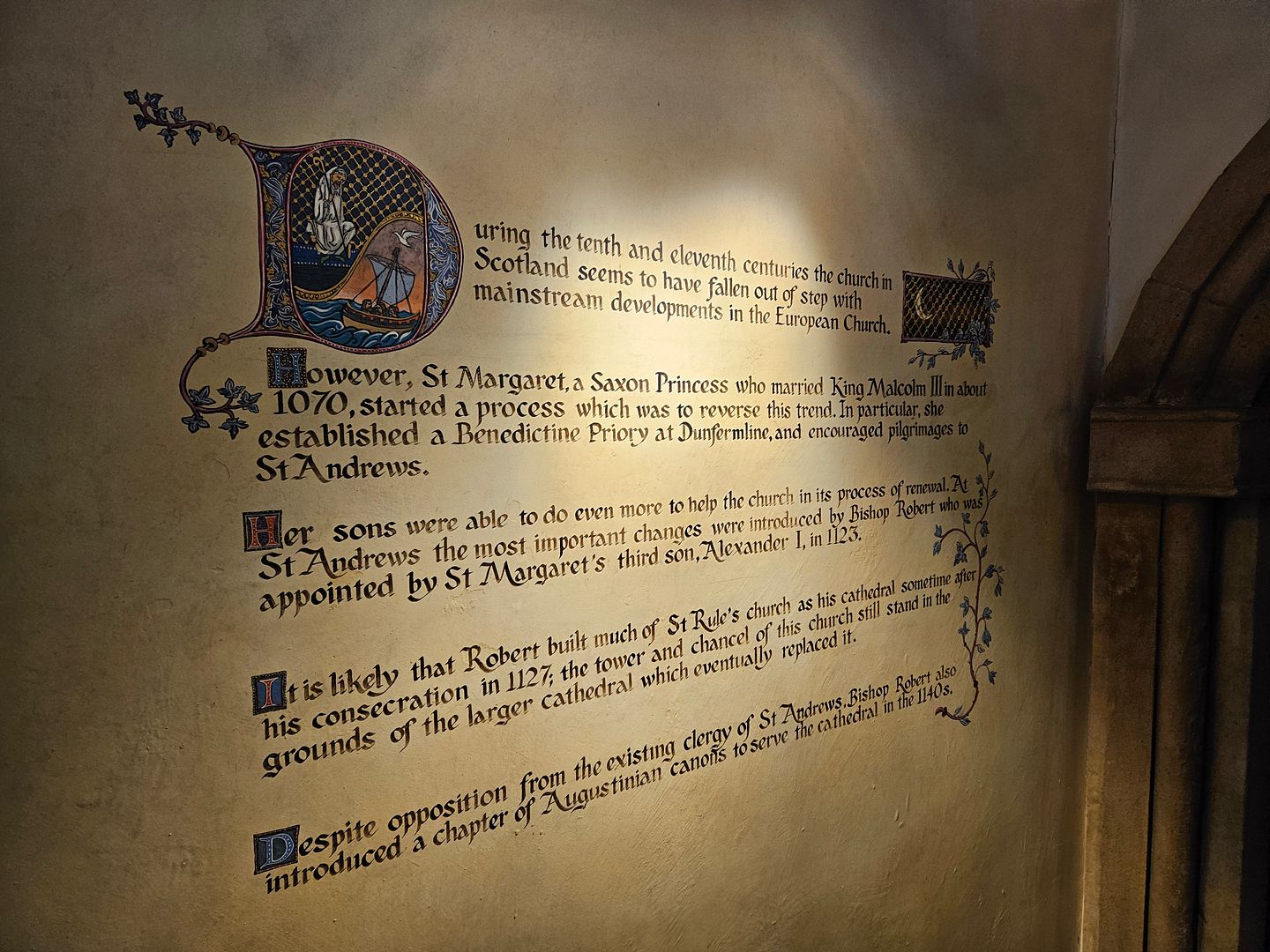
During the tenth and eleventh centuries the church of Scotland seems to have fallen out of step with mainstream developments in the European church. However, St. Margaret, a Saxon princess who married King Malcolm III in about 1070, started a process which was to reverse this trend. In particular she established a Benedictine Priory in Dunfermline, and encouraged pilgrimage to St. Andrews. Her sons were able to do even more to help the church in the process of renewal. At St. Andrews the most important changes were introduced by Bishop Robert who was appointed by St. Margaret’s third son, Alexander the I, in 1123. It is likely that Robert built much of St. Rule’s church as his cathedral sometime after his consecration in 1127; the tower and chancel of this church still stand in the grounds of the larger cathedral which eventually replaced it. Despite opposition from existing clergy of St. Andrews, Bishop Roberts also introduced a chapter of Augustinian canons to serve the cathedral in the 1140’s.

It would be a mistake to think of the Bishop in terms of his religious power; churchmen in Scotland were far more than spiritual leaders; they were often major players on the political stage, and frequently acted as military leaders too.

The Siege of 1546

The clash of new Protestant ideas and the traditional Catholic religion was not a peaceful one in Scotland. The hierarchy of the established Catholic church was determined to stamp out the Protestant Reformation by any means necessary.

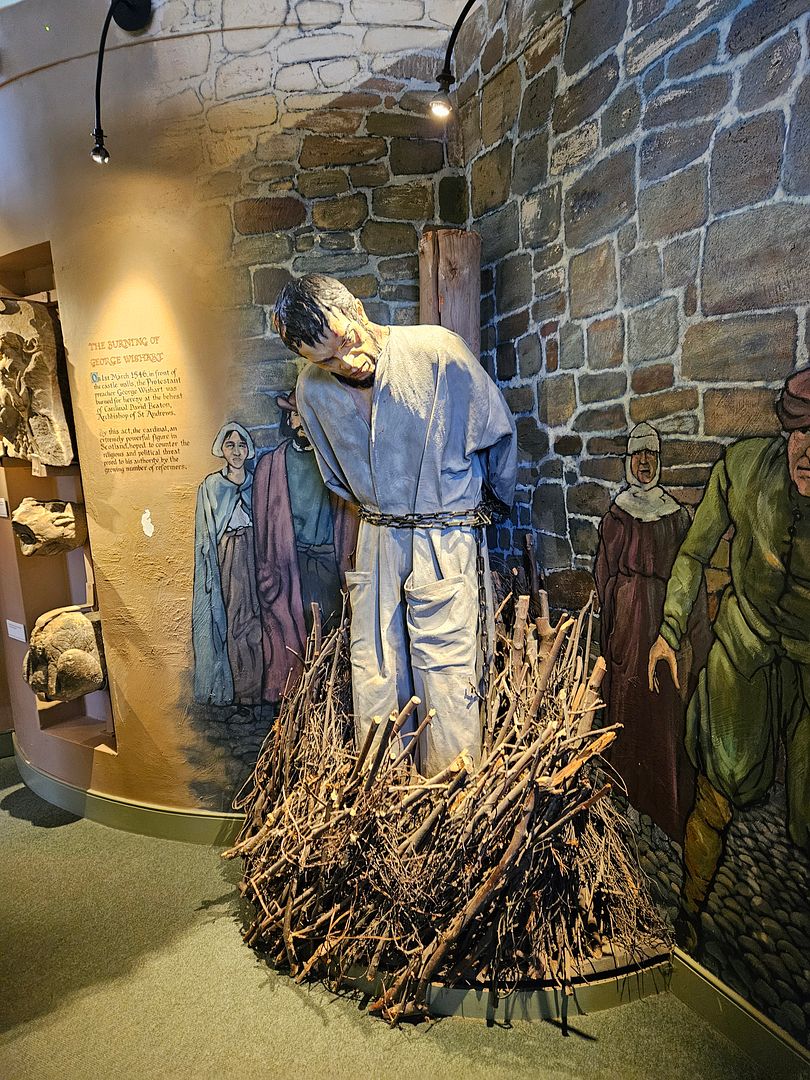
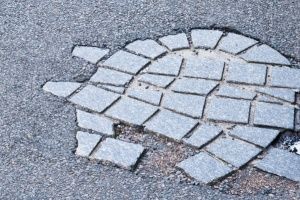
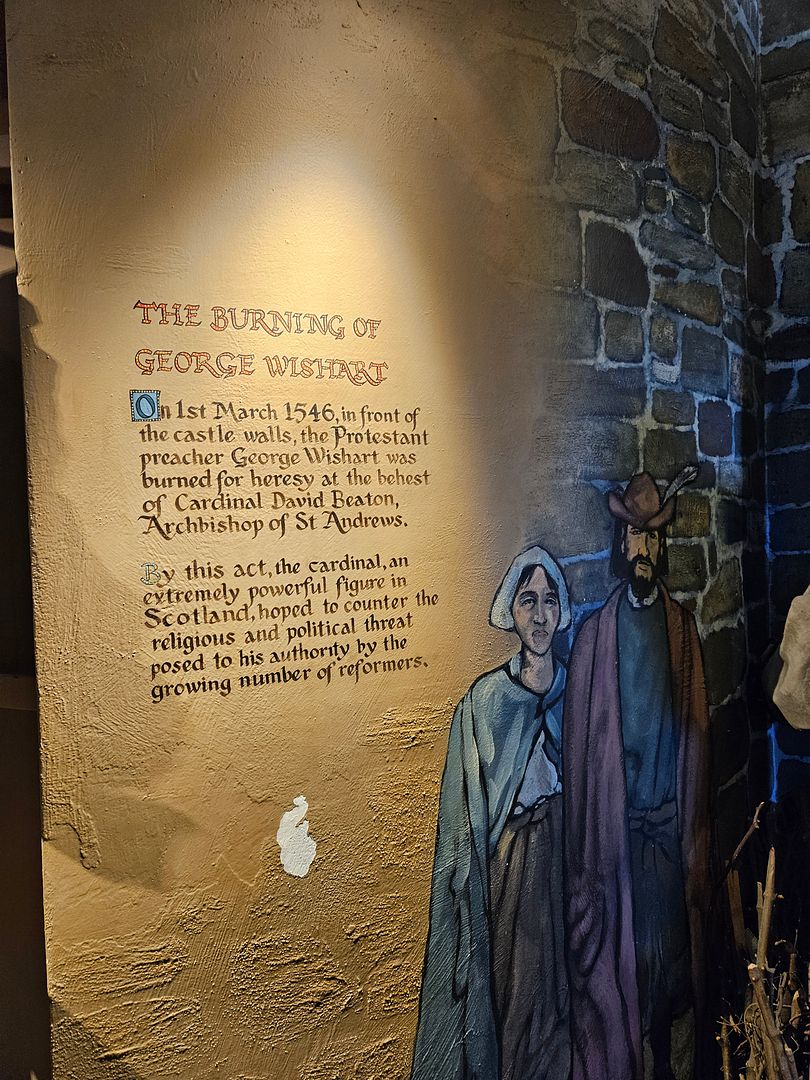
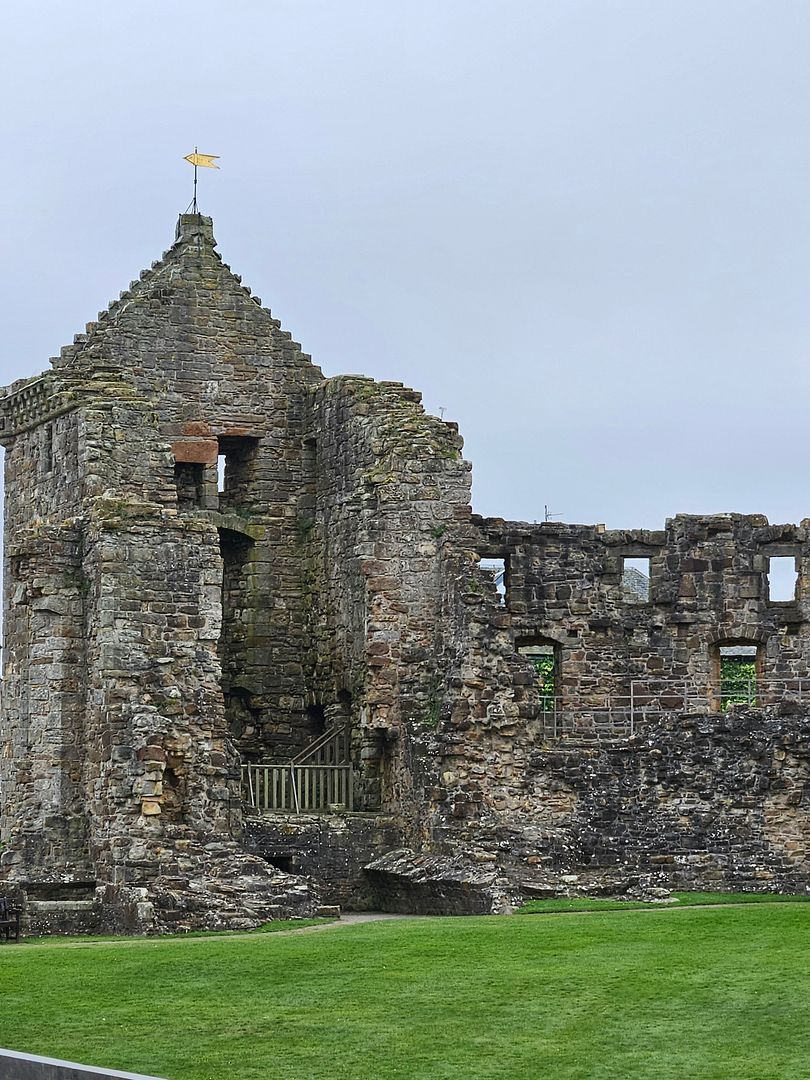
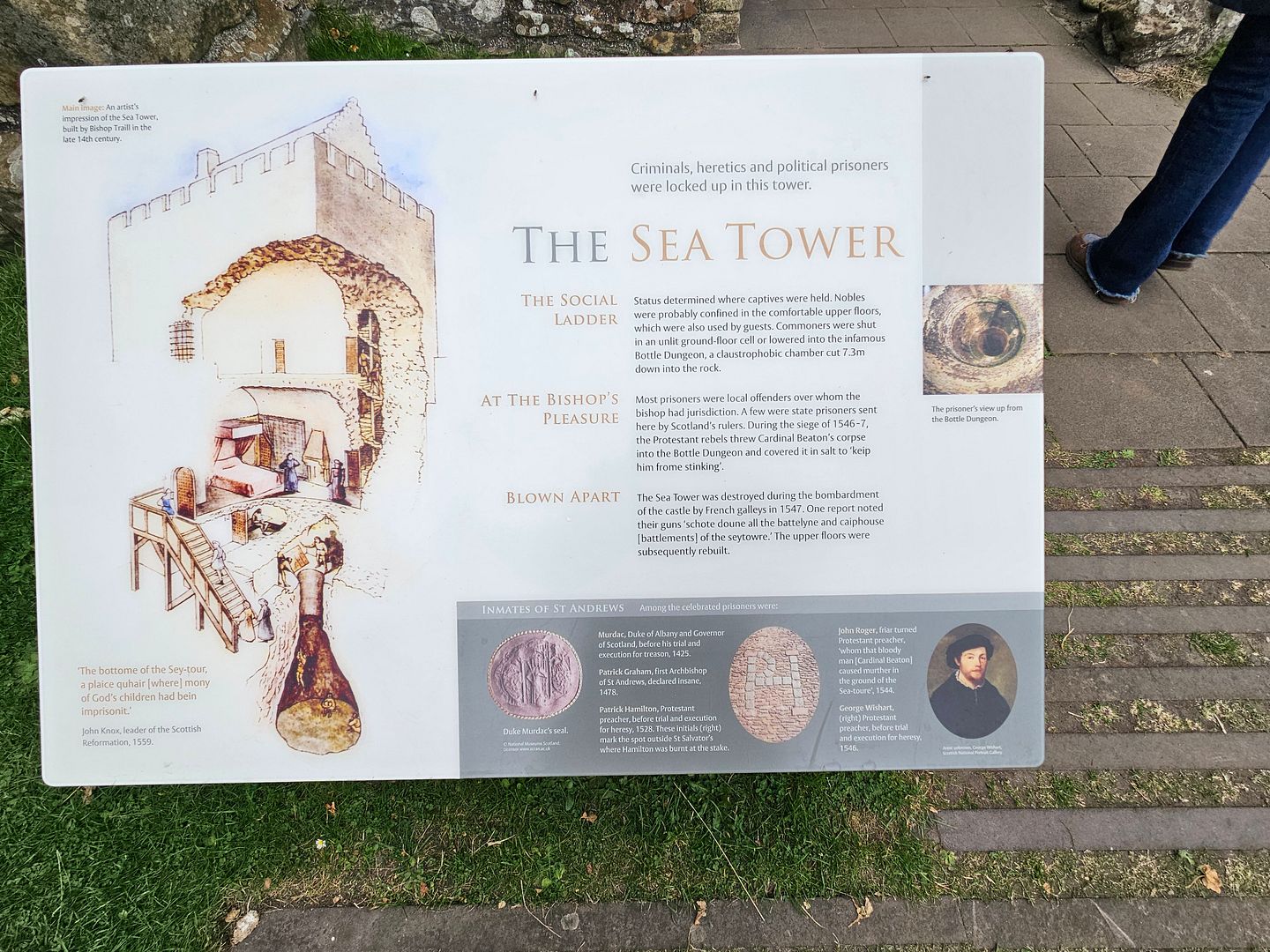
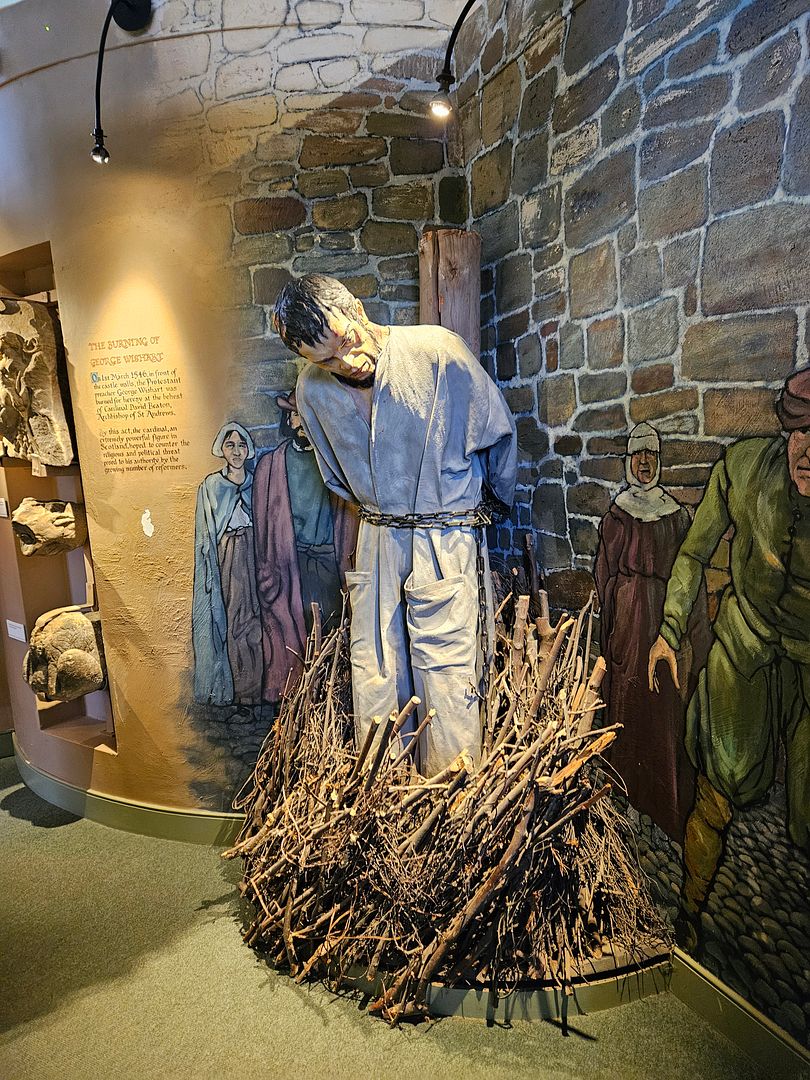
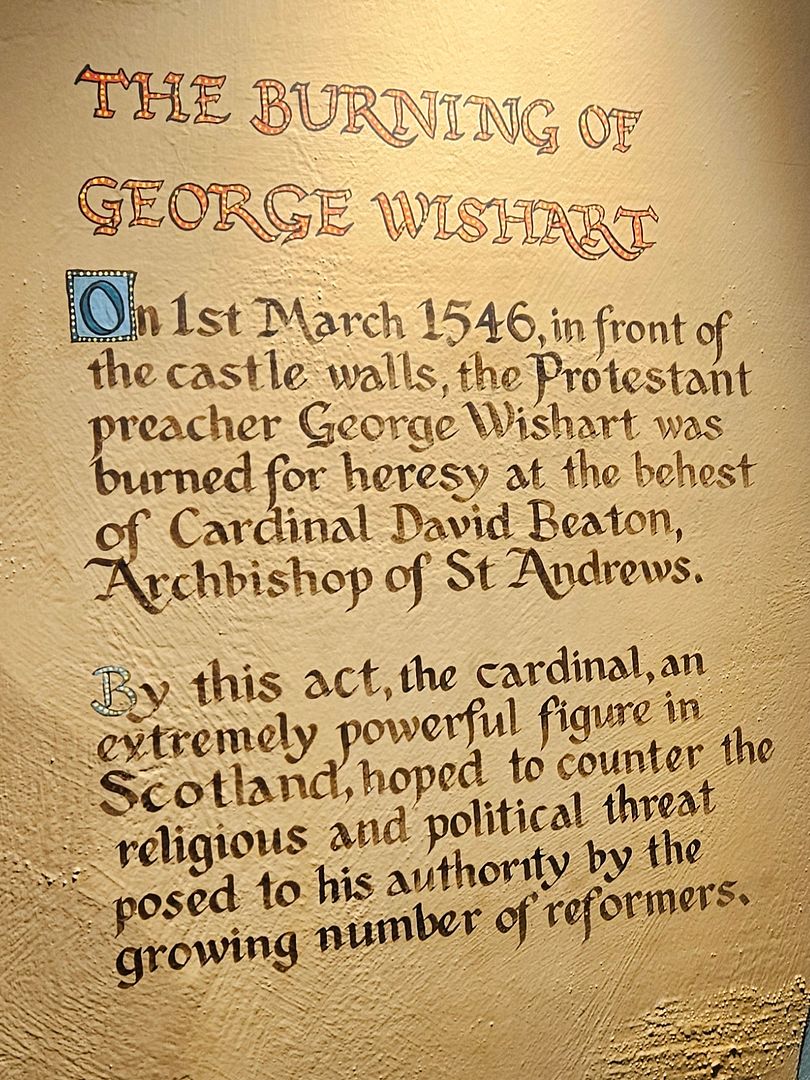
In March 1546 a Lutheran preacher named George Wishart was imprisoned in the Sea Tower, and then burned at the stake in front of St Andrews Castle, a spot now marked by a simple design of paving bricks spelling out his initials. When I visited, a car was parked partly over the memorial bricks, the driver oblivious that they were parking on the spot where a man died in flames.

Taken from here where you can read more of the history. 

We missed seeing the spot marked in front of the castle where Wishart was martyred but I’m adding it here.

Wishart’s execution was ordered and witnessed by the powerful Archbishop of St Andrews, Cardinal David Beaton, nephew of the earlier Archbishop James Beaton. But Cardinal Beaton’s triumph was shortlived.

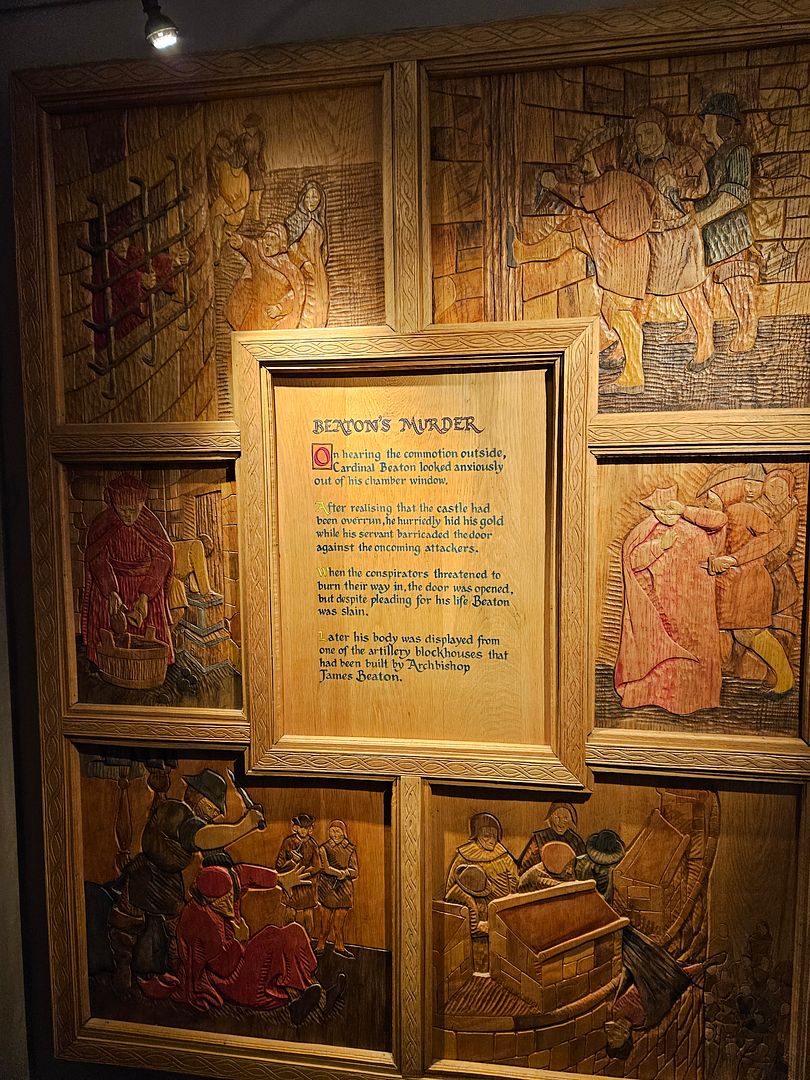
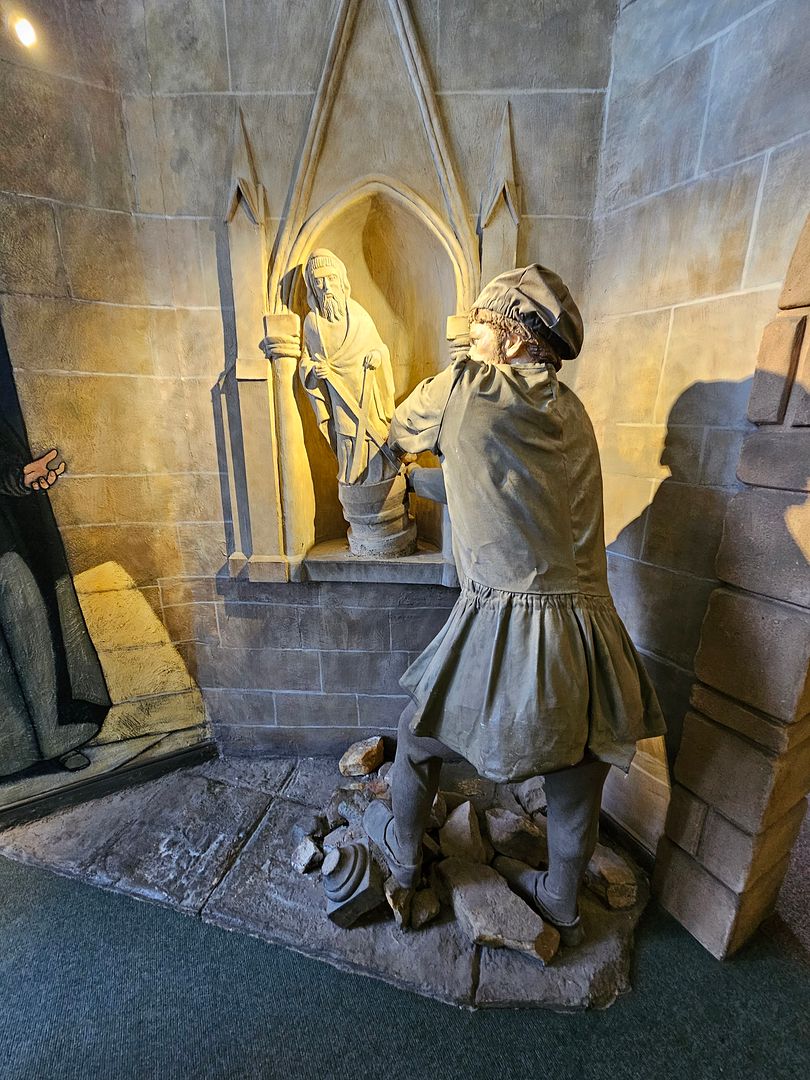
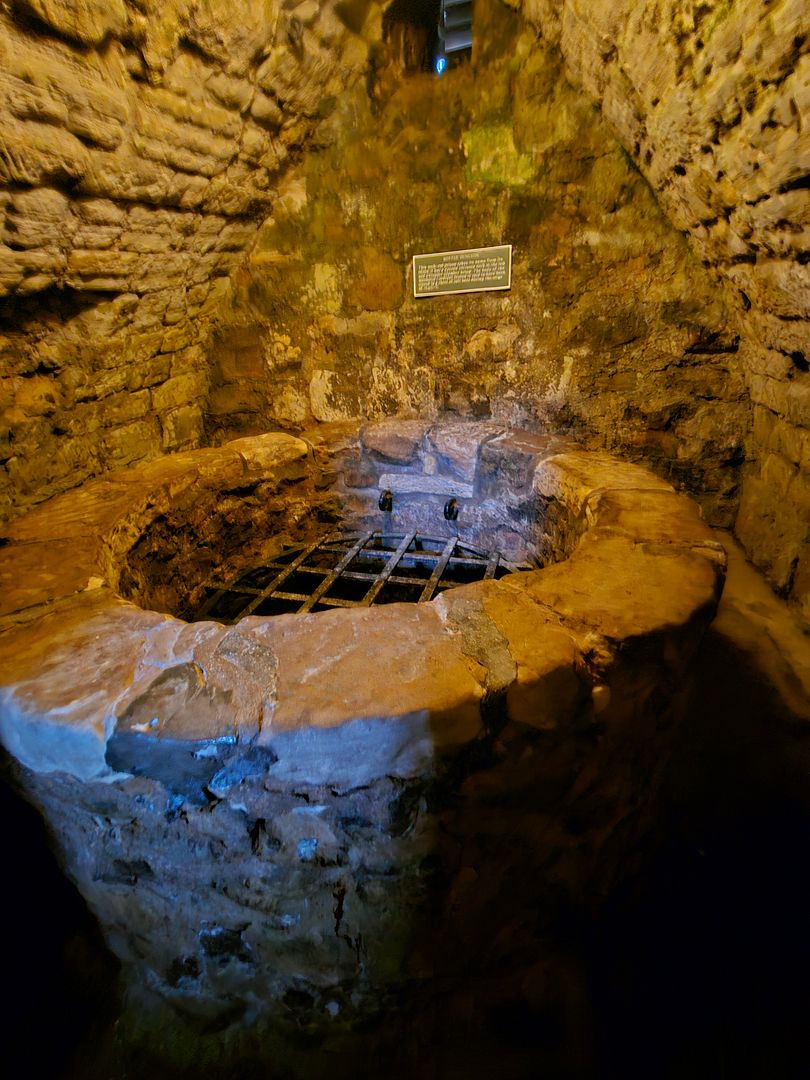
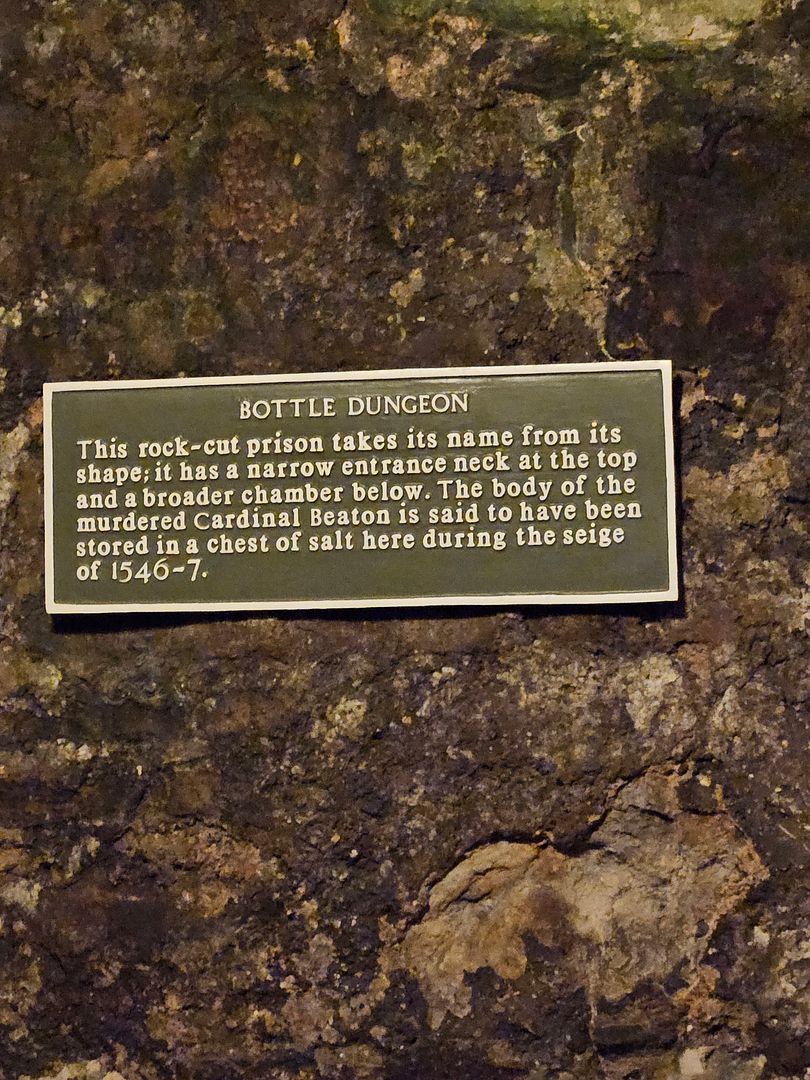
A band of Wishart’s supporters, prominent local lairds, snuck into the castle dressed as stonemasons. They took the castle garrison by complete surprise, murdered Archbishop Beaton, and hung his naked body from a window high in the castle tower. They then occupied the castle and proceeded to form the first Protestant congregation in the country. Together they hoped to hold the castle against troops led by the Regent, the Earl of Arran.

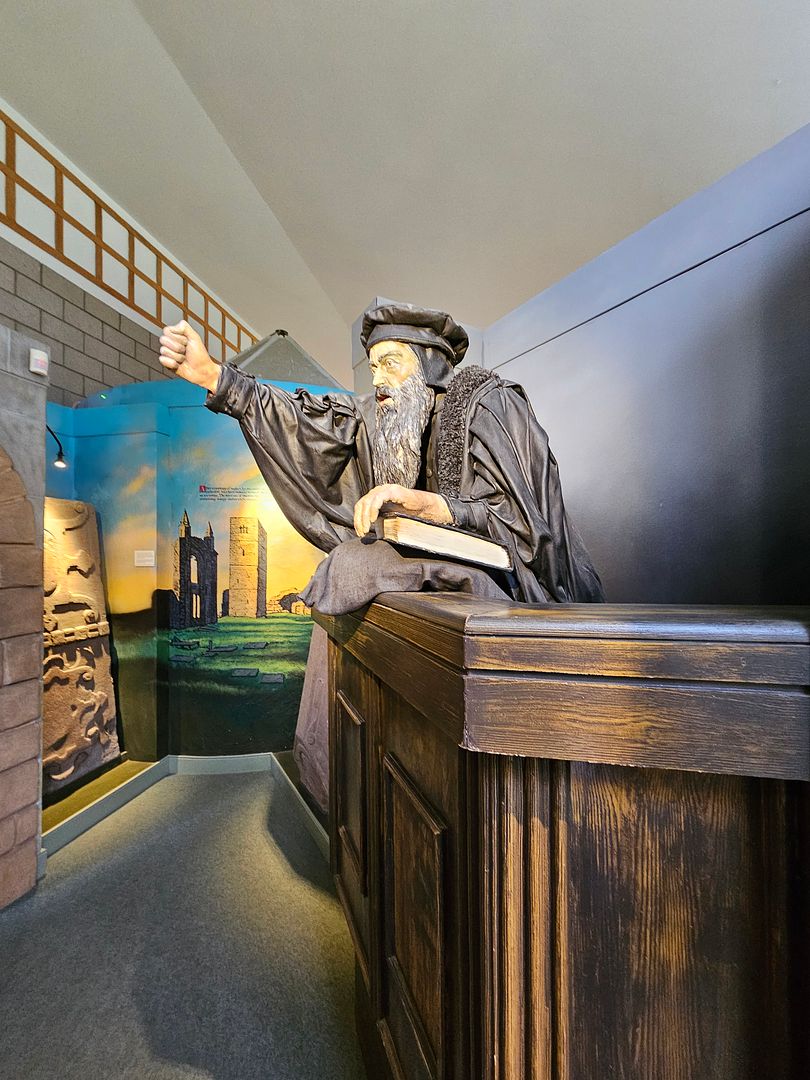
The occupation of St Andrews Castle and the killing of the Archbishop acted as a clarion call to Protestant reformers, who flocked to St Andrews. Among the reformers who came to support the Protestant uprising was John Knox, who was allowed to enter the castle under a temporary truce, and act as a preacher to the occupiers.

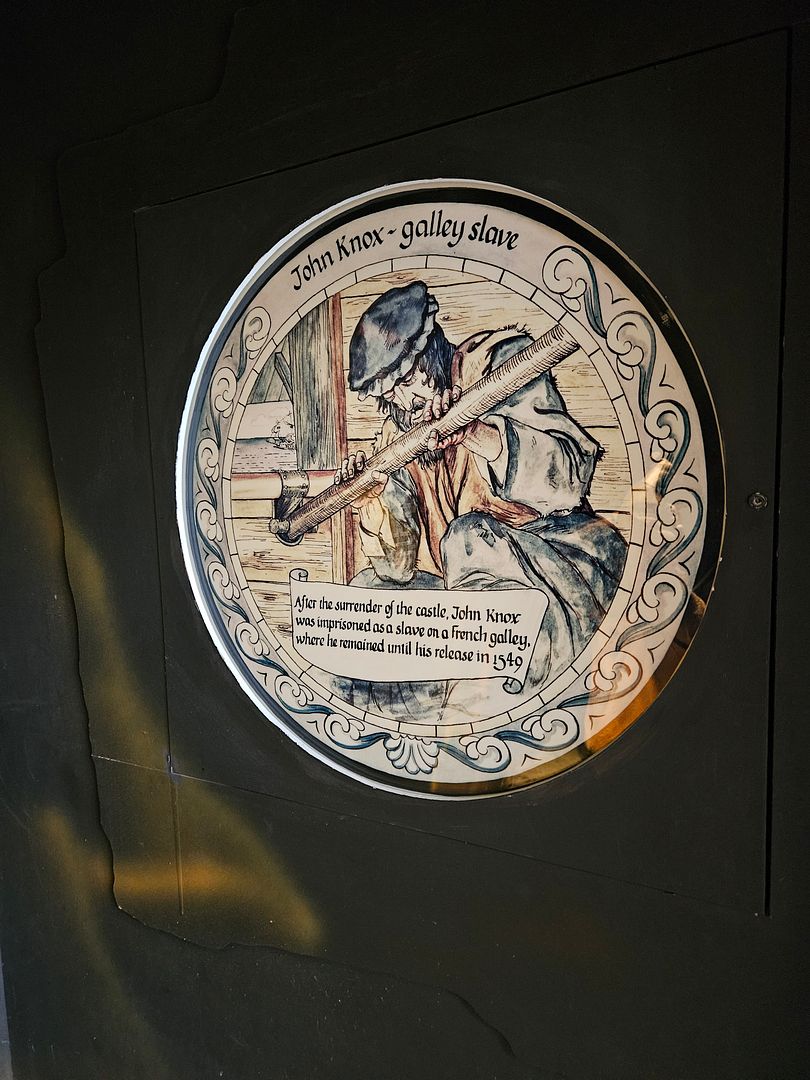
John Knox was a slave on a French galley for two years!

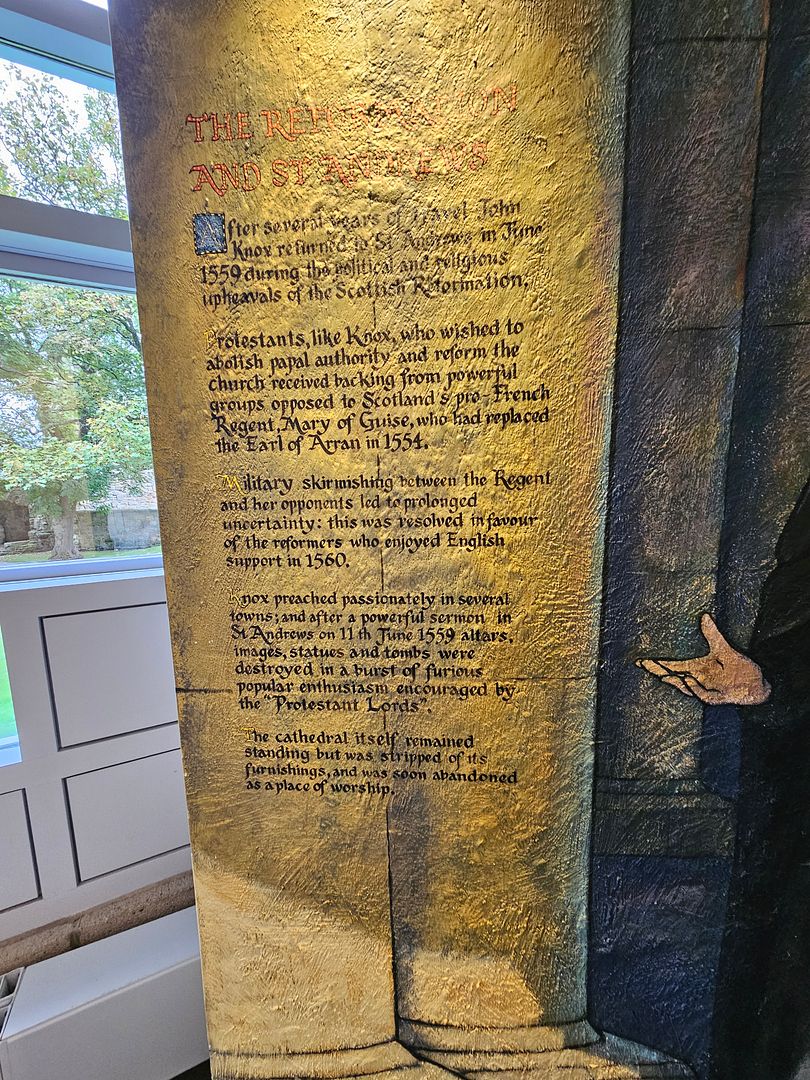
The lighting on this was not good but it reads;

The Reformation at St. Andrews

After several years of travel John Knox returned to St. Andrews 1559 during the political and religious upheavals of the Scottish Reformation. Protestants like Knox, who wished to abolish papal authority and reform the church received backing from powerful groups opposed to Scotland’s pro French regent, Mary of Guise, who had replaced the Earl of Arran in 1554. Military skirmishing between the Regent and her opponents led to prolonged uncertainty: this resolved in favour of the Reformers who enjoyed English support in 1560.

Knox preached passionately in several towns; and after a powerful sermon in St. Andrews on 11th June 1559 altars, images, statues and tombs were destroyed in a burst of furious popular enthusiasm encouraged by the “Protestant Lords”. The cathedral itself remained standing but was stripped of its furnishings, and was soon abandoned as a place of worship.

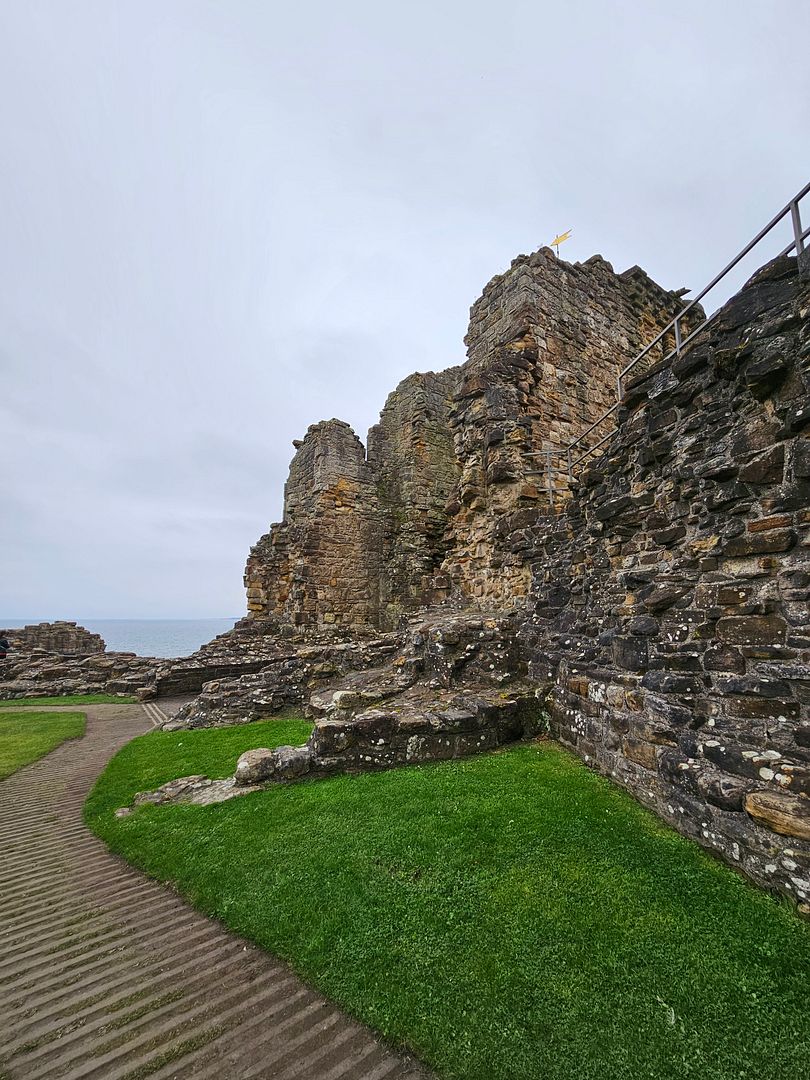
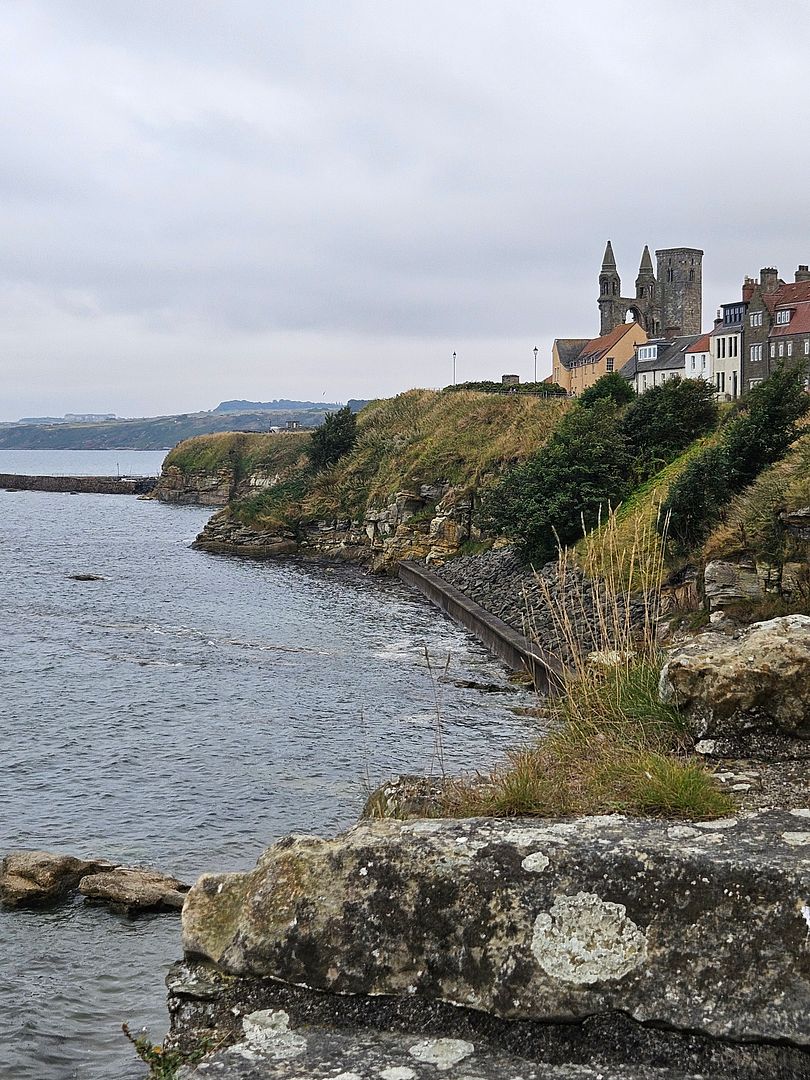
From this spot at the castle ruins you can see St. Andrews Cathedral ruins in the distance. We would have a short visit there before they closed the grounds.

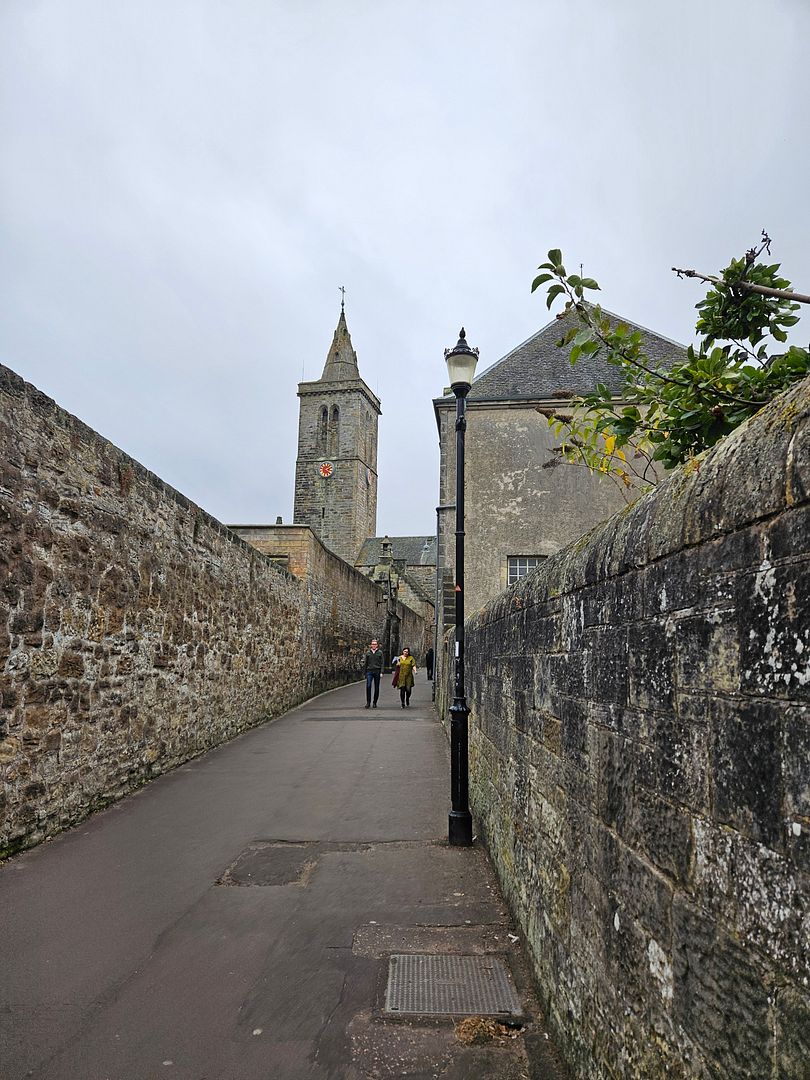
On leaving the castle we asked for directions to get to our next stop which included walking along Butts Wind to North St. along side of University of St. Andrews.

More from St. Andrews soon.

Sunday Prayer ~Knox

You Only Give Us What We Need

We give you thanks, Lord God, for all the benefits we continue to receive from your generous hand.

You not only give us what we need in this life, but in your free mercy you have fashioned us anew into an assured hope of a far better life —declared to us in the gospel.

So we humbly ask, heavenly Father, do not let our affections be so entangled or rooted in these earthly things that will not last.

Instead may we always have our minds directed to you on high, always watching for the coming of our Lord and Savior, when he will appear for our full redemption.

To whom, with you and the Holy Spirit, be all honor and glory, forever and ever. So be it.

(John Knox in Grace from Heaven)

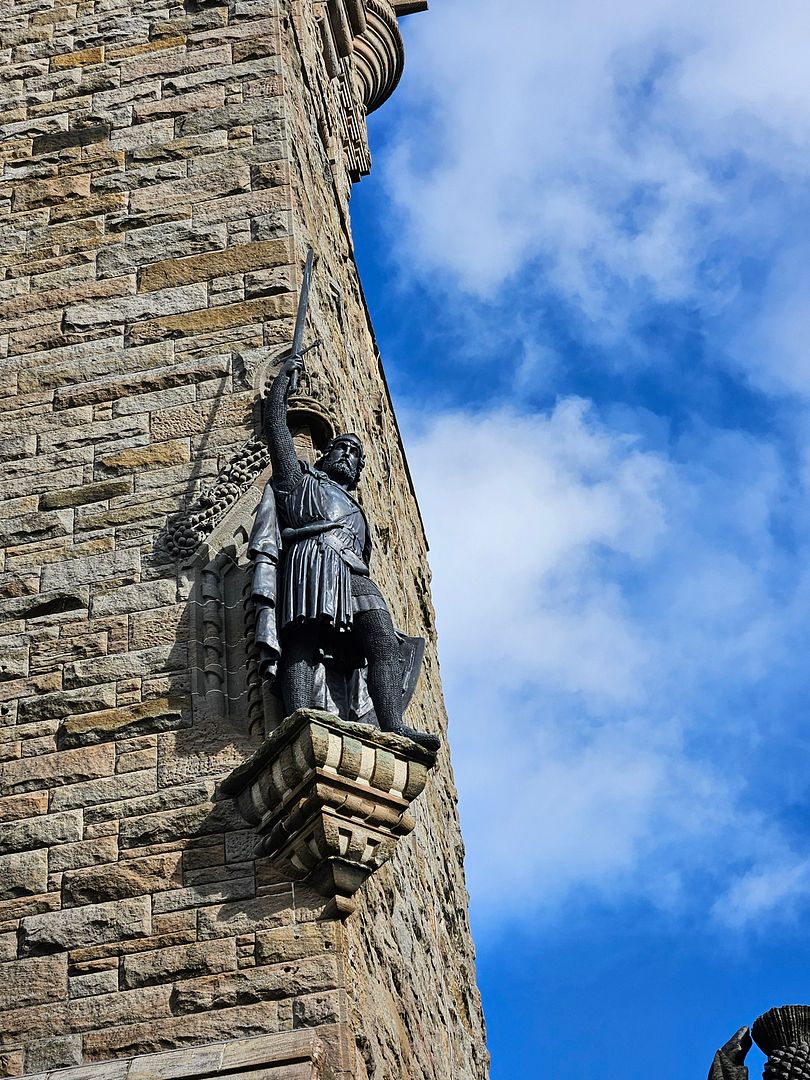
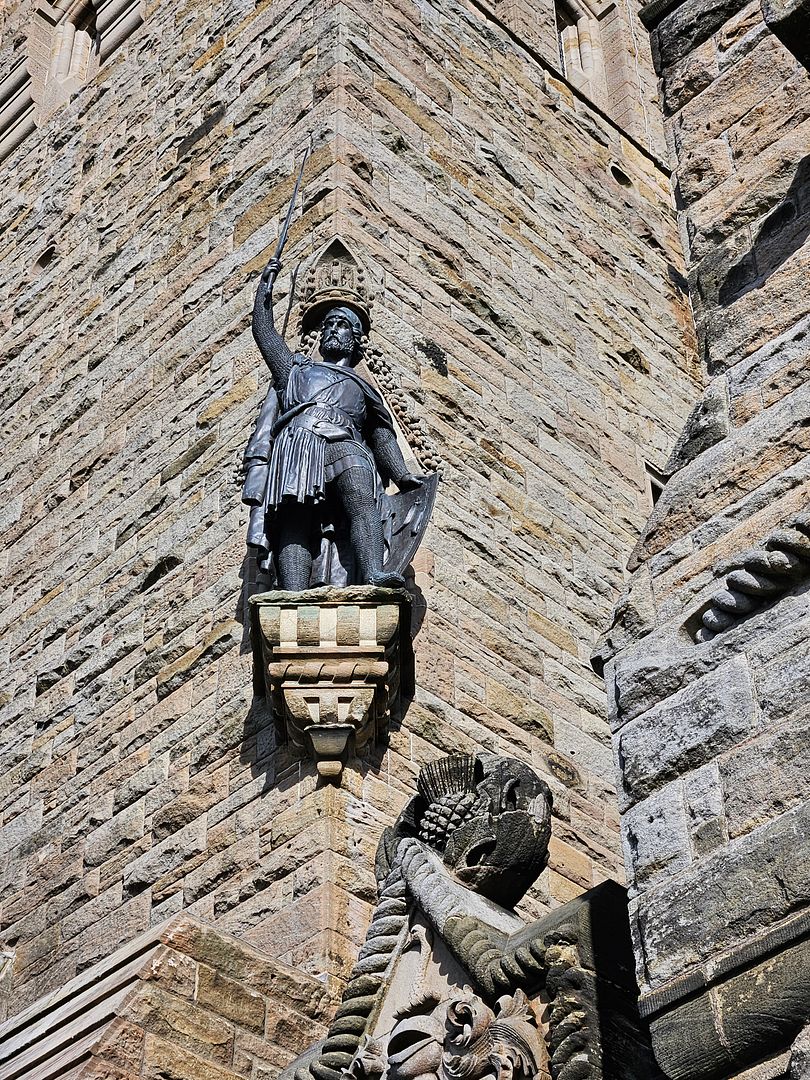
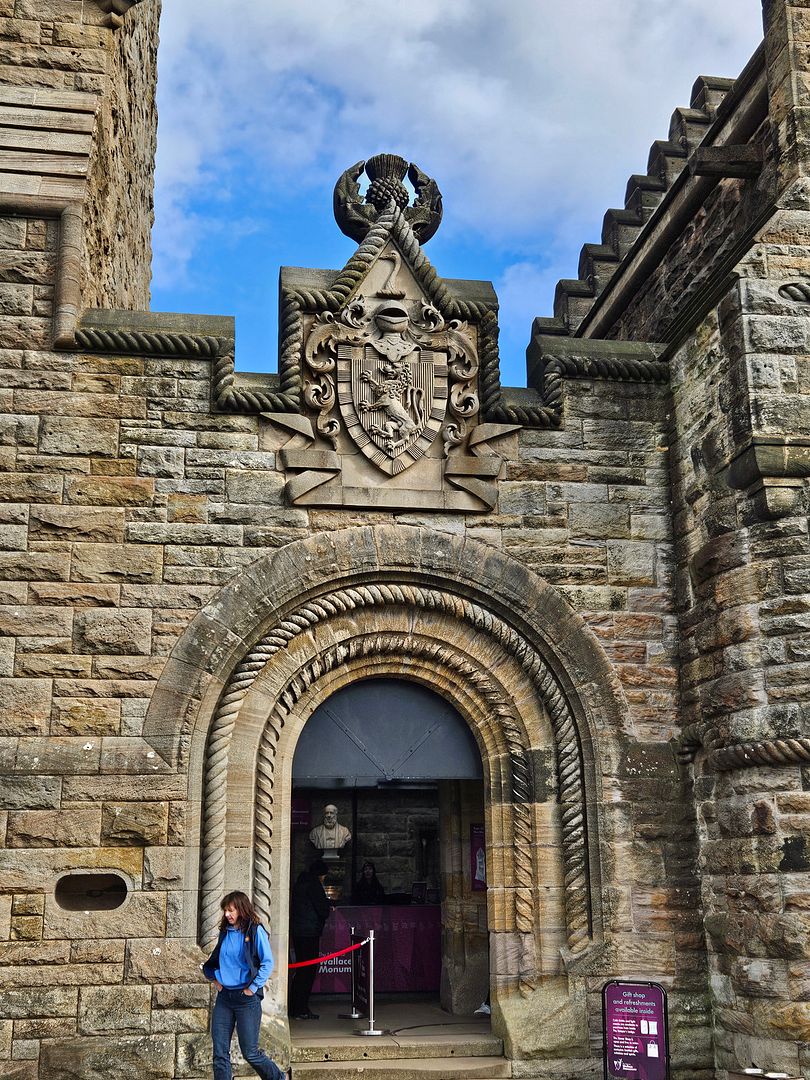
Scotland Travel Journal ~ Wallace Monument

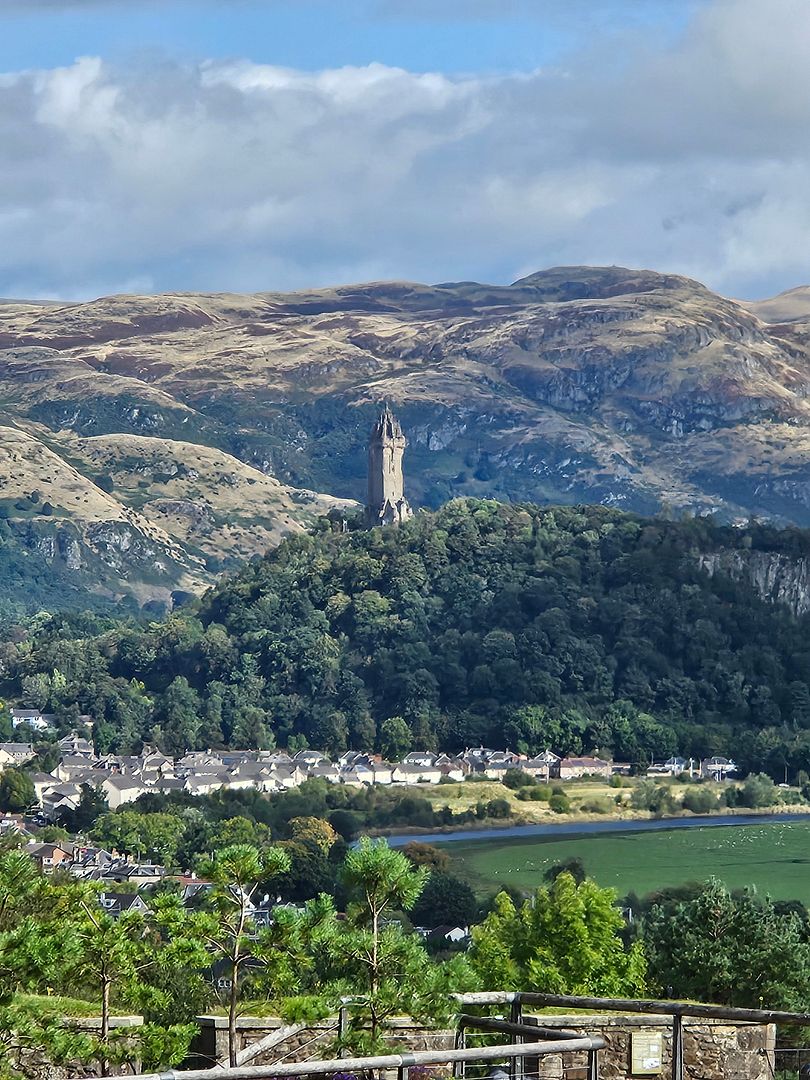
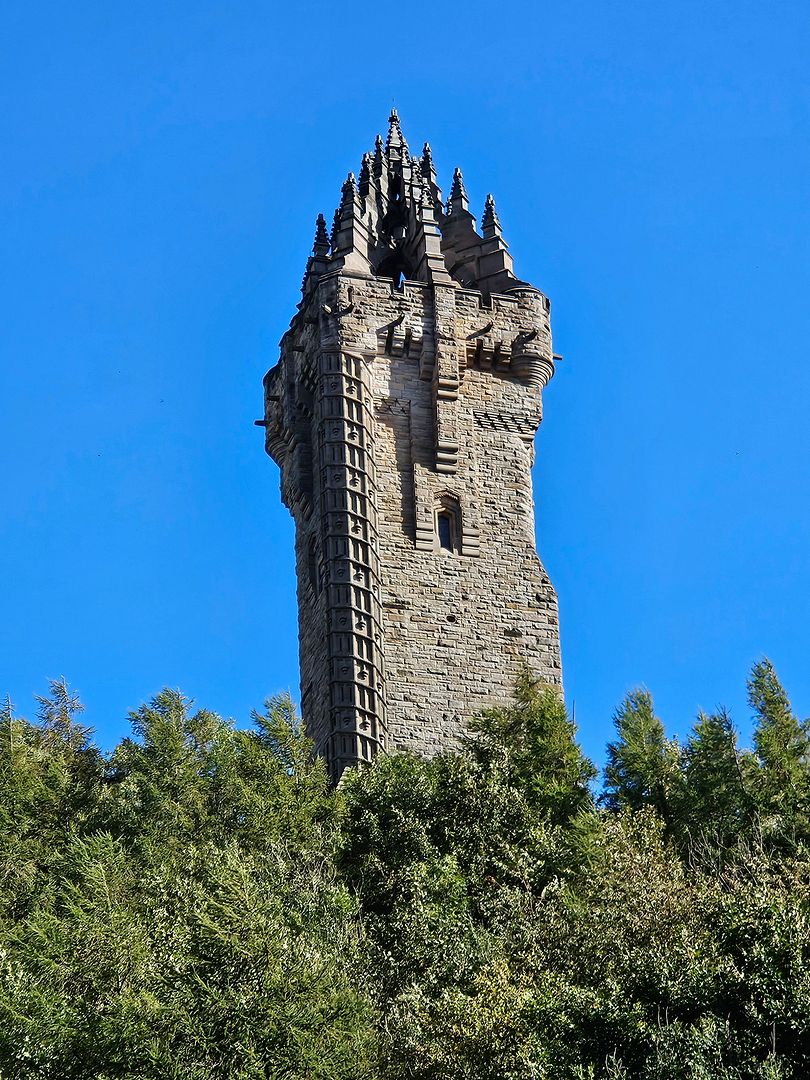
On Sunday the 15th of September our sight seeing would end at the Wallace Monument. We could see it in the distance and were hoping for a tourist bus to take us there. We walked down into the center of town and stopped for a coffee and a snack before we found out that the Tourist bus had ceased operation at the end of August.

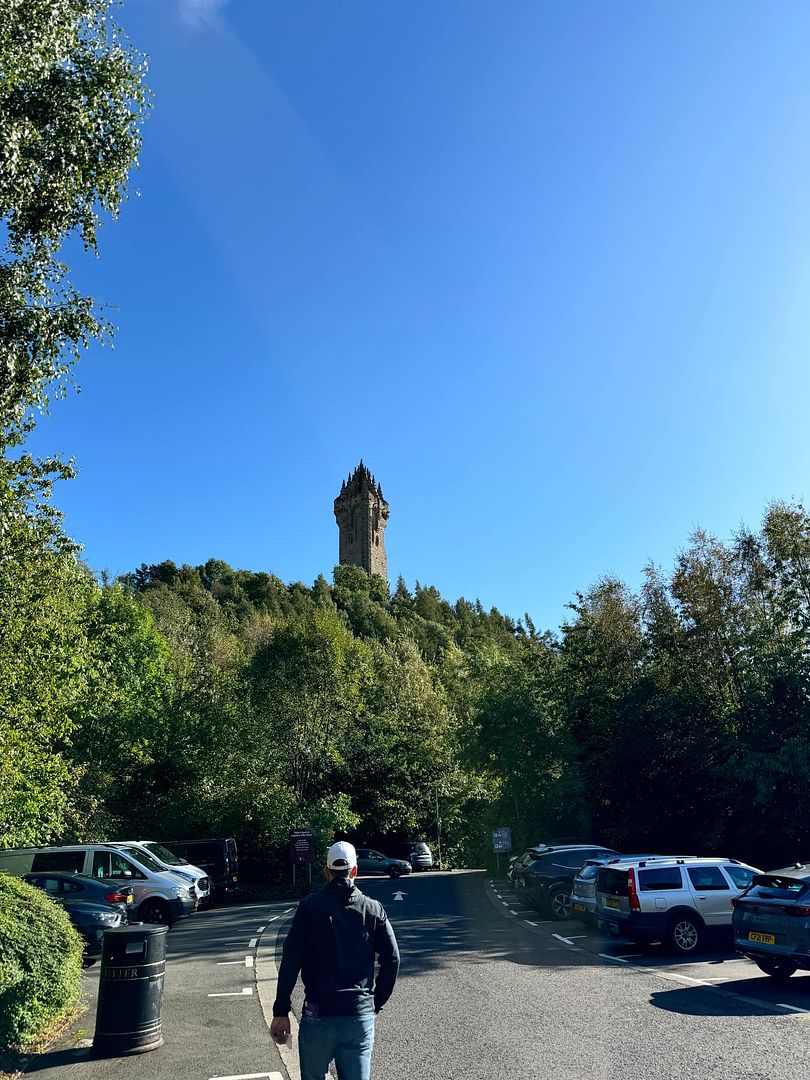
At the central bus stop in town Josh found out from a bus driver that we could take the #10 bus and it would get us up to the monument. After many stops along the route we were dropped off right at the parking lot for the Monument. We opted to wait for the mini shuttle van to take us from the parking lot up to the Monument.

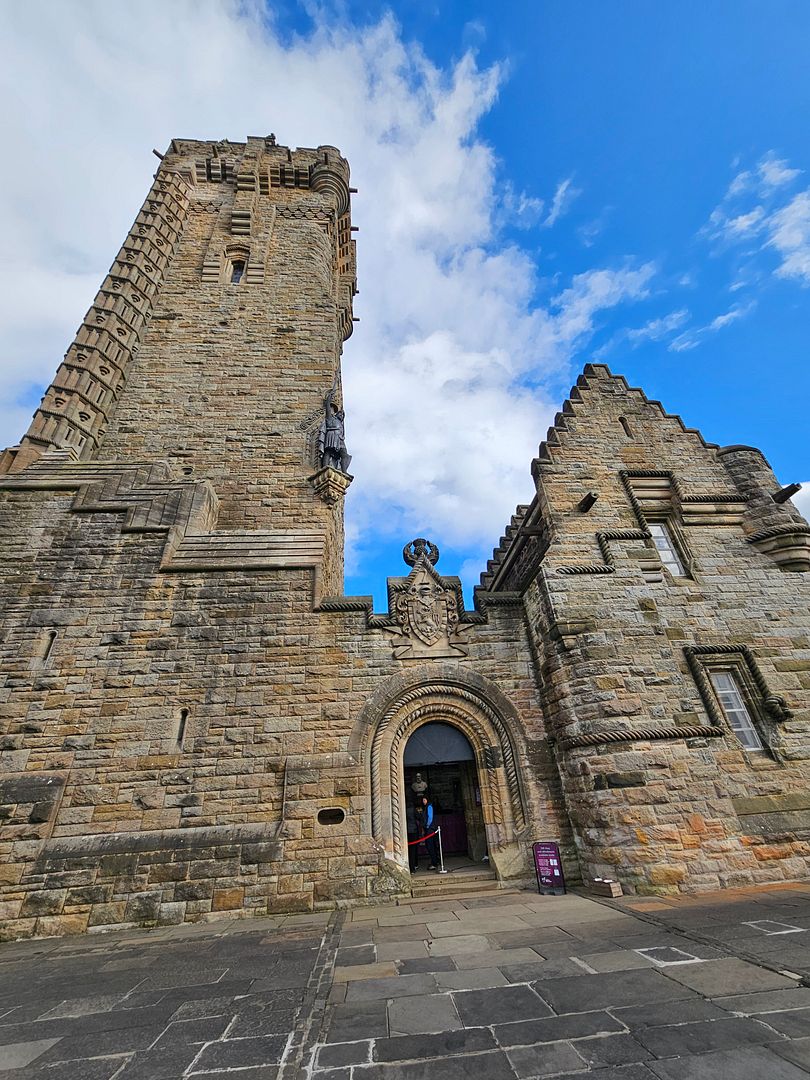
We ventured inside and bought our tickets for the climb.

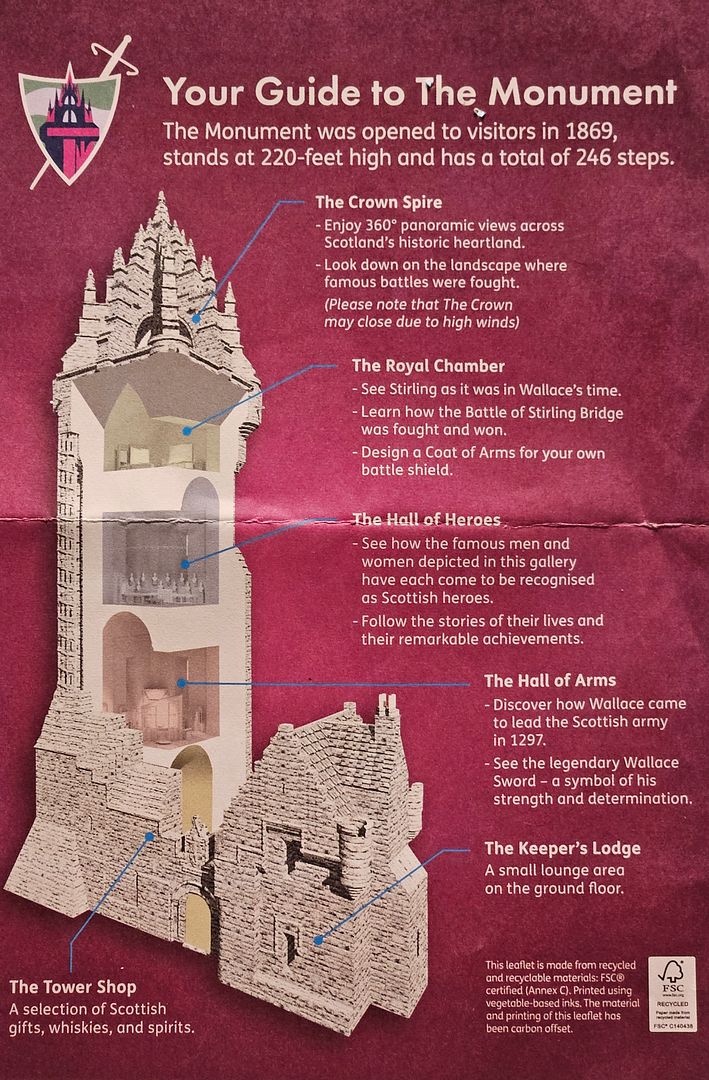
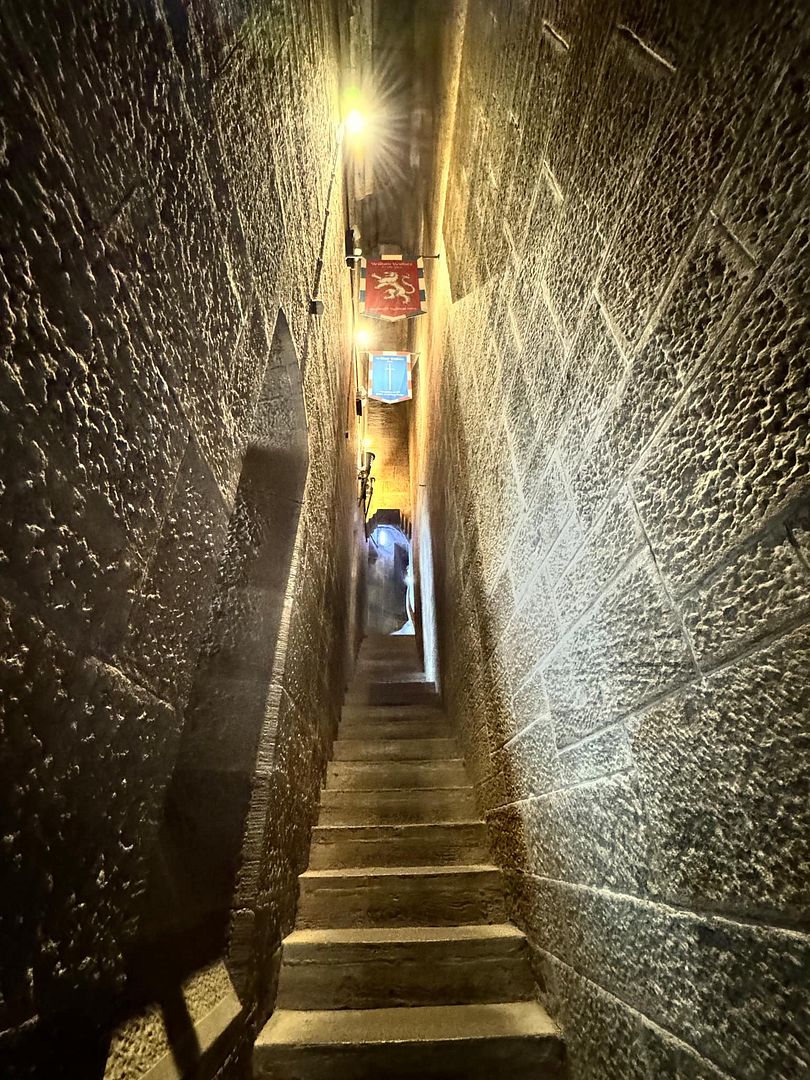
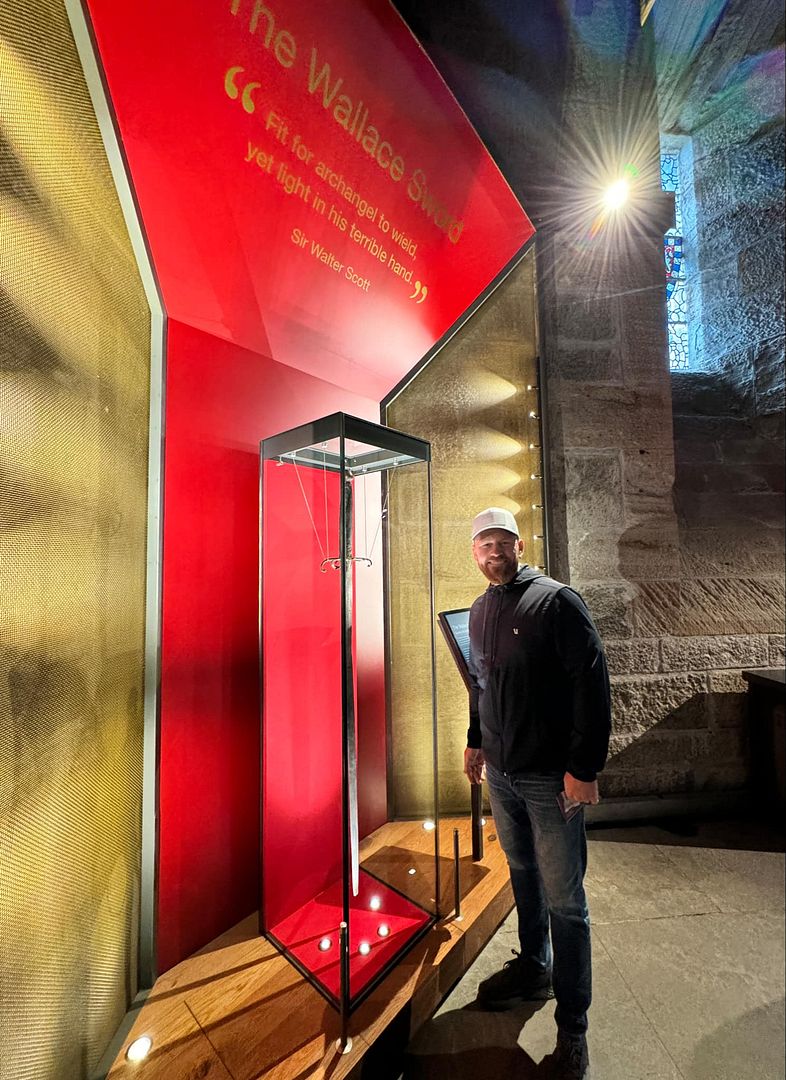
Greg and I made it to the Hall of Arms. Josh and Laura made it all the way to the top, 246 steps, in a narrow winding staircase!

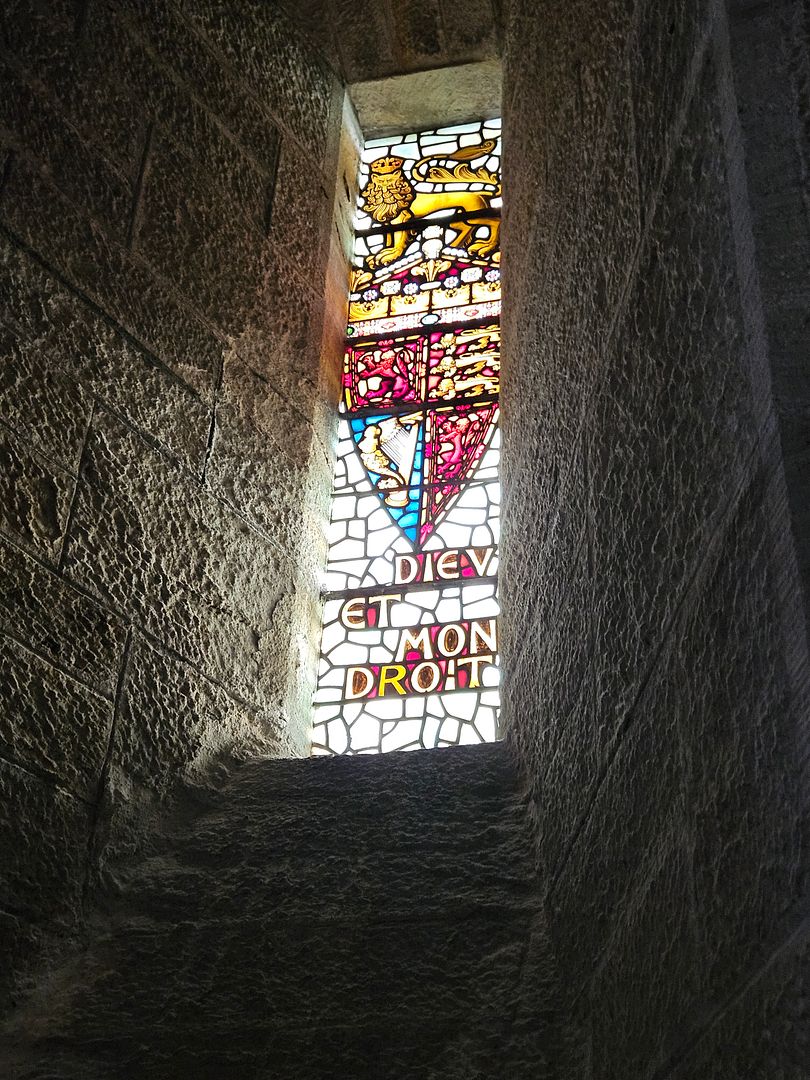
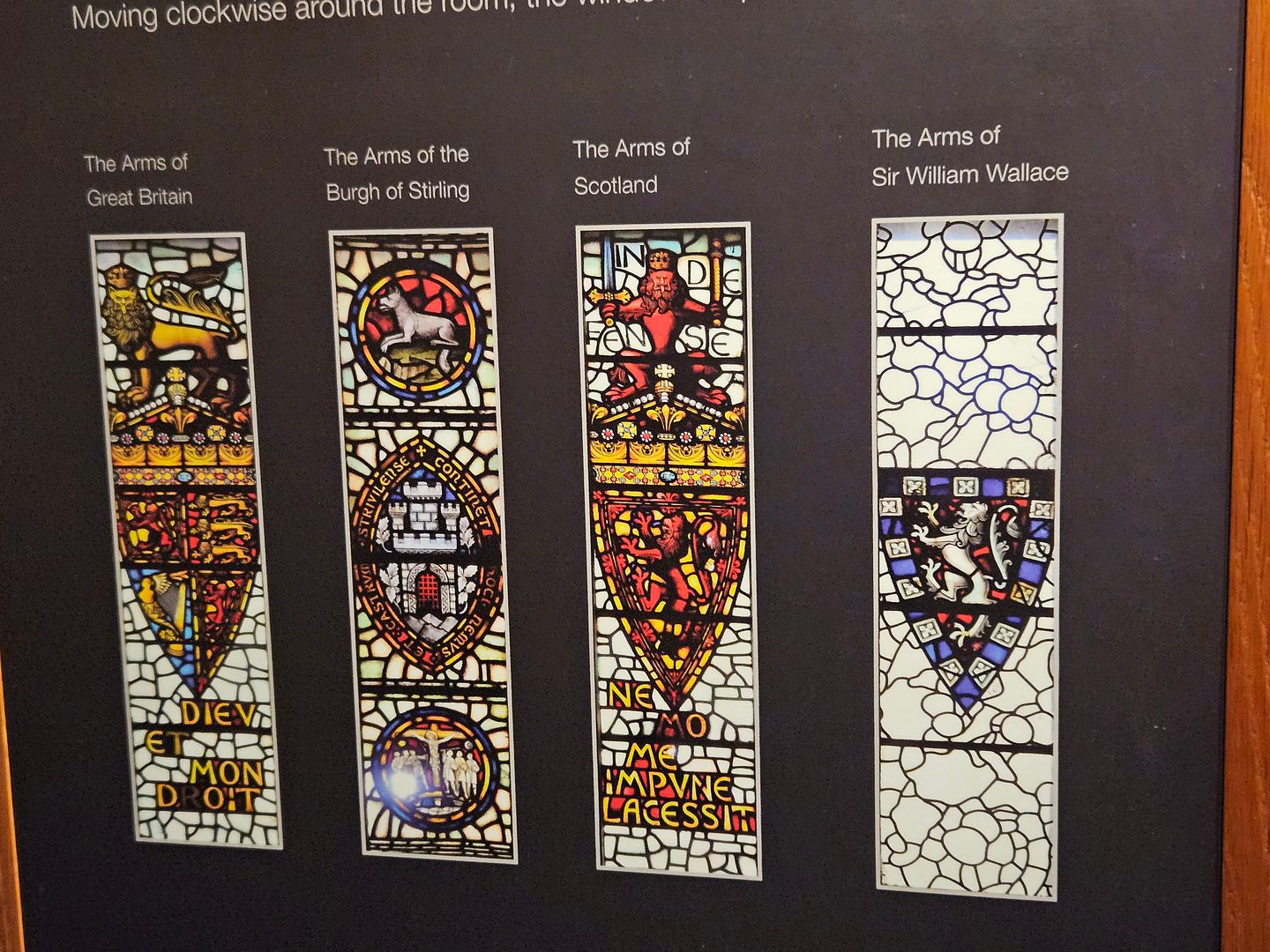
The Arms of Great Britain

We all made it to the Hall of Arms and watched the video available.

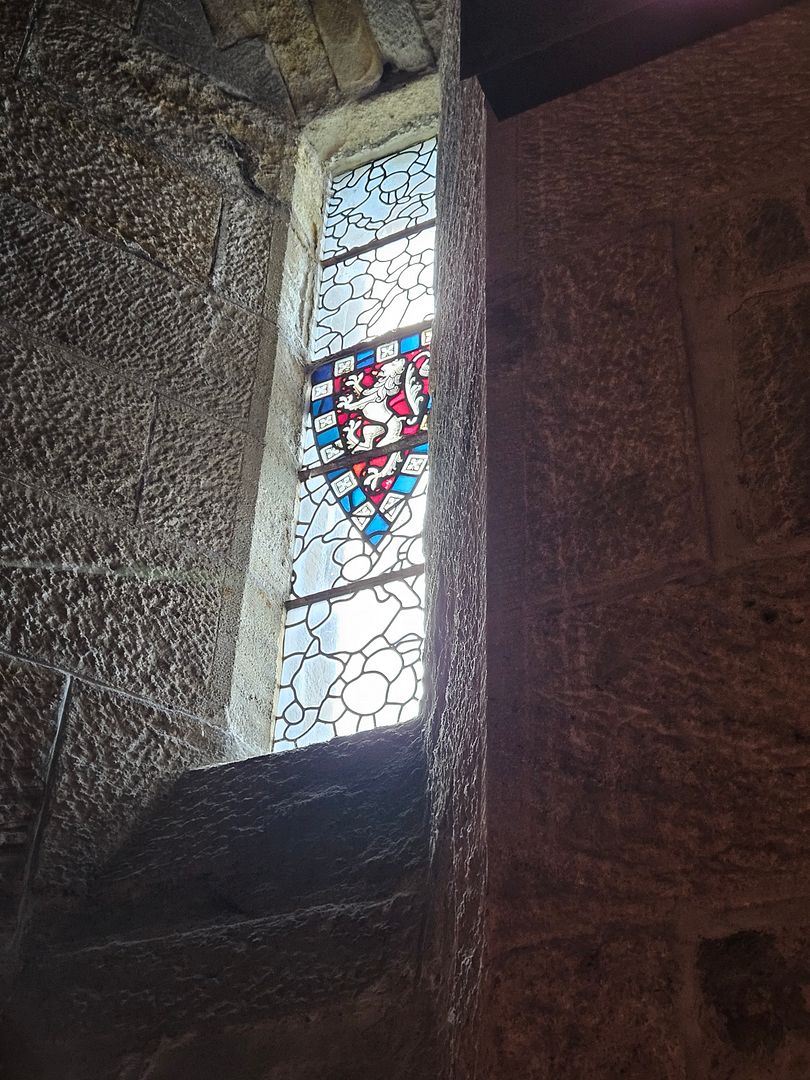
The Arms of Sir William Wallace.

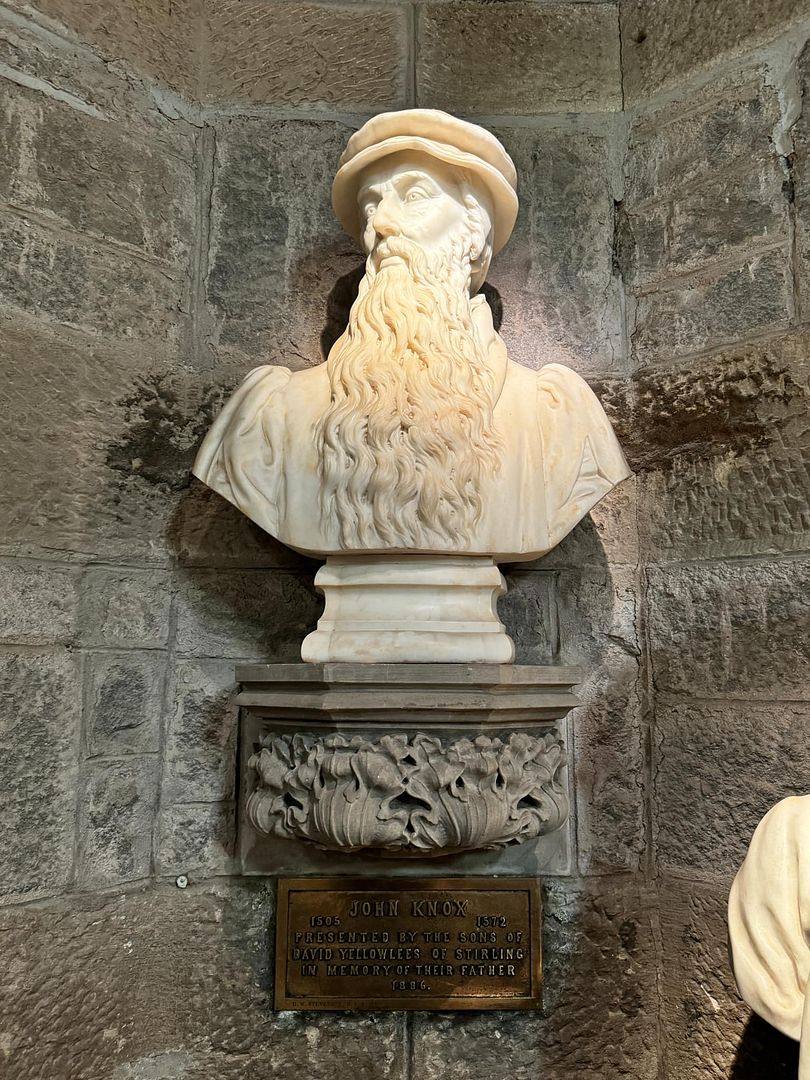
In the hall of heroes Laura and Josh spotted one of our heroes on this trip, John Knox.

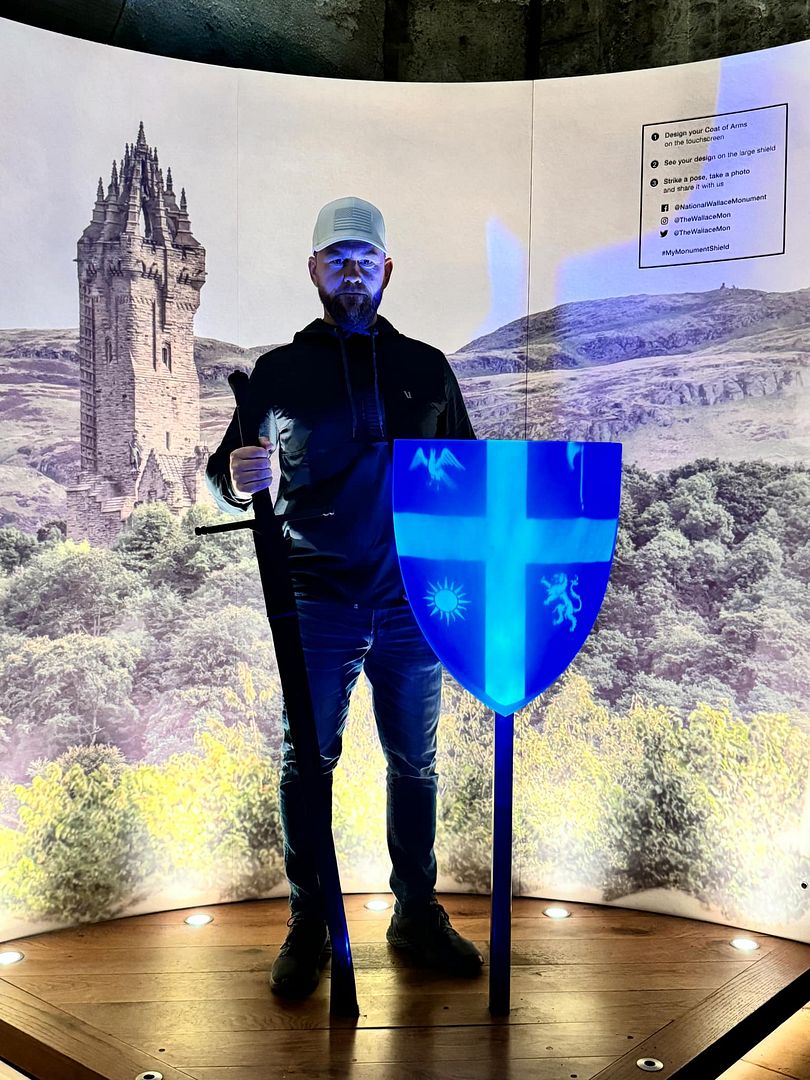
At the Royal Chamber you could design your own coat of arms for your battle shield.

Find out about William Wallace here.

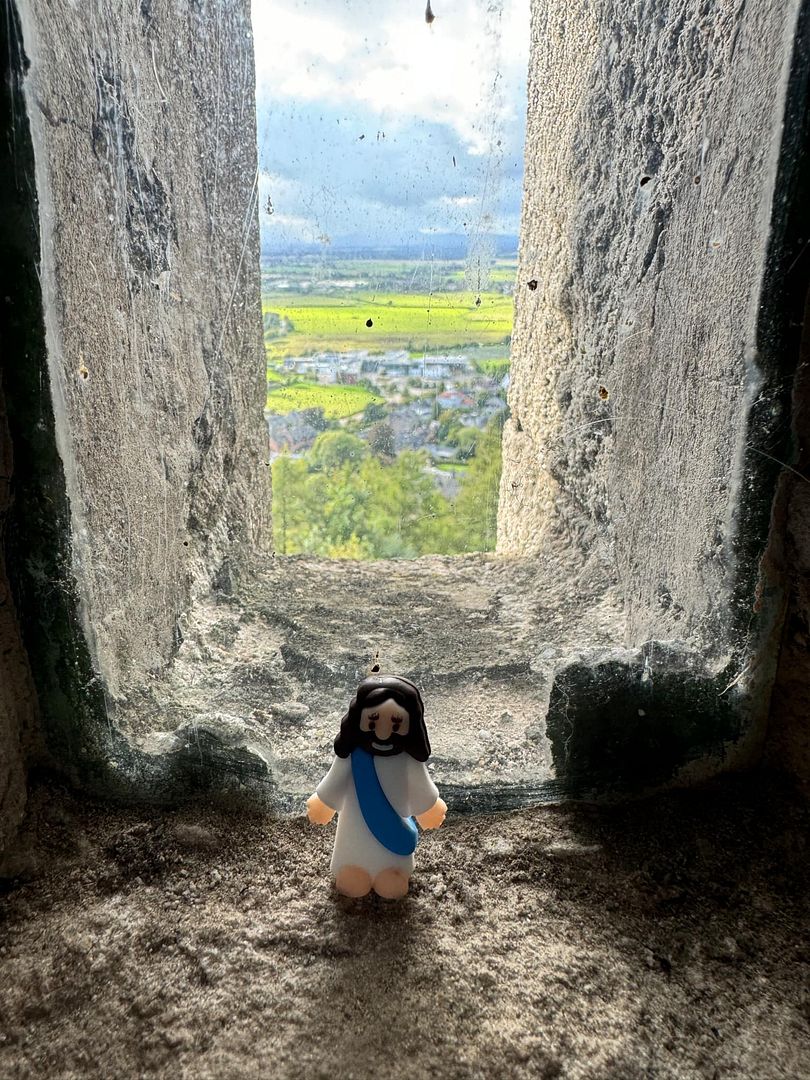
Laura found this little figurine along the way.

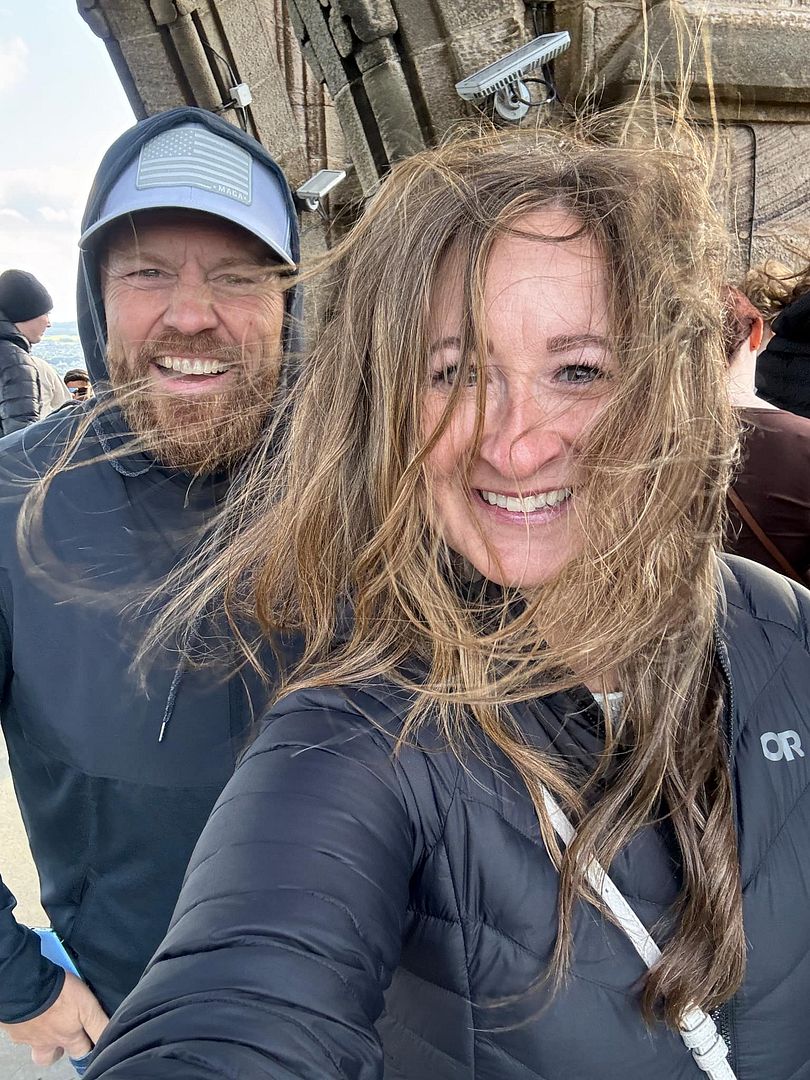
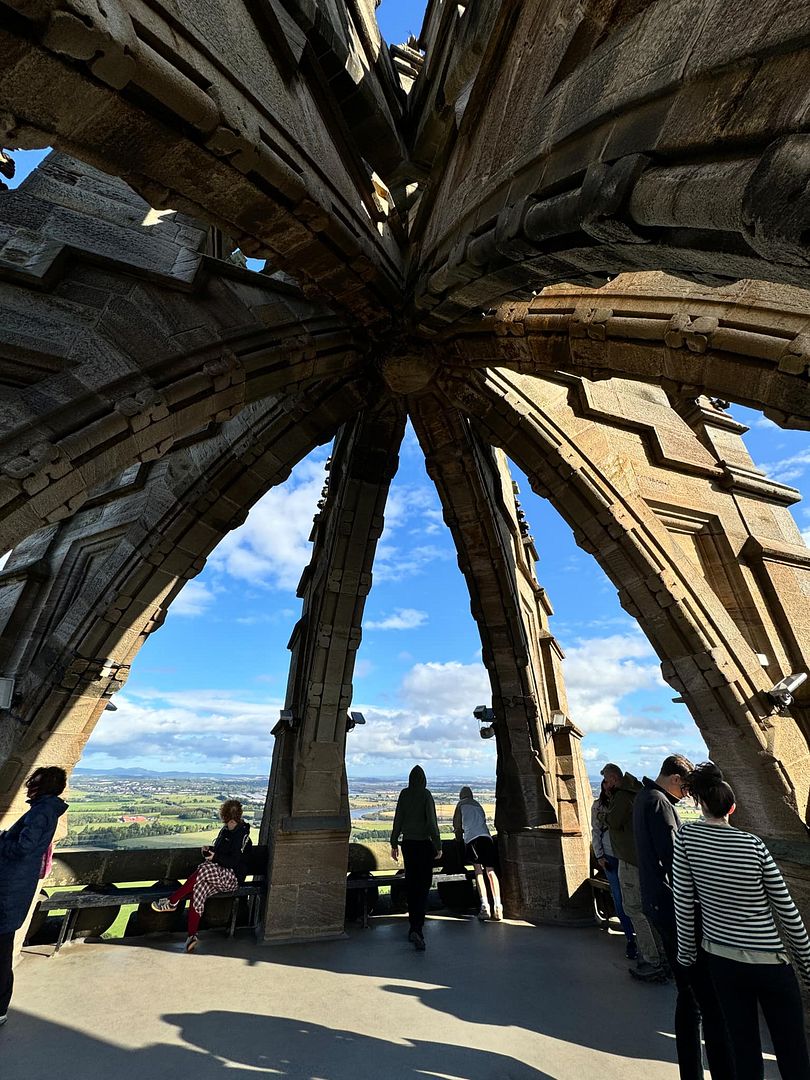
It was very windy at the top.

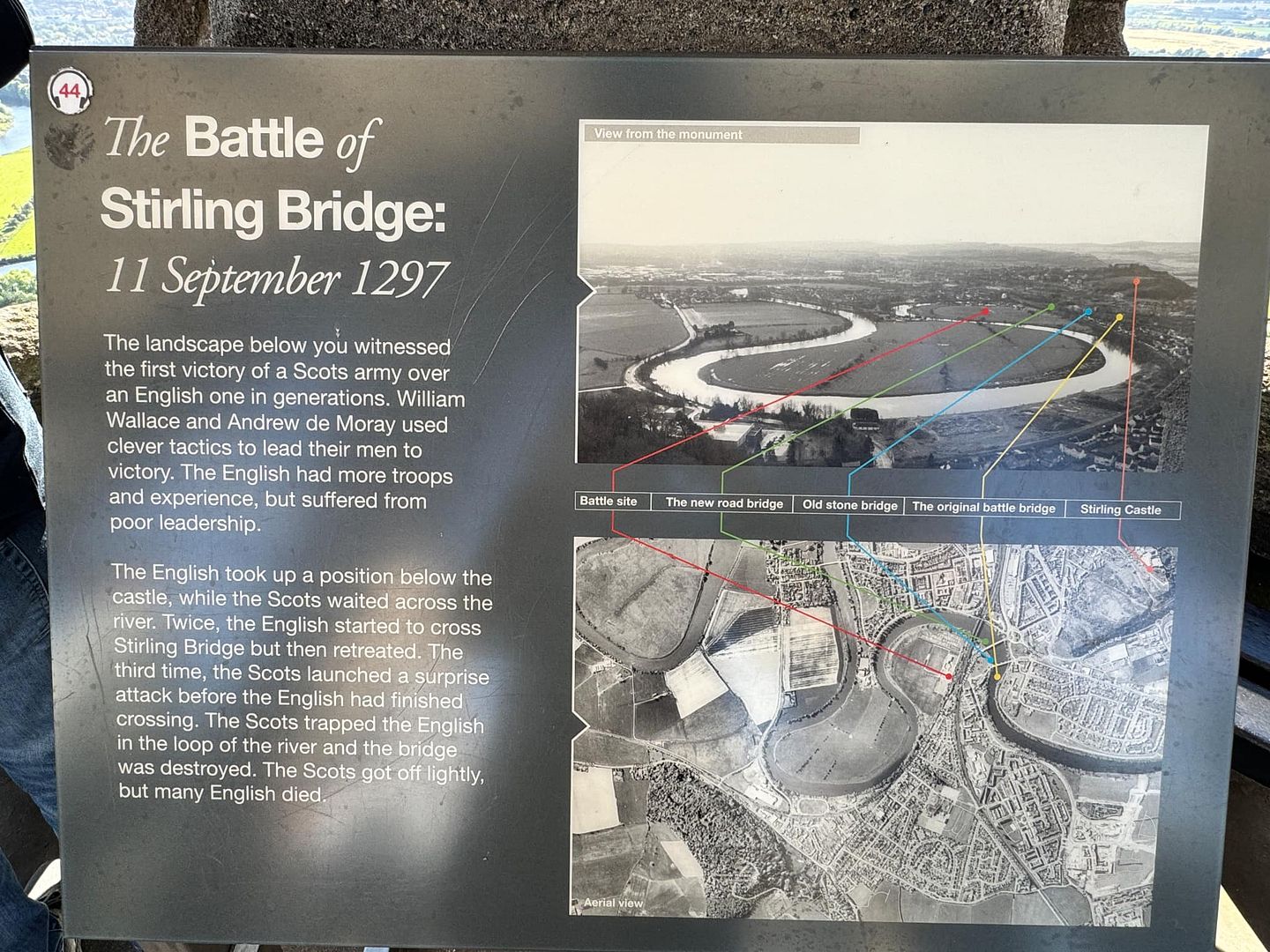
You can read the historical account of this battle and the history of this time here.

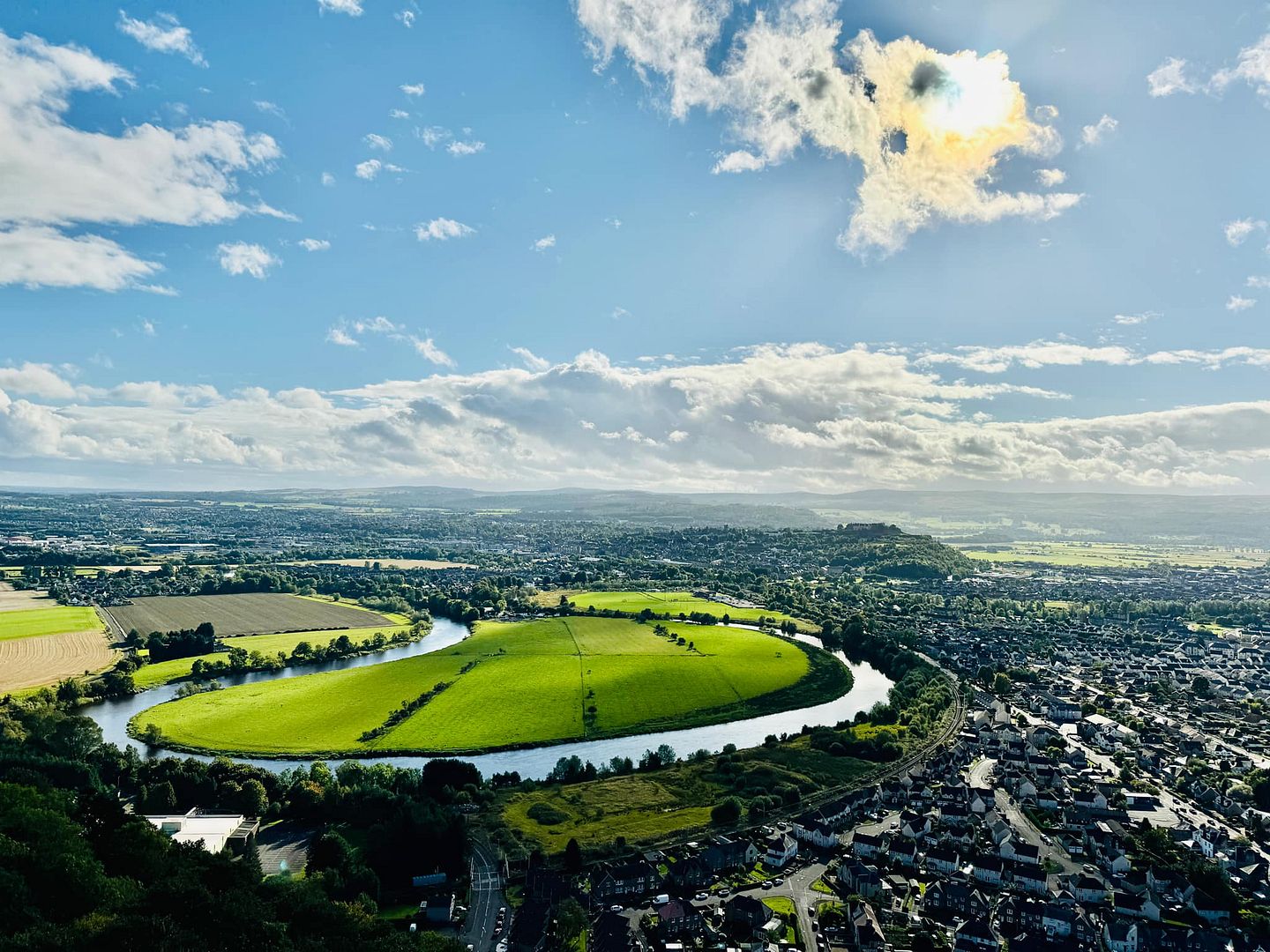
We were blessed with spectacular views on this beautiful day.

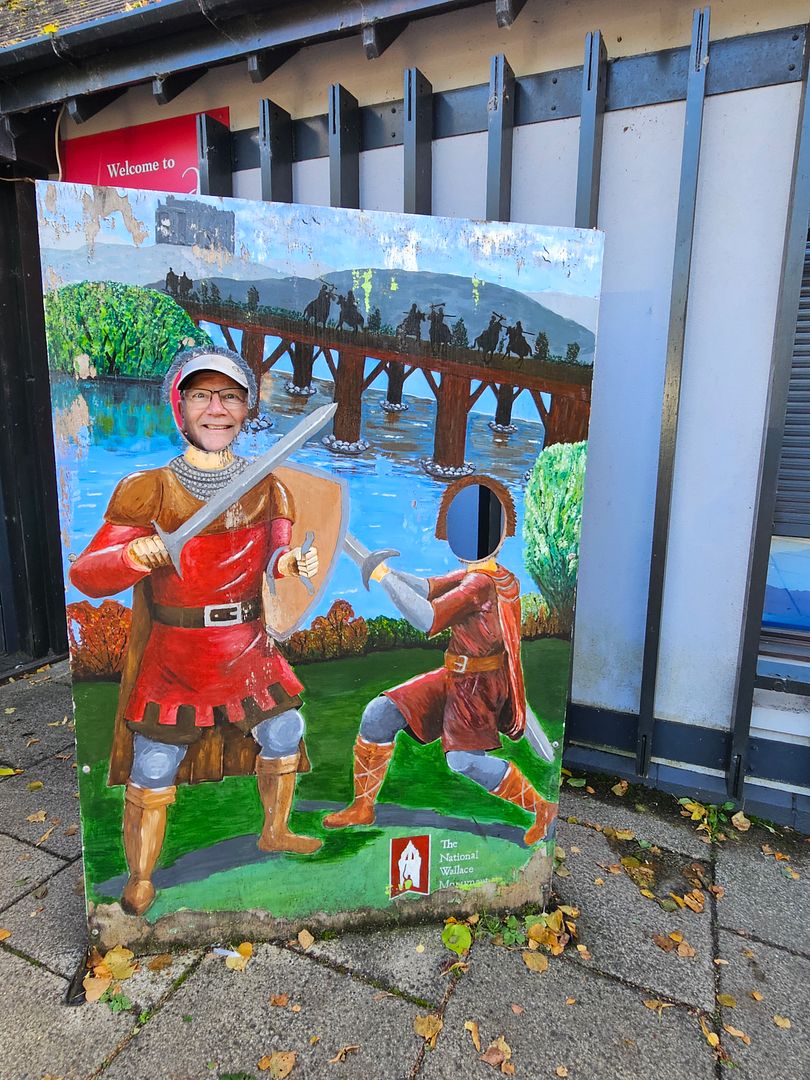
We took the tram down to the cafe and gift shop and I talked Greg into letting me photo him at the taking of Stirling bridge photo op. Josh and Laura made it down the 246 steps and took one of the last shuttles back down to the parking lot. We had ordered a taxi that arrived soon after. The taxi took us back to our lodging for the night and we finally checked into our rooms. We were surprised that the taxi ride cost us less than the bus. We had a dinner reservation at 6:00 so we freshened up and got ready to walk to the restaurant.

I’ll save our photos into town, dinner, and our Inn for another post.

Scotland Travel Journal ~Holy Rude

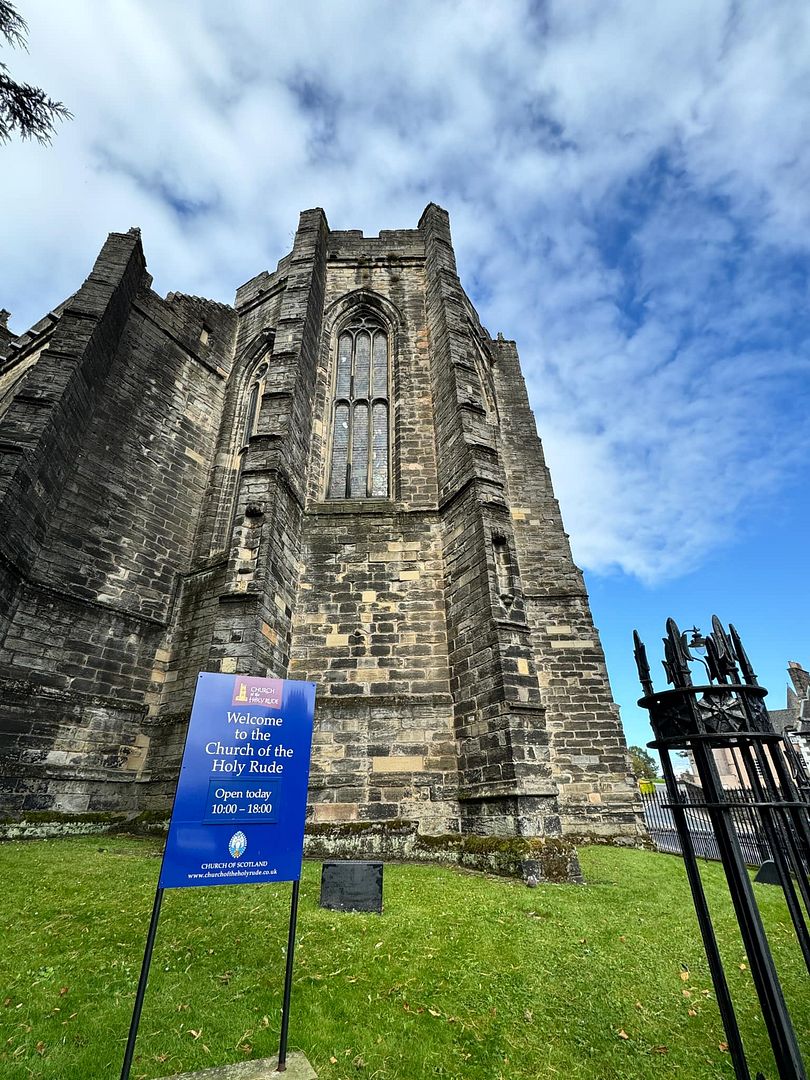
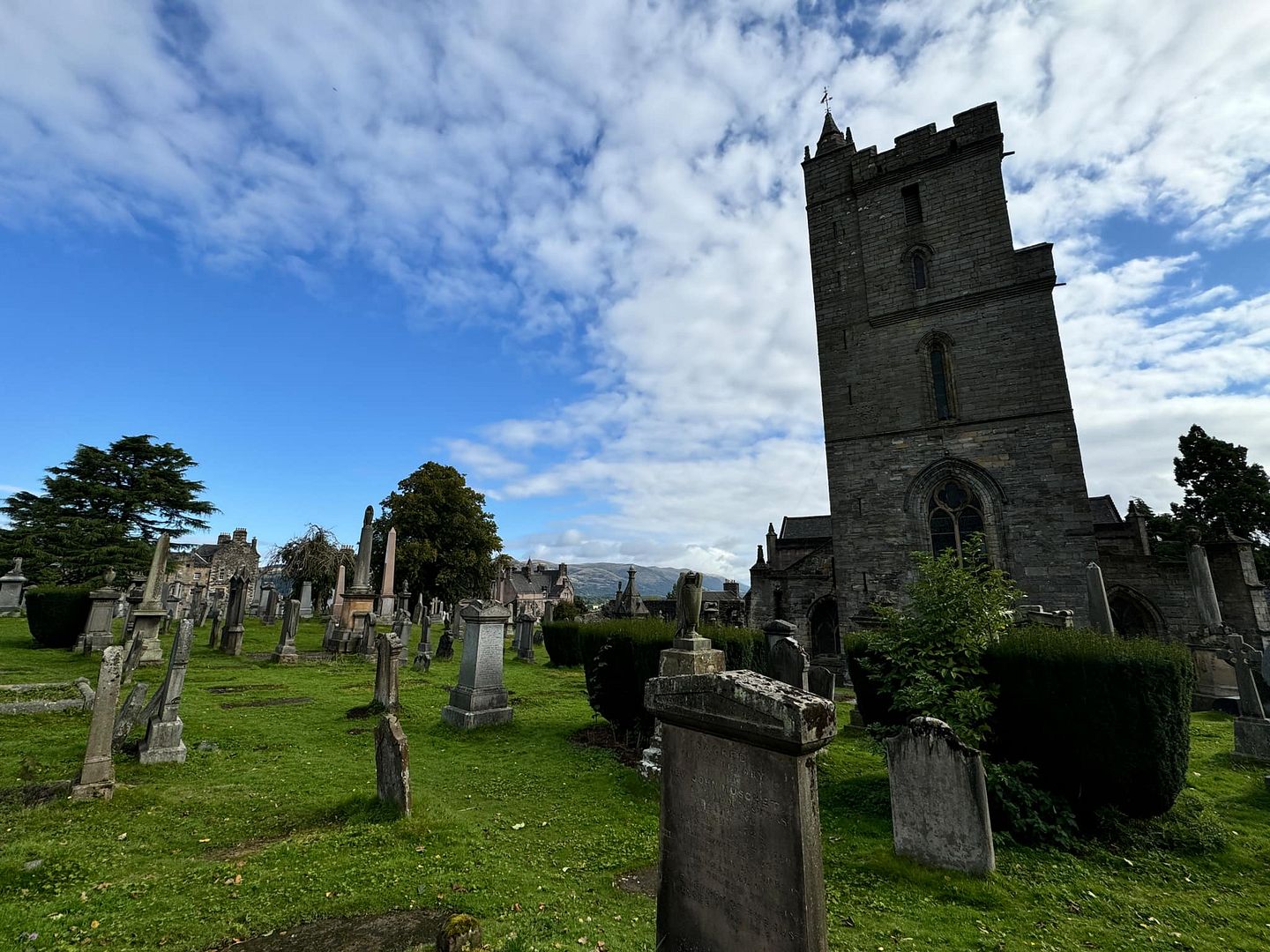
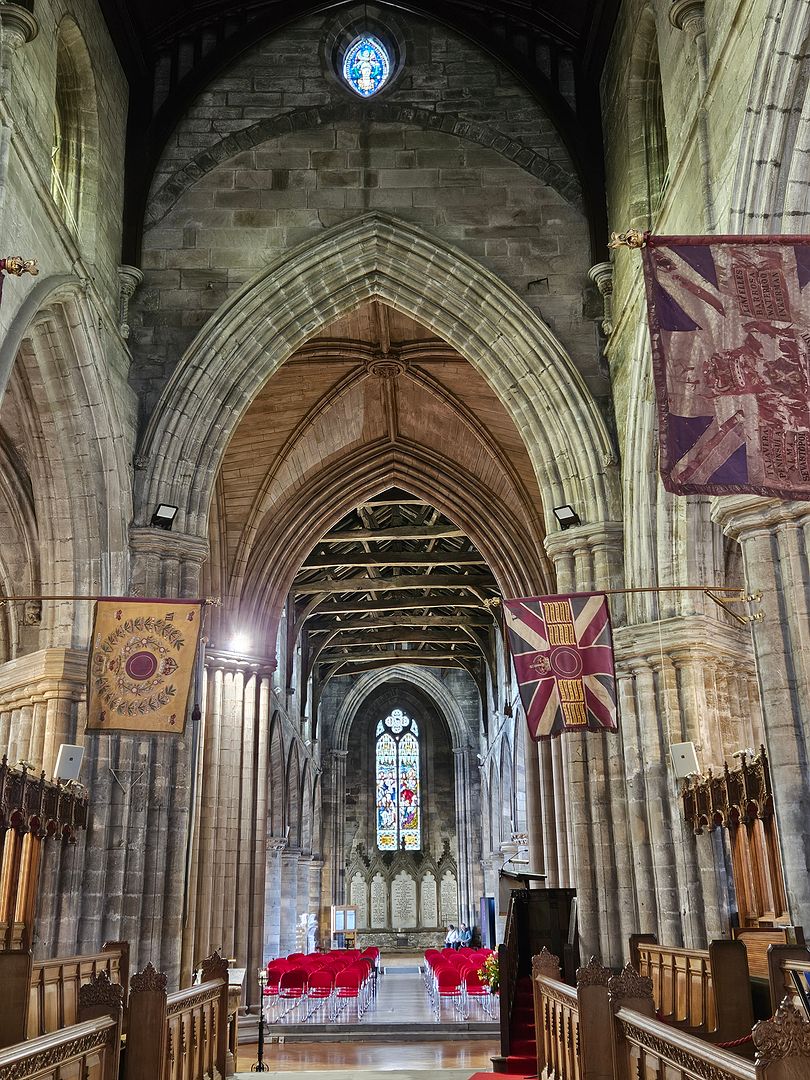
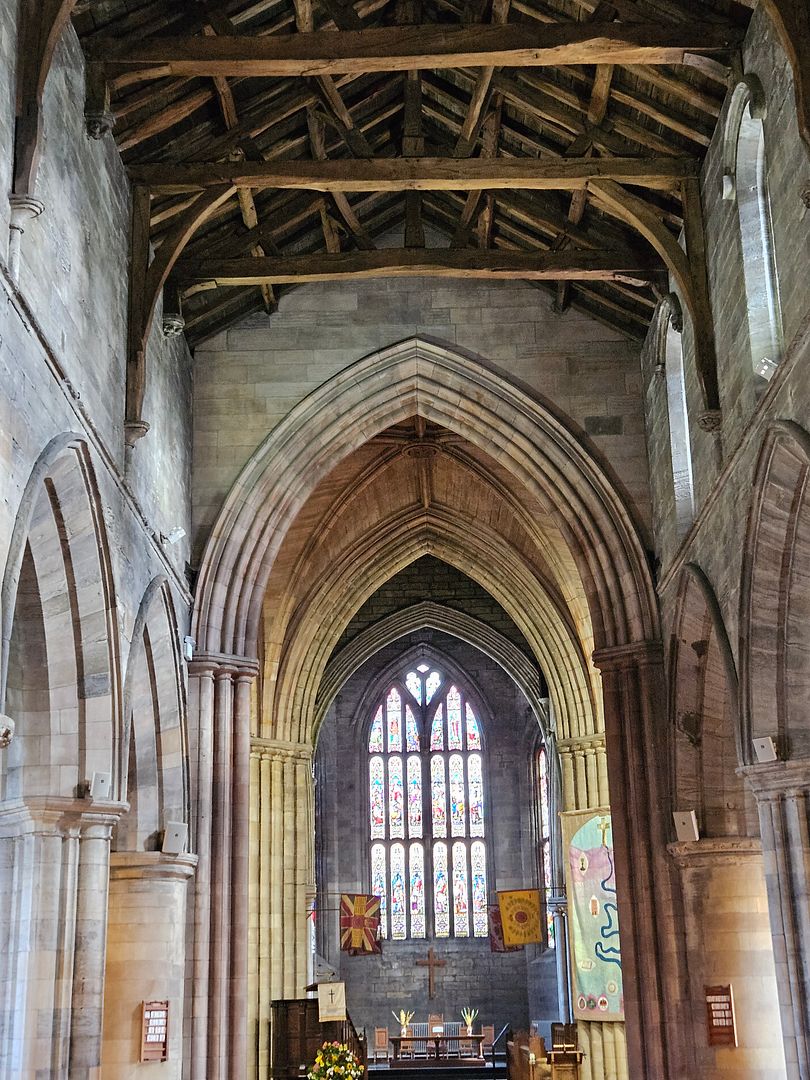
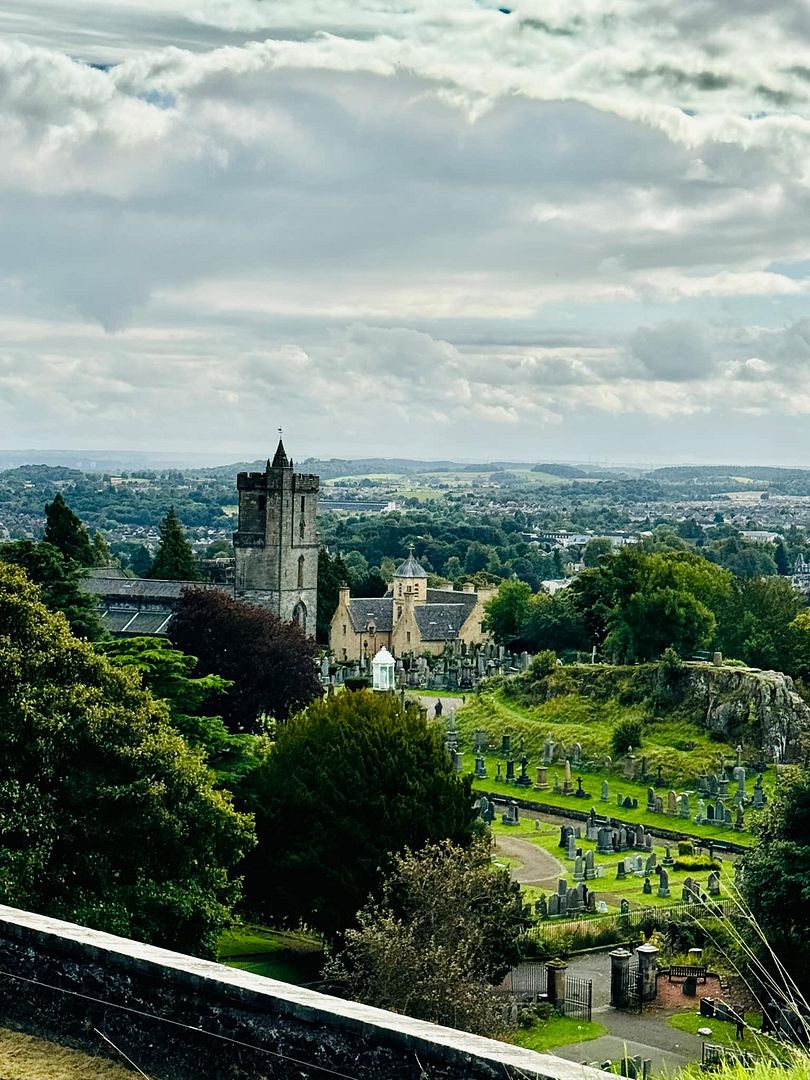
The Church of Holy Rude in Stirling, Scotland is steeped in Scottish History. The church is Stirling’s oldest building after the castle. During the reign of Robert II (1371-1390), and altar to the Holy Rude was established, leading to the church being renamed as the Parish Church of the Holy Rude of the Burgh of Stirling. “Holy Rude” translates to Holy Cross.

From the brochure: This site, a focal point of faith and heritage, witnessed the worship of Mary, Queen of Scots, the crowning of her infant son King James VI and many significant events, including the Scottish Reformation and the Jacobite rising.

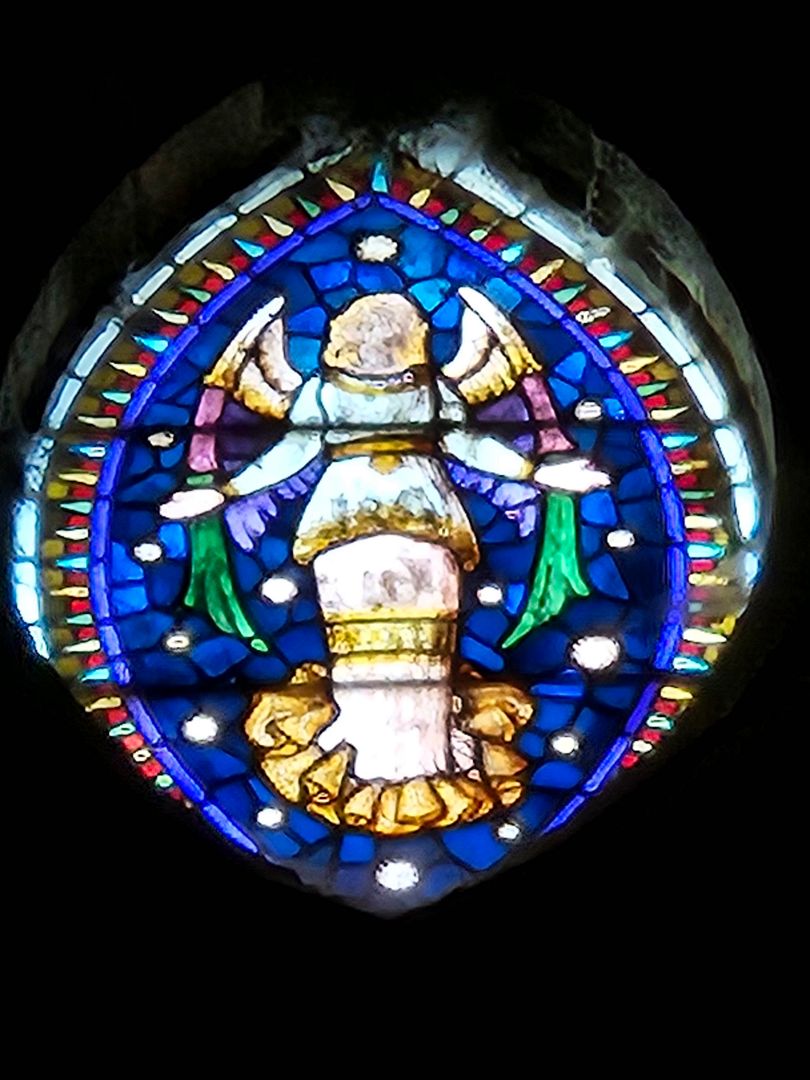
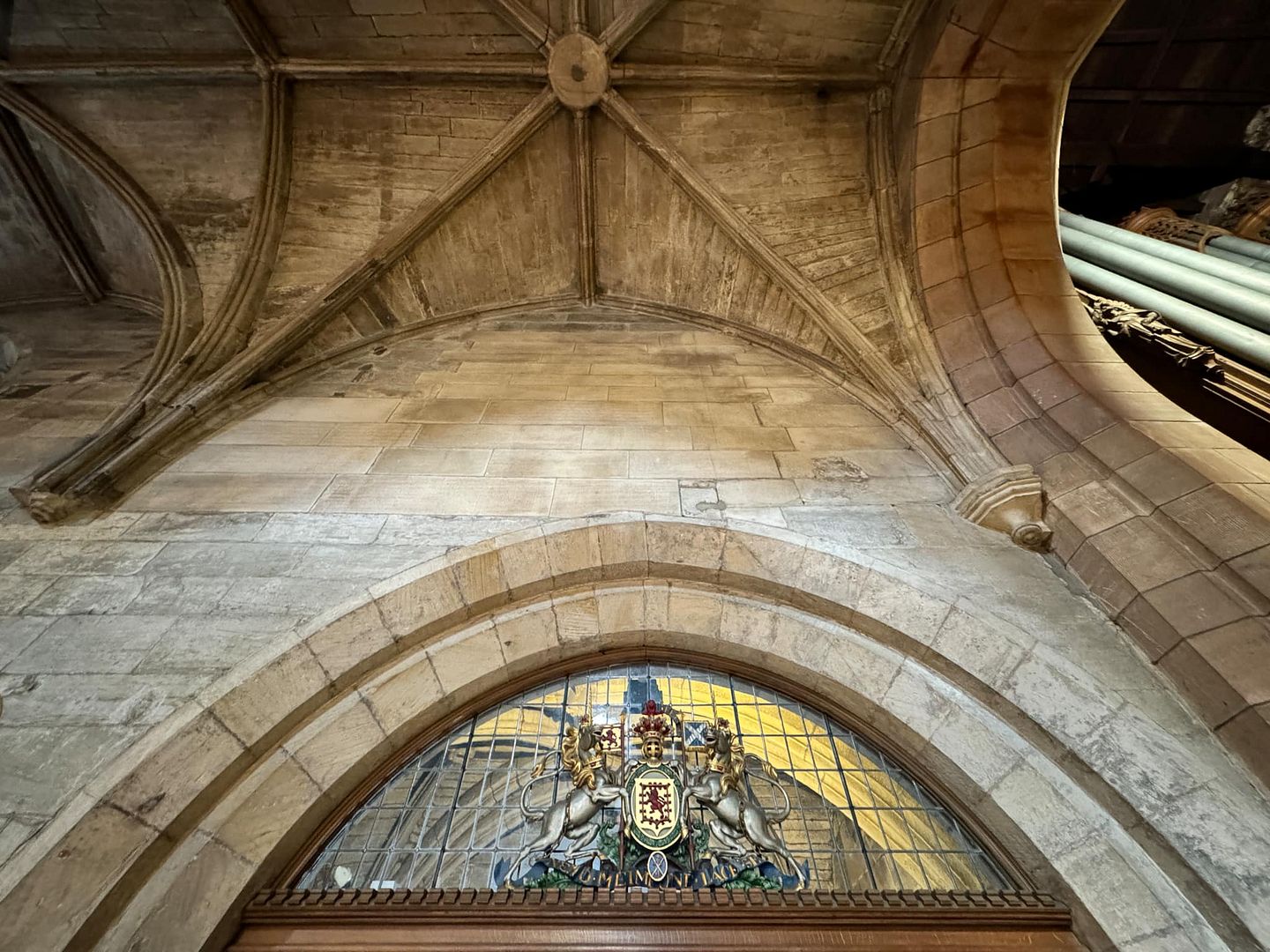
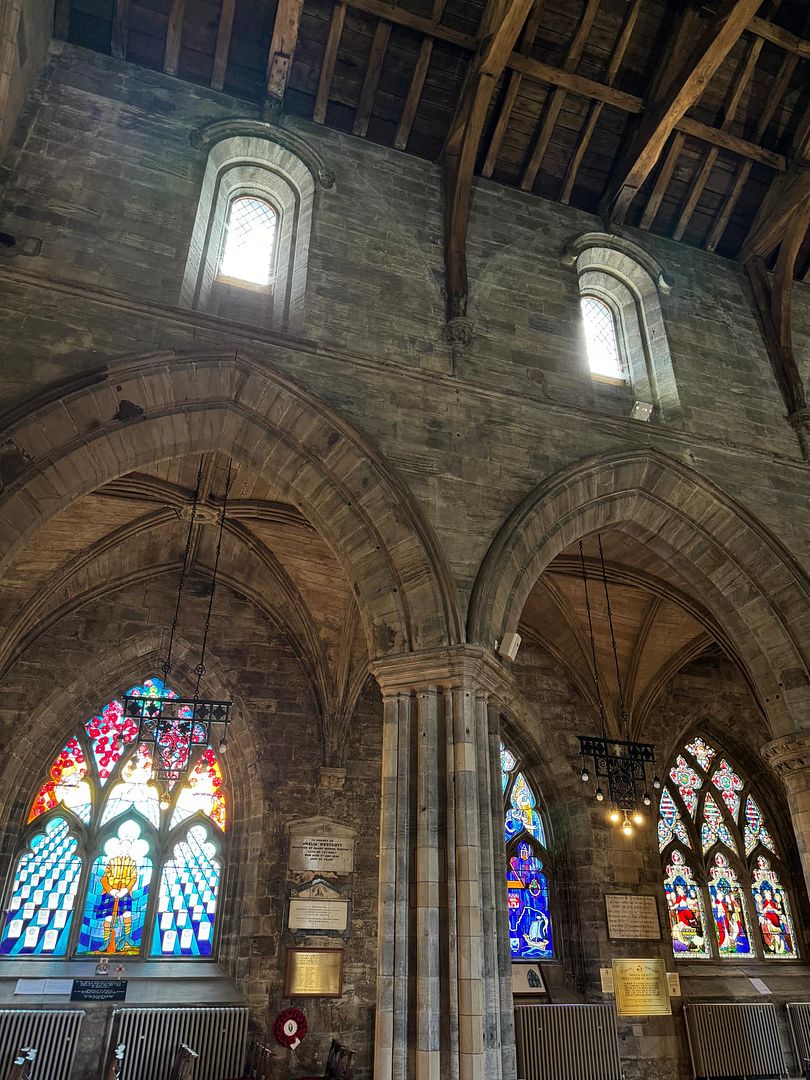
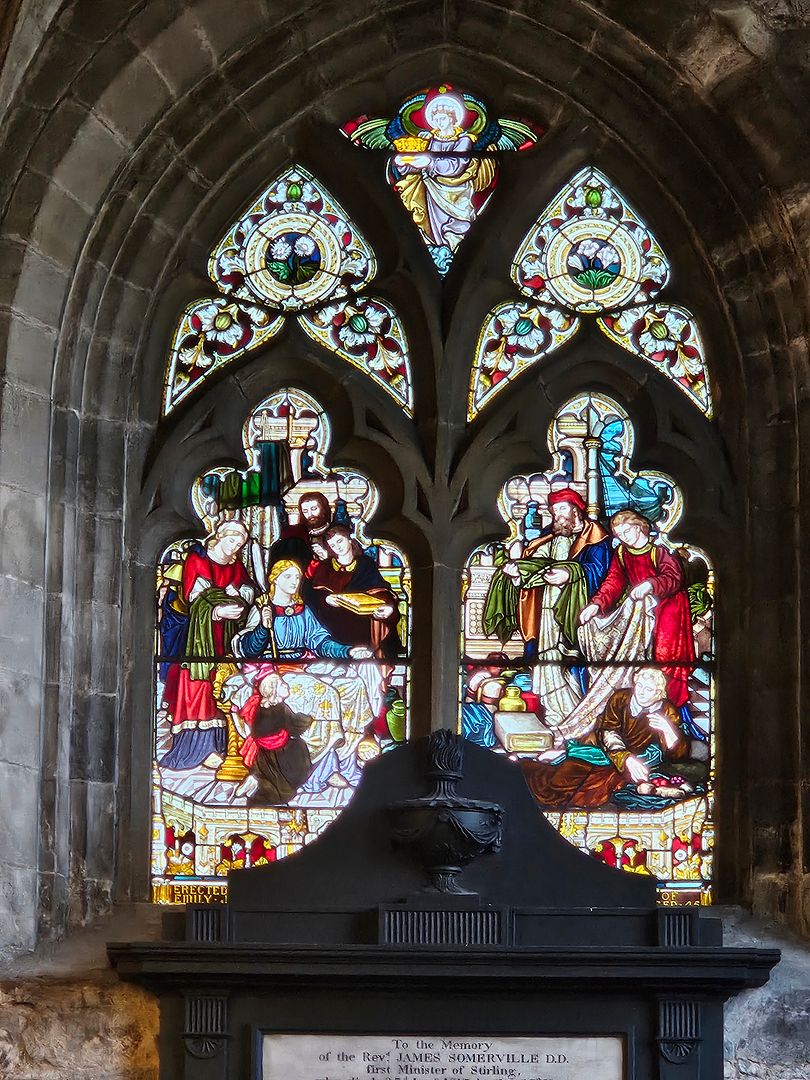
See that little stained glass window way at the top of arch. The Angel Window was installed in 1870 and the artist is unknown.

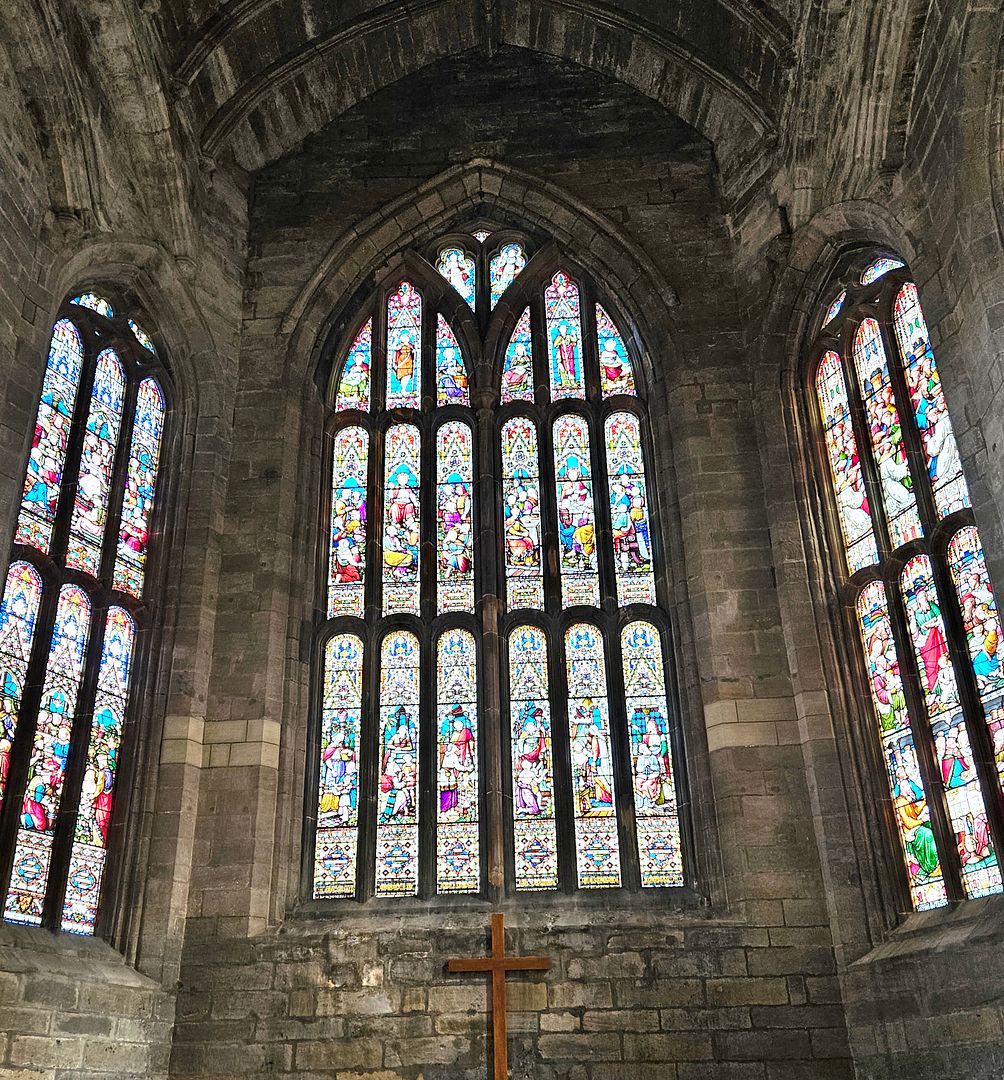
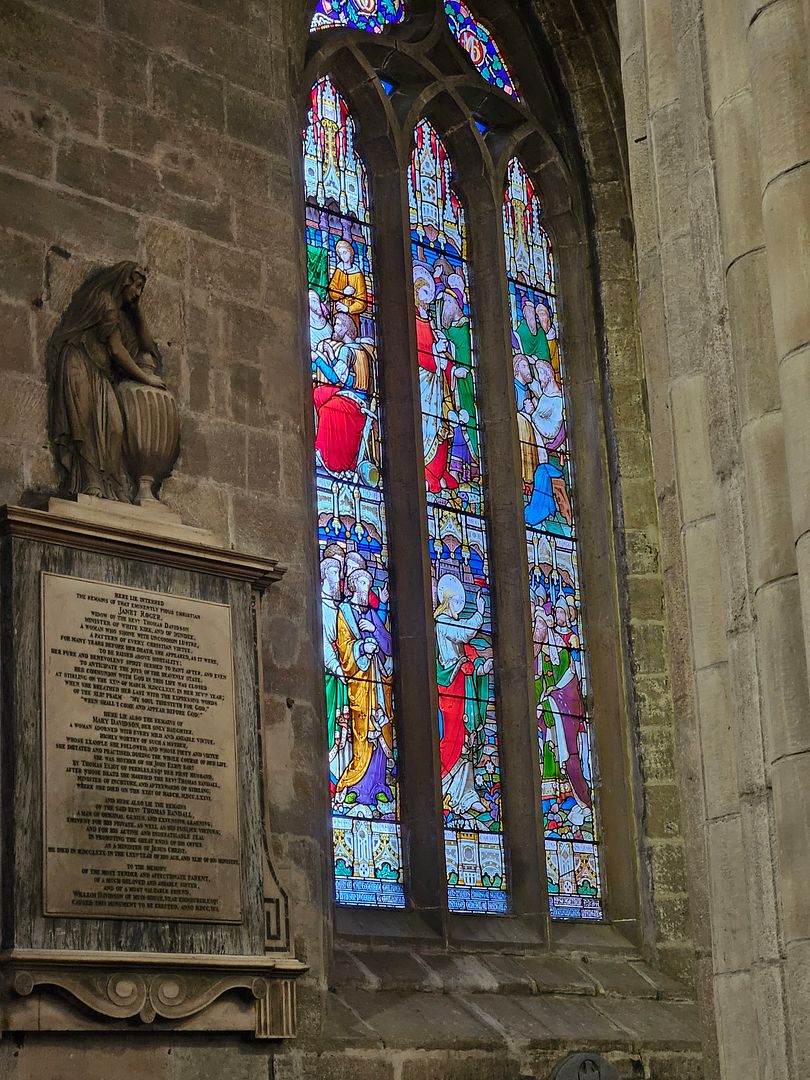
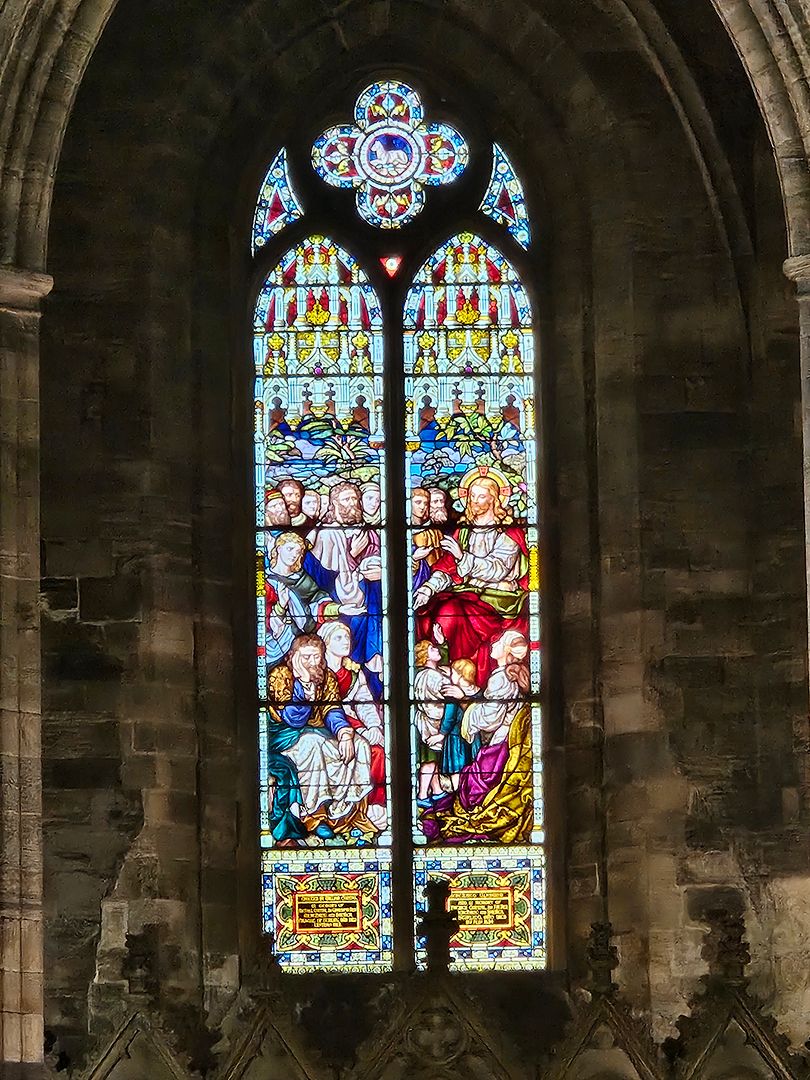
This window, above the Apse, is dedicated to John Cowane, founder of Cowane’s Hospital. The middle right depicts the last supper, the left shows the Sermon on the Mount, and the lower portion illustrates Matthew 25:35-40, reflecting the charitable intentions of Cowane. The Inscription read, “For I was hungry, and you gave me food.”

The coat of arms above the entrance to St. Andrew’s Chapel is a 17th century carving of the Royal Arms of Scotland recalling the era when Scottish royalty frequented the Church.

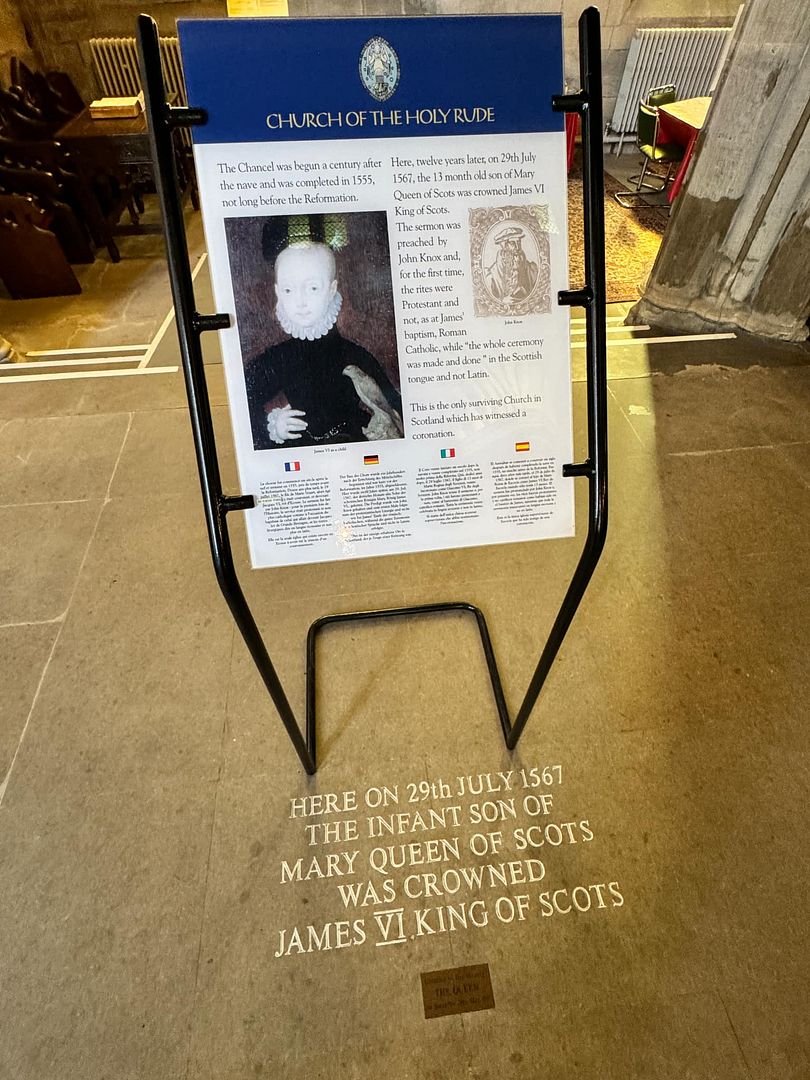
Mary, Queen of Scots: At nine months old, she was crowned Queen in Stirling Castle’s Chapel Royal after her father, James V, died. She spent much of her childhood in the castle and visited this church. After Mary’s abdication, her son was crowned King James VI of Scotland in the Church of the Holy Rude.

At her 13 month old son’s coronation, John Knox preached the sermon. For the first time the rites were Protestant and not Roman Catholic and the whole of the ceremony was made and done in the Scottish tongue and not Latin.

This is the oldest surviving church in Scotland that witnessed a coronation.


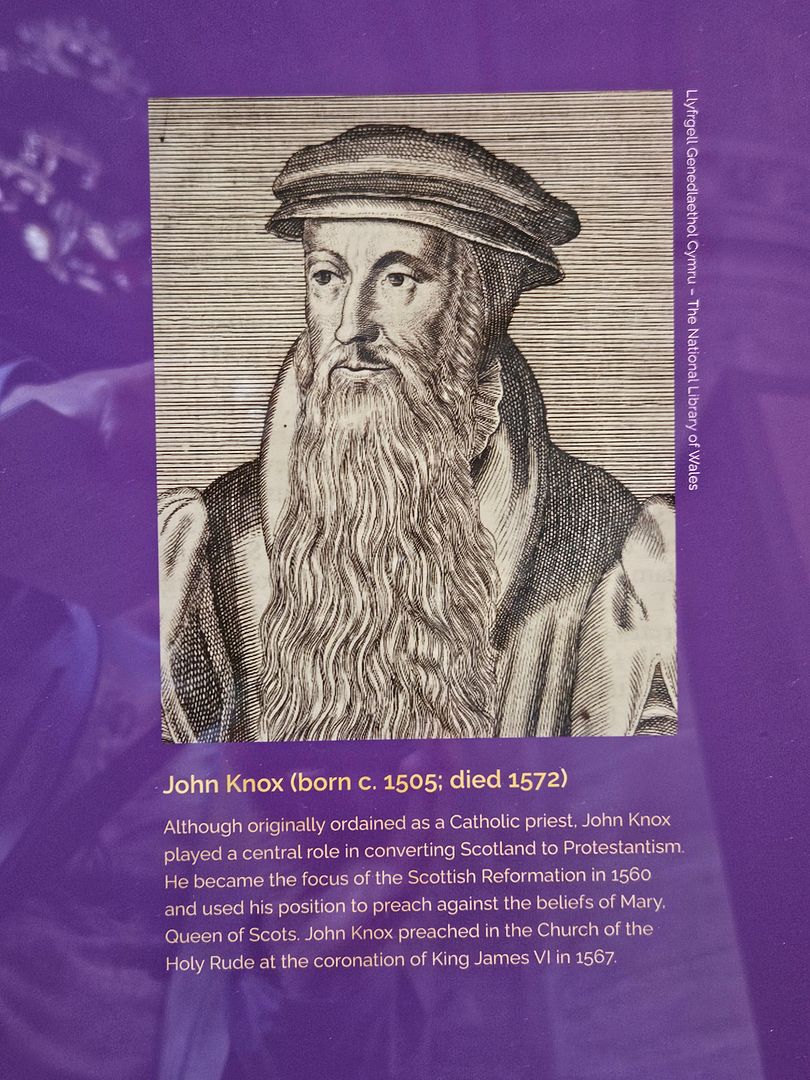
John Knox, A figurehead of the reformation in Scotland. Reverend James Guthrie was another prominent Scottish minister during the Covenanting era. His convictions led to the division of the Church’s congregation in the 17th century.

The Church has seen its share of conflict over the centuries.  During the religious and political troubles of the 17th Century, the Church was divided in 2 and had a wall built to create 2 separate churches – the East and the West.  The minister whose activities led to this division, James Guthrie, was hanged for high treason in 1661, and the 2 parts of the church were finally re-united in 1935.

During Cromwell’s uprising, General Monk set up his guns on the Church tower in 1651 for the last successful attack on Stirling Castle.  The Church walls bear the scars of musket shot and cannon-fire from this and other conflicts, including the Jacobite uprising of 1746. The battle scarred walls are indeed a testament to the skills of the stone masons and craftsmen of the past.

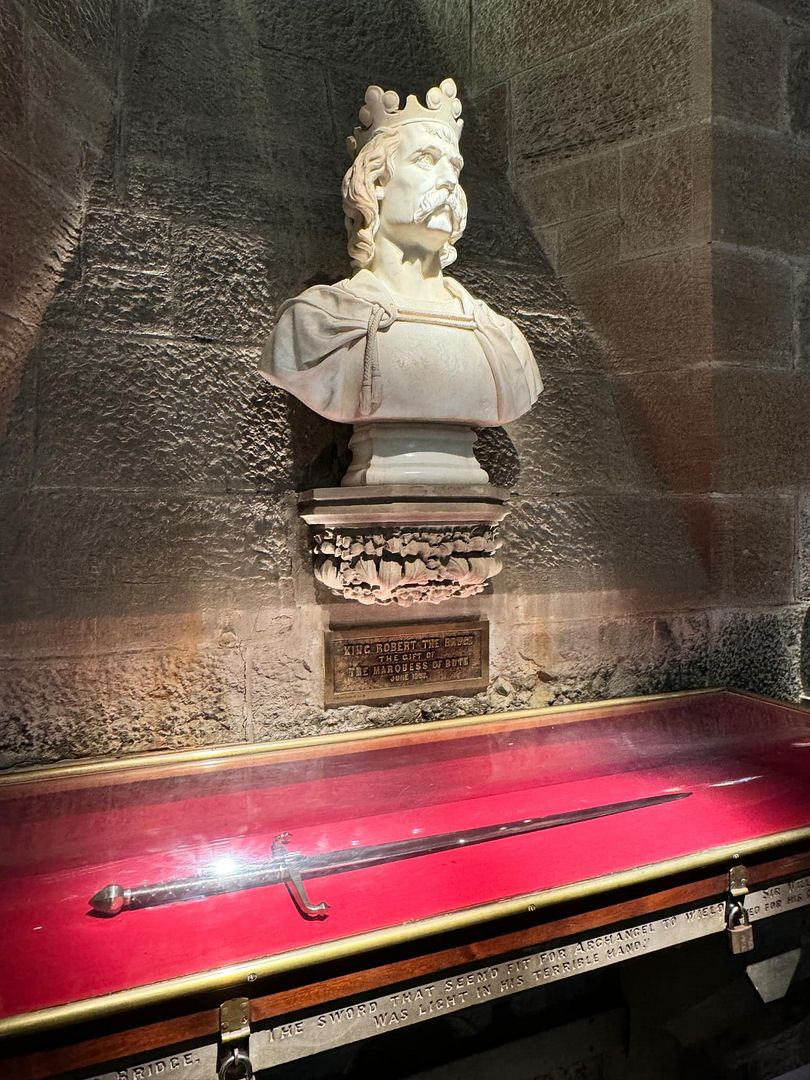
King Robert the Bruce

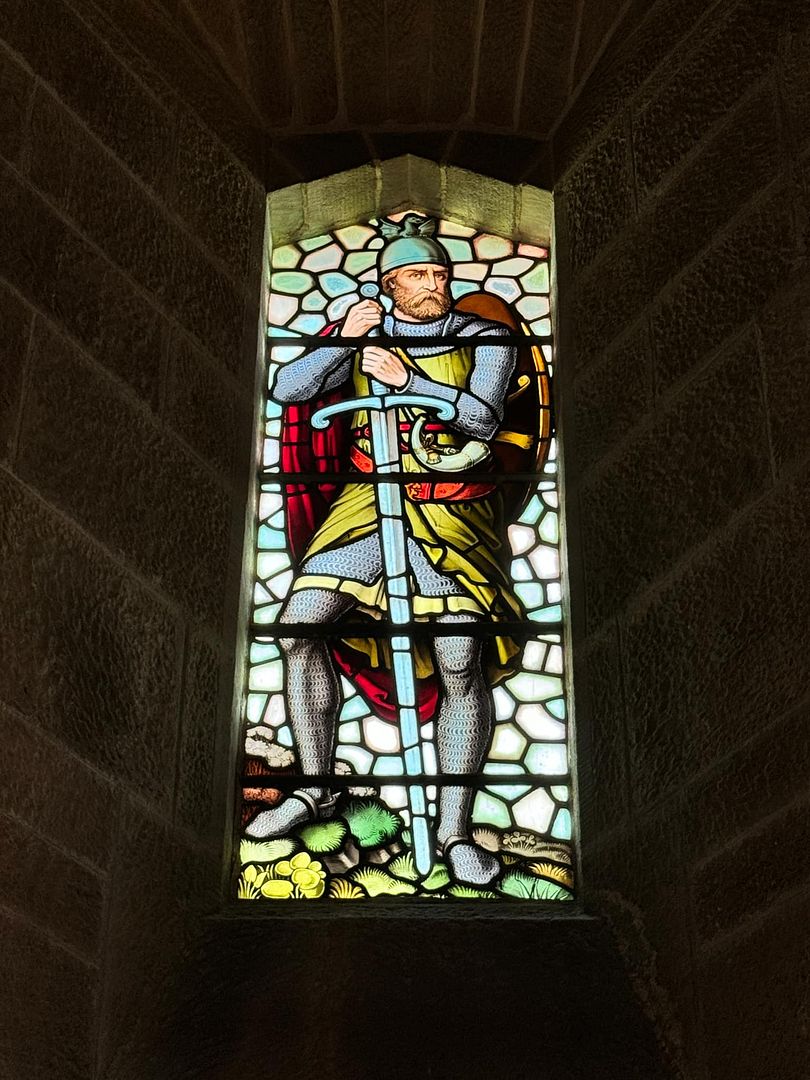
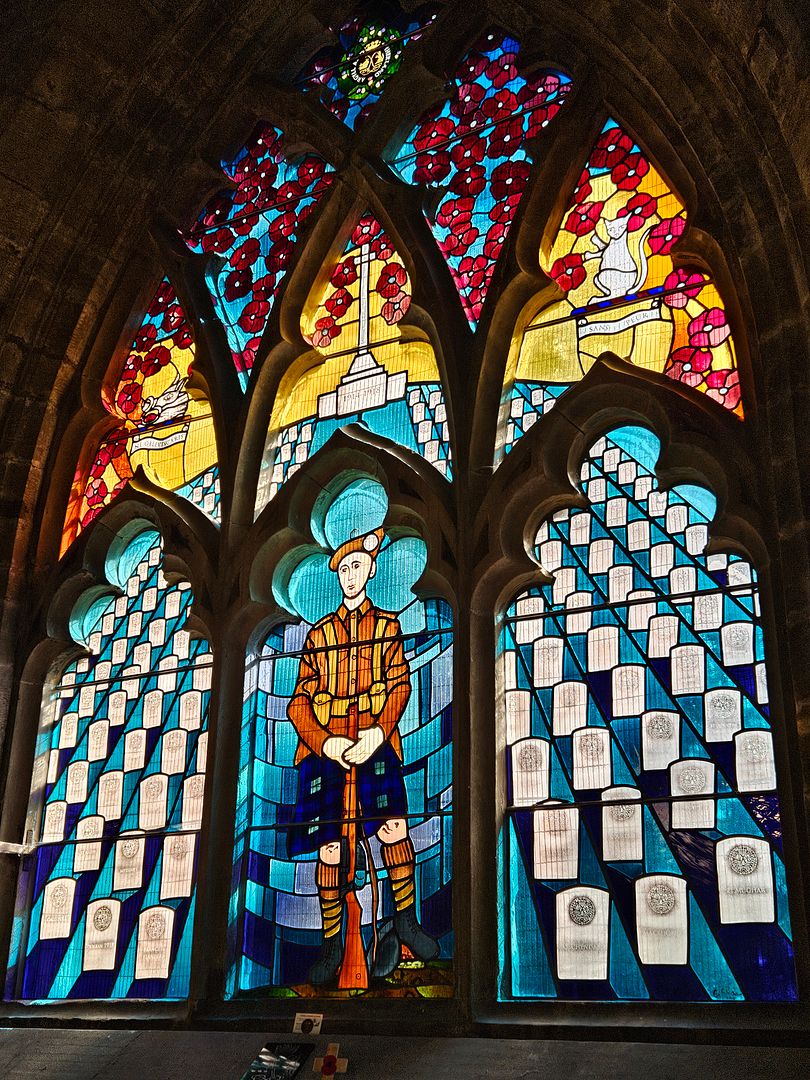
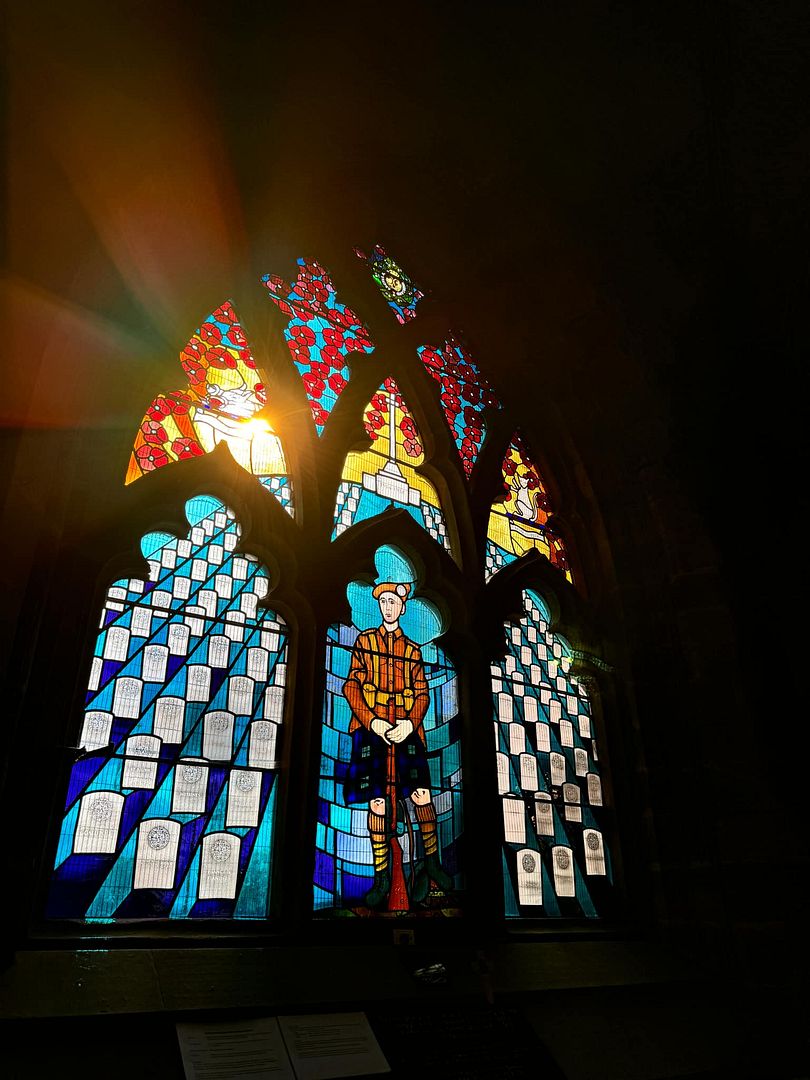
This window was created in memory of the Argylls of WWI and it was fitting for it to be in the Church of the Holy Rude because the regiment had strong ties to this church. This window depicts a Highland soldier surrounded by poppies and figures from the regimental cap badge. Thousands lost their lives in World War I. This window was dedicated in 2016.

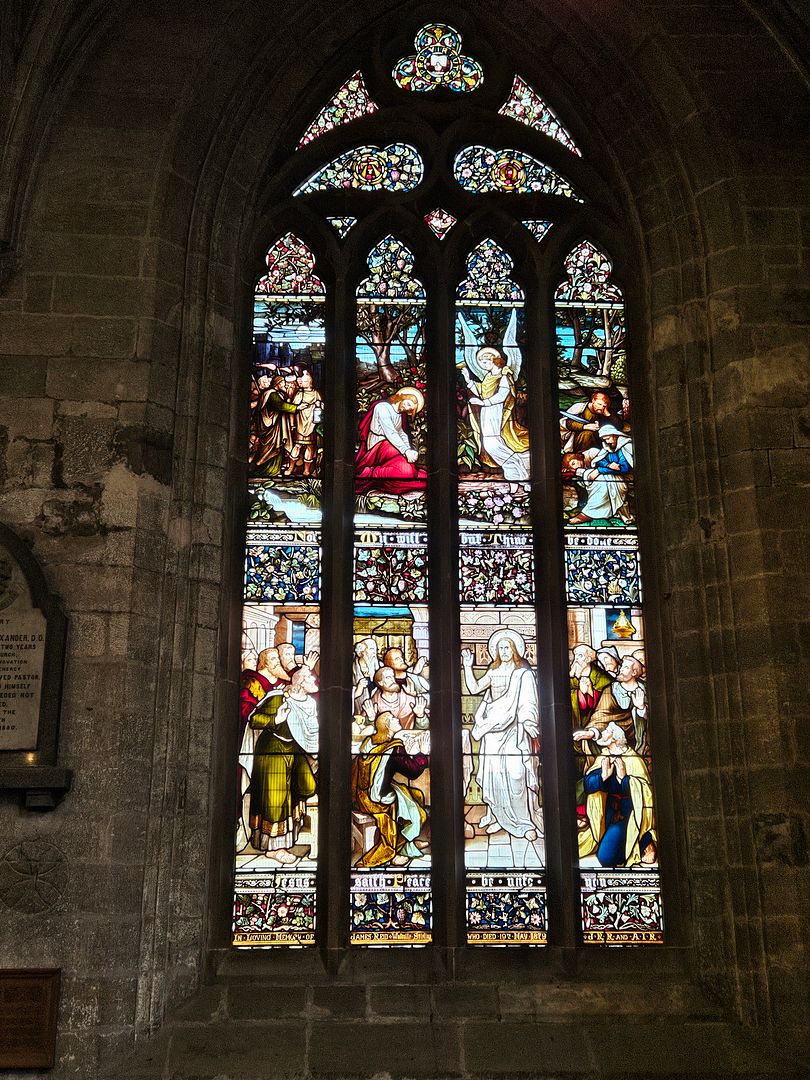
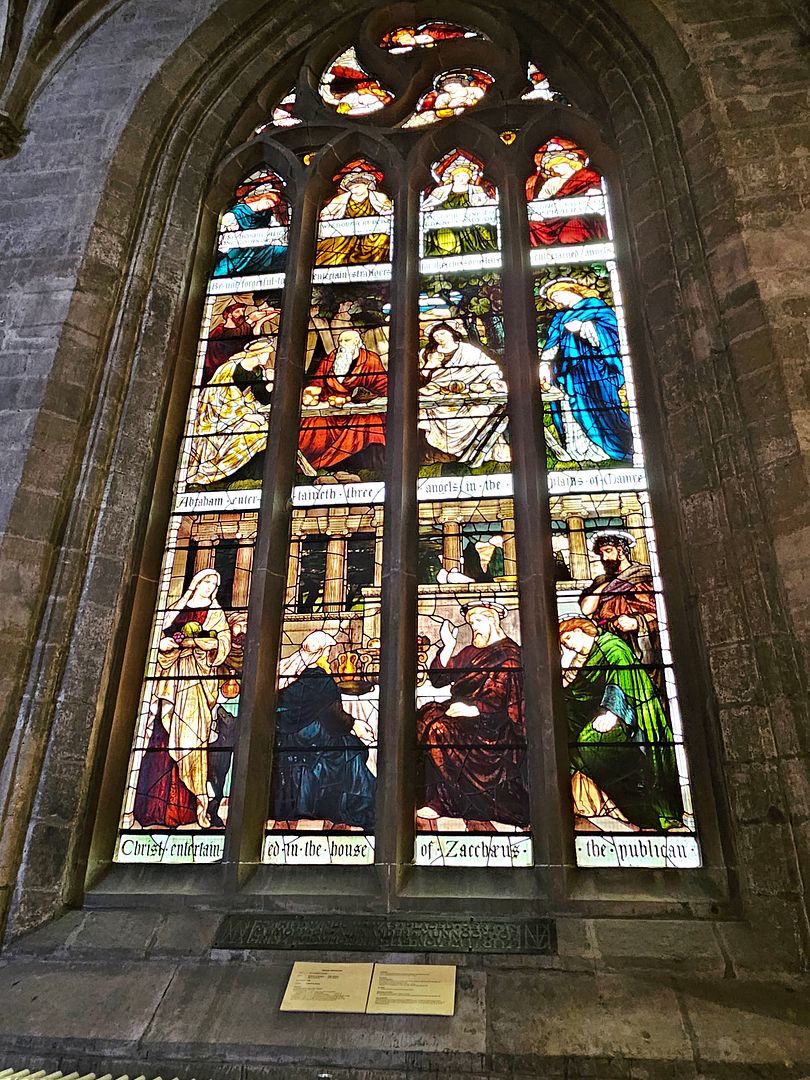
The current windows date from the 19th century.

We left the church and walked down into town needing a little snack before we made our way to the Wallace Monument which will be another post. Sunday the 15th of September was a full day of history for us!

Thanks for traveling along with us on this day that we connected more dots about John Knox and the Scottish Reformation and Covenantors in Scotland. We took in Stirling in one day but you could easily spend a few more days soaking it all in.

Walk Boldly Hodgepodge

Jo has a new set of questions for us to park on and answer for Wednesday Hodgepodge! Thank you, Jo!

1. Thursday is National Walk To A Park Day. I know these celebratory days are mostly made up, but some are fun to think about. Do you live close enough to a park to walk to one on Thursday? Will you? The most famous park in the world is Central Park located in NYC. Have you ever been to Central Park? What did you think? If you haven’t been is this a place you’d like to see? 

The closest park to us is Douglas Falls Park and it is 3.3 miles away so it would take over an hour to walk to on roads that frankly aren’t safe to walk on. We will not walk to this park. We’ve been to the Metropolitan Museum of Art which sits on the edges of Central Park but I do not remember walking in the park. I’m not interested in traveling to New York at this stage of my life.

2. Something you’ve done recently that turned out to be a ‘walk in the park’? 

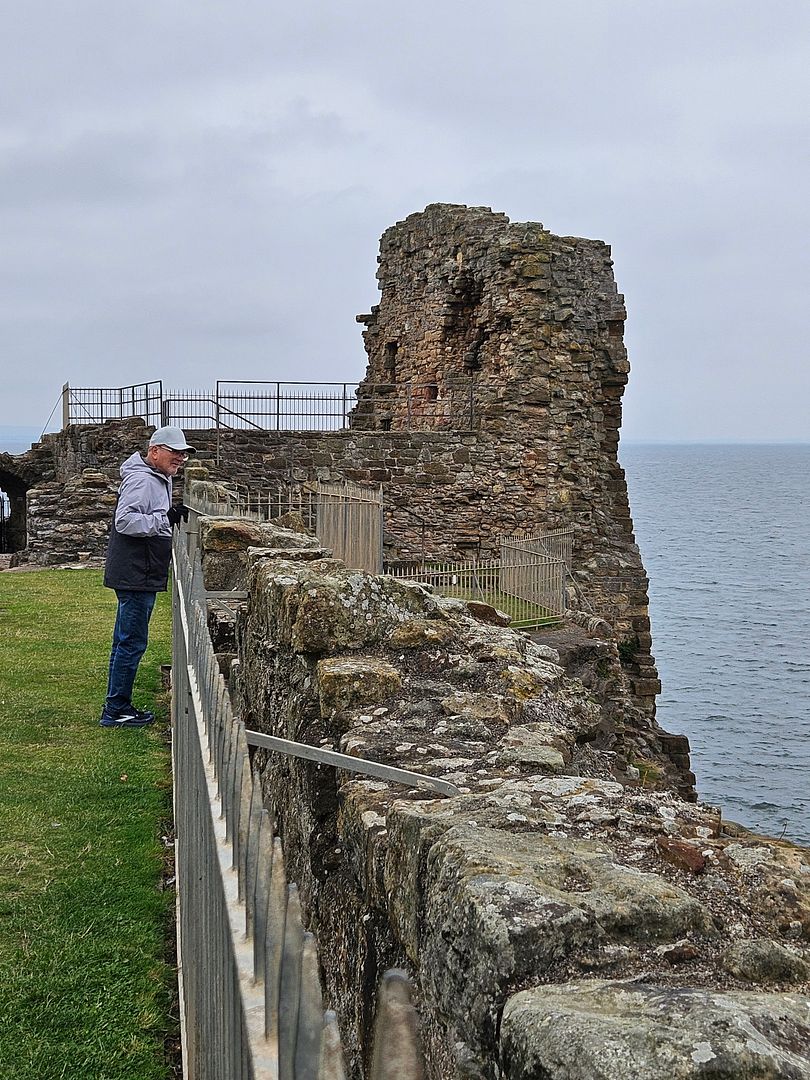
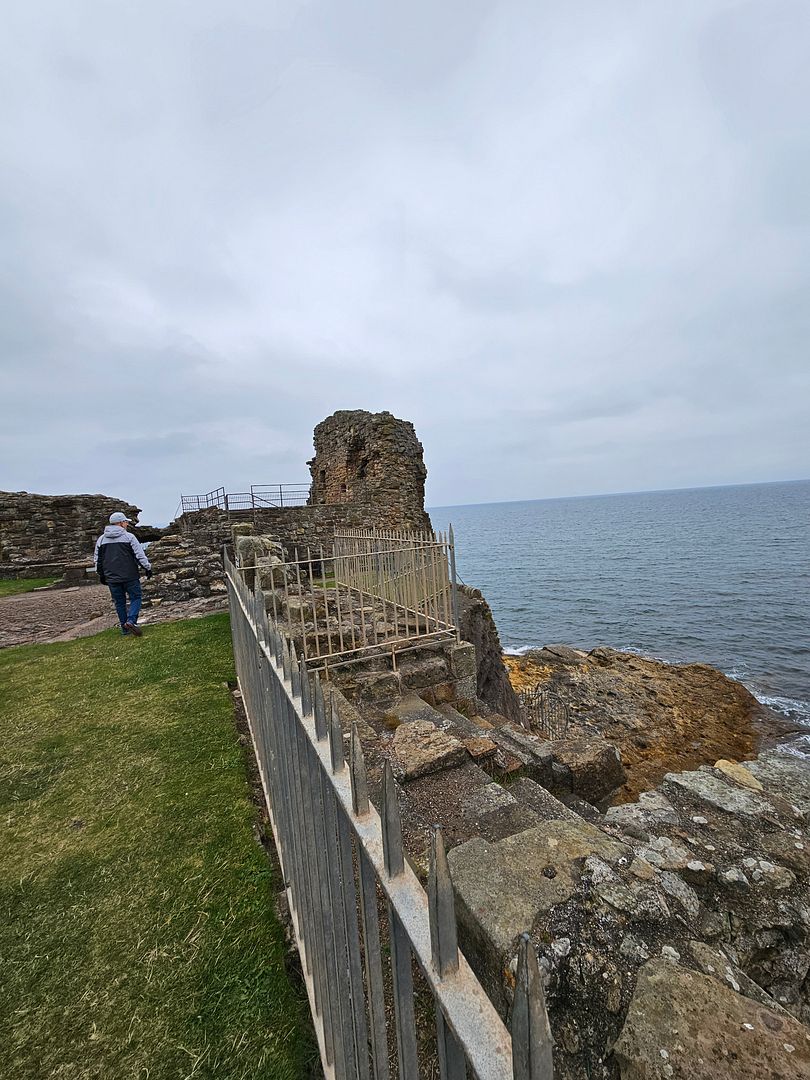
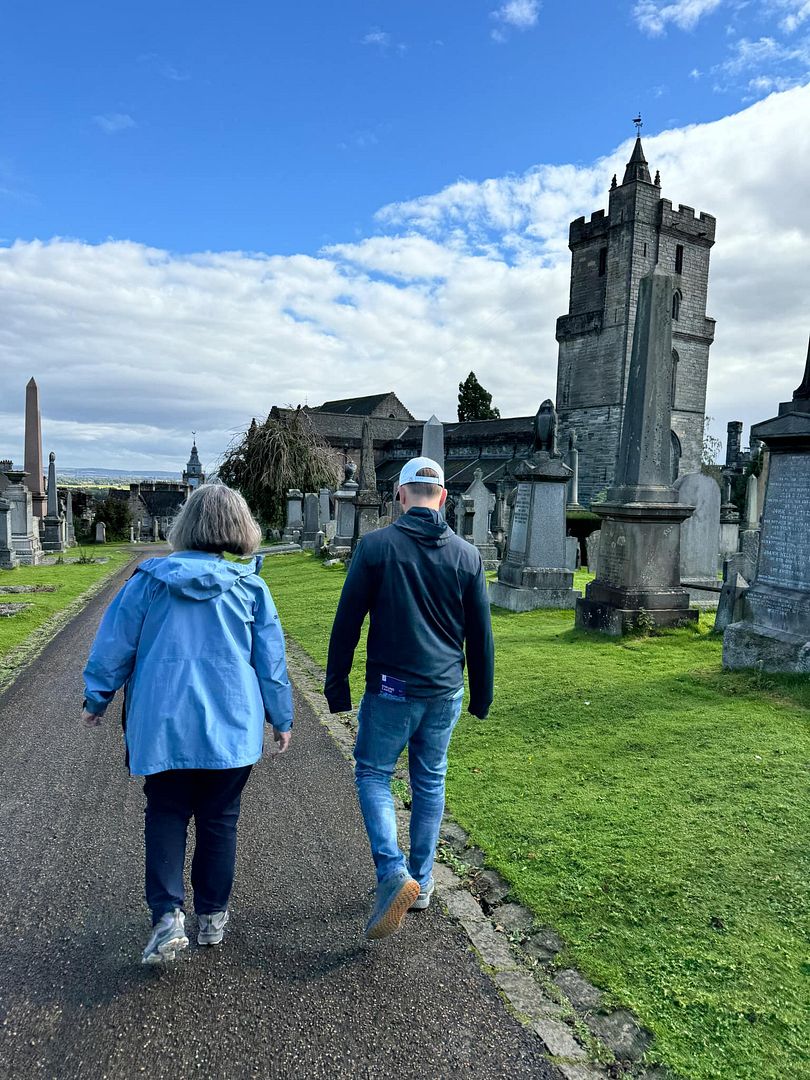
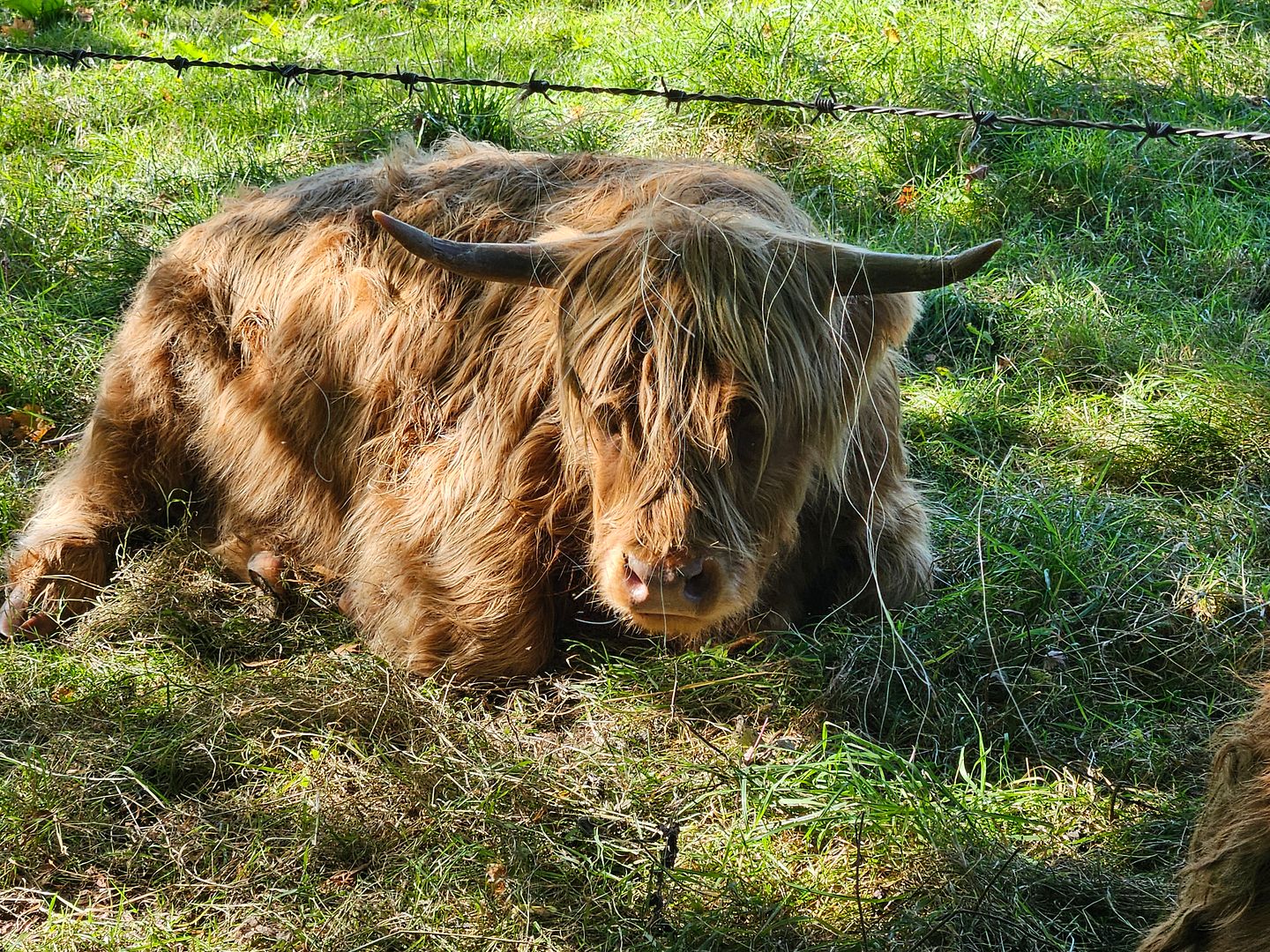
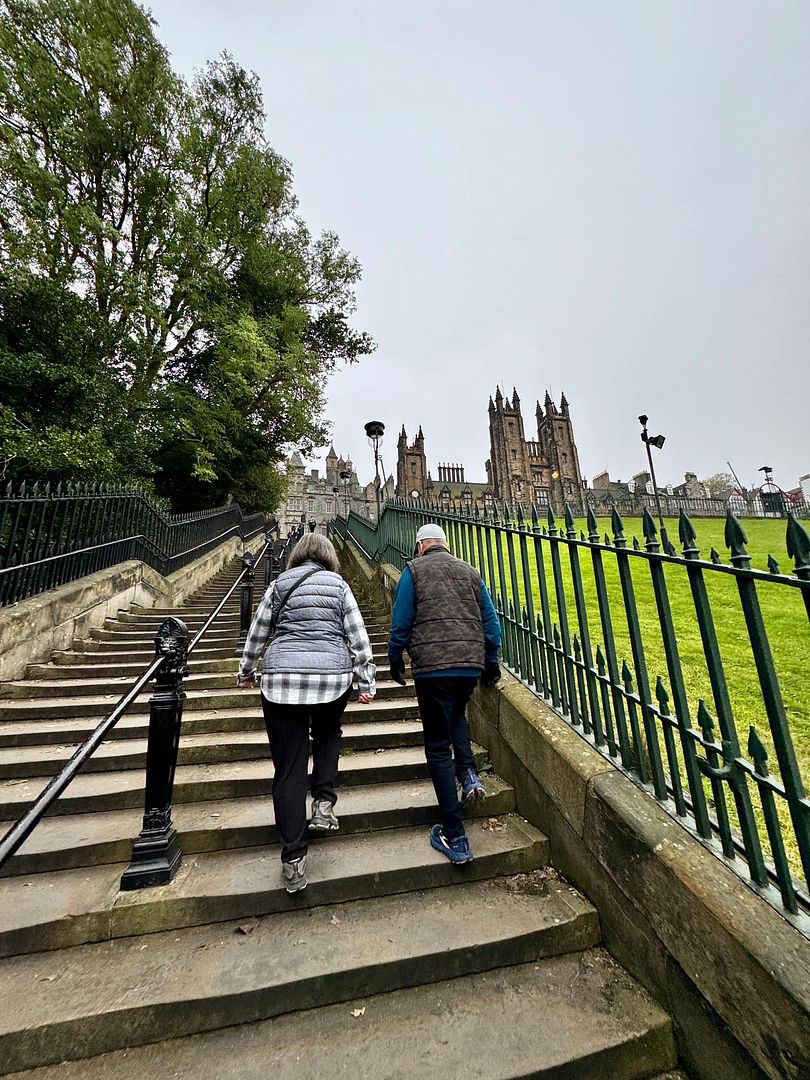
We were able to walk in parks recently while in Scotland and the ‘walk in the park’ part is that because Greg and I pushed ourselves to condition our bodies for stairs by climbing the stairs at the high school football stadium every day for a few weeks before we flew to Scotland we were able to walk and climb easier than normal for us. The photo at the top of this post is from one of the Castle parks we walked in and this was our bonus sighting… below!

A baby Coo!

3. Can you parallel park? Do you have to do this often where you live? 

I can parallel park but I do not have to where we live and even though I can, I avoid it.

4. The colors of fall…red, brown, russet, golden bronze, golden yellow, purplish red, light tan, crimson, orange red, and scarlet. Are these colors you like to wear? Is this your season in terms of color? What about your home? Would we see these tones in your home decorating? 

I do put out fall decor in all these colors for a few months in fall and wear some of those colors but they are not my go to colors.

5. What part of history do you find most interesting? Elaborate. 

Because of our recent trip to Scotland I found the history of the Scottish Reformation most interesting. It made our whole trip so much more meaningful to watch for and follow in the steps of the Reformers and Covenantors like Knox, Wishart, the two Margarets and Jenny Geddes and others.  To hear of their interactions with Kings and Queens in history and how they boldly stood up for Christ was inspiring. We saw evidences of their remarkable legacy in Museums, Libraries, Graveyards, Cathedrals, castles, and on the streets.

Knox: “As touching nature I am a worm on this earth, and yet a subject of this commonwealth; but as touching the office wherein it has pleased God to place me, I am a watchman…For that reason I am bound in conscience to blow the trumpet publicly.”

6. Insert your own random thought here. 

We had a great show again of the Northern lights on Monday night here in Colville. Here is one of many shots I took.


In Their Steps Hodgepodge

The new questions for Wednesday Hodgepodge are coming from  Jo From This Side of the Pond while she is across the Pond!
Thanks Jo and I hope your jet lag will be mild!
~
1. Hey, it’s October…what’s one fun thing on your October calendar? 
This Saturday is the Marcus Ciderfest and we’ll enjoy some time there buying some freshly squeezed apple cider from local apples.
~
I’m also following along on an October 31 day journey with the Heroes of the Reformation called Here We Stand. I get an email each day with the history of one of the heroes.
If you want to follow along you can sign up here.

2. Thursday is National Poetry Day (first Thursday in October)…do you like to read poetry? If so, what’s a favorite poem, or whose poetry do you especially enjoy? 

My favorites are songs and hymns and spiritual songs. That kind of poetry I can understand. I also enjoy children’s rhymes.

So many favorites in the Psalms;

The LORD is my light and my salvation;
whom shall I fear?
The LORD is the stronghold of my life;
of whom shall I be afraid?

3. Tell us about something you’ve seen recently that could be described as ‘poetry in motion’

Other than watching Eagles and Hawks in the sky I would hearken back to the Olympics and watching the diving and other pool events including synchronized swimming that they now call artistic swimming.

4. What’s one song on your autumn playlist? Do you have an autumn playlist? If not, pretend you do. If yes, then feel free to share more than one. 

This is a song that has been playing on the cd in my car that gets me every time.

And this one that I was listening to yesterday…

5. Share a quote that inspires you this time of year especially. 

I’m inspired by our very recent trip to Scotland and specifically walking along the steps of John Knox and his influence on Scotland and the Scottish Reformation. Not him alone but many other Covenantors who lost their lives for the Gospel and the Kingship of Christ and the Church. So at this time of year I’m inspired by Knox and other Martyrs. John Knox preached across Scotland and in England and Europe. George Wishart was burned at the stake in front of St. Andrews Castle another location where John Knox spent time. We visited St. Andrews and the ruins of the castle. St. Andrews is filled with history and not just golf. 🙂

“Resistance to tyranny is obedience to God.”
― John Knox

“The man who stands with God is always in the majority.”
― John Knox

And from George Wishart a friend of Knox and Scottish Martyr–

When he came to the place of his death he knelt and prayed to Christ, then he addressed the watching crowd: ‘If I had taught men’s doctrine, I had gotten greater thanks by men. But for the true Evangel [gospel], which was given to me by the Grace of God, I suffer this day by men, not sorrowfully, but with a glad heart and mind… This grim fire I fear not: and so I pray you to do, if any persecution come unto you for the Word’s sake; and not to fear them that slay the body, and afterwards have no power to slay the soul… I know surely that my soul shall sup with my Saviour this night, ere it be six hours, for whom I suffer this.’ Next he prayed for those who had viciously persecuted and slandered him, saying, ‘I forgive them with all my heart.’

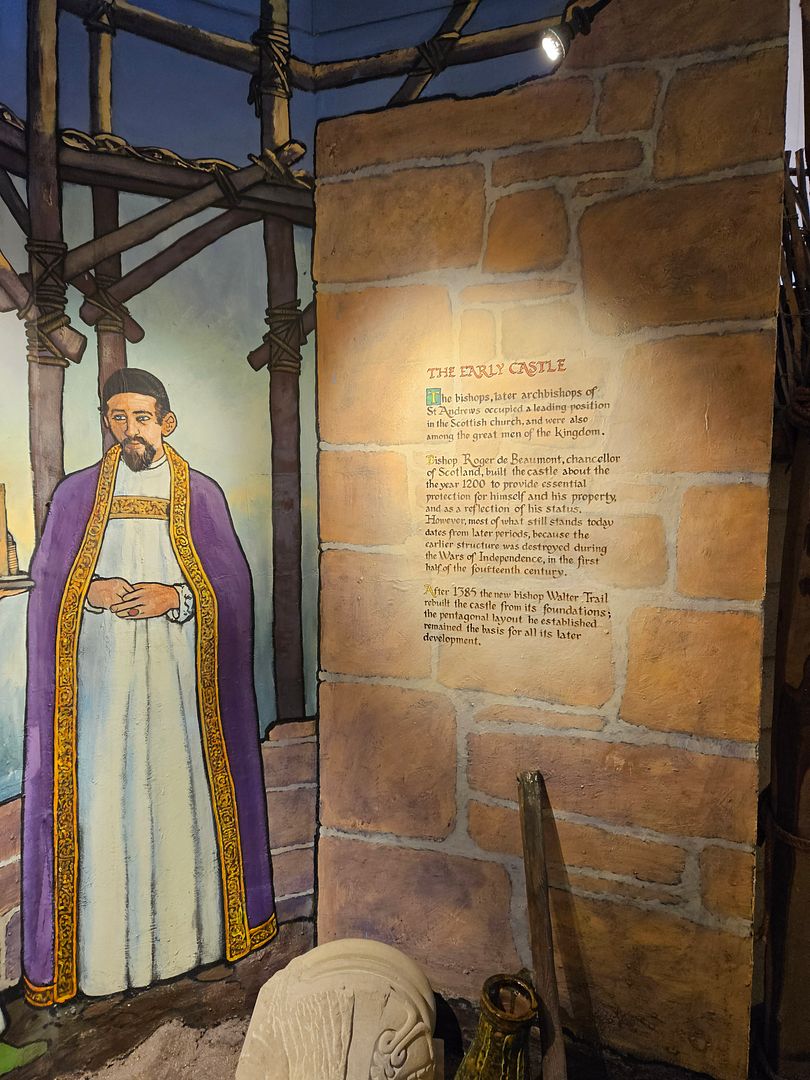
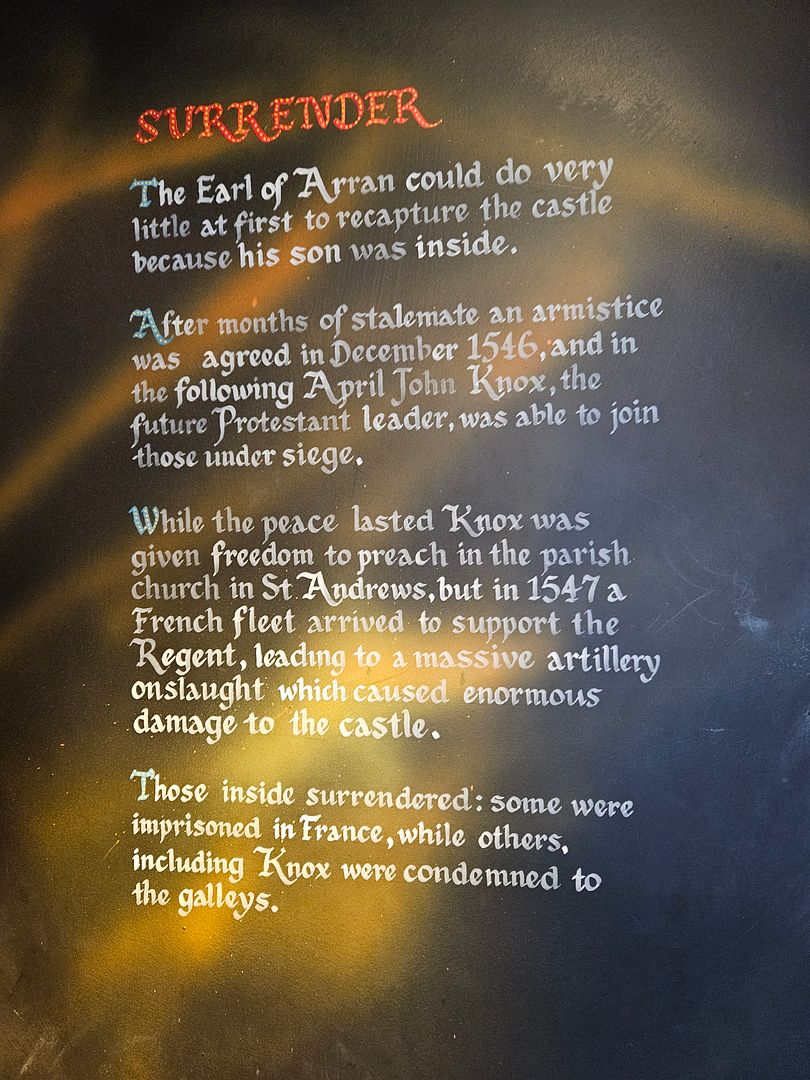
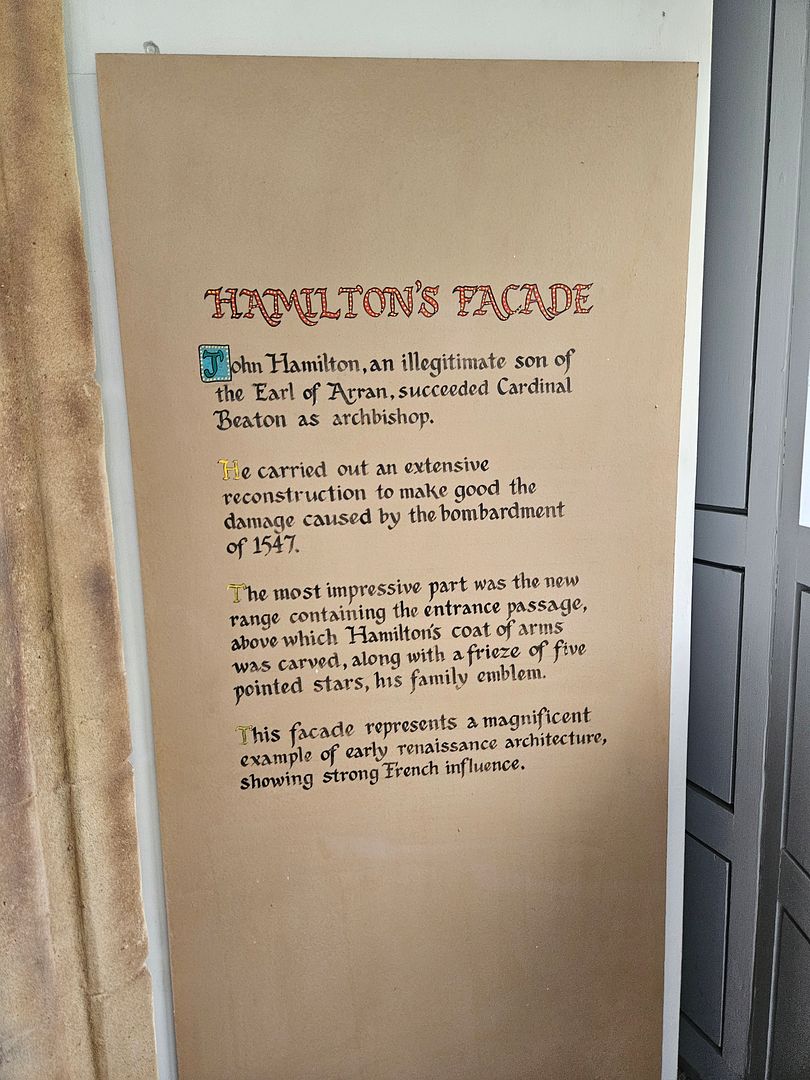
These images and placards were inside the visitors center for St. Andrews Castle Ruins.

6. Insert your own random thought here.  

We are still recovering from our Jet Lag and thankfully each day gets better.

The devastation from Hurricane Helene has been on my mind and I pray that help will reach the stranded. Thankful for the groups like Samaritan’s Purse who respond quickly and compassionately to those in need. The family members we have living in North Carolina were spared and they are pitching in to help where they can.