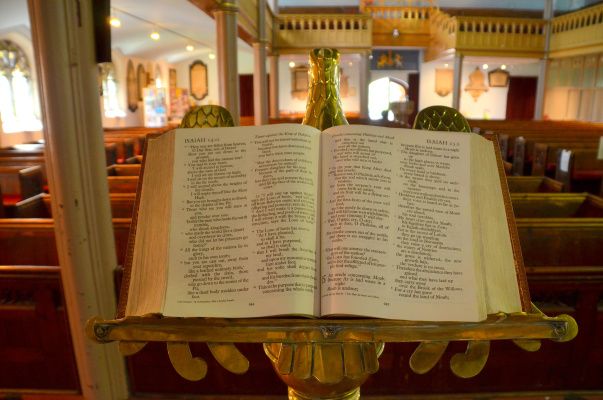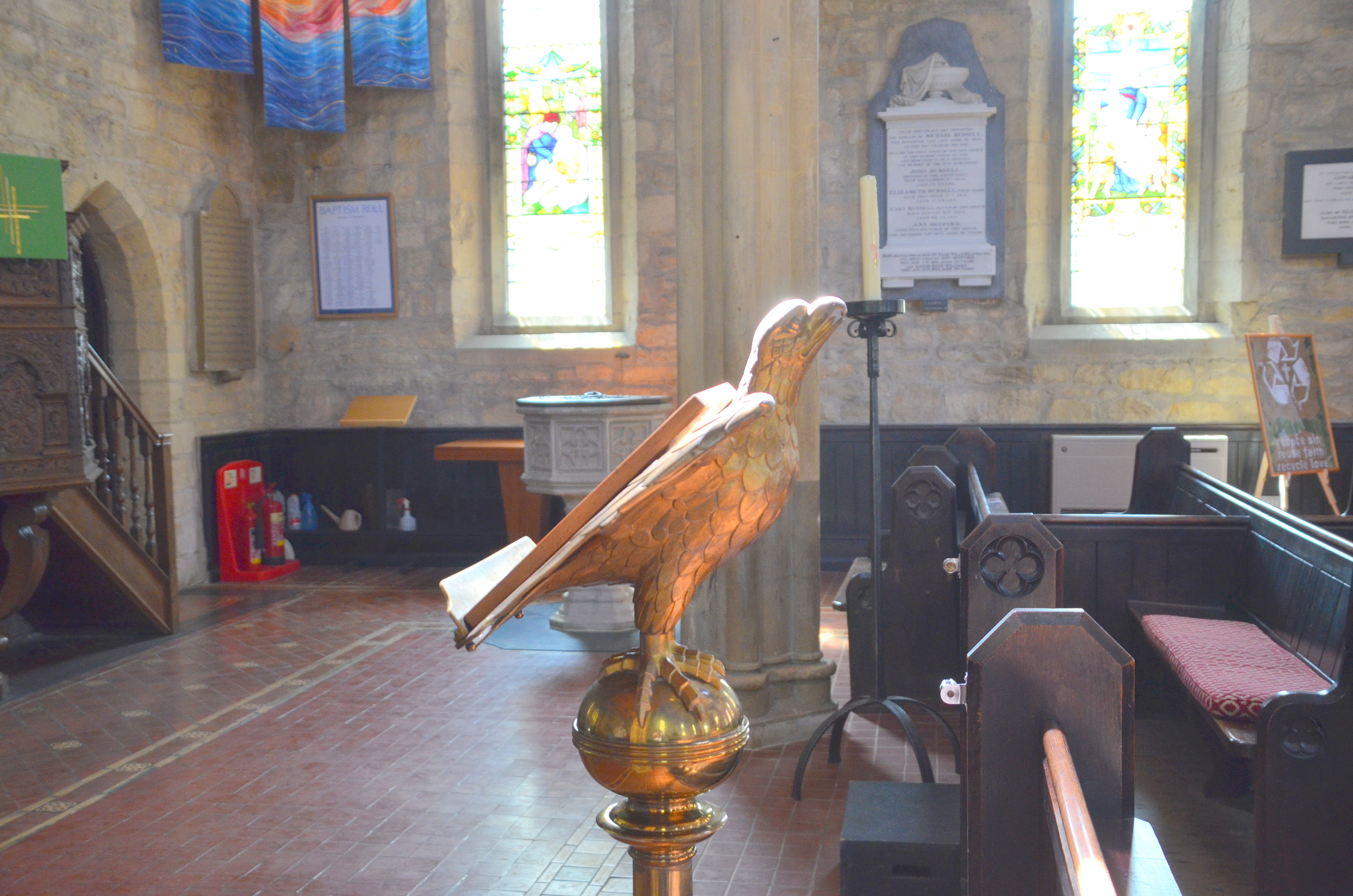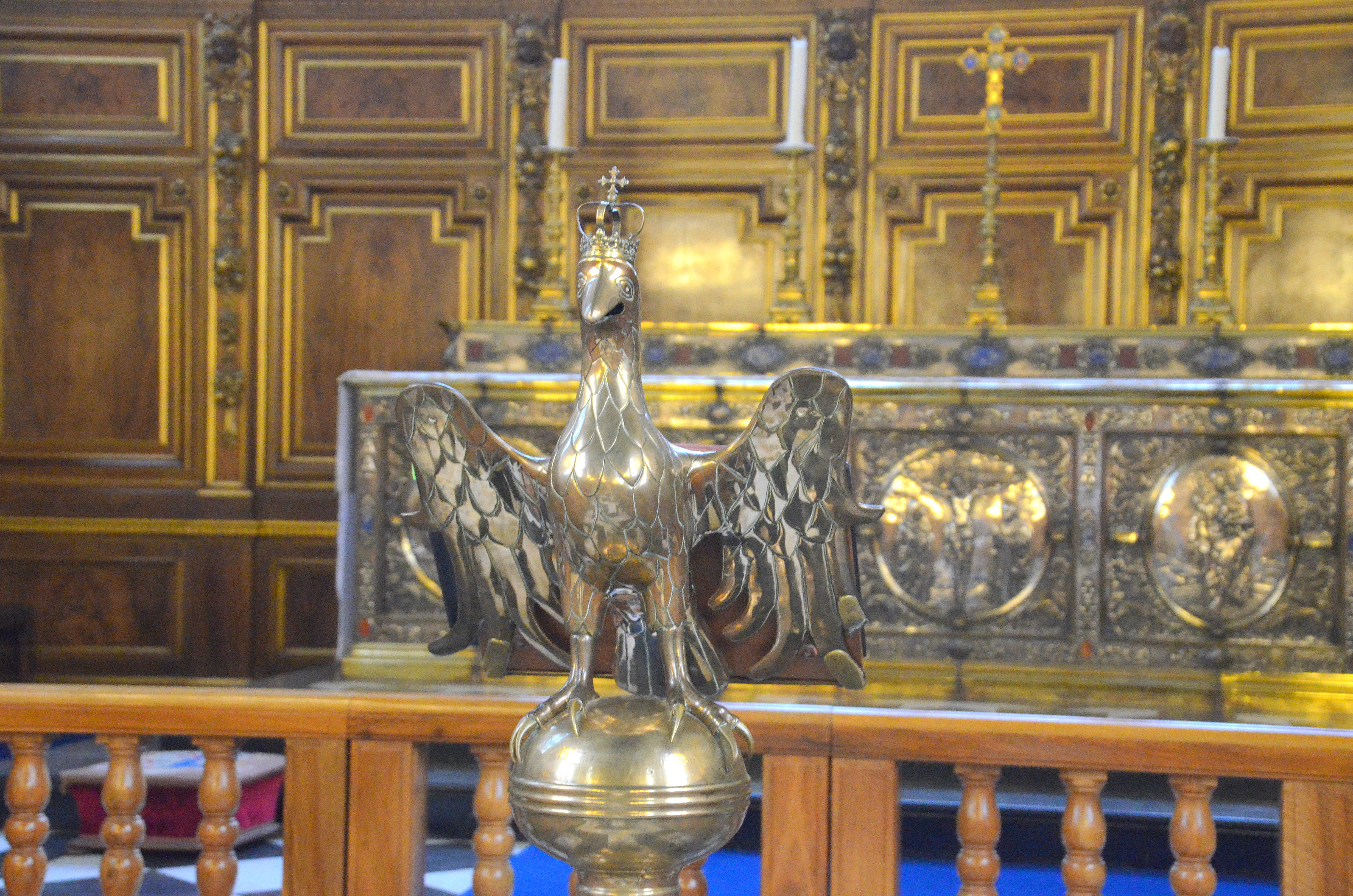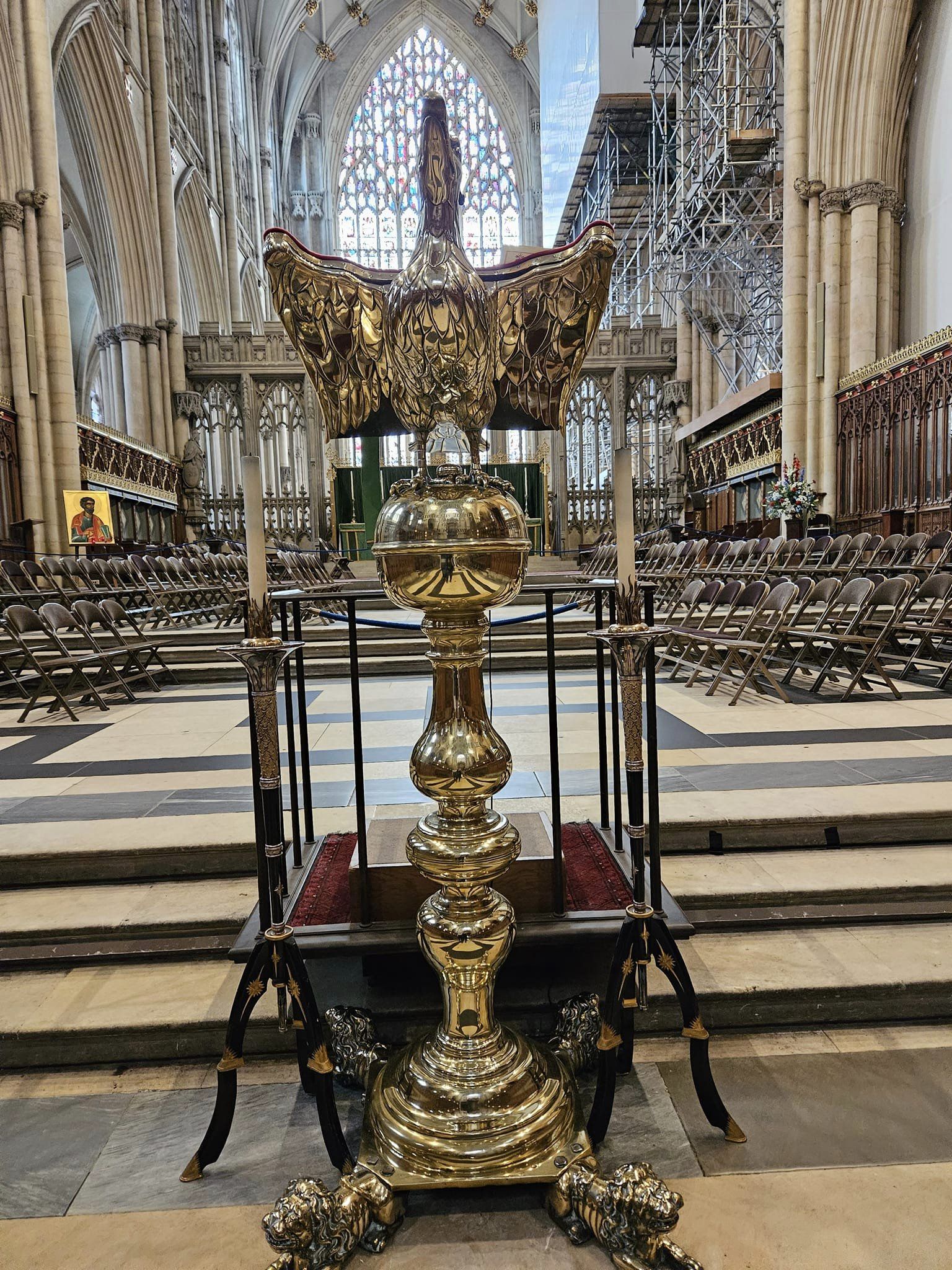
The Eagle Lectern

The symbolism of the eagle derived from the belief that the bird was capable of staring into the sun and that Christians similarly were able to gaze unflinchingly at the revelation of the divine word. Alternatively, the eagle was believed to be the bird that flew highest in the sky and was therefore closest to heaven, and symbolized the carrying of the word of God to the four corners of the world.
The eagle is the symbol used to depict John the Apostle, whose writing most clearly witnesses the light and divinity of Christ. In art, John, as the author of the Gospel, is often depicted with an eagle, which symbolizes the height to which he rose in the first chapter of his gospel. The eagle came to represent the inspiration of the gospels.
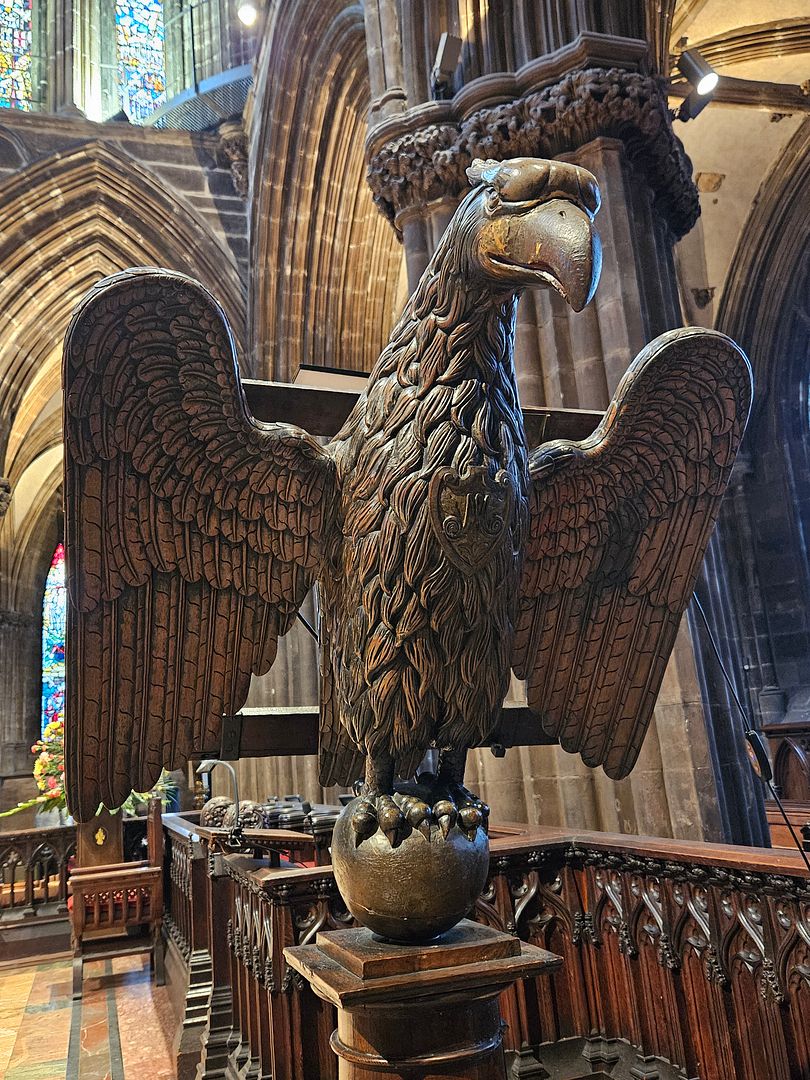
Eagle Lectern at Glasgow Cathedral
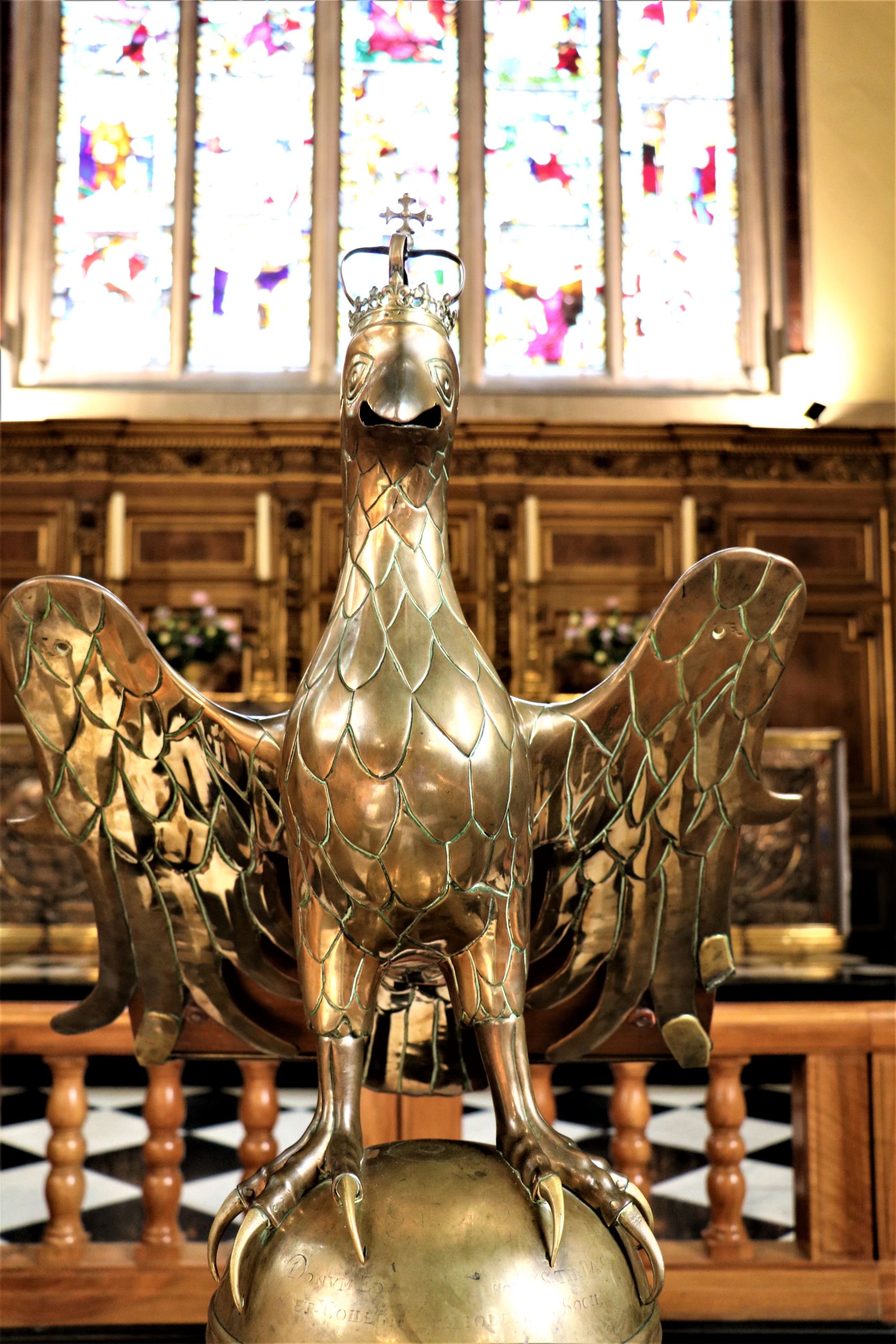
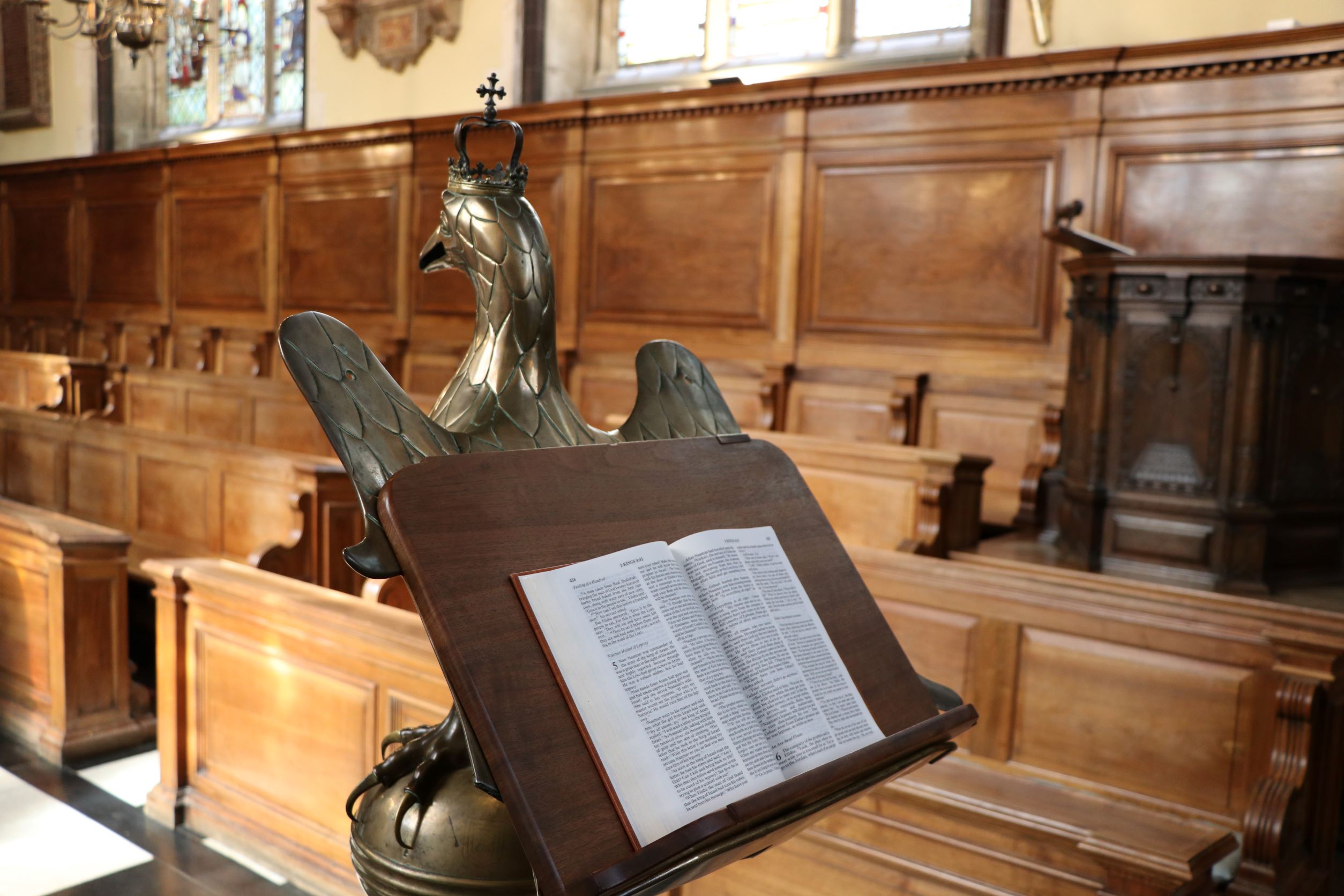
Balliol College, Oxford.

THE FLYING eagle is the symbol of John the Evangelist (see Revelation, ch 4, v 7) who proclaimed Christ as ‘the Word of God’ at the beginning of his Gospel. The flying eagle is thus a suitable emblem from which God’s word is read, reaching to the ends of the earth.

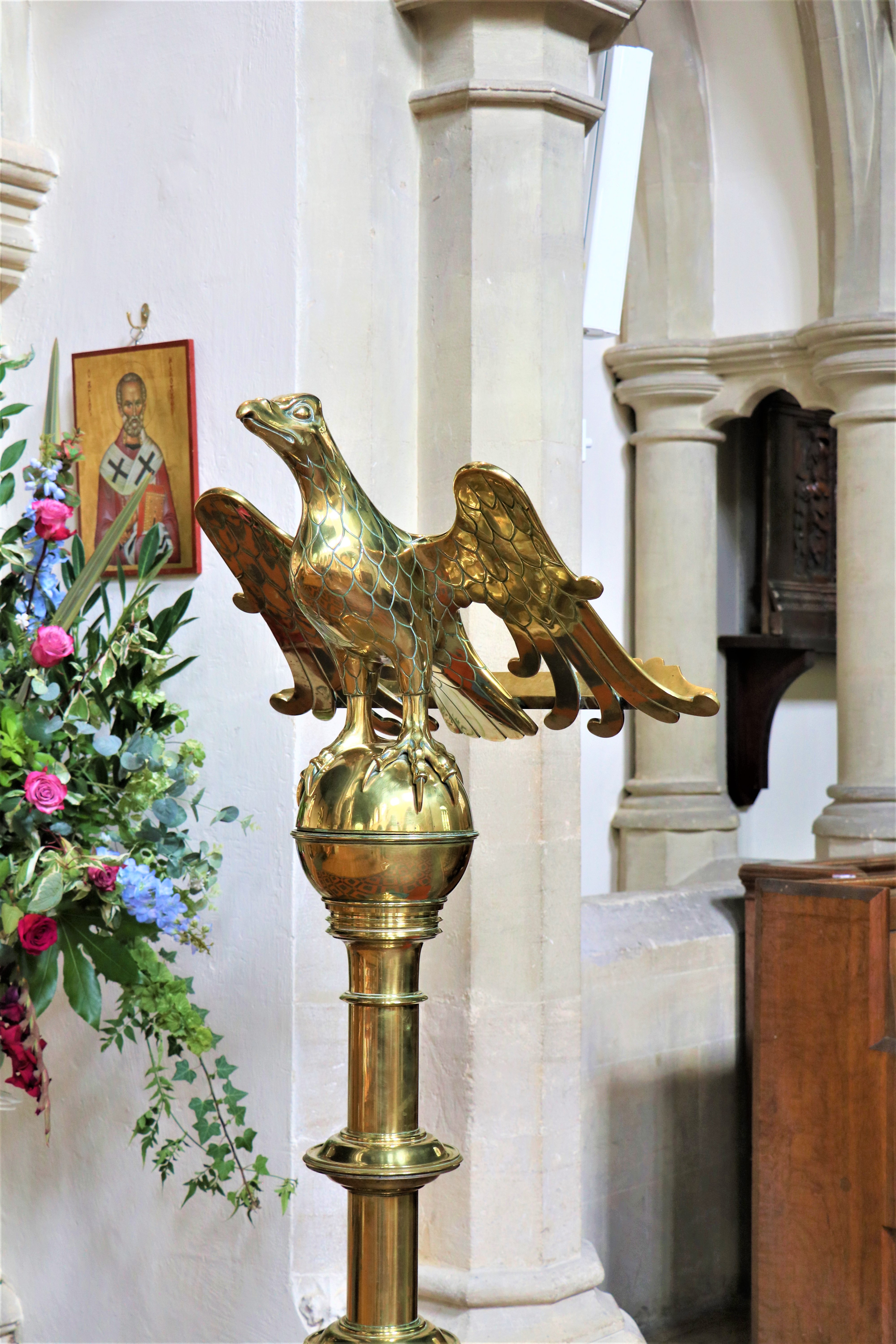
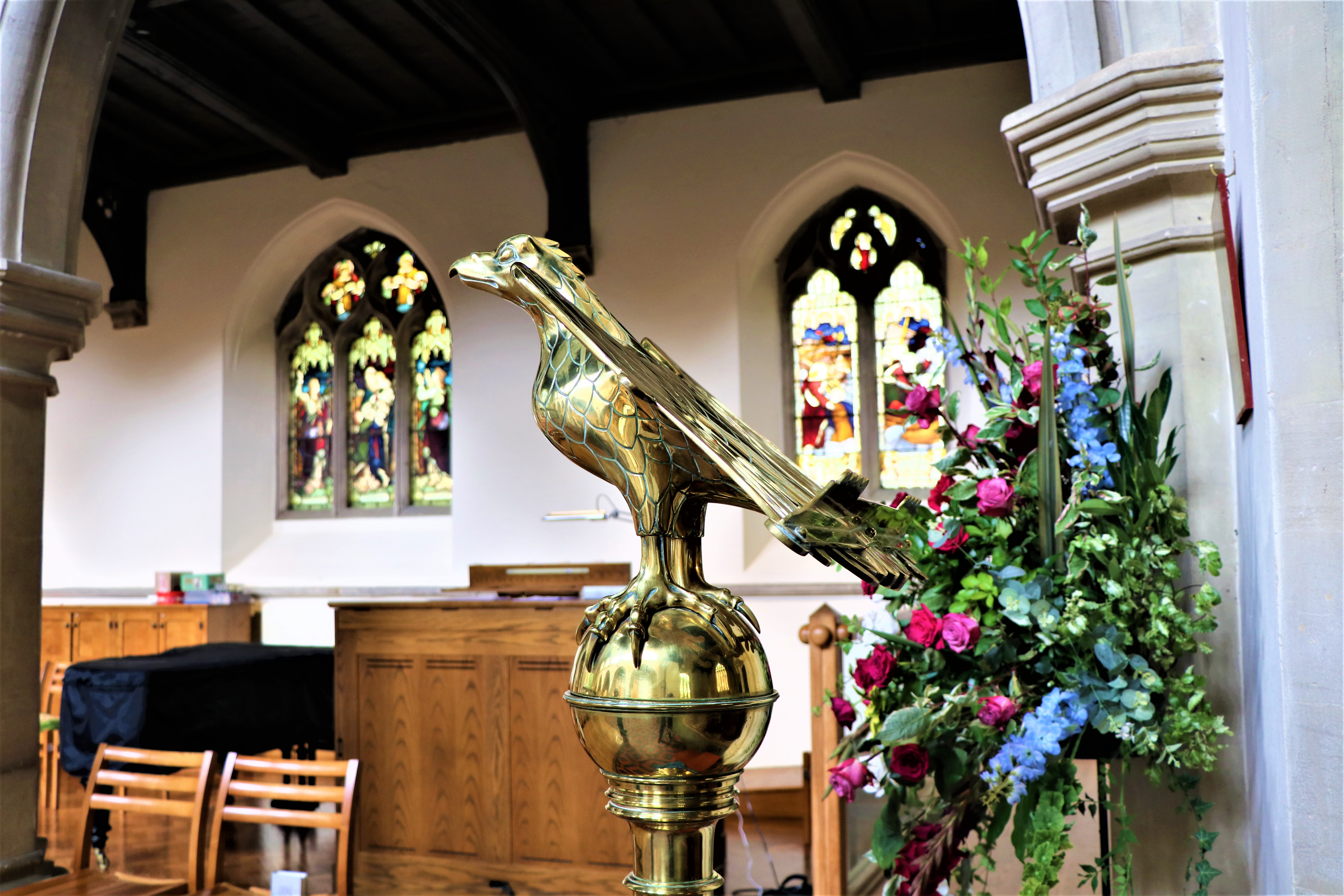
St. Mary Magdalene Church in Woodstock

Broadway Day 7 034

St. Michael and All Angels Church in Broadway (Cotswolds)

We were intrigued with these ornate Eagle lecterns that we saw in most of the churches and cathedrals we visited in England. That is why I researched to see the significance of this design.

The lectern stands as the location from which Christian Biblical lessons are given. Lecterns hold the Bible in place as the church leader reads various passages from it. Lecterns in the shape of an eagle hold special value within churches.

Eagle lecterns date back to early church history. Some of the earliest examples of church lecterns that are still in existence date back to the 13th century, such as the lectern located within All Saints’ Parish Church in Bedfordshire, England.

The eagle is the symbol used to depict John the Apostle, whose writing is said to most clearly witness the light and divinity of Christ.

Another reason for eagle-shaped lecterns lies in its symbolizing the word of God being read from the lectern and soaring its way to the ears of the churchgoers.

Oxford

York Minster

What a blessing it has been to be able to visit so many of these beautiful chapels and cathedrals and learn the history and inspiration behind the Eagle Lectern. But how much more amazing is it that we can hold the Word of God in our hands and read it and learn from it and grow in wisdom and grace.

Psalm 19:7-11

The law of the Lord is perfect,
    reviving the soul;
the testimony of the Lord is sure,
    making wise the simple;
the precepts of the Lord are right,
    rejoicing the heart;
the commandment of the Lord is pure,
    enlightening the eyes;
the fear of the Lord is clean,
    enduring forever;
the rules of the Lord are true,
    and righteous altogether.
10 More to be desired are they than gold,
    even much fine gold;
sweeter also than honey
    and drippings of the honeycomb.
11 Moreover, by them is your servant warned;
    in keeping them there is great reward.

I’m adding a quote from one of my favorite pastors who inspired me to love God’s Word because of His love for all of God’s Word and his faithful preaching of the Word.

“It is the power of the Word that saves. It is the power of the Word that sanctifies. It provides doctrine. It reproves error and sin. It sets upright and then trains in the path of righteousness.” ~John MacArthur

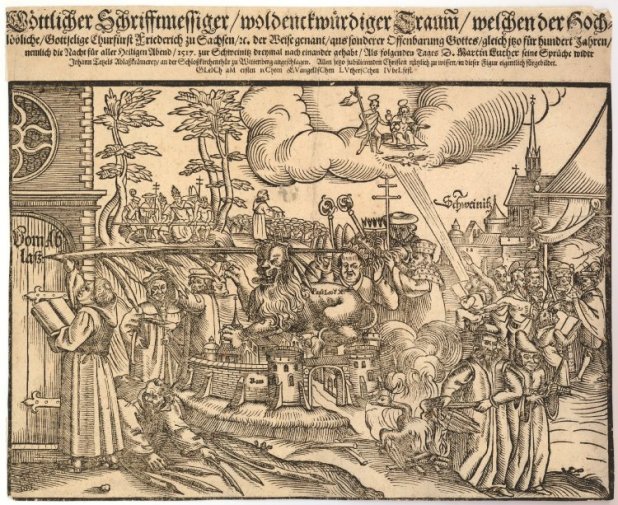
Reformation Day

I’m changing up my regular Thursday Truth for Today post since it is Reformation Day.

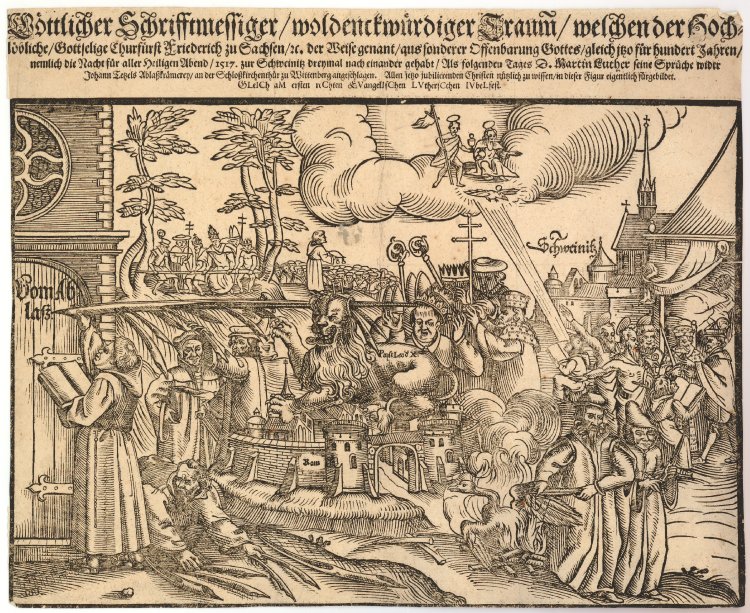
Reformation Day is a public holiday in five states in Germany on October 31 each year to remember the religious Reformation in Europe. It commemorates when German monk and theologian Martin Luther’s proposals were nailed on the doors of a church in 1517. This event was the start of religious and social changes in Europe.

I’ll share a little information on a few Reformers we learned about in Scotland on our recent trip and some others I’ve been reading about this month.

Five hundred years ago, a lowly German priest walked up to the church door in Wittenberg and posted a document that altered the course of history. Martin Luther’s bold stand ignited the Reformation, but he wasn’t alone. The Reformation was a movement of many heroes, known and unknown, who shaped history.

The Morning Star of the Reformation, John Wycliffe (1330-1384).

His most important contribution, the Wycliffe Bible. Wycliffe called for the Bible to be translated into English. According to Roman Catholic law, translating the Bible into a vulgar, common language was a heresy punishable by death. It is almost impossible to imagine why a church would want to keep God’s word from people, unless that church wanted to hold power over the people. Wycliffe was more convinced of the power of the word of God than the power wielded by the papal office. Consequently, he and a group of colleagues committed themselves to making the word of God available. His efforts in translating, copying, and proclaiming the Bible in English were driven by a singular motive, expressed by Wycliffe this way: “It helps Christian men to study the Gospel in that tongue which they know best.”

Wycliffe would be pleased to hear of the work of Bible translation has continued in his name.

When we lived in Huntington Beach from 1975-1984 we attended Huntington Beach EVFree church and shared the Wycliffe Bible Translators office space on Sundays for extra Sunday School rooms. We also shared the parking lot. They are no longer at that location in Huntington Beach.

Here’s some history about Wycliffe Bible Translators:

In 1917 a missionary named William Cameron Townsend went to Guatemala to sell Spanish Bibles. But he was shocked when many people couldn’t understand the books. They spoke Cakchiquel, a language without a Bible. Cam believed everyone should understand the Bible, so he started a linguistics school (the Summer Institute of Linguistics, known today as SIL) that trained people to do Bible translation. The work continued to grow, and in 1942 Cam officially founded Wycliffe Bible Translators.

Over the following decades, Wycliffe celebrated many milestones — from the first translation completed in 1951, all the way to the 500th translation completed in 2000. Around the same time, Wycliffe adopted a new challenge — a goal of seeing a Bible translation project started in every language still needing one by 2025.
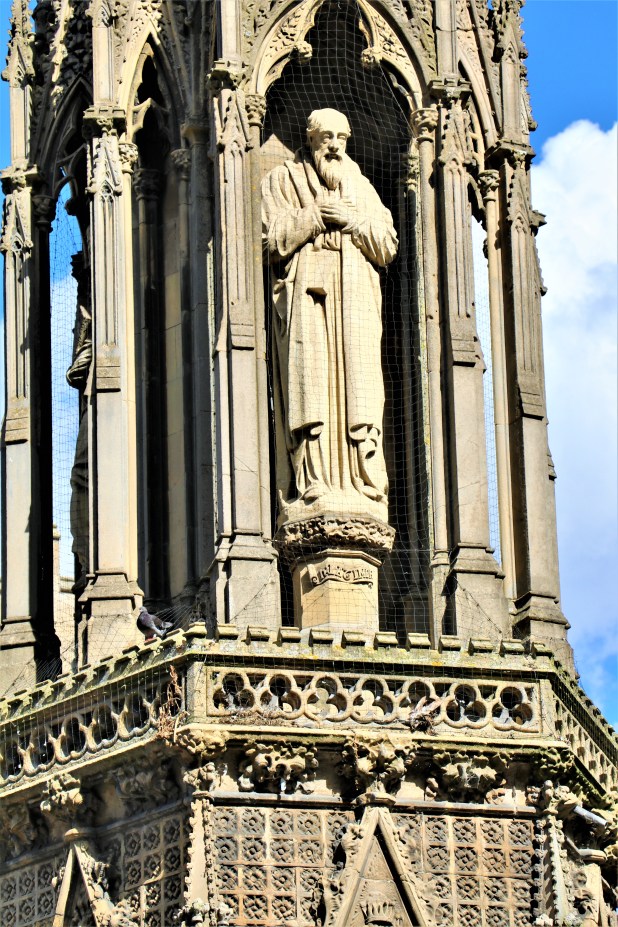
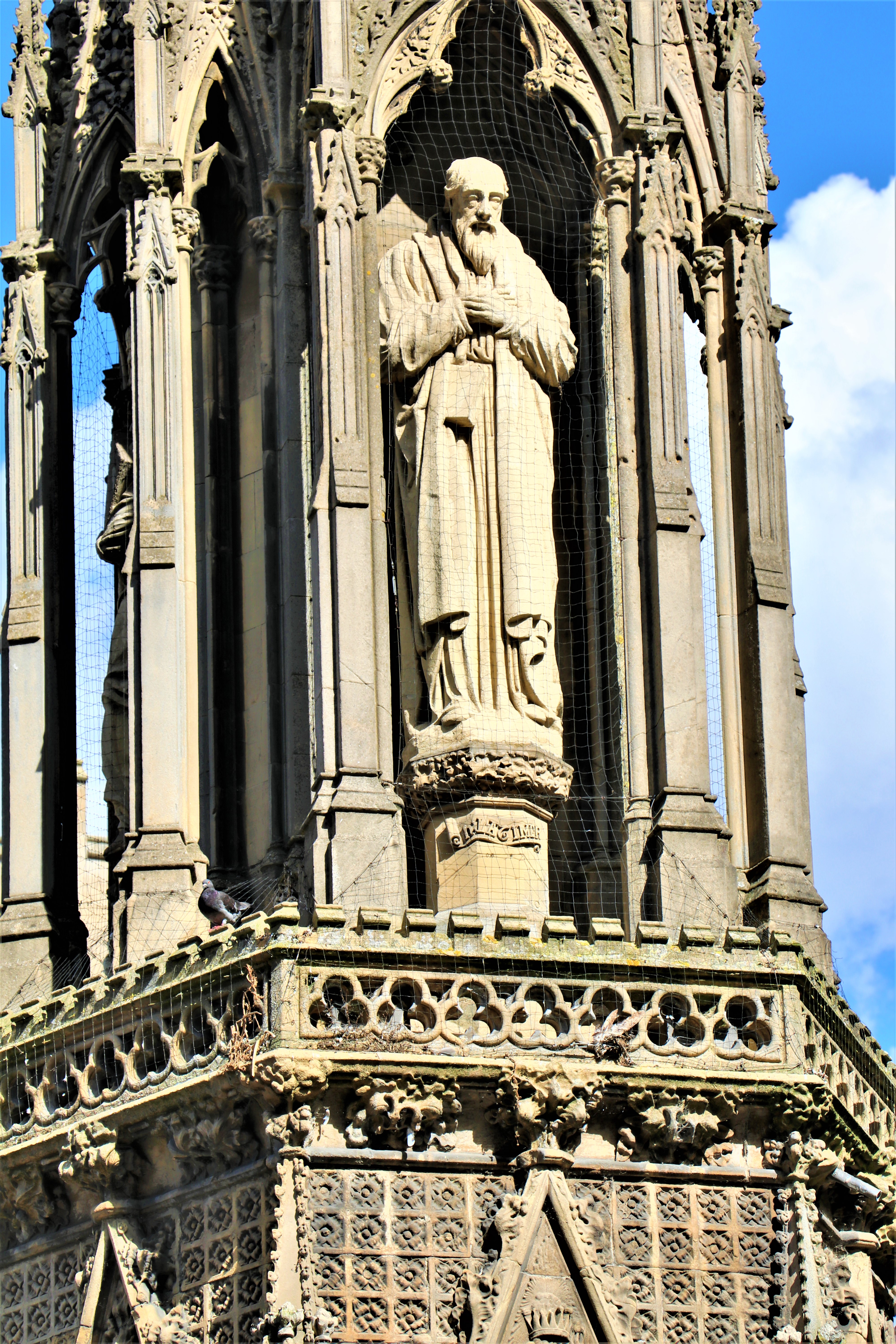
Latimer

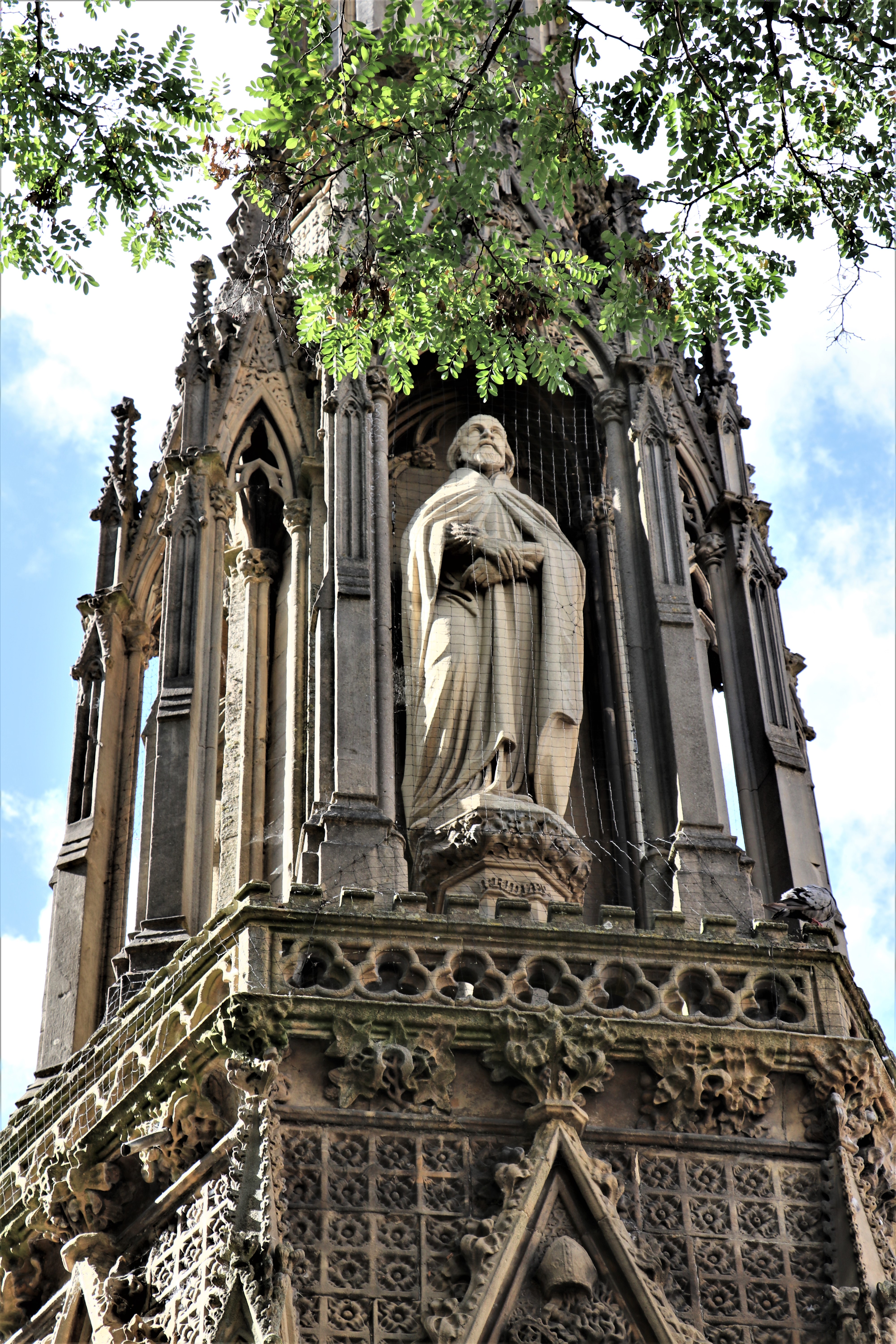
Bishops Hugh Latimer and Nicholas Ridley are fastened together in history primarily because they were fastened to the same stake on October 16, 1555, on the north side of Oxford. But Latimer and Ridley share more than a martyrdom. The bishops also join each other on the list of England’s most influential Reformers — men and women whose allegiance to Scripture and the glory of Christ transformed England from a Catholic kingdom to a lighthouse of Reformation.
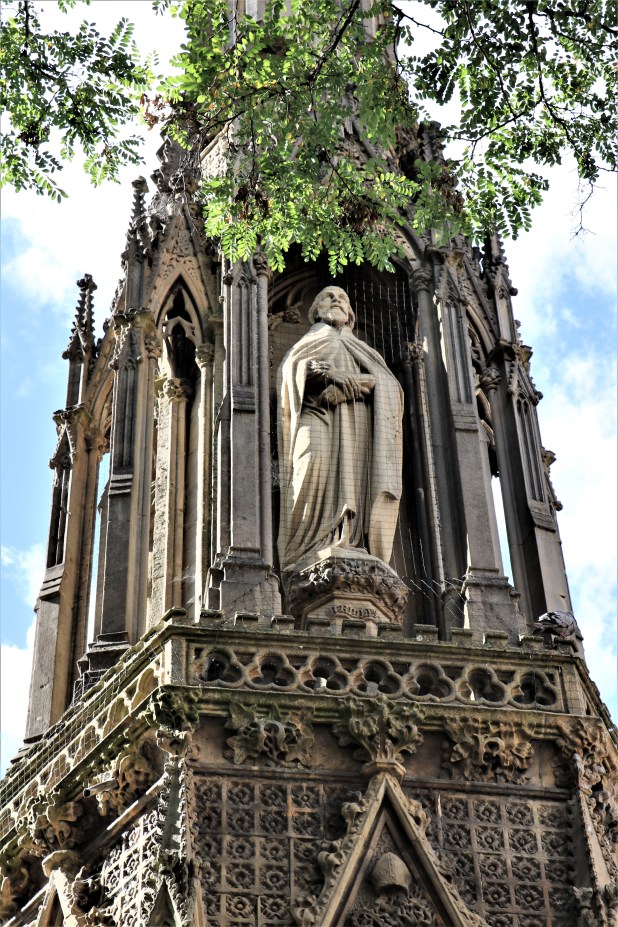
Ridley

Two men stood back to back at the stake.  As a large crowd watched, a heavy chain was passed around their waists to hold them fast.  A fagot was kindled.  At the sight of the flame, the older of the two men gave utterance to the noblest and shortest sermon he ever gave in his long life of preaching.  “Be of good comfort, Master Ridley, and play the man.  We shall this day light such a candle by God’s grace in England as I trust shall never be put out.”

These lines have become among the most famous lines in English church history.  The chain that bound Latimer and Ridley together on that morning of October 16, 1555, has continued to bind them together in the common mind.  Today, it is almost impossible to think of Latimer without also thinking of Ridley.
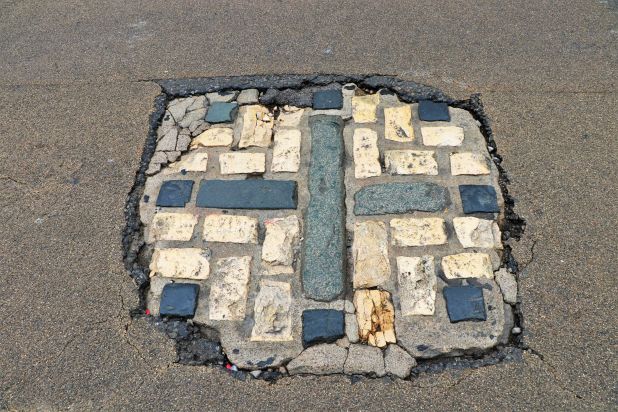
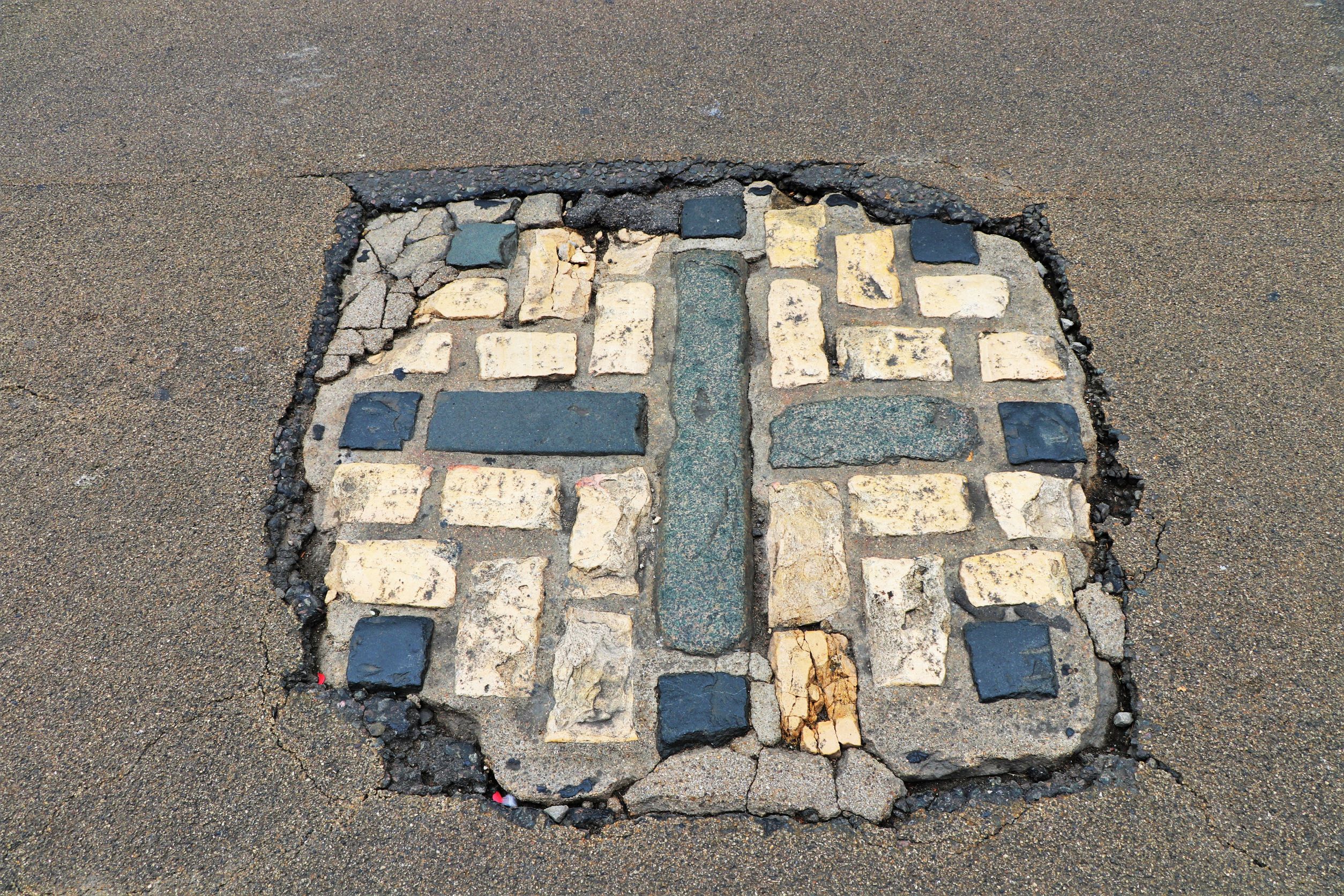
This is the spot on Broad Street in Oxford where Ridley and Latimer were burned at the stake.

I could go on and on. We owe so much to these Reformers.

Tyndale

For the first time ever in history, the Greek New Testament was translated into English. Before his martyrdom in 1536, Tyndale would go on to translate into clear, common English not only the New Testament but also the Pentateuch, Joshua to 2 Chronicles, and Jonah. All this material became the basis of the Great Bible issued by Miles Coverdale in England in 1539 and the basis for the Geneva Bible published in 1557 — “the Bible of the nation,” which sold over a million copies between 1560 and 1640.

“We don’t want to forget him because every time you pick up your Bible, you have a debt to pay to William Tyndale.” John MacArthur

I’ll be highlighting John Knox in my continuing posts about our time in Scotland instead of here. Some other reformers I’ve enjoyed reading about are; Zwingli, Lady Jane Grey, John Calvin, Jan Hus and several others.

Personally I’m so thankful to all the Reformers who made translating the Bible into English a priority in their lives no matter what the cost. I’m also thankful to preachers and shepherds of God’s Word who faithfully exegete the Bible today. I’m humbled to look at our stacks of Bibles when reading how 500 years ago the common man or woman could not hold a Bible in their hand or read one. Also humbled that there were those who were killed for owning a translated Bible that they could finally read for themselves.

Kenneth Grahame ~ Wind in the Willows

From the Wind in the Willows ~ by Kenneth Grahame

“The weary Mole also was glad to turn in without delay, and soon had his head on his pillow, in great joy and contentment. But ere he closed his eyes he let them wander round his old room, mellow in the glow of the firelight that played or rested on familiar and friendly things which had long been unconsciously a part of him, and now smilingly received him back, without rancour. He was now in just the frame of mind that the tactful Rat had quietly worked to bring about in him. He saw clearly how plain and simple – how narrow, even – it all was; but clearly, too, how much it all meant to him, and the special value of some such anchorage in one’s existence. He did not at all want to abandon the new life and its splendid spaces, to turn back on sun and air and all they offered him and creep home and stay there; the upper world was all too strong, it called to him still, even down there, and he knew he must return to the larger stage. But it was good to think he had this to come back to, this place which was all his own, these things which were so glad to see him again and could always be counted upon for the same simple welcome.”


“This has been a wonderful day!” said he, as the rat shoved off and took to the sculls again. “Do you know, I’ve never been in a boat in all my life.”

“What?” cried the Rat, open mouthed: “Never been in a – you never-well, I-what have you been doing, then?”

“Is it so nice as all that?” asked the Mole shyly, though he was quite prepared to believe it as he leaned back in his seat and surveyed the cushions, the oars, the rowlocks, and all the fascinating fittings, and felt the boat sway lightly under him.

“Nice? It’s the only thing.” said the Water Rat solemnly, as he leaned forward for his stroke. “Believe me, my young friend, there is nothing – absolutely nothing- half so much worth doing as simply messing about in boats. Simply messing.”

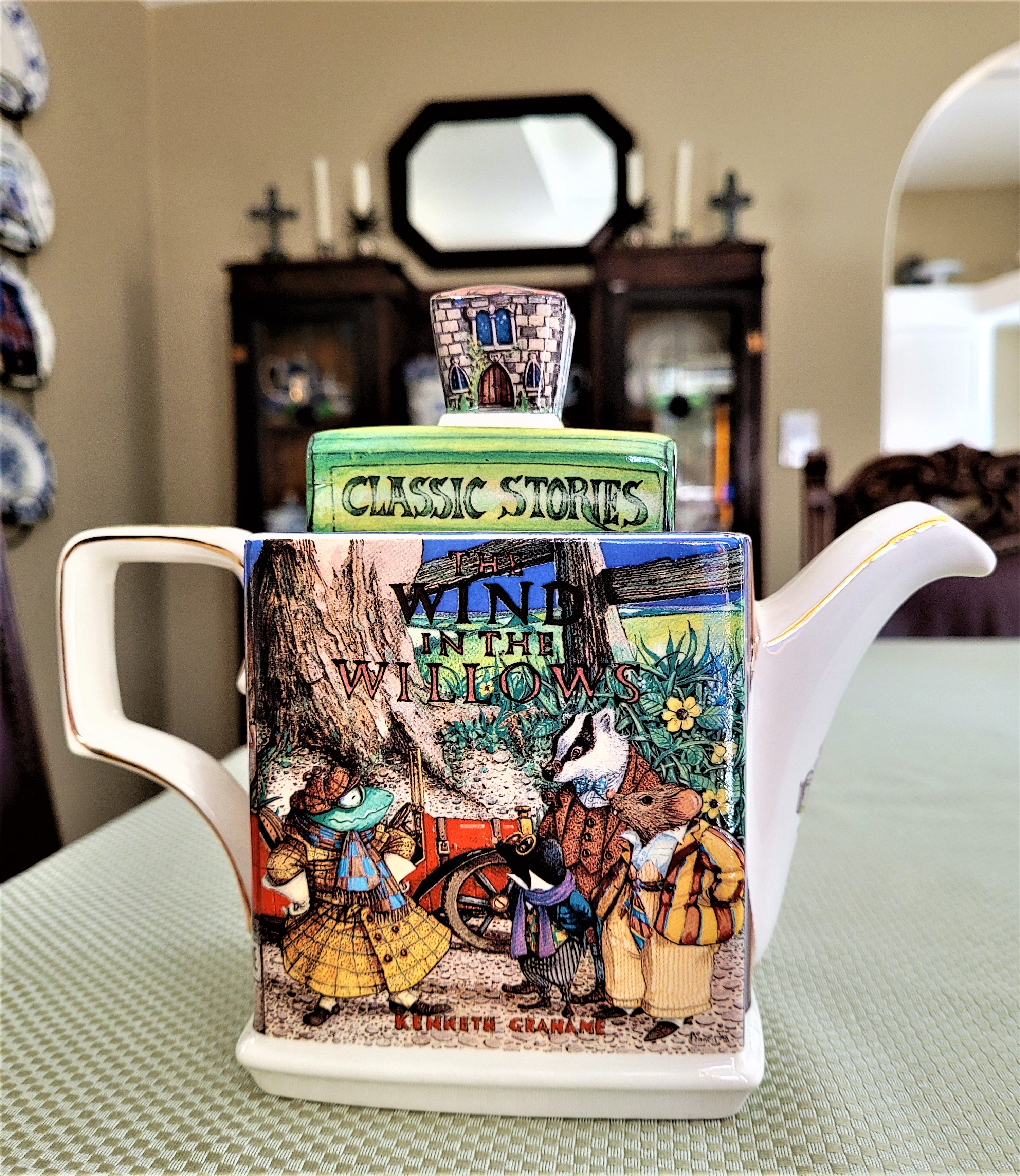
I read The Wind in the Willows for the first time in 2008 and that same year Dear and I went to the Rose Bowl Flea Market where I saw and purchased this teapot by Sadler from their Classic Stories series.
While we were in Oxford in September of 2022 we took a stroll through Holywell Cemetery.

The friends of Holywell Cemetery need some more friends to help keep up this cemetery.


The reason I’m adding photos from this cemetery in this post about Kenneth Grahame is that we stumbled upon his gravestone in this cemetery. We saw a few gravestones of note. This one is Kenneth Grahame’s. His son is buried here, also. He died tragically when he was just 20.
To
The Beautiful Memory
Of
Kenneth Grahame
Husband of Elspeth
And
Father of Alastair
Who Passed the River
On the 6th of July 1932
Leaving
Childhood & Literature
Through Him
The More Blest
For All Time
And of His Son Alastair Grahame
Commoner of Christ Church
1920

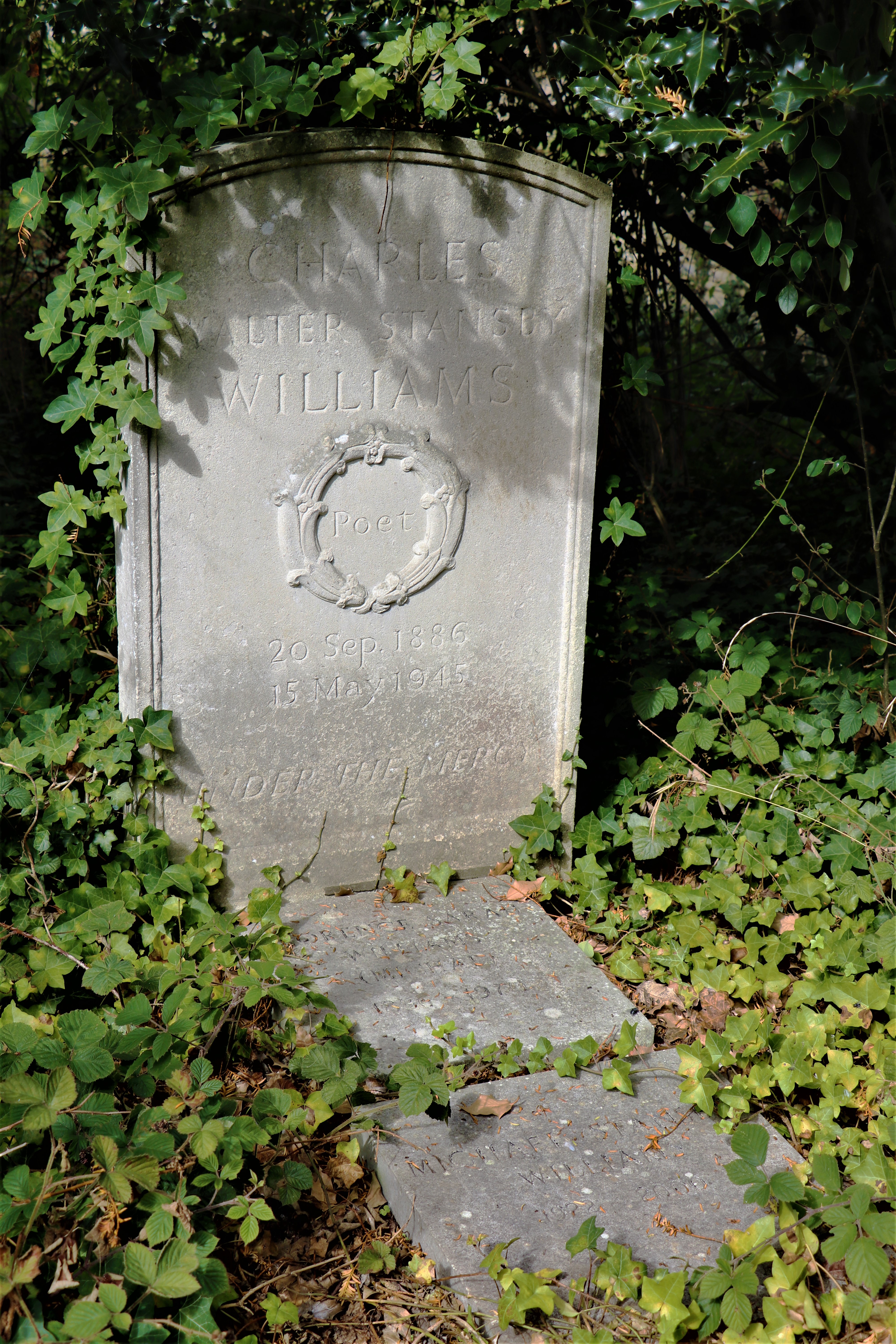
Another headstone we took note of was this one for Charles Walter Stansby Williams.

Charles Walter Stansby Williams was a British poet, novelist, playwright, theologian, literary critic, and member of the Inklings, an informal literary discussion group associated with C. S. Lewis and J. R. R. Tolkien at the University of Oxford.

Have you ever read The Wind in the Willows? I found it to be very entertaining and heart warming. I’ll leave you with one more quote from this children’s classic.

“Here today, up and off to somewhere else tomorrow! Travel, change, interest, excitement! The whole world before you, and a horizon that’s always changing!”

Enjoy your horizons!

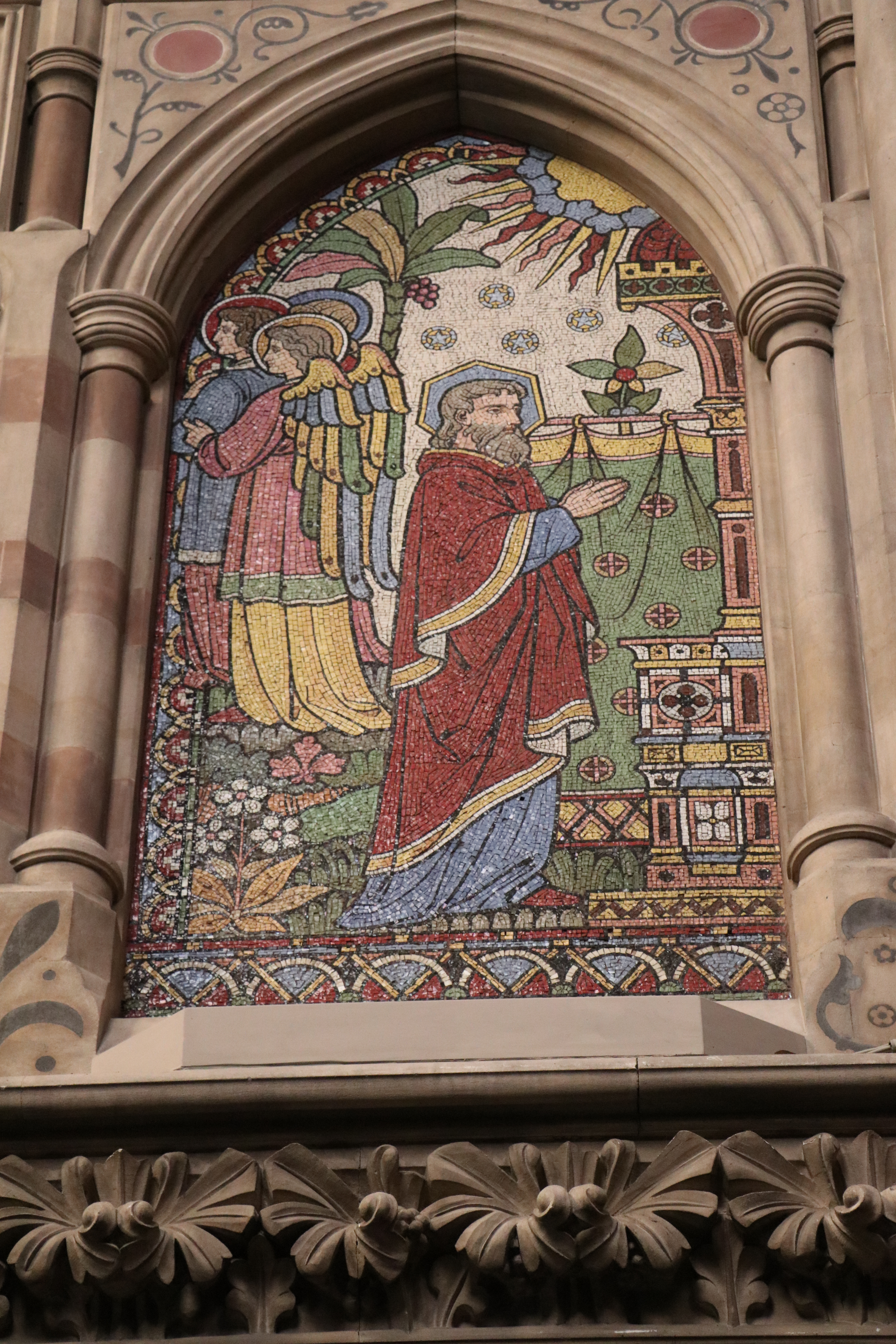
Keble Chapel Mosaics

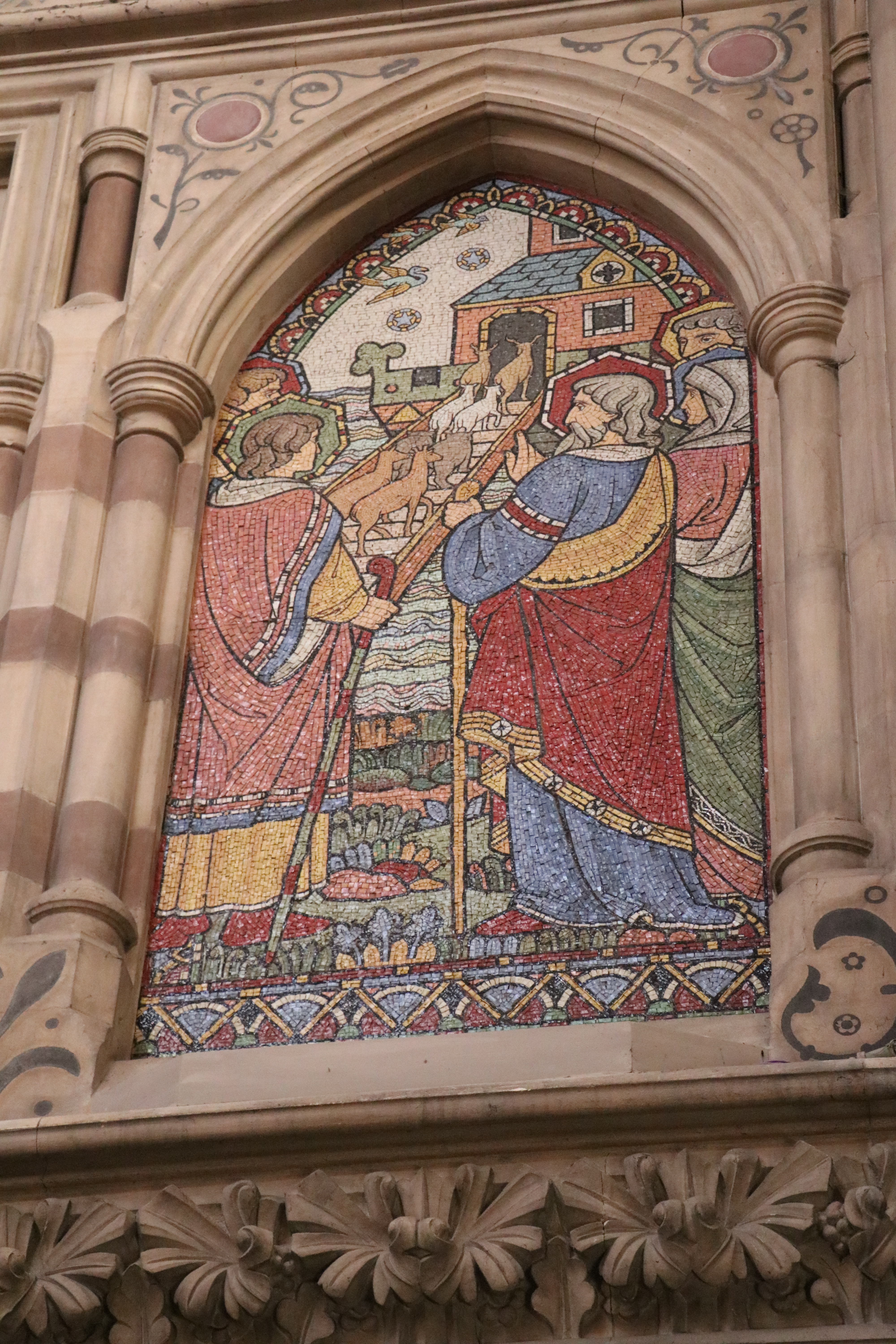
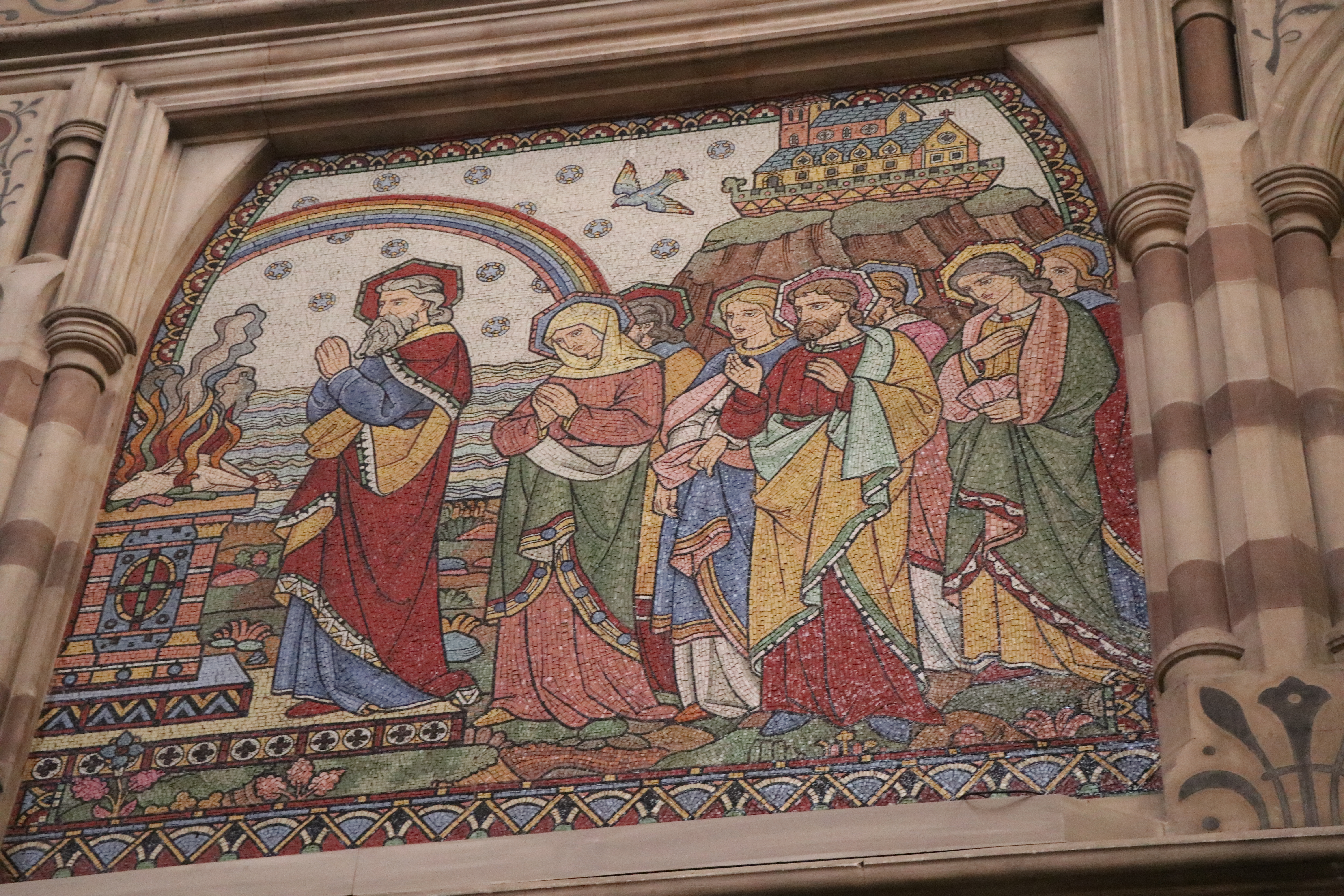
Noah and the Ark

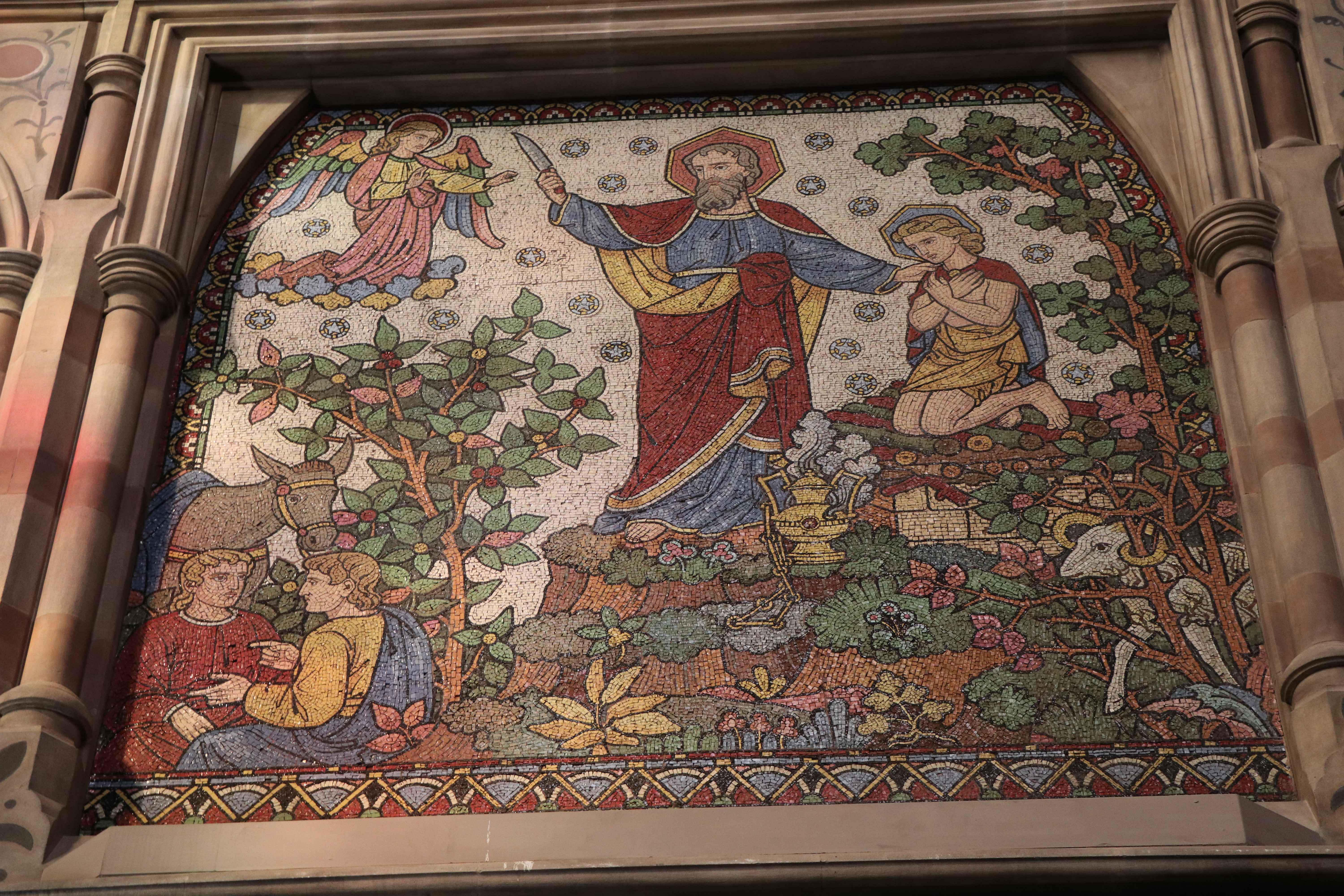
Abraham and Isaac

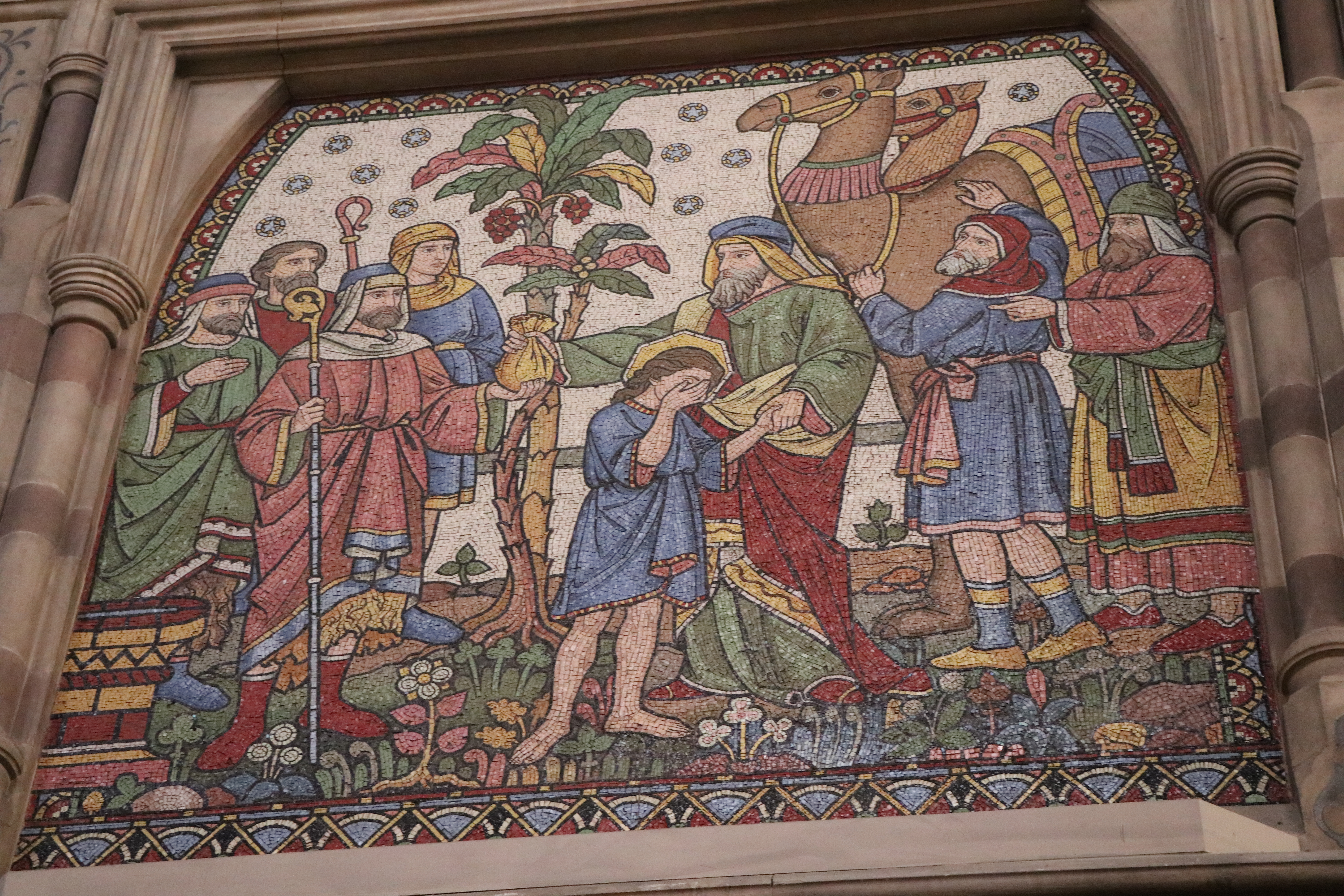
Joseph sold into slavery by his brothers.

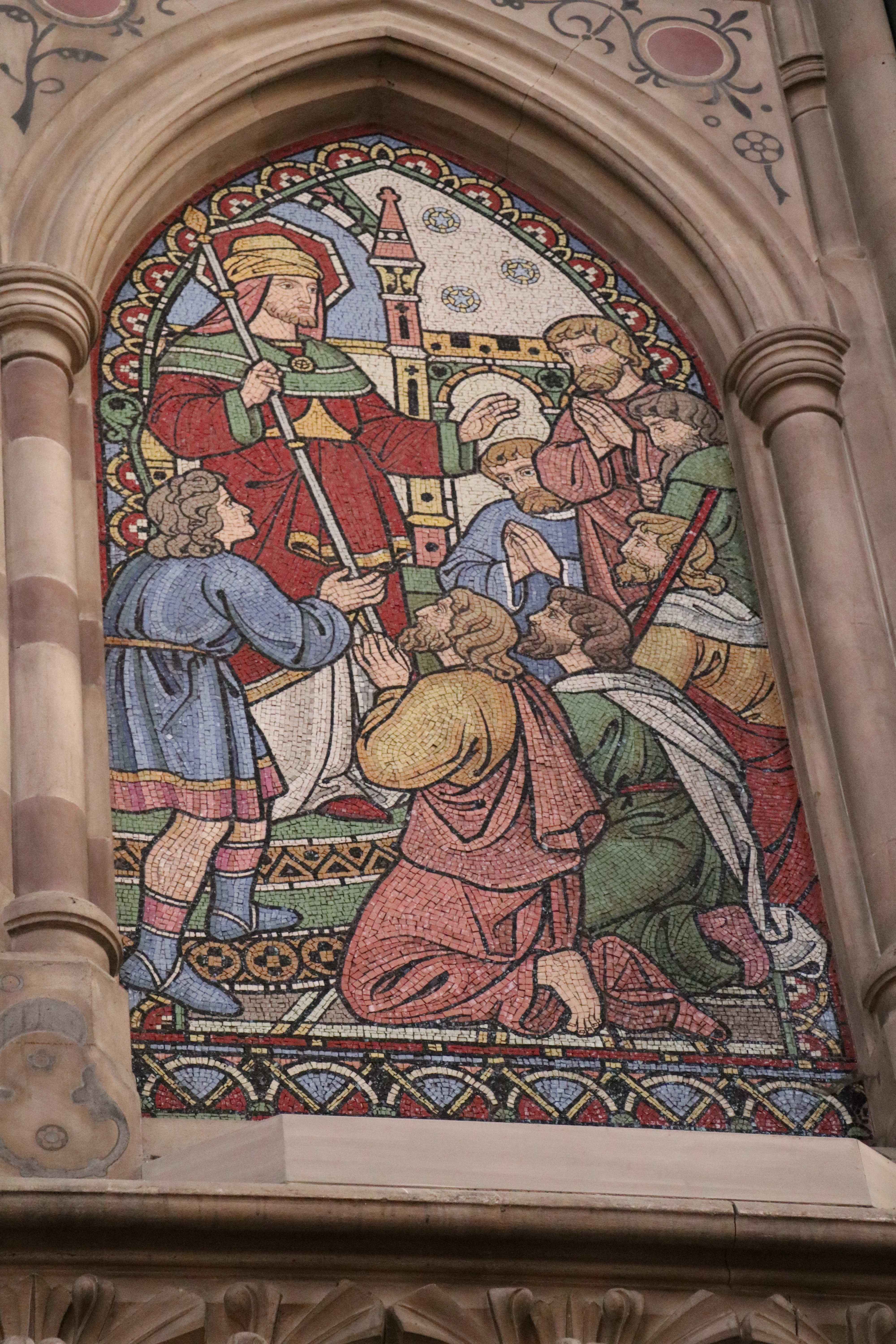
Joseph reunited with the brothers who sold him into slavery not realizing who Joseph is.

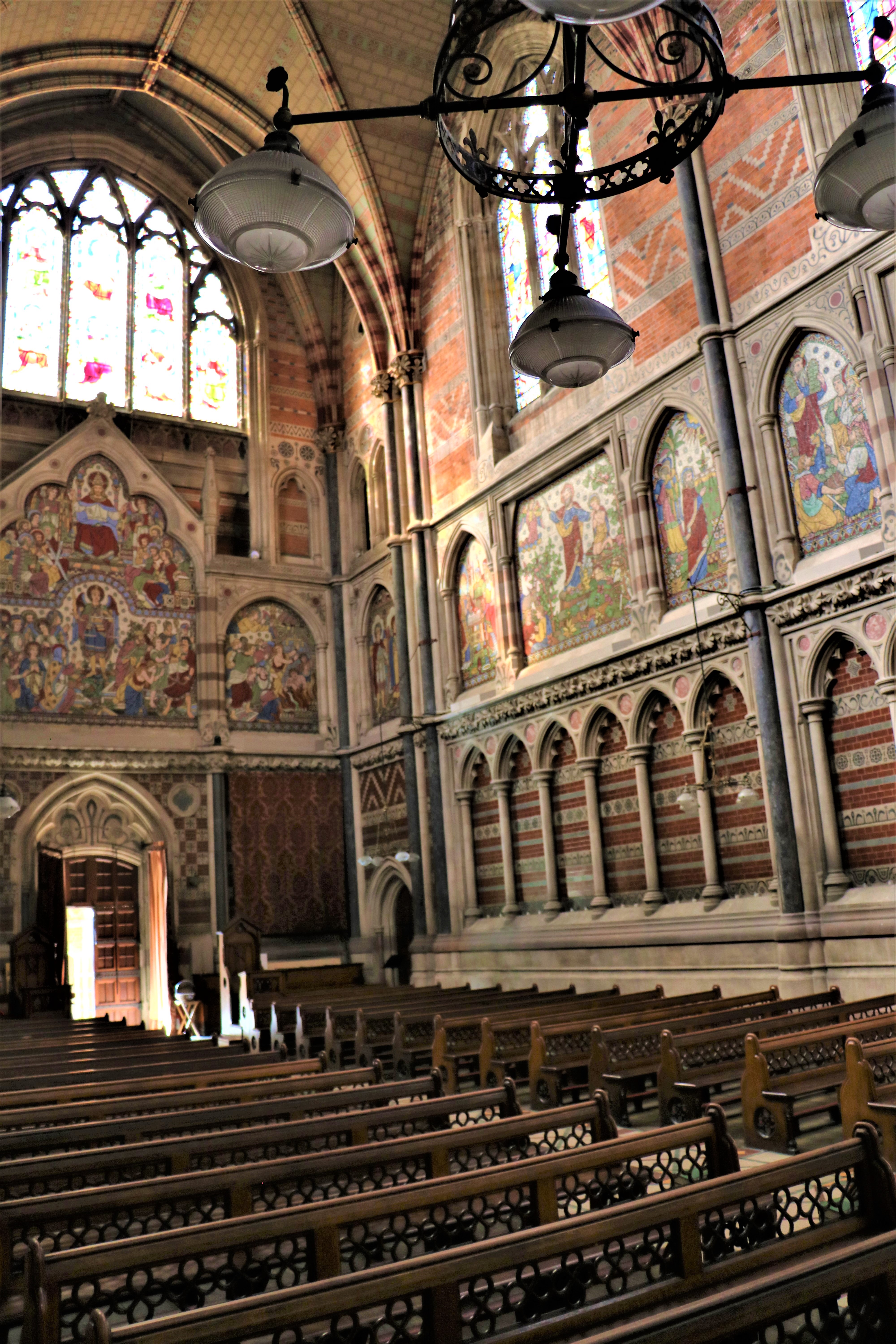
These are not all of the mosaics that line the walls of Keble College Chapel but all I will post. I’m thankful to be able to hold the inspired and inerrant Word of God in my hands to read and not to depend on an artists representation of the Bible.

We left Keble and we were still early for our Lodge check-in.

On this last full day in Oxford we made our last visit to The Turf for Fish and Chips.

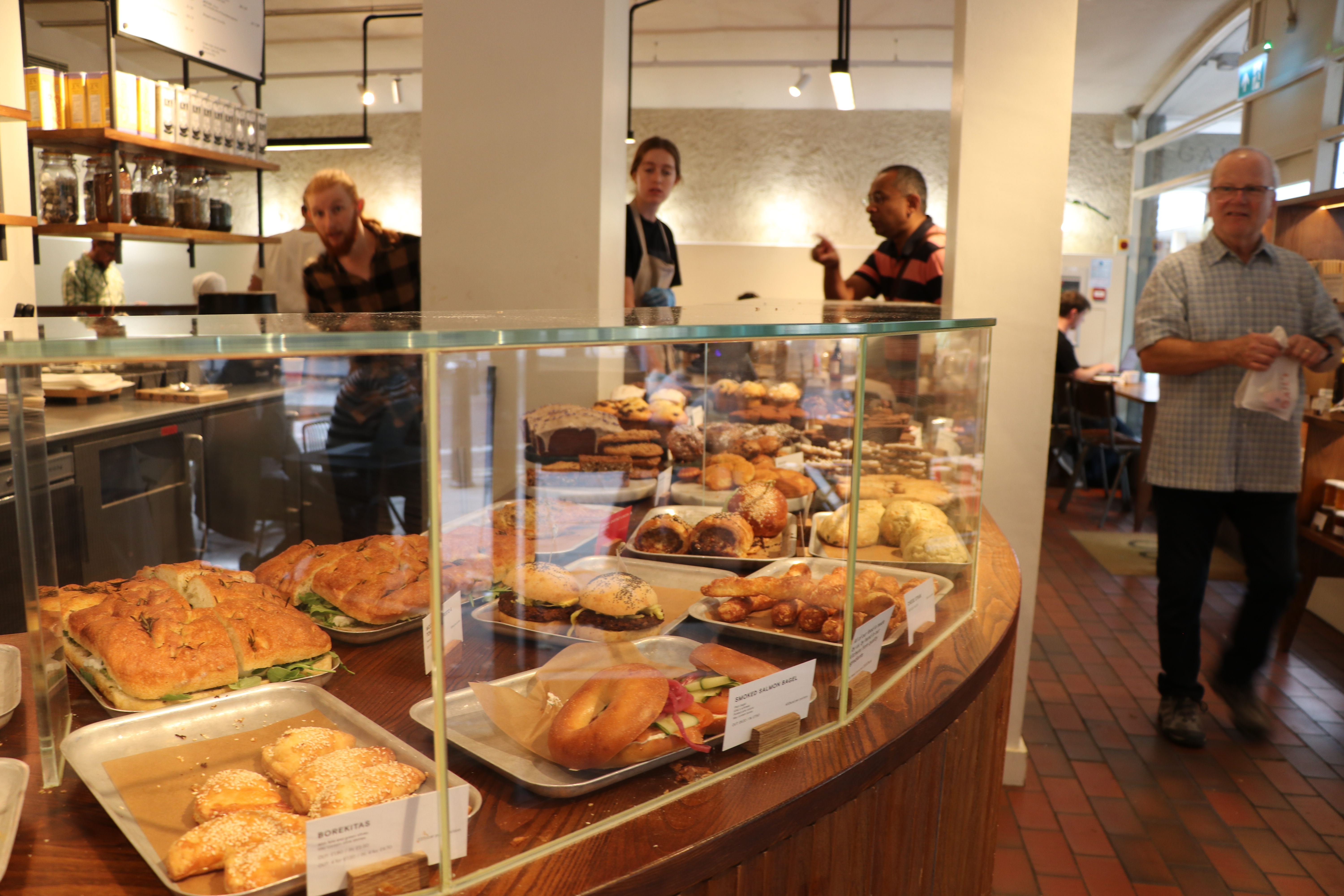
Before we settled into our Lodge room for the night we made a stop at Gail’s Bakery in the Jericho area of Oxford for some sweet treats to enjoy in the evening.


Finally we could check in to our little room and prepared our things for our trip to the airport the following morning.

After breakfast at our Lodge on Saturday September 24th, 2022 we took a Taxi to the bus terminal for our ride to Heathrow. We met a couple from Washington State who were on the same bus and enjoyed exchanging our experiences in England with each other. Till next time, Lord willing, it was a wonderful trip to Oxford, The Cotswolds and Woodstock.

Thanks for reading along. This post completes our Oxford September 2022 holiday.  Cheers!

Back to the Present: 

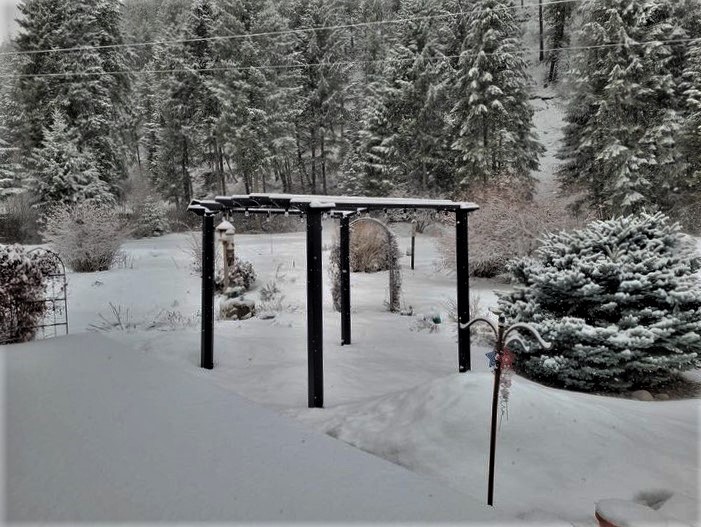
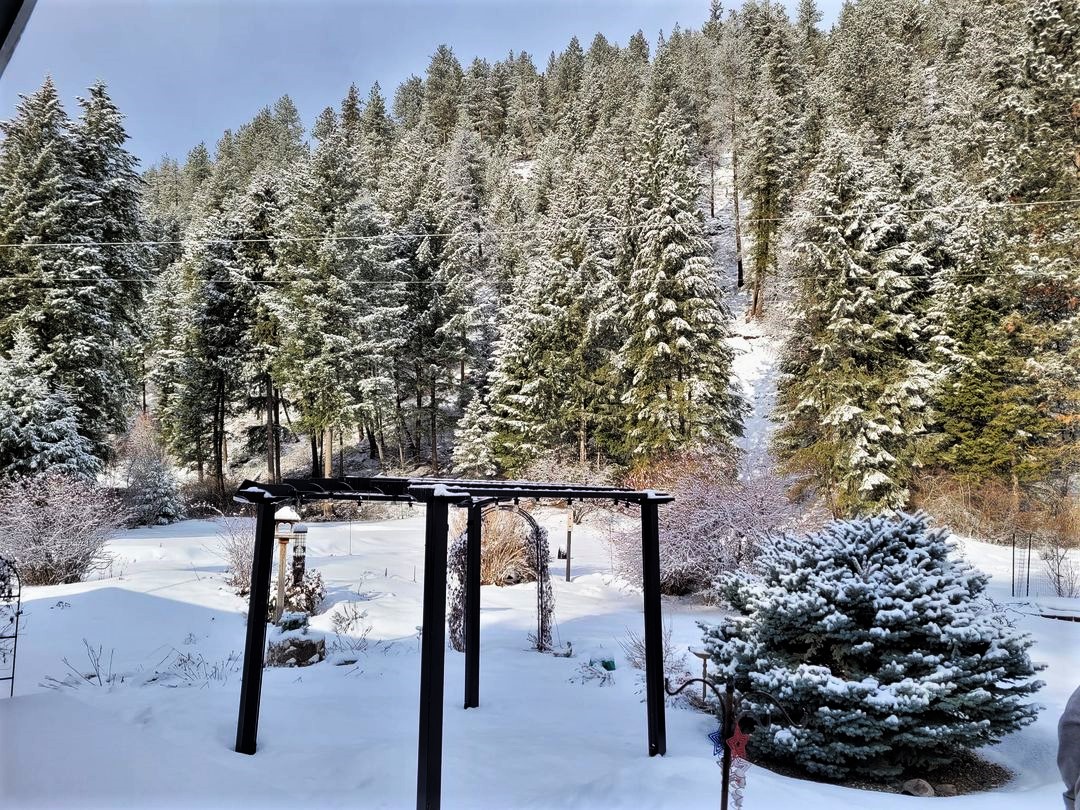
We got some fresh snow on Thursday and they are talking about more.

Sunshine makes it a lot nicer. The fresh snow melted nicely since we got up into the 40’s. We are supposed to get a couple more inches of snow today.

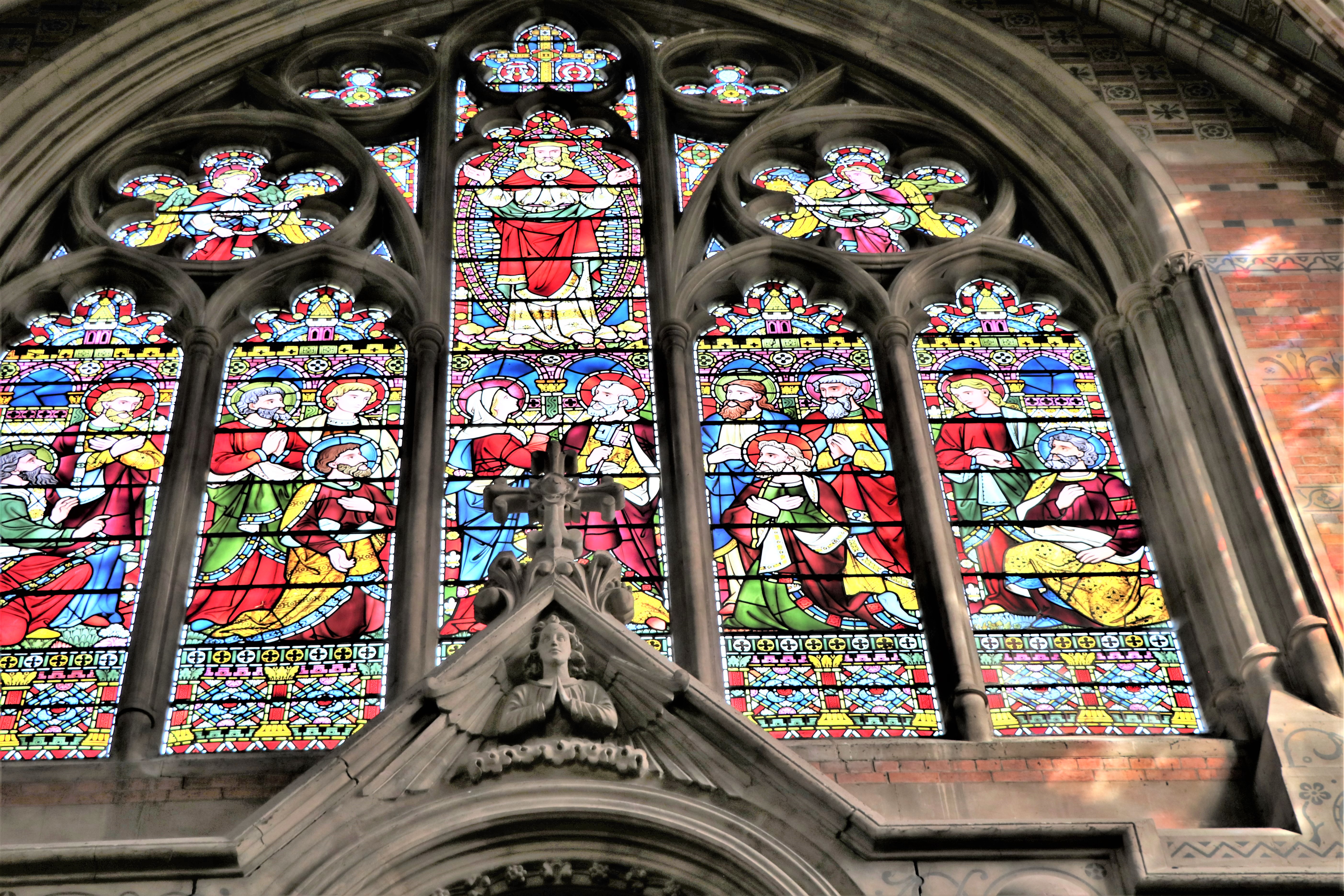
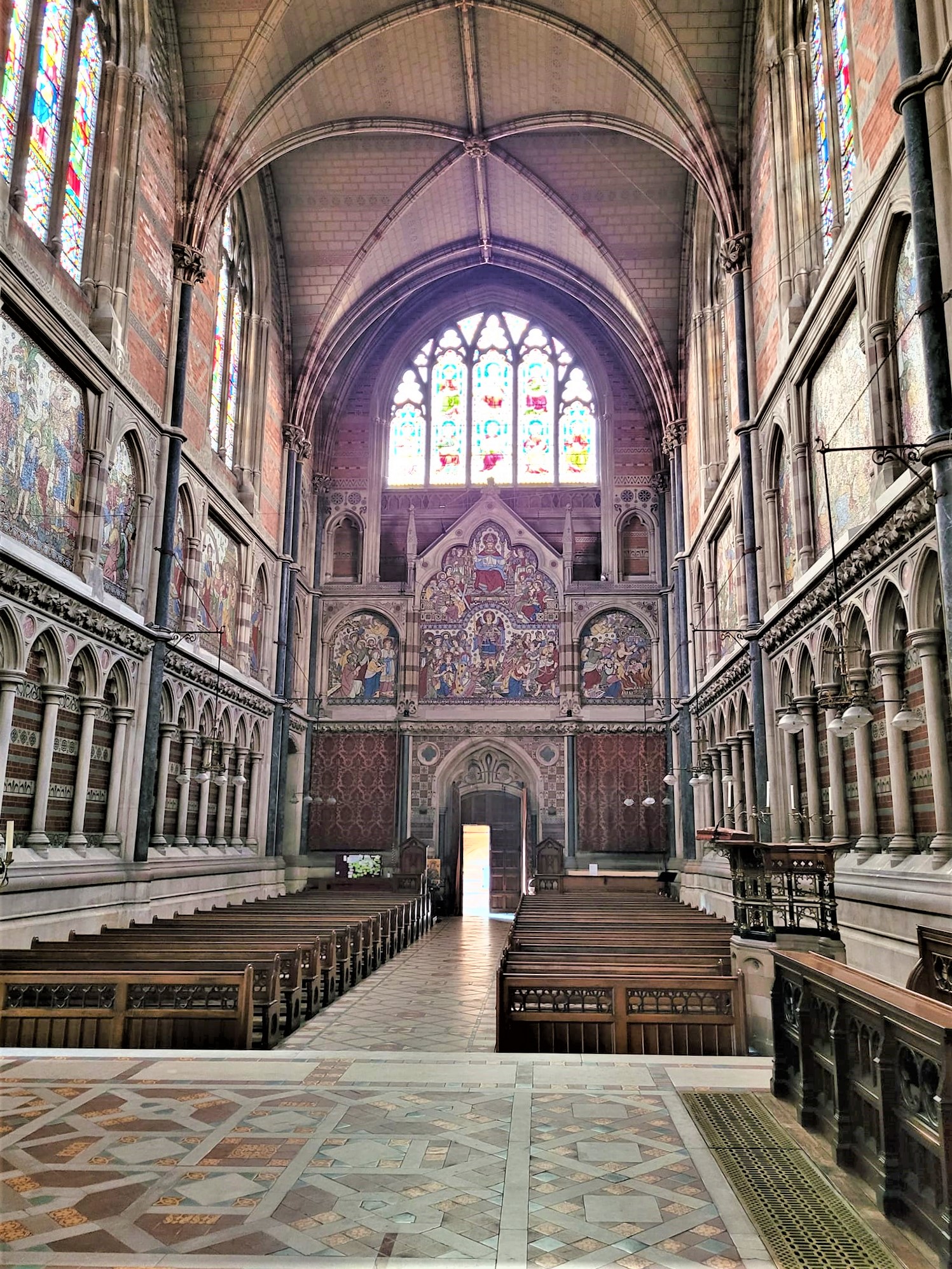
Keble College Chapel

We entered the chapel here.

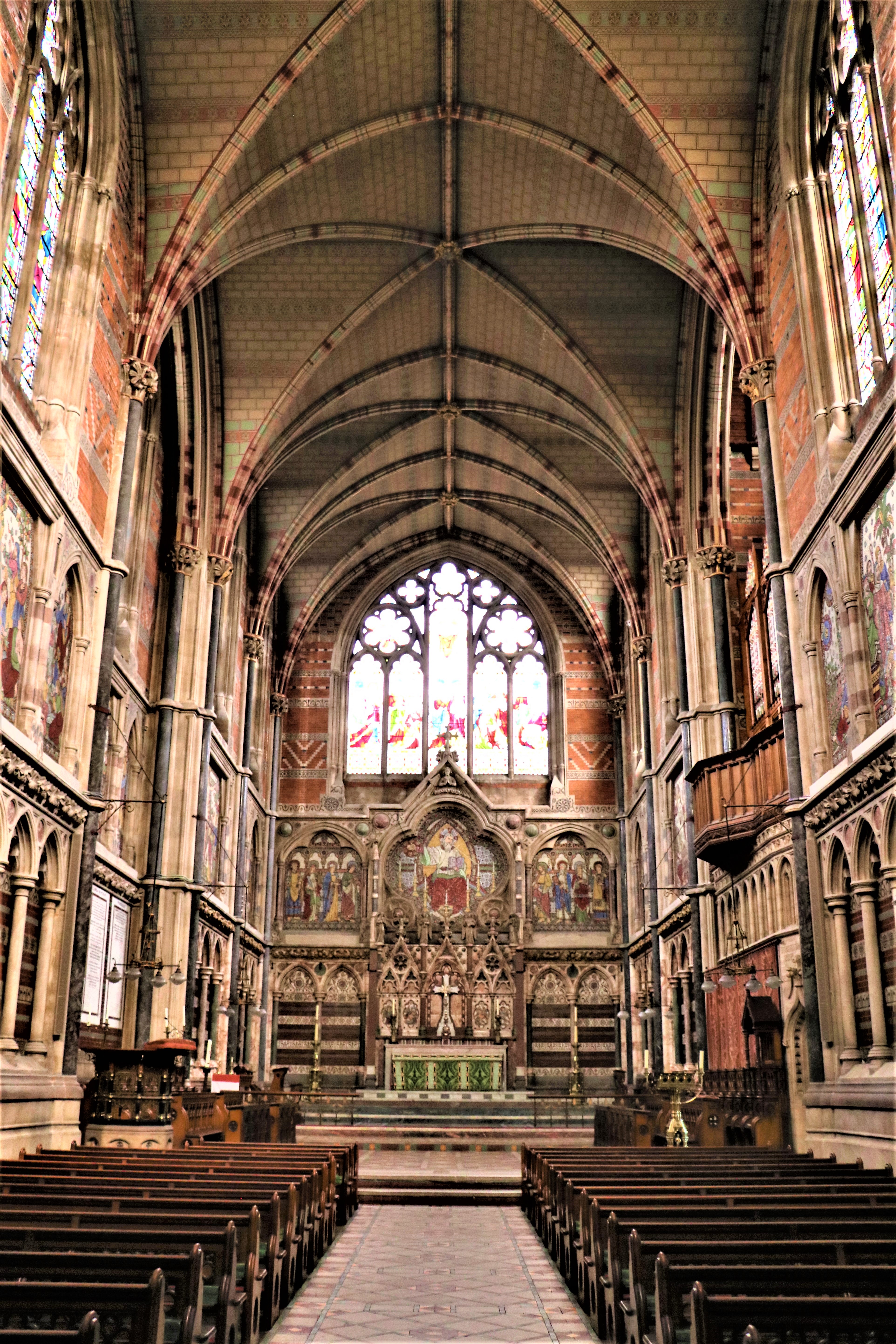
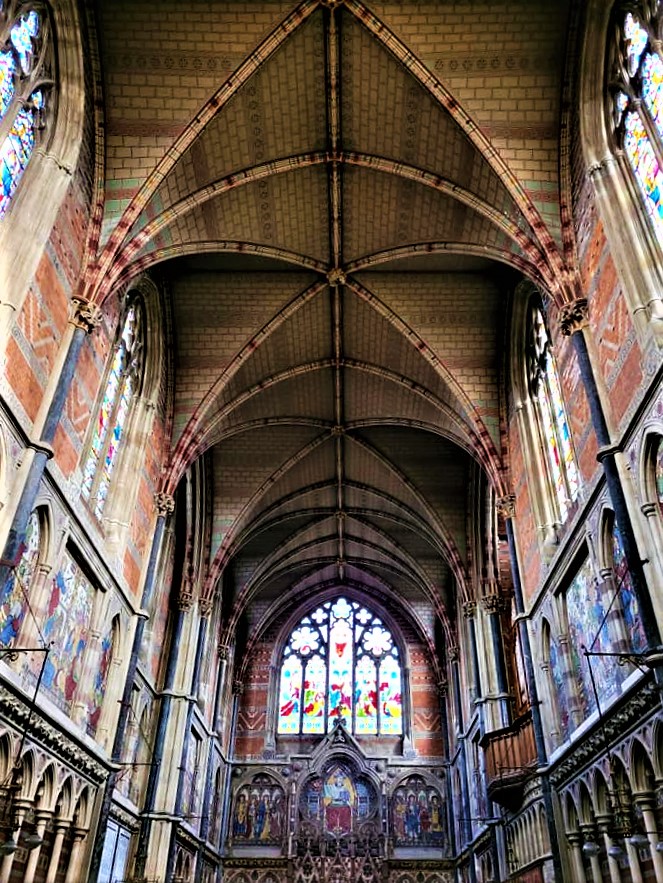
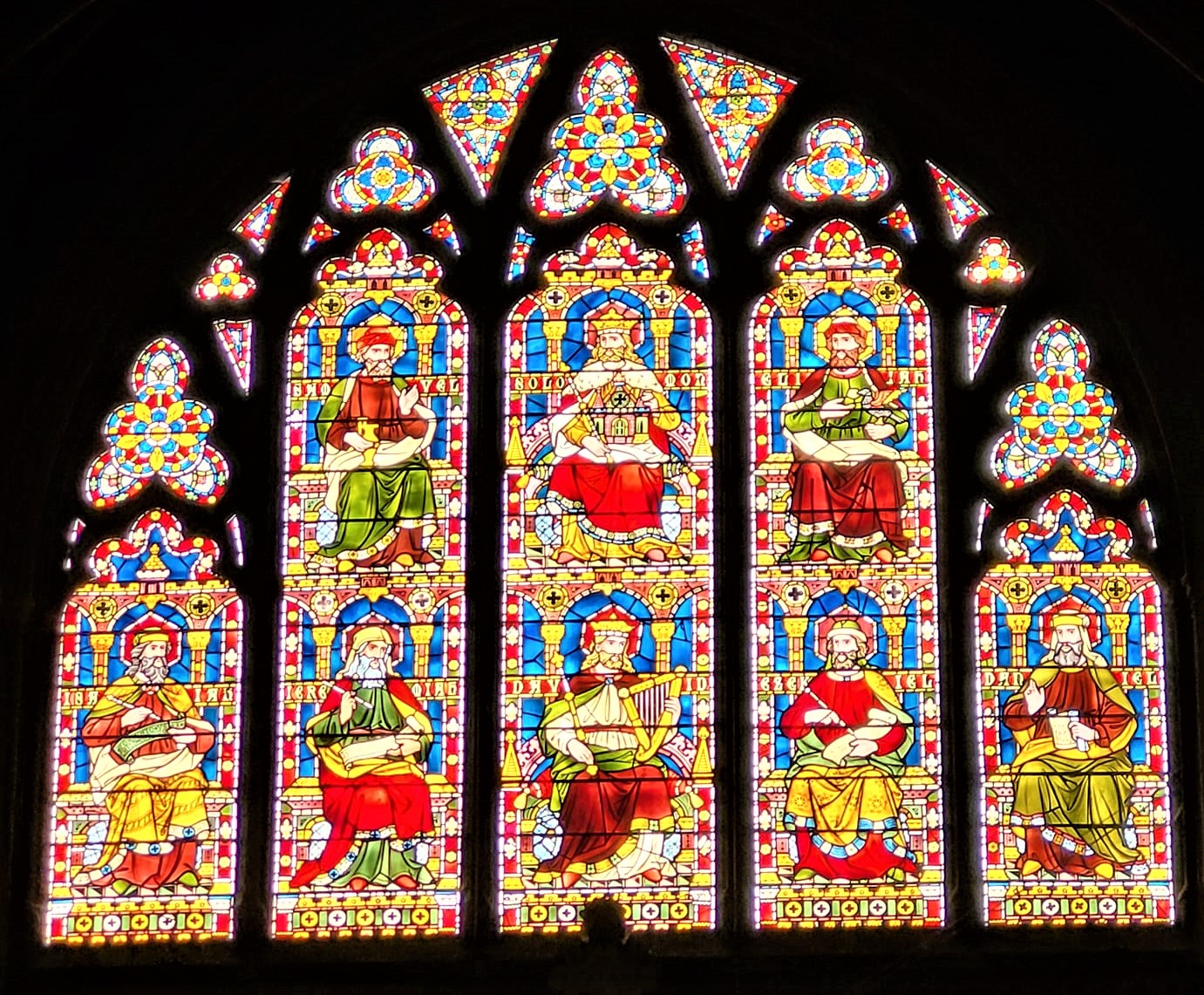
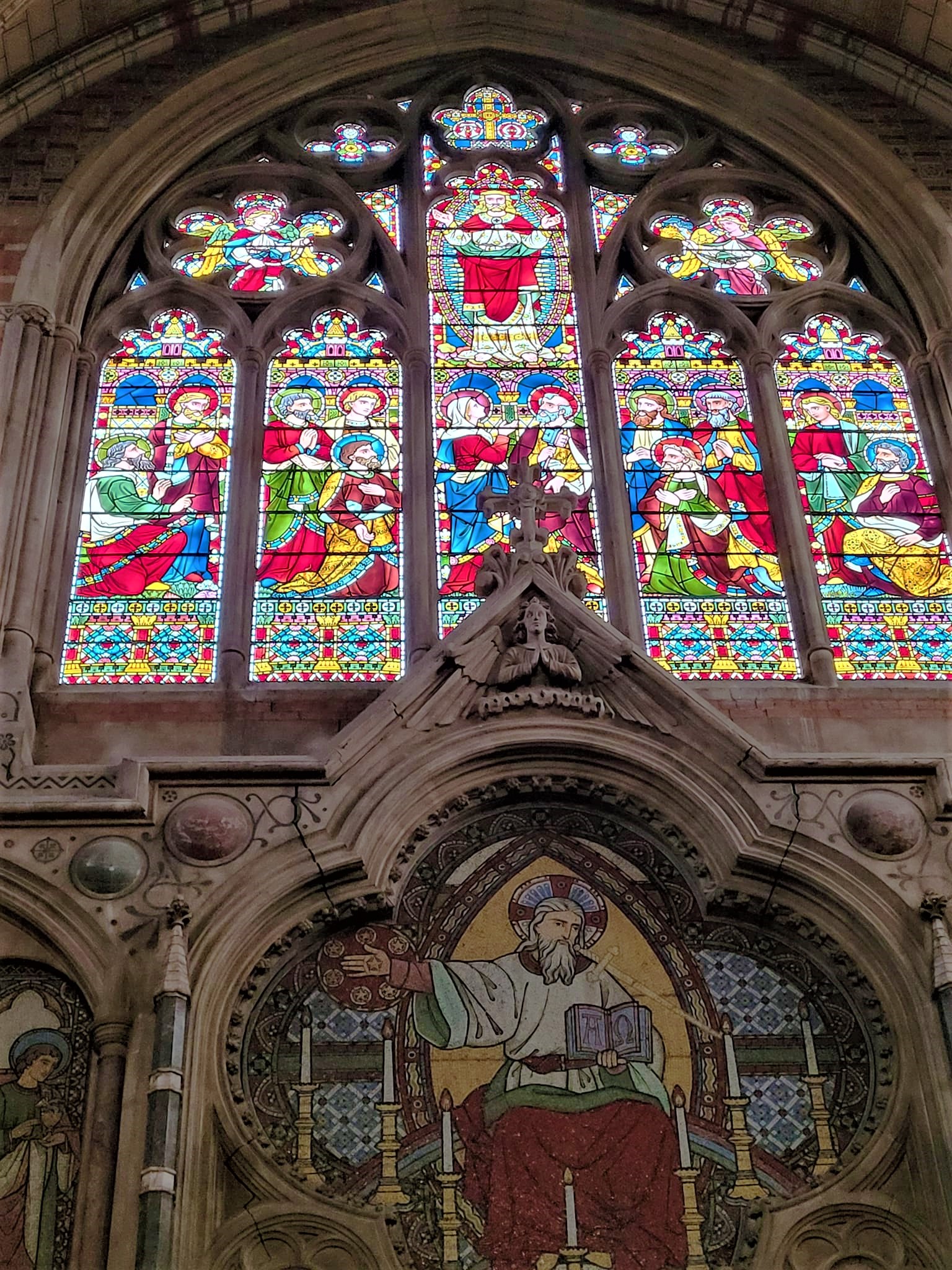
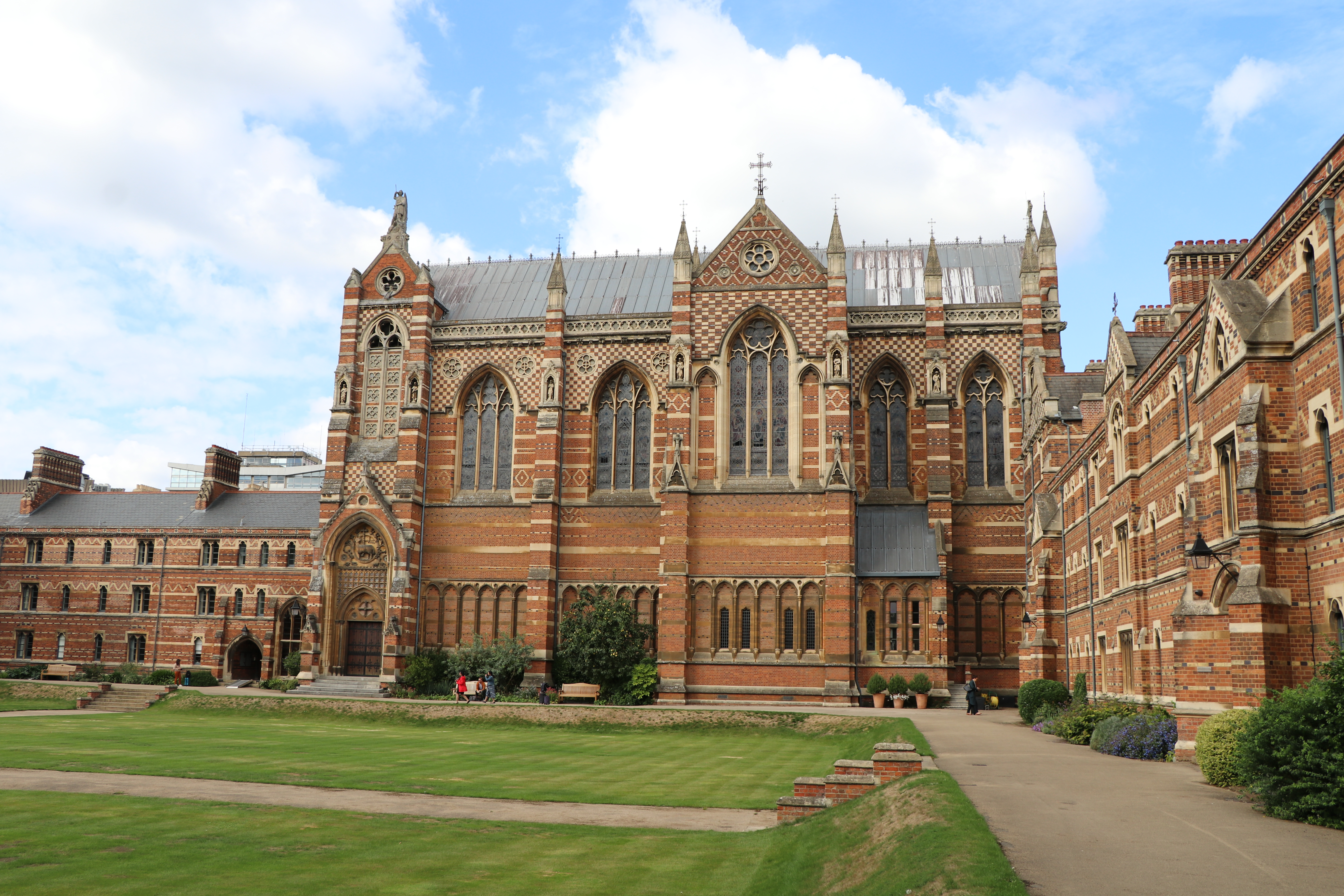
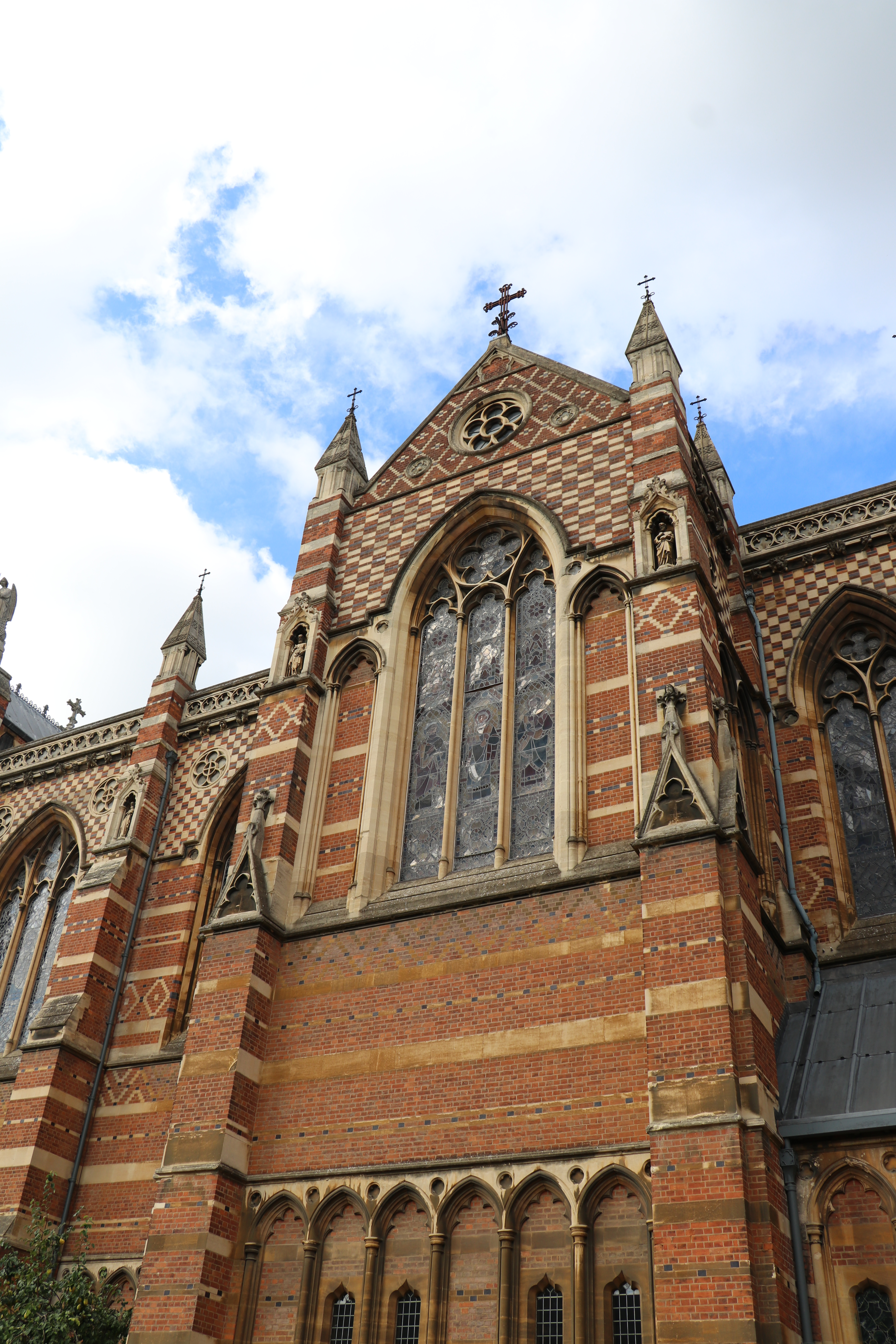
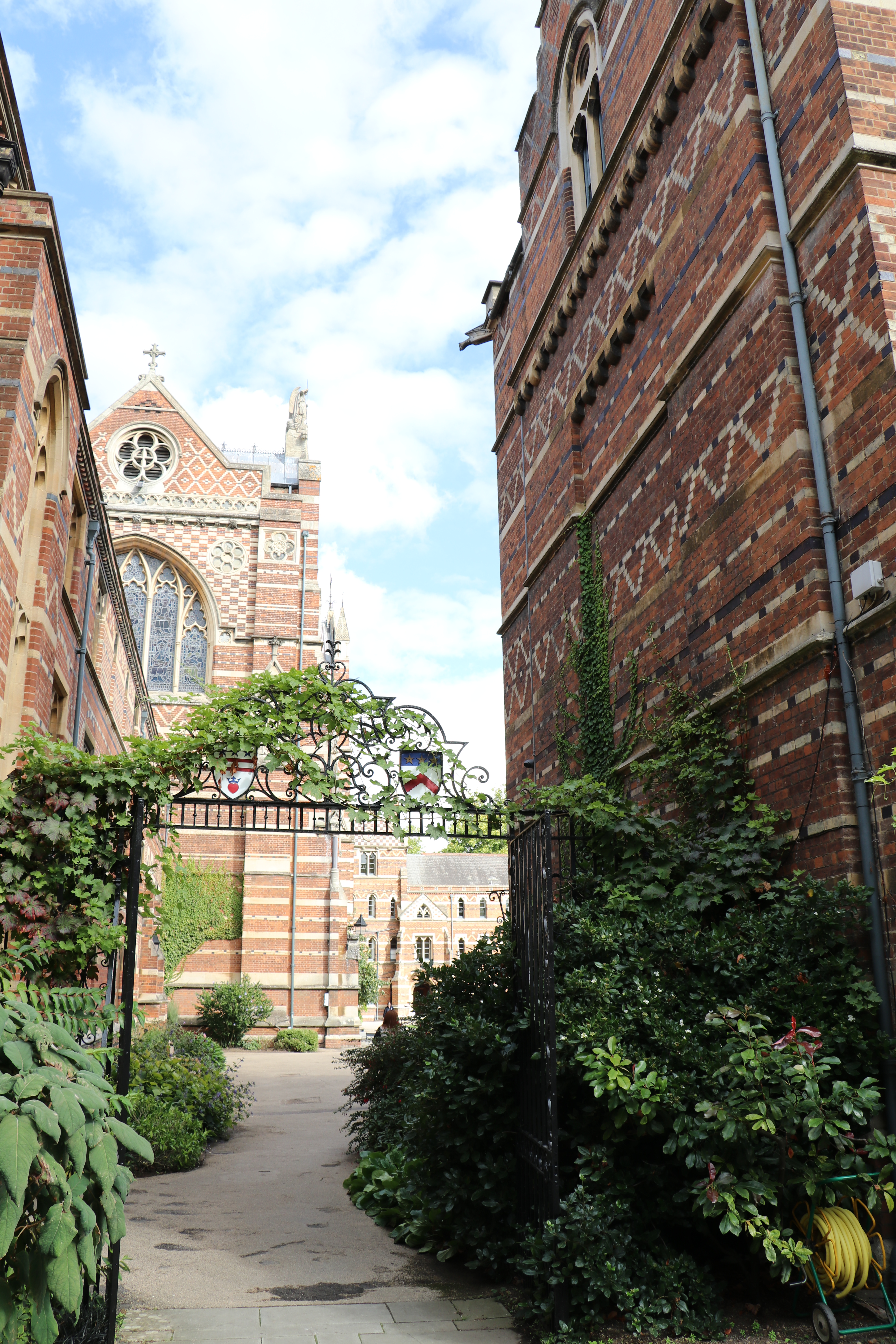
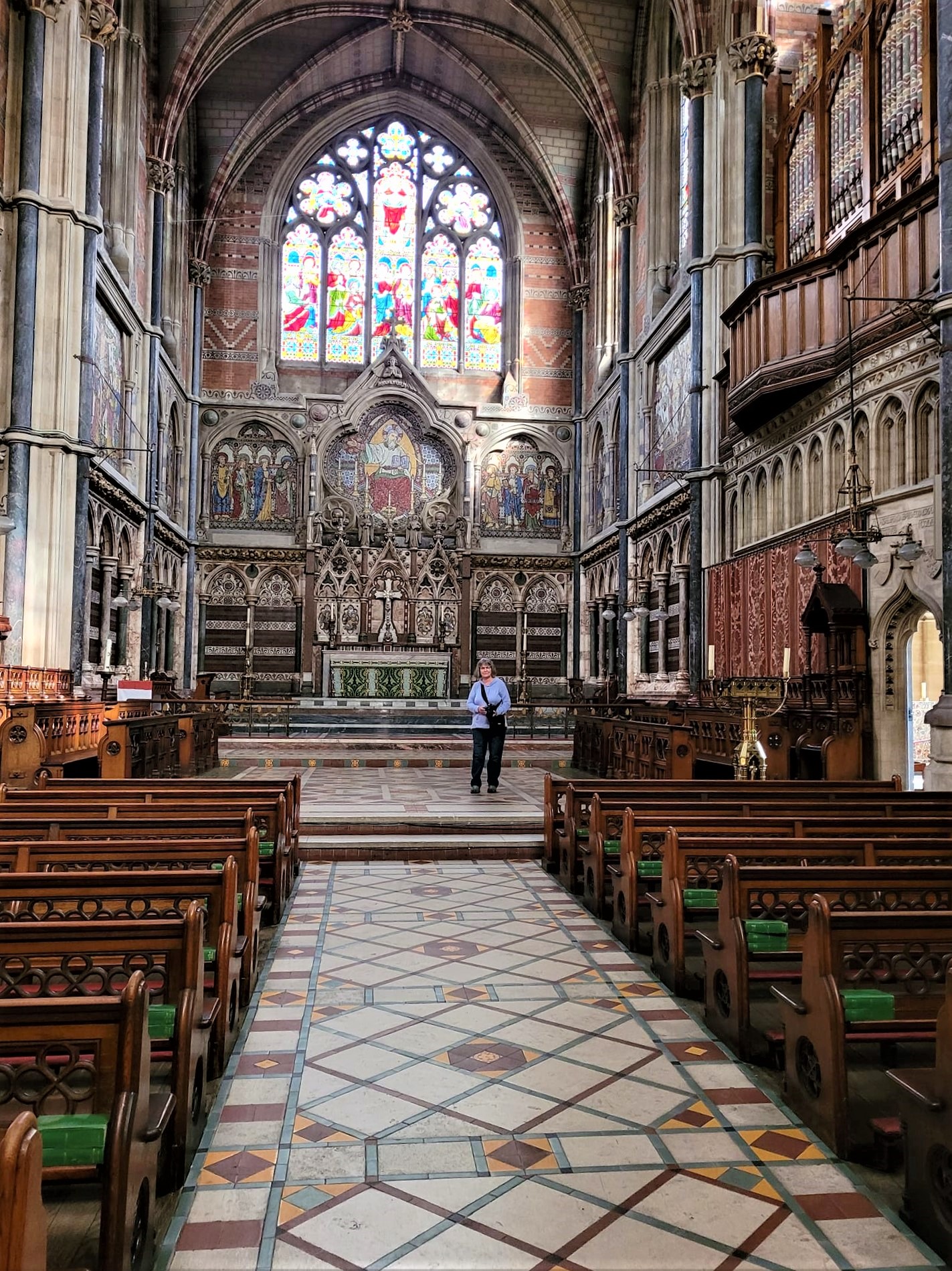
Keble College Chapel was opened on St Mark’s Day (25 April) 1876. The College was founded in memory of John Keble, a Victorian clergyman who, with others in what became known as the Oxford Movement, had a profound impact on the Church of England in the mid 19th century, renewing and strengthening it in the catholic tradition. The architect was William Butterfield (1814-1900), a renowned exponent of the Gothic style. His masterpiece, the College Chapel, is perhaps the grandest ecclesiastical space in Oxford and the interior is decorated with colourful tiles, mosaics, and stained glass. 


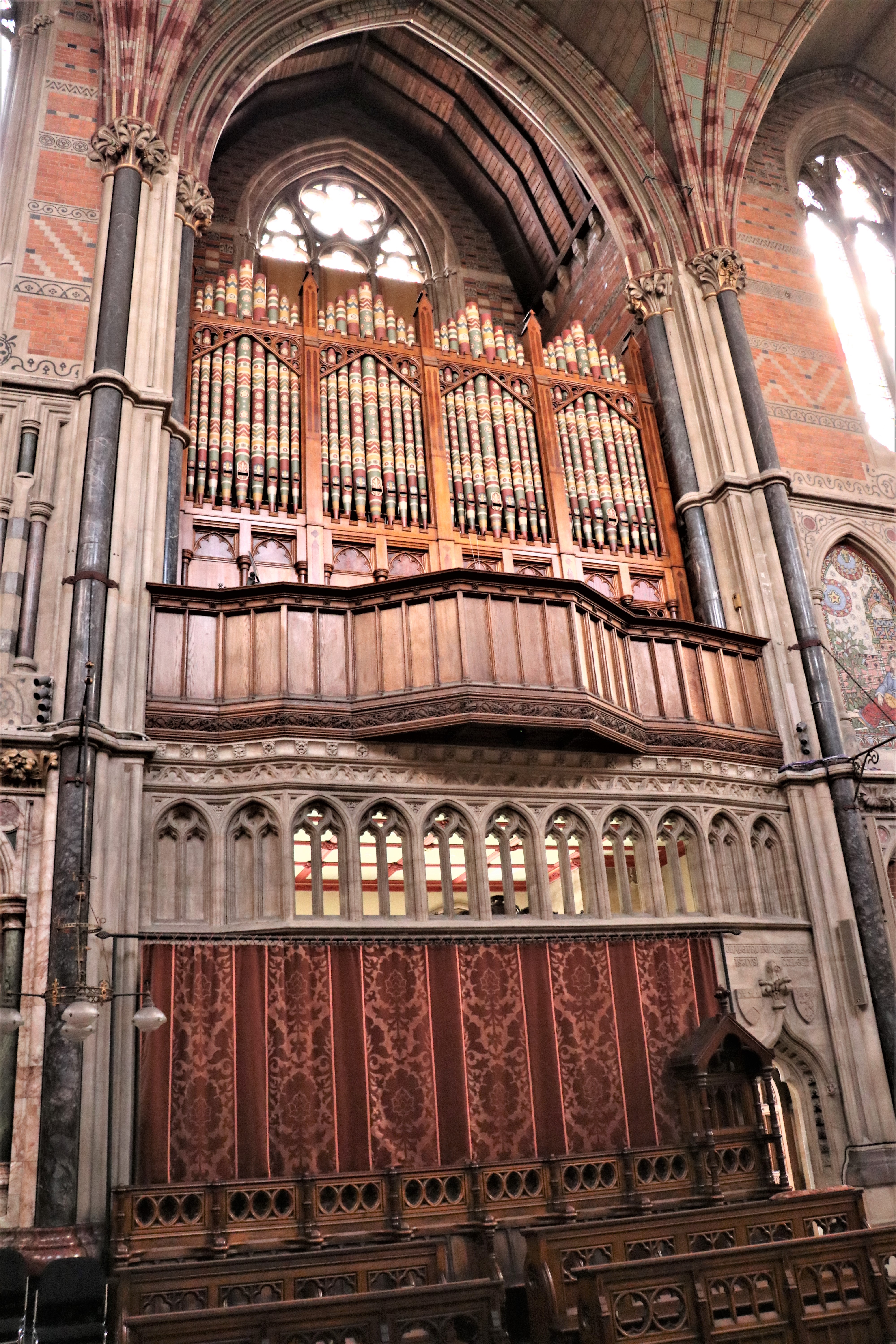
The organ, built by Kenneth Tickell, was installed in 2011. The Chapel’s resonant ‘cathedral-like’ acoustic is home to a lively and active music foundation in which the Chapel Choir plays a primary role.

I will save the mosaics and the famous Light of the World Painting for another post.

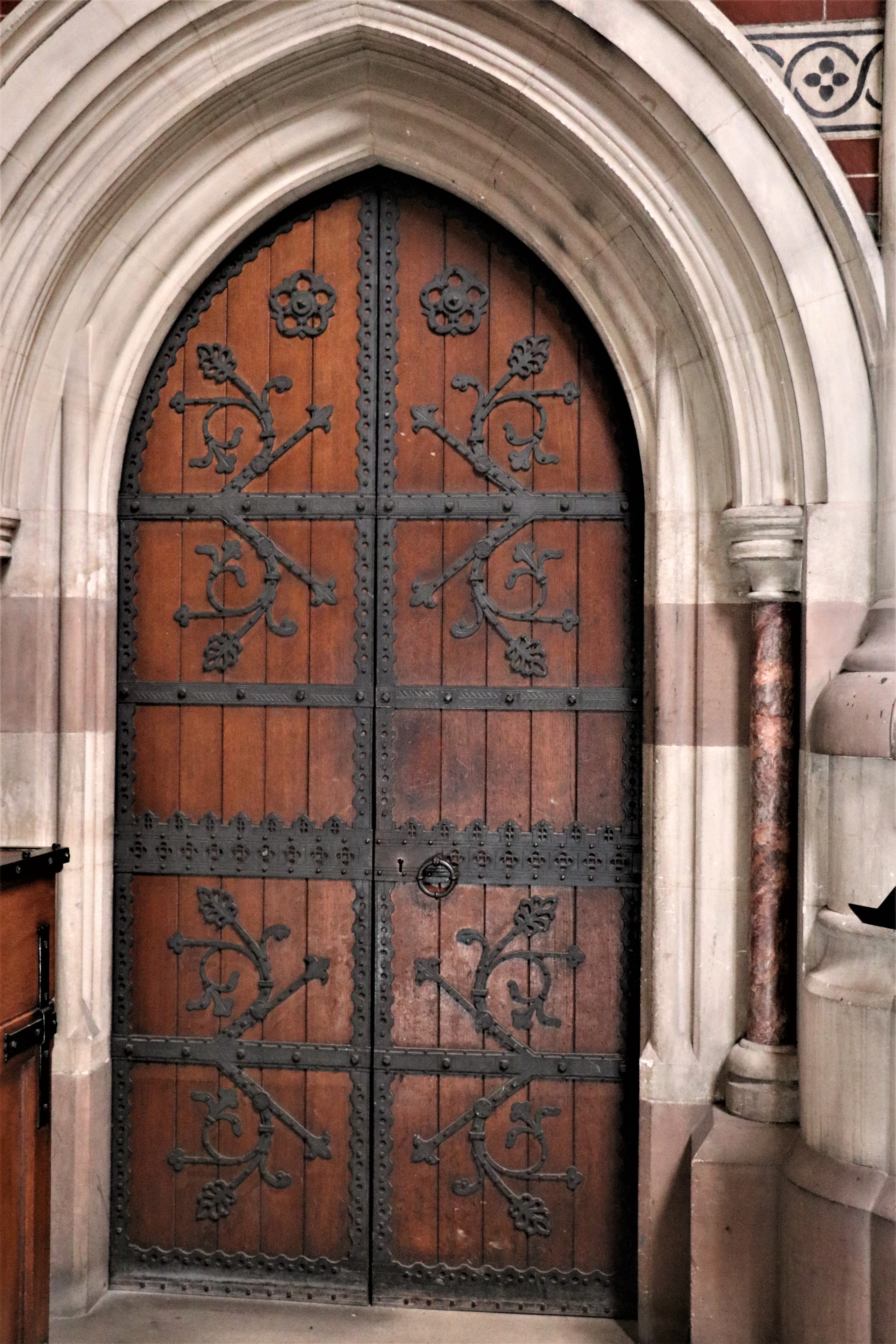
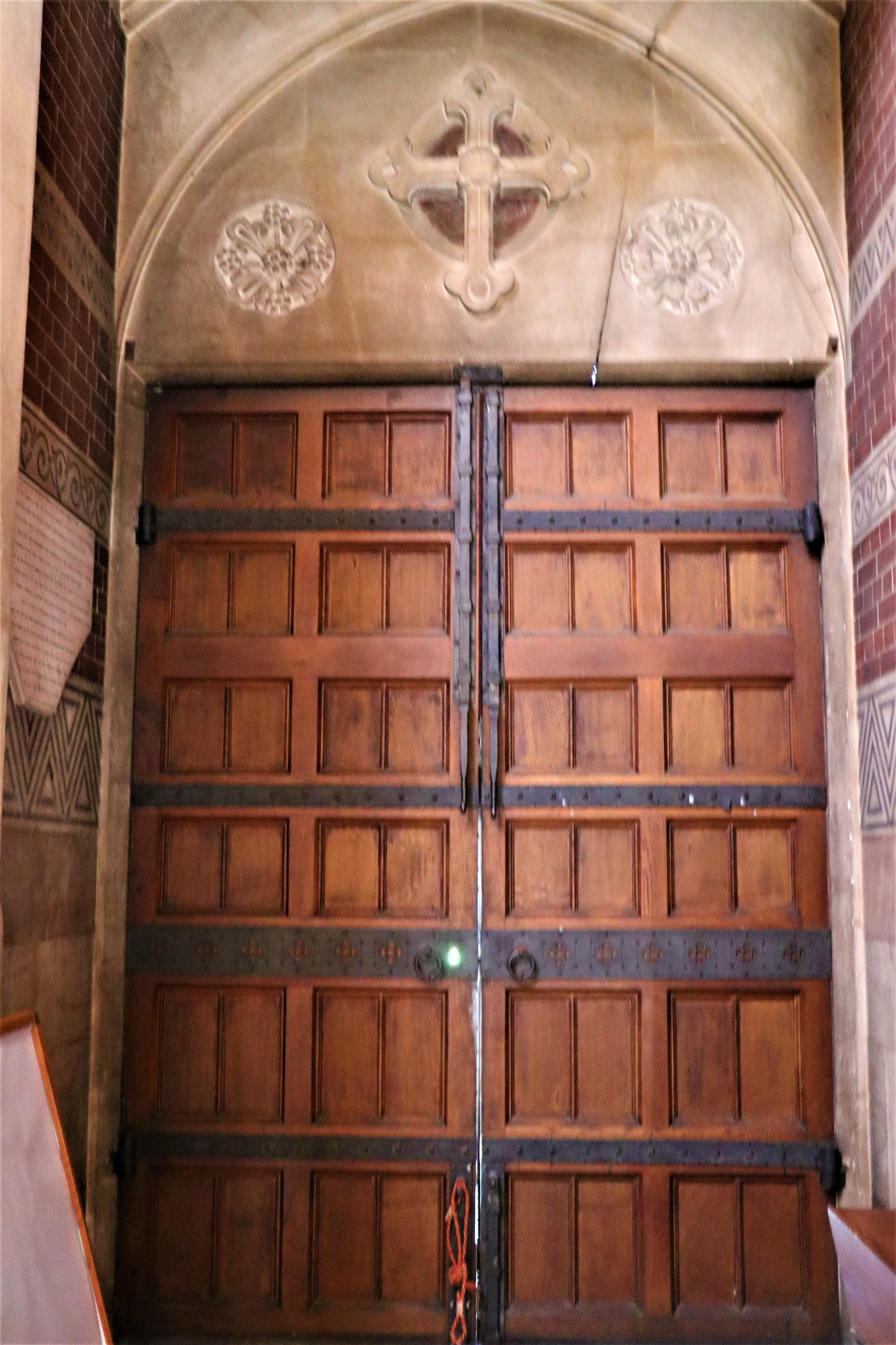
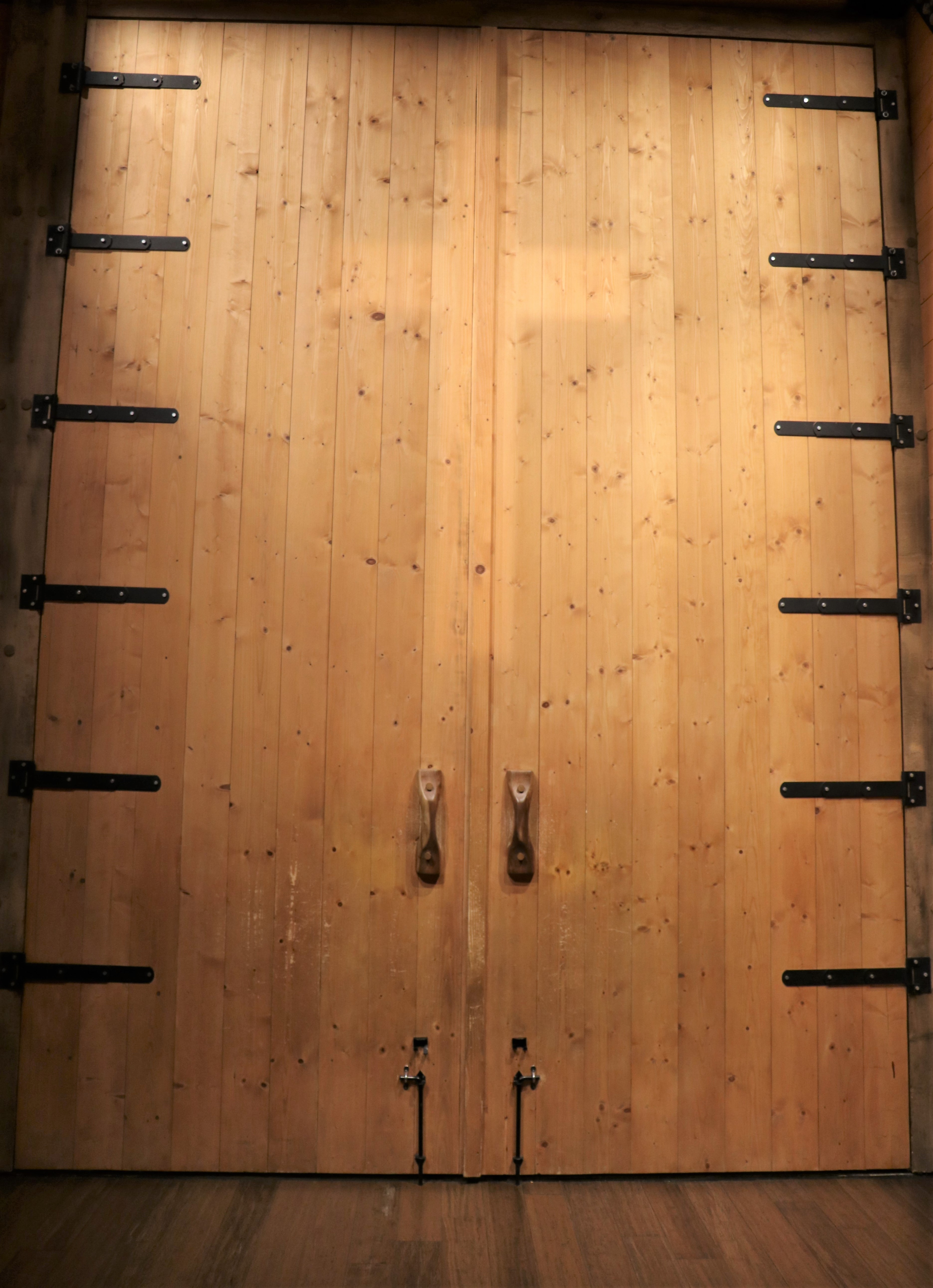
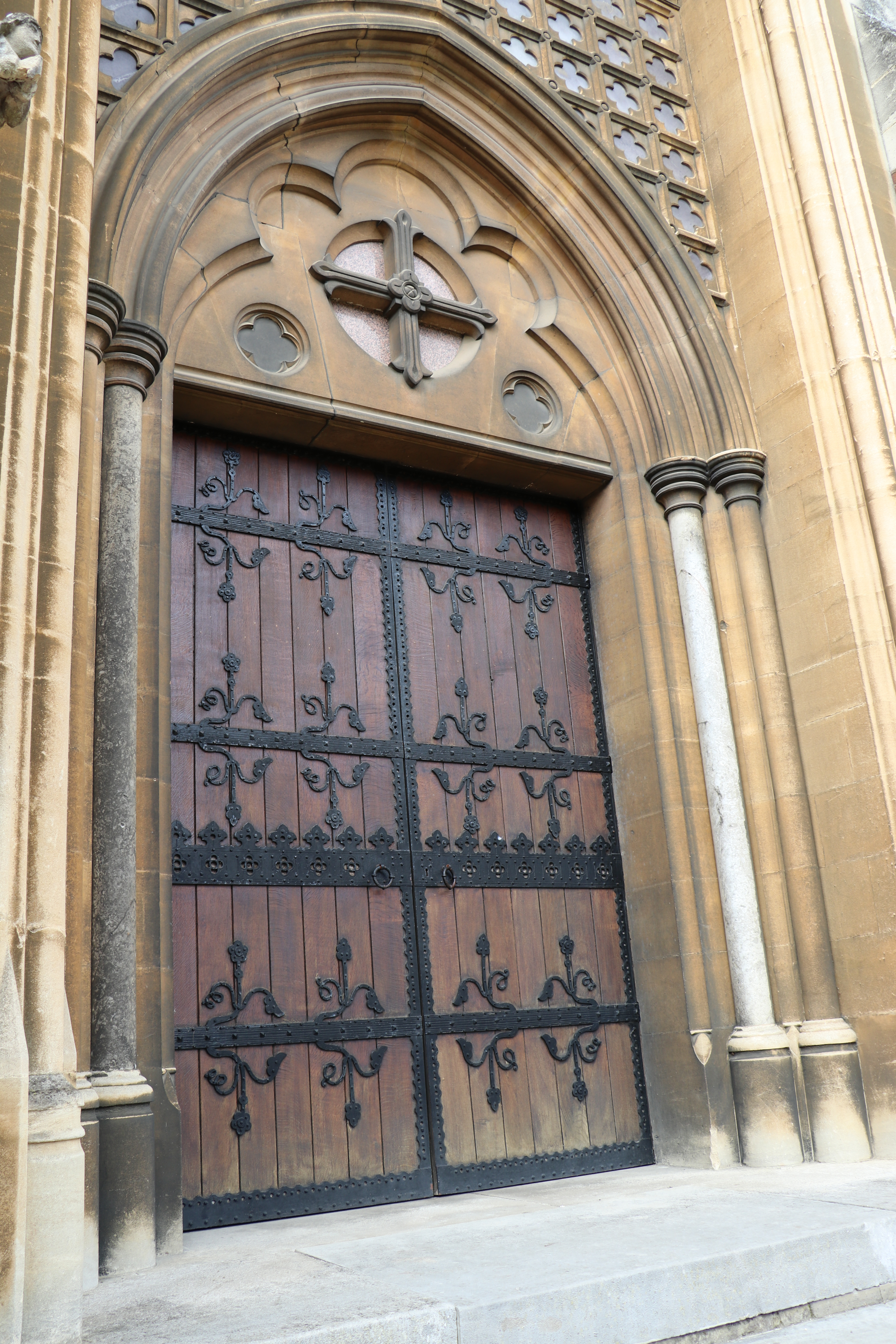
We saw so many beautiful old doors during our time in Oxford and beyond in September of 2022. When we were at the Ark in Kentucky in 2021 we picked up a brochure that talked about the Doors of the Bible.

On the back of that pamphlet it talked about The Door That Leads to Life.

What will you do with Jesus Christ? Your answer to that question has eternal consequences.
We are all guilty of sinning against our holy creator. Because he is holy, God must judge sin. Take an honest look at your life. Have you ever lied, stolen anything, disrespected your parents, or failed to honor God? If so, then you have broken God’s law and are a sinner in need of a Savior.

There was one door into the ark that saved Noah and his family from the flood. Similarly, there is only one door that can save us from eternal judgement. Jesus Christ is that door. The Bible states that now is the day of salvation. If you have not already done so, will you turn from your sins and call on the risen Lord Jesus to save you?

By faith, enter the only door that leads to eternal life today.

Keble College ~ Oxford Colleges

On Friday afternoon September 23rd, 2022 we were able to visit Keble College to see the grounds and the chapel. The dining hall was closed to visitors during our visit.

The idea to found a new college in memory of John Keble was discussed by a group of his friends at Keble’s funeral in April 1866. By modern standards, the speed with which their plans were realized was little short of miraculous.
In four years they raised enough money to buy the land, commission an architect and complete the east and west ranges of Liddon Quad and the imposing main gatehouse, all ready in time for the first forty undergraduates to take up residence in the autumn of 1870. Building continued throughout the 1870s: the Chapel was completed in 1876, the Warden’s Lodgings in 1877 and the Hall and Library in 1878, by which time 140 undergraduates were living in Liddon and Pusey Quads.
Keble’s founders chose William Butterfield (1814-1900) as its architect. A man closely associated with the Oxford movement, he had designed churches and vicarages for Anglo-Catholics all over Britain as well as in the colonies, Melbourne cathedral in Australia being a particularly well-known example. His was a controversial choice, and Butterfield’s architecture has long provoked argument.

For decades ivy hid much of the polychrome brick and the buildings were variously derided as hideous and a joke. Opinions began to change in the latter half of the twentieth century and Butterfield’s Keble, Grade 1 listed, is now widely regarded as one of the finest examples of Victorian Gothic anywhere.


The photos from Keble Chapel will have to wait for another day. Be forewarned there are a lot of photos to share. It was one of the larger chapels we were in on this trip.

Back to the Present: We are still having winter here in N.E. Washington state. We had a busier than usual weekend and it was full with Joy and Sorrow and Joy. Today is my hair day, nothing new always the same do. Hope you all have a good week ahead.

HT: Keble College

Balliol College ~ Oxford Colleges

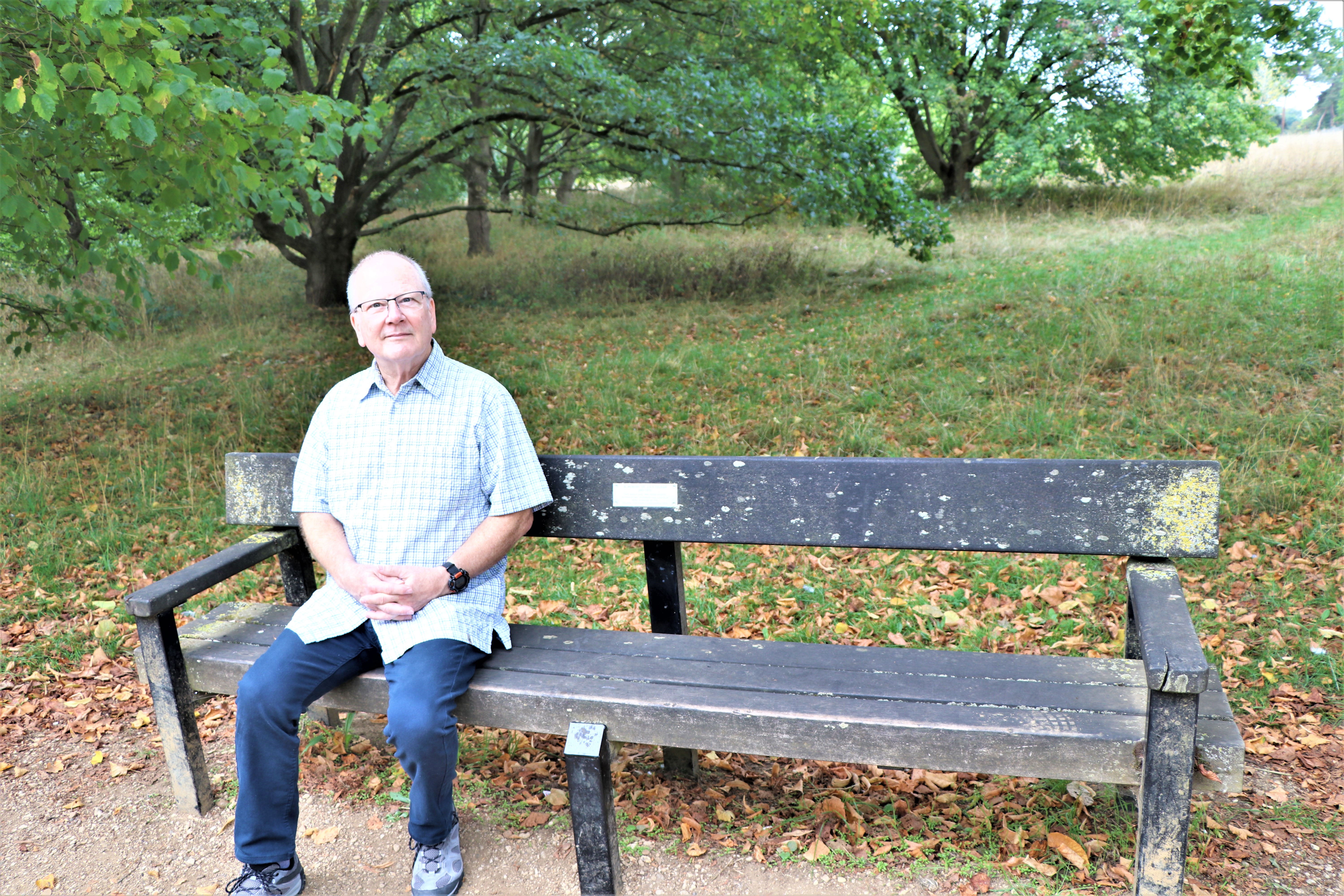
On Friday September 23rd, 2022 after we took in the Natural Museum we headed across University Park to the River Cherwell and we found a bench dedicated to J.R.R. Tolkien. The bench has seen better days and could use a sprucing up.

A few of our family are huge fans of Tolkien and his work.

We continued down the river path to a another path that led to South Parks Road and on to Parks Rd.

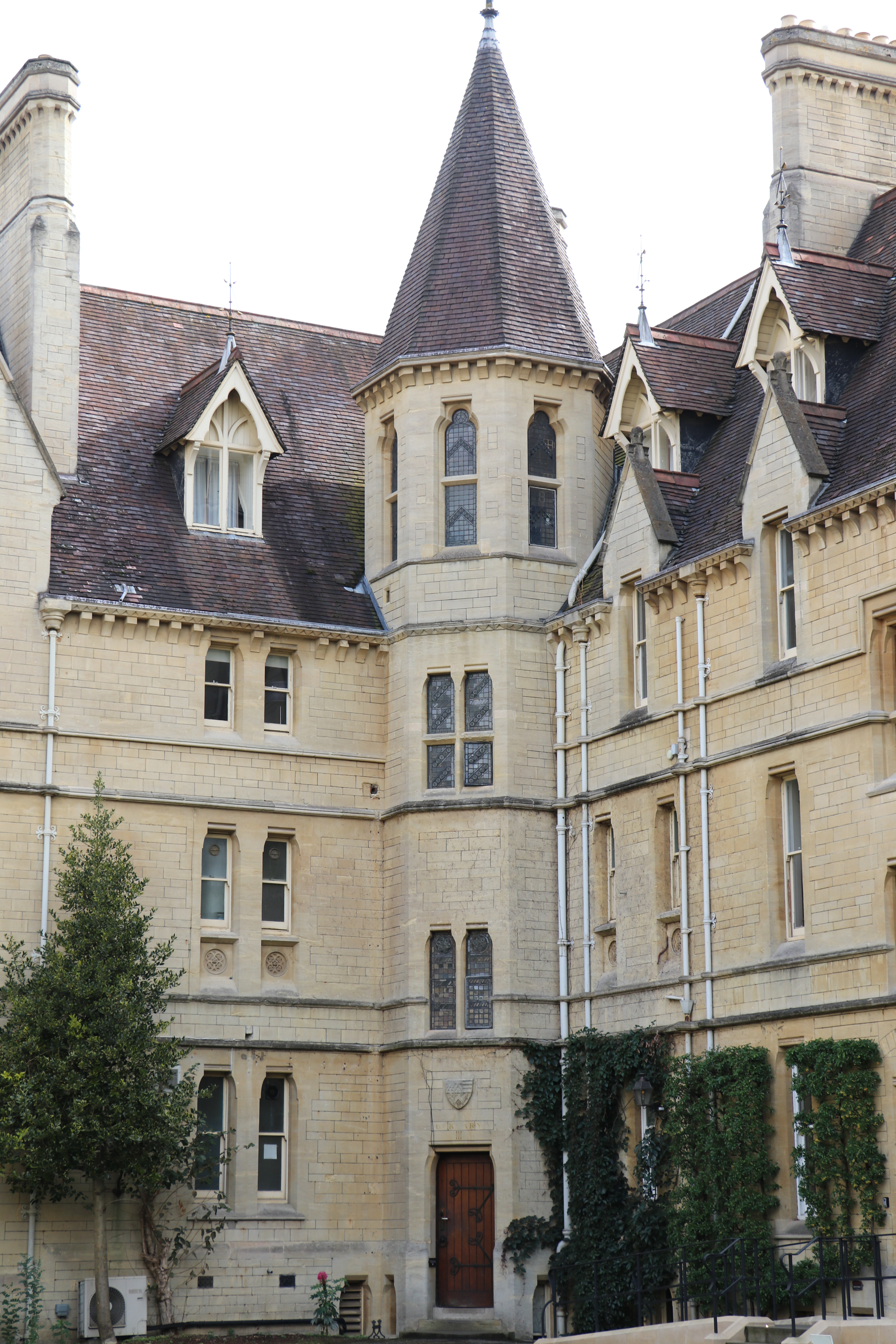
When we reached Broad we took a right to see if we could get into Balliol College.

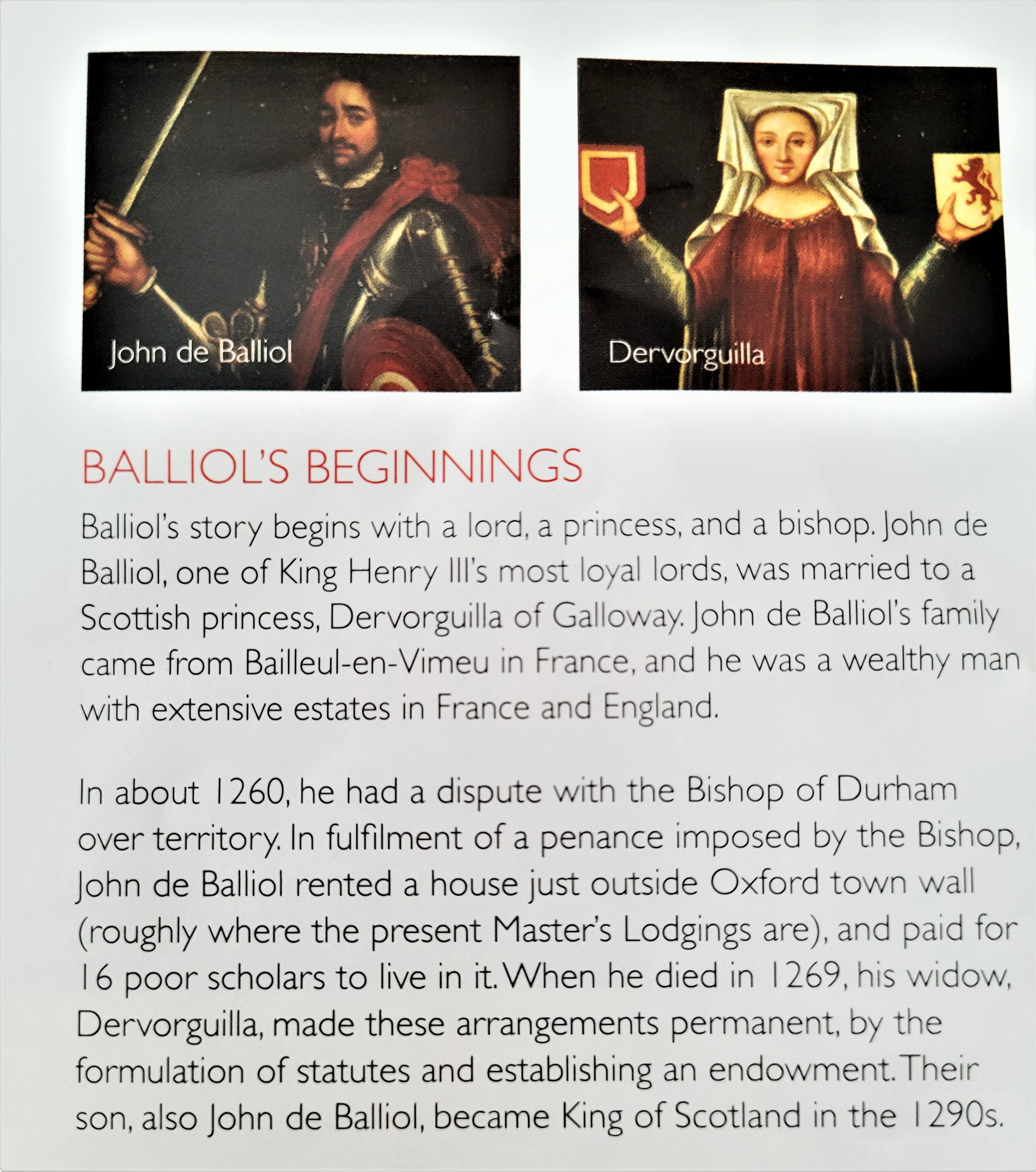
Success! From the brochure we were handed we learned some interesting things about Balliol.

The current ‘Master’ of the college says, “Balliol is arguably the oldest college in Oxford, founded in 1263. It has stood on a single site (where you are now) longer than any other college in the English-speaking world. It has also over the centuries played a leading role in the intellectual life of the University and the public life of Britain and the wider world.”


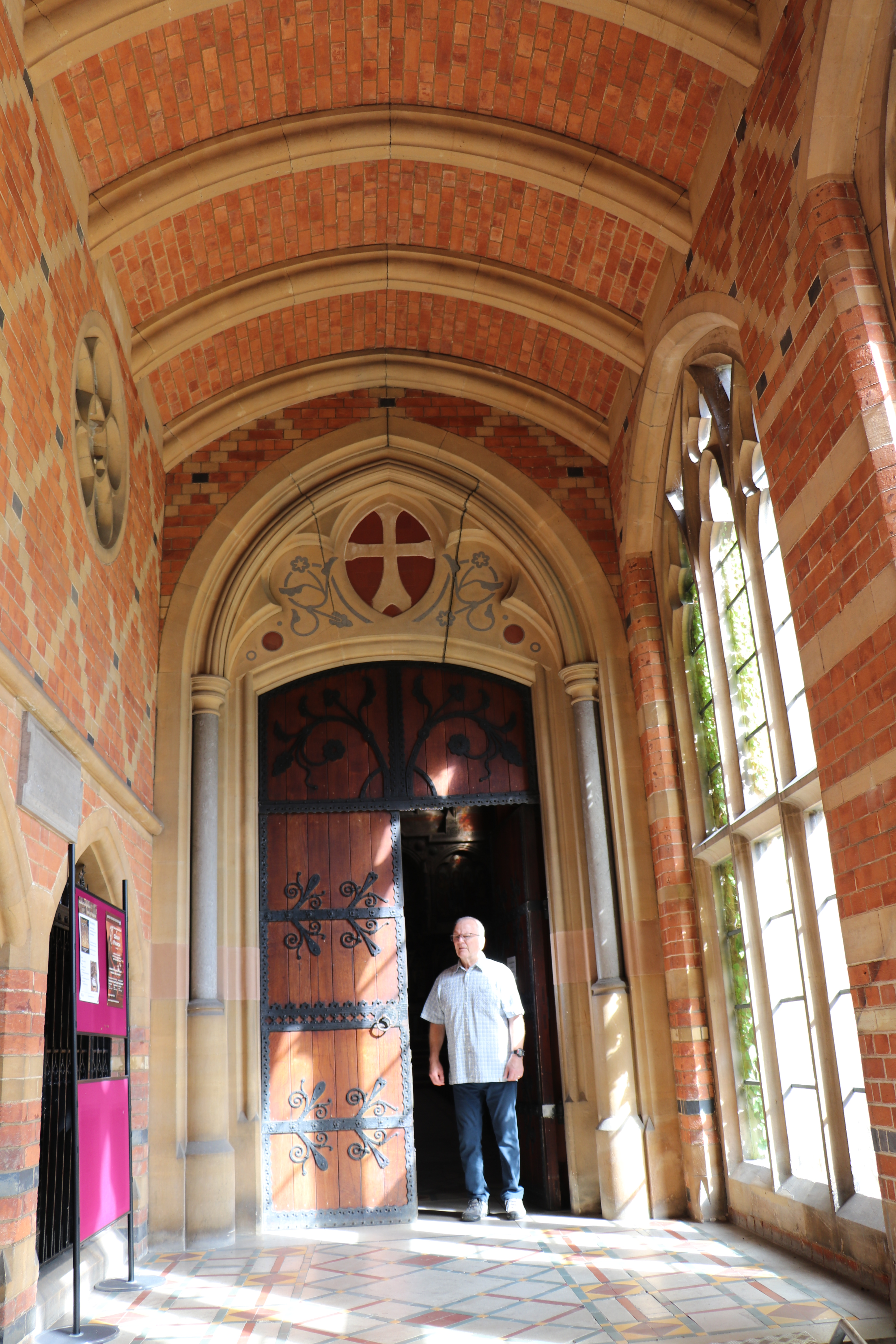
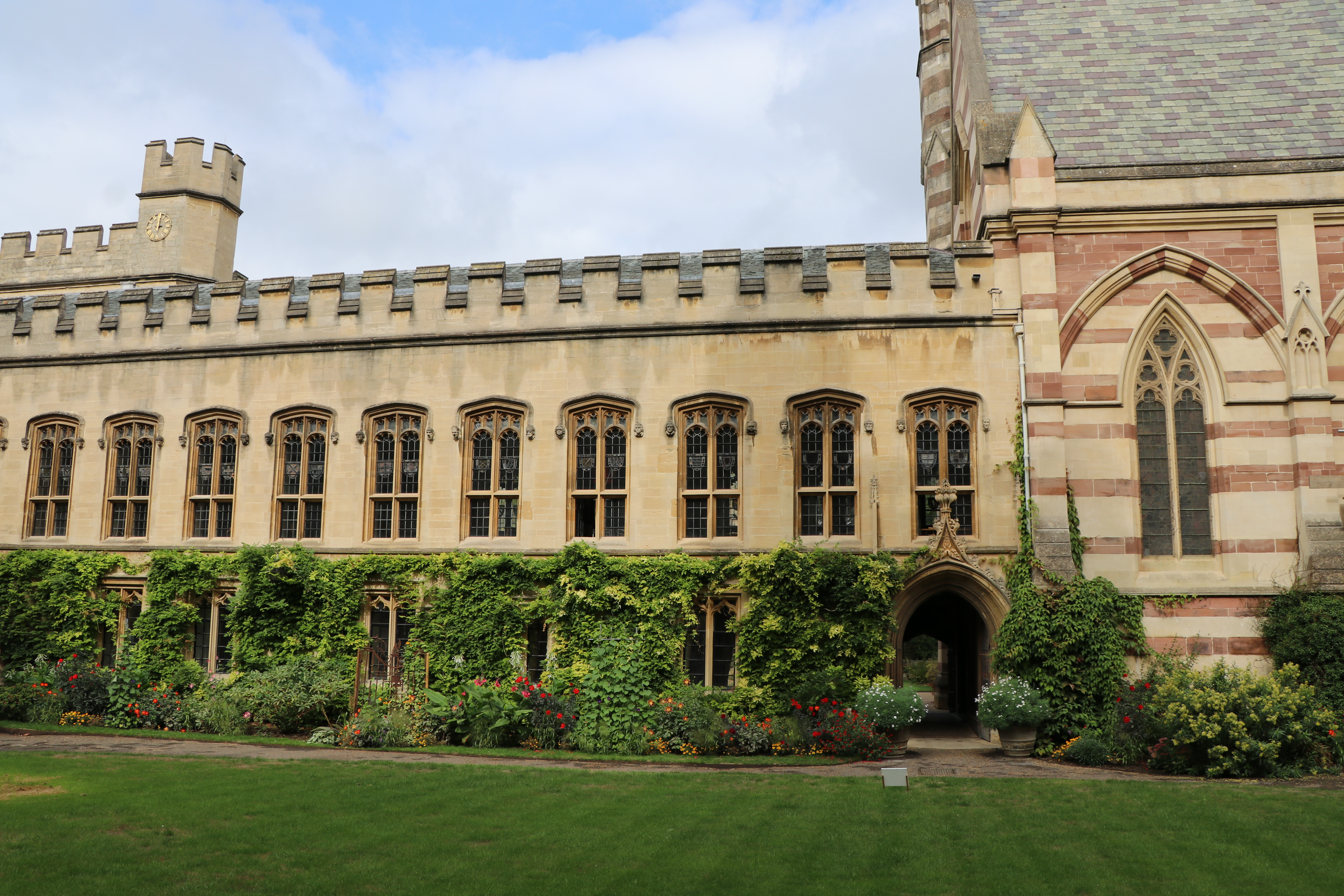
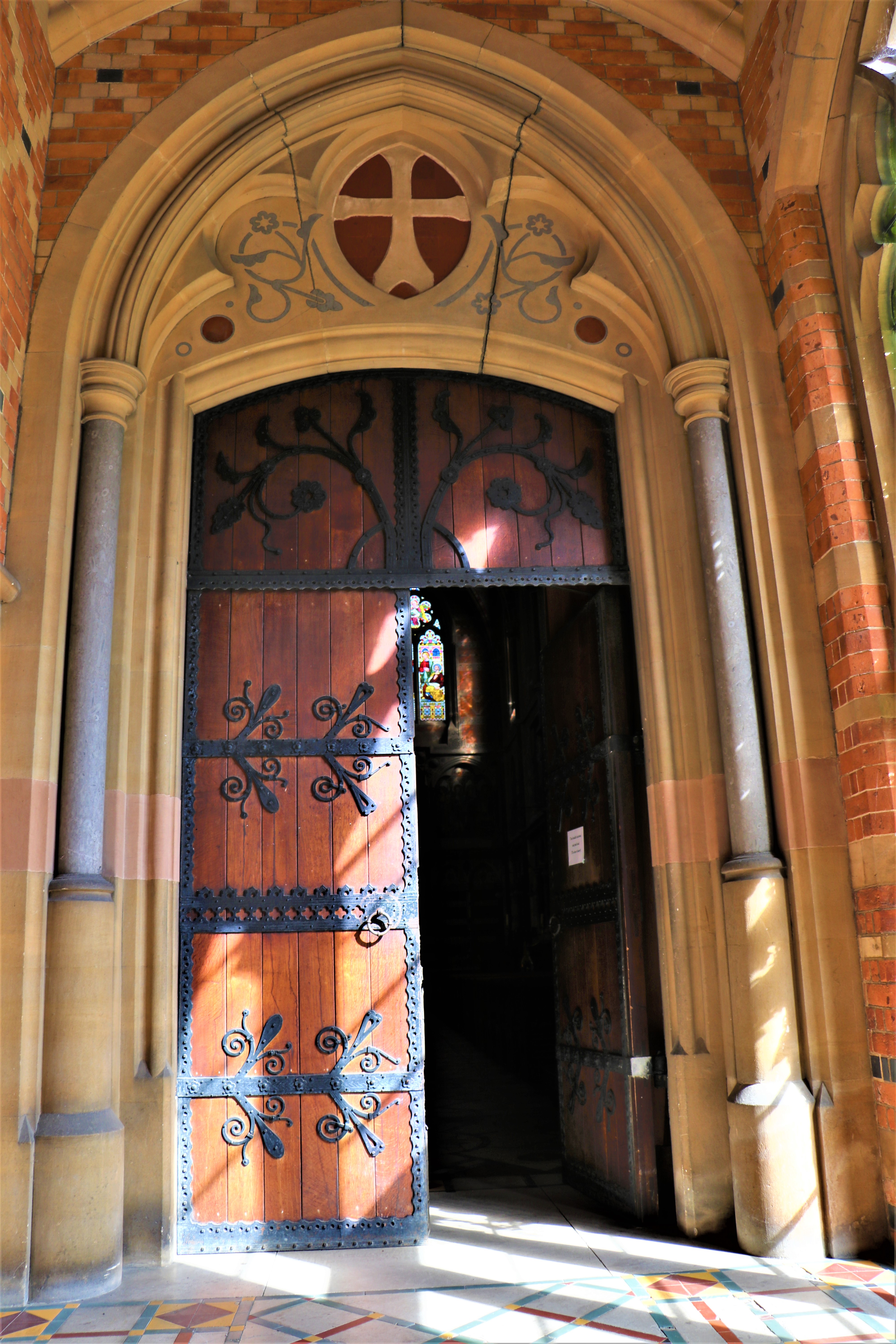
This is the hallway that leads to the Chapel entrance.

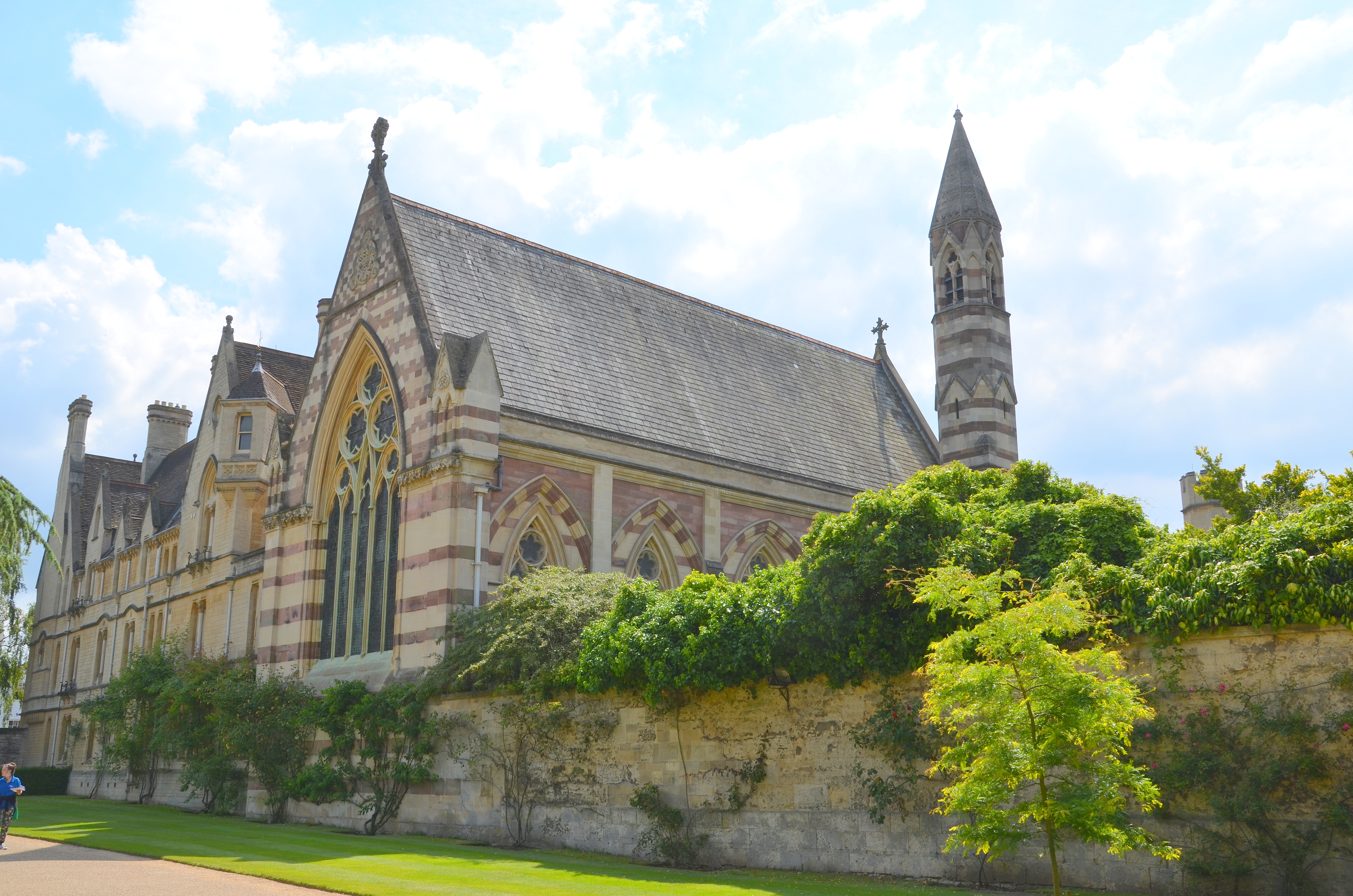
A smaller chapel but one we could walk into and enjoy all the windows and other craftmanship.

An eagle lectern is a lectern made in the shape of an eagle on whose outstretched wings the Bible rests. Because it soars upward, the eagle is often used as symbol of Jesus’ Resurrection and Ascension (lifting up) into Heaven. The eagle is also the symbol used to depict St John.

The eagle lectern was given to the College in about 1635 by Edward Wilson, a former Senior Fellow.

THE FLYING eagle is the symbol of John the Evangelist (see Revelation, ch 4, v 7) who proclaimed Christ as ‘the Word of God’ at the beginning of his Gospel. The flying eagle is thus a suitable emblem from which God’s word is read, reaching to the ends of the earth.

Oxford Day 6 099

The present chapel is the third on the site and was built in 1857. The architect was William Butterfield, who also designed Keble College. Keble is the college we visited after Balliol so that post is yet to come.

This is a link to another post on Balliol College when we visited in 2014.

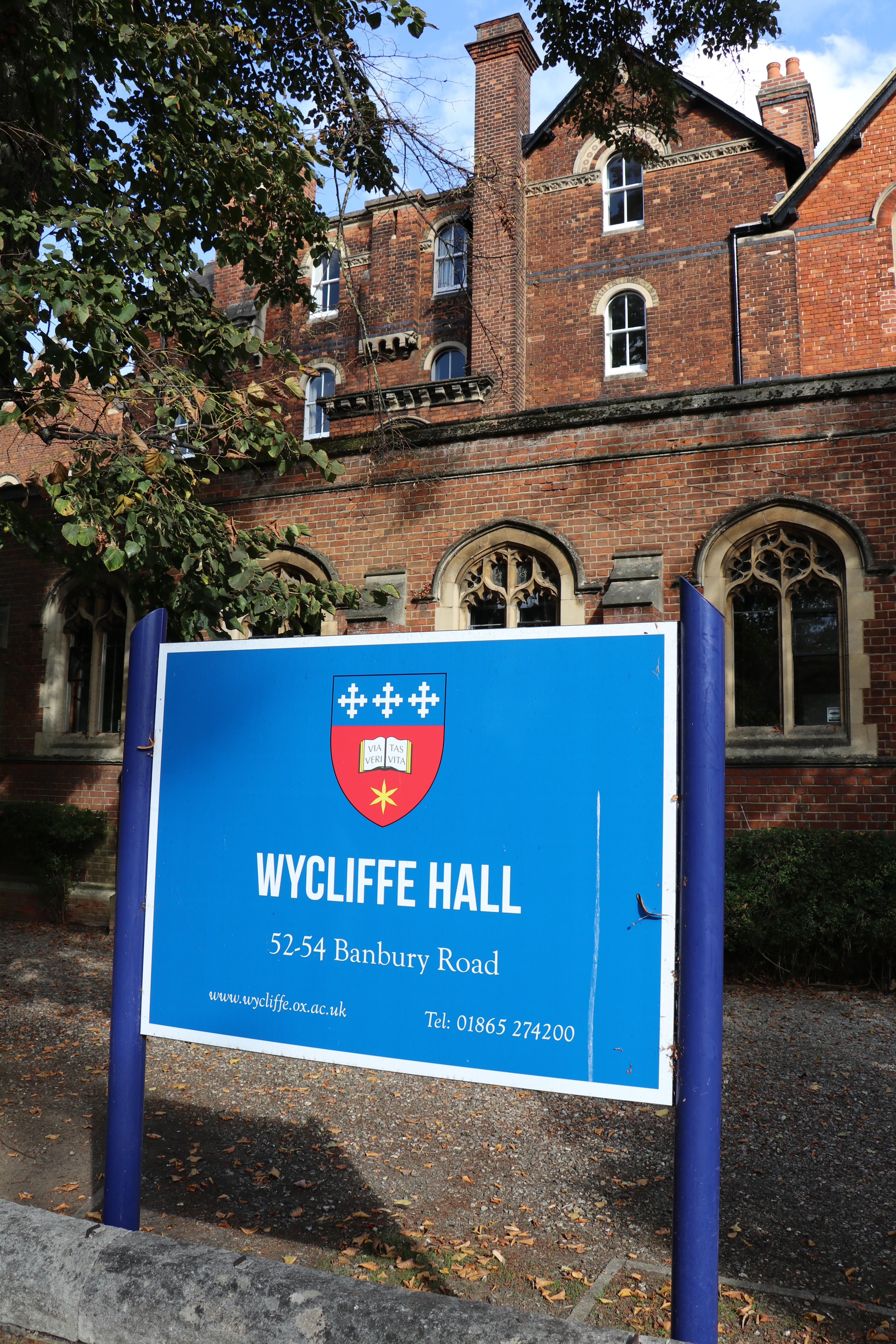
I was fascinated to read that John Wycliffe, first translator of the Bible into English, was Master of Balliol in 1360. Later on this day we saw this sign.

When we lived in Huntington Beach from 1975-1984 we attended Huntington Beach EVFree church and shared the Wycliffe Bible Translators office space on Sundays for extra Sunday School rooms. We also shared the parking lot. They are no longer at that location in Huntington Beach.

Here’s some history about Wycliffe Bible Translators:

In 1917 a missionary named William Cameron Townsend went to Guatemala to sell Spanish Bibles. But he was shocked when many people couldn’t understand the books. They spoke Cakchiquel, a language without a Bible. Cam believed everyone should understand the Bible, so he started a linguistics school (the Summer Institute of Linguistics, known today as SIL) that trained people to do Bible translation. The work continued to grow, and in 1942 Cam officially founded Wycliffe Bible Translators.

Over the following decades, Wycliffe celebrated many milestones — from the first translation completed in 1951, all the way to the 500th translation completed in 2000. Around the same time, Wycliffe adopted a new challenge — a goal of seeing a Bible translation project started in every language still needing one by 2025.

Museum of Natural History ~ Oxford

On Friday September 23rd, 2022 we had breakfast at the hotel in Woodstock and then checked out and waited for a taxi to take us back to Oxford where we had reservations for our last night in England.

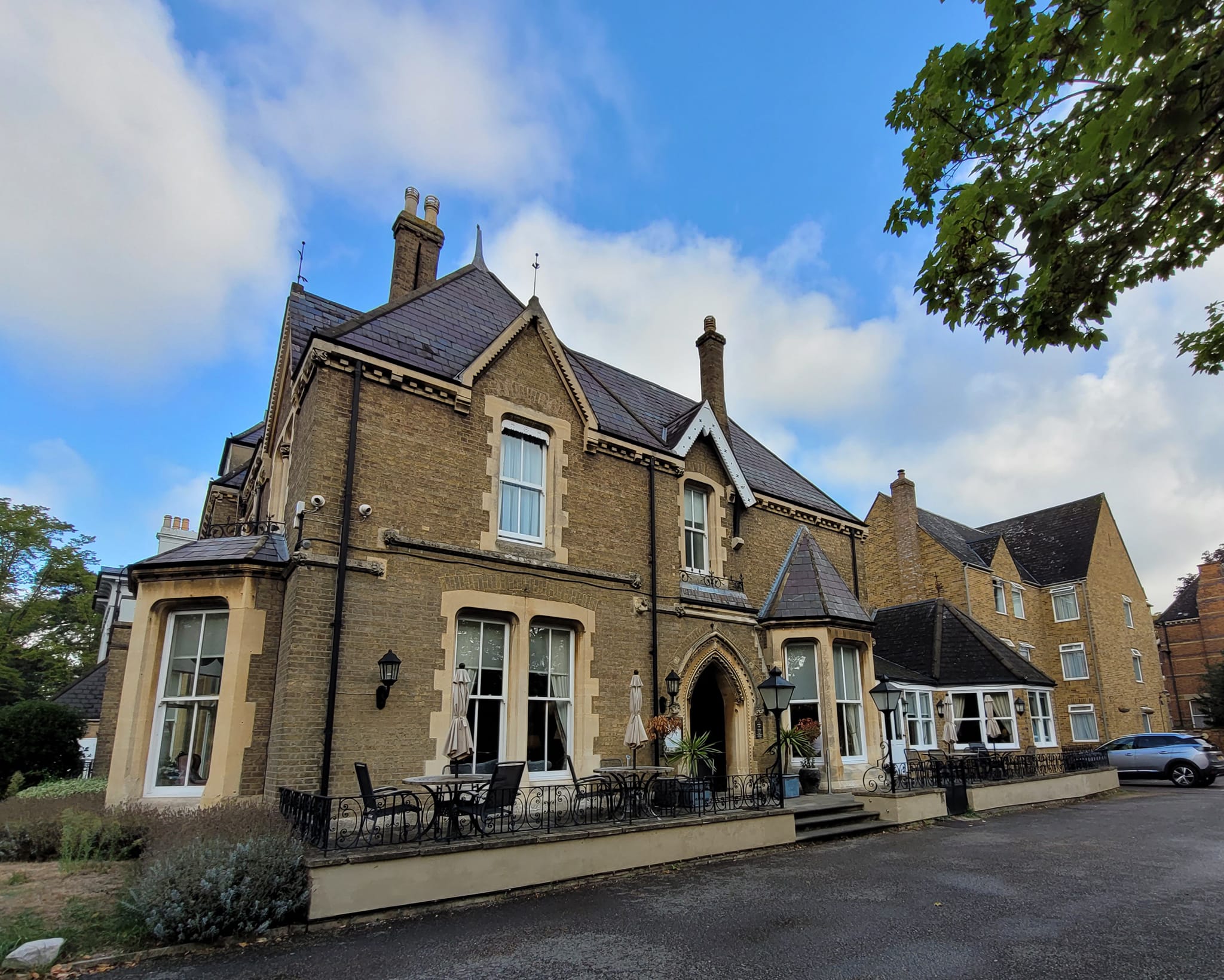
This was the lodge we stayed in on Banbury Road. Check in wasn’t until four so we had many hours to see what we could see after our taxi dropped us off. Thankfully we could leave our luggage at the lodge.

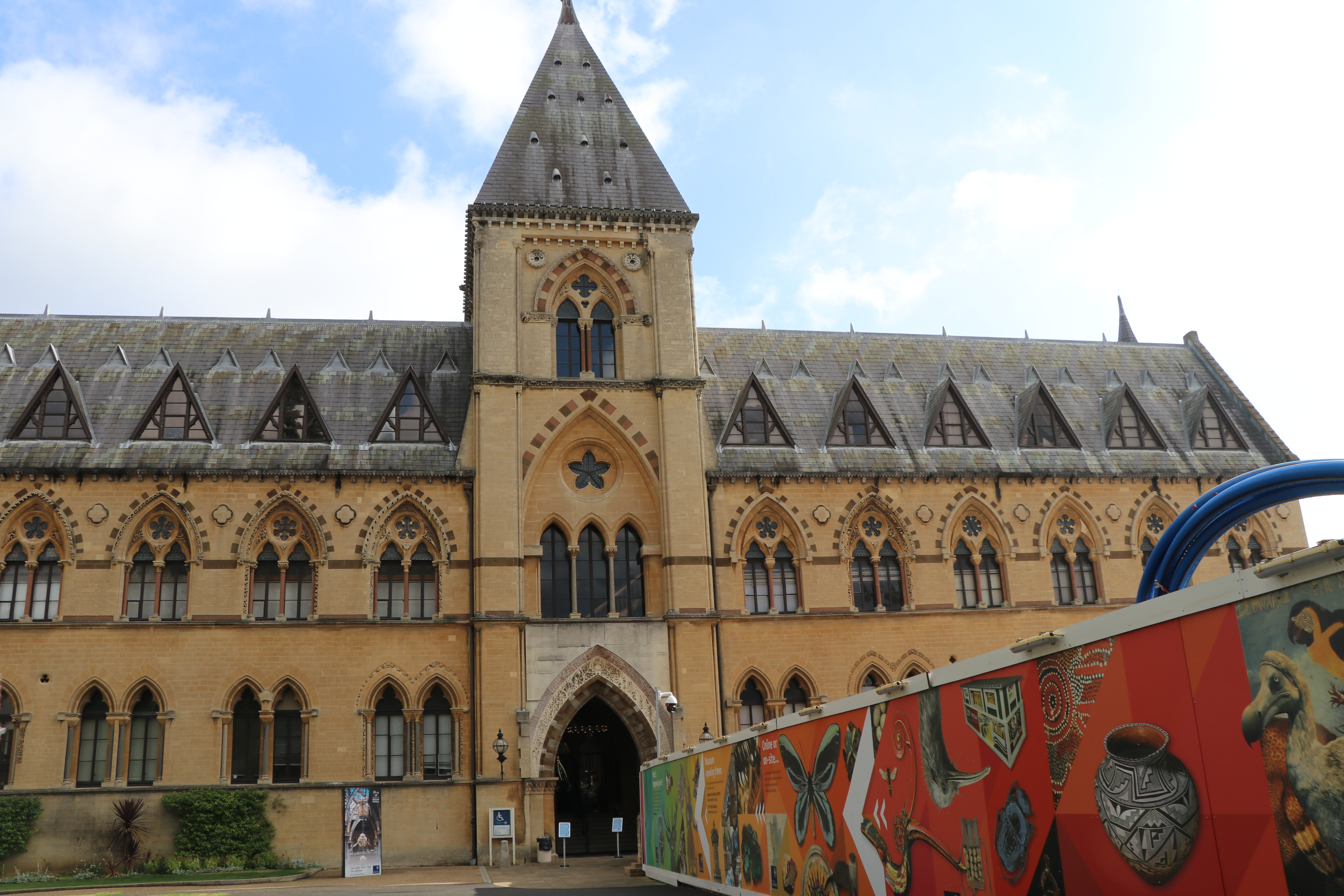
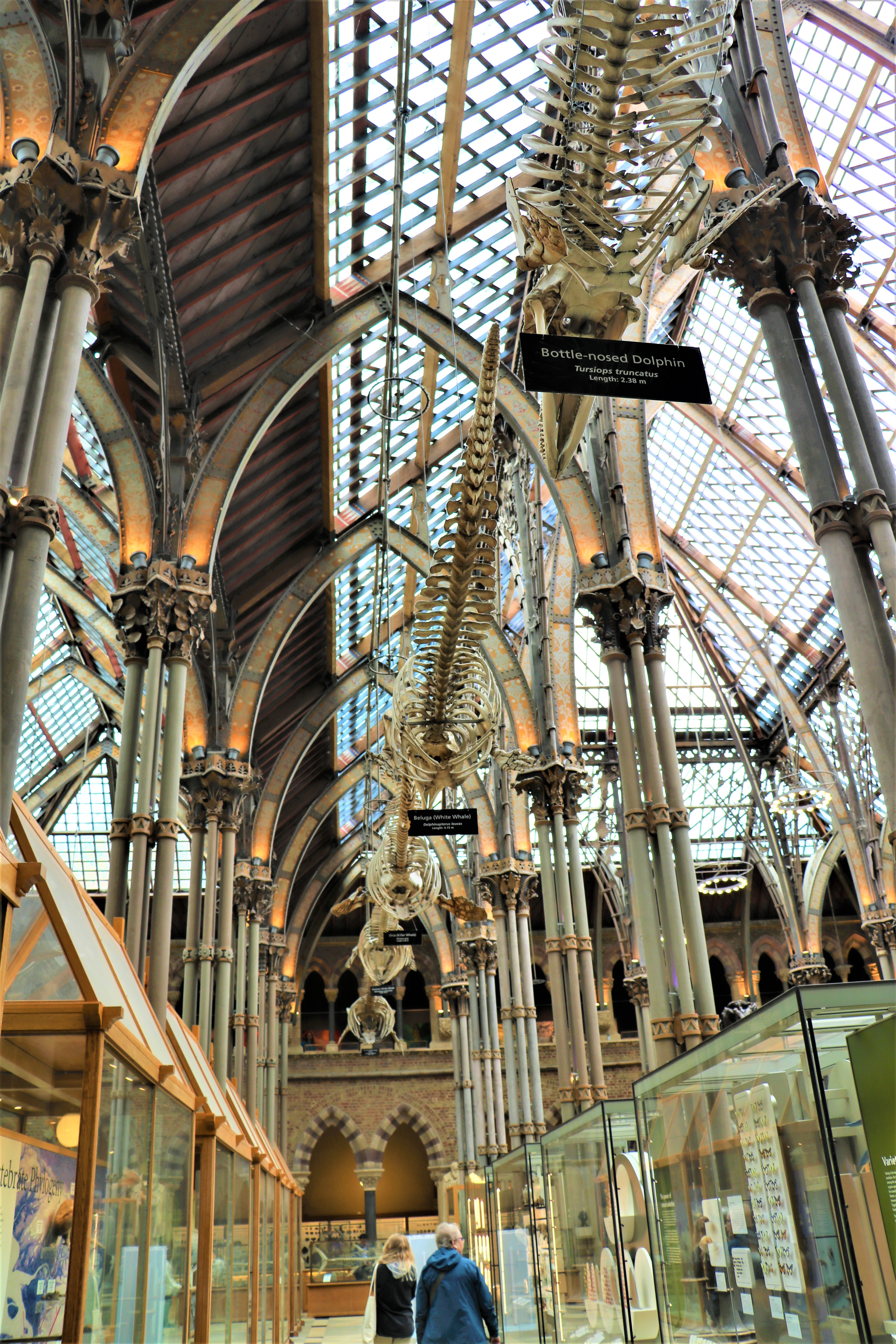
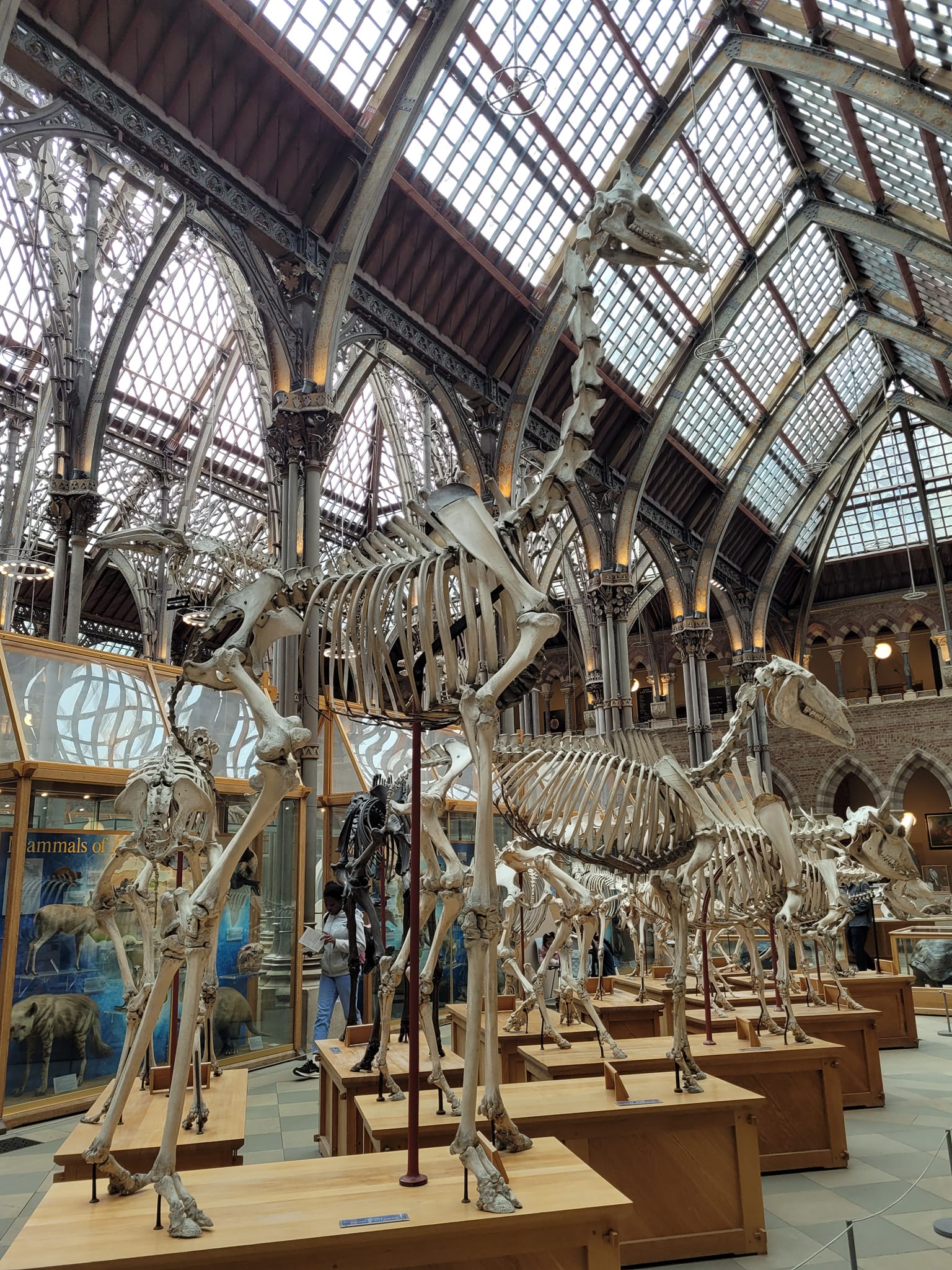
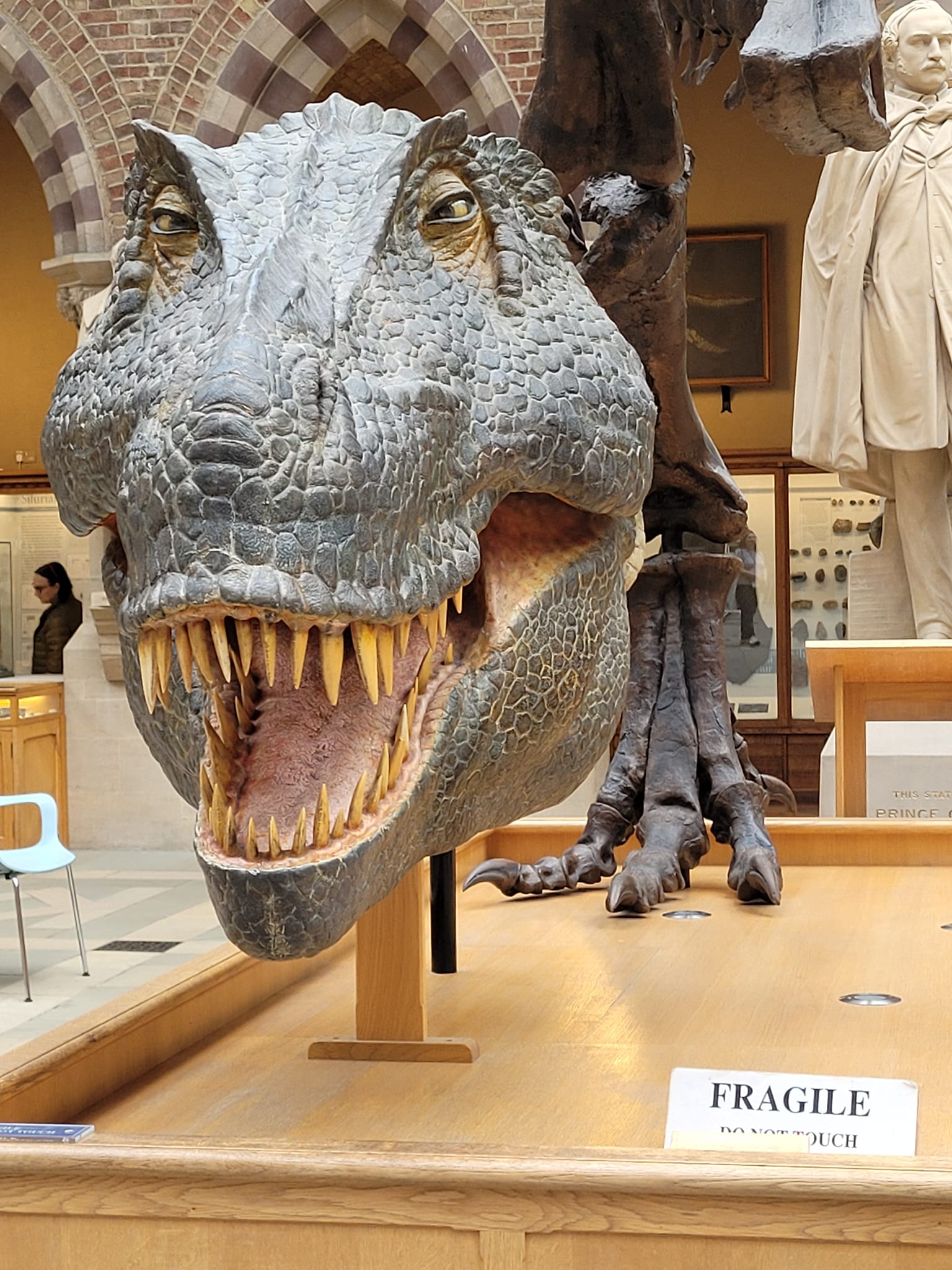
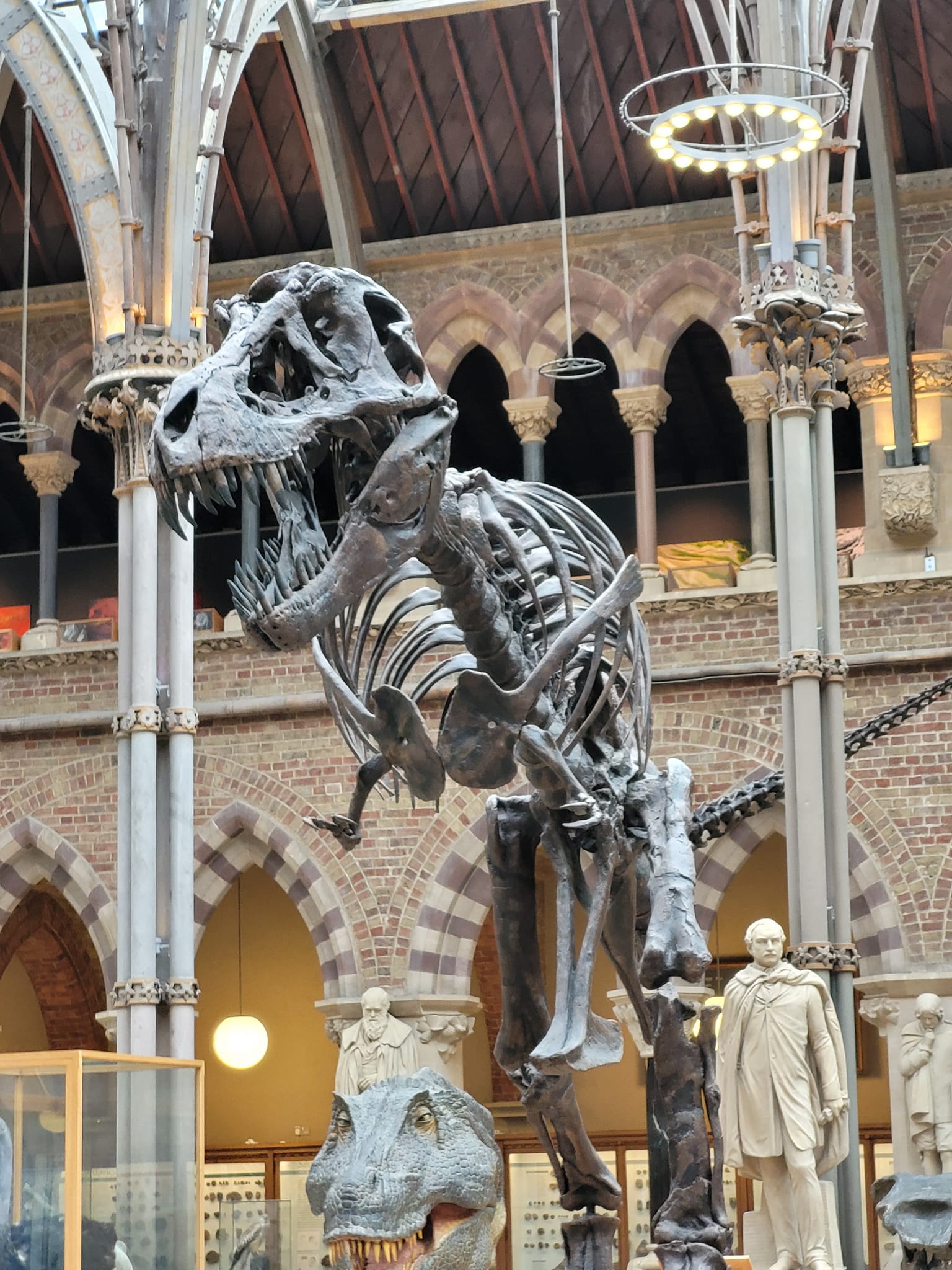
We found our way to Parks Rd. and made note of when it would be possible for us to get into the grounds of Keble College, not until the afternoon. Across from Keble College was the Museum of Natural History so we decided to take a peek.

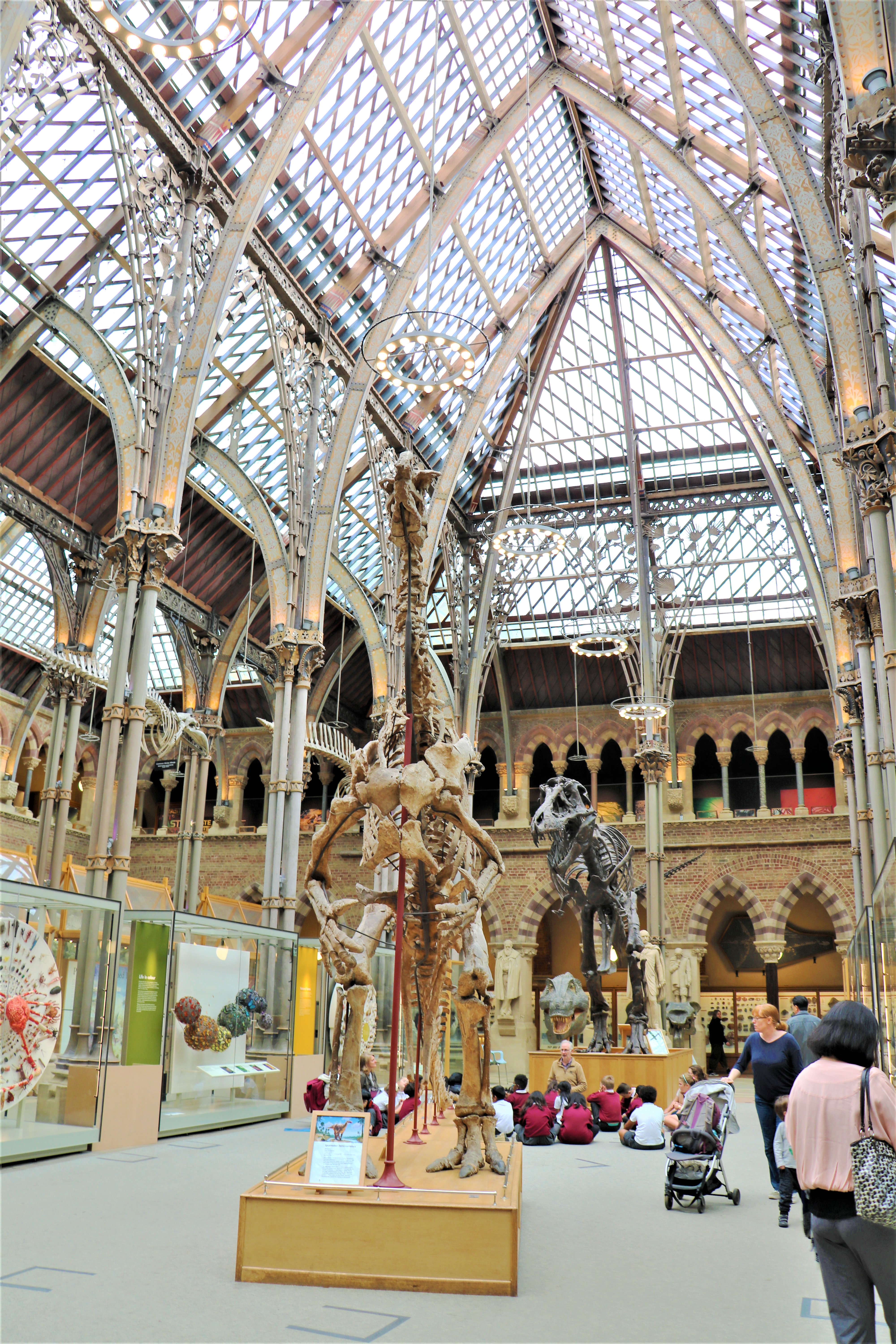
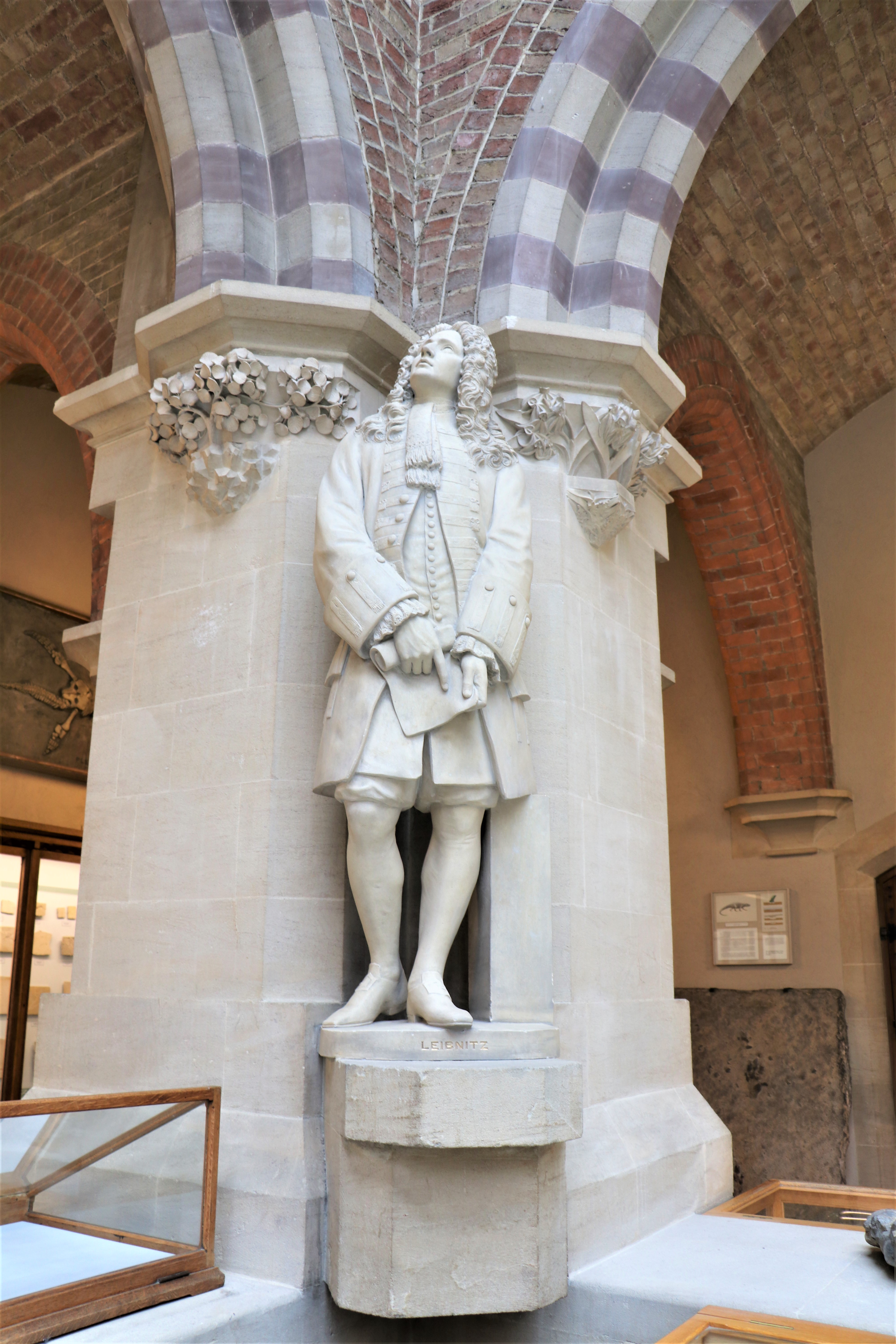
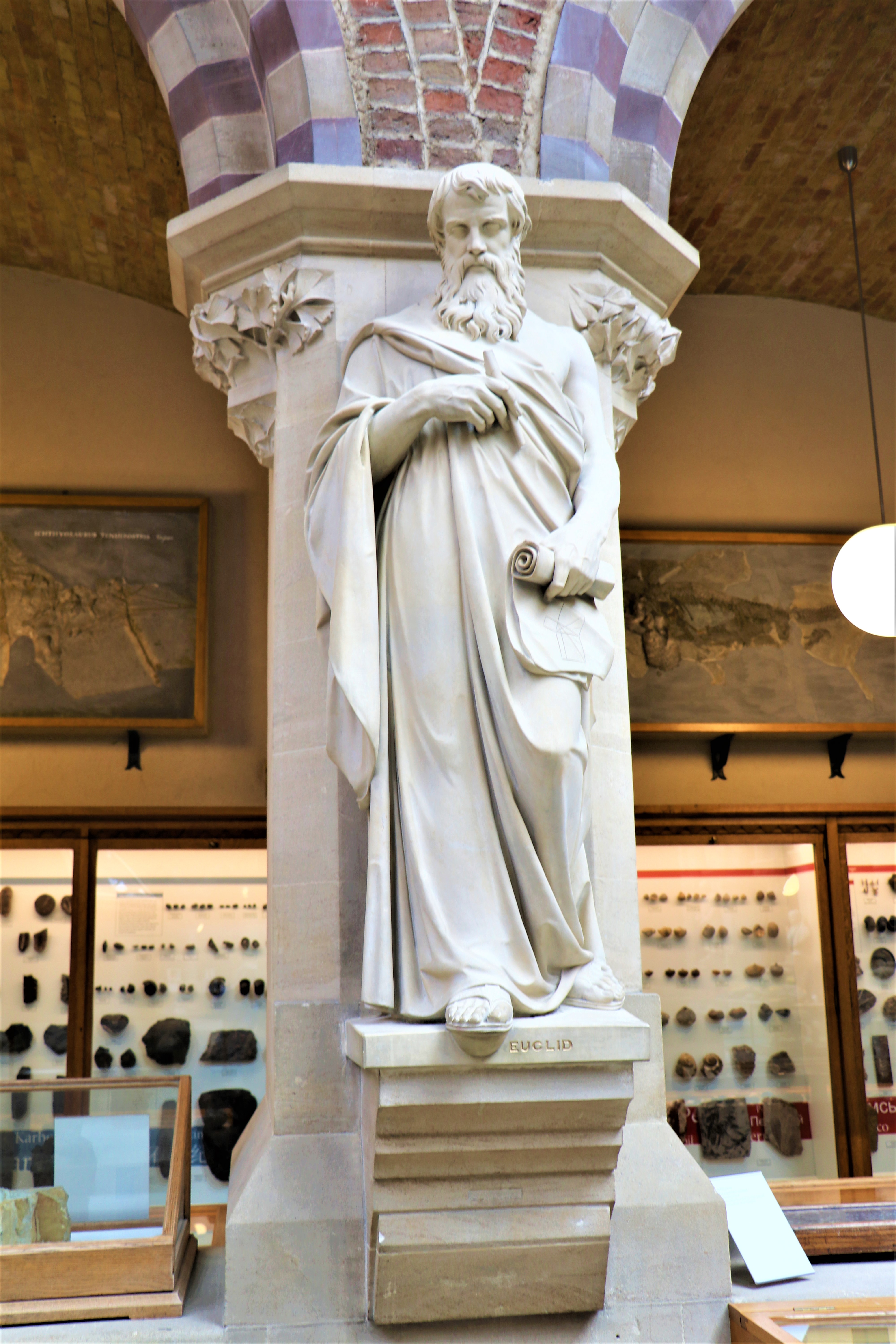
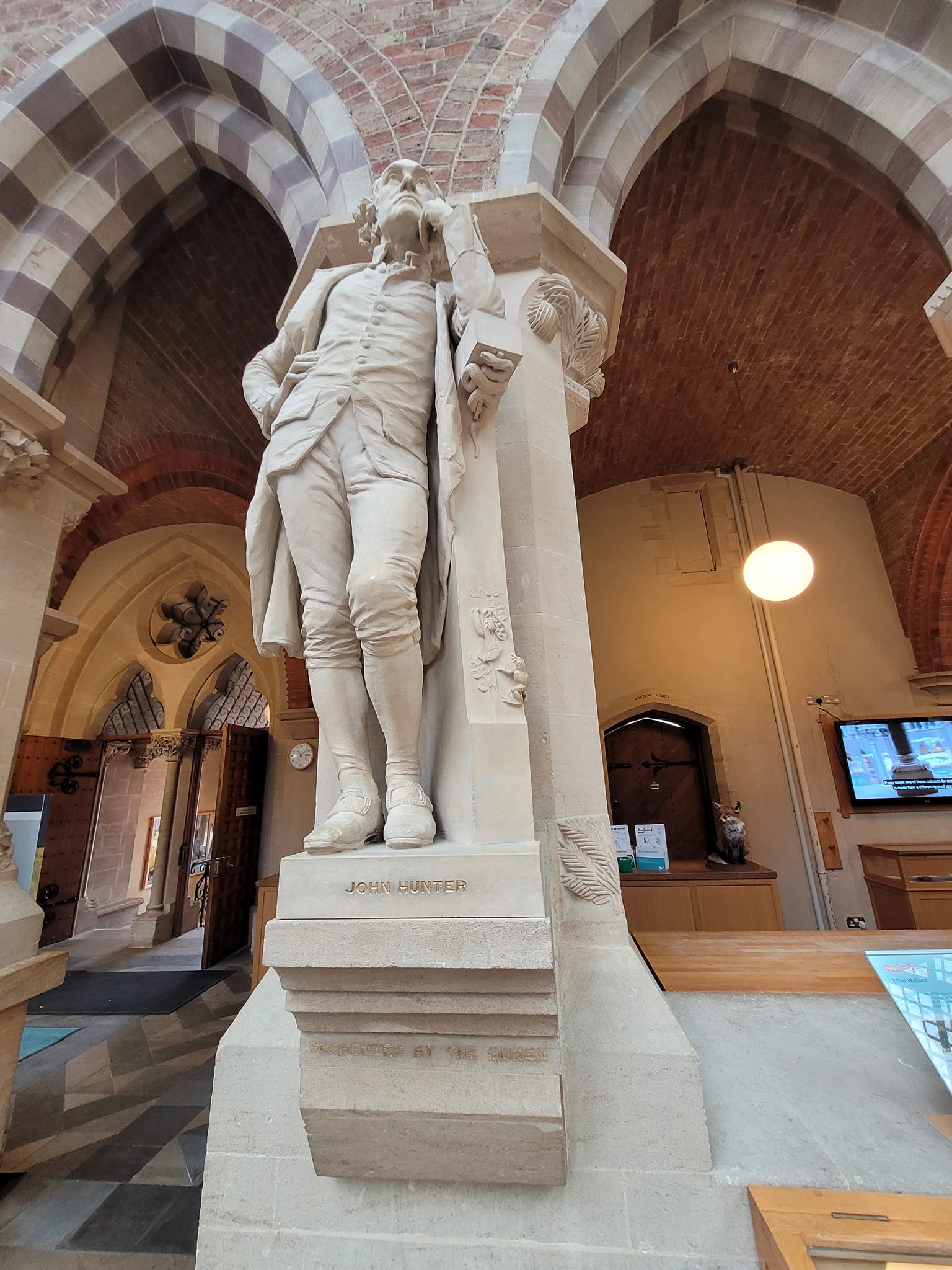
I was drawn to the statues throughout the museum of scientists, mathematicians and philosophers. I only took photos of a few of them and probably missed the more famous.

In the main exhibition room of the Oxford University Museum of Natural History (built 1854-60) are 18 statues of eminent scientists, philosophers and engineers and 10 busts of Oxford men of science that have made a significant contribution to the Museum, plus a portrait medallion of the architect of the building. The 19th statue is that of the founder, the Prince Consort, is placed more central in the hall.
The plan was that each pillar around the gallery would play host to a statue of one of the great scientists. The statues were paid for by private subscription however, and unfortunately only 19 full statues were completed. Many of these were presented by Queen Victoria. All but one of the statues is carved in Caen stone – a limestone from Normandy in France. Many of the sculptors were well-known Victorian artists.

Gottfried Wilhelm Leibnitz German mathematician and philosopher

Euclid ~sometimes called Euclid of Alexandria, Greek mathematician, often referred to as the ‘Father of Geometry

Joseph Priestly credited with the discovery of oxygen.


John Hunter ~ Scottish surgeon, one of the most distinguished scientists and surgeons of his day.

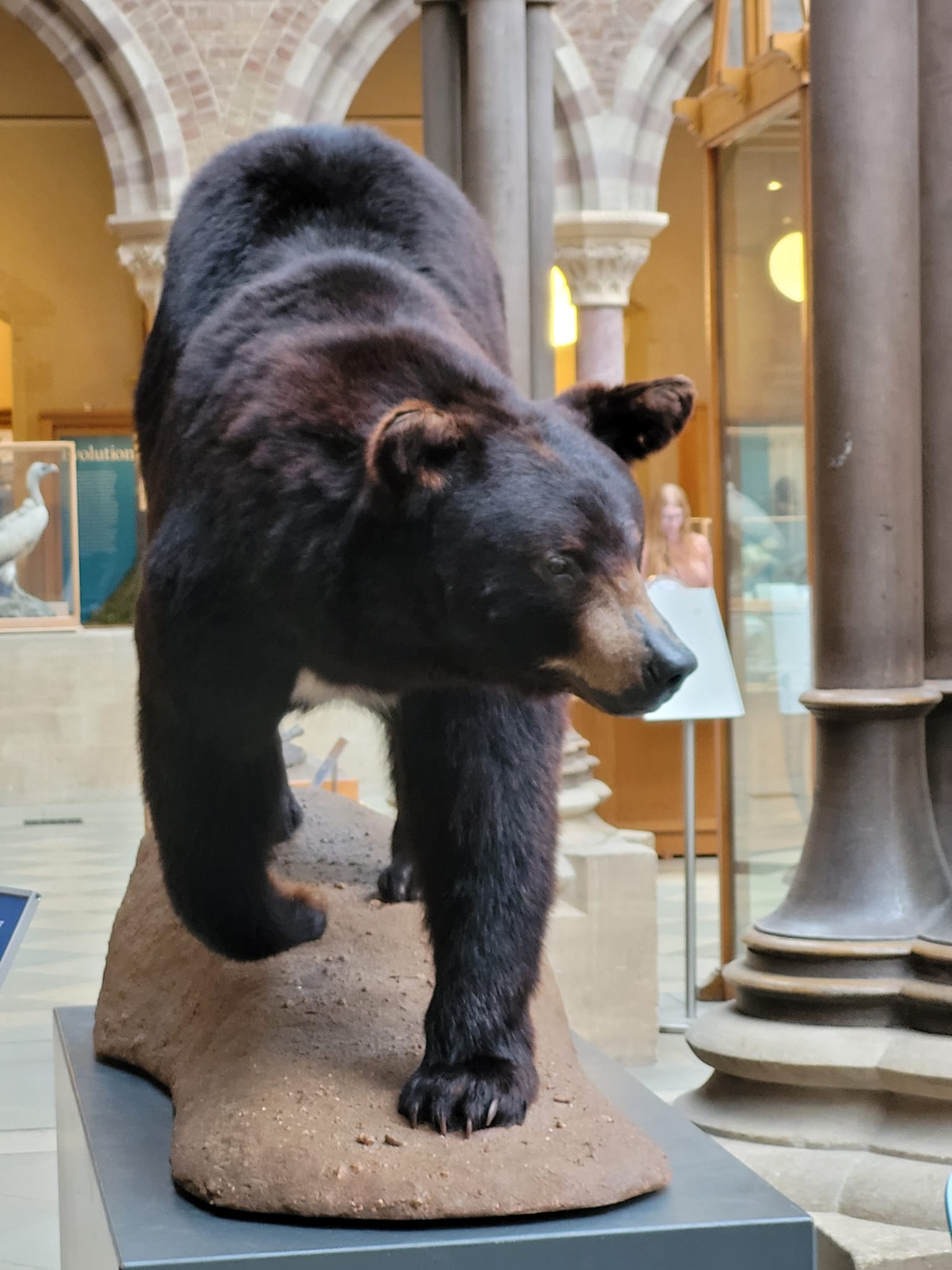
This bear was labelled from Washington State which made me smile and click a photo.

From the museum we walked across University Park to get to the River Cherwell and walk up the river path to make our way on the back roads to Broad Street.

Just a few more posts to finish off our travels from Oxfordshire in September of 2022.

Back to the Present: This is a busier week for us starting with a nice long doctor appointment and new instructions for Dear’s treatments. We had a little more snow overnight and our temperatures are still starting below freezing but managing to get up over freezing as the day progresses. My sister, Vera, is celebrating her birthday today. She’s a Leap Year baby so on the off years we celebrate her on the 28th. Happy Birthday dear sister!!

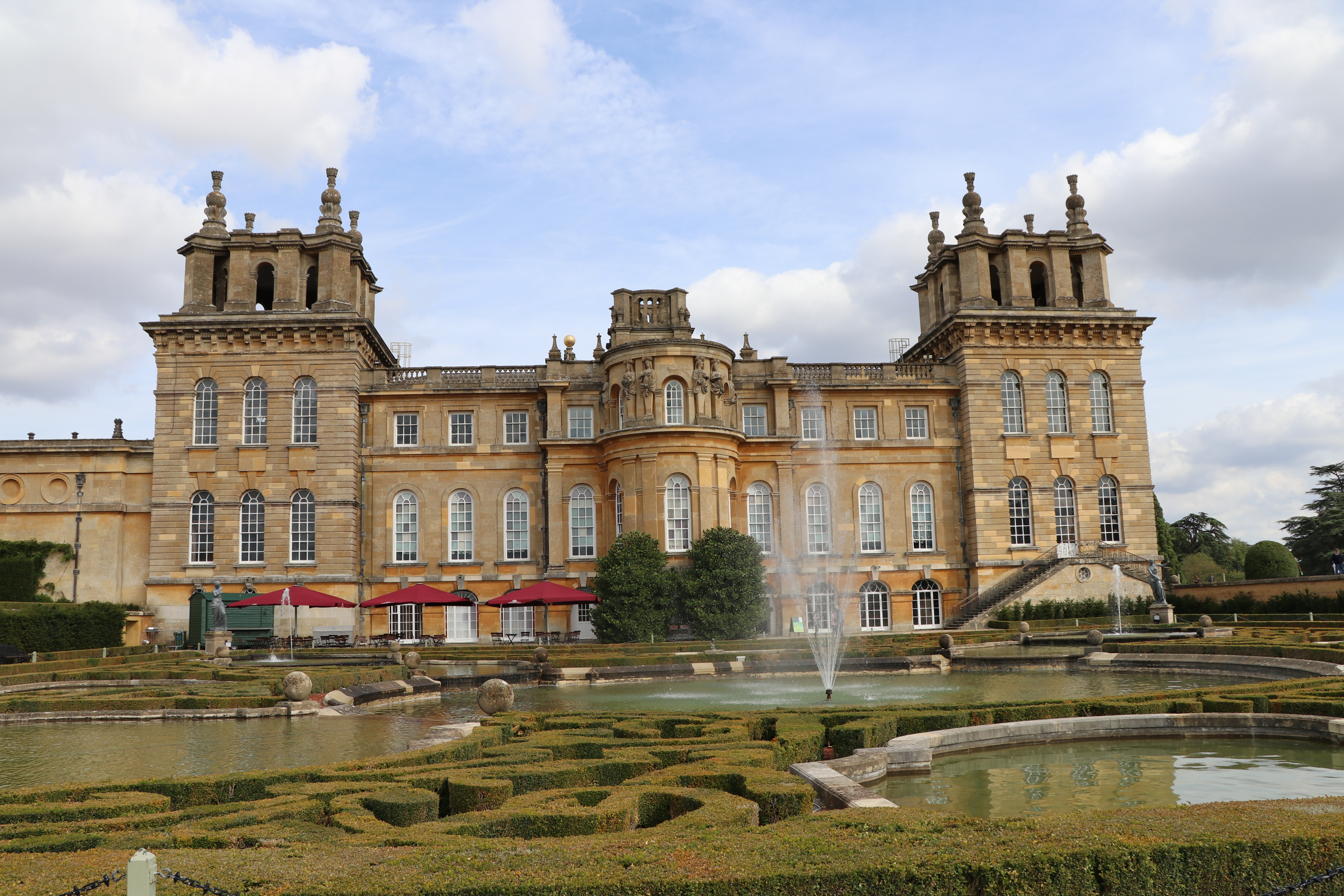
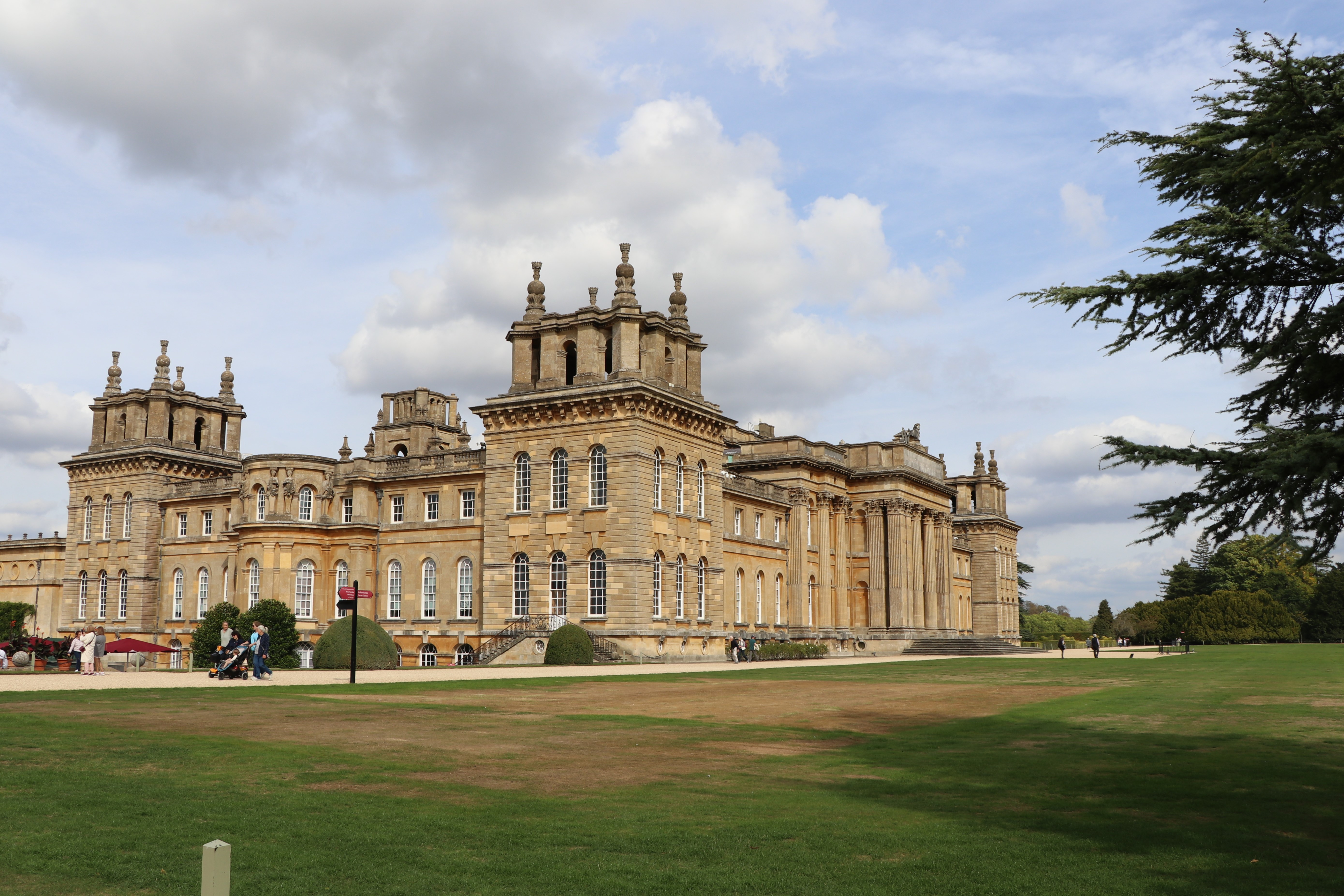
Blenheim Palace Park and Gardens

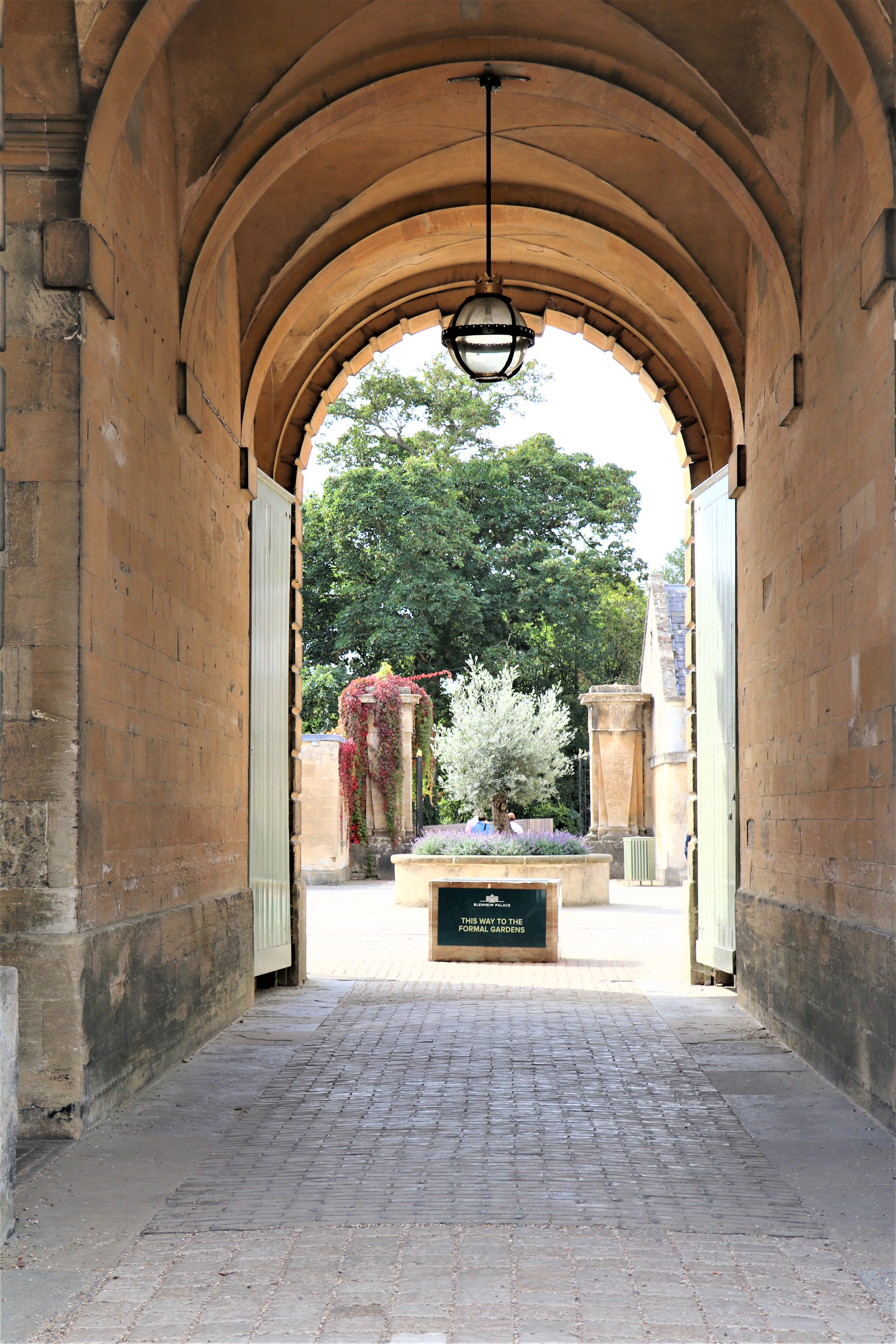
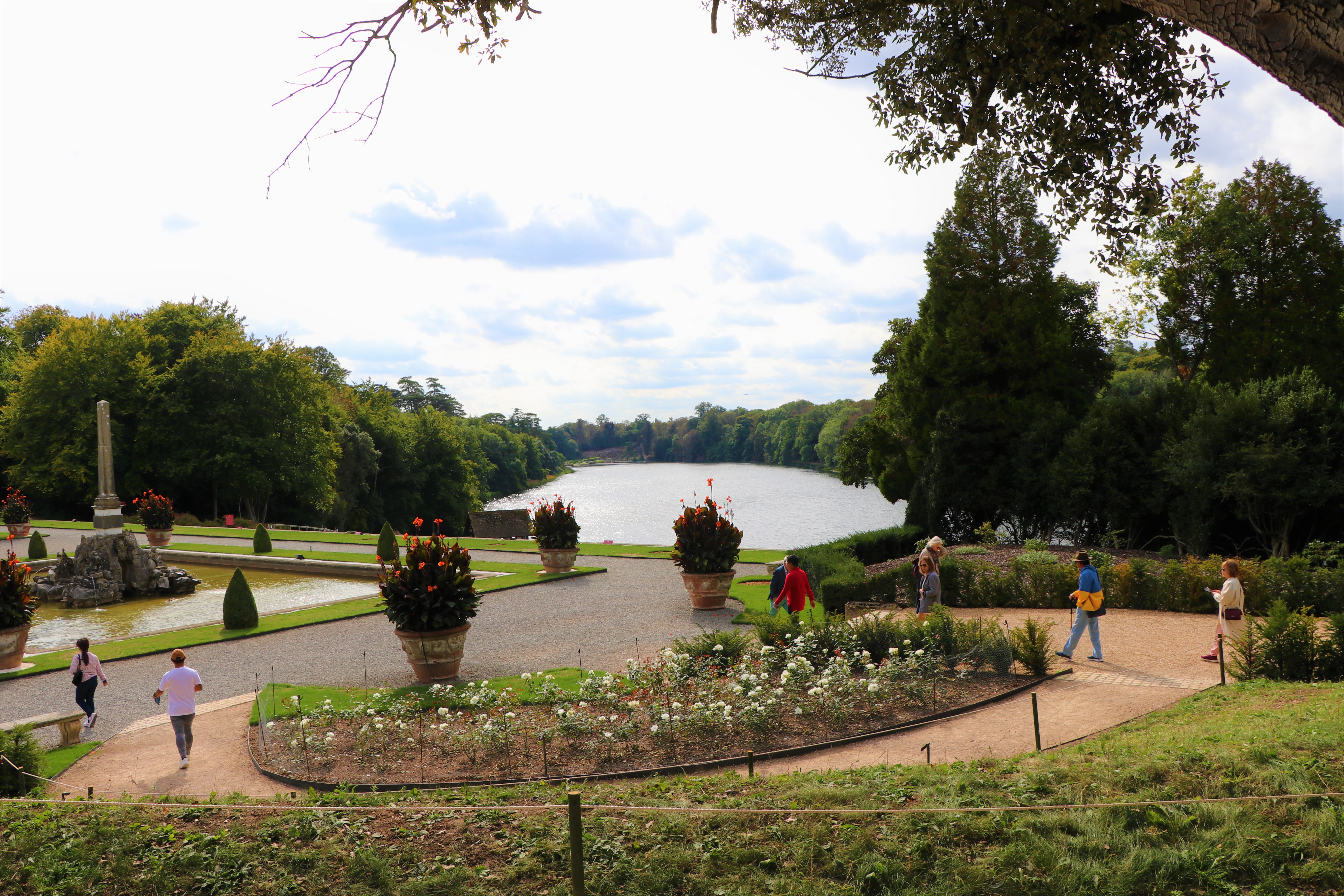
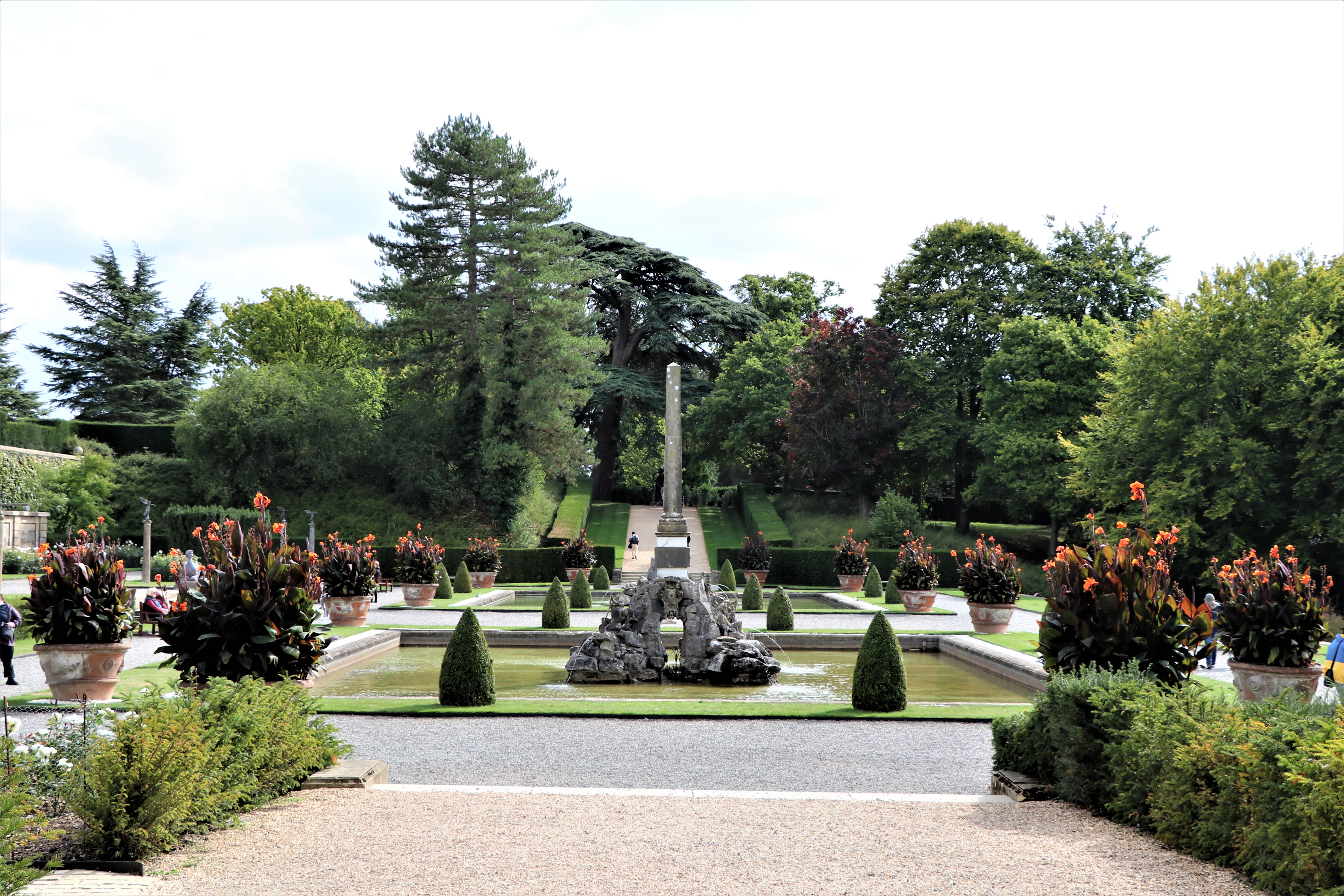
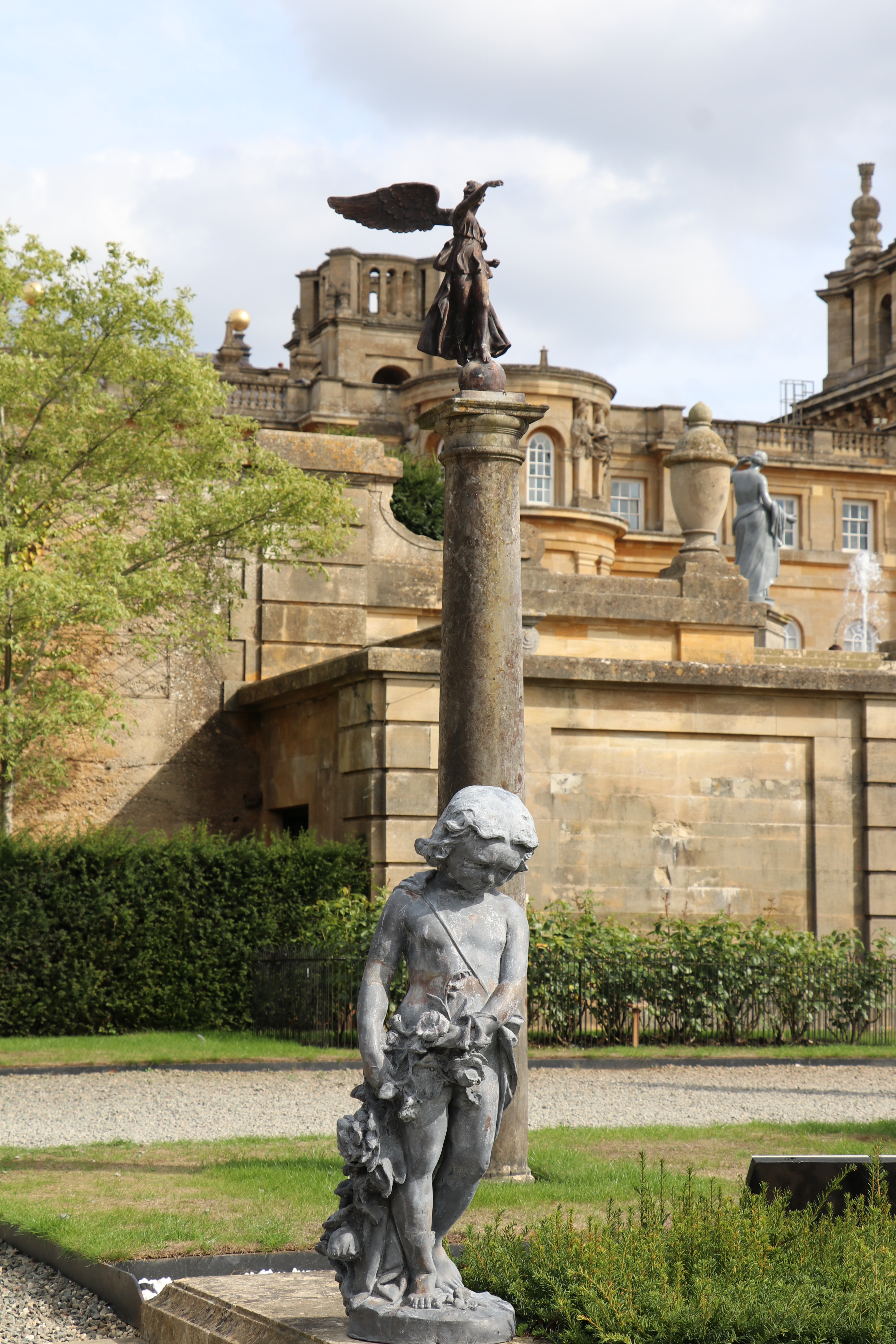
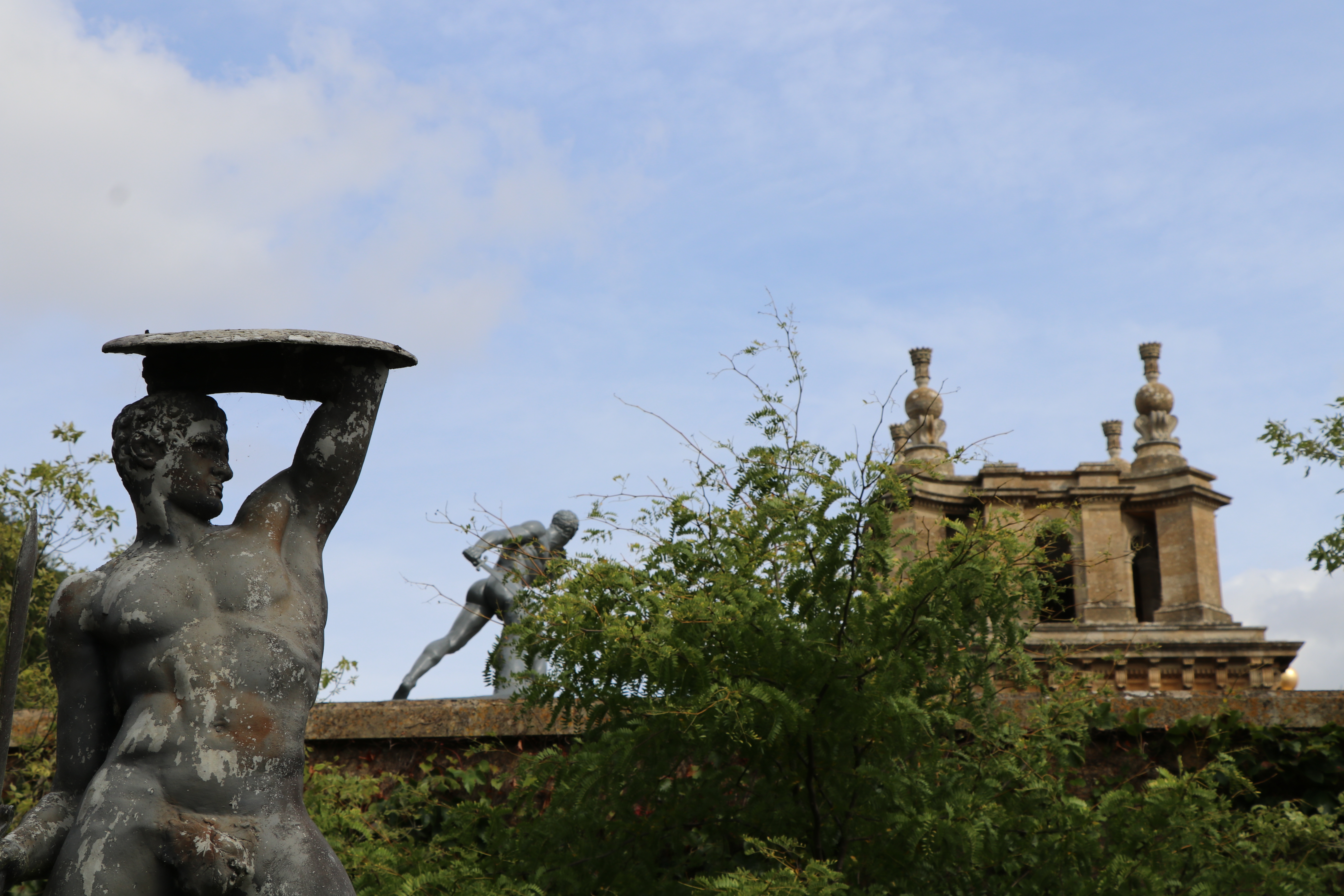
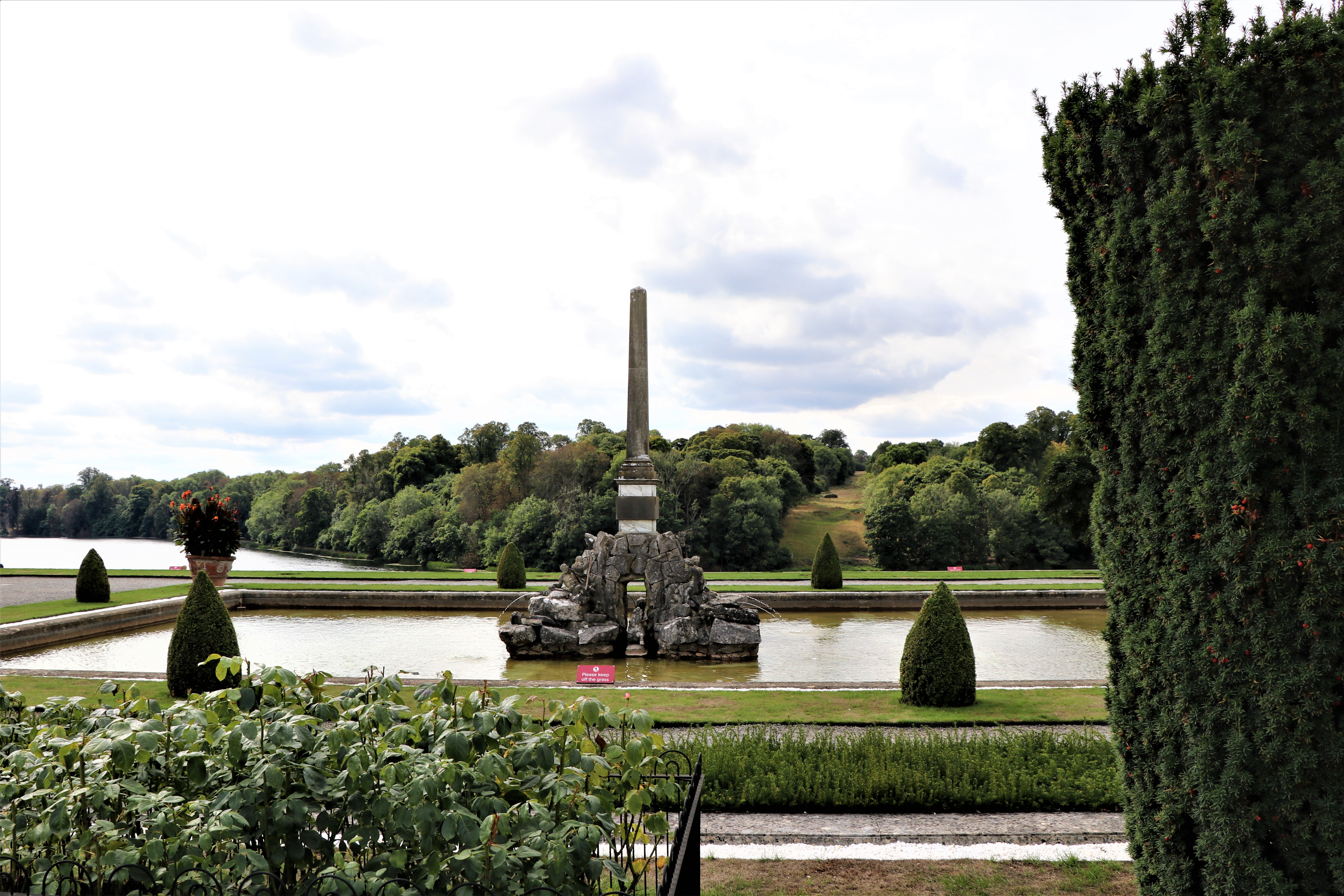
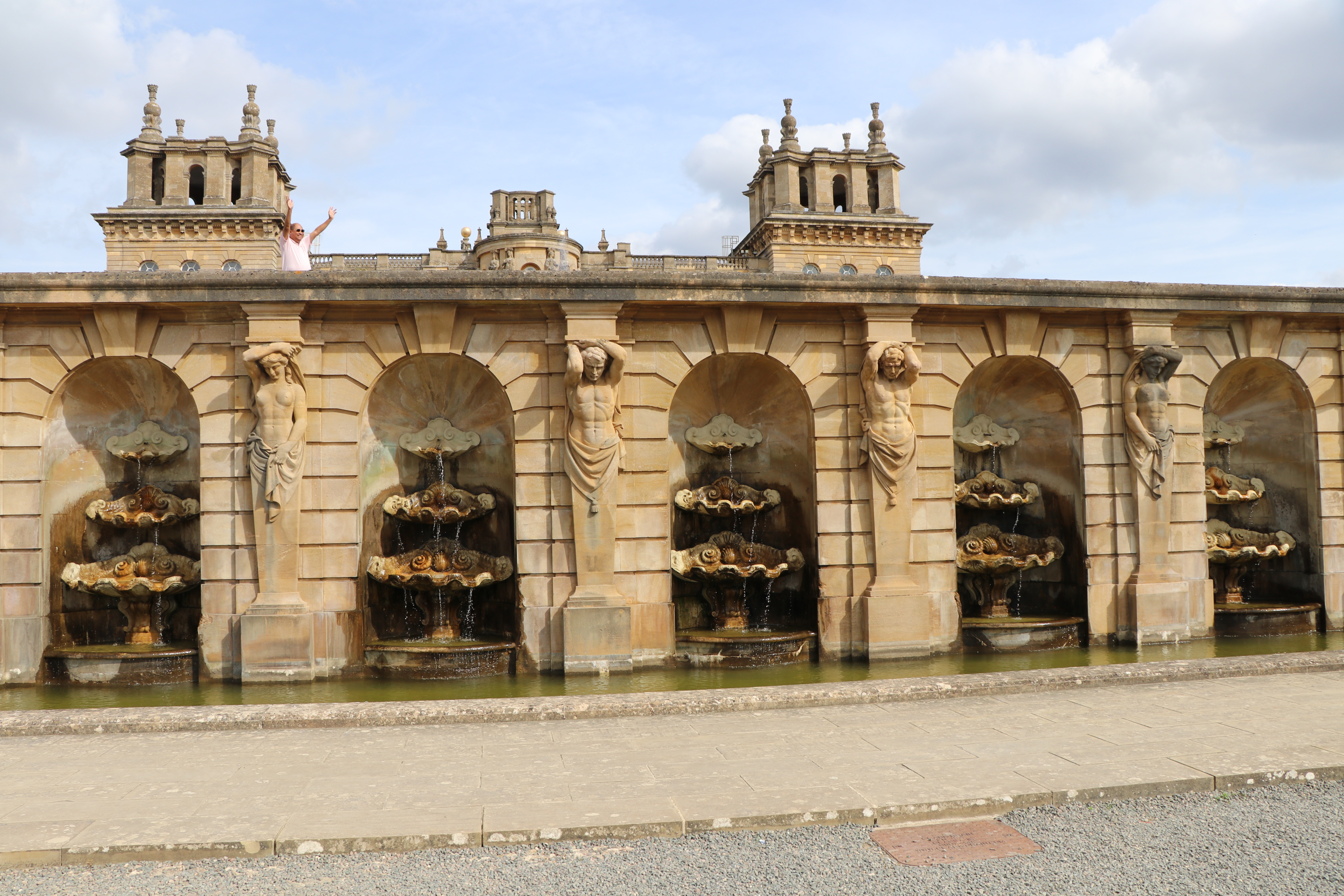
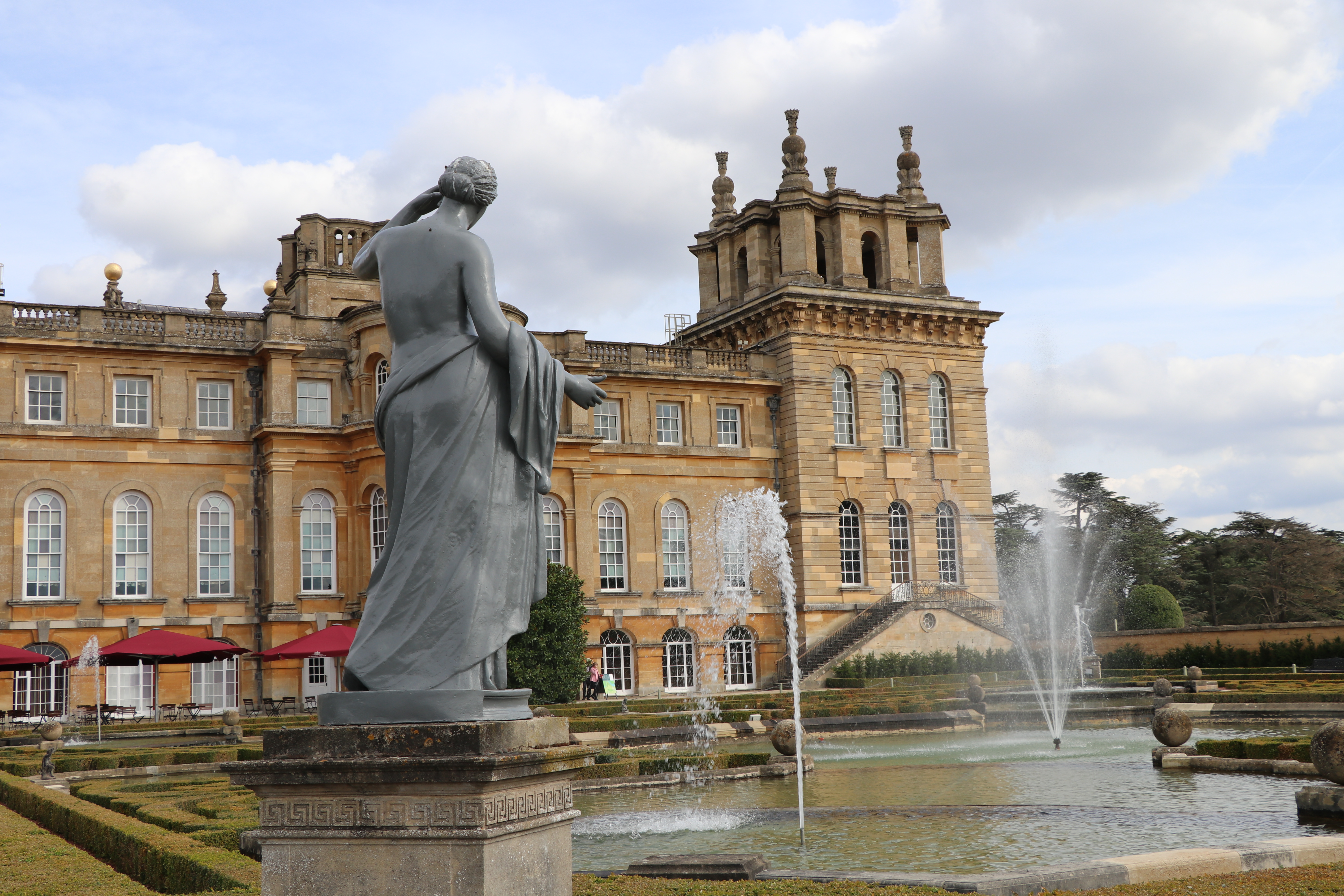
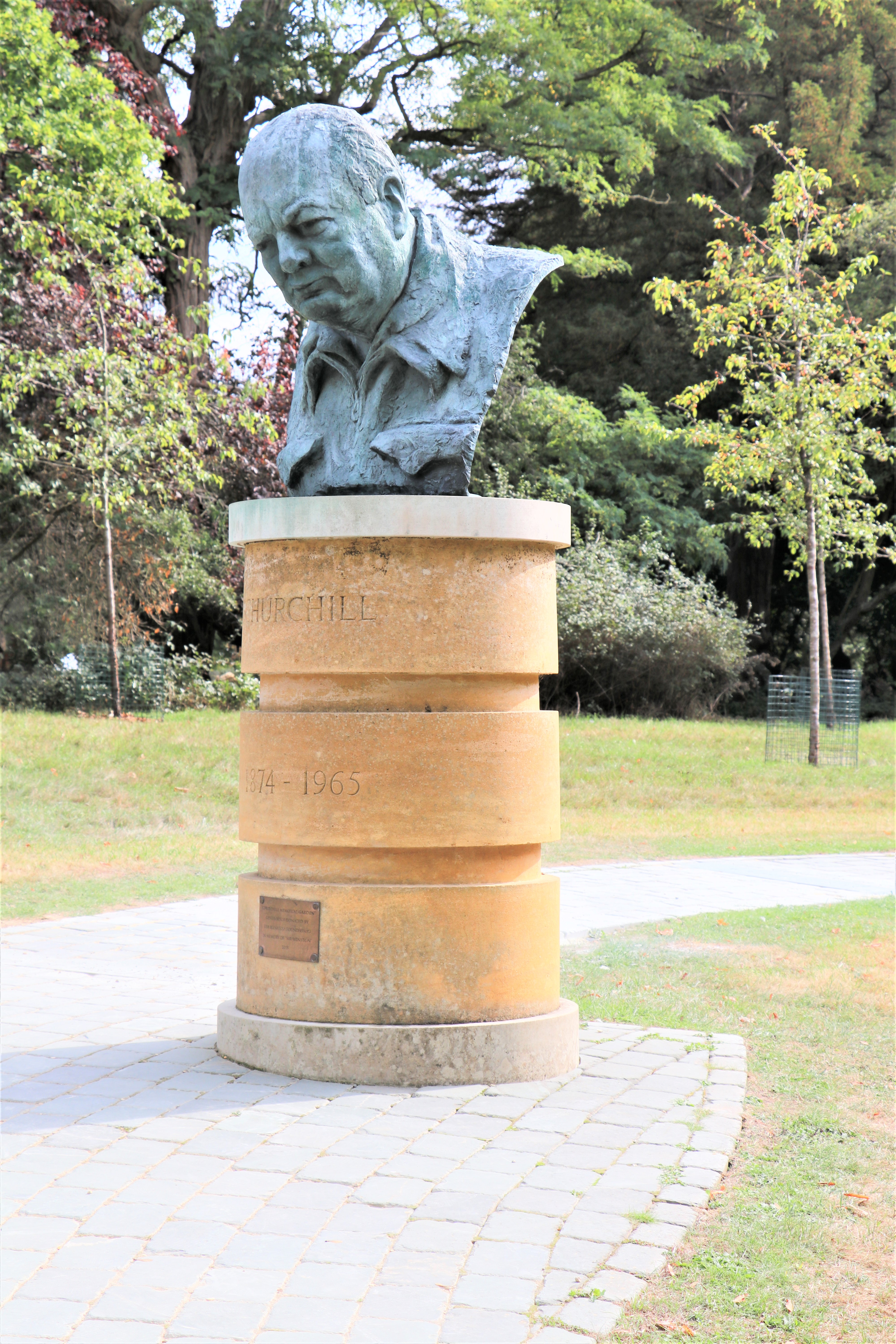
On Thursday September 22nd after a early morning walk on the Blenheim Palace grounds and lunch we returned for a self-guided tour of the courtyards of the palace, the water terraces, the Churchill Memorial Garden, the Rose Garden, and the Grand Cascades.


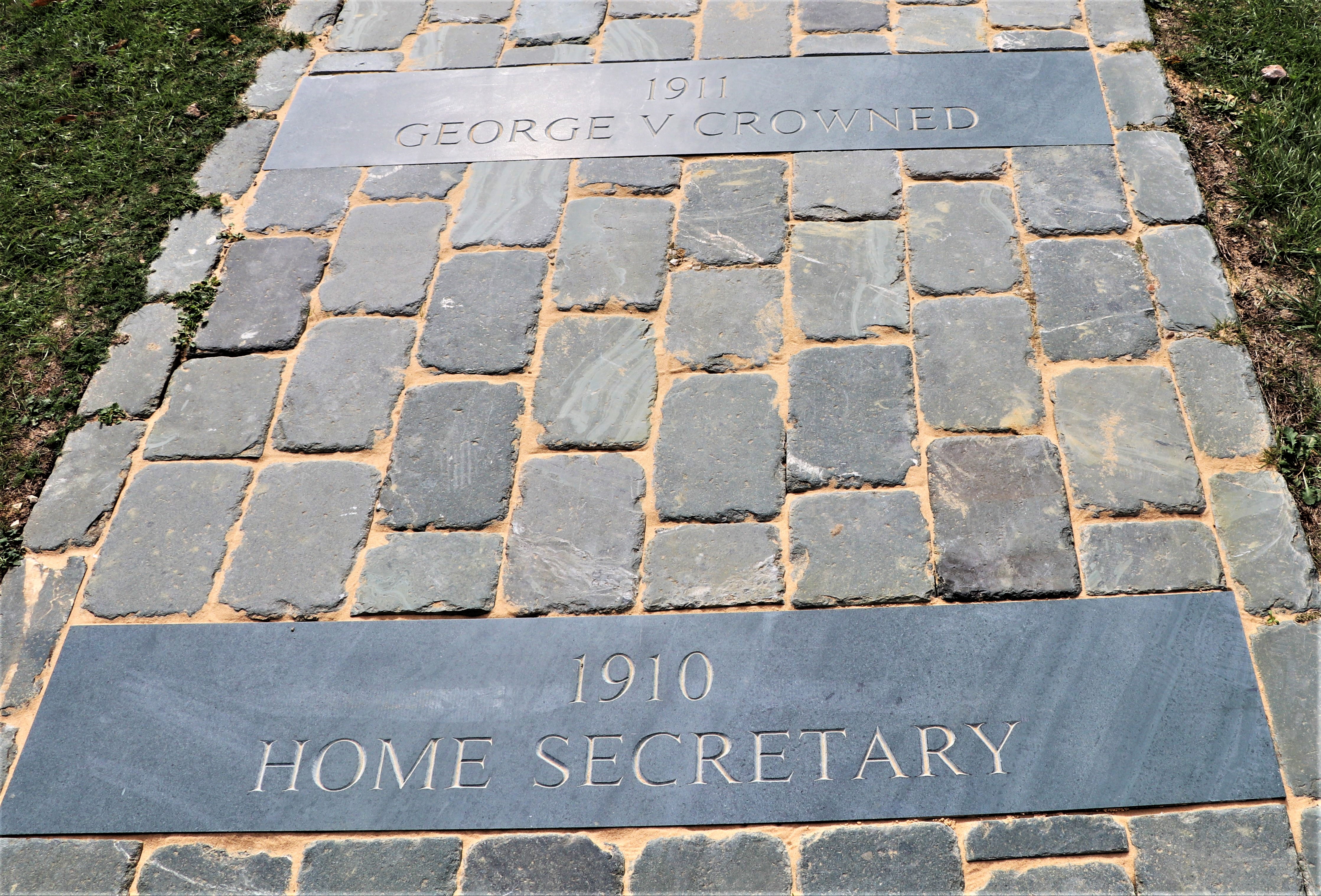
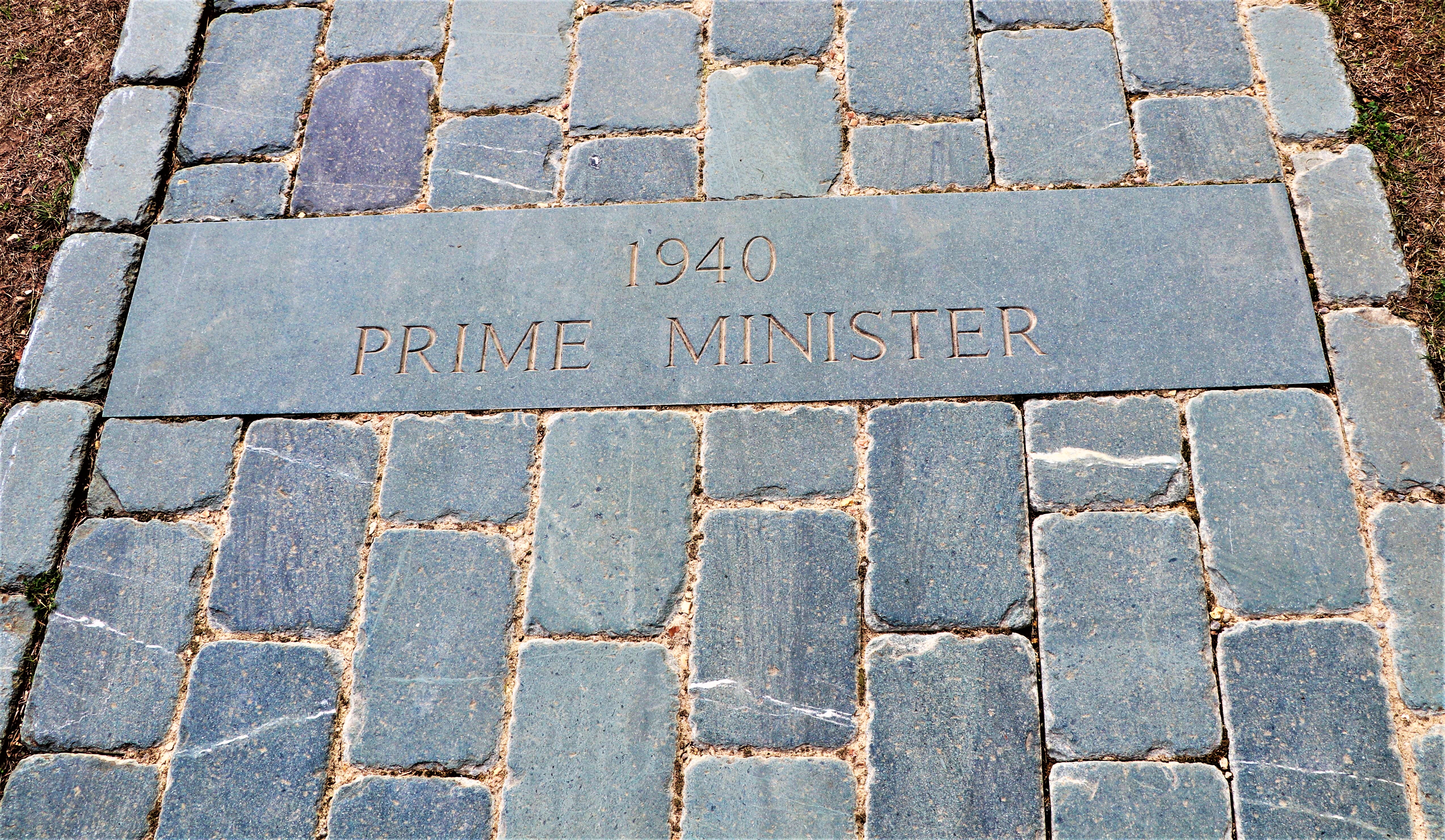
The Churchill Memorial garden needs some freshening up. It was interesting to walk the path that had engravings in the stone to mark different important dates in his lifetime.

1900 Member of Parliament, 1902 Edward VII Crowned, 1905 Under Secretary, 1908 Marries Clementine, 1910 Home Secretary, 1911 George V crowned, 1914 WWI Starts, 1918 WWI Ends, 1924 Chancellor of Exchequer, 1933 Marlborough Published, 1937 George VI Crowned, 1939 WWII Starts – First Lord of Admiralty, 1940 Prime Minister, 1945 WWII Ends – Election Defeat, 1951 Prime Minister, 1953 Elizabeth II Crowned – Knighthood – Nobel Prize, 1955 Resigns as Prime Minister, 1963 Made US Citizen, 1964 Leaves Parliament, 1965 Buried at Bladon.

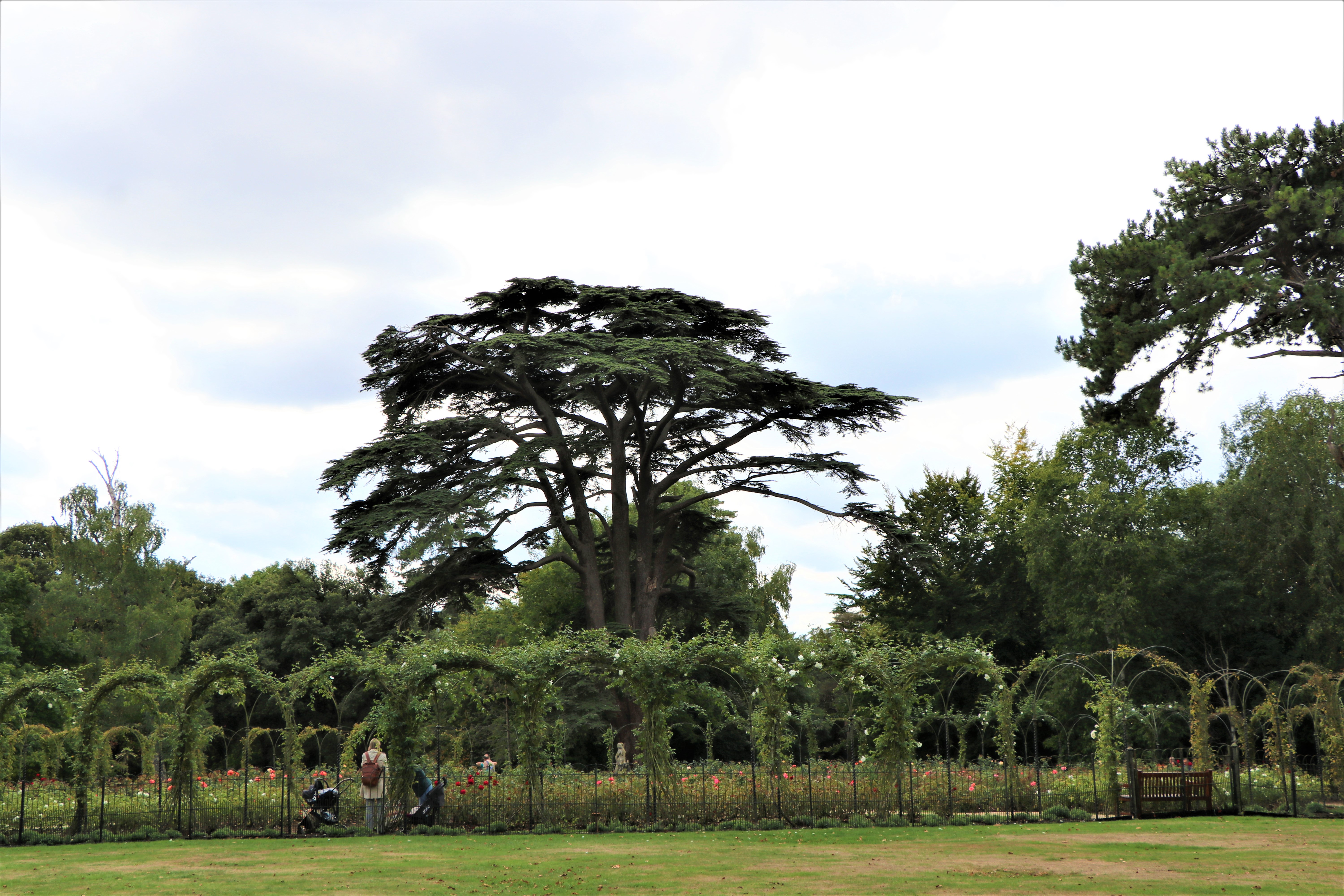
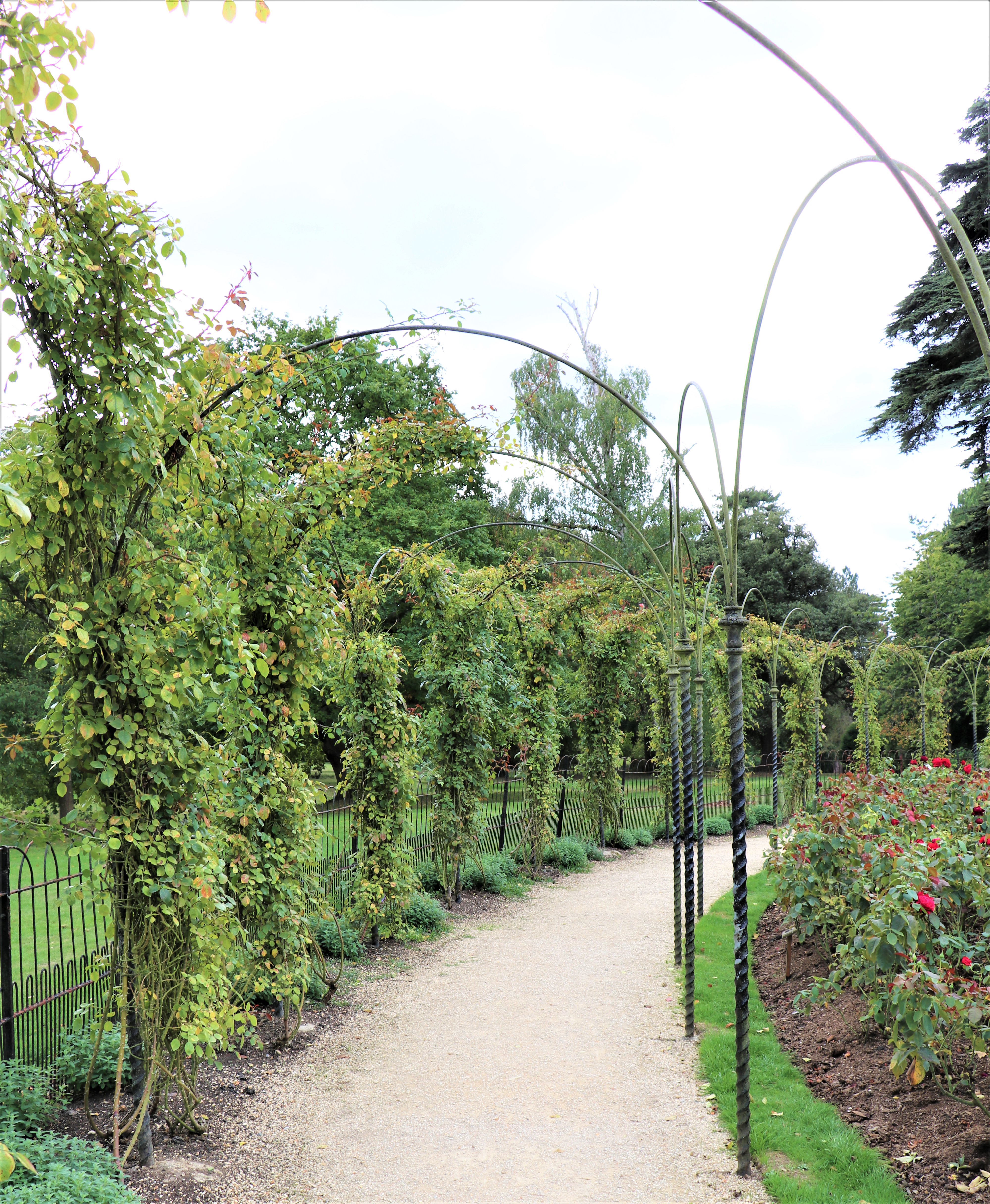
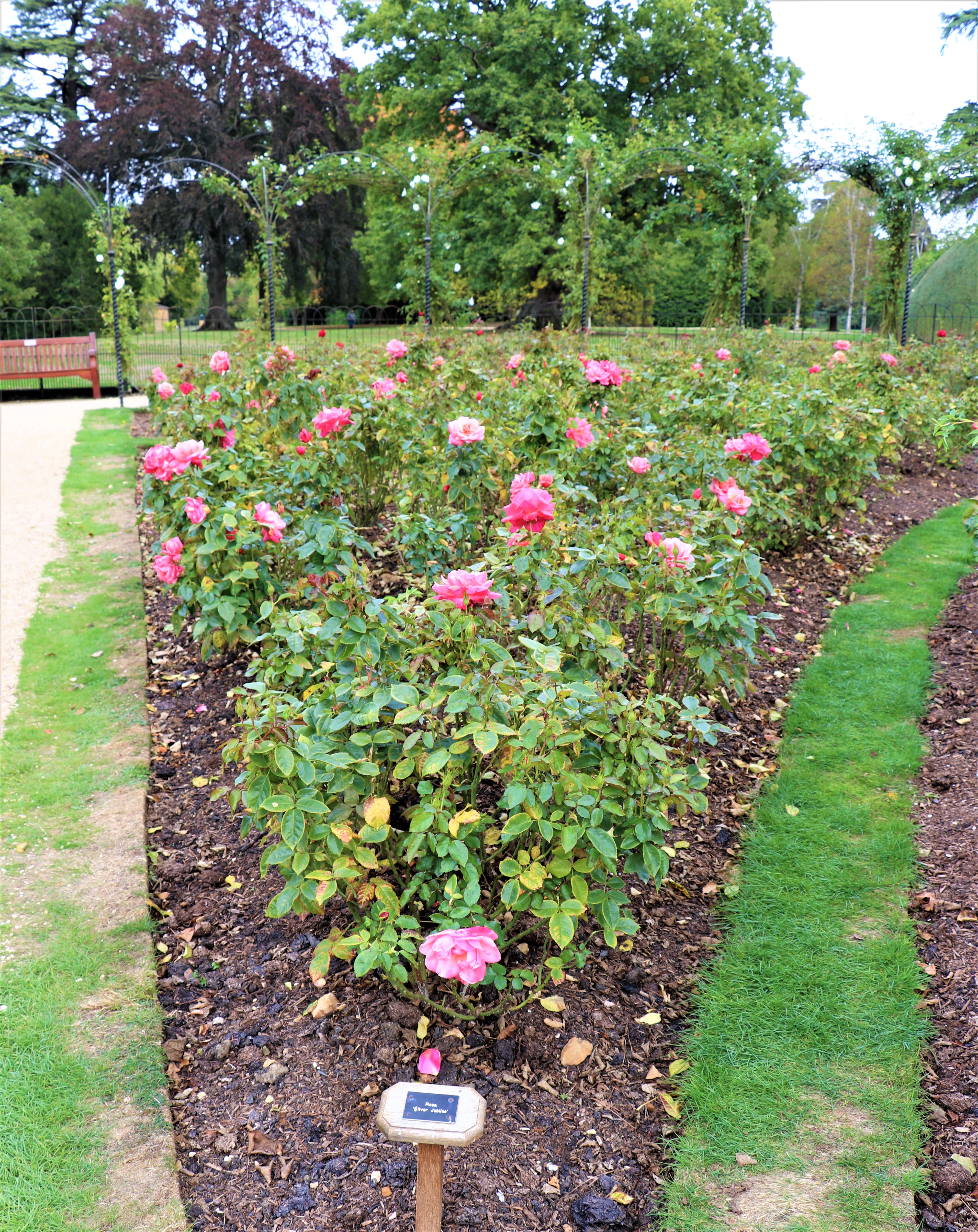
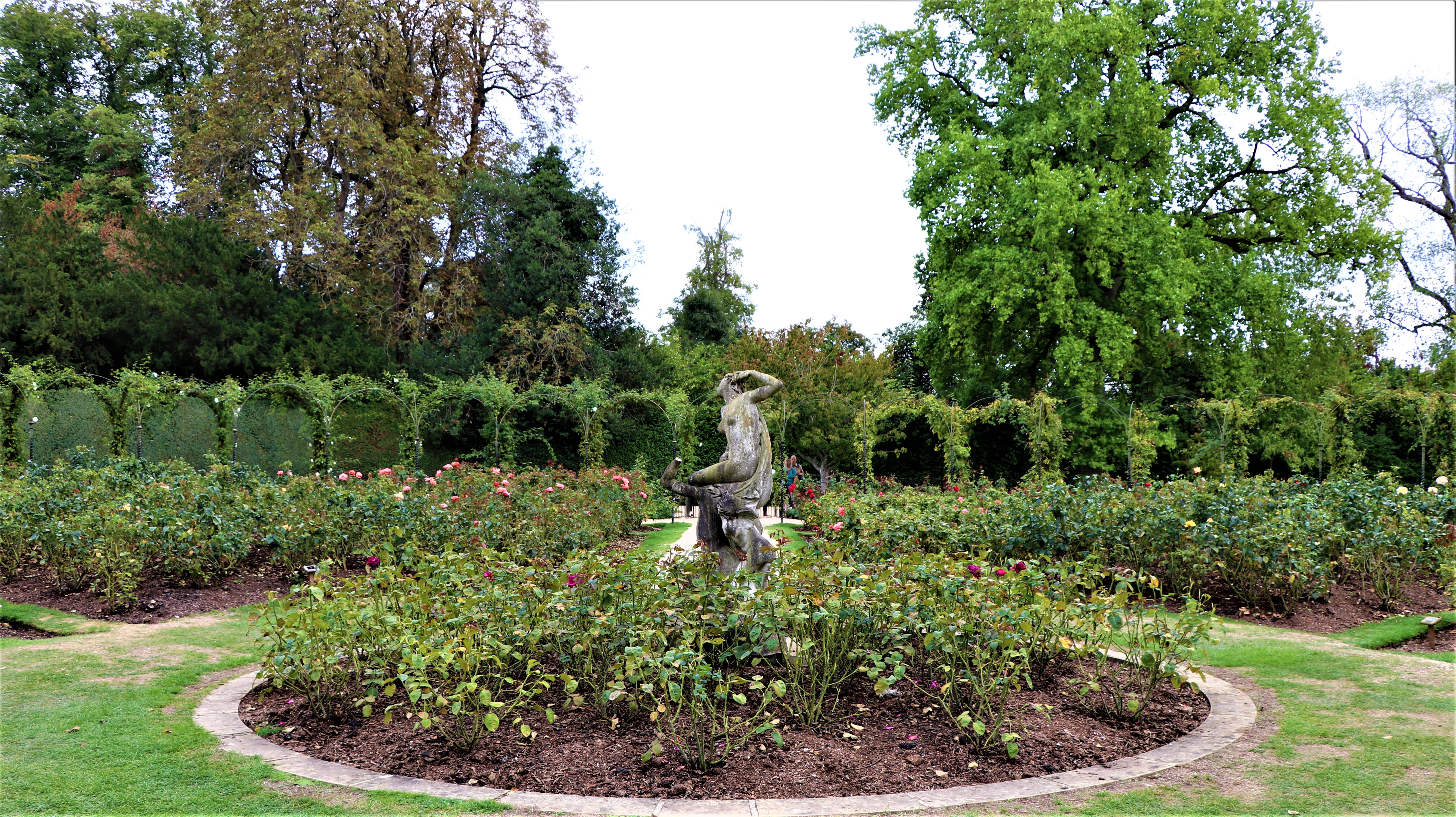
The Rose Garden which is usually in it’s prime in late June, early July. We were here in September so way past it’s prime.


This patch is filled with the Jubilee Rose.

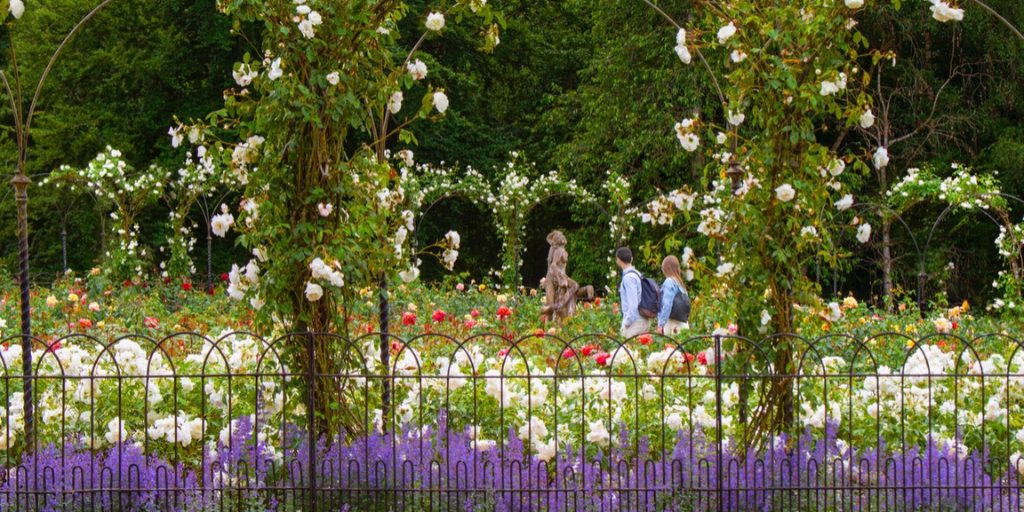
The Grade 1 Listed Rose Garden is contained within a circular walk, surrounded by blue cat mint and arched over by slender hoops supporting climbing white roses. At its centre is a fountain within a circular pool and surrounded by symmetrical beds; each filled with a variety of different roses.

Here’s a photo I found to show what it looks like in it’s prime.

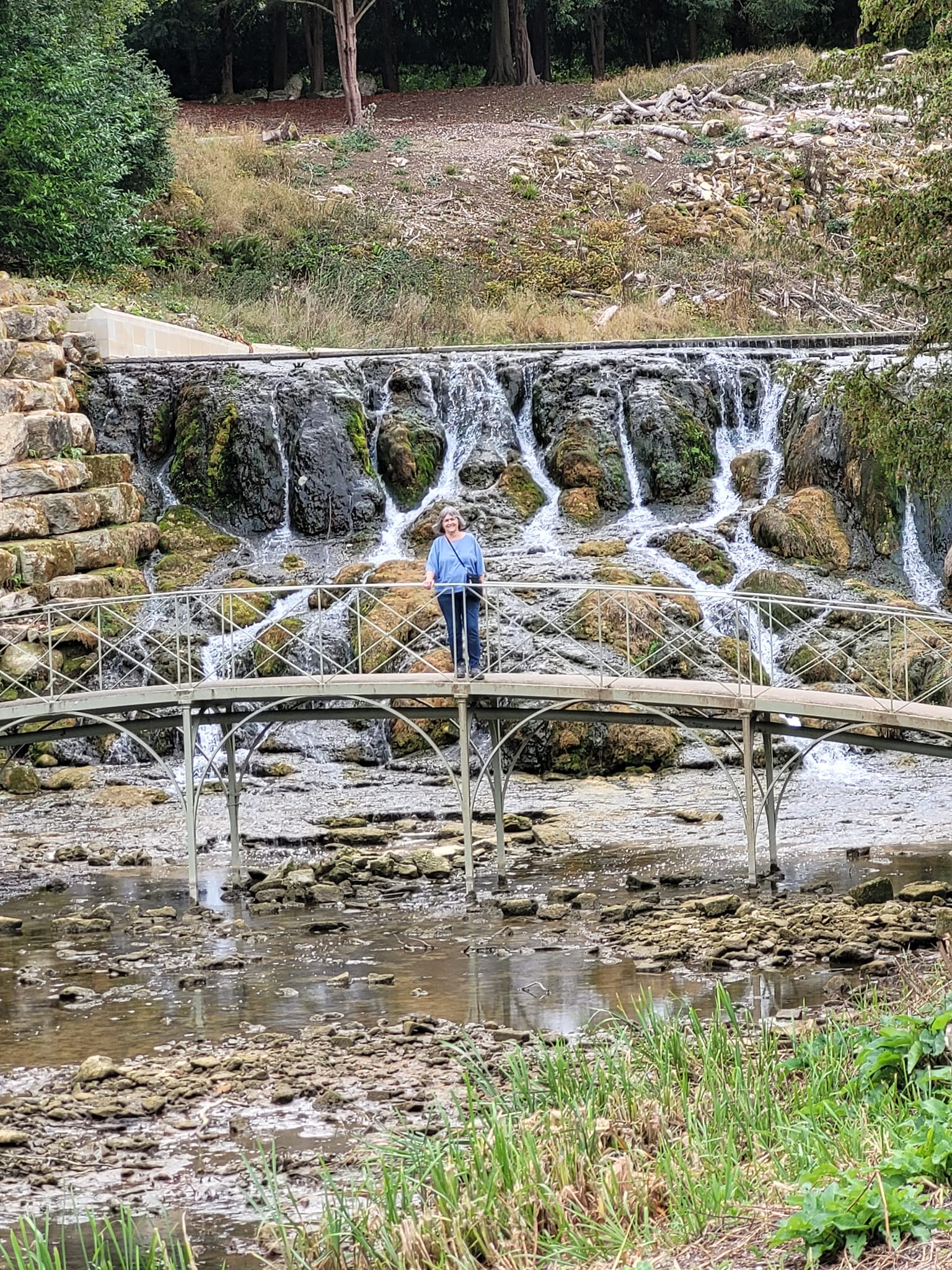
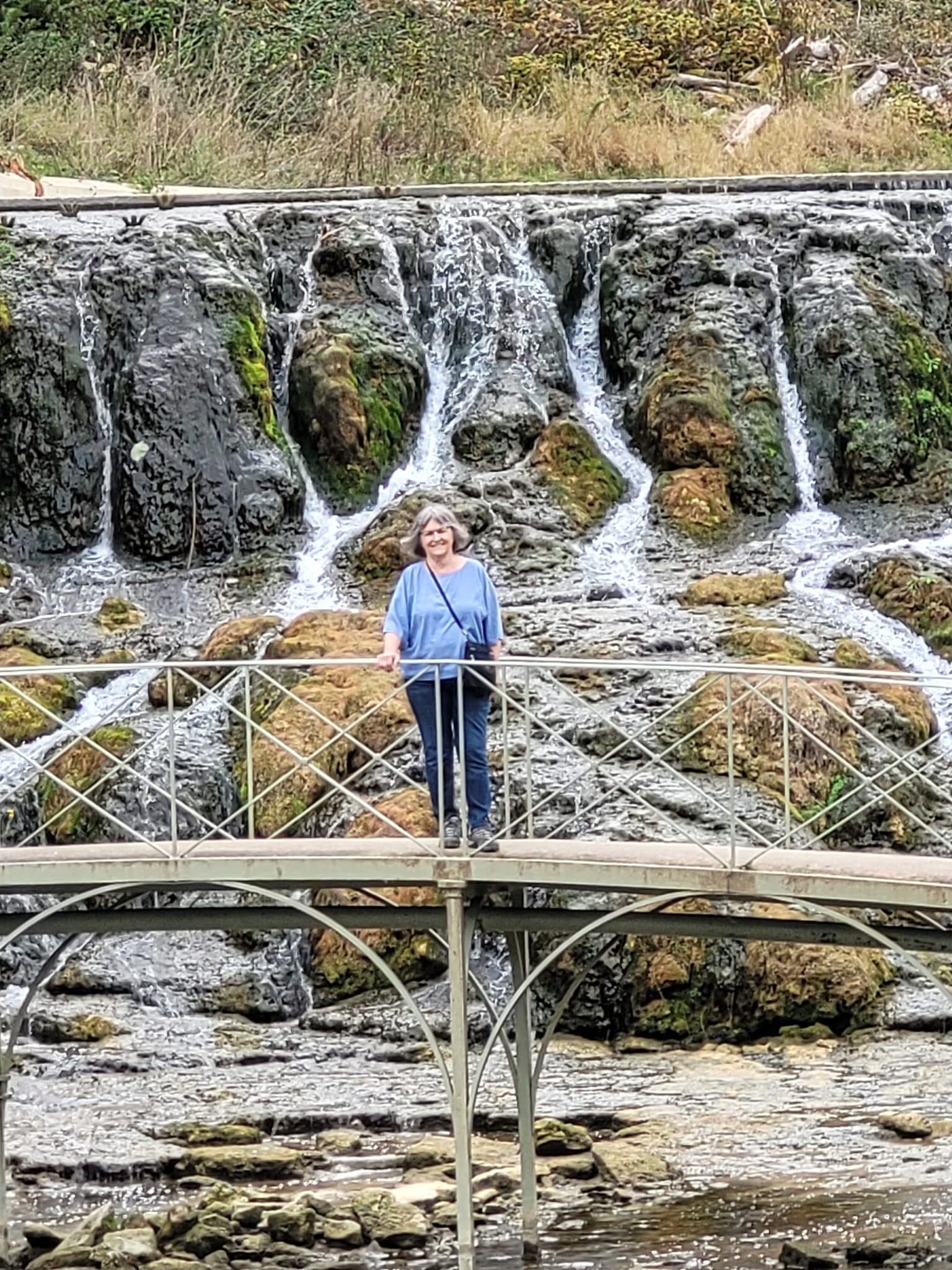
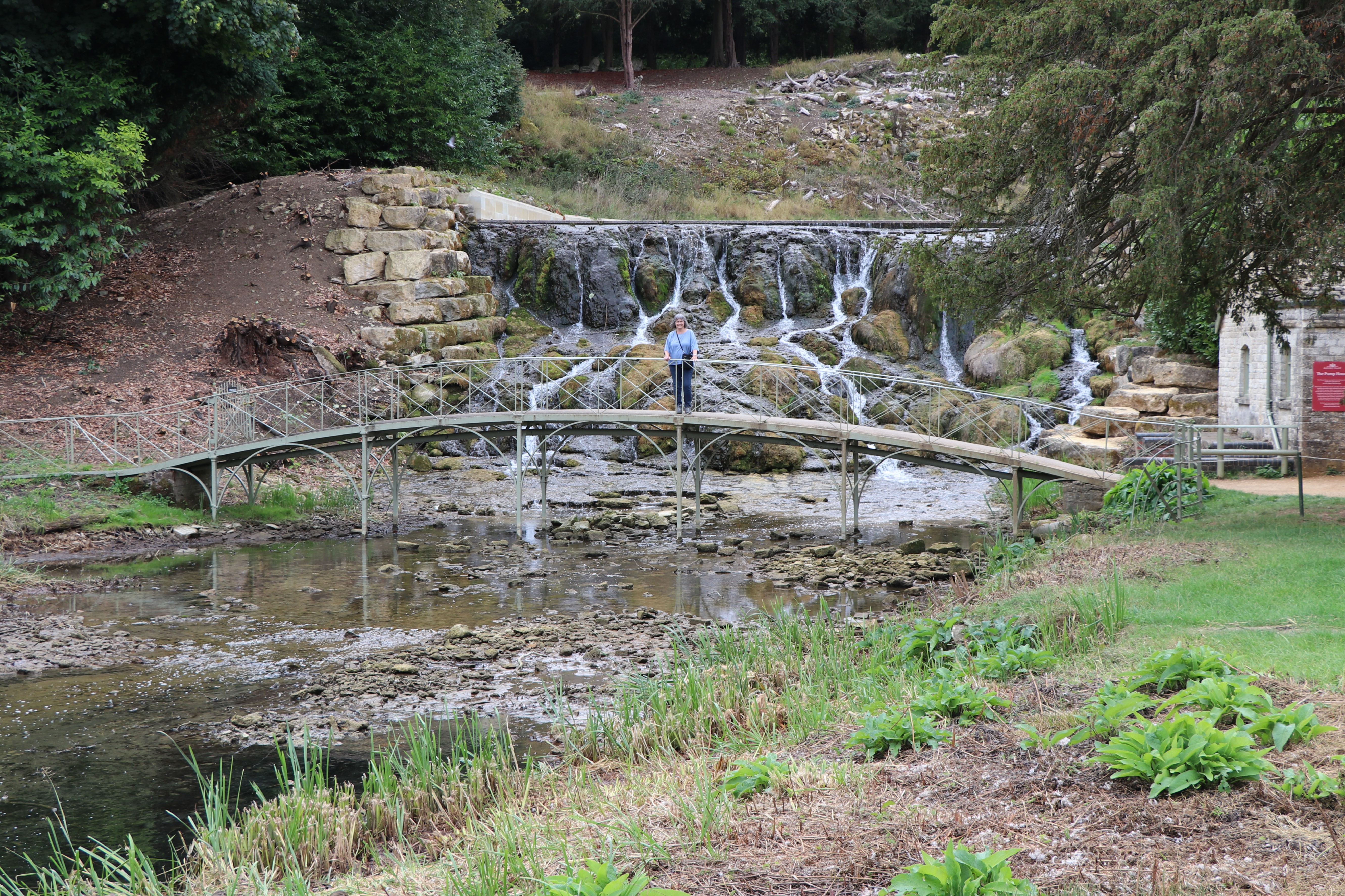
The Grand Cascades September of 2022.

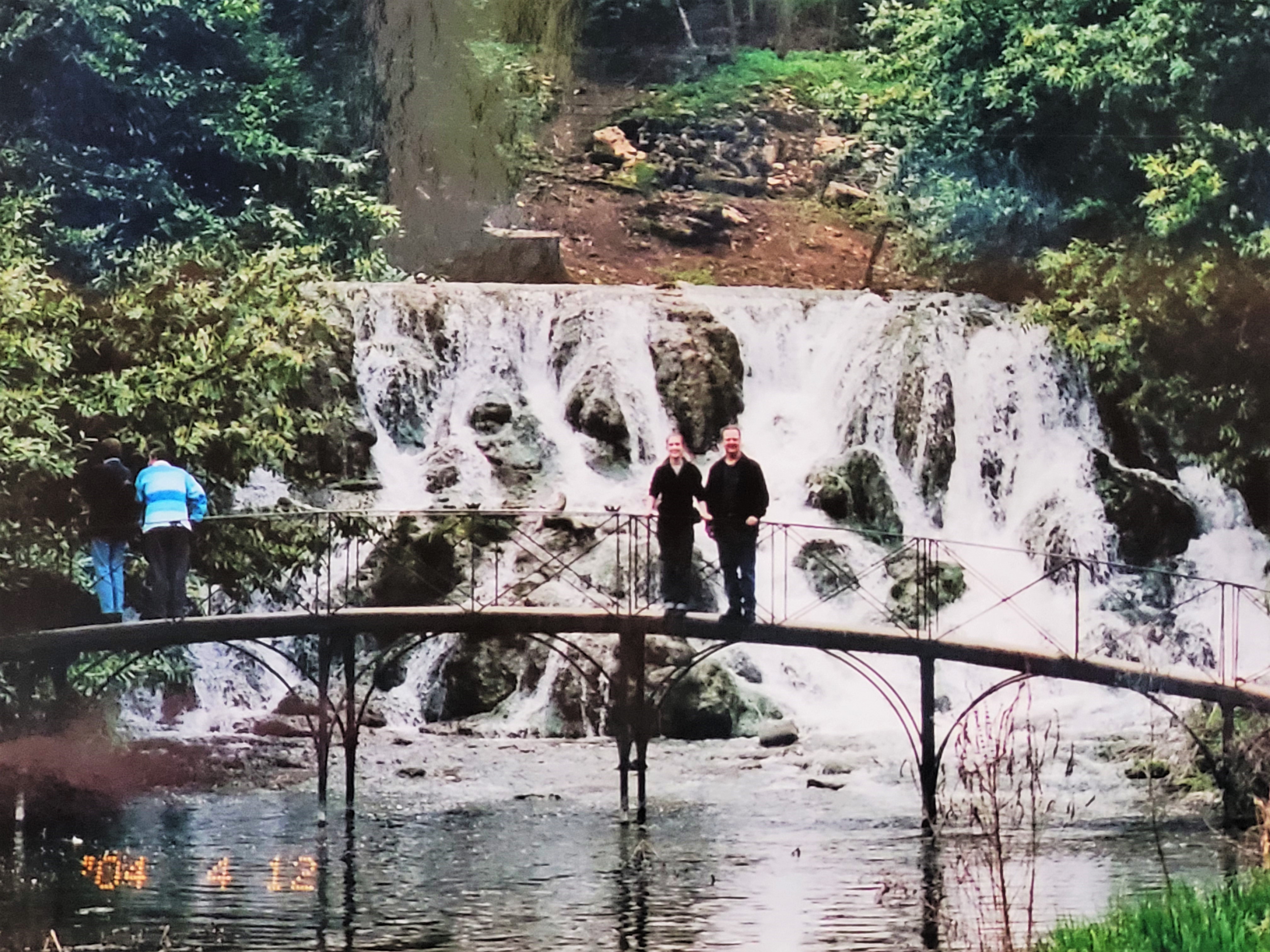
The Grand Cascades in April of 2004 on a trip to England with our daughter.

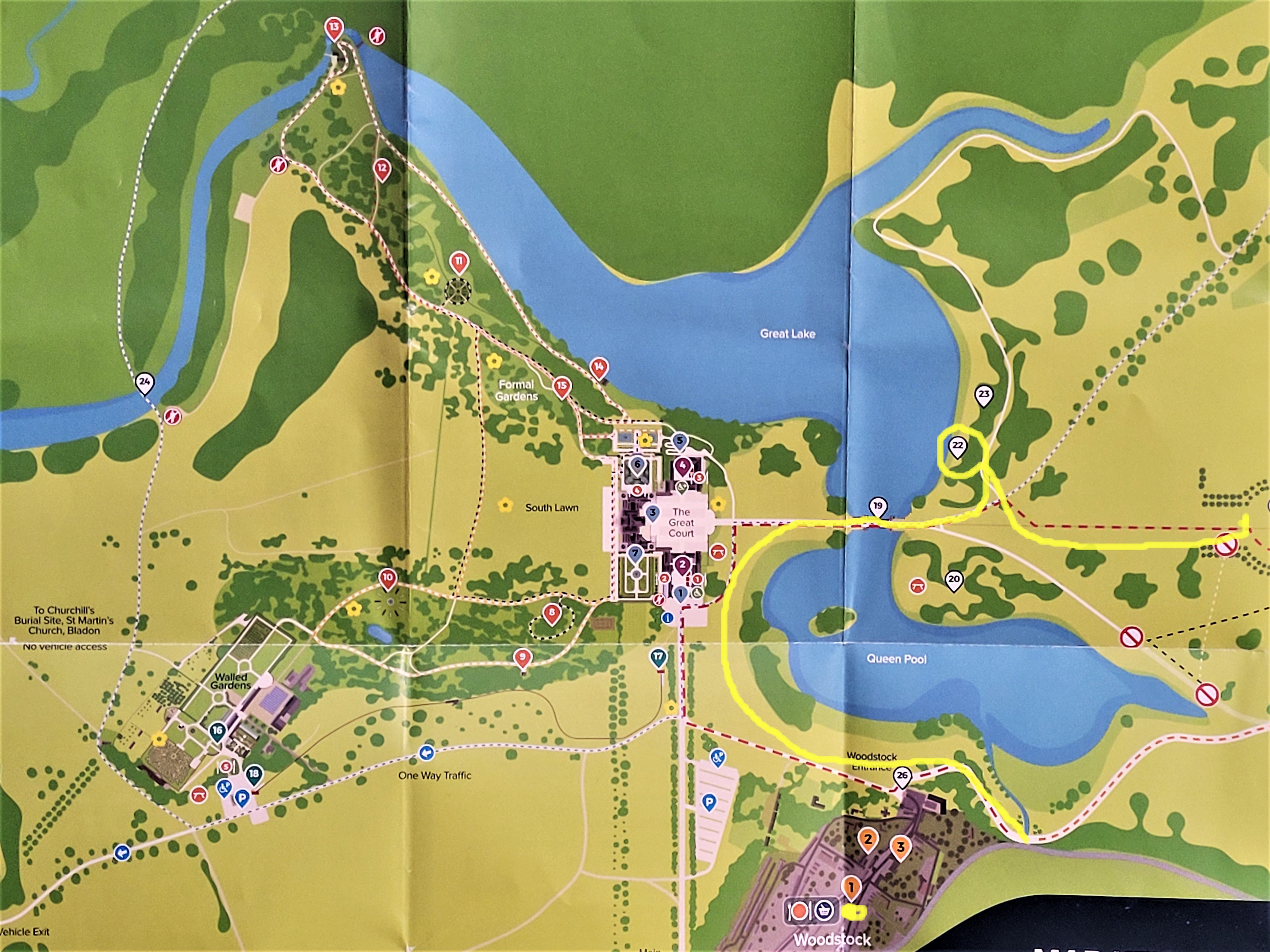
The brown section on the bottom right of the map is the village of Woodstock. The rest of the map shows the grounds of Blenheim Palace, over 500 acres. We walked the upper circular path to the Grand Cascade and back to the palace and then back to Woodstock. We should have used a pedometer on this trip to log the steps we ended up with! The Feathers Hotel in Woodstock is where we stayed for two nights. The marked yellow path is where we walked early in the morning to see the Harry Potter Tree. That was a separate post.

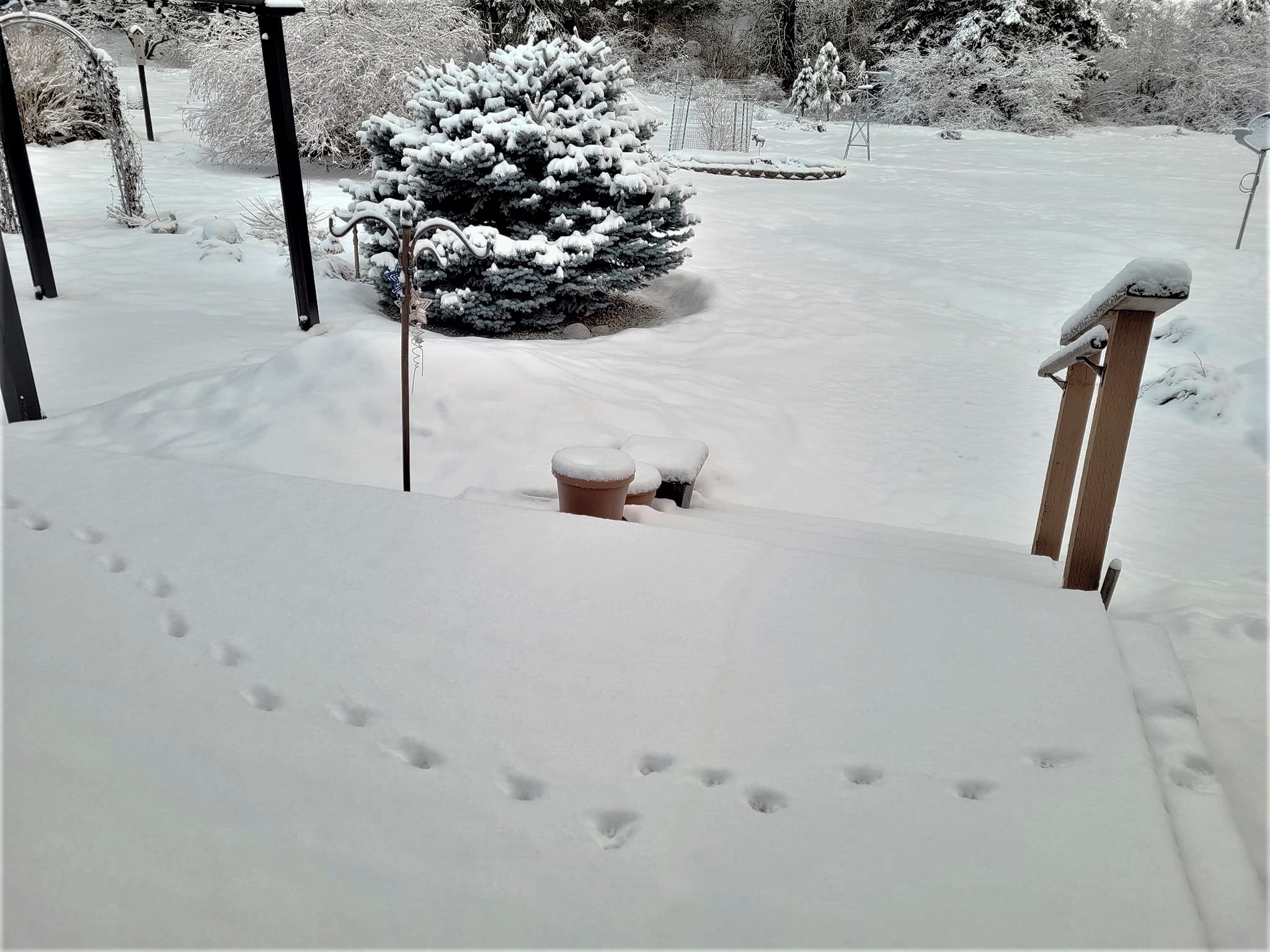
Back to the Present: We had a new covering of snow over the weekend and more is predicted for later today into tomorrow. It’s always fun to see some distinct paw prints in the snow (feral cat). On Sunday our church body had a time to grieve together over the passing of our dear church secretary of many years with our pastor sharing some great stories about her and their working relationship before our service. Today we have to head out early for Dear to meet his new Primary Care Doctor. Hope you all have a good week.

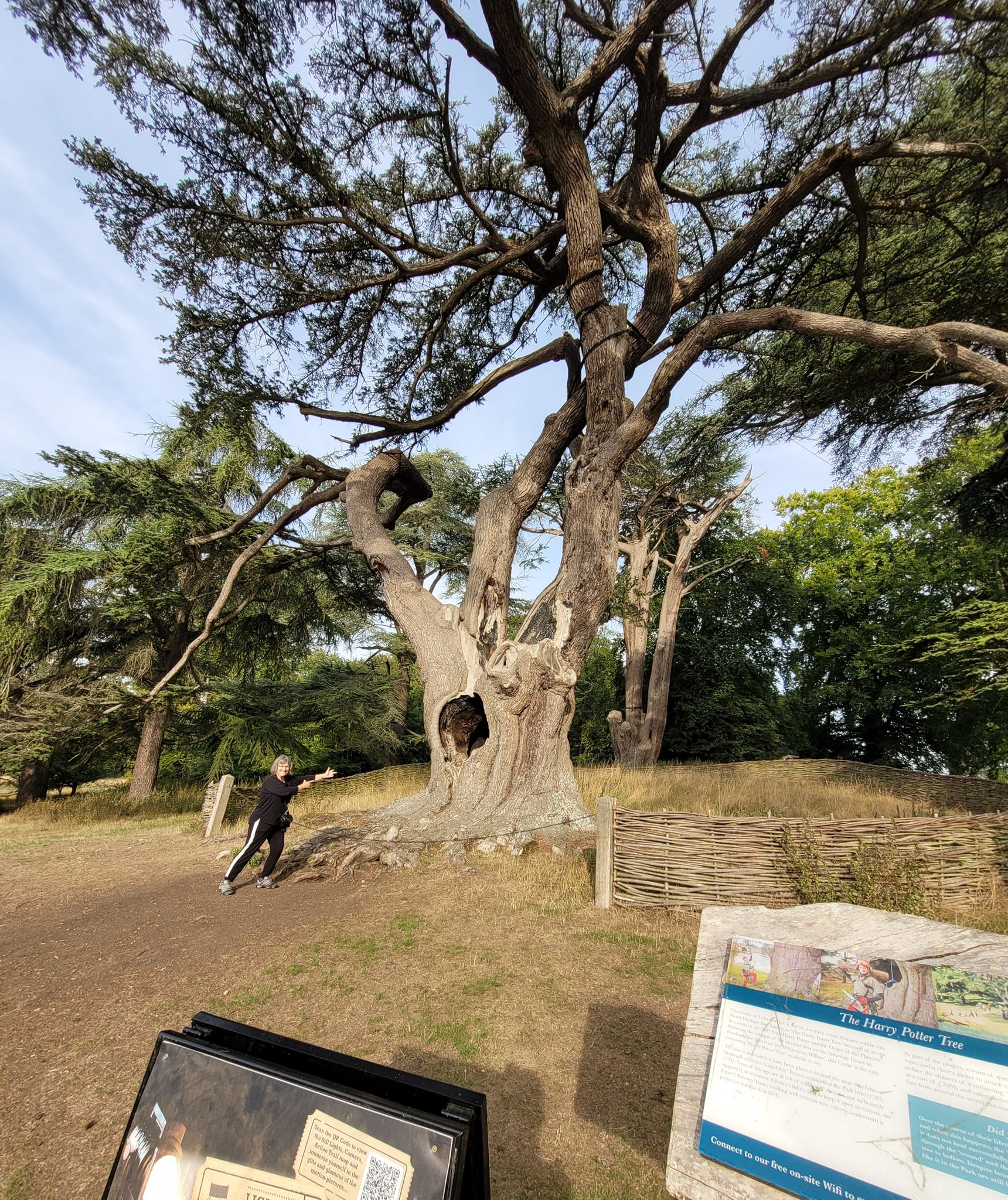
The Harry Potter Tree

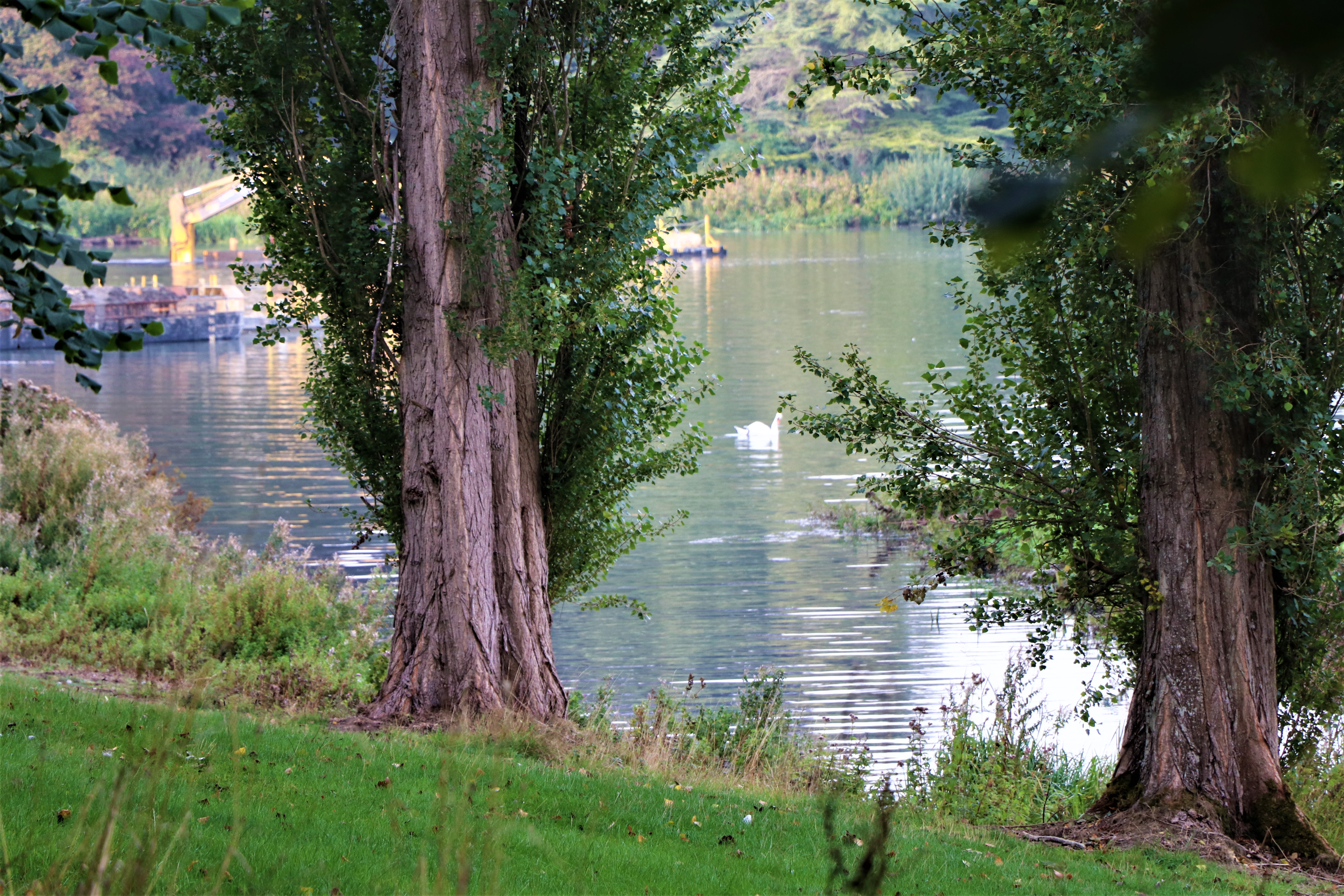
Early in the morning of September 22nd we walked along the main road on the edge of Woodstock to an entrance to the Blenheim Park grounds. I marked the route we wanted to take with orange highlighter. When we entered through the gate we immediately saw the path closure signs because of the on going dredging taking place in the Queen Pool. We diverted to take the green highlighted way around the pool across the bridge and down to the ‘Harry Potter’ Tree which is on the shore of the Great Lake.

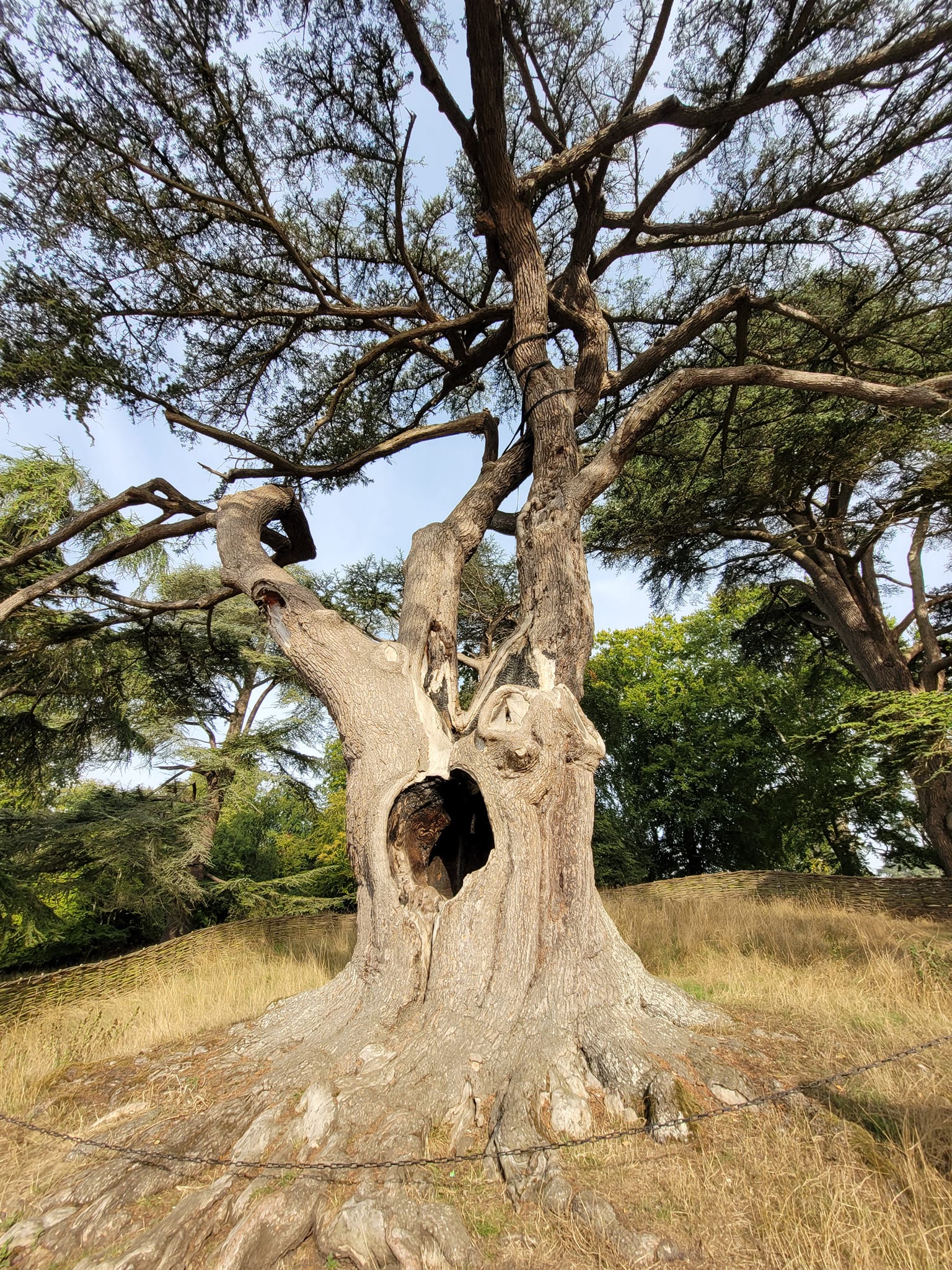
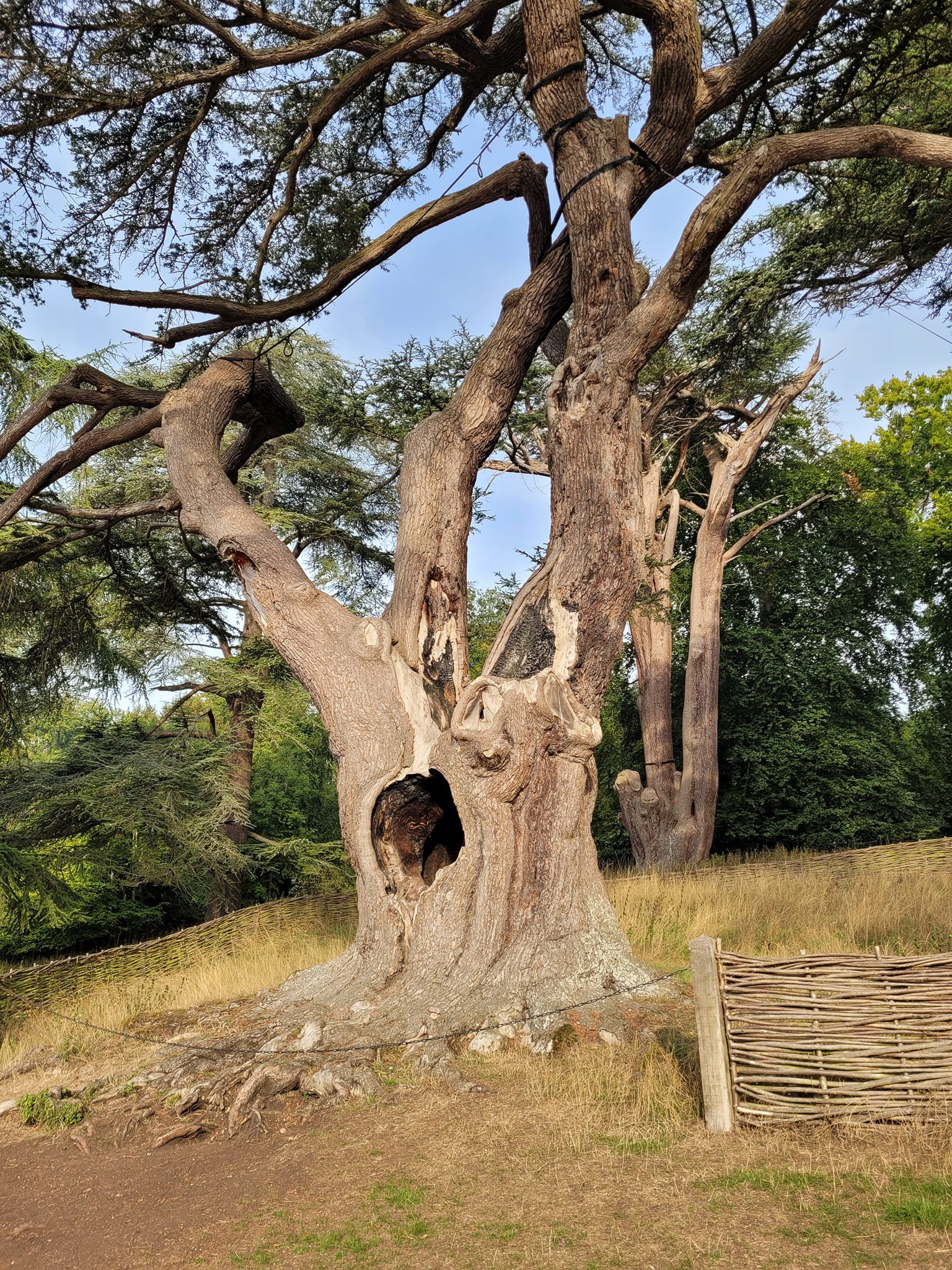
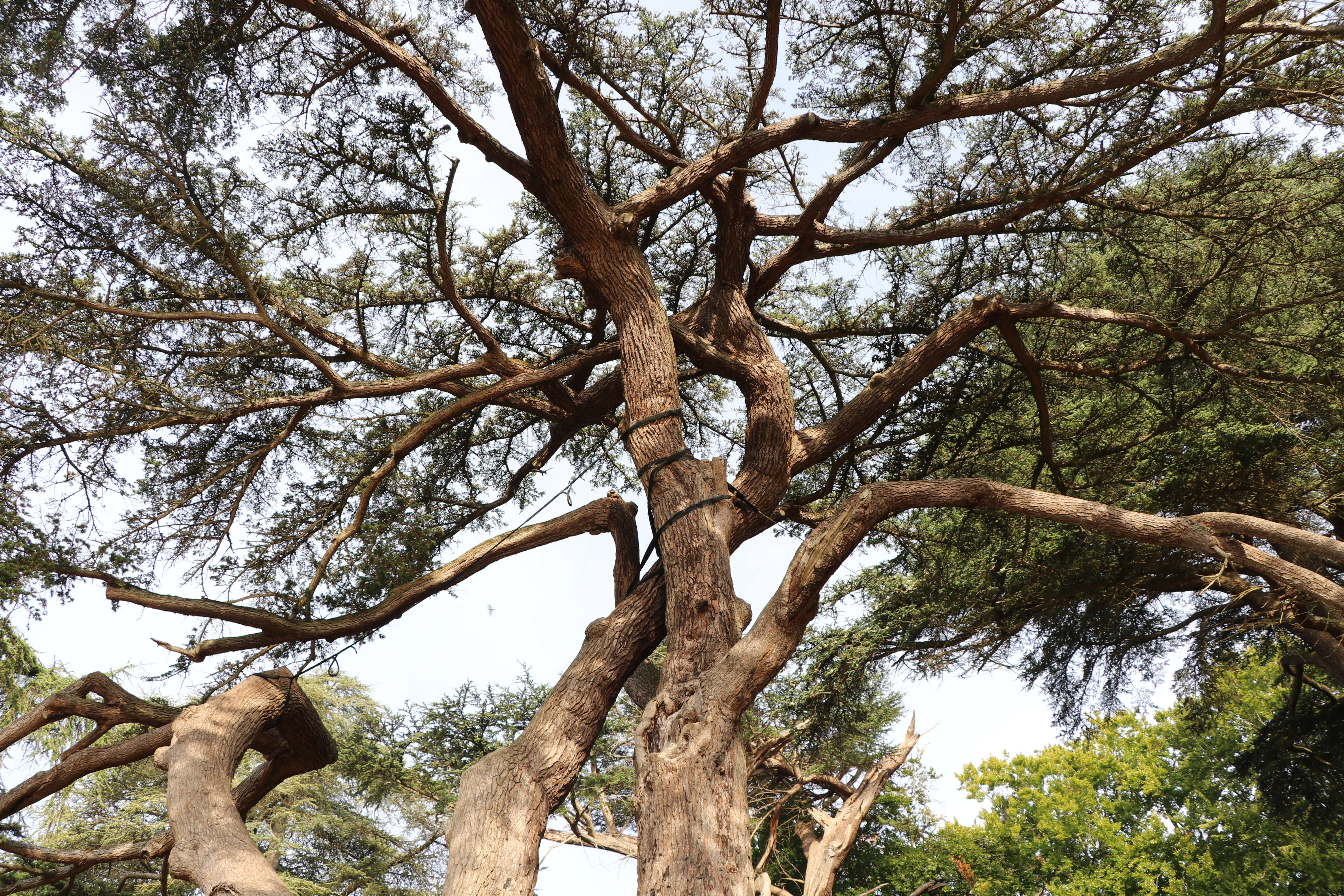
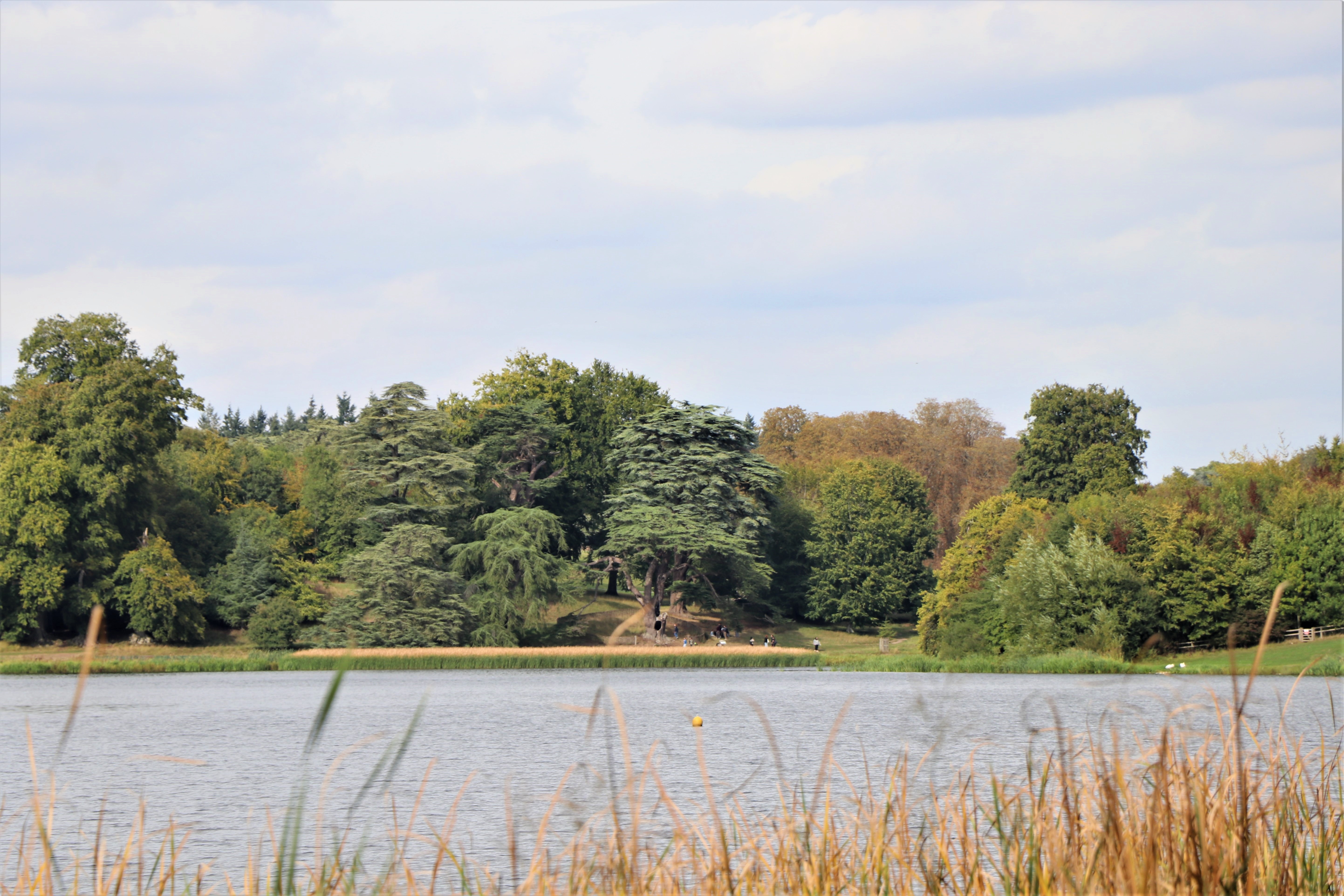
Standing on the bank of The Lake in a historic landscape below Blenheim Palace is a Cedar of Lebanon known as The Harry Potter Tree for its role in the 2007 film Harry Potter and the Order of the Phoenix.

Perhaps the Harry Potter Tree should more accurately be called The Severus Snape Tree, for the scene filmed here was centred around Professor Snape’s memories of a time when, as a student at Hogwarts, he was bullied by Harry Potter’s father while sitting under the tree. The scene is important, for it gives us an understanding of why Snape is so hostile towards Harry.

To counter a common misunderstanding, the Harry Potter Tree at Blenheim is not the Whomping Willow! The tree used for the Whomping Willow in the films stood on the National Trust’s Ashridge Estate in Hertfordshire. And, just to confuse things further, it was not a willow at all, but a yew.

The Harry Potter Tree was probably planted during ‘Capability Brown’s’ landscape work on Blenheim Park. Over the years 1763-1774 Brown carried out extensive work at Blenheim, transforming the Palace grounds into a picturesque landscape garden on a vast scale, with sinuous waterways and viewpoints created by carefully planted clumps of trees.

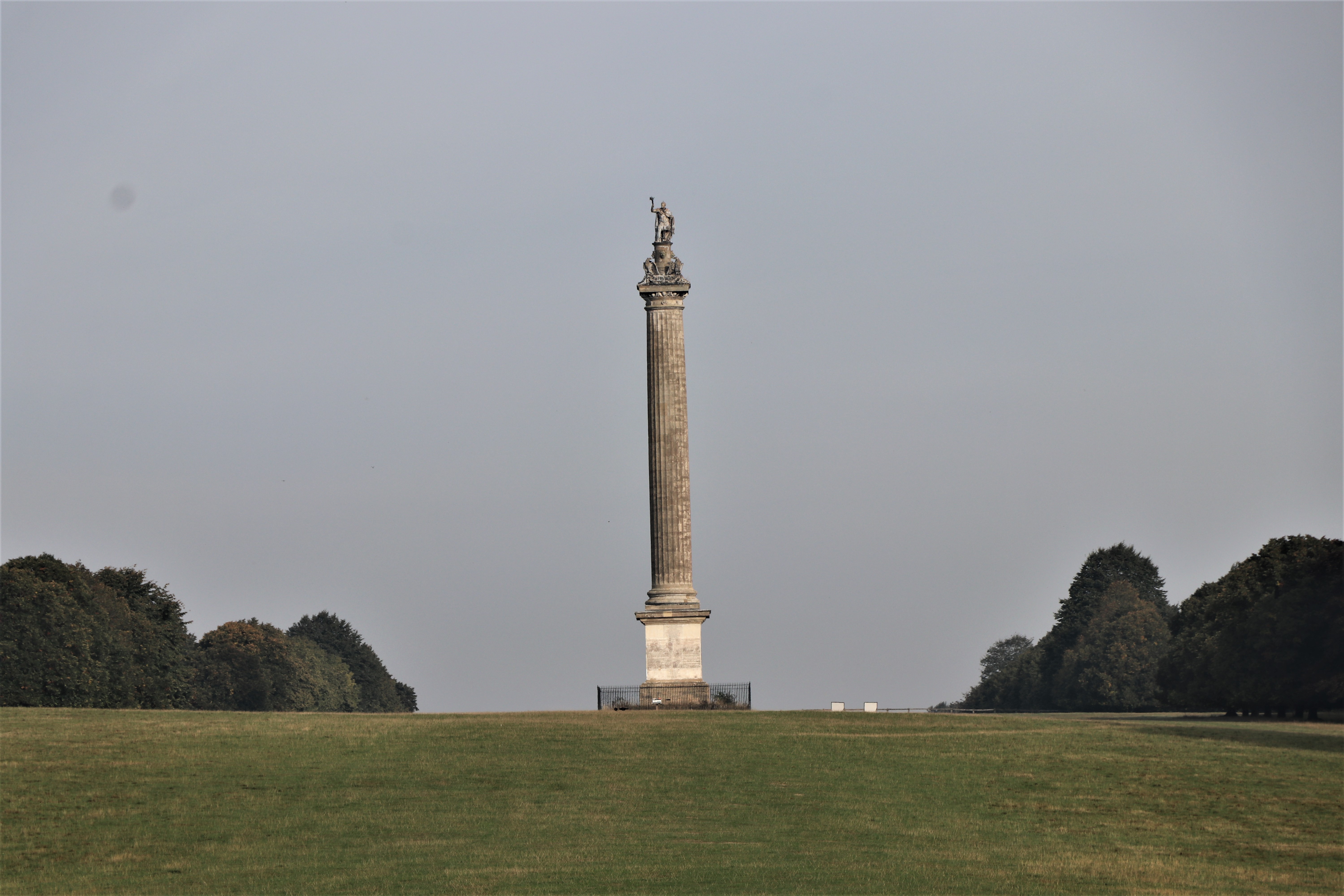
The Column of Victory.

This column was built in 1727-30 by Lord Herbert, later ninth Earl of Pembroke. It is based on designs by Nicholas Hawksmoor. His designs were based on the pillar in the Piazza Navona, Rome. It was built to commemorate the Duke of Marlborough’s military successes.

We walked back to Woodstock and had some lunch at The King’s Arms before we ventured back to the Palace Grounds for our tour of the outer courts of Blenheim Palace and some of the grounds.

Later in the day while walking on the opposite shore of the Great Lake we saw the tree in the distance. Zooming in you can see others visiting the tree.

Back to the Present: This week ended with sorrow for us and our whole church family as our beloved church secretary died suddenly on Thursday evening. She was a dear friend to us here in Colville and she will leave a hole that will be hard to fill. She is with her Savior sooner than she expected but she was eagerly waiting for His return so she got an advanced calling Home. I rejoice for her but I will really miss her on this earth and I grieve, too.