In May of 2006 “Dear” and I traveled to Great Britain with 4 of our best friends. Our travel itinerary arranger was Jody and she did a fantastic job finding lovely non-smoking B & B’s with parking and good food. She also made the arrangements for a 7 passenger van that we used for the trip. It was a tight fit with 6 of us and luggage, but we managed. We all just packed one bag that we carried on the plane. (This was before liquids were not allowed anymore in carry-ons). So here’s a short explanation with pictures of our tour.
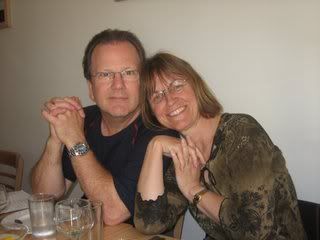
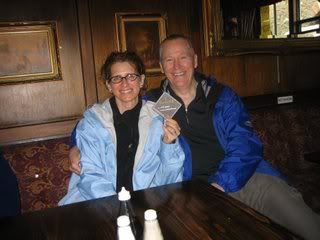
I’ll be your tour guide. The picture below is of “Dear” and I taken in Edinburgh at a Turkish restaurant.
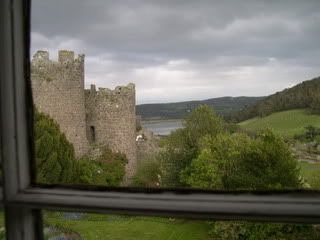
We flew into Manchester Airport, picked up our van, and headed West to Wales. Our first B & B was in Conwy. The grounds of our B & B shared the castle walls. This was the view from our bedroom window.
The day after we arrived we tried to climb Mt. Snowden, the highest Peak in England and Wales. The day was very blustery and we were literally blown around on the upper part of the mountain and never made it to the top.
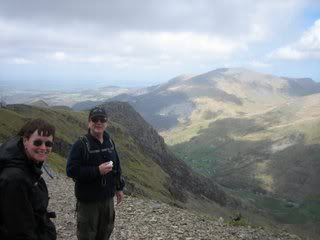
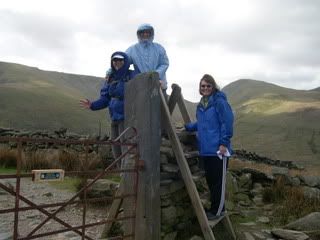
This is a Stile (steps for scaling a wall or fence). We felt like we were in a Jane Austen novel. The trail was very rocky, there was loose and fixed shale. It was uneven and very steep which made it hard on the ankles and knees.
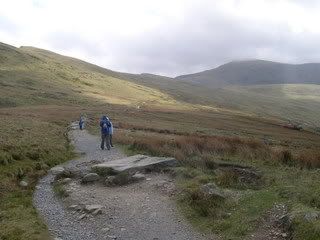
Jan and I were happy to turn back half-way up but “Dear”, Bob and Jody made it further up till the wind got to be too much. Dave had an injury shortly before we left on this trip so he could not join us on the more strenuous hikes.
See the shale on the trail?
After that grueling hike this was our first pain killer of choice.
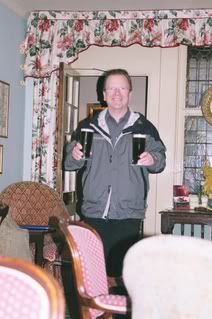
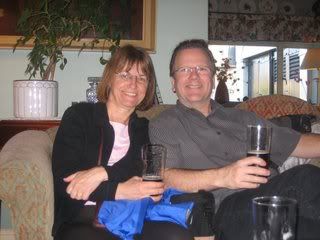
Then we were rewarded for such a heroic attempt by eating out at Bistro Conwy one of the highlights of our trip.
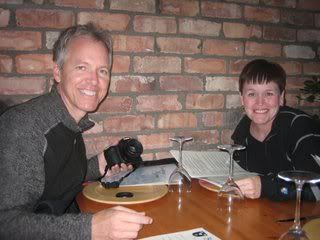
Dave the primo photographer and Jody at Bistro Conwy.
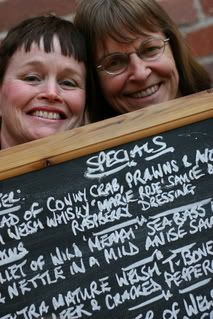
“Dear” and I shared the Welsh Lamb Shoulder. Oh my gosh, good to the last drop in a tasty reduced sauce.
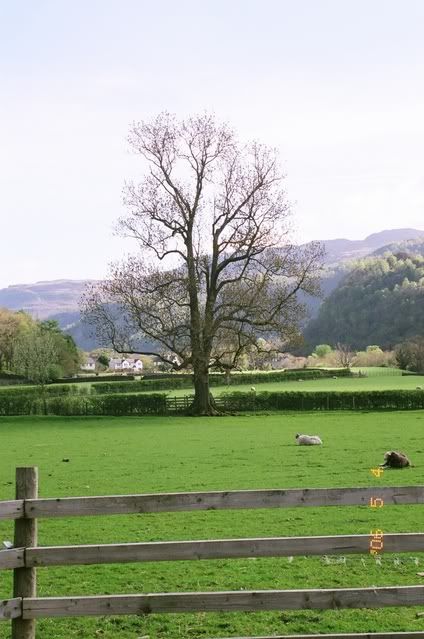
On our 3rd day we headed north to the Lake District. We stayed at Hollows Farm, a 17th century National Trust owned farm outside of Keswick in the Borrowdale Valley along Derwent River. We were literally on the path of many wonderful walking trails. It is here that I heard my first Cuckoo Bird. They actually sing “coo coo, coo coo!”
The farm is in the background.
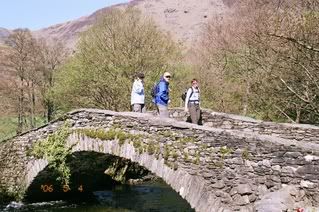
This was lambing season and it was so much fun to see all the little lambs frolicking about. The walks along River Derwent were wonderful. We went through kissing gates and over stone bridges.
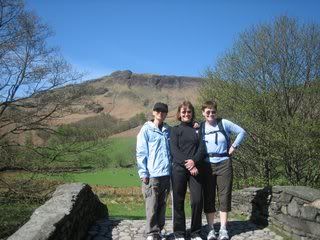

Beatrix Potter’s Derwentwater and trails around this area are the inspiration for some of her books.
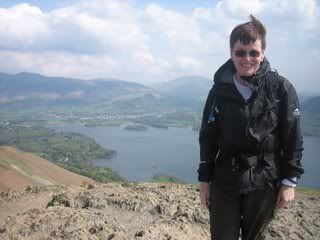
Jody, Jan and Bob made it to the top of the Catsbells overlooking Derwentwater.
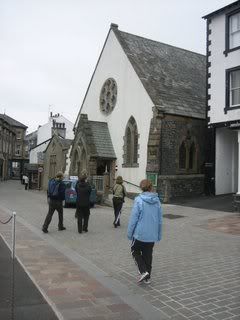
We checked out of Hollows Farm on a Sunday and found a little church to go to in Keswick and had some food for our Souls before we continued North to Oban, Scotland.
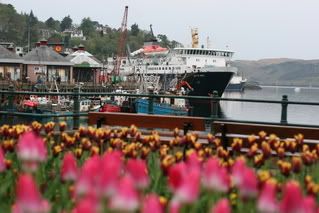
In Oban we stayed at a waterfront B & B for two nights.
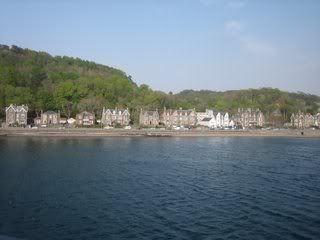
Our B & B is the fourth one from the left
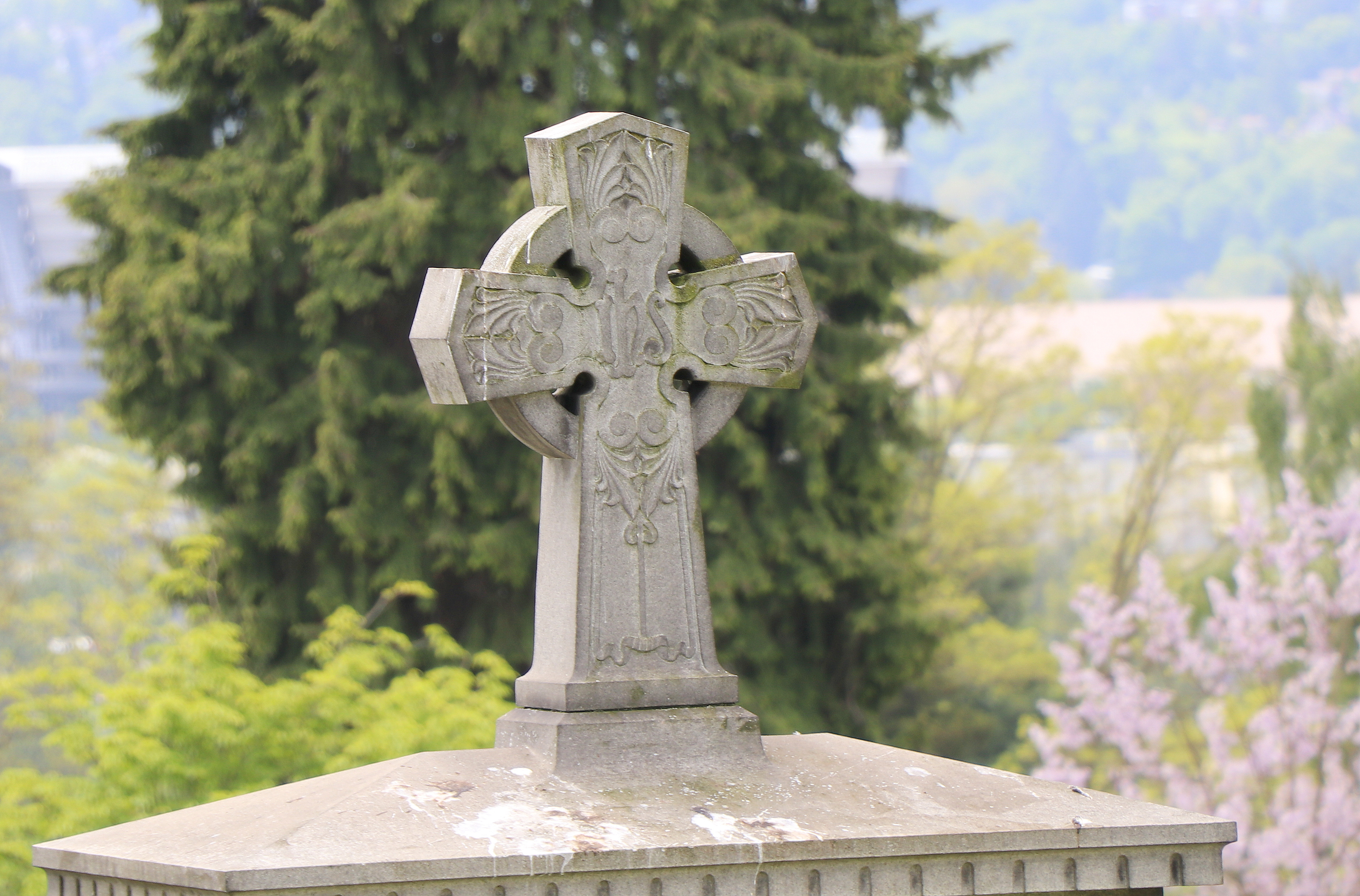
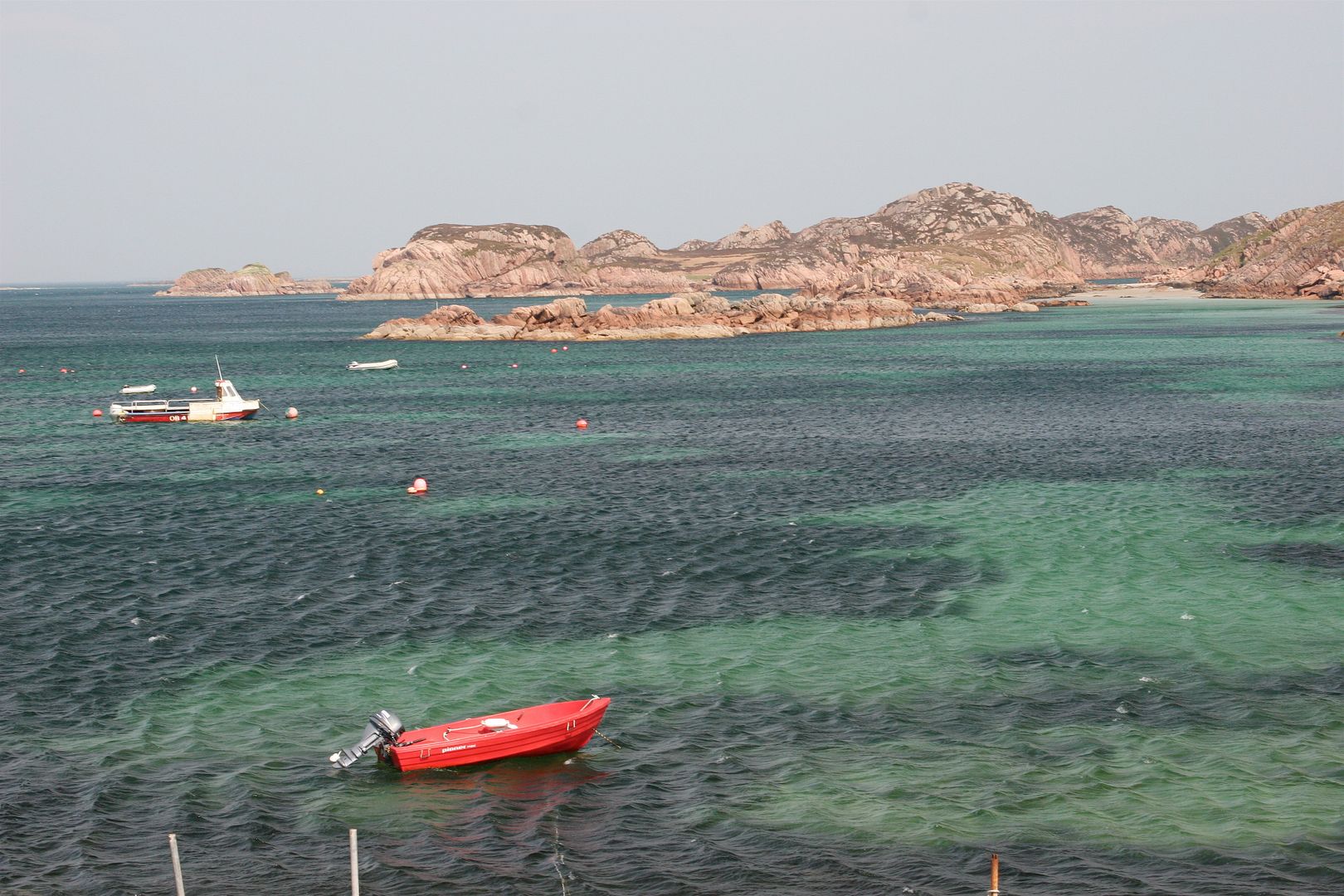
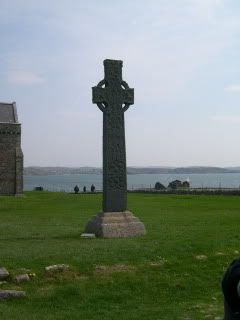
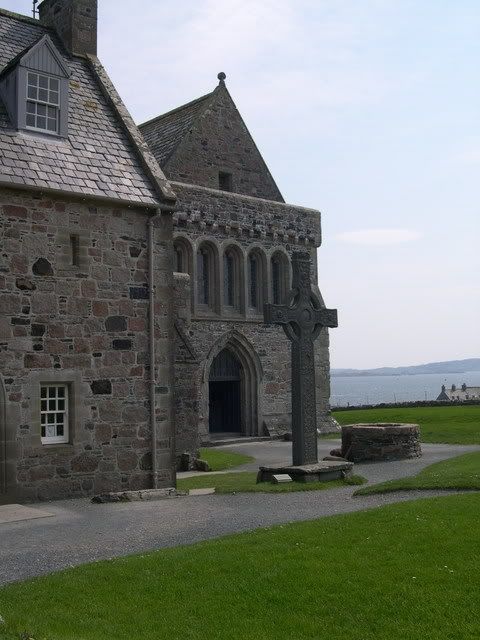
From Oban we took a ferry to the Isle of Mull. We crossed Mull via tour bus to get to a smaller ferry that took us to the Isle of Iona. We were all so happy we followed through on plans to come to this Isle. Mull and Iona are part of the Inner Hebrides Islands. The Isle was full of history about the Book of Kells, Columba, Viking raids and the advancement of Christianity into Scotland and beyond. So much amazing history on such a small isle!
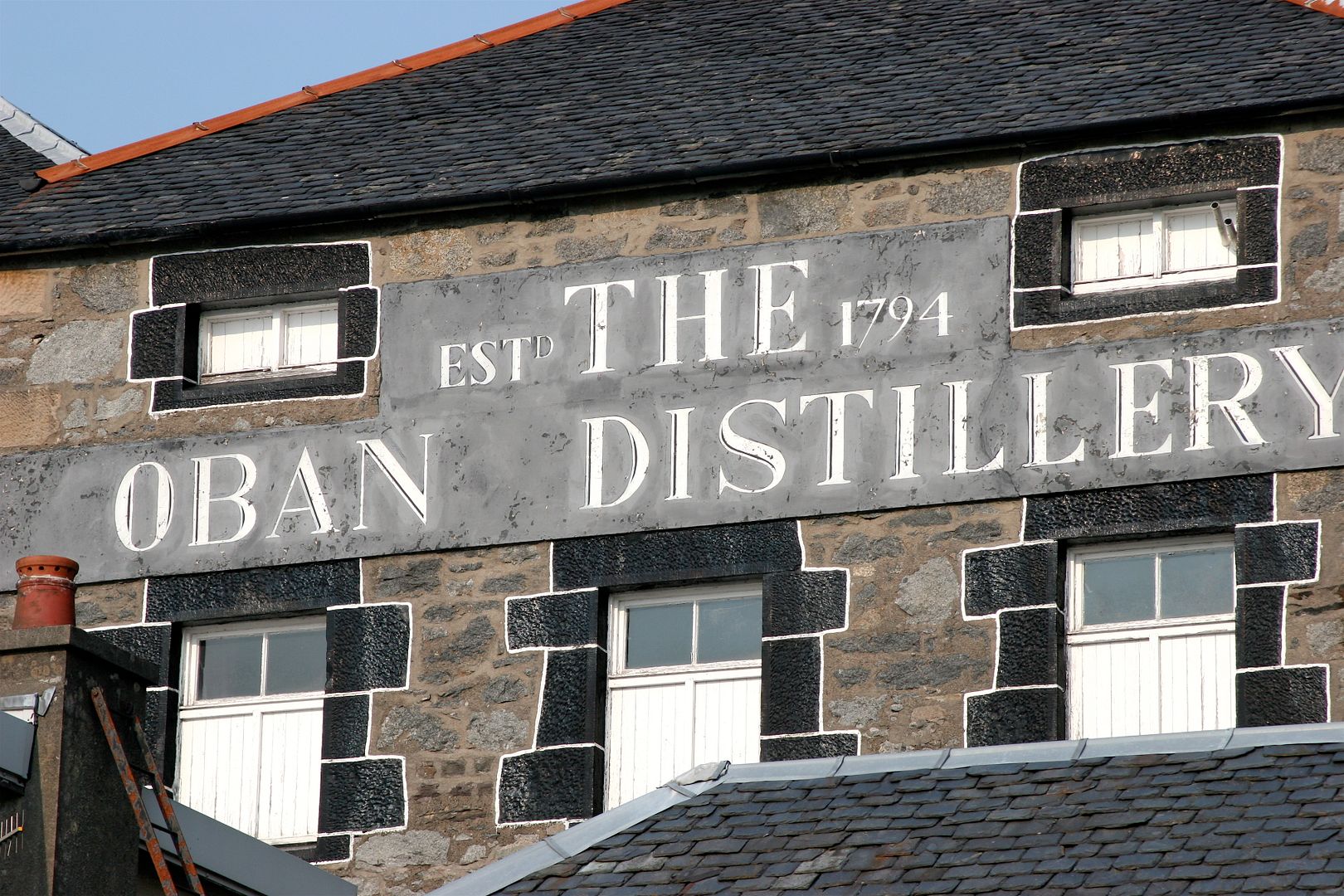
On our final morning in Oban we toured the Oban Distillery and tasted Scotch. Even though it was quality stuff only one of us truly appreciated the taste of it. We all appreciated the history and being shown the process.
We now drove Southeast across Scotland to our next stop Edinburgh.
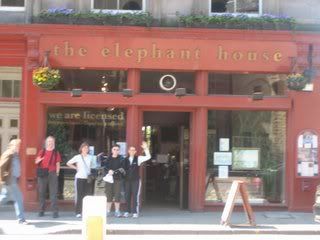
With the help of knowledgeable staff at the Starbucks in Edinburgh we managed to find the Elephant house. This is where J.K. Rowling is said to have mulled over a cup of coffee while writing her first Harry Potter novel.
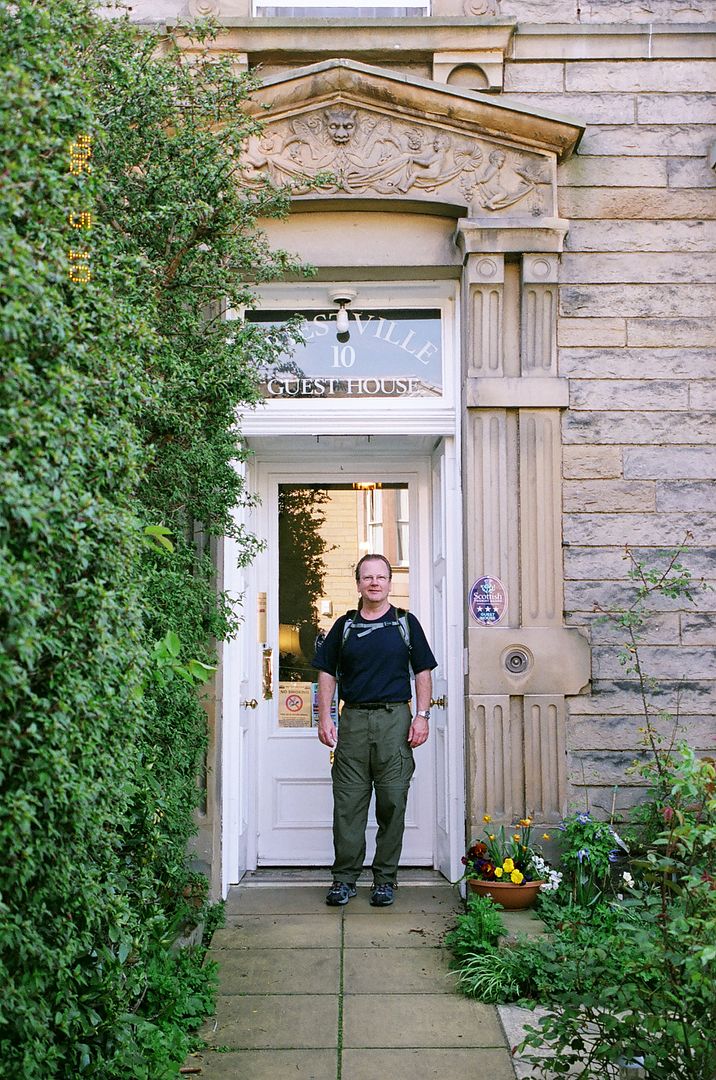
This is our B & B in Edinburgh . It is here that we experienced our first taste of Haggis, it really was quite nice. We relied heavily on the bus system here and that worked well for us.
From Edinburgh we drove to York which would be the end of the trail for “Dear and I”. Dave, Jody, Bob, and Jan would continue on from York to Bath and London.
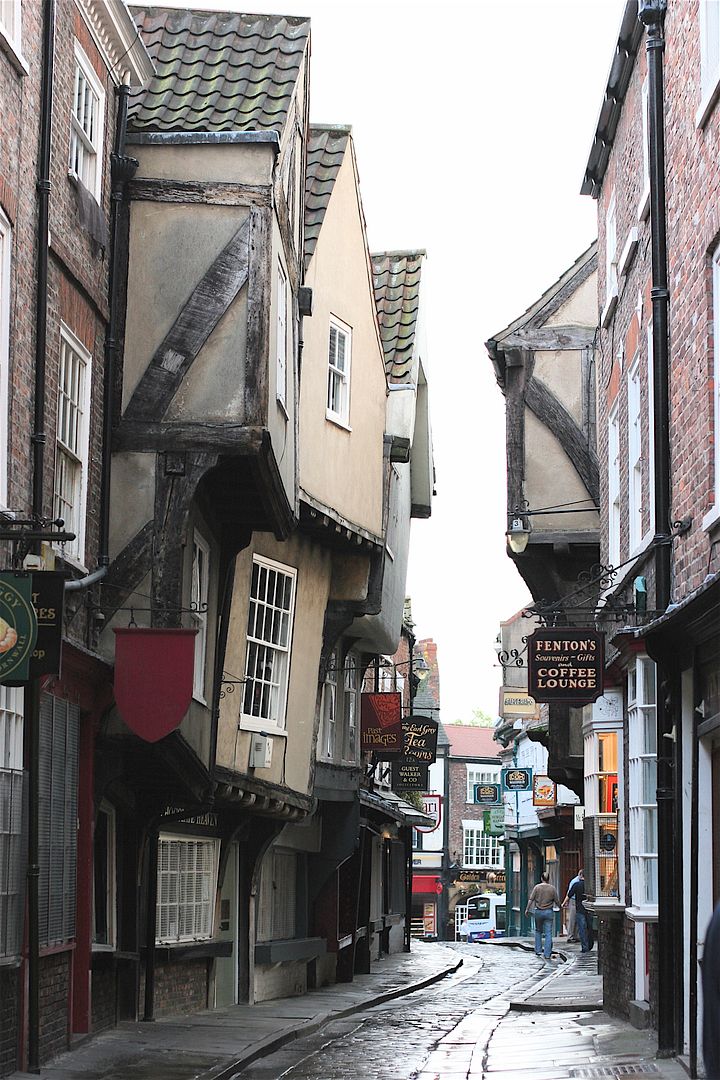
York has wonderful cobblestone streets and narrow passageways to explore. Our B & B was just a few blocks outside the city walls and we enjoyed seeing most of York. The free guided tour was worth it, rich with history and information.
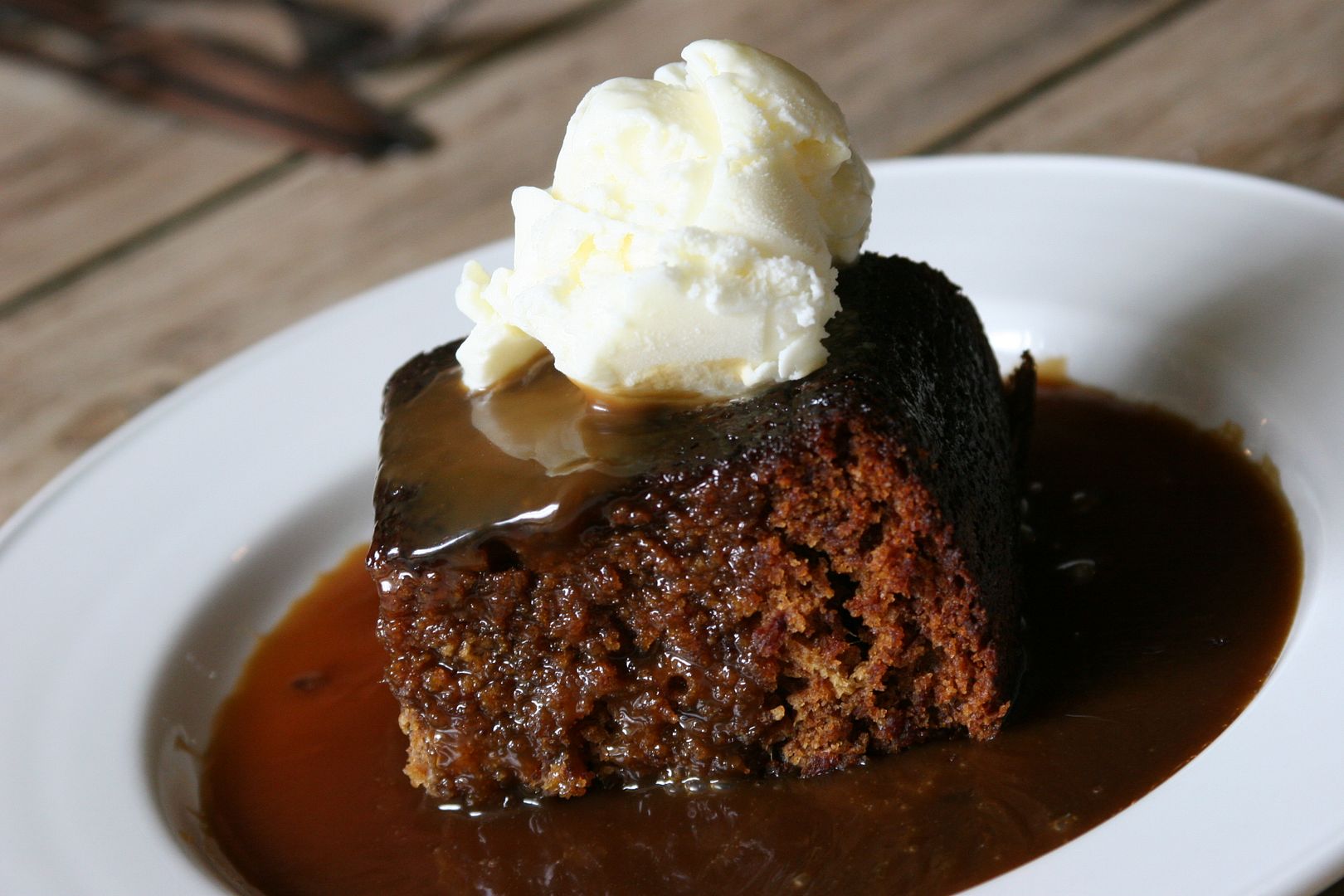
One of the highlights of our trip was our ongoing quest to find the best Sticky Toffee Pudding in Great Britain. If you have never tried this wonderful dessert you have truly missed a gastronomical delight!
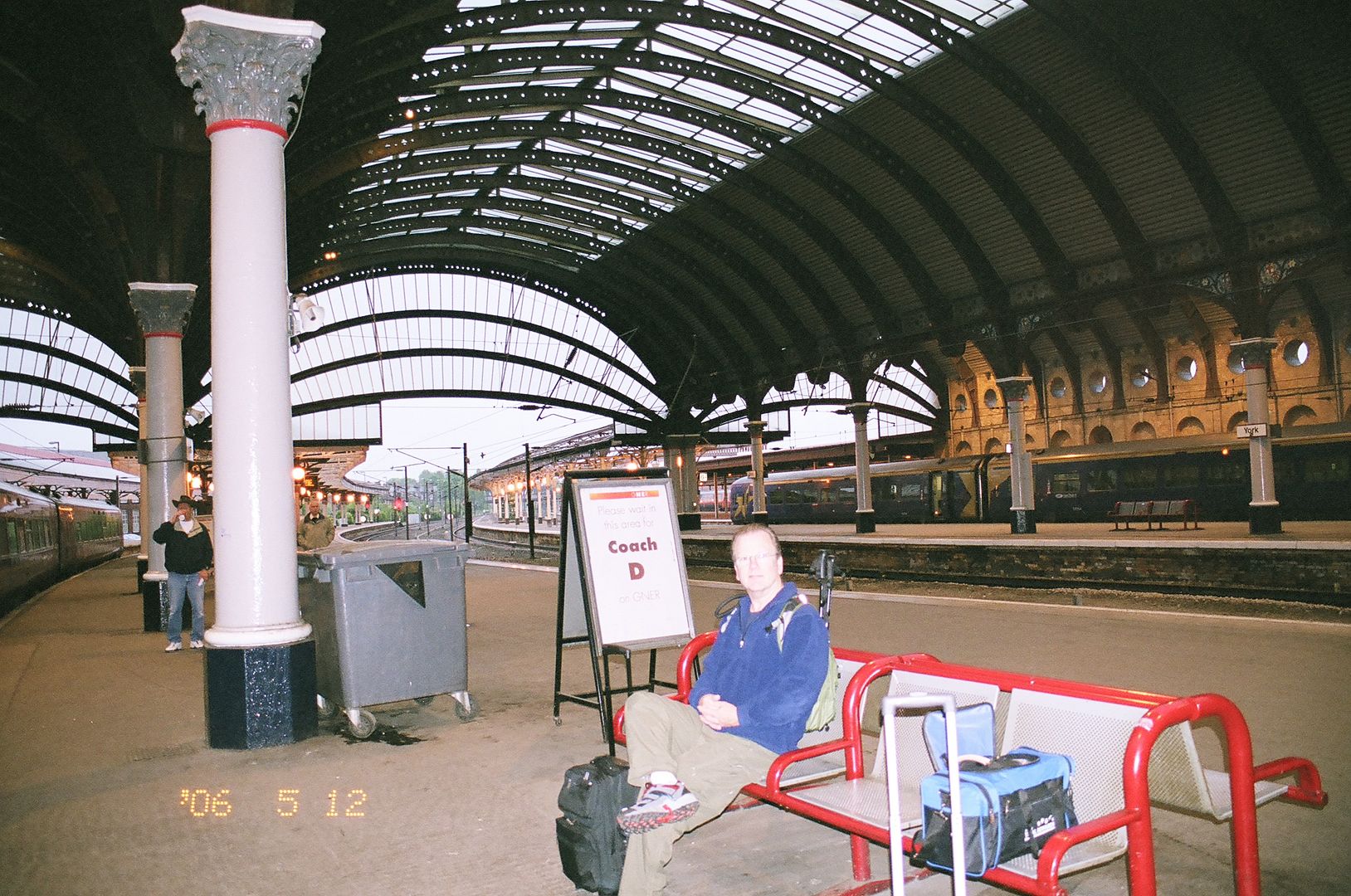
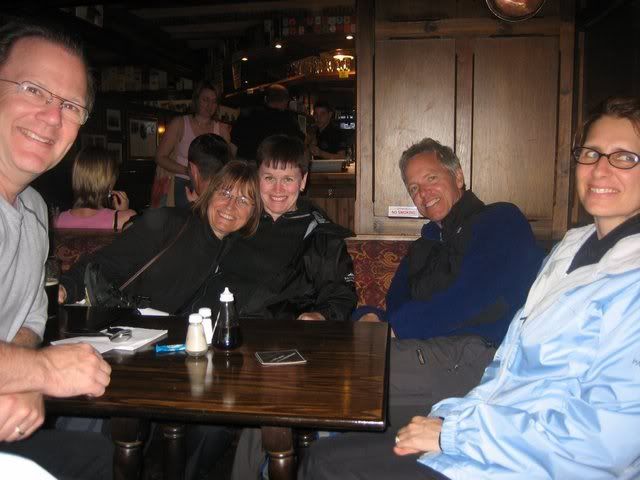
From York “Dear”and I walked to the train station and boarded a train that took us straight to Manchester Airport. We exited the train took the escalator and were in the airport, fantastic! Here are the three couples who walked, prayed, ate, conversed, drank, hiked, and discovered so many wonderful sights together.
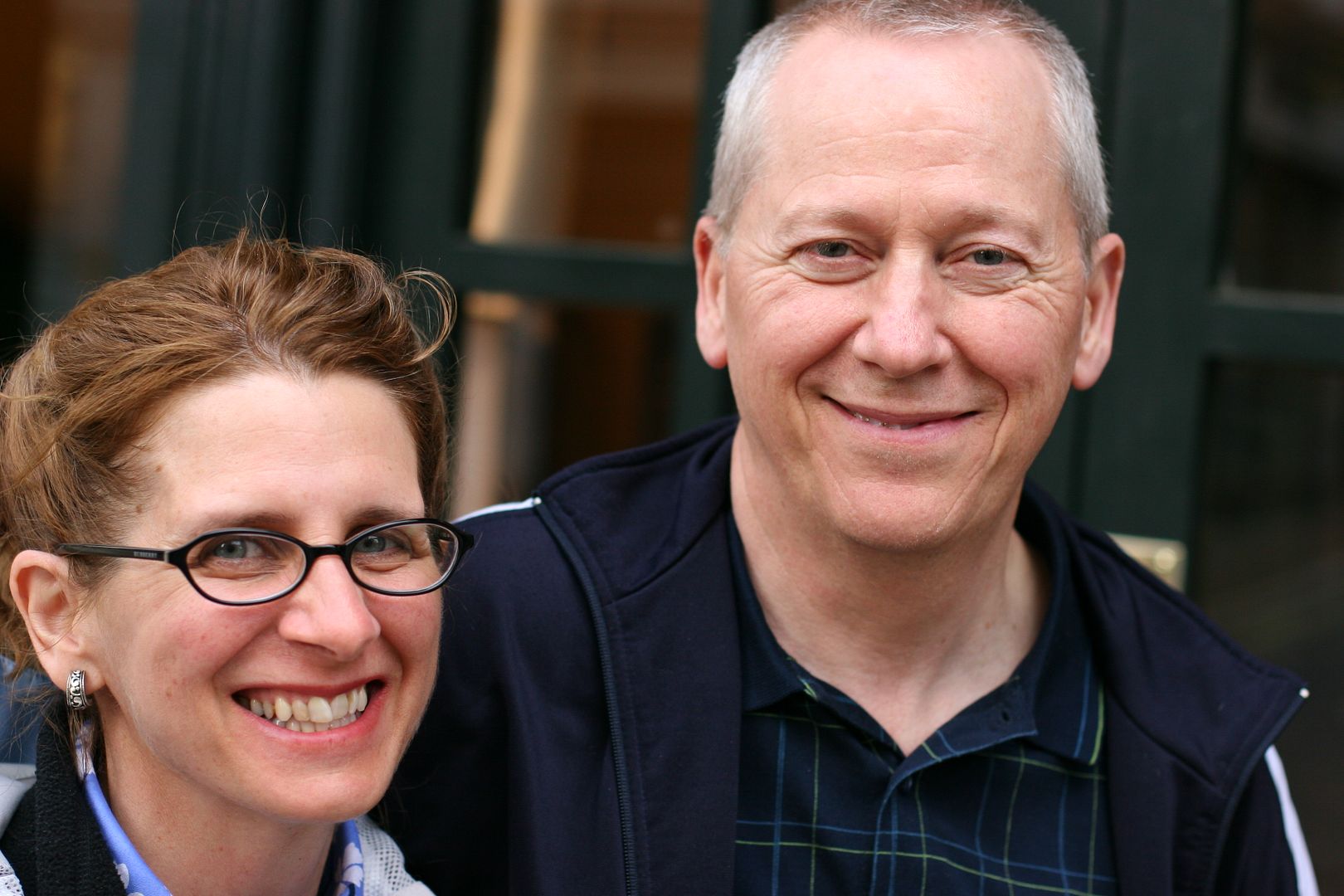
Bob and Jan

Dave and Jody (the master planner)
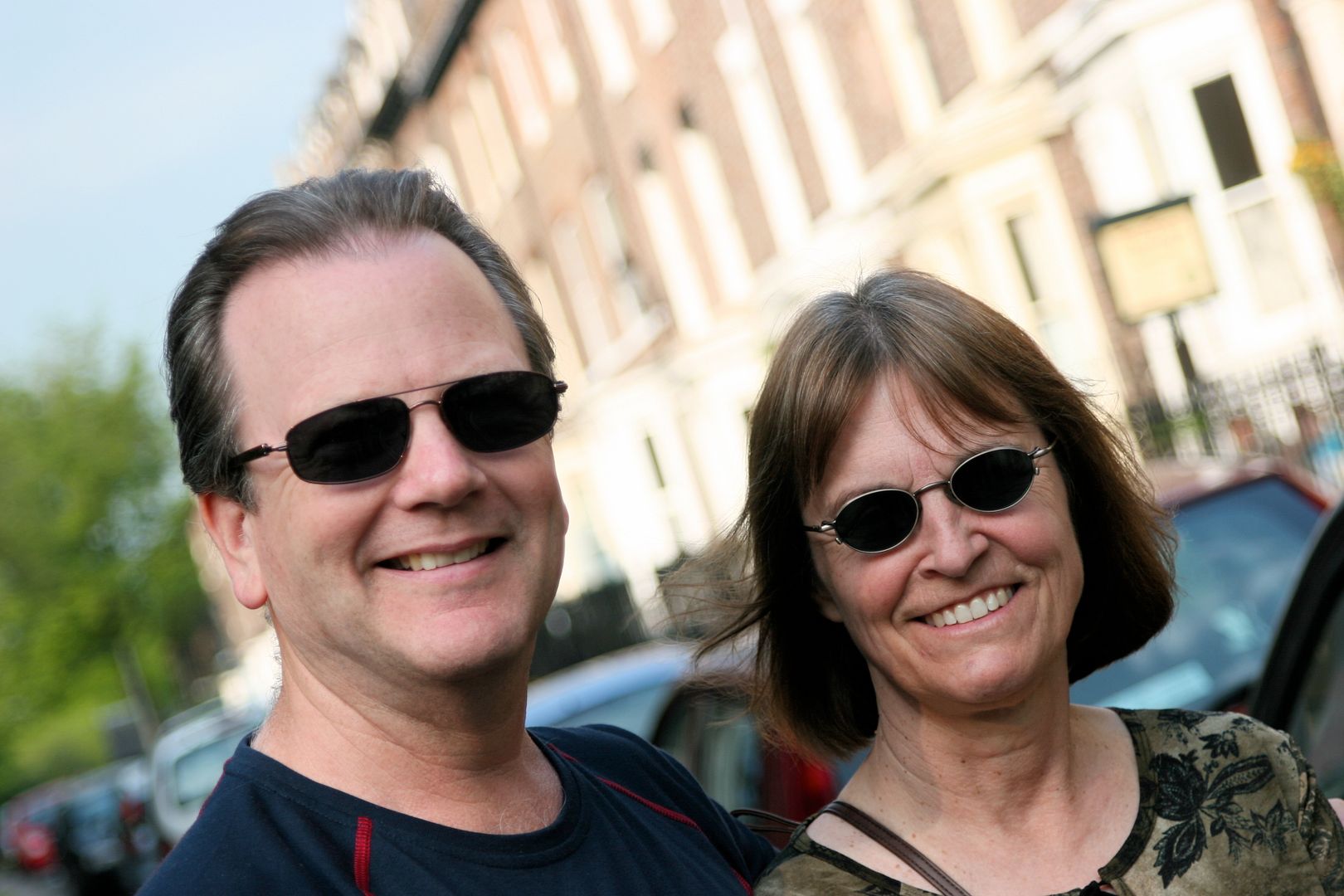
Ellen and “Dear”
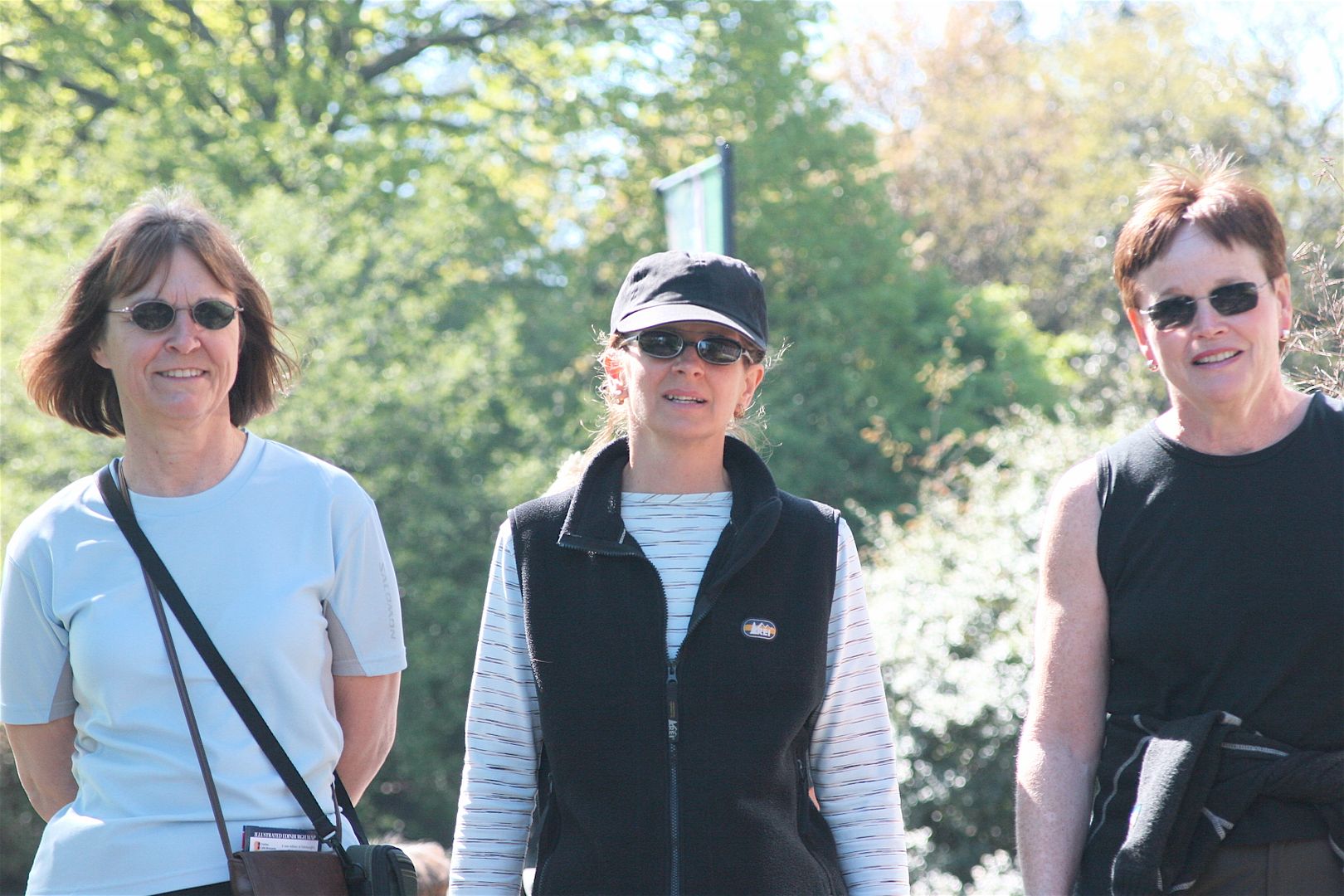
The Three Amigas
The three of us have been walking together on Saturdays in Seattle for a few years now. We walk 6 miles and we talk and keep each other accountable. We try to be real and speak the truth into each other. We confess to each other and love each other, deeply. What a blessing God has given us in this friendship. When I’m in California I miss my girls!