Blenheim Palace Park and Gardens

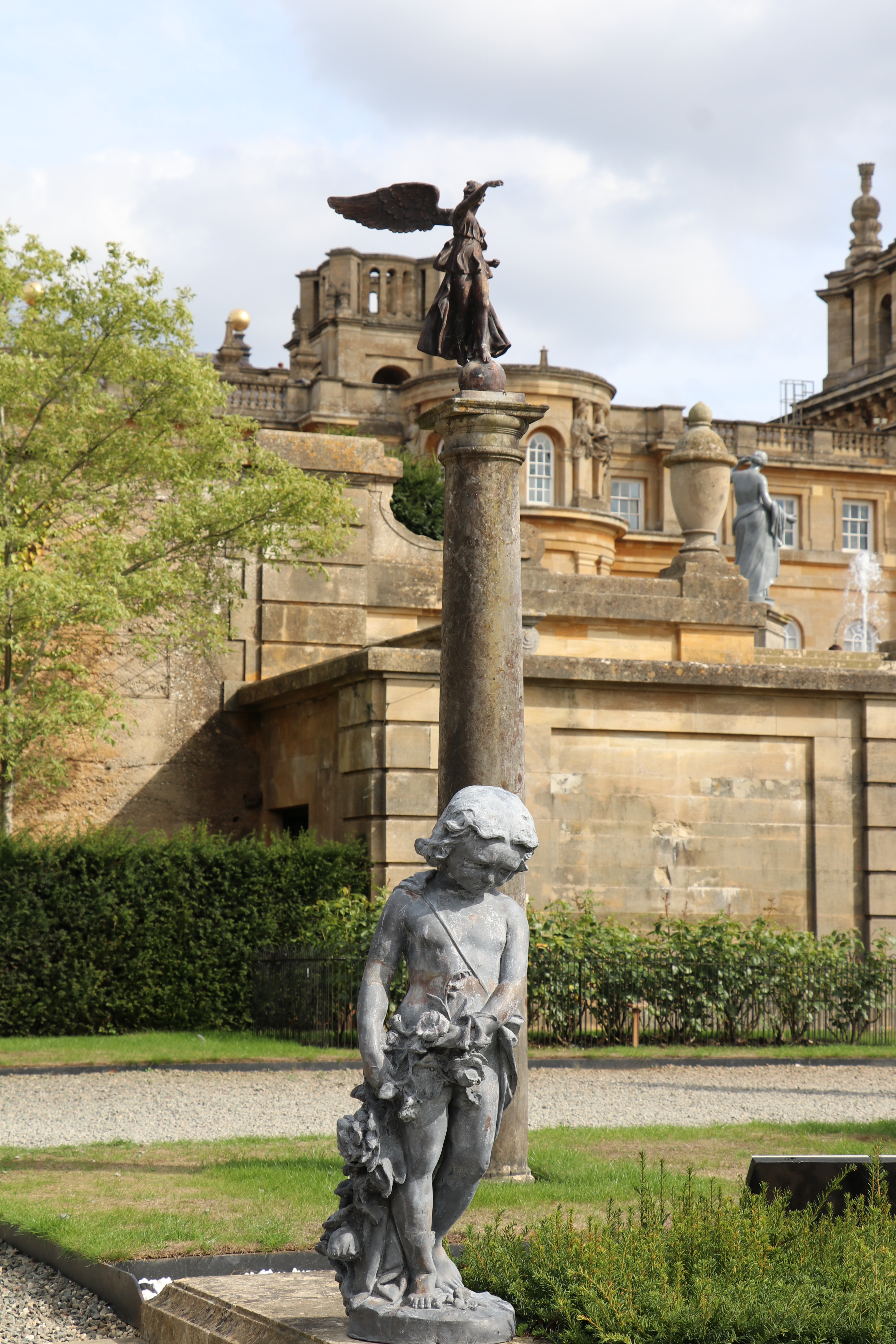
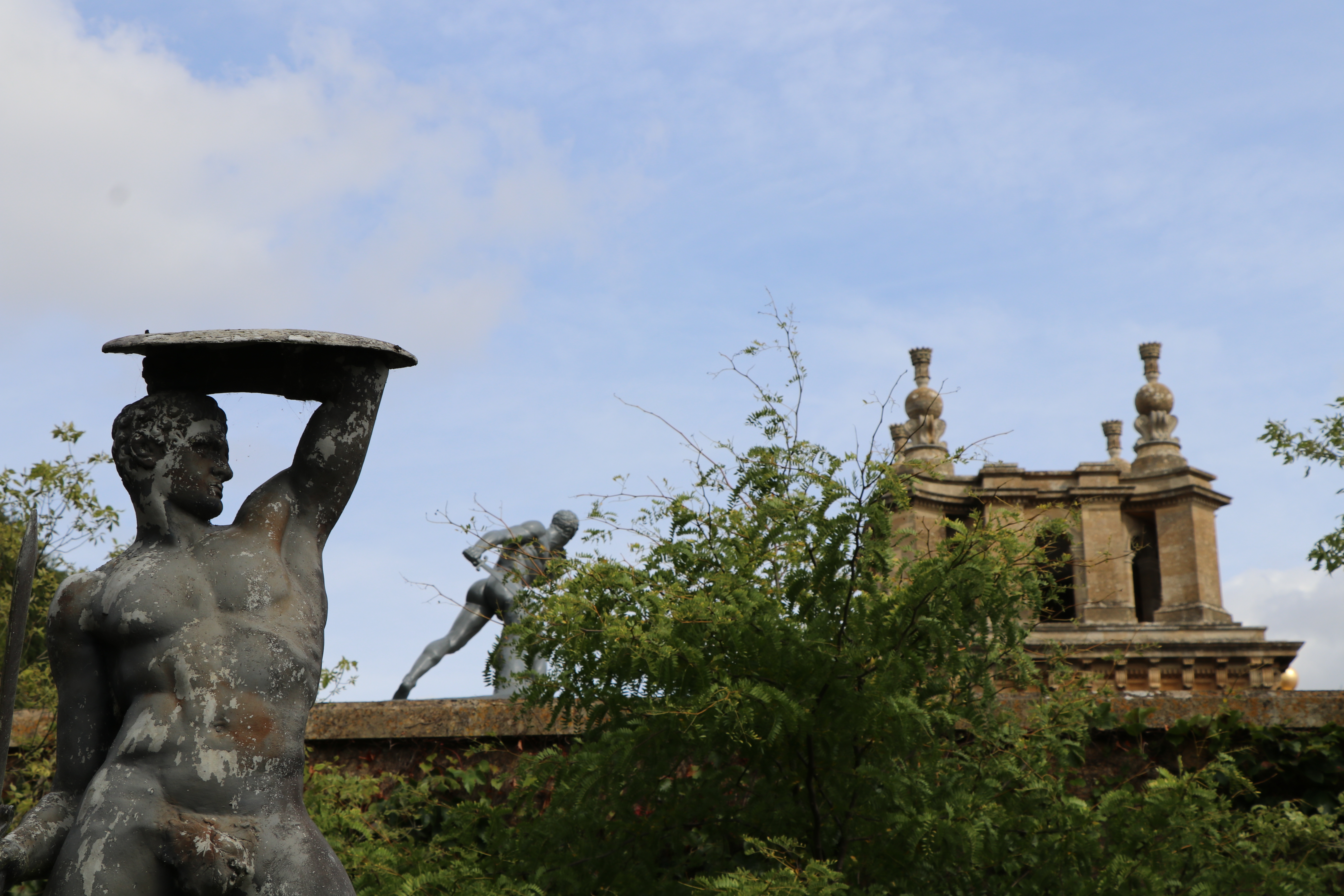
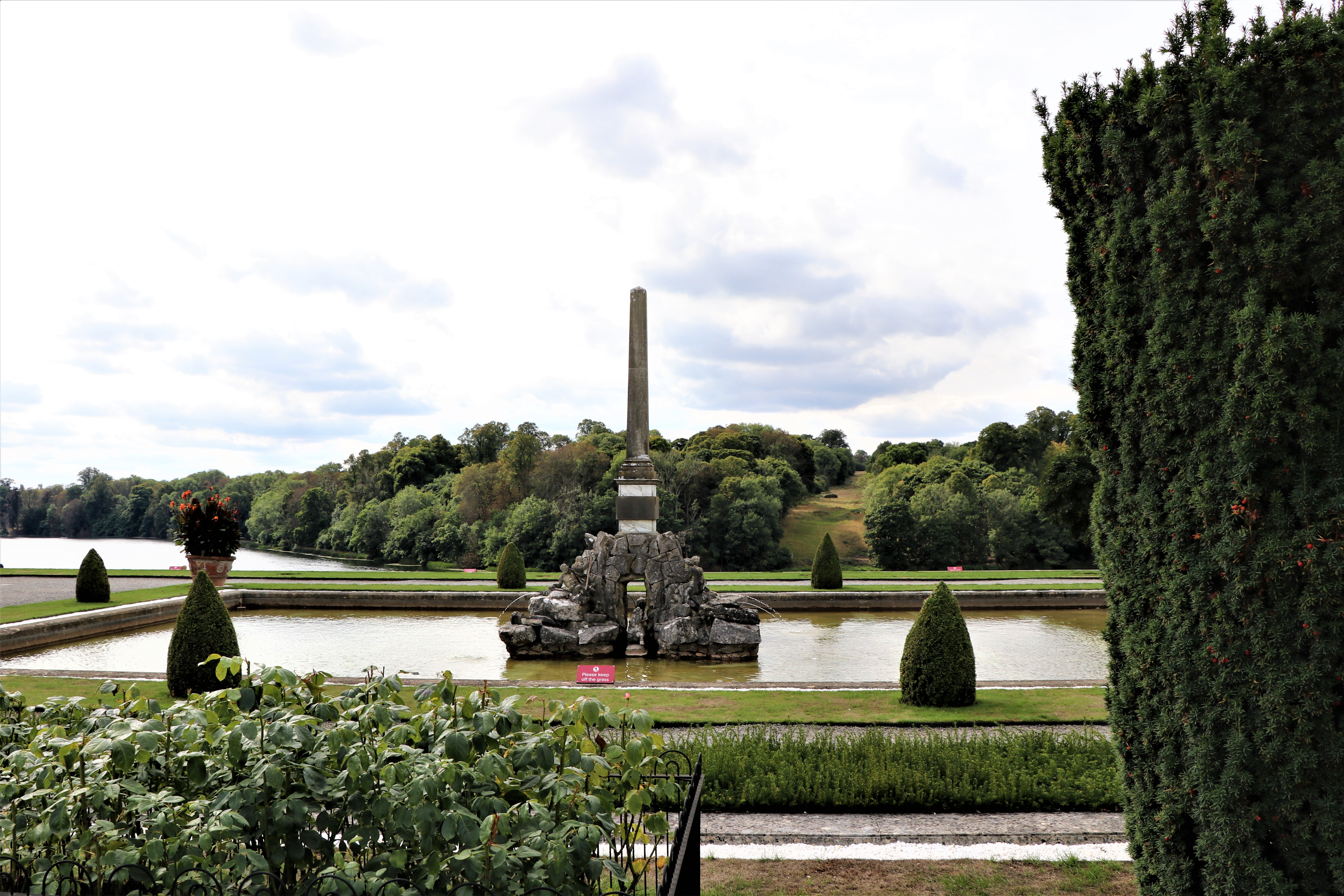
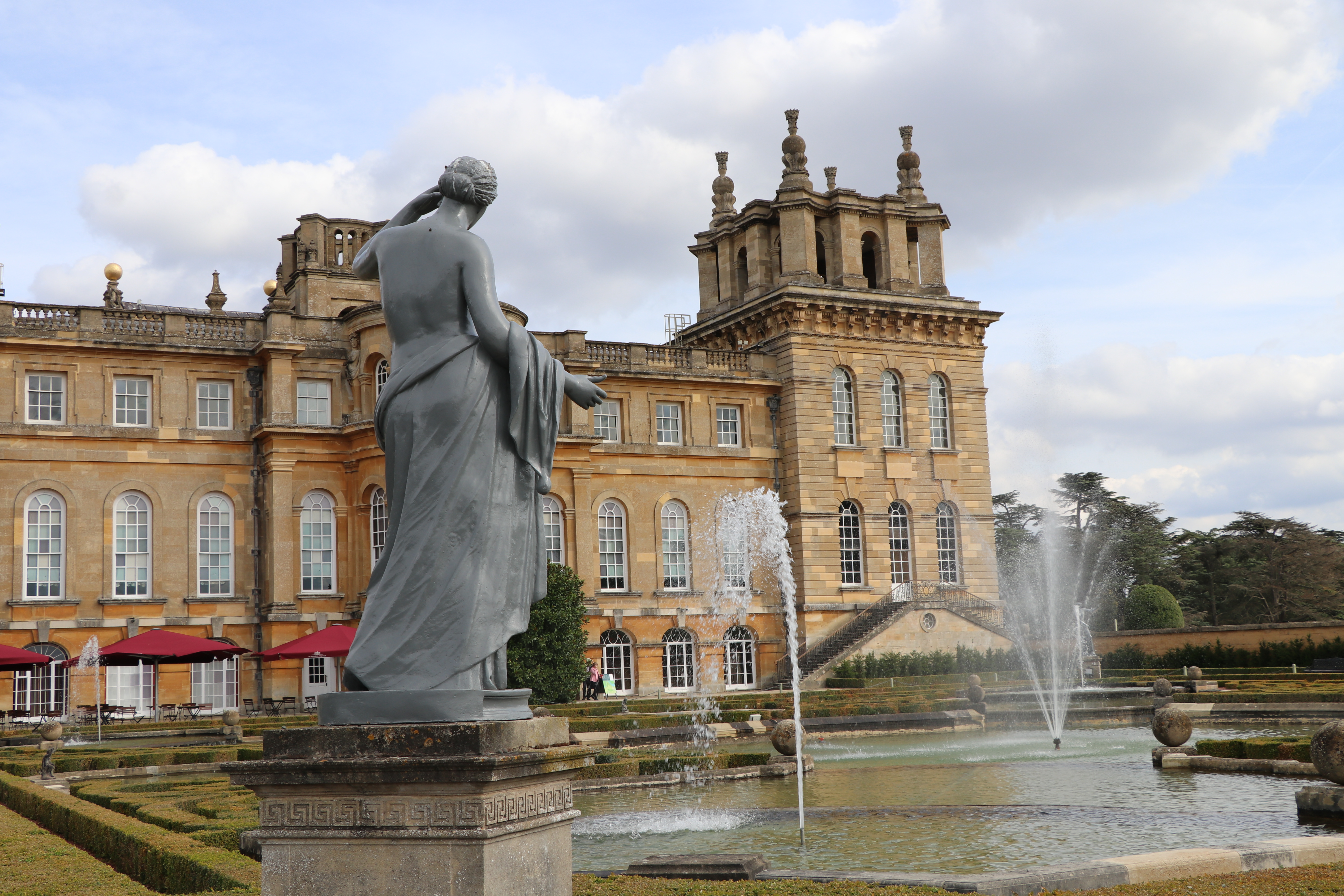
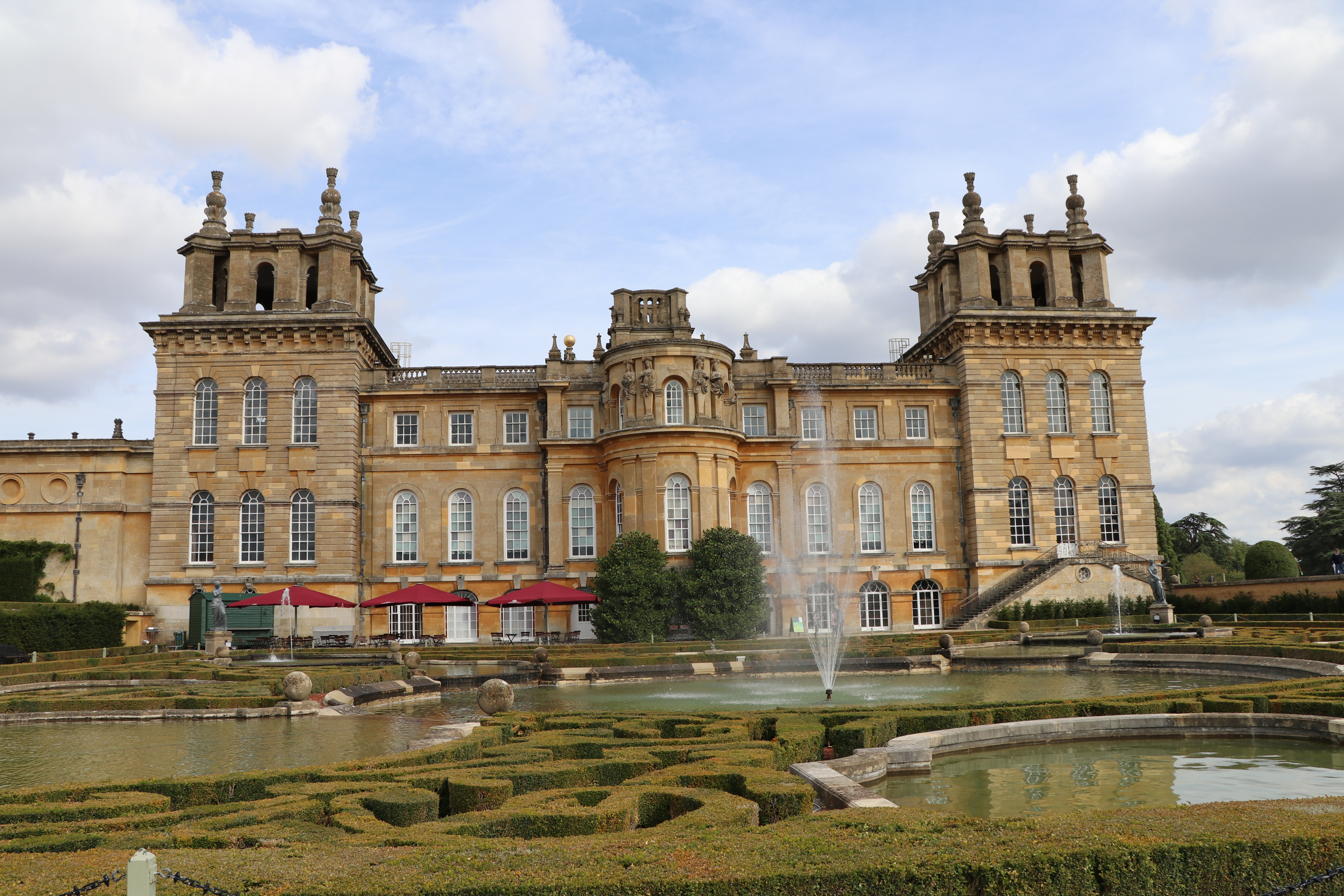
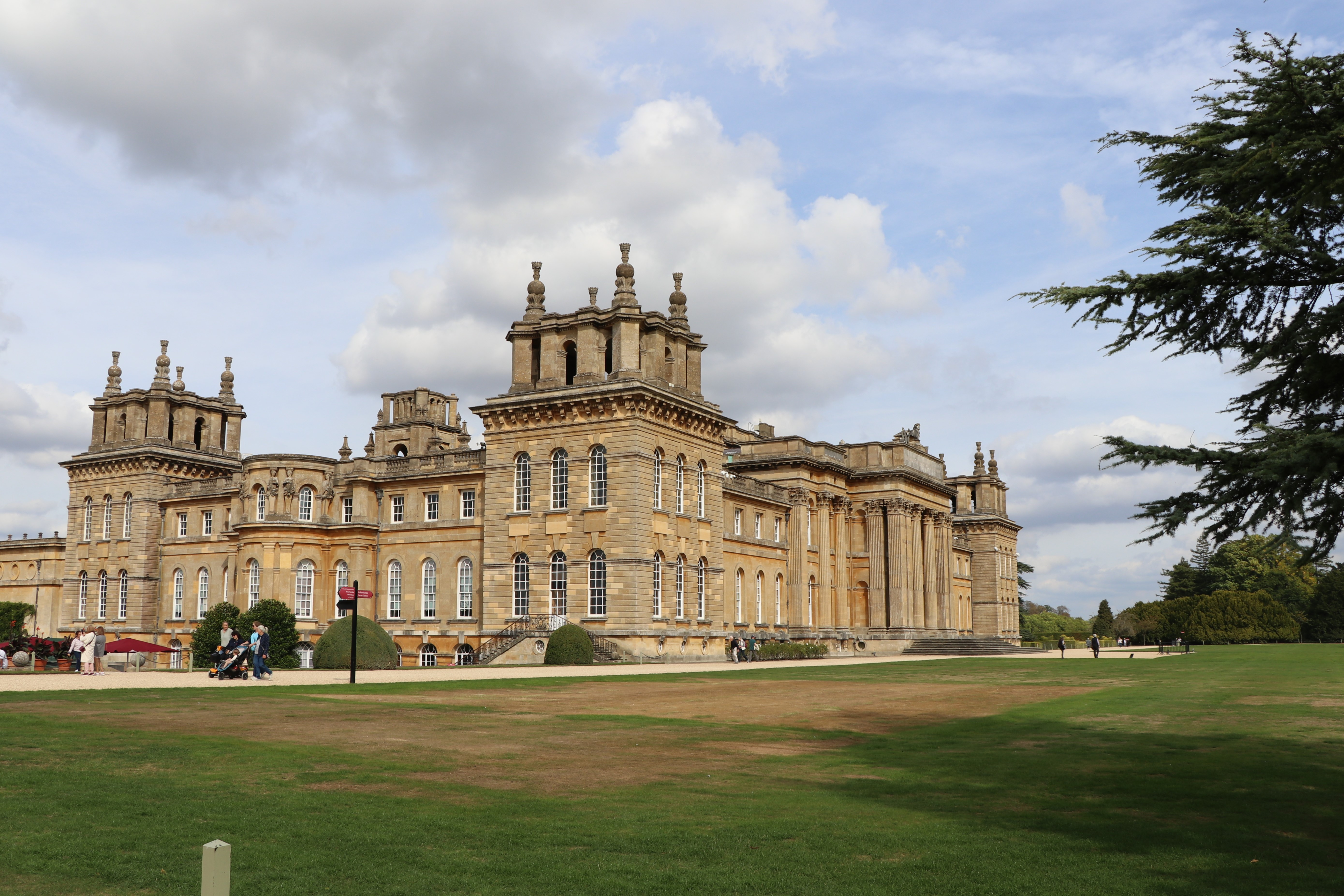
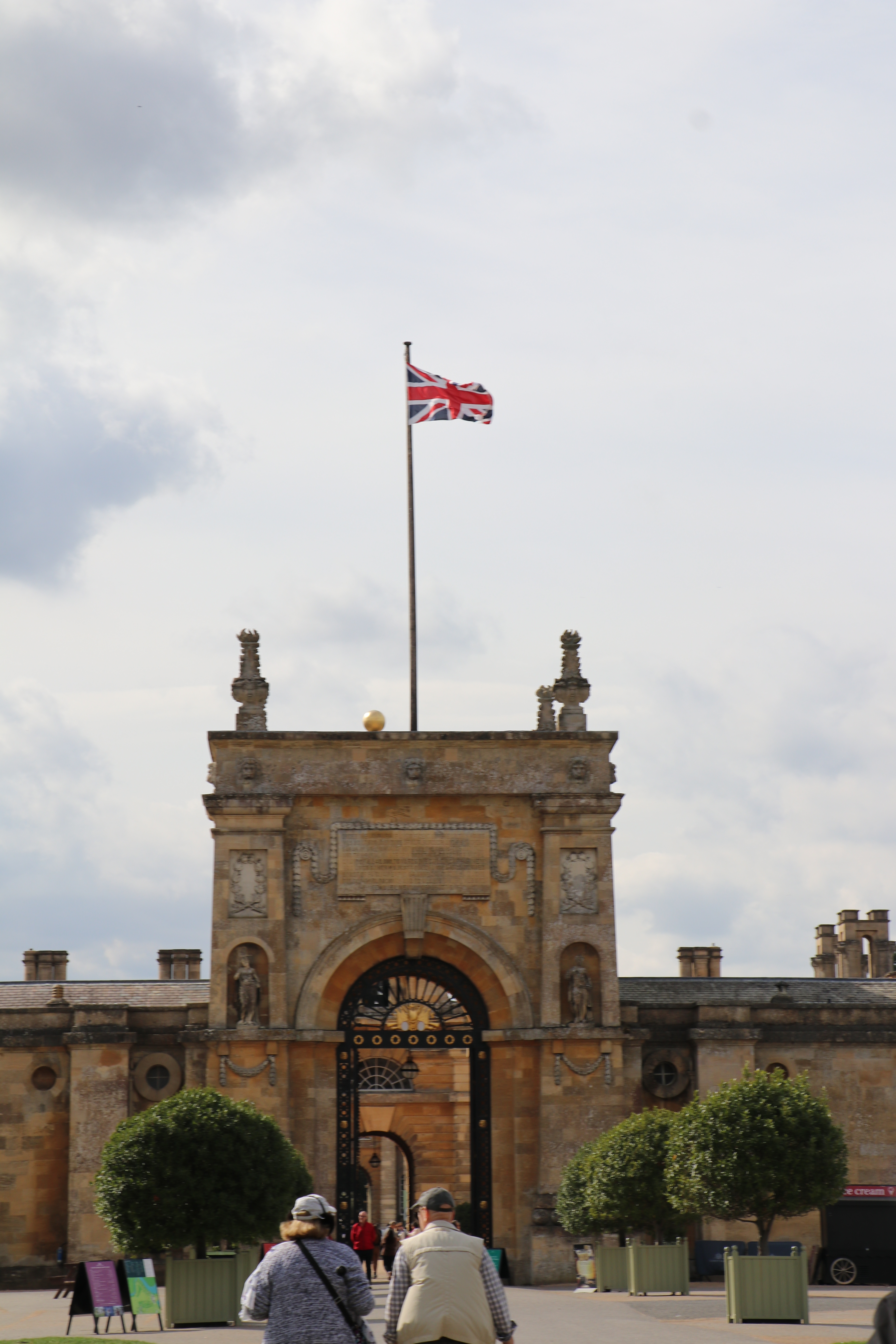
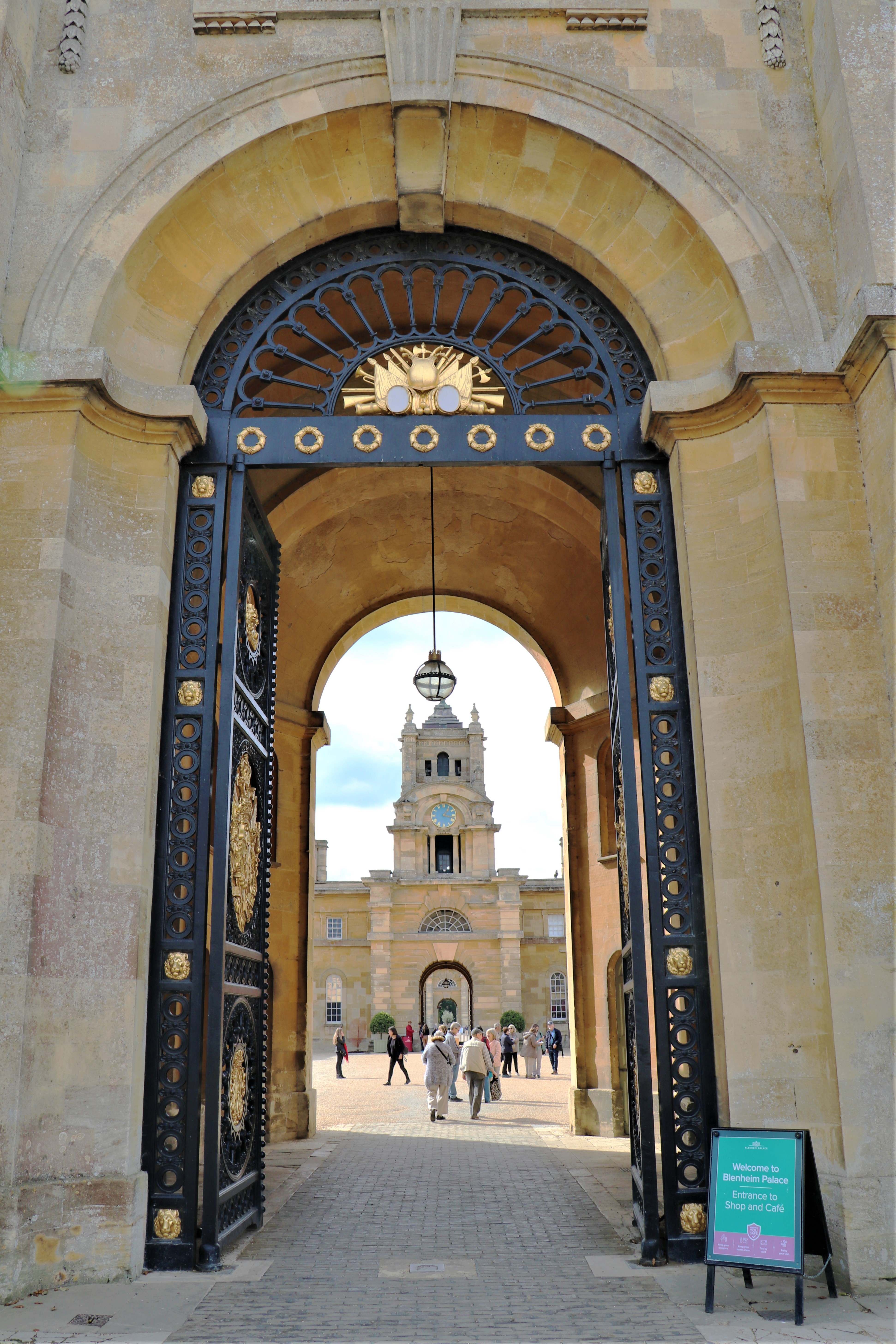
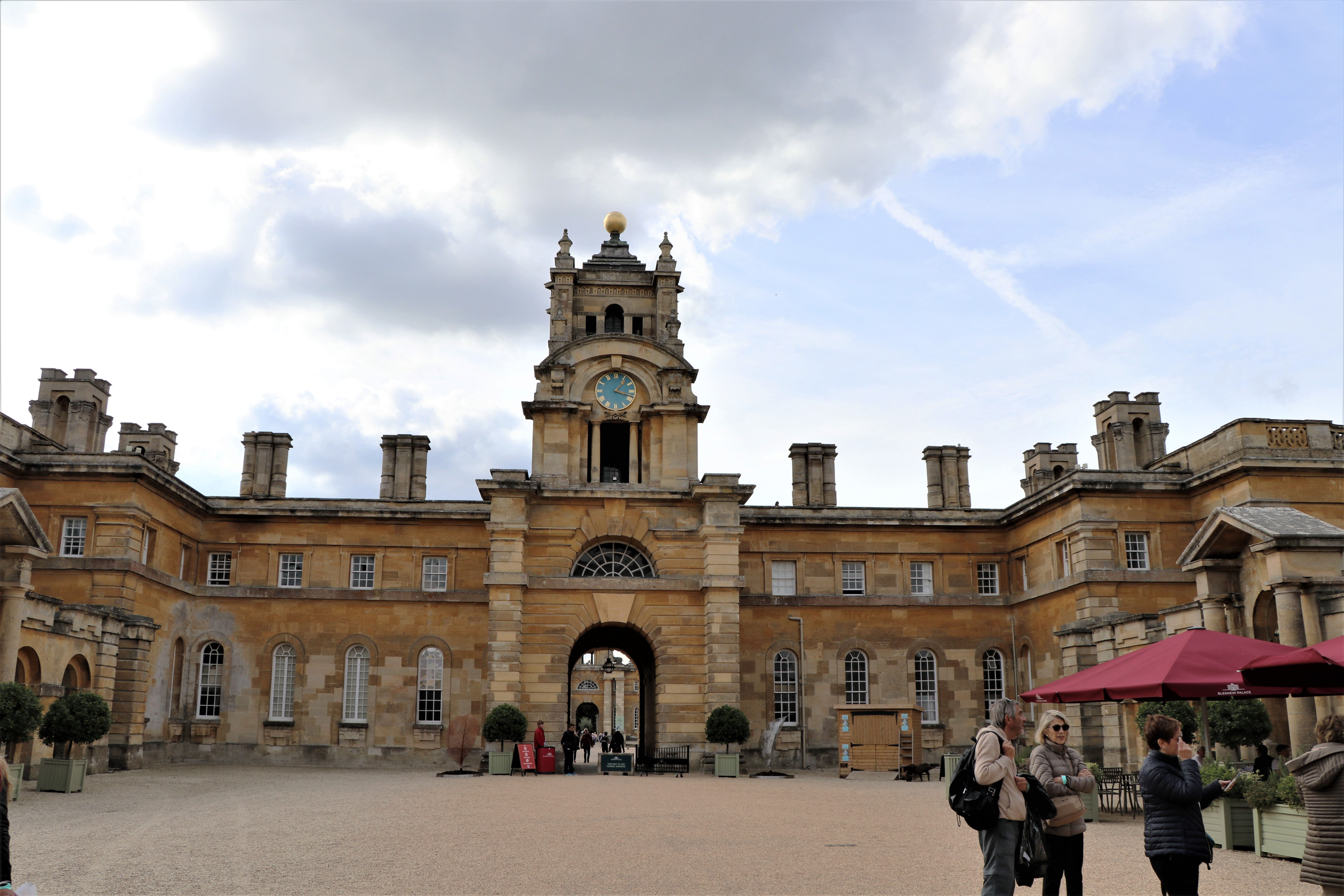
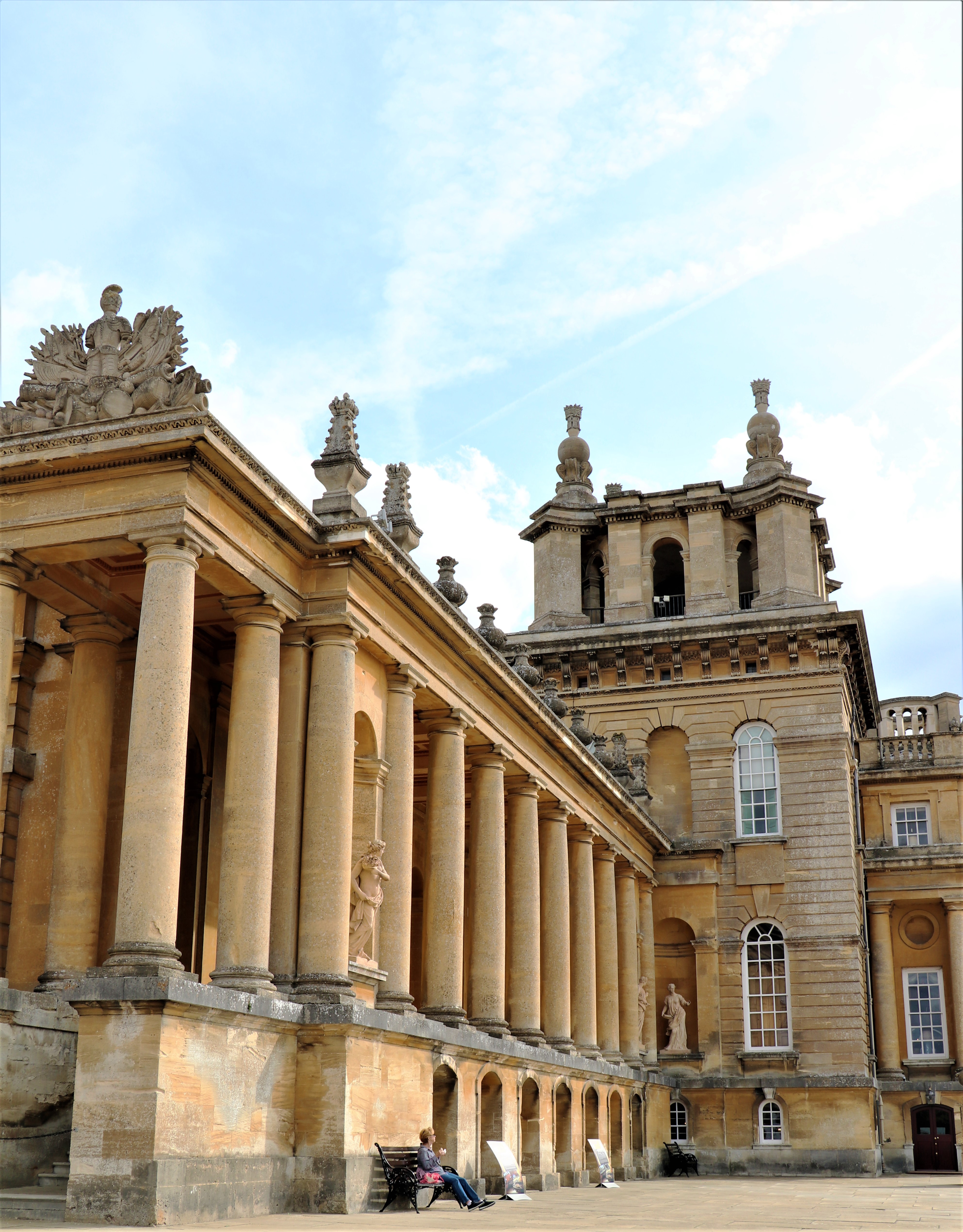
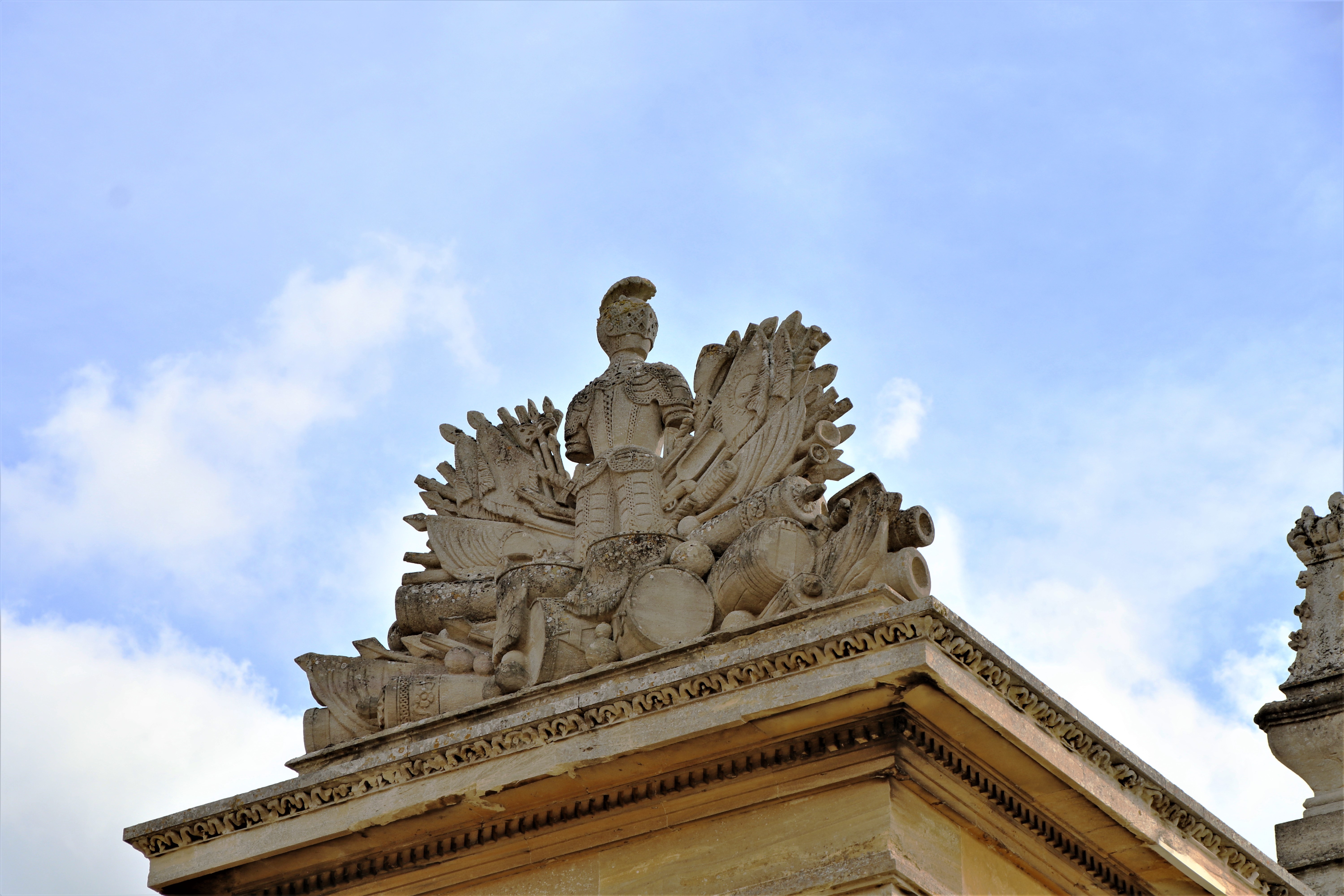
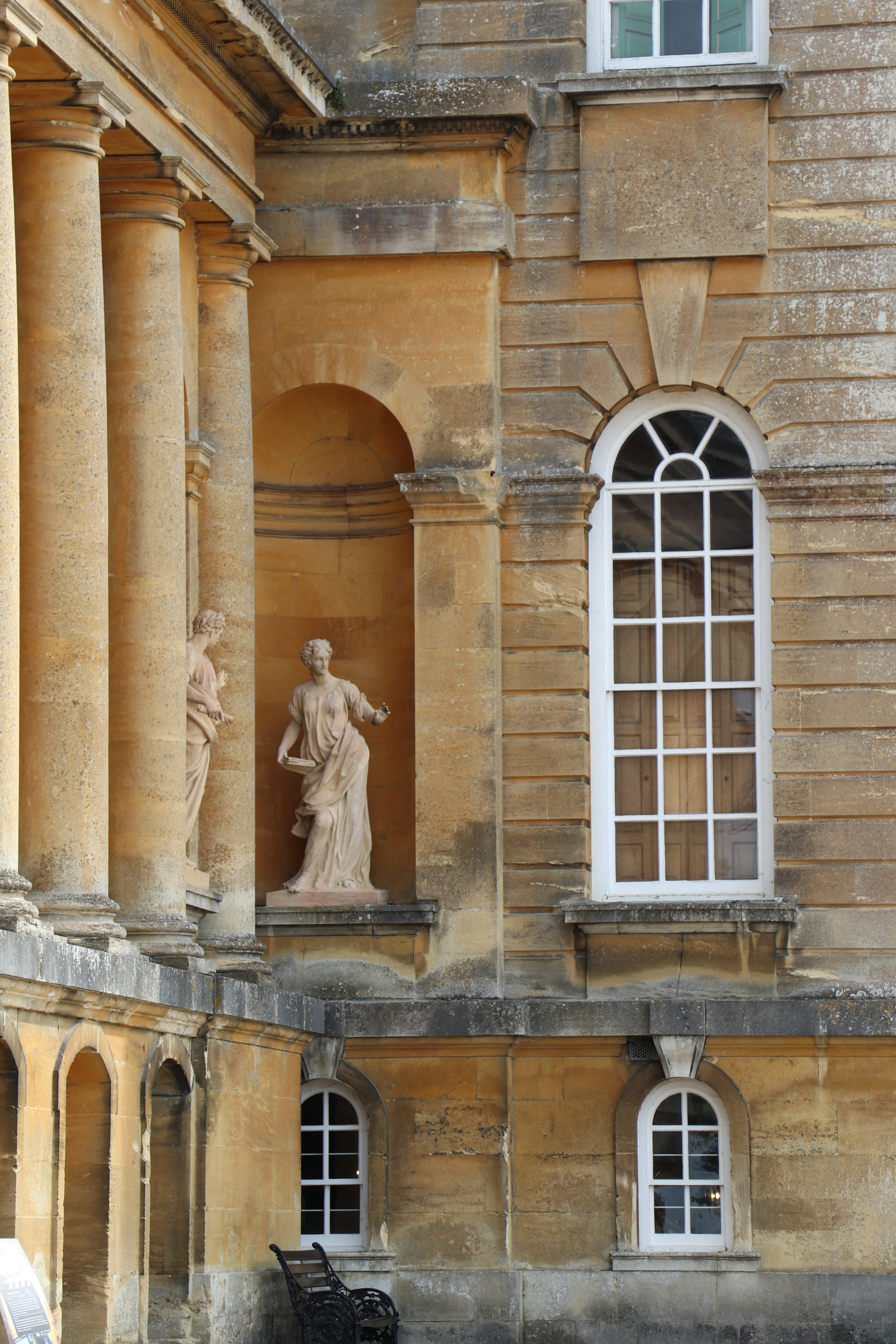
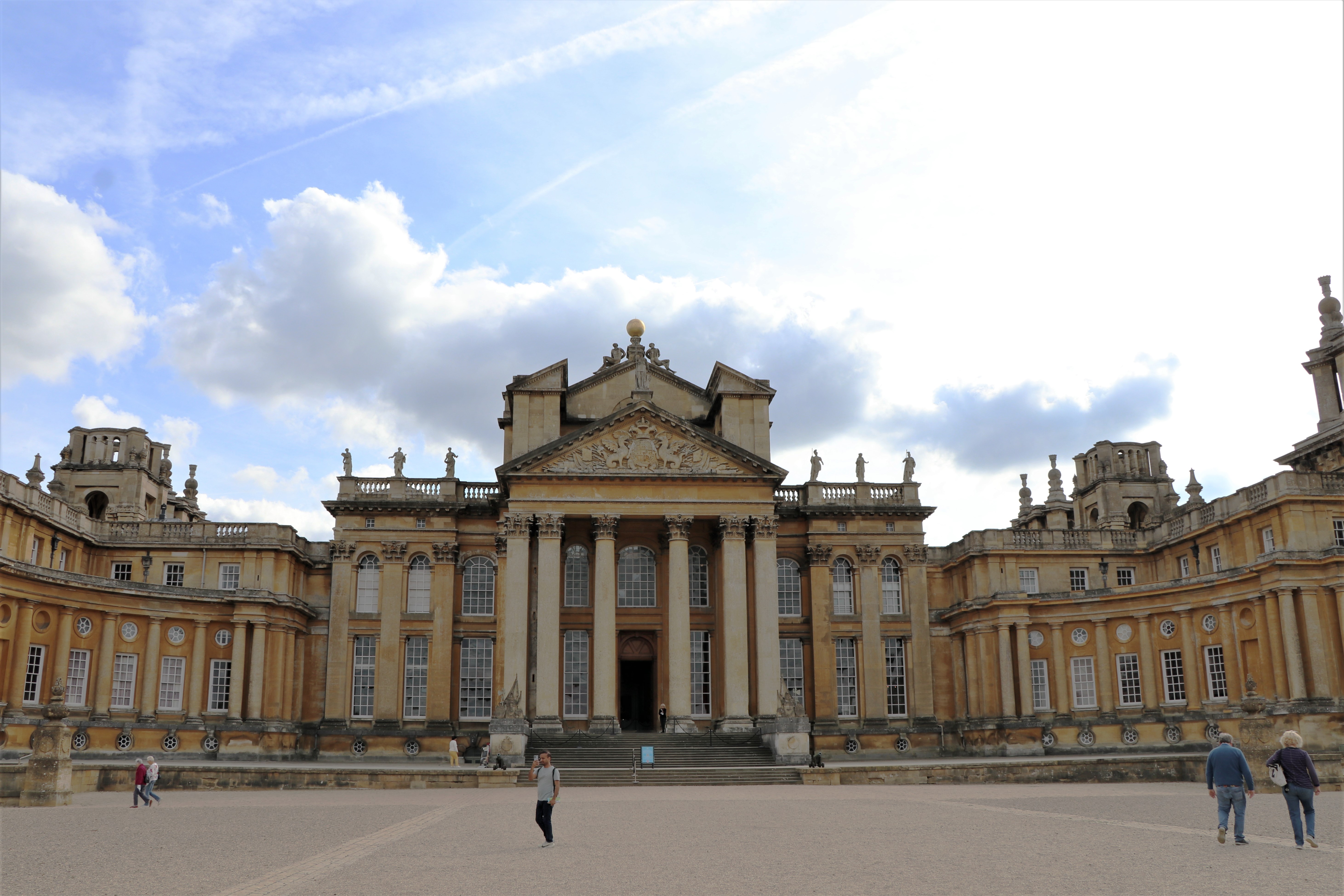
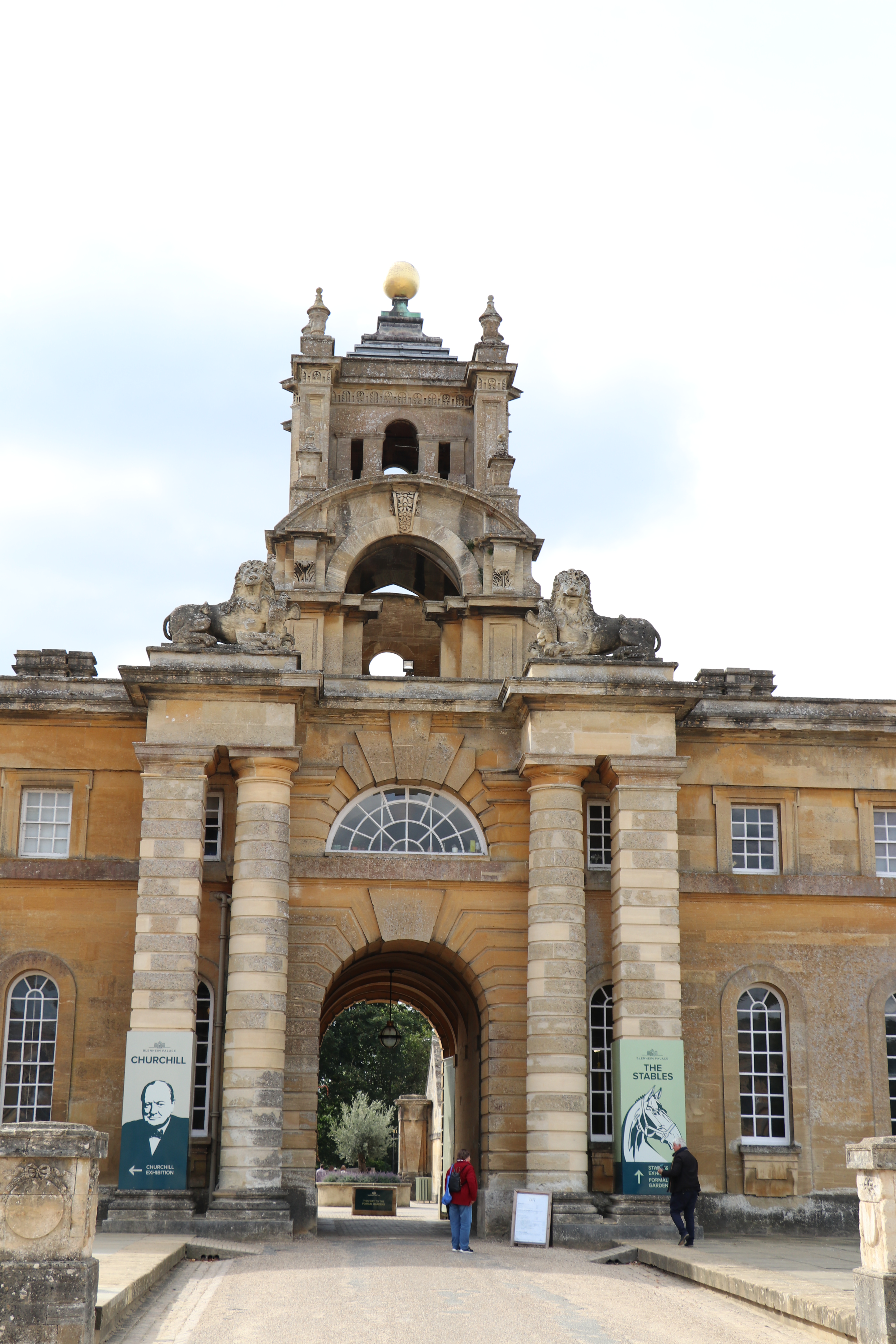
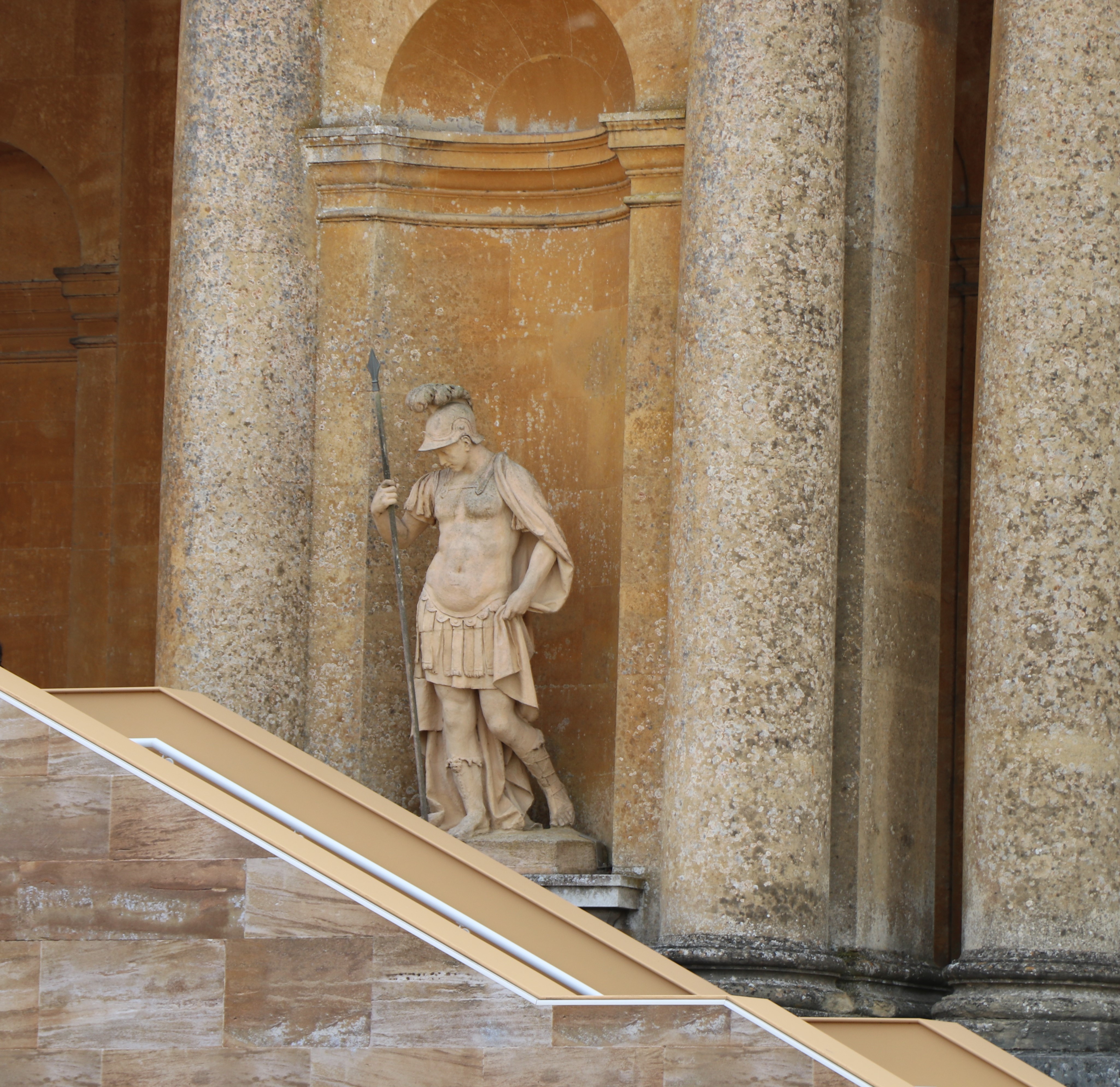
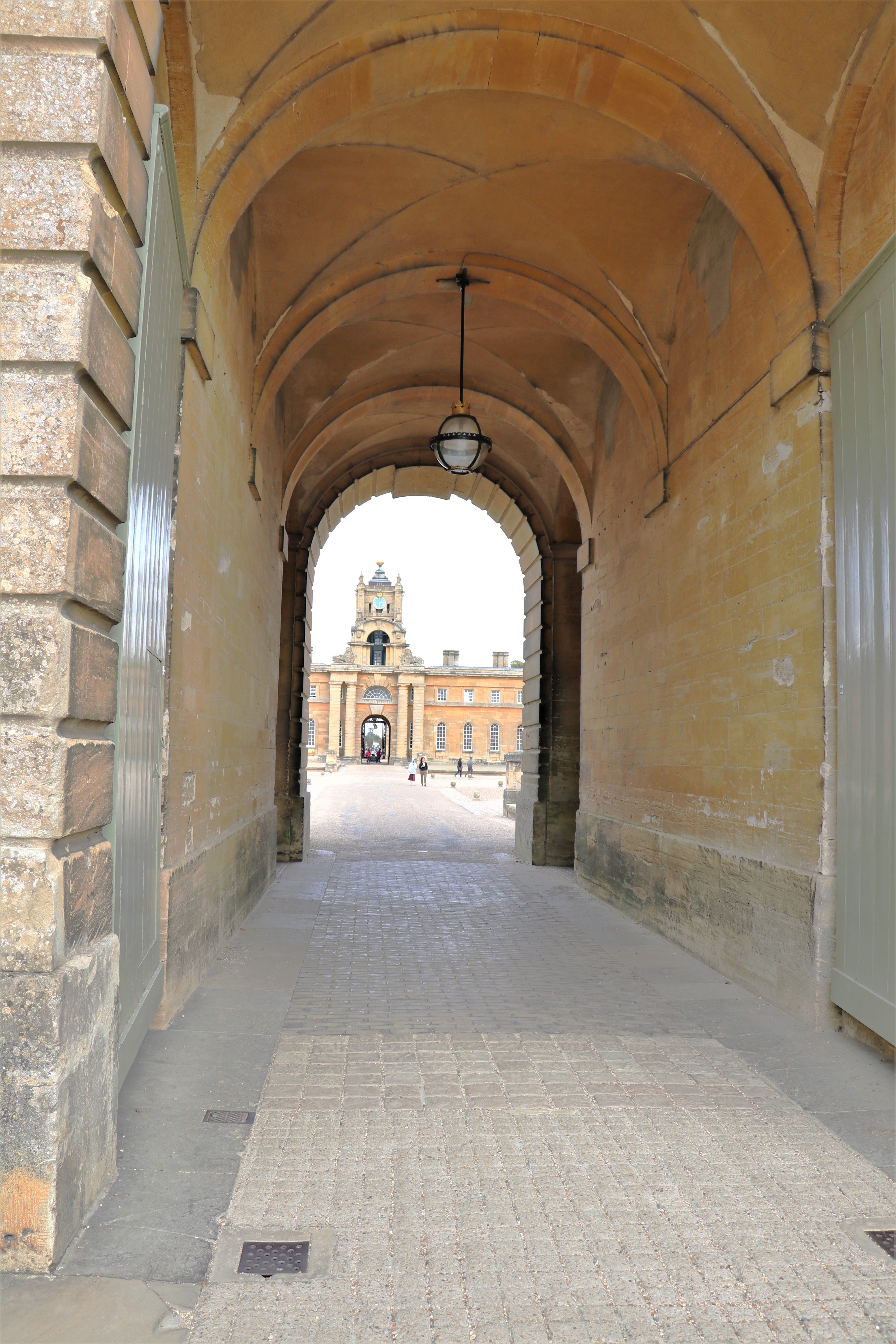
On Thursday September 22nd after a early morning walk on the Blenheim Palace grounds and lunch we returned for a self-guided tour of the courtyards of the palace, the water terraces, the Churchill Memorial Garden, the Rose Garden, and the Grand Cascades.


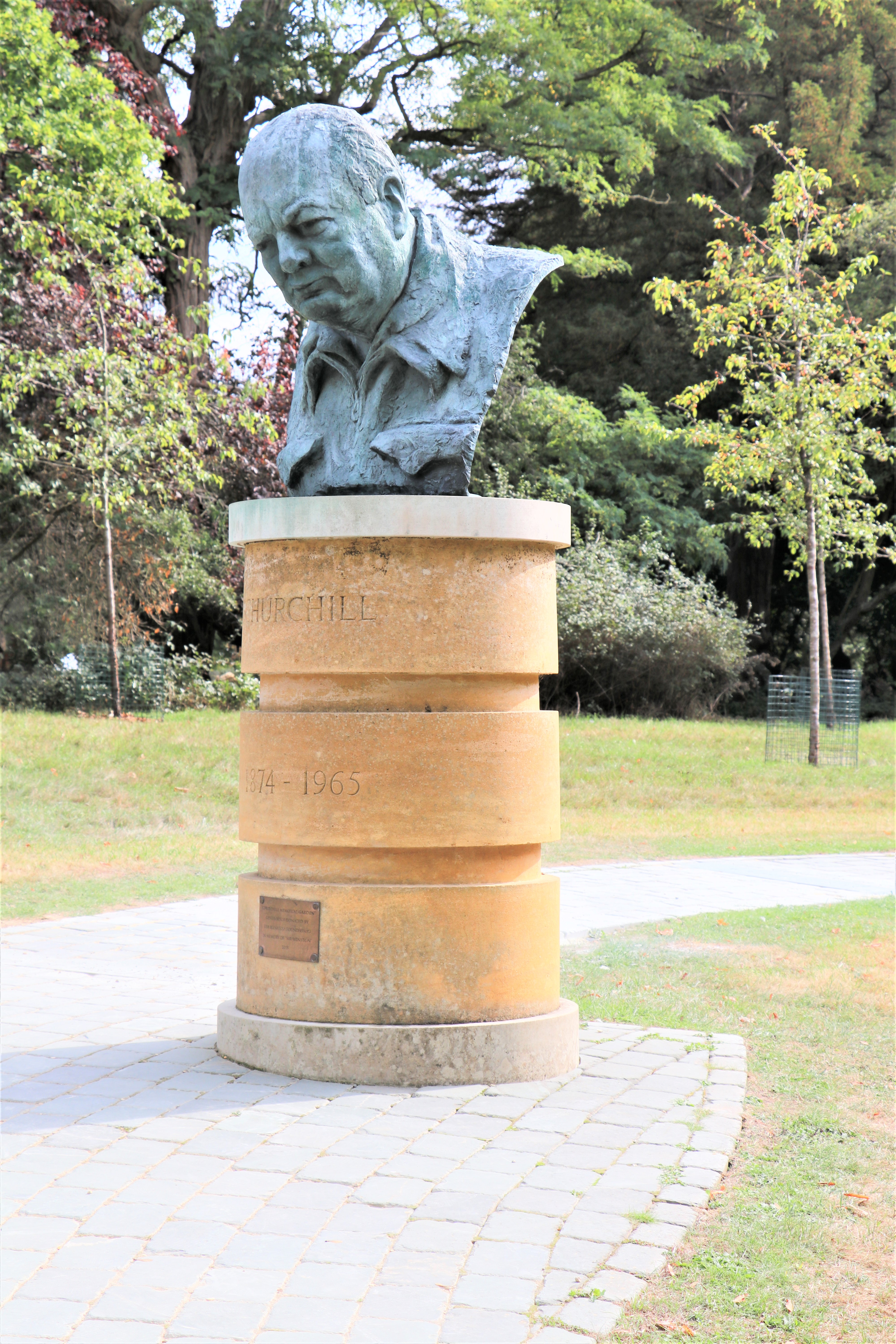
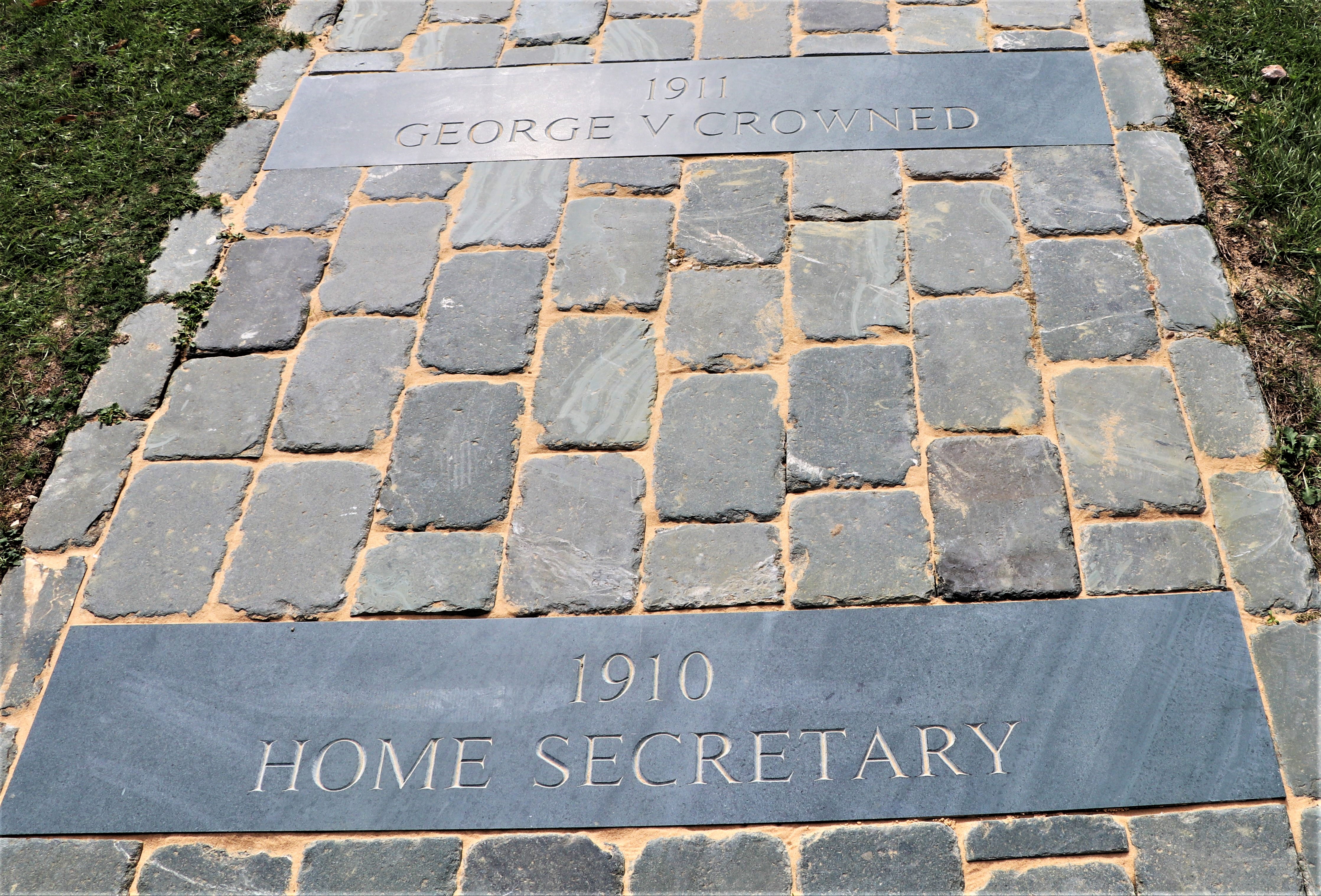
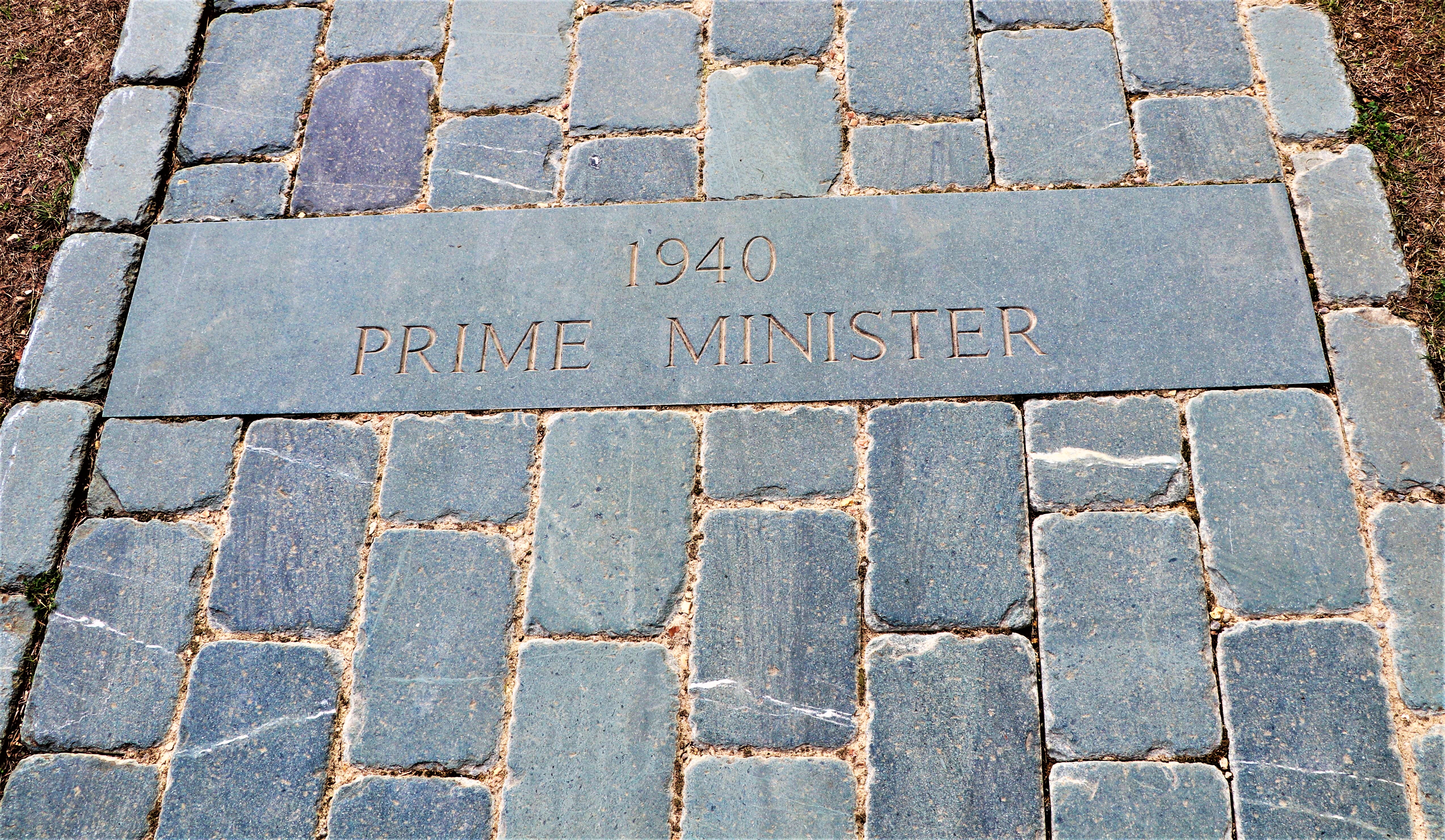
The Churchill Memorial garden needs some freshening up. It was interesting to walk the path that had engravings in the stone to mark different important dates in his lifetime.

1900 Member of Parliament, 1902 Edward VII Crowned, 1905 Under Secretary, 1908 Marries Clementine, 1910 Home Secretary, 1911 George V crowned, 1914 WWI Starts, 1918 WWI Ends, 1924 Chancellor of Exchequer, 1933 Marlborough Published, 1937 George VI Crowned, 1939 WWII Starts – First Lord of Admiralty, 1940 Prime Minister, 1945 WWII Ends – Election Defeat, 1951 Prime Minister, 1953 Elizabeth II Crowned – Knighthood – Nobel Prize, 1955 Resigns as Prime Minister, 1963 Made US Citizen, 1964 Leaves Parliament, 1965 Buried at Bladon.

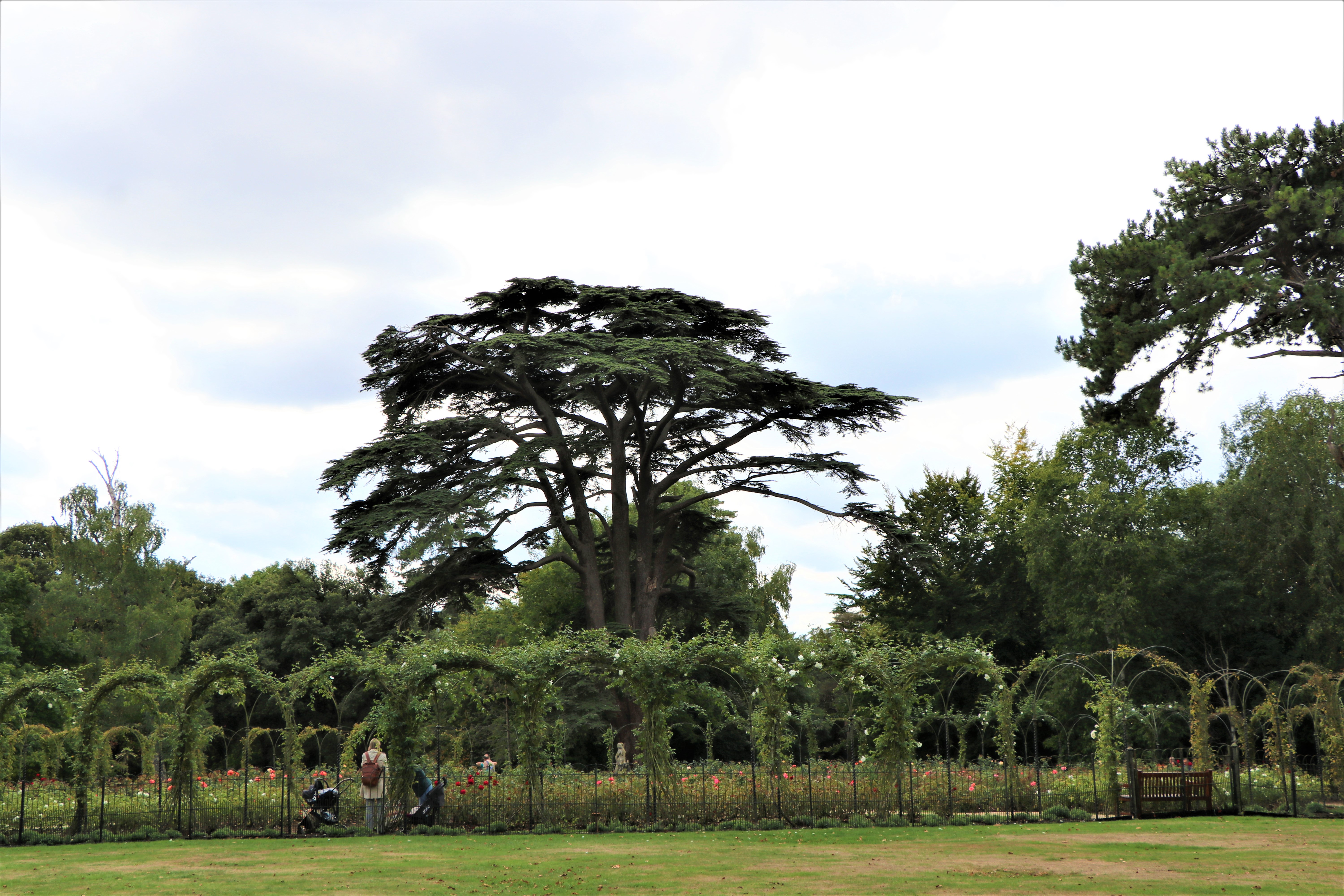
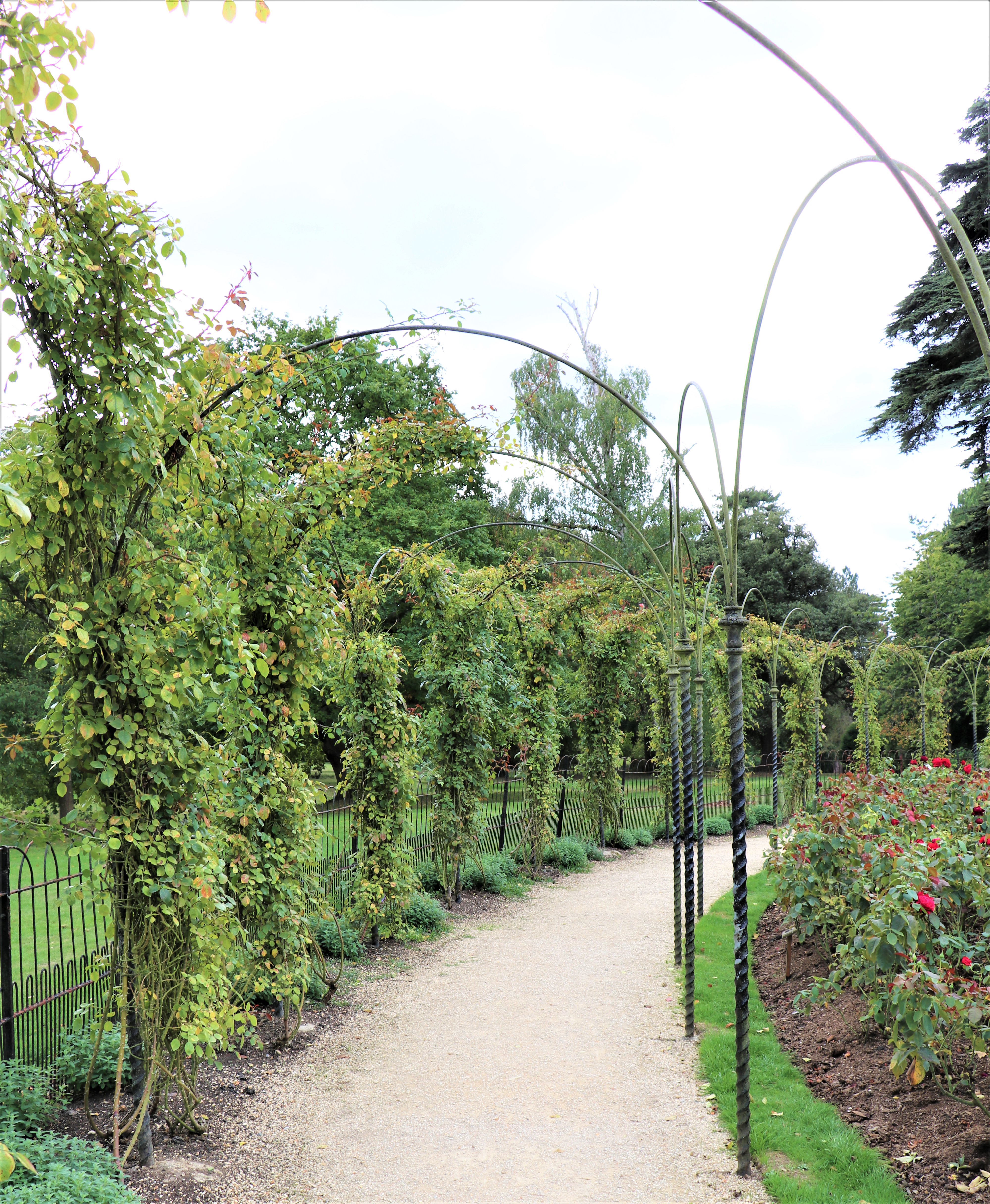
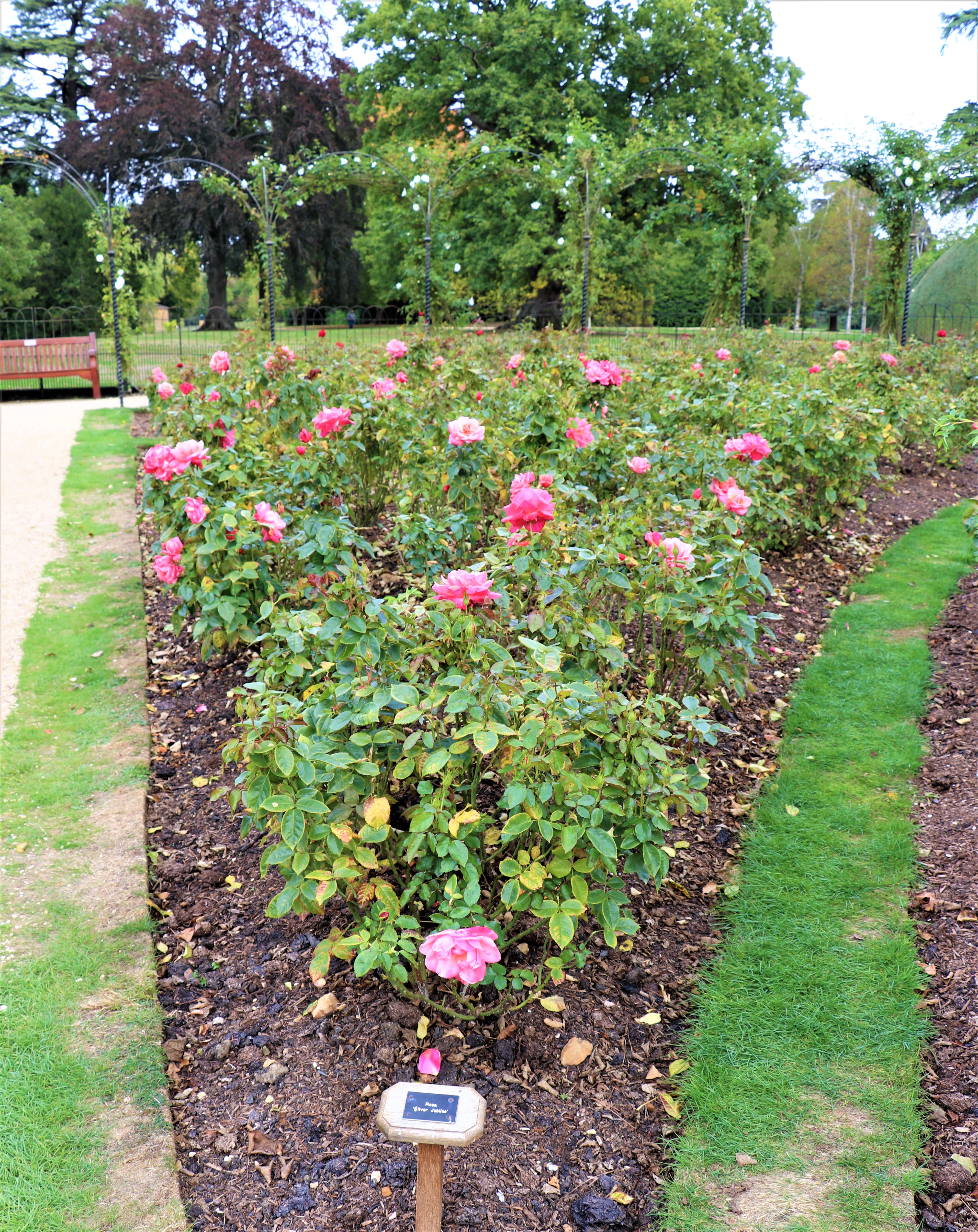
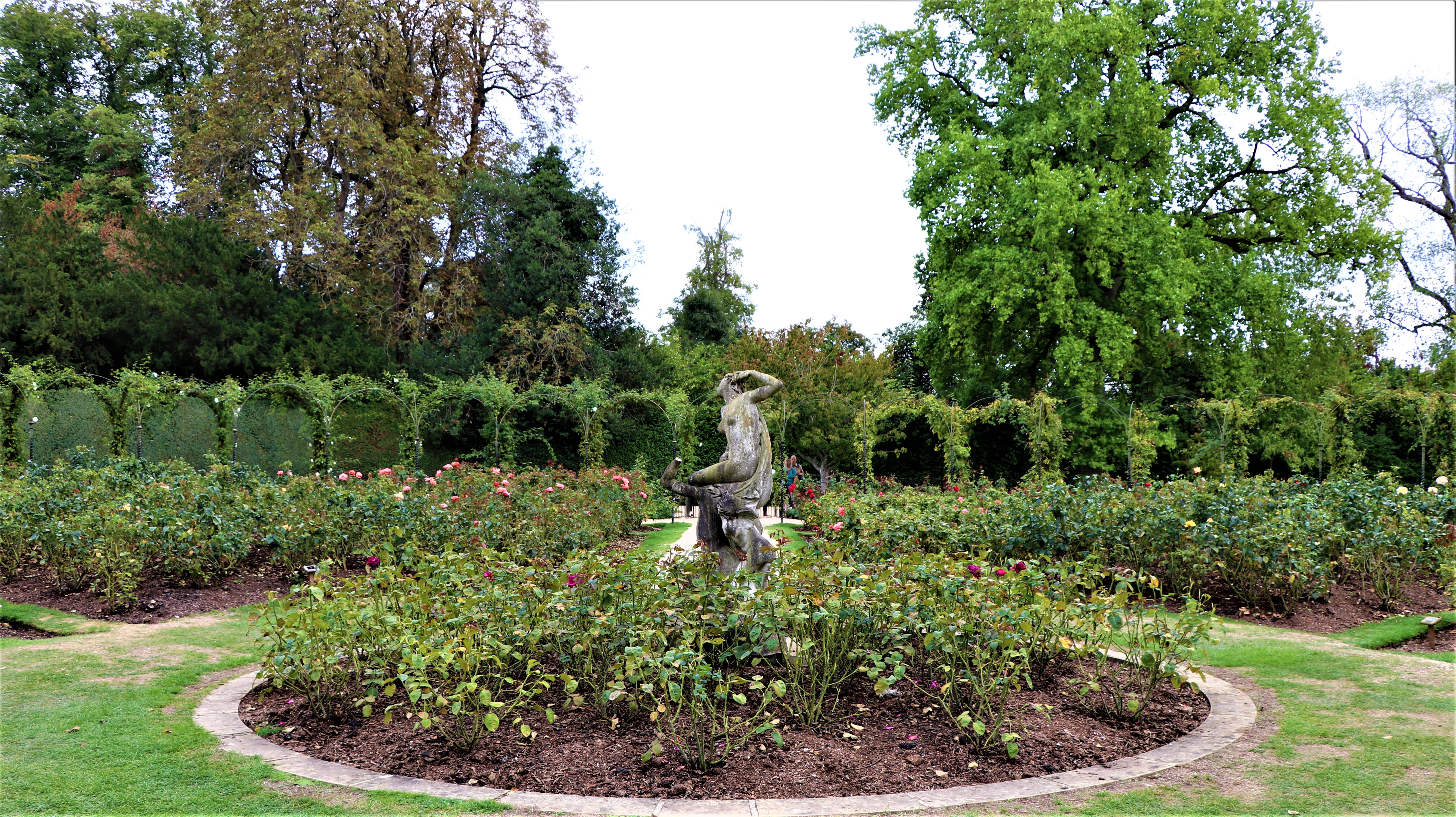
The Rose Garden which is usually in it’s prime in late June, early July. We were here in September so way past it’s prime.


This patch is filled with the Jubilee Rose.

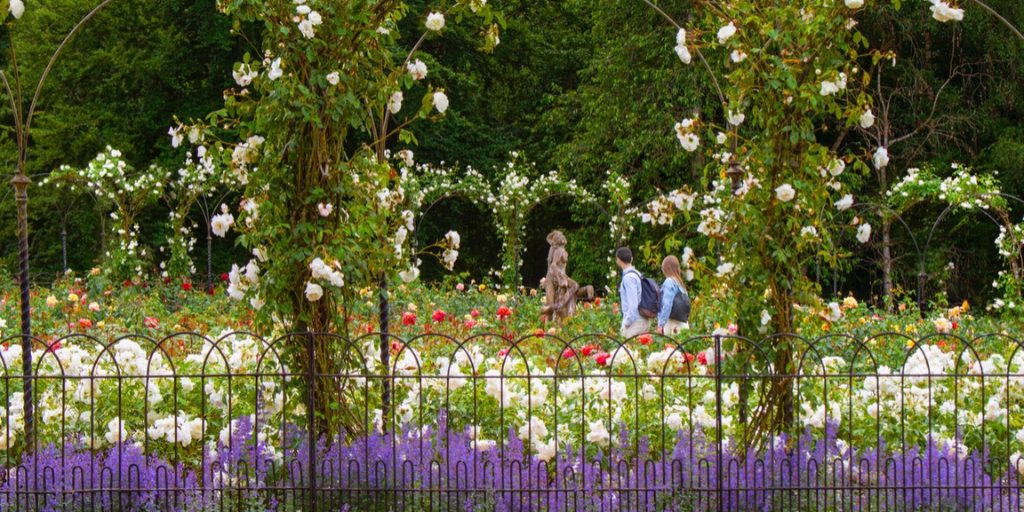
The Grade 1 Listed Rose Garden is contained within a circular walk, surrounded by blue cat mint and arched over by slender hoops supporting climbing white roses. At its centre is a fountain within a circular pool and surrounded by symmetrical beds; each filled with a variety of different roses.

Here’s a photo I found to show what it looks like in it’s prime.

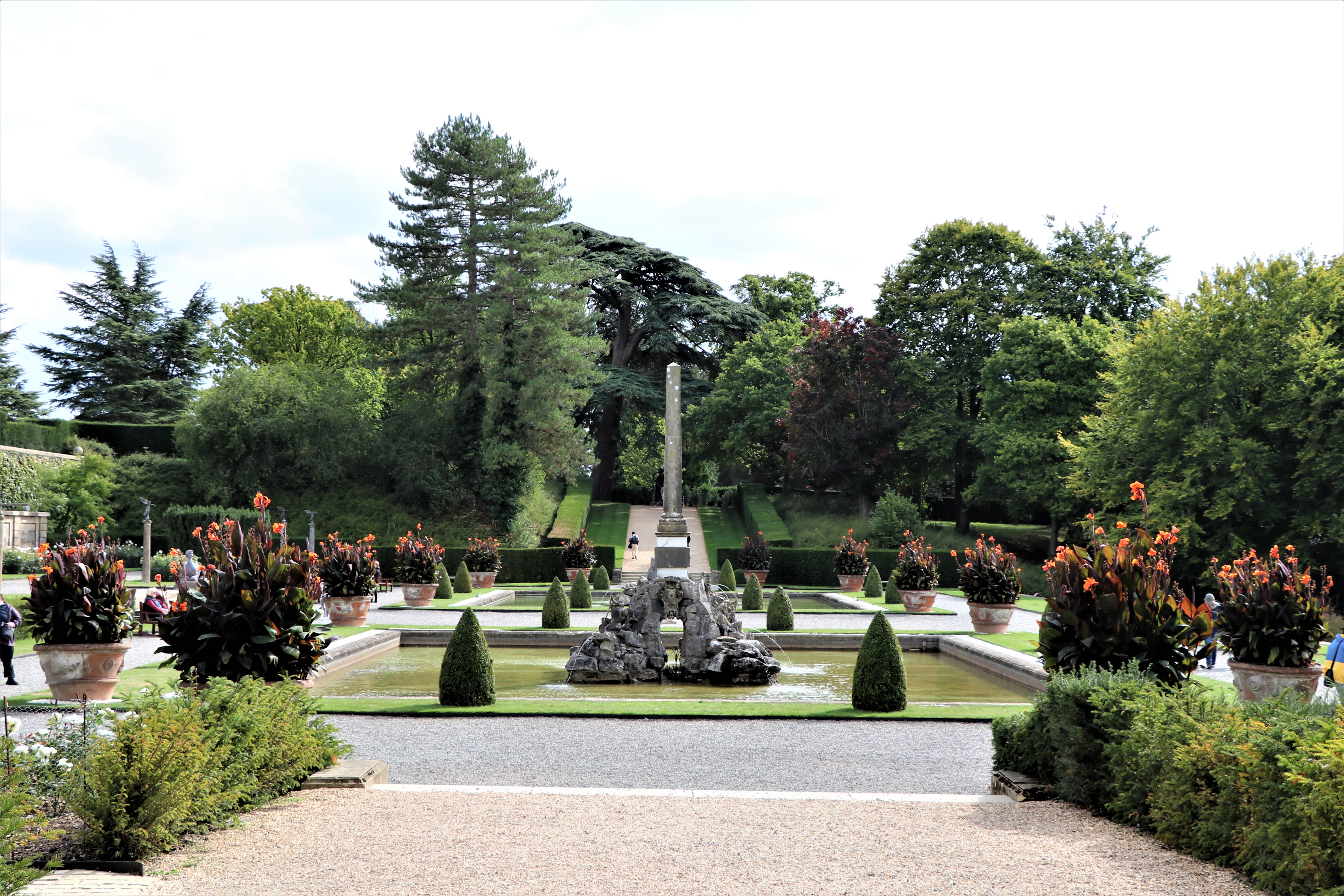
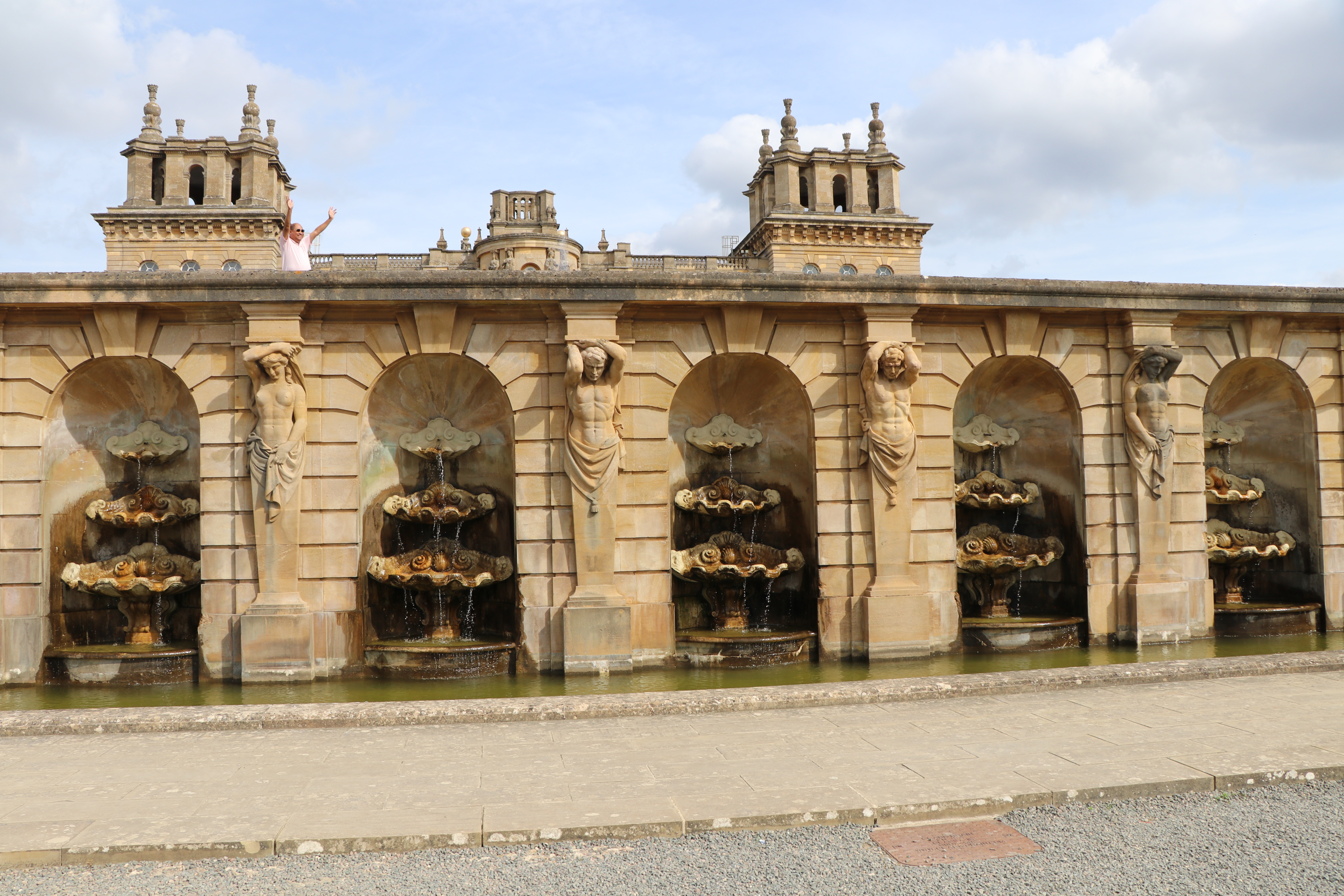
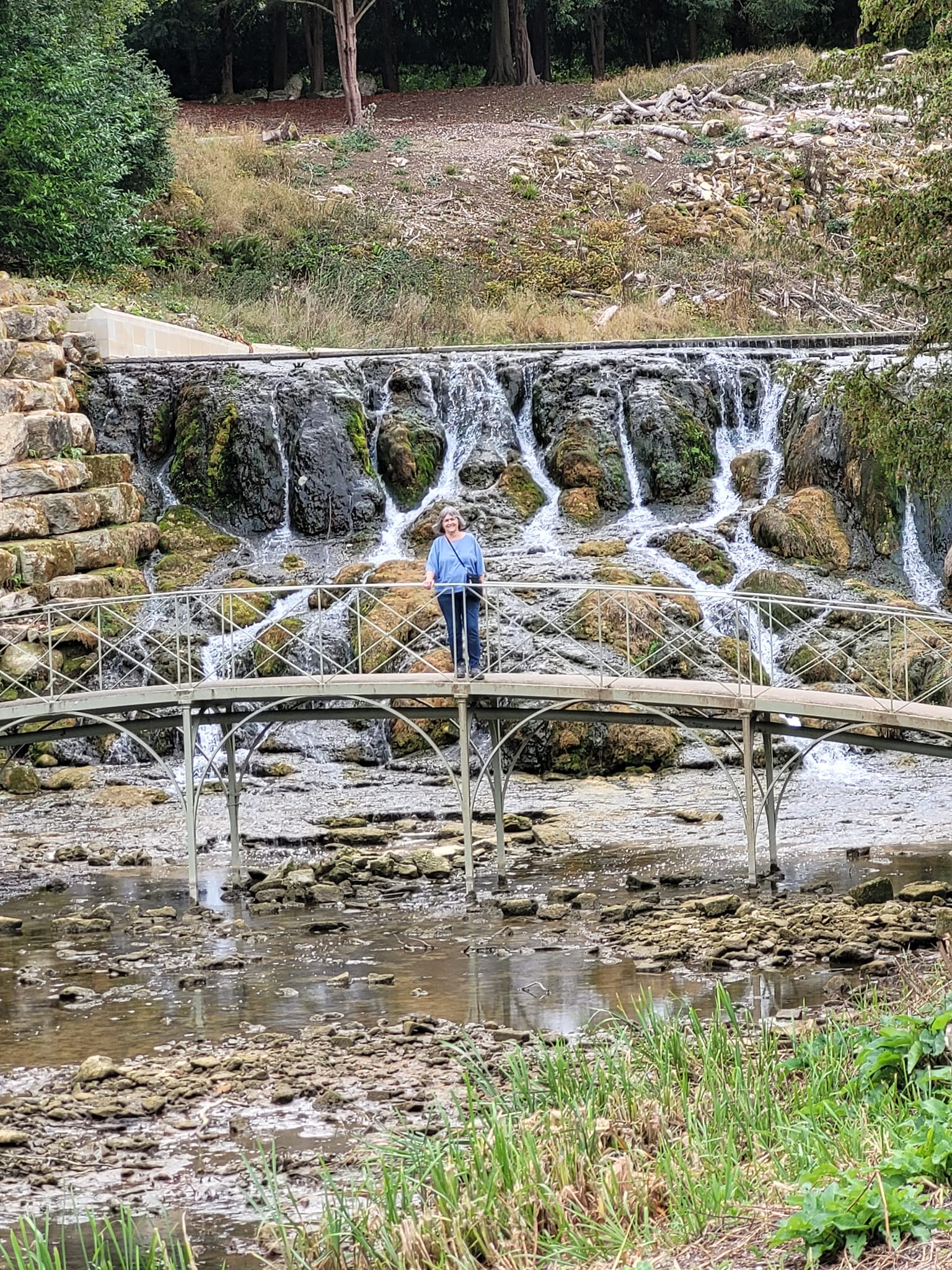
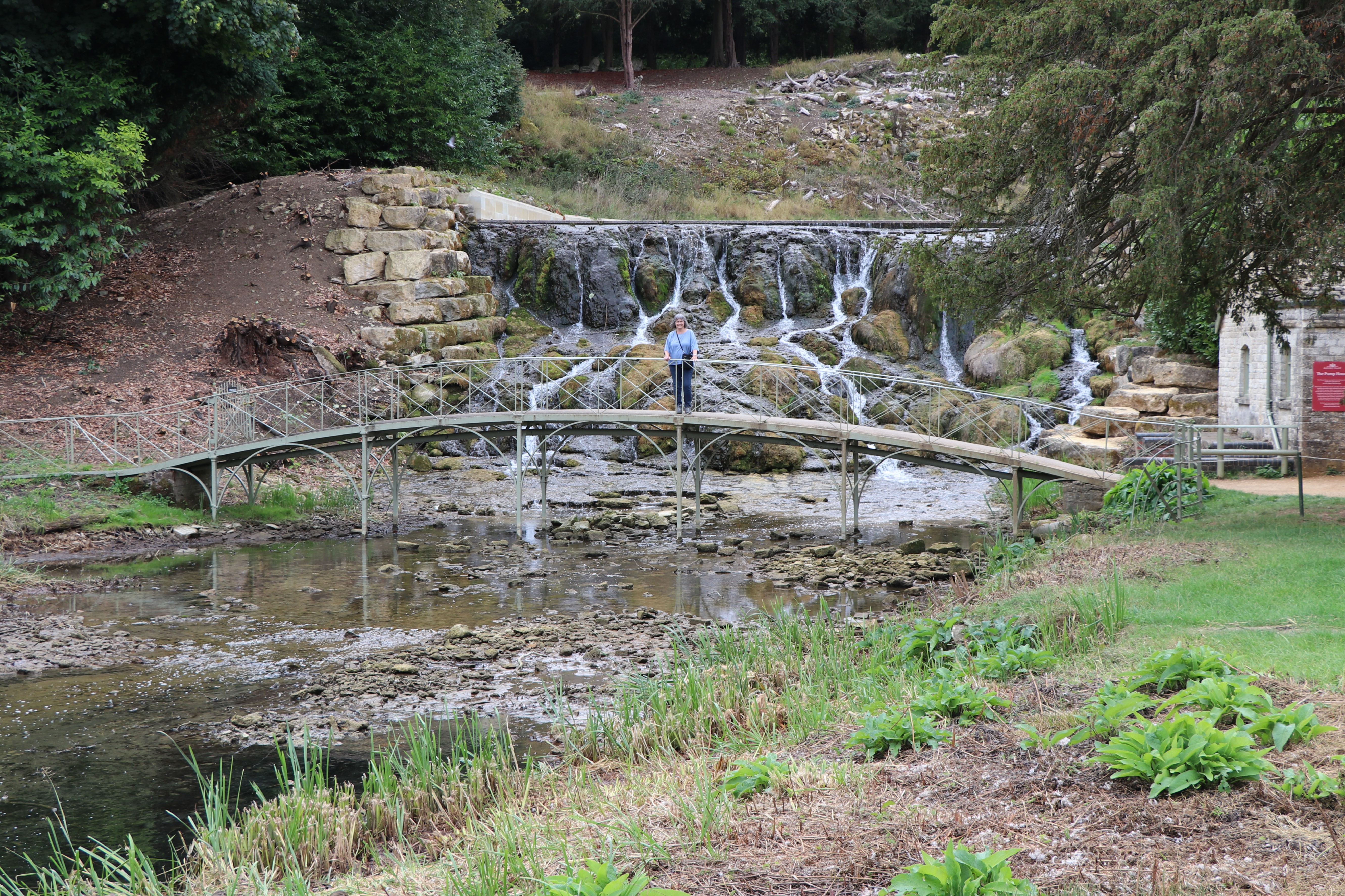
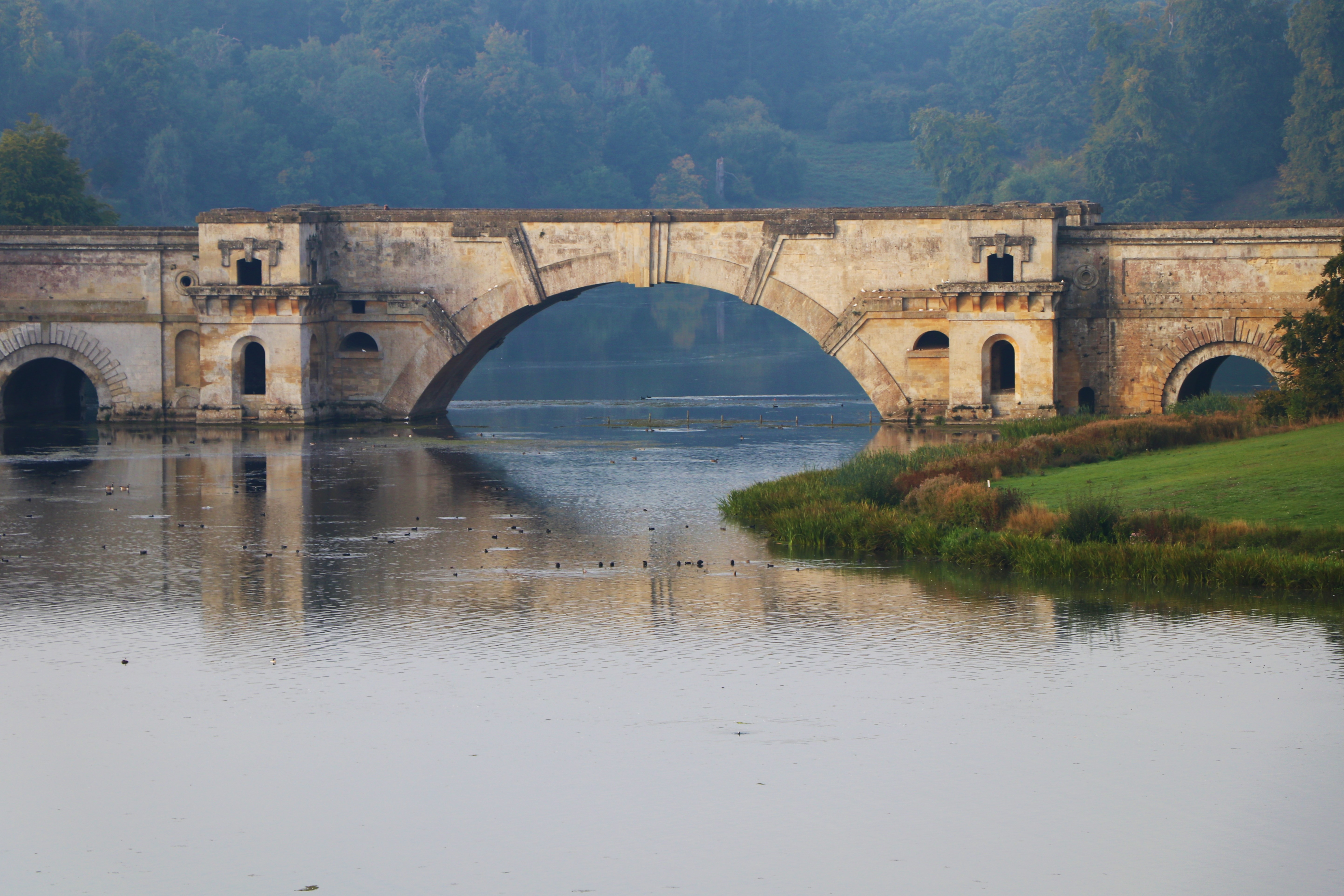
The Grand Cascades September of 2022.

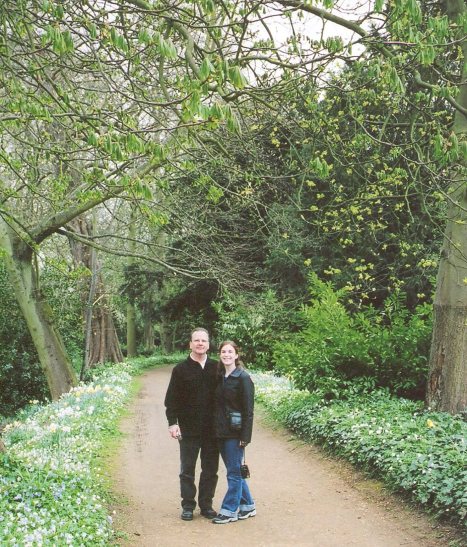
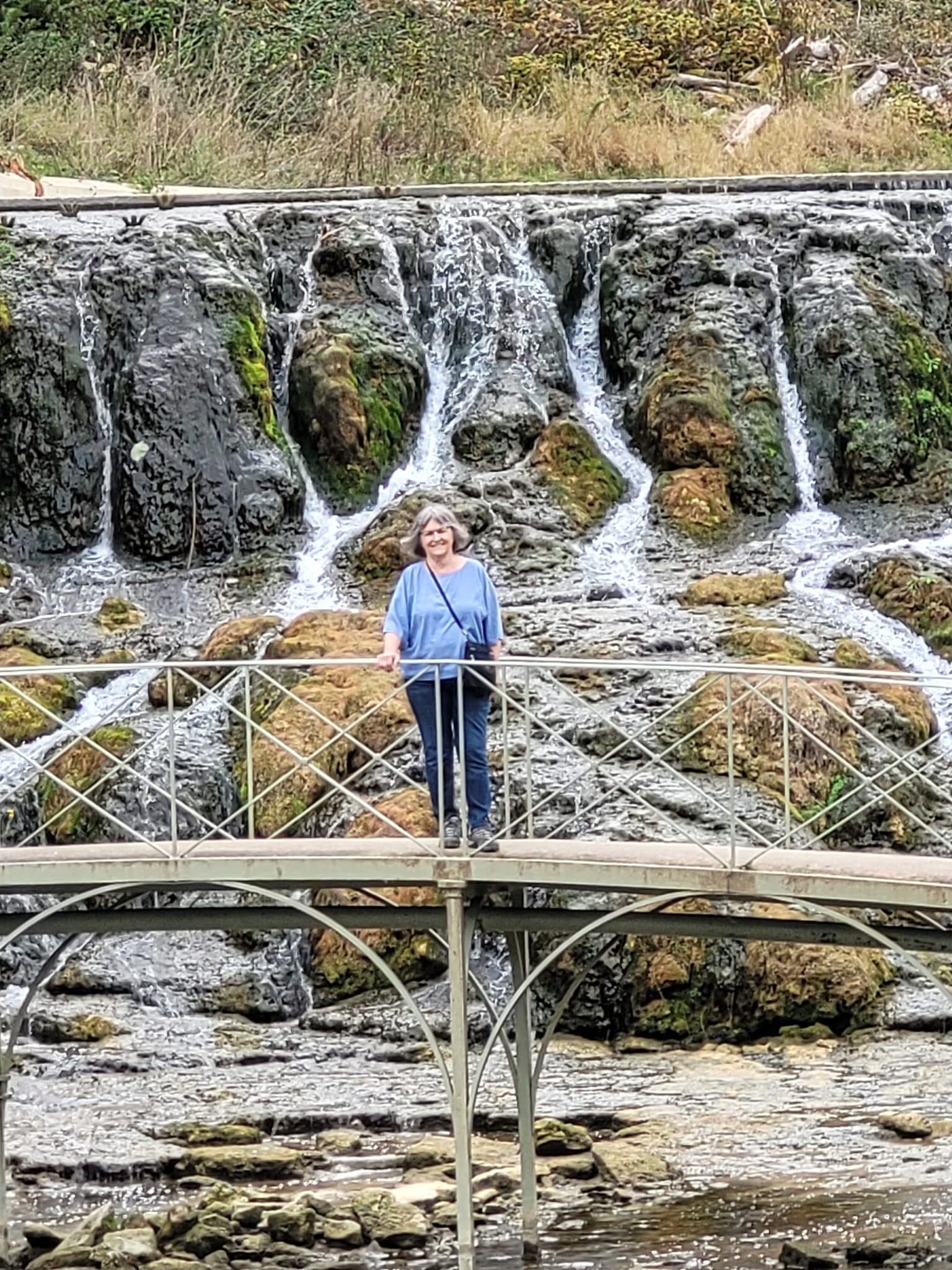
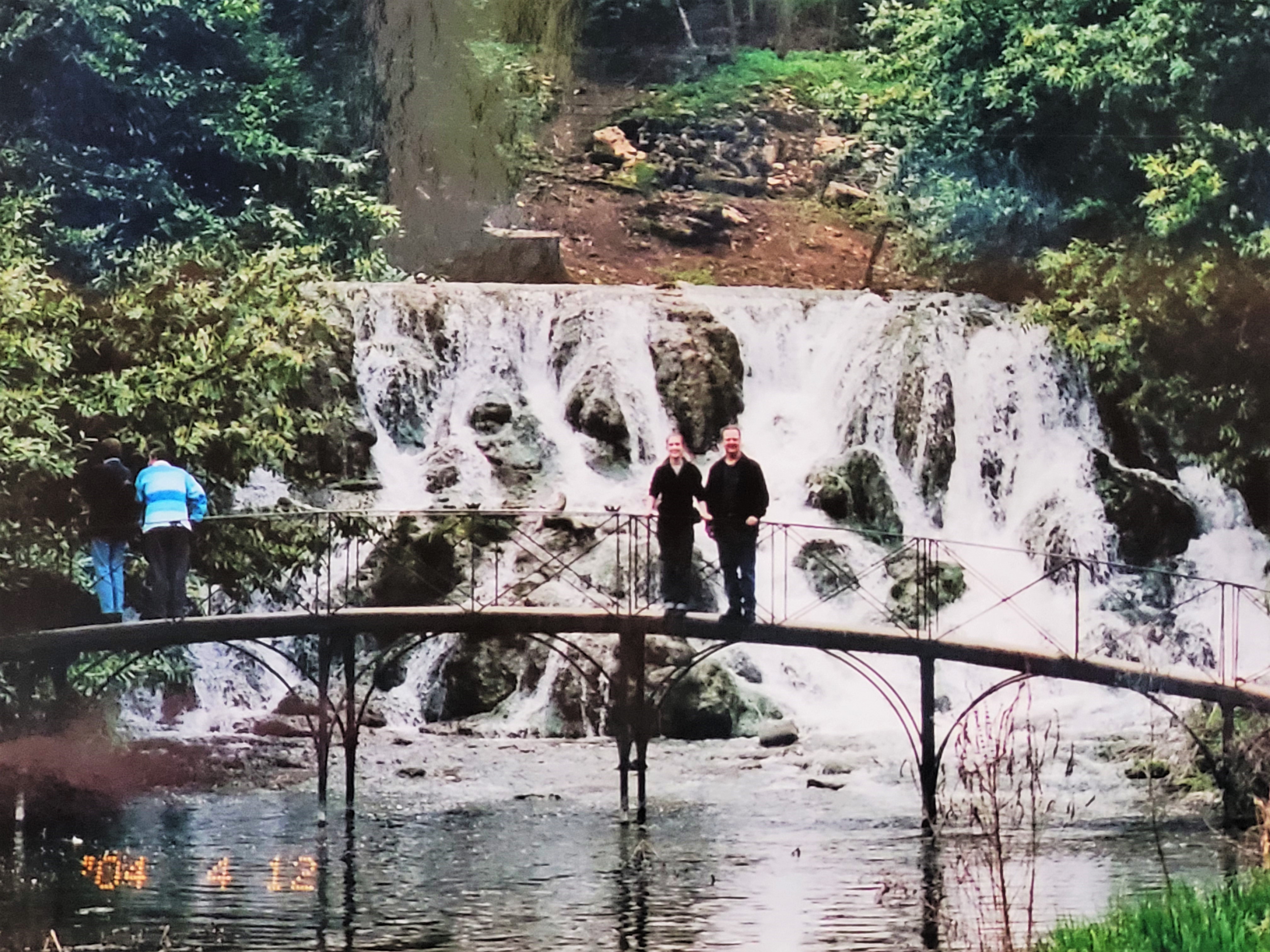
The Grand Cascades in April of 2004 on a trip to England with our daughter.

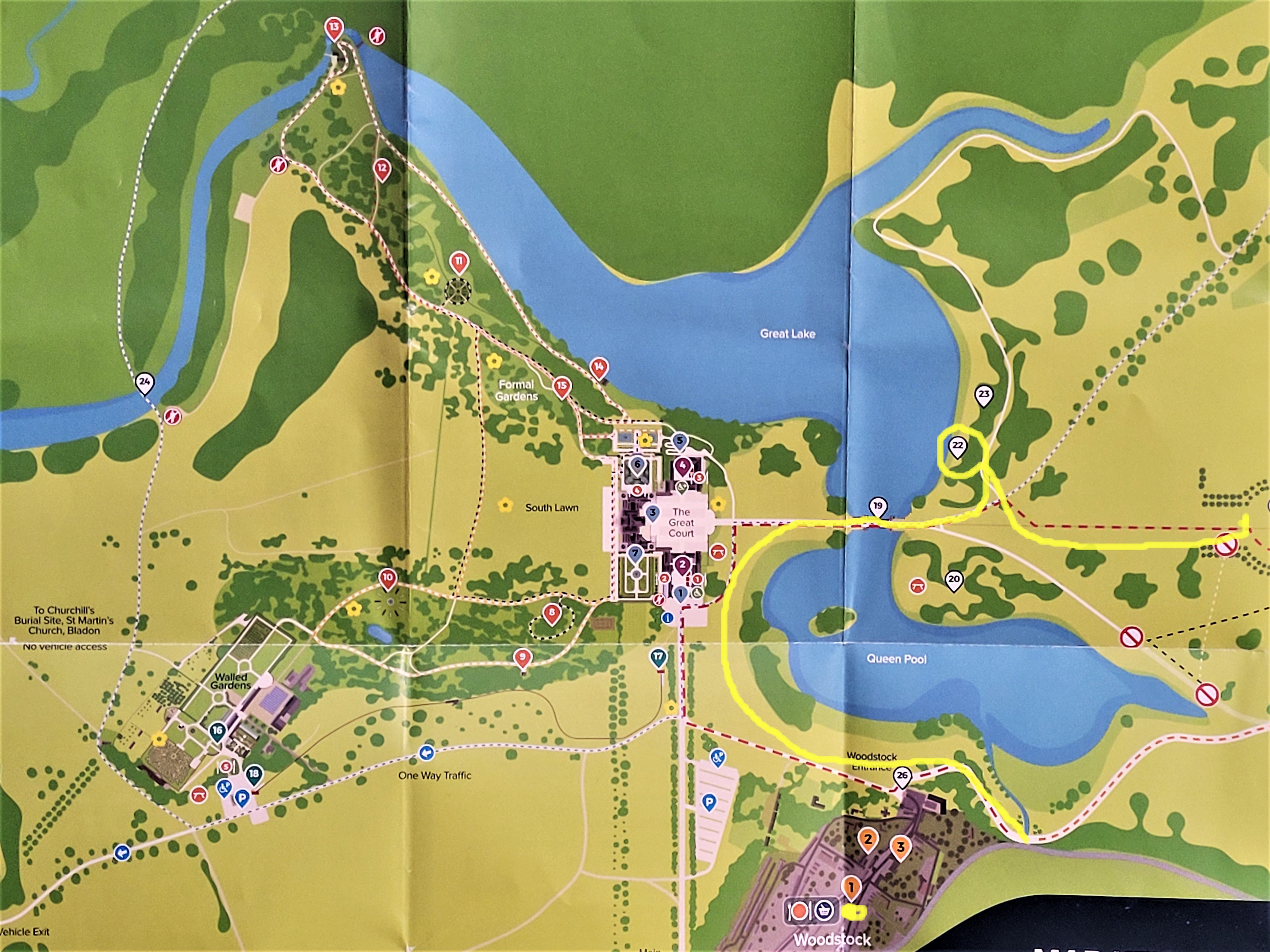
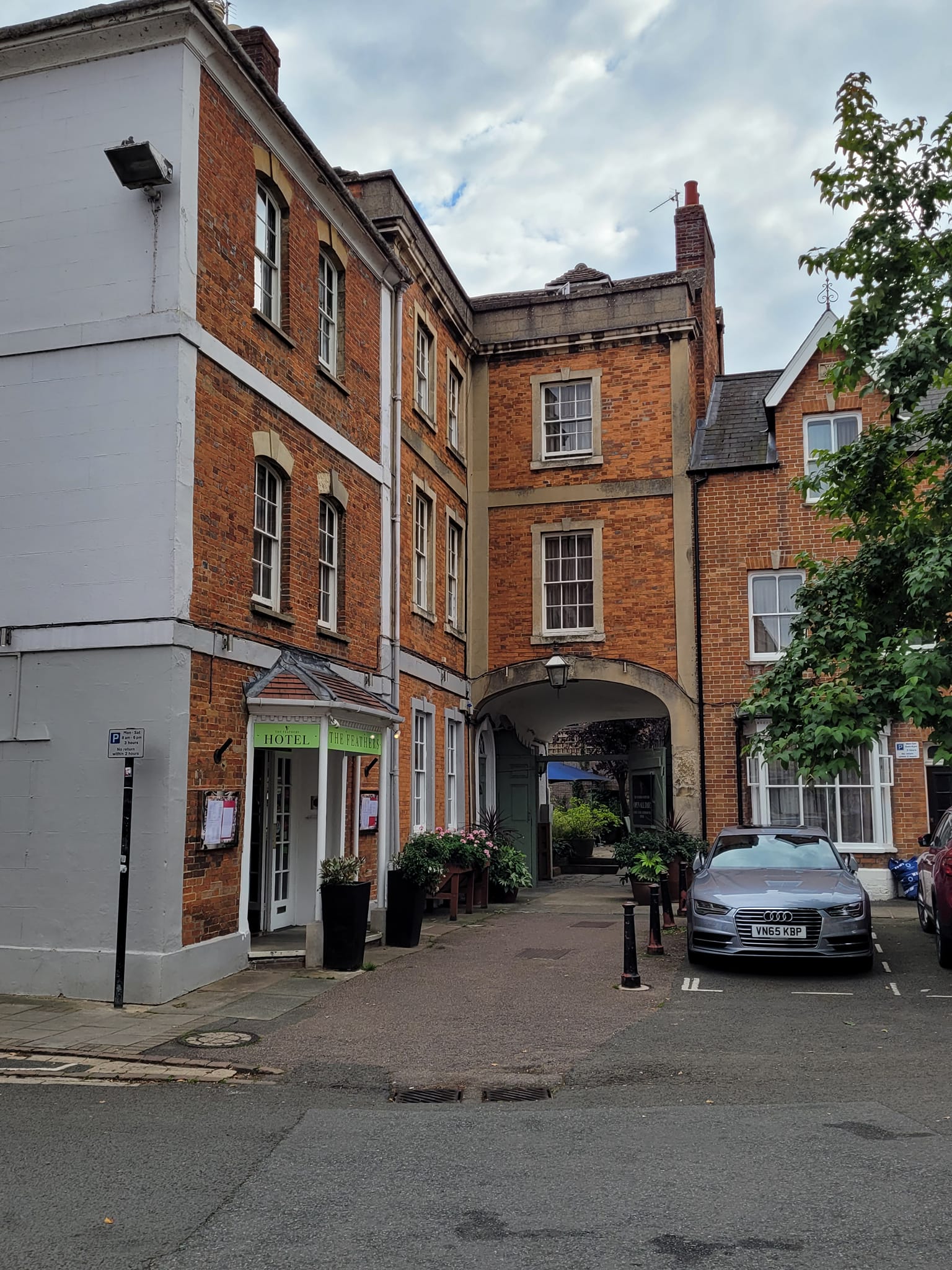
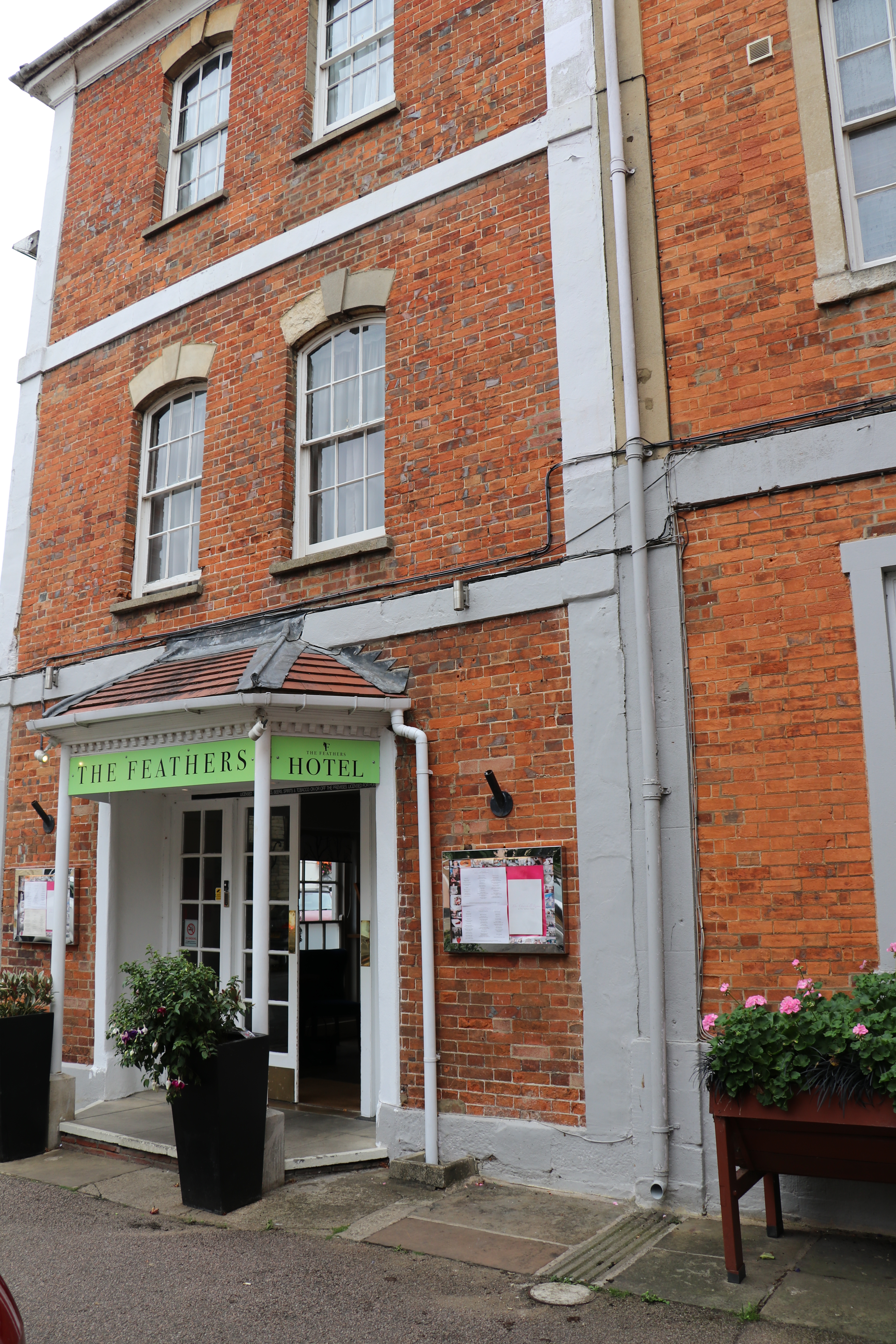
The brown section on the bottom right of the map is the village of Woodstock. The rest of the map shows the grounds of Blenheim Palace, over 500 acres. We walked the upper circular path to the Grand Cascade and back to the palace and then back to Woodstock. We should have used a pedometer on this trip to log the steps we ended up with! The Feathers Hotel in Woodstock is where we stayed for two nights. The marked yellow path is where we walked early in the morning to see the Harry Potter Tree. That was a separate post.

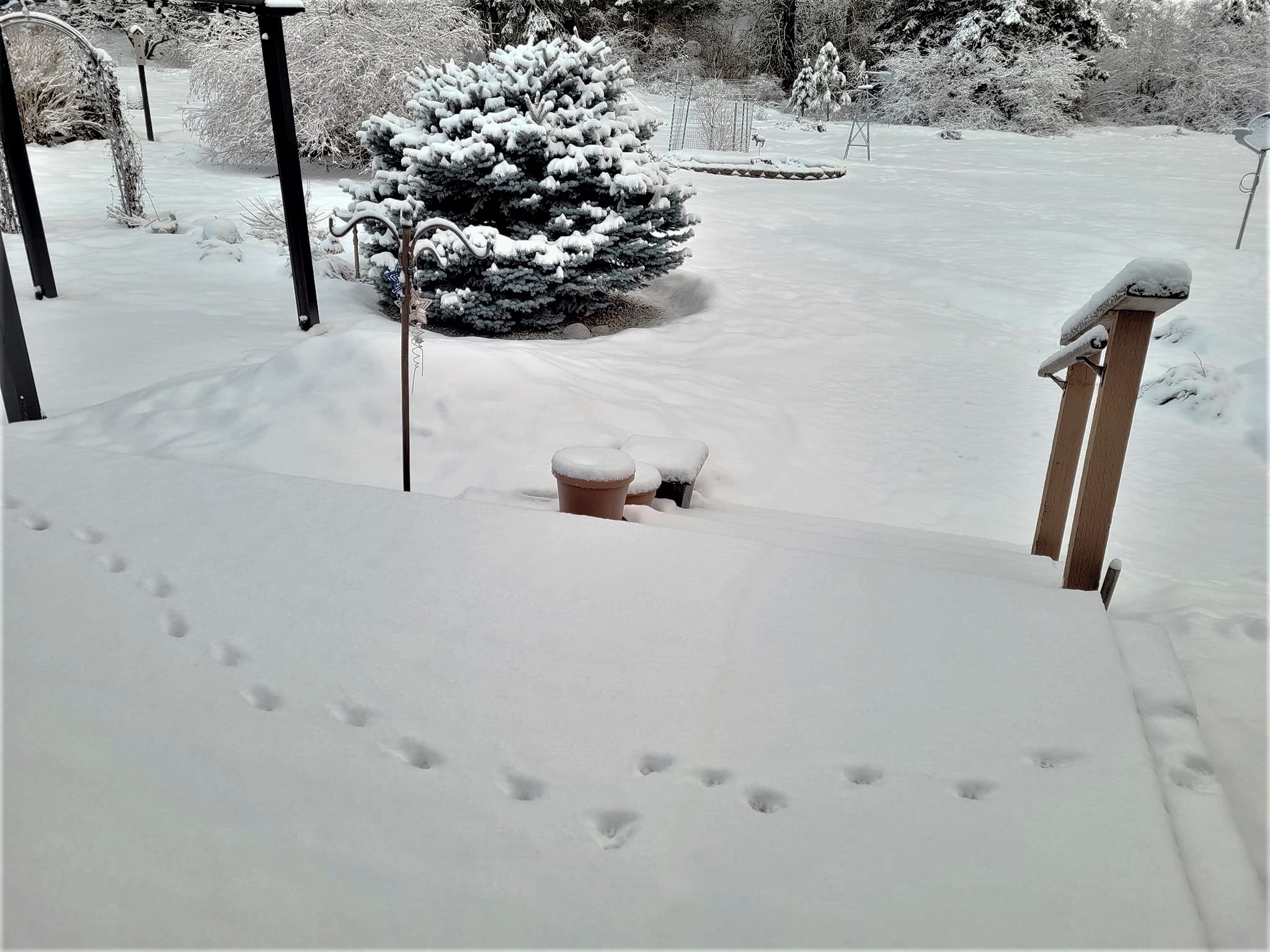
Back to the Present: We had a new covering of snow over the weekend and more is predicted for later today into tomorrow. It’s always fun to see some distinct paw prints in the snow (feral cat). On Sunday our church body had a time to grieve together over the passing of our dear church secretary of many years with our pastor sharing some great stories about her and their working relationship before our service. Today we have to head out early for Dear to meet his new Primary Care Doctor. Hope you all have a good week.

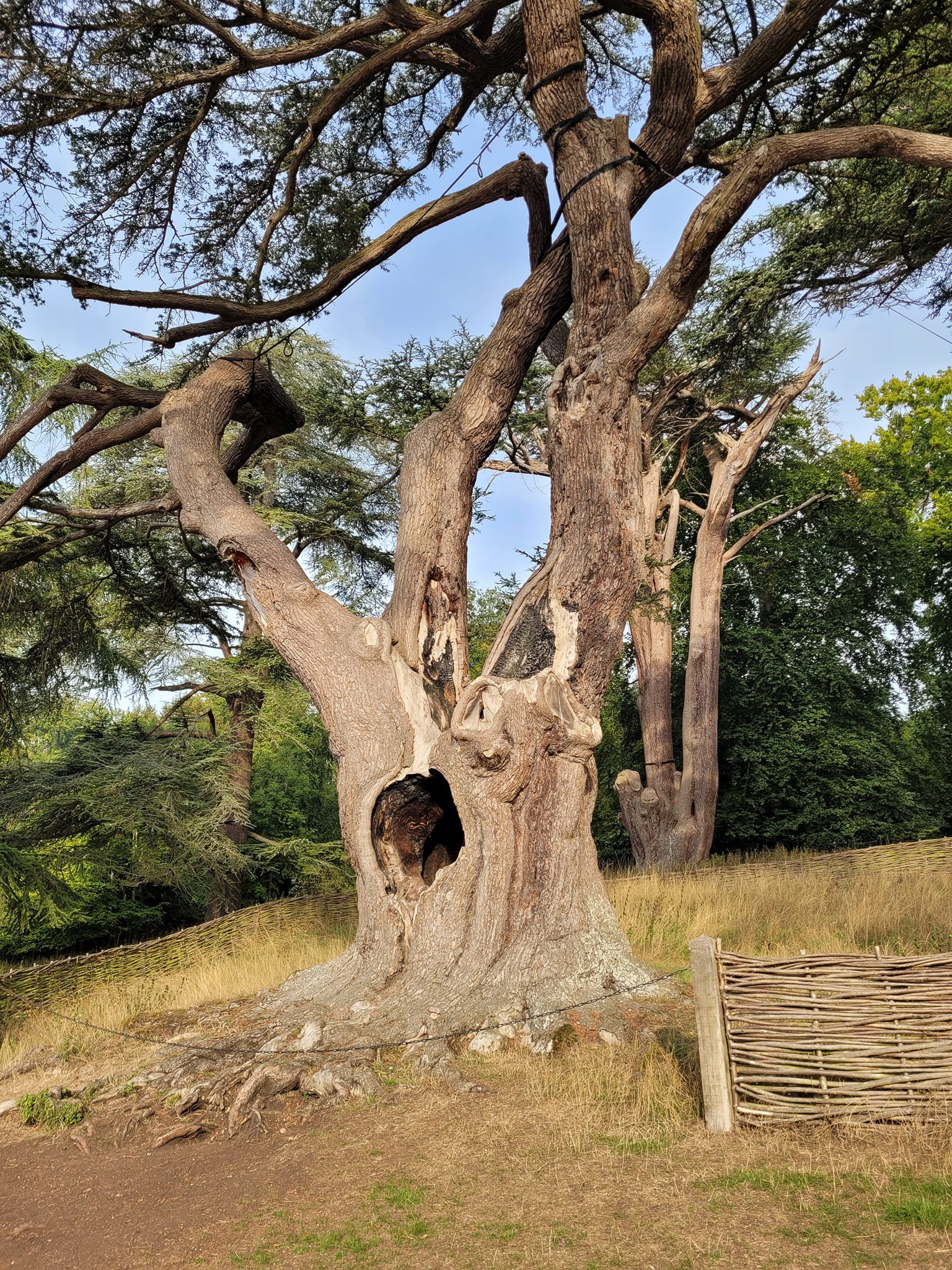
The Harry Potter Tree

Early in the morning of September 22nd we walked along the main road on the edge of Woodstock to an entrance to the Blenheim Park grounds. I marked the route we wanted to take with orange highlighter. When we entered through the gate we immediately saw the path closure signs because of the on going dredging taking place in the Queen Pool. We diverted to take the green highlighted way around the pool across the bridge and down to the ‘Harry Potter’ Tree which is on the shore of the Great Lake.

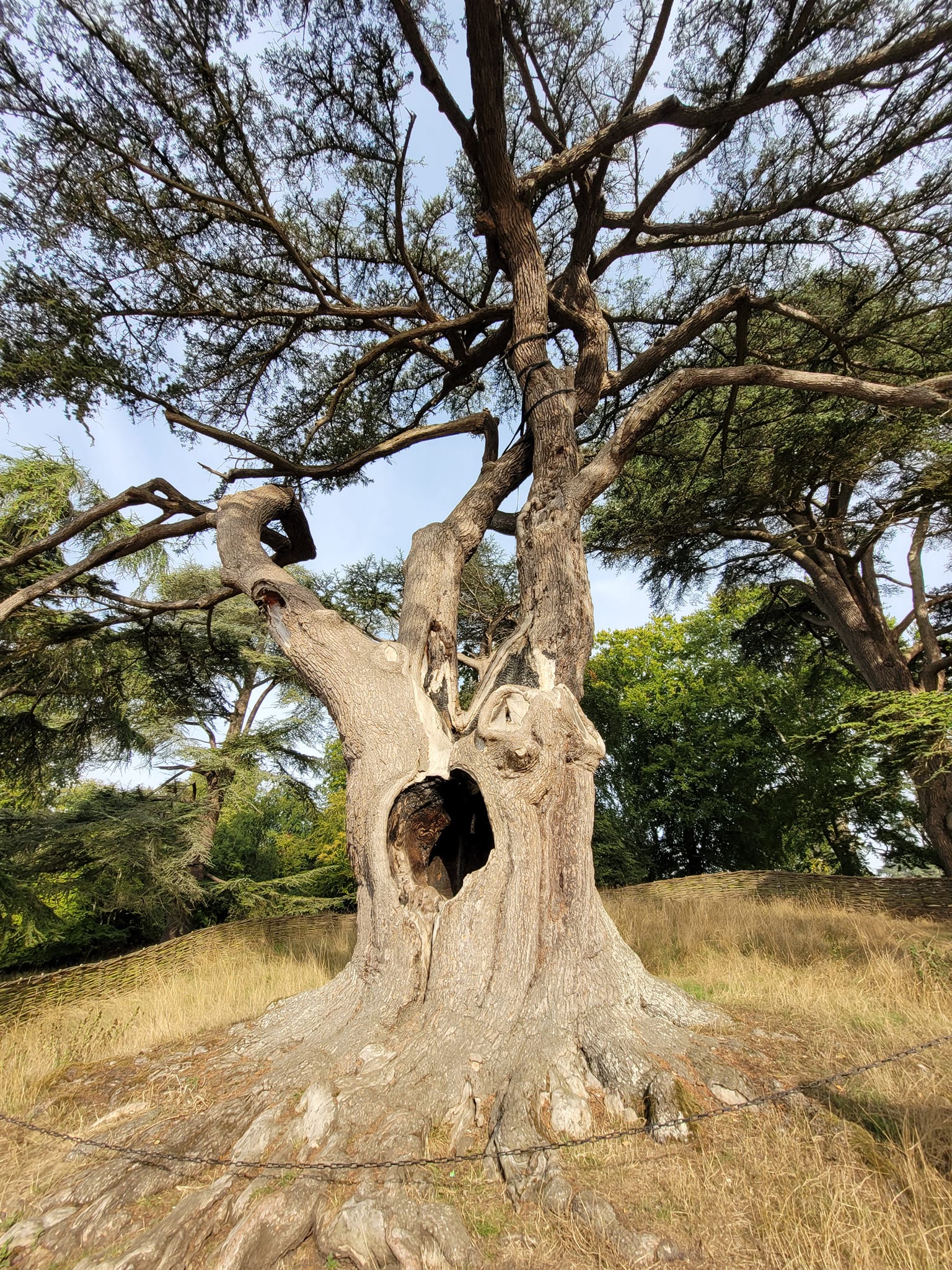
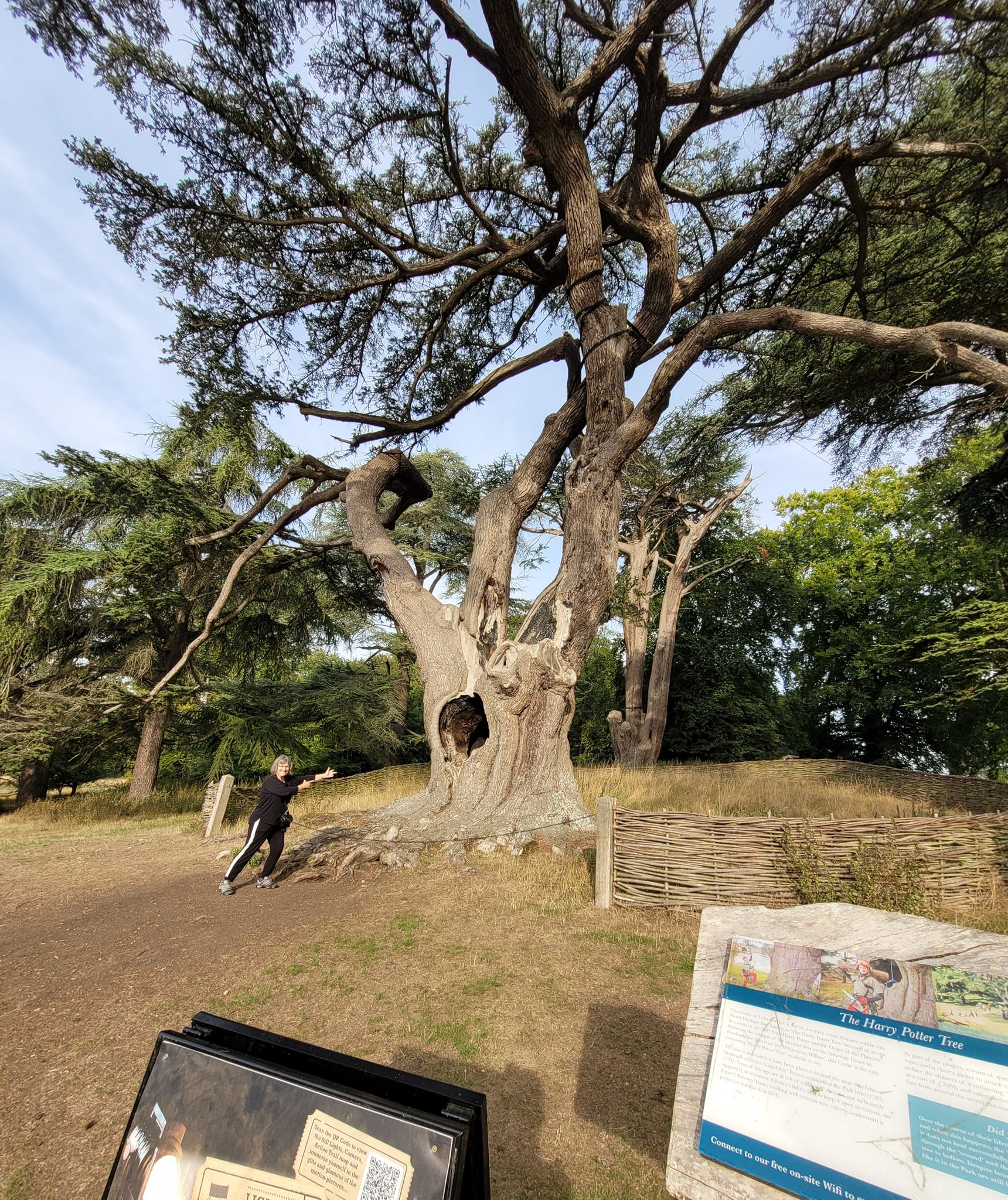
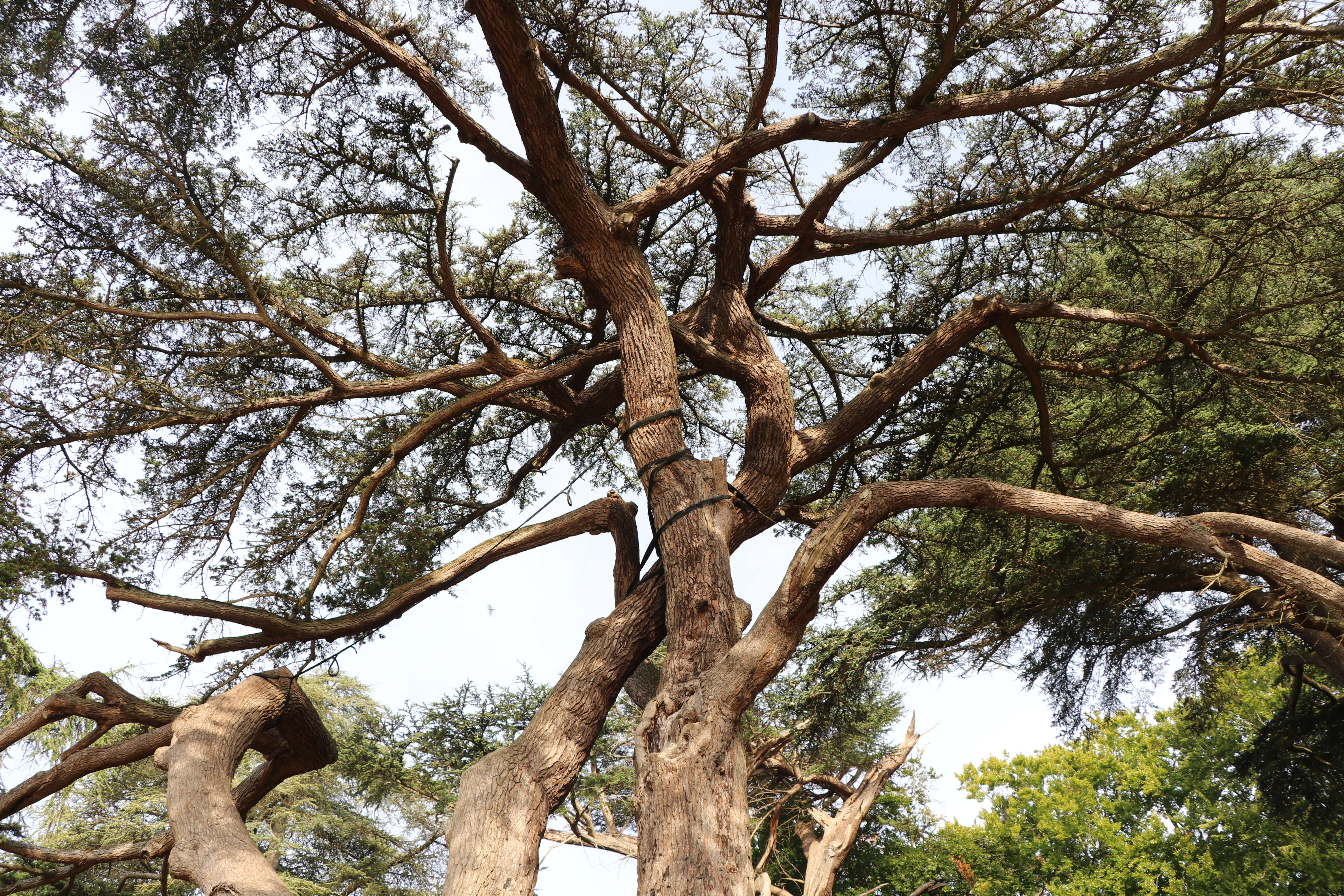
Standing on the bank of The Lake in a historic landscape below Blenheim Palace is a Cedar of Lebanon known as The Harry Potter Tree for its role in the 2007 film Harry Potter and the Order of the Phoenix.

Perhaps the Harry Potter Tree should more accurately be called The Severus Snape Tree, for the scene filmed here was centred around Professor Snape’s memories of a time when, as a student at Hogwarts, he was bullied by Harry Potter’s father while sitting under the tree. The scene is important, for it gives us an understanding of why Snape is so hostile towards Harry.

To counter a common misunderstanding, the Harry Potter Tree at Blenheim is not the Whomping Willow! The tree used for the Whomping Willow in the films stood on the National Trust’s Ashridge Estate in Hertfordshire. And, just to confuse things further, it was not a willow at all, but a yew.

The Harry Potter Tree was probably planted during ‘Capability Brown’s’ landscape work on Blenheim Park. Over the years 1763-1774 Brown carried out extensive work at Blenheim, transforming the Palace grounds into a picturesque landscape garden on a vast scale, with sinuous waterways and viewpoints created by carefully planted clumps of trees.

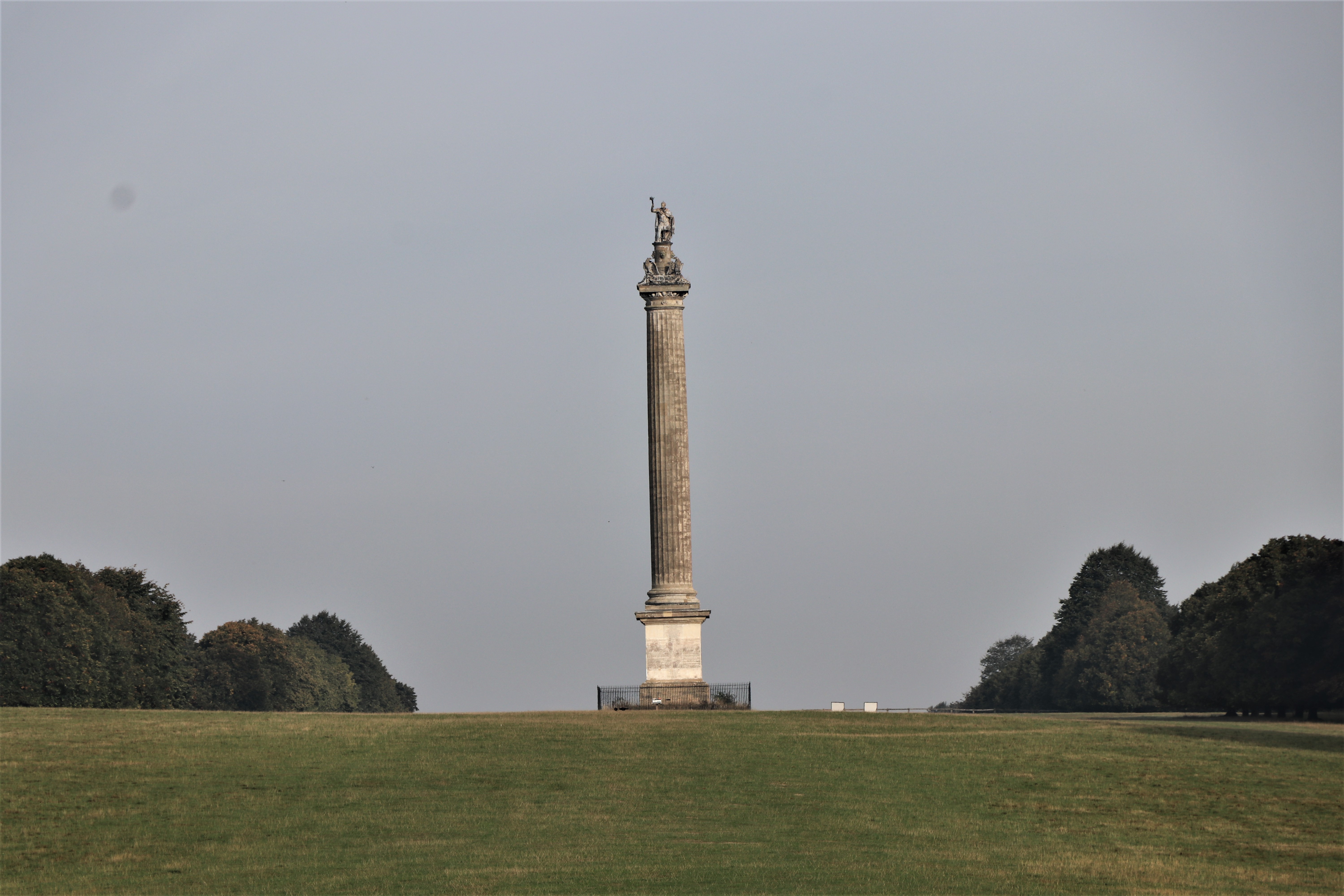
The Column of Victory.

This column was built in 1727-30 by Lord Herbert, later ninth Earl of Pembroke. It is based on designs by Nicholas Hawksmoor. His designs were based on the pillar in the Piazza Navona, Rome. It was built to commemorate the Duke of Marlborough’s military successes.

We walked back to Woodstock and had some lunch at The King’s Arms before we ventured back to the Palace Grounds for our tour of the outer courts of Blenheim Palace and some of the grounds.

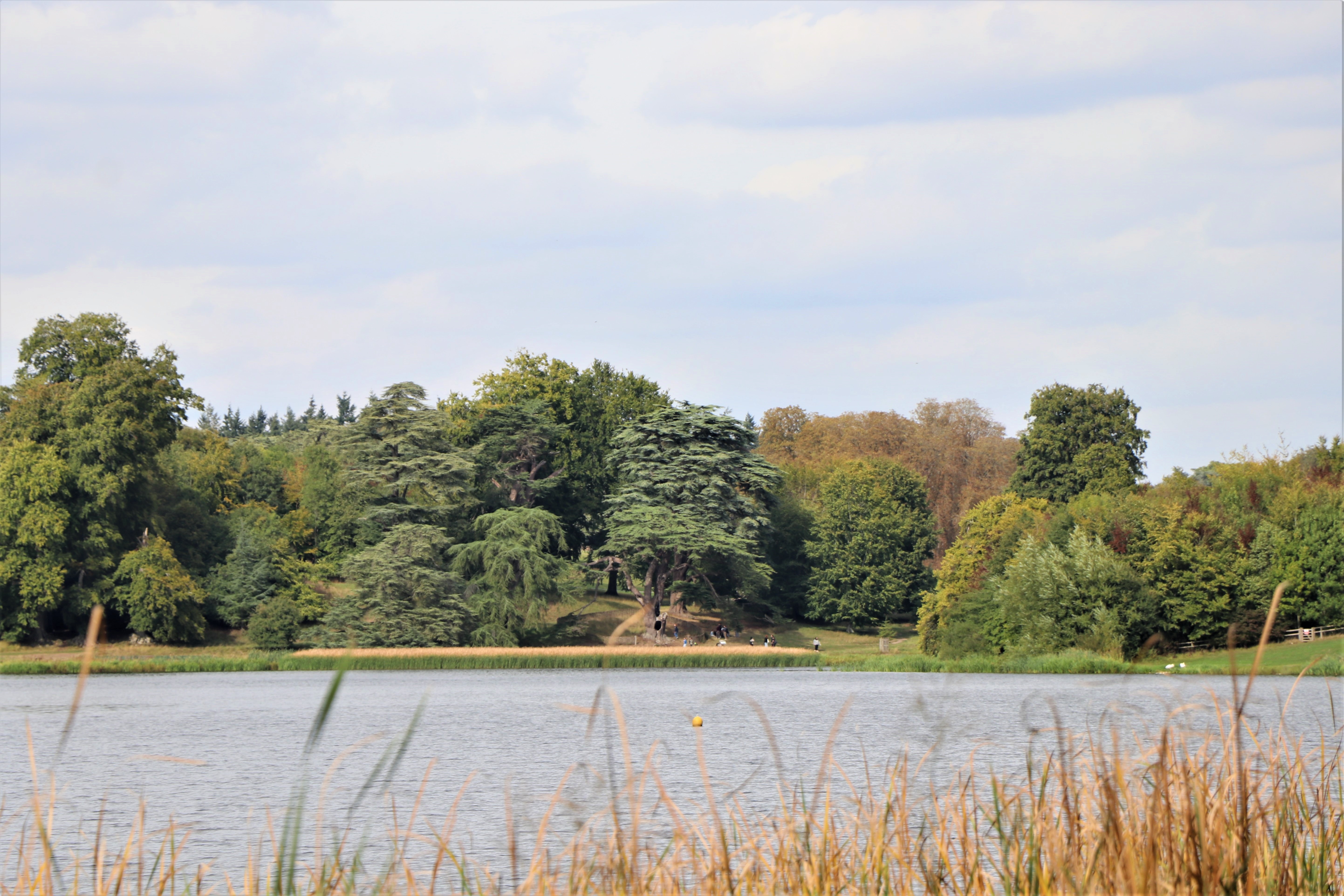
Later in the day while walking on the opposite shore of the Great Lake we saw the tree in the distance. Zooming in you can see others visiting the tree.

Back to the Present: This week ended with sorrow for us and our whole church family as our beloved church secretary died suddenly on Thursday evening. She was a dear friend to us here in Colville and she will leave a hole that will be hard to fill. She is with her Savior sooner than she expected but she was eagerly waiting for His return so she got an advanced calling Home. I rejoice for her but I will really miss her on this earth and I grieve, too.

Blenheim Palace

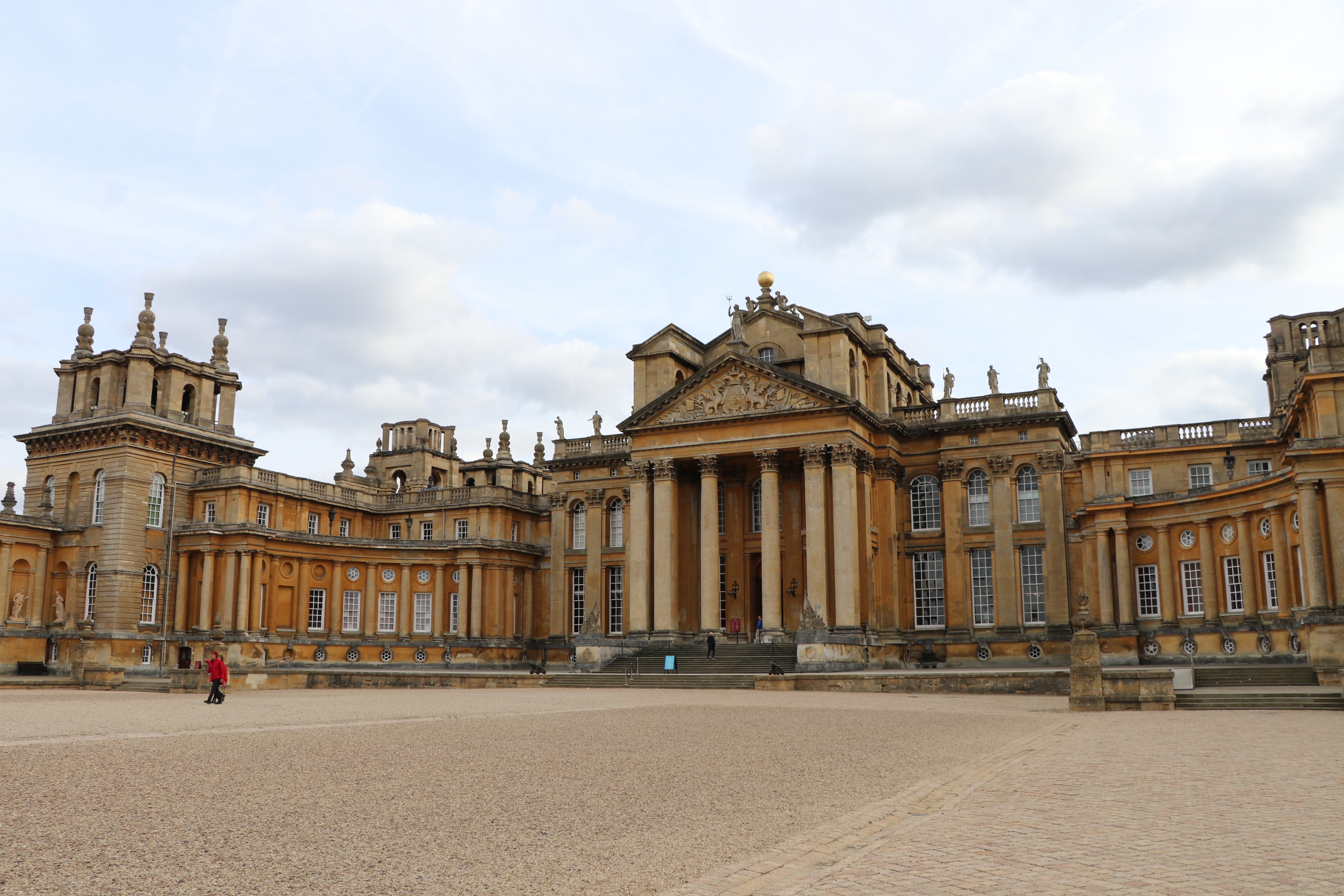
On Thursday the 22nd of September we bought tickets at 1:15 in the afternoon for our look at the Palace and gardens. We did not purchase the tour of the interior of the Palace. In 2004 we toured the Palace with our daughter. Earlier on this day we walked to an unadvertised entrance to the grounds that is always open to try to walk on a path around the Queen Pool to get to the Harry Potter Tree but the path was closed because the pool and lake were being dredged to remove silt. More on our morning adventure in another post. After the morning walk which was a long one we went back to our hotel and freshened up. We returned to the King’s Arms for lunch and then walked back to the Palace for our self-guided tour.

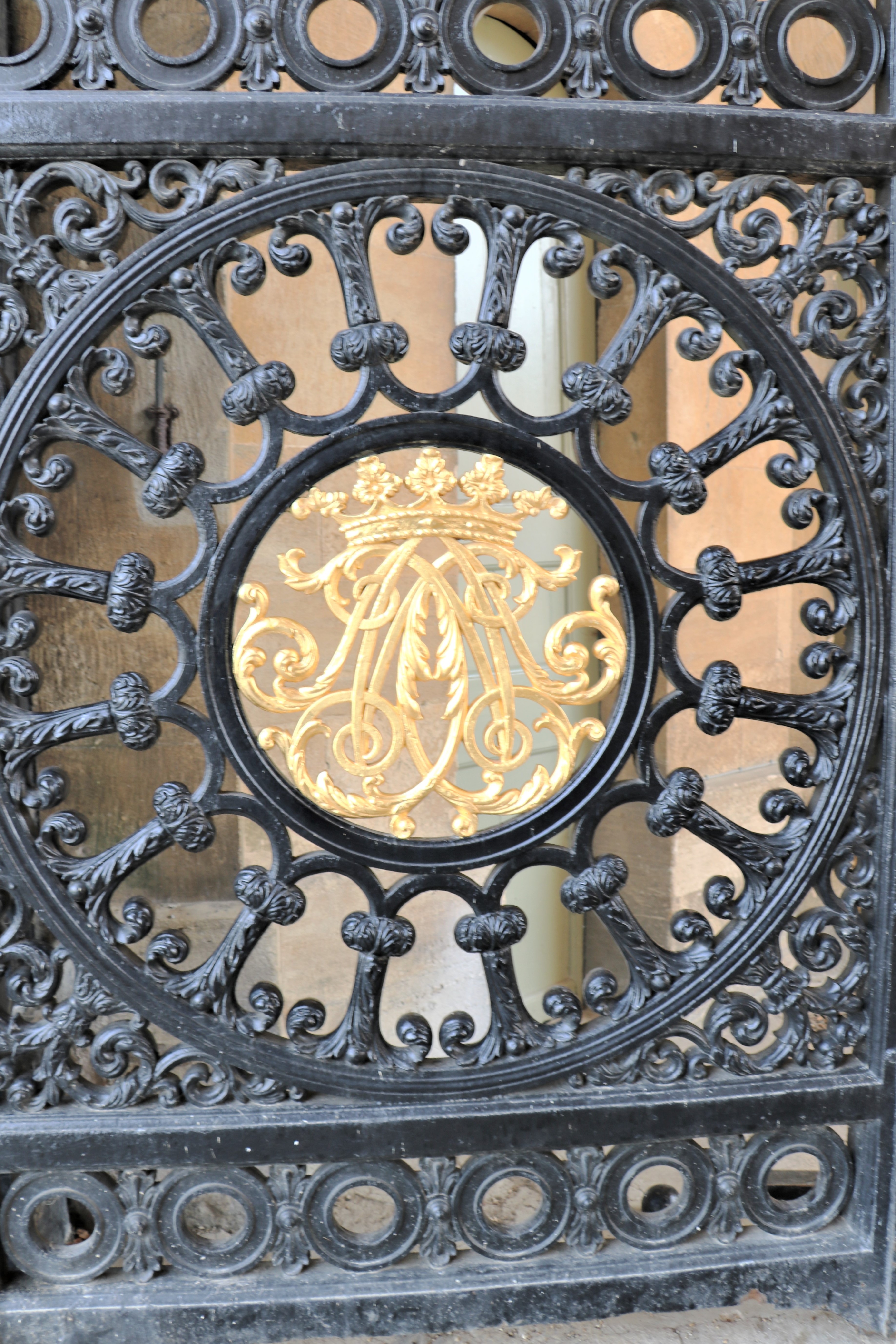
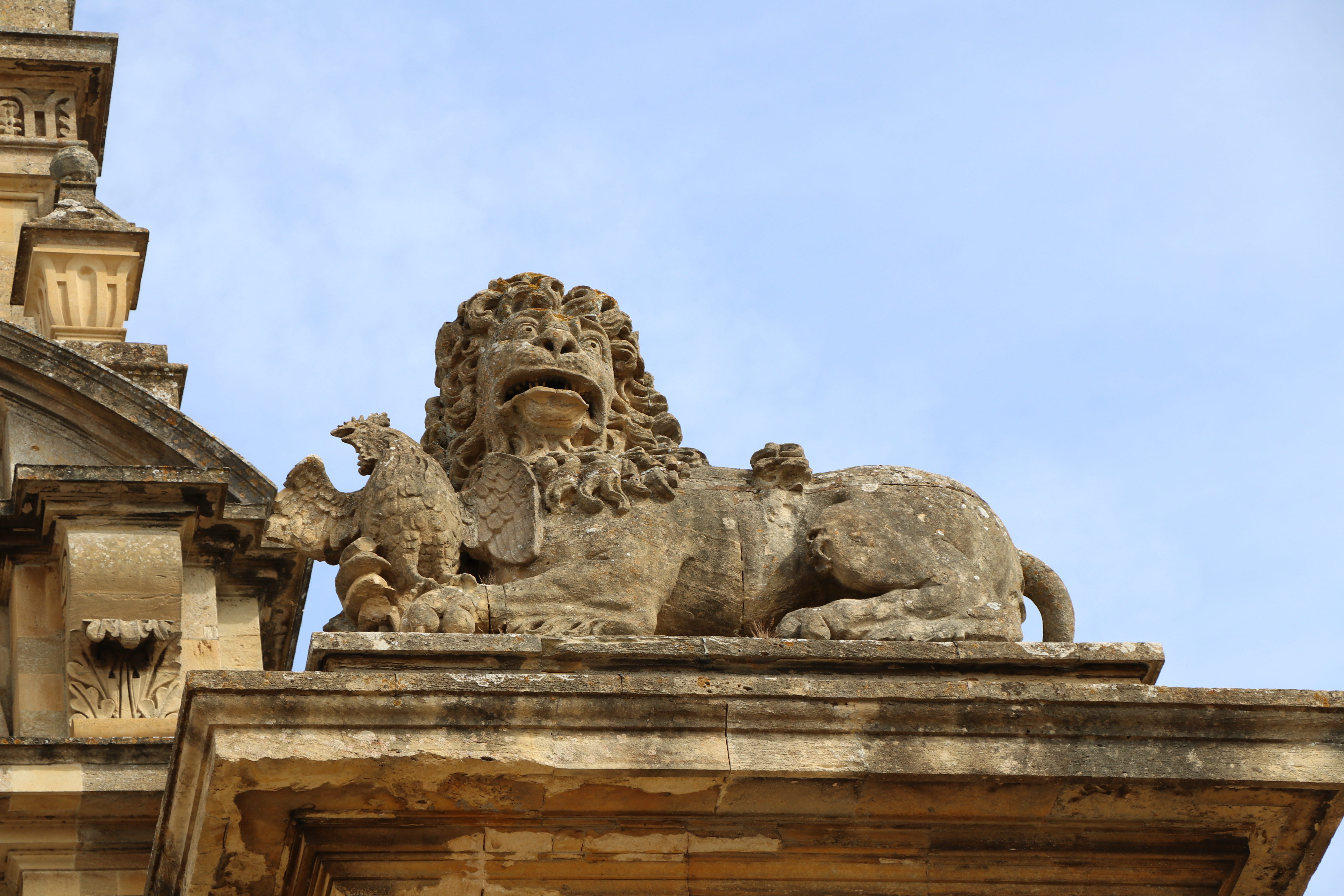
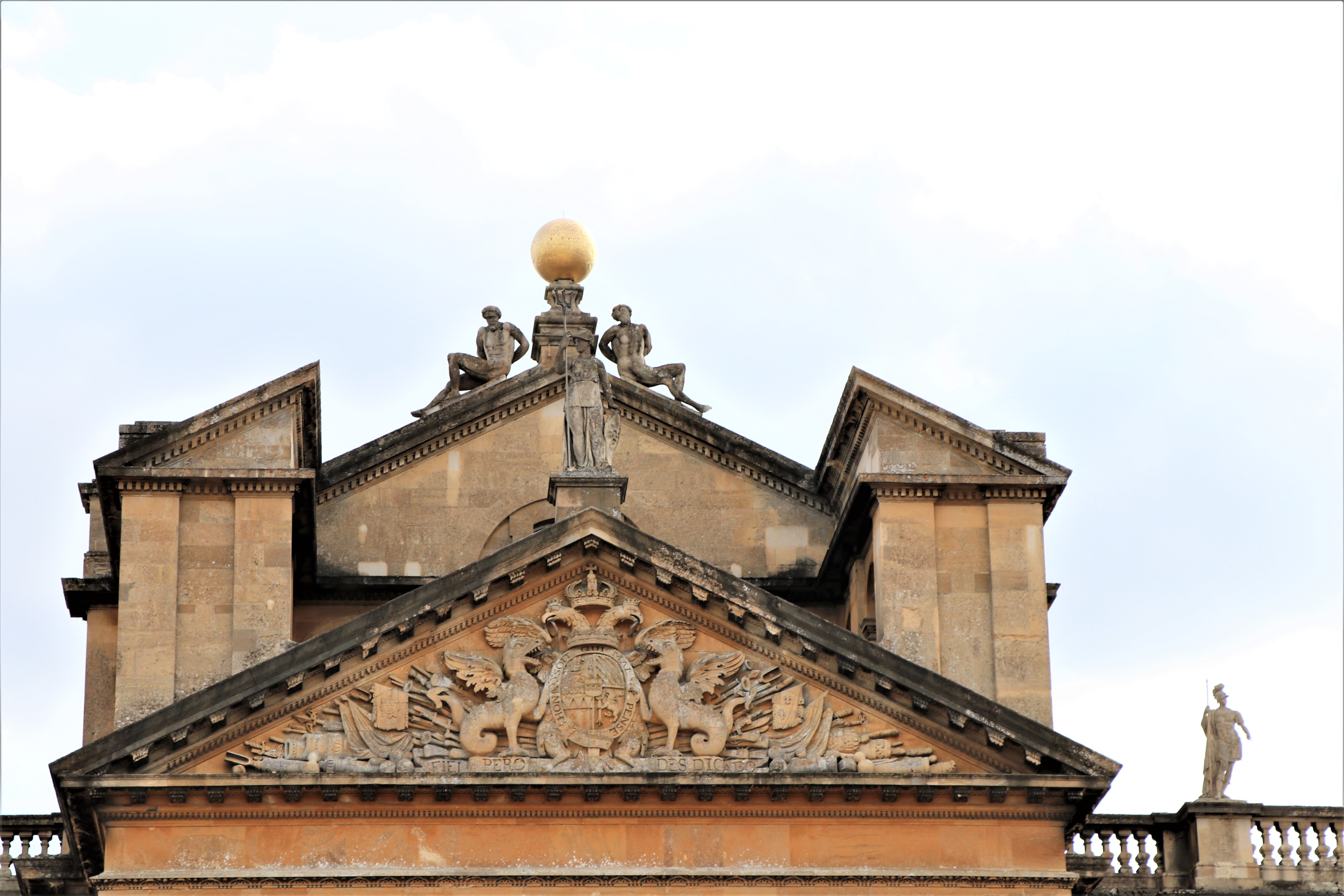
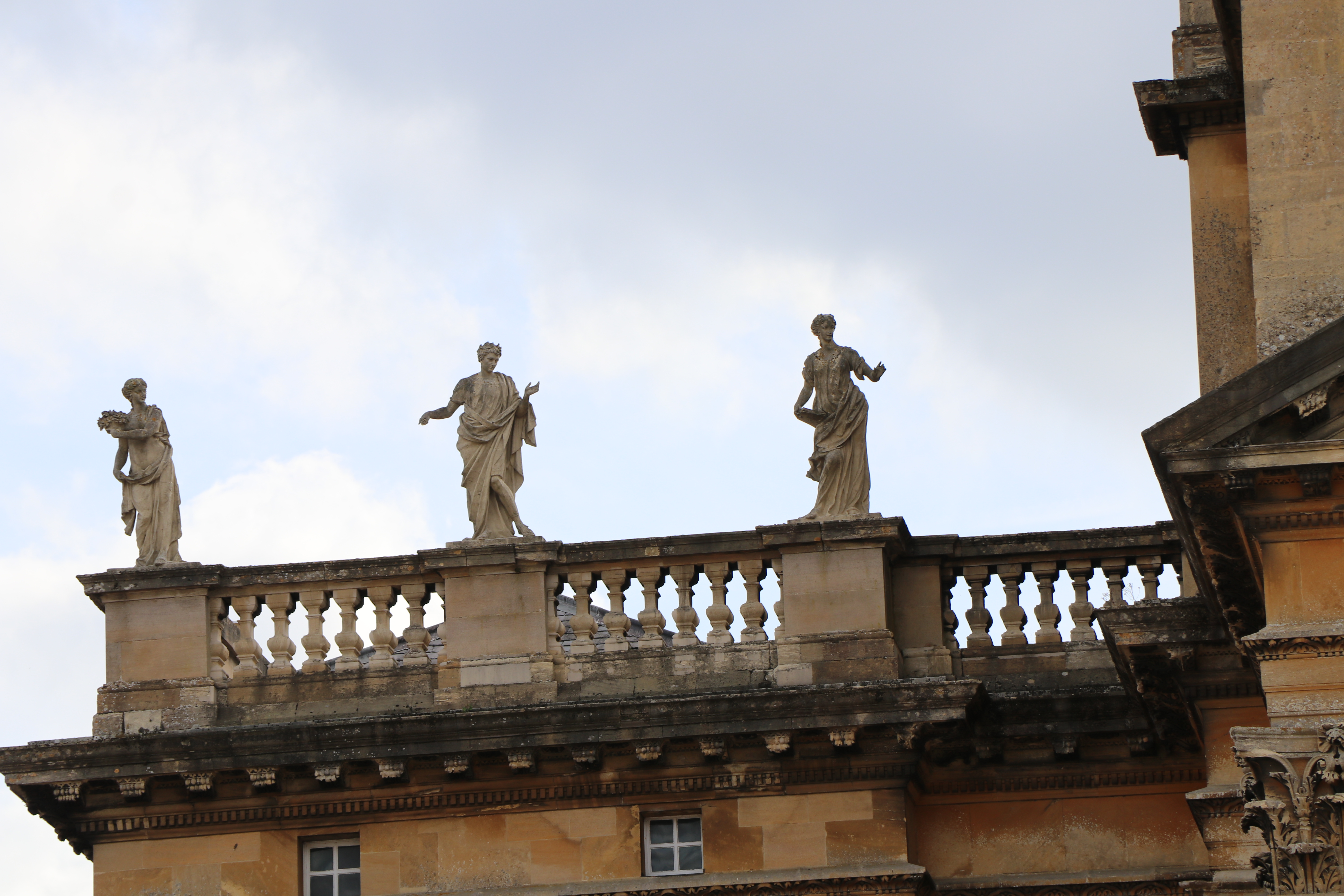
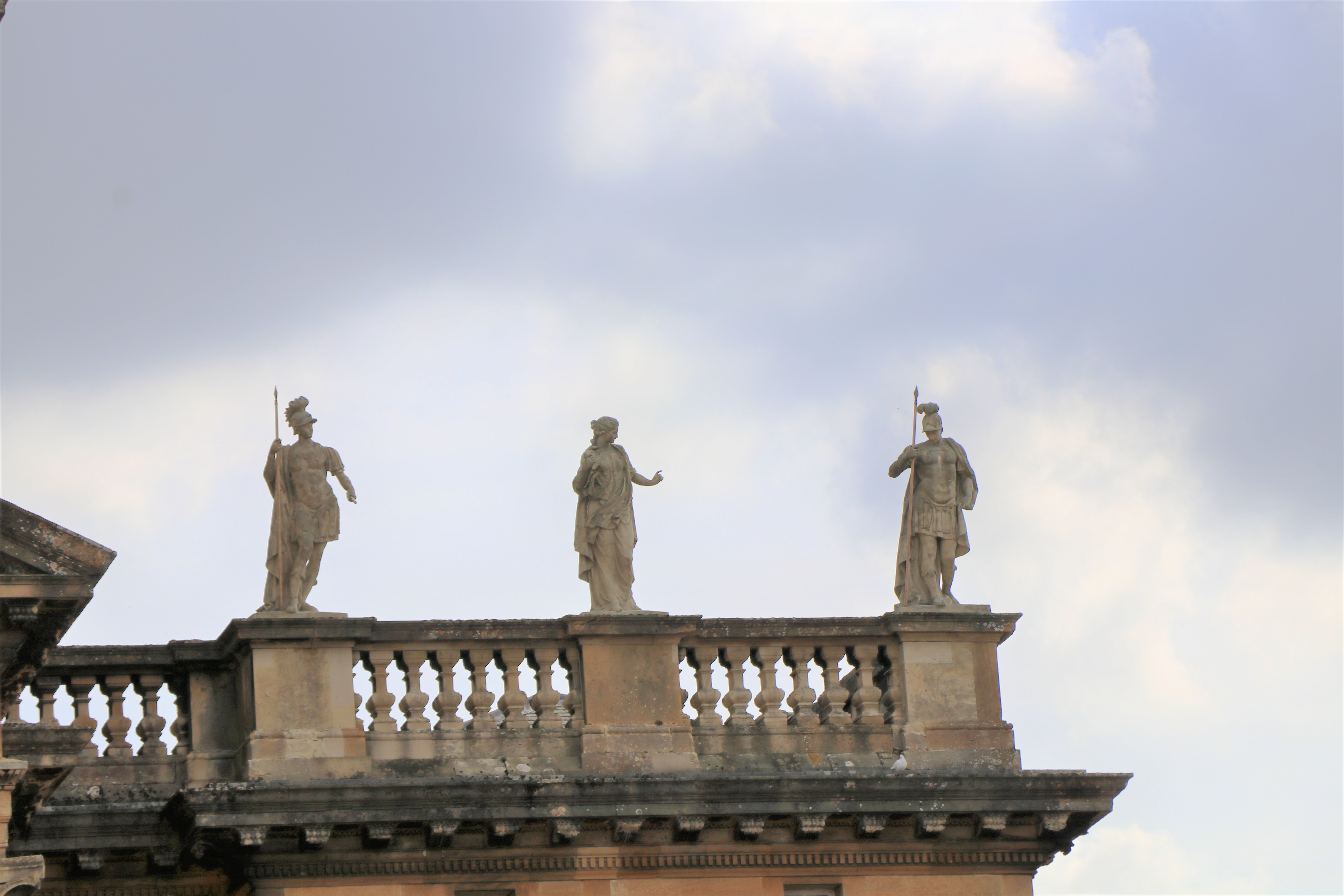
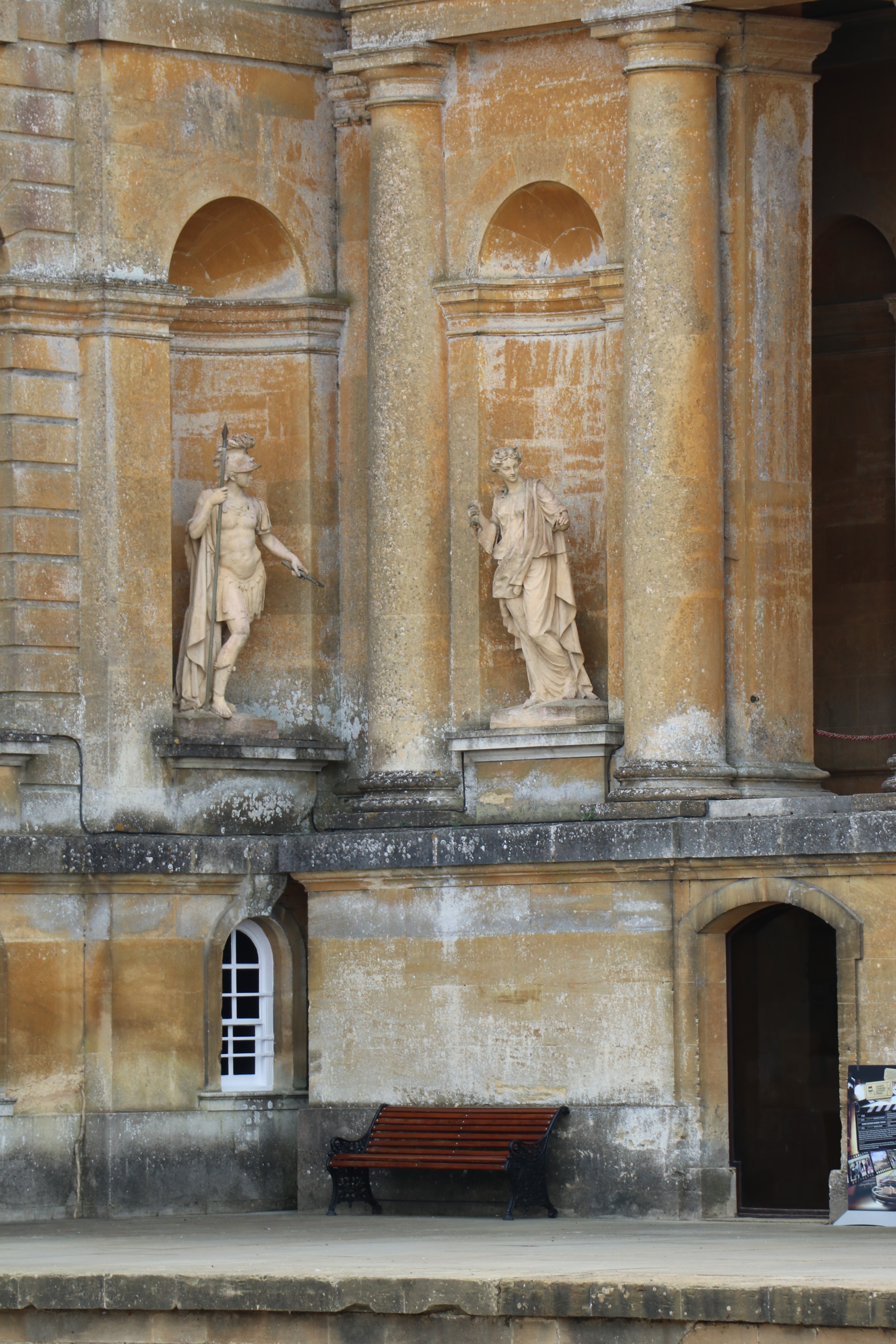
Blenheim Palace, near Oxford, stands in a romantic park created by the famous landscape gardener ‘Capability’ Brown. It was presented by the English nation to John Churchill, first Duke of Marlborough, in recognition of his victory in 1704 over French and Bavarian troops. Built between 1705 and 1722 and characterized by an eclectic style and a return to national roots, it is a perfect example of an 18th-century princely dwelling.

Blenheim Palace is a country house in Woodstock, Oxfordshire, England. It is the seat of the Dukes of Marlborough and the only non-royal, non-episcopal country house in England to hold the title of palace.


Blenheim Palace was always one of Churchill’s favourite places. He spent much of his time as a child there, both before he went to school and during school holidays. His parents were often away, busy with their political and social lives, and his grandparents, the Duke and Duchess of Marlborough, often looked after him and his brother, Jack, allowing them to play in the Palace and its Great Park.

If you are interested in more history of this beautiful palace and it’s grounds there are many sites on the internet for that information. I’ll have a couple more posts featuring our walk to the Harry Potter Tree and the gardens.

Back to the Present: Today is Shrove Tuesday, Mardi Gras, Fat Tuesday, Pancake Tuesday. I’m making pancakes for our main meal with a side of eggs and Kielbasa. Heading to the market to pick up some buttermilk for buttermilk pancakes. Celebrating with our British friends. Cheers!

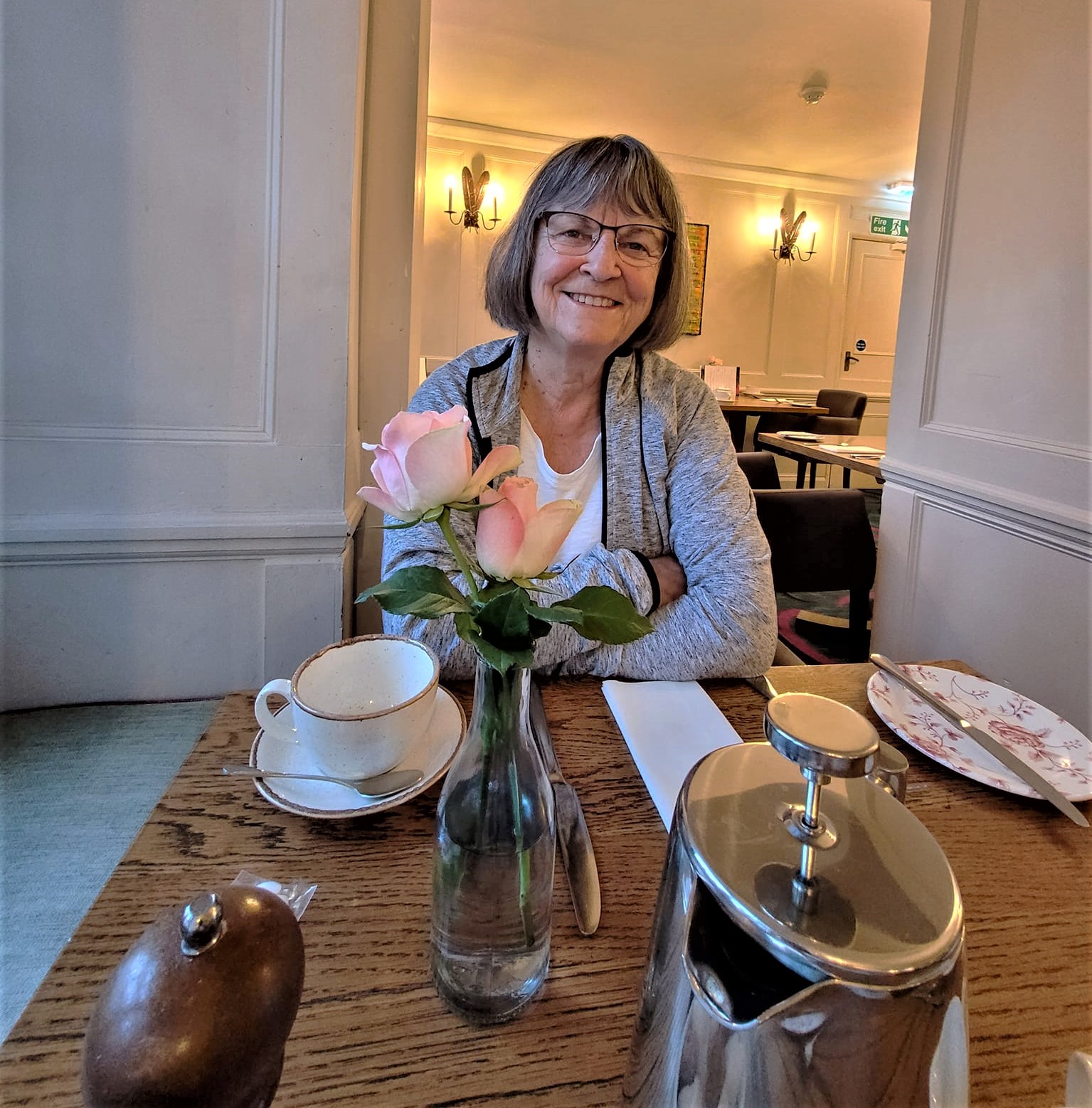
Breakfast at the Feathers Hotel

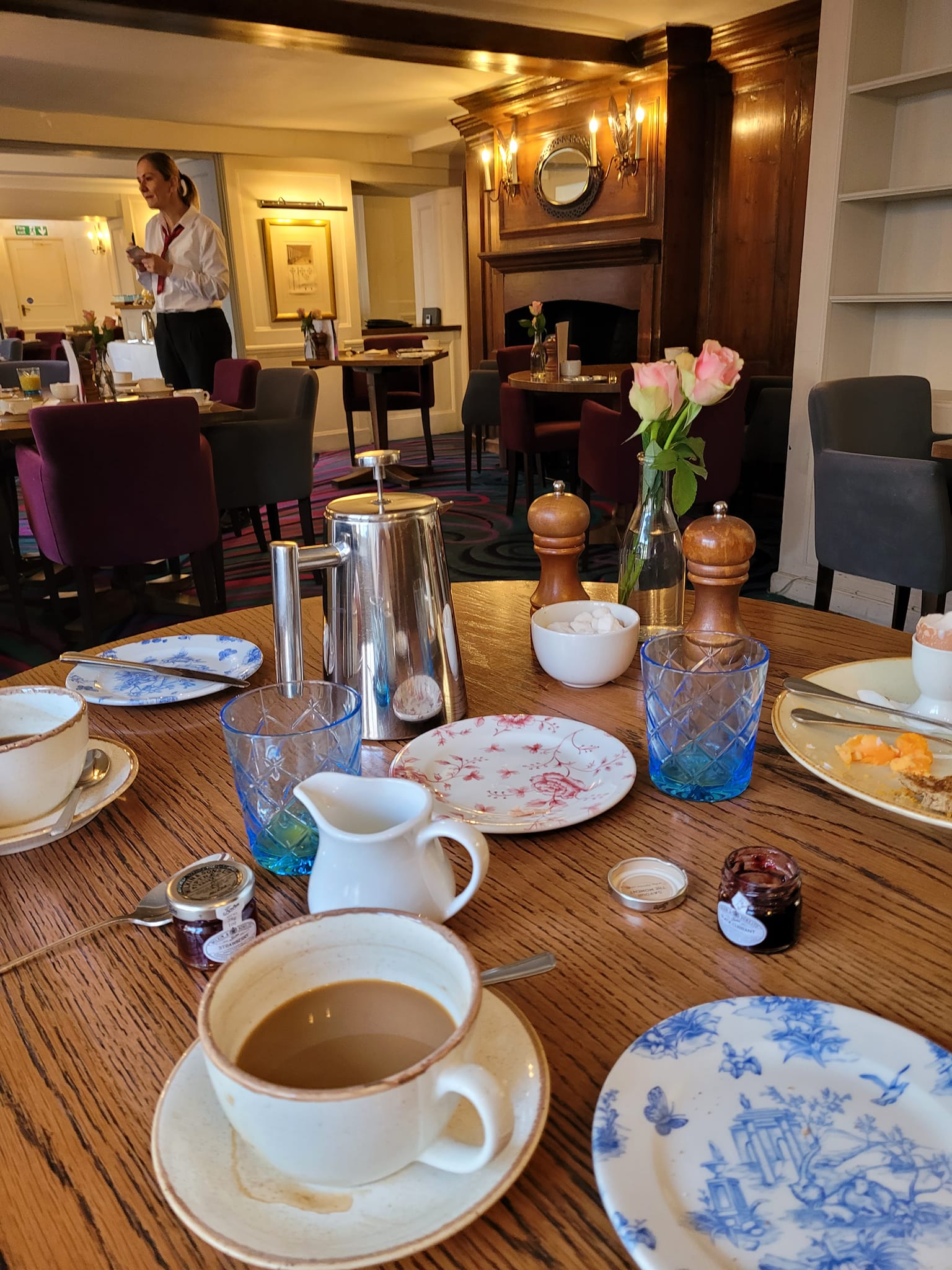
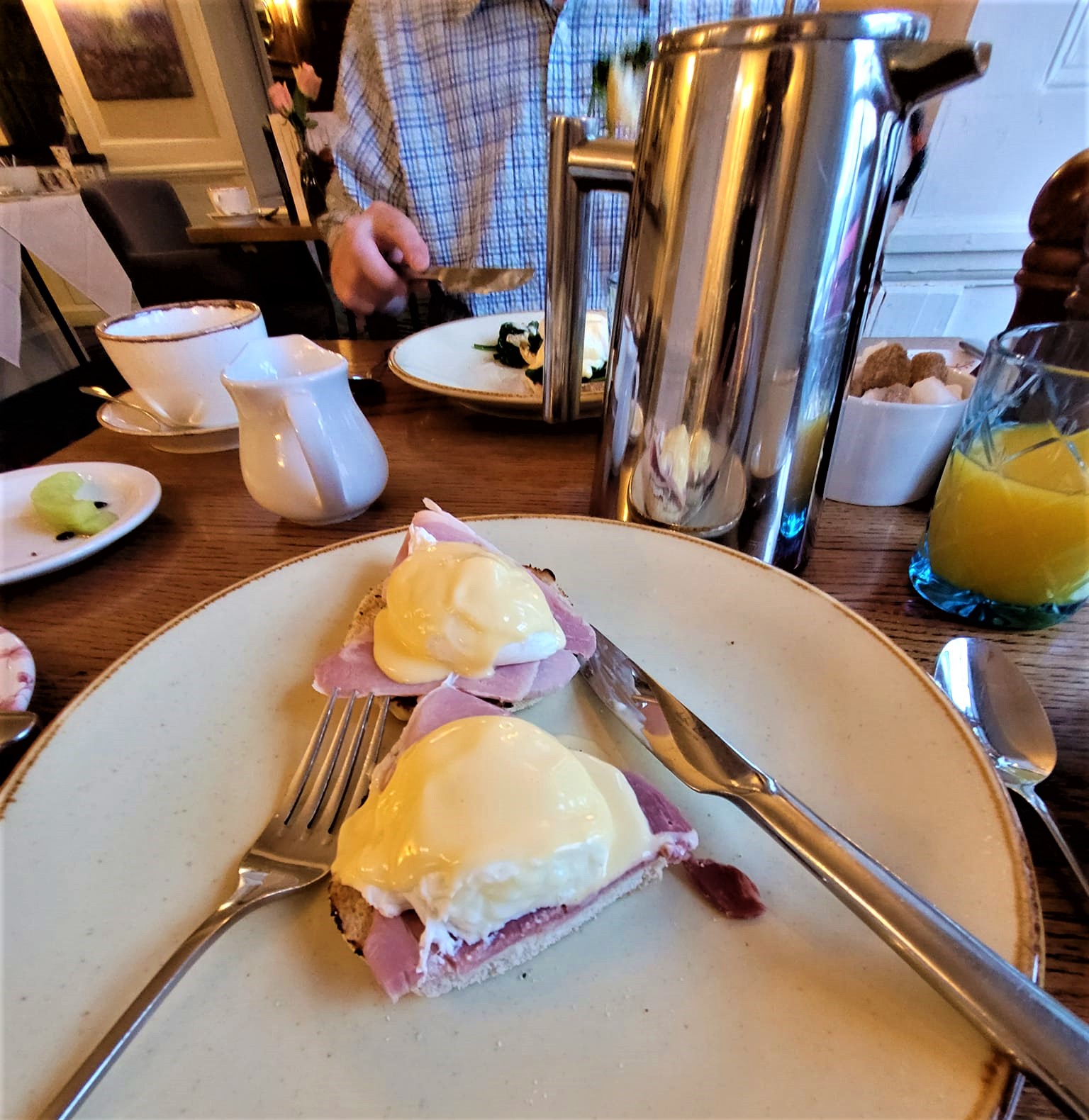
Breakfast was included with our stay at the Feathers Hotel September 21st-23rd. We enjoyed some nice options they gave us.

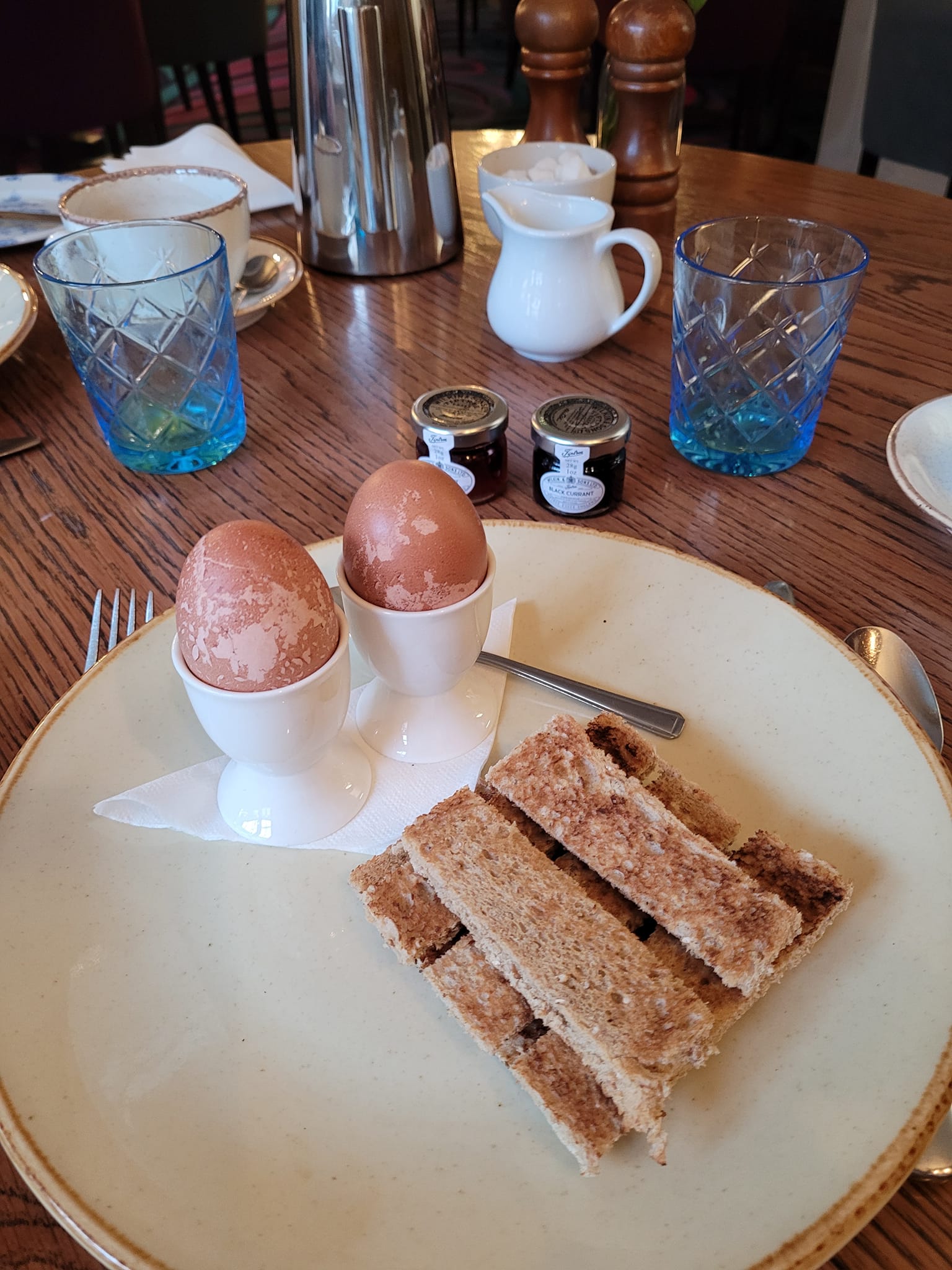
‘Soft’ boiled eggs and Soldiers. A soldier is a thin strip of toasted bread, reminiscent of a soldier on parade. The shape lends itself to dipping into a soft-boiled egg that has had the top removed. Sadly my eggs were far from soft boiled.

On our second morning at breakfast I went for a Benedict. While on the subject of food we had another nice meal at The King’s Arms on Thursday of our stay in Woodstock.

Back to the Present: We are plugging away at February. Dear and I have a 30 minute walking routine through our home most mornings. I follow him with music on nice and loud to encourage us along our route. He commented one morning that we must look like the pirates on the ‘Pirates of the Caribbean’ ride at Disneyland. That gave us a chuckle. If you’ve been on that ride you might get the correct picture idea in your head. We are looking forward to being able to walk the Rotary trail again as soon as the worst of winter is over.

Happy Presidents Day to those of you who live in the U.S. of A. and Happy Family Day for our Canadian friends!

Woodstock

On Wednesday morning September 21st, 2022 we checked out of our apartment in Oxford.

We had a taxi booked to drive us to Woodstock which was under ten miles from our location. We decided on a taxi instead of the buses that run regularly from Oxford to Woodstock because we didn’t want to shlep our luggage to a bus stop and onto the bus.

Goodbye Oxford, hello Woodstock.

Since our checkout was at 10am we arrived in Woodstock before our check in time of 4pm.

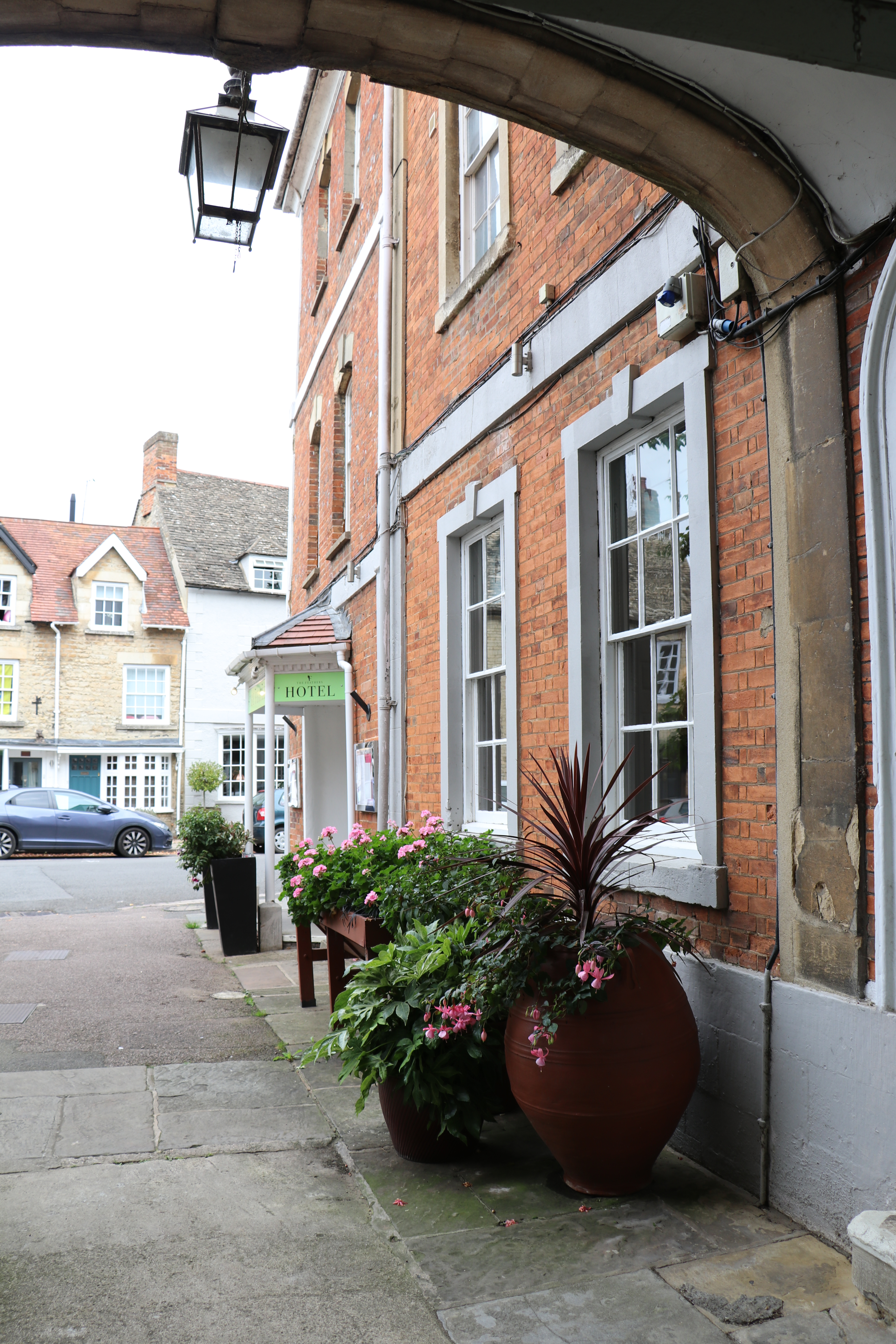
We booked 2 nights at the Feathers Hotel. We left our luggage at the hotel and took a stroll around the small town.

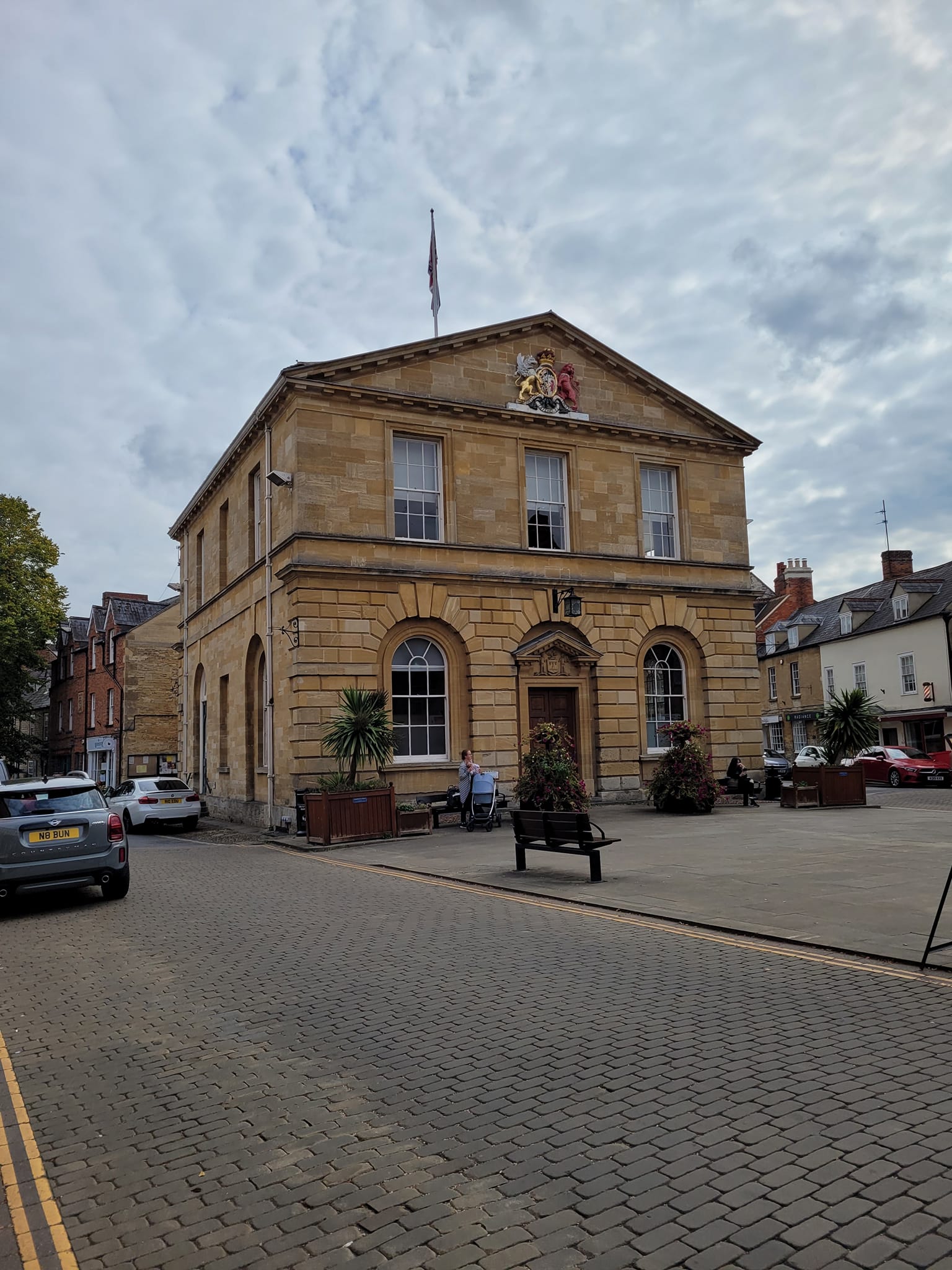
Woodstock Town Hall, a beautiful Grade II listed building which was built in 1766 and is now a major landmark in the town.

We were looking for a good spot to have a lite lunch during our stroll around the town.

The War Memorial next to the church. “To The Memory of The Fallen 1914-1918 1939-1945”.  War Memorials are easy to find in most villages, towns, and cities. There are over 68,000 war memorials in the UK.

We would return to the church after lunch since it was occupied for a service when we walked by.

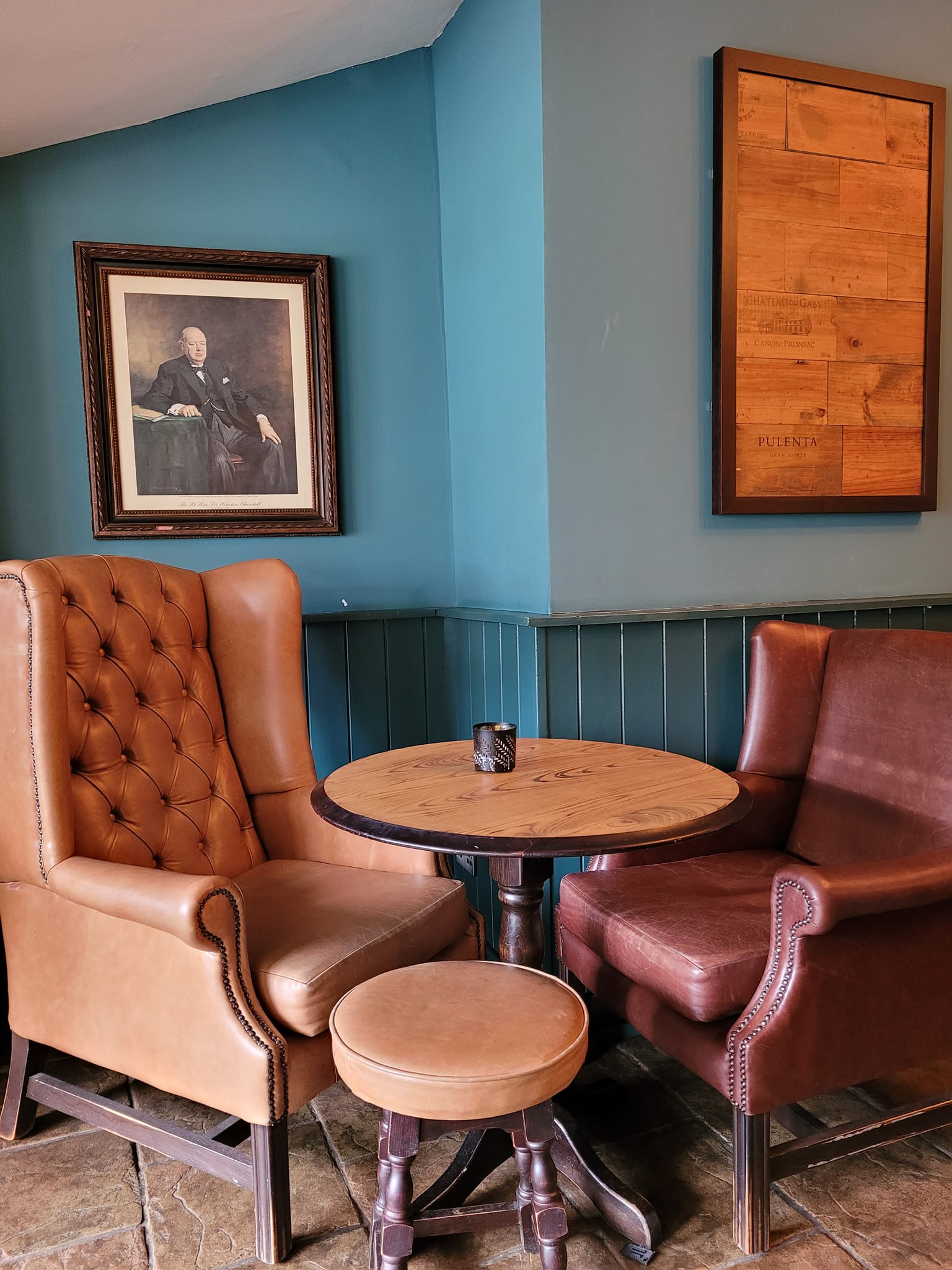
We found a cozy spot at the Back Lane for a refreshment but they weren’t serving lunch until noon. We would be seeing a lot of Winston Churchill in Woodstock.

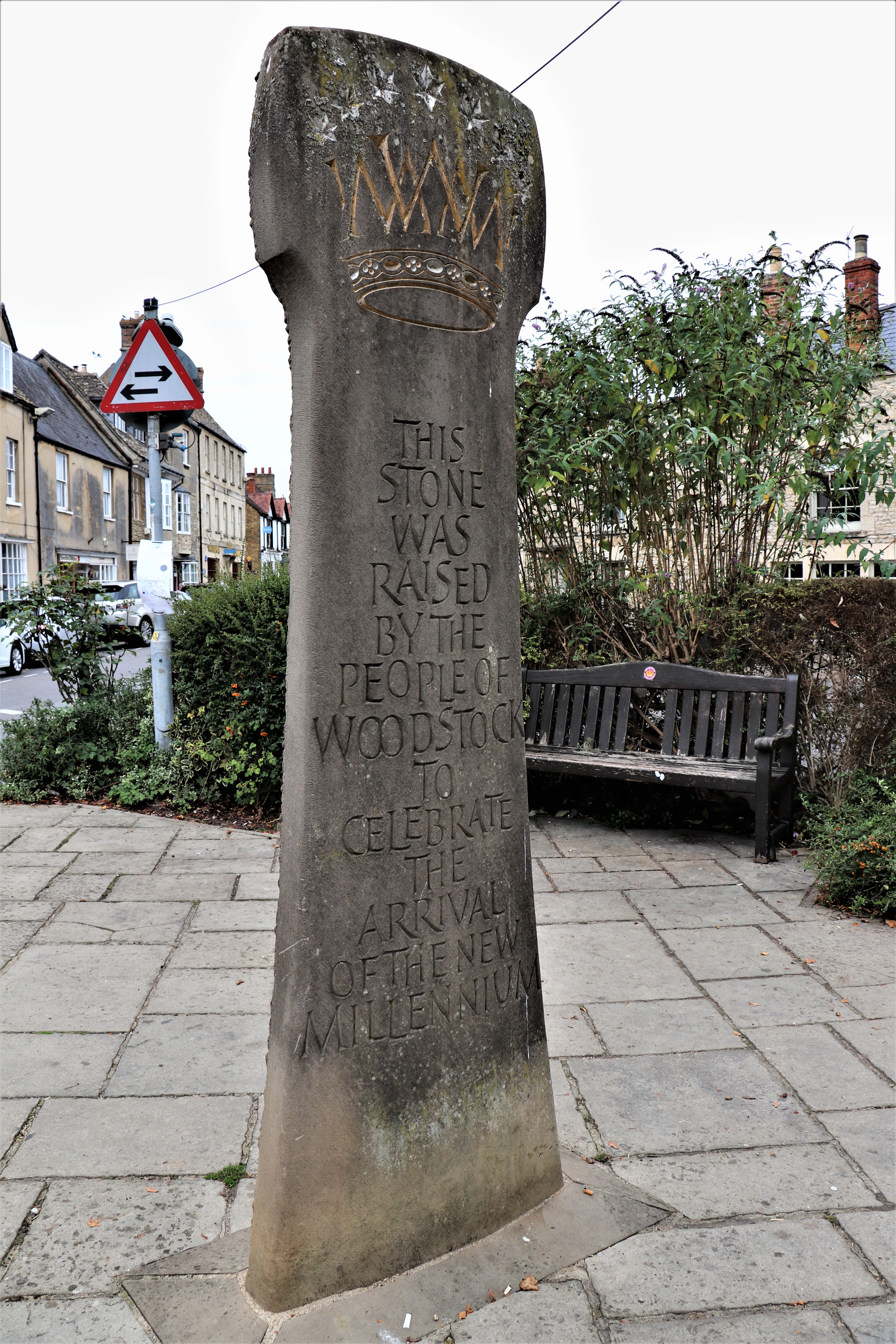
THIS STONE WAS RAISED BY THE PEOPLE OF WOODSTOCK TO CELEBRATE THE ARRIVAL OF THE NEW MILLENNIUM.

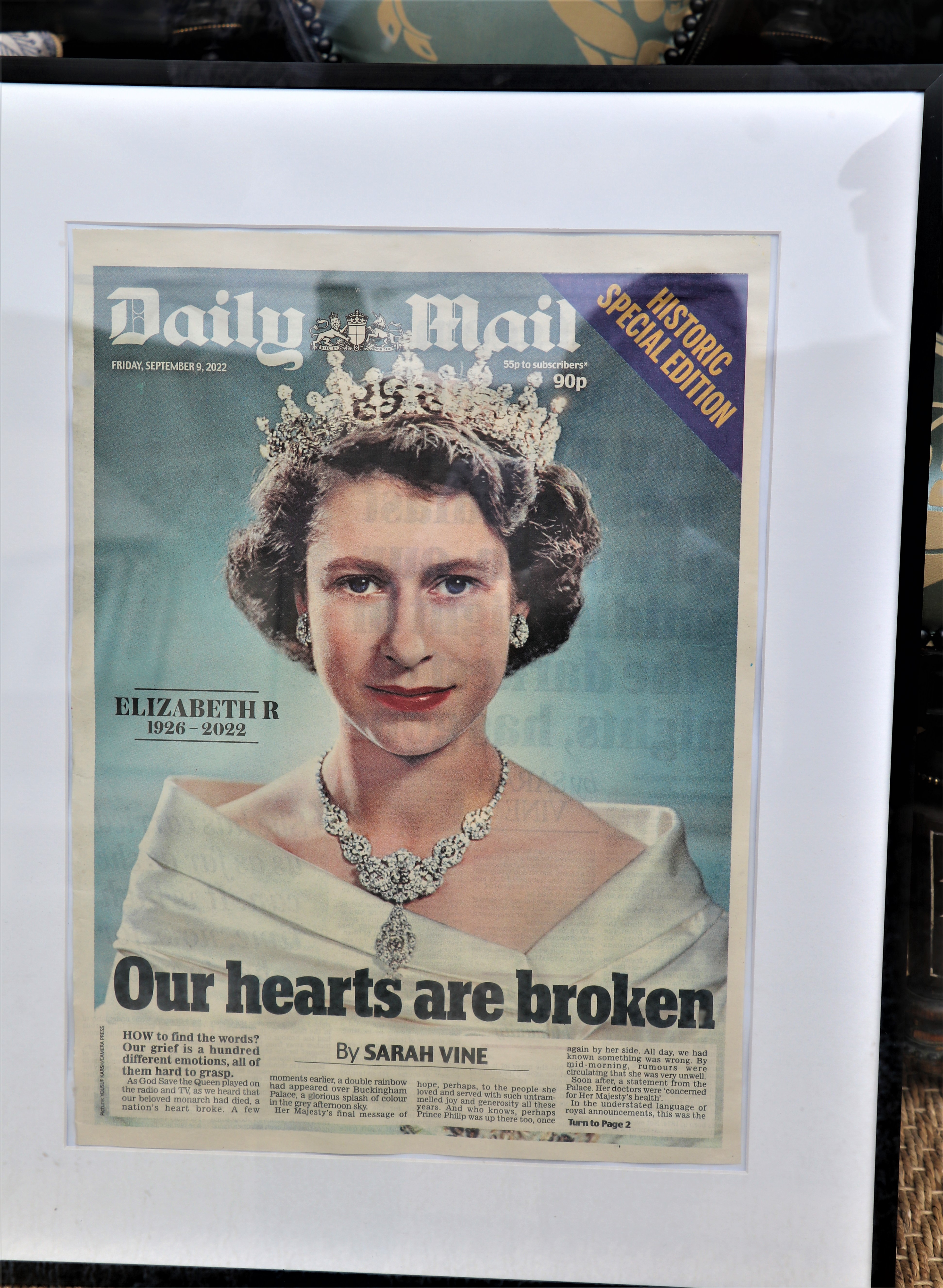
There were many tributes to the late Queen around town. (Remember we were in England during the mourning period for the Queen)


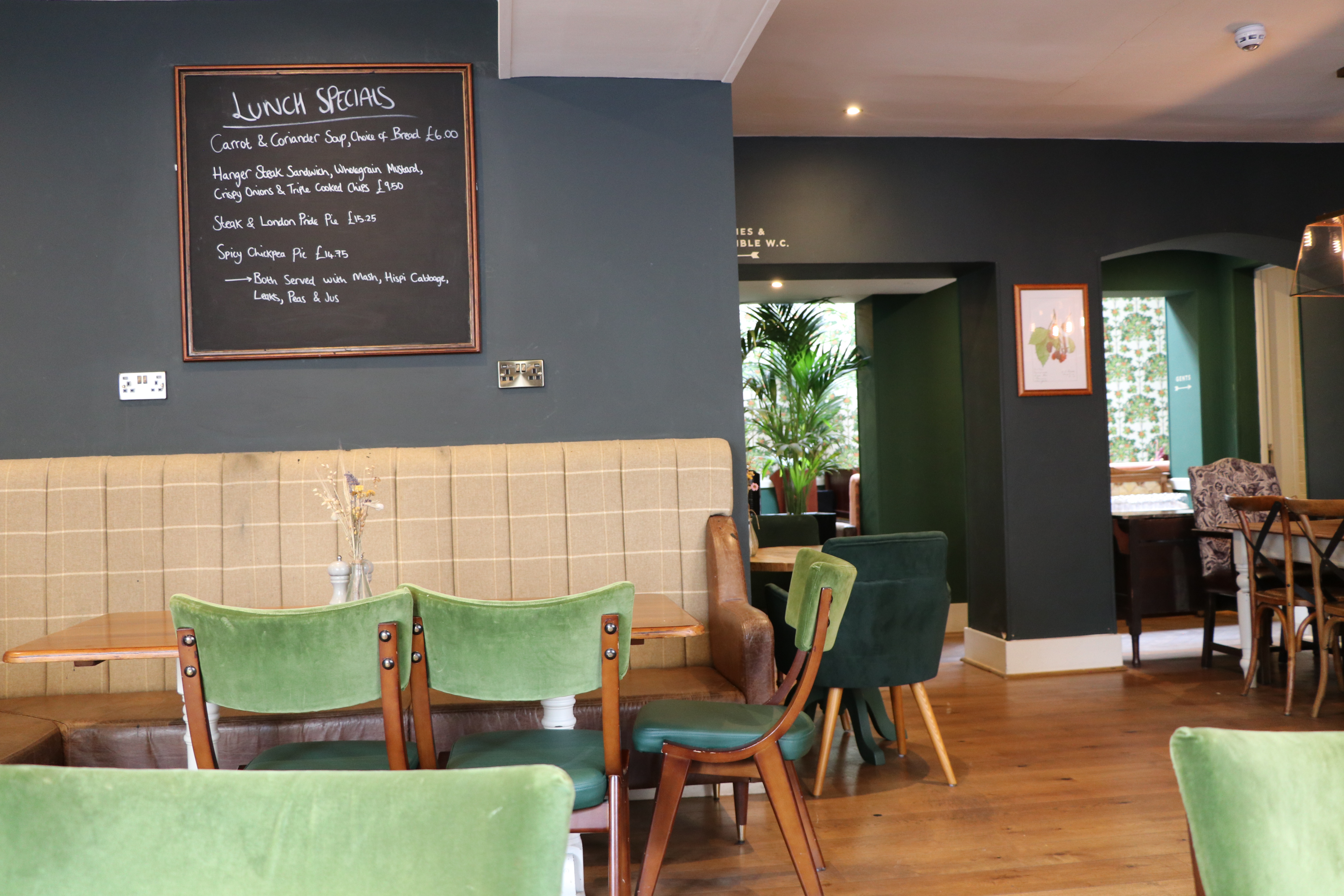
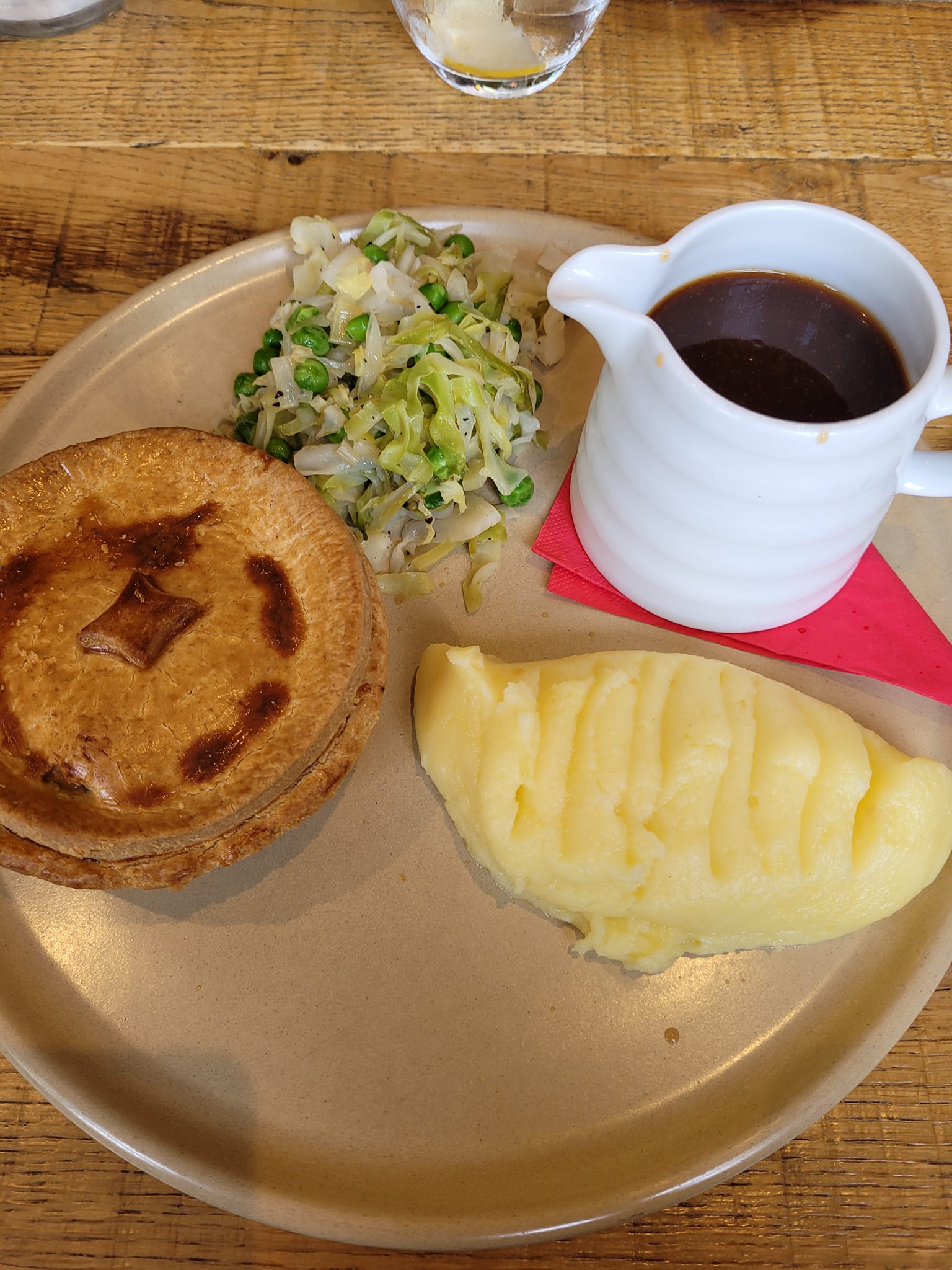
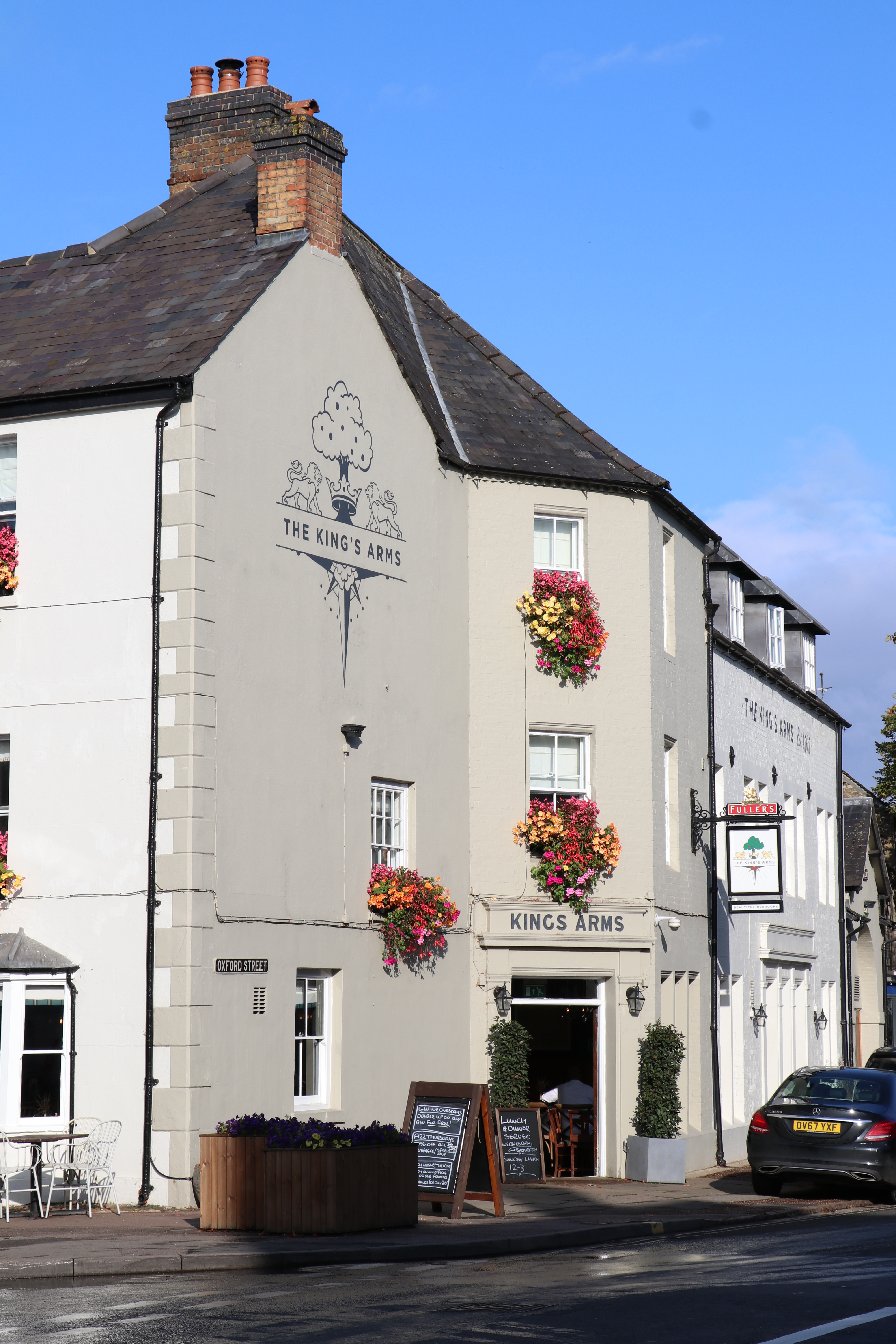
The Kings Arms looked welcoming for our lunch spot.

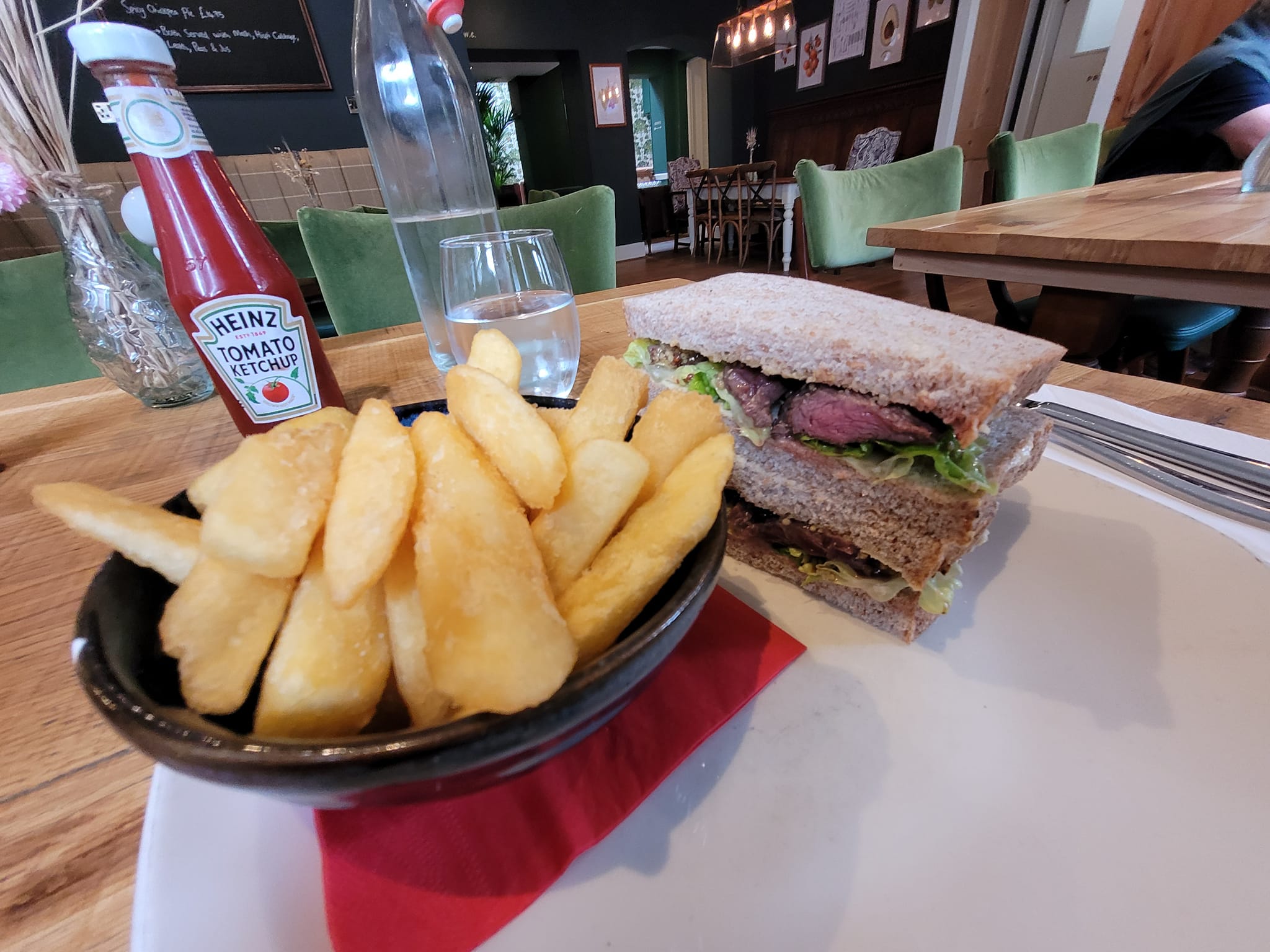
We enjoyed their lunch special beef sandwich and chips.

After our nice lunch we walked back to St. Mary Magdalene Church to see if it was possible to get a look inside. It was open and we were welcomed in.  We were still early for our hotel check-in time.

It’s a challenge to get the old brain back to Oxfordshire to remember some details of our last few days there. As challenging as it is the posts will be good to look back on.

Back to the present: We have a relatively quiet week and our temps have been above freezing so there is a lot of melting happening. Plants are emerging that have been covered in snow since November.

Quotes of the weekend:

“Sin is always a big deal.” ~ Dennis Wilkening

“If you want to be a wise person, you need a Bible.” ~ Alistair Begg

Have a good week everyone! If you need a Bible, I could send you one. 🙂

All Souls College

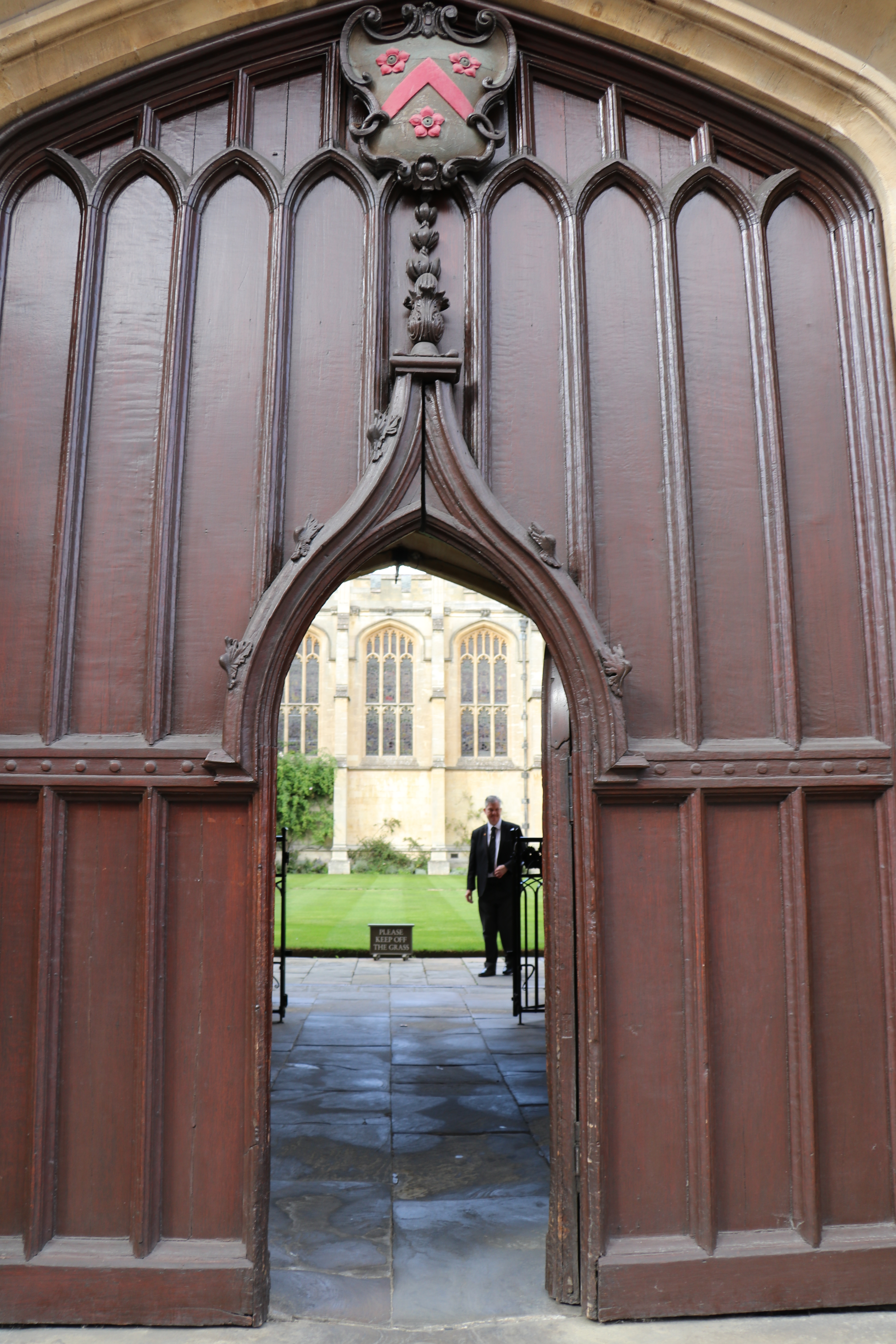
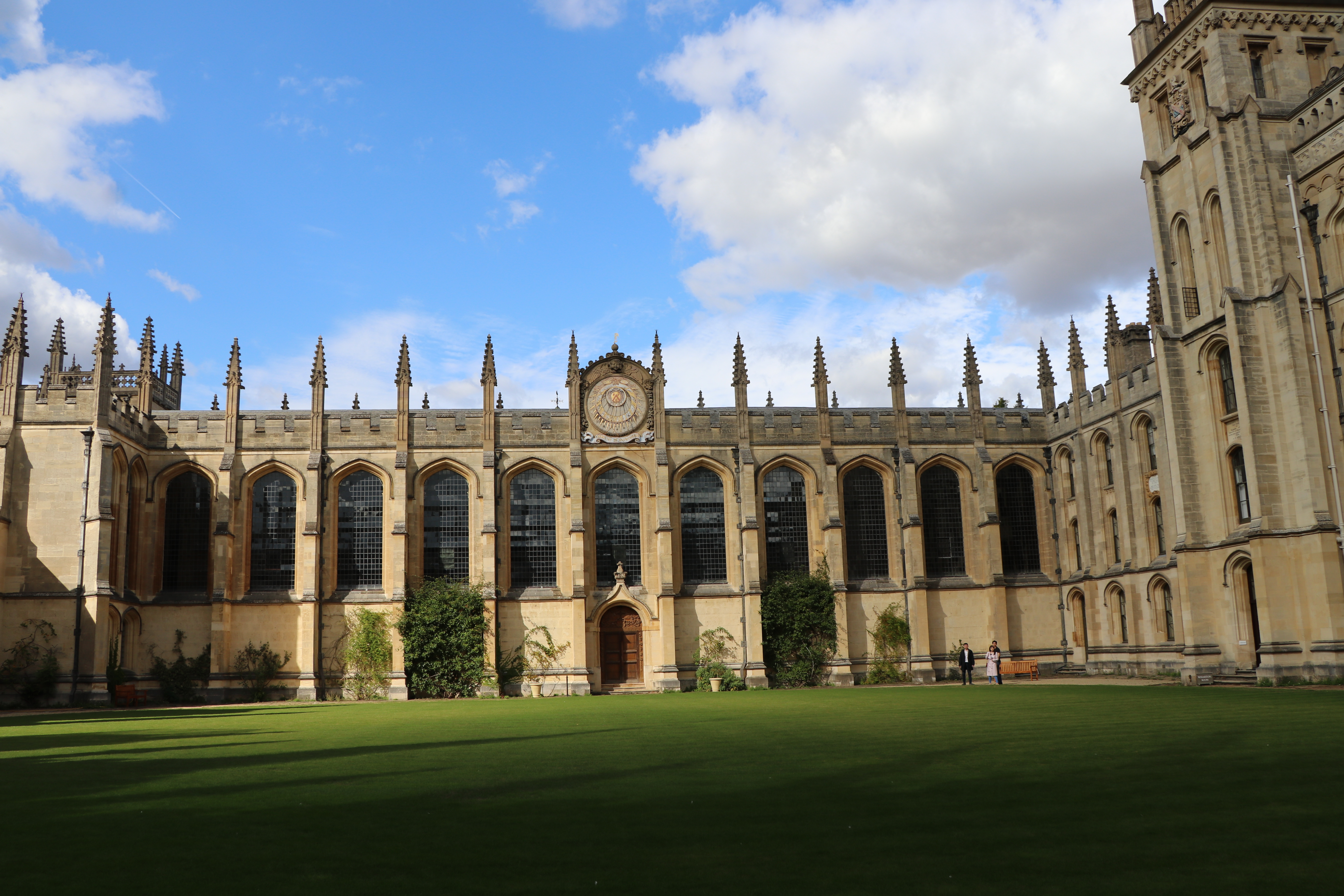
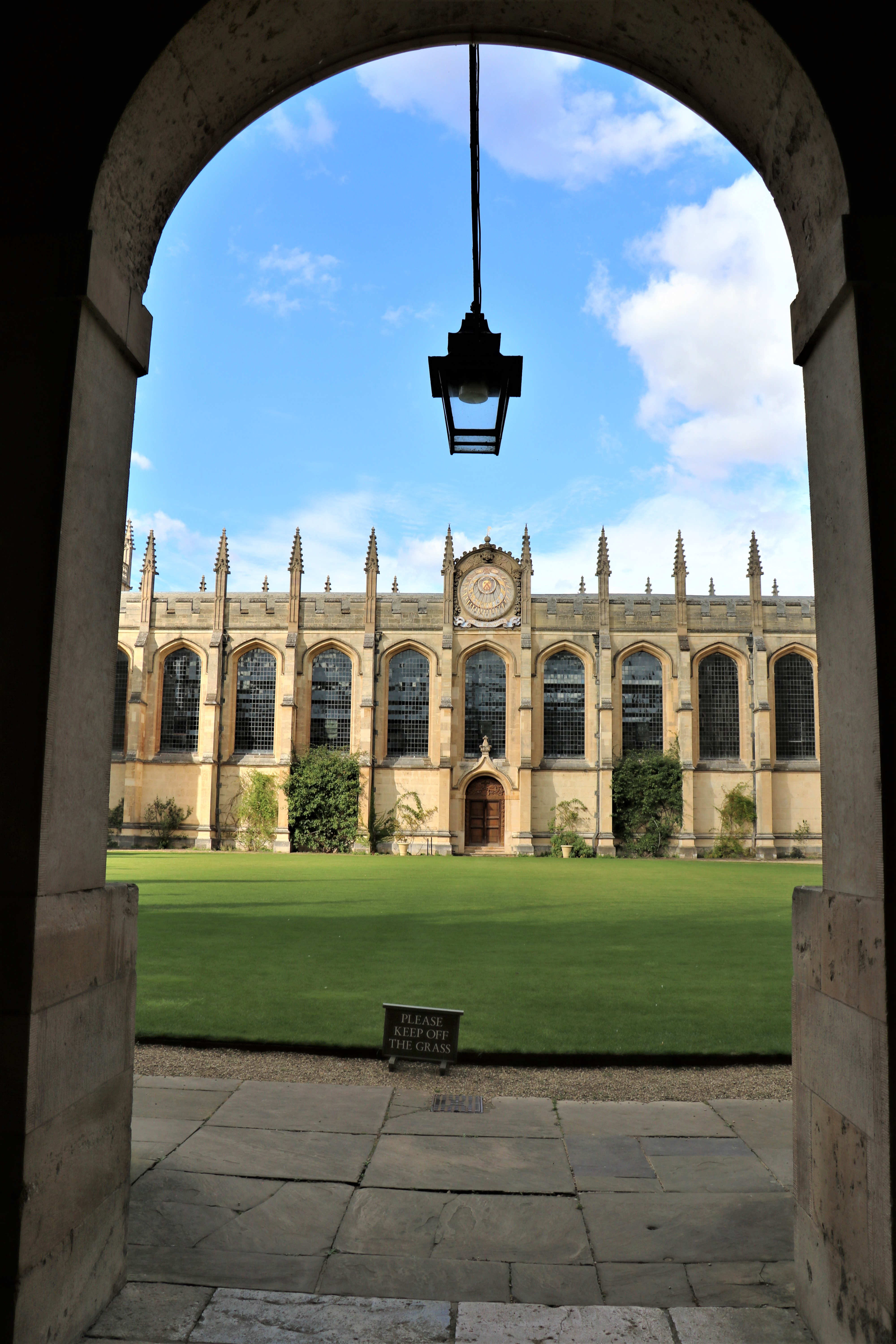
During our last few visits to Oxford this has been a college that we were only able to view through these beautiful iron gates. On Tuesday September 20th, 2022, the day after the Queen’s funeral, we were fortunate to get to High street at the right time to see the doors to this college open.

I will copy and paste some of the history of this college and if it further interests you, you can click here to read more.

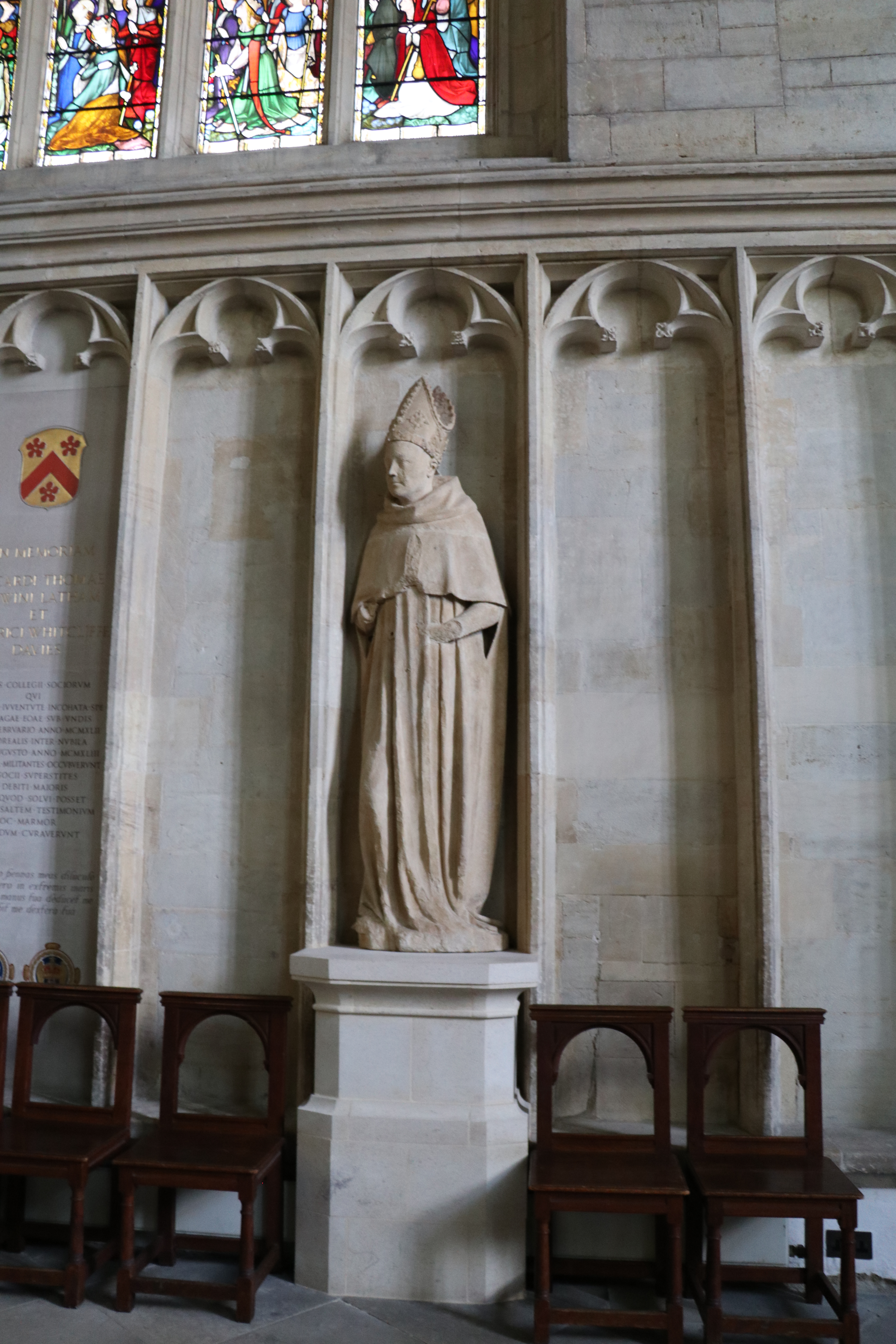
The ‘College of the souls of all the faithful departed’, commonly called All Souls College, was planned, built, and endowed in the 1430s by Henry Chichele, long-serving Archbishop of Canterbury. It received its foundation charter in 1438 from King Henry VI, co-opted by the Archbishop as the College’s co-founder. Chichele was in his seventies at the time, and this, his third Oxford benefaction, situated right at the University’s heart, was the fruit of careful reflection about what was needed in a new college.

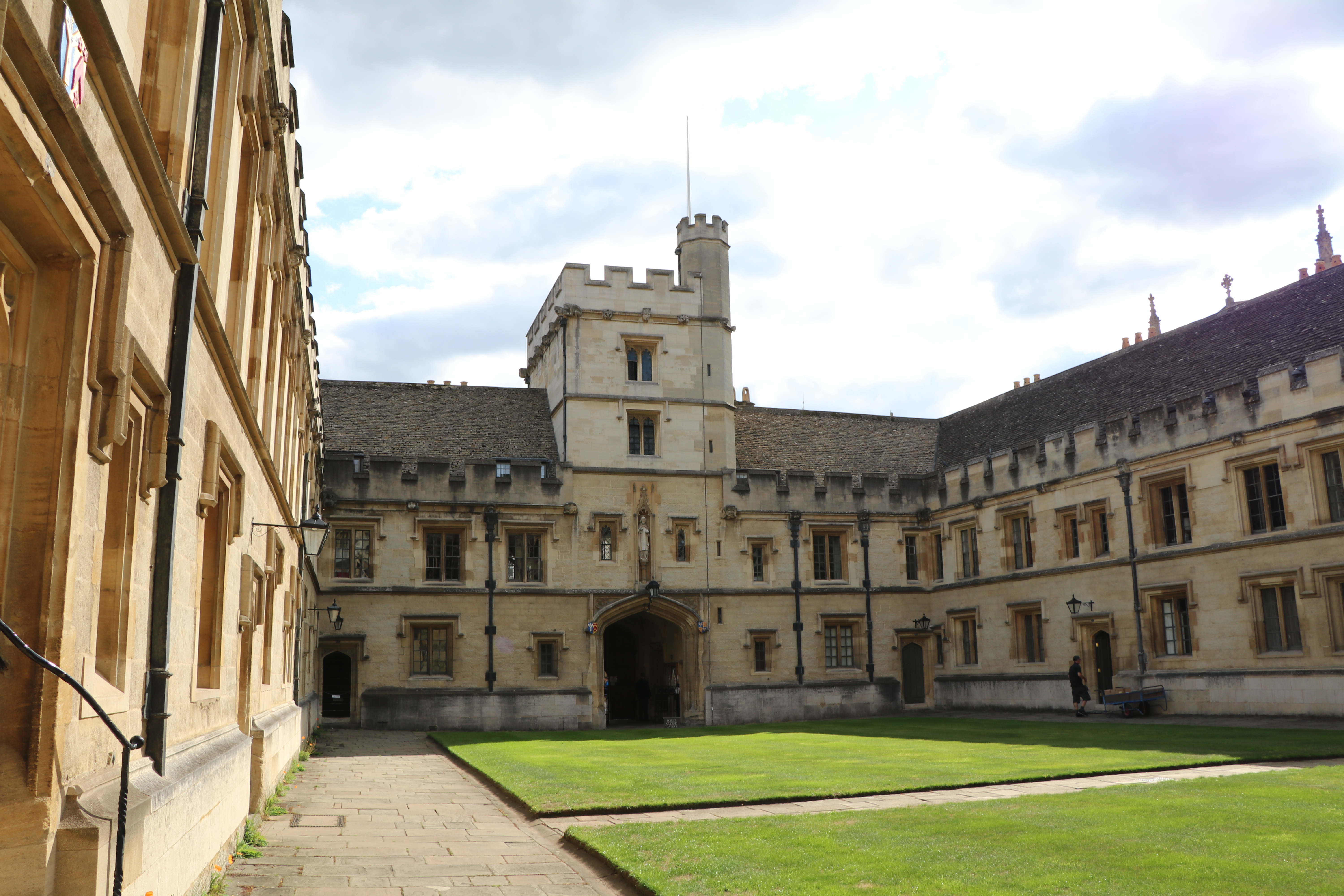
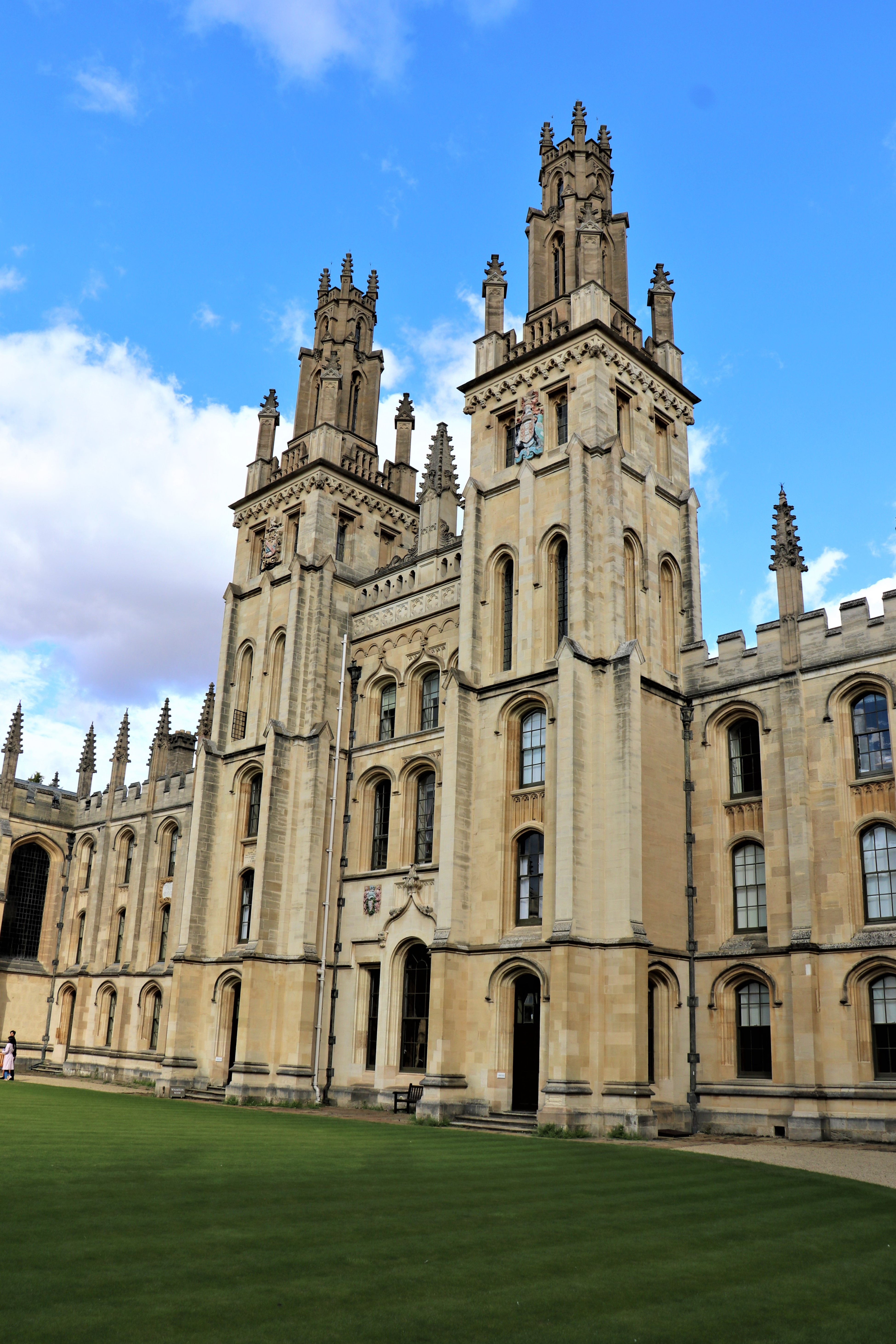
Pass through the gate house and you again see an essentially medieval building. Here lived the Warden (in rooms beside the gatehouse); the forty Fellows, who until the eighteenth century shared sleeping quarters (still indicated by the wider ‘two-lighted’ windows), but had individual studies (the narrower, ‘single-light’ windows); and a number of chaplains, choristers, clerks, and servants. Today the quadrangle still houses Fellows’ bedrooms (now individual) and studies, as well as administrative offices. The Chapel takes up the whole north side of the quadrangle.

All Souls had two functions. The first, common to all colleges, was religious. The Warden and, originally, forty Fellows were to pray in chapel for the souls of the founders, of those who had fallen in the long wars with France (at the time not being prosecuted with much vigour), and of ‘all the faithful departed’. The second function was academic, and in this, then as now, the College was distinctive. Chichele envisaged the medieval equivalent of a graduate college, an institute of advanced study of a very practical kind. With minor exceptions, the College never took in undergraduates. Its Fellows were previously to have studied somewhere else for at least three years and most would already have a BA. Once admitted they were to study or teach for the higher degrees of theology, law (civil and ‘canon’, or Church, law), and medicine – especially theology and law. The Fellows, all in Holy Orders, had to prepare themselves, not for life in the ivory tower, but for service to Church and government. They were, as Chichele himself put it, an ‘unarmed militia’, trained for the unashamedly patriotic task of restoring national prestige and good order in the face of heresy at home and stalemate abroad.

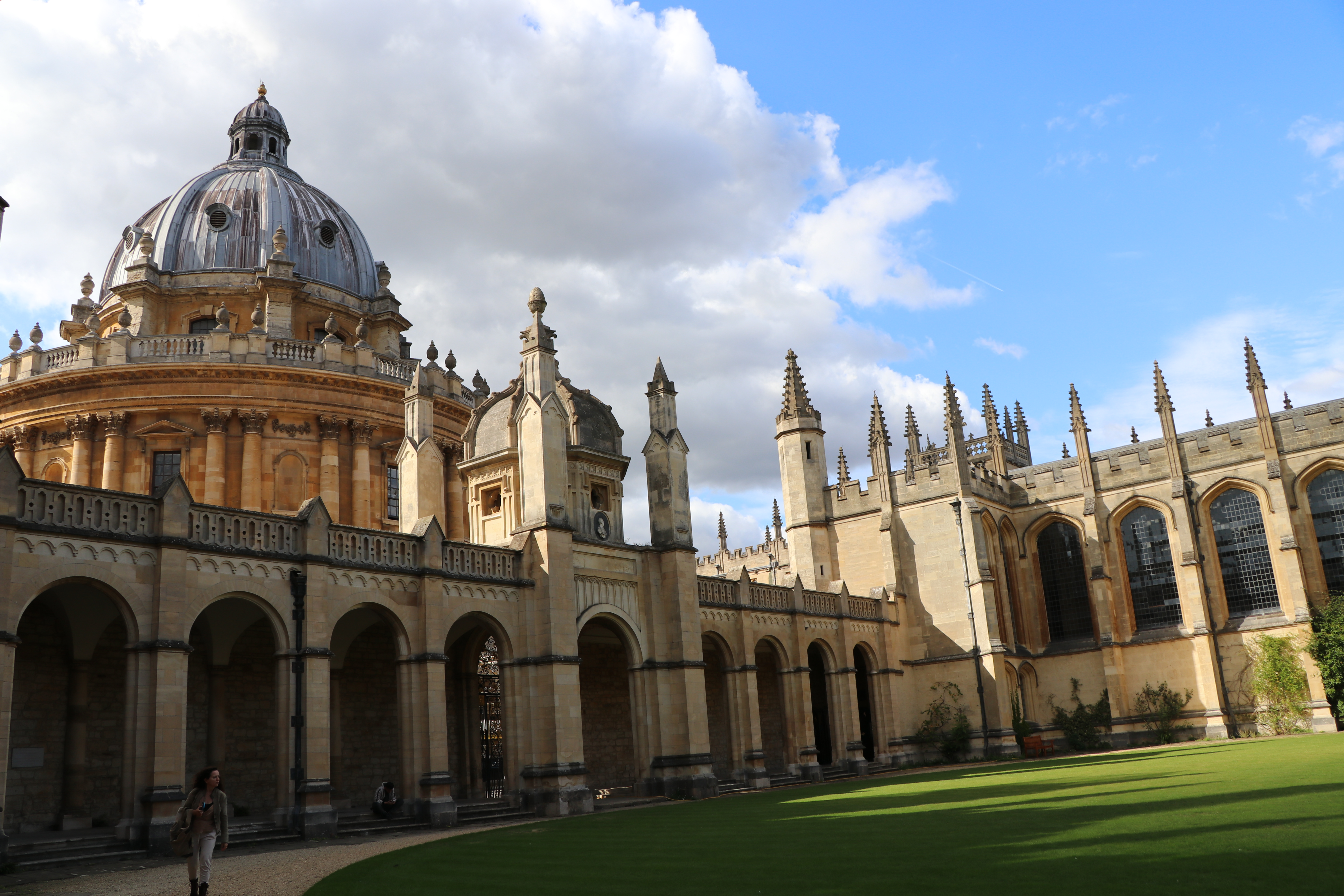
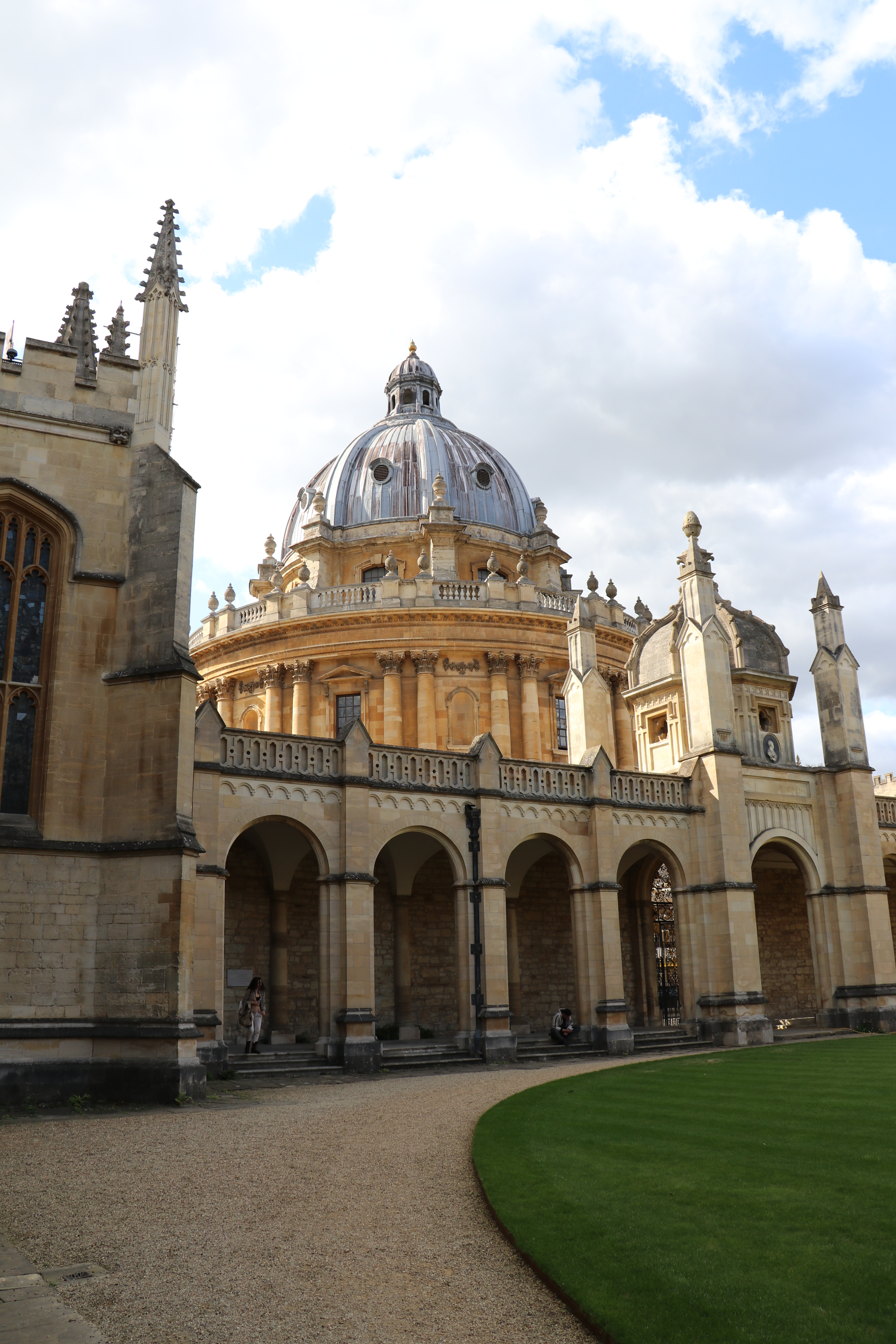
In this view you can see Radcliffe Camera outside the iron gates we first peeked through.

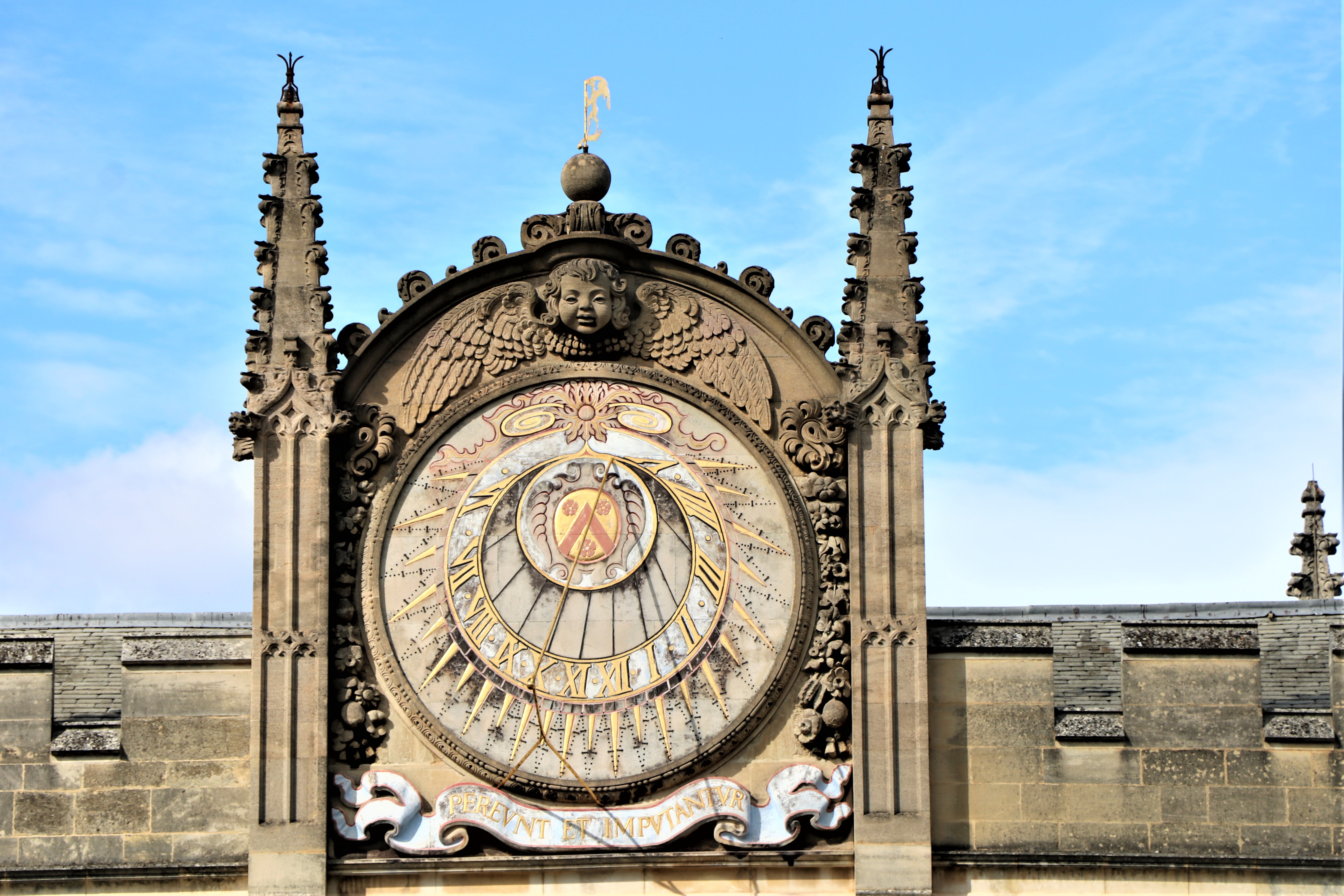
The central accent of the sundial, the design of which is attributed to Christopher Wren, was absent in the eighteenth century. Moved to its present position only in Victorian times, it was placed initially between the south-facing pinnacles of the chapel.

Heading into the chapel.

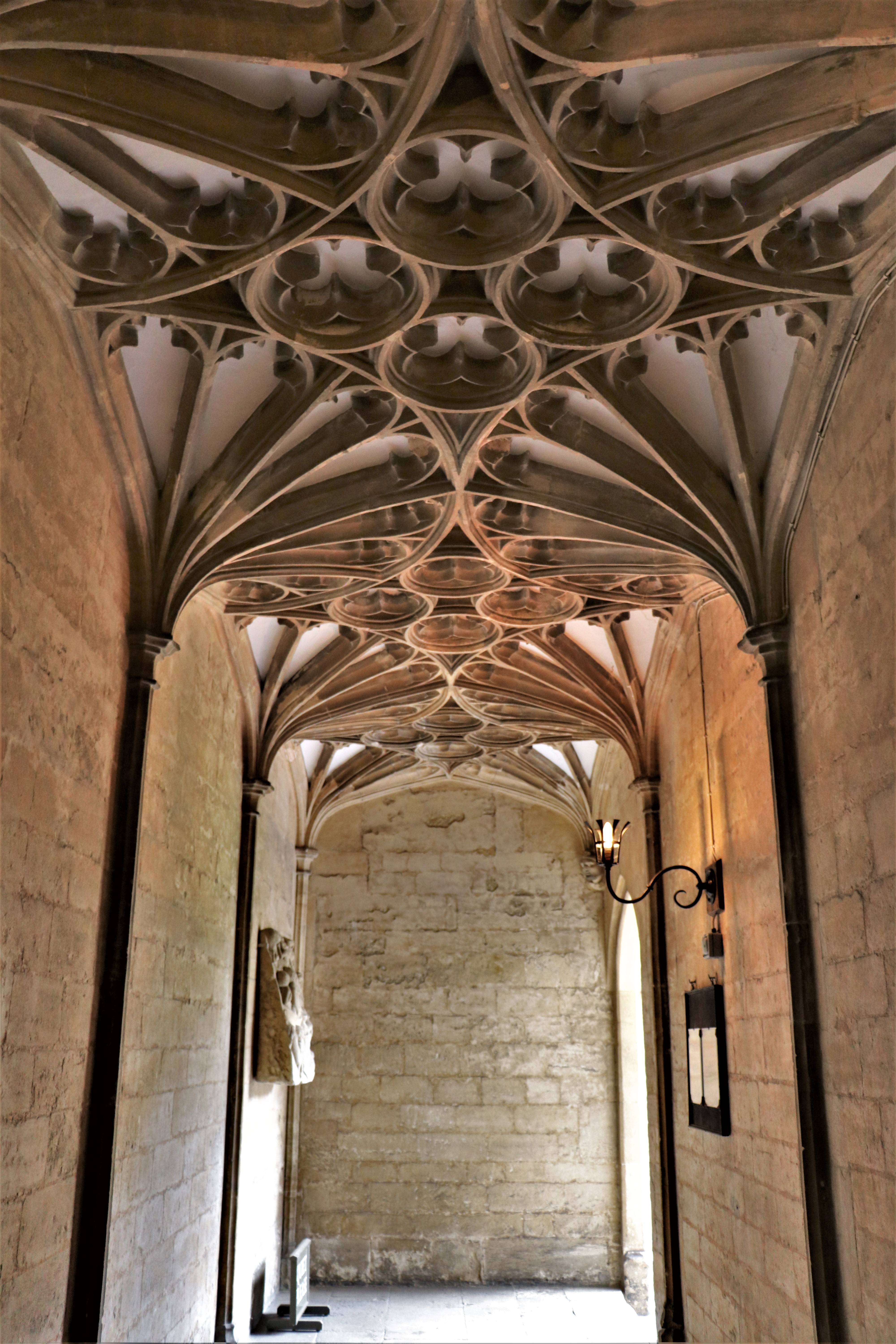
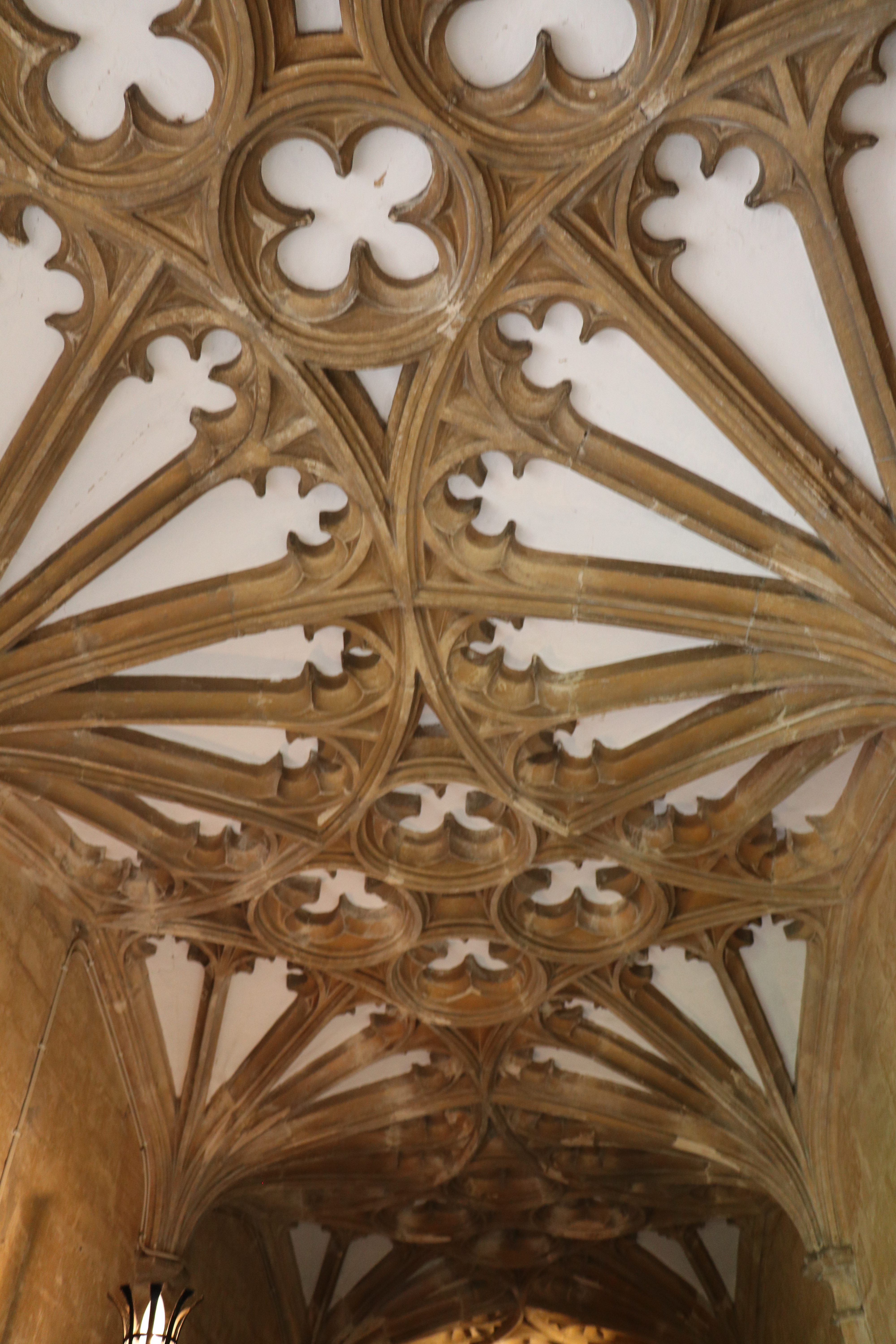
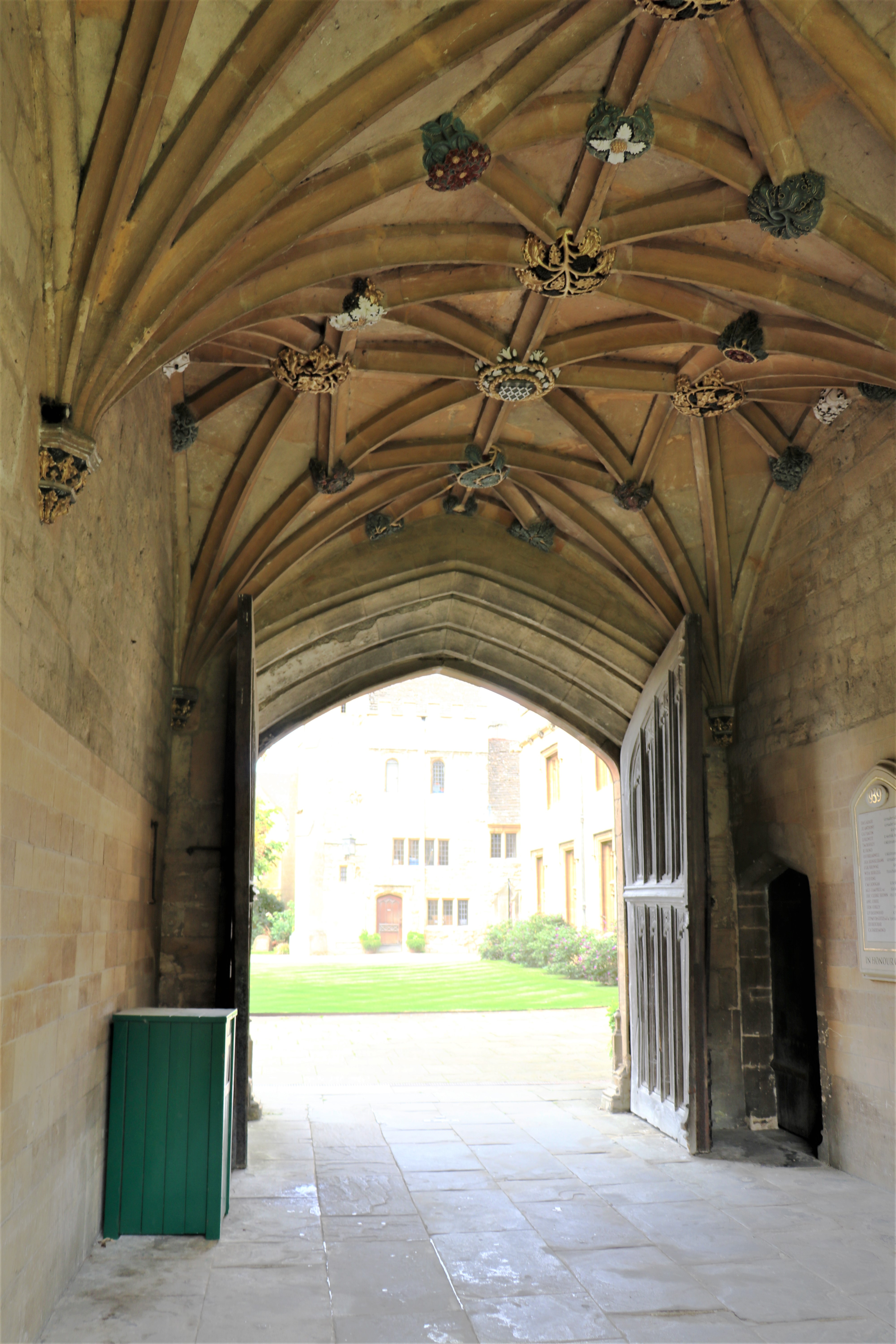
15th century Fan Vaulting in the vestibule of the chapel.

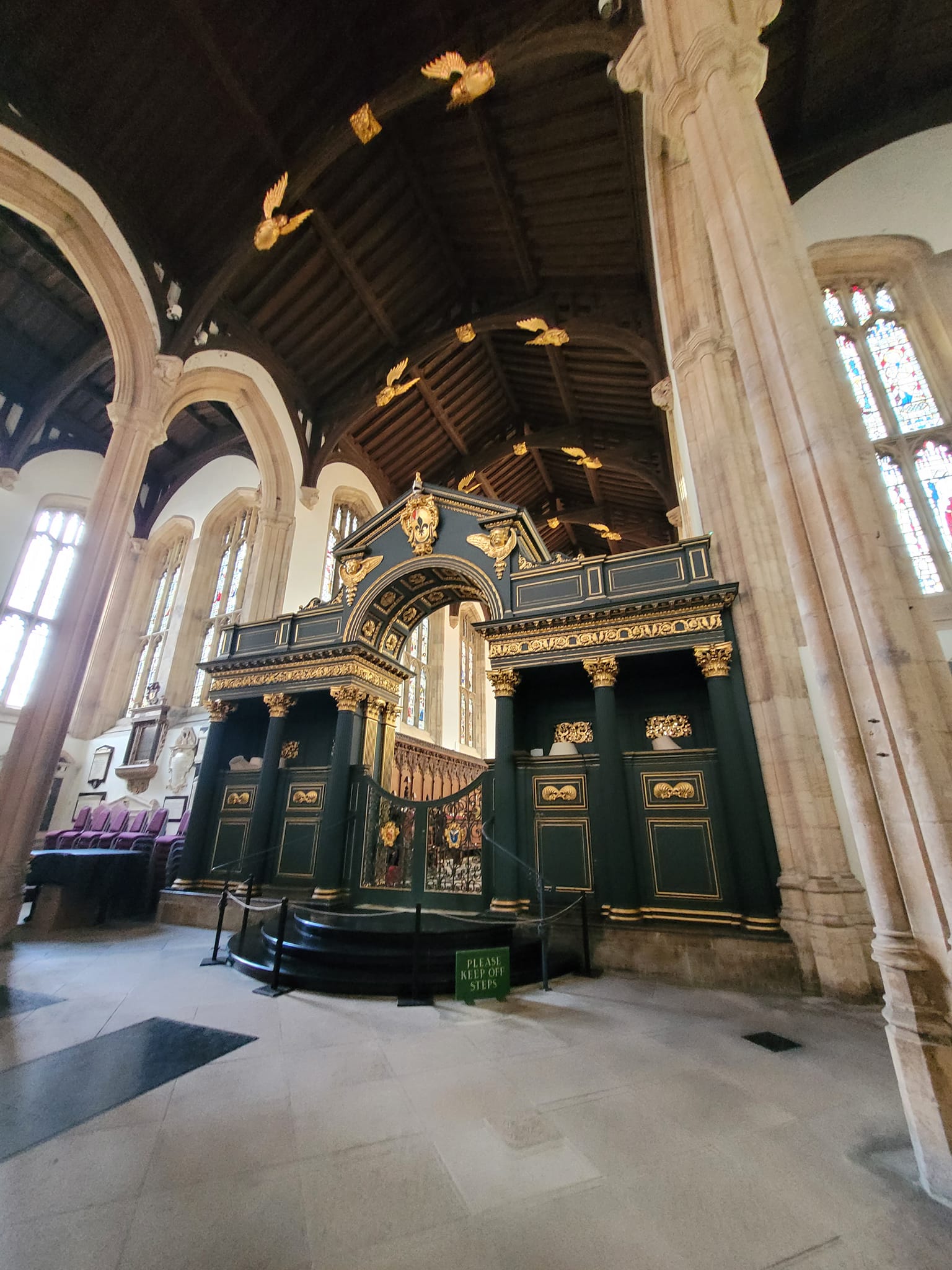
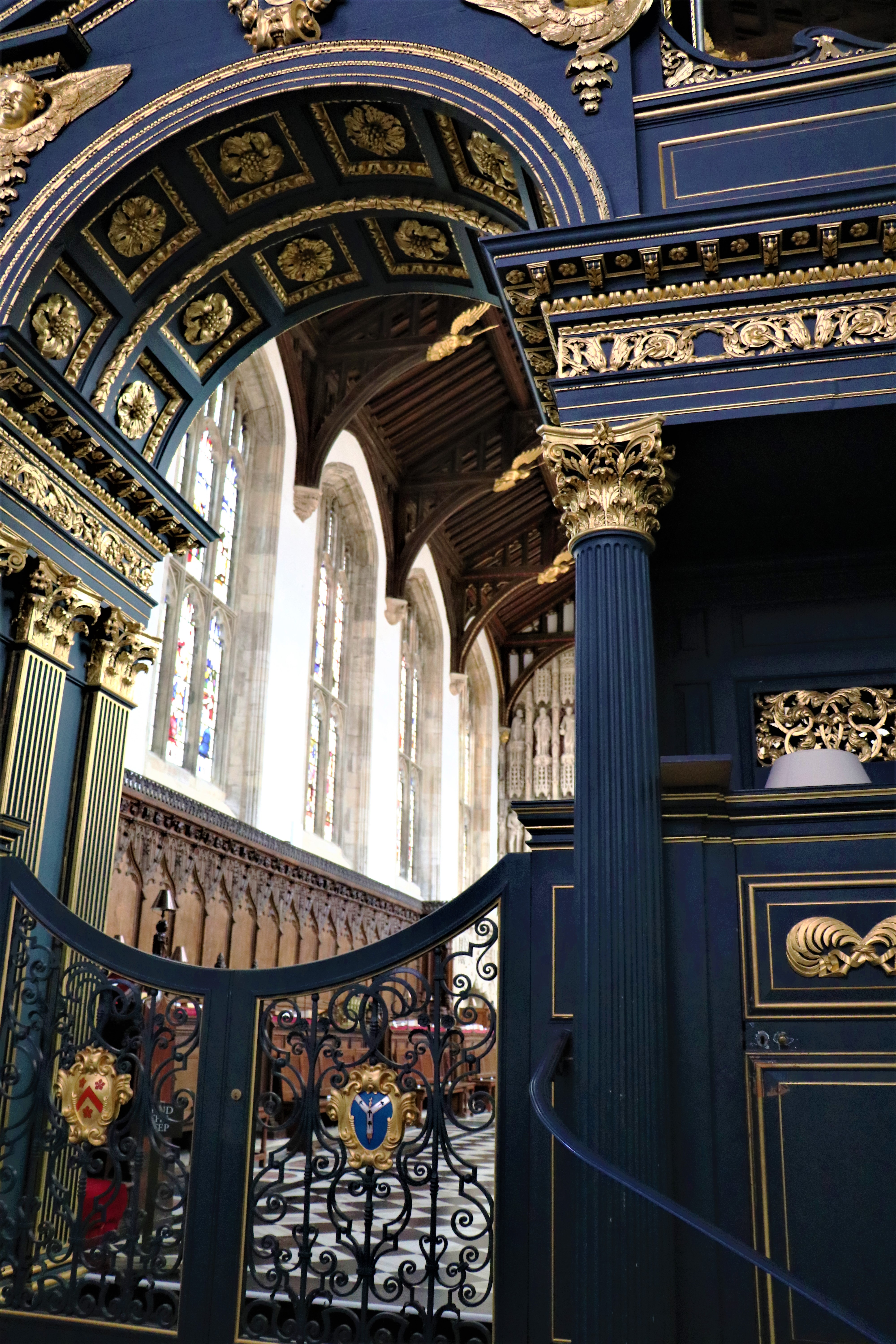
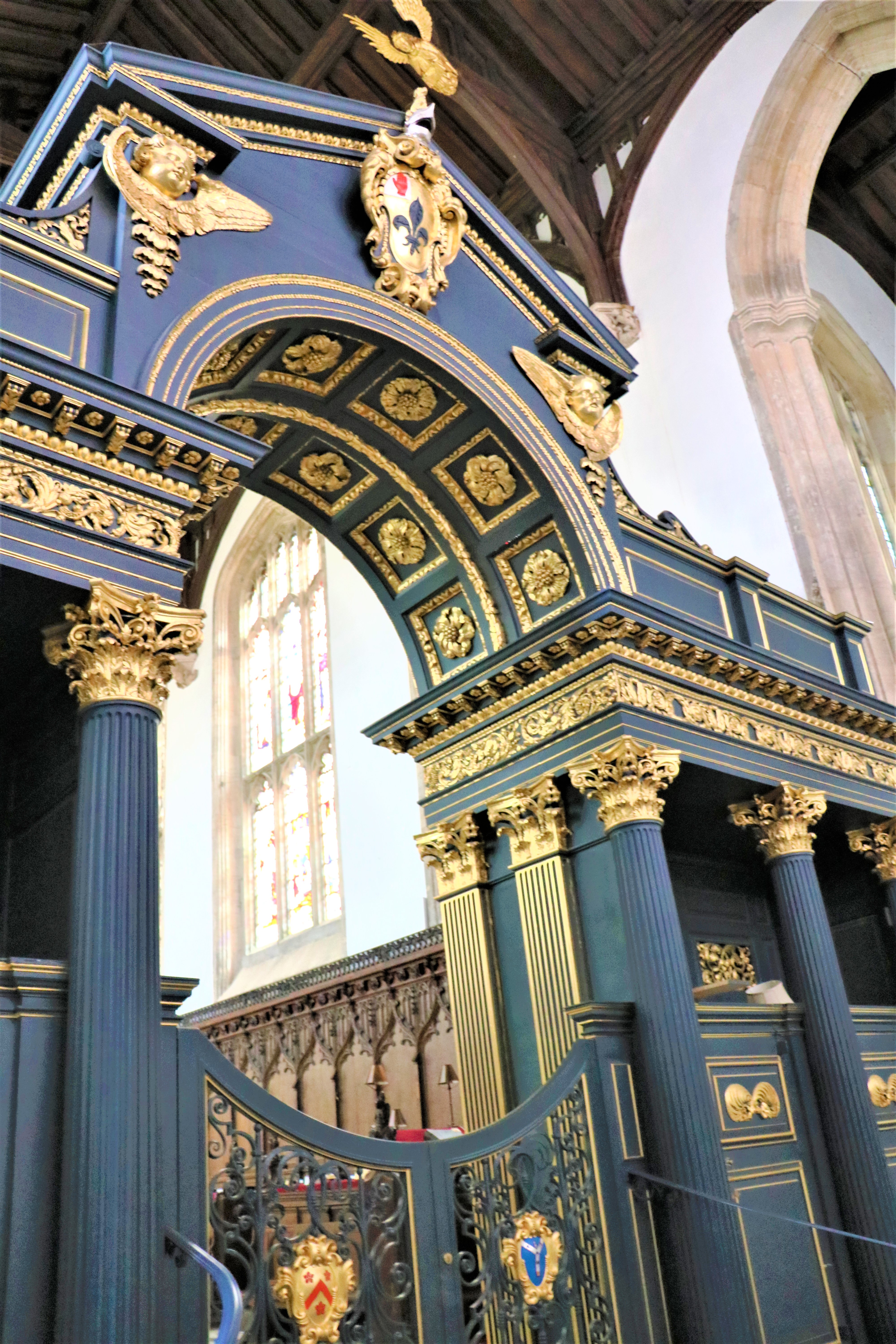
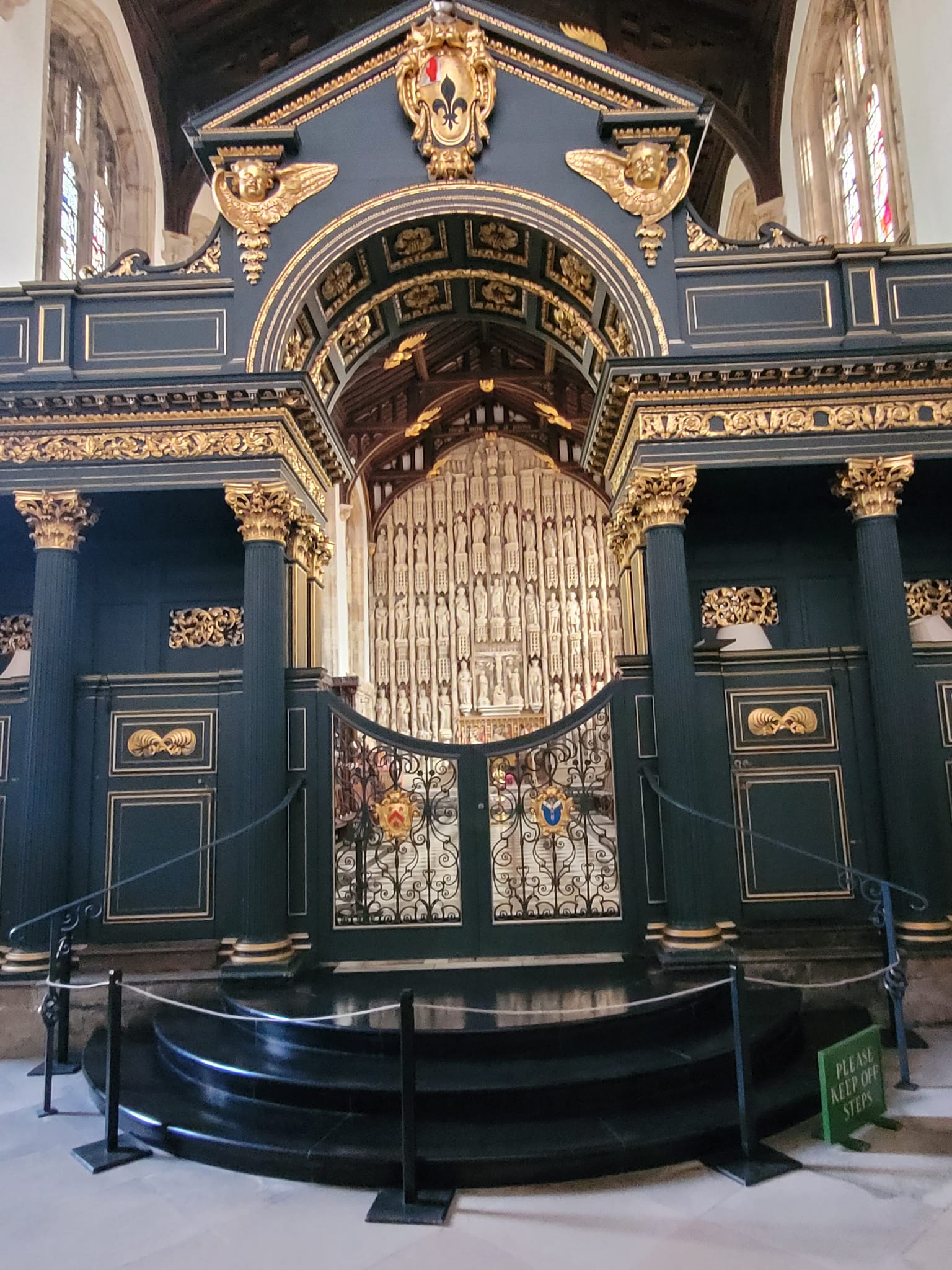
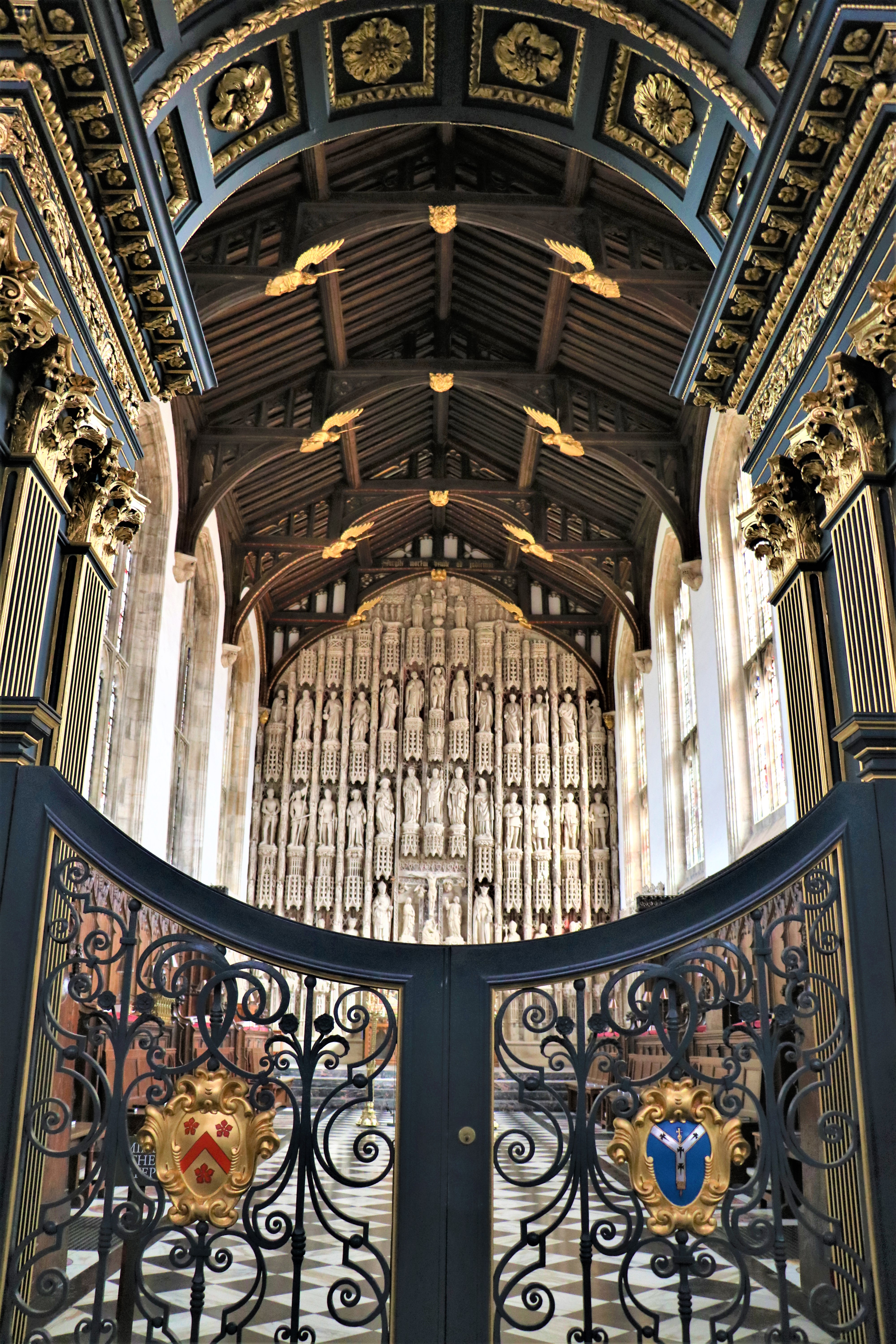
The baroque Chapel screen, designed by Sir James Thornhill in 1716, and restored and gilded in the late twentieth century. It replaced a screen which was attributed to Christopher Wren.

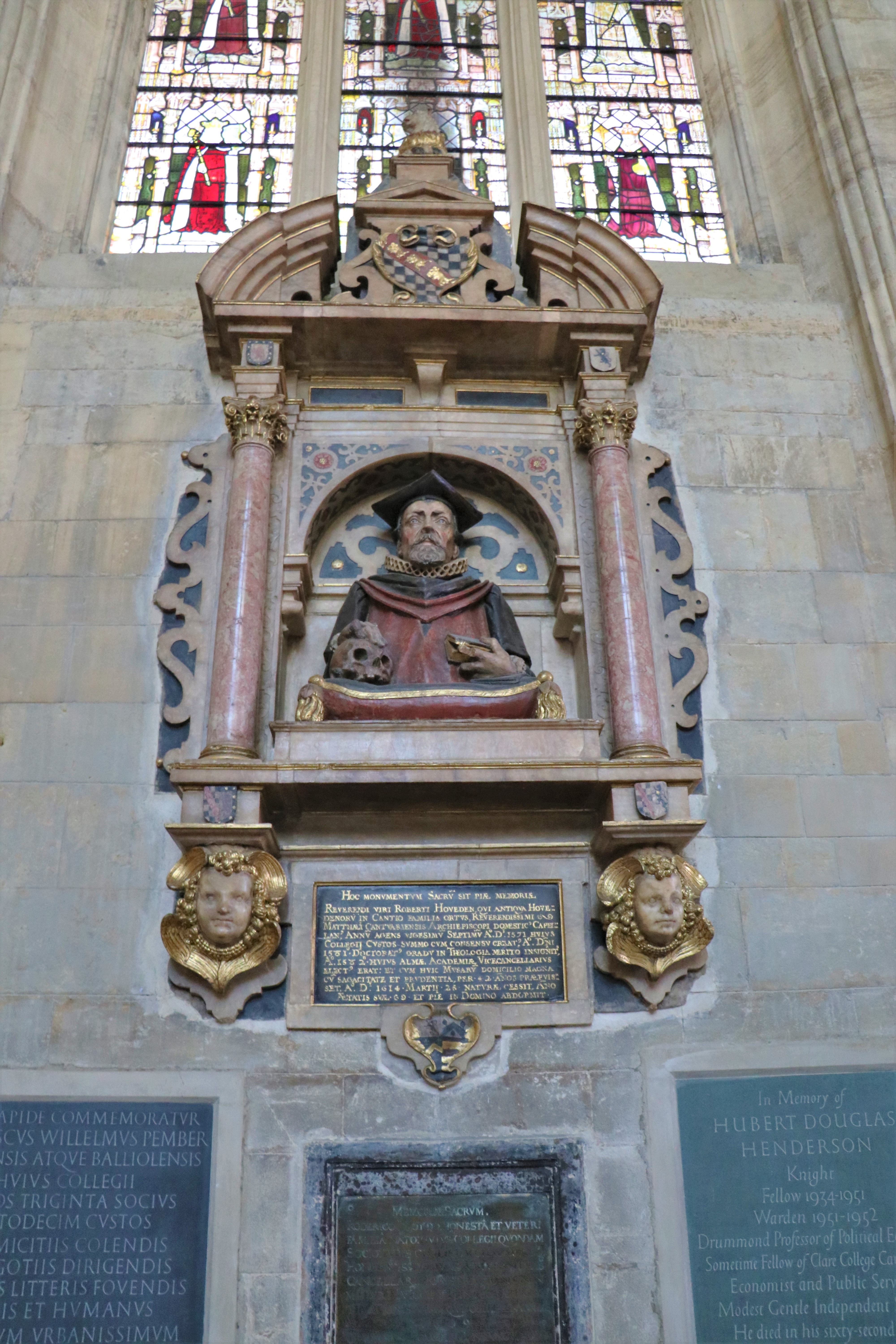
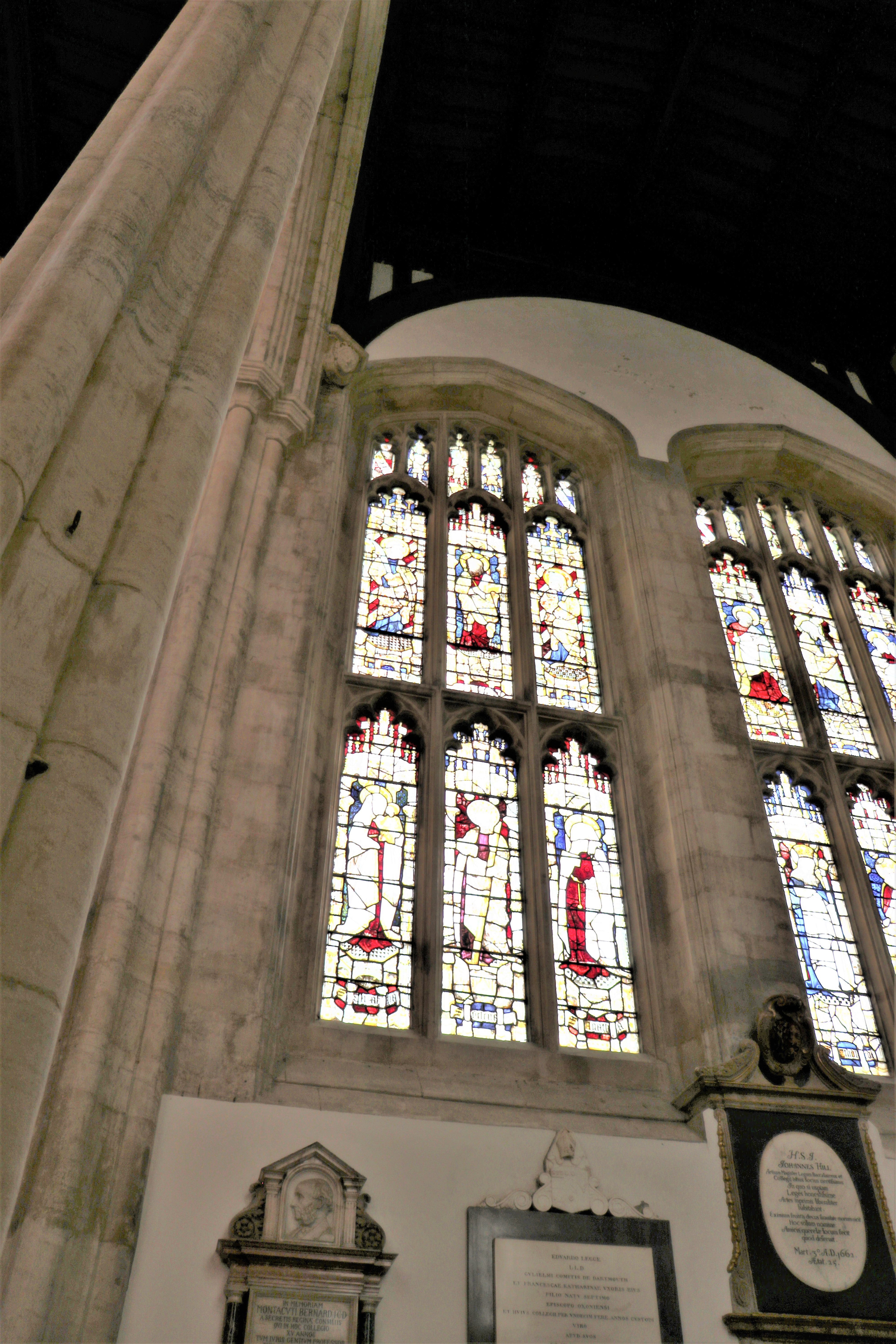
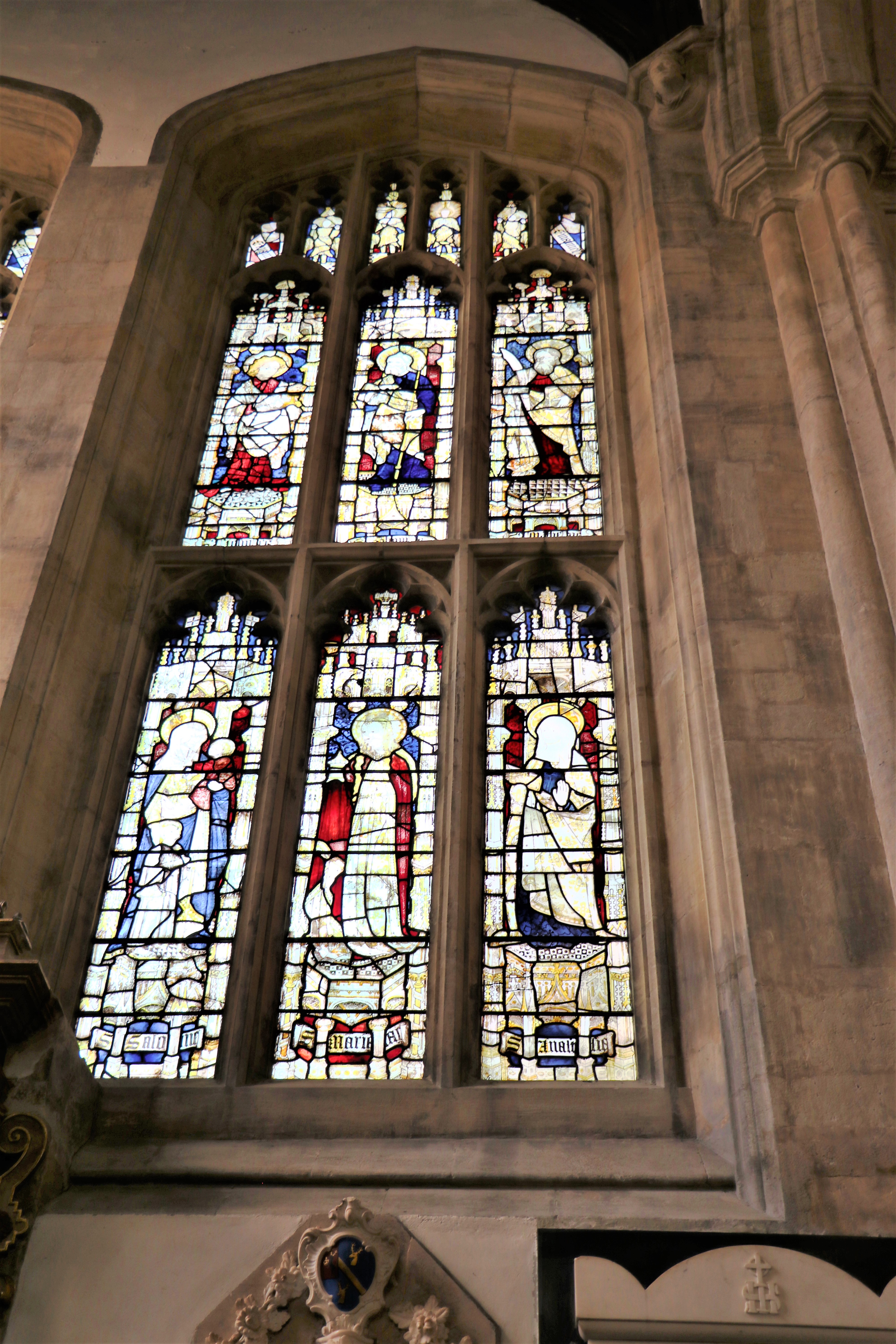
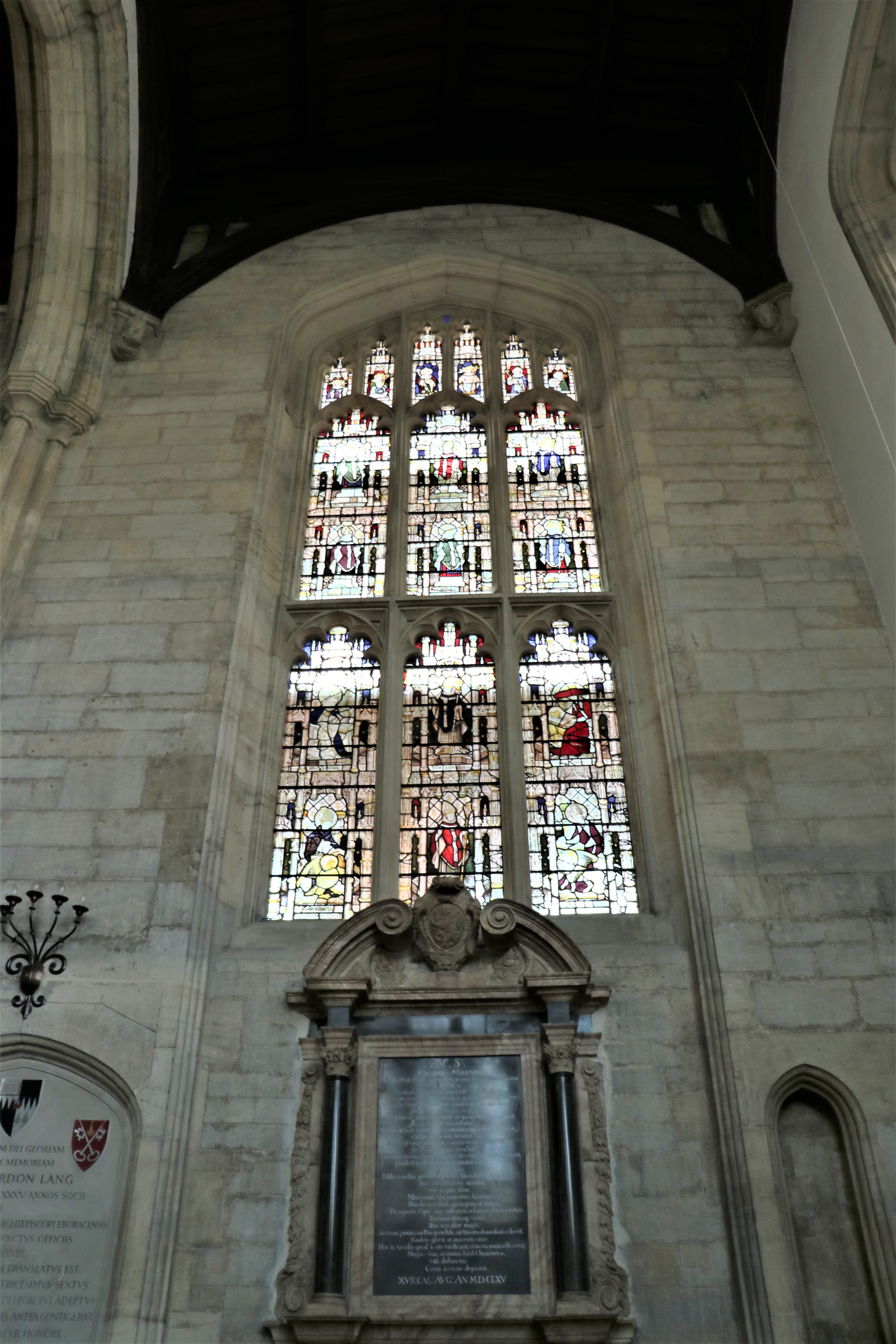
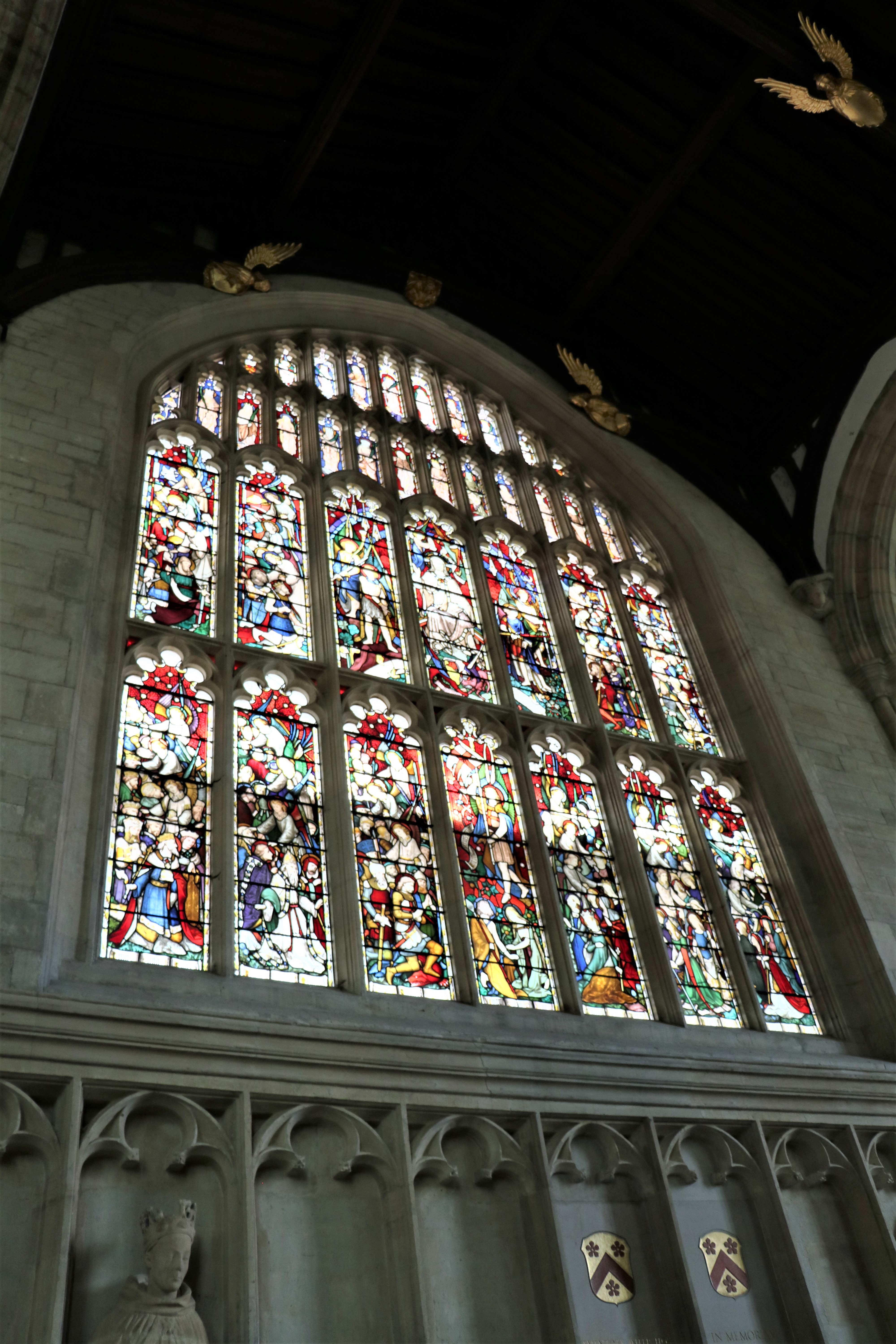
Most of the antechapel windows contain some fifteenth-century stained glass.

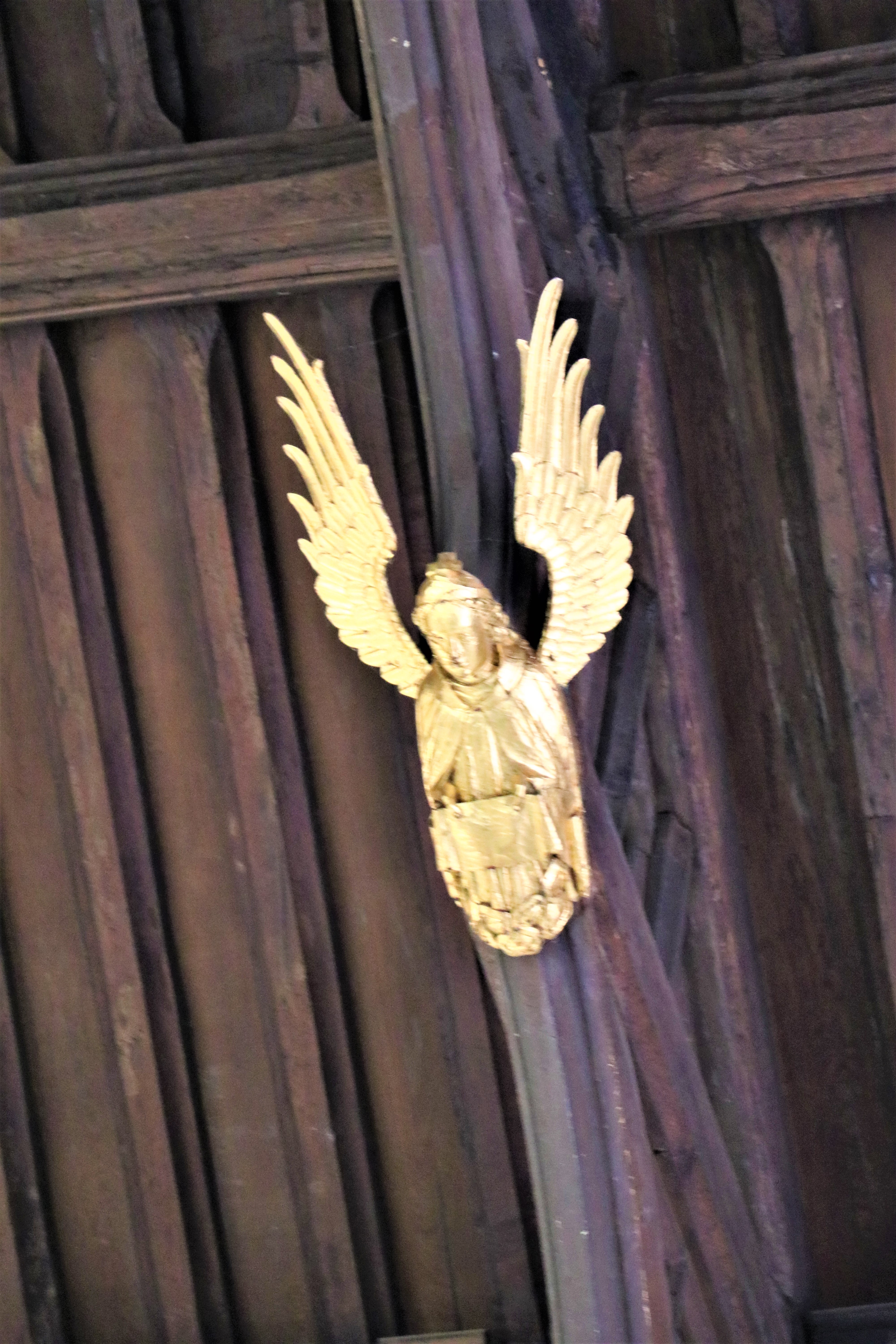
The Chapel still retains its original medieval hammer-beam roof, which together with the gilded wooden angels that adorn the ends of the beams dates from the fifteenth century. The angels owe their current brilliance to a late twentieth century regilding.

The reredos of the Chapel dates from c. 1447. Its niches contain statues of saints, bishops, and monarchs, arranged in rows on either side of a Crucifixion scene, just above the altar, and a Last Judgement, high up under the roof. The original statues, destroyed in the sixteenth century Reformation, were not replaced with the present Gothic imitations until the nineteenth century. 

reredos: A screen or a decorated part of the wall behind an altar in a church, especially when the altar does not stand free, but against the wall; an altarpiece.

Each school and chapel we were able to visit was unique and we enjoyed seeing the differences. We were not able to view the dining hall at All Souls because it was closed to the public during our visit.

Forward to January 2023. I’m finishing this post on Saturday morning in Orange, California. We are safely tucked into our home away from home for the next several days. Our travel by car on Thursday went well after Dear’s follow-up appointment. His follow-up was good for those of you who were wondering. Our flight on Friday evening, after a delay, was non-eventful and enjoyable with a serendipitous seating next to a couple who has the same doctor we had when we lived on the west side of the Cascades. We had a lively and long conversation connecting the dots. Later today we are having a small family reunion with three or four of my siblings and several nieces and nephews.

Auntie Lolo got this selfie of us at the airport before checking in. Our sons are missing from the photo since they were parking the vehicles after we unloaded ALL our luggage, etc.

Sorry, We’re Closed…

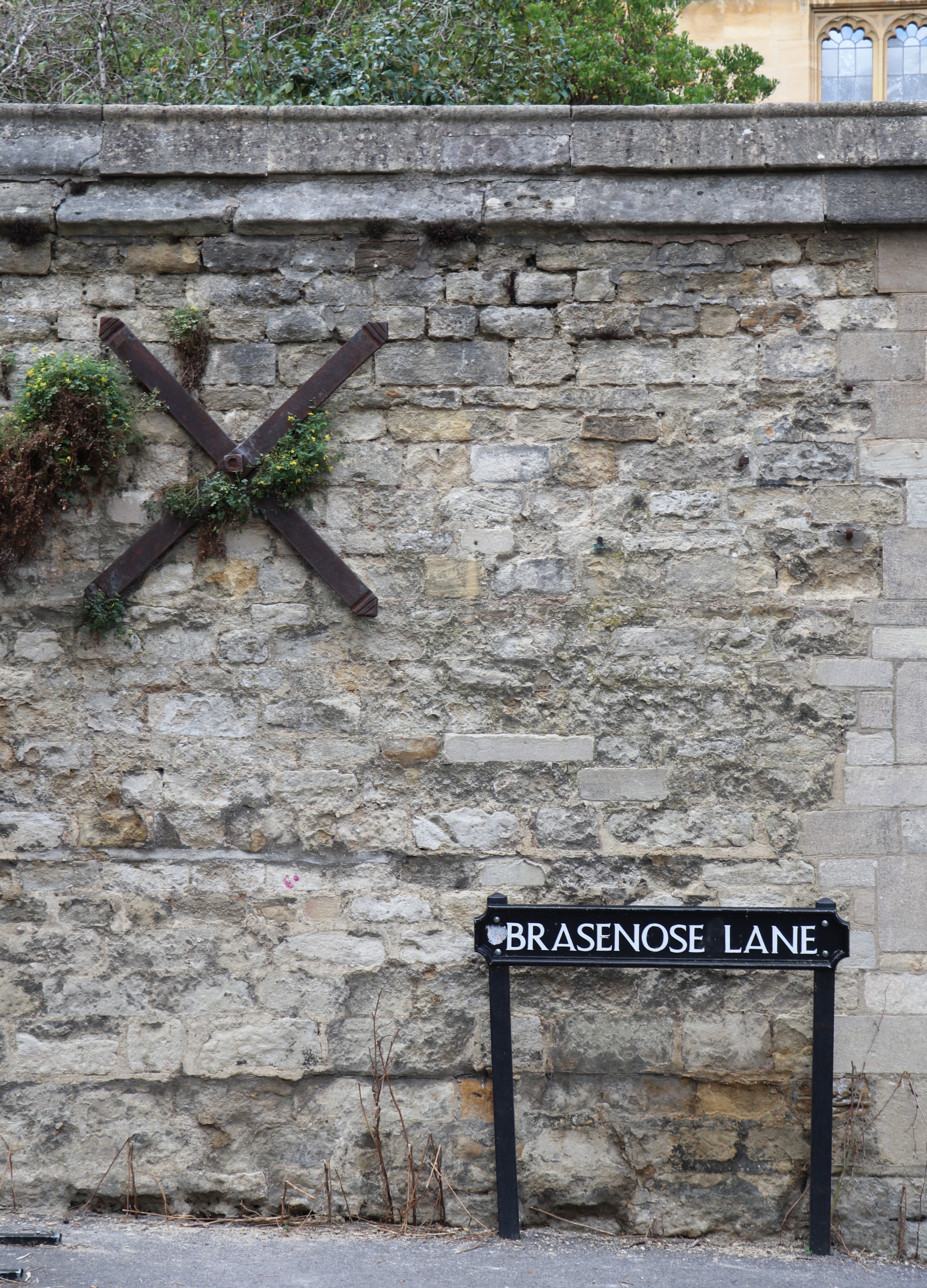
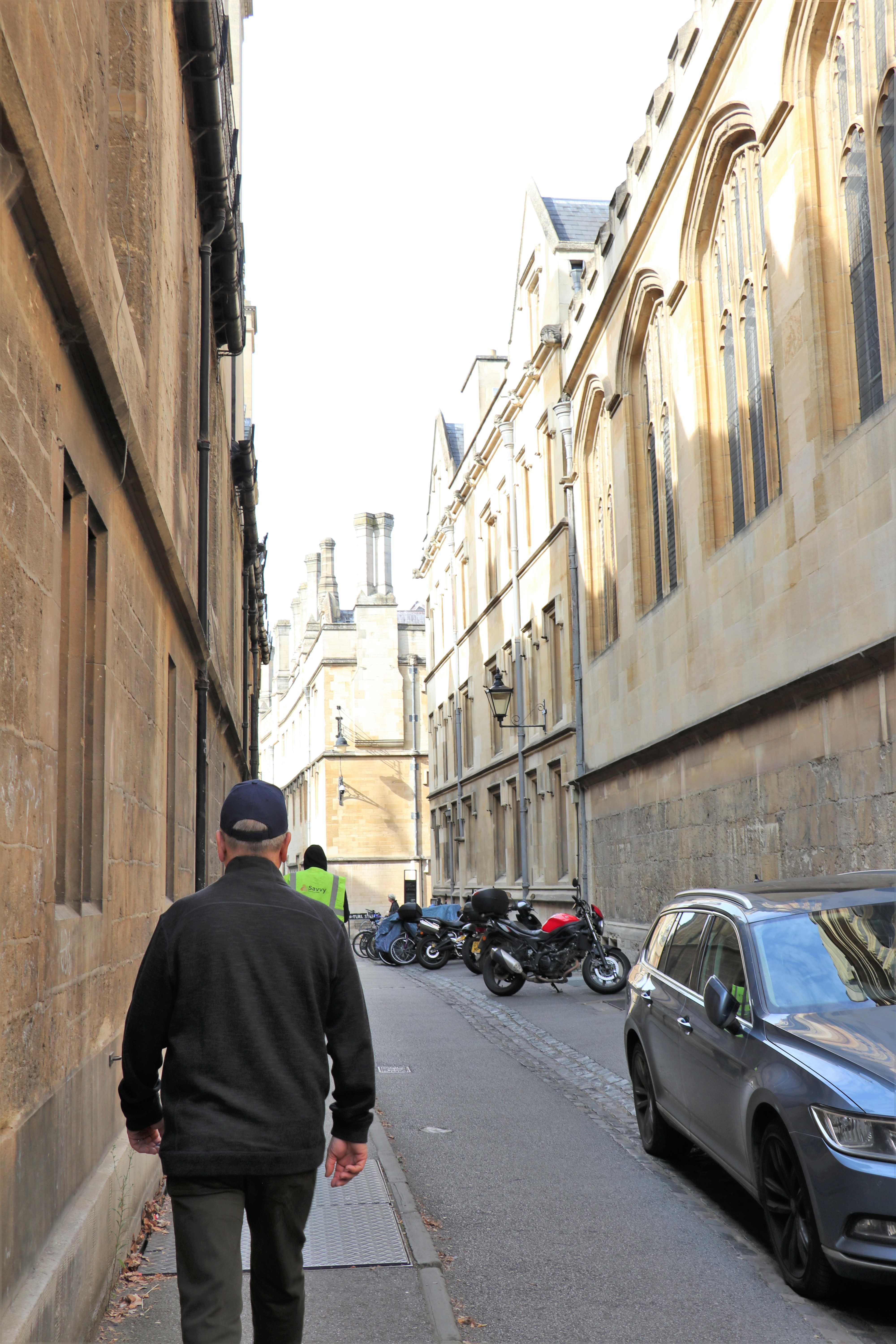
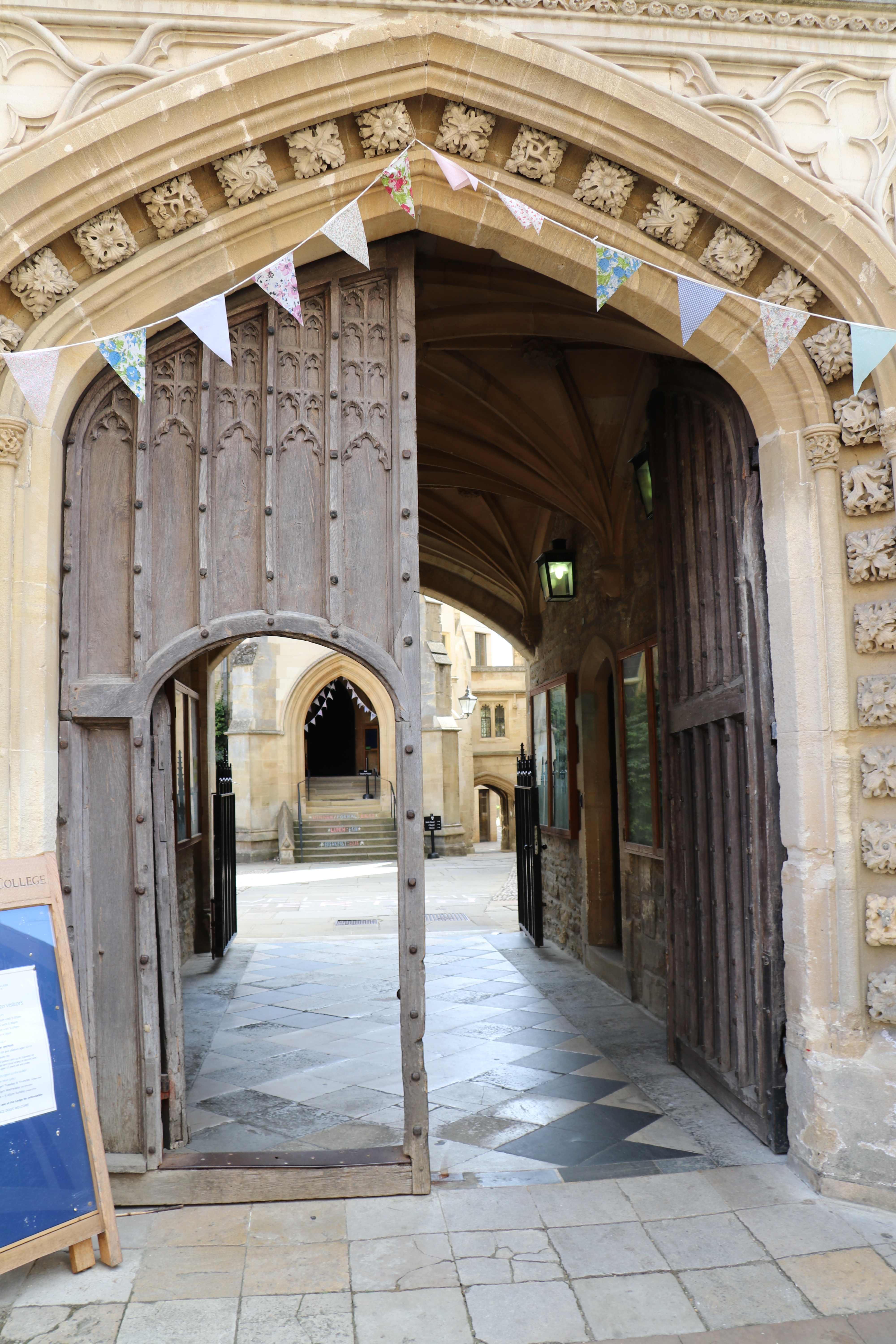
Earlier on Tuesday the 20th of September we tried to visit Brasenose College but it was closed. We journeyed along Brasenose Lane (below) to see if we could visit Jesus College or Exeter College on Turl street.

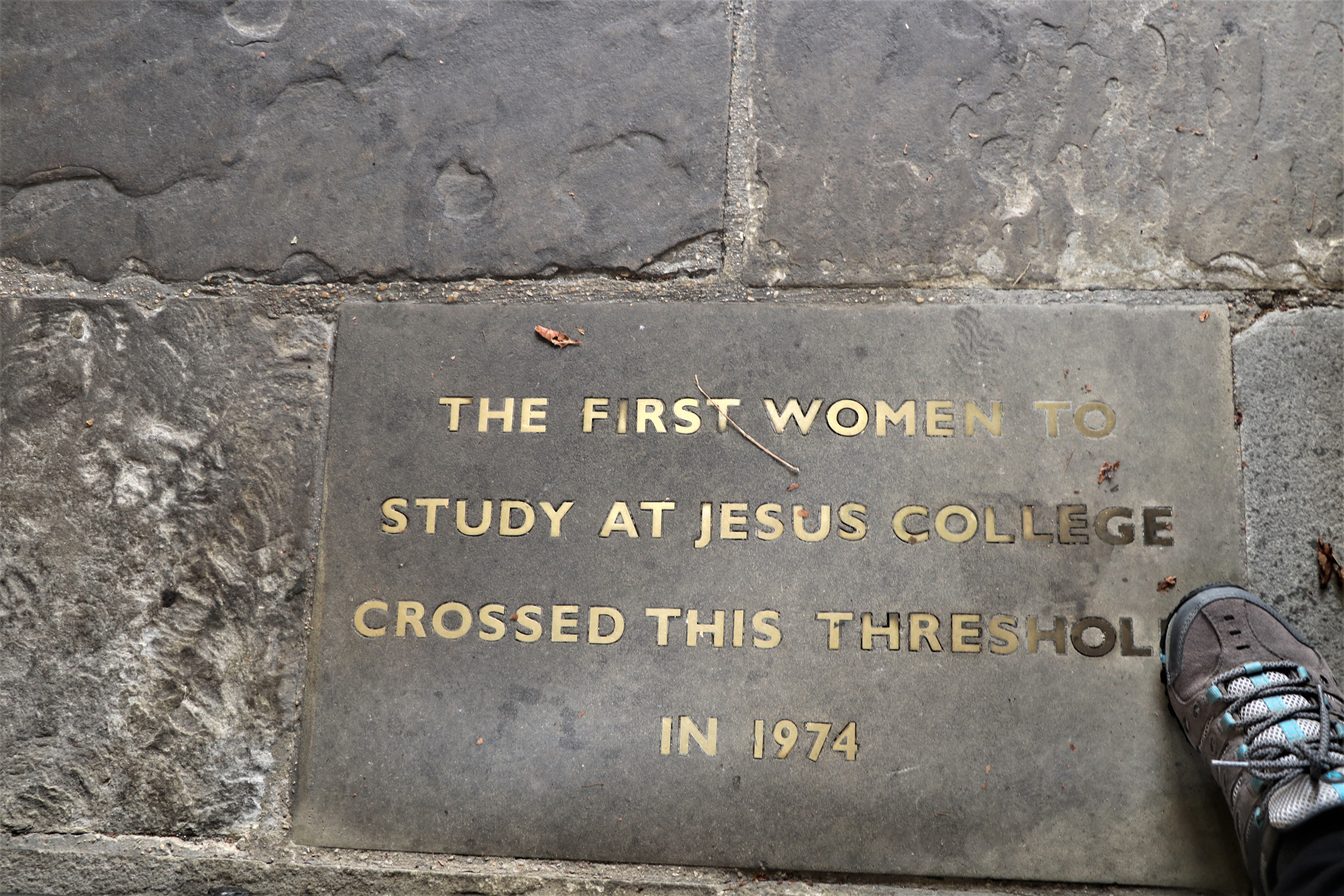
Jesus College was only open to tour groups who had made appointments in advance. So to us this college was also closed. It was fun to put my foot on this sign above. 1974 is a special year for us. The year we were married.

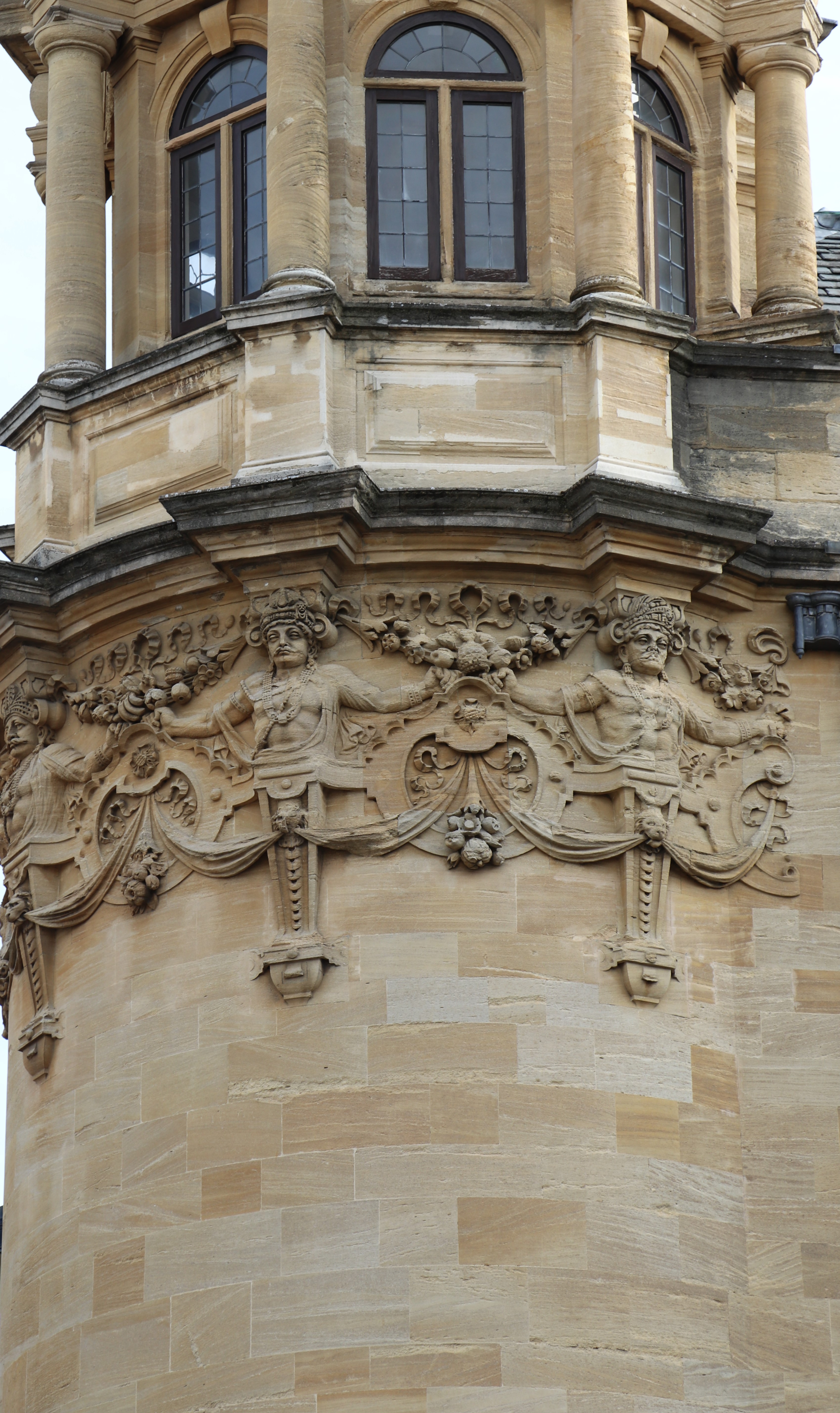
Exeter college was also closed to us so we ventured on Broad Street to Holywell St. and took photos of this interesting building.

We kept going along Holywell to St. Cross Rd. and spent some time at the Holywell Cemetery. (that post will come later) After the cemetery we visited Magdalen College and that post is complete.

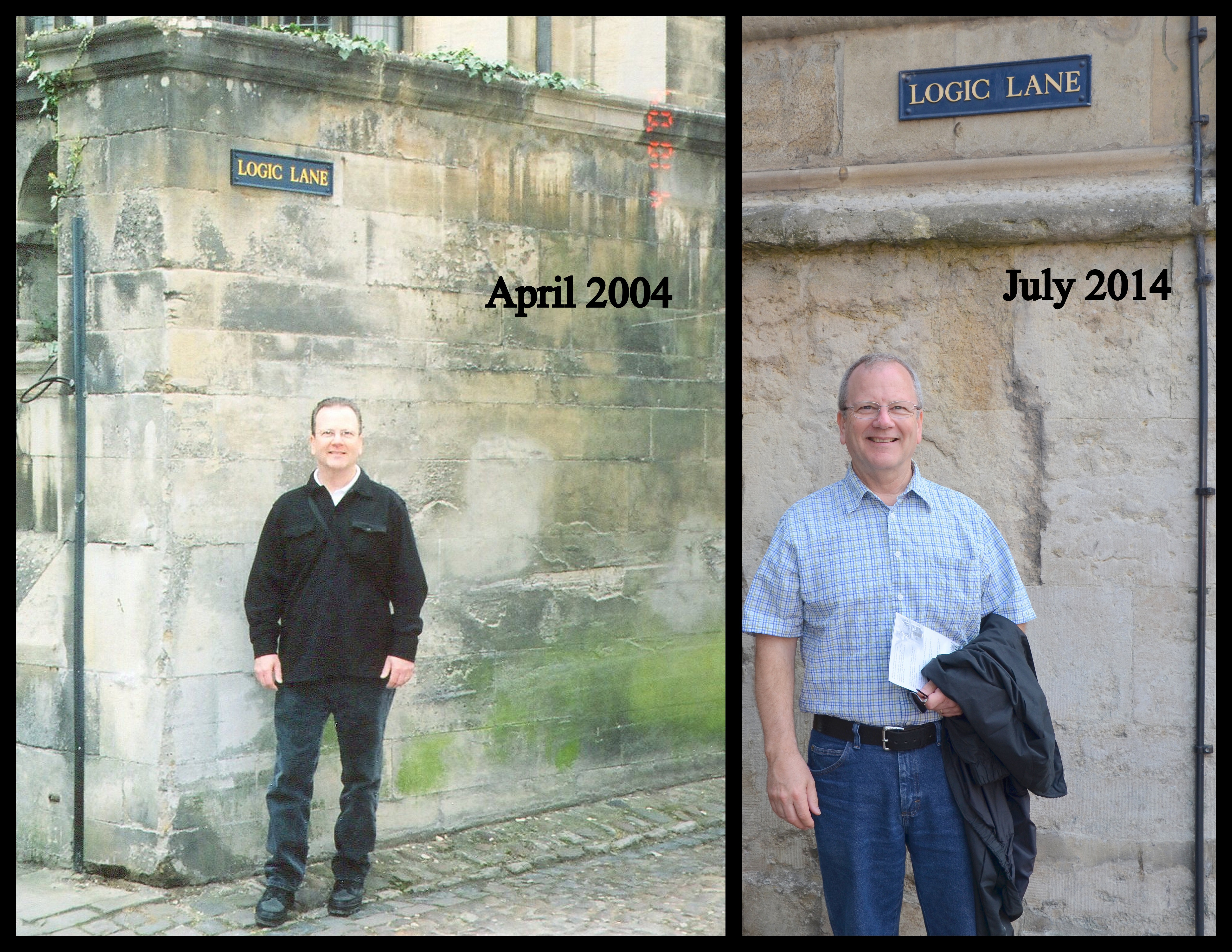
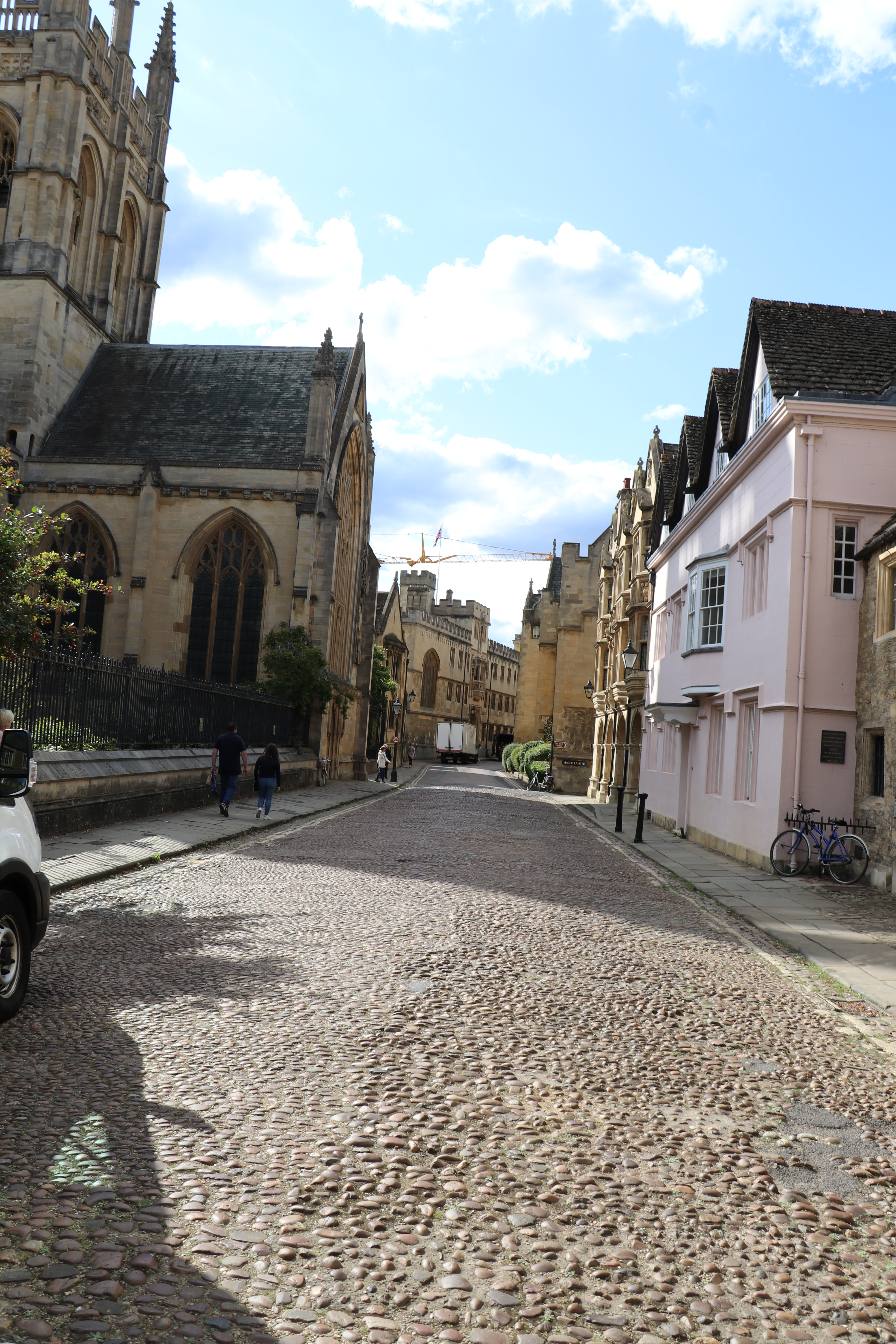
We left Magdalen college the way we came in and walked along Merton street past Logic Lane stopping to add to our history on this lane.

Pictures49-001

Onward on Merton, disappointed that Merton College was closed to visitors.

It looked so inviting.

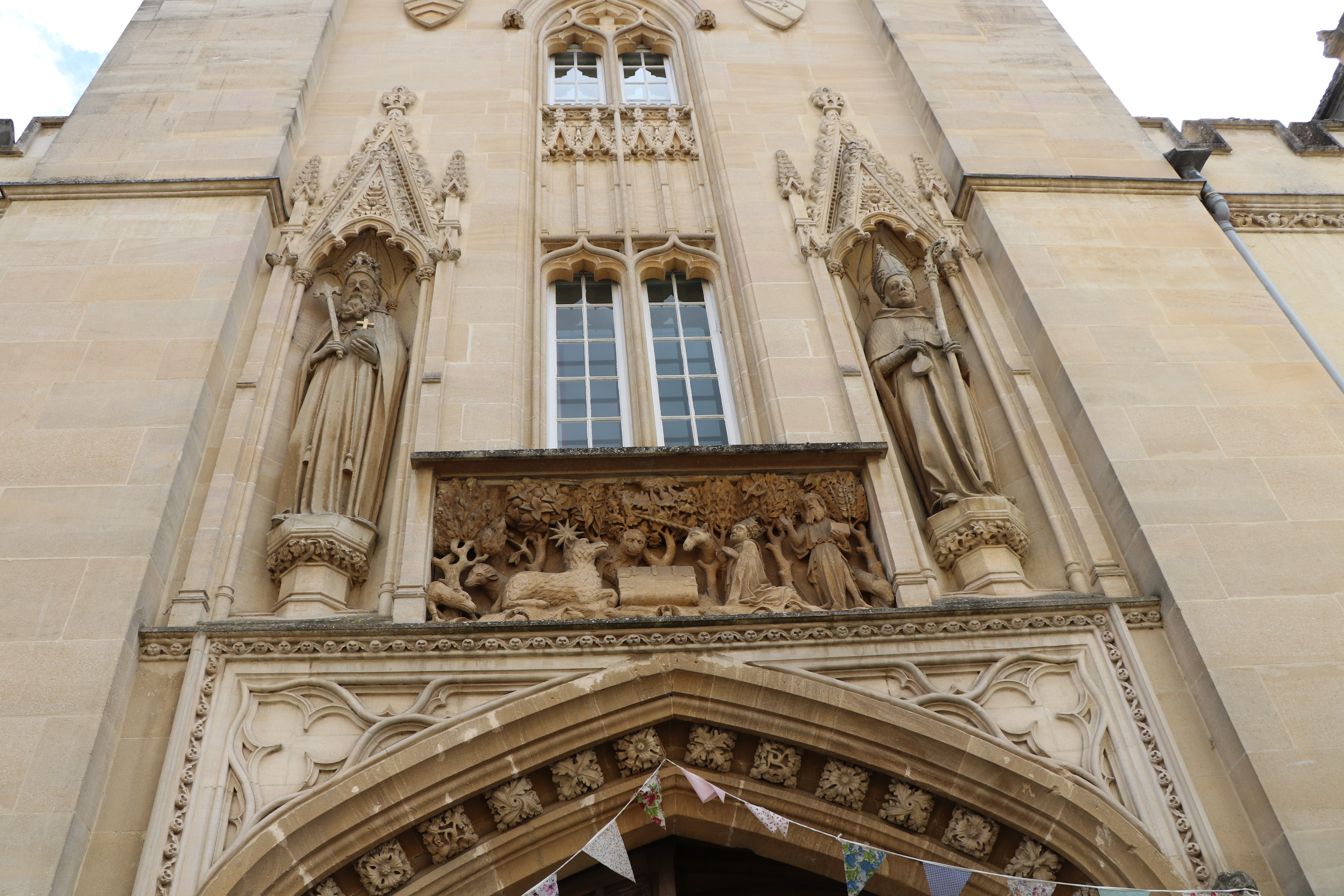
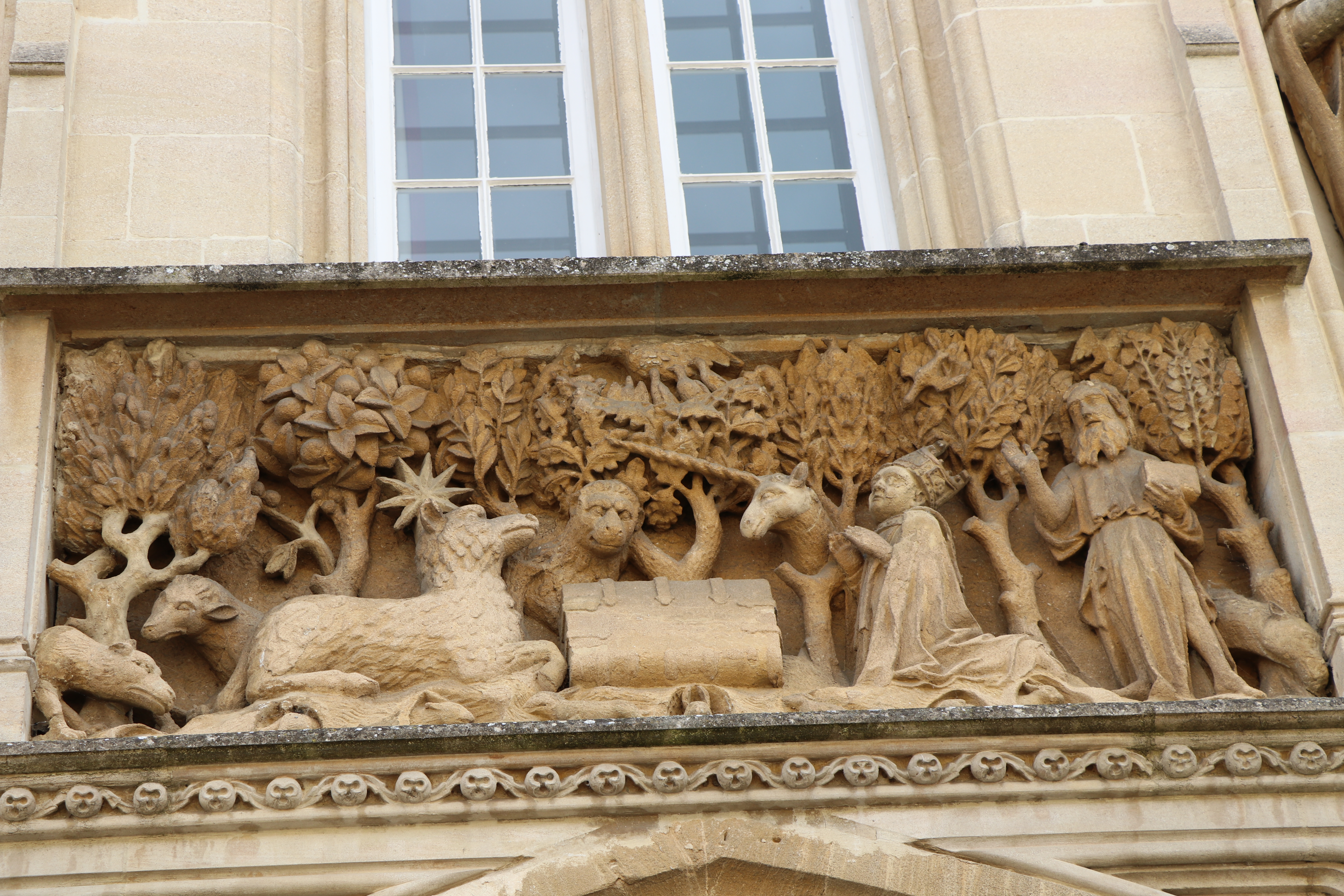
This relief, made in 1465, showing St. John the Baptist in the wilderness with the college founder Walter de Merton, with assorted plants and animals, including unicorn, sheep and rabbits in burrows below.

On to Magpie passing the Chapel of Merton, turning right to the High.

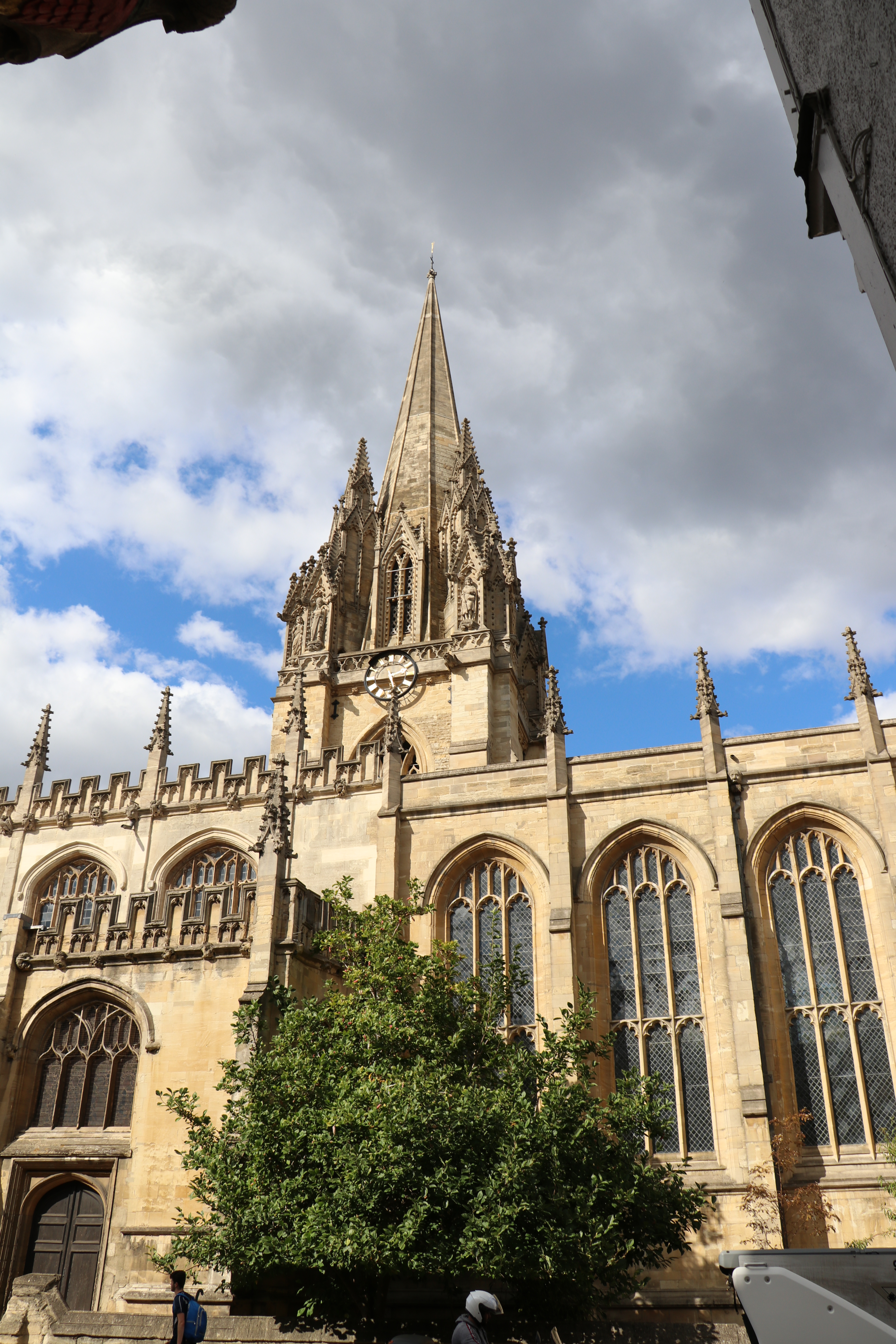
When we reached High Street we had another view of University Church of St. Mary the Virgin ahead of us and looking to the right we were happy to see that All Souls College was open and receiving visitors!

All Souls would be a sweet finale to a long day of walking and being denied access to several beautiful colleges, sigh. All Souls deserves a post of it’s own, coming soon. We had lots to take in even though we only had access to two of the five colleges we tried to visit. Throw in a cemetery with some famous folk and it was a good full day.

Back to the present: 

We had a safe trip, although harrowing, from home to Sacred Heart in Spokane for Greg’s follow-up at the Stroke Center. We had to travel in the dark, with fog and rain and it was hard to see the lines in the road. When you are traveling a 2 lane highway this becomes even harder. We were so happy when dawn came. After the appointment, the rest of our trip went well. We are safe and sound at our destination.

Magdalen College and C.S. Lewis

On Tuesday September 20th we had plans to try to visit several colleges but at the end of the day we were only able to get into two of the colleges, Magdalen and All Souls College. This post will cover some of Magdalen College and C.S. Lewis’s history there.
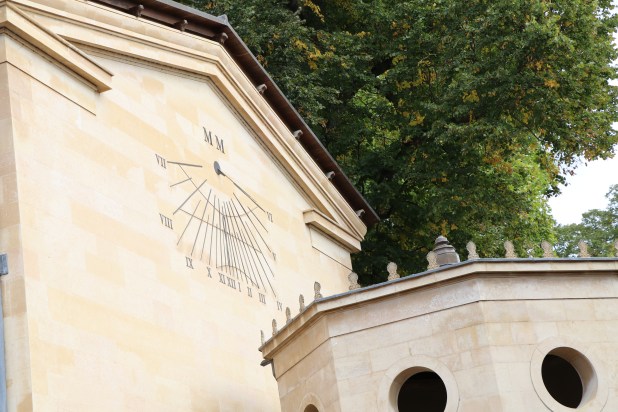
We were at the Holywell Cemetery before we made our way to Magdalen along Longwall St. and we noticed this sundial. The dial is formed from metal lines and characters attached to the south facing stone wall of the Grove Auditorium. Upright hour numerals are VII – XII – VI, and hour and half-hour lines run each to their own unmarked circular arc around the gnomon root. The gnomon is a thin un-supported rod springing from a small disc on the wall. Above the dial is ‘M M’ for both Mary Magdalen and the year 2000. On with our journey to the entrance to Magdalen college on High St.

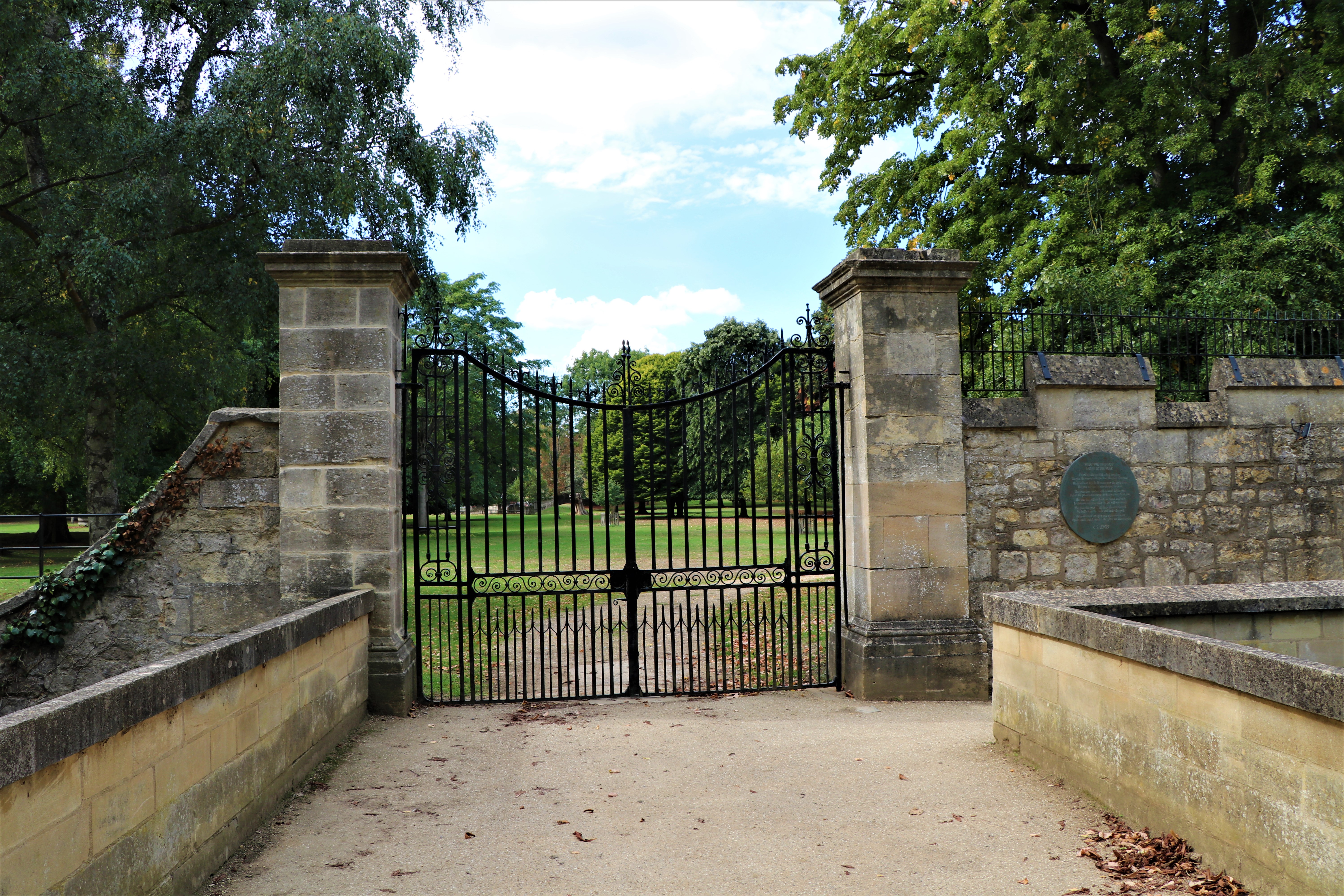
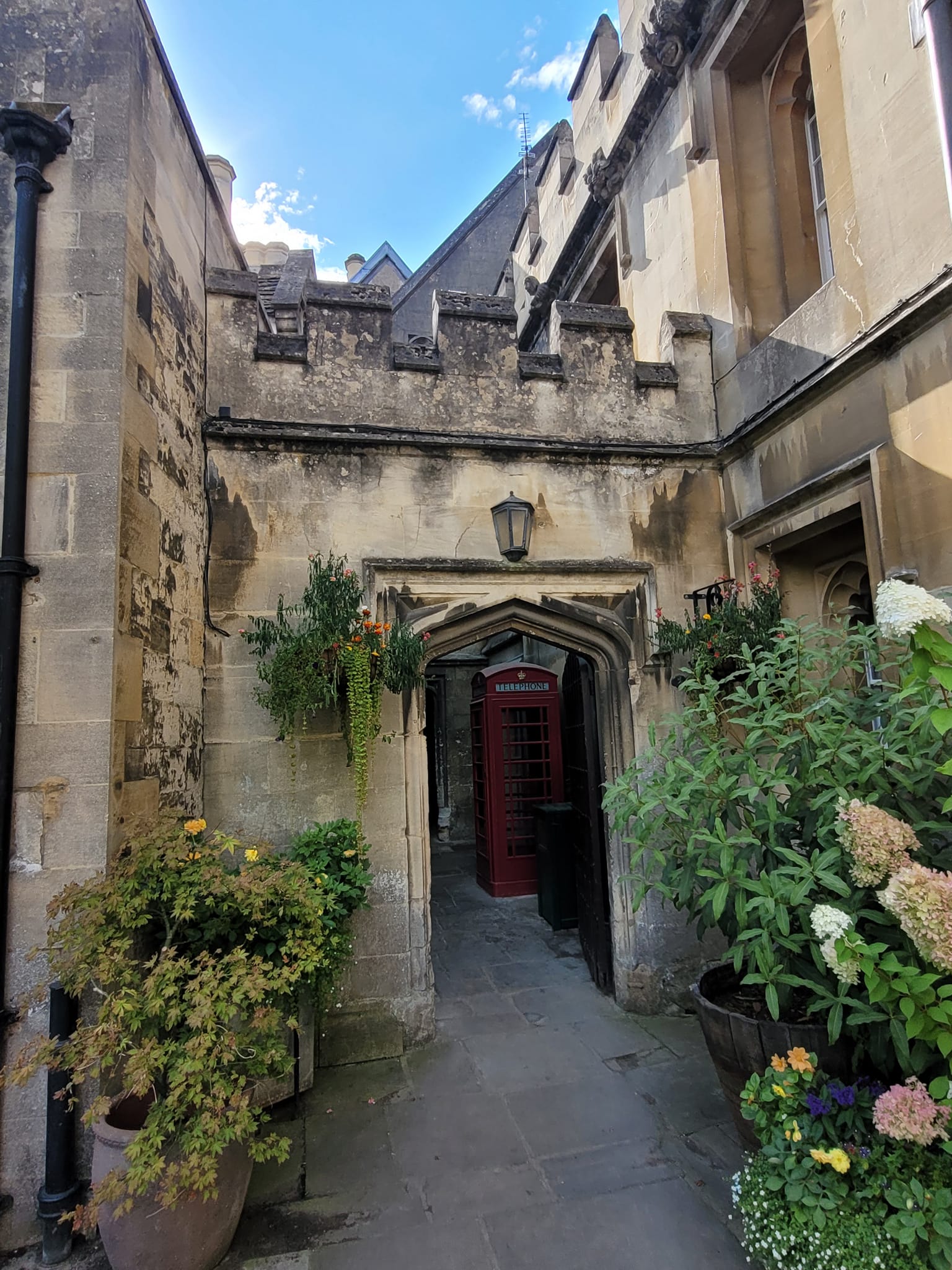
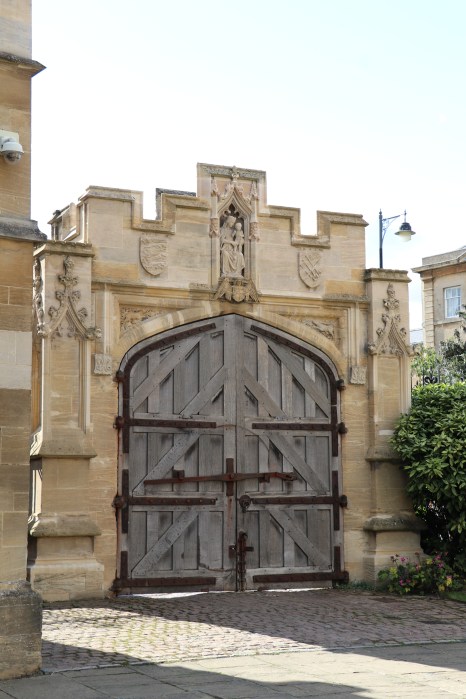
We entered to St. John’s Court through the Porter’s Lodge. This beautiful gate is beside Porter’s Lodge. We are now in St. John’s Court.
We picked up a brochure called C.S. Lewis At Magdalen from the Porter’s desk. I will be quoting from the brochure in this post. Thank you to Magdalen College.

We were sad to hear the chapel was closed to visitors because of the restoration of the organ.

In 2014 Dear and I ware able to view the chapel and that post is here.
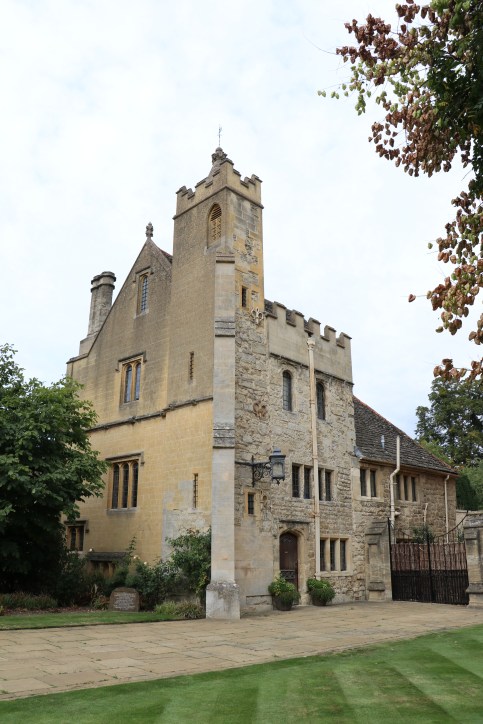
Clive Staples Lewis (1898-1963) as a student at University College down the road from Magdalen College. In 1925 he was called to Magdalen to be considered for a teaching post of English Language and Literature. He was chosen and elected a Fellow at 500 pounds a year, plus accommodation, meals, and pension.
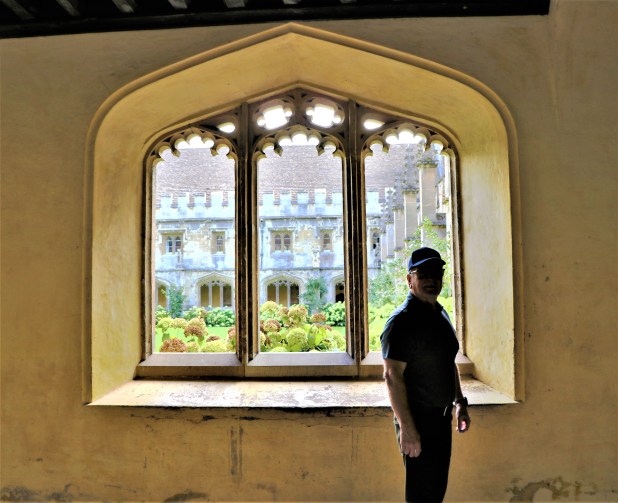
The traditional ceremony for the induction of Fellows at Magdalen is unchanged from Lewis’s time. Kneeling on a red cushion before the President in the presence of other Fellows and asked, in Latin, will you uphold the statutes of the College? They reply, Do fidem (I give my faith or I so promise) The President pronounces them admitted to the Fellowship, shakes their hand and wishes them joy. The new Fellow is then greeted by the other Fellows, one by one, who also wish him joy.
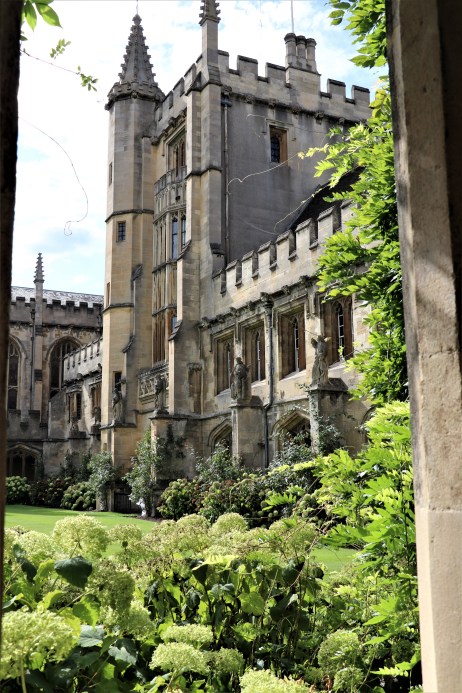
Lewis’s relationship with Magdalen would last a lifetime.

In this photo you can see the Great Bell Tower at Magdalen. Every May 1st at dawn the choir welcomes the morning in song up in the tower to crowds on the streets below. Click here to read and see more.

The 15th Century Cloisters construction commenced in 1474 which makes this medieval square of stone among the oldest parts of Magdalen.
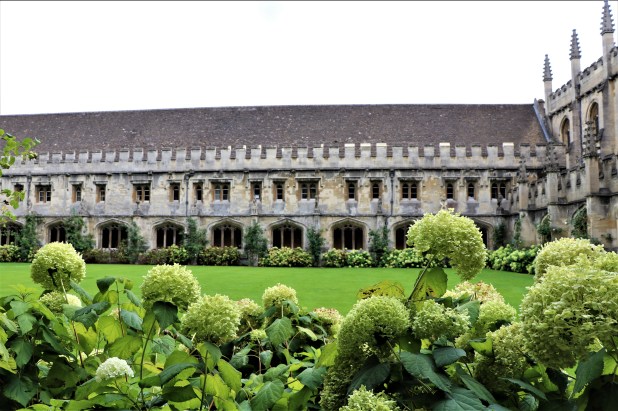
We left the main grounds to get to Addison’s Walk along the Holywell Mill Stream.
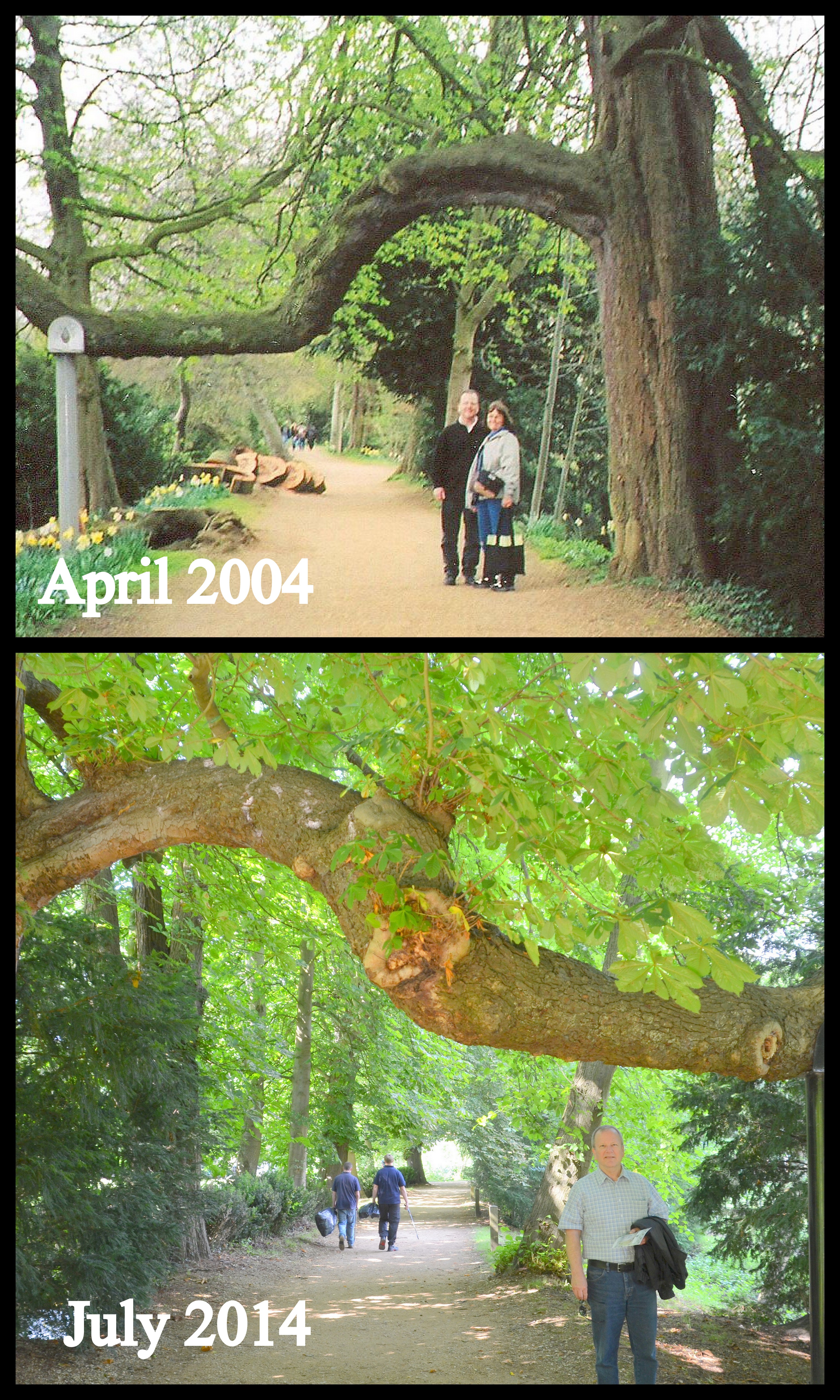
Addison’s Walk in April of 2004 ~ Our daughter and her dad
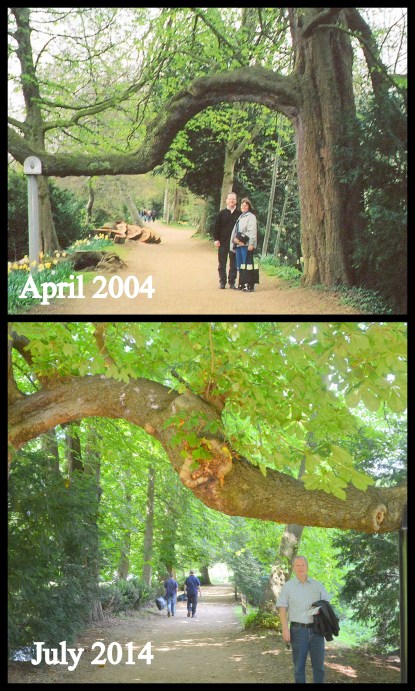
2014-07-011

We were sad to find out on our 2022 Addison’s walk that this tree met it’s demise and is no longer on the path.
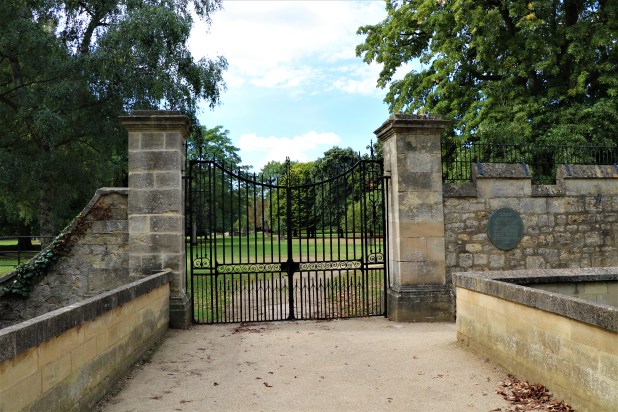
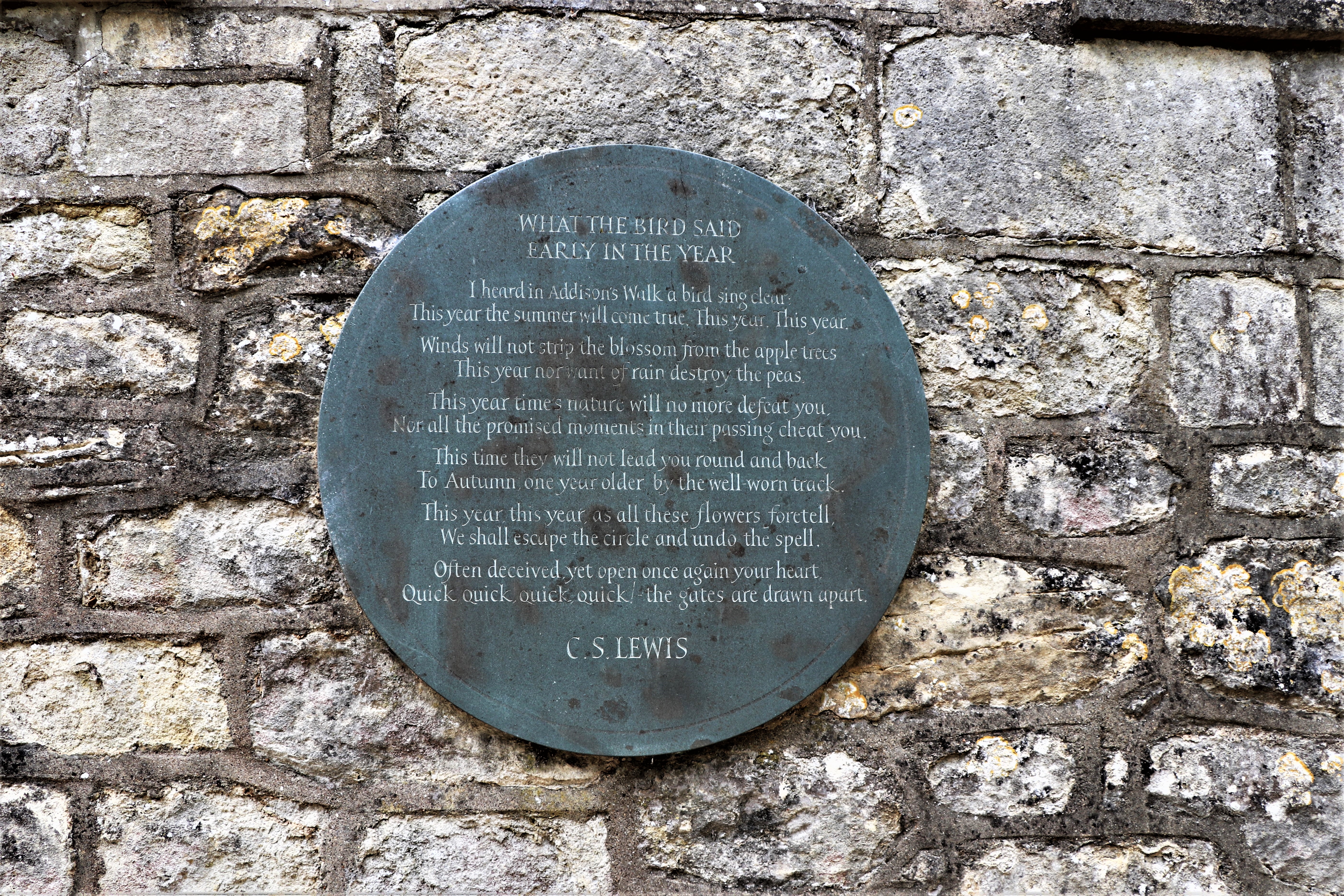
On this visit we walked further along to this second stone bridge to see this memorial tablet presented to the College by the Oxford University C.S. Lewis Society, to mark the centenary of Lewis’s birth, November 29, 1898. So this tablet has been here since 1998. I copied the poem below so you would be able to read it since the tablet has weathered over the last 25 years.

What the Bird Said Early in the Year

I heard in Addison’s Walk a bird sing clear
This year the summer will come true. This year. This year.

Winds will not strip the blossom from the apple trees
This year nor want of rain destroy the peas

This year time’s nature will no more defeat you
Nor all the promised moments in their passing cheat you.

This time they will not lead you round and back
To Autumn one year older by the well worn track.

This year, this year, as all these flowers foretell,
We shall escape the circle and undo the spell.

Often deceived, yet open once again your heart.
Quick quick, quick, quick – the gates are drawn apart.

C.S. Lewis

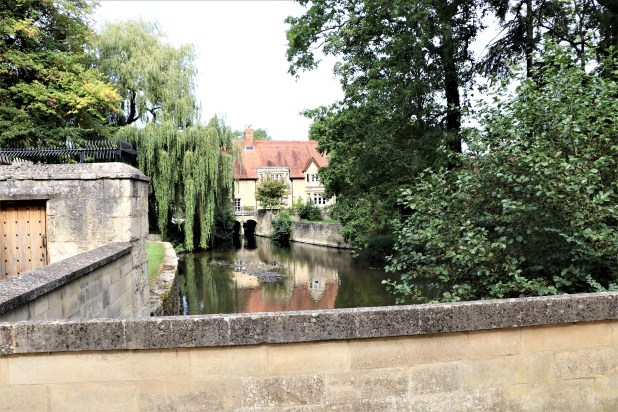
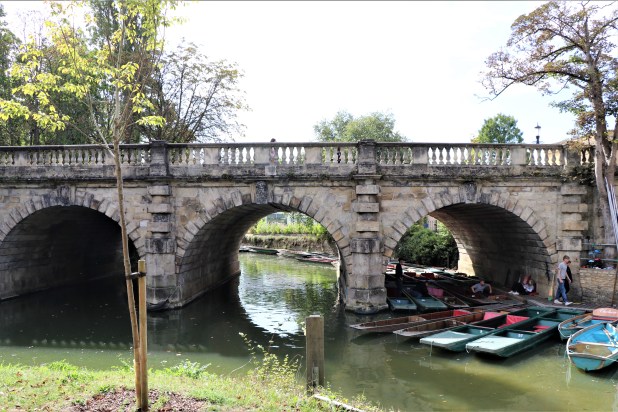
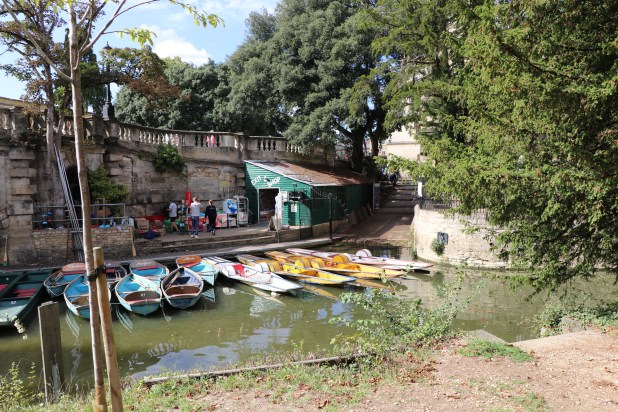
We walked back following the stream to where it meets up with the The River Cherwell at Magdalen Bridge. This is where you can rent a punt.
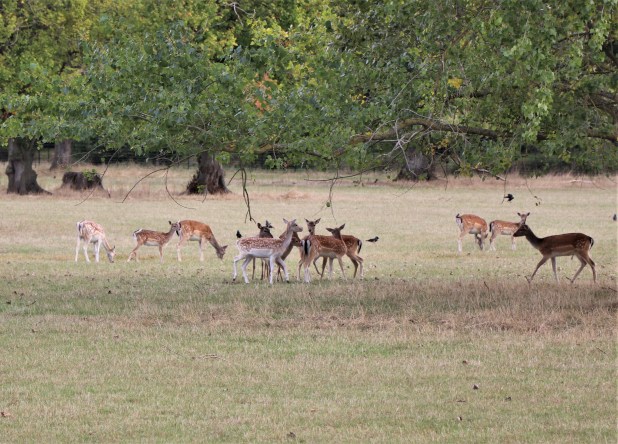
On our way back to the New Building Lawns we spotted the herd of fallow deer.

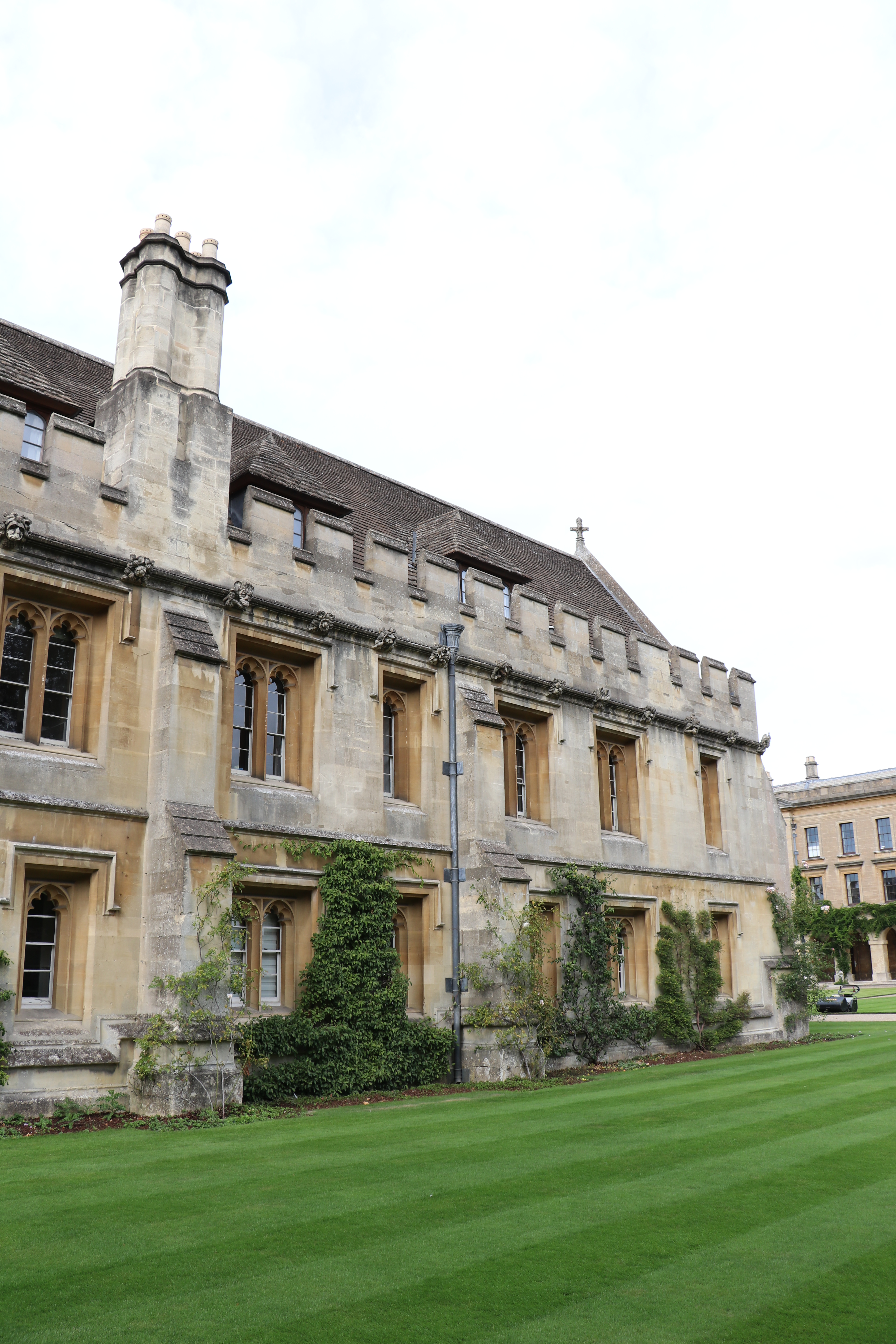
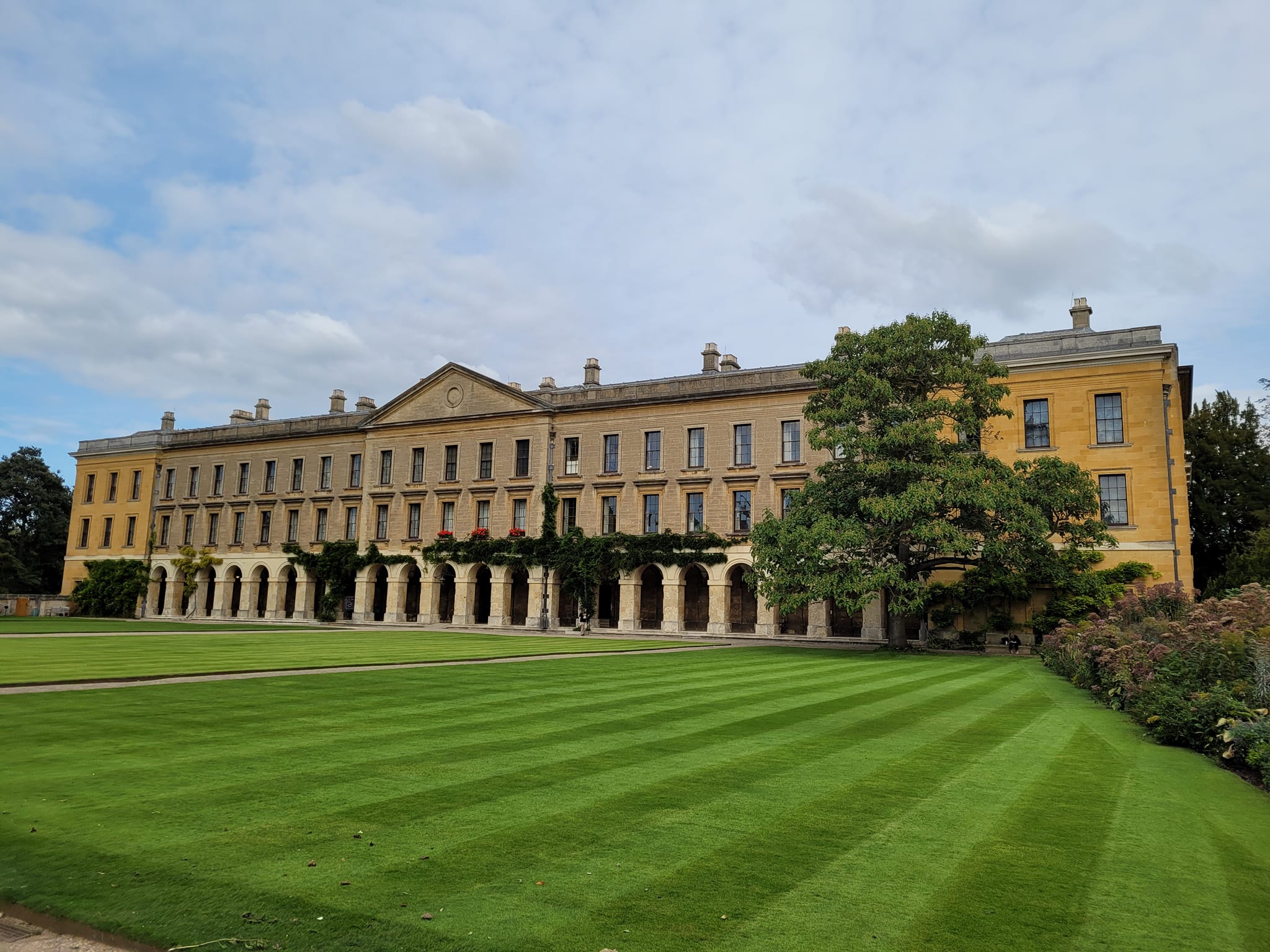
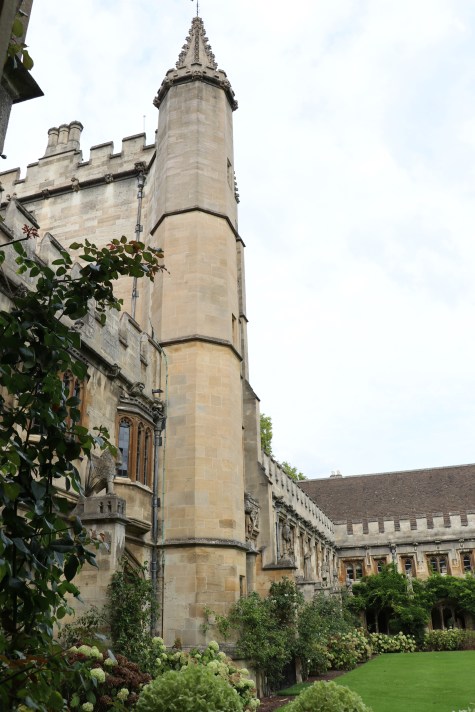
Lewis’s college rooms were in New Buildings. The buildings you see below. He enjoyed the views from his windows where he could see the College’s herd of fallow deer.

“It was in these rooms in New Buildings, several years after he became a Fellow, that Lewis moved steadily, through a long personal and philosophical struggle, towards belief in God. He had been an Atheist for the better part of twenty years. But he became convinced that reasonable argument itself is dependent on a God, whose existence he felt driven, reluctantly, to concede.”

“An important turning point was a late-night conversation at Magdalen with his friends Hugo Dyson and J.R.R. Tolkien. After dinner, the three men withdrew to Addison’s Walk, (see photos of Addison’s walk above) continuing in conversation and further in the night in Lewis’s rooms in New Buildings until three in the morning. They talked about myth and reality and the idea that Christianity, while similar to great pagan myths that Lewis found powerful and attractive, was a myth with a unique difference, because of it’s claim to be historically authentic–a claim Lewis was soon to accept.”

“The close friendship between Lewis and Tolkien was partly based on sharing and discussing the books they were writing, and these exchanges came to include other Christian friends and writers, a literary circle to be known as the Inklings. Typically meeting in Lewis’s rooms in New Buildings on Thursday nights and in the ‘Eagle and Child’ pub on Tuesday mornings, the group flourished in the 1930’s and 40’s. The Inklings read, discussed, and criticized passages from many books still in the making, among them Tolkien’s, The Lord of the Rings. Lewis so admired this book that many years later, he would nominate Tolkien for the Nobel Prize for Literature.”
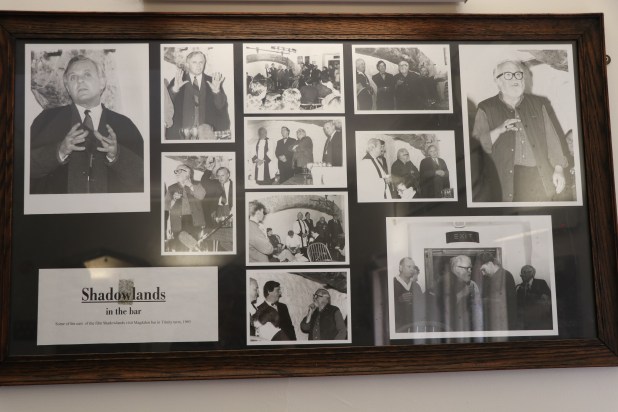
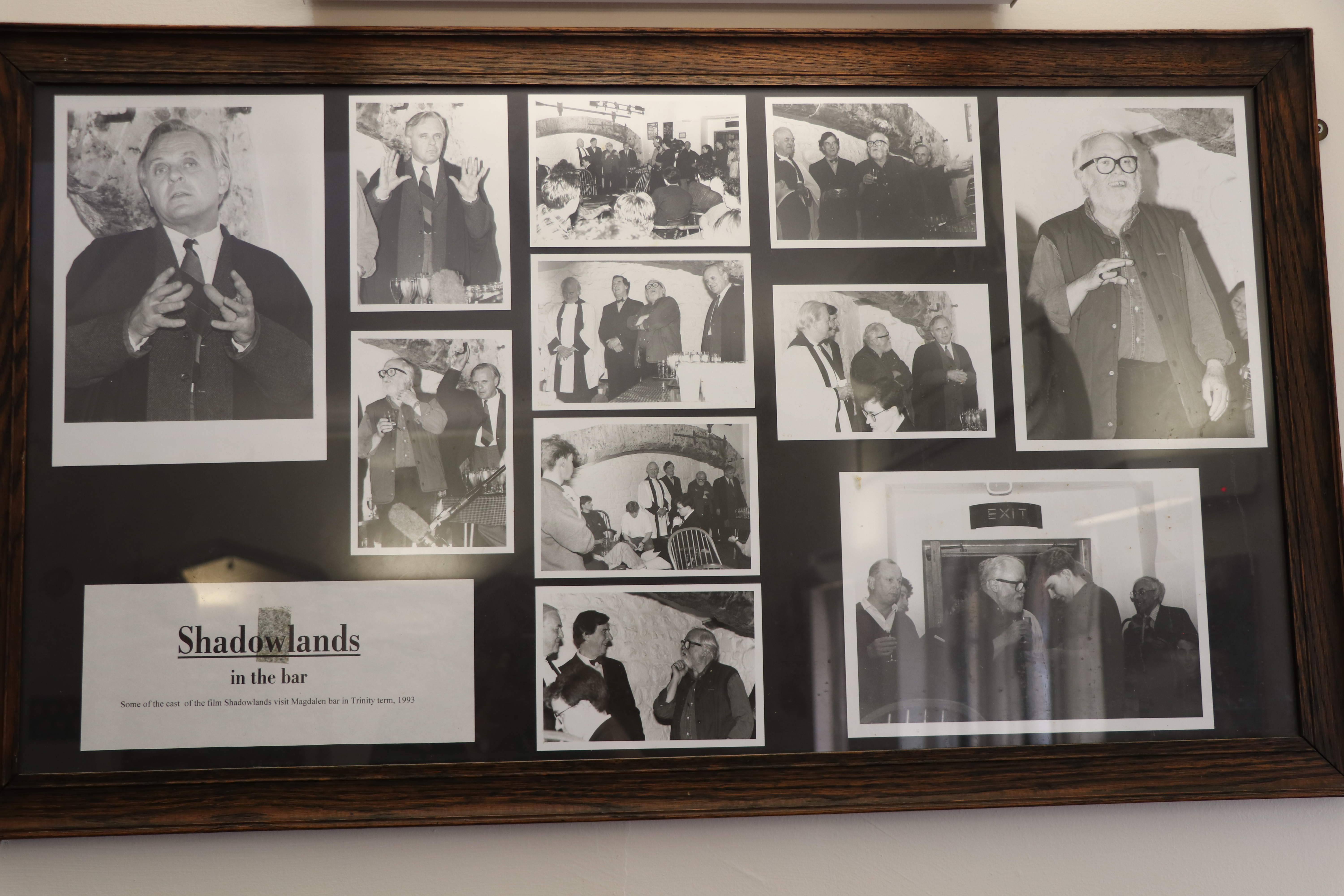
As we waited for the Dining Hall to be open to viewing, we stepped into the Old Kitchen Bar to find a refreshment but no one was around. We did spot the framed photos above of the filming of Shadowlands at Magdalen college. Shadowlands is a story based on the real life story of C.S. Lewis and Joy Davidman. Anyone have a copy of the DVD we could borrow?
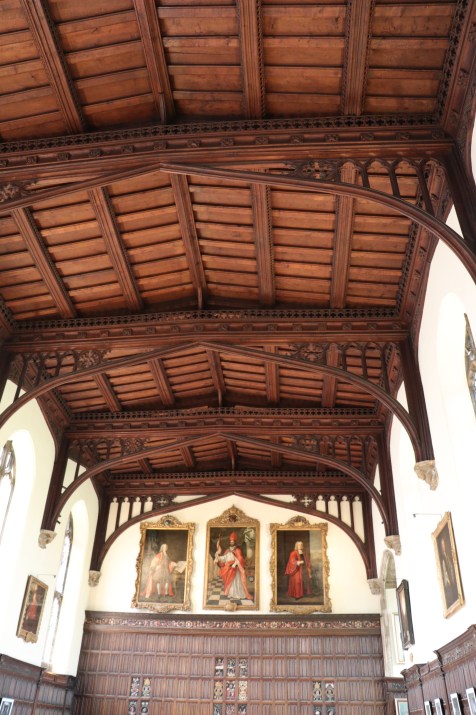
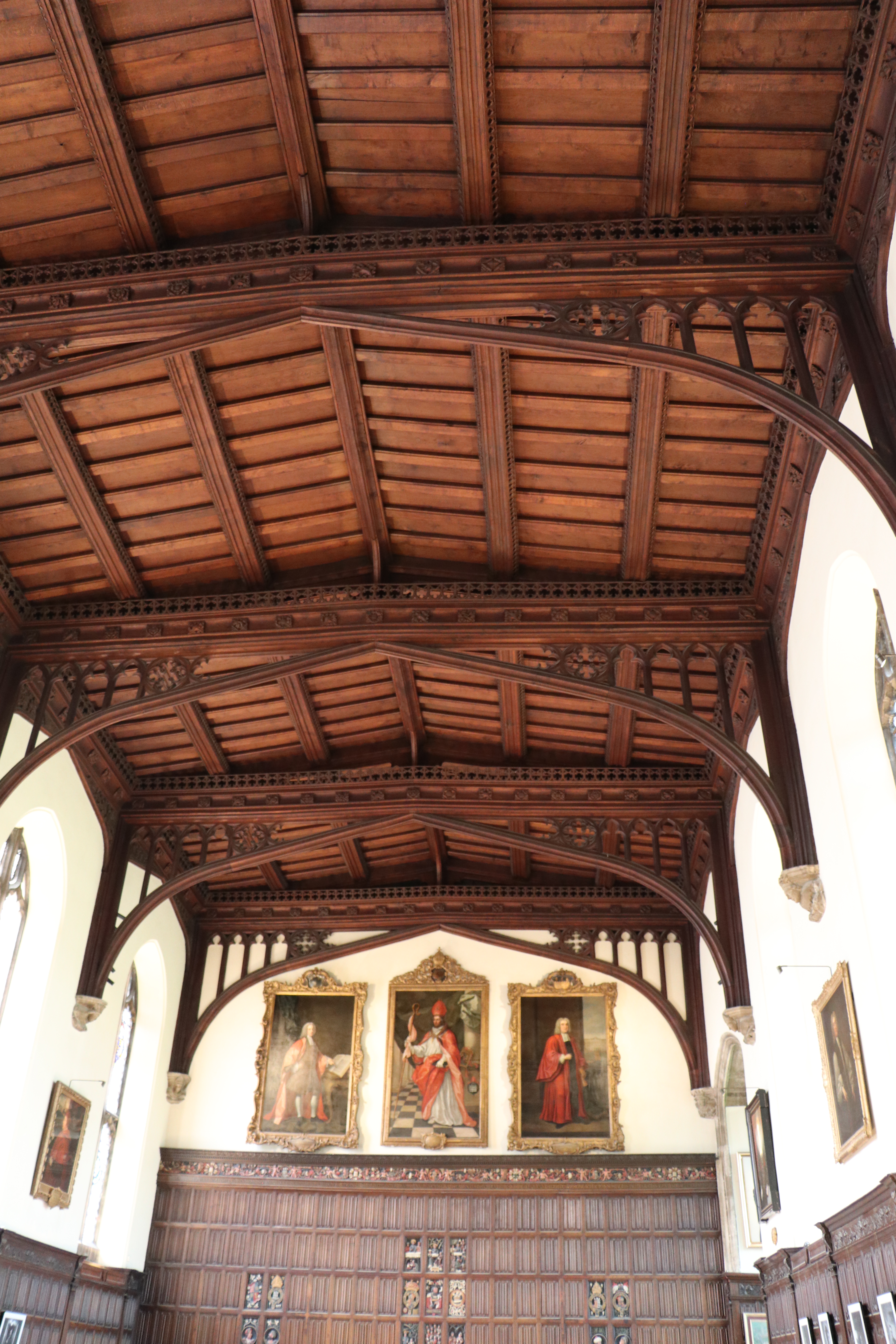
We couldn’t walk into the dining room but we had a small cordoned off section to stand in and look and take photographs.
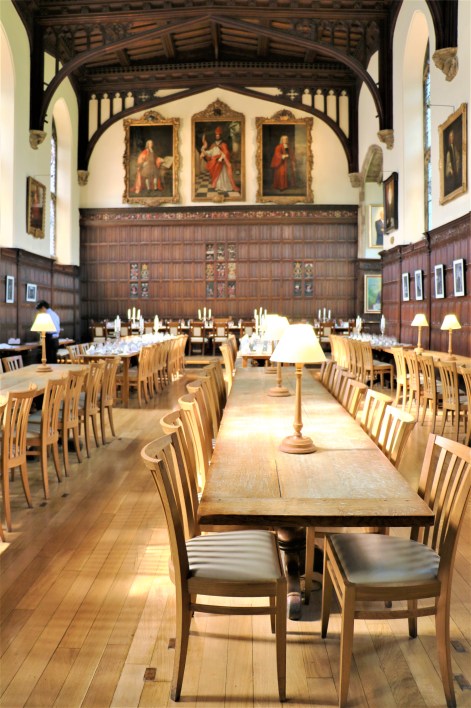
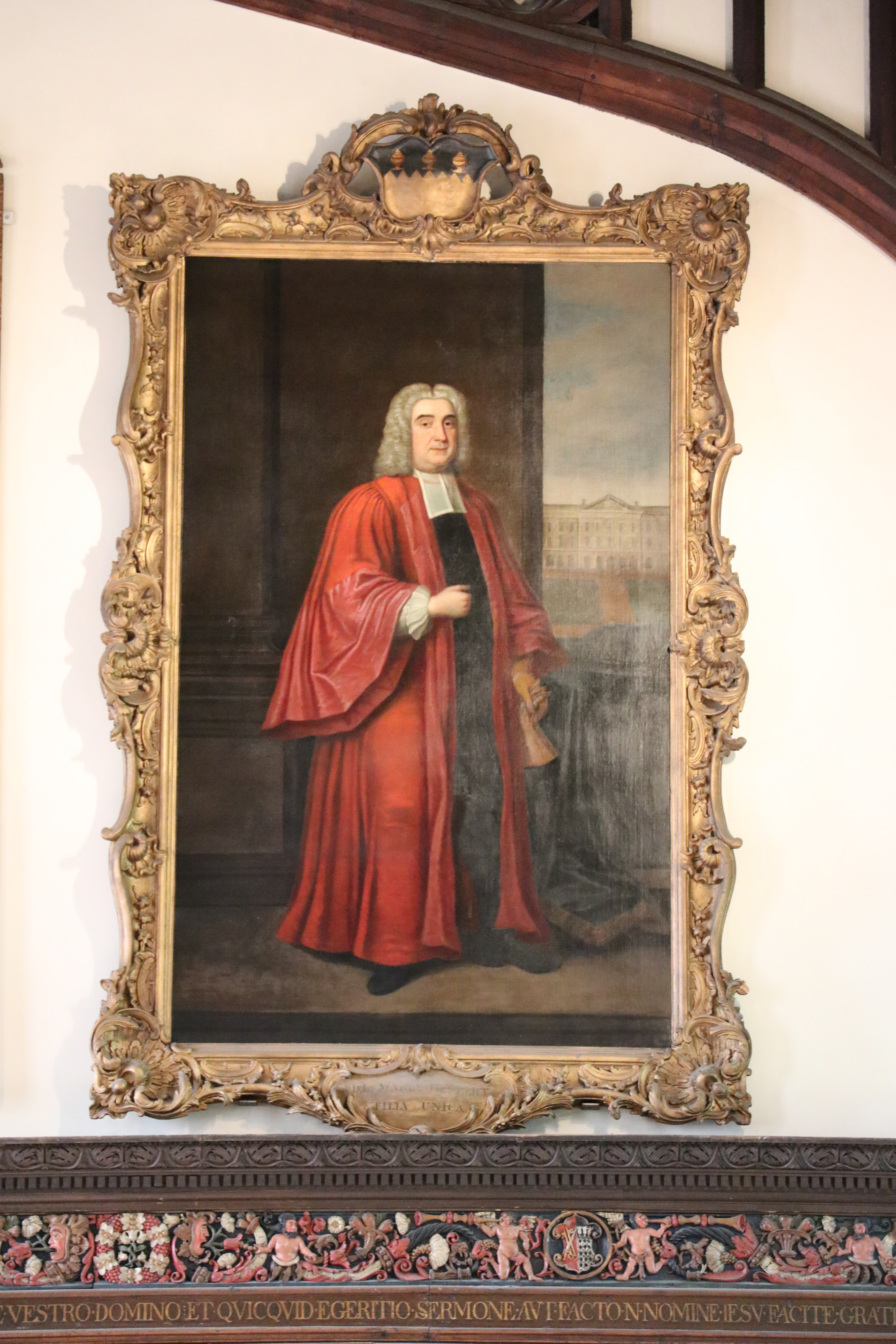
Edward Butler, (1686-1745) President Magdalen College University of Oxford (1722-1745)
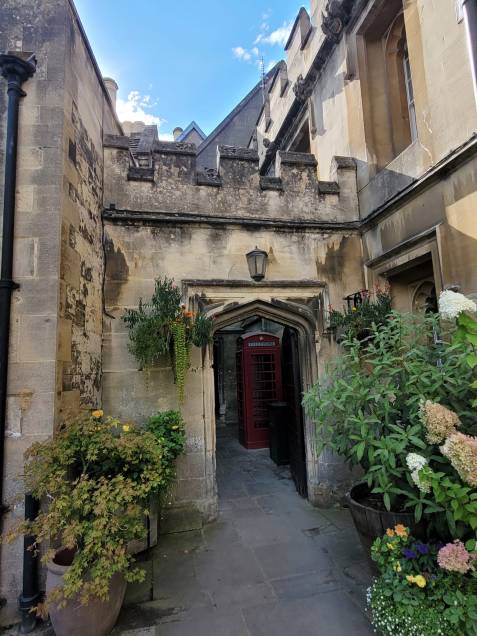
We exited the college and made our way to Merton Street where more adventures would follow.

Back to the present on this Wednesday January 11th of 2023, we’ve had some snow melting slowly here and more bare ground showing. Some very thick fog the last few days that makes driving a challenge. Today I’ll be joining some other gals at church for our weekly prayer meeting. How can I pray for you? There’s a link at the top of my blog where you can find my email address. We are getting ready for another adventure with our whole family. Our January family trip that will cover all our January family birthdays, too. Because of this I will again be slow in visiting and keeping up with your blogs. Thursday Dear has a follow-up with the Stroke clinic in Spokane.

Like C.S. Lewis, I do hope you will concede and accept the truth of the historical Jesus, who died for your sins and is risen from the dead and reigning with all authority at the right hand of God! Repent and believe on the Lord Jesus Christ and you, too, will be saved.
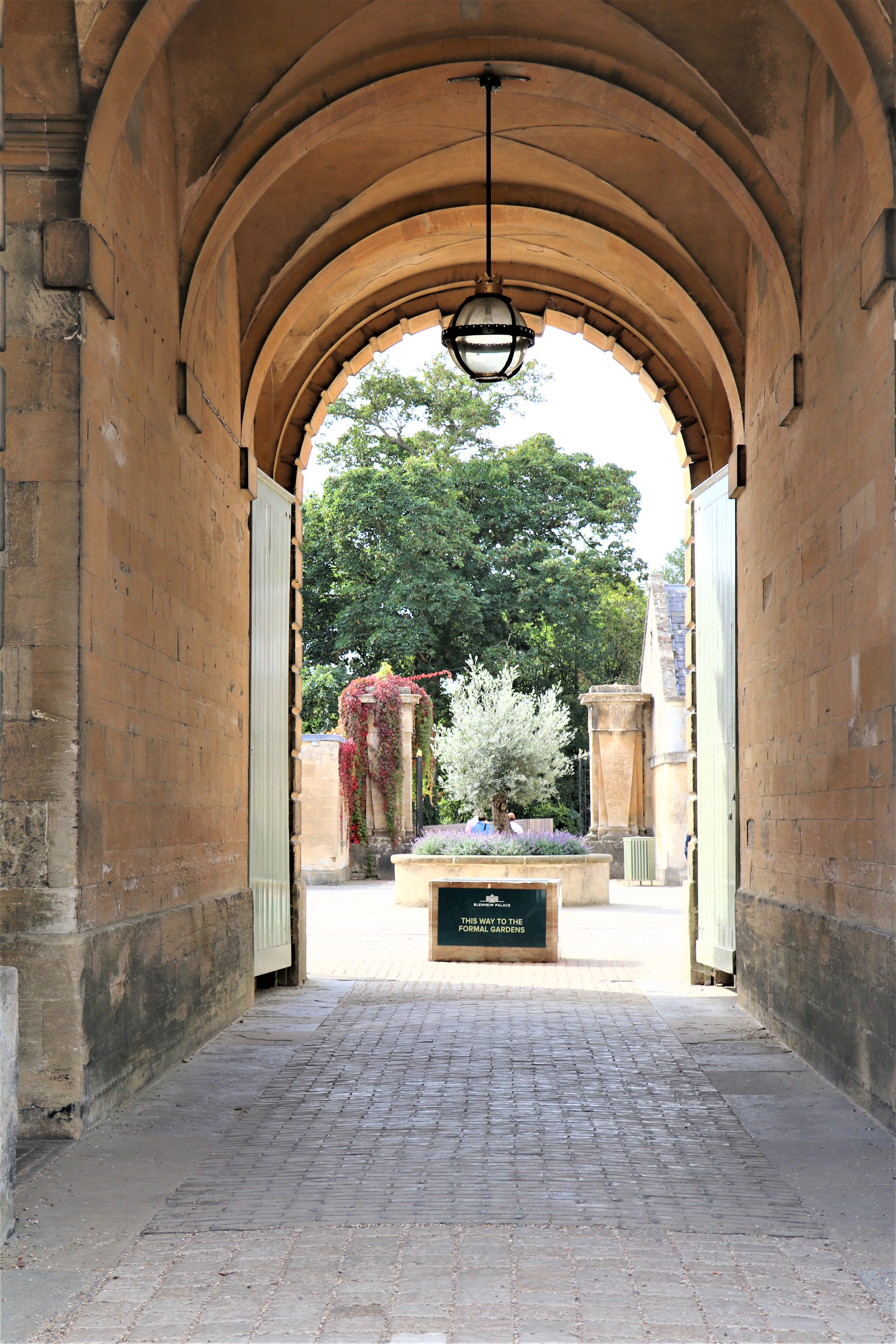
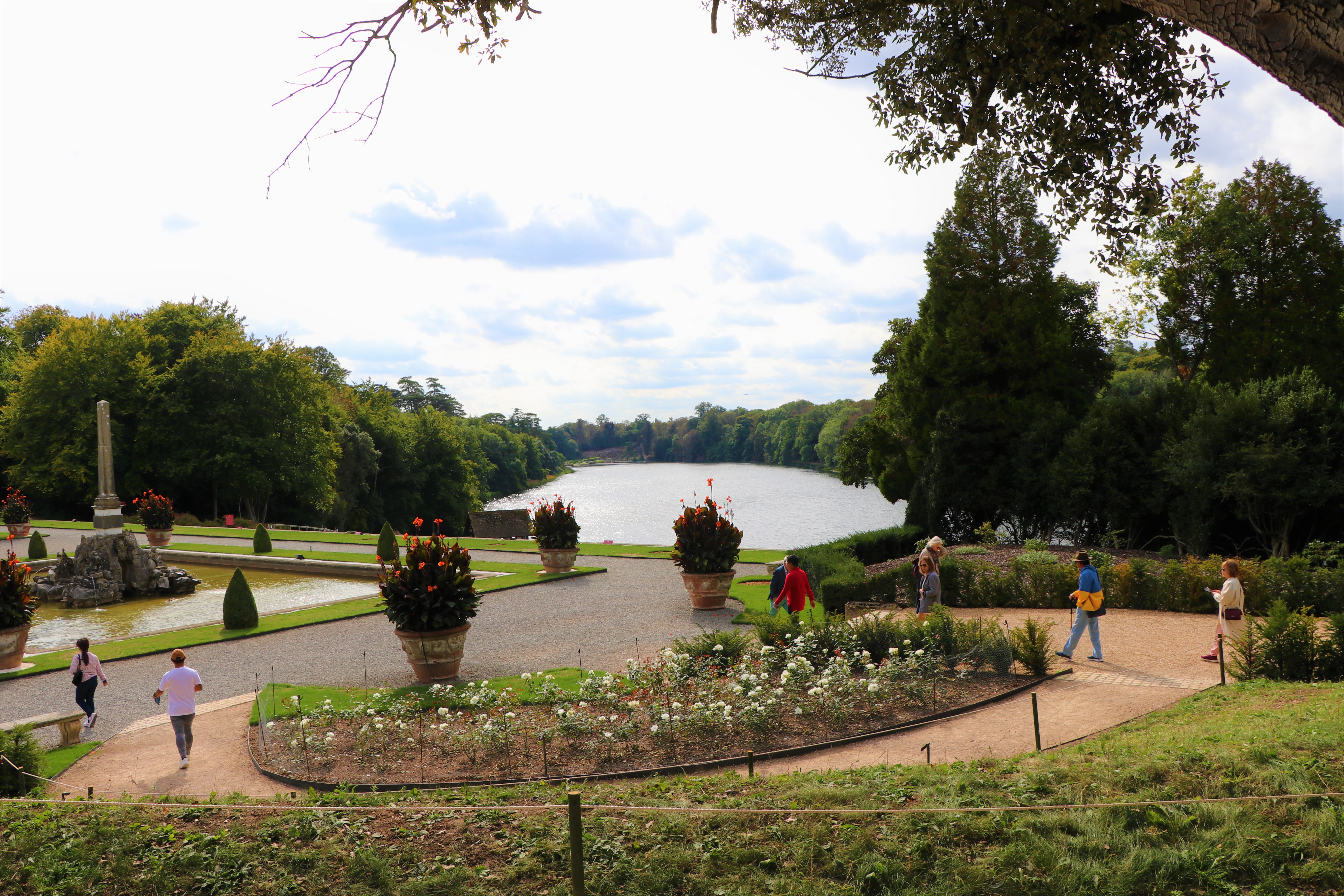
Doorways

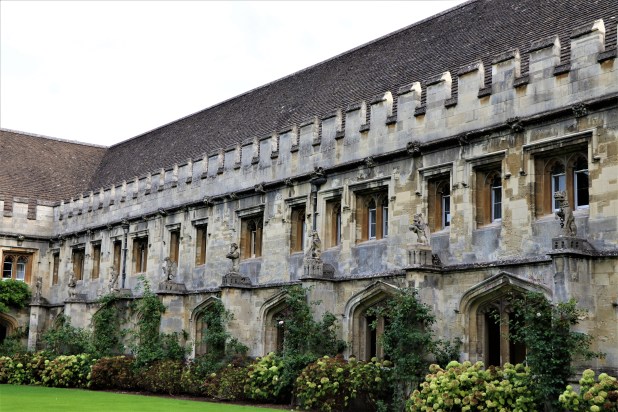
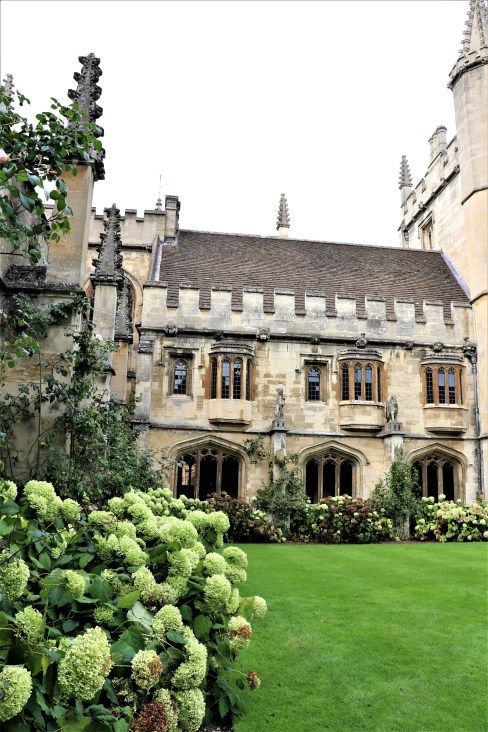
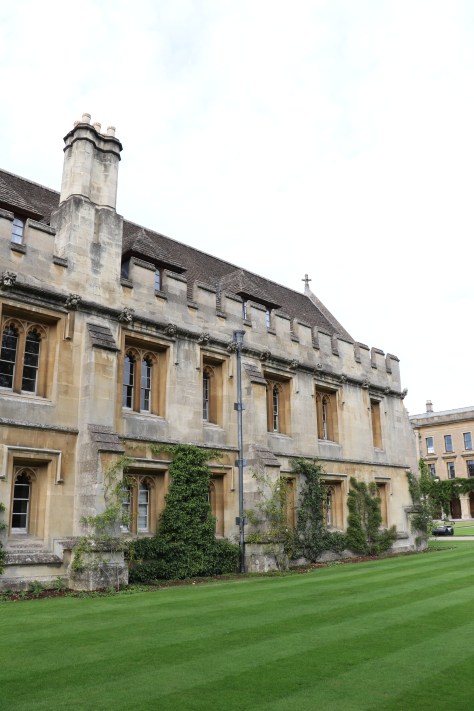
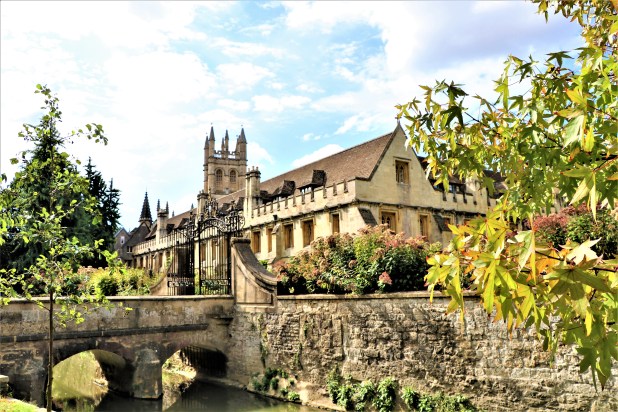
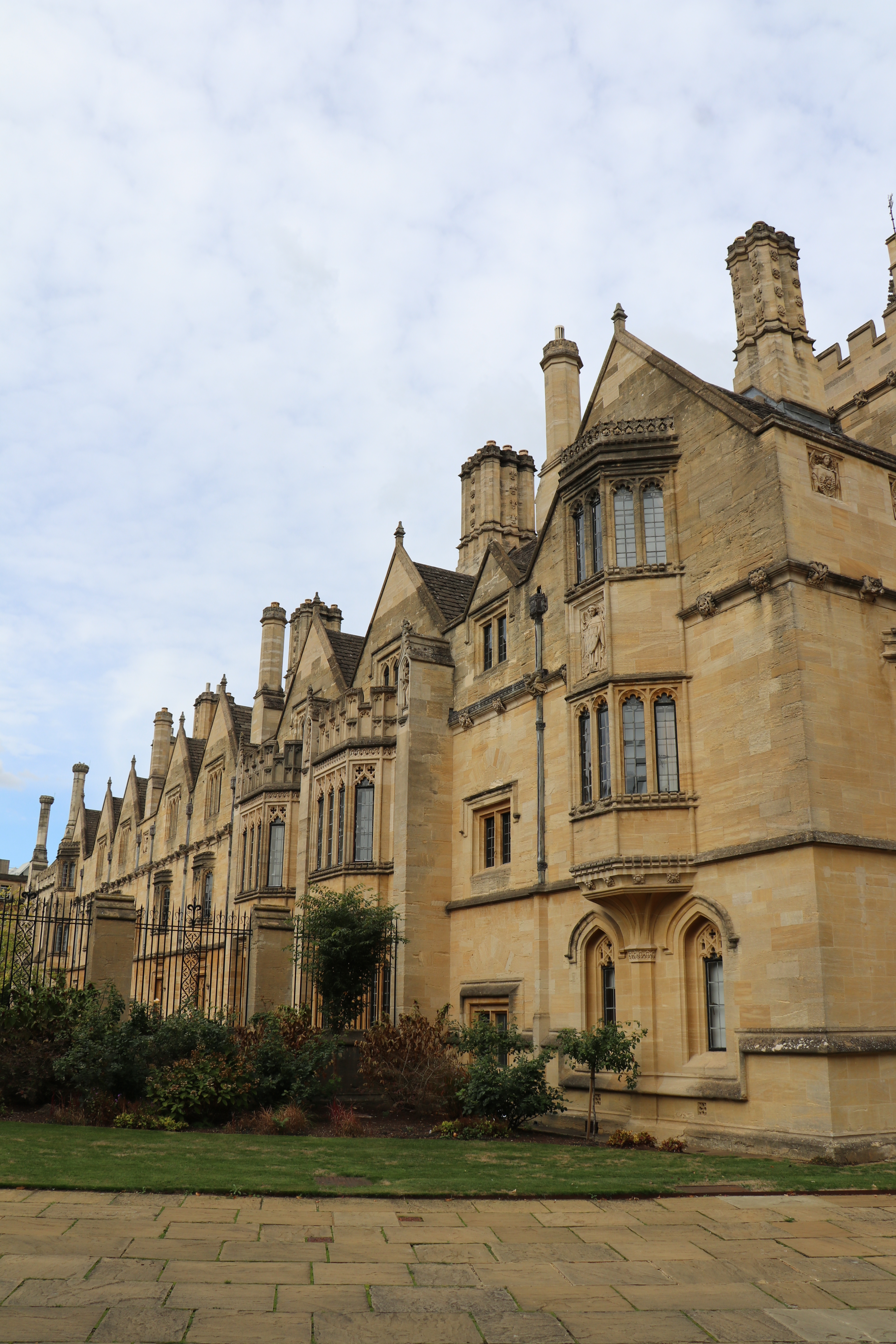
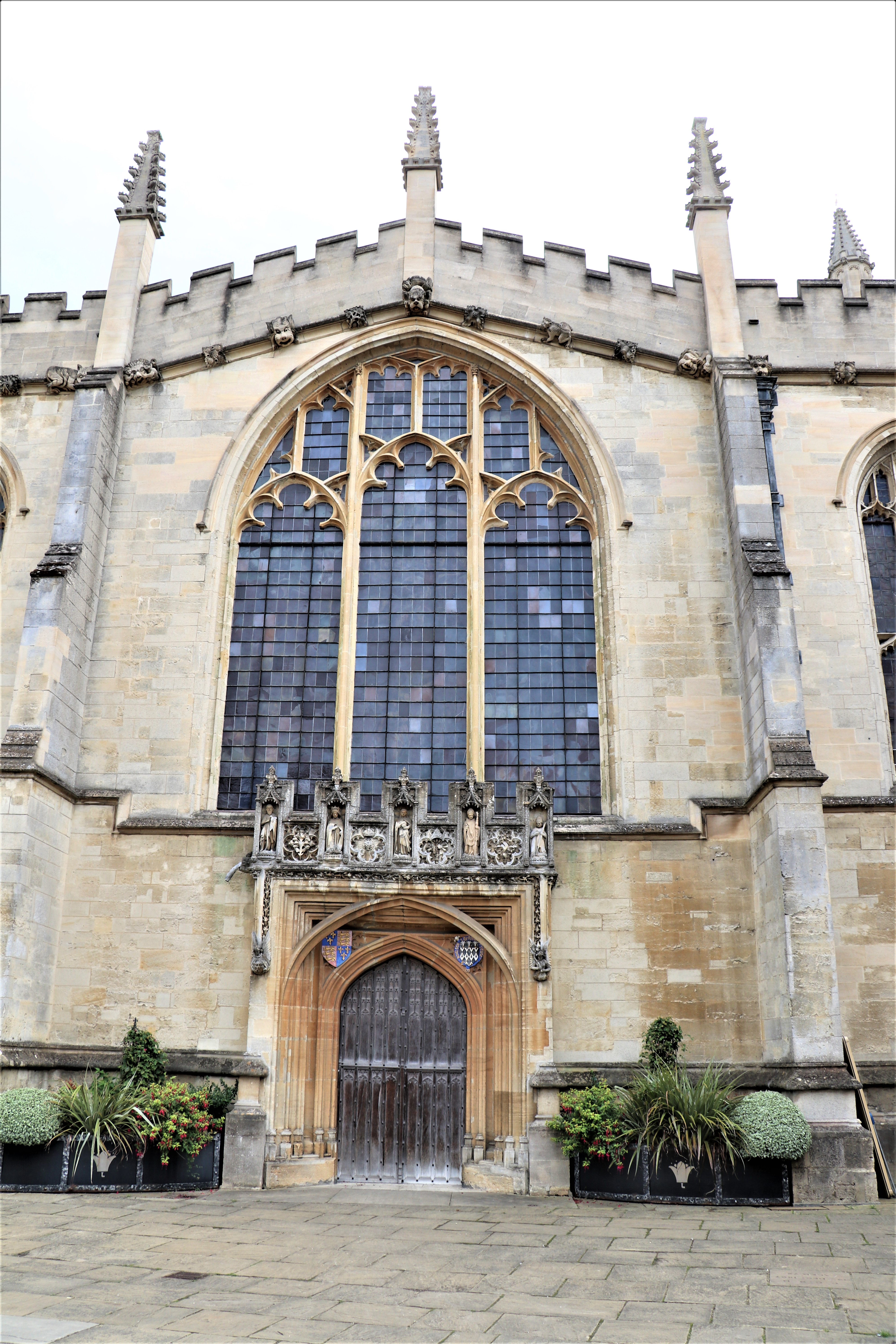
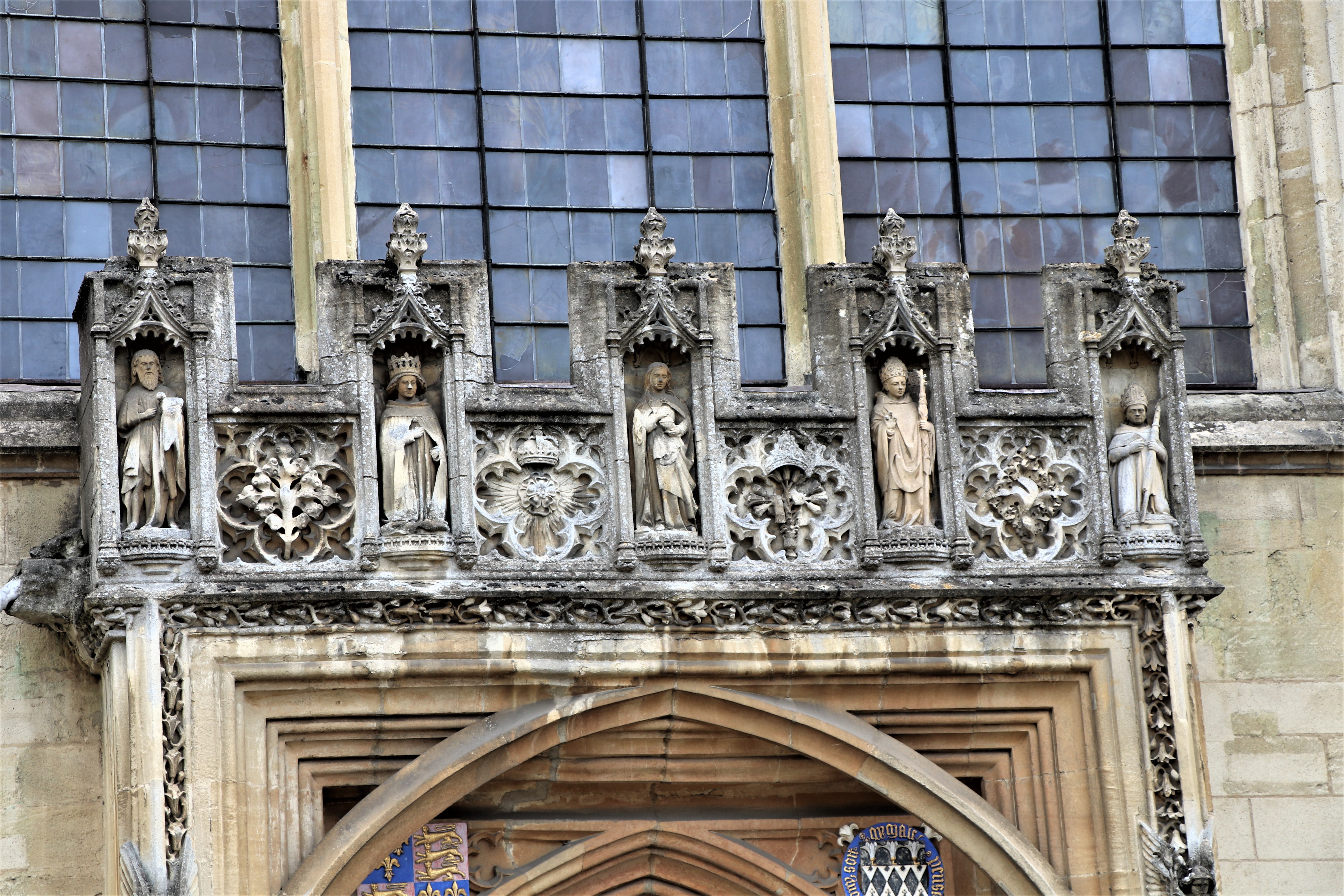
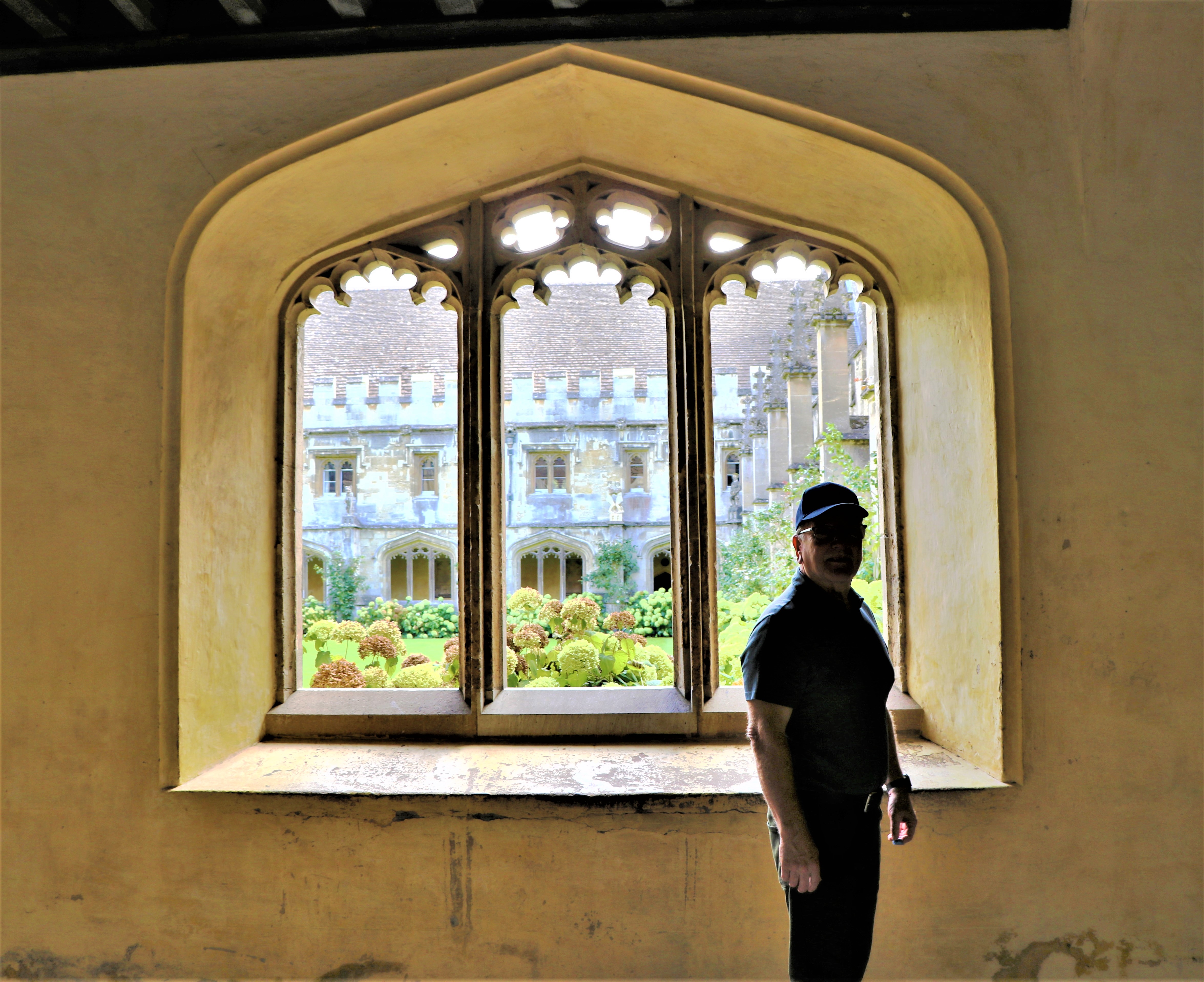
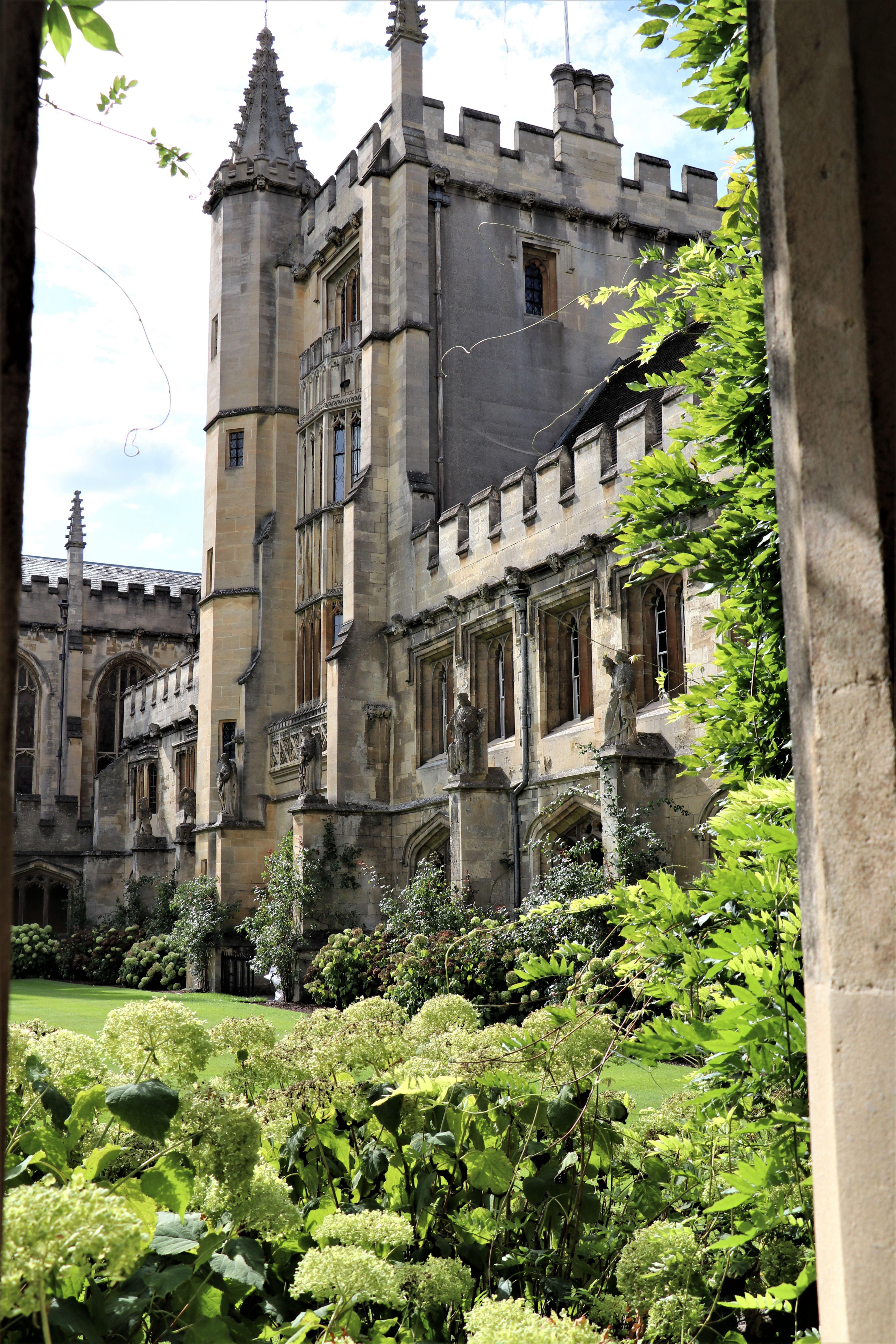
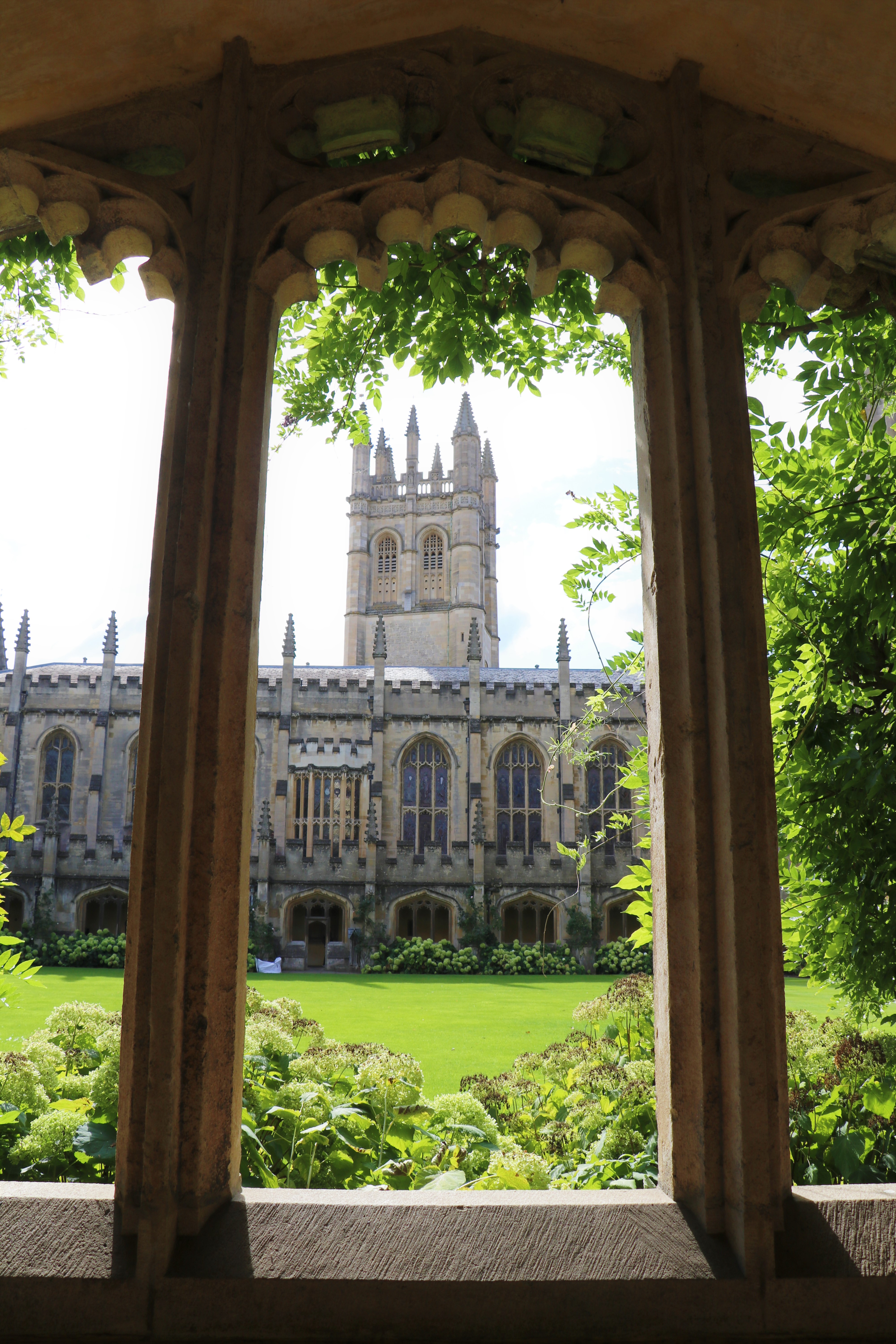
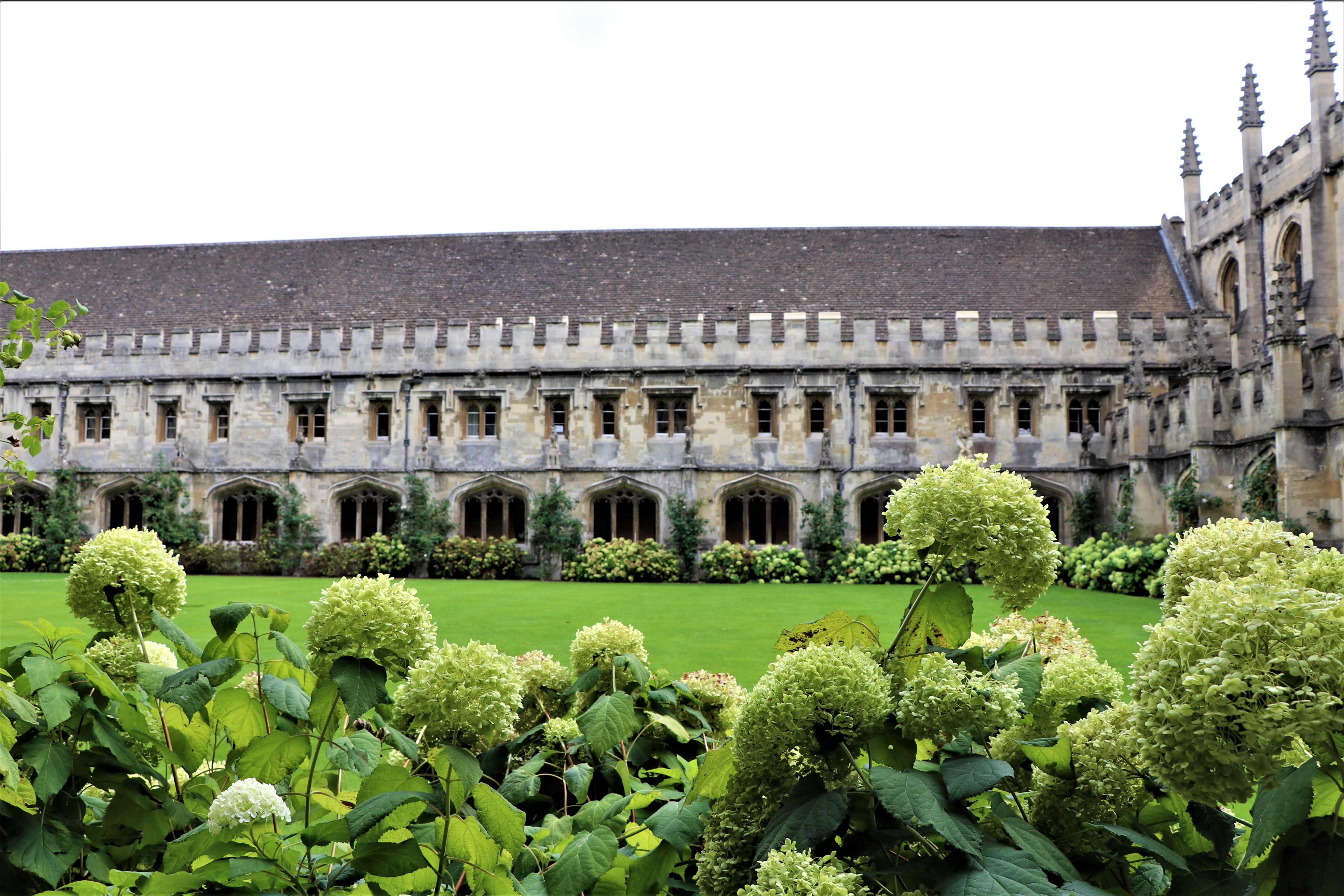
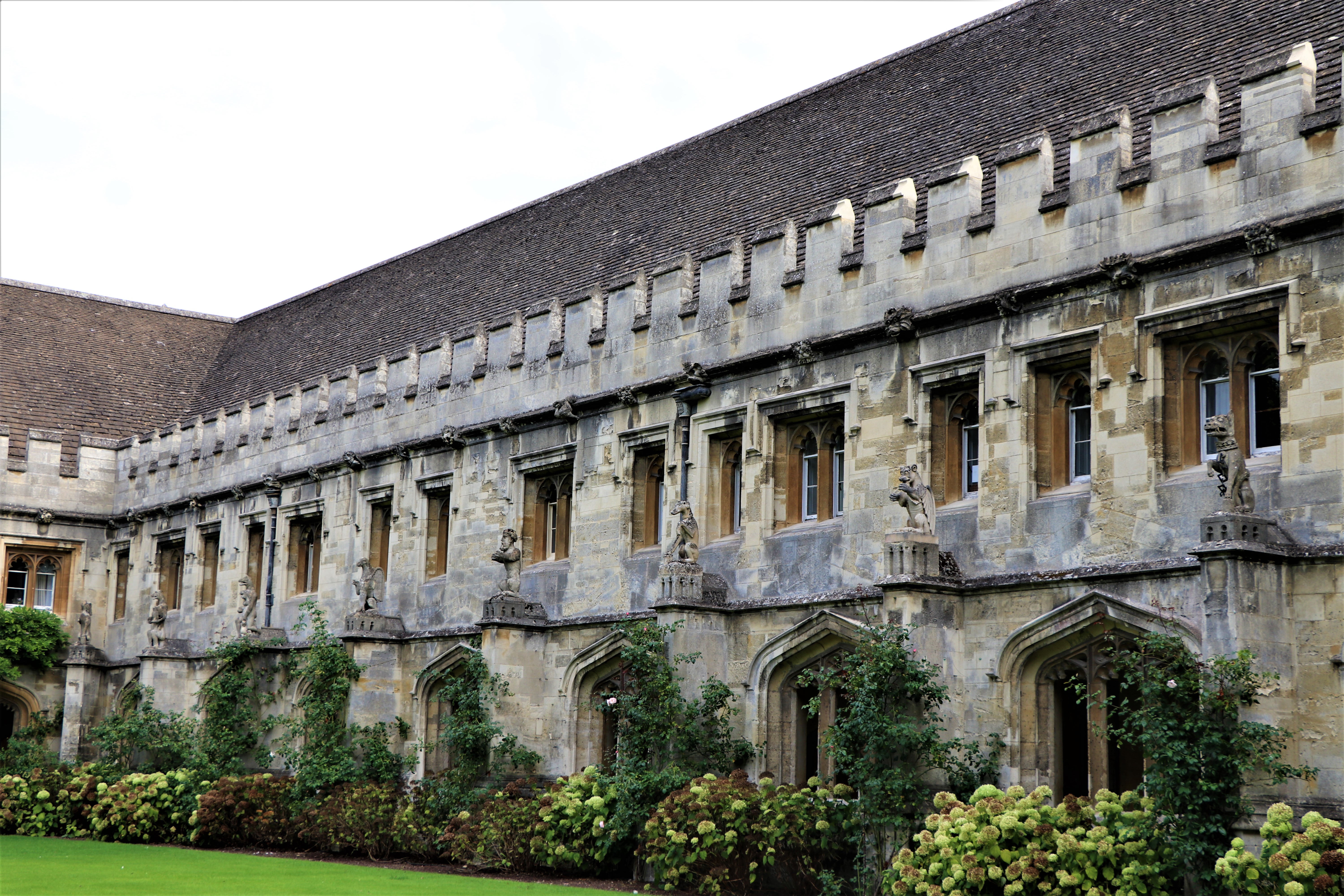
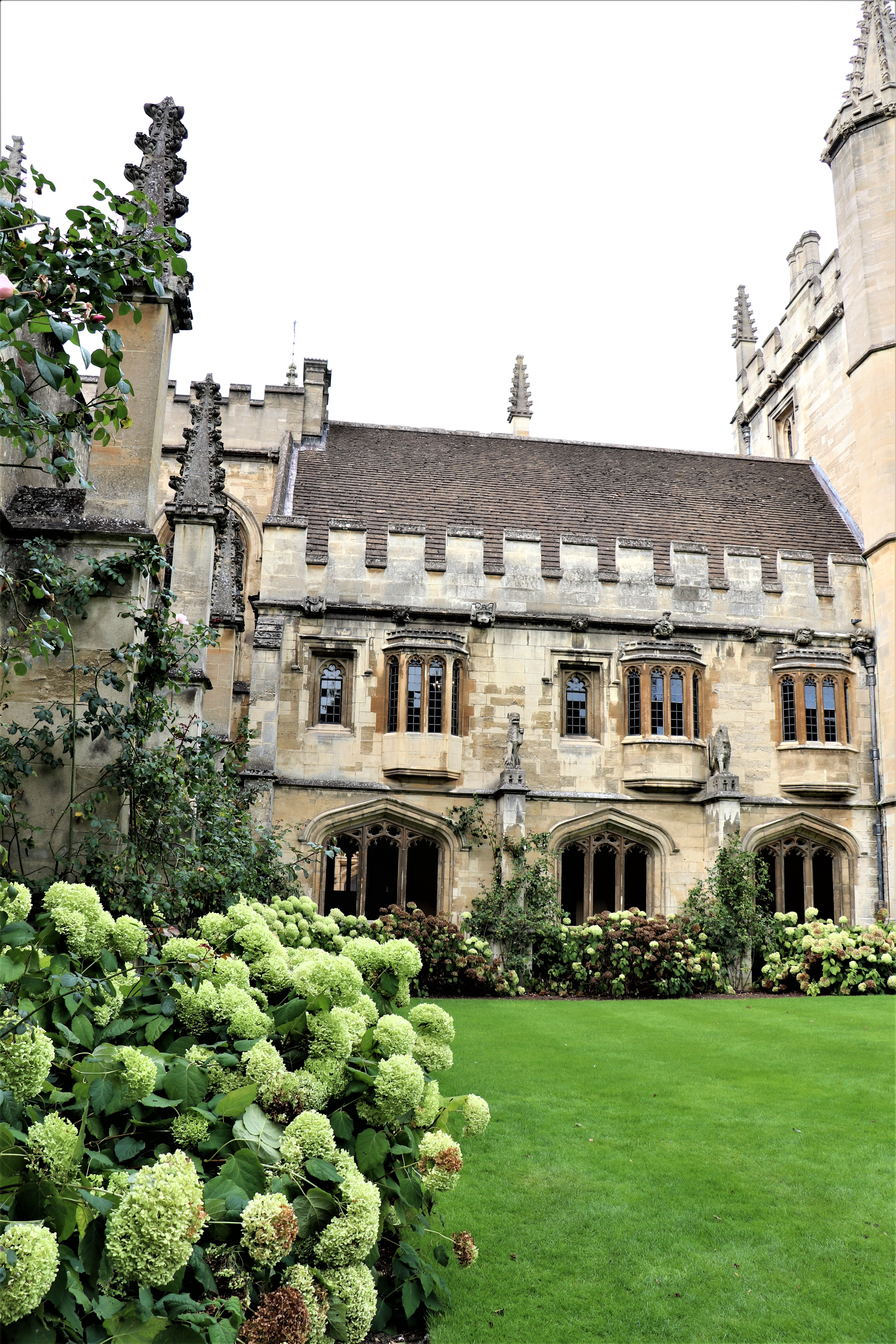
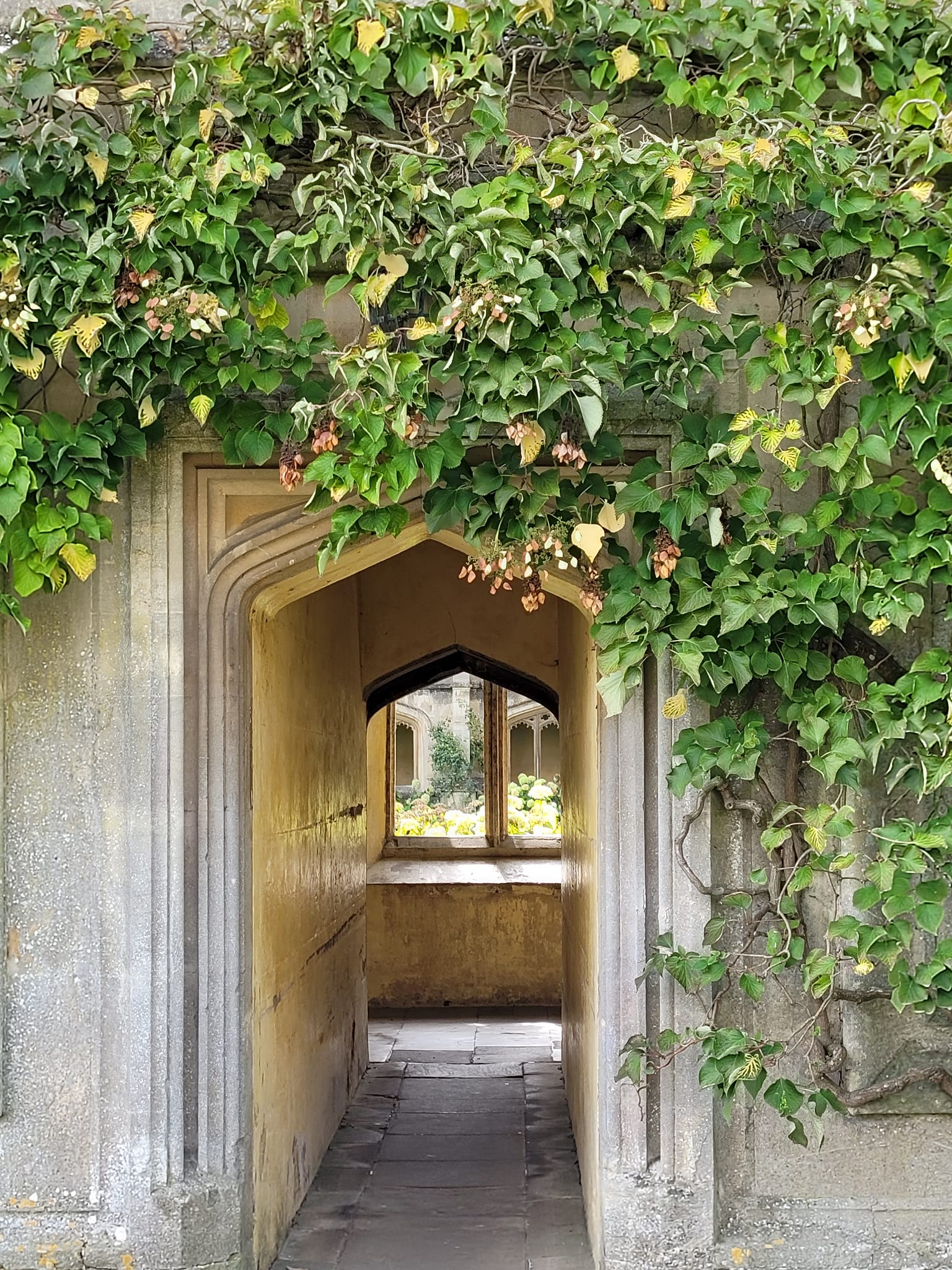
After my gargoyle post yesterday, that was a little disturbing to some, I decided to post a few doorways today in between more of my very full Oxford posts coming soon. These doorways are from Magdalen College. (Pronounced Maudlin)

I’m working on a full post from Magdalen College with some history of C.S. Lewis’ connections there.

I’ll keep it simple today and leave you with a quote from C.S. Lewis.

“I believe in Christianity as I believe that the Sun has risen, not only because I see it, but because by it I see everything else.” From The Weight of Glory.

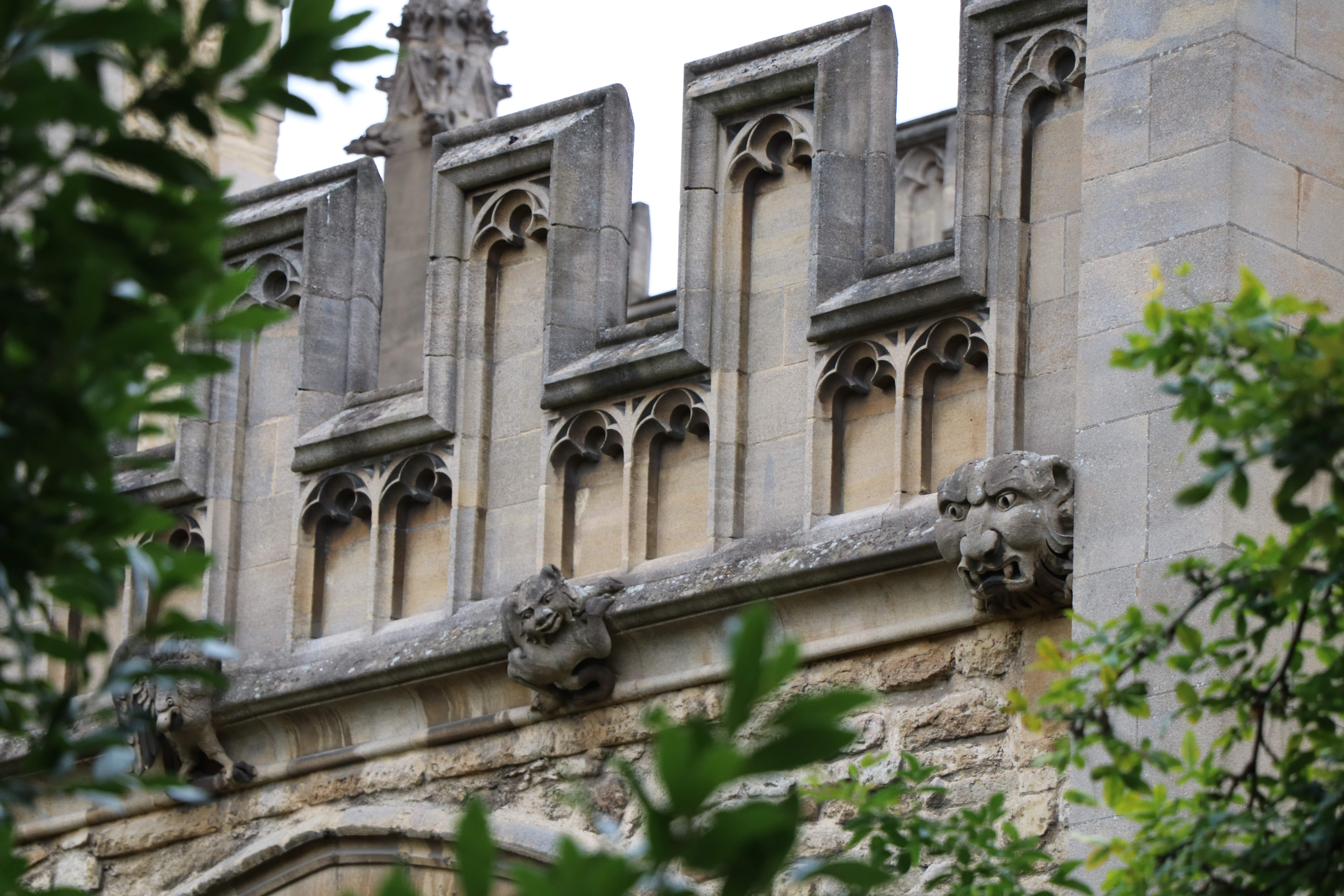
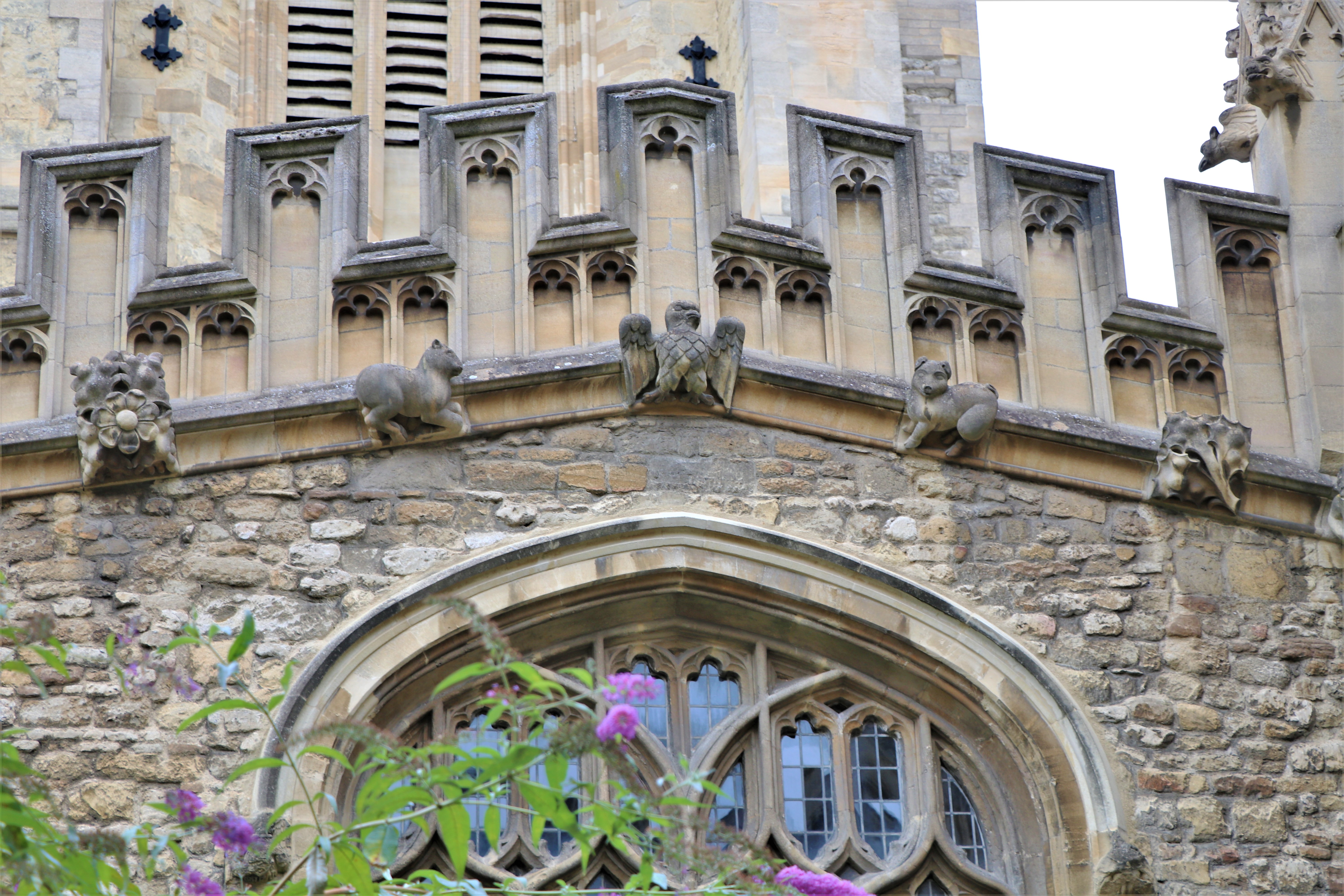
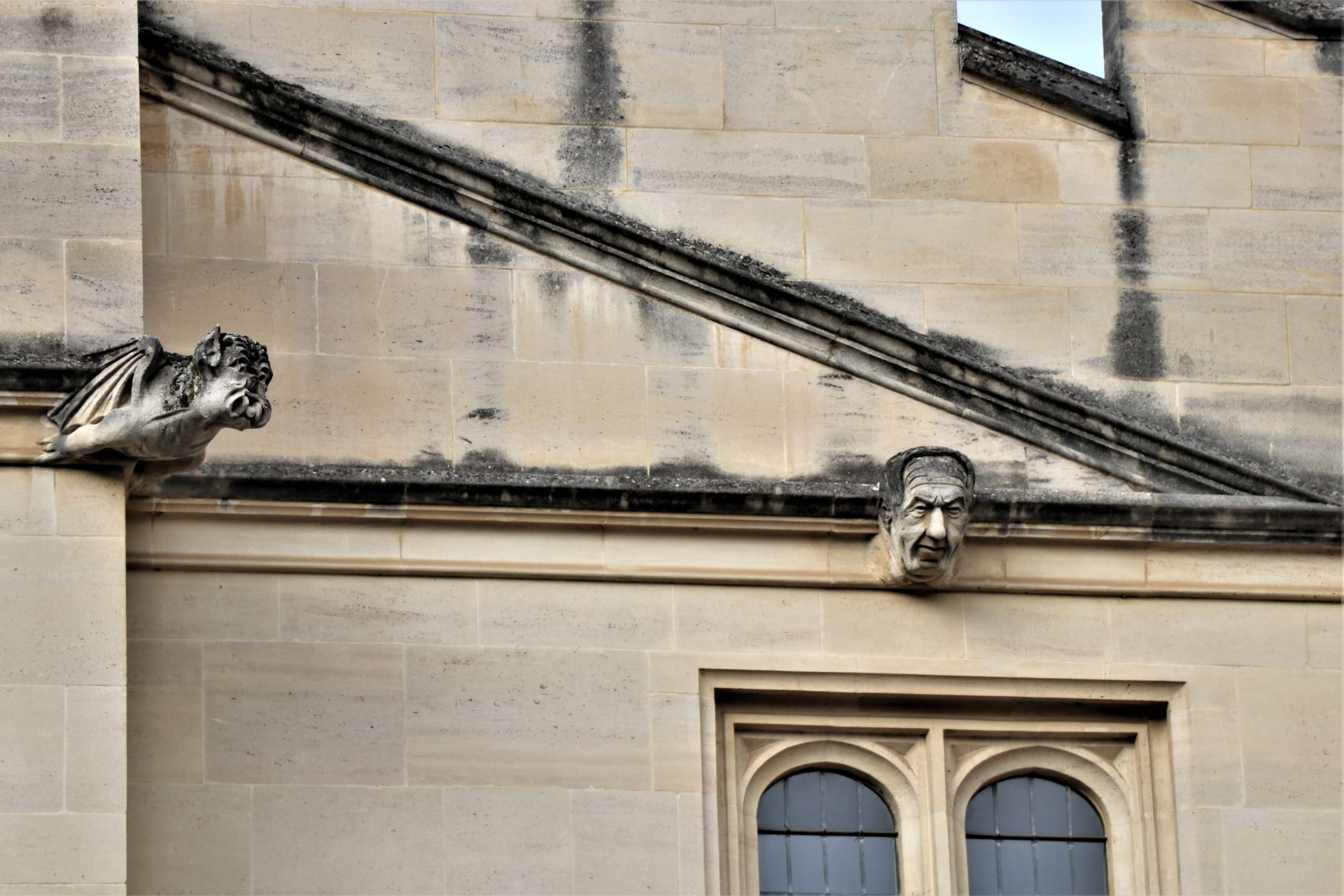
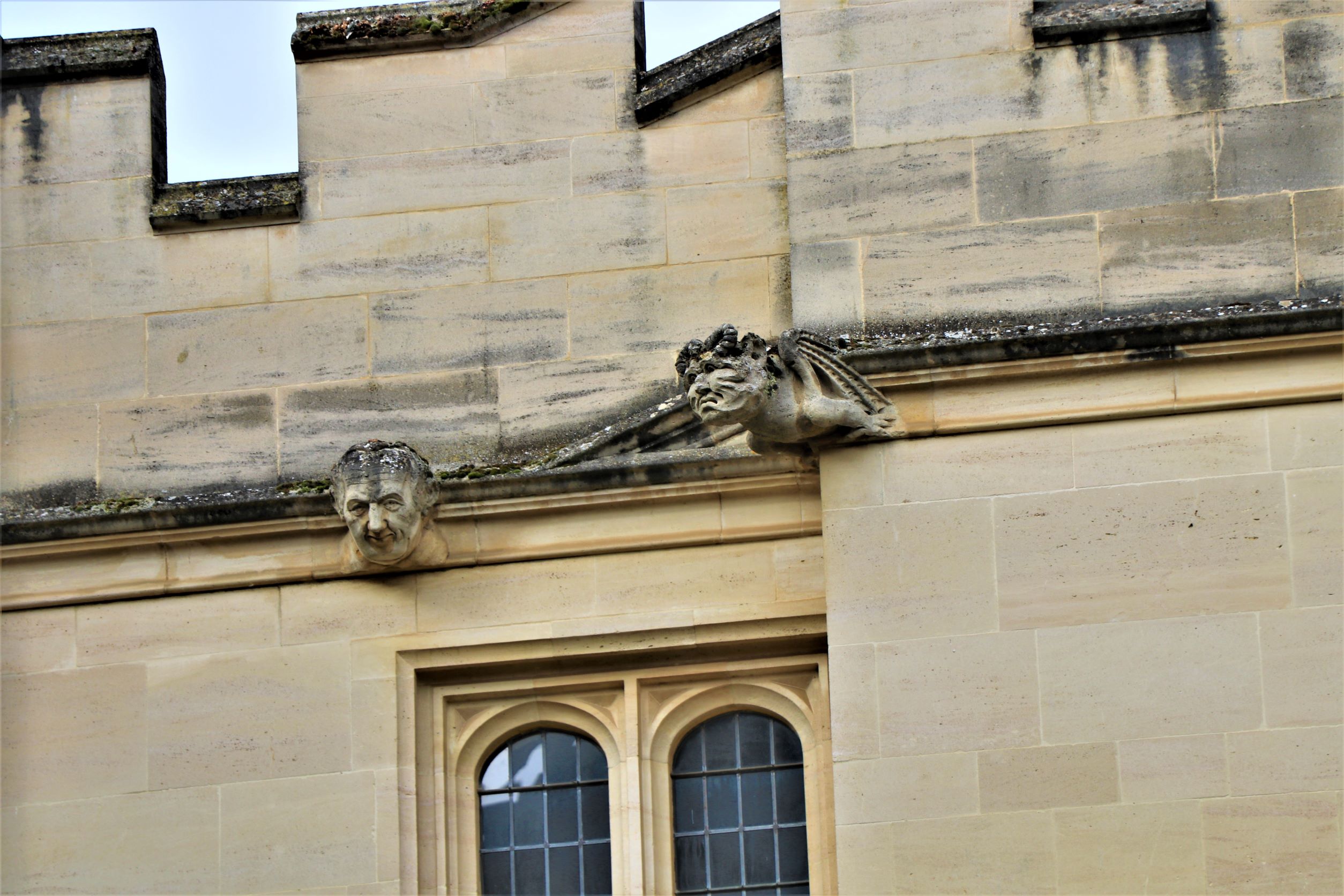
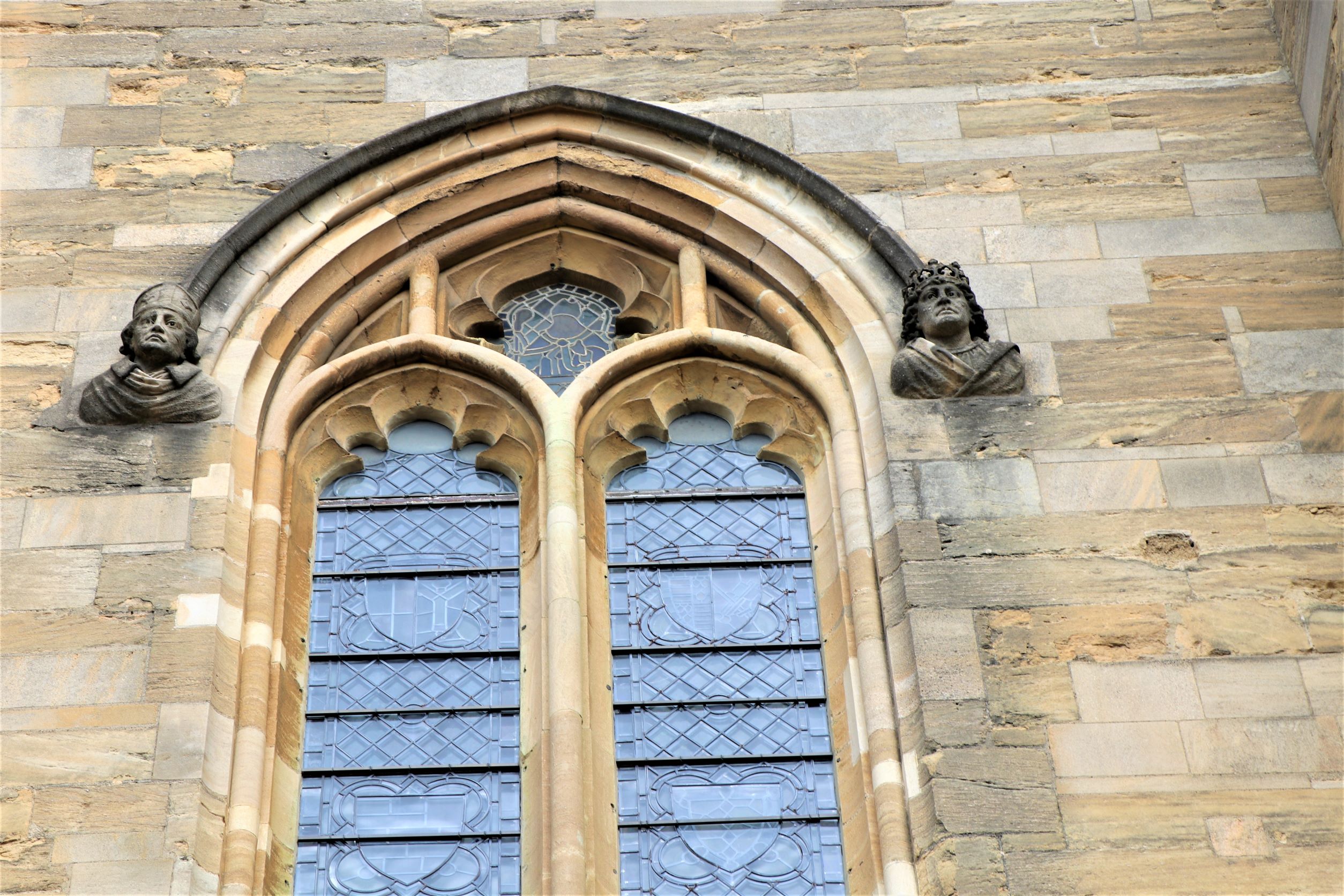
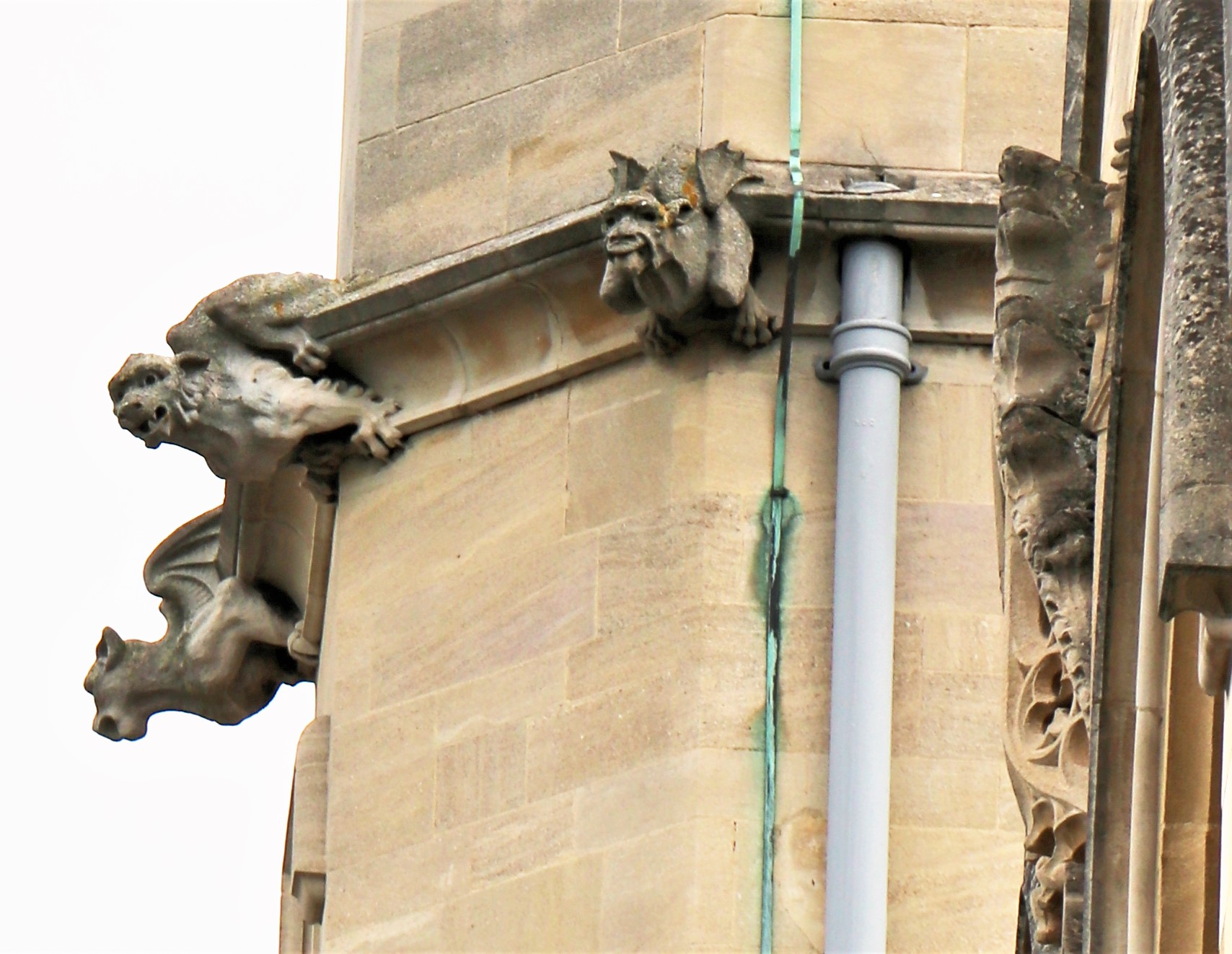
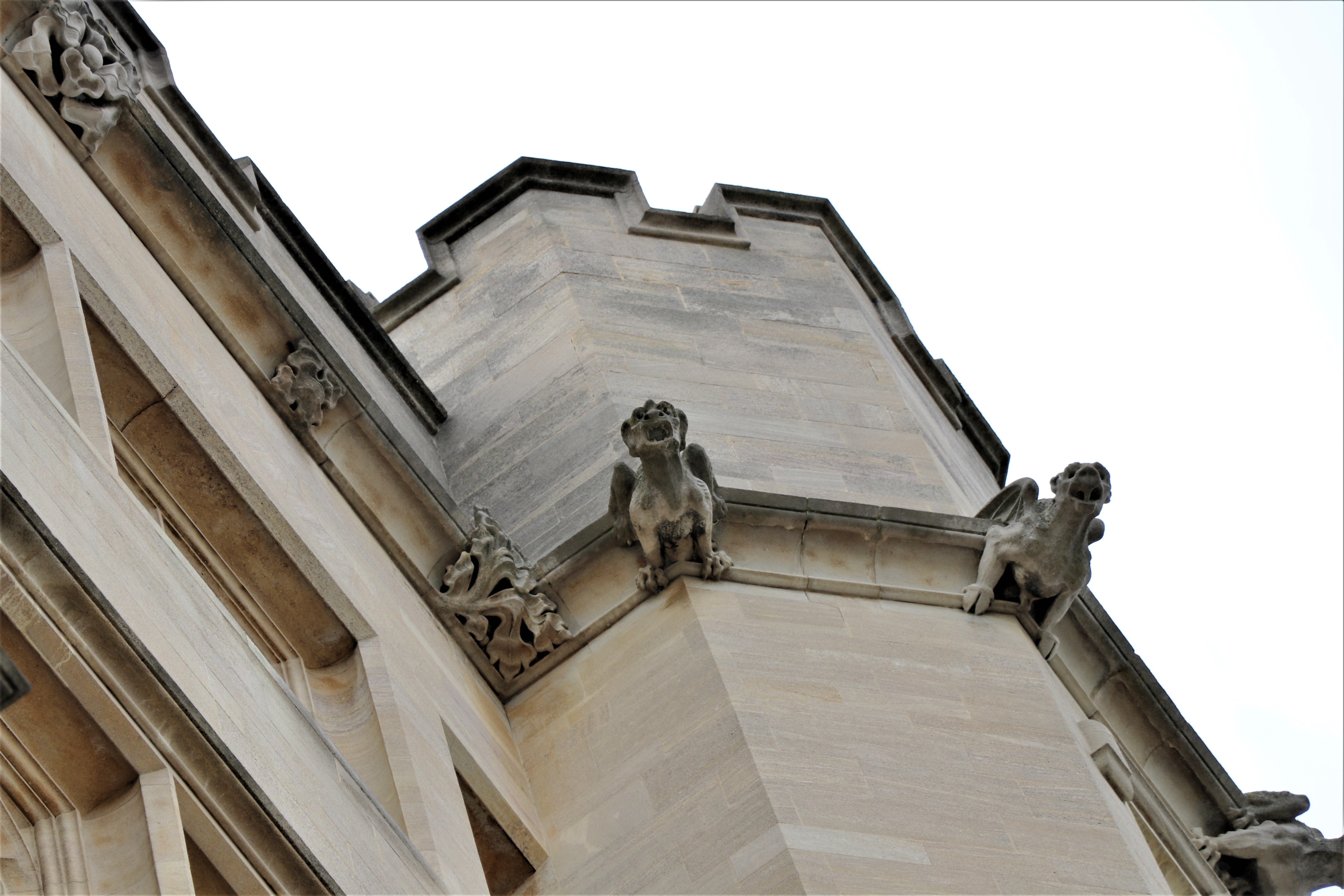
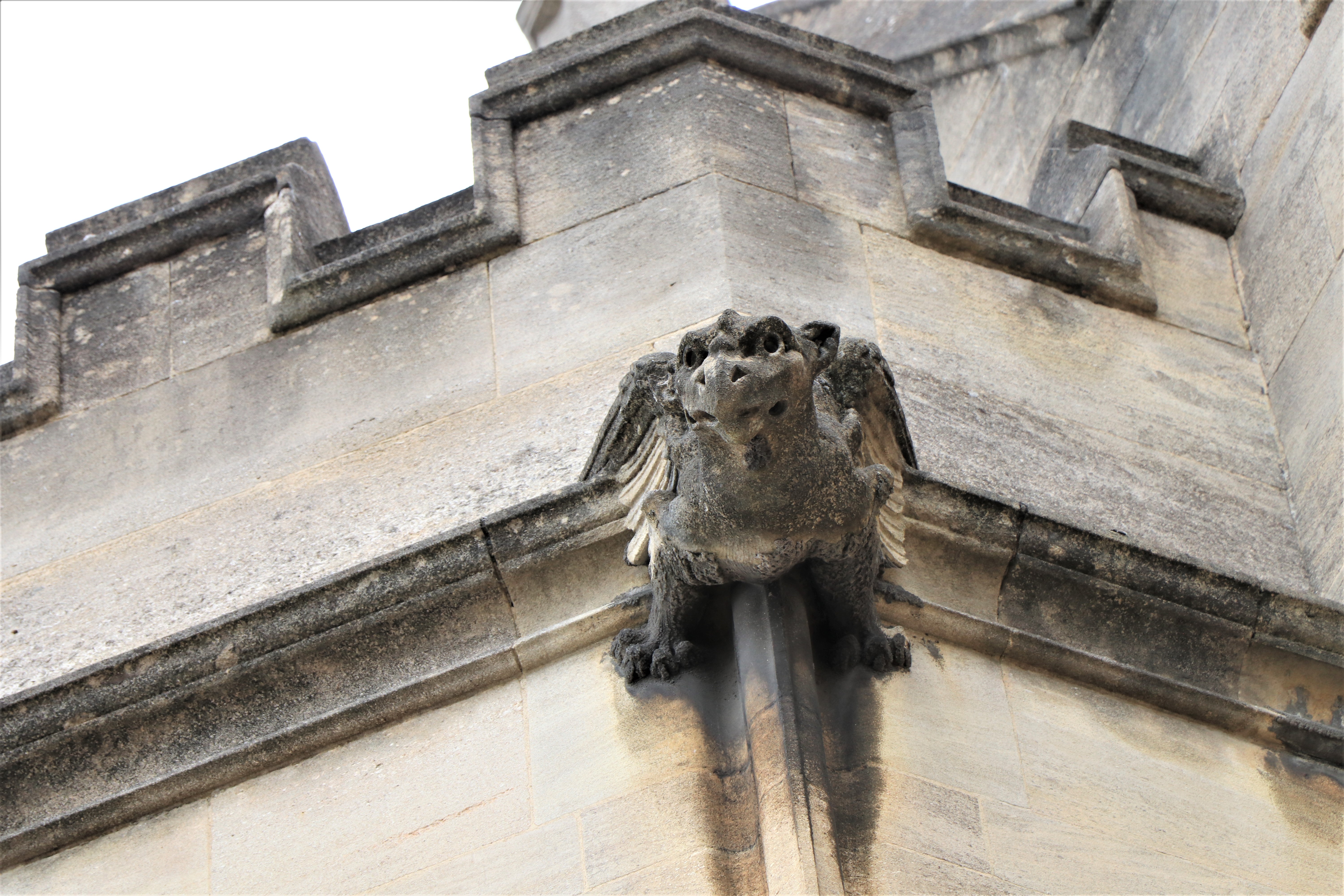
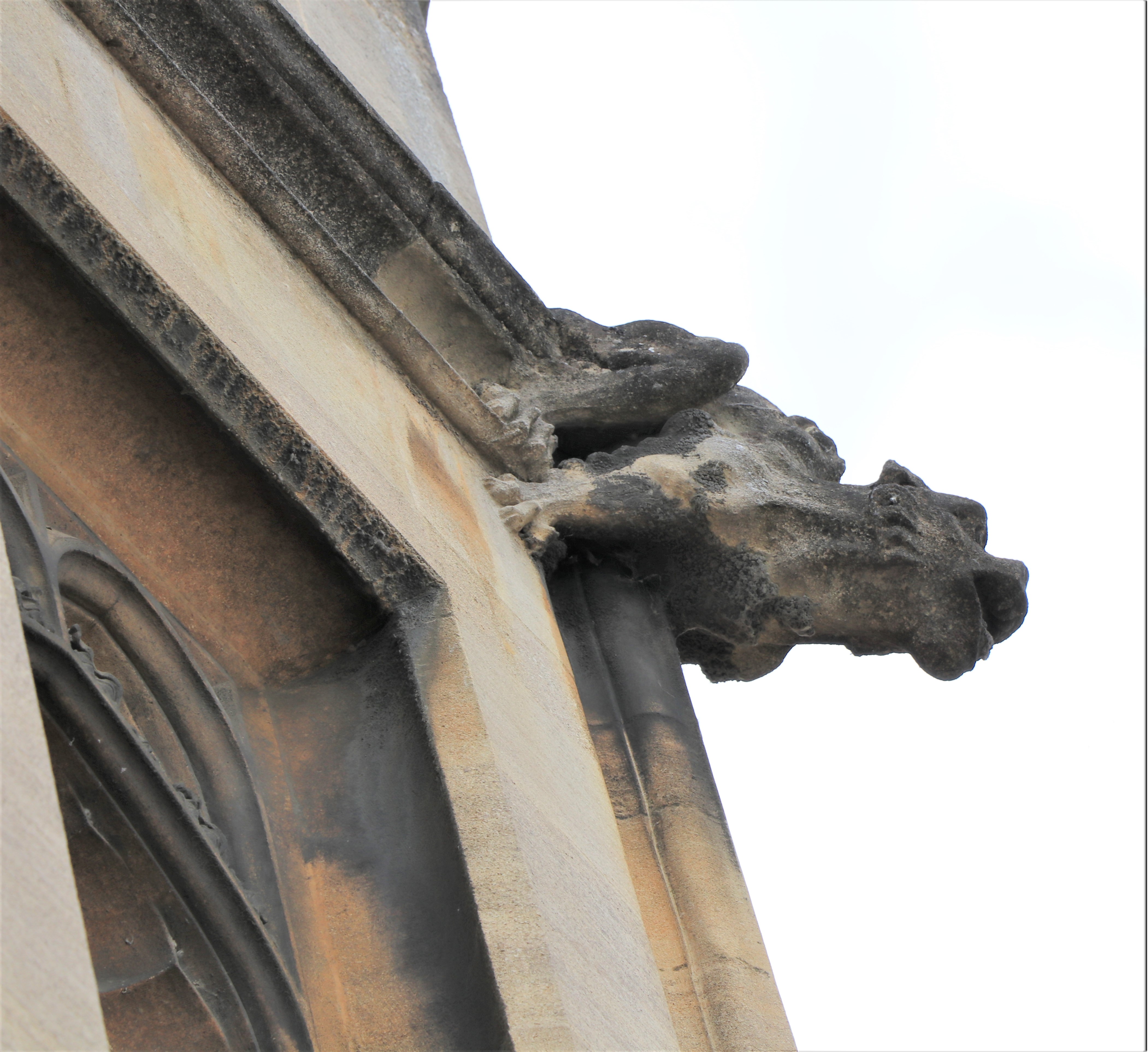
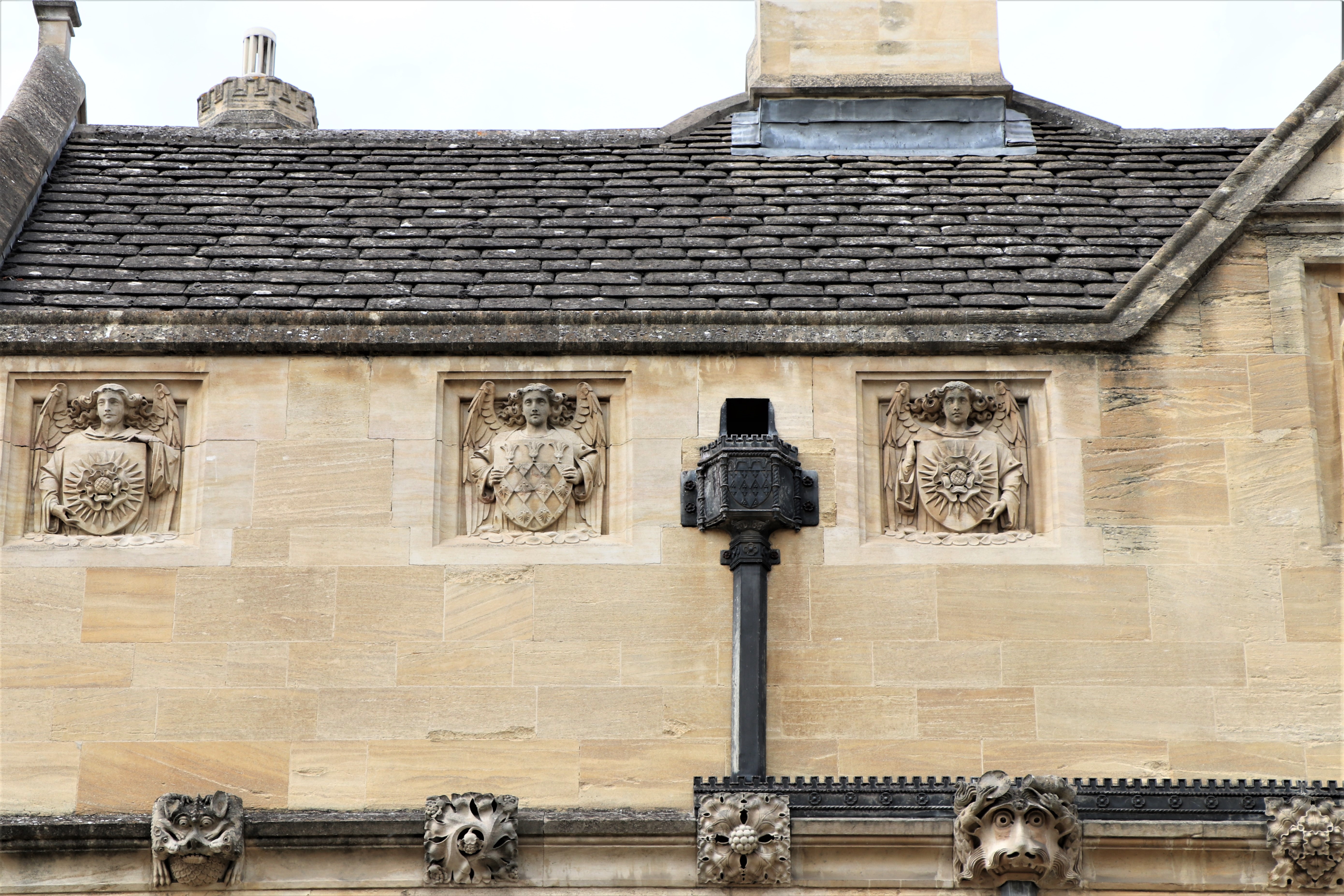
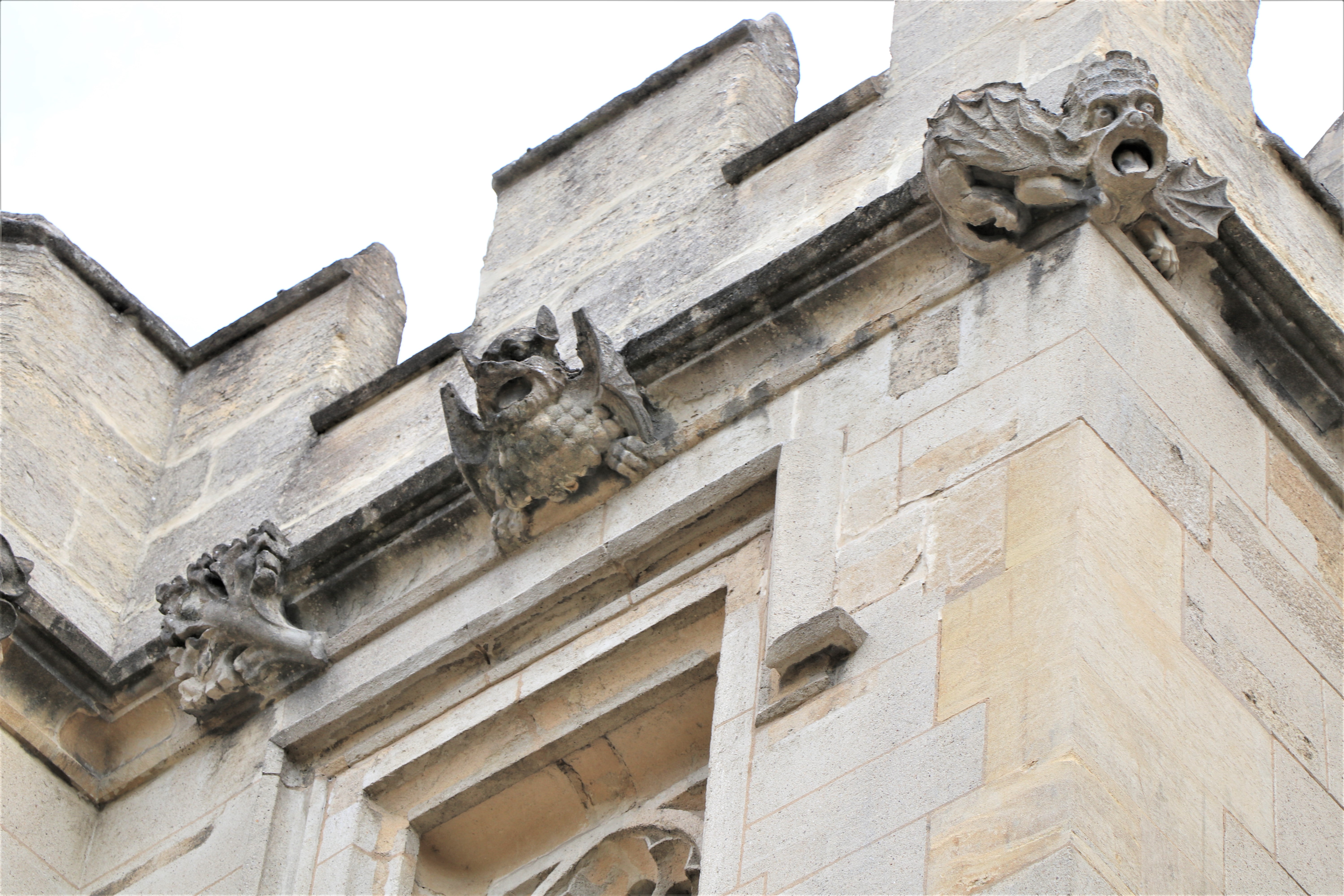
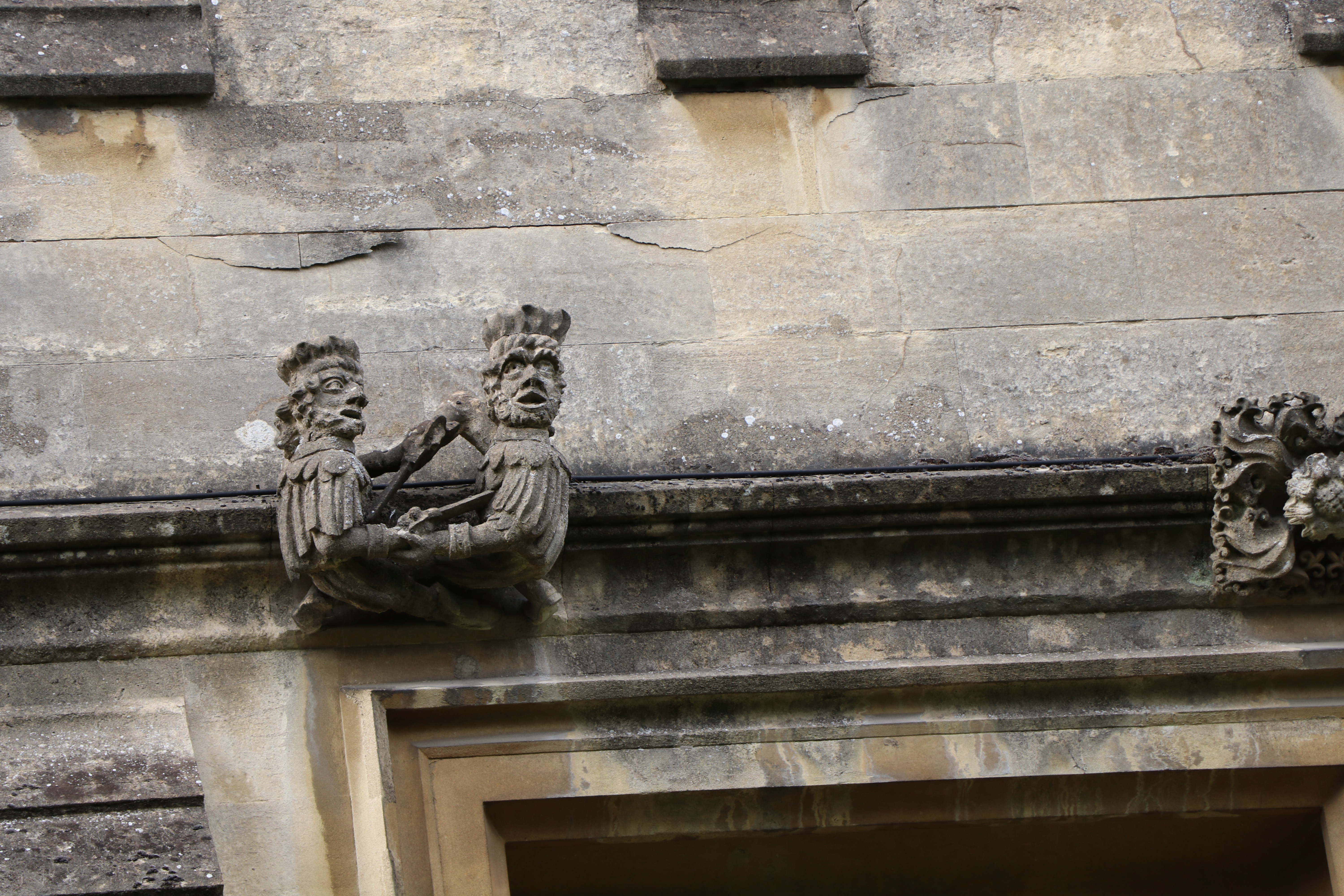
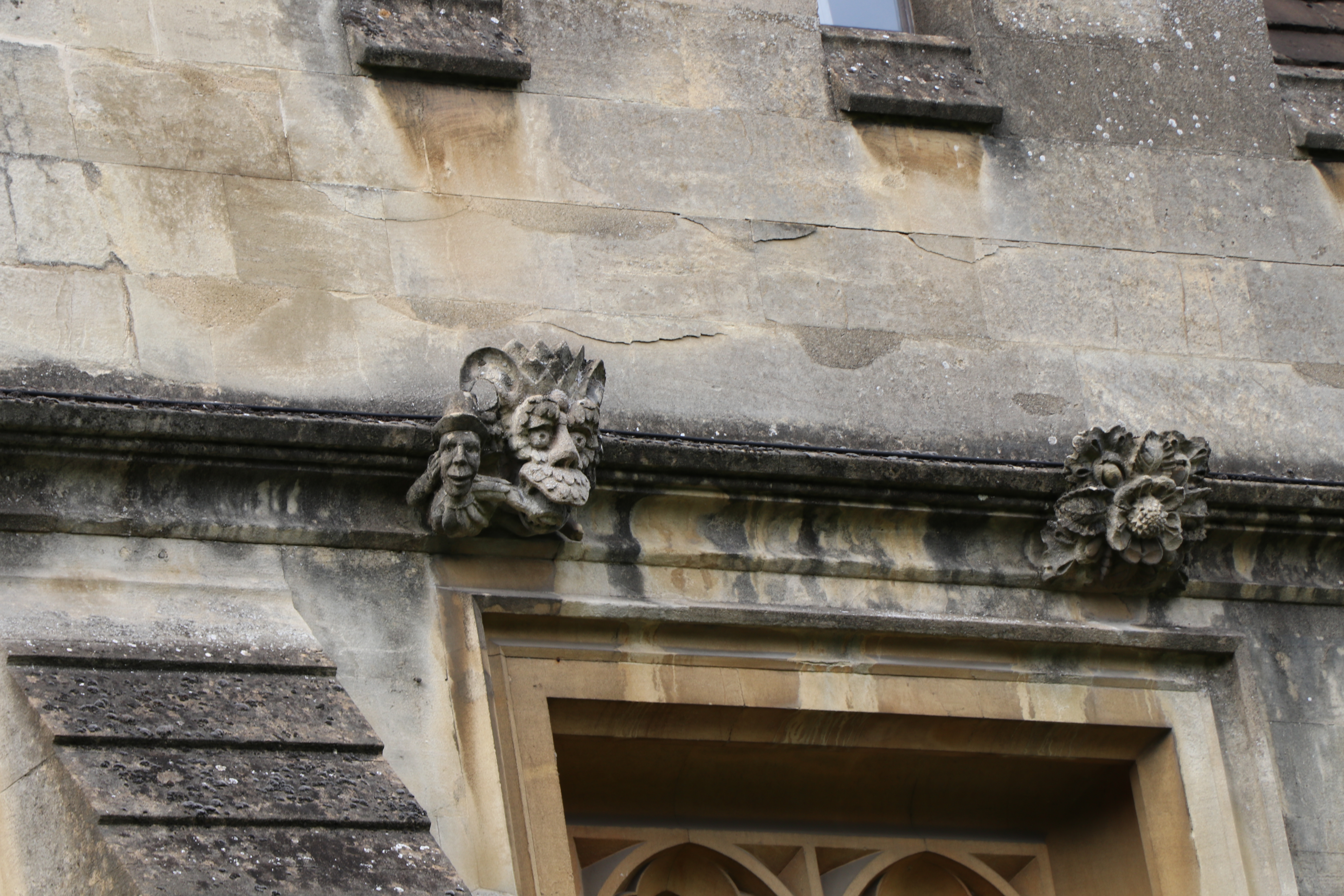
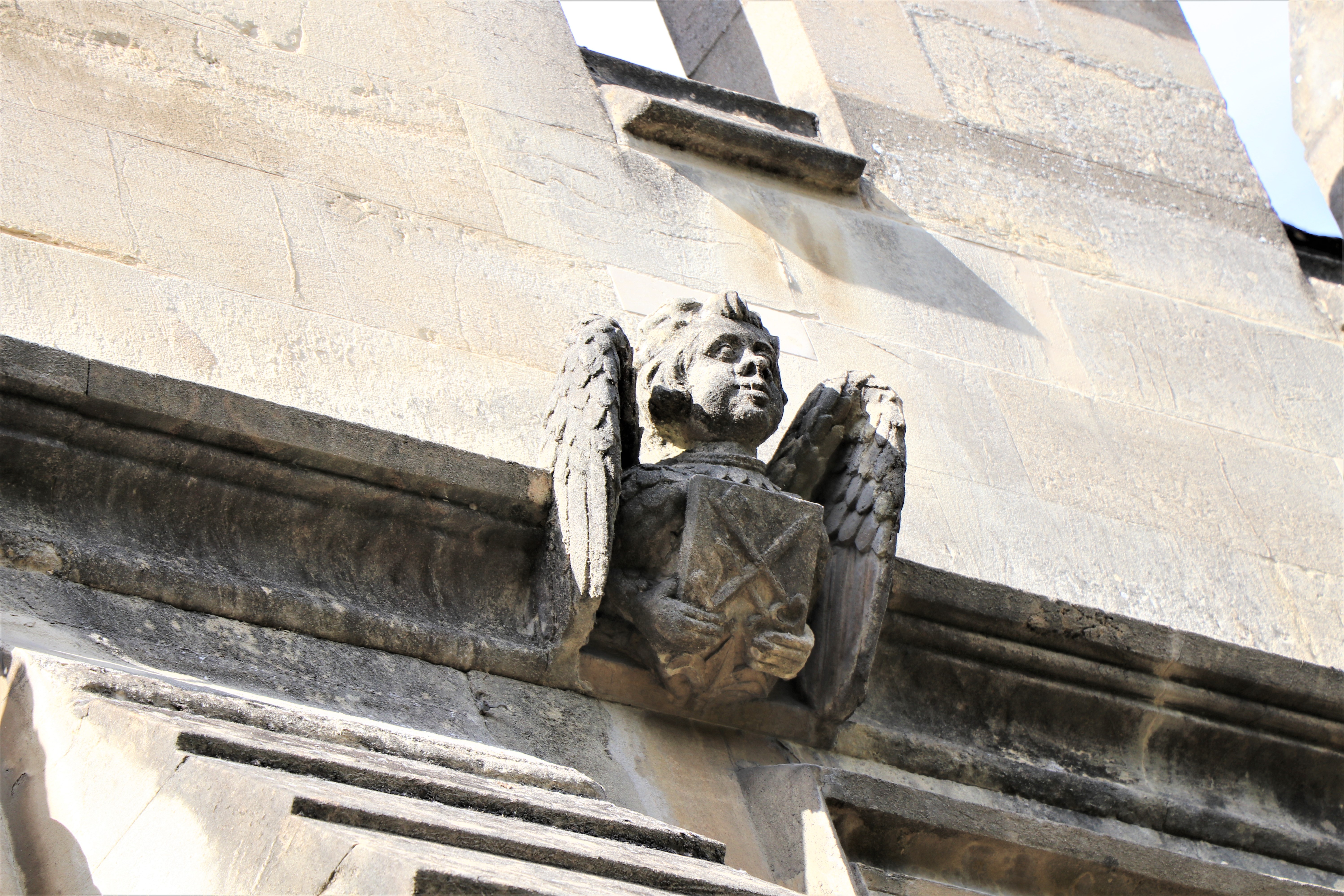
Gargoyles

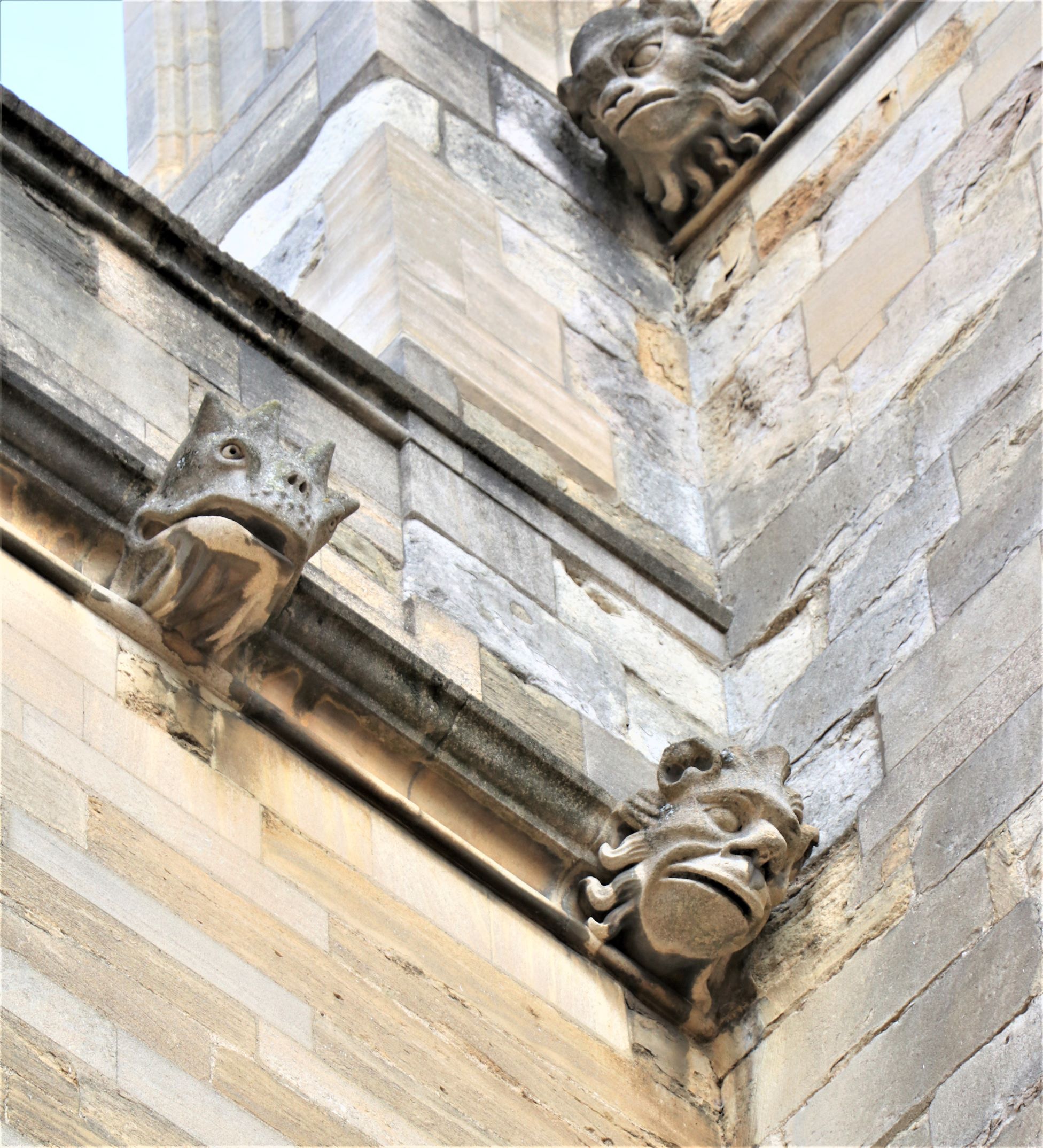
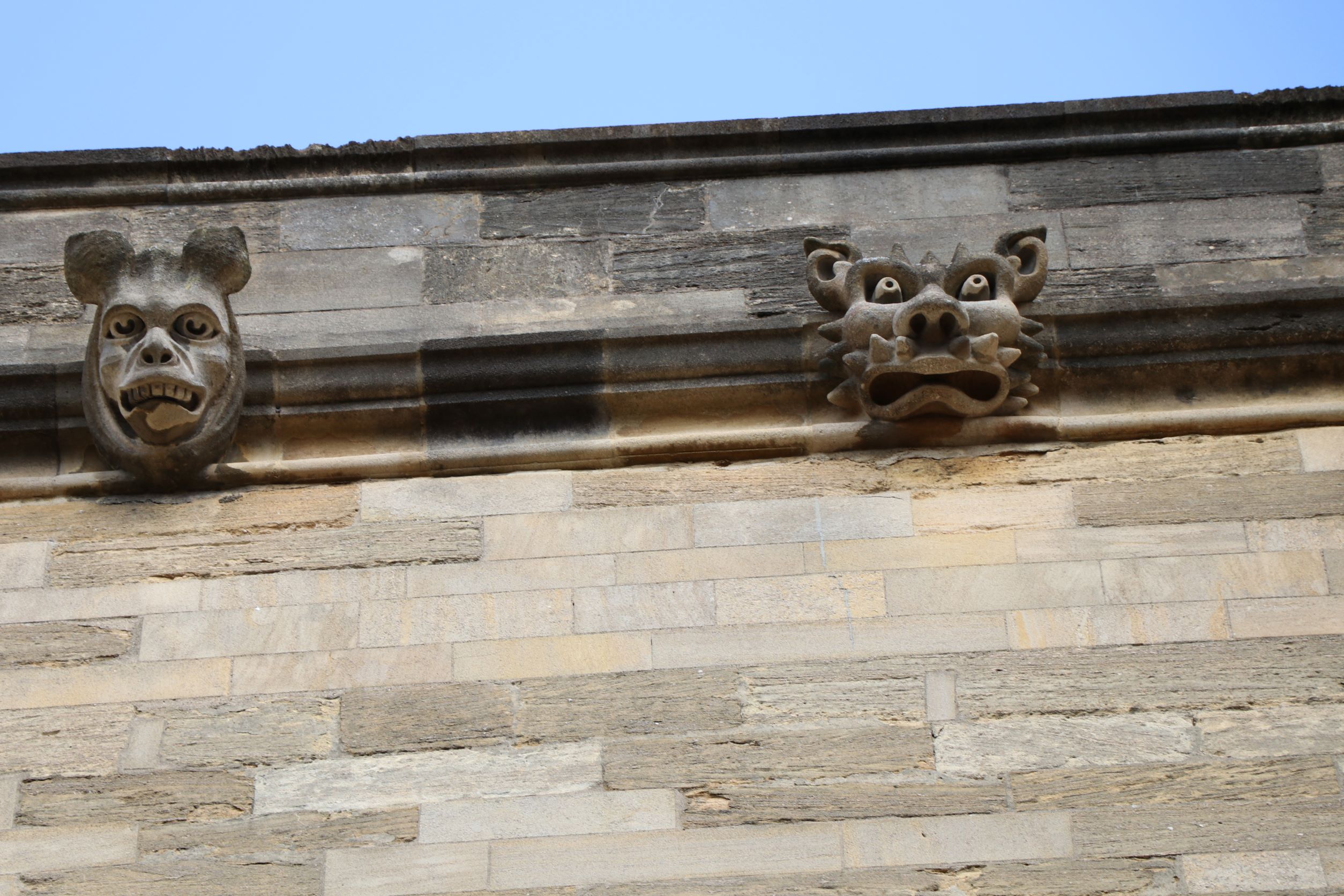
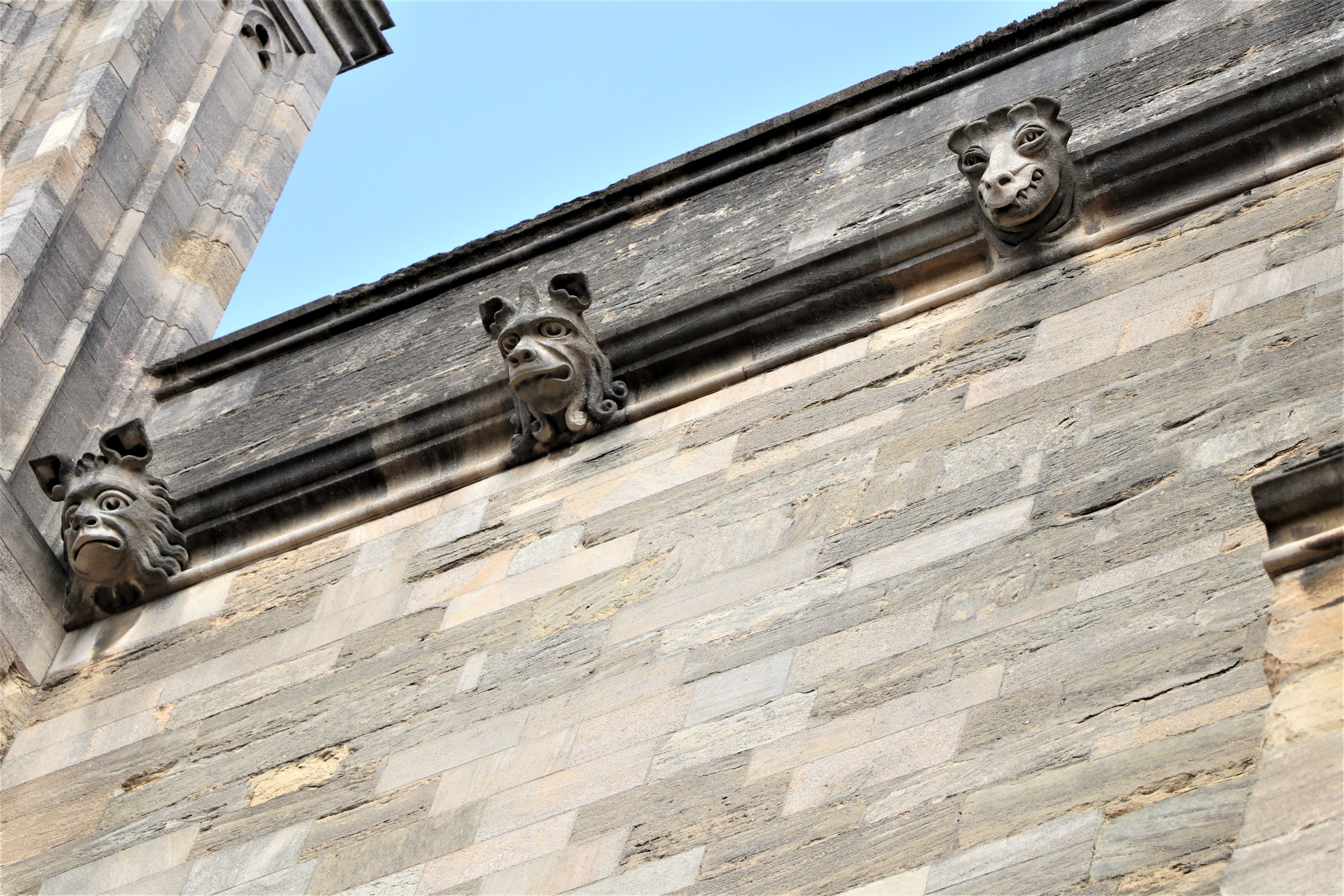
Gargoyles were originally designed in 13th century French architecture as a means of disposing of water. Think of them as the precursor to the gutter. Typically, a trough was cut into the back of the gargoyle and the rainwater was able to run off of the roof and through the gargoyle’s mouth.

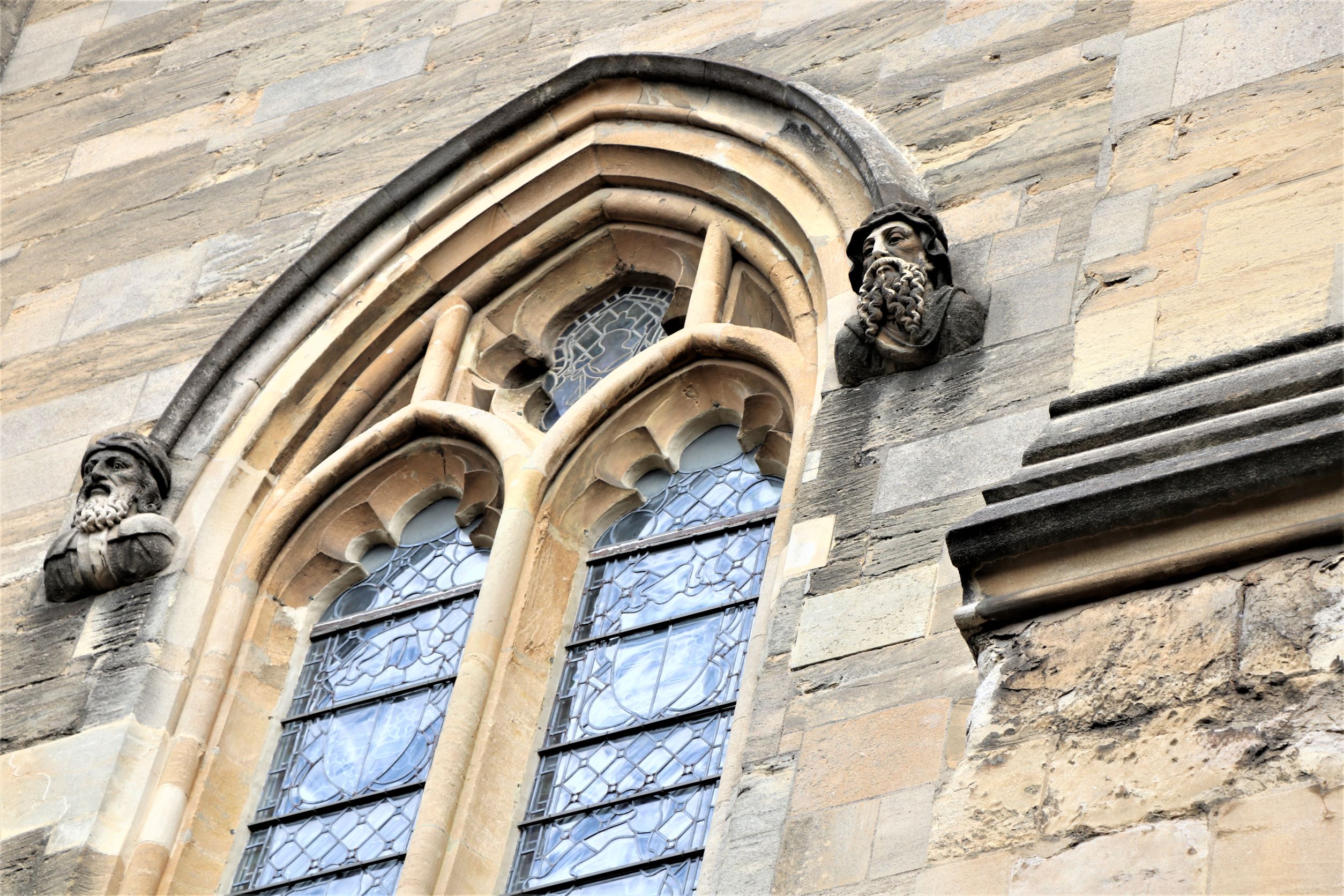
And that’s the story I’m sticking to in showing all the gargoyles I took photos of while we were in England in September of 2022. This will be a photo heavy post.


If you would like to read more about gargoyles and grotesques in Oxford click here. You’ll see what I missed and what I’ll keep a lookout for Lord willing we ever are able to return to Oxford.
Back to the present in Colville at our Country Bungalow. It’s been raining and the temps are above freezing. Things are getting very soggy around here. We’ll call this the drip and puddle season that will soon turn to the mud season before we see the green of Spring. Dear is driving again and we managed to snow shovel the way for our truck to get out of the shop and on to the dump to make our winter dump run. Romantic, isn’t it? We did stop for lunch on the way home from the dump so that’s a thing. 🙂 Happy New week to you.