Land of the Free, and the Home of the Brave…

The Star Spangled Banner

~ Francis Scott Key, 1814.

Oh, say can you see by the dawn’s early light
What so proudly we hailed at the twilight’s last gleaming?
Whose broad stripes and bright stars thru the perilous fight,
O’er the ramparts we watched were so gallantly streaming?
And the rocket’s red glare, the bombs bursting in air,
Gave proof through the night that our flag was still there.
Oh, say does that star-spangled banner yet wave
O’er the land of the free and the home of the brave?

On the shore, dimly seen through the mists of the deep,
Where the foe’s haughty host in dread silence reposes,
What is that which the breeze, o’er the towering steep,
As it fitfully blows, half conceals, half discloses?
Now it catches the gleam of the morning’s first beam,
In full glory reflected now shines in the stream:
‘Tis the star-spangled banner! Oh long may it wave
O’er the land of the free and the home of the brave!

And where is that band who so vauntingly swore
That the havoc of war and the battle’s confusion,
A home and a country should leave us no more!
Their blood has washed out their foul footsteps’ pollution.
No refuge could save the hireling and slave
From the terror of flight, or the gloom of the grave:
And the star-spangled banner in triumph doth wave
O’er the land of the free and the home of the brave!

Oh! thus be it ever, when freemen shall stand
Between their loved home and the war’s desolation!
Blest with victory and peace, may the heav’n rescued land
Praise the Power that hath made and preserved us a nation.
Then conquer we must, when our cause it is just,
And this be our motto: “In God is our trust.”
And the star-spangled banner in triumph shall wave
O’er the land of the free and the home of the brave!

I don’t think I’ve ever read the 3 other stanzas to the The Star Spangled Banner.

Protect us Lord and keep us free. Guard my heart and mind in you and let me trust and rest in you alone.

9-11-11

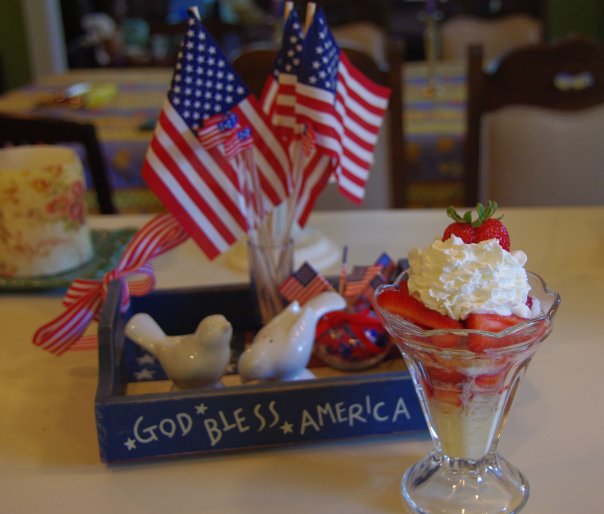
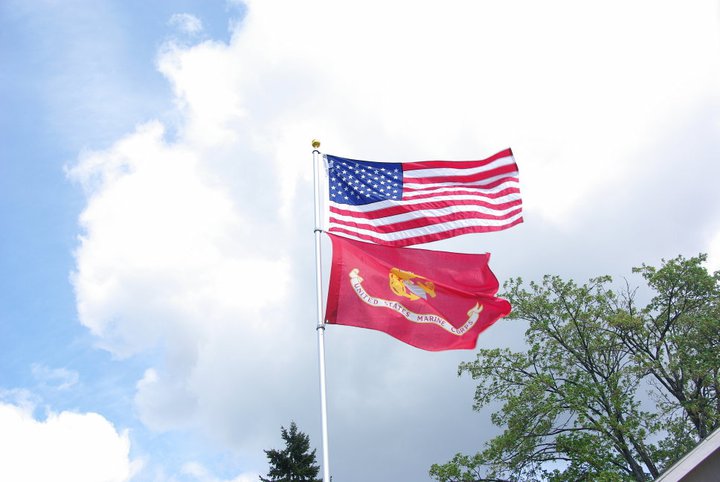
Yesterday at the Seattle Sounders Soccer game there were these little flags placed in every cupholder in the stadium. From the 9th minute of the game until the 11th minute of the game everyone in the stadium raised their flag in tribute to all the lives lost 10 years ago today. A chant started around the stadium U-S-A, U-S-A. It was a moving tribute. When the game was over I was surprised at how many of the little flags were just left behind. Our son Josh and I picked up about 100 of them. This morning I placed them on our fence along with pleated fans. Our flag is also flying at half staff. It’s true that all of us who were alive that day will never forget the images we saw.

A Psalm of David. Psalm 23 (ESV)

The LORD is my shepherd; I shall not want.
 He makes me lie down in green pastures.
He leads me beside still waters.
 He restores my soul.
He leads me in paths of righteousness
   for hisname’s sake.

Even though I walk through the valley of the shadow of death,
   I will fear no evil,
for you are with me;
   your rod and your staff,
   they comfort me.

You prepare a table before me
   in the presence of my enemies;
you anoint my head with oil;
   my cup overflows.
 Surely goodness and mercy shall follow me
   all the days of my life,
and I shall dwell in the house of the LORD
   forever.

I’m linking up today with Mary at Little Red House for Mosaic Monday.

FYI: There are some of your blogger blogs where I am unable to comment. When I try it sends me to a page that says that I’m denied access to your blog. If in the near past you had comments from me on your blog but all of a sudden I’m absent…this is why.

Coming to the U.S.A.

U is for the United States of America!

The following story was transcribed by my sister-in-law Kelly as she listened to my parents tell some of their story on immigrating to the U.S.A. in September of 1947. They were visiting my brother Steve and Kelly on Labor Day September 5, 2011.

“Spent the afternoon with  Mom and Pop and wanted to share some of what they had to say.  This is the unedited copy filled in as Pop was talking…so excuse the grammatical errors, if I wait to edit you may never see it.”
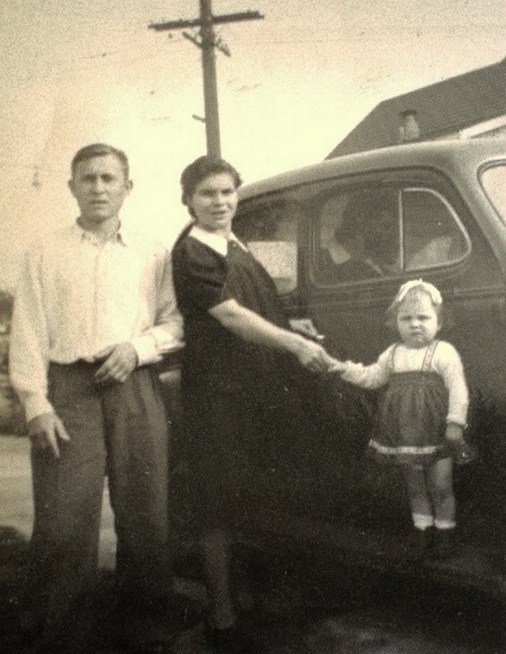
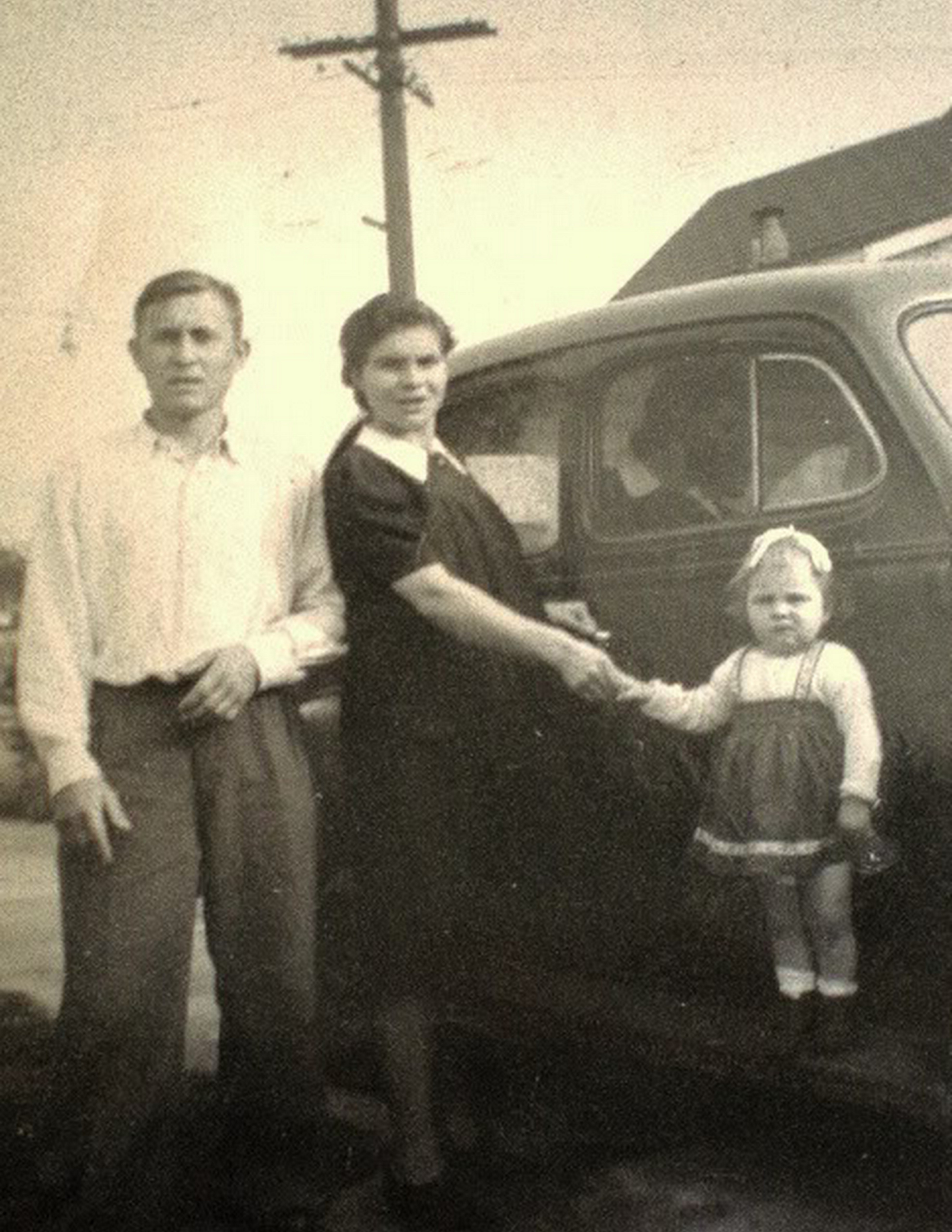
(This photo is taken after my parents and sister Kathy settled in Los Angeles. This was sometime in late 1947 or early 1948. My mom is pregnant with my sister Vera in this photo and Vera was born in late February of 1948.)

“Pop said he’s never shared all these details because…no one asked.  What started the retelling is that tomorrow marks the anniversary of their first arriving in NewYork…Sept. 6, 1947.  They arrived in Los Angeles on the 12th.

When Mom and Pop left Iran they got a flight on a Red Cross cargo plane..the propeller variety, that had dropped off supplies and was heading back to New York.   It was very loud he said…no seats, just benches along the sides.  Due to refueling and frequent stops it took 4 days to fly from Tehran to New York.  At  most of the stops they got out and ate…and in four places spent the night. He said they had 27 people on the plane and it was full.”

(This is probably what the inside of the Red Cross cargo plane looked like. I hope the Navy is ok with me borrowing it…)

“This is the basic itinerary.  (Pop had made a detailed journal of the trip, but lost it in the last few moves.)  From Tehran to Cairo…spent the night.  From Cairo to Rome..spent the night, got to drive by St. Peters.  From Rome to England, where they were not allowed off the plane so they had to head to Ireland to a US military base.  They spent the night there.  From Ireland they went to Iceland, then to Greenland…where they again spent the night.  From Greenland they went to New York.

Upon arrival in New York they were taken directly to the train station.  Unfortunately, the ‘coupons’ that one of pop’s brother’s, my Uncle John, secured for them weren’t signed, so they couldn’t be used. They were suppose to be vouchers for travel purchased in Iran from an agent.  So since the coupons didn’t work they were stuck in the train station with no money, no food, with a one year old. Mom and Pop were 23 and 24 at this time.

Some nice people helped them and Pop had a card with the name of a Russian church on it.  They took them on the subway to the church and arrived in the evening just as the minister was locking up.  There was no time to find a home for them to spend the night so they took them to a hotel.  Mom said, ‘They put us on the 9th floor, I was so scared..”  And the other couple they were with were on the 14th floor.  The next morning was a Sunday so the streets were empty and Mom said she looked out the window and down and there was trash blowing along the street.  Very frightening to look that far down.

The minister showed up with milk and bread, they hadn’t eaten the day before, and they remember that delivery making them feel like orphans.  They had no money, no food, and Pop only spoke a little English.  (Which he had learned working on an American Military Base in Tehran…I’ll get to that.)

The pastor took them to church and that night they stayed with a family.  On Monday they put them on a train to Chicago.

Two vivid memories of their time in NewYork…  It was the first time Mom had seen toast, and she couldn’t figure out how they got it perfect on both sides.  She also got stuck in a revolving door and couldn’t get out.  She said, they weren’t educated enough to be in New York.

In Chicago another group from a church met them, fed them, gave them a place to stay, and then put them on a train to Los Angeles.  It should be noted that Kathy was very good during all of this, only cried a little.  At some point in this US leg of the journey they were able to contact people in LA to wire them money for the train tickets.  Pop figured it took them about 2 years to pay back all of the costs of their trip to the States.”

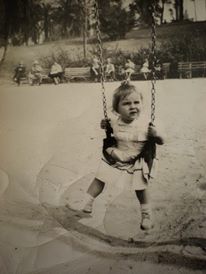
(This is a photo of my sister Kathy in a park in Los Angeles, California. Love how the older folk sitting on the benches in the background all have hats on.)

My parents were the first of their families to arrive in the U.S.A.

“In the course of telling this story Pop mentioned other jobs he’d had so I made him list them in order…here is roughly the job history.

His first job was driving horses plowing the fields in Russia.  There were four horses hooked to the plow.  He worked plowning.  (Think clowning)  He also worked threshing the wheat.

Then he worked as a shepherd.  A group of families had cows, sheep, and goats and it sounds like the kids from each family took turns watching the animals.

When they moved to Tehran he worked as a babysitter/houseboy doing whatever the woman of the house wanted him to do.

Later, in Iran he had a job feeding cows.  Then after they were milked he would walk around town to the customers they had and sell milk from a bucket by the cup.

After that he went to work on some of the Shah’s land doing farming.  When it wasn’t farming season he would deliver sand and bricks to road crews.

Then he had jobs on Military bases…he worked on the American base in the kitchens washing out the pans. They would feed him while he was there, and give him food to hide on his body to take out to his family.  (Not technically allowed to take the food, but the cook was nice.)  It’s also where he learned to speak some English.

He also worked on the Russian military base as a mechanic.  He said he ‘fix em’ Chevy’s and Studebaker’s, when they had been in accidents, we fix em up.

His last job in Tehran was in a brick factory.  It was far away so he needed to have transportation.  He said, he and Mom lived in an apartment with 4 other families above a sauna house owned by a Turkish man.  He sold Pop a bike that he had stolen…  When I asked, ‘he stole the bike?”  He said,’Yes, but he sold it to me real cheap, and nobody would recognize it because they changed the color.”  He rode the bike to work every day.”

Ellen’s thoughts…

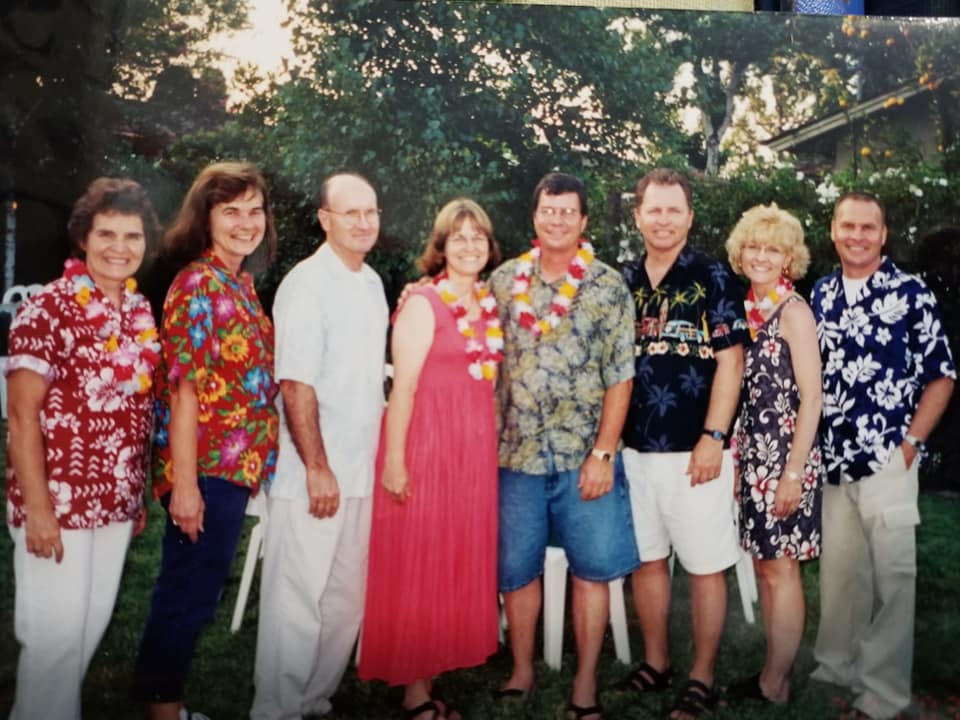
When I think of what my parents went through to get to the United States I’m really grateful. Grateful to God for giving them the courage and faith to face the unknown. Just the language barrier had to be scary. They had a little toddler and my mom was pregnant with my sister Vera during this journey. Sitting on a bench in a loud cargo plane with 24 other people with a little one in diapers, amazing. They had no idea what kind of life they were going to have in the United States. They had only lived in villages where maybe there were a few 2 story stuctures and here they were in New York City with tall buildings. When they arrived in Los Angeles my dad worked odd jobs in carpentry and construction. They helped the rest of their extended family immigrate to the U.S. over a number of years. Each of these family units lived with my parents until they could get into a place of their own. My mother’s father was killed in Iran after my parents came to the U.S. My mother’s mom immigrated to the U.S.A. with my Uncle and Aunt as a widow. So much hardship endured and they persevered over the years and have always expressed their thankfulness to God for bringing them to the U.S.A. They had 9 children total. Their first daughter died in Iran when she was a toddler. Here are the 8 of us in age order…this is an old photo.

Kathy, Vera, Fred, Ellen, Tim, Steve, Lana, Leonard
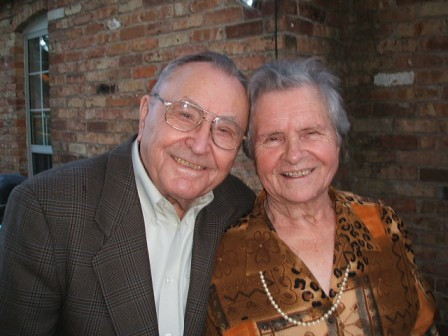
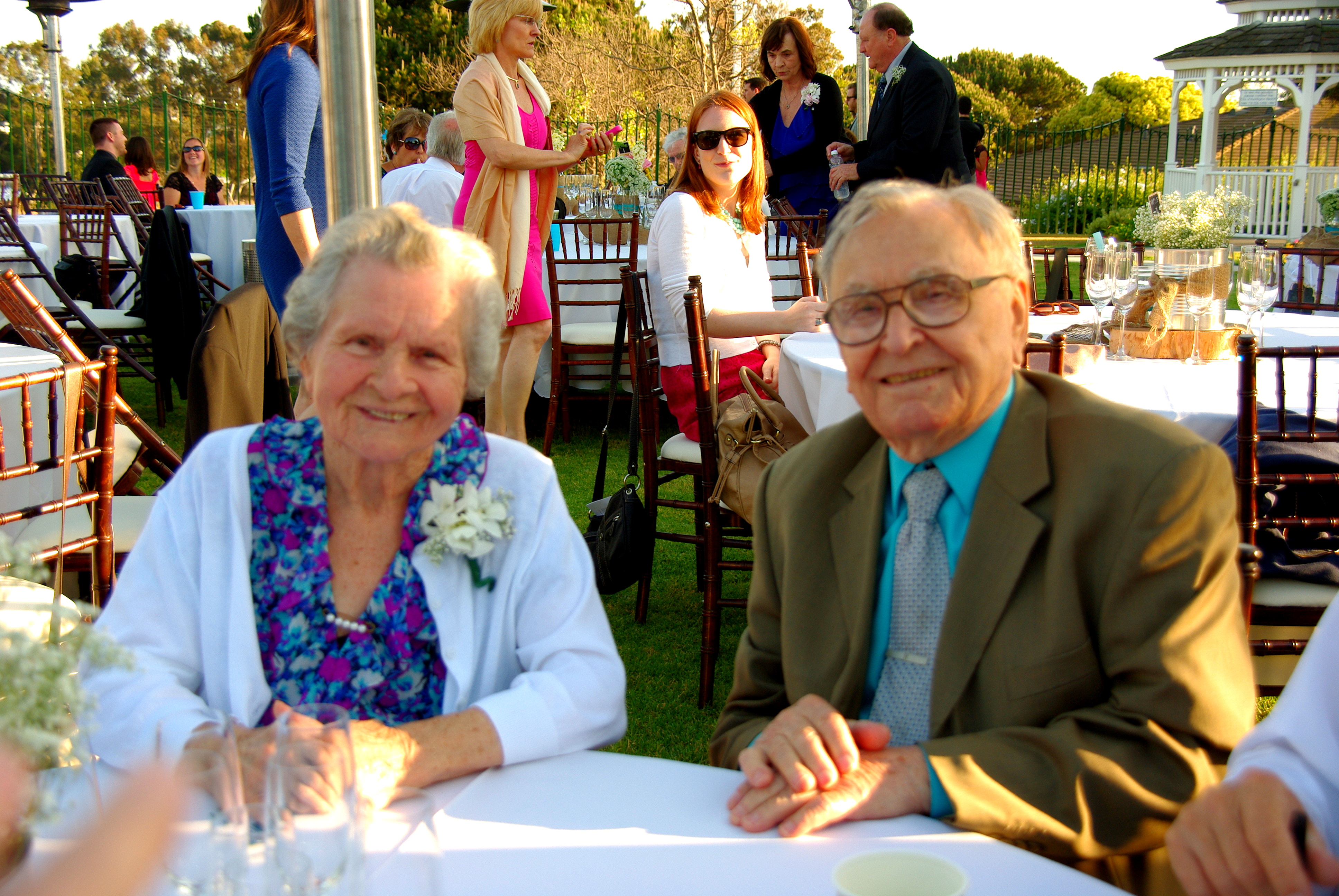
My mom and pop in 2009. Next week on the 13th of September they celebrate their 68th Wedding Anniversary!

This is a very long wordy post but I want to document all this information for my family to have. If you made it through I applaud you! Thank you for your perseverance!

I’m linking up this story to Alphabe-Thursday since we are on the letter U. Thank you to Jenny for hosting this fun meme.

Blue Monday ~Totem Poles

It’s hard to believe that just a week ago the skies were so clear and blue. We are in a overcast, gray, and wet pattern right now.


We have the opportunity to see many Totem Poles in the Pacific Northwest because of our Northwest Coast Native populations. They are carved from large trees, generally from Western Red Cedar. These Totem Poles are featured at the Evergreen Fair Grounds in Monroe, Washington. If you are interested in reading about the different types of  Totem Poles google it and enjoy the history…


Have you ever used the expression low man on the totem pole? Usually the expression means someone who is the lowest ranking in a group or organization. The thing I learned today in reading some history about Totem Poles is that the order of the faces carved on a totem pole have no universal significance.

Visit Sally at Smiling Sally to see more blue…

Photobucket replaced all my photos with ugly black and grey boxes and they are holding my photos hostage until I pay them lots of money. I’m slowly going through all my posts and trying to clean them up and replacing some photos. Such a bother.

Where Were You…

…nine years ago today? I will never forget.

Photobucket replaced all my photos with ugly black and grey boxes and they are holding my photos hostage until I pay them lots of money. I’m slowly going through all my posts and trying to clean them up and replacing some photos. Such a bother.

Veteren’s Day 2009

Thank you, thank you to all the soldiers who have gone before us and those who are still serving us. Thank you to all those who are in harm’s way keeping us safe. May God protect you from evil and bring you safely home.

“They have laid aside their armor
For the robe of spotless white;
And with Jesus they are walking
Where the river sparkles bright.
We have labored here together,
We have labored side by side,
Just a little while before me
They have crossed the rolling tide.”

From the Hymn The Lights of Home by Fanny Crosby.

Homecoming!

Today two of my sisters are meeting me at Montebello High School for a Homecoming BBQ. It’s special this year because our High School is celebrating their 100 year anniversary. Kathy graduated in 1964, Vera graduated in 1966, Fred graduated in 1967, and I graduated in 1968. It wasn’t easy following my older sisters and brother through school because they were a lot more compliant and successful then I was. I’d always hear comments like “you aren’t like your sisters”,or “I thought you’d do better because you are a Bagdanov”. My sister Kathy was G.A.A. president. My sister Vera was Valedictorian of her class, a wiz in mathematics. Back then there were no calculators and you should have seen her work that slide rule…amazing. My brother Fred was ASB president. Our 4 younger brothers and sister graduated from high school in Whittier. Was it Monte Vista Lana?
I’m looking forward to meeting a couple who I’ve met through my blog who graduated in 1951 and 1954. I’m also hoping to see other people I haven’t seen for 41 years.

Have a great Thursday everyone.

C is for Camarillo Ranch House ~

When I’m not visiting the Seattle area my days are spent in Camarillo, California. Camarillo was named after Adolfo Camarillo.


This is a statue of Adolfo Camarillo on one of his prized horses. This statue is in Old Town Camarillo.


The Camarillo Ranch was originally a 10,000 acre Spanish land grant created in 1837, patented to Gabriel Ruiz in 1866, then purchased by Juan Camarillo in 1875. His son Adolfo built the Queen Anne Victorian home in 1892. Later the barn and stables were added to support the agricultural work and house the renowned Camarillo White Horses. Today the ranch is owned by the City of Camarillo and operated by the non profit Camarillo Ranch Foundation.


Adolfo (1864-1958) married Isabel Menchaca (1861-1936) in 1888 and they moved into an adobe home on the Ranch, which was later destroyed by fire. They had seven children. In 1890, with the help of two Chumash Indian boys, he planted two rows of eucalyptus trees. The trees arched across Highway 101 in Camarillo for many years. Some of the trees still line the north side of the freeway. Adolfo also employed a number of Chumash Indians on the Ranch


The Camarillo House was built in 1892 by Adolfo and others using the services of Architects Franklin Ward and Herman Anlauf This three-story, 14-room home was built in the Victorian Queen Anne style


Adolfo also helped the community in other ways. He gave 50 acres of land for the first high school in Camarillo. It is named for him, “Adolfo Camarillo High School.” He also gave land for the building of the Southern Pacific Railroad through Camarillo (1904), the new Conejo Grade (Highway 101) in 1937, and the expansion of St. John’s Seminary to include St. John’s College.


This is the part of the 101 Freeway known as the Conejo Grade. Just last month this stretch from the top of the Conejo Grade to Lewis Road — was officially designated the Adolfo Camarillo Memorial Highway by state lawmakers.

In the year 1911 or 1912, a brilliant white colt with brown eyes was born.  As he frolicked at his mother’s side, it was unknown that he would become the foundation stallion for a breed of horse known as the Camarillo White Horse; which over the next 95 years would create a family tradition, a new breed of horse, and a legend as well. In 1921, when Sultan was nine or ten years old, Adolfo Camarillo (Founder of the city of Camarillo, California) discovered this “Stallion of a Dream” and purchased him from the Miller and Lux cattle ranch at the Sacramento State Fair.

Sultan, over the next few years, won many stock championships throughout California.  Adolfo bred Sultan to Morgan mares at the Camarillo Ranch.  Adolfo never sold his land or a white horse: however, on rare occasions, the Camarillo family would make gifts of the prized white horses.


The Camarillo White Horses became famous over the years as they paraded and performed at fiestas and other activities.  They became well known at the Pasadena Rose Parades; attended the parade to open the Oakland Bay Bridge; a Los Angeles parade to raise war bonds; and went to the Santa Barbara Fiesta parades since they began in the ’30’s. Often dignitaries would be seen riding the Camarillo White Horses, including: President Harding, Governor Ronald Reagan; John Mott; movie star Leo Carrillo; and the son of President Gerald Ford.

To read more about the history of these horses visit this History of Camarillo Site.

For more ABC Wednesday Posts visit the new Mr. Linky site here.

ht: photos of the Camarillo White Horse from Camarillo White Horse Association.

Photobucket is holding all my photos from 2007-2015 hostage on their site and have replaced my photos with black and grey boxes of ugliness. I’m slowly deleting those boxes from my blog and trying to update so many posts, very frustrating.

Bothell Landing ~ Bothell, Washington

ABC Wednesday Round 3 ~ B is for Bothell

Bothell is the first town that we lived in when our little family moved from California to Washington in 1988. Our kids went through elementary, junior high, and high school in Bothell. Since then part of Bothell has been renamed Kenmore. Bothell is located northeast of the city of Seattle and on the eastside of Lake Washington.


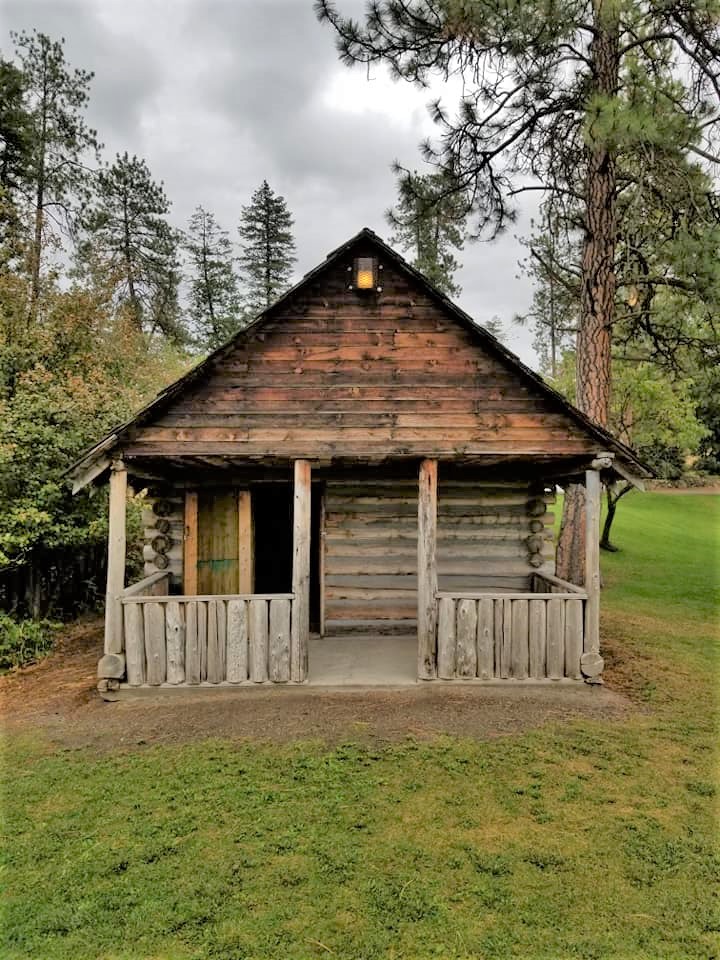
The Park at Bothell Landing is home to several of Bothell’s historical buildings. Each historical structure at the Park was relocated and restored to take on a new life at the Landing.

Now the Bothell Historic Museum, this home was built by William Hannan himself.

Born in Pennsylvania in 1853 and moving to the Northwest in 1888, Hannan bought property in Bothell in 1890. This was the beginning of a long history in which Hannan was involved in shaping much of early Bothell. He had the post office from 1894 until 1898 and was Bothell’s mayor from 1916 to 1919; he was also member of the school board, the Commercial Club, Odd Fellows and Masons.

The school bell from the second Bothell schoolhouse has been re-hung in the Landing bell tower. It is rung for special occasions in Bothell, such as the Fourth of July, the first day of school, and graduation day.

You can also see the Bridge in the background that take you across the River to the Burke Gilman/Sammamish River Trail.


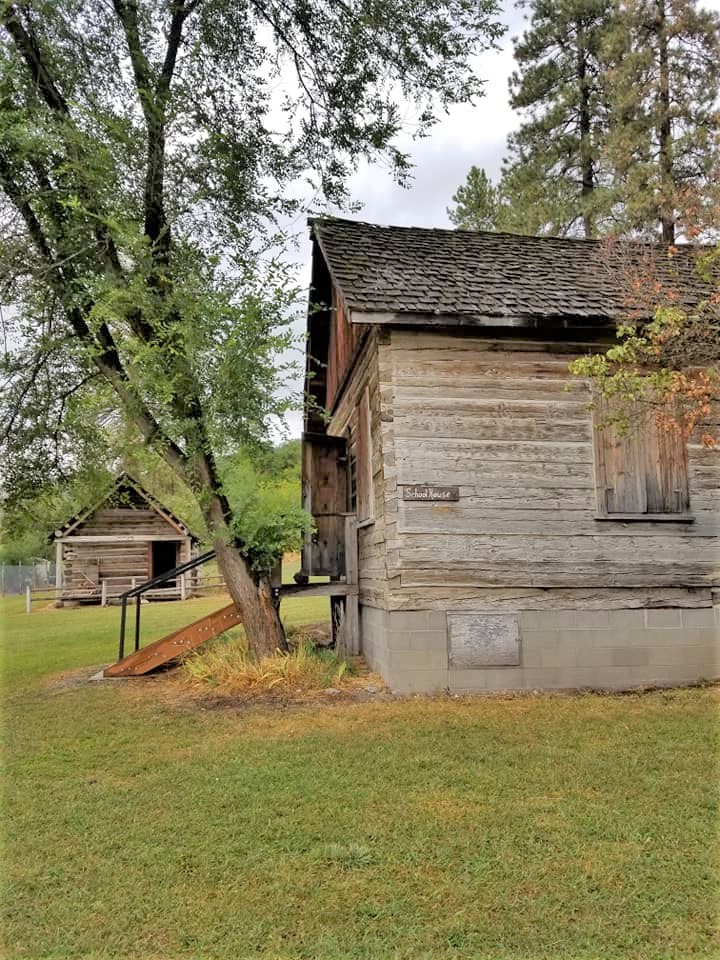
While the schoolhouse itself was built in 1885, weather delayed the opening and it wasn’t until March of 1886 that the doors opened to teach the children. Miss Helen DeVoe, originally from New York state, was the first school teacher for Bothell; some of her first students were William Keener, Albert Bothell, Annie Beckstrom, and George Brackett


This cabin housed Andrew and Augusta Beckstrom and their 16 children! Their 3rd child, John, was born in the cabin, and is the first recorded birth in Bothell.


Wayne Curve Bridge located along the Burke Gilman Trail is another registered historic site. When I’m in Washington my girlfriends and I walk the Burke Gilman Trail every Saturday morning and we pass this spot twice.


 1909 – Bothell was incorporated as a town with a population around 600. George Bothell was elected as the towns first mayor and another relative, AF Bothell was elected council, the town became ‘Bothell’. Gerhard Ericksen, the first Postmaster, is reputed to have said, “There are so many Bothell’s in town, let’s call it Bothell.” Many of the ‘Bothell Family’ are buried in Bothell’s historic Pioneer Cemetery


This was too much for me to try to post on the Blogger site. If you made it though all of this you did well. For more ABC Wednesday Posts on the Letter B visit Mrs. Nesbitt and the new ABC Wednesday Blog.

Photobucket is holding all my photos from 2007-2015 hostage on their site and have replaced my photos with black and grey boxes of ugliness. I’m slowly deleting those boxes from my blog and trying to update so many posts, very frustrating.

Tea Week Two ~ Litera Tea

Photobucket is holding all my photos from 2007-2015 hostage. I’m working on updating my blog posts very slowly.

 Samovar

During the 19th century, samovars gained increasing popularity in major cities, such as St. Petersburg and Moscow, and became inseparably bound to the Russian way of life.

Classics of Russian literature, like Pushkin, Gogol and Chekhov, regularly mention samovars in their works. Chekhov even coined an idiom: “to take one’s own samovar to Tula”. This phrase is still understood and occasionally used by Russians, with a meaning similar to the English “to carry coals to Newcastle”.

“To carry Coals to Newcastle, that is to do what was done before; or to busy one’s self in a needless imployment.”

 Railroad companies in Russia recognized the practicality and popularity of samovars, and fitted long-distance sleeping cars with them. Luxurious cars of the Trans-Siberian railroad were first to adopt this custom. Gradually, the samovar in a railroad car was replaced by the boiler of potable water, known as титан (titan) in the Soviet Union

From Wikipedia, the free encyclopaedia:
A samovar (Russian: самовар, literally “self-brewer”) is a heated metal container traditionally used to brew tea in and around Russia, as well as in other Slavic nations, Iran and Turkey.

A traditional samovar consists of a large metal container with a faucet near the bottom and a metal pipe running vertically through the middle. The pipe is filled with solid fuel to heat the water in the surrounding container. A small smokestack is put on the top to ensure draft. After the fire is off a teapot could be placed on top to be kept heated with the passing hot air. The teapot is used to brew the заварка (zavarka), a strong concentrate of tea. The tea is served by diluting this concentrate with кипяток (kipyatok = boiled water) from the main container, obtaining a lighter or darker brew function of drinkers’ tastes.

“To have a sit by samovar” means to have a leisurely talk while drinking tea from samovar, and it is a Russian expression reflecting the popular attitude towards its use.

In older times it was an economic continuous source of hot water. Various slow-burning items could be used for fuel, such as charcoal or dry pinecones. When necessary, the fire in the samovar pipe was quickly rekindled with the help of bellows manufactured specifically for this use.

In modern times, the samovar is mostly associated with Russian exotica and nostalgia.  During the Olympic games of 1980, an incredible amount of samovars were sold to visitors from abroad, thus affecting the samovar: it gained international recognition and became a symbol of Russia.

I don’t ever remember using tea-cups in our Russian gatherings for tea. Typically a glass was used served with a bowl under it. Many of the children and older folk would pour their tea into the bowl and drink it out of the bowl. There were fancier glass holders called podstakahnyik that I’ve posted a couple of pictures of here. Literally translated it means under the glass. Any Russians out there can correct me if I got that wrong. Russia has two national drinks, tea (chai) and vodka.

Tea is “Chai” in russian, (not the now popular Chai drink you find at Starbuck’s). Chai is just plain old steeped tea with boiled water added to your desired strength.  In our Russian culture it is an important part of a meal. We usually have it at the end of a meal. Many times we’ll have it in the middle of the day too. It’s has been associated with rest, comfort and refreshment. It’s just common for us to say at the end of the meal, “Chai?”  or “Who wants Chai?”

When I have my “russian” crowd over these are what I serve chai in. I have 12 of them and they are perfect to see the strength you want your tea to be. Some add lemon, some add cream, some have it black. I’ll have to share in a later post the varenya that my mom and other russian ladies make to add to tea. It’s a fruit based syrupy liquid to sweeten and flavor your tea instead of sugar.

For more Litera Tea posts click over to Gracious Hospitality.