The Eagle Lectern

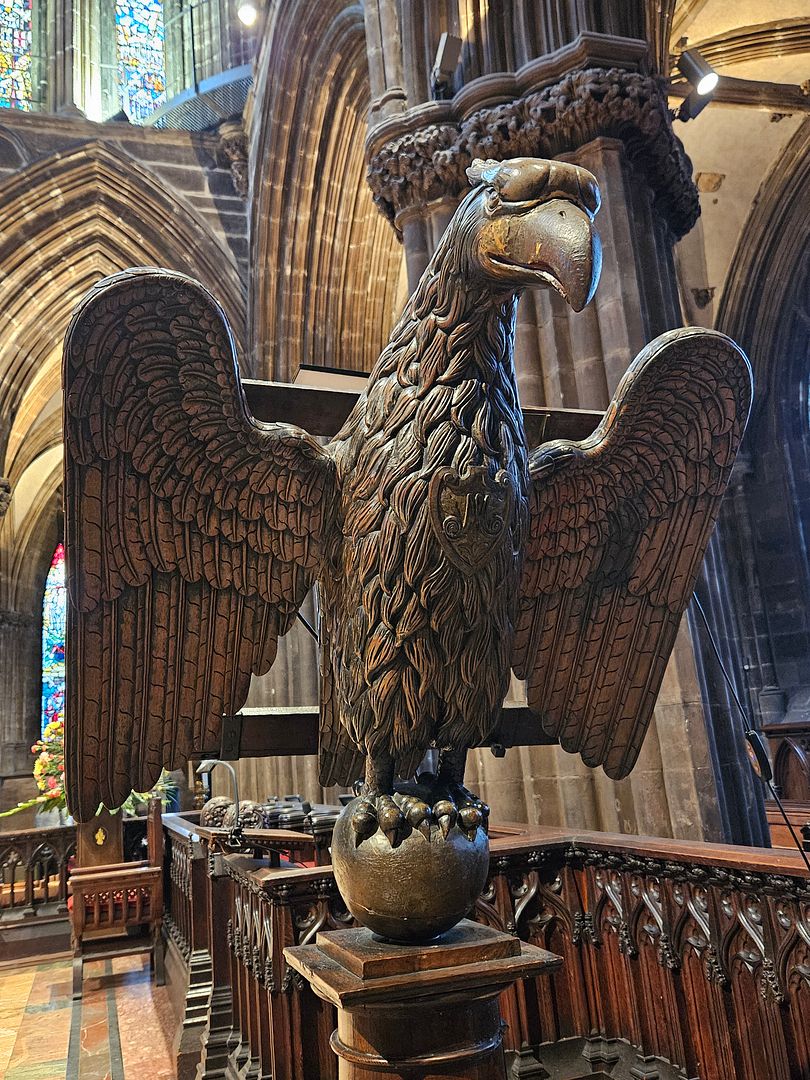
The symbolism of the eagle derived from the belief that the bird was capable of staring into the sun and that Christians similarly were able to gaze unflinchingly at the revelation of the divine word. Alternatively, the eagle was believed to be the bird that flew highest in the sky and was therefore closest to heaven, and symbolized the carrying of the word of God to the four corners of the world.
The eagle is the symbol used to depict John the Apostle, whose writing most clearly witnesses the light and divinity of Christ. In art, John, as the author of the Gospel, is often depicted with an eagle, which symbolizes the height to which he rose in the first chapter of his gospel. The eagle came to represent the inspiration of the gospels.
Eagle Lectern at Glasgow Cathedral
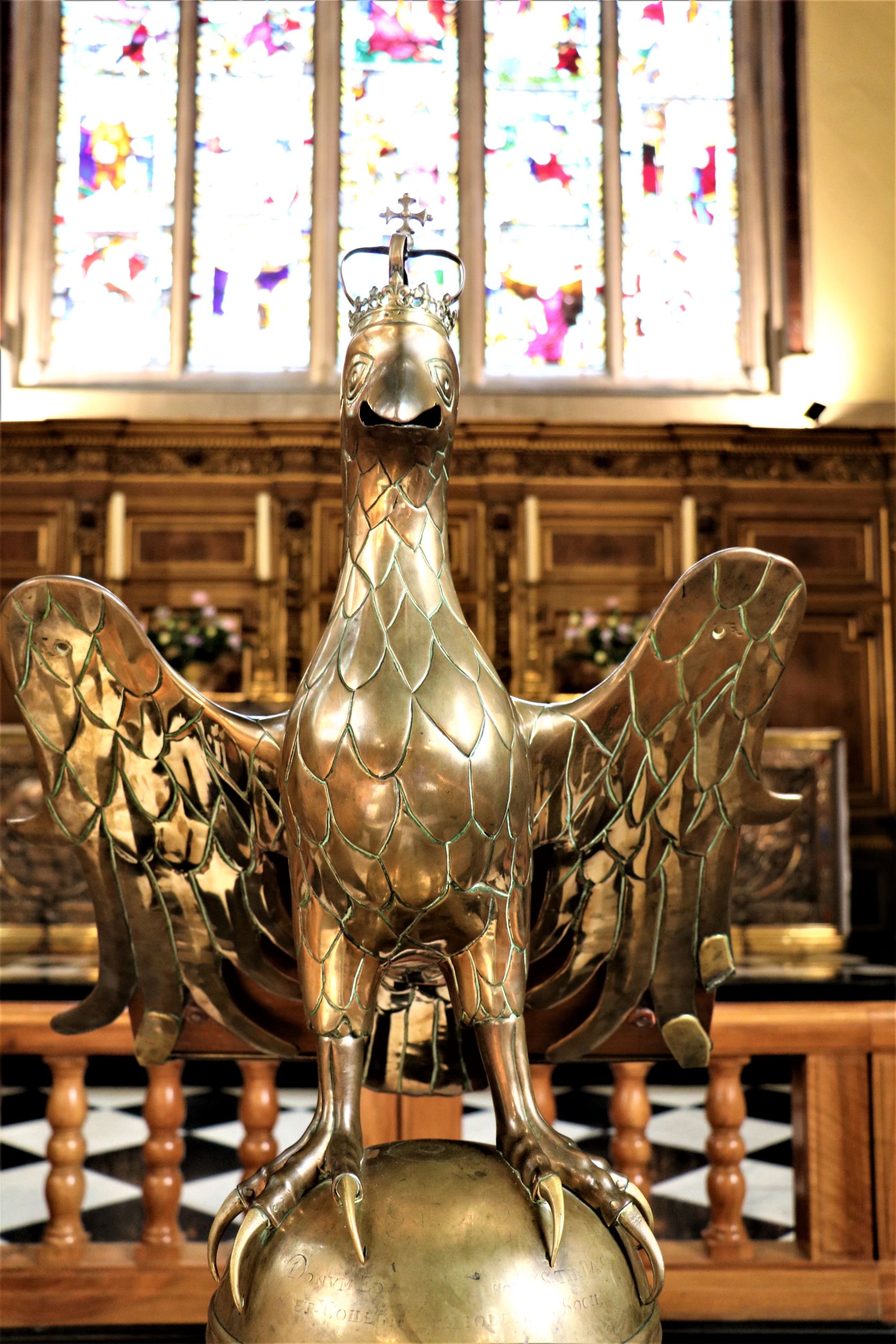
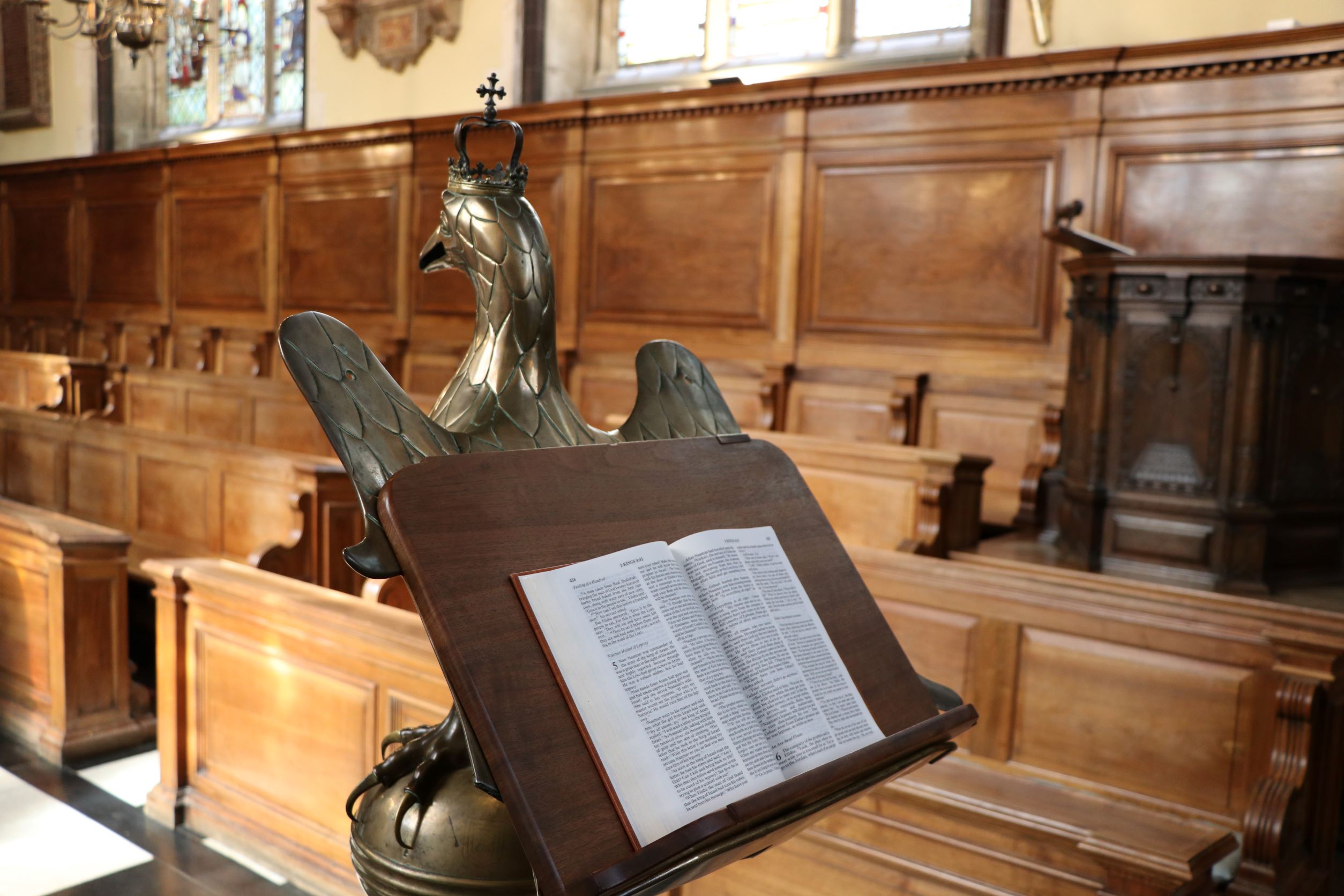
Balliol College, Oxford.

THE FLYING eagle is the symbol of John the Evangelist (see Revelation, ch 4, v 7) who proclaimed Christ as ‘the Word of God’ at the beginning of his Gospel. The flying eagle is thus a suitable emblem from which God’s word is read, reaching to the ends of the earth.
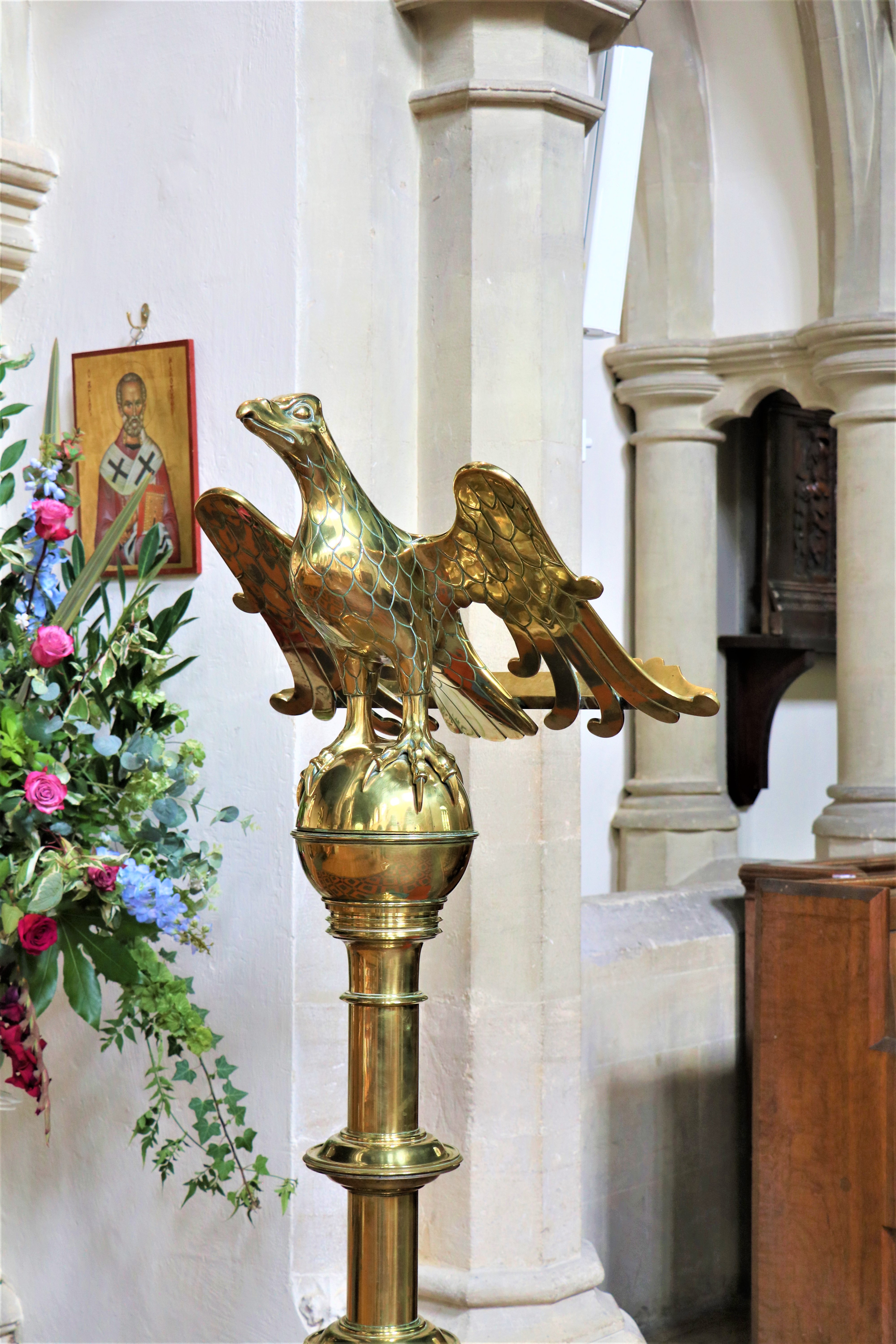
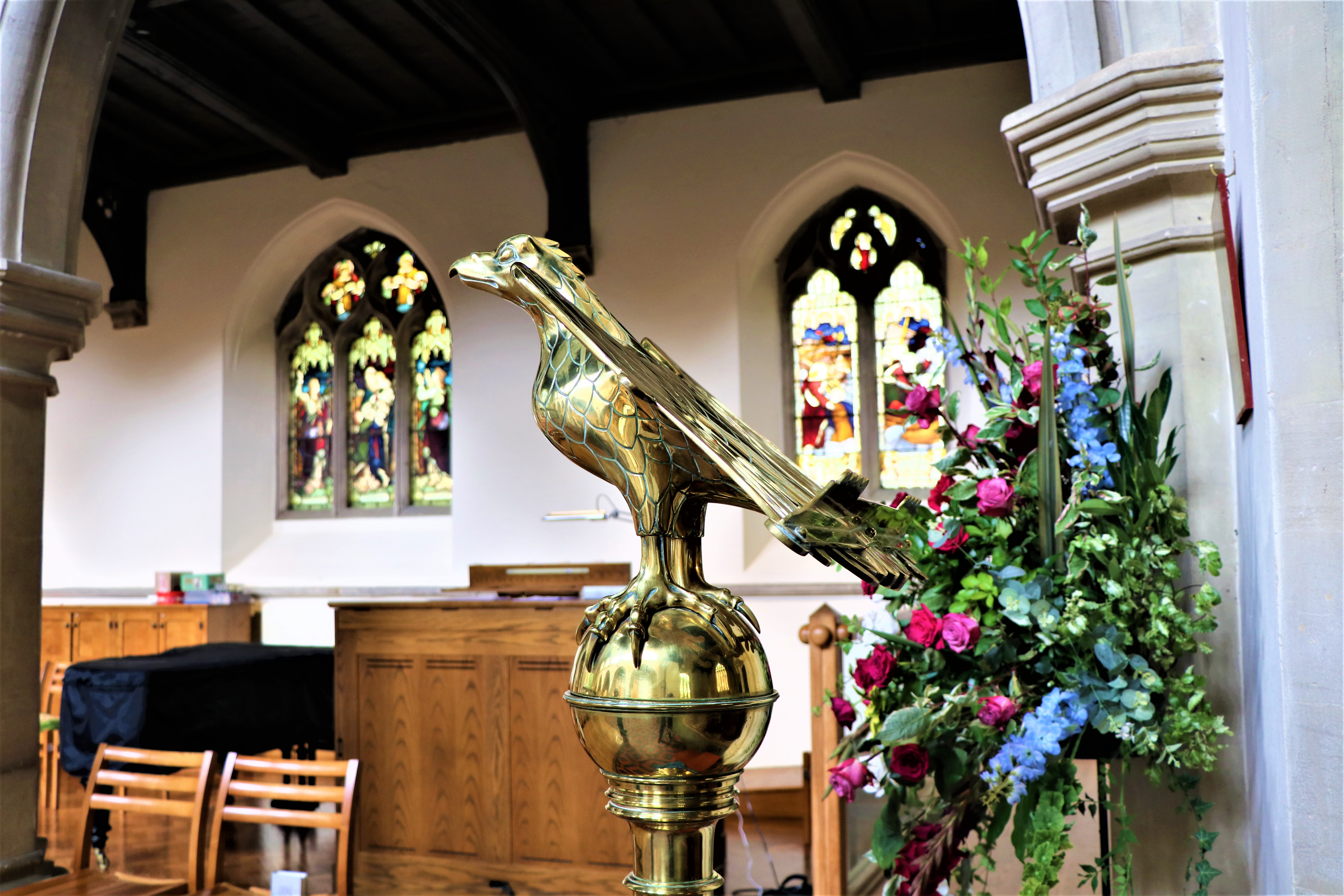
St. Mary Magdalene Church in Woodstock
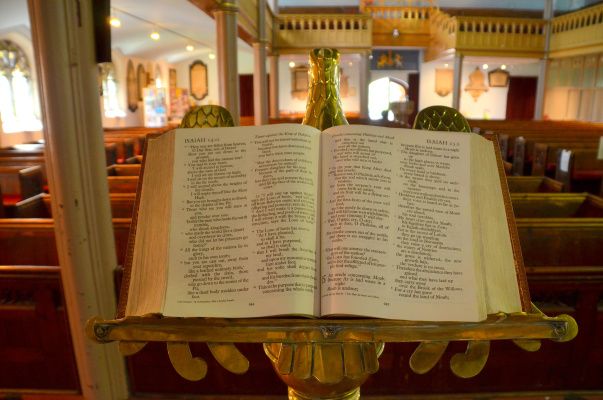
Broadway Day 7 034

St. Michael and All Angels Church in Broadway (Cotswolds)

We were intrigued with these ornate Eagle lecterns that we saw in most of the churches and cathedrals we visited in England. That is why I researched to see the significance of this design.

The lectern stands as the location from which Christian Biblical lessons are given. Lecterns hold the Bible in place as the church leader reads various passages from it. Lecterns in the shape of an eagle hold special value within churches.

Eagle lecterns date back to early church history. Some of the earliest examples of church lecterns that are still in existence date back to the 13th century, such as the lectern located within All Saints’ Parish Church in Bedfordshire, England.

The eagle is the symbol used to depict John the Apostle, whose writing is said to most clearly witness the light and divinity of Christ.

Another reason for eagle-shaped lecterns lies in its symbolizing the word of God being read from the lectern and soaring its way to the ears of the churchgoers.
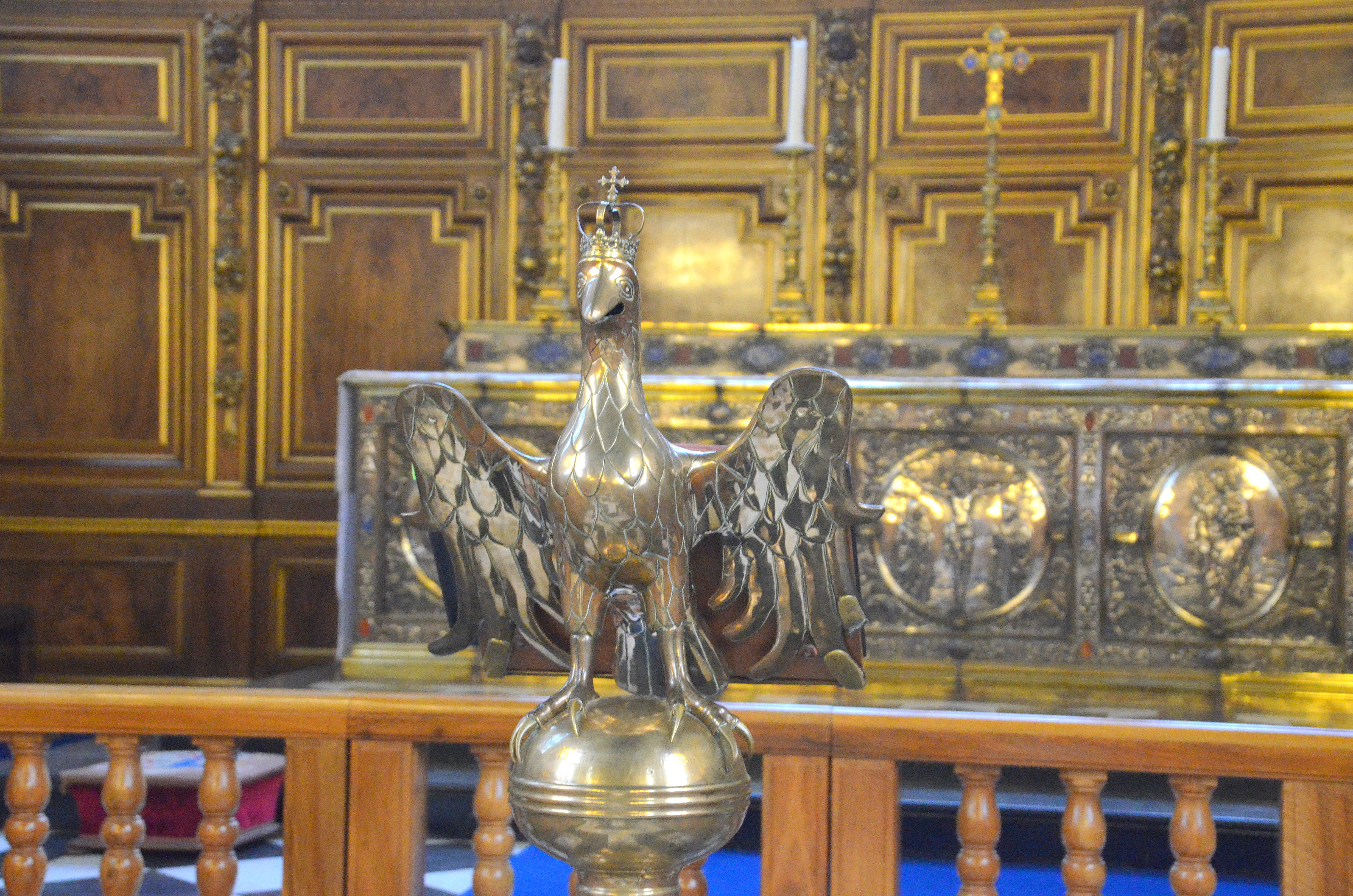
Oxford
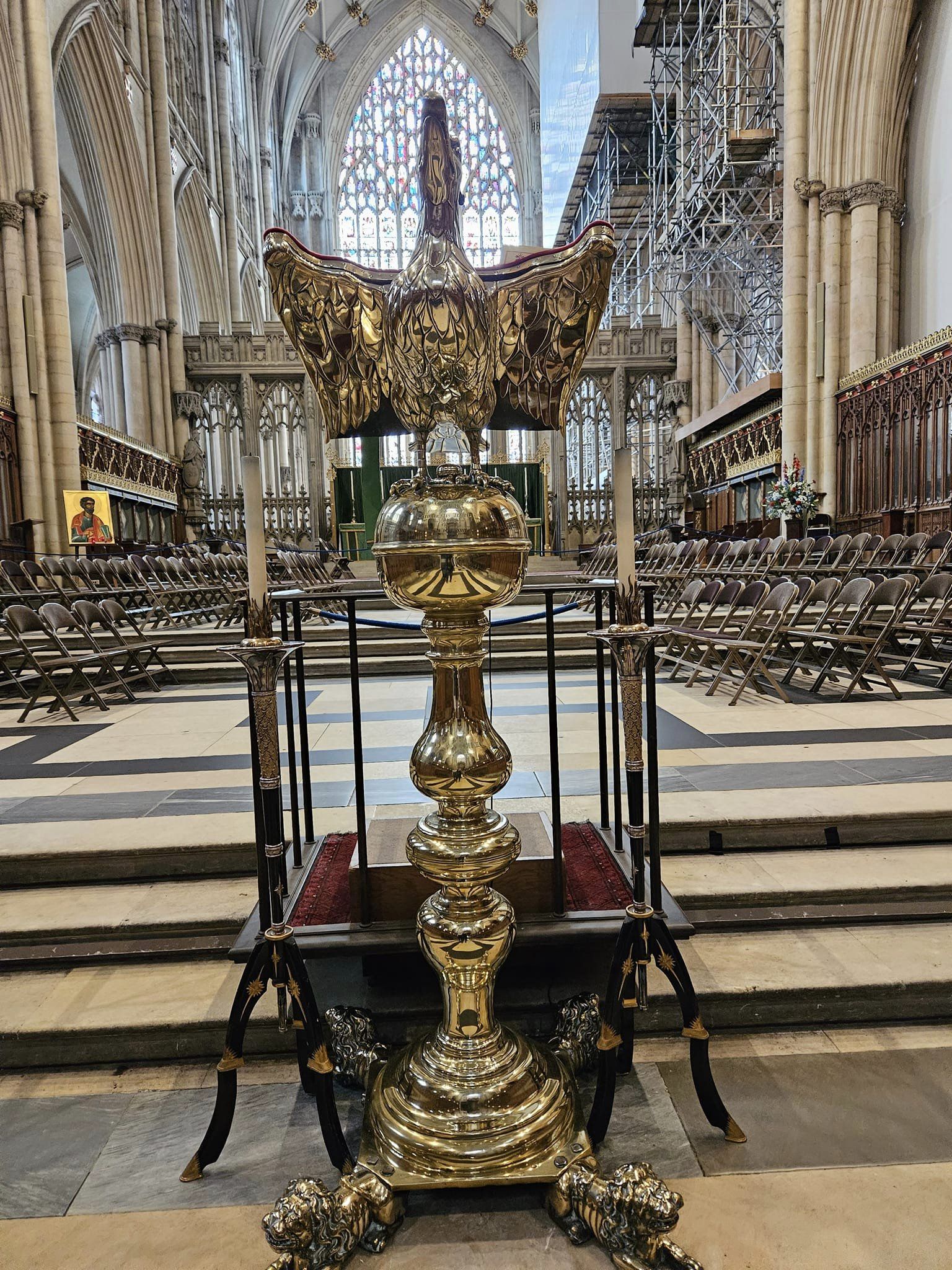
York Minster

What a blessing it has been to be able to visit so many of these beautiful chapels and cathedrals and learn the history and inspiration behind the Eagle Lectern. But how much more amazing is it that we can hold the Word of God in our hands and read it and learn from it and grow in wisdom and grace.

Psalm 19:7-11

The law of the Lord is perfect,
    reviving the soul;
the testimony of the Lord is sure,
    making wise the simple;
the precepts of the Lord are right,
    rejoicing the heart;
the commandment of the Lord is pure,
    enlightening the eyes;
the fear of the Lord is clean,
    enduring forever;
the rules of the Lord are true,
    and righteous altogether.
10 More to be desired are they than gold,
    even much fine gold;
sweeter also than honey
    and drippings of the honeycomb.
11 Moreover, by them is your servant warned;
    in keeping them there is great reward.

I’m adding a quote from one of my favorite pastors who inspired me to love God’s Word because of His love for all of God’s Word and his faithful preaching of the Word.

“It is the power of the Word that saves. It is the power of the Word that sanctifies. It provides doctrine. It reproves error and sin. It sets upright and then trains in the path of righteousness.” ~John MacArthur

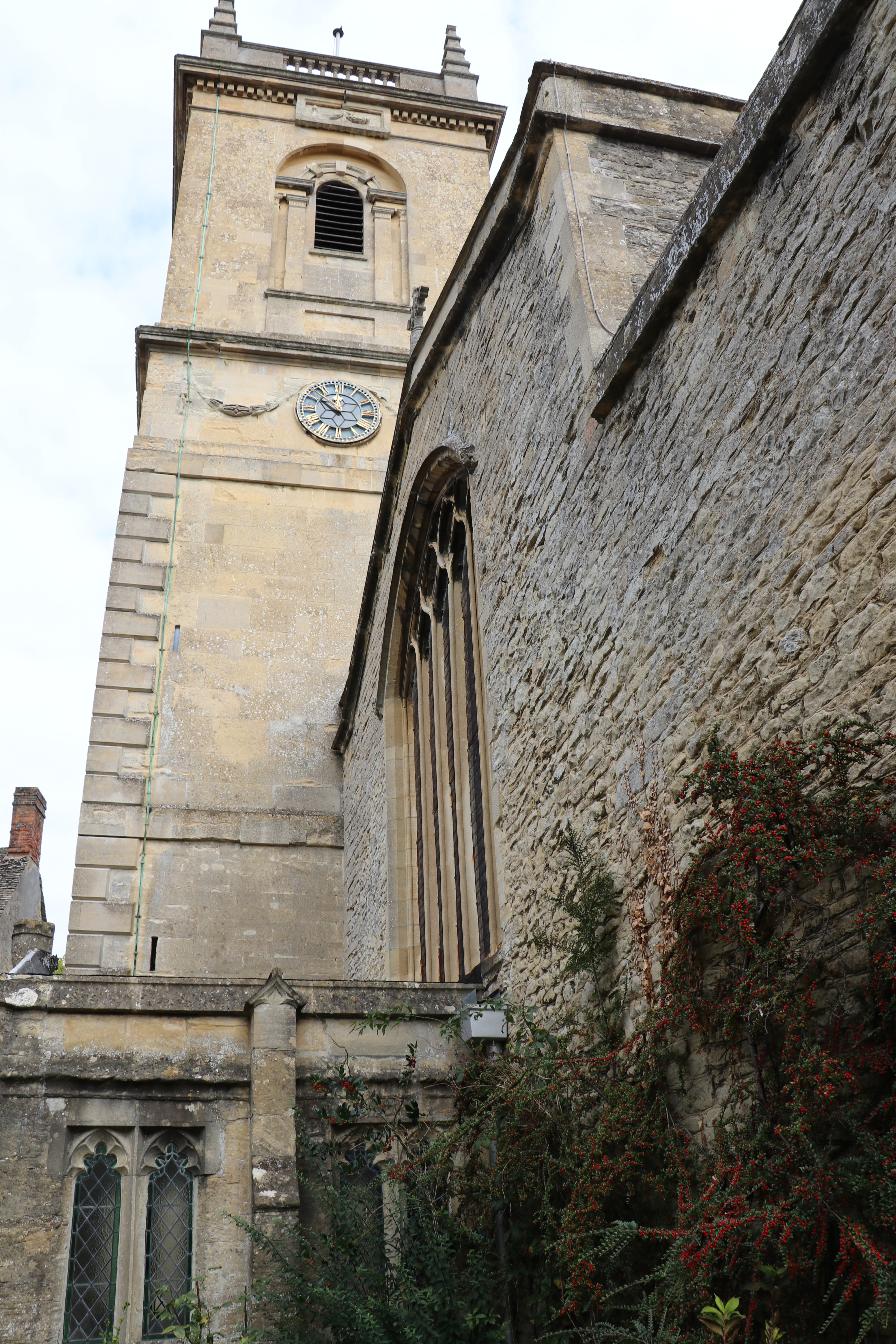
St. Mary Magdalene Church ~ Woodstock

Much history of the church and of the photos I’m sharing can be found here.

The church was built during the reign of Henry II (1154-1189) as a chapel of ease so that local people, including members of the royal court, did not have to travel to the parish church at nearby Bladon to worship.

Later in the 13th century the church was enlarged and a bell tower and burial ground were added.

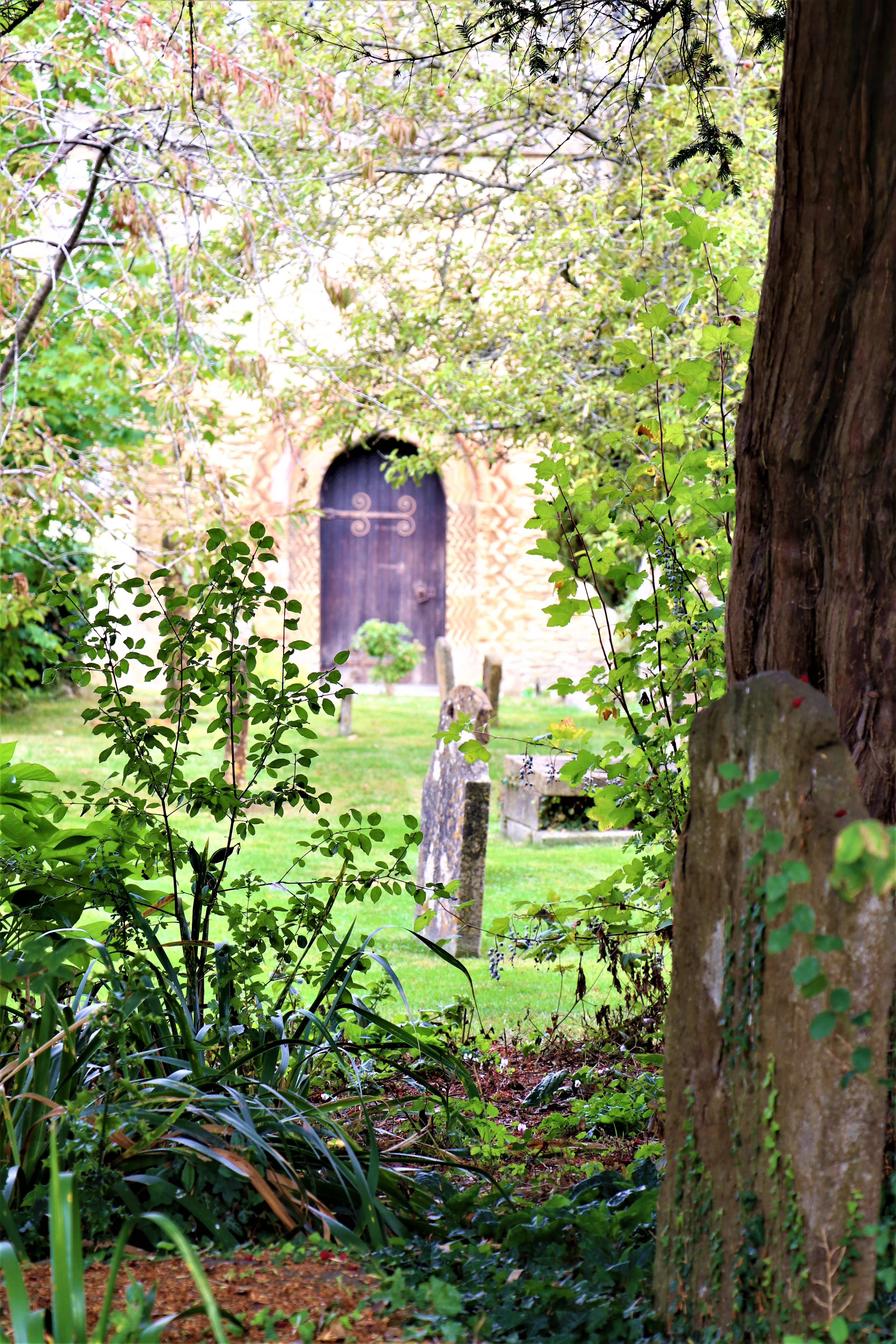
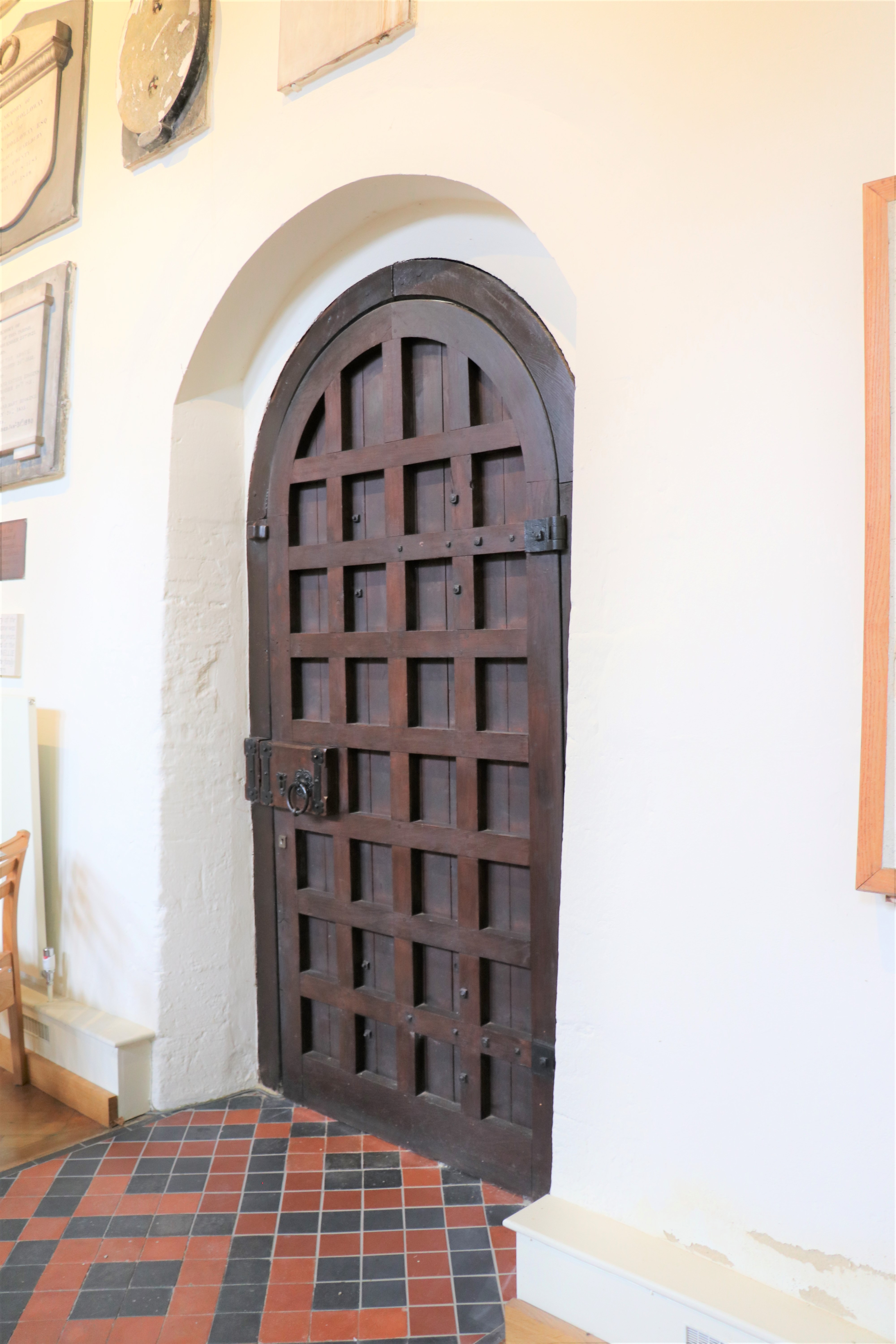
The only parts of that original chapel of ease to survive are a section on the south nave wall and a beautifully carved round-headed 12th-century doorway set into the south wall. The doorway is carved with two orders of traditional Norman zig-zag pattern separated by moulding. Unusually, the zig-zag carving extends all the way to the ground.

The above photo is of that ancient door from the outside and below from the inside.

Separating the church porch from the nave is a wooden screen, carved in the early 16th century. The screen was originally installed in the traditional place between the nave and chancel, but was moved to the west end of the nave in 1999 to make the high altar more easily visible.

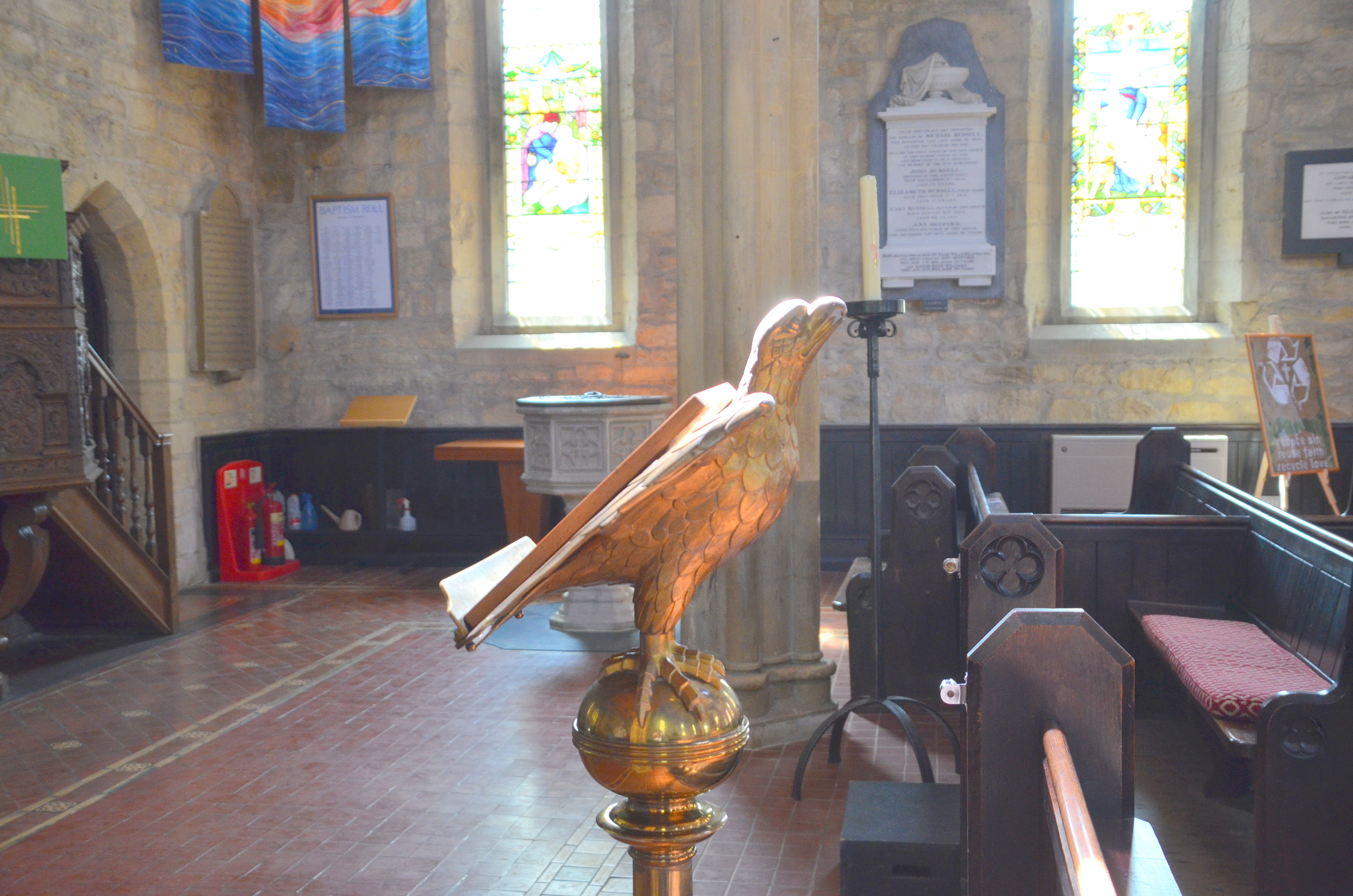
This flying eagle lectern is like several others I’ve seen in churches in Great Britain. I think they are so cool.

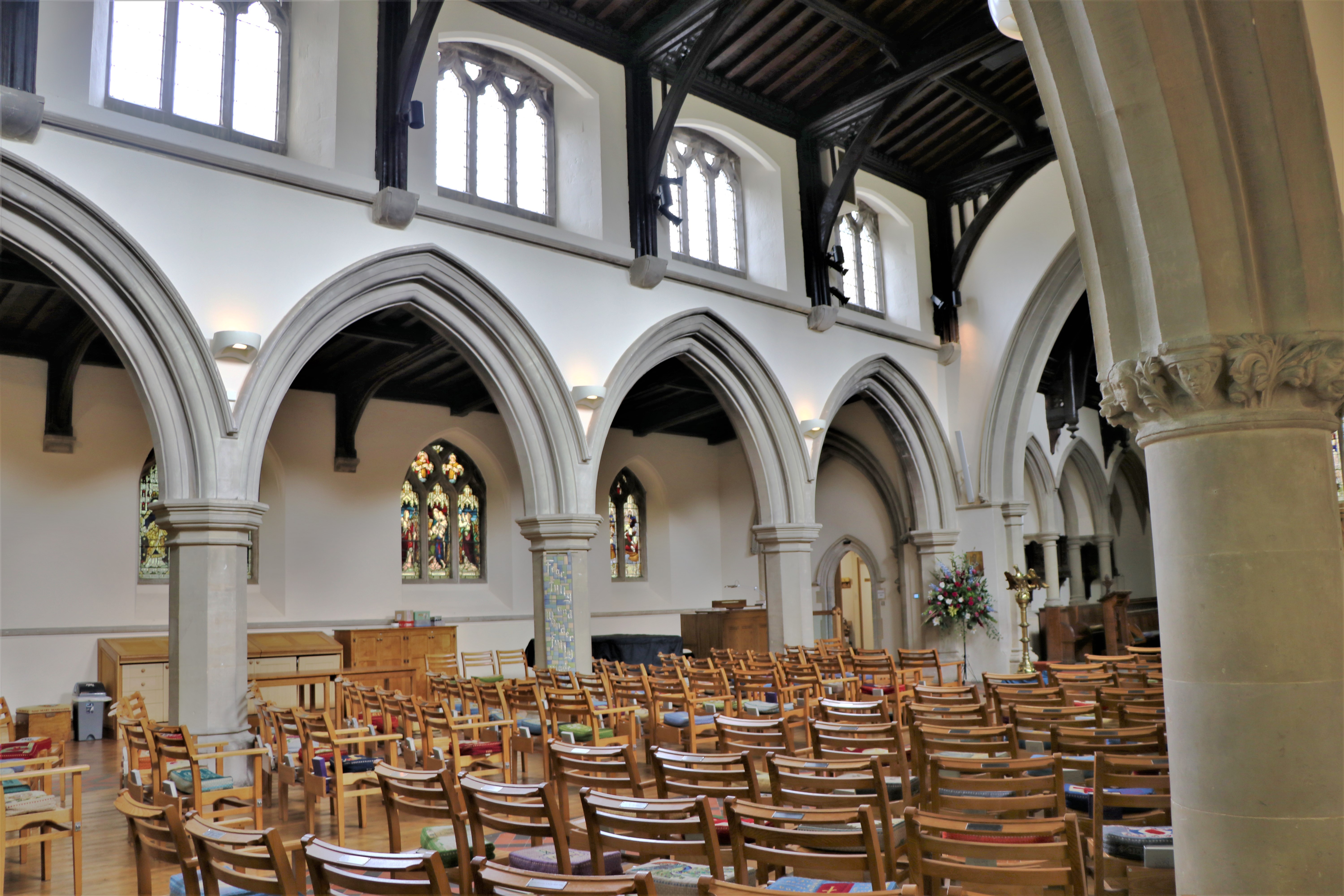
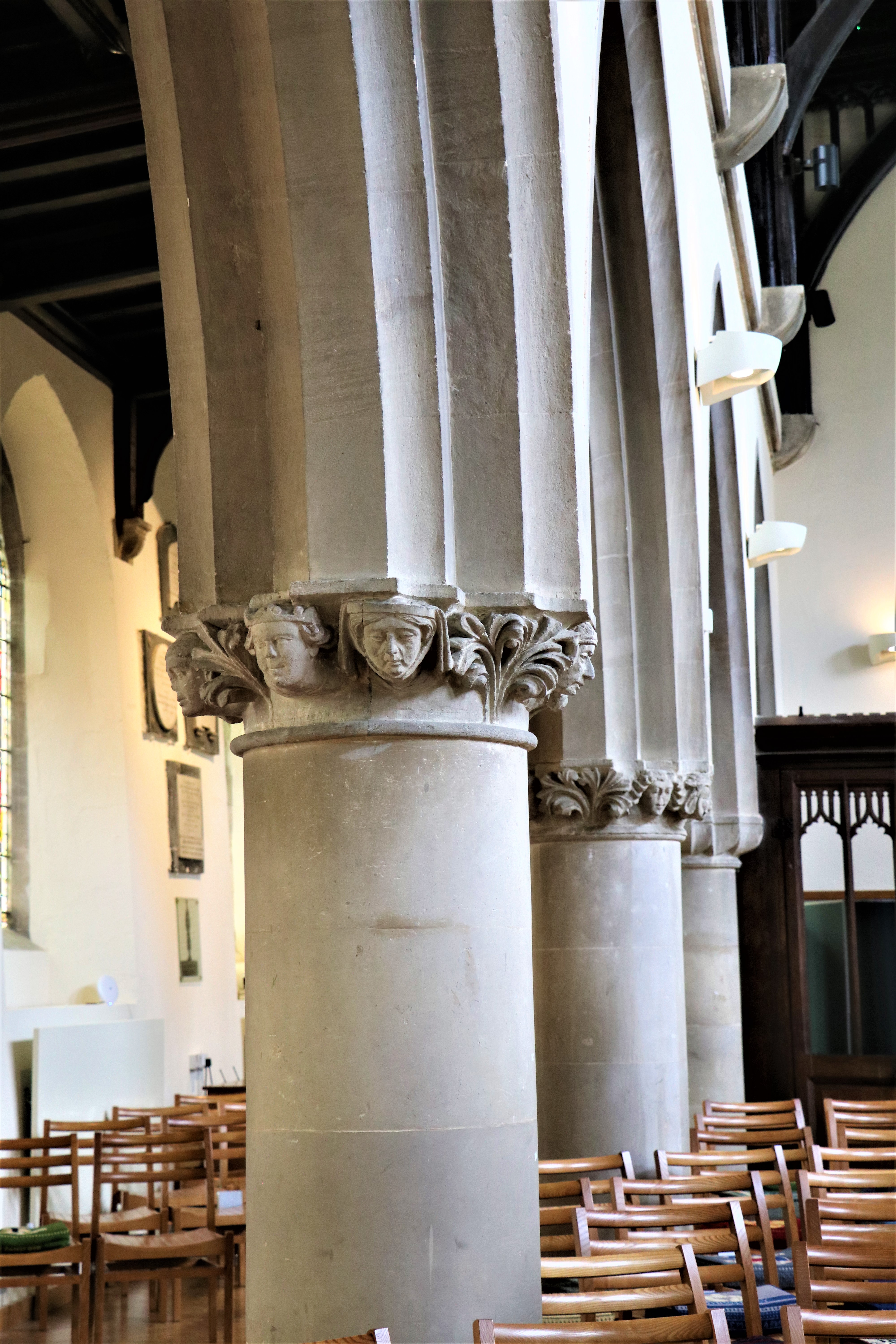
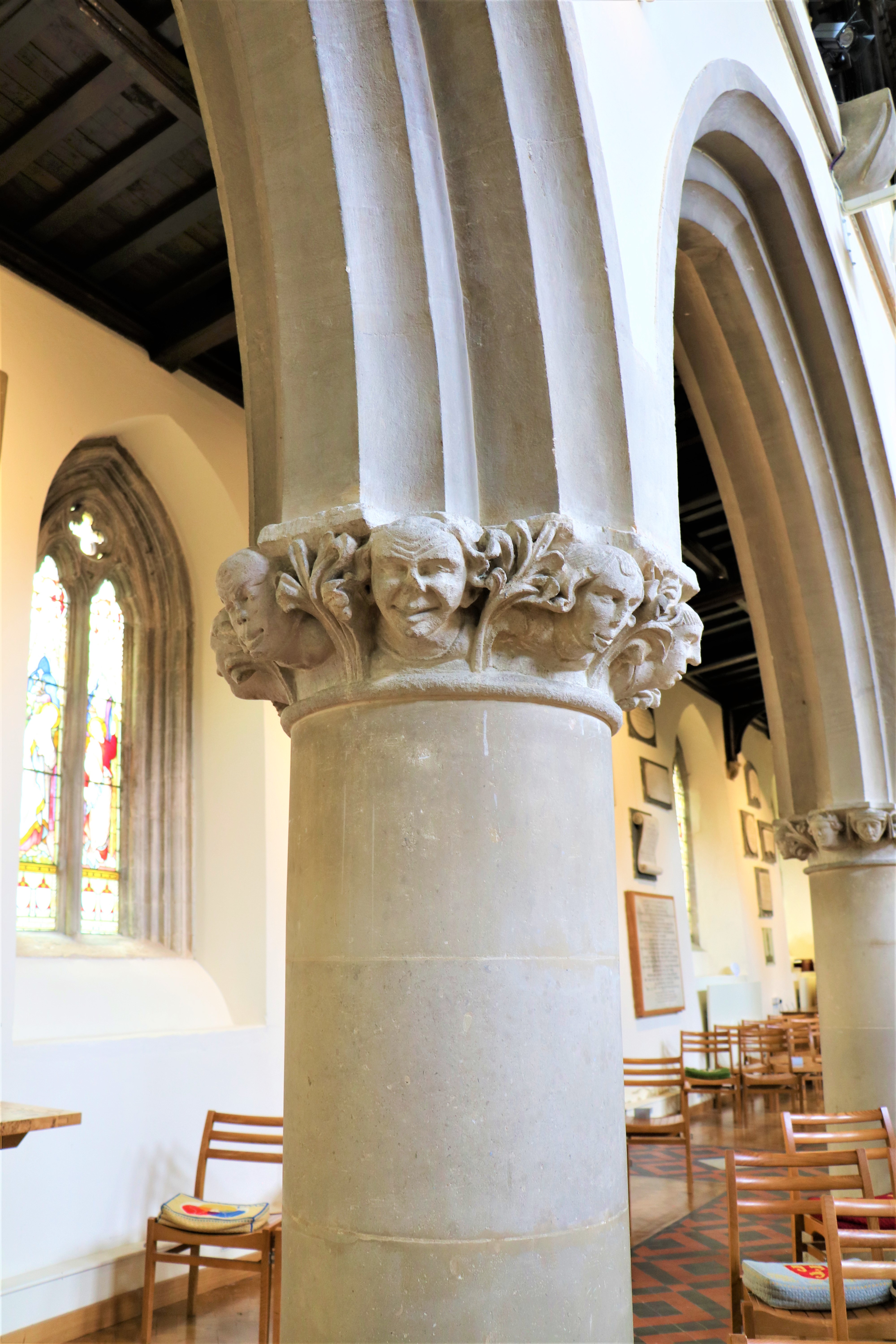
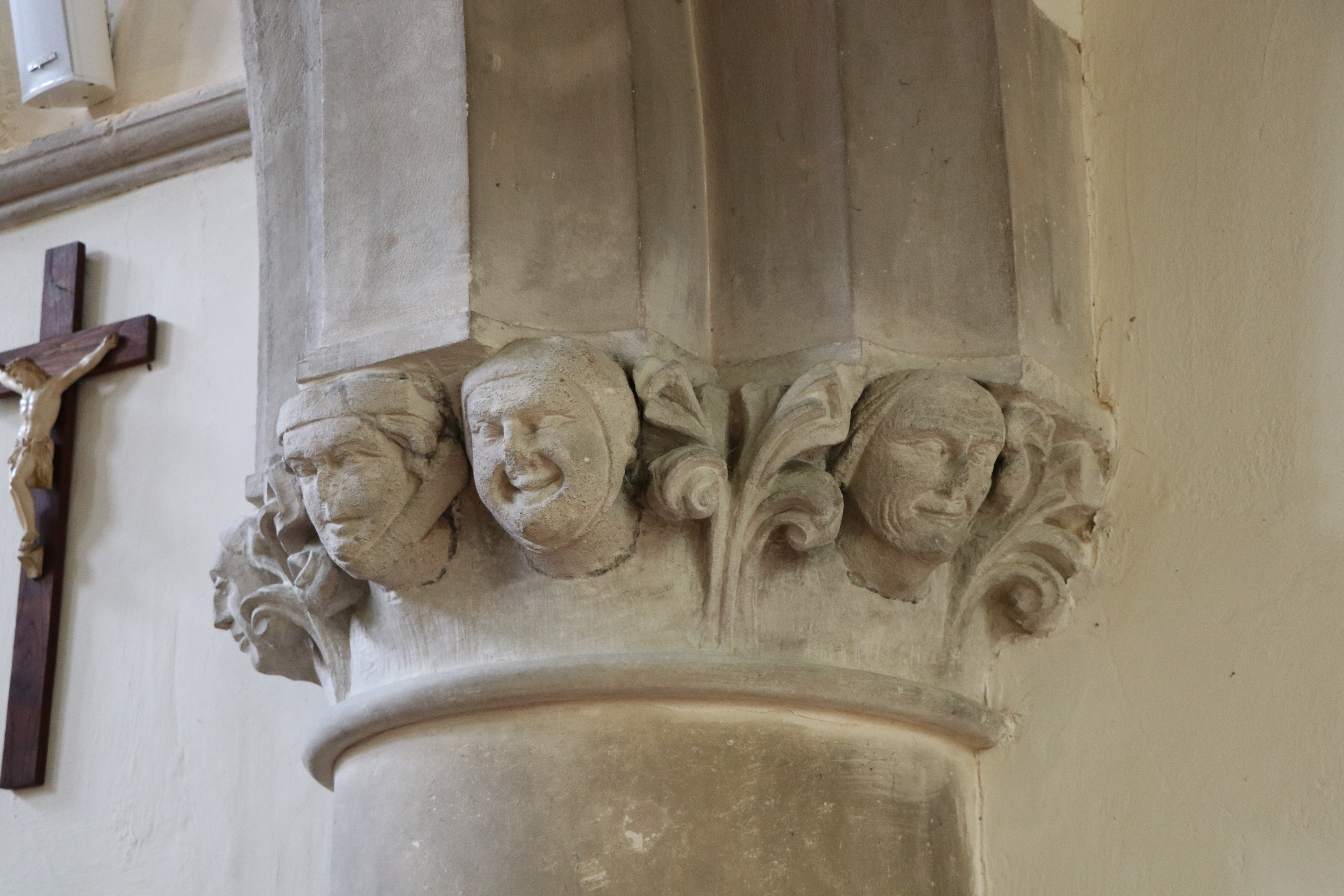
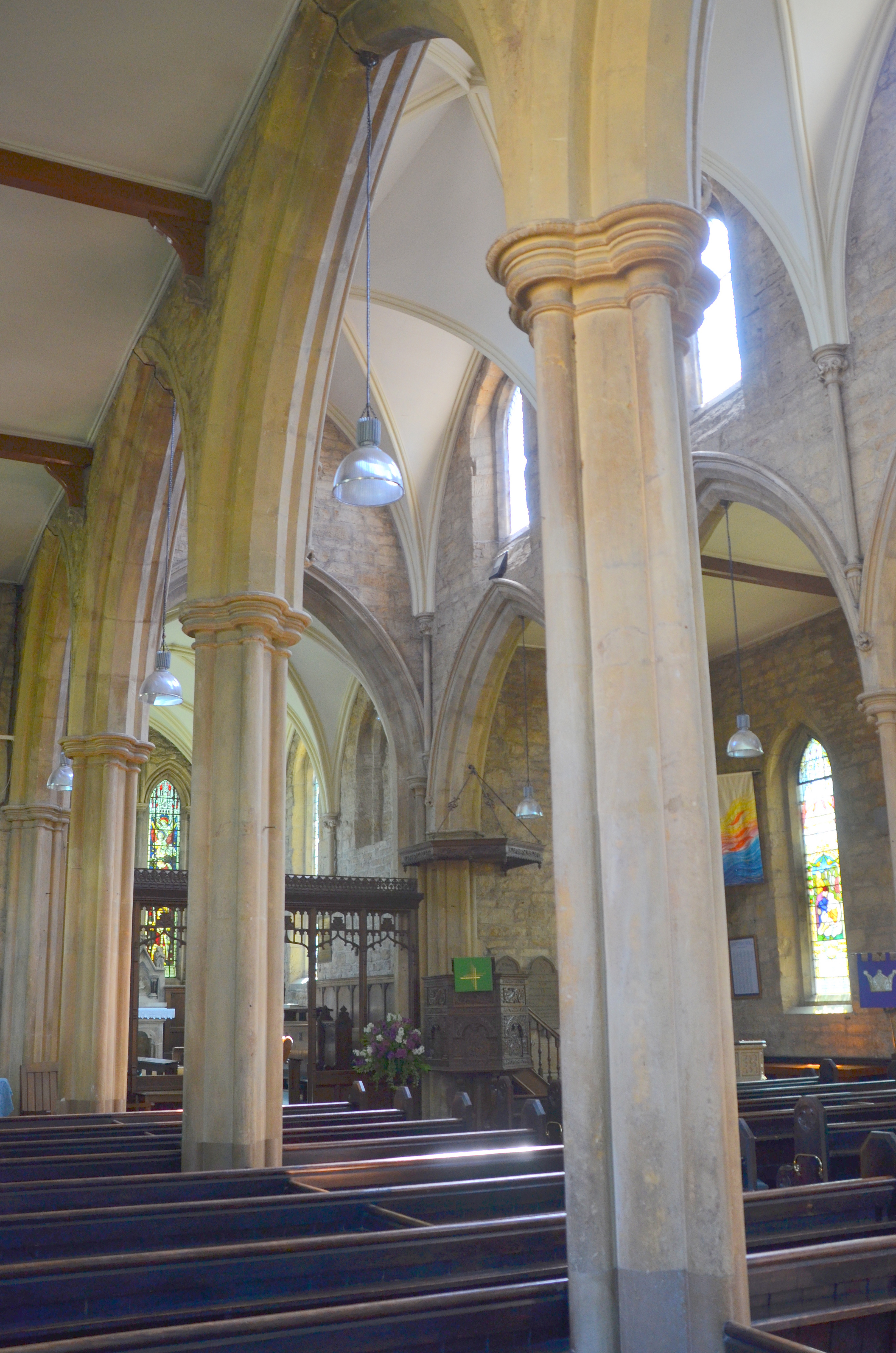
The superb column capitals on the south nave arcade are one of the church’s best features. There are 23 carved heads incorporated into the design of the capitals, interspersed with foliage.

Each capital is different and the heads are all unique.

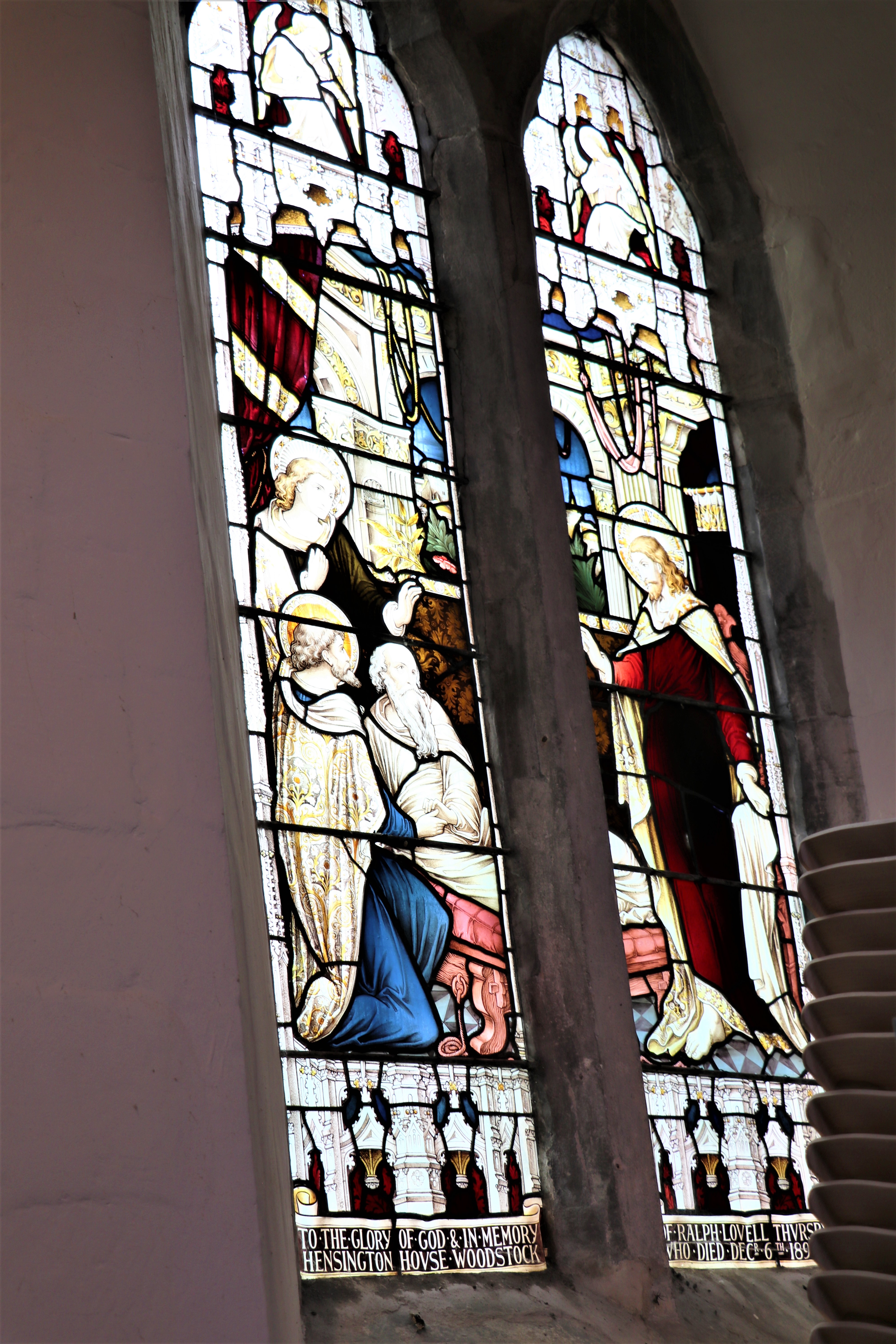
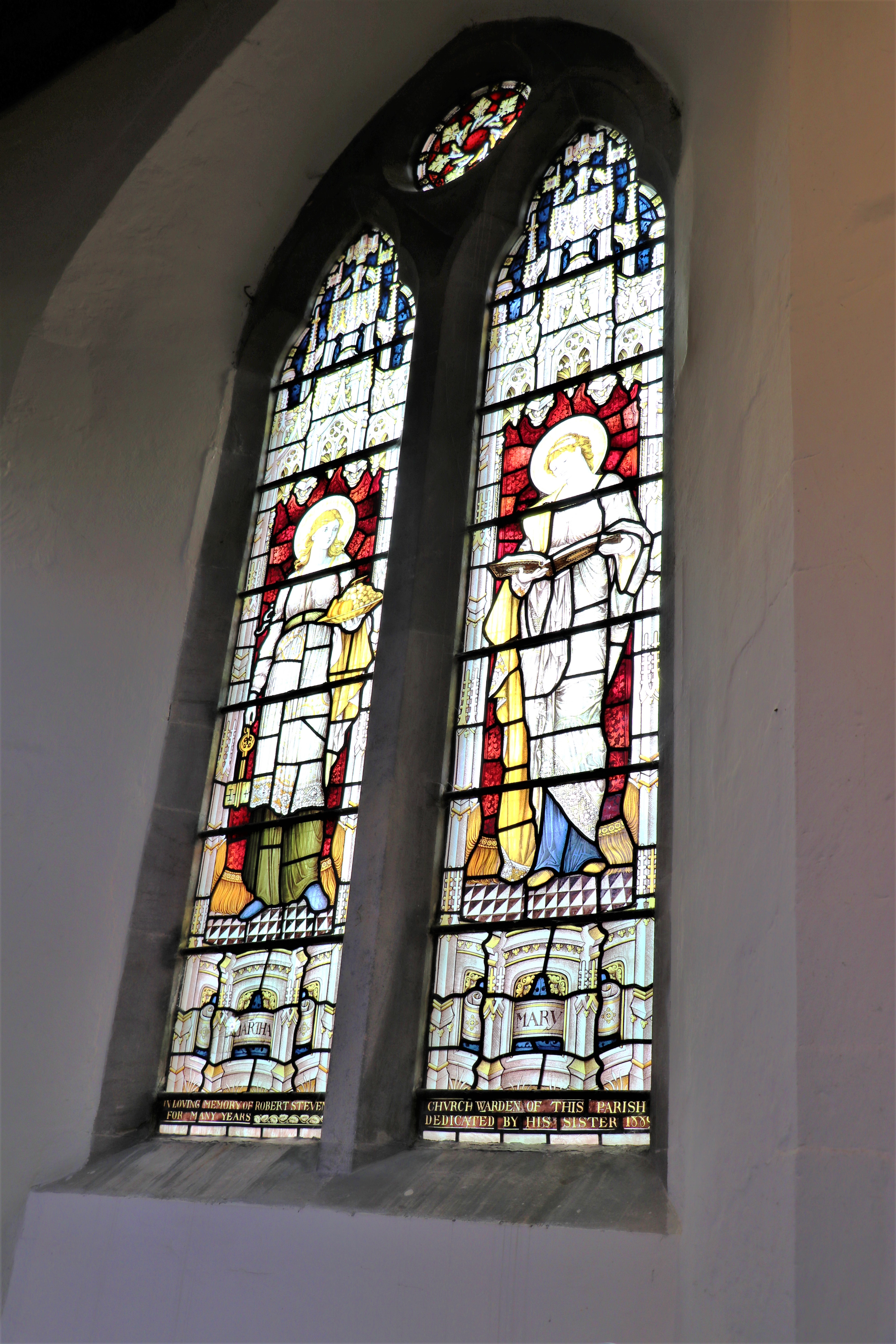
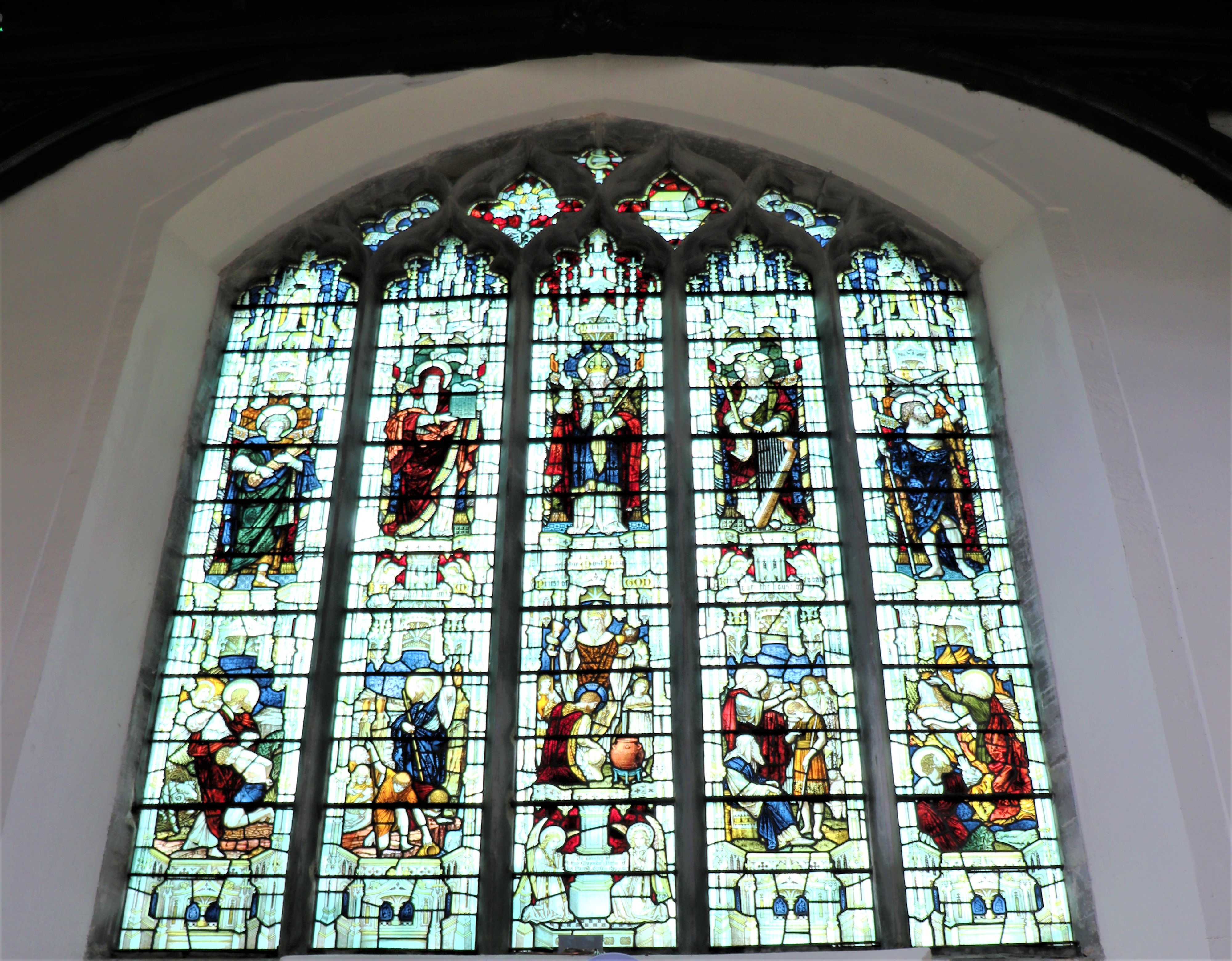
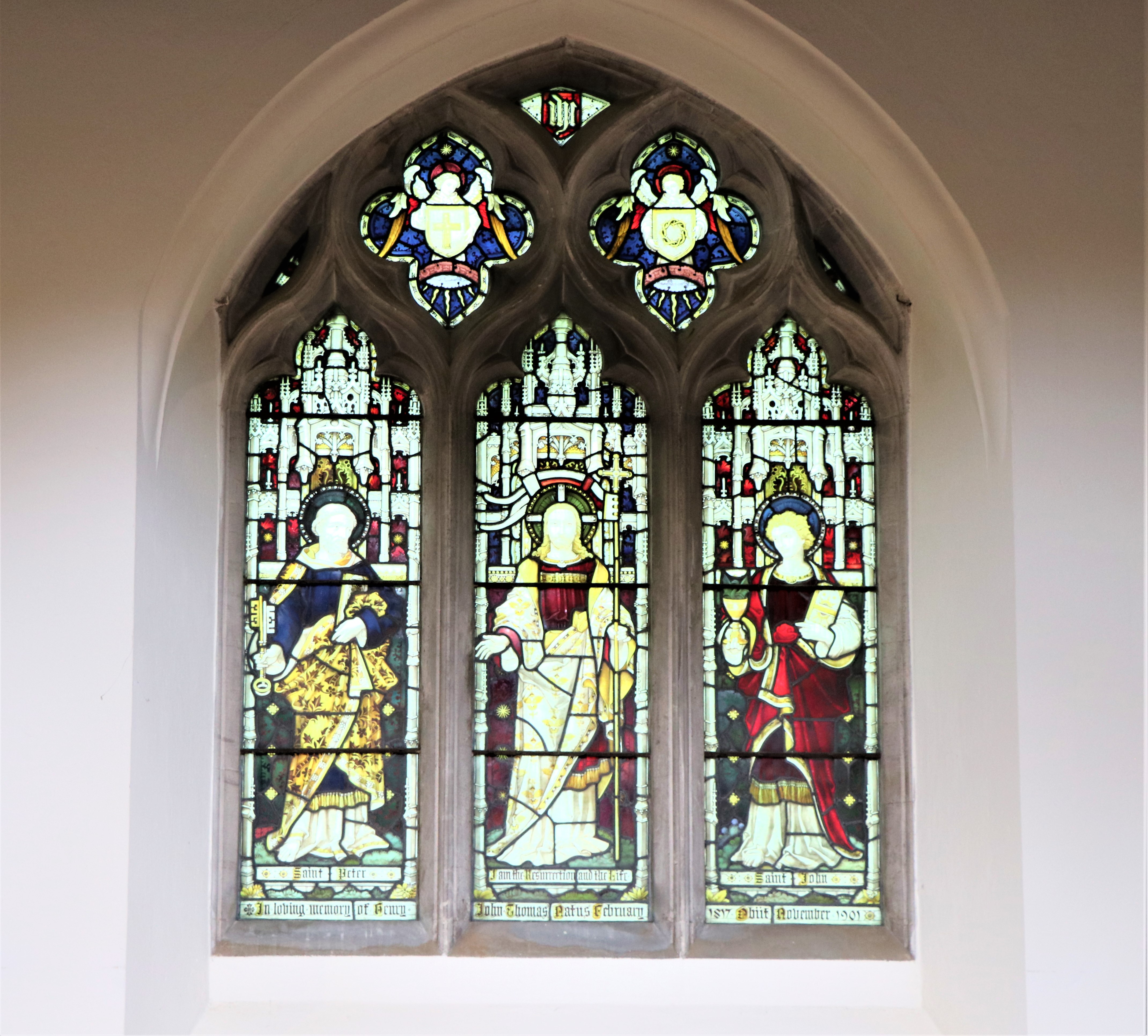
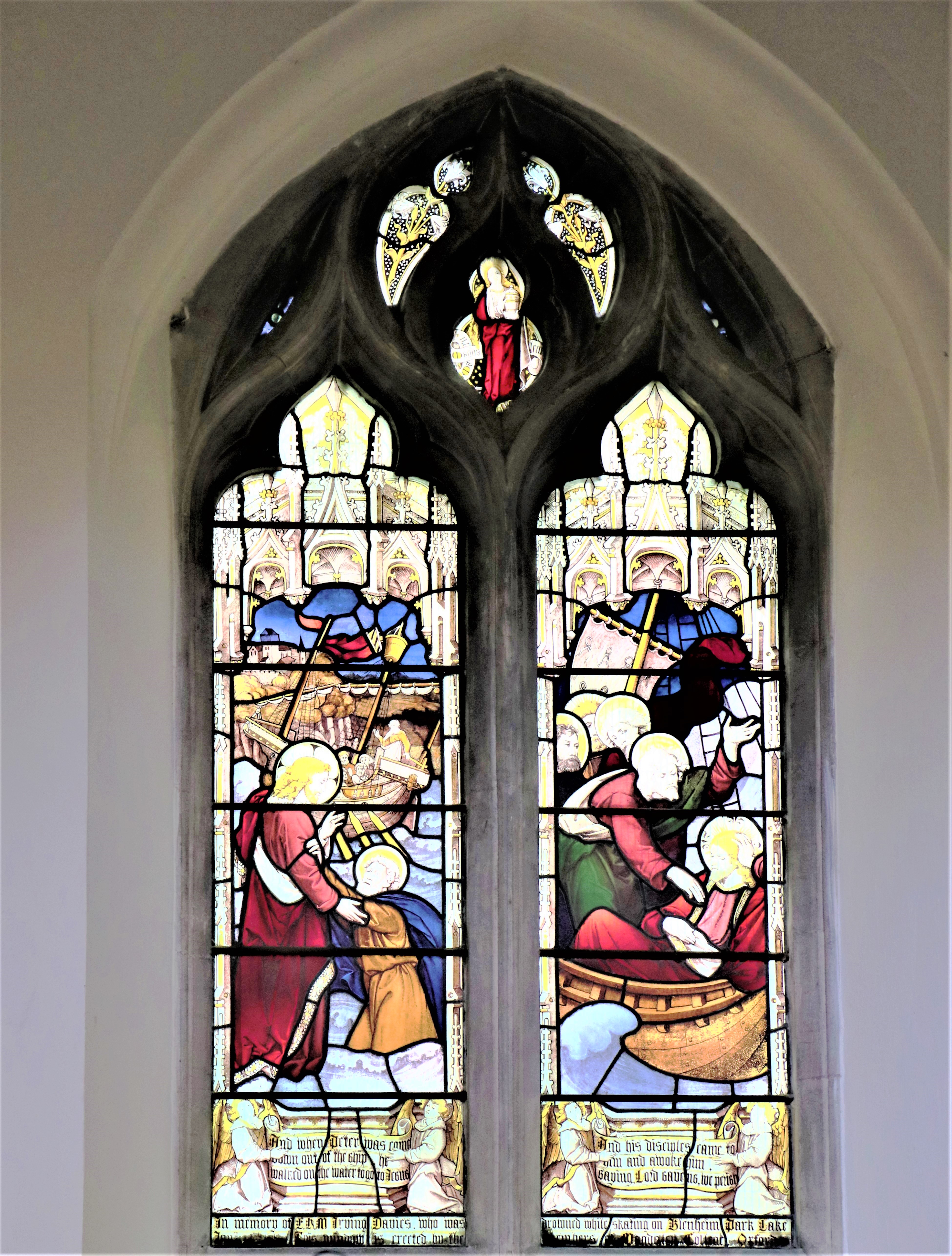
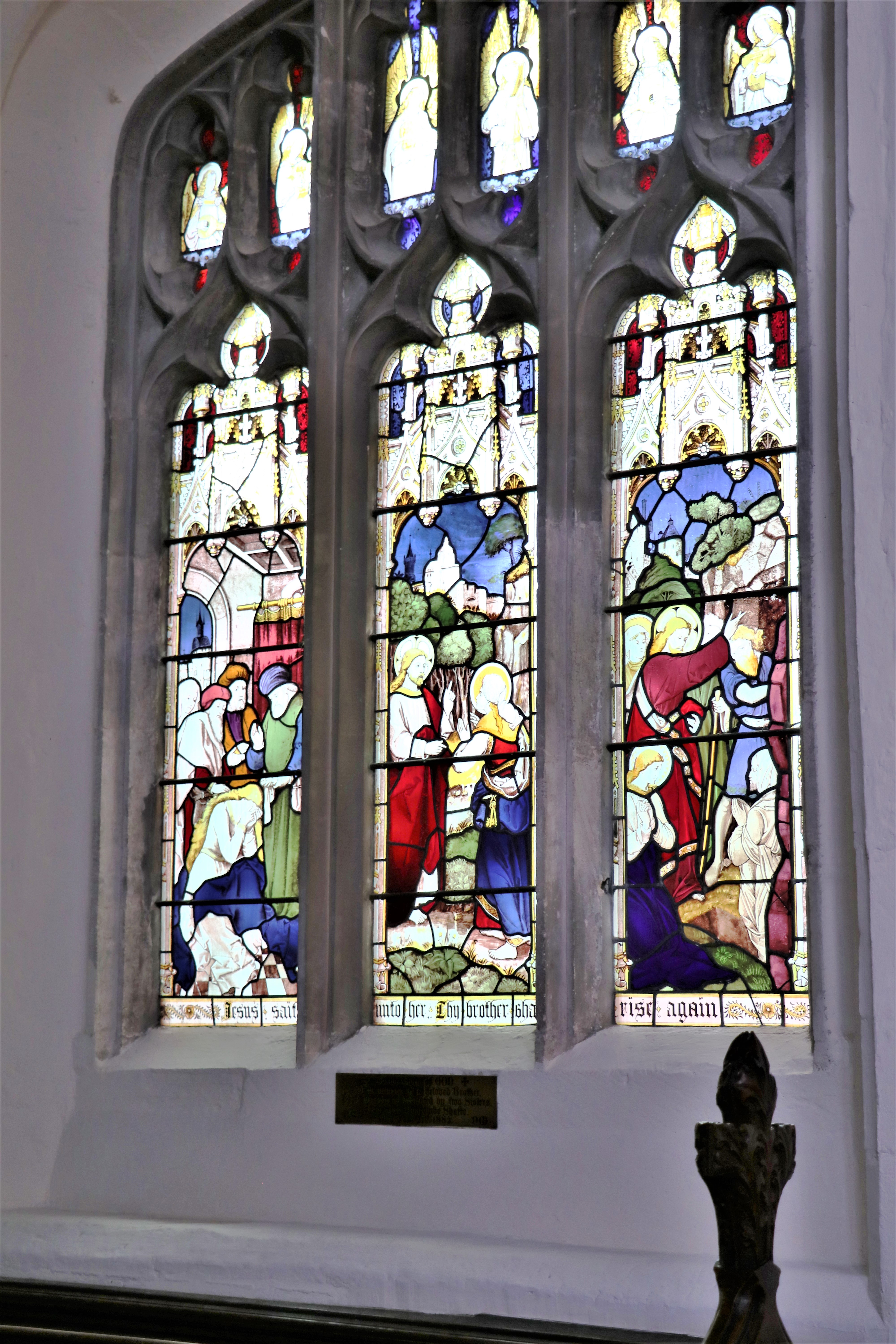
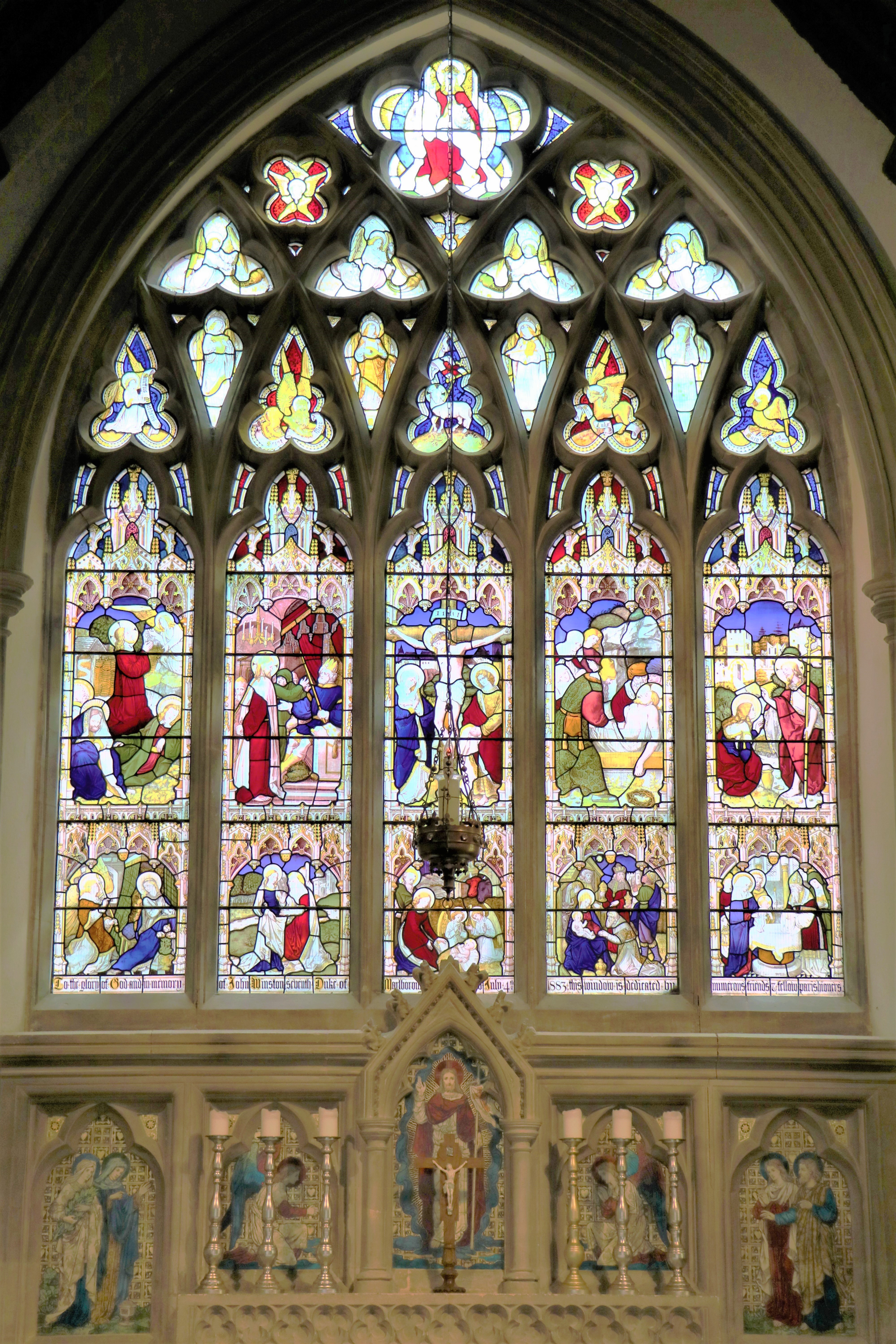
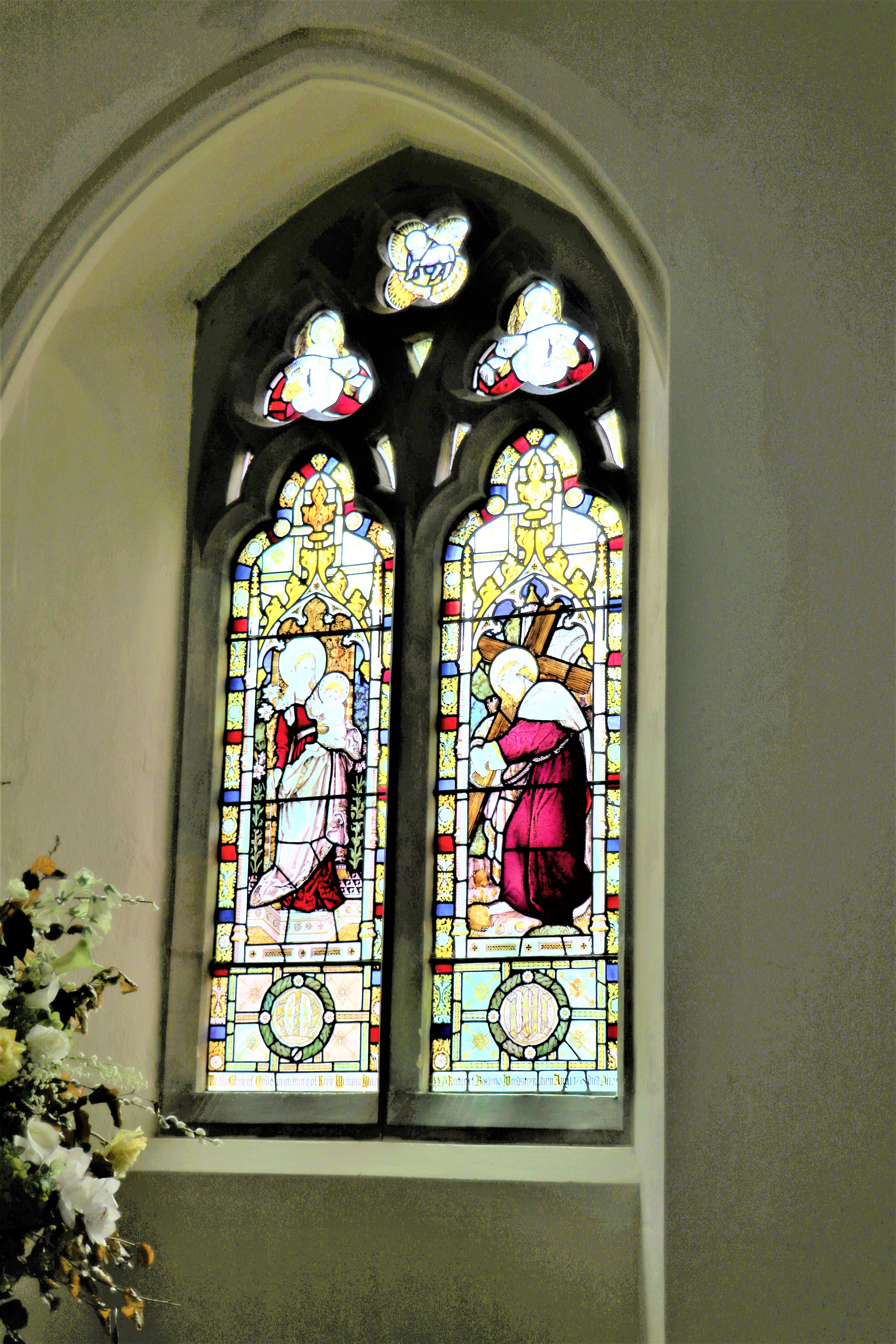
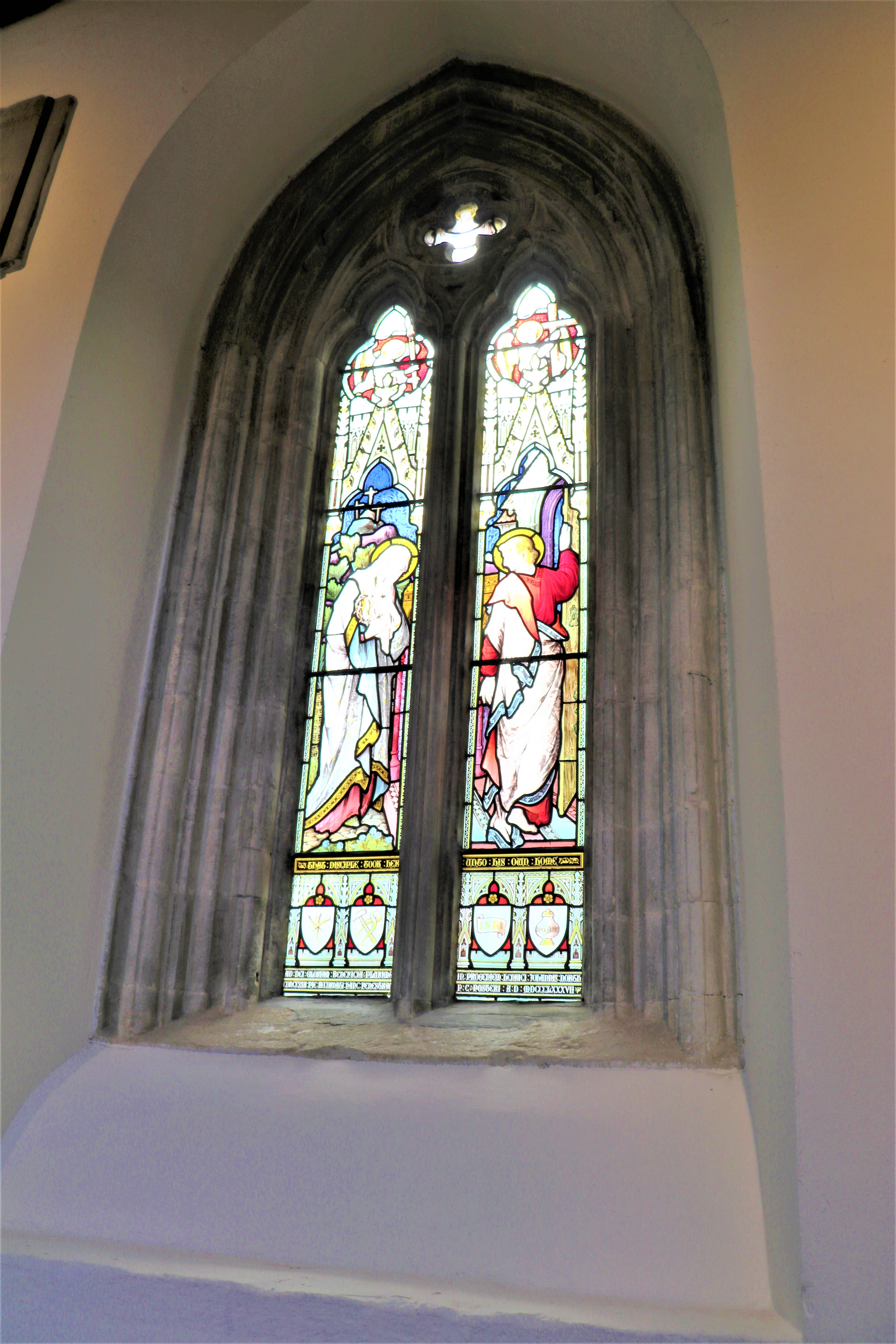
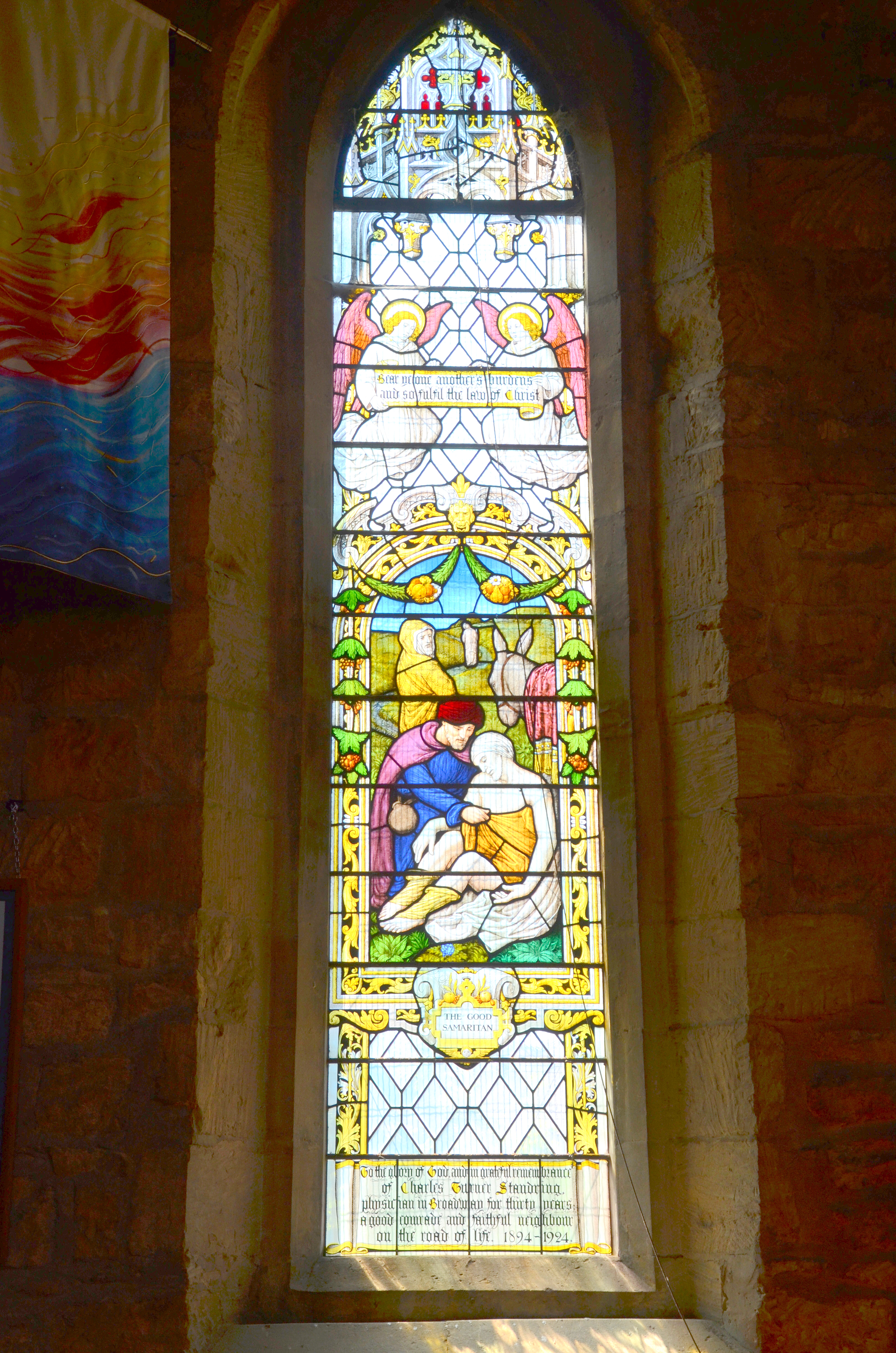
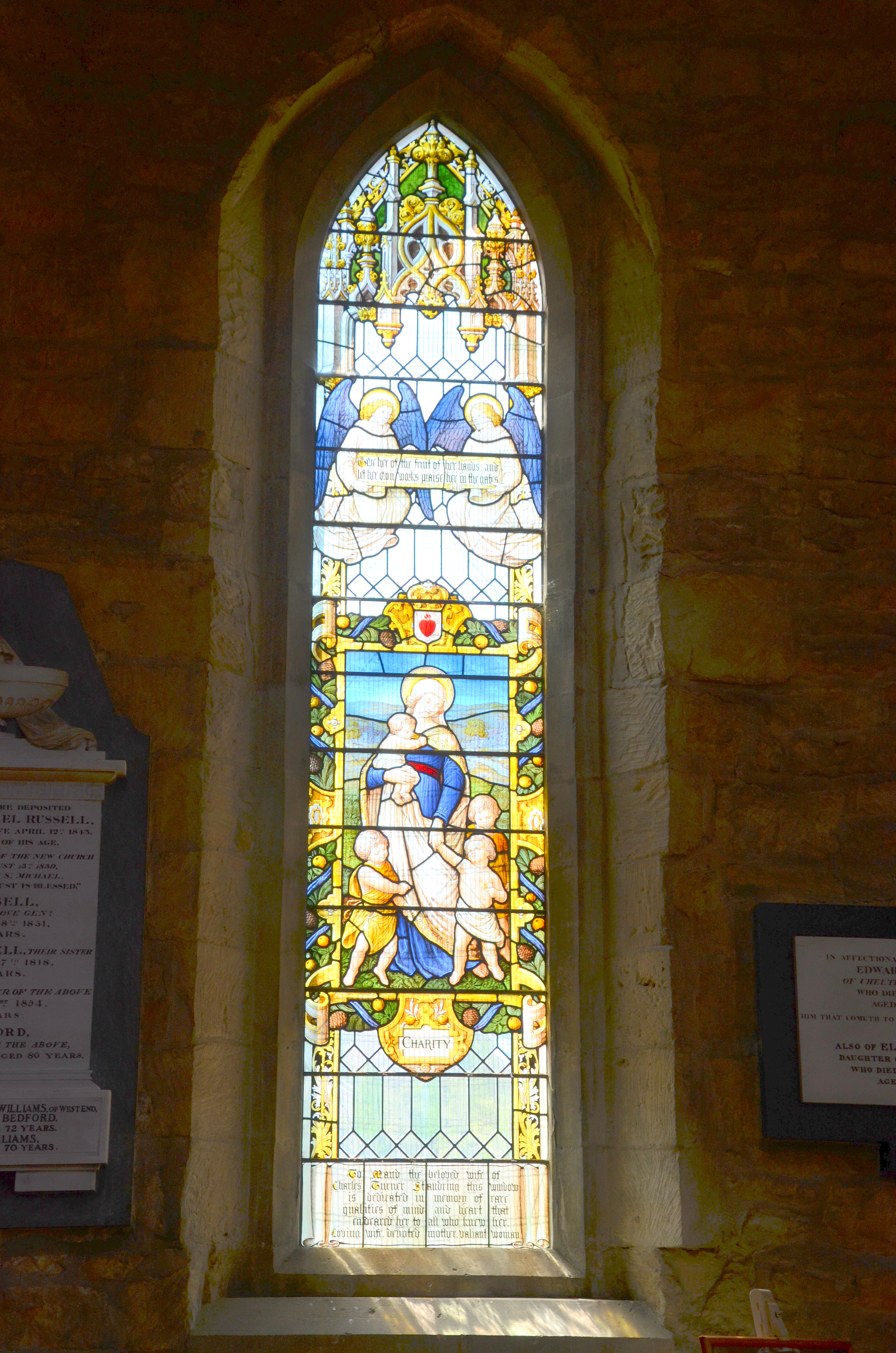
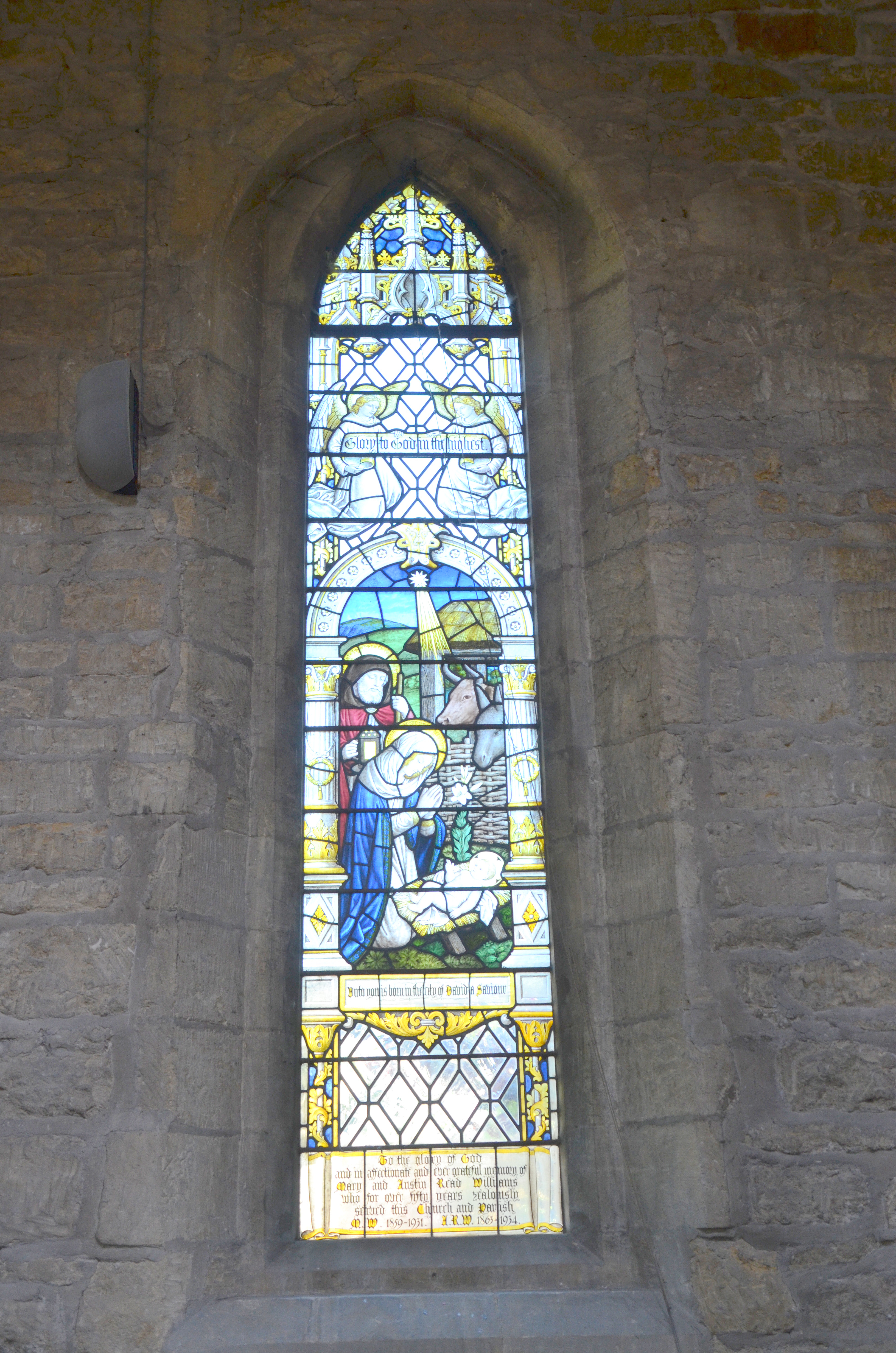
All of the stained glass is Victorian.

The angels at the top have banners that read: Let us love one another ~ For love is of God.

Jesus saith unto her, Thy brother shall rise again.

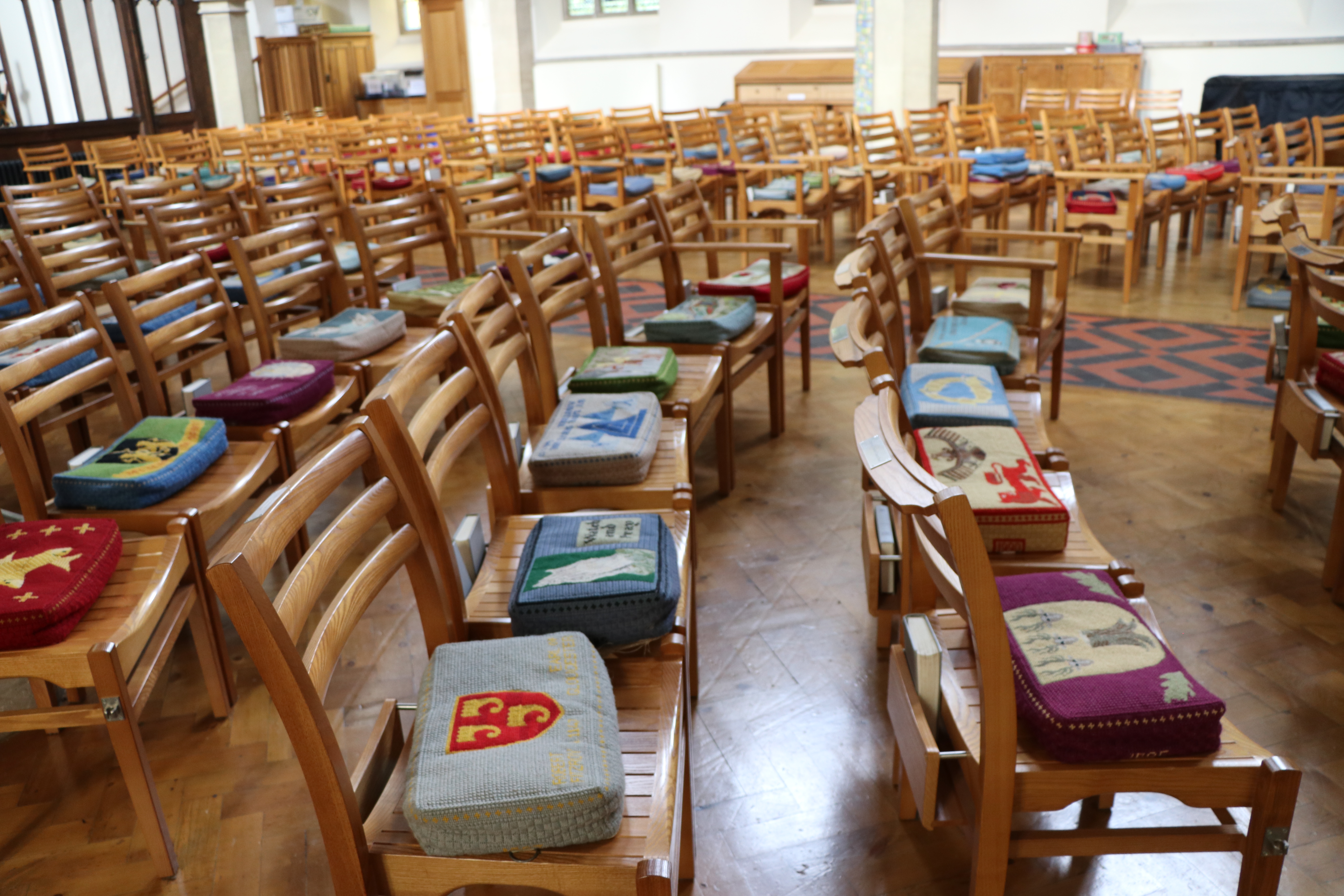
Over 200 kneelers are in this church of which I photographed quite a few. That will be another post.

Inching along to complete posts about our last few days in Oxfordshire in September of 2022.

Back to the present here in the U. S. of A. Yesterday, Friday February 10th, we traveled to Spokane to do some shopping at places we do not have here in Colville. After our stops at Home Depot, T.J.Maxx, Costco, Hobby Lobby, and Trader Joe’s we tried a new to us Chinese Restaurant called the Red Dragon. We had the best Hot and Sour soup and some good potstickers. After we ate we made one more stop at Fred Meyer before we headed home.

Happy Saturday to you.

InSPIREd Sunday ~ St Michael and All Angels’ Church

Broadway Day 7 031

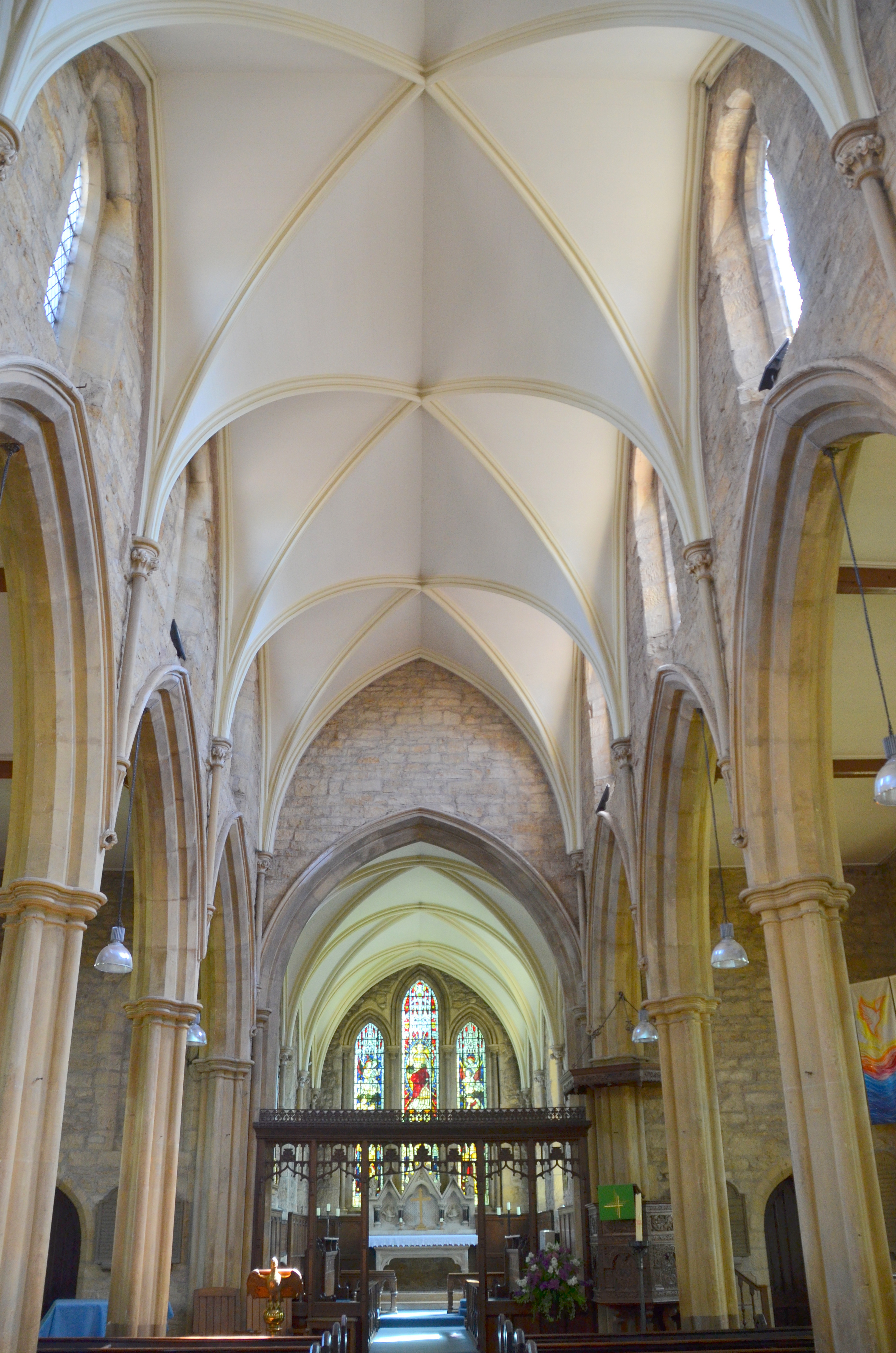
While we spent a morning in the Cotswold town of Broadway we enjoyed a visit to this church just down the road from the Pub we were going to have lunch at. The present parish church, built in 1840, and dedicated to St. Michael and All Angels, is a building with nave, two aisles and chancel.

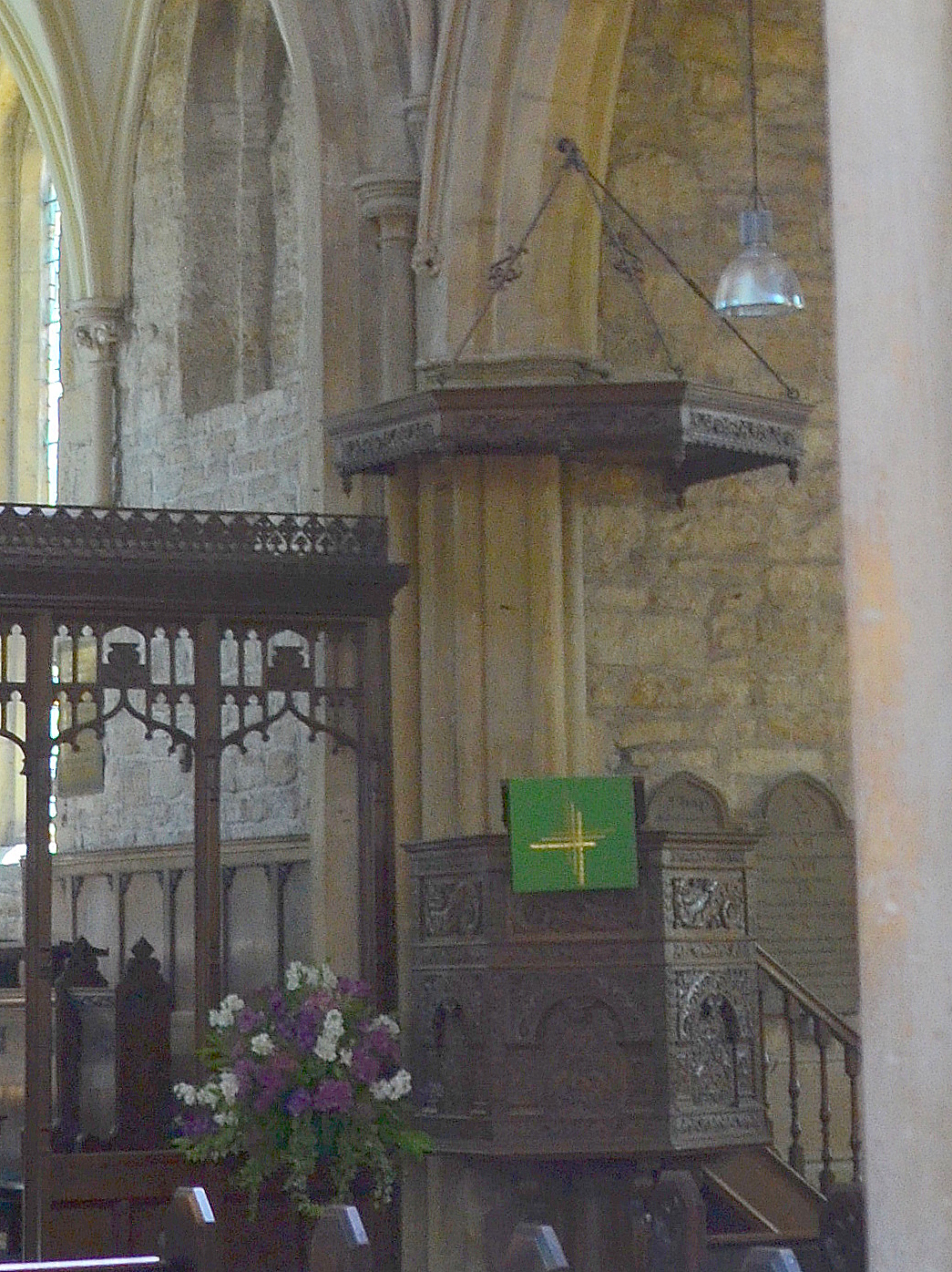
Broadway Day 7 033Broadway Day 7 039Its chief antiquity is the pulpit, which is a fine piece of wood carving, and was transferred from the old church. It was reconstructed and part of it was used to form a chair which had since been stolen from the sanctuary.

Broadway Day 7 039-001

Broadway Day 7 034We were intrigued with these ornate Eagle lecterns that we saw in most of the churches and cathedrals we visited in England. I researched to see the significance of this design. Here’s one explanation:

THE FLYING eagle is the symbol of John the Evangelist (see Revelation 4:7) who proclaimed Christ as ‘the Word of God’ at the beginning of his Gospel. The flying eagle is thus a suitable emblem from which God’s word is read, reaching (we hope) the ends of the earth. The eagle is also thought of as the bird which flies nearest to heaven. I am not sure such lecterns are confined just to the Anglican church. It was not until the Reformation that the lectern became prominent in ordinary parish churches of the reformed tradition, carrying the open bible.

Broadway Day 7 036

Broadway Day 7 037

Broadway Day 7 038

Broadway Day 7 040


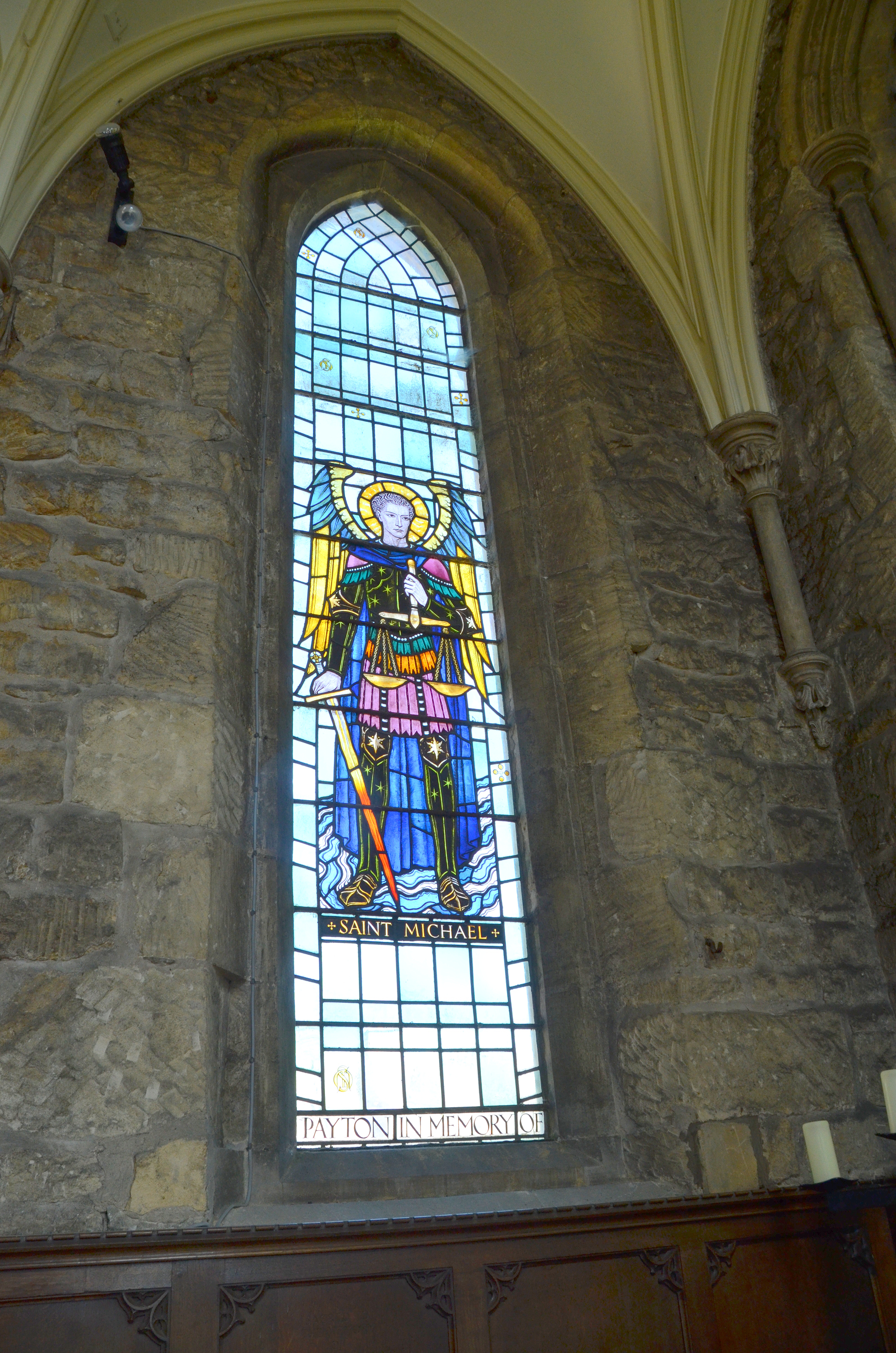
Broadway Day 7 044This is my favorite Stained Glass Window from this church and appropriate for a church named St Michael and All Angels Church.

Broadway Day 7 045

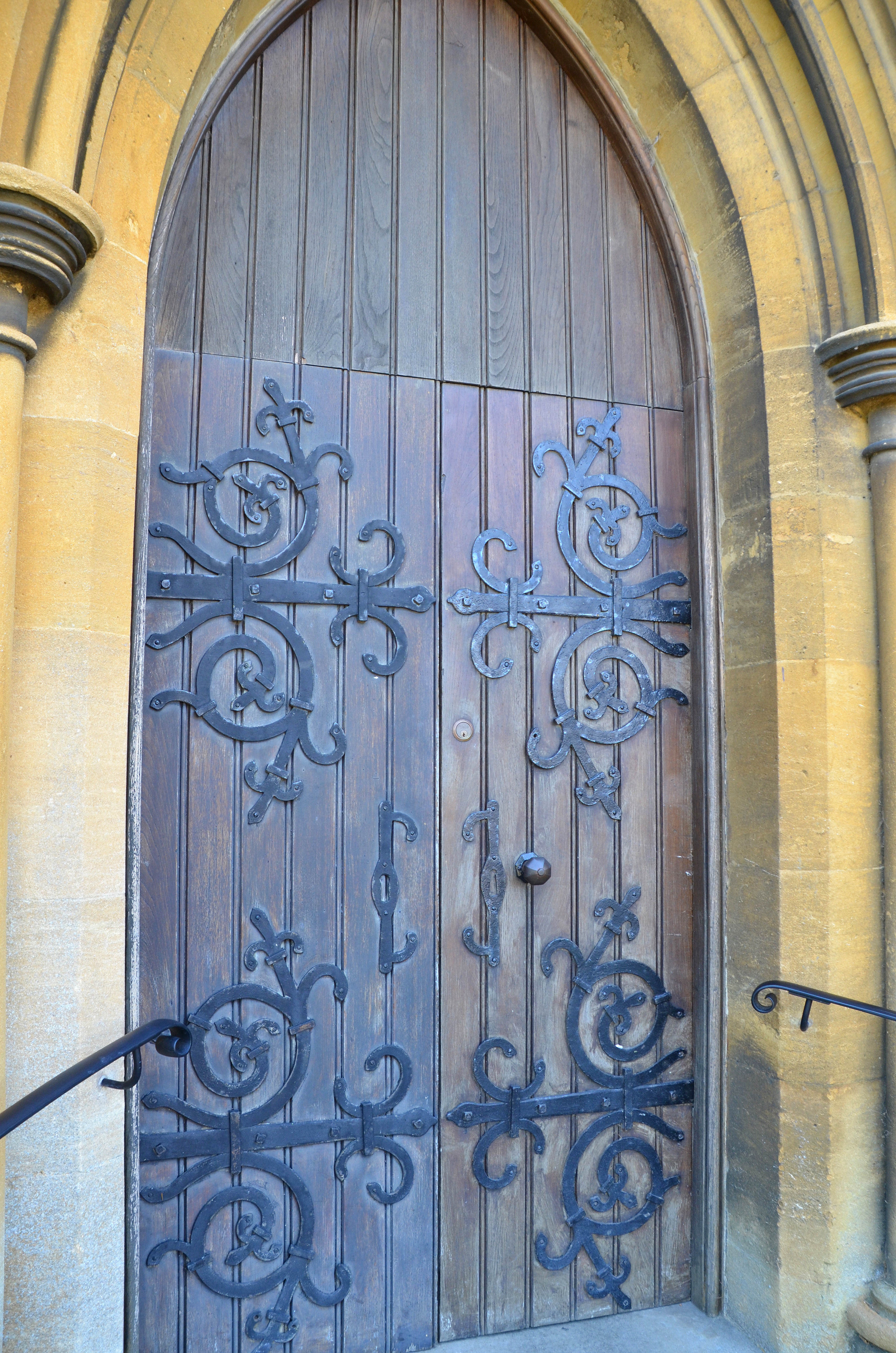
Broadway Day 7 047I love old doors of all kinds and this door into the church is very cool.

InSPIREd Sunday is hosted by  Beth and Sally. This is a weekly meme devoted to sharing religious architecture from around the world.

Hope your Sunday is going well.