Show & Tell ~ Russian Heritage

Both of my parents were born in Russia in the 1920’s. They escaped into Iran and then met each other, were married, and immigrated to the U.S. shortly after WWII. I have a collection of Russian lacquer items and other souvenirs my parents brought back from more recent trips to Russia. Some of the items I acquired here in the U.S.

 Samovars

The little silver finish one is a gift from my SIL Christina that she found at an antique mall.

Lacquer Boxes with Fairy Tale Scenes, the larger one on top was an anniversary gift from Dear.

Matroyshka Collection

Chai-kneeks

Wooden Spoons and Cups

Russian Barbie (Katie’s)

Winnie the Pooh in Russian

This was one of the dreaded school books we used. I had to go to Russian School on Saturdays. I thought this was the worst punishment in the world! Sometimes I’d hide when it was time to go and then when they found me I would stomp my feet and declare “I don’t want to go to Russian School.! I’m an American! “

This is the group of close friends and family that immigrated to the U.S. from Iran after WWII. They were close even though they were from different religious backgrounds, Russian Molokans, Russian Baptists and Russian Orthodox.

There are more Show and Tell Friday sites to see at There’s No Place Like Home.

My photos are being held hostage at the Photobucket site as of July 2017.

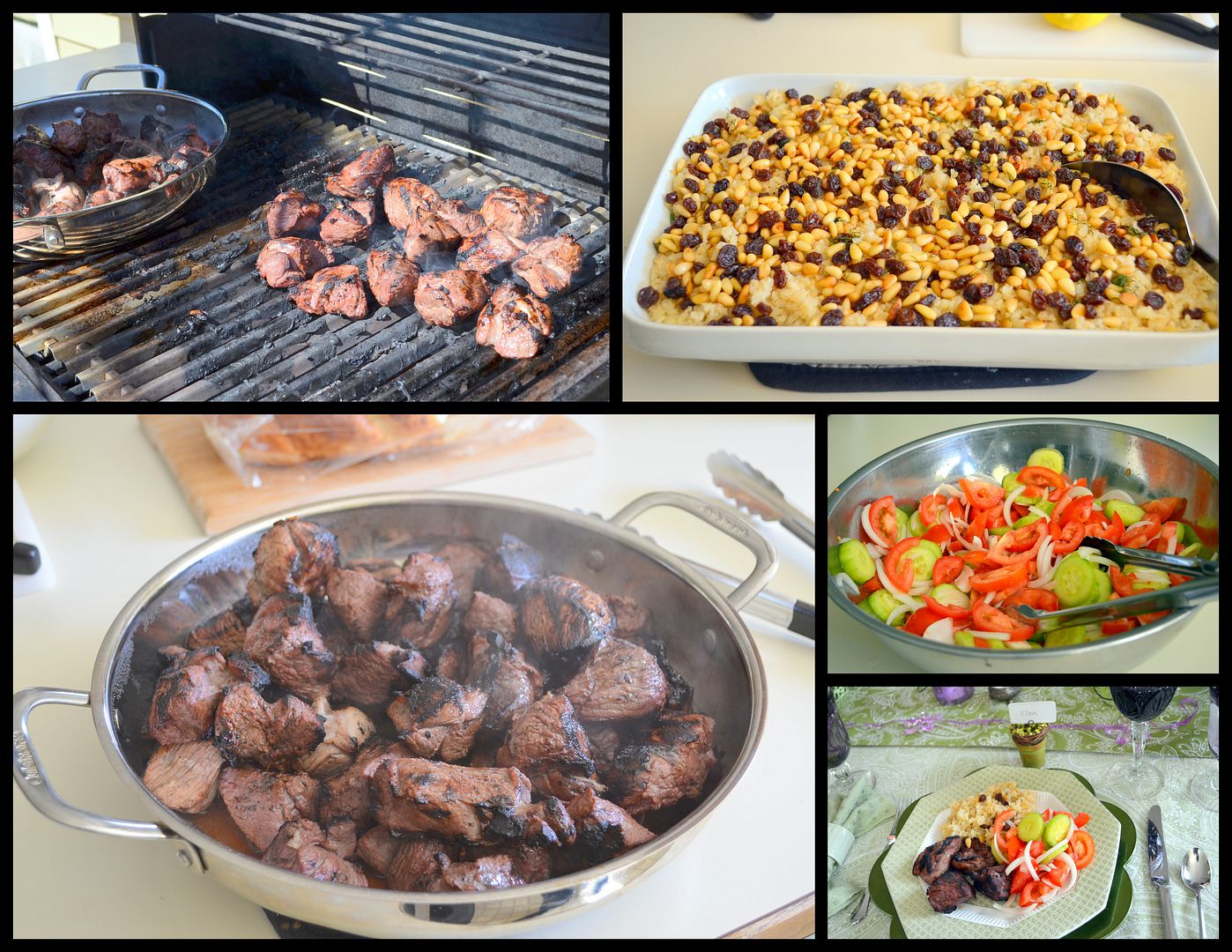
Shashlik ~ Barbecued Lamb Kebobs


1 leg of lamb de-boned
3 large onions sliced
Juice from 4 lemons mixed with 1/2 cup olive oil and 4 cloves of garlic crushed.
Lawry’s Seasoning Salt and pepper

Cut the lamb in pieces about 1-1/2 inches thick to 2 inches square. Trim off excess fat. Place a layer of onions in a large pot, then a layer of meat, season with Lawry’s and pepper, then sprinkle with lemon juice oil mixture. Repeat layers until all meat is in the pot ending with onions and lemon juice mixture. Cover and let stand in refrigerator for at least 4 hours or better overnight, stirring occasionally to let all the meat marinate thoroughly.

After the meat is done marinating, separate the meat from the onions. Thread the meat onto skewers, and broil outdoors over hot charcoal embers, turning the skewers occasionally to brown the meat on all sides. Now for the modern method you could use those fish cages to put the meat in and BBQ it on your gas grill. This is a lot simpler by far, but some swear by the old school method.

Serve with rice pilaf and a cucumber, tomato, onion salad.

Growing up when we were part of the Russian Molokan Church I remember the all church picnics we had at Brookside Park in Pasadena where there were several open grills cooking this wonderfully marinated lamb. So suculant, so yummy. We’d have rice and salads with it. What a highlight of the year those picnics were! For special family gatherings my father is the one who marinates and barbeques the lamb.


The Decade of the 50’s at a Glance

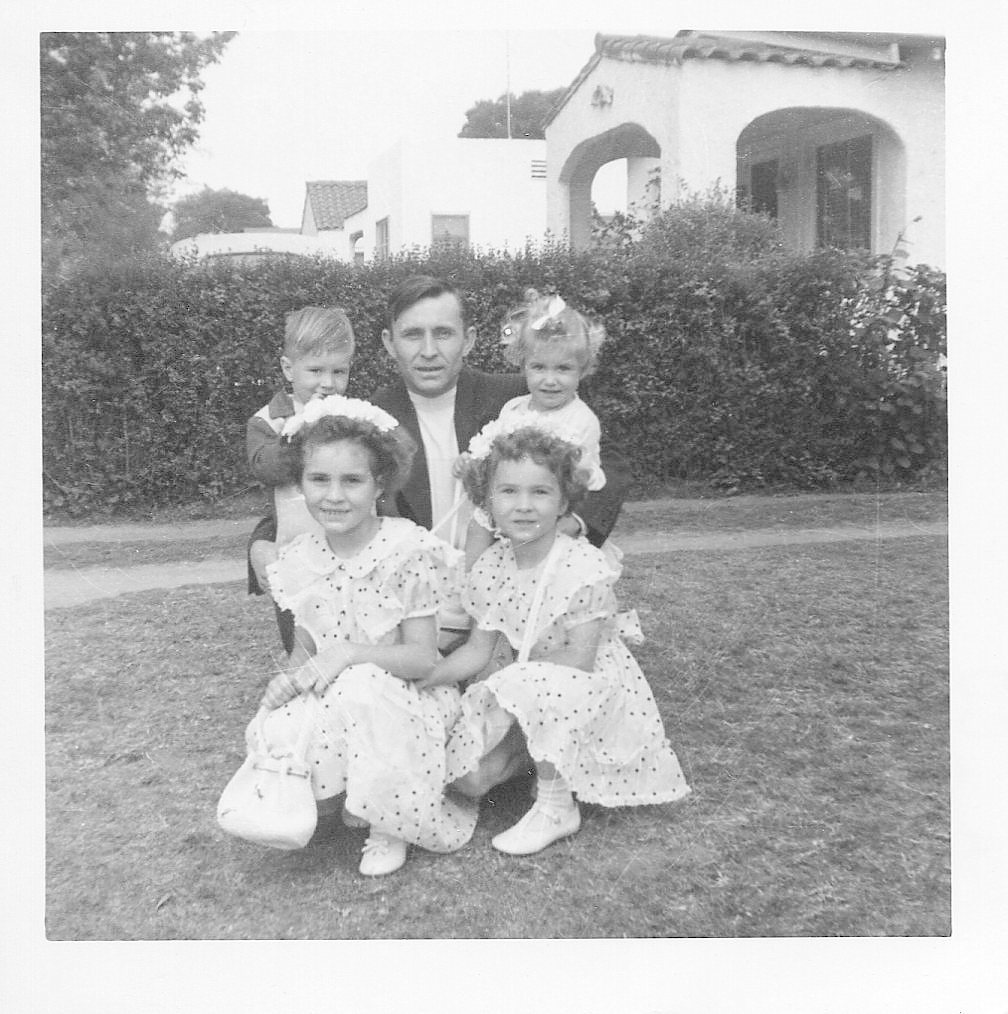
Here are 3 of my siblings, me and my pop in the glorious 50’s. Fred, Pop, Ellen (me), Kathy and Vera. The next four siblings started arriving from 1958 through 1963.

I was born in 1951. The beginning of the 50’s. Here are some amazing events that occurred in this decade.

1950 – Senator Joseph McCarthy embarks on a public crusade to uncover Communist activity in the U.S.

1950 – First kidney transplant  and first successul heart massage are performed.

1950 – U.S. sends troops to Korea.

1951 – Color television is introduced. [Ellen was born, maybe this is the reason I’m visual!]

1952 – A priest, minister, and rabbi sanction the appearance of Lucille Ball’s pregnancy on her TV show.

1952 – Albert Scweitzer is awarded the Nobel Peace Prize.

1952 – President Dwight D. Eisenhower is elected.

1953 – Jonas Salk’s polio vaccine is certified to prevent infantile paralysis.

1954 – Congress adds the phrase “under God” to the Pledge of Allegiance.

1954 – Brown v The Board of Education of Topeka, Kansas outlaws segegation in schools striking down the doctrine of “separate but equal.”

1955 – Rosa Parks refuses to give up her seat on a city bus and, in effect, begins the civil rights movement.

[1955 – Disneyland Opens in Anaheim, California.]

1956 – Elvis Presley releases “Heartbreak Hotel” and starts a music revolution.

1956 – Eisenhower and Nixon win again.

1957 – Federal troops are called in to protect the Little Rock Nine, the first black students to attend all-white Central High.

1957  – The baby boom peaks at 4.3 million births.

1957 – The USSR launches a satellite, Sputnik I, into orbit around the earth.

1959 – The first Barbie doll is introduced.

1959 – Texas Instruments invents the microchip.

1959 – Alaska becomes the 49th state, Hawaii the 50th.

Some memorable quotes to go with this decade…

“We conclude that in the field of education the doctrine of “separate but equal” has no place.”  Earl Warren, Chief Justice, Brown v. The Board of Education, 1954

“Recognition of the Supreme Being is the first, the most basic, expression of Americanism. Without God , there could be no American form of government, nor American way of life.” Dwight D. Eisenhower – American Chronicle, 1955

“If the television craze continues with the present level of programs, we are destined to have a nation of morons.” Daniel Marsh (President of Boston College, Columbia Chronicles, 1950)

“Roll over Beethoven. And tell Tchaikovsky the news.” Chuck Berry, “Roll Over Beethoven,” 1956
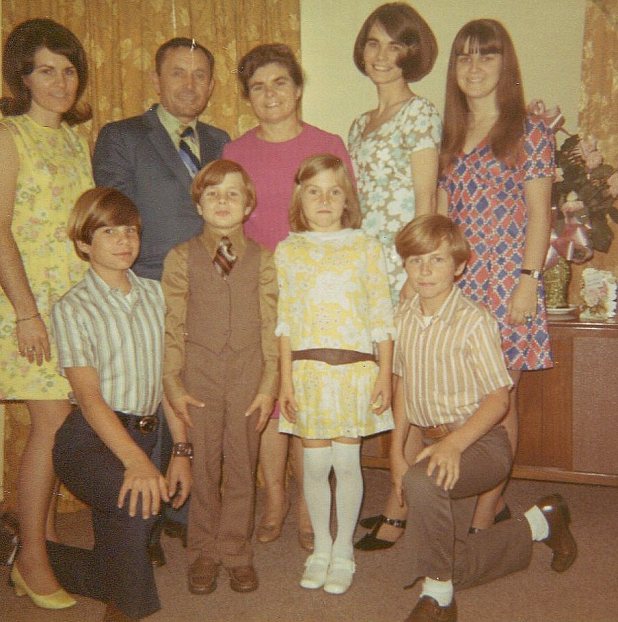
 

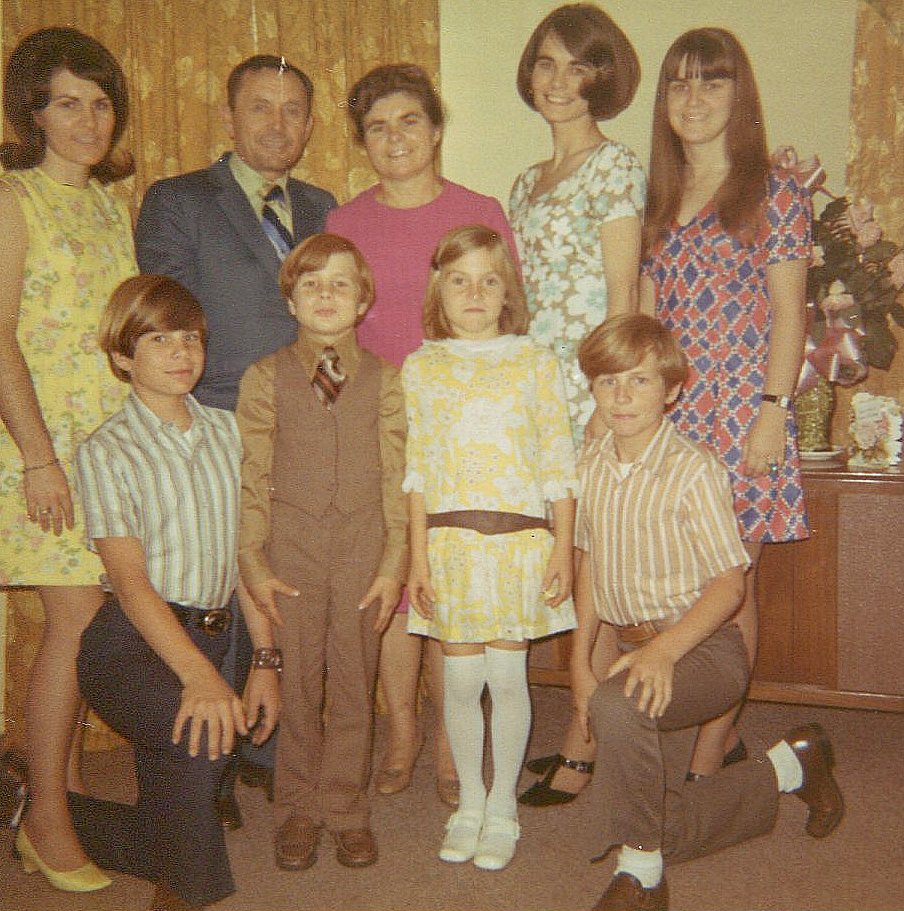
This photo was taken in the late 60’s. Top Row: Oldest sister Kathy, pop, mom, Vera, Me, Tim, Leonard, Lana and Steve. Our brother Fred who is older than me is missing from this photo. All of my parents kids were born in the late 40’s, 50’s with the twins arriving in the 60’s.

twins.jpg

I couldn’t finish this post without an additional photo of the last two siblings in our family. Twins born in 1963, Lana and Leonard. Oh the tales we can tell you about the marvelous 60’s and these two, but this is a post about the 50’s so those tales will have to wait….

ht: 100 Voices ~ Words That Shaped Our Souls, Wisdom To Guide Our Future ~ compiled by Anne Christian Buchanan and Debra K. Klingsporn Copyright 1999 by Front Porch Books
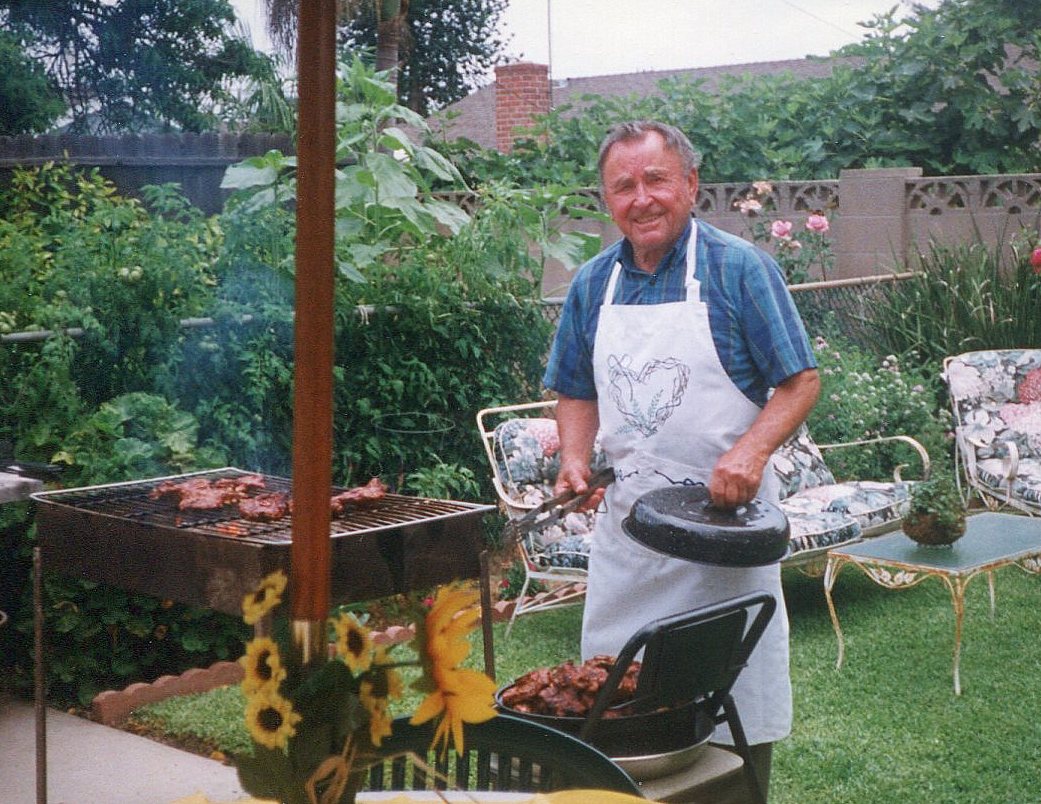
Happy Birthday Pop ~ 84 Years Young!

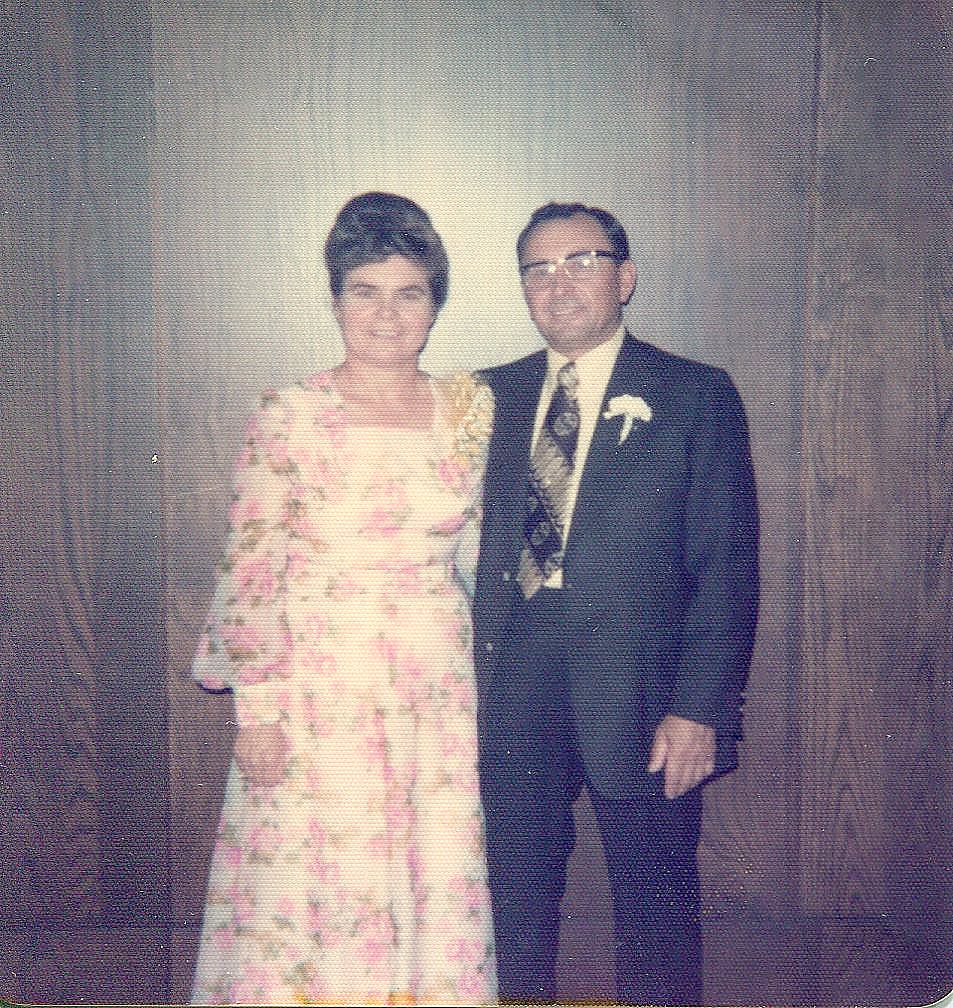
This photo is from 1974 so my pop is only 51 here.

I am so thankful to God for my father, Moisi (Moses) Timothy Bagdanov because…

He loves the Lord wholeheartedly.

He has paid the cost to follow Christ with joy.

He gave up retirement and his home to be a missionary to his hometown village in Russia.

He seeks reconciliation no matter what it costs him.

He loves and sacrifices for his family.

He loves my mother as Christ loves the church.

He calls a cellular phone a cellkular phone. 🙂

He still cares for the fatherless and those who have no one else to help them.

He is a faithful man.

He loves jigsaw puzzles.

He loves me.

Update: I just have to add two more Moisiisms to the list from September 2001. Yes I’m trying to keep a running list. Hey, brothers, sisters, nieces etc.  If you can think of your favorite Moisiisms add them in the comments! 🙂

“Michelle [his granddaughter] got 3 crackpots for wedding gifts”

“Fireman is outside checking the hydrogens”

Vinegrette ~ Russian Salad

Happy Birthday to my sister Kathy today May 23rd! You’ve been a wonderful daughter, sister, friend, wife, mother and grandmother. May God bless you richly all the days of your life on this earth!

Her version of this Russian Salad is posted below.

Kathy’s Vinegrette Recipe (cut recipe in half for smaller families)

Although the Russian name for this salad is Vinegrette it shouldn’t be confused with the salad dressings called Vinaigrette. This was a traditional salad that we enjoyed growing up. It could be our version of potato salad. I’m sharing an easier version using canned beets but you can also cook and julienne your own beets. The photo is my sister Lana’s.

Ingredients:

  • 2 cans (15oz.) julienne beets (partly drained)
  • 2 cans (15oz.) kidney beans (drained well)
  • 3/4 – 1 cup sauerkraut (drained and squeezed)
  • 3 boiled potatoes
  • 3 large kosher dill pickles, diced
  • 1/4 onion, grated
  • vegetable oil
  • salt and pepper to taste
  • pickle juice from the jarred dill pickles

Method:

  1. Dice potatoes while warm then salt and coat with oil and chill.
  2. Once the potatoes are chilled add the remaining ingredients and toss to combine, add enough pickle juice to taste.
  3. Chill until ready to serve.
  4. Serves 8-16

Our family prefers using the Clausen Dill Pickles found in the refrigerator section. You will find some versions of this Russian salad using carrots and not kidney beans. This is the version our family has always enjoyed.

This is such a colorful salad, it goes well with meat of any kind. At our house it goes with lamb or a juicy steak or sometimes all by itself. Simple, pretty and delicious! Bon Appetit!

Borsch

Many Borsch recipes include beets in them. The familiar Borsch that we grew up with and that we had at Molokan Church Meals did not have beets in it. Here is my mother’s recipe.

Nadia’s Borsch

For the Stock:
1 Chuck Roast (with bone would be good)
1 onion
1-3 celery stalks with leaves
2-3 carrots
2 bay leaves
5-10 peppercorns
Salt to taste

In a big stock pot, cover chuck roast with good water. Add all the stock ingredients and bring to boil. Lower heat to simmer. Simmer until roast is fork tender. Strain the stock. Reserve the roast.

1 head of cabbage shredded (green is what we use)
1-3 carrots grated
1-2 onions diced
1 bell pepper diced

2-3 stalks of celery diced

(saute the bell pepper, onion, celery and jalapeno then blend before adding to stock)
2-3 potatoes diced
2 cans stewed tomatoes blended in blender (we have those that don’t like chunky tomatoes)
1 can tomato sauce
1/2-small bunch of dill (to taste)
1 handful of chopped italian parsley
salt and pepper to taste
optional – 1 can of Garbonzo beans
option #2 – add a small jalapeno diced to the saute group above.

Put the strained broth back into a stock pot. Add all the above ingredients and bring to a boil. Simmer until cabbage and carrots are tender. Taste and see if the soup needs more salt or pepper at this time.

The Borsch is ready now.

My mother doesn’t include this in her recipe but when she made borsch at my house once I saw her add a half a cube of unsalted butter at the end. 🙂 My mother mashes most of the potatoes to thicken up the soup a bit.

You can bake the chuck roast with a little of the stock, salt, pepper, and sauteeed onions to serve alongside the borsch with a good loaf of bread and of course…sour cream. This was my welcome home meal for my kids last night.


Russian Noodle Soup ~ Lopsha

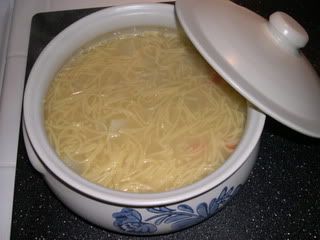
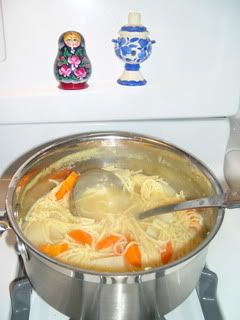
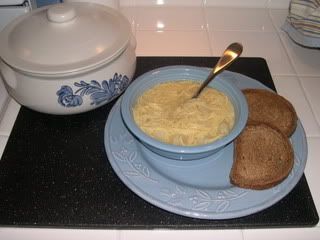
This soup (Lopsha) is made in huge quantities for Molokan Church Dinners. I have recipes to serve 200-250 people. They make their own noodles using 20 dozen eggs, 60 lbs. flour and 1 lb. salt, then make a stock from 35 lbs. of soup bones and 350 lbs of choice (kosher) beef. Usually Lopsha is served at funerals and Borscht (recipe coming soon) is made for Weddings. This is basic Russian Peasant Village Fare. I’m giving you a very simple quick recipe that you should enjoy. My family is not Molokan (we left the church in the ’60’s) We still have relatives and friends that are a part of this group.

All you’ll need is store bought (or home made) Chicken Broth and Jewish very fine egg noodles. ( Manischewitz or similar)

Bring the broth to a boil.

Add as many noodles as you like, but remember they expand while cooking. When the noodles are cooked the Lopsha is ready. Adjust your noodles as to how thick you like your Lopsha. If your soup gets too thick for your liking just add some more broth.

If you want a little more interest in the soup you can add cubed potatoes and carrots to the broth to cook them before you add the noodles. If you want those carrots and potatoes to be a lot tastier saute them in a little olive oil, salt and pepper before you add them to the broth.  Happy memories! If you want to see more yummy food, see what my mom was doing while I was making Lopsha, over at my sister’s blog.

The Molokans also make Maloshni Lopsha (Milk noodles) This recipe serves 30-40 people. Cut it down for your purposes. This Soup comes from my Recipes of San Francisco Russian Molokans cookbook that “Dear” and I received as a wedding gift in 1974.


Maloshni Lopsha (Milk noodles)

1-1/2 gallons milk

1 quart half and half

1 tsp. salt

2 tsp. sugar

1-1/2 “chashki” noodles (about 5 LARGE handfuls)

Using a 2-1/2 gal. double boiler (another good reason to cut the recipe…who has a 2-1/2 gallon double boiler??), heat the milk and half and half till it forms bubbles. DO NOT LET IT BOIL. Now add the salt and sugar and stir well. Start adding the noodles, a handful at a time, stirring often. Simmer gently for 1/2 hour. Turn flame off and cover. Let stand in double boiler till it thickens (about 30-45 min.) and serve.

HT: Recipes of San Francisco Russian Molokans (for Maloshni Lopsha) , Bagdanov Family Recipes for Easy Lopsha

Blintzes

This is Nadia, she’s not making blintzes here. This was a photo from the 80’s in Wildomar for our Easter gathering.

Nadia’s  Blintzes

6 eggs
4 cups whole milk
1/2 tsp. salt
2 Tbsp. sugar
1-1/2 cups flour
1/2 Tbsp. oil

Scald the milk. Beat the eggs. Slowly add the milk to the eggs while continuing beating. Add salt, sugar and oil, beat until blended. Slowly beat in the flour until combined.

I use two 10″ heavy Teflon pans to cook the blintzes. You might want to just start with one till you get this process down. Heat the pan. Coat the pan lightly with oil. (I use a piece of cheesecloth to coat the pan with oil and if needed I’ll coat again into the cooking process). Use a 1/3 cup measure to dip into the mixing bowl (you don’t have to fill to the top just use a uniform measure of the liquid for each blintz) Pour into frying pan and swirl the pan to coat the bottom evenly.


Cook until the blintz turns a nice golden brown. With a spatula loosen the edges and flip the blintz and brown on the other side. Remove from pan and let cool on a dish cloth.

Repeat the process. Sometimes the only hindrance to these flipping and cooking well is the temperature of the pan. You’ll have to experiment to get it at the magic temp. Start at medium.  After the blintzes are cooled you can stack them. They can be frozen at this time if you would like. This recipe will make approximately 24 blintzes.


Cheese filling for the blintzes:
1- cartons of ricotta cheese (8 oz. size)
(You can also use cottage cheese, hoop cheese or farmers cheese)
1 egg
1 tsp. vanilla
1-2 tbsp. sugar.
you will also need a small carton of half and half and a stick of butter (1/2 cup)

Beat all the ingredients till smooth except half and half and stick of butter. Spread about 1 Tablespoon of cheese onto one side of blintz. Roll up and place in a 9×13 baking dish. They can be layered. Melt one cube of butter and pour over the blintzes. Bake in 350 degree oven until heated through. Heat up to 8 oz. of Half and Half until is is warm but not boiling. Pour half and half over blintzes to cover and continue baking until half and half boils. Remove from oven and serve with sour cream and preserves or syrup.

For a savory filling:

Saute 1 large onion in oil and season with salt and pepper. Add 1 lb. hamburger (15%) and brown. Add salt and pepper to taste. Dice enough broccoli to make 2 cups. Steam until broccoli just turns bright green. Combine meat, broccoli and 1 can of cream of mushroom soup and heat through. Scoop about 2-3 T of mixture onto blintz and fold in the sides to form a square. Place in a baking dish. Melt butter and poor over the filled blintzes. Bake in a 350 to 375 degree oven until heated through. Serve and if you want to make additional sauce you can serve extra sauce with the savory blintzes. Oh I almost forgot, you can serve these with sour cream if you’d like, also. Enjoy Deena!

HT: Bagdanov Family Cookbook


Golubtzi with Smetana (Stuffed Cabbage with Sour Cream Sauce)

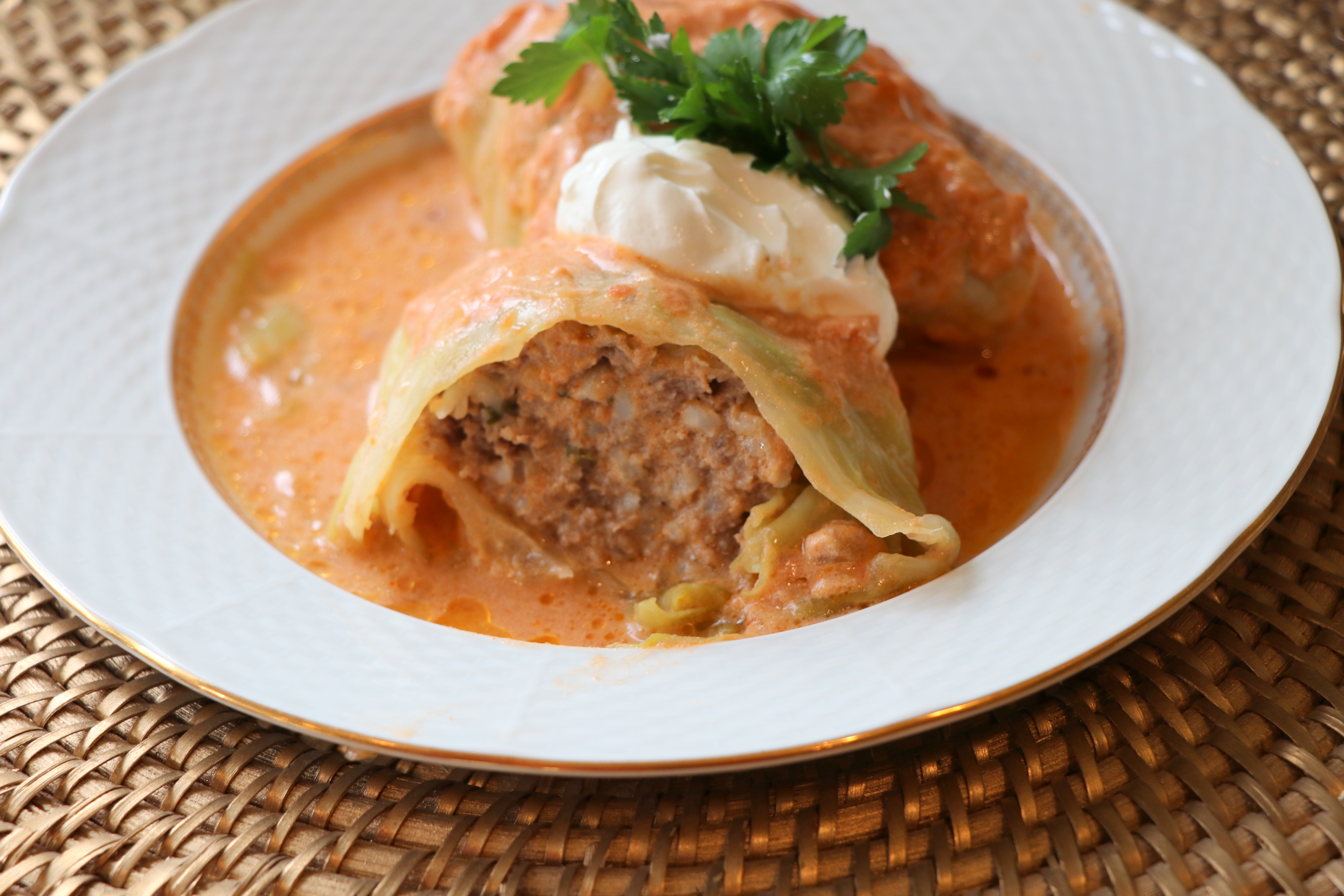
Nadejda’s Golubtzi with Smetana (Stuffed Cabbage Rolls with Sour Cream Sauce)

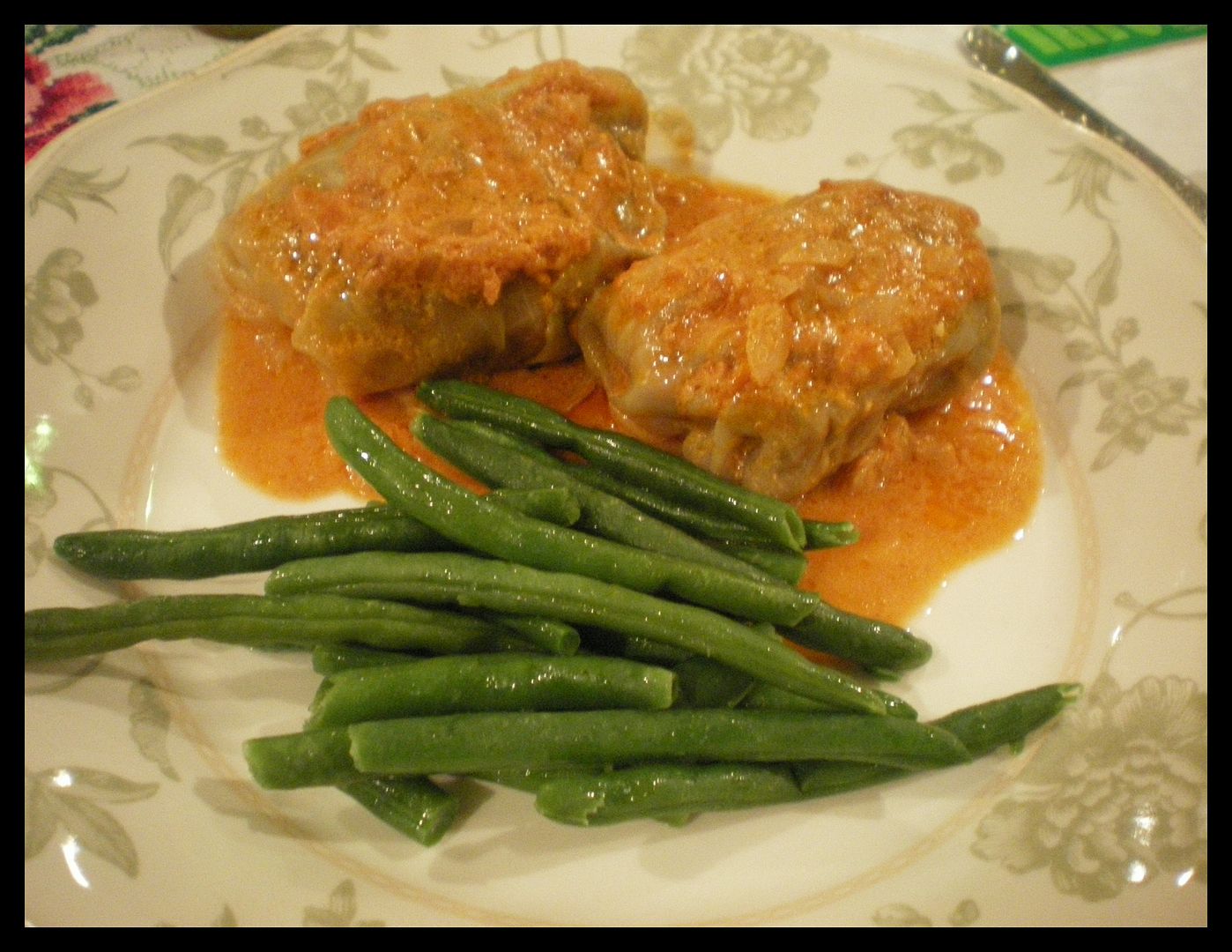
This is a recipe from my mom that my sister Vera has tweaked and published. My mom is always updating her recipes and just when we think we have them down she adds a little twist, always trying to improve the taste. If you are a Russian who has strayed away from home and good home cooking try this and be ready to be taken back in time! Any Russian Molokans or Russian Baptists out there who are looking for long lost recipes, I’ll be posting some over the next several weeks. As always there are several varieties to this recipe and others depending on where your roots began. The great thing about this post and picture is that I planned to post this recipe for Golubtzi tonight and when I was at my mom and dads today my mom sent her Golubtzi home with me for “Dear” and I for dinner. I’m sitting here at my computer ready to hit the publish button with a bowl full of Golubtzi!

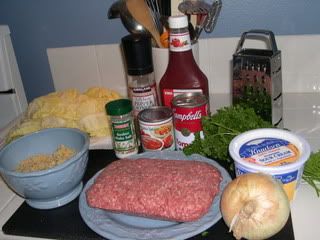
2 lbs. Hamburger
1 – 1/2 cup cooked rice (1/2 cup uncooked)
1/2 onion grated
1-1/2 teaspoon salt
1/4 teaspoon pepper
1 Tablespoon chopped parsley
1 can tomato soup
1 8oz. can tomato sauce
2 Tablespoons ketchup
1 onion chopped
1-1/2 cup sour cream
2 cups water
1 head cabbage

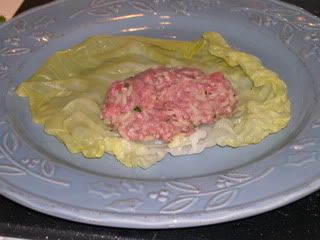
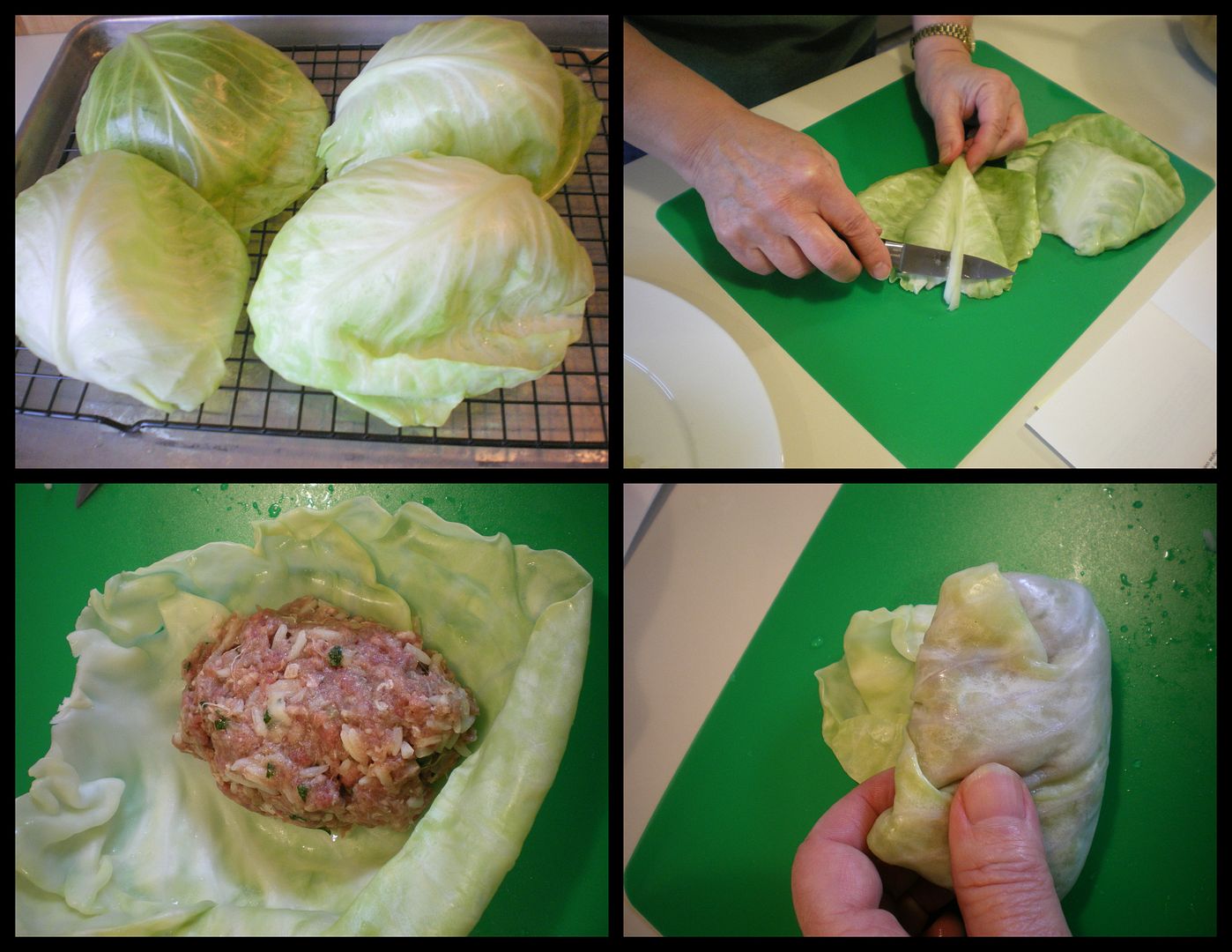
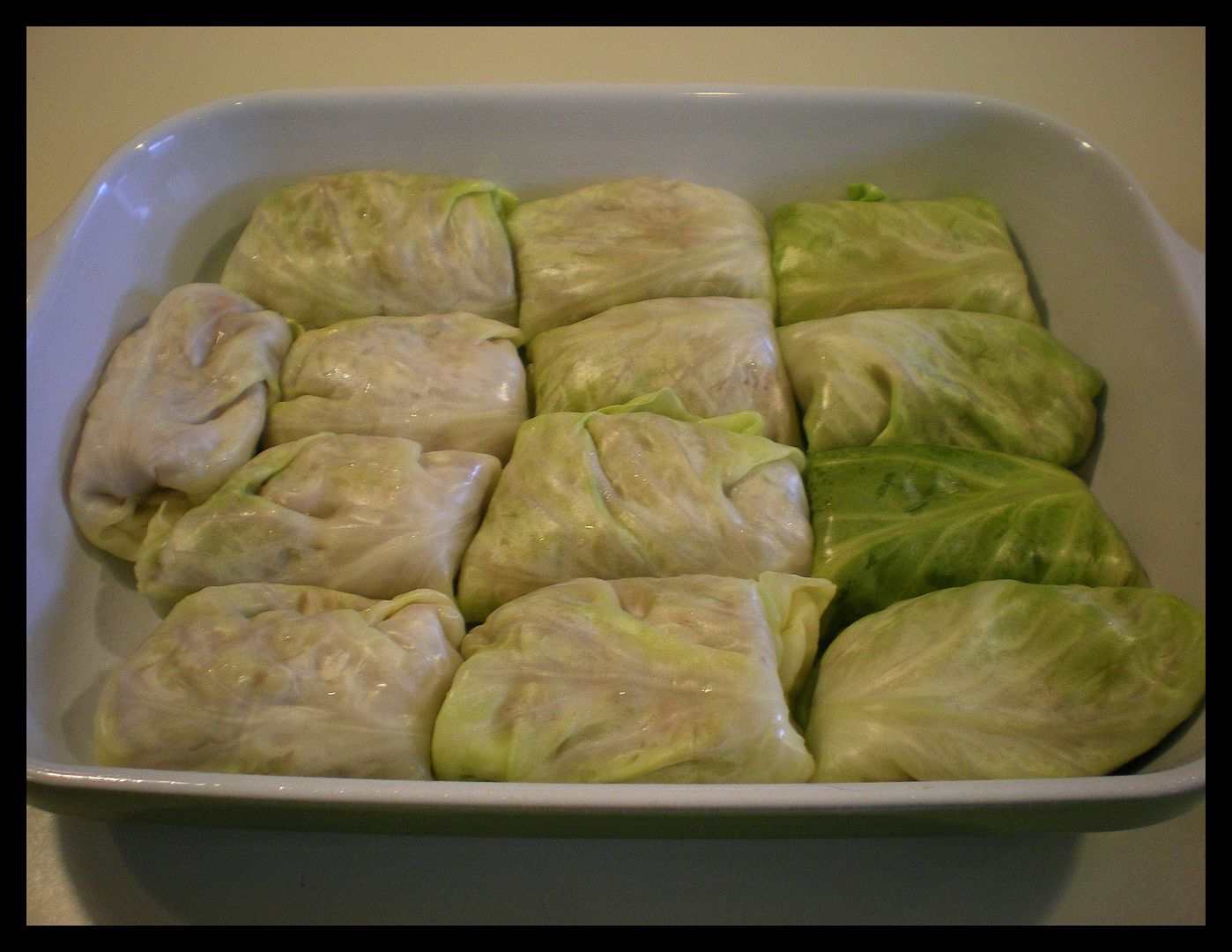
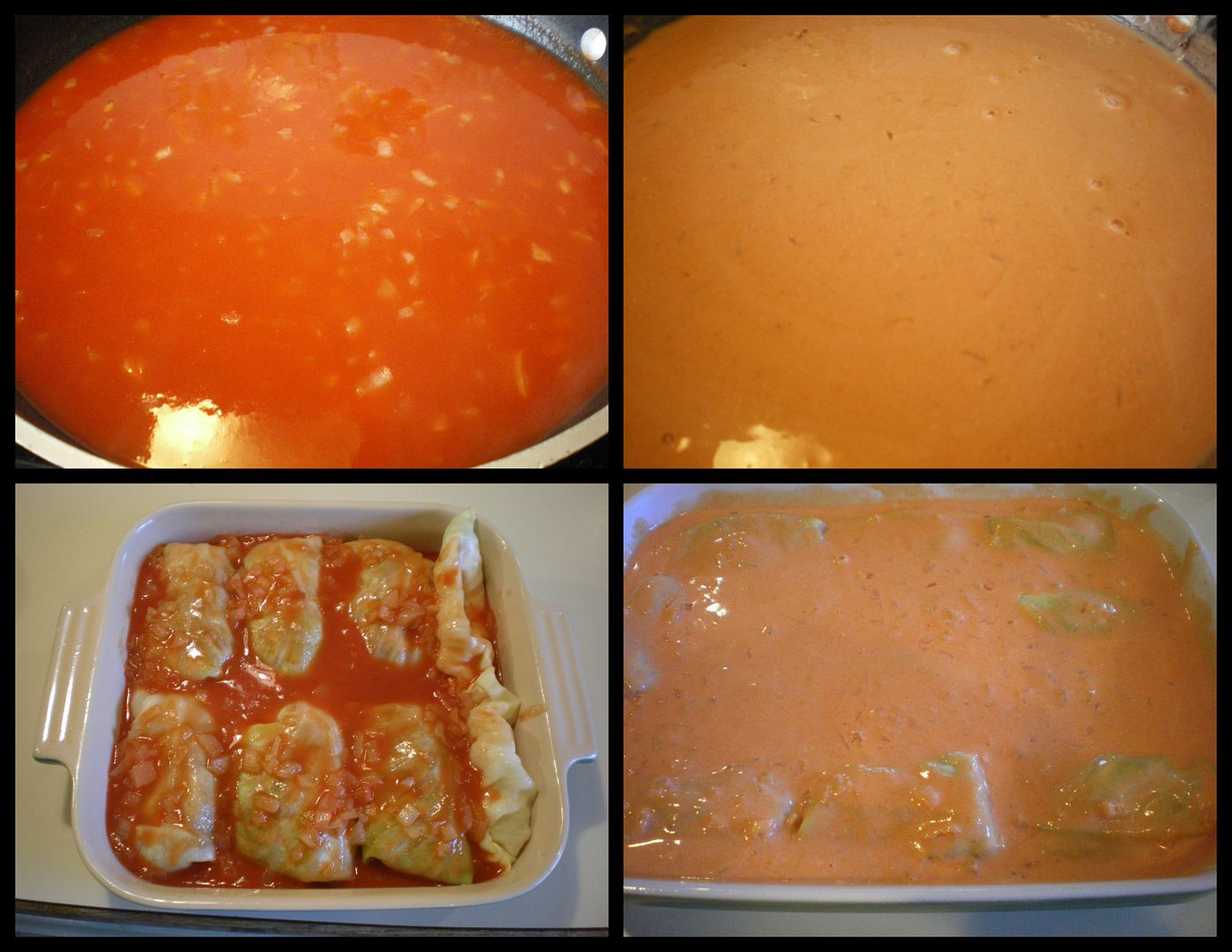
Core cabbage. You can carefully separate leaves or cook the cabbage whole. Boil in water until soft and pliable. Combine first 6 ingredients. Place about 1/3 Cup of the hamburger mixture onto a cabbage leaf and fold over the edges and roll up. Place in a baking dish. We use standard glass pyrex or other rectangular baking dishes to bake them in.


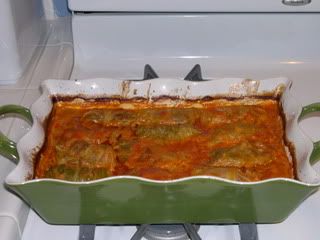
Fry the onion in oil until it is translucent. Add soup, sauce, ketchup and water. Stir until well mixed. Bring to a boil. Add a little of sauce to the sour cream to temper it, then add the sour cream mixture to the sauce. Pour the sauce over the cabbage rolls. Bake in 350 degree oven for approximately 1-1/2 hours.

You can eat these as a complete meal or add whatever side dish you might enjoy in combination with the Golubtzi. Yum my mouth is watering. Some extra tips included below to make the rolling process easier.

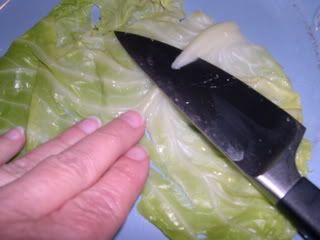
Shave the larger veins on the smaller leaves of cabbage so they’ll roll easier.


Yes, you can stuff peppers, too. We usually use green peppers. Don’t forget to put a dish of Sour Cream (Smetana) on the table so you can add another dollop to your serving. Sour cream is our butter.

Molokan Cemetery


By HUGO MARTIN
TIMES STAFF WRITER

Photos by AL SEIB / Los Angeles Times
Women in traditional dresses wander through the Russian Molokan Cemetery after attending the funeral of an elderly church member.
Danny Kanavalov and son Josh, of Bakersfield, walk through the graves at the Russian Molokan Cemetery in the City of Commerce.
EIGHTY-FOUR-YEAR-OLD Shasha Tolmachoff lives in Glendale, Ariz., but plans that when she dies, she will be buried in the City of Commerce, in the same dusty parcel where generations of Russian Molokans including her parents and in-laws have been laid to rest.
“It’s very comforting to be with them,” said the retired homemaker as she walked gingerly around the tightly packed tombstones at the Russian Molokan Cemetery on Slauson Avenue after attending the funeral of an elderly church member.
Tolmachoff is a member of a little-known Christian sect that broke away from the Russian Orthodox Church in the 1600s. About 60% of America’s church-going Molokans–about 3,000 people–live in Los Angeles. [Descendants of Molokans in LA County number over 20,000]. Molokan Since 1941, most of them have been burying their ancestors at the Slauson cemetery, sandwiched between a paper factory and a warehouse.
The 14-acre graveyard has about 2,500 graves and space for thousands more, free to dues-paying church members. Two smaller Molokan cemeteries in East Los Angeles are too small or too full to absorb many more graves.
In recent years, as commercial development has surrounded the Slauson cemetery and vacant land in Commerce has become scarce, banks and real estate firms have clamored to buy and develop the cemetery or its vacant 10 acres for nearly a half-million dollars an acre.
But the six Molokan churches that own the property have rejected all offers outright.
“If our people have put our blood, sweat and tears into this land, why move?” said Alex Goosseff”

Yesterday I posted a description of the Molokan religion.  I was raised in this community. My grandparents and other relatives are buried at this cemetery. In high school I chose to leave this religion because of some of their beliefs. The outfits you see on these ladies are what is worn by married women to church services, weddings, and funerals. Molokans wear pastels or white garments for their gatherings. No black or bright colors.