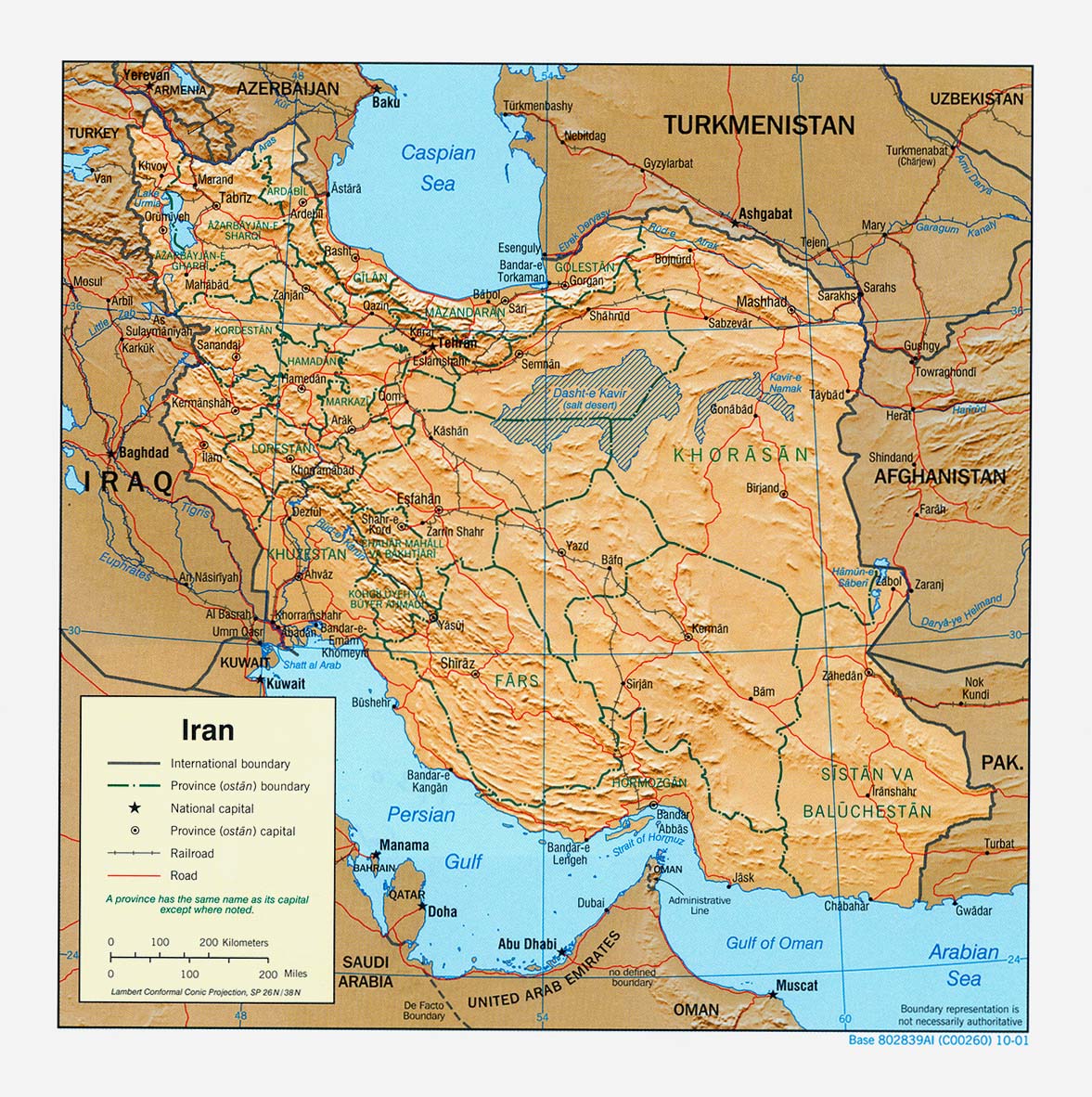
Tuesdays With Moisi Video

Our brother Steve recorded this YouTube video of our pop (Moisi) giving the Christmas 2012 blessing at their Christmas Eve meal. My mom seemed to be prophetic in stating this might be the last Christmas. She died in September of 2013 on her and our pop’s 70th wedding anniversary, September 13, 2013. You’ve been reading Moisi’s life story in his own words and I thought it would be nice for you to hear him, too. Moisi was 89 at the time of this video taken in Nuevo, California.

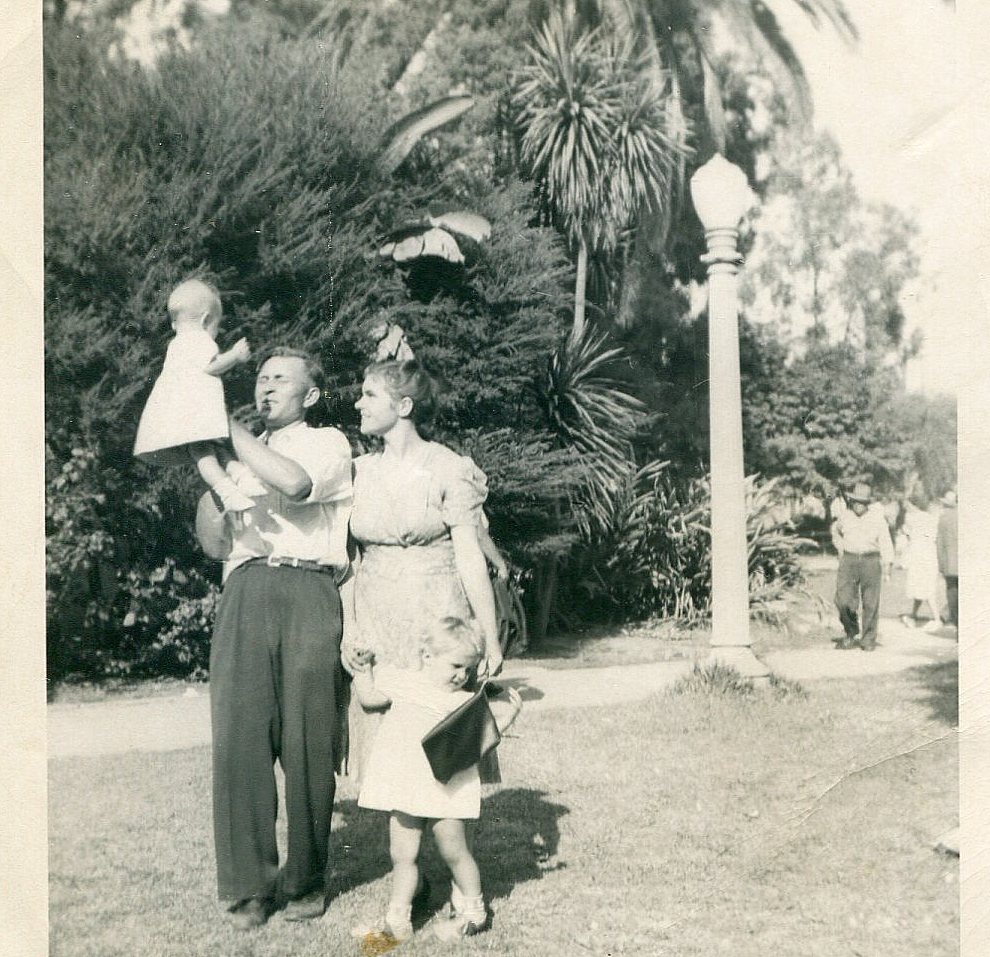
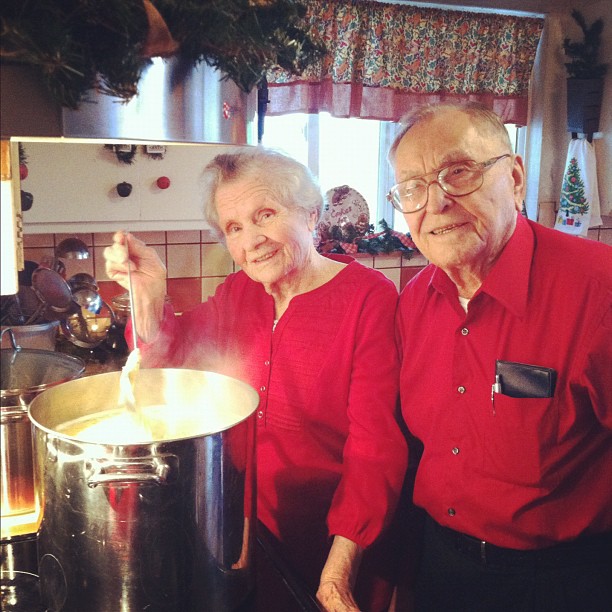
Our mom checking on the Lopsha for the Christmas Eve gathering.

Tuesdays With Moisi ~ 16

Our Pop’s story continued…

This is our Pop’s story dictated verbally by him a few years ago. I’ll be sharing excerpts every Tuesday. When I add to his story or explain a photo I will Italicize my words. Our Pop’s words will not be italicized. Our mom does not come into Pop’s story until “Tuesdays With Moisi ~ 9” even though I’ve posted photos of her before #9. I have very few photos from our parents’ life in Russia and Persia. At the end of my Tuesday posts I’ll add links to all the other posts.

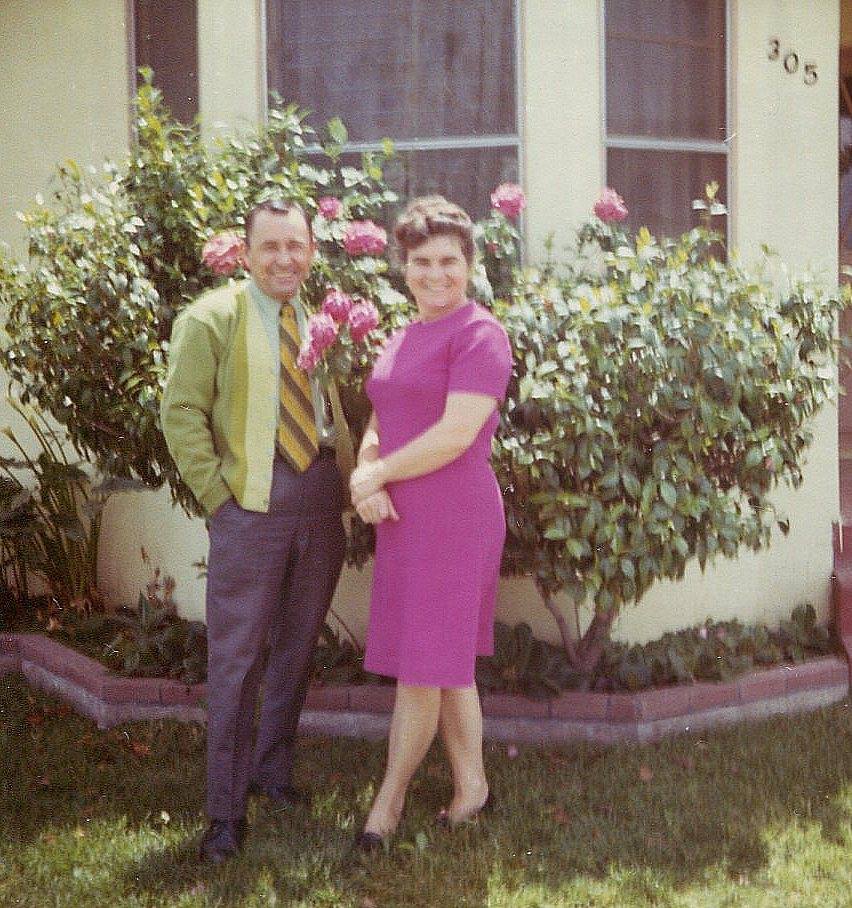
My parents in front of our home in Montebello, 305 Los Angeles Ave.

In 1971 we moved yet again to a larger home in Whittier.  I became a pastor to a small Russian church in Orange County for a year.

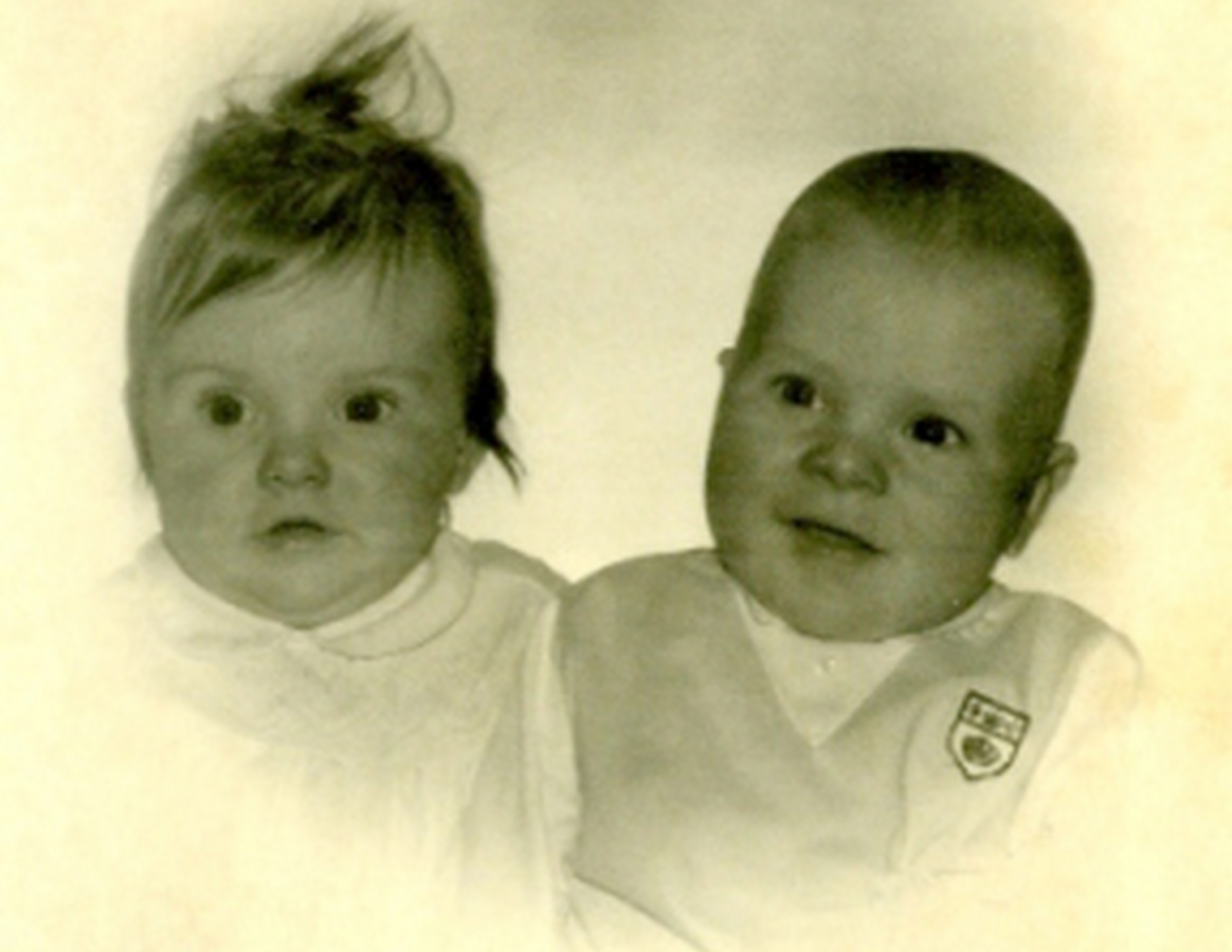
Our parents and the twins in our home in La Mirada/Whittier, California, on Arroyo Dr.

Our next move took us sixty miles southeast of Los Angeles to the town of Wildomar where I built a house in 1983.  In 1987 we moved to Yorba Linda in Orange County.

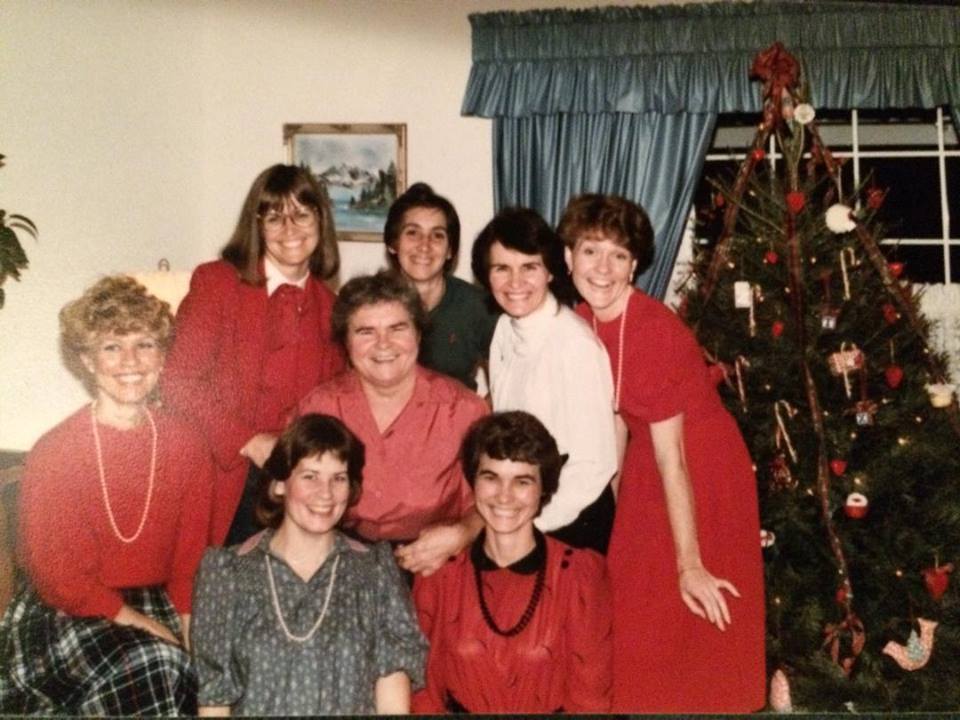
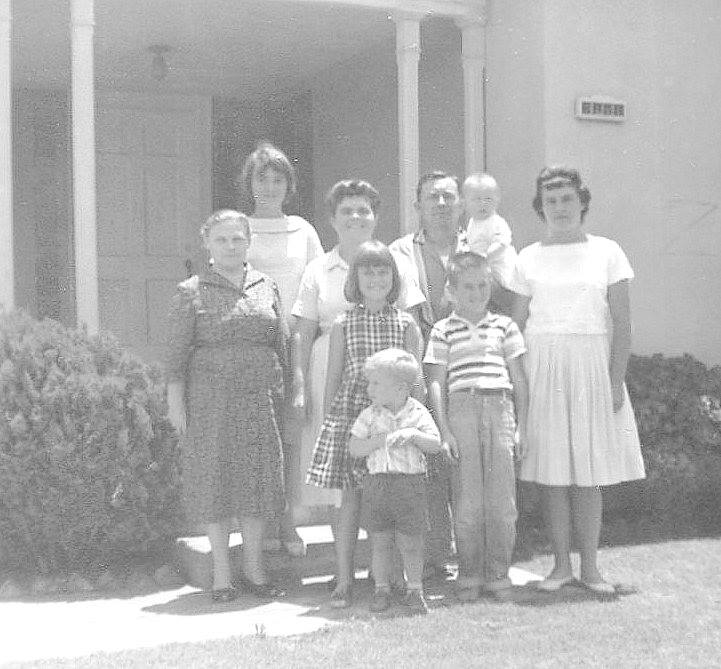
Christmas in Wildomar in the home our Pop built from the ground up. Our mom with all her daughters/daughters in law as of 1984.

In 1990 I returned to the place of my birth in Russia.  Some things there had changed while others had not. It was then that I began to be concerned for the eternal welfare of my relatives still living in the same place where I grew up.  Specifically, I was concerned that they come to know Jesus Christ as I had come to know Him. In 1992, I returned and stayed for two and a half months. In 1993 I stayed for three months.  I went twice in 1994 and once in 1995. In all my visits I was striving to point my relatives to Jesus Christ. In 1996, while I was there, my grand-niece, Natasha, was the first convert. It was then that I saw the need for mentoring and discipleship on my part.

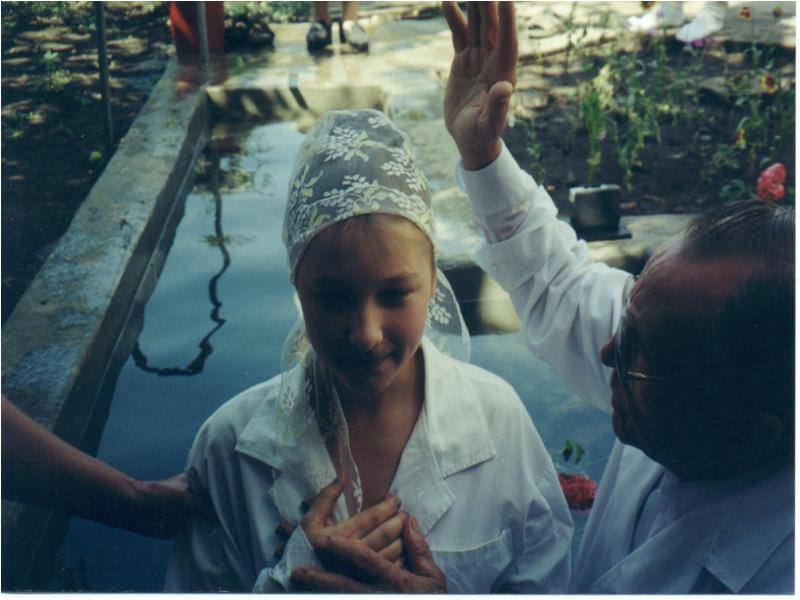
Moisi baptizing his grand niece, Natasha. (this photo is missing and I’ll try to replace it soon)

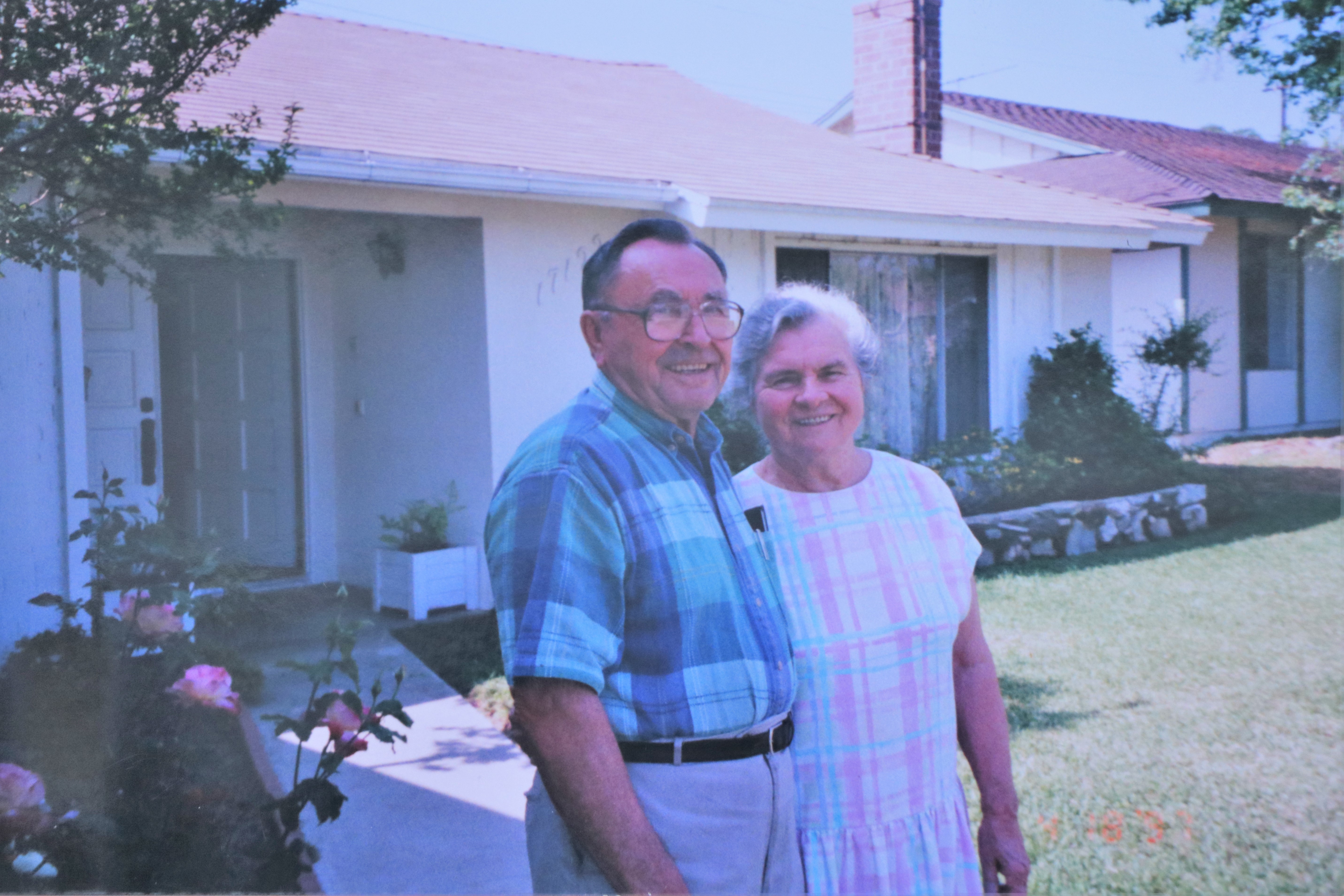
(Our parents in front of their home in Yorba Linda)

So in early 1997 we sold our home in Yorba Linda and Nadia and I went to Russia for an entire year.  To begin with, we began a Sunday School ministry. The first Sunday saw sixteen visitors – mainly children.  The next Sunday, attendance jumped to sixty.

Our next step was to develop a church along with the Sunday School.  Attendance was small at first but then began to grow to twenty, then thirty, then fifty. We came back to the U.S. in 1998, stayed home for three months and then returned to Russia for another full year of ministry.  From 2000 to 2006 we returned for three month ministry stints each year. As a result of our ministry, thirty-six people, young and old, came to the Lord and were baptized – for which we are most thankful. In addition to this, I estimate that I took about $250,000 into Russia to meet the various financial needs of both Christians and non-Christians alike.

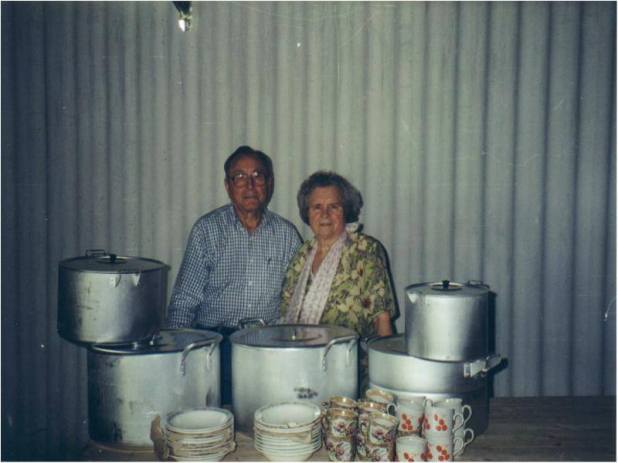
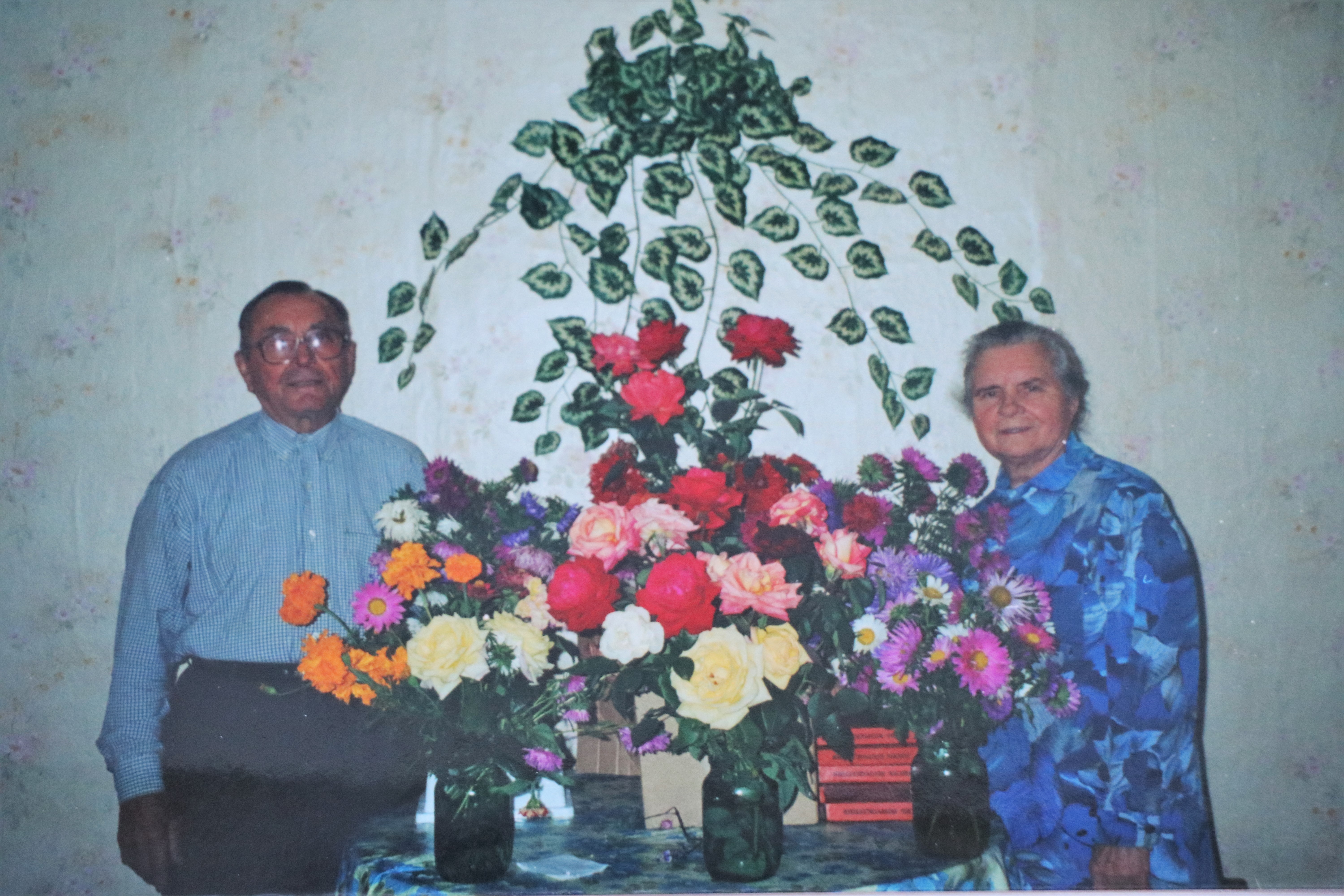
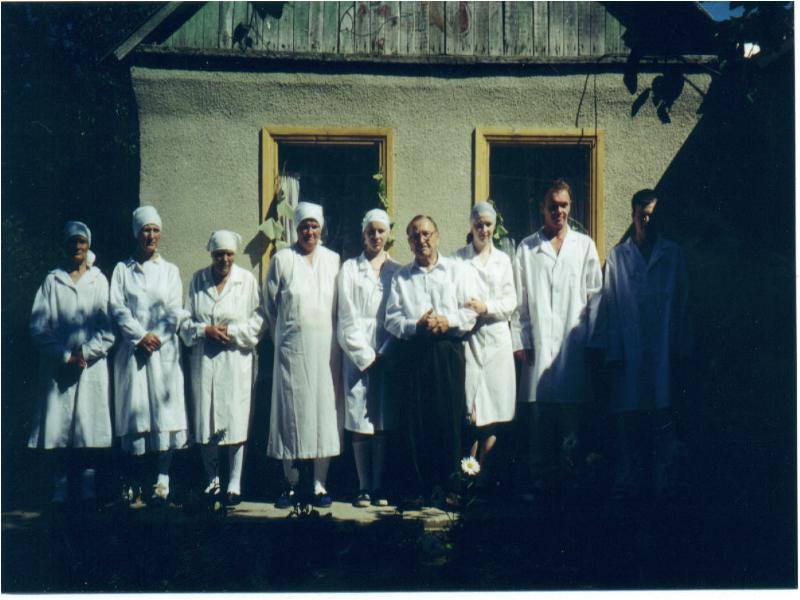
My parents in Russia. They prepared a meal every Sunday for all those who came to the church gathering.

This is the home that was purchased that my parents lived in and held church services in.

Moisi built this baptistry in the yard of the church so they didn’t have to go to a local lake or river for baptisms.

I am so thankful for the unseen hand of the Lord guiding my life.  I give all the praise to Him. It is my prayer that readers of my story will come to know Jesus as I have come to know Him.

This is the end of the story our Pop dictated. I will be filling in some blanks in future Tuesday With Moisi posts. Next week I’ll share a YouTube video our brother Steve recorded at the family Christmas gathering in 2012.

Tuedays With Moisi 1

Tuesdays With Moisi 2

Tuesdays With Moisi 3

Tuesdays With Moisi 4

Tuesdays With Moisi 5

Tuesdays With Moisi 6

Tuesdays With Moisi 7

Tuesdays With Moisi 8

Tuesdays With Moisi 9

Tuesdays With Moisi 10

Tuesdays With Moisi 11

Tuesdays With Moisi 12

Tuesdays With Moisi 13

Tuesdays With Moisi 14

Tuesdays With Moisi 15

Tuesdays With Moisi 16 is this post.

Tuesdays With Moisi You Tube Video.

Thinking of Retiring   A post I wrote from April of 2007
Tuesdays With Moisi ~ 15

Our Pop’s Story continued…

This is our Pop’s story dictated verbally by him a few years ago. I’ll be sharing excerpts every Tuesday. When I add to his story or explain a photo I will Italicize my words. Our Pop’s words will not be italicized. Our mom does not come into Pop’s story until “Tuesdays With Moisi ~ 9” even though I’ve posted photos of her before #9. I have very few photos from our parents’ life in Russia and Persia. At the end of my Tuesday posts I’ll add links to all the other posts.

At the Billy Graham Crusade in August of 1963 my wife’s and mother-in-law’s prayers were answered as I went forward and accepted Jesus as my Savior.  Not long after this Nadia asked our Molokan pastor why Molokans did not allow for water baptism in their faith. His only answer was that Molokans are baptized with the Holy Spirit.  That was not an adequate answer for me. In studying Scripture, I came to understand that water baptism was a necessary step of obedience for a Christian. Before I was baptized in 1969 I informed my parents of my decision to get baptized and join Bethany Baptist Church.  They then disowned me. I was quite hurt by their reaction, but went ahead with my decision. ( The rift with my parents was real. However, when they were in their final days, Nadia and I were the ones who took care of them in our home until their respective deaths.) In the years following my conversion, we conducted evangelistic Bible studies with our Molokan friends.  The response was relatively small but significant, because those who did respond stayed true to the faith.

Our paternal grandparents, Timothy (Red Beard) and Martha Bogdanoff.

The following is from Pop’s/Dzeda’s eulogy read by his granddaugters at his funeral in July of 2018… (the babushka and Dzeda spoken of here is our mother, Nadia and our pop, Moisi. Hope these inserts aren’t confusing…

All the while Babushka persevered in praying for Dzeda’s salvation. Her prayer was answered in 1963 when Billy Graham came to the Los Angeles Memorial Coliseum for a crusade. Our Aunt Ellen recalls, “I was in the eighth grade and attended the crusade every night with my father. I’ll never forget the night my dad got out of his seat and made the long walk down to the field to acknowledge God’s call on his life. What a glorious day!” It was not only a day of celebration but also a time when lives were forever changed.

Becoming a believer came at a high cost for Dzeda. Family and friends would question his decision and many ostracized him calling him a traitor from the tradition he grew up in. Because of that we learned what true courage and sacrifice looked like to follow Christ. Dzeda never stopped honoring his Molokan Father and Mother. Dzeda loved his Molokan, brothers and sisters and prayed for them often and loved to share the Good News with them and what freedom in Christ looked like and could be.

More of my memories from this time in Moisi’s and our lives…

My love for singing started in church. In my father’s Molokan church growing up into my teens singing was acapella. There were no instruments in the church and the songs were mostly from the Psalms in the Old Testament portion of the Bible. My father was a “songleader” in this church. For Easter and Christmas we would visit my maternal grandmother’s Russian Baptist Church where we enjoyed singing with piano and organ. In junior high school, choir was one of my classes and I was introduced to notes and music. After my father attended the Billy Graham Crusade in Los Angles in 1963 he started a new life of following Christ as his Savior and we eventually left the Molokan Church. We started attending my maternal grandmother’s church. At the Baptist church my sisters and I were part of the youth choir which eventually worked on recording tapes of Russian hymns for Far East Broadcasting and Slavic Gospel Association to be broadcast into the Soviet Union over radio waves.

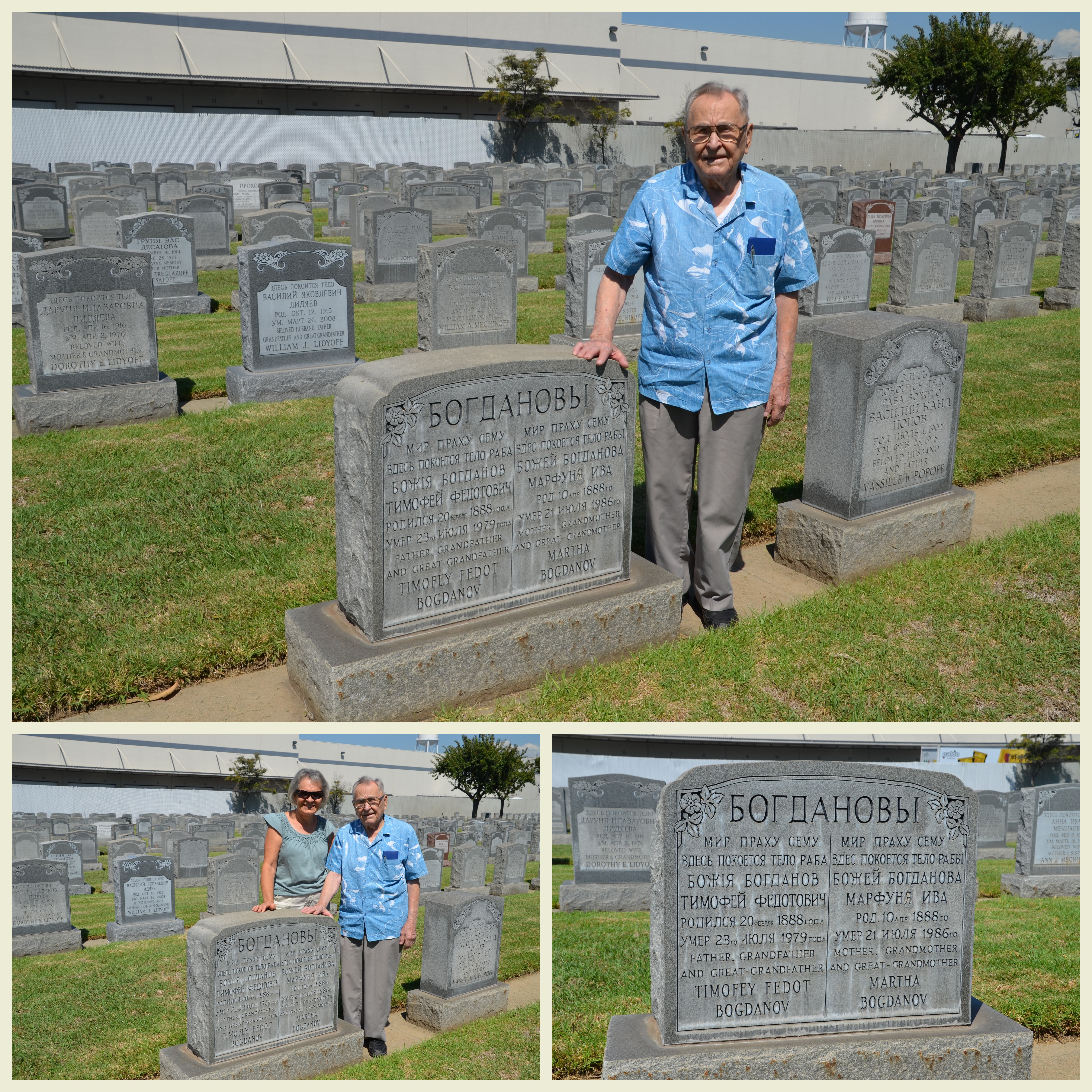
When Moisi finally decided to be baptized in 1969 his parents disowned him and would not speak to him. Some of his Molokan friends called him a frog. Pop didn’t share this in his story but I wanted to add to this part of his story. Our pop and mom visited our paternal grandparents once a week during this time and sat with them in silence. At the end of their silent visit our pop and mom would stand up to leave and always say to our dzedushka and babushka, We love you. Our parents never stopped honoring their parents even through this hard time. This love and honor wore our grandparents out and there came a day again when they spoke to each other again. As our pop shared in his story my parents were the ones who cared for his parents in their dying days. The photo below is from the Russian Molokan Cemetery in the City of Commerce in Southern California where our paternal grandparents and other relatives are buried.

Moisi with his daughter Kathy at the gravesite of our paternal grandparents taken in September 2014.

Tuesdays With Moisi ~ 14

Our Pops story continued…

This is our Pop’s story dictated verbally by him a few years ago. I’ll be sharing excerpts every Tuesday. When I add to his story or explain a photo I will Italicize my words. Our Pop’s words will not be italicized. Our mom does not come into Pop’s story until “Tuesdays With Moisi ~ 9” even though I’ve posted photos of her before #9. I have very few photos from our parents’ life in Russia and Persia. At the end of my Tuesday posts I’ll add links to all the other posts.

The first four years of our sojourn in the U.S saw us living in the East Los Angeles area with various family members and friends.  I worked various jobs in the construction trades.

Our second child Vera was born February 1948.

Fred, our first son, was born in October of 1949. Ellen was born in March of 1951. We bought our first house in Montebello in 1951.

Fred, Moisi, Ellen, Kathy and Vera in the front yard of our first home in Montebello Gardens which is now known as Pico Rivera.


Tim was born in January of 1958 and Steve was born in December of 1959.

In the early 60’s we moved to a bigger house in Montebello to meet the needs of our growing family. In July of 1963 Nadia surprised us all by giving birth to twins – Leonard and Lana.

I’m adding to Pop’s story about the twins. Our mom was very embarrassed and distressed when she got pregnant since she already had 6 children. She was happy to have things even and to be able to say we have 3 girls and 3 boys.  Then when the doctor told her she was having twins at age 40 it threw her into an emotional period of denial. Financially things were tough already and she wondered how we could afford to have two more babies. She didn’t even tell our Pop that she was going to have twins. She kept the fact that she was having twins a secret her whole pregnancy. We had just spent a week at Forest Home Christian Conference Center in Southern California arriving home on Saturday, July 27th. Our Pop went back to work on Monday and our mom went into labor. Pop was working on a construction site and my mom couldn’t get in touch with him. She called a friend of ours to take her to the hospital. Our mom never learned to drive. Later that day our family friend let us all know that our mom delivered twins, a girl and a boy. We were shocked and excited and waited for our Pop to arrive home so we could let him know. Pop pulled into the driveway and our brother Tim ran out to the car first and said “Pop, Pop, not one baby, two babies”, holding up two fingers.  To say our Pop was shocked is an understatement. He walked into the kitchen, sat down, and asked for a glass of punch. (Hawaiian Punch concentrate was a staple in our home in the 60’s). In those days natural childbirth was not the common practice so my mother was not awake when the twins were delivered. When they brought the twins in for her to see she told the nurses that the boy was hers but the little girl with all that dark hair was not hers because she looked Mexican (maybe she was still a little woozy from being put under). The nurses kindly informed her that both the boy and girl were definitely hers! 1963 would prove to  be an epic year in the life of our family.

This was the kitchen of our home in Montebello where our dear Pop had his glass of punch before heading to Beverly Hospital in Montebello to see his newborn twins and our mom.


Tuesdays With Moisi ~ 13

Our Pop’s Story continued…

This is our Pop’s story dictated verbally by him a few years ago. I’ll be sharing excerpts every Tuesday. When I add to his story or explain a photo I will Italicize my words. Our Pop’s words will not be italicized. Our mom does not come into Pop’s story until “Tuesdays With Moisi ~ 9” even though I’ve posted photos of her before #9. I have very few photos from our parents’ life in Russia and Persia. At the end of my Tuesday posts I’ll add links to all the other posts.

On April 25, 1944 our first daughter was born.  She was the ideal baby – beautiful, happy, loveable.  Then in early 1946 she contracted dysentery and died. Our hearts were broken.  In addition we as parents were blamed for her death because we didn’t have a dedication ceremony for her when she was born – neither in the Baptist or the Molokan church – because we could not agree as to what church should conduct it.  This guilt added to our grief. But fortunately, it was mitigated with the birth of our second daughter, Kathy, in May of 1946.

At this time in our lives, my parents began to cultivate closer ties with our relatives in the U.S.  In so doing they asked them to sponsor our family into the U.S. (Sponsoring was necessary back then.)  And they agreed. As it turned out, only the siblings who had families and my parents had emigration status.  That meant that my sister’s family and mine were the only ones who could leave. My parents decided not to come with us because they did not want to further divide the family.  Because my father was a spiritual leader in the Molokan church, the immigration officer at the American Consulate advised us to have our American relatives to sponsor him as a pastor which would expedite the emigration process for him and the rest of the family.  And so it did for they all arrived two years after we did.

We ourselves left Teheran for the United States on September 3, 1947.  I will give the details of our trip because it is different than how we would travel today.  Our plane was a twin engine Red Cross cargo plane. There were no seats – only benches – and who needs seat belts?  Some of us sat on the benches while others laid on the floor. Because our flight altitude was relatively low, we were able to discard Kathy’s dirty diapers out the window.  Opening and closing them did not affect cabin pressure. Here is our itinerary. From Teheran we flew to Cairo, Egypt, refueled and flew on to Rome, Italy. We spent the night in Rome.  From Rome we flew to London. We were not allowed off the plane and only stayed for lunch. We flew on to Scotland and stayed overnight. From Scotland we flew to Iceland and had lunch. From there to Greenland where we spent the night.  From Greenland we flew to New York. We arrived in New York late Saturday night, September 6th. We were planning to take the train from New York to Los Angeles that night. However, all our money was in travelers checks made out to my brother John.  Union Pacific would not take those checks. So we were stuck in New York for the night. We had the name of a Russian pastor and two kind ladies from Traveler’s Aid helped us locate his church. When we arrived he was just locking the doors of the church for the night.  He took my sister’s family and the three of us to a hotel which did accept our travelers checks. In the morning Nadia woke up and was scared to death because of the height of the room. All she saw were people the size of ants below and this frightened her.

It being Sunday, we went to this pastor’s church morning and evening.  On Sunday night one family took my sister’s family and another took ours for the night.   Monday morning we notified our relatives of our plight. They wired us money for the train and so we left for Los Angeles.  We arrived in LA on September 12, 1947.

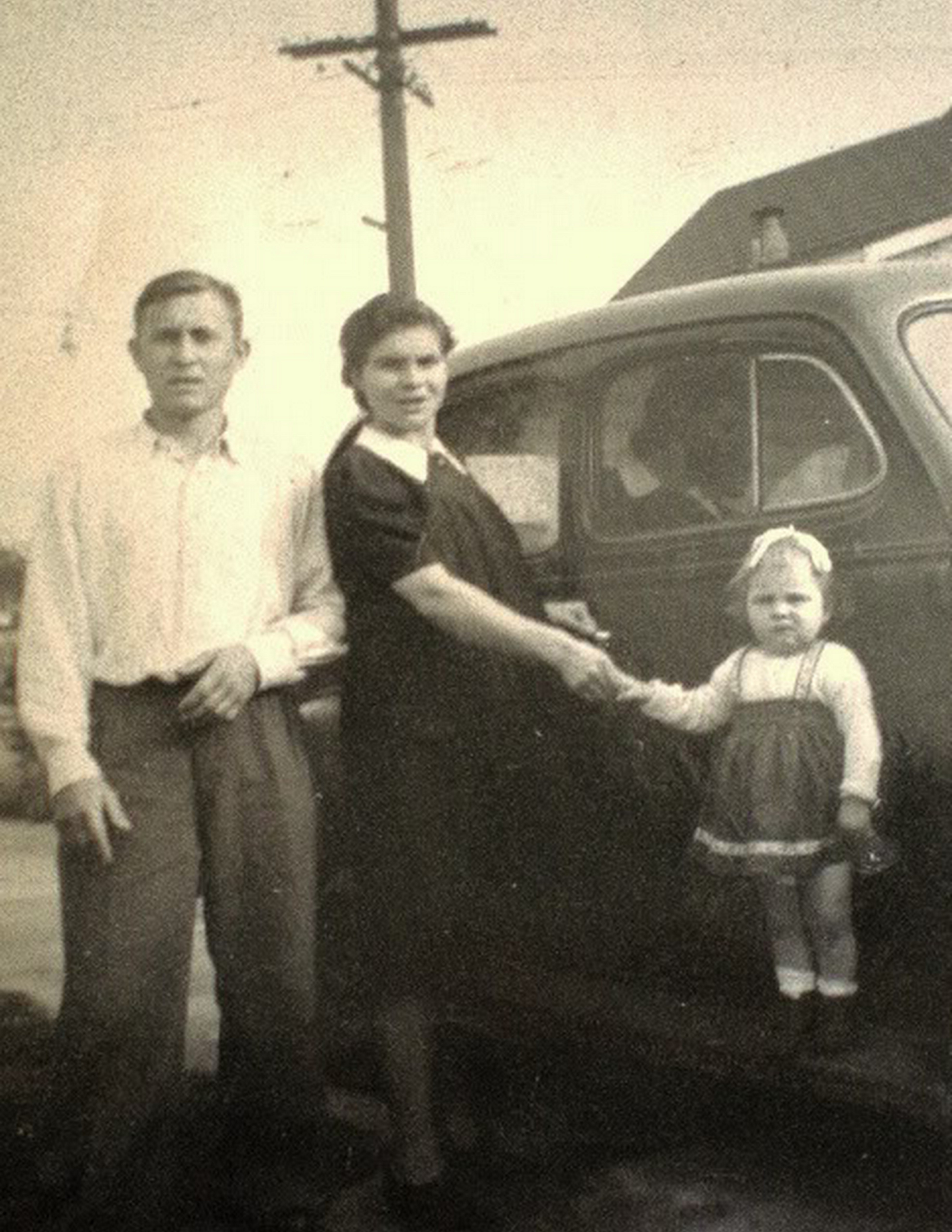
My parents with our oldest sister Kathy the second in Los Angeles. Mom is pregnant with our sister Vera in this photo.

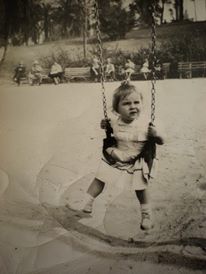
Kathy (the second) at a park in Los Angeles. I asked my parents a few years ago why they would name their second daughter Kathy since that was the name of their daughter who died. They looked at me puzzled and said, “It’s a good name”. So we have 2 sisters named Kathy. One deceased and one alive and well living in Southern California.


Tuesdays With Moisi ~ 12

Our Pop’s Story continued…

This is our Pop’s story dictated verbally by him a few years ago. I’ll be sharing excerpts every Tuesday. When I add to his story or explain a photo I will Italicize my words. Our Pop’s words will not be italicized. Our mom does not come into Pop’s story until “Tuesdays With Moisi ~ 9” even though I’ve posted photos of her before #9. I have very few photos from our parents’ life in Russia and Persia. At the end of my Tuesday posts I’ll add links to all the other posts.

The next day we went to the city of Guran in order to buy the wedding necessities.  When we were there, Nadia’s father pulled me aside and said, “Moisi, since we’re here in the city why don’t we make a quick trip to the doctors and have you checked out as to whether you can father children or not.”  I was again so embarrassed that I was looking for the proverbial hole to jump into. I answered, “Listen, if you’re not willing to accept me the way I am, let’s just forget about the whole thing and go back home.” (Ironically we had nine children – more than anyone else in my family). The fact that I was thoroughly offended got through to him and he backed off.  And so we bought the necessary supplies for the wedding and went to work on the preparations. We were married sometime in July but I am not sure of the exact date.

The very first Sunday after our wedding, we were on our way to church.  We had to pass the Baptist church to get to the Molokan church. As we came abreast the Baptist church, Nadia said, “Let’s go in.”  I declined saying that we should go to the Molokan church. We literally stood there for an hour arguing as to what church we should attend.

We finally ended up just going back home.  Why the argument? I was told I was to be the man of the house.  I was told not to forget the religion I was brought up in with its traditions.  I was told that if I attended the Baptist church, they would pressure me to be baptized and that would seal my doom.  So I was afraid of attending that church. Our first years together after marriage were not too pleasant because of our  disagreement over religion. Nadia’s faith was personal while mine was not.

We lived in Iran for four years after our marriage – two years in Rakhmanabad and two years in Teheran.  Our marriage improved somewhat in Teheran because I worked Sundays. This allowed Nadia to attend the Baptist church which blunted the sharp edges of our disagreement.  I worked first for the American military and then for the Russian military as a mechanic. Lastly I worked for a brick factory also as a mechanic.

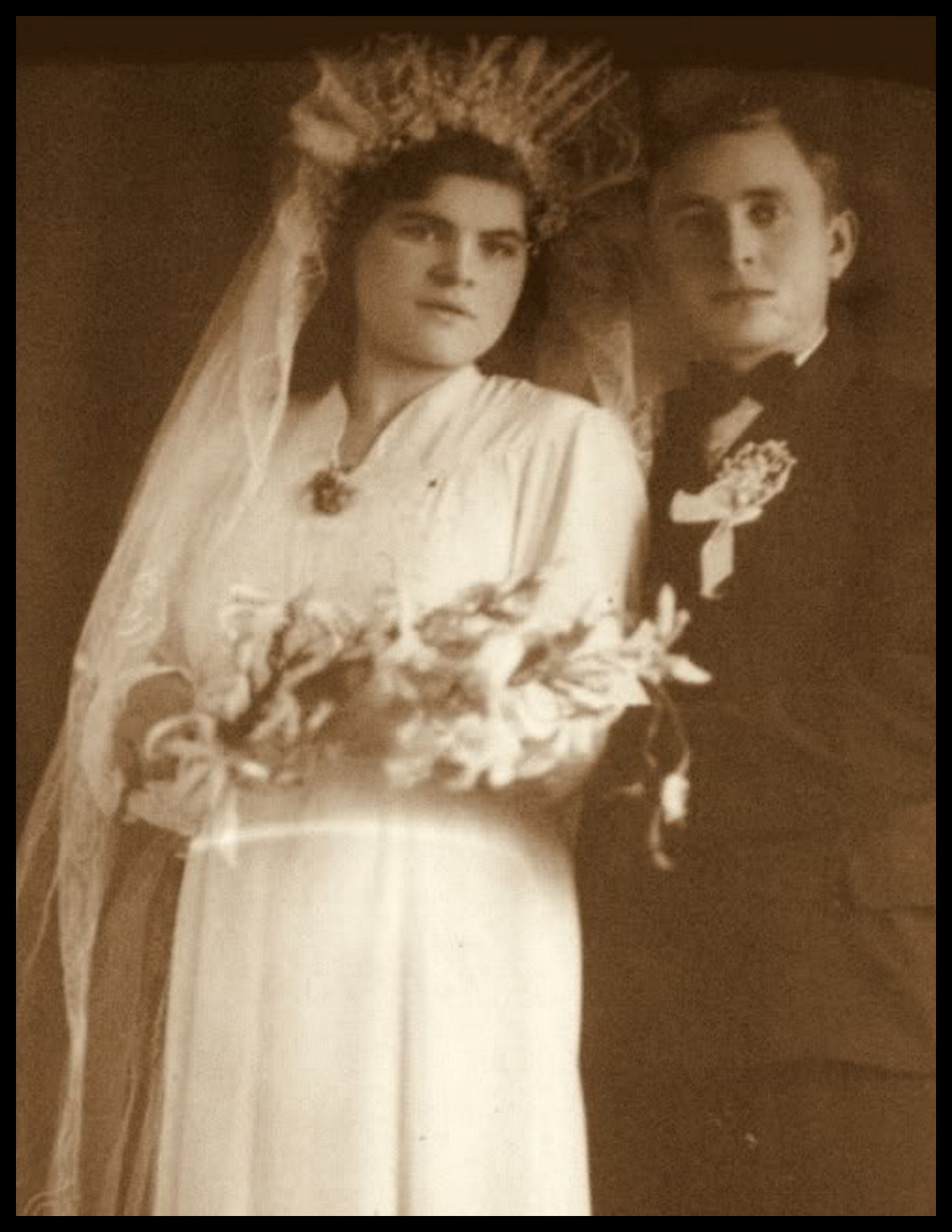
Somehow when my parents filled out their legal papers coming into the U.S. they chose September 13th as their marriage date. We celebrated that day and our mom died on my parents’ 70th wedding anniversary, September 13, 2013.

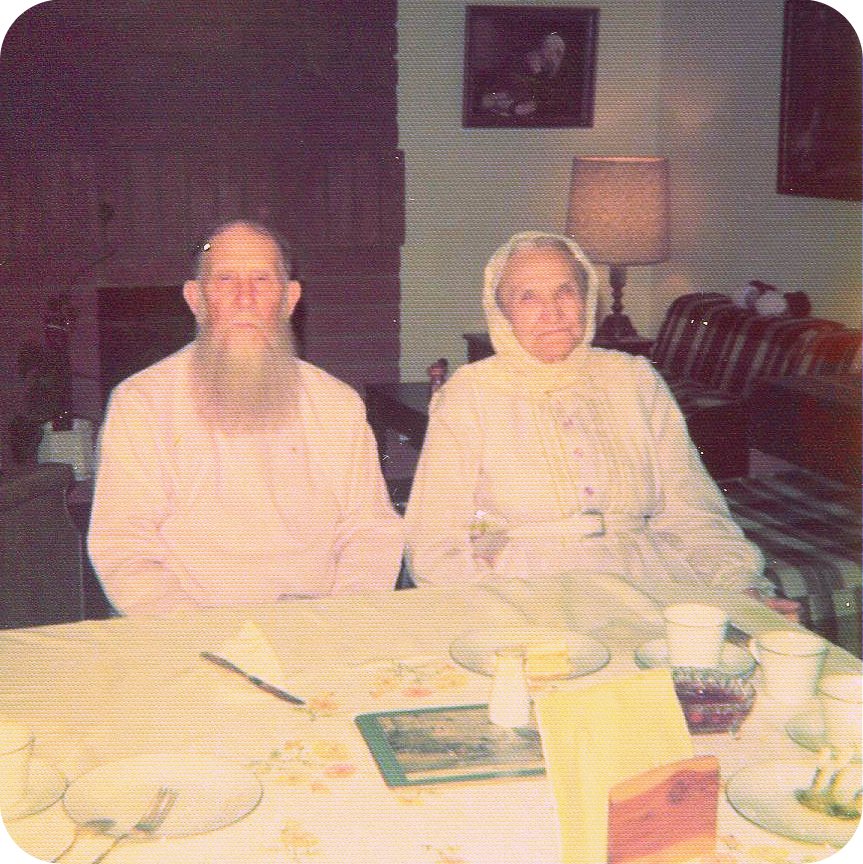
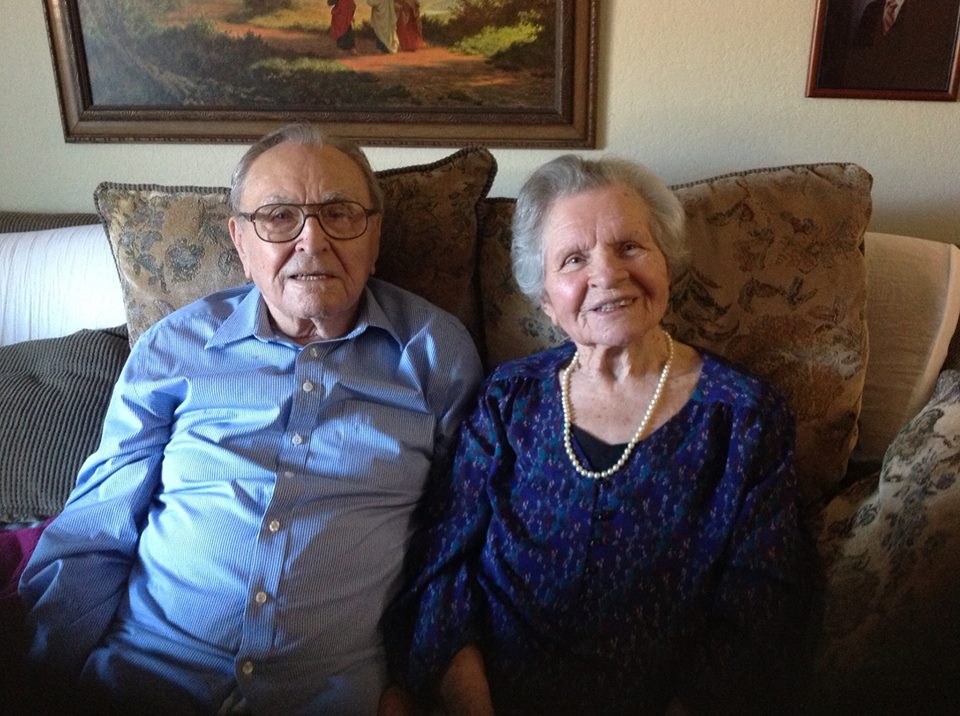
This photo was taken a month before our mom left this earth.

Tuesdays With Moisi ~ 11

Our Pop’s story continued…

This is our Pop’s story dictated verbally by him a few years ago. I’ll be sharing excerpts every Tuesday. When I add to his story or explain a photo I will Italicize my words. Our Pop’s words will not be italicized. Our mom does not come into Pop’s story until “Tuesdays With Moisi ~ 9” even though I’ve posted photos of her before #9. I have very few photos from our parents’ life in Russia and Persia. At the end of my Tuesday posts I’ll add links to all the other posts.


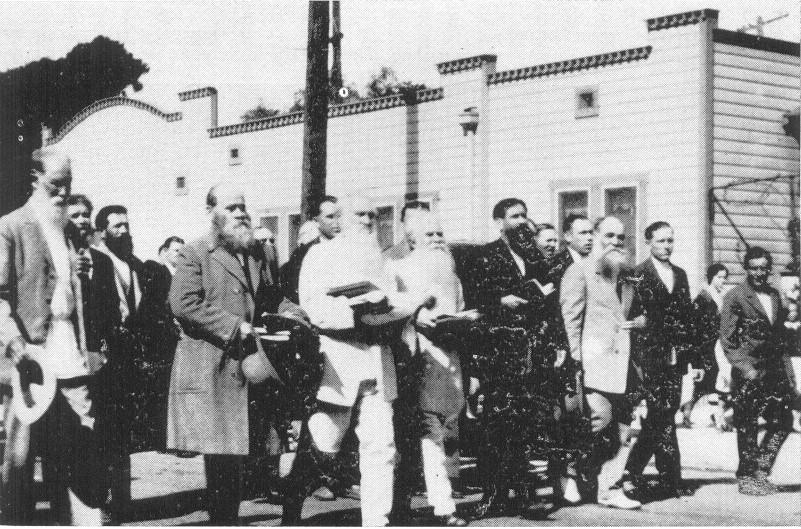
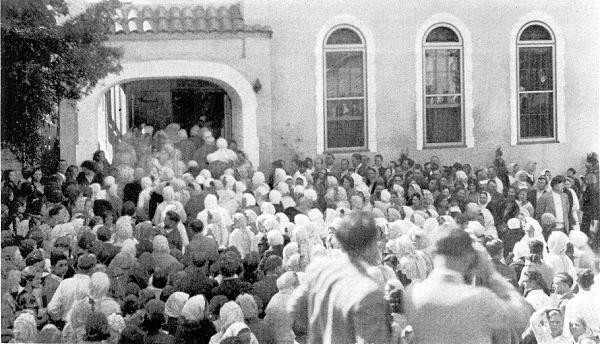
The photo above of this group of Molokan leaders was taken in Los Angeles in 1933 before my parents immigrated to the U.S. It is not my photo. I believe they were walking to the church in the photo below to dedicate it’s formation from three separate churches.

After church on the first Sunday that he was in our village, Nadia’s cousin came up to me with a note.  It read “I want to meet you and talk with you.” I knew immediately who it was from. And so I trudged up the road to where he was staying – my knees barely supporting me.  We greeted each other. Almost immediately he said, “Let’s take a walk. I want to discuss a few things.” Then he launched into what he wanted to talk about. “I’ve heard that you are not really a good candidate for marriage.  In addition, I’ve also heard that you are not able to have children. And children are definitely a blessing.” These words made me so uncomfortable that I wanted to jump into a hole in the ground and pull the hole in after me. I answered, “I don’t know what the future holds.  All I know is that I love Nadia and I want to marry her.” I think it was then that he understood that I was determined to see this through. What about the wedding details was his next question. (Molokans do these things differently than Baptists.) I answered, “That is an issue we’ll discuss with my parents.  But one way or another we love each other and we definitely want to get married.” With that, our conversation ended. I went home and ate lunch. After lunch Nadia and I met in the fields. When I saw her smiling face my heart jumped with joy because her smile signaled her father’s acquiescence. Both sets of parents then met each other and discussed the details of the upcoming marriage, namely who was to do what and how it was to be paid for.

The first order of business was the engagement ceremony. This was to be done according to Molokan custom.  It was hosted by my parents at their home a few days later in the evening. The ceremony was basically a prayer gathering of invited guests, asking God to bless the upcoming marriage and then ending with a reception.  And so the guests came, sang, and offered messages of encouragement based on Biblical teaching. After that all took place Nadia and I made our way to the center of the room where hands were laid on us and we were to be prayed for.  To begin the actual prayer ceremony, Nadia and I asked that all in attendance would pray for us – specifically that God would bless our marriage. We then knelt and the Molokan pastor prayed for us. He was a gifted orator and his prayer was a shining example of that.  To such a degree that one of the Molokan prophets jumped in response to the inspiration of the prayer. But this jumping was specifically not to be allowed according to the agreement reached by Nadia’s father and my parents. Jumping was anathema to Nadia’s father – a staunch Baptist.  As soon as he heard the thump of the jump, he reacted immediately. “Up, Nadia! They’ve lied to us. Let’s go!” Nadia was ready to do so but she was firmly held down by my mother until the prayer was over. When it did end, Nadia, her father, mother and all their invited guests left for her aunt’s home.  As he was leaving, Nadia’s father kept repeating that he was deceived – the decibel level of his voice certainly not being on the low end of the spectrum. Only the guests of my parents remained. I walked outside and was so distraught that I seriously contemplated leaving this whole disastrous scene by taking the first means of transportation out and never coming back.  As I was standing there thinking about it, I happened to notice the position of the moon. It was just on the horizon. I had never seen it so close before. And then I felt a hand on my shoulder and a quiet voice in my ear, “Moisi, whatever you are thinking – don’t do it. Go to Nadia’s aunt’s house and be with Nadia. Her dad will calm down eventually. Everything will be OK.”  It was the voice of John Federov. I took his advice and went to the house, walked in and was greeted by a high level of commotion. The decibel level of Nadia’s father’s voice had increased significantly but his message remained the same – “They lied to us. They didn’t keep their word.” The others in the room were trying to calm him. I saw Nadia sitting on a trunk crying. Nadia’s mother went over to her and scolded her, “You got us into this and you’re the one crying about it?  Shame on you!” That made Nadia cry even more. I went over and sat next to her and began crying myself. After a while Nadia’s father did calm down. They talked him into going back to the festivities which were just beginning when we got there and it all ended without further incident.

In 1933 the First United Christian Molokan Church was dedicated in their new building on 3rd street in Los Angeles. I believe 3 congregations combined to form this church that was called “Big Church”.

In l941 the First United Christian Molokan Church relocated to Lorena St. in East Los Angeles. The new church looked a lot like the photo above. This was the location that our family attended and that we became familiar with. Now the new location for this church is in La Habra. Our grandfather was a preacher/elder at this church after he immigrated to the U.S. There are several Molokan churches in California and some in Oregon, Arizona. Each church has it’s own signature. Many traditions are the same and some are becoming more different from each other because there are no governing bodies or conferences amongst them. Each location is autonomous and as older members die off things change. I’m guessing Big church got that nickname because it was one of the bigger congregations. Some Molokan churches follow a prophet named Maxim and they are “Jumpers”. Certain members in the church when becoming “spirit filled” jump in response. Other Molokan churches don’t jump. As  a young child in the church I was always shocked and mesmerized by these jumping episodes, usually occurring at a crescendo or certain stanza of a Psalm being sung. I’ll share more about Molokans and Russian Baptists in later posts and about the small group of Molokans who broke off from Big Church to form Kern Avenue Church.

Tuesdays With Moisi ~10

Our Pop’s story continued…

This is our Pop’s story dictated verbally by him a few years ago. I’ll be sharing excerpts every Tuesday. When I add to his story or explain a photo I will Italicize my words. Our Pop’s words will not be italicized. Our mom does not come into Pop’s story until “Tuesdays With Moisi ~ 9” even though I’ve posted photos of her before #9. I have very few photos from our parents’ life in Russia and Persia. At the end of my Tuesday posts I’ll add links to all the other posts.

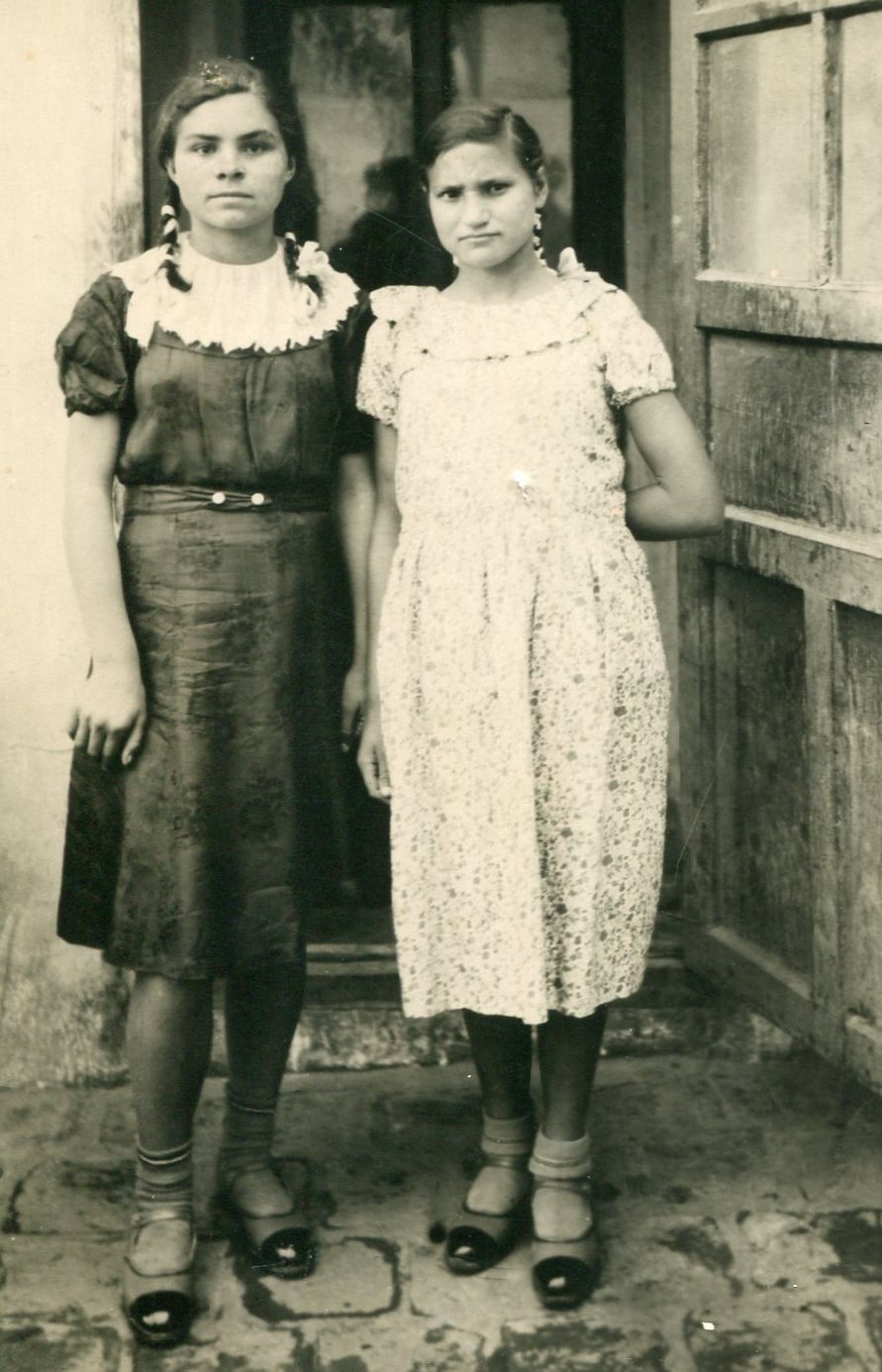
Our mom here with her friend Zena. She got into big trouble with her father when he saw this photo of her with lipstick on.

When the harvest was finished, on a Sunday afternoon after church, Nadia and I took a walk in the forest.  It was then that I confessed my love for her and asked her to marry me. She told me to ask her mother. But I wanted to know from her – would she marry me if permission was granted.  She said she’d think about it. I told her that as her husband I would do anything she wanted. By this time we had returned back to where she was staying. Nadia did ask her mother but she replied that this decision was her father’s.  Nadia relayed that message to me. That was good enough for me – so far.

Our Pop, Moisi, with our uncle Paul, the future brother-in-law he went to town with.

The next day I, with my brother-in-law, had to go into town to take care of some business.  On the way I told him that I was getting engaged to Nadia and was going to telegraph her father to come to the wedding.  According to Russian custom whenever someone was met with good fortune, he had to treat his friends. This was called mahareech.  So when we went to lunch at a local restaurant, I bought a bottle of Iran’s finest fire water along with the lunch. As we were eating, a buddy of ours from our village happened into the restaurant.  Seeing the bottle on the table he asked what the occasion was. My brother-in-law explained that I was getting engaged to a city girl. He couldn’t believe my good fortune and so ordered another bottle and joined us.  So after eating lunch and downing two bottles of alcohol, we three were definitely two sheets to the wind. We headed for the telegraph office. The telegram my future father-in-law received went something like this: “Papa, please hurry and come to my wedding: Nadia.”

You can just imagine his reaction.  He went to his friends and acquaintances to try and find out what was going on.  He couldn’t believe his daughter would send such a telegram and was quite offended that she would do something like this without his permission.  Of course he could not know that she had nothing to do with the telegram.

Realizing there wasn’t much he could do about the situation from Tehran, he came out to our village.  For some reason there were quite a few of my contemporaries who were against our marriage. So when he arrived, he was met with a barrage of gossip claiming that I was unfit for marriage, I couldn’t have children, I wasn’t a Christian, etc., etc.  But Nadia and I stood firm in our commitment to each other.

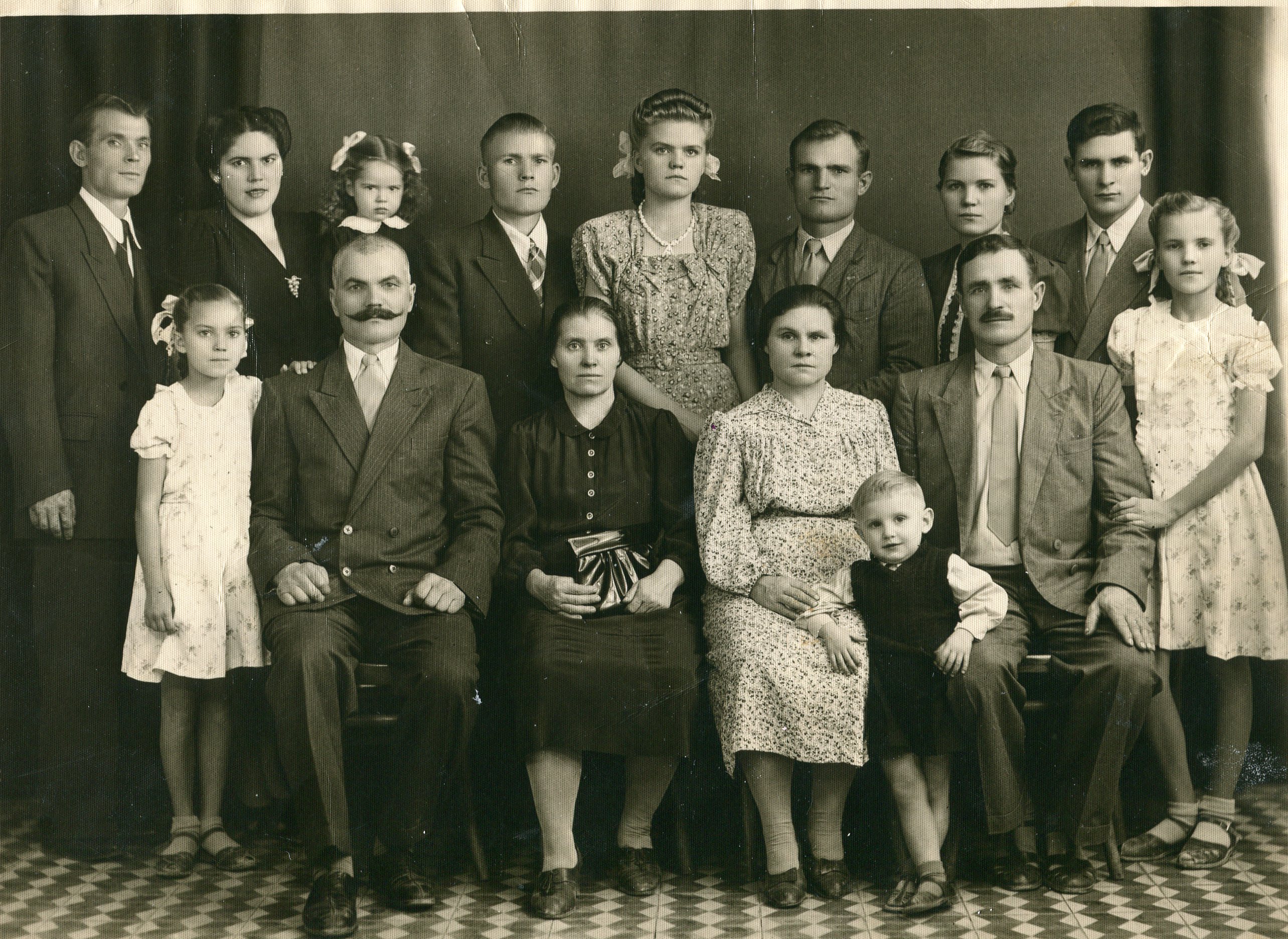
I’m adding this photo of the Shvetzov and Katkov families because it’s one of the only photos I have of our maternal grandfather. He is seated next to our Babushka on the right. He was killed in Persia after my mother and father immigrated to the U.S. Later our grandmother immigrated with our Uncle Paul and Aunt Nina (they are standing behind my grandparents in this photo far right). Zena, who was in the first photo in this post is in the back row on the left holding her daughter Tamara. She married a Katkov. The Shvetzov and Katkov families all immigrated to the U.S. and we remained close going to the same church and future marriages intertwined our two families closer together. Our Aunt Nina was one of the Katkov girls. The three young girls in this photo are the only ones still alive in the southern California area. My cousin Alex who is standing between my maternal grandmother and grandfather (Uncle Paul and Aunt Nina’s oldest son) was killed tragically in a car accident in 1979. His three siblings, our cousins, who were born after our aunt and uncle and Alex immigrated are still living in southern California and Florida. Our babushka and babushka Manya, sitting next to her, lived out their lives as widows in apartments next door to each other in Los Angeles, a few doors down from our Russian Baptist church. 

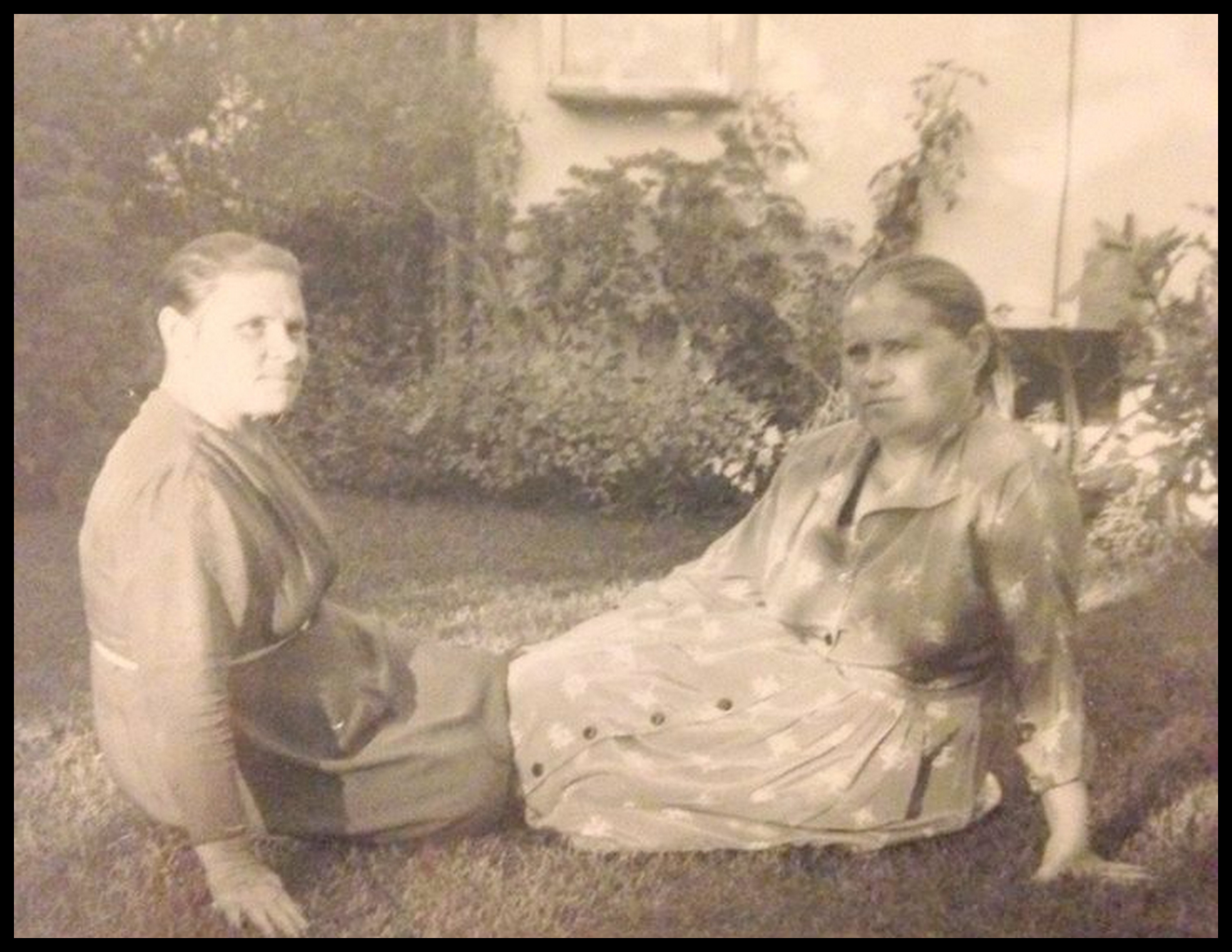
This is a photo of our babushka Vera and Babushka Manya Katkov in the United States.

Tuesdays With Moisi ~ 9

Our Pop’s story continued…

This is our Pop’s story dictated verbally by him a few years ago. I’ll be sharing excerpts every Tuesday. When I add to his story or explain a photo I will Italicize my words. Our Pop’s words will not be italicized. Our mom does not come into Pop’s story until “Tuesdays With Moisi ~ 9” even though I’ve posted photos of her before #9. I have very few photos from our parents’ life in Russia and Persia. At the end of my Tuesday posts I’ll add links to all the other posts.

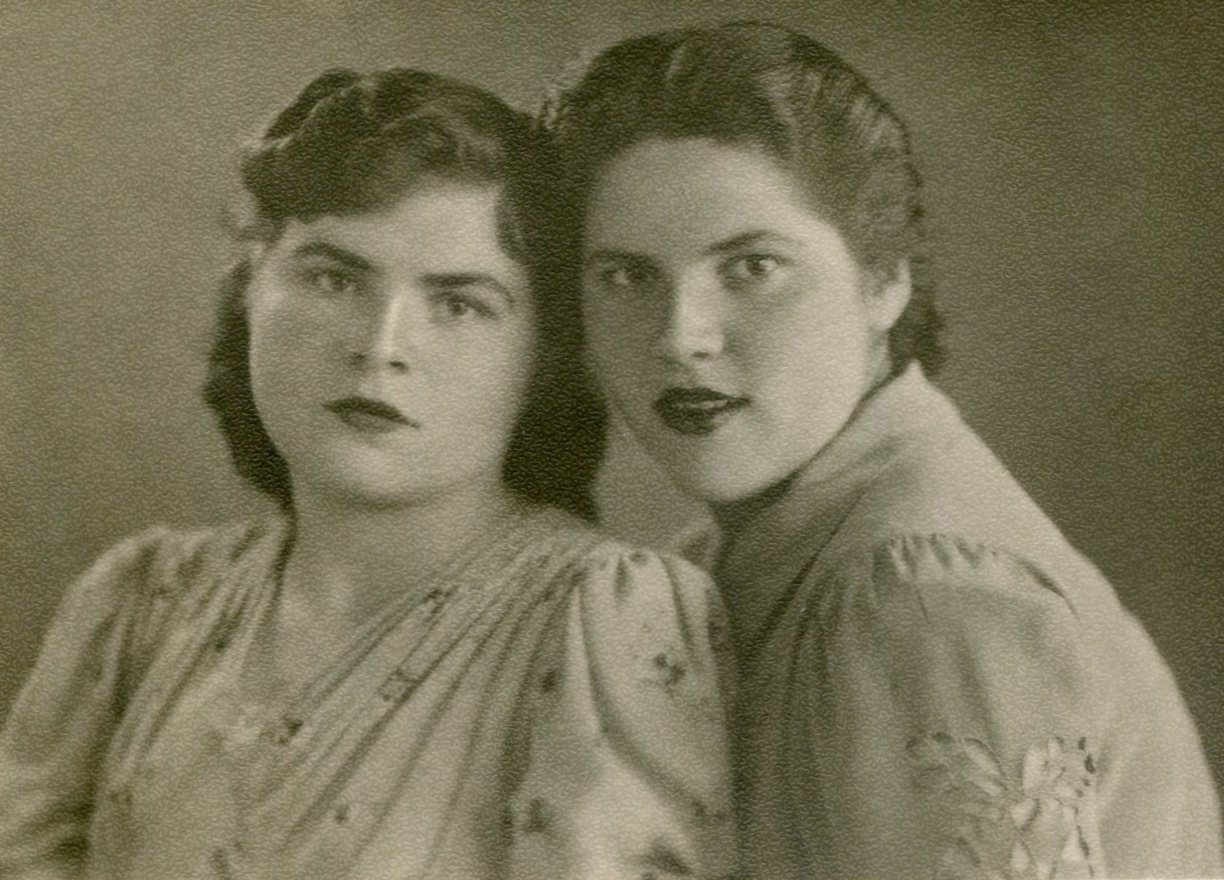
Our mom with her cousin Luba.

Nineteen forty-one saw the start of World War II and as a result, demand for wheat grew and we began to prosper.  In 1943, I began to seriously think of marriage and started looking for a suitable mate. One of my sister’s-in-law came from Teheran to give birth in our town because her mother was there.  I was assigned the duty of escorting her and her baby back to Teheran. When I was there I became acquainted with the local young people. Two girls among them caught my eye – Nina Katkov and Nadia Shvetzov.  At that time I mentally picked Nina for myself and Nadia for my friend. Of course this was unbeknownst to them and so I returned home and told my friend of all that had transpired.

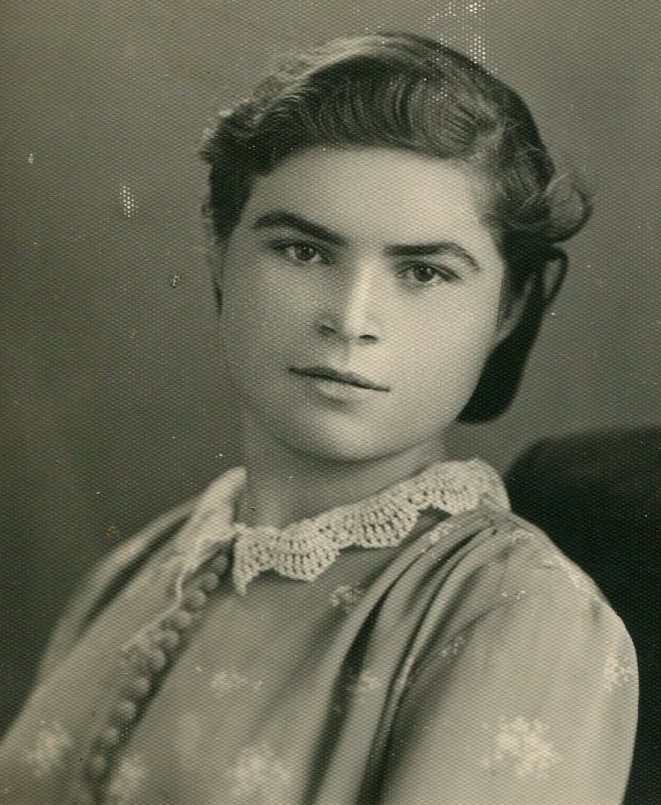
Our Mom in the 1940’s.

In May of 1943 the harvest was just beginning and it just so happened, within a few weeks of my return home, that Nina came with her folks and Nadia with her mom to participate in the harvest.  This suited me just fine. The day they came, I happened to be at home and not in the fields because I had hurt my leg. Their first stop upon arrival was our neighbor’s house. They came outside to wash up a bit after their journey – there was no indoor plumbing in those days.  I went next door, brought water from the well and poured it on their hands. Out came Nadia from the house, extended her hands to be watered, and smiled at me. That was it. Her smile rendered Nina a distant memory.

During the harvest, about four or five families worked as a group.  Lots would be cast as to what order each farm would be harvested. Each group worked for a specific farm.  The owners would feed us, and in general the work was quite pleasant. Since many of the workers were young singles of marriageable age, serious courting took place in the evenings.  Protracted individual dating was unknown back then. In those two summer months following that particular harvest, twelve marriages took place. I remember that some of these marriages did not do well primarily because of the immaturity of both bride and groom.

This is our mom with her brother Paul in Persia before she and Pop were married. Our mom’s brother Paul ended up marrying Nina and the next photo is from their wedding which occurred after my parents immigrated to the United States. I’m including this photo since Nina was mentioned in this part of Pop’s story. Nina ended up being our pop’s sister-in-law, our aunt.

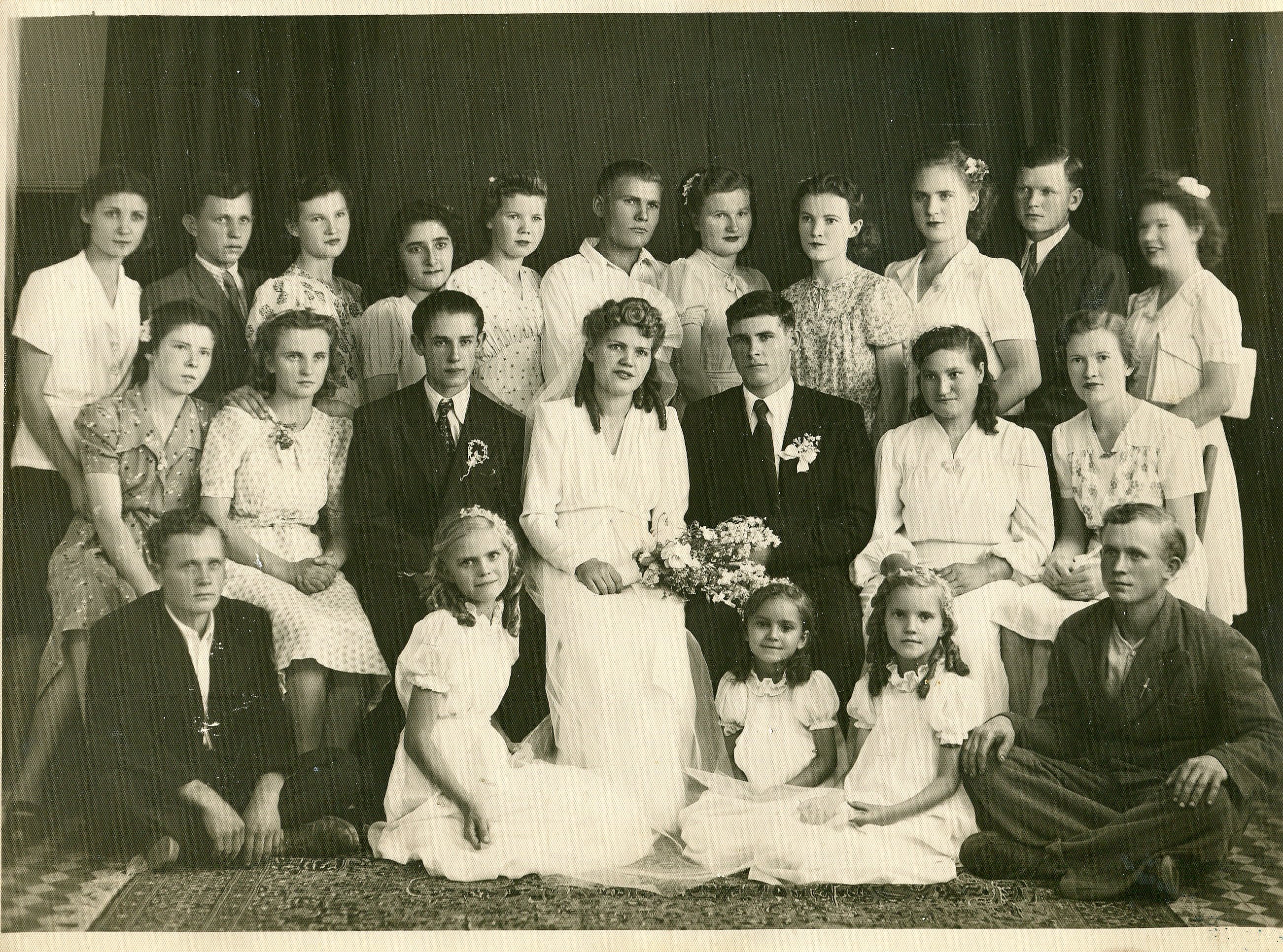
In Persia on wedding days one of the customary photos taken was of the couple that just got married with all their single relatives and friends. Next to my uncle Paul is Luba who is also in the top photo with my mom when they were younger.

Tuesdays With Moisi ~ 8

Our Pop’s story continued…

This is our Pop’s story dictated verbally by him a few years ago. I’ll be sharing excerpts every Tuesday. When I add to his story or explain a photo I will Italicize my words. Our Pop’s words will not be italicized. Our mom does not come into Pop’s story until “Tuesdays With Moisi ~ 9” even though I’ve posted photos of her before #9. I have very few photos from our parents’ life in Russia and Persia. At the end of my Tuesday posts I’ll add links to all the other posts.

The photo above is of our mom and some of her friends in Iran. This is well before my pop met my mom. I chose this photo to show how our Russian friends who immigrated to Persia dressed. Our mom is the girl seated on the left.

At this time in history the Shah issued a decree that Iranian women were no longer forced to wear head coverings.  He wanted to Europeanize Iran. This was met with fierce resistance from Muslims to the point of violence. We Europeans began to fear for our lives because we were blamed for the existence of this edict.  The Shah also wanted to scatter us Europeans among his people in order to teach them modern farming methods. We resisted this because we realized if we were to acquiesce, we Russians would be picked off one by one, resulting in our eventual extinction.  We had to cluster in order to effectively defend ourselves. So when a rich Iranian offered us substantial acreage for farming purposes, our community of about twenty families took him up on it. It was an abandoned village with surrounding farm land. Within the first year, however, some of us began to come down with malaria.  It grew to almost plague like proportions among us. Six of our group actually died. We then concluded that this area was not conducive for living, let alone farming, and so eventually we all left.

After this episode our family moved to a village near the Caspian Sea in Iranian territory.  We stayed there about two years and moved to another village. We stayed at this village for two years and moved to a town called Rahmanabad.  In my first year there, I worked as a driver delivering rocks and sand for the construction of roads and bridges. Then for the next three years I became a tenant farmer.  The Shah leased us the land and our payment to him was one-fifth of the harvest.