…and is spending time with another flock.
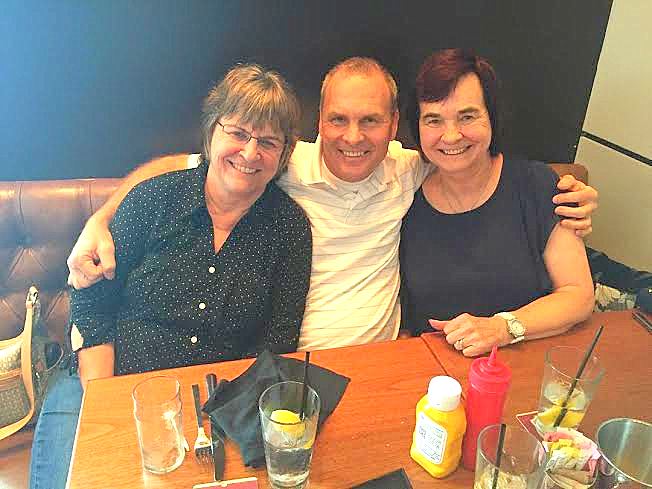
Getting lots of hugs in and catching up with my brothers, sisters, pop and friends. Three states represented in the photo above, Washington, Texas, and California. Hope your weekend is going well.
…and is spending time with another flock.
Getting lots of hugs in and catching up with my brothers, sisters, pop and friends. Three states represented in the photo above, Washington, Texas, and California. Hope your weekend is going well.
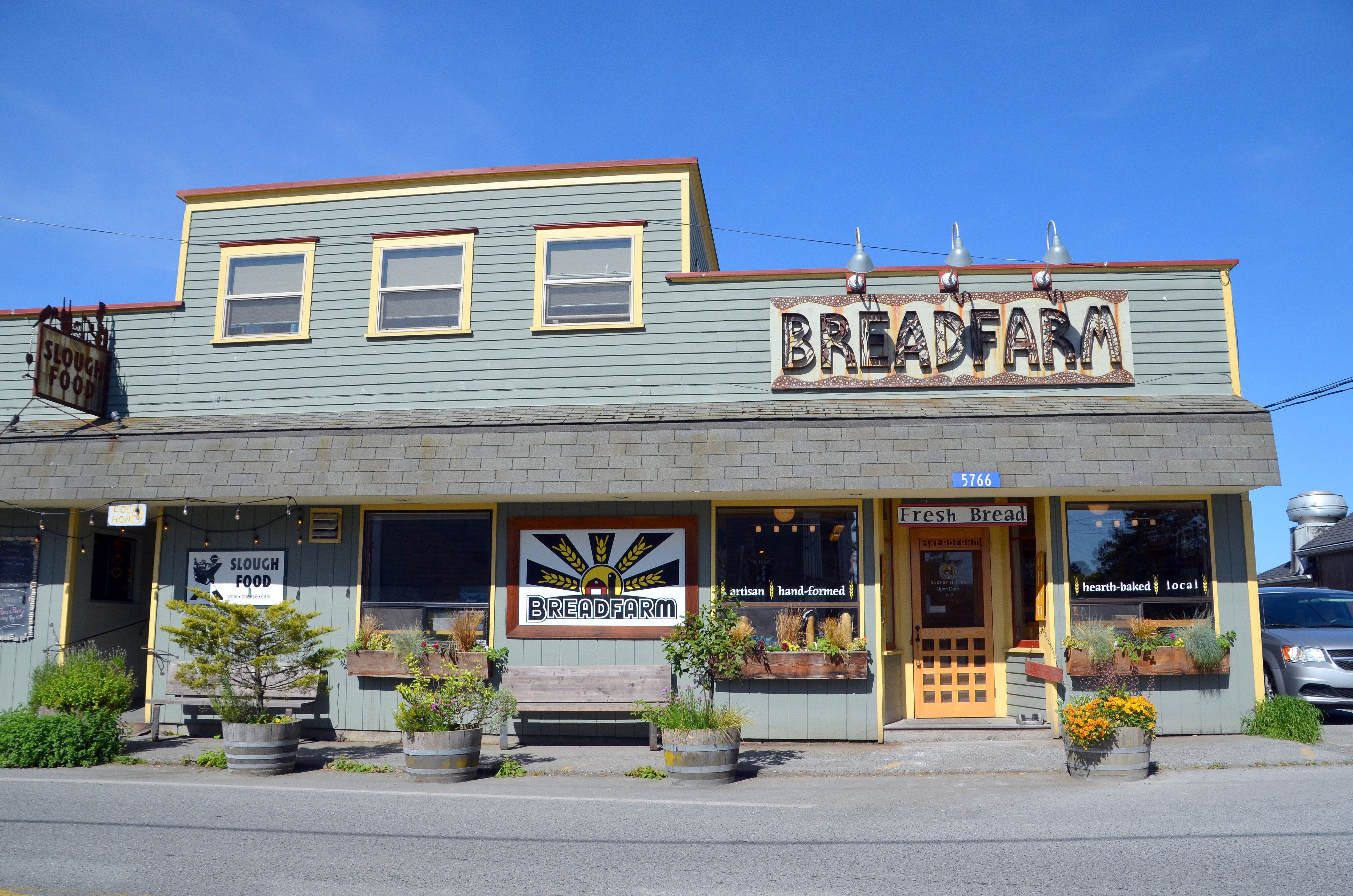
A few weeks ago we took a nice day trip north from our home. Our first stop early in the morning was in Edison where we had read about the Breadfarm. It was open and we bought some bread and pastries. We were amazed at the great variety of fresh baked bread! I was sorry about all the glare from the glass partitions that didn’t allow my photo to show off the artistry of their bread.
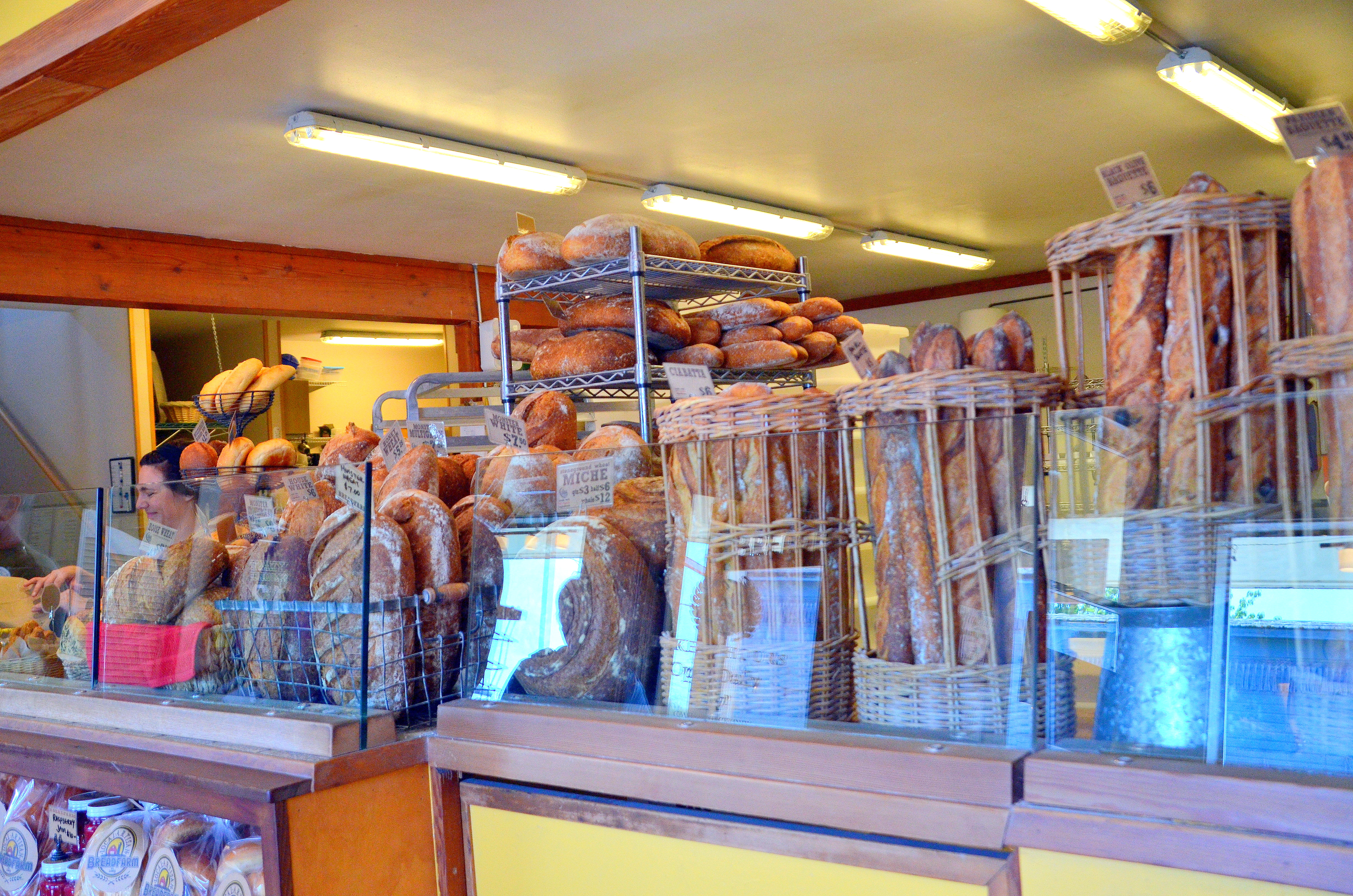
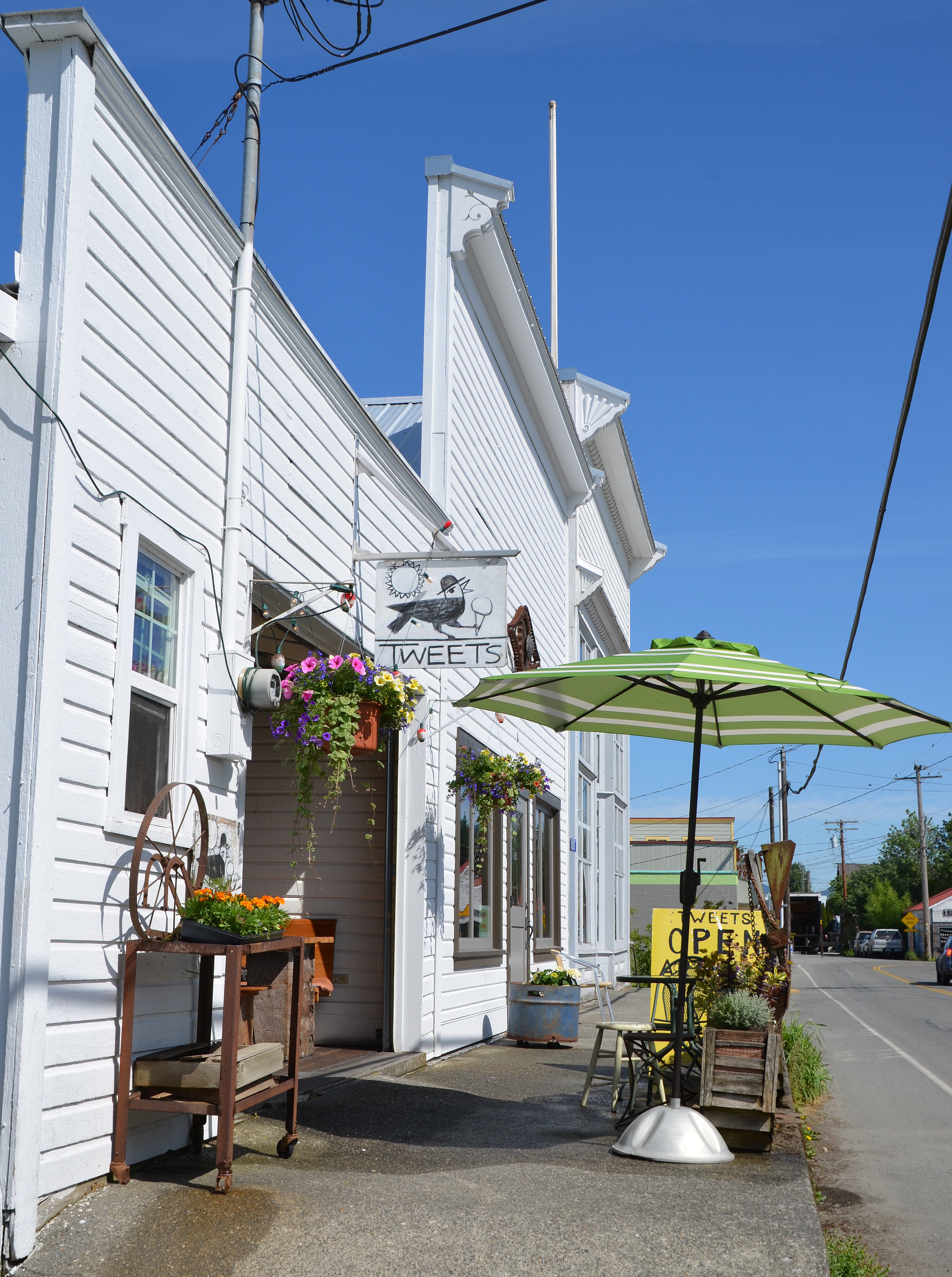
We asked here if they had a recommendation for breakfast and they told us about Tweets.
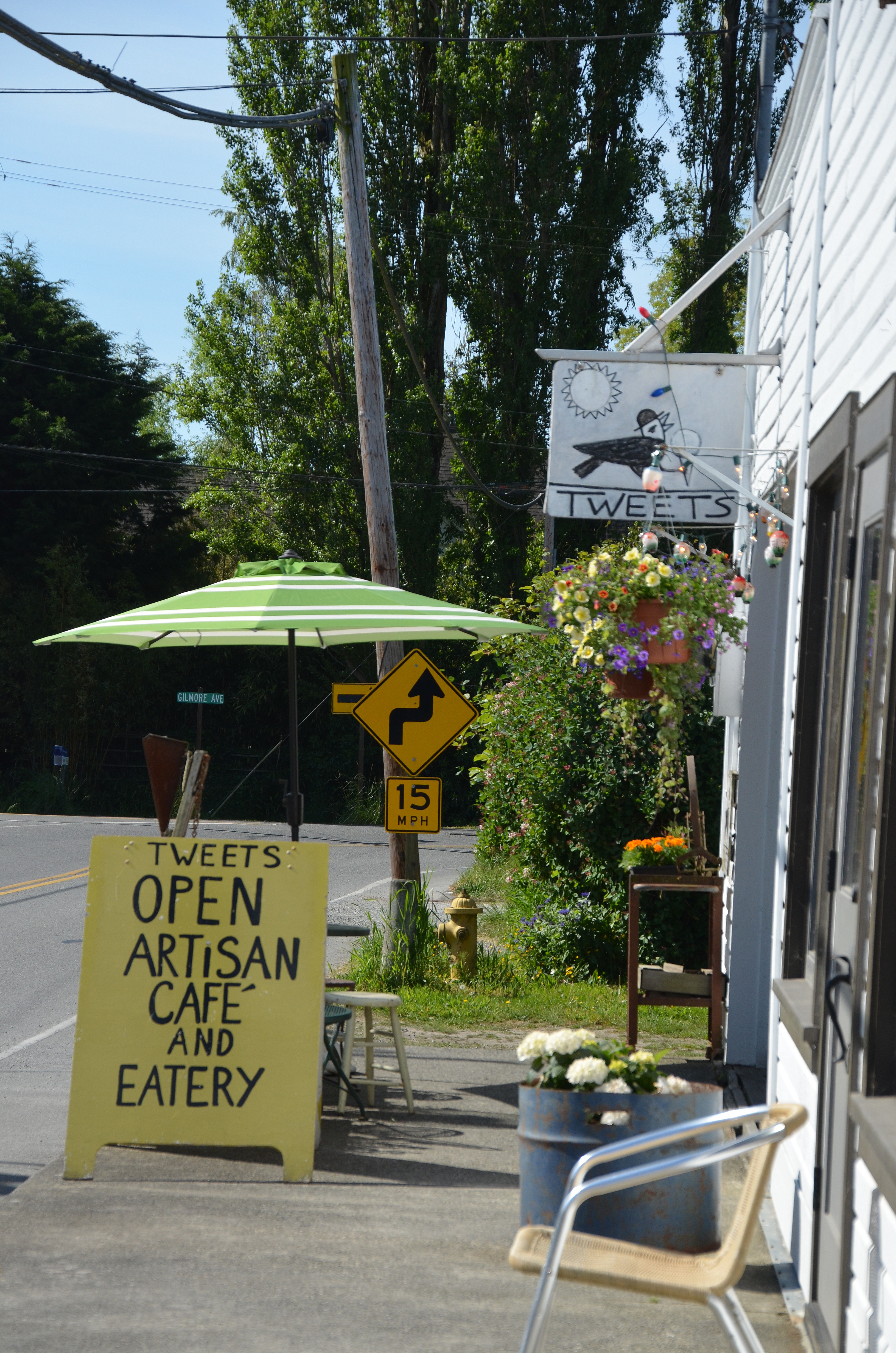
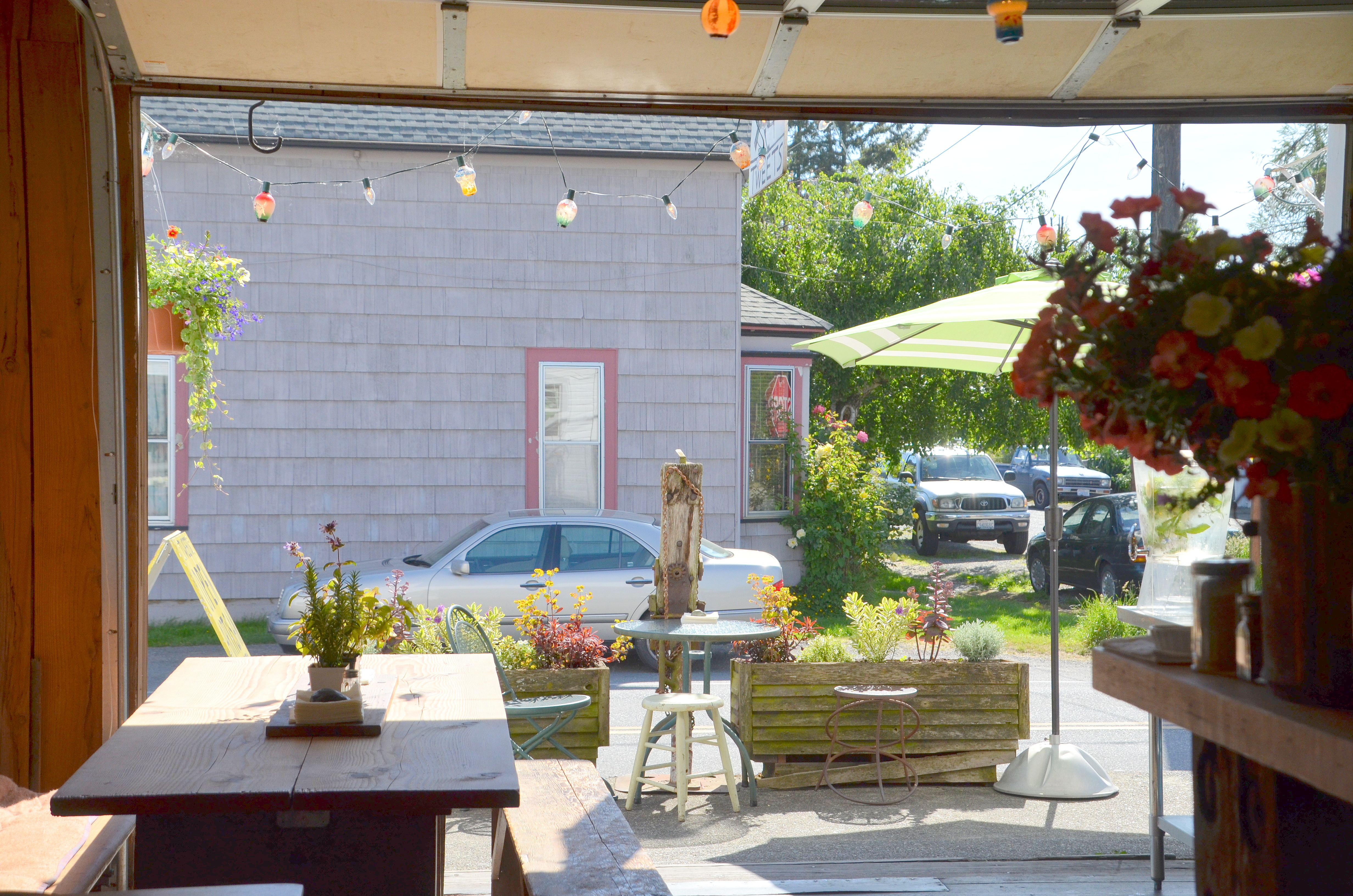
We ordered and had a seat with a wide open view to the street and the kitchen.
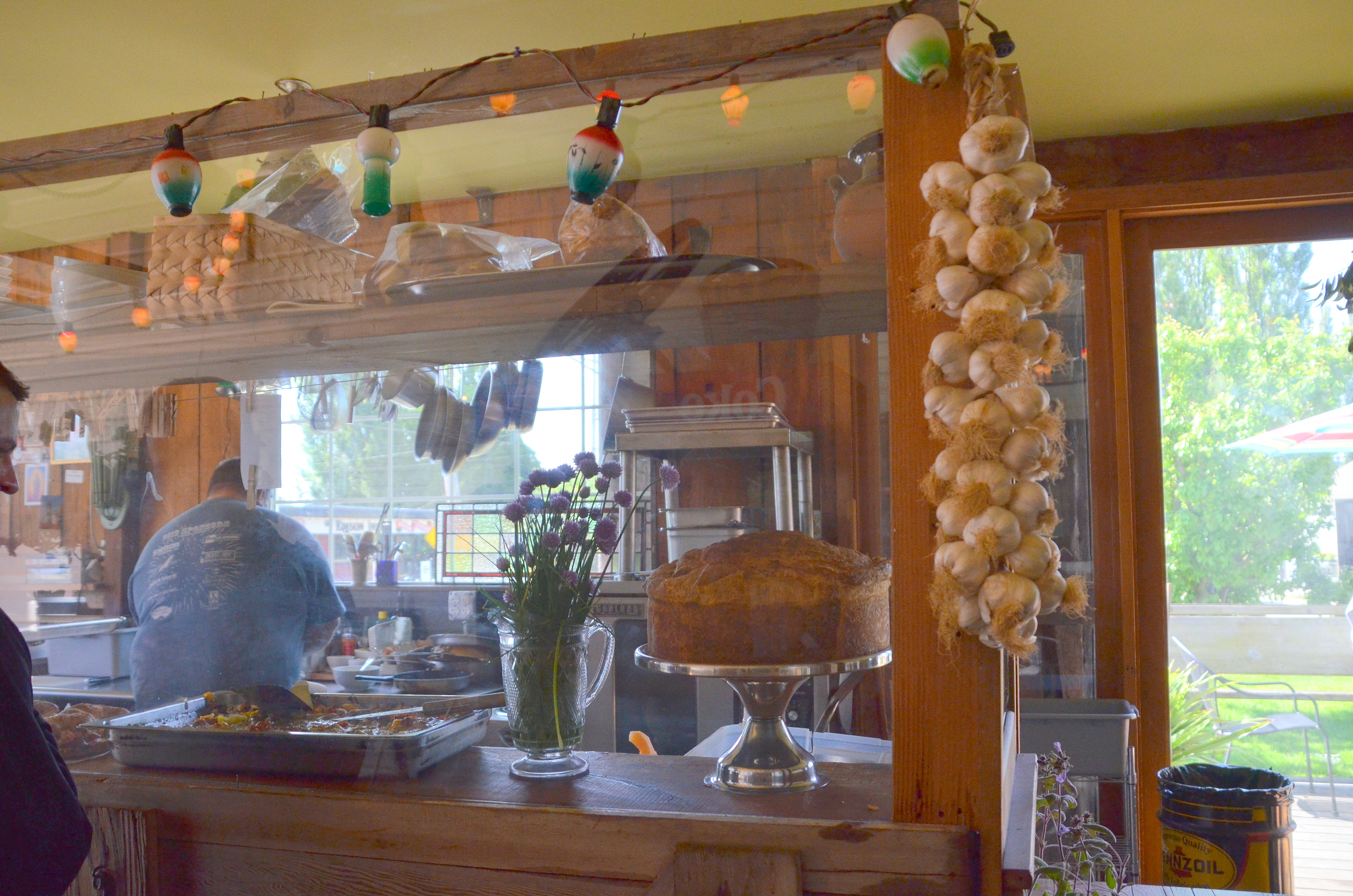
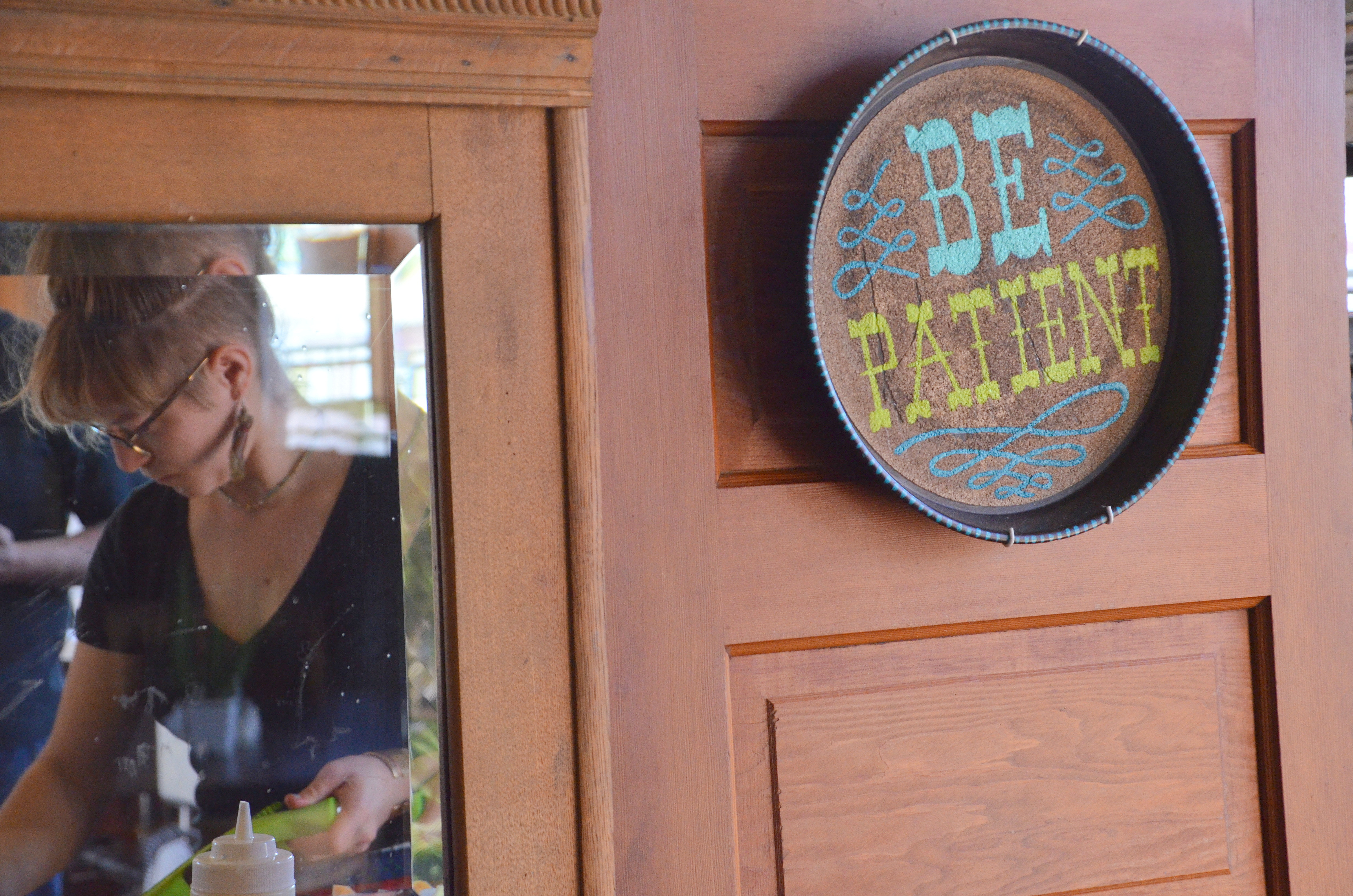
We were patient and waited for a conventional breakfast and an unconventional choice by Dear.
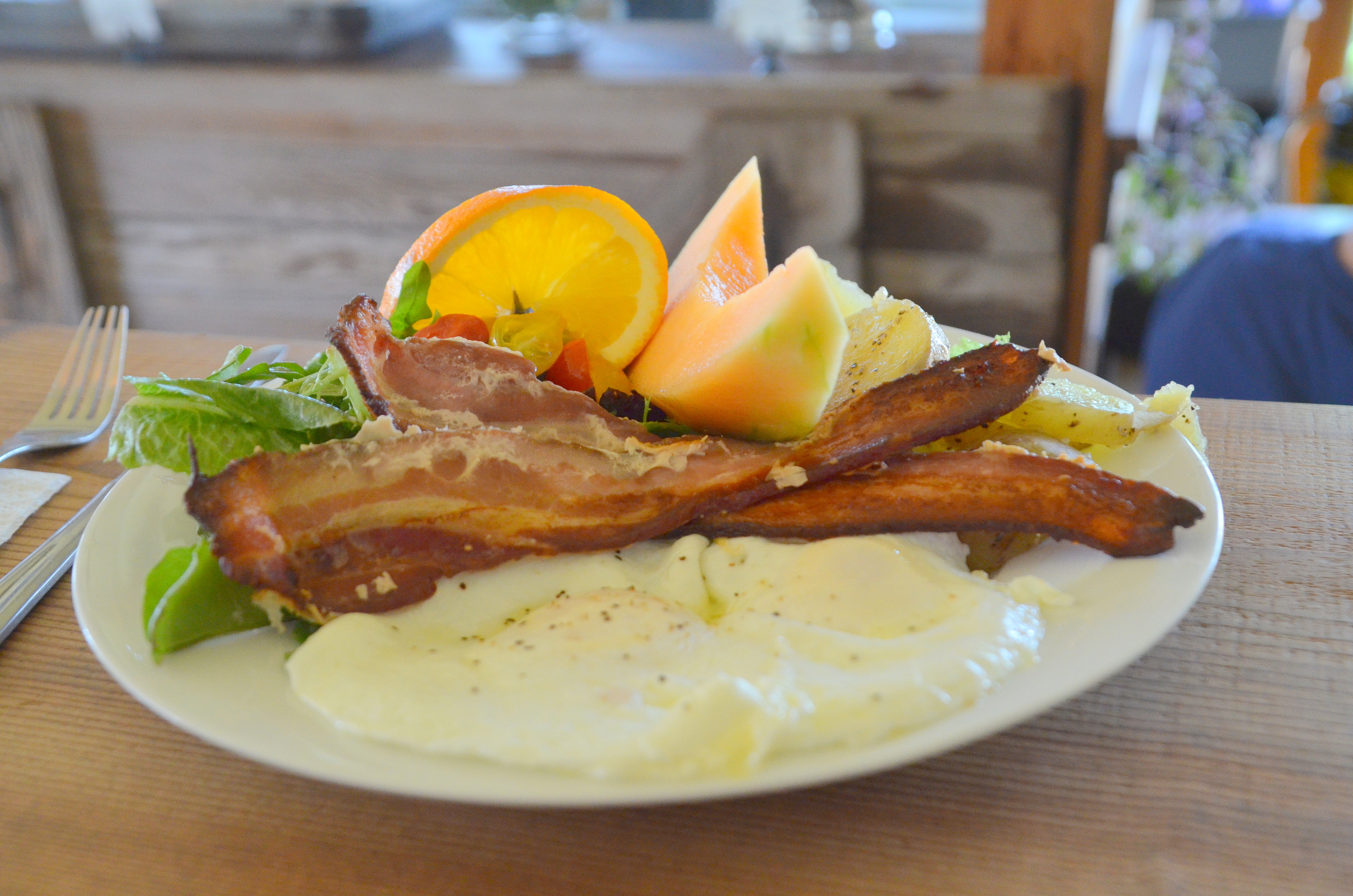
Eggs, bacon, and a salad and fruit for me and
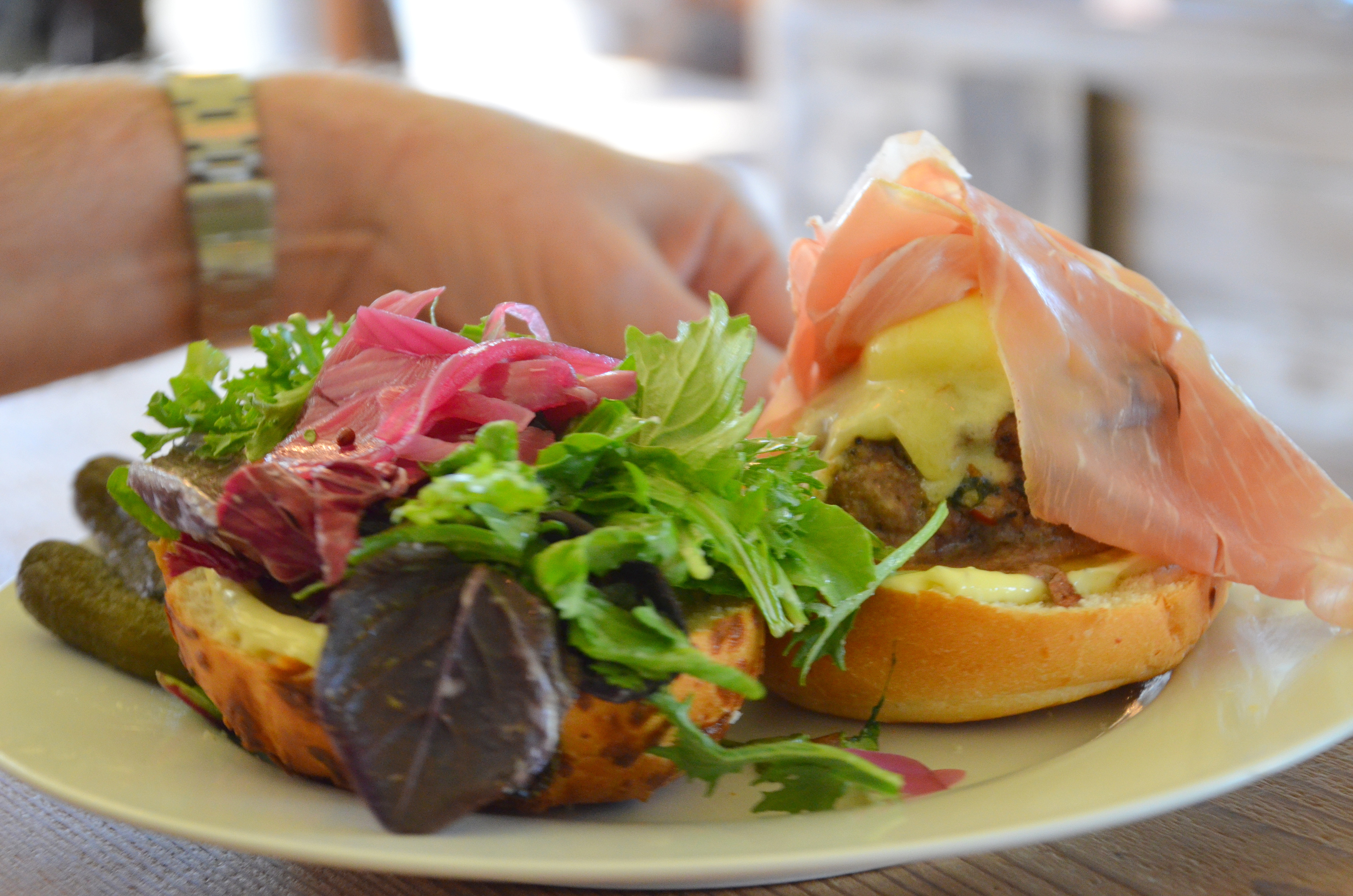
a lamb burger for Dear. We were both pleased with our choices.
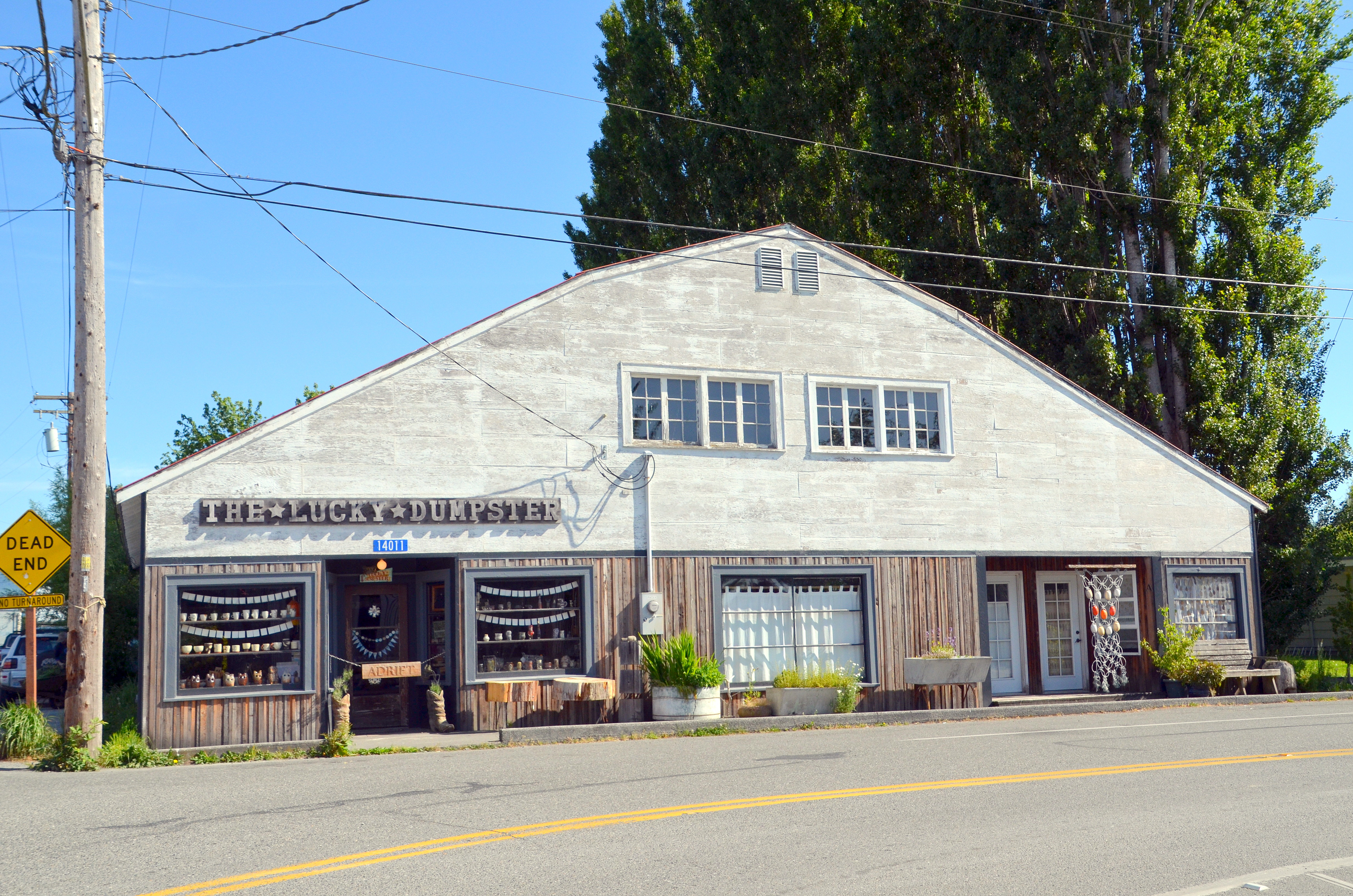
On the way back to our car to continue on in our journey we saw this store that wasn’t open, The Lucky Dumpster. I’m sure it would be fun to poke around in there. From this little one block town we headed back to Chuckanut Drive to continue north to Bellingham to visit Whatcom Falls.
If you live in the greater Seattle area and want to take a pleasant little drive to a destination with a good restaurant and bakery this is it.
I’m getting ready for my trip to Southern California wondering what to pack and making sure all the bills are paid before I take off. Looking forward to seeing friends and family. It sounds like it will be hotter in Seattle than it will be in Southern California. Glad I’ll be in the slightly cooler part of the U.S.A. Hope June is starting out well for you.
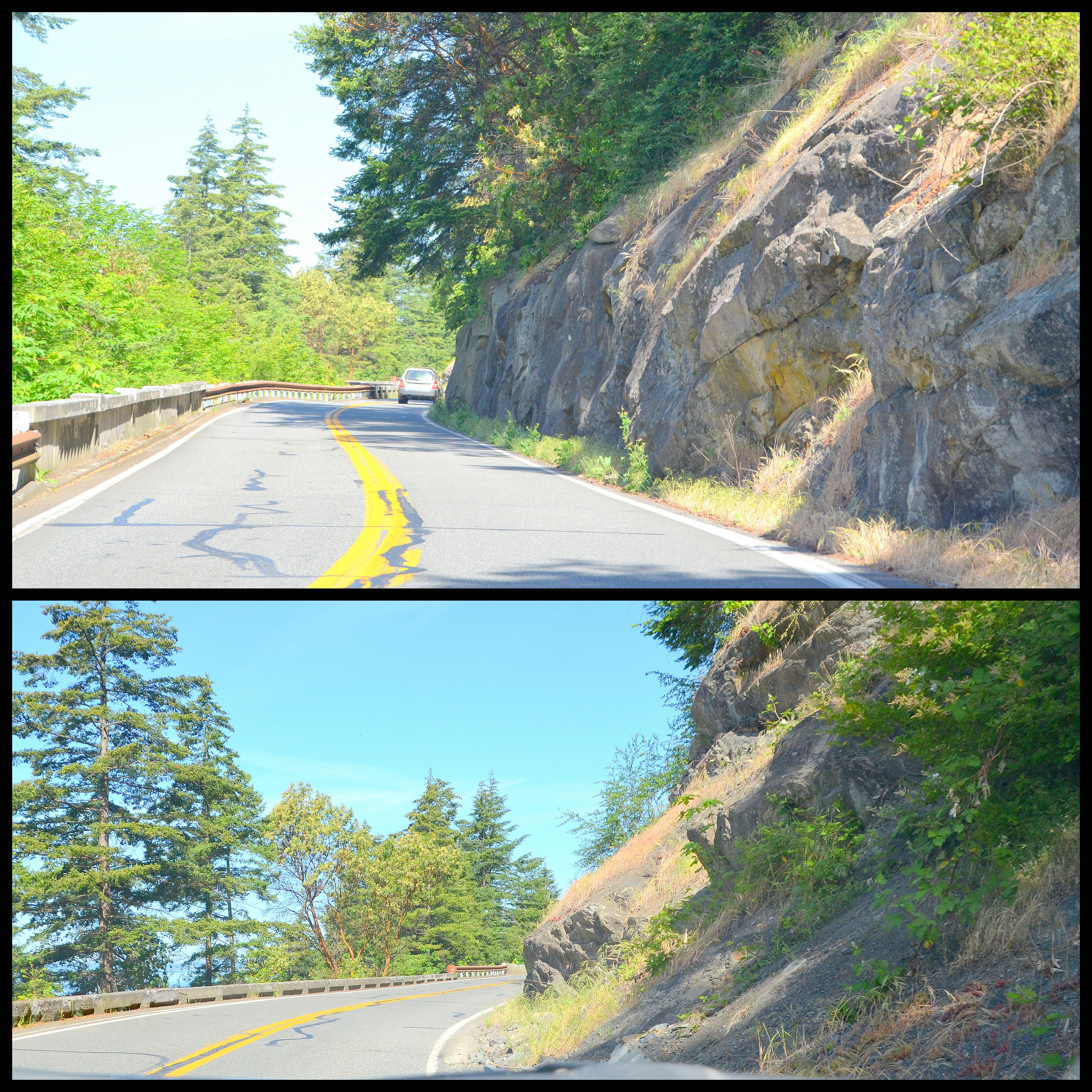
Chuckanut Drive, is state highway 11, which begins at I-5 exit 231 in Burlington, Washington. Traveling north, this is a favorite and historic entry into Whatcom County. For many miles the road hugs the shoreline, offering incredible views of passing bays, with islands in the distance. Completed in 1896, Chuckanut Drive was the first land access to the Bellingham Bay community of Fairhaven from points further south. Previous to its completion, the common access into the region was by boat due to an impenetrable carpet of ancient cedars growing from the mountains to the sea. At milepost 14, Chuckanut Drive passes Larrabee State Park, with access to beach, tide pools and trails. Encompassing 2,000 acres, Larrabee was the first designated state park in the state of Washington.
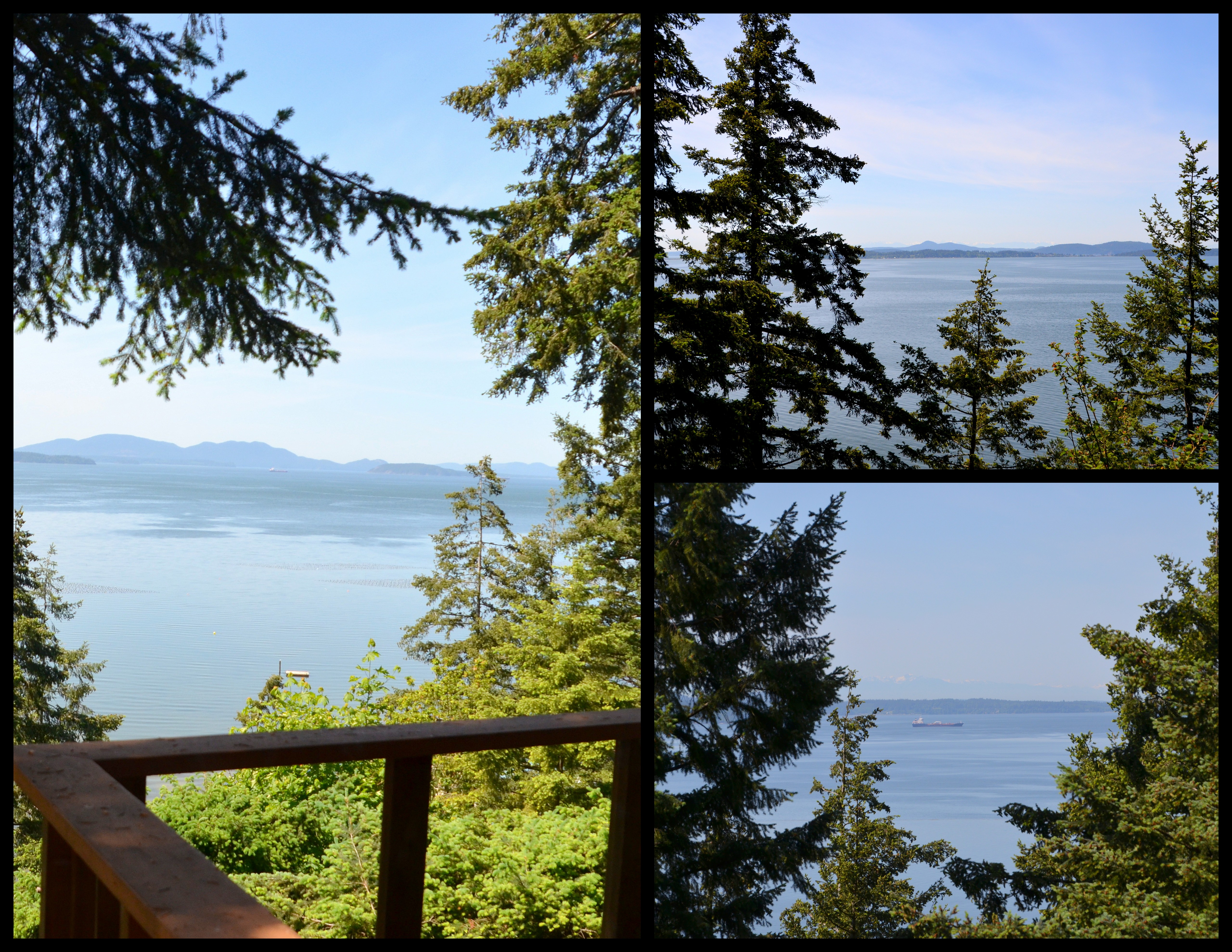
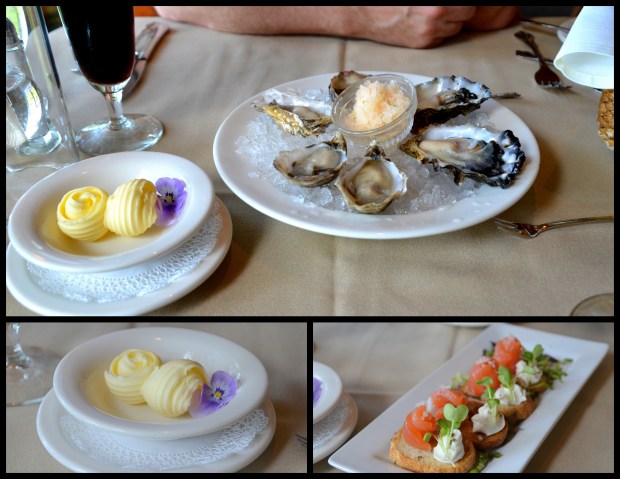
On this day that we drove to Bellingham and back via Chuckanut drive we chose the Oyster Bar to stop for a bite. We decided on some treats from the sea for our meal, oysters and salmon gravlax.
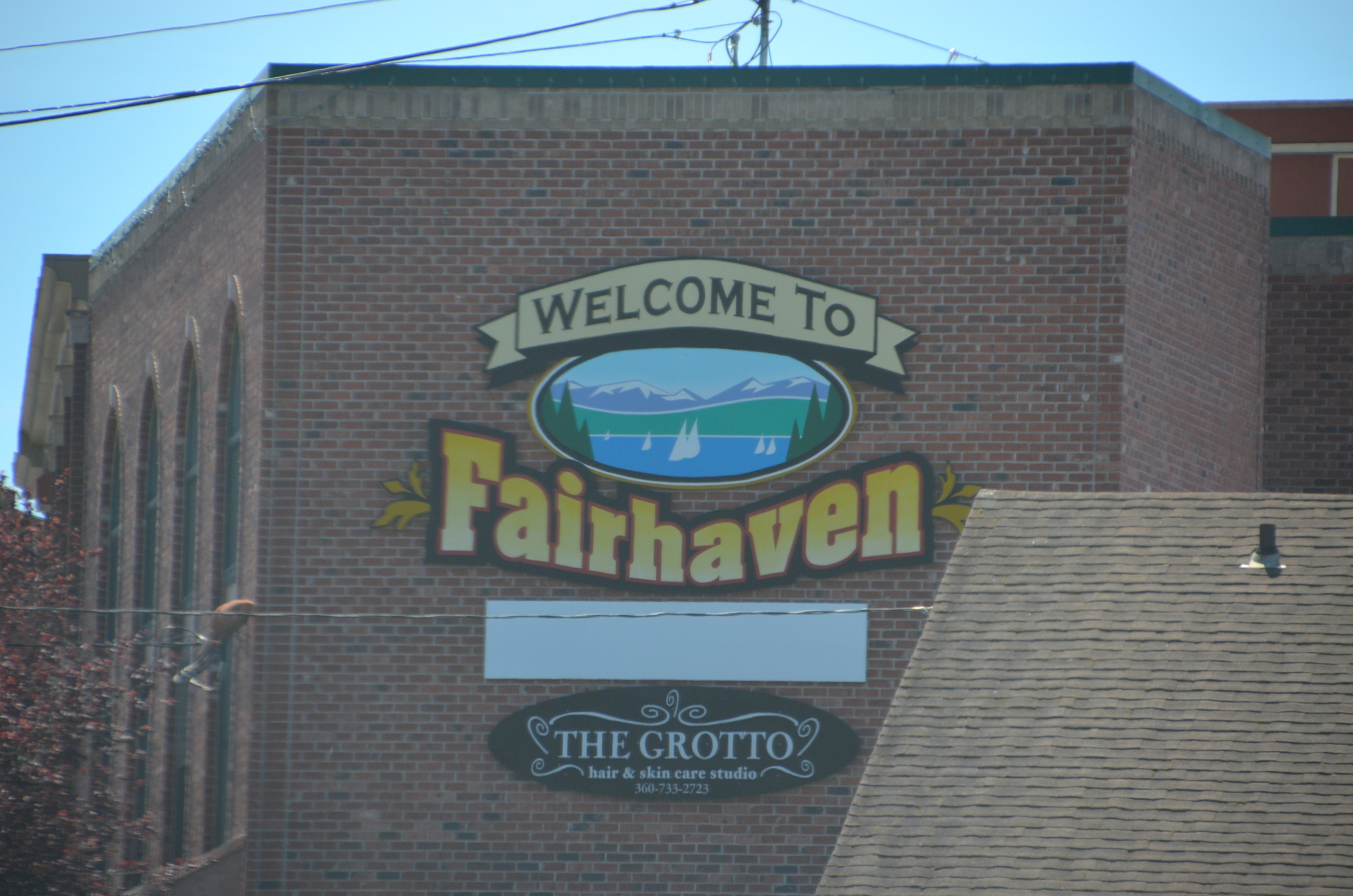
Chuckanut Drive culminates in the Historic Fairhaven District, known for its Victorian-era red-brick architecture, quaint shops and restaurants.
I’m linking up with Tom the Backroads Traveler for Tuesday’s Treasures.
Today I’m heading north again to British Columbia to meet up with some of the Mennonite Girls to meet one of our favorite bloggers face to face in Chilliwack. I’ll share soon about the meeting with photos. We also are having a very warm day in the Pacific Northwest with predictions in the 80’s. Nice driving weather.
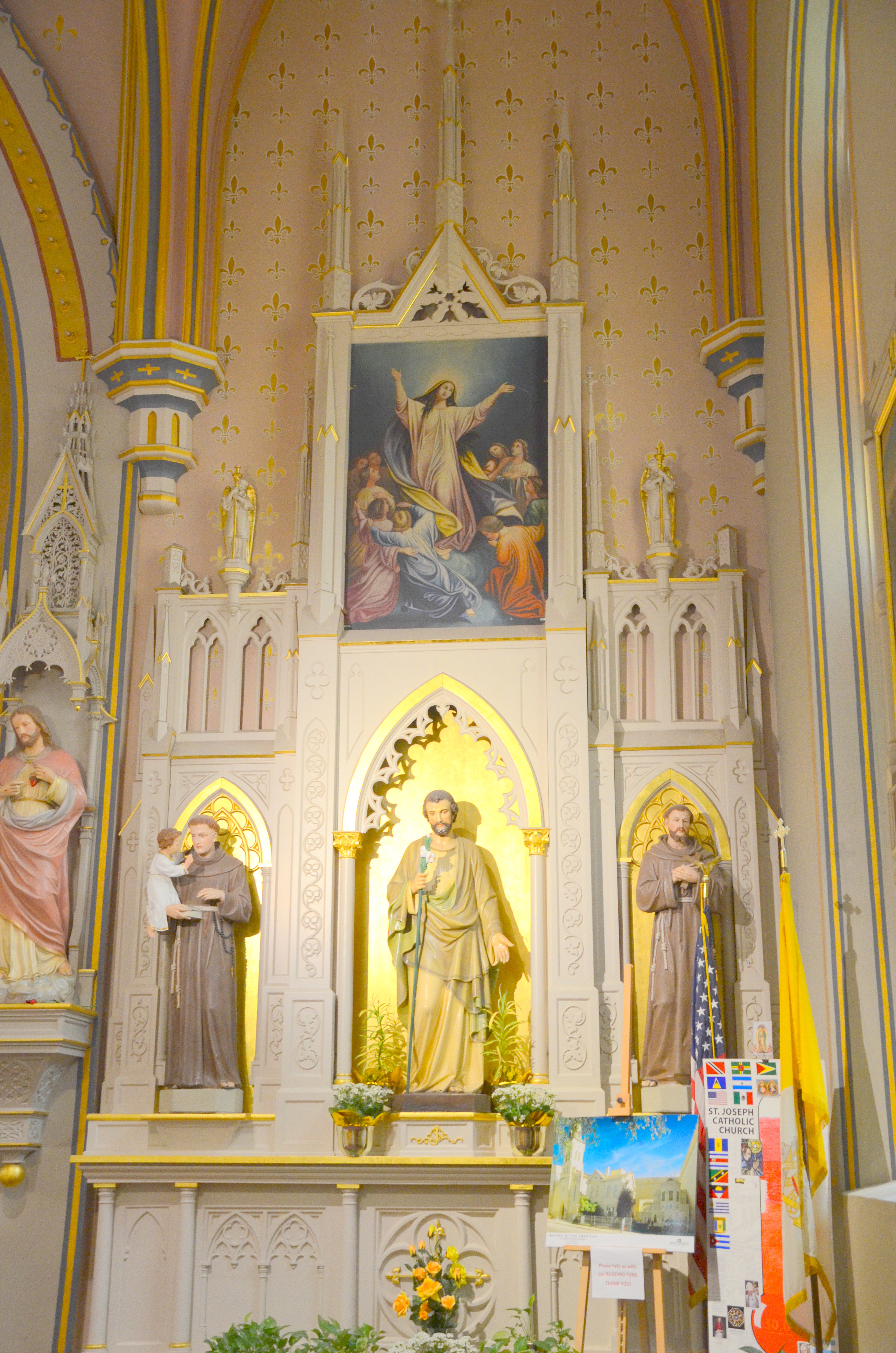
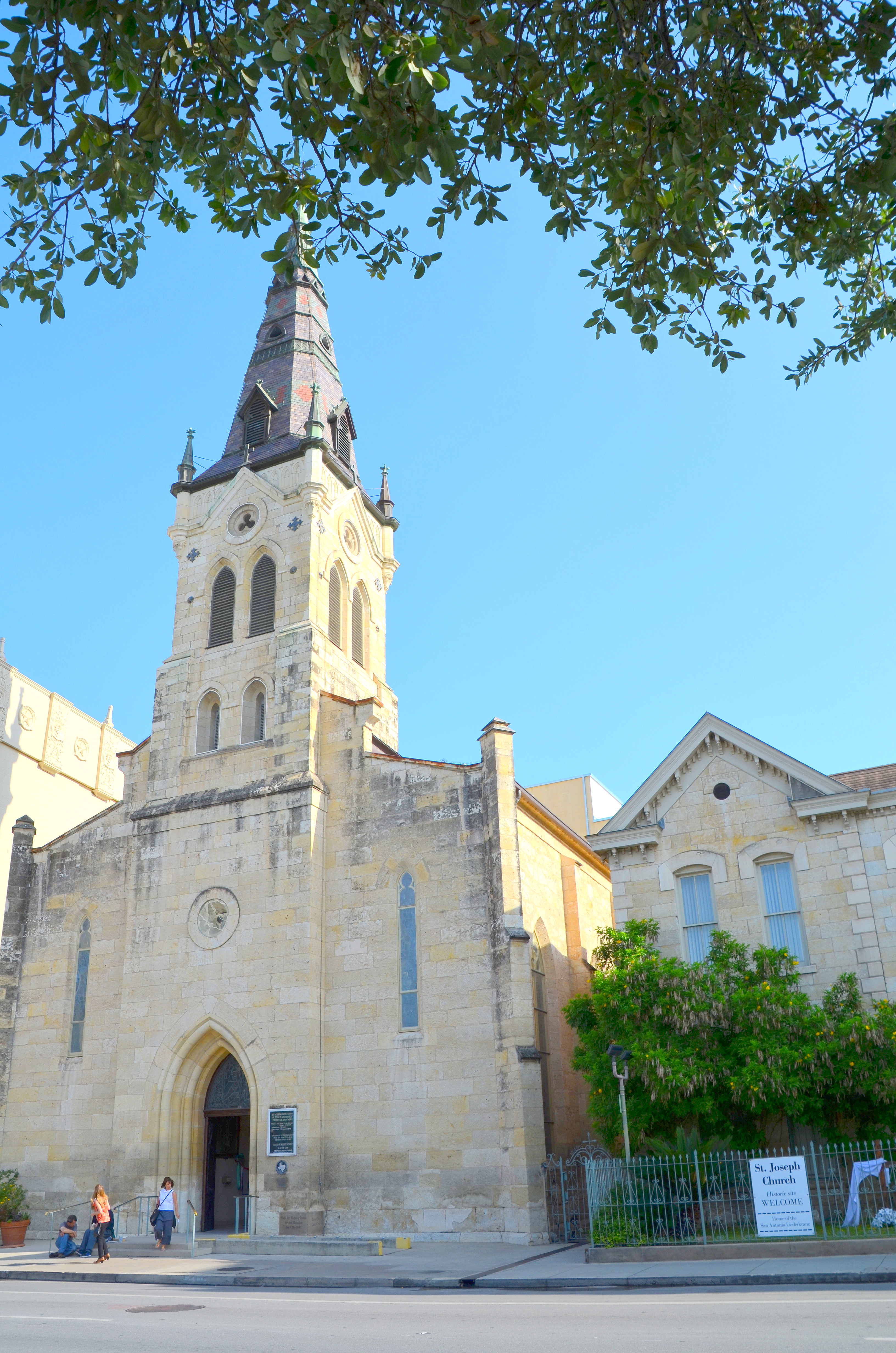 The cornerstone for Saint Joseph Church was laid in 1868 by a group of San Antonio’s German Catholic Immigrants who wanted to worship and hear God’s Word proclaimed and celebrated in their own language.
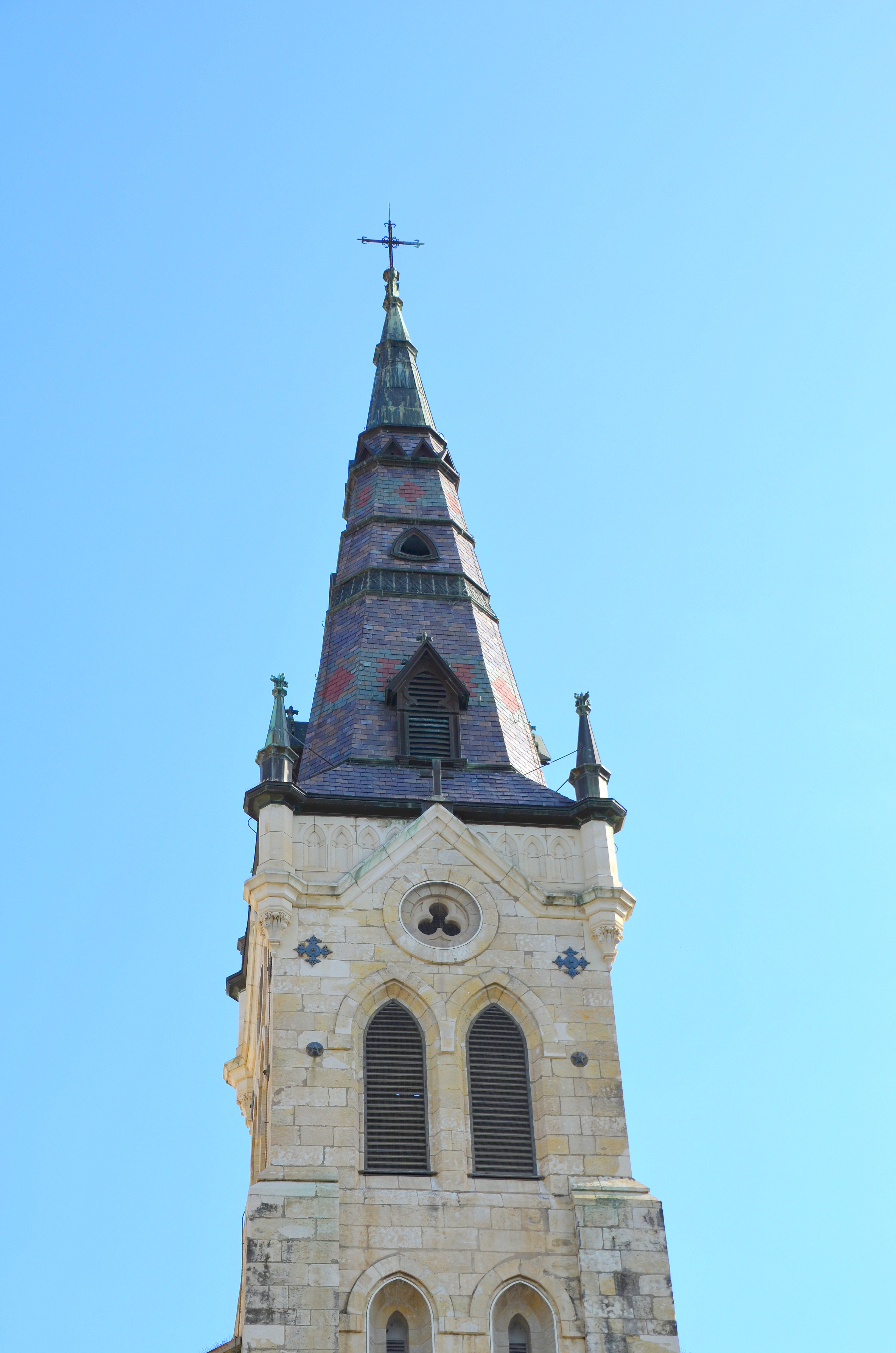
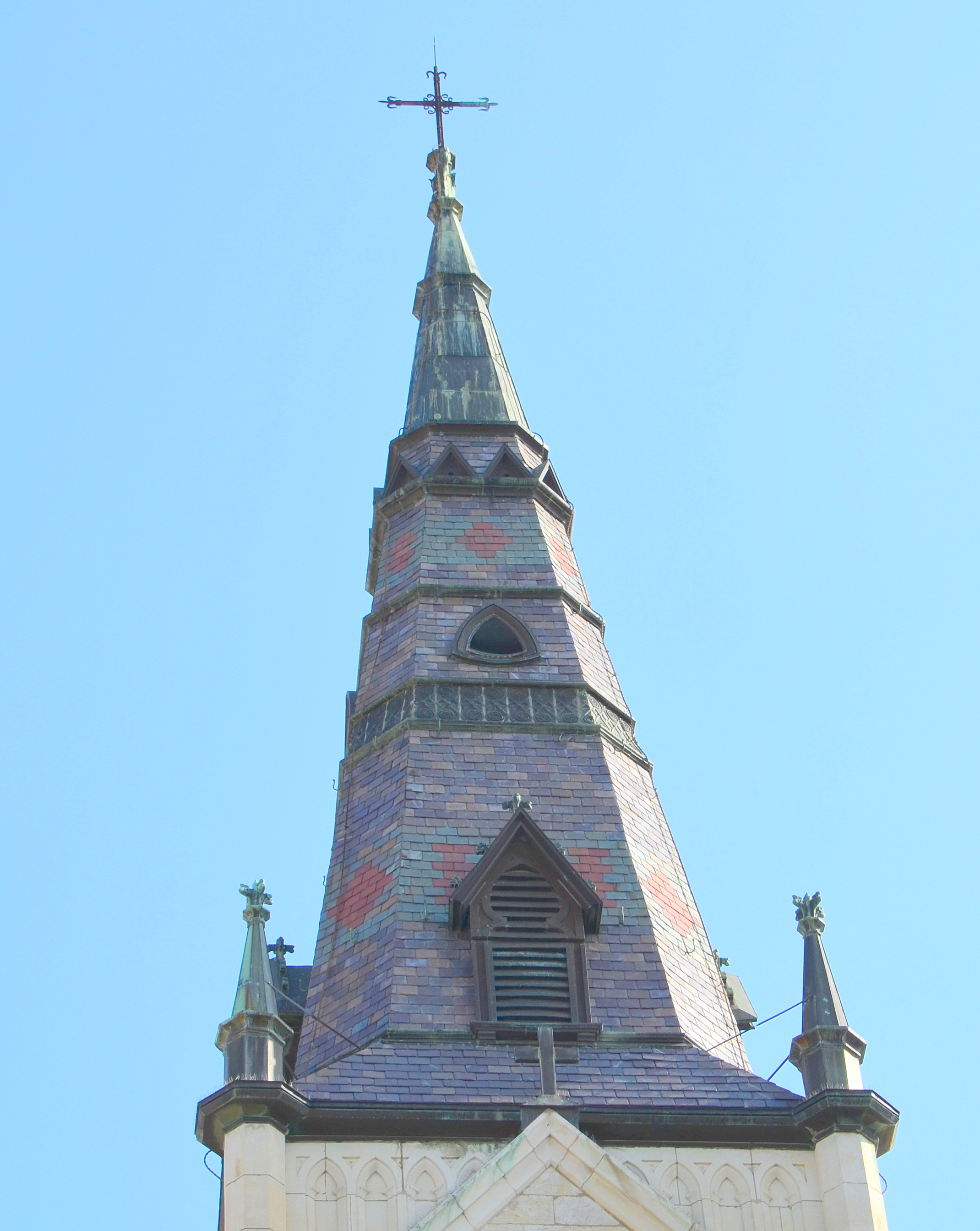
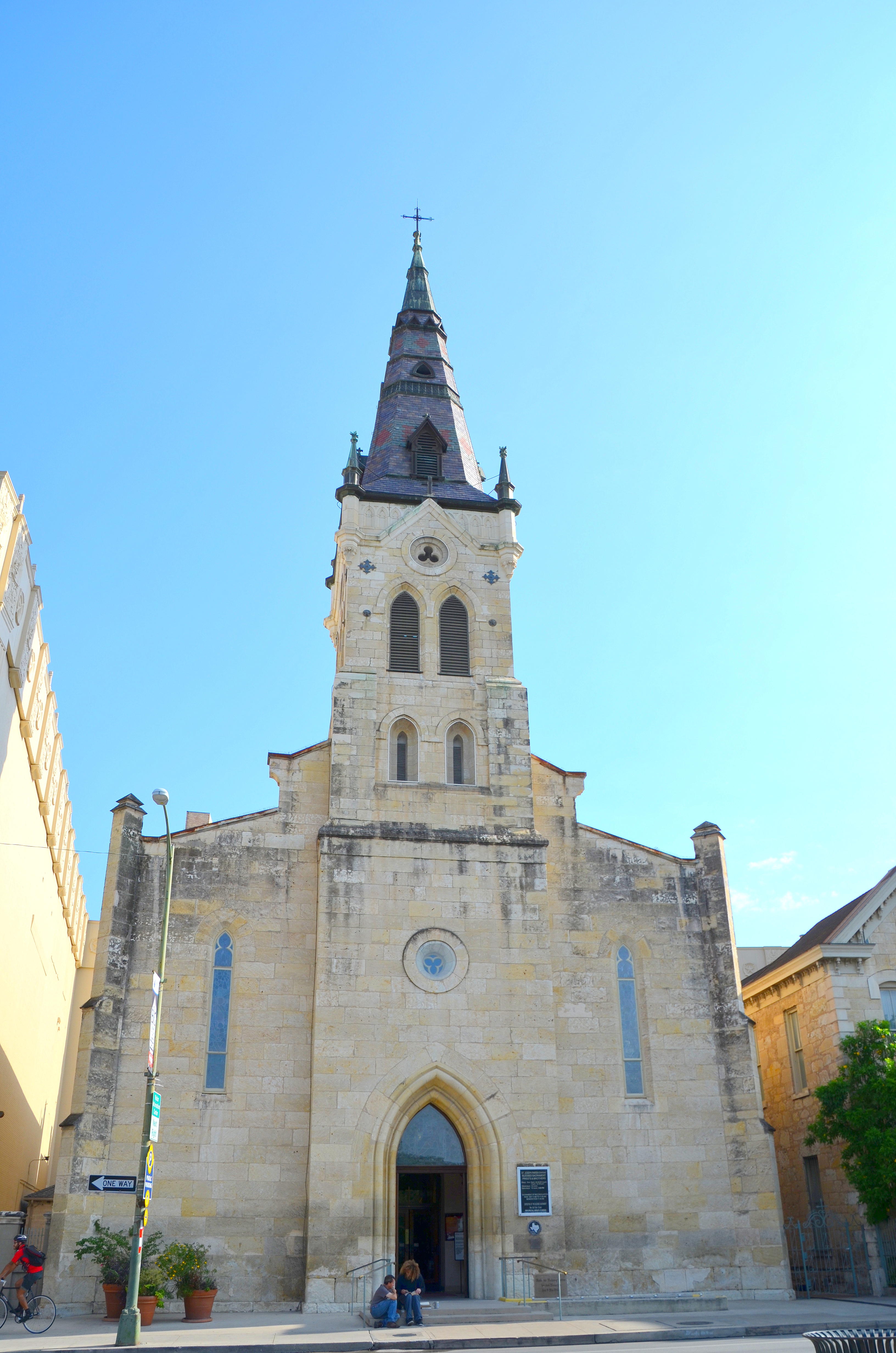 Over the course of years the German Community constantly improved their Parish of St. Joseph and its buildings. In 1891, four bells with matched tones were purchased and consecrated. They were given the names of Joseph, Mary, Henry and Joseph, by their donors as was the German custom. The Gothic style building was without a steeple until 1898 when the now existing spire was erected to crown and complete the structure as it is today.
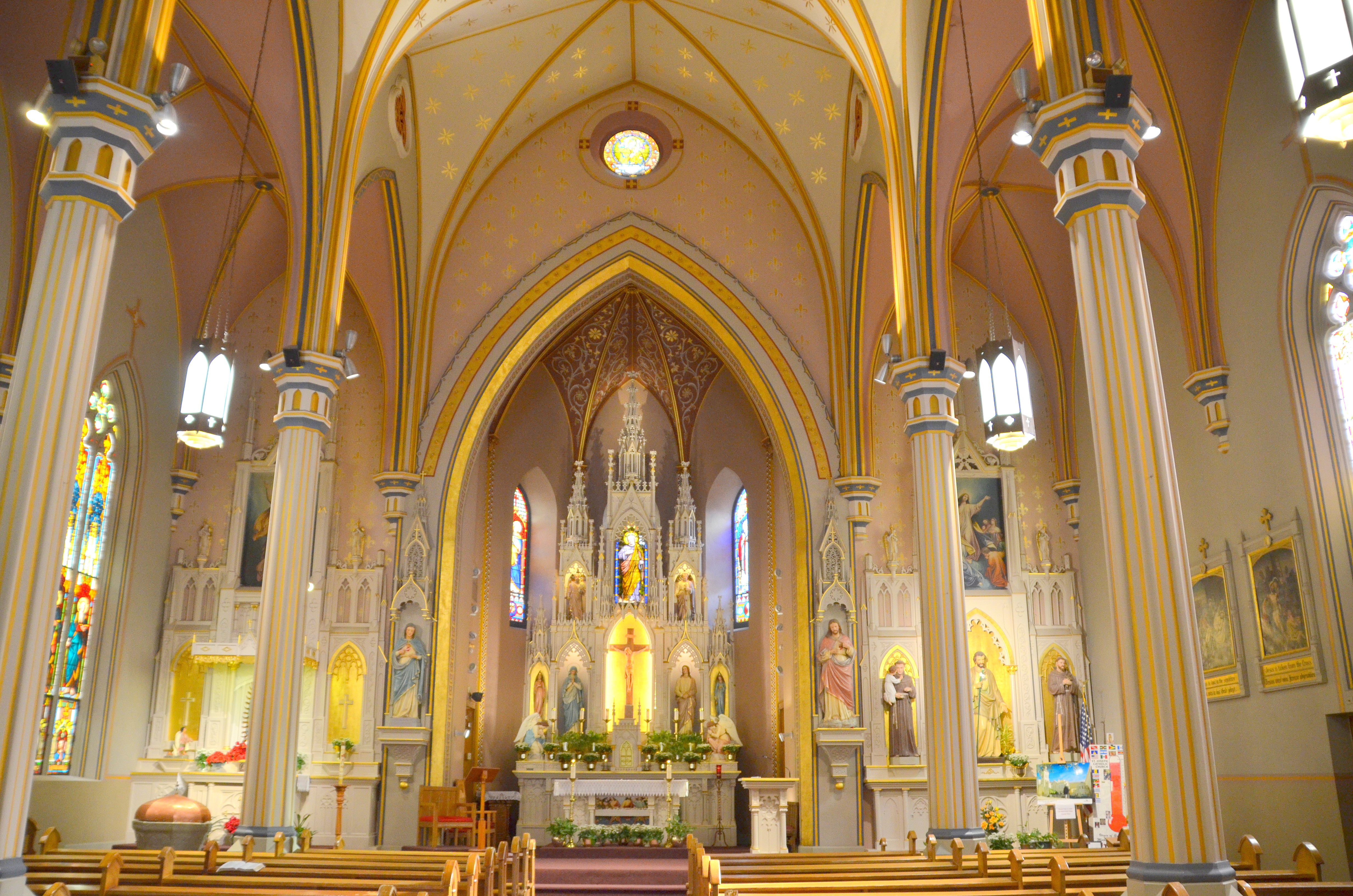
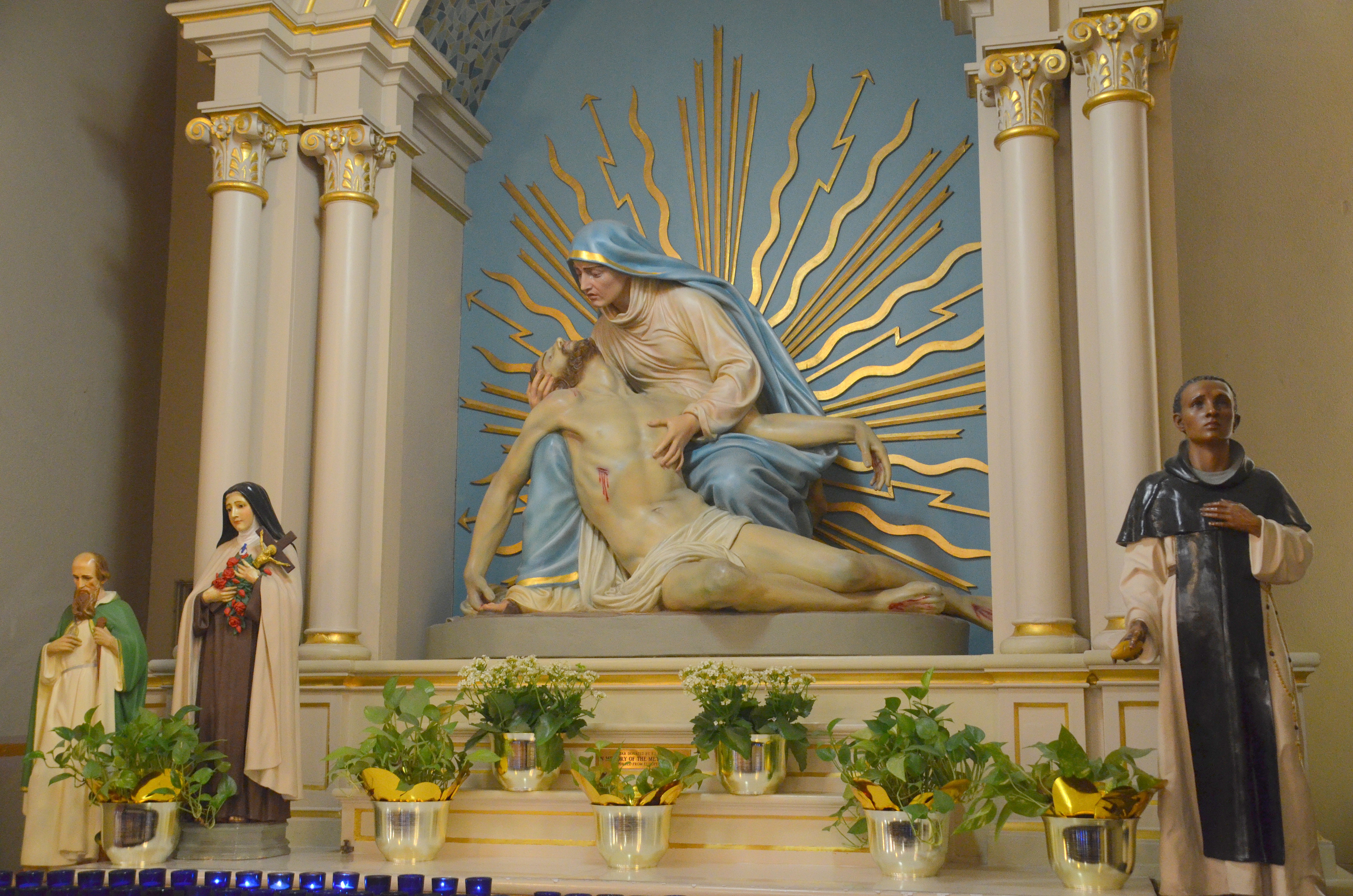
This was the second copy of Michelangelo’s Pieta I saw in San Antonio.
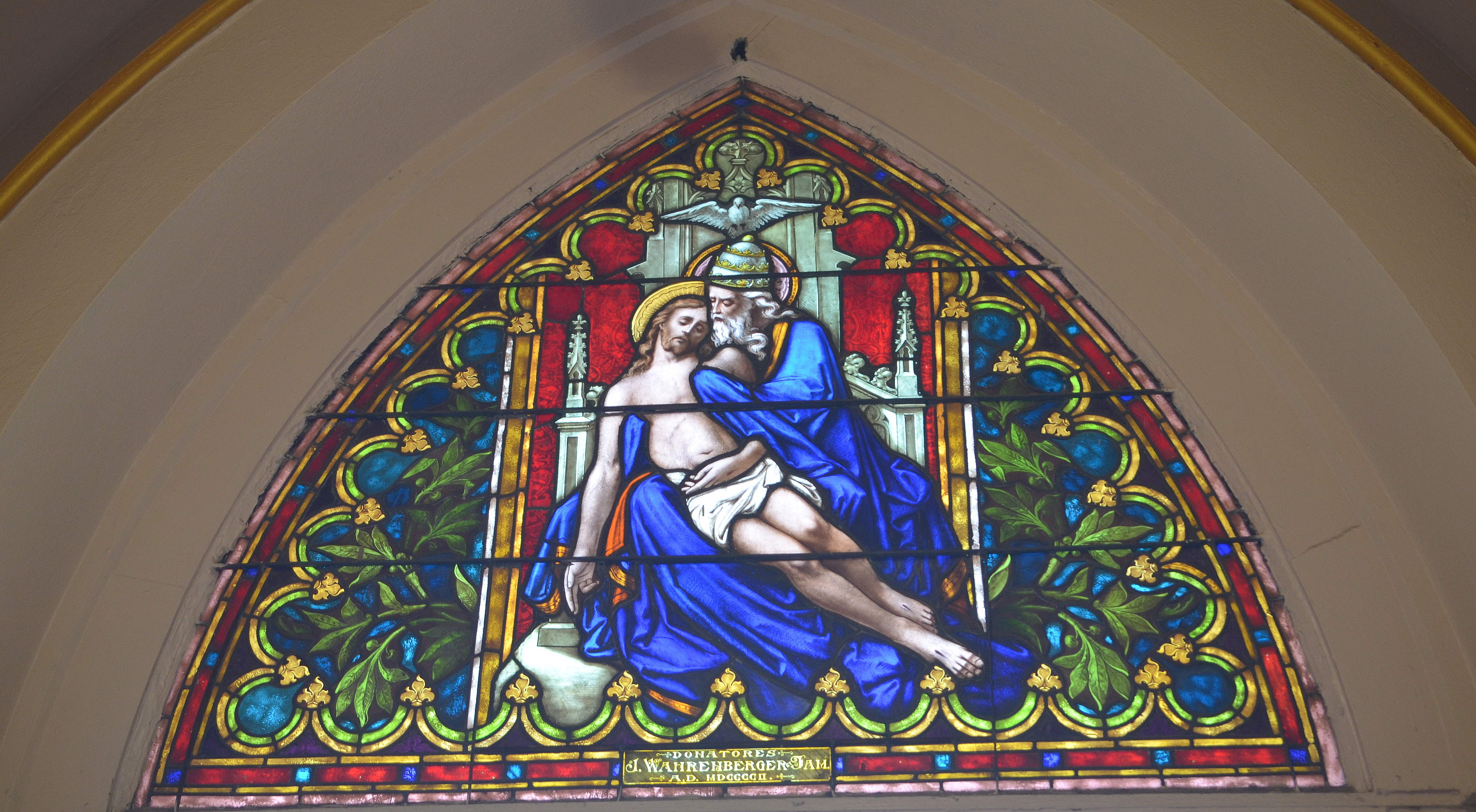
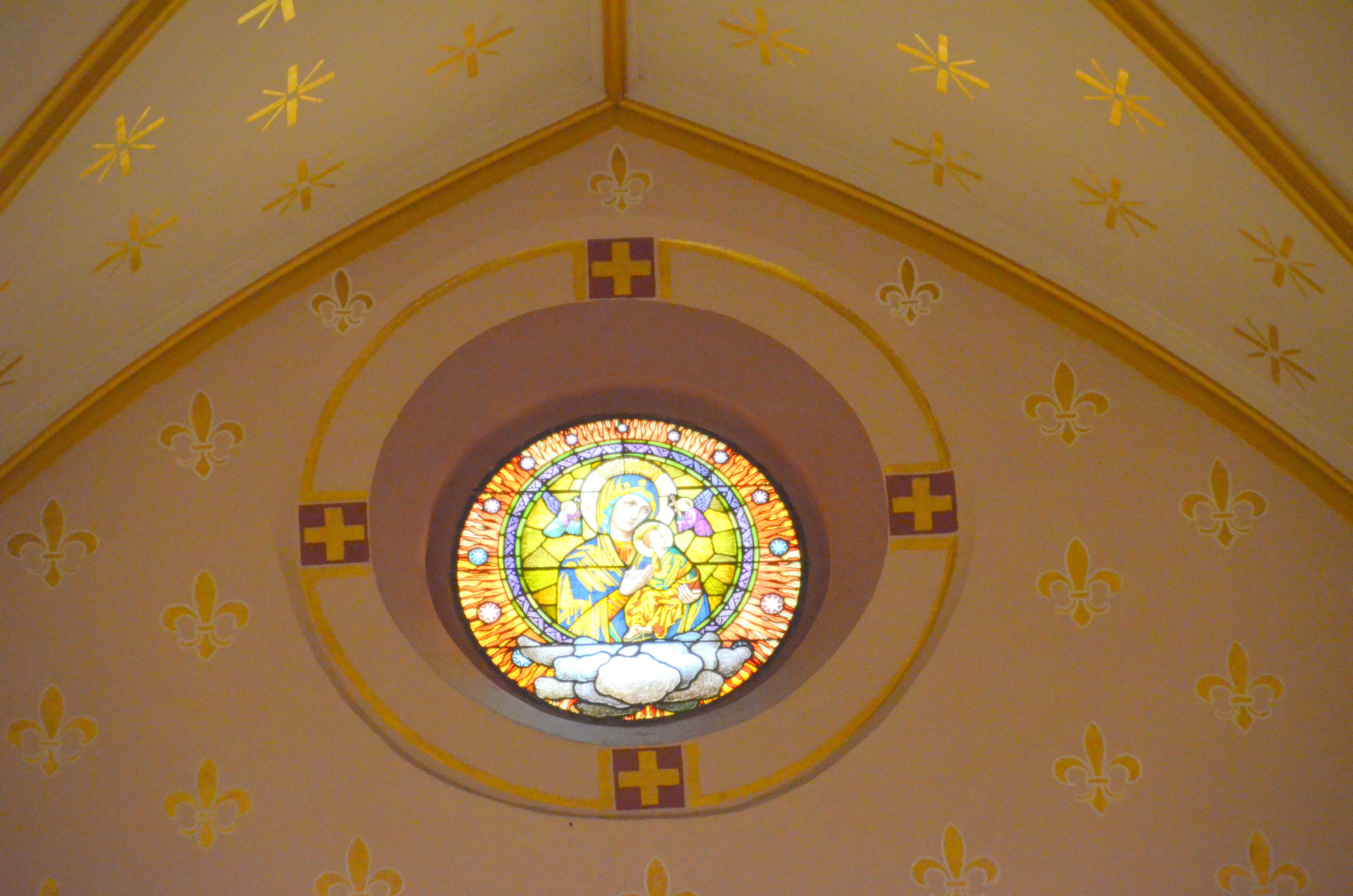
Then in 1902, the beautiful stained glass windows were purchased for the unbelievable sum of $3,000, from the Emil Frei Art Glass Factory in Munich, Bavaria, Germany.
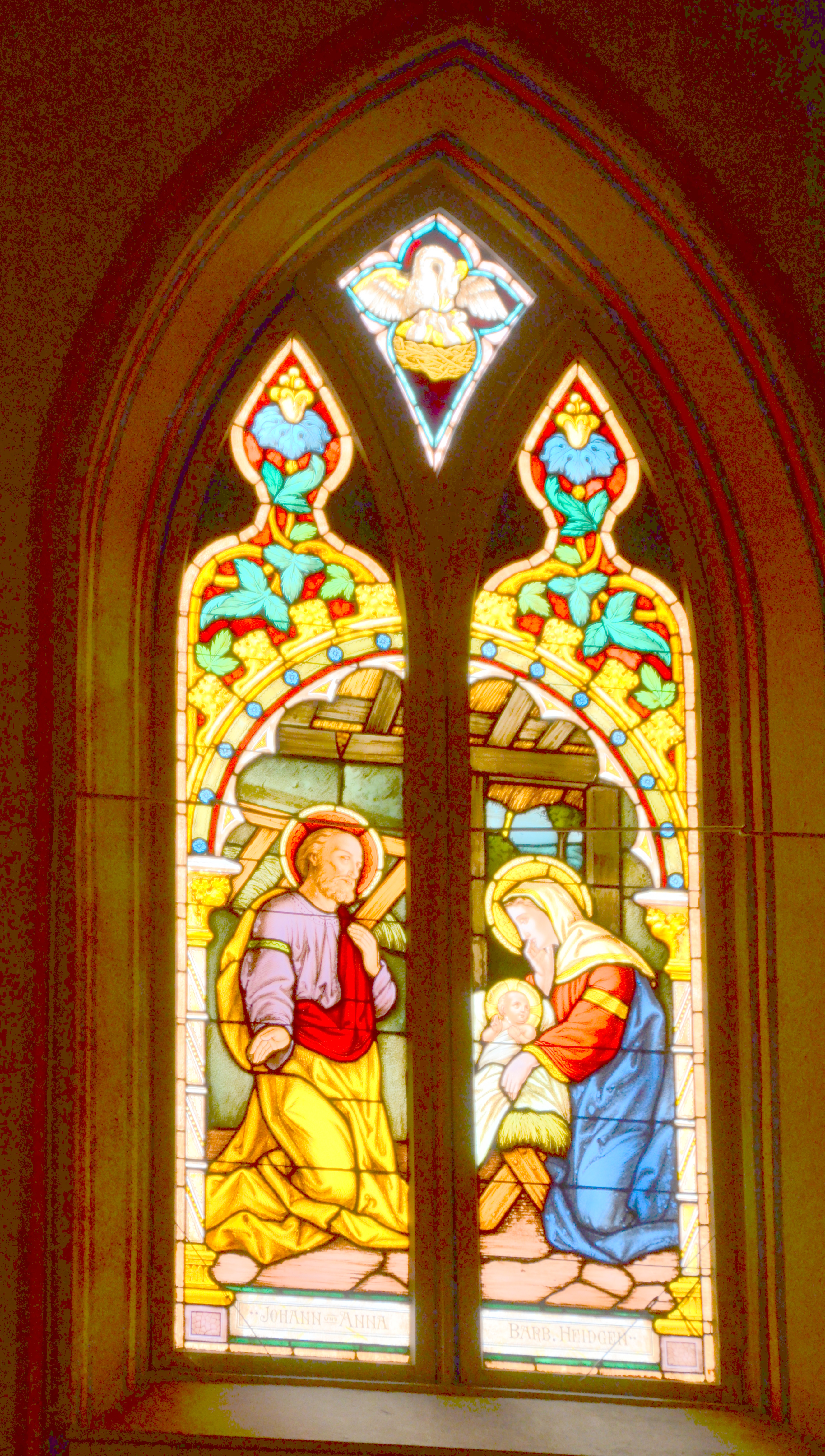
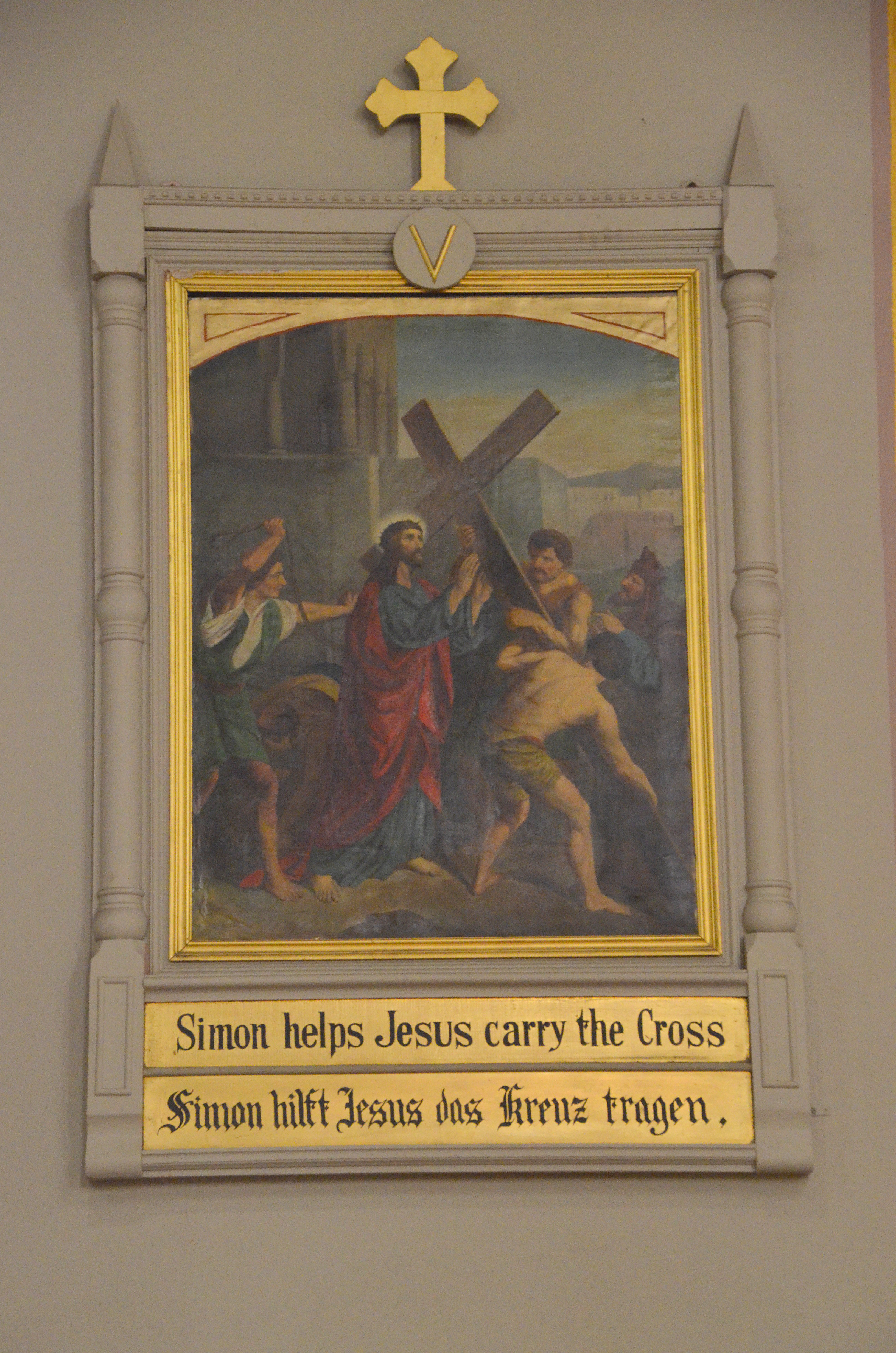 Stations of the Cross or the Way of the Cross, also known as Way of Sorrows or Via Crucis, refers to a series of images depicting Jesus Christ on the day of his crucifixion and accompanying prayers.
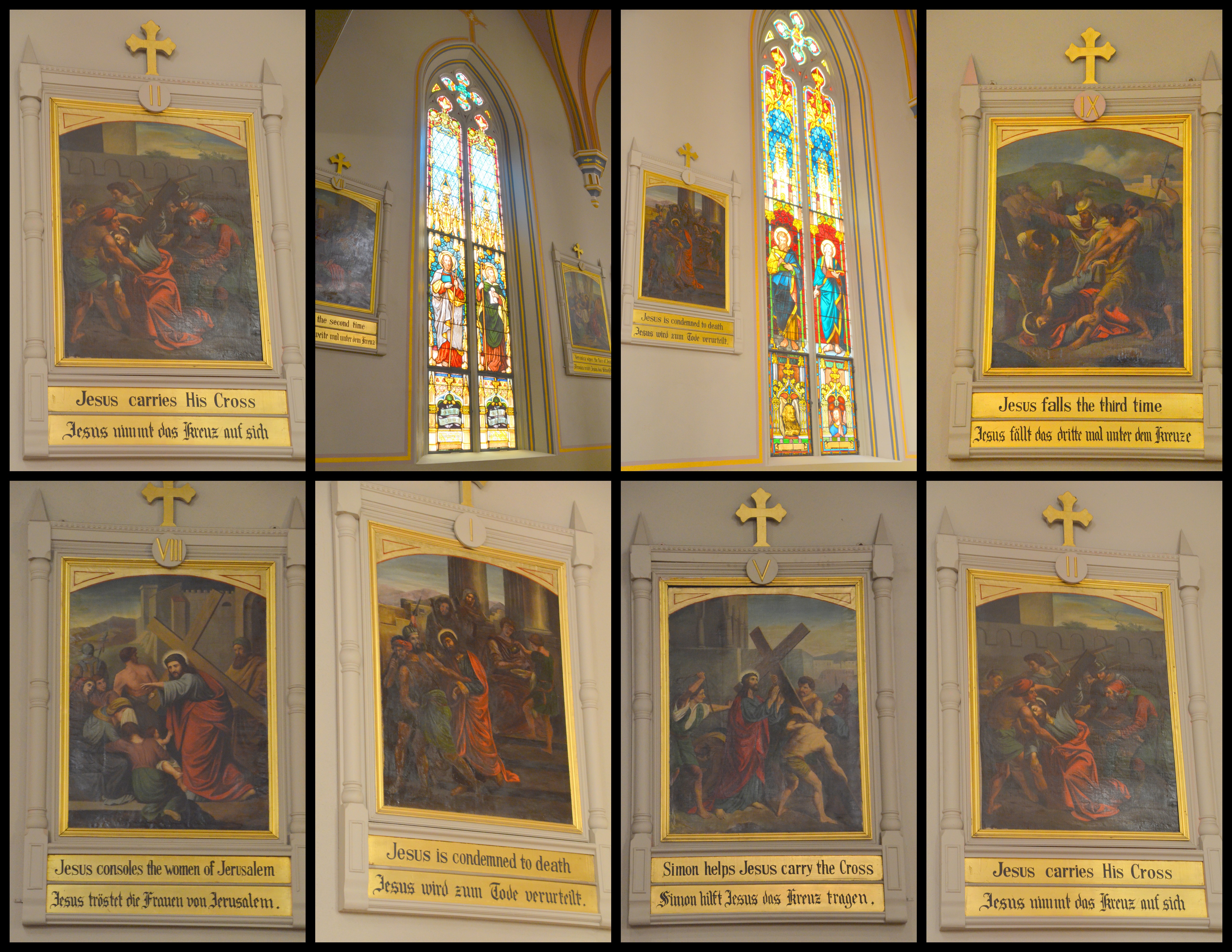
The Stations of the Cross are commonly found in Catholic churches as a series of 14 small icons or images. They can also appear in church yards arranged along paths. The stations are most commonly prayed during Lent on Wednesdays and Fridays, and especially on Good Friday, the day of the year upon which the events actually took place.
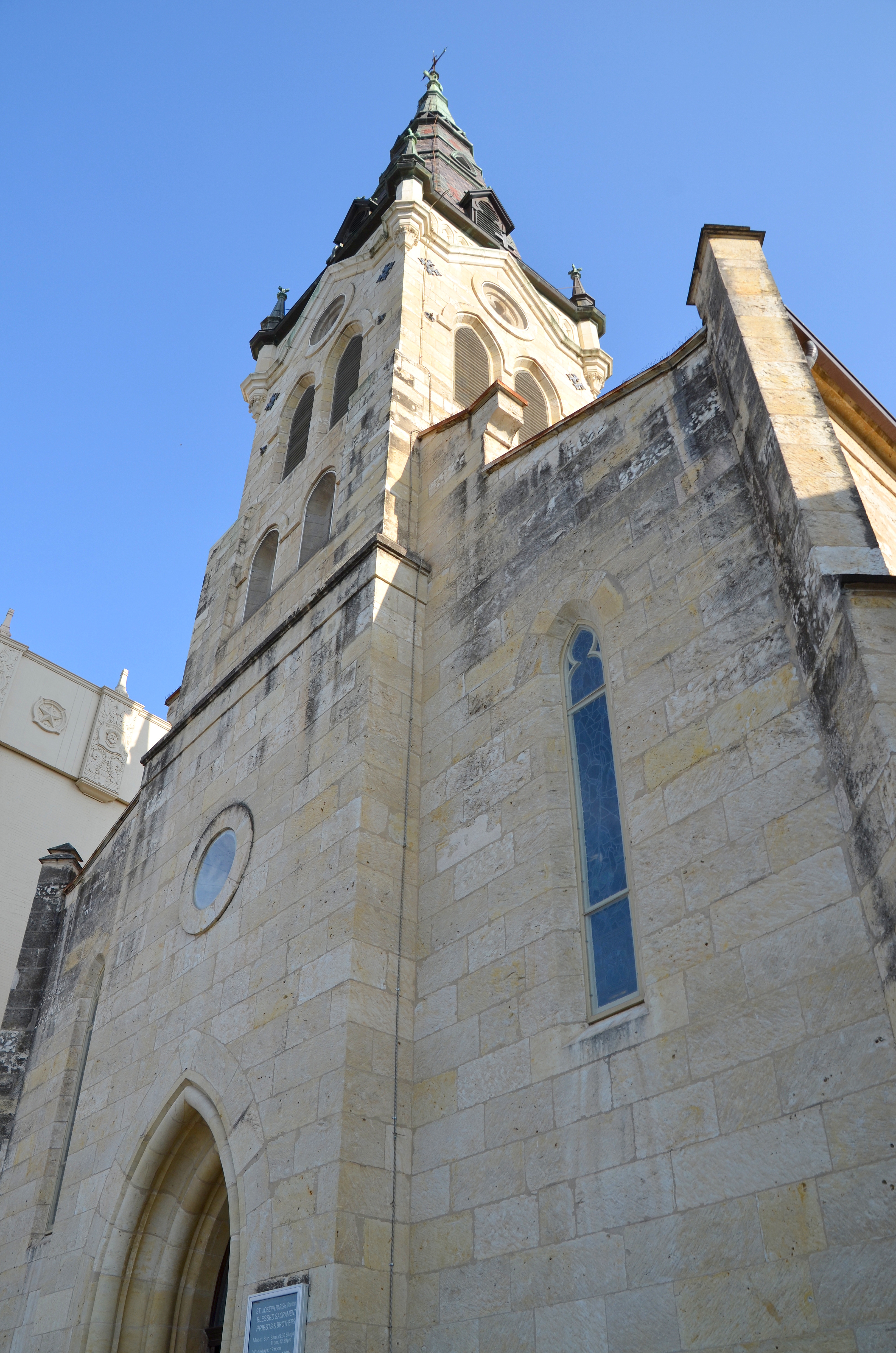 In 1945, a crisis arose when the Joske’s Department Store wanted to purchase the Church and Rectory and grounds and use the land for its expansion program. The parishioners, however, voted unanimously not to sell their cherished Church, allowing it to remain as a strong sign of their Faith in the midst of a secularized, historic and cultural environment. As a result, St. Joseph Church stands today and is known as the “Jewel in the heart of San Antonio” close to the famed Alamo, and encircled as it is by the new RiverCenter Mall, Residencies and Hotels.
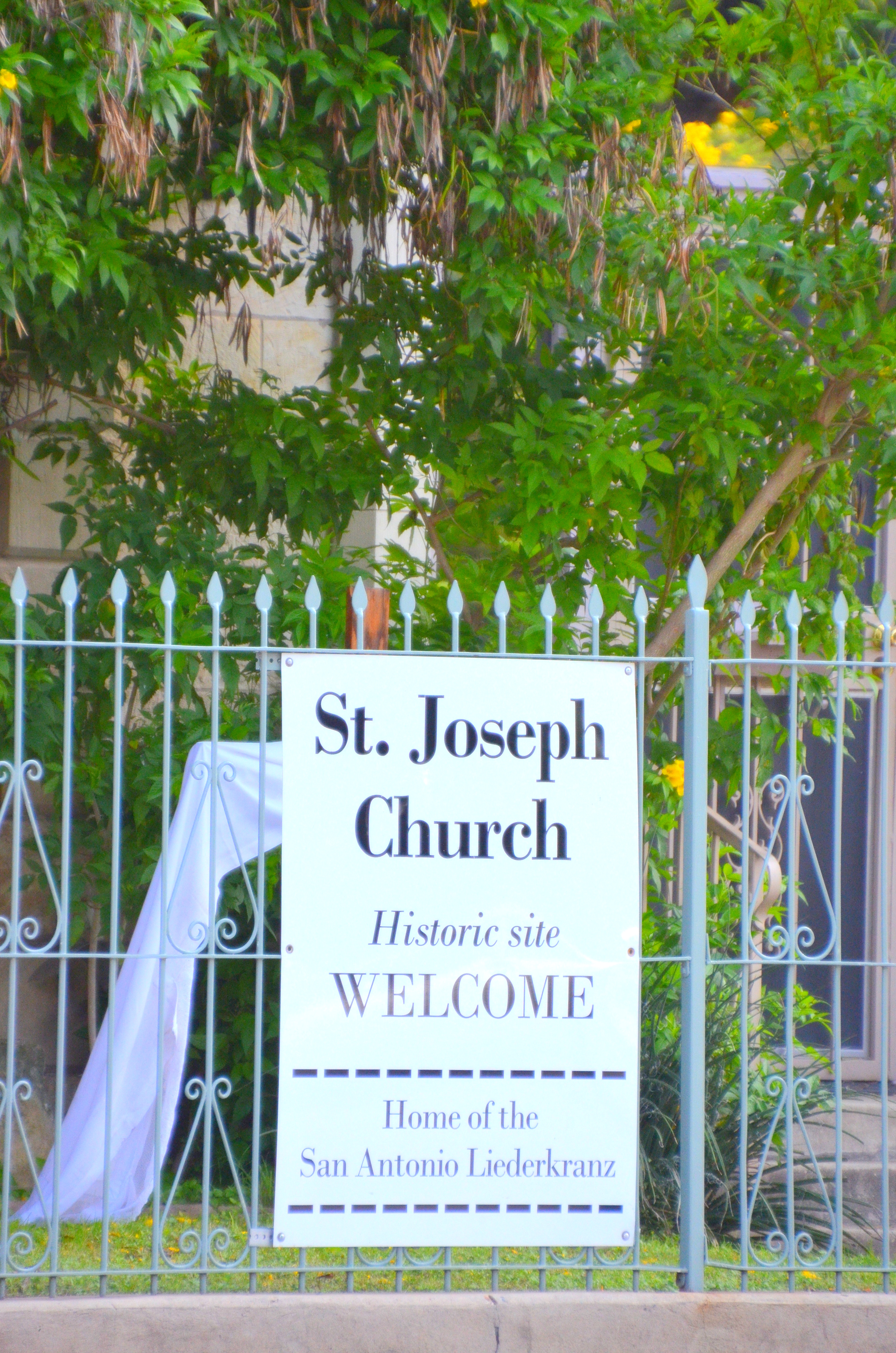 The Church is the home of the world renowned San Antonio Liederkranz. On the fourth-Sunday of the month, the San Antonio Liederkranz (founded in 1892) donate their stewardship of time and extraordinary talent to express their Faith through liturgical song; a variety of hymns are sung in Latin, German and English, at the 11:00 a.m. celebration of the Eucharist!
When I visited this church on Saturday morning April 30th there were more people and activity than I usually find when visiting during my travels and site seeing. I didn’t feel comfortable taking as many photos as I usually do in beautiful churches like this. It sure would have been a great experience to be at the 11:00 a.m. service on Sunday of this weekend since the San Antonio Liederkranz would have been worshiping in song. We flew out on Saturday.
In Seattle style we are having a rainy Memorial Day weekend so far! I guess I’ll do indoor stuff like cleaning my dusty, cluttered dwelling! What are you doing?
I’m linking later to InSPIREd Sunday with Beth and Sally.
I’ll be linking this post to signs, signs with Lesley and to Good Fences #114 with TexWisGirl because of the historic signs and the beautiful detailed fences on this grand street in San Antonio, Texas. Although it was very hot and muggy on the day I took the trolley tour I managed to walk along this street and enjoy snapping photos. The detailed information was gathered from googling King William Street.
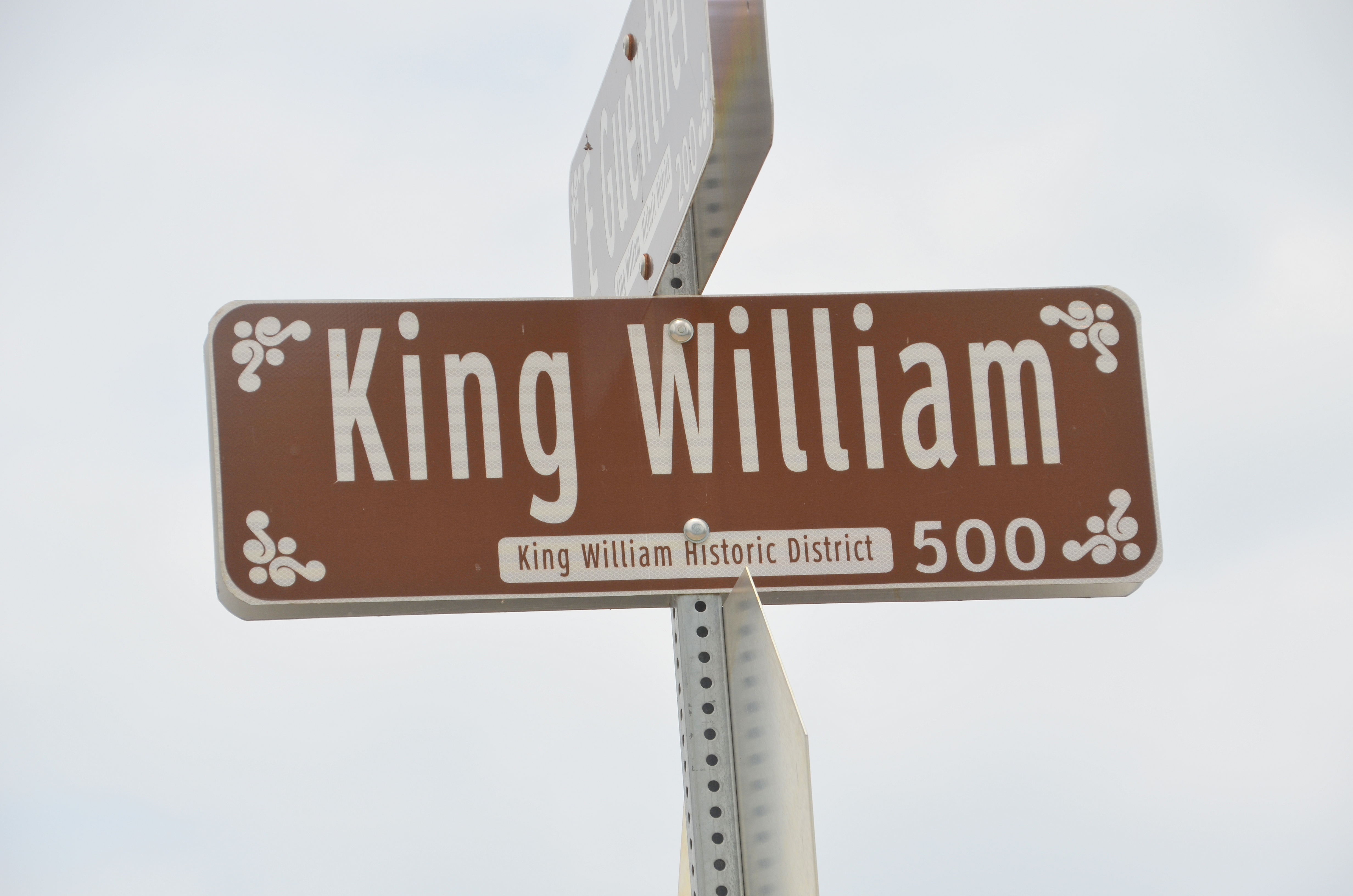
The King William Historic District is located south of downtown and bordered by other streets and the San Antonio River. The district encompasses land that was once irrigated farm land belonging to the Mission San Antonio de Valero, commonly known as the Alamo. When the mission was secularized in 1793, the lands were divided among the resident Indian families from the mission or sold at public auction. In the 1860s the area was subdivided into lots and laid out with the present streets.
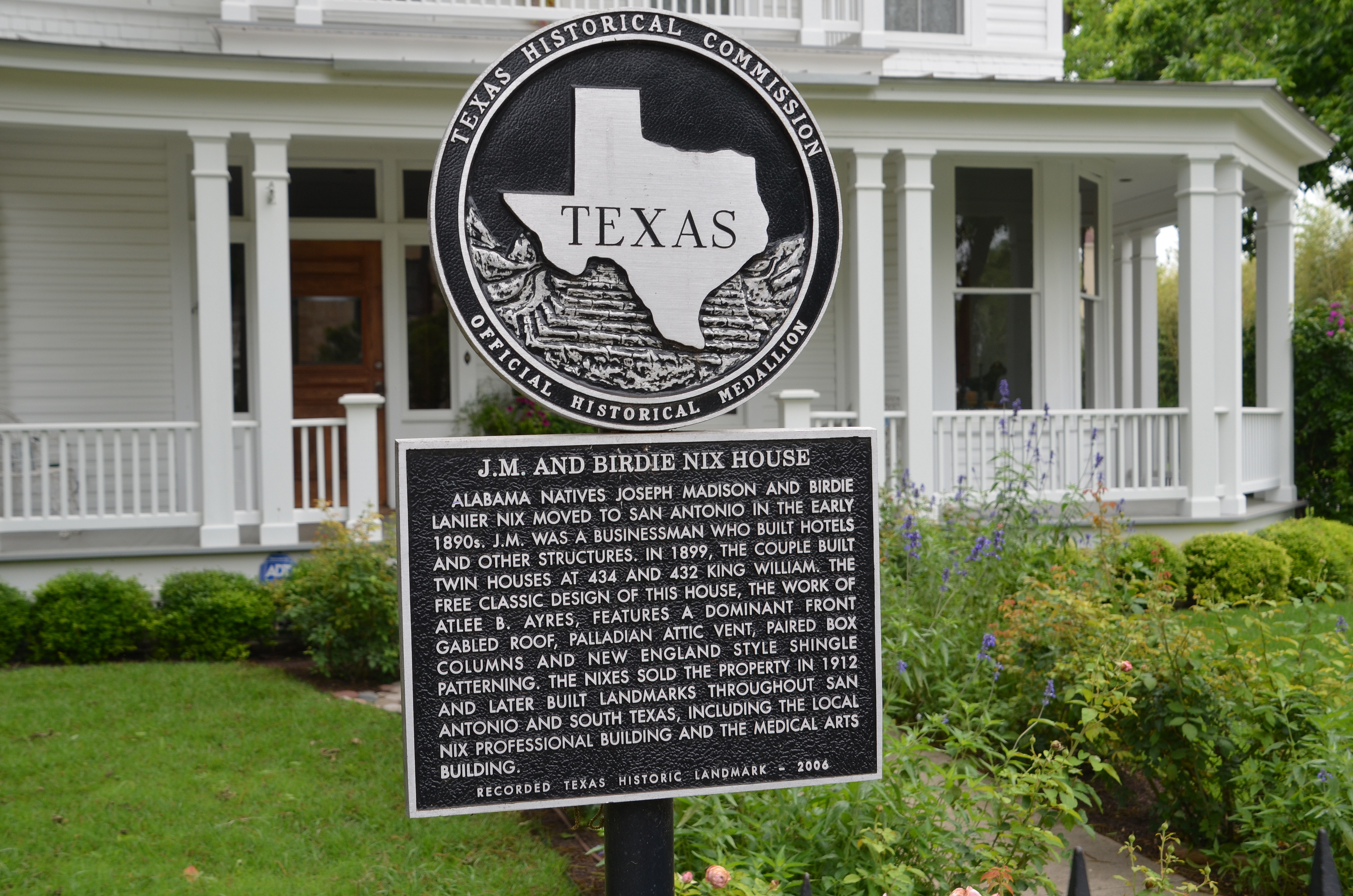
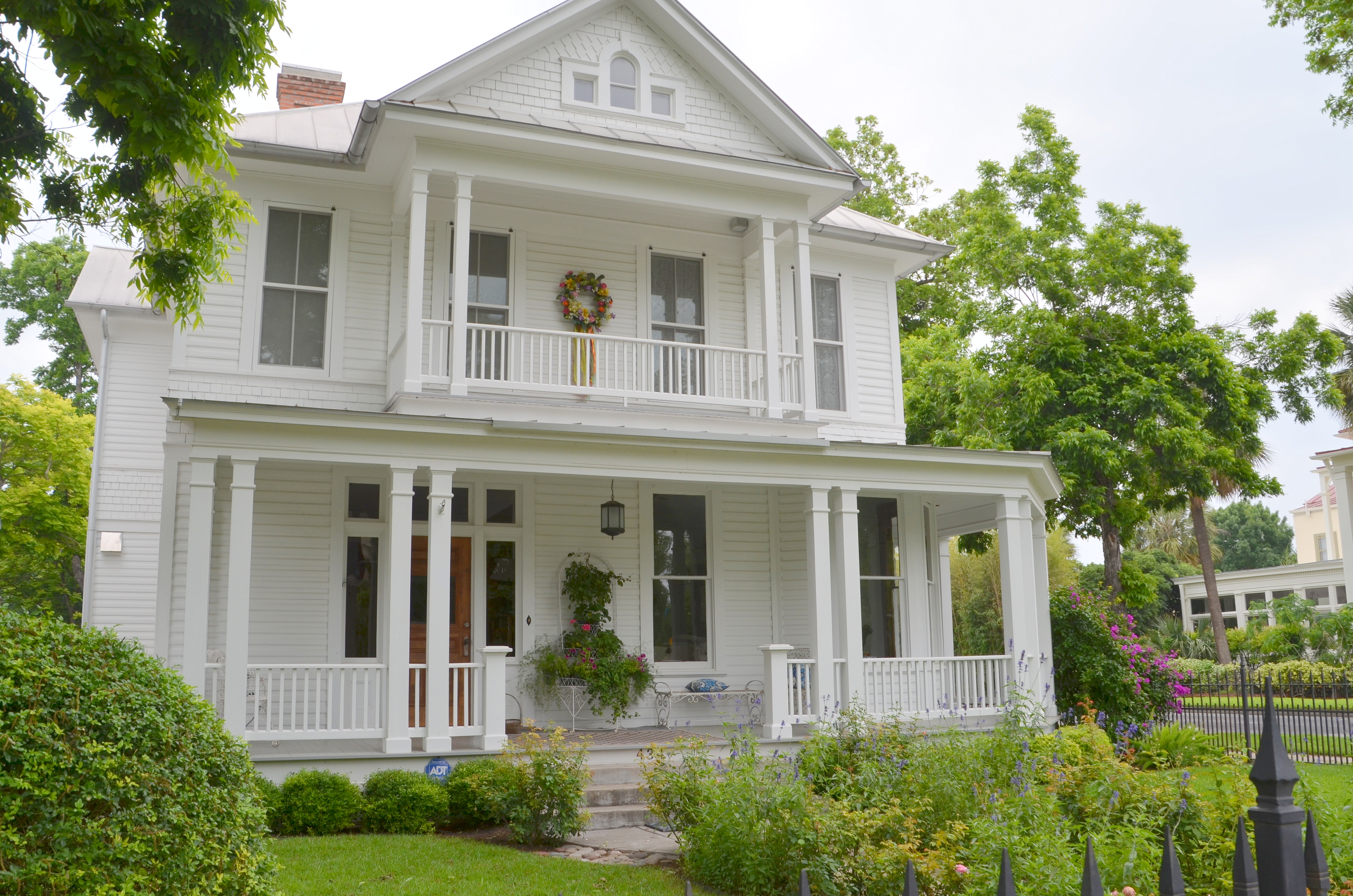
Alabama natives Joseph Madison and Birdie Lanier Nix moved to San Antonio in the early 1890s. J.M. was a businessman who built hotels and other structures. In 1899, the couple built twin houses at 434 and 432 King William. The Free Classic design of this house, the work of Atlee B. Ayres, features a dominant front gabled roof, Palladian attic vent, paired box columns and New England style shingle patterning. The Nixes sold the property in 1912 and later built landmarks throughout San Antonio and South Texas, including the local Nix Professional Building and the Medical Arts Building. Recorded Texas Historic Landmark – 2006
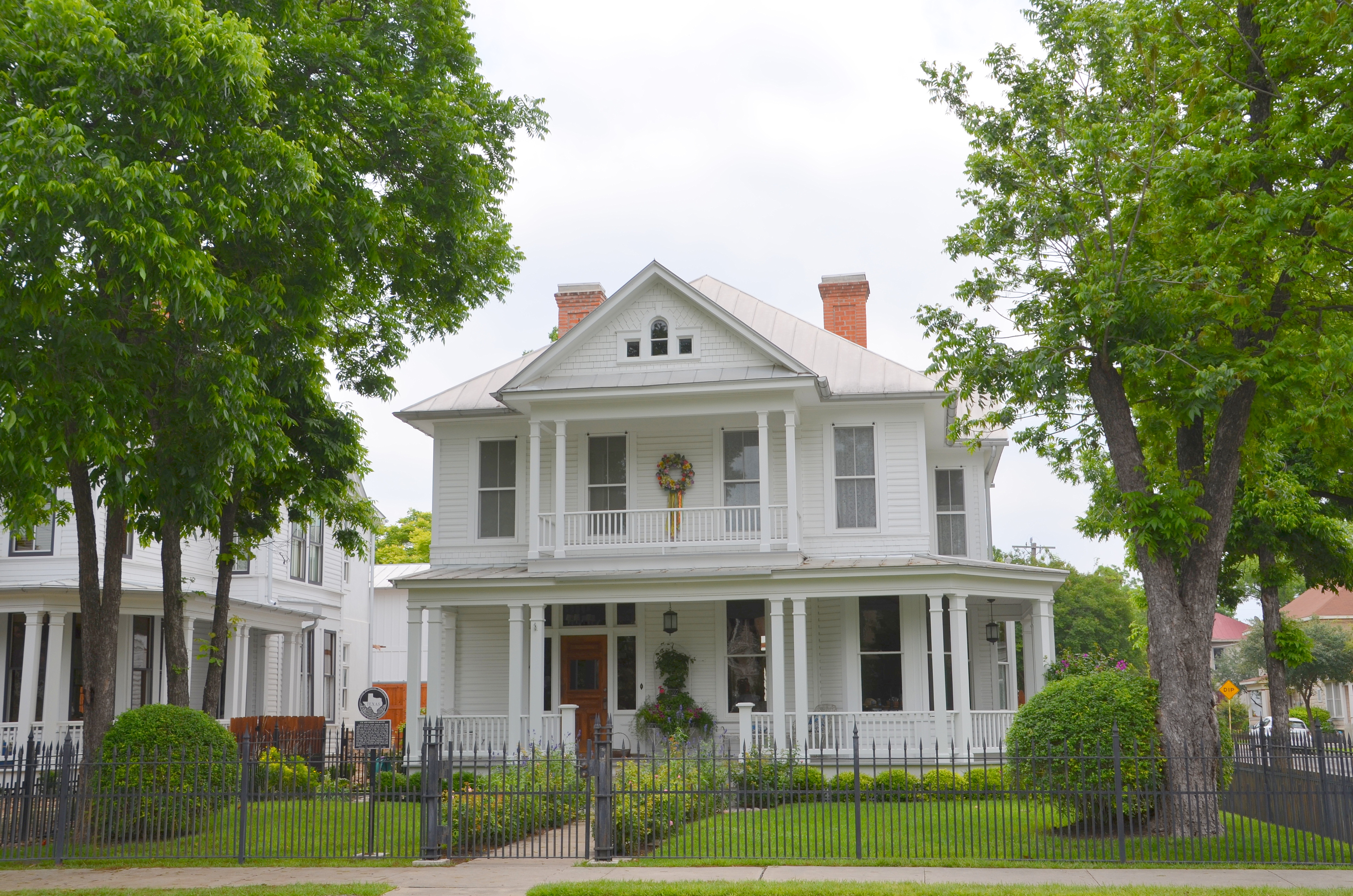
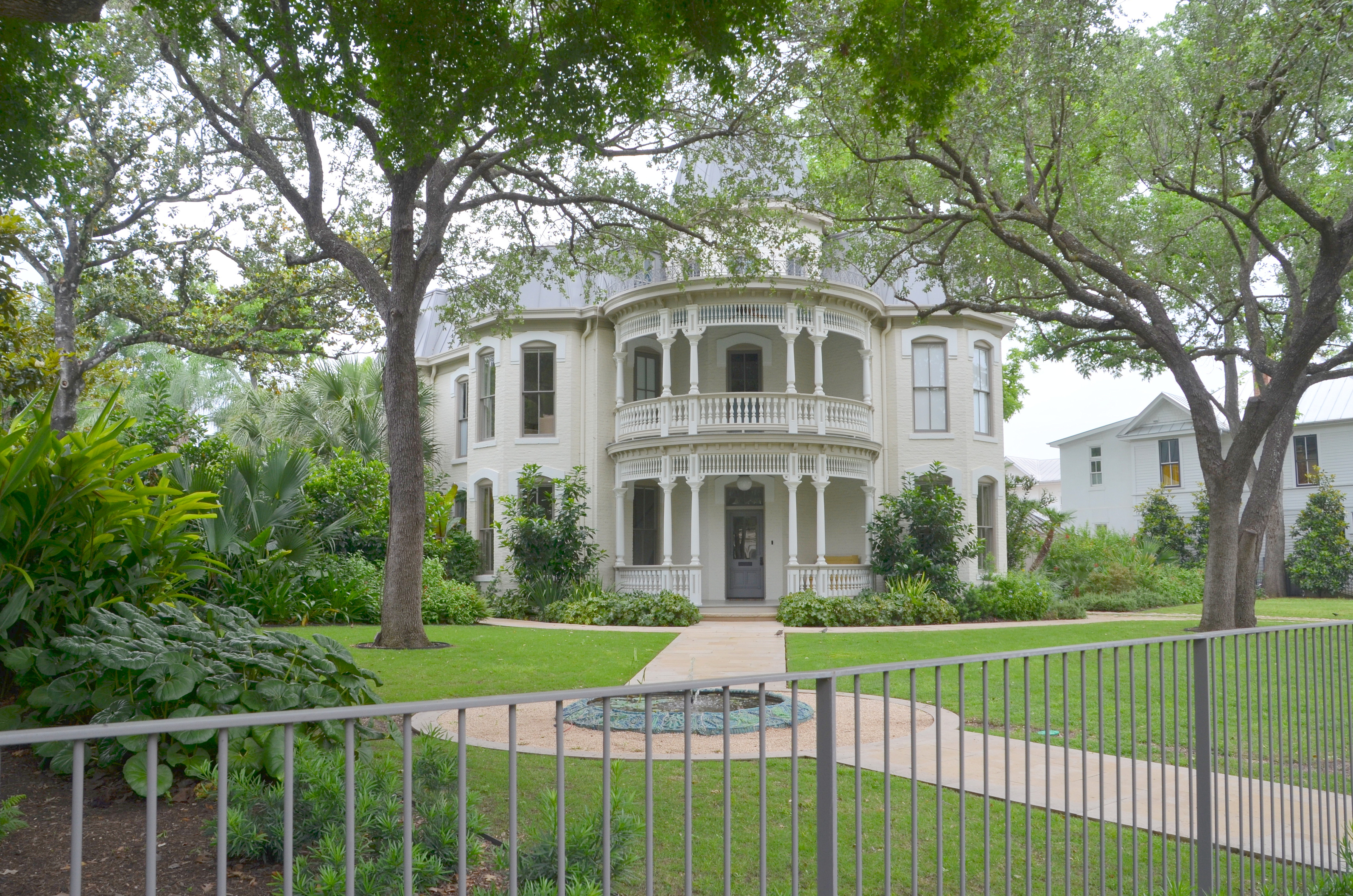
It was about this time in the mid-nineteenth century that a great many Germans, who had immigrated to Texas in the 1840s, began to settle in this area, and it became known as “Sauerkraut Bend” to the rest of San Antonio. The area developed into an idyllic neighborhood of large, impressive houses designed in the Greek Revival, Victorian, and Italianate styles. The main street into the neighborhood was given the name King William in honor of King Wilhelm I, King of Prussia in the 1870s. During World War I, when America was at war with Germany, the name was changed to Pershing Avenue. A few years after the war ended the King William name was restored.
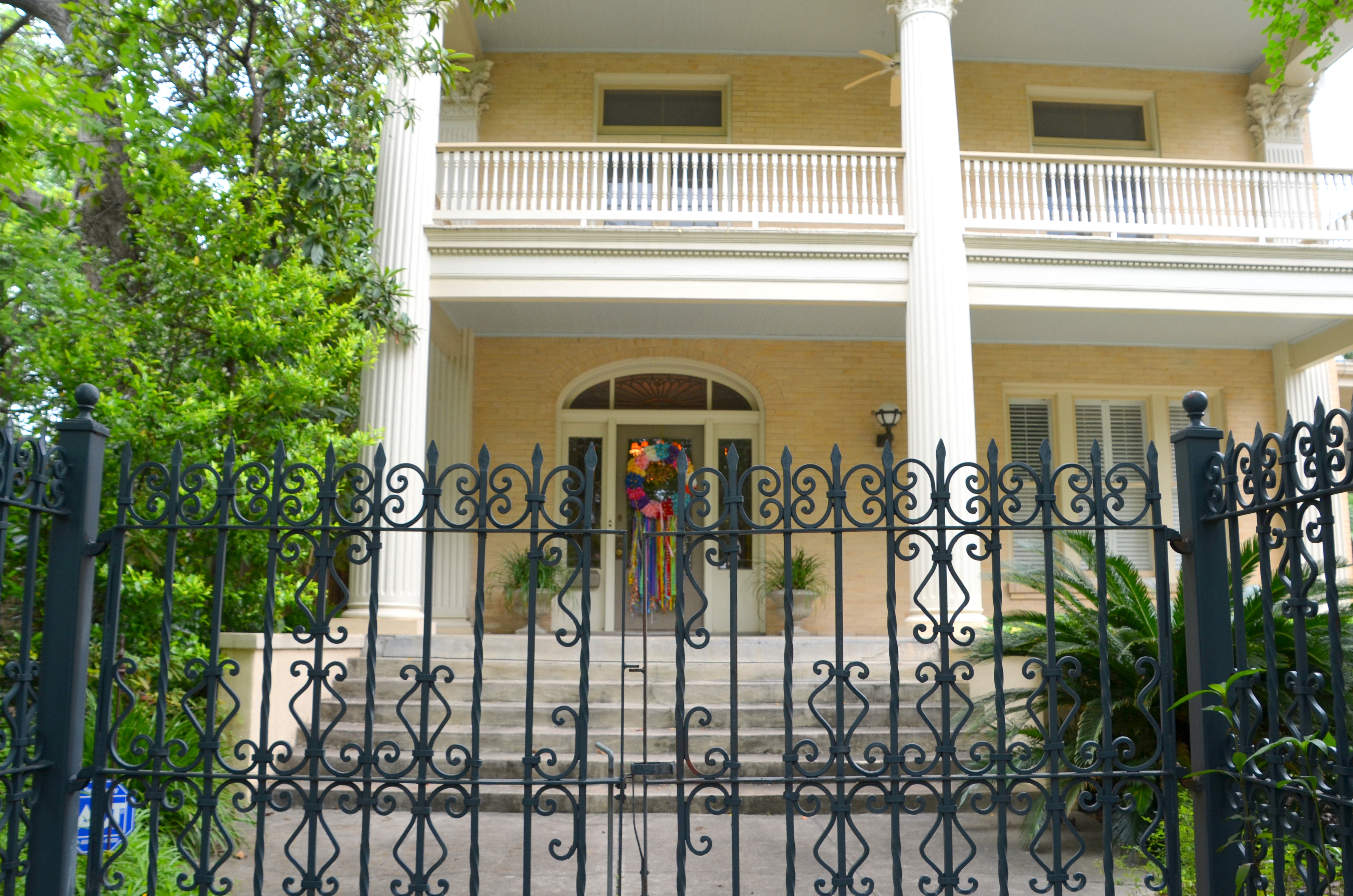
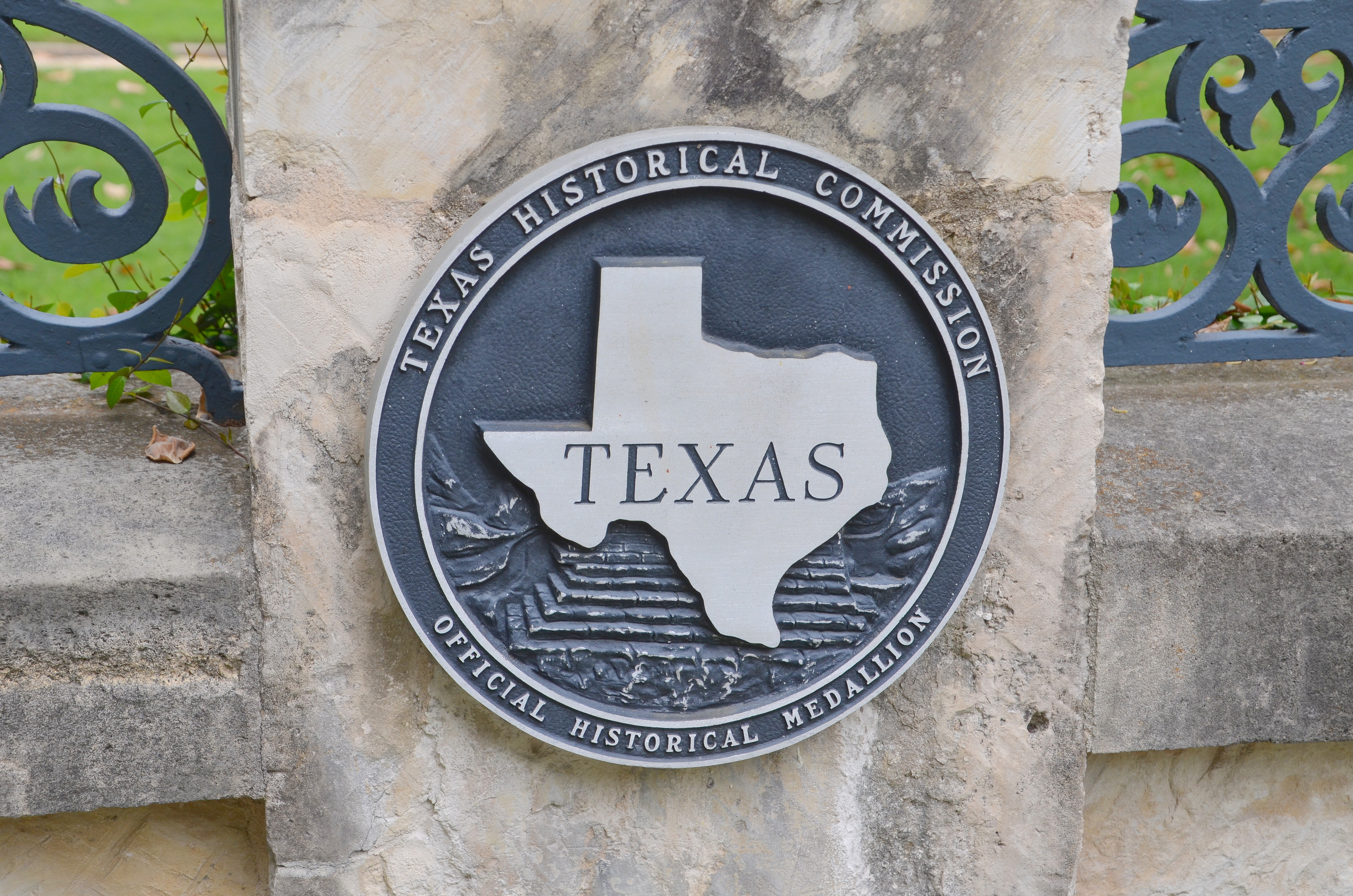
In the early 1900s the King William area began to wane as a fashionable neighborhood, and by 1920 many of the original homebuilders had died and their children moved to other parts of San Antonio. During the 1930s and 1940s the neighborhood declined. Many of the fine old homes were converted into apartments, and only a few of the earlier settlers remained.
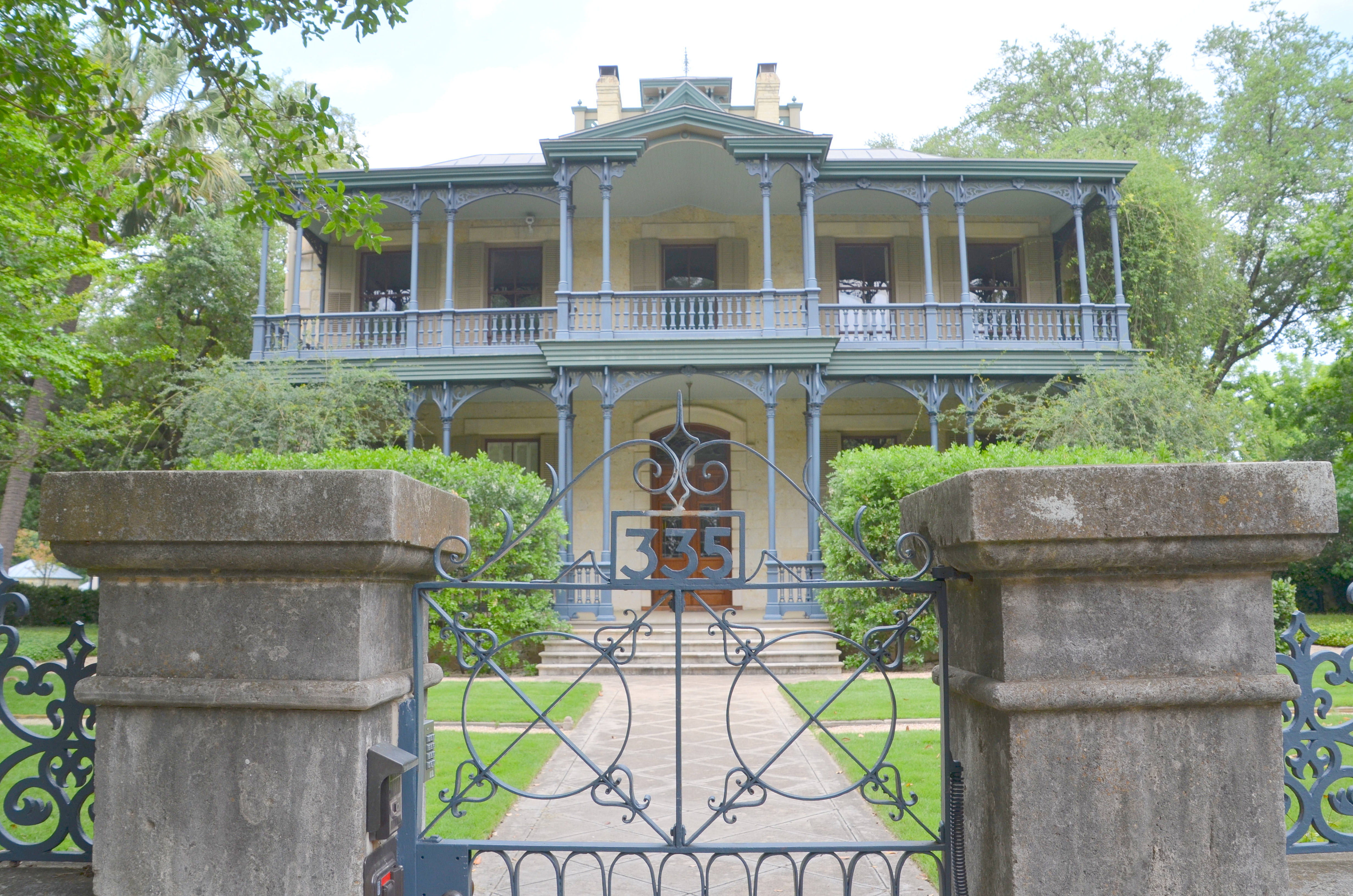
Around 1950, however, the area began to attract a group of people who found its proximity to the downtown business district attractive and who, moreover, recognized the potential of restoration of the fine old houses and smaller cottages. An interest in preservation of the area was initiated, and it slowly became a “fashionable” and desirable place to live once again. In 1968 the King William neighborhood became San Antonio’s first designated historic district. In 1972, King William was listed as a National Register Historic District. The district was expanded in 1984 to include the area of more modest late 19th and early 20th century homes between S. Alamo and S. St. Mary’s Streets.

Located at 401 King William Street in San Antonio, Texas, Villa Finale (pictured above) was the last home of local preservationist, Walter Nold Mathis who was instrumental in the revitalization of the historic King William neighborhood.
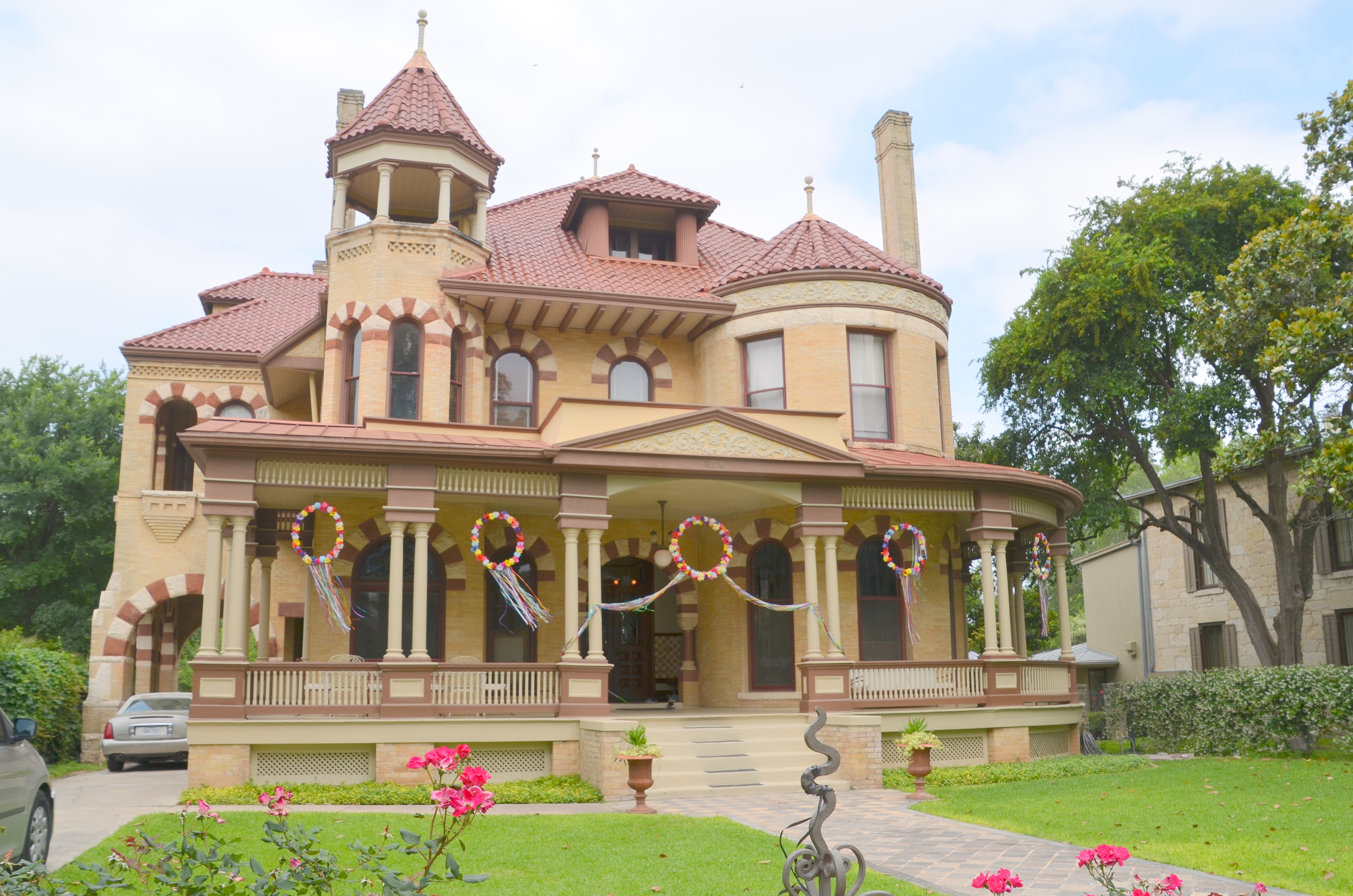
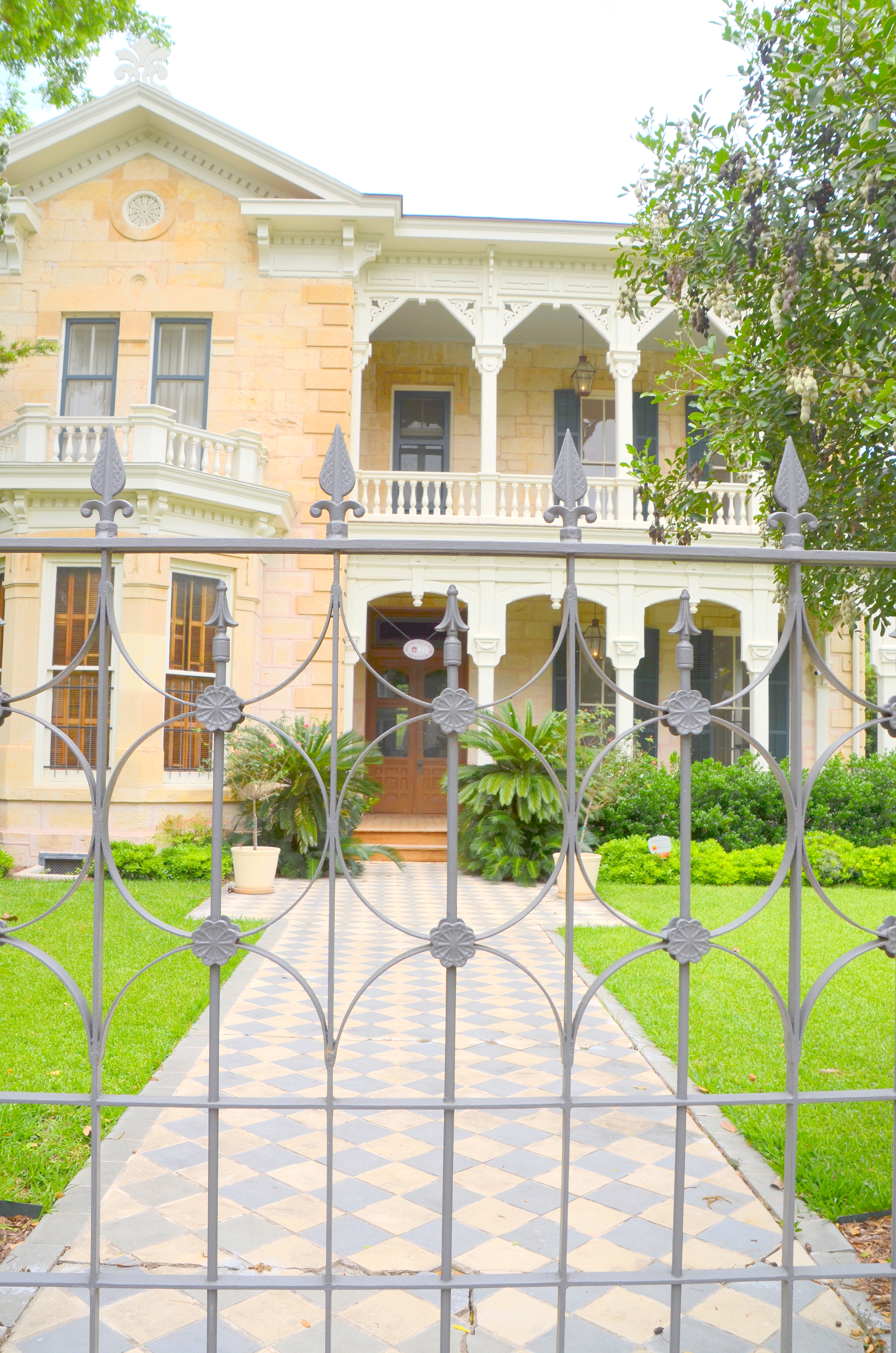
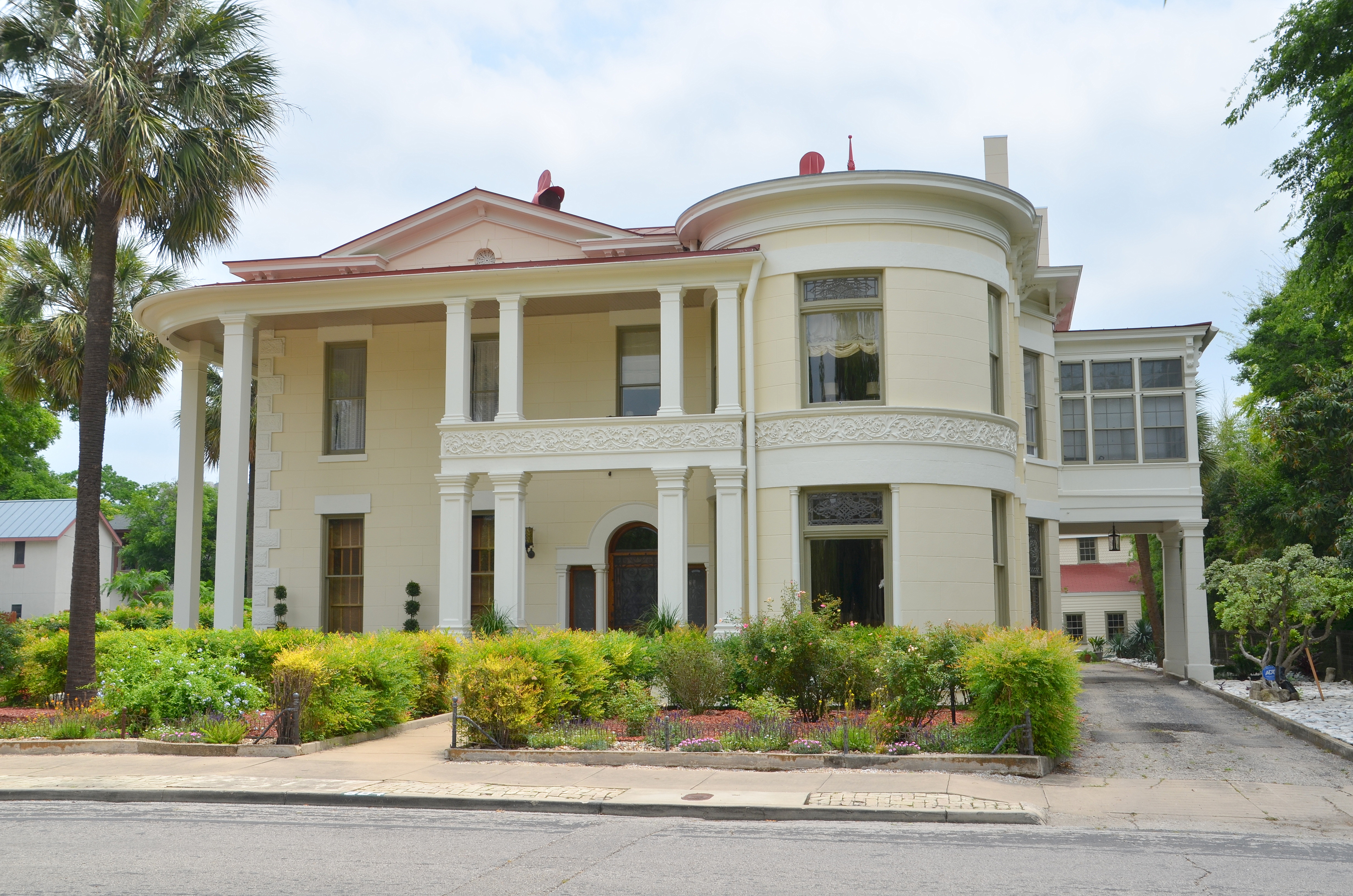
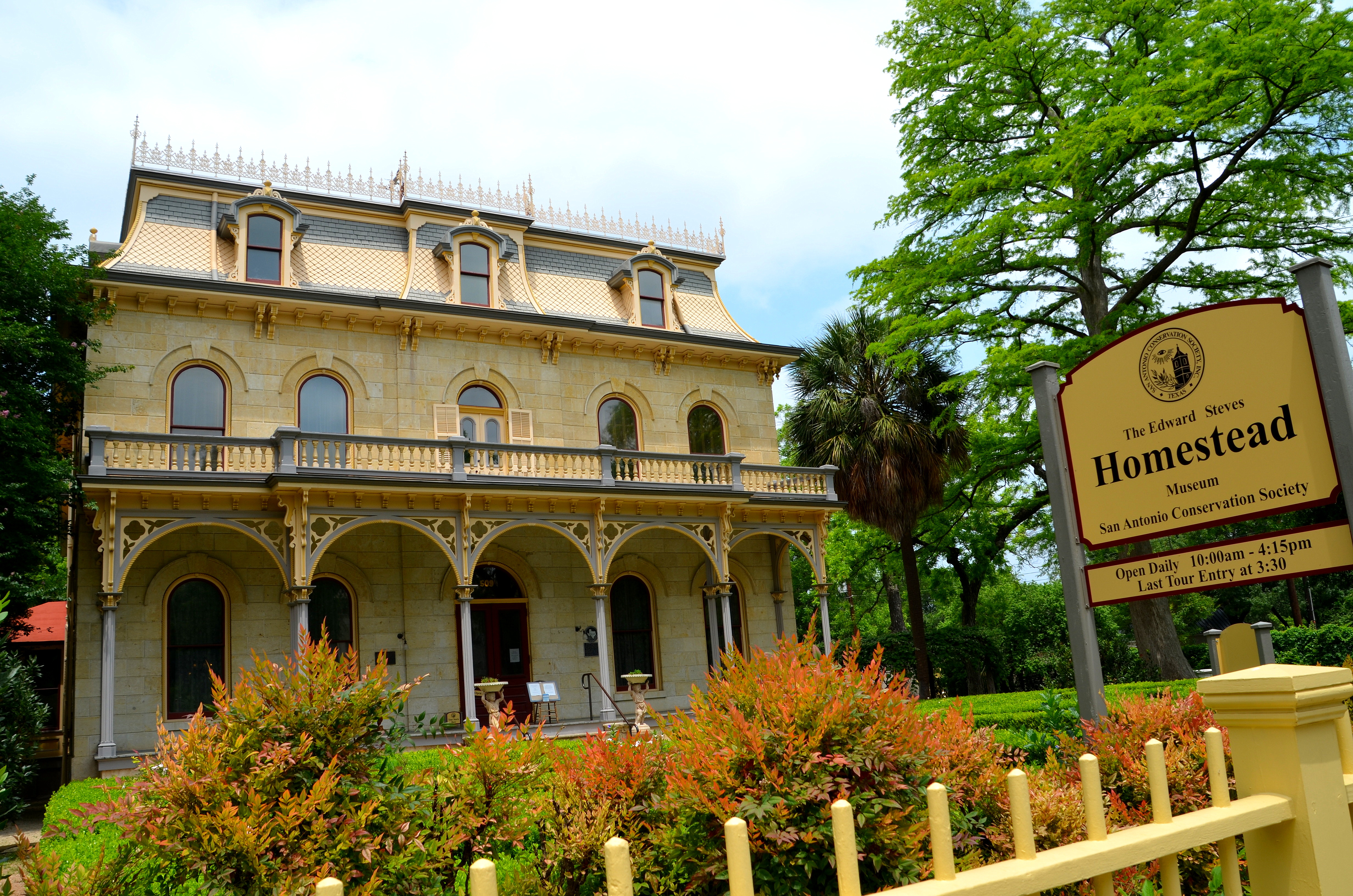
This elegant three-story mansion was built in 1876 for Edward Steves, founder of the Steves Lumber Company. Alfred Giles, prominent San Antonio architect, is thought to be the designer of the ashlar limestone structure which features a concave mansard roof with decorative iron cresting and exhibits characteristic of the French Second Empire and the Italian Villa styles.
In 1952, the property was donated to the San Antonio Conservation Society by Mr. and Mrs. Curtis Vaughan in memory of her grandparents, Mr. and Mrs. Edward Steves, and her parents, Mr. and Mrs. Albert Steves. The Steves Homestead has been maintained since 1954 as a historic house museum.
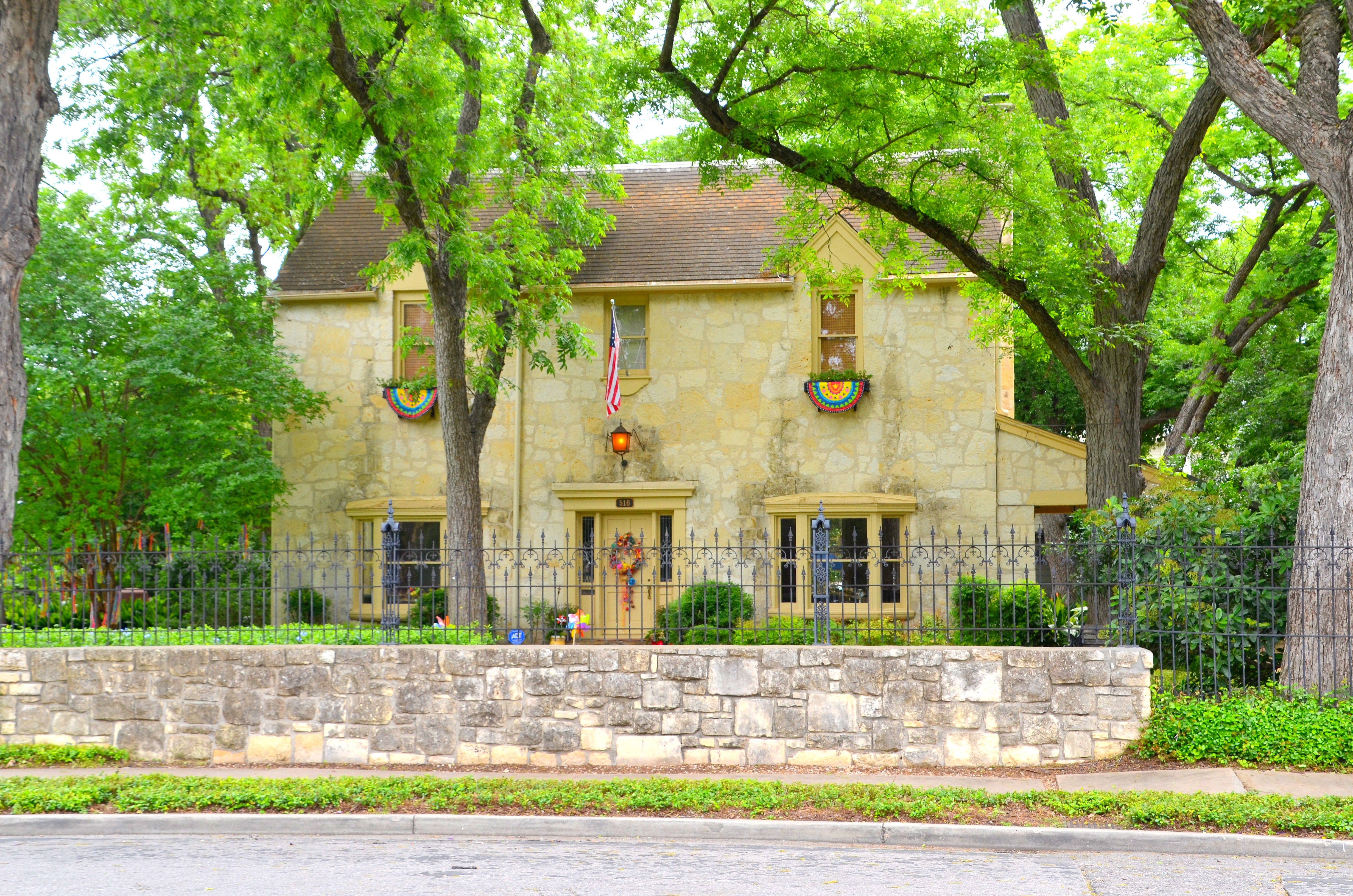
Many of these grand homes had colorful decorations on them that I’m guessing are related to the King William Fair that was held April 29th. I walked down this street on April 27th. I found this little blurb about the Fair parade. “What really sets this event apart is the sparkling beauty of its historic setting near the heart of downtown San Antonio, where the King William neighborhood entices fair-goers to relax and unwind along shady, tree-lined streets adorned with stately Victorian homes, cozy cottages and gracious gardens.”
A long post with lots of information. Thanks for scrolling all the way to the end.
In the 4th grade I memorized some verses from the Bible that have stuck with me over the years. I’m using the King James Version of the Bible since that’s the version I memorized these words from Jesus. I think of these verses when I see mansions like these.
John 14: 1-3 ~ Let not your heart be troubled: ye believe in God, believe also in me. In my Father’s house are many mansions: if it were not so, I would have told you. I go to prepare a place for you. And if I go and prepare a place for you, I will come again, and receive you unto myself; that where I am, there ye may be also.
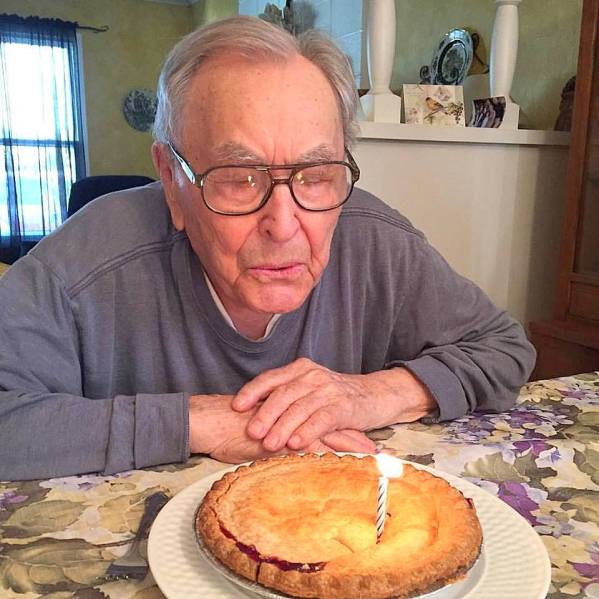
My Pop celebrated his 93rd birthday yesterday and here he is blowing out the candle on his birthday cherry pie. He’s looking forward to his place in heaven with his Savior!
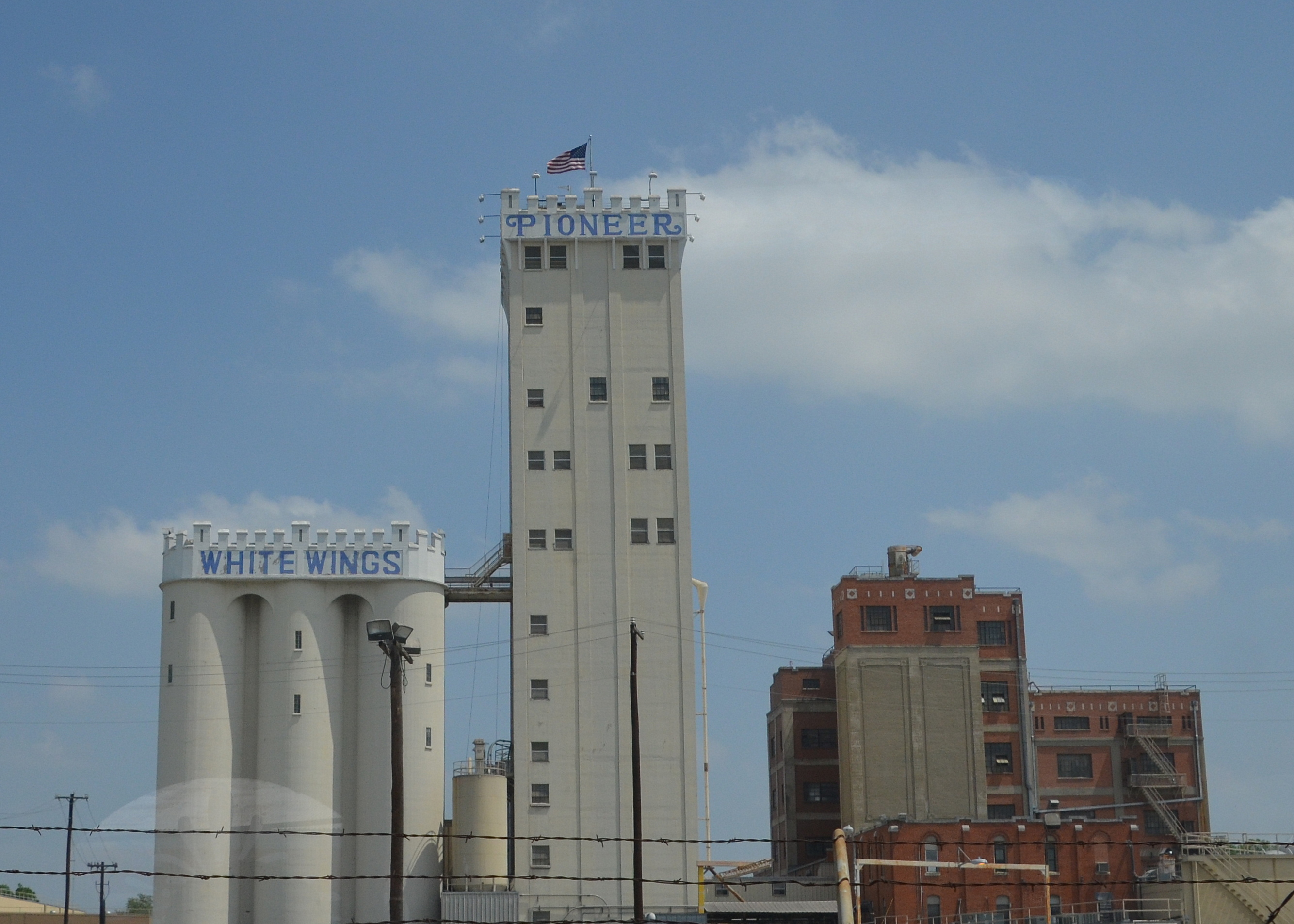
Pioneer Flour Mills was initially founded as the C.H. Guenther Mill by Carl Hilmar Guenther, a millwright who immigrated to the United States from Germany in the late 1840s. Guenther built his first mill in 1851 in Fredericksburg and later relocated it one mile south of San Antonio in 1859. Guenther’s first mill in San Antonio was located along the San Antonio River across from King William Street adjacent to his home and on the grounds of the present day Pioneer Flour Mills. Guenther’s mill was the first flour mill and the first steam and water powered mill built in the city. For more info click here.
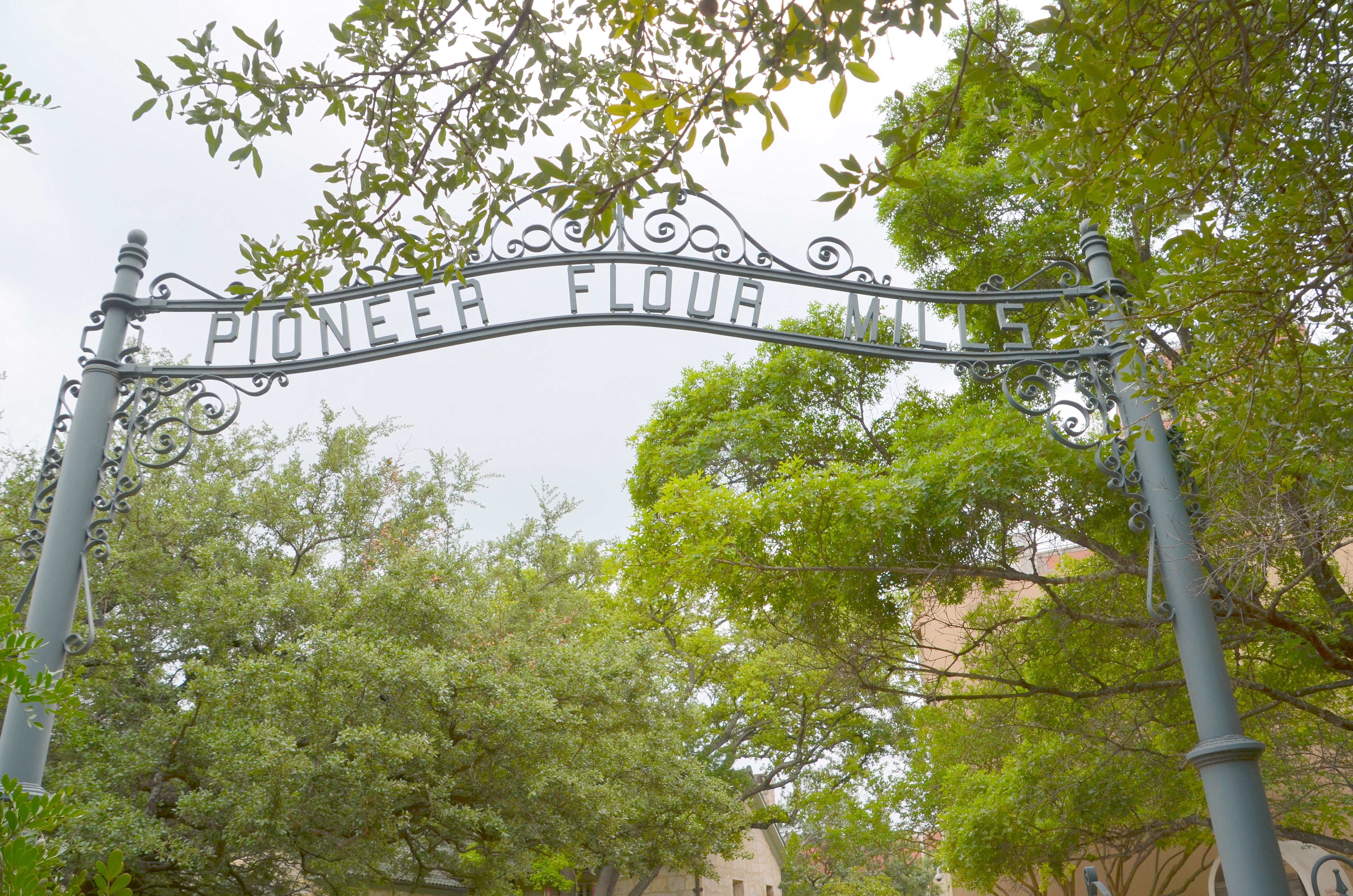
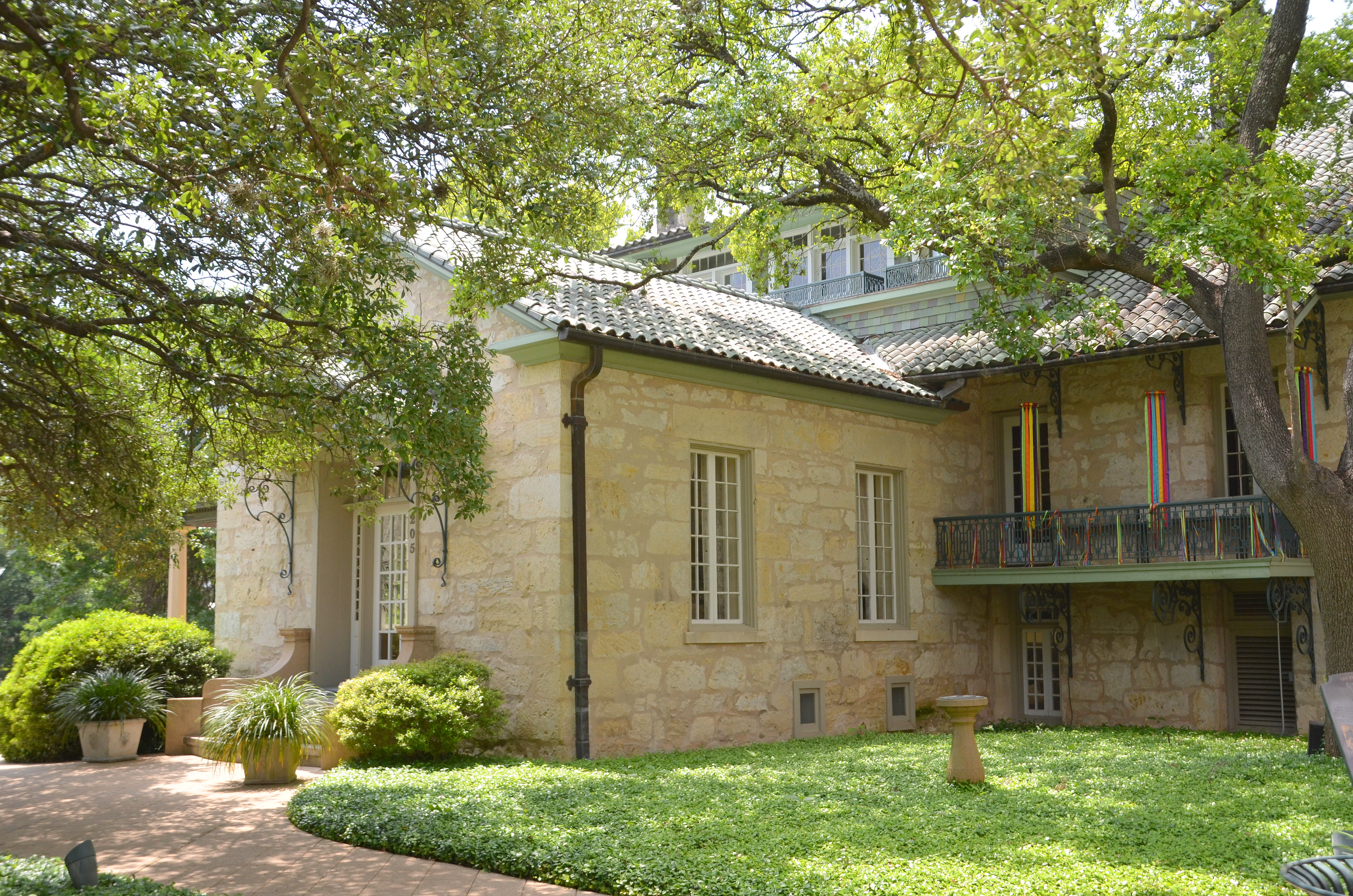
This was a stop on the trolley tour that was in time for lunch so I enjoyed a small meal at the restaurant here. Since there was just one trolley driver this day I had a good hour until the next trolley would come.
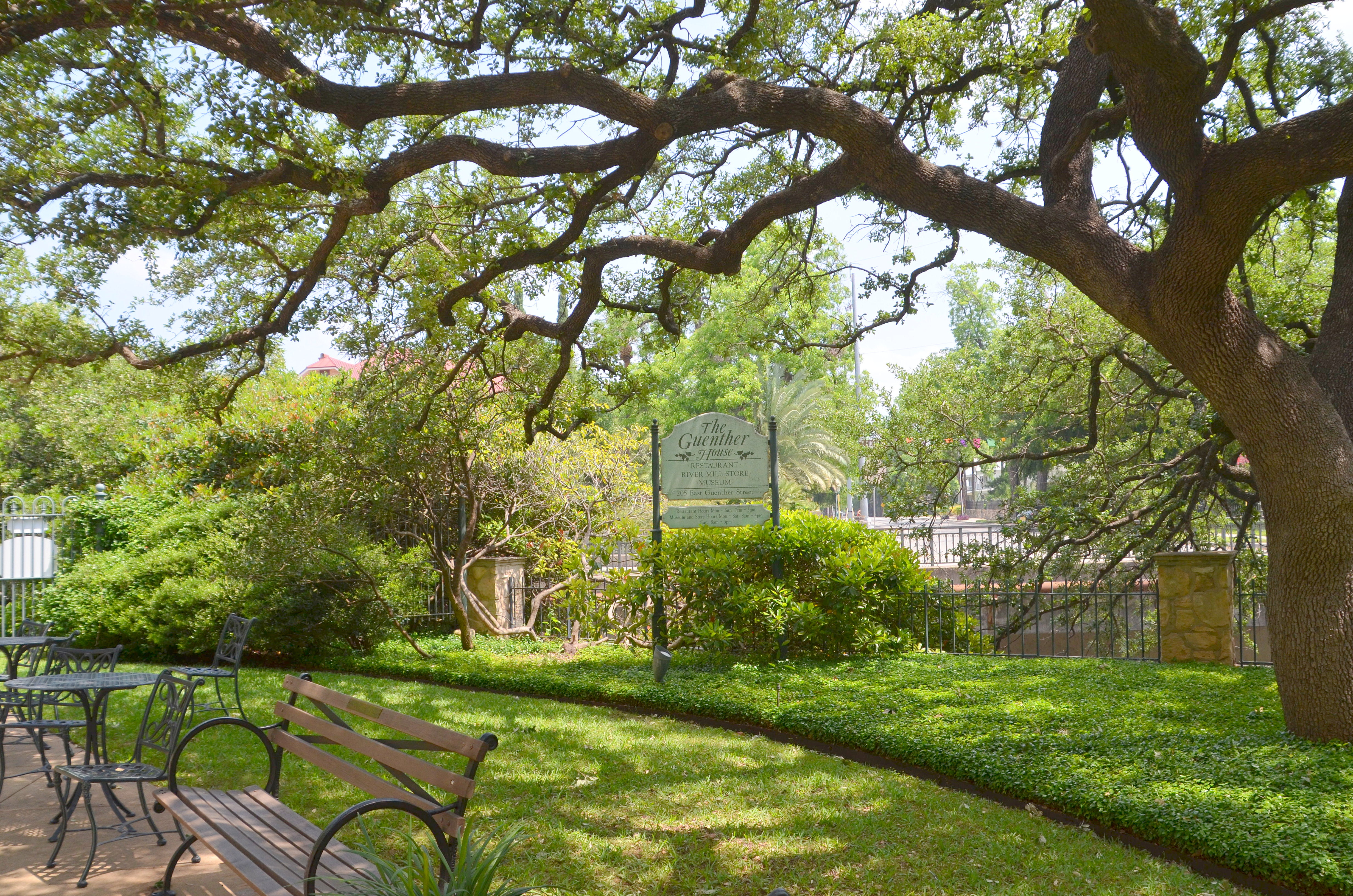
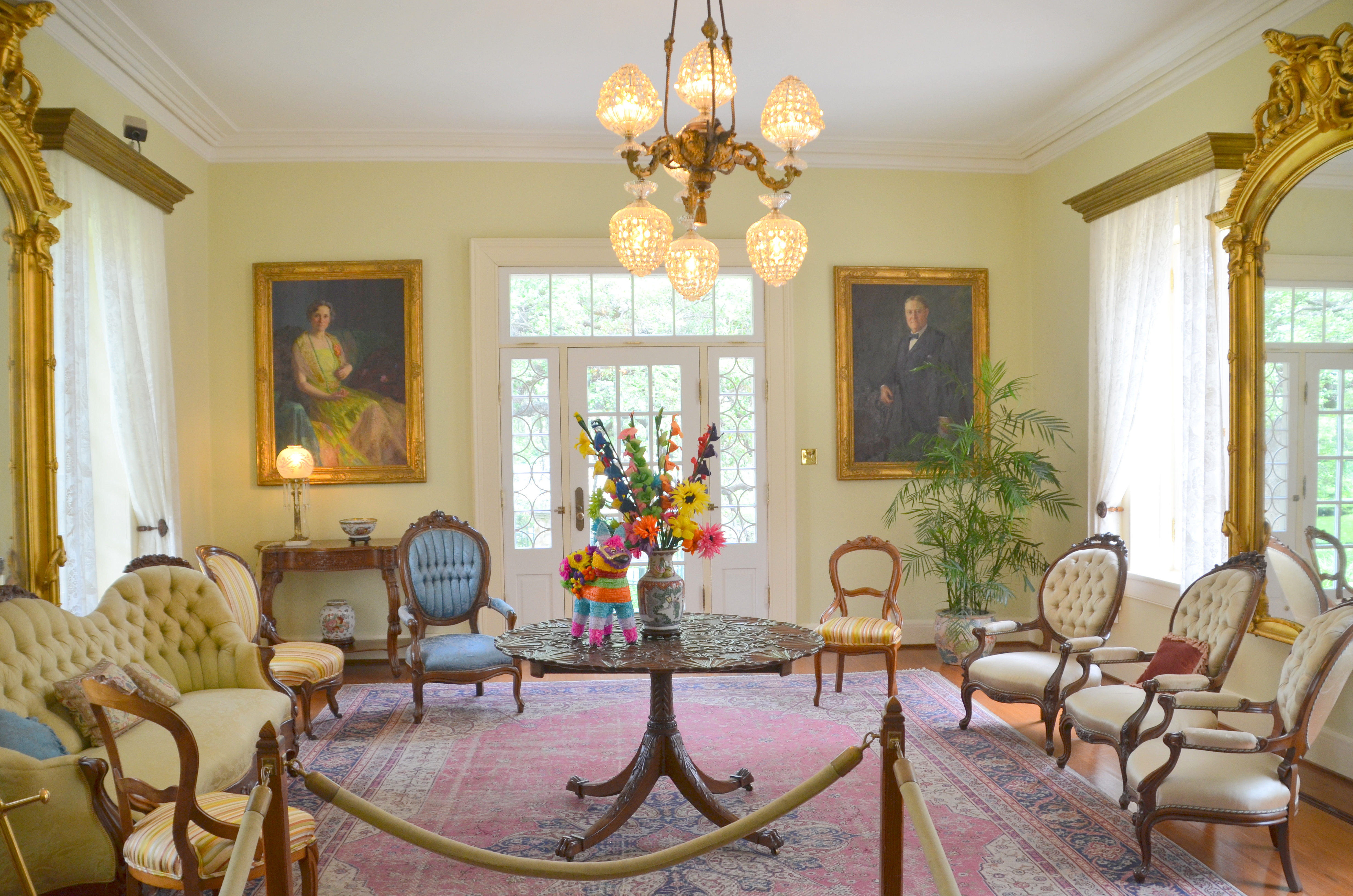
After I ate my lunch I went up the stairs to see a portion of the house and visit the gift shop.
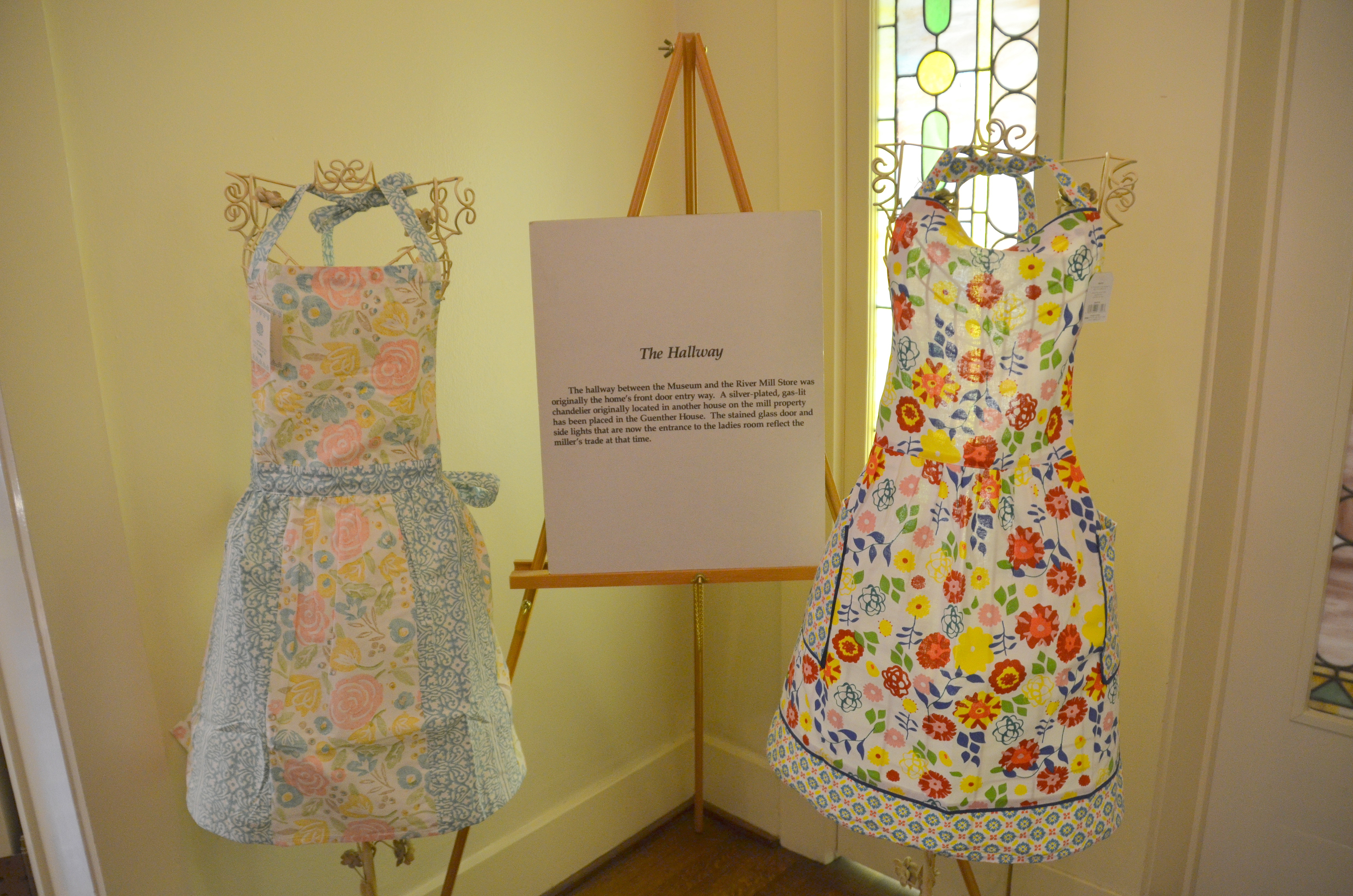
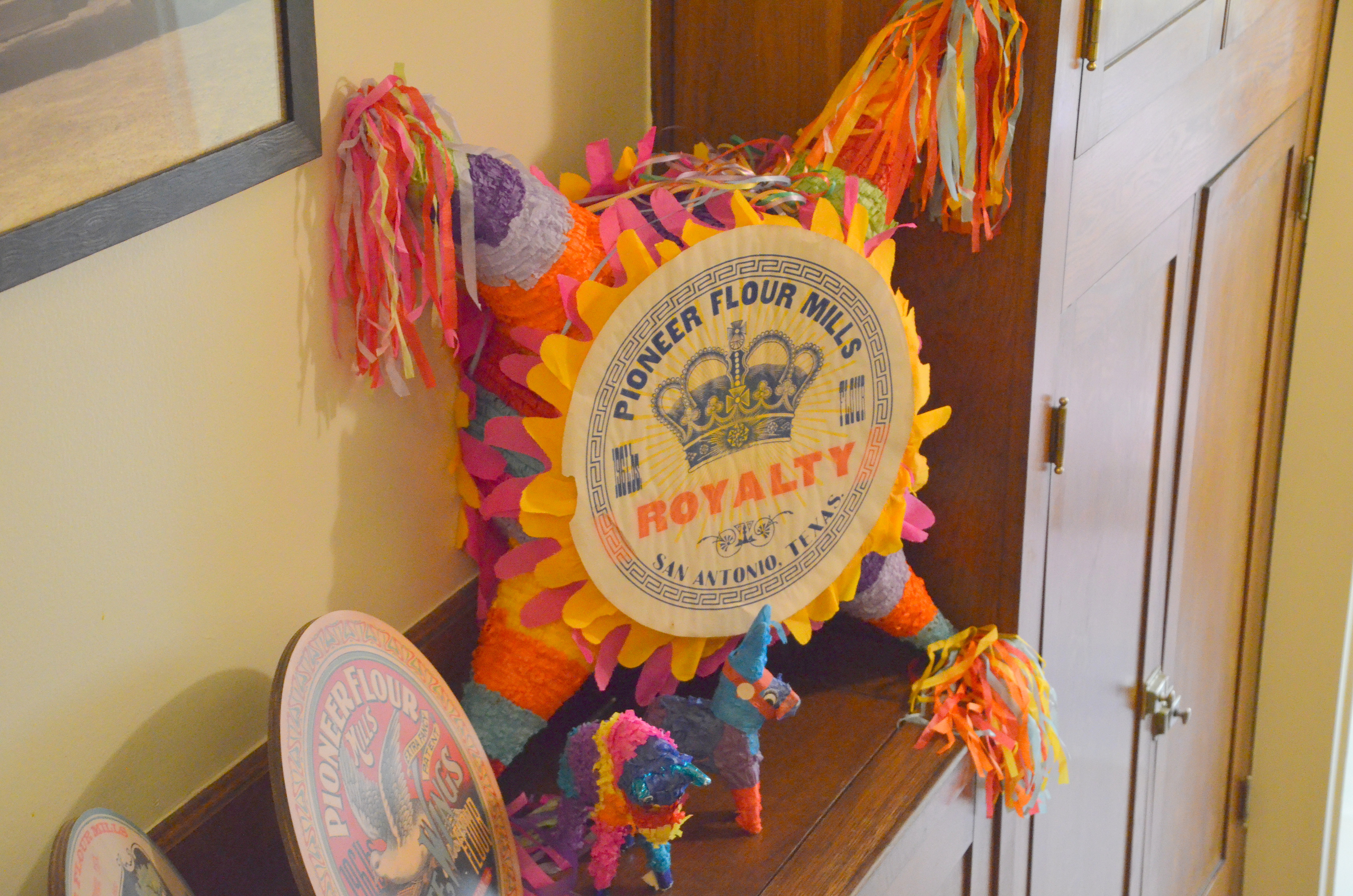
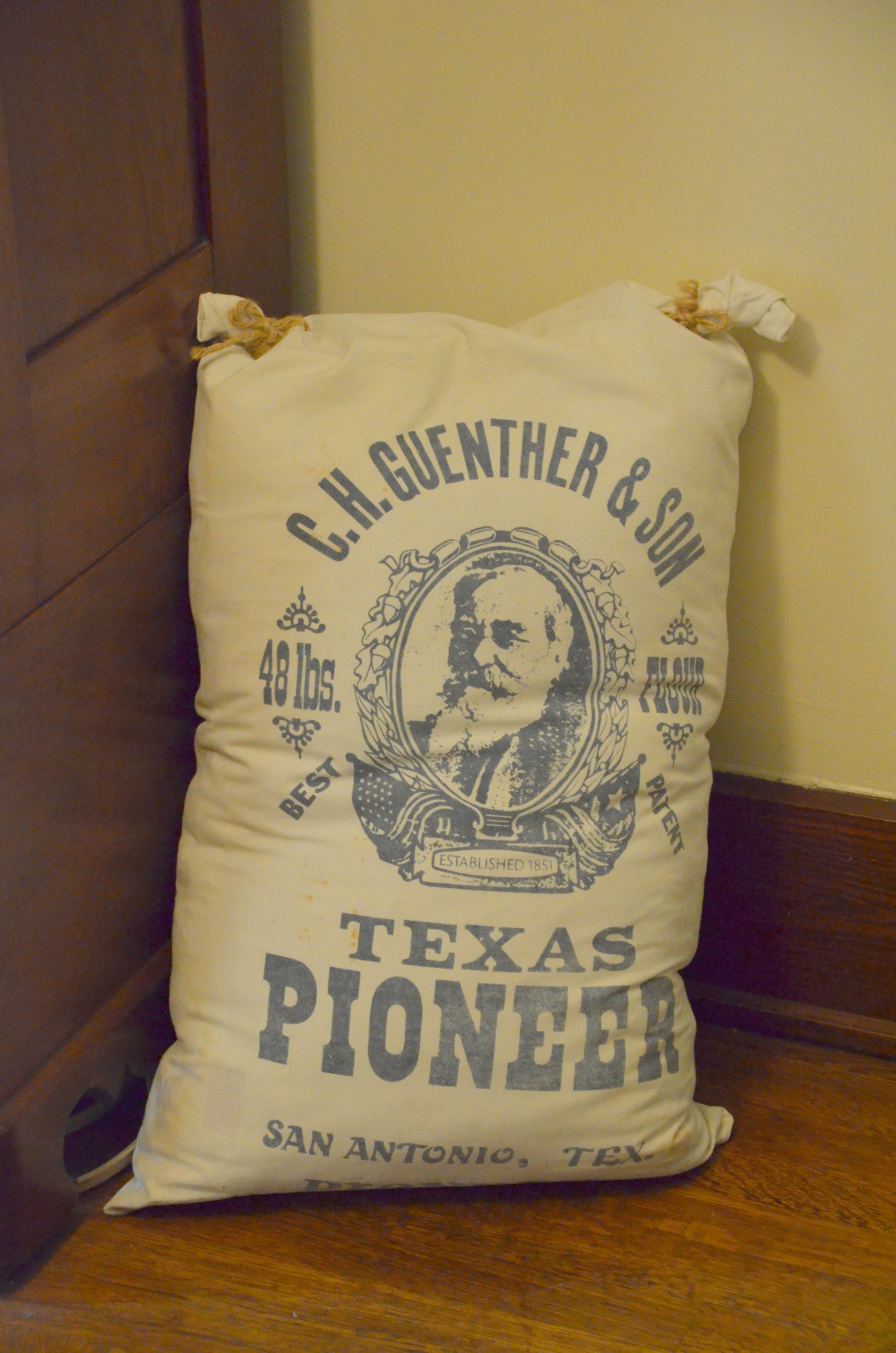
After lunch I strolled along King William Street to enjoy viewing the large mansions some of which are being nicely restored.
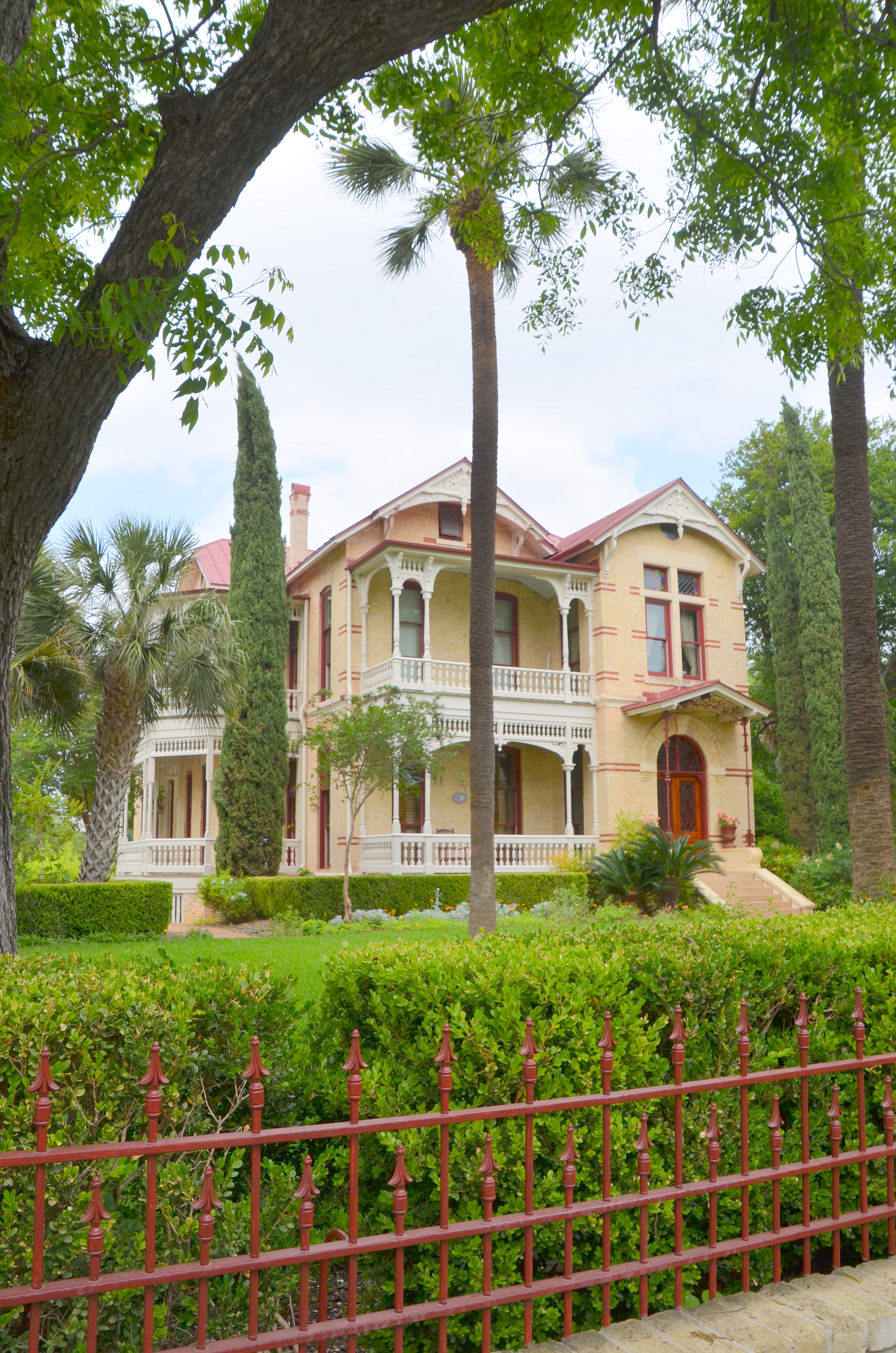
Soon I’ll share many of the mansions I saw on King William Street just across the way from the Guenther House.
I’m going to link this post to…
Tuesday’s Treasures hosted by Tom The Backroads Traveler.
ABC Wednesday started by Mrs. Nesbitt and carried on by a great team with Roger at the helm.
Happy Victoria Day to our neighbors in the North!
Hope you all have a great day off today. What are you doing to celebrate?
Check out Anneliese’s Queen Elizabeth Cake!

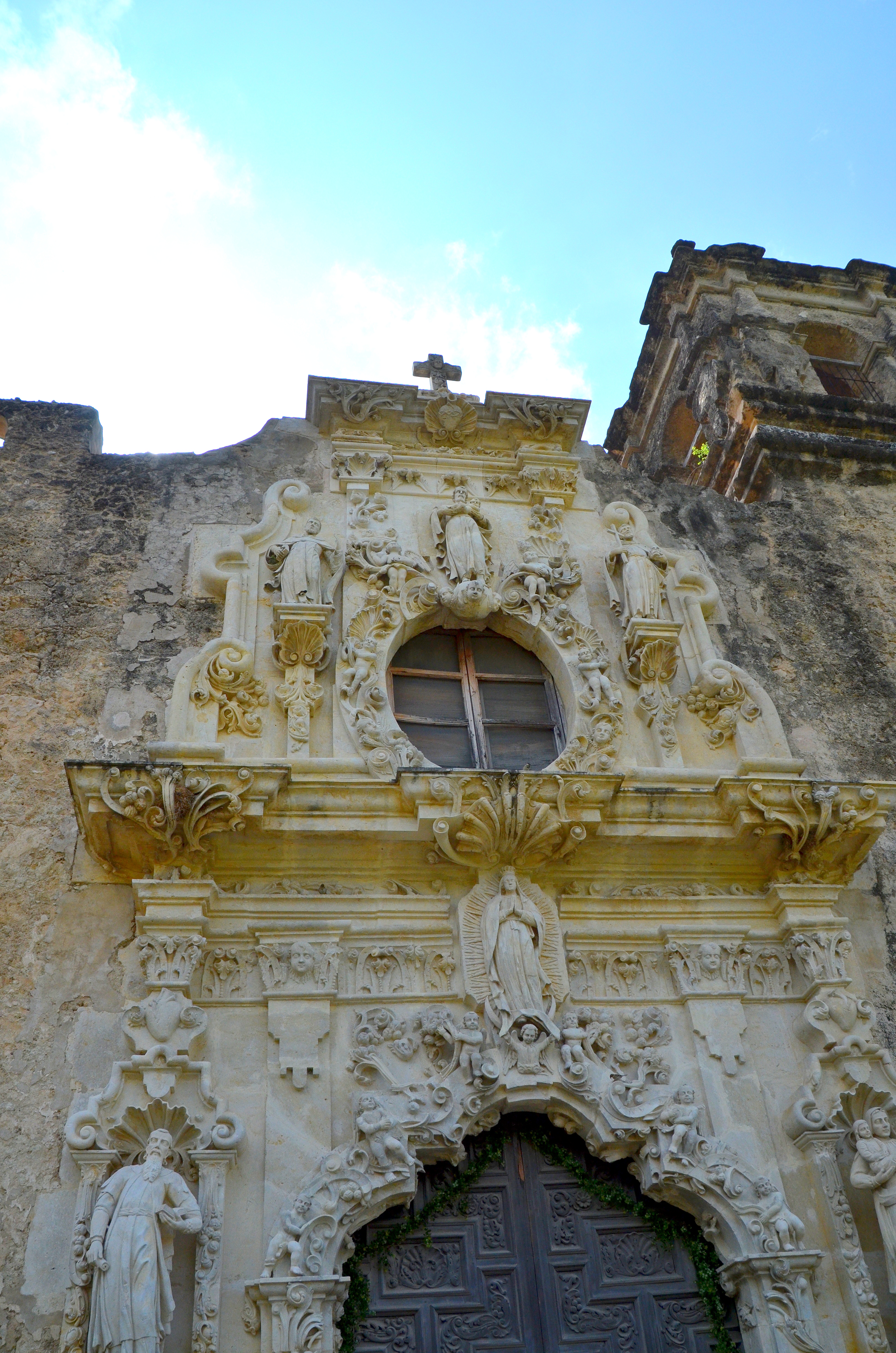
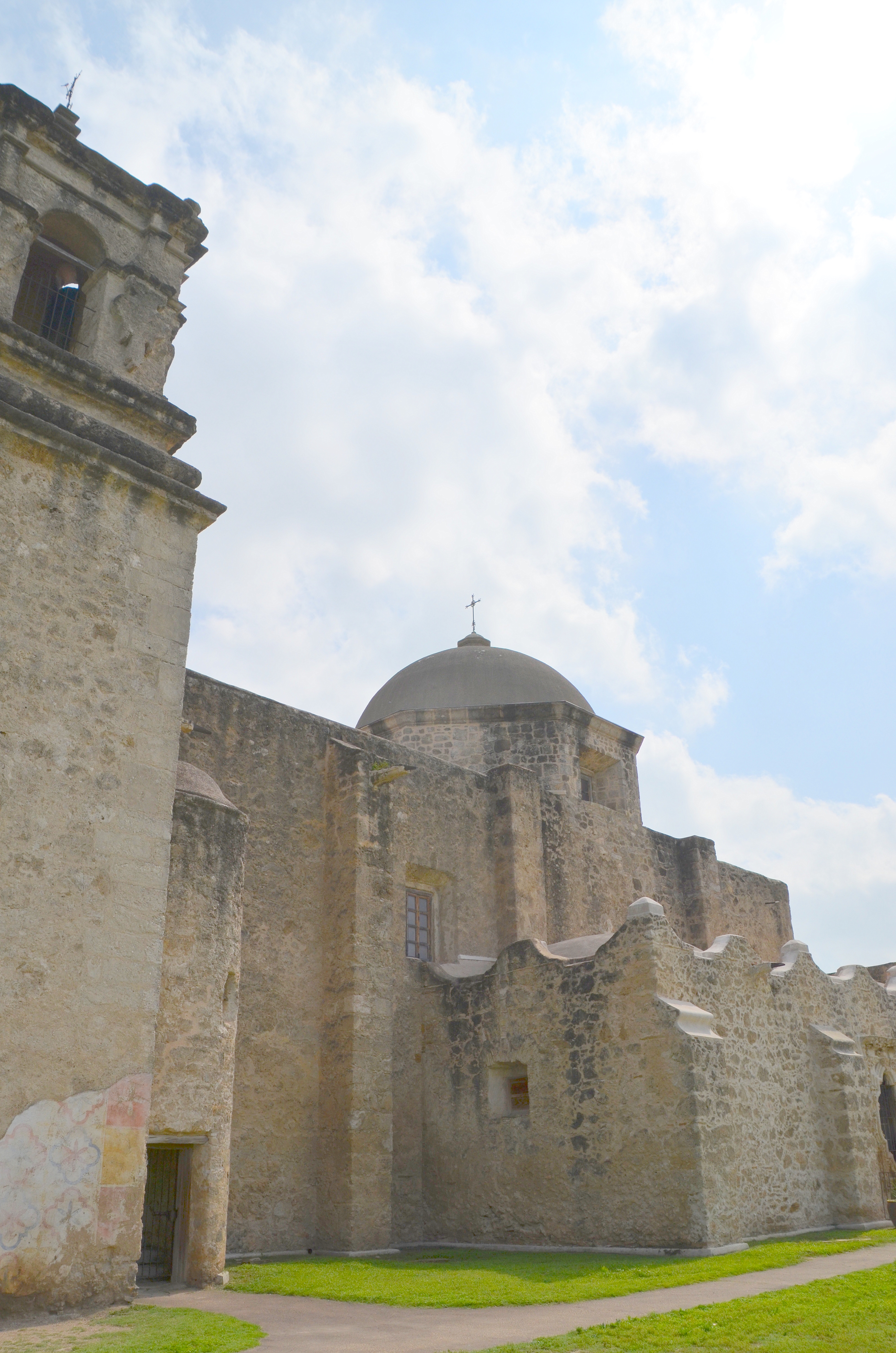
Mission San Jose y San Miguel de Aguayo – the “Queen of Missions”. This was my favorite stop on the trolley tour when I was in San Antonio at the end of April.
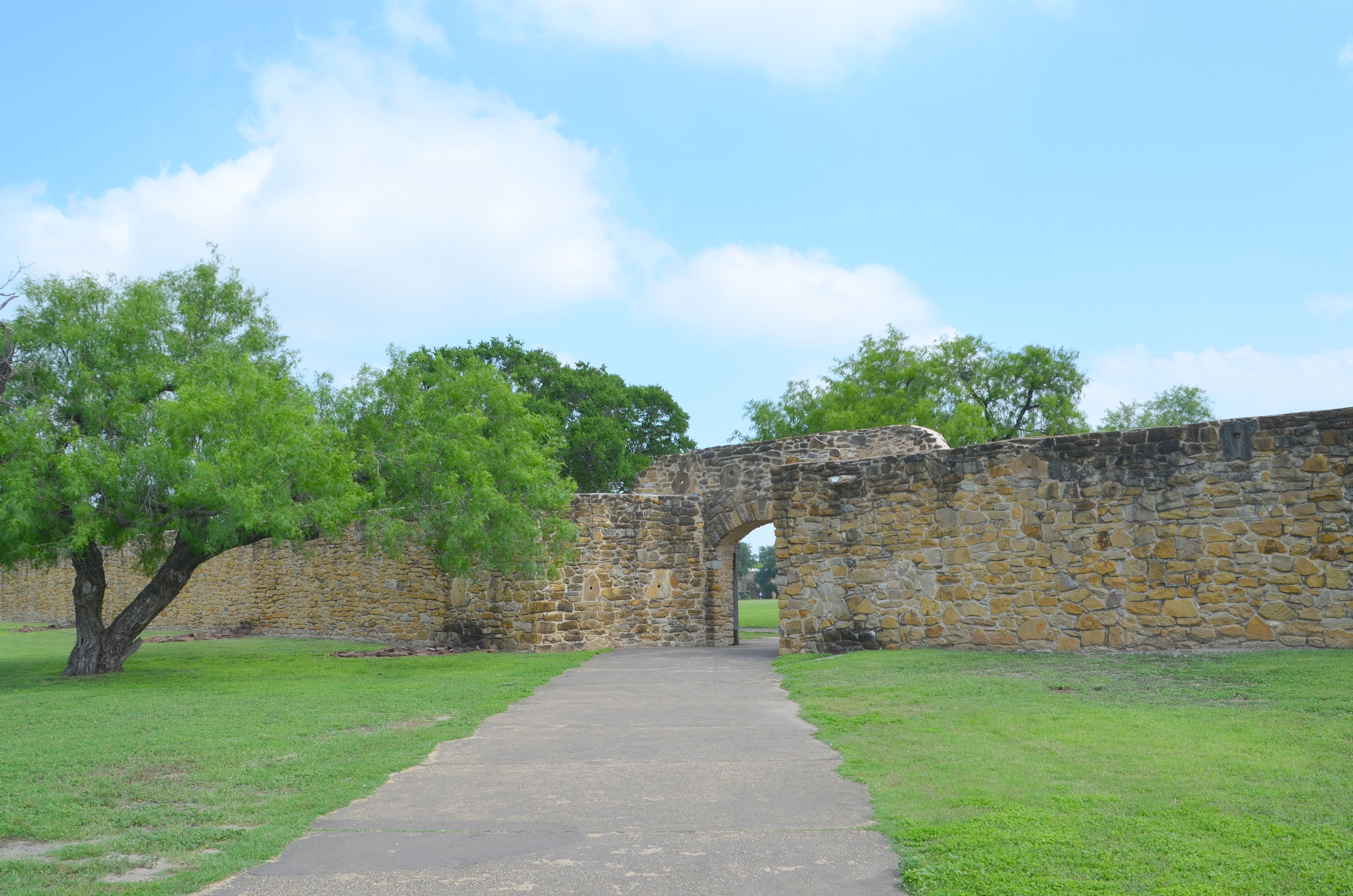
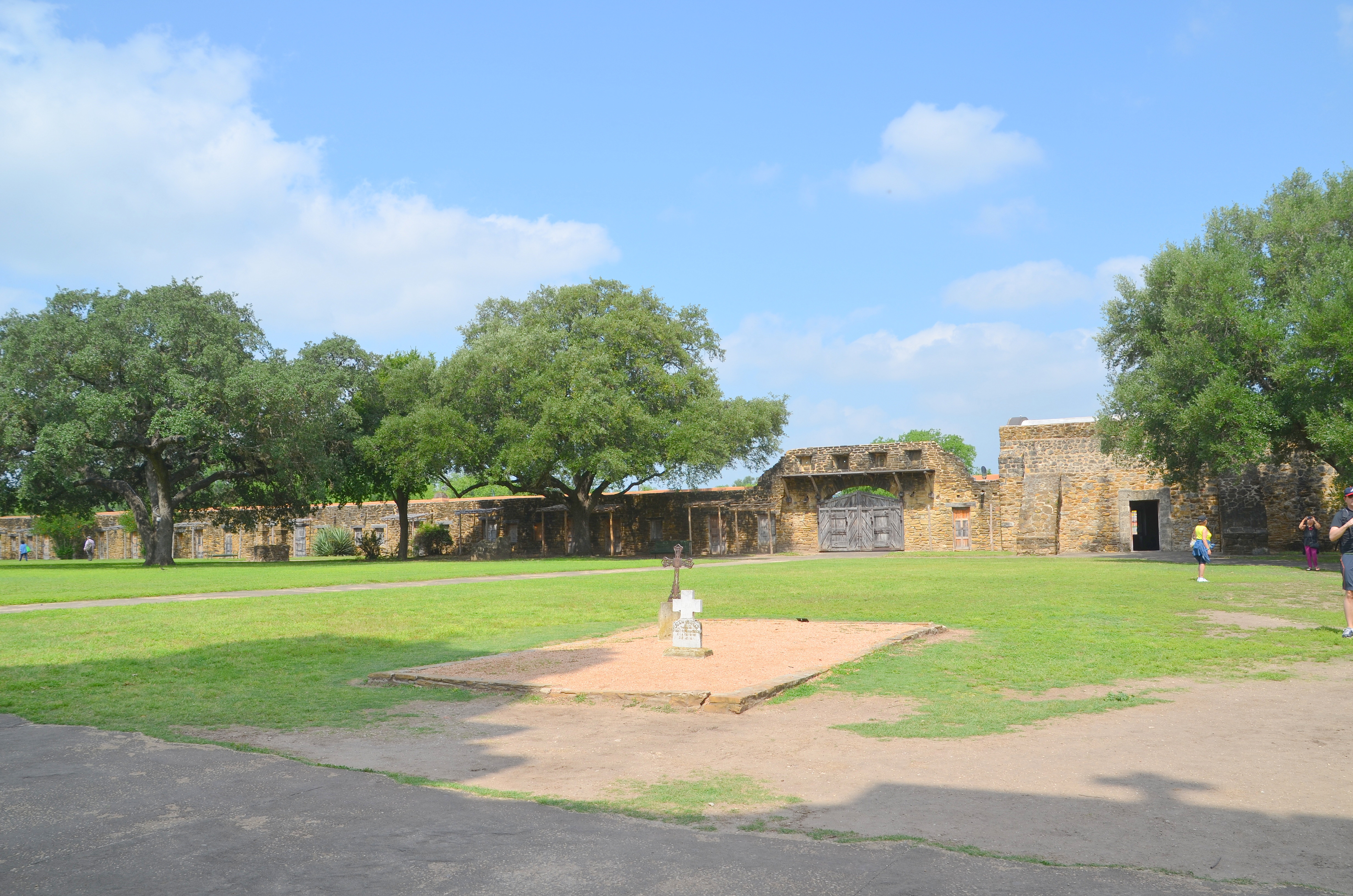
The Mission grounds with it’s massive stone walls were built for defense of the community that lived on the grounds.
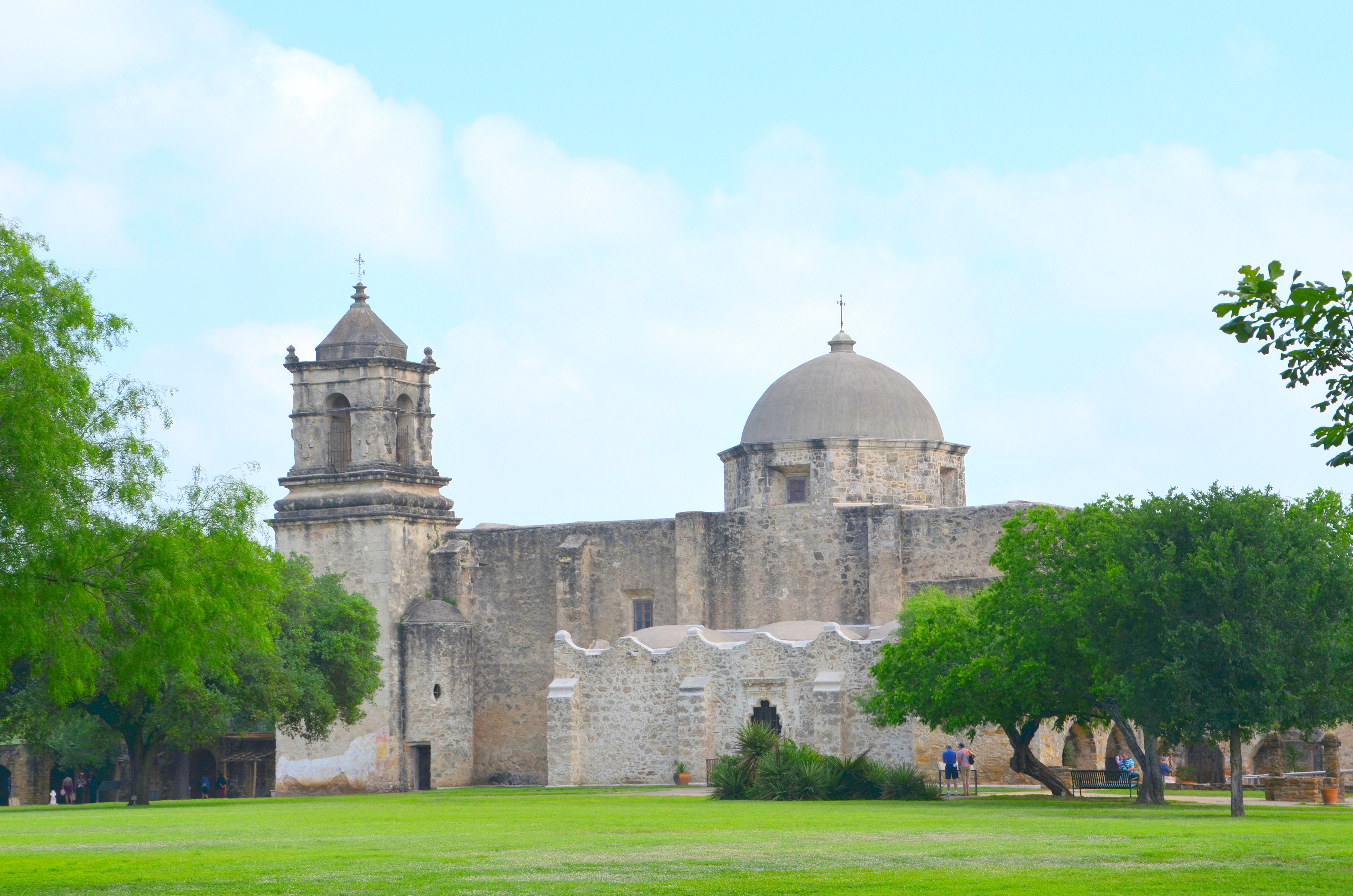
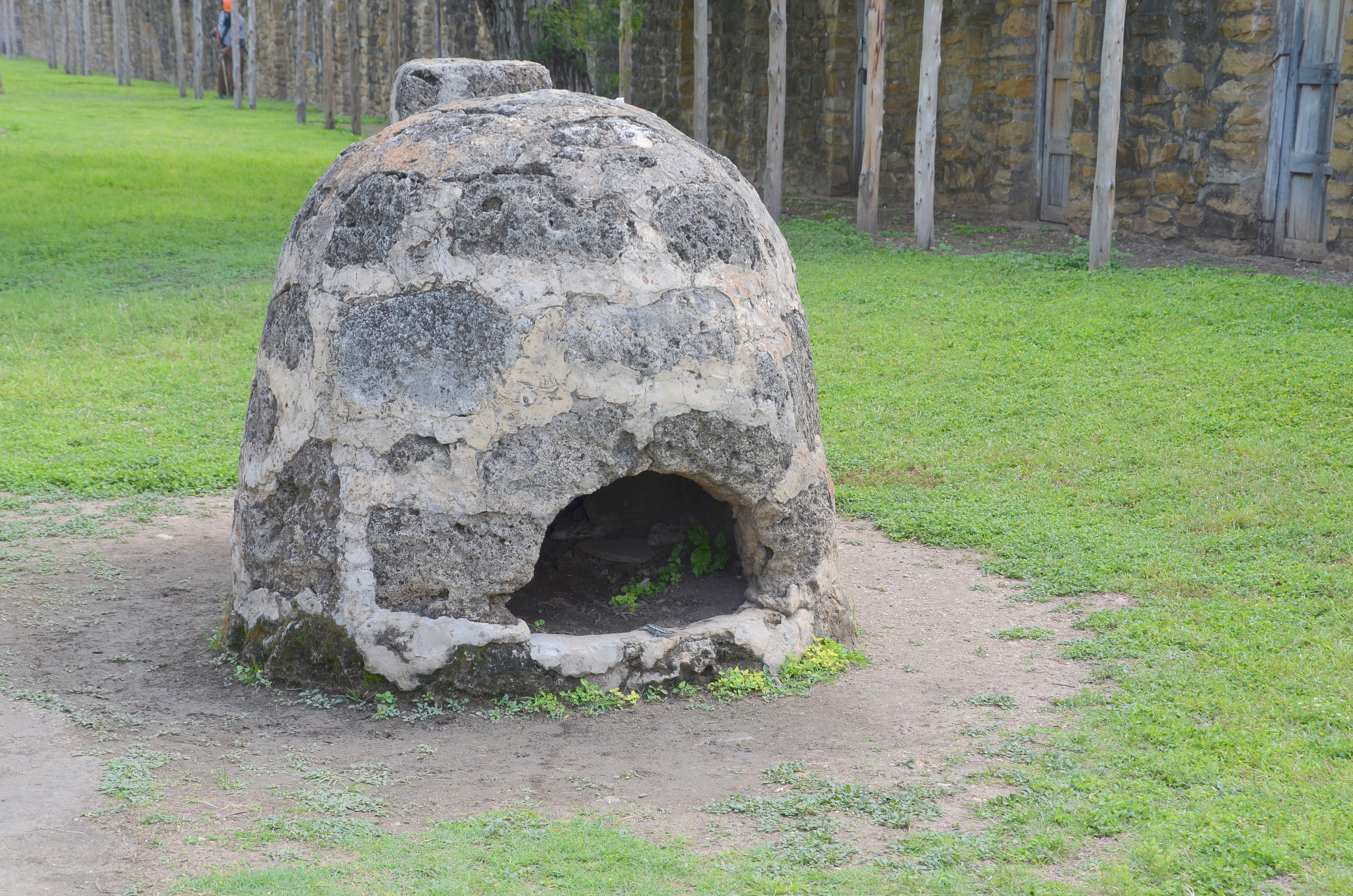
San José, as it became known, was the largest of the missions in the area. At its height, the community contained about 350 Indian neophytes, sustained by extensive fields and herds of livestock. Viewed as the model among the Texas missions, San José gained a reputation as a major social and cultural center. It became known as the “Queen of the Missions.” Its imposing complex of stone walls, bastions, granary, and magnificent church was completed by 1782.
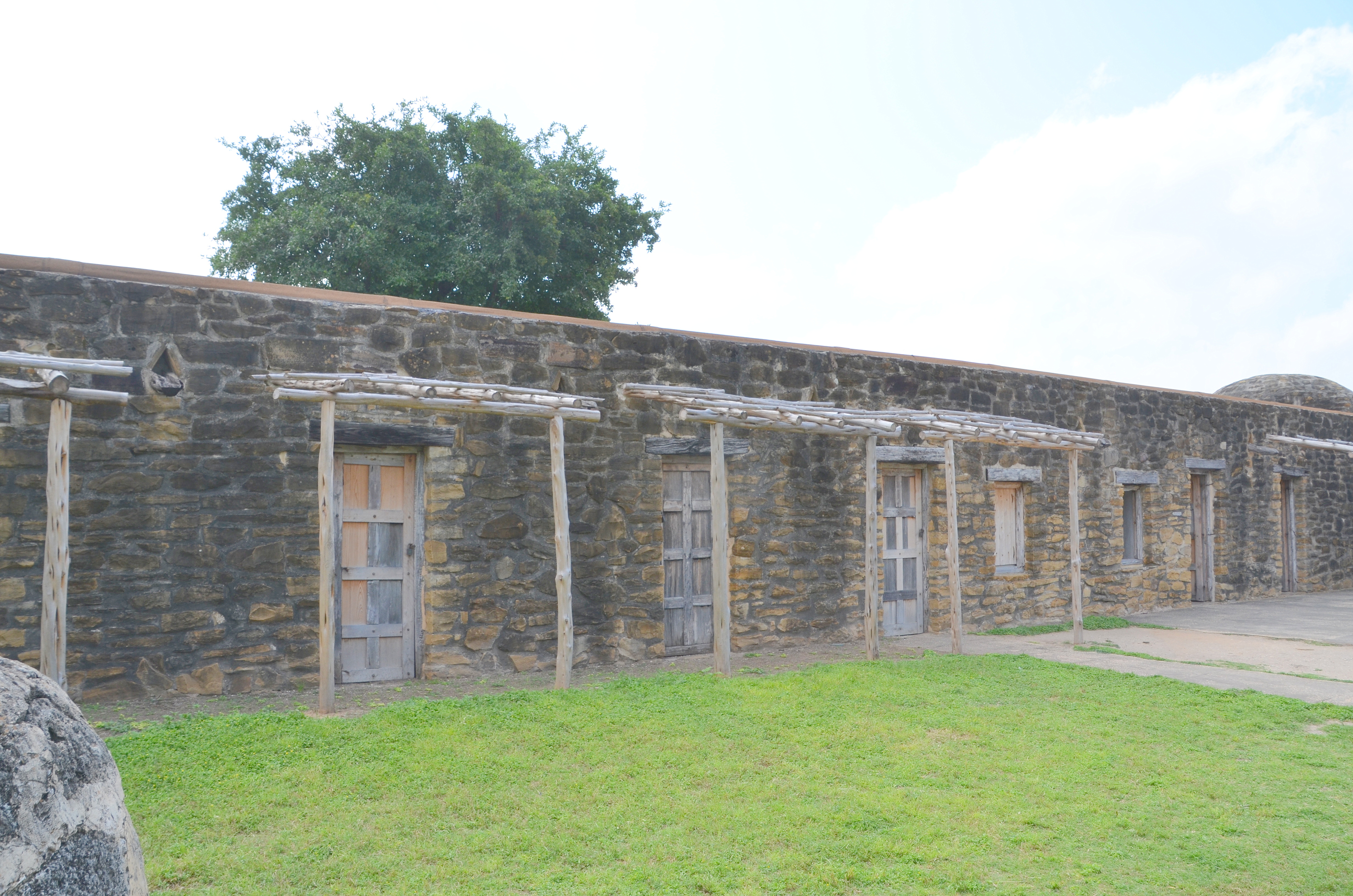
Along the walls were 84 two room humble apartments for the Indian residents.
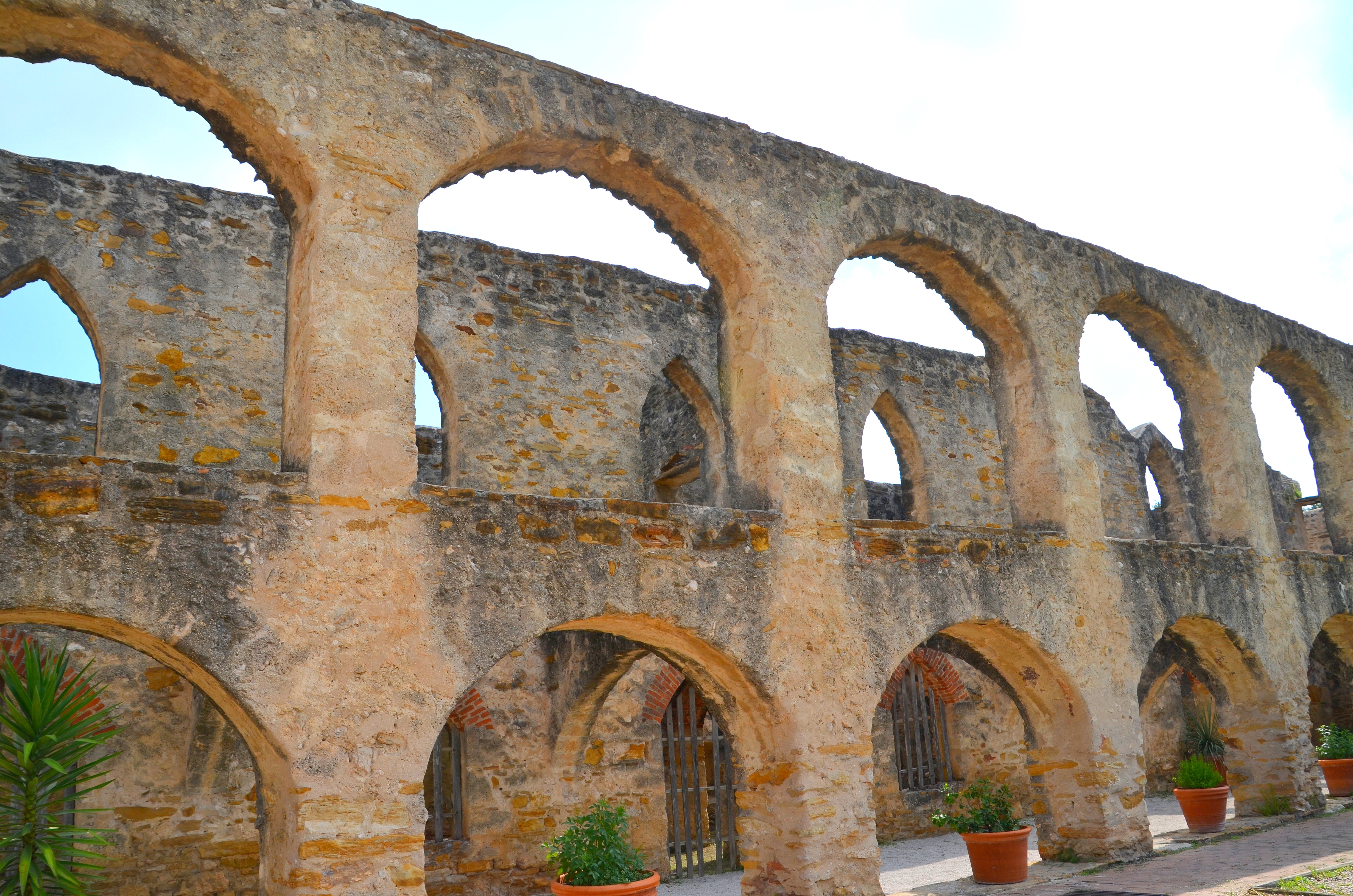
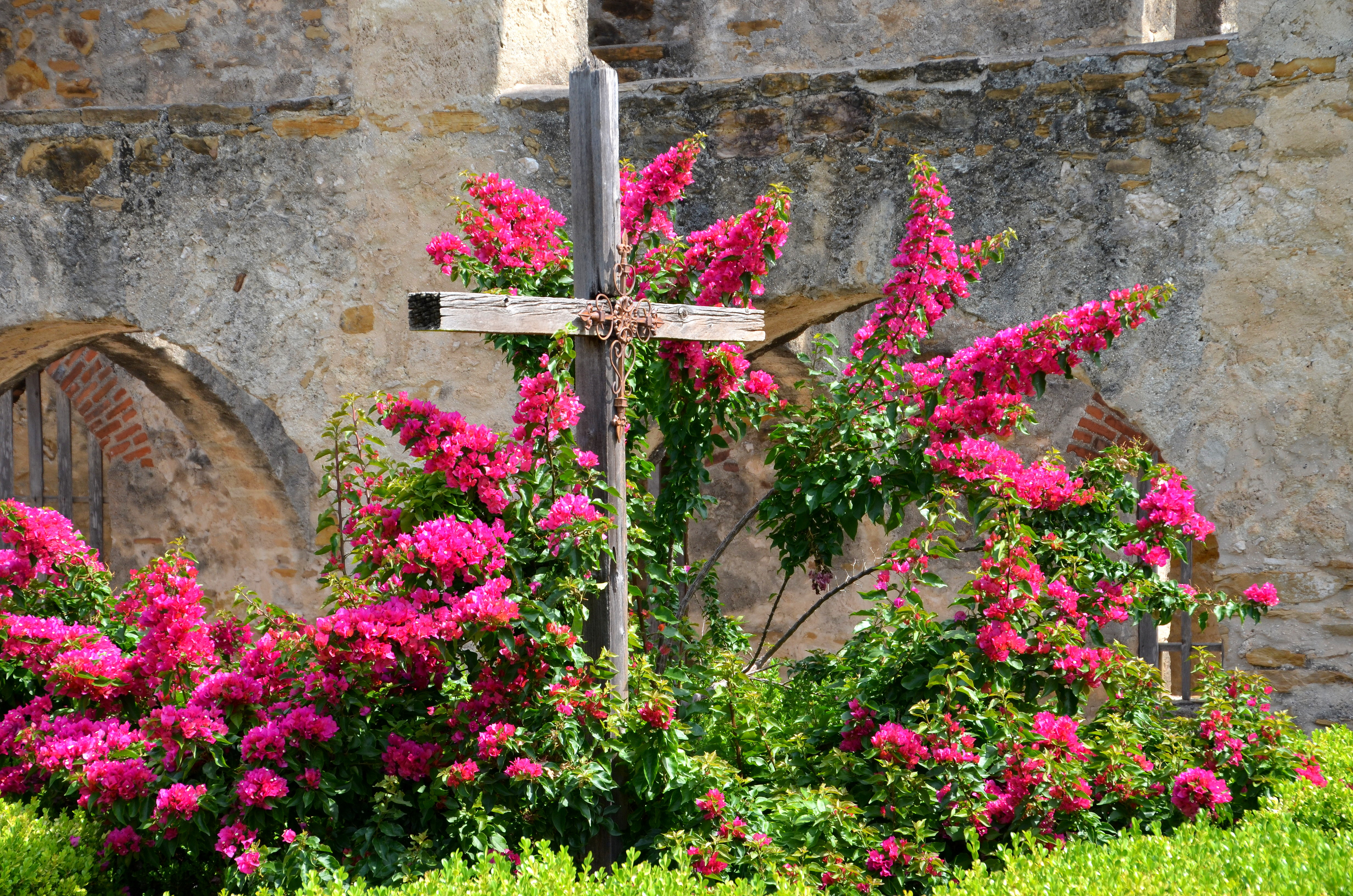
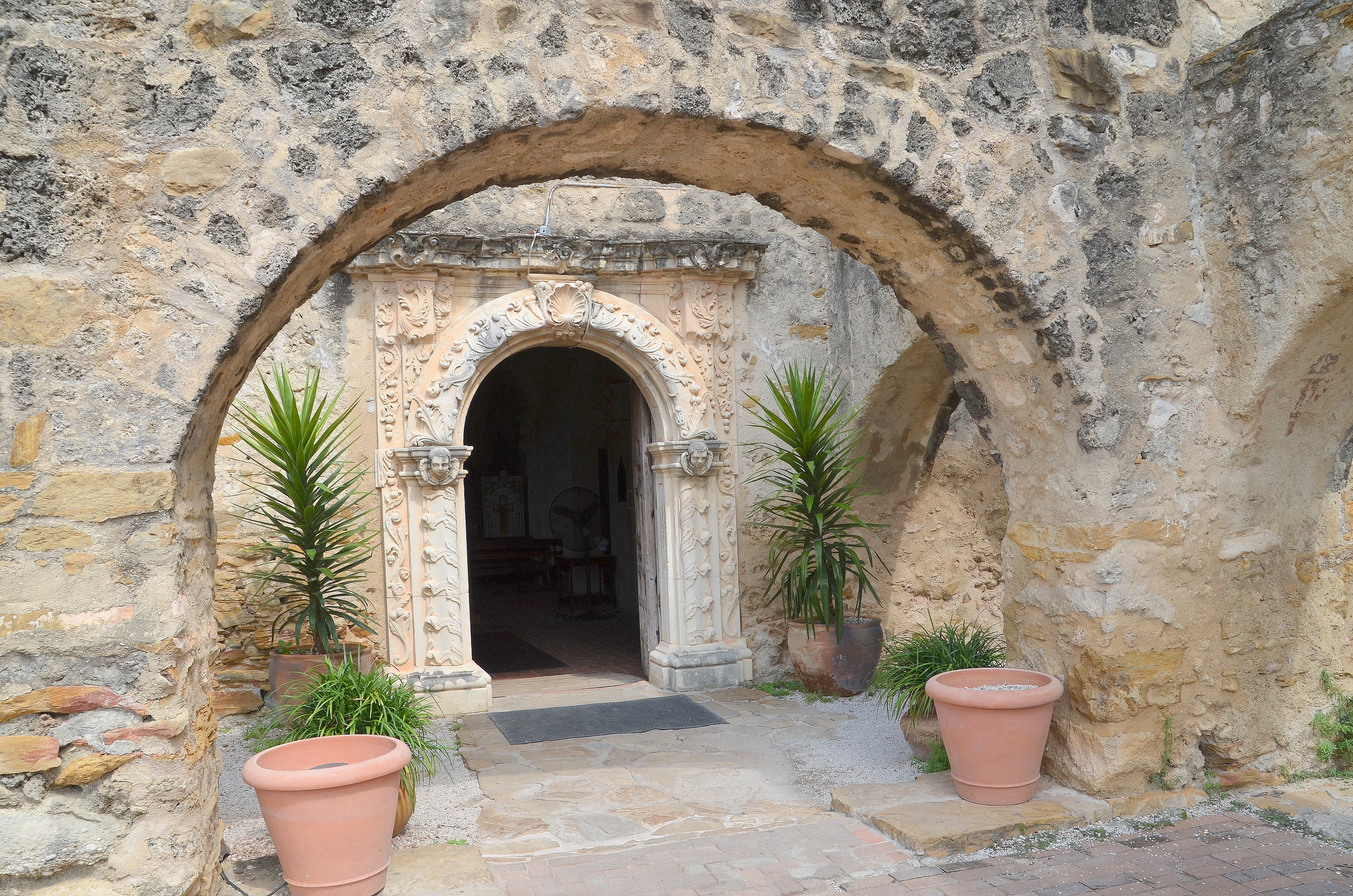
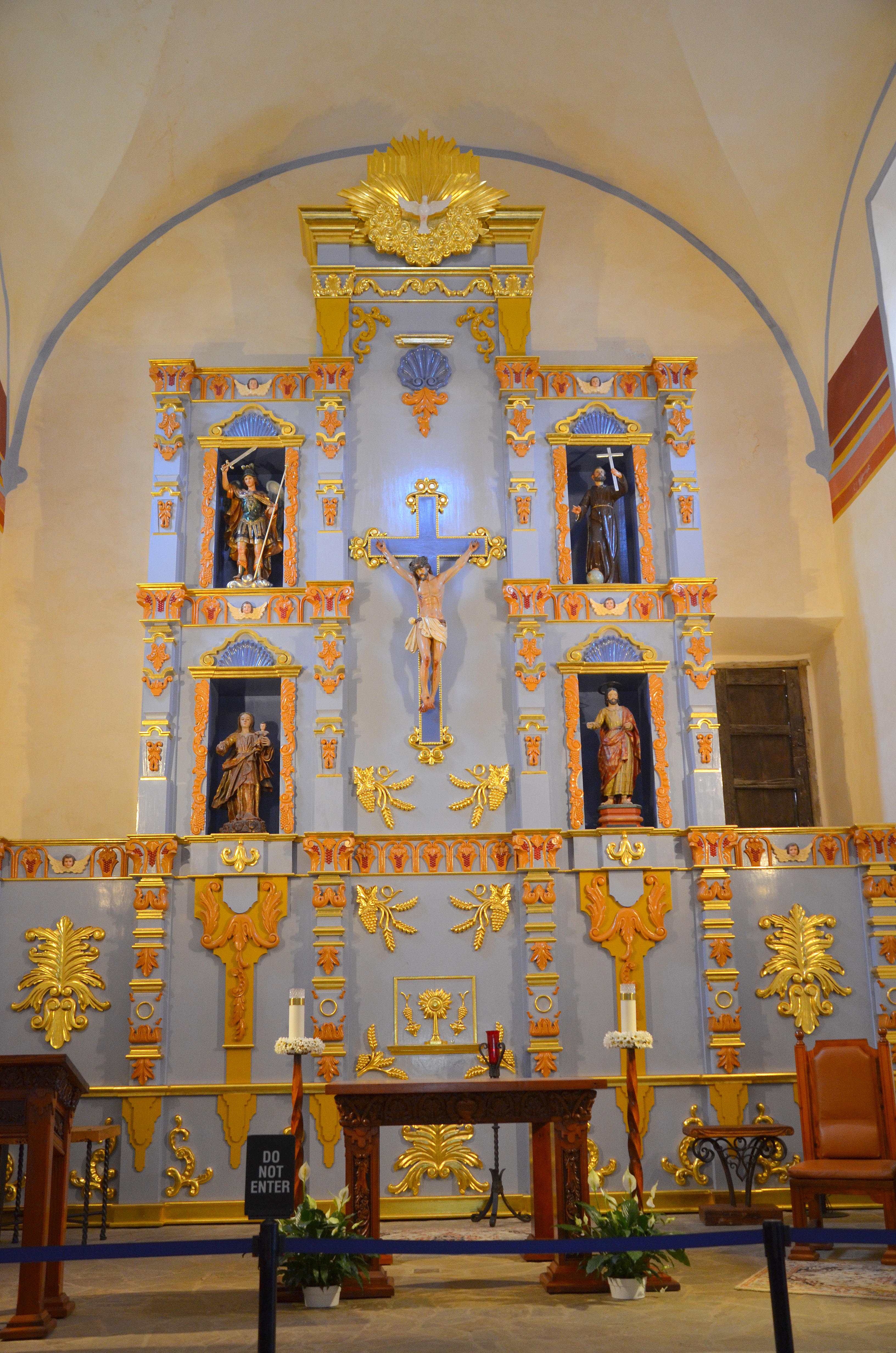


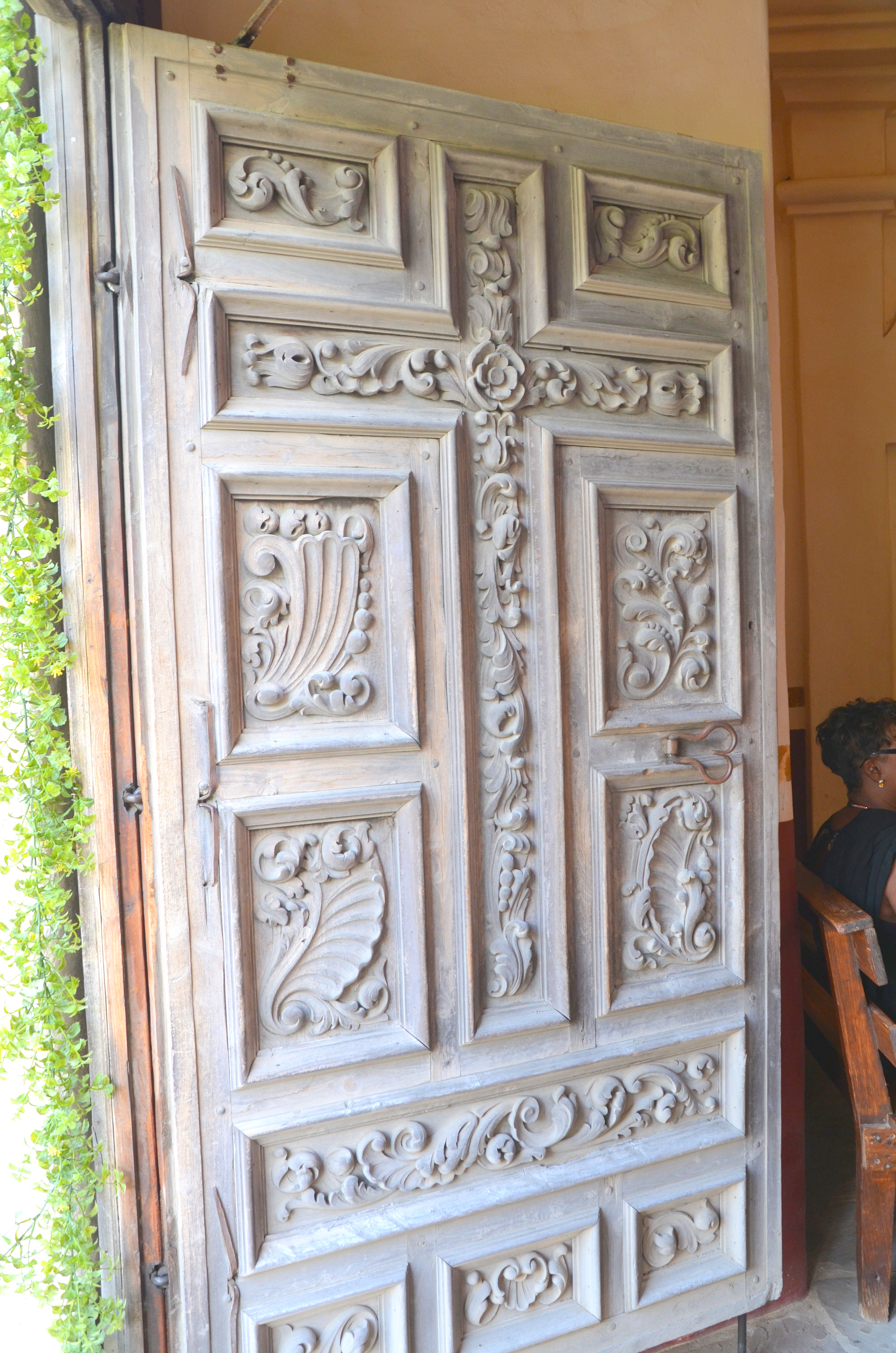

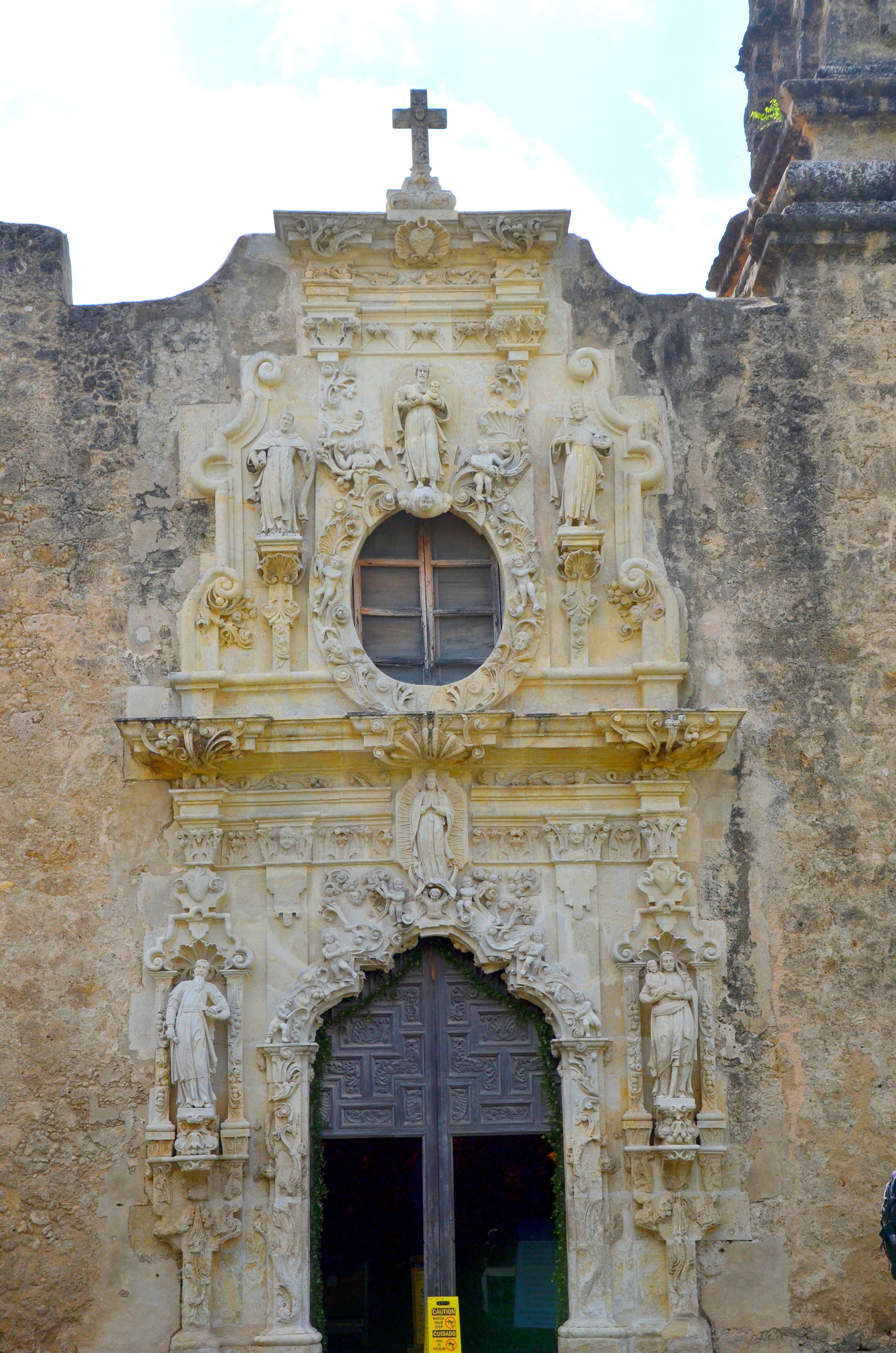

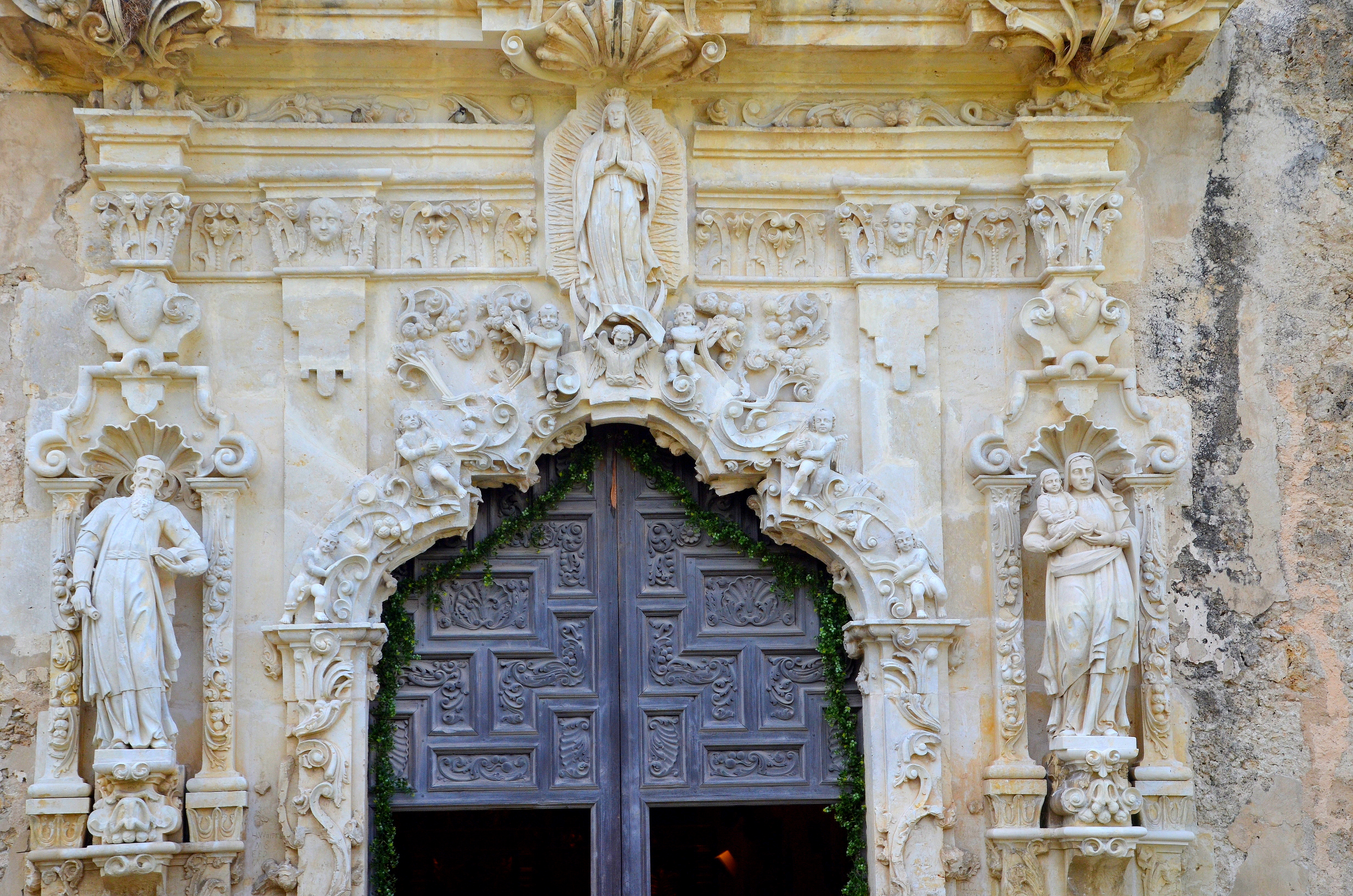
Fine carvings on the facade of Mission San José Church gave it the title, “Queen of the Missions”.
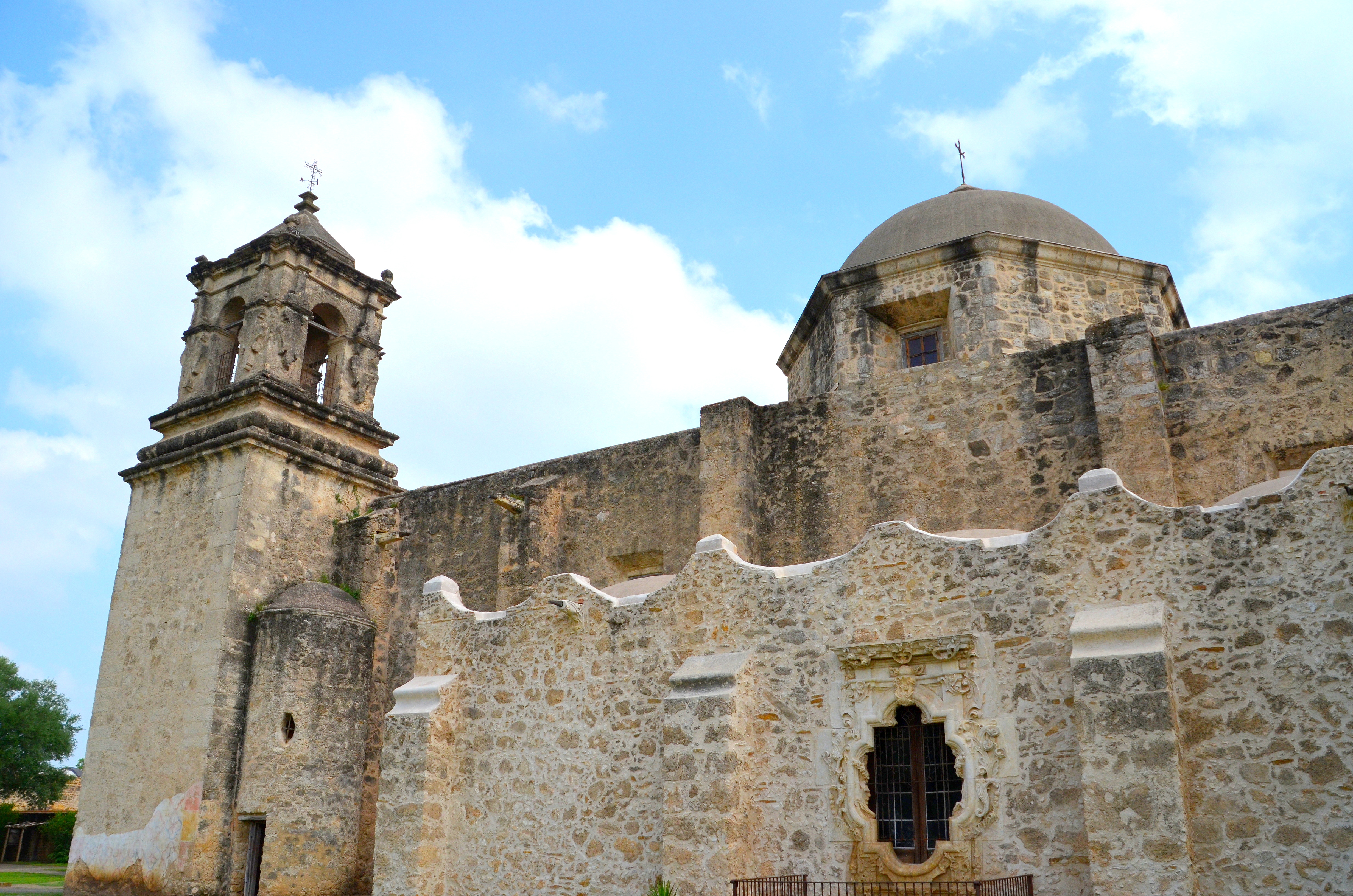
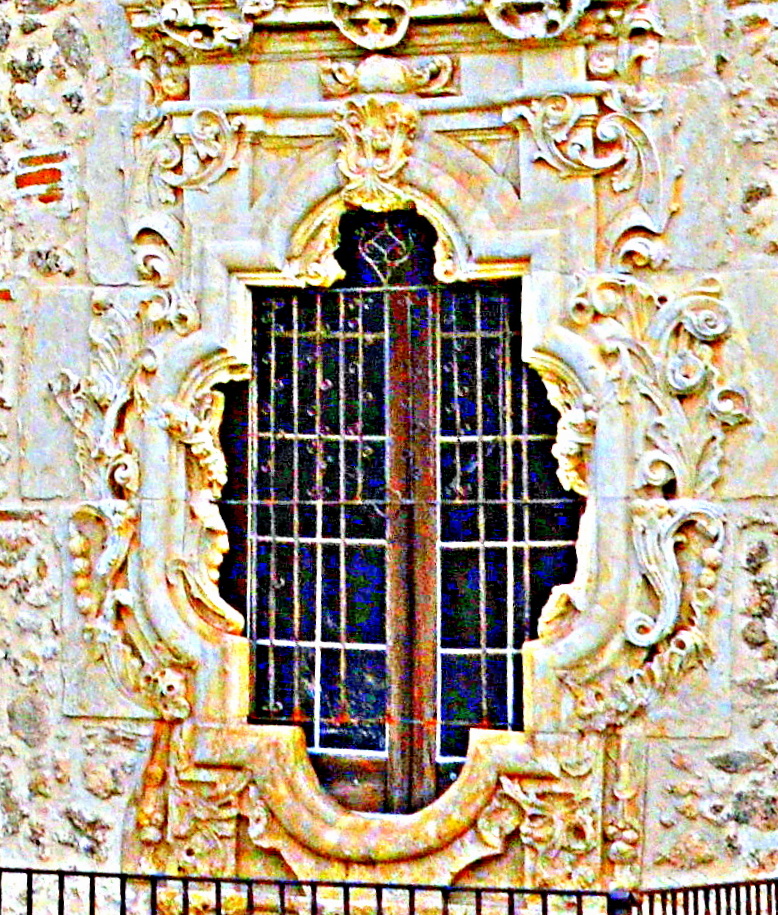
La Ventana de Rosa, the Rose Window, is located on the south wall of the church sacristy. The window has been described as the site where the Host was shown to gathered mission celebrants during the Feast of Pentecost.
The window, sculpted ca. 1775, has been the object of both legend and admiration. It is considered one of the finest examples of baroque architecture in North America. The meaning behind the name is currently unknown, but legend has it named for Rosa, the betrothed of Juan Huizar who many believe created the window.
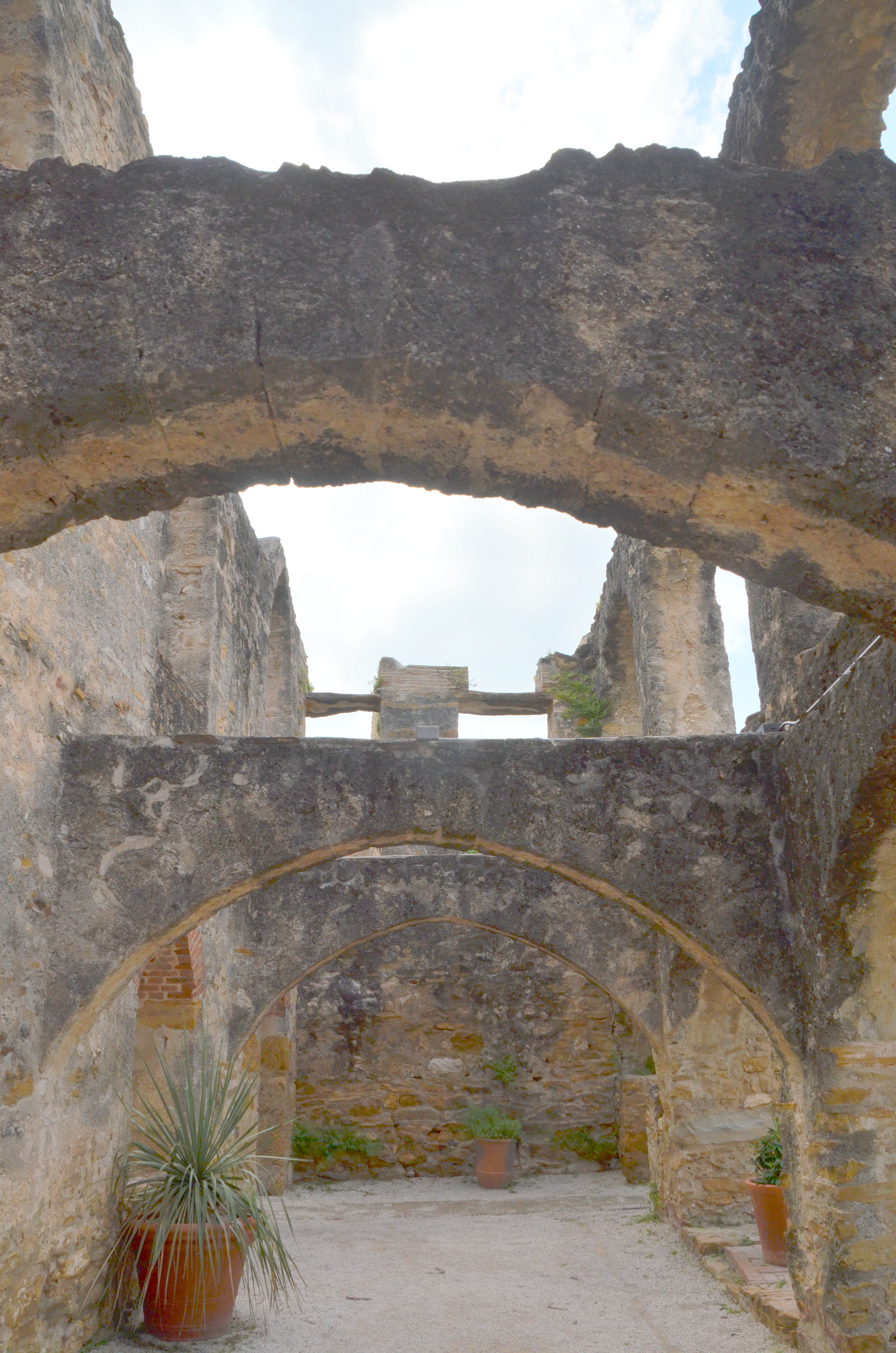
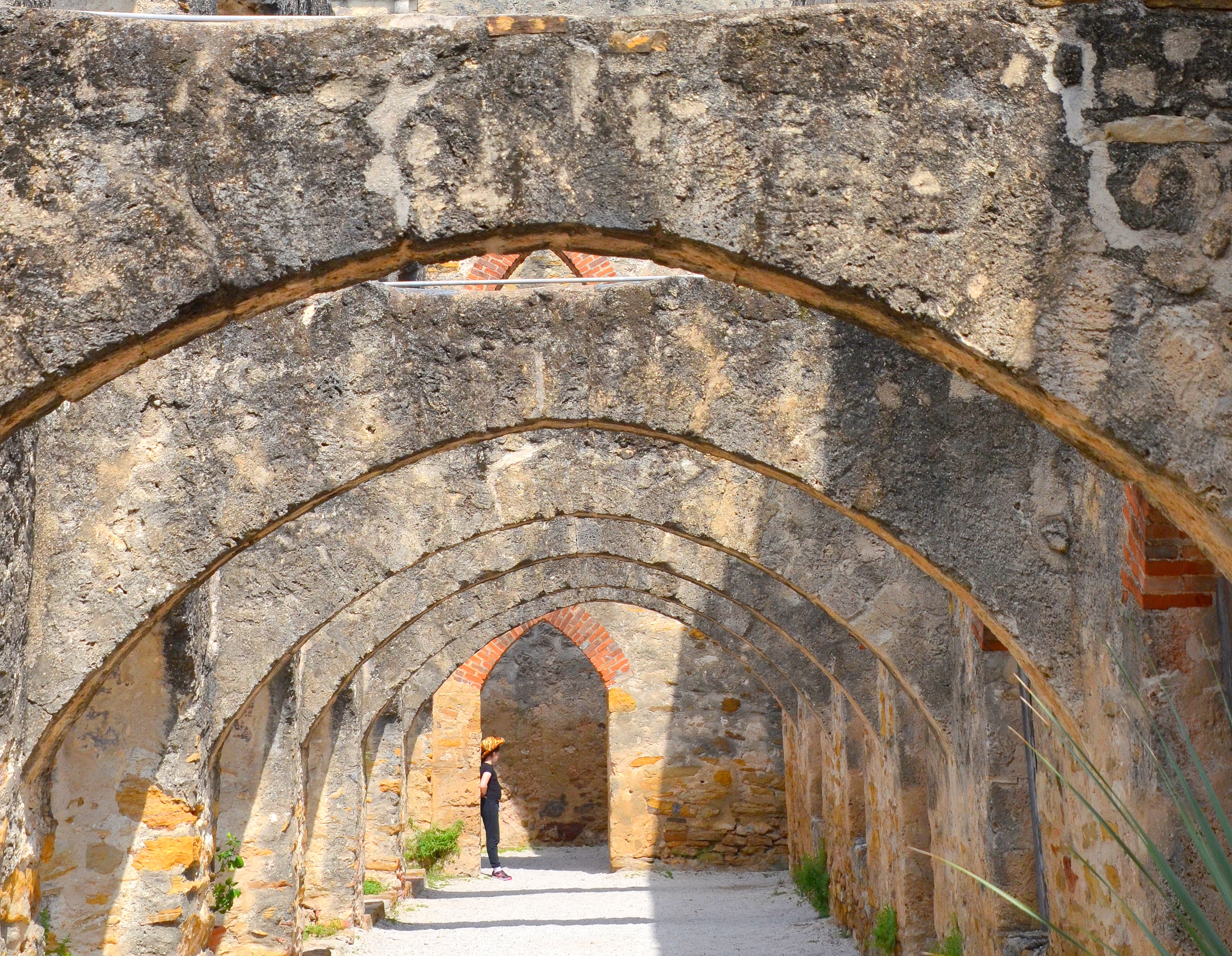
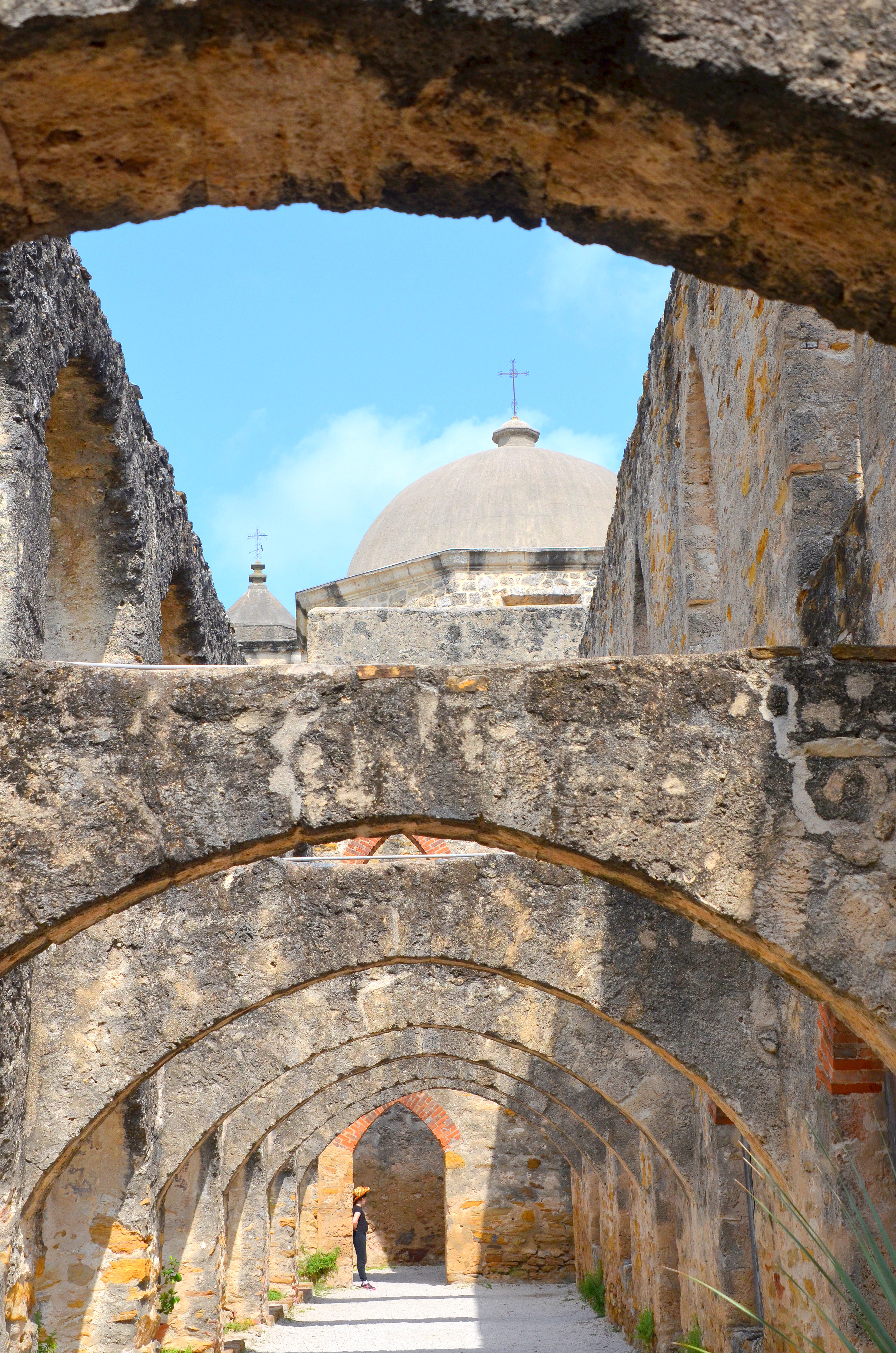
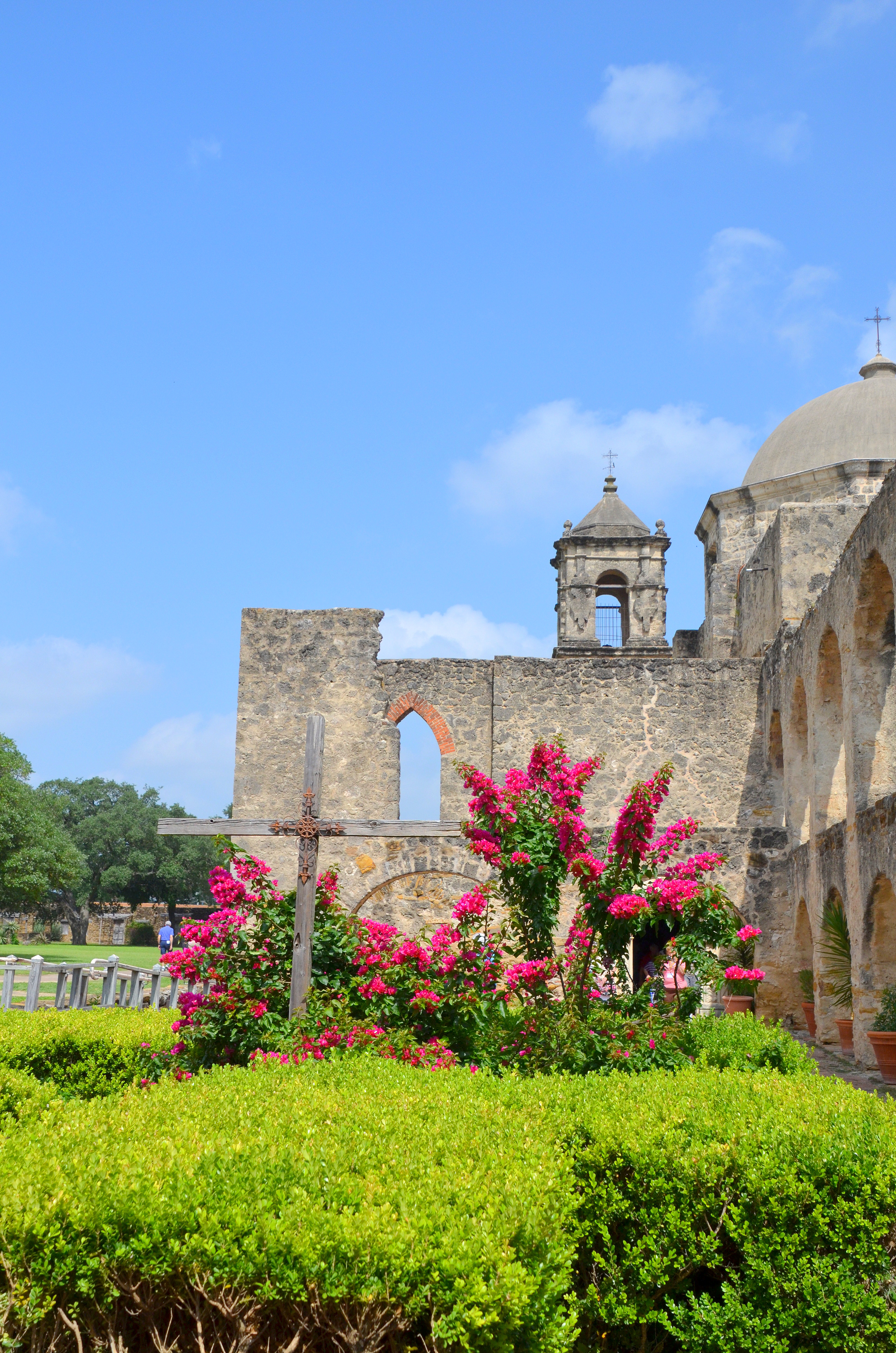 Much of what is visible today at Mission San José was reconstructed by the Works Progress Administration in the 1930s. The Archdiocese of San Antonio and San José parish are responsible for any maintenance and preservation work needed on the church structure itself. About 80% of the church is original. The National Park Service, with help from taxpayers and the park’s friends group, Los Compadres, is responsible for the the extant structures and historical landscape.
I’m linking this post to Tuesday’s Treasures hosted by Tom The Backroads Traveler and to ABC Wednesday started by Mrs. Nesbitt and carried on by Roger and a team of ABC’ers. S is for San Jose, San Antonio, San Miquel de Aguayo and Stone Walls.
If you want to read more about this treasure click the National Park Service link above. I have more posts to share from my time in San Antonio.
We are in a cooler pattern this week in the Seattle area with some light rain which is more typical for this time of year. It’s nice not to have to water my plants. What’s going on in your corner of the world?
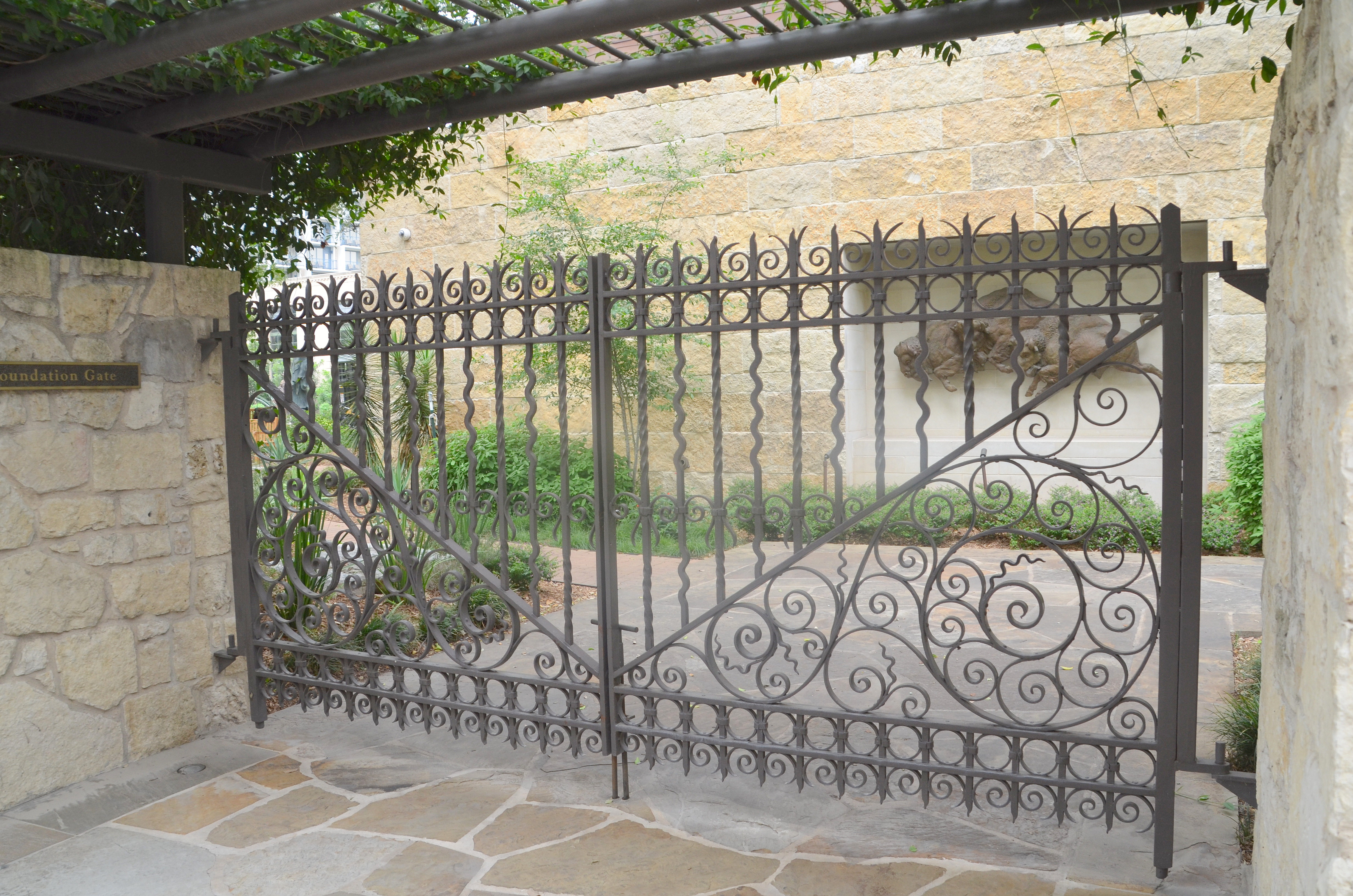
This first gate is from the Briscoe Western Art Museum the rest of the gates and fences are from Mission San Jose in San Antonio, Texas.
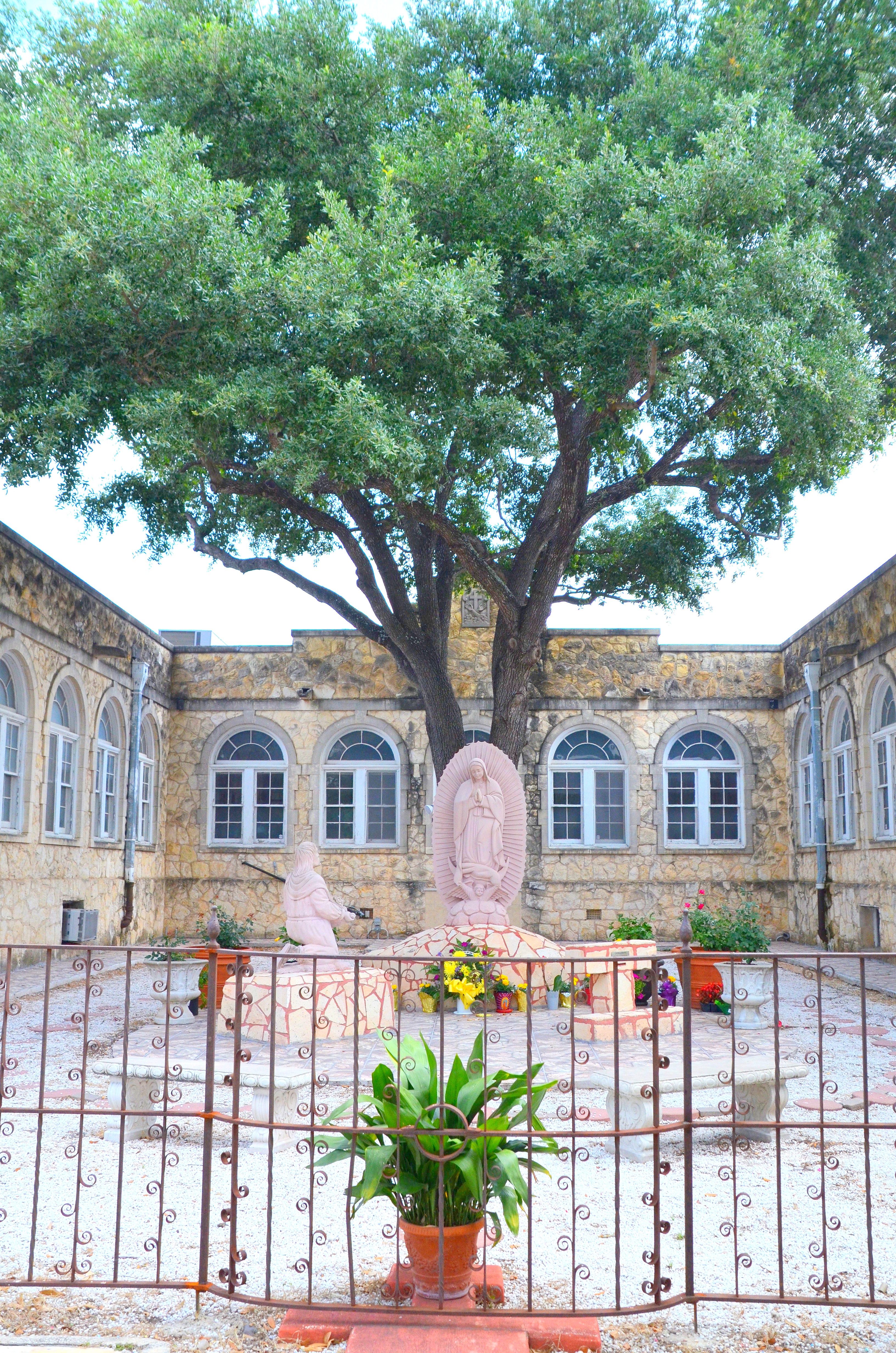
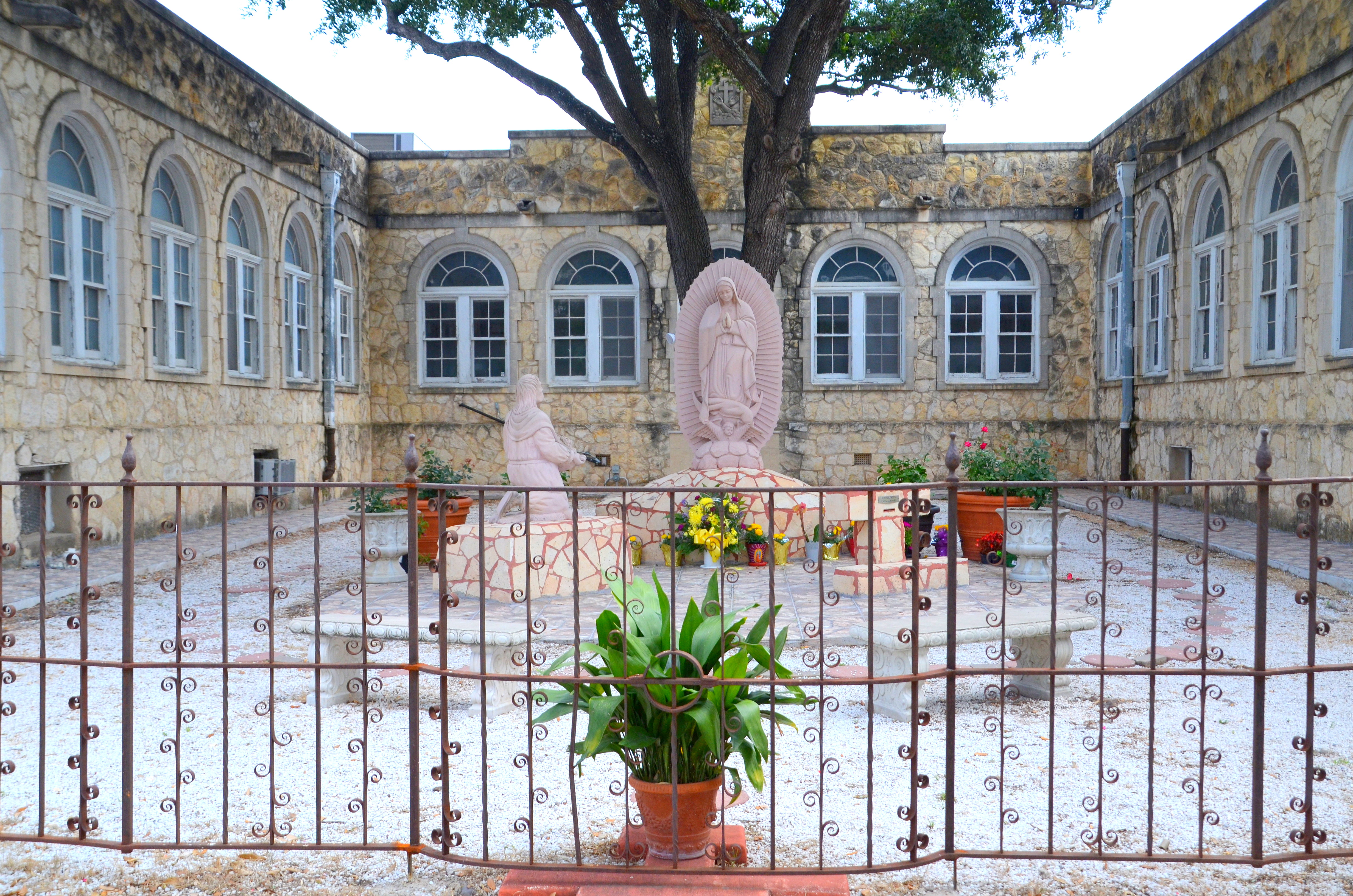
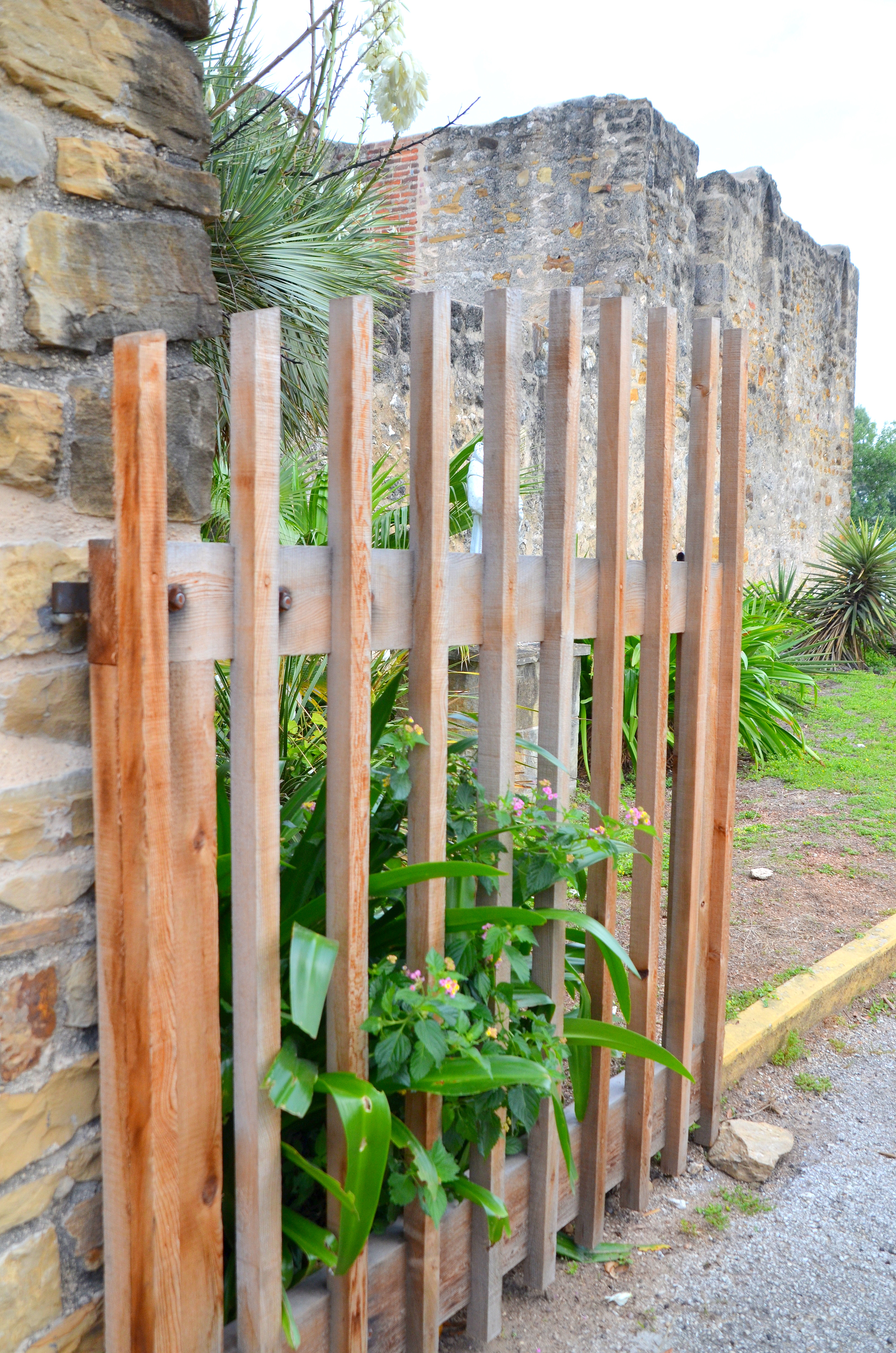 I will be sharing a full post on Mission San Jose soon.
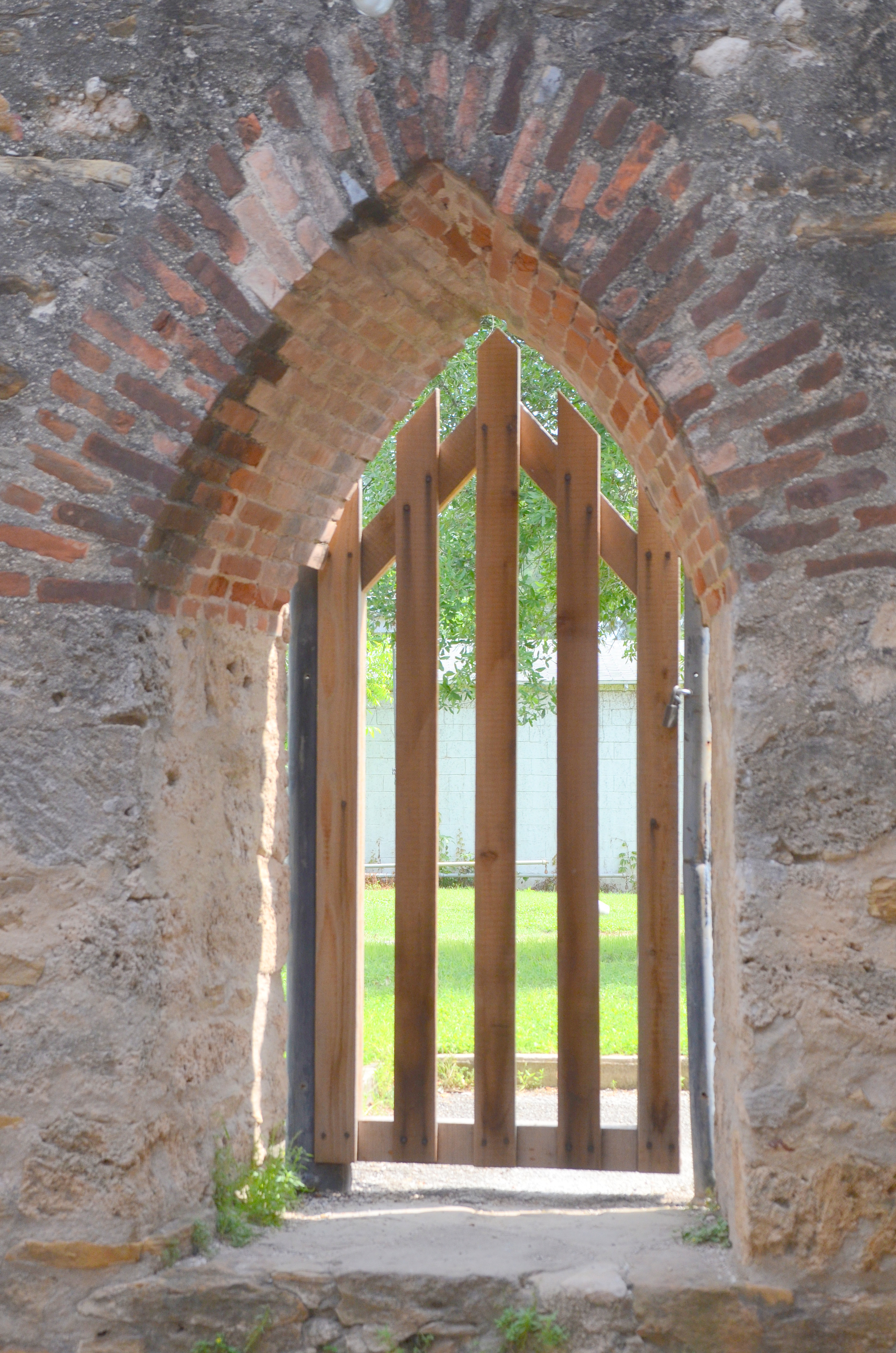 Linking up to Good Fences #112 with TexWisGirl at Run*A*Round Ranch Report.
Another sunny stretch here in the Seattle area. I hope May isn’t stealing our summer this year. Today I have to give our lawn a haircut and fill the larders. What are you up to?
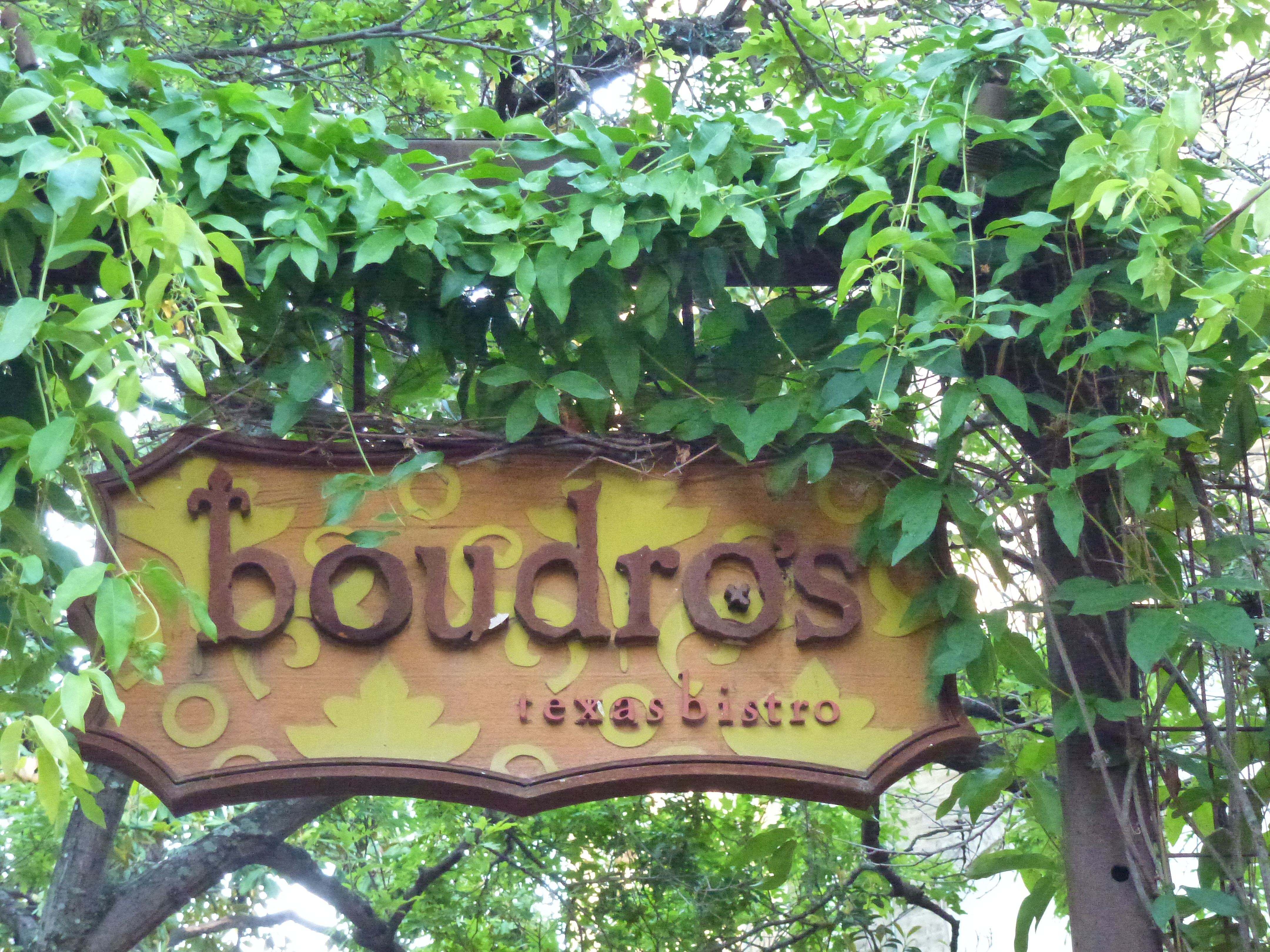
One of the mornings we were in San Antonio we walked from the car rental agency back to the hotel and we saw these signs. Boudros was along the River Walk and although we didn’t get a chance to eat there I am told they have a table side guacamole they are known for. Wish I had some right about now!

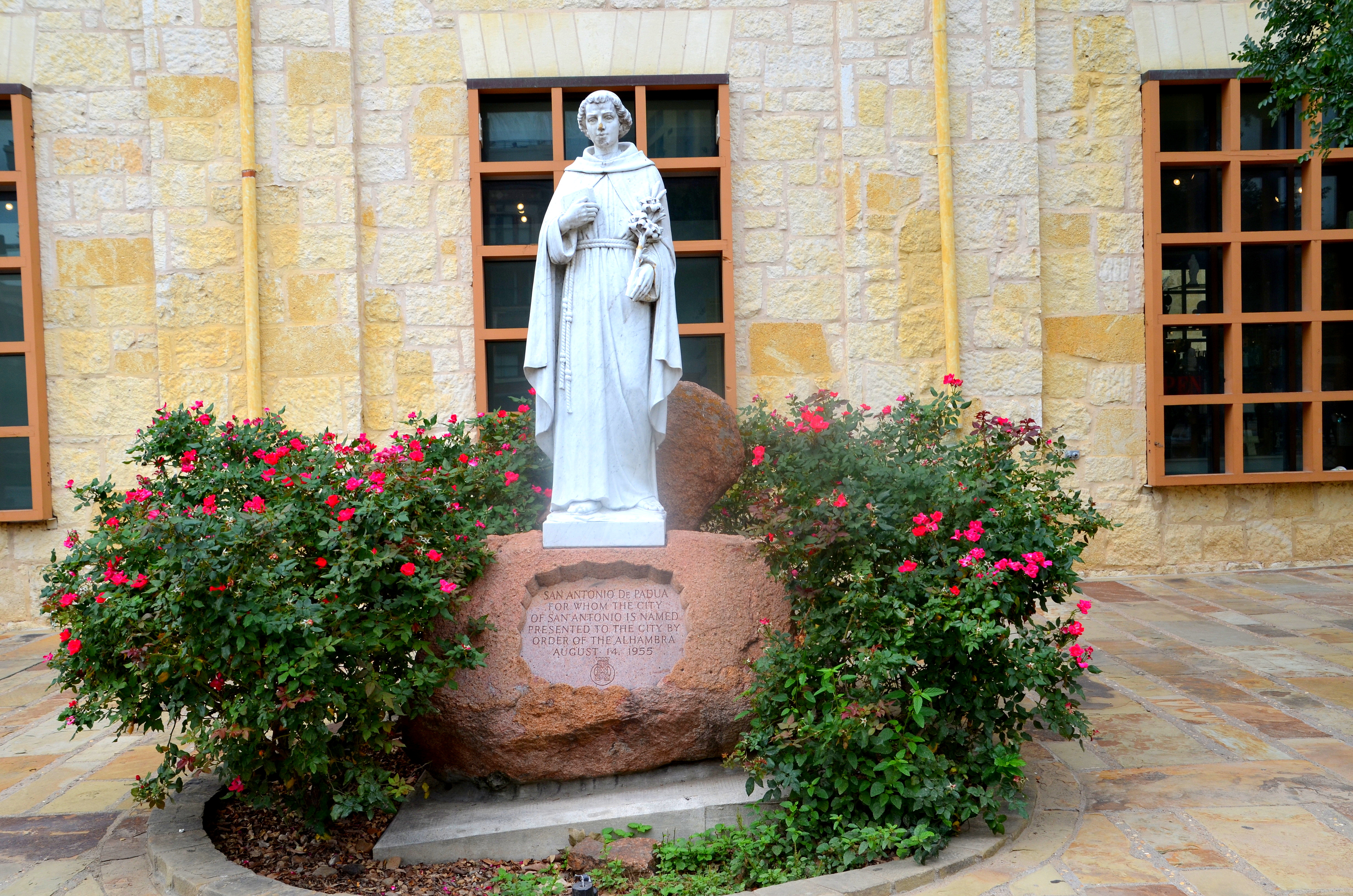
Here’s is who the city of San Antonio is named after…
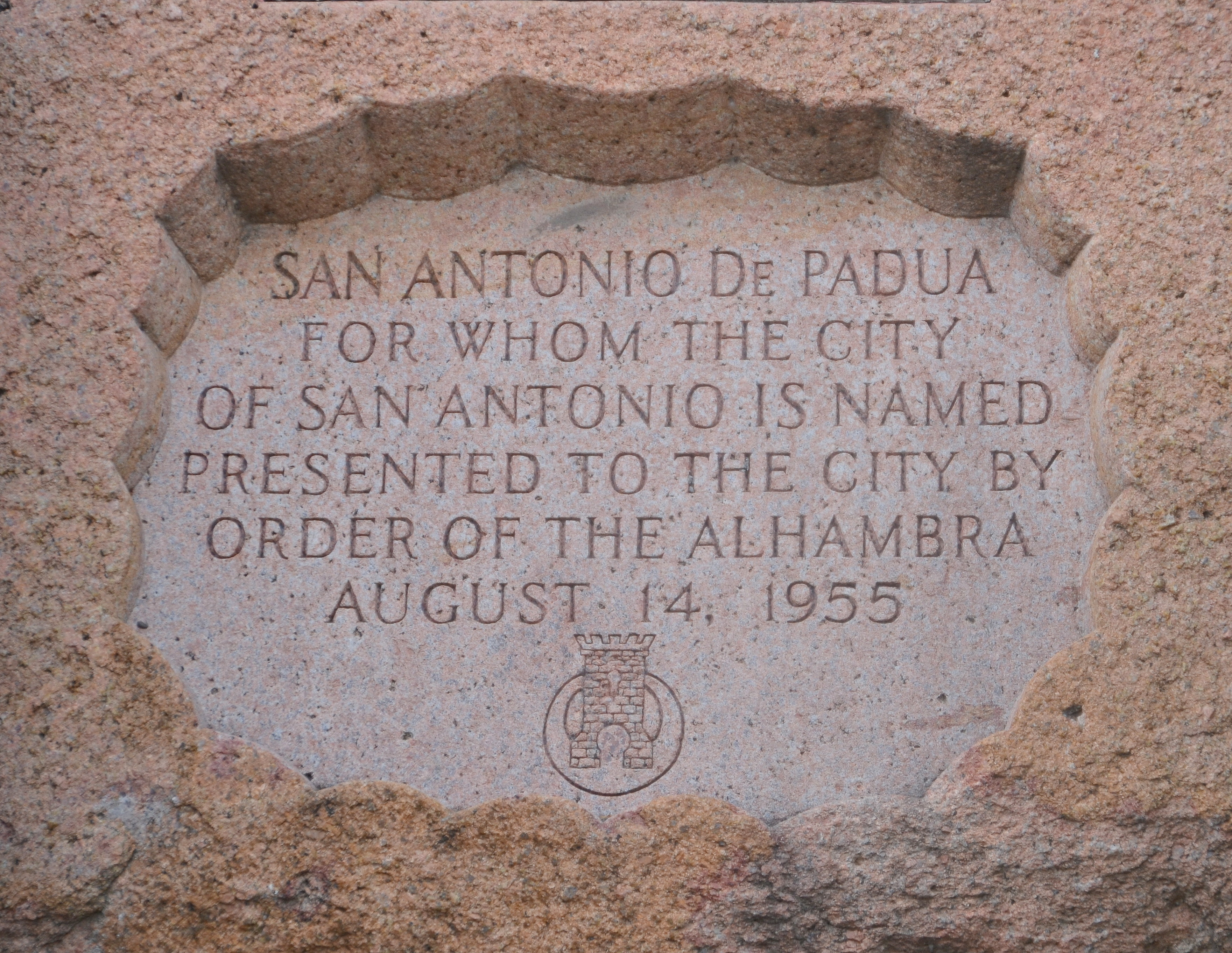
I’m linking up with Lesley for signs, signs.
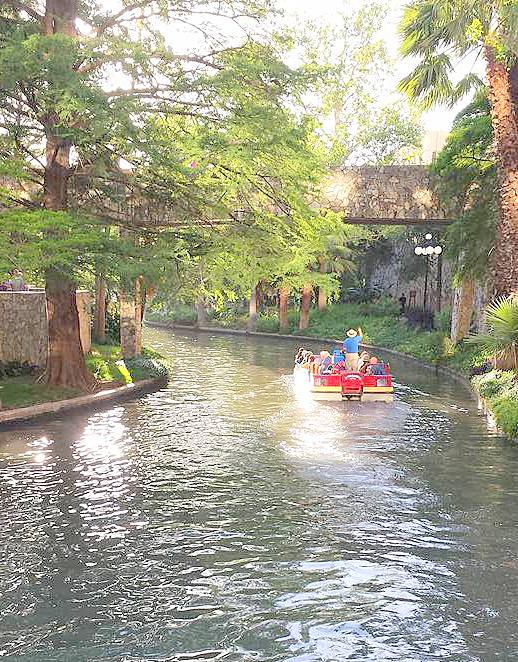
While in San Antonio, Texas a large tourist draw is the River Walk in the downtown area. They say it is the number one Tourist attraction in the state of Texas. I’m happy to have seen this area but it was not my favorite from my San Antonio experience.
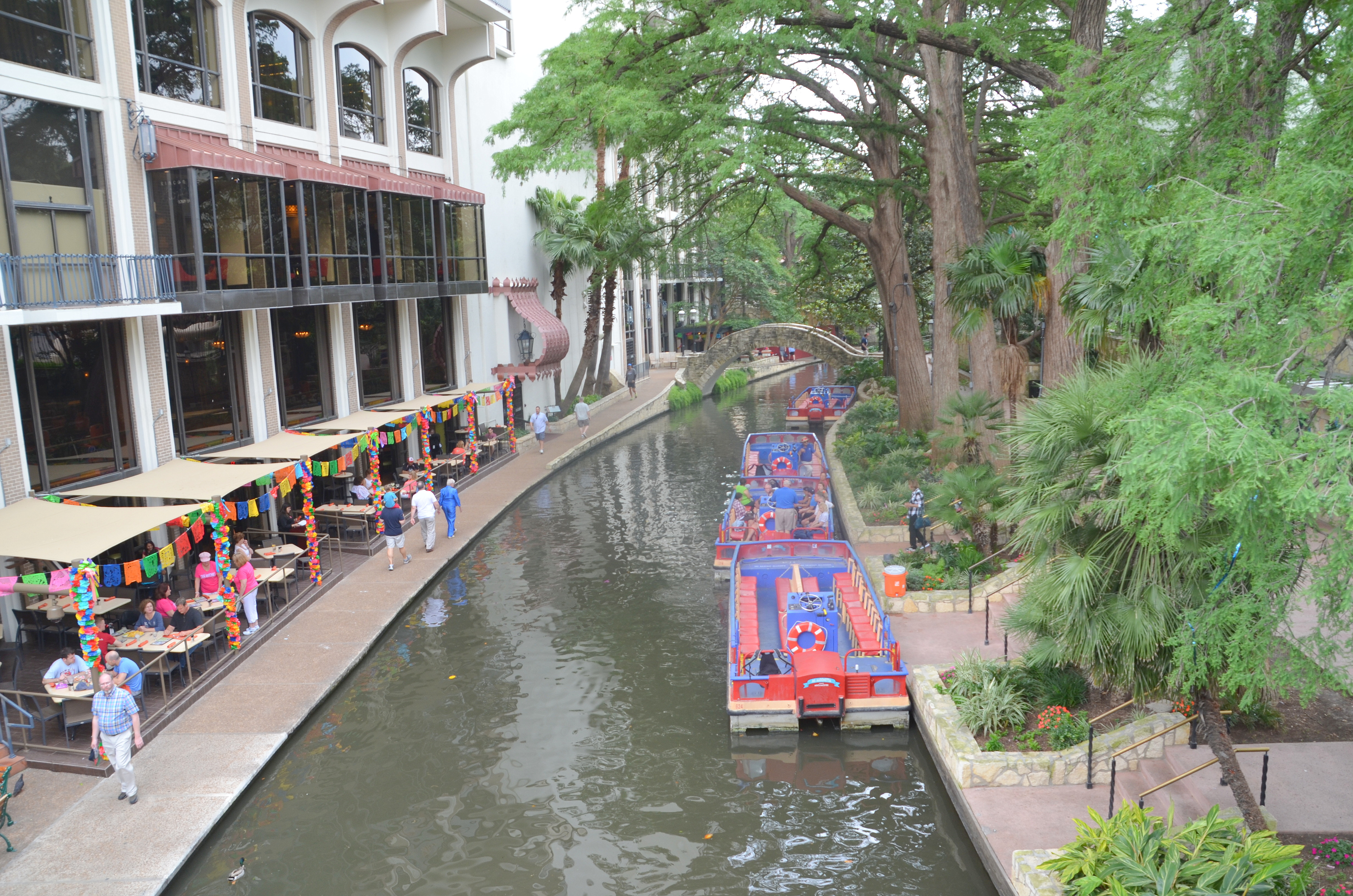
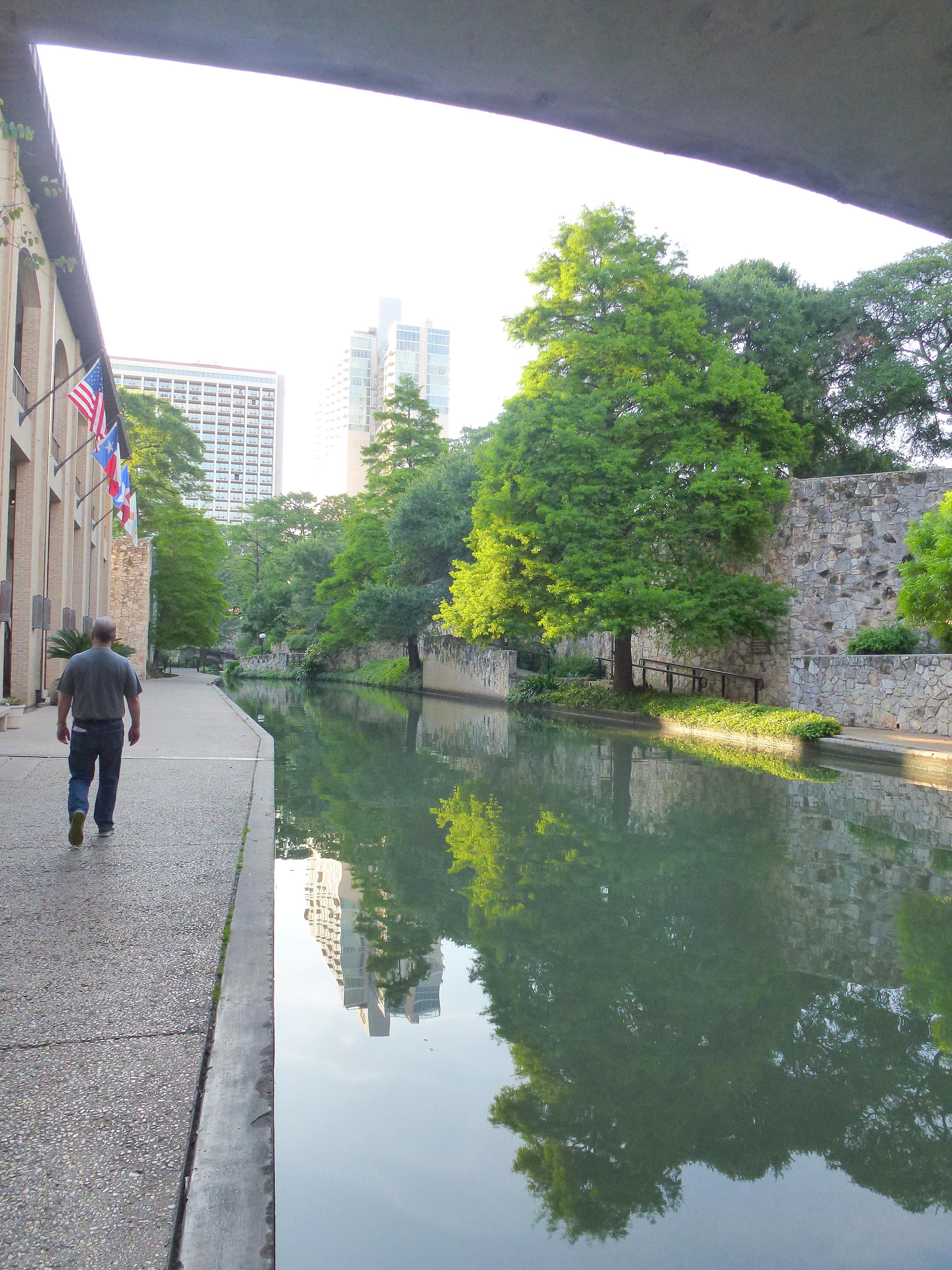
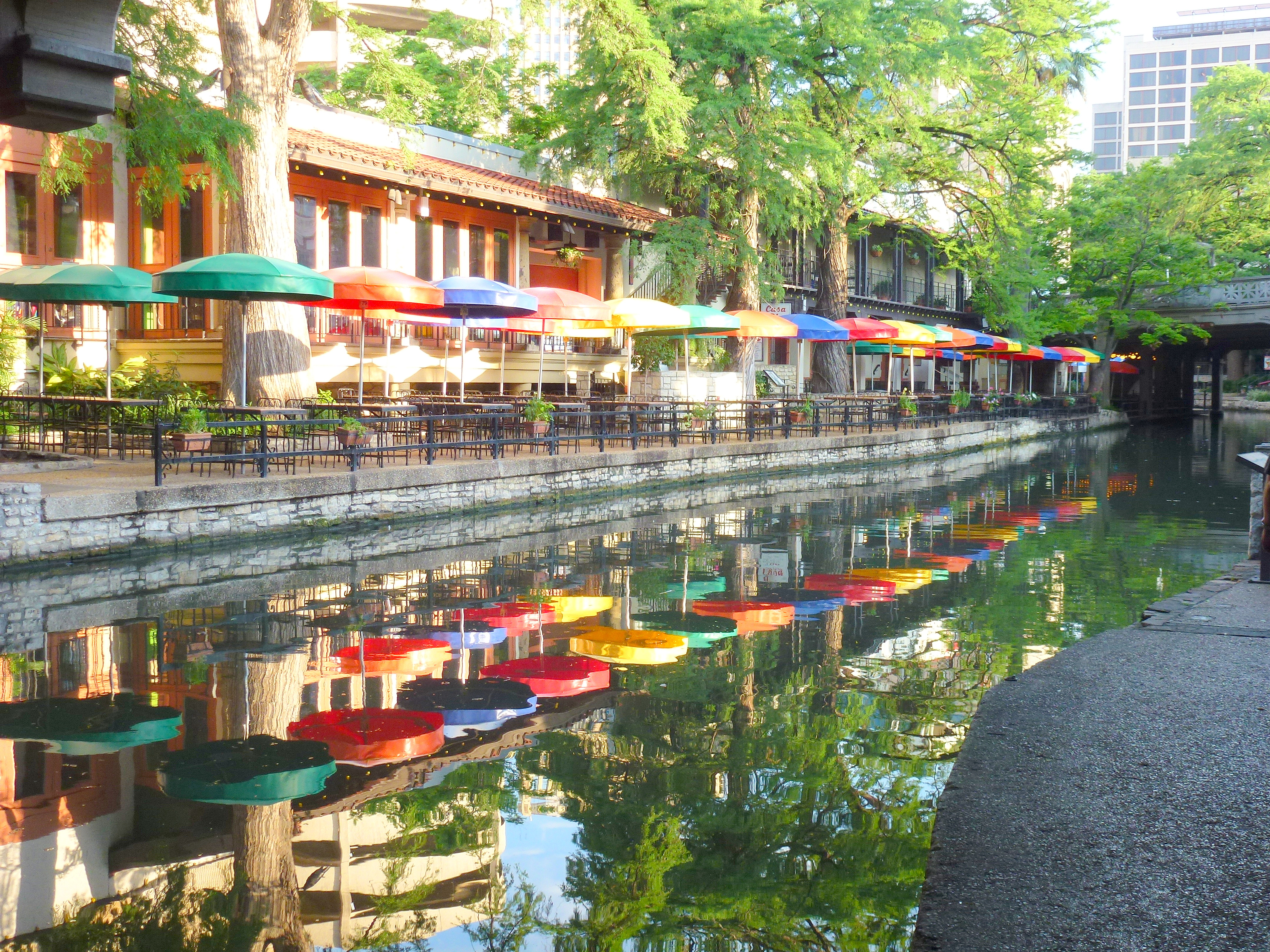
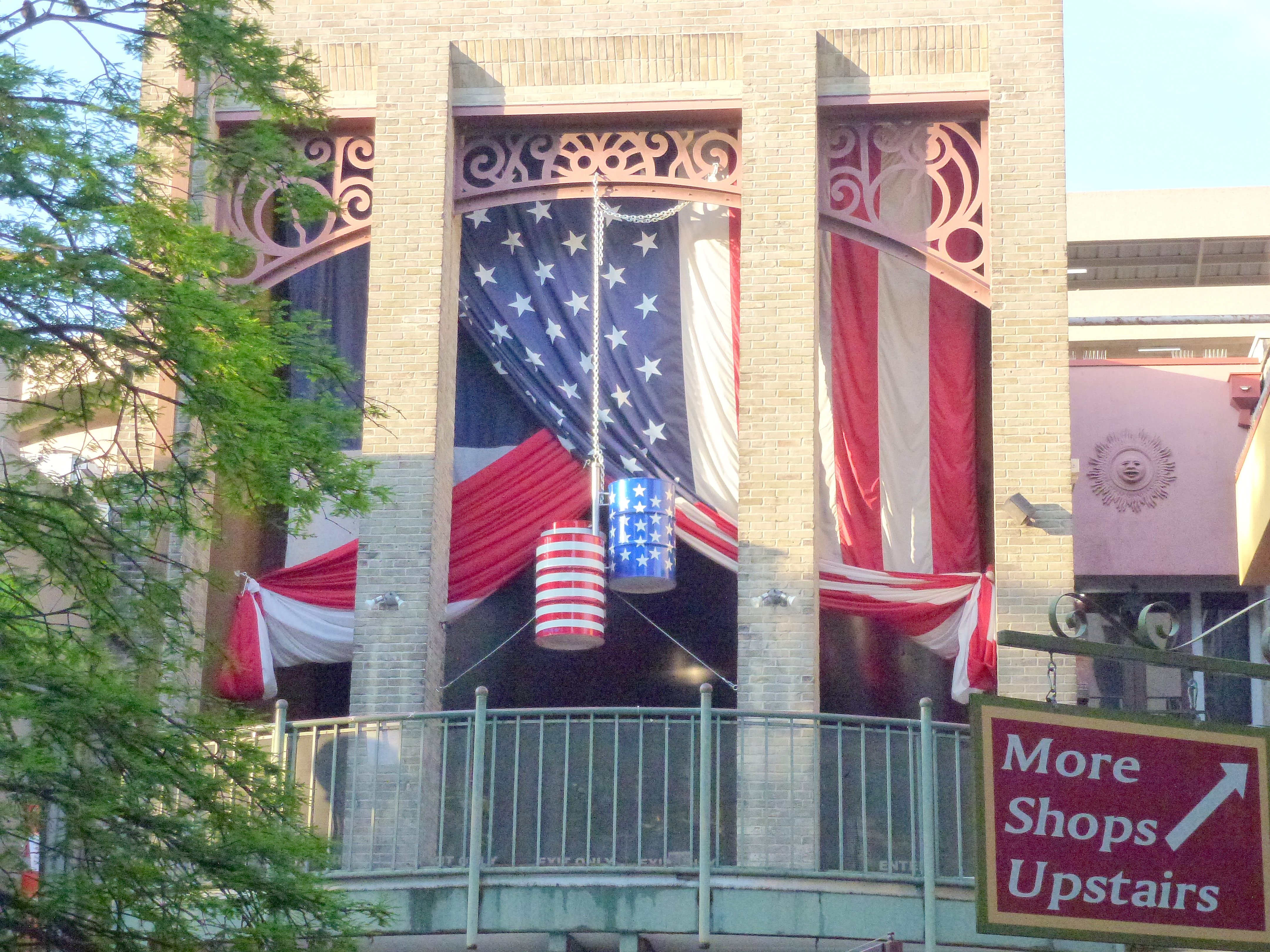
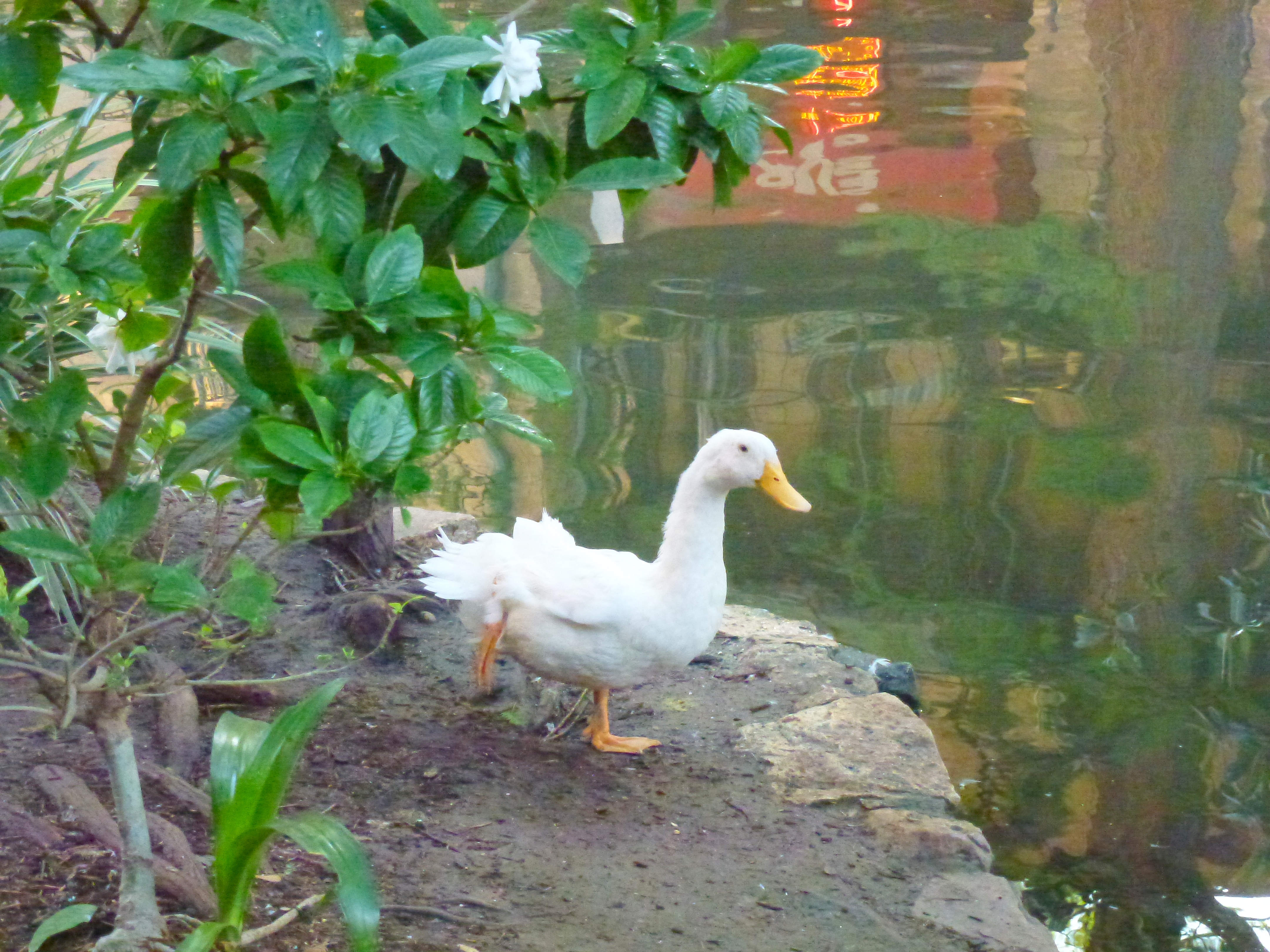
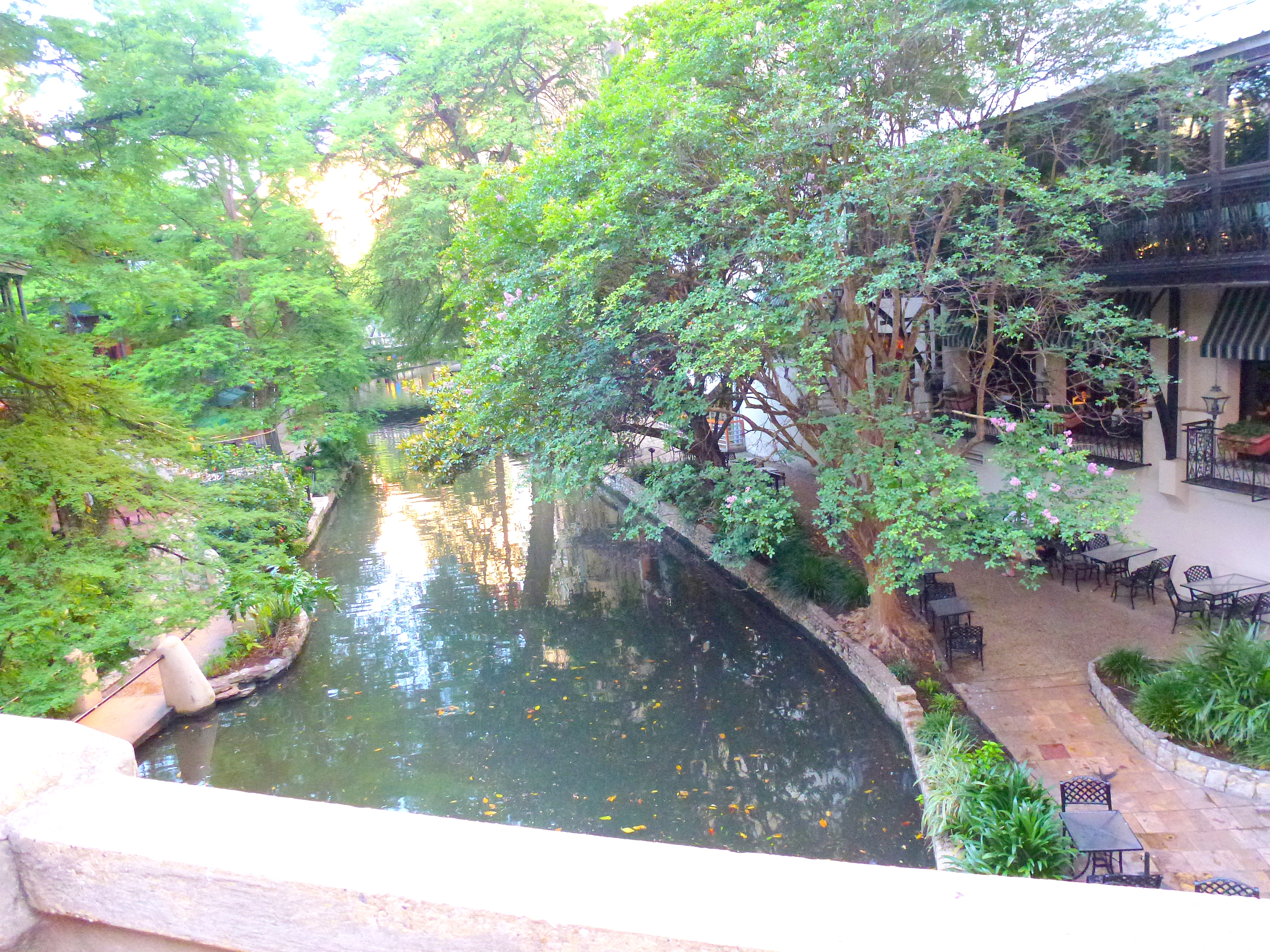
Most of my photos were taken in the early morning hours when the walkways were clear of the hoards of people you’ll find here later in the day and evening. I’m not a fan of Disneyland like crowds so the walk wouldn’t be my first choice for a meal even though you’ll find a very large selection of restaurants all along the downtown part of the walk. I preferred heading up and out of this area to find a place to eat. Despite my feelings this is a treasured area in San Antonio.
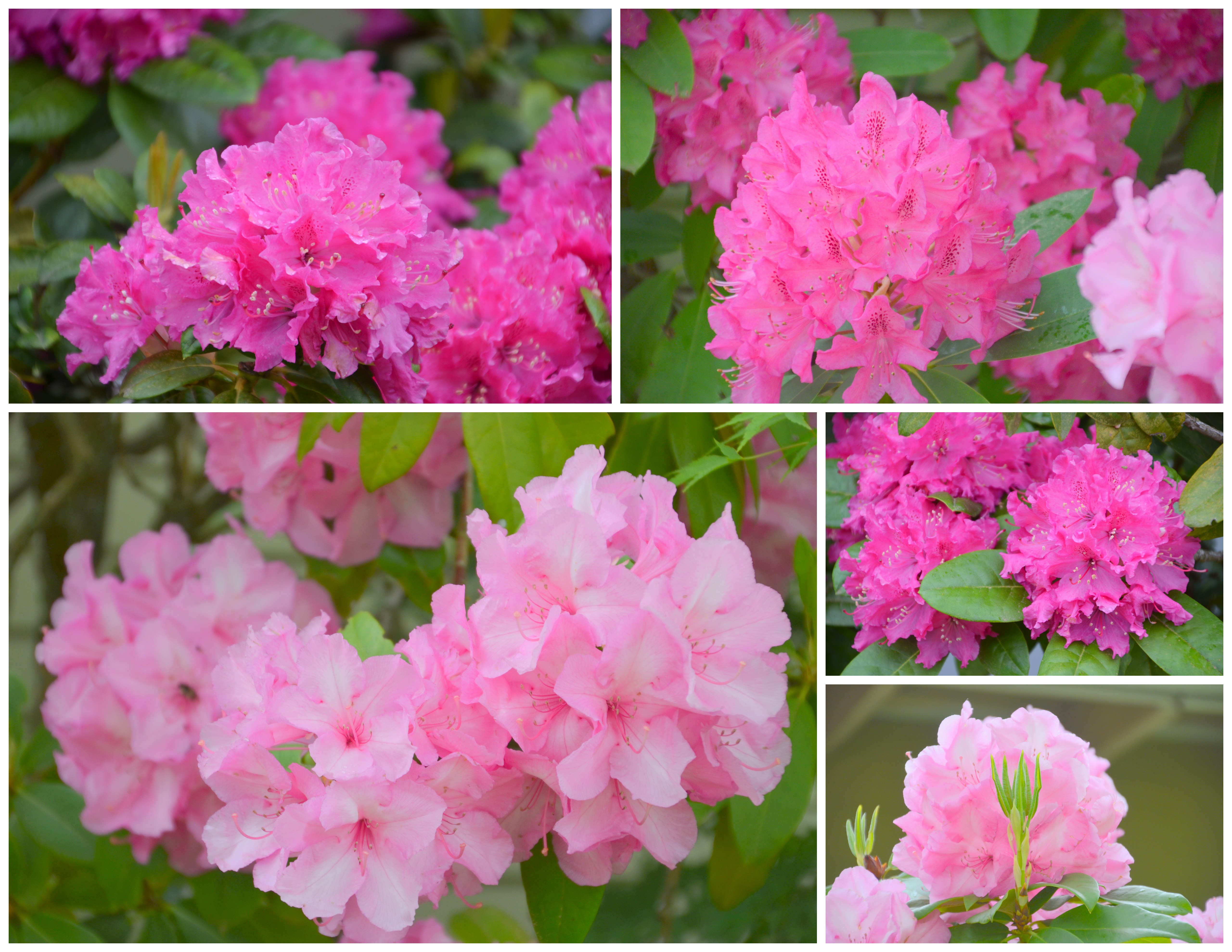
Some treasures from Washington State in my very own yard are these rhododendron bushes. Four of the bushes were here and well established when we moved into this old house in the fall of 1998. The small yellow bush is a recent addition from 4 years ago.
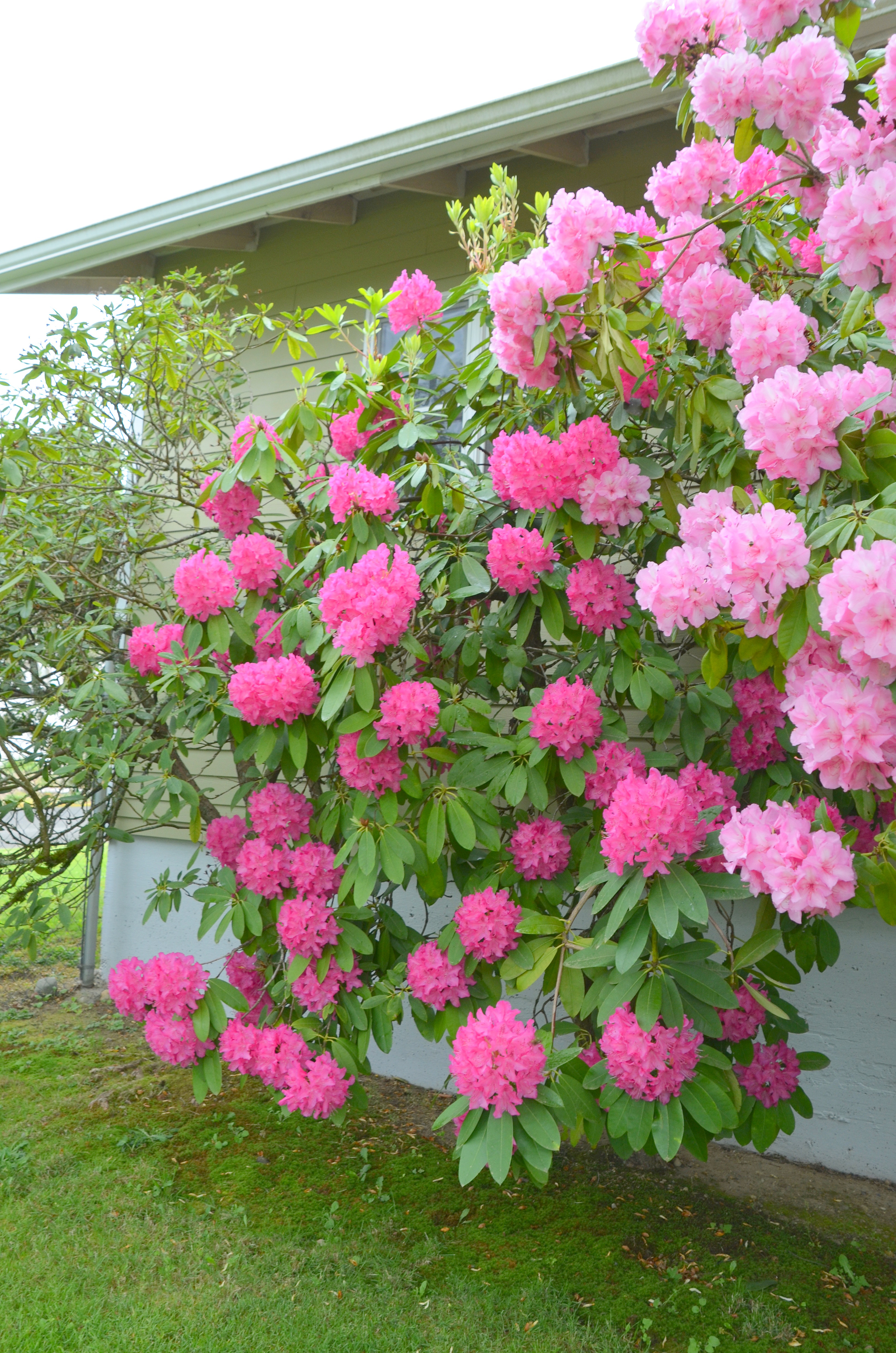
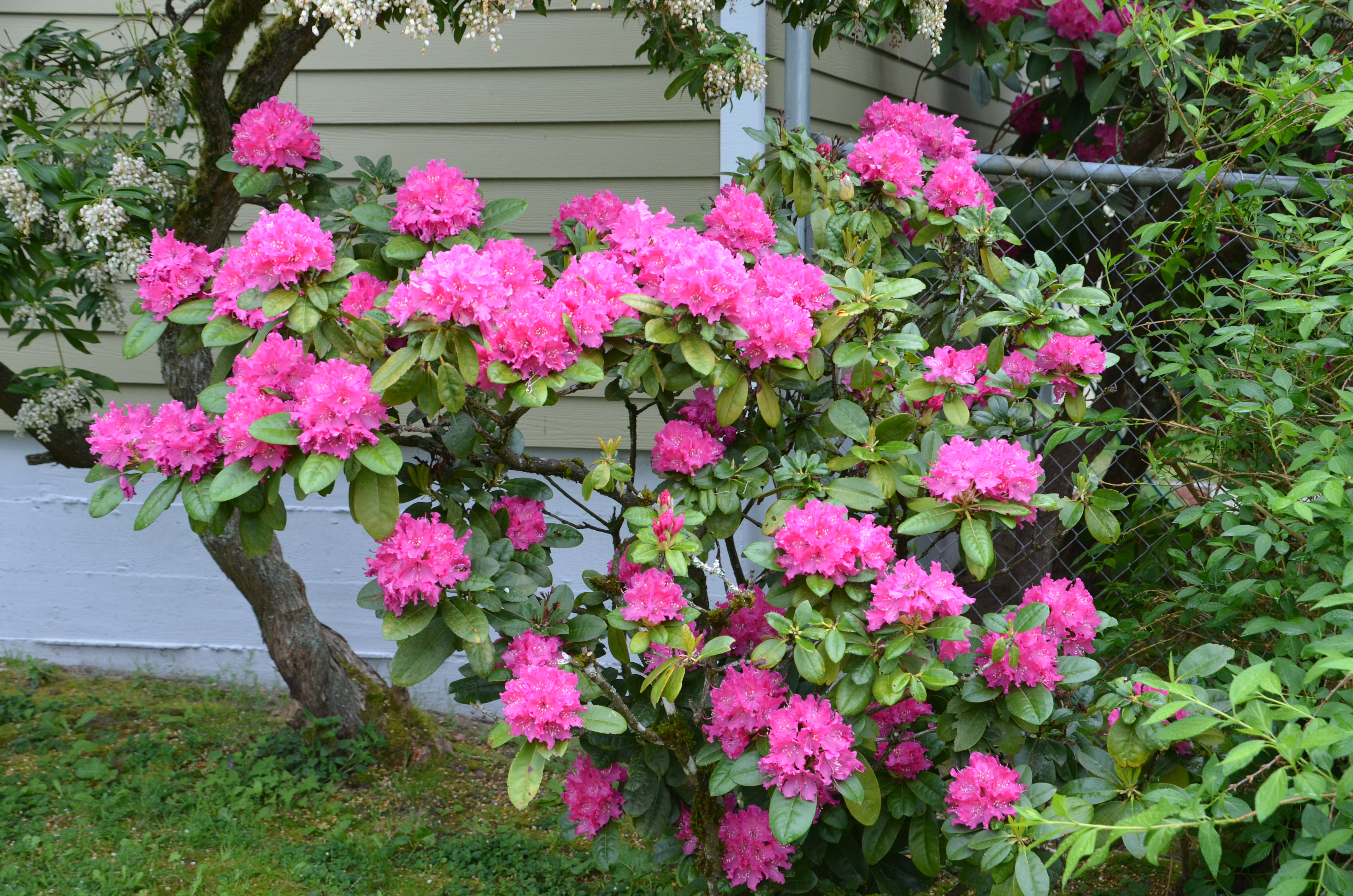
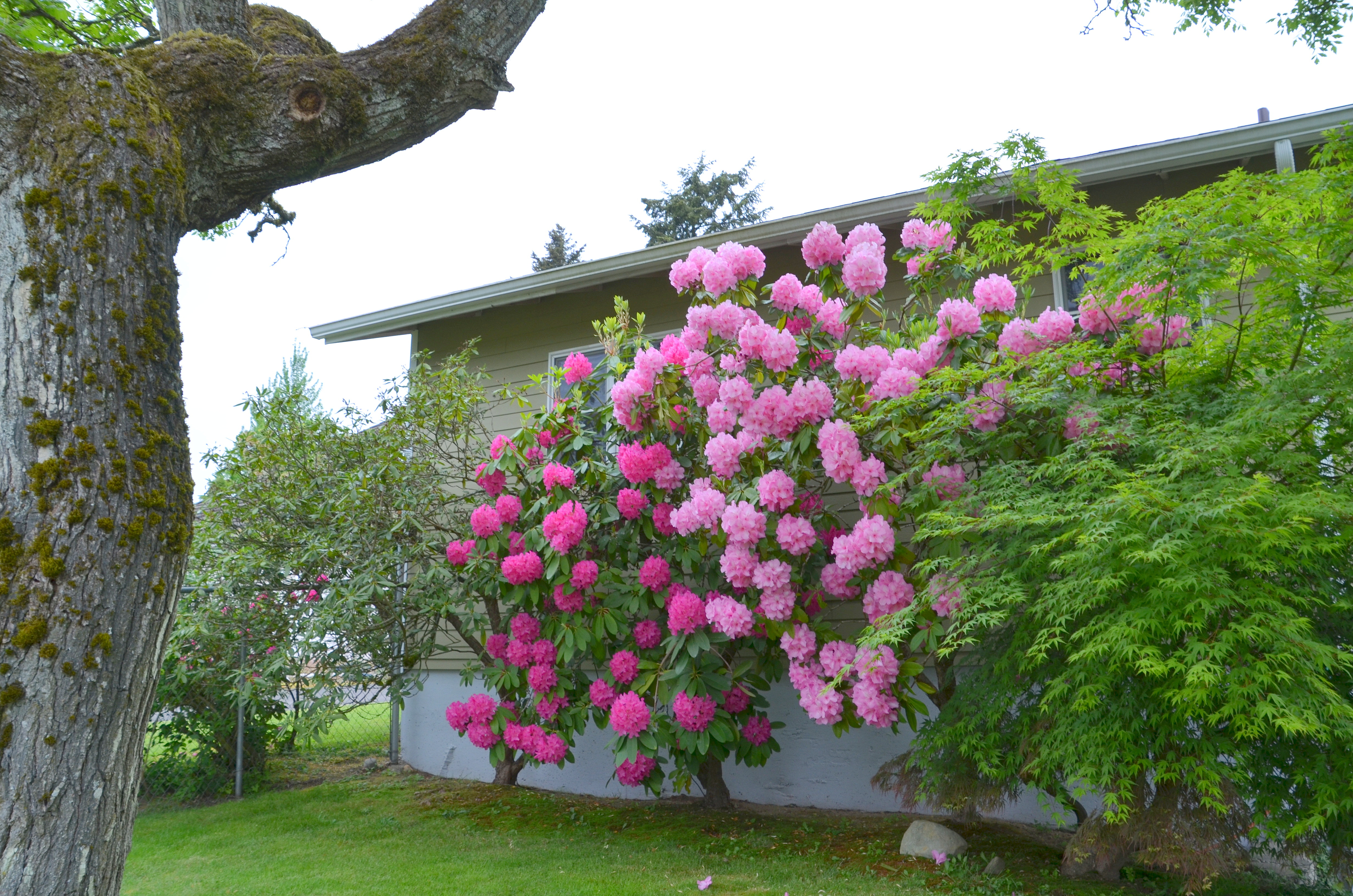
Rhododendrons are the Washington State Flower.
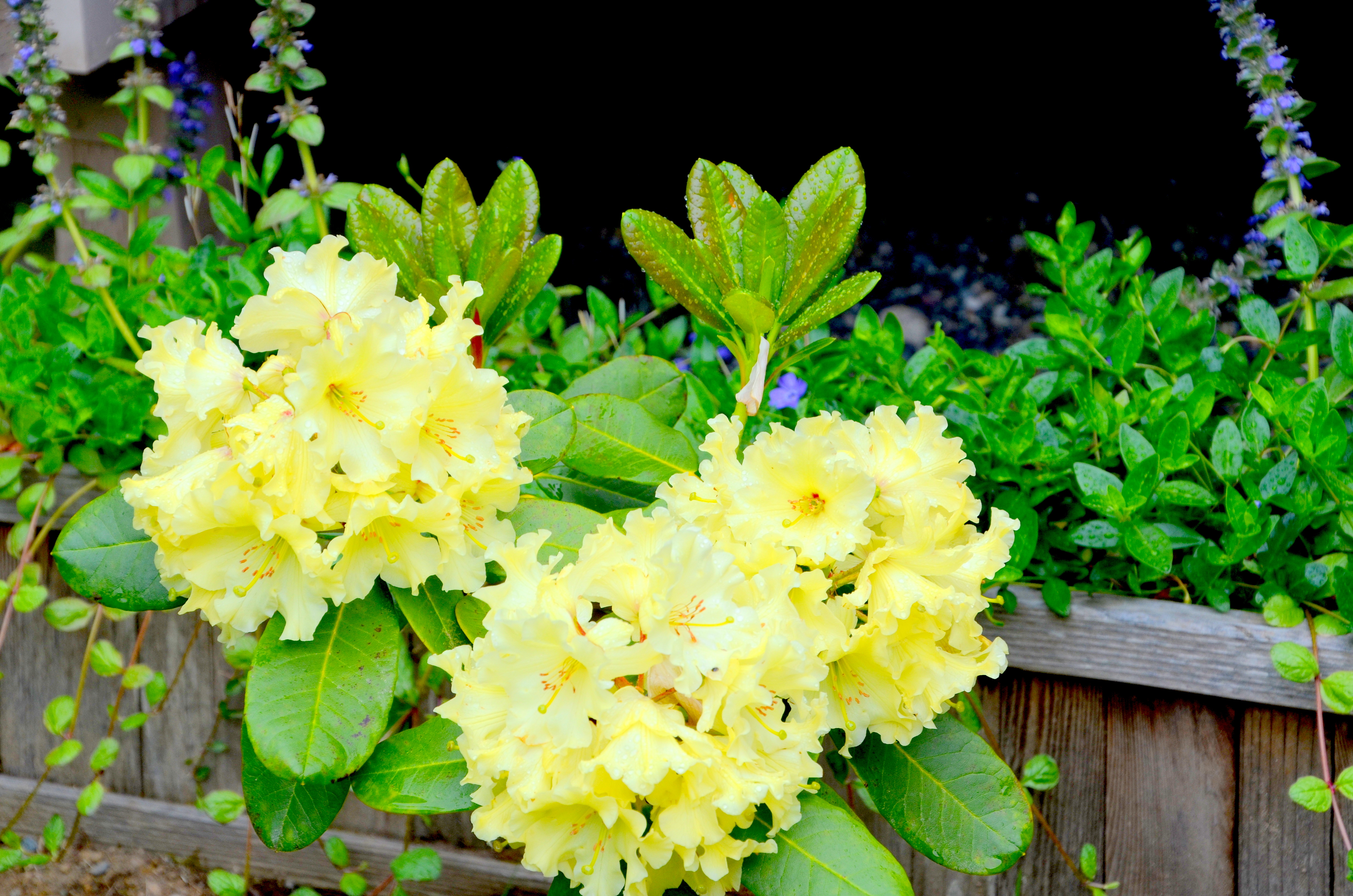
Our youngest rhoddie.
And my last photo are of some of my favorite human treasures in front of our rhoddy bushes!
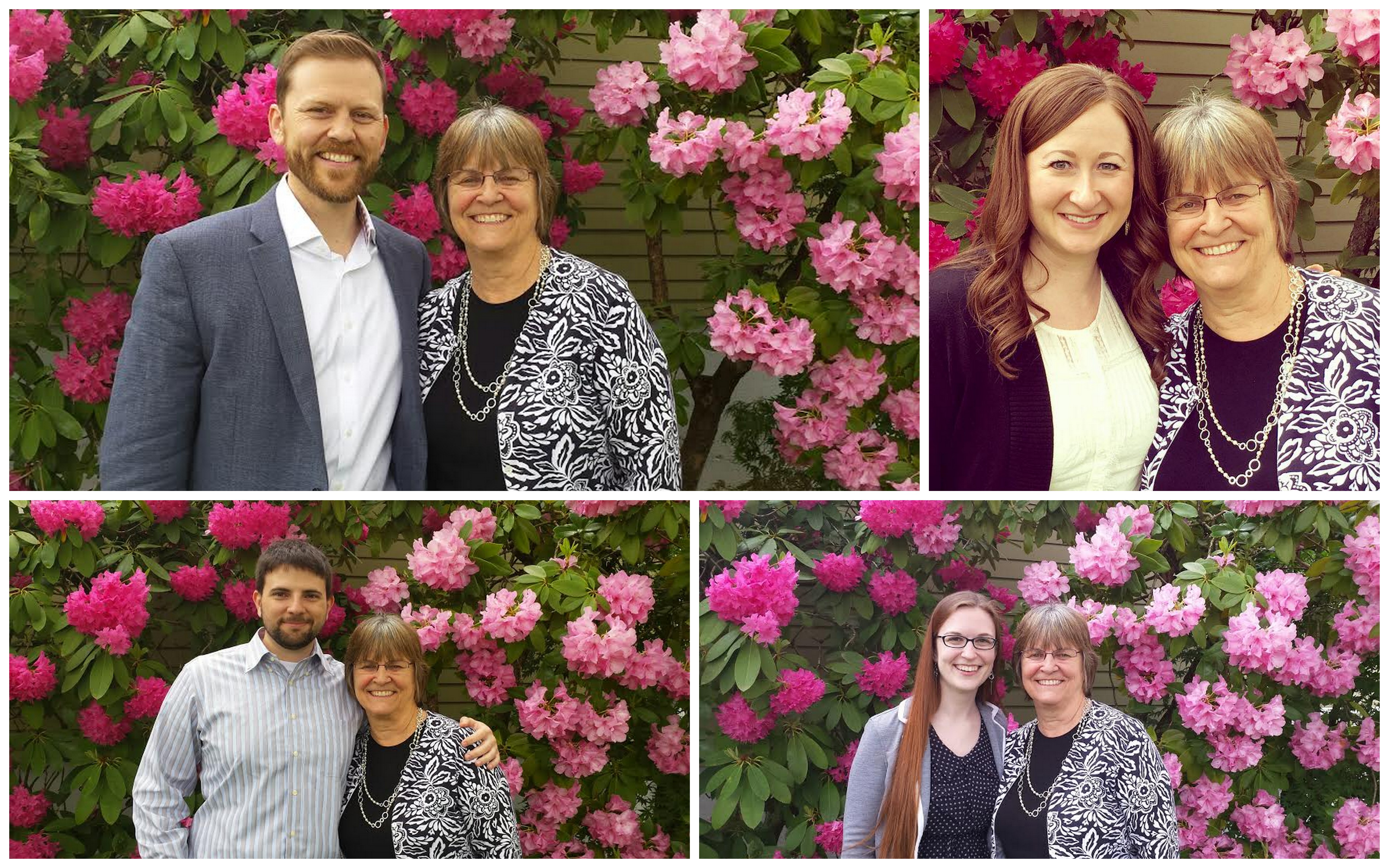
I’ll be linking up to Tuesday’s Treasures with Tom The Backroads Traveler and
ABC Wednesday started by Mrs. Nesbitt and administered by Roger and Team for R is for River Walk and Rhoddies.
I’m headed to Canada (British Columbia) early Tuesday morning and will be gone all day so I’ll be late in visiting participants in these two memes. We are promised beautiful weather for most of the week in the 70’s! Hope your week is starting well.
 The Happy Wonderer ~ ellen b.