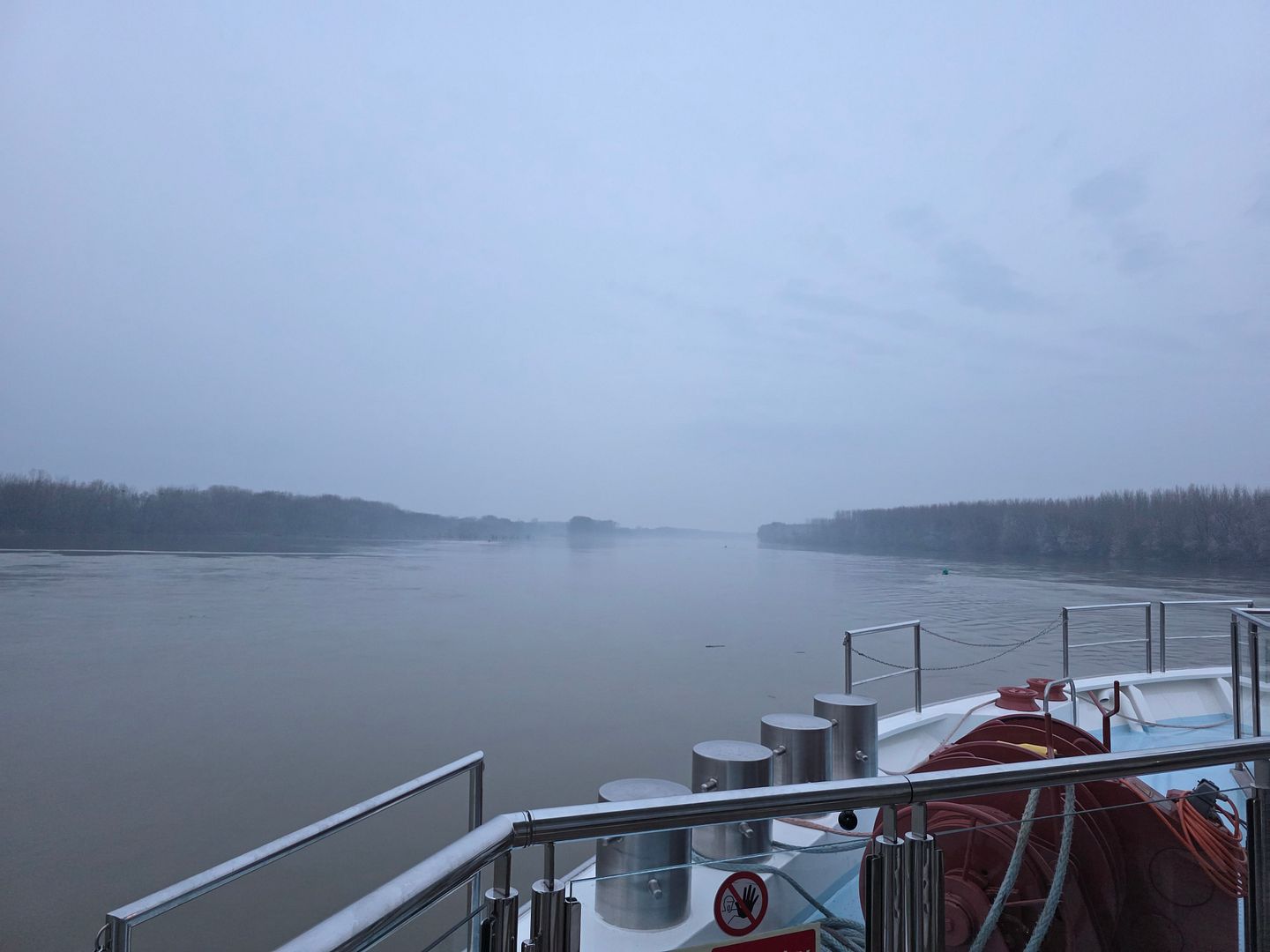
On Monday March 2nd, we were up early and the views along the river were moody until the sun broke through. We had sailed all night and into the morning. It was 140 miles from Budapest to Bratislava. We passed through the largest lock on our journey, Gabcikovo Lock & Hydroelectric Powerplant. We wouldn’t arrive to Bratislava until after lunch.
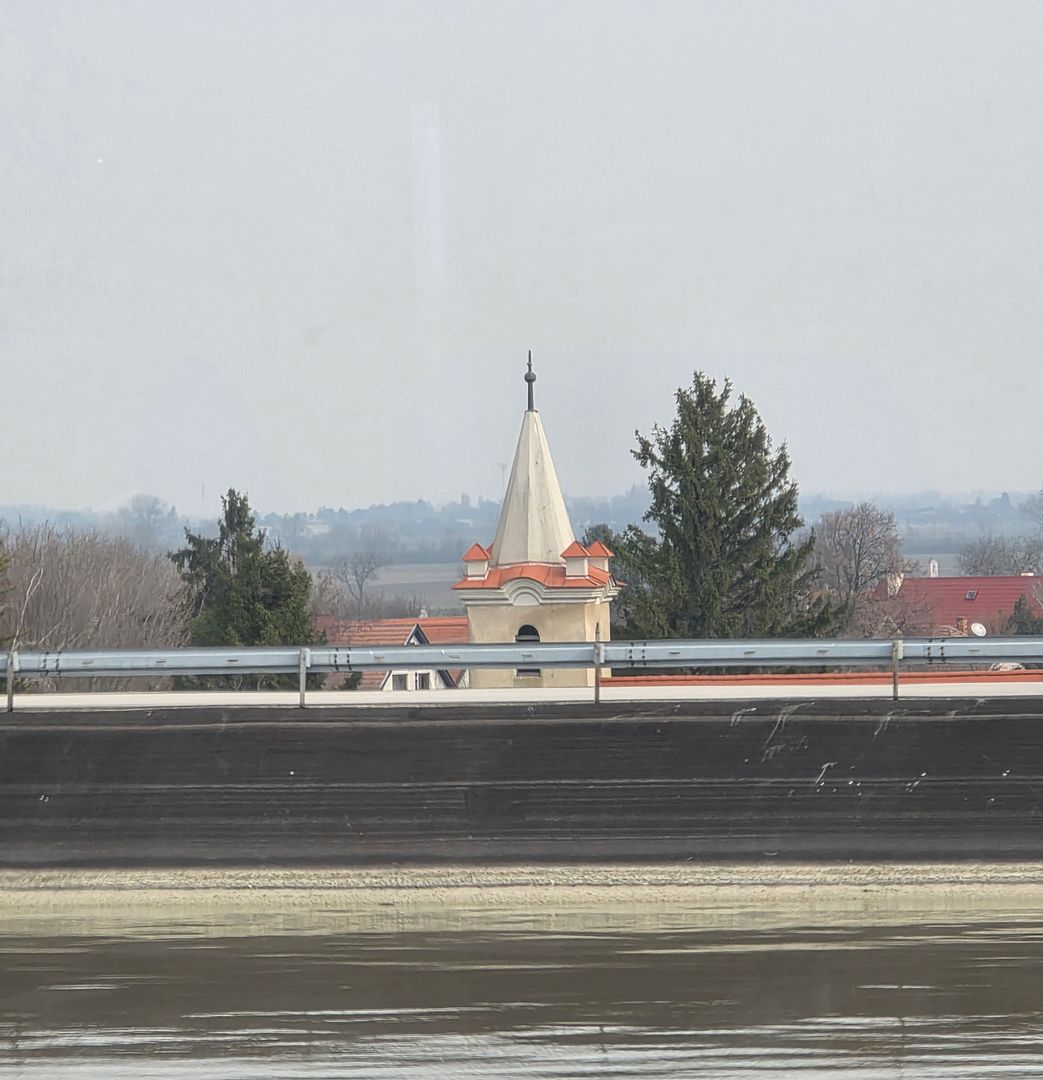
We are in the lock in this photo.
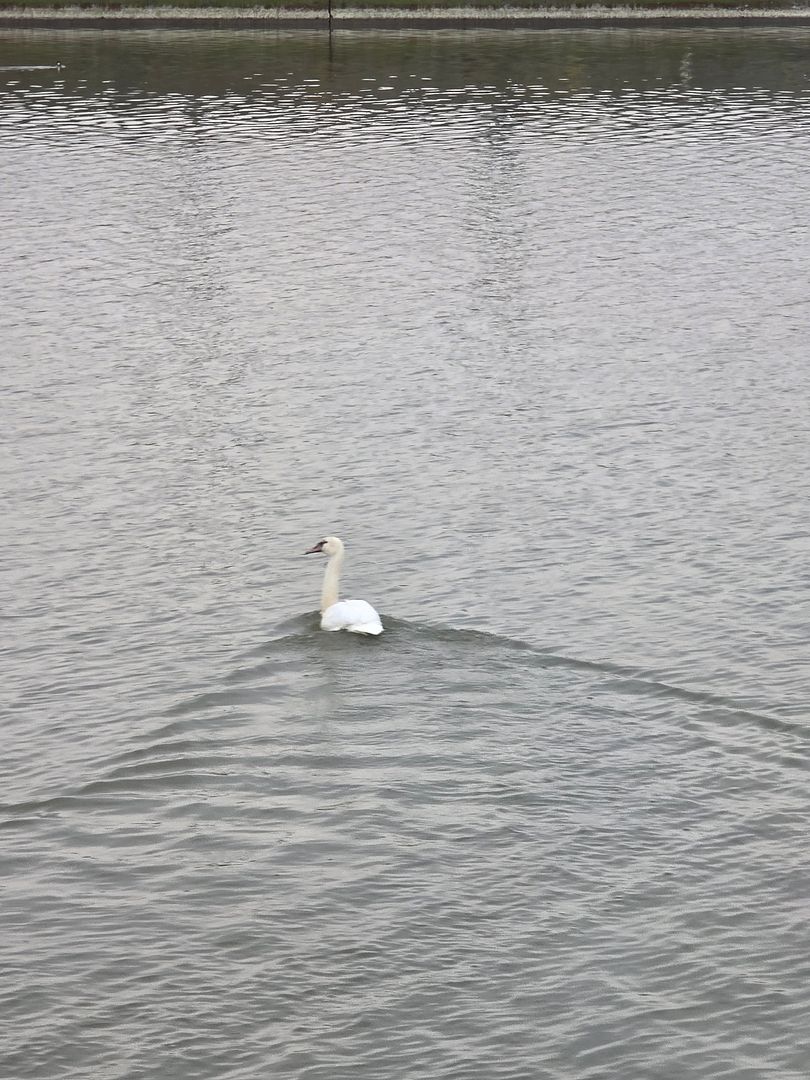
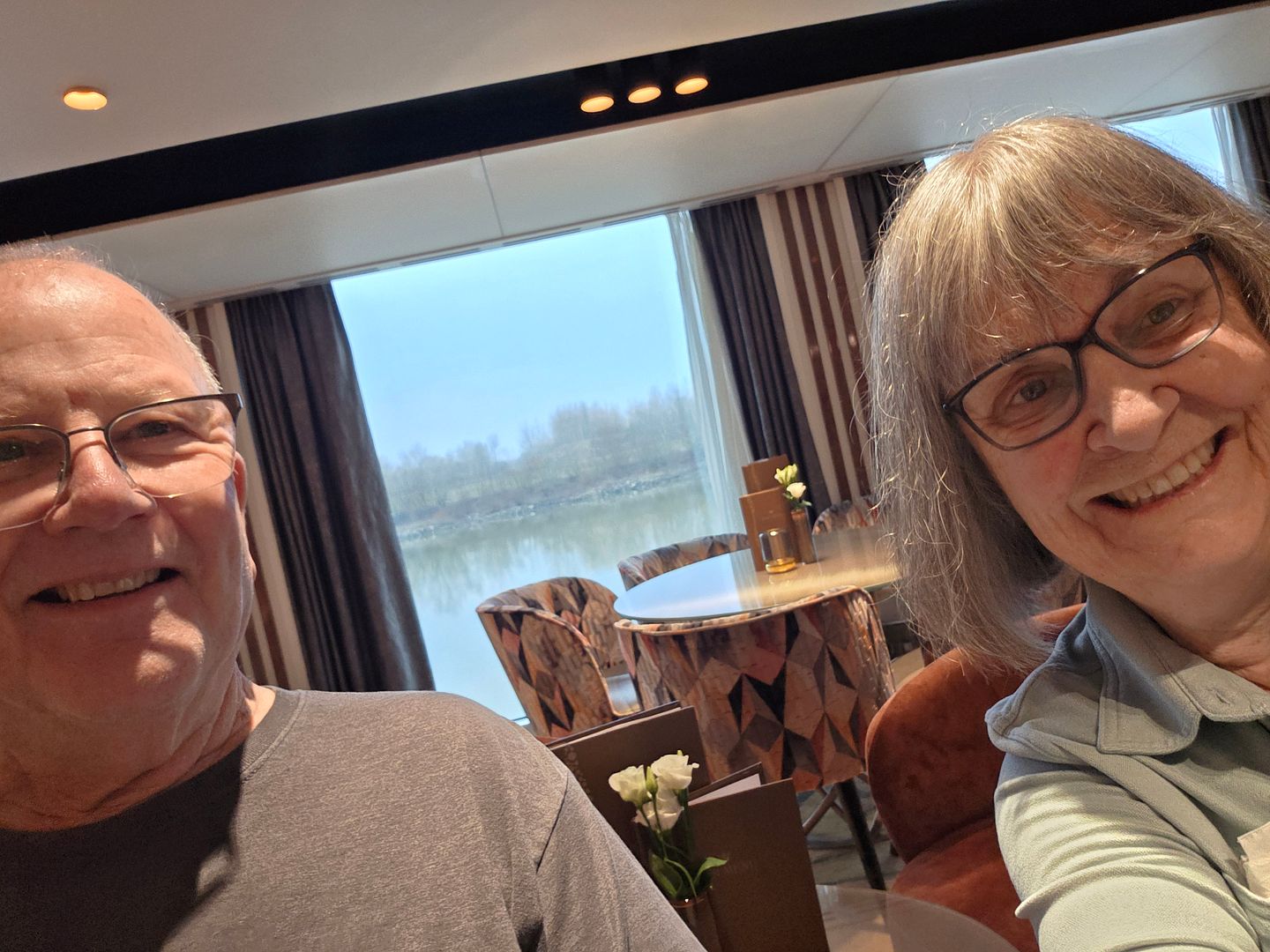
We were recuperating from our rude wake up call because of the fraud on our credit card.
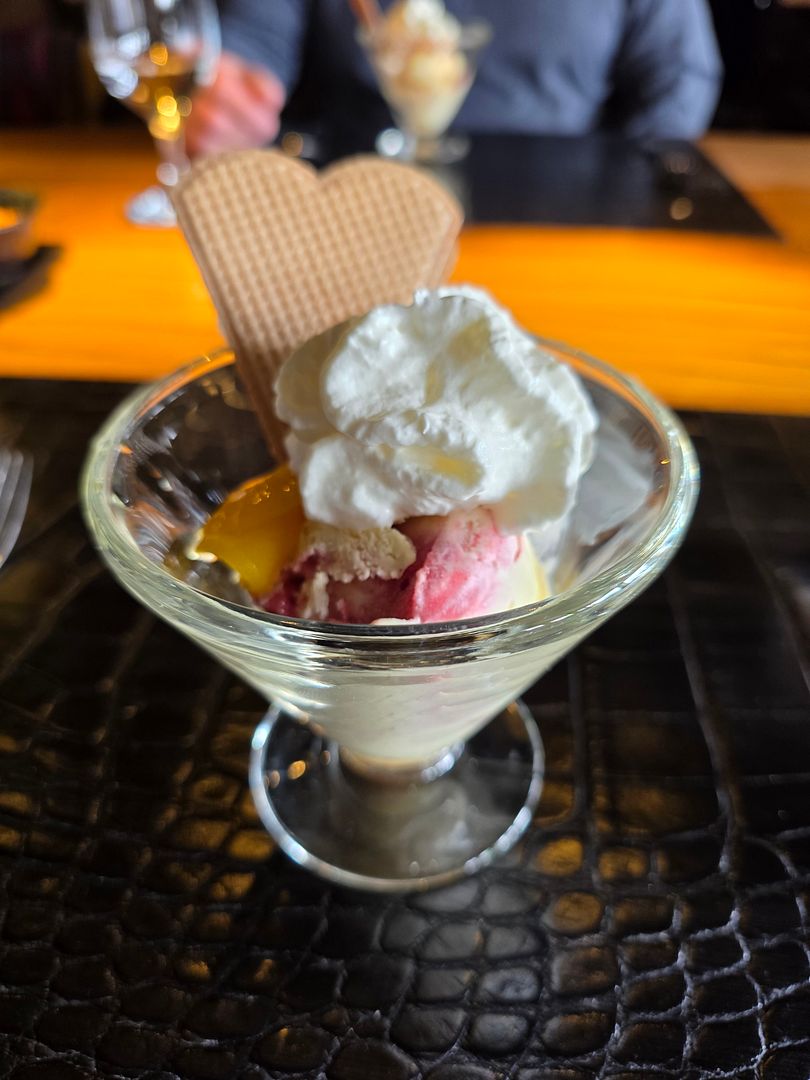
We decided on having lunch in Jimmy’s Restaurant on this day.
We had signed up for Tastes of Slovakia excursion but decided against it since we docked early and we didn’t want to have to come back to the boat to join the excursion.
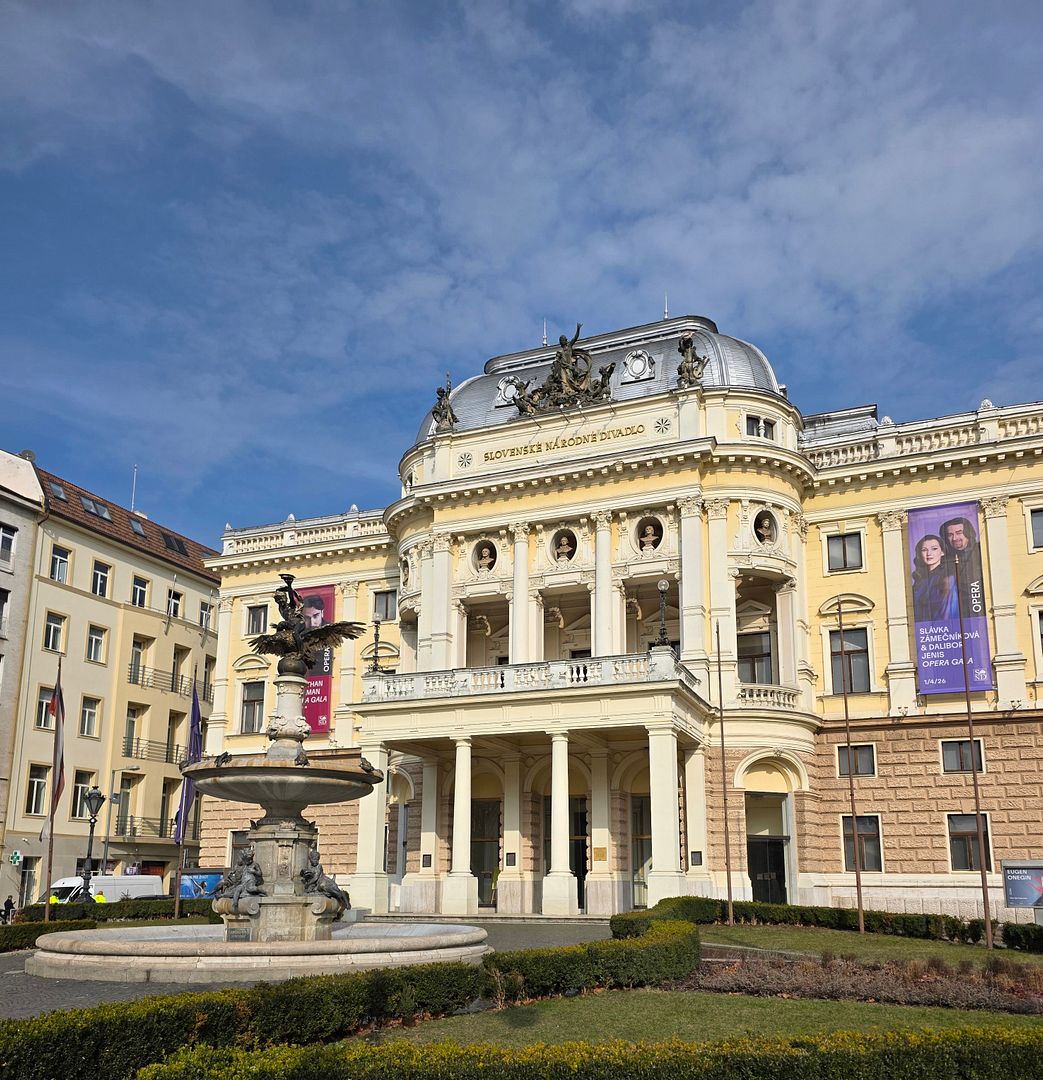
Bratislava is the capital of Slovakia. It was a short distance from the vessel. We enjoyed the old town and then were on a quest to find the Bratislava Flagship Restaurant, which proved to be a little difficult to navigate.
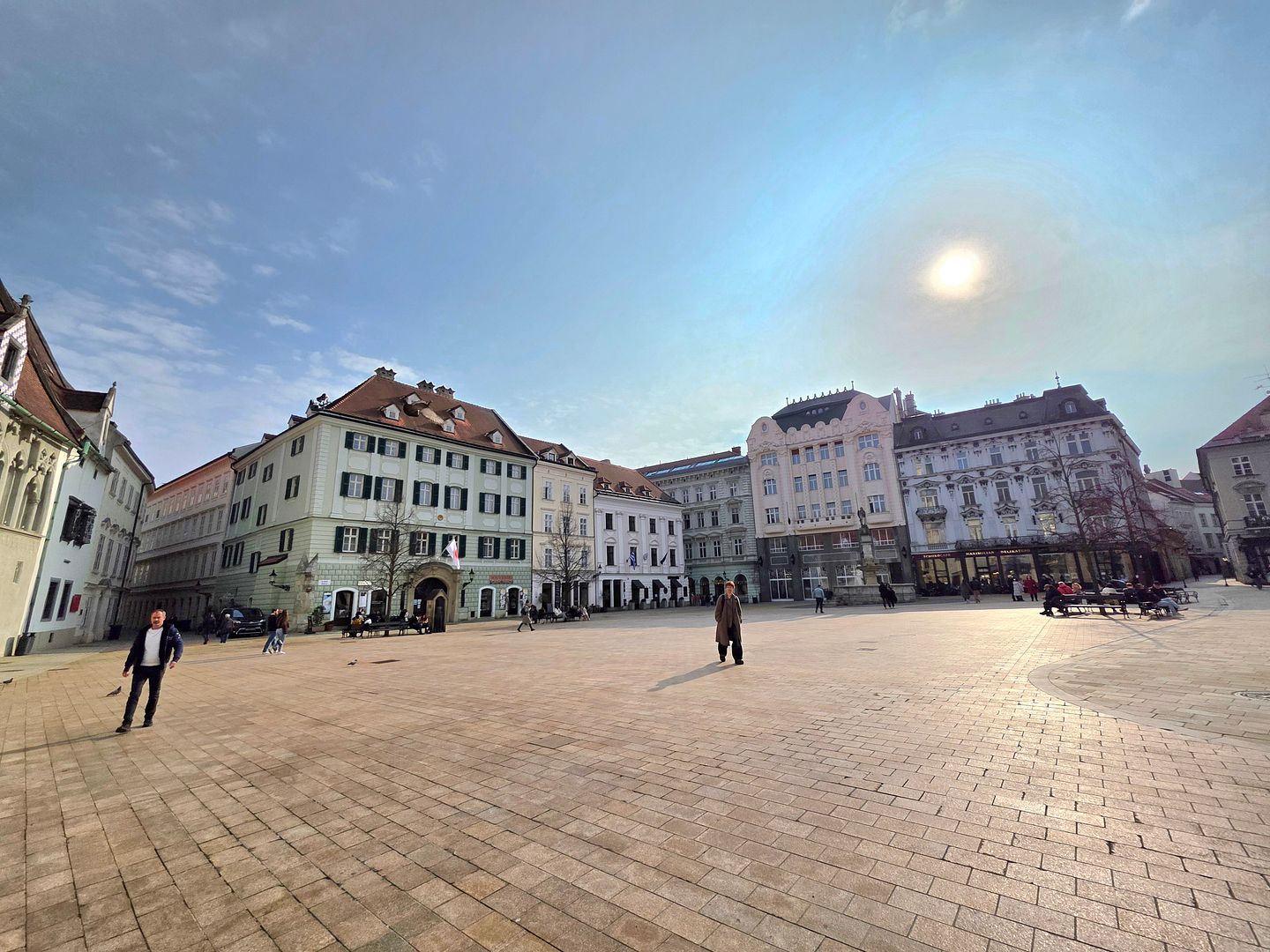
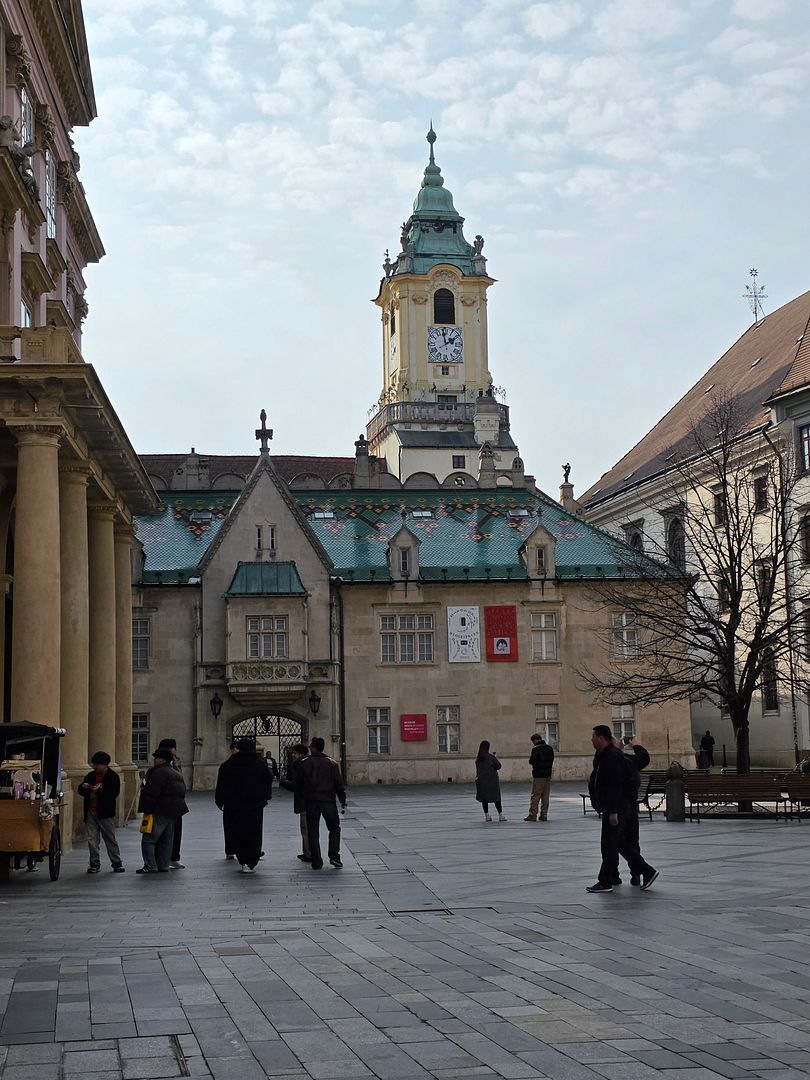
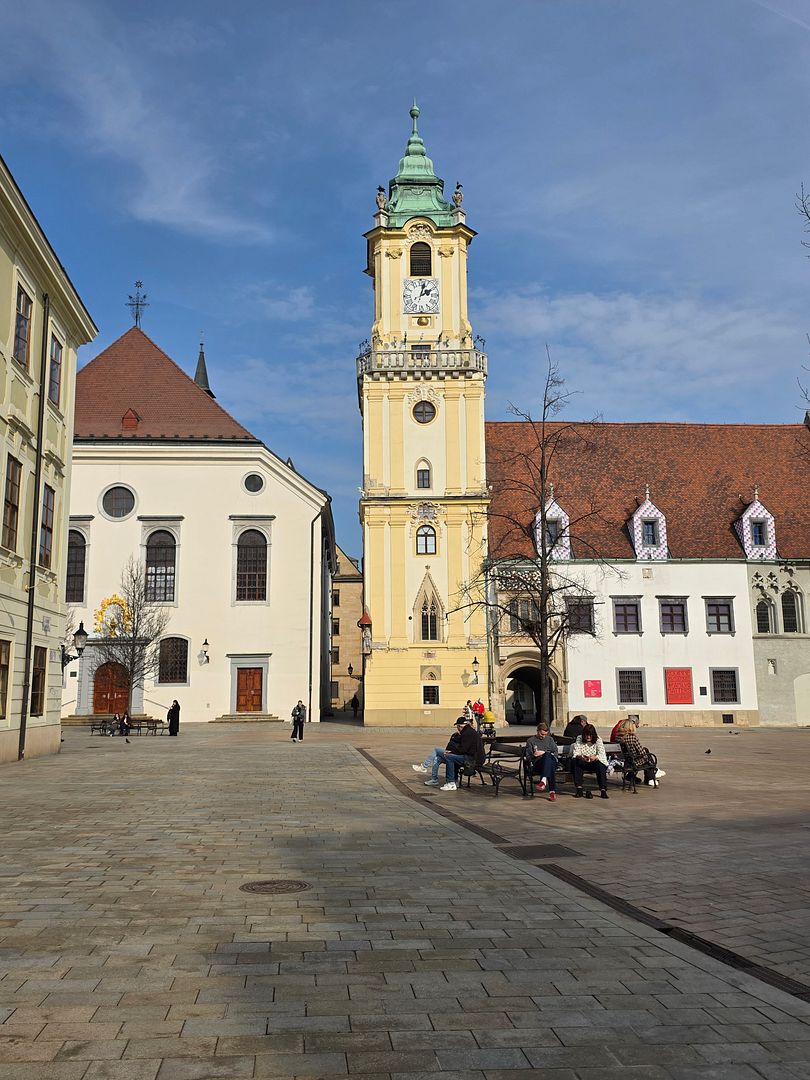
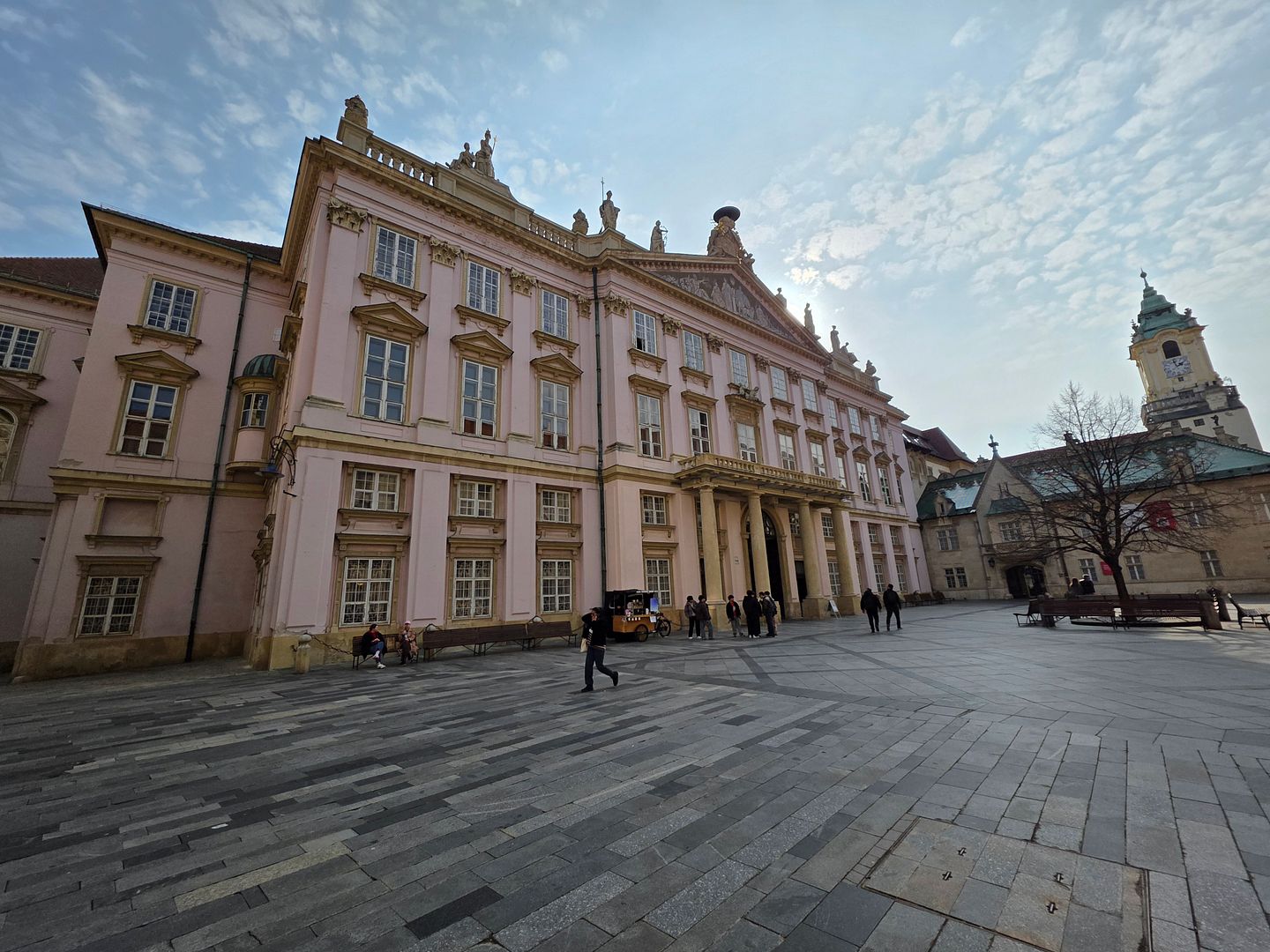
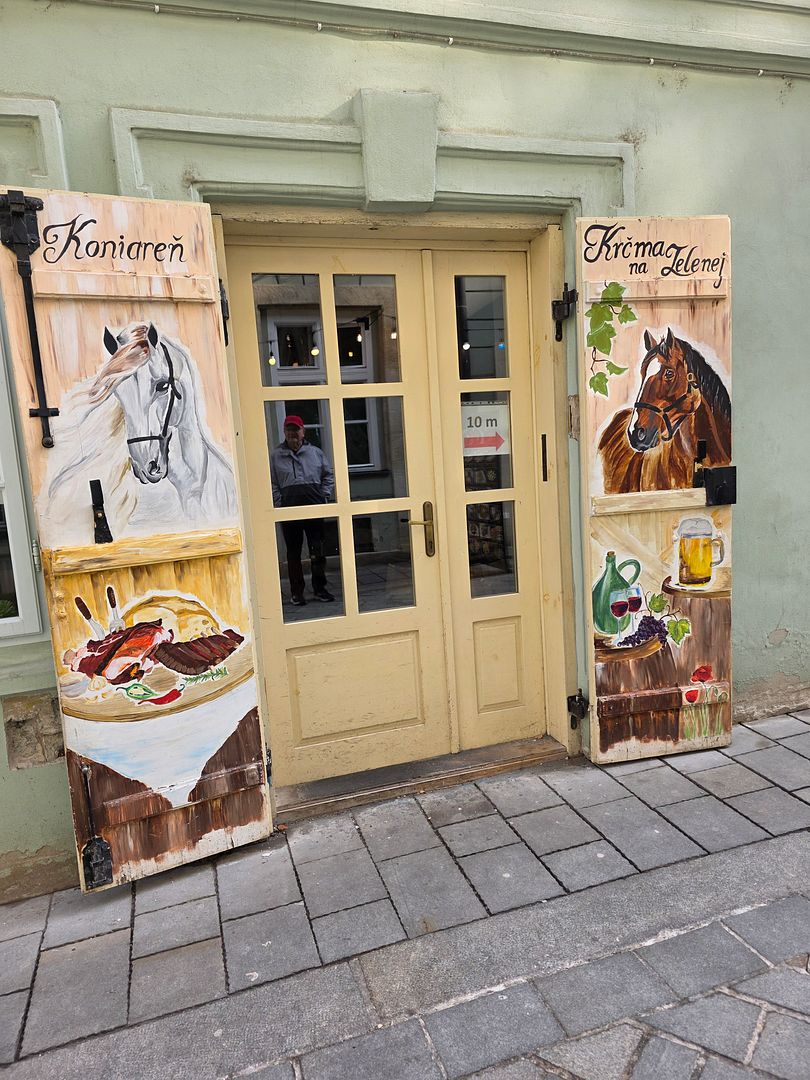
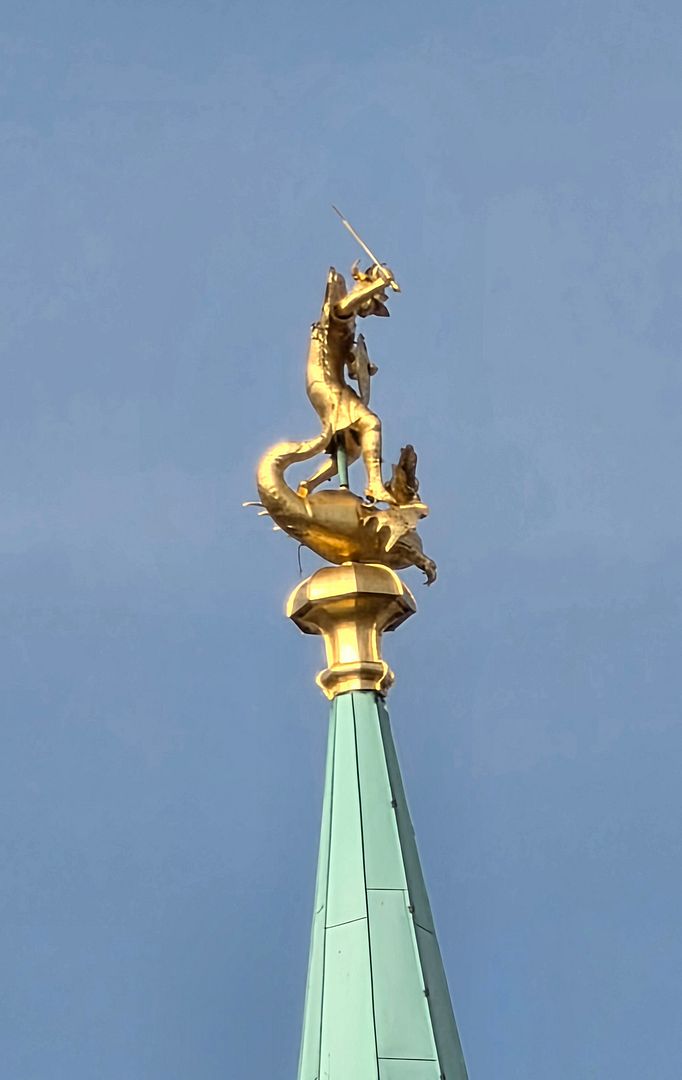
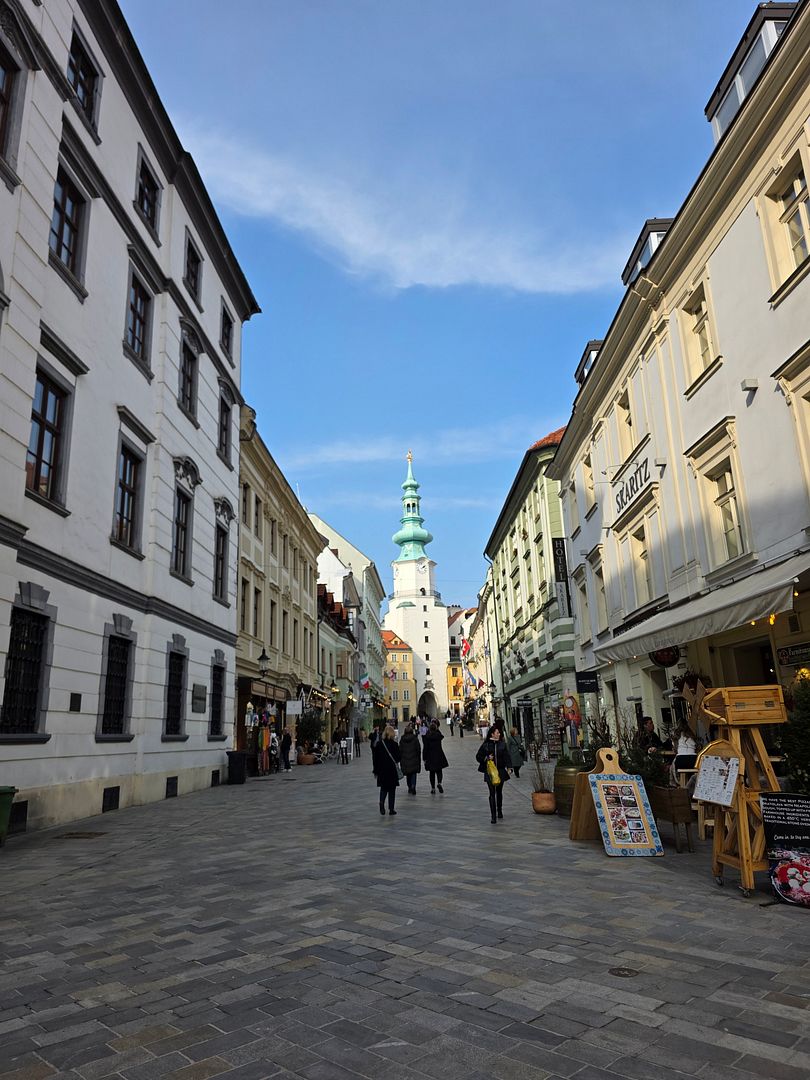
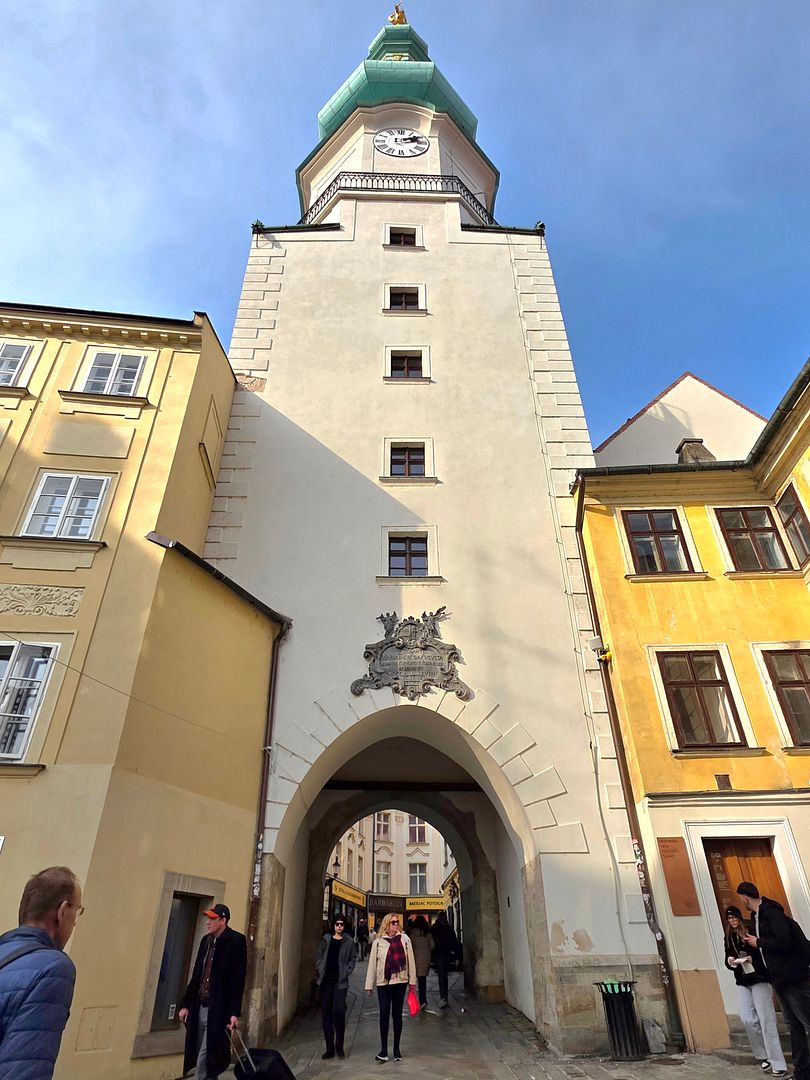
We headed to Michael’s Tower and Gate.
Of the original four gates to the original city walls, only the northern Michalská gate has been preserved. It was completed in the 14th century. It was named after the Gothic church of St. Michal, which was located before the fortification and was demolished in the 16th century during incursions of Turkish troops. Since its creation, it has been extended several times until it got its final appearance in the 18th century, shortly before almost all of the city’s fortifications were demolished.
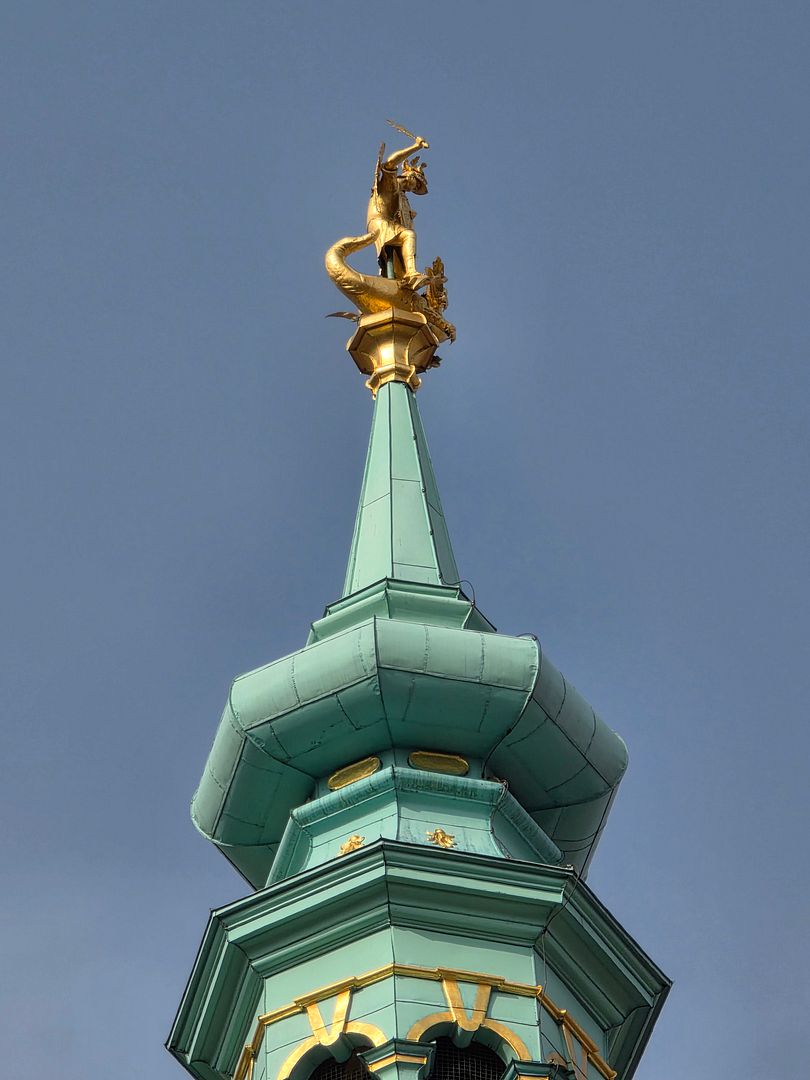
The Statue of St. Michael the archangel with the dragon sits on top.
In the head of the statue, there is a time box from 1758.

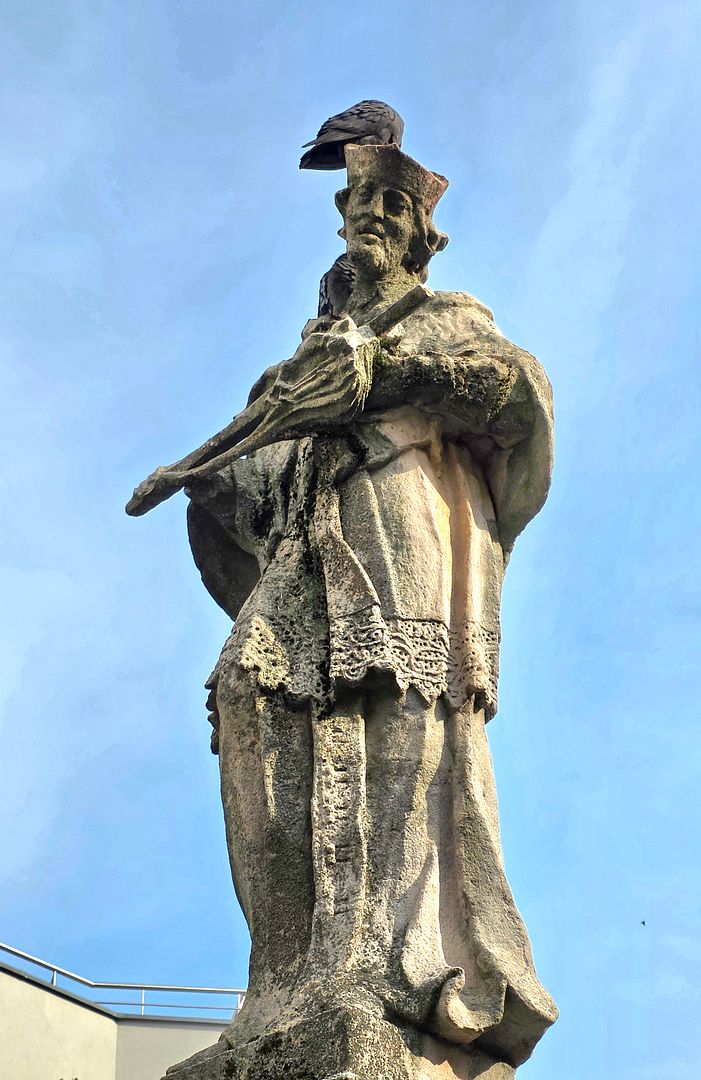
Other statues caught my eye.
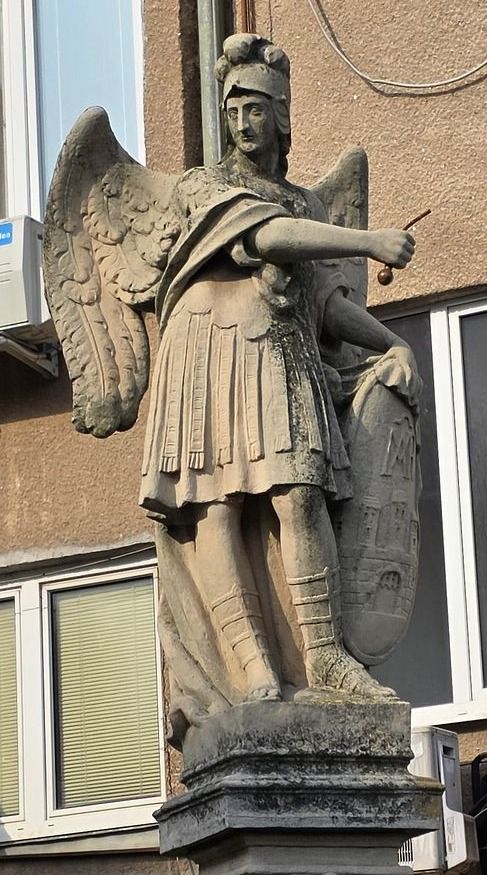
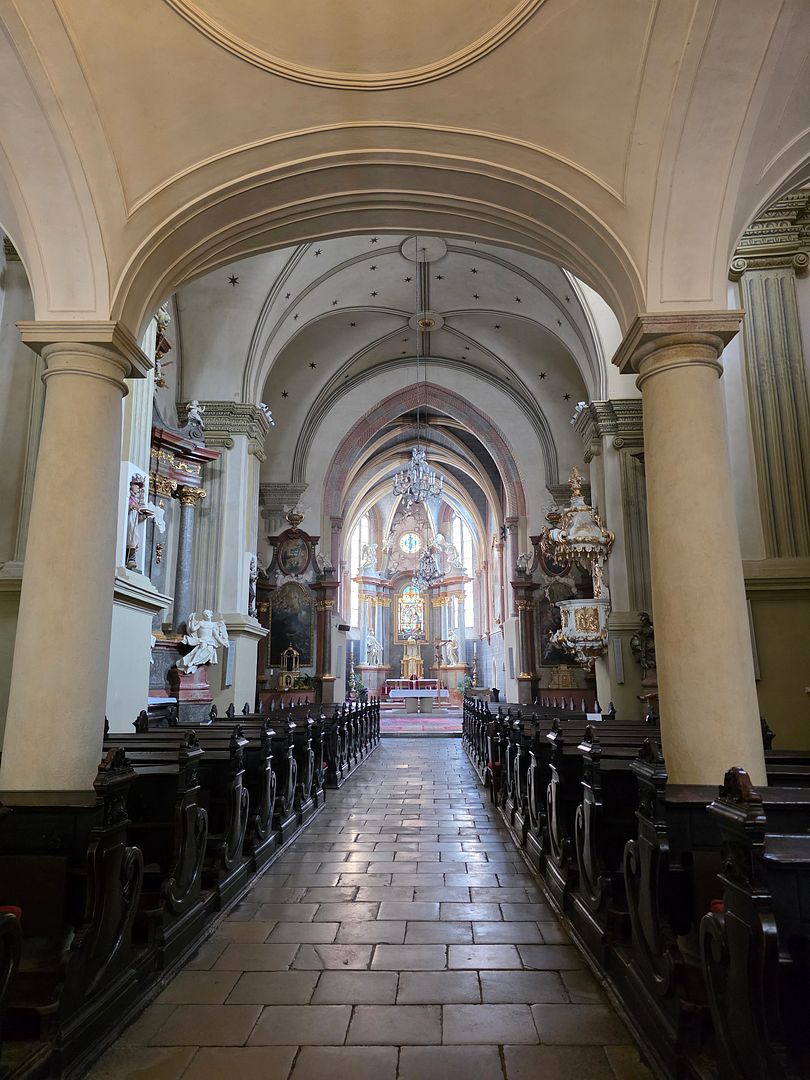
Along our haphazard journey we saw the Church of the Annunciation.
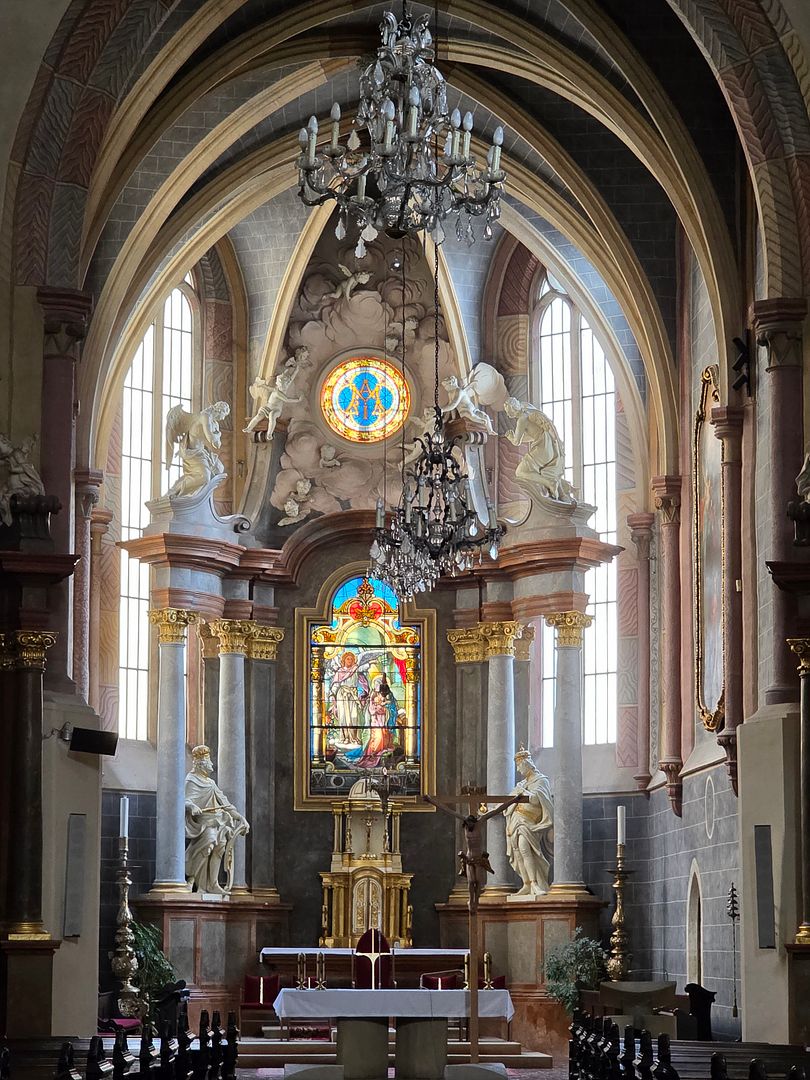
The Franciscan Church is the oldest existing religious building in the Old Town of Bratislava. The church was consecrated in the year 1297 in the presence of King Andrew III of Hungary. In the past, the church building served for larger gatherings of townspeople or Hungarian nobles.
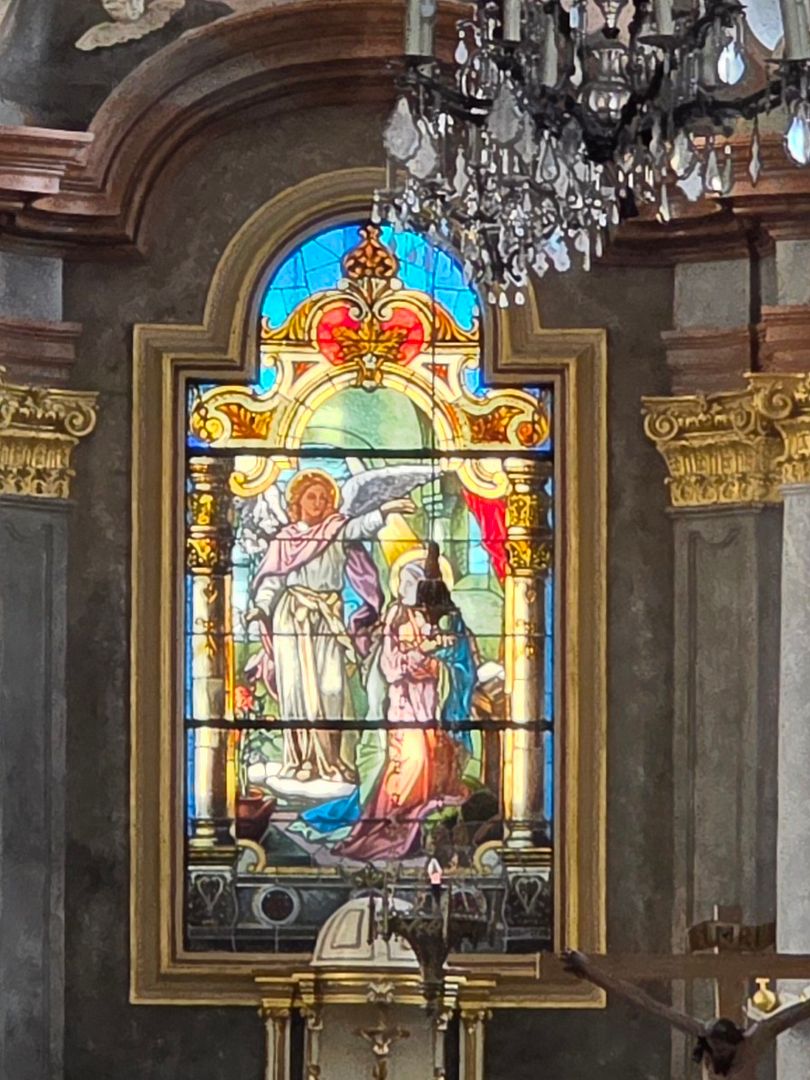
Stained glass window depicting the Annunciation, The Angel Gabriel foretelling the birth of Jesus to Mary.
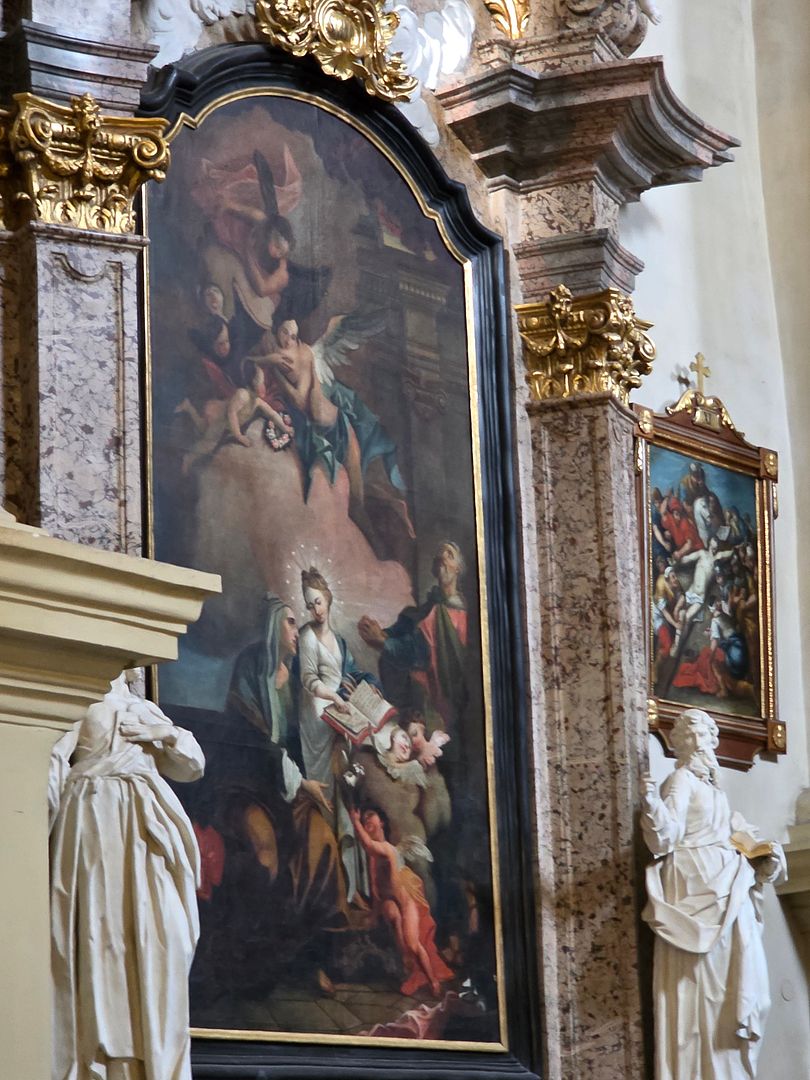
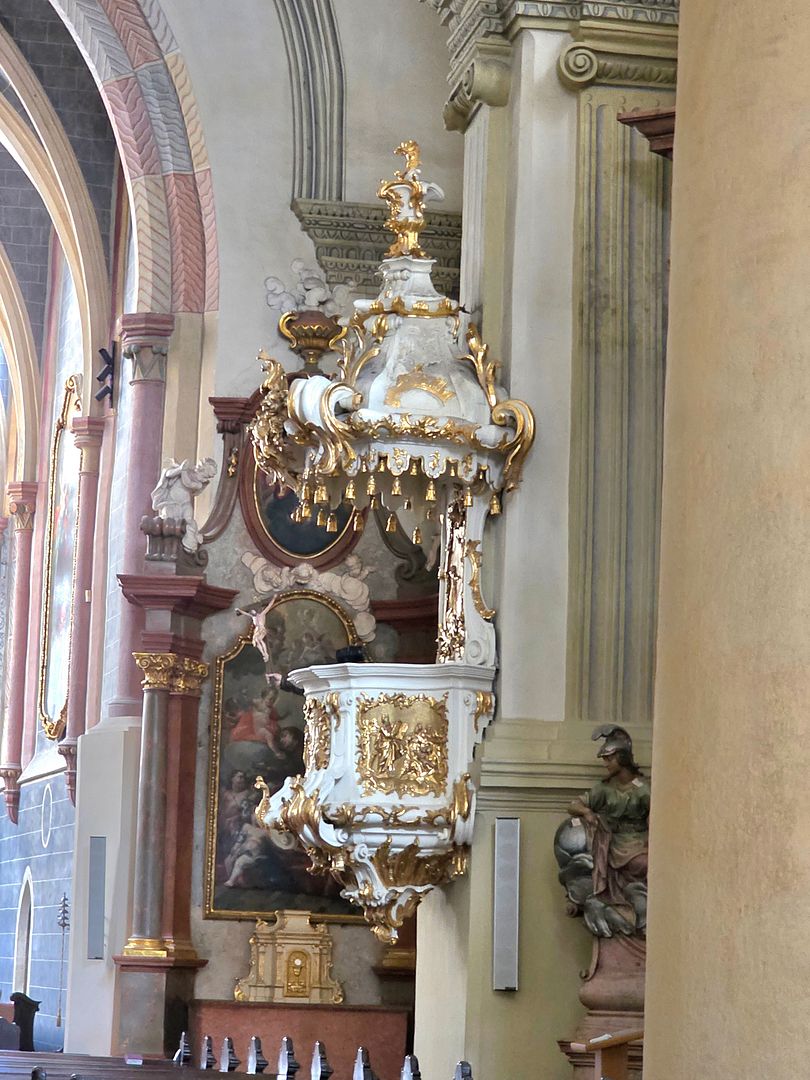
We continued on our way…
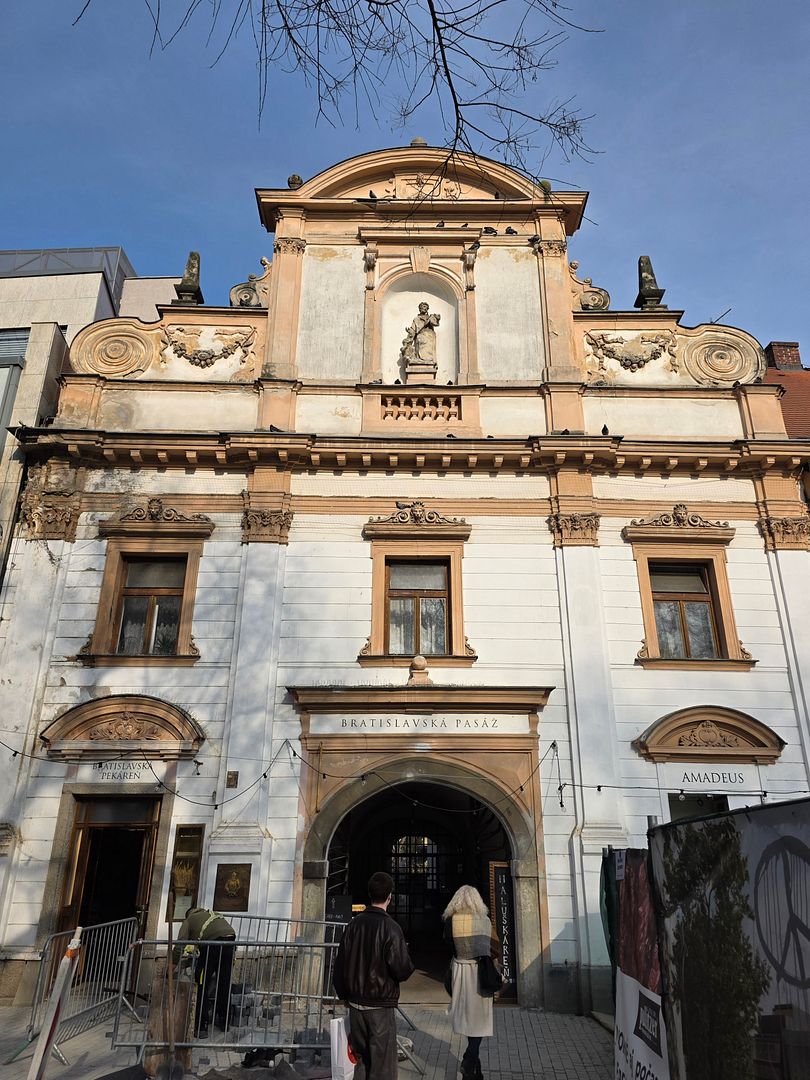
We thought this might be our destination, but it wasn’t. There was an amazing looking bakery here and we were too focused on our quest to buy something.
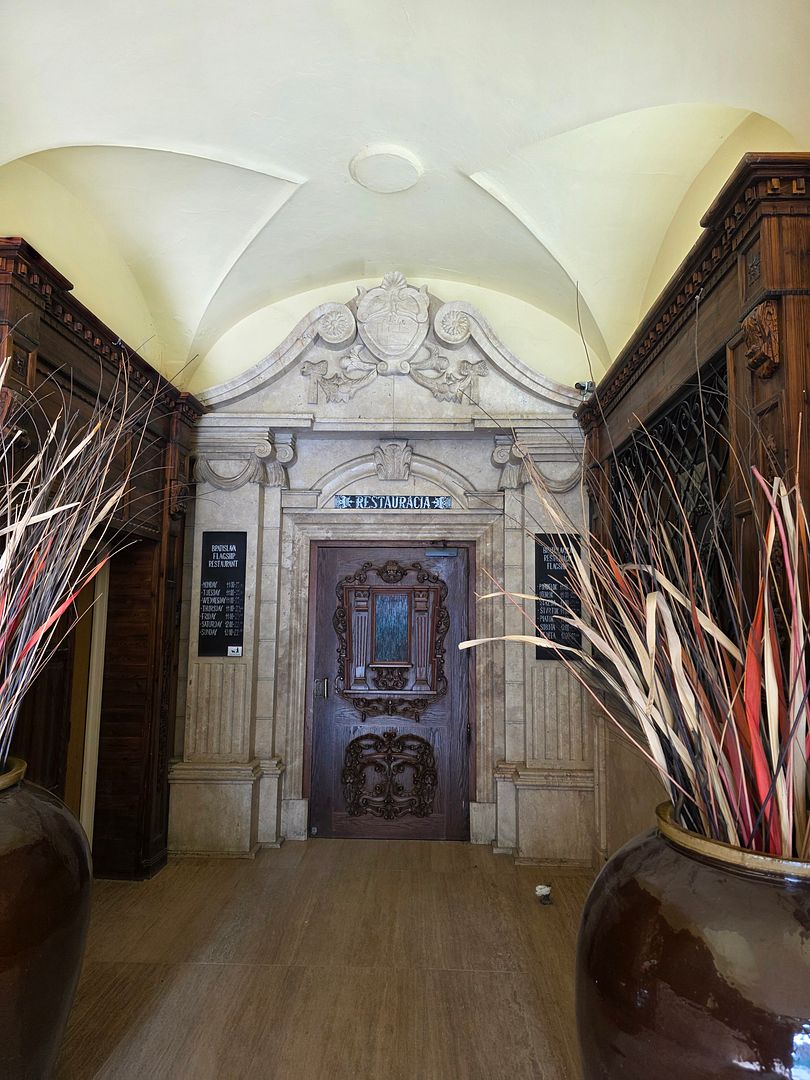
Finally we found the correct entrance to this 18th century monastery and theater that houses the Bratislava Flagship Restaurant.
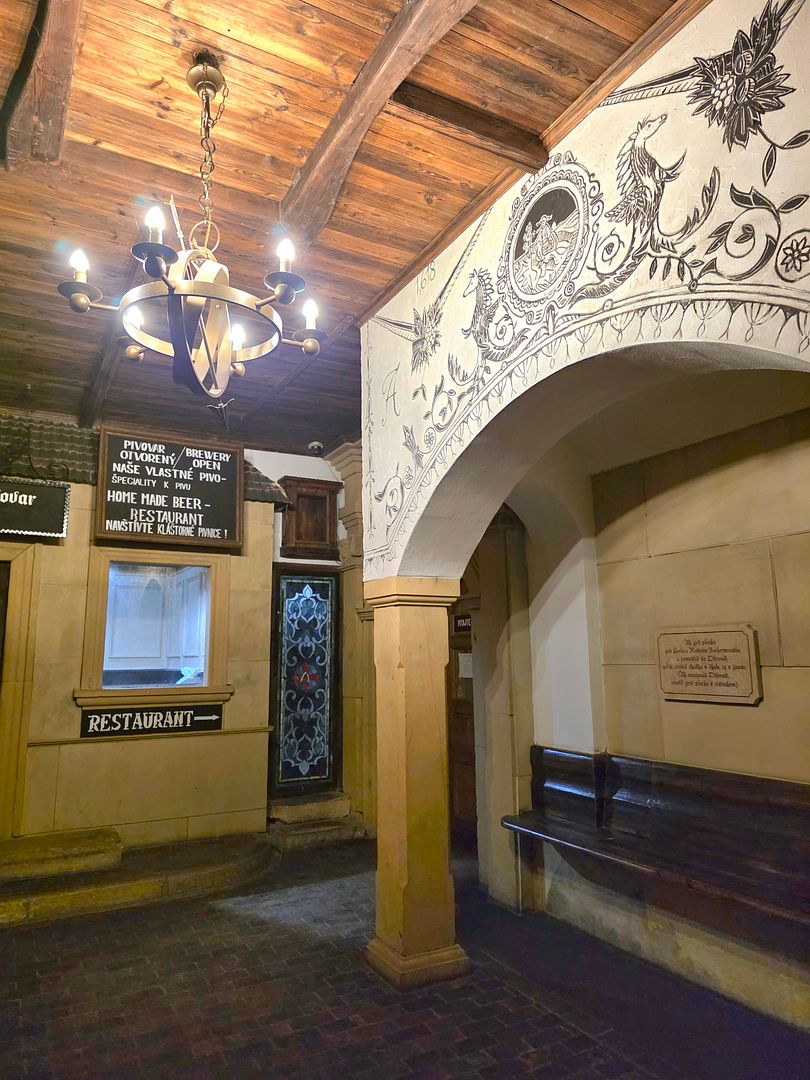
We followed the signs.
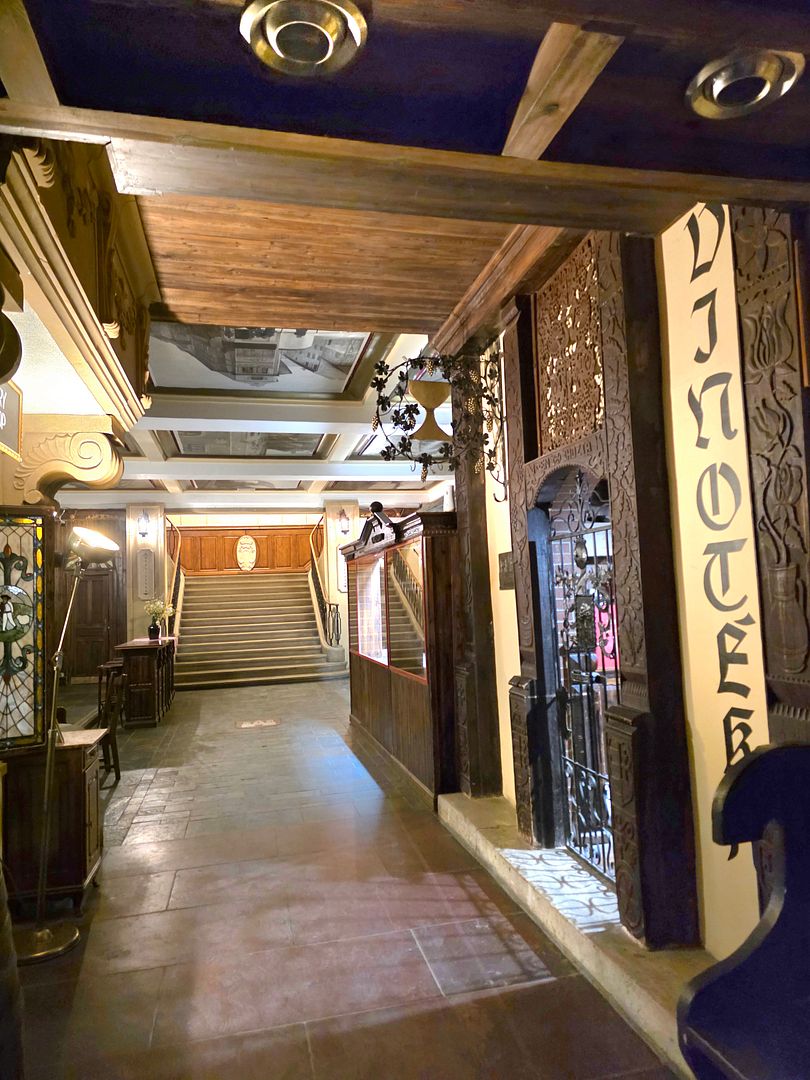
Up the stairs? Yes, up the stairs.
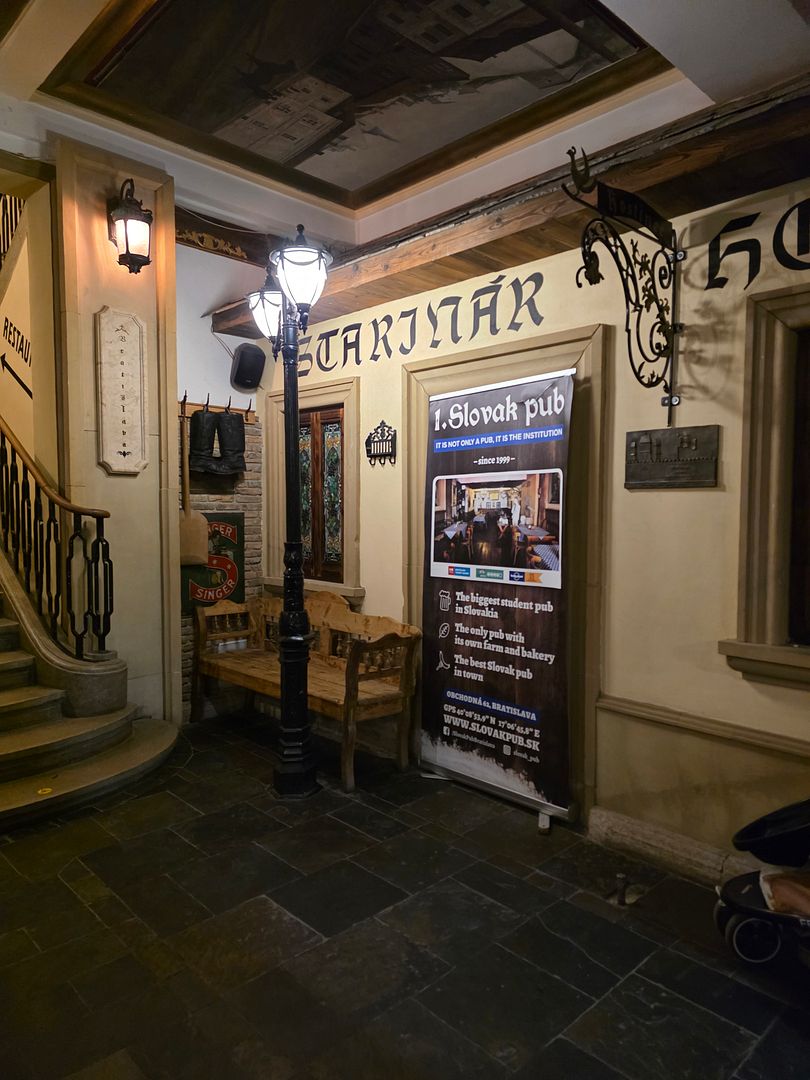
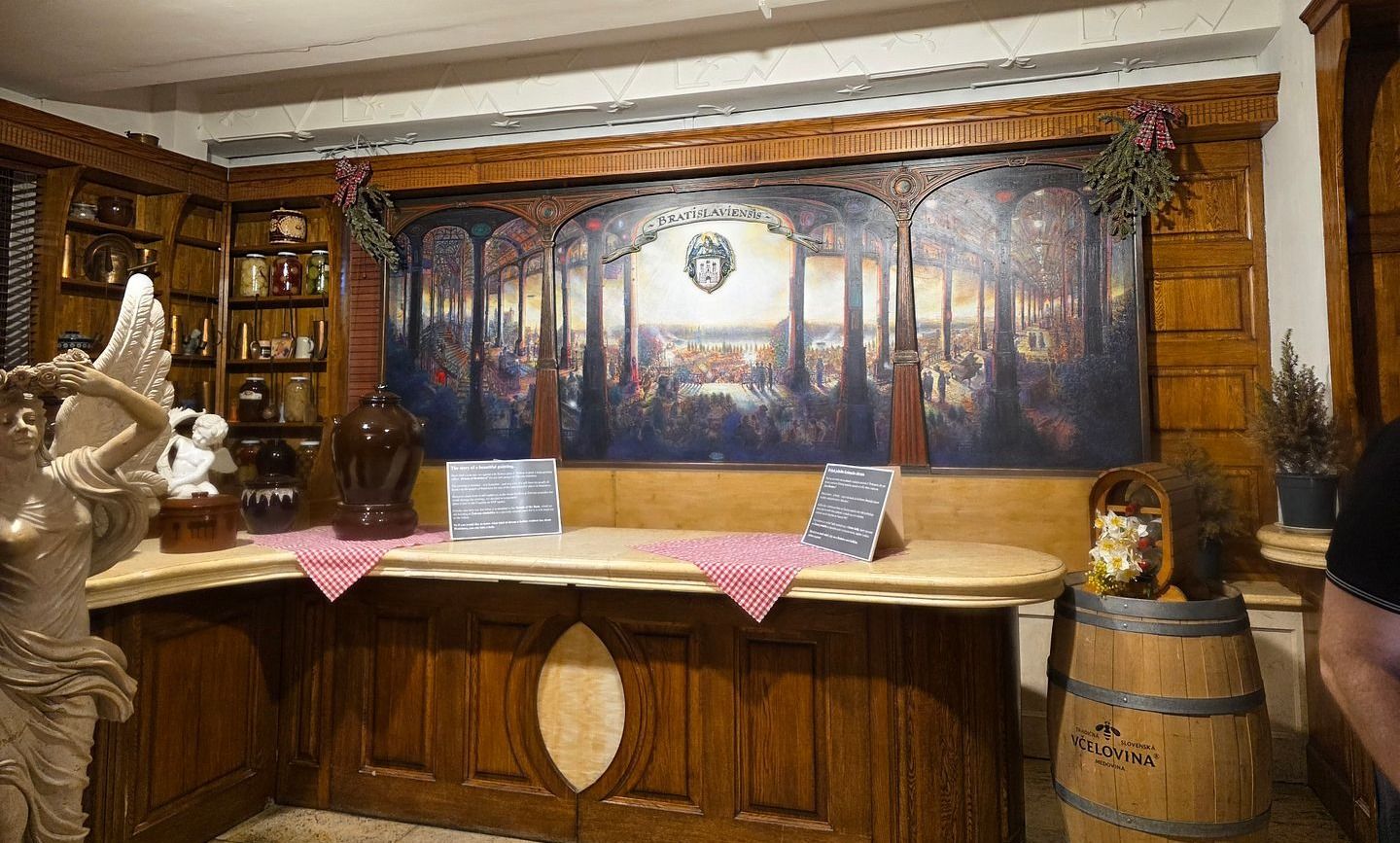
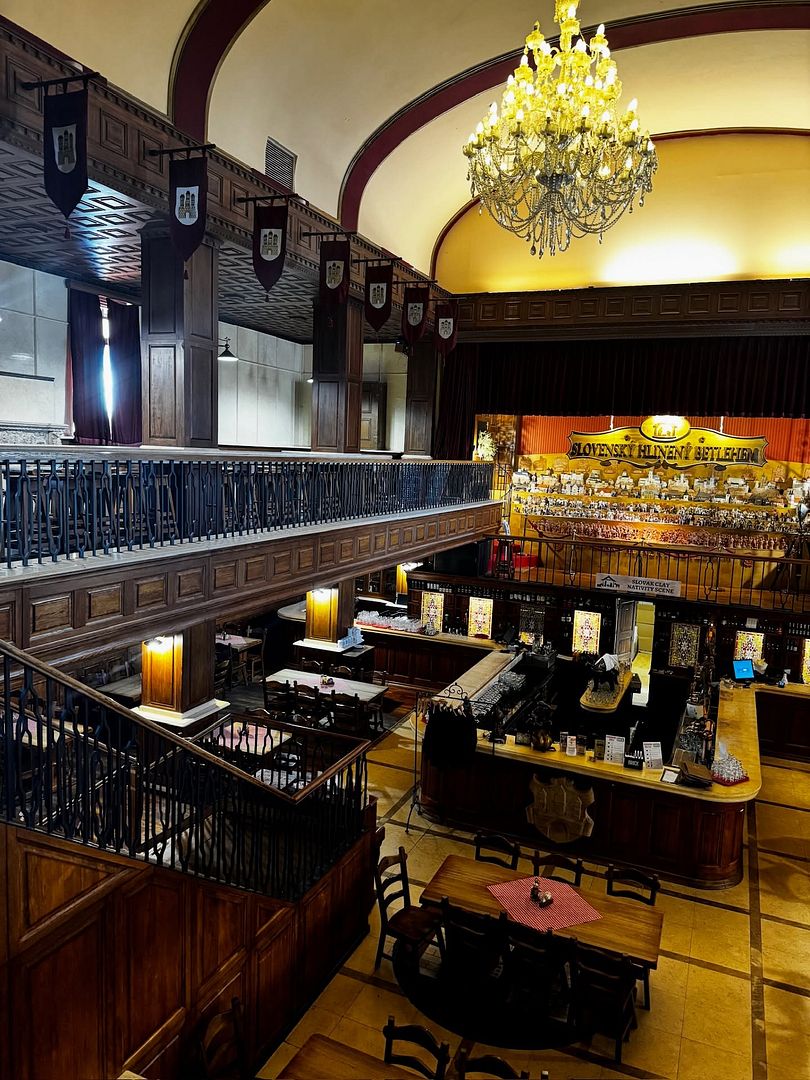
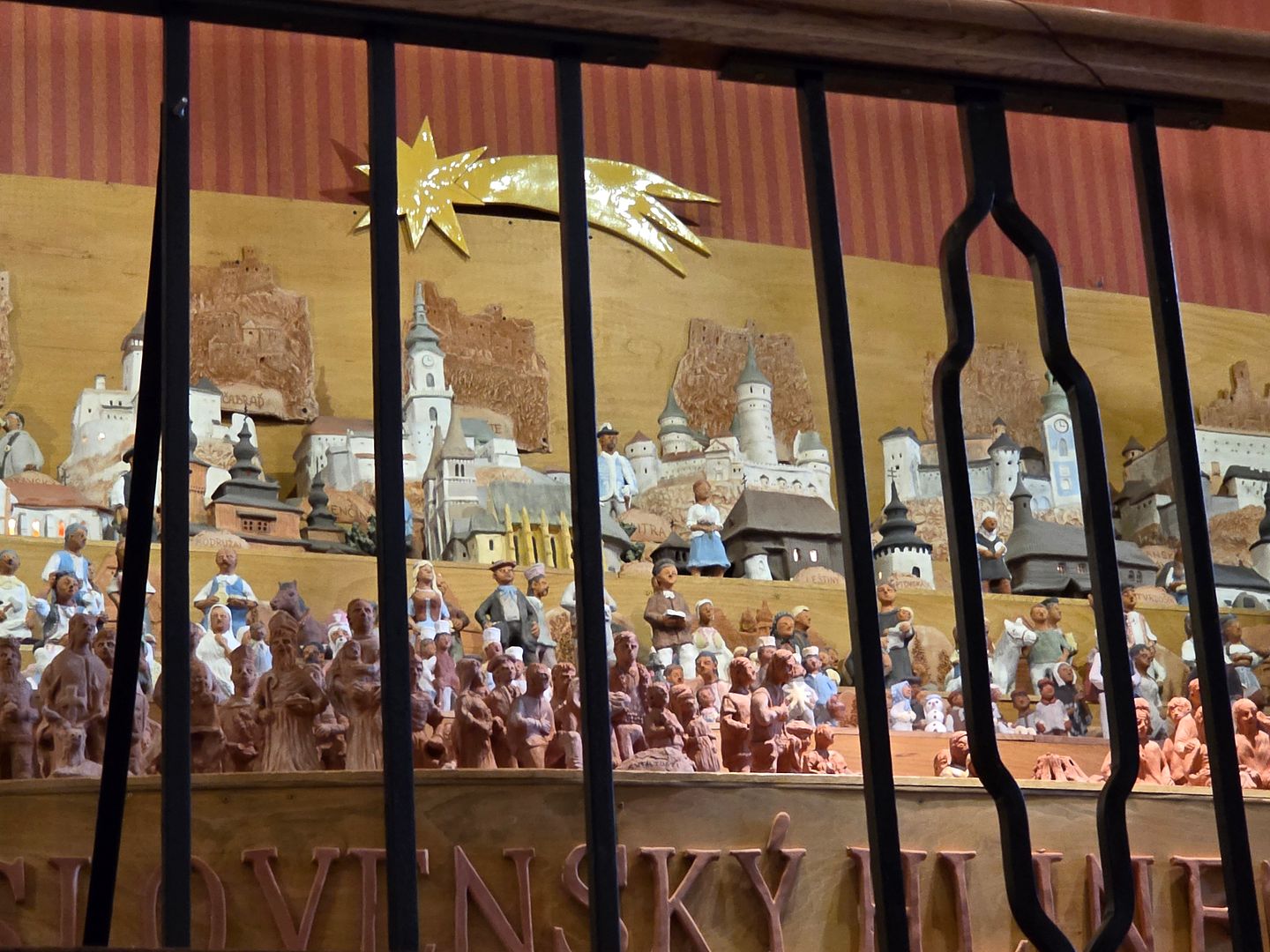
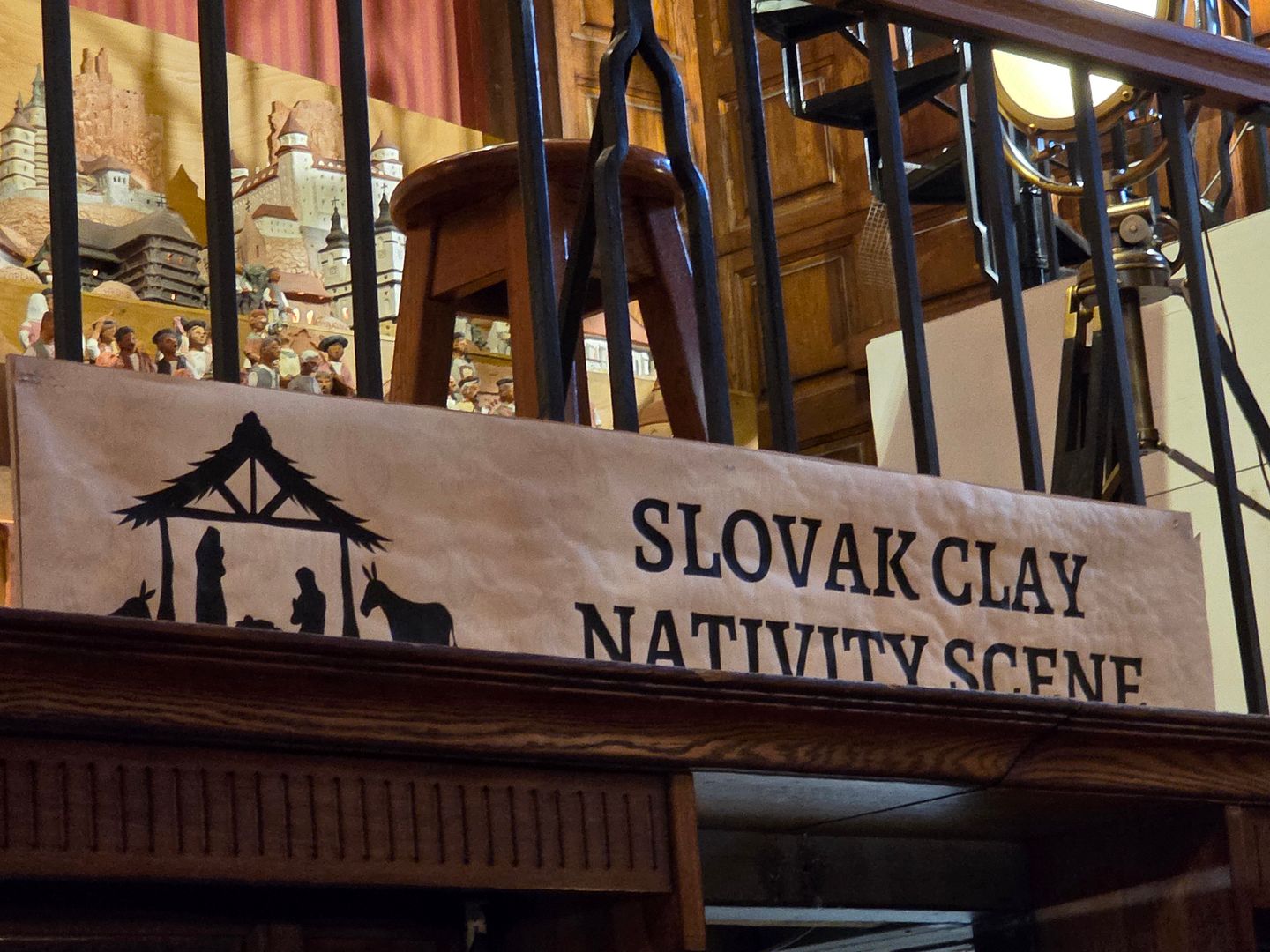
We sat in this space next to the bar below at a community table. This part of the building was a theater. It also has history as being a hospital at some point in time. On what was possibly the stage of the theater is a huge clay model of Bethlehem.
We were exhausted at this point from the zigzag course we took to get to the restaurant and were happy to have these two mugs set in front of us. These were their signature brews.
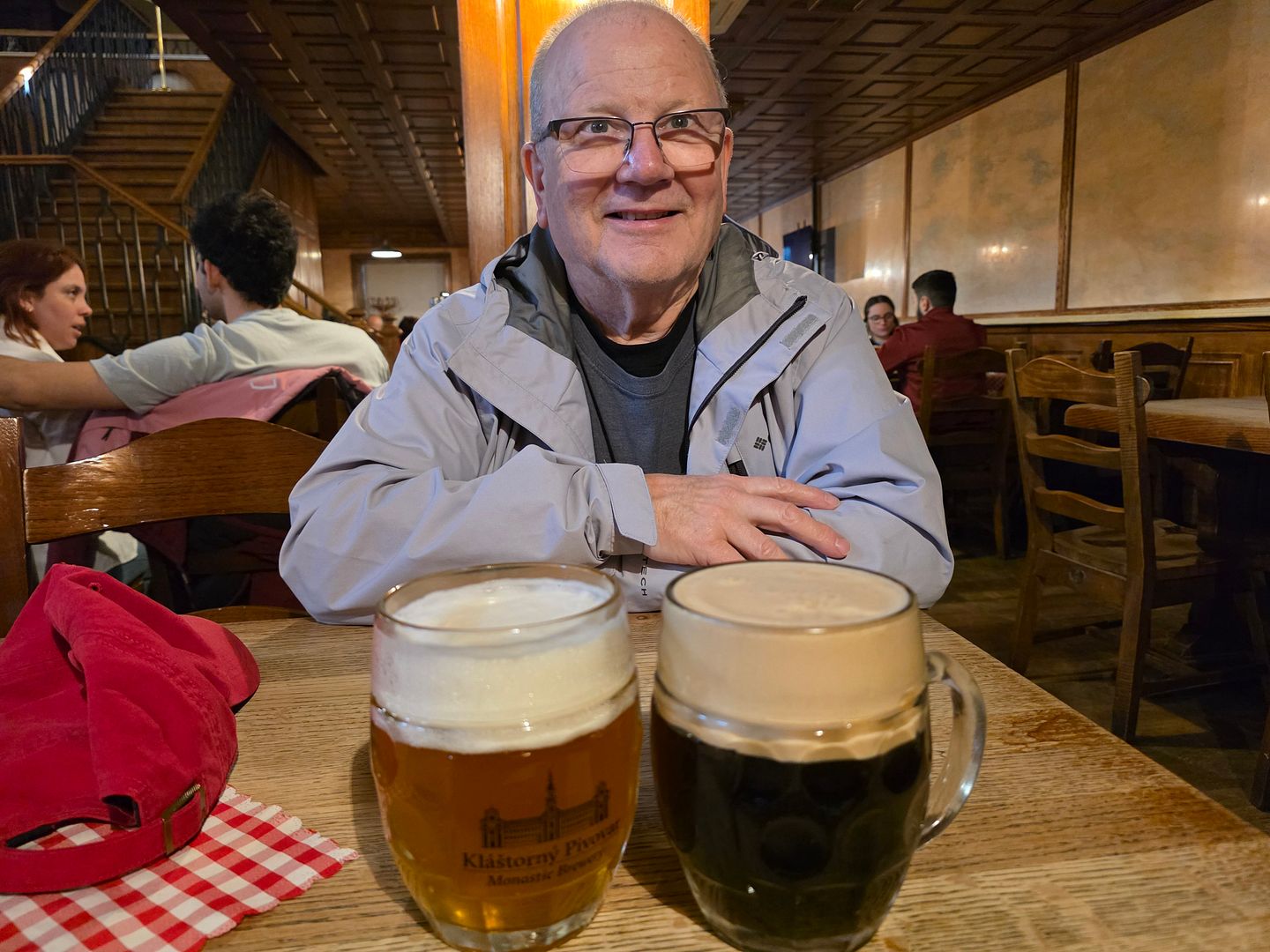
The cold brew in these dimpled glass beer steins were appreciated. There were two other folk sitting at the other side of the table, a father and daughter from Ireland. We had a nice conversation with them.
Reading a little about Bratislava before we arrived had me curious about what people called the Blue Church. That was our next quest on the way back to our boat.
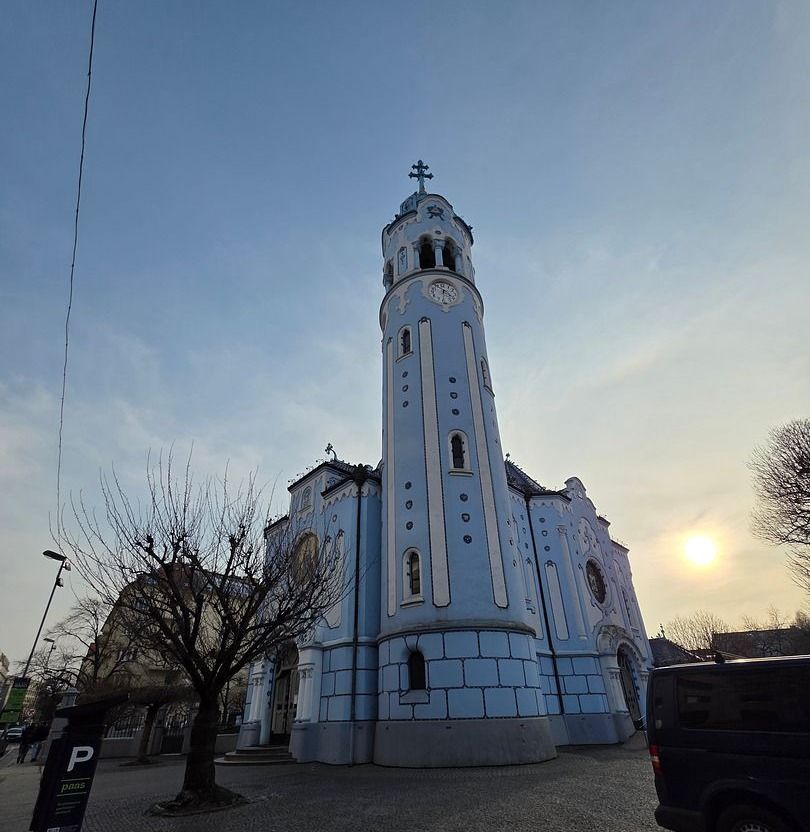
The Church of St. Elizabeth, commonly known as Blue Church, is a Hungarian-Secessionist Catholic church located in the eastern part of the Old Town in Bratislava, present-day Slovakia. It is consecrated to Elisabeth of Hungary, daughter of Andrew II, who grew up in the Pressburg Castle.
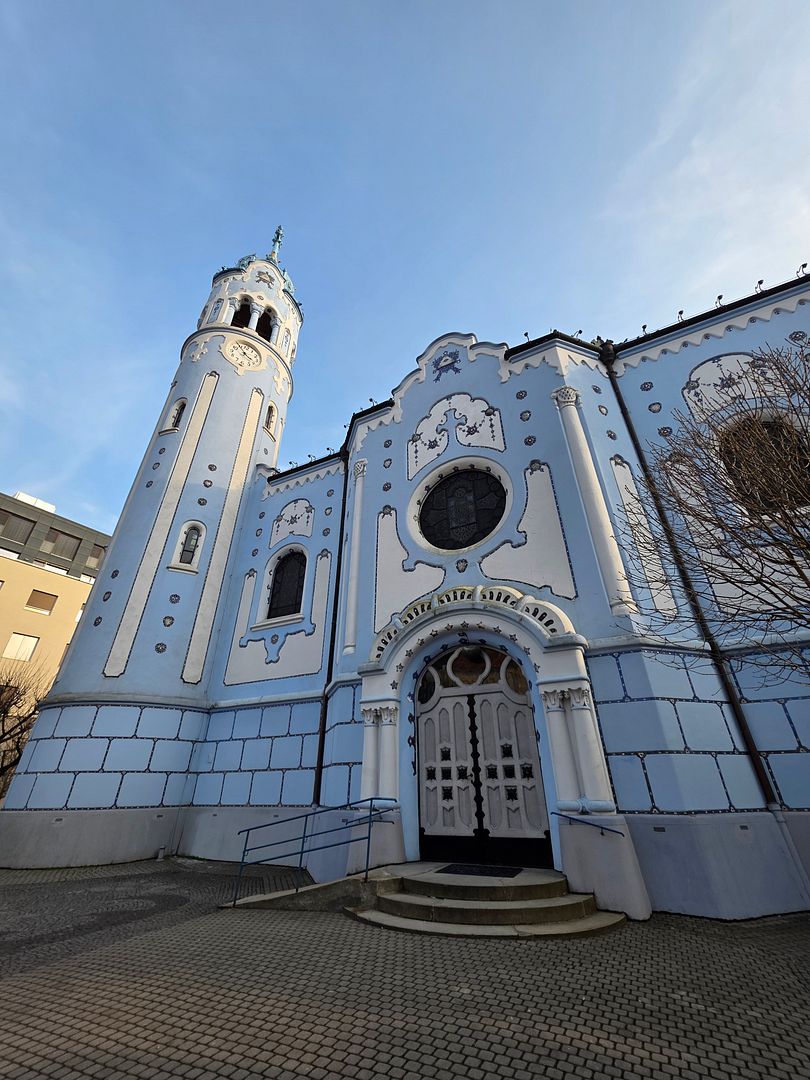
Constructed in the early 20th century, it was built during a time when Art Nouveau was at its peak in Europe. The church is named after St. Elizabeth of Hungary, reflecting the town’s historical ties with Hungarian culture.
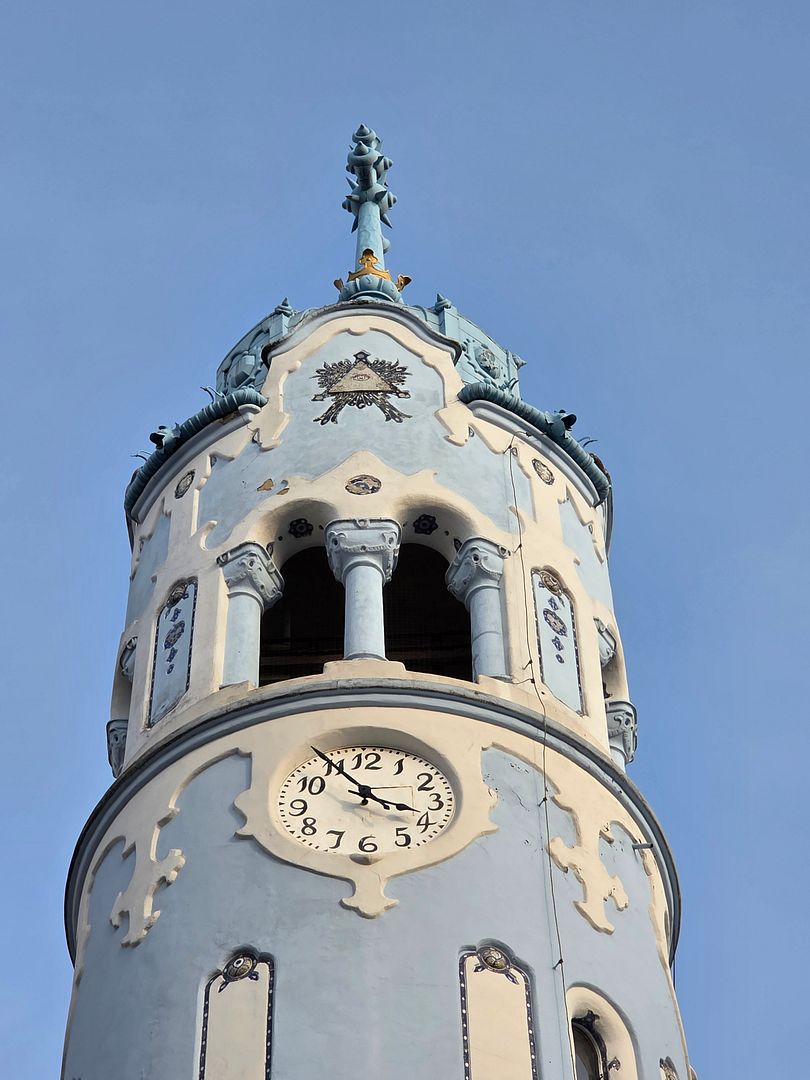
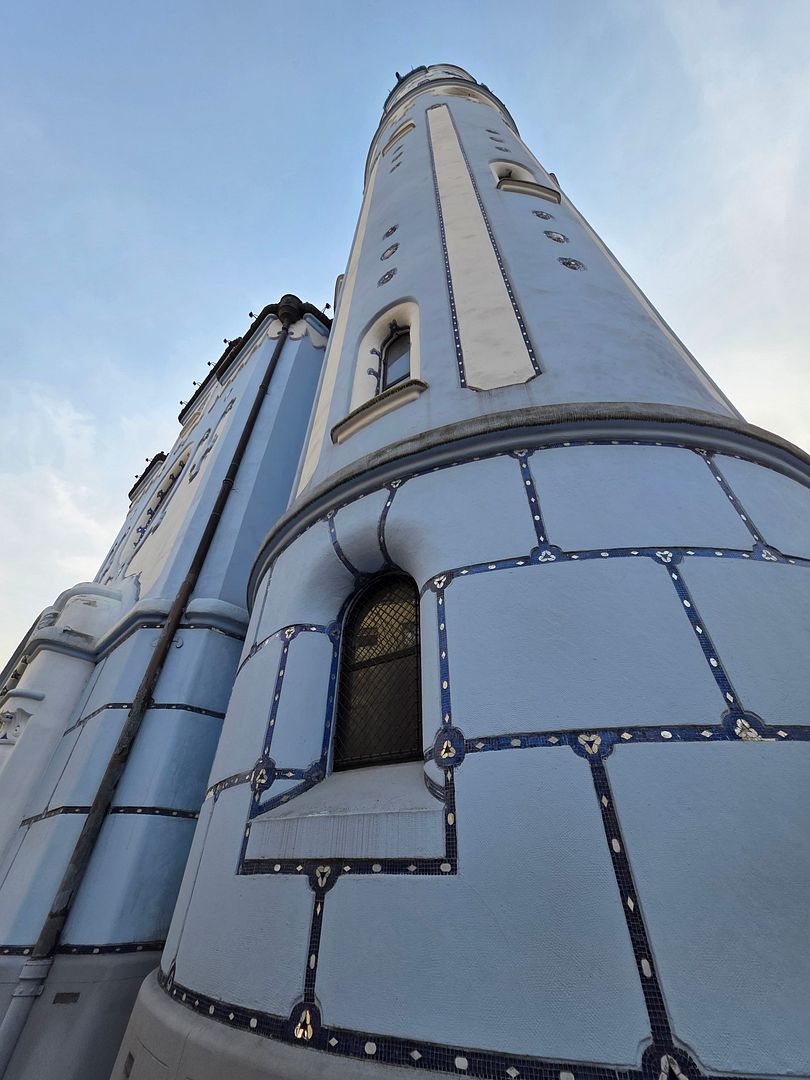
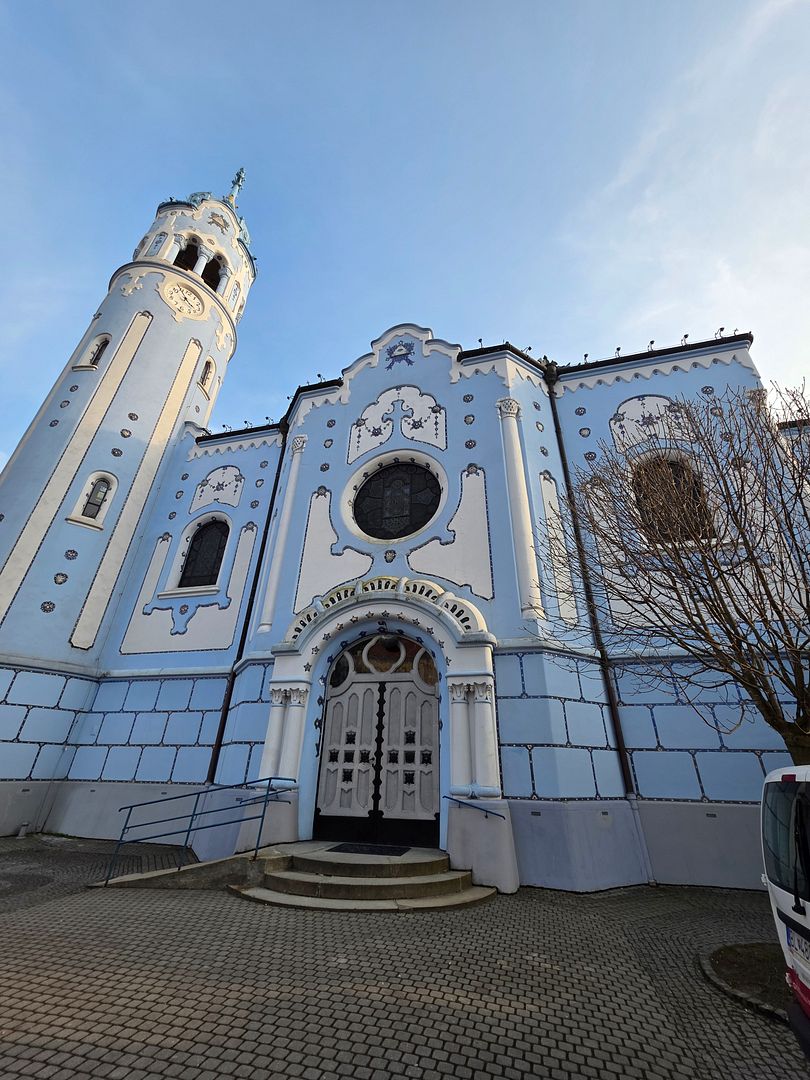
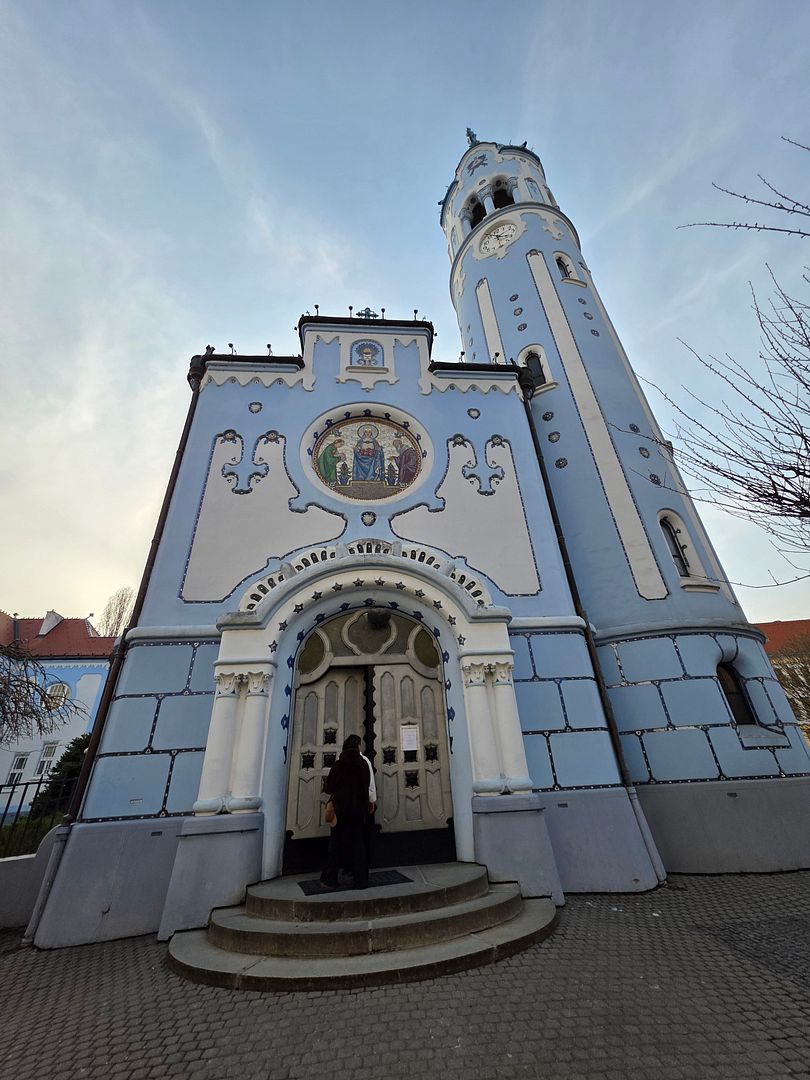
The church, consecrated in 1913, is known for its fairytale appearance and is often regarded as one of the most unique examples of early 20th-century religious architecture in Central Europe.
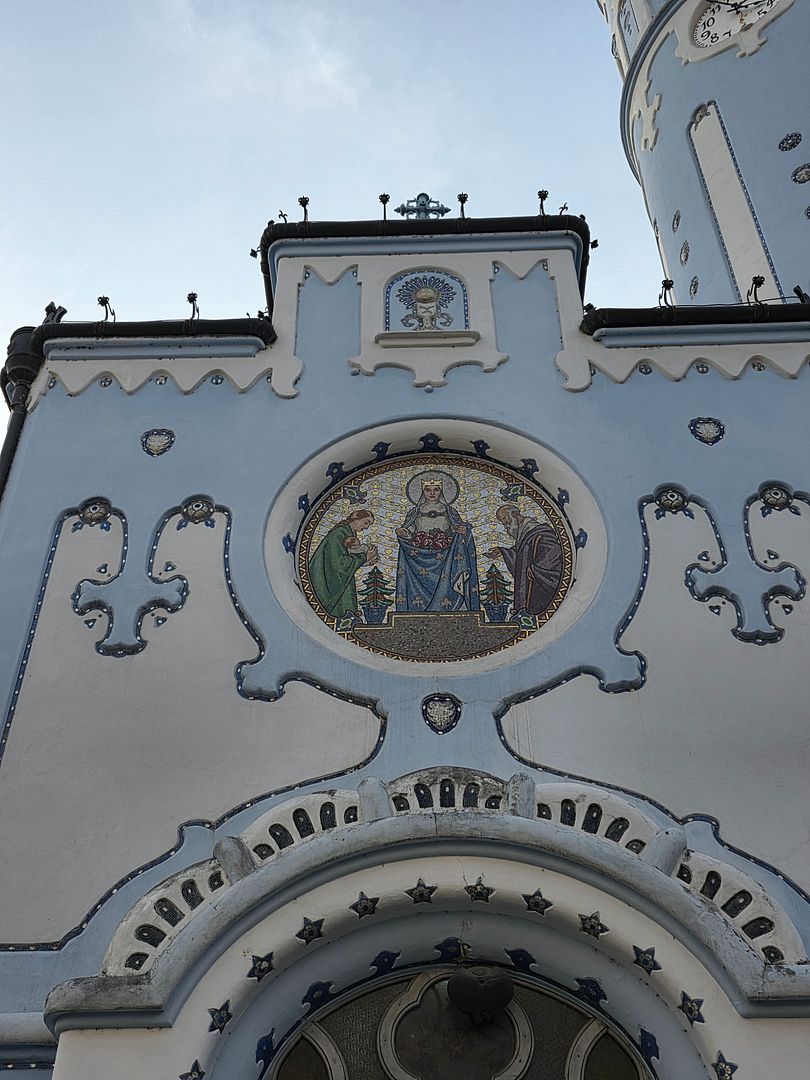
Mosaic of St. Elizabeth: Located above the gate, this 2.6-meter diameter mosaic depicts St. Elizabeth of Hungary and the “Miracle of the Rose.”
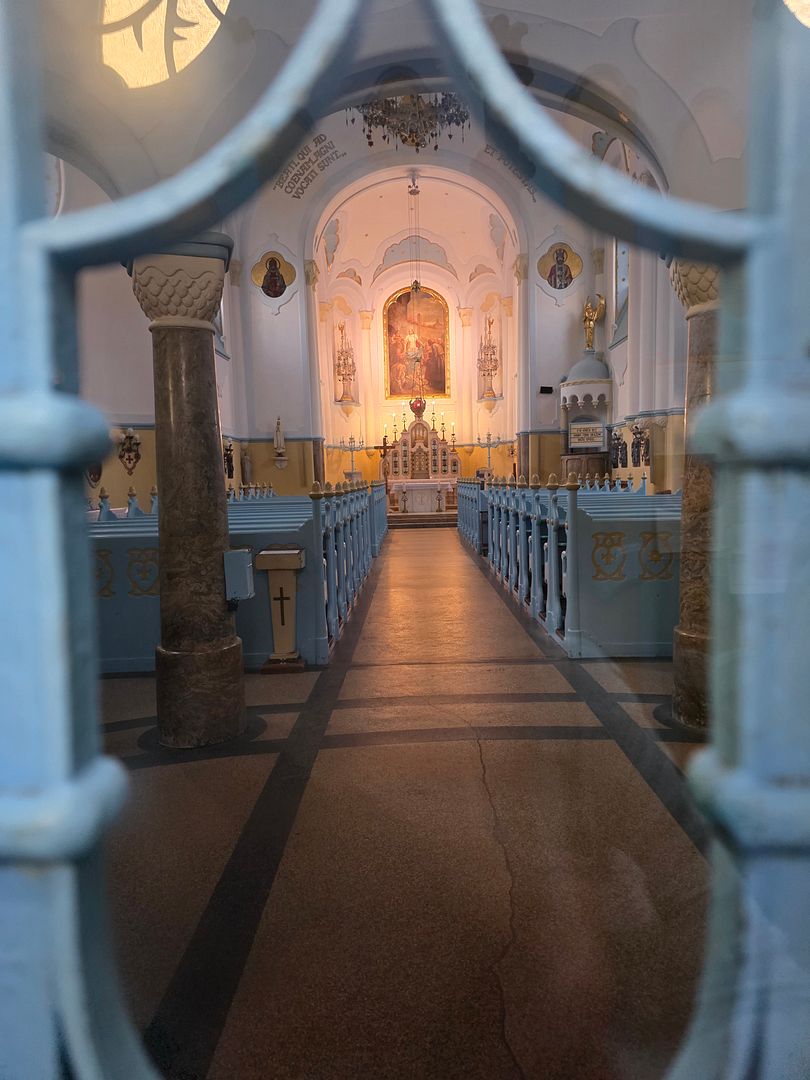
We were able to just get inside a little vestibule area with locked iron gates so we couldn’t walk in amongst the pews. I think Blue church is a very appropriate name for this gem. As you can see even the pews are blue. The walls are blue, too, except for the Altar area.
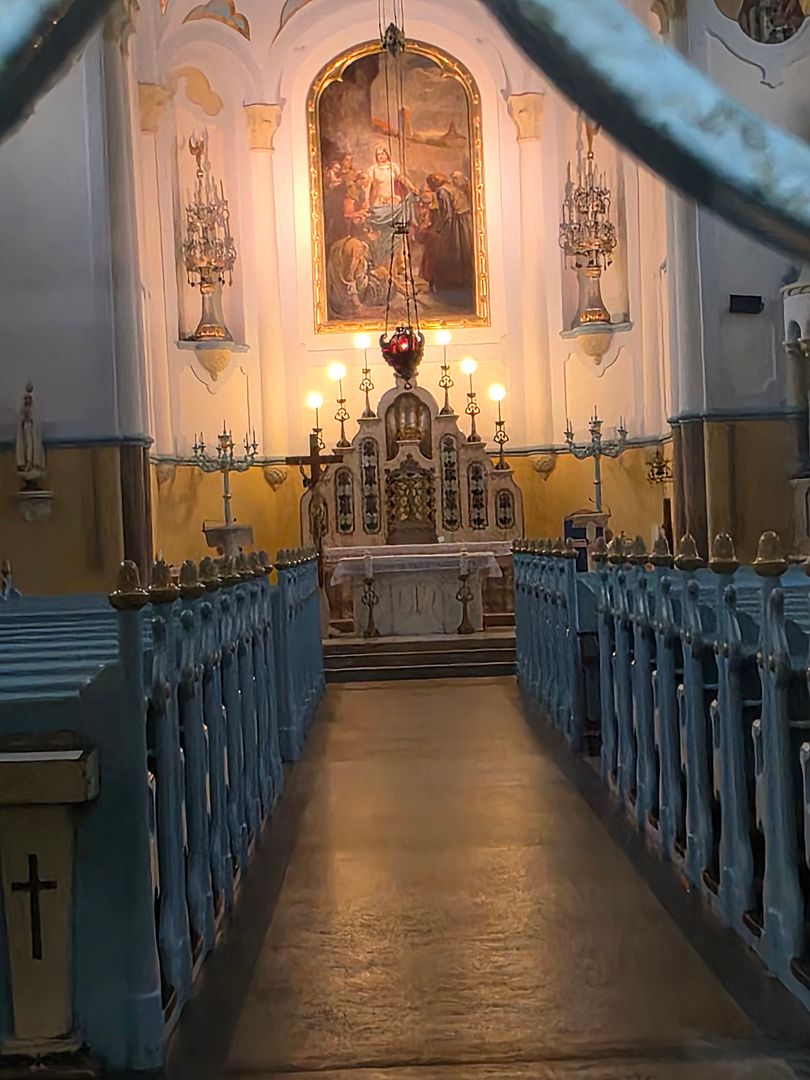
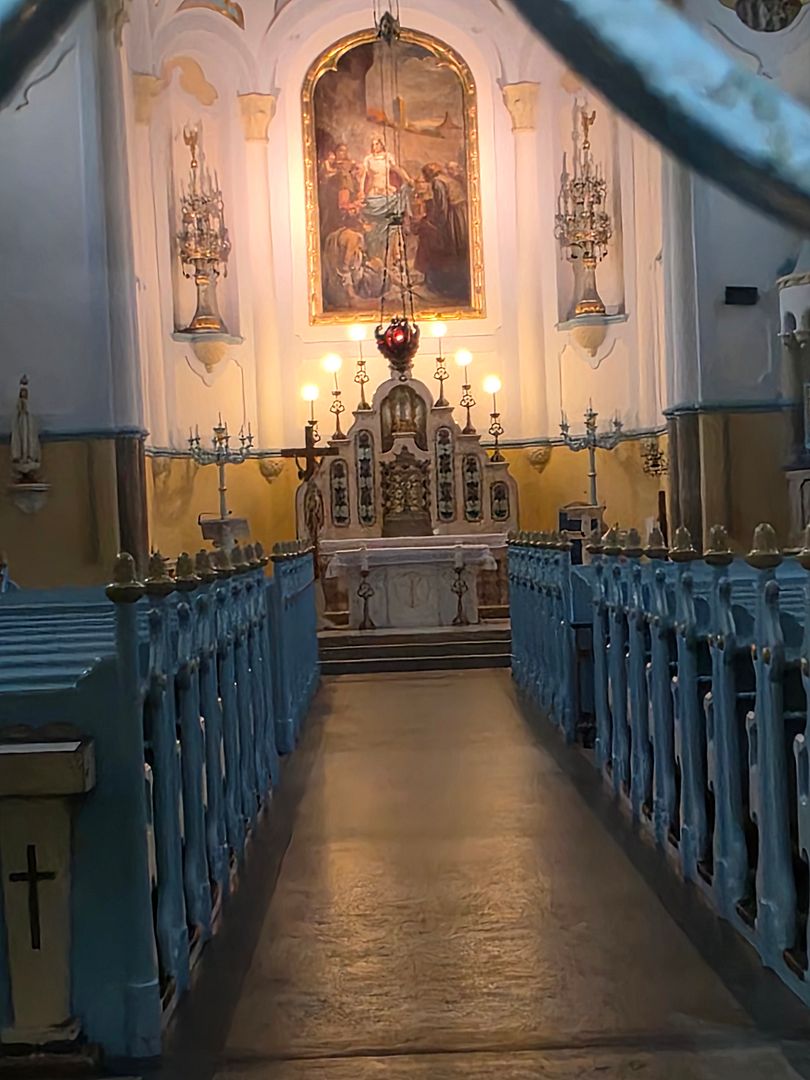
The painting depicts St. Elizabeth distributing food to the poor.
We made it back to the boat anxious for a restroom (TMI). It was not easy to find public restrooms in the European towns we visited and local currency was necessary for those public restrooms in most cases. We countered this problem for the most part with good timing for restaurants and museums, etc., where restrooms were available without cost.
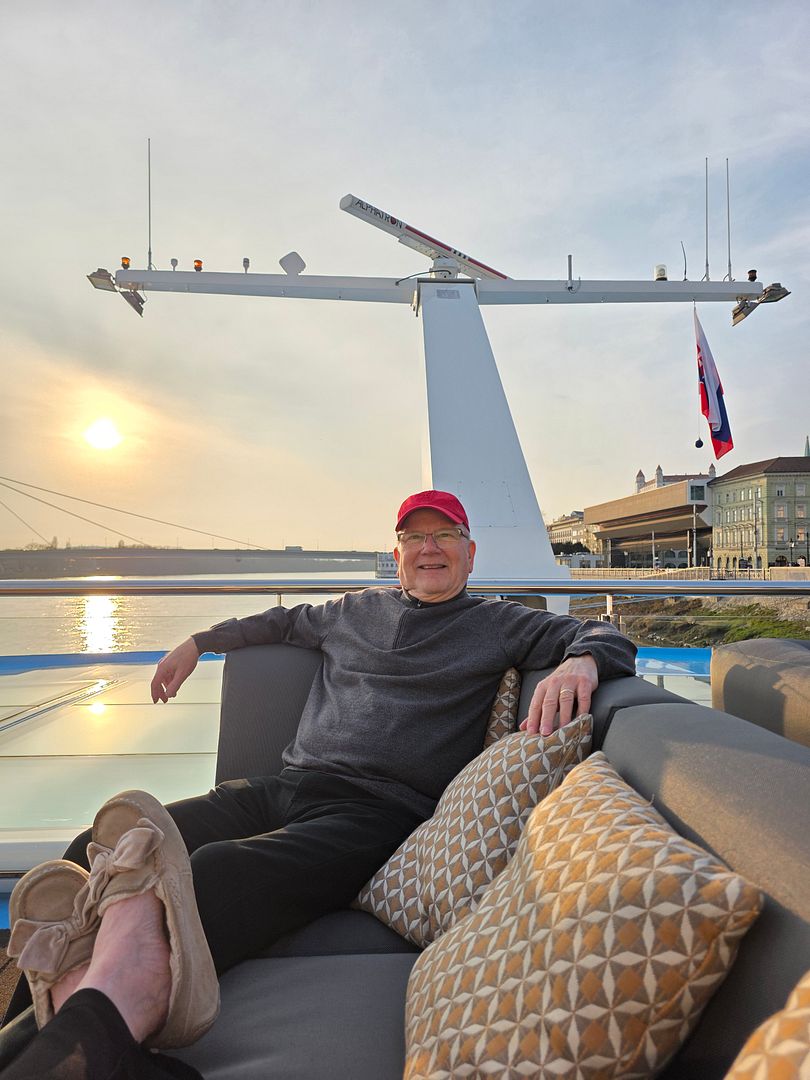
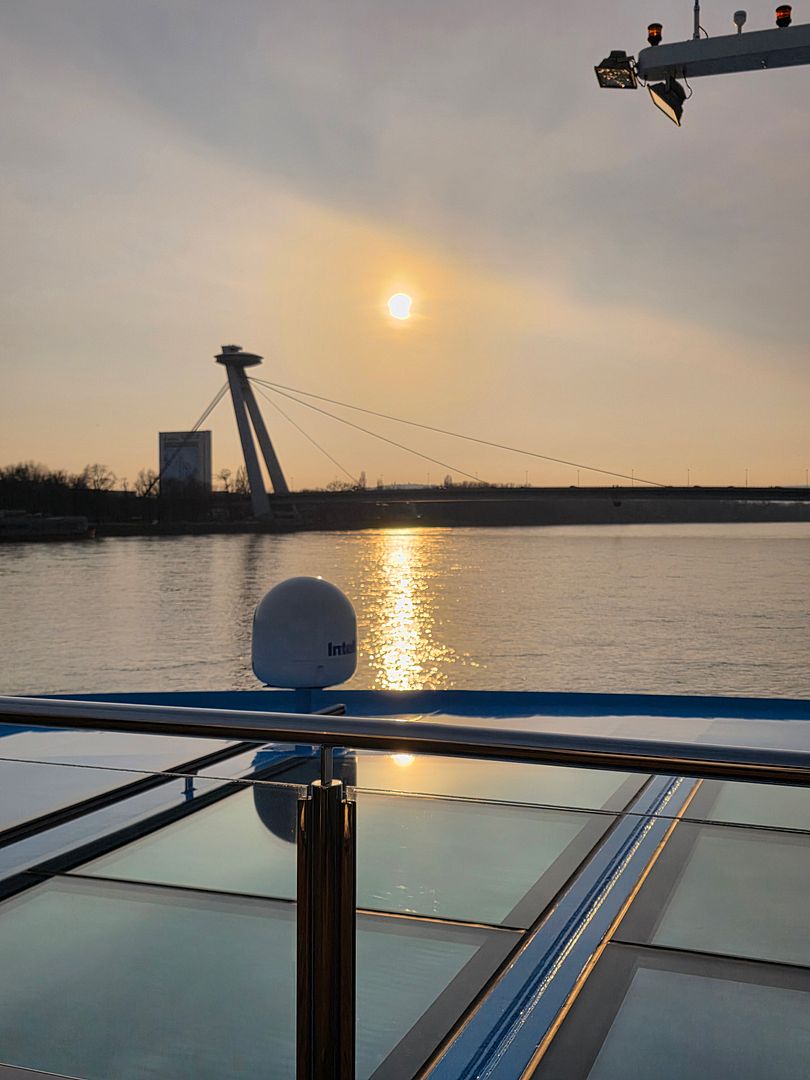
Back on the boat I changed out my shoes for my slippers as my feet were yelling, especially my baby toe with a huge blister! It was nice to relax on the upper deck and watch the sun setting before our onboard Sip and Sail followed by dinner.
We would be cruising overnight to Krems in Austria-gateway to the beautiful Wachau Valley, known for vineyards and apricots!
Thank you for following along on our journeys from the beginning of March!

 The Happy Wonderer ~ ellen b.