Our last stop of the day on Saturday September 16th before heading back to Dublin was the city of Belfast.
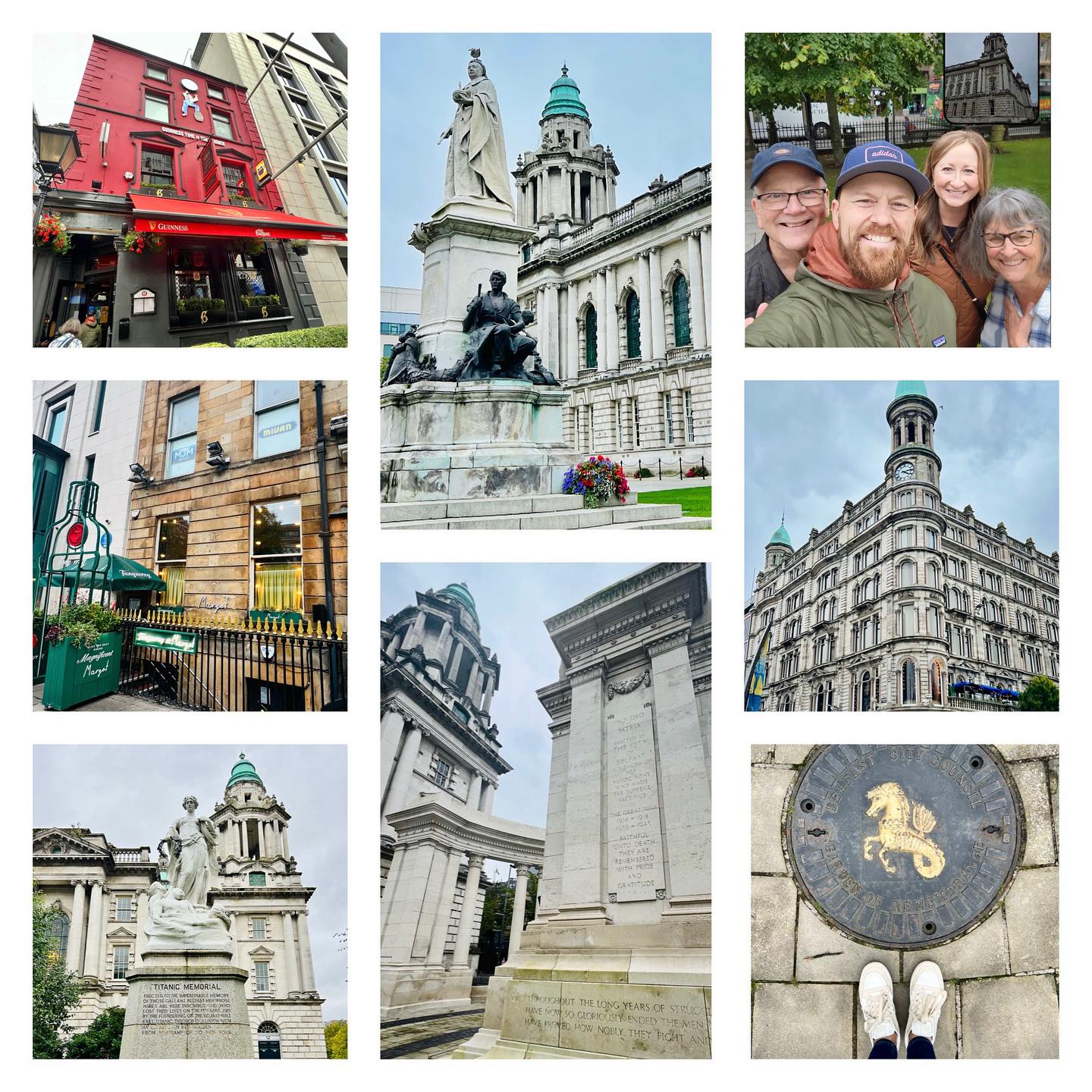
We enjoyed the little we saw of Belfast.
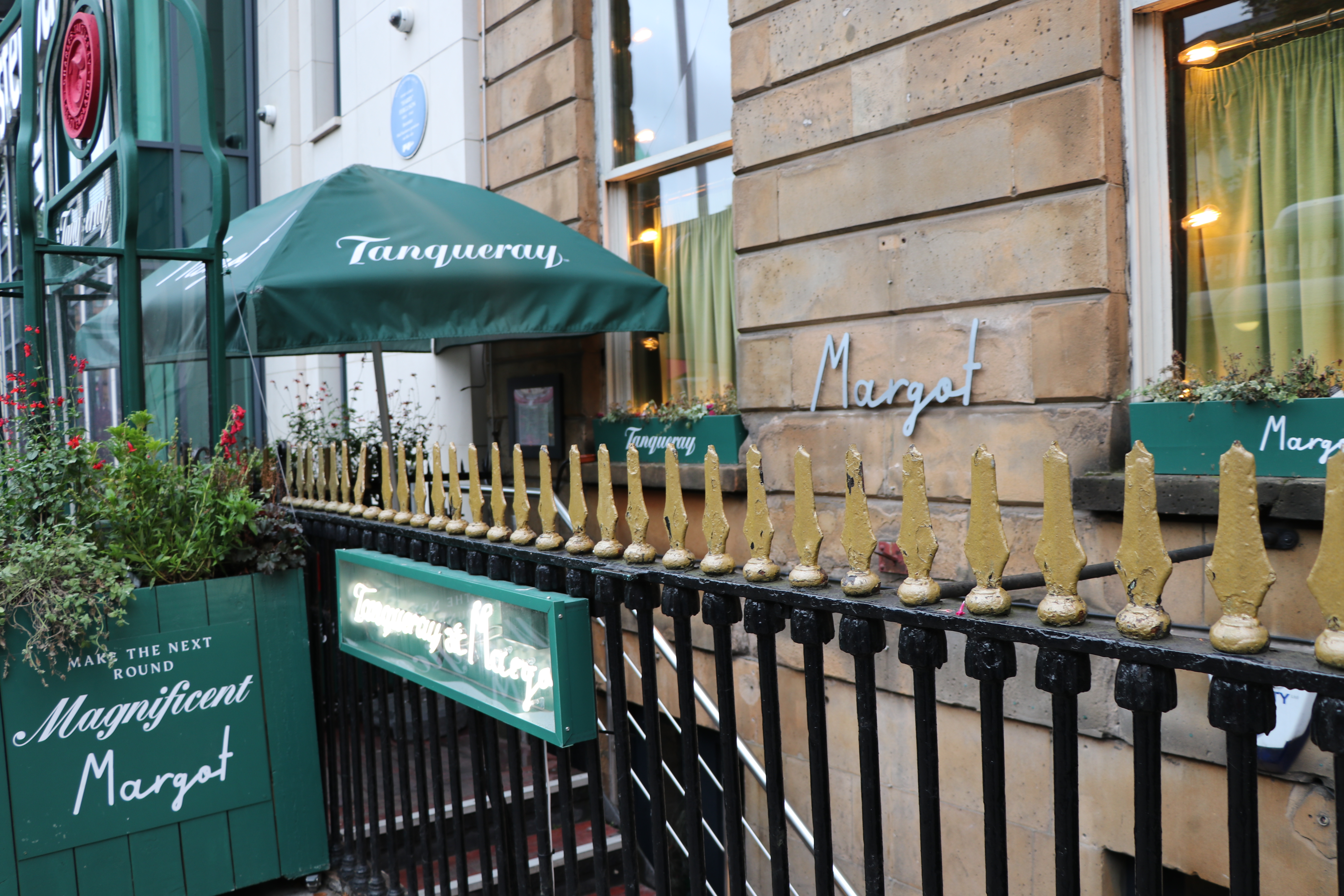
We popped into the Magnificent Margot and had an enjoyable time in the upbeat and friendly atmosphere. We joined a local couple at a table and had an enjoyable conversation with them.
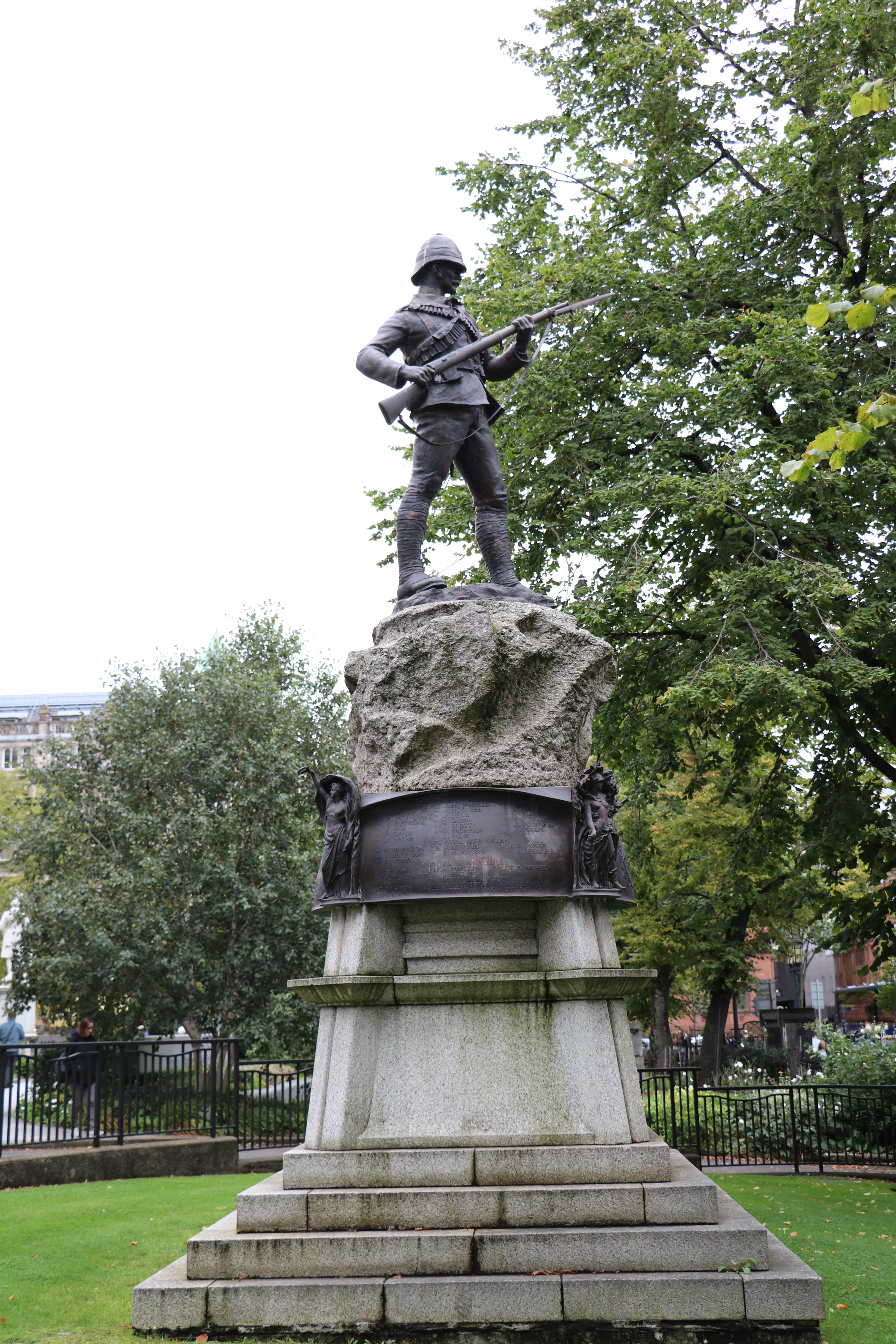
The Belfast Boer war memorial takes the form of a statue of a private of the Regiment in khaki uniform, with topee and puttees, with a rifle and fixed bayonet at the ready. It lists 130 names of the officers, non-commissioned officers and men of the Royal Irish Rifles who were killed during the Second South African War that lasted from 1899 to 1902. The memorial was unveiled by Field Marshall Lord Grenfell in 1905.
There were several meaningful monuments around the City Hall, war memorials and a memorial to the lives lost on the Titanic.
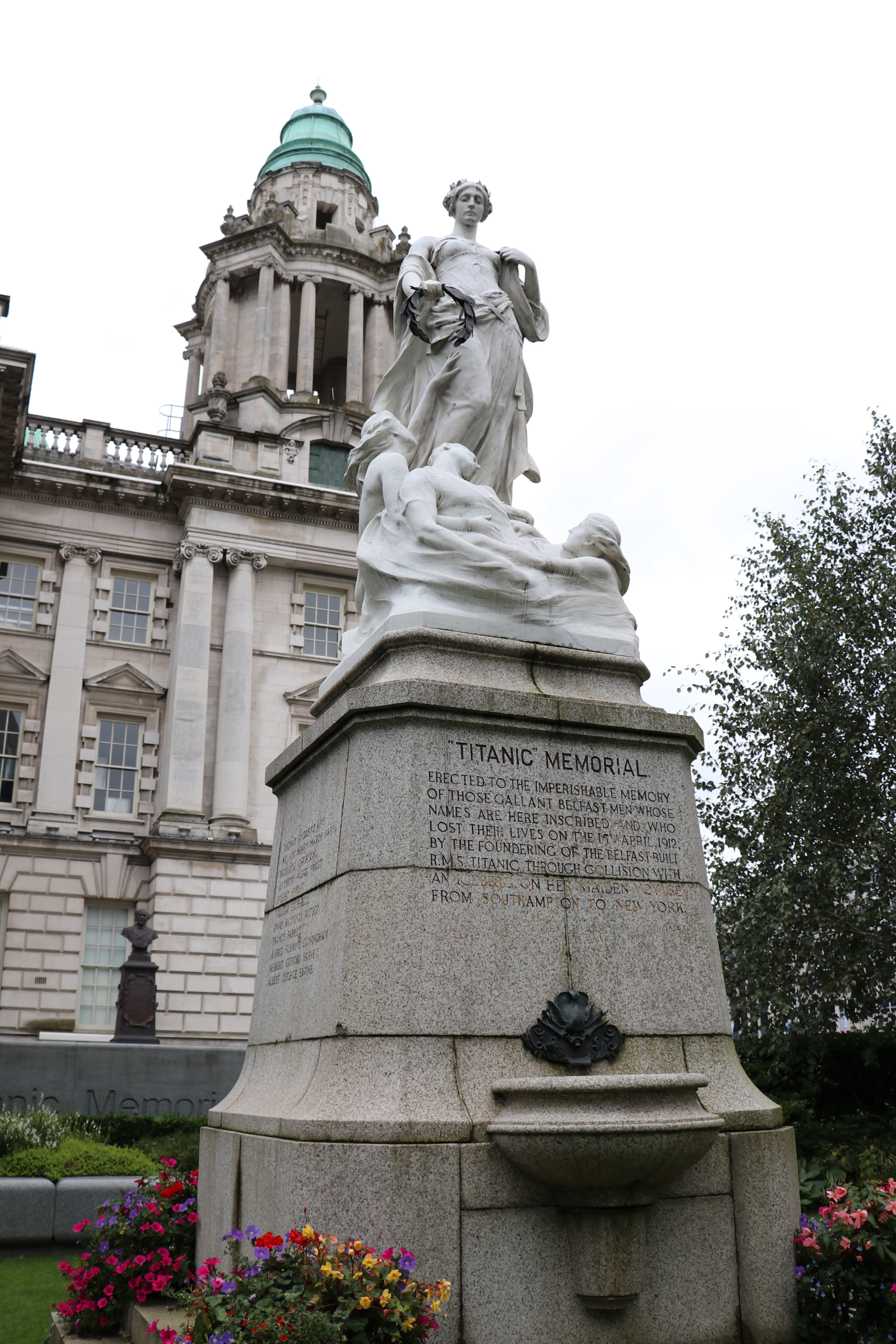
The last work of sculptor Sir Thomas Brock and originally unveiled in the North of Donegall Square in 1920, this memorial was moved in 1960 to where it stands now. In white Carrera marble, the female figure of Death or Fate looks down at two sea nymphs rising from the waves, with the body of a drowned sailor in their arms. It was thought at the time that only 22 local people had died in the disaster and only the names of those victims are recorded on the original memorial. Their names are listed on two sides in order of rank upon the ship.
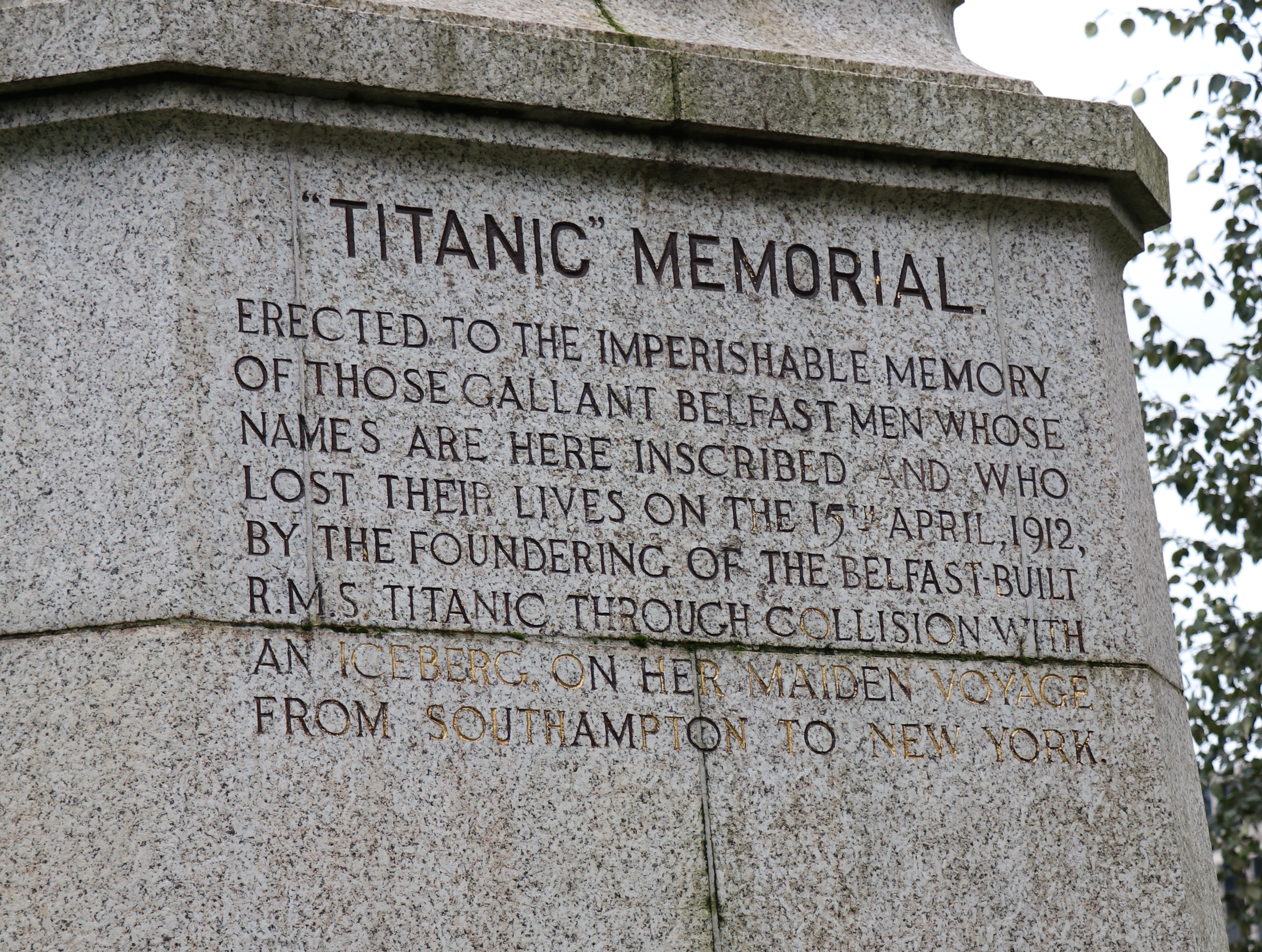
The Titanic was built in Belfast.

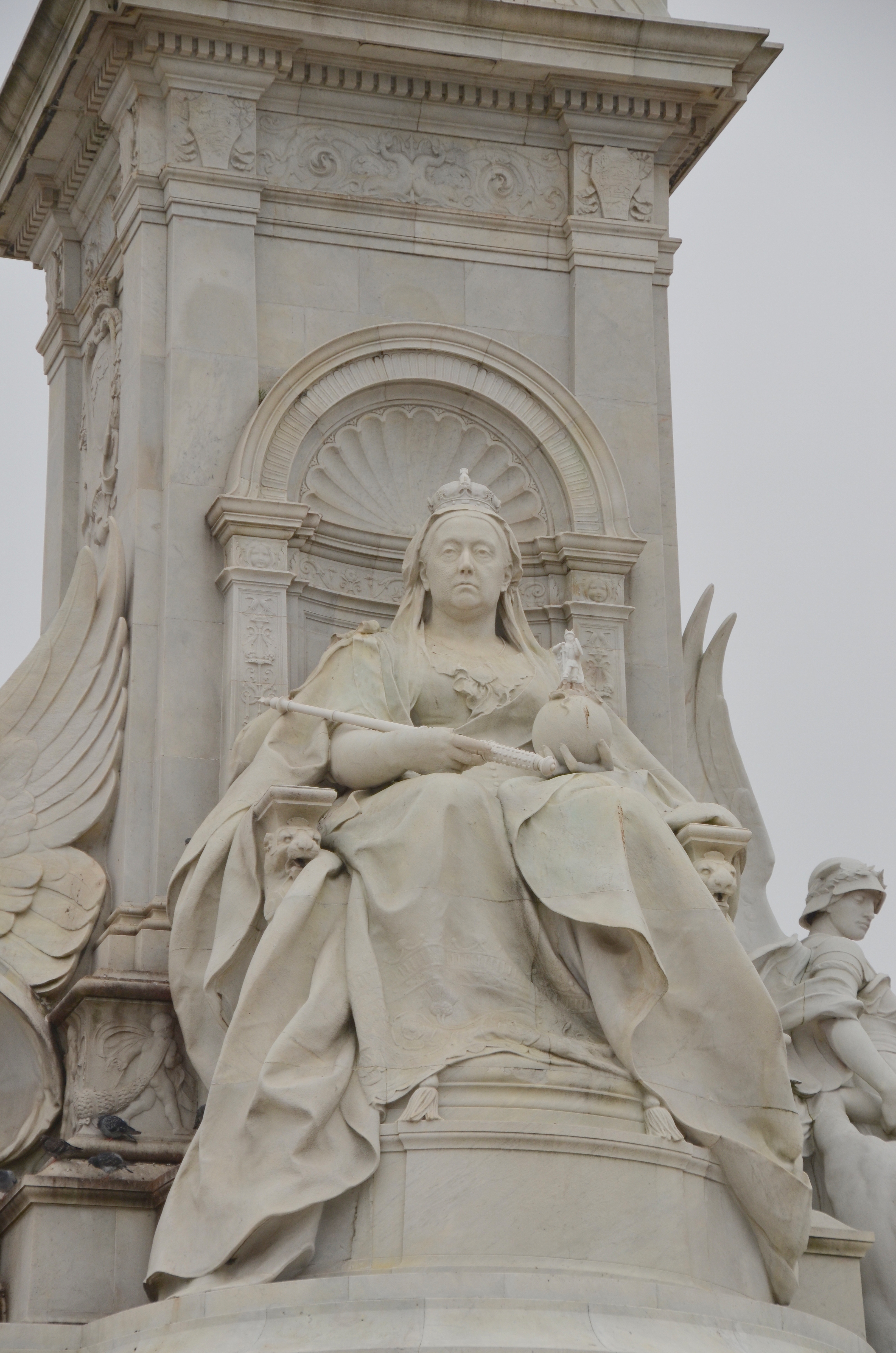
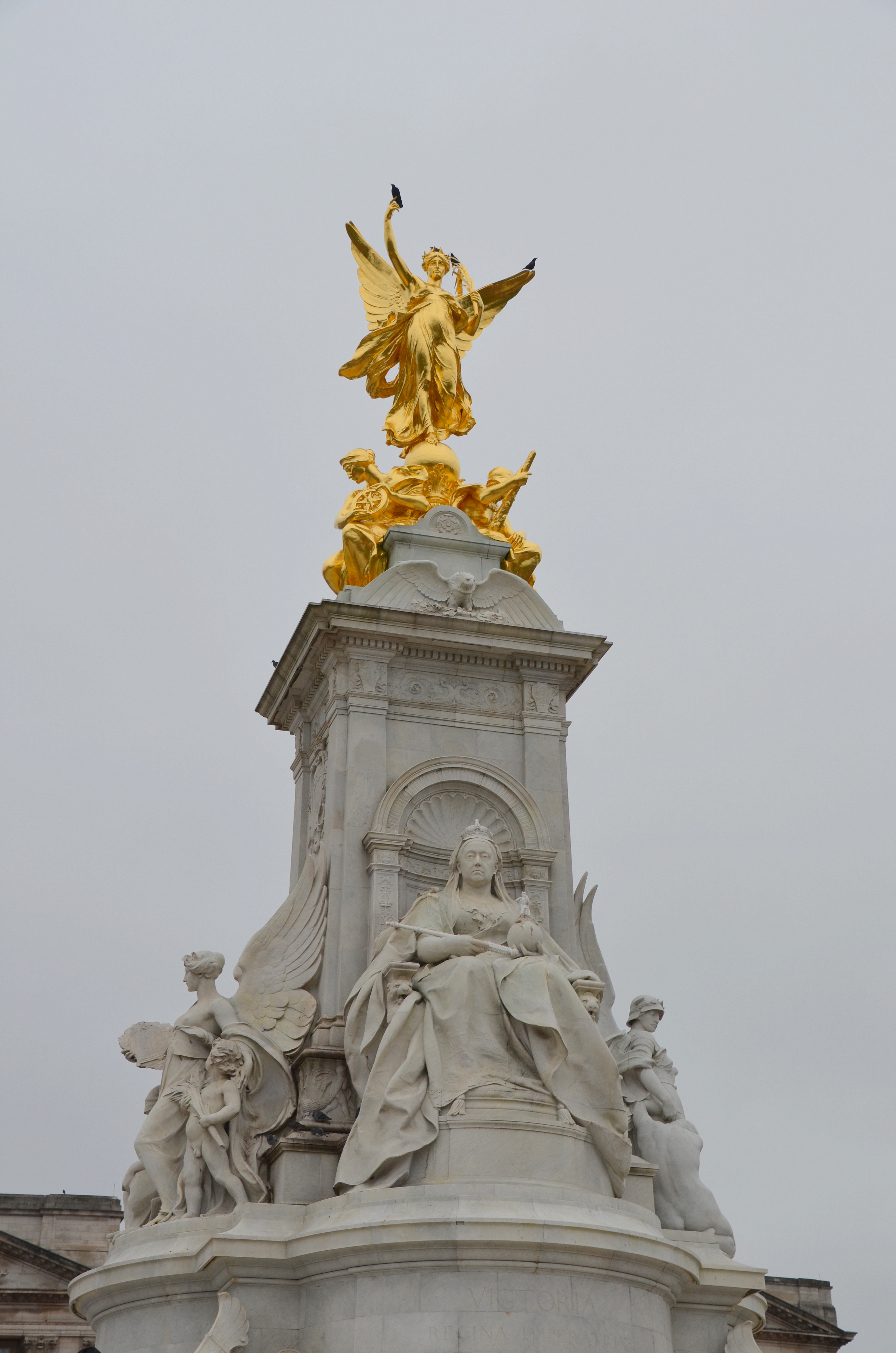
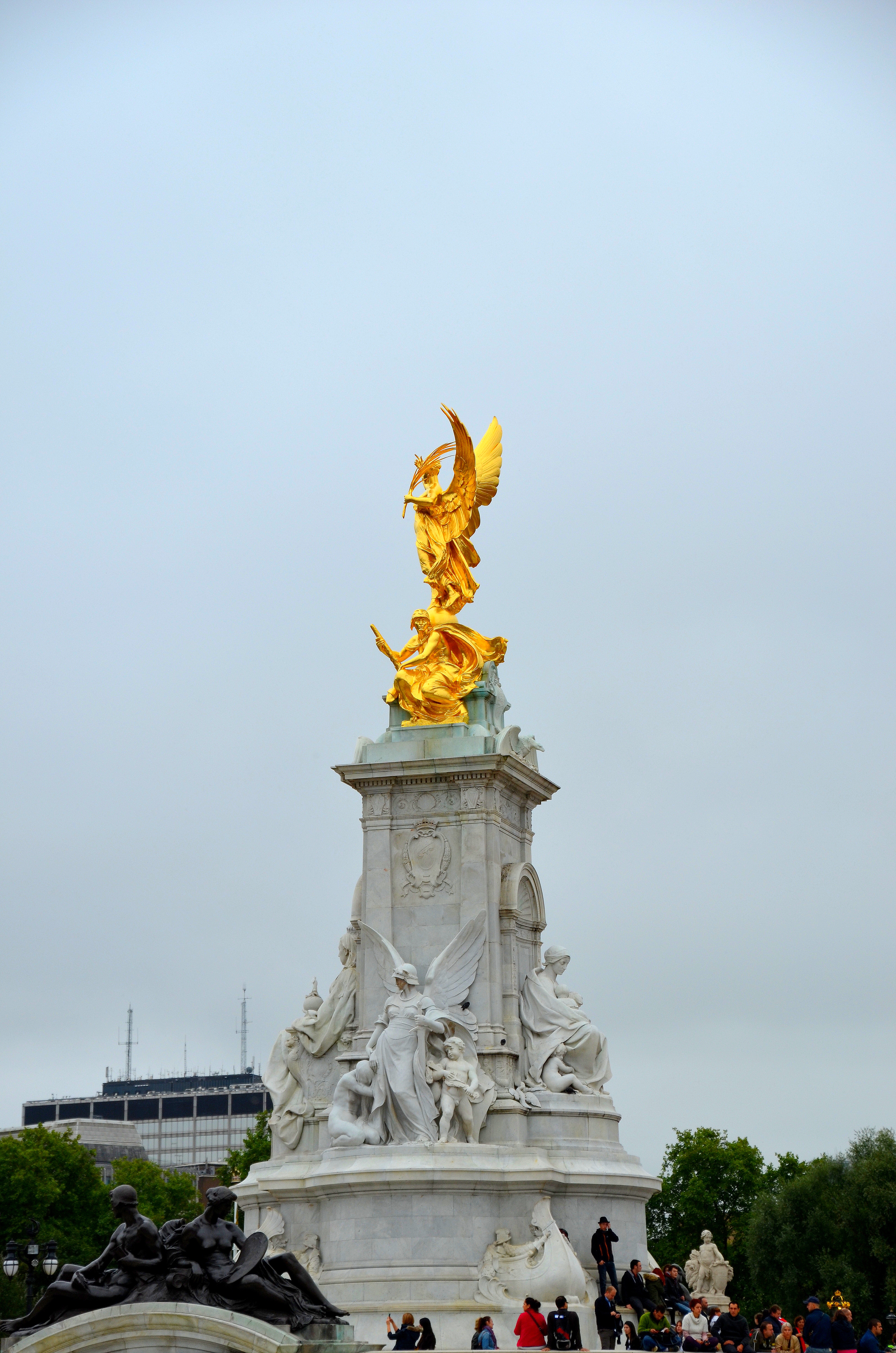
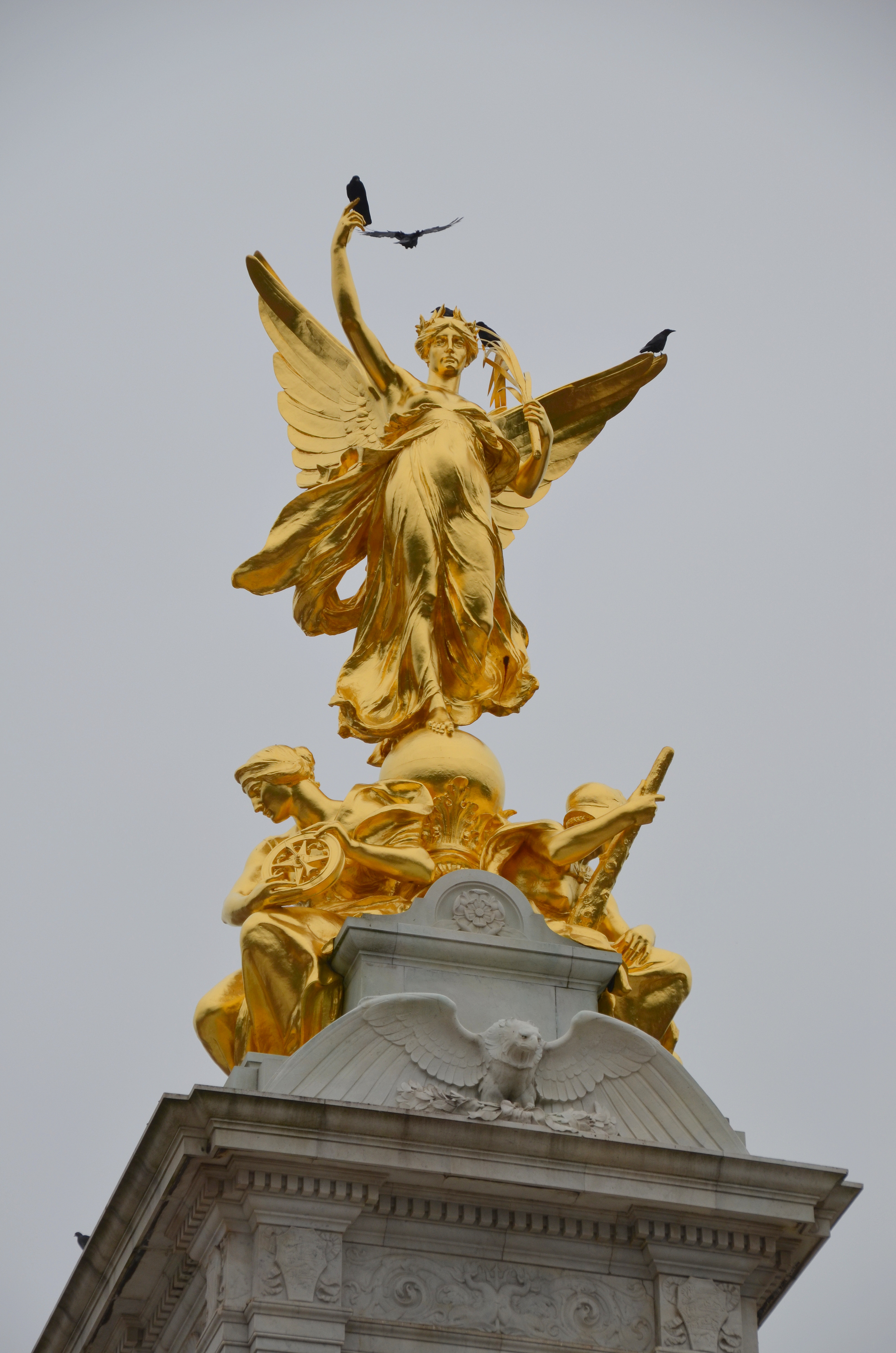
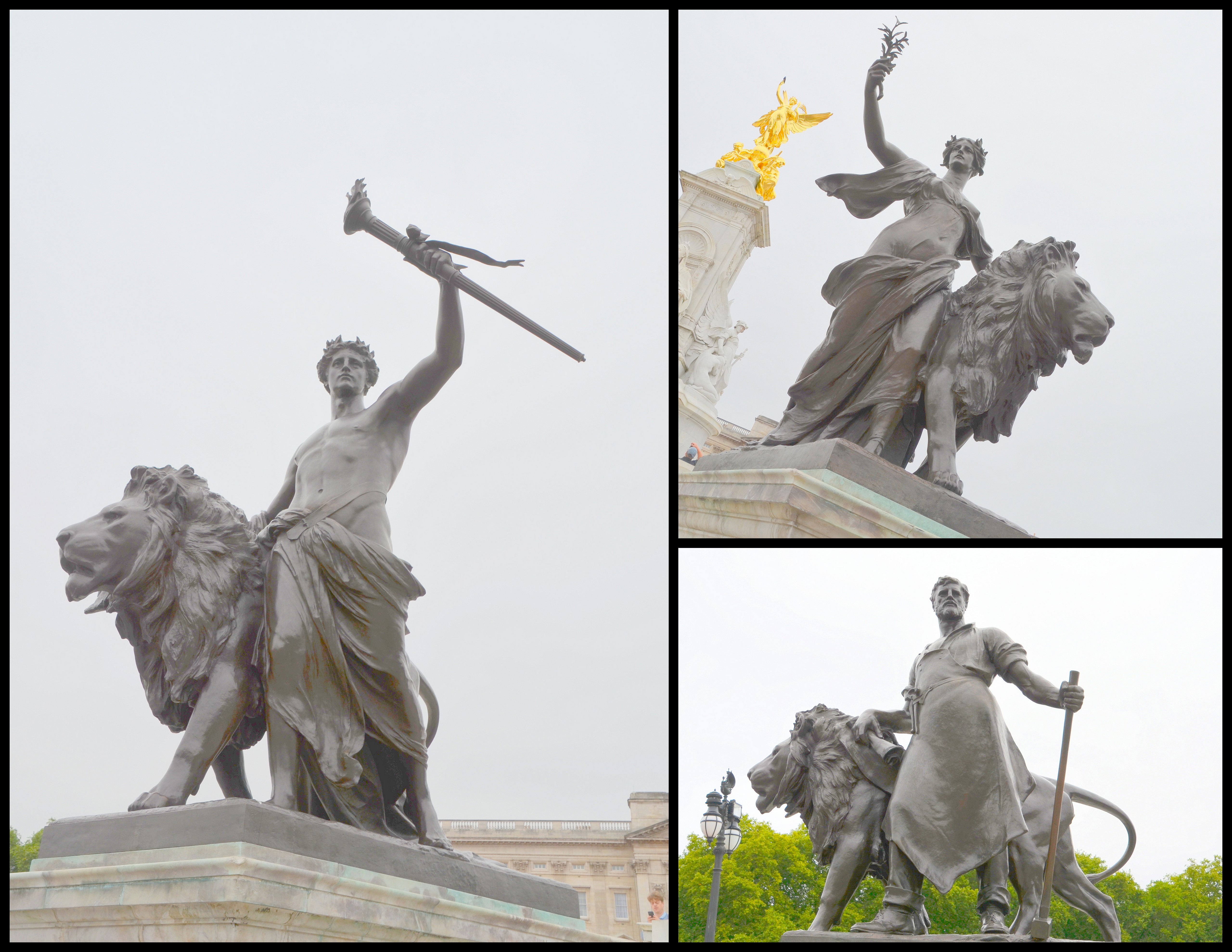
Created by the sculptor Sir Thomas Brock to celebrate the Diamond Jubilee of Queen Victoria in 1897, it was unveiled by her son, King Edward VII in 1903. Carved from Sicilian marble and standing 11 feet high, this memorial is accompanied on each side by life size bronze figures representing spinning and shipbuilding.
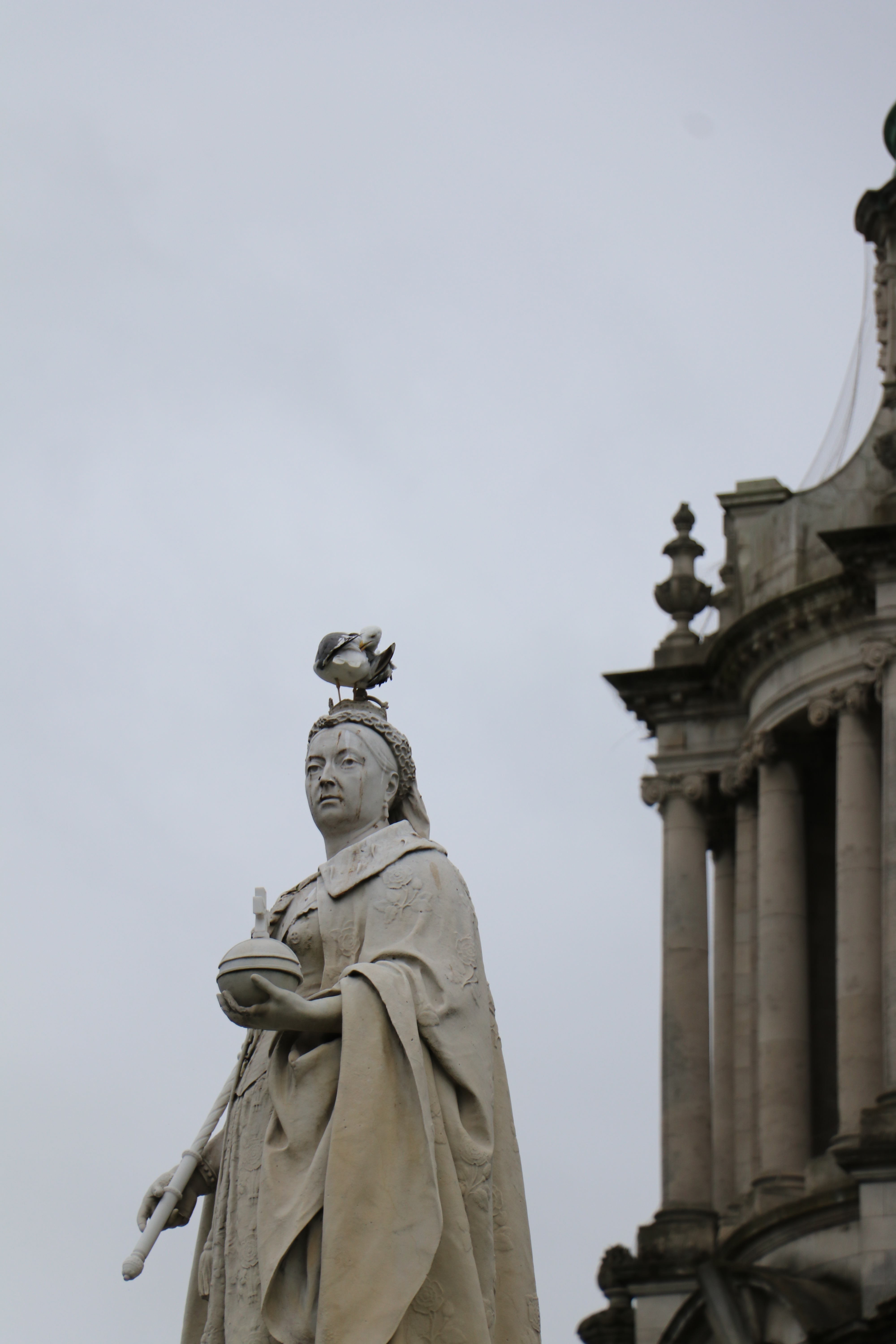
The birds have no respect for Queen Victoria or any other people memorialized in the statues.
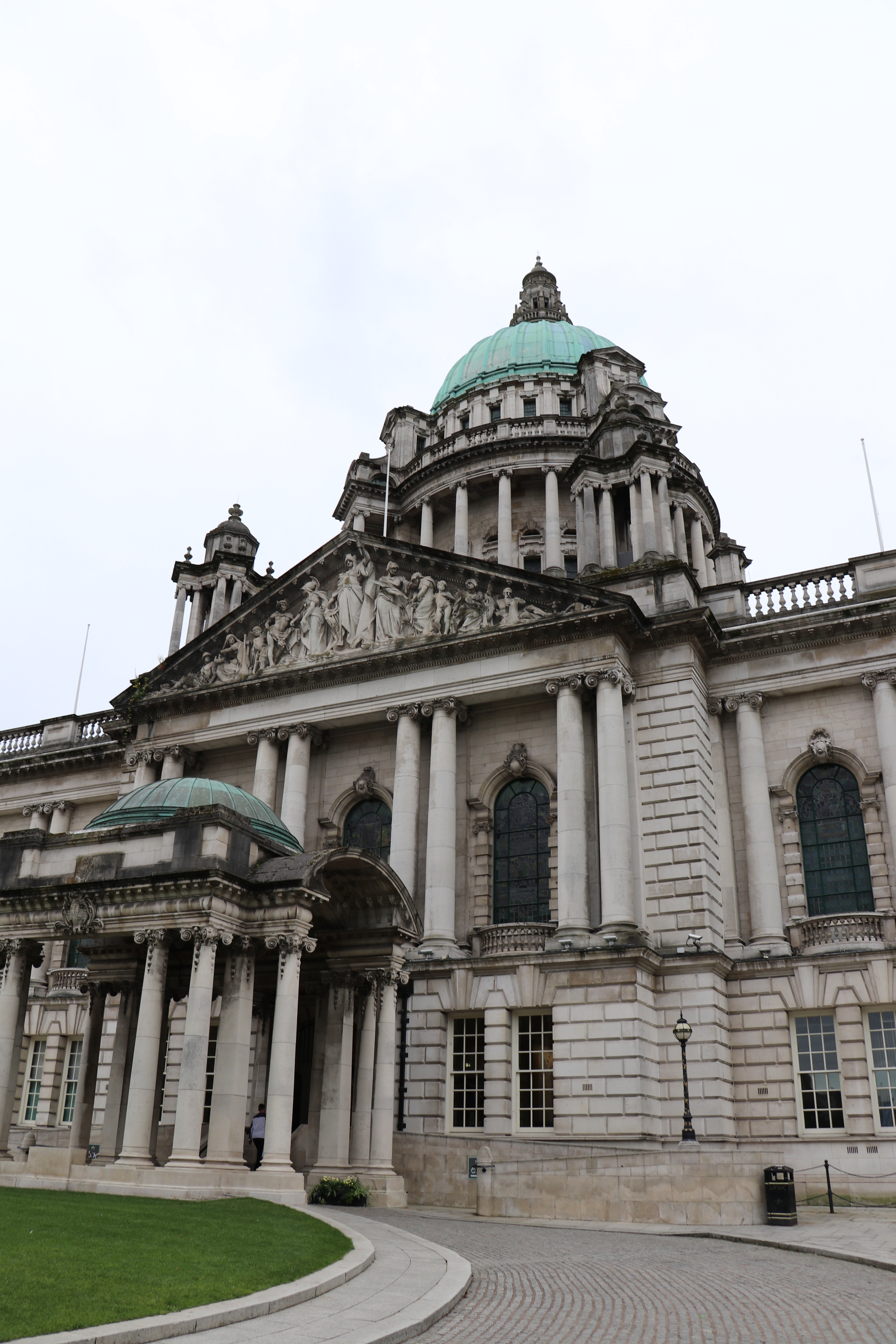
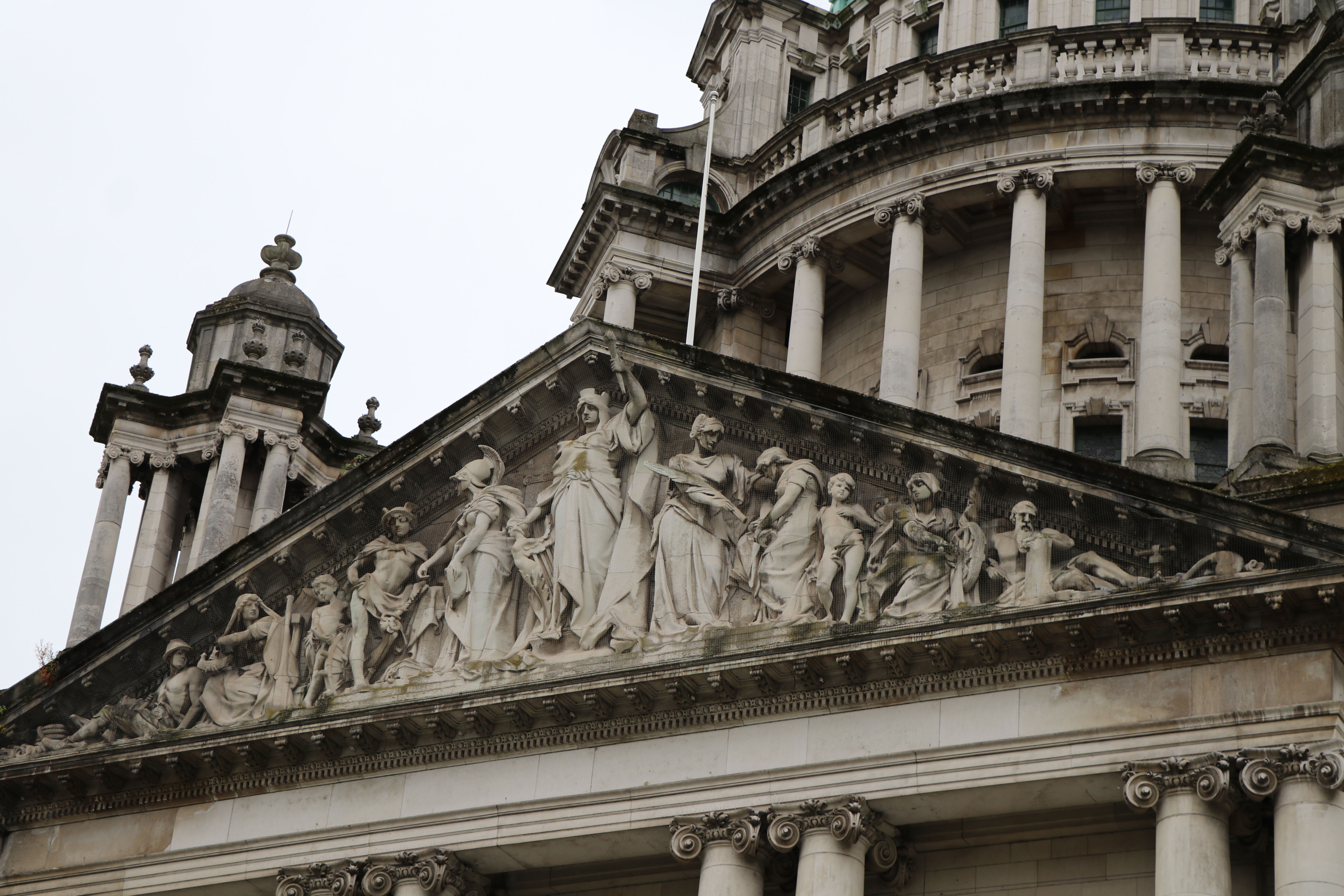

Robert McMordie Statue at City Hall in Belfast, Northern Ireland
The political position of Lord Mayor of Belfast dates back to 1613 when the Sovereign of Belfast received its charter as a town. This is one of four statues of famous Lord Mayors on the grounds of the Belfast City Hall. The sculpture by Frederick Pomeroy is a tribute to Robert James McMordie. He held the post from 1910 until his unexpected death during his fifth year in 1914.

The Belfast War Memorial is in the form of a cenotaph (a memorial to those who are buried elsewhere) with the backdrop of a colonnade. The memorial was unveiled on Armistice Day 11 November 1929. It was designed by Sir Alfred Brumwell Thomas and constructed by W J Campbell from 1925 to 1927.
Several days after we were here our daughter Katie and hubby Andrew reached Belfast on their small tour and stayed in the hotel directly behind this memorial.
From this stop we boarded the bus for our trip back to Dublin. We had one ‘convenience’ stop off the motorway on our trip back. Dropped off along the River Liffey in Dublin we decided to walk to The Church Cafe for our evening meal. This was a great find I learned about by watching podcasts of places to visit in Dublin. I’ll share more about this Cafe in a post of it’s own.




 The Happy Wonderer ~ ellen b.