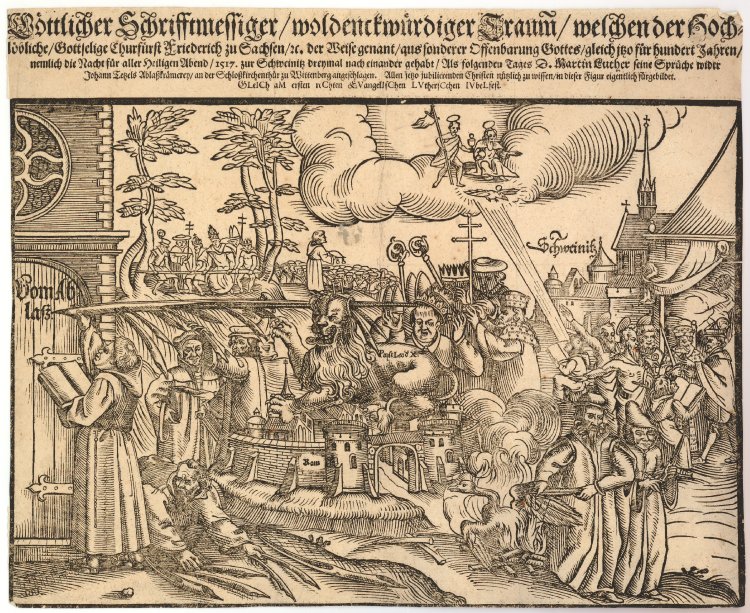
I’m changing up my regular Thursday Truth for Today post since it is Reformation Day.
Reformation Day is a public holiday in five states in Germany on October 31 each year to remember the religious Reformation in Europe. It commemorates when German monk and theologian Martin Luther’s proposals were nailed on the doors of a church in 1517. This event was the start of religious and social changes in Europe.
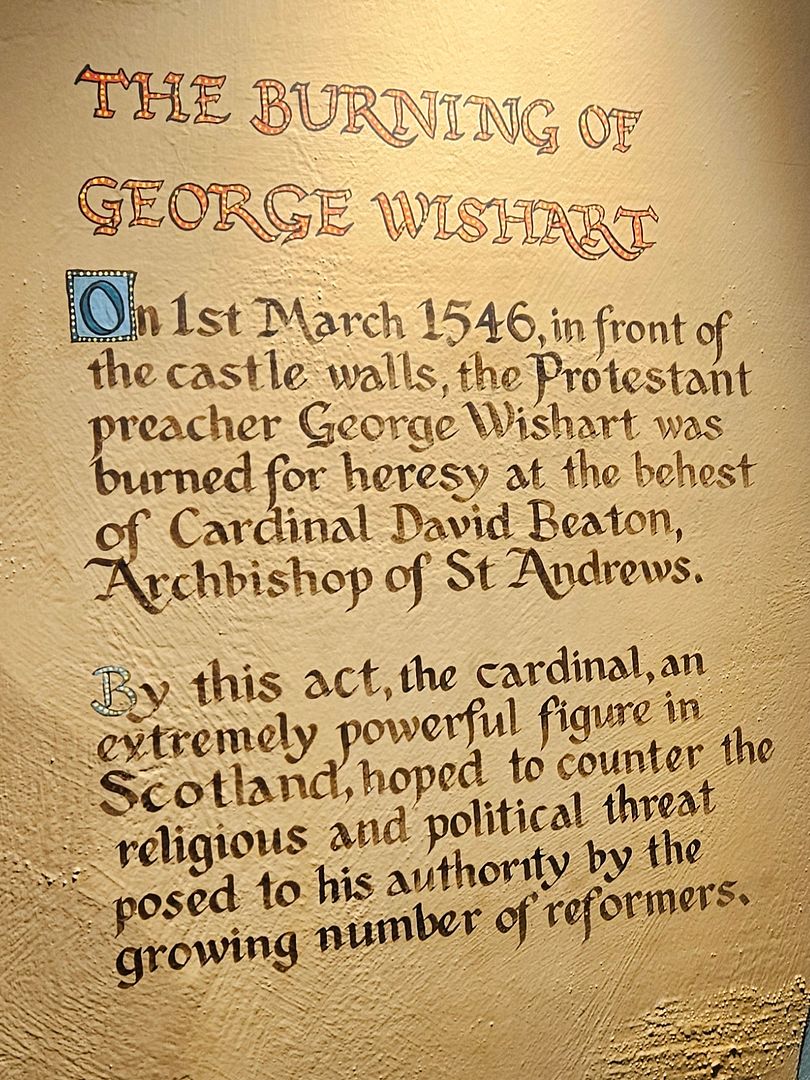
I’ll share a little information on a few Reformers we learned about in Scotland on our recent trip and some others I’ve been reading about this month.
Five hundred years ago, a lowly German priest walked up to the church door in Wittenberg and posted a document that altered the course of history. Martin Luther’s bold stand ignited the Reformation, but he wasn’t alone. The Reformation was a movement of many heroes, known and unknown, who shaped history.
The Morning Star of the Reformation, John Wycliffe (1330-1384).
His most important contribution, the Wycliffe Bible. Wycliffe called for the Bible to be translated into English. According to Roman Catholic law, translating the Bible into a vulgar, common language was a heresy punishable by death. It is almost impossible to imagine why a church would want to keep God’s word from people, unless that church wanted to hold power over the people. Wycliffe was more convinced of the power of the word of God than the power wielded by the papal office. Consequently, he and a group of colleagues committed themselves to making the word of God available. His efforts in translating, copying, and proclaiming the Bible in English were driven by a singular motive, expressed by Wycliffe this way: “It helps Christian men to study the Gospel in that tongue which they know best.”
Wycliffe would be pleased to hear of the work of Bible translation has continued in his name.
When we lived in Huntington Beach from 1975-1984 we attended Huntington Beach EVFree church and shared the Wycliffe Bible Translators office space on Sundays for extra Sunday School rooms. We also shared the parking lot. They are no longer at that location in Huntington Beach.

Here’s some history about Wycliffe Bible Translators:
In 1917 a missionary named William Cameron Townsend went to Guatemala to sell Spanish Bibles. But he was shocked when many people couldn’t understand the books. They spoke Cakchiquel, a language without a Bible. Cam believed everyone should understand the Bible, so he started a linguistics school (the Summer Institute of Linguistics, known today as SIL) that trained people to do Bible translation. The work continued to grow, and in 1942 Cam officially founded Wycliffe Bible Translators.
Over the following decades, Wycliffe celebrated many milestones — from the first translation completed in 1951, all the way to the 500th translation completed in 2000. Around the same time, Wycliffe adopted a new challenge — a goal of seeing a Bible translation project started in every language still needing one by 2025.
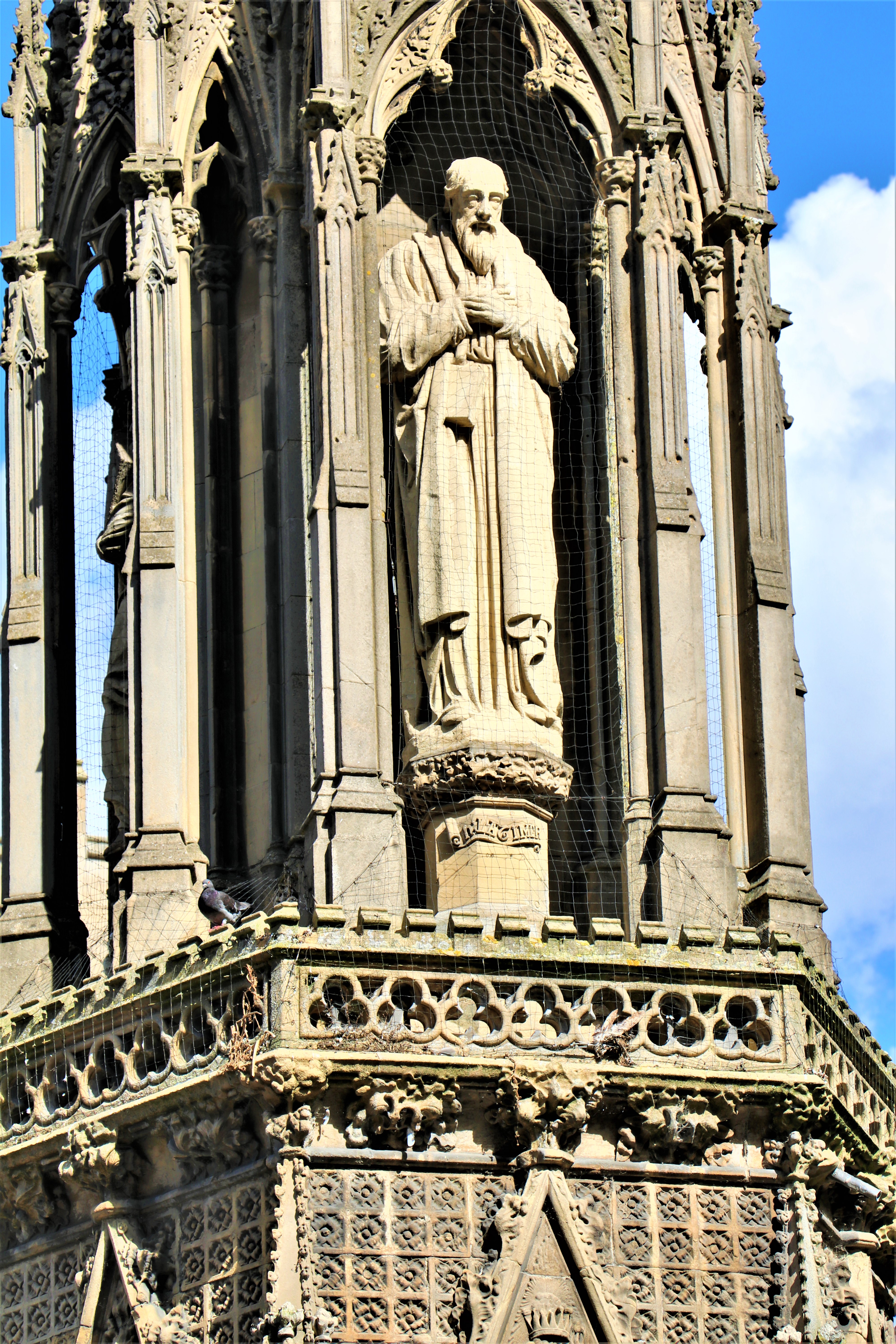
Latimer
Bishops Hugh Latimer and Nicholas Ridley are fastened together in history primarily because they were fastened to the same stake on October 16, 1555, on the north side of Oxford. But Latimer and Ridley share more than a martyrdom. The bishops also join each other on the list of England’s most influential Reformers — men and women whose allegiance to Scripture and the glory of Christ transformed England from a Catholic kingdom to a lighthouse of Reformation.
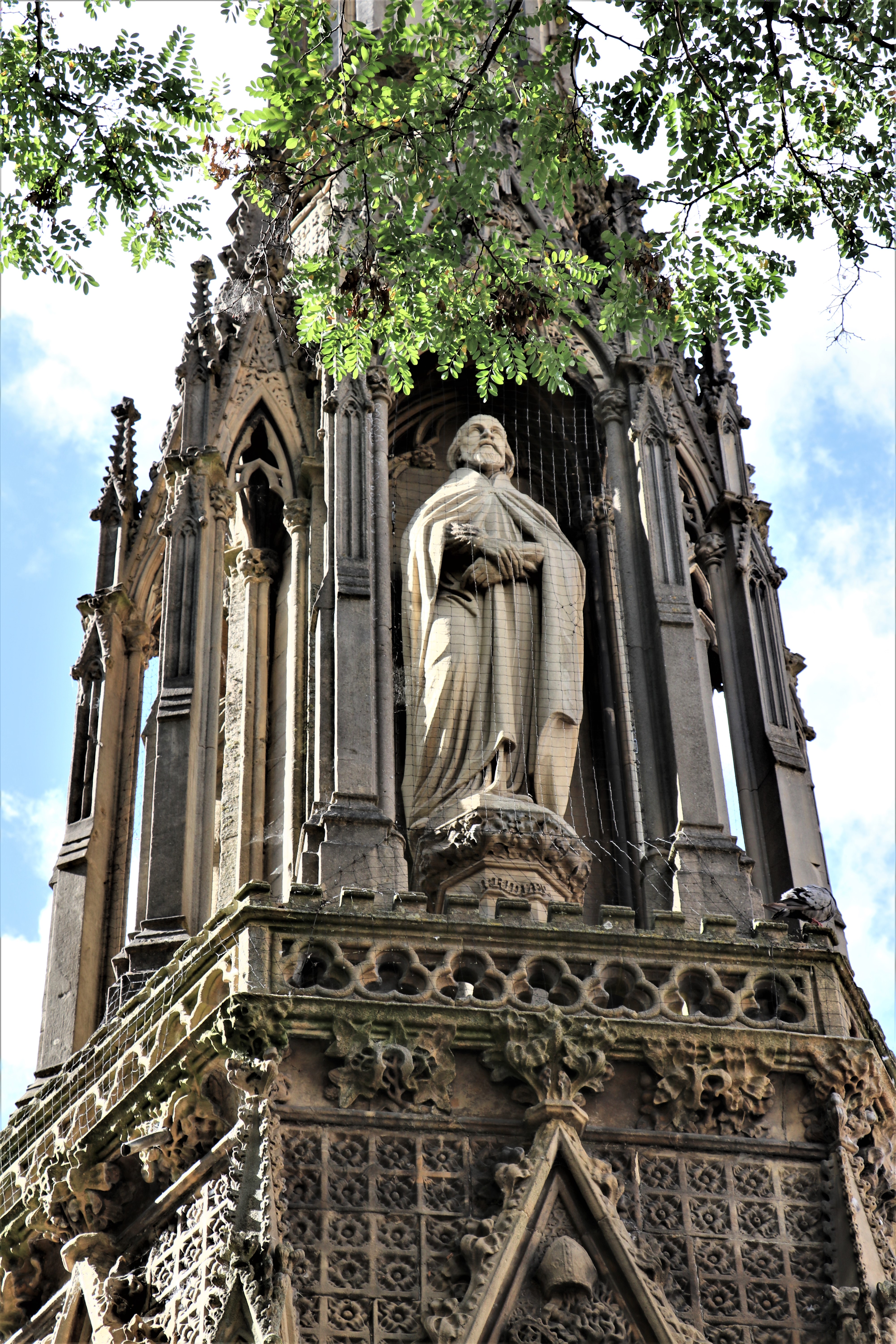
Ridley
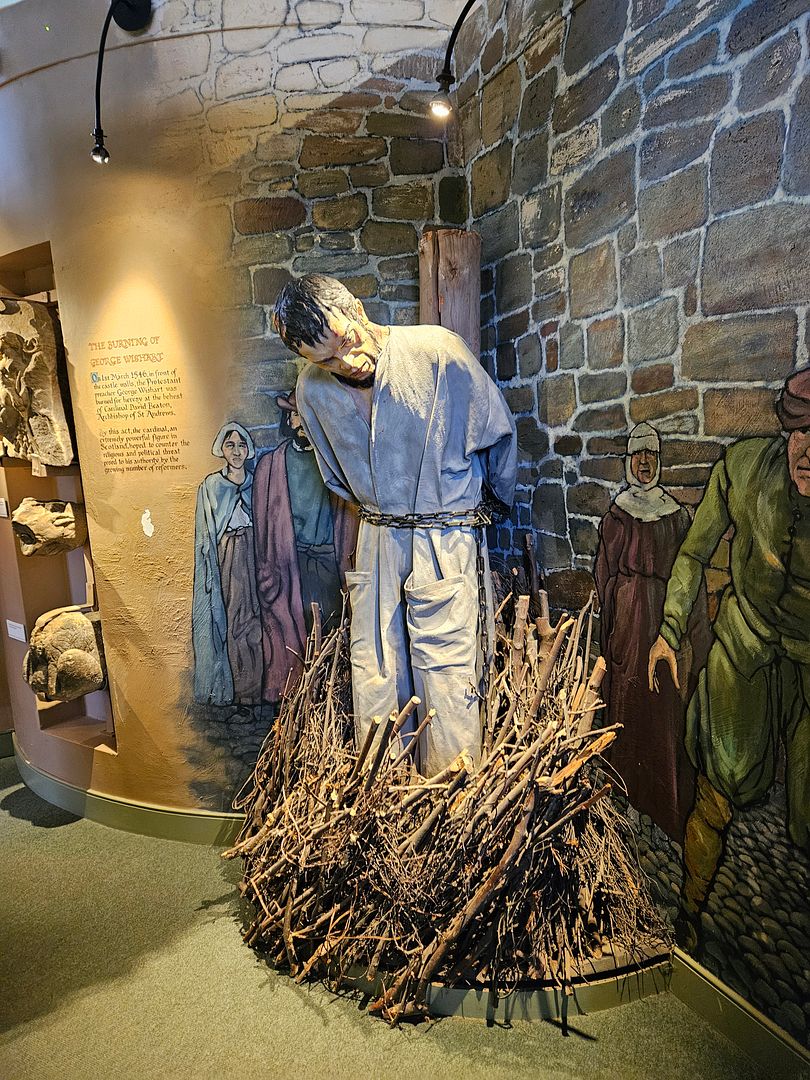
Two men stood back to back at the stake. As a large crowd watched, a heavy chain was passed around their waists to hold them fast. A fagot was kindled. At the sight of the flame, the older of the two men gave utterance to the noblest and shortest sermon he ever gave in his long life of preaching. “Be of good comfort, Master Ridley, and play the man. We shall this day light such a candle by God’s grace in England as I trust shall never be put out.”
These lines have become among the most famous lines in English church history. The chain that bound Latimer and Ridley together on that morning of October 16, 1555, has continued to bind them together in the common mind. Today, it is almost impossible to think of Latimer without also thinking of Ridley.
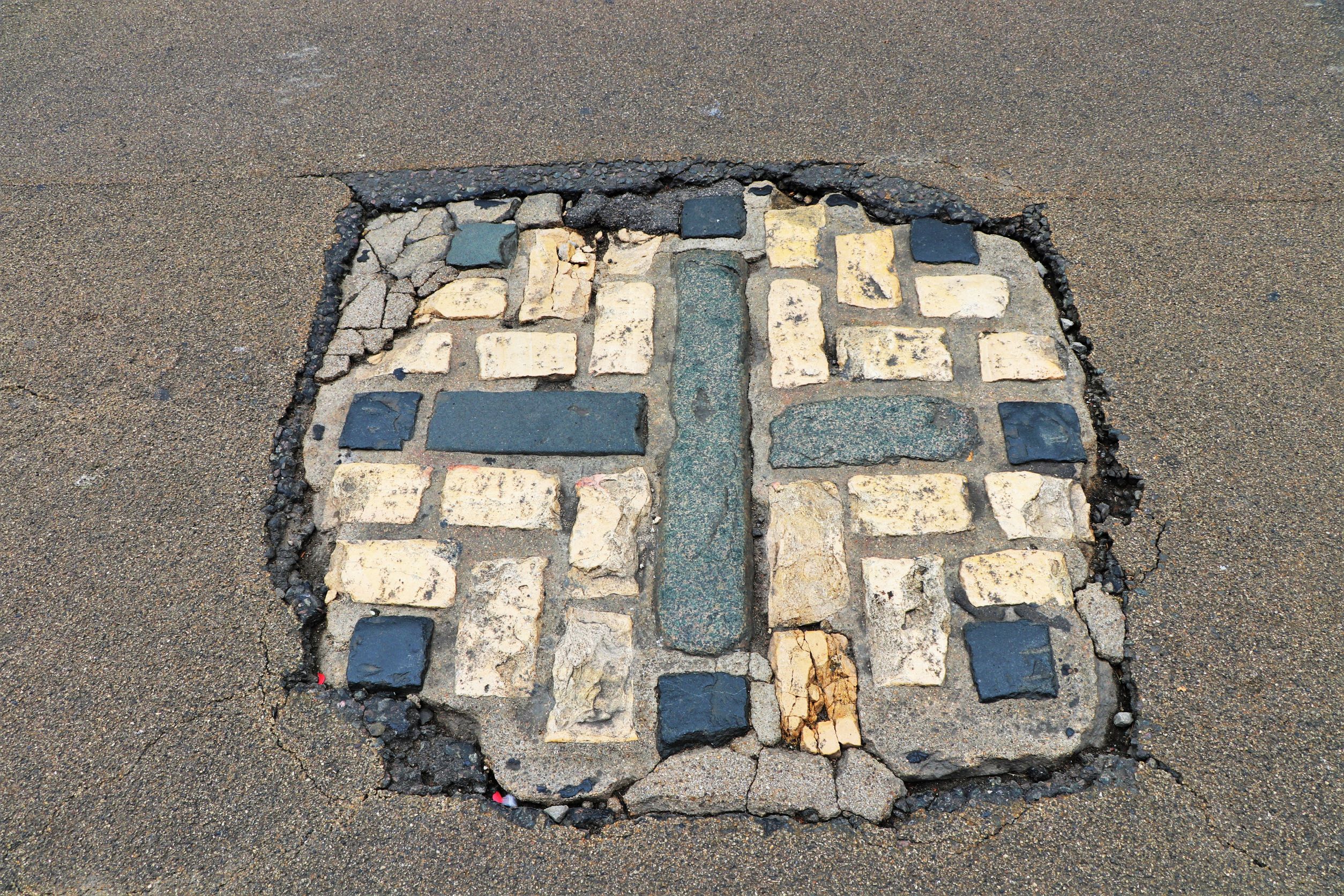
This is the spot on Broad Street in Oxford where Ridley and Latimer were burned at the stake.
I could go on and on. We owe so much to these Reformers.
Tyndale
For the first time ever in history, the Greek New Testament was translated into English. Before his martyrdom in 1536, Tyndale would go on to translate into clear, common English not only the New Testament but also the Pentateuch, Joshua to 2 Chronicles, and Jonah. All this material became the basis of the Great Bible issued by Miles Coverdale in England in 1539 and the basis for the Geneva Bible published in 1557 — “the Bible of the nation,” which sold over a million copies between 1560 and 1640.
“We don’t want to forget him because every time you pick up your Bible, you have a debt to pay to William Tyndale.” John MacArthur
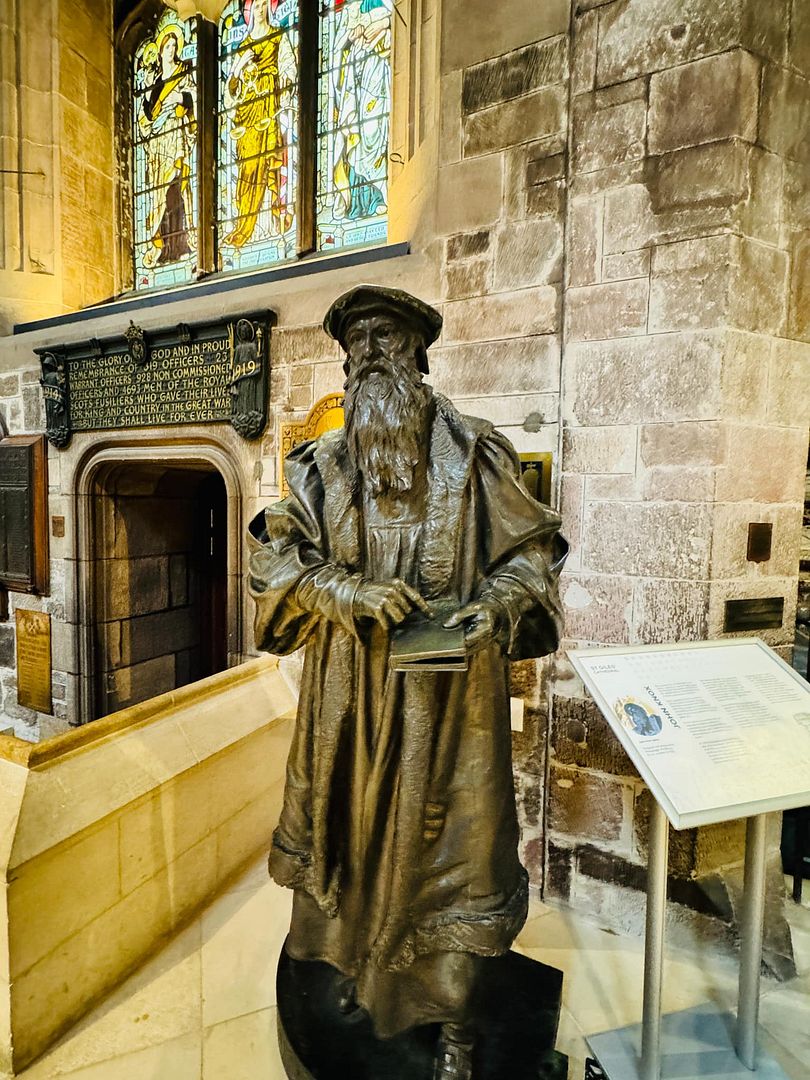
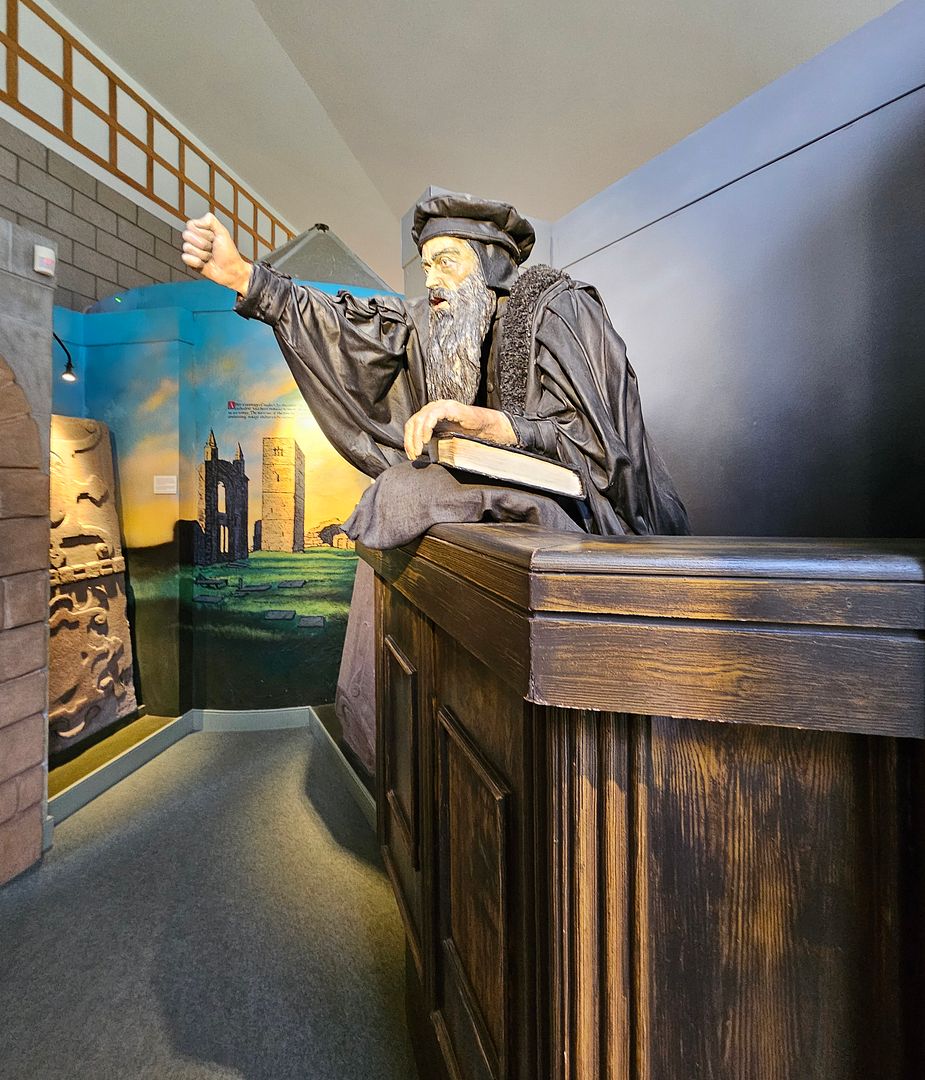
I’ll be highlighting John Knox in my continuing posts about our time in Scotland instead of here. Some other reformers I’ve enjoyed reading about are; Zwingli, Lady Jane Grey, John Calvin, Jan Hus and several others.
Personally I’m so thankful to all the Reformers who made translating the Bible into English a priority in their lives no matter what the cost. I’m also thankful to preachers and shepherds of God’s Word who faithfully exegete the Bible today. I’m humbled to look at our stacks of Bibles when reading how 500 years ago the common man or woman could not hold a Bible in their hand or read one. Also humbled that there were those who were killed for owning a translated Bible that they could finally read for themselves.
 The Happy Wonderer ~ ellen b.