
Dear and I lived in Camarillo, California from 2006 until Spring of 2010 because of Dear’s work. Driving around Camarillo I noticed St. John’s Seminary set high on a hill. I tried to see if I could get on the grounds but it was a private property with a gated entrance that was locked up tight.

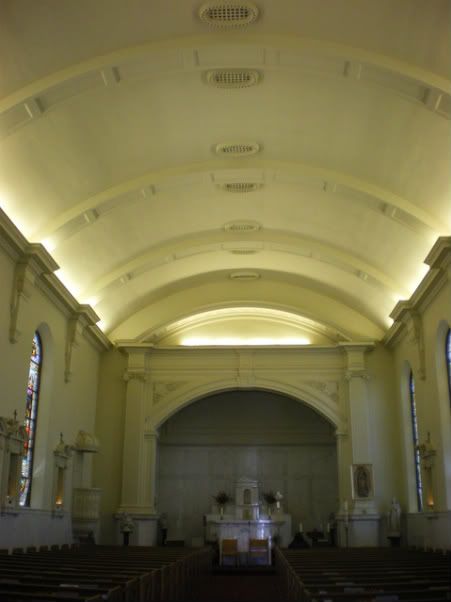
In December of 2008 I had the rare opportunity to visit the grounds of St. John’s Seminary for a Christmas Concert that a friend’s son was performing in. When I found out the campus would be open for this concert I was there with bells on. The concert was beautifully performed in the historic chapel.


In 1924, plans were being made for a minor seminary for the training of priests in the Los Angeles Area. Sixty five students were registered for the academic year of 1926-27. At that time, Juan E. Camarillo made a gift to the archdiocese of 100 acres on the knoll of Rancho Calleguas, which land separated the Calleguas Ranch from Rancho Las Posas. The purpose of Mr. Camarillo’s gift was the location there of a major seminary. Ground was broken for St. John’s in March of 1938, after a speedy and successful drive for funds.

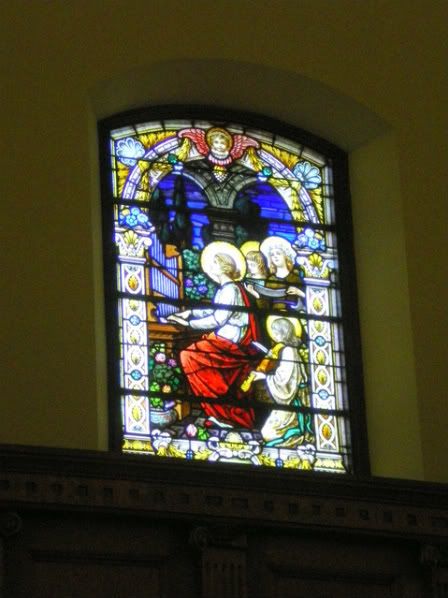
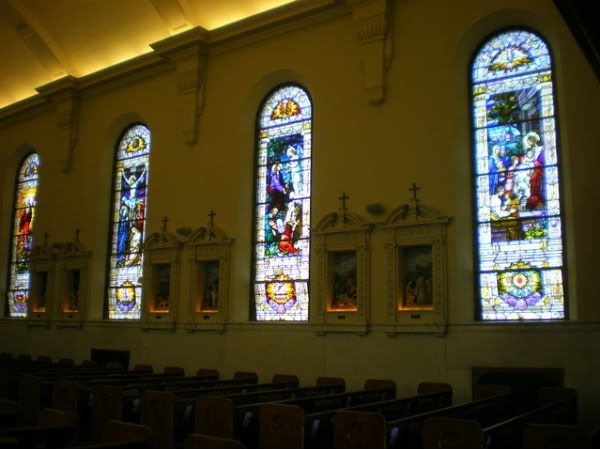
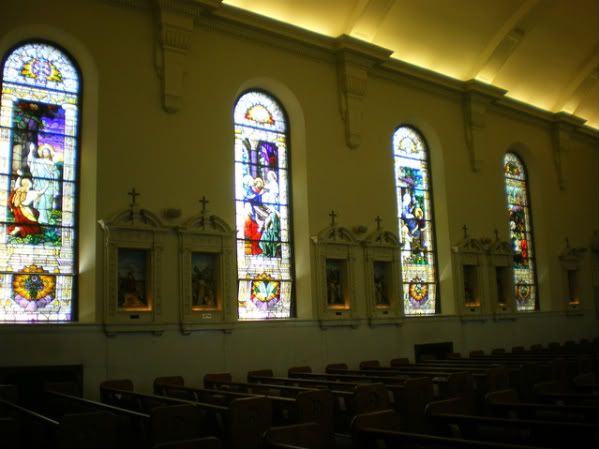
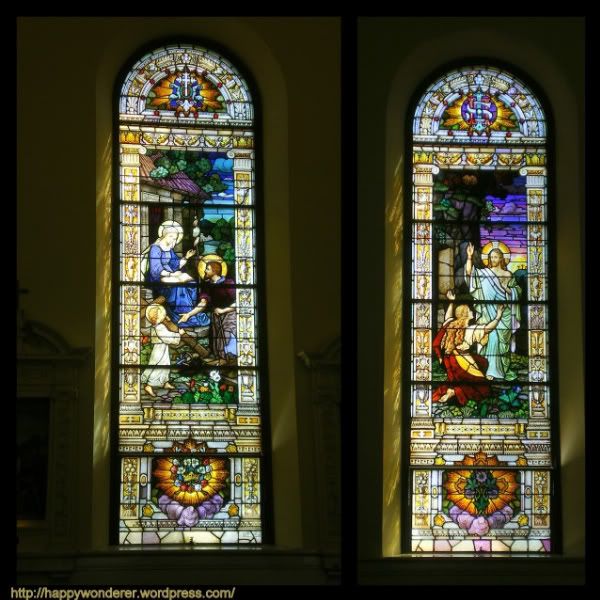
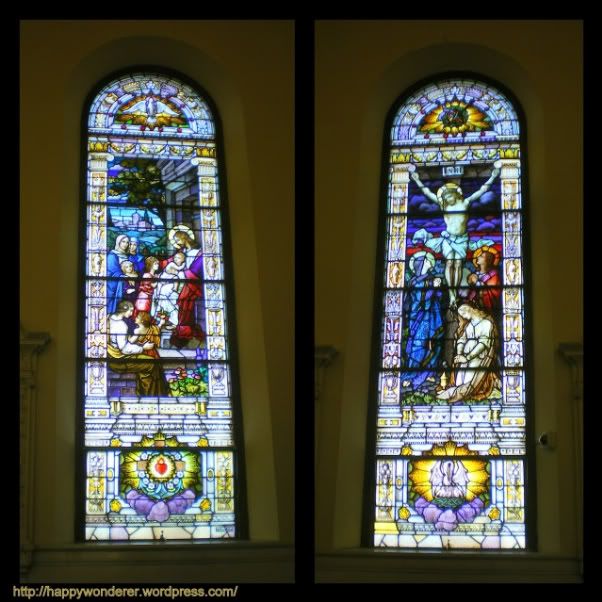
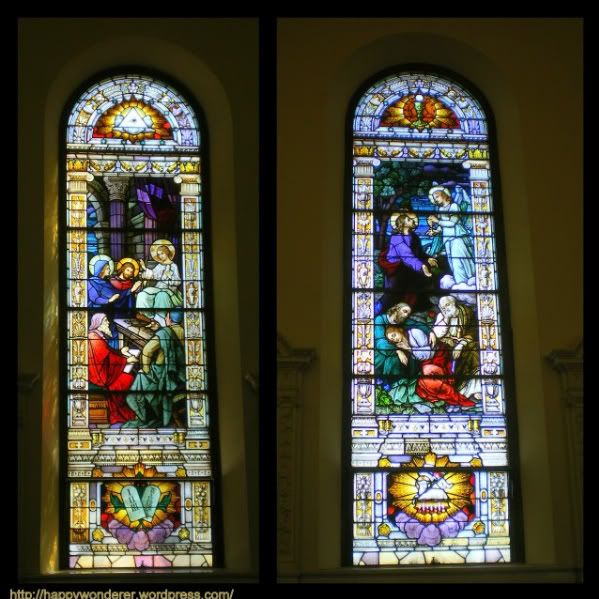
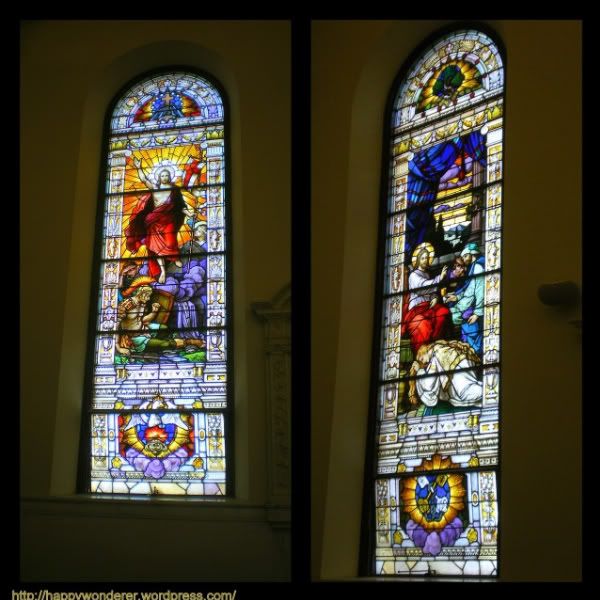
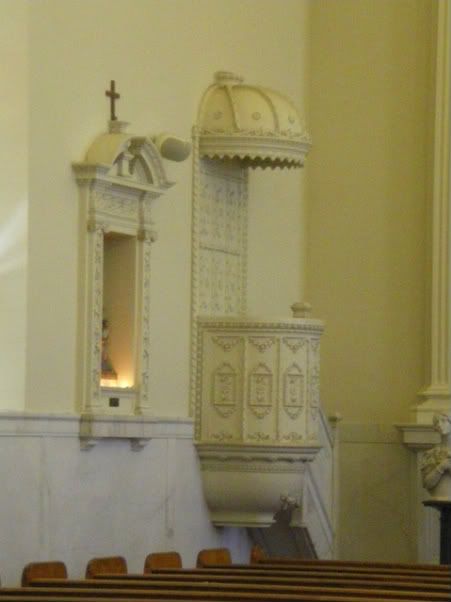
The original buildings, including the chapel which is unique in its marble decorations and stained-glass windows, are built around a quad with interior porticoes.

When Archbishop Cantwell was planning for the new seminary, he approached Mrs. Edward Laurence Doheny, Sr. about the possibility that she would donate the library. Mr. Doheny, her husband, the great oil tycoon, had passed away in 1935. Together they had built the library at USC in memory of Edward Laurence Doheny, Jr. and Mrs. Doheny considered this new opportunity a most appropriate way to honor the memory of her husband. It also afforded her the opportunity to create a permanent home for the thousands of rare books and art objects which she had collected since 1930 and which would burgeon before her death in 1958.

Mrs. Doheny hired her favorite architect, Wallace Neff, and commissioned him to design a building which would house a working library for the students and faculty as well as quarters for her collection.

The result is a classical Spanish building which reflects some of the overtones of the 1,100 years of Moorish influence in Spain. The pale pink stucco structure complements and enhances the neo-Spanish architecture of the main buildings.


It was a very bright sunny day when I visited. On some of the photos you can’t see the pink tone to the building but this photo that I took at this angle the pink shows through nicely.
The first floor of the library serves students and faculty, and the second floor housed the Estelle Doheny Collection which contained some 8,000 volumes of rare books. There were also displayed much of Mrs. Doheny’s fine French period furniture, canvases by Barbizon and western American artists. The collection was distinguished for an impressive array of Bibles which were significant type, among which the premier volume were one of the few extant original Gutenberg Bibles. I found out today her entire collection was sold off to over 40 different buyers from around the world in 1988! Oh how sad that this collection is scattered all over the world now.

I wasn’t aware that this significant collection had been housed in this library when I was on campus in December. After researching and finding this information I was disappointed to find out it was no longer there.

I found my experience on this day to be quite privileged. Experiencing the amazing architecture in person was so much better than my photos can afford.
I’m linking this post that I copied from a post I published in 2009 to InSPIREd Sunday.
Thank you Beth and Sally for hosting!
 The Happy Wonderer ~ ellen b.