Scotland Travel Journal ~St. Andrews #2

I do hope my old brain can go back and capture the rest of our Scotland travels and get them posted before the end of January!

After our time at the ‘links’ on Friday September 20th, we found out more of what St. Andrews is famous for. We would also intersect our interest in John Knox and the Reformers that we were introduced to in Glasgow and Stirling. We did not have an extended time to see the rest of St. Andrews but we fit in what we could. Fair warning, this will be a long post.

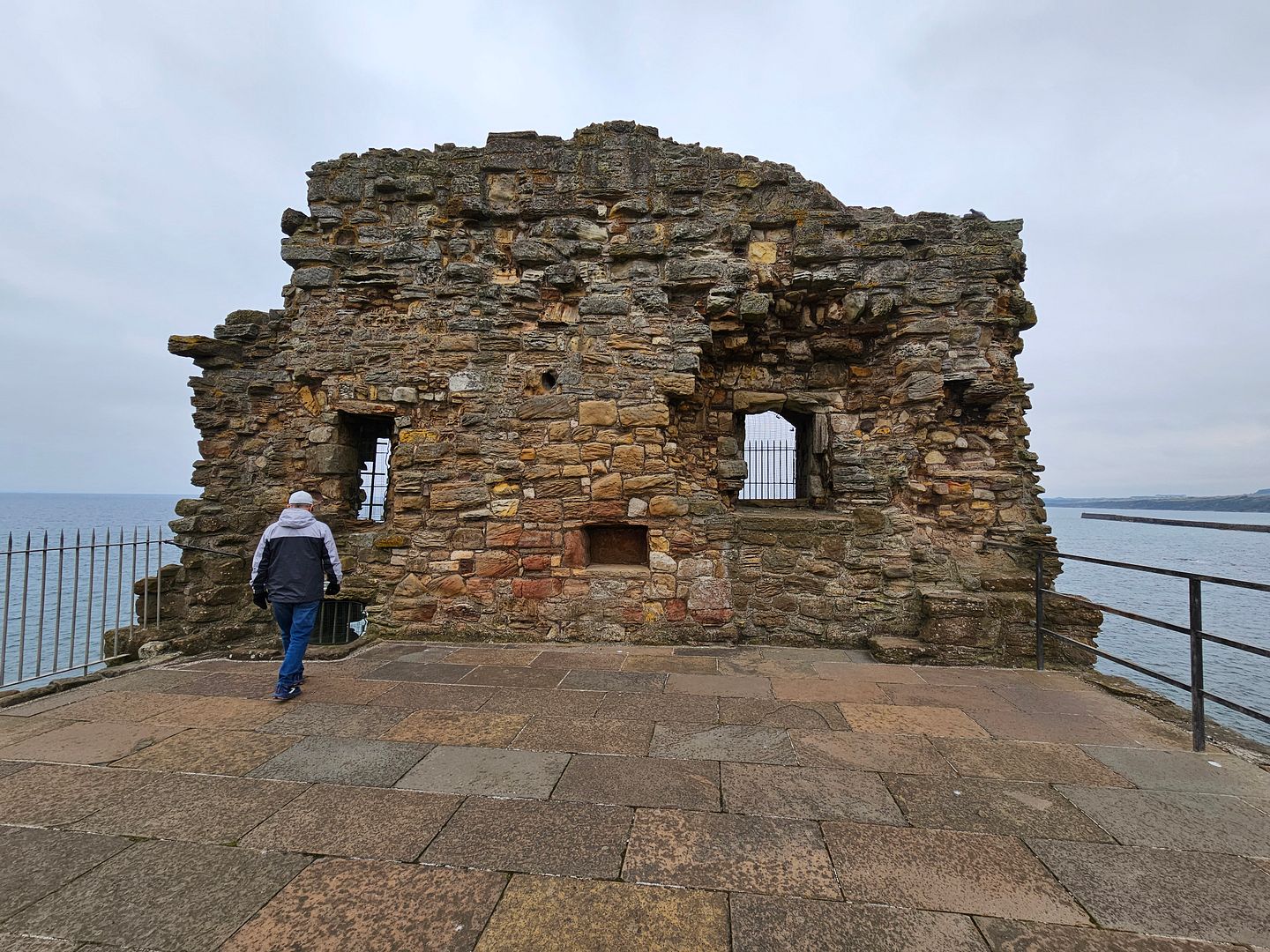
We walked along The Scores to get to the ruins of St. Andrews Castle.
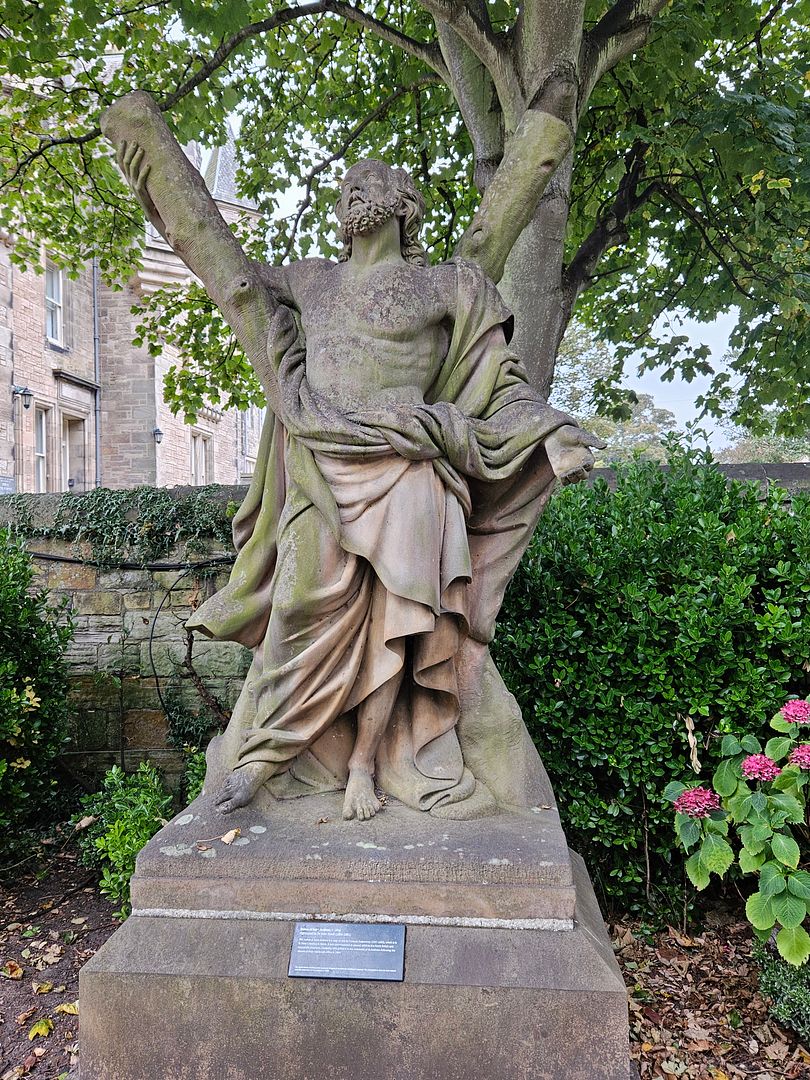
Along our route we passed the restored statue of St. Andrew, the patron saint of Scotland, outside the Wardlow Museum.
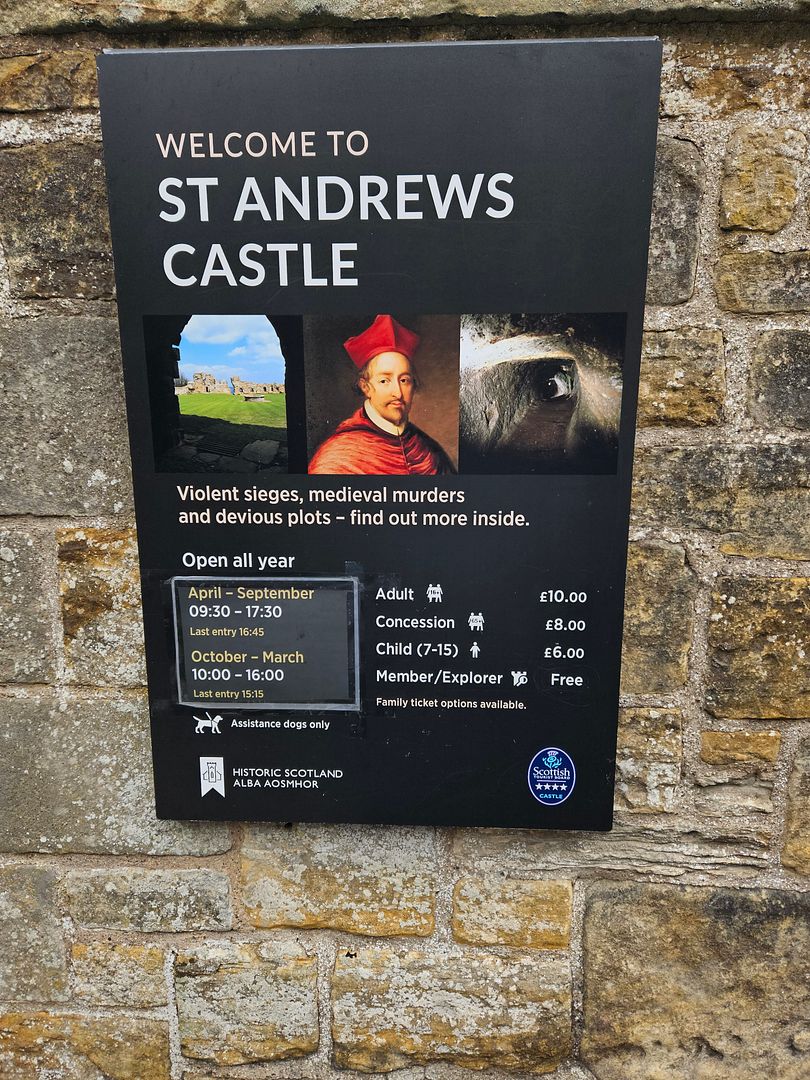
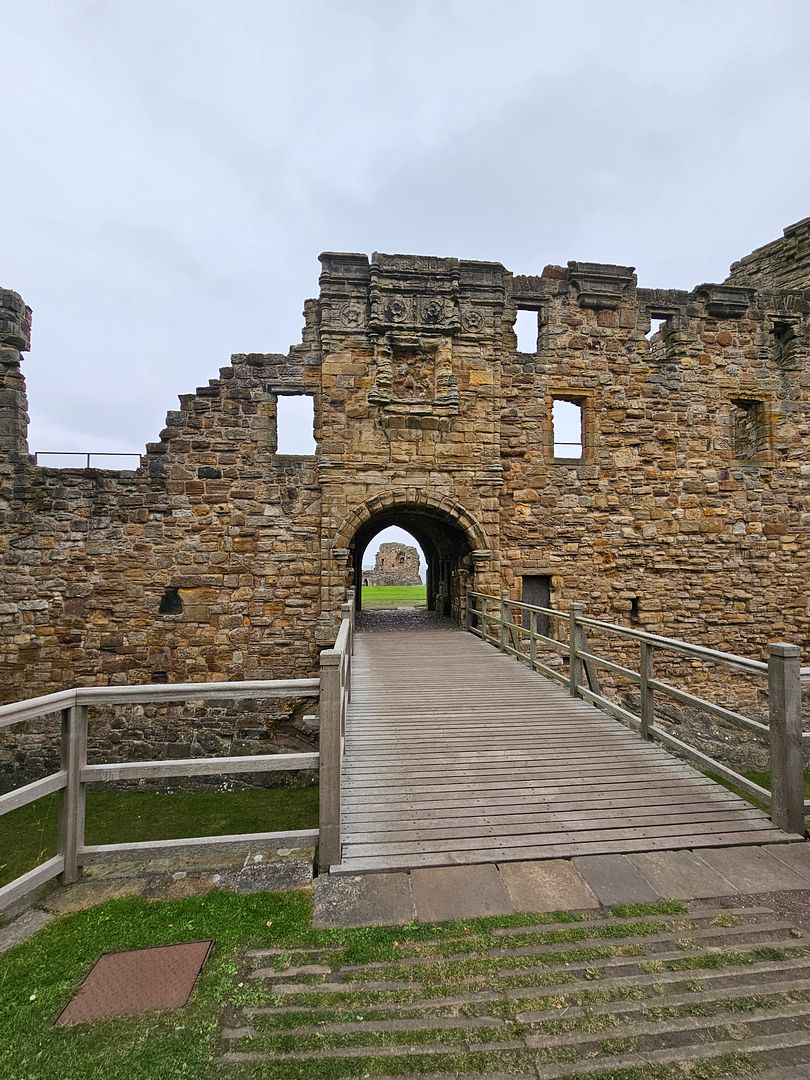
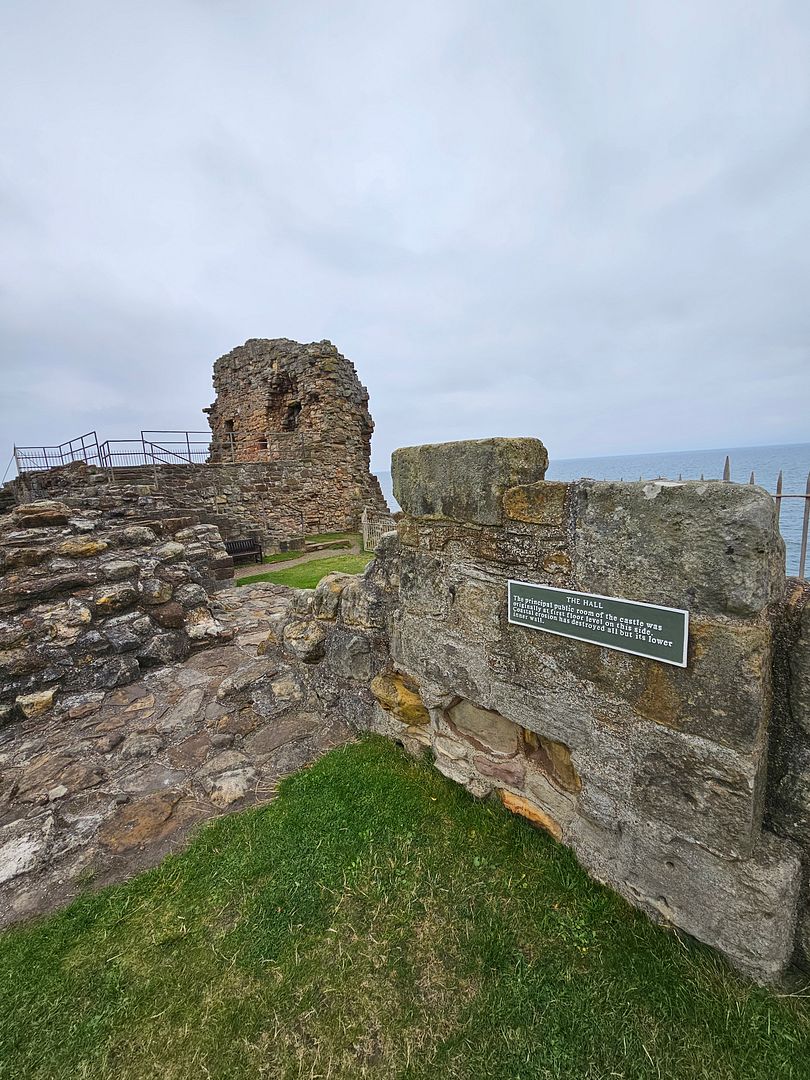
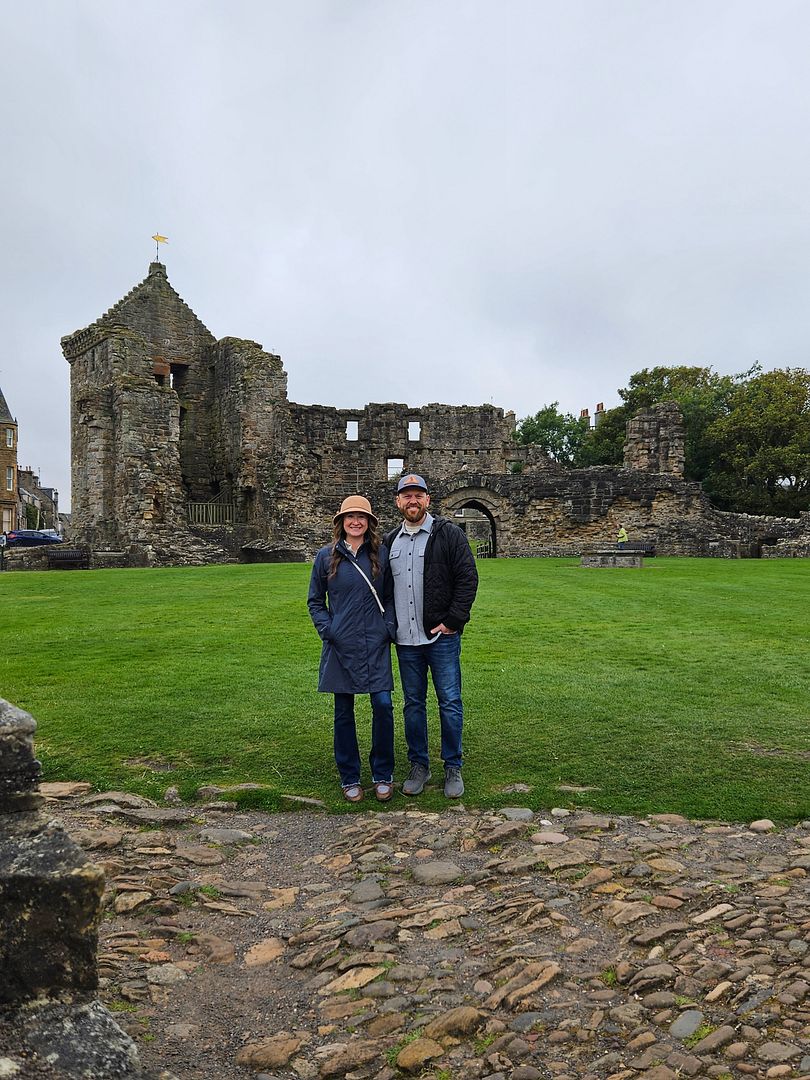
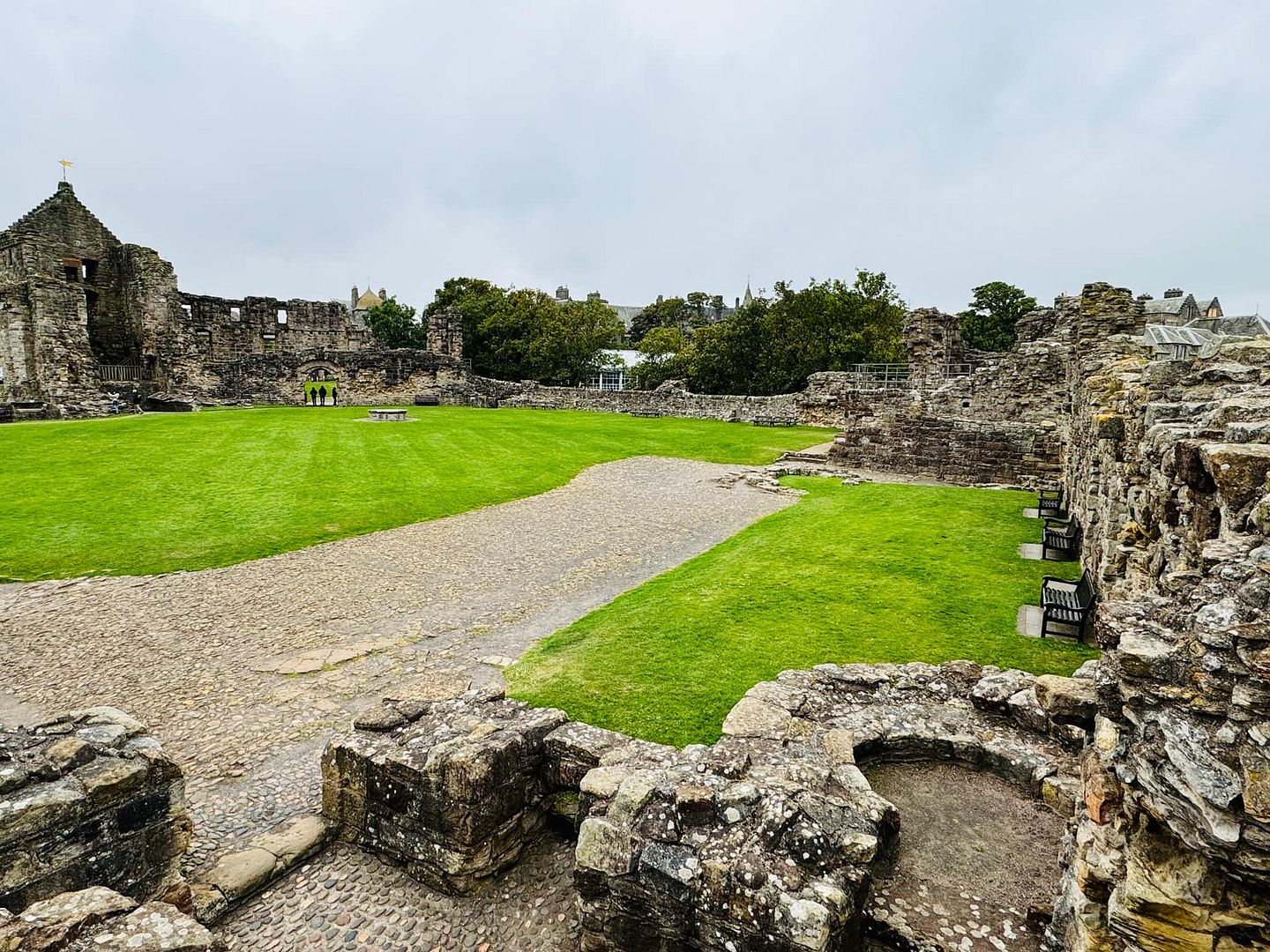
Entering the Castle grounds we paid and then walked through the history presentation before heading out to the castle ruins.
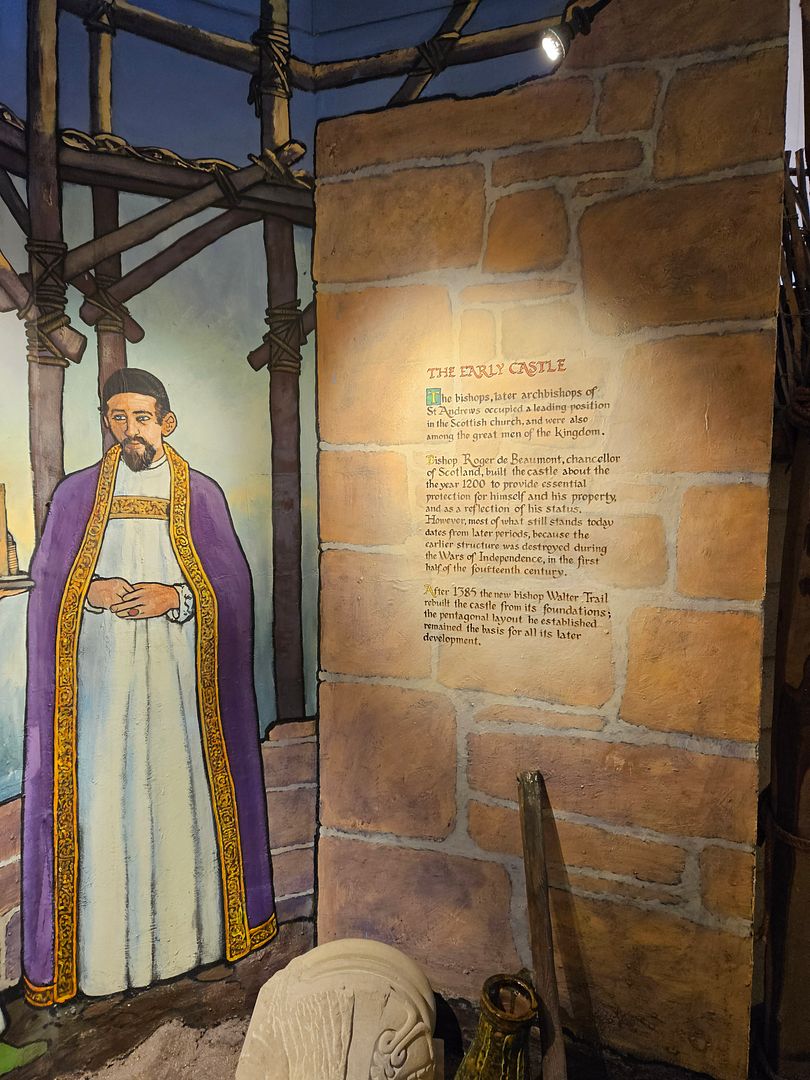
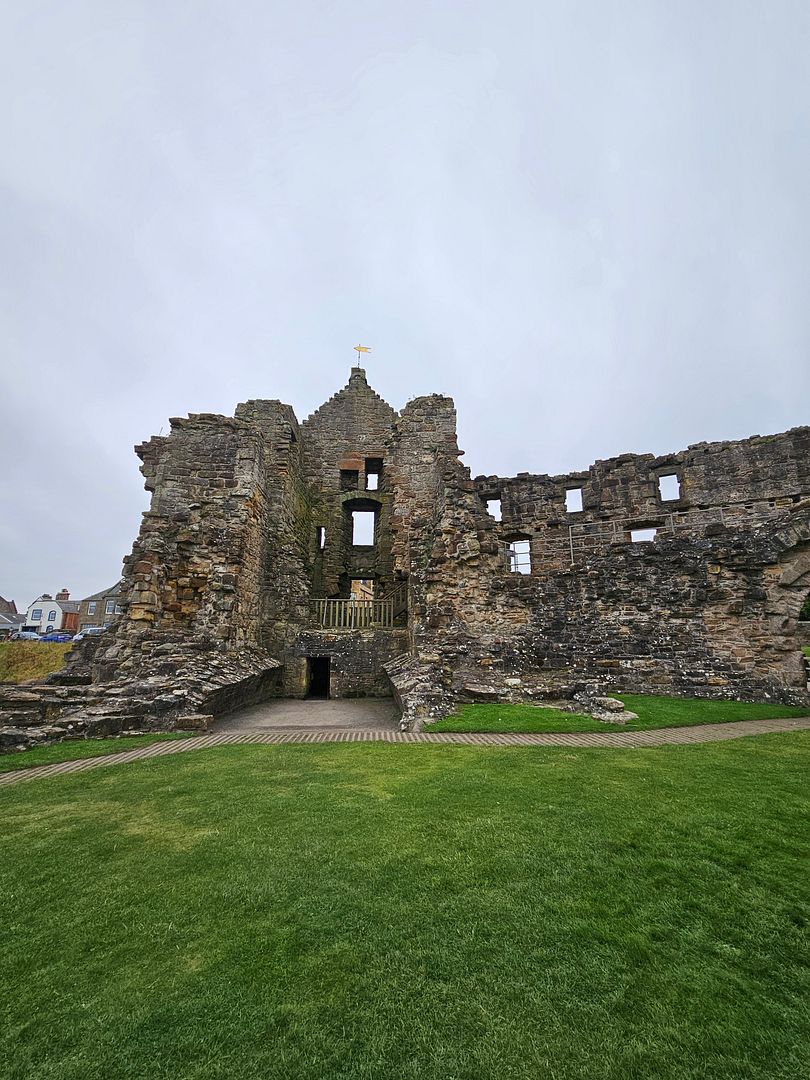
I’ll add some of the history of the castle that pertains to the Reformers and namely George Wishart and John Knox. I’ll add another link for those of you who might be interested in more history.
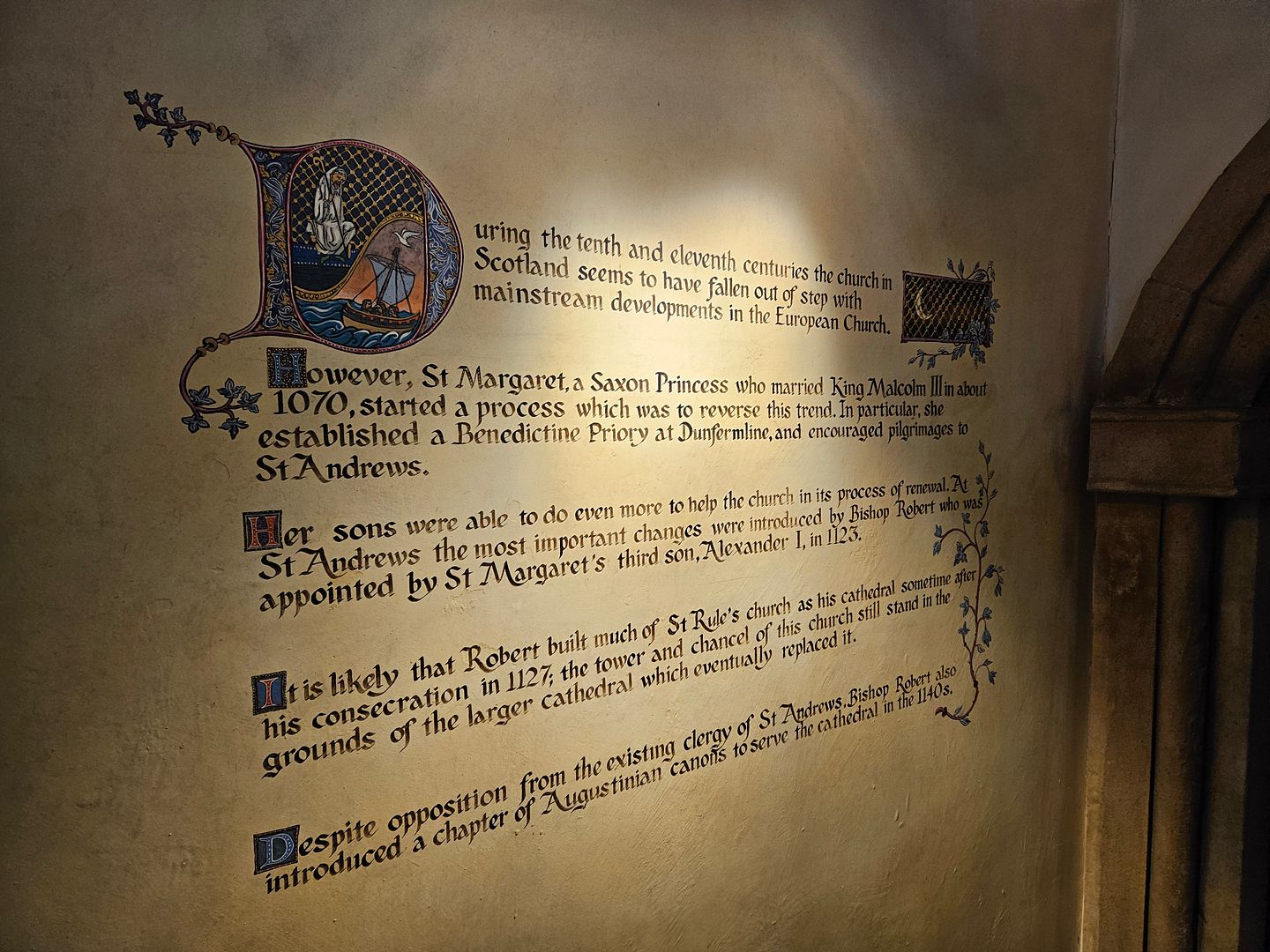
During the tenth and eleventh centuries the church of Scotland seems to have fallen out of step with mainstream developments in the European church. However, St. Margaret, a Saxon princess who married King Malcolm III in about 1070, started a process which was to reverse this trend. In particular she established a Benedictine Priory in Dunfermline, and encouraged pilgrimage to St. Andrews. Her sons were able to do even more to help the church in the process of renewal. At St. Andrews the most important changes were introduced by Bishop Robert who was appointed by St. Margaret’s third son, Alexander the I, in 1123. It is likely that Robert built much of St. Rule’s church as his cathedral sometime after his consecration in 1127; the tower and chancel of this church still stand in the grounds of the larger cathedral which eventually replaced it. Despite opposition from existing clergy of St. Andrews, Bishop Roberts also introduced a chapter of Augustinian canons to serve the cathedral in the 1140’s.

It would be a mistake to think of the Bishop in terms of his religious power; churchmen in Scotland were far more than spiritual leaders; they were often major players on the political stage, and frequently acted as military leaders too.
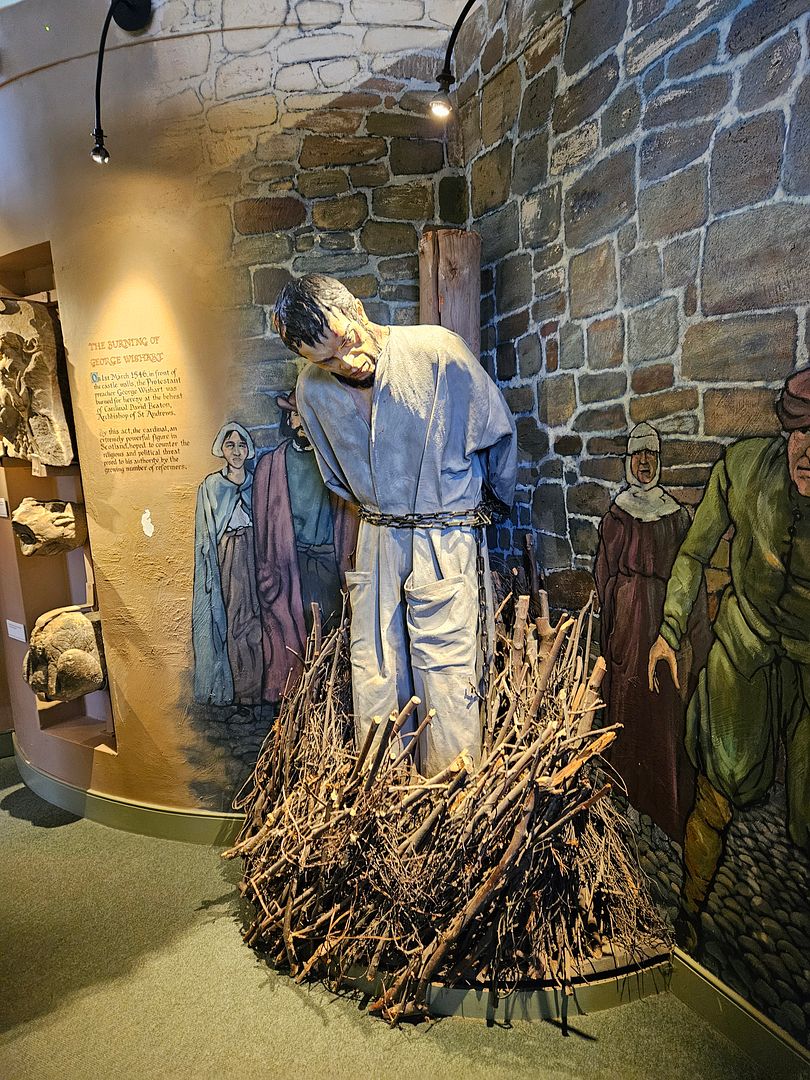
The Siege of 1546

The clash of new Protestant ideas and the traditional Catholic religion was not a peaceful one in Scotland. The hierarchy of the established Catholic church was determined to stamp out the Protestant Reformation by any means necessary.

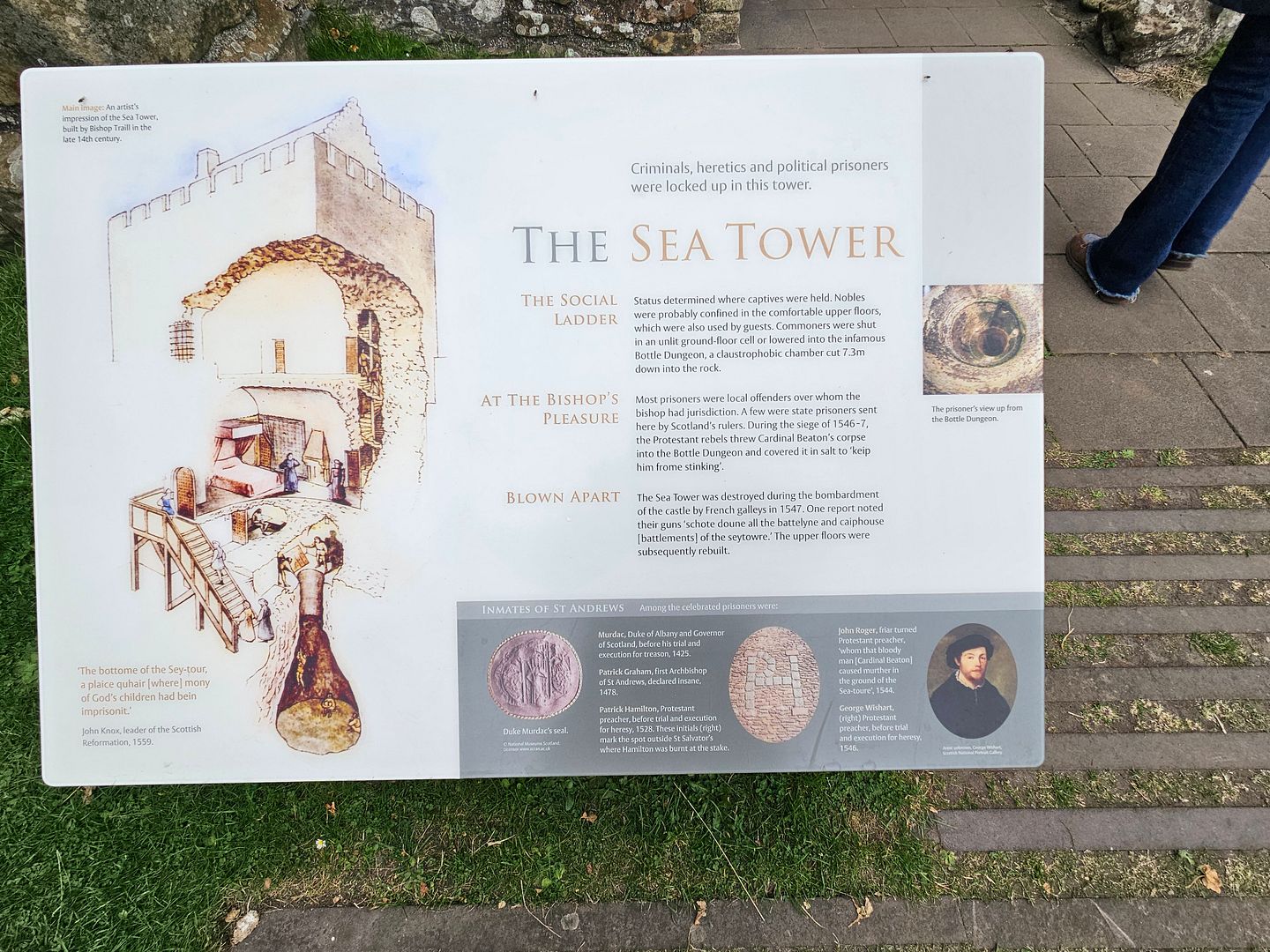
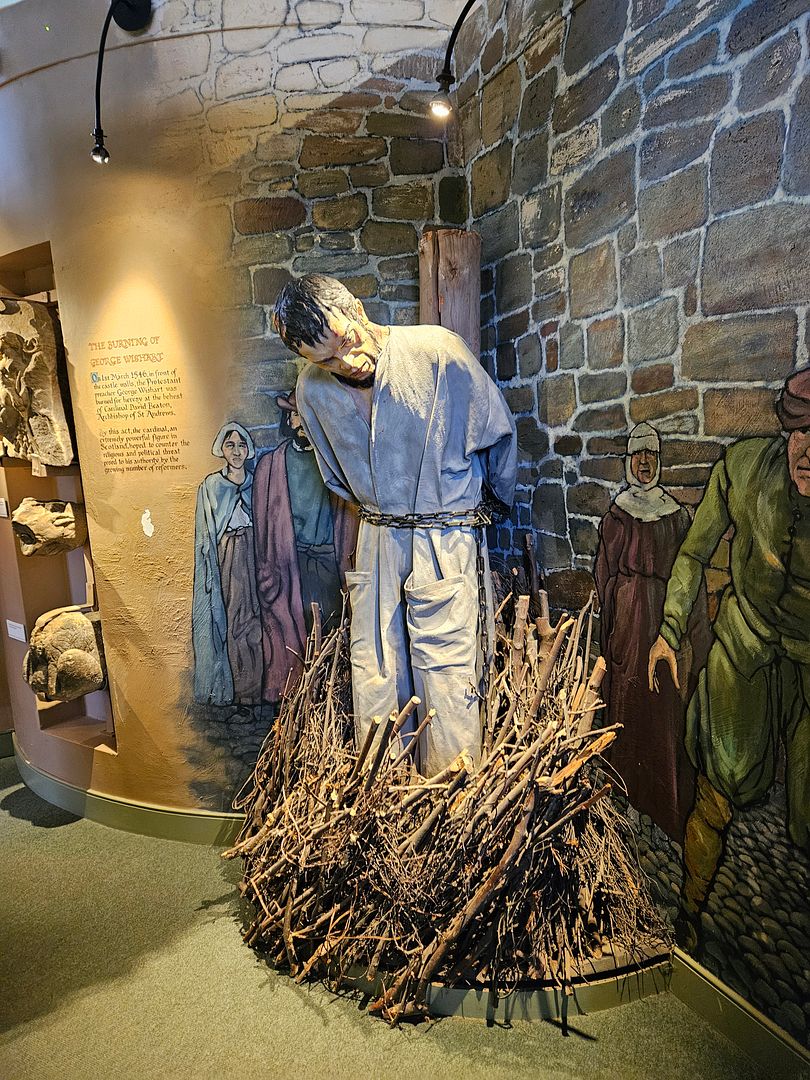
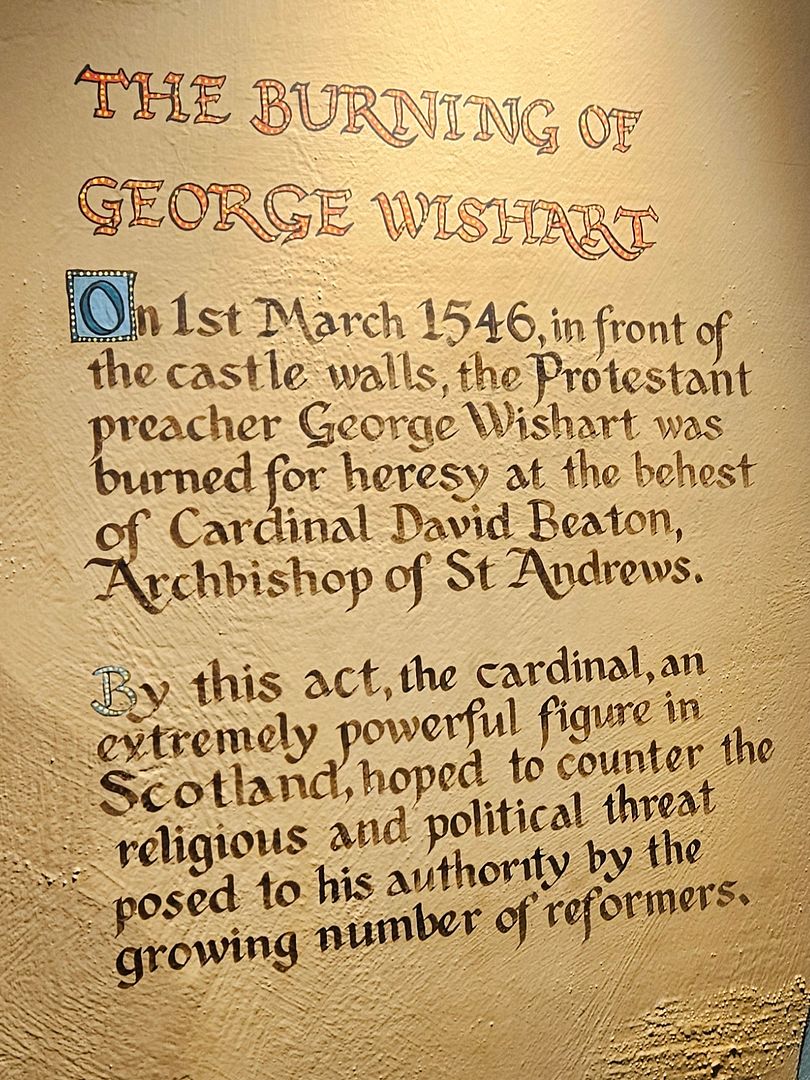
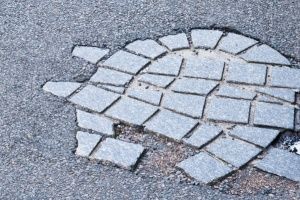
In March 1546 a Lutheran preacher named George Wishart was imprisoned in the Sea Tower, and then burned at the stake in front of St Andrews Castle, a spot now marked by a simple design of paving bricks spelling out his initials. When I visited, a car was parked partly over the memorial bricks, the driver oblivious that they were parking on the spot where a man died in flames.

Taken from here where you can read more of the history. 

We missed seeing the spot marked in front of the castle where Wishart was martyred but I’m adding it here.
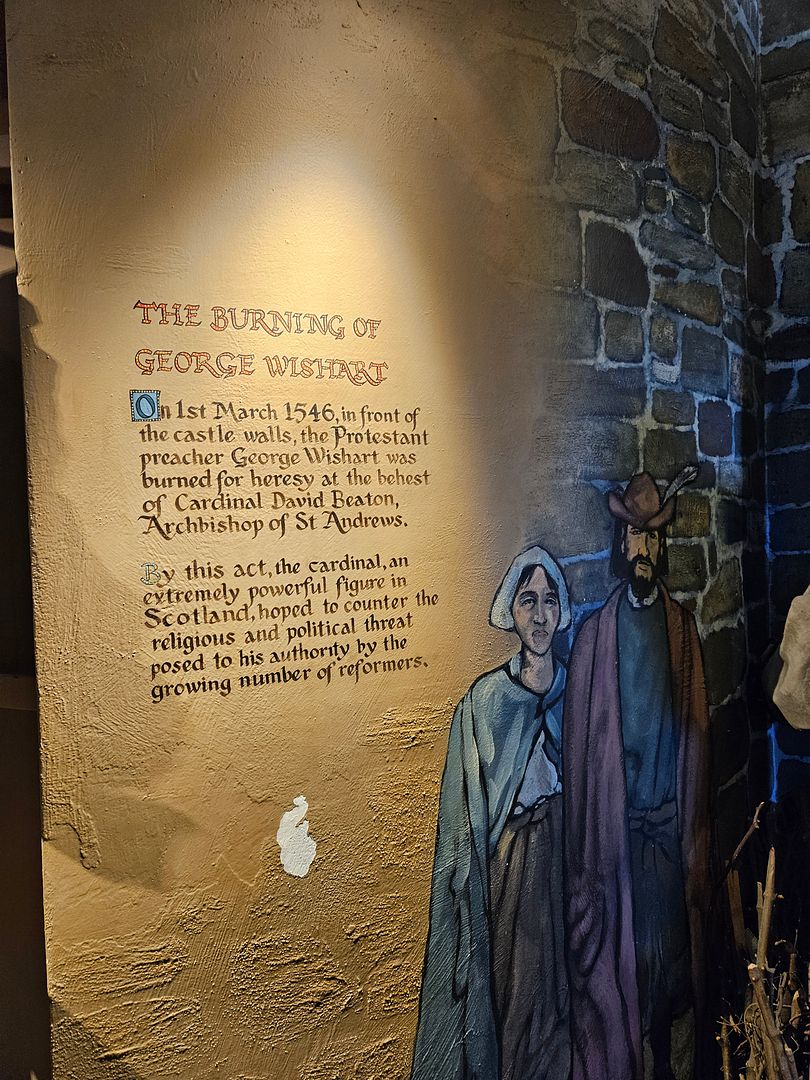
Wishart’s execution was ordered and witnessed by the powerful Archbishop of St Andrews, Cardinal David Beaton, nephew of the earlier Archbishop James Beaton. But Cardinal Beaton’s triumph was shortlived.

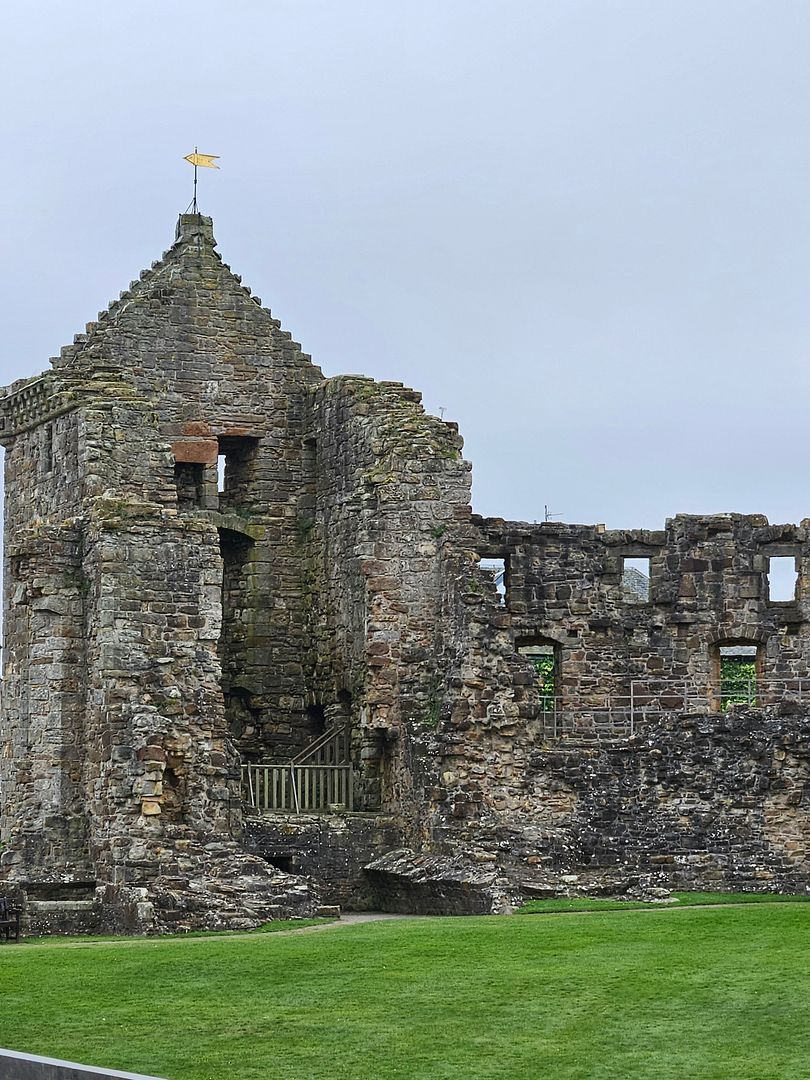
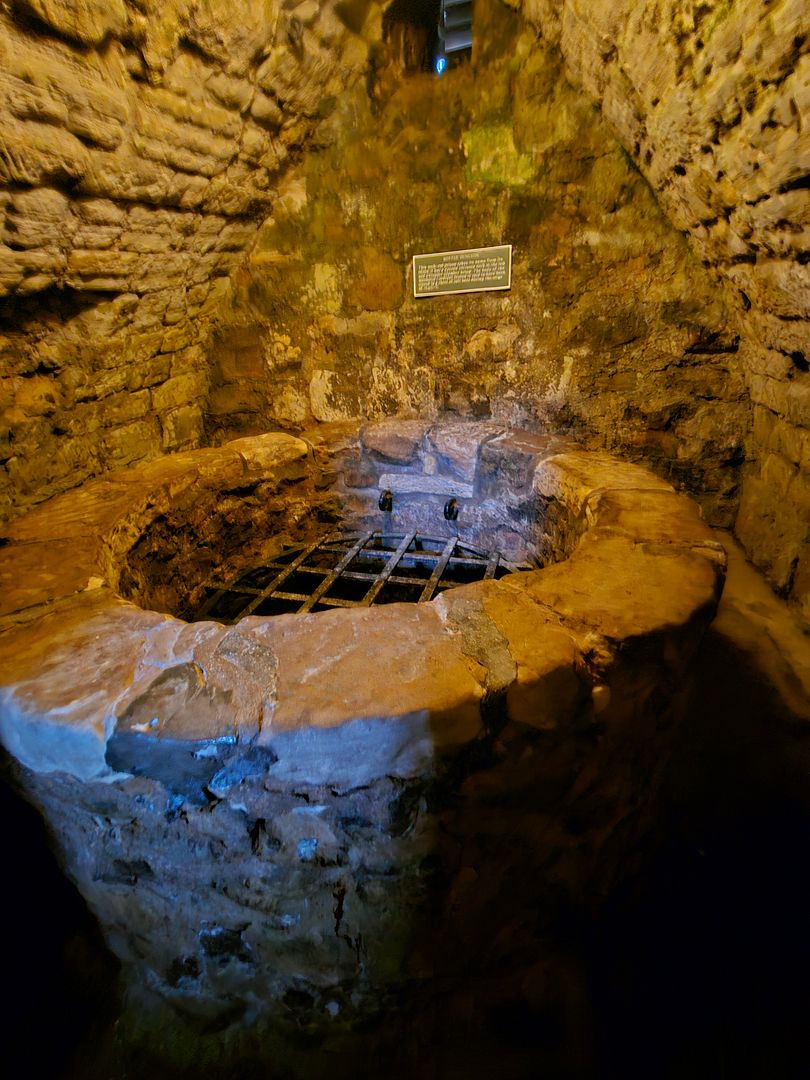
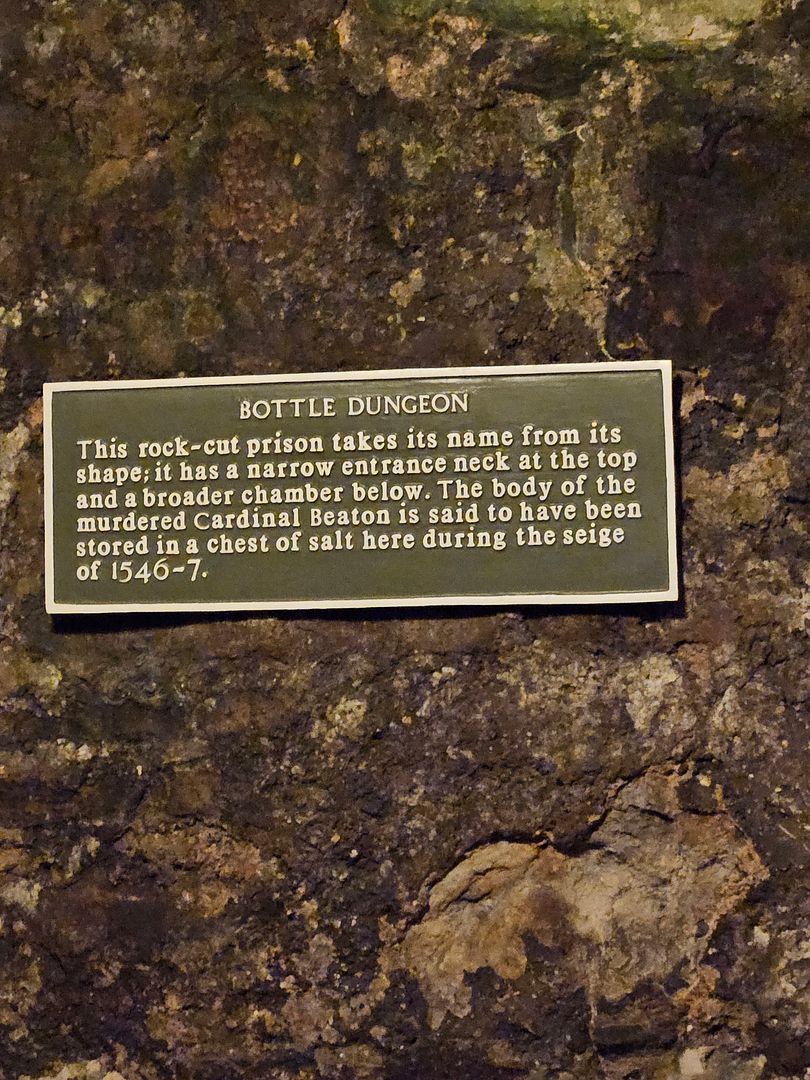
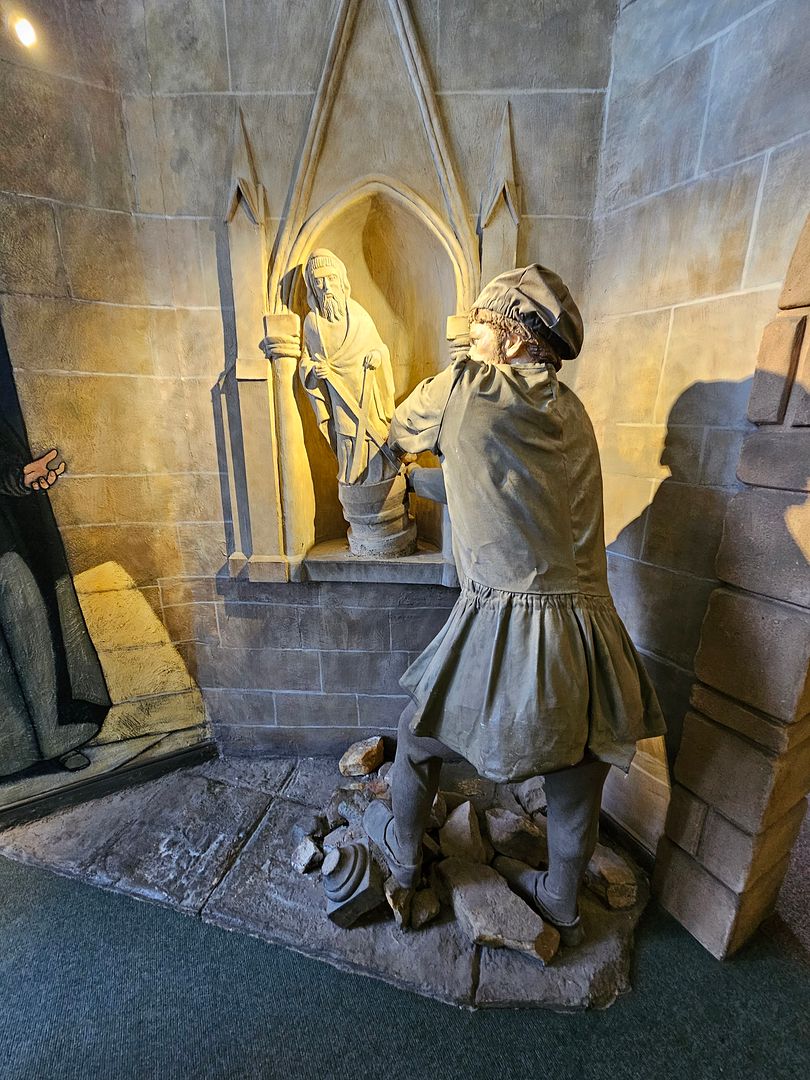
A band of Wishart’s supporters, prominent local lairds, snuck into the castle dressed as stonemasons. They took the castle garrison by complete surprise, murdered Archbishop Beaton, and hung his naked body from a window high in the castle tower. They then occupied the castle and proceeded to form the first Protestant congregation in the country. Together they hoped to hold the castle against troops led by the Regent, the Earl of Arran.
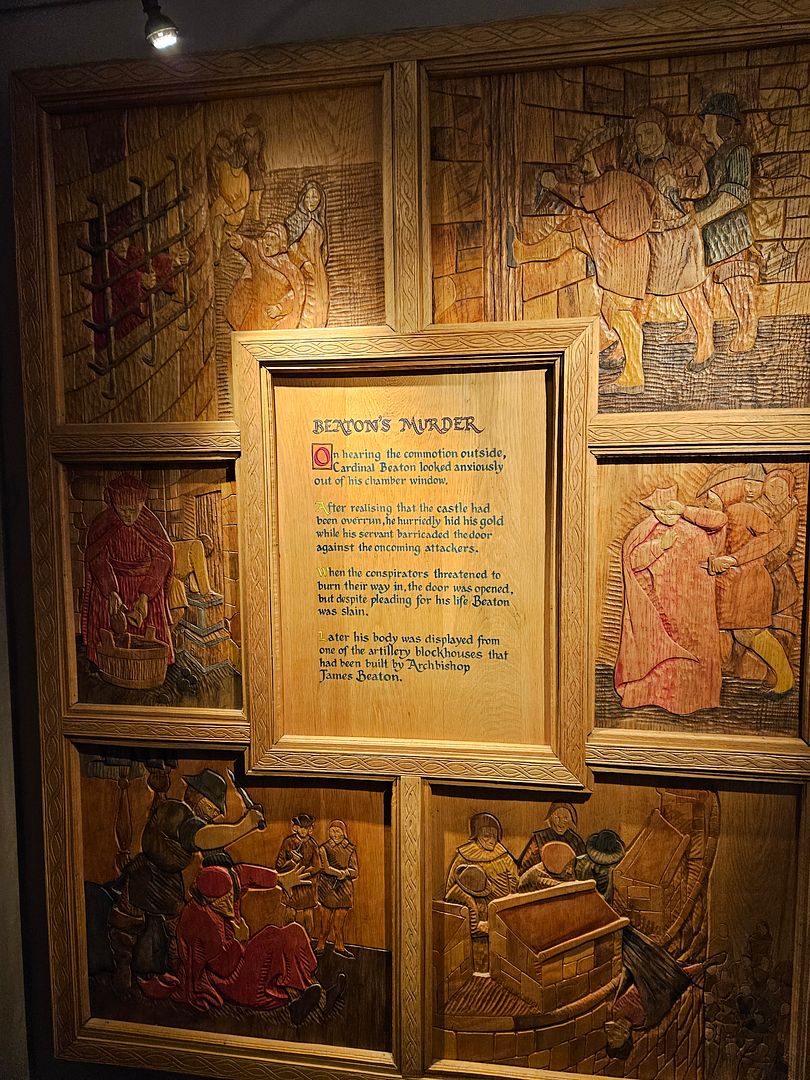
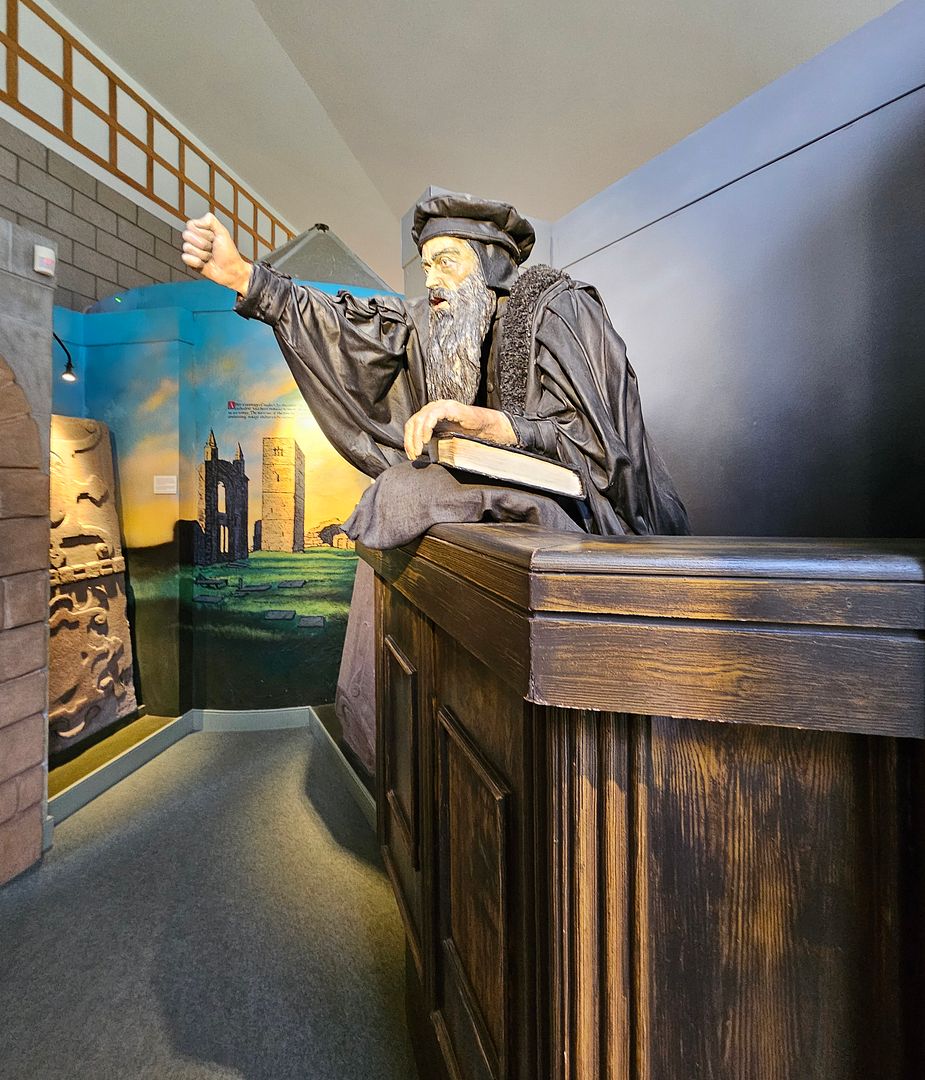
The occupation of St Andrews Castle and the killing of the Archbishop acted as a clarion call to Protestant reformers, who flocked to St Andrews. Among the reformers who came to support the Protestant uprising was John Knox, who was allowed to enter the castle under a temporary truce, and act as a preacher to the occupiers.
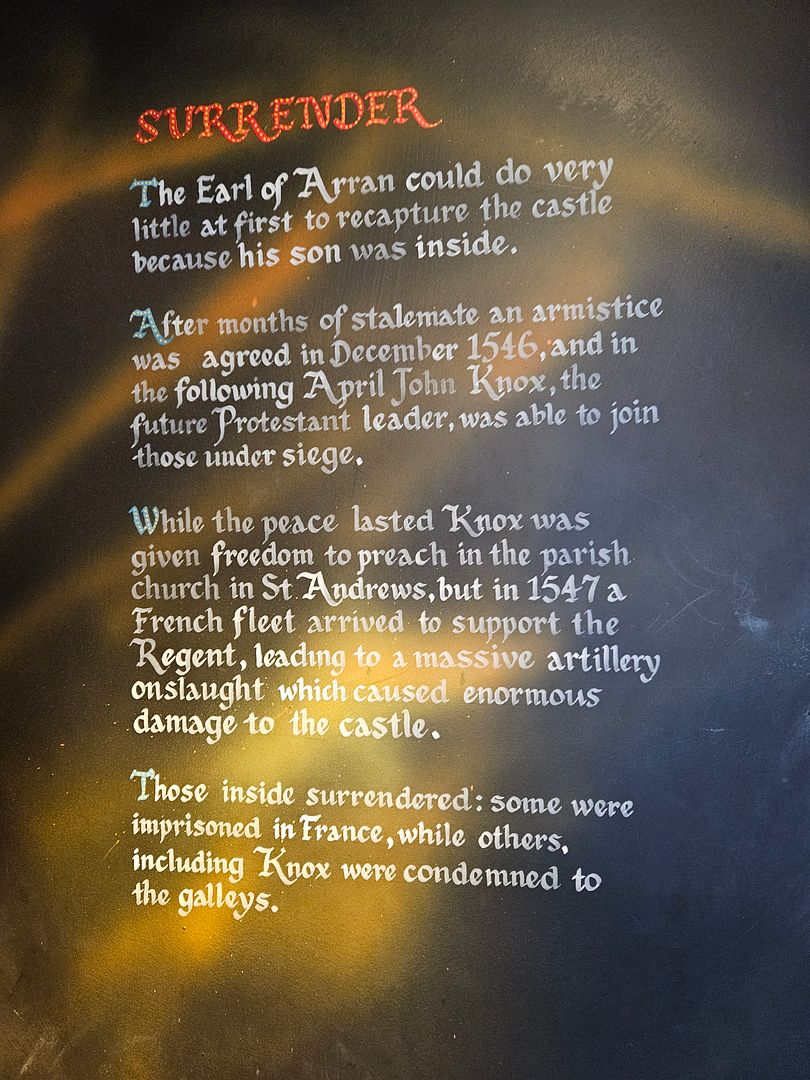
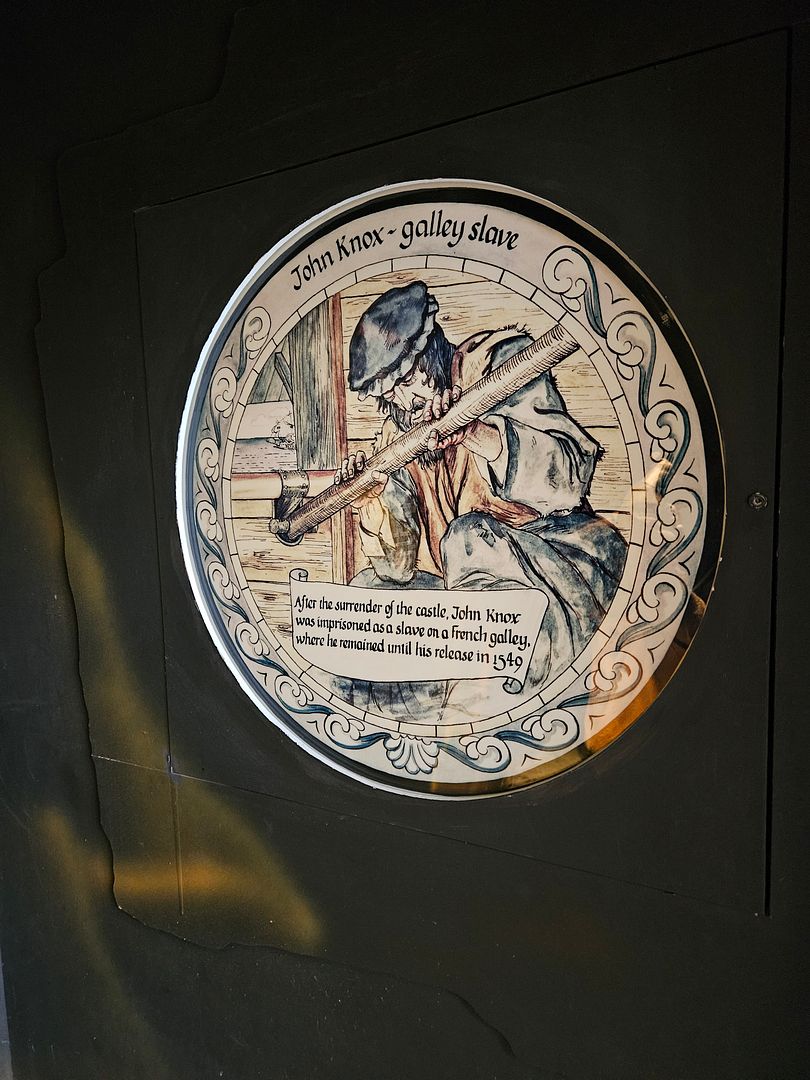
John Knox was a slave on a French galley for two years!
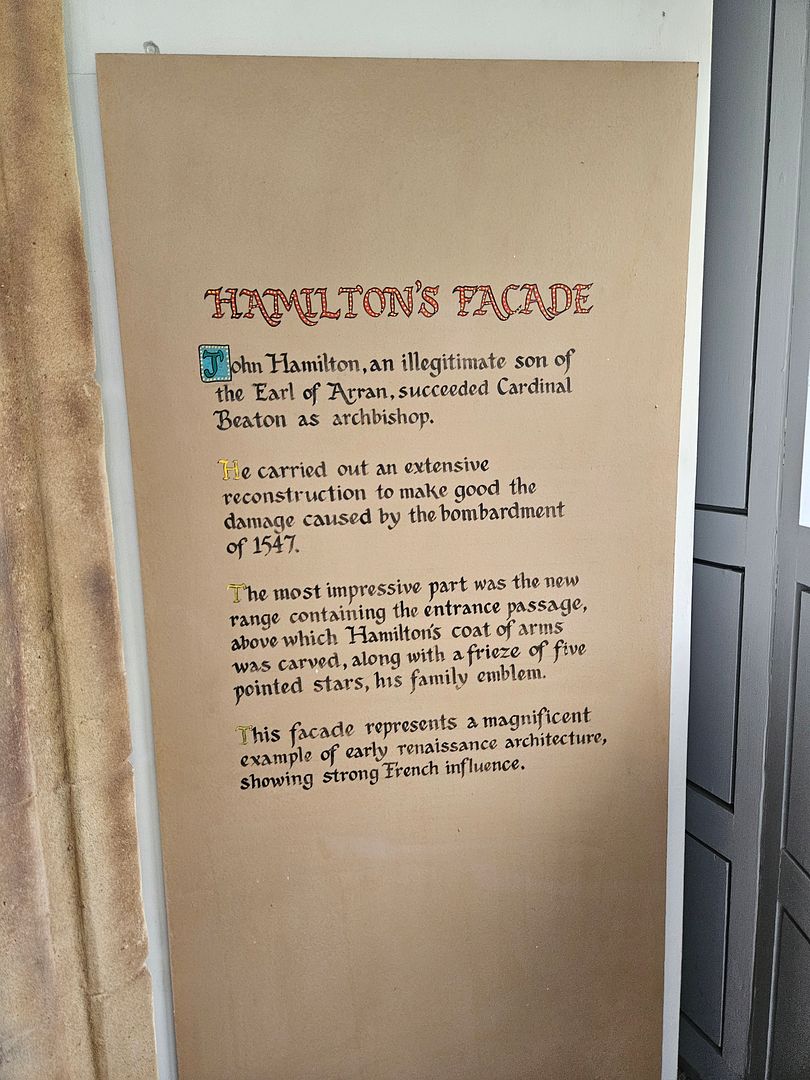
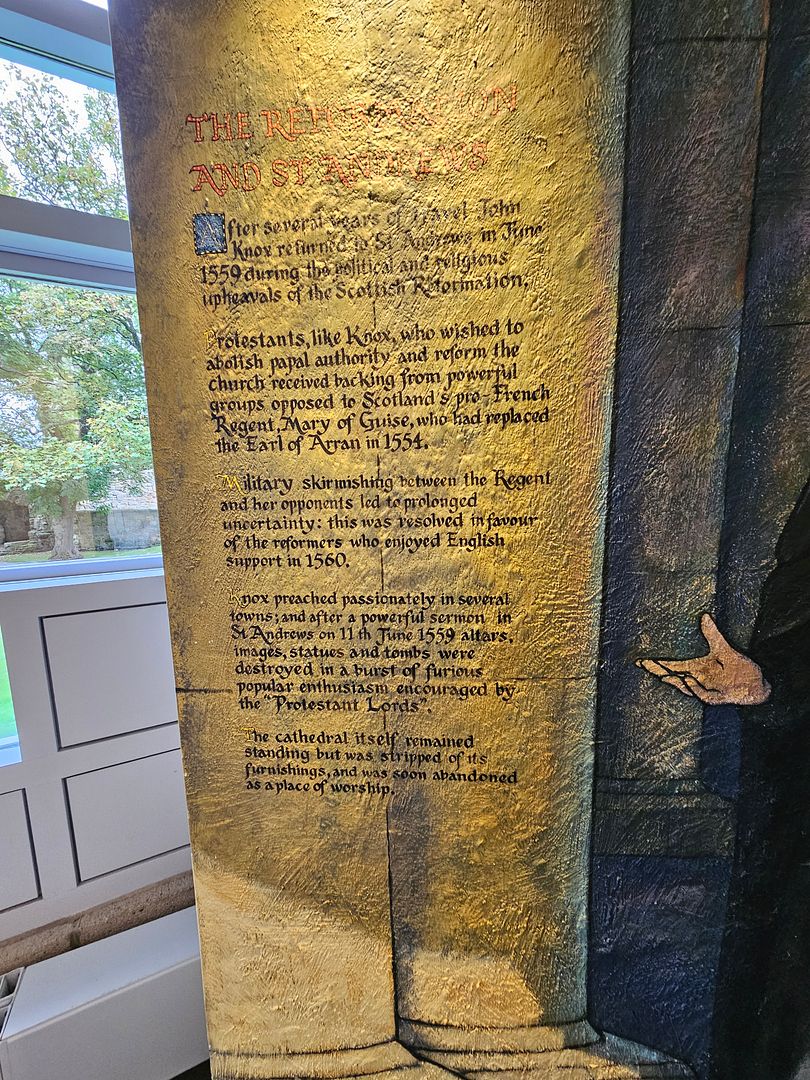
The lighting on this was not good but it reads;

The Reformation at St. Andrews

After several years of travel John Knox returned to St. Andrews 1559 during the political and religious upheavals of the Scottish Reformation. Protestants like Knox, who wished to abolish papal authority and reform the church received backing from powerful groups opposed to Scotland’s pro French regent, Mary of Guise, who had replaced the Earl of Arran in 1554. Military skirmishing between the Regent and her opponents led to prolonged uncertainty: this resolved in favour of the Reformers who enjoyed English support in 1560.

Knox preached passionately in several towns; and after a powerful sermon in St. Andrews on 11th June 1559 altars, images, statues and tombs were destroyed in a burst of furious popular enthusiasm encouraged by the “Protestant Lords”. The cathedral itself remained standing but was stripped of its furnishings, and was soon abandoned as a place of worship.
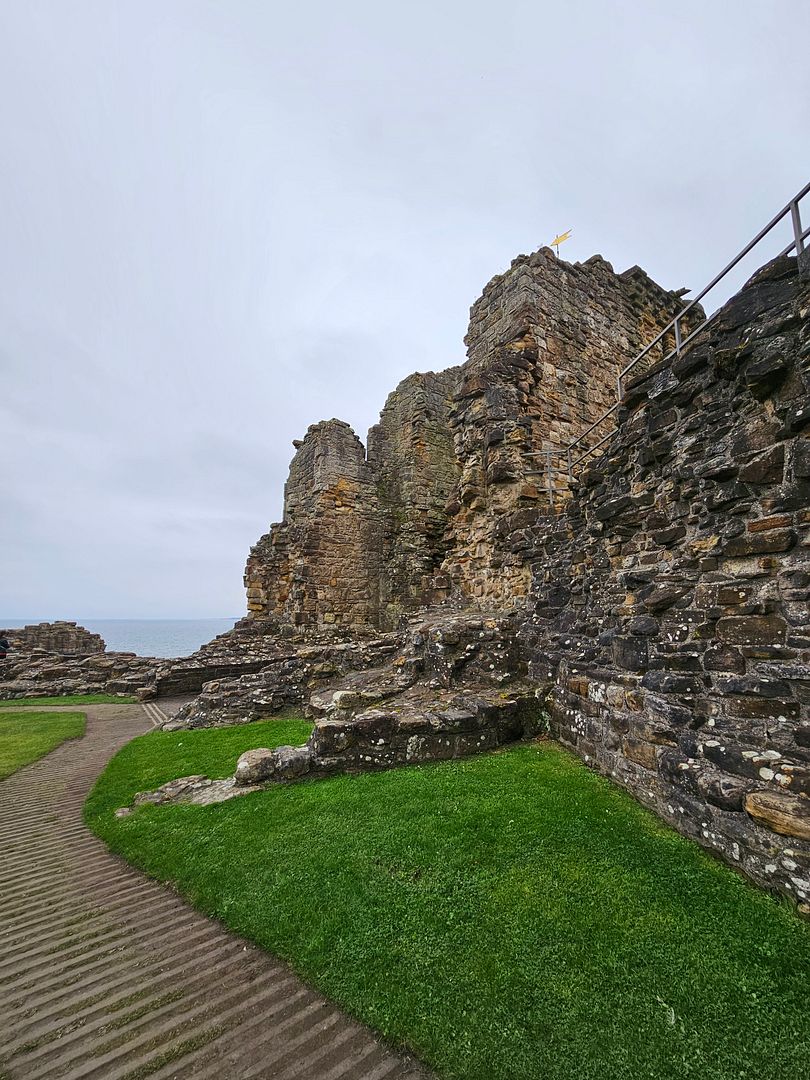
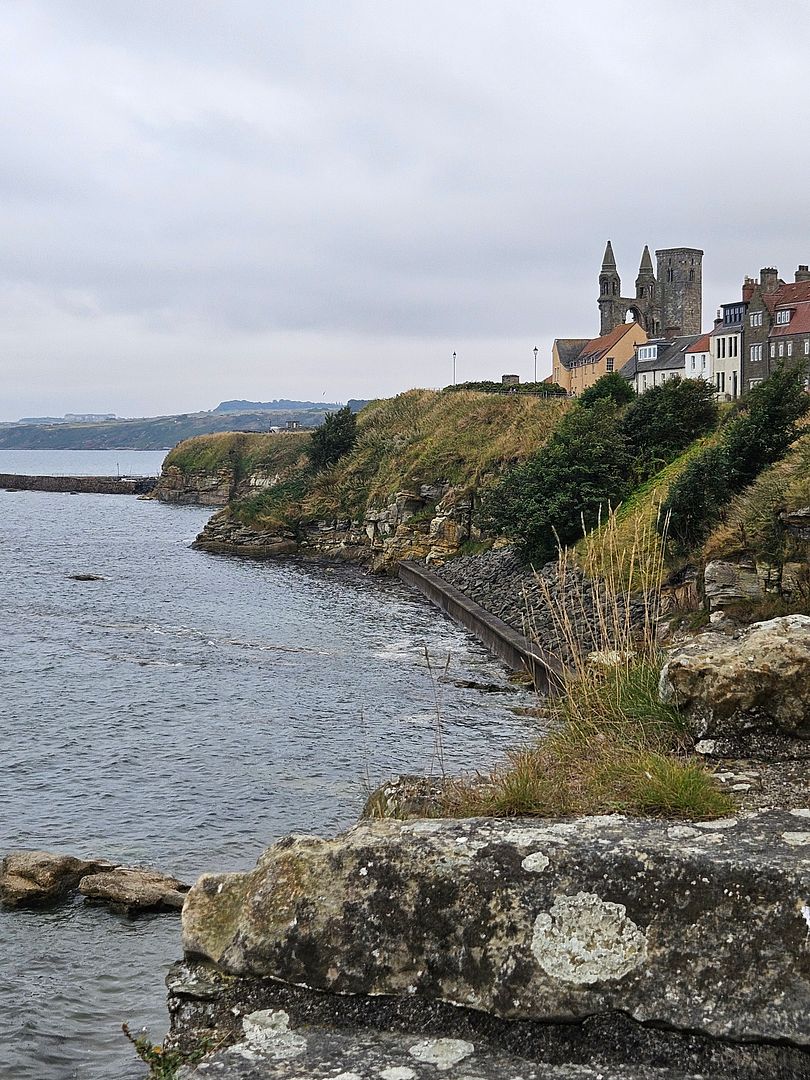
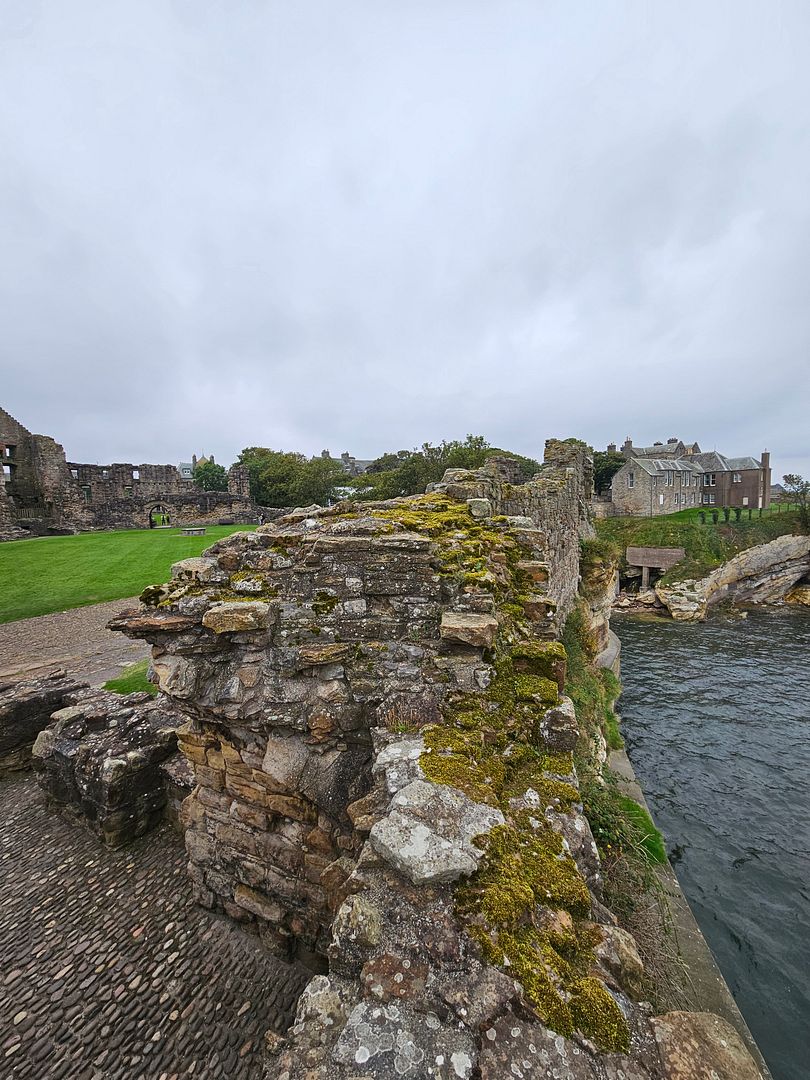
From this spot at the castle ruins you can see St. Andrews Cathedral ruins in the distance. We would have a short visit there before they closed the grounds.
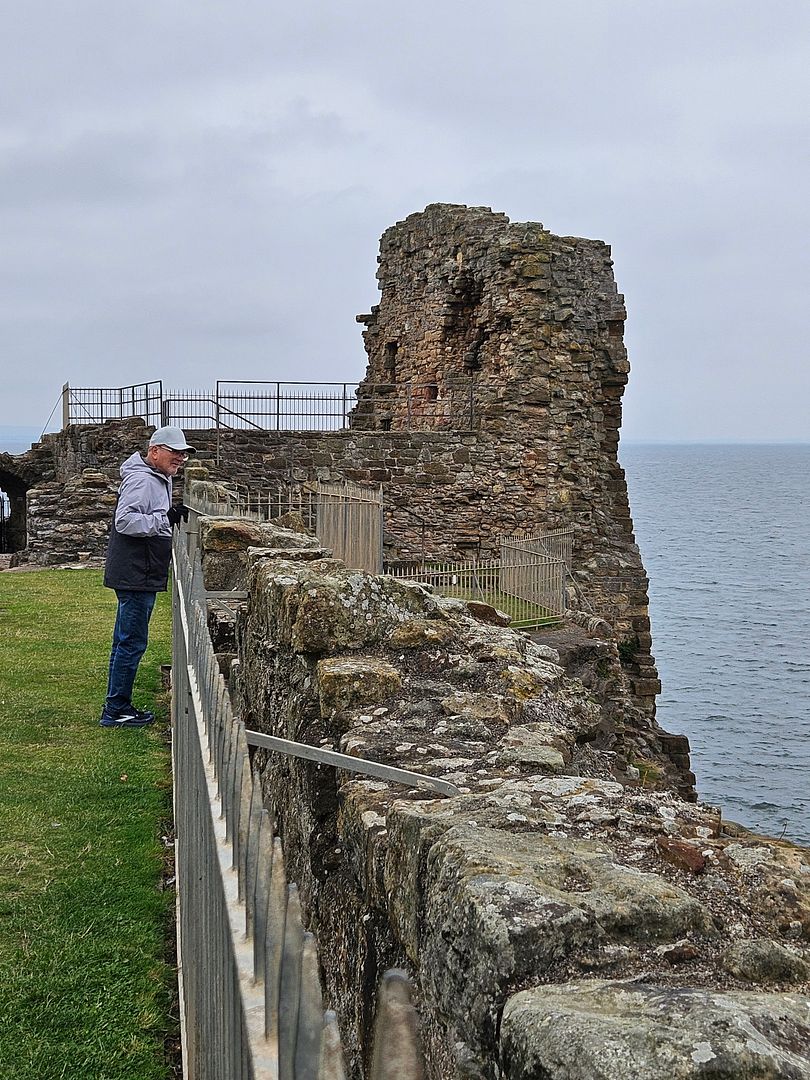
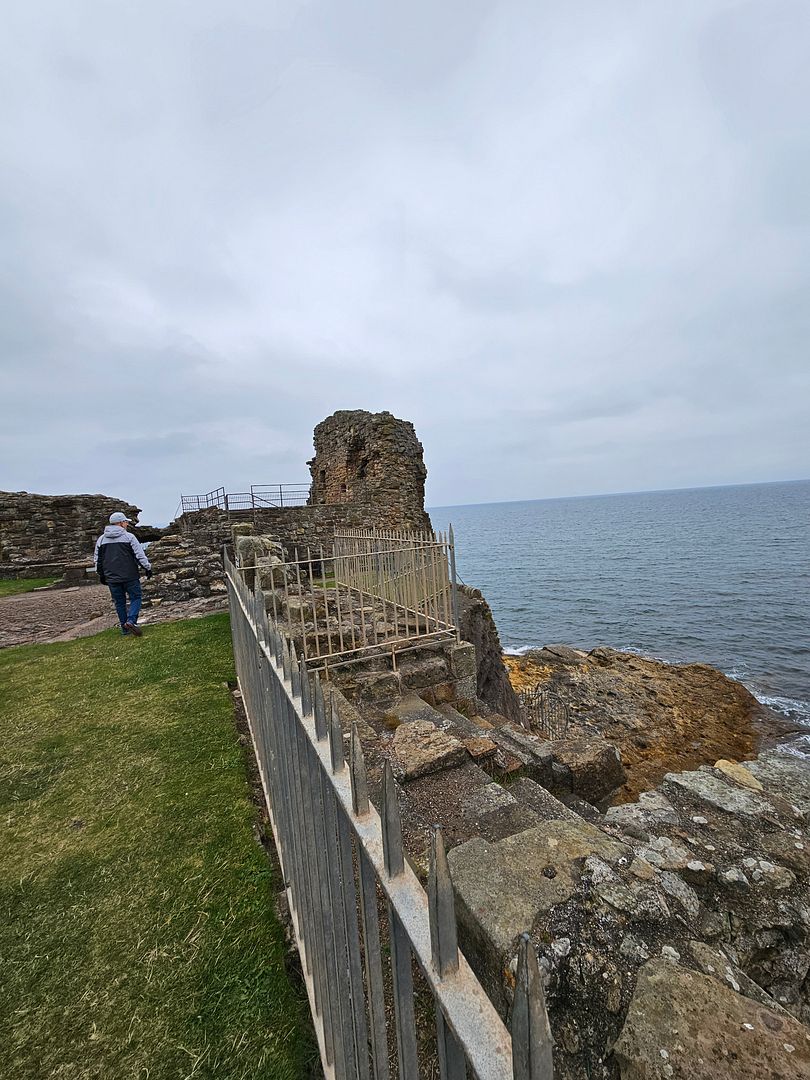
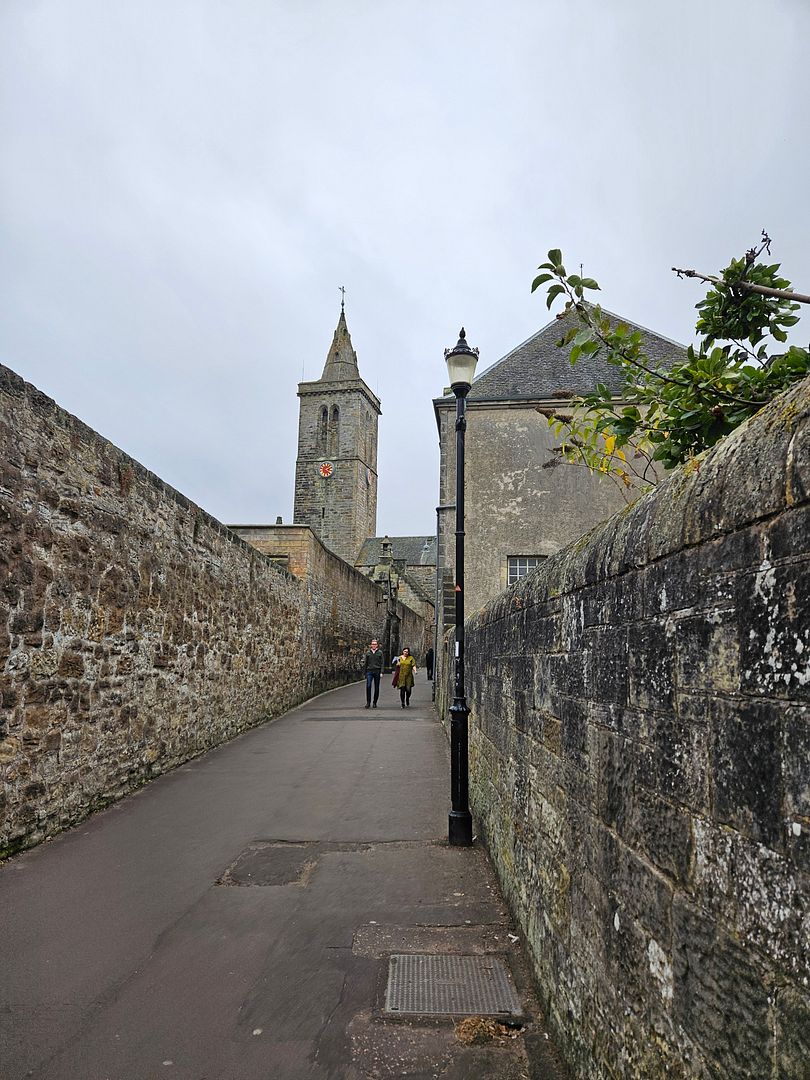
On leaving the castle we asked for directions to get to our next stop which included walking along Butts Wind to North St. along side of University of St. Andrews.
More from St. Andrews soon.
Scotland Travel Journal ~ The Old Course

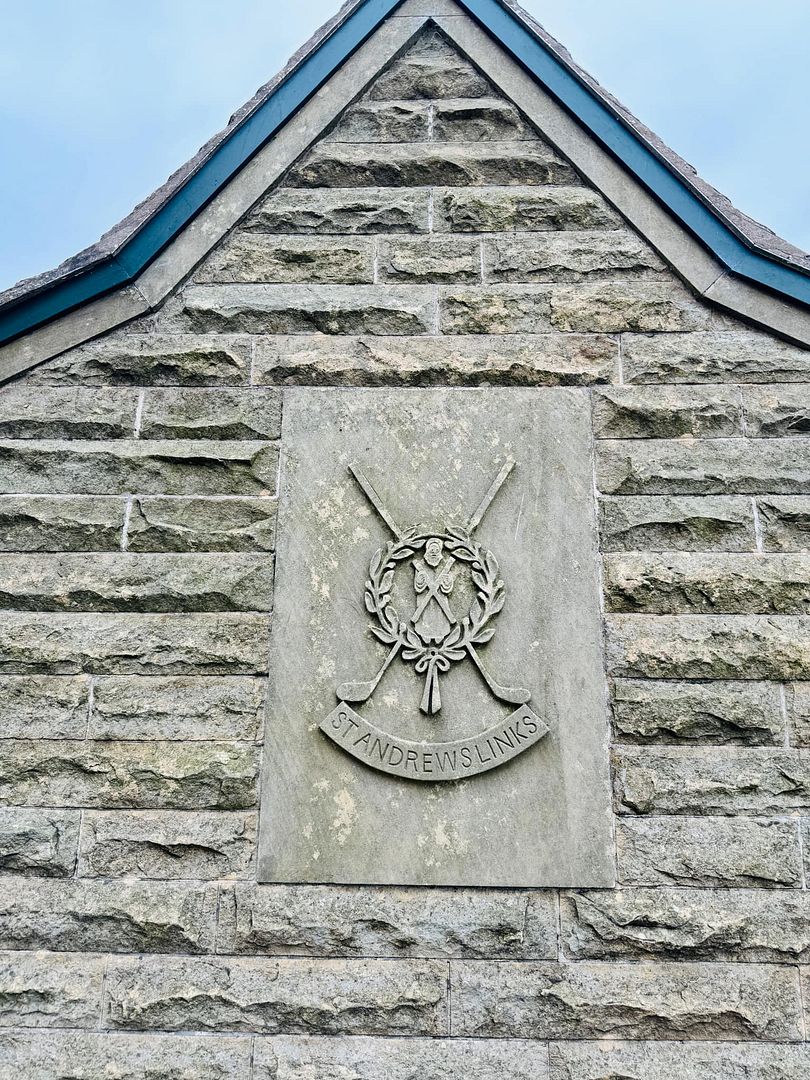
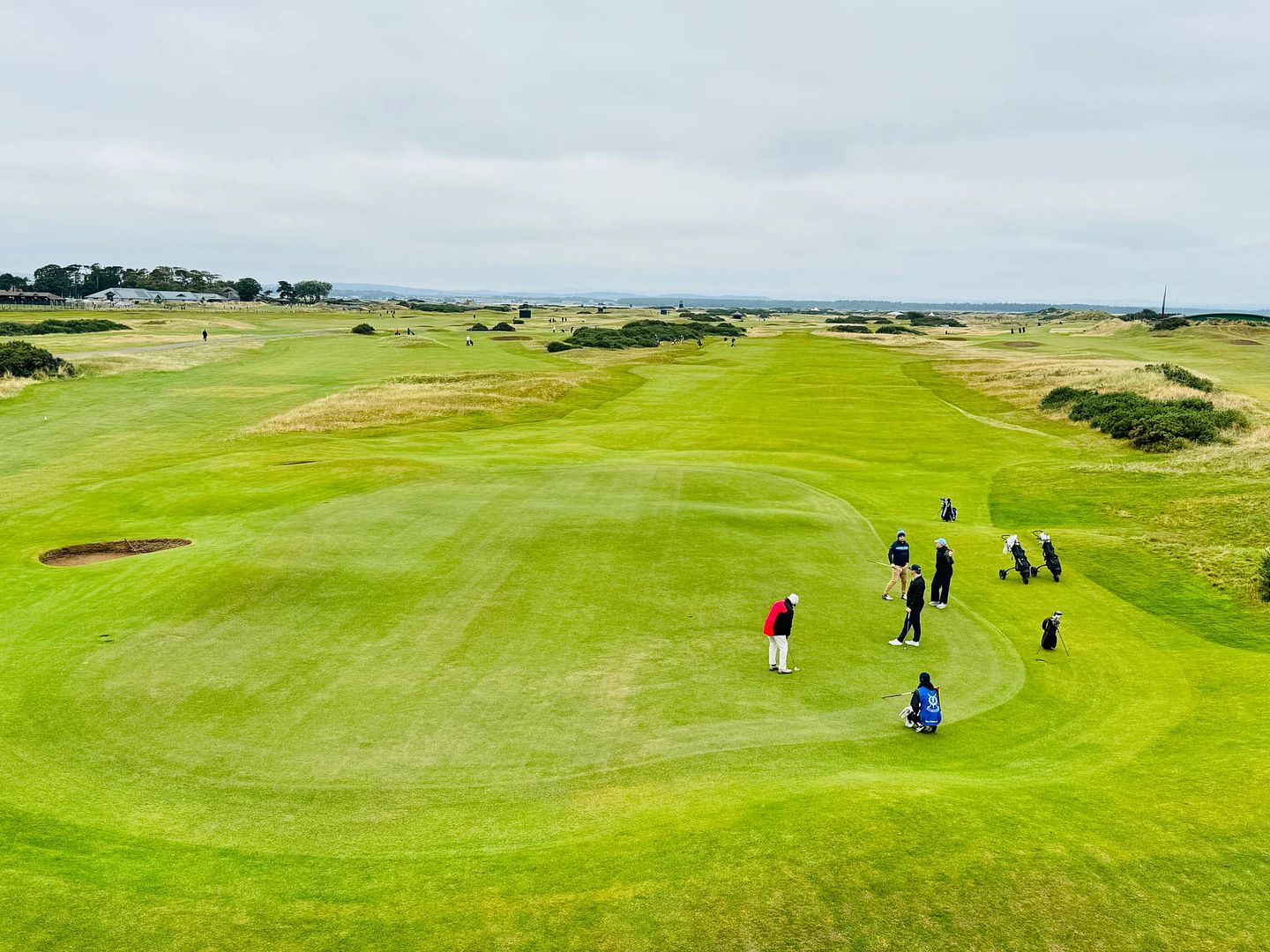
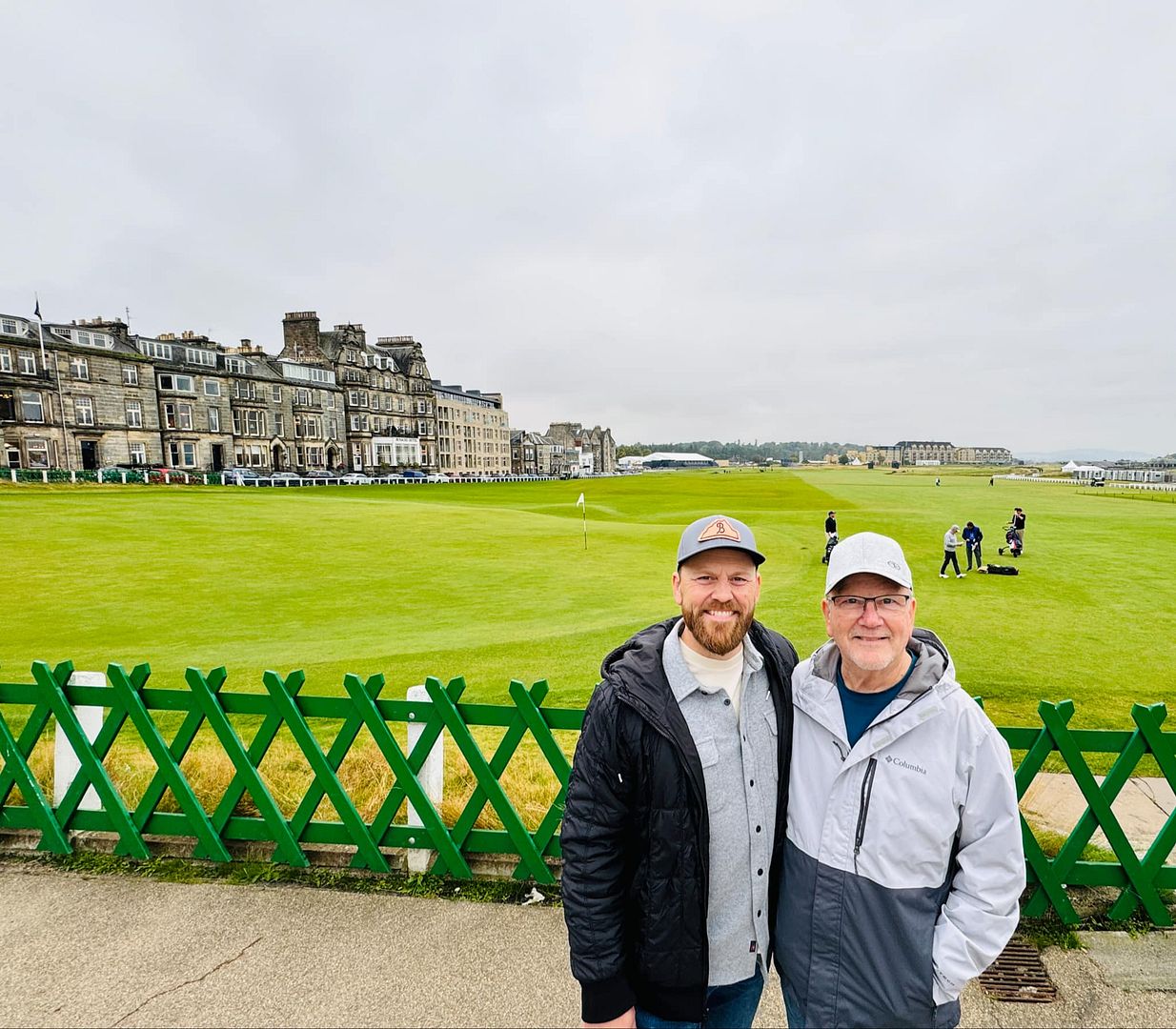
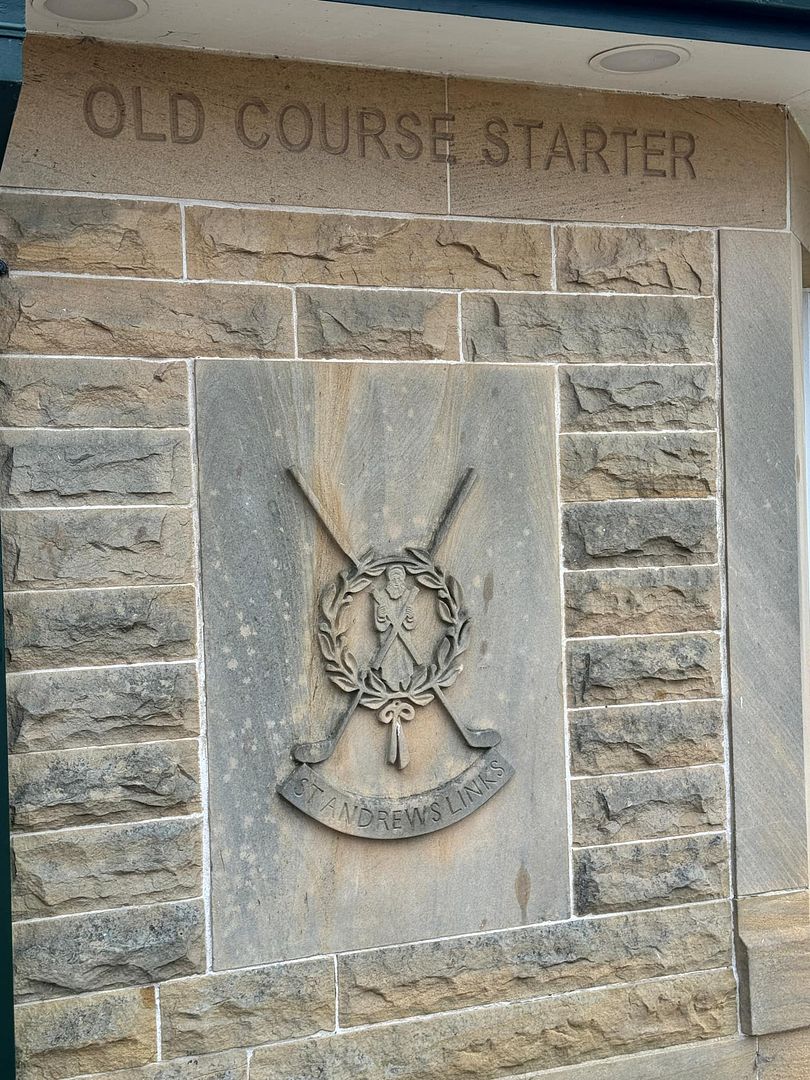
In our time in Scotland, Friday the 20th of September was filled with golf. After Josh completed the course at St. Michaels Golf Club, he and Laura came back to the Lodge to get ready for our afternoon in St. Andrews. We found a parking spot at the St. Andrews Links ~ The Old Course and made our way to the Tom Morris Bar and Grill.

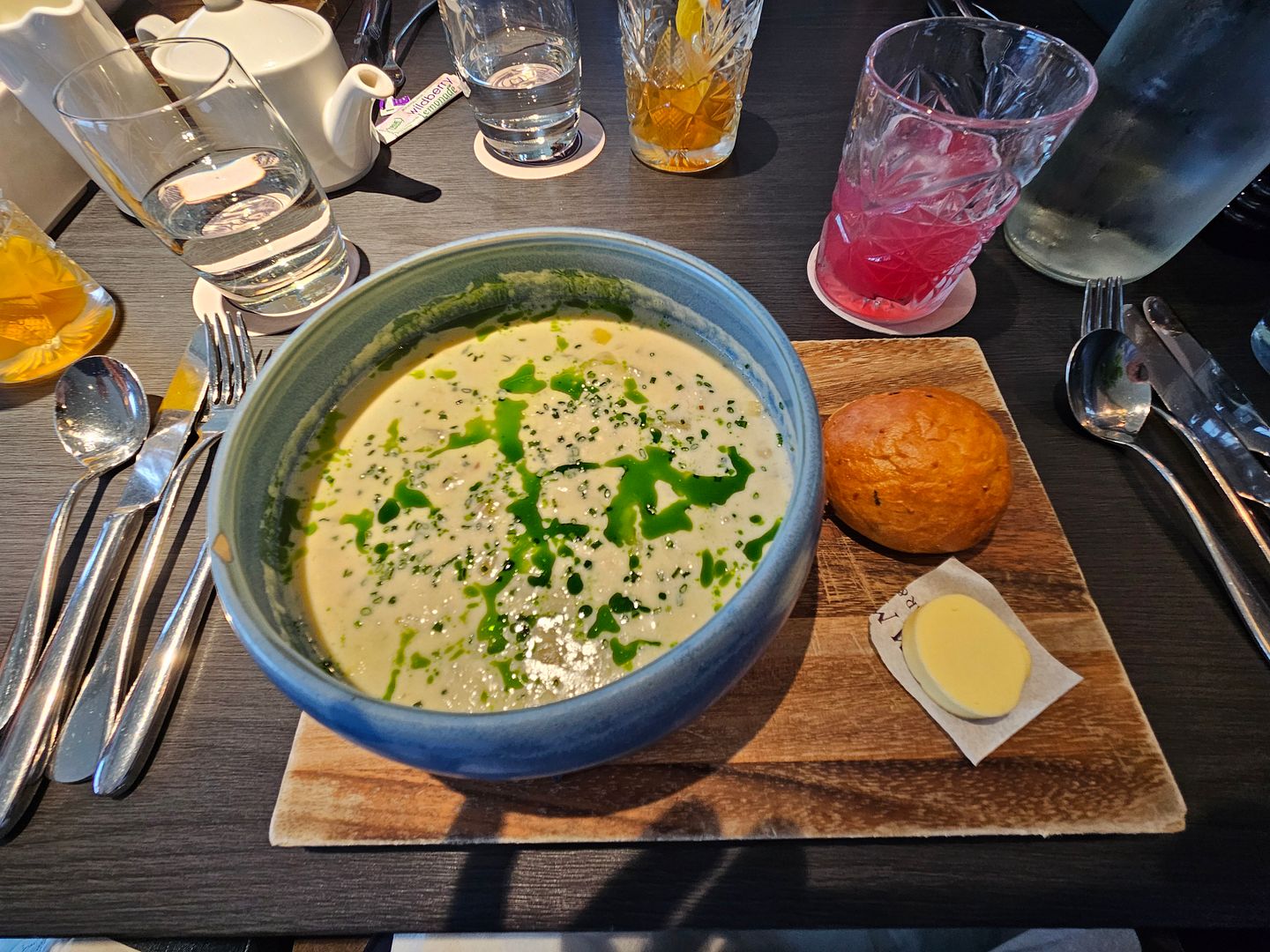
Another bowl of Cullen and Skink for me!

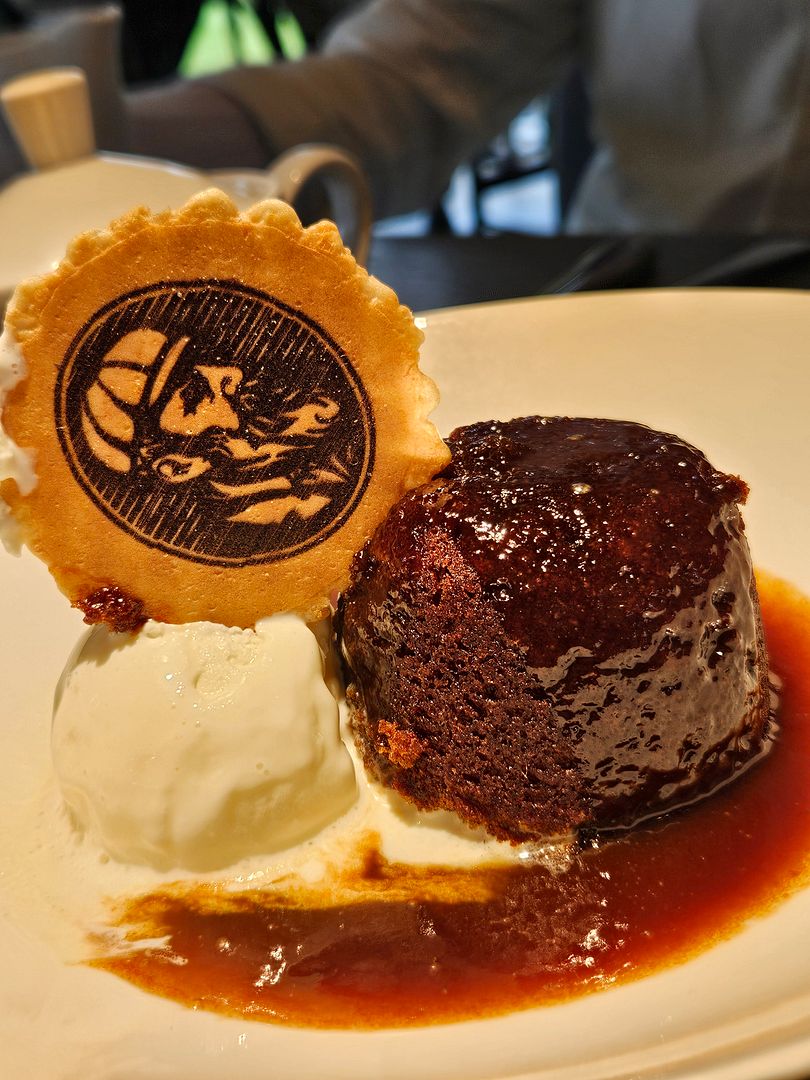
We all shared some Sticky Toffee Pudding and were ready for our tour of the Old Course which would begin at 2pm.

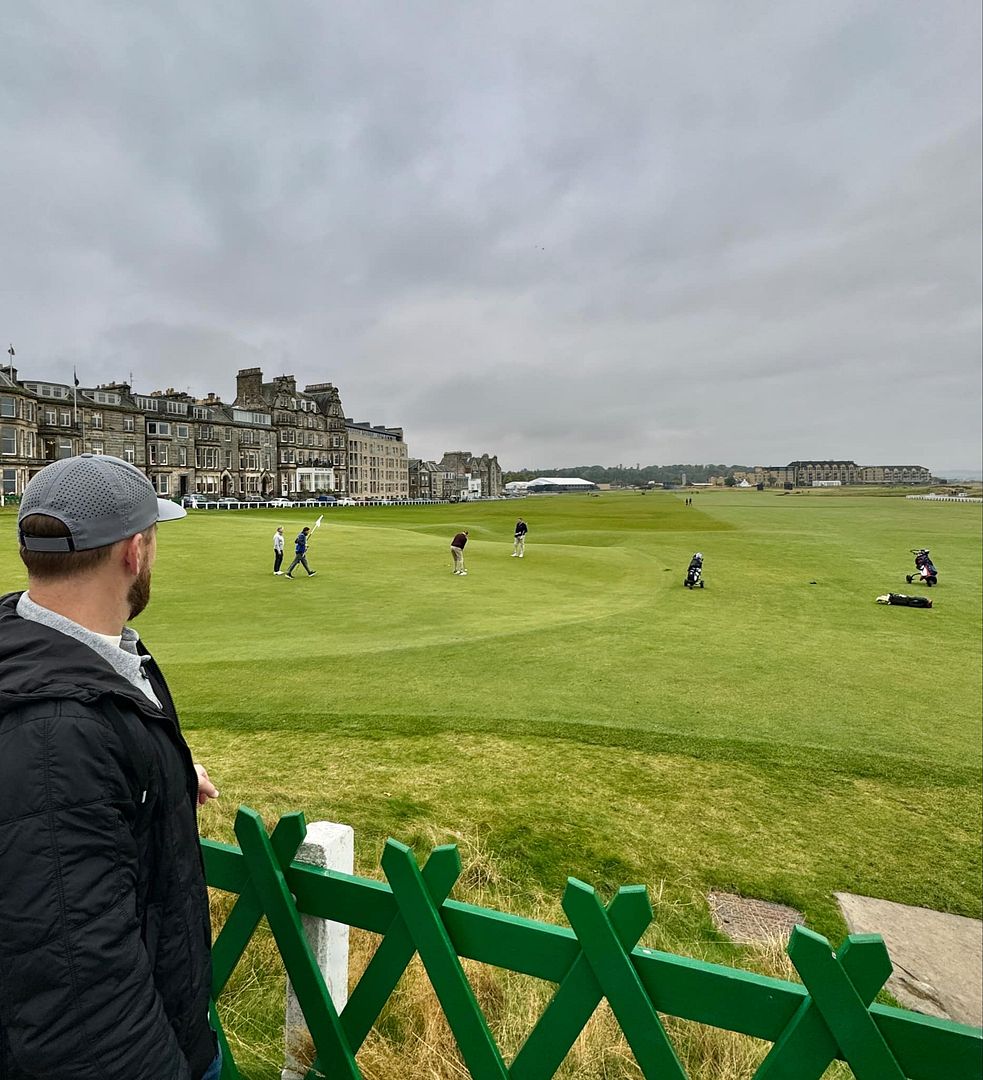
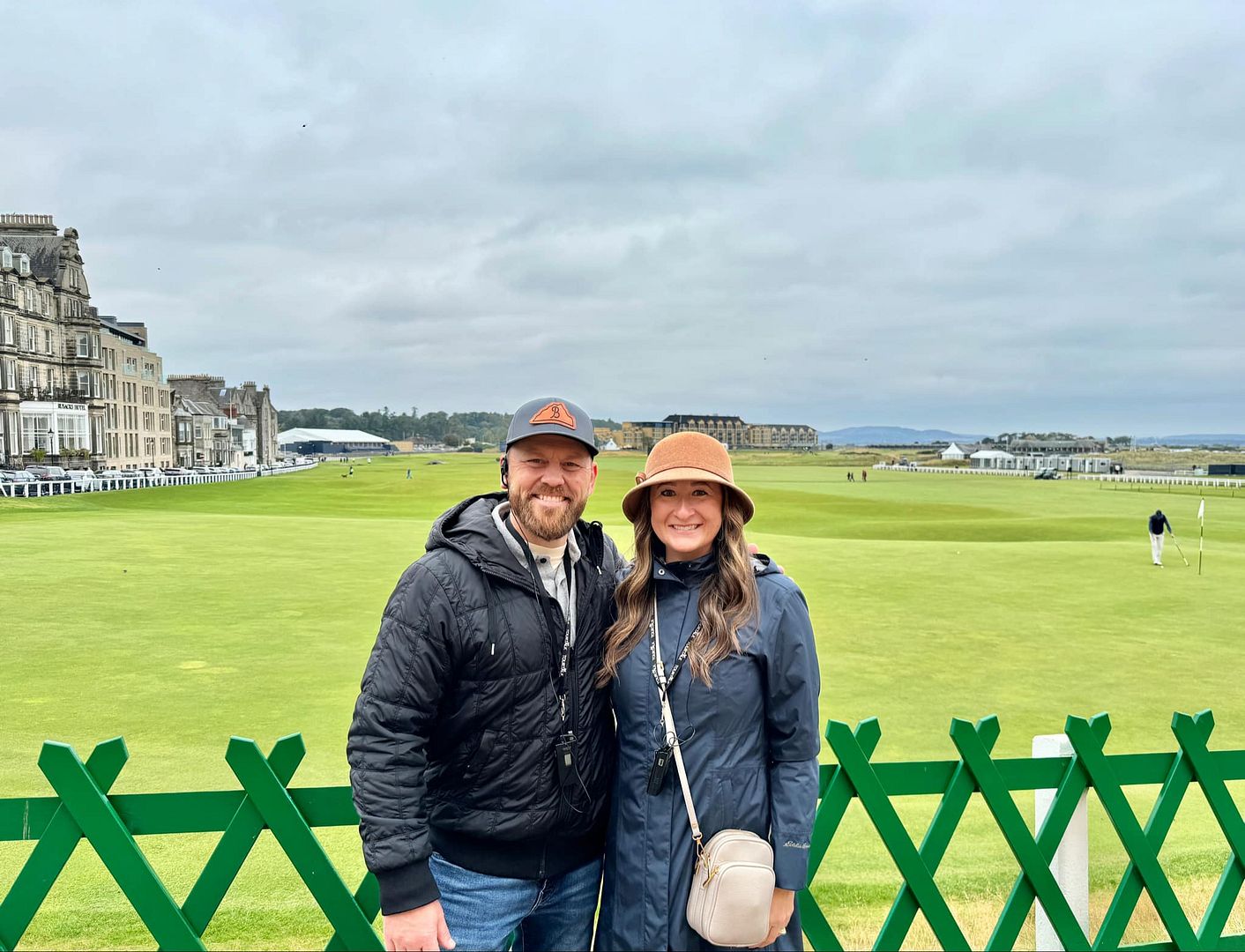
The World Famous Old Course. You can find some history of the Old Course here.

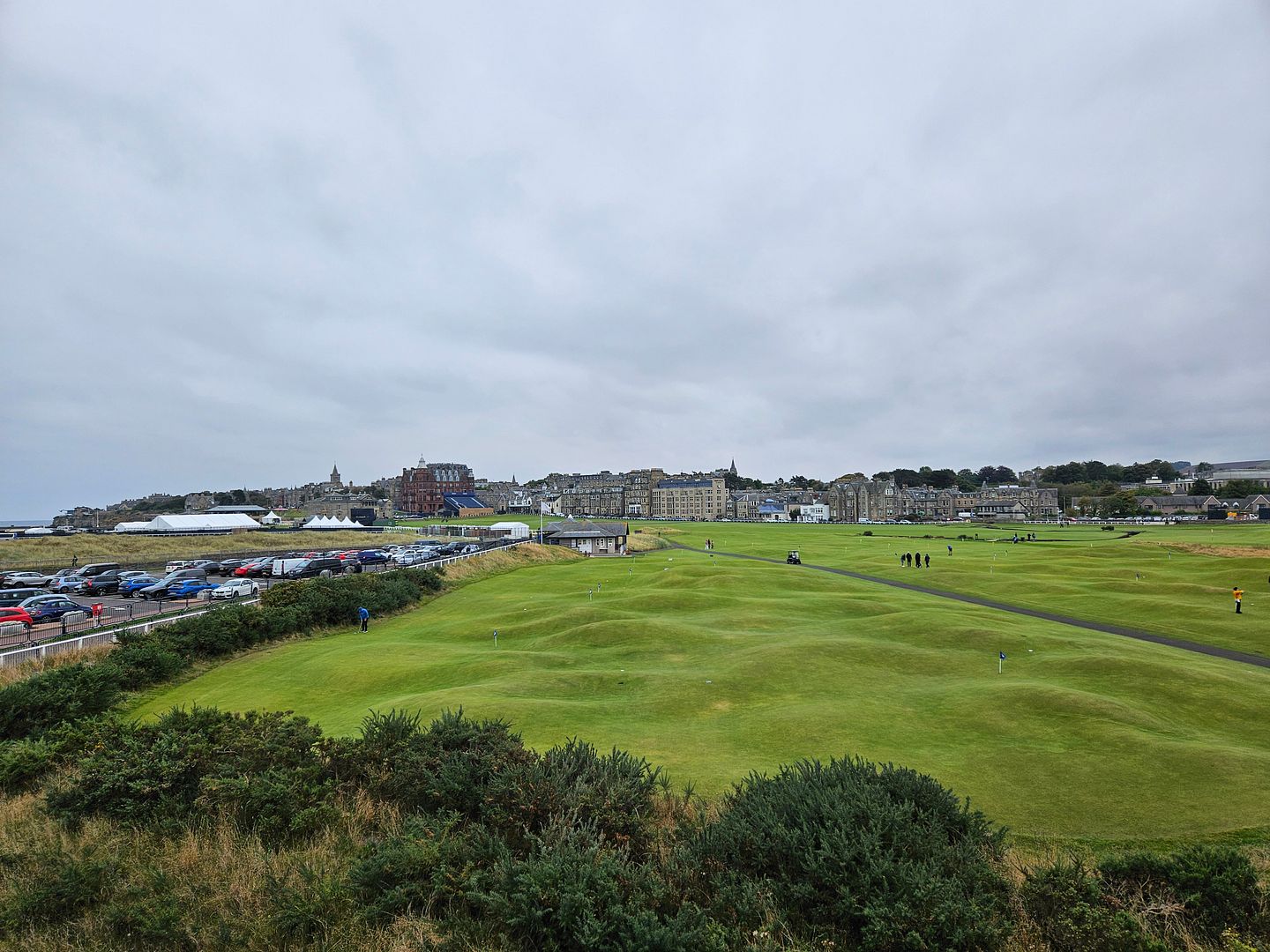
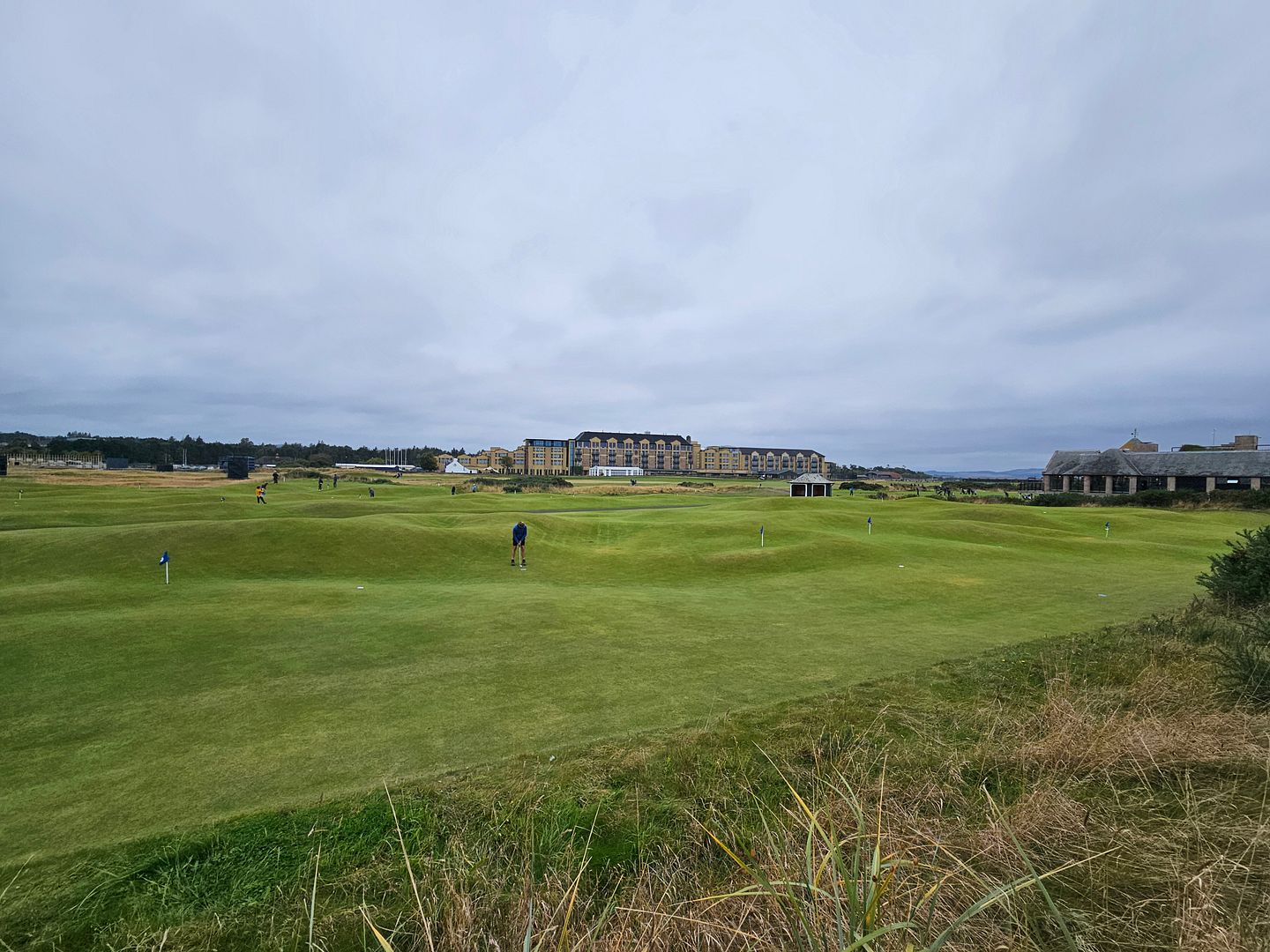
If we would have known about the Himalayas we would have tried to get on this course for fun. Here is a link for the history of the St. Andrews Ladies Putting Club (The Himalayas).

This day was a full day with clouds. The clouds did not produce rain this day and for that we were thankful.

St Andrews Links is one of the hosts to the first major professional golf tournament, the Open Championship. The first playing of the Open at the Old Course was in 1873, the winner was Tom Kidd. St Andrews Links has hosted the Open Championship more than any other course. It typically hosts the Open every five years. St Andrews Links provides unique challenges with its infamous bunkers, including the Old Course’s “Hell Bunker” on 14 and the Road Hole on 17. Many of the greatest Open Champions have crossed the famous 700-year-old Swilcan Bridge on the 18th hole of the Old Course.

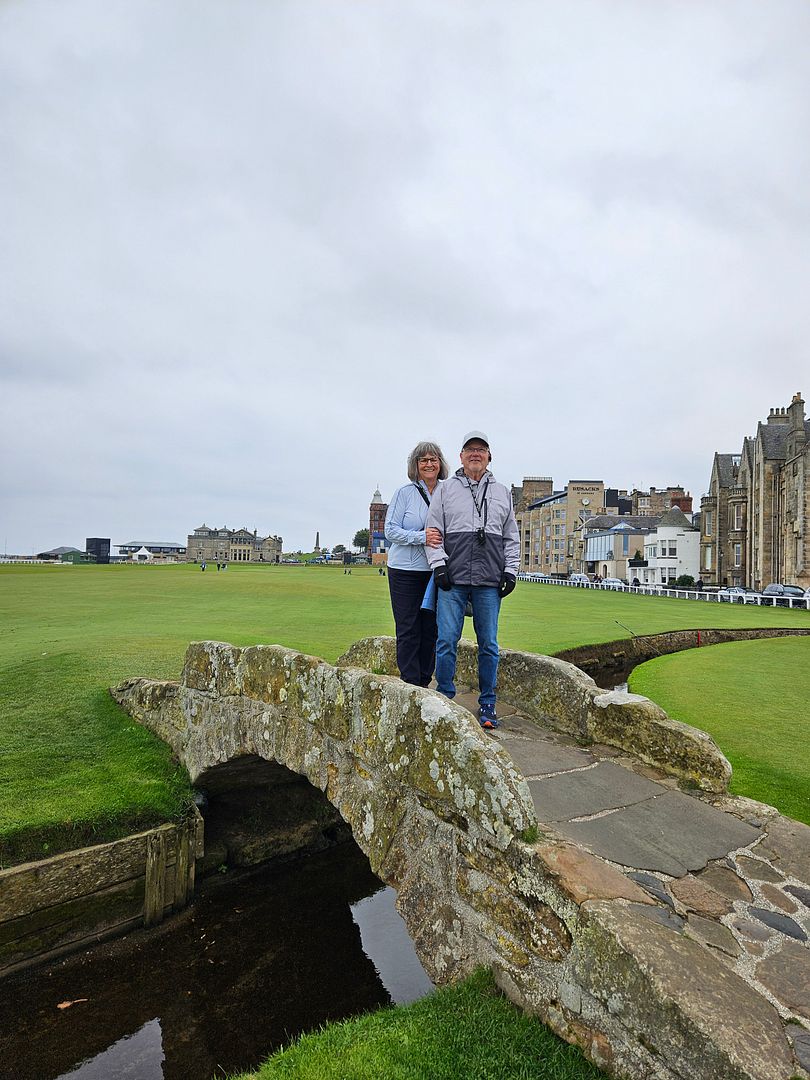
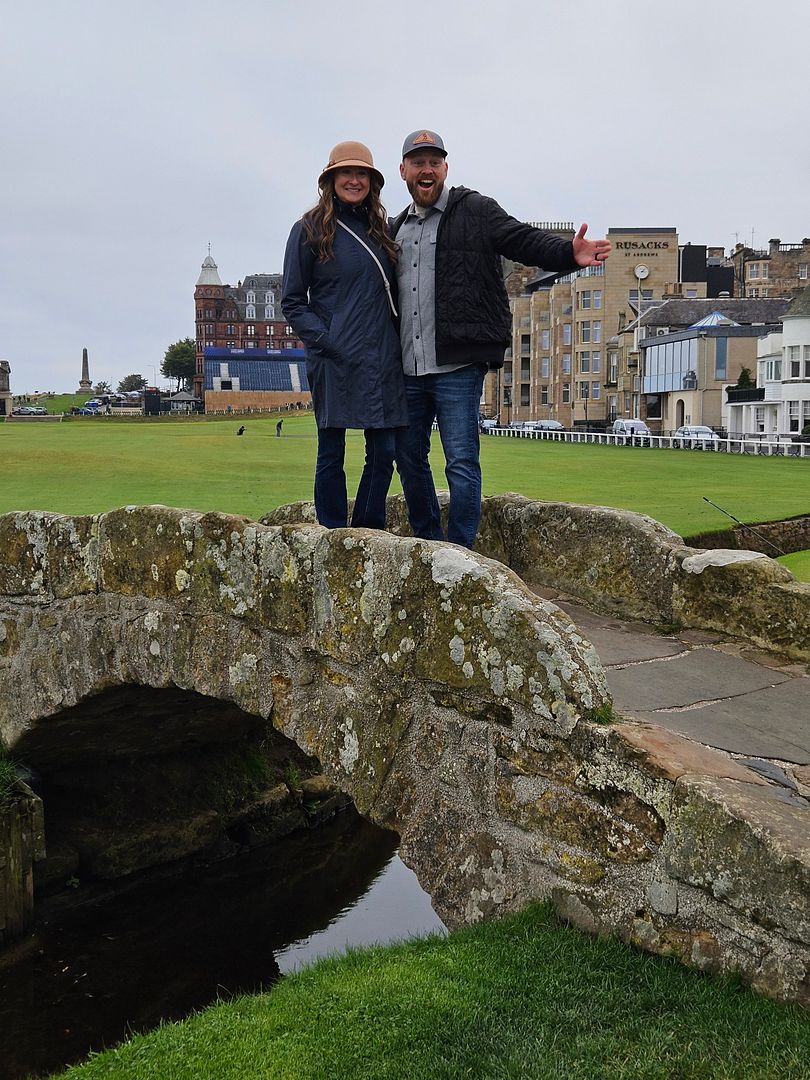
And we crossed the bridge, too.

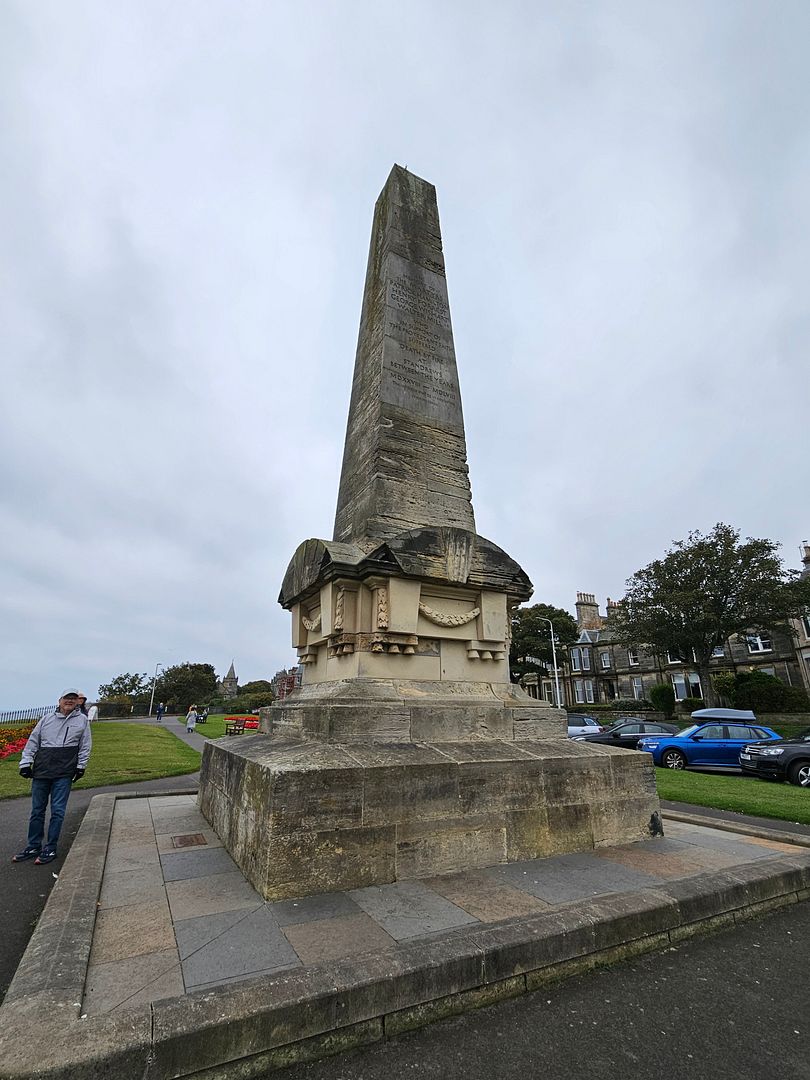
After our tour we decided to walk into St. Andrews to visit the Castle ruins, the cathedral, and other historical sites connecting our trip again to the John Knox and many other Reformers. On the way into town we stopped at the Martyrs’ Monument.

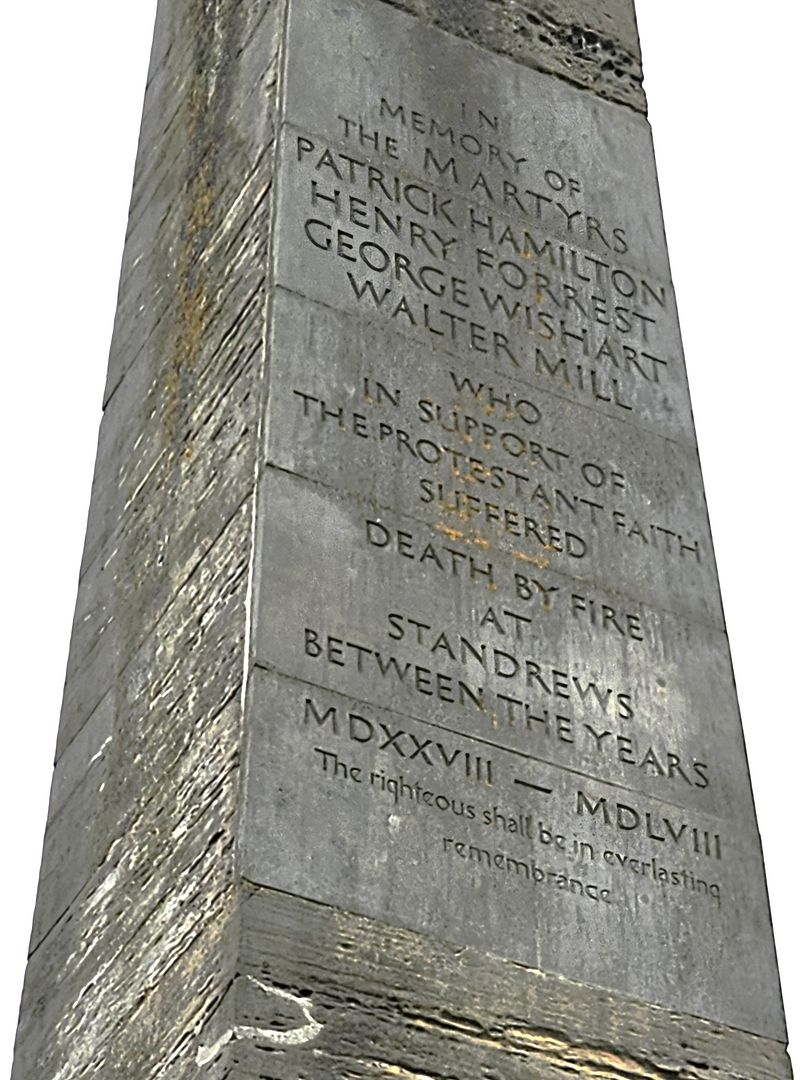
Martyrs’ Monument in St Andrews, Scotland, enjoys a high-profile location adjacent to the Royal and Ancient Golf Club, overlooking the world-famous Old Course and the spectacular West Sands. It was built to commemorate a number of Protestant figures who were martyred in St Andrews between 1520 and 1560, and highlights the important role that the town played in the Reformation.

Martyrs’ Monument was built to commemorate four men executed in St Andrews during the 16th Century for their Protestant beliefs. St Andrews, which at that time had the largest cathedral in Scotland and one of the most celebrated in Europe, was, somewhat inevitably, drawn into the events leading up to the Protestant Reformation.

Patrick Hamilton was first to be burnt at the stake, in 1527, after he promoted the doctrines of Martin Luther. Henry Forest was executed in 1533 for owning a copy of the New Testament in English. George Wishart was burnt at the stake for defying the Catholic Church and Walter Myln followed in 1558, having advocated married clergy.

I’ll wrap this post up here and continue our St. Andrews adventures on another day.

Happy Birthday, dear Laura, enjoy your day!

For All the Saints ~ Hymn

For All the Saints

For all the saints,
Who from their la­bors rest,
Who Thee by faith
Before the world con­fessed,
Thy name, O Je­sus,
Be for­ev­er blessed.
Alleluia, Al­le­lu­ia!

Thou wast their rock,
Their fort­ress and their might;
Thou, Lord, their cap­tain
In the well fought fight;
Thou, in the dark­ness drear,
Their one true Light.
Alleluia, Al­le­lu­ia!

For the apos­tles’
Glorious com­pa­ny,
Who bear­ing forth
The cross o’er land and sea,
Shook all the migh­ty
World, we sing to Thee:
Alleluia, Al­le­lu­ia!

For the ev­an­gel­ists,
By whose blest word,
Like four­fold streams,
The gar­den of the Lord,
Is fair and fruit­ful,
Be Thy name ad­ored.
Alleluia, Al­le­lu­ia!

For mar­tyrs, who
With rap­ture kin­dled eye,
Saw the bright crown
Descending from the sky,
And see­ing, grasped it,
Thee we glo­ri­fy.
Alleluia, Al­le­lu­ia!

O blest com­mun­ion,
Fellowship di­vine!
We feeb­ly strug­gle,
They in glo­ry shine;
All are one in Thee,
For all are Thine.
Alleluia, Al­le­lu­ia!

O may Thy sol­diers,
Faithful, true and bold,
Fight as the saints
Who nob­ly fought of old,
And win with them
The vic­tor’s crown of gold.
Alleluia, Al­le­lu­ia!

And when the strife
Is fierce, the war­fare long,
Steals on the ear
The dist­ant tri­umph song,
And hearts are brave,
Again, and arms are strong.
Alleluia, Al­le­lu­ia!

The gold­en ev­en­ing
Brightens in the west;
Soon, soon to faith­ful
Warriors comes their rest;
Sweet is the calm
Of pa­ra­dise the blessed.
Alleluia, Al­le­lu­ia!

But lo! there breaks
A yet more glo­ri­ous day;
The saints tri­um­phant
Rise in bright ar­ray;
The King of glo­ry
Passes on His way.
Alleluia, Al­le­lu­ia!

From earth’s wide bounds,
From ocean’s far­thest coast,
Through gates of pearl
Streams in the count­less host,
And sing­ing to Fa­ther,
Son and Ho­ly Ghost:
Alleluia, Al­le­lu­ia!

Words: William W. How, 1864.

In Their Steps Hodgepodge

The new questions for Wednesday Hodgepodge are coming from  Jo From This Side of the Pond while she is across the Pond!
Thanks Jo and I hope your jet lag will be mild!
~
1. Hey, it’s October…what’s one fun thing on your October calendar? 
This Saturday is the Marcus Ciderfest and we’ll enjoy some time there buying some freshly squeezed apple cider from local apples.
~
I’m also following along on an October 31 day journey with the Heroes of the Reformation called Here We Stand. I get an email each day with the history of one of the heroes.
If you want to follow along you can sign up here.

2. Thursday is National Poetry Day (first Thursday in October)…do you like to read poetry? If so, what’s a favorite poem, or whose poetry do you especially enjoy? 

My favorites are songs and hymns and spiritual songs. That kind of poetry I can understand. I also enjoy children’s rhymes.

So many favorites in the Psalms;

The LORD is my light and my salvation;
whom shall I fear?
The LORD is the stronghold of my life;
of whom shall I be afraid?

3. Tell us about something you’ve seen recently that could be described as ‘poetry in motion’

Other than watching Eagles and Hawks in the sky I would hearken back to the Olympics and watching the diving and other pool events including synchronized swimming that they now call artistic swimming.

4. What’s one song on your autumn playlist? Do you have an autumn playlist? If not, pretend you do. If yes, then feel free to share more than one. 

This is a song that has been playing on the cd in my car that gets me every time.

And this one that I was listening to yesterday…

5. Share a quote that inspires you this time of year especially. 

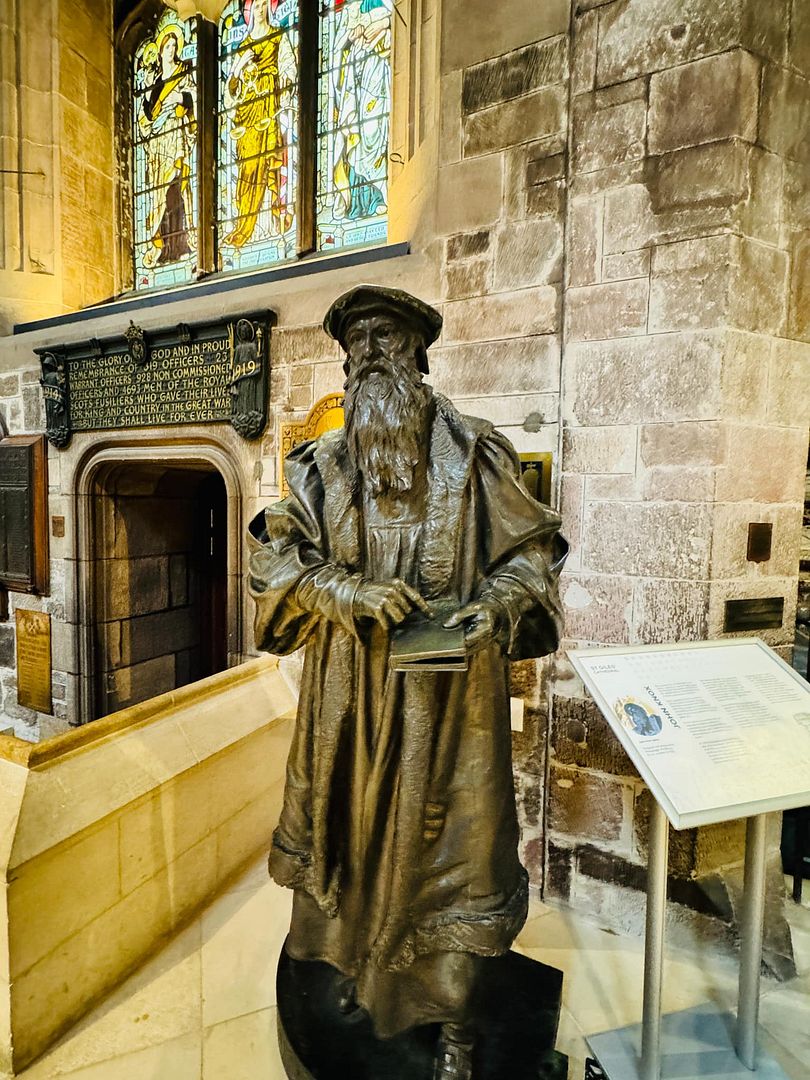
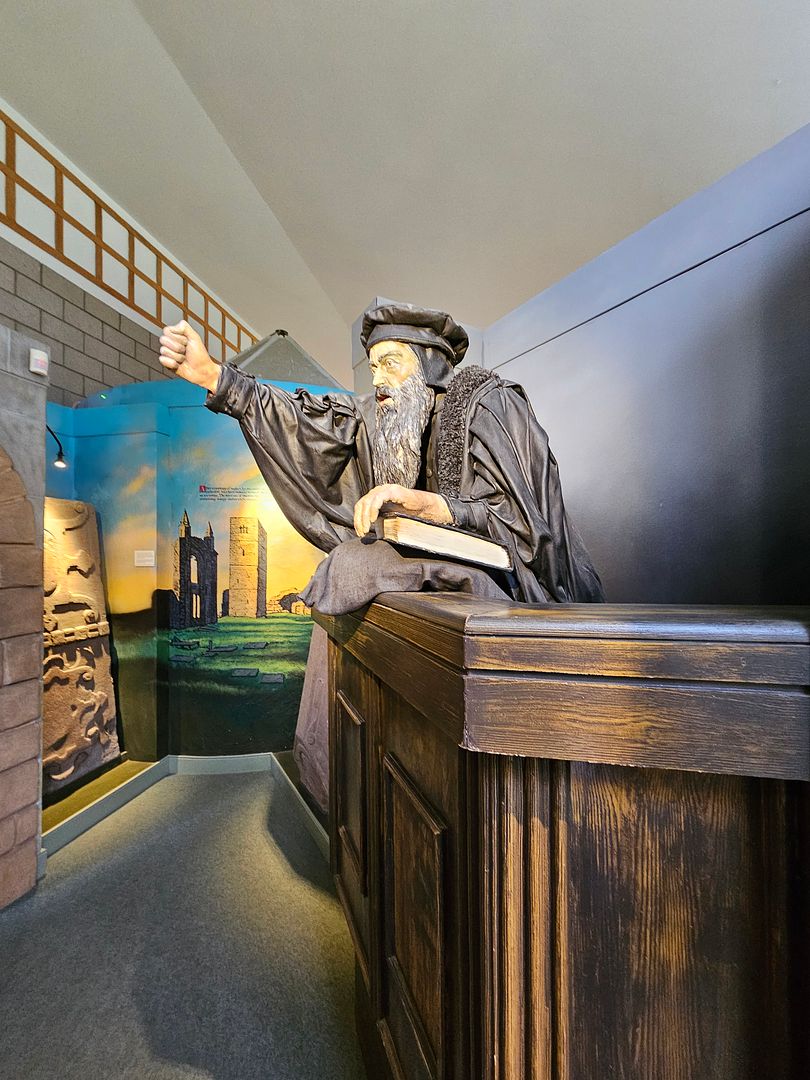
I’m inspired by our very recent trip to Scotland and specifically walking along the steps of John Knox and his influence on Scotland and the Scottish Reformation. Not him alone but many other Covenantors who lost their lives for the Gospel and the Kingship of Christ and the Church. So at this time of year I’m inspired by Knox and other Martyrs. John Knox preached across Scotland and in England and Europe. George Wishart was burned at the stake in front of St. Andrews Castle another location where John Knox spent time. We visited St. Andrews and the ruins of the castle. St. Andrews is filled with history and not just golf. 🙂

“Resistance to tyranny is obedience to God.”
― John Knox

“The man who stands with God is always in the majority.”
― John Knox

And from George Wishart a friend of Knox and Scottish Martyr–

When he came to the place of his death he knelt and prayed to Christ, then he addressed the watching crowd: ‘If I had taught men’s doctrine, I had gotten greater thanks by men. But for the true Evangel [gospel], which was given to me by the Grace of God, I suffer this day by men, not sorrowfully, but with a glad heart and mind… This grim fire I fear not: and so I pray you to do, if any persecution come unto you for the Word’s sake; and not to fear them that slay the body, and afterwards have no power to slay the soul… I know surely that my soul shall sup with my Saviour this night, ere it be six hours, for whom I suffer this.’ Next he prayed for those who had viciously persecuted and slandered him, saying, ‘I forgive them with all my heart.’

These images and placards were inside the visitors center for St. Andrews Castle Ruins.

6. Insert your own random thought here.  

We are still recovering from our Jet Lag and thankfully each day gets better.

The devastation from Hurricane Helene has been on my mind and I pray that help will reach the stranded. Thankful for the groups like Samaritan’s Purse who respond quickly and compassionately to those in need. The family members we have living in North Carolina were spared and they are pitching in to help where they can.