Scotland Travel Journal ~Holy Rude

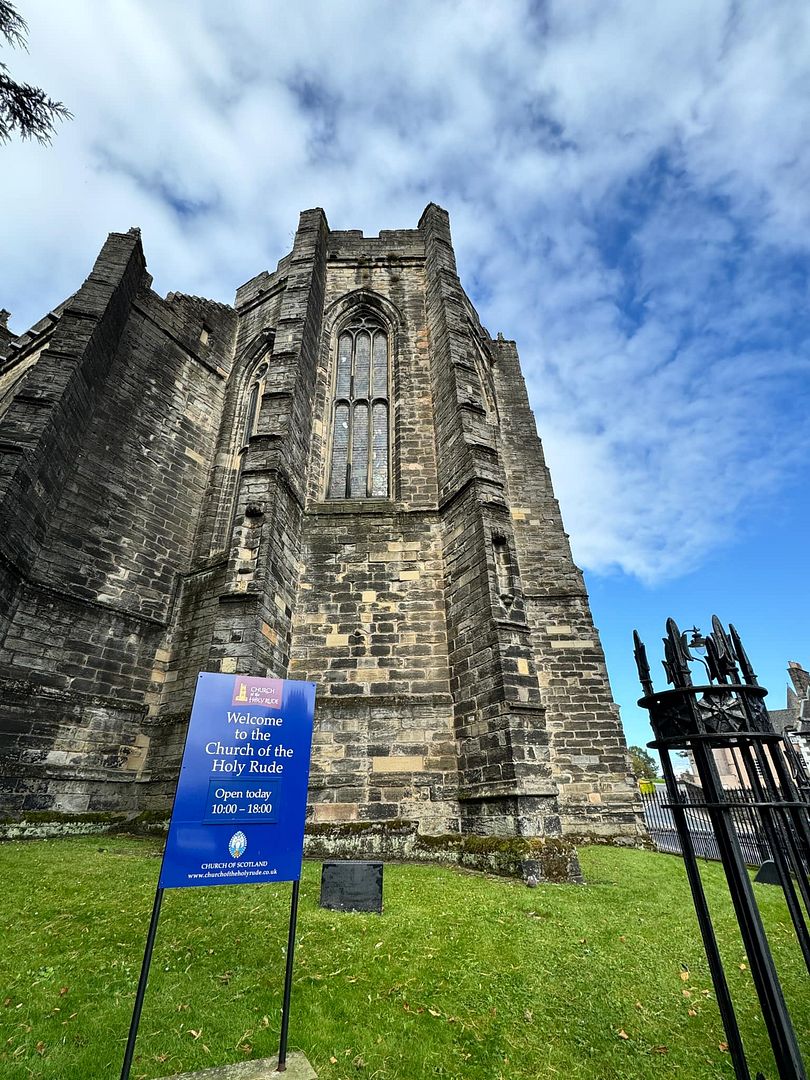
The Church of Holy Rude in Stirling, Scotland is steeped in Scottish History. The church is Stirling’s oldest building after the castle. During the reign of Robert II (1371-1390), and altar to the Holy Rude was established, leading to the church being renamed as the Parish Church of the Holy Rude of the Burgh of Stirling. “Holy Rude” translates to Holy Cross.
From the brochure: This site, a focal point of faith and heritage, witnessed the worship of Mary, Queen of Scots, the crowning of her infant son King James VI and many significant events, including the Scottish Reformation and the Jacobite rising.
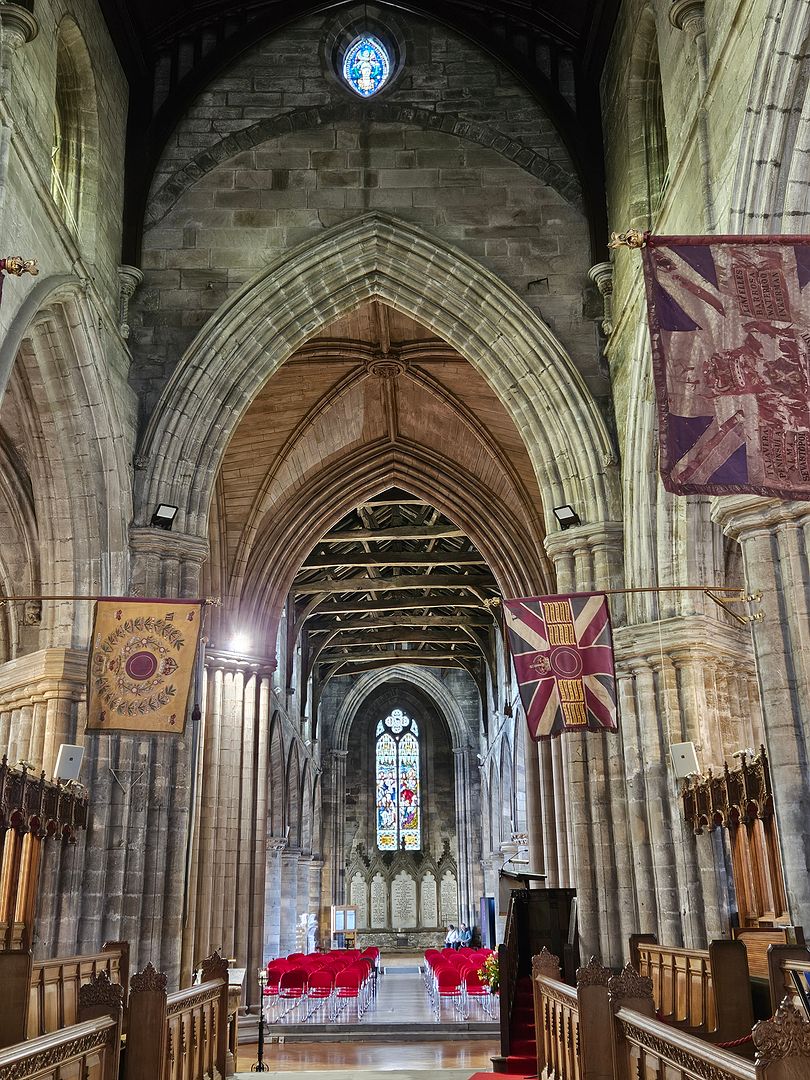
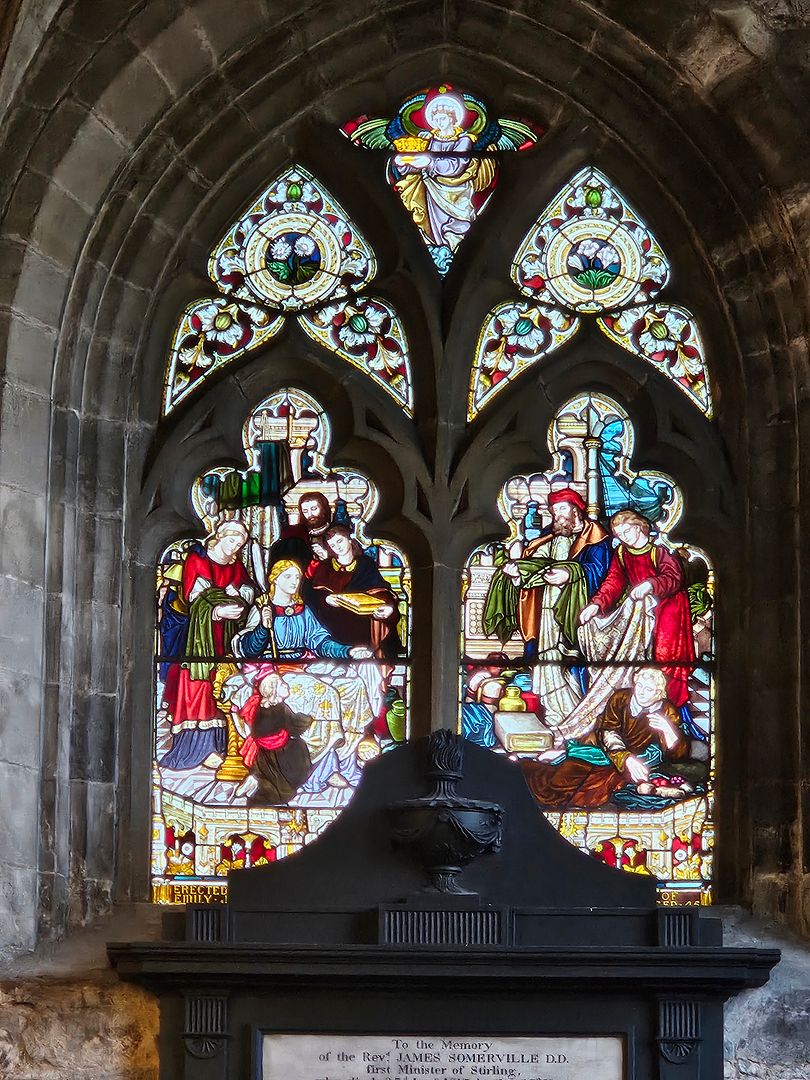
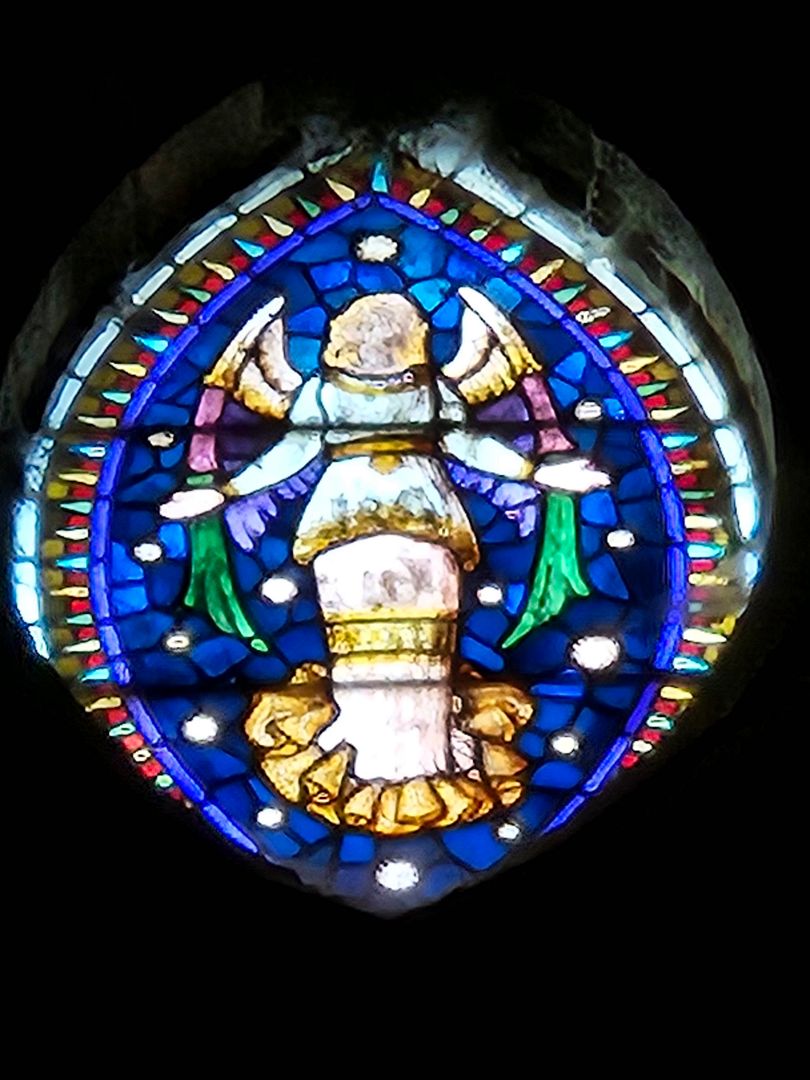
See that little stained glass window way at the top of arch. The Angel Window was installed in 1870 and the artist is unknown.
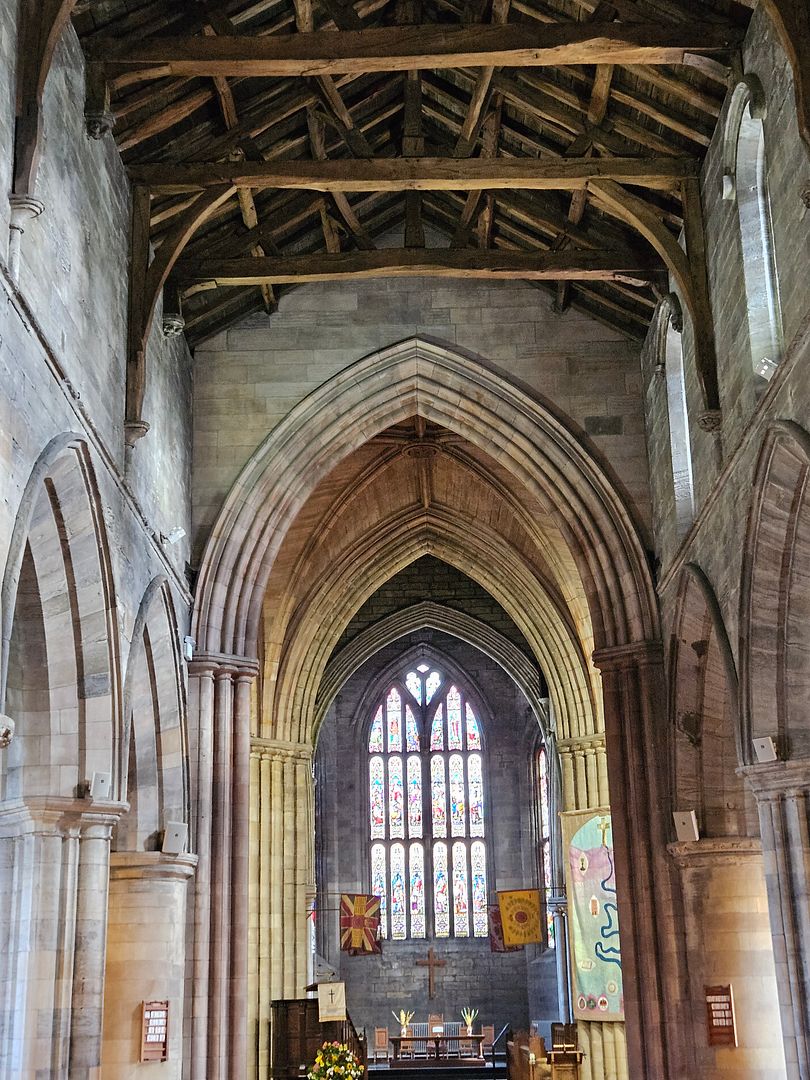
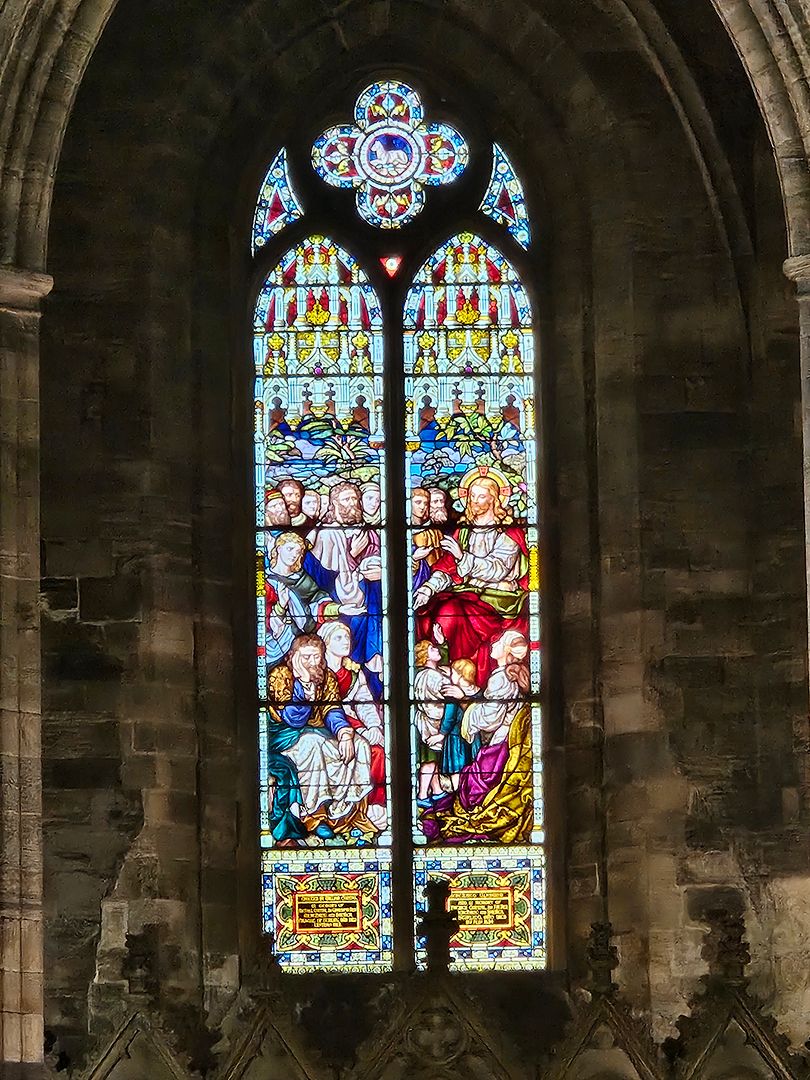
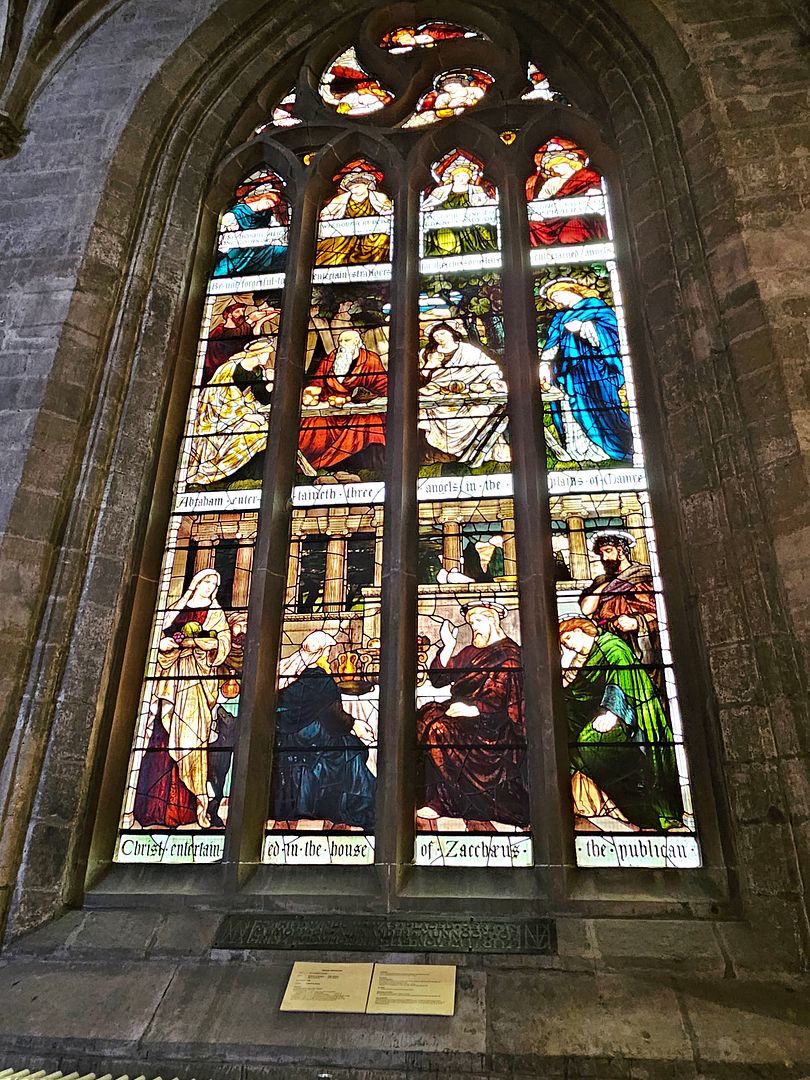
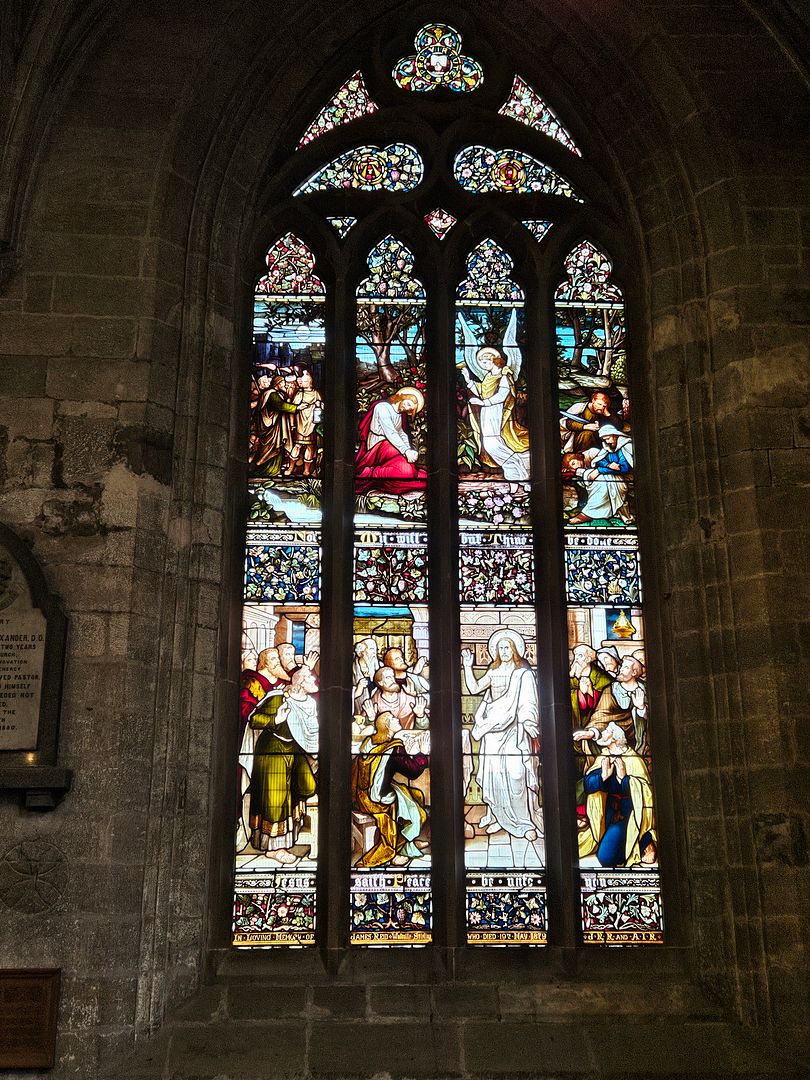
This window, above the Apse, is dedicated to John Cowane, founder of Cowane’s Hospital. The middle right depicts the last supper, the left shows the Sermon on the Mount, and the lower portion illustrates Matthew 25:35-40, reflecting the charitable intentions of Cowane. The Inscription read, “For I was hungry, and you gave me food.”
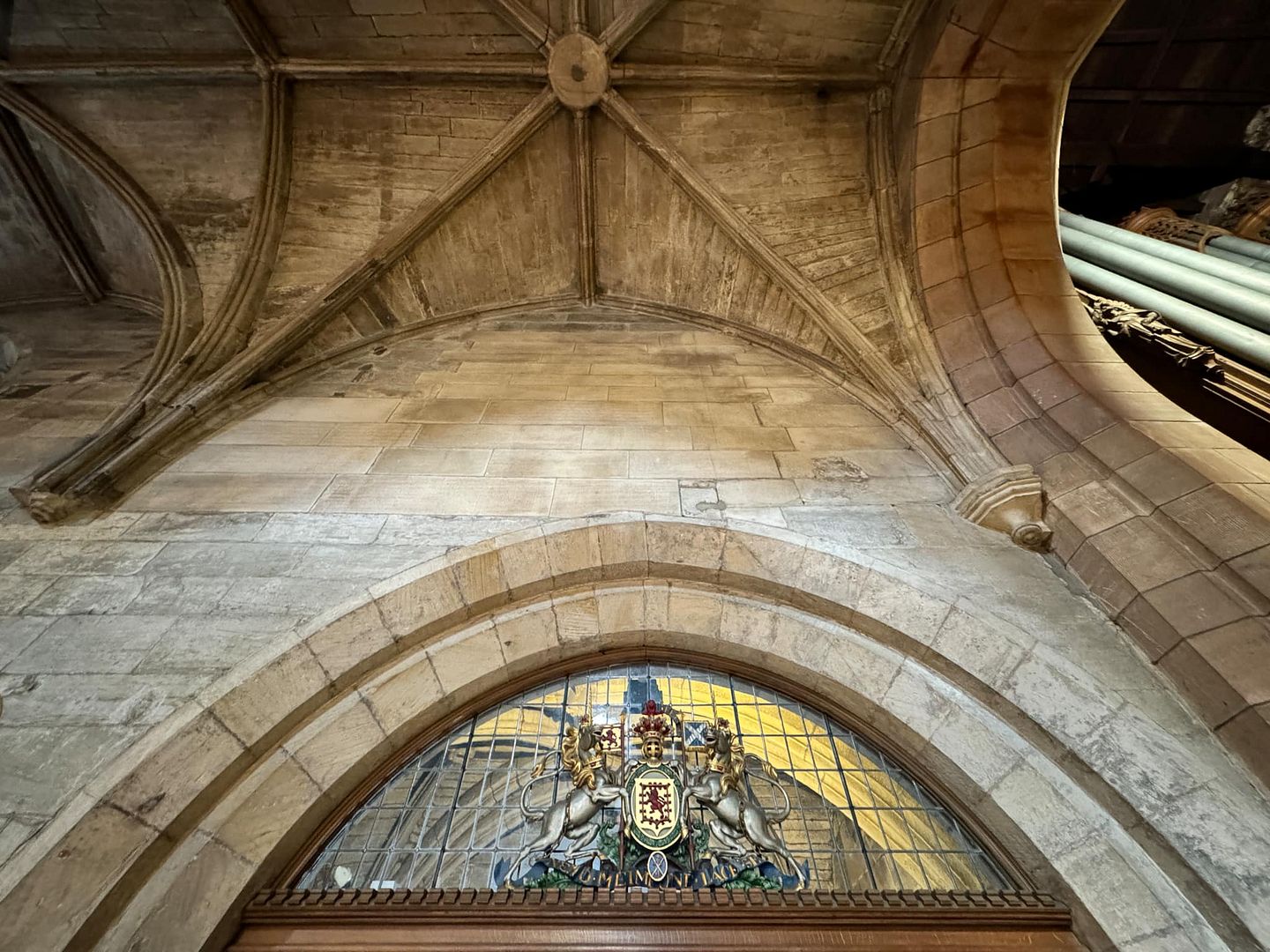
The coat of arms above the entrance to St. Andrew’s Chapel is a 17th century carving of the Royal Arms of Scotland recalling the era when Scottish royalty frequented the Church.

Mary, Queen of Scots: At nine months old, she was crowned Queen in Stirling Castle’s Chapel Royal after her father, James V, died. She spent much of her childhood in the castle and visited this church. After Mary’s abdication, her son was crowned King James VI of Scotland in the Church of the Holy Rude.
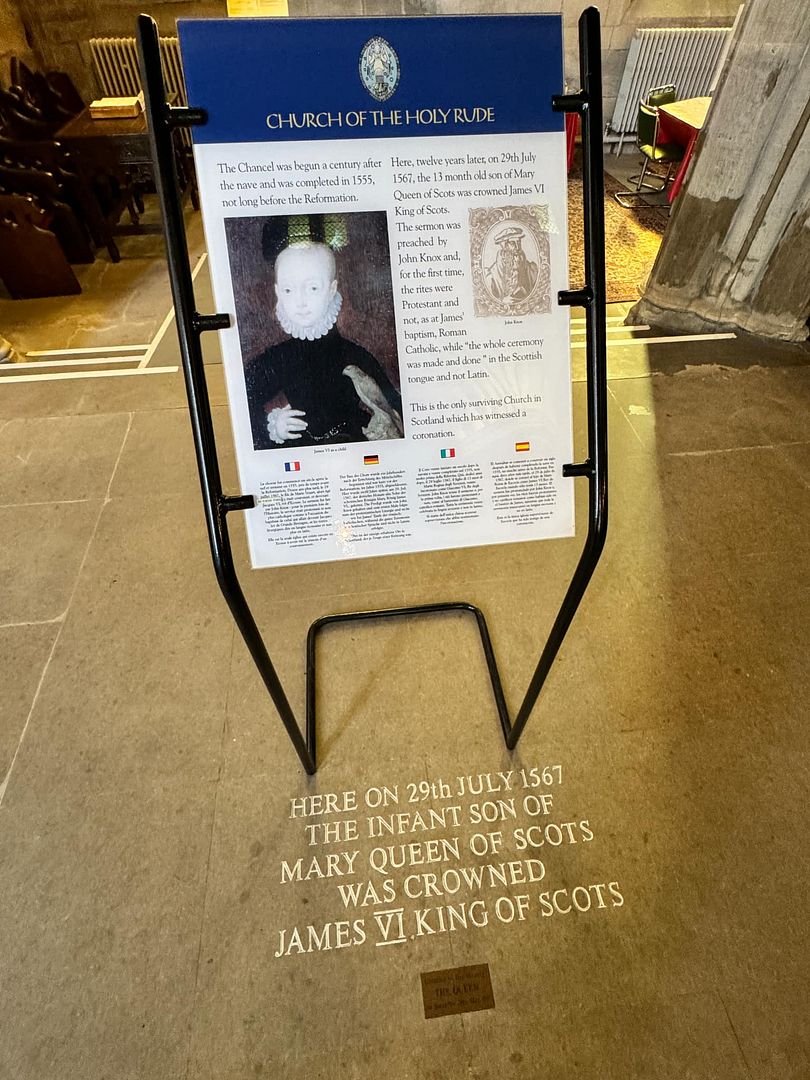
At her 13 month old son’s coronation, John Knox preached the sermon. For the first time the rites were Protestant and not Roman Catholic and the whole of the ceremony was made and done in the Scottish tongue and not Latin.

This is the oldest surviving church in Scotland that witnessed a coronation.
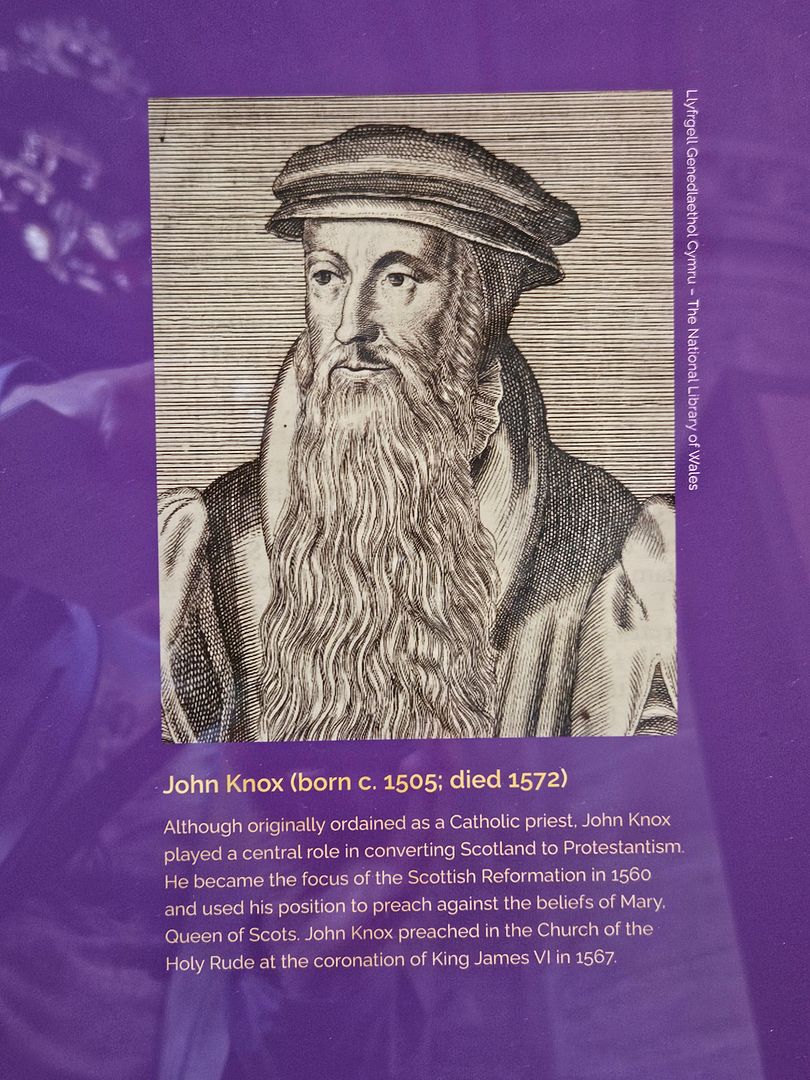
 

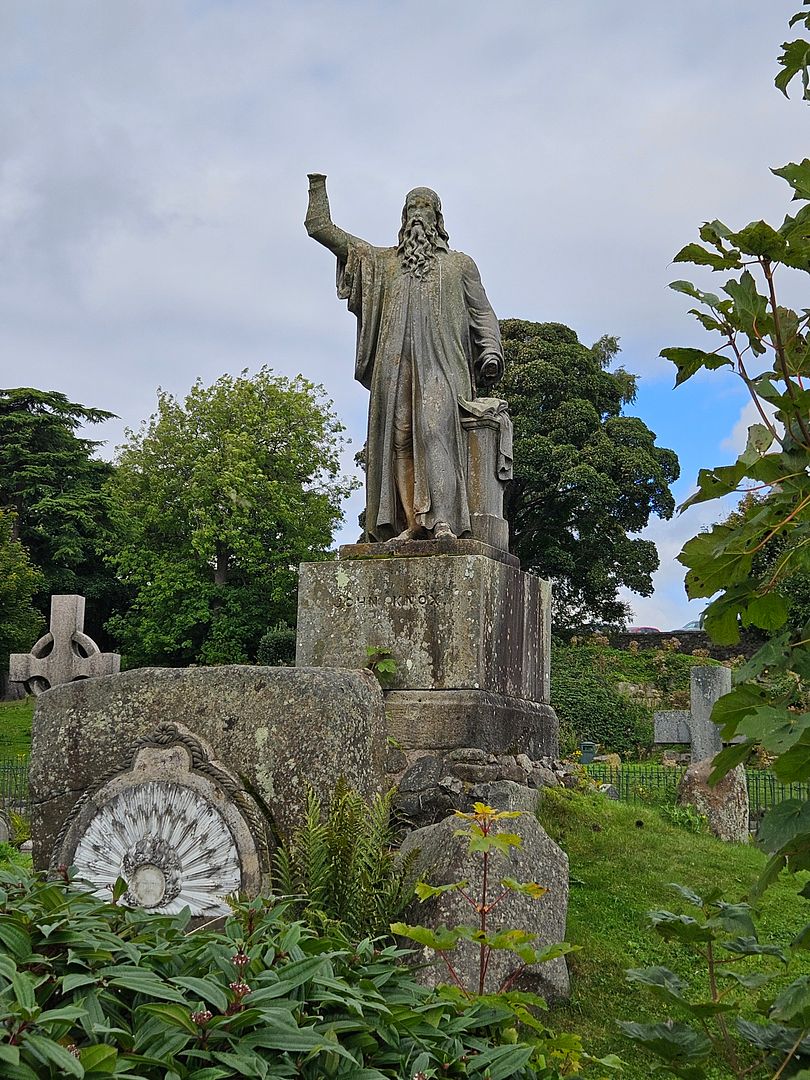
John Knox, A figurehead of the reformation in Scotland. Reverend James Guthrie was another prominent Scottish minister during the Covenanting era. His convictions led to the division of the Church’s congregation in the 17th century.

The Church has seen its share of conflict over the centuries.  During the religious and political troubles of the 17th Century, the Church was divided in 2 and had a wall built to create 2 separate churches – the East and the West.  The minister whose activities led to this division, James Guthrie, was hanged for high treason in 1661, and the 2 parts of the church were finally re-united in 1935.
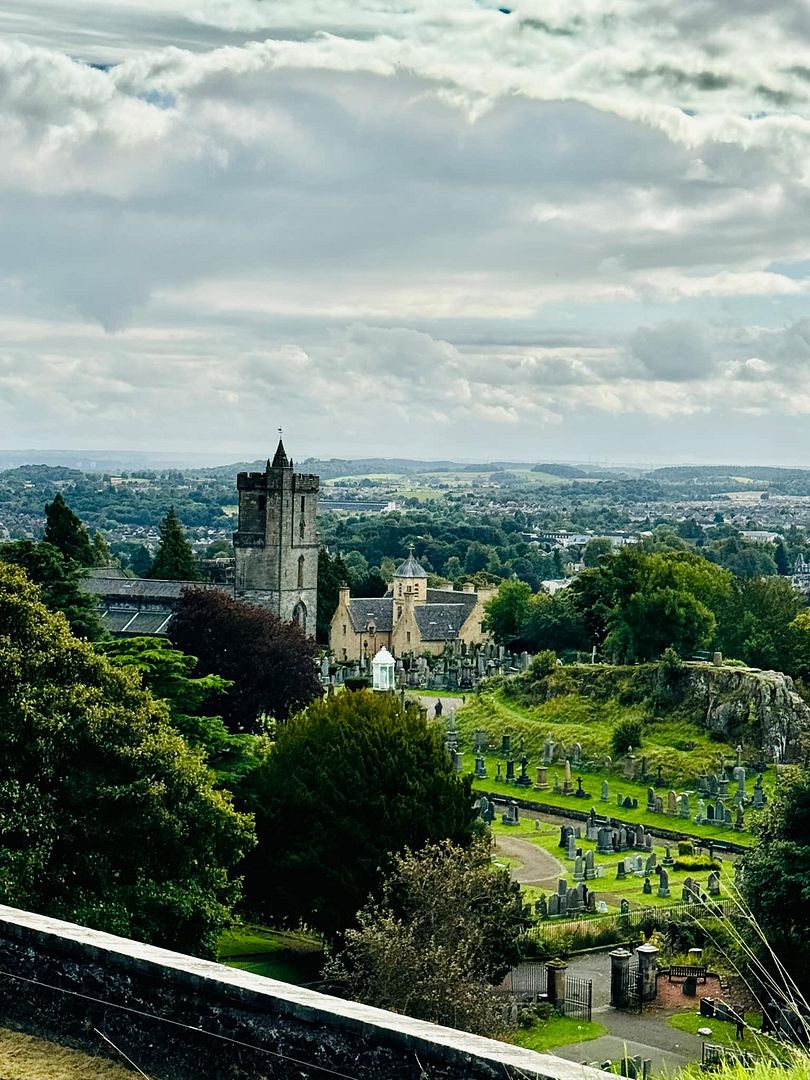
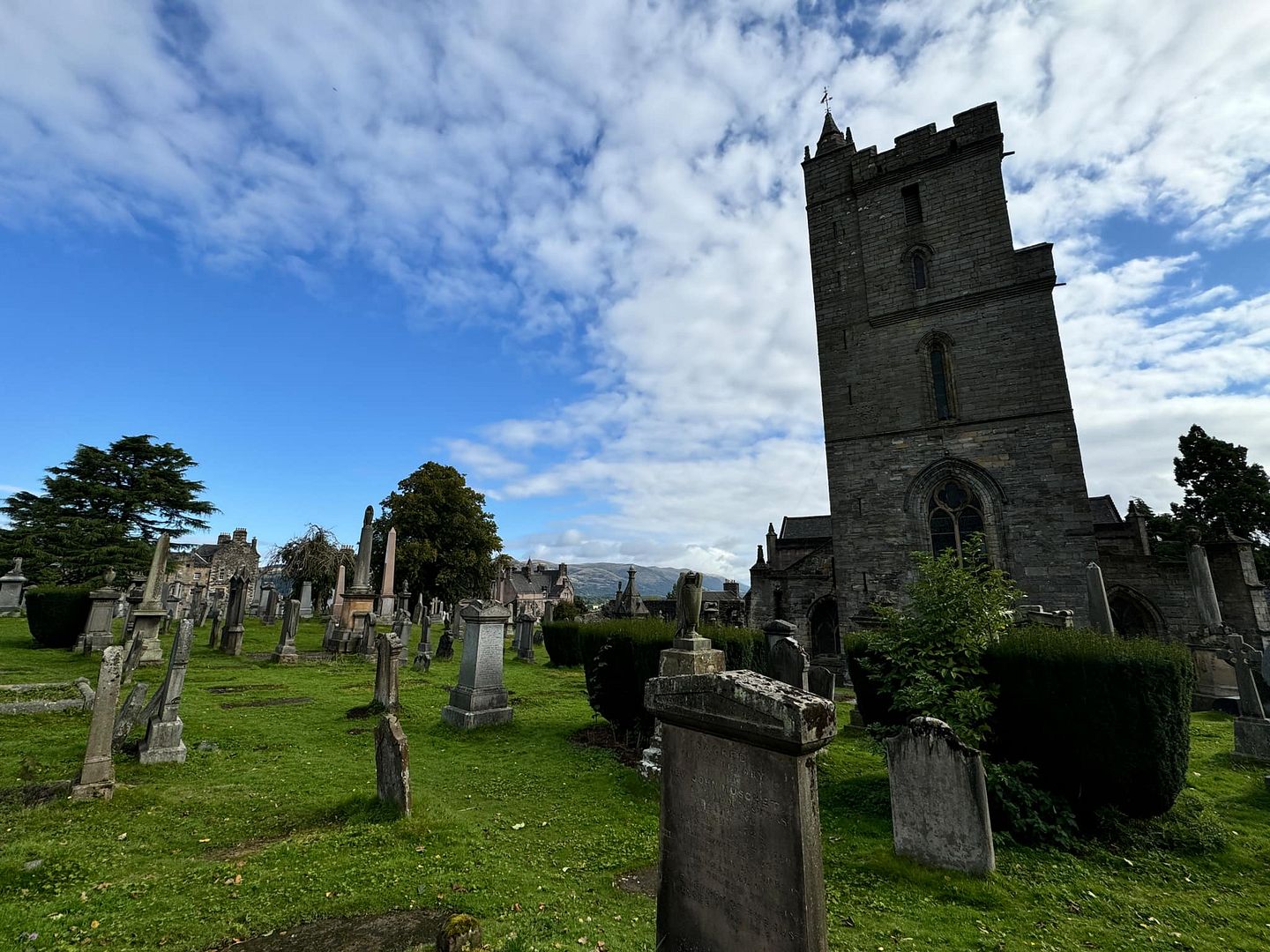
During Cromwell’s uprising, General Monk set up his guns on the Church tower in 1651 for the last successful attack on Stirling Castle.  The Church walls bear the scars of musket shot and cannon-fire from this and other conflicts, including the Jacobite uprising of 1746. The battle scarred walls are indeed a testament to the skills of the stone masons and craftsmen of the past.
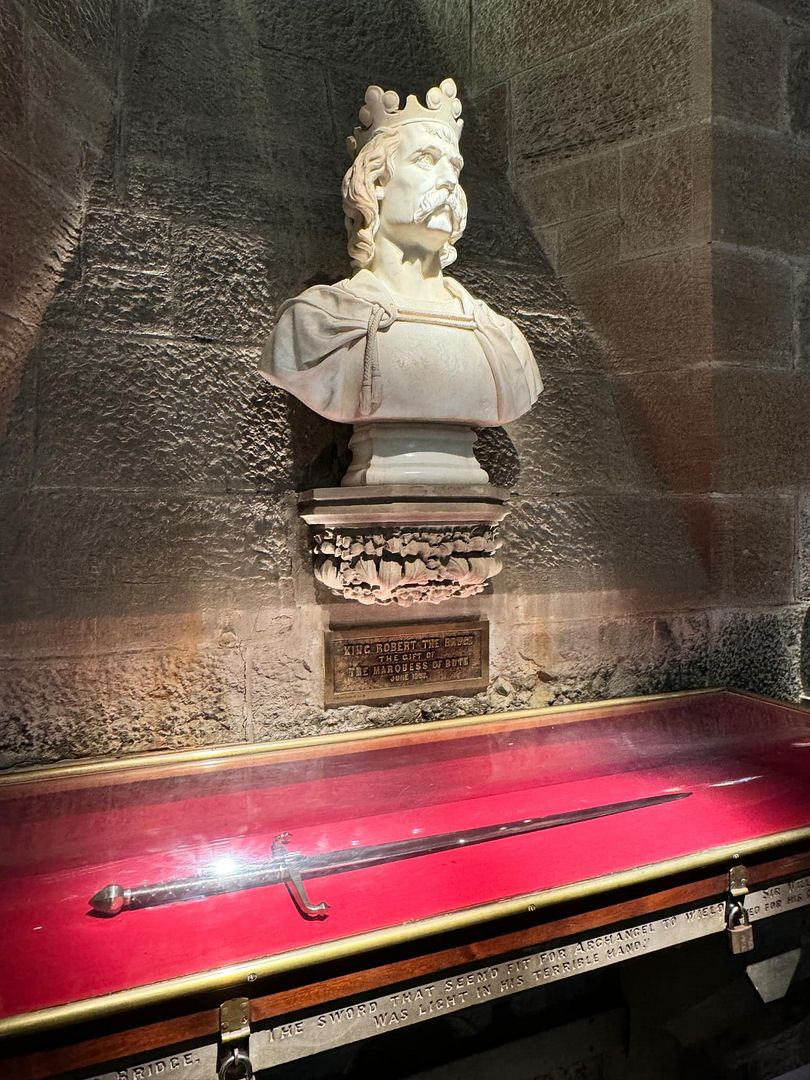
King Robert the Bruce
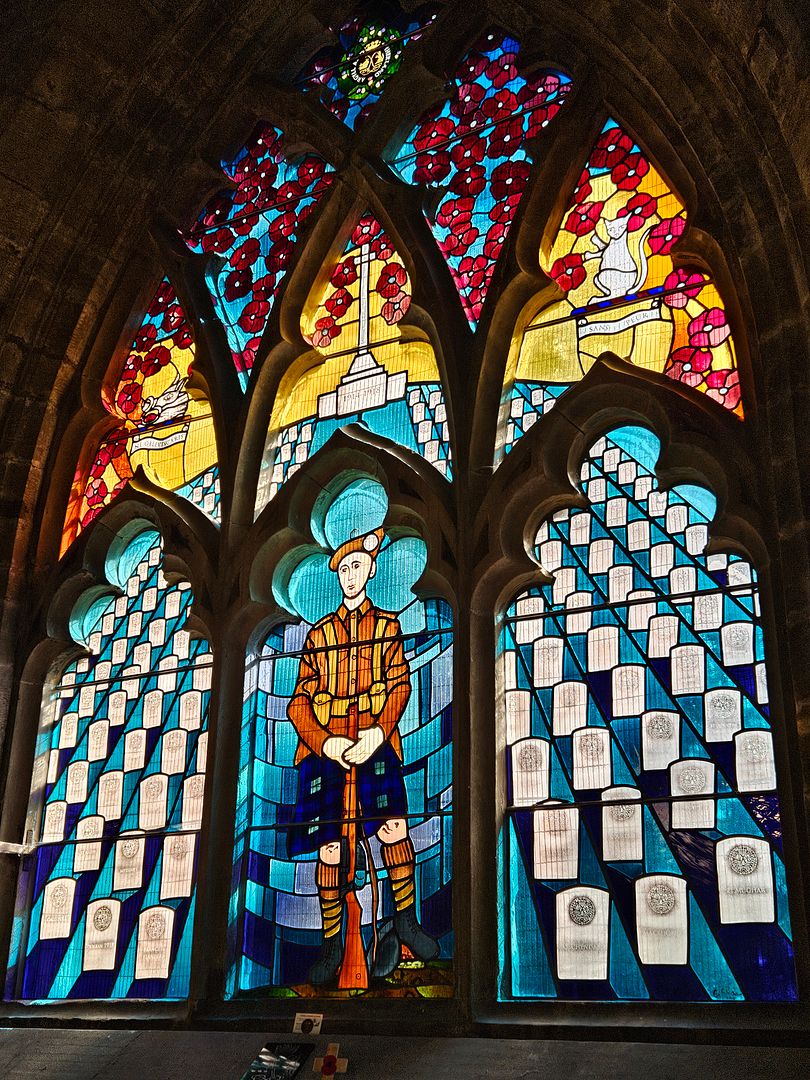
This window was created in memory of the Argylls of WWI and it was fitting for it to be in the Church of the Holy Rude because the regiment had strong ties to this church. This window depicts a Highland soldier surrounded by poppies and figures from the regimental cap badge. Thousands lost their lives in World War I. This window was dedicated in 2016.
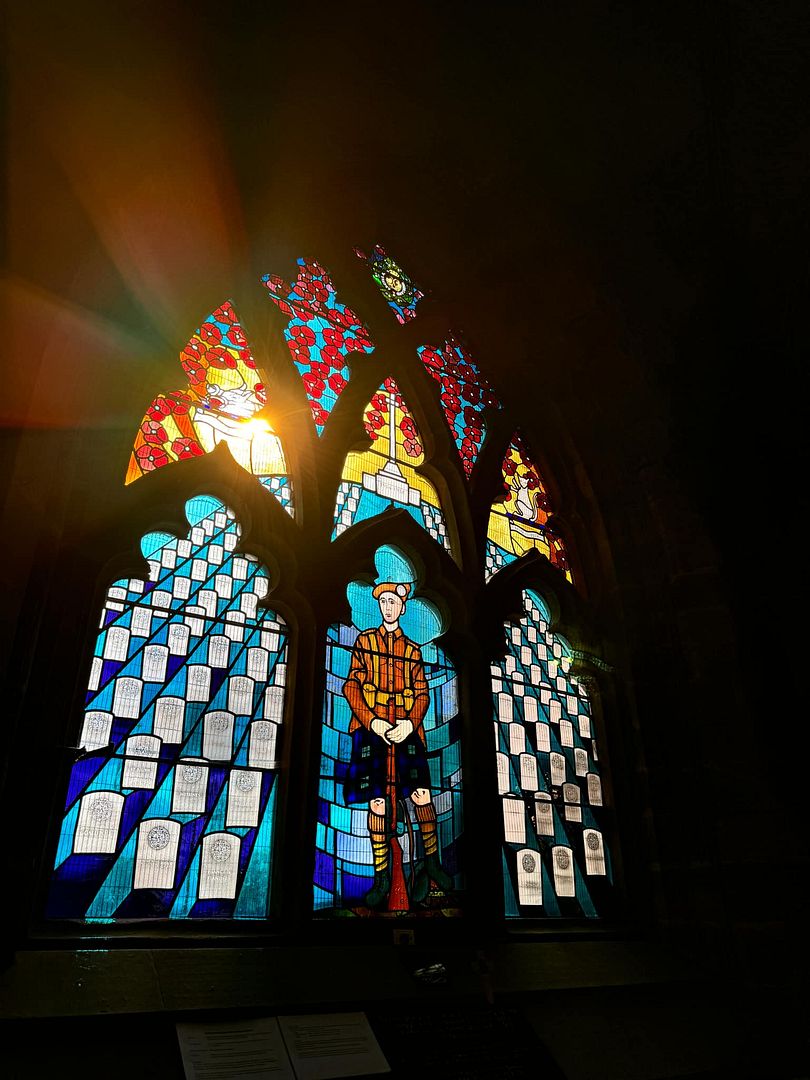
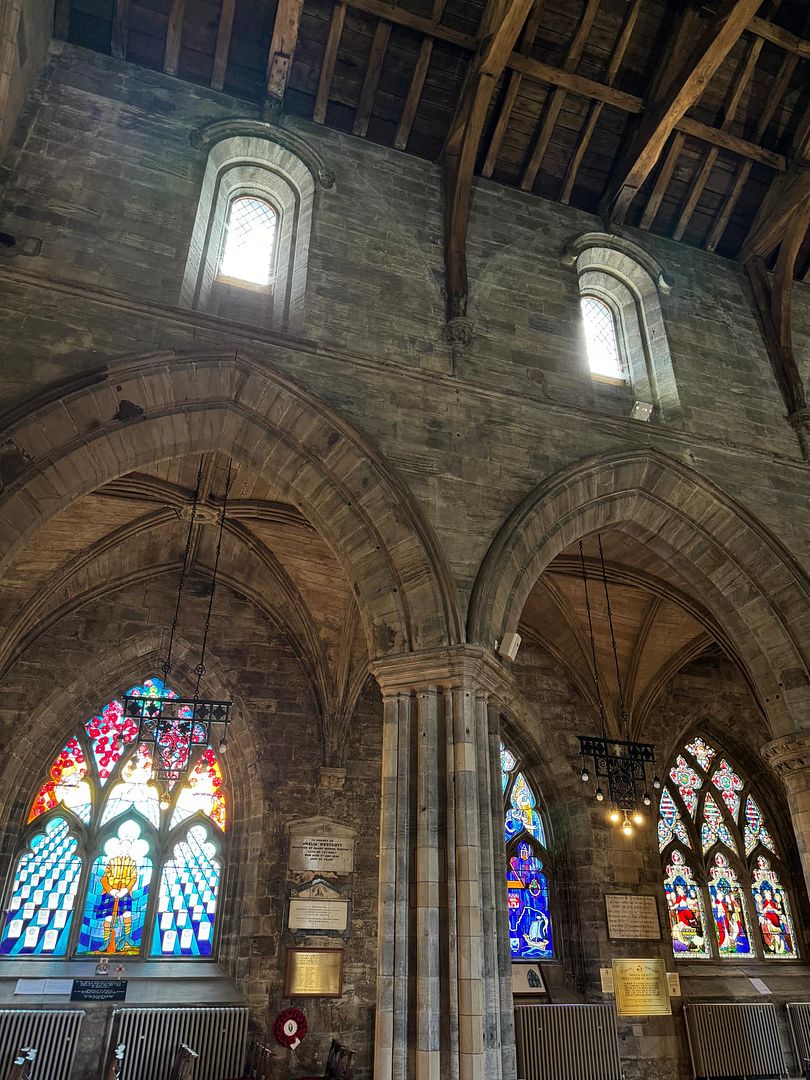
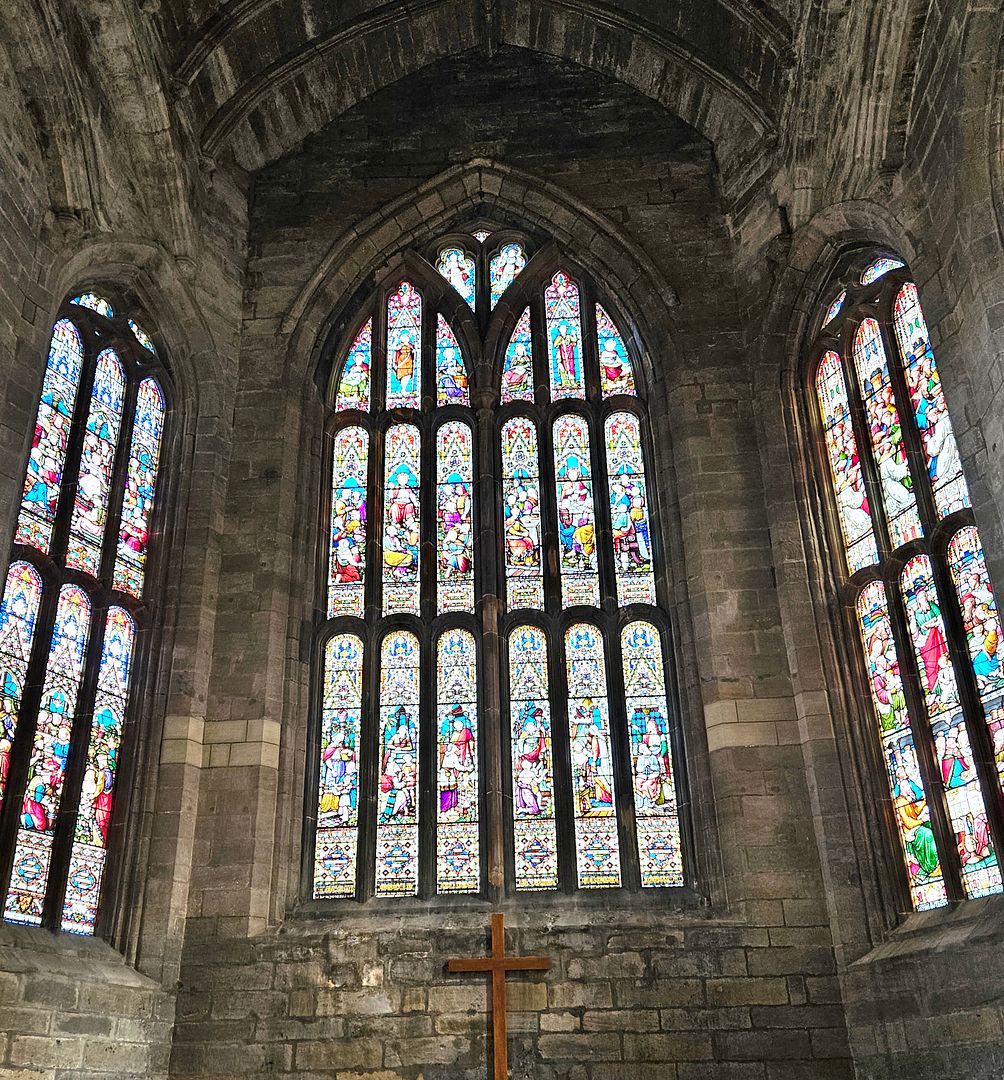
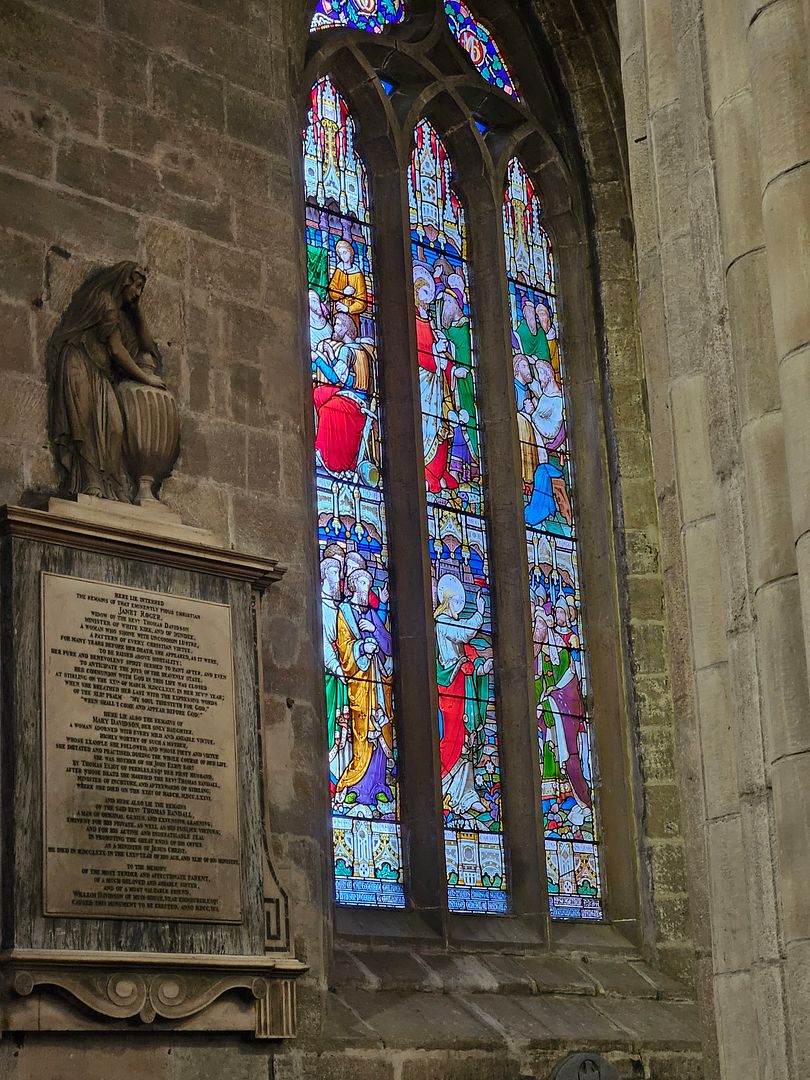
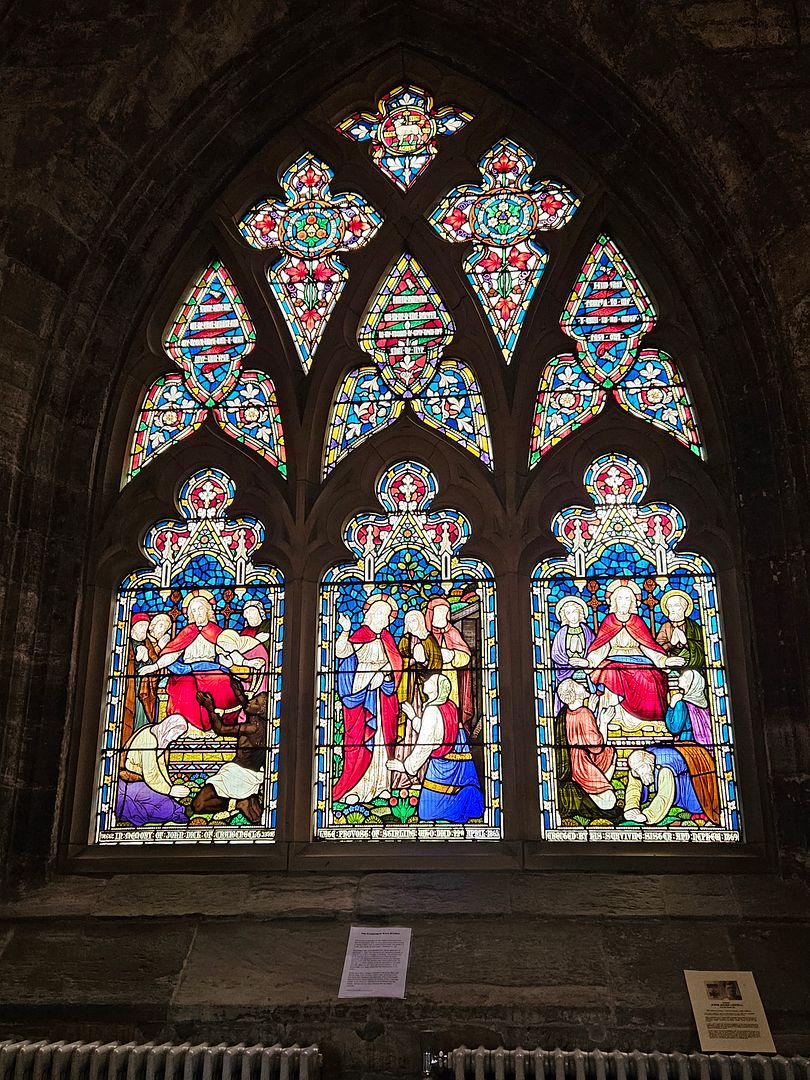
The current windows date from the 19th century.
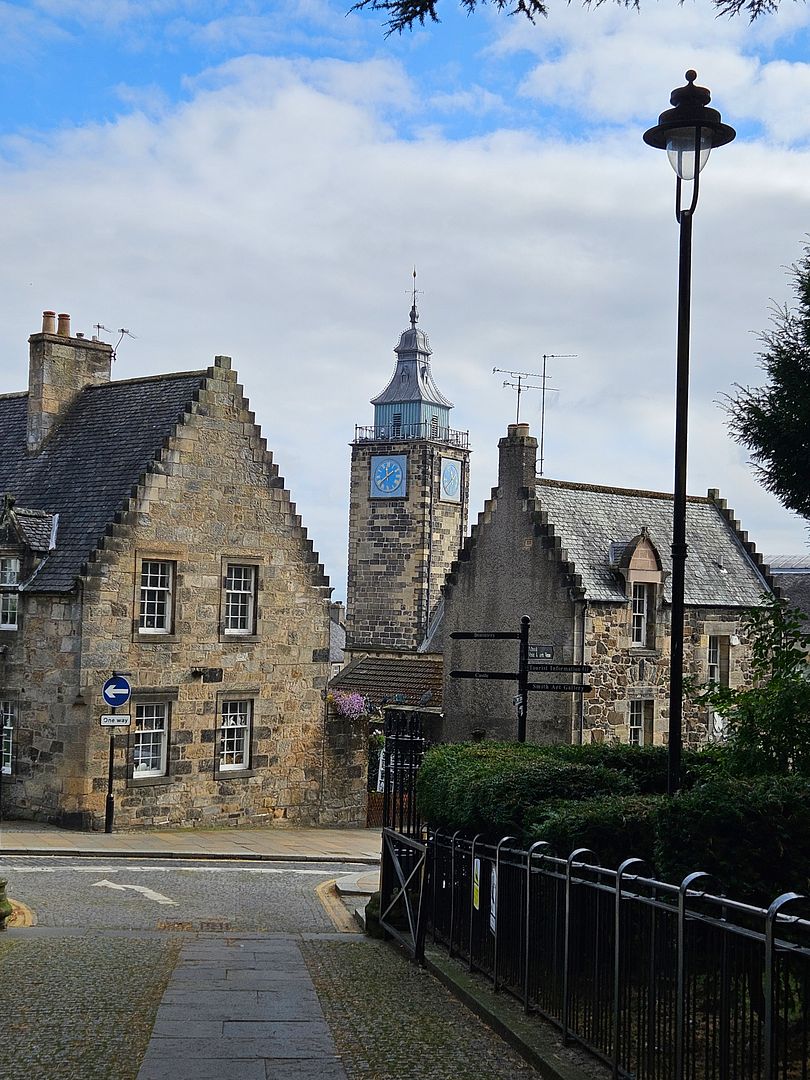
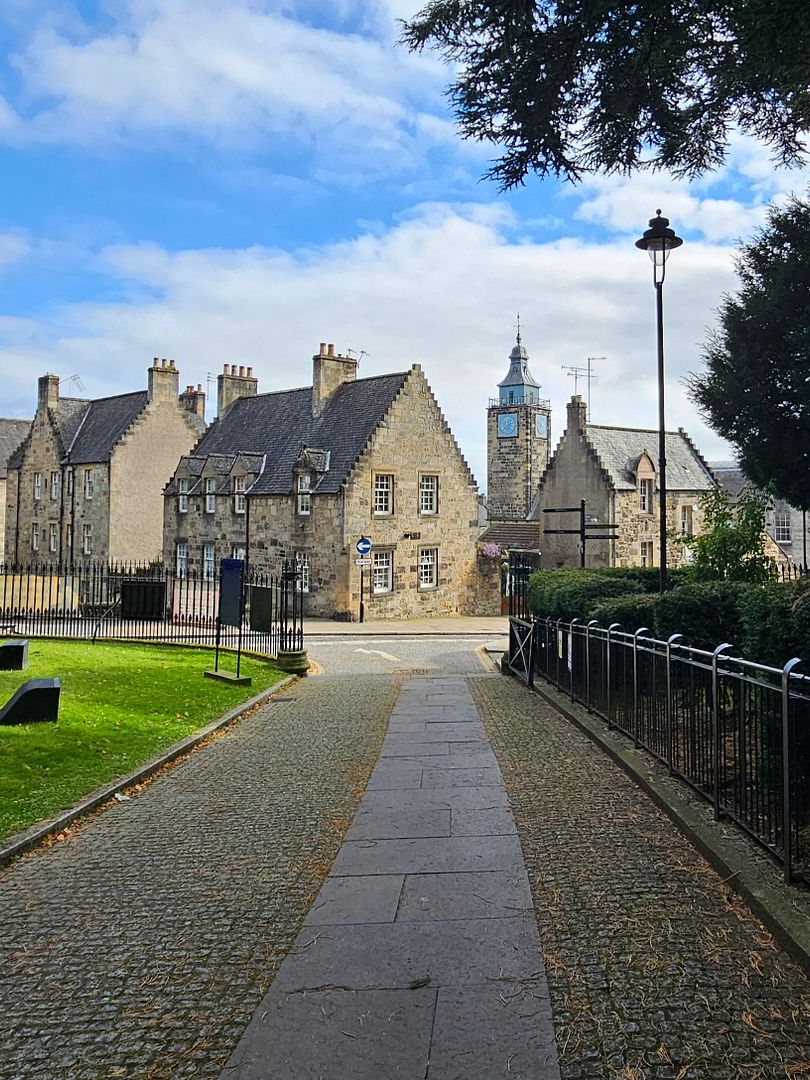
We left the church and walked down into town needing a little snack before we made our way to the Wallace Monument which will be another post. Sunday the 15th of September was a full day of history for us!

Thanks for traveling along with us on this day that we connected more dots about John Knox and the Scottish Reformation and Covenantors in Scotland. We took in Stirling in one day but you could easily spend a few more days soaking it all in.
Scotland Travel Journal ~ Stirling ~Margaret Wilson

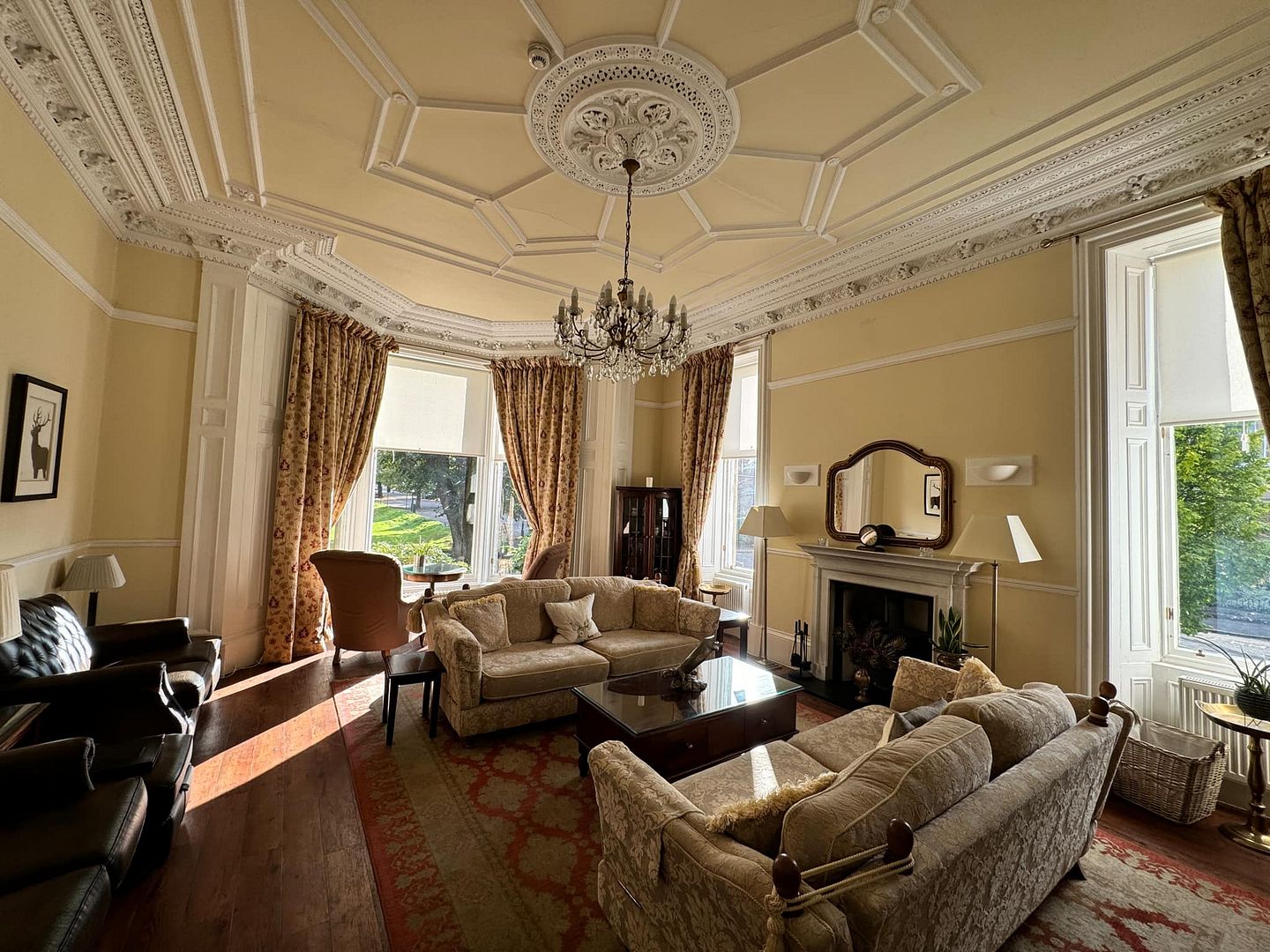
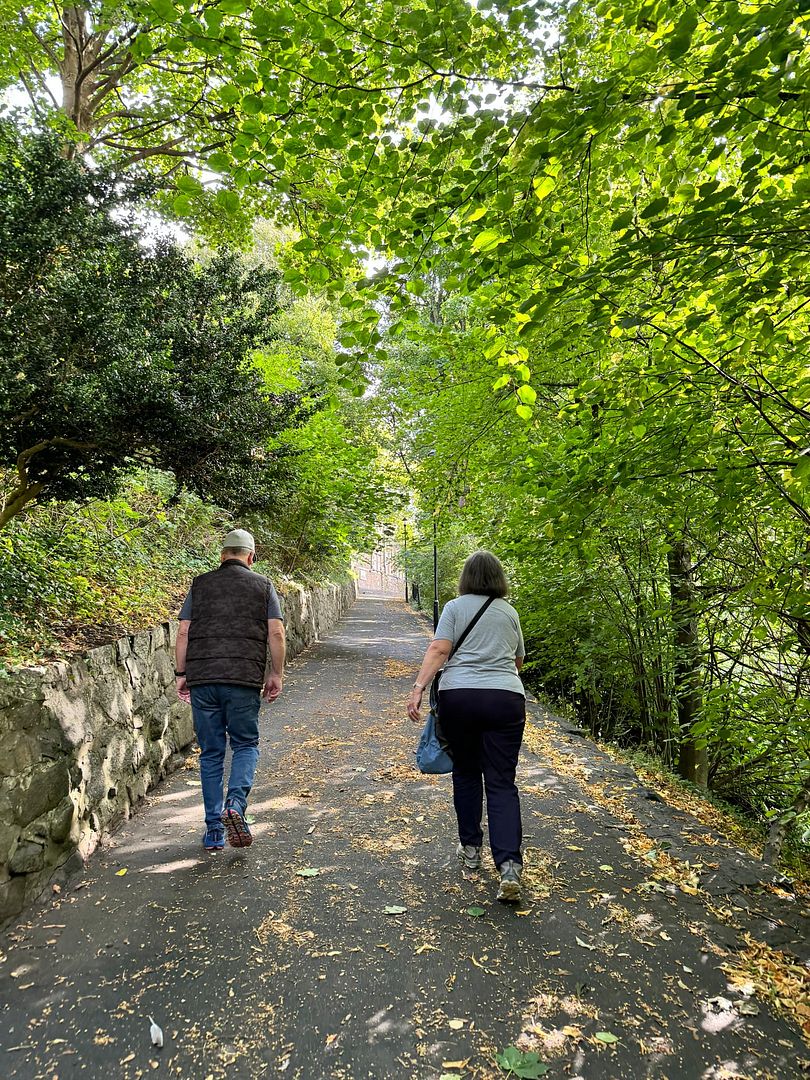
We arrived at our lodging before we could check into our rooms and left our luggage before we walked uphill to Church of Holy Rude and their Kirk on the way to Stirling Castle. We had been given outdated information that there was a tourism bus available in Stirling but that service had ended in August. It was good we didn’t wait at one of the stops that were advertised.

We were so very thankful for a beautiful sun filled day to start our Stirling adventures!

“Stirling, where every walk seems to be uphill.”

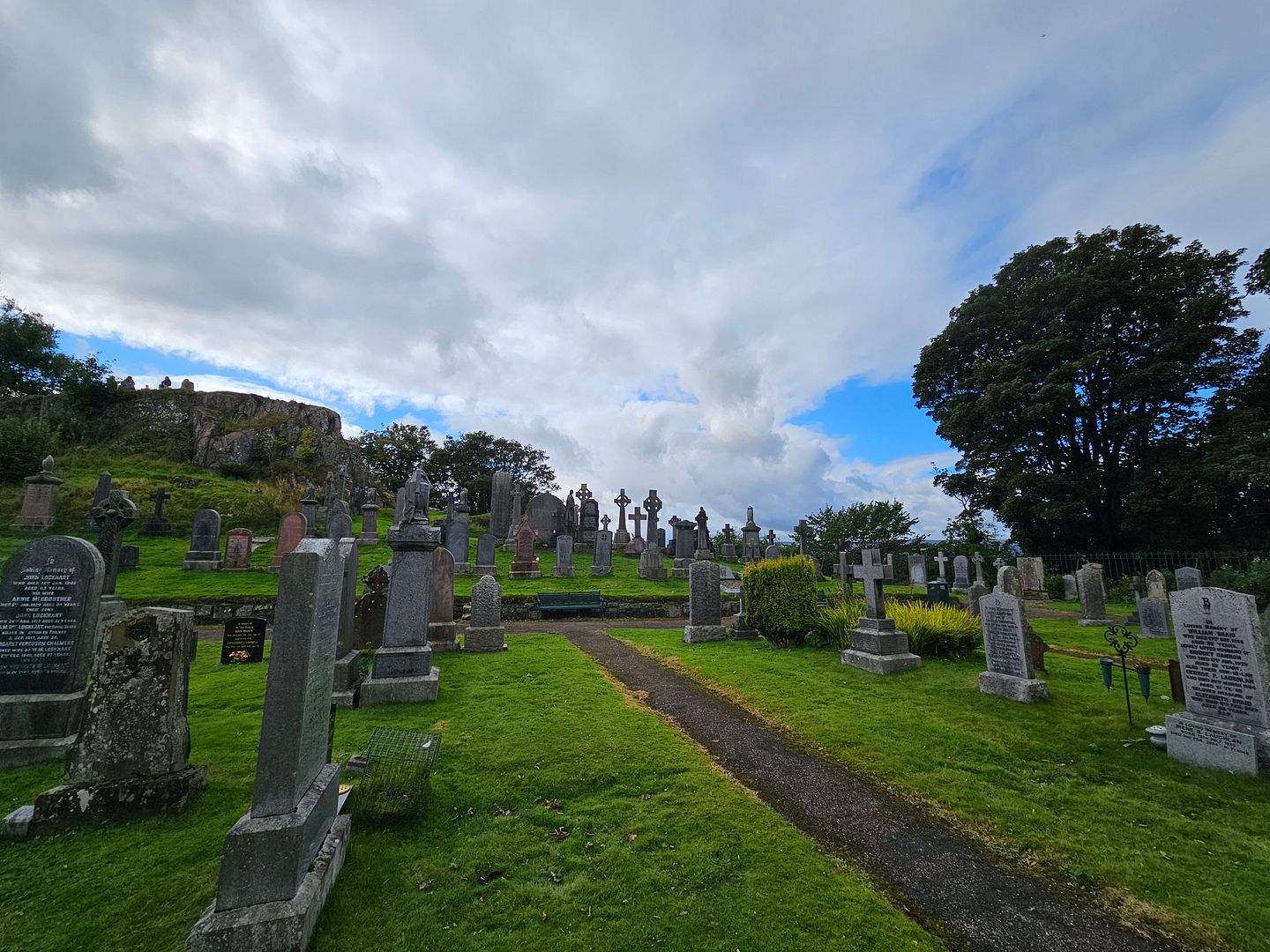
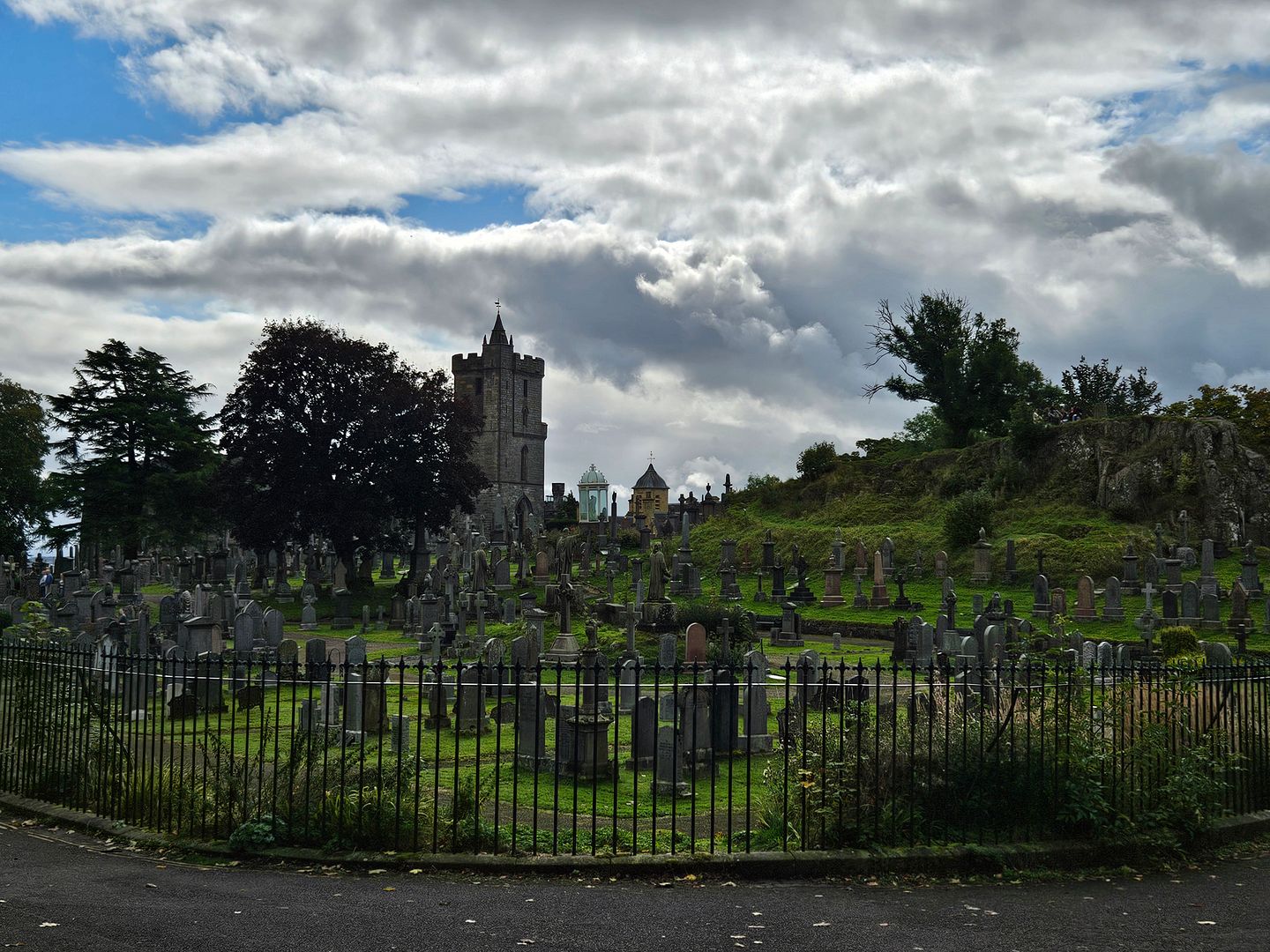
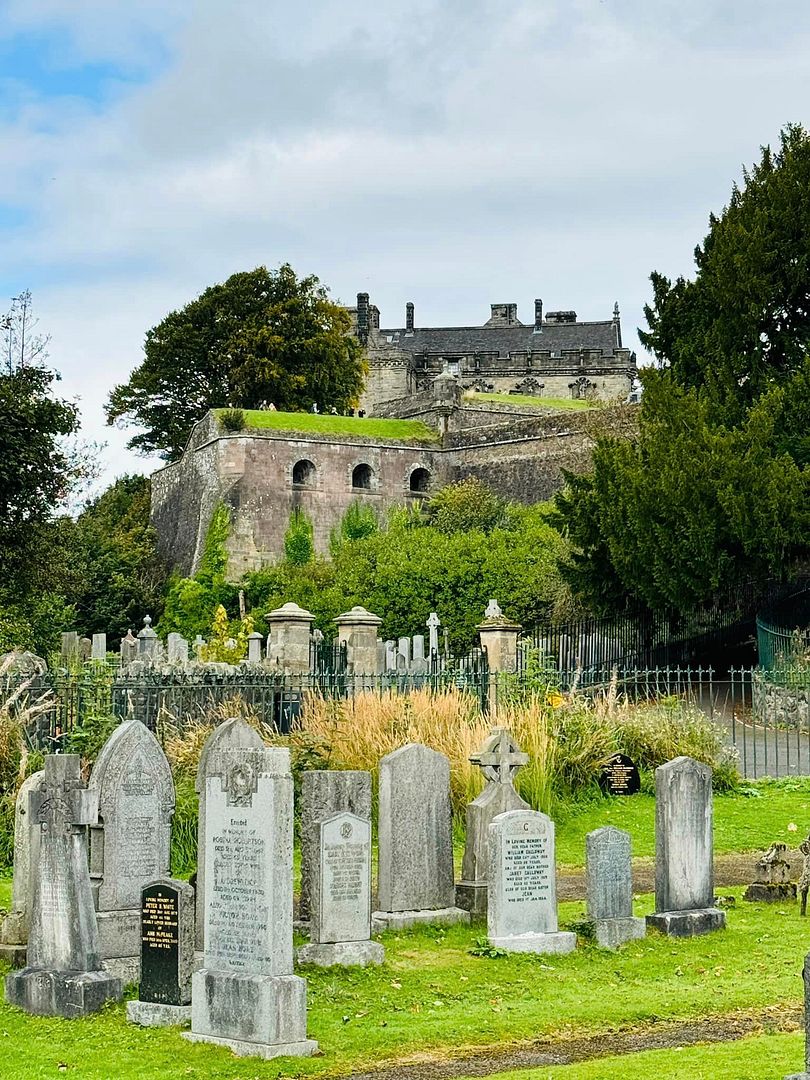
We made it to the Church of the Holy Rude while a service was going on so we planned our look inside for after our time at the castle. My main interest was the Kirk Churchyard and the memorials to Margaret Wilson and other Martyrs.

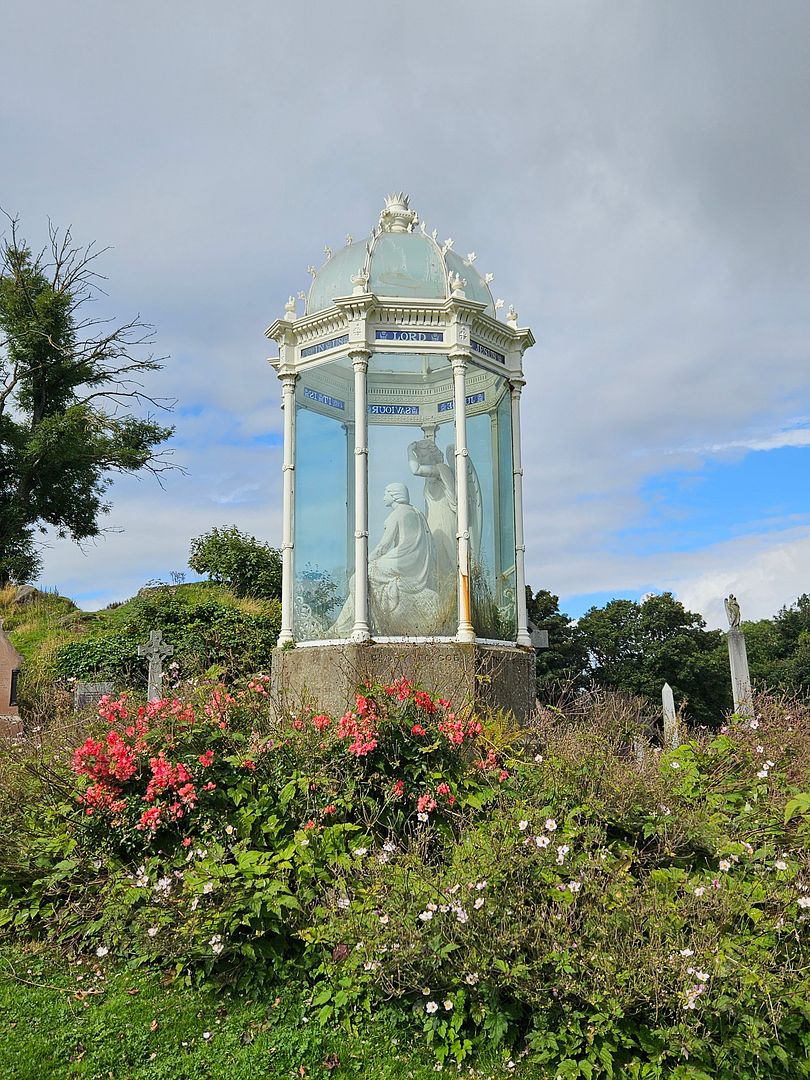
Wigtown Martyrs Monument

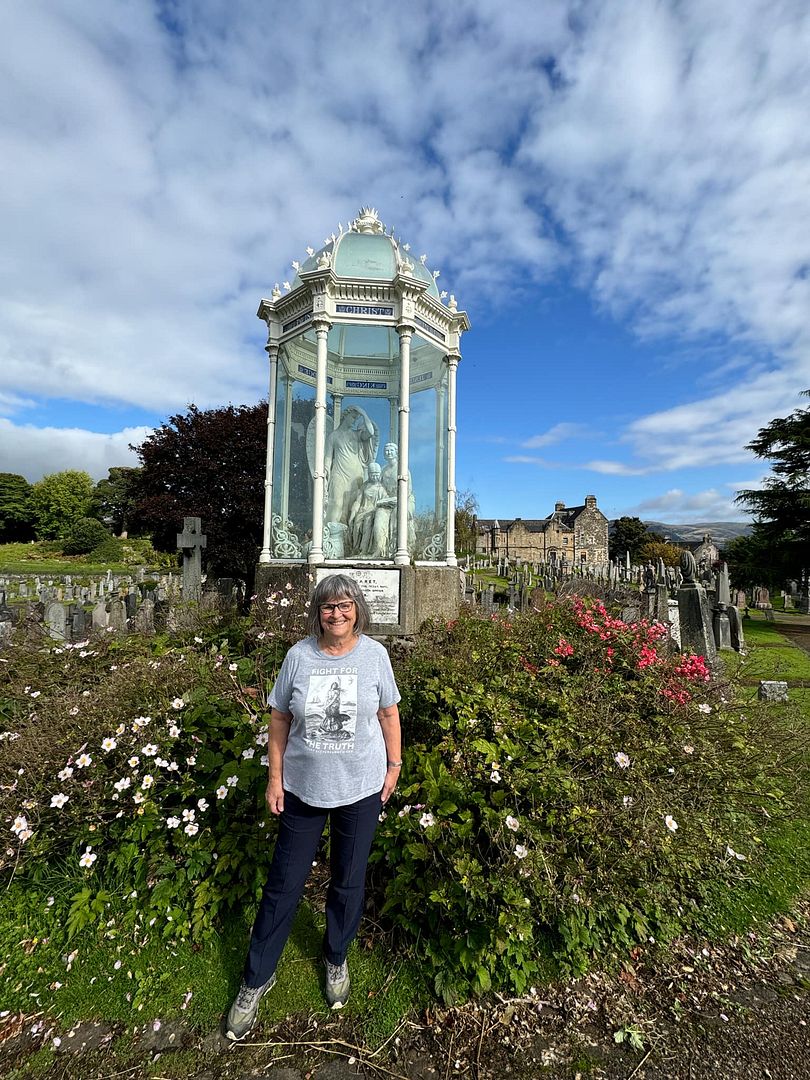
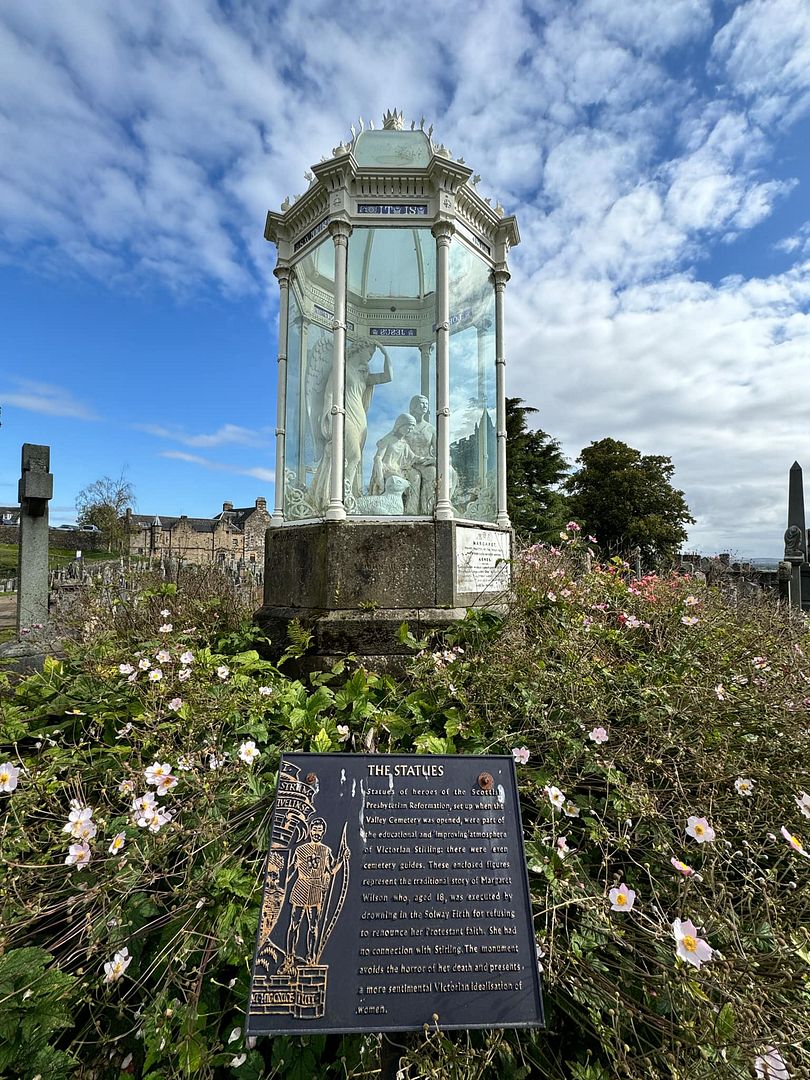
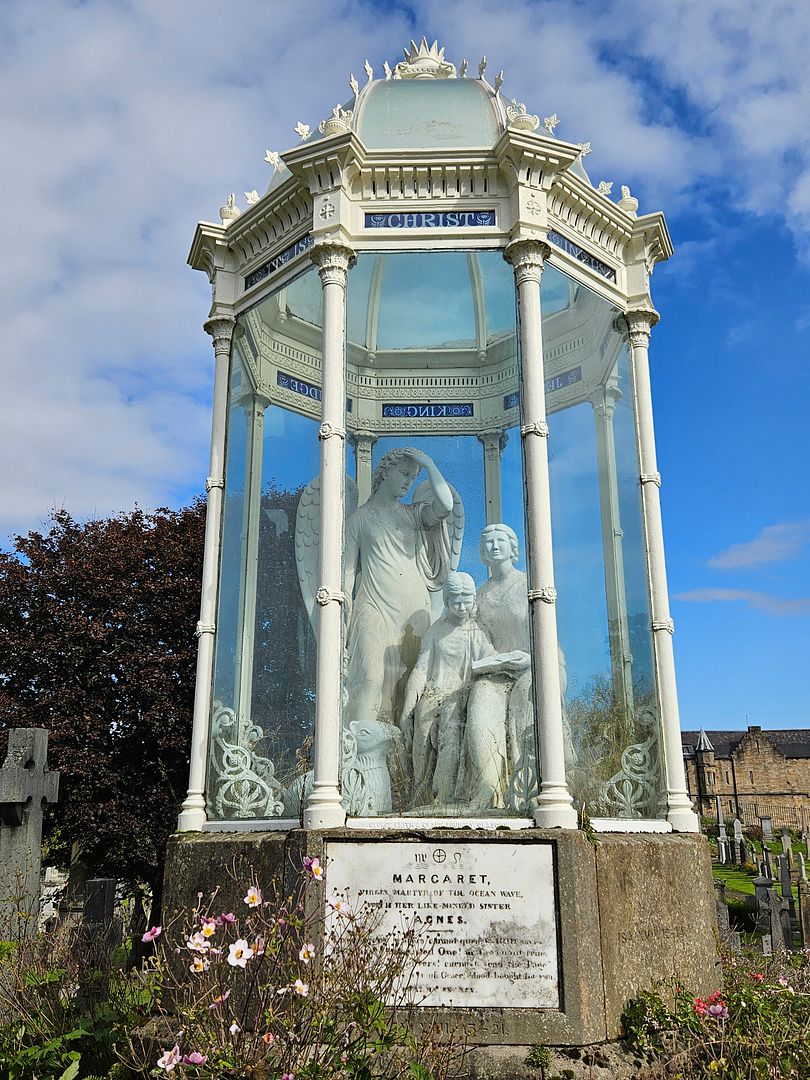
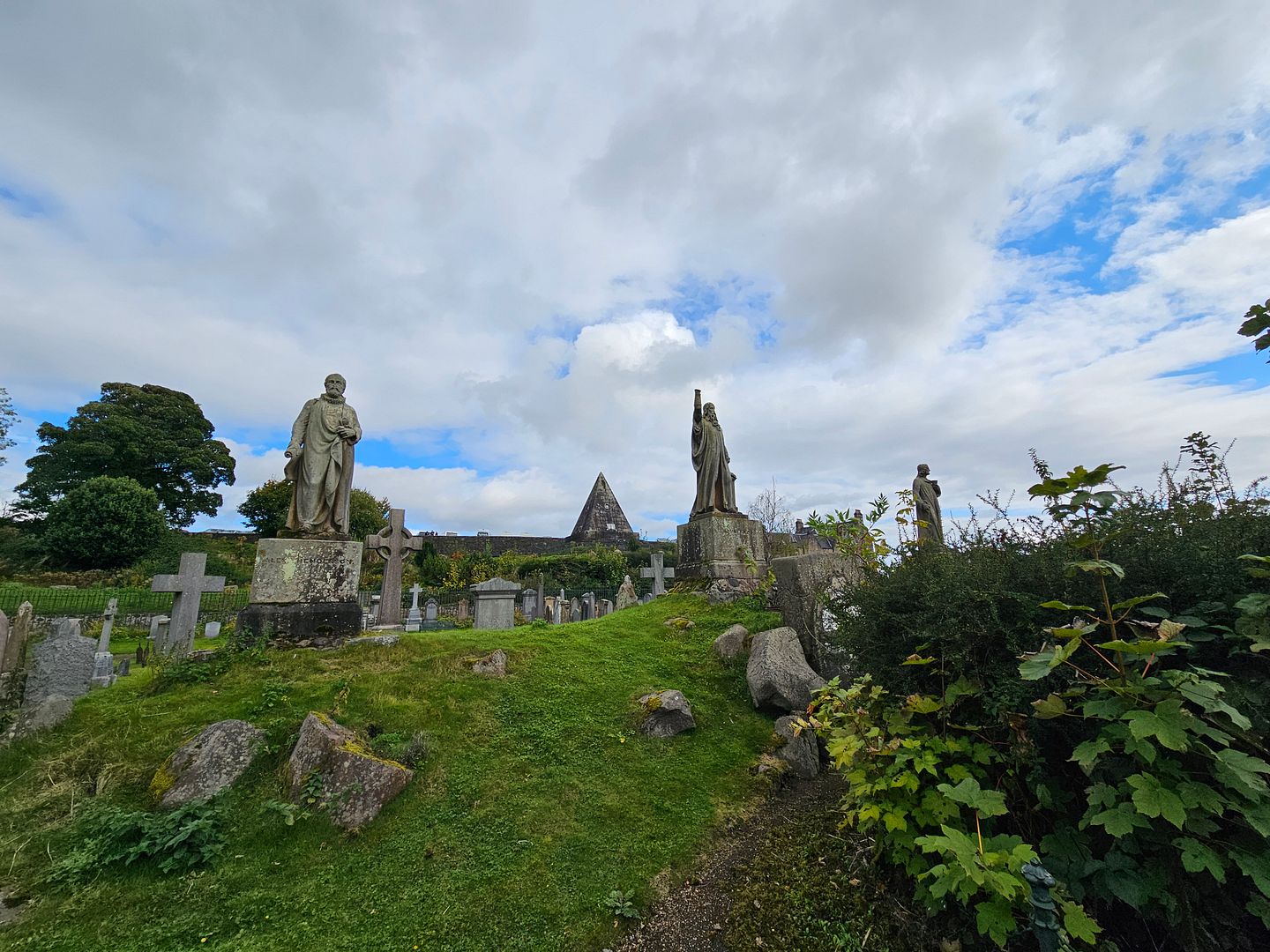
 A large and ornate memorial to Margaret Wilson, one of the Wigtown Martyrs, is located on the shoulder of Ladies’ Rock in the Mar Place Cemetery. The statue shows the martyr in the act of reading the Scriptures, with her younger sister Agnes by her side. A lamb rests at their feet, and over both is a guardian angel. The statue is covered with an ornate cupola and glazing. The statue was erected in 1859 and was the work of Handyside Ritchie. Originally, the statue was open to the elements, but in 1867 an ornate cast iron frame and glass cupola was raised over it, making it one of the most distinctive monuments in Stirling, if not the whole of Scotland. The cupola was designed by John Thomas Rochead (1814-1878), who is better known for his design for the Wallace Monument on Abbey Craig. The frame was cast at the Sun Foundry in Glasgow, and when it was added, a marble lamb that lay at the feet of Margaret, had to be removed. The cost of the monument was financed by William Drummond, of the Drummond Tract Enterprise. Margaret Wilson was one of the Wigtown martyrs, two women who were drowned in the rising Solway Tide on 11 May 1685. They were both Covenanters, and the other martyr, Margaret MacLachlan, was a woman in her sixties. Drummond had a great love of the Presbyterian martyrs, and erected other memorials to them and other ministers in Stirling, including statues of Rev James Renwick, Rev Ebenezer Erskine, Rev John Knox and the Star Pyramid.

The words around the top of the monument are ‘Christ~In Us~Lord ~Jesus ~King~ Judge~ Saviour. I think there was one other that I couldn’t see well.

ny ¤ Ω

MARGARET

VIRGIN MARTYR OF THE OCEAN WAVE,

WITH HER LIKE–MINDED SISTER

AGNES

“LOVE MANY WATERS CANNOT QUENCH” – GOD SAVES

HIS CHASTE IMPEARLED ONE! IN COVENANT TRUE.

O SCOTIA’S DAUGHTERS! EARNEST SCAN THE PAGE”

AND PRIZE THIS FLOWER OF GRACE BLOOD – BOUGHT FOR YOU.

PSALMS IX. XIX.

REV XXII.   13 – 21

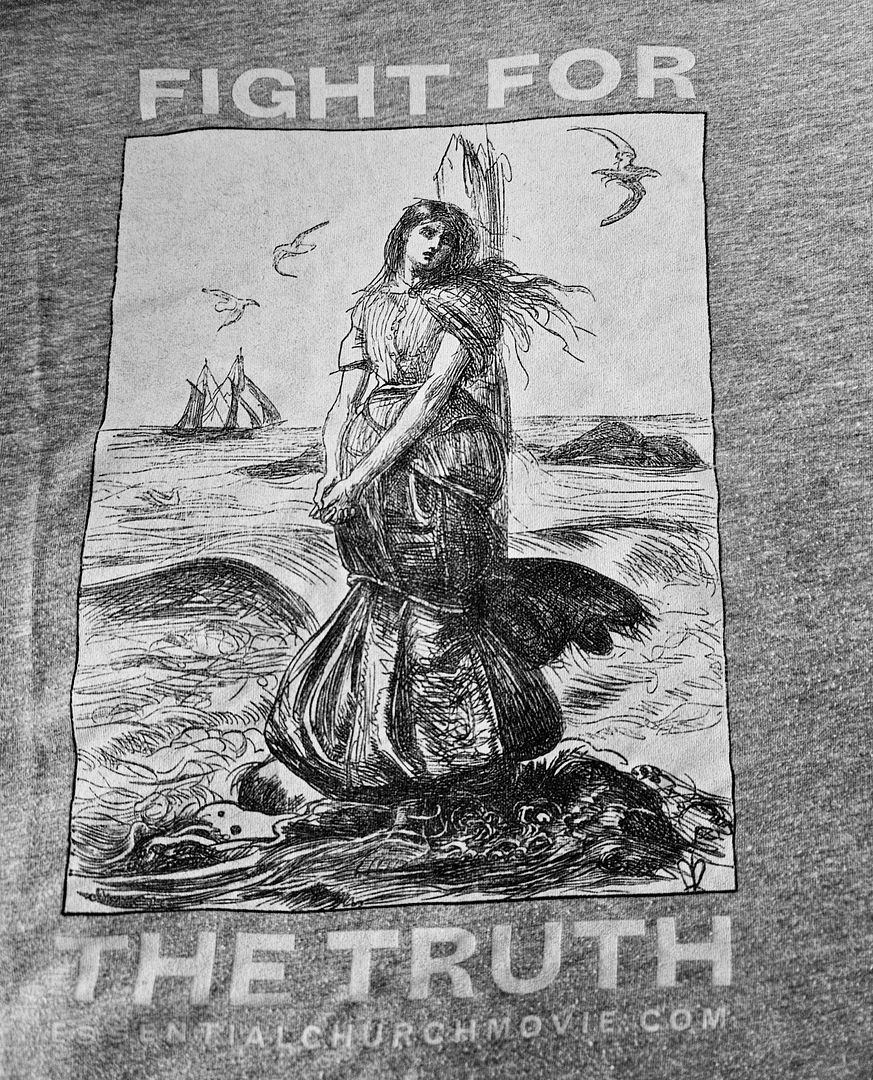
I wore my ‘Margaret’ t-shirt that I ordered from The Essential Church Movie. The story of the Margaret’s and Jenny Geddes really inspired me. More about Jenny in a future post from Edinburgh. This monument to Margaret Wilson is many miles from Wigtown, where the actual drownings happened.

A detailed history of the Solway Martyrs can be read here. Another account can be read here.

When the now limp form of the first Margaret was being tossed about by the swirling tide, the waters began to engulf Margaret Wilson. Her lips were not silent. First she sang the stirring words of Psalm 25.

My sins and faults of youth
Do thou, O Lord, forget:
After thy mercy think on me,
And for thy goodness great.
God good and upright is:
The way he’ll sinners show;
The meek in judgment he will guide
And make his path to know.

And, upon finishing this Psalm, she quoted the words of Romans 8:

“Who shall separate us from the love of Christ? Shall tribulation, or distress, or persecution, or famine, or nakedness, or danger, or sword? As it is written, “For your sake we are being killed all the day long; we are regarded as sheep to be slaughtered.” No, in all these things we are more than conquerors through him who loved us. For I am sure that neither death nor life, nor angels nor rulers, nor things present nor things to com, nor powers, nor height nor depth, nor anything else in all creation, will be able to separate us from the love of God in Christ Jesus our Lord.”

These stories make me wonder how I should stand for the Truth. I trust if ever I have to, God will provide all I need to Stand.

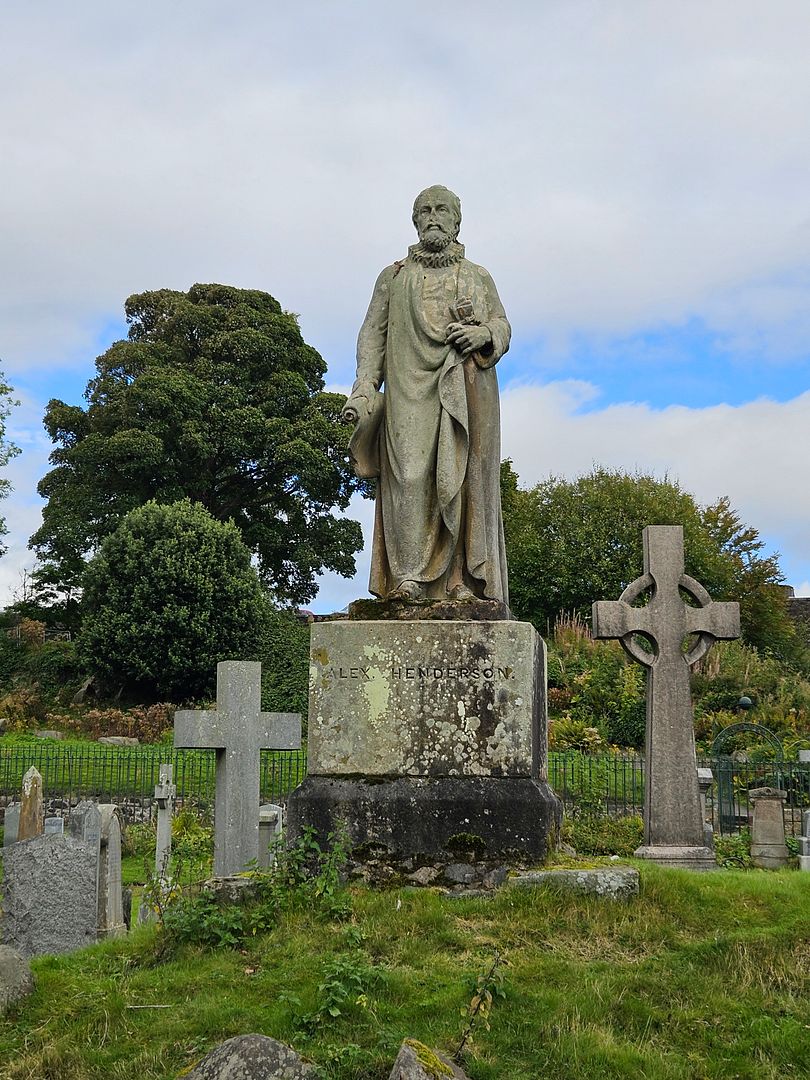
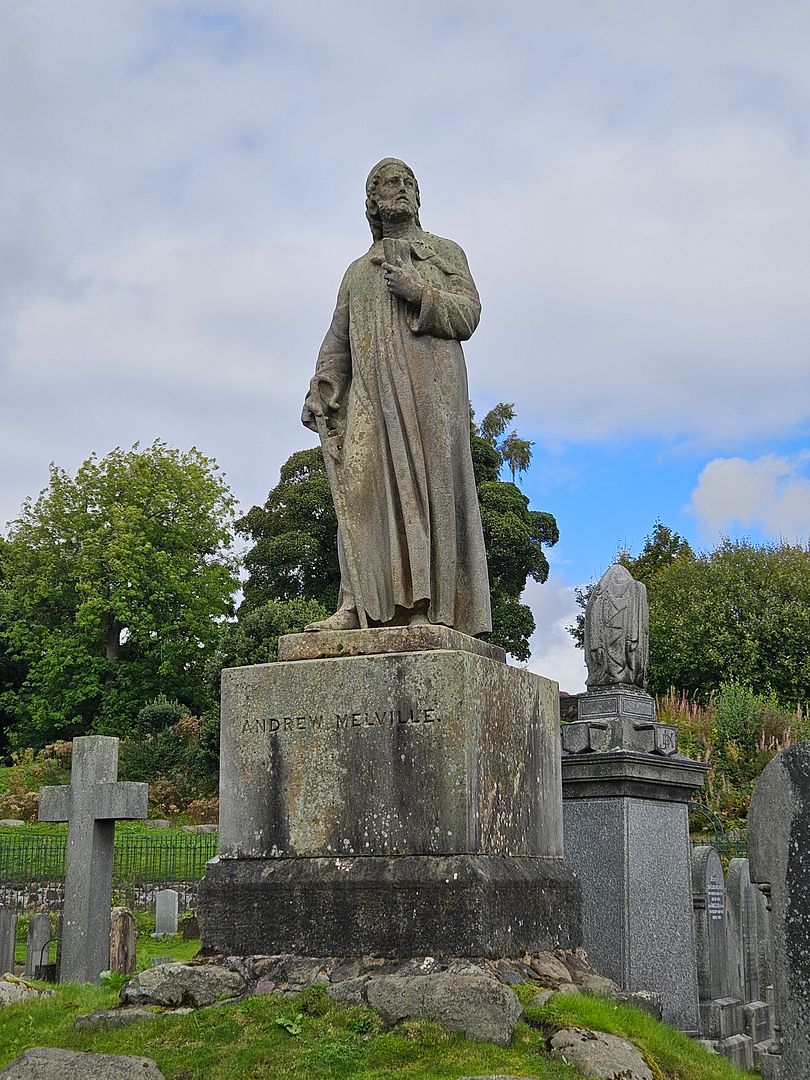
Other monuments to John Knox, Alex Henderson and Andrew Melville, early Reformers in Scotland.

We moved onward and upward to Stirling Castle and that will be another post.