Welcome to My Neighborhood!
Kathleen Marie thought it would be nice to see where everyone is from, where they live, learn more about her blogging neighbors, her friends and acquaintances.
So, since she can’t jump in her car, hop on a train or plane and visit you all, although she would sure like to, she thought it was time for a “bloggy” visit to your neighborhood! Let’s have a chat along the yard fence, have coffee or tea at your local hangout, visit your park or favorite attraction. The skies the limit!
Head over to The Open Window to join the fun.
The day set for this this neighborly visit around Bloggityville is Monday September 17th. On that day everyone will share their favorite things about their neighborhood. This should give us all plenty of time to get those photos, stories and/or slide shows ready. Just sign the linky at her site so we know who’s participating.
~~~
If you are participating I’ll be by on Monday September 17th to see your neighborhoods!
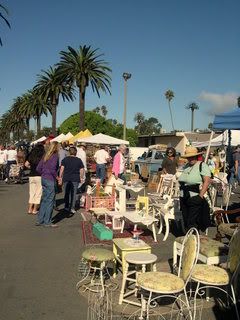
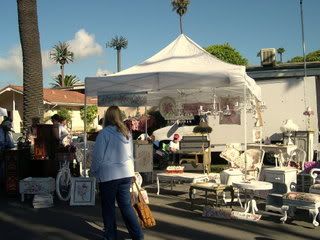
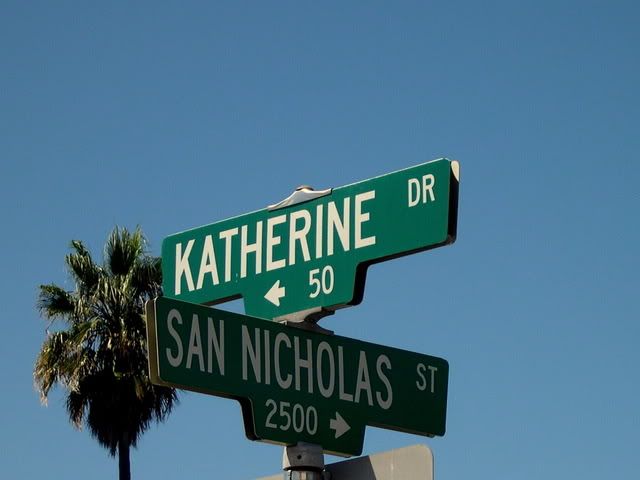
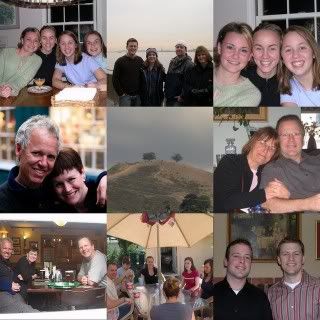
Today I have 3 collages to share with photos from my newest neighborhood in Southern California and my favorite neighborhood and the place I call home in the Seattle area. Please come along and welcome to my neighborhoods!
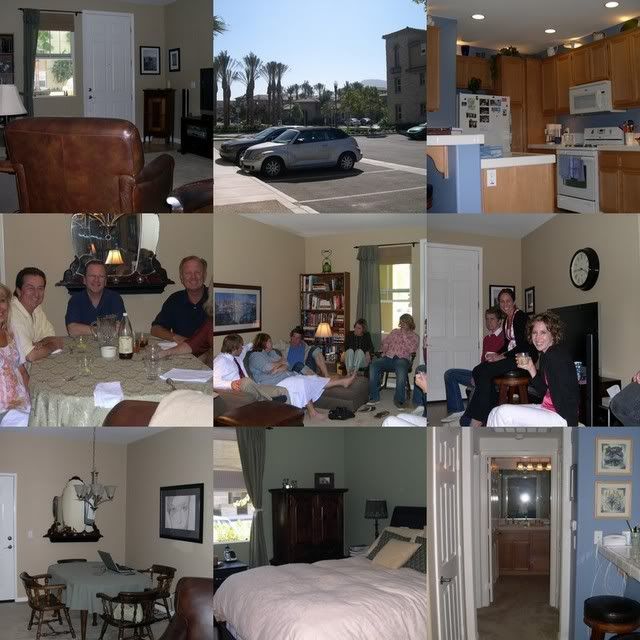
Our condo in Camarillo is a one bedroom. Even though it’s small we still can entertain a crowd. Living in the Southern California area affords us the opportunity to see extended family and close friends from our early married years. The Complex we are in is brand new and has a lot of nice extras.
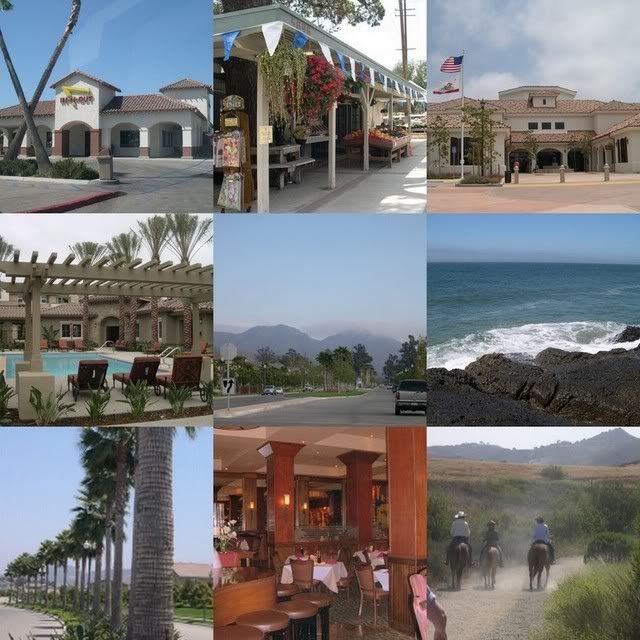
Palm trees are the norm around here and dusty trails. We are at the northern base of the Santa Monica Mountains National Recreation Area. We are 8 miles from the Pacific Ocean. (Pt. Mugu) We are in a highly agricultural area where we can find fresh produce stands at nearby farms. The Hispanic culture is prevalent in this area with Mexican Restaurants galore. (kind of like Starbuck’s in Seattle!) Speaking of food In-N-Out is just an exit up the freeway from us. California Grill is one of our favorite local restaurants. (bottom middle photo). The new library in town is the top right photo.
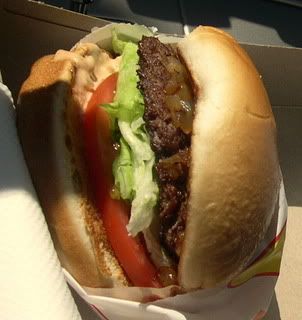
Here, have an In-N-Out Burger on me…
Now I’ll show you a little bit of my favorite place to live, the Seattle area…
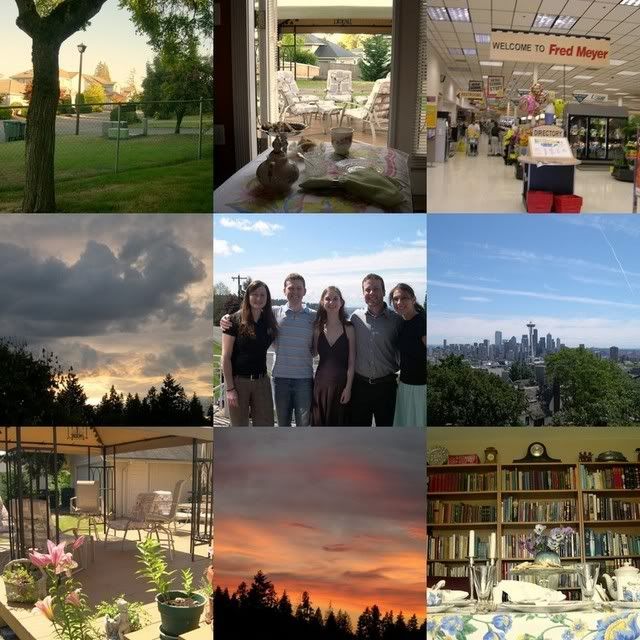
The things I miss when I’m living in Southern California are my house, the space I have inside and outside, Fred Meyer Food and Department store, the distinct four seasons, the big fluffy sky, the huge trees everywhere, the downtown area on the water, my library and most of all my children and my best friends. I am thankful that I get to take trips back and spend holidays and other special occasions there.
I thank God for His goodness to us in blessing us with beautiful places to live where we can enjoy His creation and people we can have fellowship with wherever we find ourselves. Have a wonderful week!
Thank you for coming to my neighborhoods today. To see more neighborhoods around the USA and beyond click on over to The Open Window.