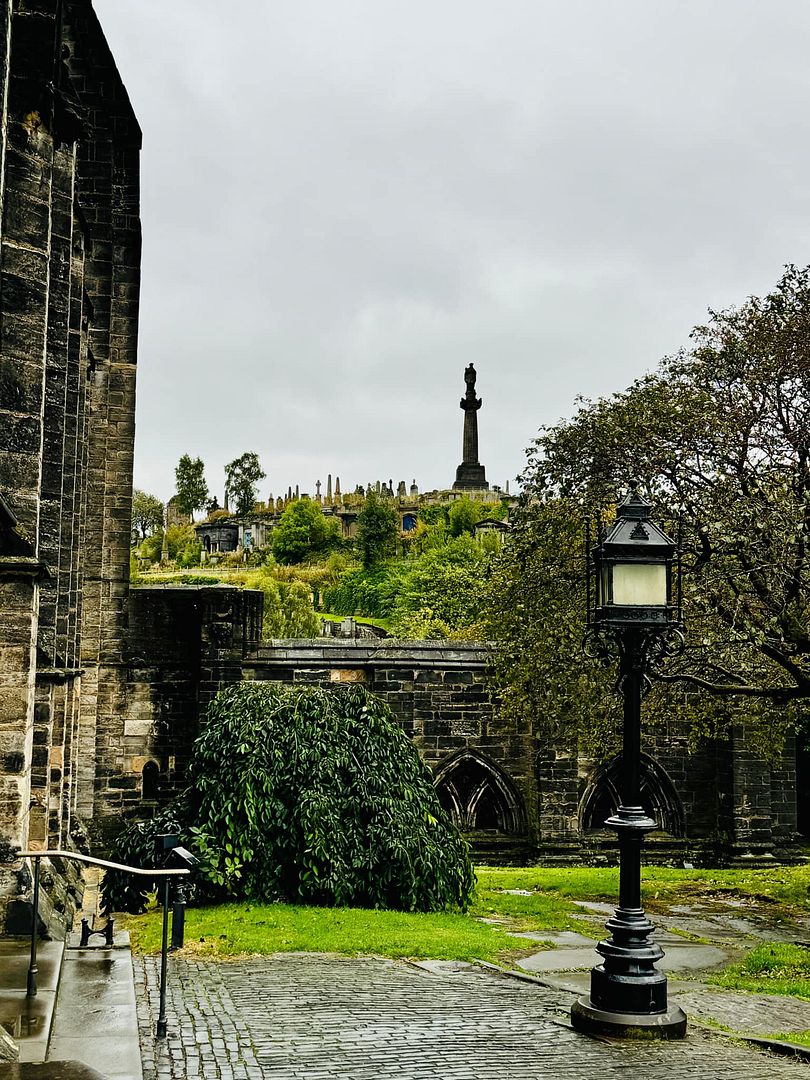
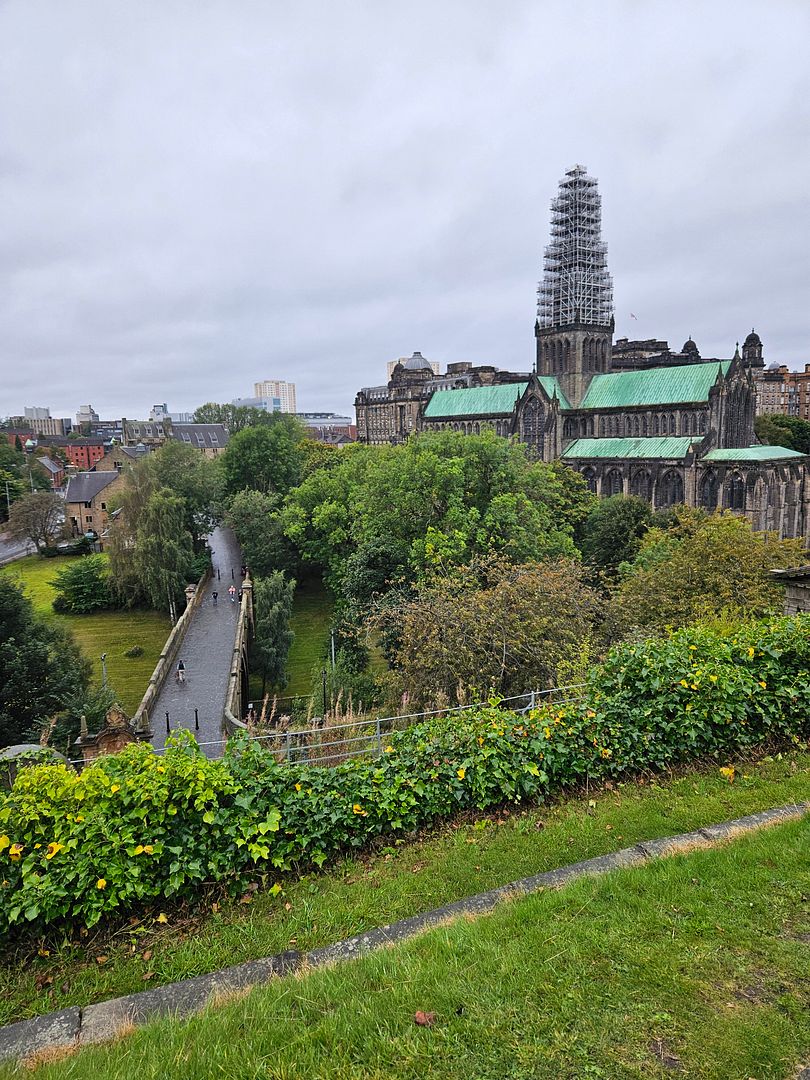
On Saturday the 14th of September after viewing the inside of Glasgow Cathedral we walked outside to improving weather and decided we shouldn’t miss the hike up to the Necropolis to view the John Knox Memorial.
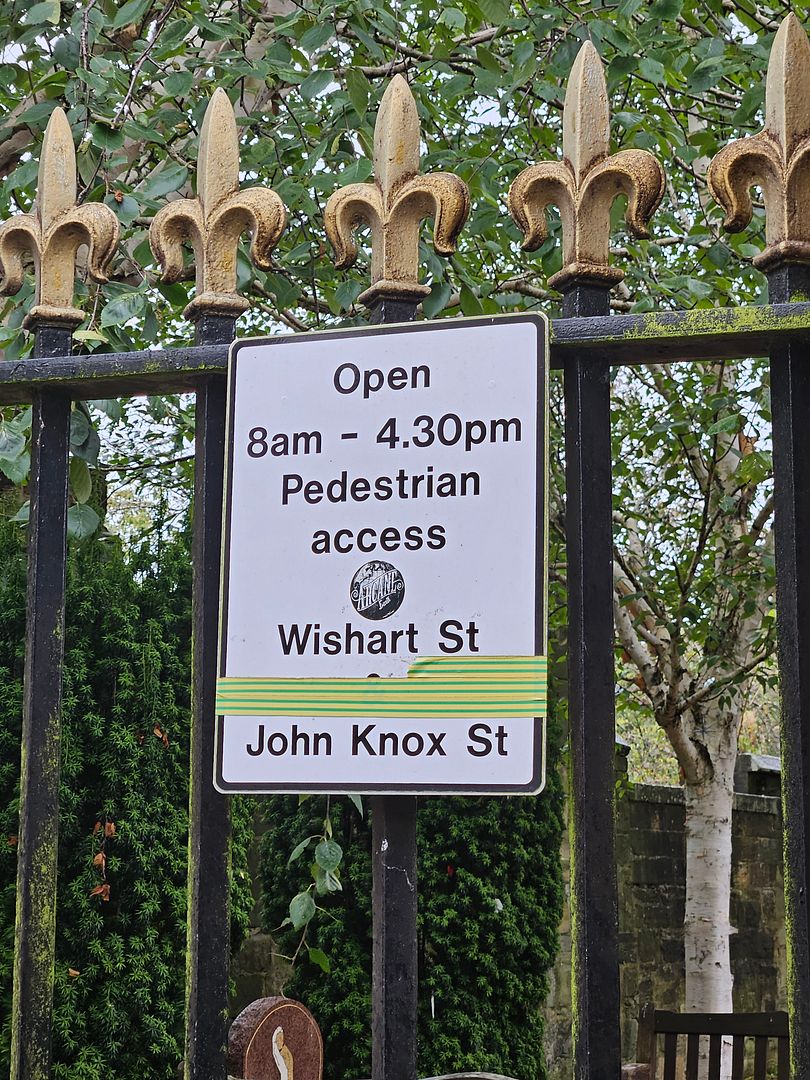
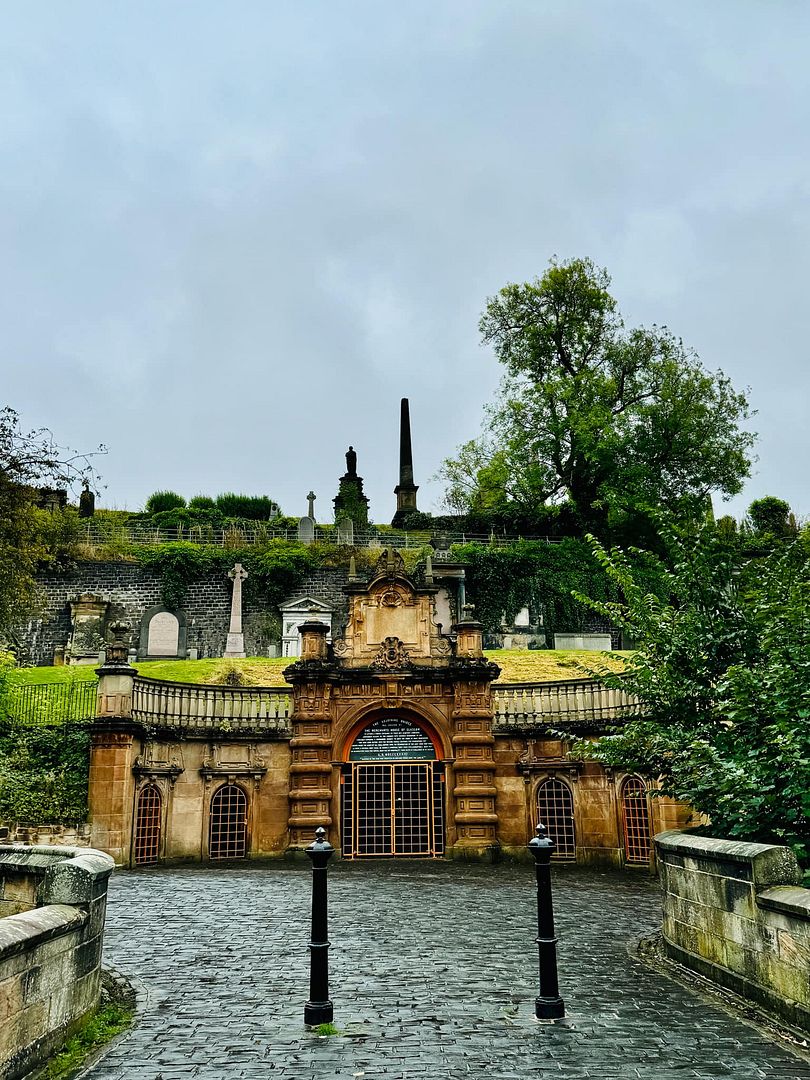
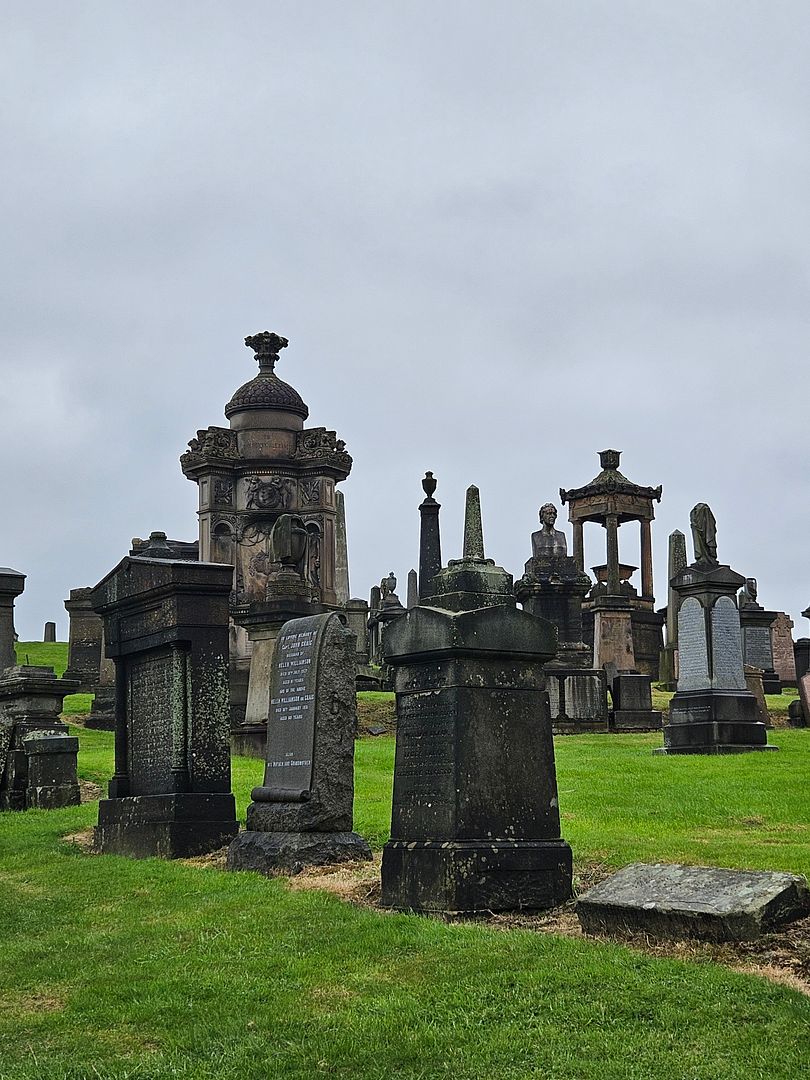
The Necropolis is a Victorian garden cemetery full of wonderful architecture, sculpture and fascinating stories.
Adjacent to Glasgow Cathedral, the Necropolis was modeled on Père-Lachaise in Paris. It is estimated that something in the order of 50,000 burials have taken place here, with around 3,500 tombs.
Built in the Classical Revival architectural fashion, the Necropolis was established by the Merchants’ House of Glasgow in 1831. A monument to John Knox, which was erected in 1825, dominates the hill.
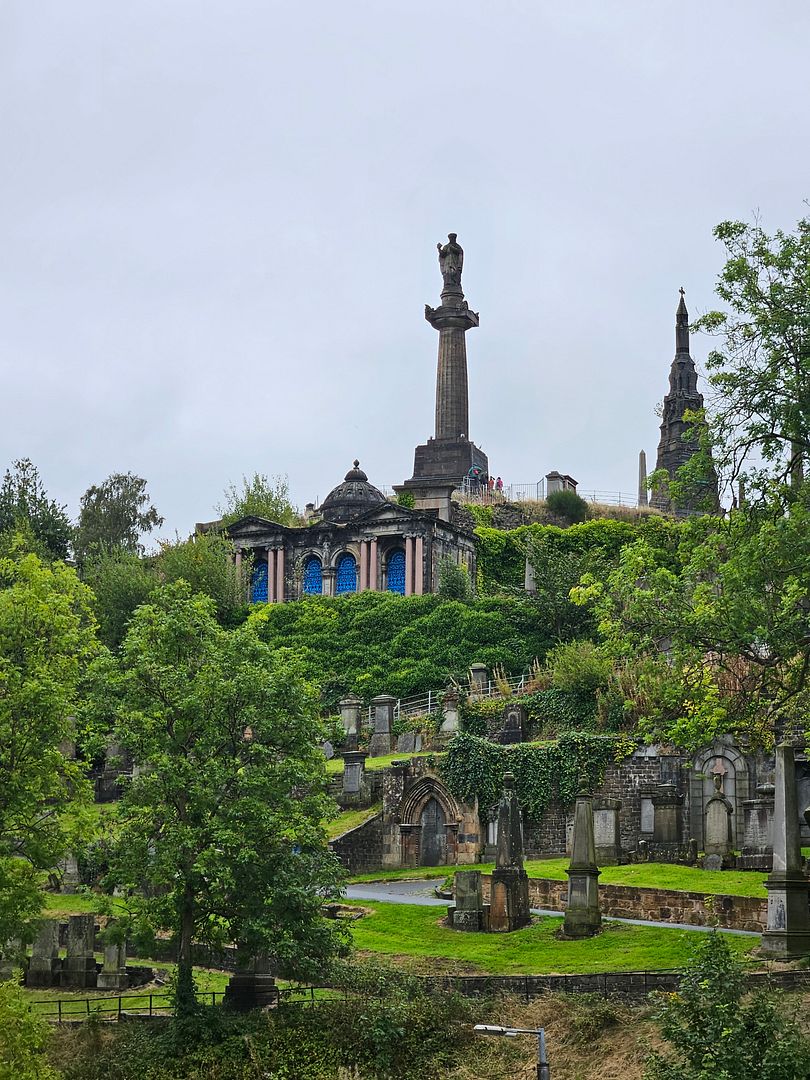
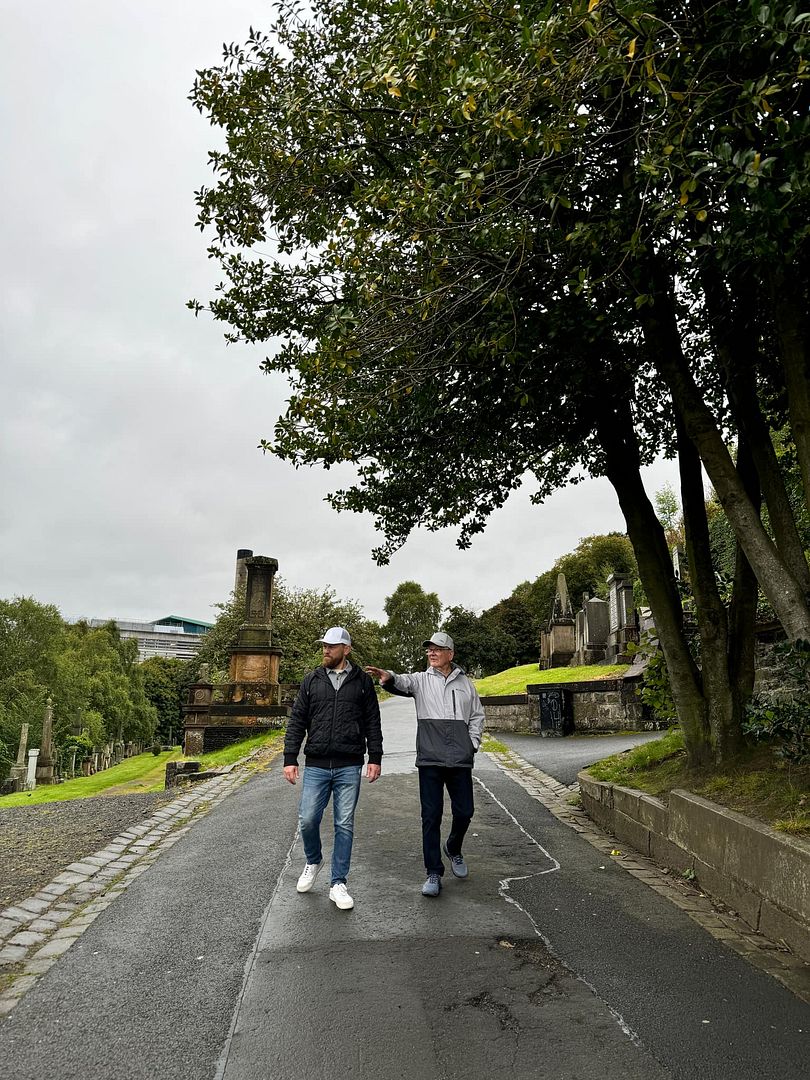
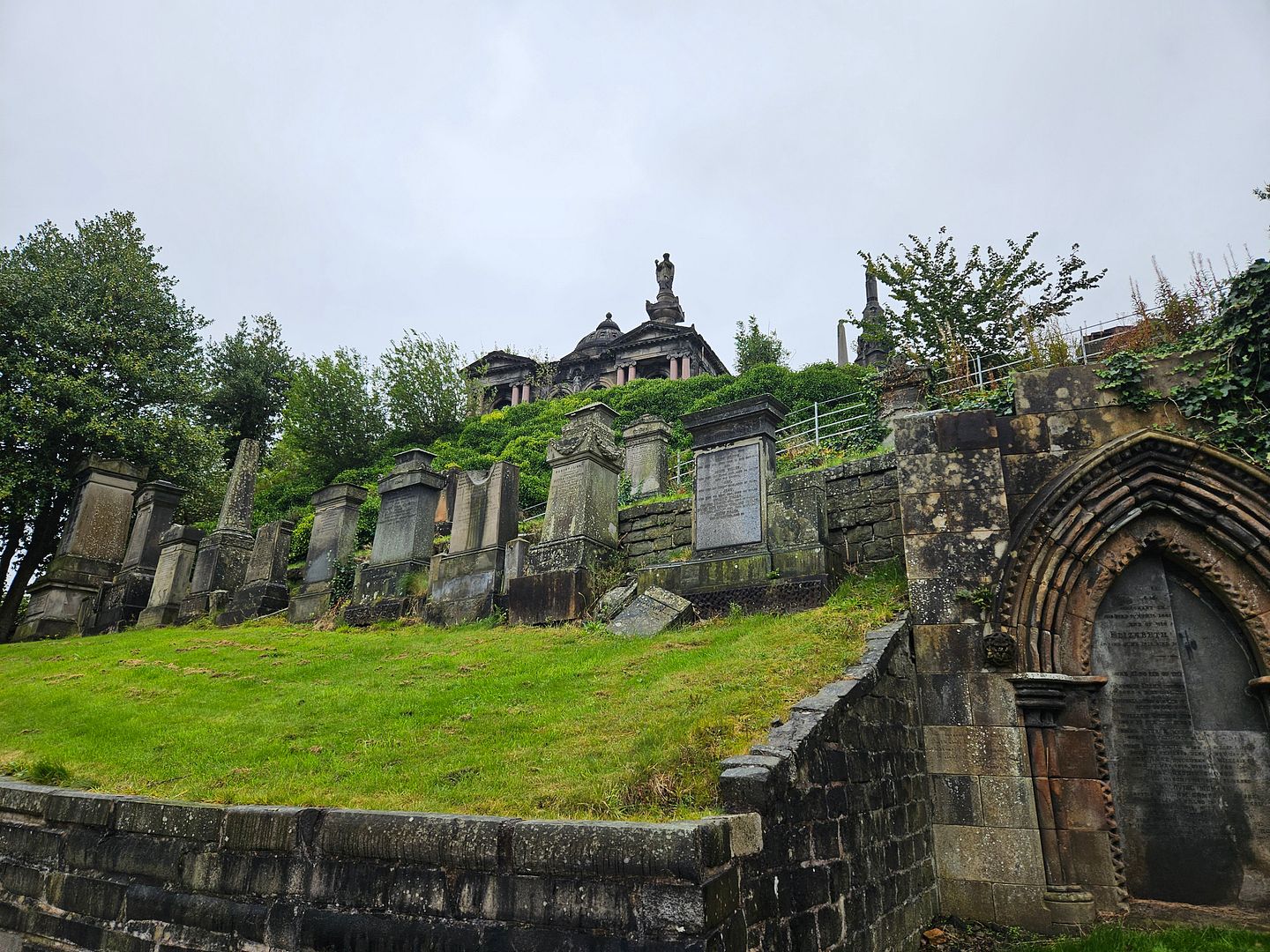
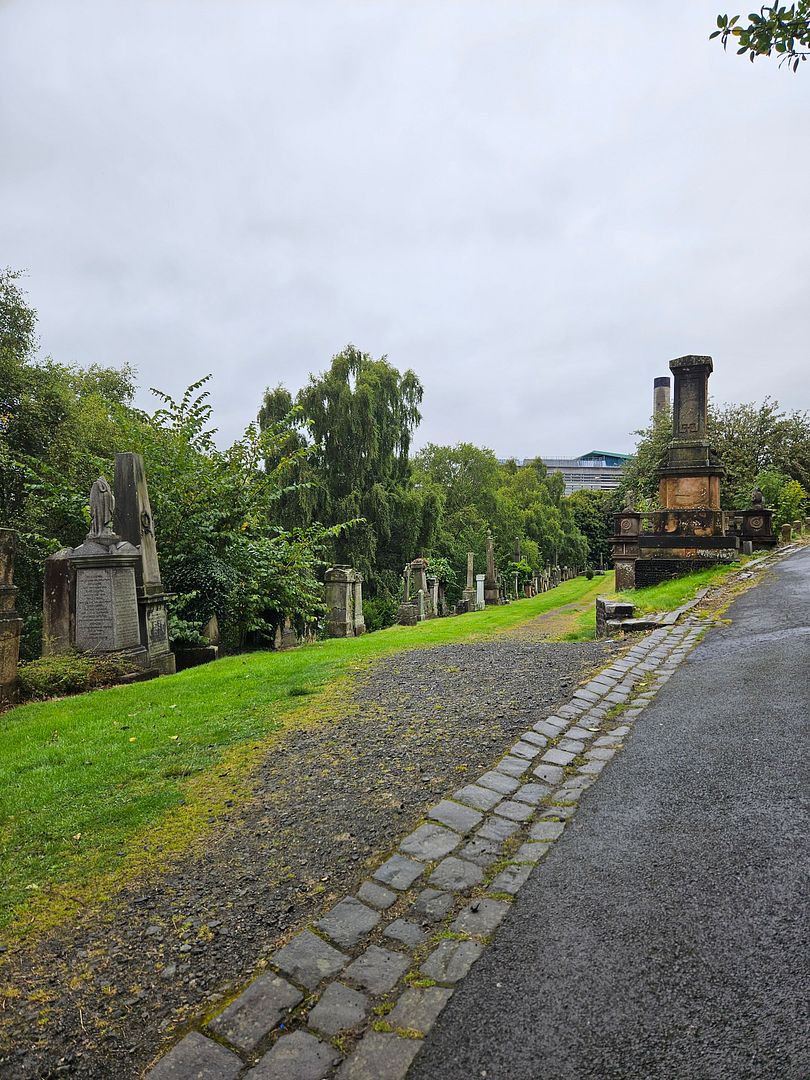
Our walk to the top of the 2nd highest hill in Glasgow where the monument to John Knox was placed was our good introduction to the climbs ahead of us on this trip.
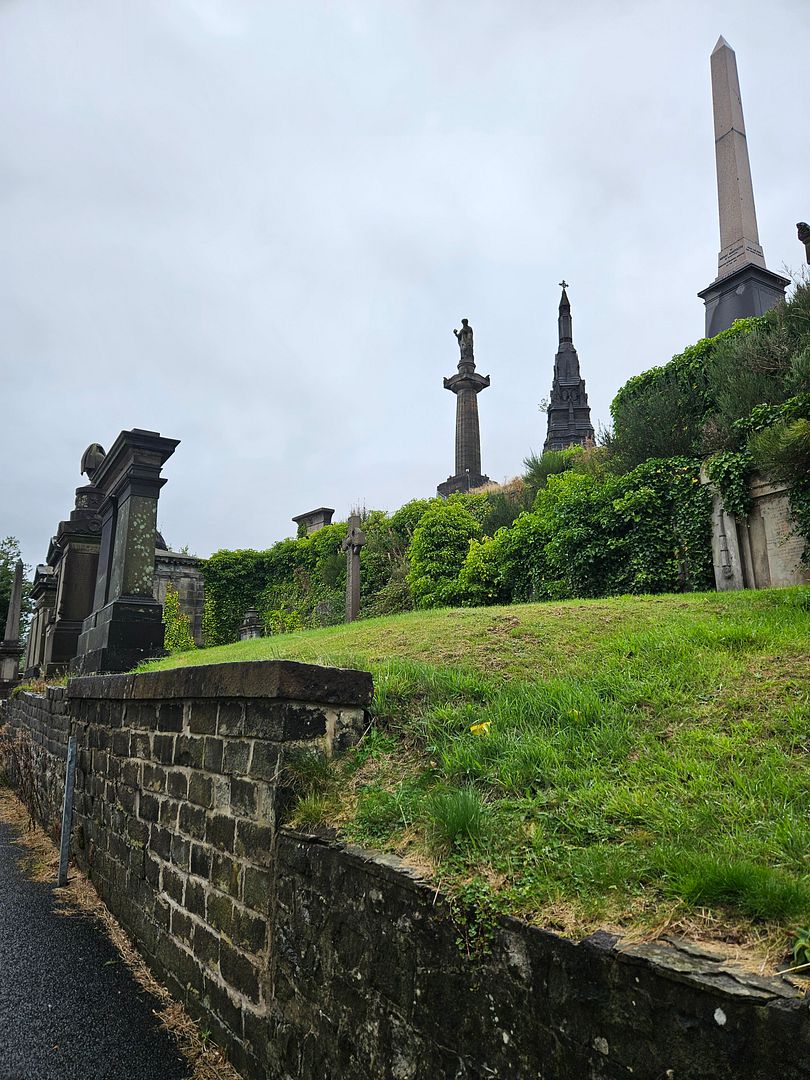

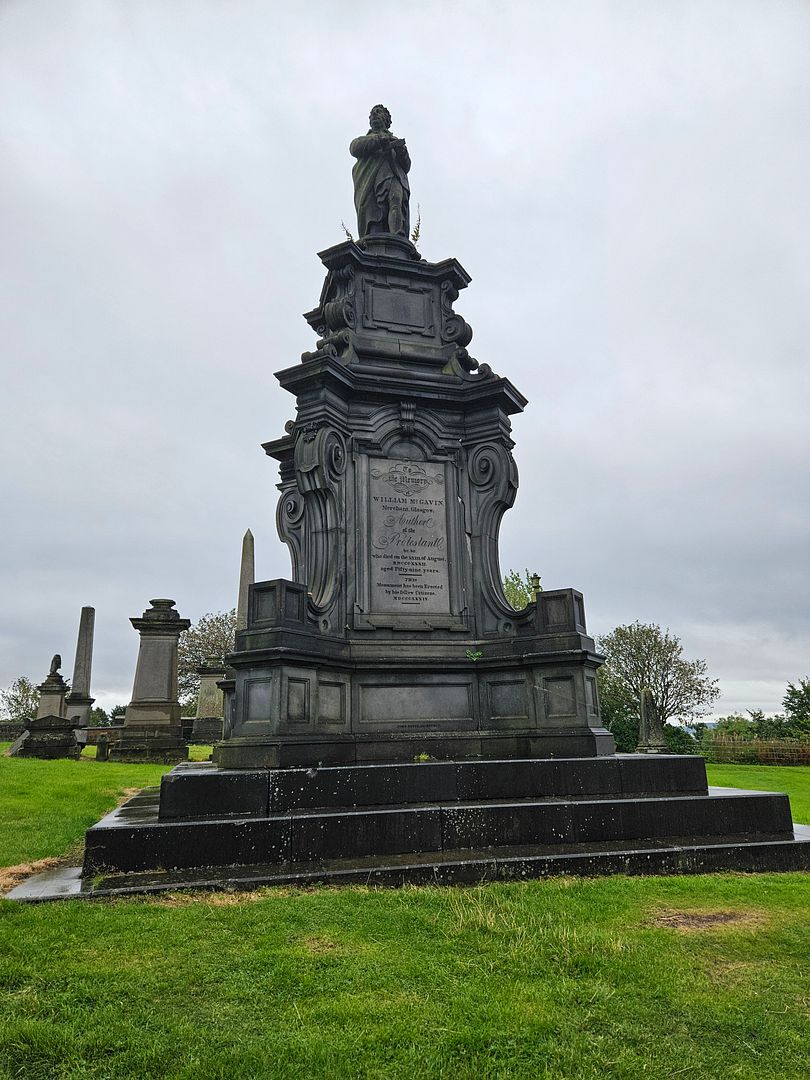
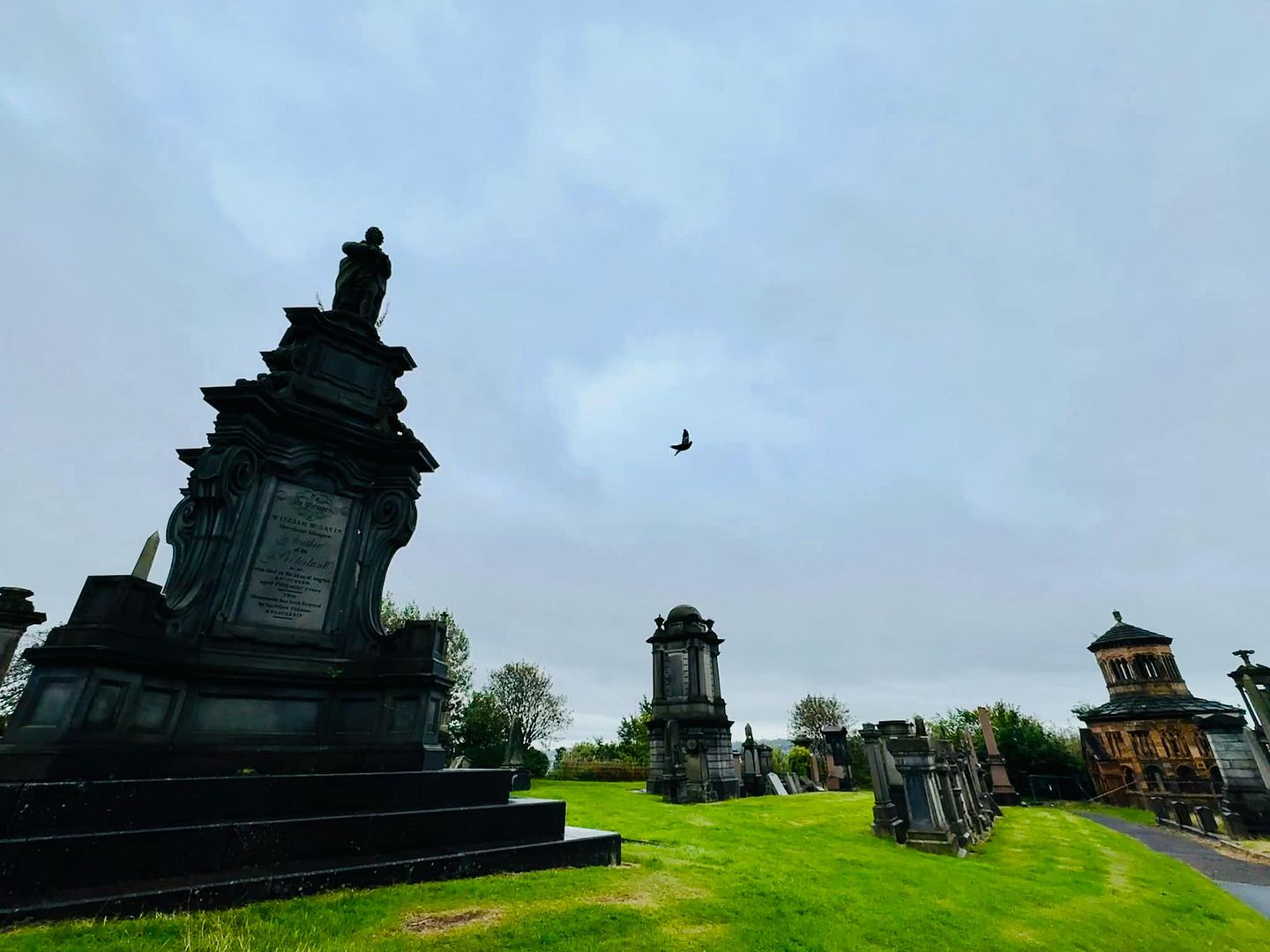
The history of William McGavin can be found here.
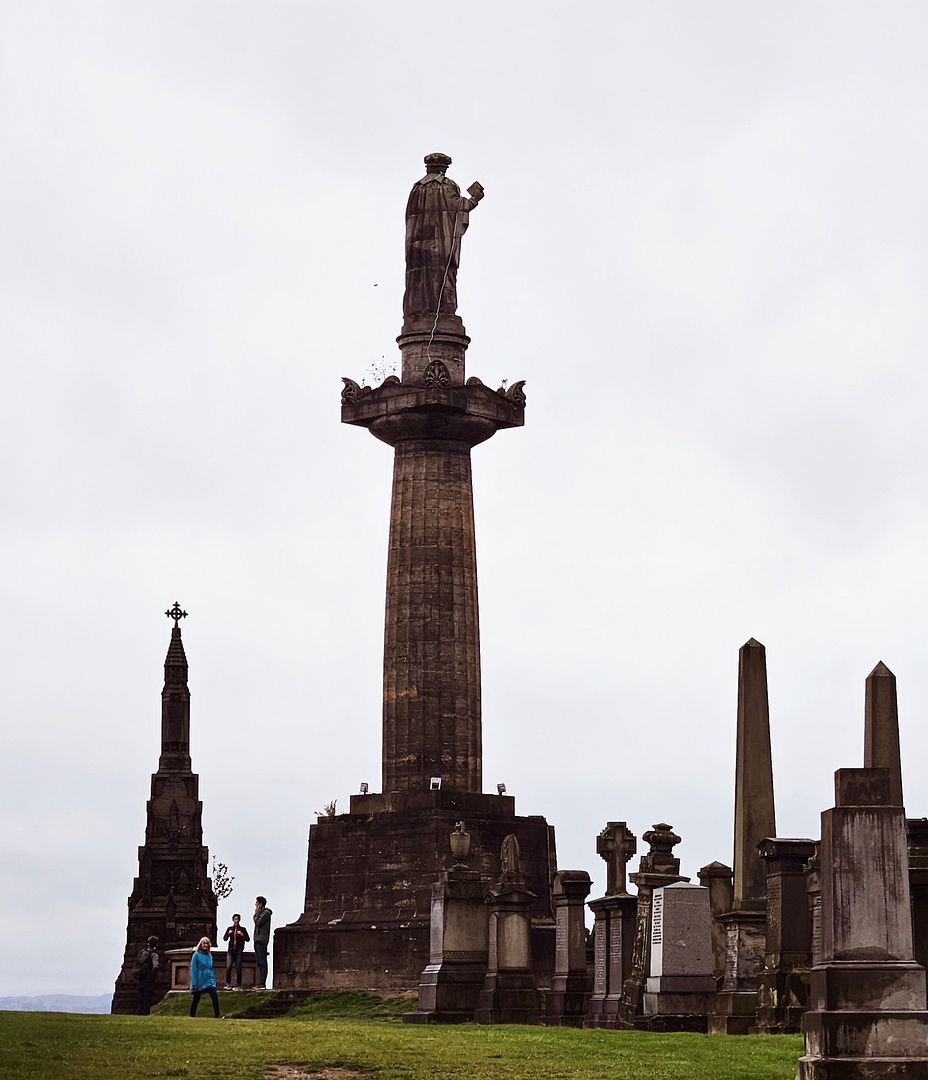
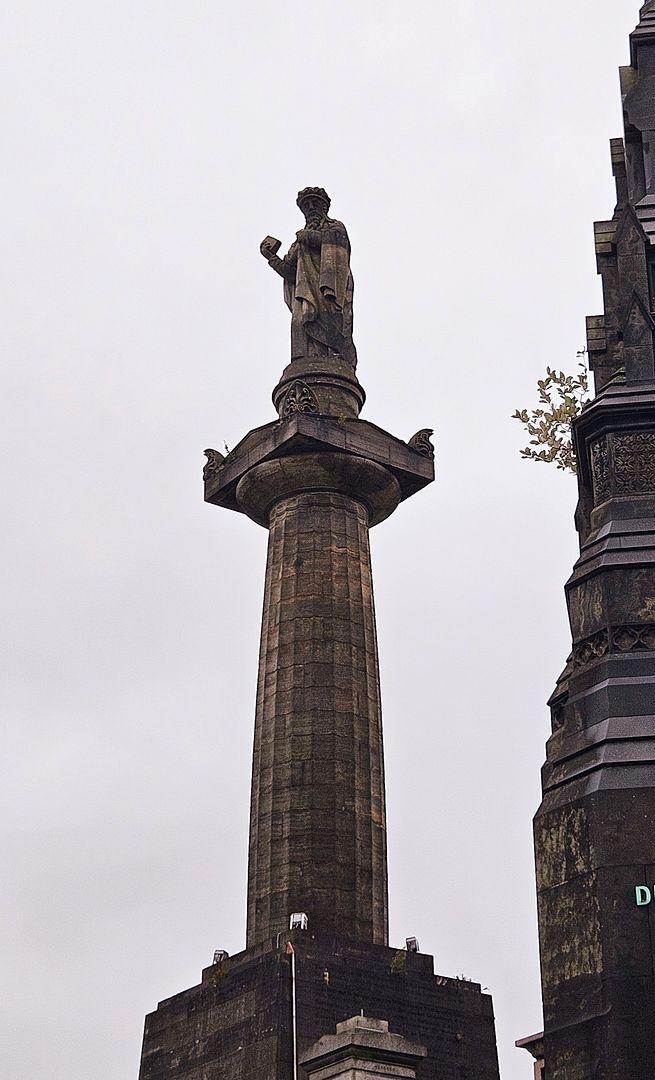
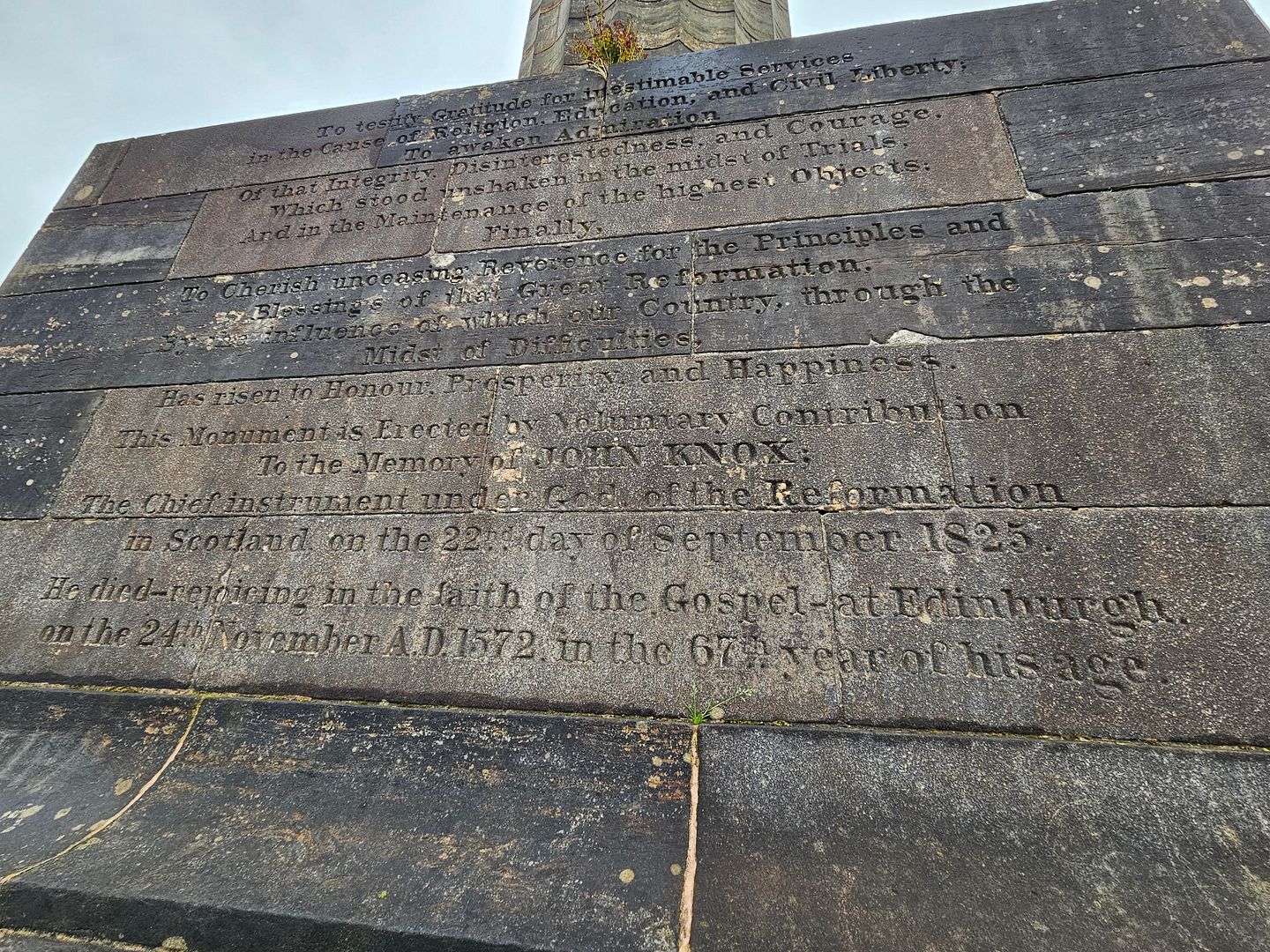
The story about how this monument to John Knox came about can be read here.
The inscription which has worn away can also be read in full at the linked site.
The Reformation produced a revolution in the sentiment of mankind the greatest as well as the most beneficial that has happened since the publication of Christianity.
In 1547 and in the city where his Friend George Wishart had suffered, John Knox, surrounded with dangers, first preached the doctrines of the Reformation. In 1557 on the 24th of August, the Parliament of Scotland adopted the Confession of Faith presented by the Reformed Ministers, and declared popery to be no longer the religion of this kingdom.
John Knox became then a Minister of Edinburgh, where he continued to his death, the incorruptible guardian of our best interests.
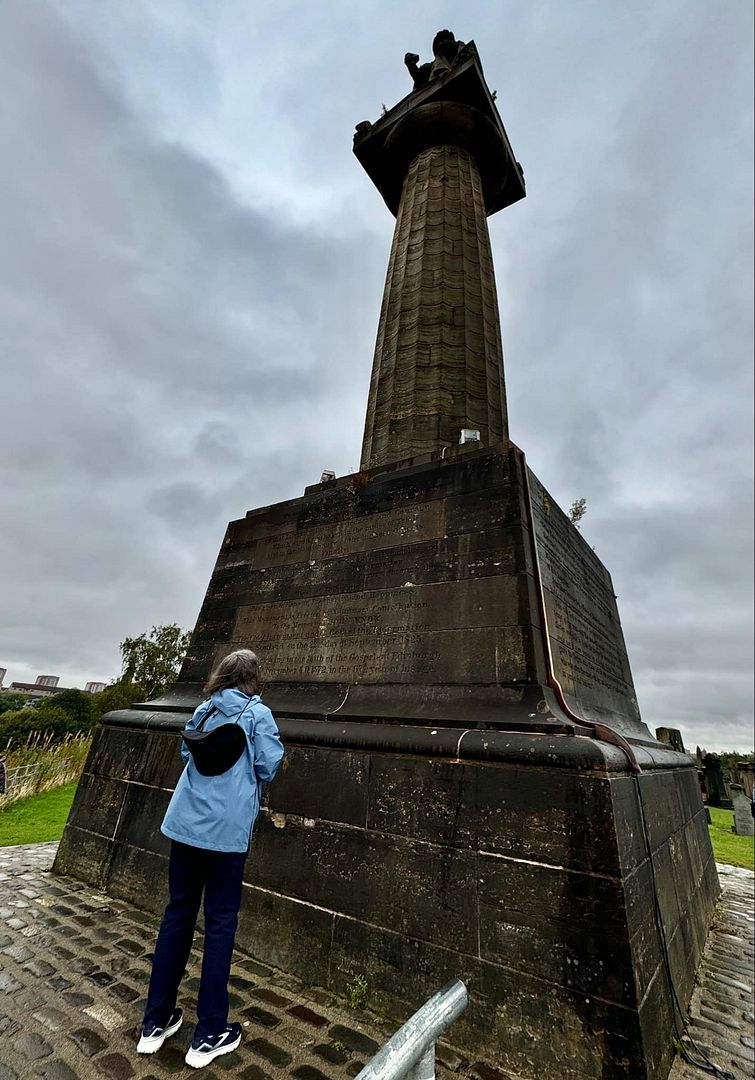
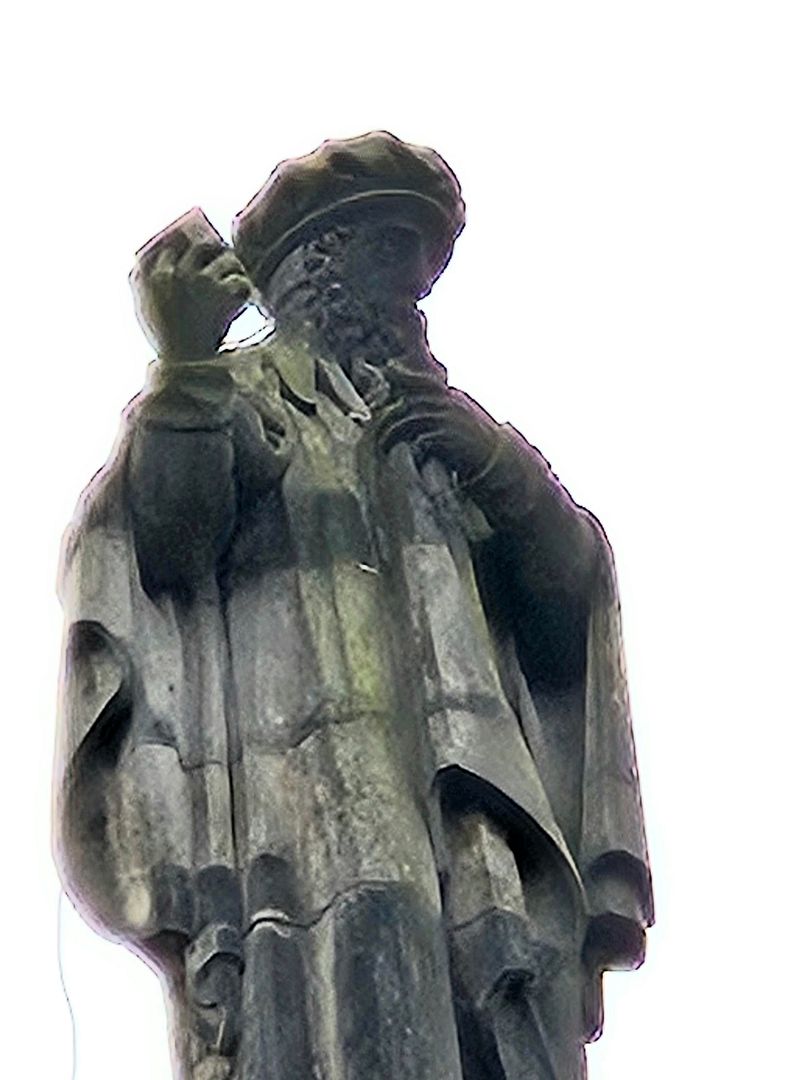
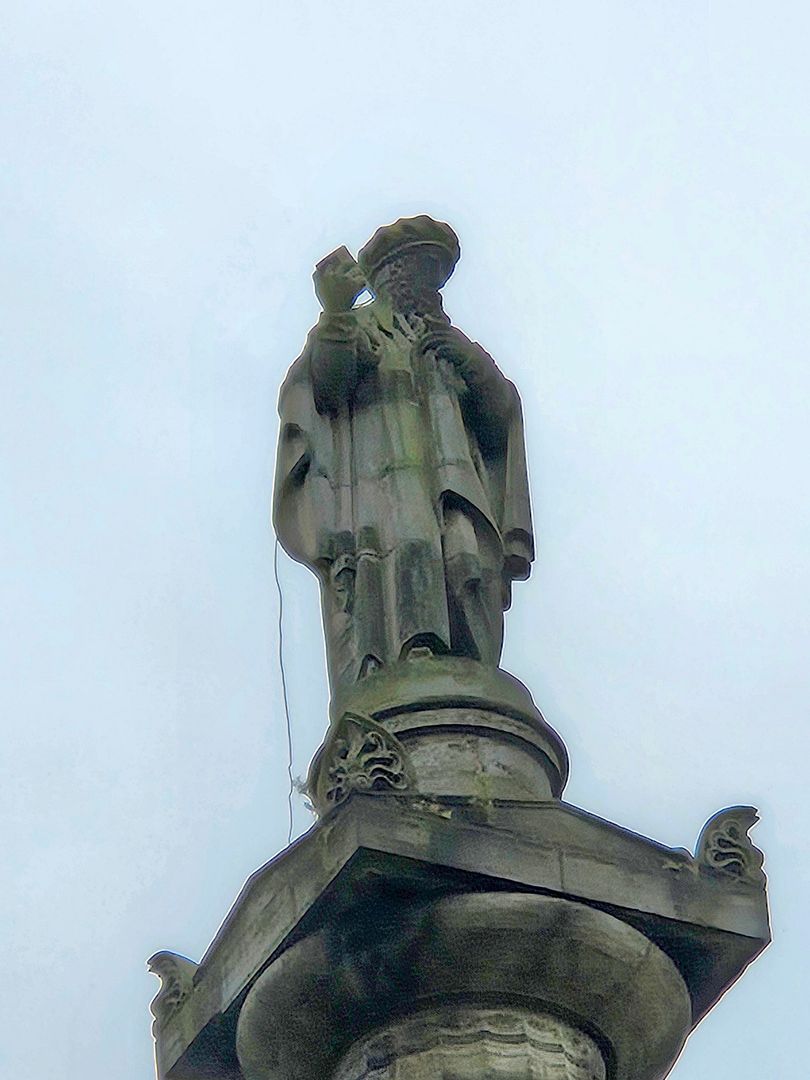
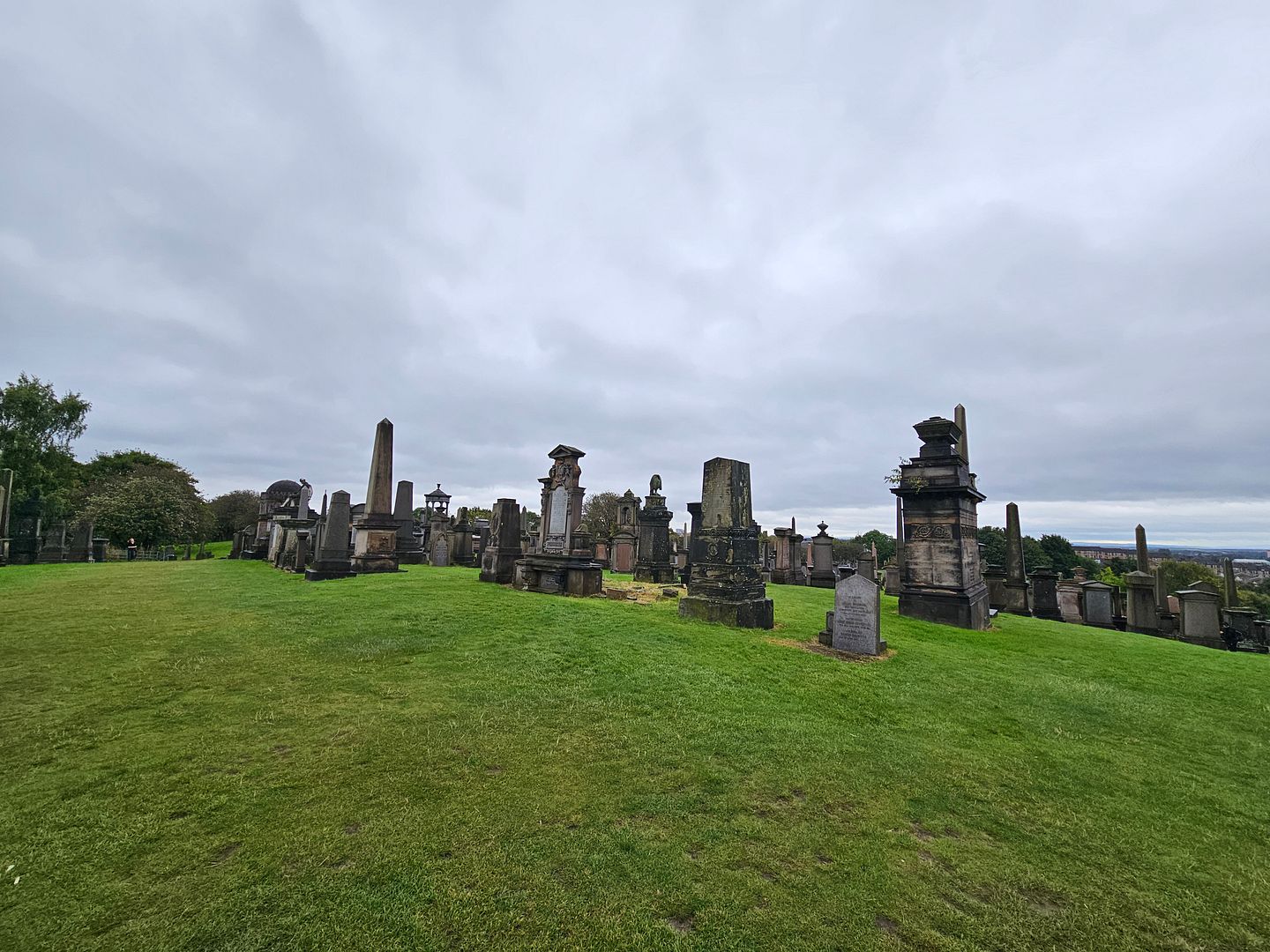
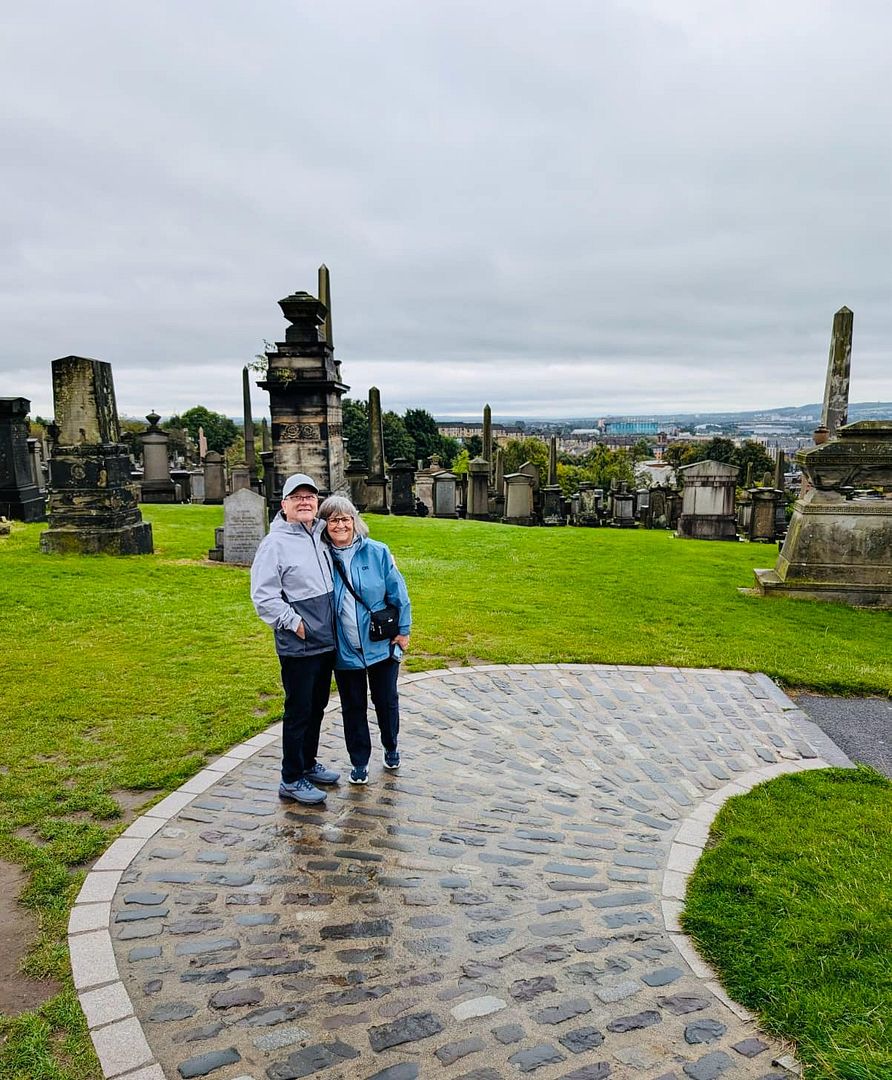
The weather was moody and cool which made the hike to the monument pleasant and atmosphere appropriate.
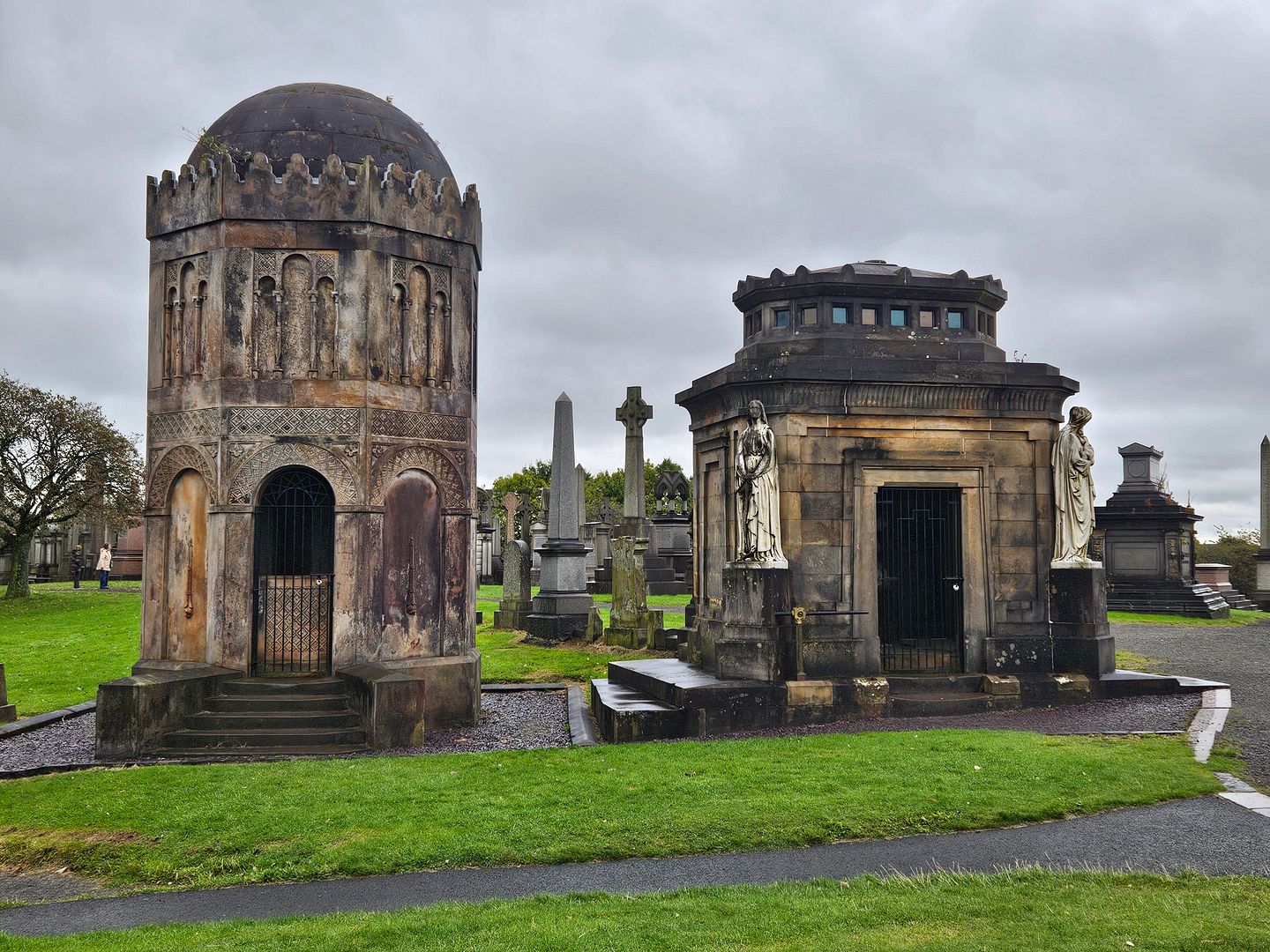
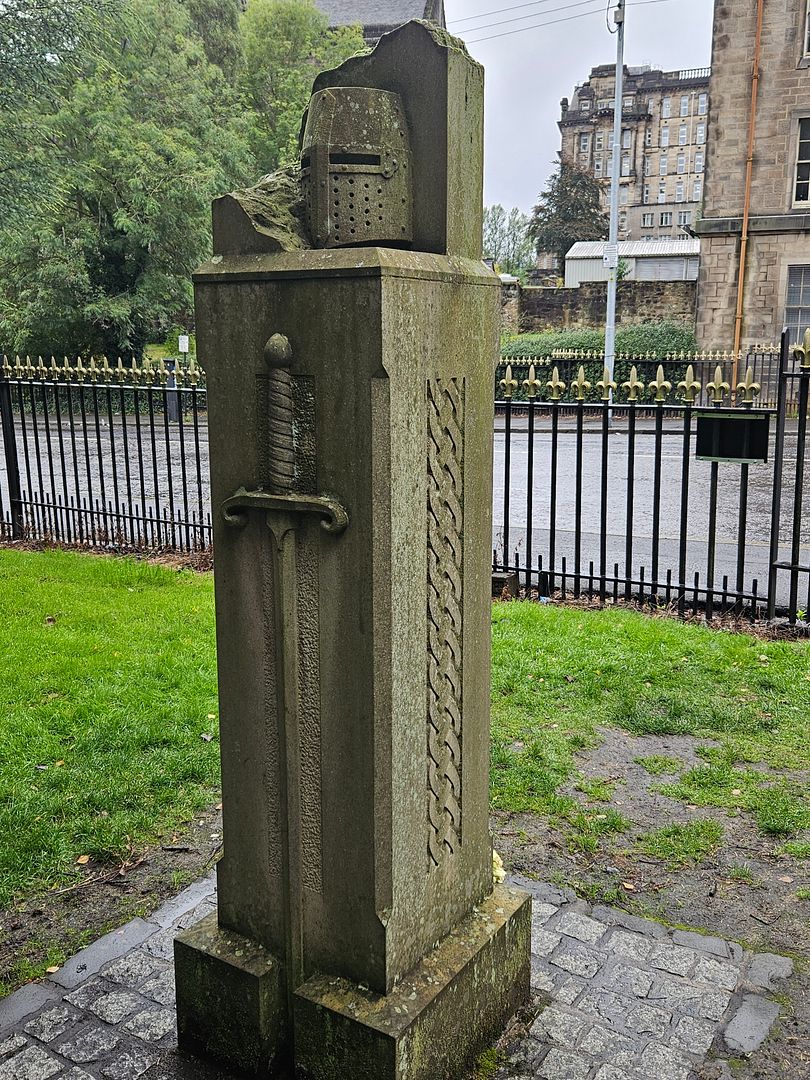
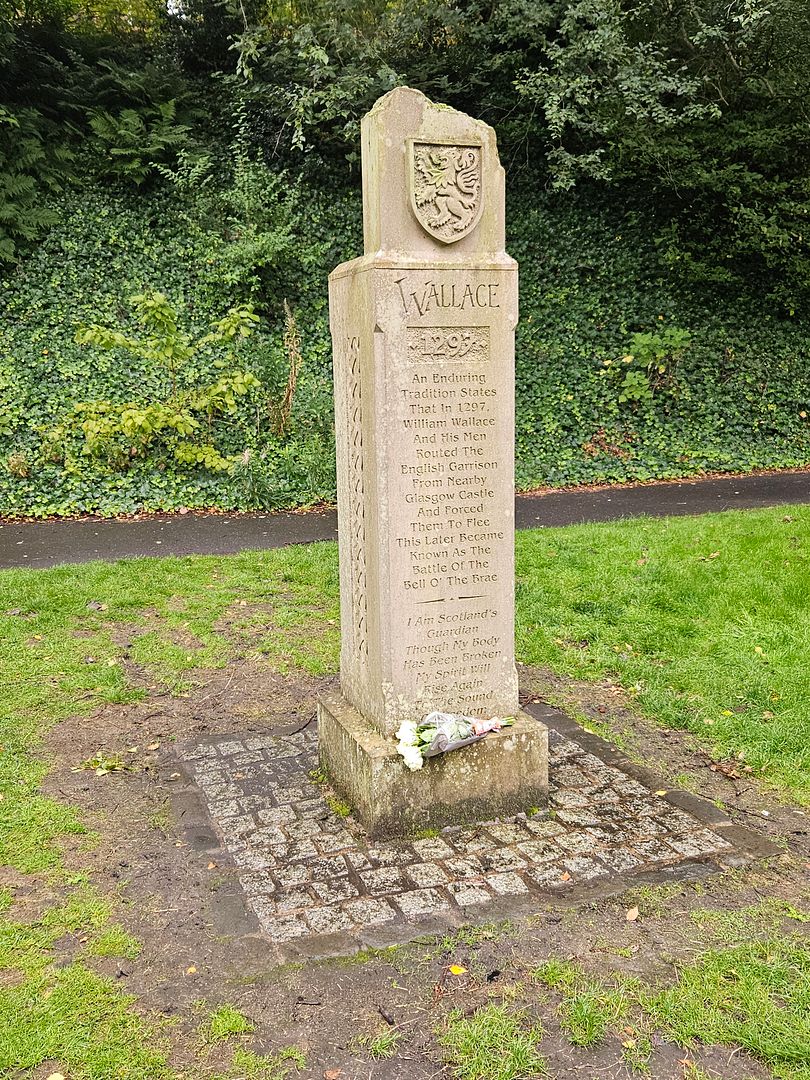
On our way down we walked another path to see a smaller memorial to Wallace.
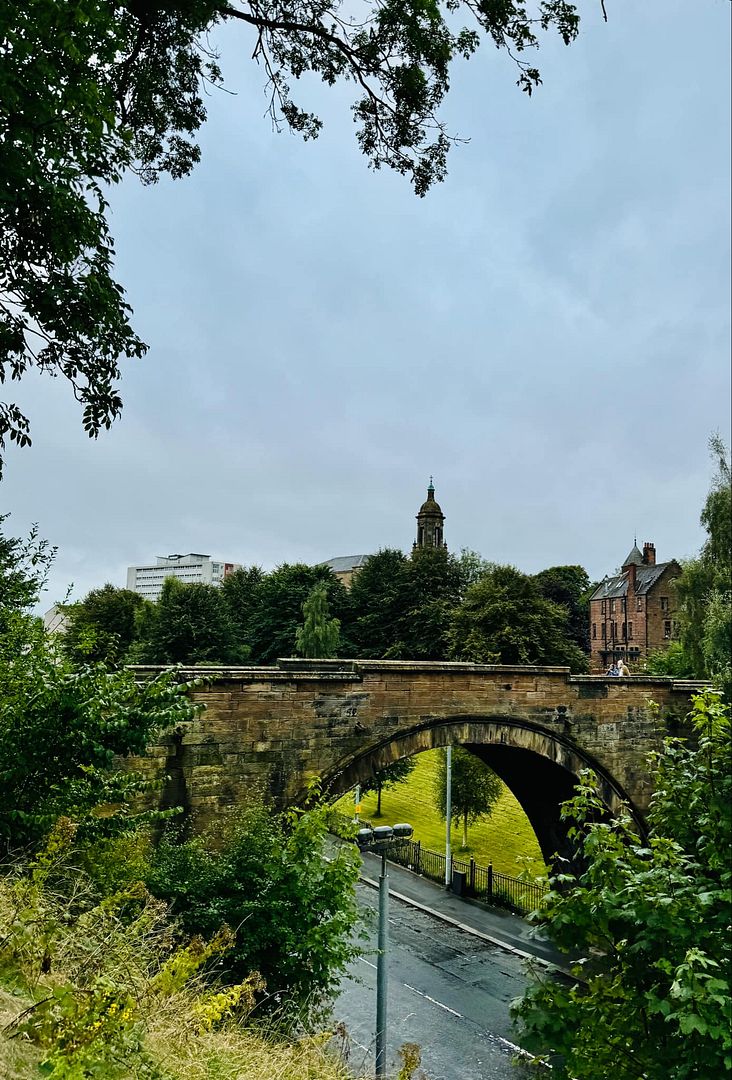
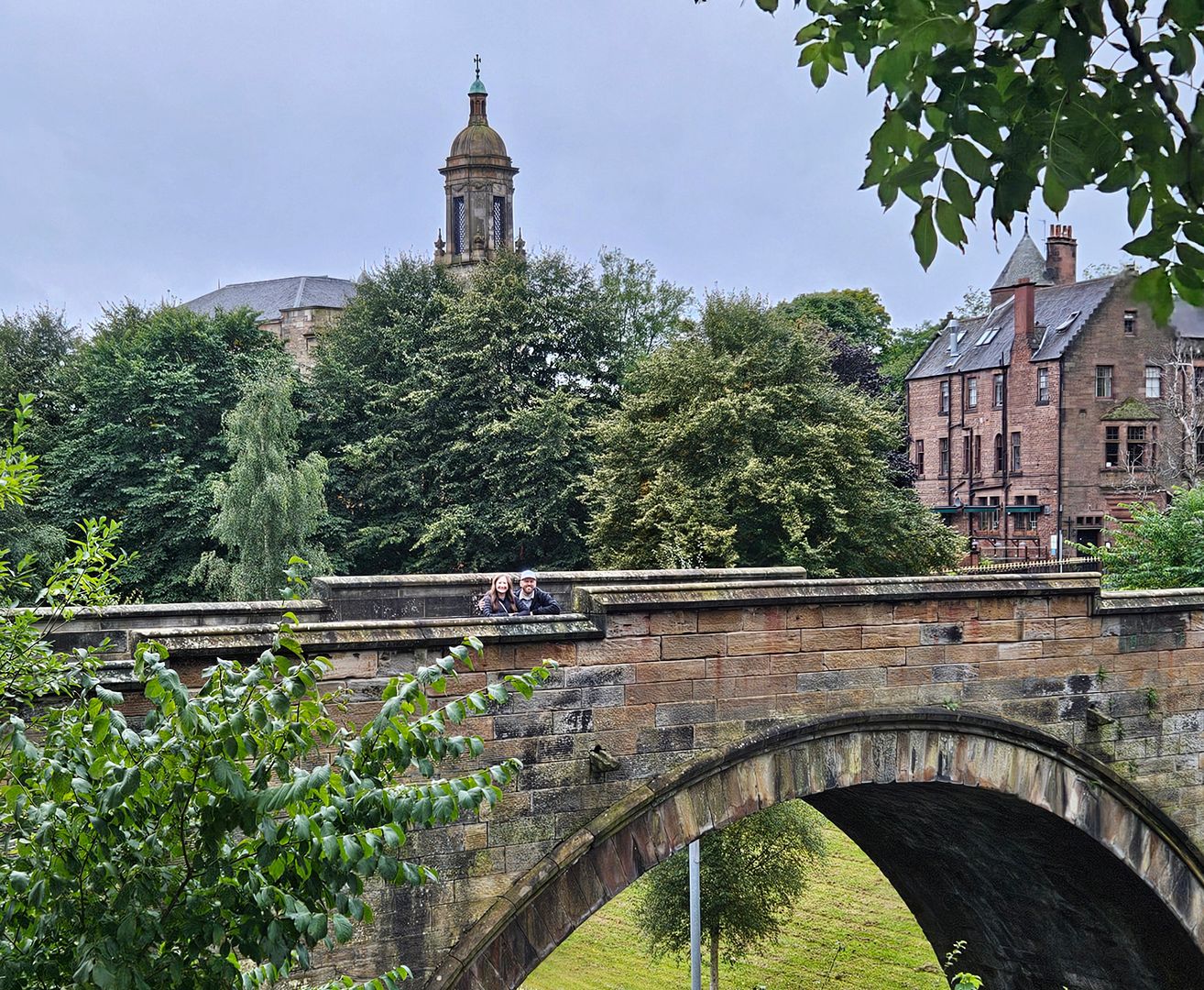
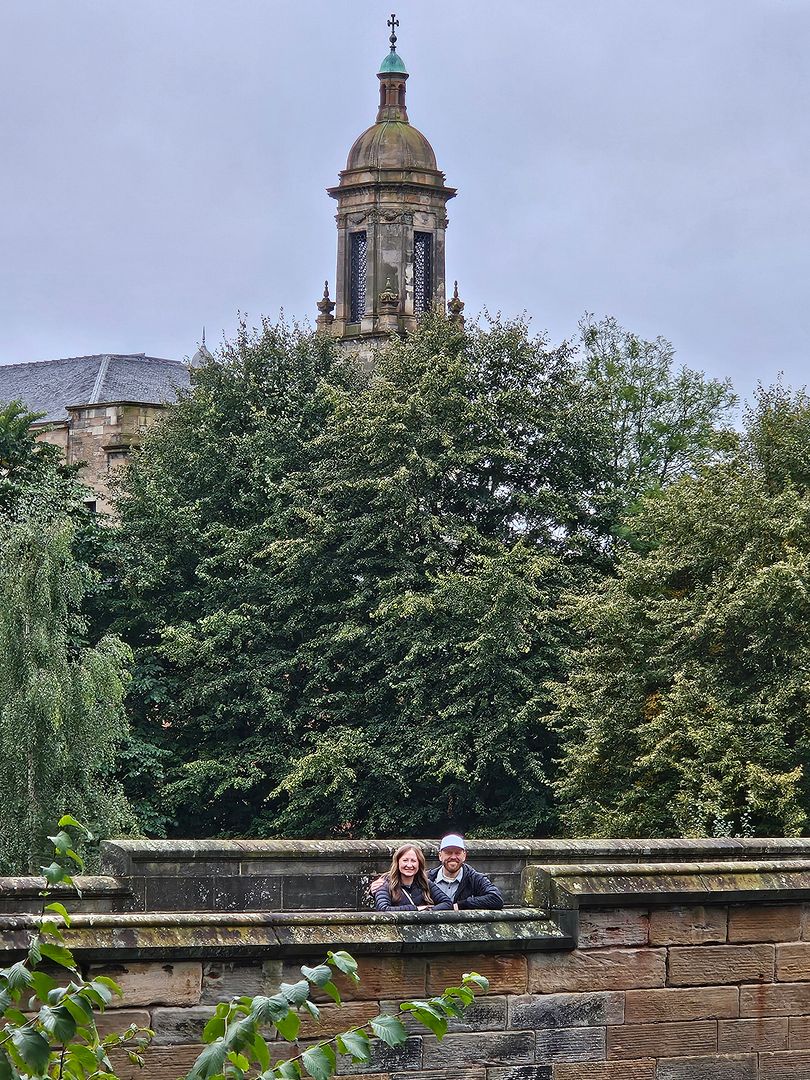
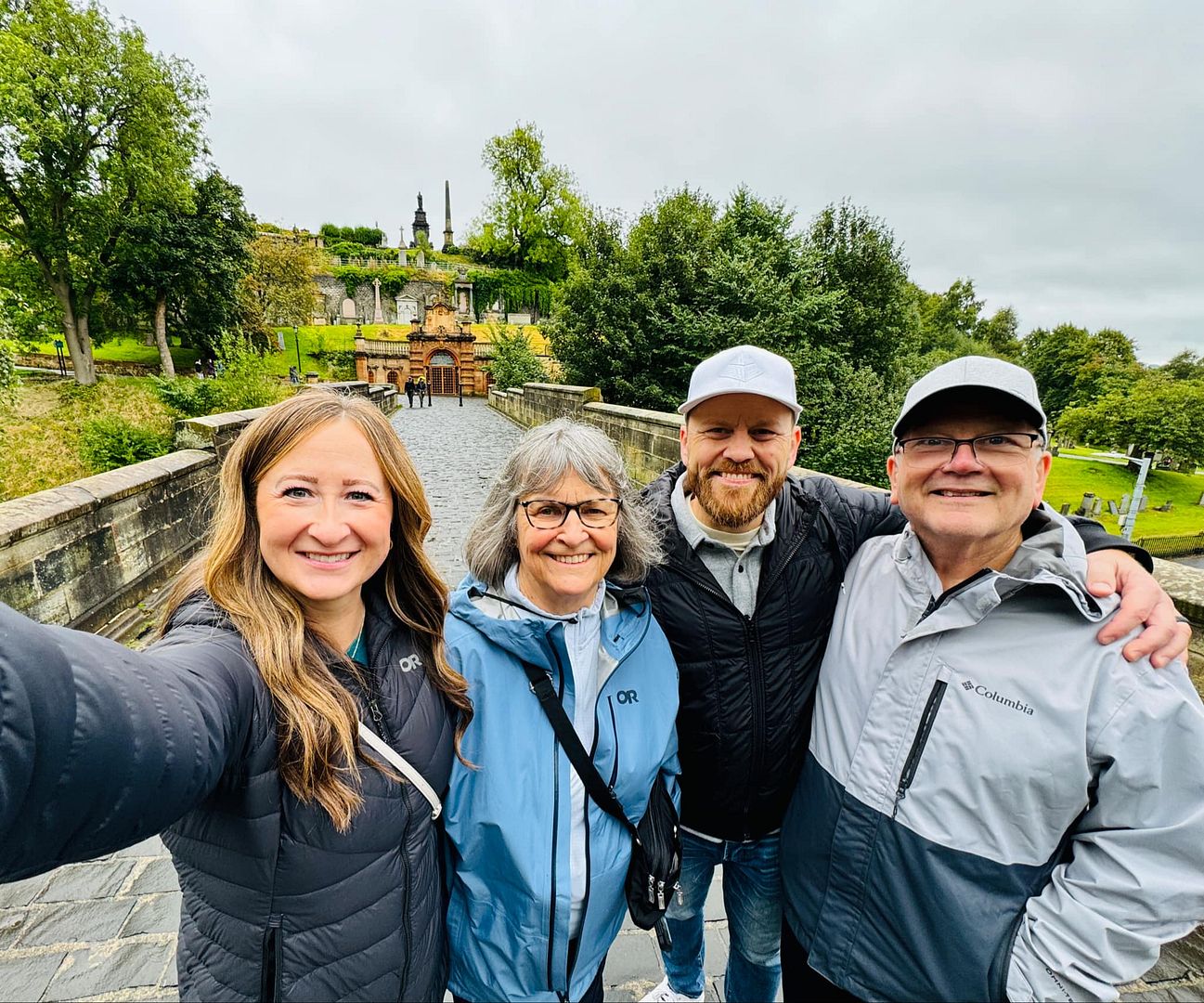
We walked to the hop on hop off pick up spot and waited for the bus for our overview of Glasgow. Here are some random things that caught my eye.
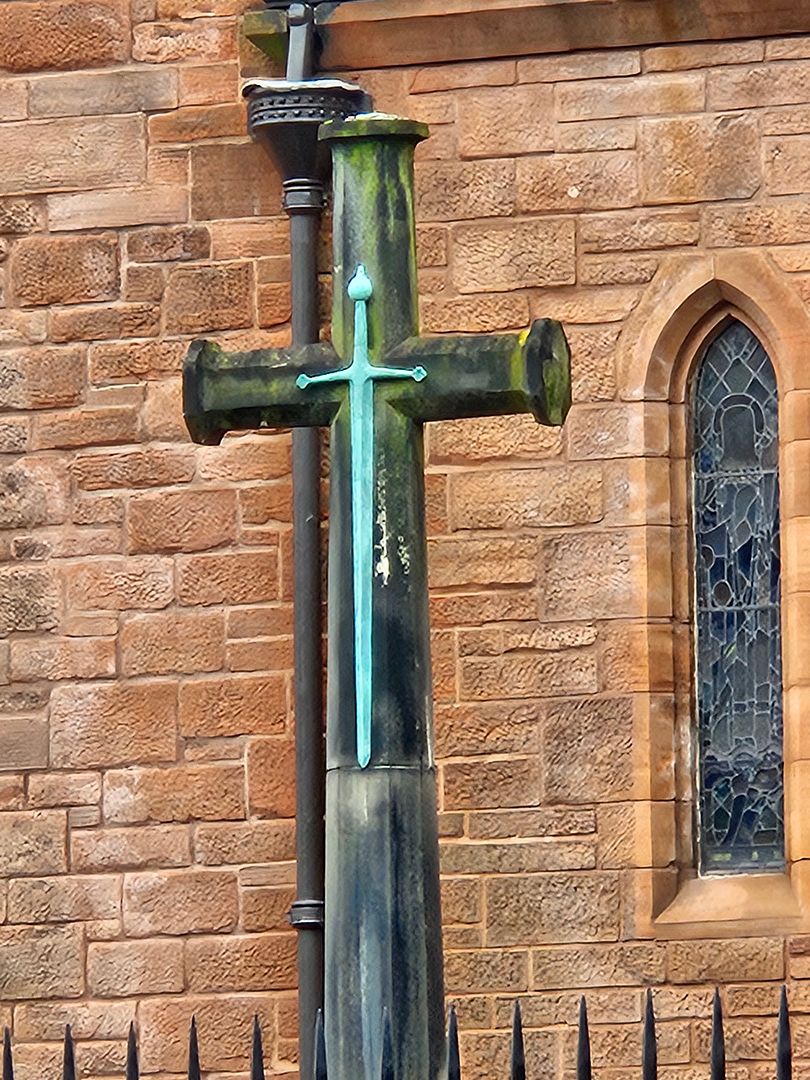
Across from the bus stop while we were waiting.
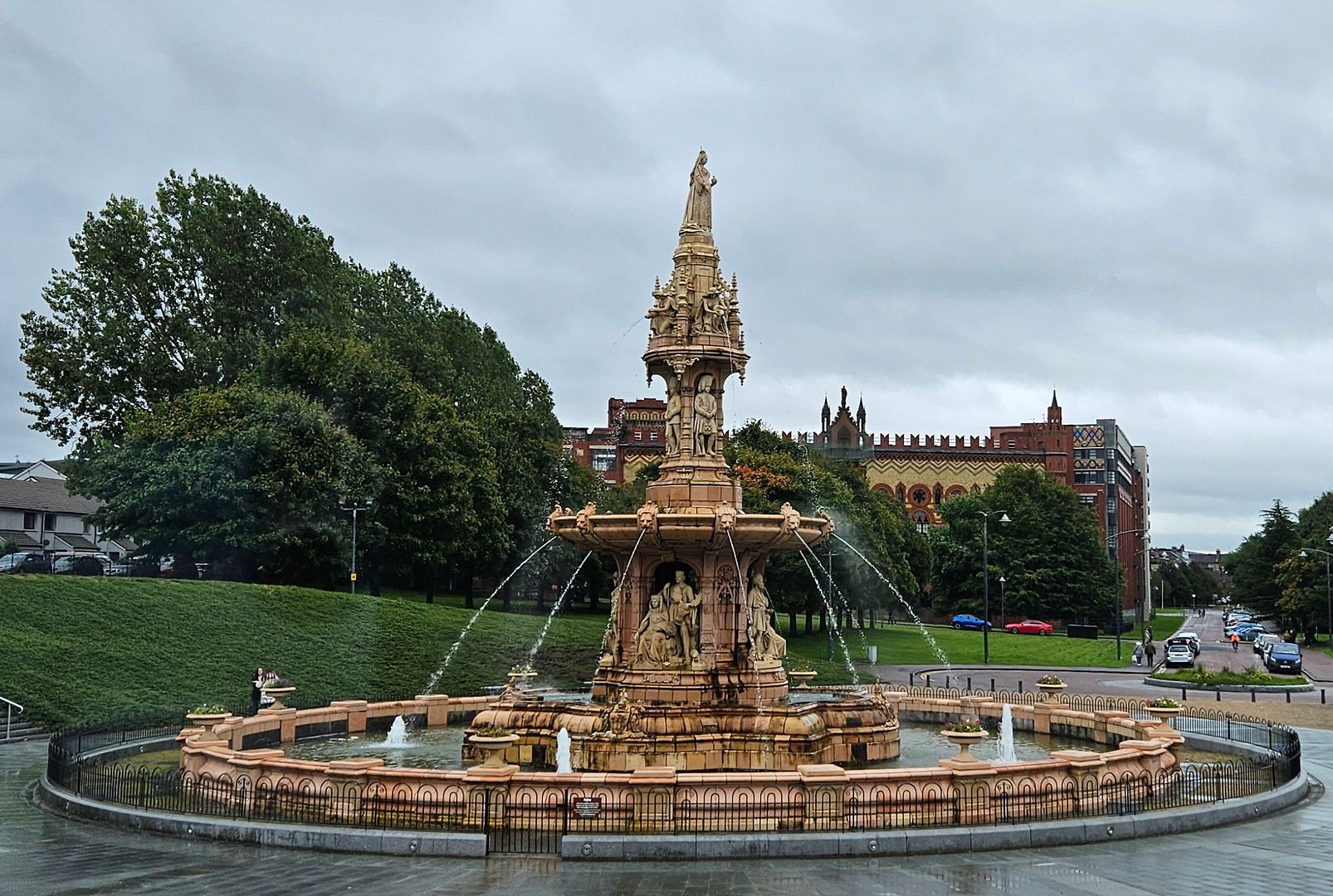
The Doulton fountain is the largest fountain ever constructed in terracotta. Queen Victoria forms the apex of the elaborate three-tiered structure. Below, four groups of figures represent the peoples of Britain’s colonies in Canada, South Africa, Australia and India. Built to commemorate the 1887 Golden Jubilee of Queen Victoria by the Royal Doulton Company.
Our next event on this day will wait for another post.
 The Happy Wonderer ~ ellen b.