Tuesdays With Moisi ~ 7

Our Pop’s story continued…

This is our Pop’s story dictated verbally by him a few years ago. I’ll be sharing excerpts every Tuesday. When I add to his story or explain a photo I will Italicize my words. Our Pop’s words will not be italicized. Our mom does not come into Pop’s story until “Tuesdays With Moisi ~ 9” even thought I’ve posted photos of her before #9. I have very few photos from our parents’ life in Russia and Persia. At the end of my Tuesday posts I’ll add links to all the other posts.

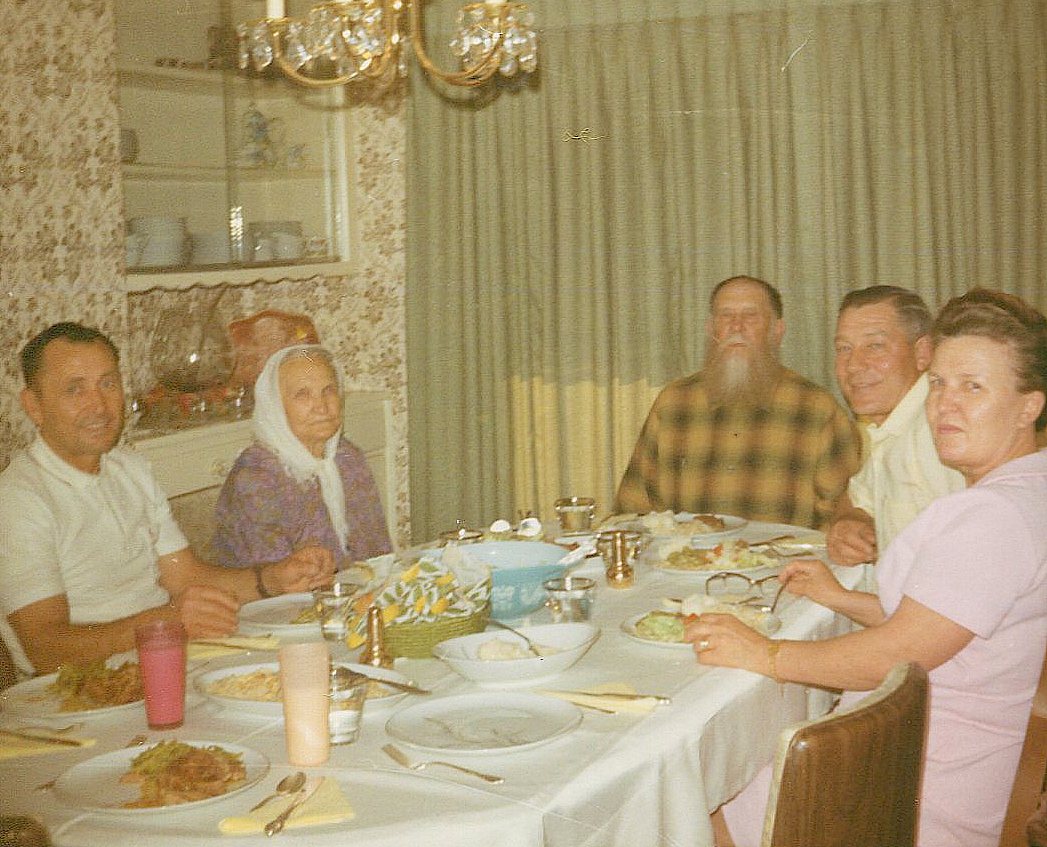
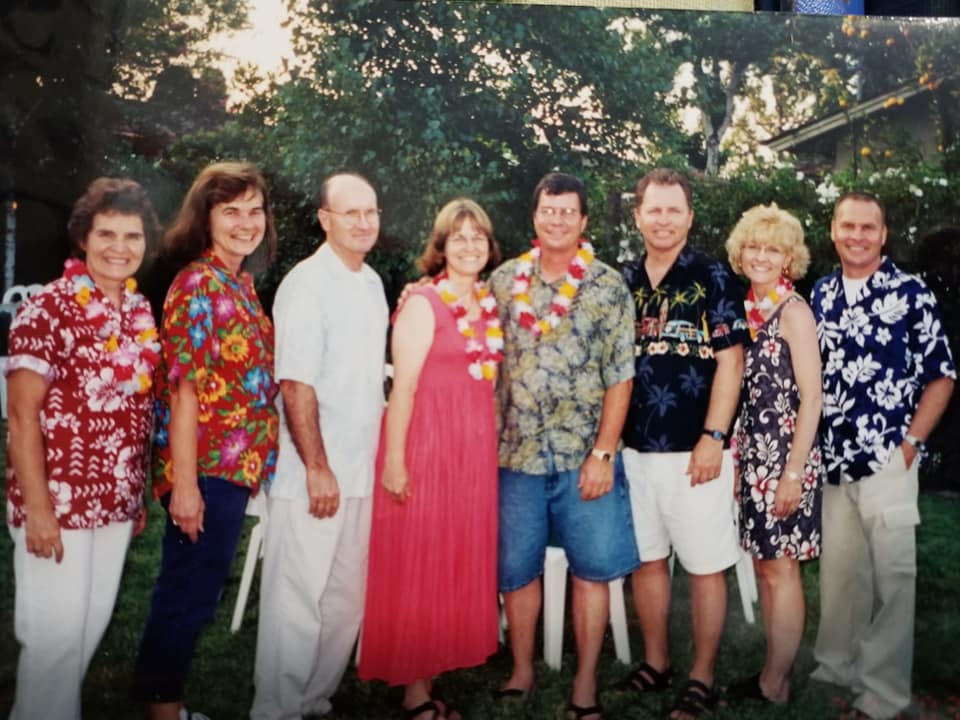
My paternal grandfather is in the gold and black shirt with his red bear waning and filling in with grey. My dear paternal grandmother is next to our Pop. Pop’s sister and her husband are on the right. This photo was taken at our home in La Mirada in the USA in the 1970’s. Red Beard, Timofey, my paternal grandfather died July 23, 1979, the year our first son was born, he was 91. Martha, my maternal grandmother died inJuly of 1986, she was 98! Our pop’s sister shown here is the last remaining member of the family alive.

About two or three hours later we came to the town of Sherevan just before sunset. Some of the townspeople came out with bread for us.  We were so thankful for their generosity. We were directed to a motel for the night.  But shortly thereafter, border guards came to the motel and took us all to the local police station in order to start the process of deporting us back to Russia.  We did not know this at the time. But then at that moment, a truck happened to arrive at the station. The driver saw us and asked, “Whose family are you?” My mom answered, “Bagdanov.”  He said, “Do you know that they are planning to send you back? But don’t worry, I’ll take care of it.” He then went to the town mayor and asked, “Do you know whose family you’re sending back?  It’s Red beard’s family.” (My father had a rather prominent red beard.) The mayor immediately released us back to the motel, gave us a large room and brought us food. Later on that night my father came with a loaded truck (he was in the delivery business).  The next day he delivered his load and came back for us. We then headed for the town of Meshed where my father was living while he was waiting for us.

If you want to read the rest of the story you can search my Tuesdays With Moisi posts.

Tuesdays With Moisi ~ 6

My Pop’s story continued…

This is our Pop’s story dictated verbally by him a few years ago. I’ll be sharing excerpts every Tuesday. When I add to his story or explain a photo I will Italicize my words. Our Pop’s words will not be italicized. Our mom does not come into Pop’s story until “Tuesdays With Moisi ~ 9” even though I’ve posted photos of her before #9. I have very few photos from our parents’ life in Russia and Persia. At the end of my Tuesday posts I’ll add links to all the other posts.


Not too long after this, the father-in-law of my brother John showed up on our doorstep.  His name was Sofely Sisoyev. He told us to be ready by the end of October because he would be our guide in our escape to Iran.  He then left for Azerbaijan to collect his family and bring them back to Iran. Again by God’s grace, my brothers were given another roofing job and so we were able to buy provisions for the journey.  Then Mr. Sisoyev returned with his family as promised. We all left the evening of November 6, 1933. We walked all night, reached the Iranian border and crossed it. We hid during the day. On the second night we were unfortunately accosted by a gang of Kurdish thugs.  They robbed us of all we had and raped my brother John’s wife. (She was impregnated as a result, but died months later in giving birth.) And so we were left with nothing but the clothes on our backs – no food and no water. During the following day, we hid. Even though we were not walking or active during the day we were still hungry.  On the third night of our journey we became very tired and very hungry. We approached a Kurdish village, knocked on doors and begged for food. One family had mercy and gave us bread and raisins. We were able to pay them for it because we had some money hidden in a belt underneath my nephew Alex’s diaper. It had escaped the attention of the Kurdish gang that had robbed us.  By this time we were quite a distance from the border. Uncle Sofely told us to take a certain road that would take us to where we needed to go. He then separated from our family and his. The reason for this was self protection. He did not carry any ID – either Russian or Iranian. If we were for some reason apprehended, he would be identified as the guide and would be arrested.  He reconnected with his family later.

So our group continued on – all fifteen of us.  There were seven adults and eight children. Around twelve noon on the 9th of November, a man on horseback overtook us, looked us over and rode on.  We walked on for another hour or so. All of a sudden, there he was to our right, about 250 feet away, underneath a tree. He motioned us to come to him.  As we drew closer we could see a rug on the ground loaded with bread, grapes, raisins and lady fingers. We all started to cry and literally knelt before him in gratitude.  He motioned us to sit down and eat. Before we began eating we prayed. After we ate we rested for a short while. When we were ready to resume our journey, we were given specific directions as to how we were to reach our destination.  We again knelt before him in gratitude and started on our way.

If you missed any of the story you can find parts 1-5 in older posts.

Tuesdays With Moisi ~ 5

Pop’s story continued…

This is our Pop’s story dictated verbally by him a few years ago. I’ll be sharing excerpts every Tuesday. When I add to his story or explain a photo I will Italicize my words. Our Pop’s words will not be italicized. Our mom does not come into Pop’s story until “Tuesdays With Moisi ~ 9” even though I’ve posted photos of her before #9. I have very few photos from our parents’ life in Russia and Persia. At the end of my Tuesday posts I’ll add links to all the other posts.

Photos are not mine.

My mother had been in the habit of attending a Molokan church service in a neighboring village every Sunday.  She had done this quite a few times and because she always returned, she was able to gain the trust of the Uzbek guard.  The Old Testament Feast of Tabernacles, which Molokans celebrated, was approaching. My mother asked permission of the guard for our whole family to attend this feast at that church in the aforementioned village.  Permission was granted. We started off for the village that Sunday morning, but as the camp receded from view, we totally changed direction. I asked why but was told to keep quiet and keep walking. Our destination was the city of Samarkand, because we had distant relatives there.  We arrived there around midnight. The next day we had one of the relatives buy us train tickets back to Ashkhabad. Before we departed for the station, my brother John surreptitiously scouted it in advance and saw the camp officials there, evidently looking for us. We had to postpone the trip until the following day.  The coast was clear that day and so we left. Our family was scattered throughout the train in various cars. One of the stops the train made was where the camp was. Trains were routinely searched there for escapees from the camp. As we approached that stop, my mother emphatically told us to face away from the aisle and under no circumstances were we to turn toward it.  As the guards came onto the train, my mother fell to her knees in prayer. The guards roamed through the cars more than once but, praise God, none of us were recognized. As the train left the station we all heaved a sigh of relief.

Our troubles, though, were not over.  That evening, the lights in the train suddenly went out.  All hell broke loose in the train as those who were stronger began to forcefully plunder the weaker.  I’ll never forget those moments. Nobody came to anybody’s aid. It was every man for himself. I specifically remember how one man was screaming for help as two others were trying to take his possessions.  He would not let go. They finally dragged him and his possessions into another car. I don’t know what happened to him.

It was terrifying.  All authorities were absent.  No conductors, no militia. Yet, by God’s grace, none of our family was plundered.  Finally, conductors appeared at the next stop.

And so we returned to Ashkhabad.  It was September of 1933. We had nothing-absolutely nothing.  We begged a widow to take us in. She acquiesced. She only had one room for us  and so we had to make do. I remember she was growing onions on the roof so that was all we had to eat for a while.  One day a knock was heard at the door. The widow answered. Some men were at the door requesting able-bodied workers for a roofing job.  The widow relayed their request. We replied that we lacked the necessary ID papers to be able to work. The men at the door replied that papers weren’t necessary.  So my two brothers and mother went to work. This happened more than once and this is how God took care of us.

Tuesdays With Moisi ~ 4

Our Pop’s story continued…

This is our Pop’s story dictated verbally by him a few years ago. I’ll be sharing excerpts every Tuesday. When I add to his story or explain a photo I will Italicize my words. Our Pop’s words will not be italicized. Our mom does not come into Pop’s story until “Tuesdays With Moisi ~ 9” even though I’ve posted photos of her before #9. I have very few photos from our parents’ life in Russia and Persia. At the end of my Tuesday posts I’ll add links to all the other posts.

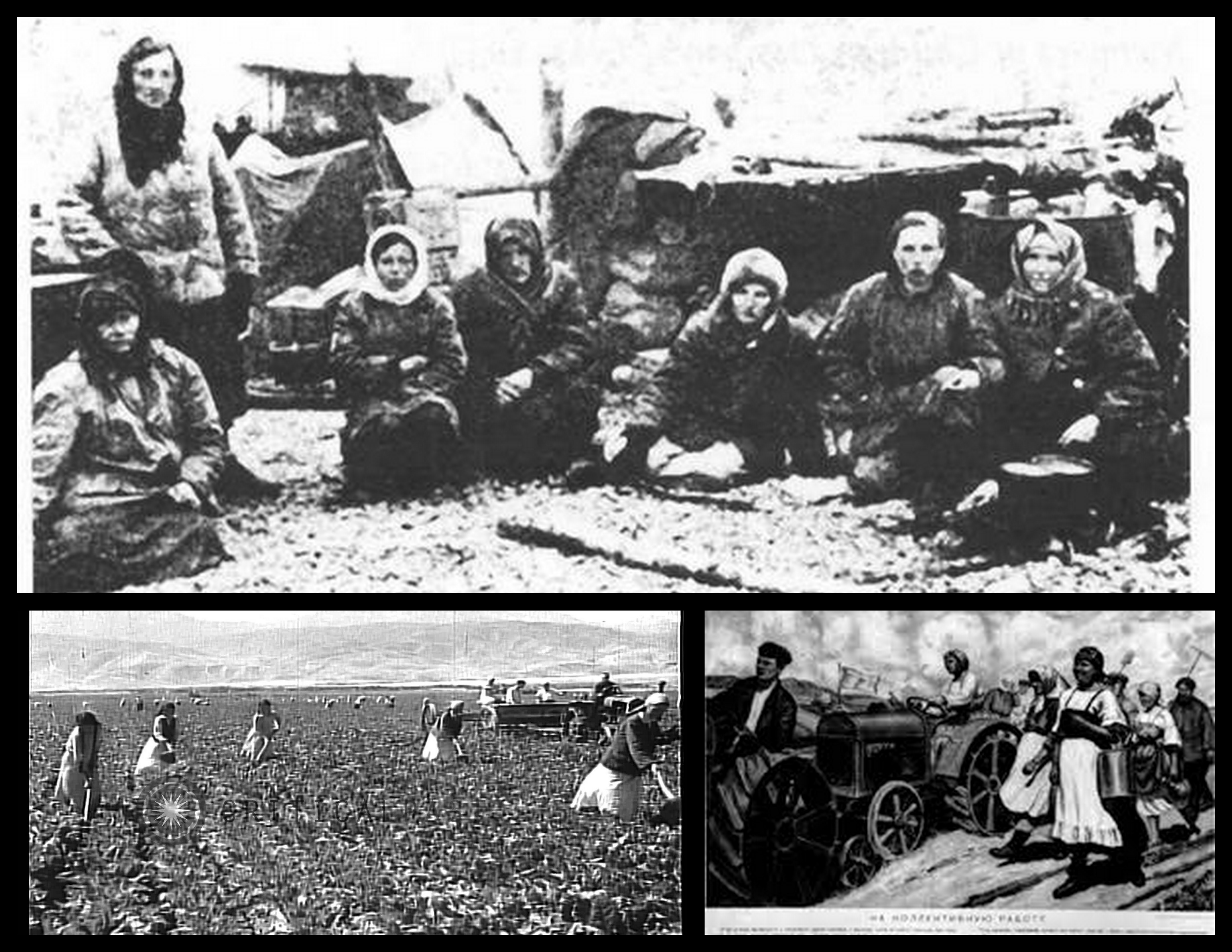
These photos are not our personal photos but are photos from Uzbekistan during this time period. Continuing with our Pop’s story as told to a journalist and later translated into English.

In the spring of 1933, the authorities deported our whole family along with thirty-five other families to a concentration camp in Uzbekistan near the city of Samarkand.

We were herded like animals into a railroad freight car that was used for transporting pigs.  They packed us in so tight that we could only sit upright. There was no room to lay down. As soon as the doors were shut, we all began to cry.  It was a terrifying situation. We slept as best we could that first night and when we awoke, we started crying again. Traveling with us in that boxcar were our distant relatives.  They had two daughters. One could sing and play the guitar quite well. Her playing and singing quieted us. The guards actually appreciated her talents. At both stops, they allowed us to replenish our water supply and beg for food at the stations.  And so we arrived at the concentration camp which was actually a large farm.

I remember that sometime during the first days of our arrival there, an inmate came up to us and said, “Look at the remains of this turtle.  This is what we were reduced to eating this past winter. There are no more left. You came here to die of starvation.” That was encouraging.  We were assigned various barracks. It was early spring. The grain was just beginning to sprout and the fruit in the fields was just beginning to ripen.  I and other children would steal melons at night. They weren’t that tasty but they weren’t that bad either. Reminded me of cucumbers. Our daily food ration was woefully inadequate considering the hard work that was required of us.  When the wheat harvest began, I was at the in-between stage. I was too old for kindergarten but too young for work in the fields. I didn’t fit anywhere and that bothered me. My brother’s work required them to thresh wheat. As they were working, they would allow kernels of grain to fall into their shoes and pockets and so would come back to the barracks every night and give them to my mother.  She would then crush them into flour and bake them into bread by means of a little outdoor stove which she built in an isolated area. Because the barracks were not heated in any way, we concluded that the winters could be deadly. Added to that was the very real prospect of starvation. And so we as a family decided that escape was our only chance of survival.

Ellen’s note: When The Hiding Place (Corrie Ten Boom’s Story) came out in the theaters we went with my parents to see it. I remember my Pop really moved emotionally by the railway scenes and he told us it brought back memories of he and his family being herded off to Uzbekistan. Also I remember my parents talking about having to stand in lines to get a loaf of bread.

Tuesdays With Moisi ~ 3

The story continued…

This is our Pop’s story dictated verbally by him a few years ago. I’ll be sharing excerpts every Tuesday. When I add to his story or explain a photo I will Italicize my words. Our Pop’s words will not be italicized. Our mom does not come into Pop’s story until “Tuesdays With Moisi ~ 9” even though I’ve posted photos of her before #9. I have very few photos from our parents’ life in Russia and Persia. At the end of my Tuesday posts I’ll add links to all the other posts.

Eventually, another group of people decided to make a second try for Iran.  But, unknown to us, it was a plot engineered by the GPU-the Russian Secret Service.  They formed a group of which my sister and her husband, Simyon, were participants. My mother decided to send only two of us with this group while keeping the younger children.  So one evening the group, with my brother Michael and I, left. As we made our way out of the city, we walked up a small hill and down the other side. As we were descending, we were suddenly surrounded  by the militia, ordering us to put up our hands. In so doing we dropped all of our possessions. We were then ordered to march in a different direction, leaving all our possessions behind. We were all loaded onto a truck and taken to the local GPU headquarters.  When we arrived there, Simyon was taken inside and we were all herded outside underneath the open window of the room where he was being interrogated. We could hear everything that was going on inside. This was done purposely to intimidate. The interrogator showed no mercy.  Simyon was ordered to empty his pockets. Among the items in his pockets was a handwritten book of hymns. The interrogator used the book to slap Simyon across his checks repeatedly and threatened to execute him if he lied in any way. The interrogation lasted four to five hours.  Simyon was taken to a holding cell. A soldier then came out and mockingly shouted at us “Now you can go back to your dad.” We were released and went back home. My mother was naturally shocked to see us. We told her what had happened and that Simyon was now in jail.

To add to my mother’s increasing woes, my brother John was suddenly arrested one evening without warning.  His job was a source of income for our family. We were now left totally destitute. My mother in desperation would go to the railroad yards and sop up spilled oil with rags.  She would then wring out the oil from the rags into buckets and sell the buckets. She also used it as heating oil for us. This was an incredibly difficult time for us. We became intimately acquainted with hunger and cold.  When we had absolutely nothing to eat, my mother would go to the local brewery and there beg for the mash that they discarded as pig feed. She would again go to the railroad yards and scratch for the spilled flour in the dirt.  She would then combine this flour with the mash and so bake a sort of bread with these ingredients. It was very difficult to swallow this sort of food. We would soften it with our saliva and swallow it whole. We couldn’t chew it because of the dirt.

As a result of our desperate situation, I came down with a serious case of pneumonia.  My fever rose to such a degree that I became delirious and my mother lost all hope that I would survive.  But eventually I did come out of my delirium and remember very clearly my mother and another woman standing over me.  My mother was crying and the other woman was comforting her. They gave me some soup and I began to improve. Eventually my health was slowly restored.  So the years 1931 and 1932 were especially difficult for us.

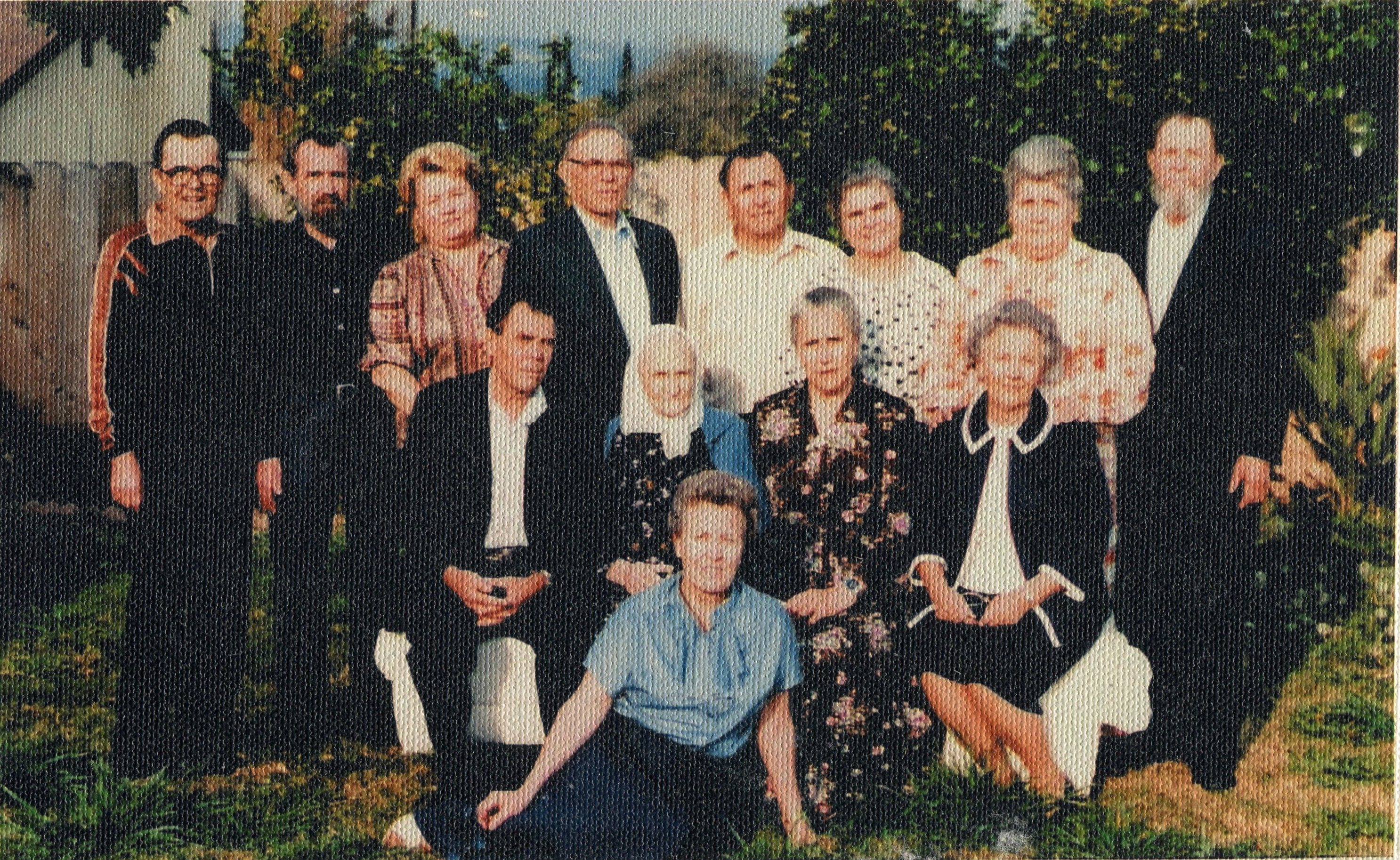
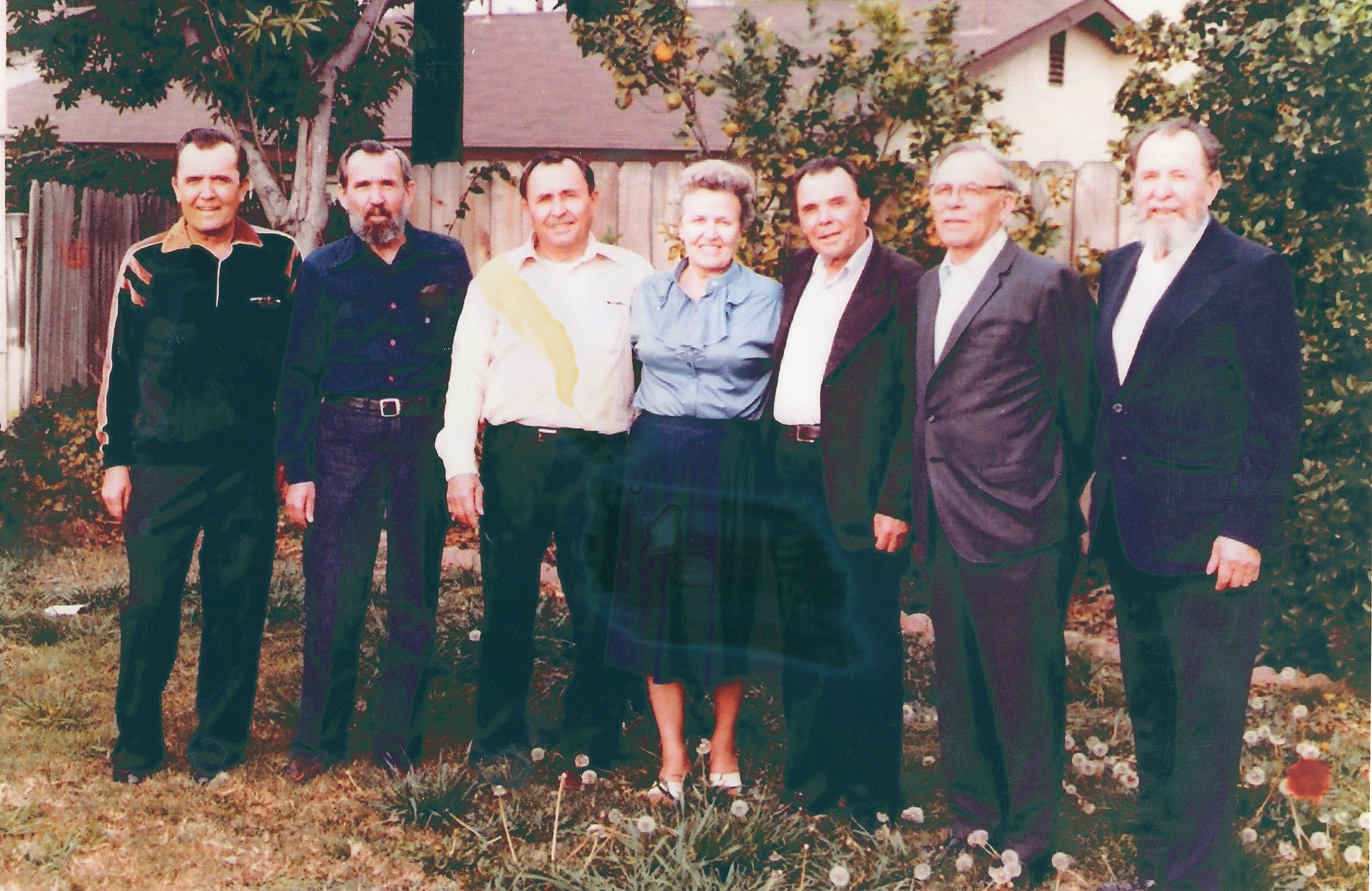
Since John was mentioned in this segment, I added the photo above of the surviving Bogdanoff’s in the 1980’s with their spouses. Uncle John is the one on the top right with the beard.

Tuesdays With Moisi ~ 2

Our Pop’s story in his own words and translated into English continued…

This is our Pop’s story dictated verbally by him a few years ago. I’ll be sharing excerpts every Tuesday. When I add to his story or explain a photo I will Italicize my words. Our Pop’s words will not be italicized. Our mom does not come into Pop’s story until “Tuesdays With Moisi ~ 9” even though I’ve posted photos of her before #9. I have very few photos from our parents’ life in Russia and Persia. At the end of my Tuesday posts I’ll add links to all the other posts.

In October of 1929 the Communist authorities issued edicts forcing the collectivization of all farms in Russia.  We were to surrender all our earthly possessions to the authorities. There was to be no individual ownership of anything.  We realized that we could not live under such conditions so our network of villages chose not to cooperate. Nine men, my father being one of them, were chosen to travel beyond Russia’s borders into Iran to scout out the best possibilities for future residence.  This was done in accordance with the previous agreement worked out with the Russian government. In order to induce our people to come back from Turkey years before, the government agreed to allow us, as a group, to leave at anytime whenever we so desired. An additional purpose for the trip of the nine men was to officially petition the Shah of Iran for special refugee status for us Russians.  But almost immediately after the departure of the nine, the authorities descended upon our village one night and the next day and arrested all the men. This amounted to nearly 300 men. They were each tried and given sentences of three to fifteen years at hard labor in Siberia. Nearly ninety percent of these men died there – never seeing their families again.

My mother, upon my father’s departure, was left alone with all the children, many of whom were very young.  In addition we were under constant harassment from the authorities because they knew that my father had escaped.  Life became increasingly difficult for us under these circumstances and so my mother decided that we should leave.  We gathered up what we could of our possessions and left our village. We traveled to Rostov to the train station. We arrived there too late in the day.  The trains had already departed and so we slept on the streets that night. We left Rostov for Baku the next day. We arrived in Baku, boarded a ship, and crossed the Caspian Sea to Krasnovodsk in Turkmenistan.  From there we took the train to Ashkhabad which was near the Iranian border. There we would stay until conditions were conducive for an escape. In the mean time we invested in a horse and wagon and built a small delivery business, my older brother John being the chauffeur.  We hauled all sorts of products – watermelons, cantaloupes, bread, perogies, candy. I always rode along with my brother and got to sample many of the wares. I still remember the great tastes of some of those products to this day!

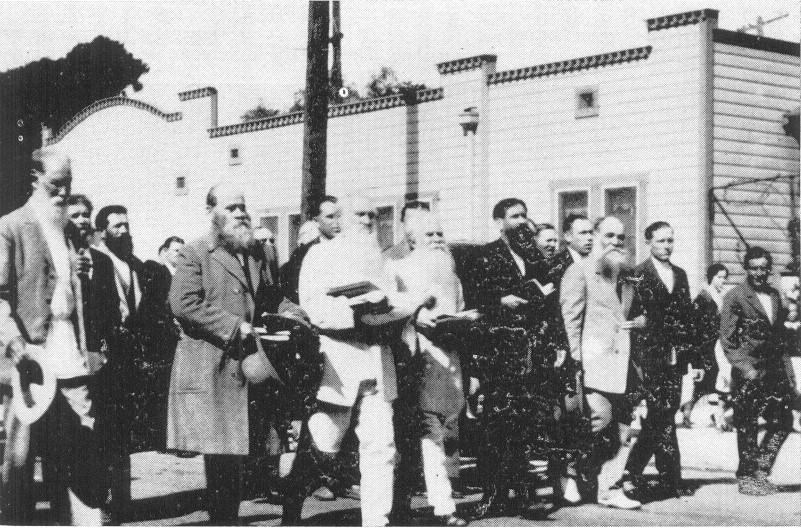
The photo at the top of this post is of a group of Russian Molokans going to church in Los Angeles. They kept the  same dress from the time they escaped from Russia so this group would look a lot like the men of the villages that were rounded up and sent to Siberia.

Tuesdays With Moisi ~1

This is our Pop’s story dictated verbally by him a few years ago. I’ll be sharing excerpts every Tuesday. When I add to his story or explain a photo I will Italicize my words. Our Pop’s words will not be italicized. Our mom does not come into Pop’s story until “Tuesdays With Moisi ~ 9” even though I’ve posted photos of her before #9. I have very few photos from our parents’ life in Russia and Persia. At the end of my Tuesday posts I’ll add links to all the other posts.

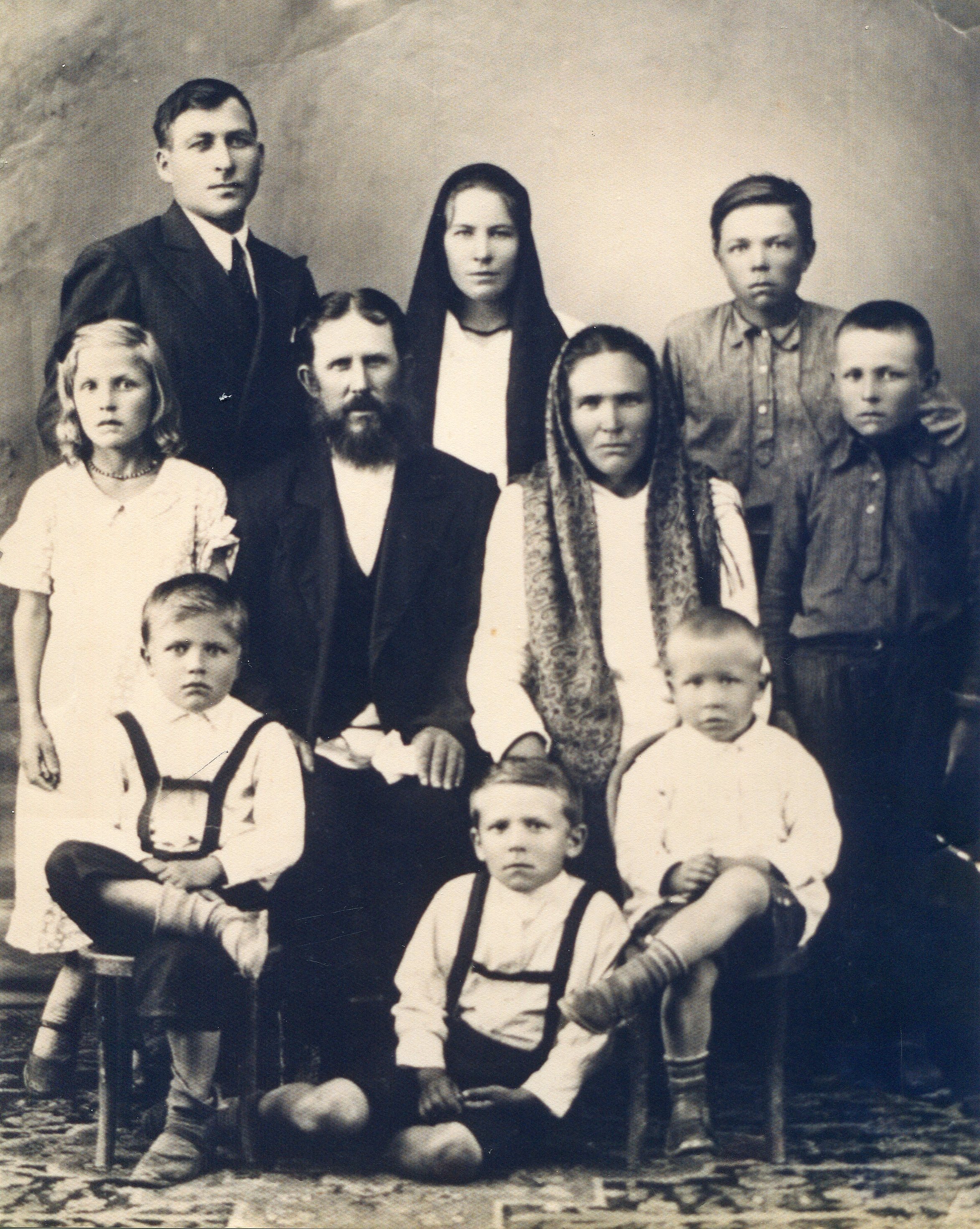
Our Pop is the boy on the right standing next to our paternal grandmother babushka Martha. Our Aunt Anna who is the one remaining family member alive is on the left side next to our paternal grandfather Timofey.

In his own words as translated into English from Russian:

My name is Moisi Timofeyavich Bagdanov.  The name Moisi is the anglicized version of Moses.  In the Russian language it is pronounced as Moses. I list my birth date as May 25th, 1923.  I’m sure of the year but I’m not sure of the actual day of my birth because I was born at home and no records were kept in those days.  All that I know was that I was born sometime in May, according to my mother. We lived in a village called Saleem in southern Russia about 200 miles south of present day Rostov.  Our village was in a network of about 30 other villages mainly inhabited by Russian Molokans. And that is who we were.

I was born into a large family – twelve children altogether – and we never seemed to have enough of life’s necessities.  My earliest memories involve my cousin Michael and me. We were inseparable playmates. One day we went into the fields where watermelons and cantaloupes were growing.  We had a knife between us and so decided to check out how the fruit was ripening. I very much remember the verbal tongue lashing I received as a result of our informal field testing!  Another time I remember being chased from my grandfather’s bee hives because of the mischief we were causing there. In the spring of 1928, at the ripe old age of four, I was placed on my first plow horse and thus began my career in farming.

In the spring of 1929 I remember the agricultural advances that were made when our village and two others invested in a tractor, threshing machine, and a combine for the wheat harvest.  By today’s standards they would be very primitive, but at that time they were a godsend. The whole village participated in the harvest with singing and gratitude because of these labor saving devices.  I also remember a very small dairy near our village which produced cheese, cottage cheese, and butter. We kept these products from spoiling by packing our underground cellars with snow in the winter. We poured water over the snow turning it to ice.  That small cellar served as our refrigerator for the entire year.

(Seven of the 12 siblings remaining together in the USA in 1982. Jim, Vasilli, Pop Moisi, Anna, Mikhael (Mike) who was visiting the U.S.A. for the first time, Alex, and John.) The next photo has the spouses added. Aunt Anna’s husband was deceased already. Uncle Jim was divorced.

Mikhael did not imigrate to the USA like the rest of these siblings in the photo. After escaping to Persia with the family and living there for several years he heard things were better in Russia so he returned. He was immediately arrested and sent to Siberia. Miraculously he survived his time there. He applied to visit the U.S.A. many times and was finally granted permission in the early 80’s when these photos were taken. The U.S. family had not seen Mikhael for 40 years and this visit was such a happy reunion for everyone. When my parents took their trips to Russia and then returned as missionaries to Russia in the 90’s they were able to have many good visits with Mikhael and his family.

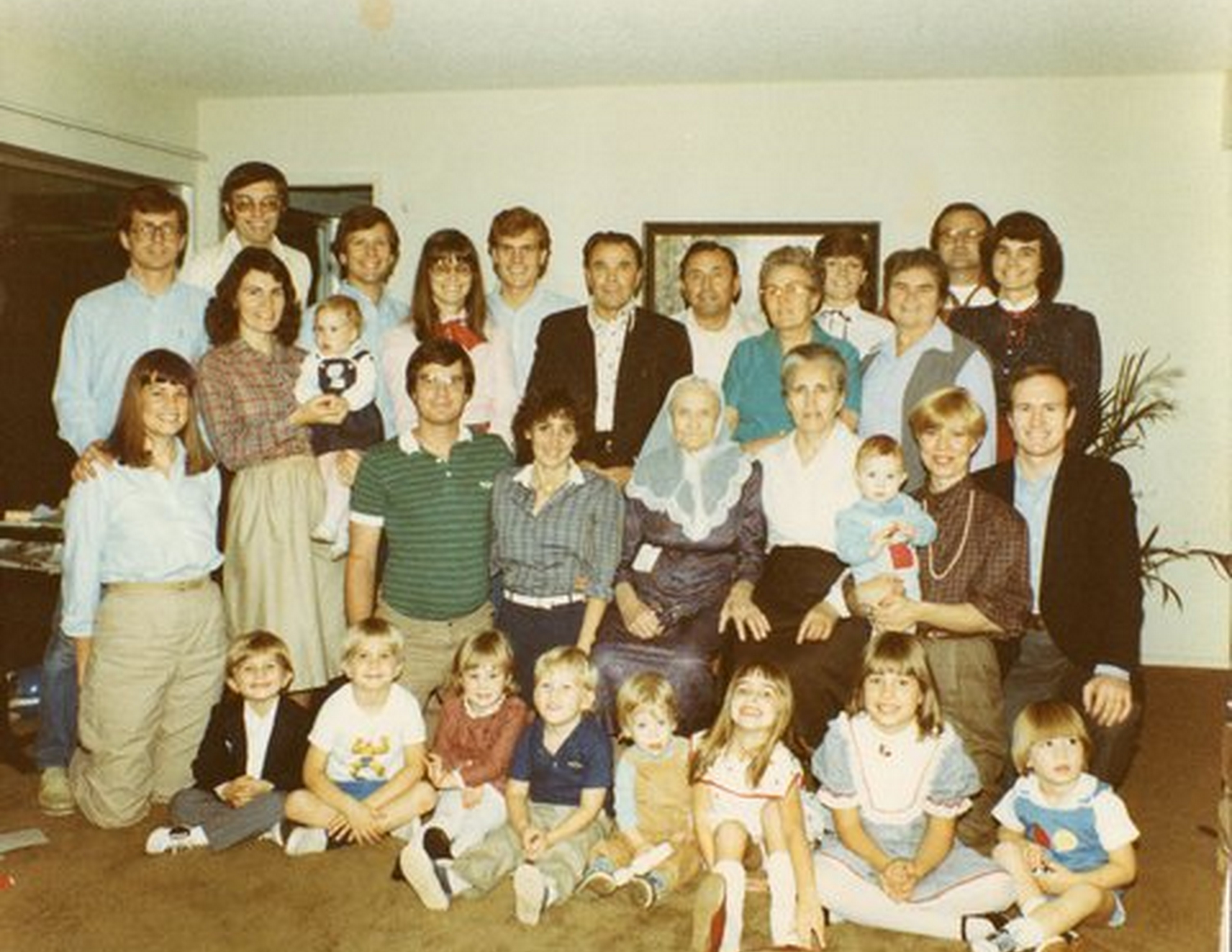
Uncle Mike center top row next to Pop(Moisi) and sister Anna with babushka Martha (Moisi’s mother) sitting in front of them. All my brothers and sisters. Six of us were already married in 1982. Leonard and Lana, the twins were not married yet. Several grandchildren and great grandchildren not born yet.

Steve, Len, Greg, Ellen, Leonard, Uncle Mike (Mikhael), Moisi, Aunt Anna, Lana, Mom, Nick, Vera

Kelly, Kathy holding Melissa, Tim, Nina (Tim’s first wife who died in the early 90’s from complications of Cystic Fibrosis), Babushka Martha, Aunt Maria(Uncle Mike’s wife), Baby Stephen, Sandee, Fred

John, David, Michelle, Josh, Daniel, Debbee, Danielle, and Michael

Moisi’s kids, my brothers and sisters and me are in bold print.

Some details and history about Molokans from an earlier post of mine can be found here.

Anniversary of Coming to the U.S.A.

The following story was transcribed by my sister-in-law Kelly as she listened to my parents tell some of their story on immigrating to the U.S.A. in September of 1947. My parents were visiting my brother Steve and SIL Kelly on Labor Day September 5, 2011.

“Spent the afternoon with  Mom and Pop and wanted to share some of what they had to say.  This is the unedited copy filled in as Pop was talking…so excuse the grammatical errors, if I wait to edit you may never see it.”
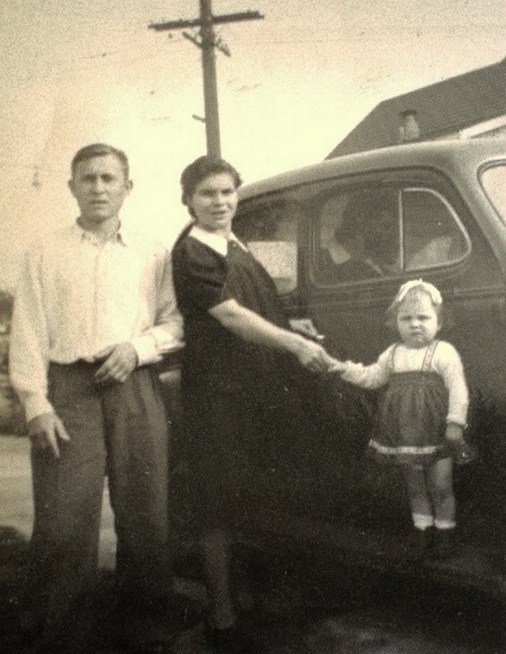
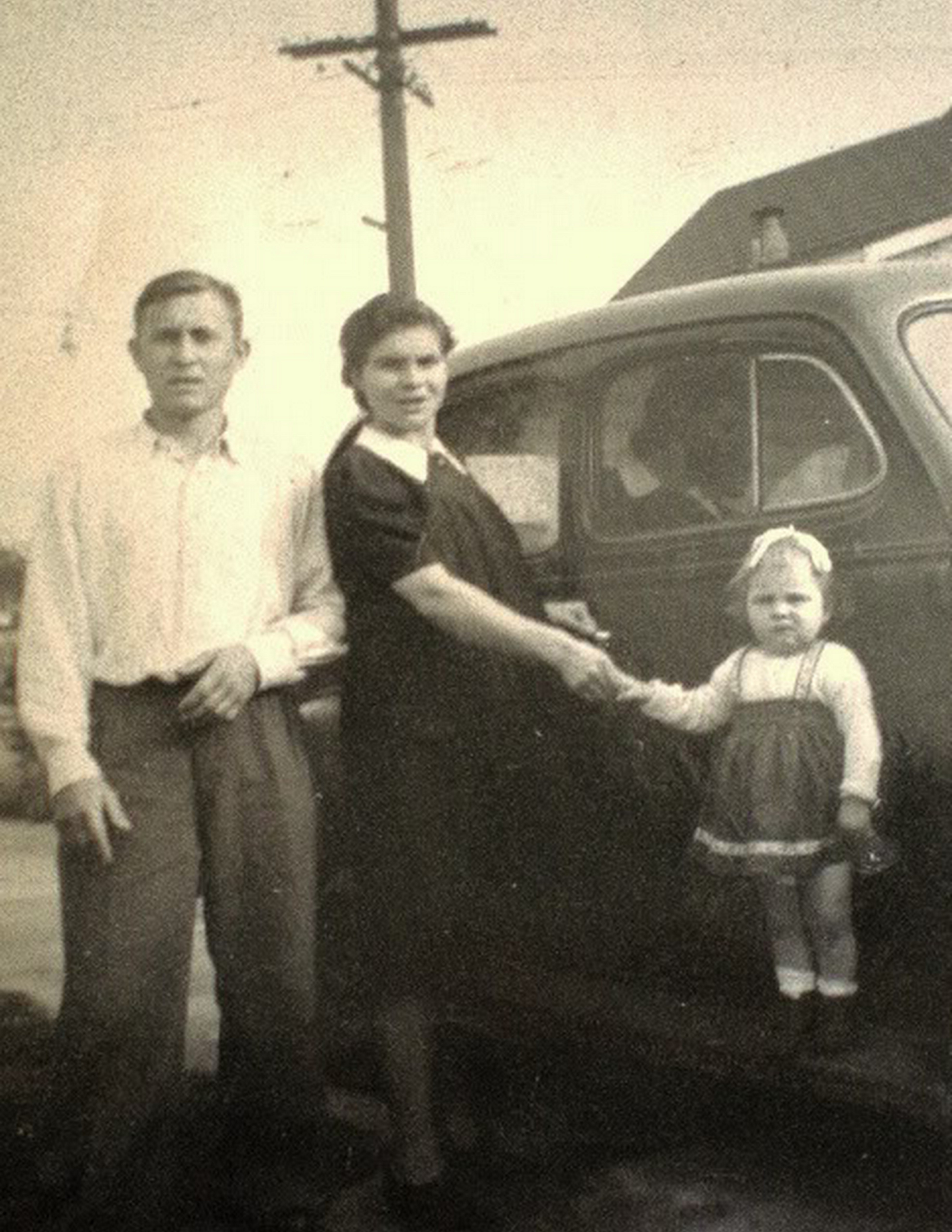
(This photo is taken after my parents and sister Kathy settled in Los Angeles. This was sometime in late 1947 or early 1948. My mom is pregnant with my sister Vera in this photo and Vera was born in February of 1948.)

“Pop said he’s never shared all these details because…no one asked.  What started the retelling is that tomorrow marks the anniversary of their first arriving in NewYork…Sept. 6, 1947.  They arrived in Los Angeles on the 12th.

When Mom and Pop left Iran they got a flight on a Red Cross cargo plane..the propeller variety, that had dropped off supplies and was heading back to New York.   It was very loud he said…no seats, just benches along the sides.  Due to refueling and frequent stops it took 4 days to fly from Tehran to New York.  At  most of the stops they got out and ate…and in four places spent the night. He said they had 27 people on the plane and it was full.”


(This is probably what the inside of the Red Cross cargo plane looked like. I hope the Navy is ok with me borrowing it…)

“This is the basic itinerary.  (Pop had made a detailed journal of the trip, but lost it in the last few moves.)  From Tehran to Cairo…spent the night.  From Cairo to Rome..spent the night, got to drive by St. Peters.  From Rome to England, where they were not allowed off the plane so they had to head to Ireland to a US military base.  They spent the night there.  From Ireland they went to Iceland, then to Greenland…where they again spent the night.  From Greenland they went to New York.

Upon arrival in New York they were taken directly to the train station.  Unfortunately, the ‘coupons’ that one of pop’s brother’s, my Uncle John, secured for them weren’t signed, so they couldn’t be used. They were suppose to be vouchers for travel purchased in Iran from an agent.  So since the coupons didn’t work they were stuck in the train station with no money, no food, with a one year old. Mom and Pop were 23 and 24 at this time.

Some nice people helped them and Pop had a card with the name of a Russian church on it.  They took them on the subway to the church and arrived in the evening just as the minister was locking up.  There was no time to find a home for them to spend the night so they took them to a hotel.  Mom said, ‘They put us on the 9th floor, I was so scared..”  And the other couple they were with were on the 14th floor.  The next morning was a Sunday so the streets were empty and Mom said she looked out the window and down and there was trash blowing along the street.  Very frightening to look that far down.

The minister showed up with milk and bread, they hadn’t eaten the day before, and they remember that delivery making them feel like orphans.  They had no money, no food, and Pop only spoke a little English.  (Which he had learned working on an American Military Base in Tehran…I’ll get to that.)

The pastor took them to church and that night they stayed with a family.  On Monday they put them on a train to Chicago.

Two vivid memories of their time in NewYork…  It was the first time Mom had seen toast, and she couldn’t figure out how they got it perfect on both sides.  She also got stuck in a revolving door and couldn’t get out.  She said, they weren’t educated enough to be in New York.

In Chicago another group from a church met them, fed them, gave them a place to stay, and then put them on a train to Los Angeles.  It should be noted that Kathy was very good during all of this, only cried a little.  At some point in this US leg of the journey they were able to contact people in LA to wire them money for the train tickets.  Pop figured it took them about 2 years to pay back all of the costs of their trip to the States.”

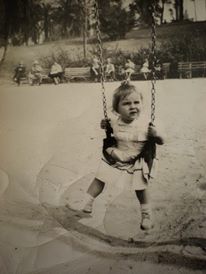
(This is a photo of my sister Kathy in a park in Los Angeles, California. Love how the older folk sitting on the benches in the background all have hats on.)

My parents were the first of their families to arrive in the U.S.A.

“In the course of telling this story Pop mentioned other jobs he’d had so I made him list them in order…here is roughly the job history.

His first job was driving horses plowing the fields in Russia.  There were four horses hooked to the plow.  He worked plowning.  (Think clowning)  He also worked threshing the wheat.

Then he worked as a shepherd.  A group of families had cows, sheep, and goats and it sounds like the kids from each family took turns watching the animals.

When they moved to Tehran he worked as a babysitter/houseboy doing whatever the woman of the house wanted him to do.

Later, in Iran he had a job feeding cows.  Then after they were milked he would walk around town to the customers they had and sell milk from a bucket by the cup.

After that he went to work on some of the Shah’s land doing farming.  When it wasn’t farming season he would deliver sand and bricks to road crews.

Then he had jobs on Military bases…he worked on the American base in the kitchens washing out the pans. They would feed him while he was there, and give him food to hide on his body to take out to his family.  (Not technically allowed to take the food, but the cook was nice.)  It’s also where he learned to speak some English.

He also worked on the Russian military base as a mechanic.  He said he ‘fix em’ Chevy’s and Studebaker’s, when they had been in accidents, we fix em up.

His last job in Tehran was in a brick factory.  It was far away so he needed to have transportation.  He said, he and Mom lived in an apartment with 4 other families above a sauna house owned by a Turkish man.  He sold Pop a bike that he had stolen…  When I asked, ‘he stole the bike?”  He said,’Yes, but he sold it to me real cheap, and nobody would recognize it because they changed the color.”  He rode the bike to work every day.”

Ellen’s thoughts…

When I think of what my parents went through to get to the United States I’m so grateful. Grateful to God for giving them the courage and faith to face the unknown. Just the language barrier had to be scary. They had a little toddler and my mom was pregnant with my sister Vera during this journey. Sitting on a bench in a loud cargo plane with 24 other people with a little one in diapers, amazing. They had no idea what kind of life they were going to have in the United States. They had only lived in villages where maybe there were a few 2 story stuctures and here they were in New York City with tall buildings. When they arrived in Los Angeles my dad worked odd jobs in carpentry and construction. They helped the rest of their extended family immigrate to the U.S. over a number of years. Each of these family units lived with my parents until they could get into a place of their own. My mother’s father was killed in Iran after my parents came to the U.S. My mother’s mom immigrated to the U.S.A. with my Uncle and Aunt as a widow. So much hardship endured and they persevered over the years and have always expressed their thankfulness to God for bringing them to the U.S.A. They had 9 children total. Their first daughter died in Iran when she was a toddler. Here are the 8 of us in age order…this is an old photo taken in 2003 at the 40th birthday party of Leonard and Lana, our youngest siblings (twins).
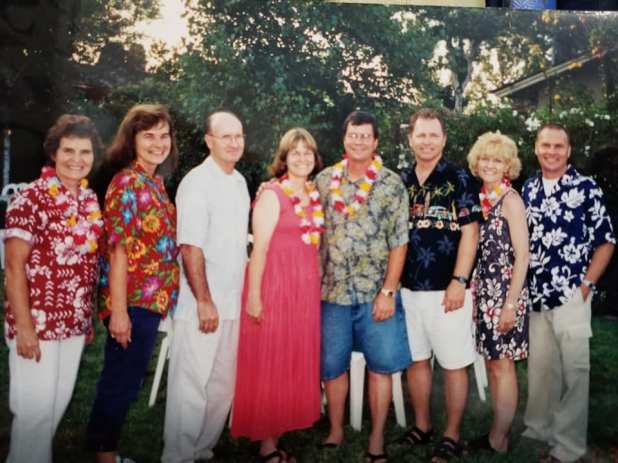
Kathy, Vera, Fred, Ellen, Tim, Steve, Lana, Leonard

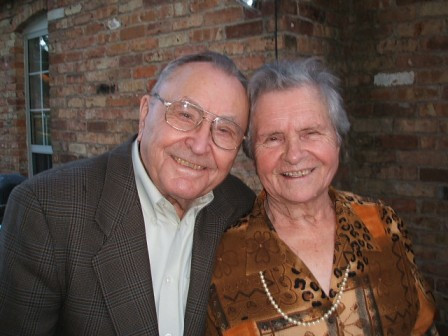
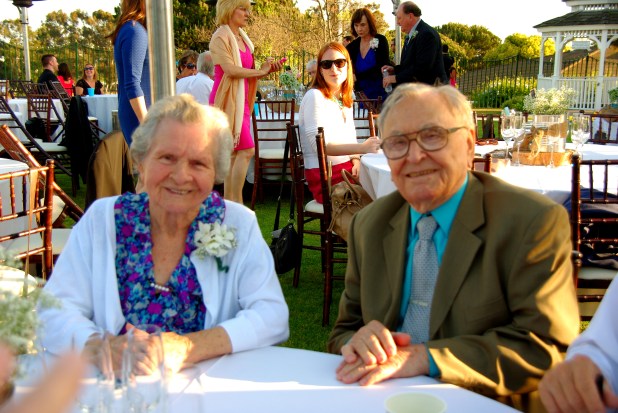
My mom and pop in 2006?
IMGP9771

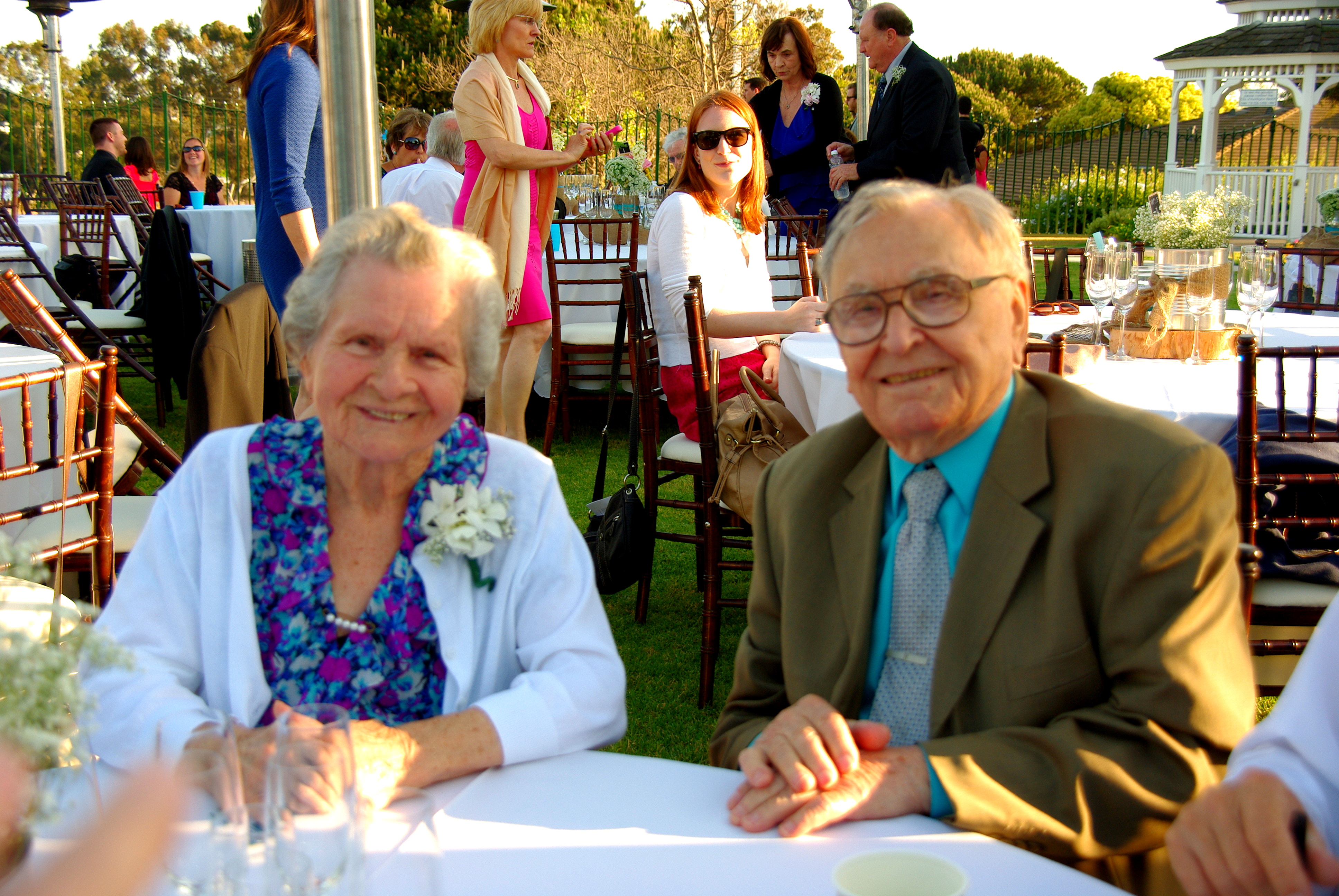
My mom and pop at my niece’s wedding in April of 2013.

We had a 90th birthday party and early 70th wedding anniversary party for my parents at the end of April in 2013. This is our clan minus a few at the party we had for them. We were so happy to have had this celebration as my mom took ill later that summer and never recovered. My mom went to be with her Savior on September 13, 2013 on my parents’ 70th wedding anniversary. My father is now 92.

This is a post from a few years ago but I decided since it is the anniversary of my parents arriving in the U.S.A. today I would re-post it with a few updates and added photos.

Hope you are having a restful Labor Day Weekend. We have been taking it easy at this old house. This is a long post so I’ll sign off here.