Random Ruby in Washington D.C…

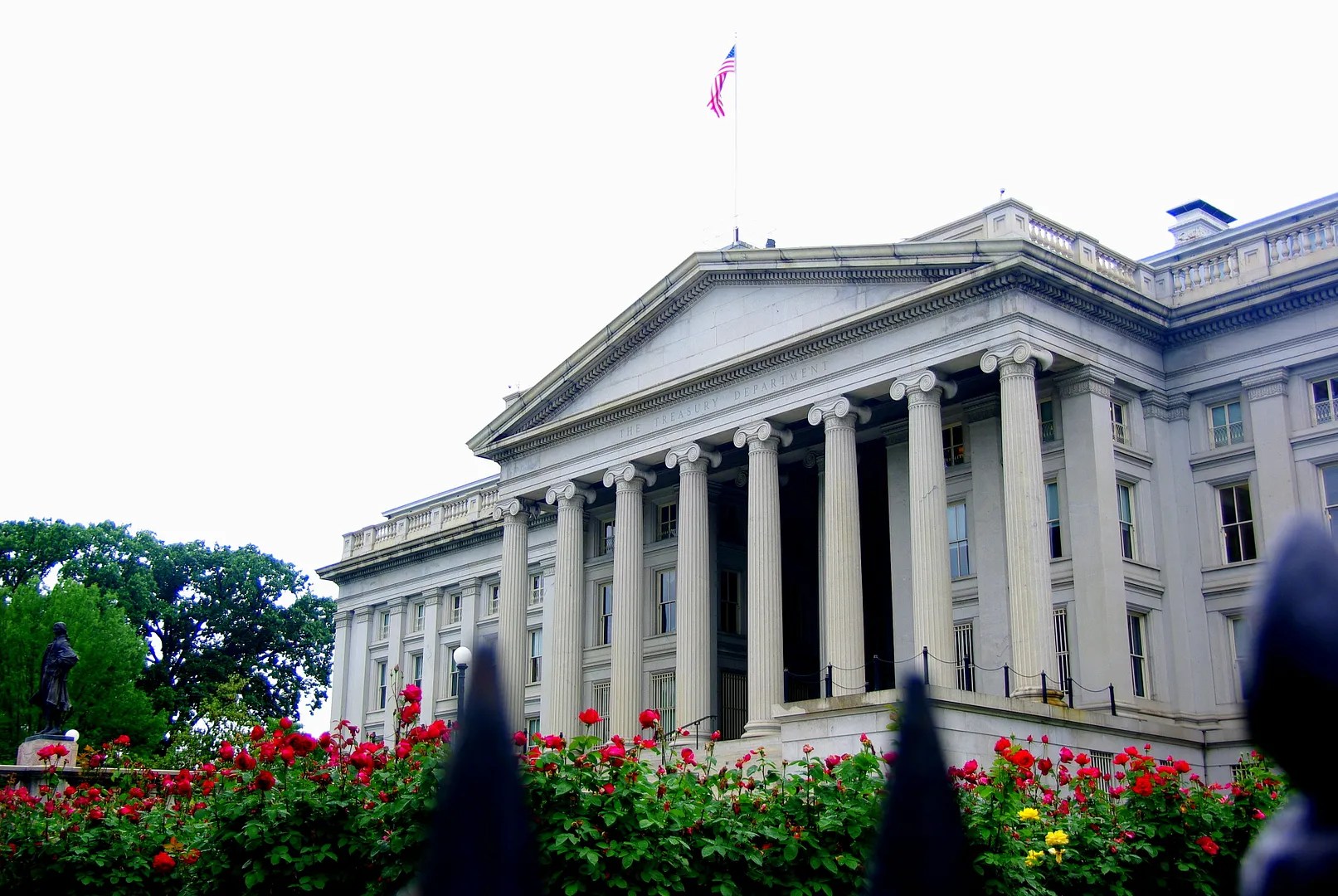
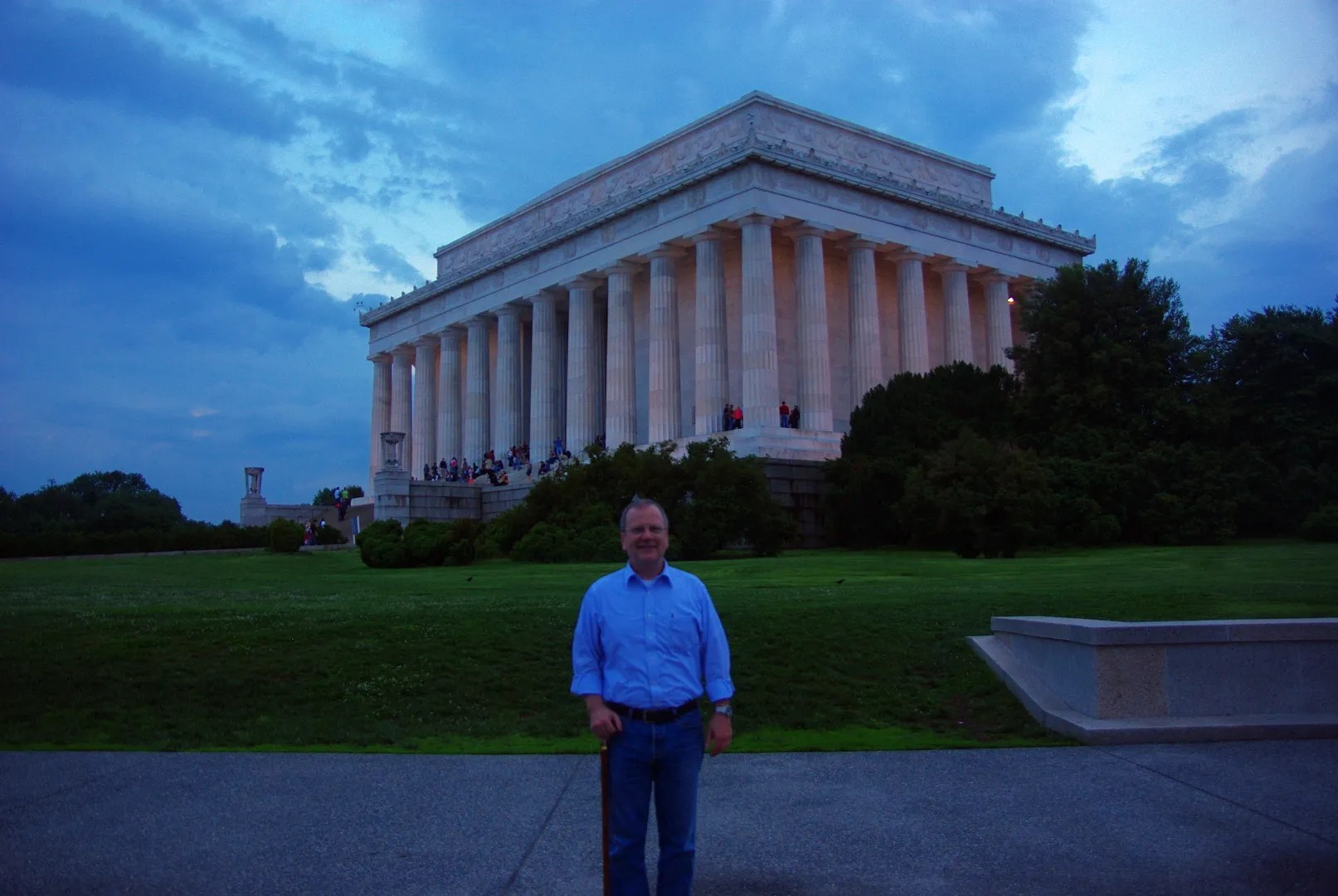
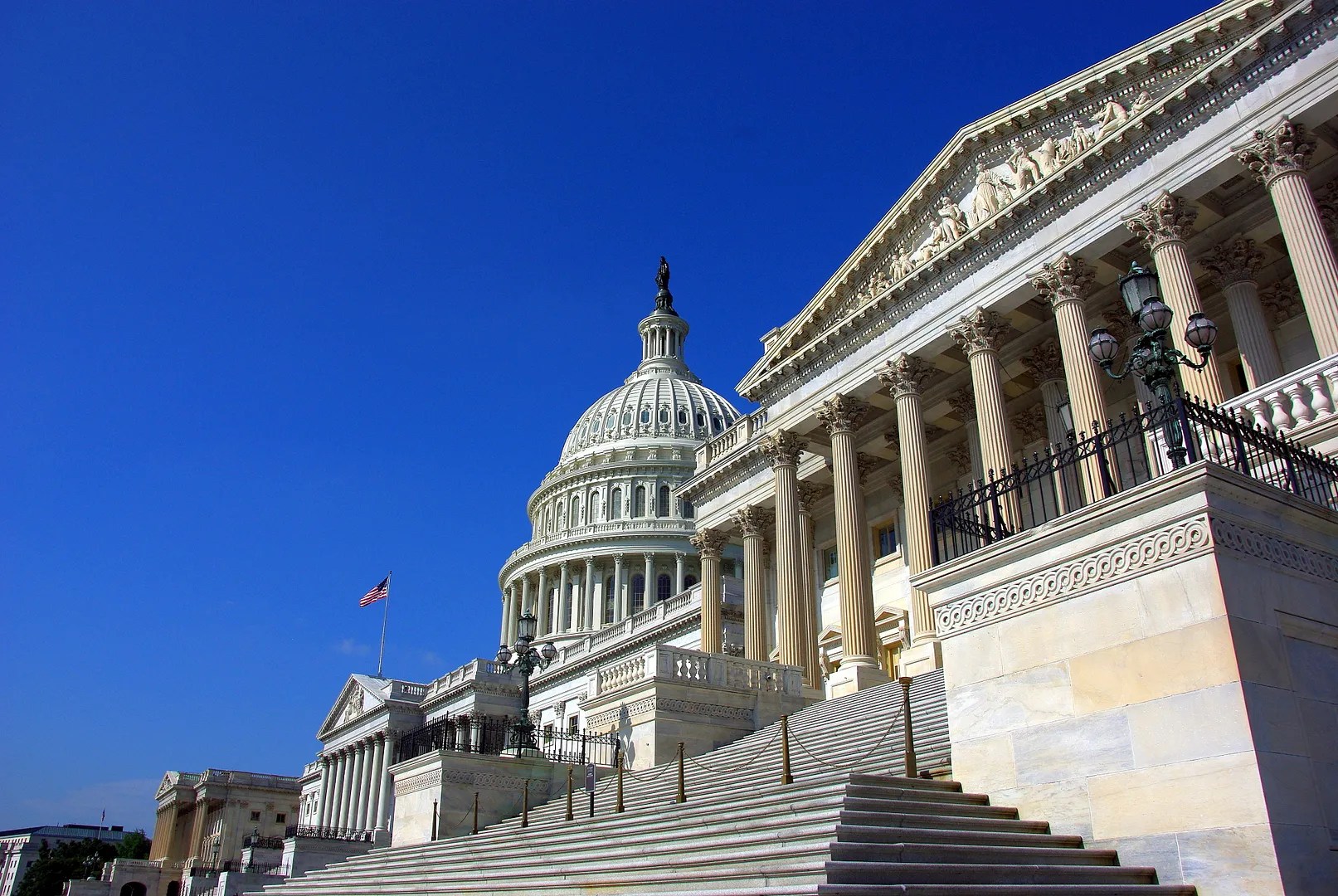
Here are some of my photos from Washington D.C. that happen to have a lot or just splashes of Ruby in them. I’m linking with Mary at Work of the Poet for Ruby Tuesday.

We really enjoyed the trolley tours that take you to lots of major monuments, etc. The drivers are really knowledgeable and you get a great D.C. education.

Hope your Monday went well and that your Tuesday will be even better!

Can You Name That Statue?

Oh dear me…

I saw and took pictures of so many statues while in Washington D.C. I’m embarrassed to say I don’t know who half of them are. Maybe you can help me? If not I’ll have to start googling images and try to figure it out. I was also in a quandary as to whether I should call them statues or sculptures.

This one is for my Canadian friends. The statue is in the plaza area of the Canadian Embassy in Washington D.C.

Grand Army of the Republic
Organized at Decatur Illinois, April 6, 1866
By Benjamin Franklin Stephenson M.D.

On some of the statues I managed to get the name in the photo so that is helpful. This statue of Major General Winfield Scott Hancock was sculpted by Henry Jackson Ellicott in 1896. Hancock fought in the Mexican, Seminole and Civil Wars.

Another easy one of Ben Franklin in front of the Old Post Office which is now a mall.

Sitting statues are popular in D.C. Here is the Majesty of Law Statue in front of the Rayburn House Office Building.

Contemplation of Justice

These last two sit in front of the Supreme Court Building. This one is called Authority of Law.

This is the Columbus Statue that sits outside Union Station.

Architect John Russell Pope placed four monumental statues around the National Archives Building. Each was cut from a single block of limestone weighing 125 tons. Aitken’s “The Future” sits on the Pennsylvania Avenue side of the building. The young woman lifts her eyes from the pages of an open book and gazes into the future. Its base is inscribed with a line inspired by Shakespeare’s play The Tempest: “What is Past is Prologue.”

This was taken on the grounds of the National Cathedral in D.C., George Washington.

The white marble Peace Monument was erected in 1877-1878 to commemorate the naval deaths at sea during the Civil War. Inscribed “In memory of the officers, seamen, and marines of the United States Navy who fell in defense of the Union and liberty of their country, 1861-1865.”

The Garfield Monument

Believe me when I say these are no where near even half of the statues around the D.C. area. There are many I missed.

Photobucket replaced all my photos with blurred out versions and photobucket stamped versions. They are holding my photos hostage until I pay them lots of money. I’m slowly going through all my posts and trying to clean them up and replacing some photos. Such a bother.

A Look at Abraham Lincoln in D.C.

This post will be loaded with photos so don’t say I didn’t warn you.

I’m joining Jenny for Alphabe-Thursday for the Letter L.

I’m gathering all my photos that I took while I was in D.C. in May of Abraham Lincoln. I’ll start with the less obvious views around D.C. and end with the Lincoln Memorial.

The spot where life ended tragically for our 16th President.

I’m adding humorous quotes from here on out from President Lincoln.

From the National Portrait Gallery…

“Whatever you are, be a good one.”

“He can compress the most words into the smallest ideas better than any man I ever met.”

“When I hear a man preach, I like to see him act as if he were fighting bees.”

“Most people are about as happy as they make up their minds to be.”

“When you have got an elephant by the hind leg, and he is trying to run away, its best to let him run.”

“You can fool some of the people all of the time, and all of the people some of the time, but you cannot fool all of the people all of the time.”

Hope your summer is swimming along. We are enjoying some happy weather here in the Northwest!

Photobucket replaced all my photos with blurred out versions and photobucket stamped versions. They are holding my photos hostage until I pay them lots of money. I’m slowly going through all my posts and trying to clean them up and replacing some photos. Such a bother.

The Capitol and Statue of Freedom ~

Because this is our 4th of July weekend in the U.S.A. I thought it would be good to post my photos of the U.S. Capitol and the Statue of Freedom that crowns the Capitol Dome.

Statue of Freedom

The bronze Statue of Freedom crowns the dome of the U.S. Capitol. Her right hand rests upon the hilt of a sheathed sword; her left holds a laurel wreath of victory and the shield of the United States with thirteen stripes. Her helmet is encircled by stars and features a crest composed of an eagle’s head, feathers, and talons, a reference to the costume of Native Americans. A brooch inscribed “U.S.” secures her fringed robes.

U.S. Capitol Building

The Capitol building is one of the most symbolically important buildings in the United States. President Washington laid the cornerstone on 18 September 1793, and it has housed the meeting chambers of the House of Representatives and the Senate for two centuries.

Nothing in the United States symbolizes democracy more than the U.S. Capitol Building. For nearly two centuries, it has been home to both chambers of Congress and has evolved and expanded as times changed and the nation grew. The building itself has more than 16 acres of space and 540 rooms. The Capitol Grounds cover about 274 acres with sloping lawns, splashing fountains and beautiful terraces.

The statue at Emancipation Hall is a plaster model of the Statue of Freedom. The actual Statue of Freedom sits high atop the U.S. Capitol Dome. The plaster cast gives visitors a good idea of what the real thing looks like.

This is a small view of the inner dome and canopy over the Capitol Rotunda. I’ll have another post of more photos from the inside of the Capitol on another day. E Pluribus Unum ~ Out of many one. E pluribus unum was suggested by the committee Congress appointed on July 4, 1776 to design “a seal for the United States of America.”
E Pluribus Unum still appears on U.S. coins even though it is no longer the official national motto! That honor was given to In God We Trust in 1956 by an Act of Congress.

Hope you enjoyed these views of our Nations Capitol and a great symbol of freedom. That’s what we celebrate every 4th of July.

We’ve been getting our patio all ready to go for our 4th of July celebration hoping that we get our long awaited summer for many days in a row! Hope your weekend is going well!

Photobucket replaced all my photos with blurred out versions and photobucket stamped versions. They are holding my photos hostage until I pay them lots of money. I’m slowly going through all my posts and trying to clean them up and replacing some photos. Such a bother.

The Washington Monument

I’m trying to finish posting my Washington D.C. photos. These are the shots I got of the Washington Monument.

The Washington Monument is the most prominent structure in Washington, D.C. and one of the city’s early attractions. It was built in honor of George Washington, who led the country to independence and then became its first President. The Monument is shaped like an Egyptian obelisk, stands 555’ 5 1/8” tall, and offers views in excess of thirty miles. It was finished on December 6, 1884.

In an elaborate Fourth of July ceremony in 1848, the cornerstone was laid. The outbreak of Civil War of 1861 delayed the completion of the monument. When Lt.Col.Thomas L.Casey, Mills’ successor, resumed work on the project in 1876, he heavily altered the original design for the monument so that it resembled an unadorned Egyptian obelisk with a pointed pyramidion. The U.S. Army Corps of Engineers of the War Department was charged with completing the construction, and the monument was dedicated on February 21, 1885, and officially opened to the public on October 9, 1888.

They were cleaning the reflecting pond while we were in D.C. so we didn’t get the best shots from the Lincoln Memorial.

Weighing 81,120 tons, the Washington Monument stands 555′ 5-1/8″ tall. The walls of the monument range in thickness from 15′ at the base to 18” at the upper shaft. They are composed primarily of white marble blocks from Maryland with a few from Massachusetts, underlain by Maryland blue gneiss and Maine granite. A slight color change is perceptible at the 150′ level near where construction slowed in 1854.

Hope your Wednesday is going well. Only one more day of June left. Are you going to stick around for the long July 4th weekend or Canada Day Weekend or are you headed out? We are staying close to home.

Today I have a recipe posted on Mennonite Girls Can Cook for Chicken Perlo, a Southern dish.

Photobucket replaced all my photos with blurred out versions and photobucket stamped versions. They are holding my photos hostage until I pay them lots of money. I’m slowly going through all my posts and trying to clean them up and replacing some photos. Such a bother.

Thomas Jefferson Memorial

Have you noticed when playing the Alphabe-Thursday Meme how fast the weeks fly? We are already on the letter J. Thank you to our hostess Jenny for a good reason to remember our ABC’s. J is for Jenny and for the Thomas Jefferson Memorial.


Thomas Jefferson


In the thick of party conflict in 1800, Thomas Jefferson wrote in a private letter, “I have sworn upon the altar of God eternal hostility against every form of tyranny over the mind of man.”


This powerful advocate of liberty was born in 1743 in Albemarle County, Virginia, inheriting from his father, a planter and surveyor, some 5,000 acres of land, and from his mother, a Randolph, high social standing. He studied at the College of William and Mary, then read law. In 1772 he married Martha Wayles Skelton, a widow, and took her to live in his partly constructed mountaintop home, Monticello.

Freckled and sandy-haired, rather tall and awkward, Jefferson was eloquent as a correspondent, but he was no public speaker. In the Virginia House of Burgesses and the Continental Congress, he contributed his pen rather than his voice to the patriot cause. As the “silent member” of the Congress, Jefferson, at 33, drafted the Declaration of Independence. In years following he labored to make its words a reality in Virginia. Most notably, he wrote a bill establishing religious freedom, enacted in 1786.


My Dear, who takes the time to read things when we visit monuments or museums.


Hope your first week of summer is starting off well. June will be over before we know it! Thanks for stopping by and taking the time to comment.

Photobucket replaced all my photos with blurred out versions and they are holding my photos hostage until I pay them lots of money. I’m slowly going through all my posts and trying to clean them up and replacing some photos. Such a bother.

Folk Art ~ We the People…


Can you read this? Isn’t it clever? This was in the National Portrait Gallery in Washington D.C.

This was one of my favorite museums to visit in Washington D.C. The truth of the matter, is my favorite museums and places to visit were ones that weren’t over the top noisy and filled with 20 or more school tour groups. Loud, out of control, disrespectful groups especially at Memorials were very disappointing and distracting. I was a school teacher and I do enjoy children but there was nothing in some of their behavior that needed to be enjoyed. This was my least favorite thing about Washington D.C. Thanks for letting me get that off my chest.

Yesterday was a glorious sunny day here in the Seattle area. I pulled a lot of weeds and cleaned up some planters. Today I’ll be mowing the lawn. Hope your day is good…

Photobucket replaced all my photos with blurred out versions and they are holding my photos hostage until I pay them lots of money. I’m slowly going through all my posts and trying to clean them up and replacing some photos. Such a bother.

Photo Shoot Monday ~ Night Photography


This weeks photo challenge from Carly at Ellipsis is Night Photography. I’m sharing some of my Washington D.C. Moonlight Tour photos.


This can be considered dusk as well as the next photo.


Now for a flashback…


Our daughter Katie at night outside a Seattle restaurant after celebrating the completion of her degree. This next photo shows her backdrop.


Thanks Carly for the prompt.

To everyone who visits here I’d like you to know I appreciate it and the kind comments you leave. Today I’m enjoying the after effects of a relaxation massage my kids gifted me with on my 60th birthday last March. Tomorrow is the first day of summer and we’re still waiting for Spring around here. We are hoping for a good stretch of sunshine soon! Blessings!

Photobucket replaced all my photos with blurred out versions and they are holding my photos hostage until I pay them lots of money. I’m slowly going through all my posts and trying to clean them up and replacing some photos. Such a bother.

Icons from Russia ~ Hillwood Museum

We are already up to the letter I in Jenny’s Alphabe-Thursday. Thank you Jenny for hosting.

This long post is a series of photos and information about Marjorie Merriweather Post’s amazing collection of Russian treasures including Icons from the Russian Orthodox Church. Mrs. Post’s collection was very interesting to me because of my Russian heritage. Both of my parents were born in Russia. My parents and their families were not Orthodox, although they have many Orthodox friends. I still find these treasures fascinating.


Icon artists are not expected to be original, but instead replicate an “original” image as faithfully as they can. Therefore, it may seem that icons are repetitive. However, each work of art differs subtly from one to the next. Each generation of iconographers contributes to the steady and subtle development of the genre. Each geographical area, each era and each monastery has a distinctive style.


Russians sometimes speak of an icon as having been “written”, because in the Russian language (like Greek, but unlike English) the same word (pisat’, писать in Russian) means both to paint and to write. Icons are considered to be the Gospel in paint, and therefore careful attention is paid to ensure that the Gospel is faithfully and accurately conveyed.


Russian icons are typically paintings on wood, often small, though some in churches and monasteries may be much larger. Some Russian icons were made of copper. Many religious homes in Russia have icons hanging on the wall in the krasny ugol, the “red” or “beautiful” corner.


Mrs. Post has some four hundred objects in her Icon Room including creations by Carl Faberge, the celebrated jeweler to Russia’s imperial rulers. The icons and chalices represent the types of objects Mrs. Post acquired through government-sponsored storeroom sales and commission shops in the Soviet Union. She bought them during a period in the 1930’s, when the Soviet government sought to sell imperial treasures to raise hard currency to finance its industrialization program.


Notable among Mrs. Post’s eighty pieces of Faberge objects are two imperial Easter eggs.


Both eggs were gifts from Russia’s last tsar, Nicholas II, to his mother, Maria Fedorovna. Nicholas’ father, Alexander III, had begun the Romanov family practice of presenting specially commissioned Easter eggs to loved ones in 1885. The tradition endured for more than thirty years and yielded in excess of fifty eggs.


The stunning, midnight blue Twelve monograms Easter Egg is decorated with the Cyrillic initials AIII, for Alexander III, and MF, for his wife. Maria received this egg in 1895 as the first of many eggs Nicholas would give her following his father’s death.


Nicholas presented his mother with the pink Catherine the Great Easter Egg in 1914. This egg’s pink and white cameo-like medallions bear scenes fo the arts and sciences. Cherubs representing the four seasons adorn the smaller ovals. Between the panels in raised gold are musical instruments. This egg was named for Catherine the Great because of the marvelous “surprise” it once held inside – a miniature figure of the empress. The surprise, revealed by opening the top of the egg, was lost long ago.


Among the ceremonial objects on view are icons created for the veneration of saints, elaborate chalices used for communion, and ornate textiles, including vestments, or priest’ robes, chalice covers, and altar cloths.


I’m really in awe of Mrs. Post’s collections and her foresight in collecting and preserving these amazing treasures.

Remember if you are ever in Washington D.C. put Hillwood Estate, Museum and Gardens on your list of places to visit.

Photobucket replaced all my photos with blurred out versions and they are holding my photos hostage until I pay them lots of money. I’m slowly going through all my posts and trying to clean them up and replacing some photos. Such a bother.

Hillwood Dining Room and Breakfast Room

During a recent trip to Washington D.C. I was able to spend some time at Hillwood Estate, Museum and Gardens. This is the home of the late Marjorie Merriweather Post.  She was C.W. Post’s only child and sole heiress of the Postum Cereal Company which later became General Foods Corporation. The property is well worth a visit if you ever find yourself a tourist in Washington D.C.


The Dining Room features authentic French decor, including oak paneling recovered from an eighteenth-century Parisian home. Two of the room’s highlights are not, however, French: four large Dutch paintings of hunting scenes and a spectacular Italian table designed in 1927 for Mar-a-Lago, Mrs. Post’s home in Palm Beach, Florida, and requested in her will to be brought to Hillwood. When its six leaves are in place, it can seat more than thirty people.


Today, table settings in the Dining Room and adjacent Breakfast Room are rotated with selections of porcelain, glass, and flatware from French and Russian services.


The design of the Breakfast Room recalls the breakfast room in Mrs. Post’s New York City apartment that was built in the 1920’s. The bronze metal work is from the New York apartment, also. The gilt bronze and green glass chandelier comes from Catherine Palace, one of Catherine the Great’s favorite residences outside St. Petersburg.

I decided to include the kitchen and pantry in my post so you could see where the wonderful meals were prepared and where a lot of the dishware was stored.


Do any of you have a silver safe in your pantry? Since Mrs. Post’s death in 1973 no meals have been prepared in the kitchen. She requested it be retired.

I’ll close with this view from one of the pantry windows.

Please visit Susan at Between Naps on the Porch for more tablescapes.

Click on gardens and Russian treasures to see more of my posts on Hillwood Estate, Museum and Gardens. Later next week I’ll also post about the Russian Icon collection Mrs. Post acquired and my favorite painting in her home from 1883, A Boyar Wedding Feast.

Photobucket replaced all my photos with blurred out versions and they are holding my photos hostage until I pay them lots of money. I’m slowly going through all my posts and trying to clean them up and replacing some photos. Such a bother.